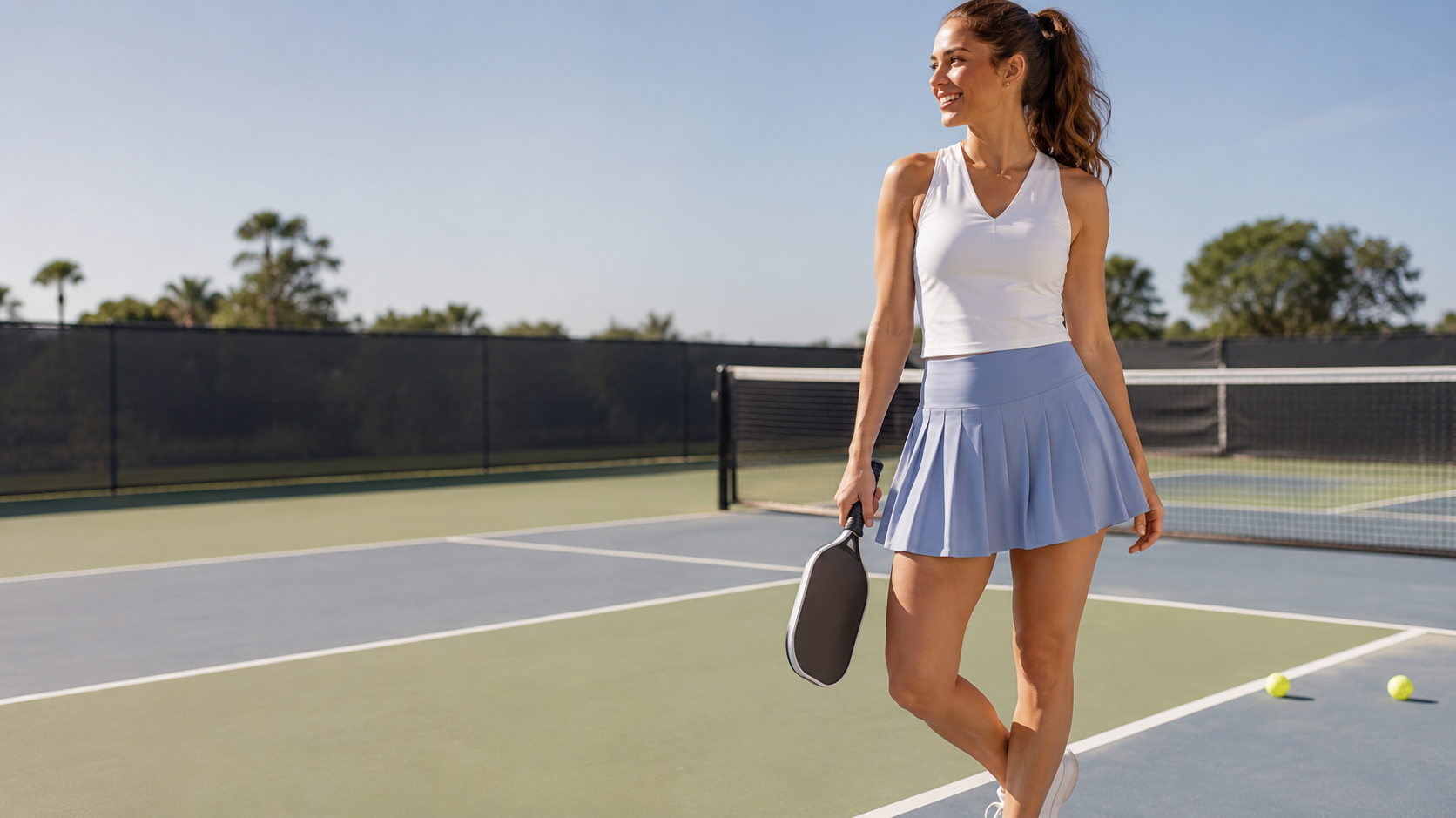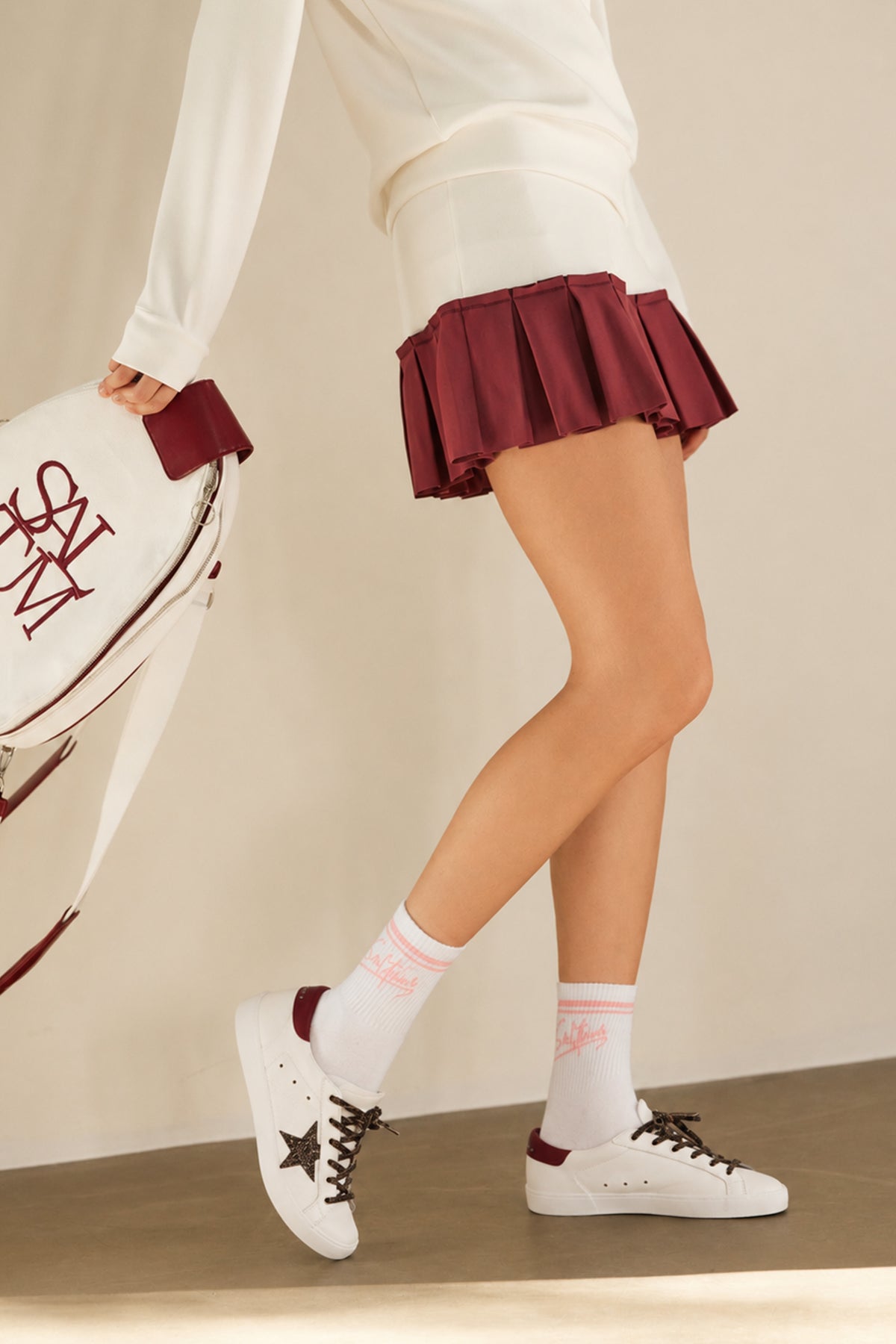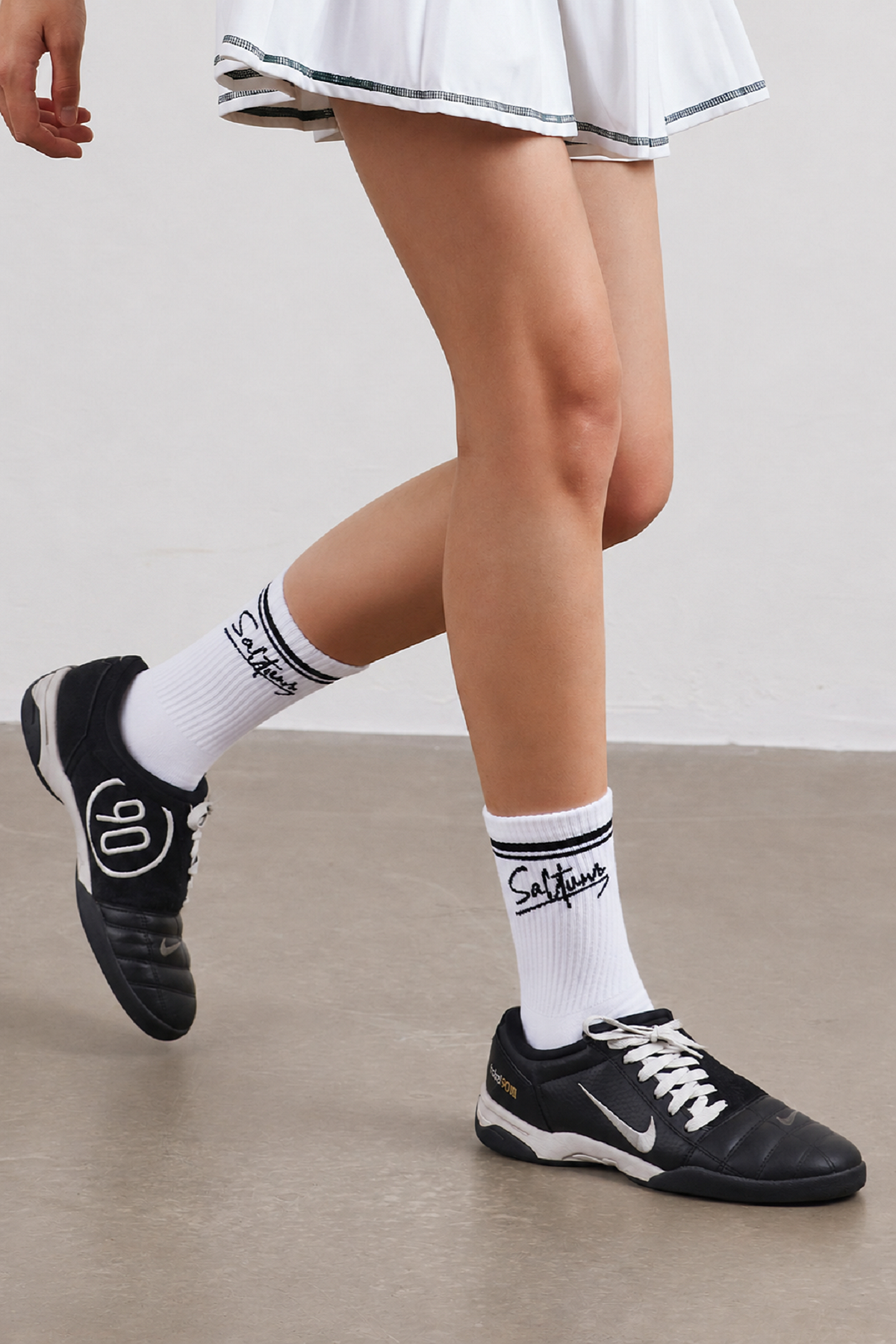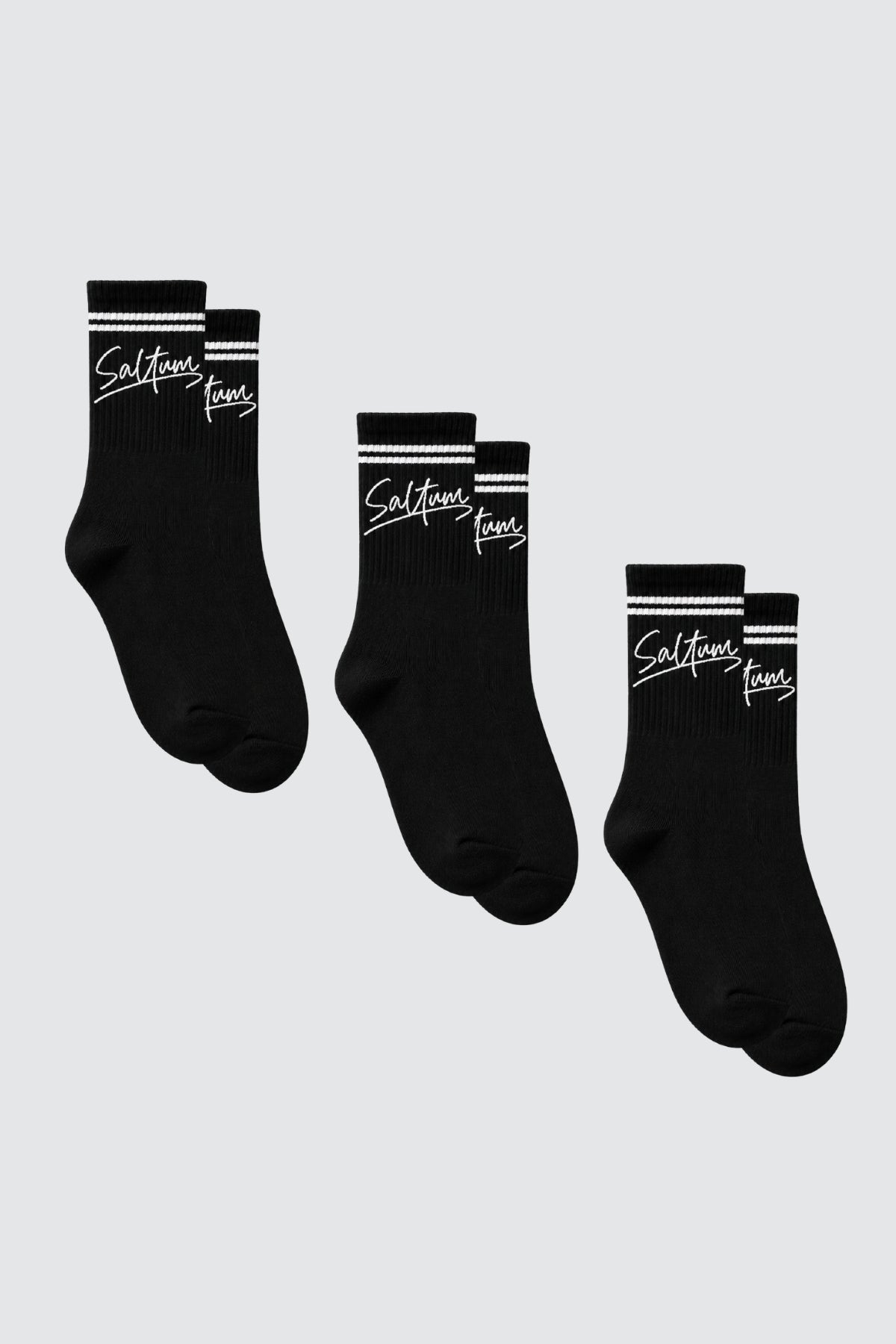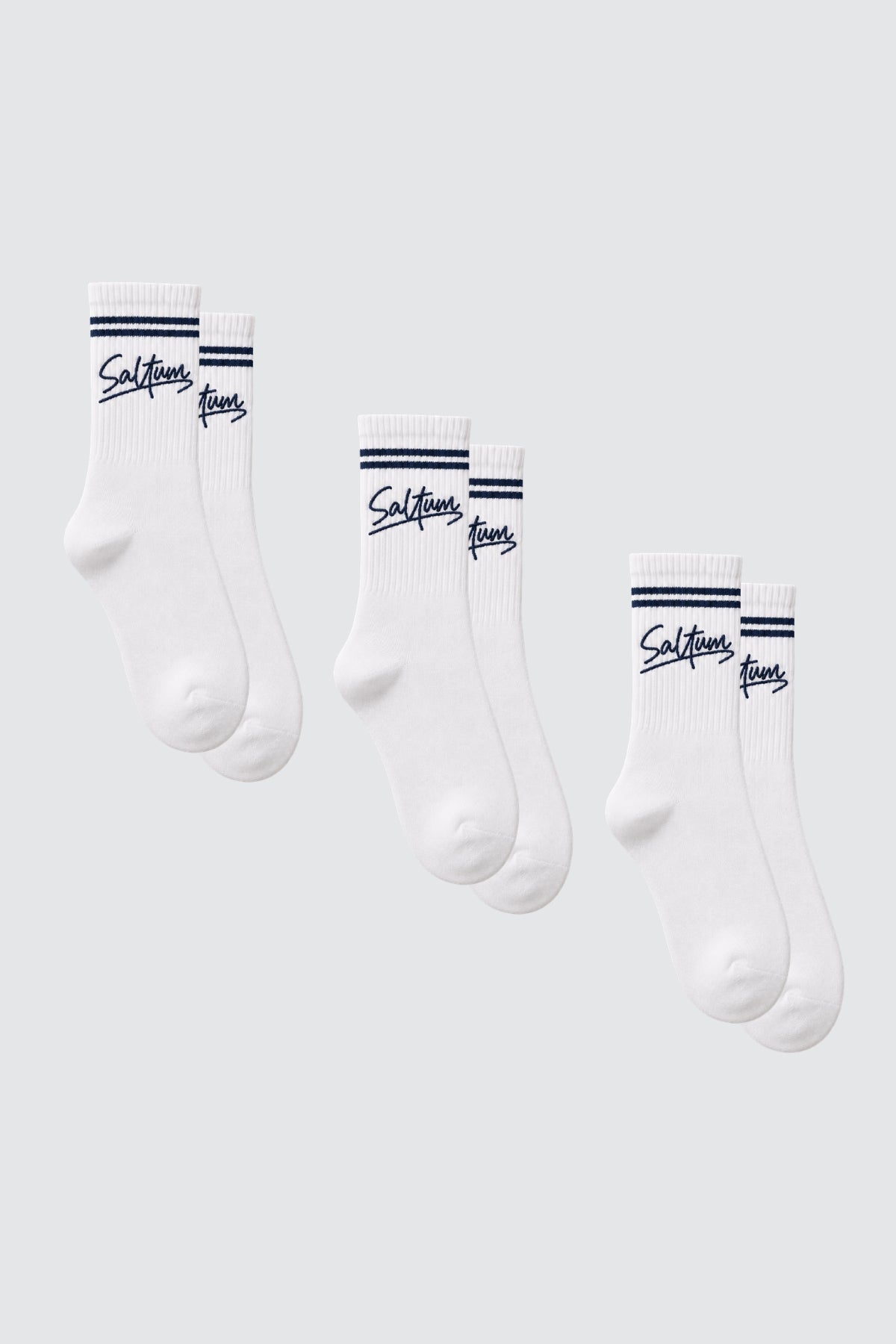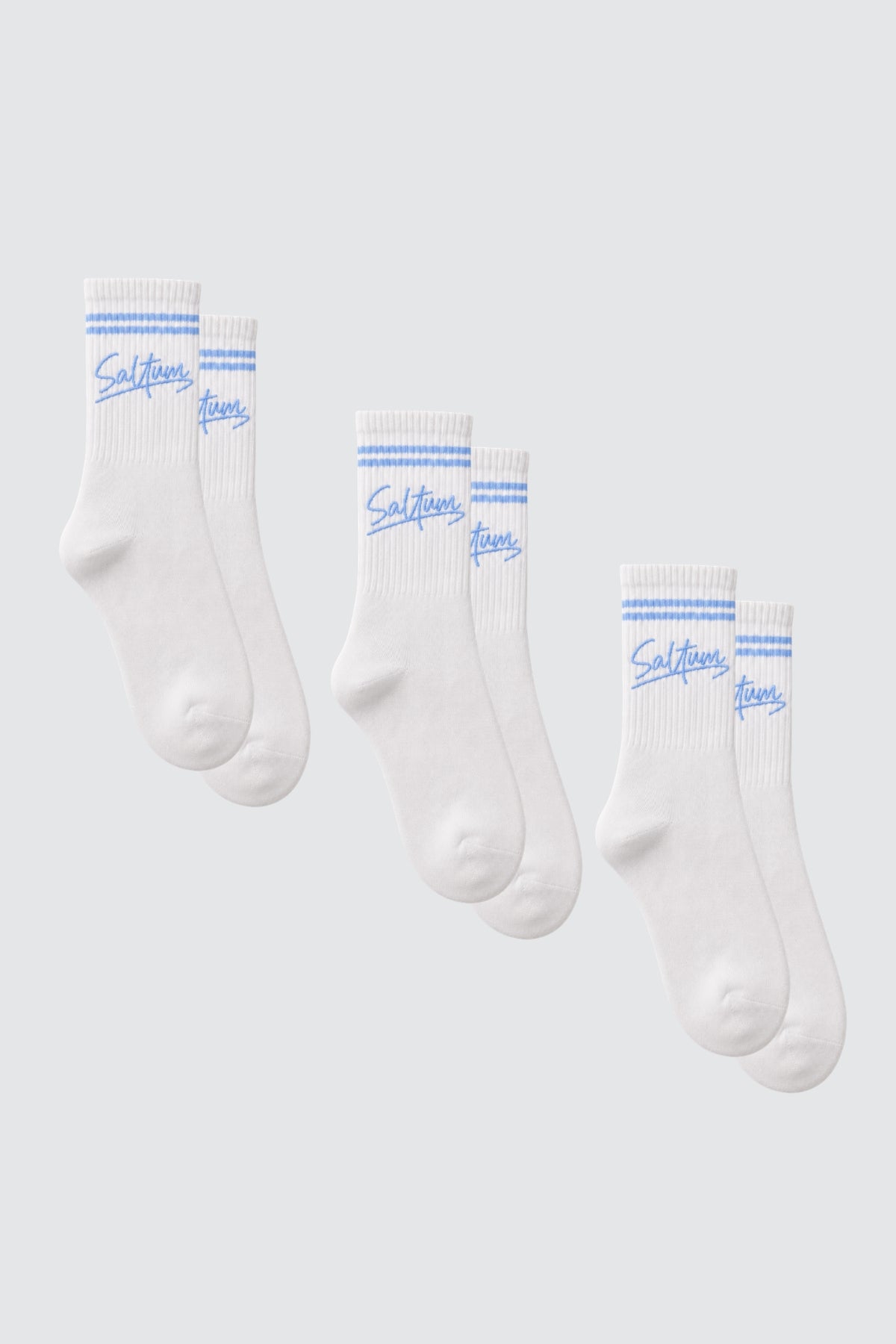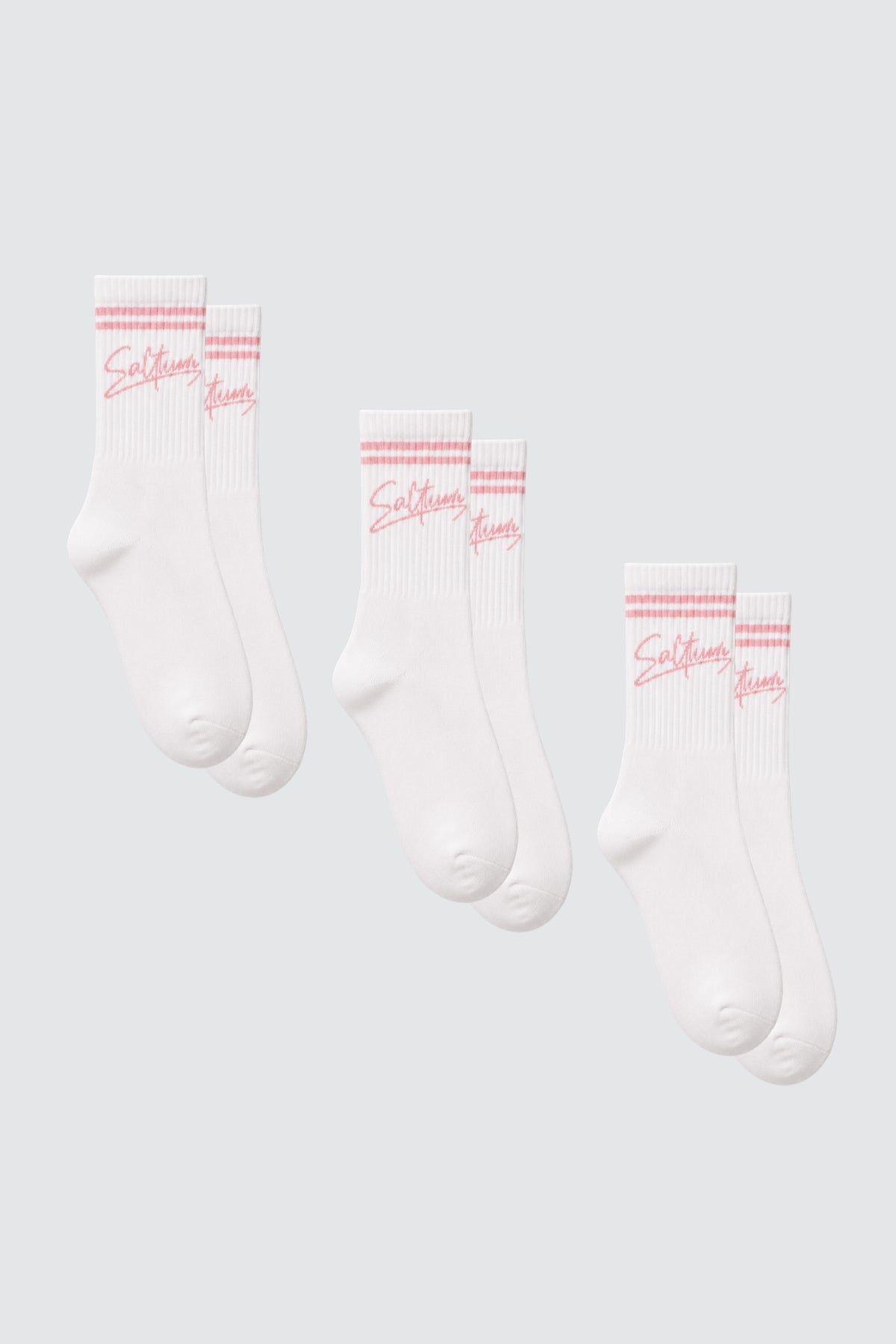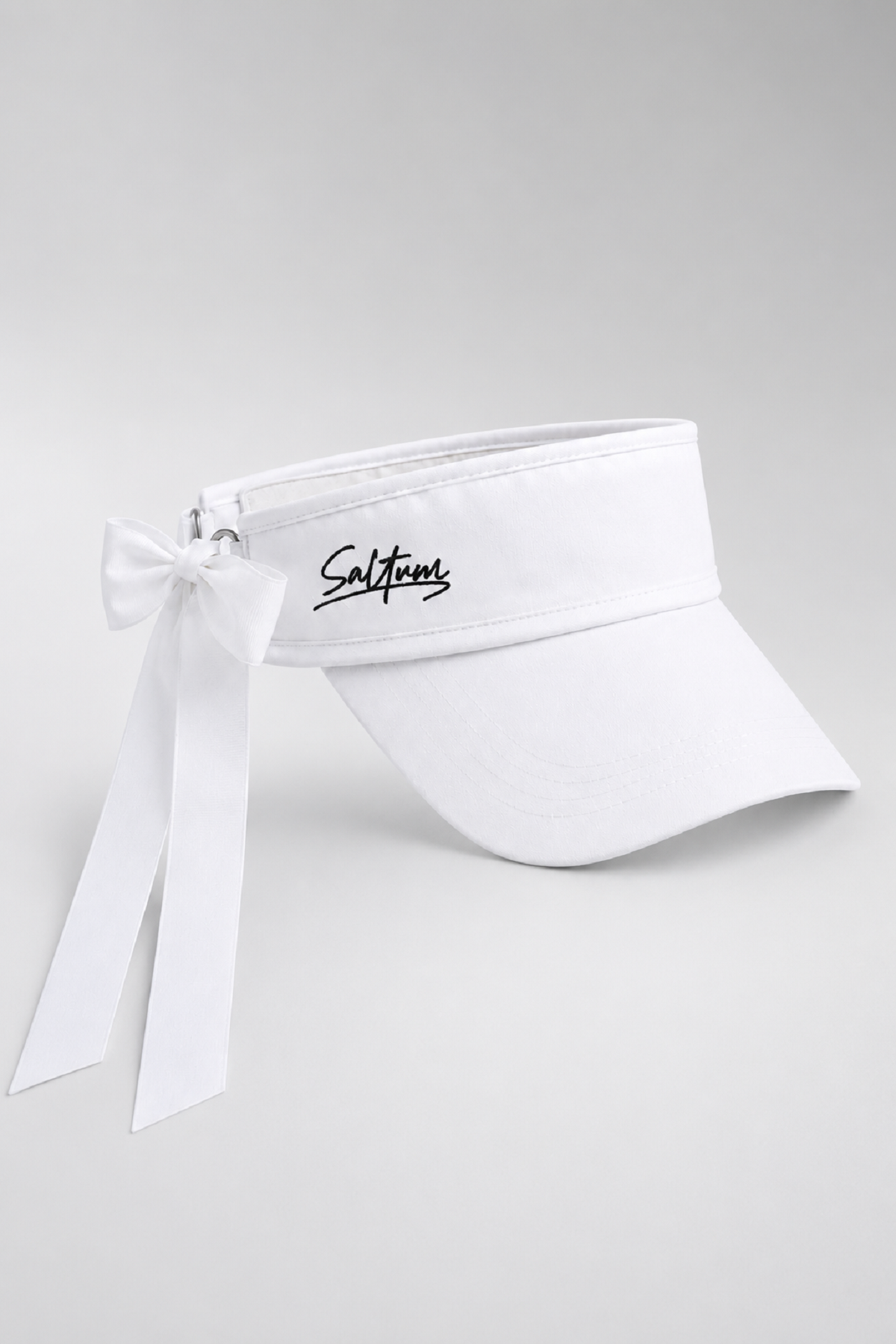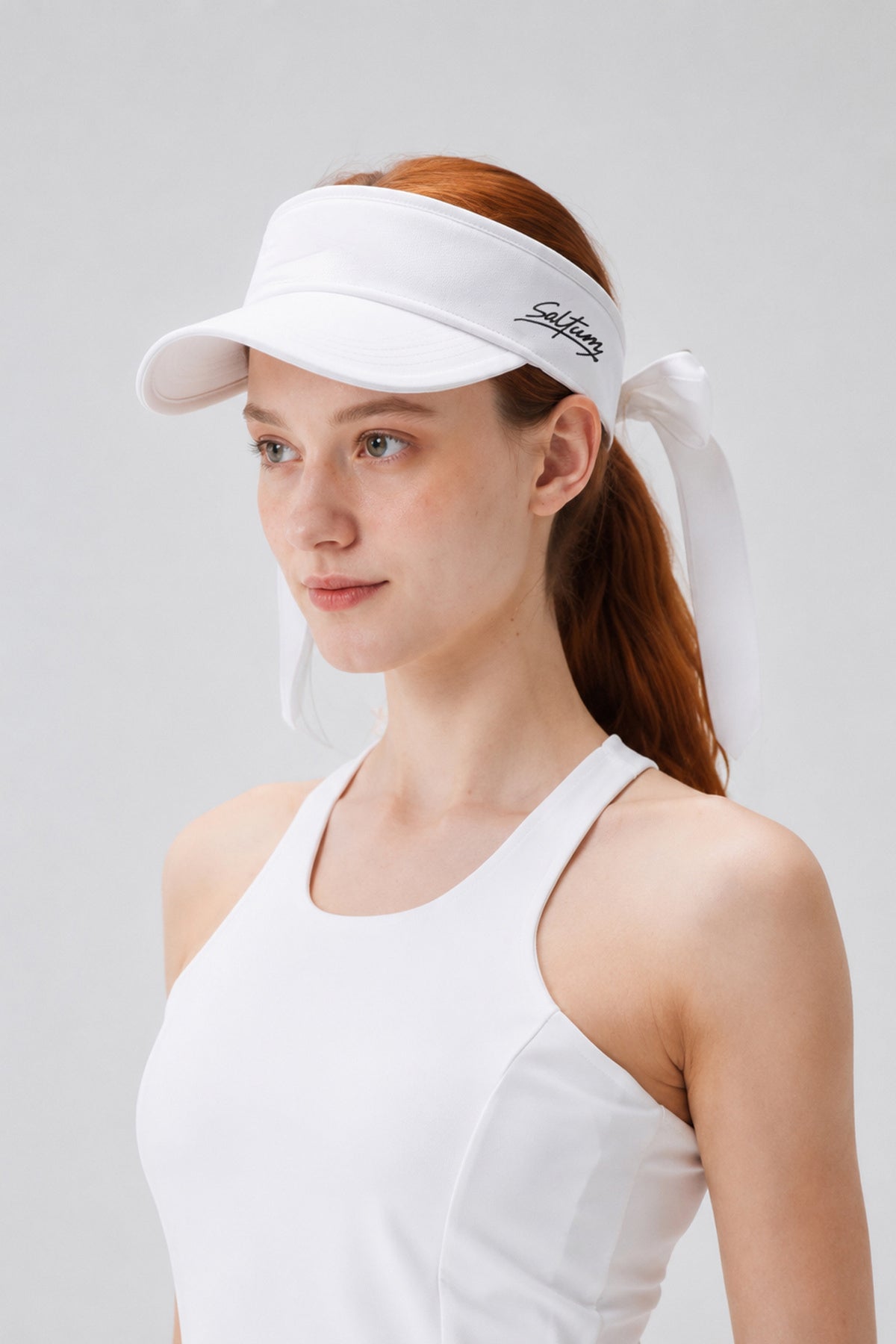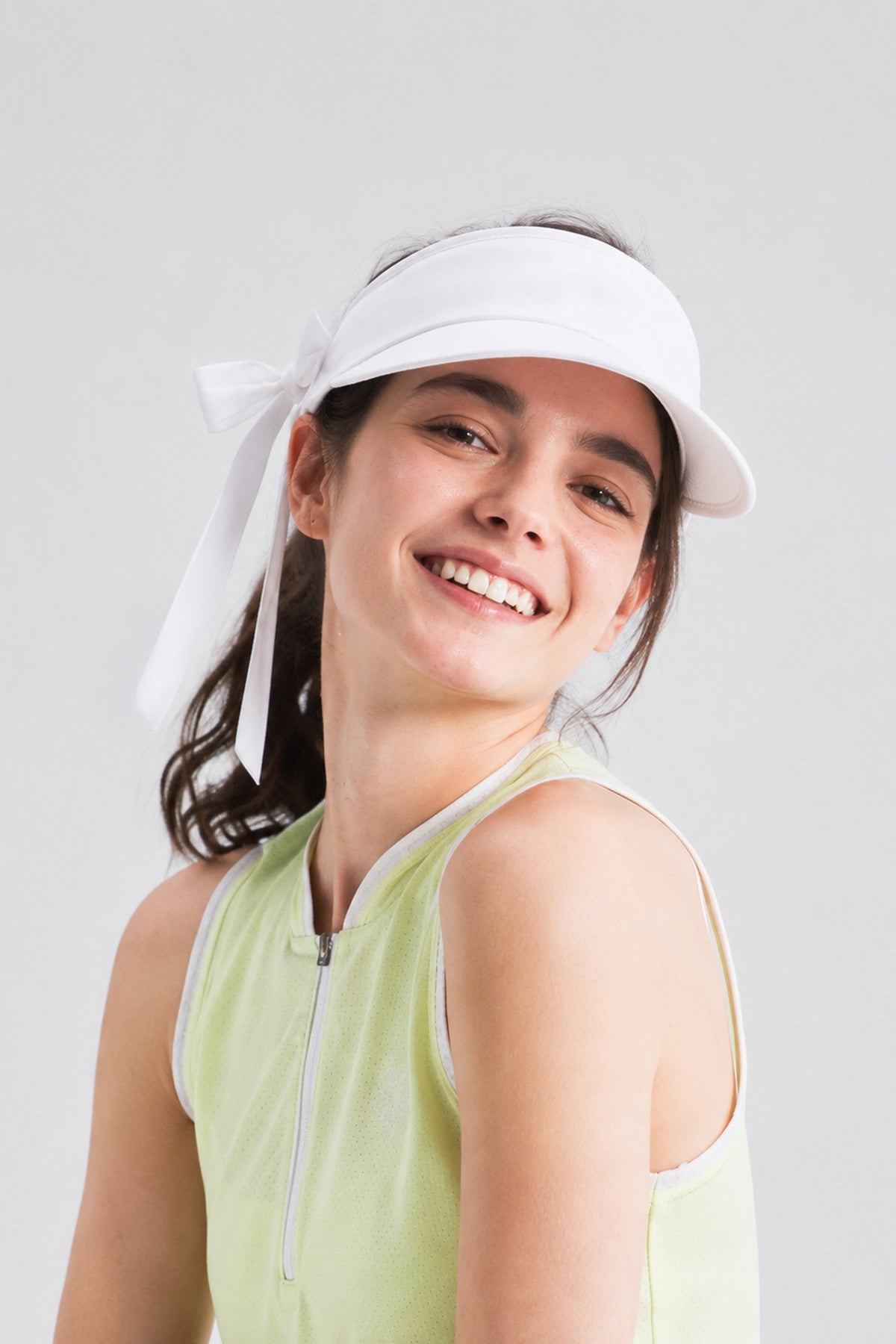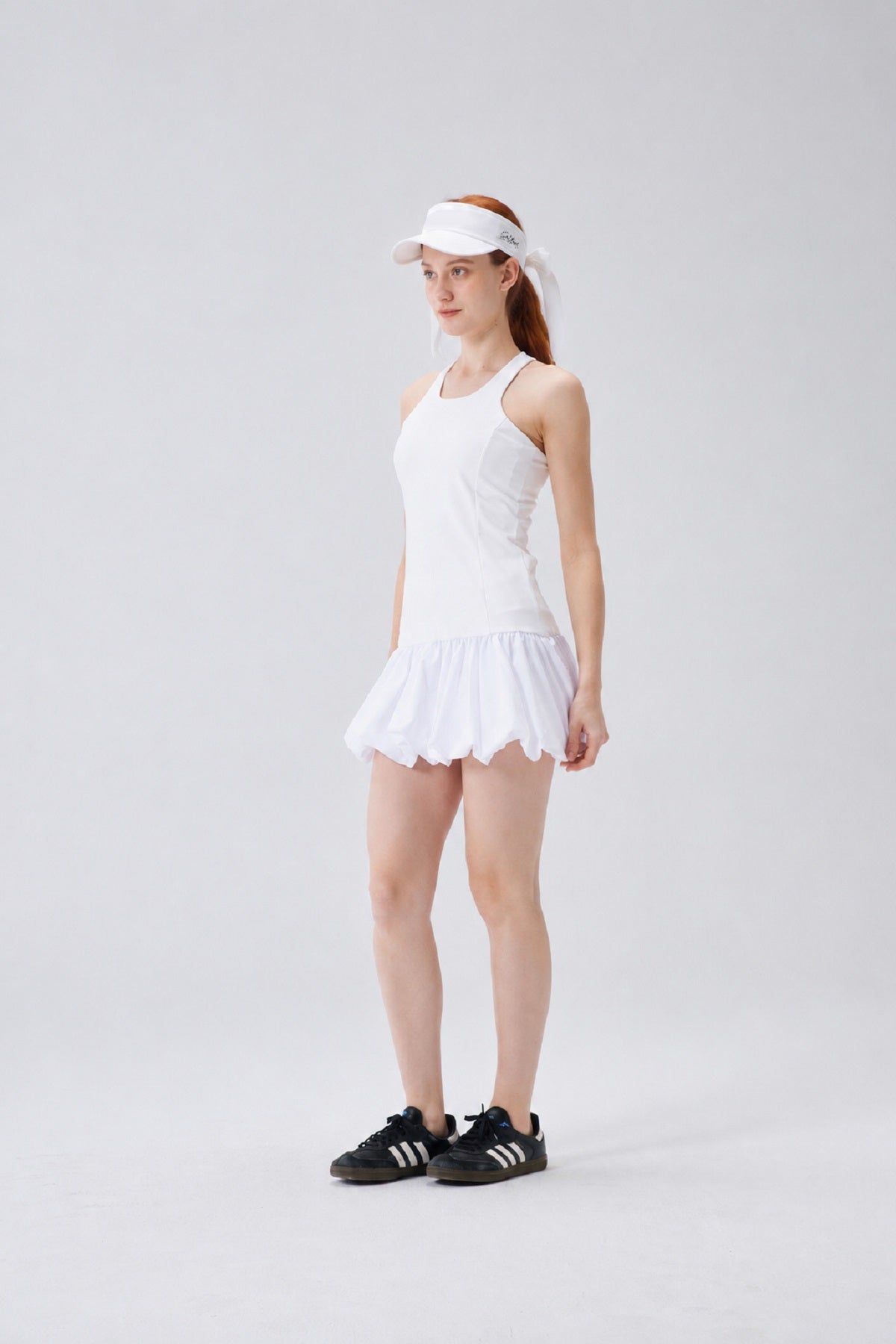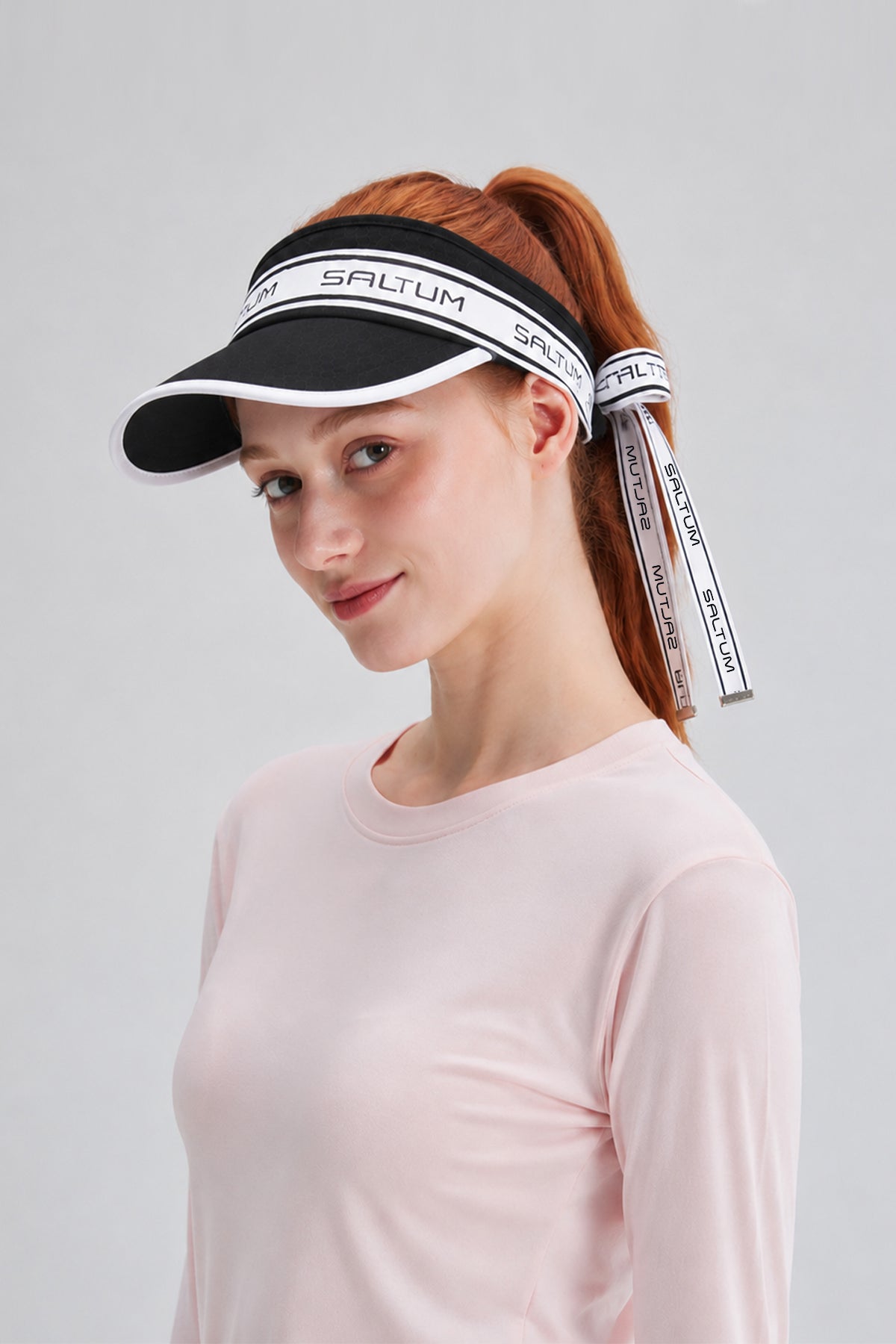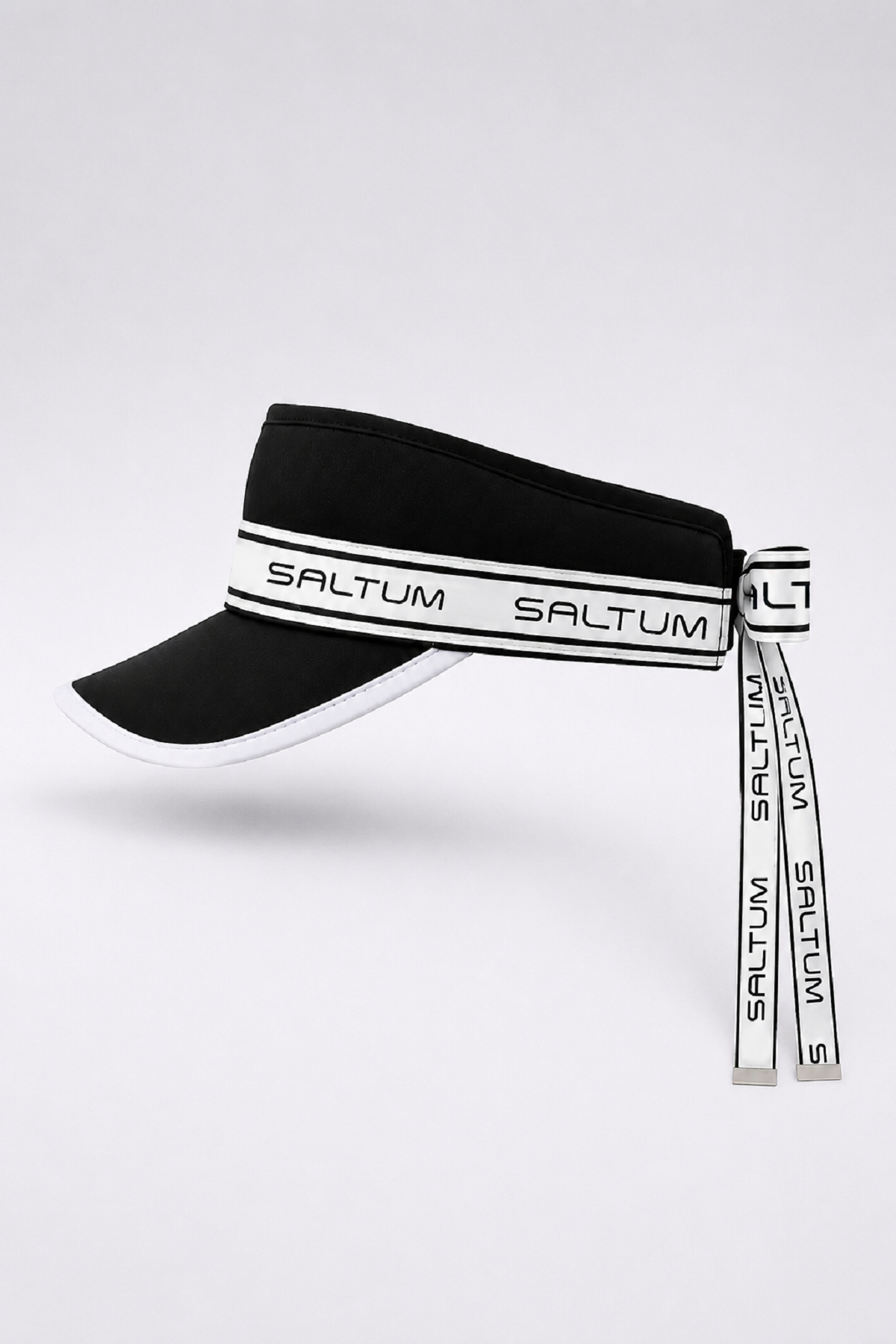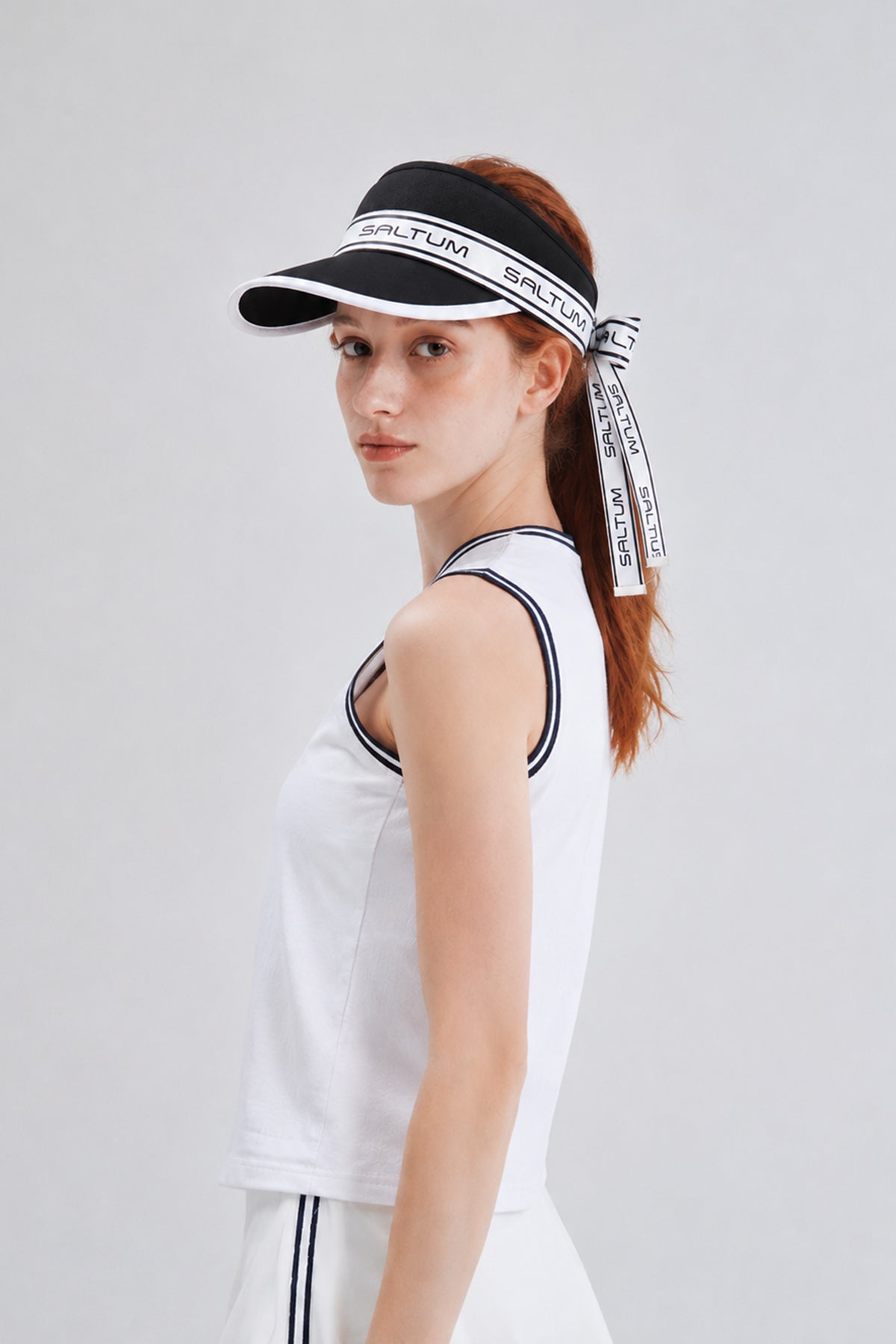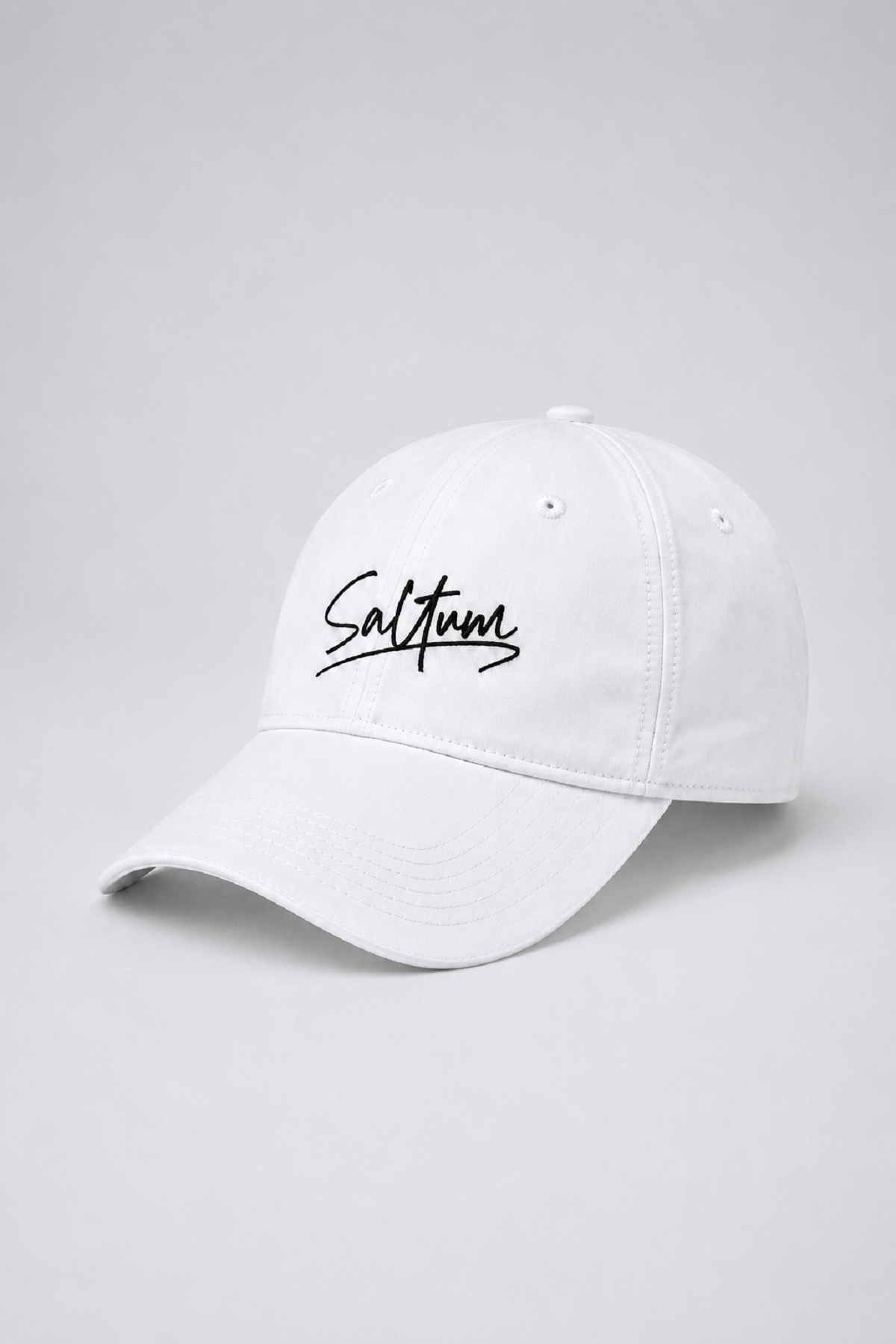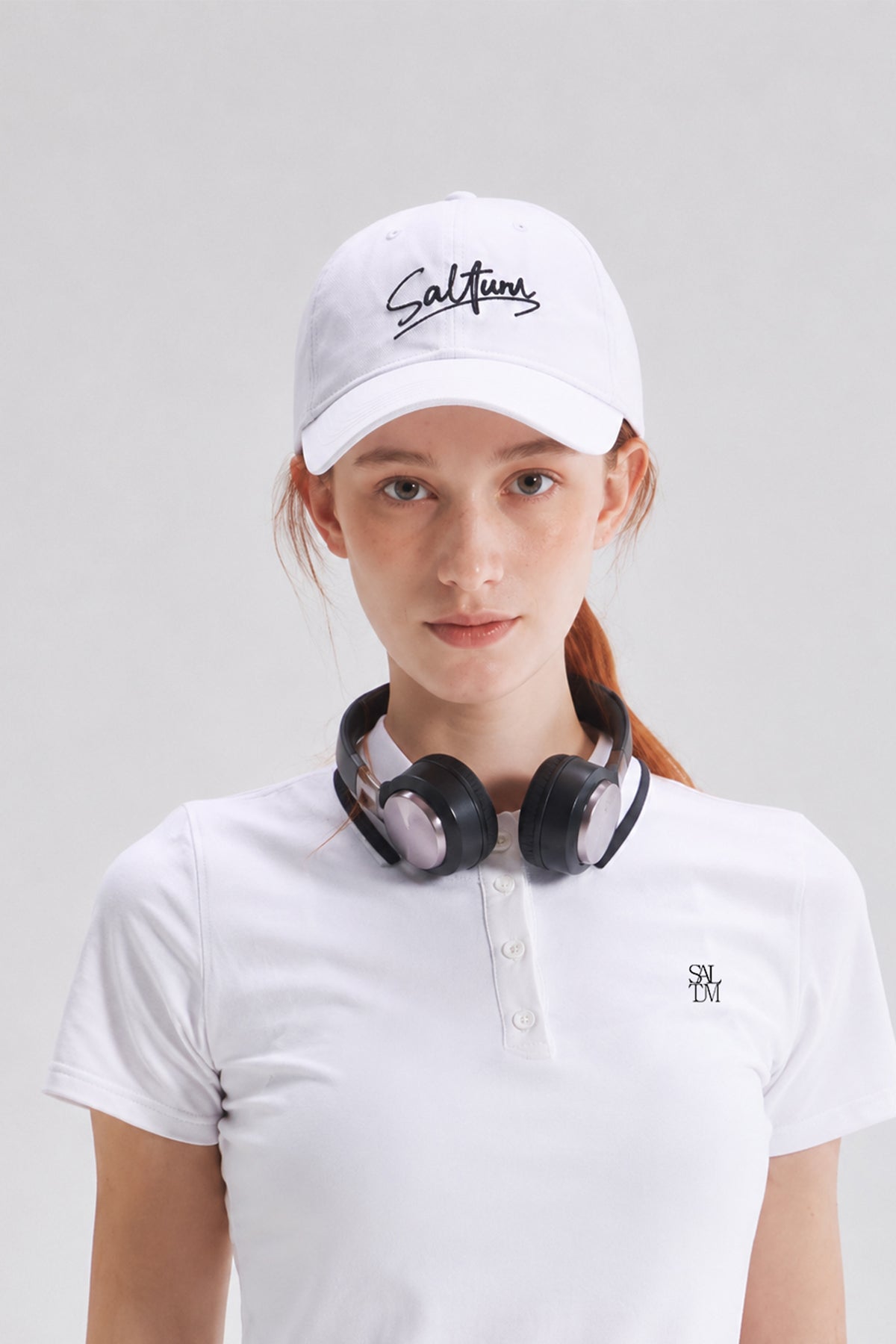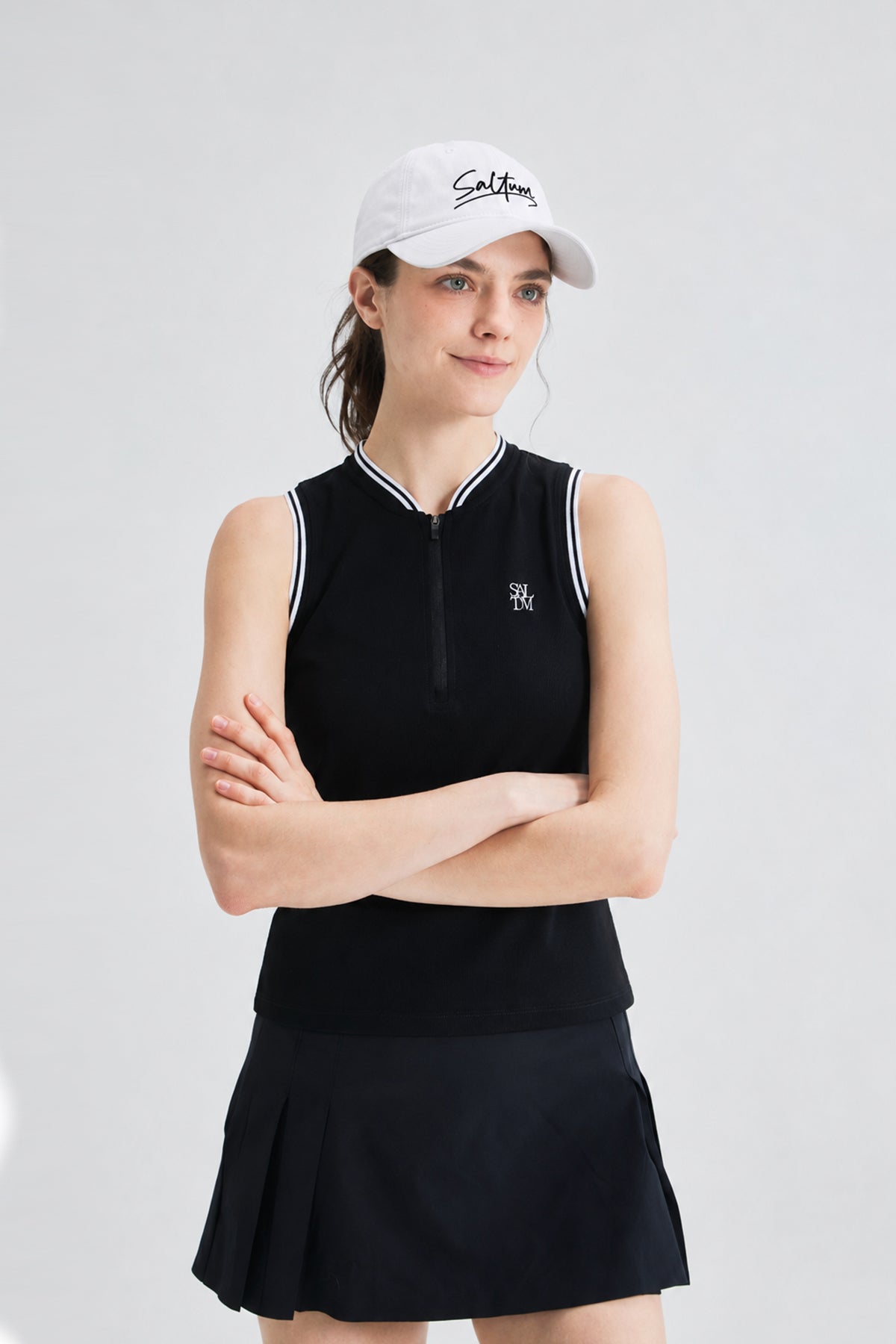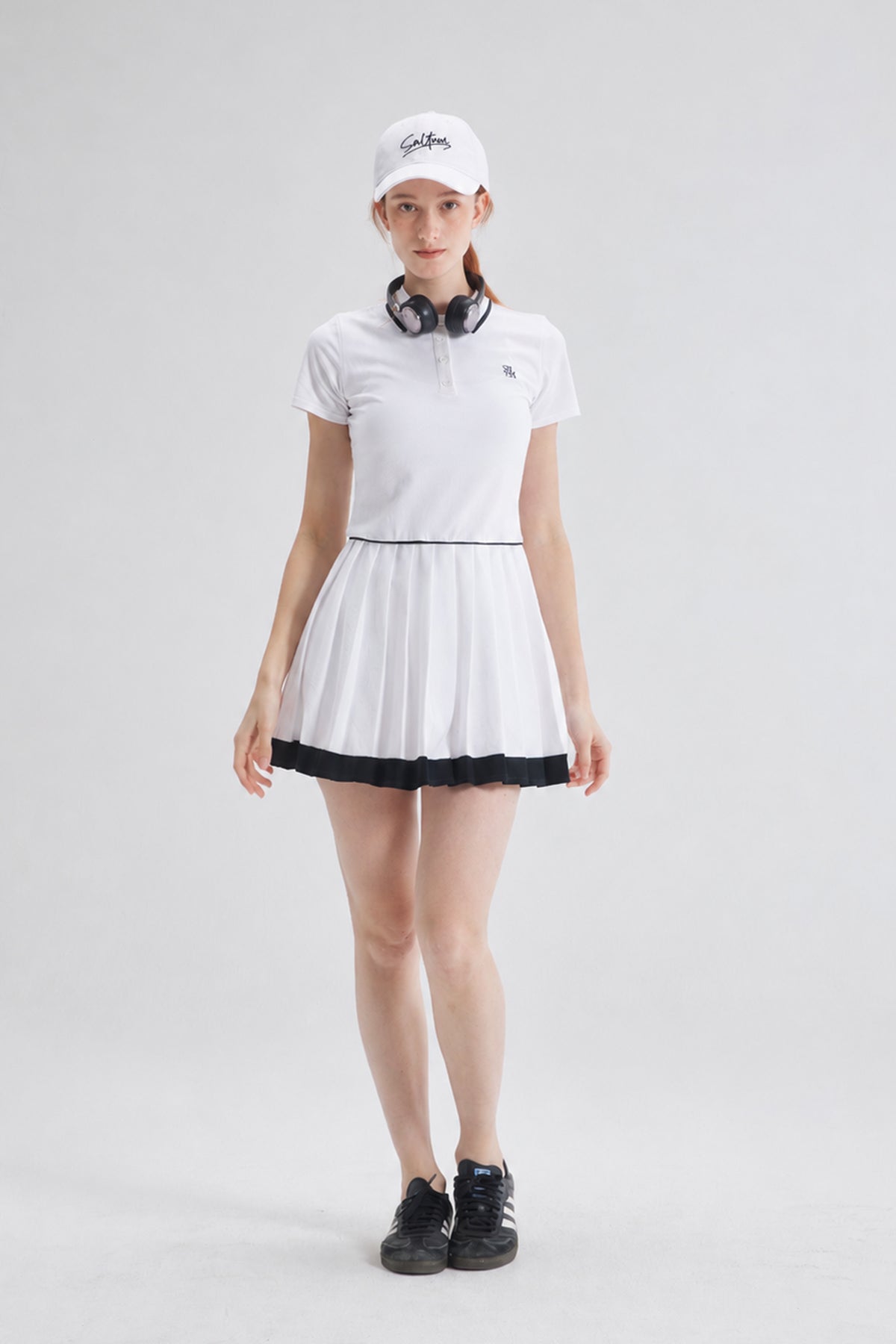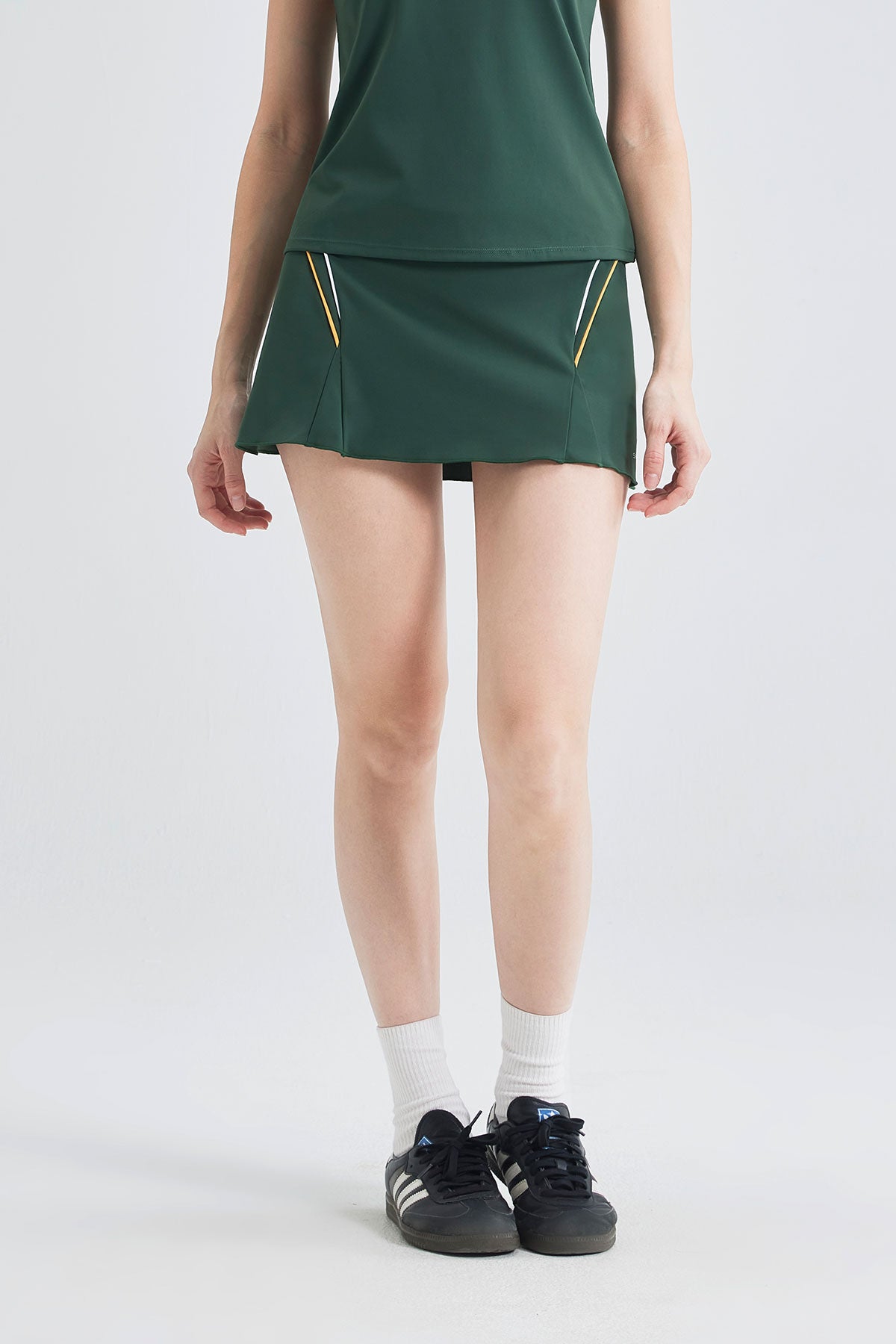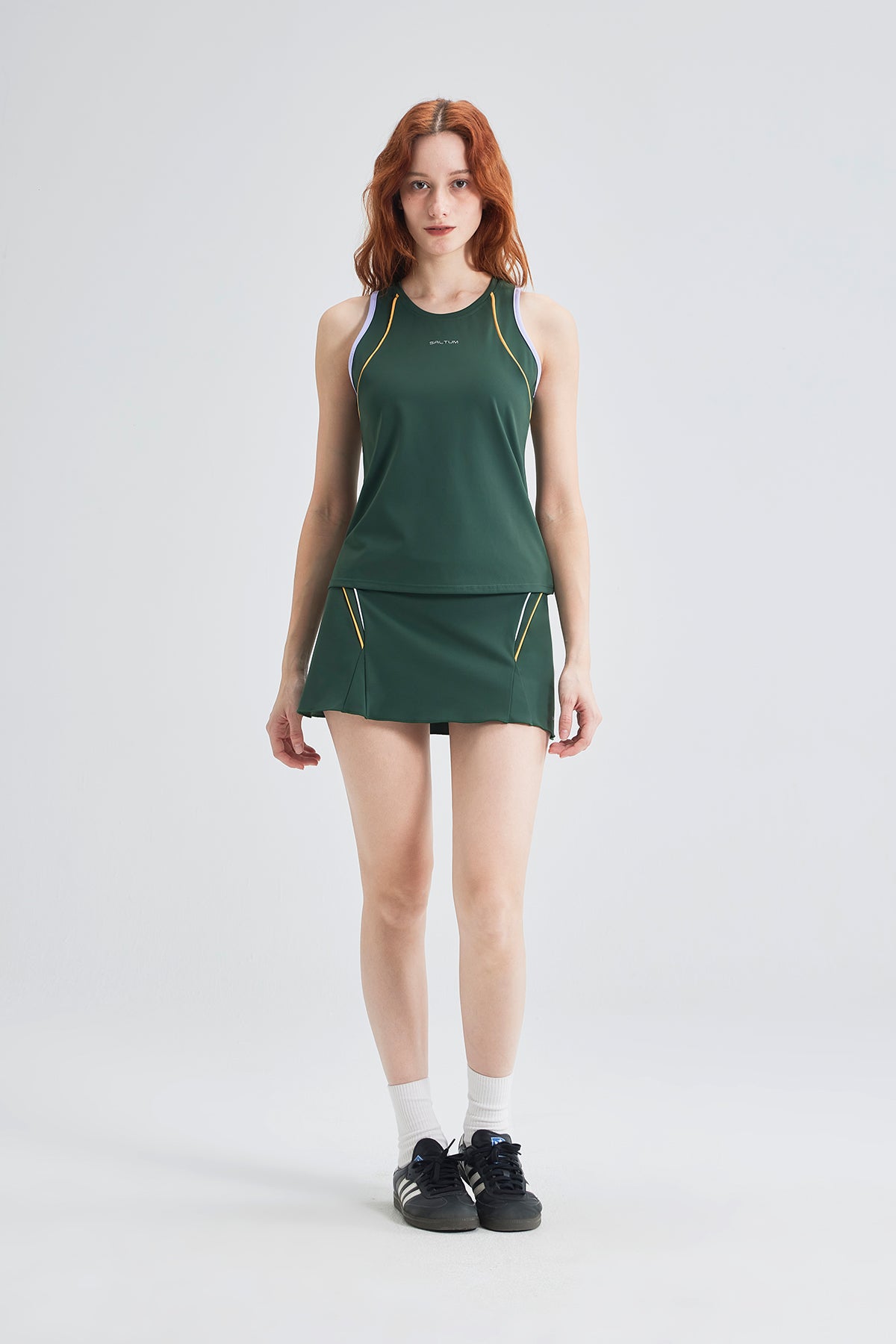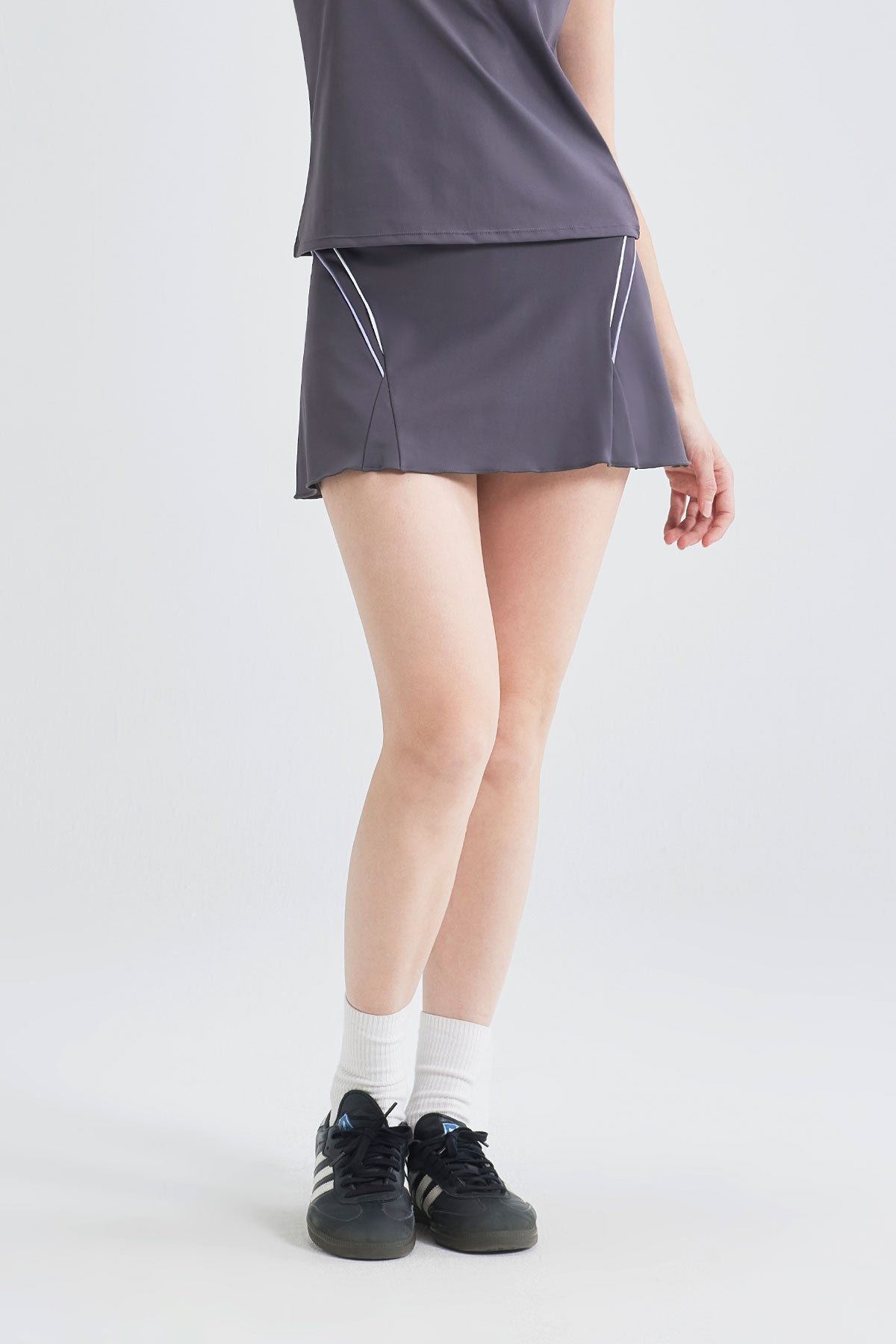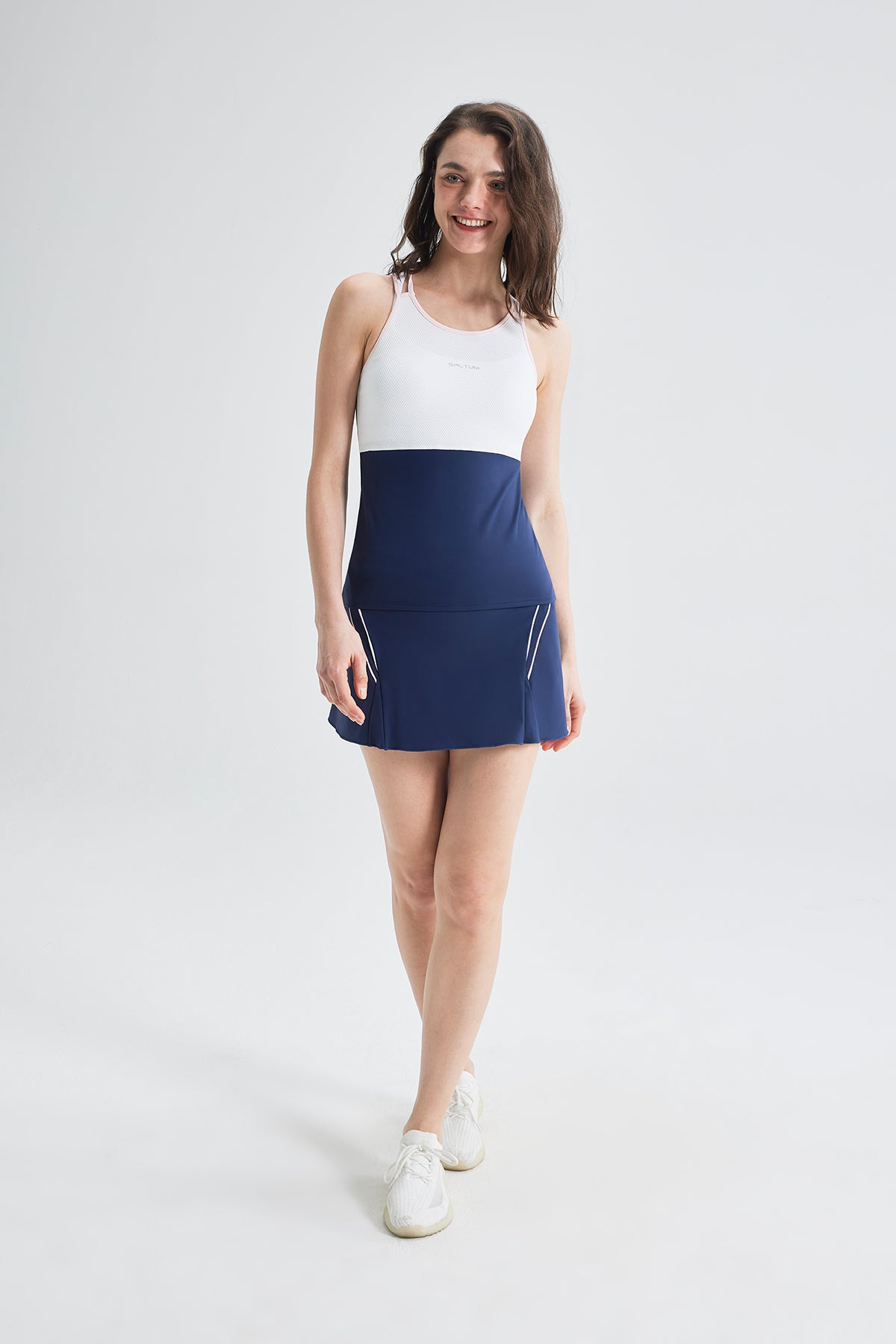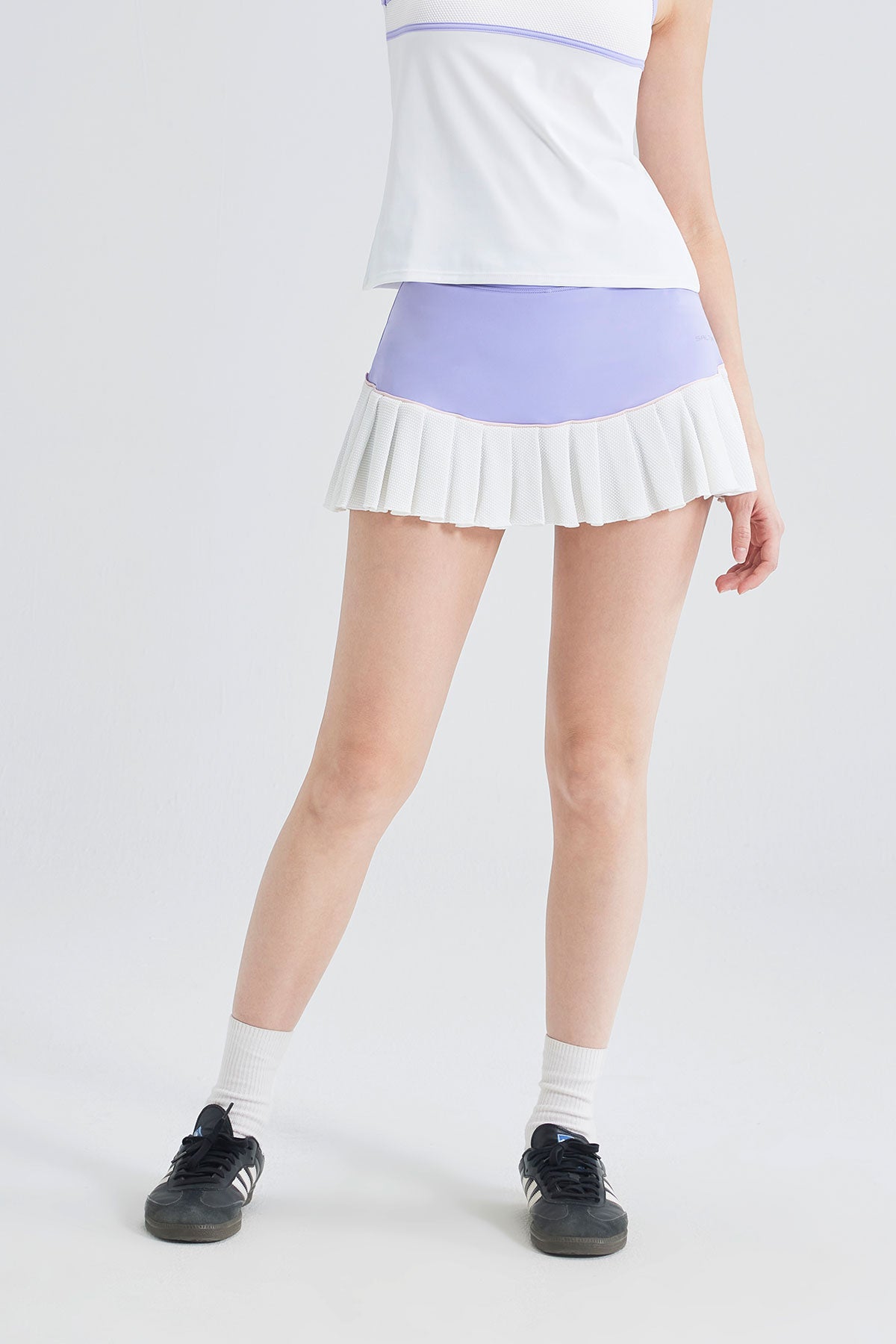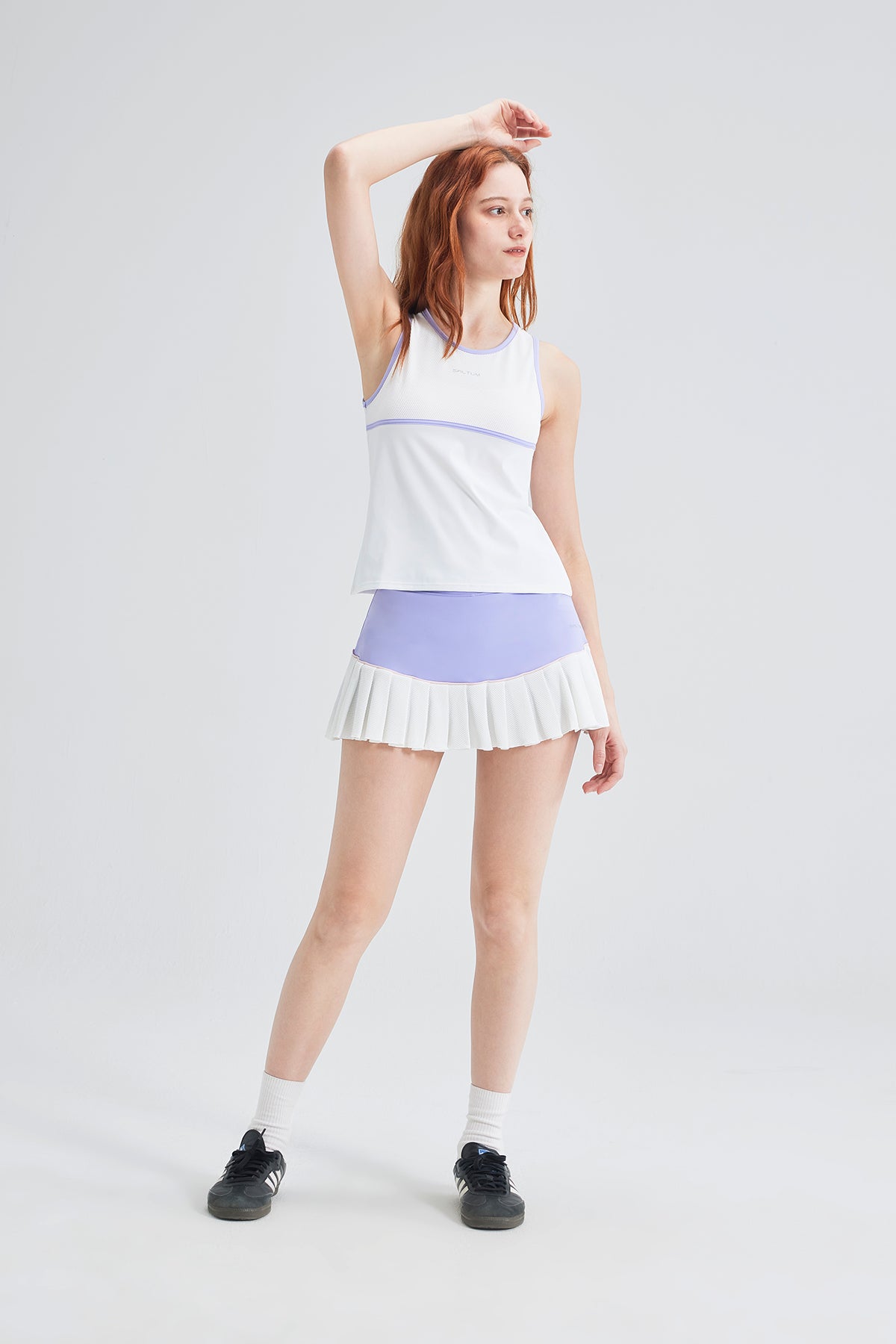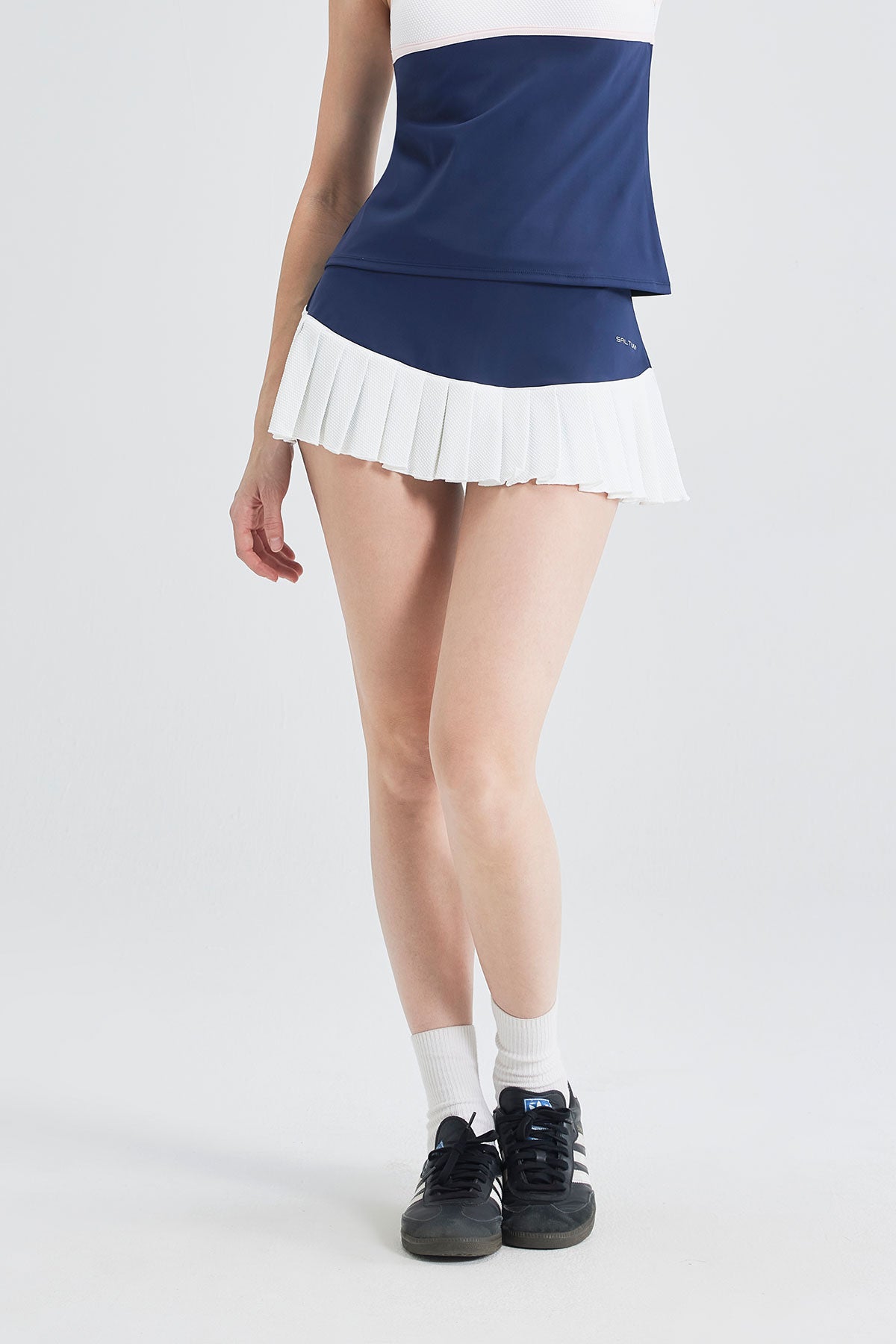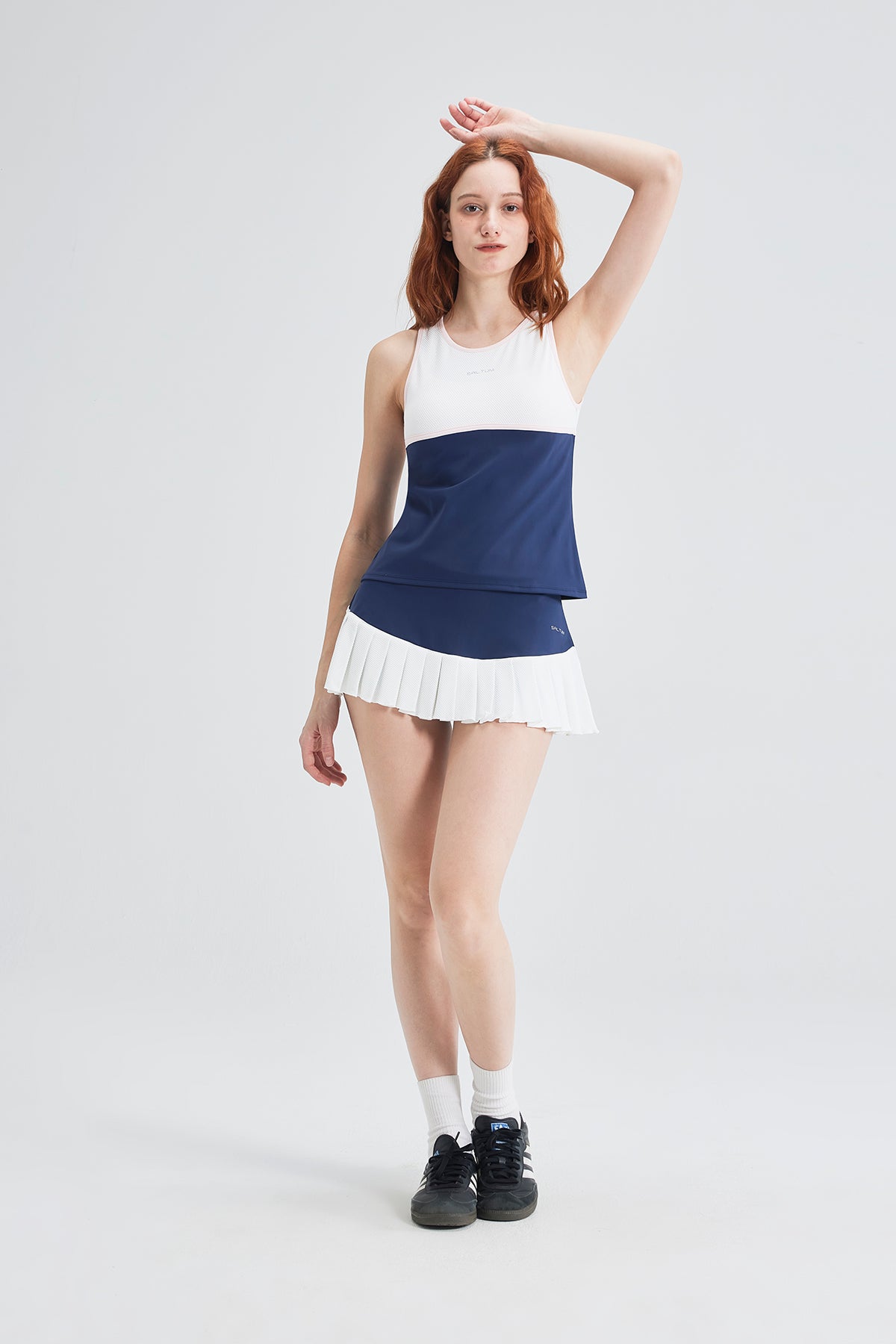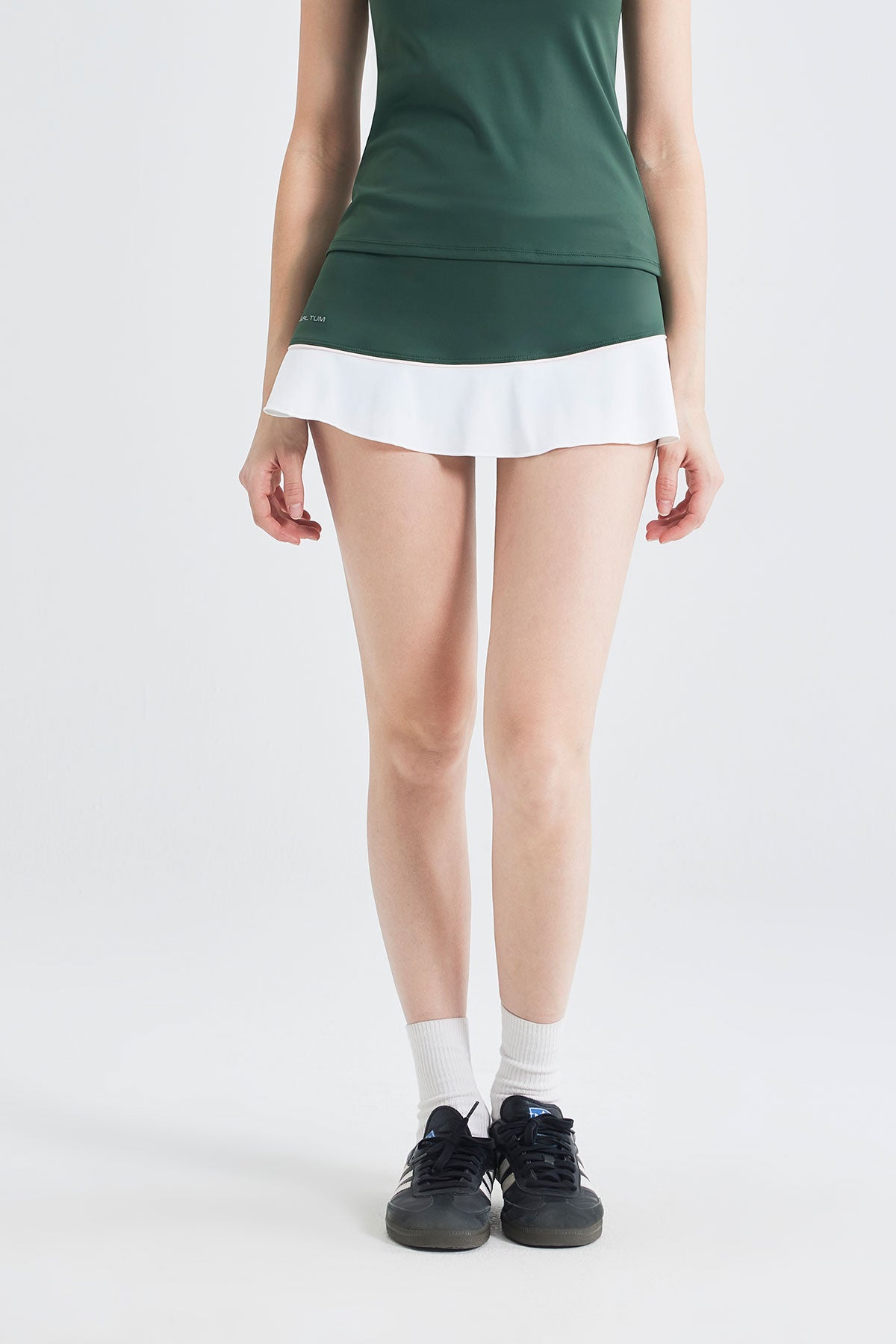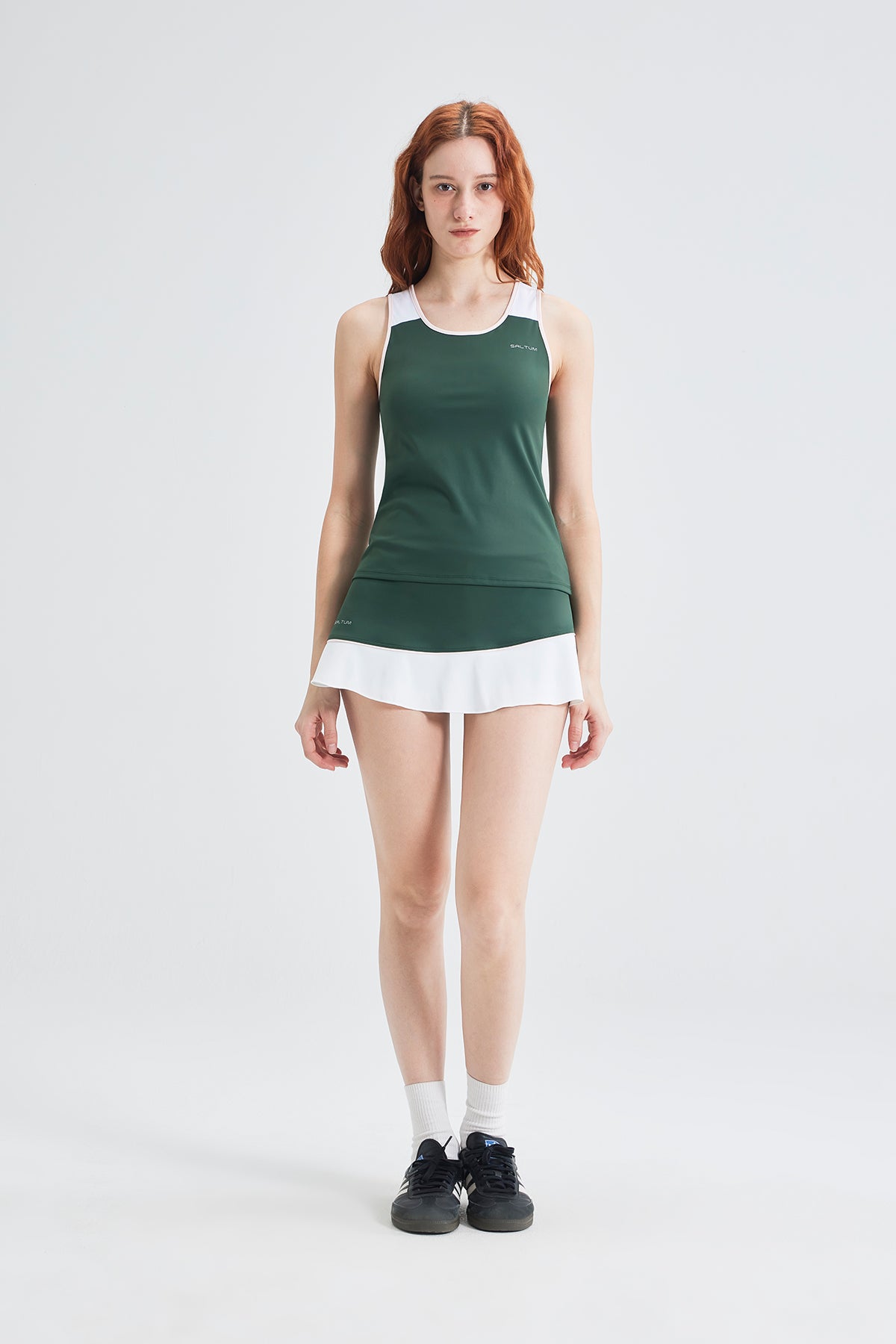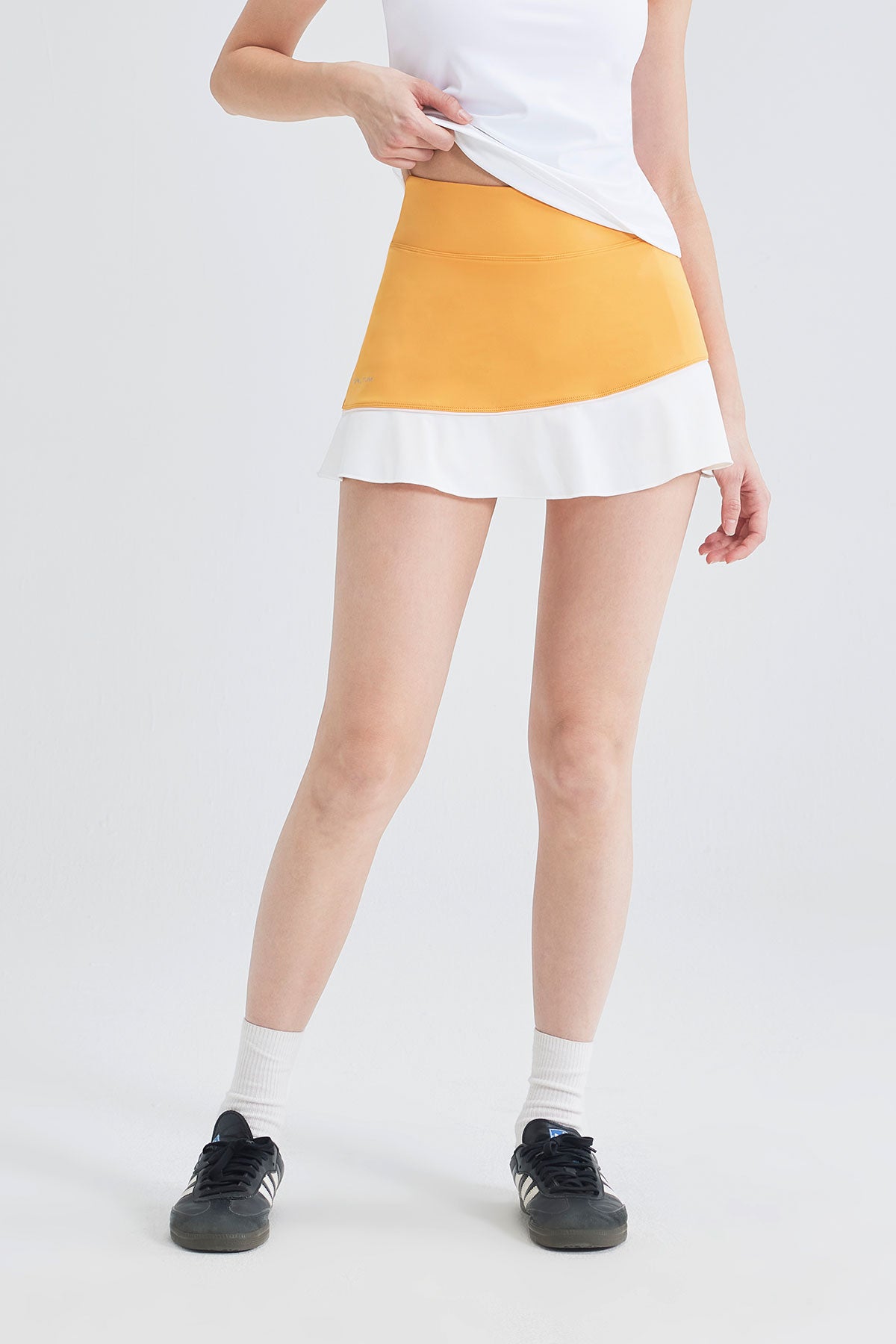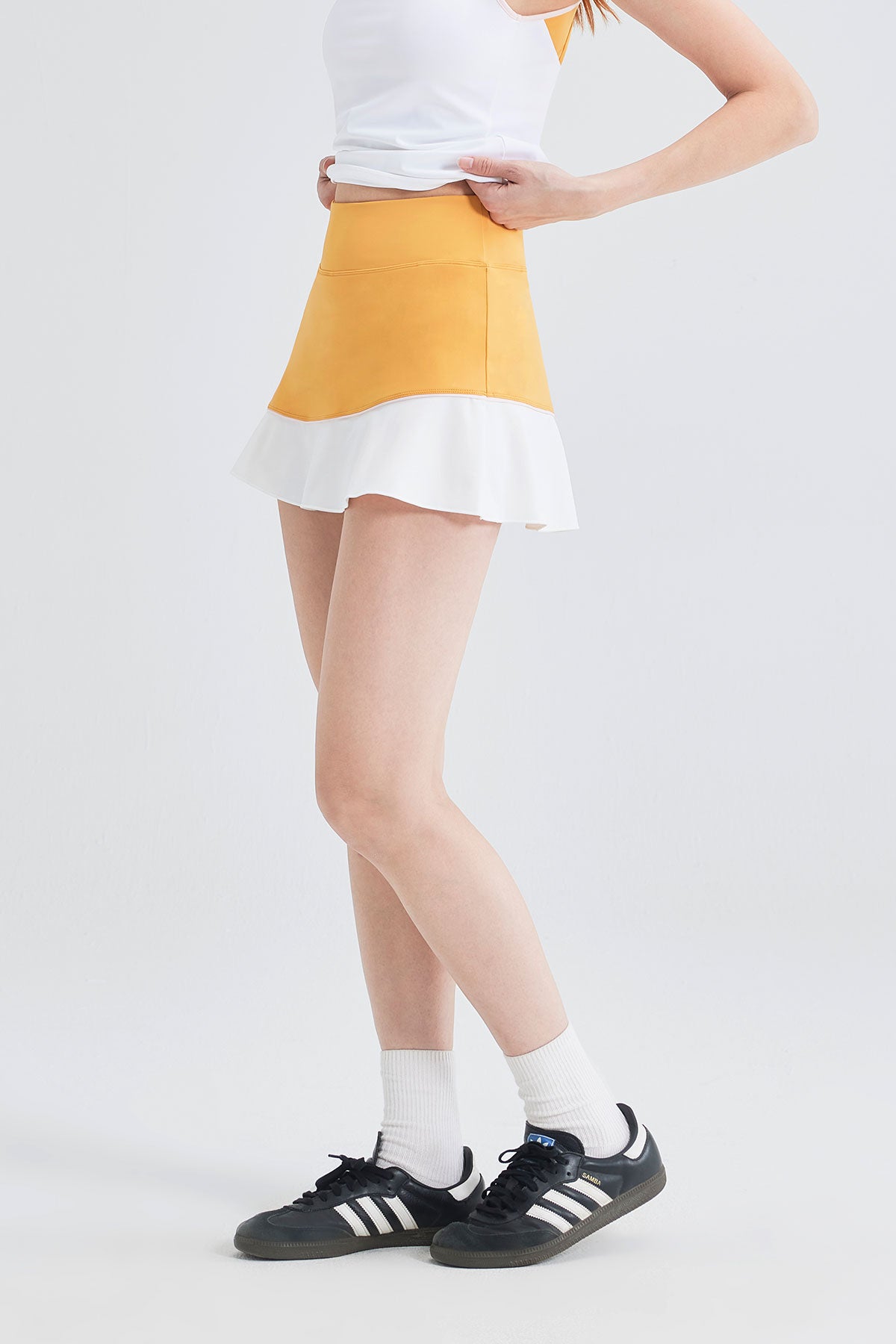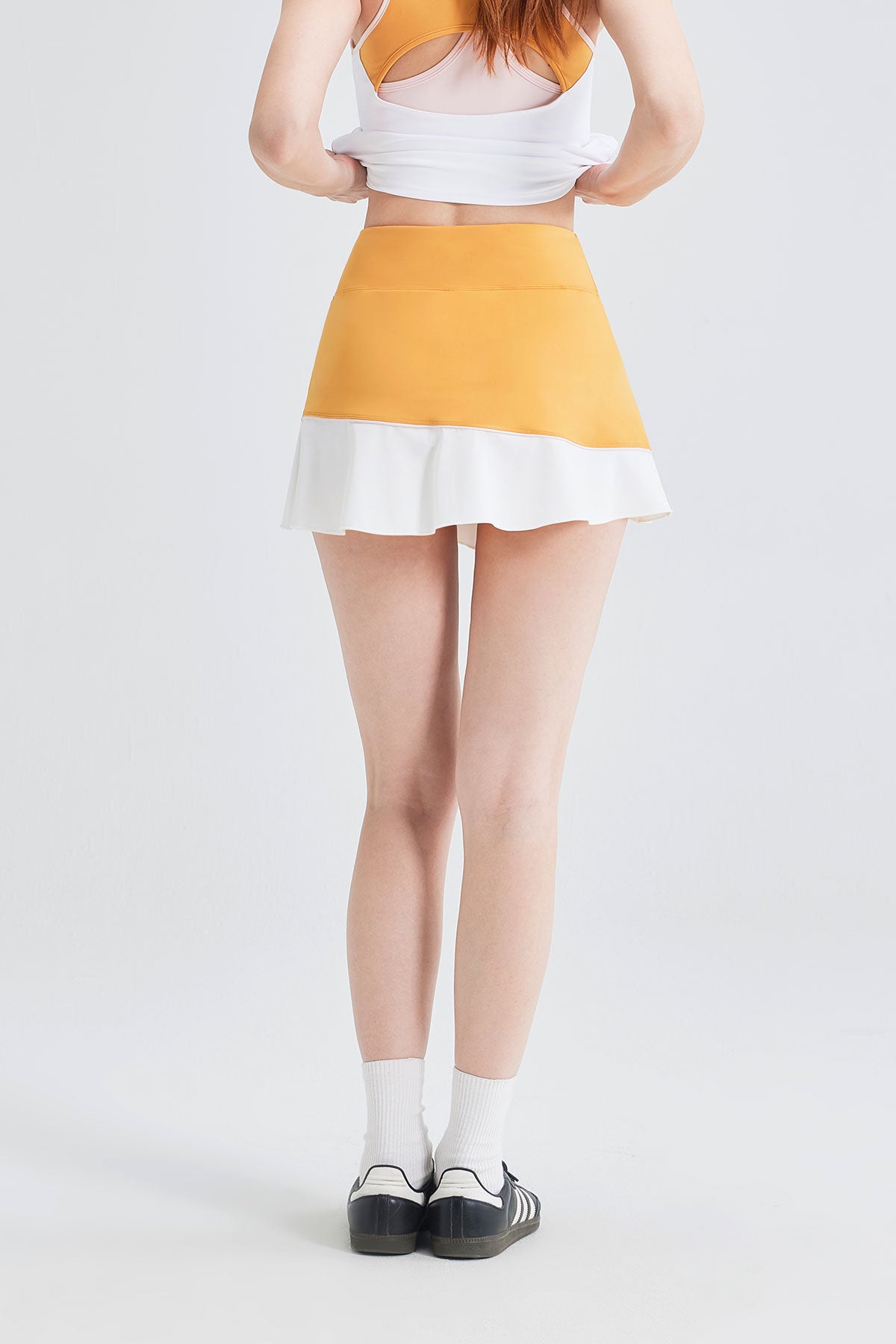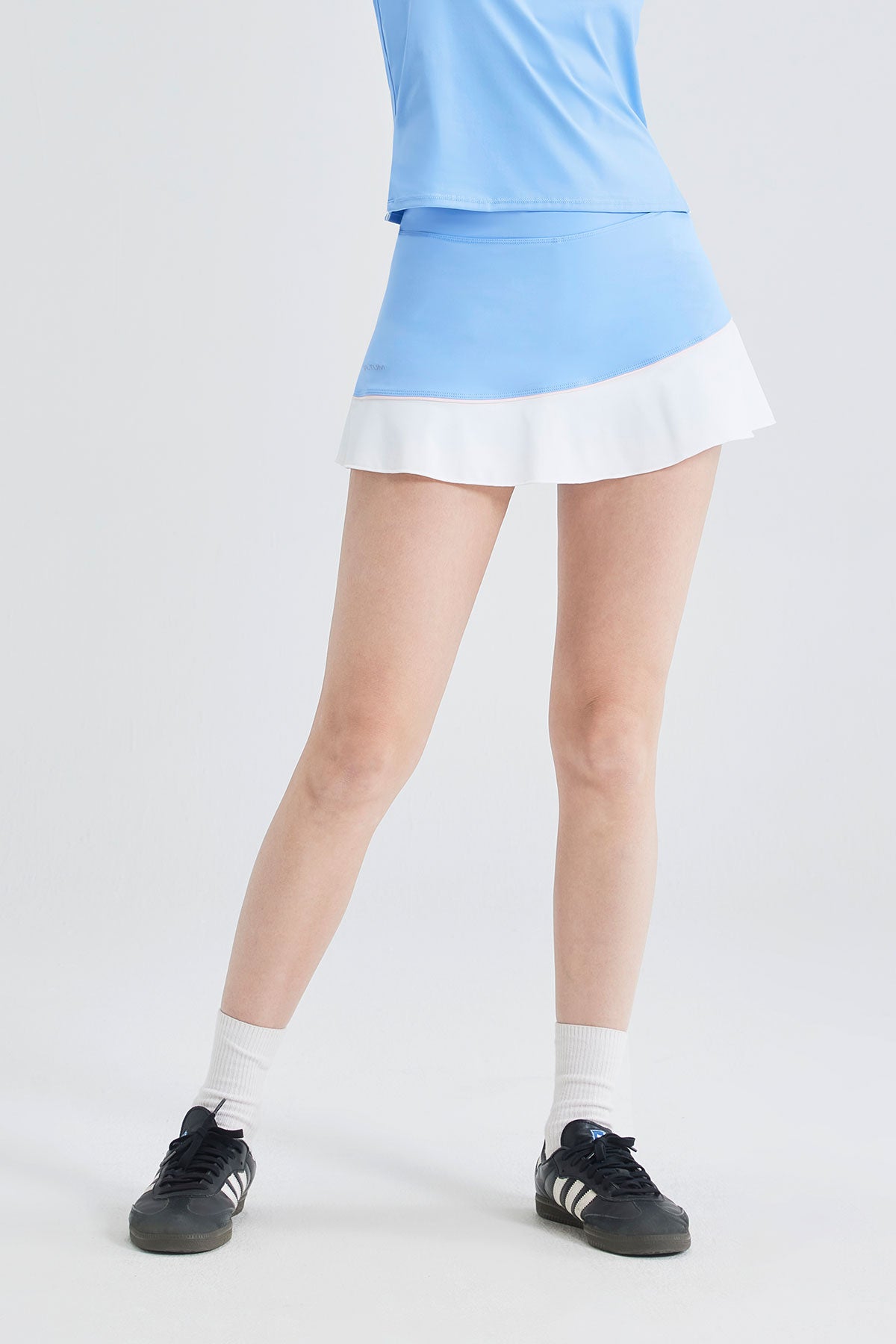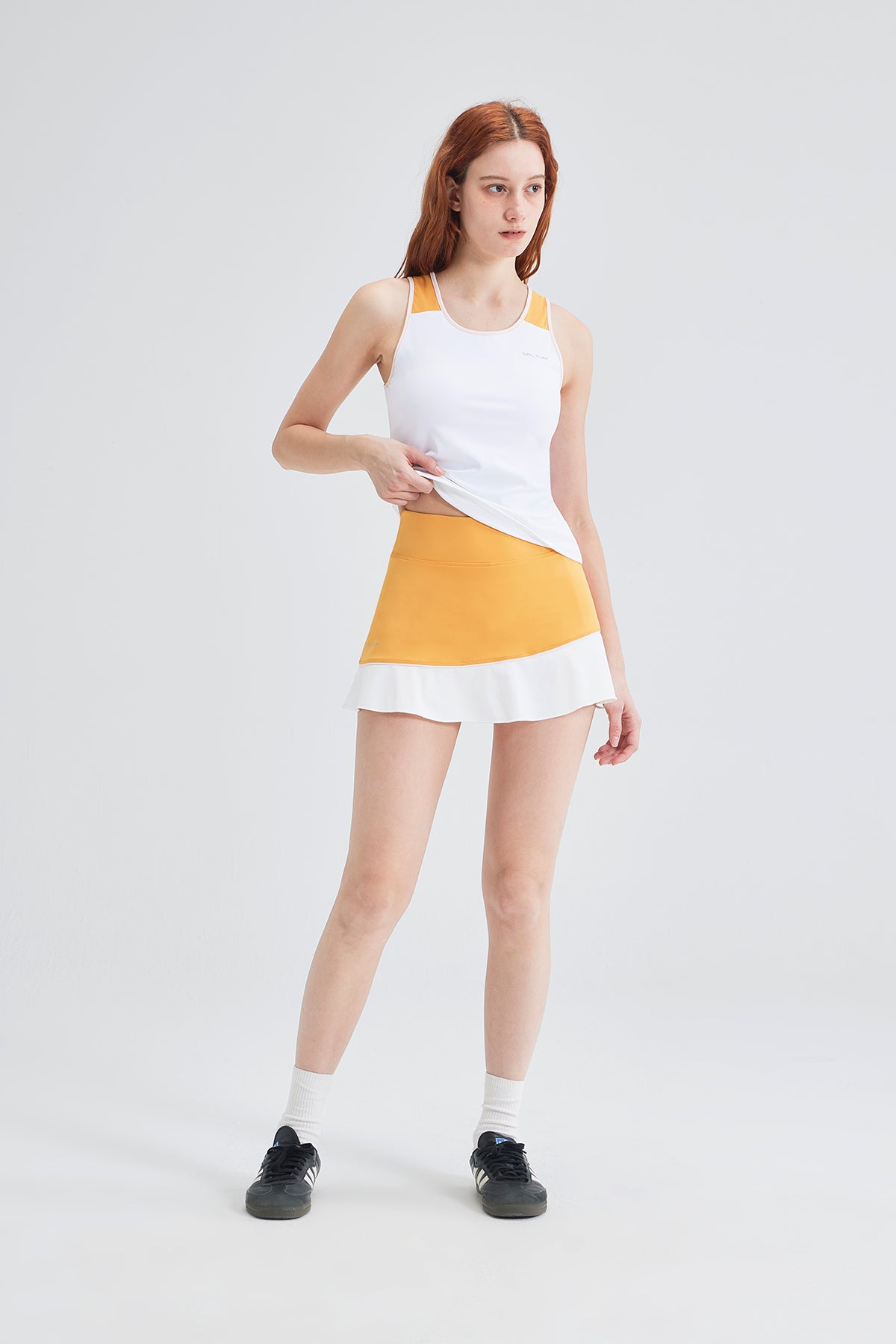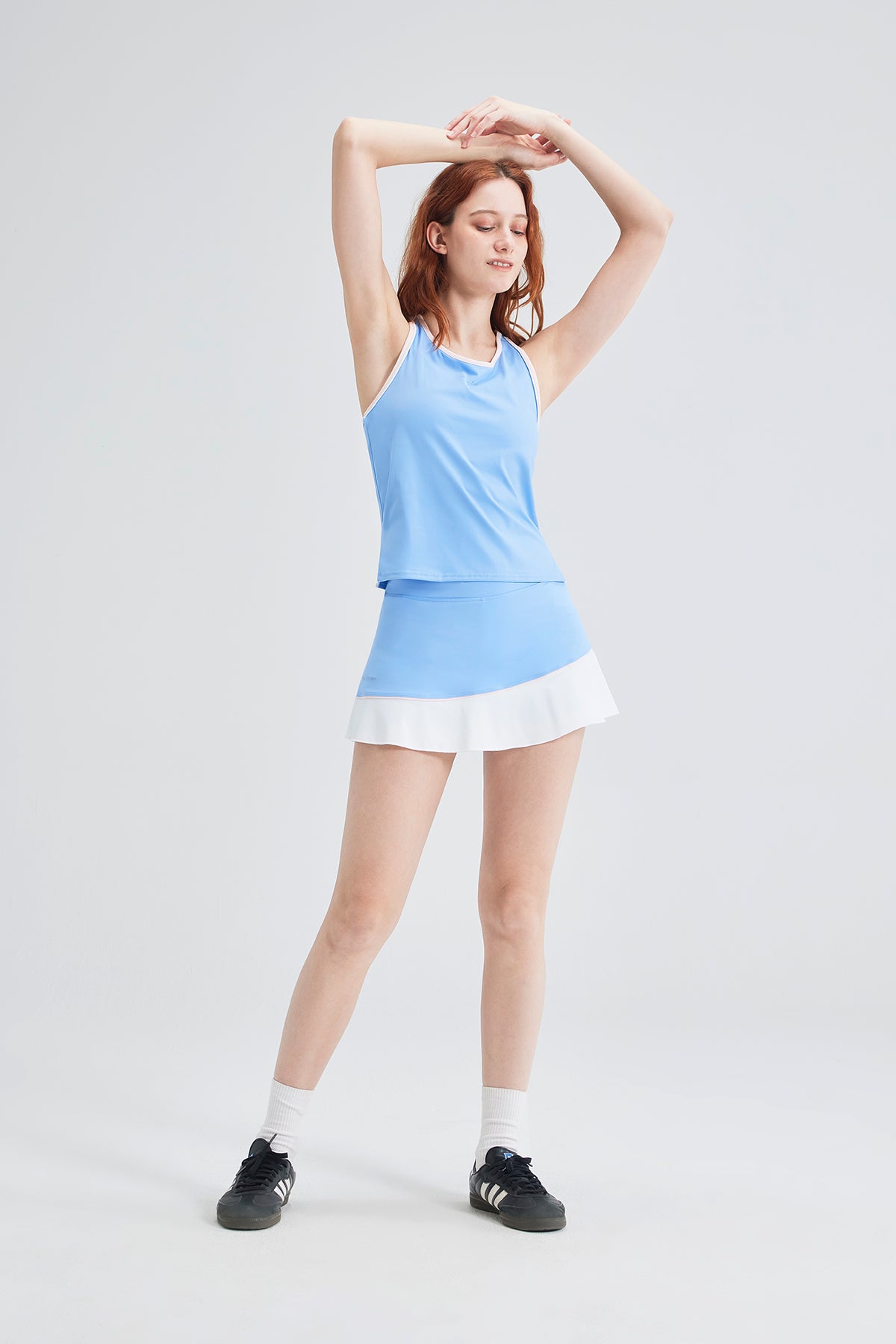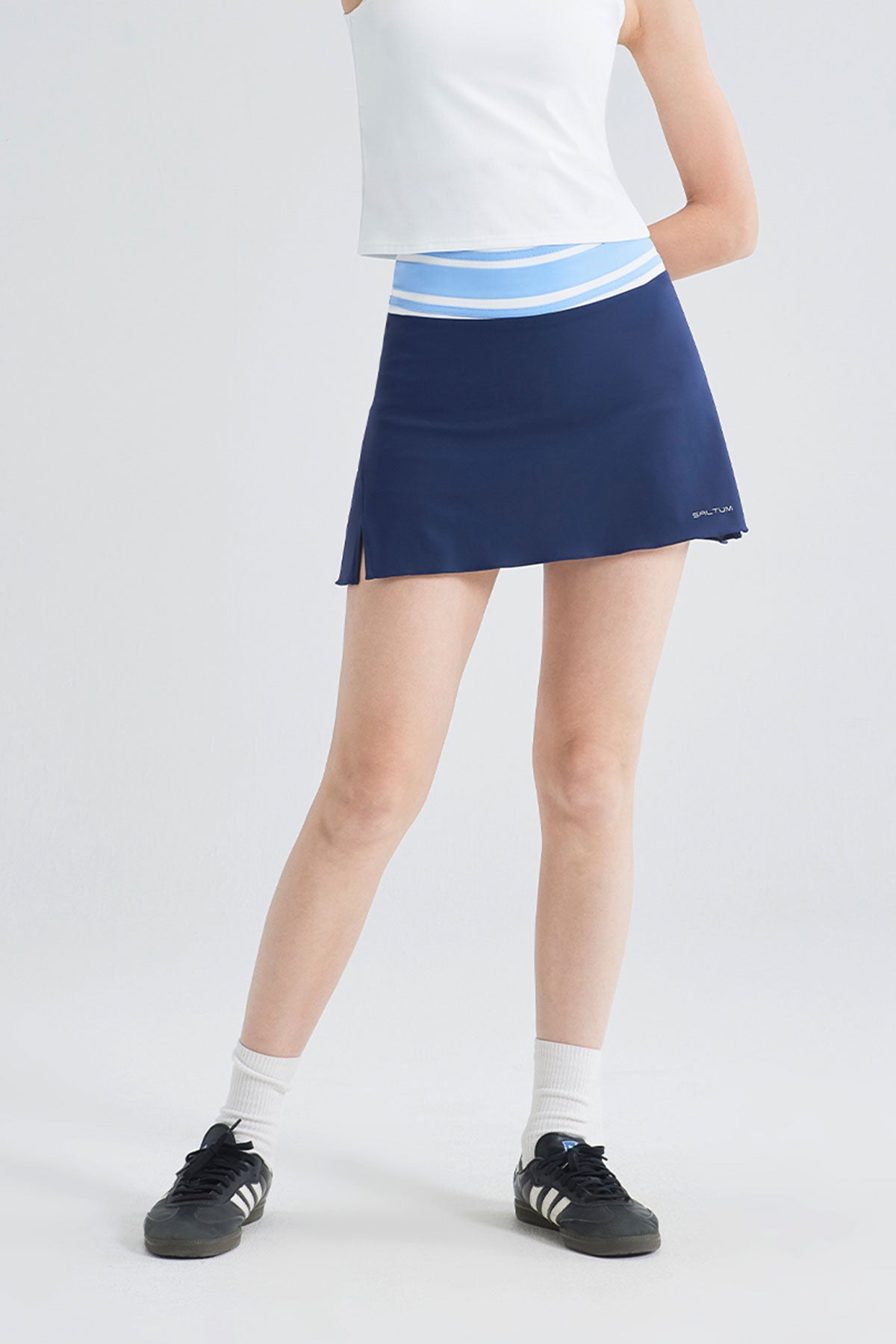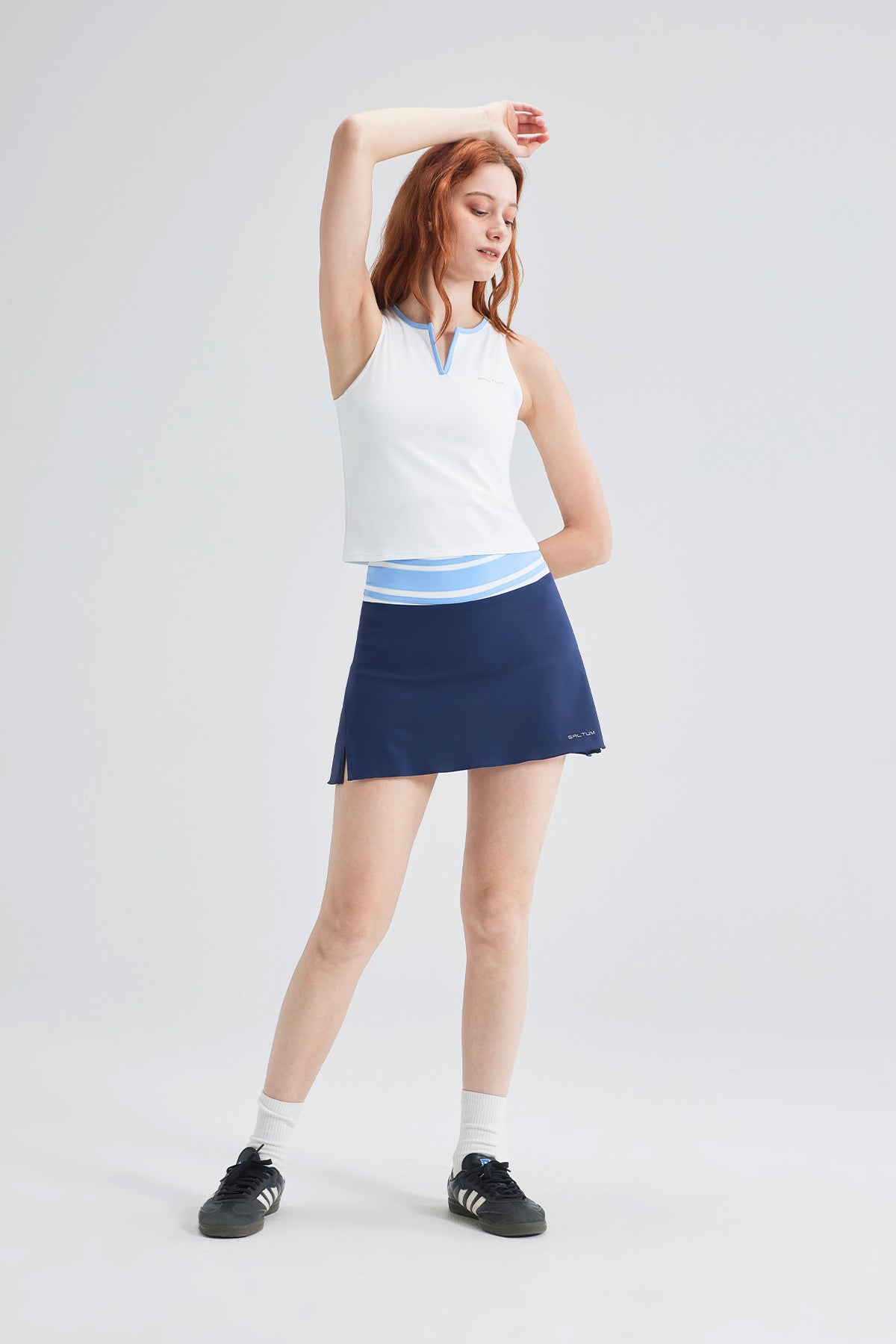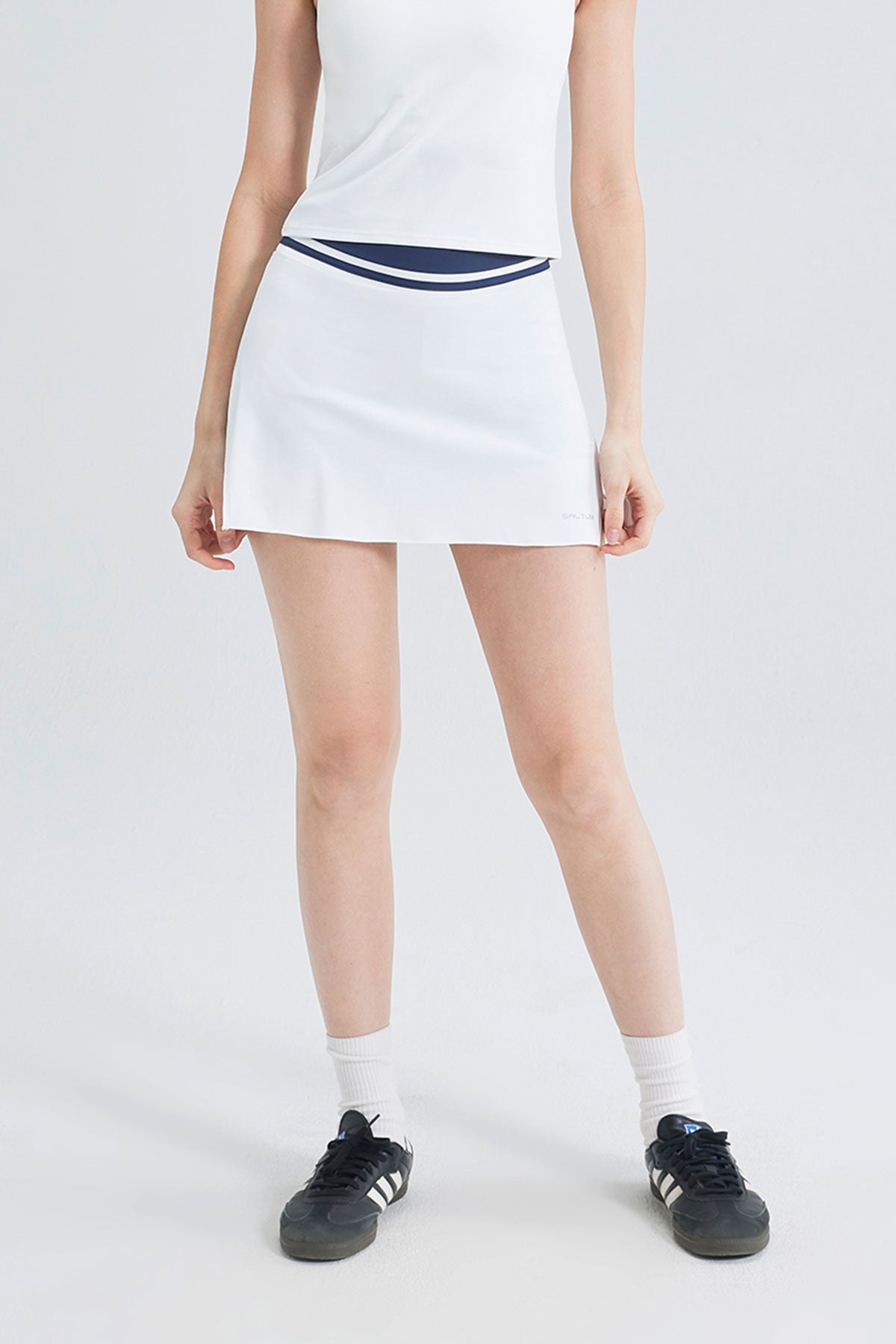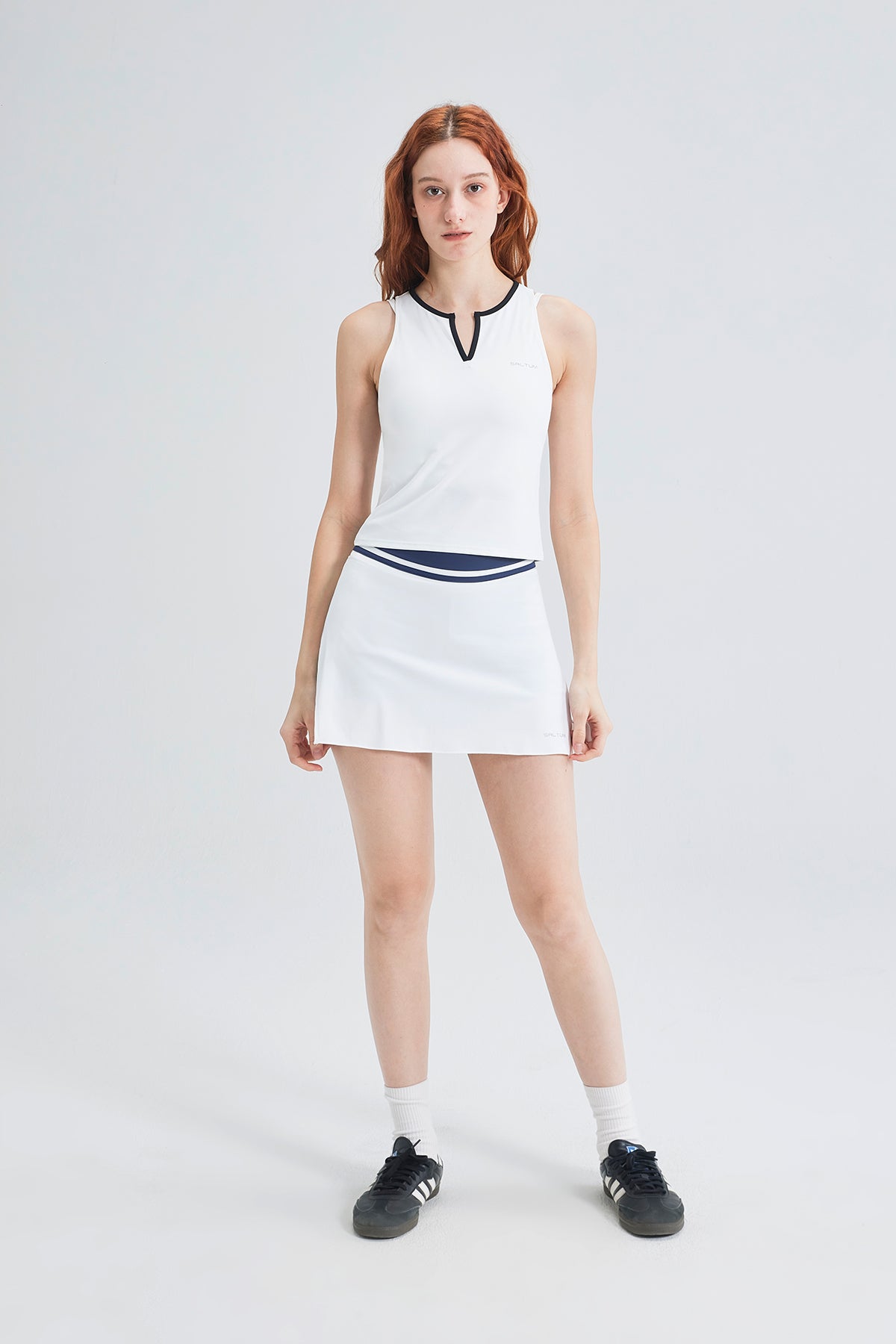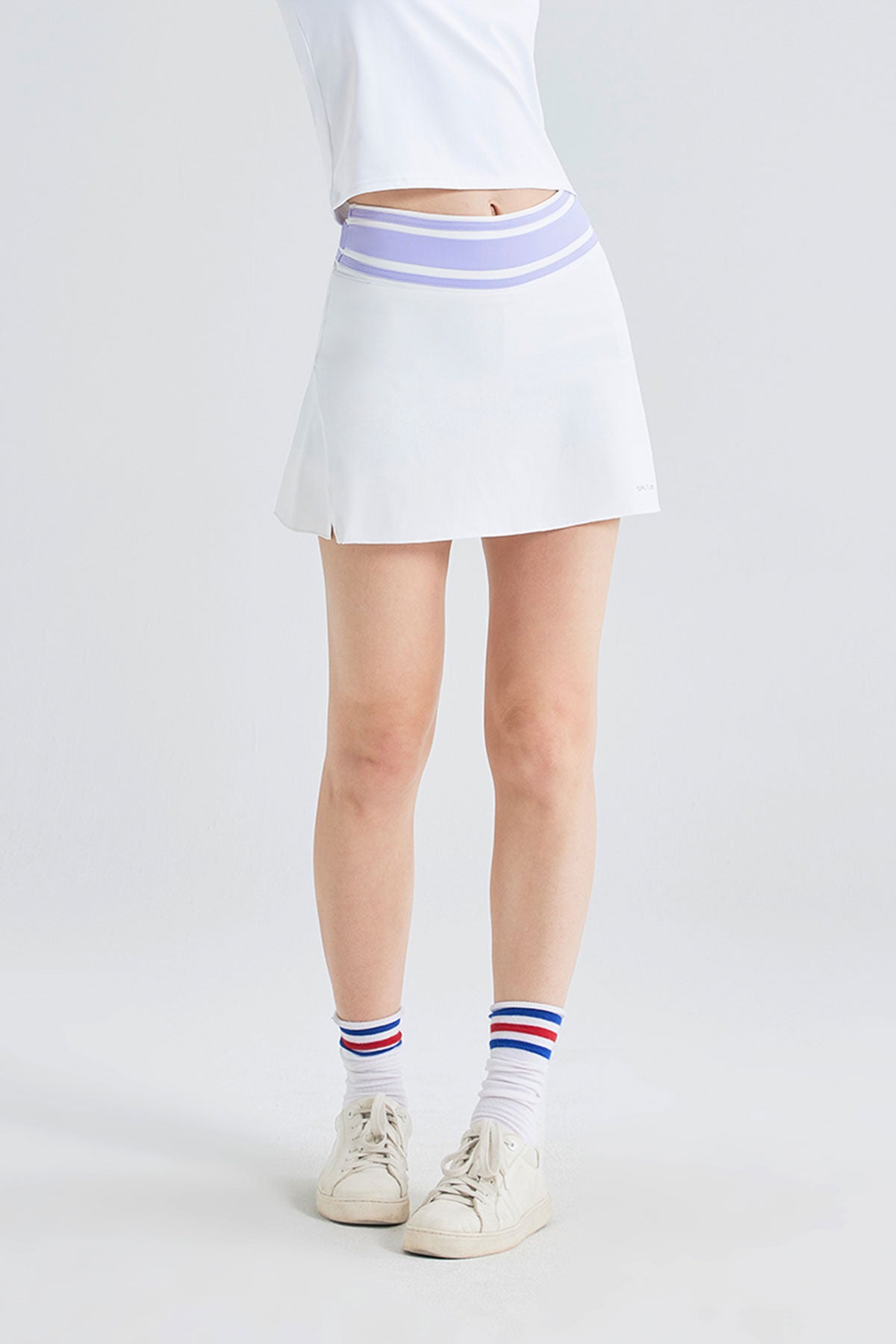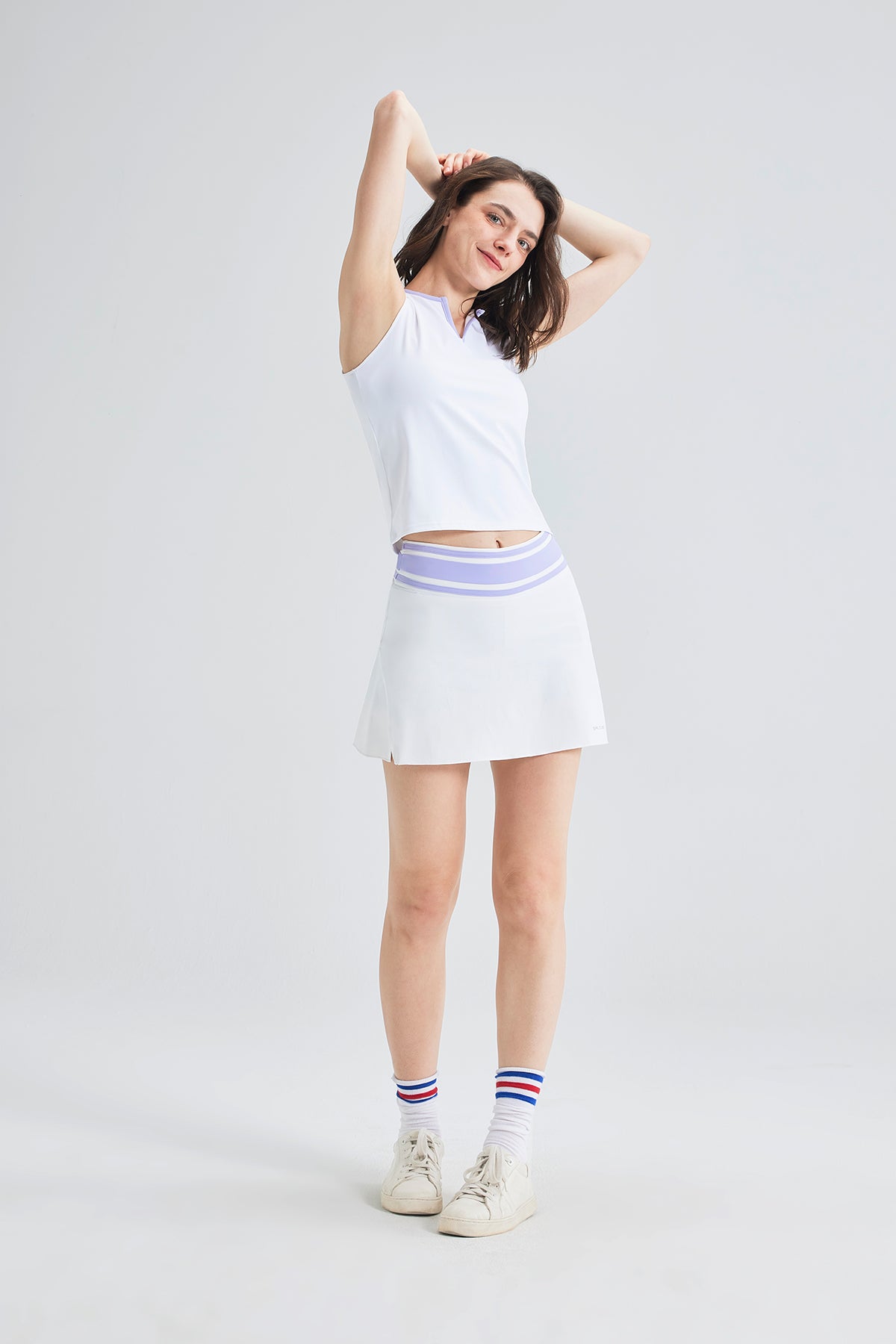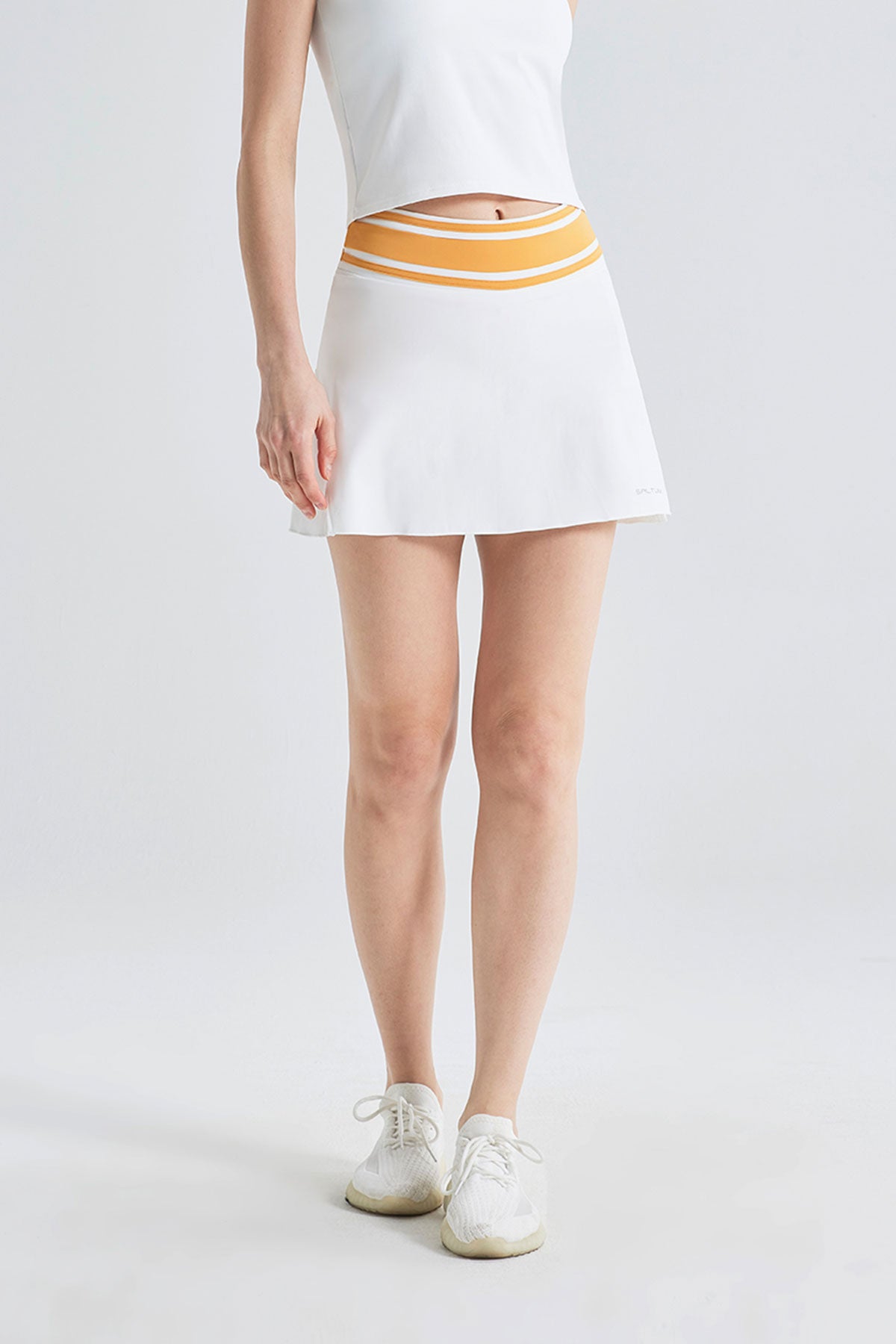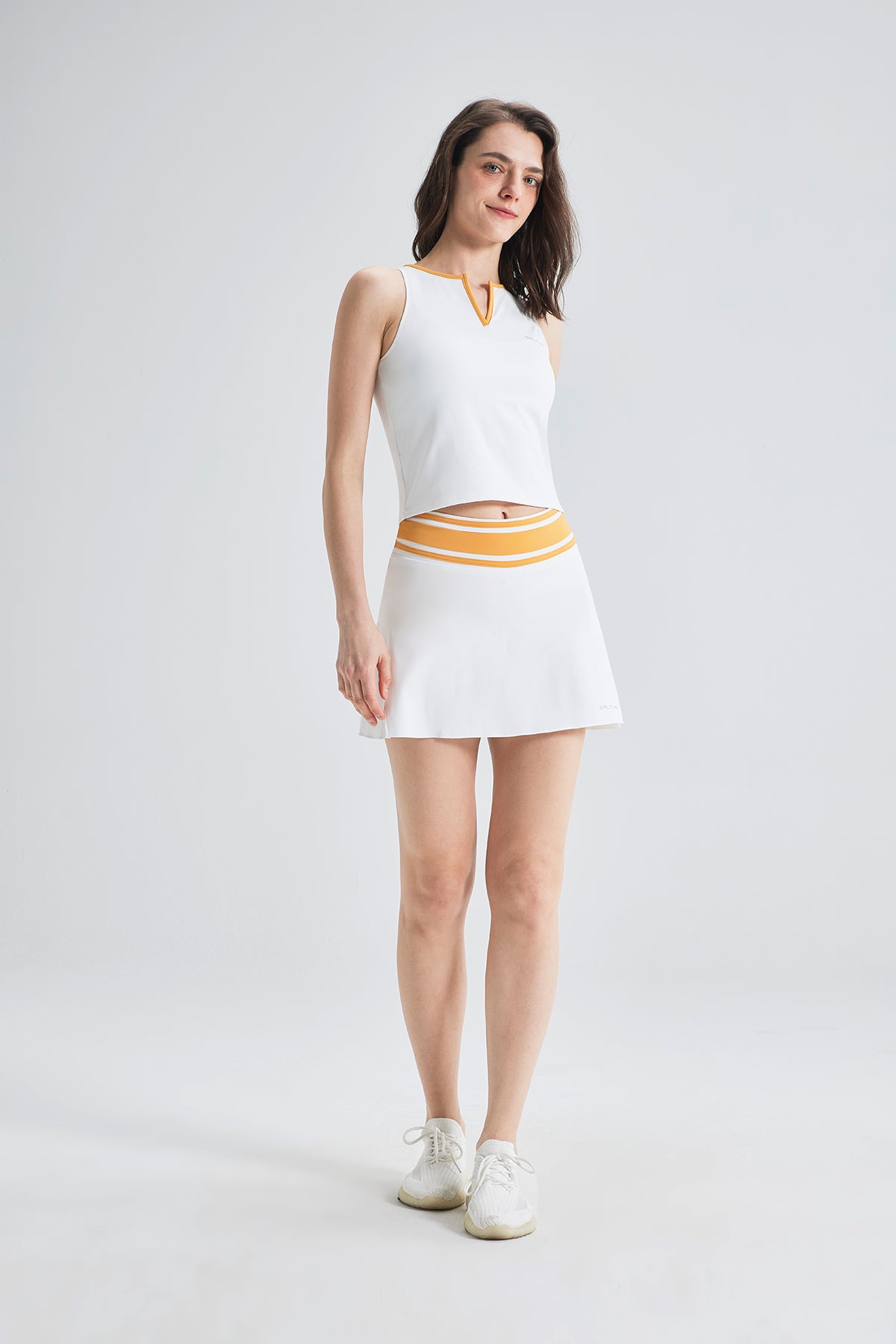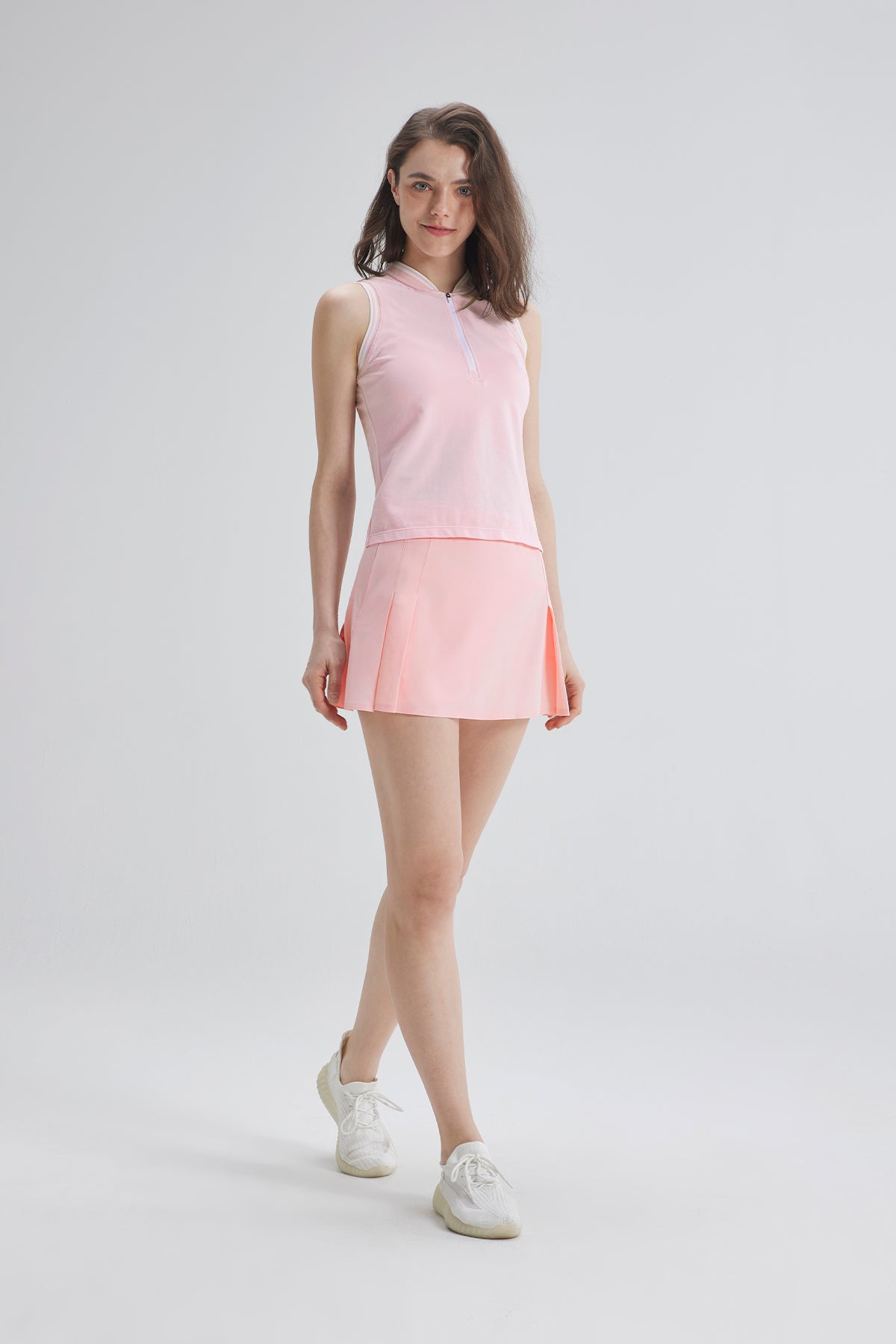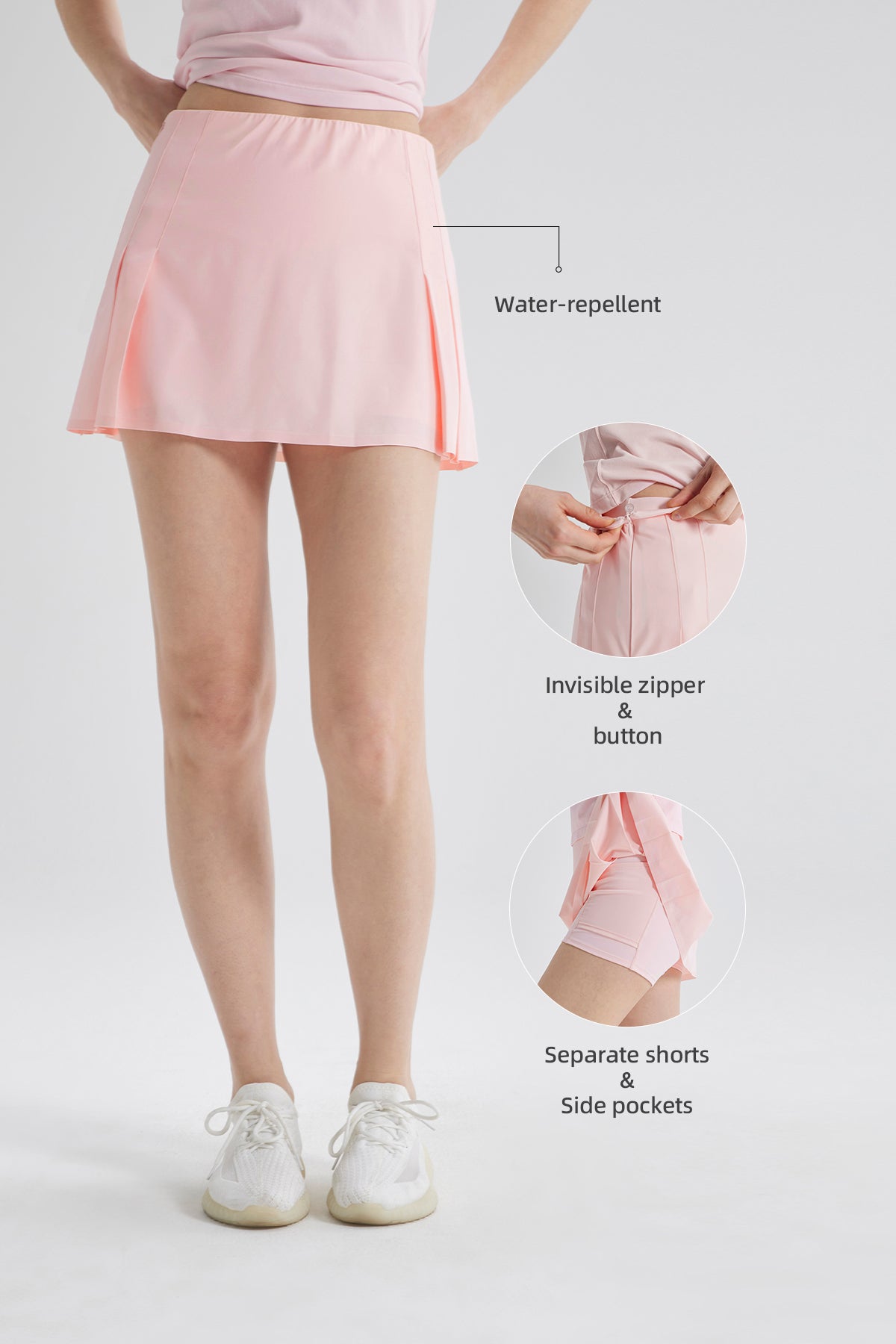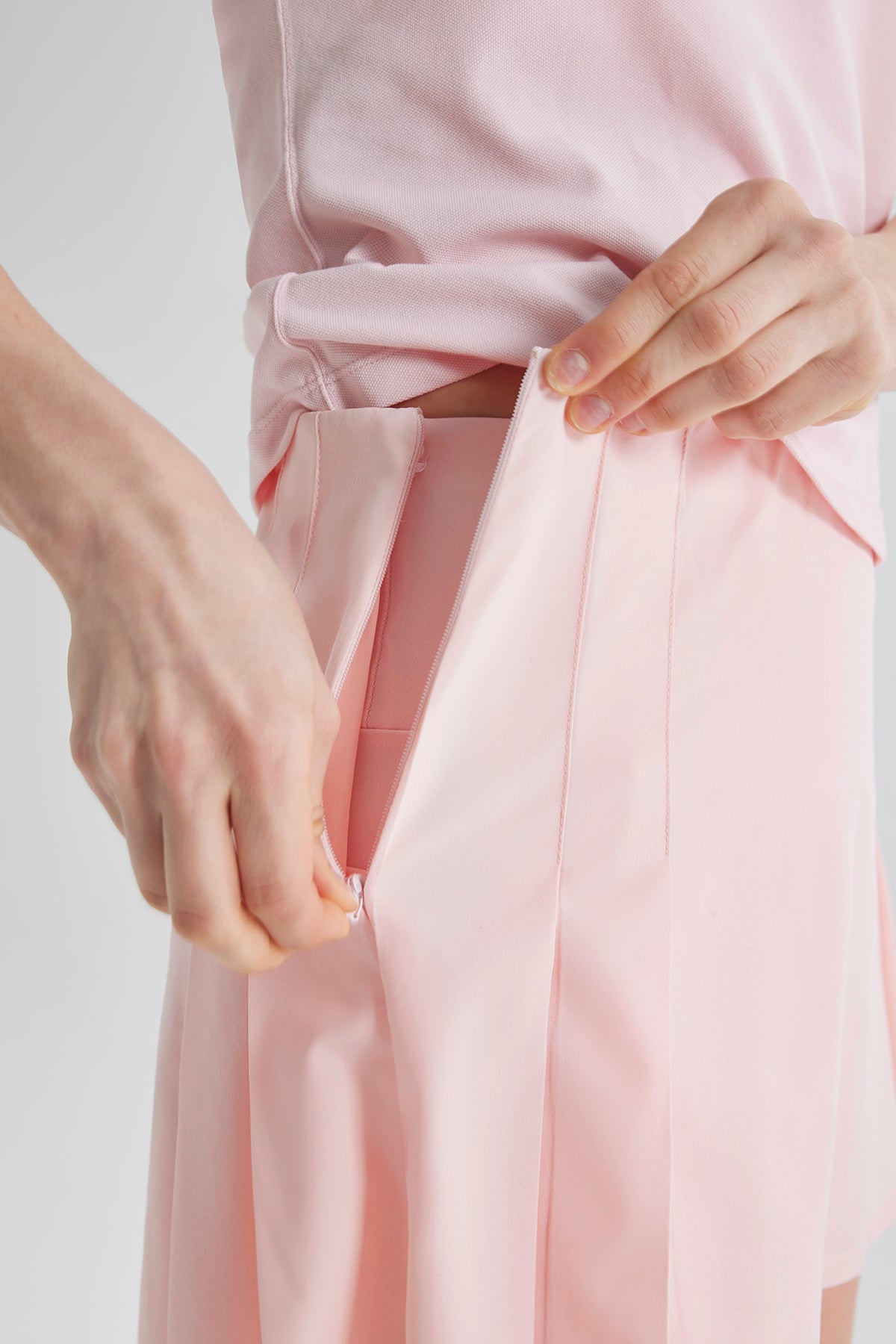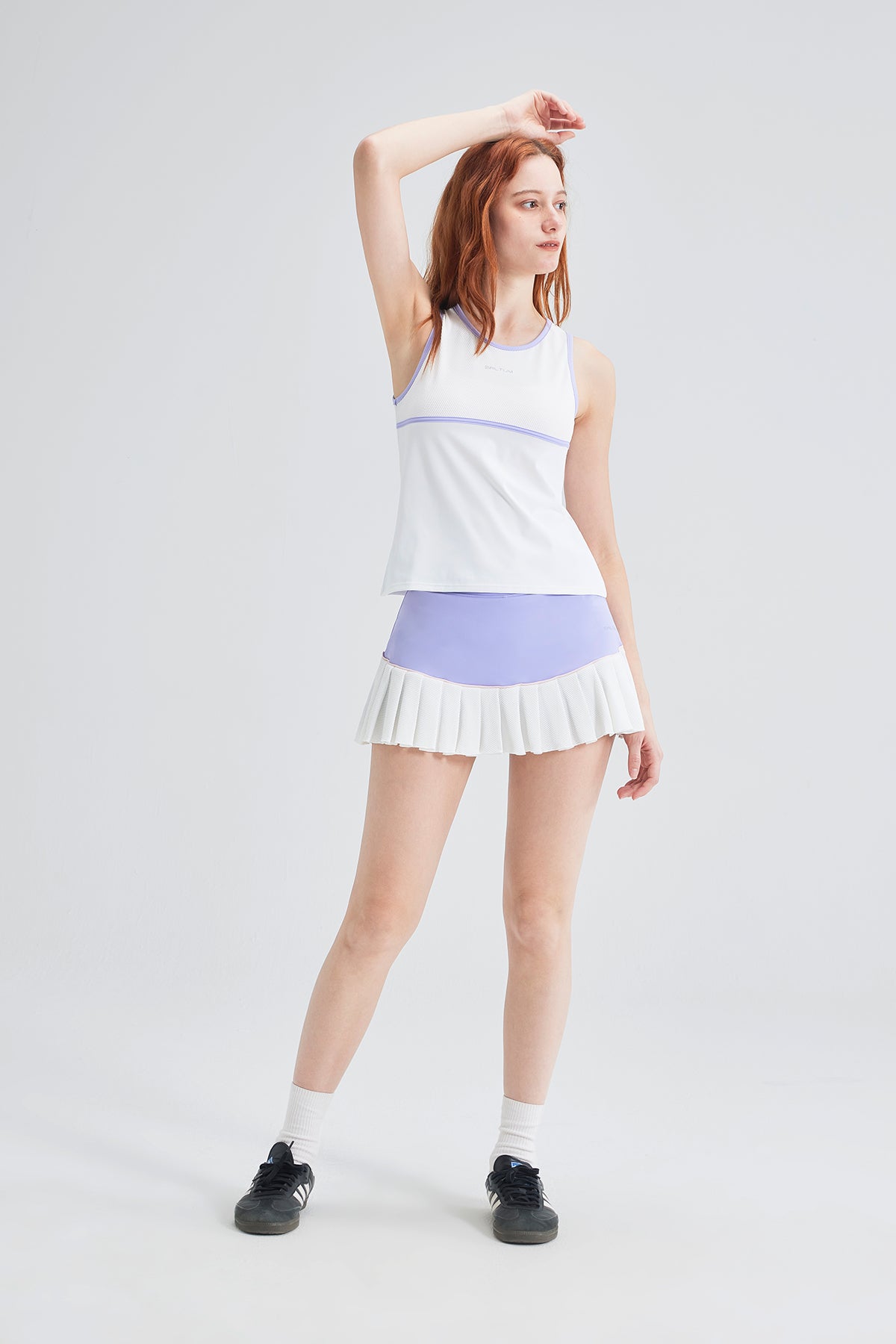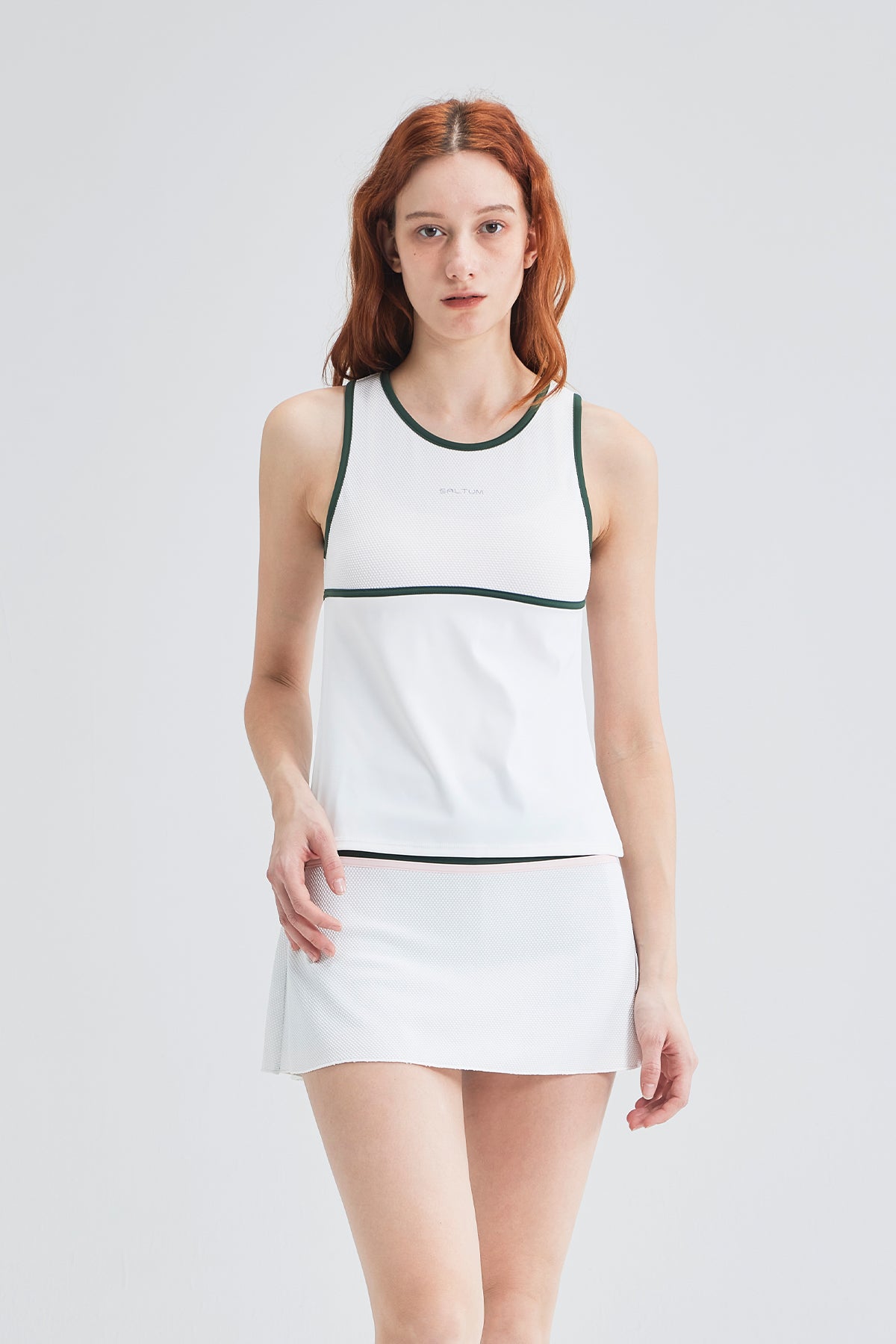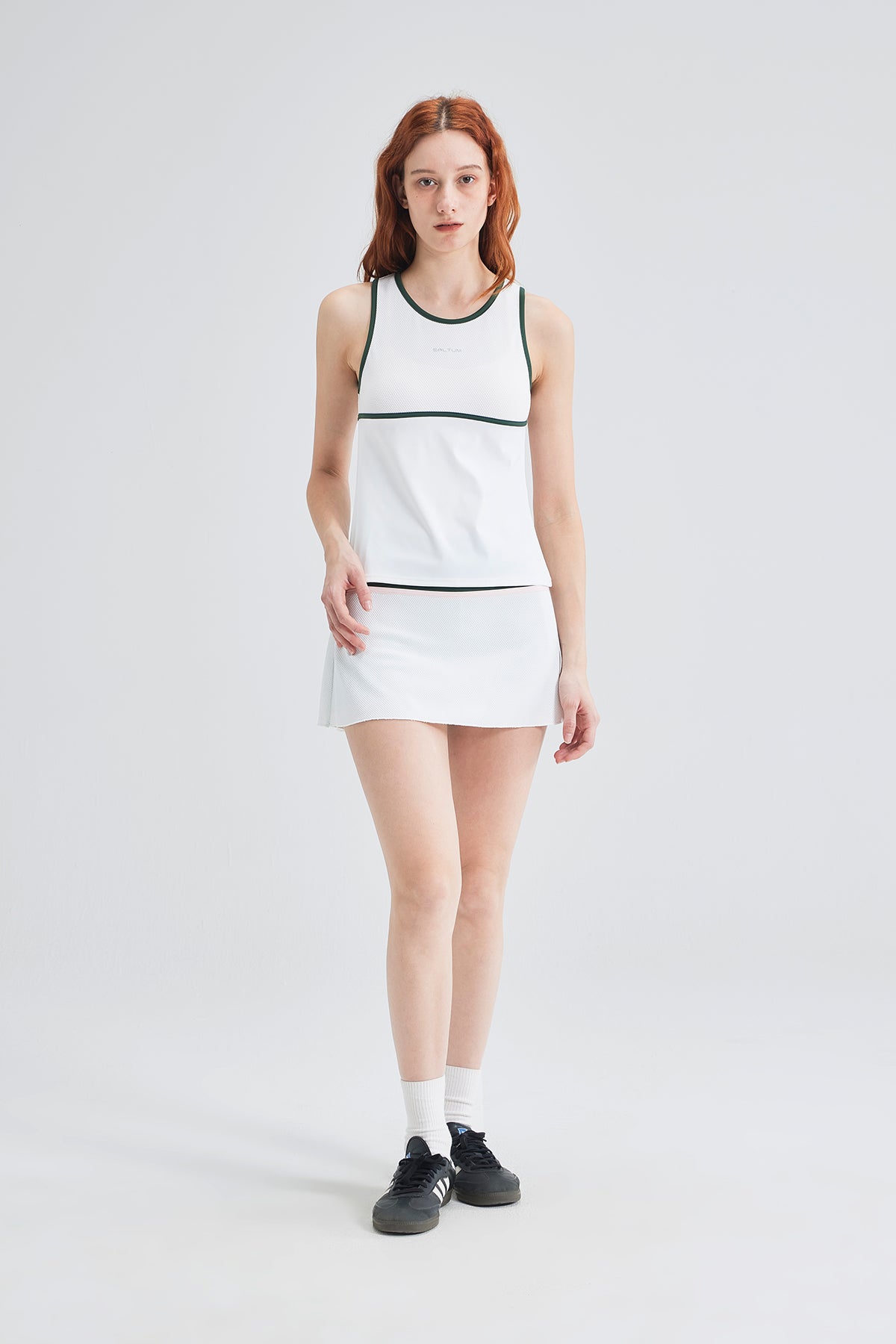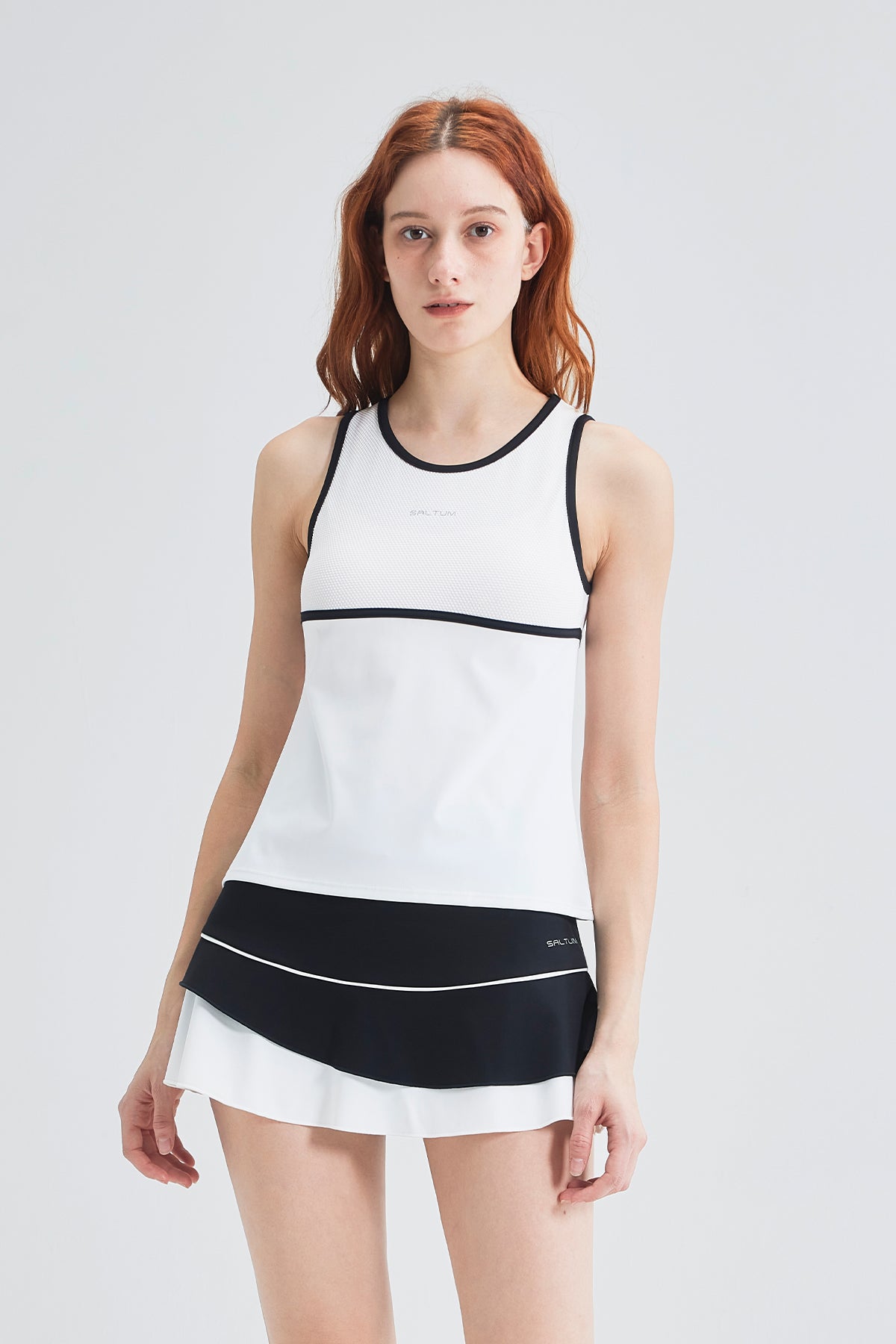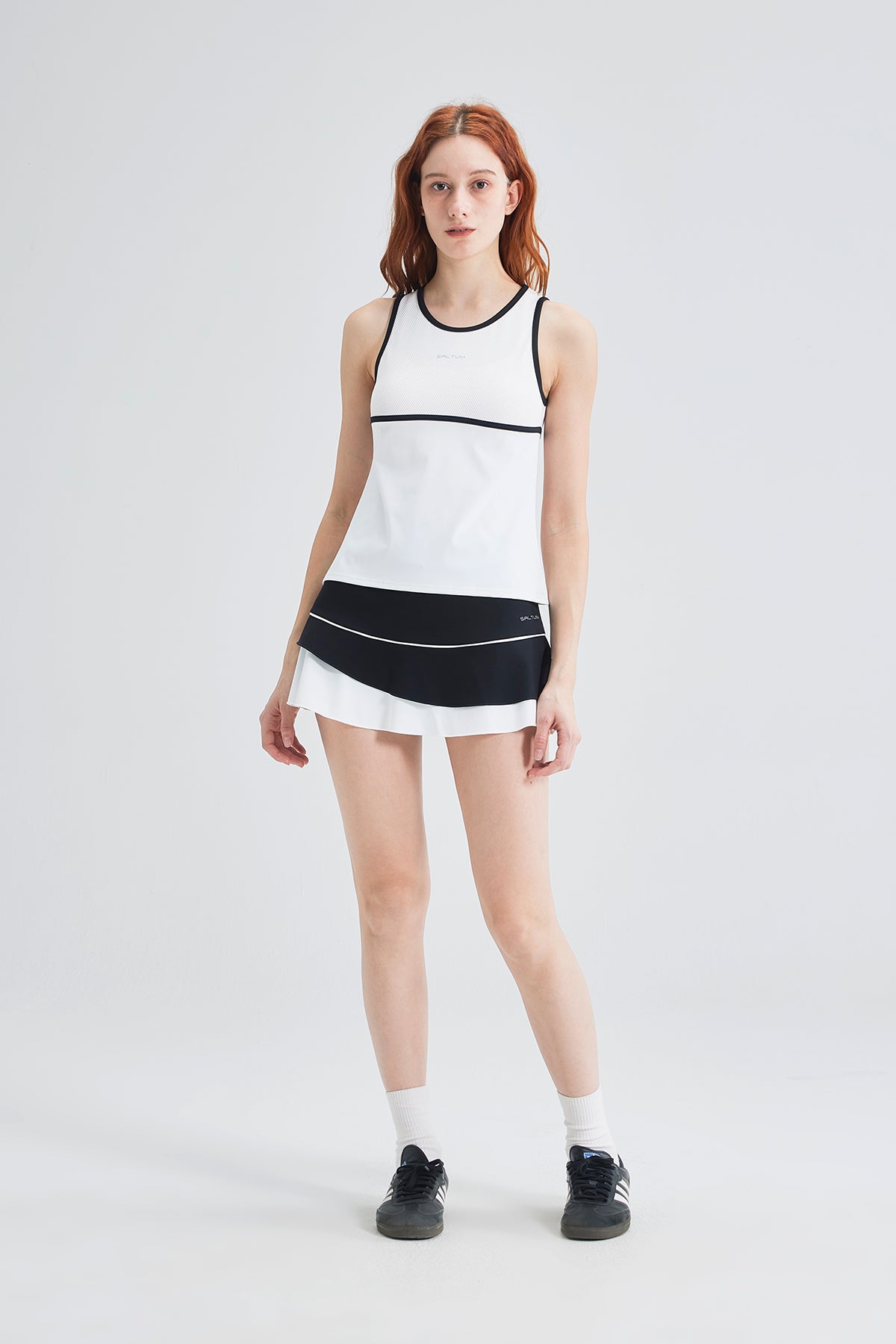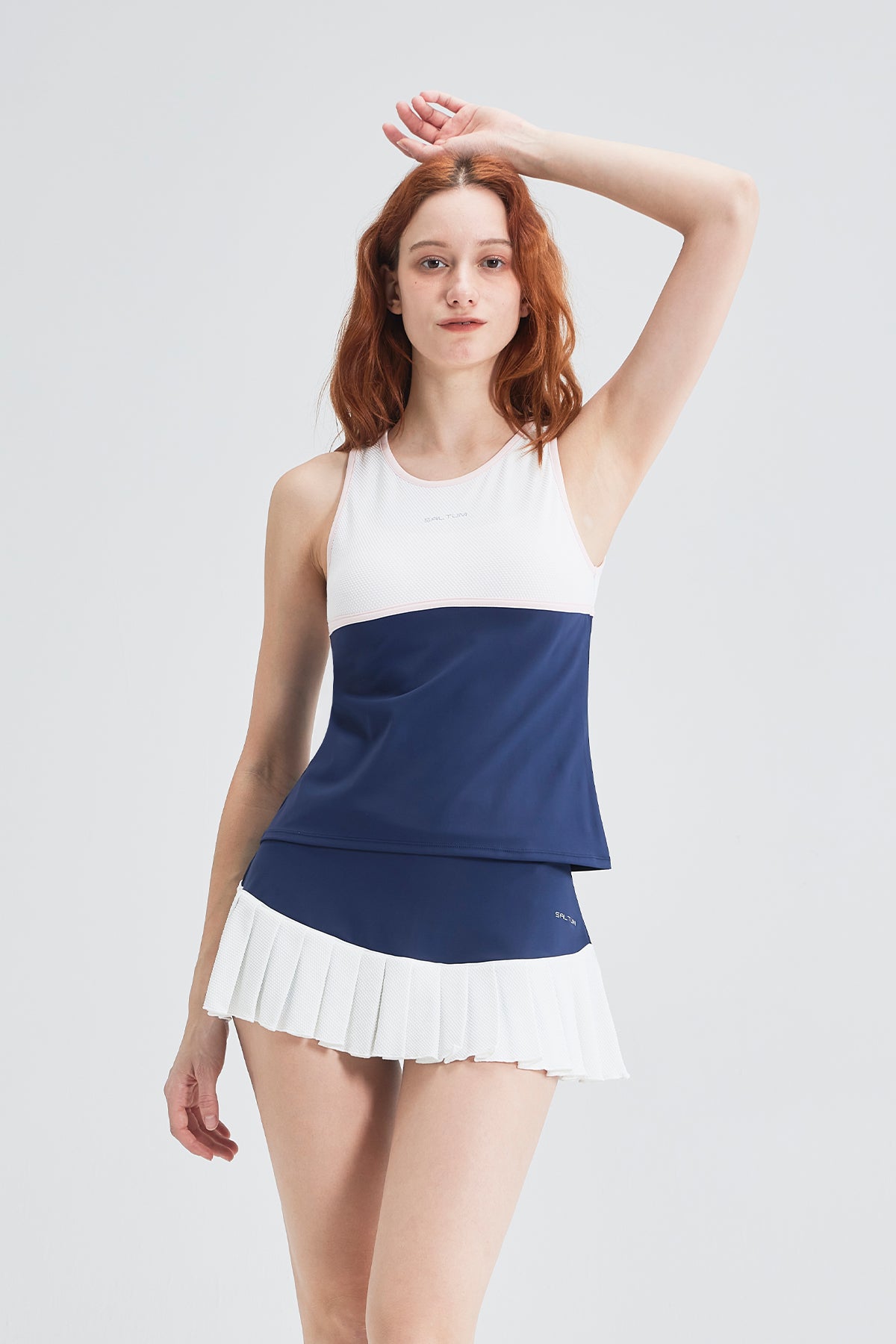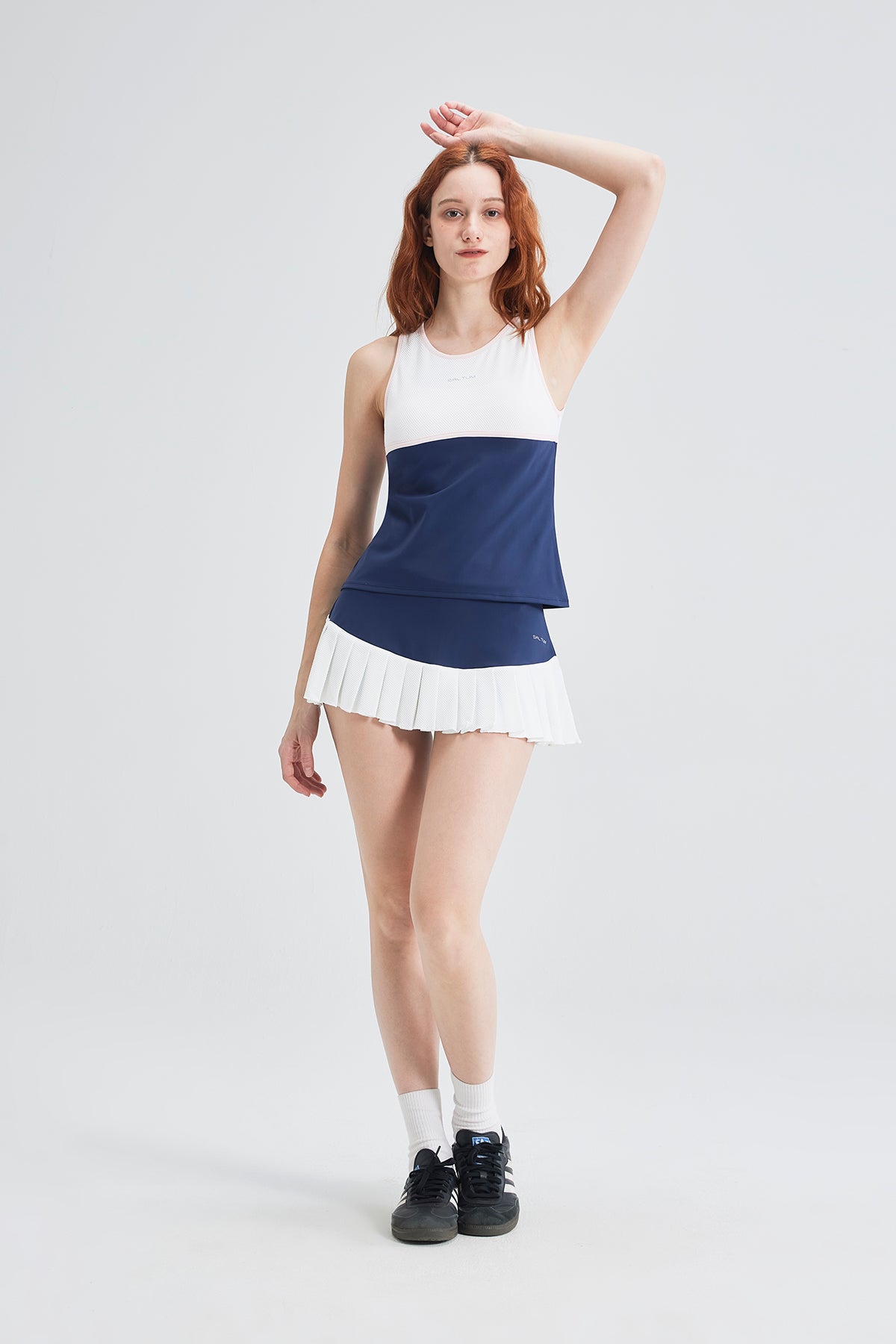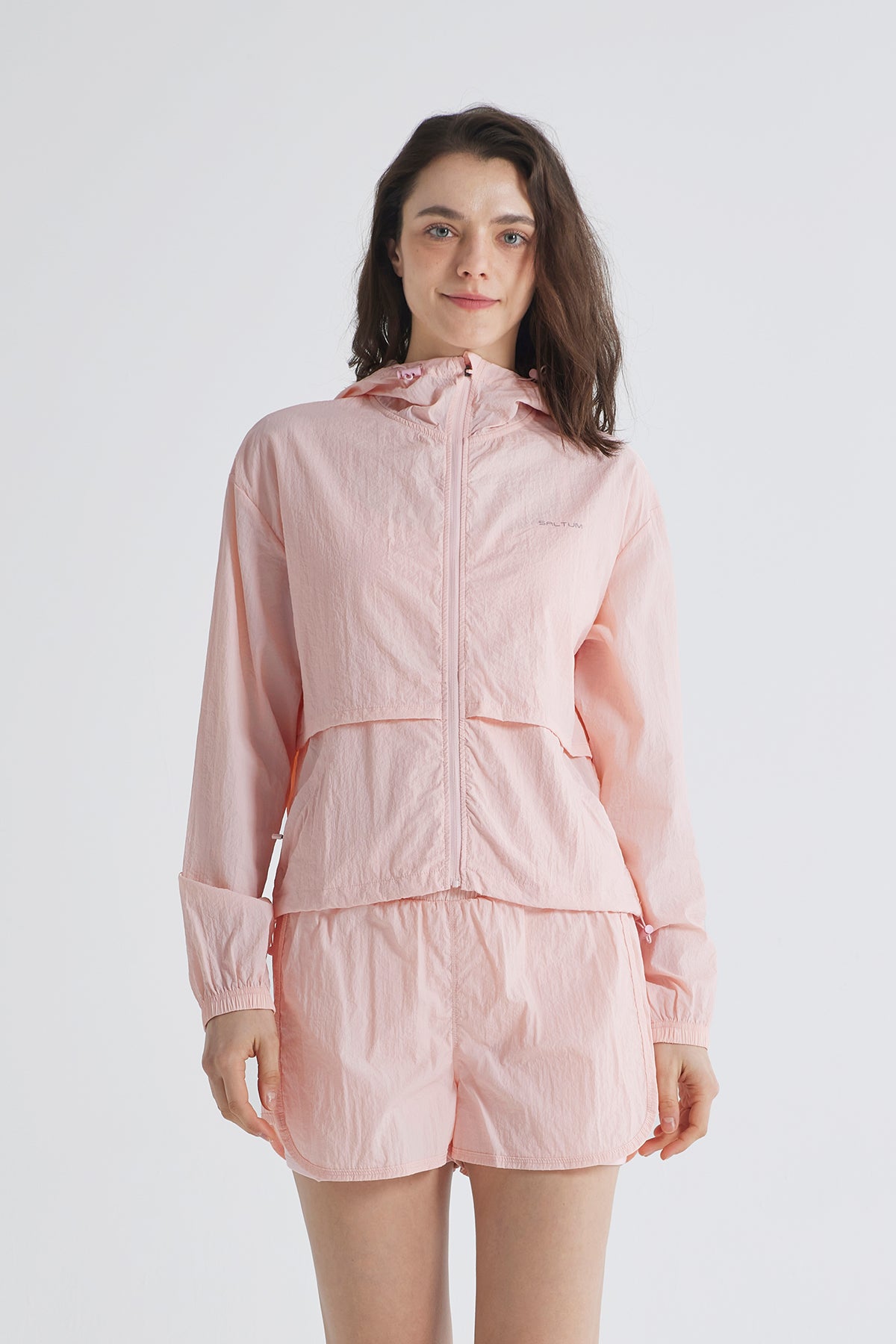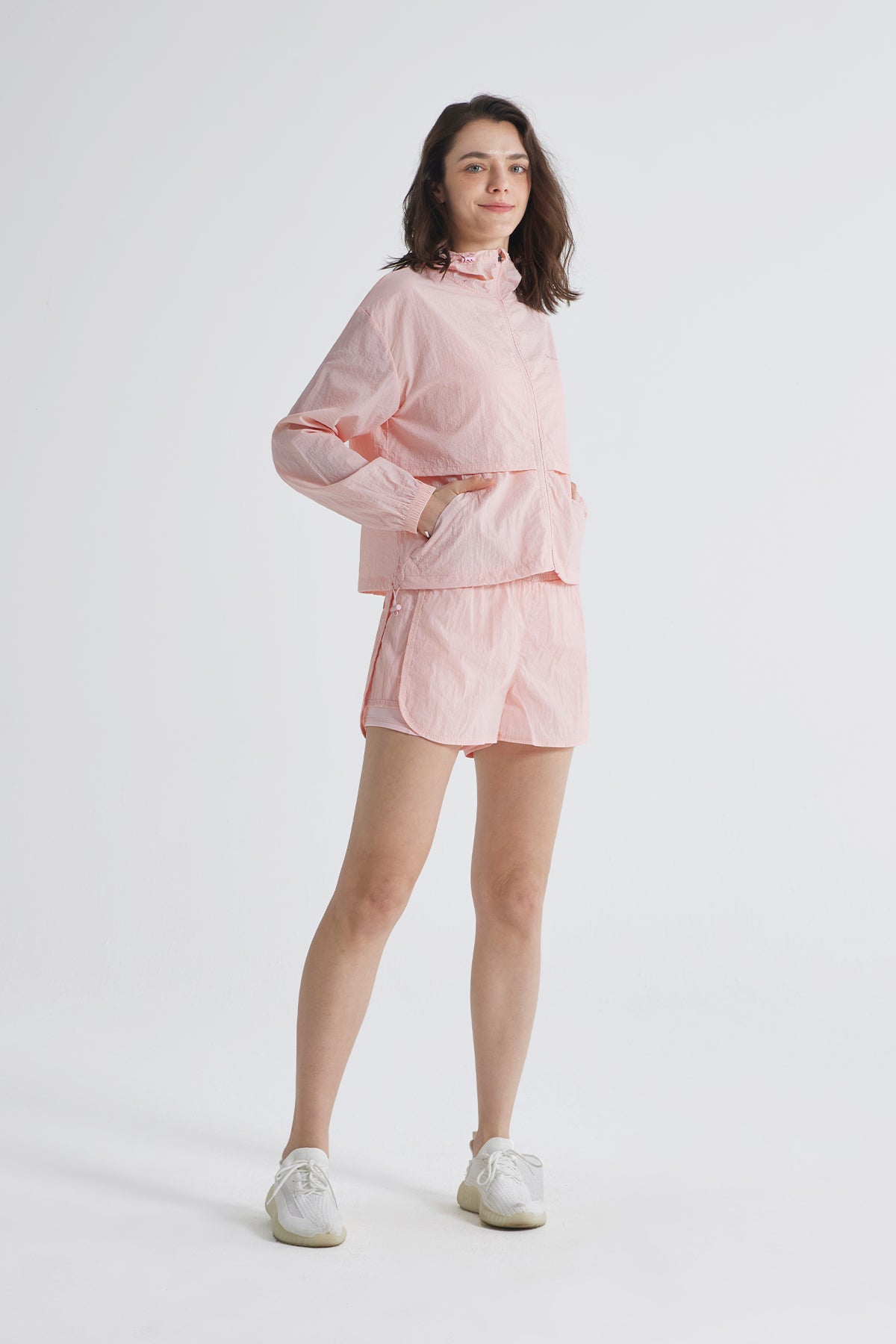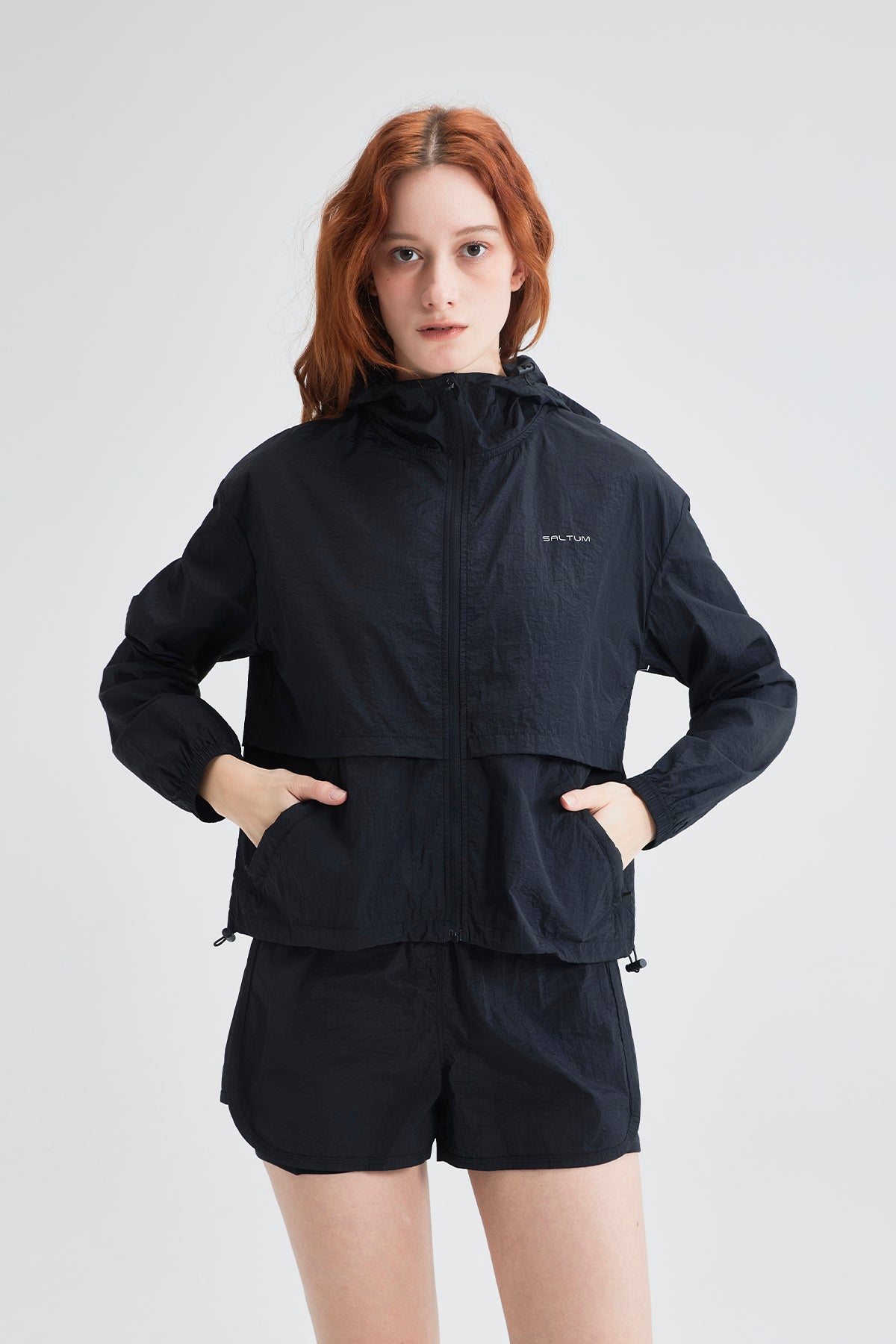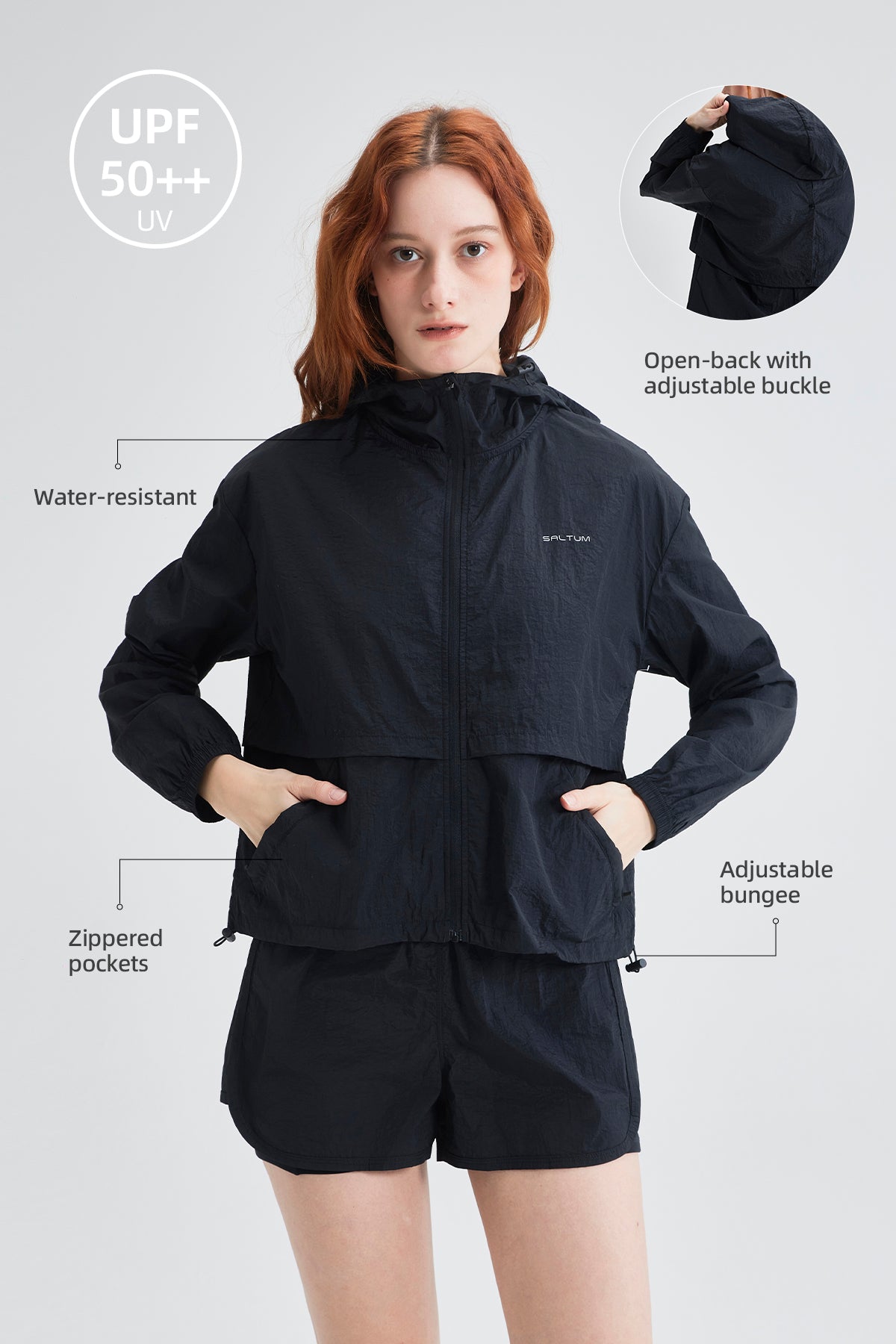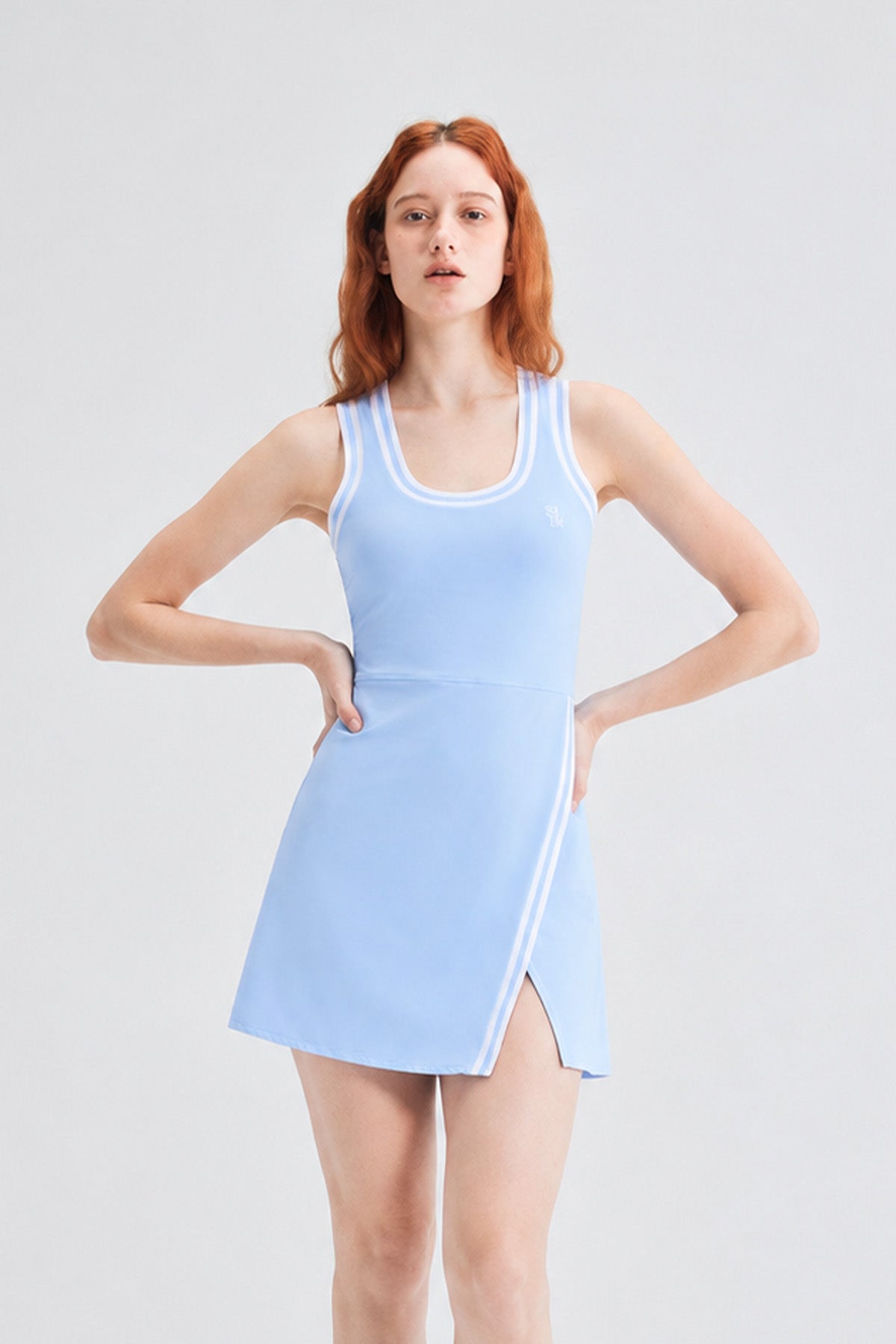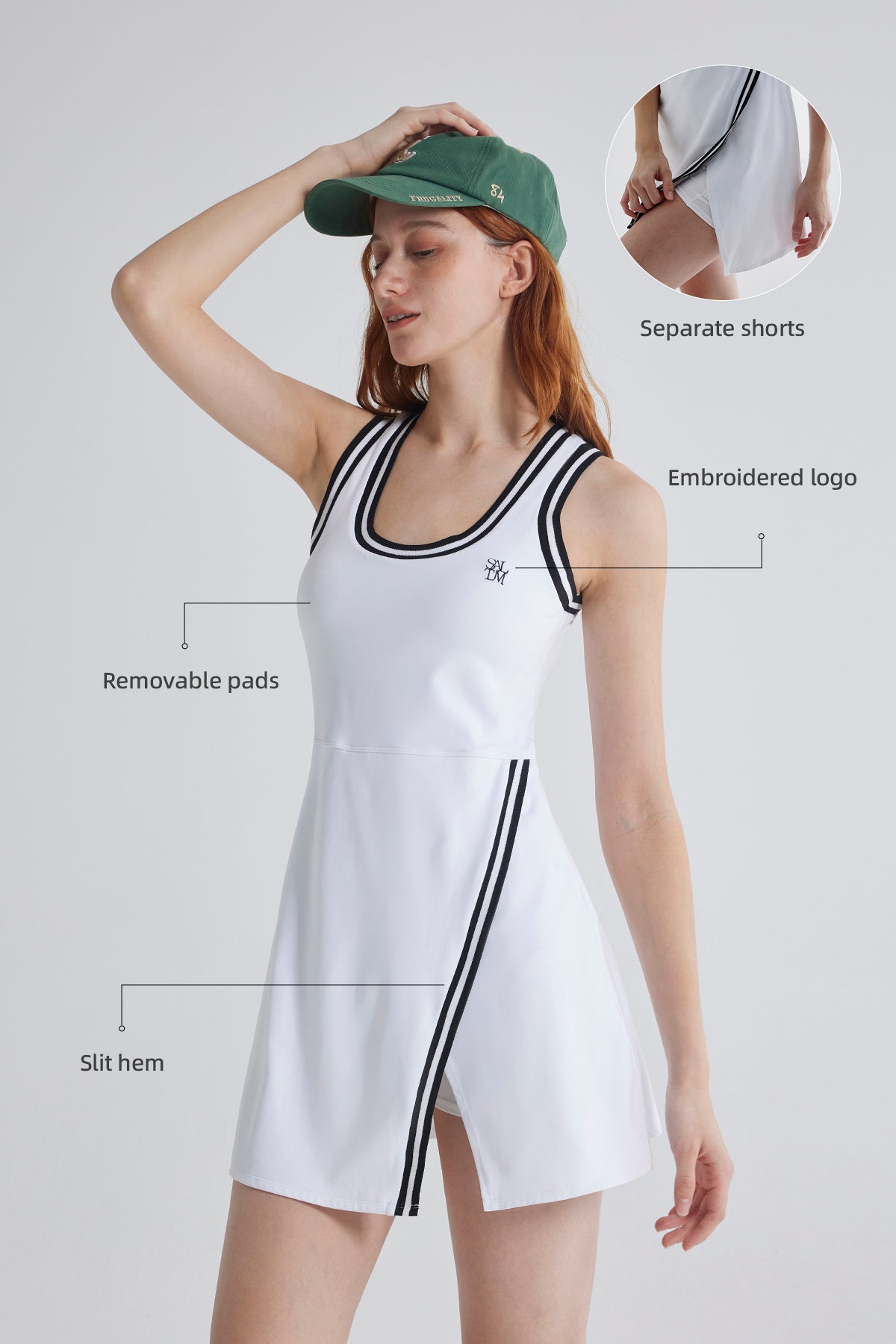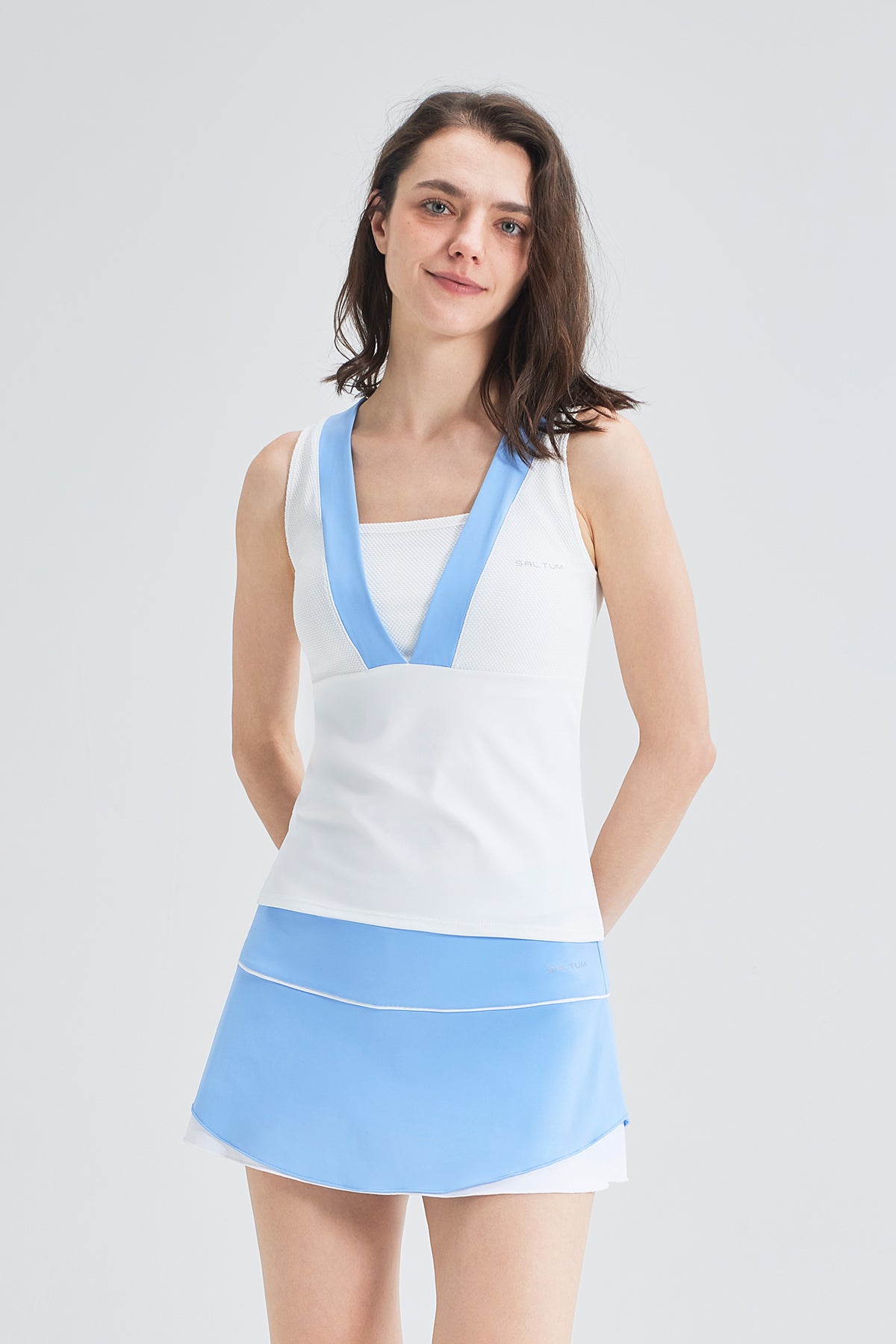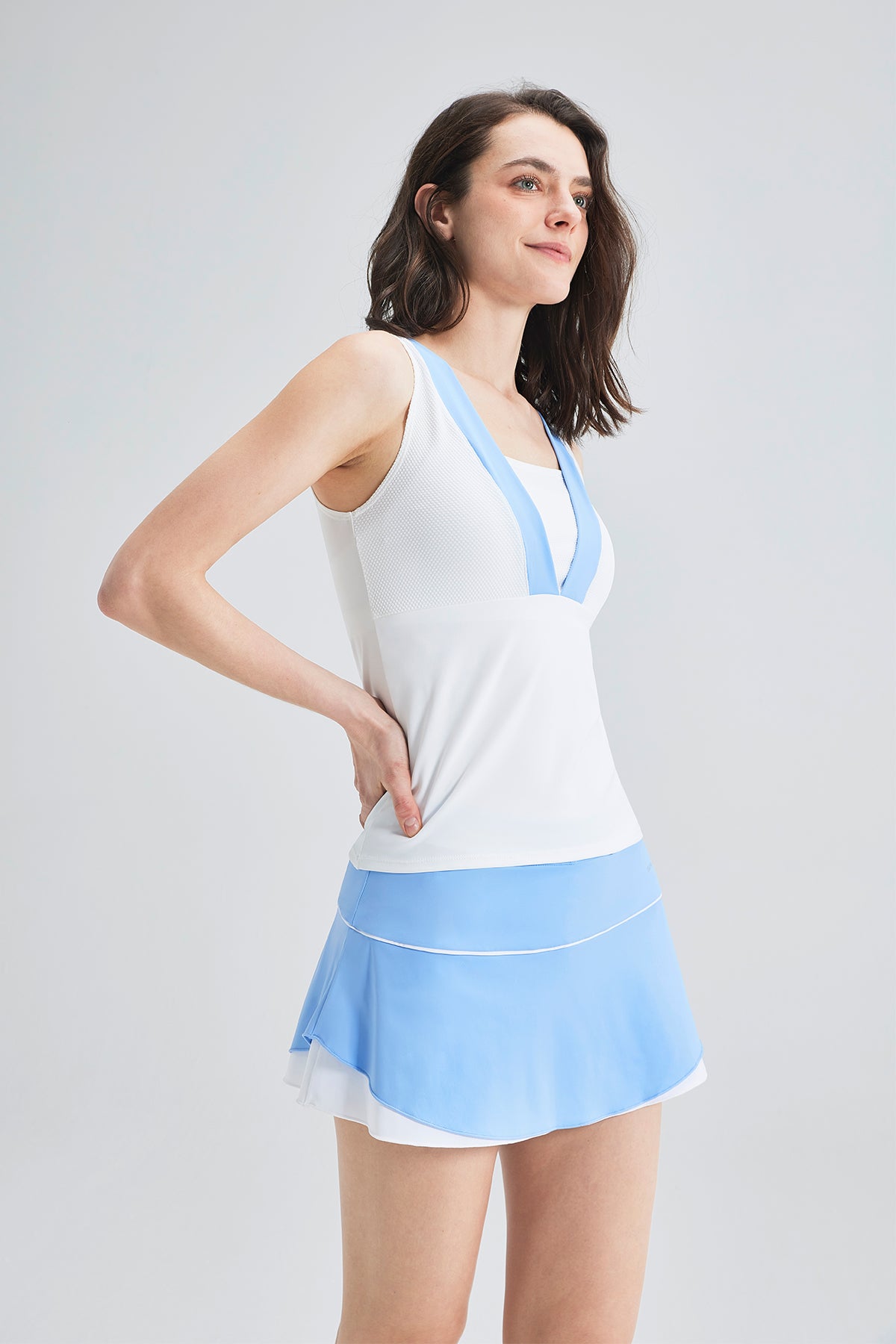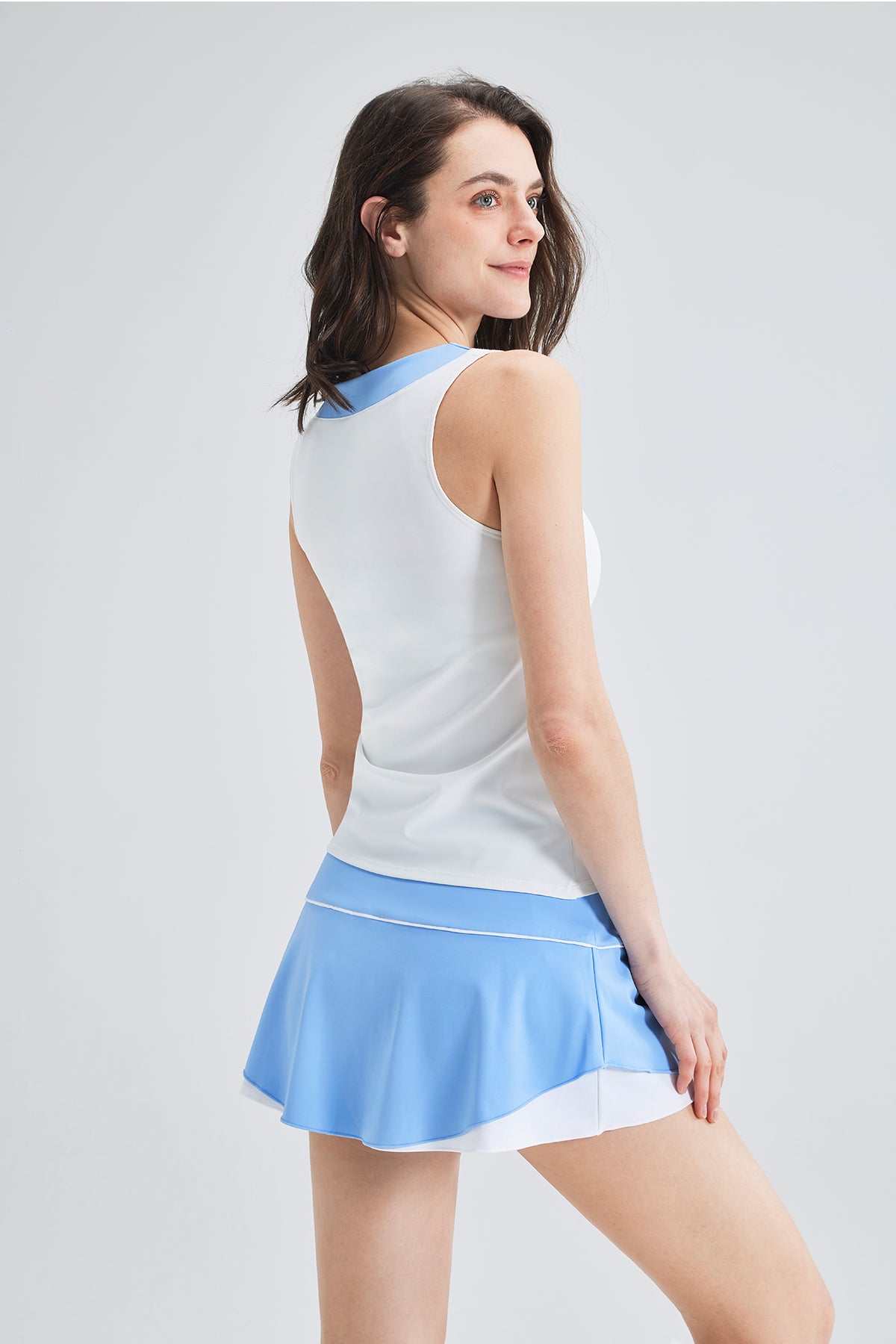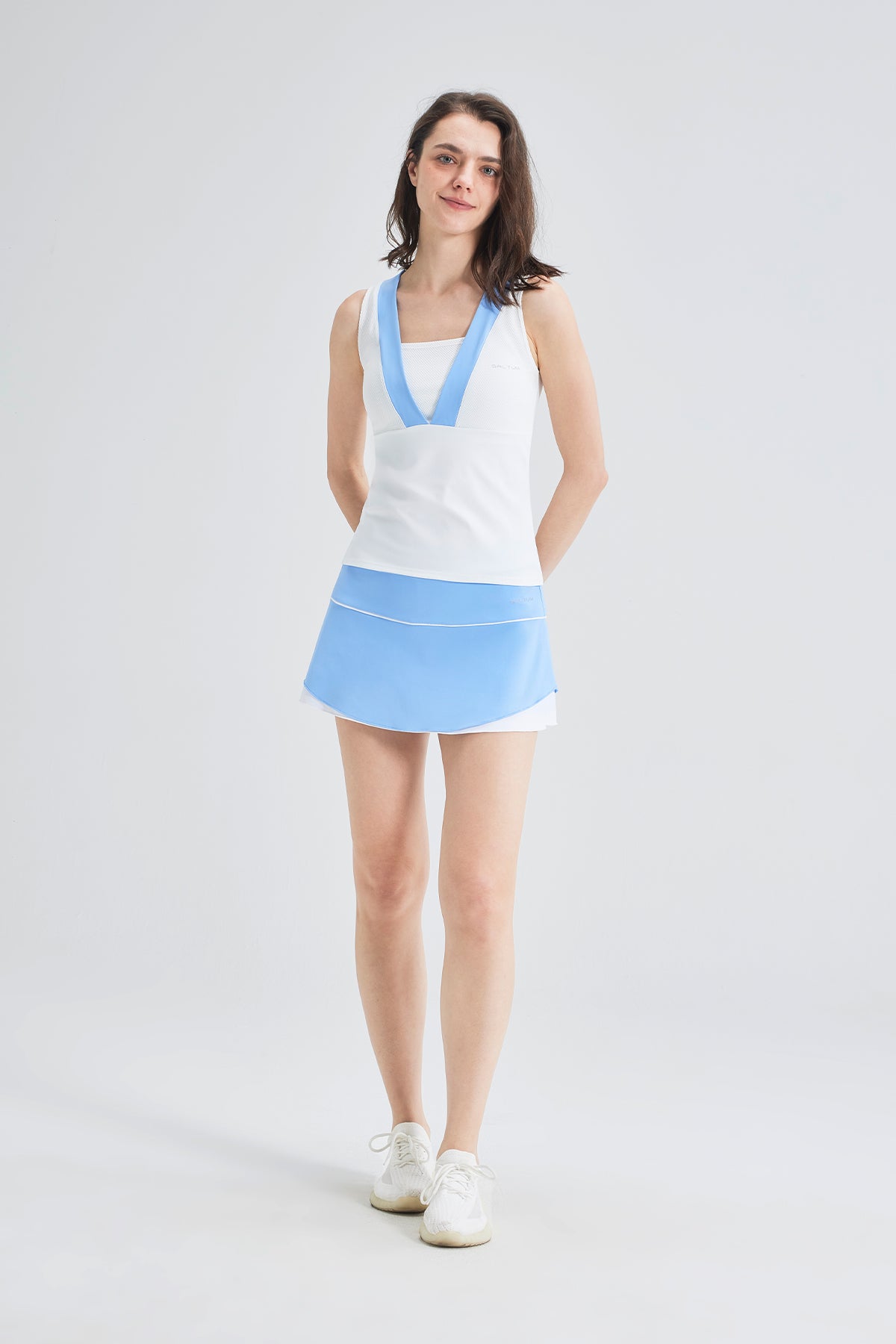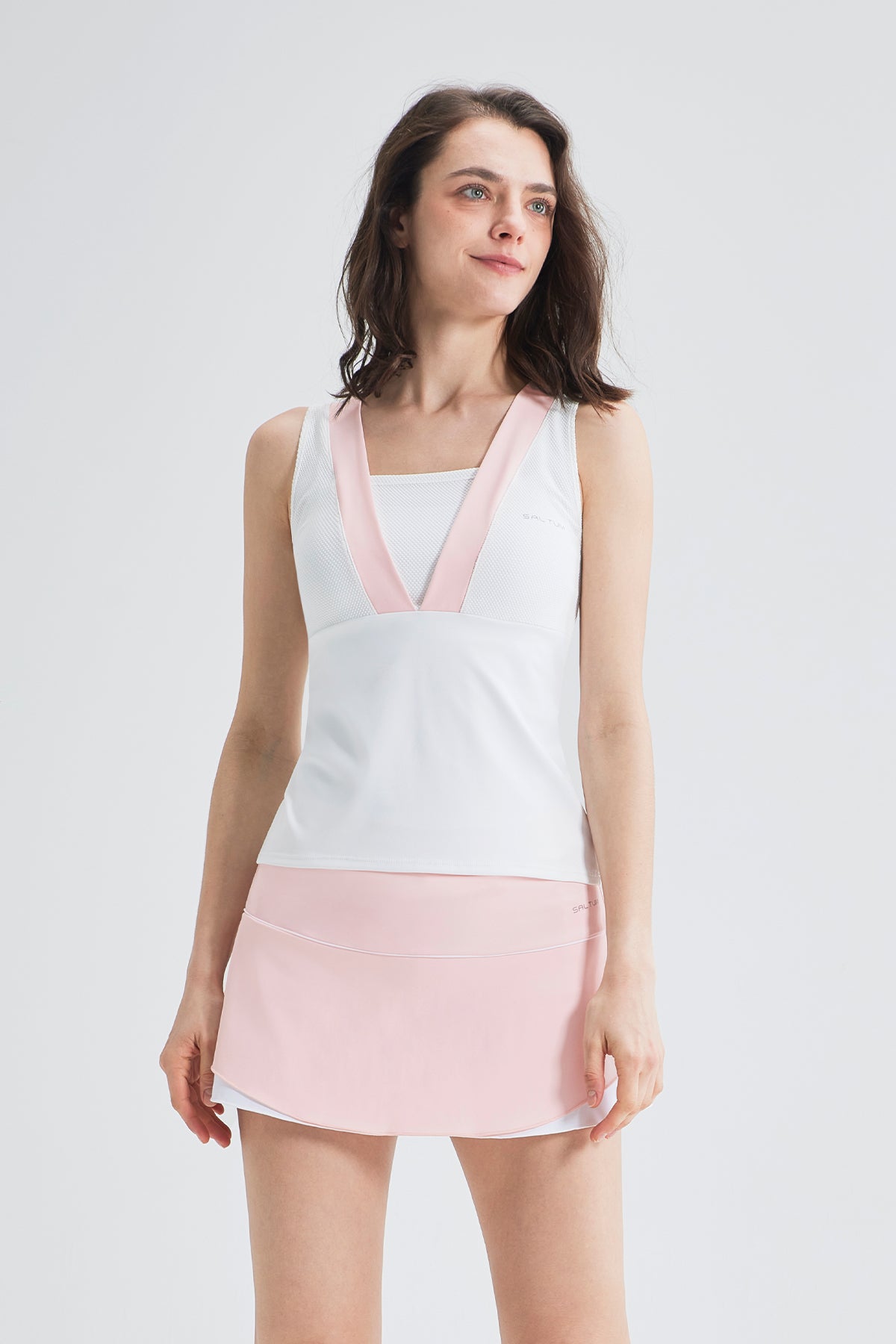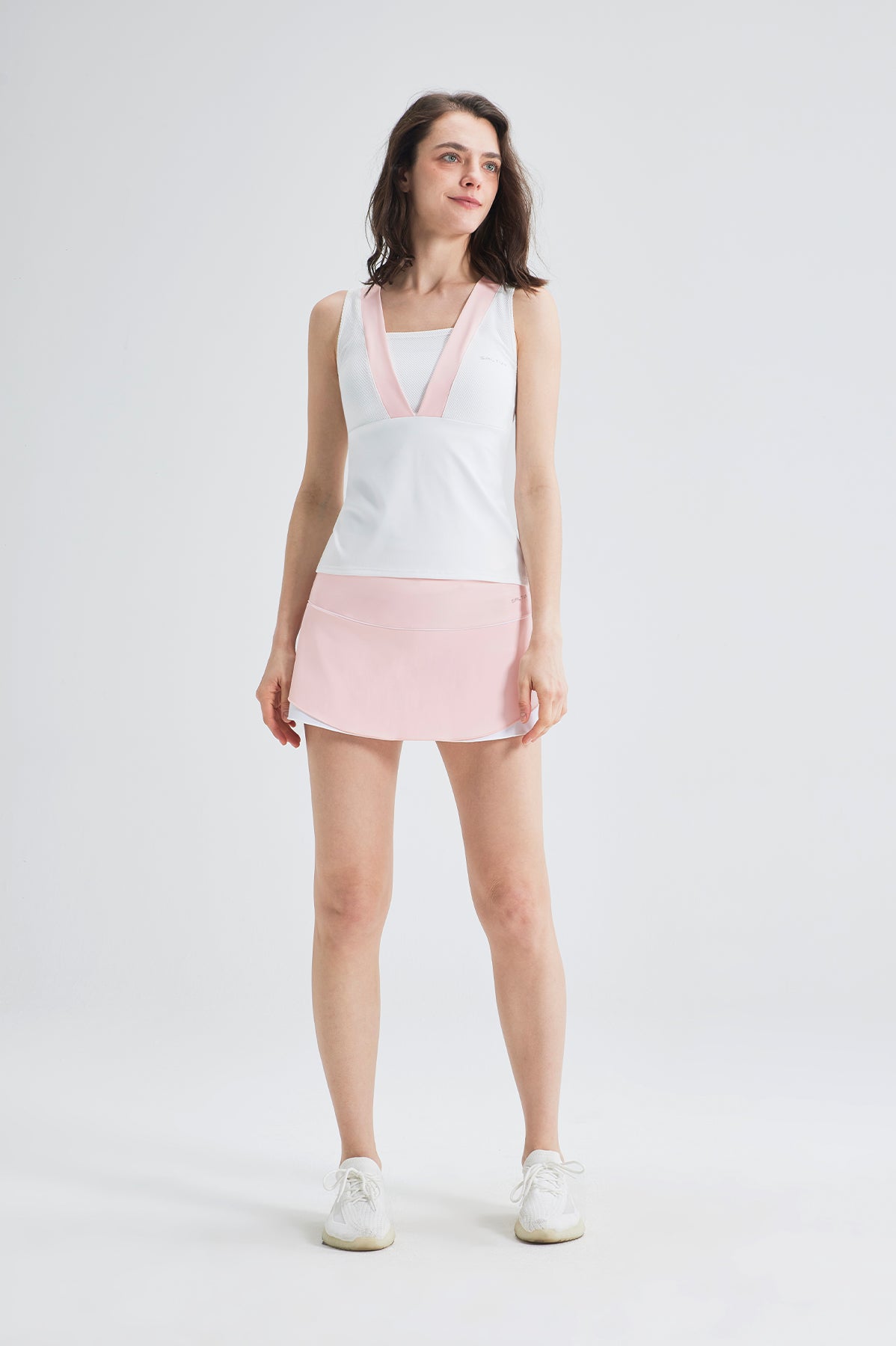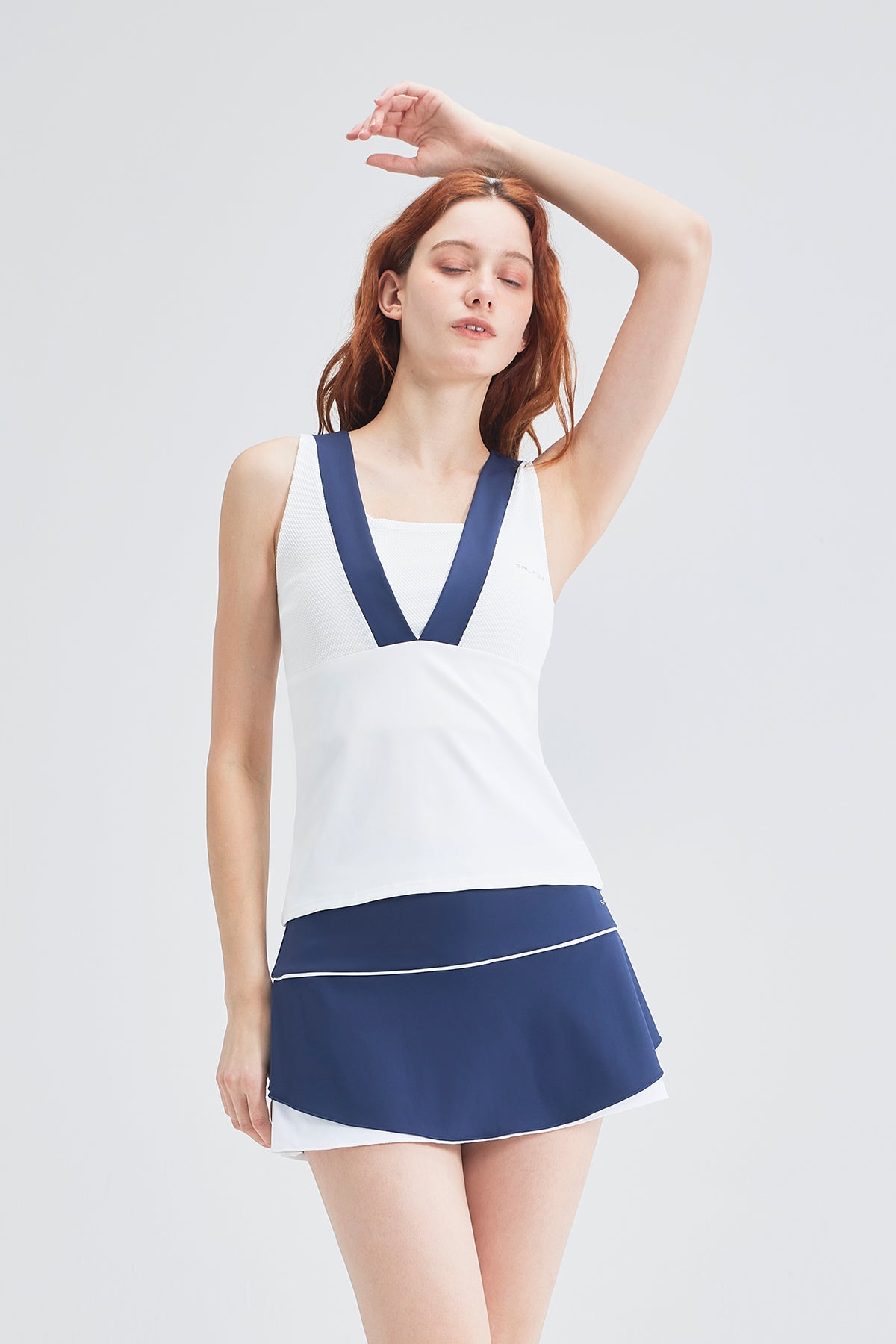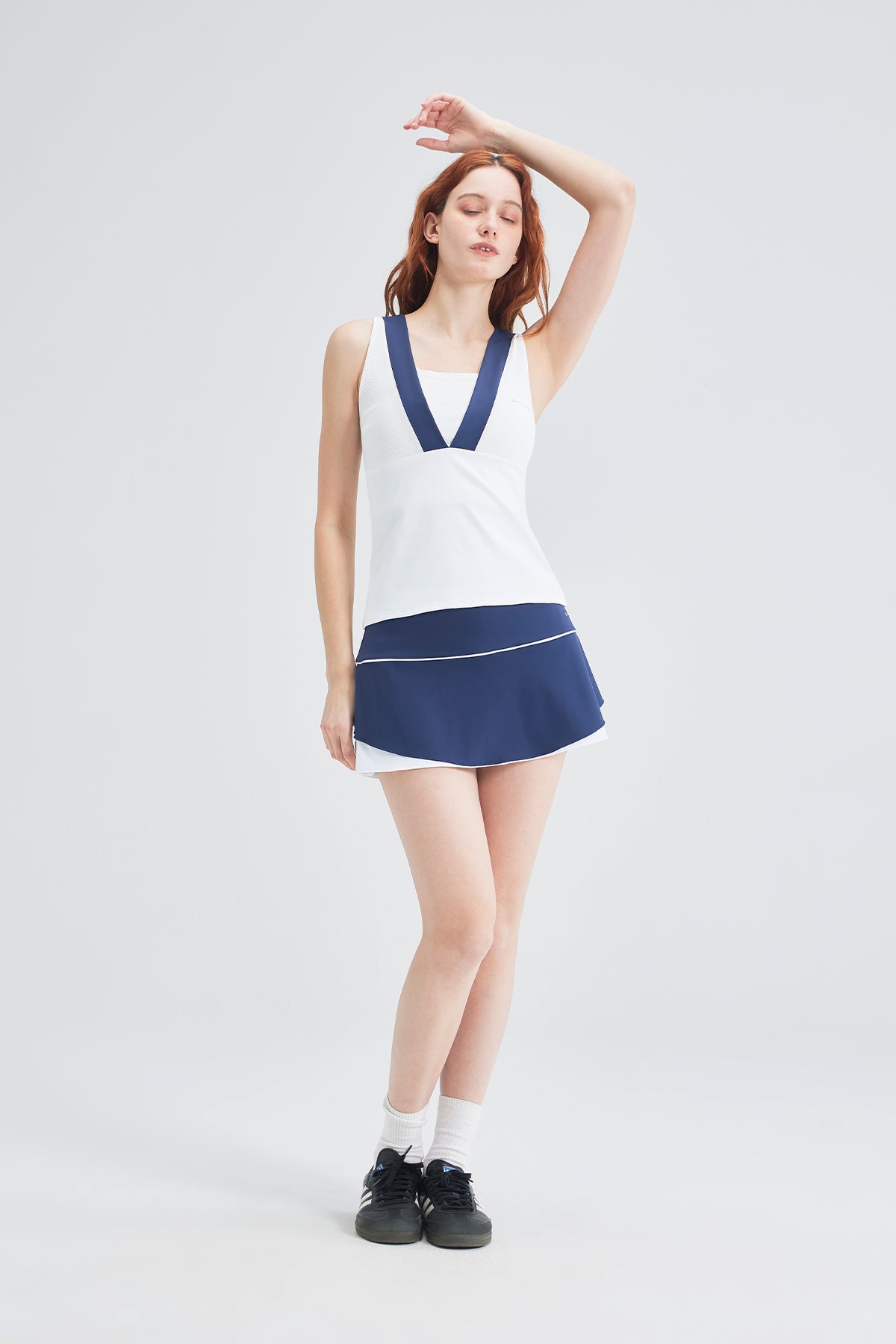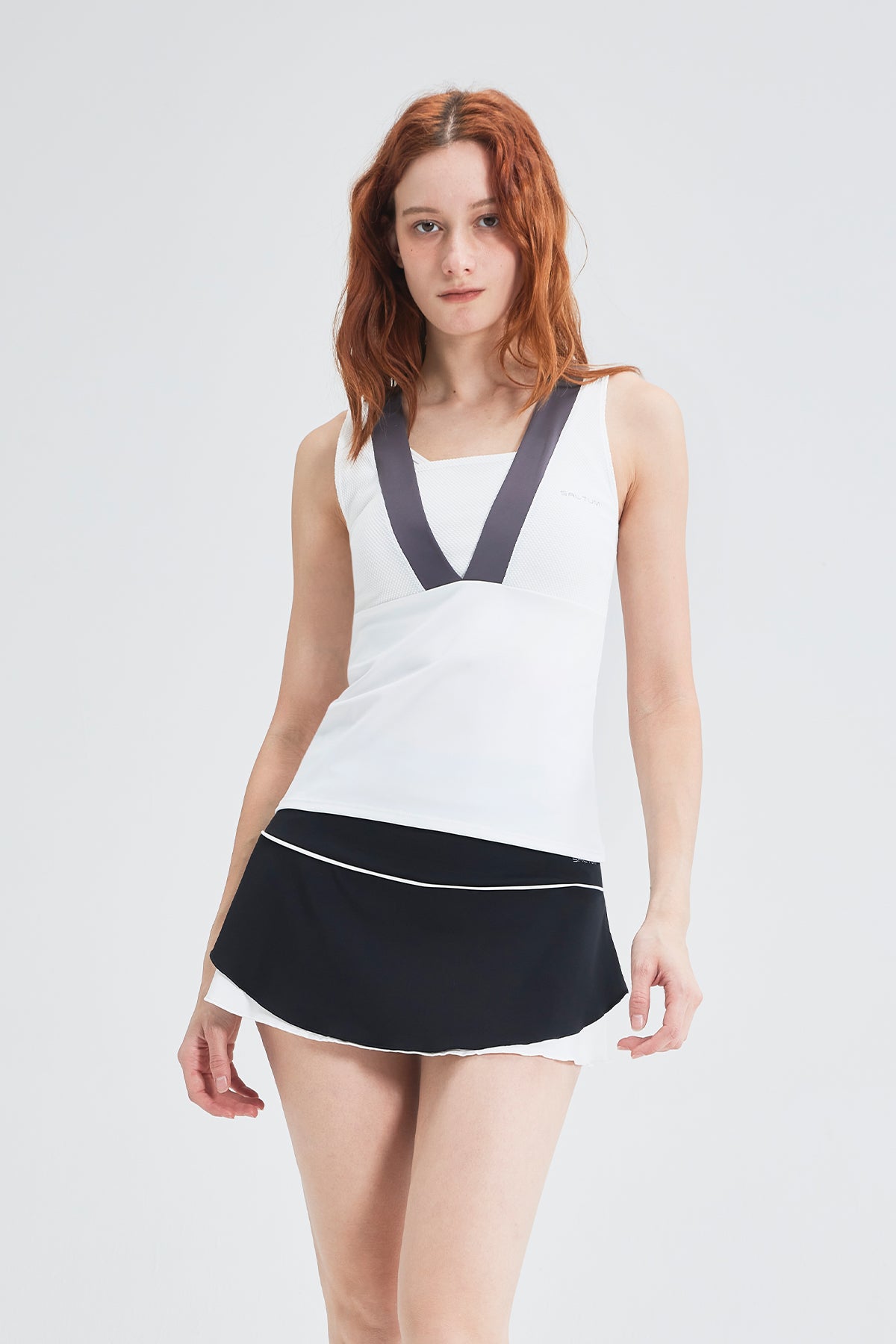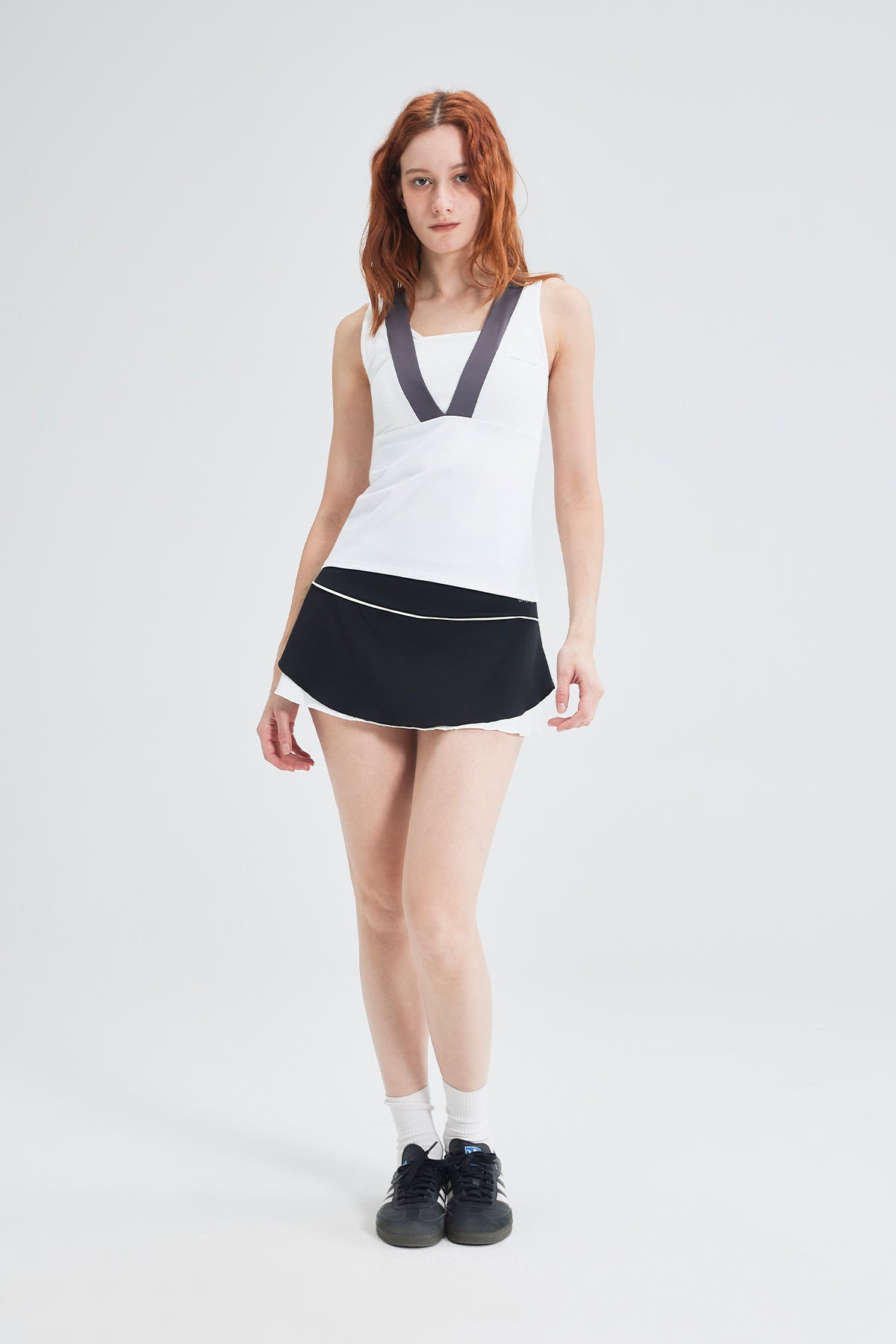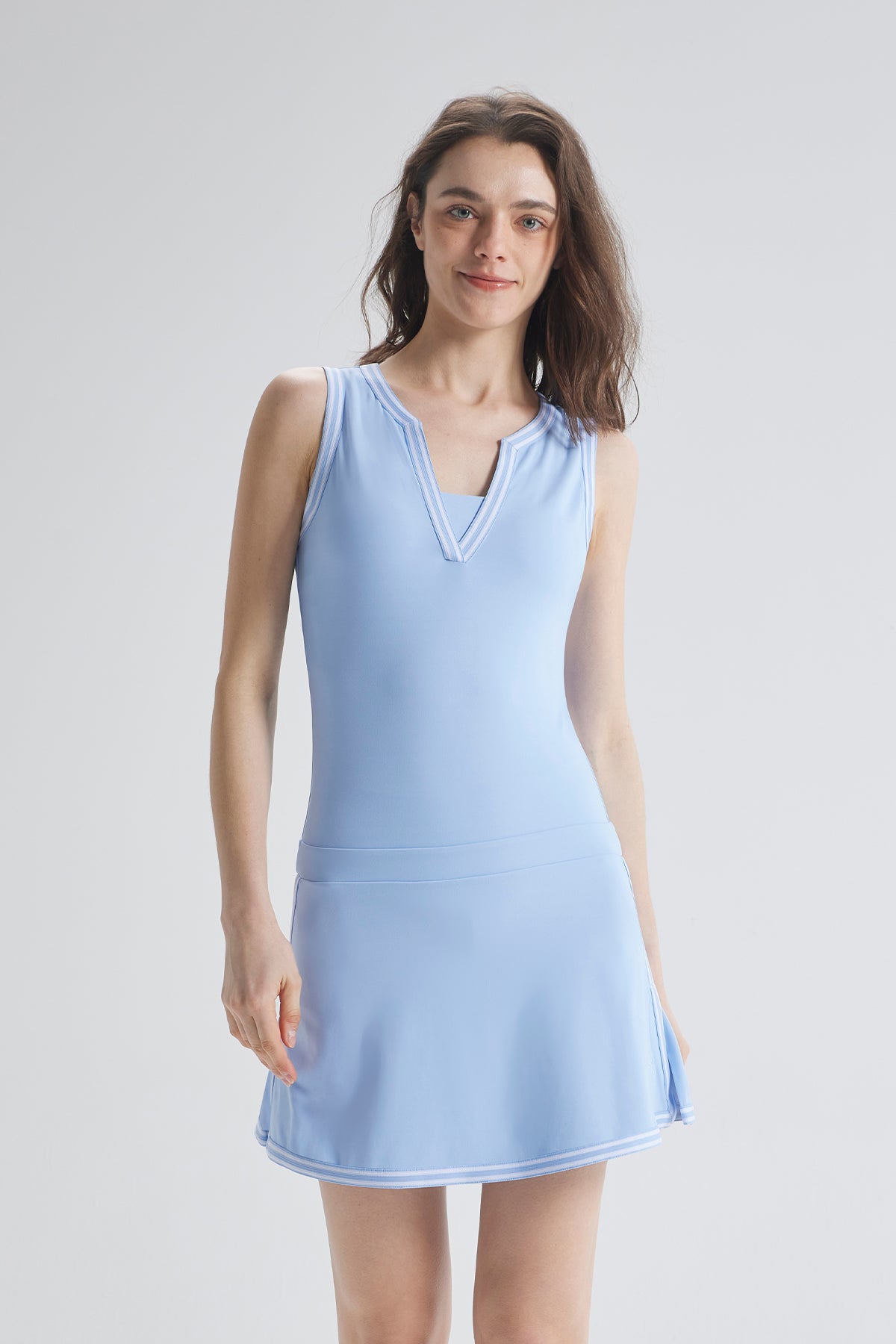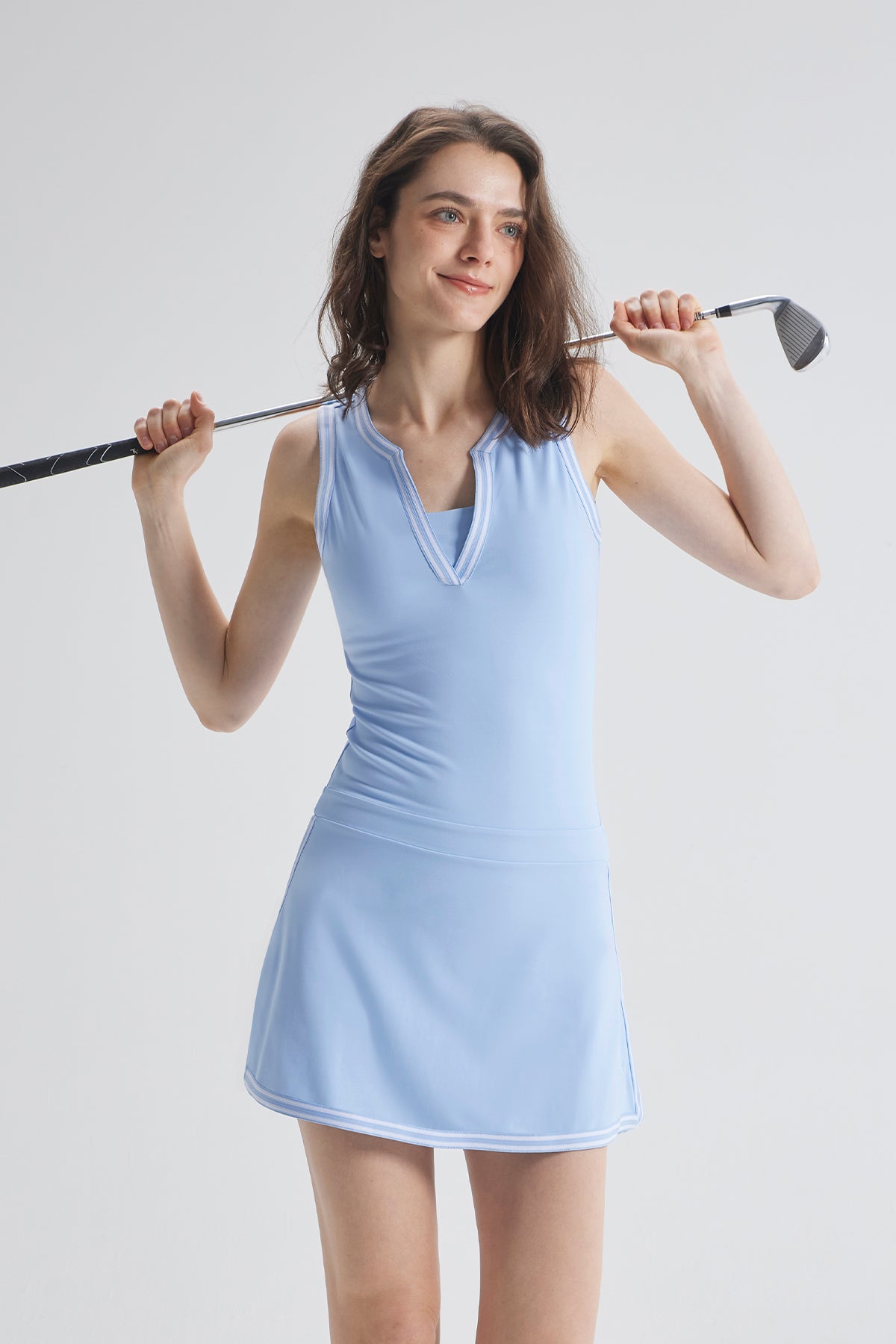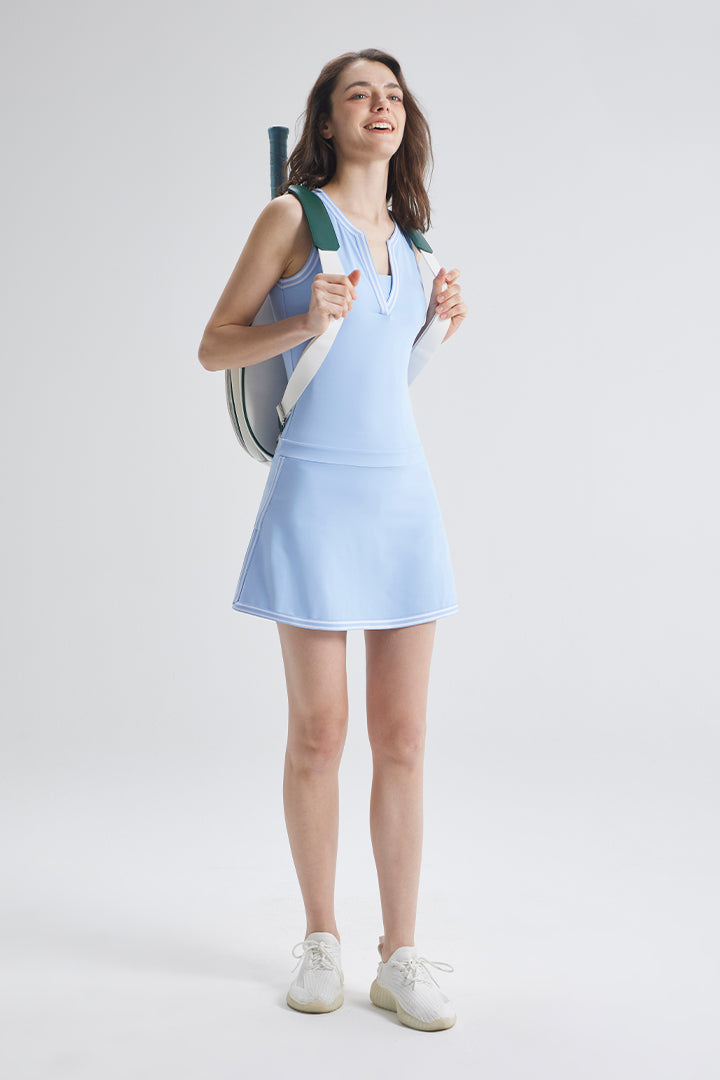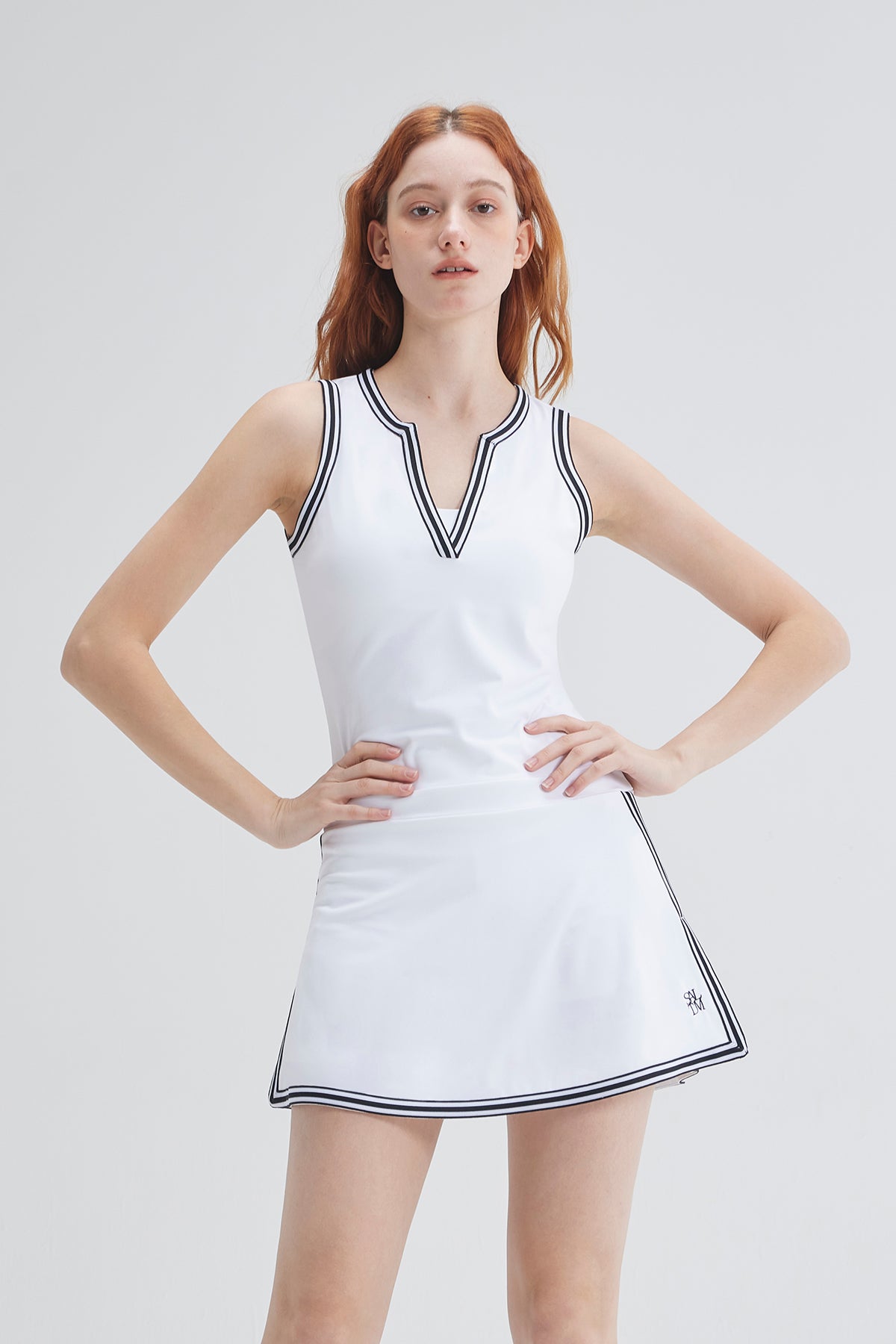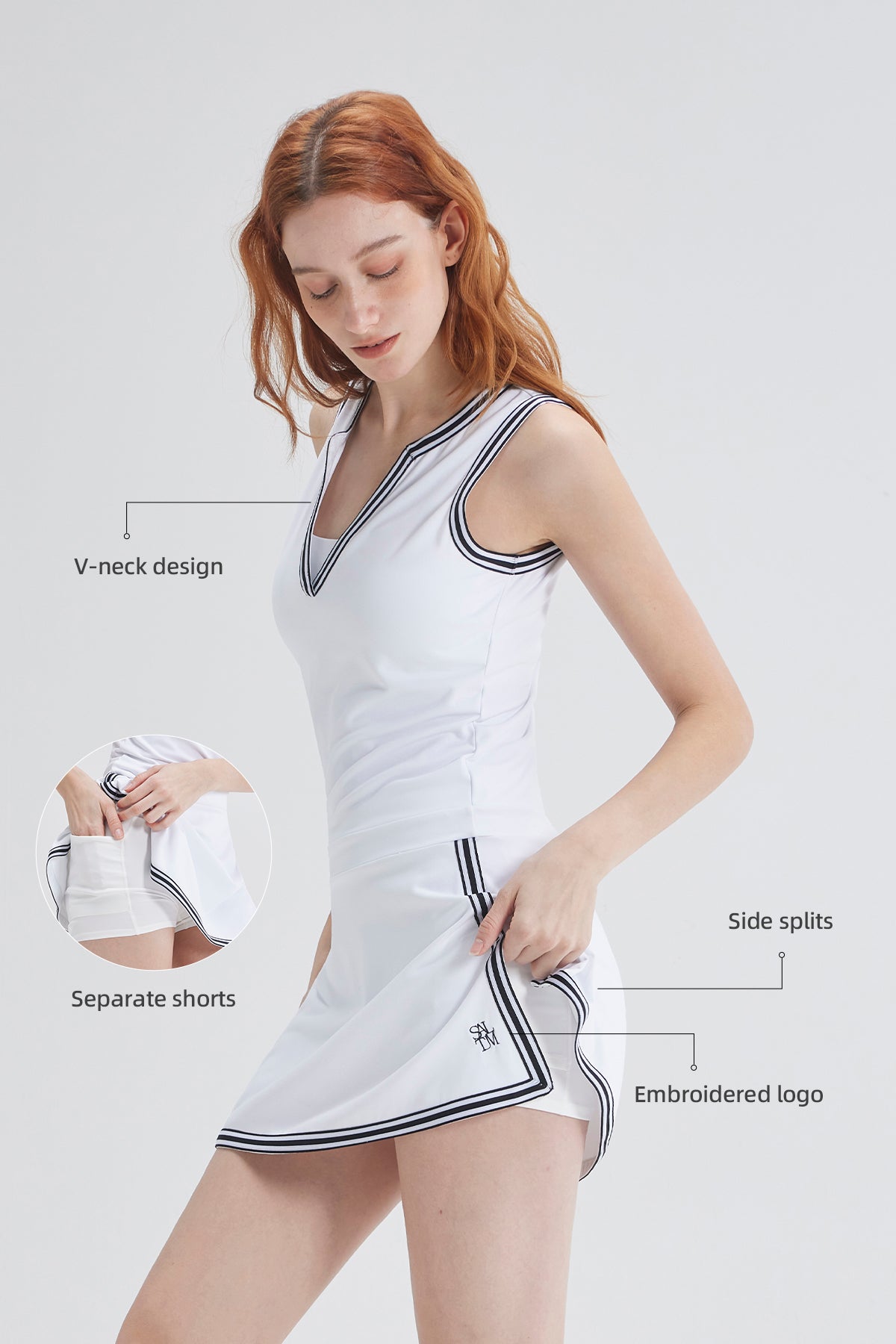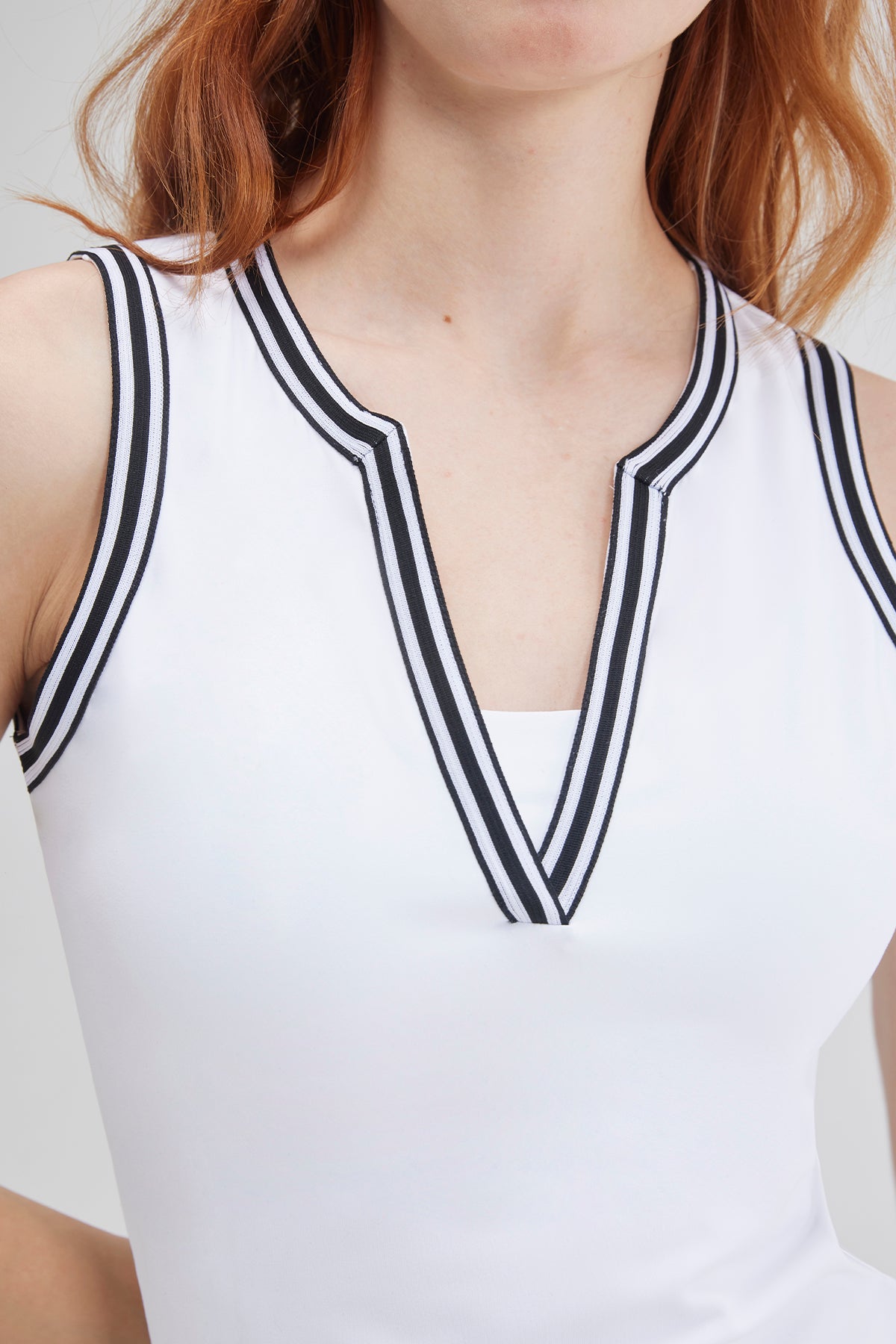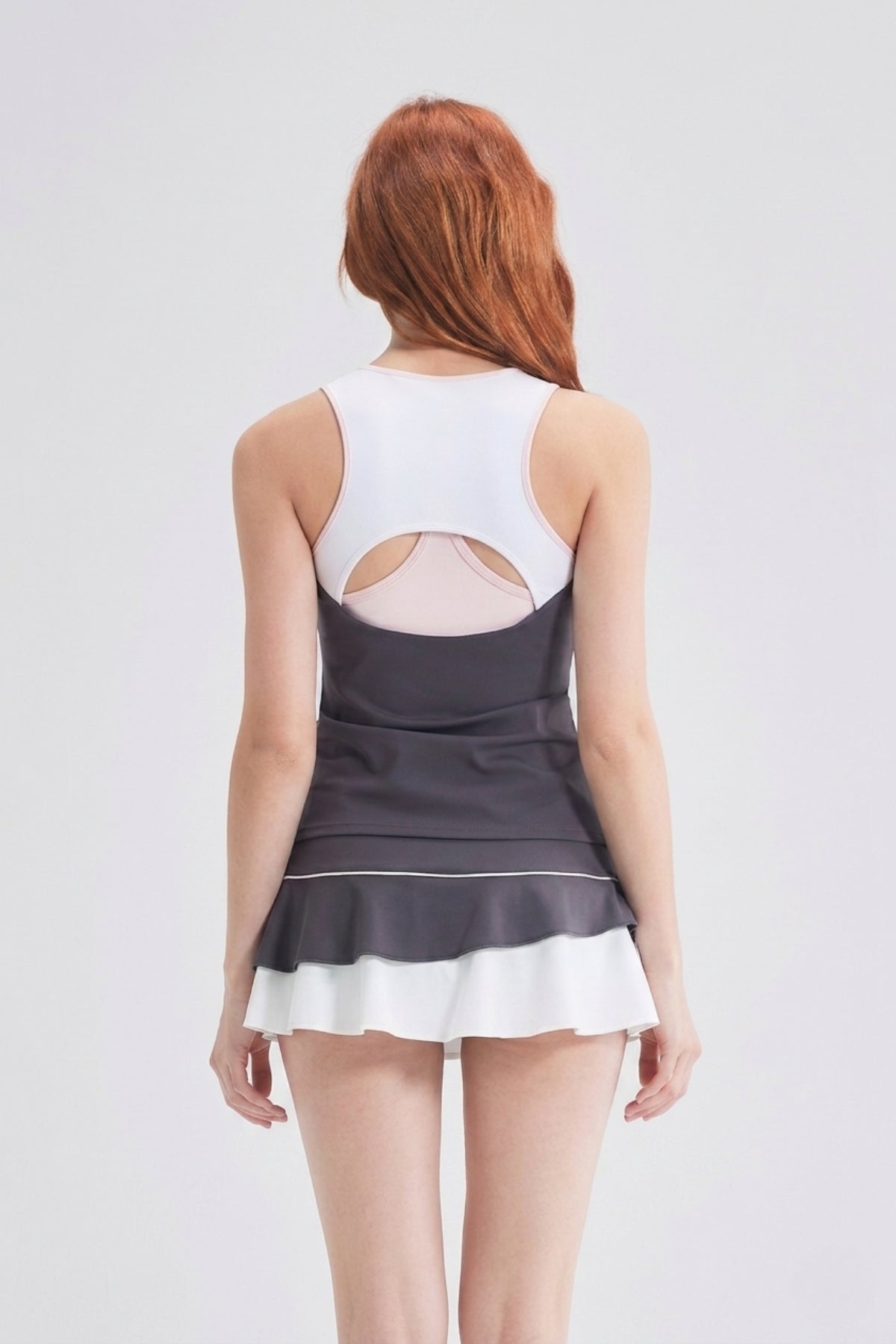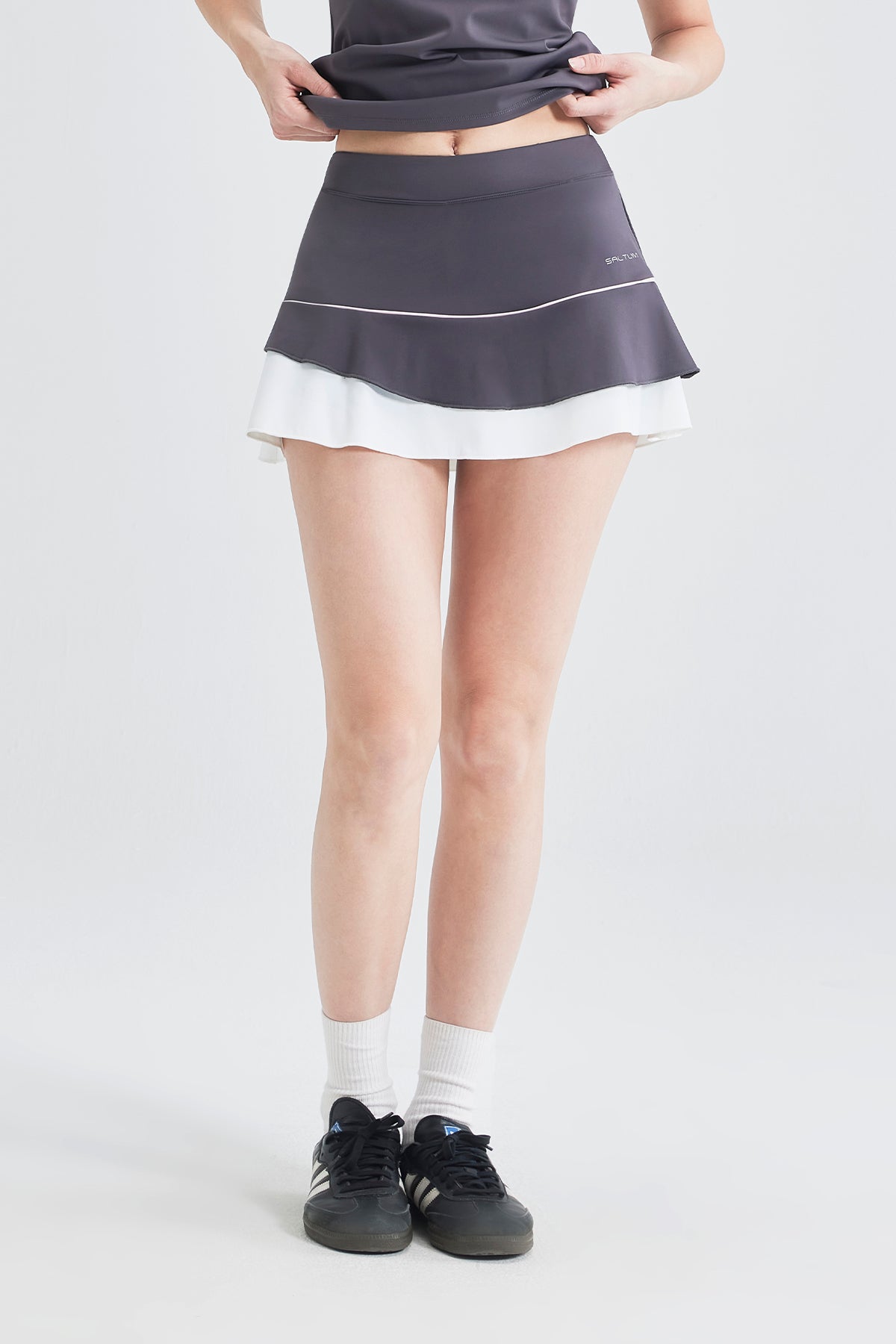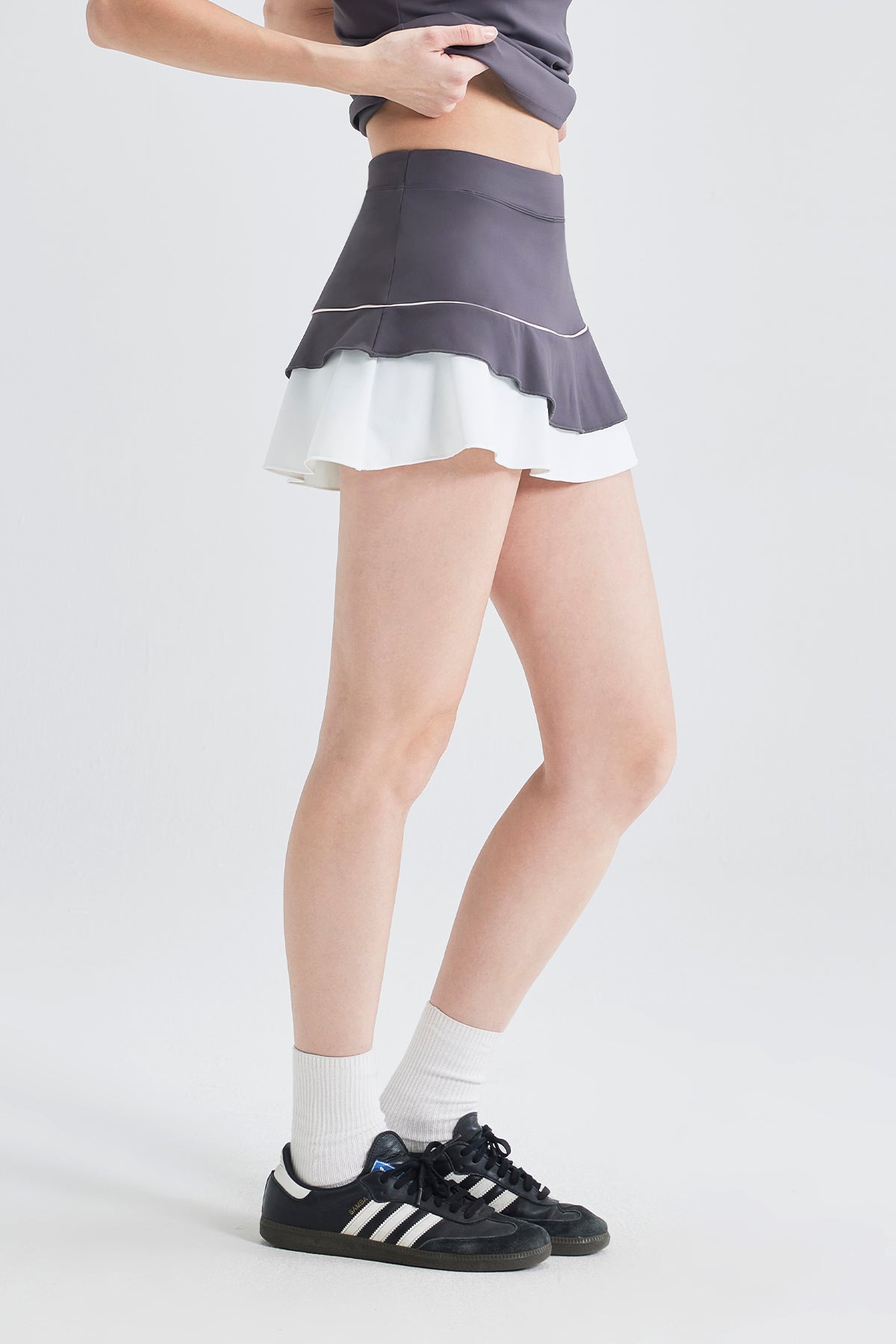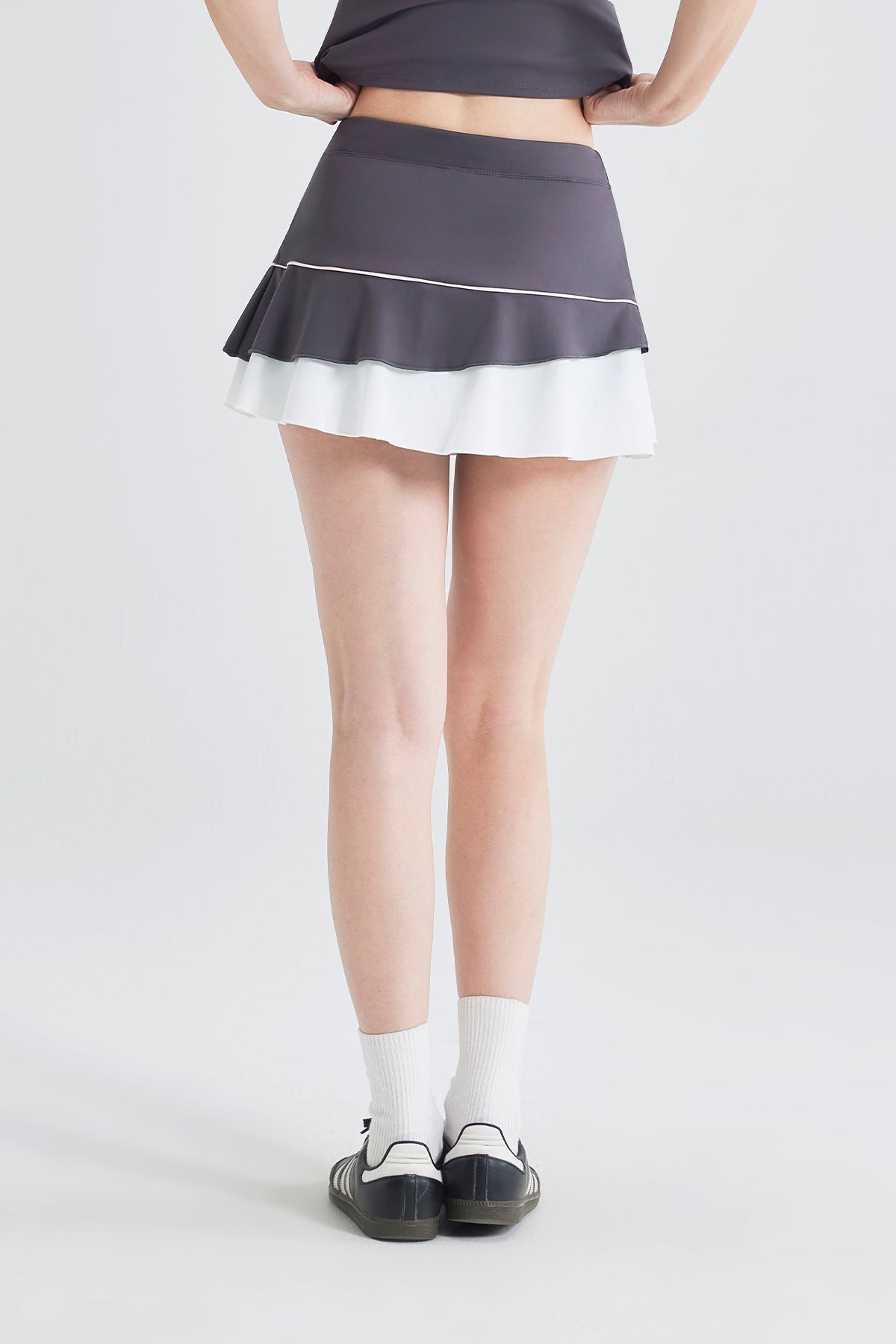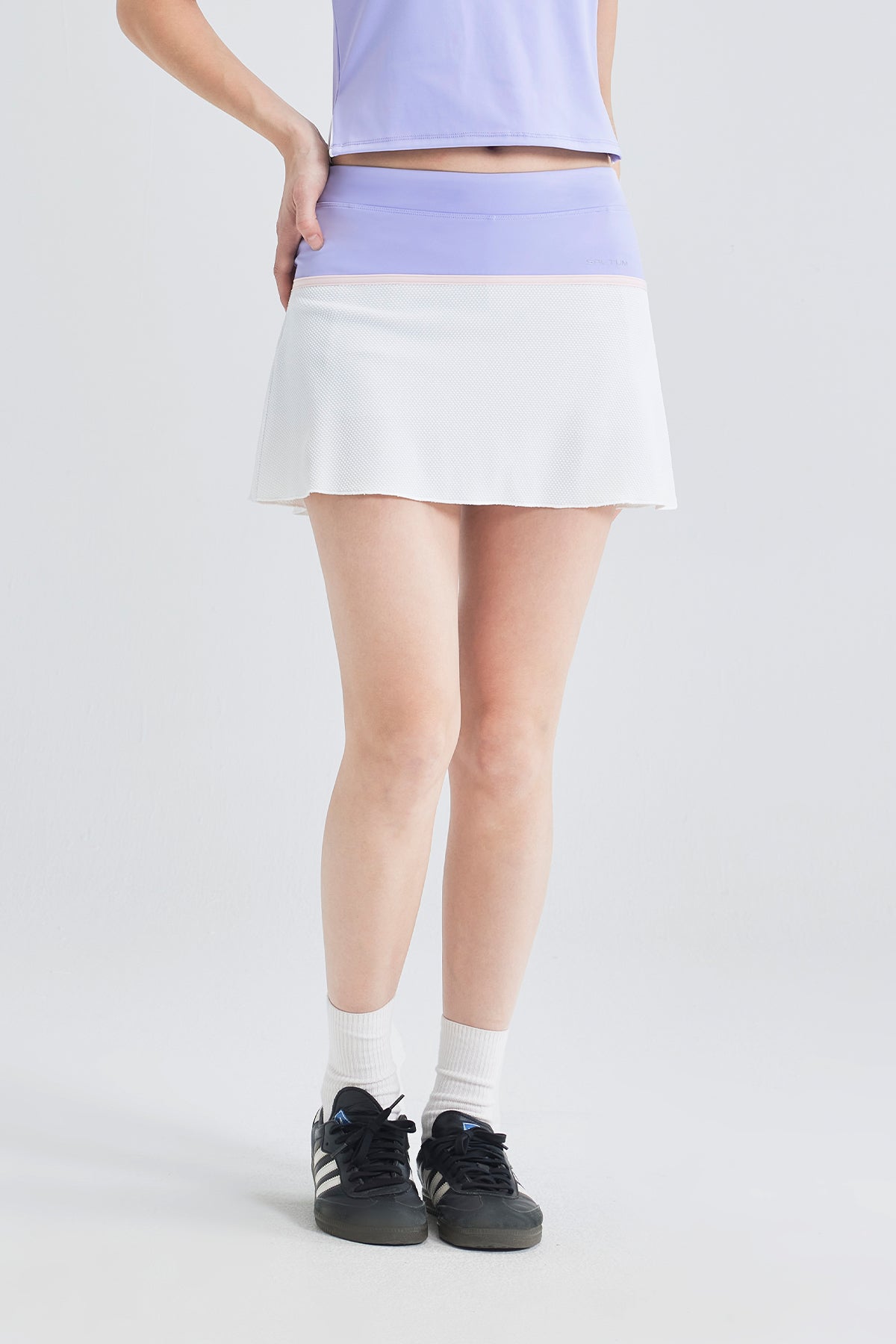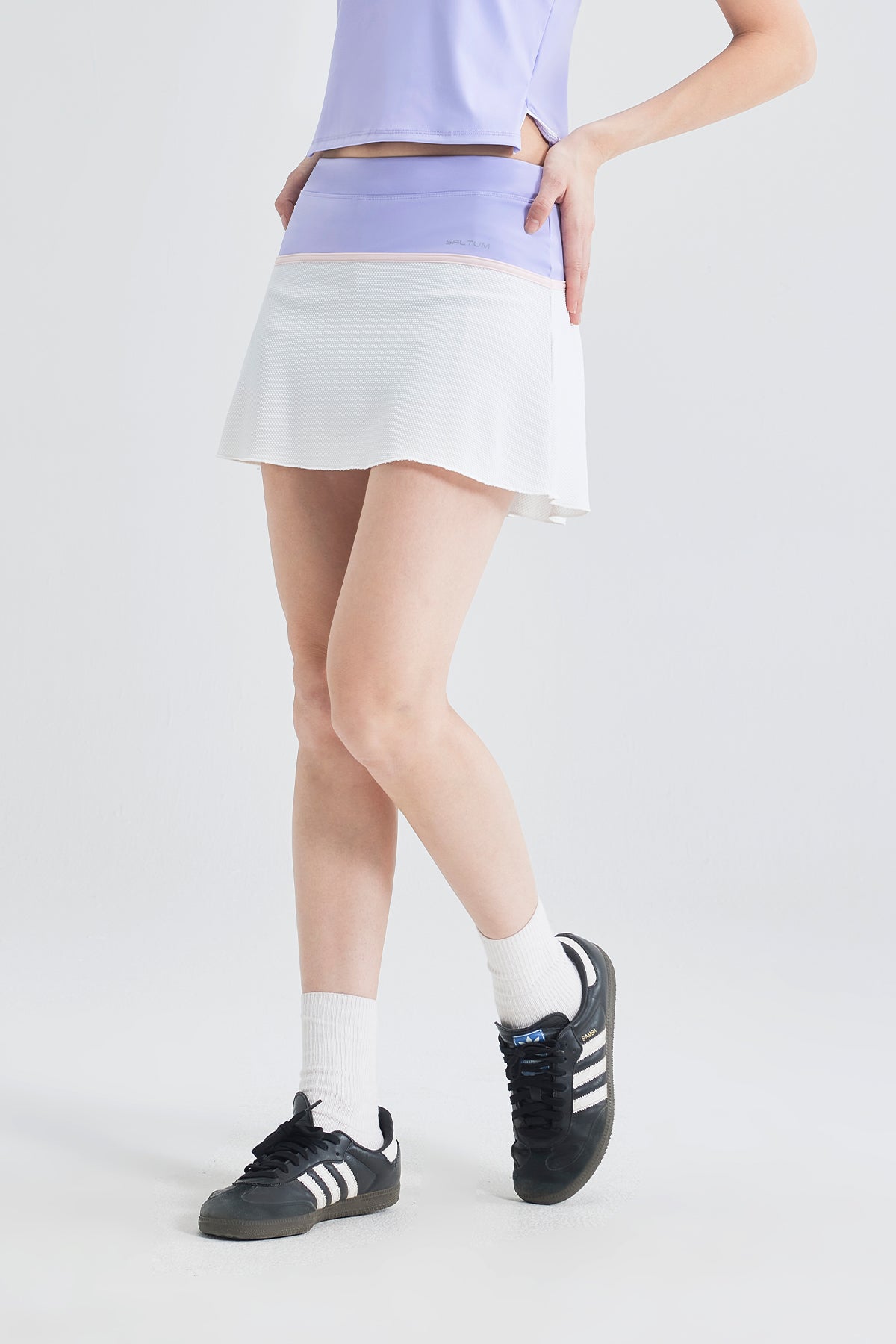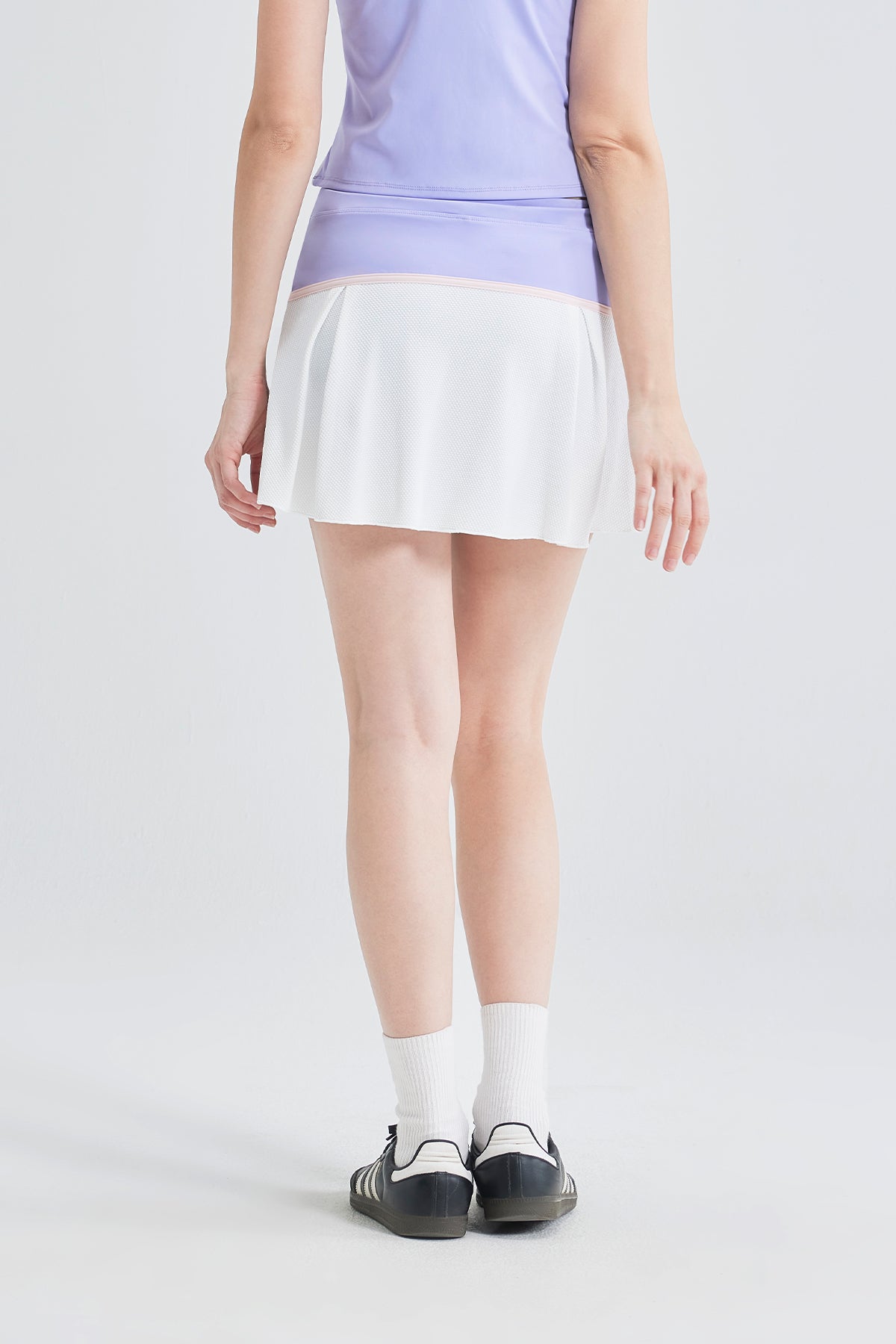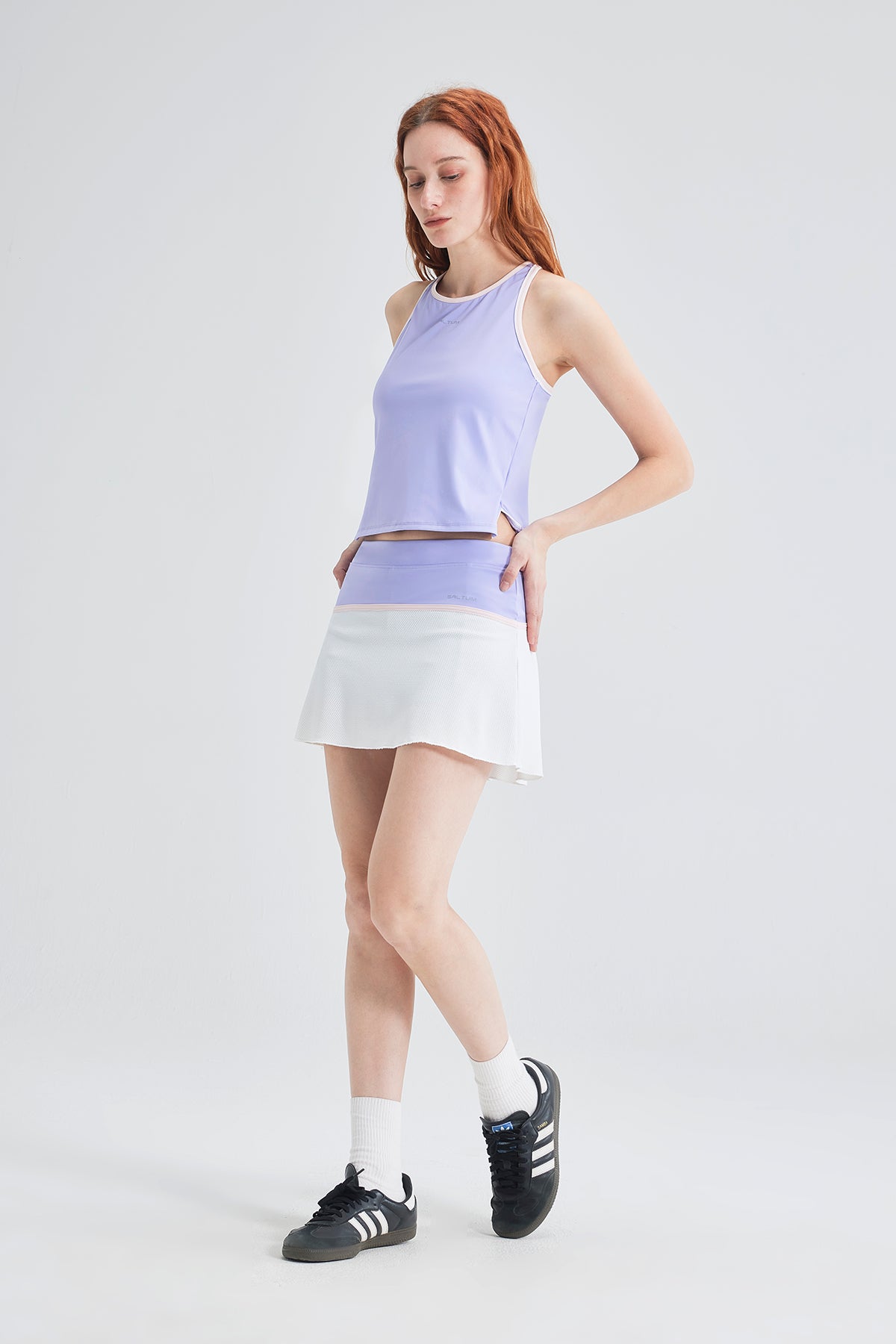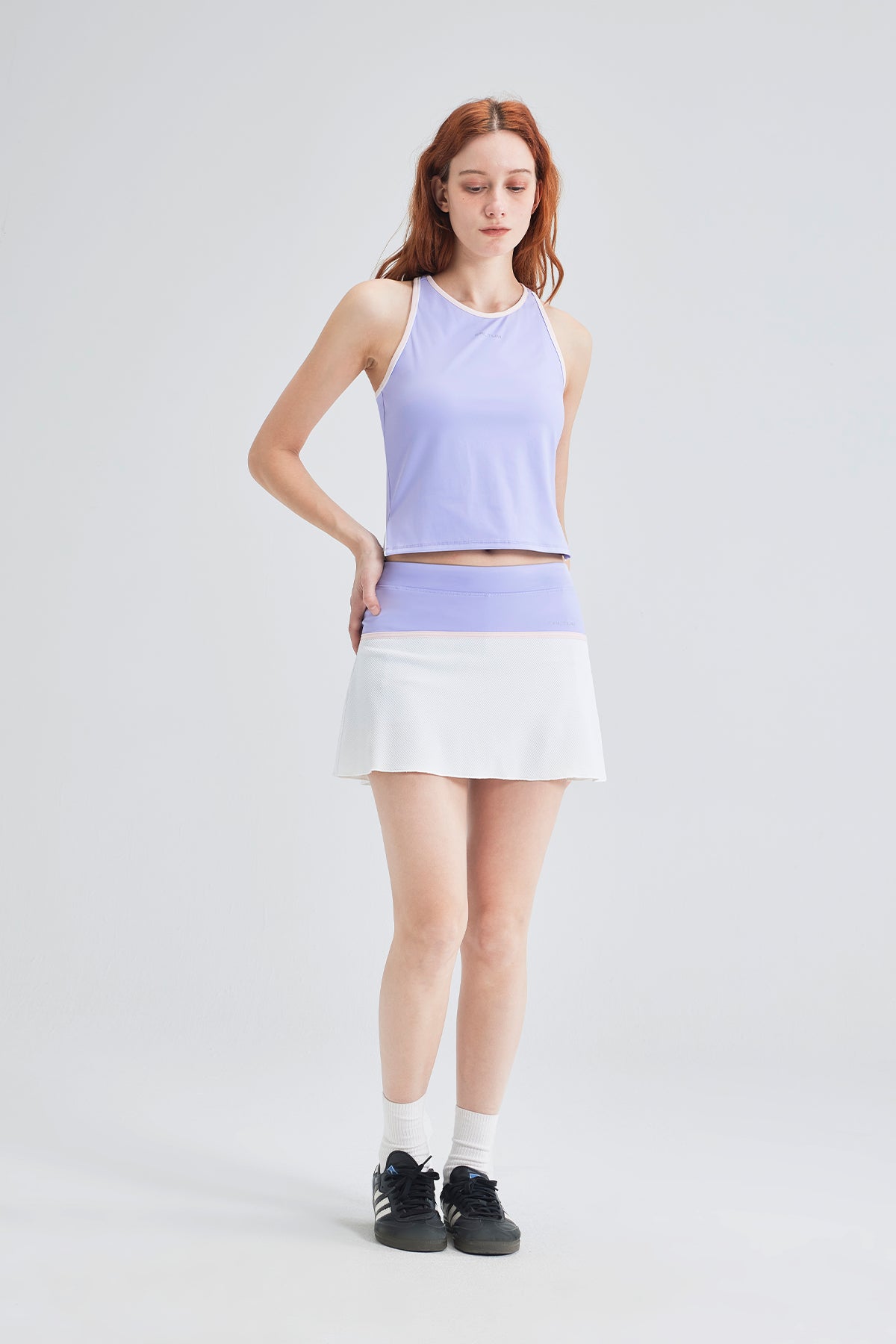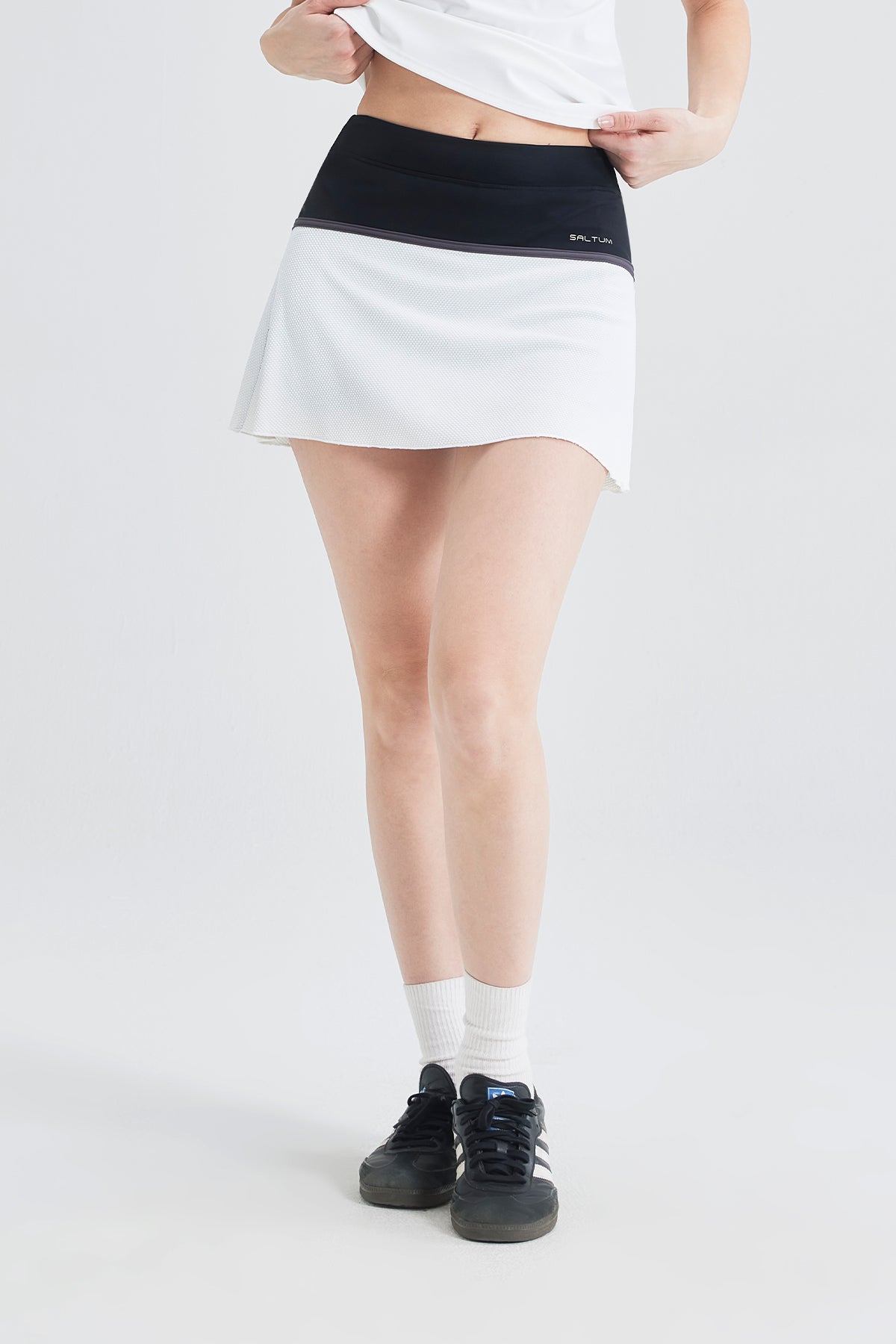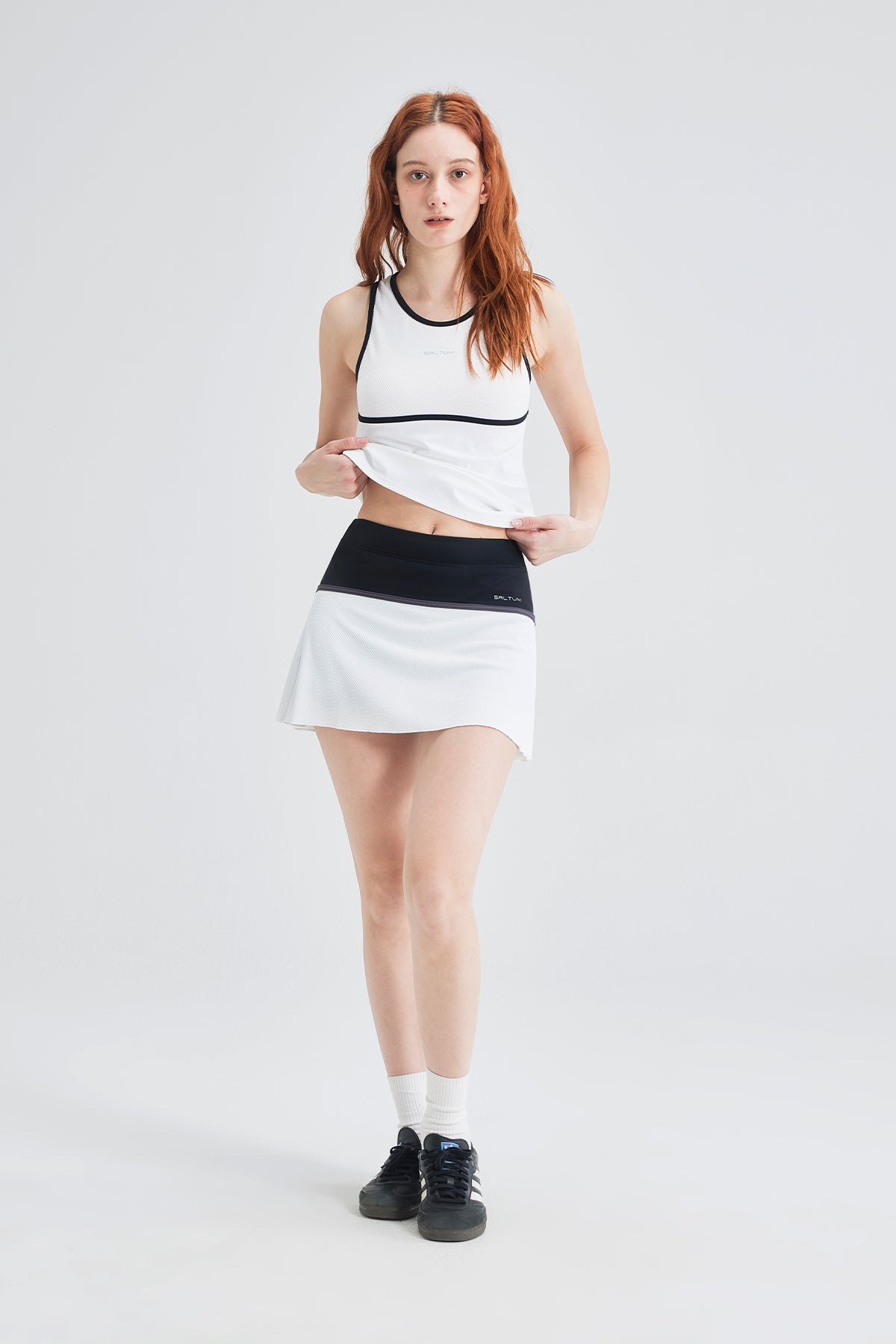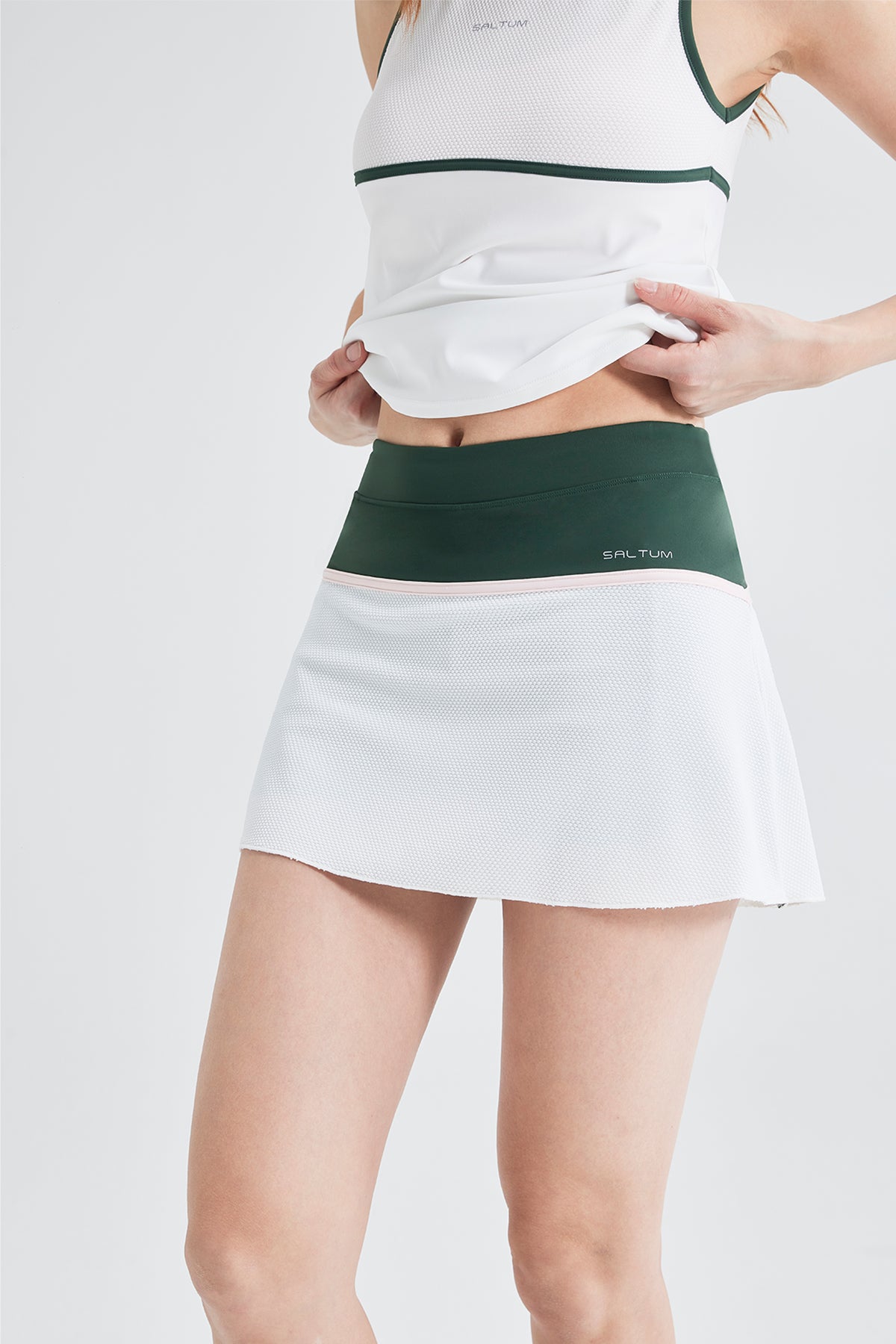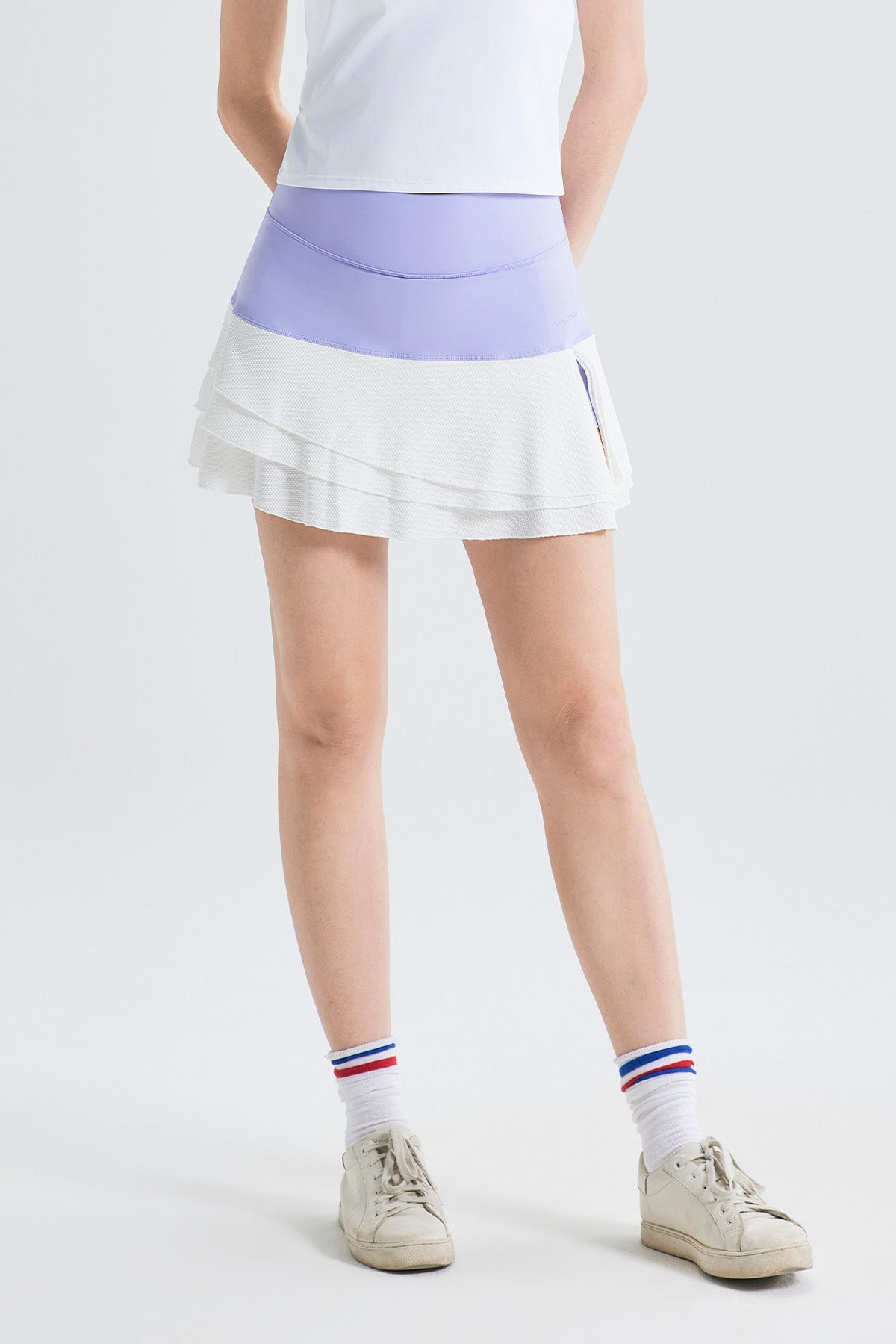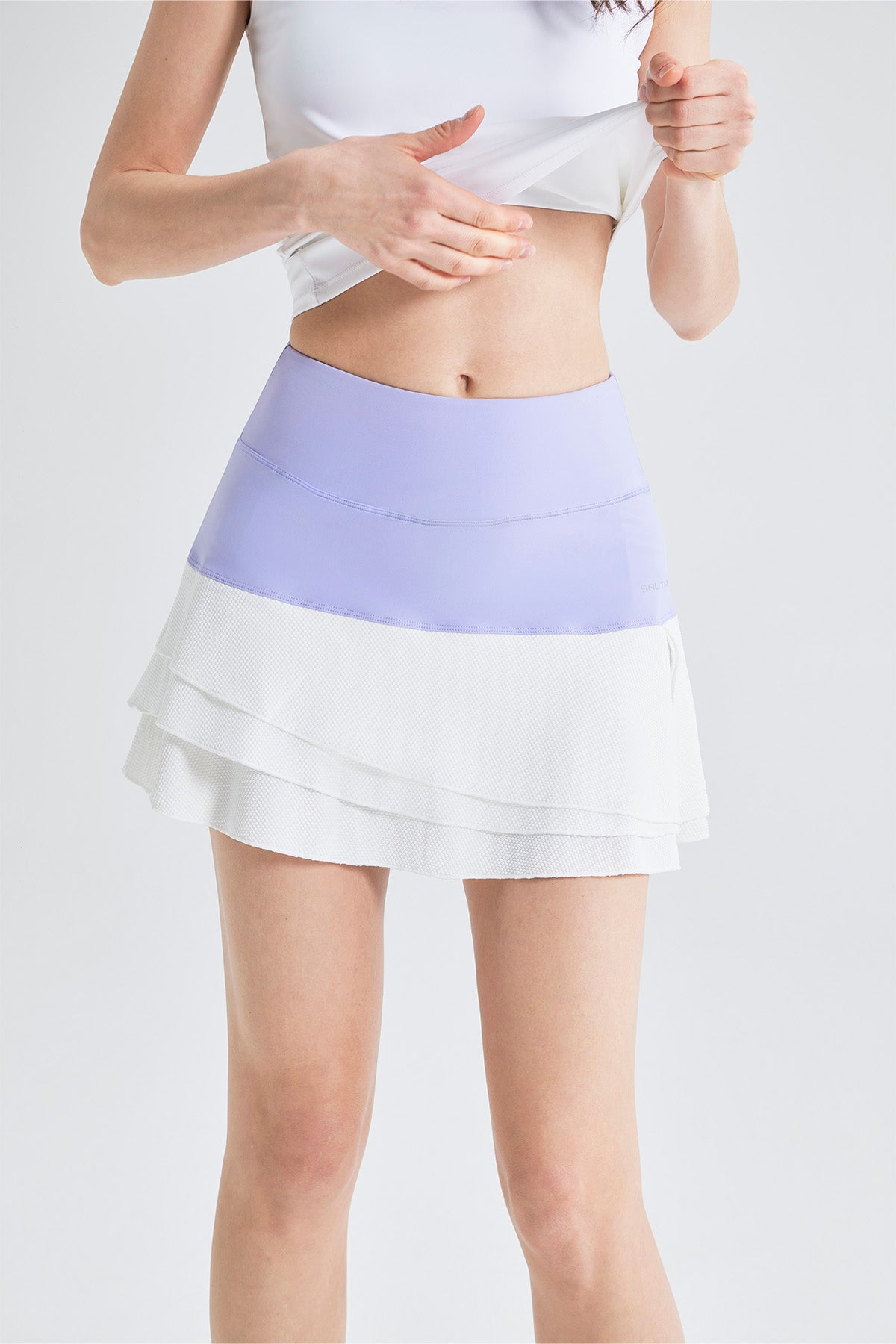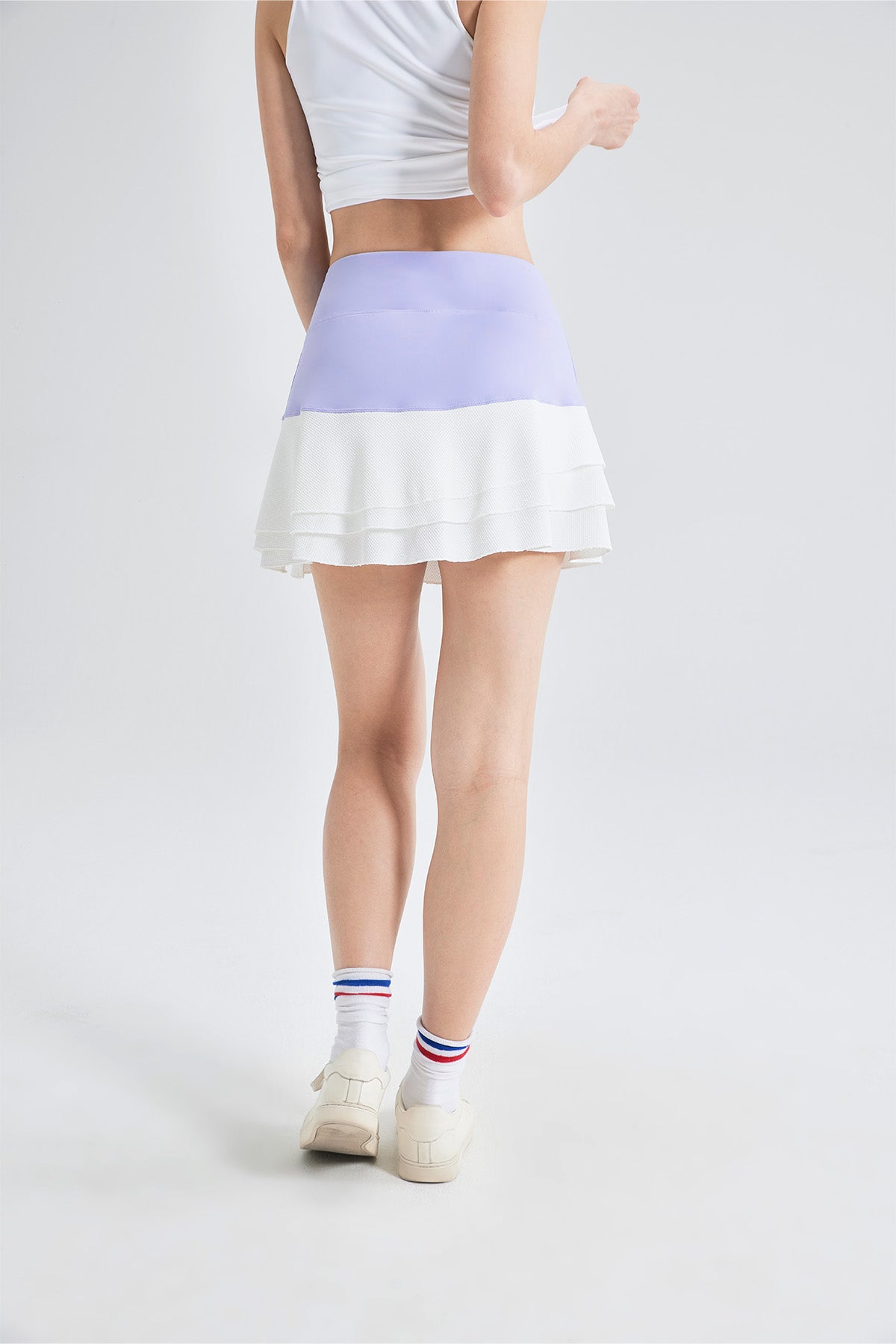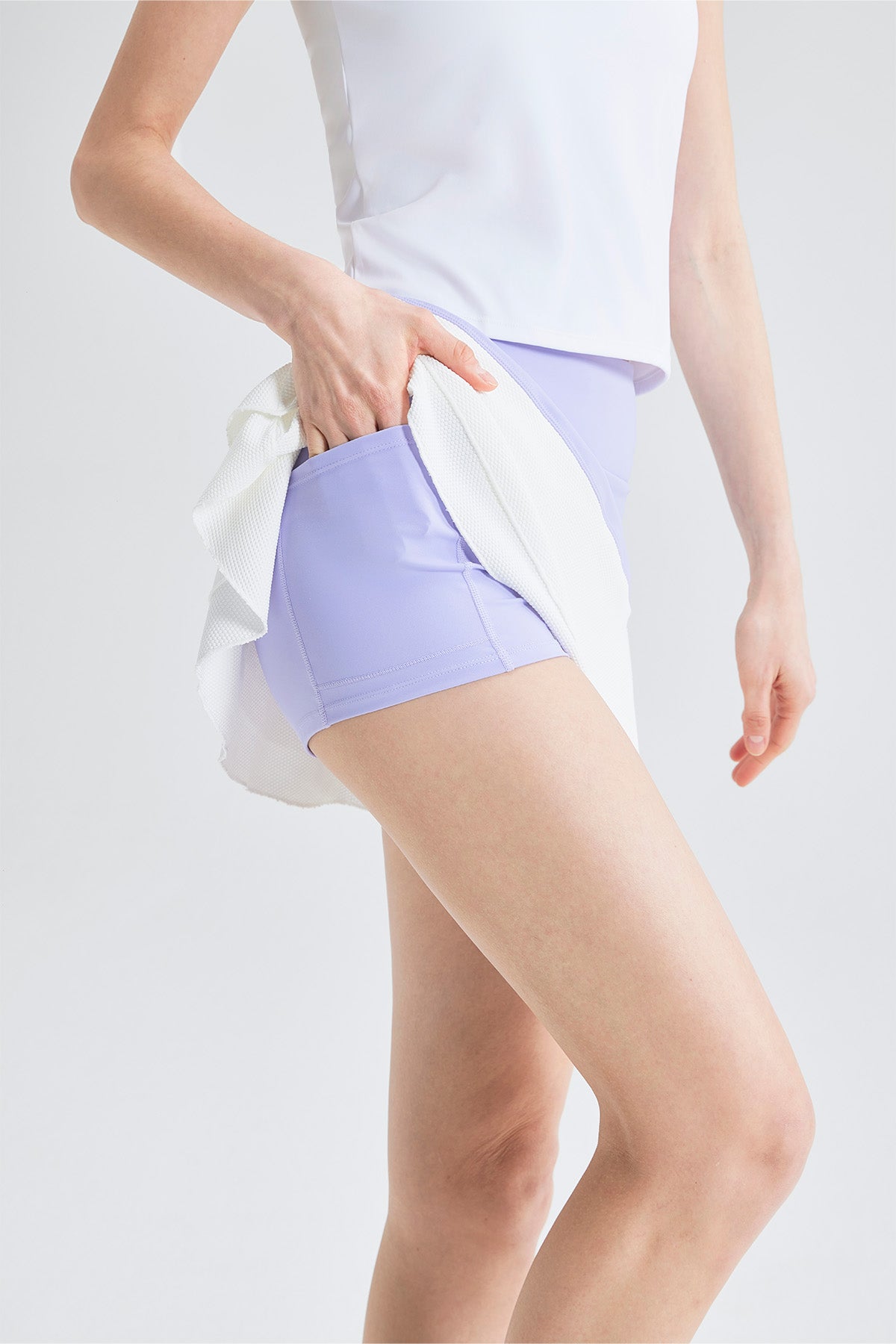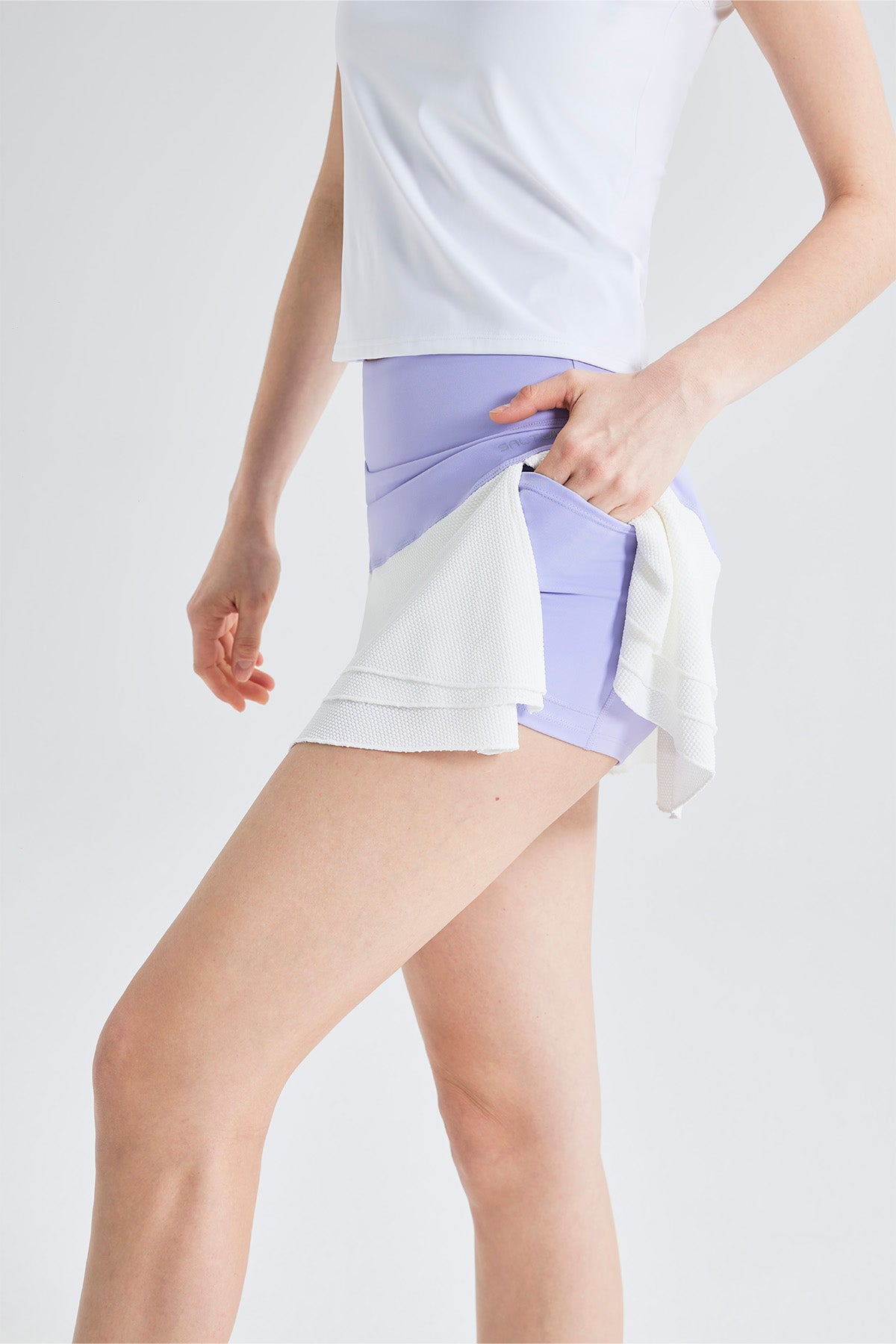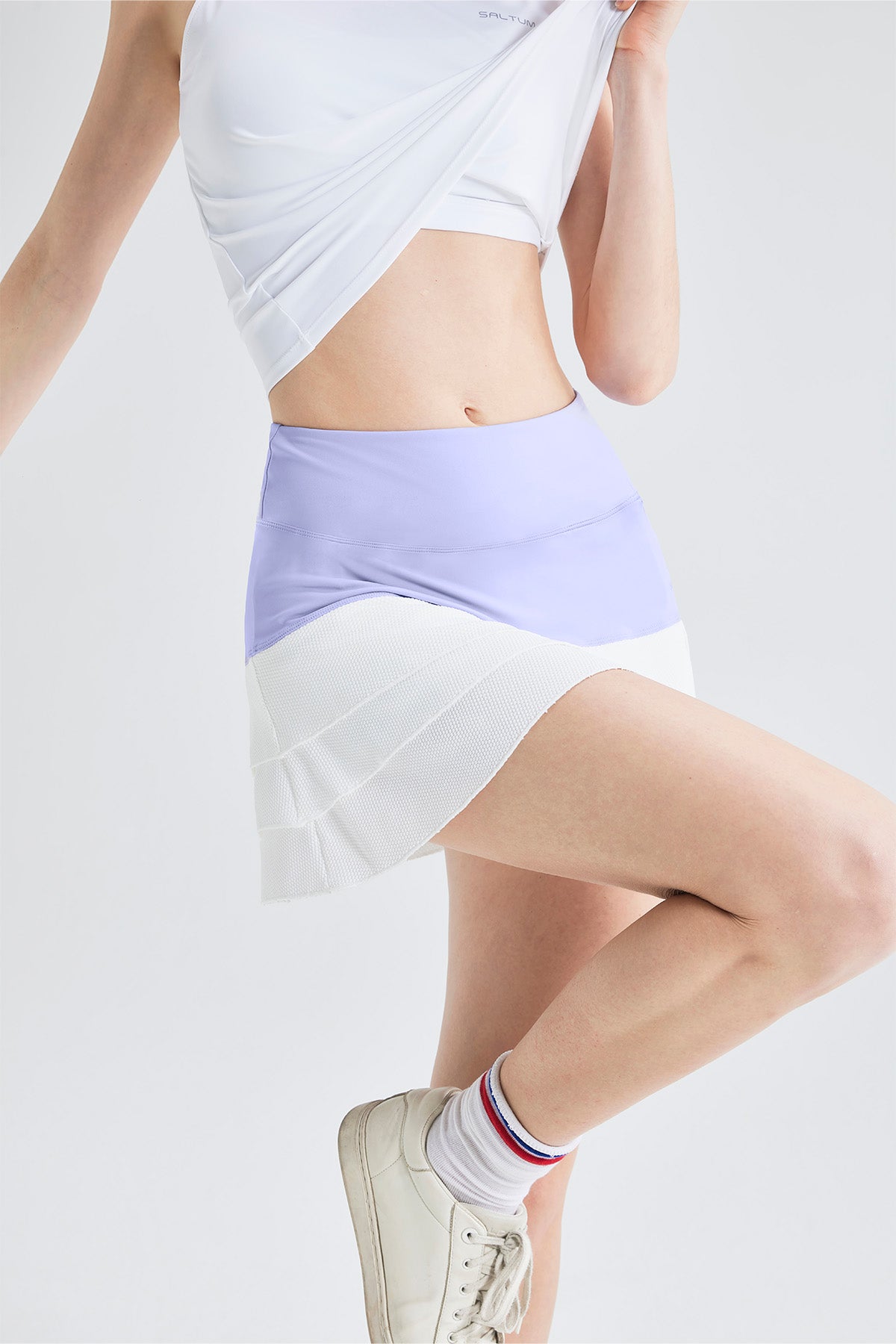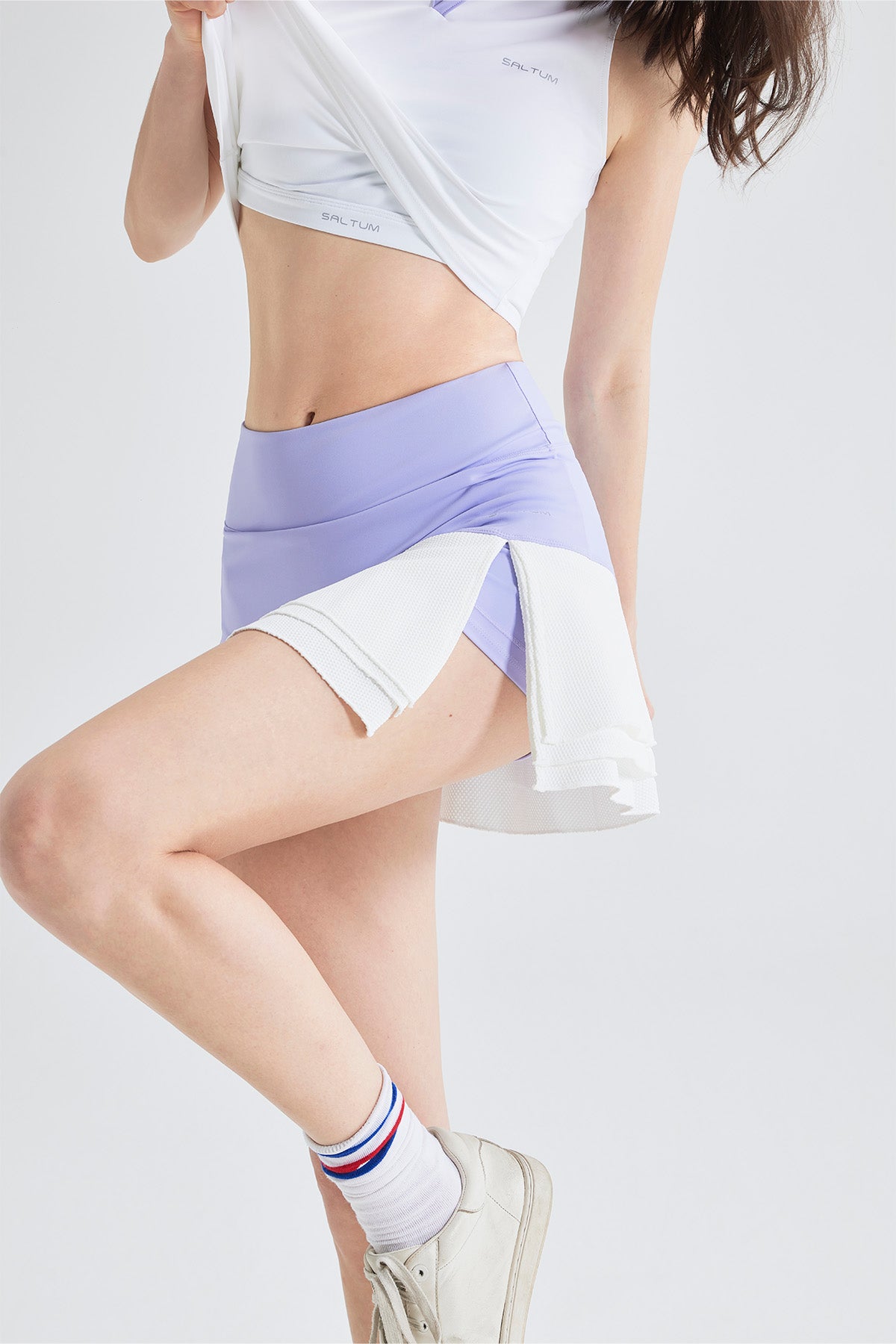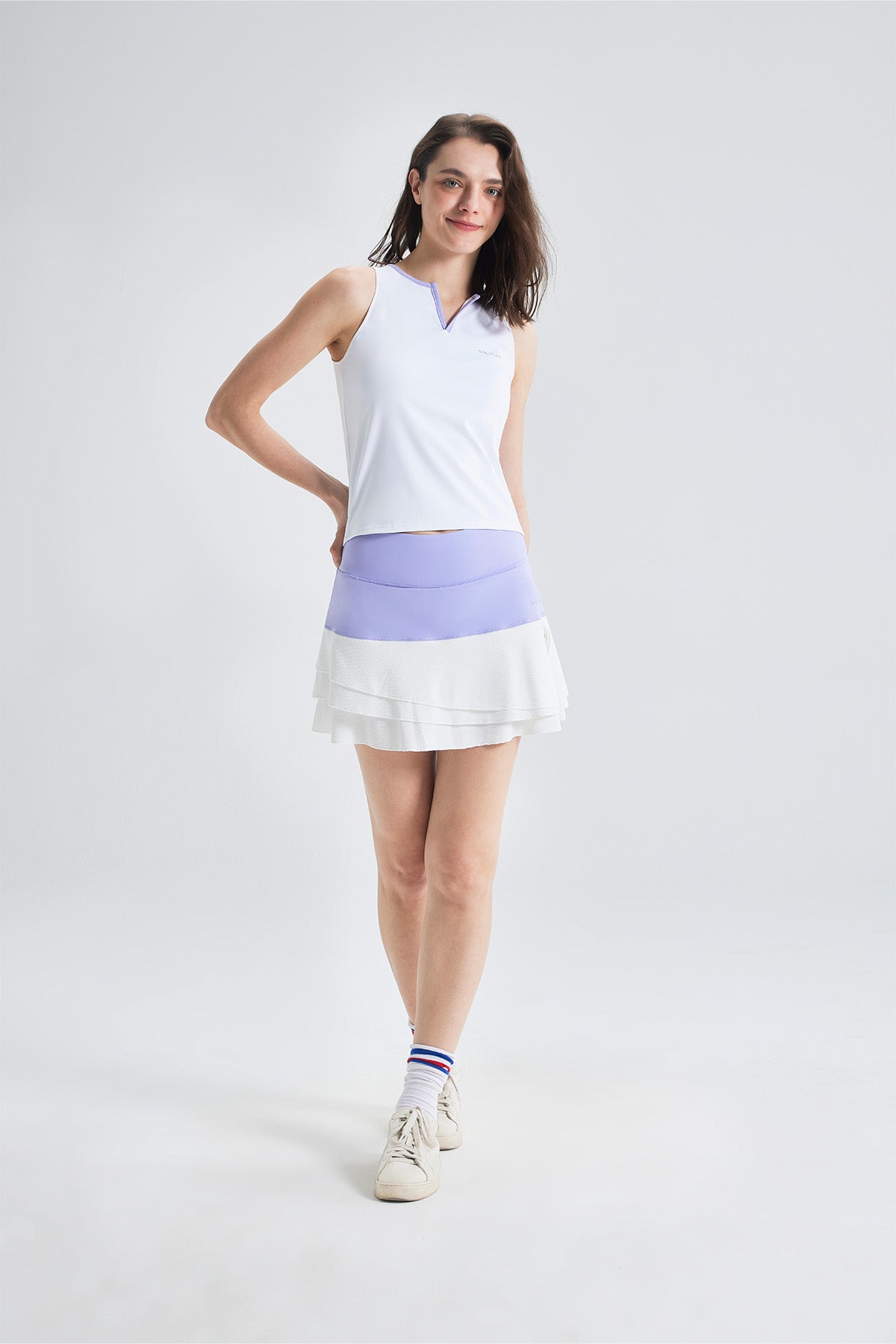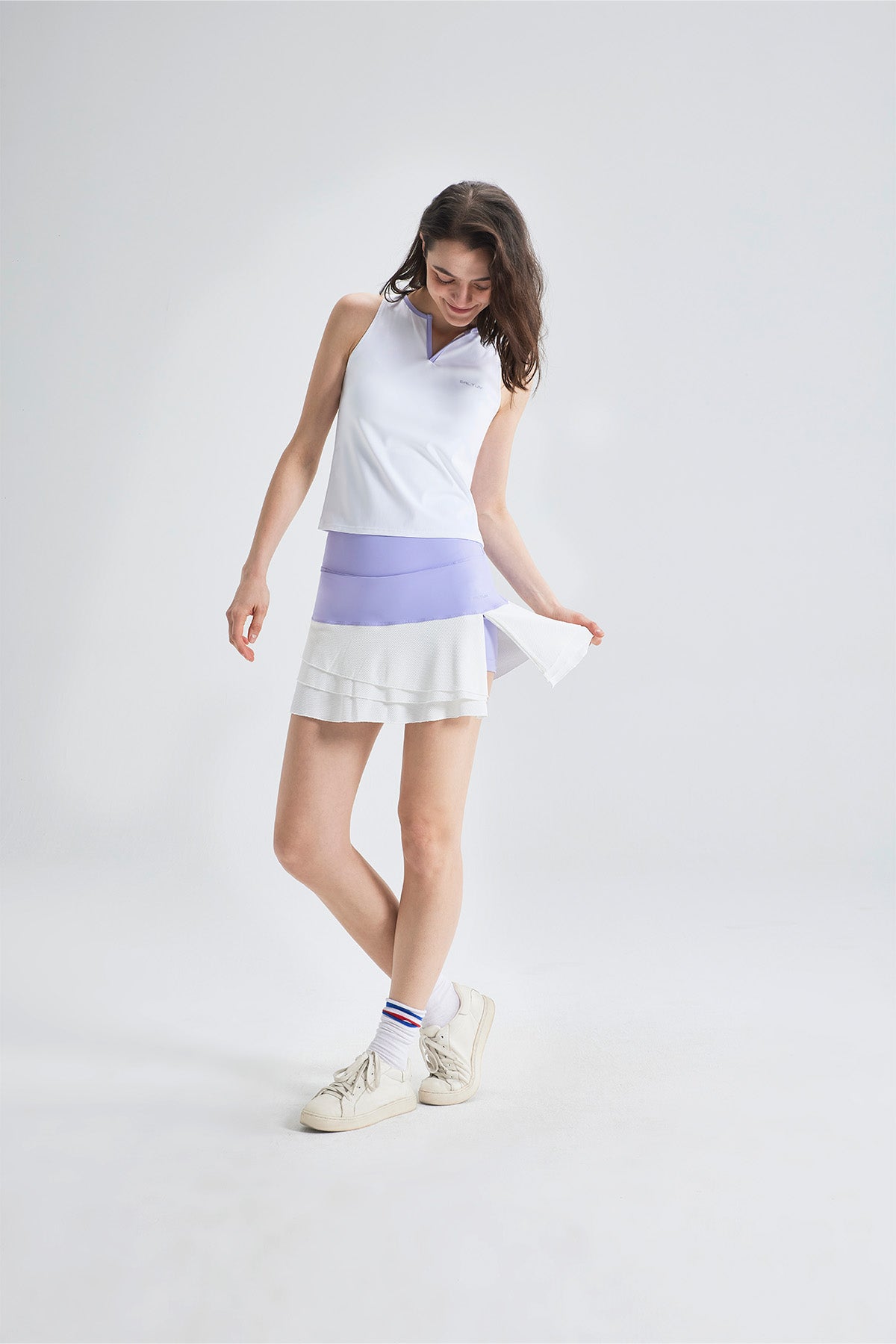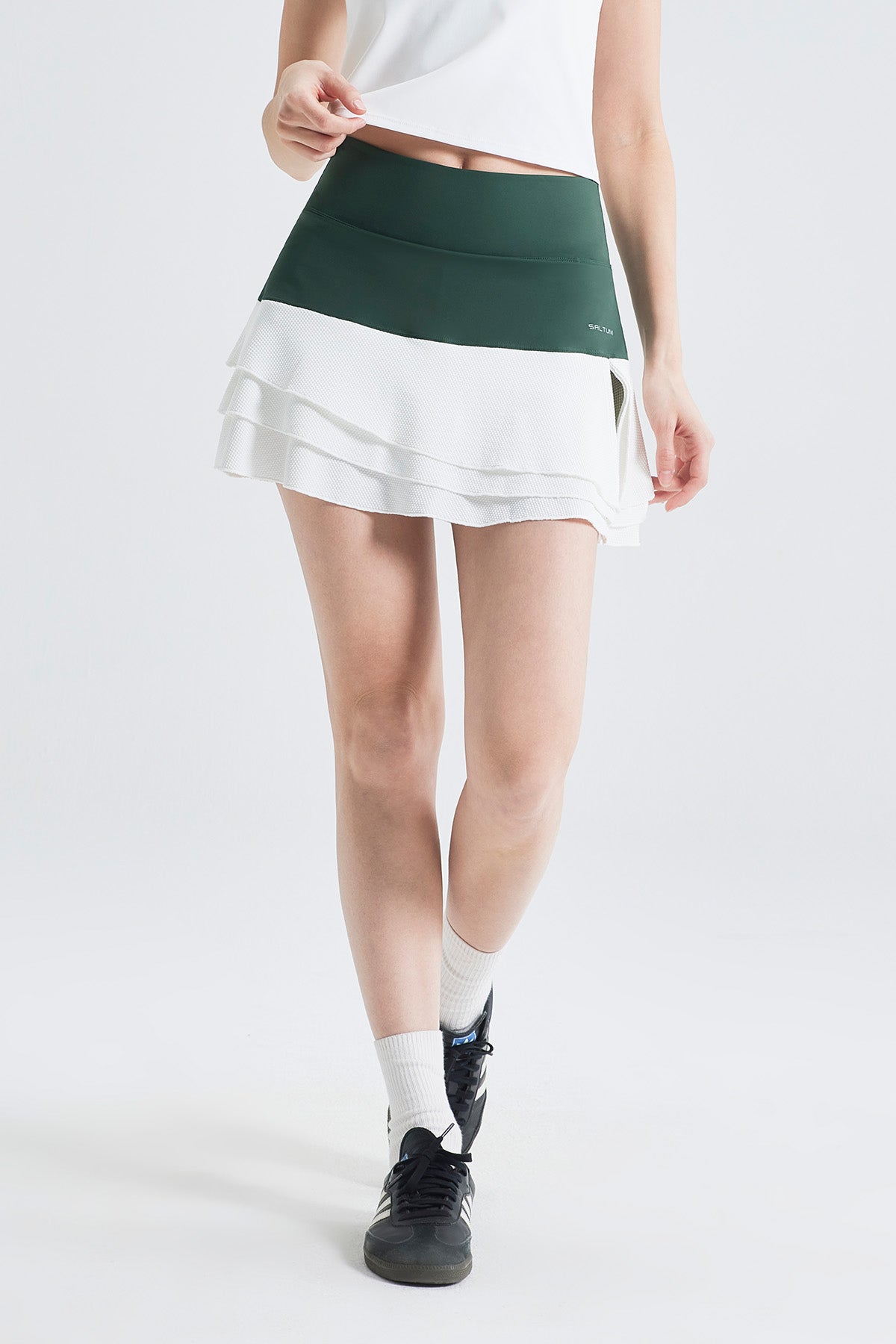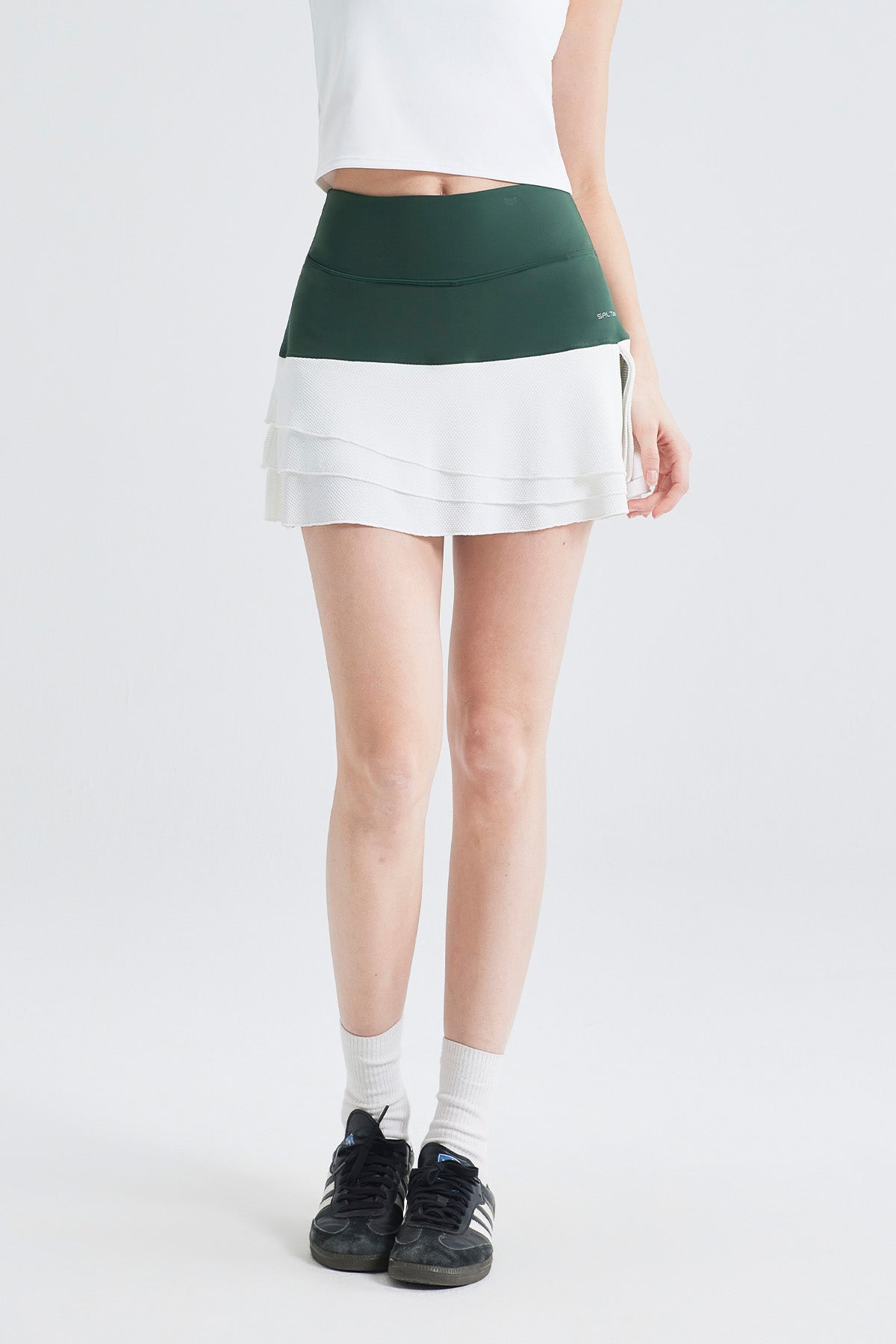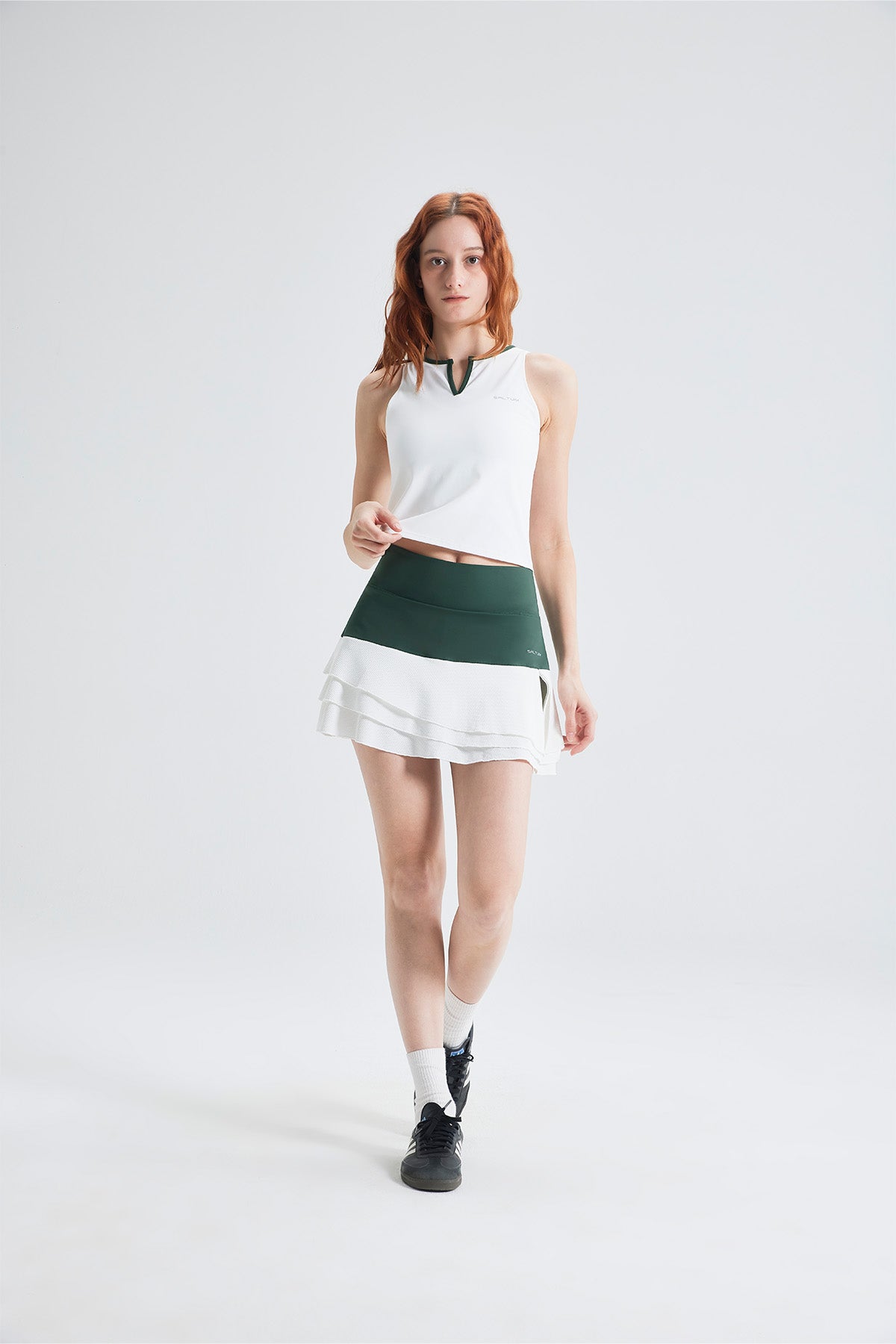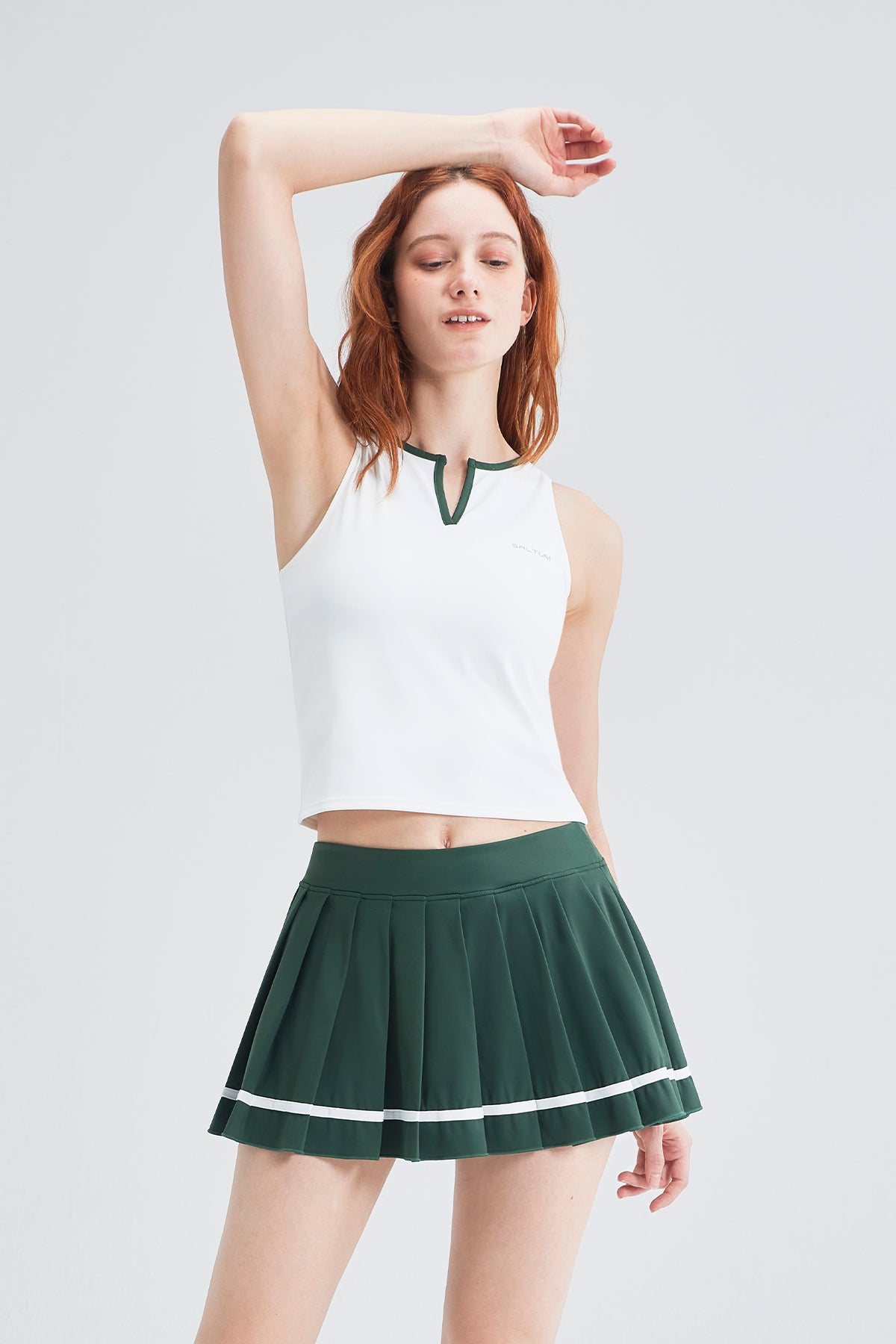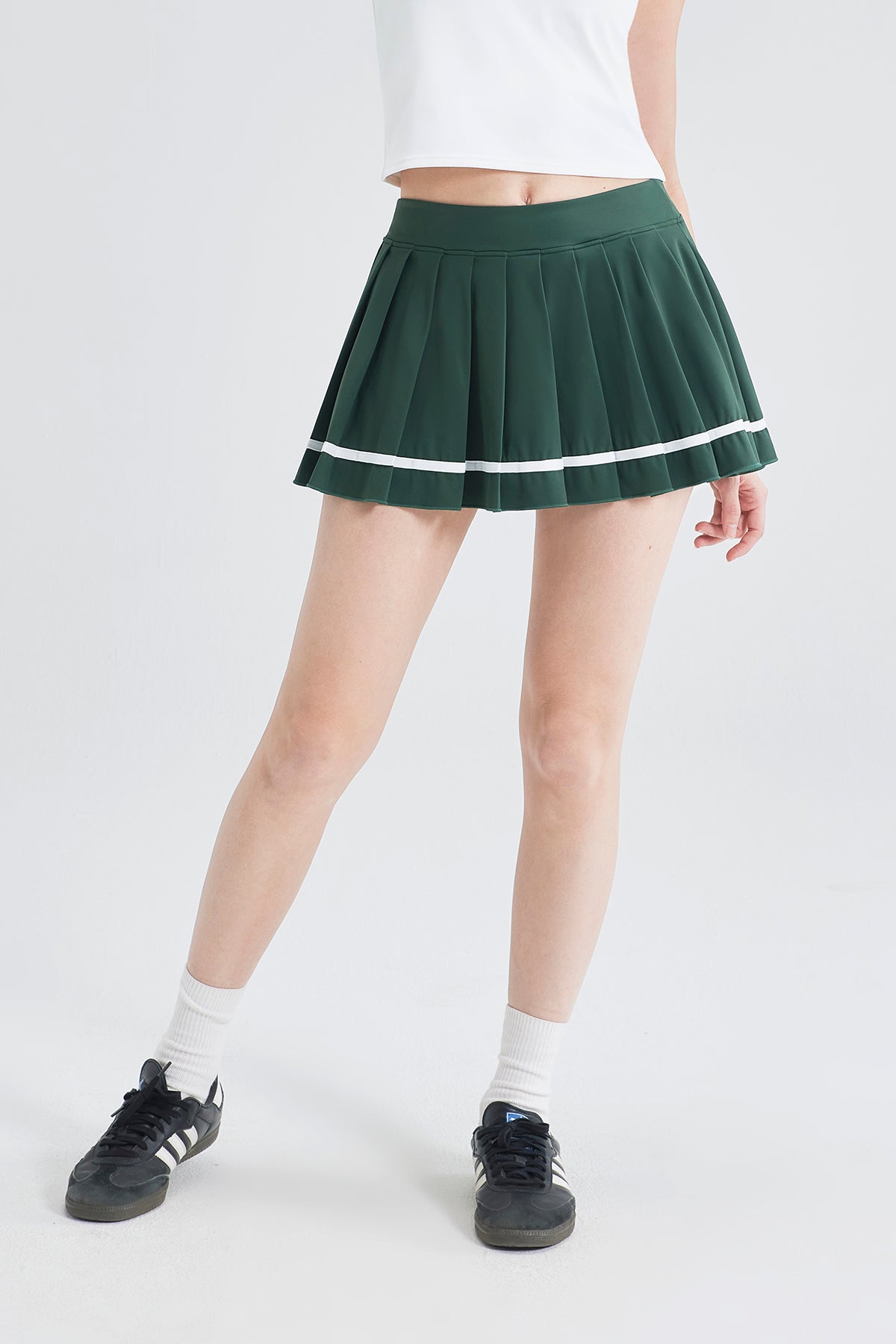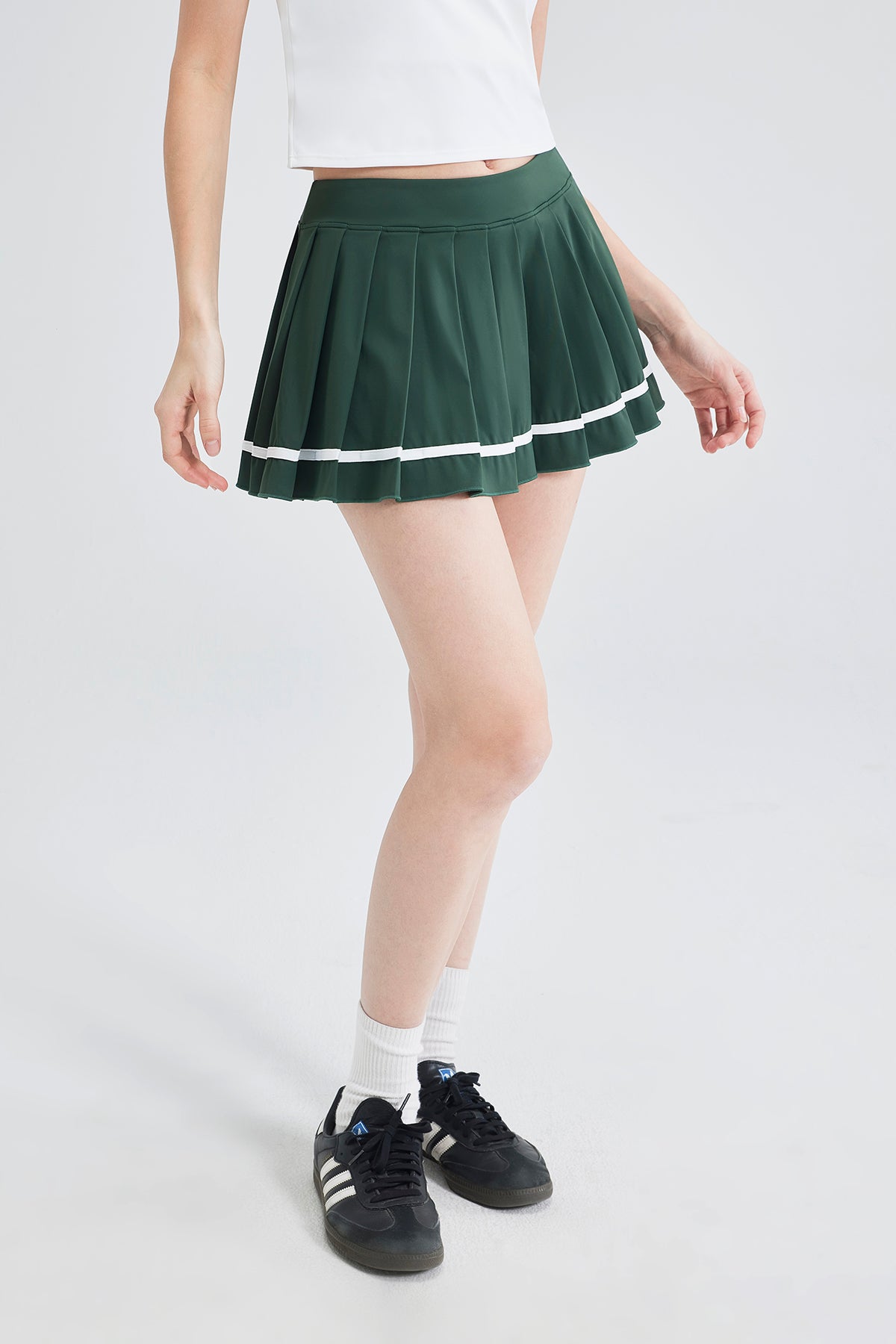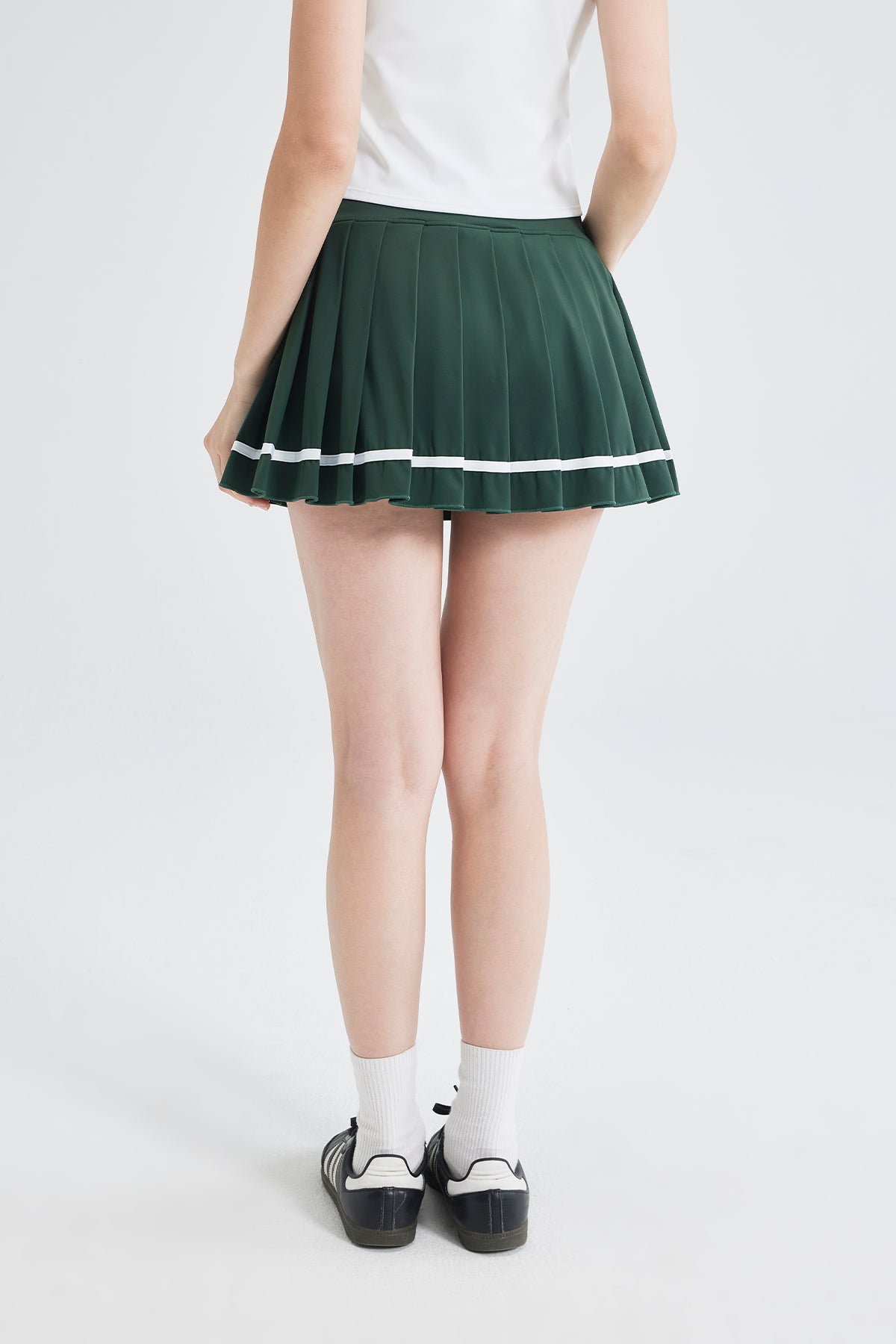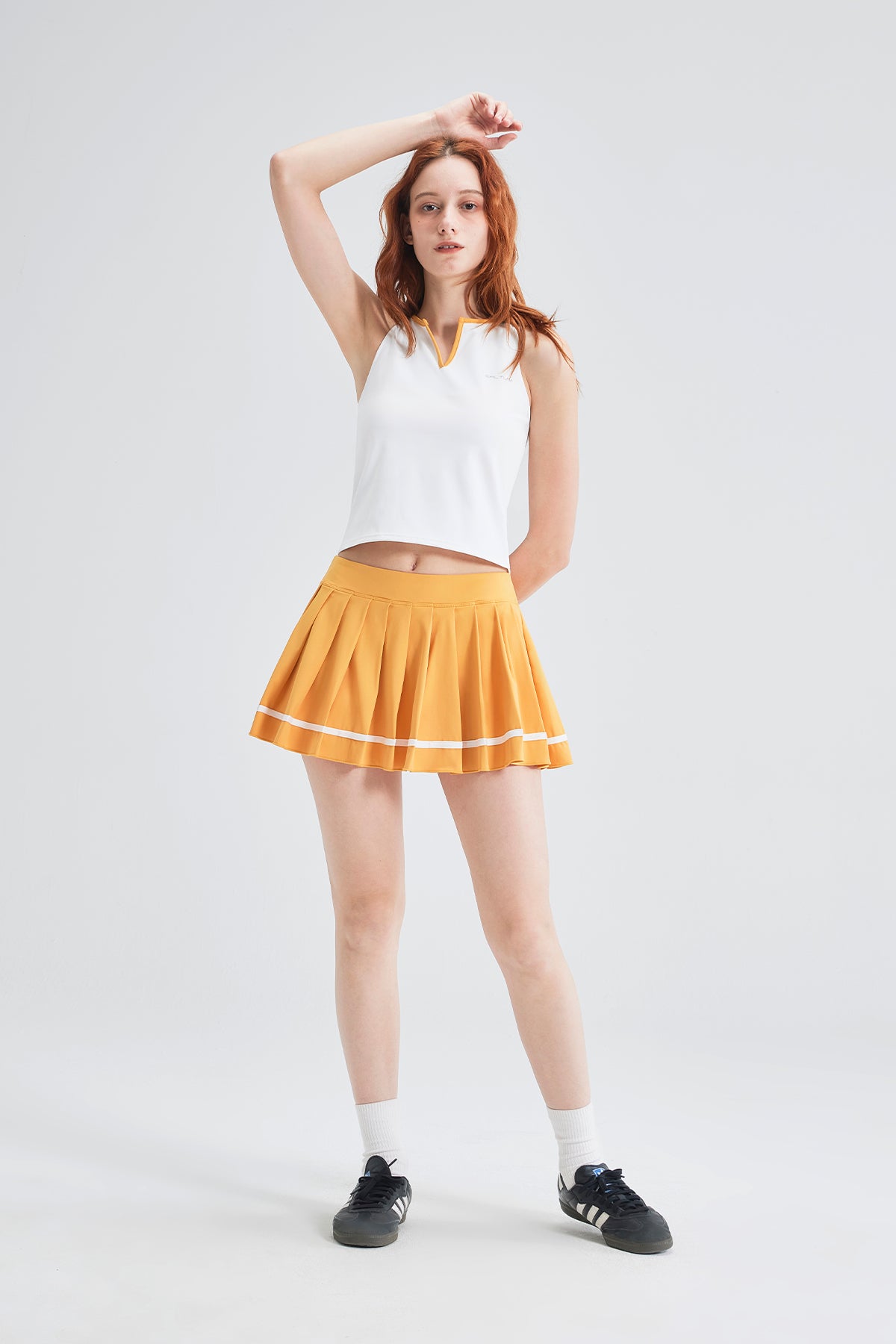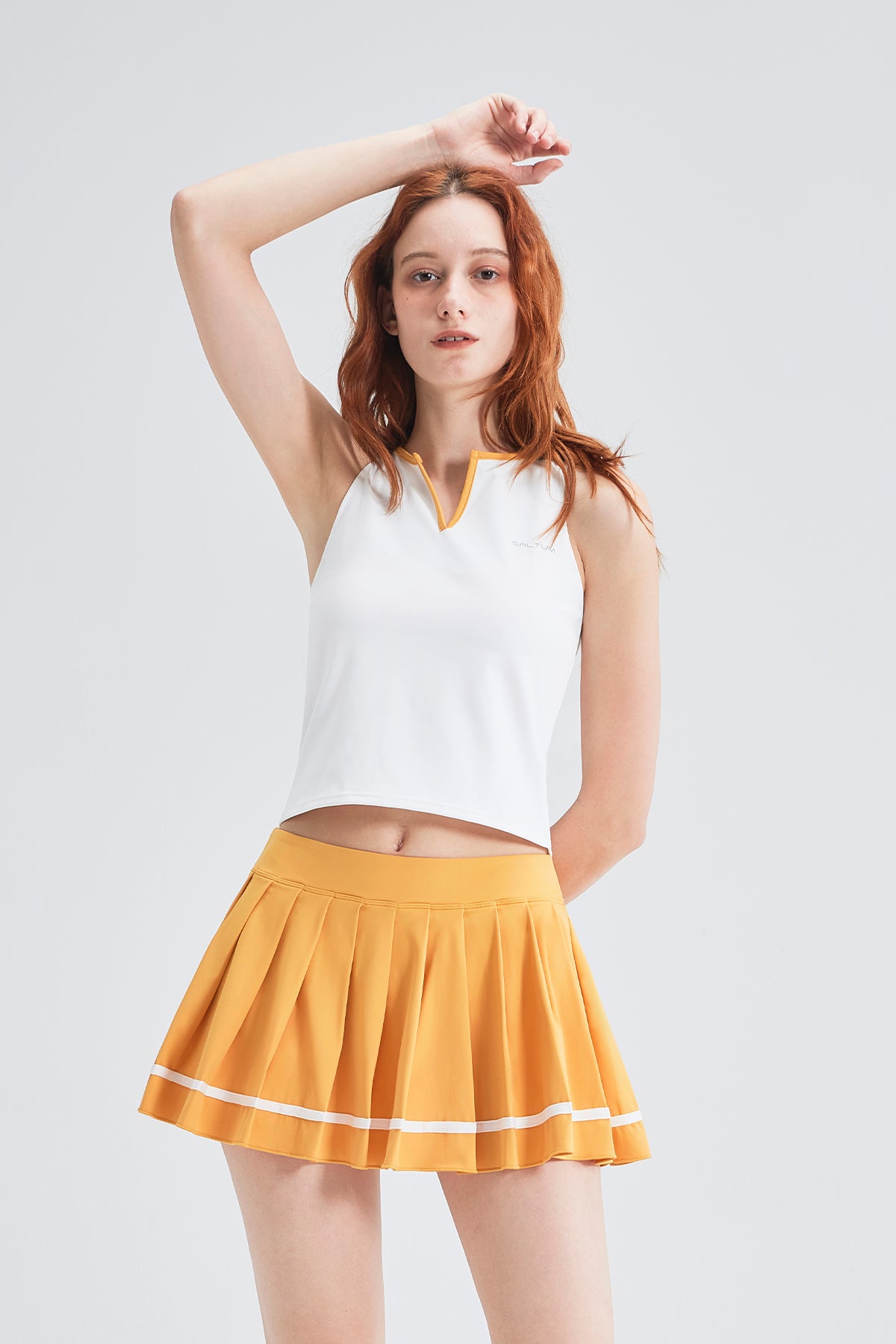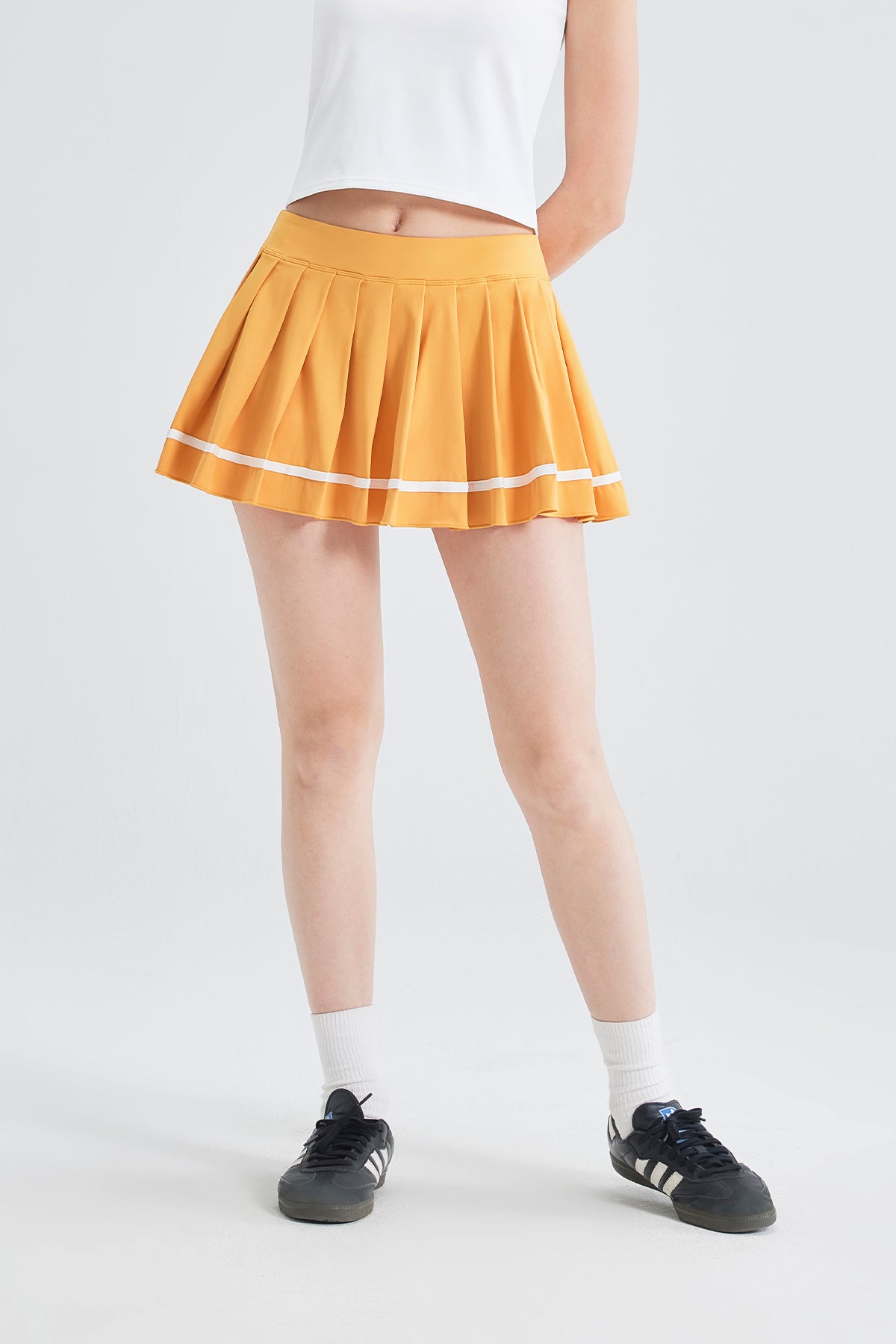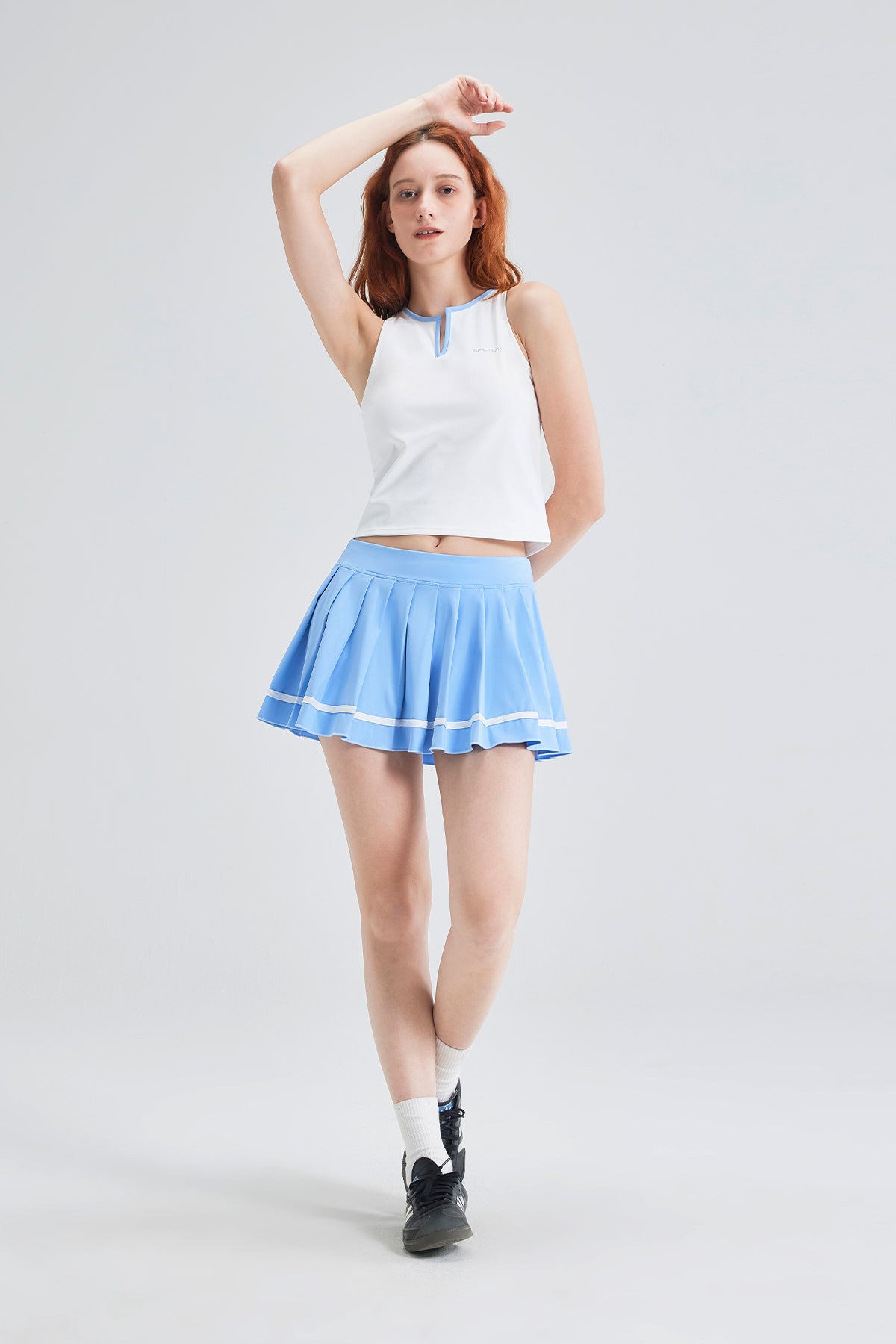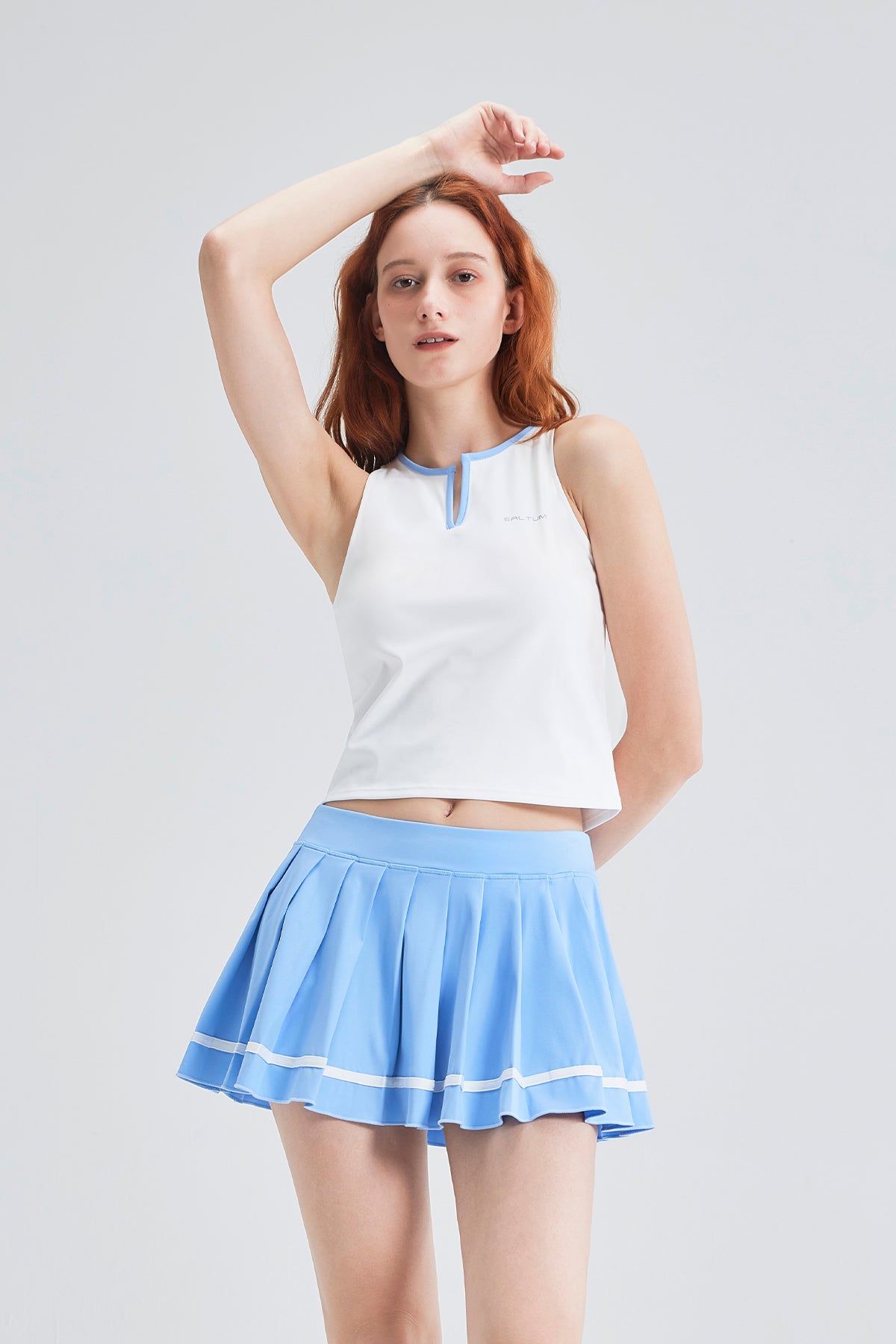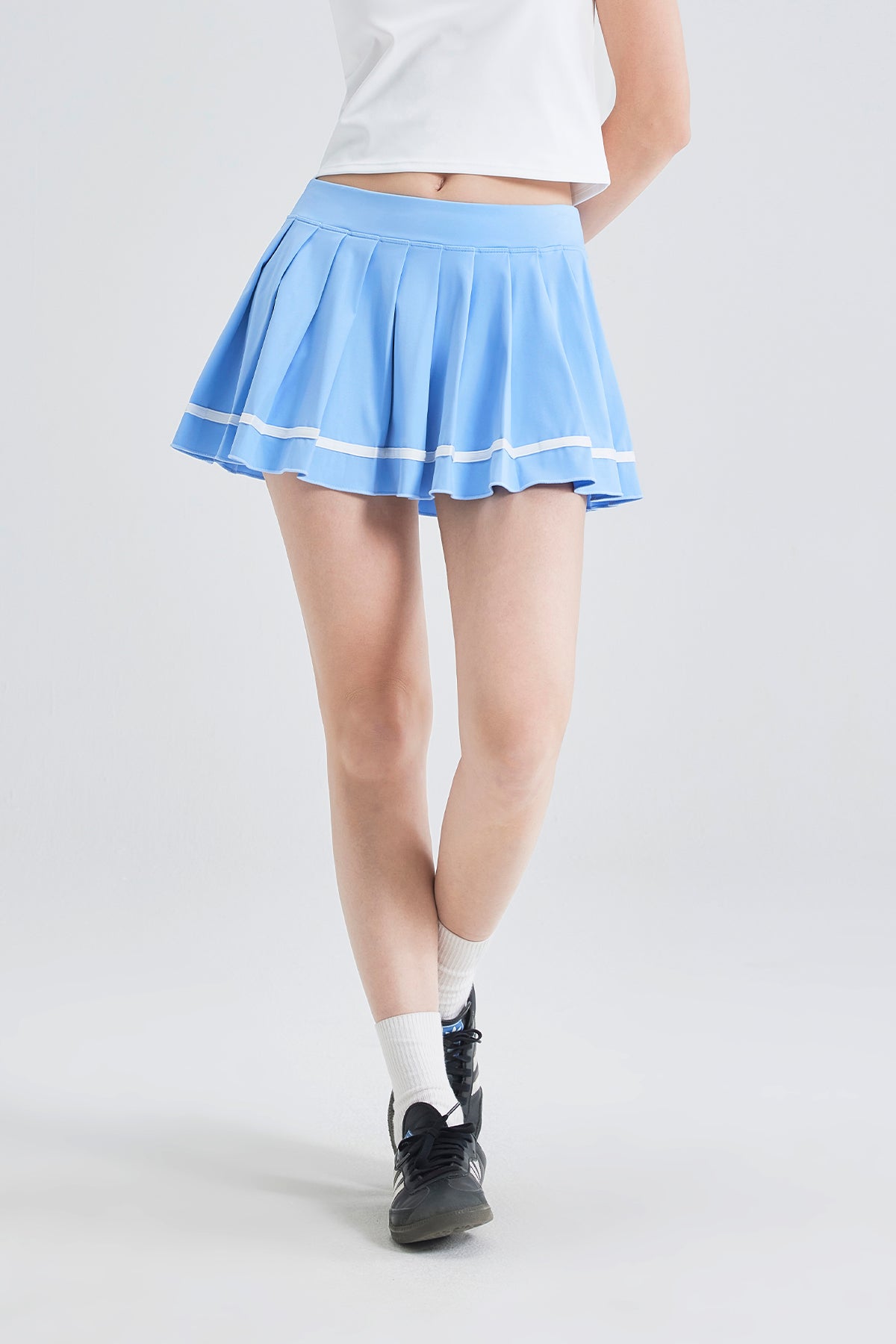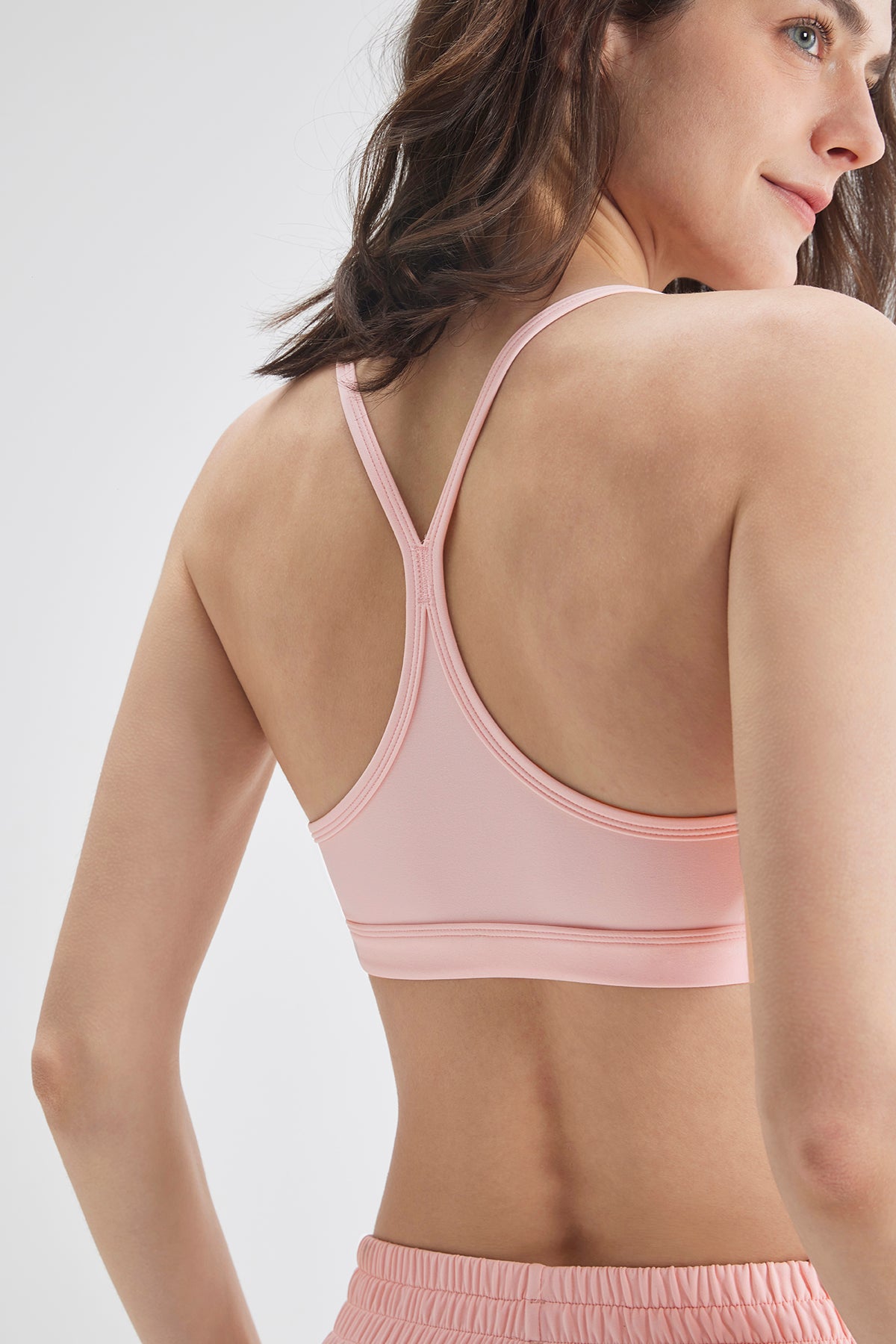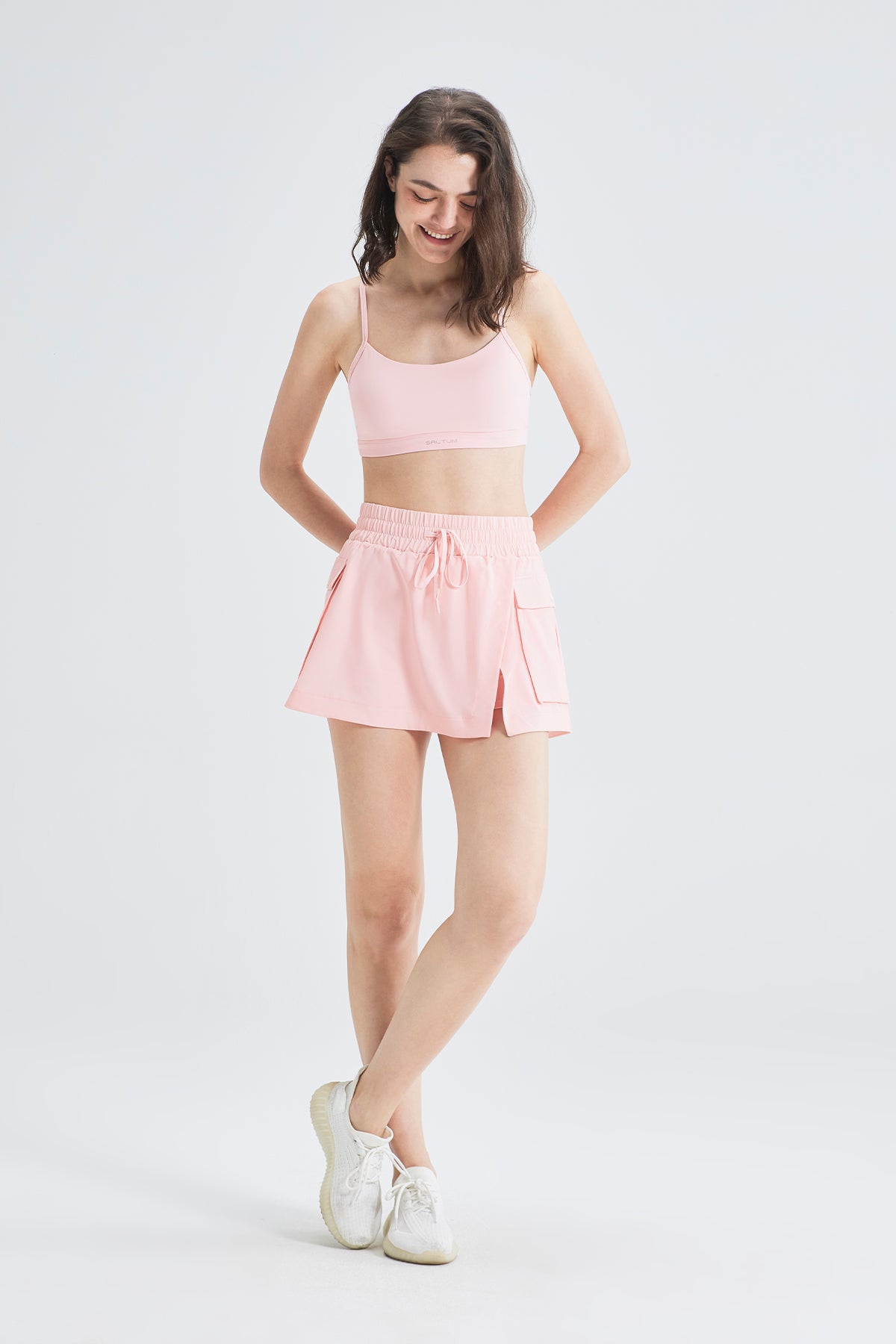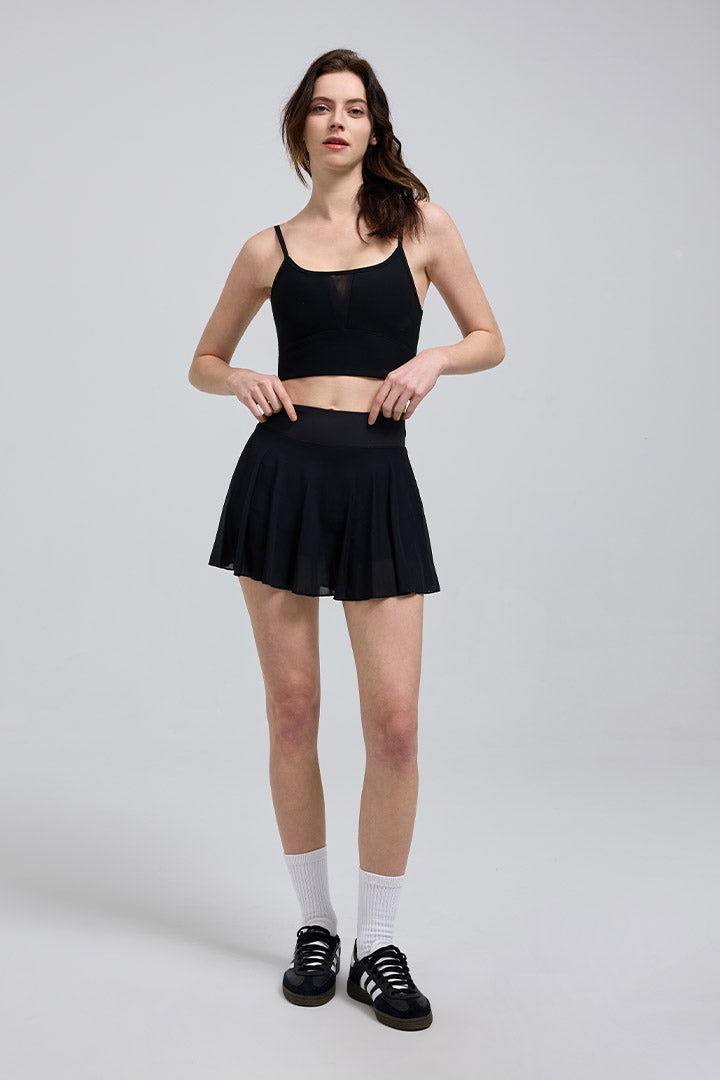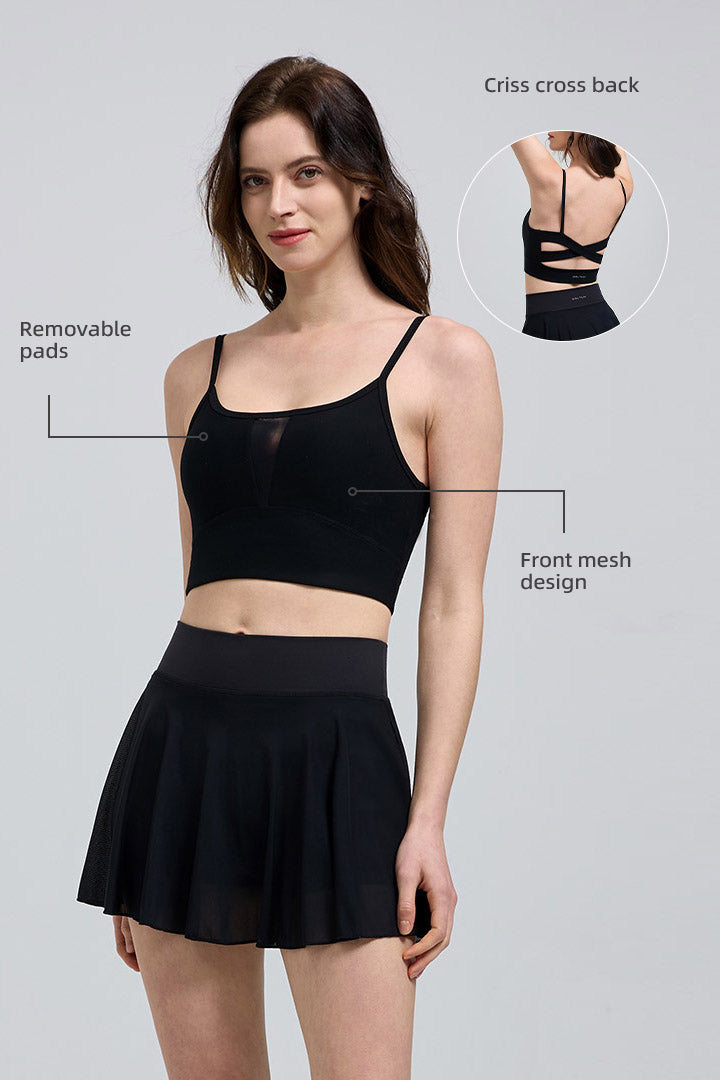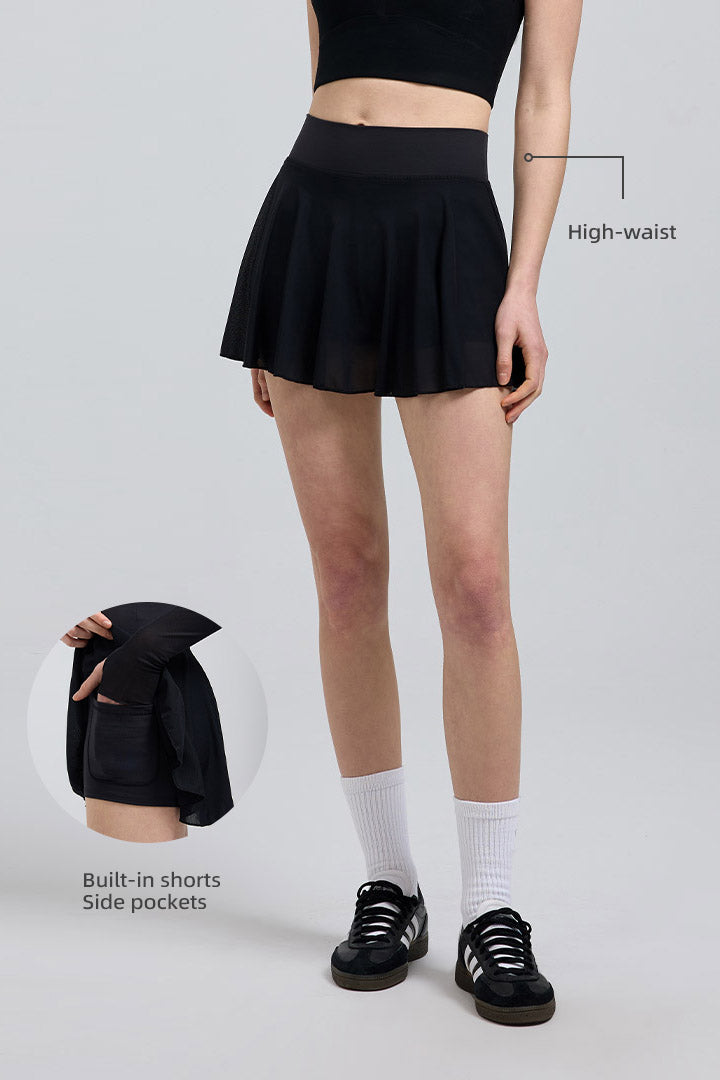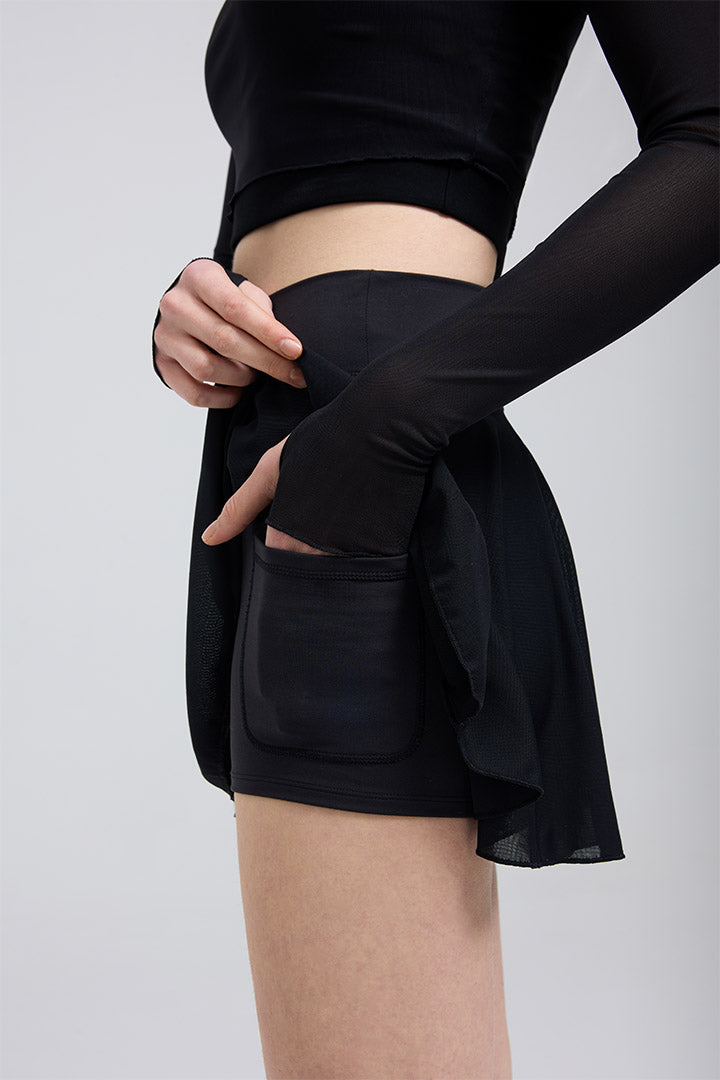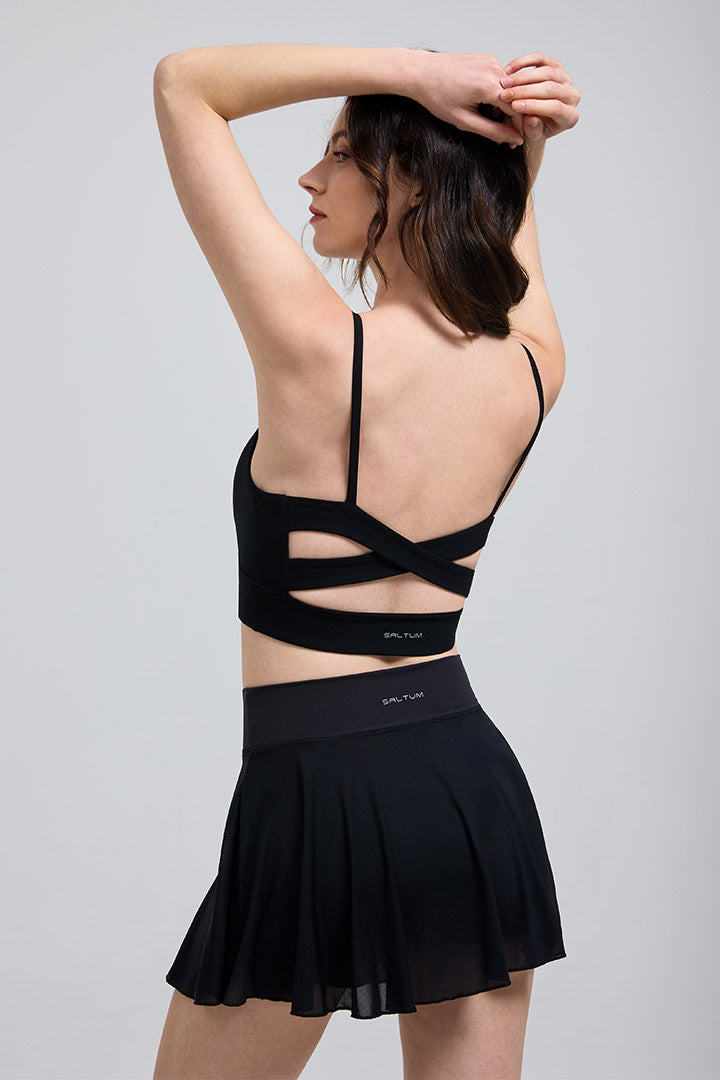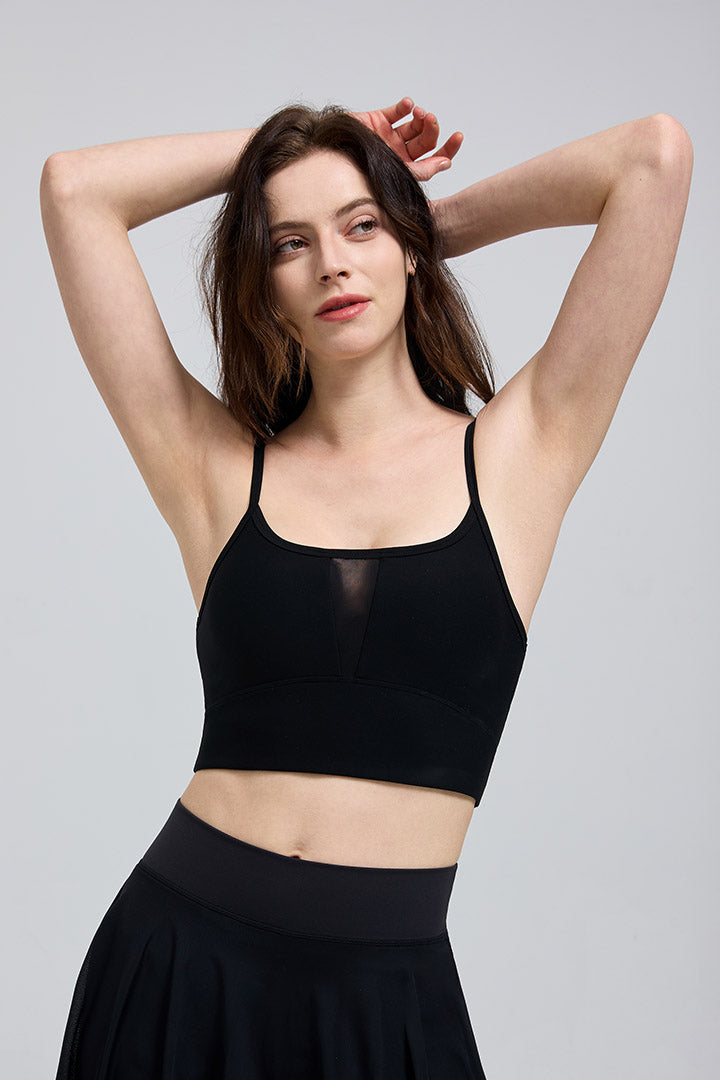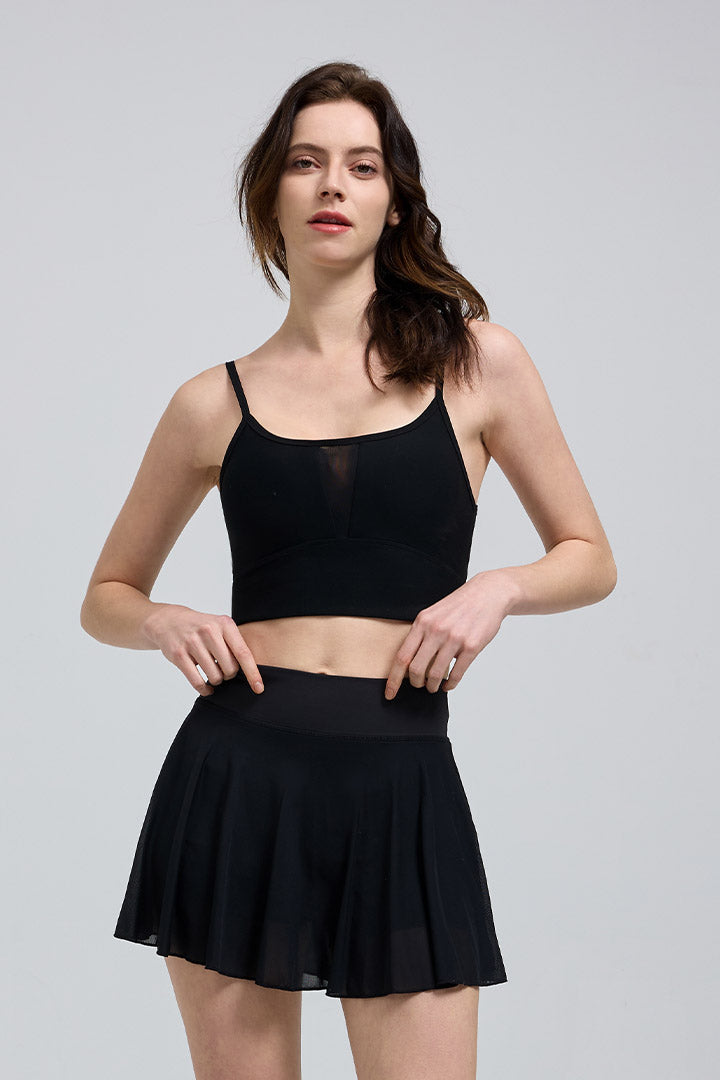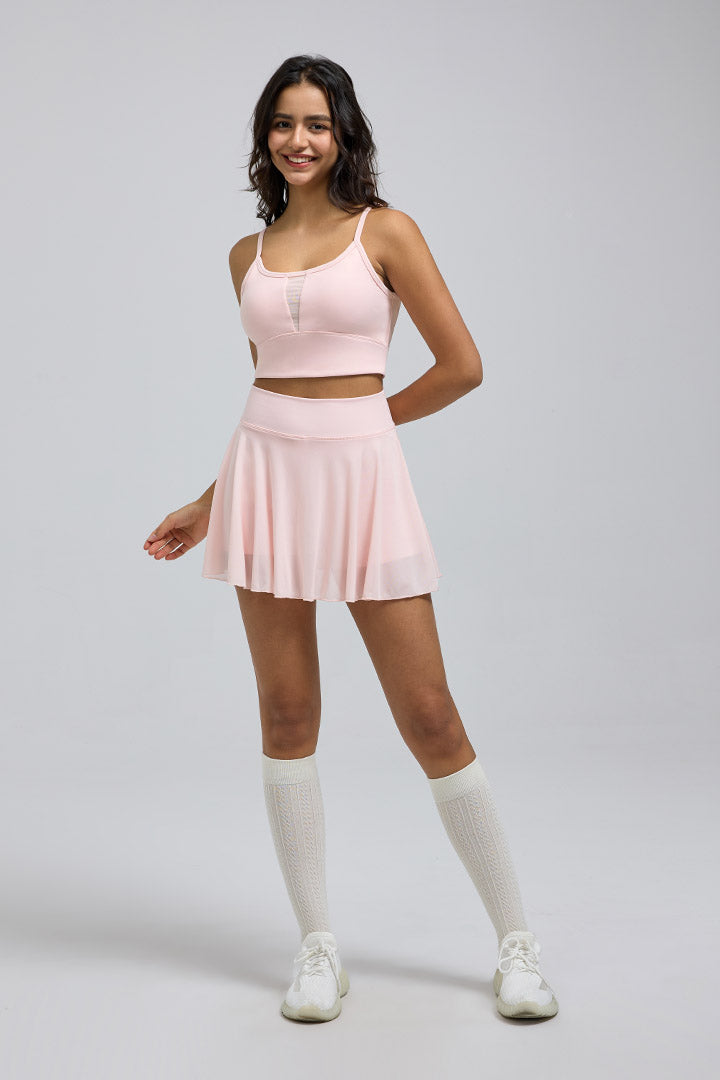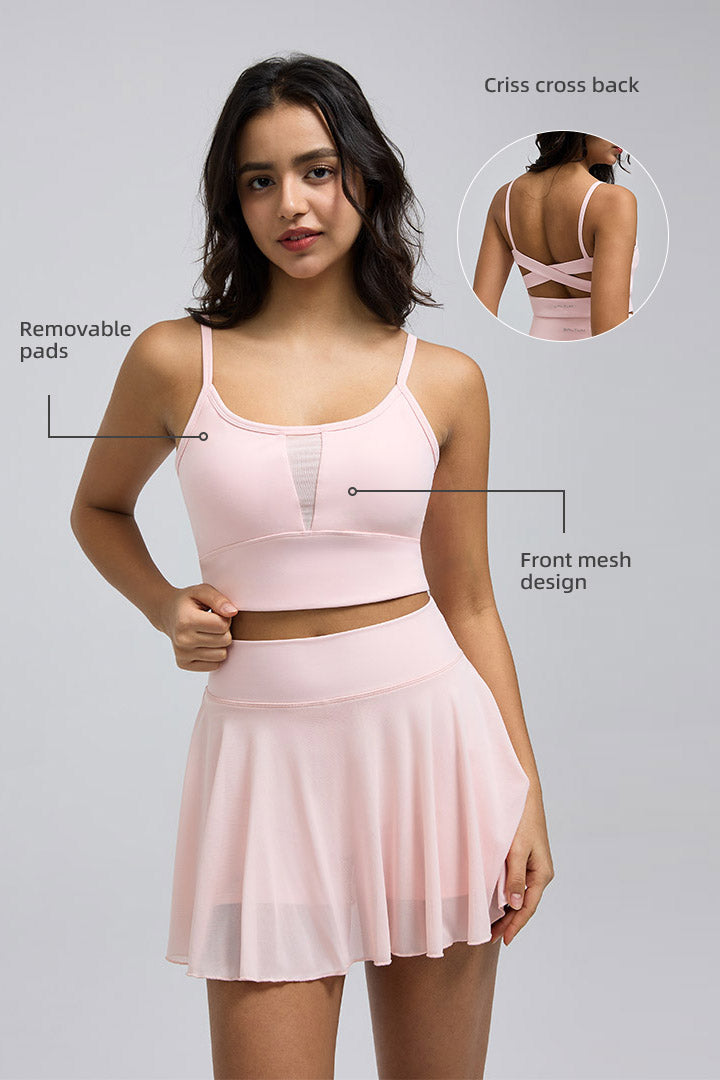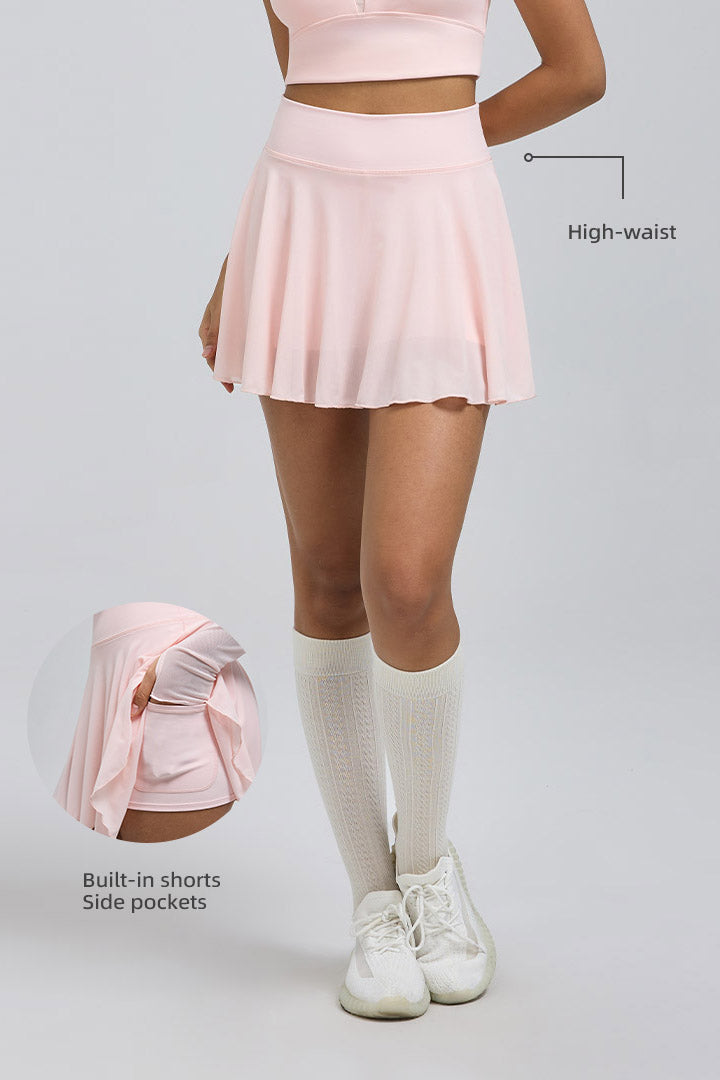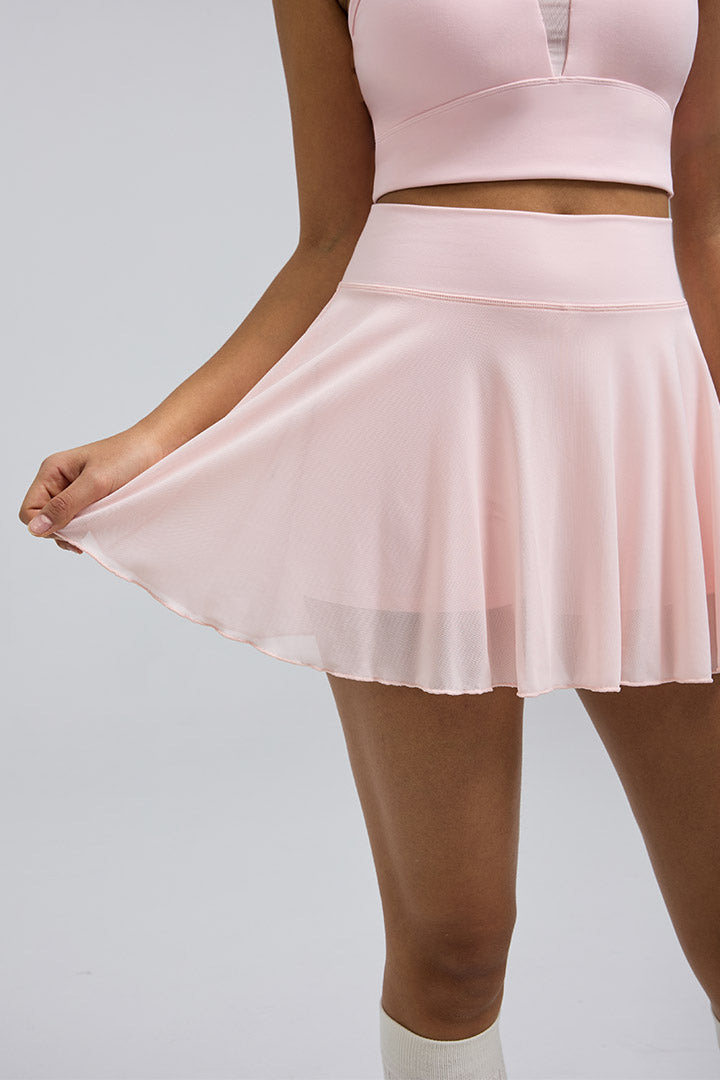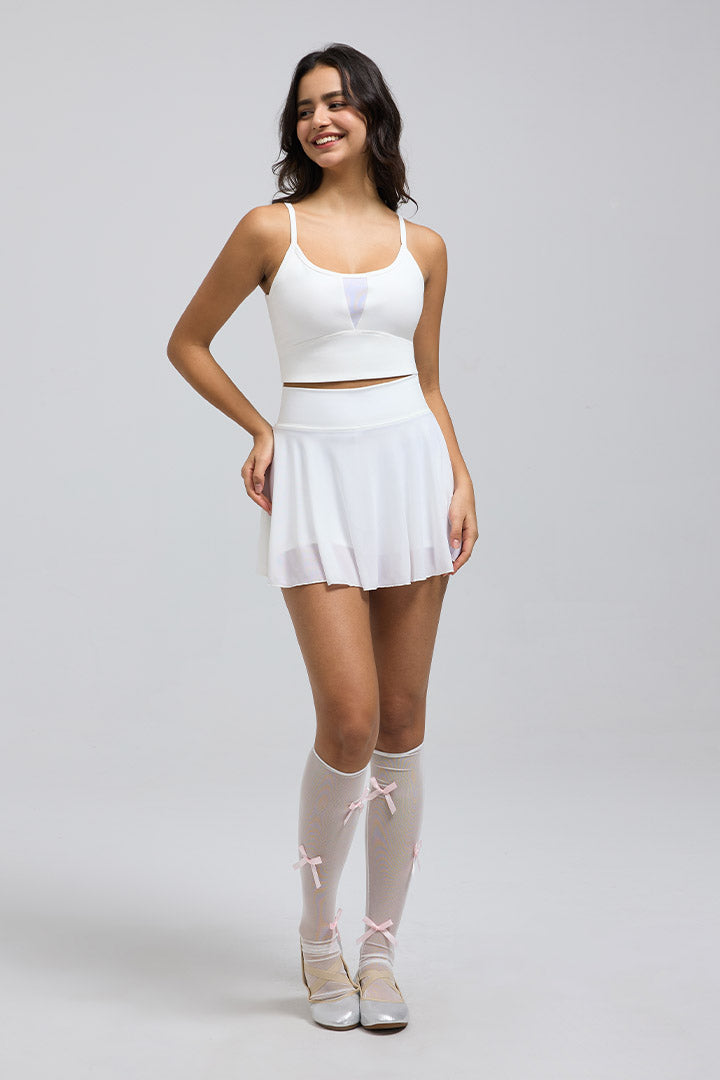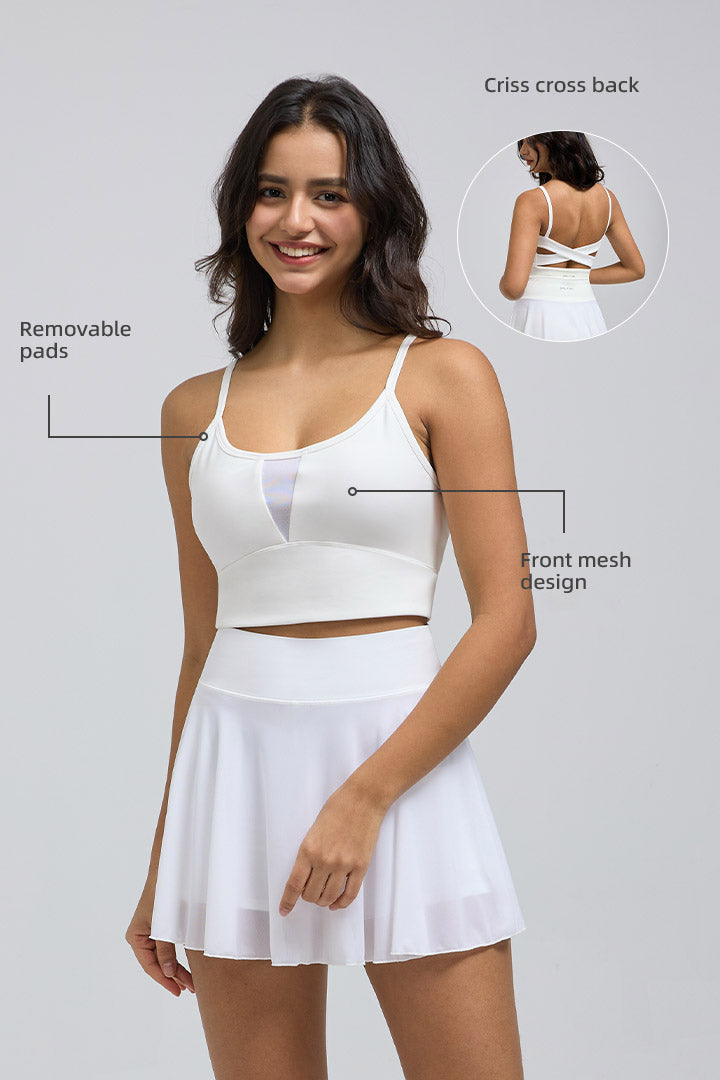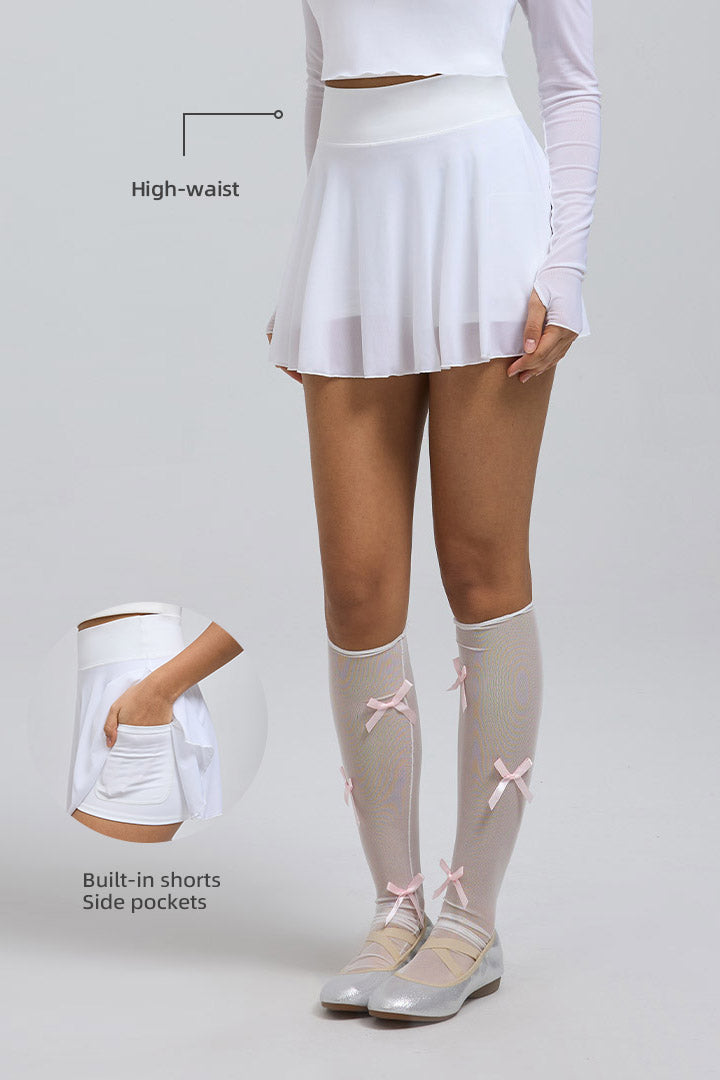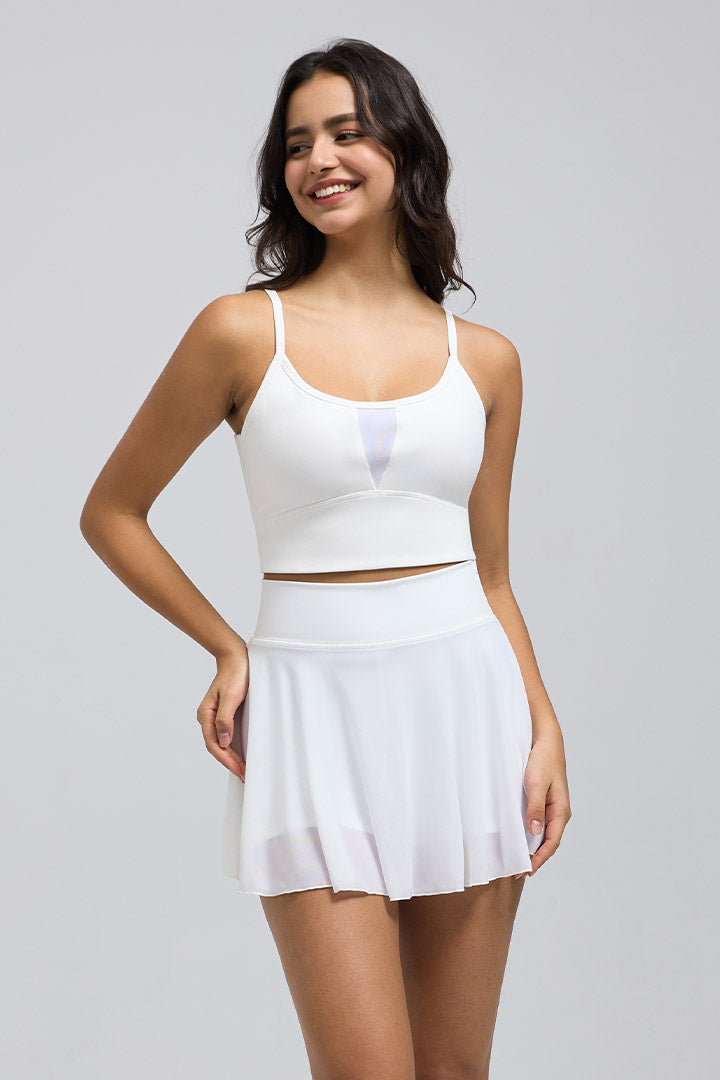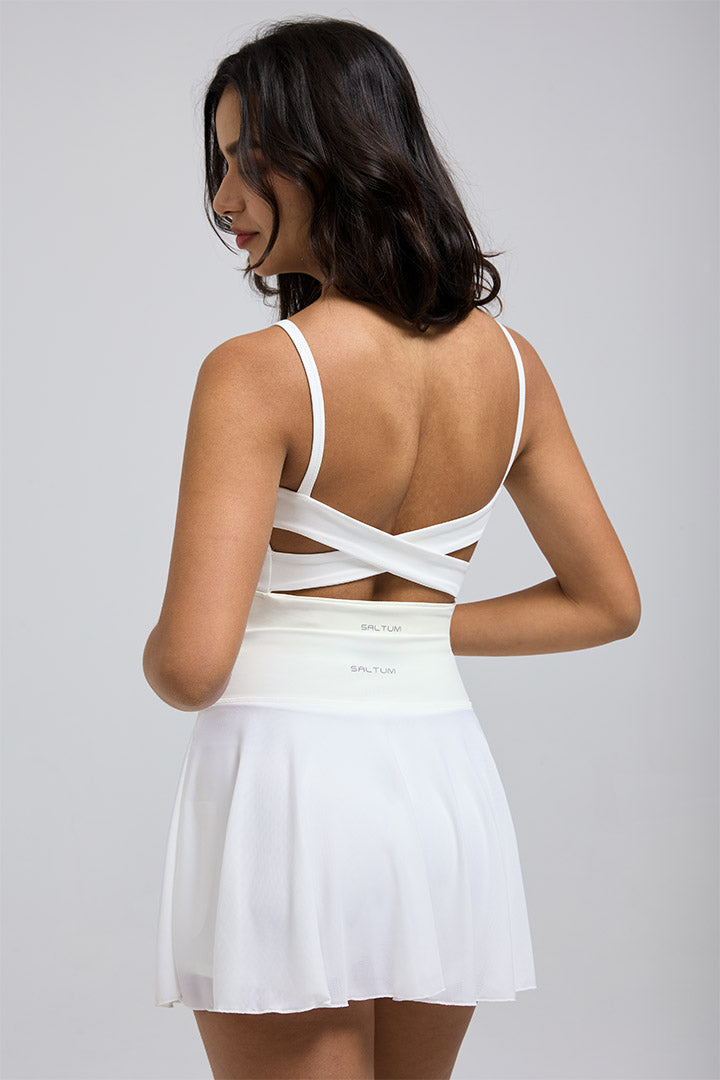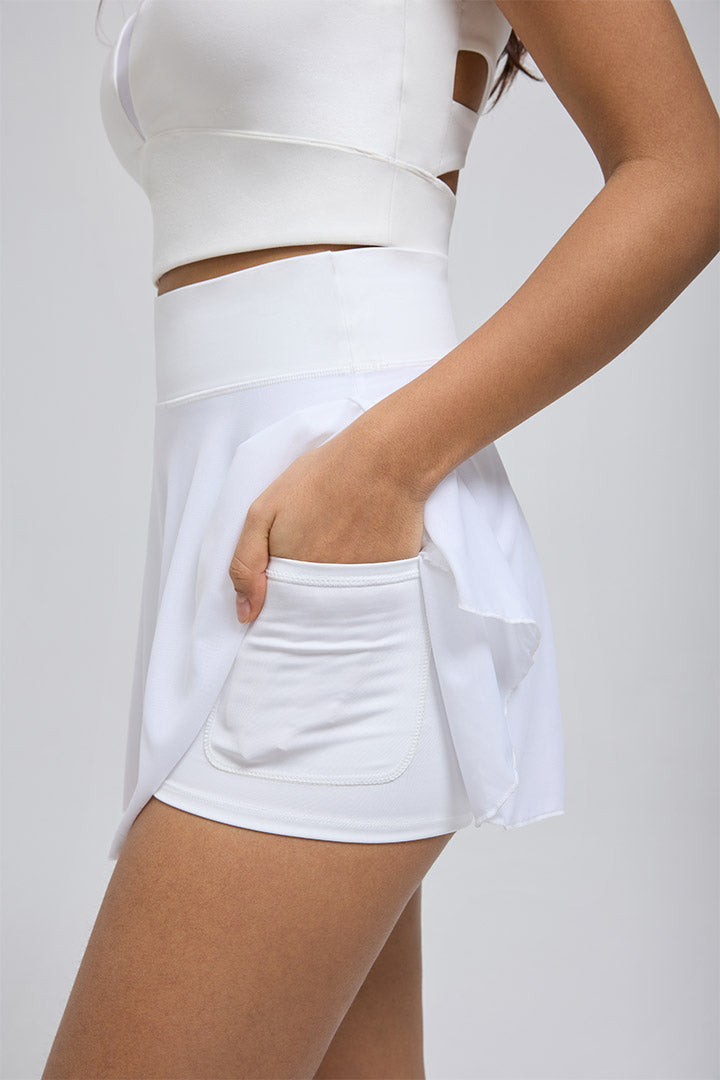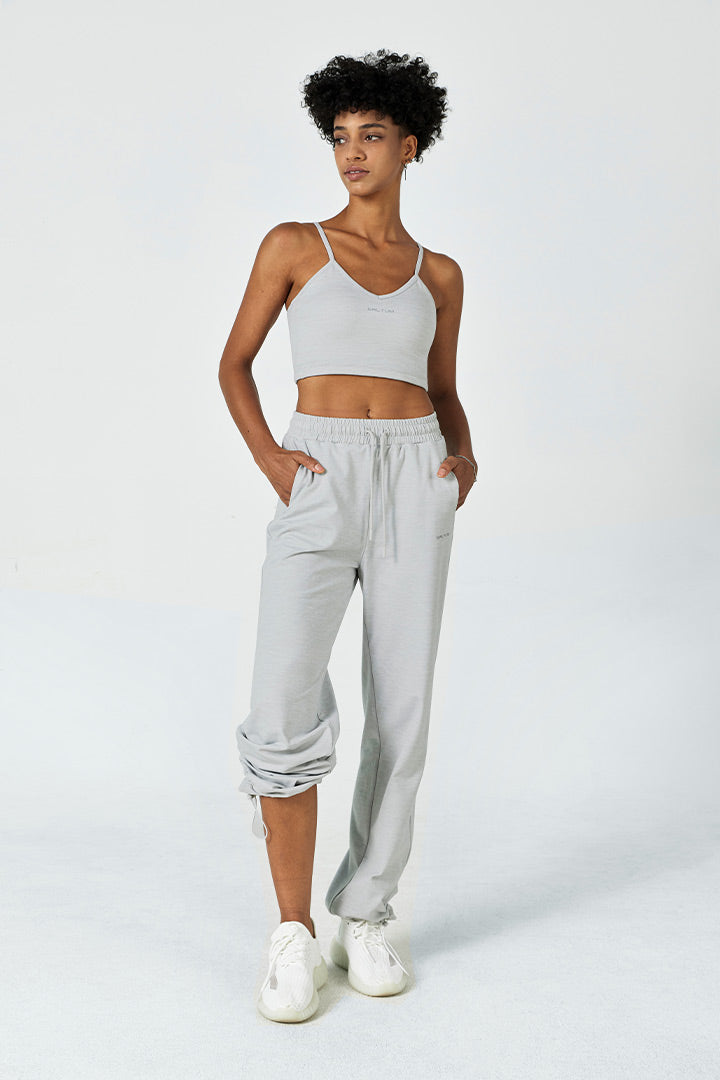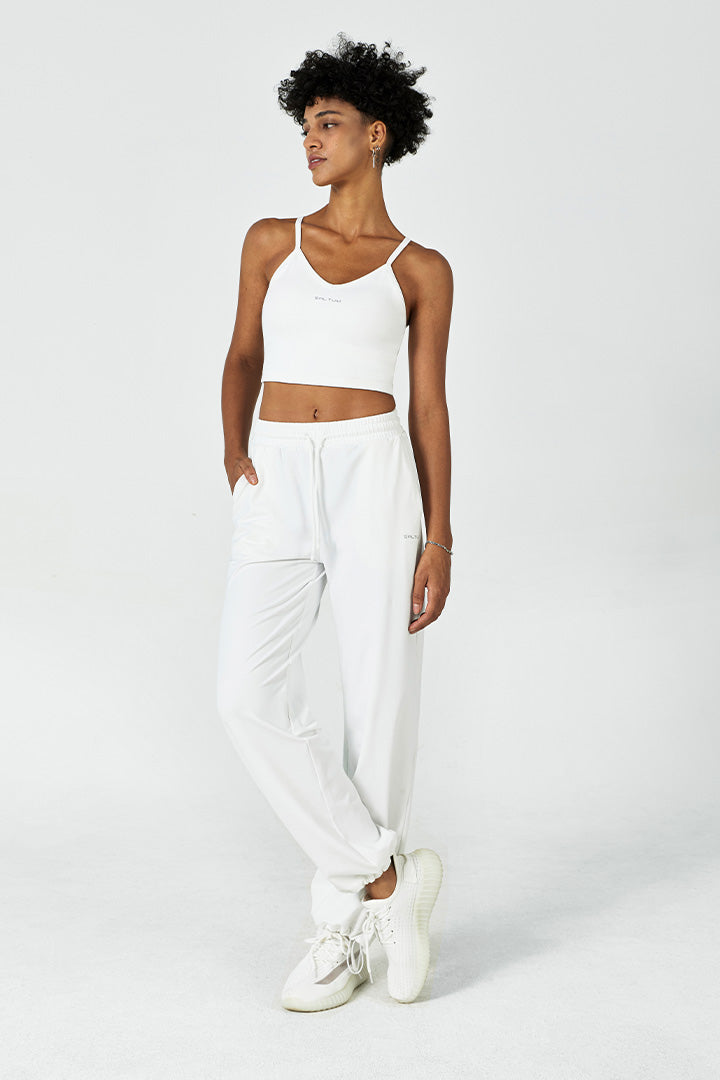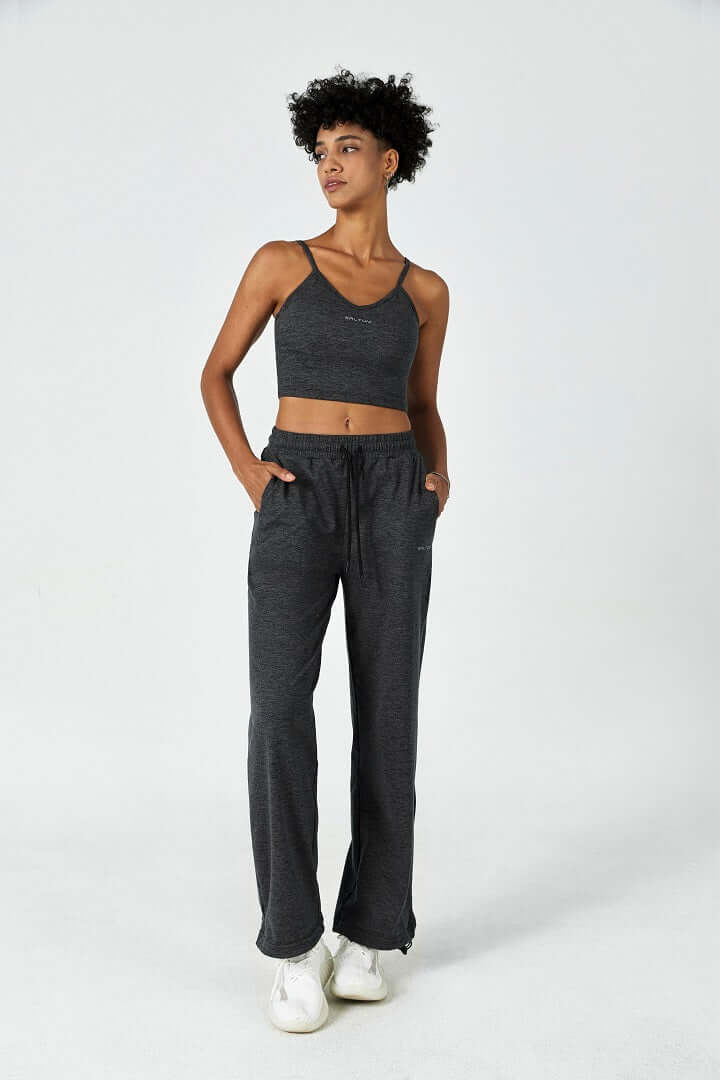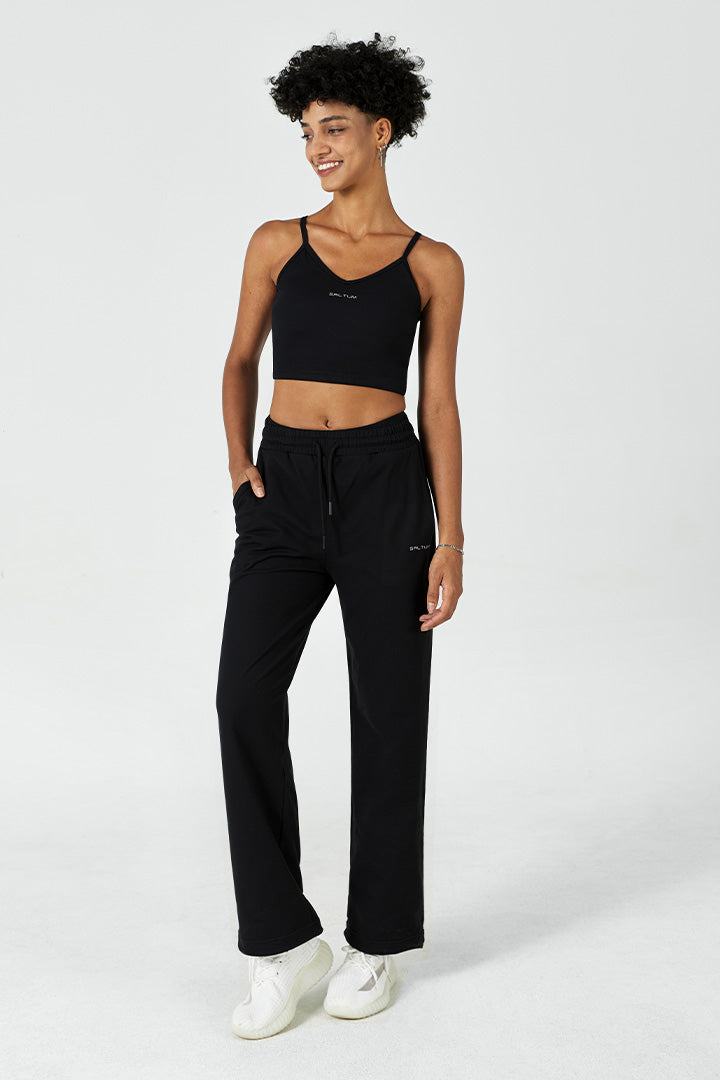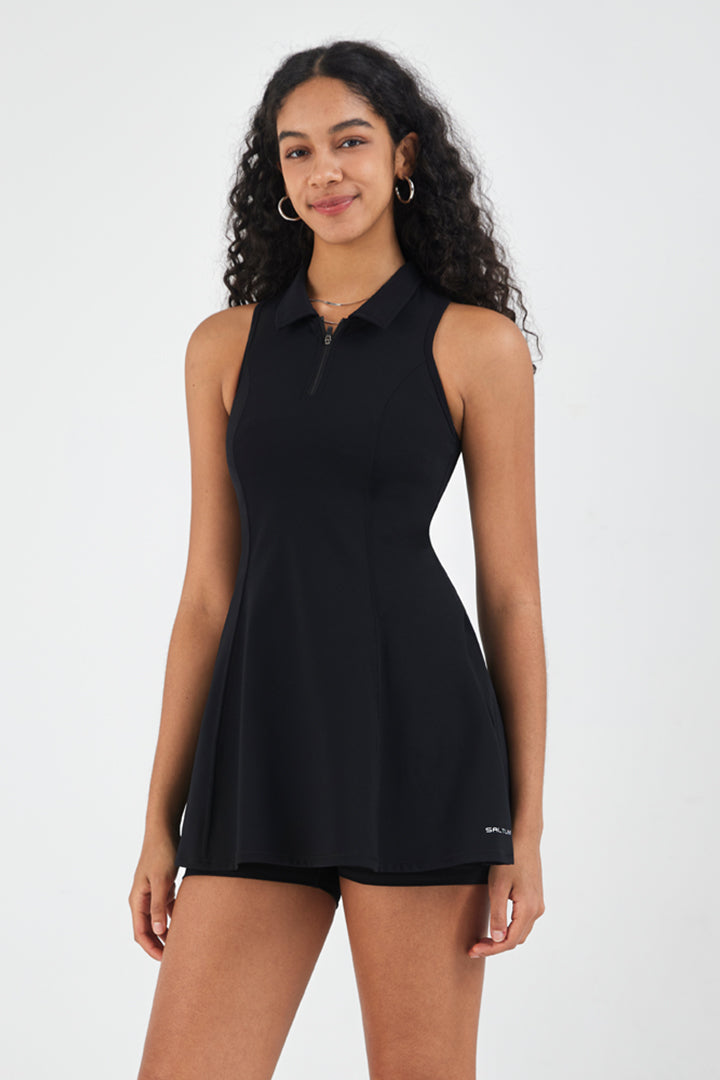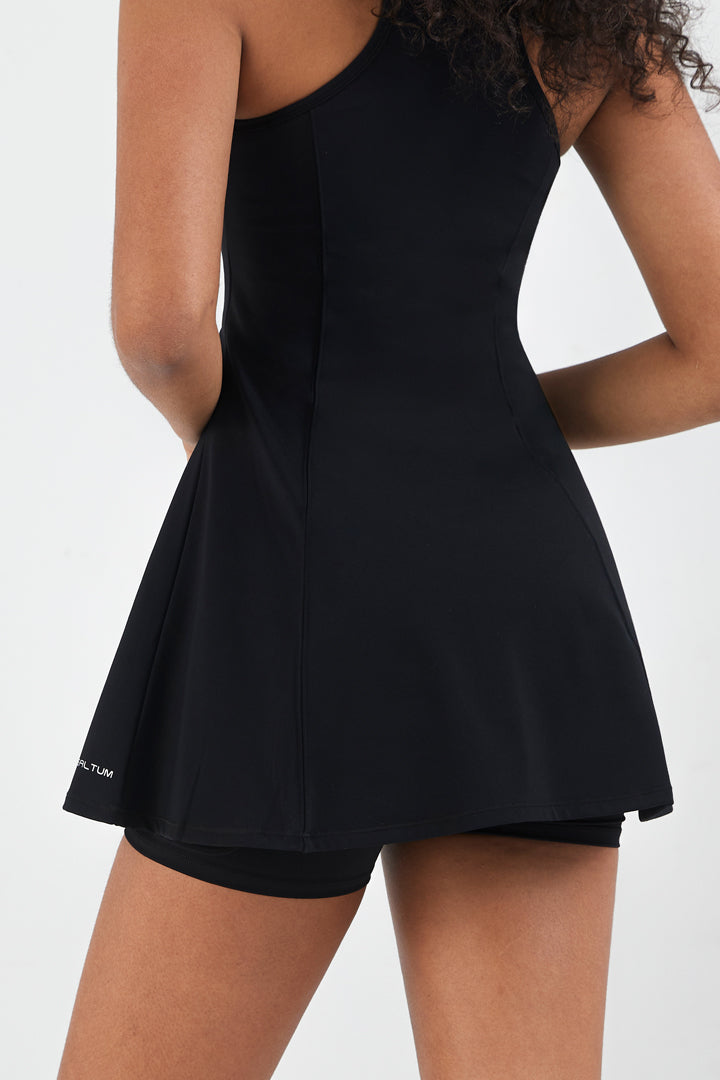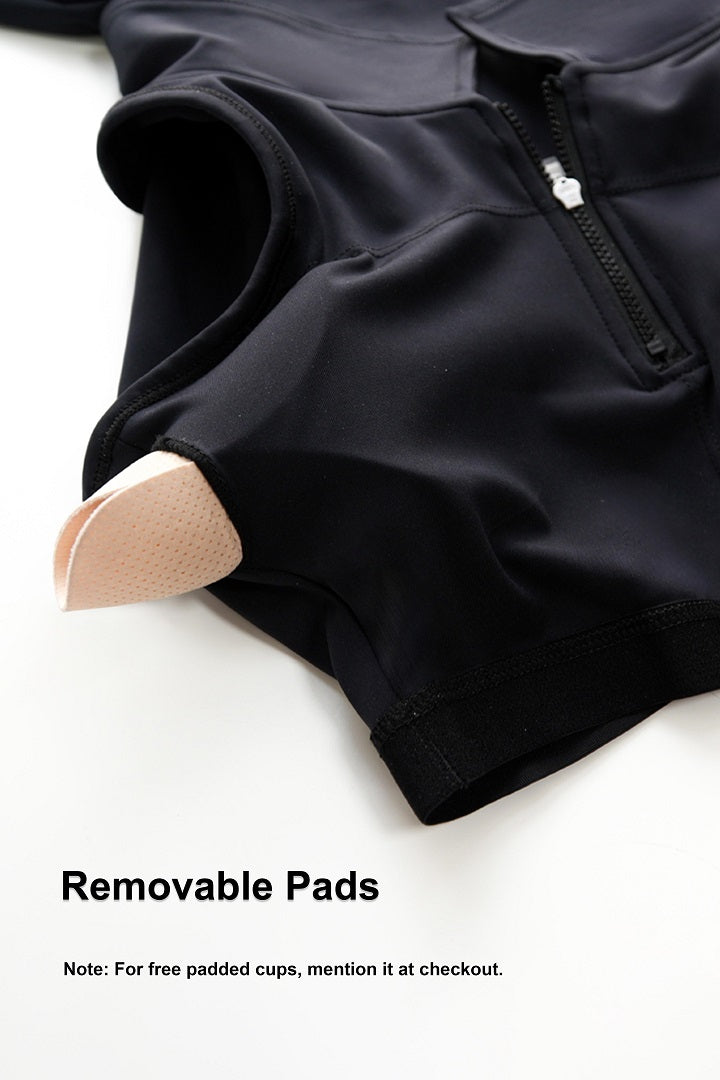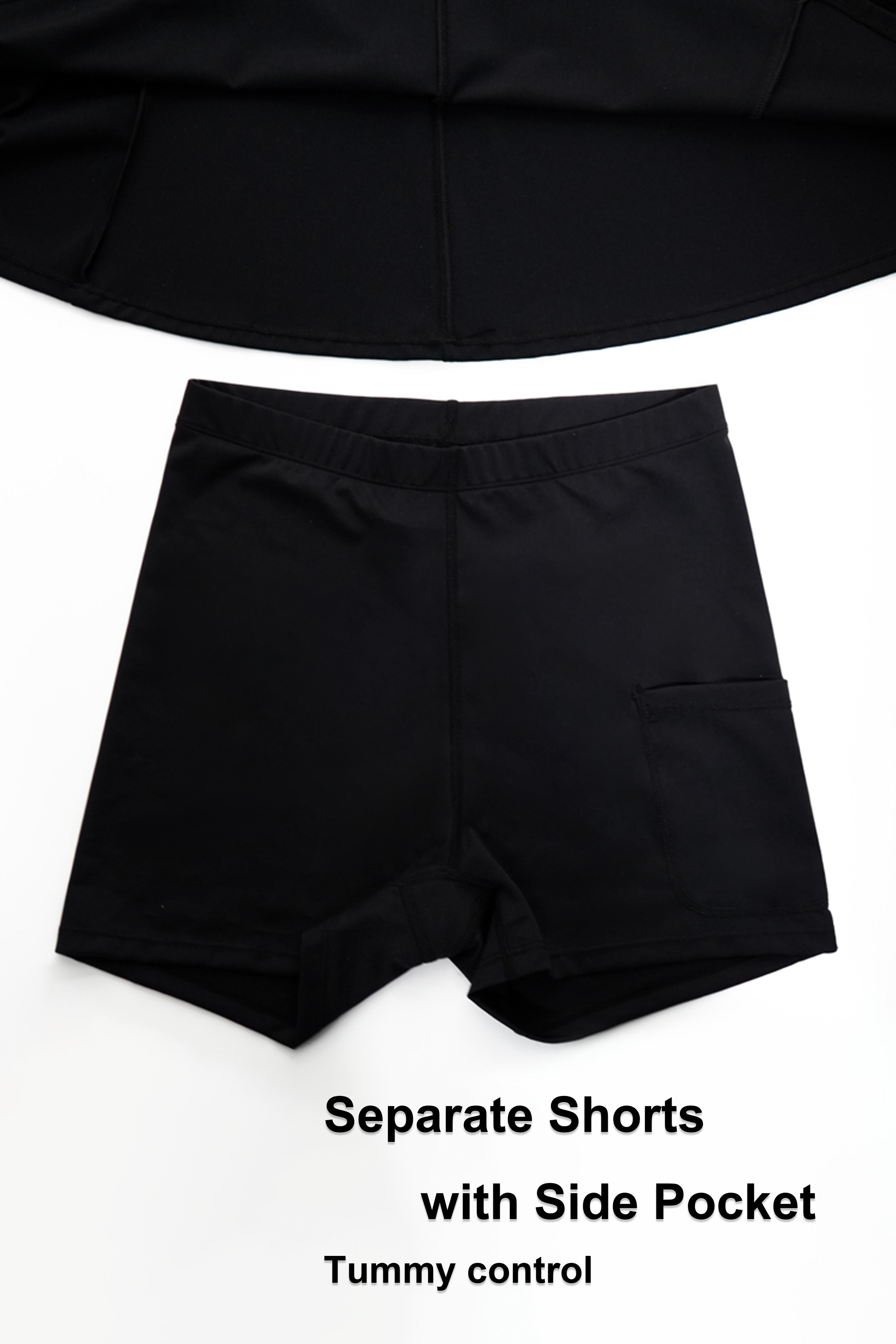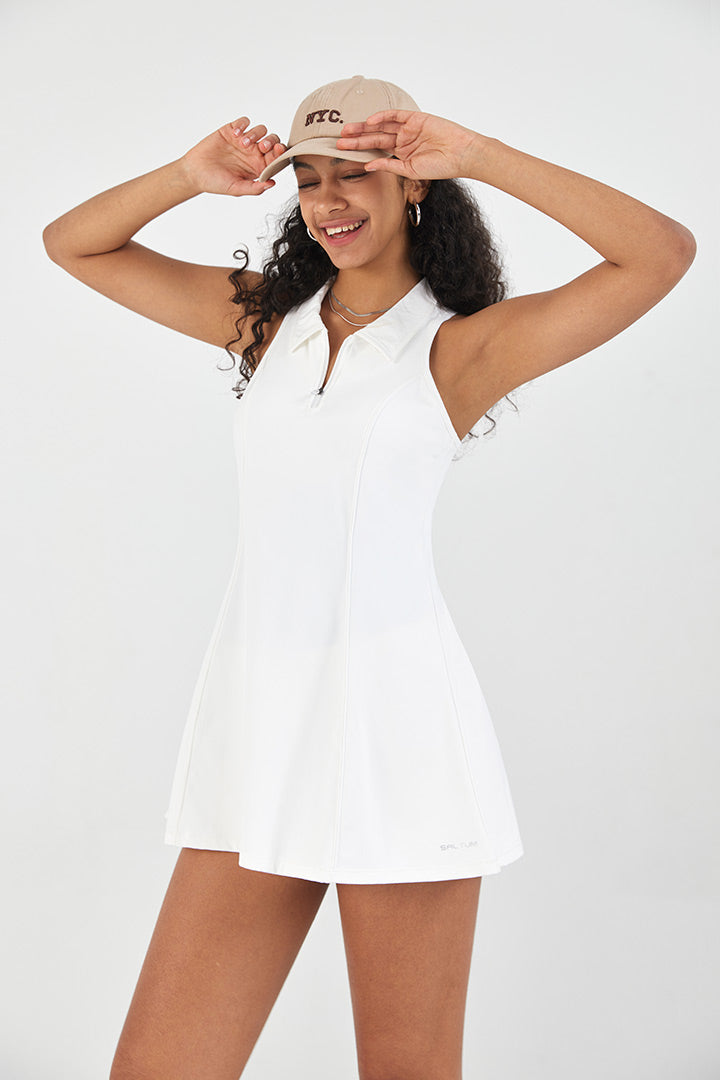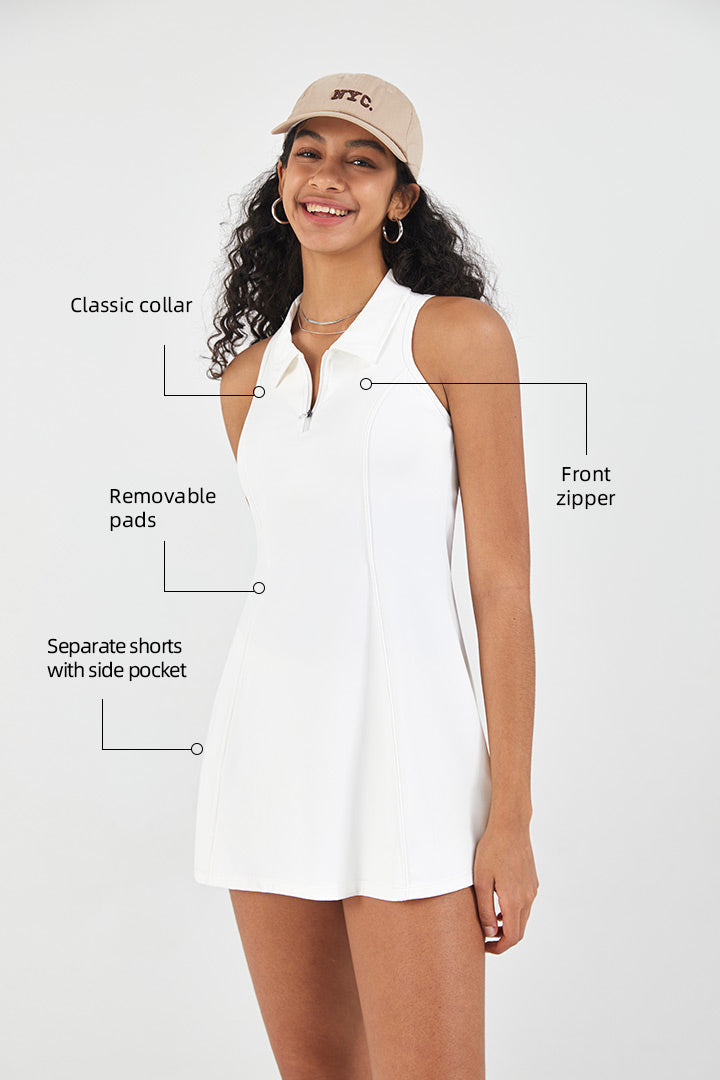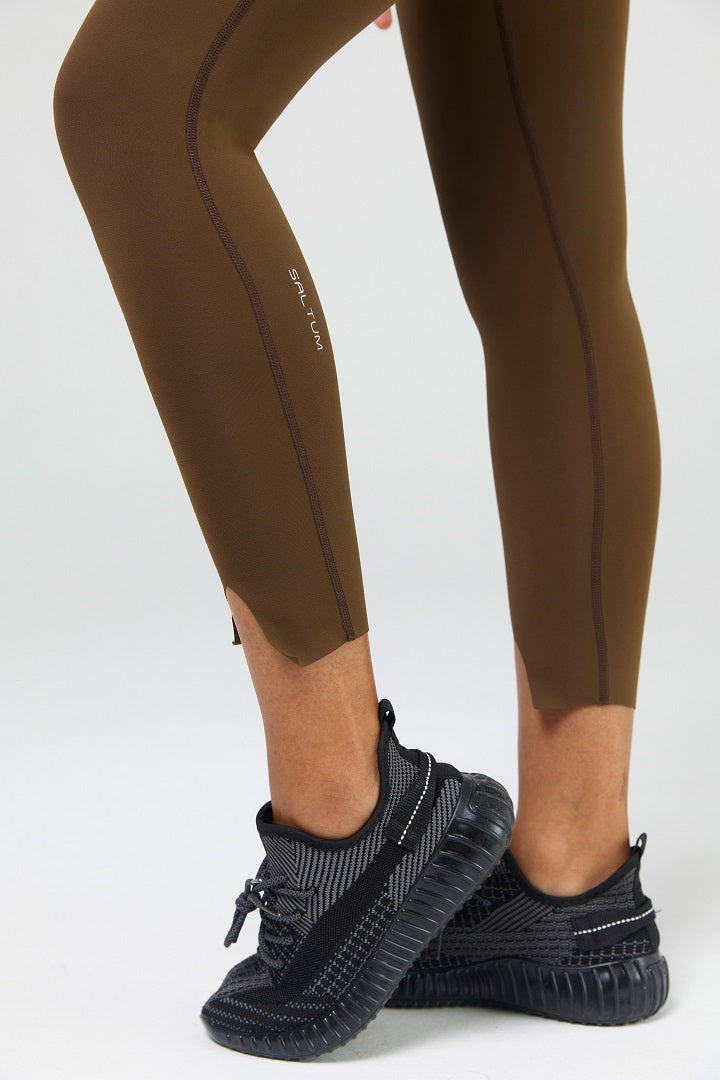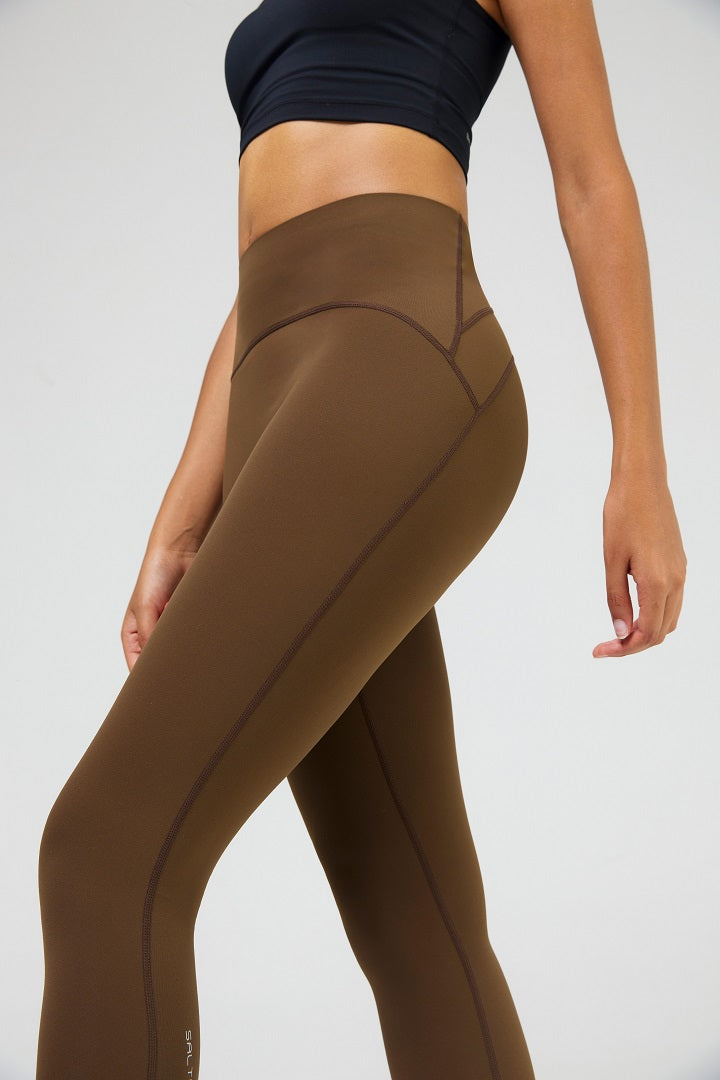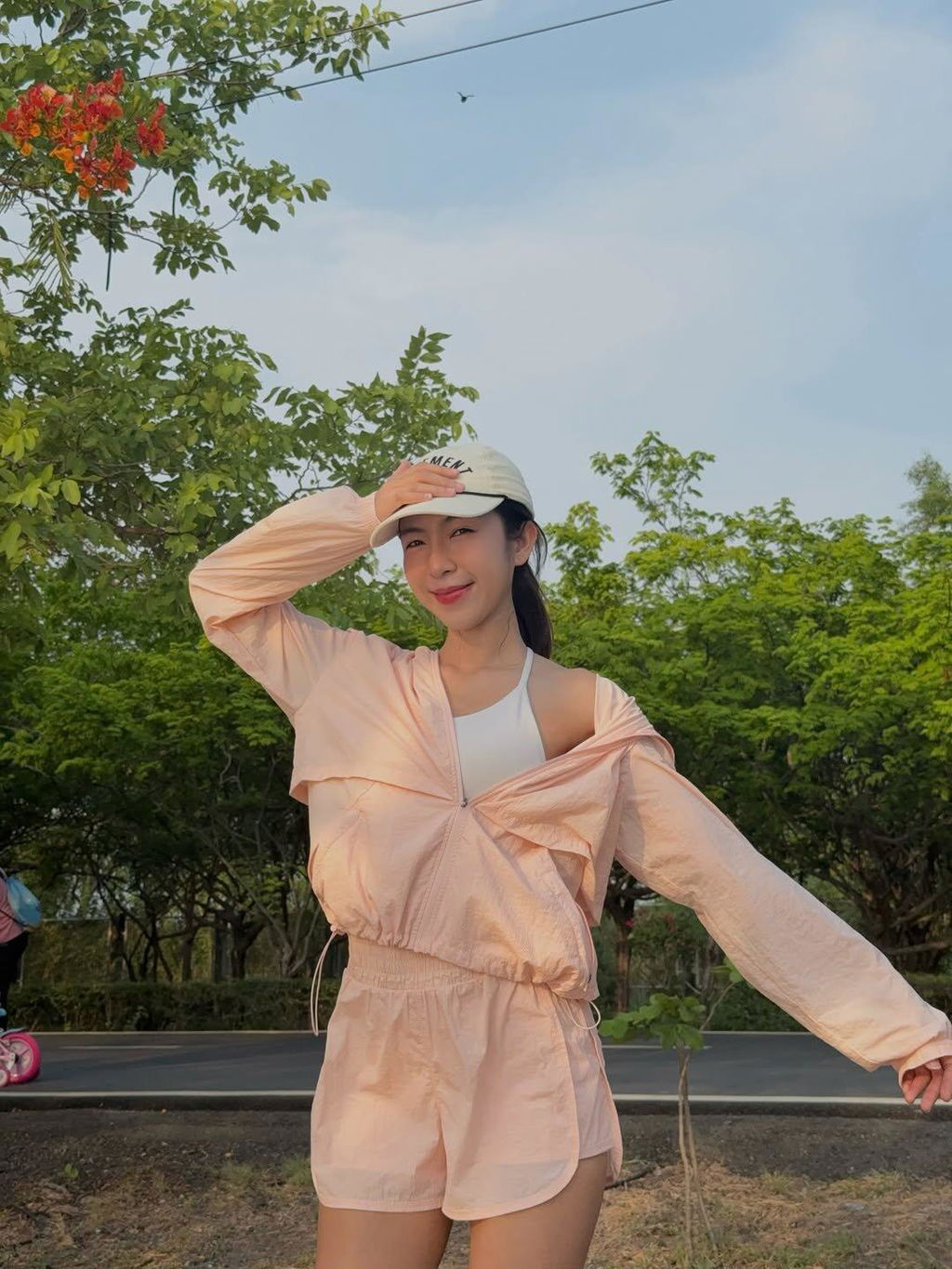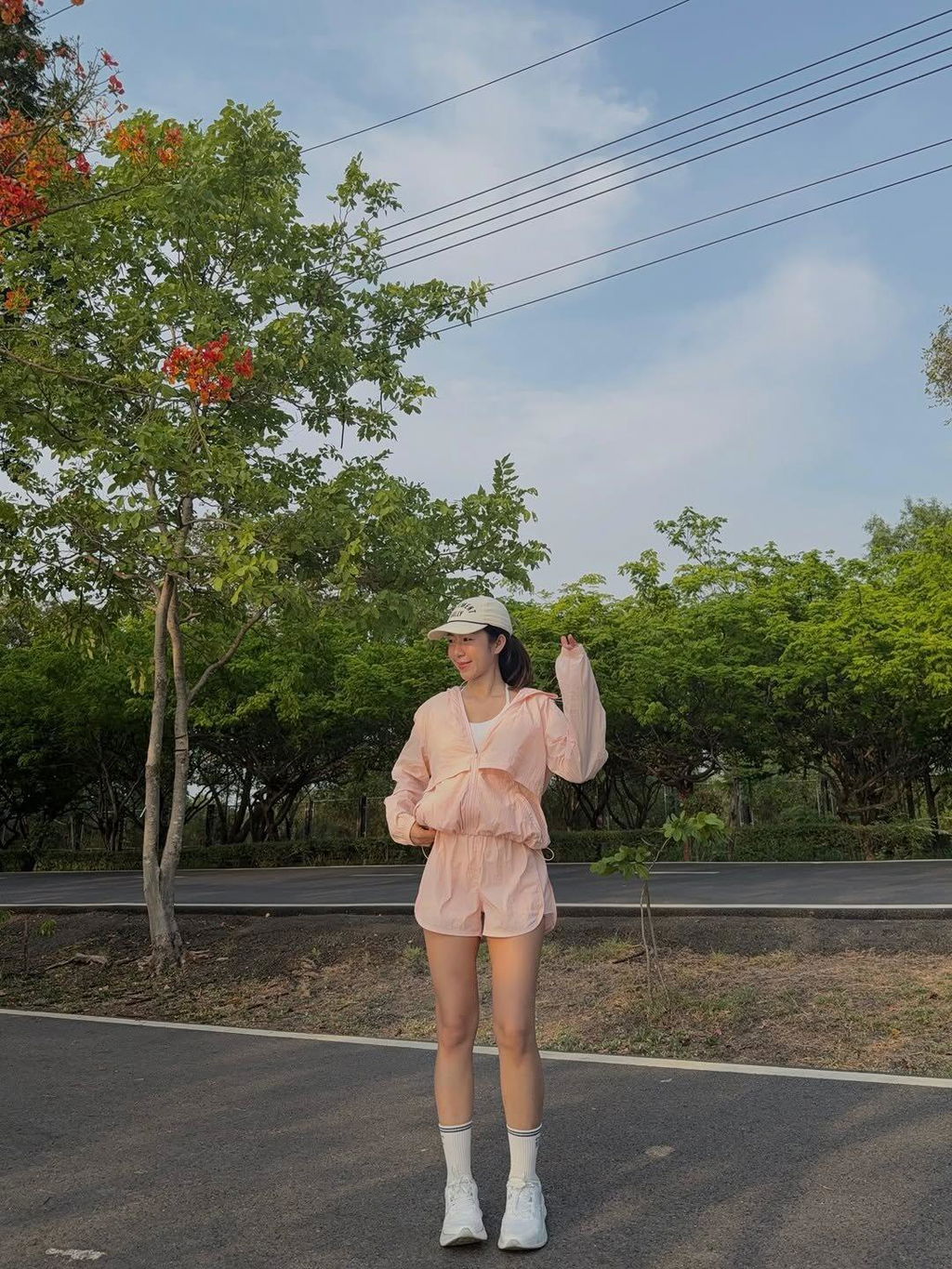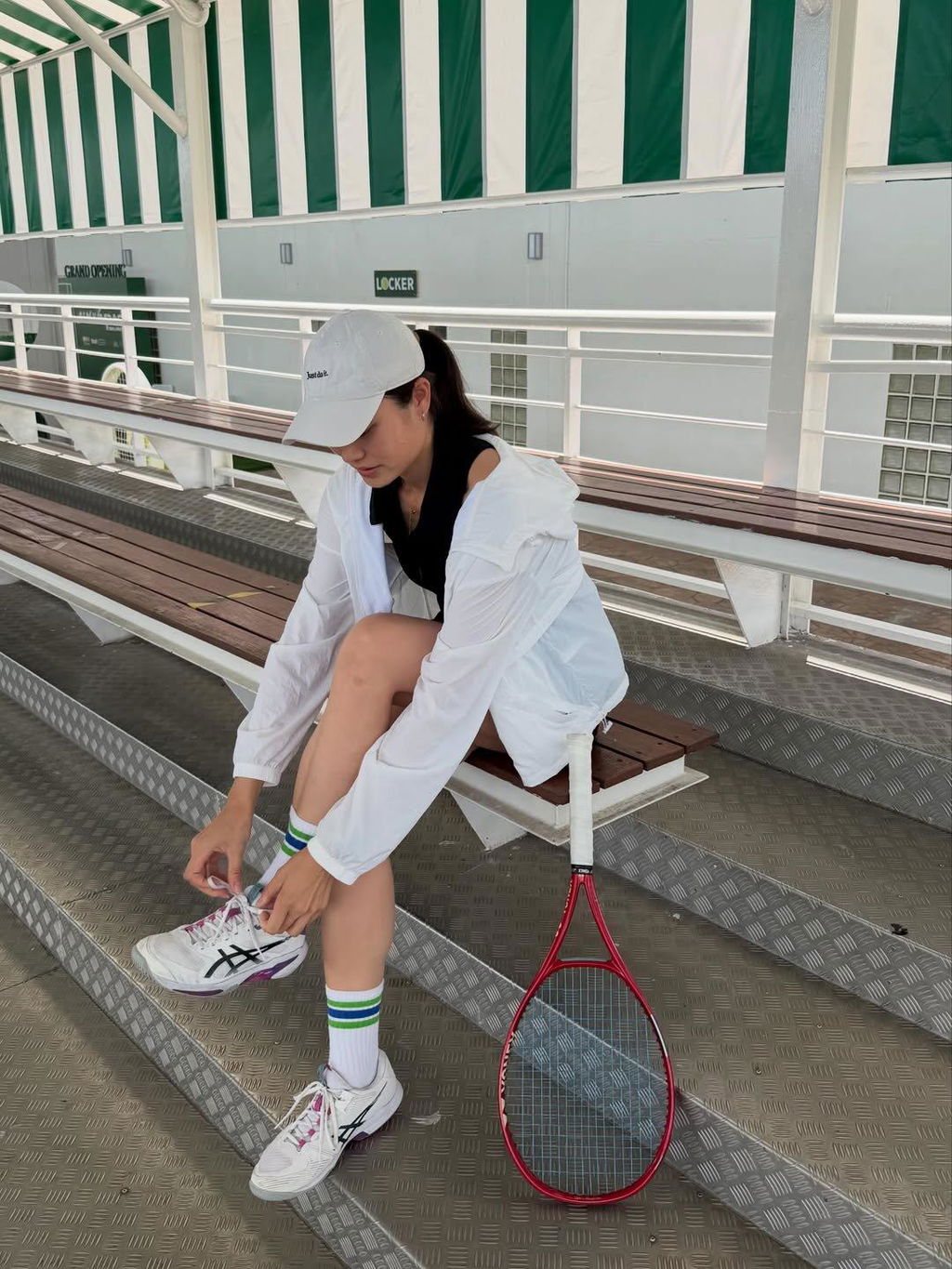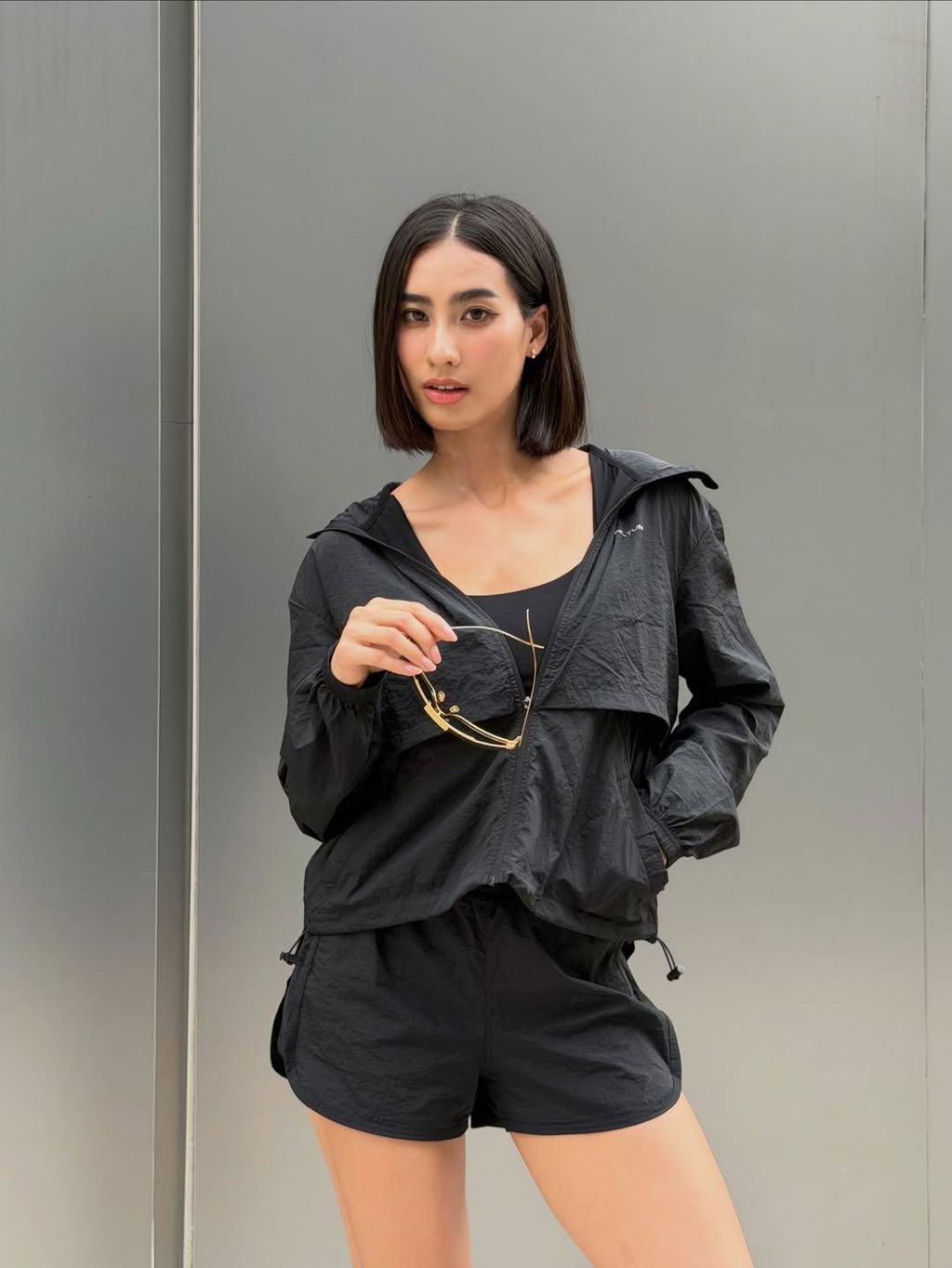

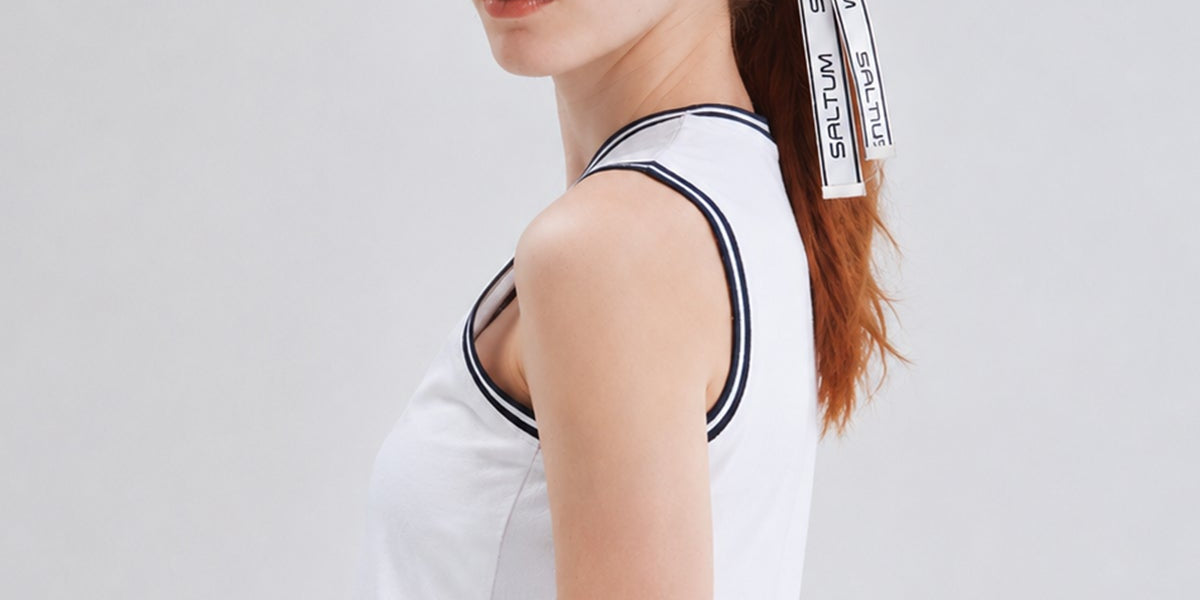
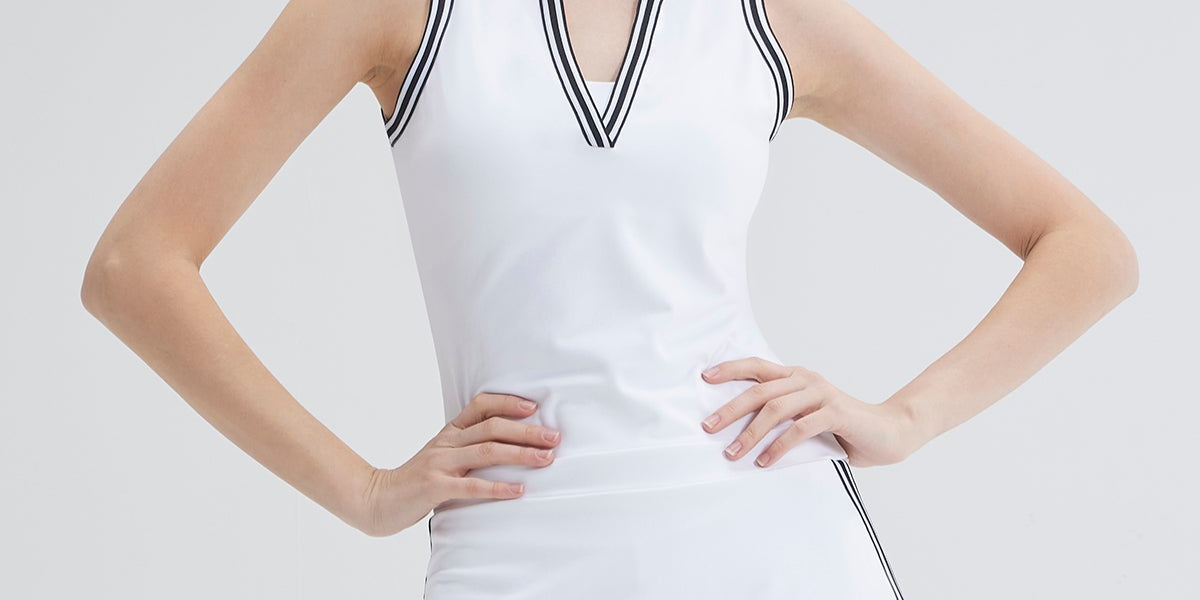
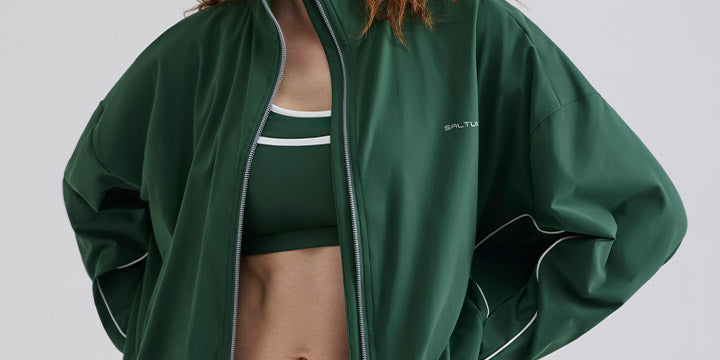

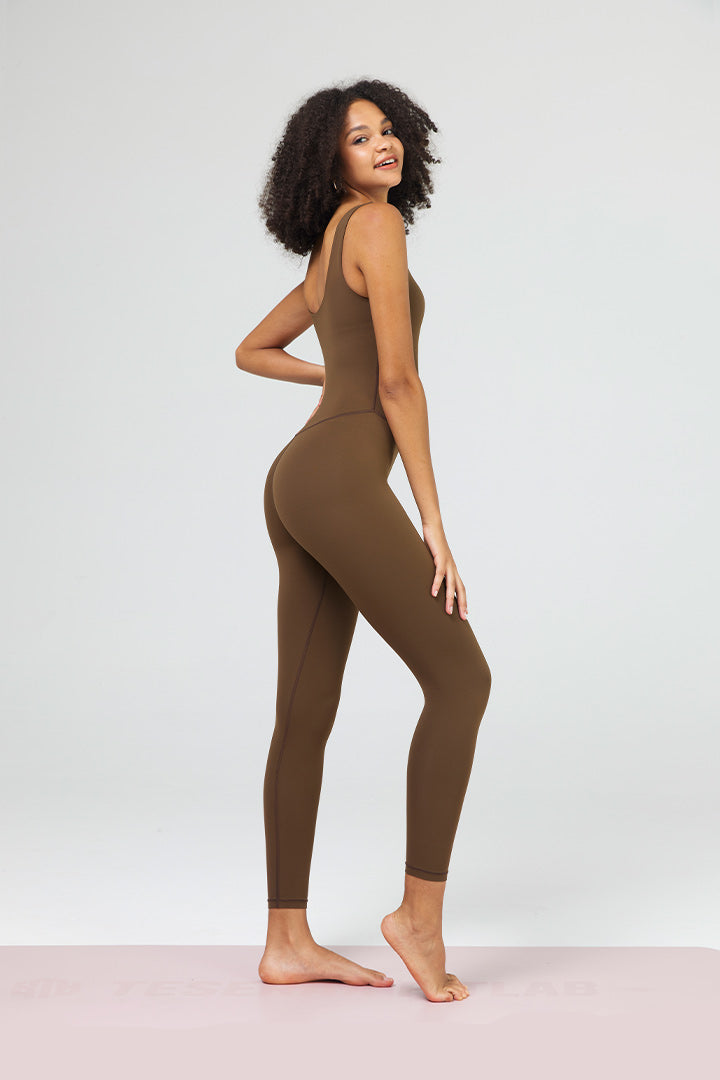
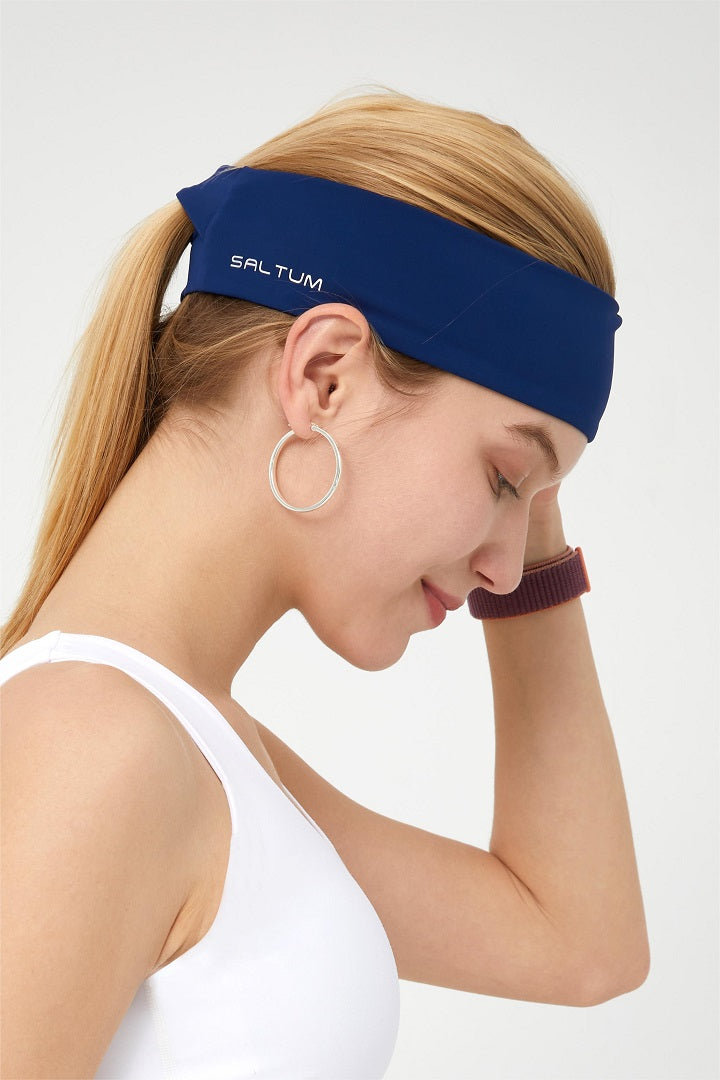

When you're watching a tennis match, you might focus on the serve, the rally, or the dramatic winner down the line. But you're probably noticing something else too: what the players are wearing. Women's tennis fashion has become a fascinating intersection of performance, style, and brand identity, and the conversation around what players wear on court is increasingly important to how we experience the sport.
The Performance vs. Style Balance
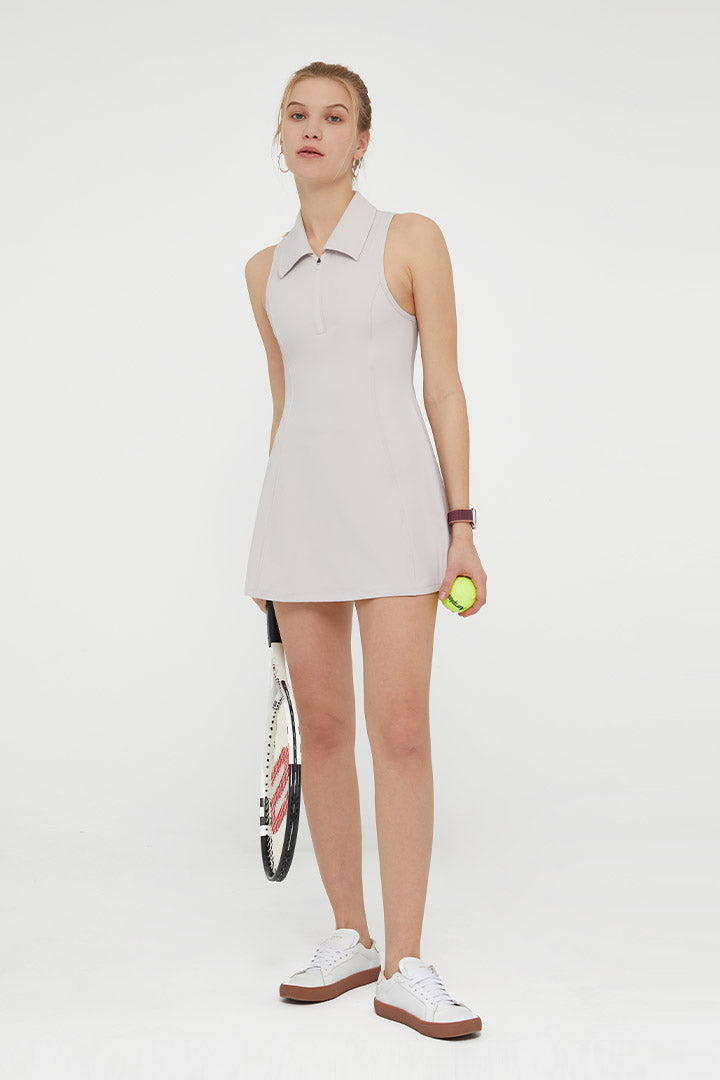
Here's the thing about women's tennis clothing, it has to do two jobs at once. It needs to look great for millions of viewers watching on TV, and it needs to function during intense physical activity.
When players are moving explosively across the court, the fabric has to move with them. A skirt that looks elegant when standing still might ride up awkwardly during a sprint toward the net. A sleeveless dress might look chic in photos, but offer less support for powerful overhead serves. And here's something fans have noticed repeatedly: the fabric quality matters tremendously. Some brands produce kits that look crisp and clean throughout an entire match, while others look like "wet garbage bags" by the end of the first set—and yes, that's actual feedback from tennis enthusiasts describing certain ON running kits over the years.
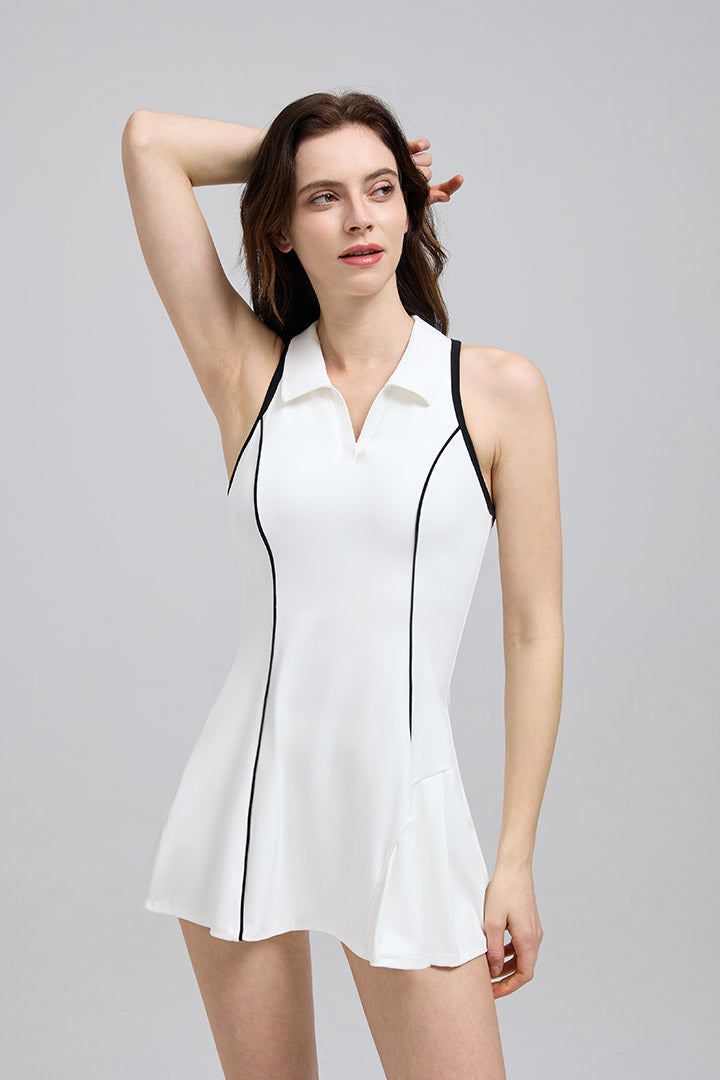
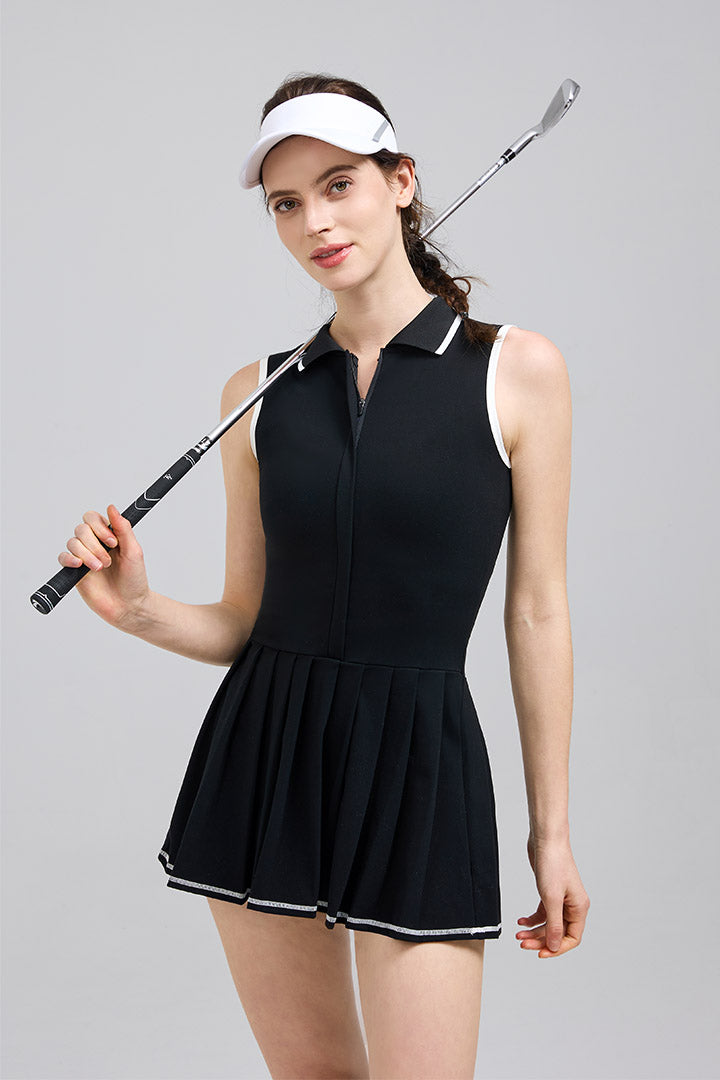
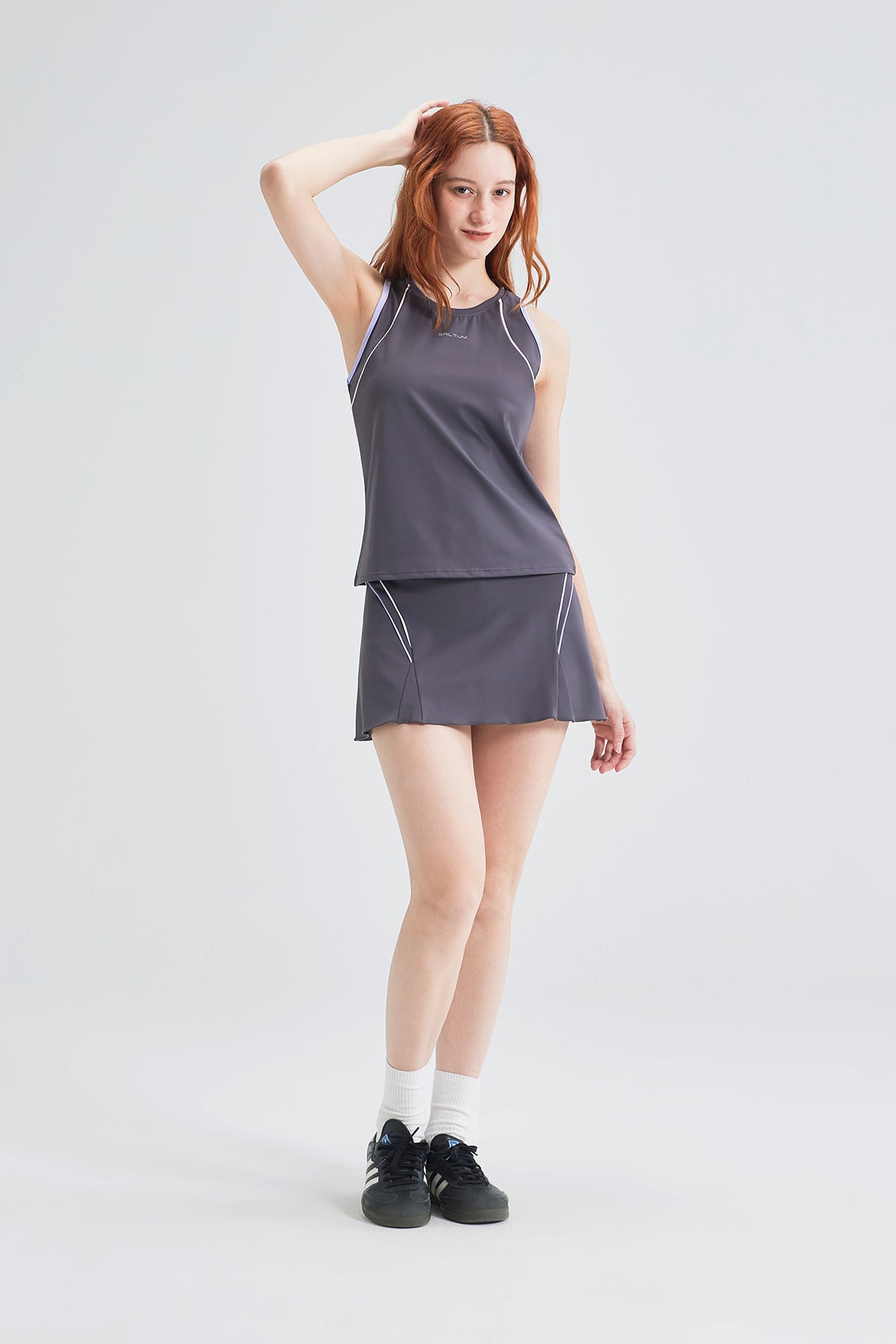
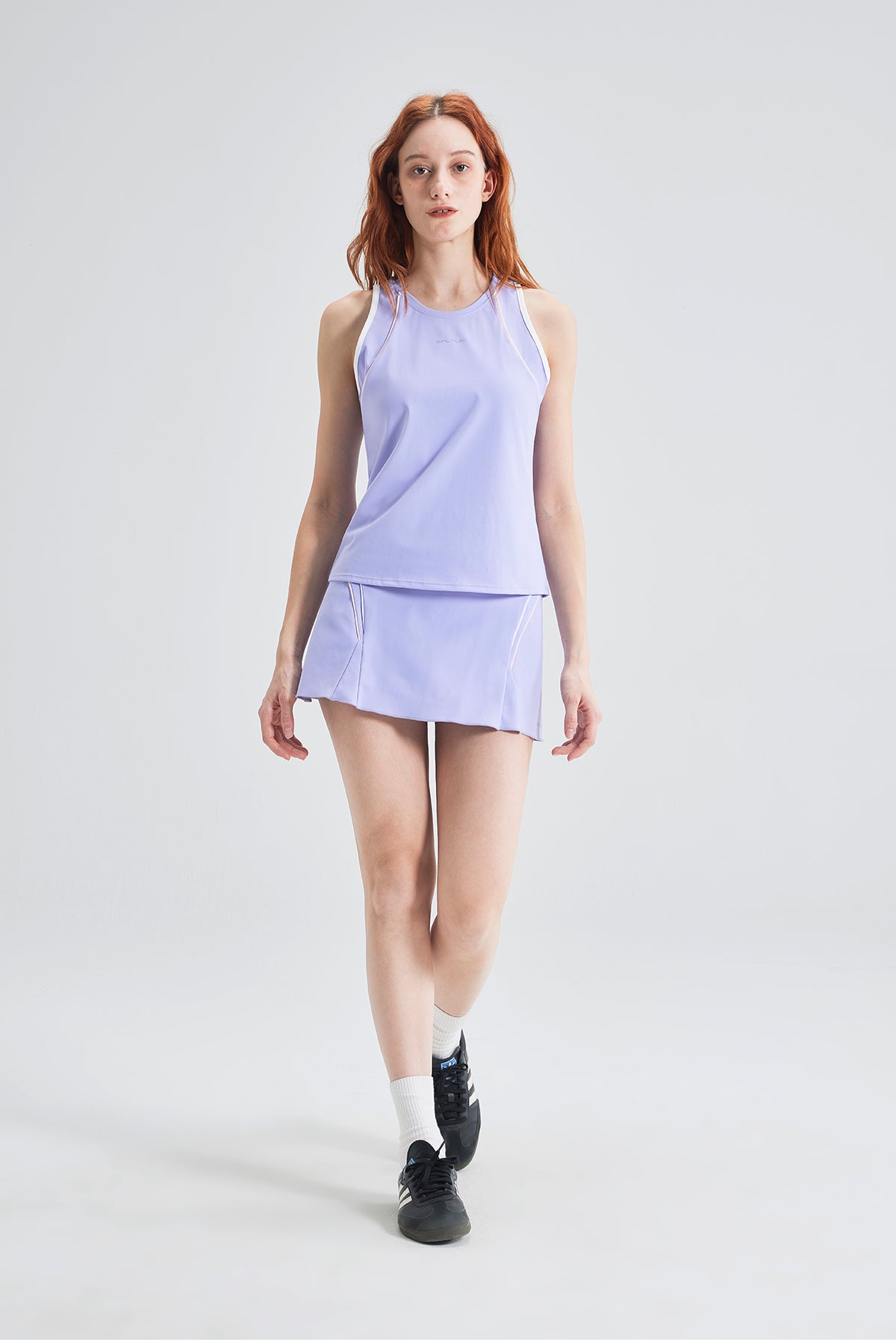
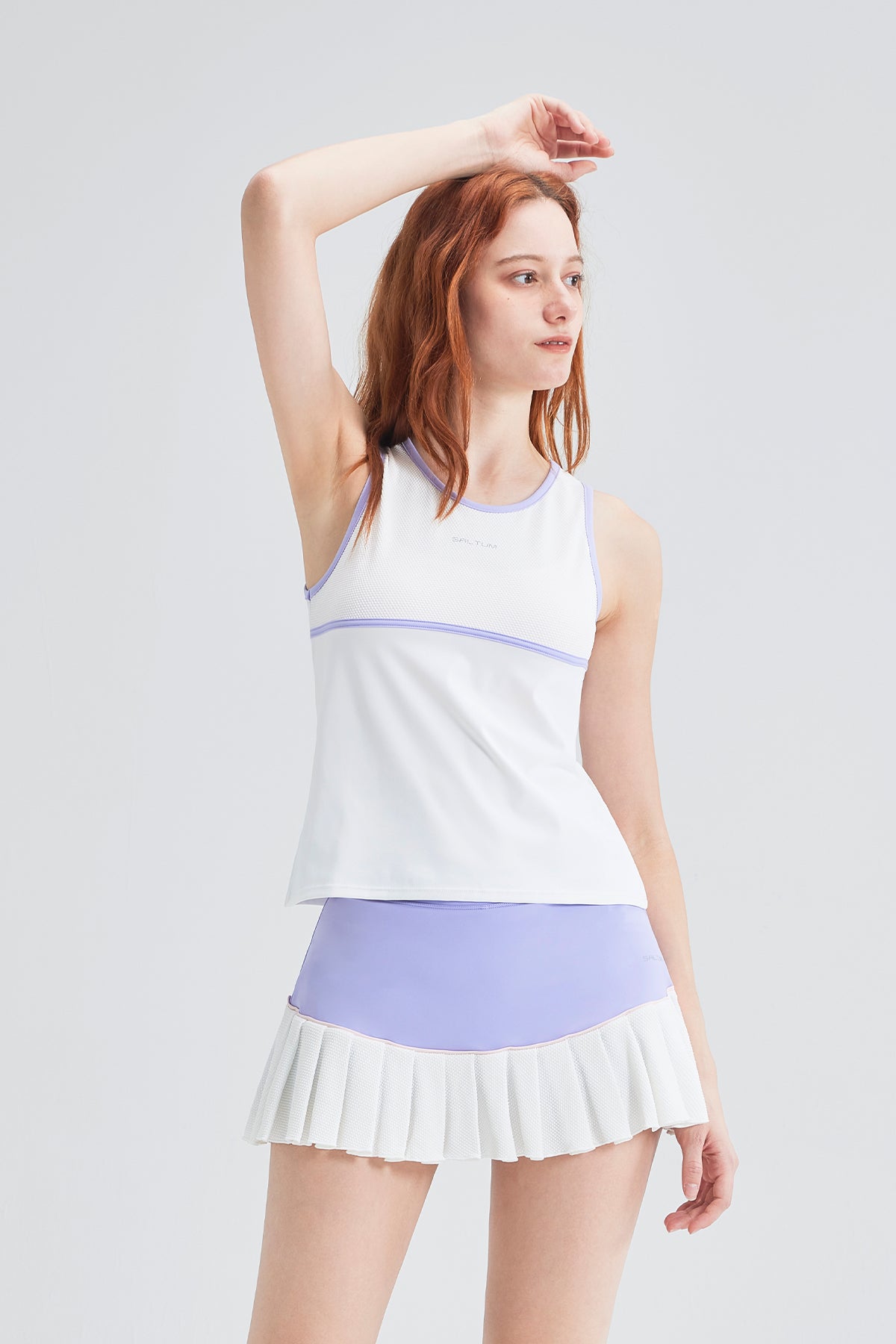
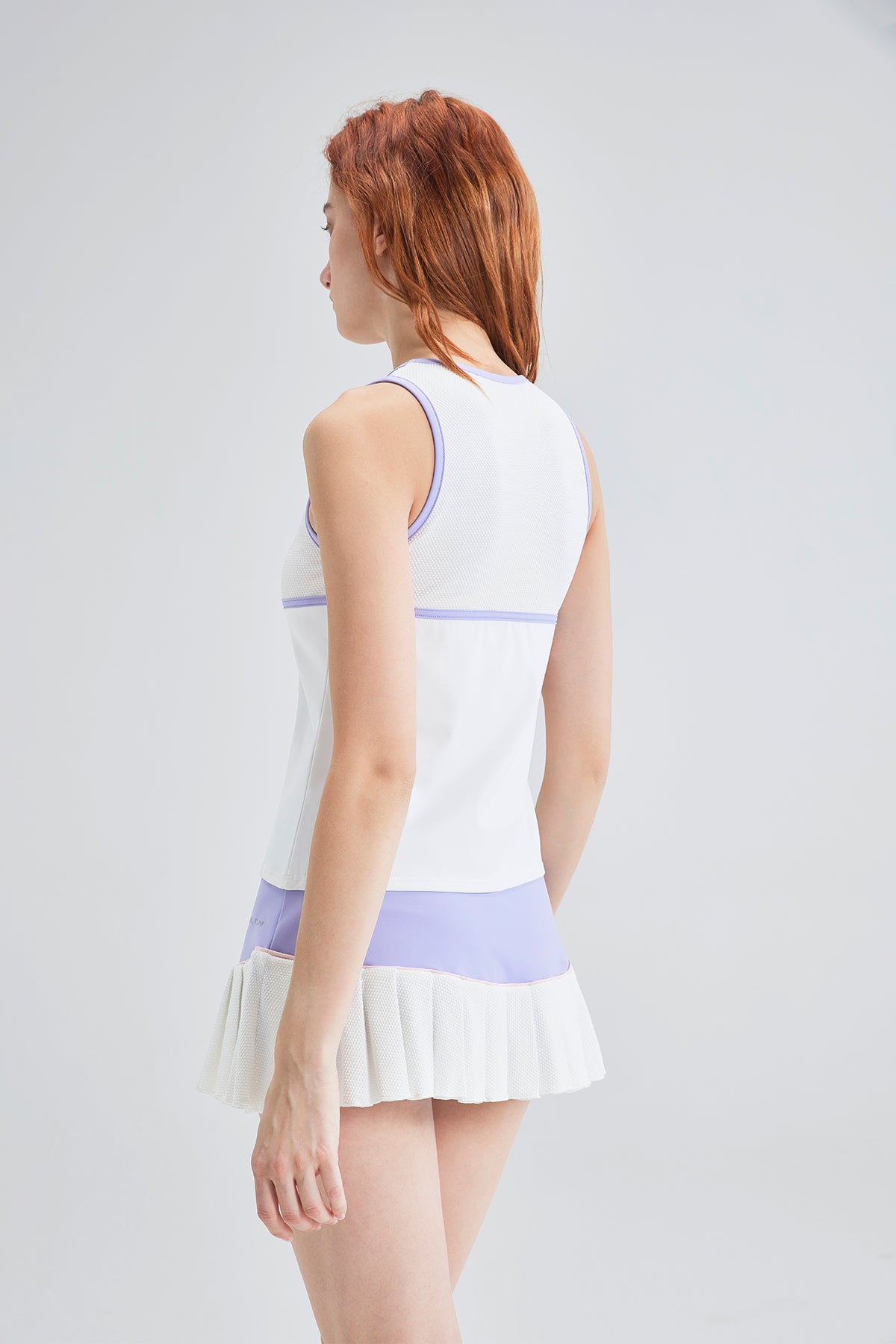
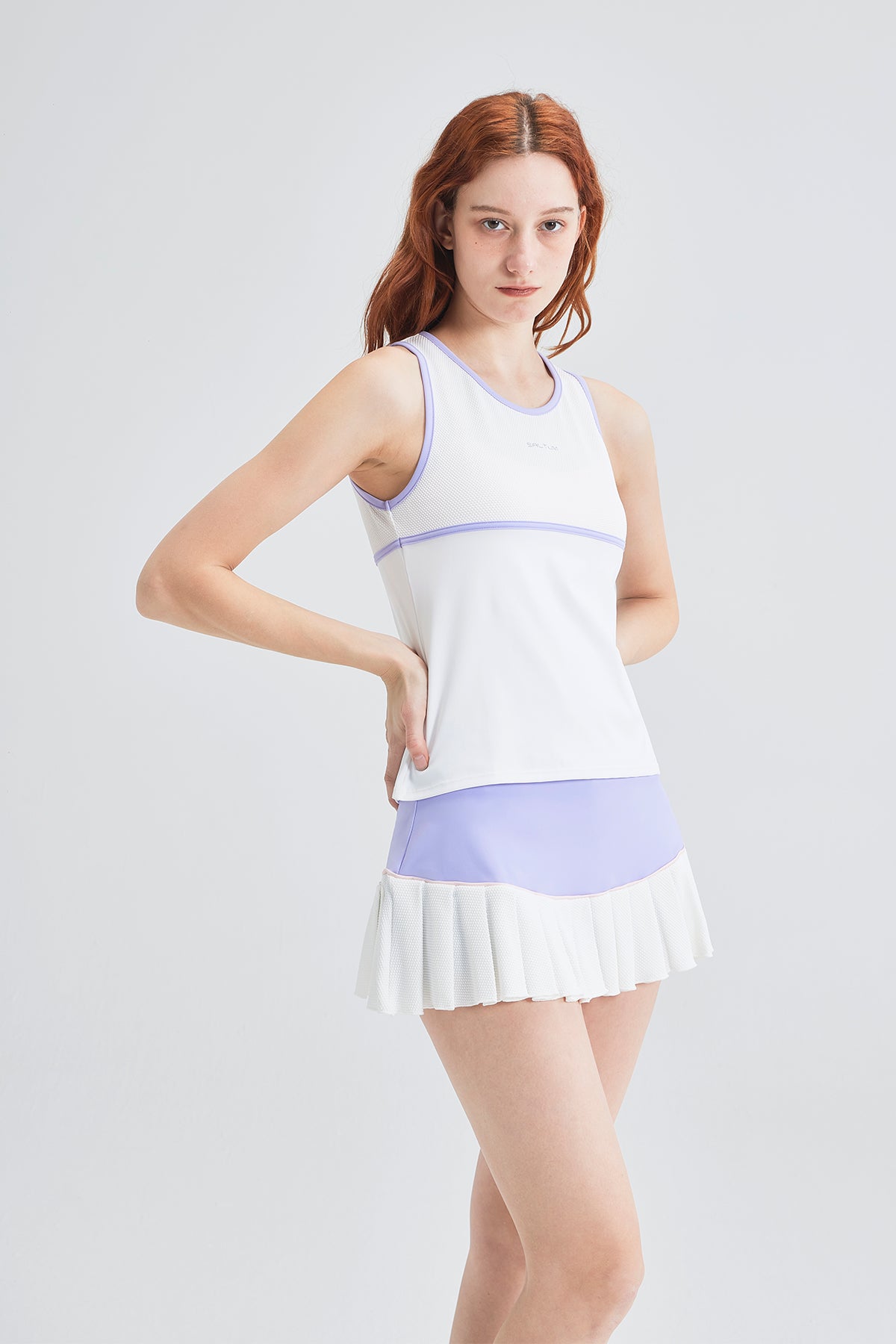
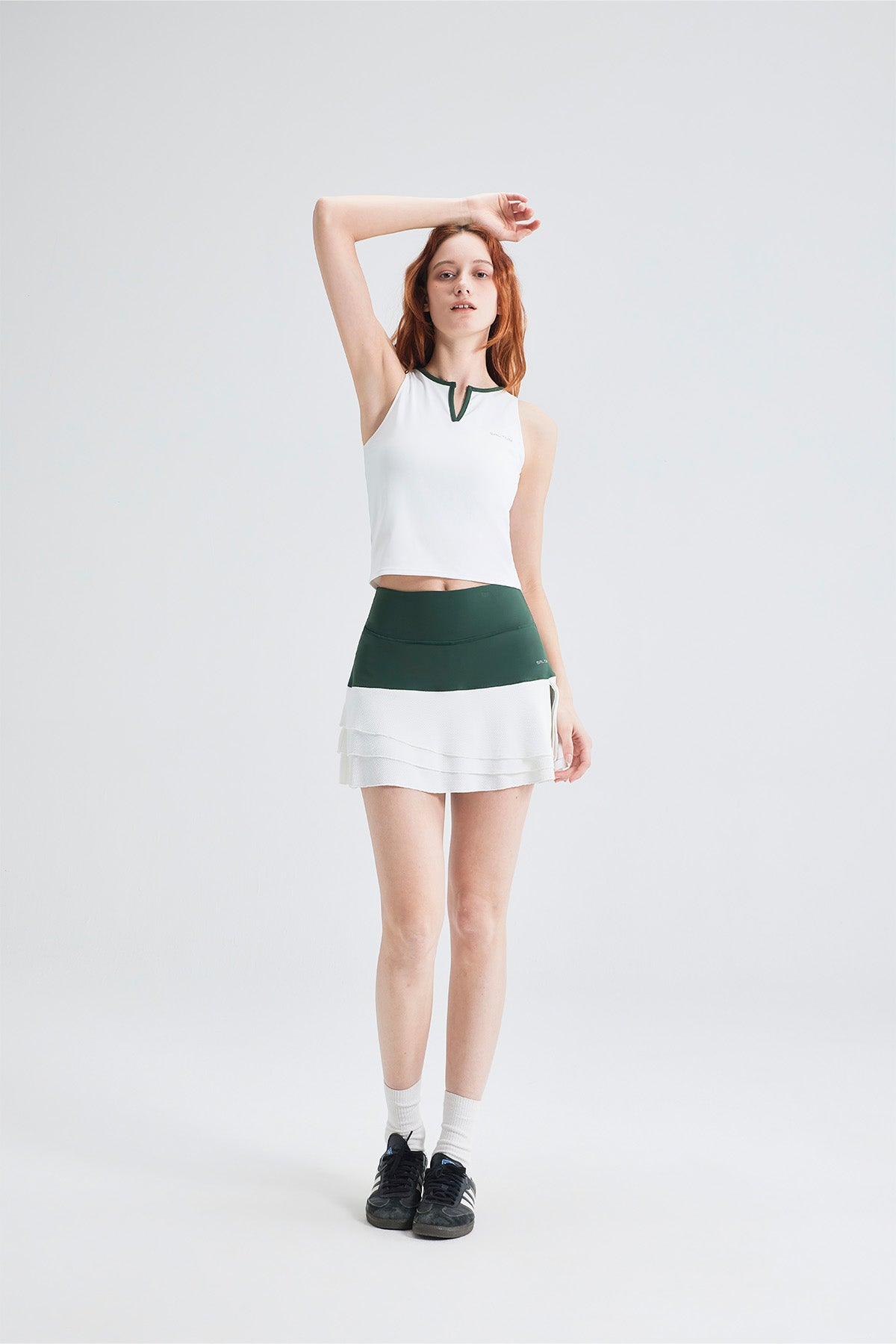
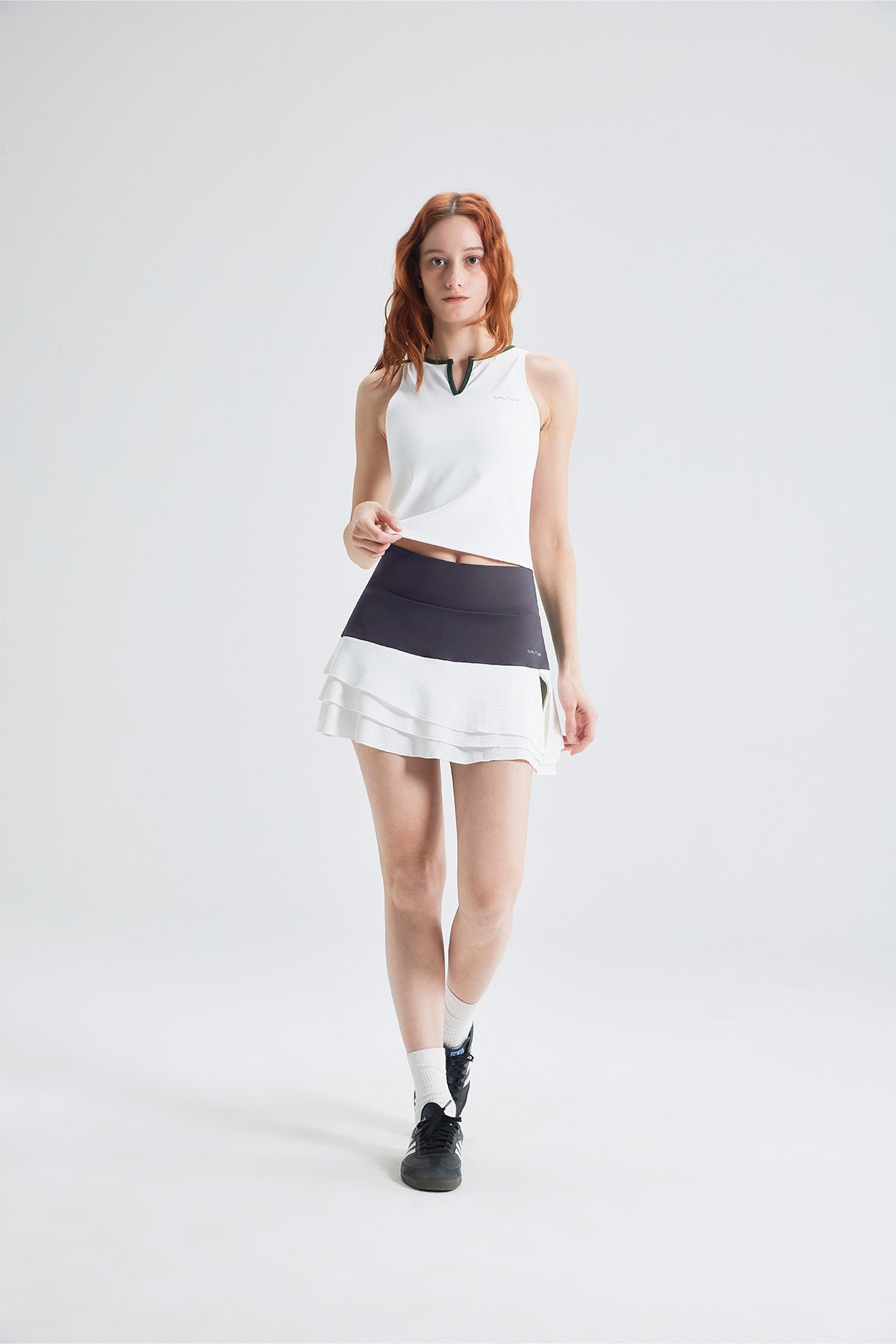
Compare this to brands that clearly invest more thought into gradient design or color transitions. Their approach uses smooth progressions with thoughtful accent details—contrasting colors at the underarm for definition, interesting neckline treatments, subtle paneling that creates shape without being ostentatious. It's the same basic concept as simpler designs, but executed with more care and intention, making the garments feel refined and purposeful rather than thrown together.
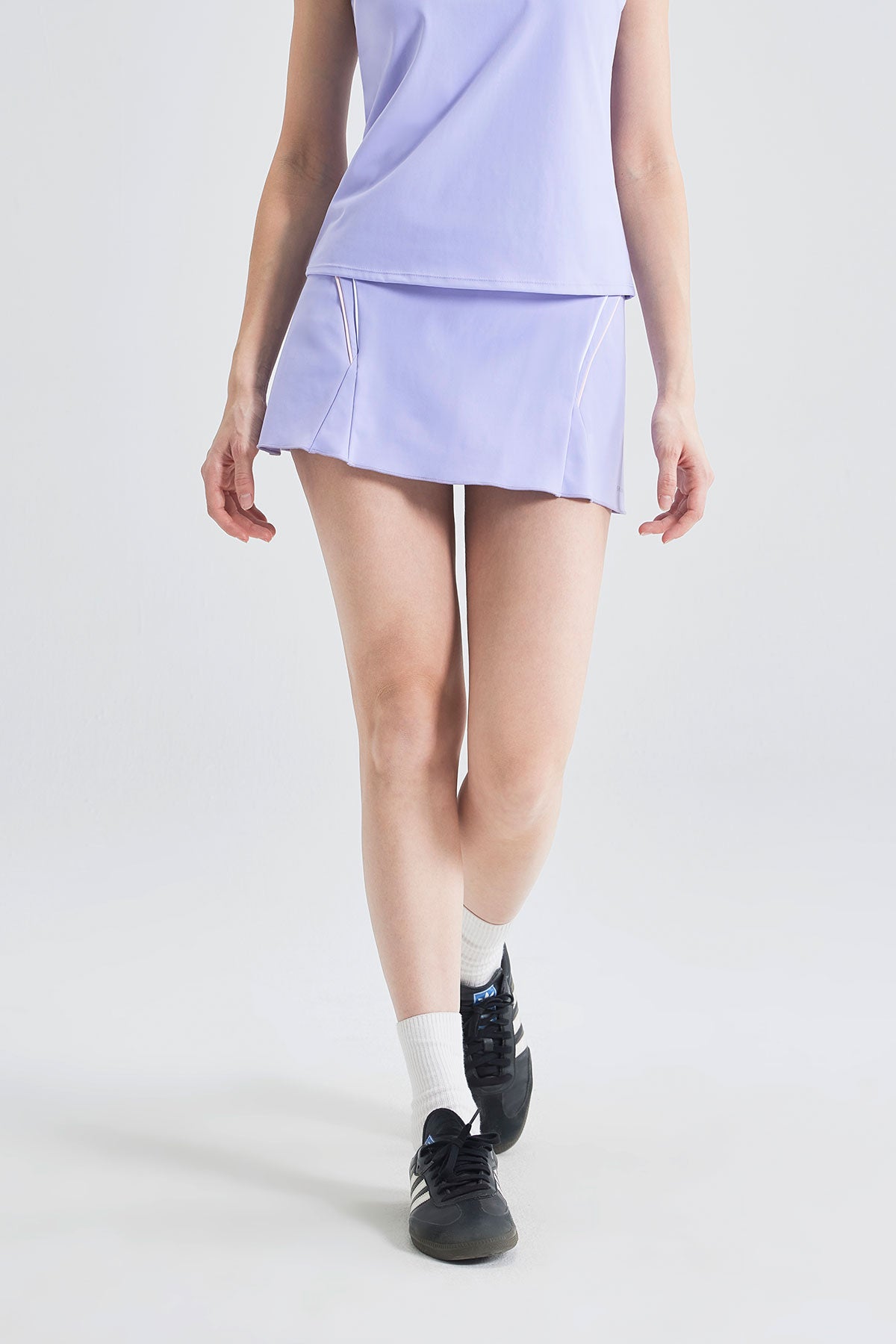
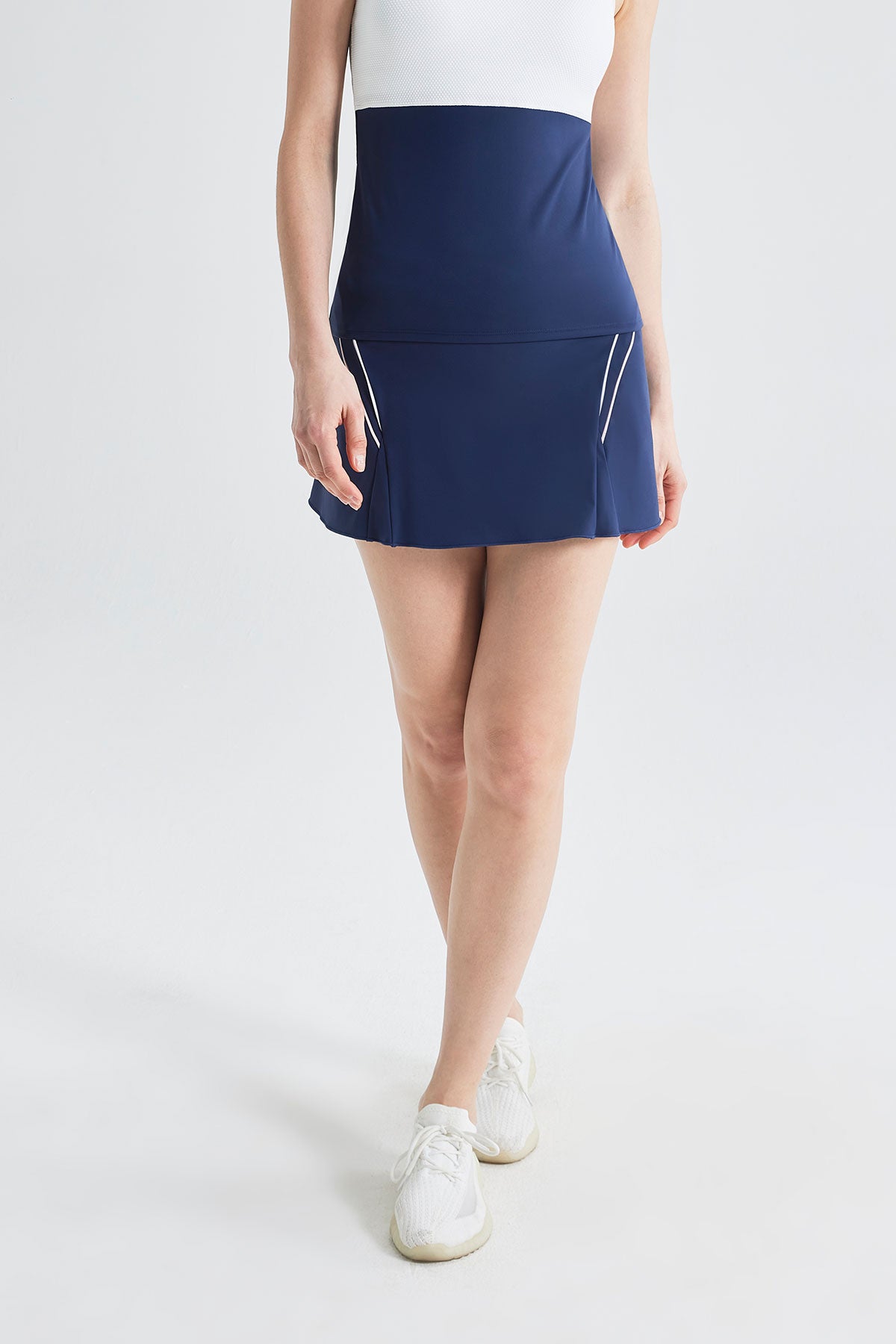
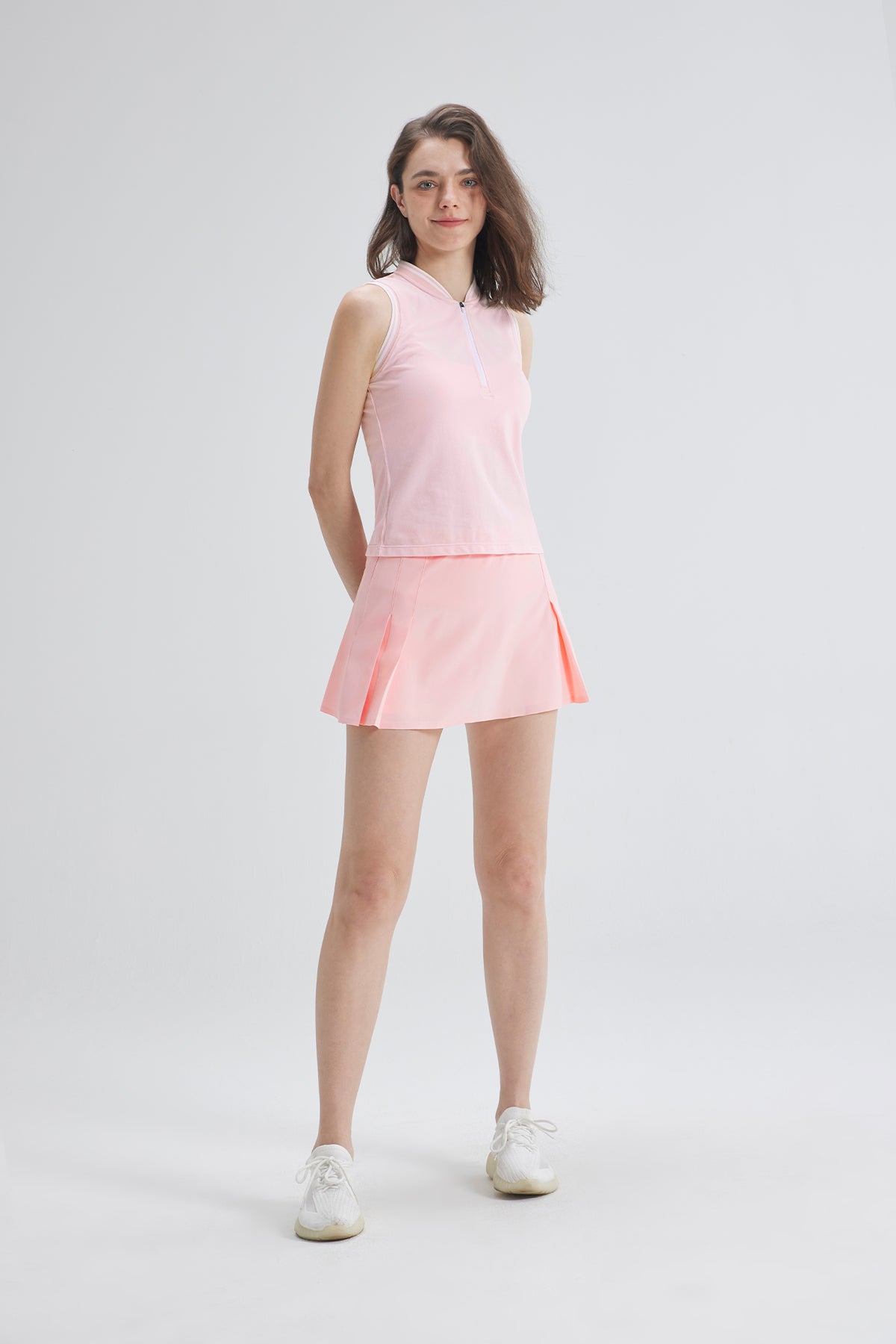
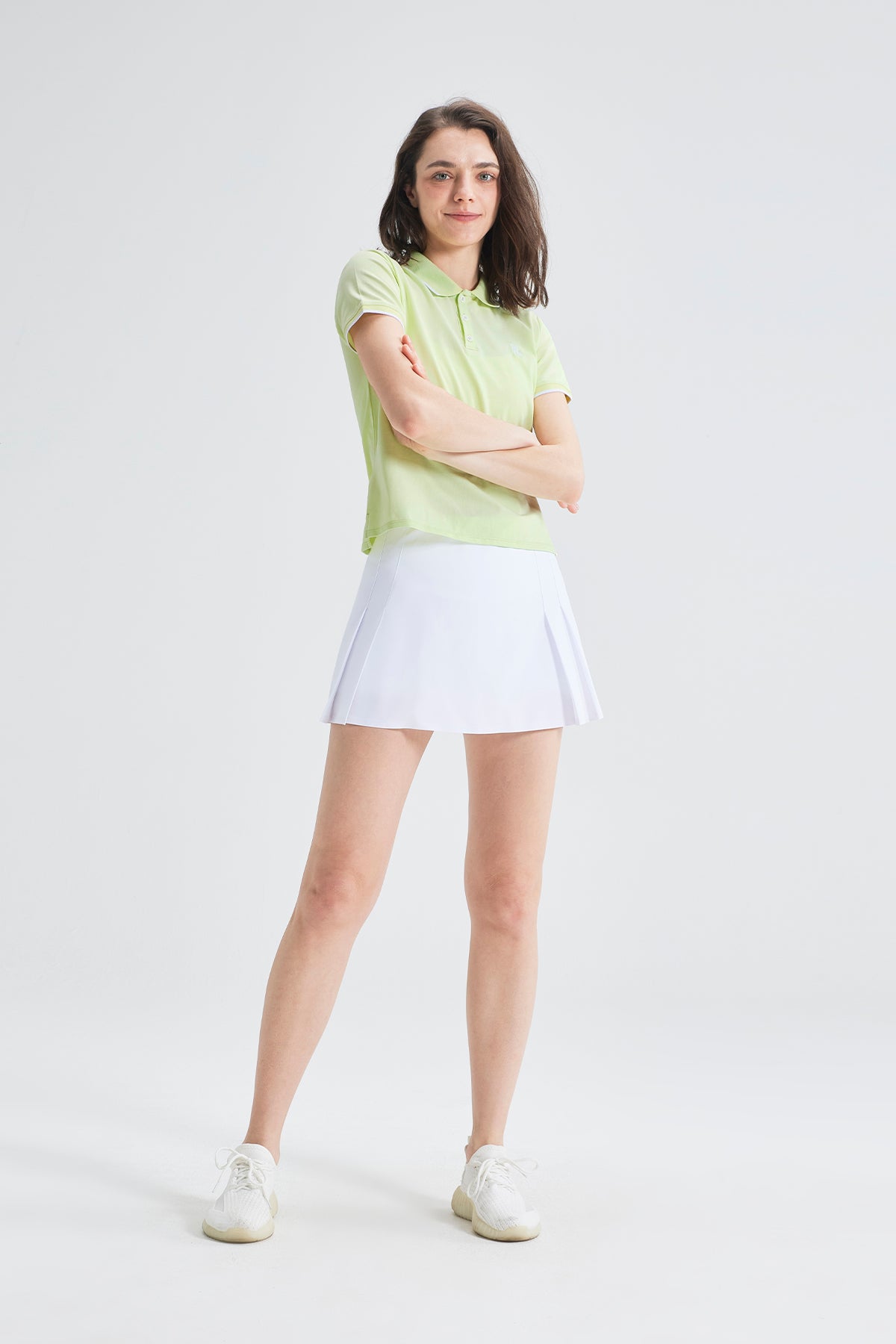
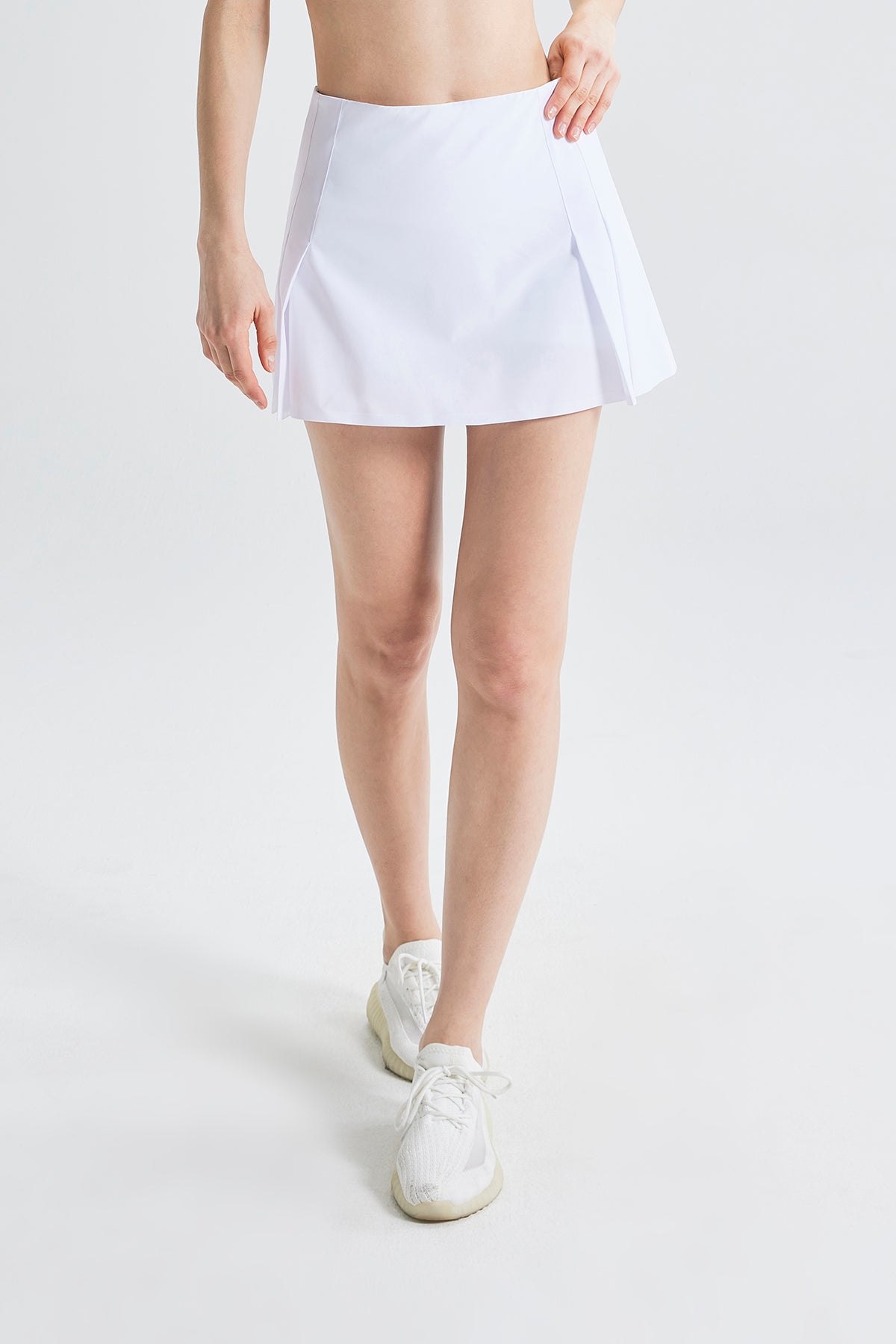
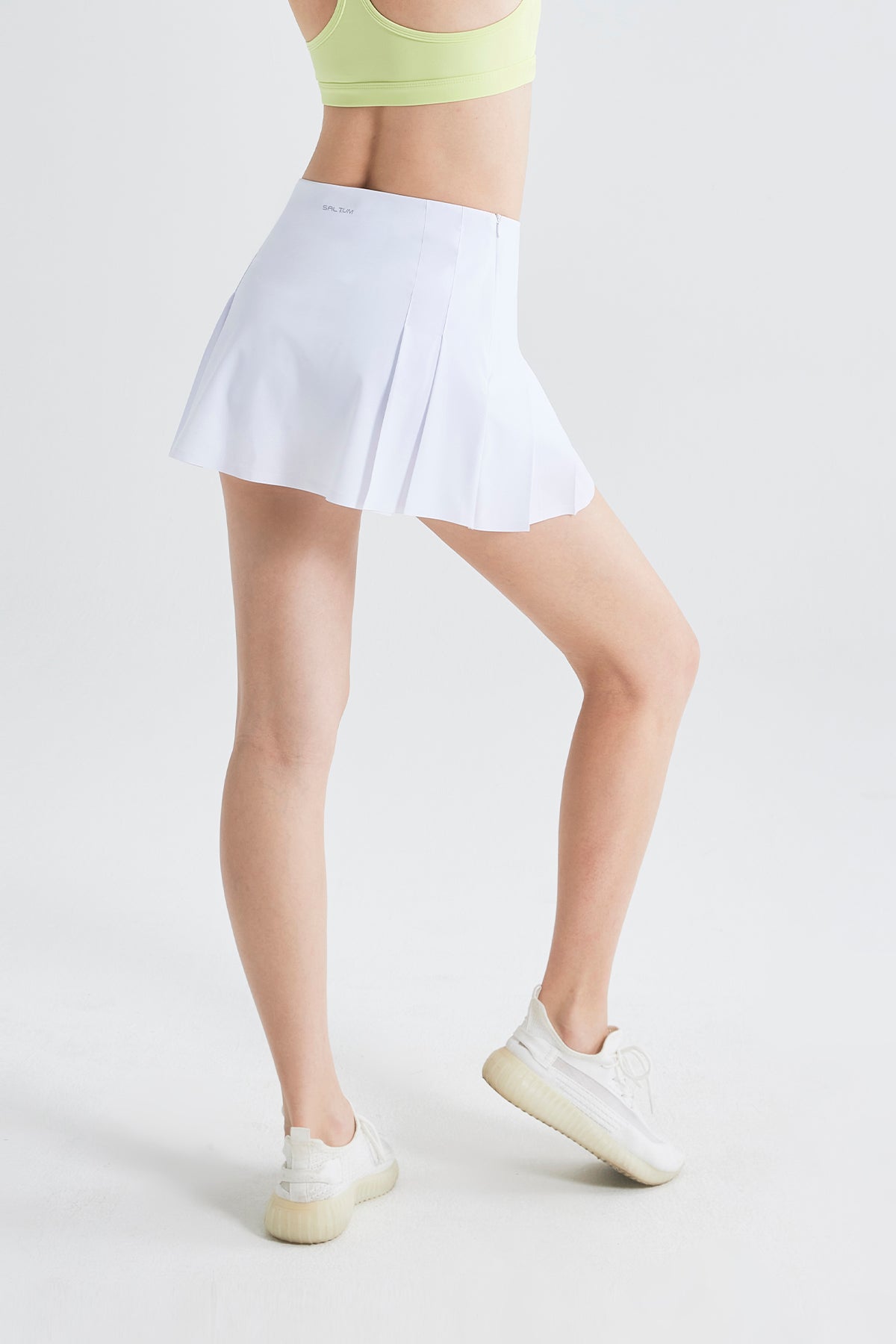
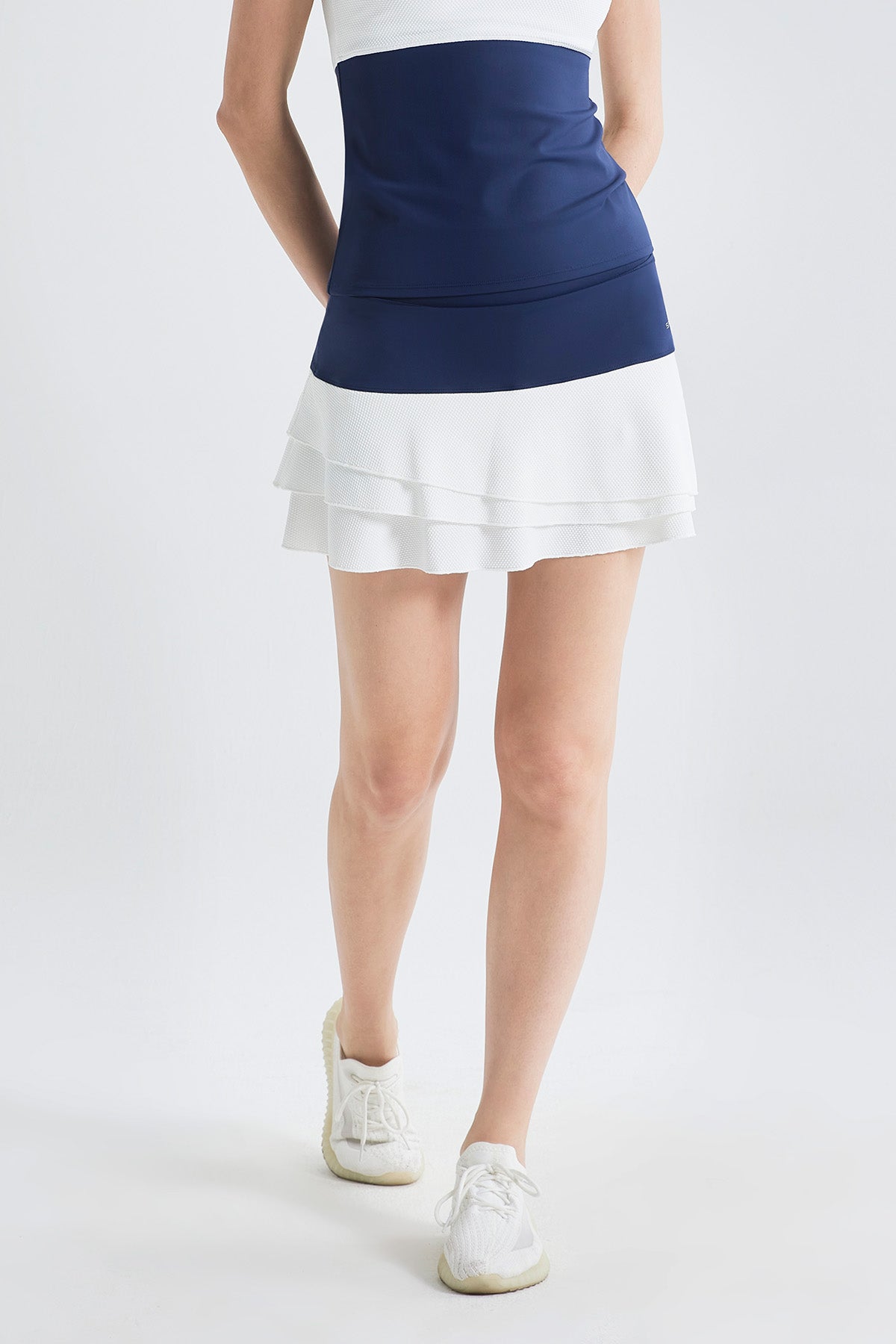
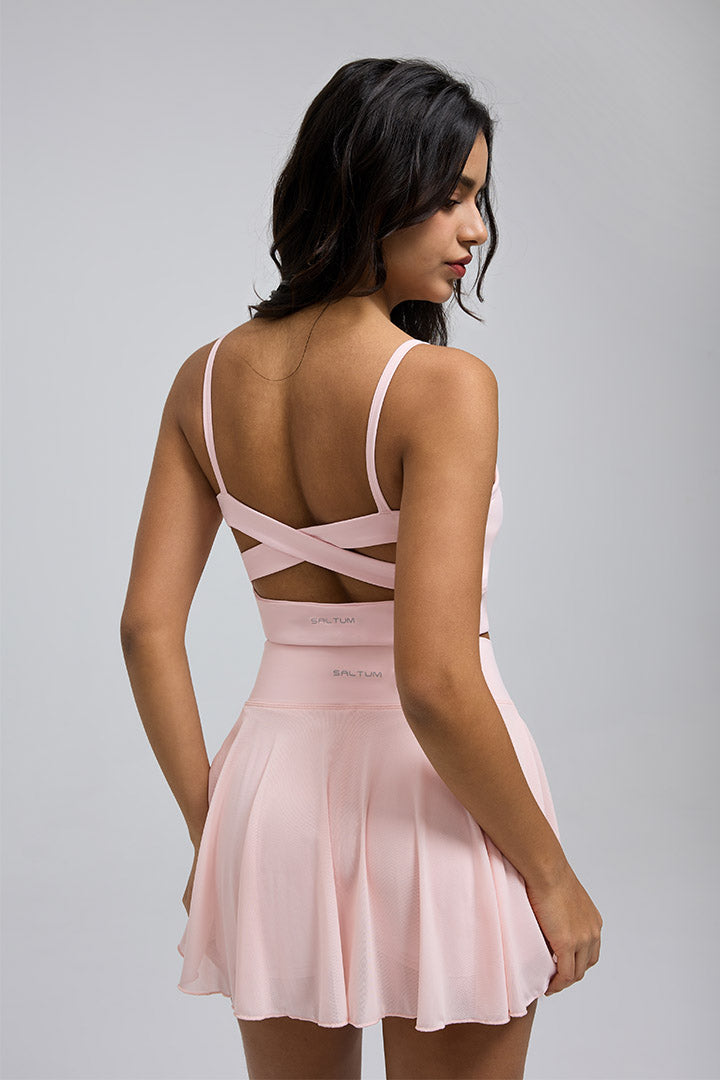
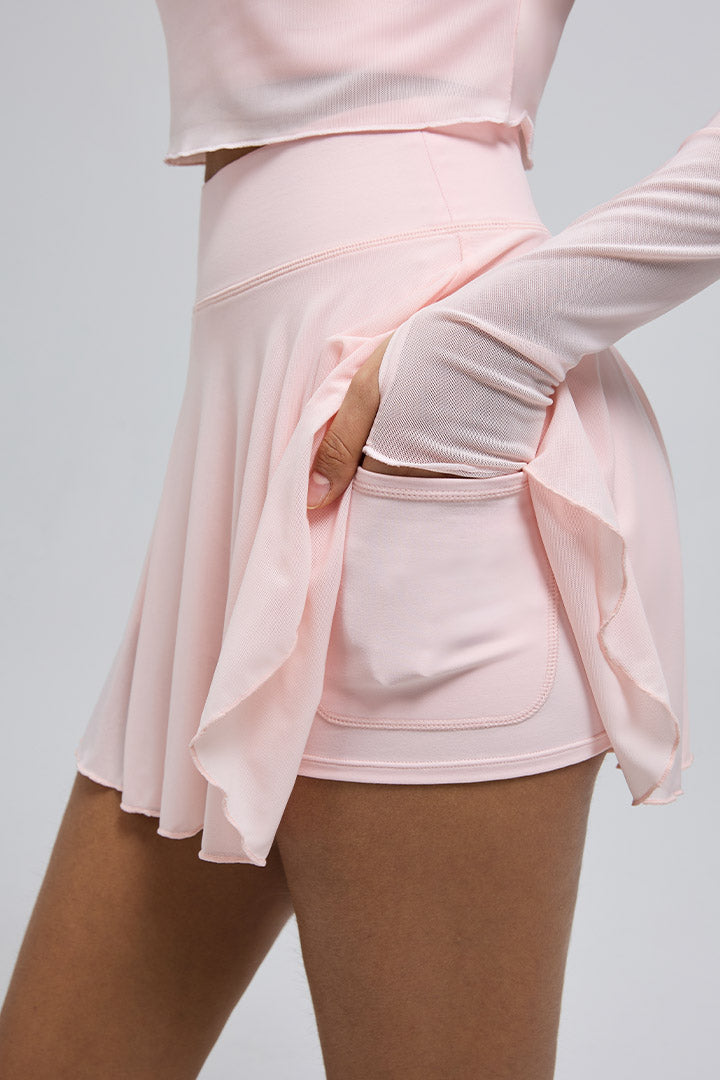
Construction issues also show up in specific placements. Cut-outs in strategic places on dresses, for example, need to work with the player's movement, not against it. When a skirt is too voluminous or doesn't sit properly at the waist, it creates visual distraction and functional problems—the garment rides up, shifts during movement, or emphasizes parts of the body the wearer didn't intend to highlight.
Women's skirts from various manufacturers have also been called out for odd fit choices. High-waisted but not quite high enough, paired with thin straps that seem impractical for the overhead movements required in tennis. These design choices suggest a disconnect between the designers working in offices and the actual athletes who will be wearing these pieces under intense scrutiny.
The Layered Tank Top Controversy
One of the most divisive design trends in recent major tournaments has been the layered look: a sleeveless tank worn over a fitted dress. Tennis fans have strong opinions about this approach, and the majority sentiment isn't positive.
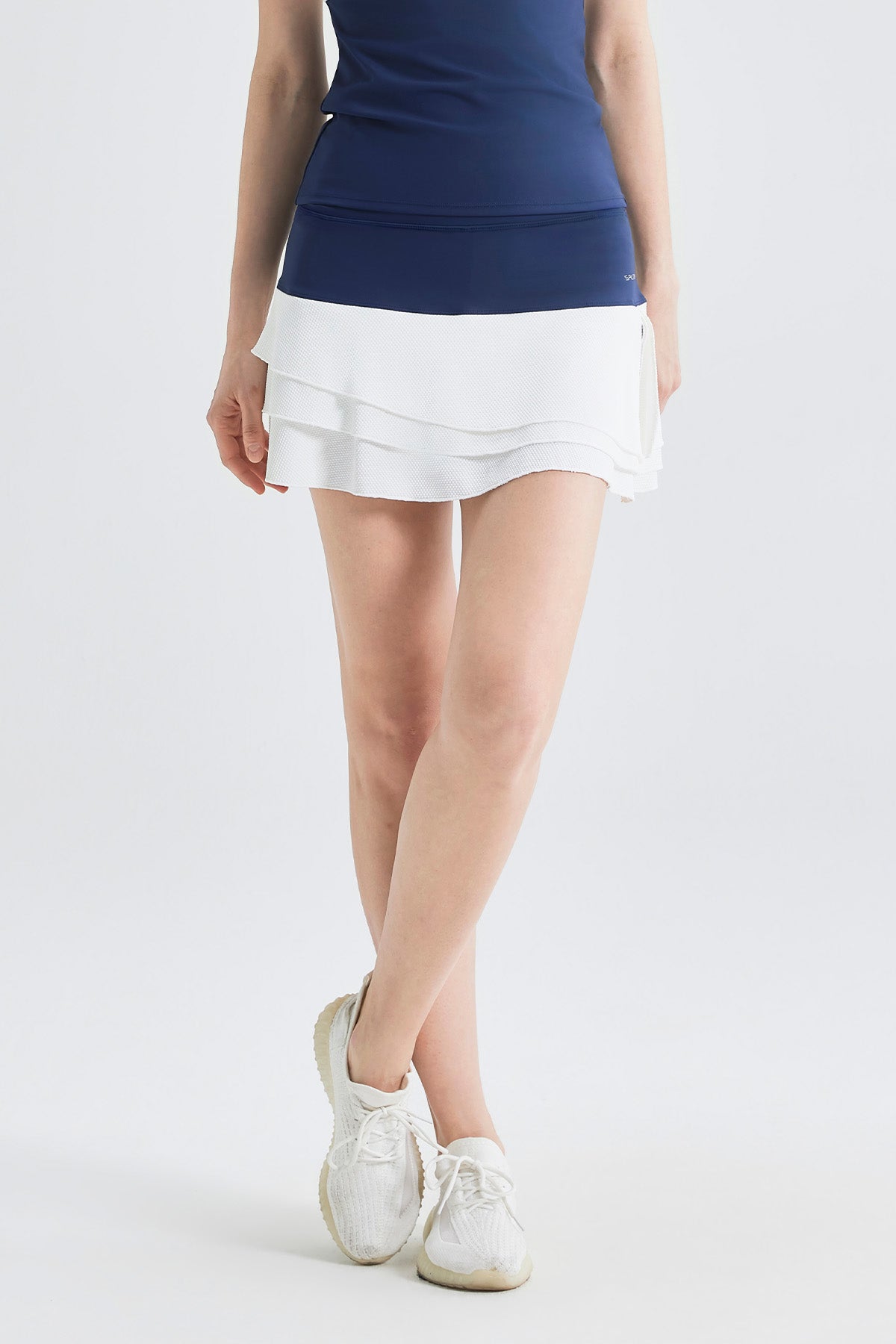
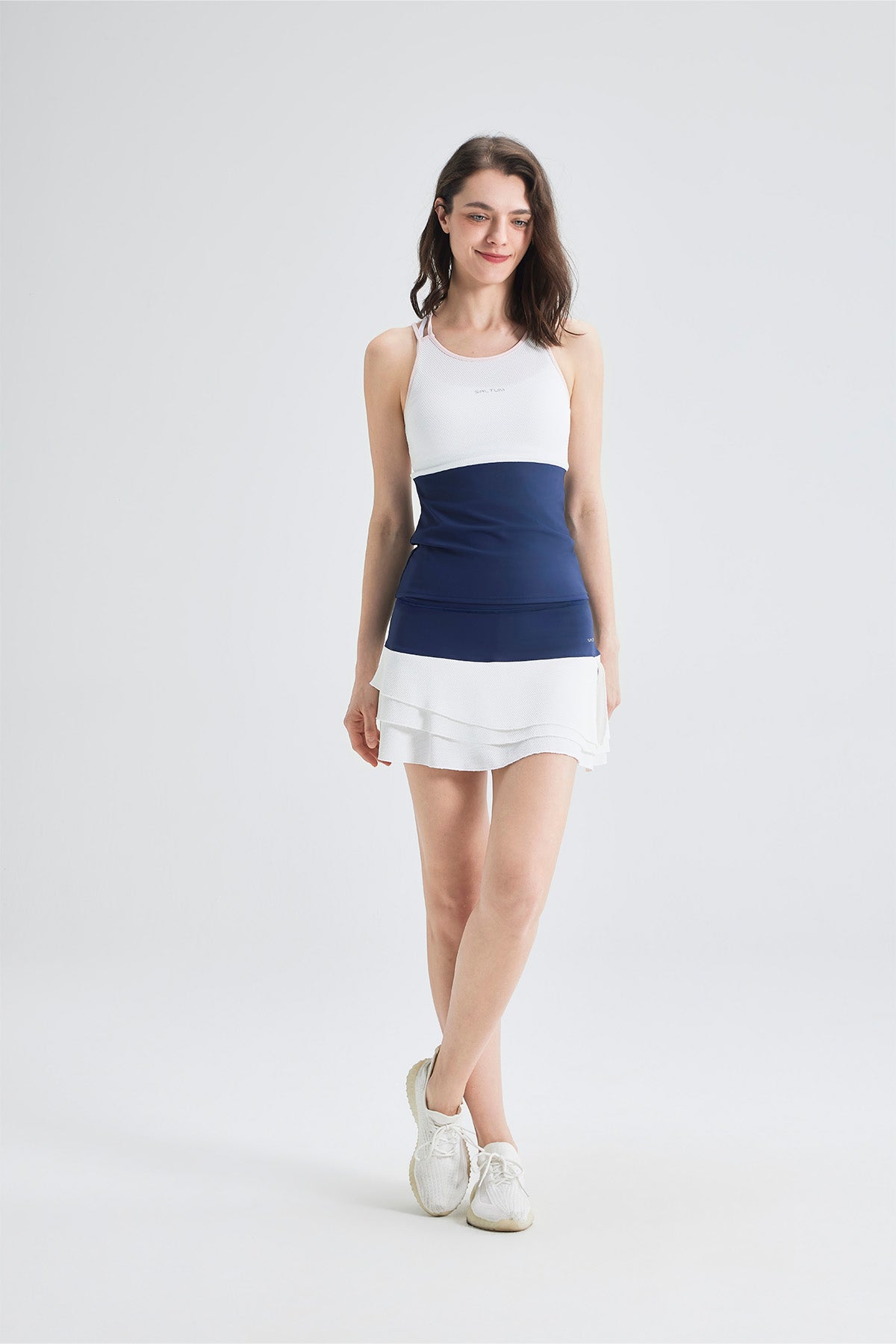
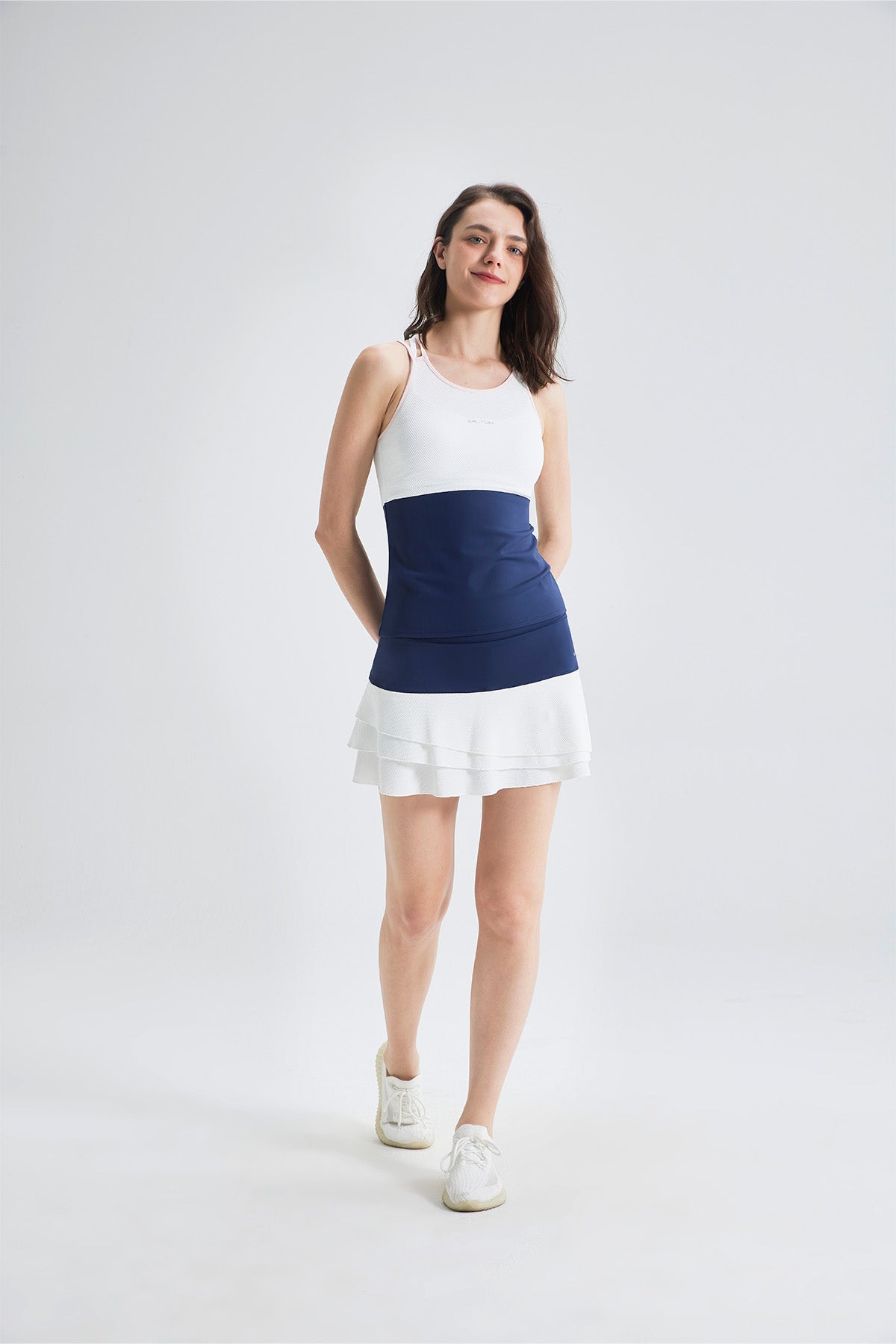
The problem is both structural and visual. When the tank is a notably darker shade than the dress underneath, it creates an awkward optical effect that most viewers describe as looking like you're wearing a bra on top of your clothes. The seams don't align properly, the fit doesn't match, and the two pieces don't feel like they belong together—it reads as two items thrown together rather than a cohesive outfit.
If the tank color extended all the way down to the skirt, creating a faux-layering effect that reads as intentional and unified, it might work better visually. But as currently designed in many cases, it's been described as distracting and unflattering. What makes this particularly noteworthy is when this design appears on multiple finalists in major tournaments, meaning the sport's biggest moments are being documented with what many feel is questionable styling choices.
This illustrates an important principle: good design is coherent and intentional. When pieces don't seem to belong together, viewers notice—and it takes away from the athletic achievement happening on court.
Custom Pieces and Brand Attention
There's a noticeable hierarchy in how different sponsors treat their athletes. Some brands invest in creating custom pieces for their elite players. A custom outfit shows thoughtful design that actually suits that specific person—their coloring, their body type, their personal aesthetic. These aren't generic pieces made to fit everyone; they're created with an individual athlete in mind.
When a top player receives custom pieces that are designed specifically for them, it shows they're valued and understood. The resulting outfits often reflect the player's personality and look effortlessly put together—because they were actually designed with that specific person in mind, not as an afterthought.
Custom footwear deserves special attention too. A custom shoe design should be thoughtful and sophisticated—something that enhances rather than distracts. When custom designs feel off—perhaps featuring design elements that don't quite work or seem like they were generated without human creative input—fans notice. They want to see personalization that elevates the athlete, not gimmicky additions that undermine it.
Some athletes wear their own brand or collaborate closely with smaller manufacturers, and consistently get praised for having compelling kits that feel unique. Their designs tend to be simple but interesting, with color choices that actually complement their appearance. When athletes have creative say in what they wear, it often shows in the final result.
Fabric Quality and How Clothes Hold Up
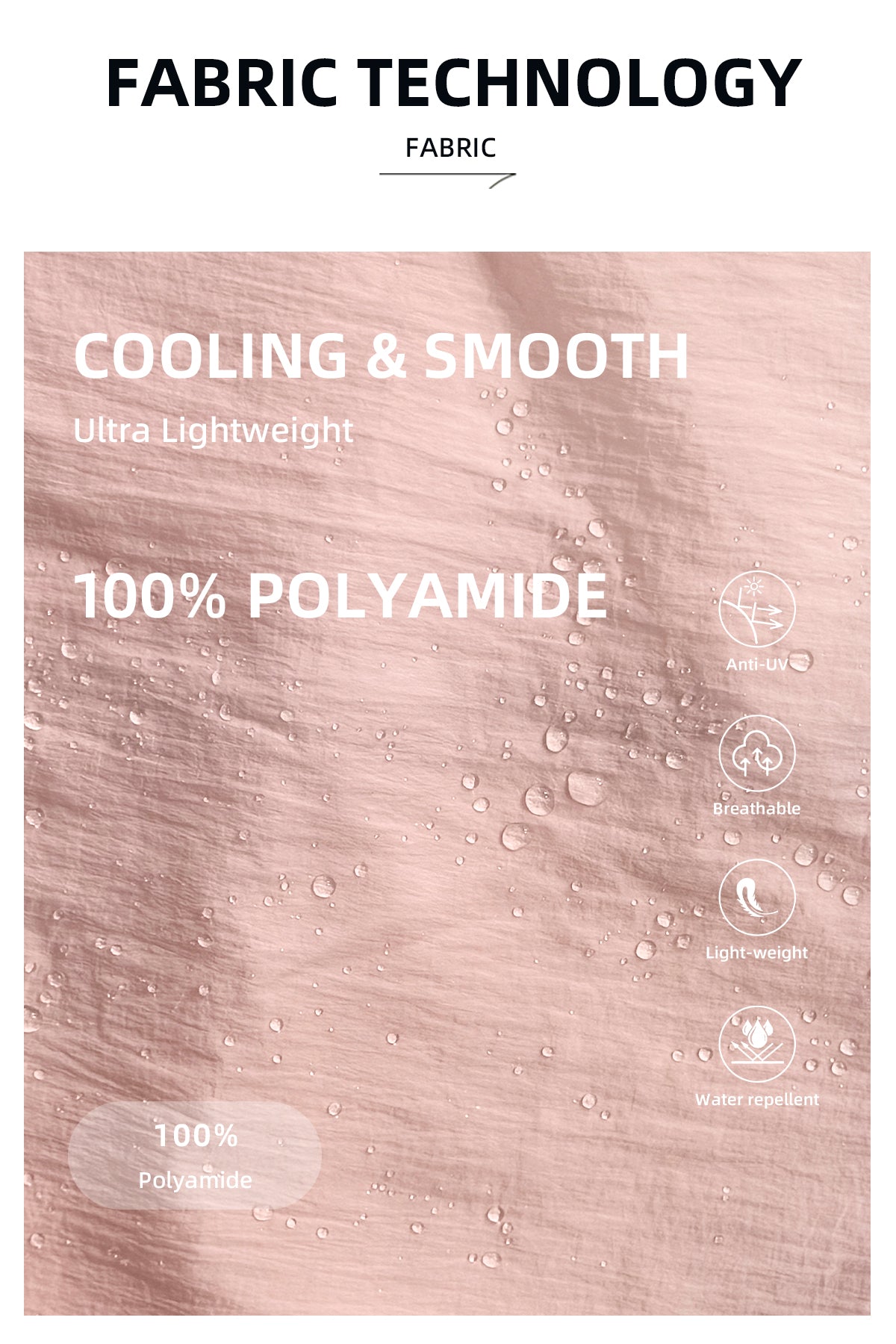
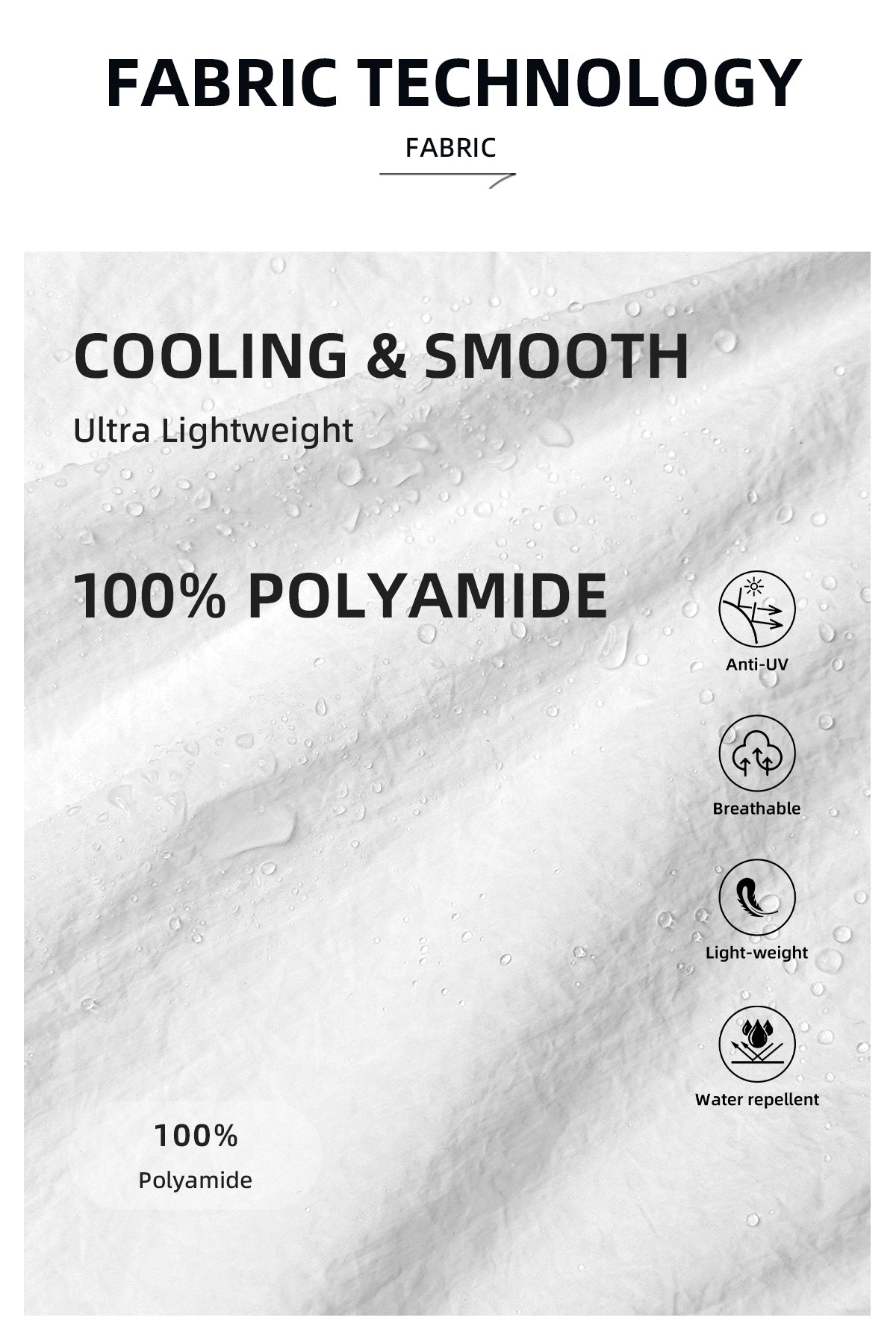
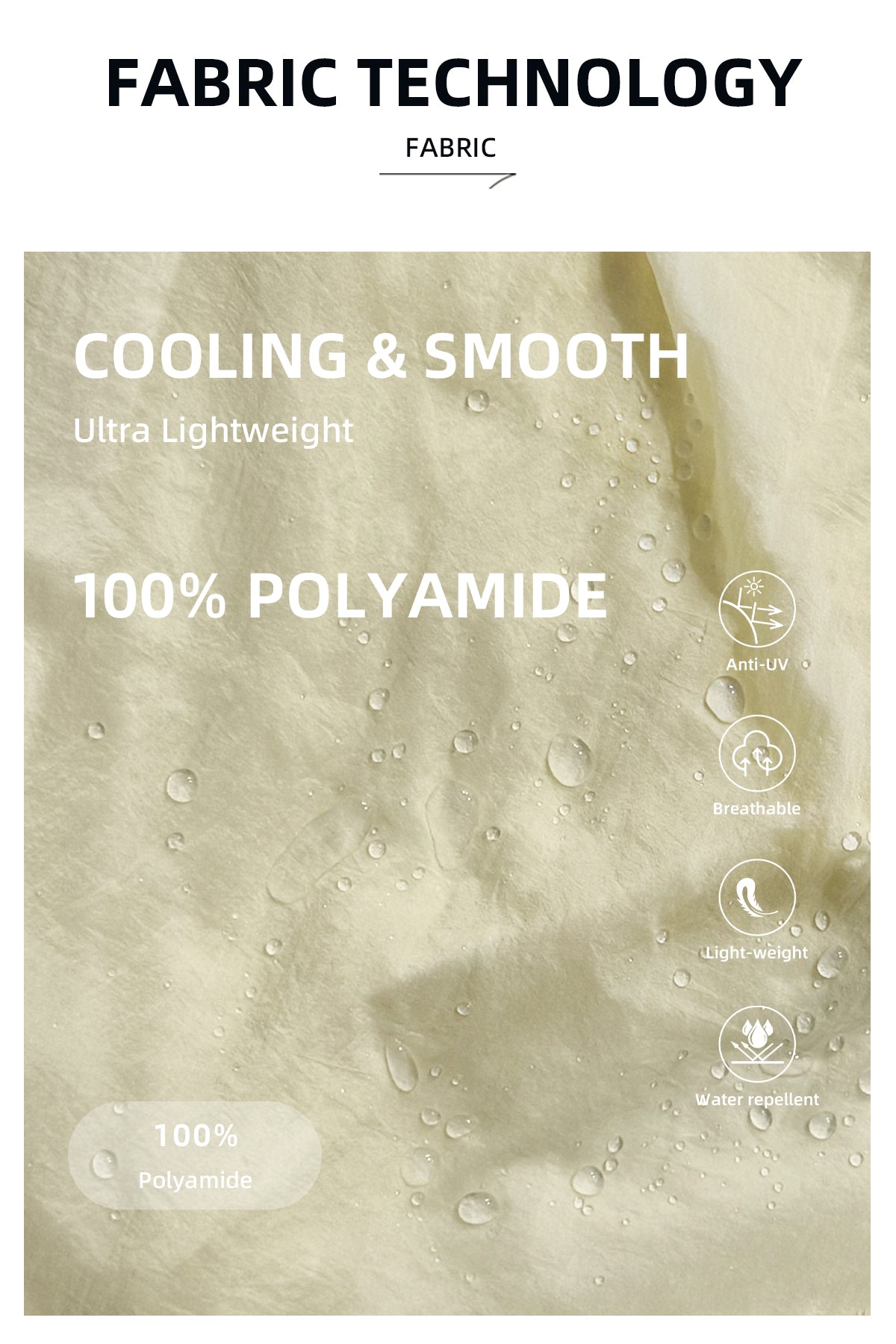
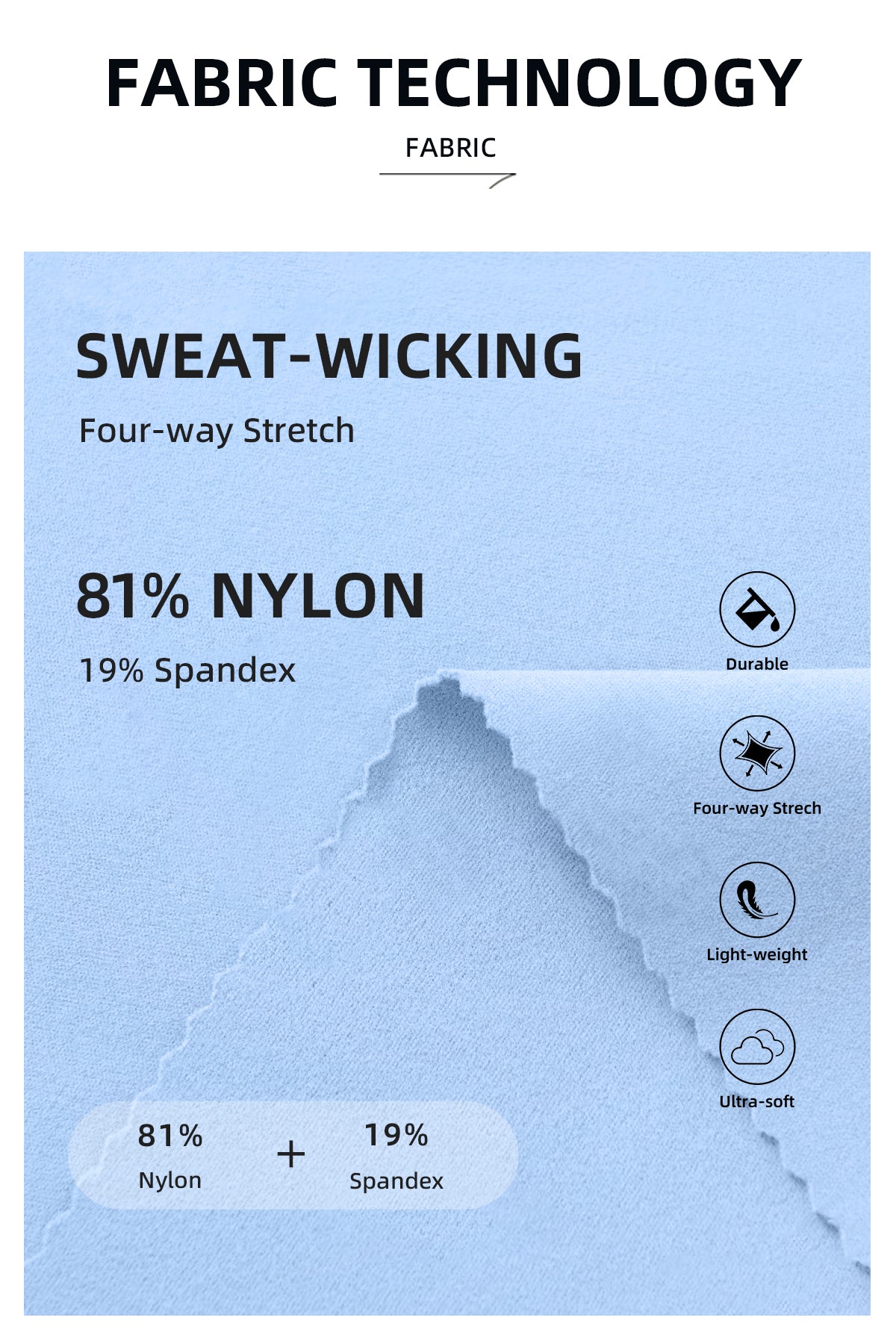
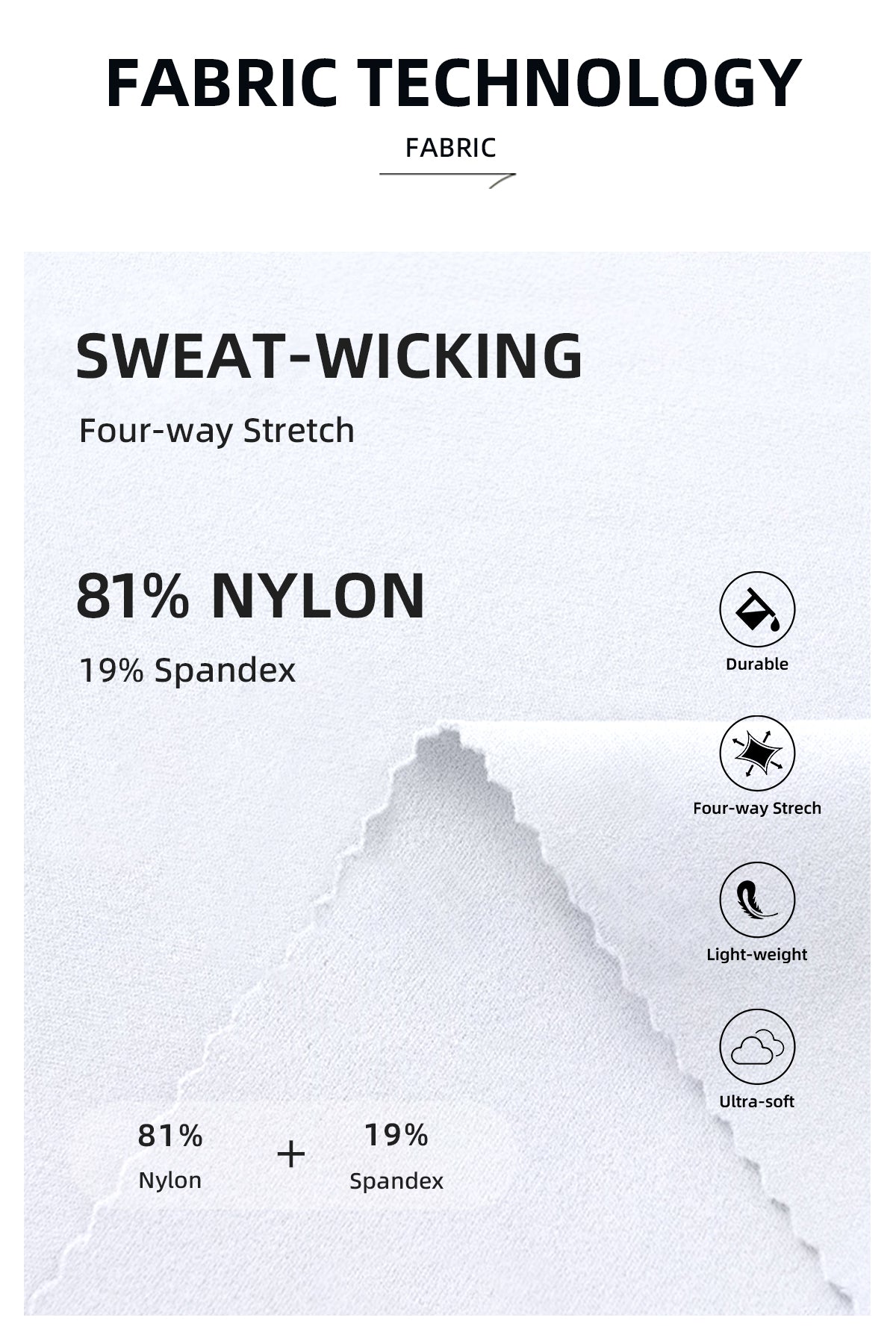
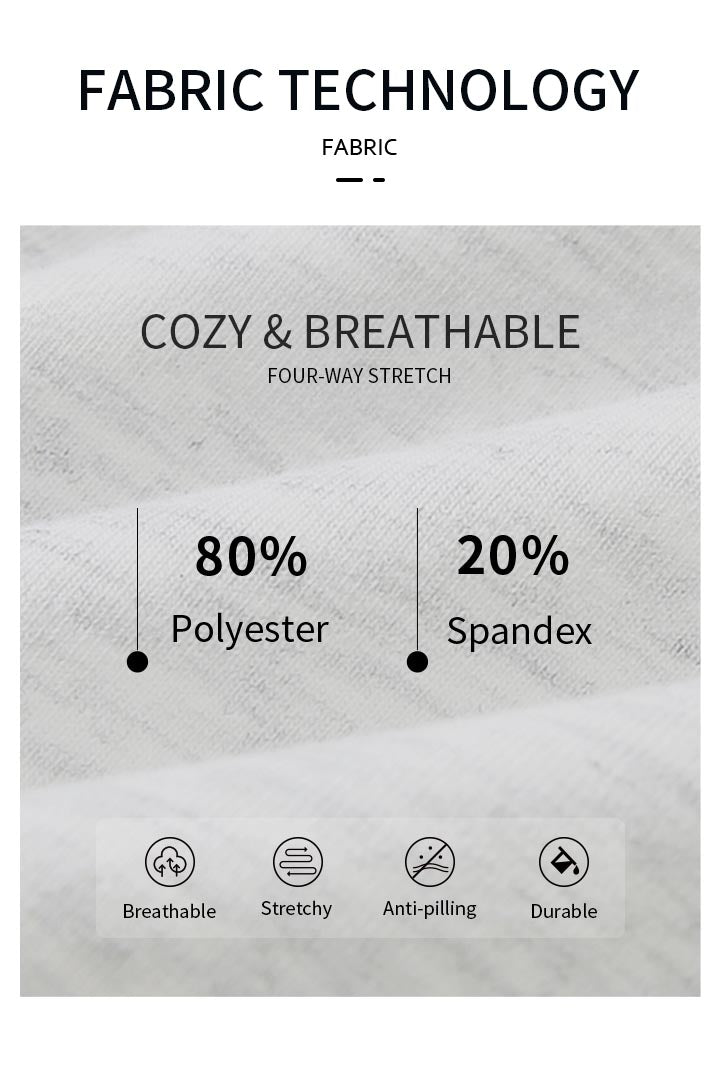
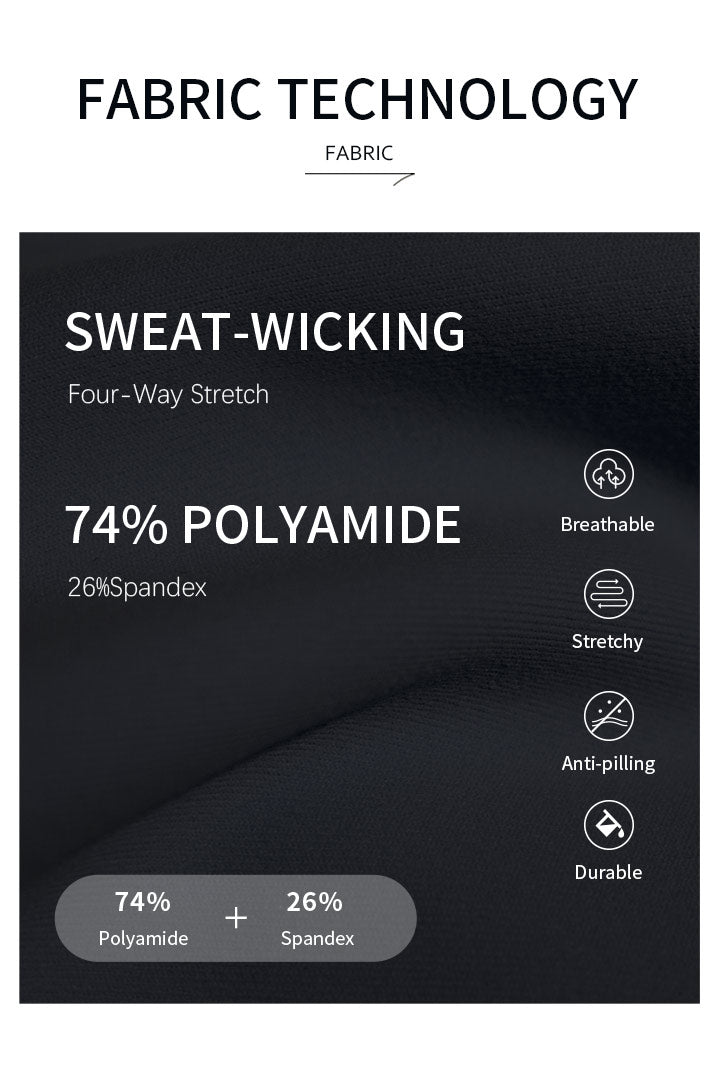
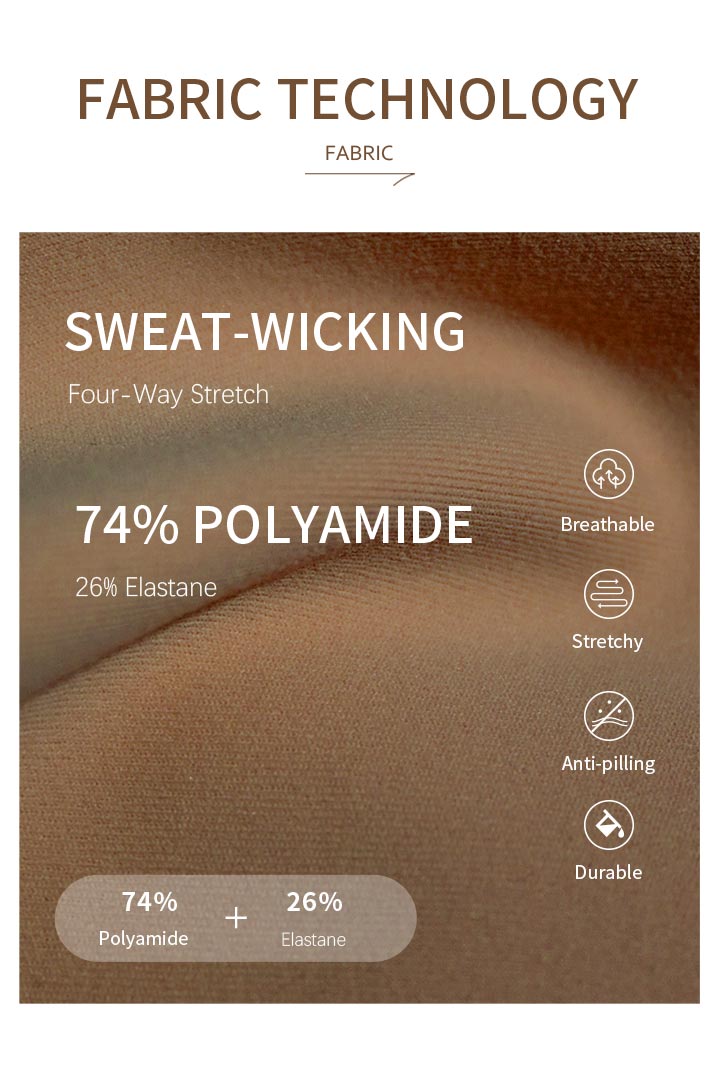
Here's something crucial that casual viewers might not think about, but serious fans absolutely notice: how does the outfit look by the end of the match? Tennis is intense. Players sweat. A lot. And some fabrics are engineered to maintain their structure and appearance even when thoroughly soaked. Others deteriorate visually during play—losing their crisp appearance, clinging in unflattering ways, or showing stains and sweat patterns that become increasingly visible as the match progresses.

This creates a visual story across the duration of a match. An outfit that looks fresh and polished in the first set but becomes increasingly disheveled as the match goes on tells viewers something about the garment quality. It suggests either that the fabric isn't appropriate for the activity, or that the construction isn't sturdy enough to hold up under real-world conditions.
Brands that use quality fabrics and thoughtful construction tend to have pieces that maintain their appearance throughout entire matches. The garments keep their shape, colors remain vibrant, and the overall aesthetic stays intact. It requires understanding how different fabrics behave under stress, moisture, and movement.
Designer Input vs. Mass Production
An interesting development in recent years has been players designing their own pieces or collaborating closely with smaller, specialized manufacturers. When players have creative input into what they wear, the results are often genuinely distinctive and interesting. These outfits tend to reflect the player's personality rather than generic brand templates.
Stories have emerged of athletes purchasing vintage outfits worn by former players, inspired by tennis history and personal connections to the sport. Others have designed their own pieces—complete dresses and coordinating outfits.

This points to a larger issue: sometimes major sponsors' mass-produced offerings don't quite capture what athletes actually want to wear. Generic clothing made to fit a broad market often lacks the refinement and individuality that would make it truly special. But when players have agency and freedom in their clothing choices—or when smaller, more nimble brands cater to that need—we see more distinctive and interesting fashion moments.
The conversation here isn't just about who looks best. It's about whether the clothes reflect the player's personality, acknowledge her individuality, and show that someone actually cared about how she'd appear on the world's biggest tennis stages.
What Fans Actually Value in Tennis Clothing
When you read through extensive tennis fashion discussions across multiple tournaments, several consistent themes emerge:
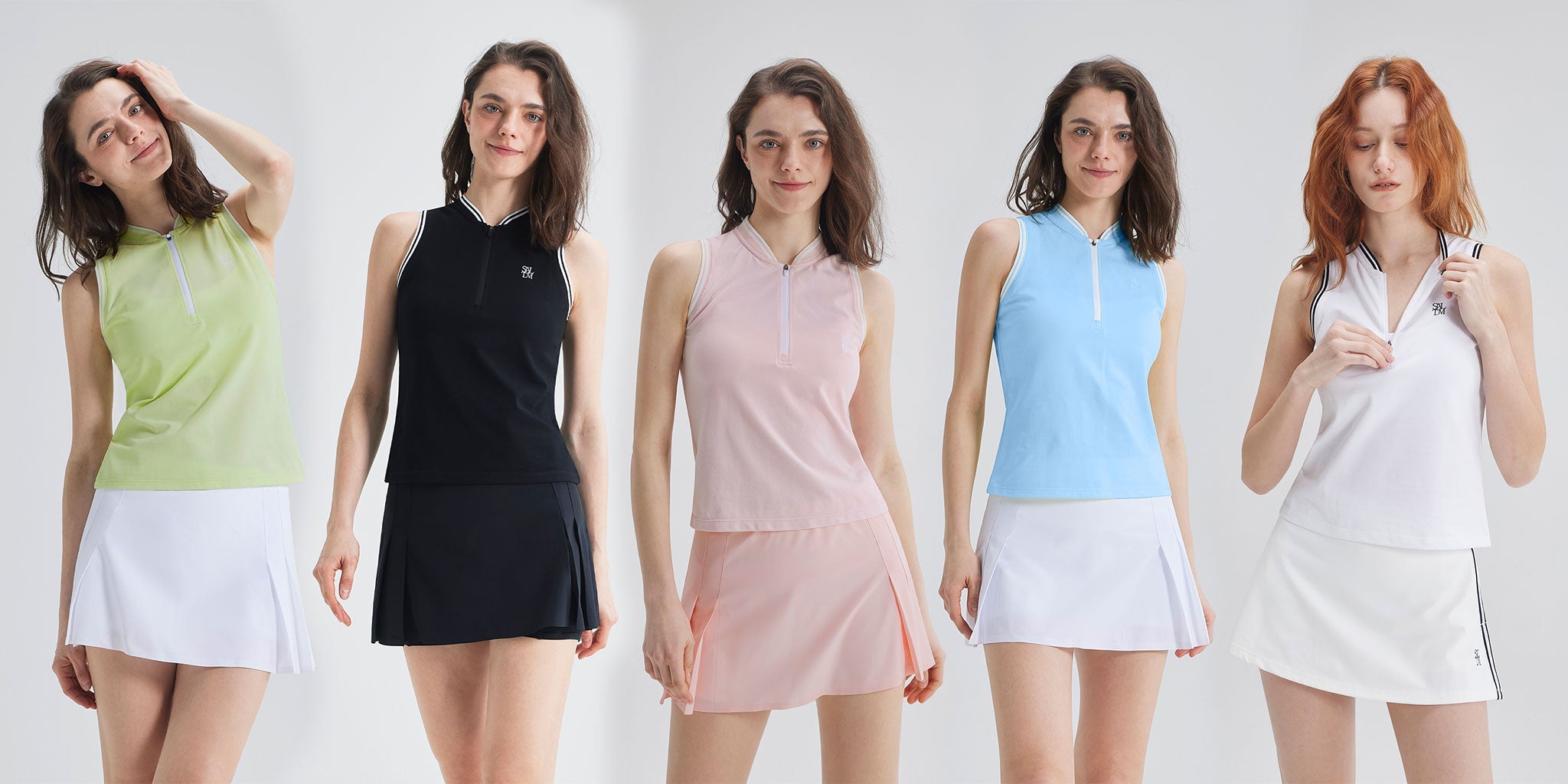
Color and Contrast: Bold, intentional color choices that create visual interest and actually suit the player's natural coloring and complexion consistently receive praise. Muted, cautious color palettes that blend with the background or lack energy receive criticism.
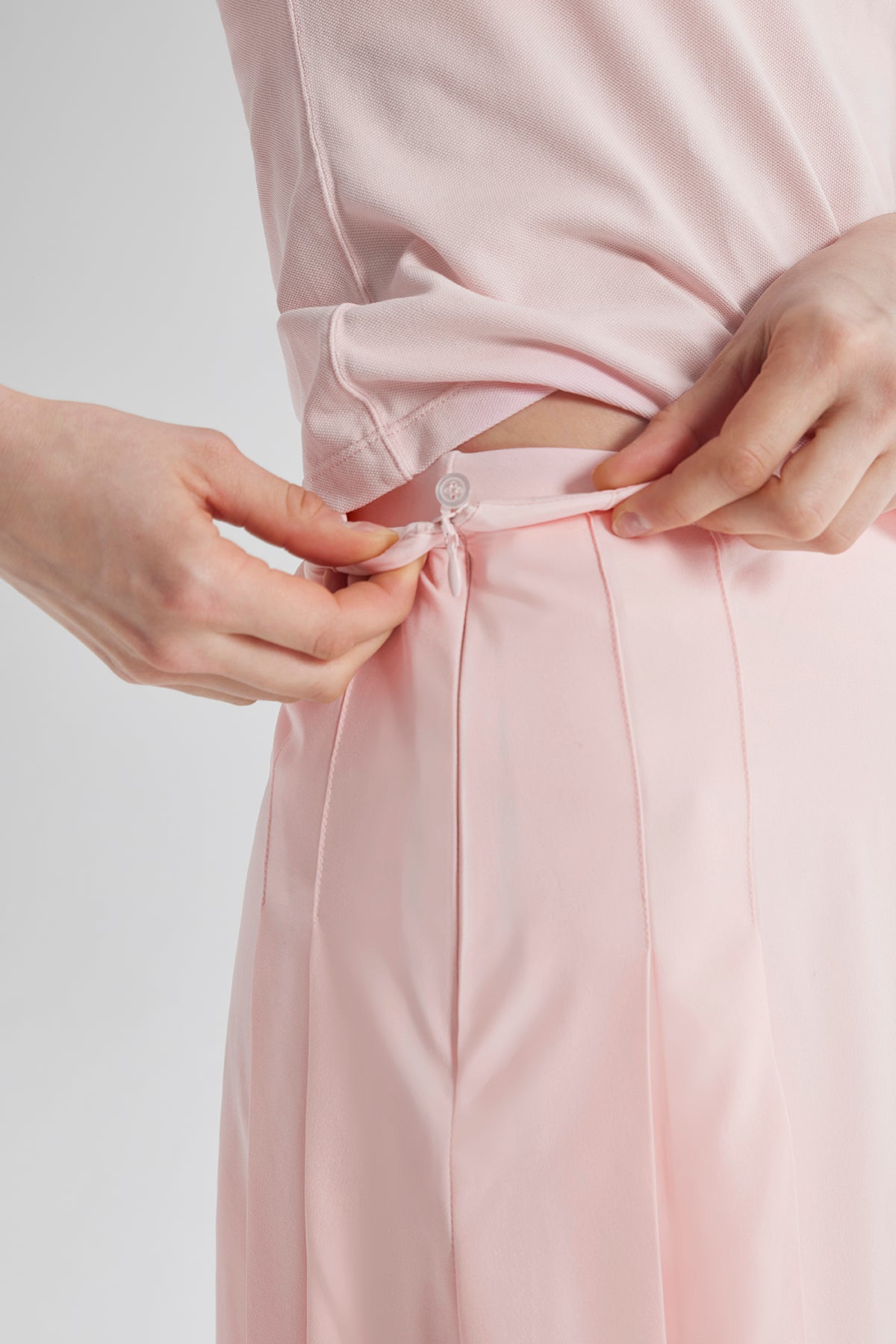
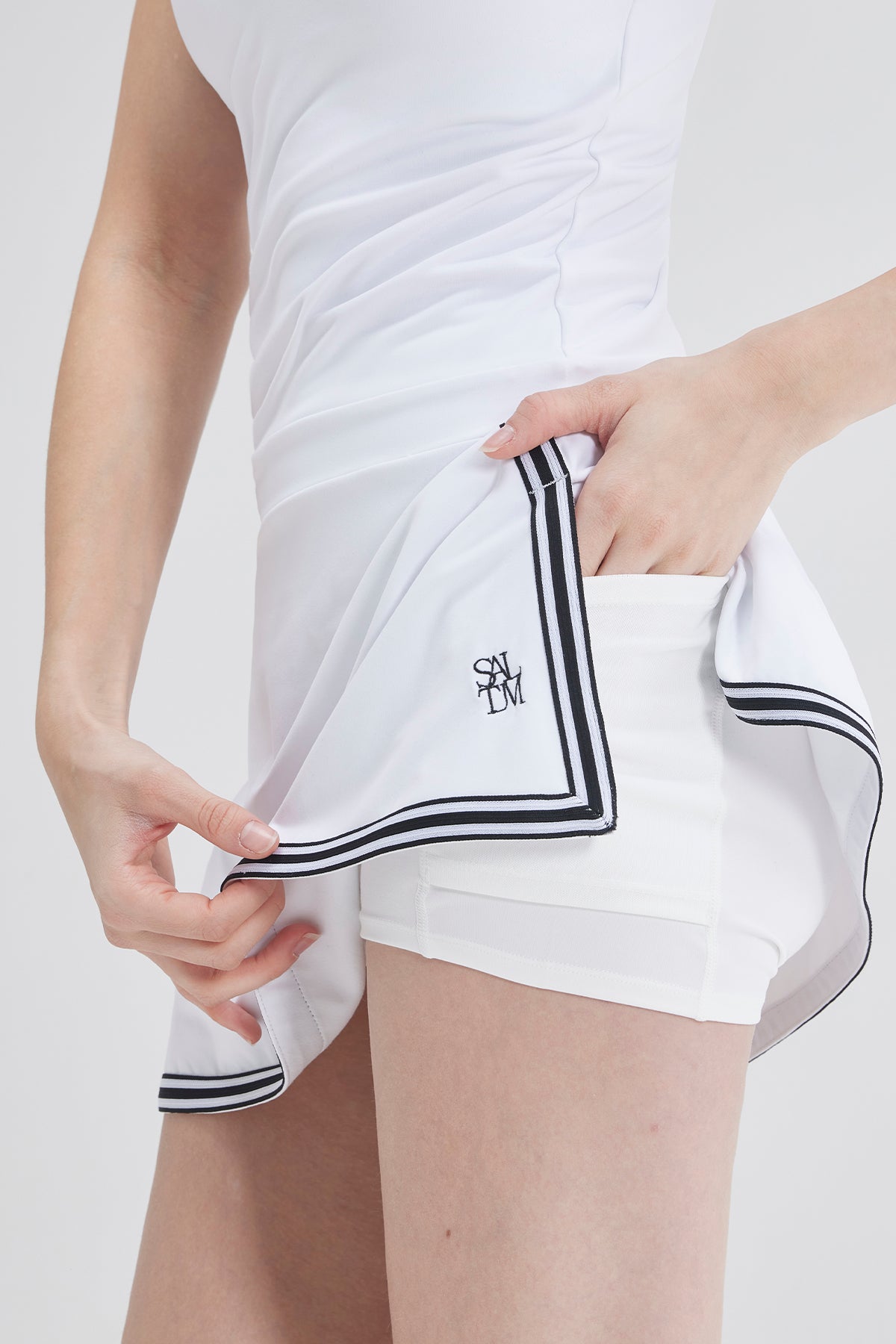
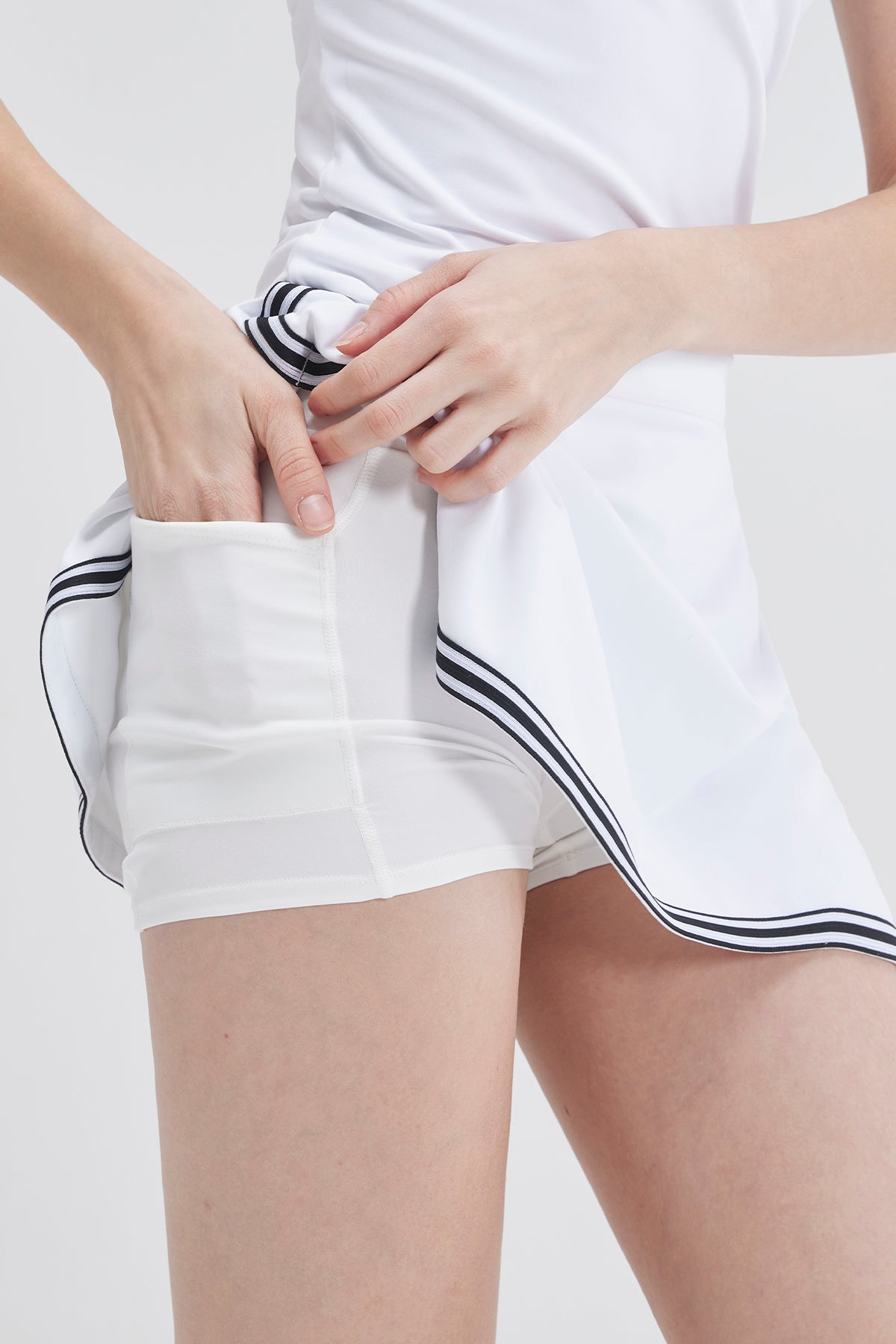
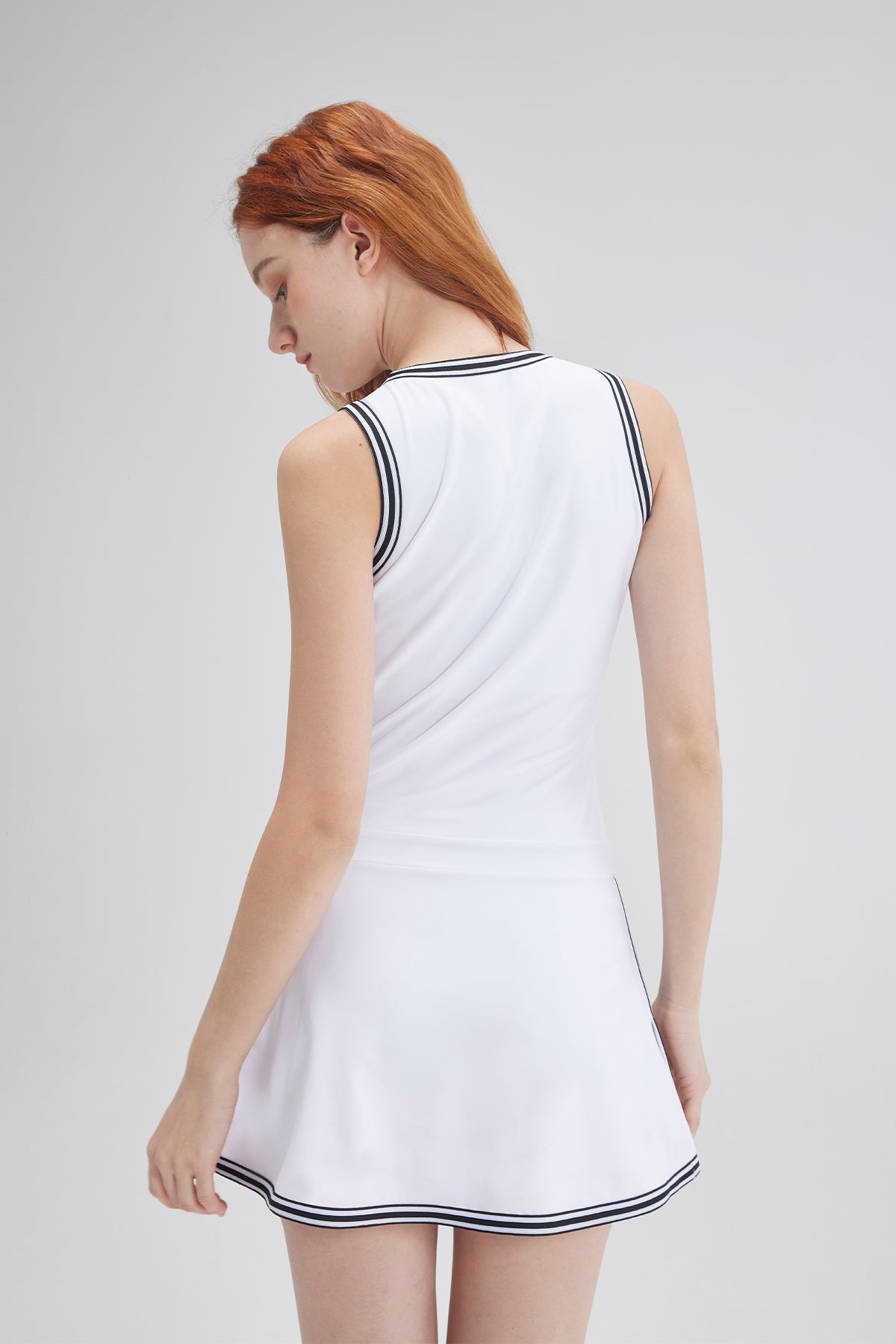
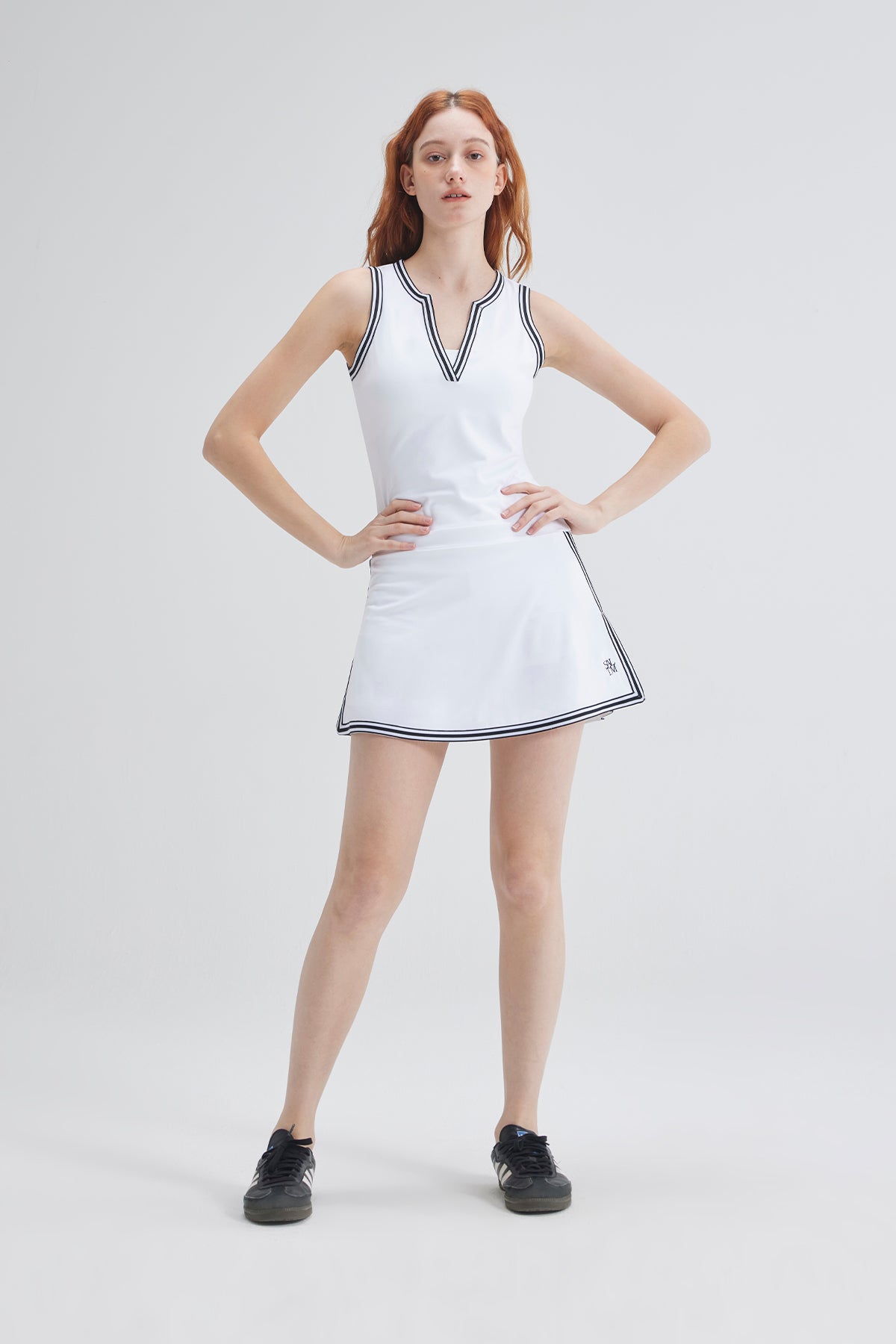
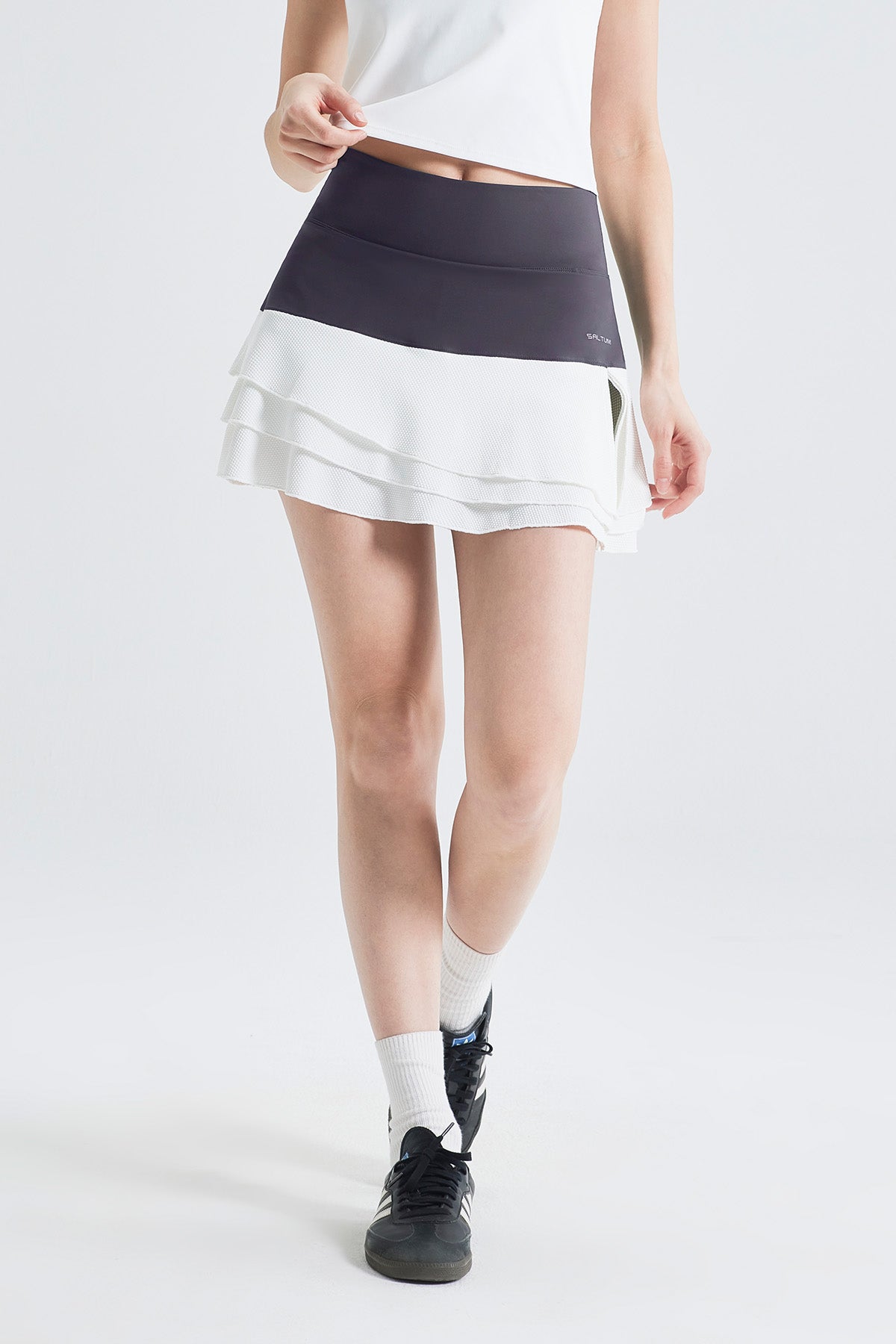
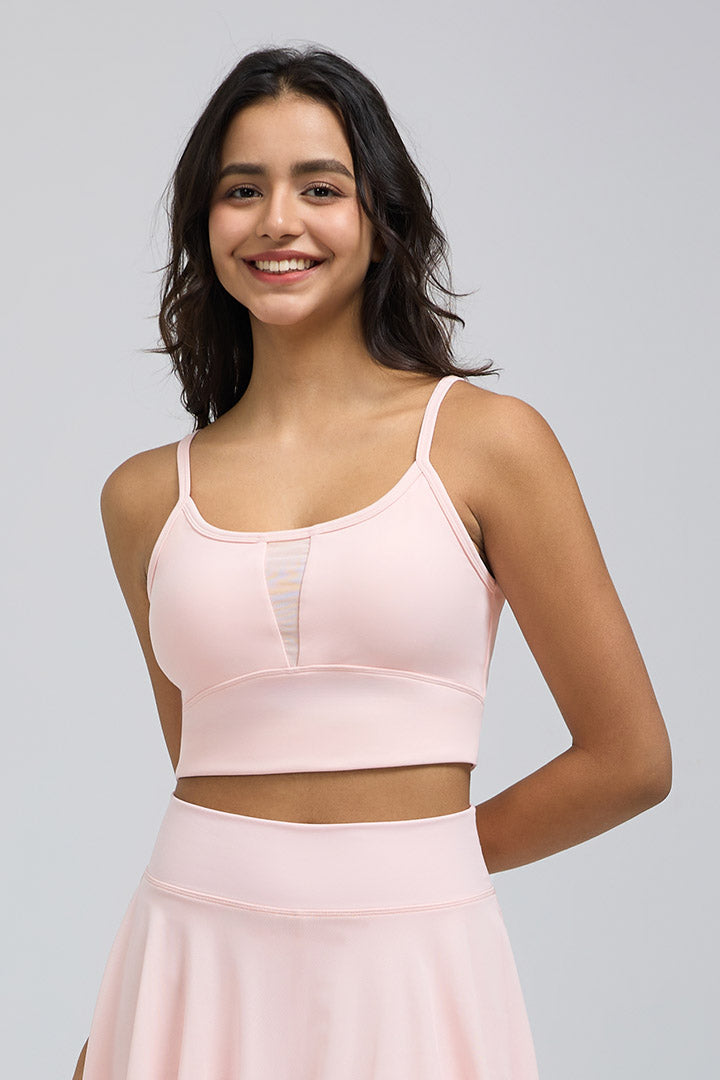
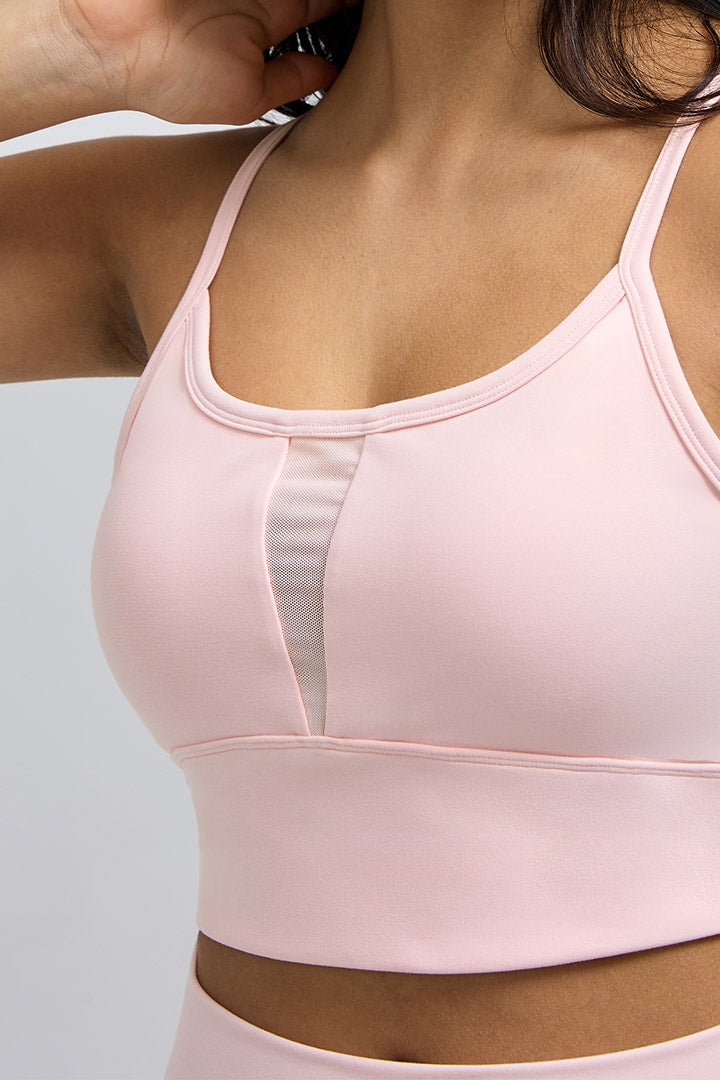
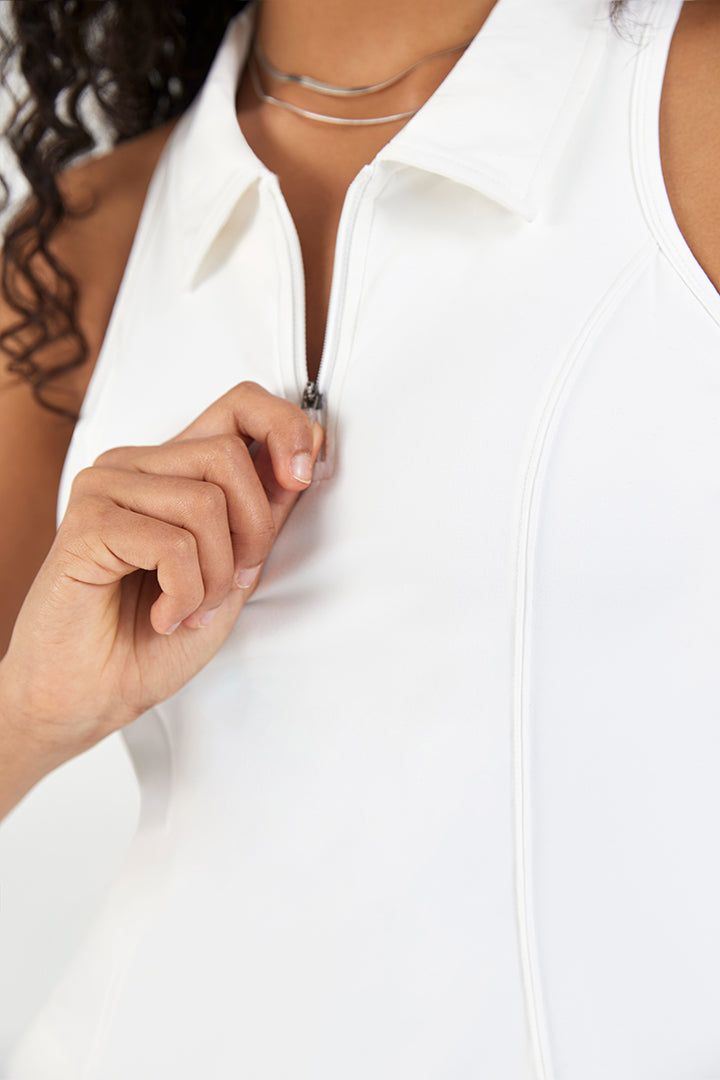
Thoughtful Details: Small touches—contrasting trim, accent panels, unique neckline treatments, interesting sleeve details, strategic cut-outs—elevate a basic piece from feeling generic to feeling refined and intentional.
Proper Fit Across Body Types: Not all tennis players have the same build, and clothing should be tailored in ways that work for athletic bodies of different shapes. Brands that offer proper sizing and thoughtful tailoring across their range earn more appreciation than those using a one-size-fits-most approach.
Fabric Durability: Pieces that maintain their appearance throughout an entire match—staying crisp, maintaining shape, not looking sweat-stained—score higher in fan discussions than those that visually deteriorate as matches progress.
Coherence and Intentionality: Pieces that look deliberately designed and coordinated—where shoes, colors, and accessories work together—create stronger visual impact than mismatched collections where different pieces feel like they come from different brands entirely.
Why Tennis Clothing Matters
Women's tennis clothing isn't just about vanity or superficial style preferences. The way players are dressed contributes significantly to how they're perceived on camera, how confident they feel competing, and how the sport itself is presented to millions of global viewers.
When an elite athlete wears clothing that flatters her physique, fits properly, and comes in colors that enhance her appearance, she projects confidence and strength. When a player is dressed in something poorly fitted, in colors that wash her out, or in styles that seem incongruent with her athletic prowess, it unconsciously undermines her presence—even if viewers can't quite articulate why.
Broadcasting quality matters for professional sports. High-definition cameras and multiple angles mean that every detail is visible. Viewers see construction quality, fabric behavior, and how garments move with the athlete. This visibility puts real pressure on sponsors to deliver clothing that looks thoughtful and polished, not just functional.
Major sports apparel companies have the resources and expertise to produce excellent pieces. When they fail to do so—when their collections feel uninspired or poorly executed—it becomes noticeable. Meanwhile, smaller or more specialized manufacturers sometimes earn higher praise precisely because they demonstrate more thoughtful design work and attention to detail.
The conversation around women's tennis clothing ultimately reflects something important: fans care deeply about the sport and all its dimensions, including the visual presentation. They notice tailoring. They see when colors don't create proper contrast with the court surface. They appreciate when players appear confident and supported by their outfits. They understand that fashion matters, not as superficiality, but as an integral part of the complete athletic experience.
Player Standouts and Fan Reactions
Across multiple major tournaments, certain athletes consistently emerge as fashion standouts. Top players with custom outfits designed specifically for them tend to look polished and put together.
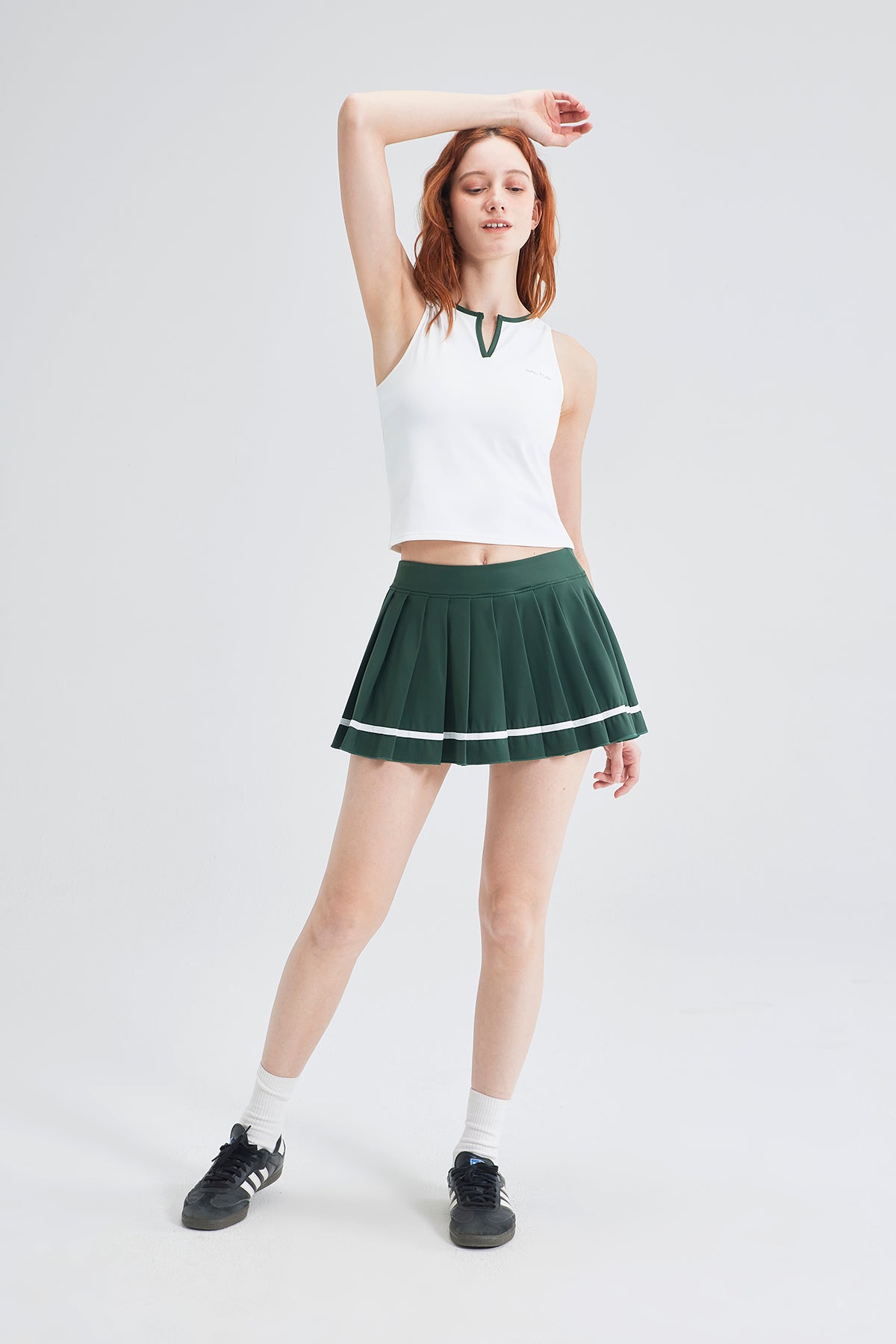
Fans frequently praise outfits that showcase bold color choices—deep greens paired with bright accent colors, for example, create visual impact that works on camera. The Australian colors (green and gold) have been noted as particularly striking, partly because they're bold and saturated enough to pop against the blue hard court.

Some players seem to have an innate sense of style that carries them through whatever they're assigned—they consistently look great regardless of the design. But even naturally stylish athletes look noticeably different in well-designed versus poorly-designed pieces.
Outfits that draw criticism often share common issues: muted color palettes that lack energy, poor fit that doesn't flatter the wearer's body, or questionable design choices that seem divorced from the reality of playing competitive tennis. When fans describe an outfit as unflattering or odd, it's usually because something specific isn't working—not because they're being mean-spirited.
Emerging Trends and What's Changing
The ongoing critique of major sponsors and growing appreciation for more thoughtful design suggests that both players and fans are increasingly willing to advocate for better. Generic, uninspired designs are being called out more openly. There's demonstrable appetite for:
- More Customization: Players want clothing specifically designed for them, not mass-market pieces adapted to fit their use. Fans appreciate seeing top athletes in truly custom pieces.
- Better Fabric Science: There's expectation that professional athletic wear should use fabrics engineered to look good during real physical activity—not just in promotional photos.
- Thoughtful Design Work: The era where a simple logo and basic cut were sufficient seems to be fading. There's appetite for more creativity, more attention to how elements work together, and more evidence of design thinking.
- Design Diversity: Single-note brand aesthetics are less appreciated. Fans want to see variety in styles, colors, and approaches within and across collections.
- Inclusivity in Fit: Recognition that athletes come in different body types, and that clothing should be tailored in ways that work for athletic bodies of various shapes and sizes.
Smaller, more specialized manufacturers are proving they can compete with massive sponsors when they demonstrate thoughtfulness about design details. The success of boutique options and custom pieces suggests that the future of women's tennis fashion might depend less on the size of the sponsor and more on the actual quality of the design thinking.
What to Look For When Watching Tennis
The next time you watch a tennis match, take a moment to really observe the clothing. You might be surprised by how much more you notice once you start paying attention to these details. And you'll likely develop stronger opinions about what works and what doesn't—just like the thousands of tennis fans who discuss fashion after every major tournament.
How clothes move with the athlete: Do they work with the player's movement, or do they fight against it? Does the player need to adjust her clothing, or does it stay in place?
Color relationships: How do the colors read against the court background? Do they create visual interest or blend in? Do the colors complement the player's skin tone?
Construction details: Can you see evidence of thoughtful design—interesting seams, accent colors, strategic cut-outs—or does the outfit feel generic and basic?
How the outfit holds up: By the end of a set, does it still look fresh and polished, or has it started to look disheveled or sweat-stained?
Overall coherence: Do all the pieces—dress, shoes, accessories—feel like they belong together, or do they feel like separate items thrown together?
Fit: Does the clothing fit the athlete's body in a flattering way, or does it hang awkwardly or bunch in unflattering places?
The Takeaway
When these elements are misaligned—when brands prioritize cost-cutting over design quality, when colors don't work with the court background, when fit doesn't serve the athlete's body or movement—viewers notice. And increasingly, they're willing to voice their observations.
The future of women's tennis fashion will likely be driven by these conversations. Players who advocate for better clothing, fans who voice their preferences, and brands that listen and respond with more thoughtful design work will collectively raise the bar for what's considered acceptable professional tennis wear.