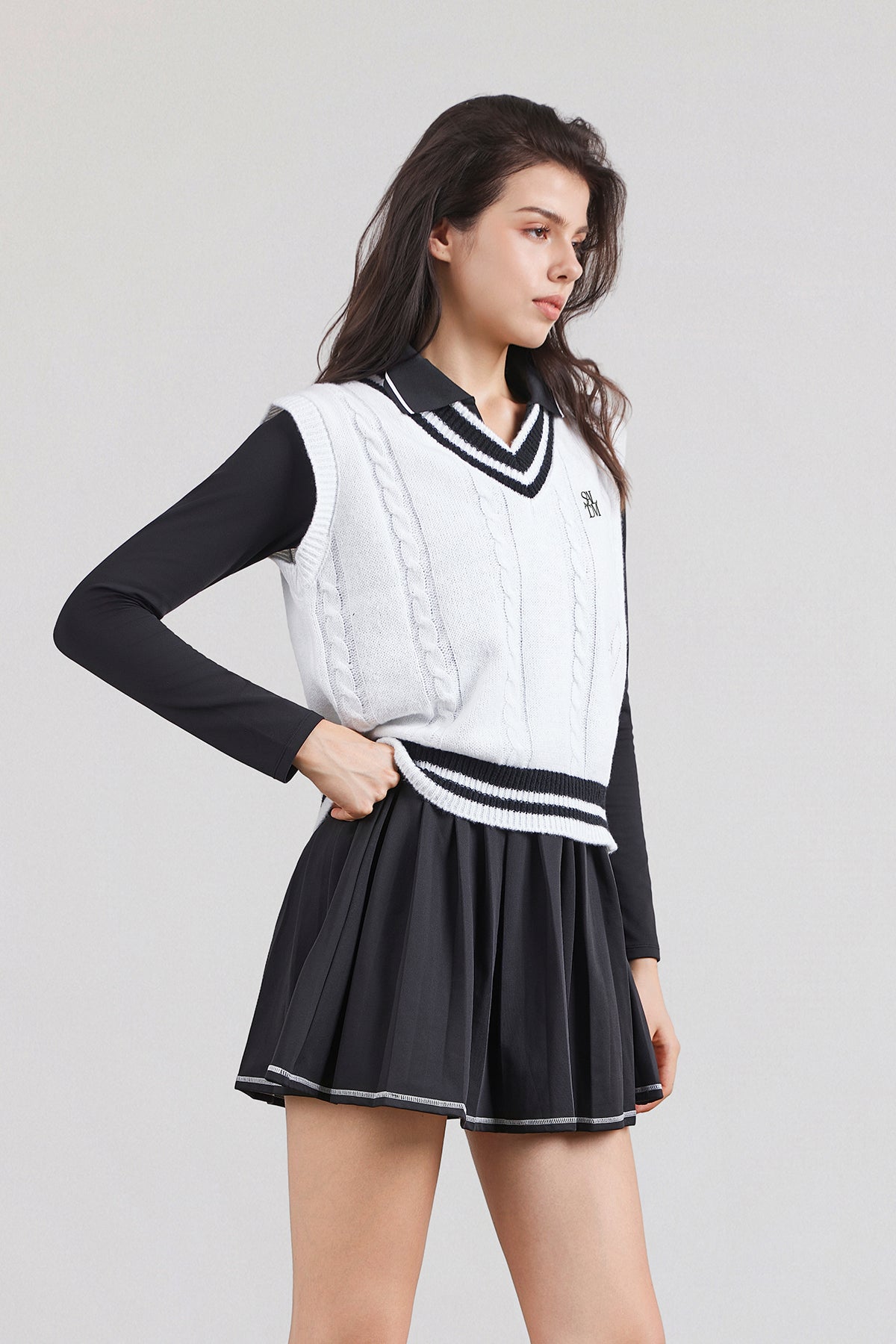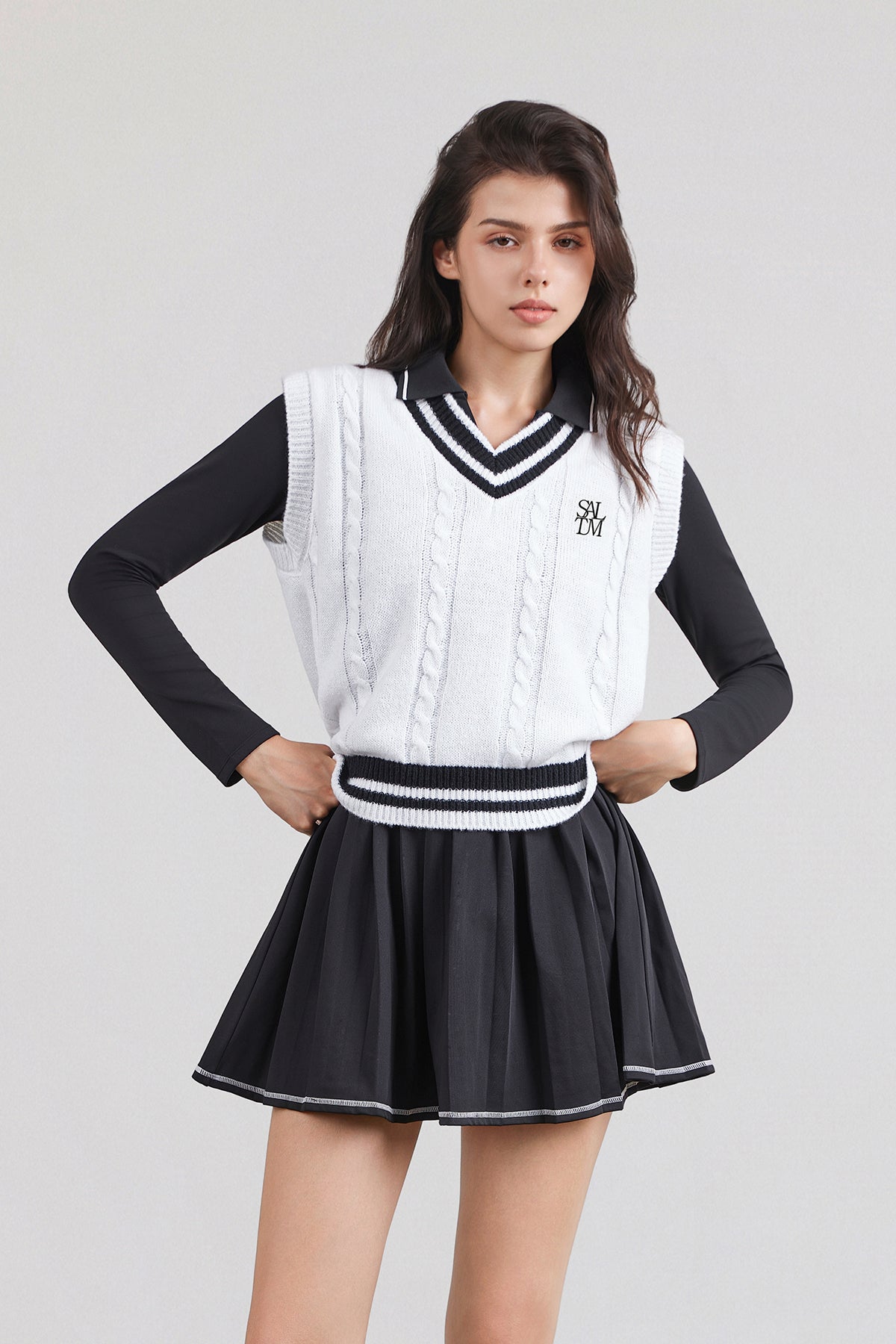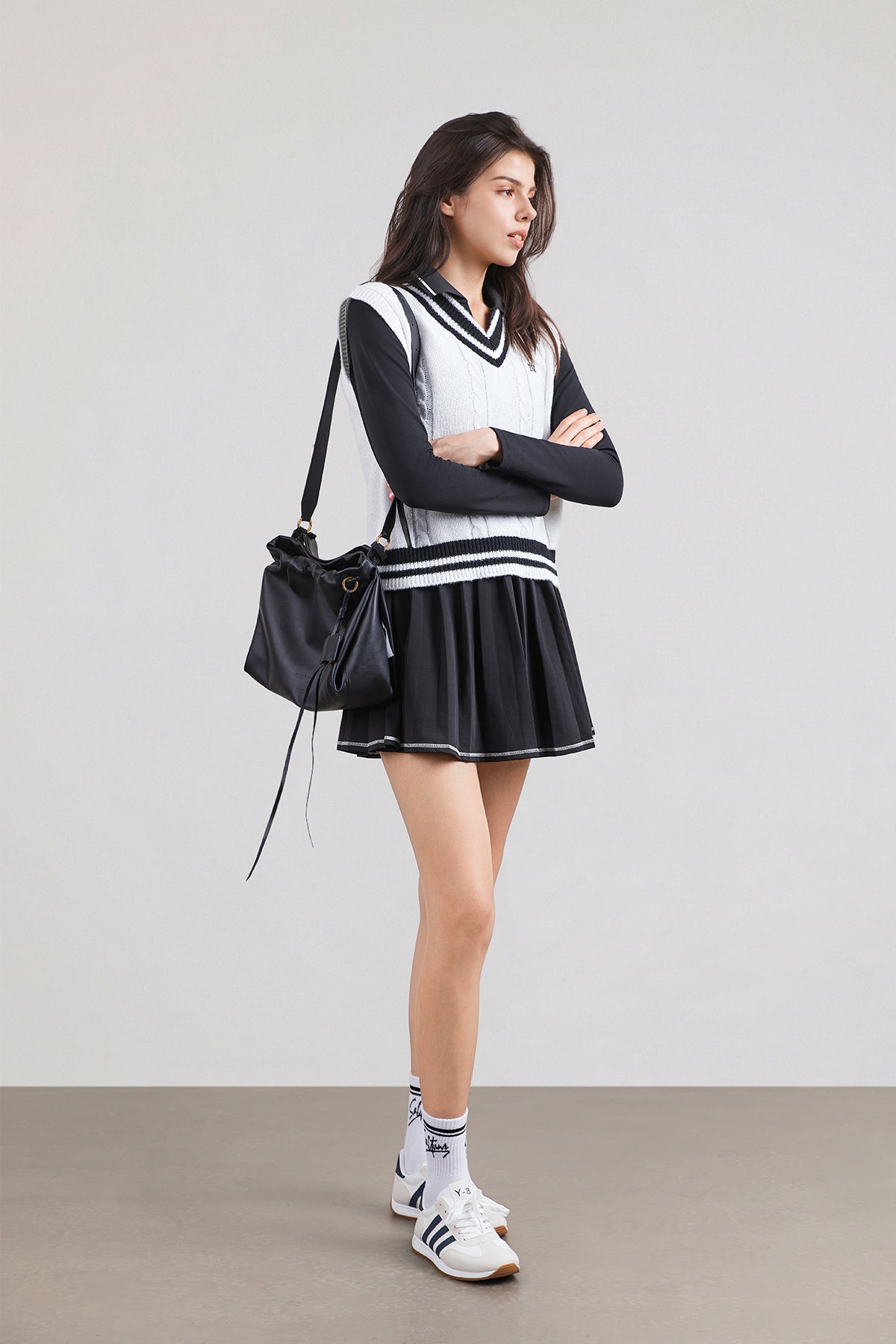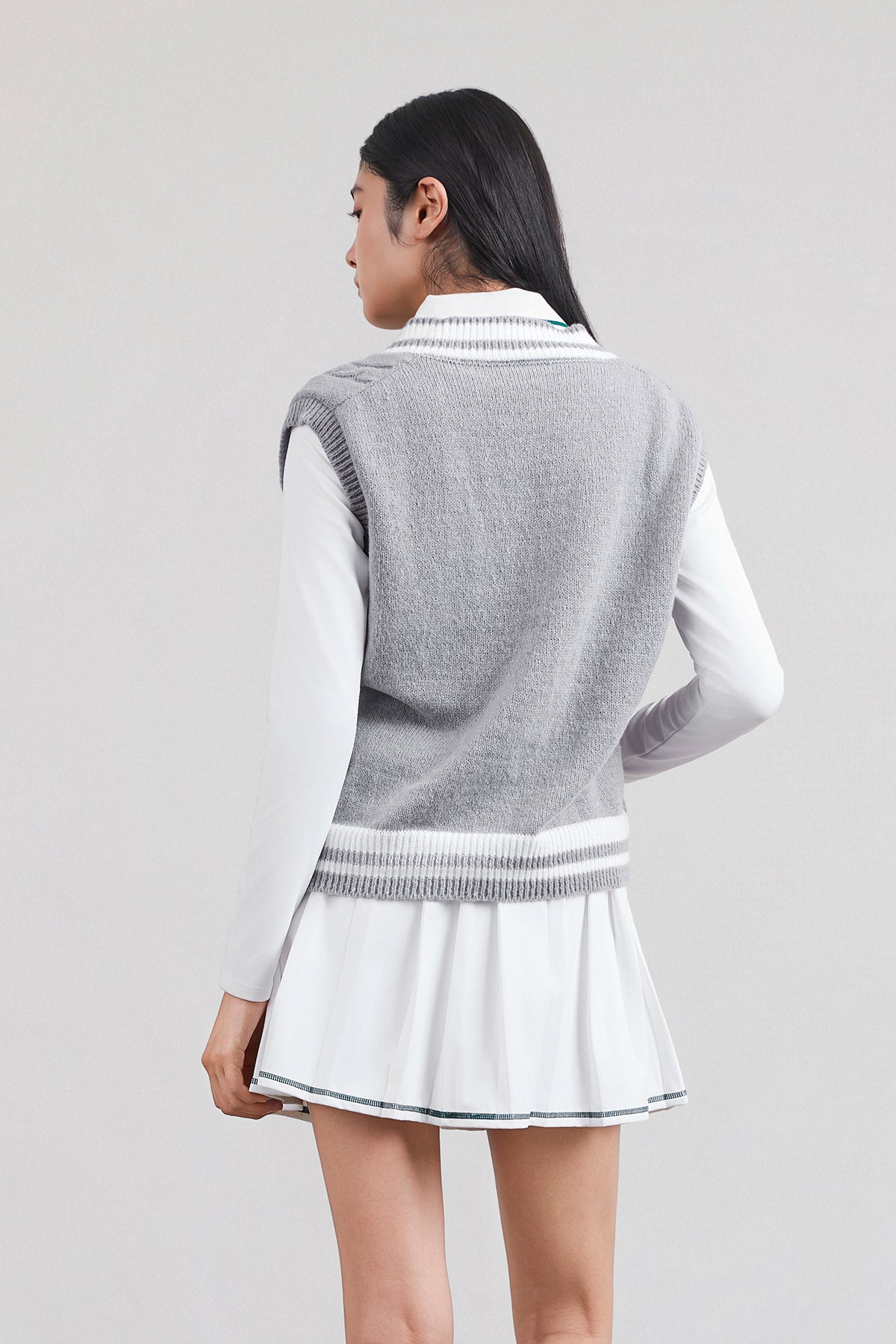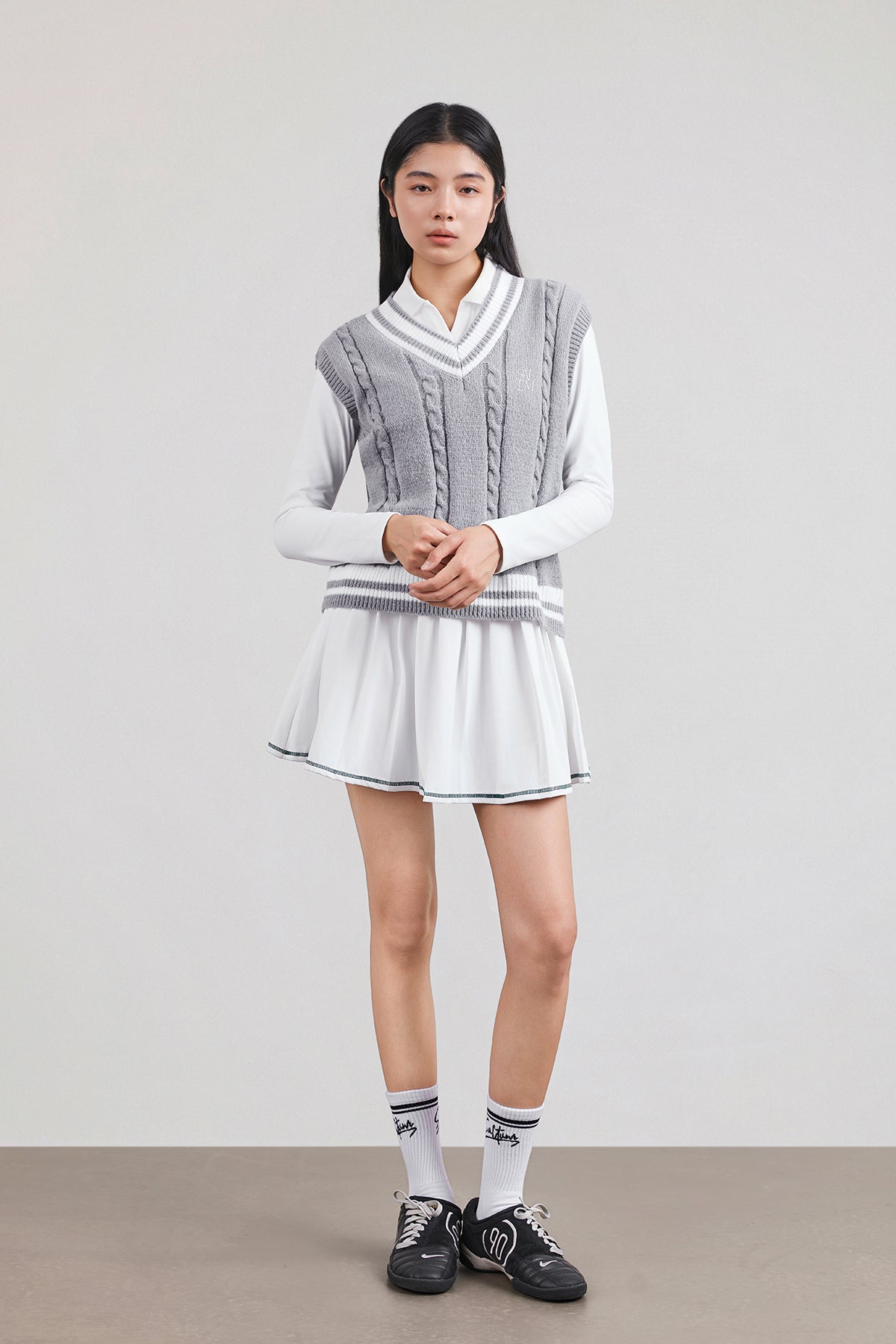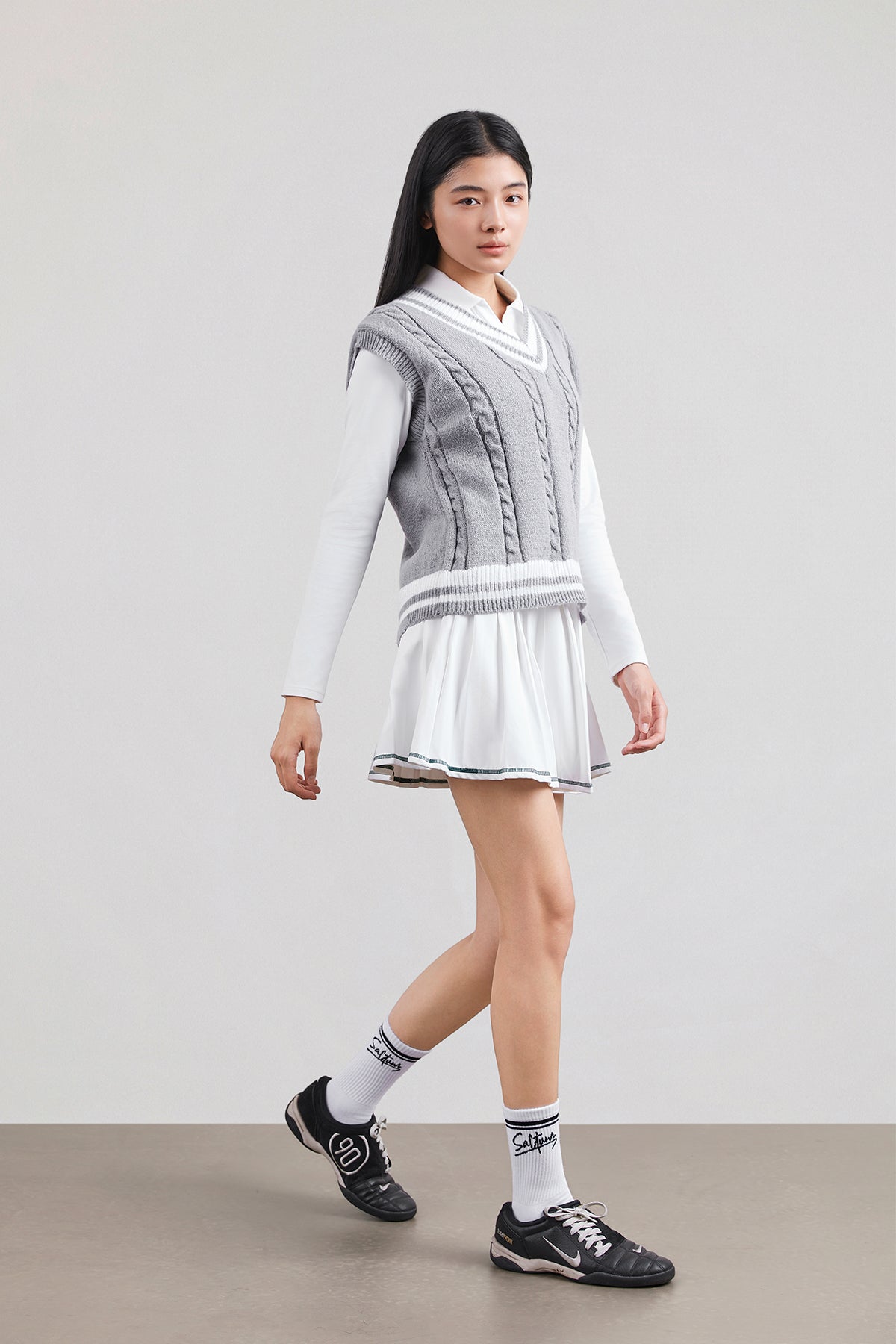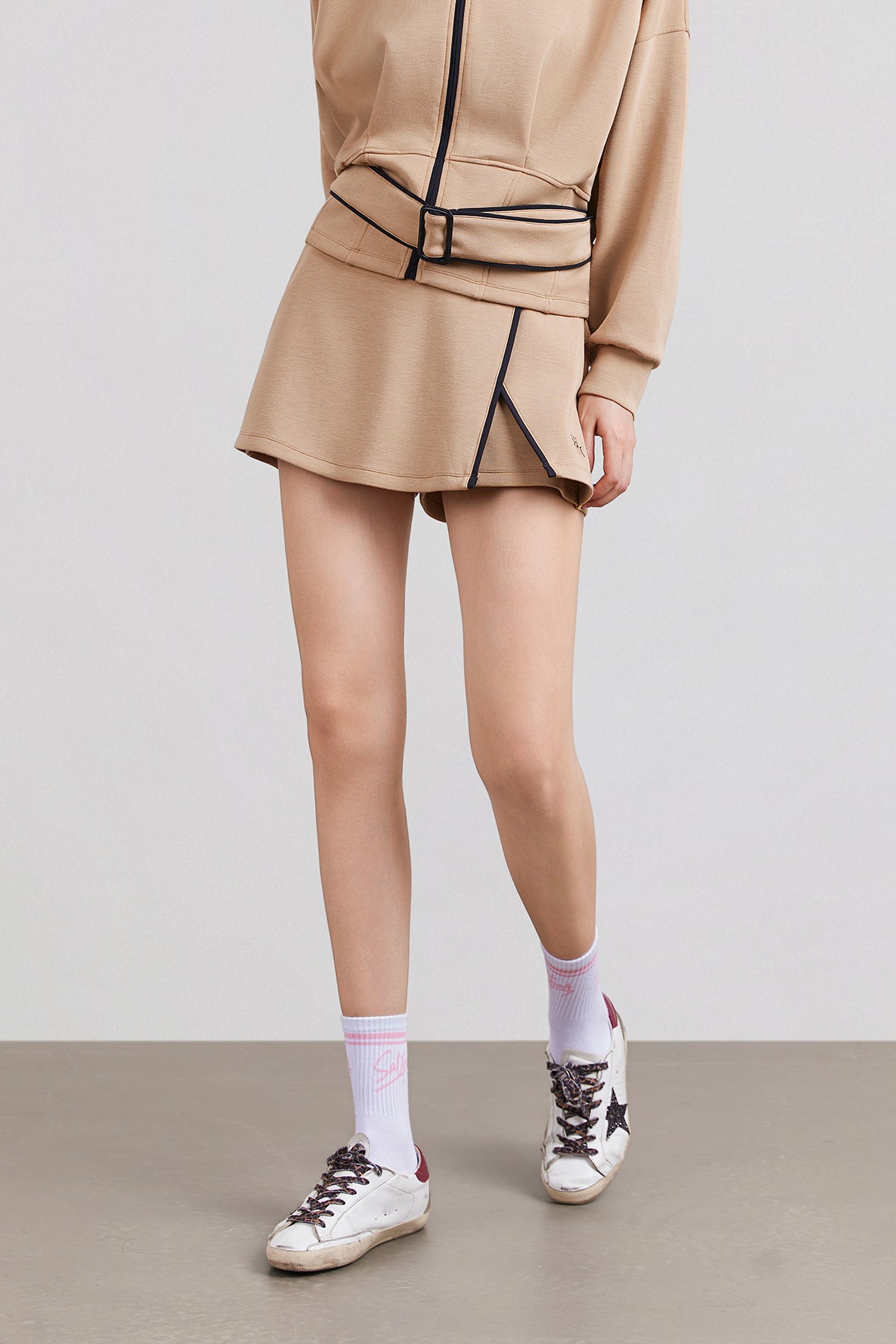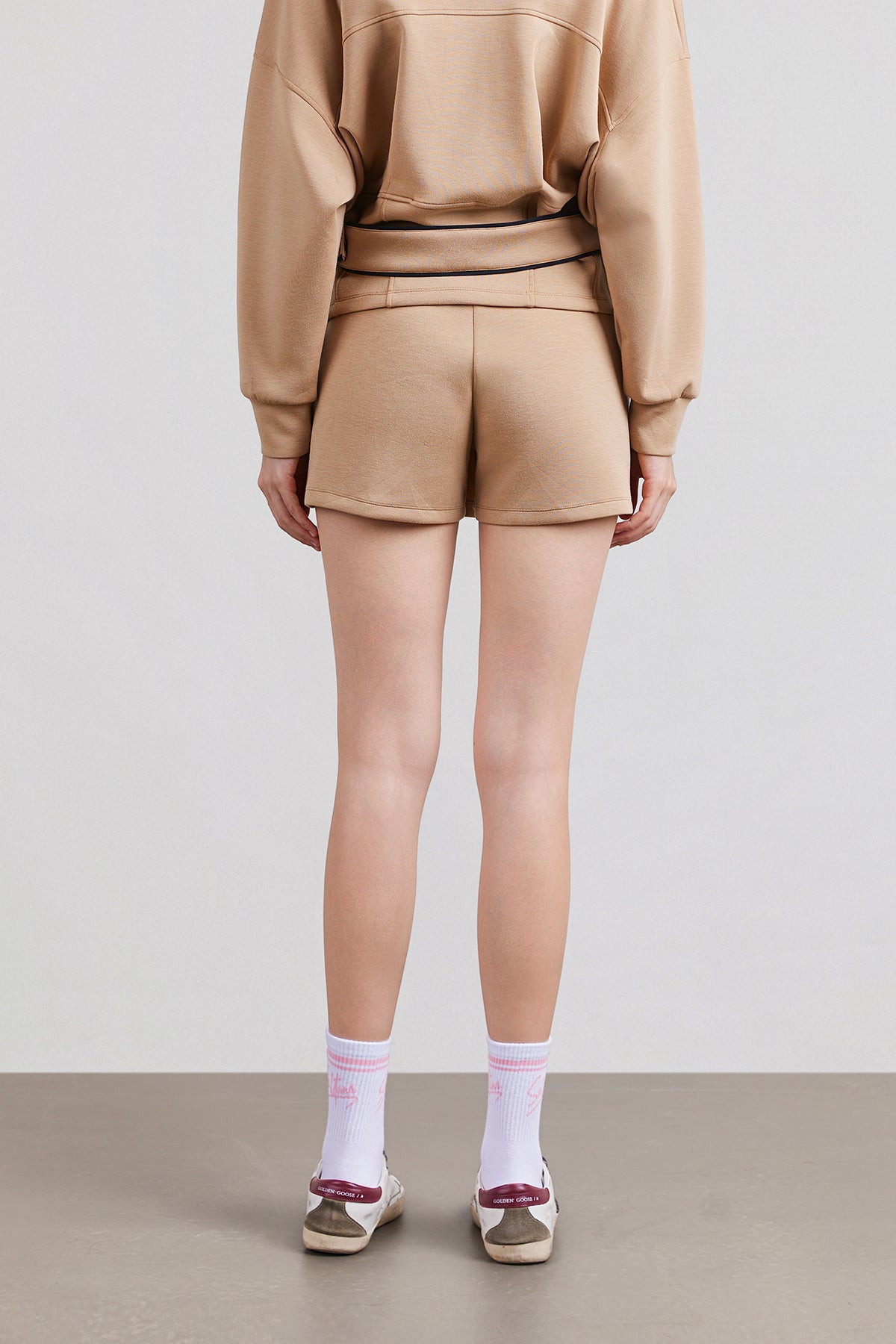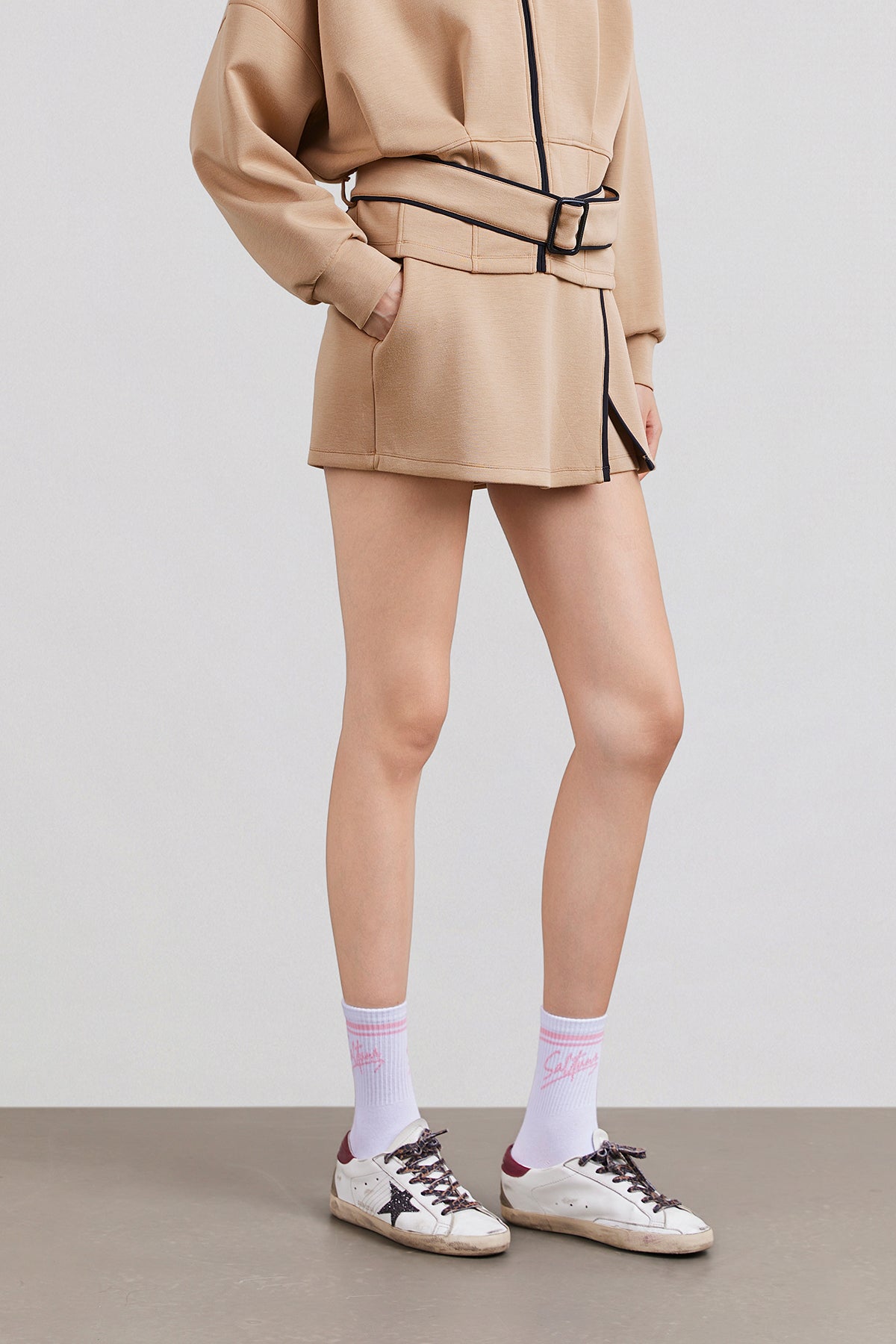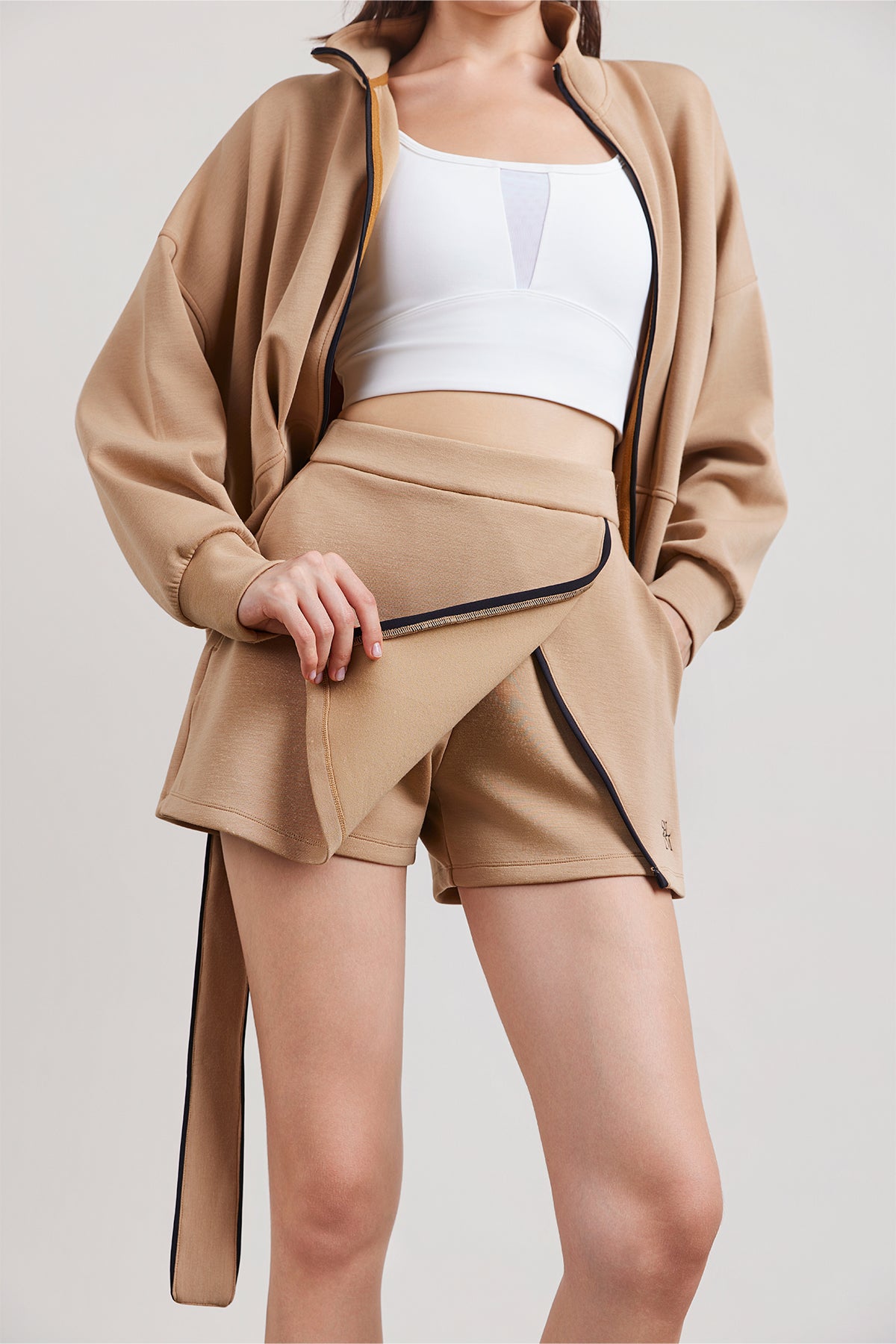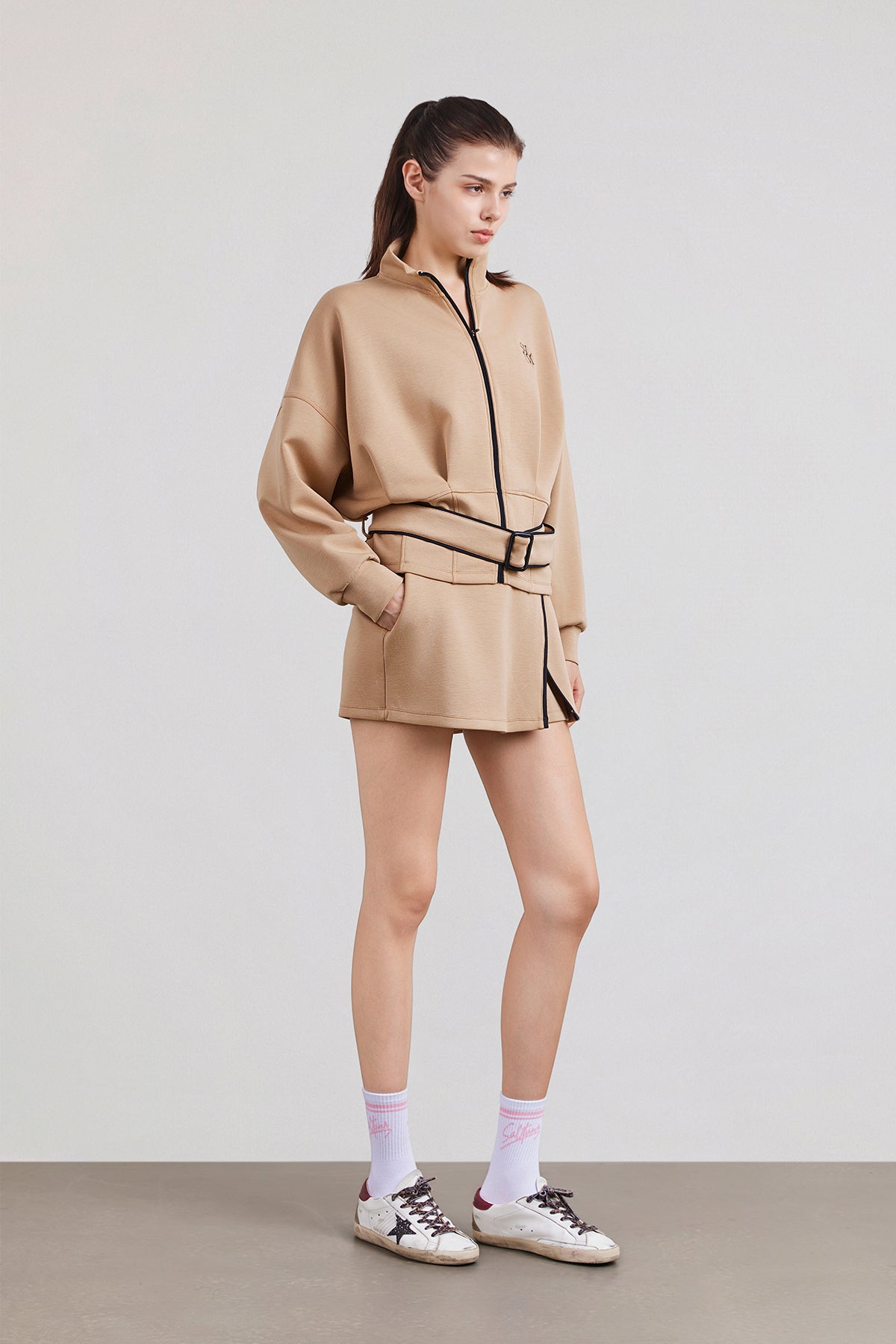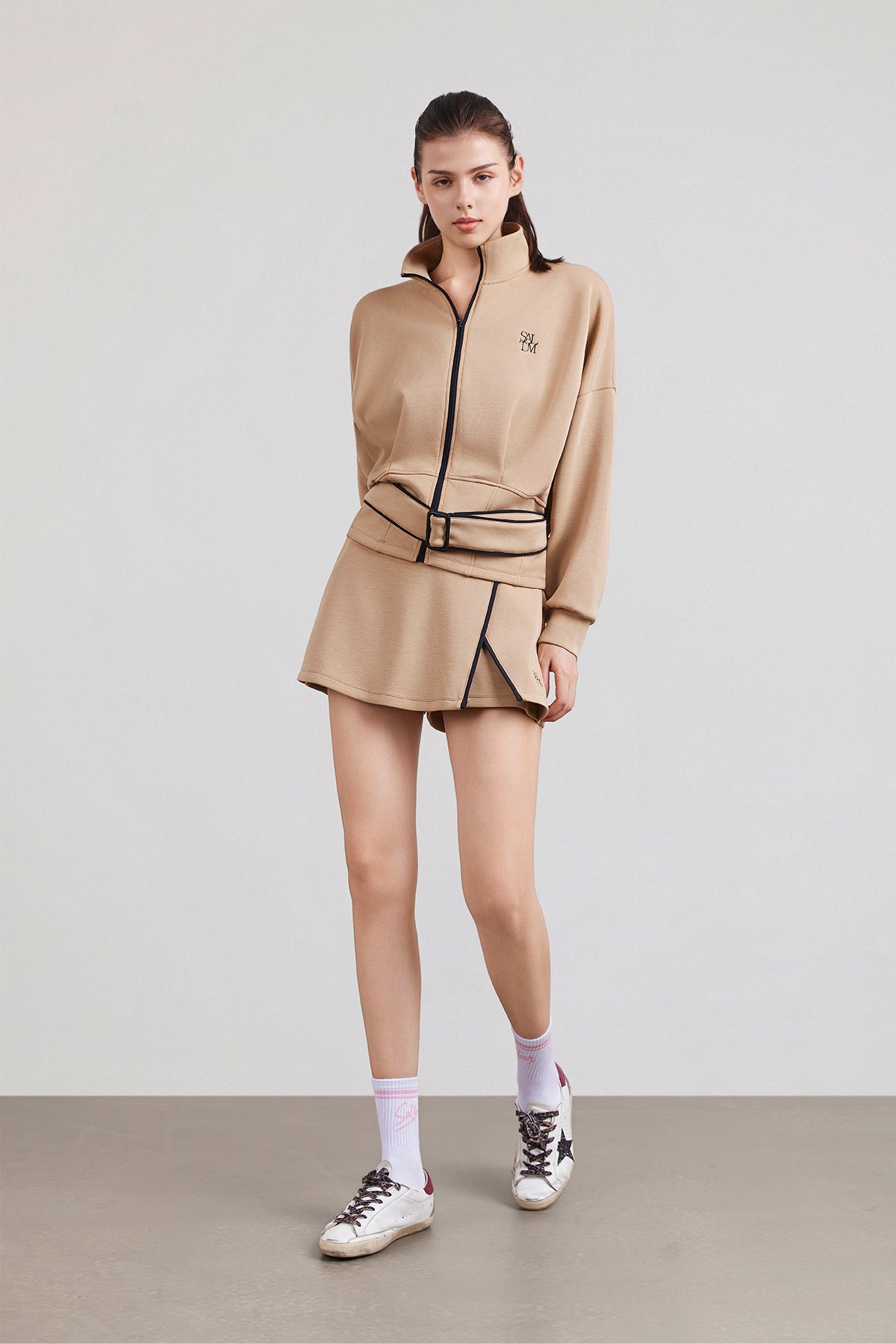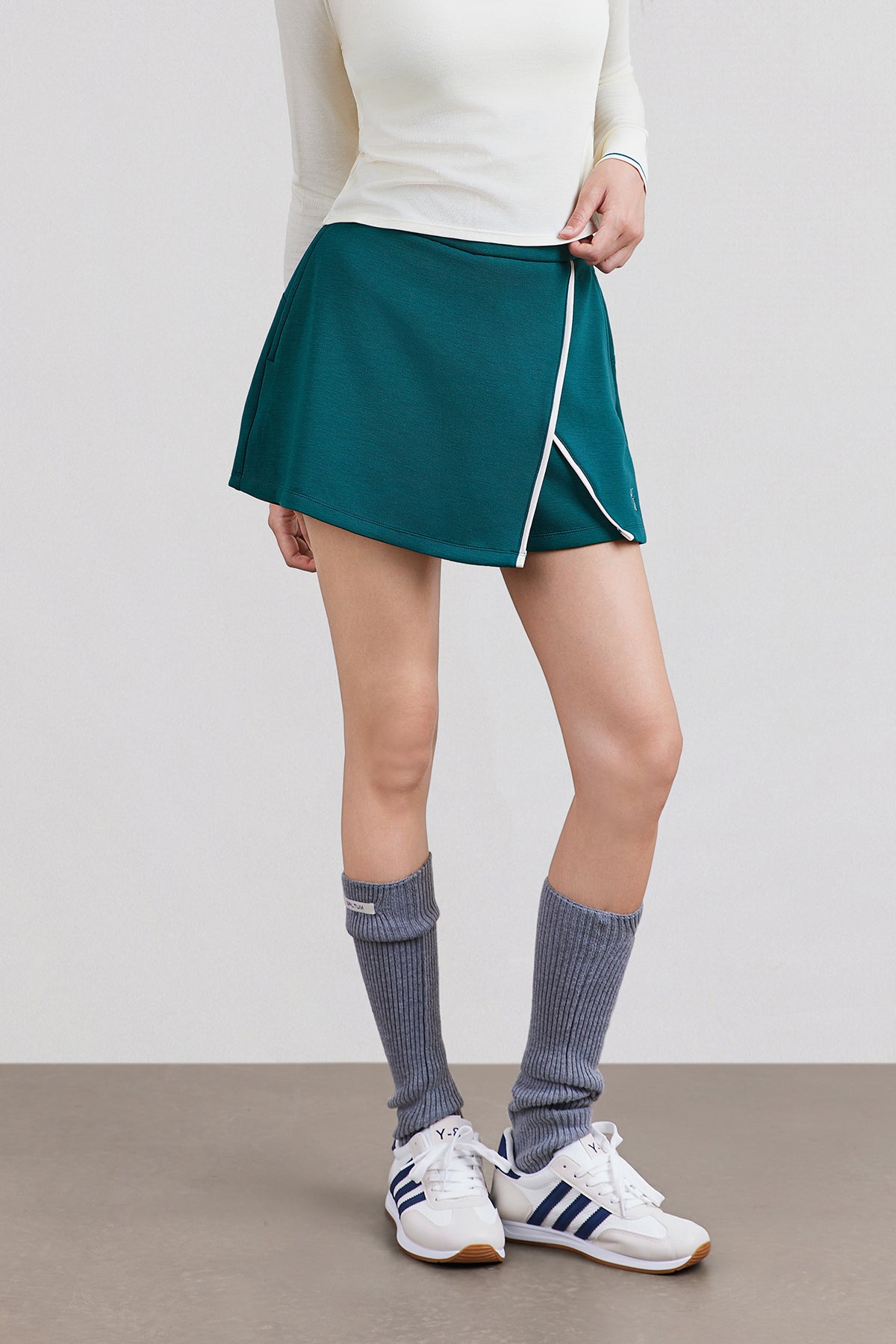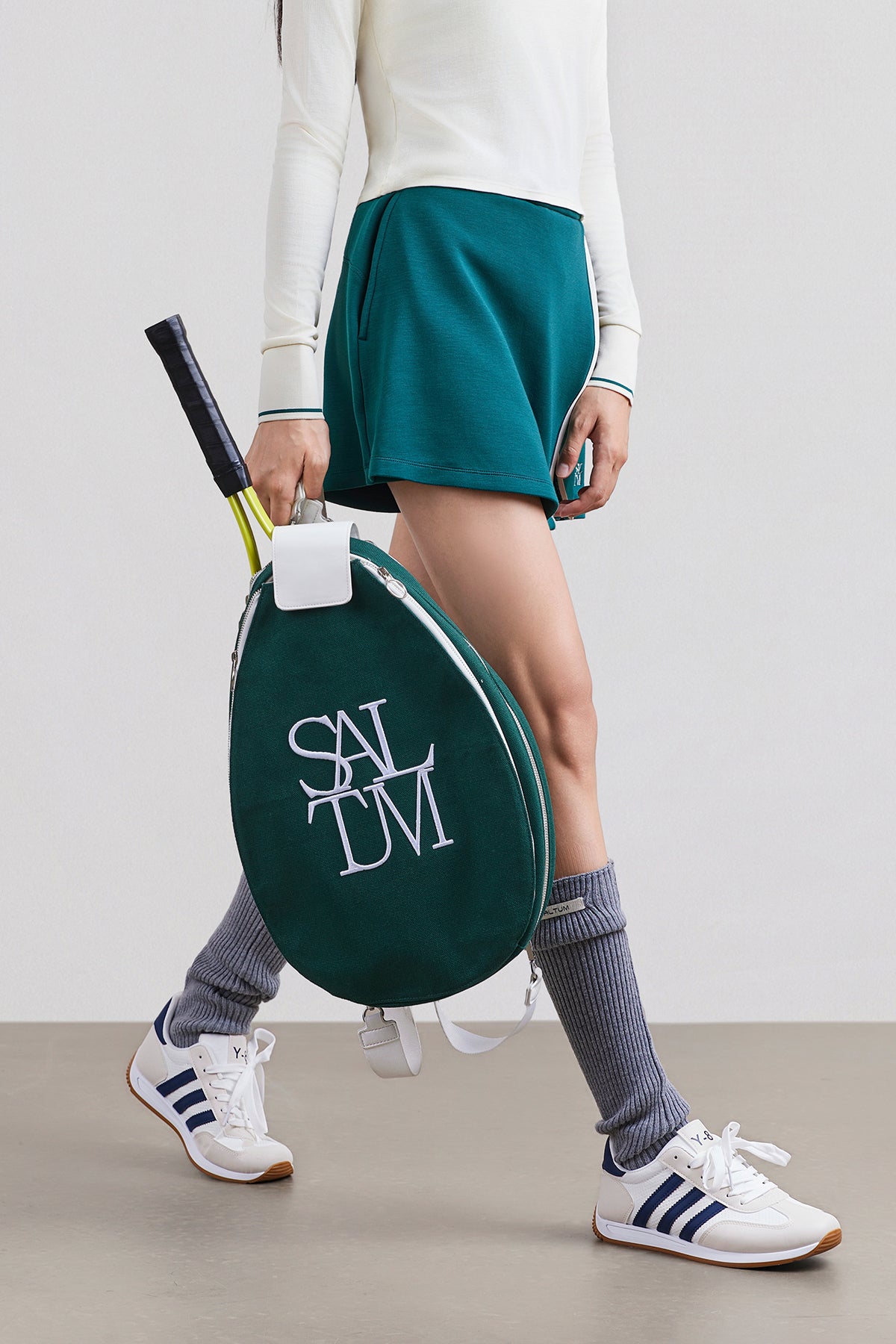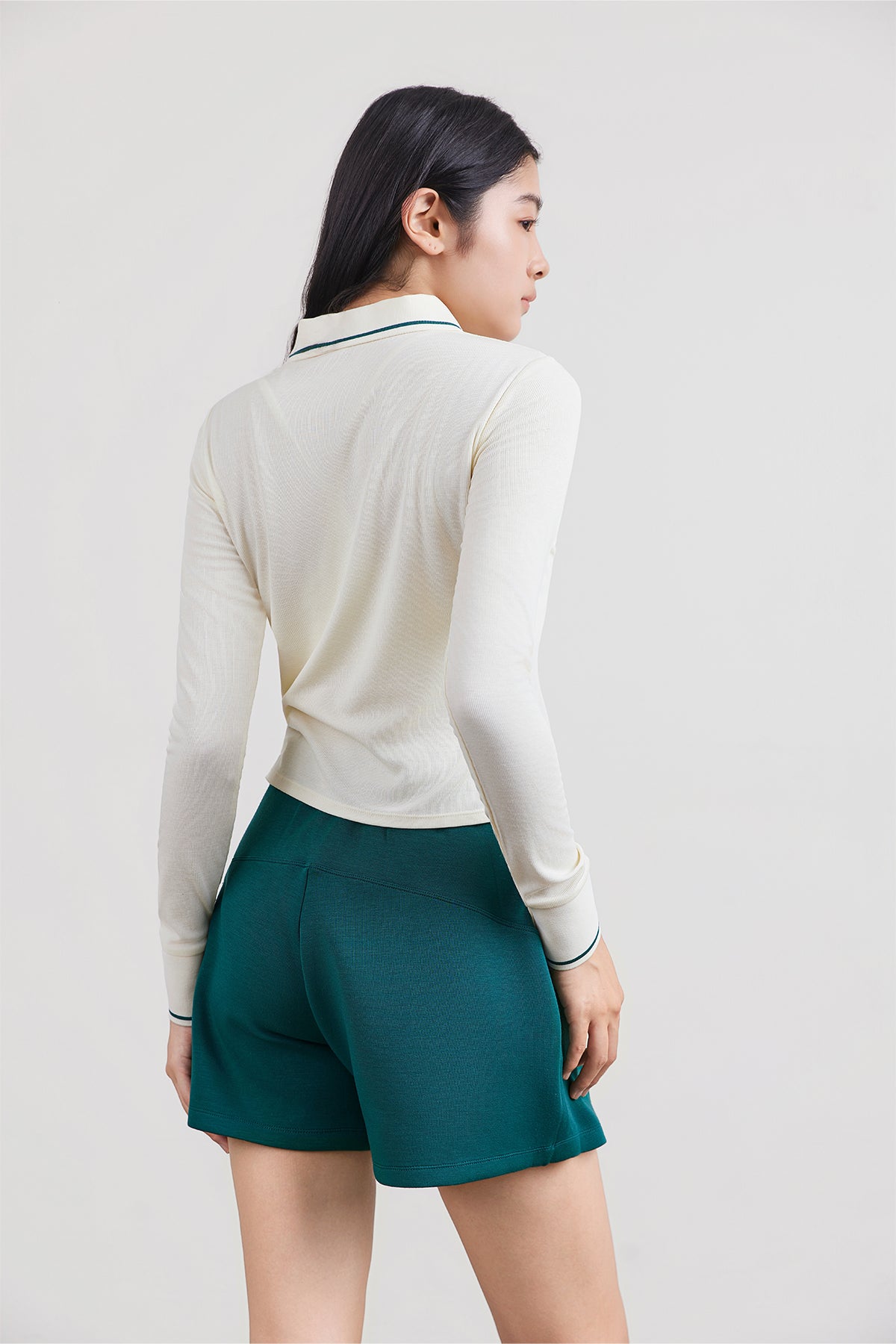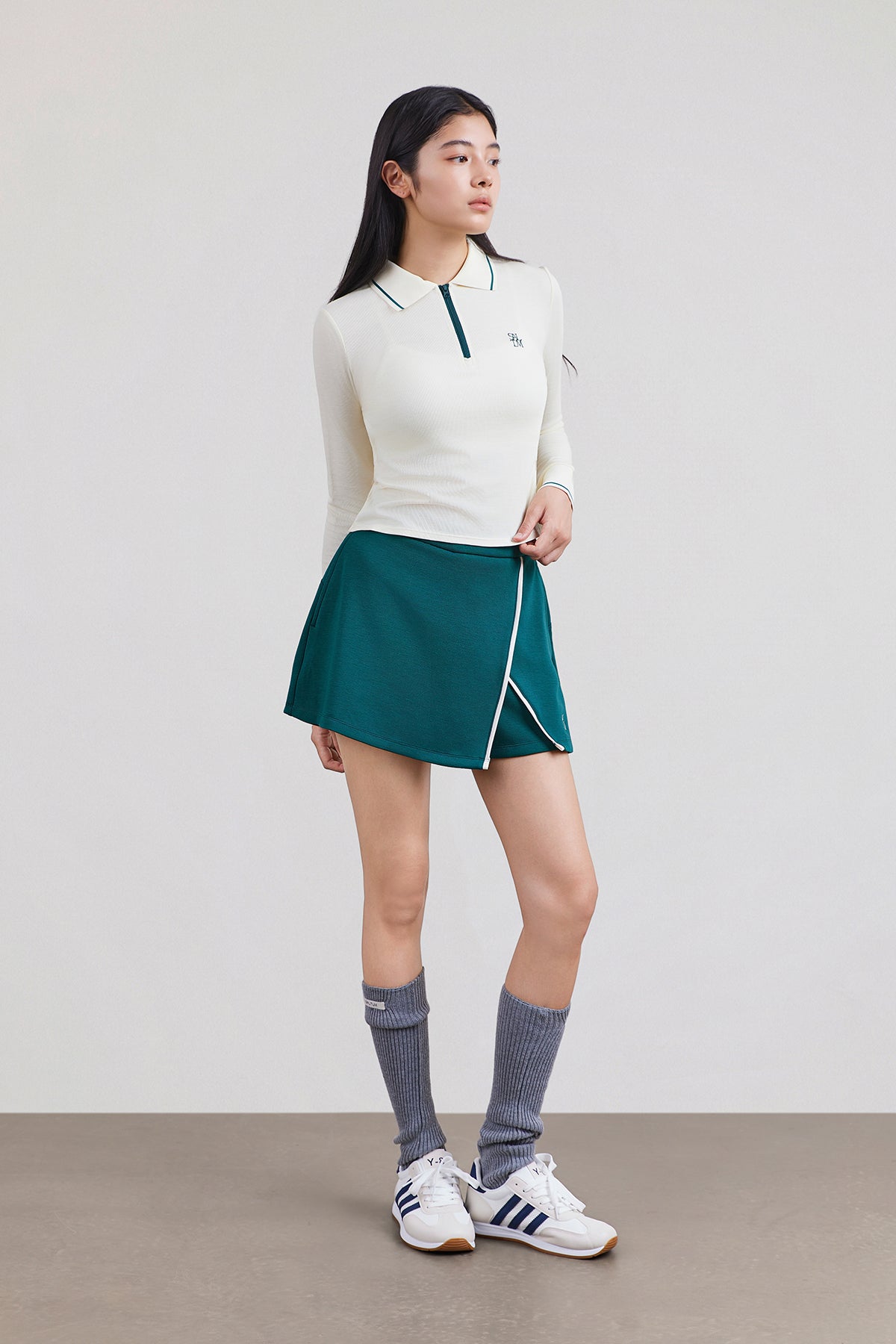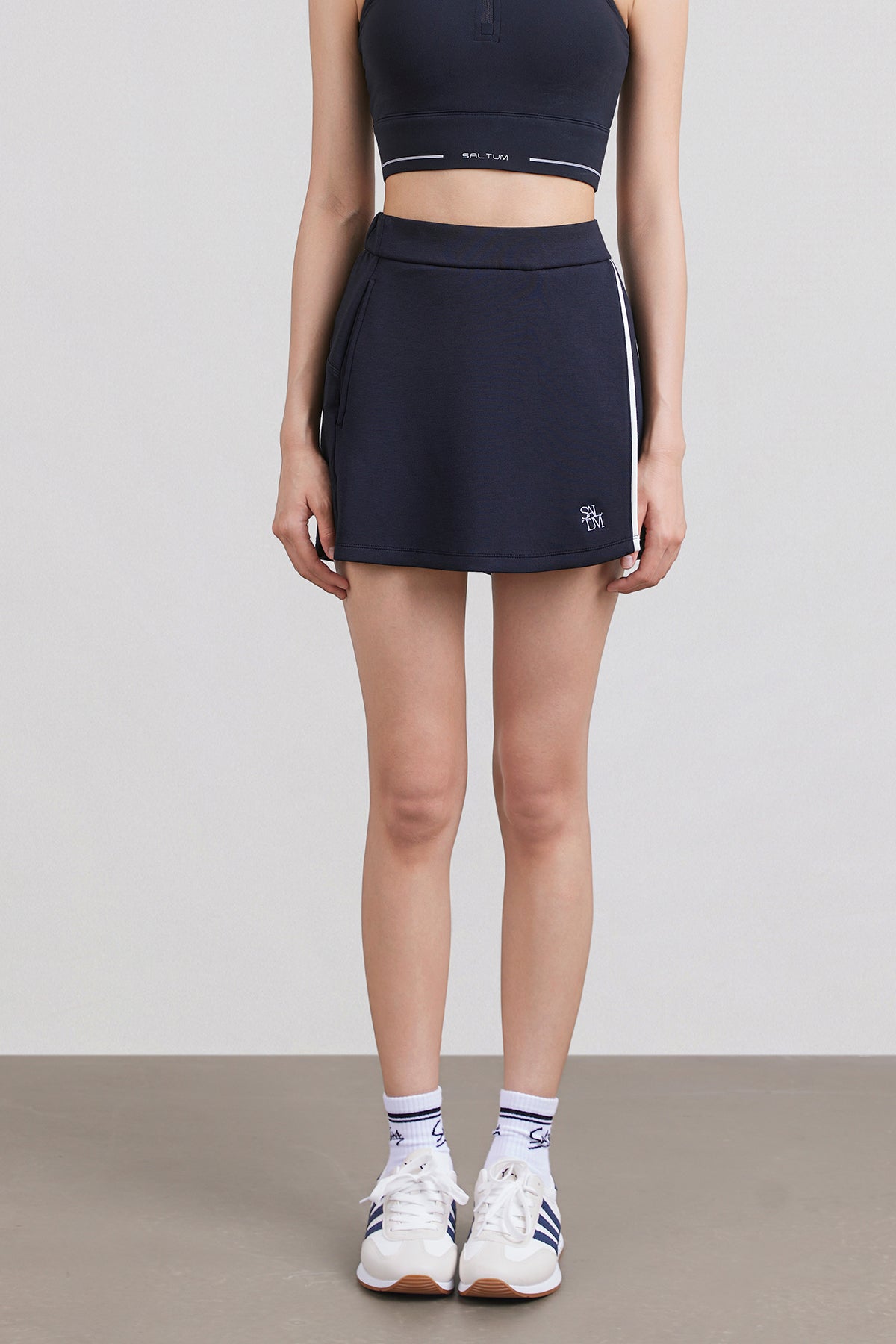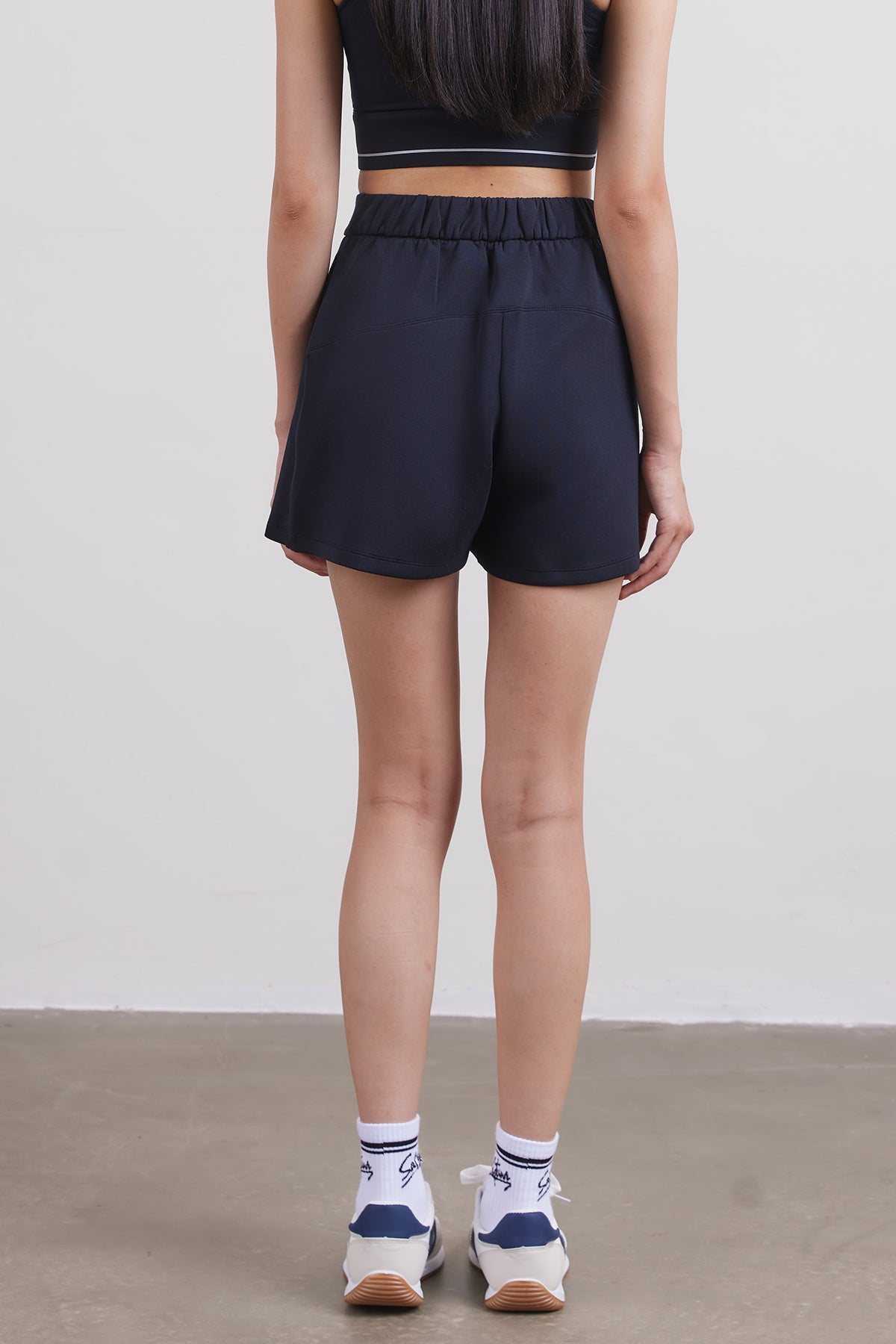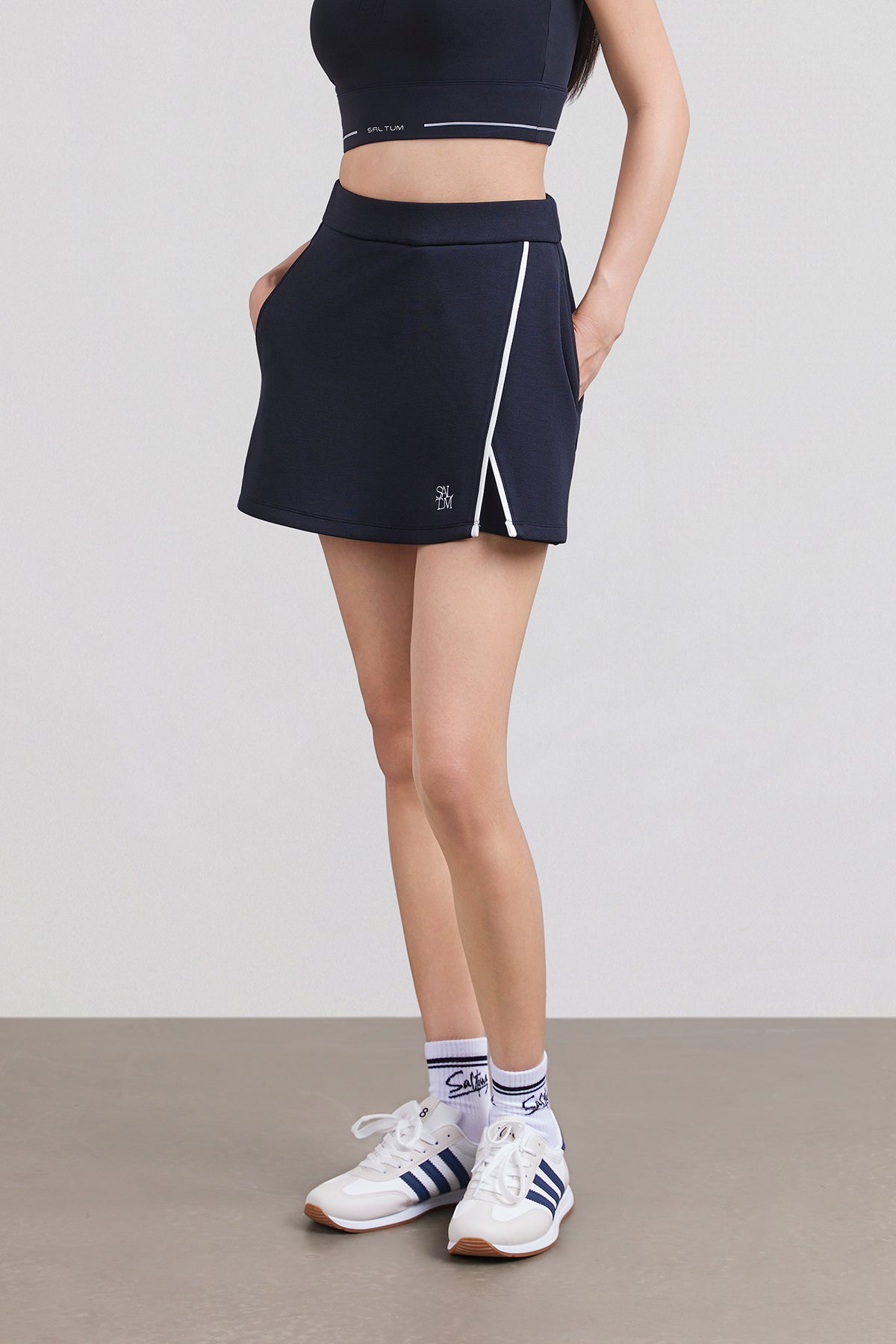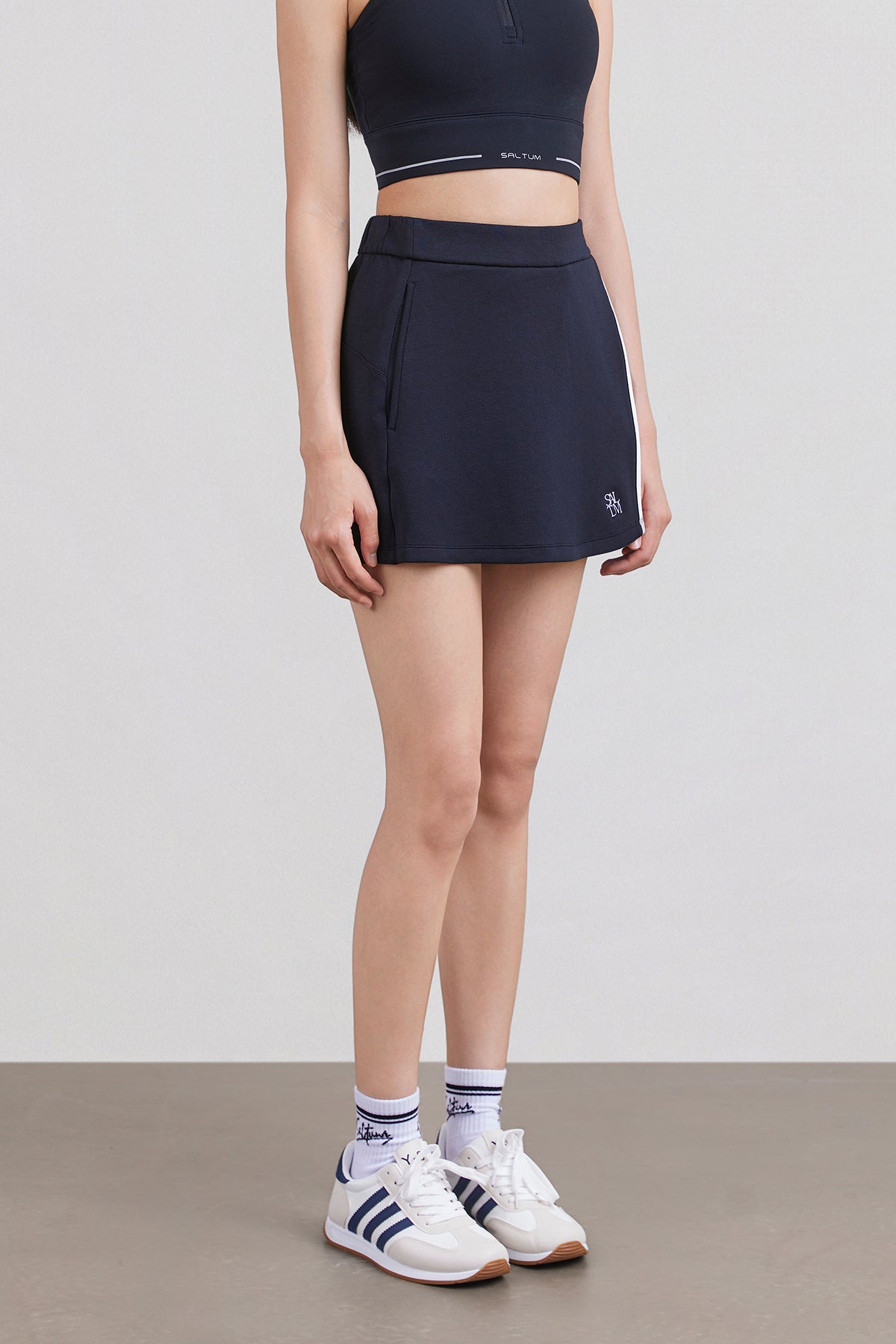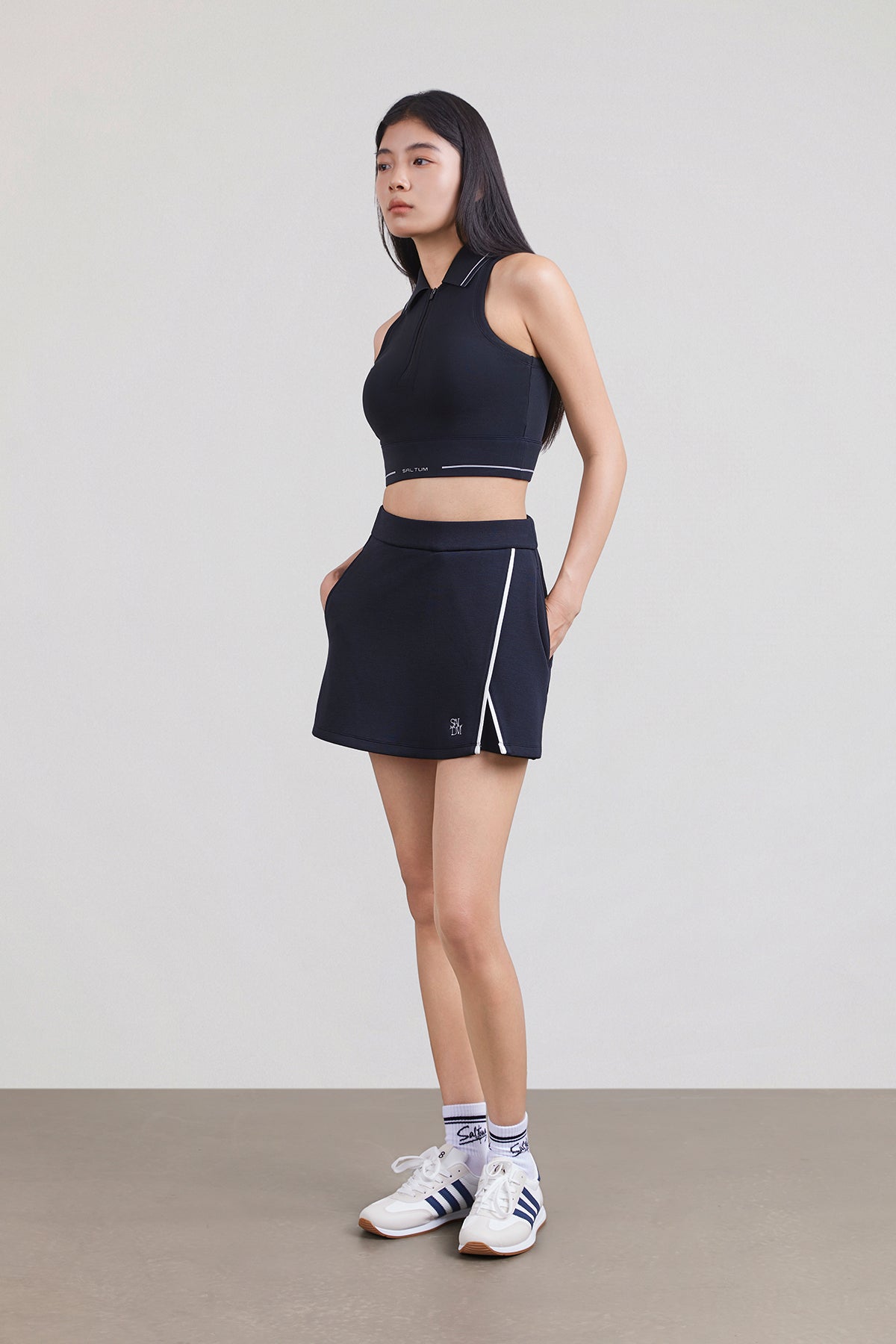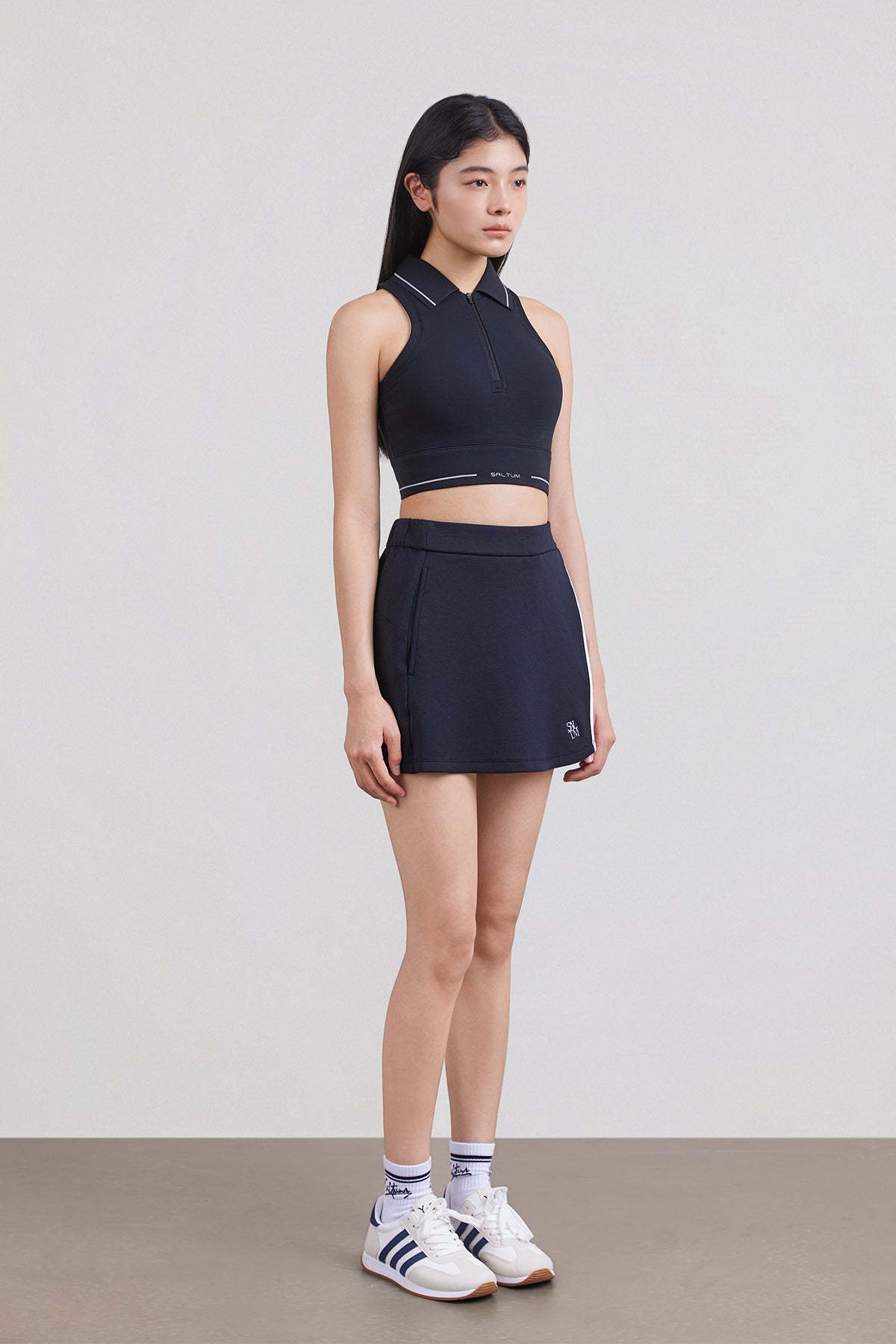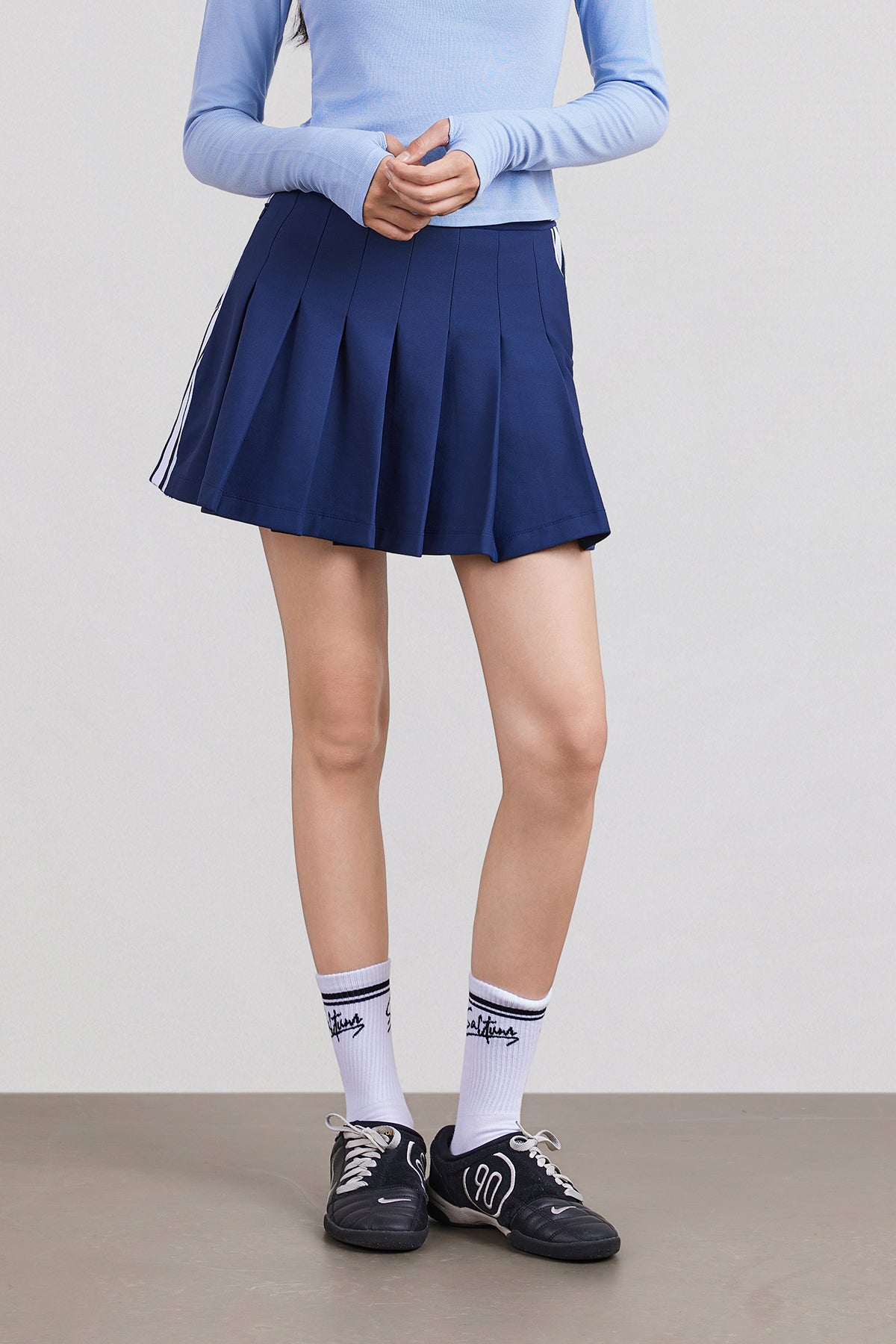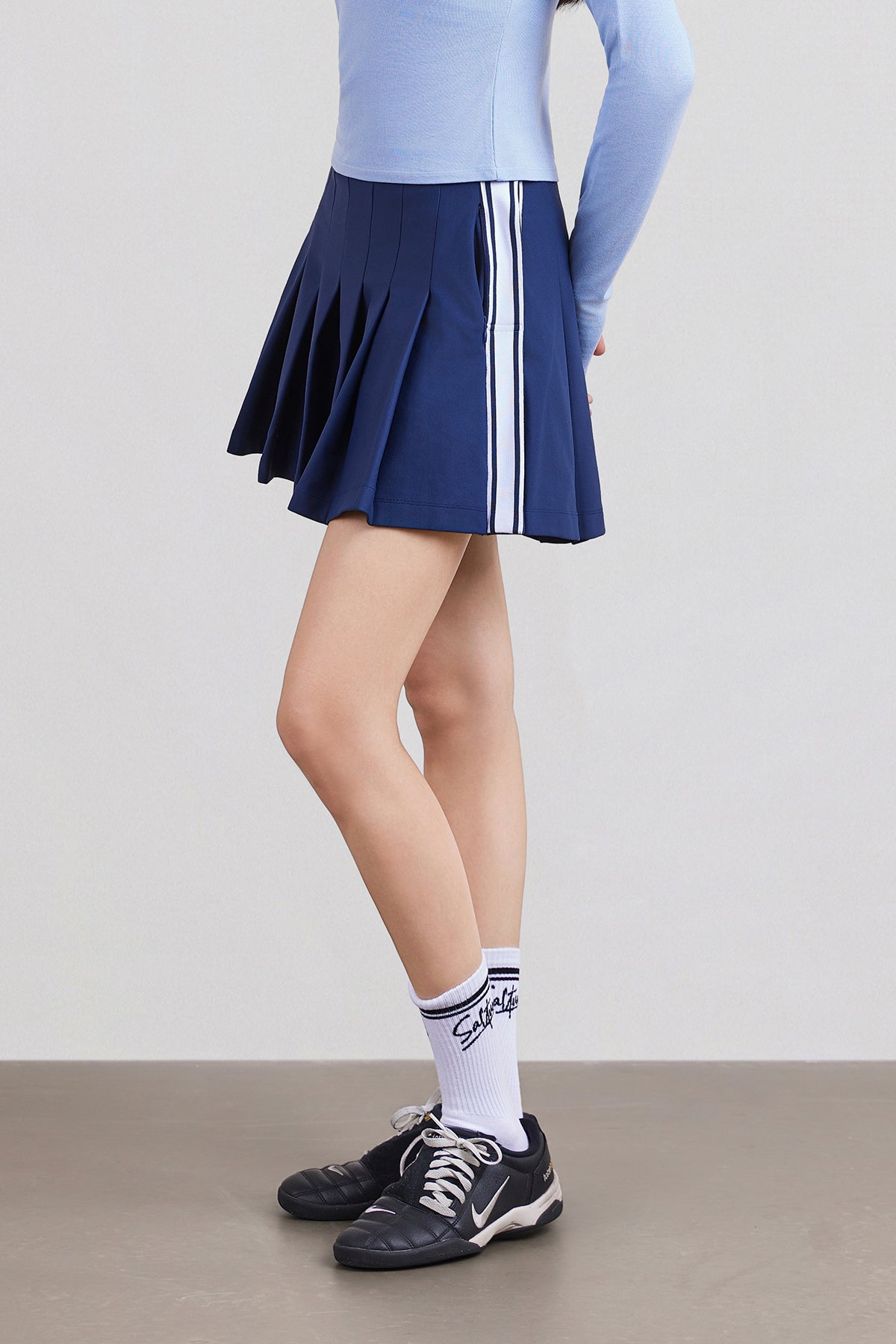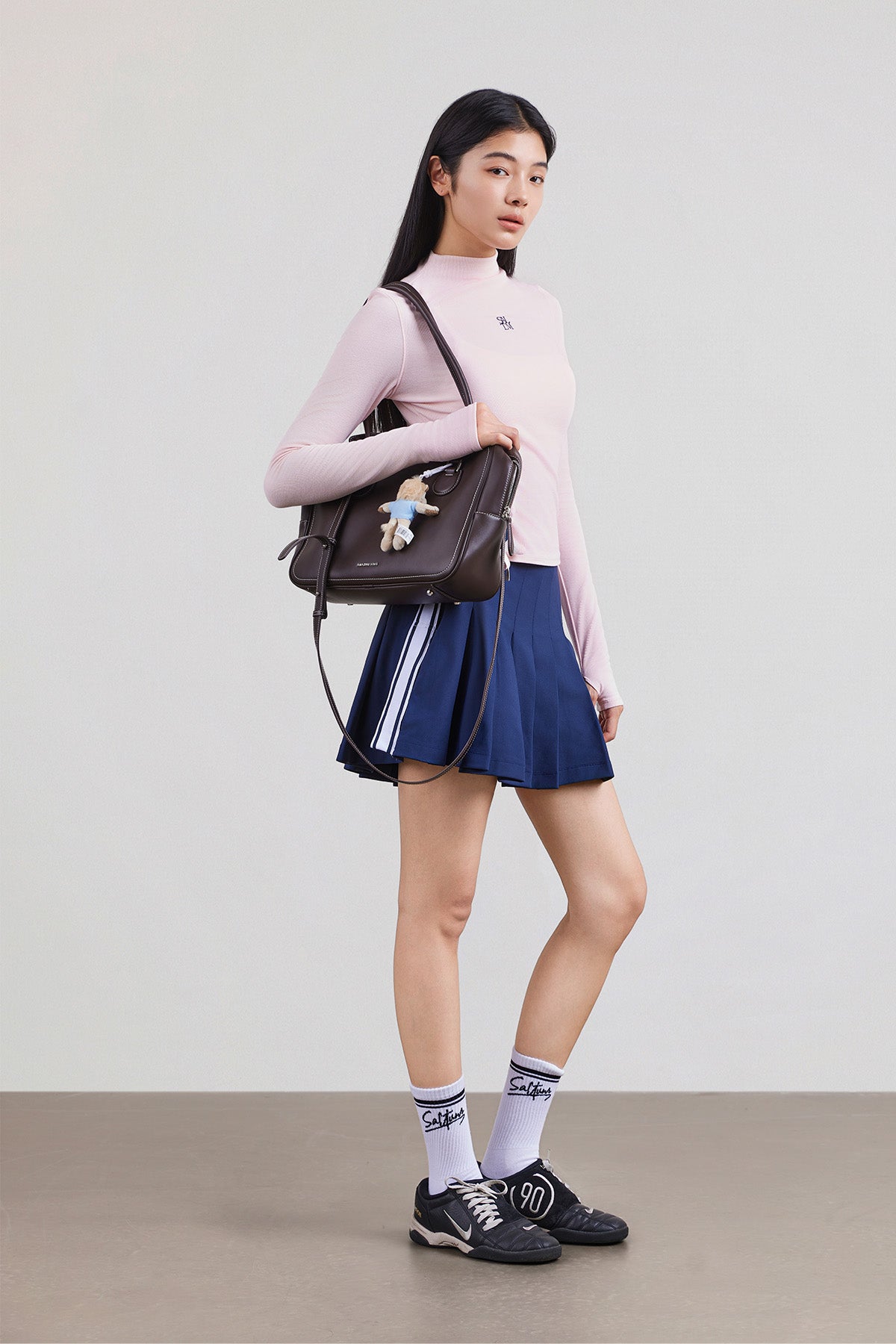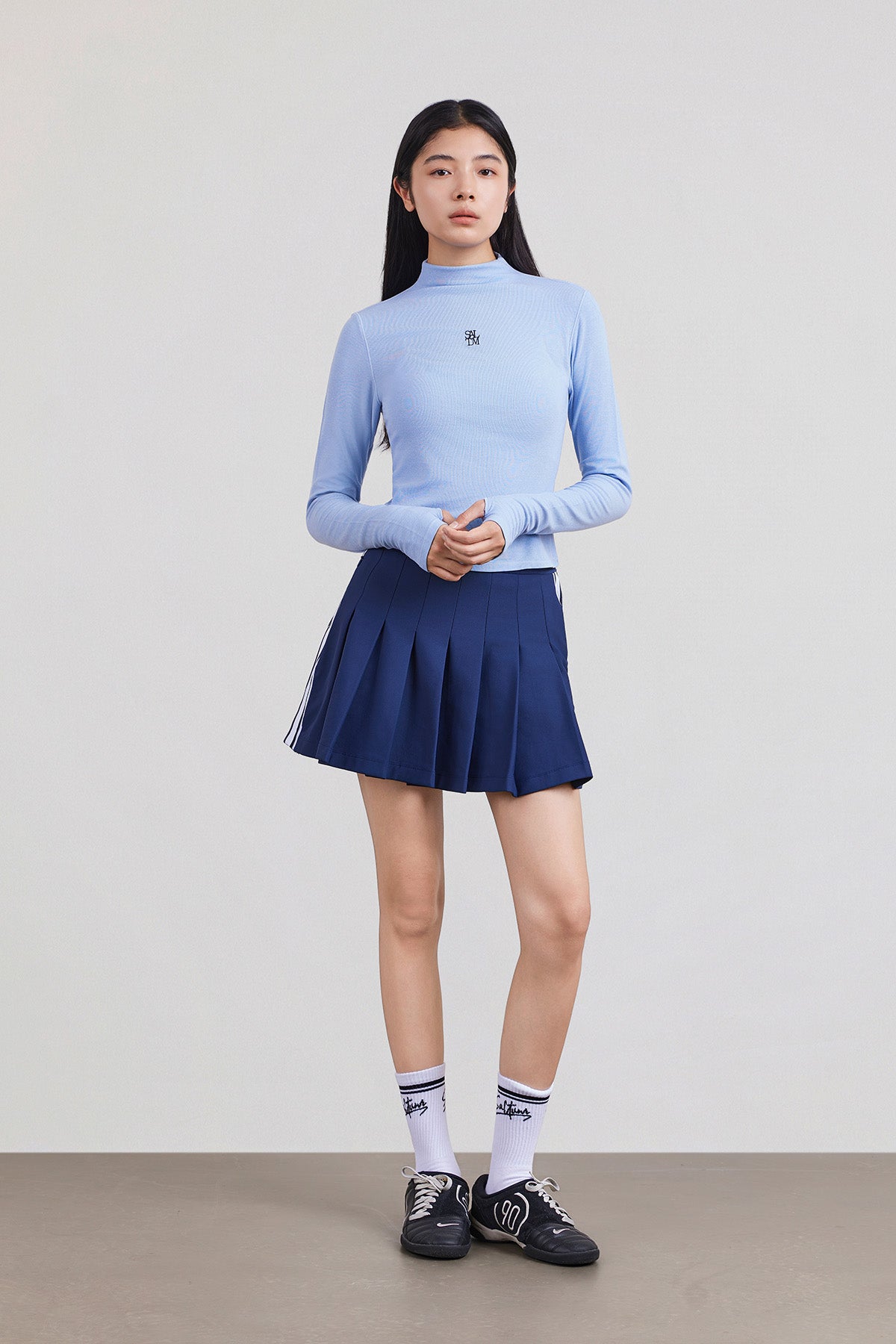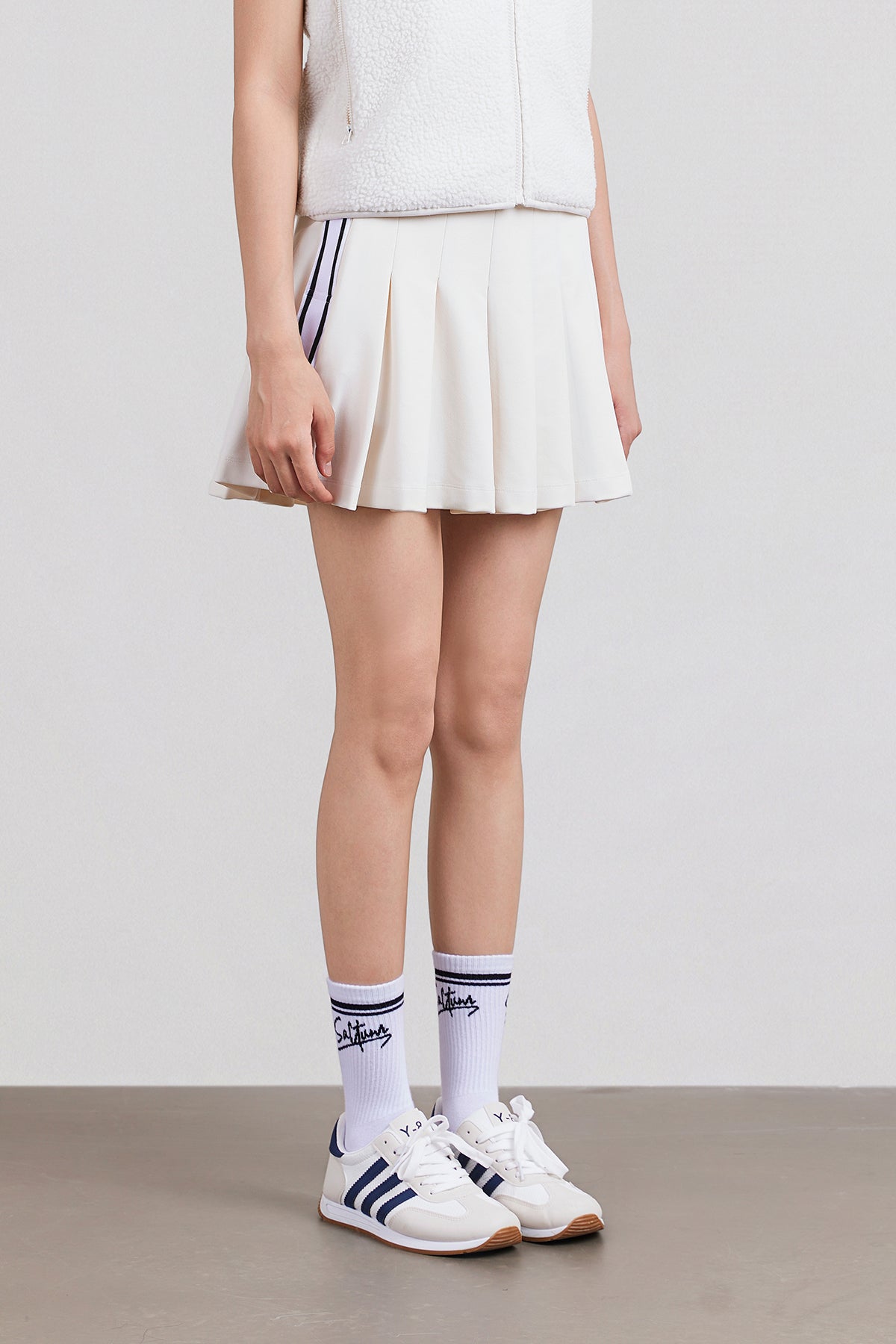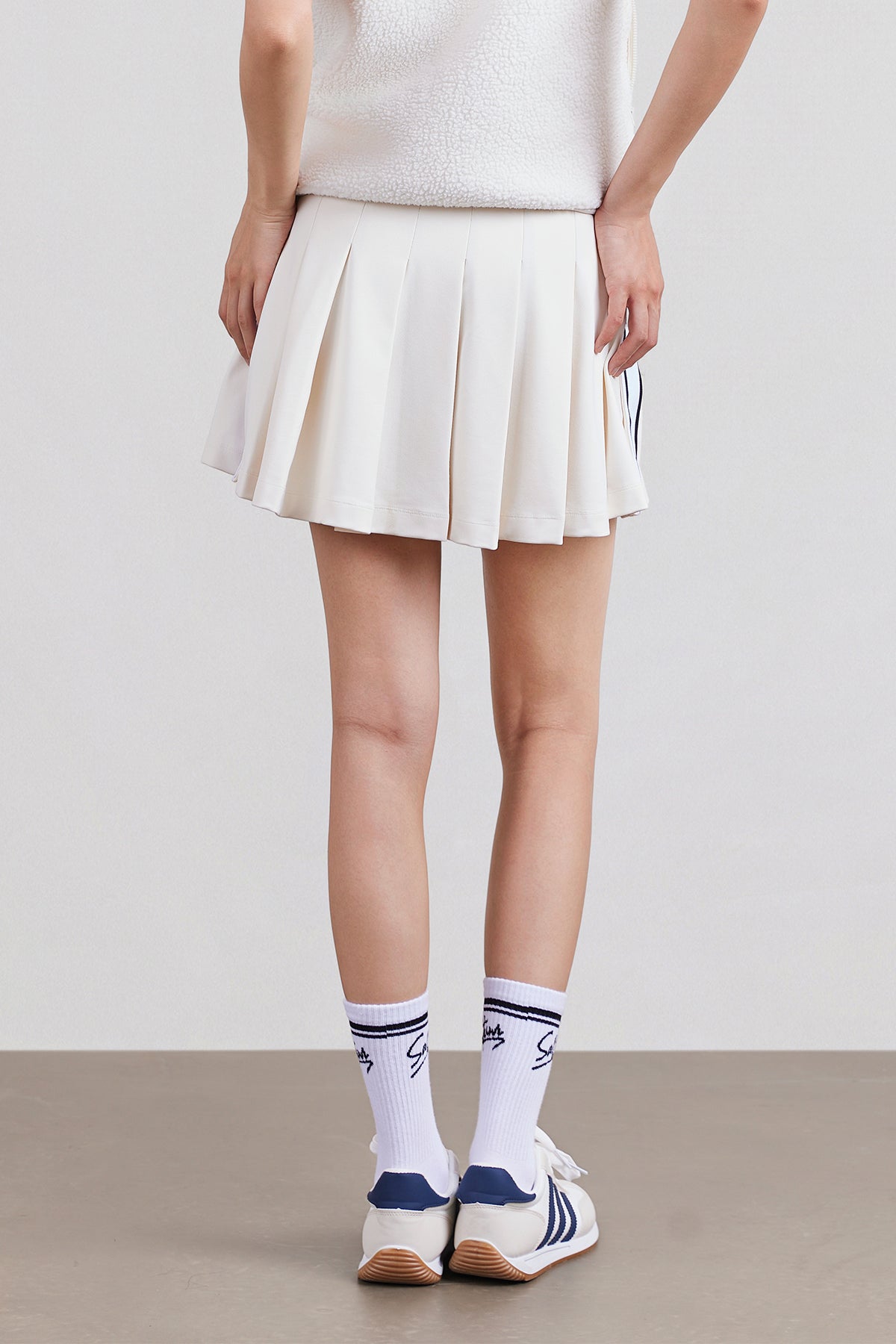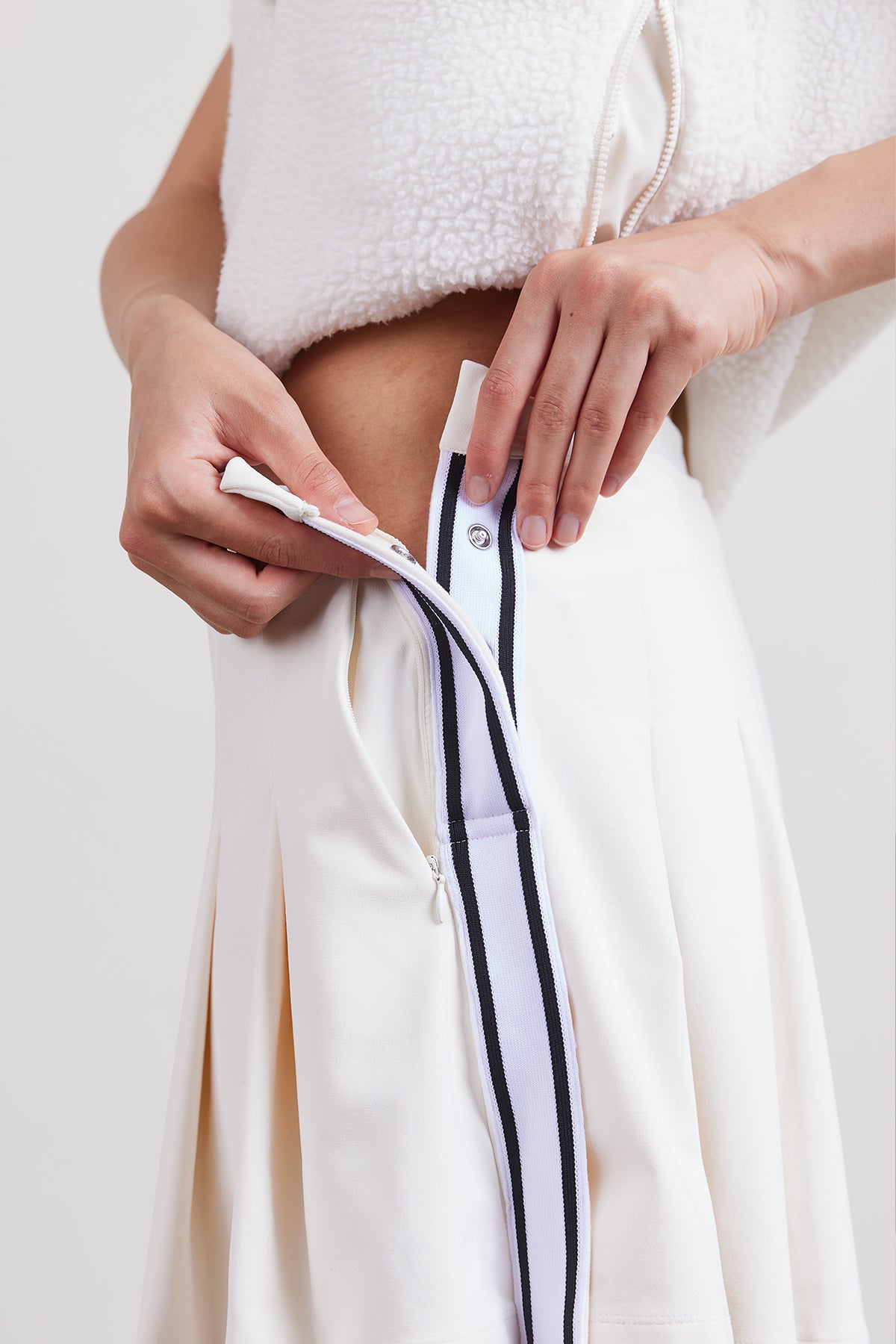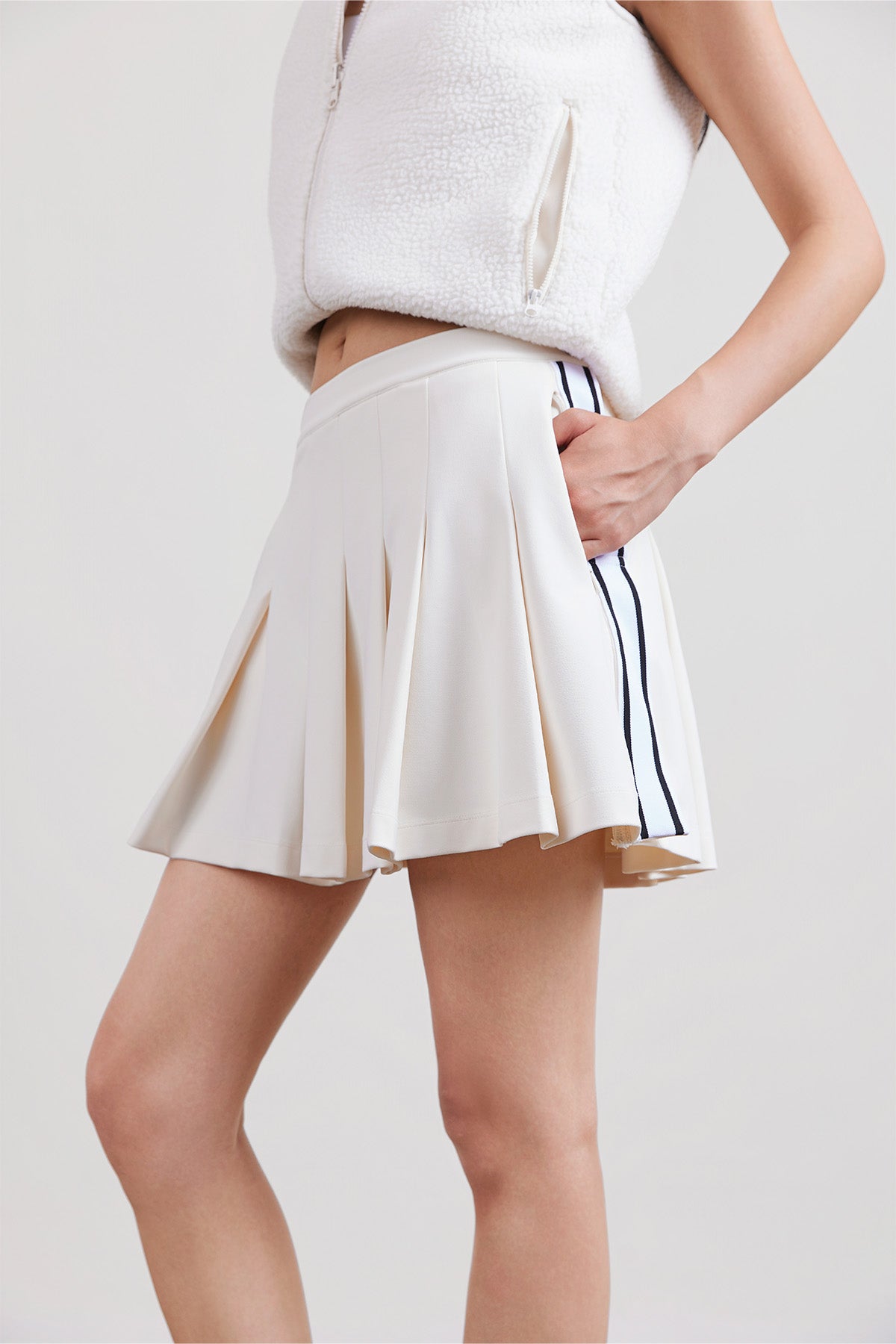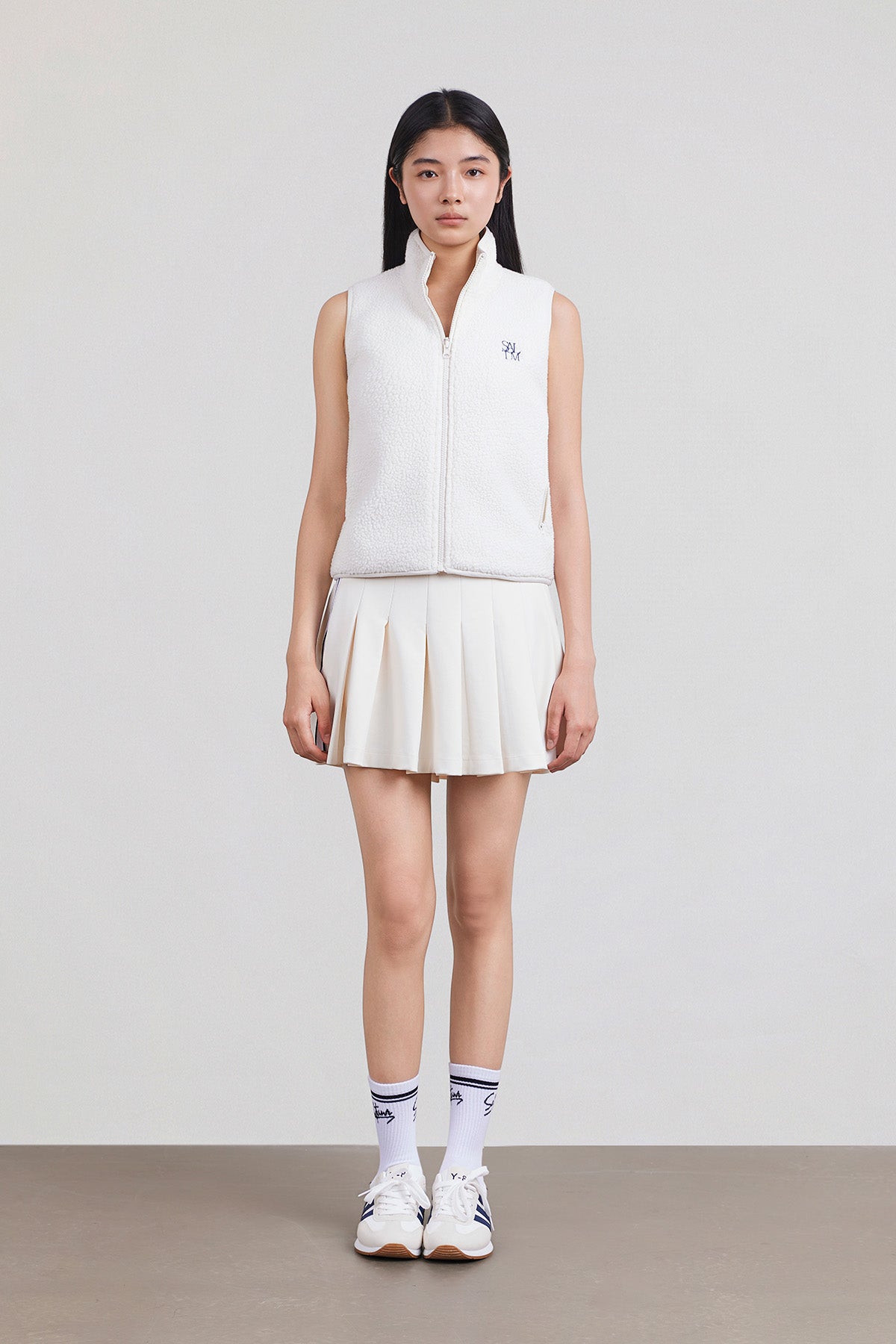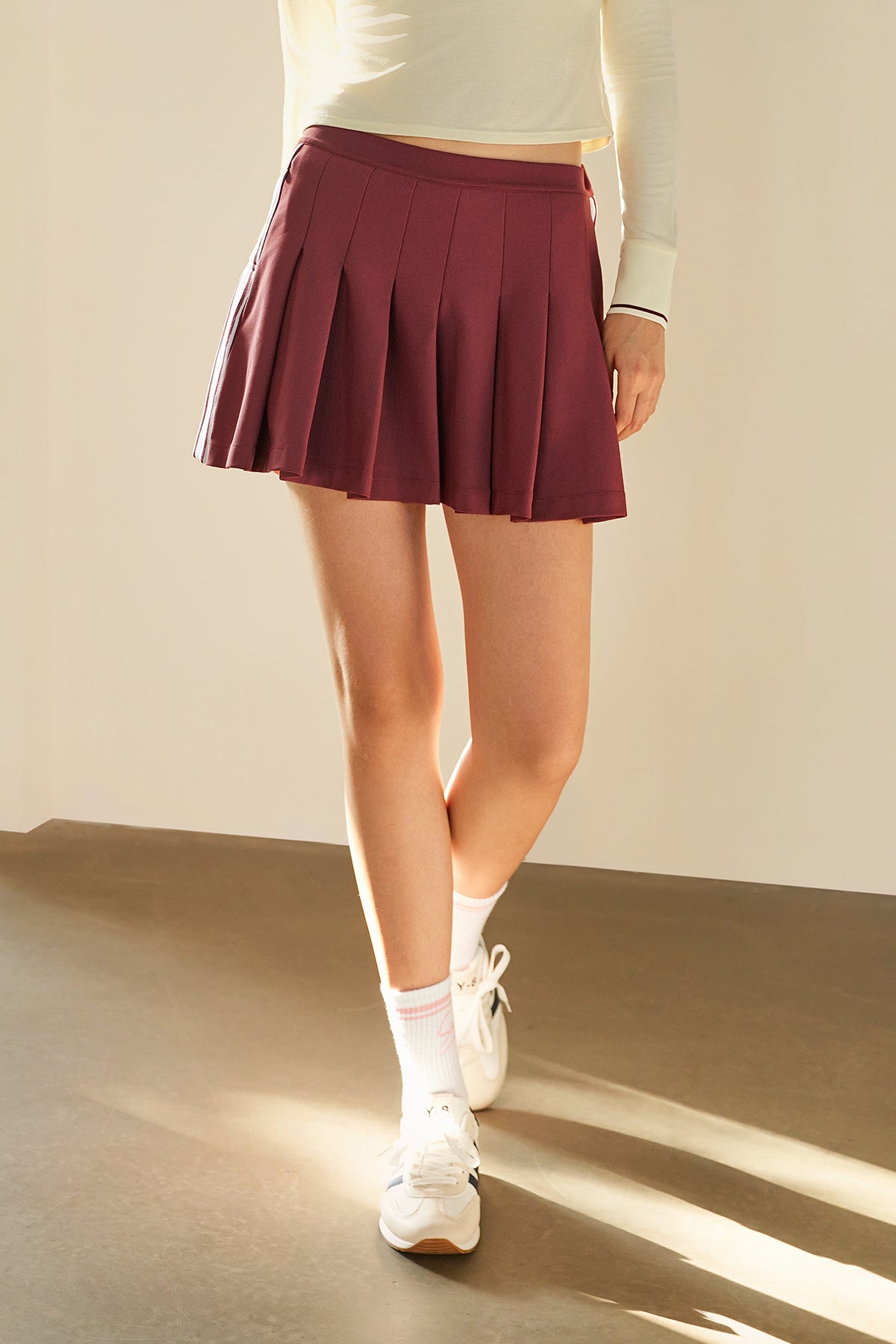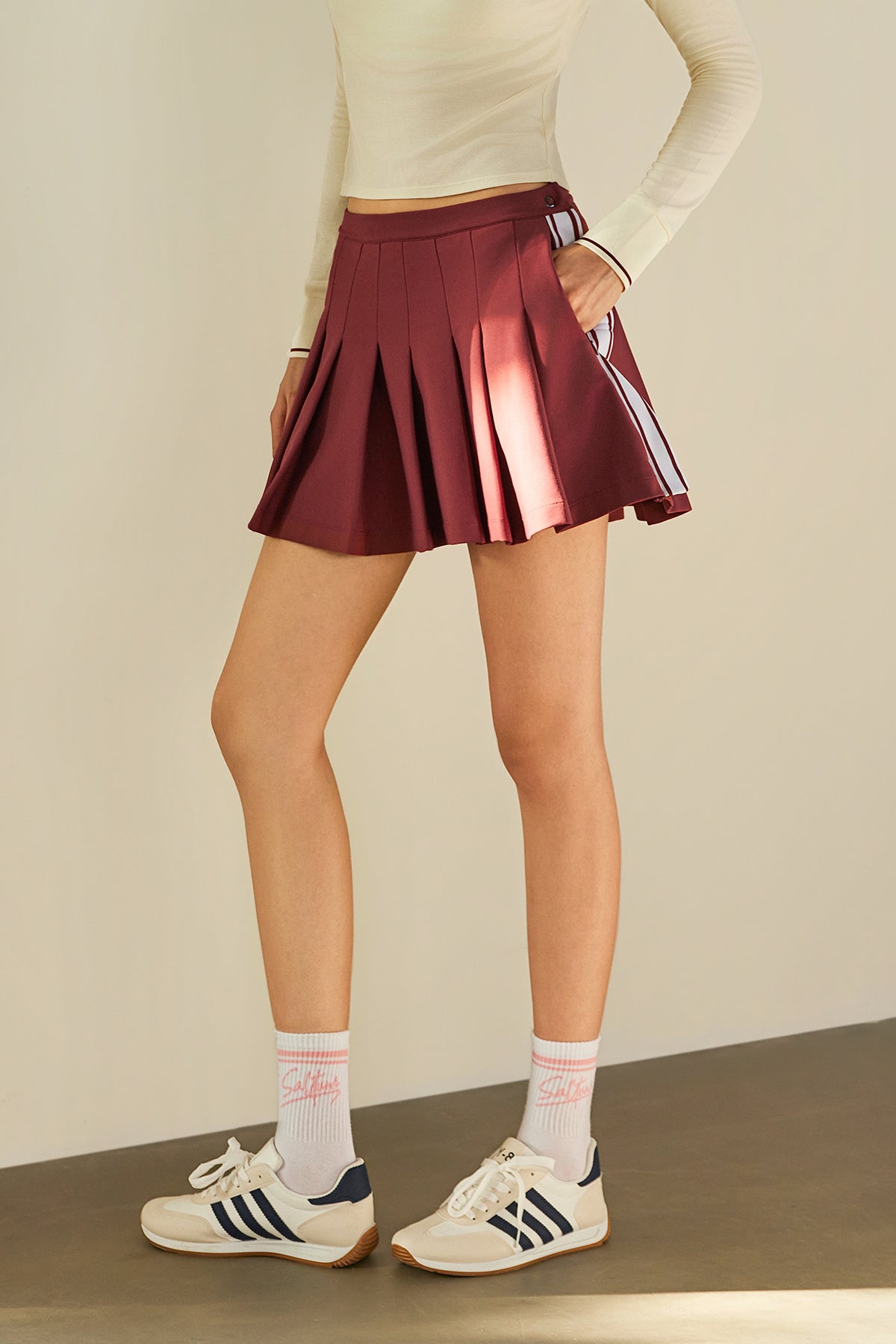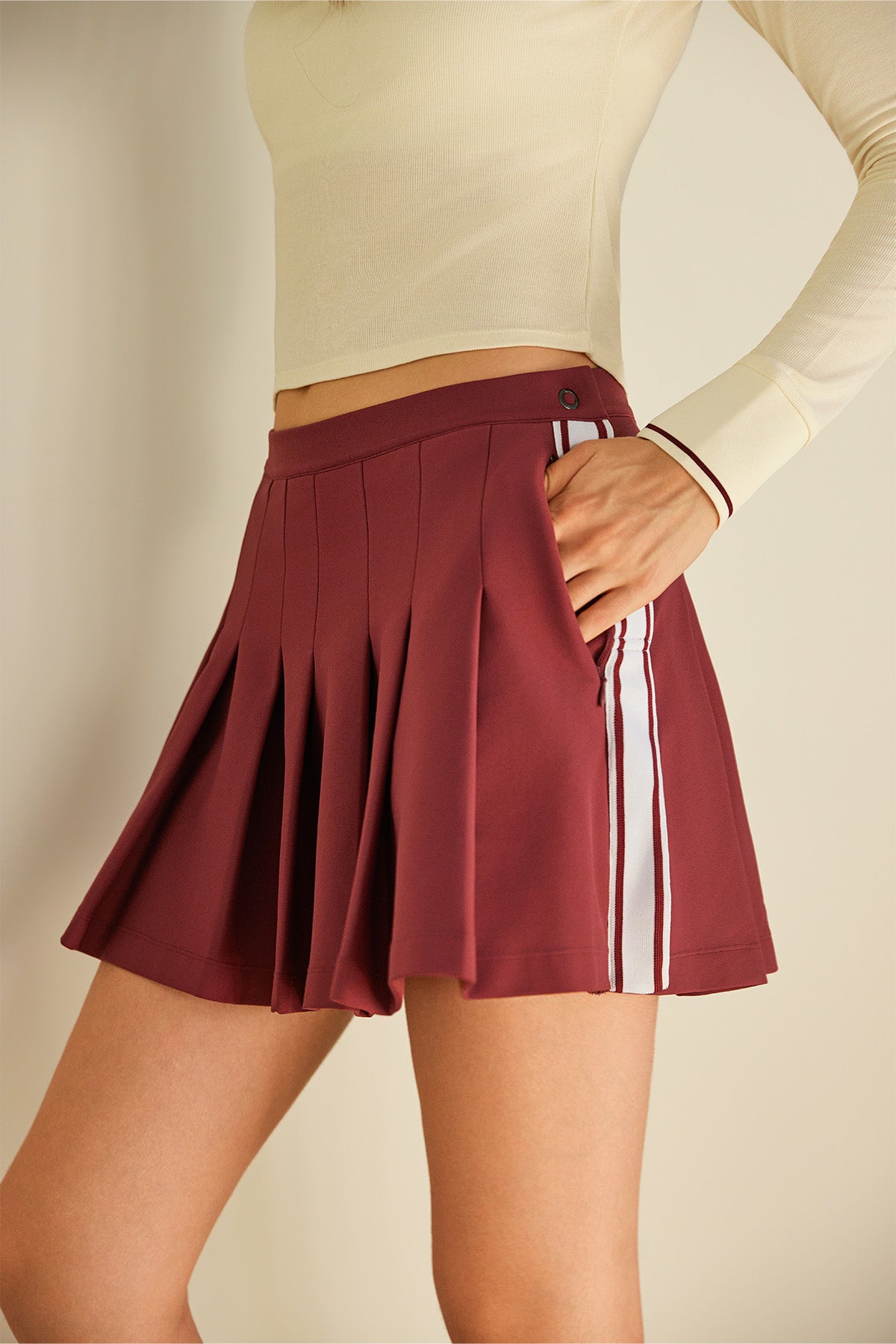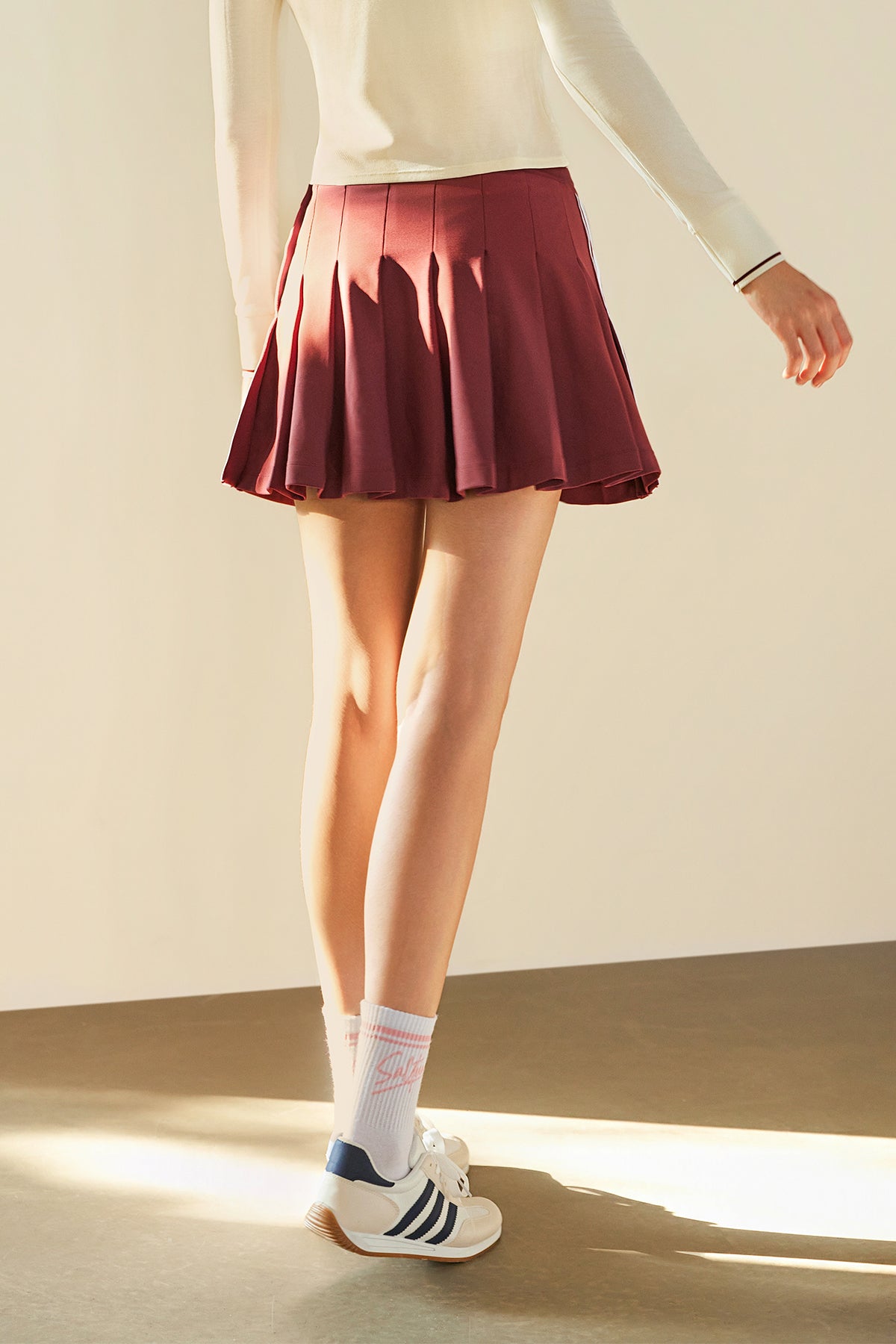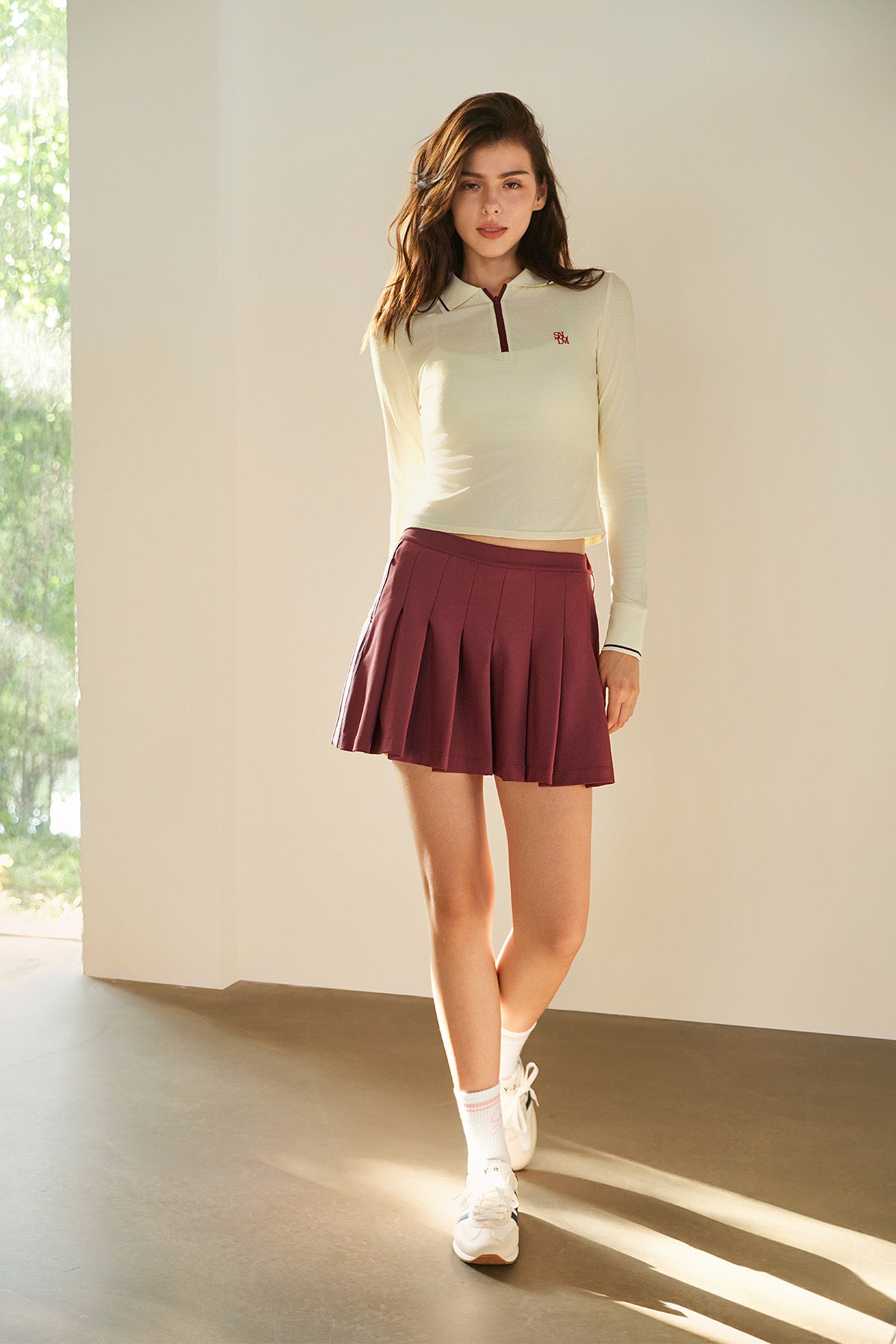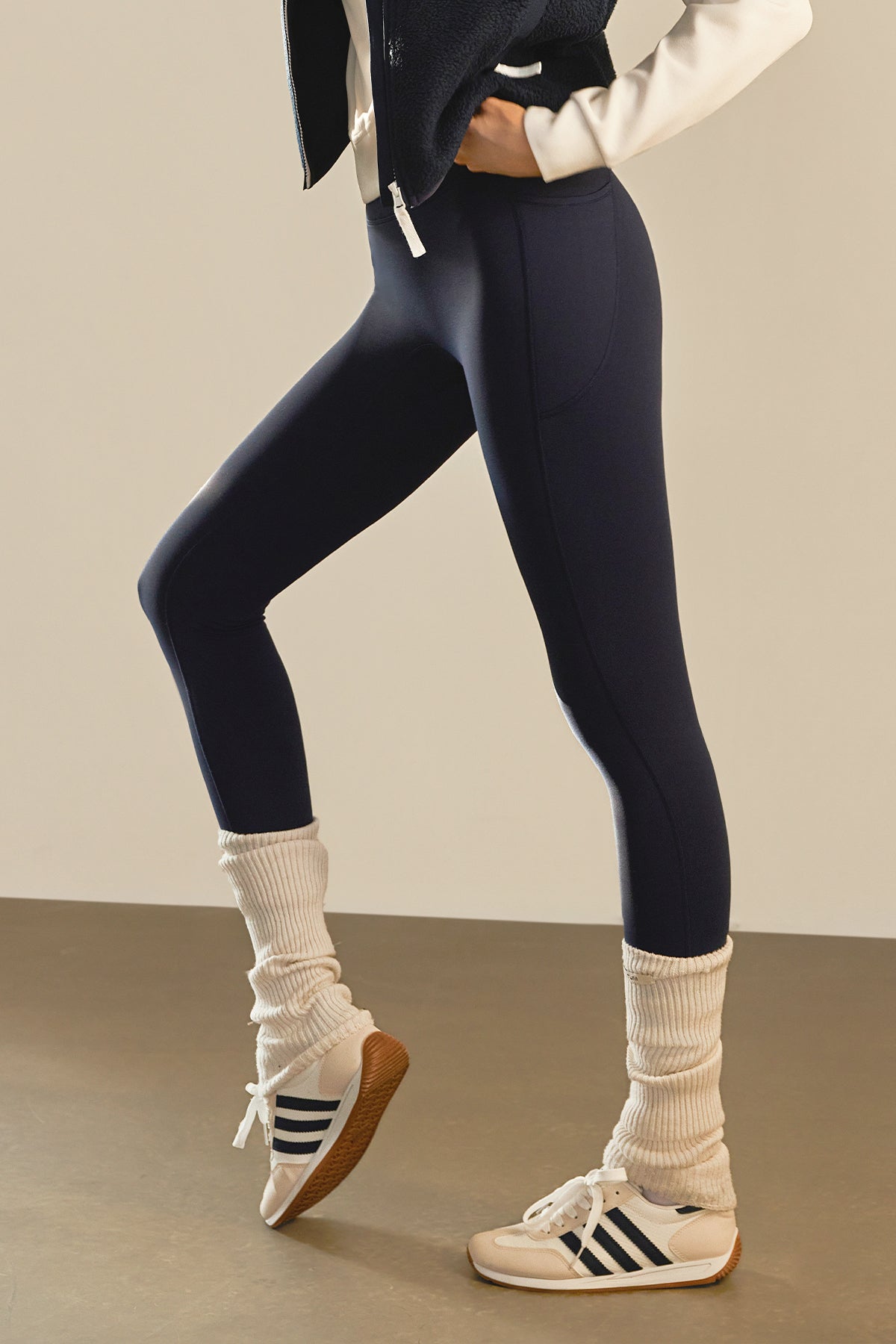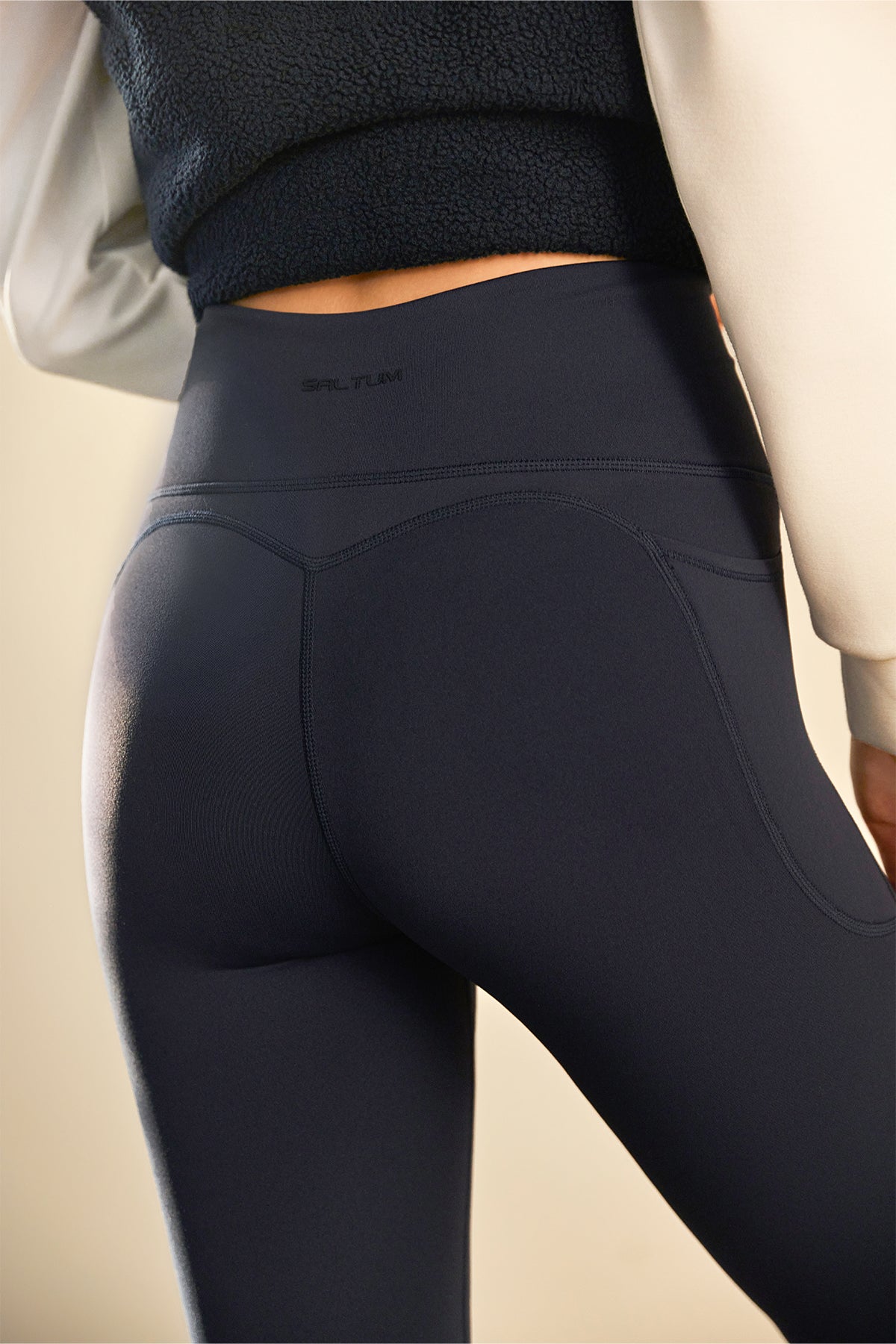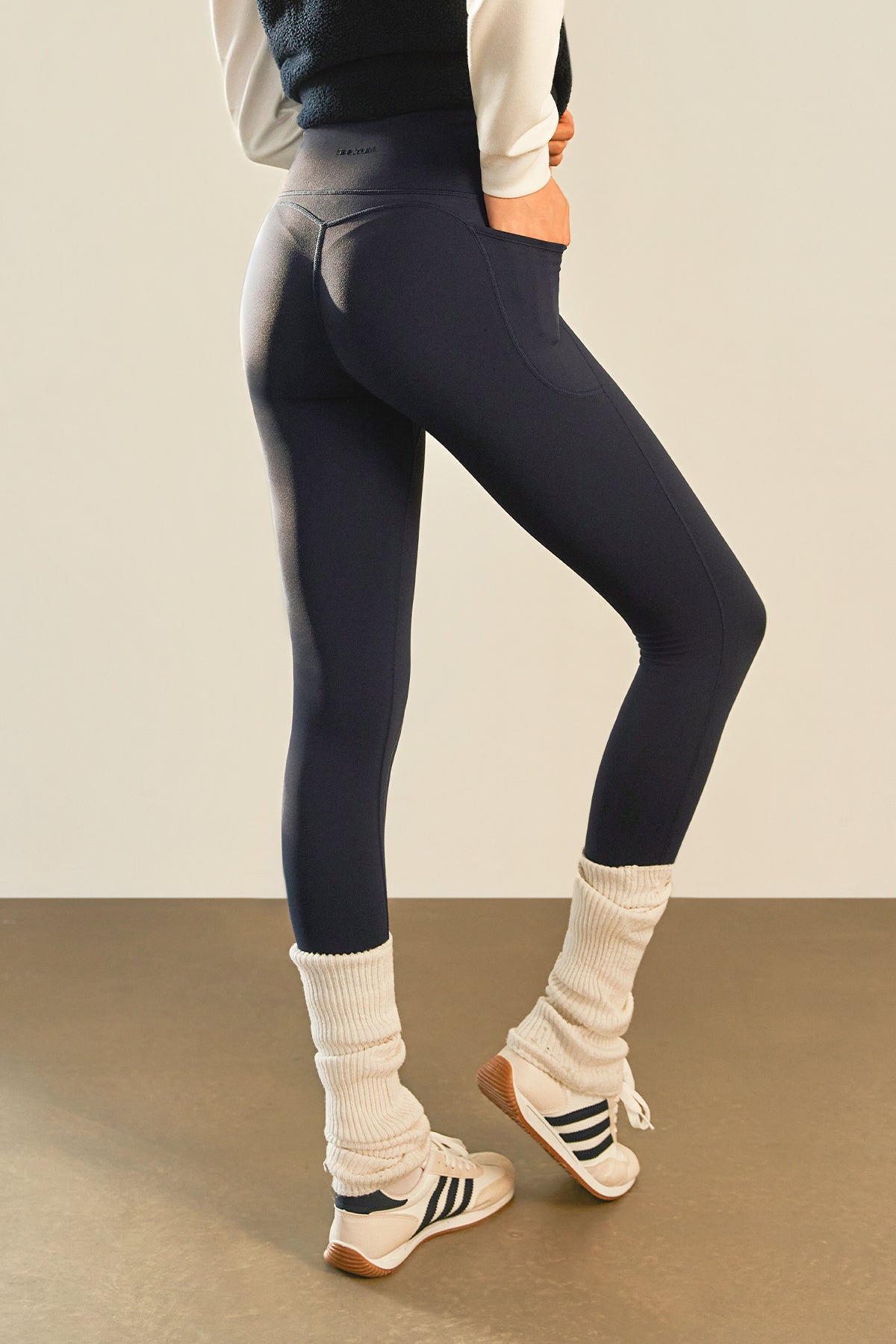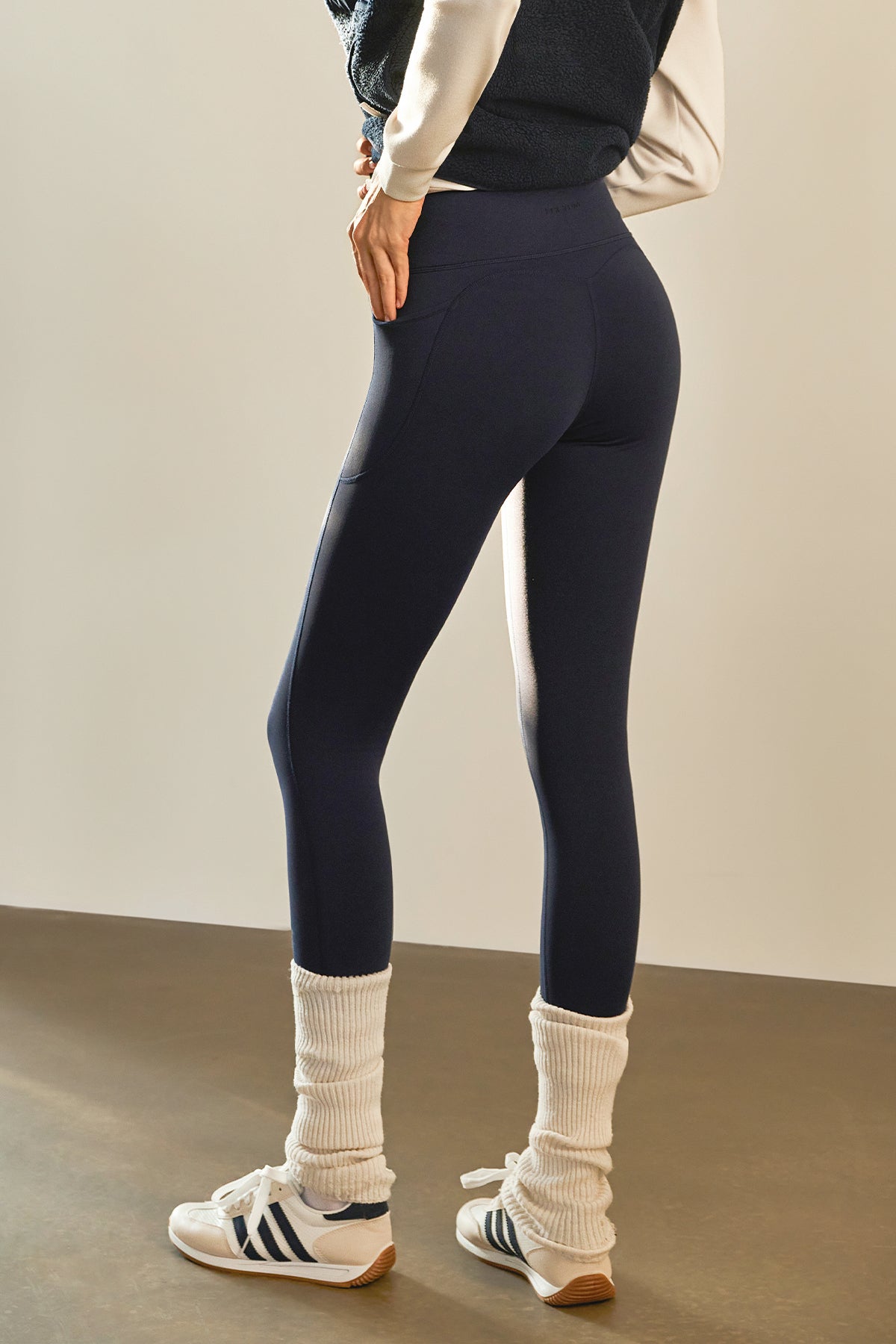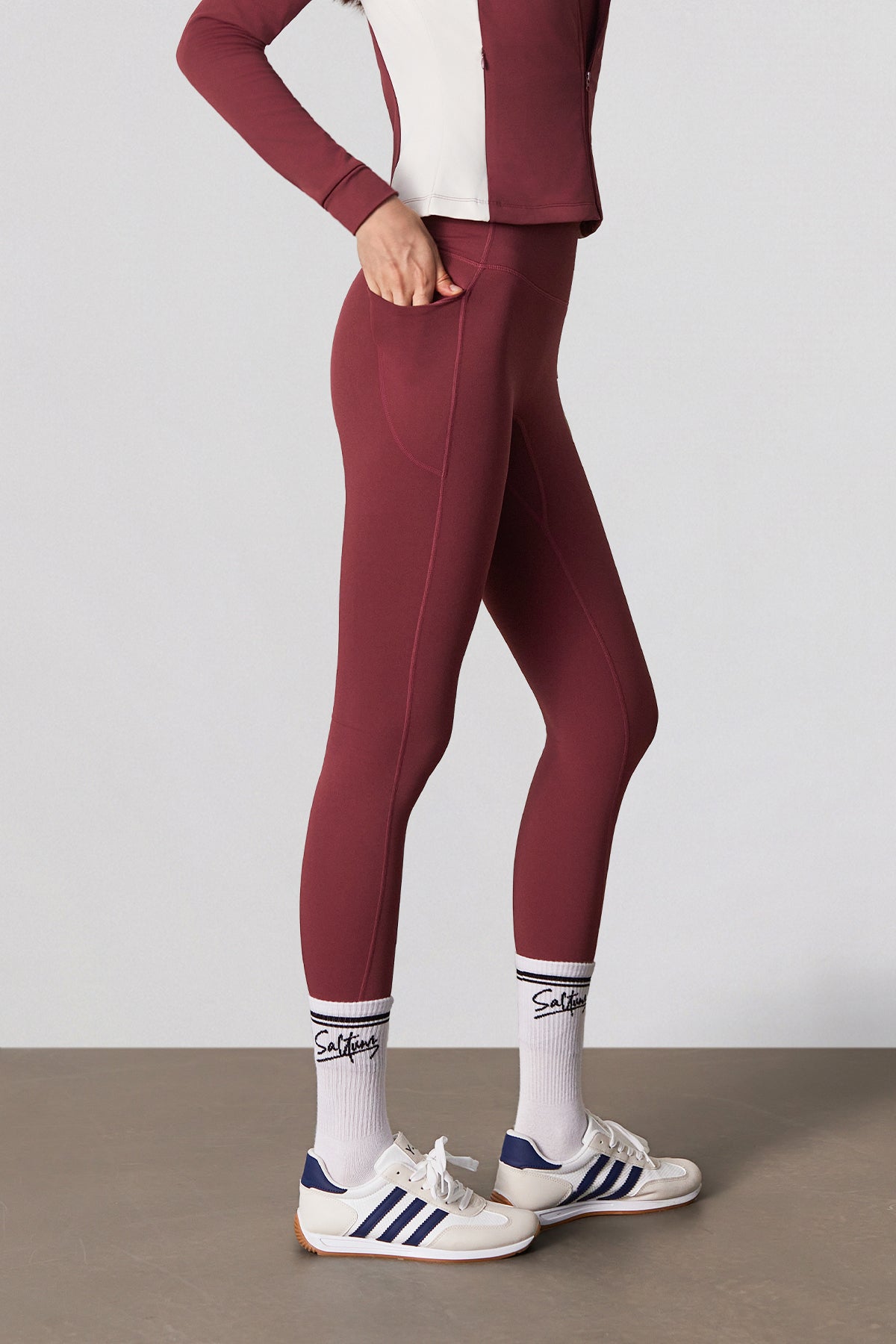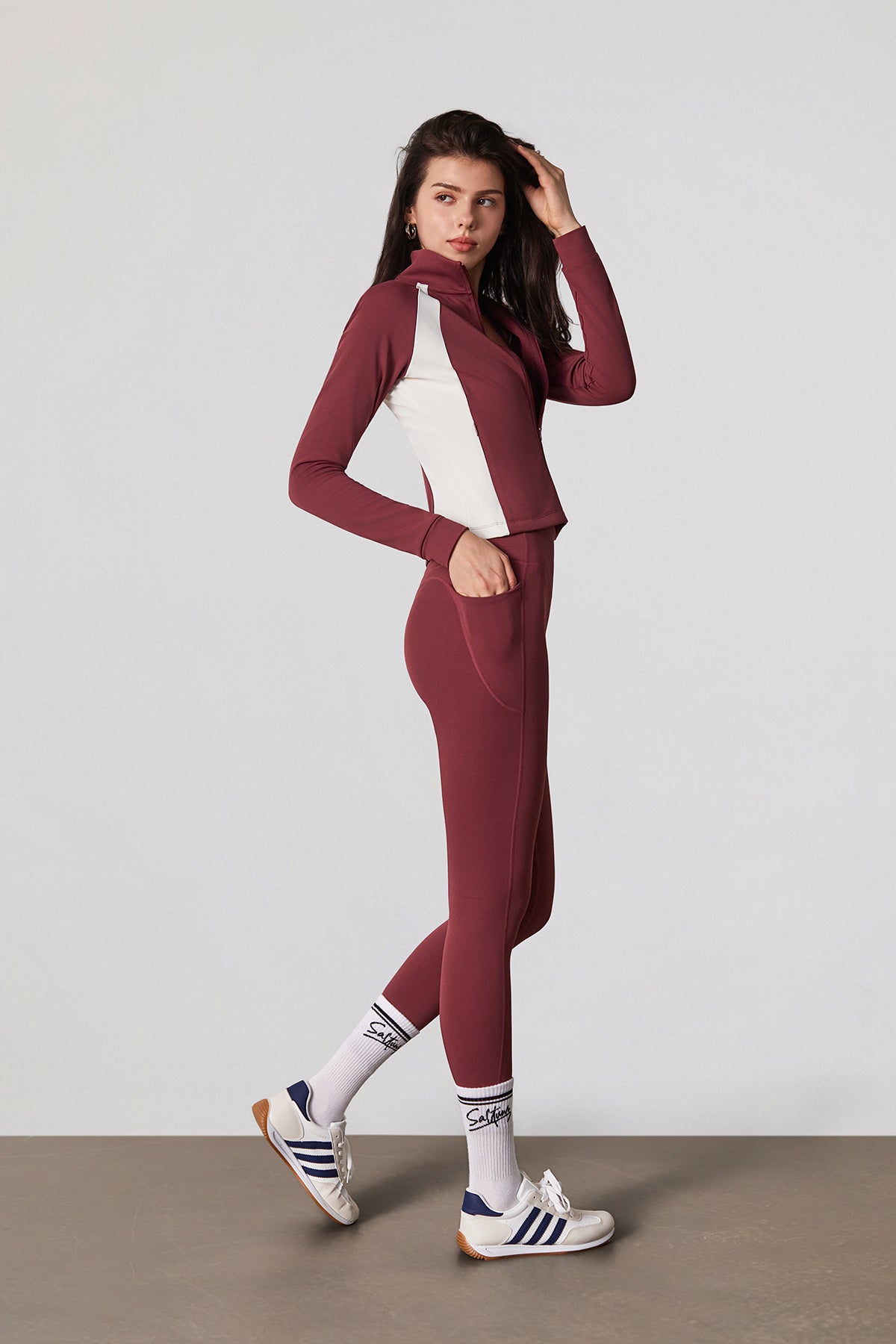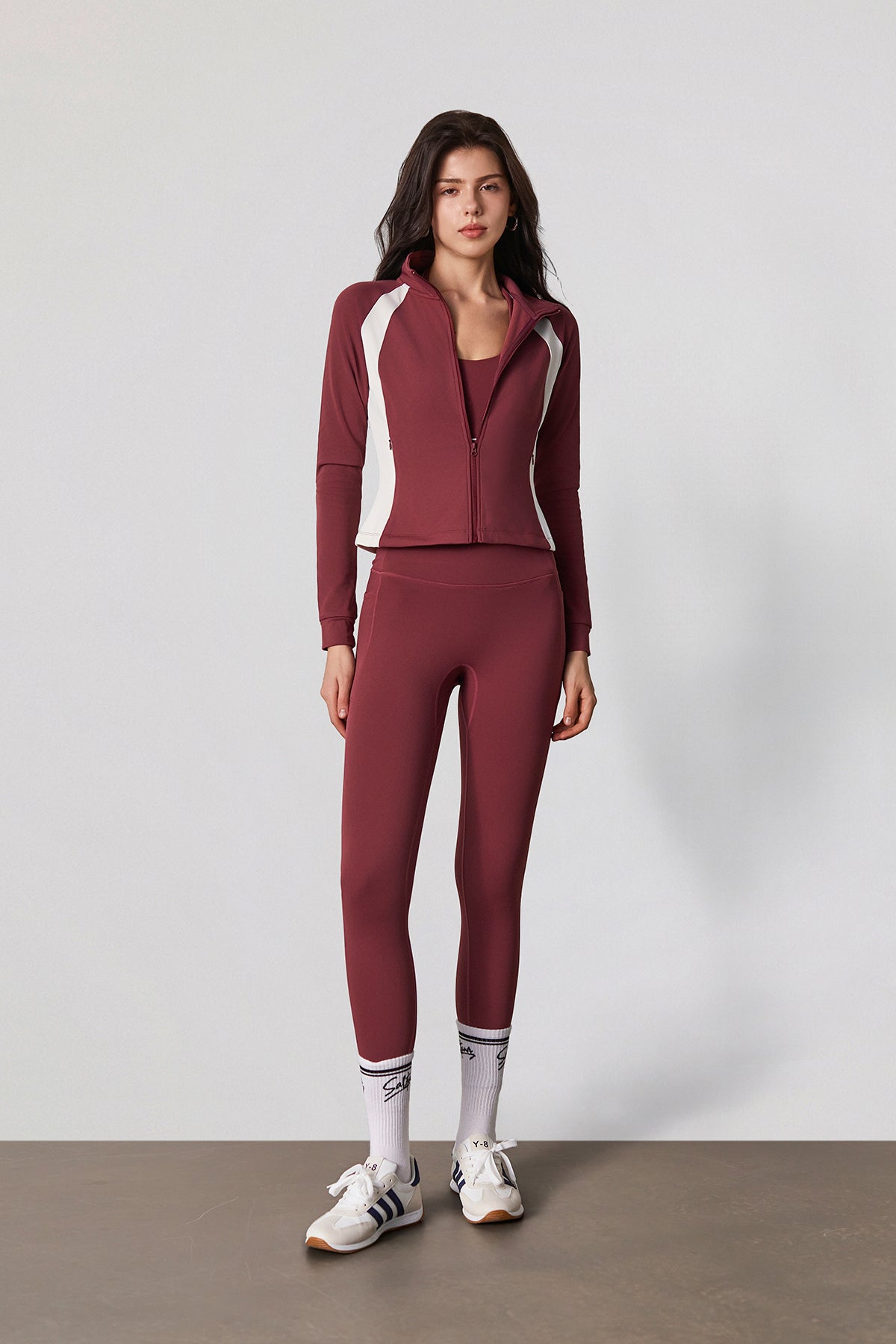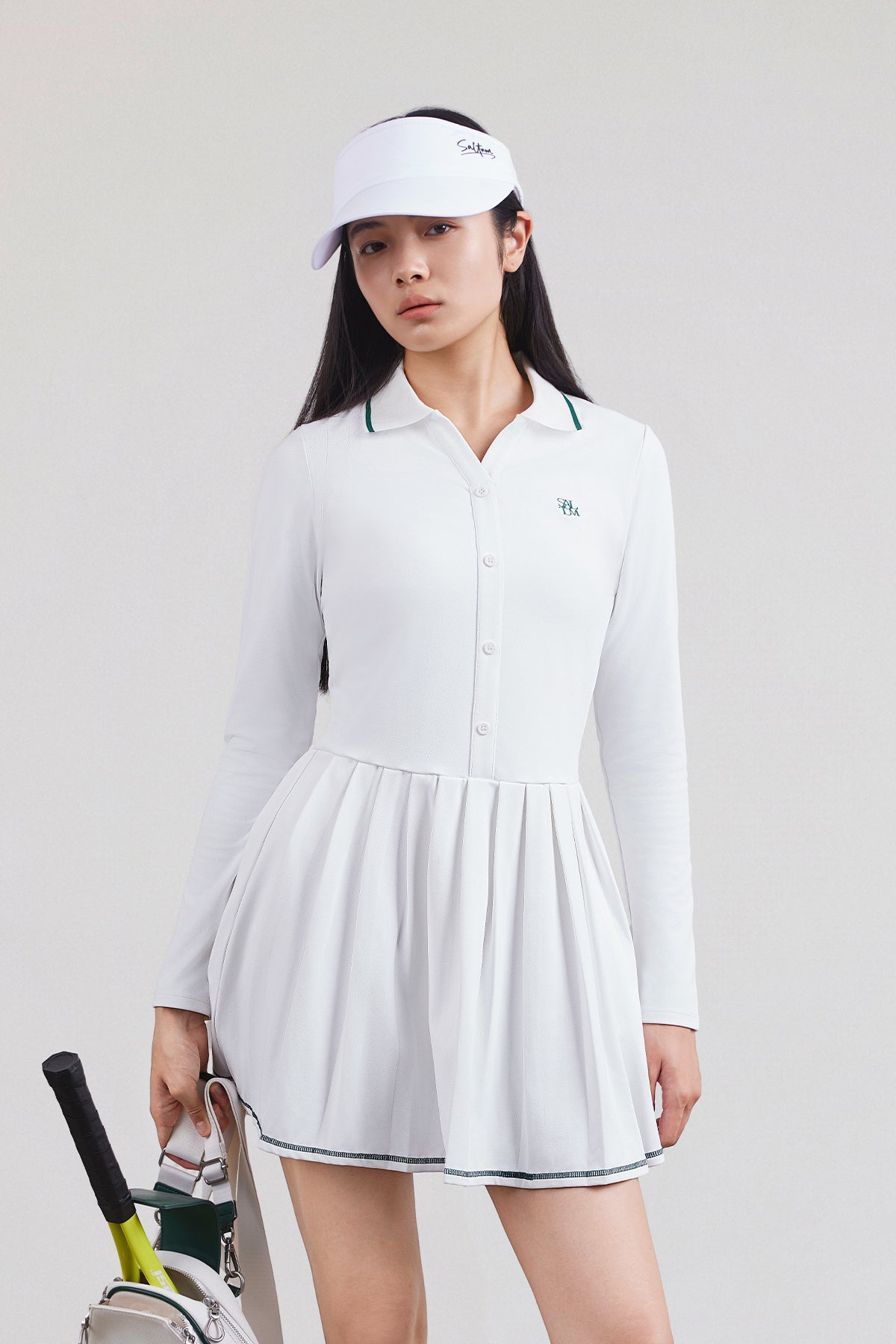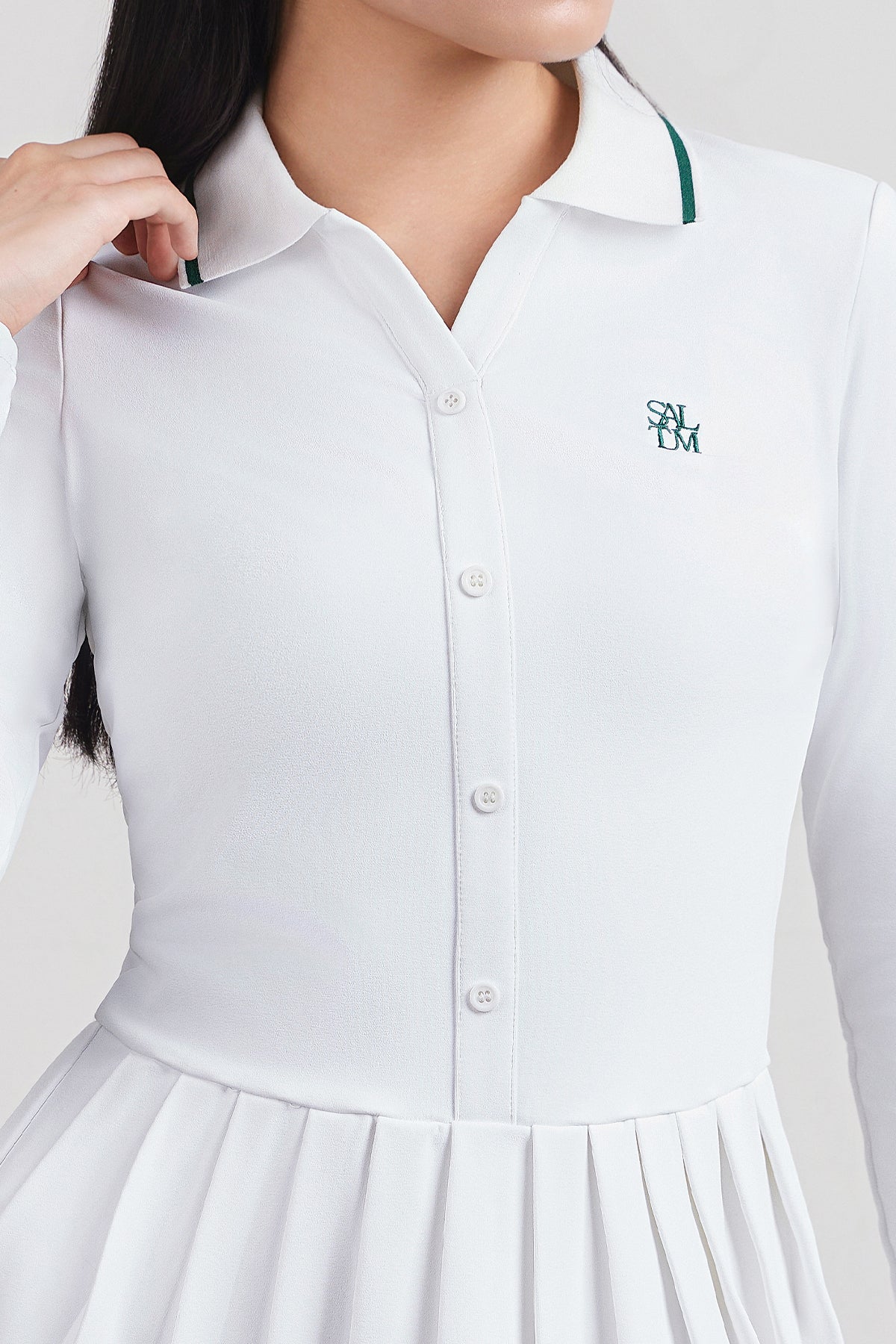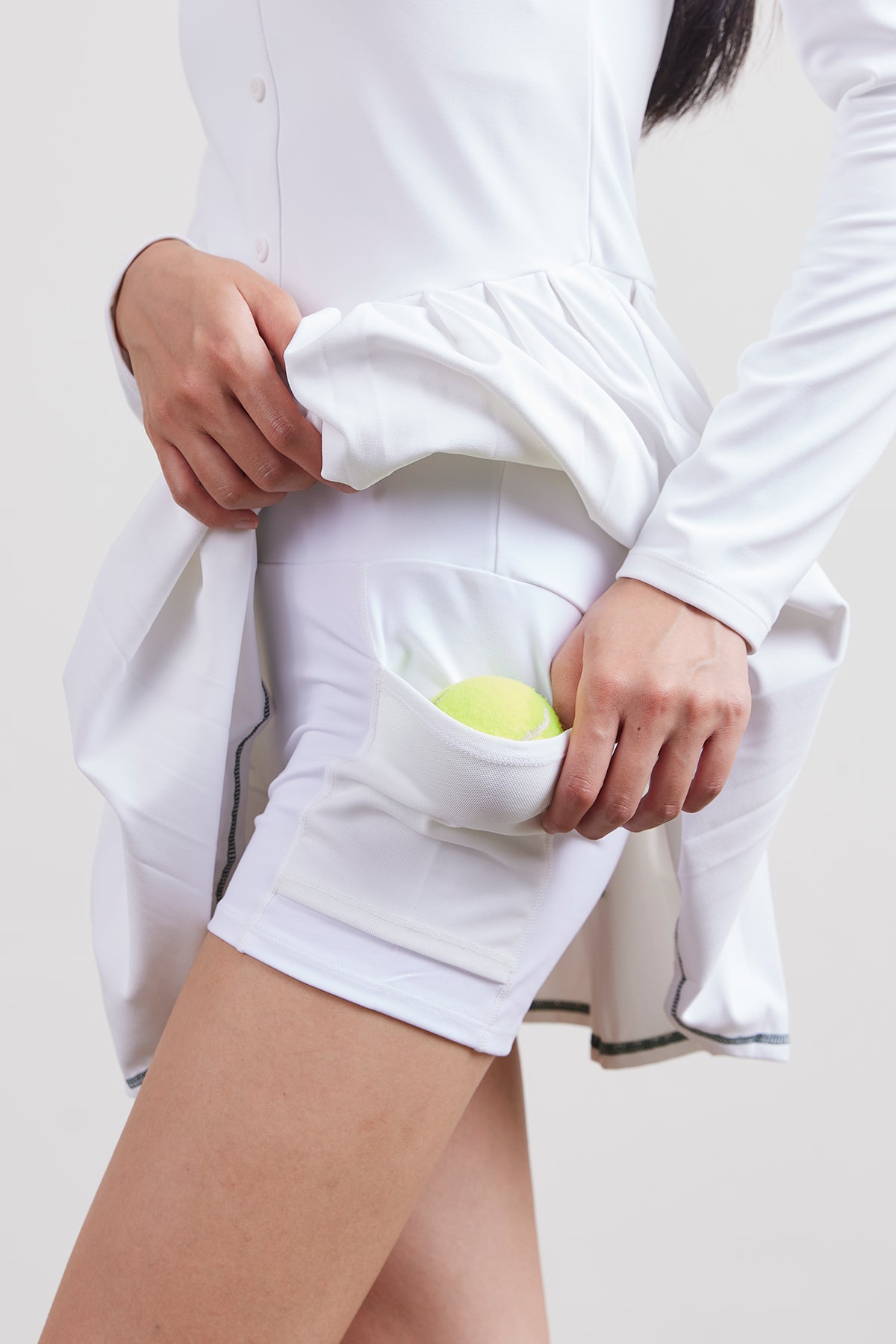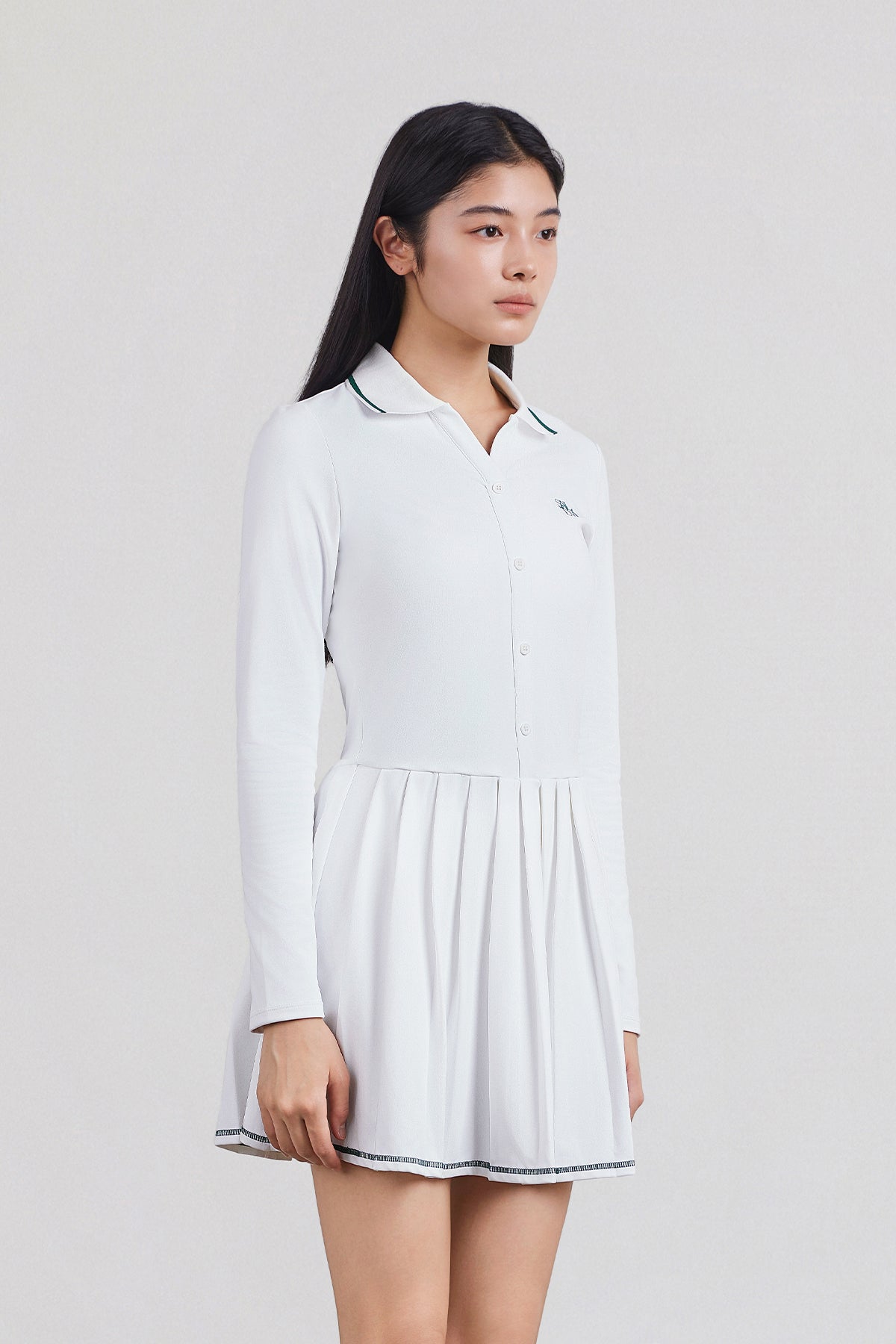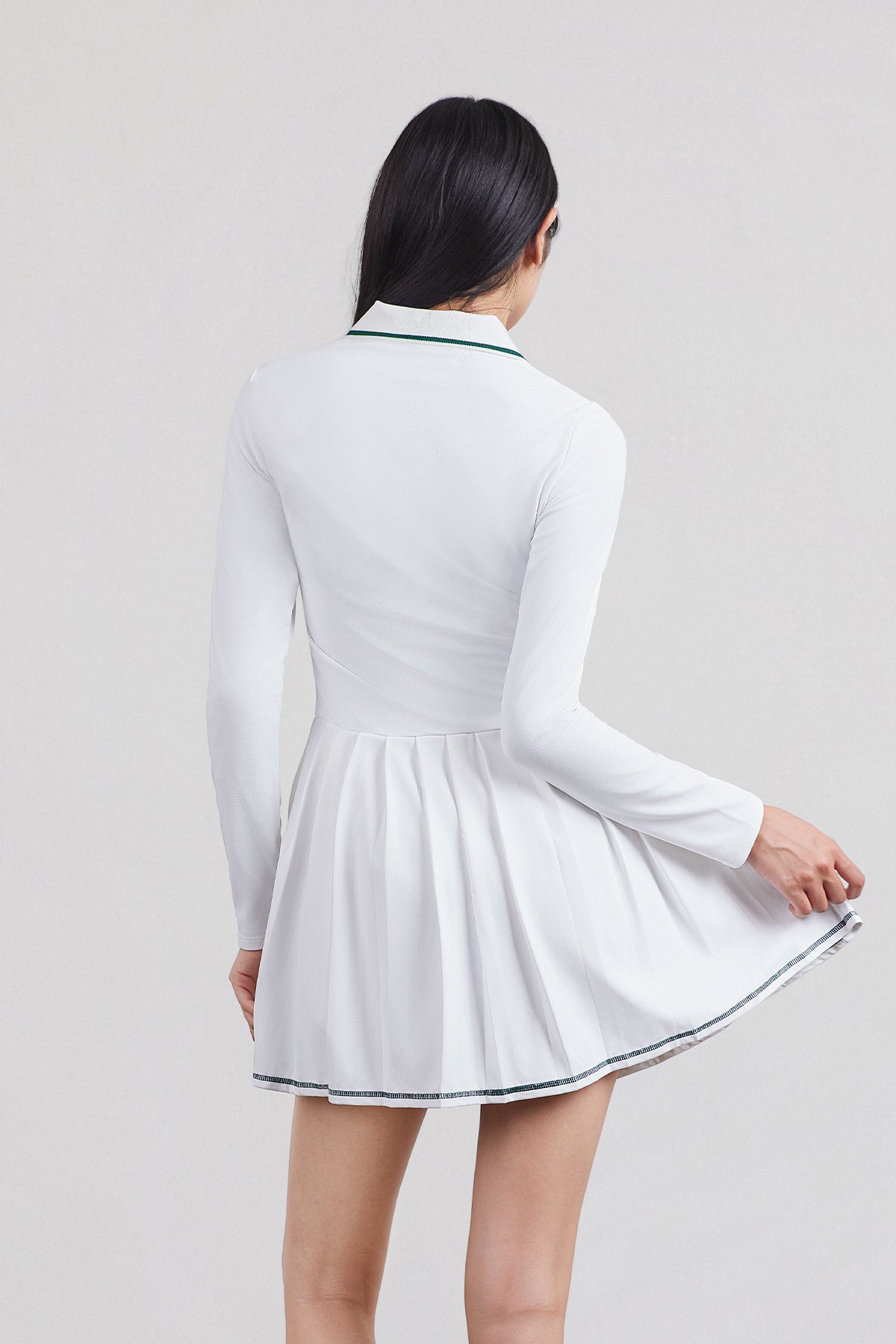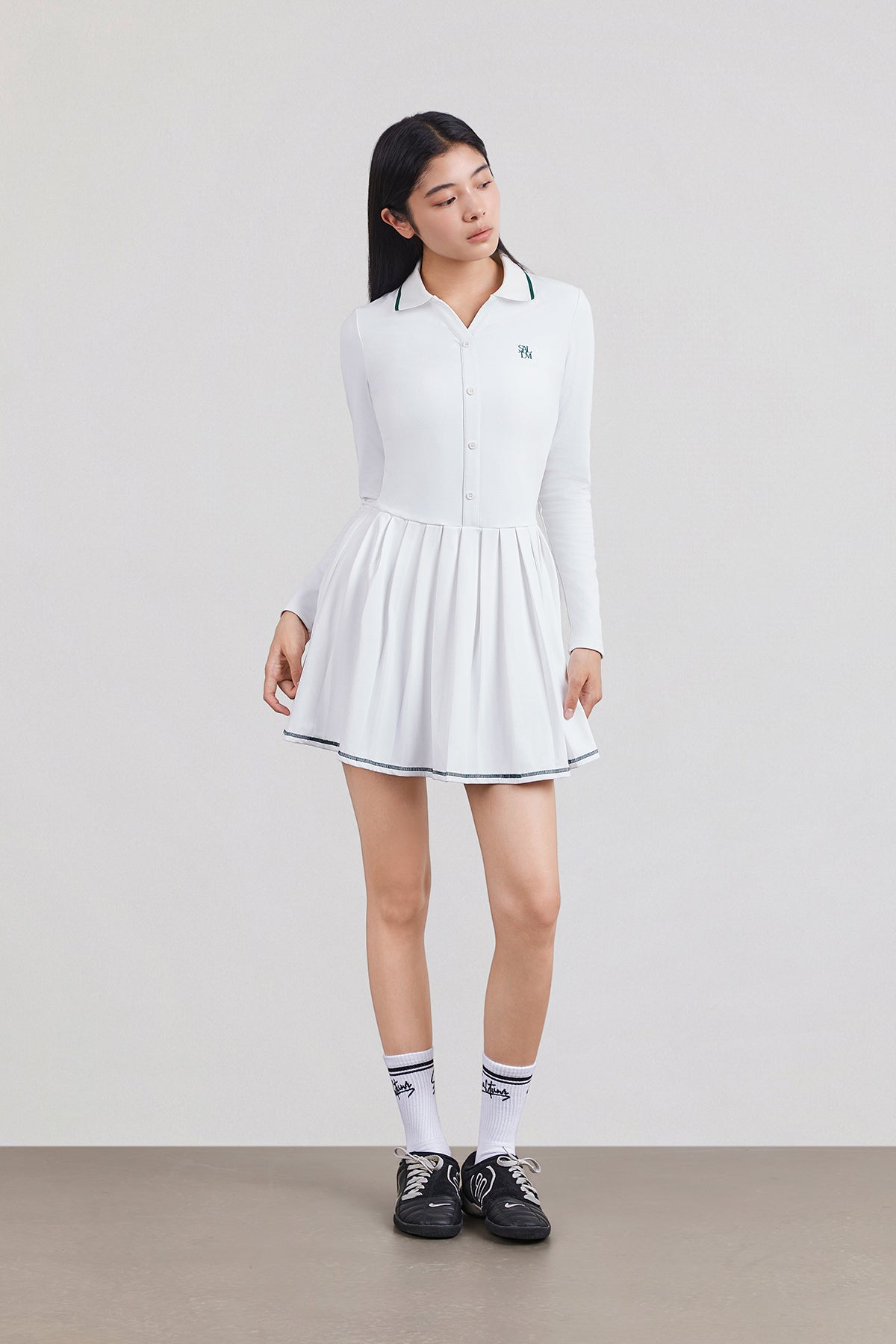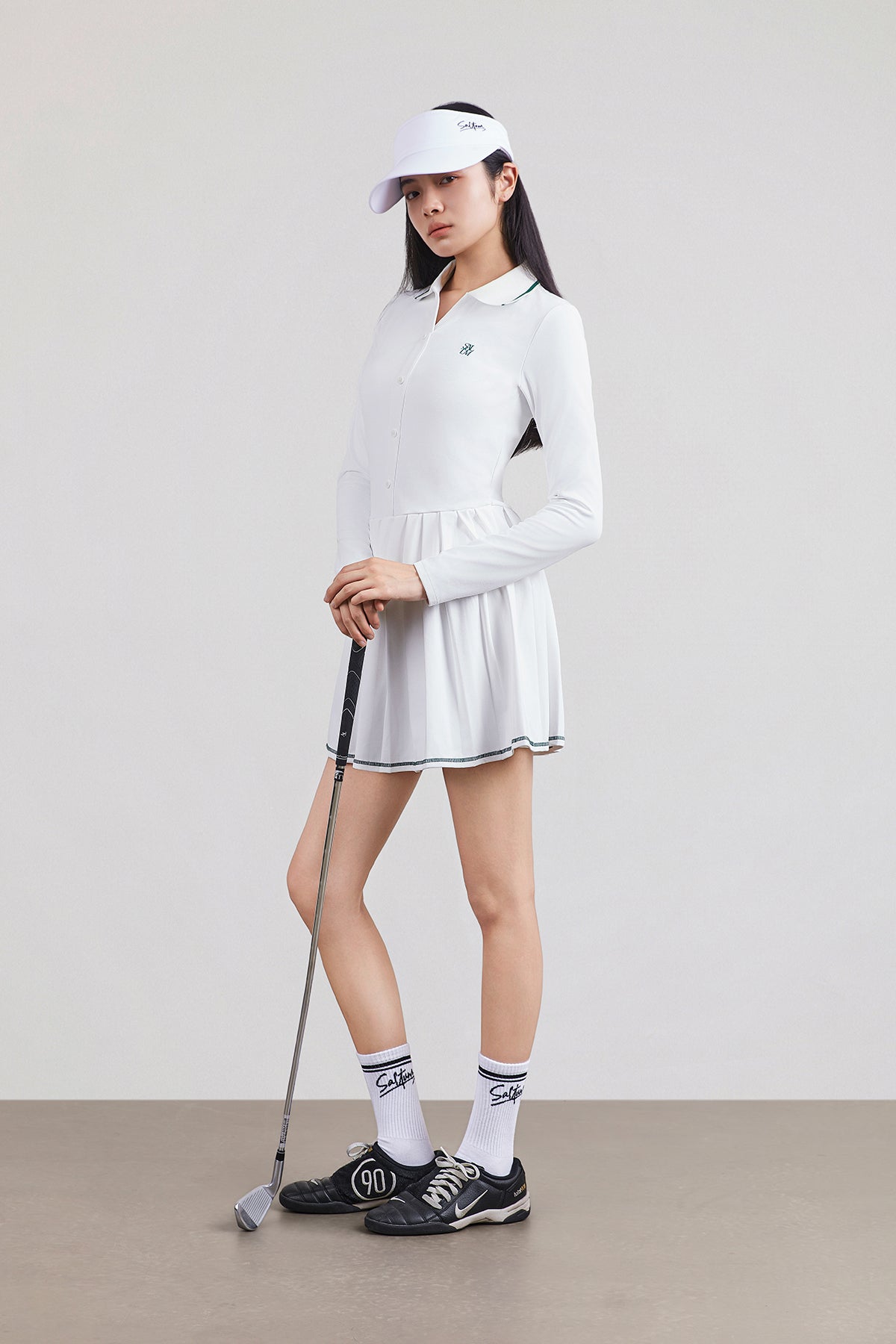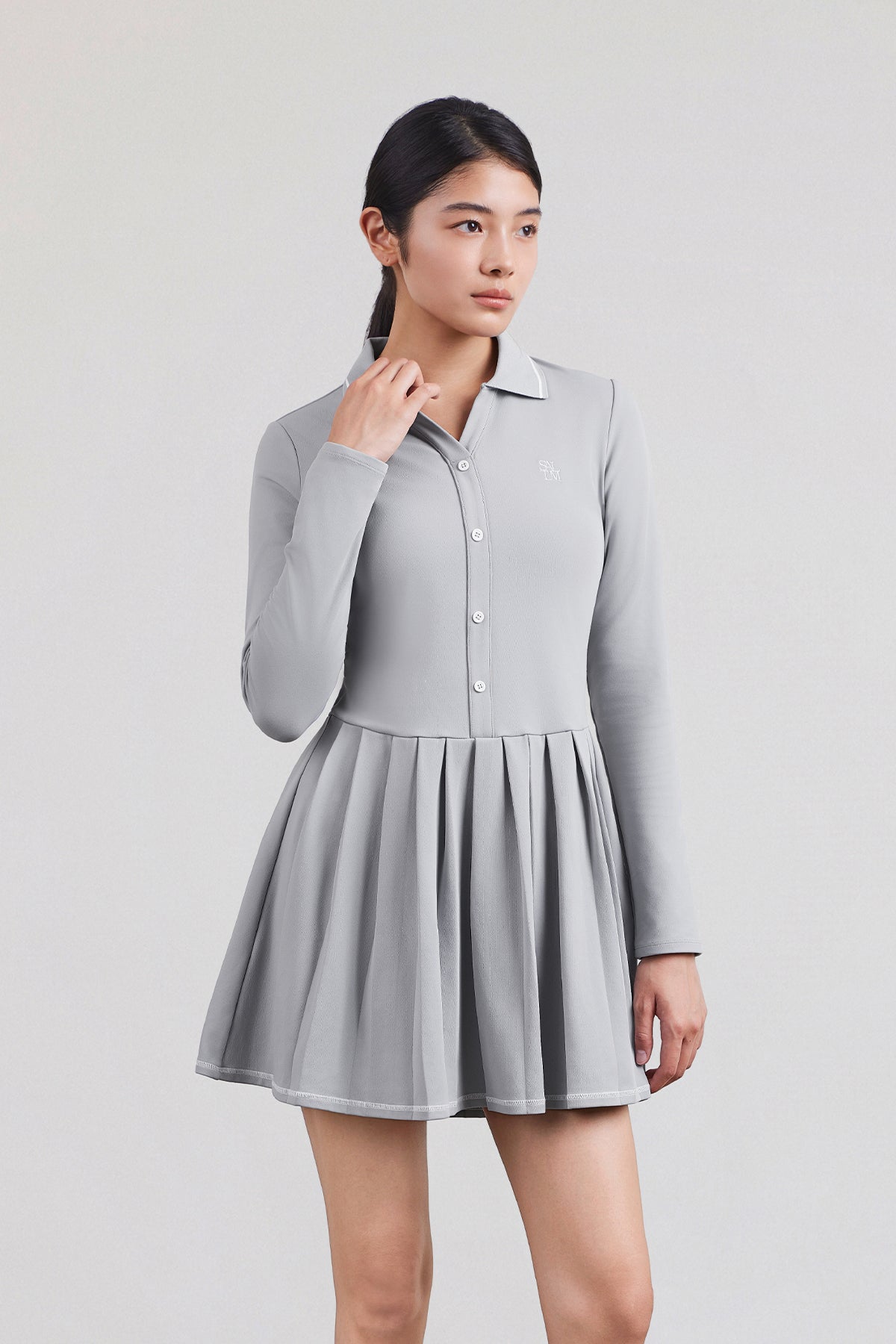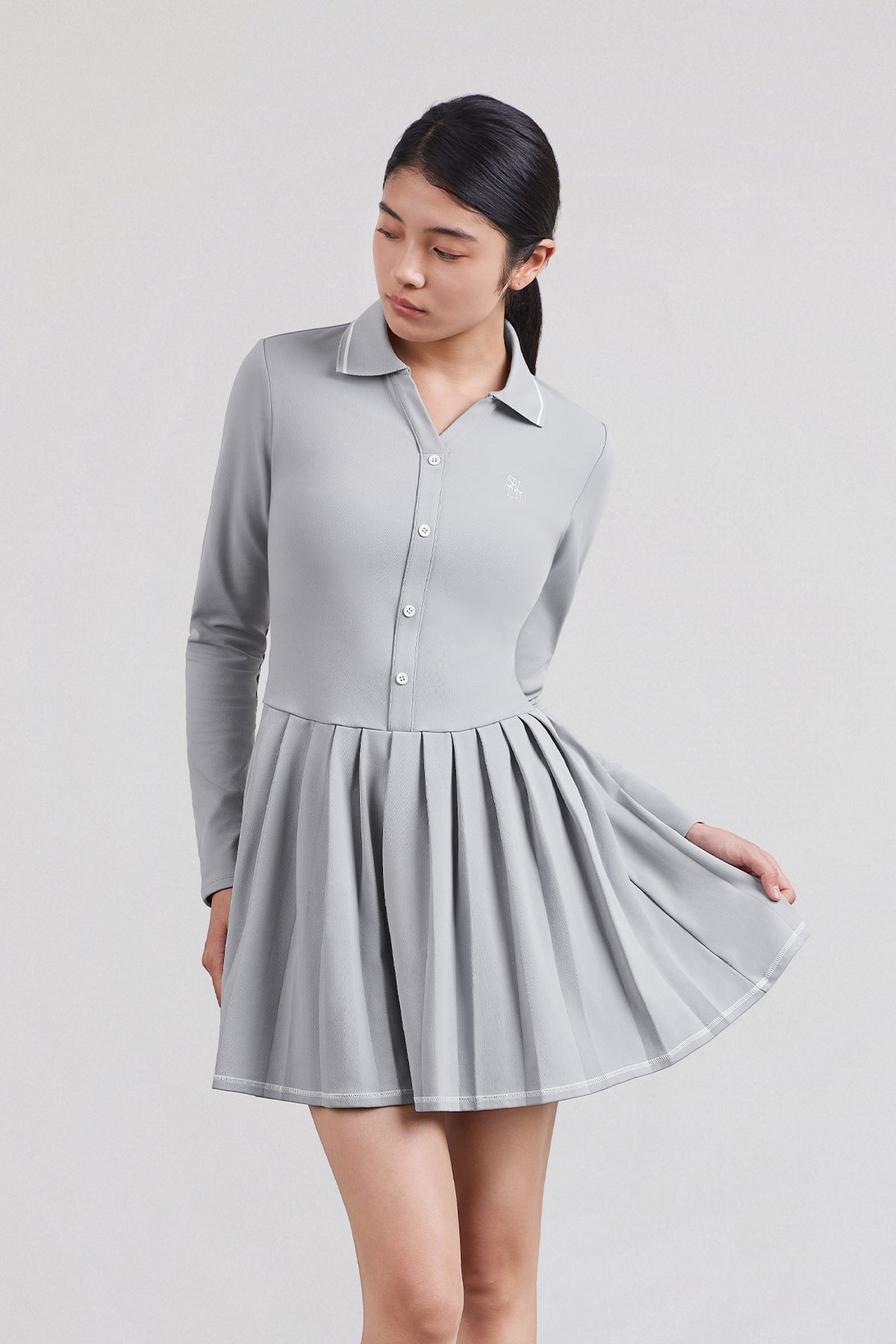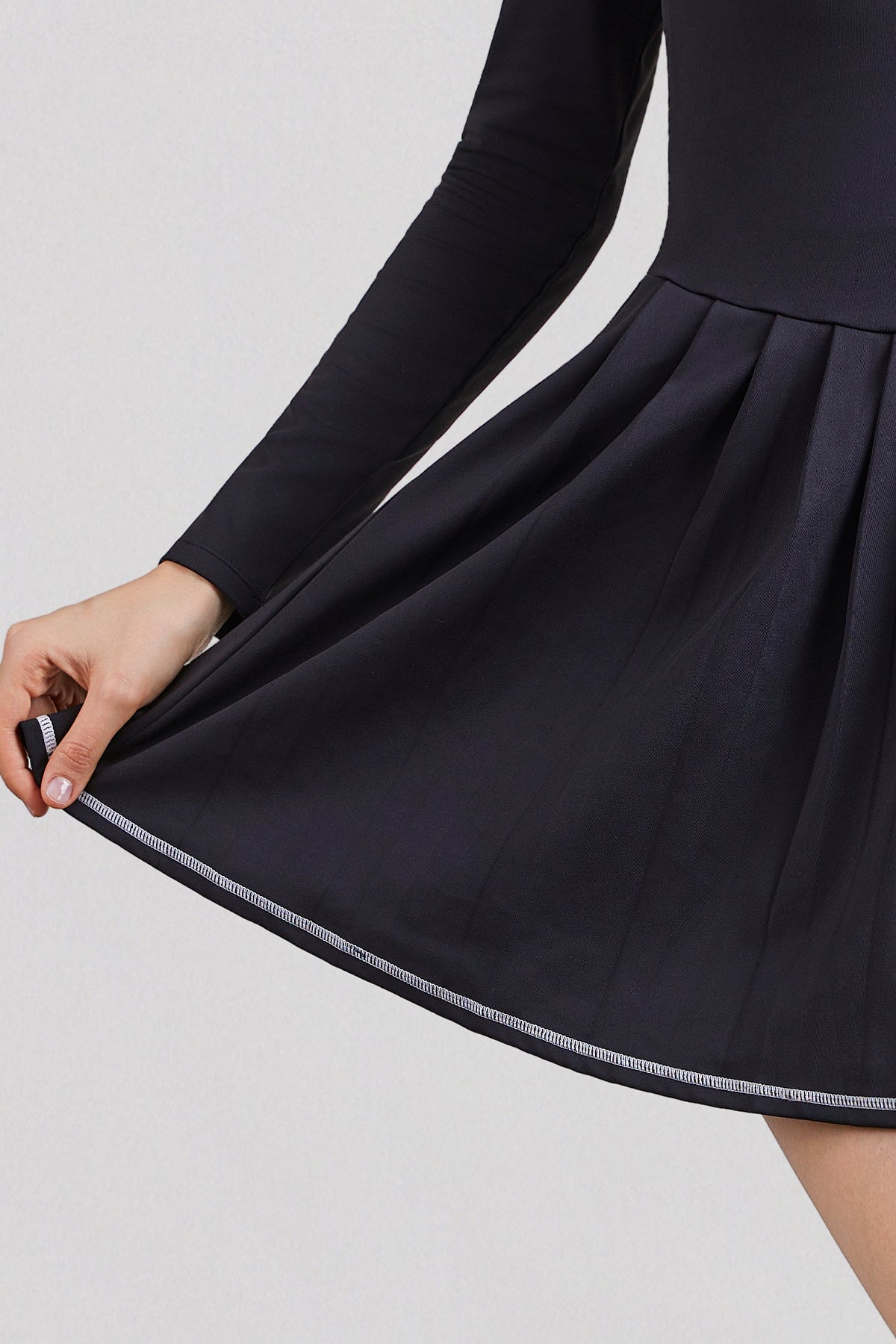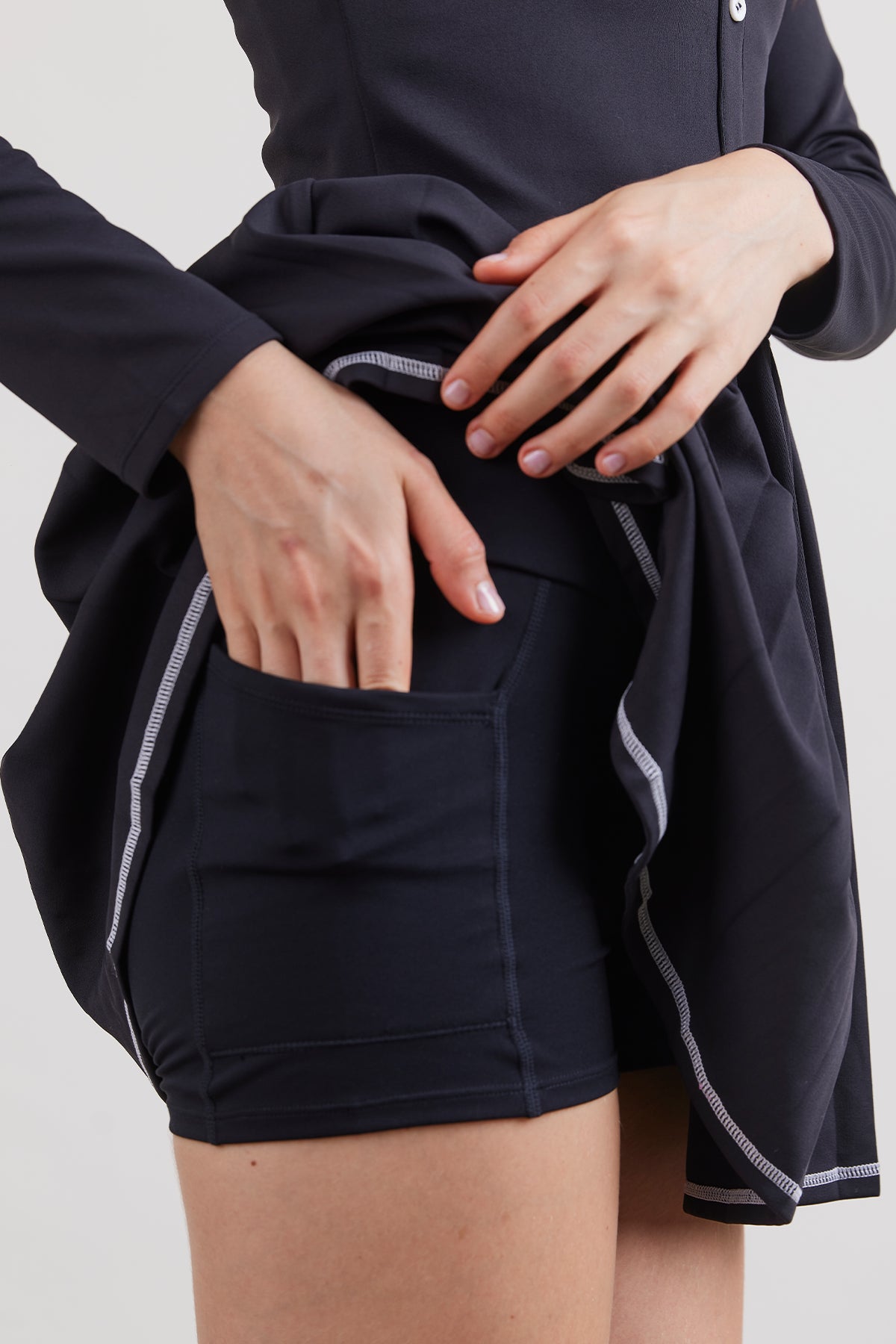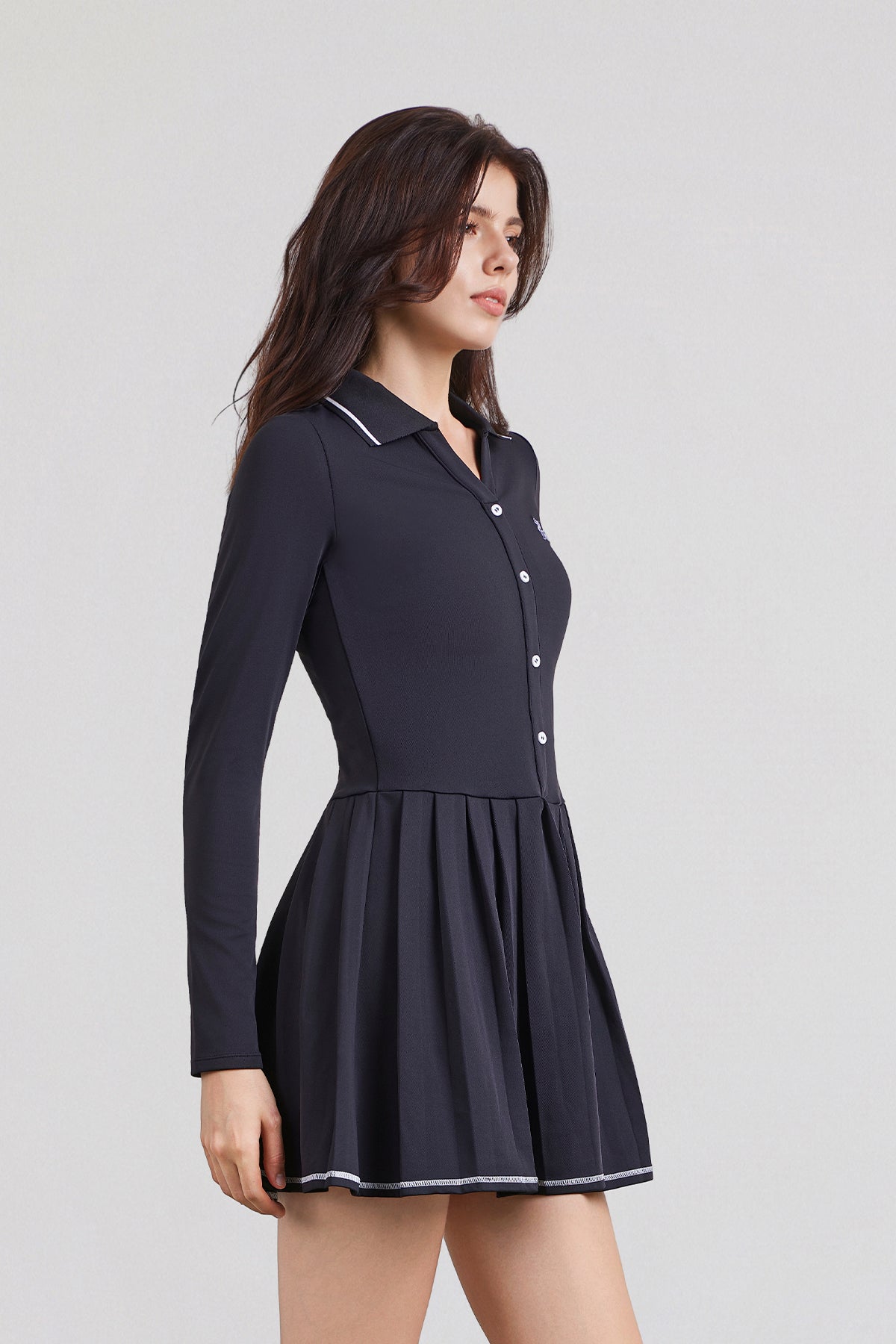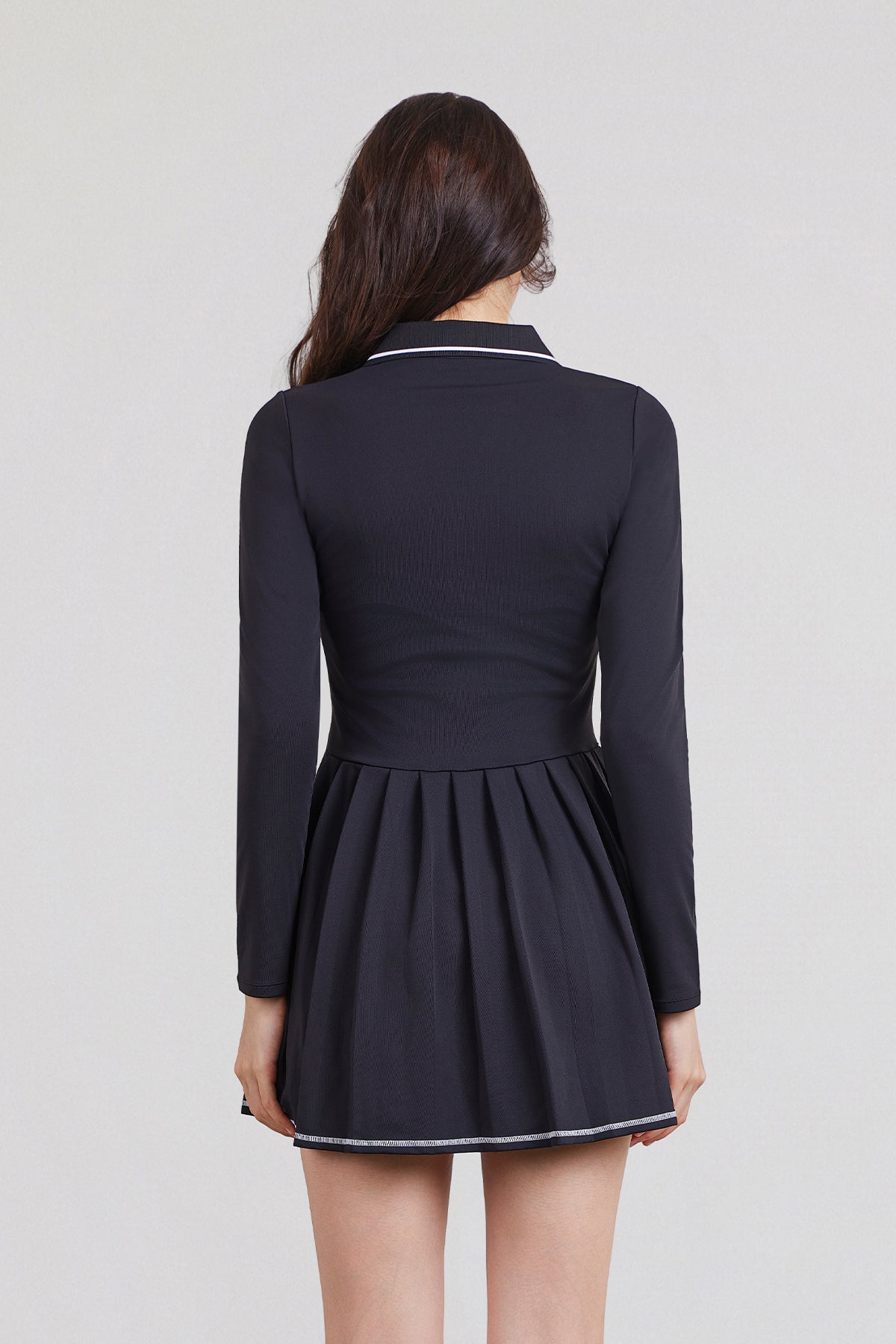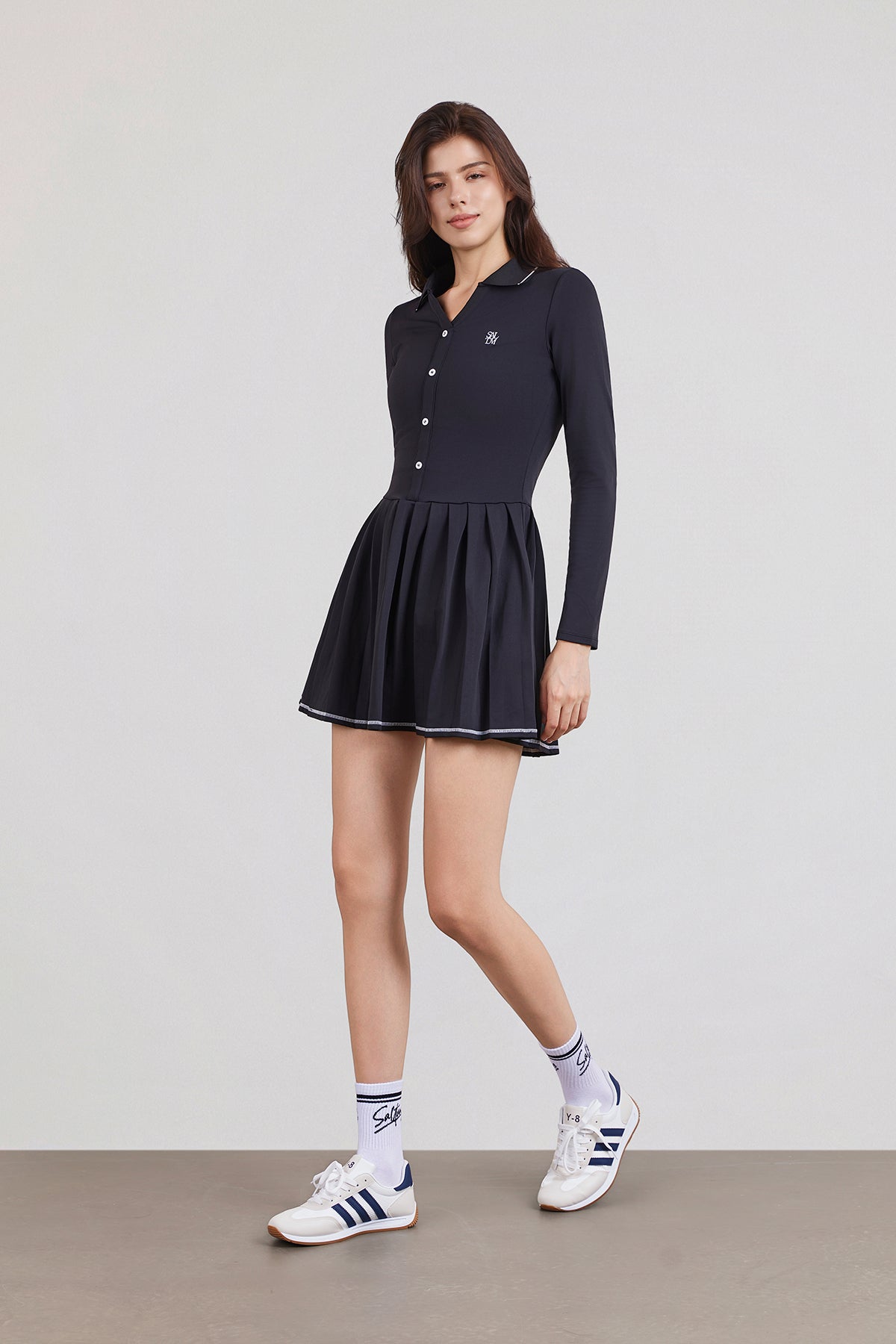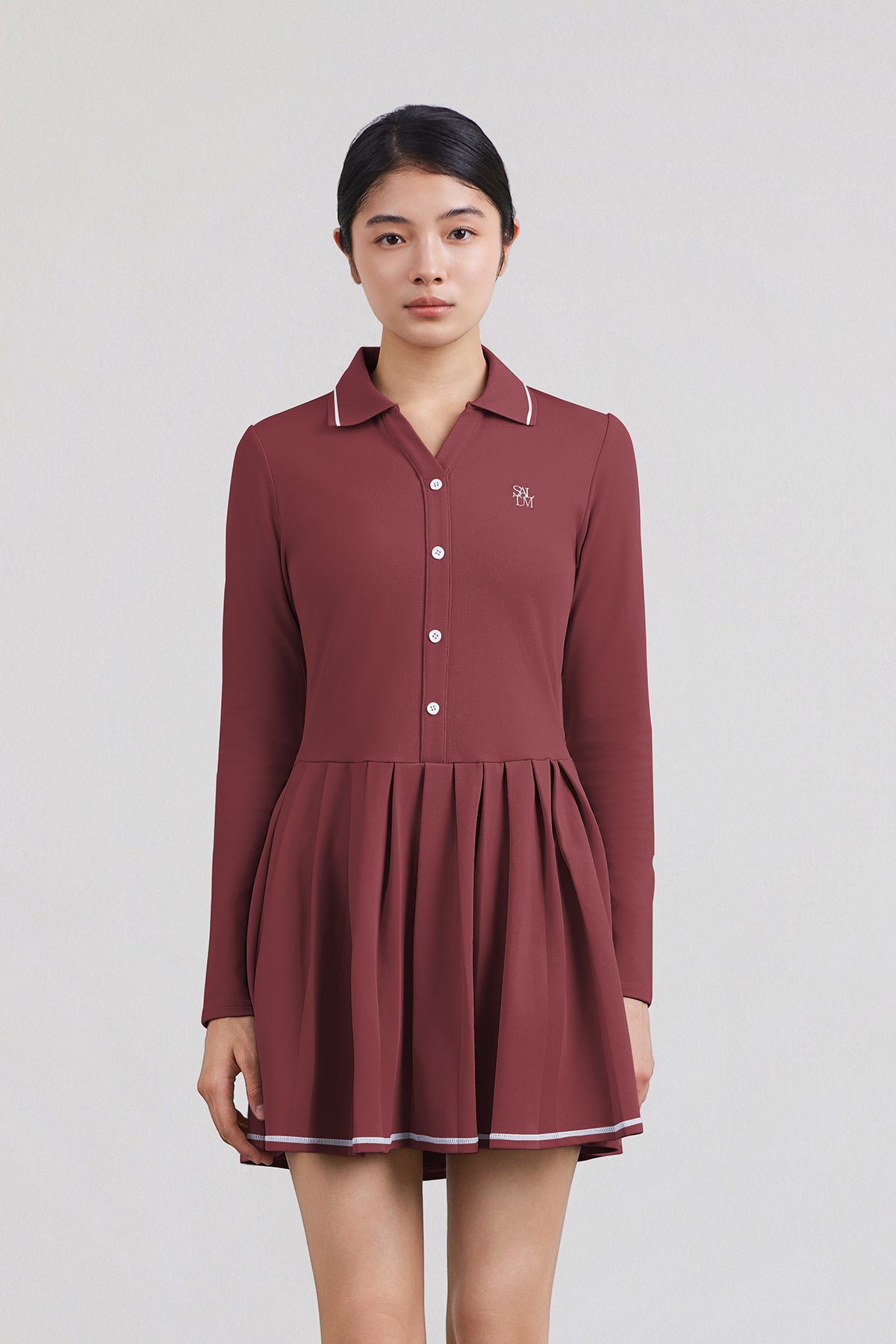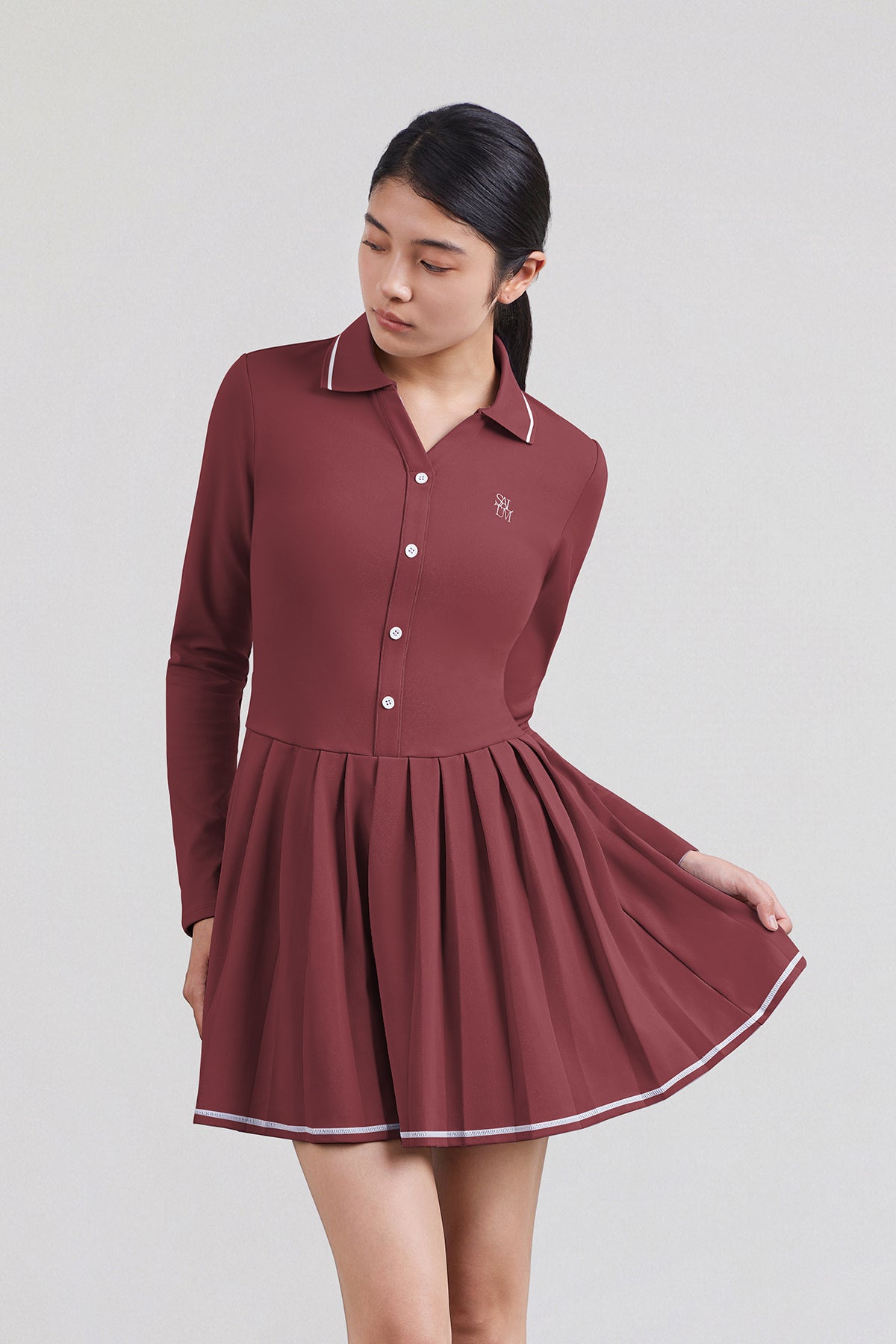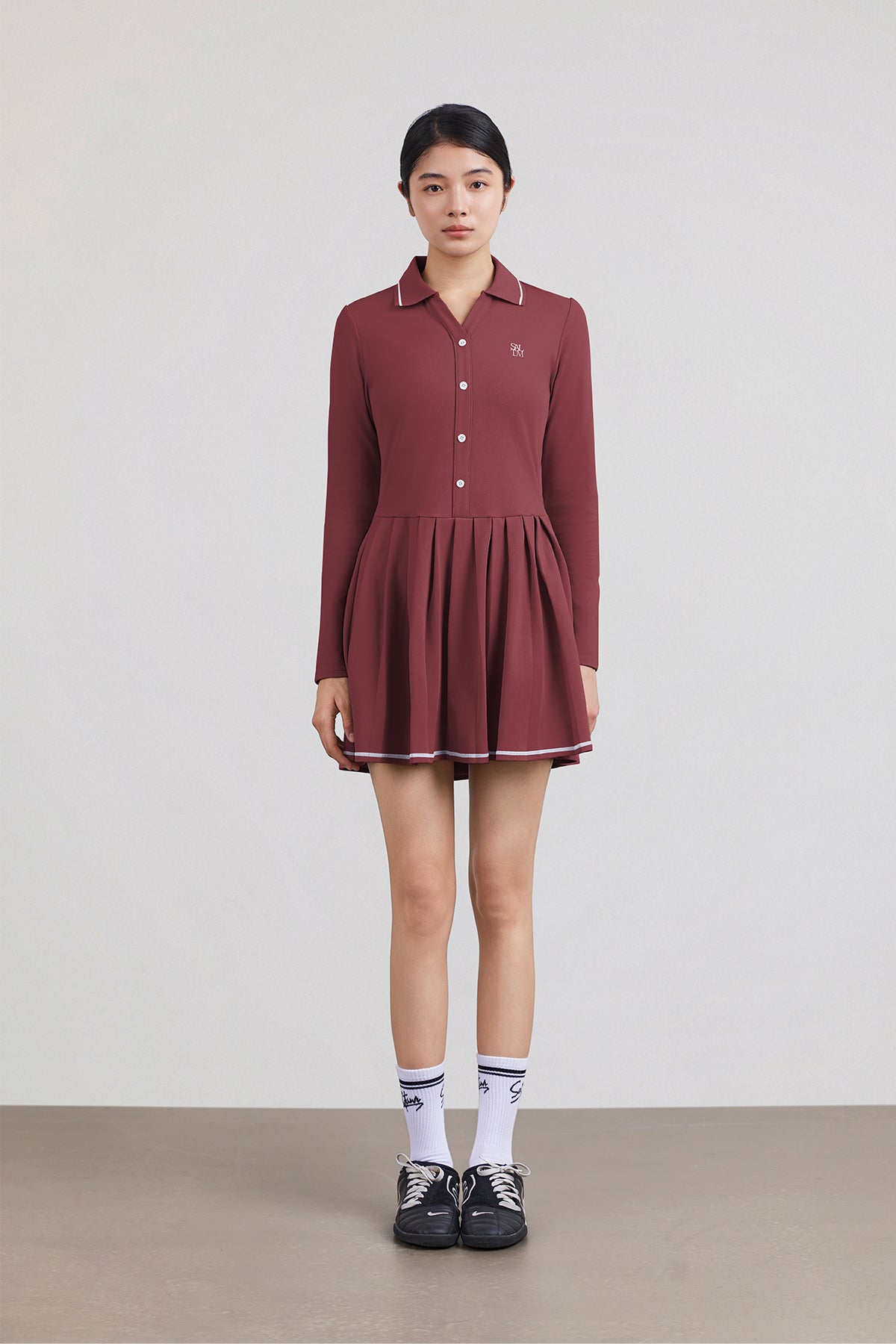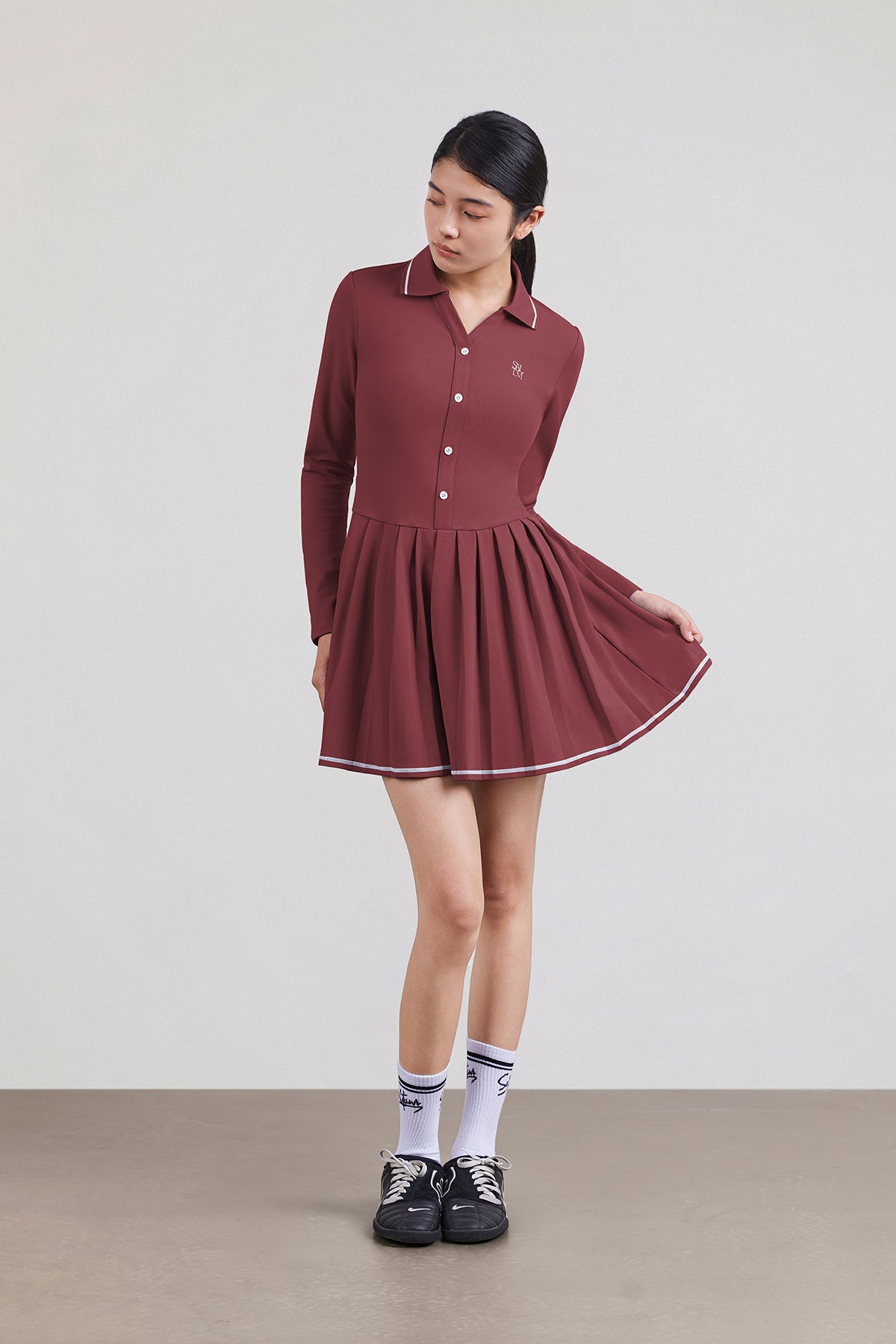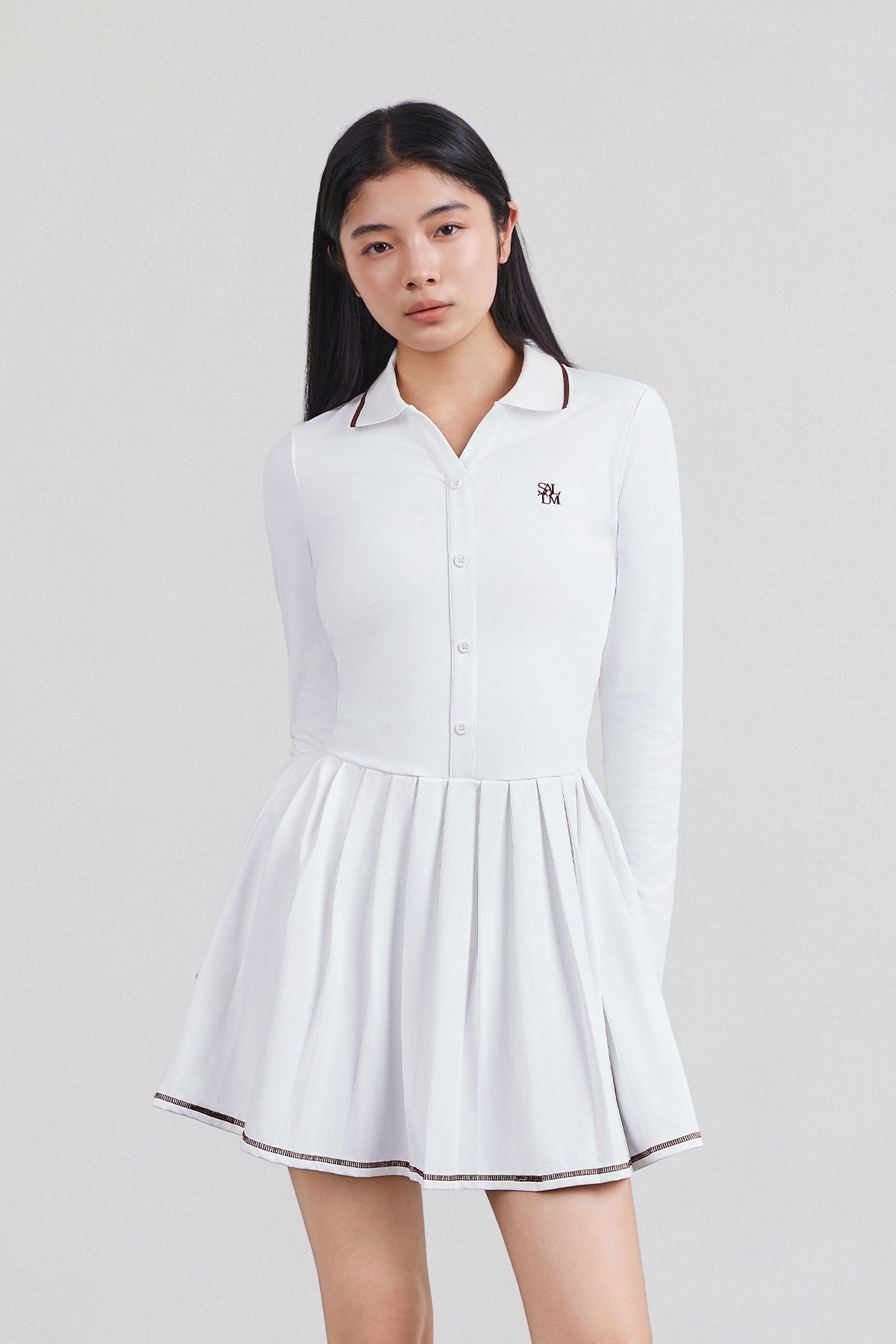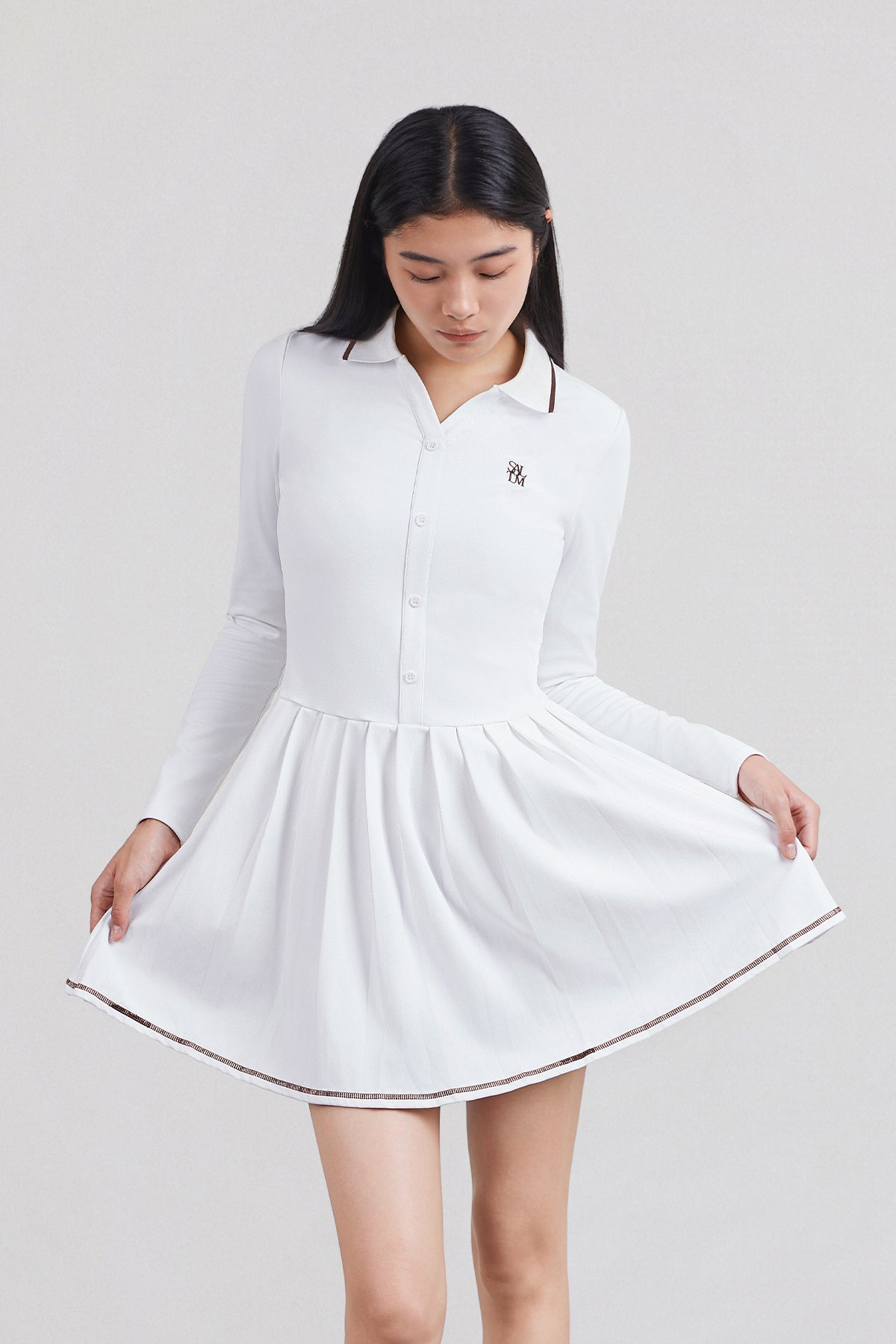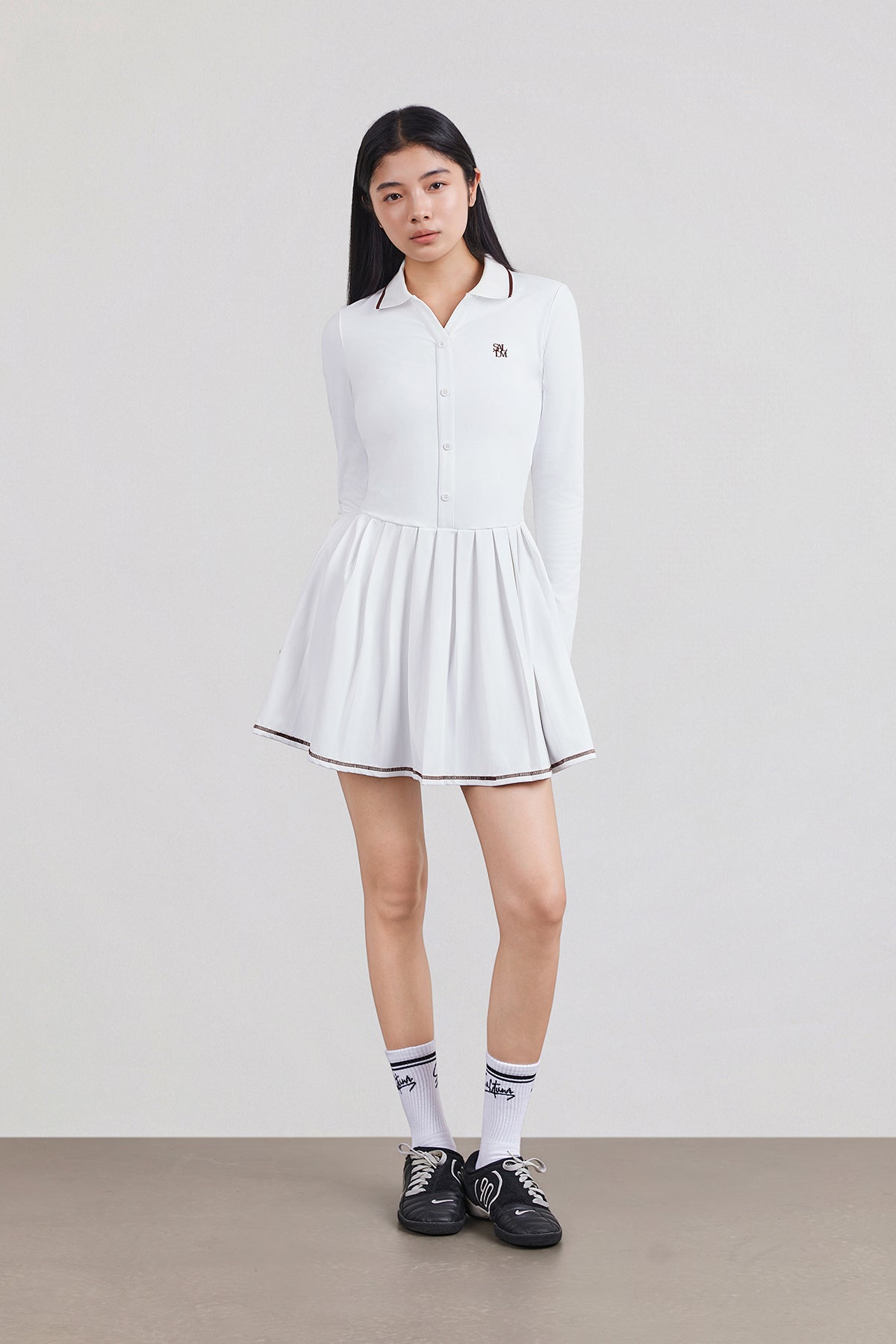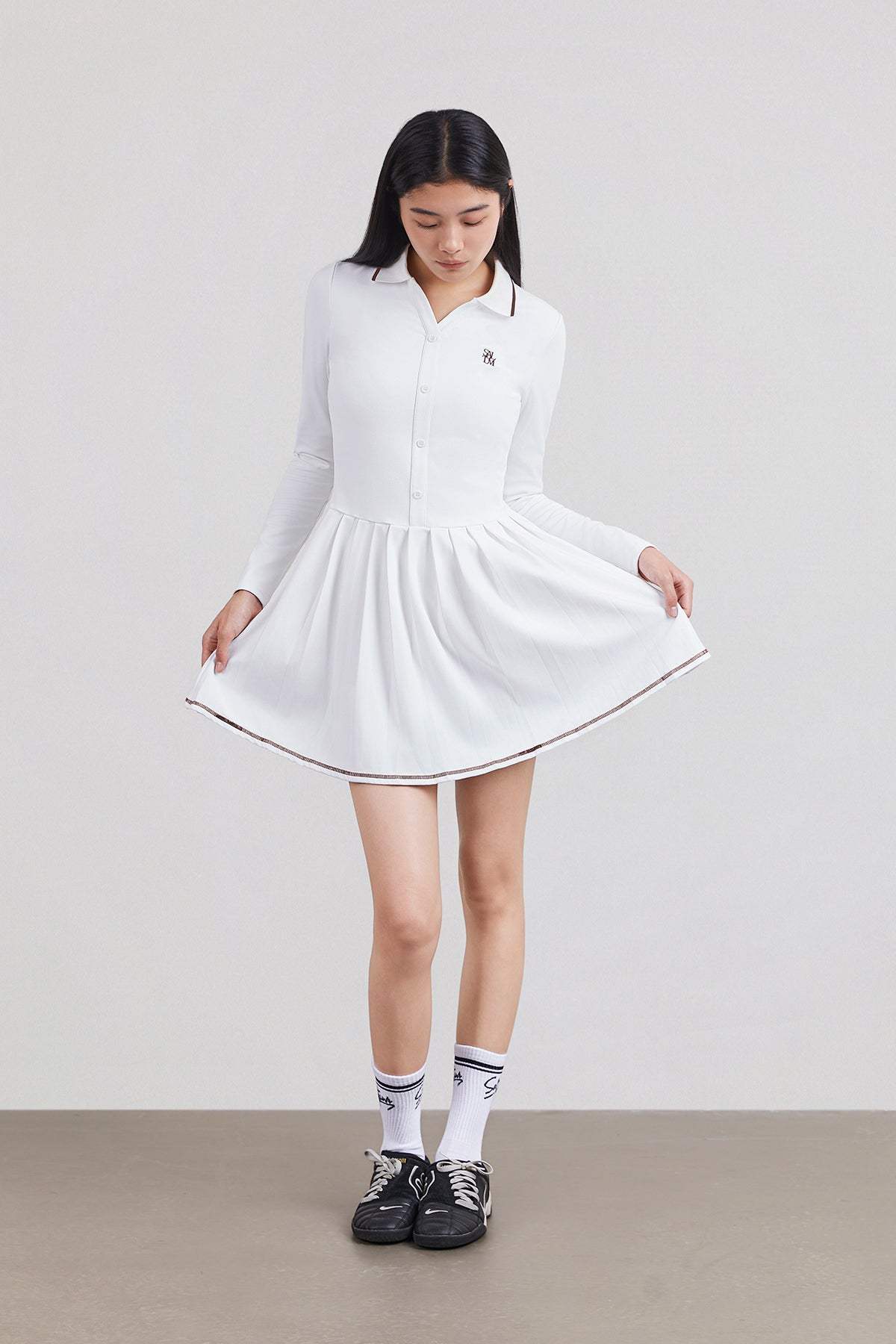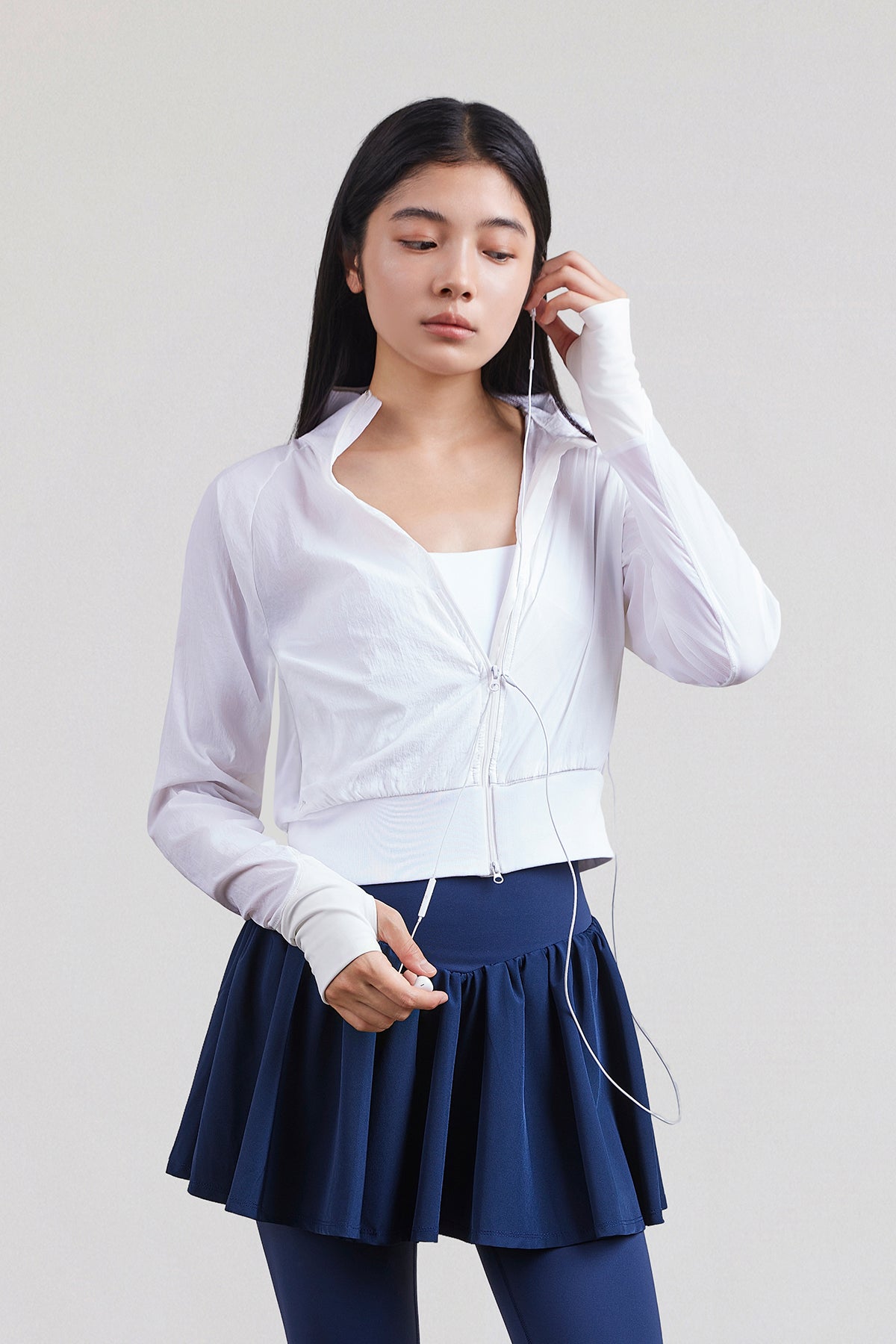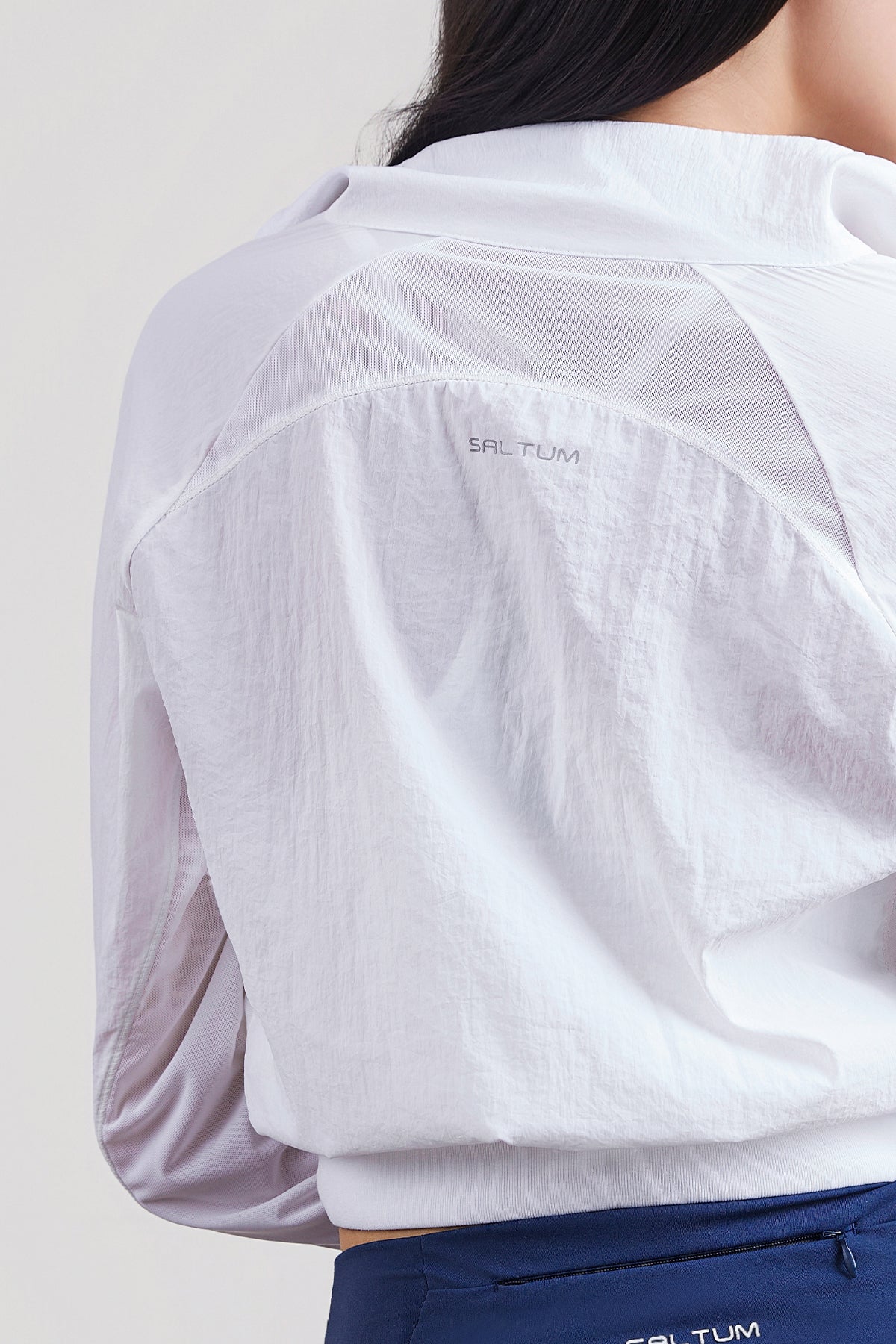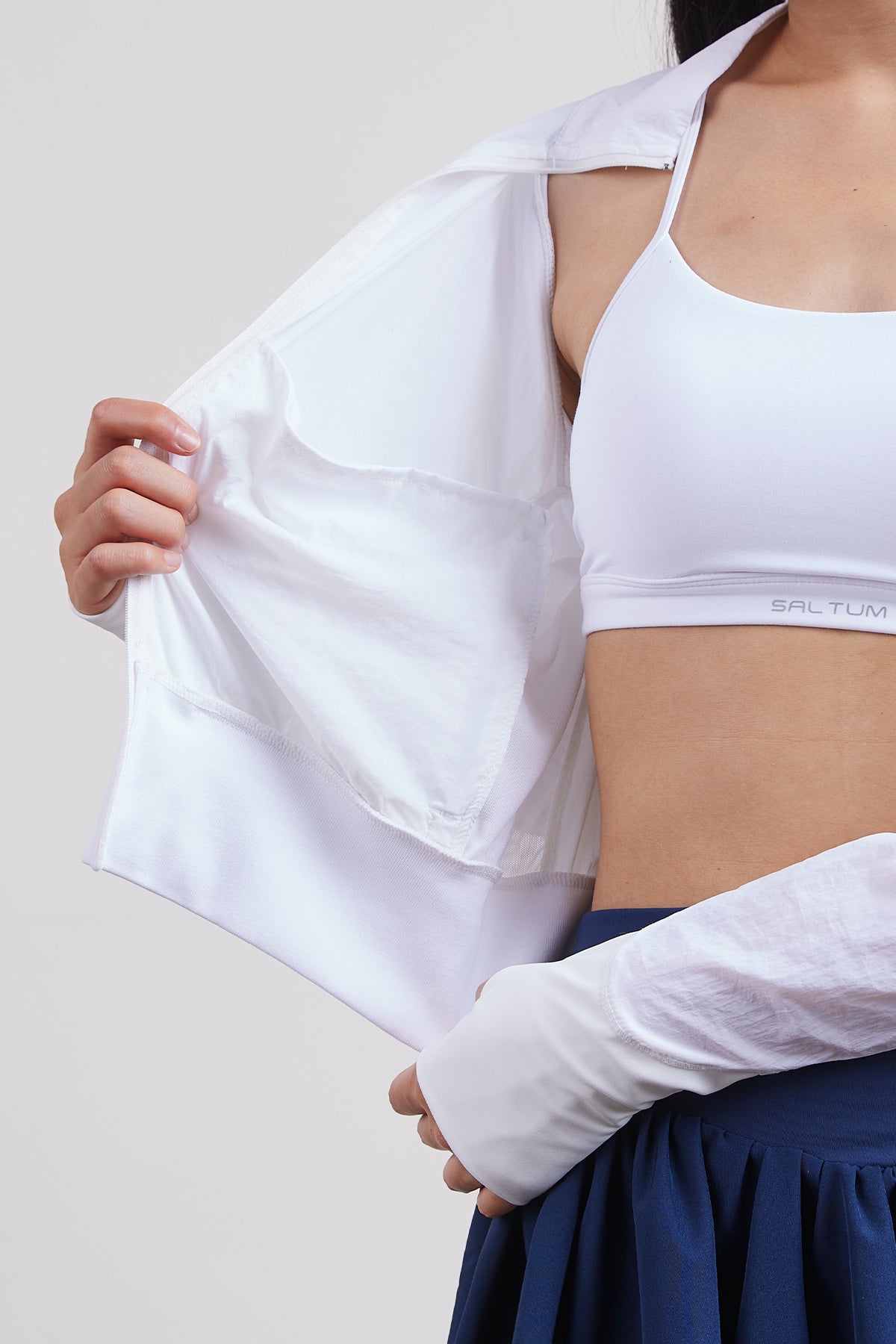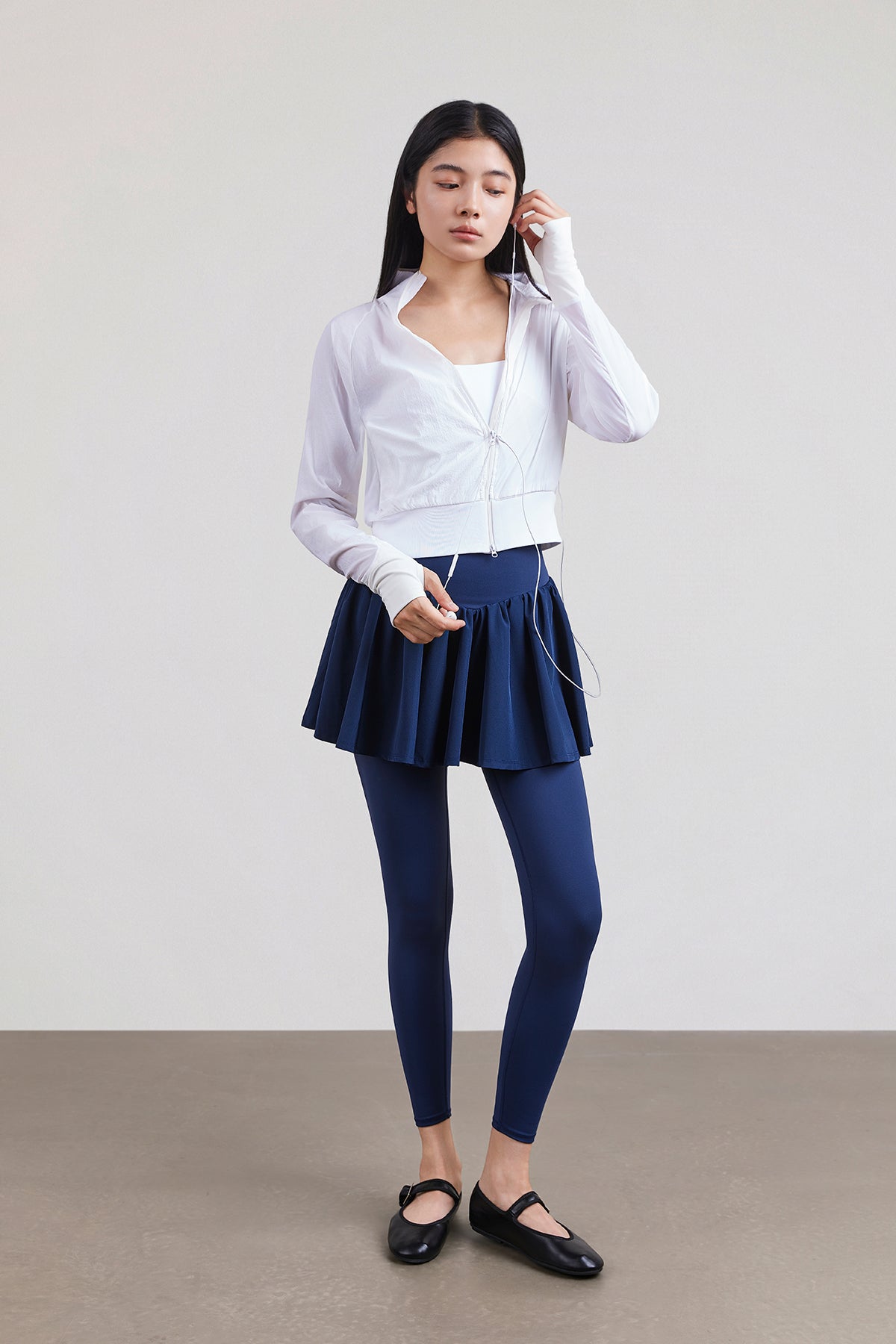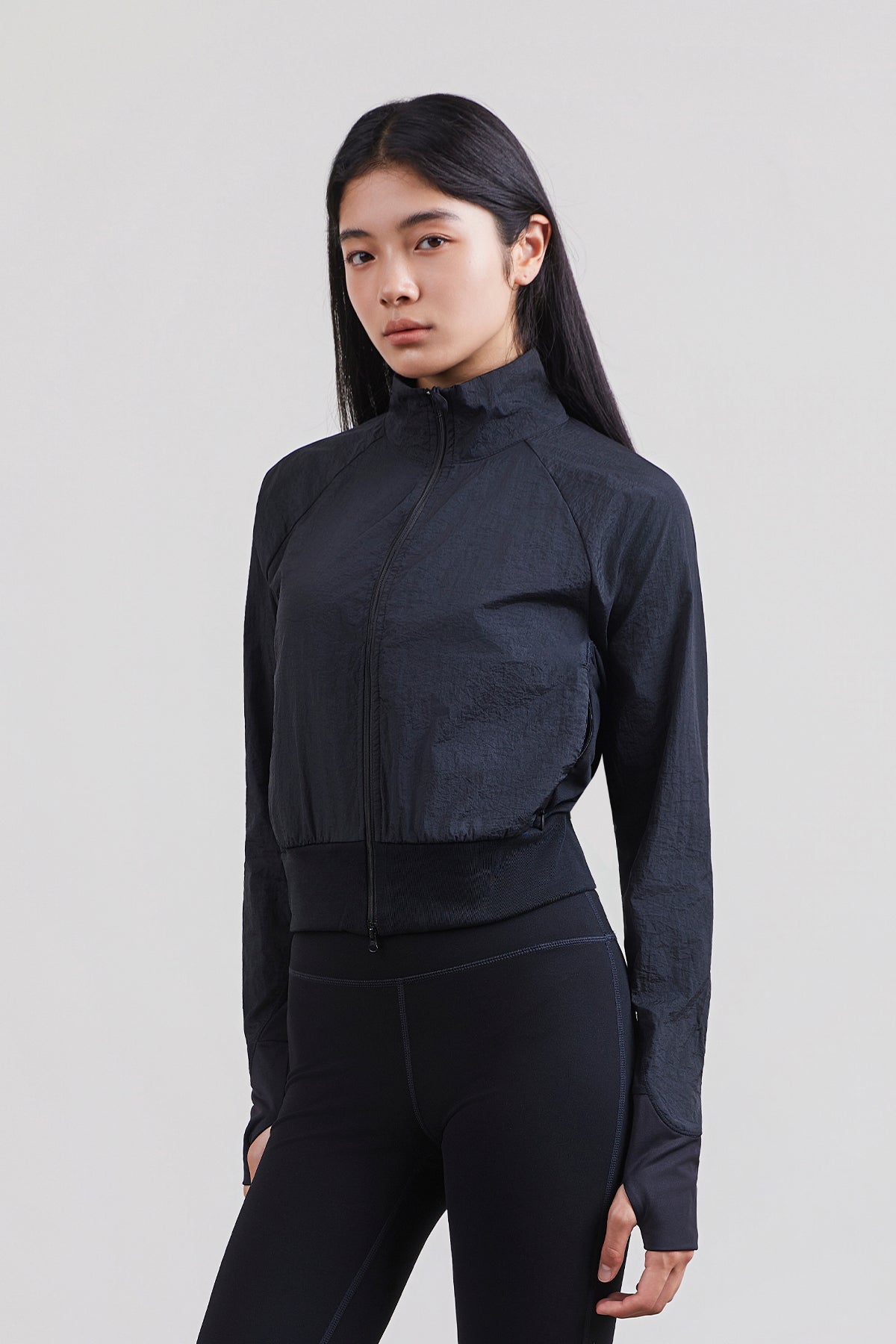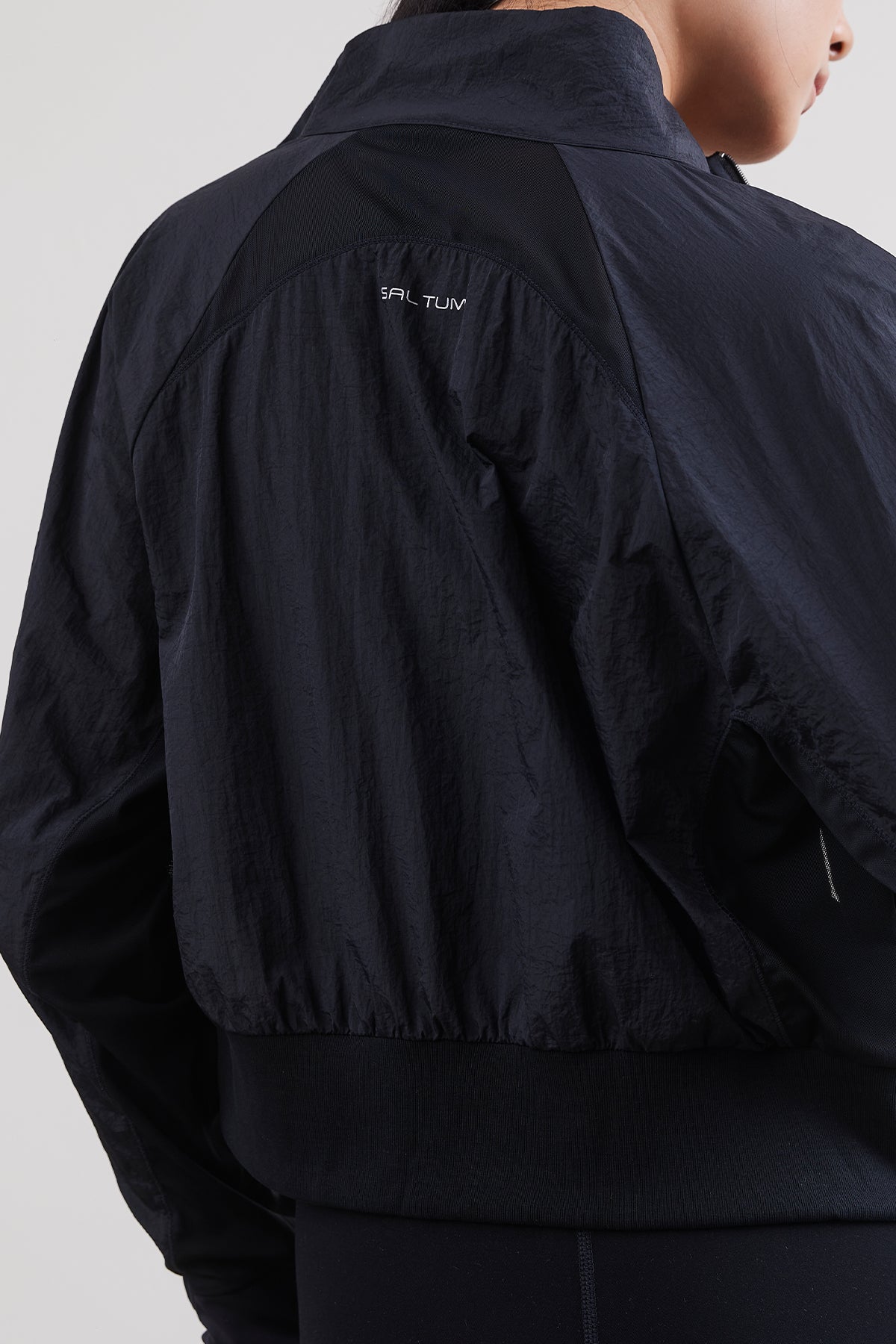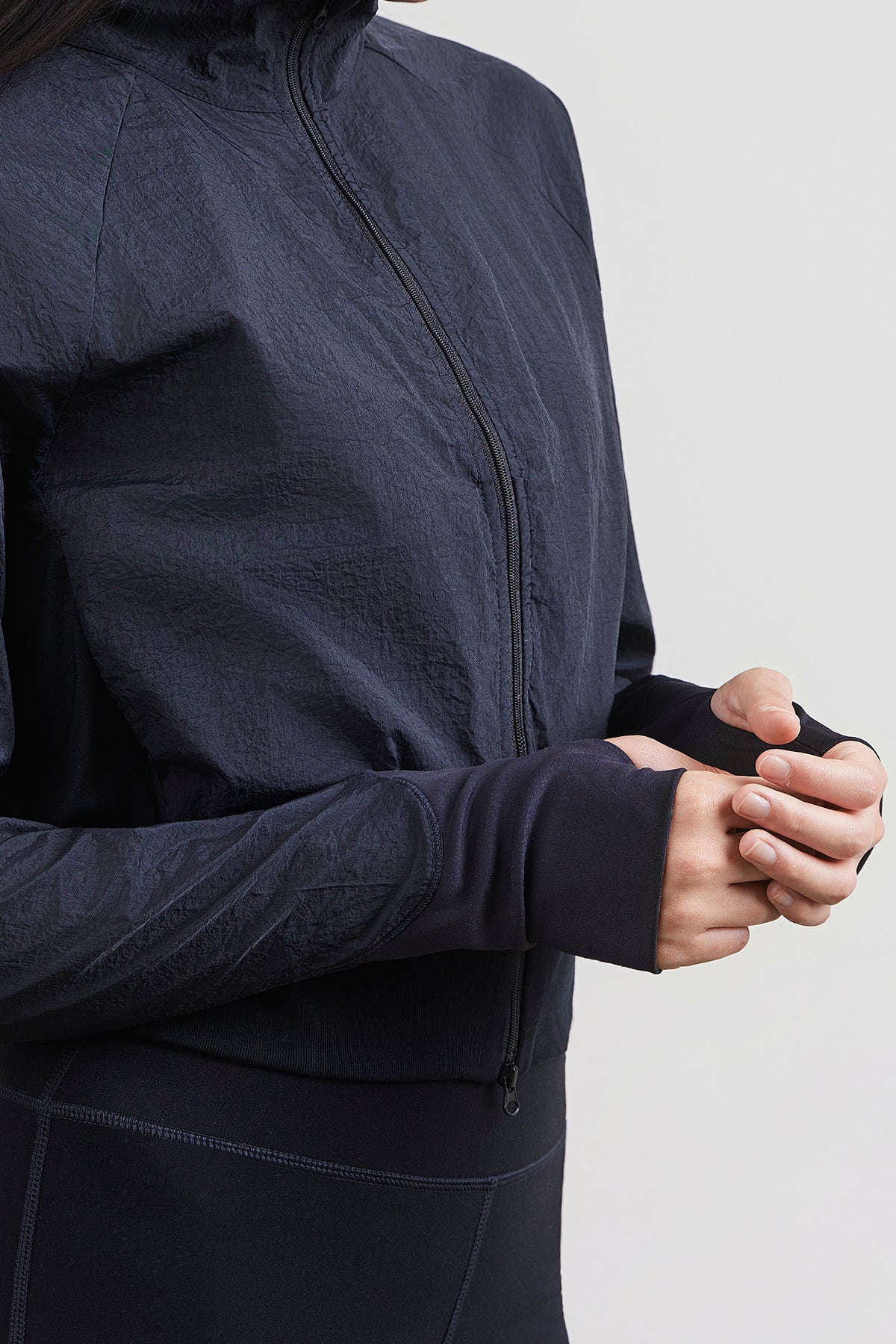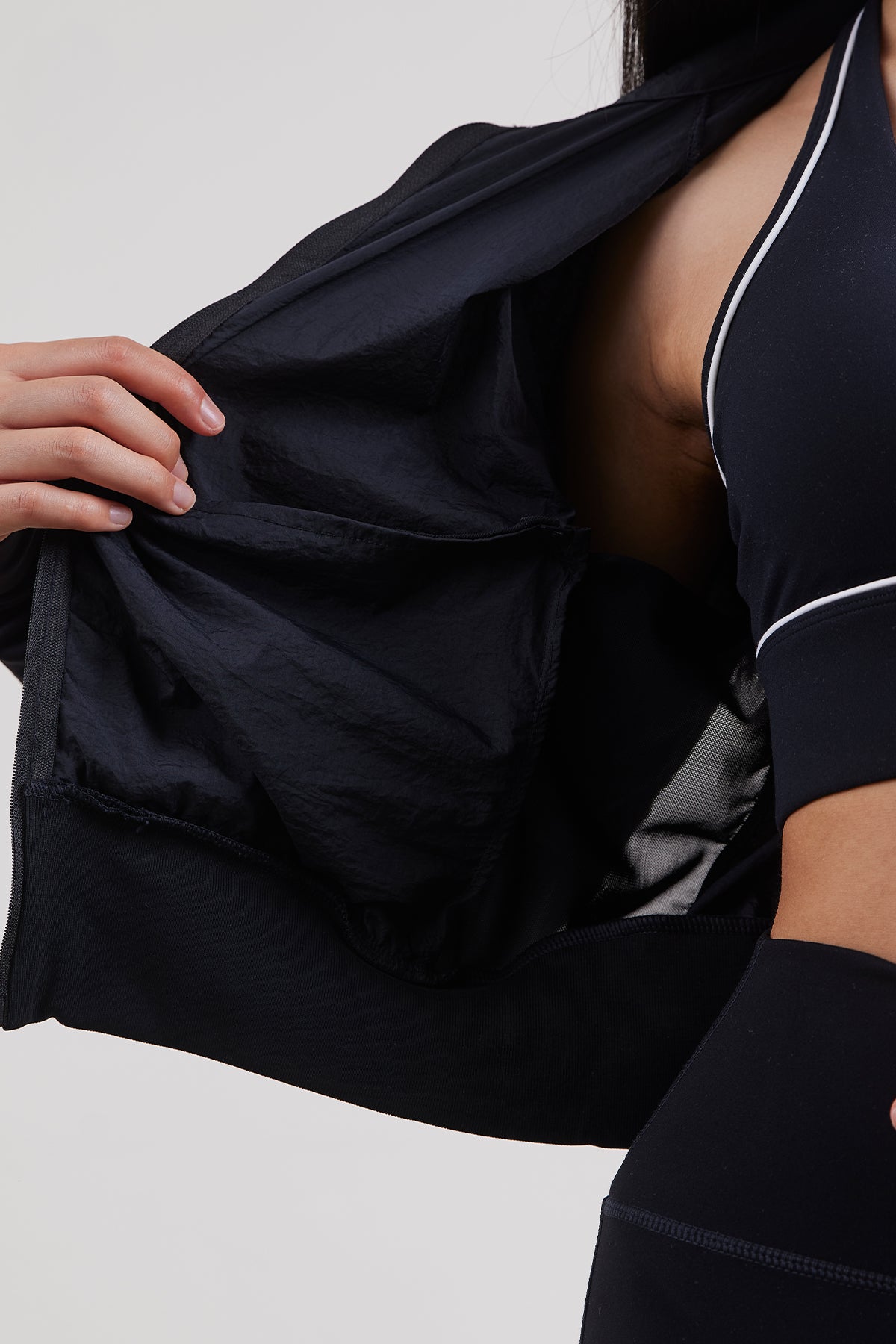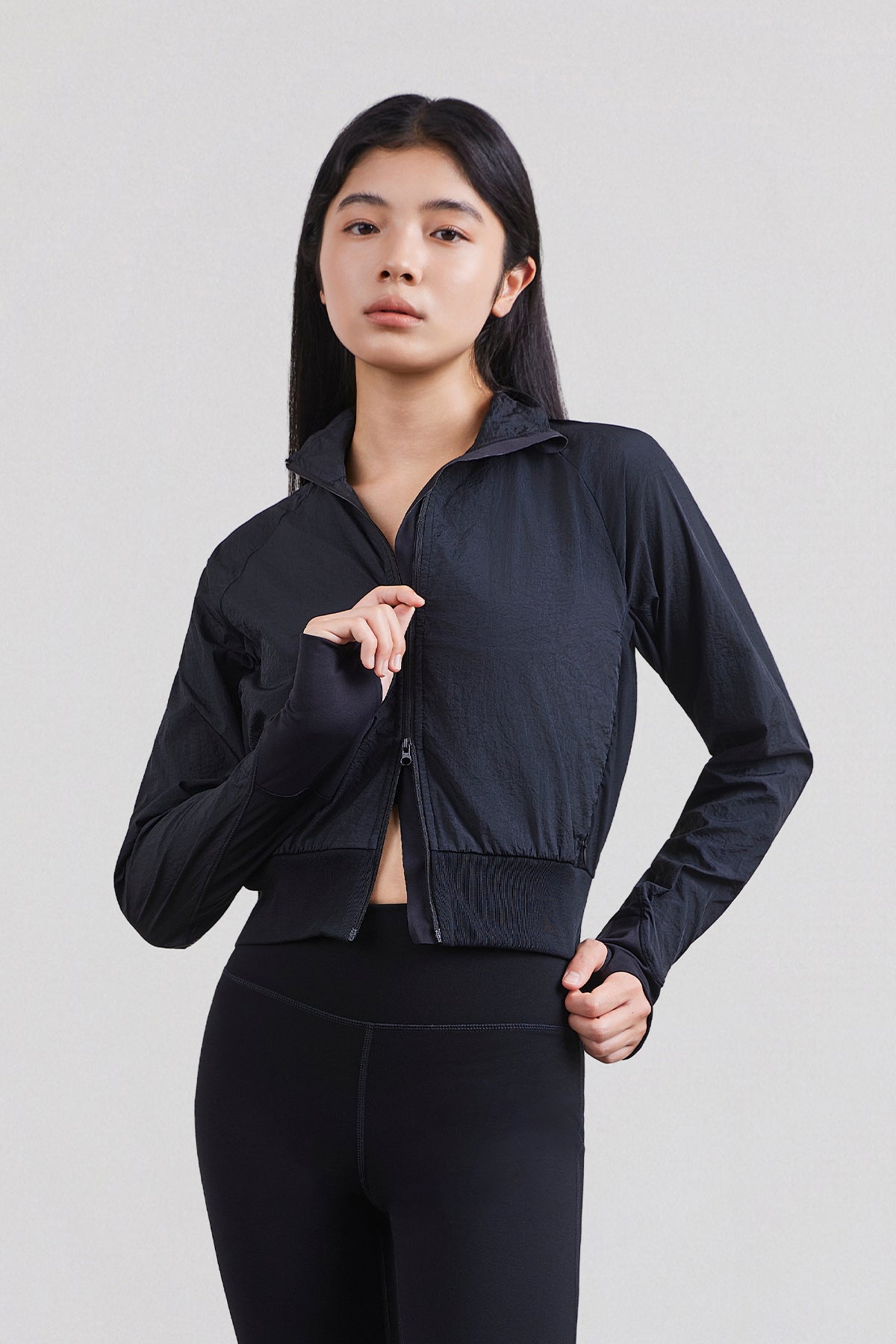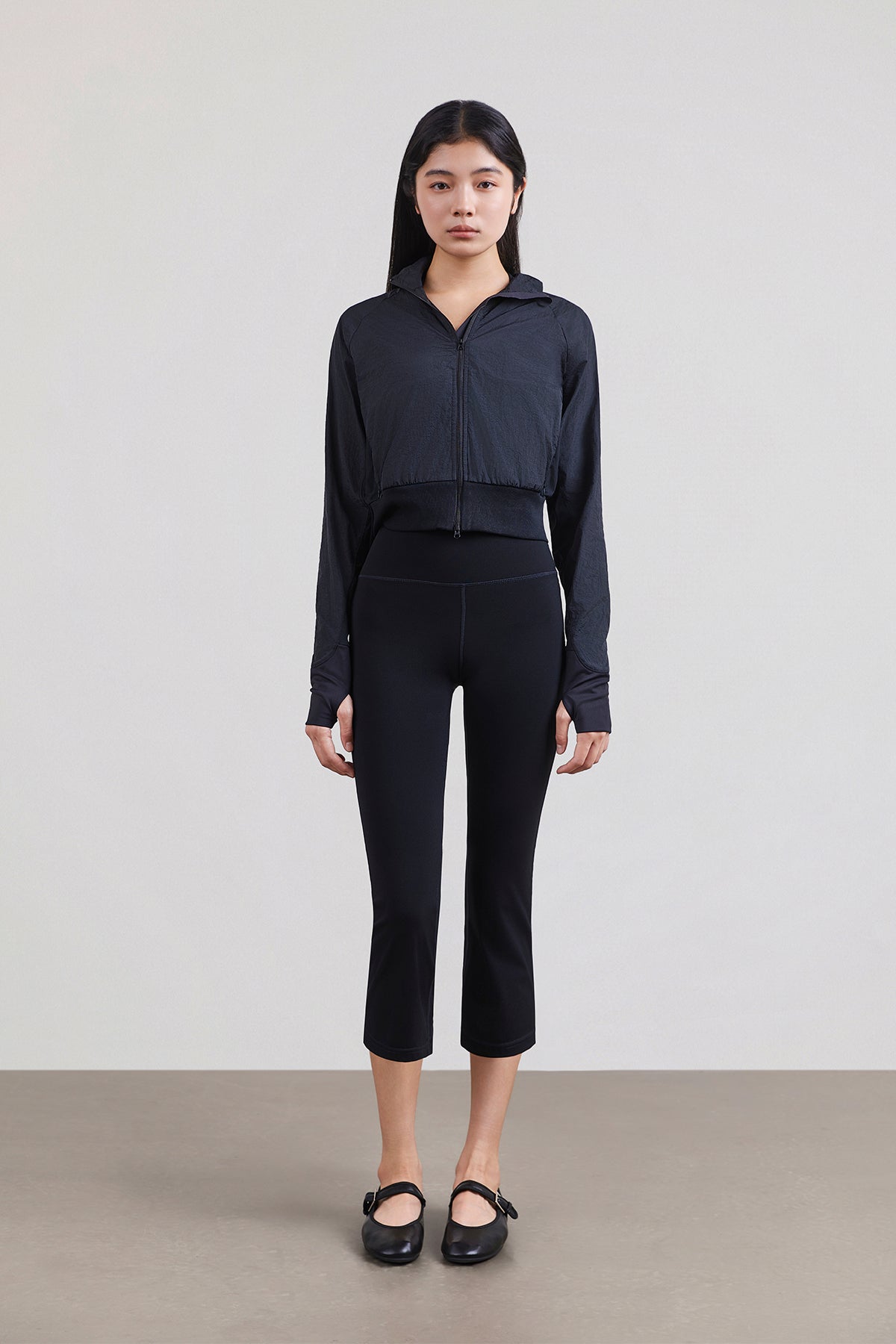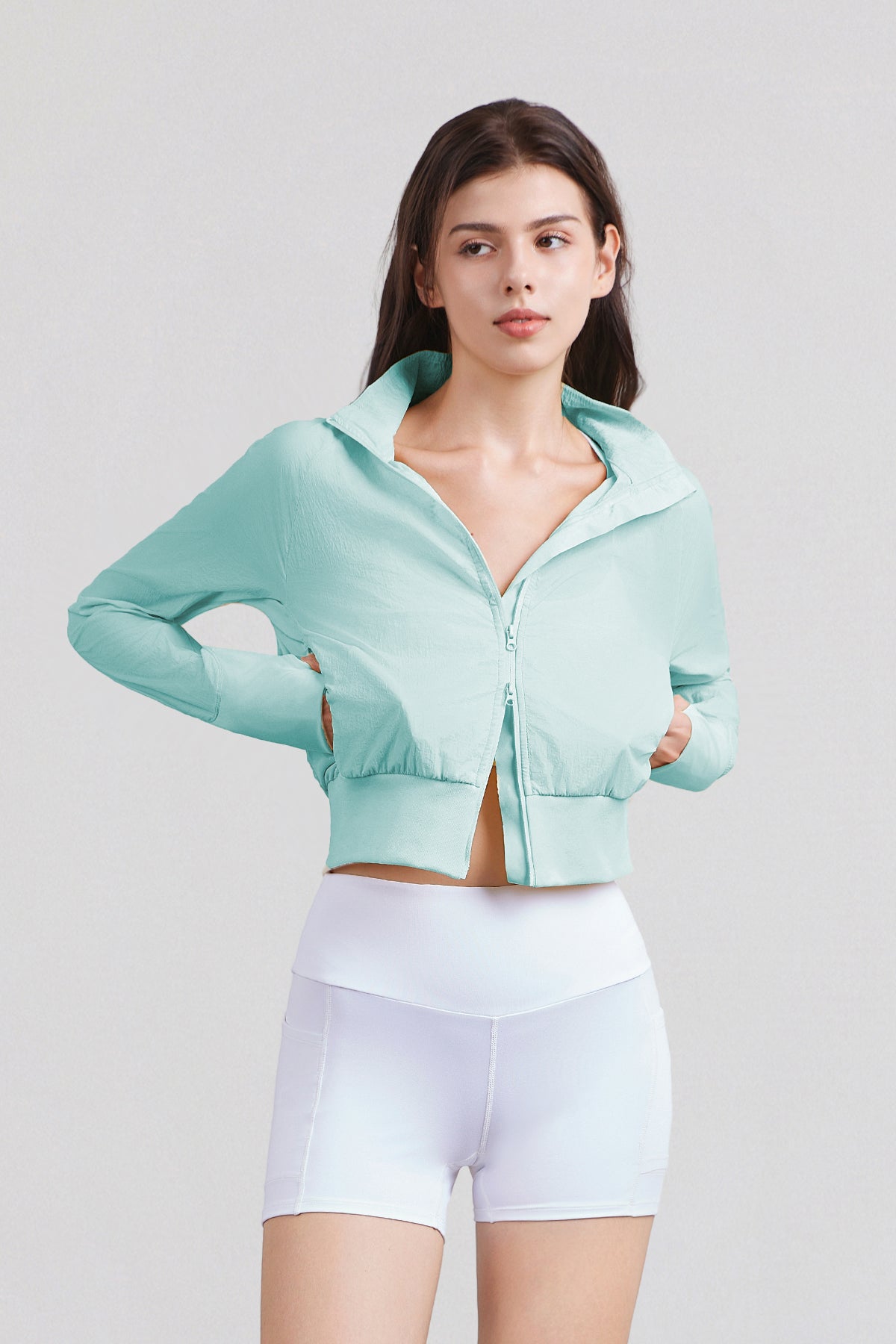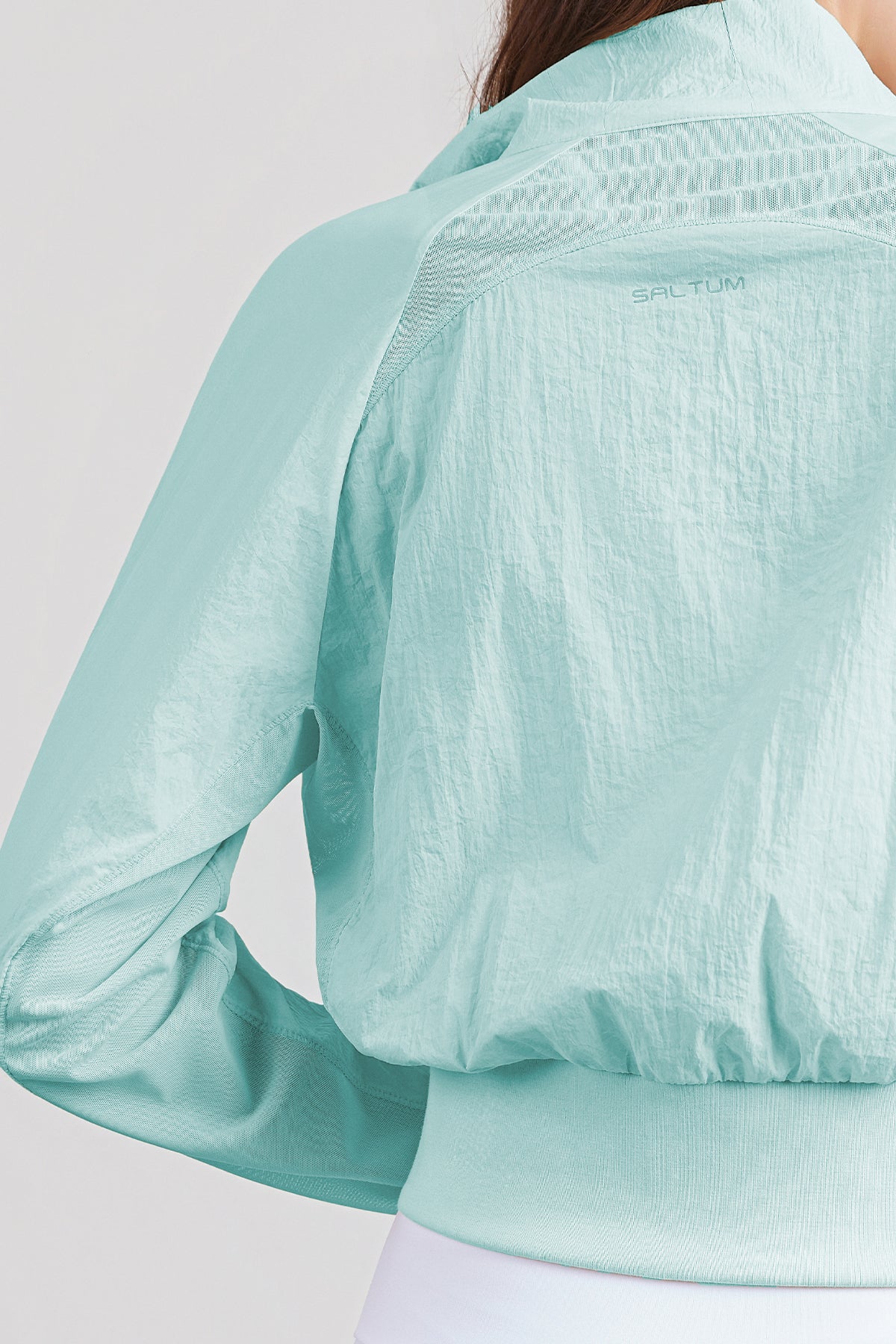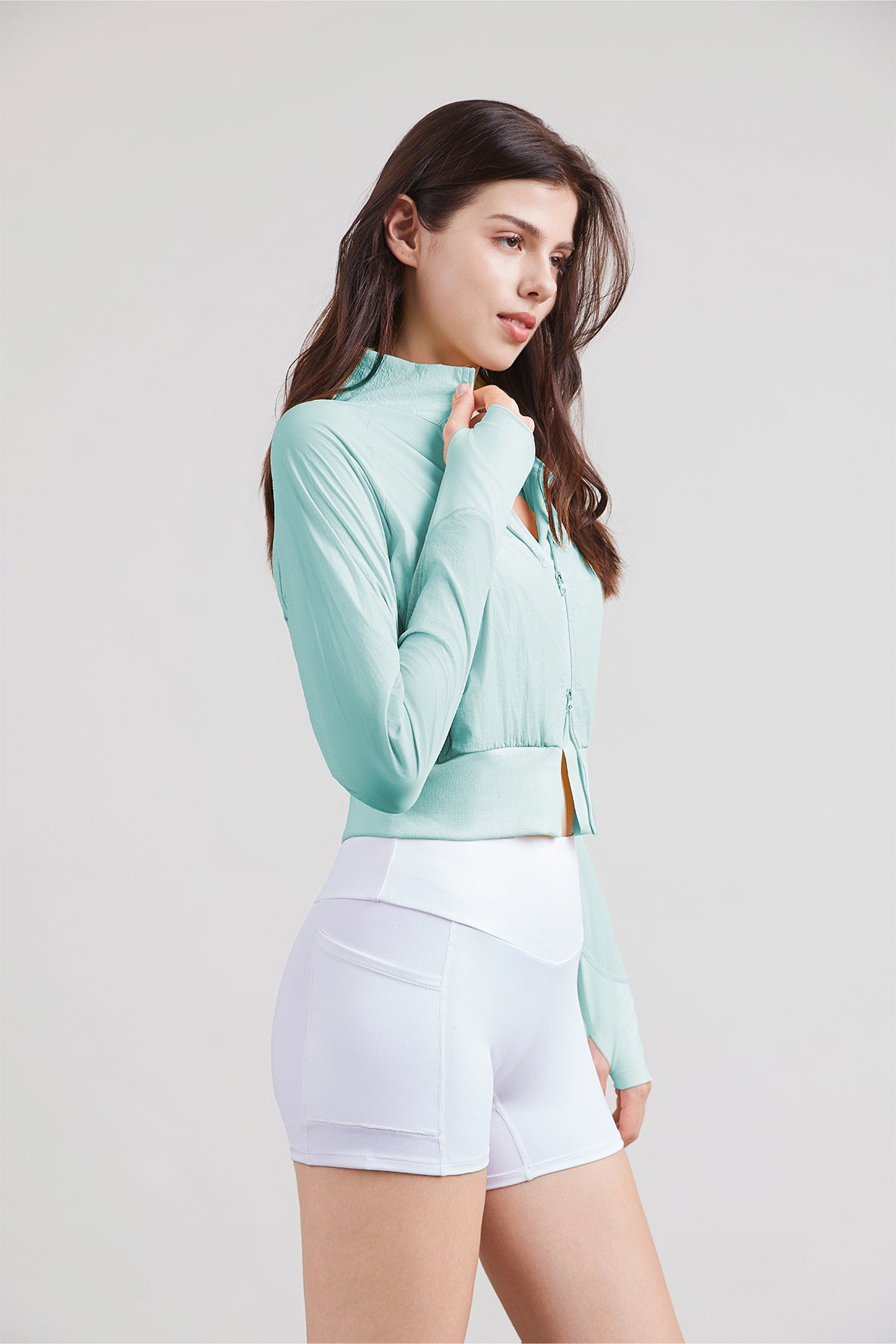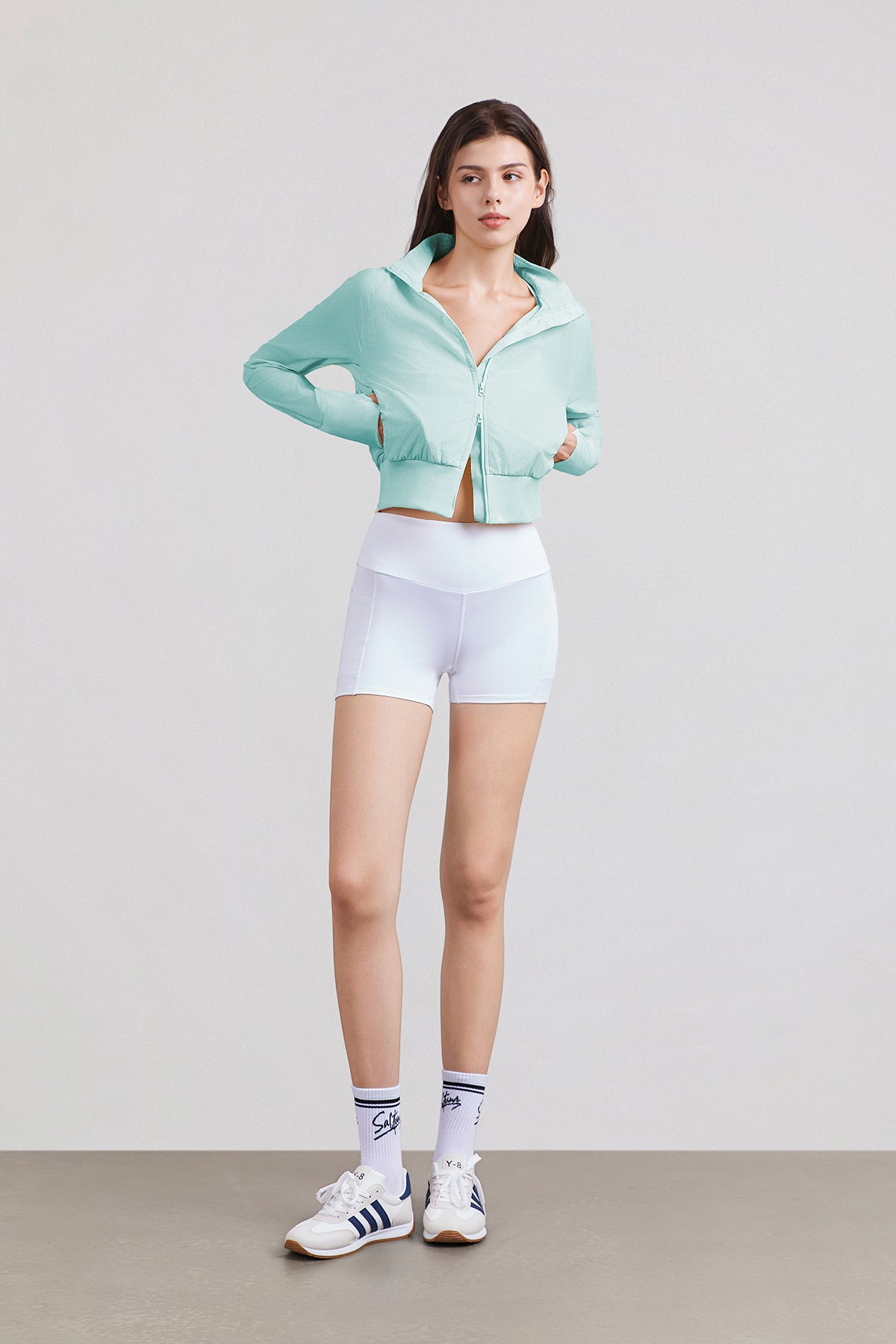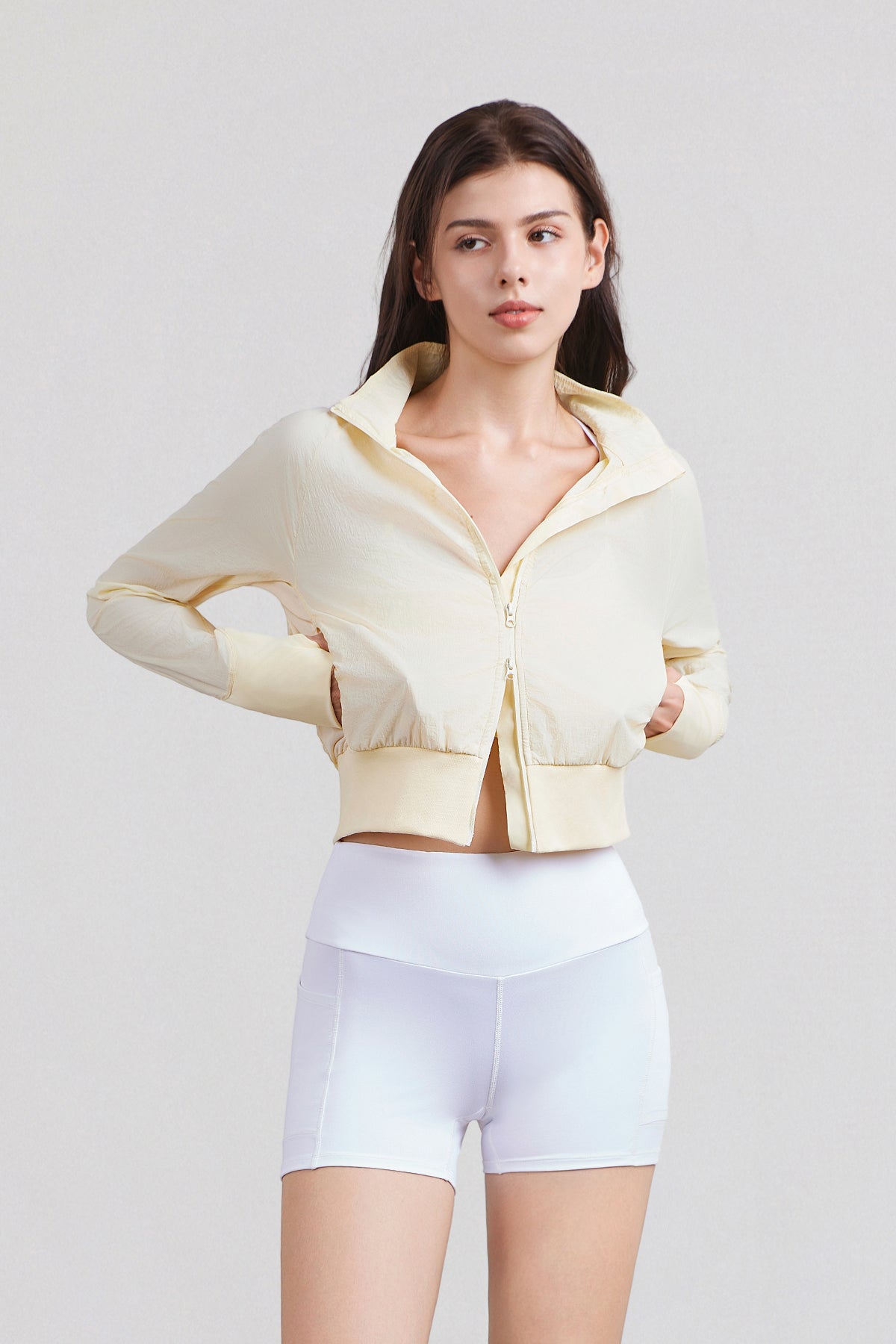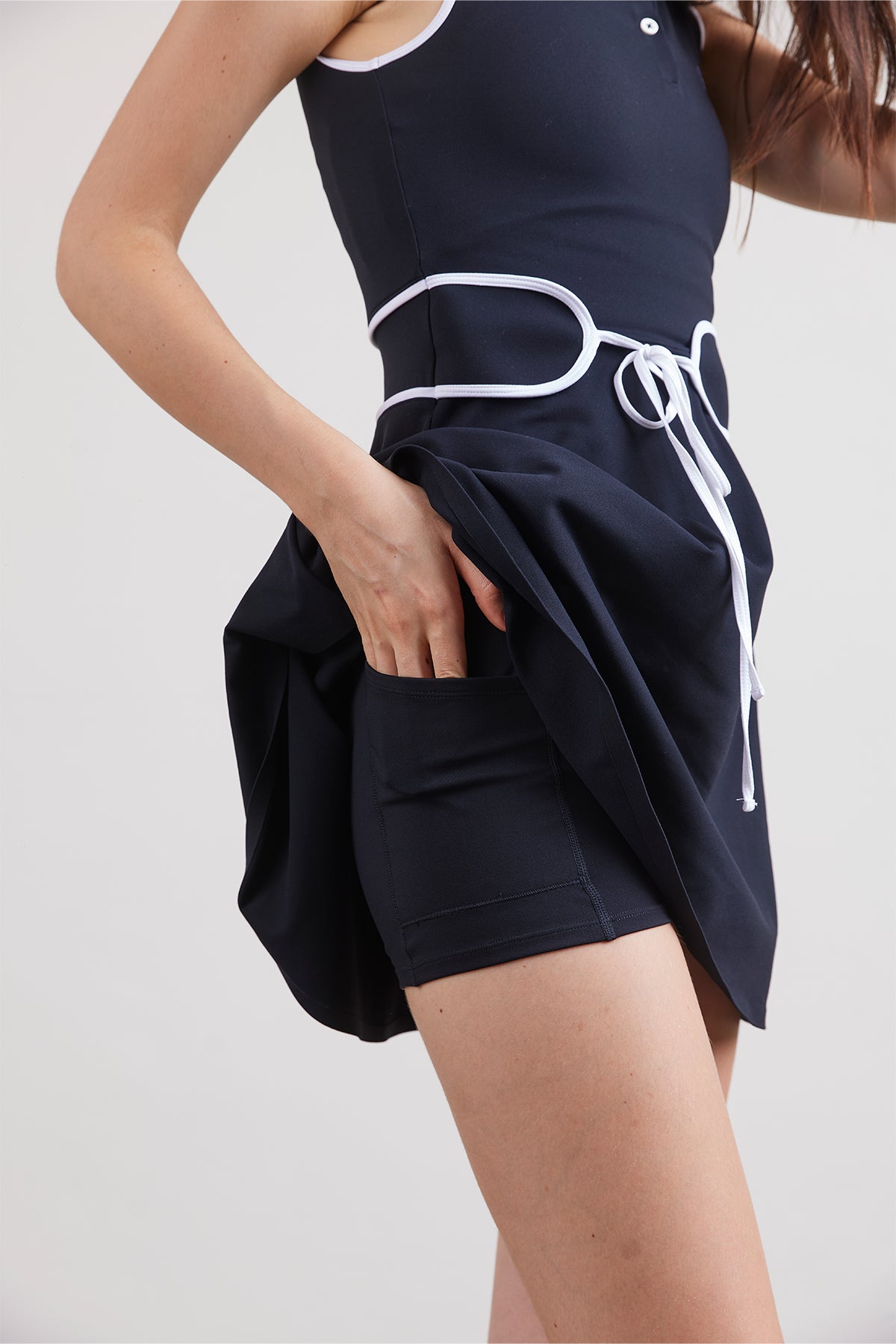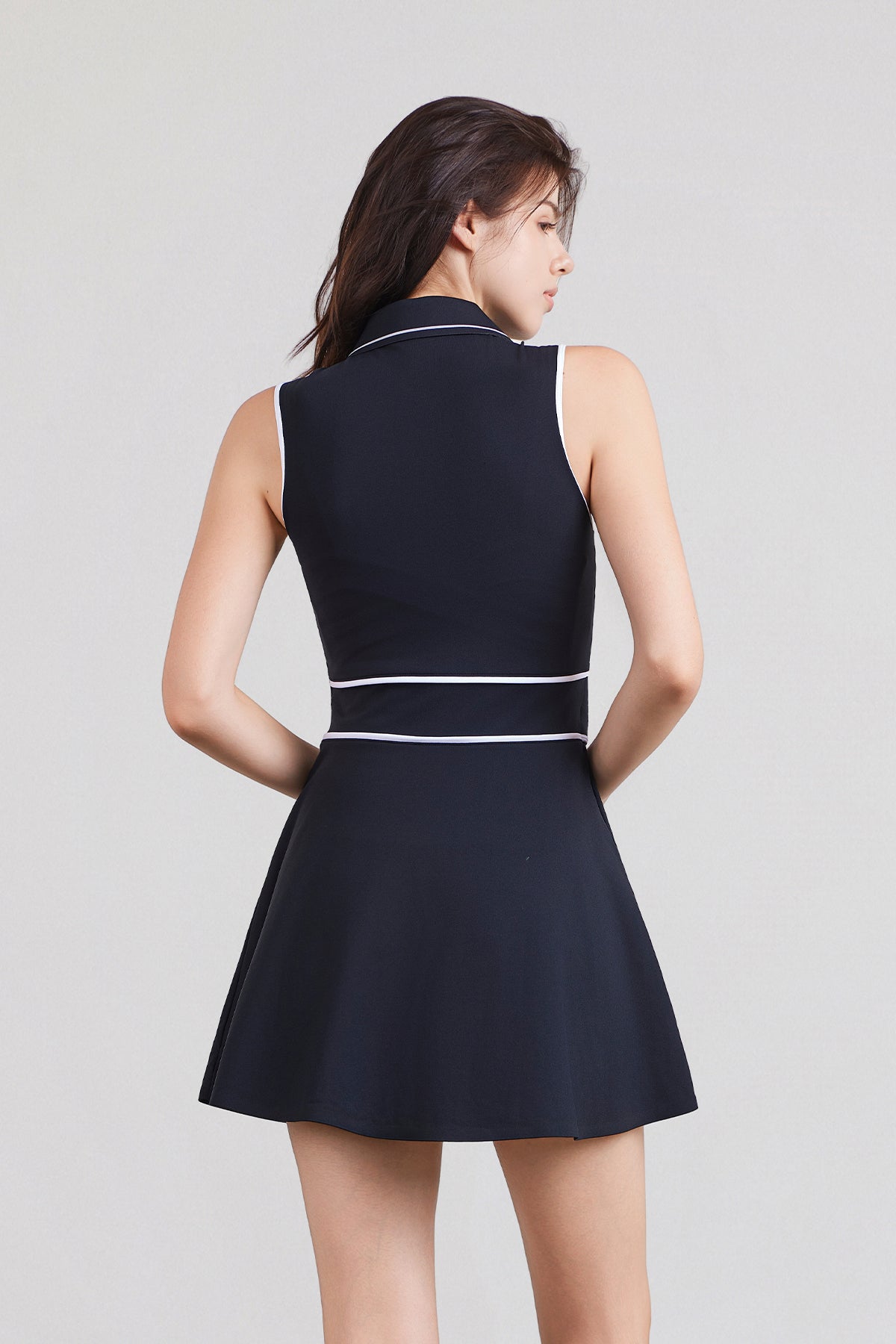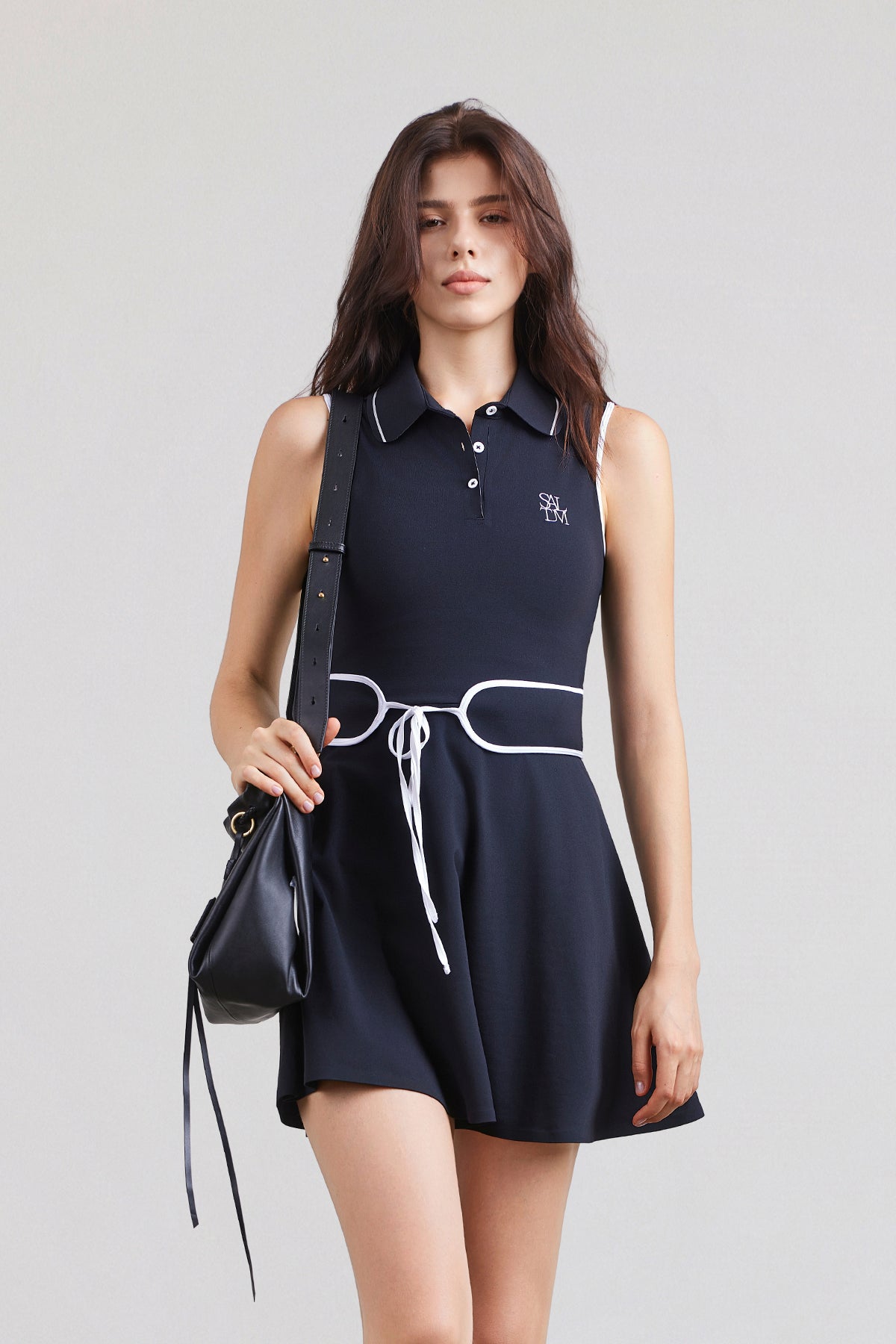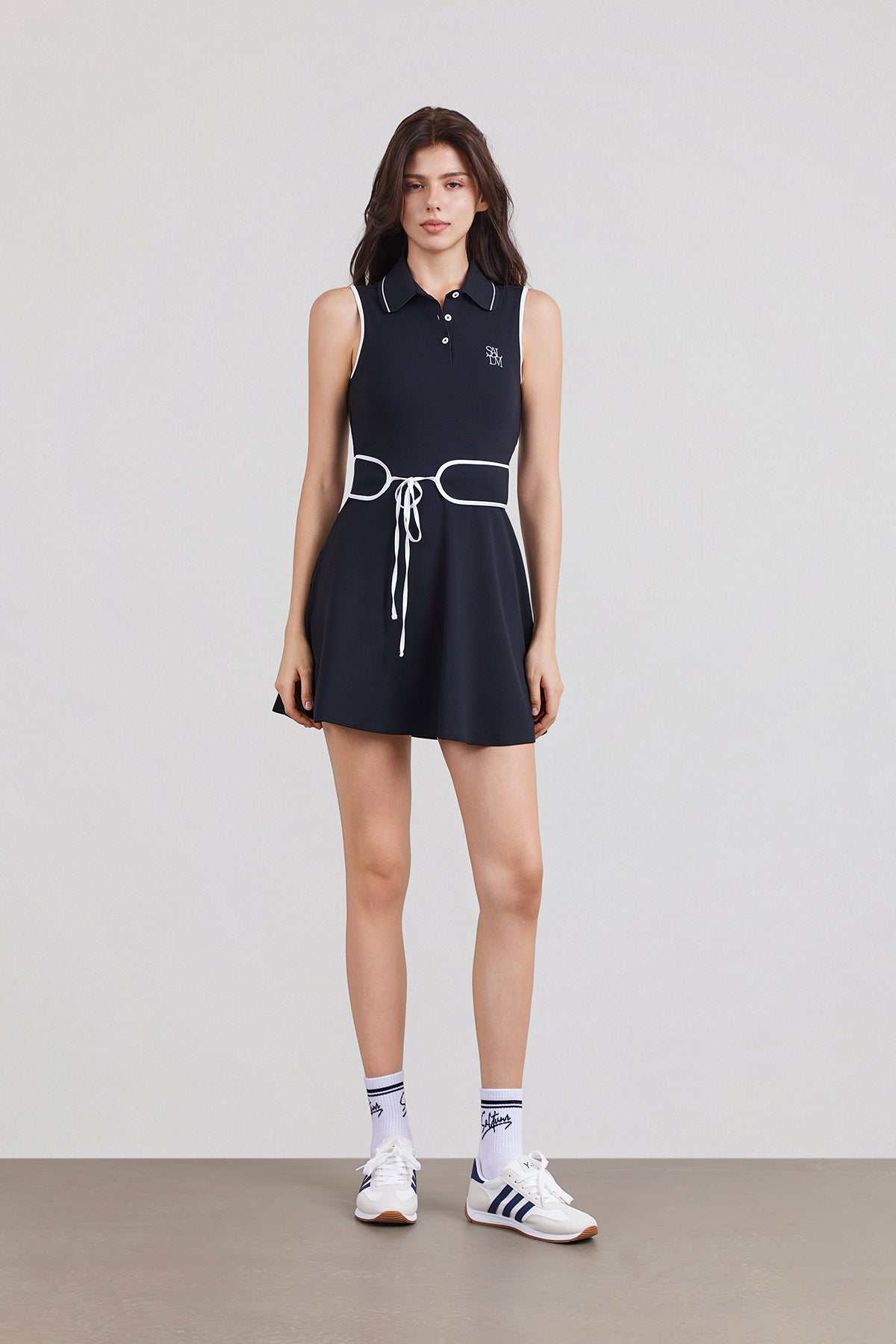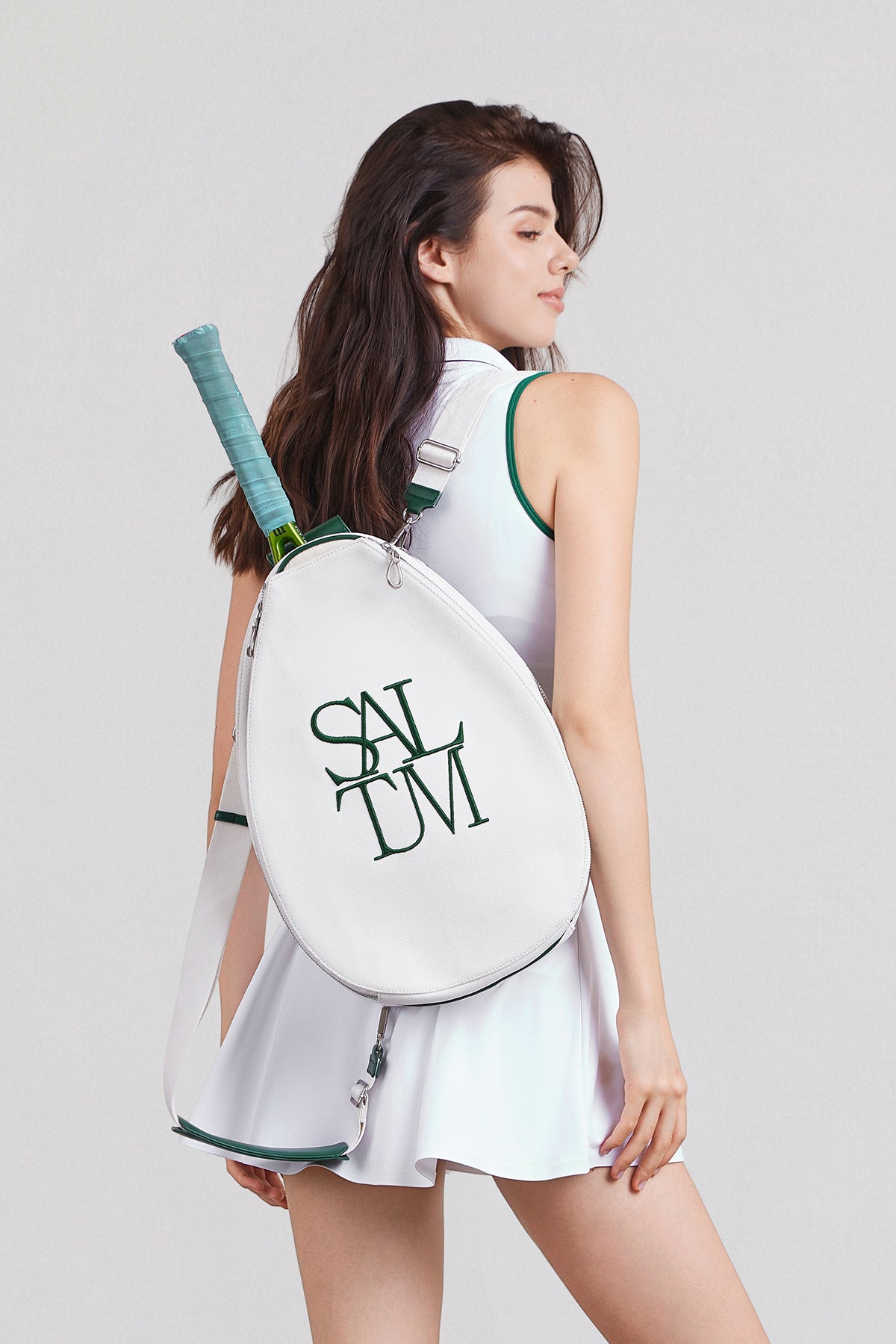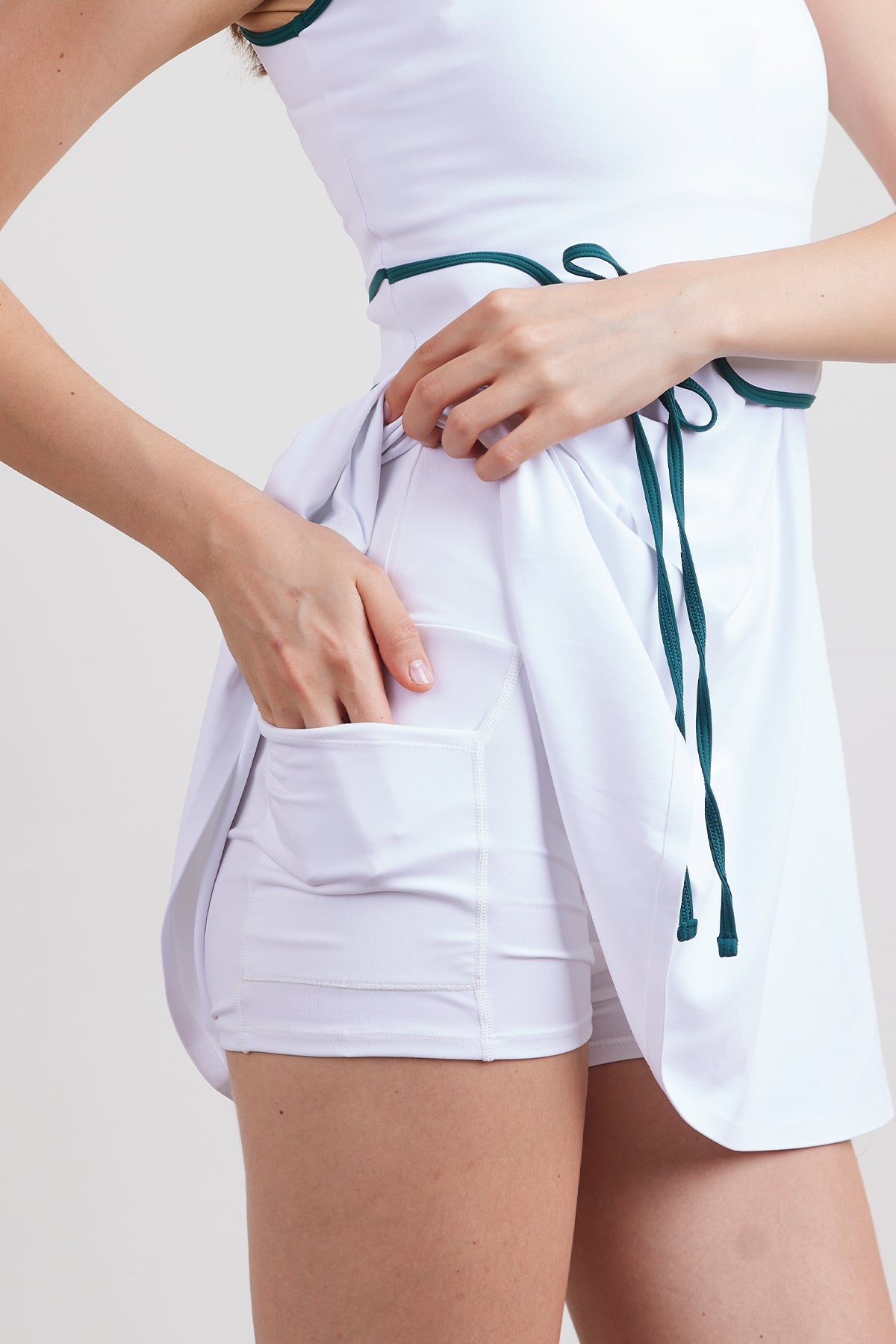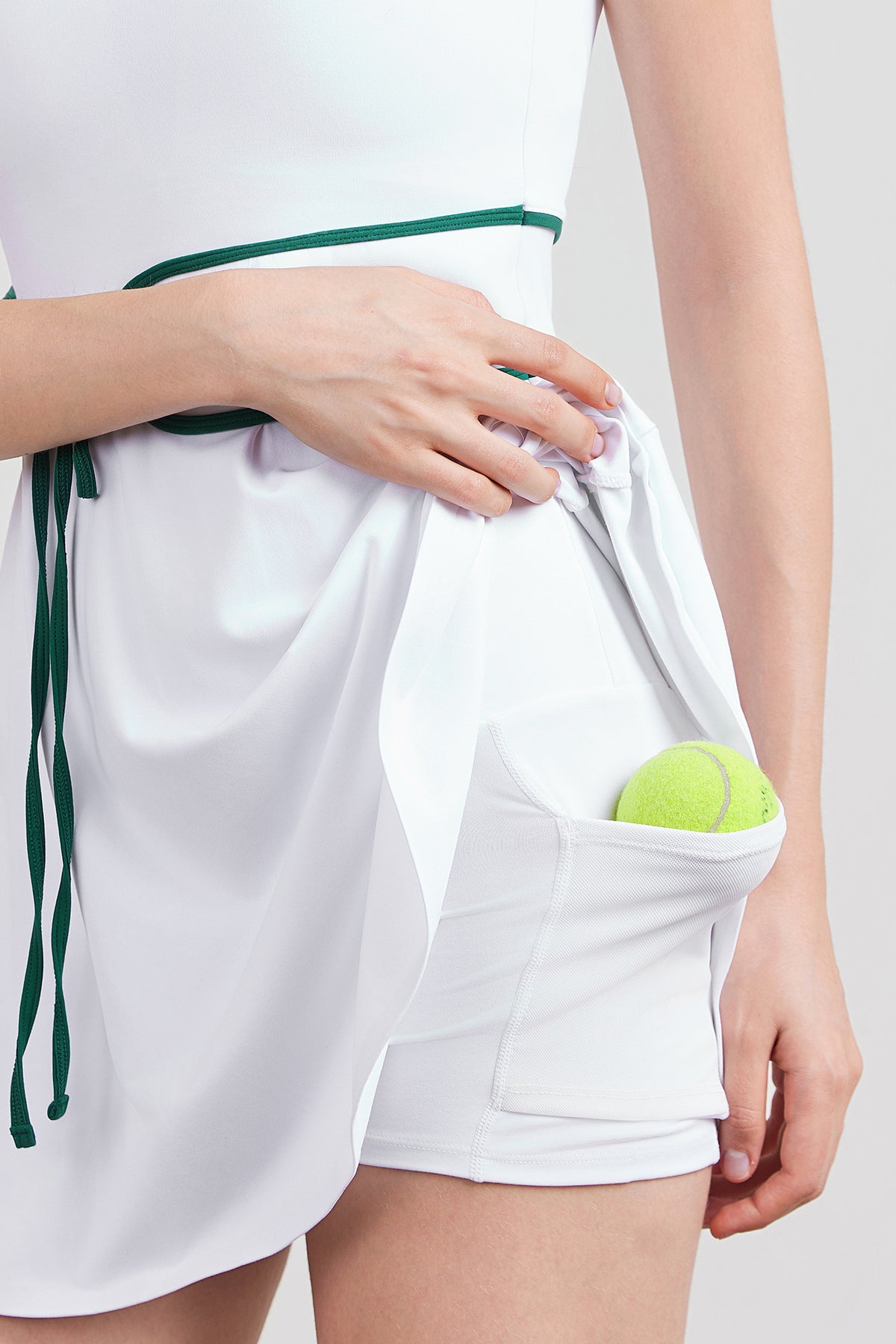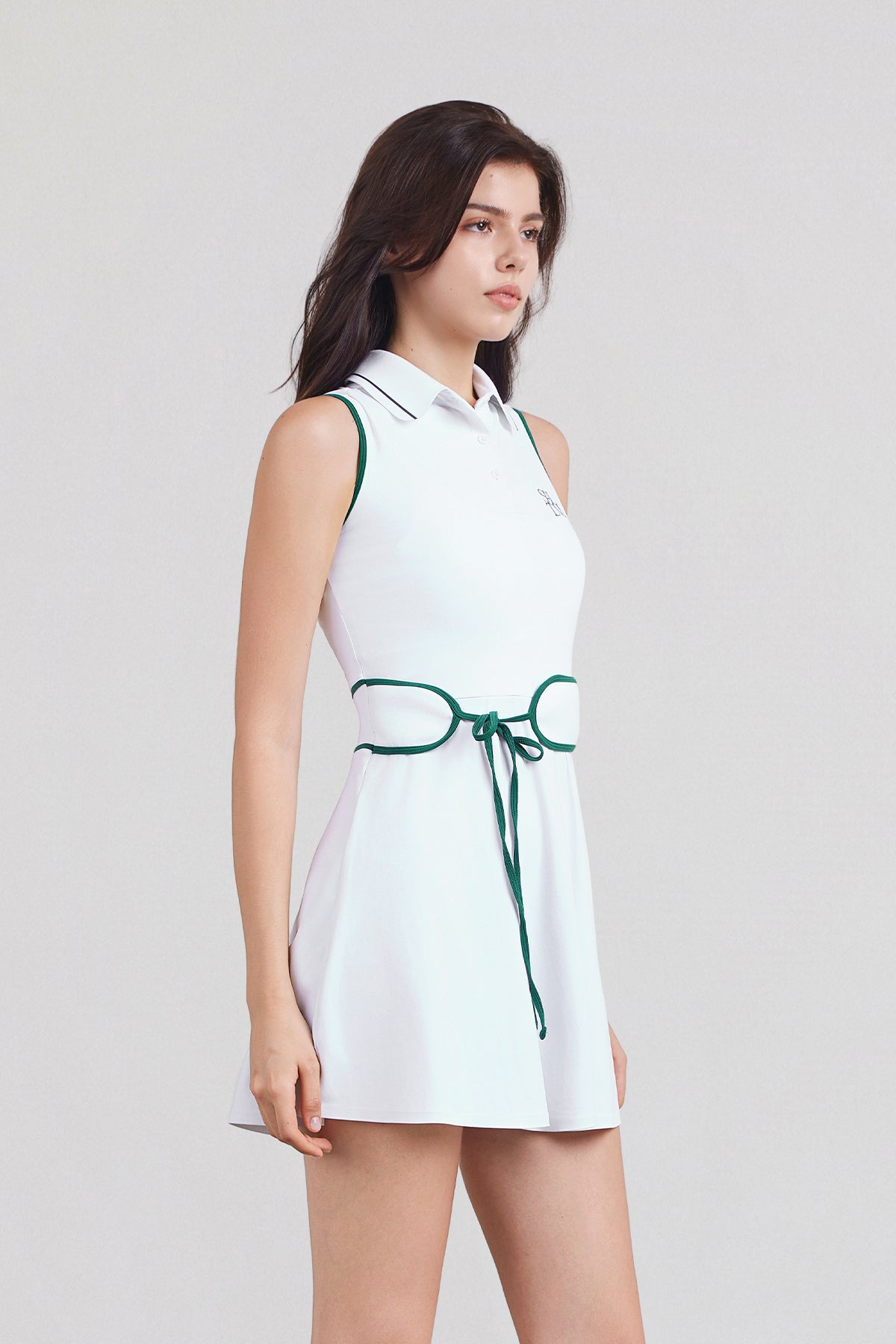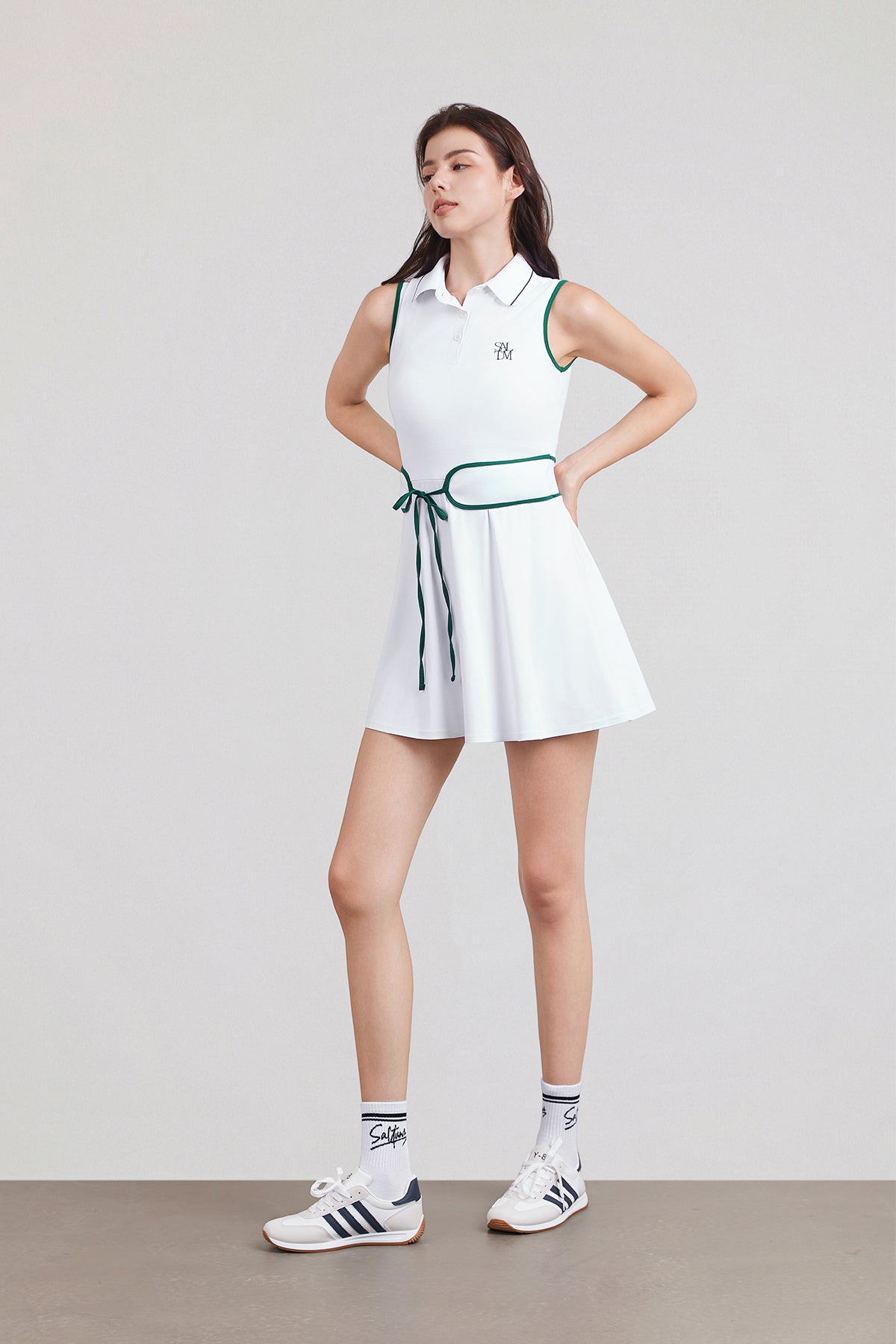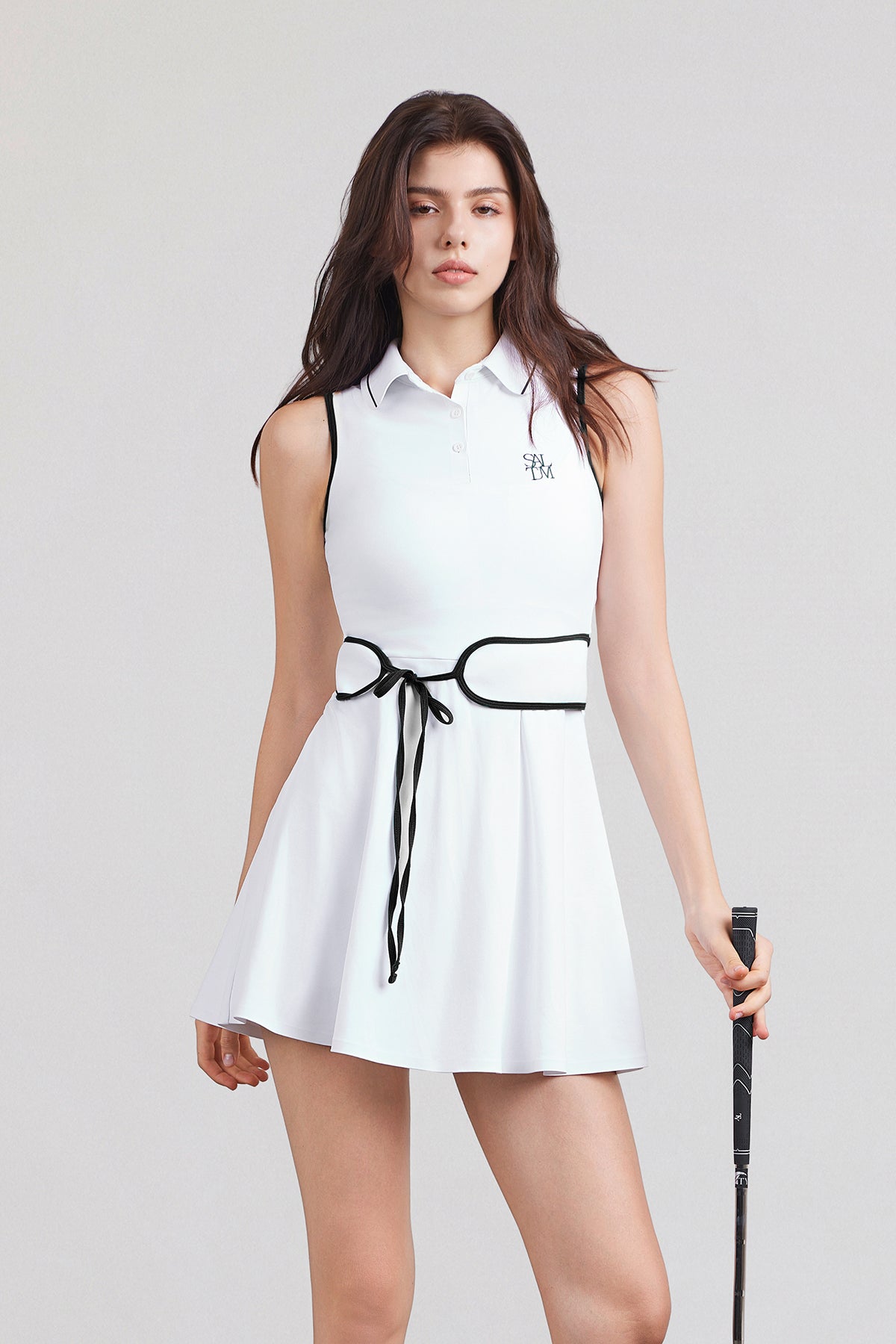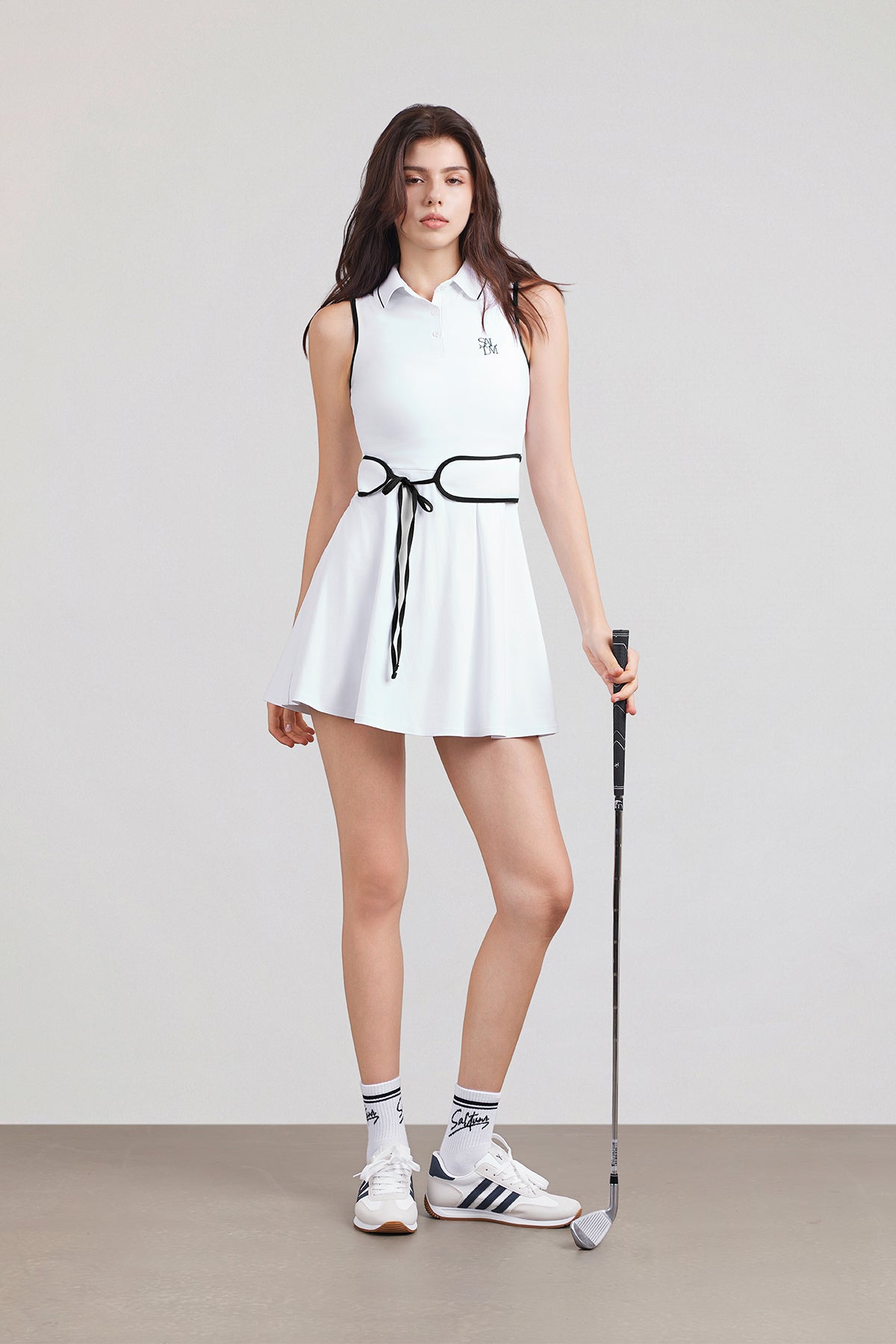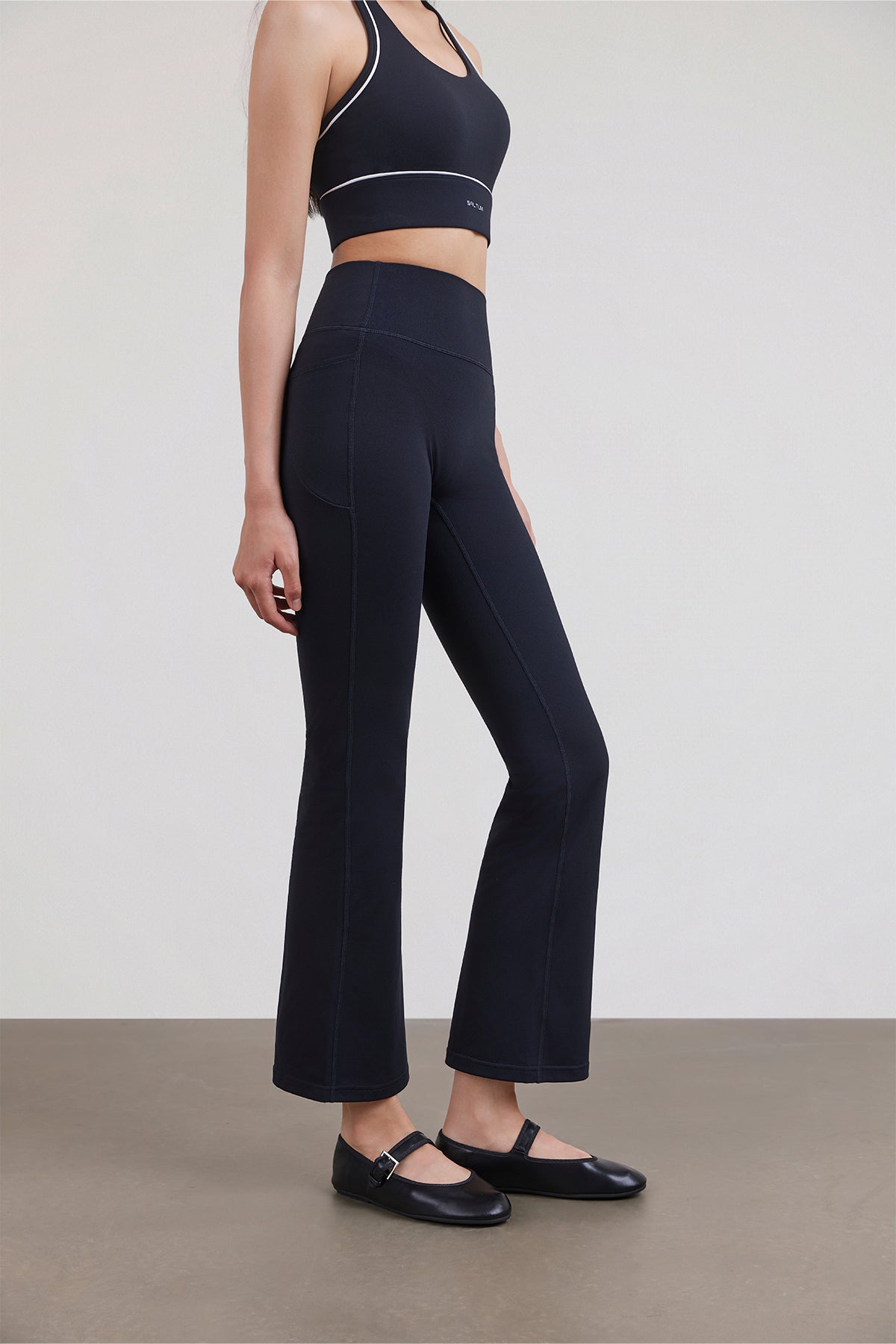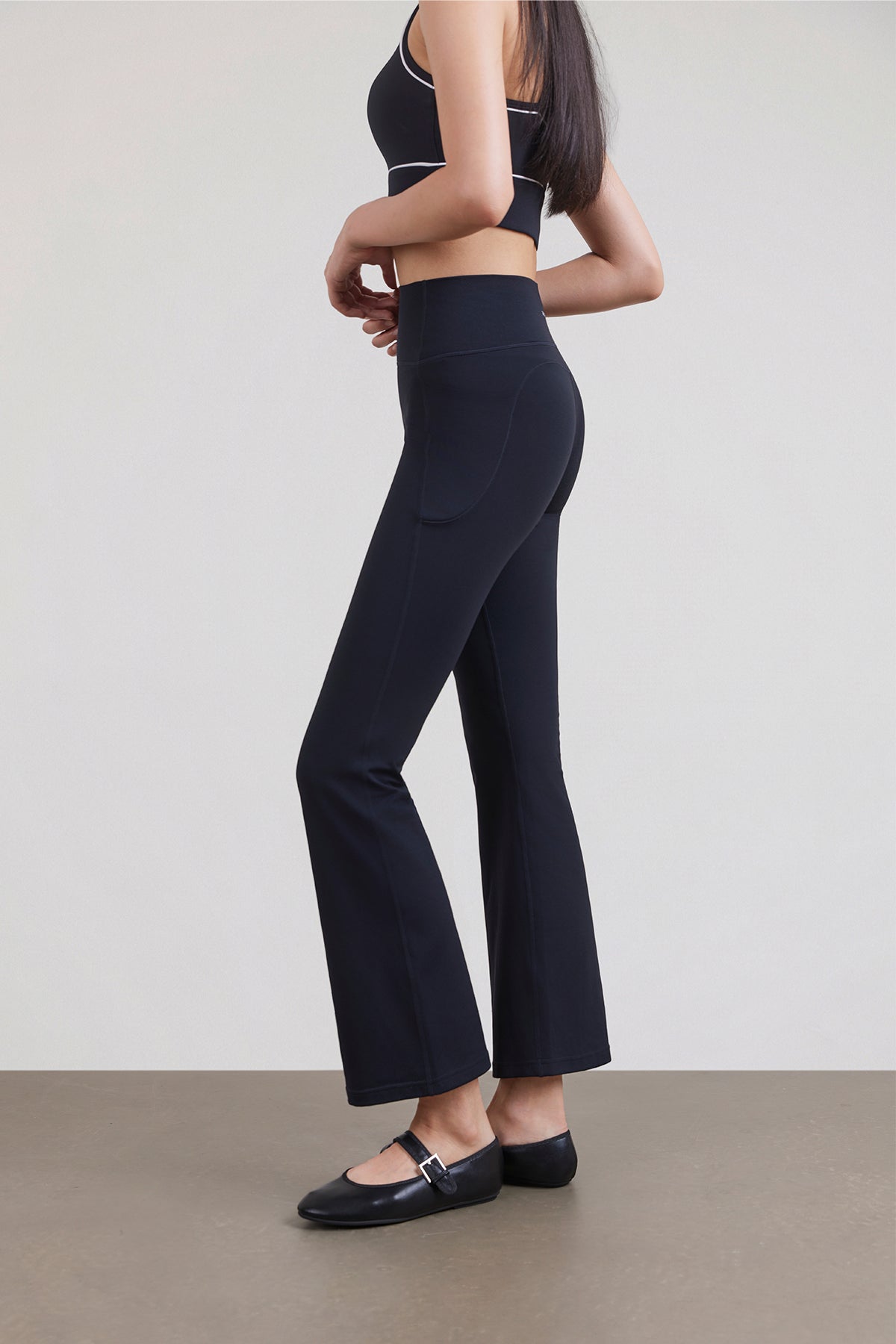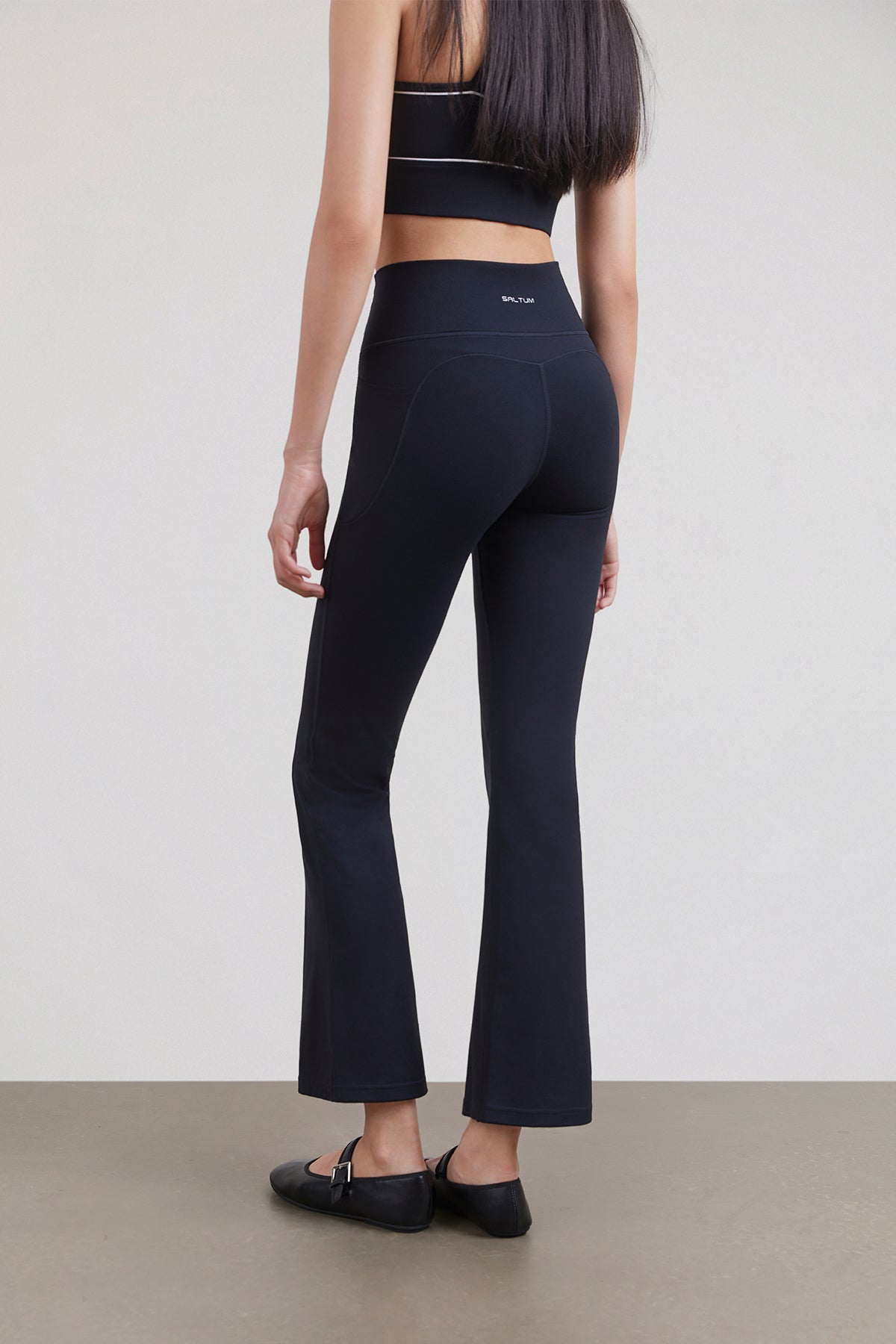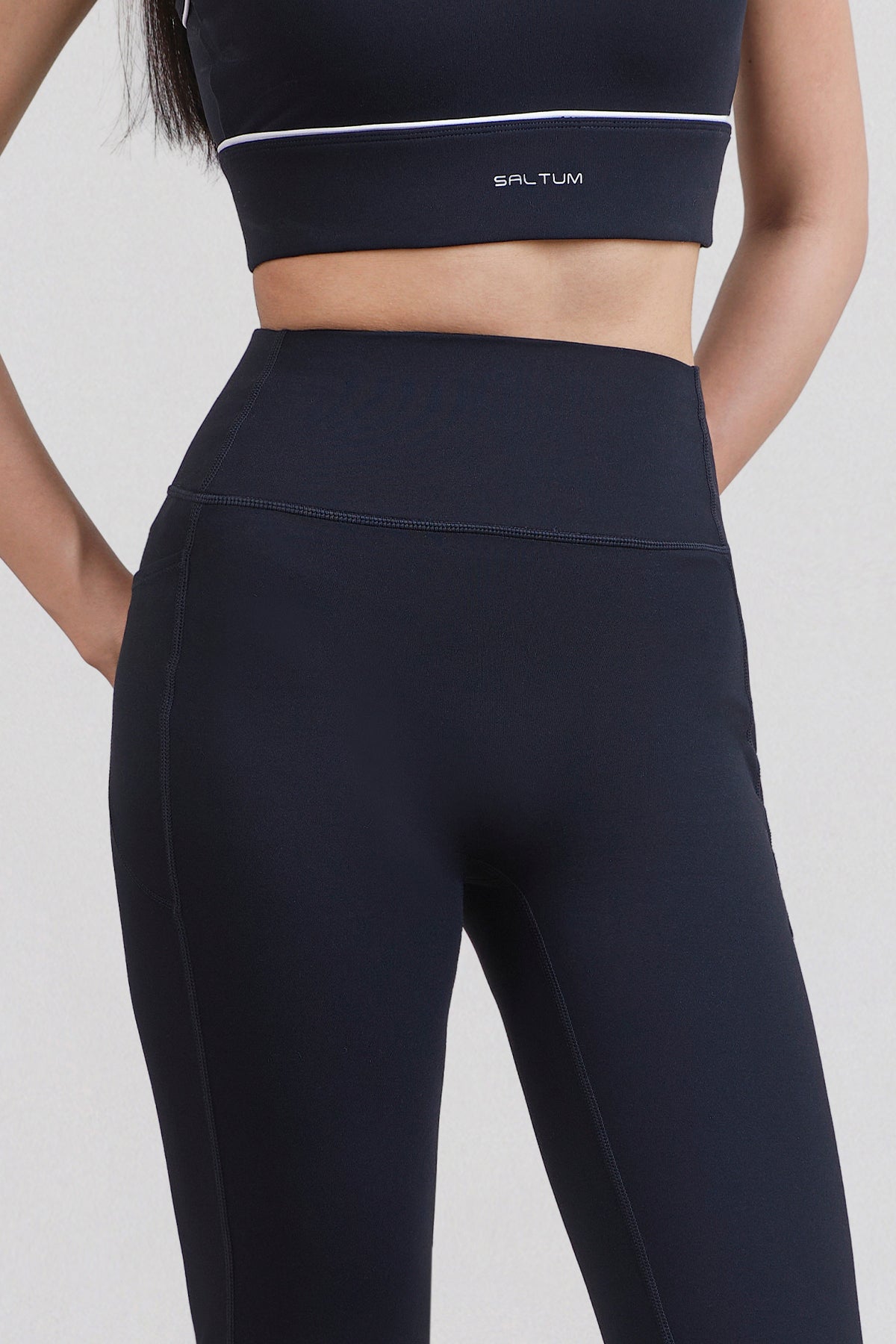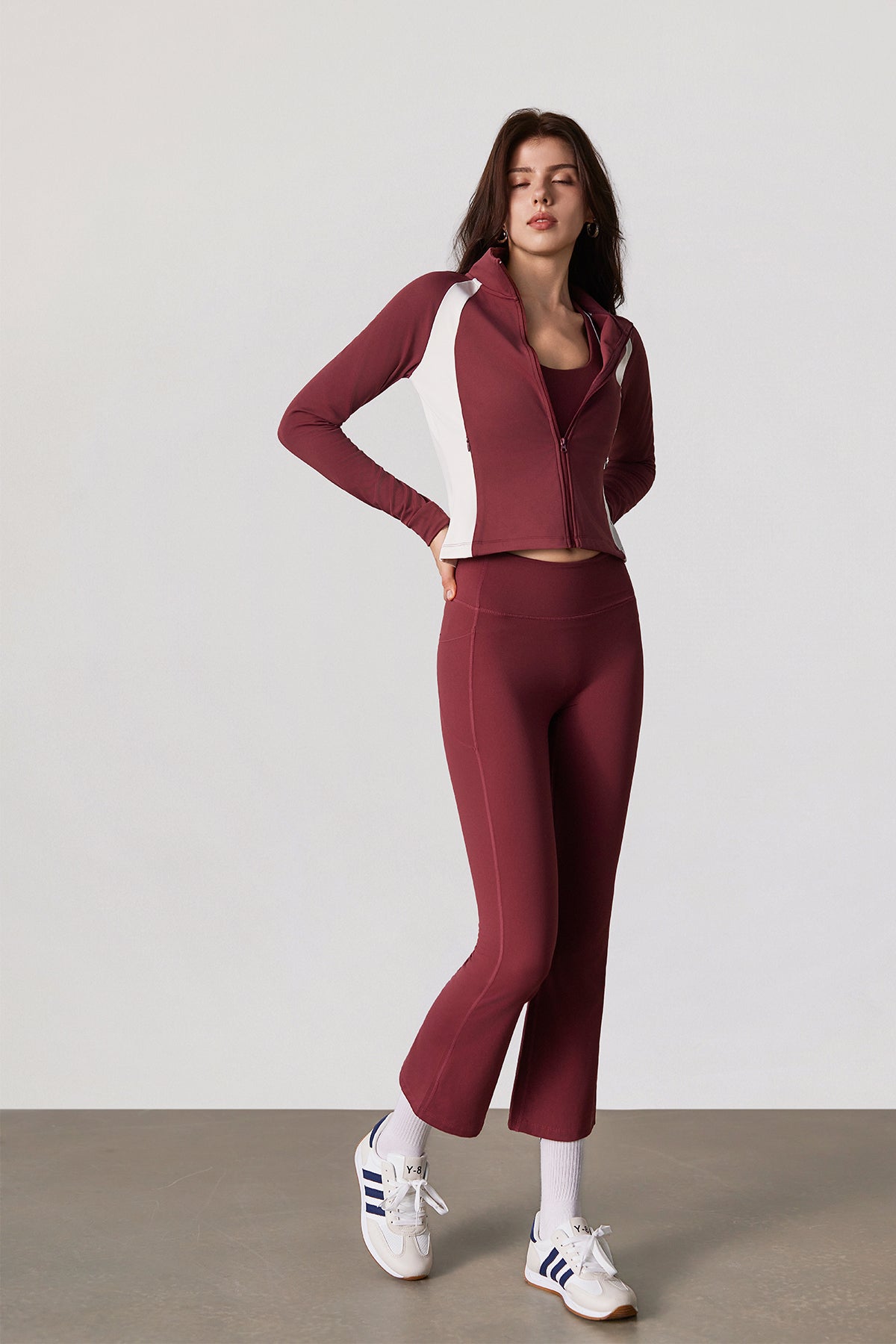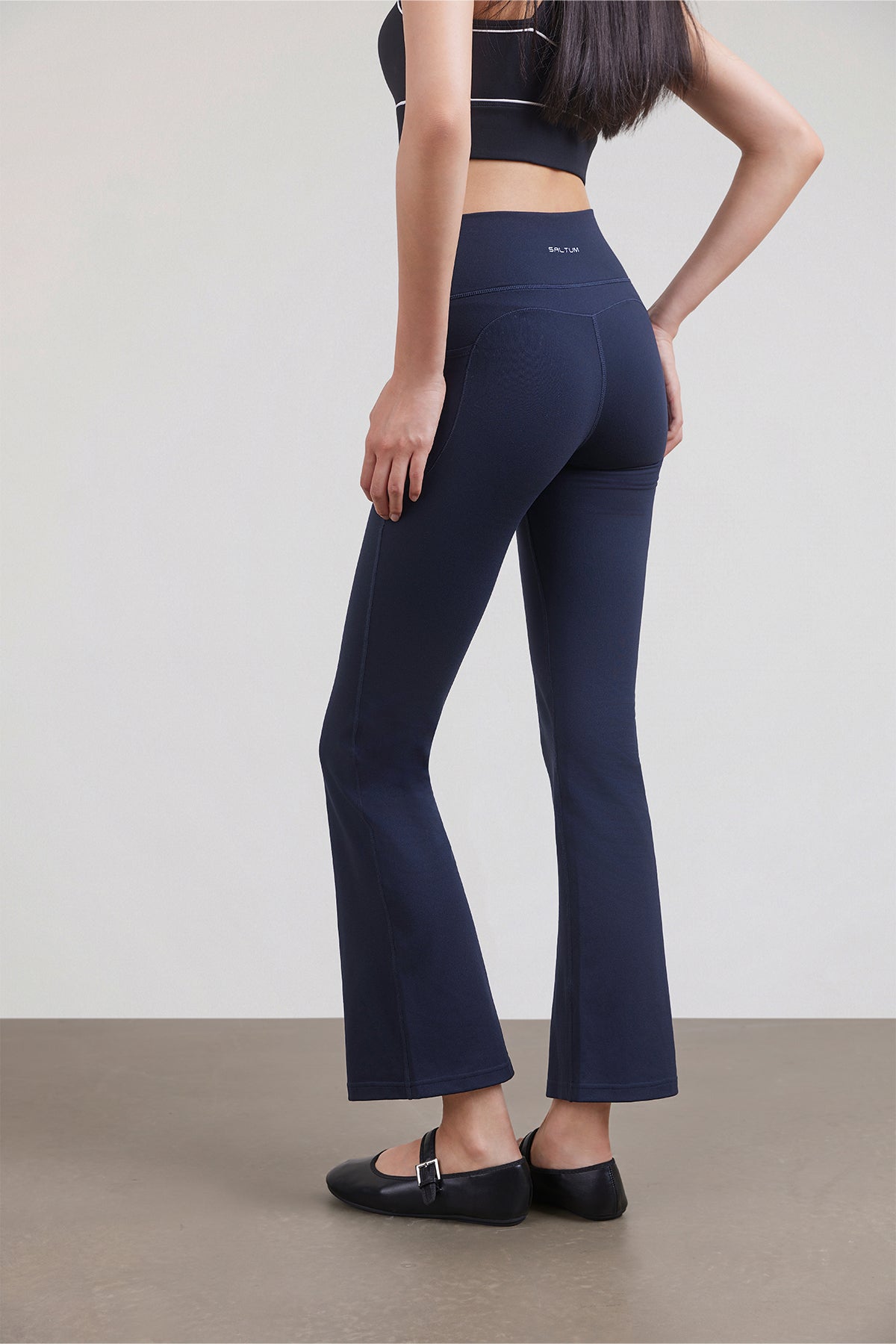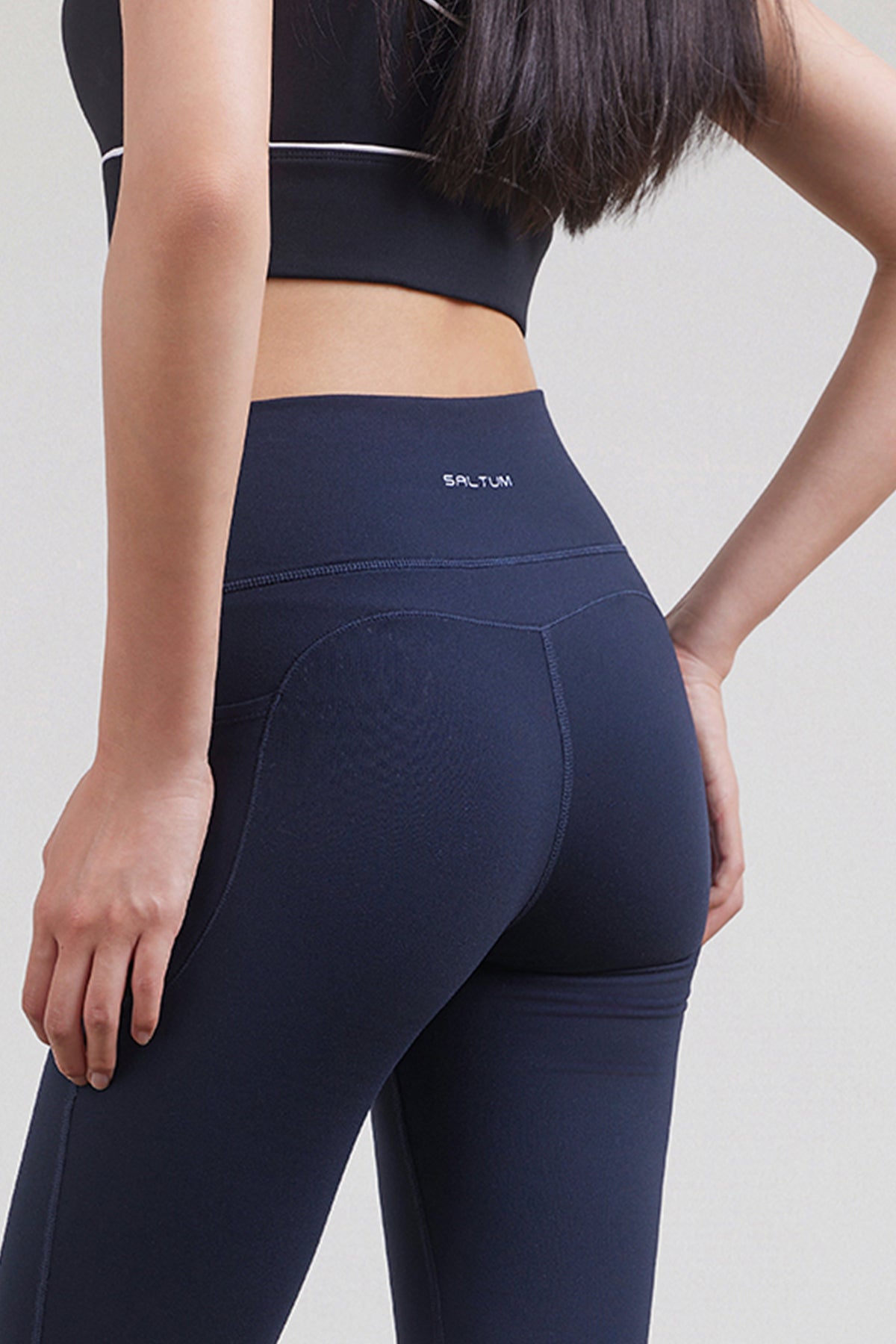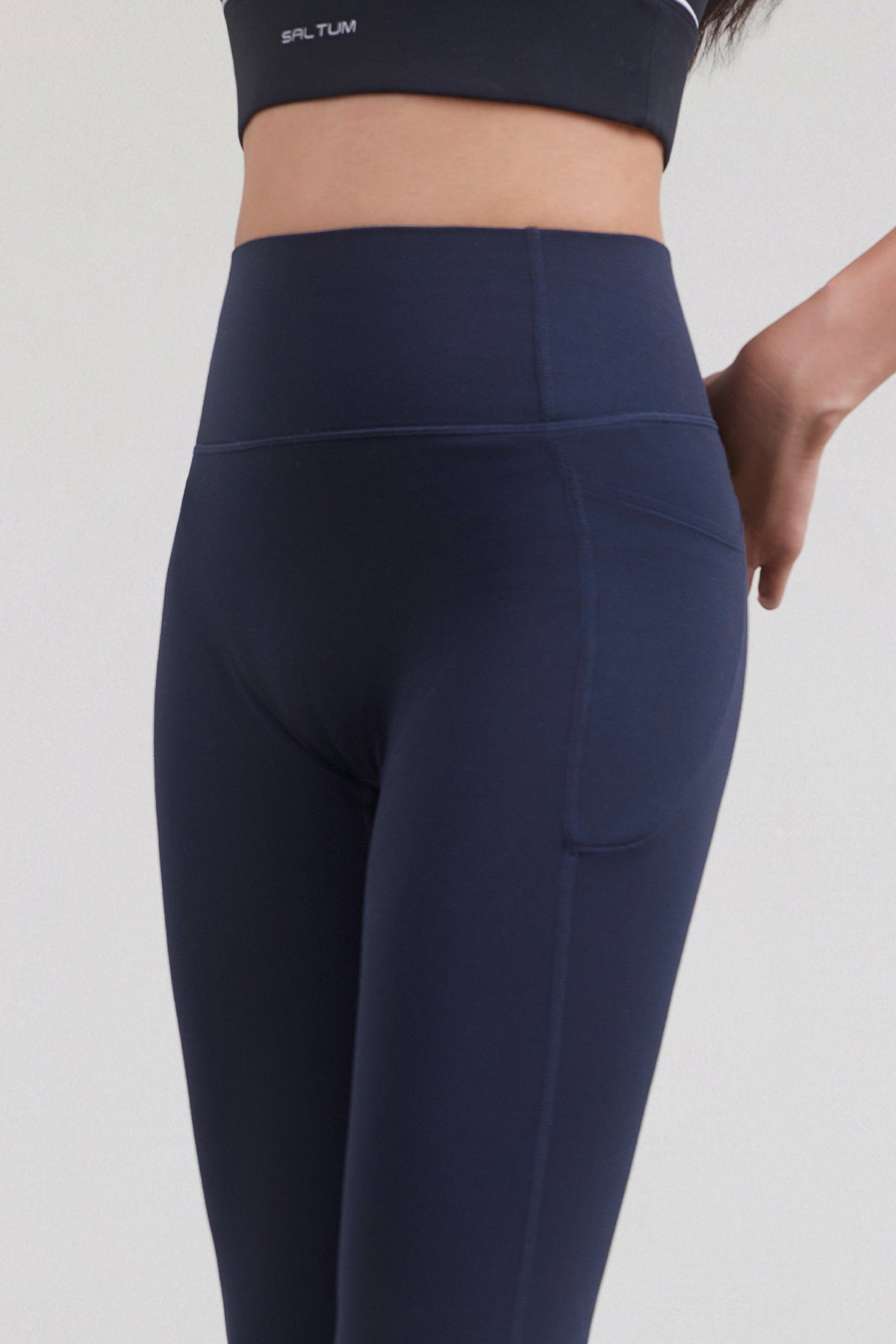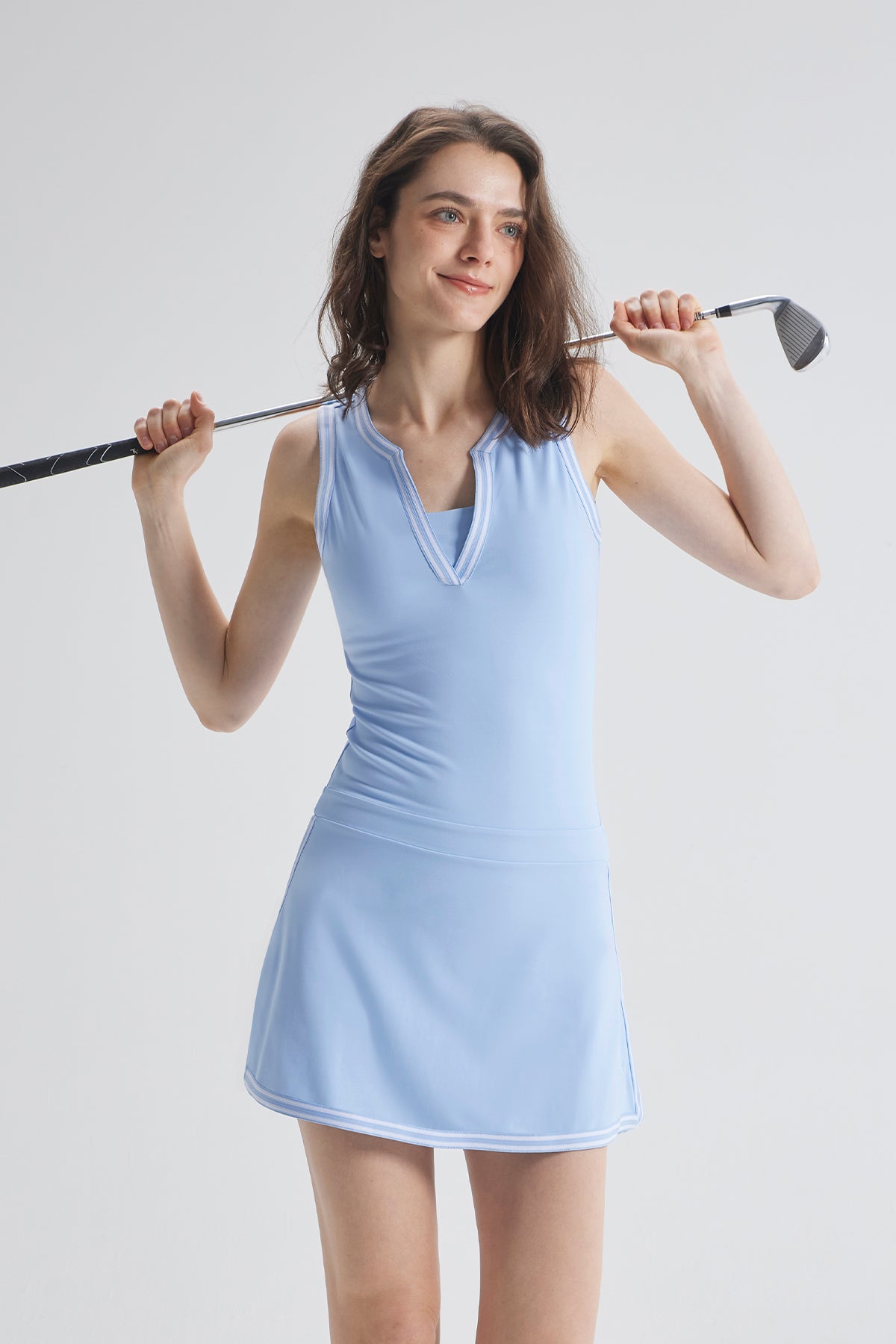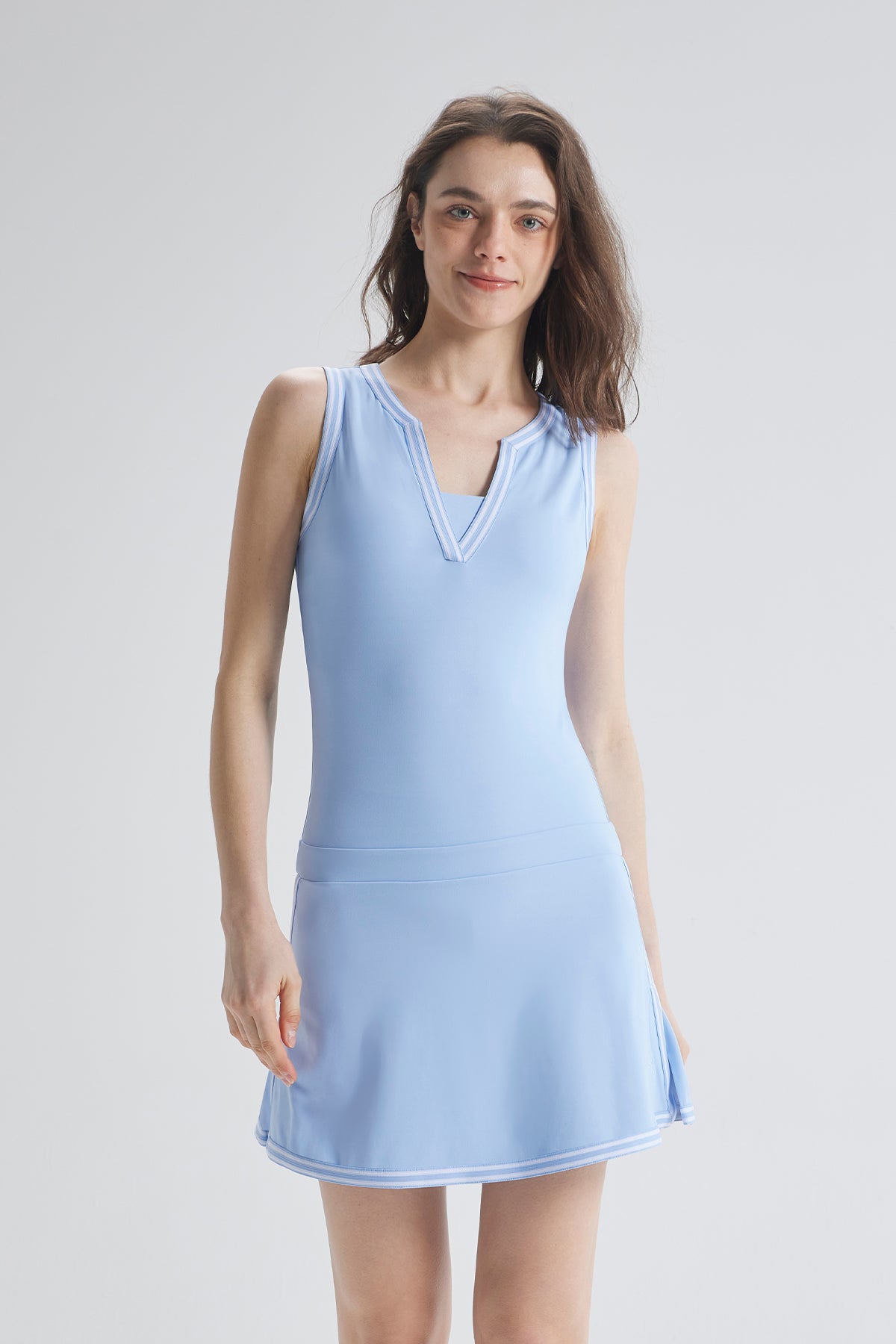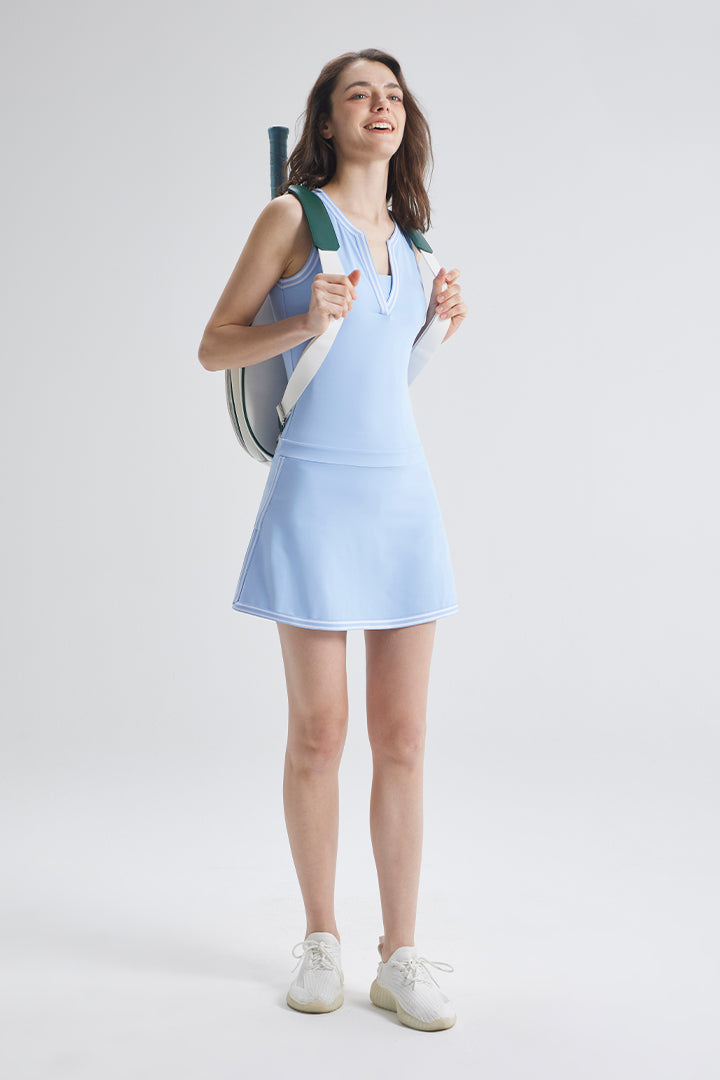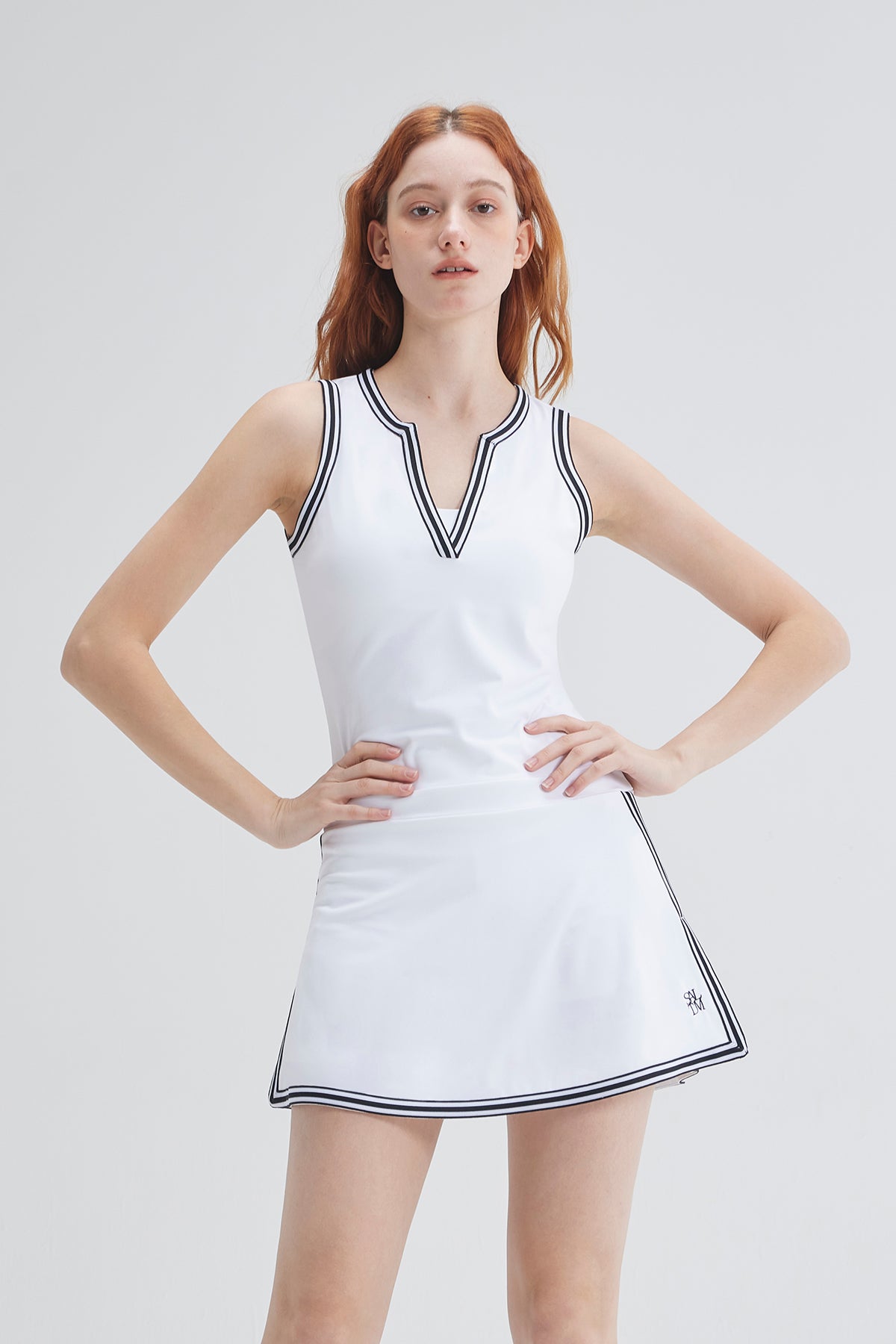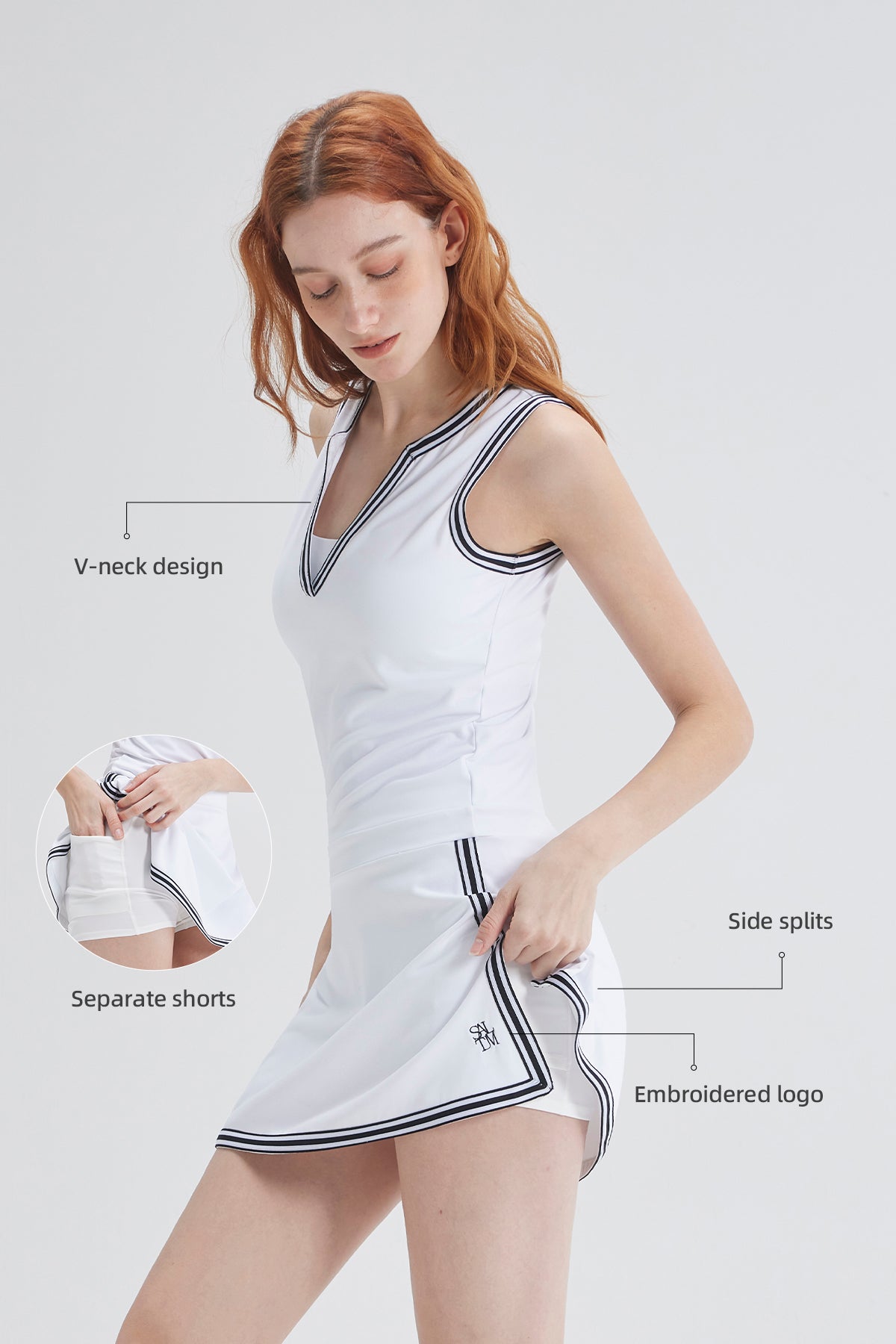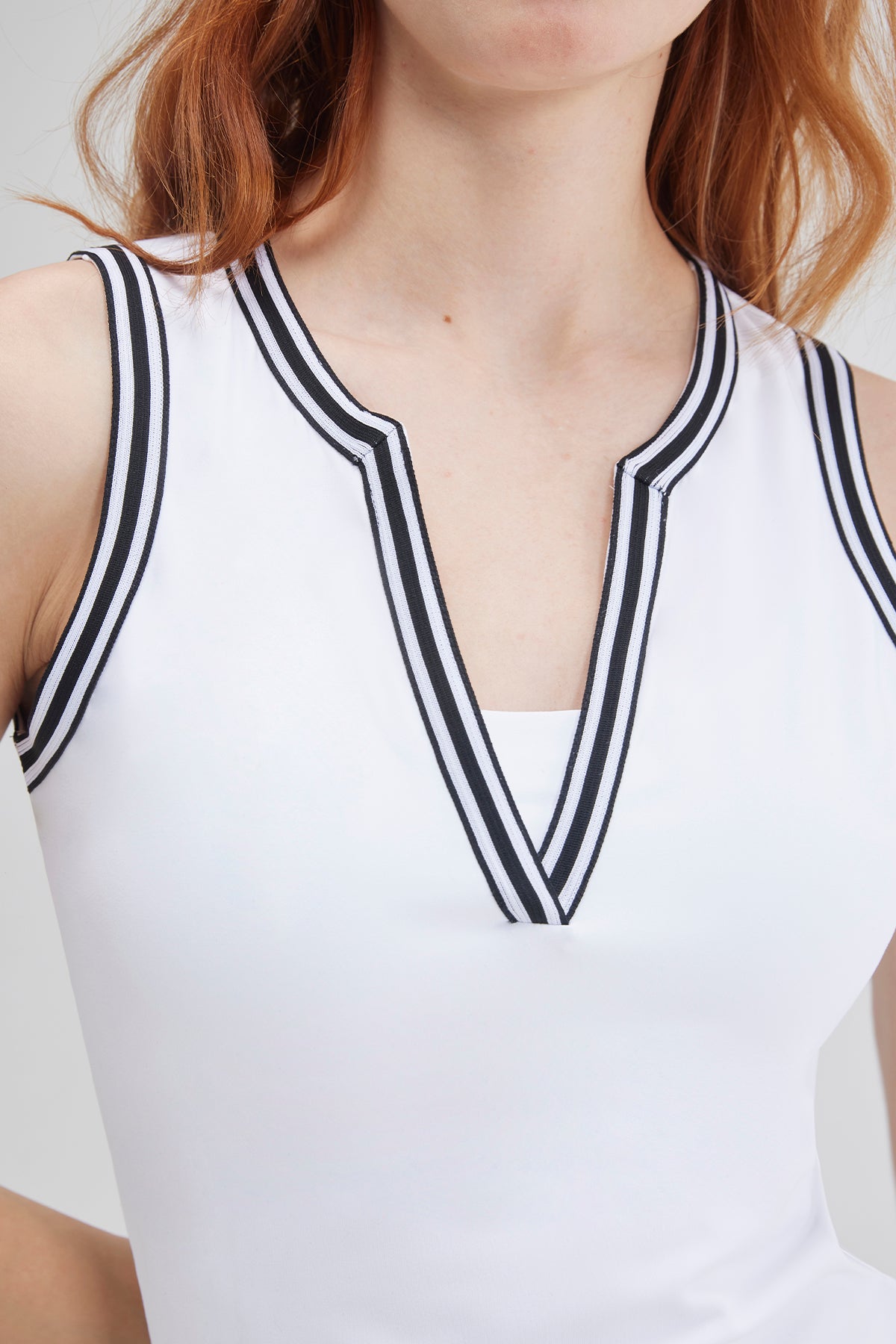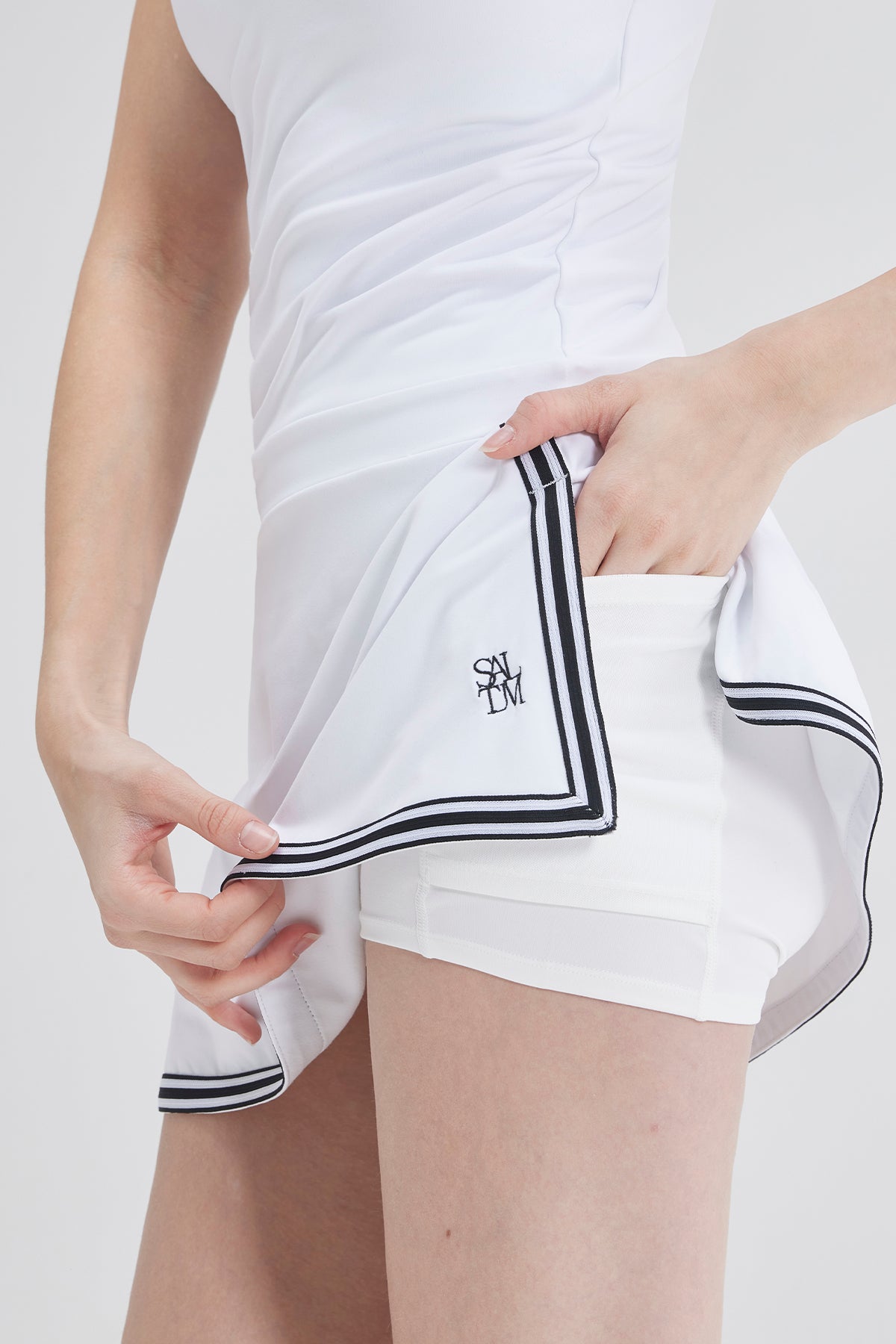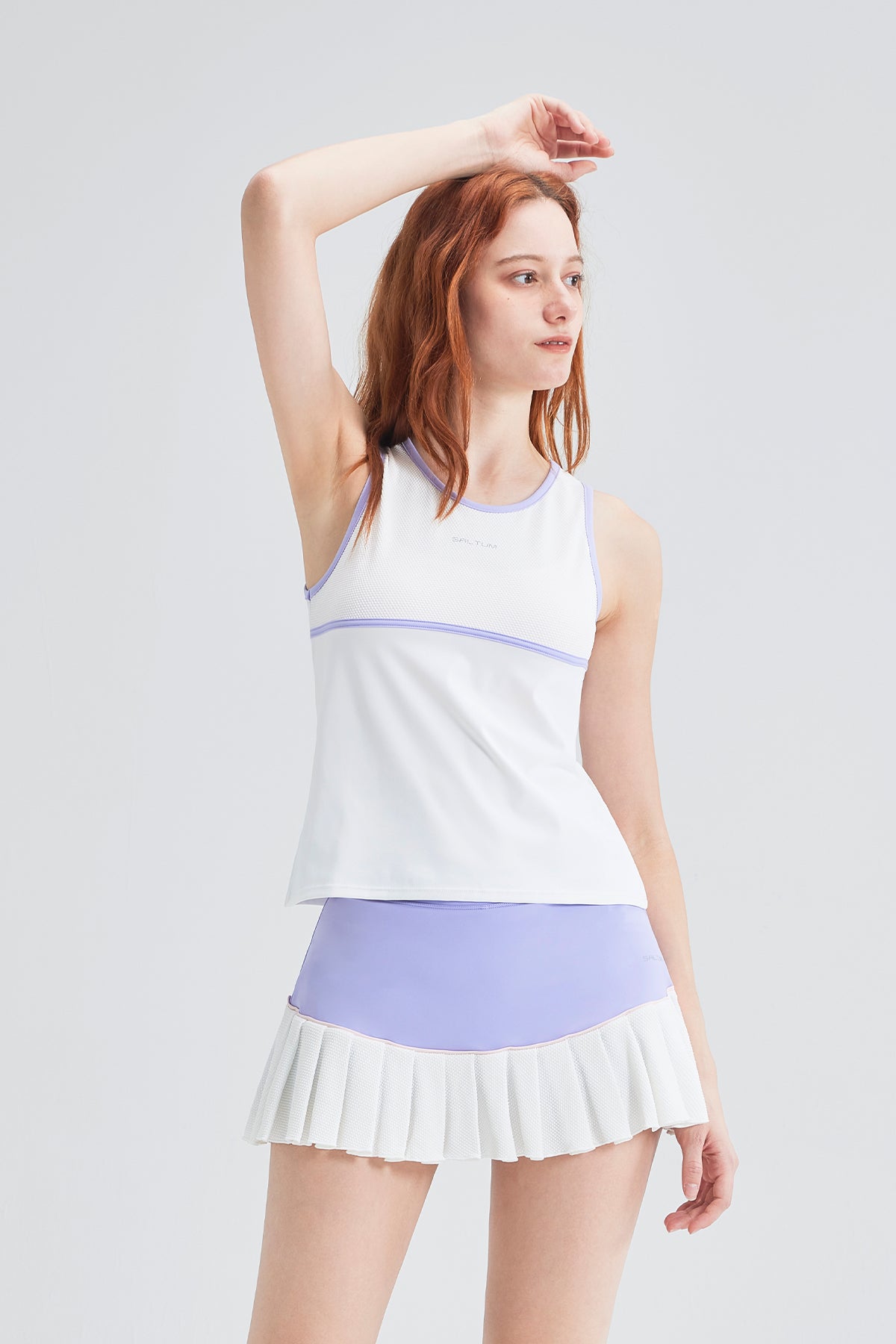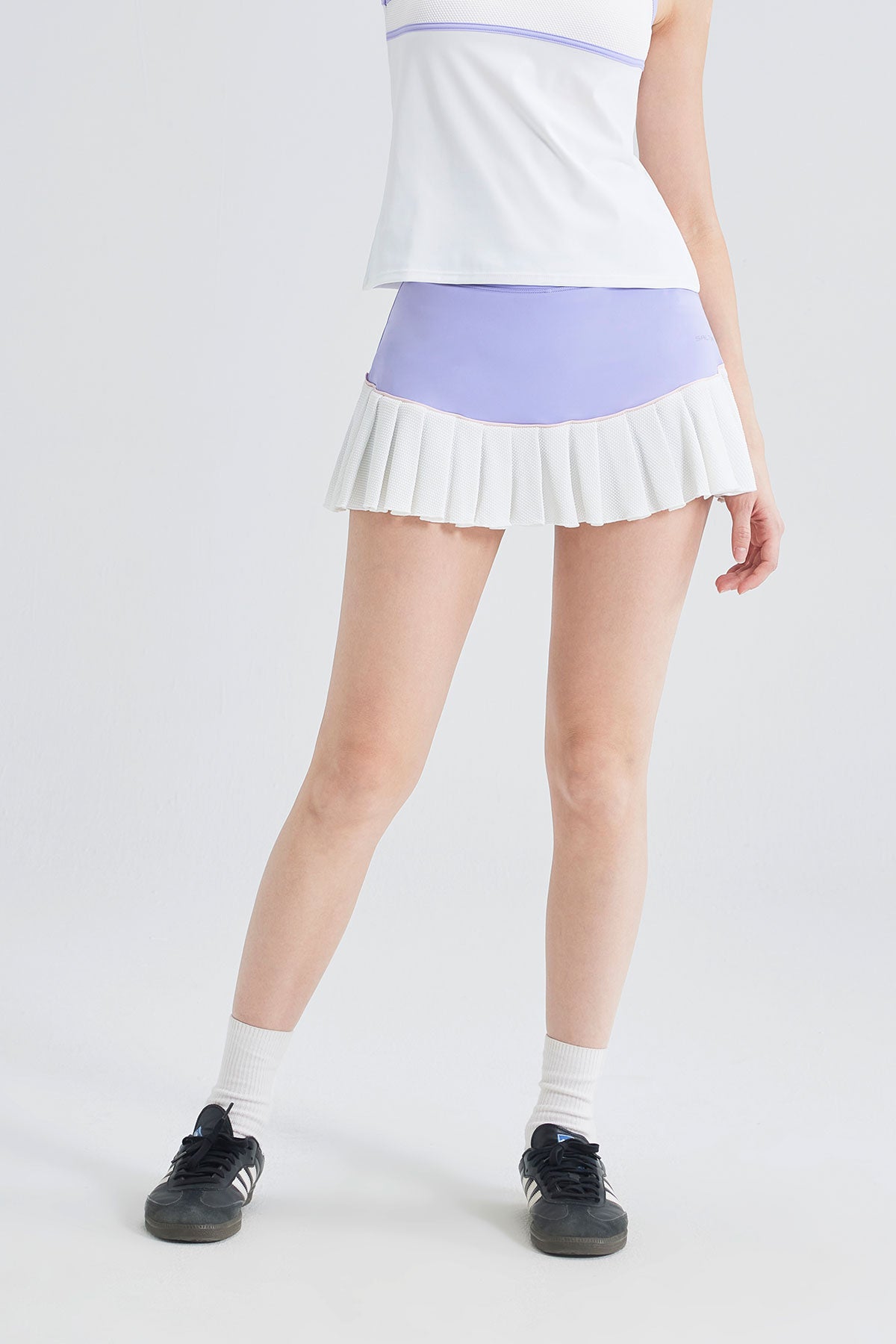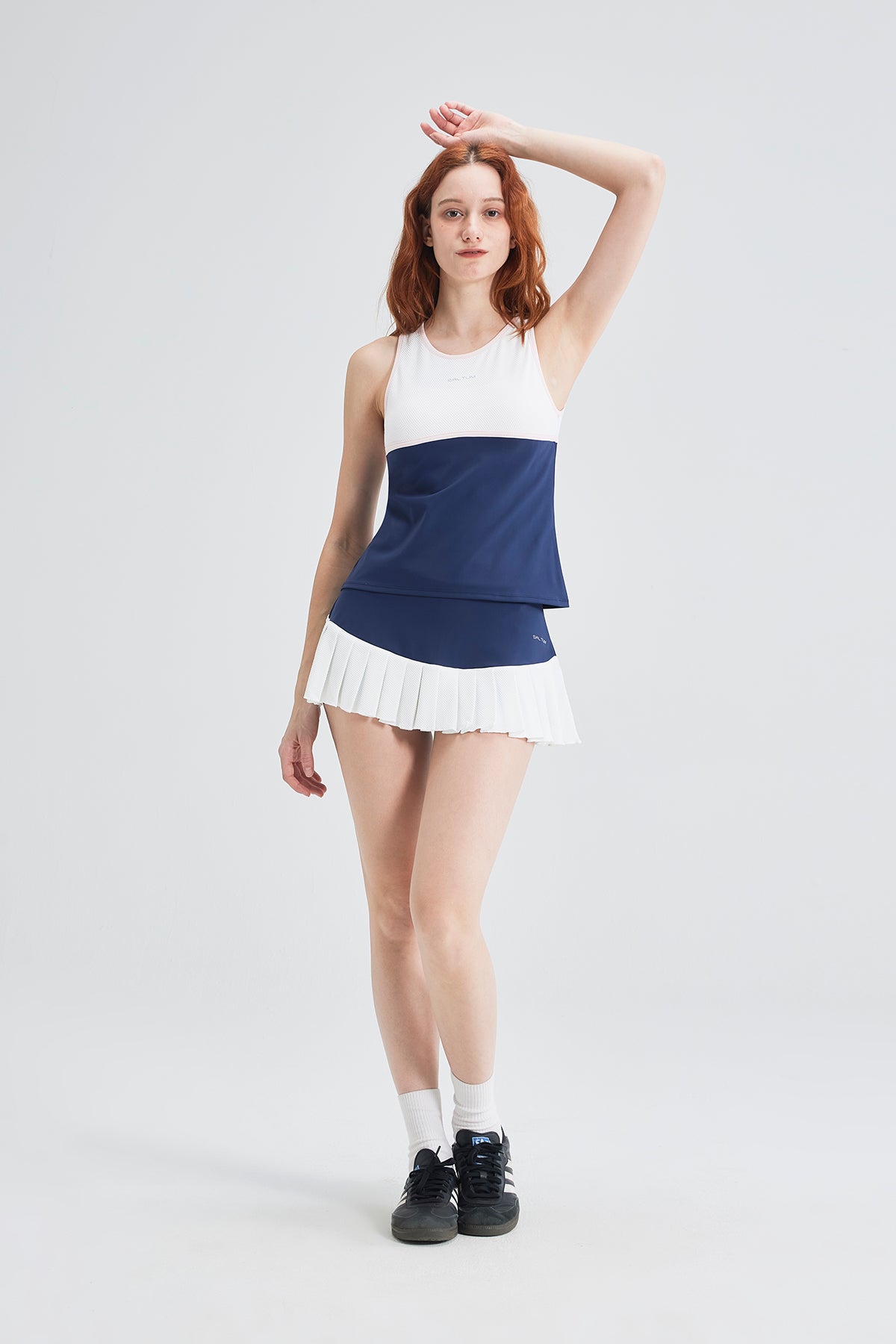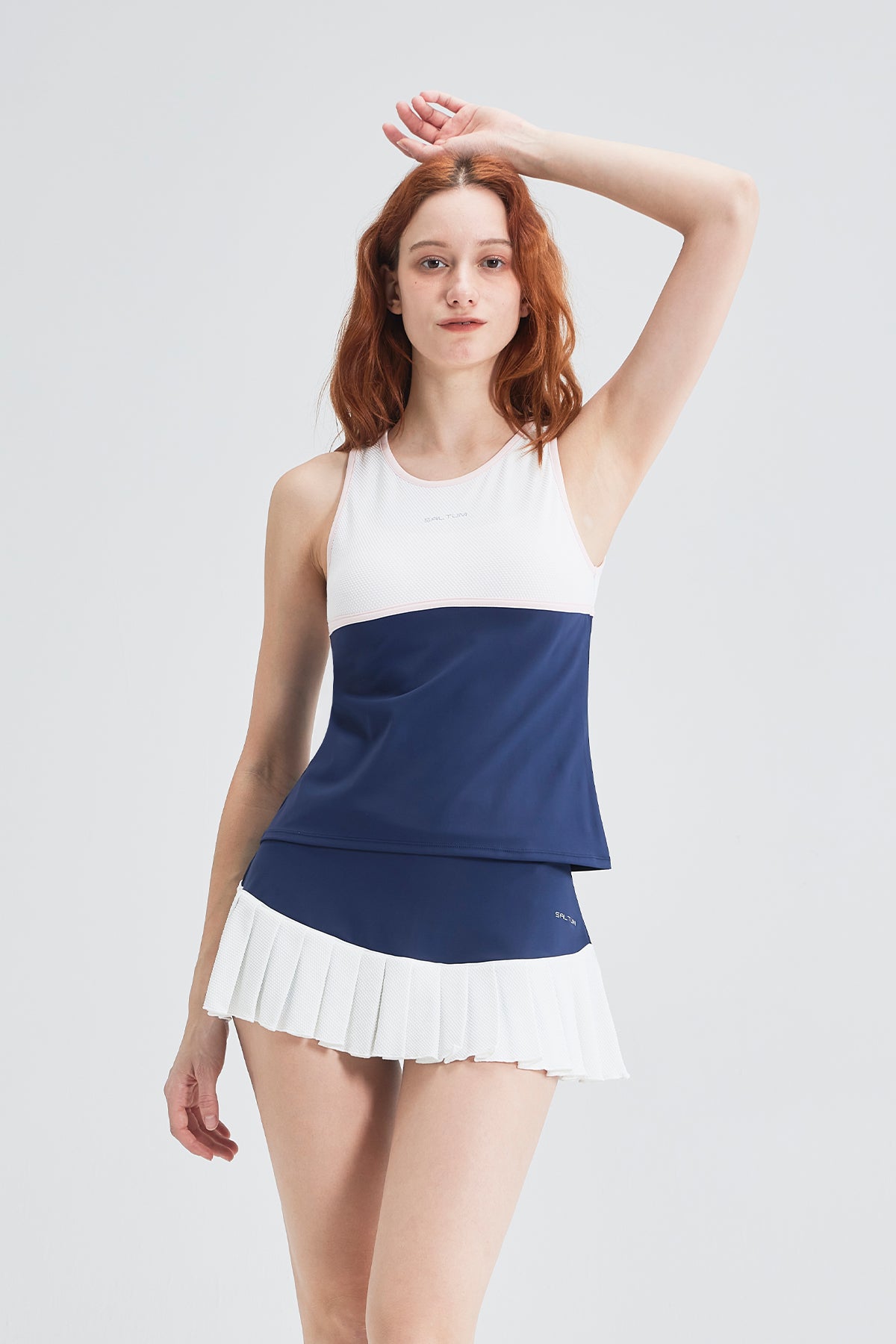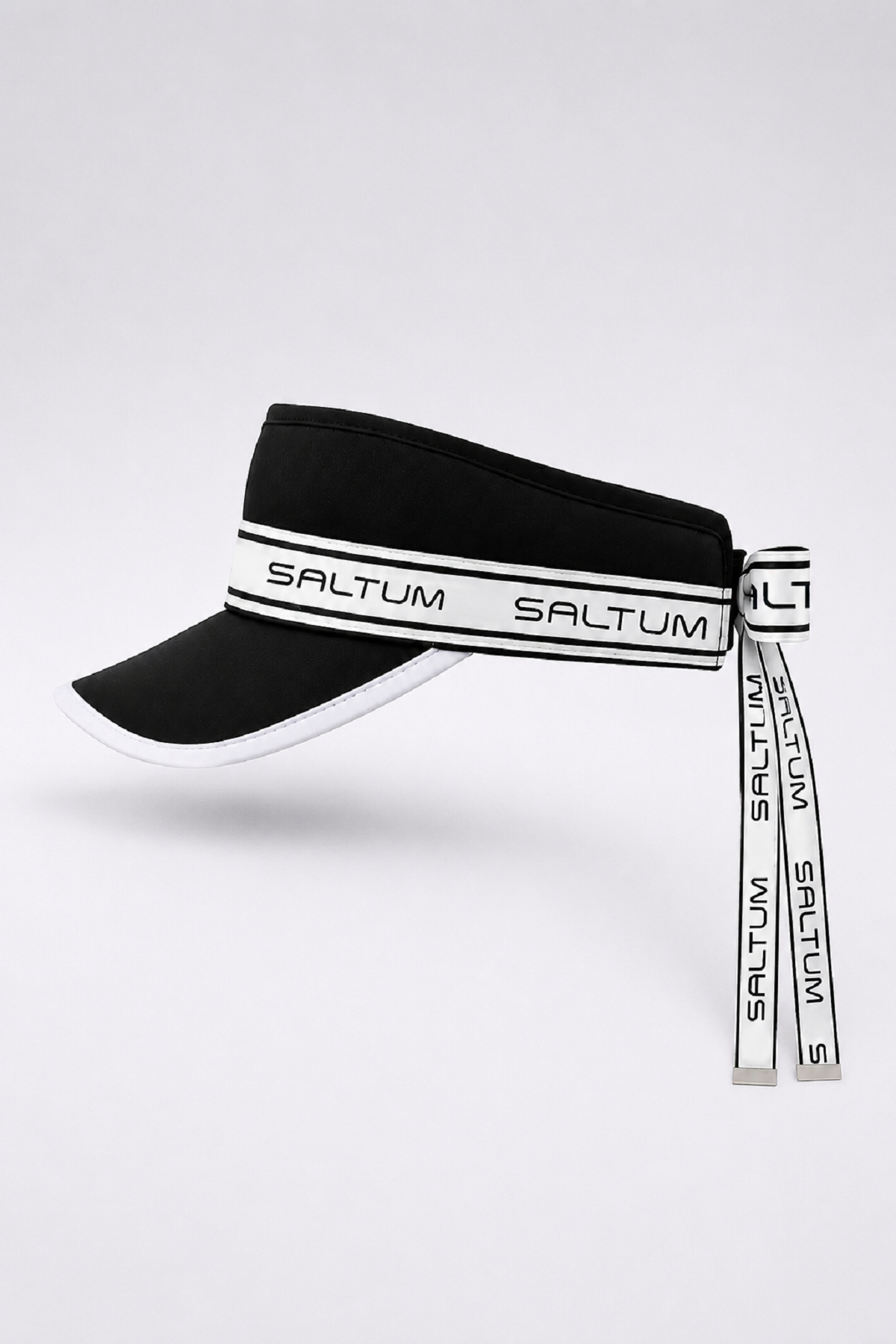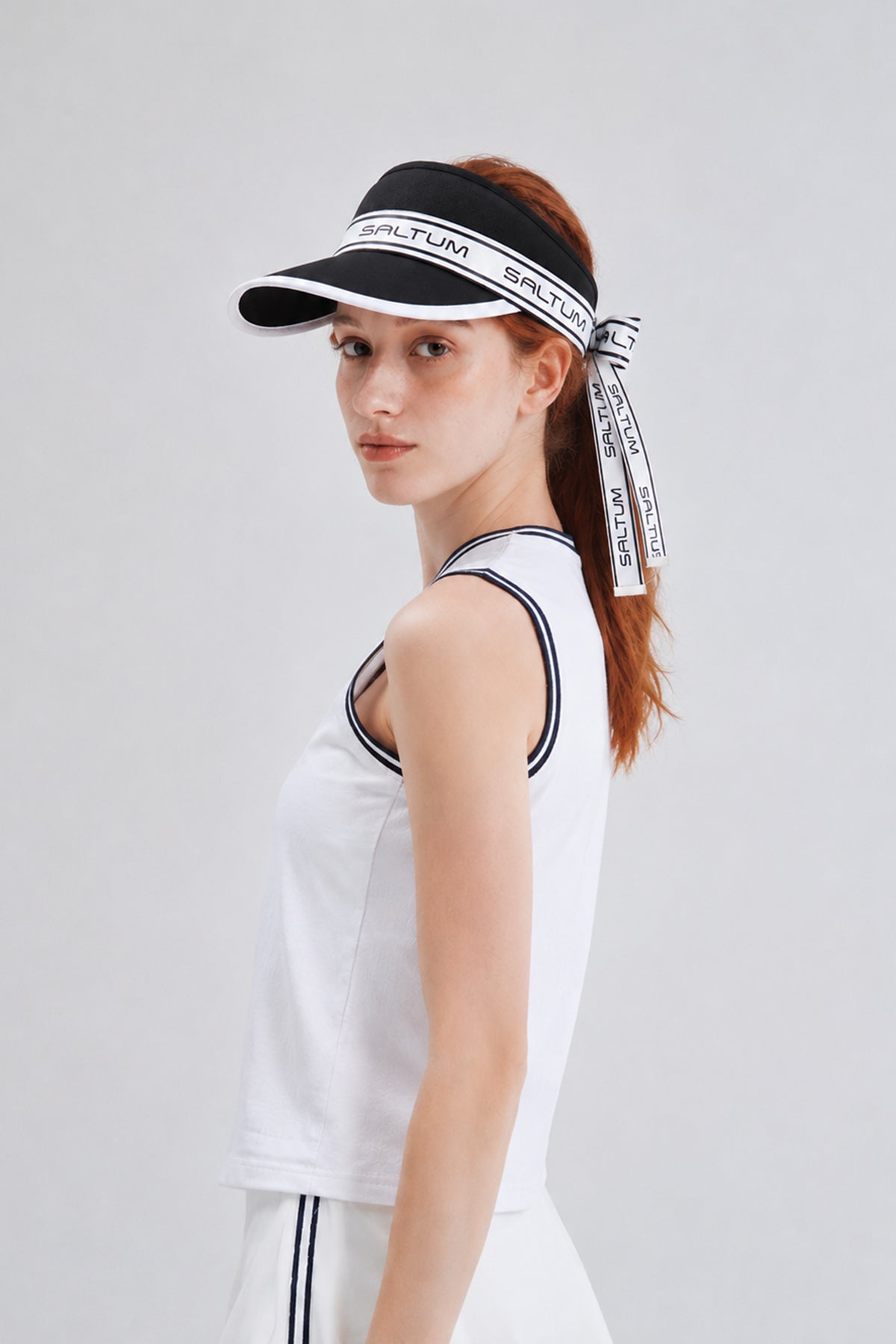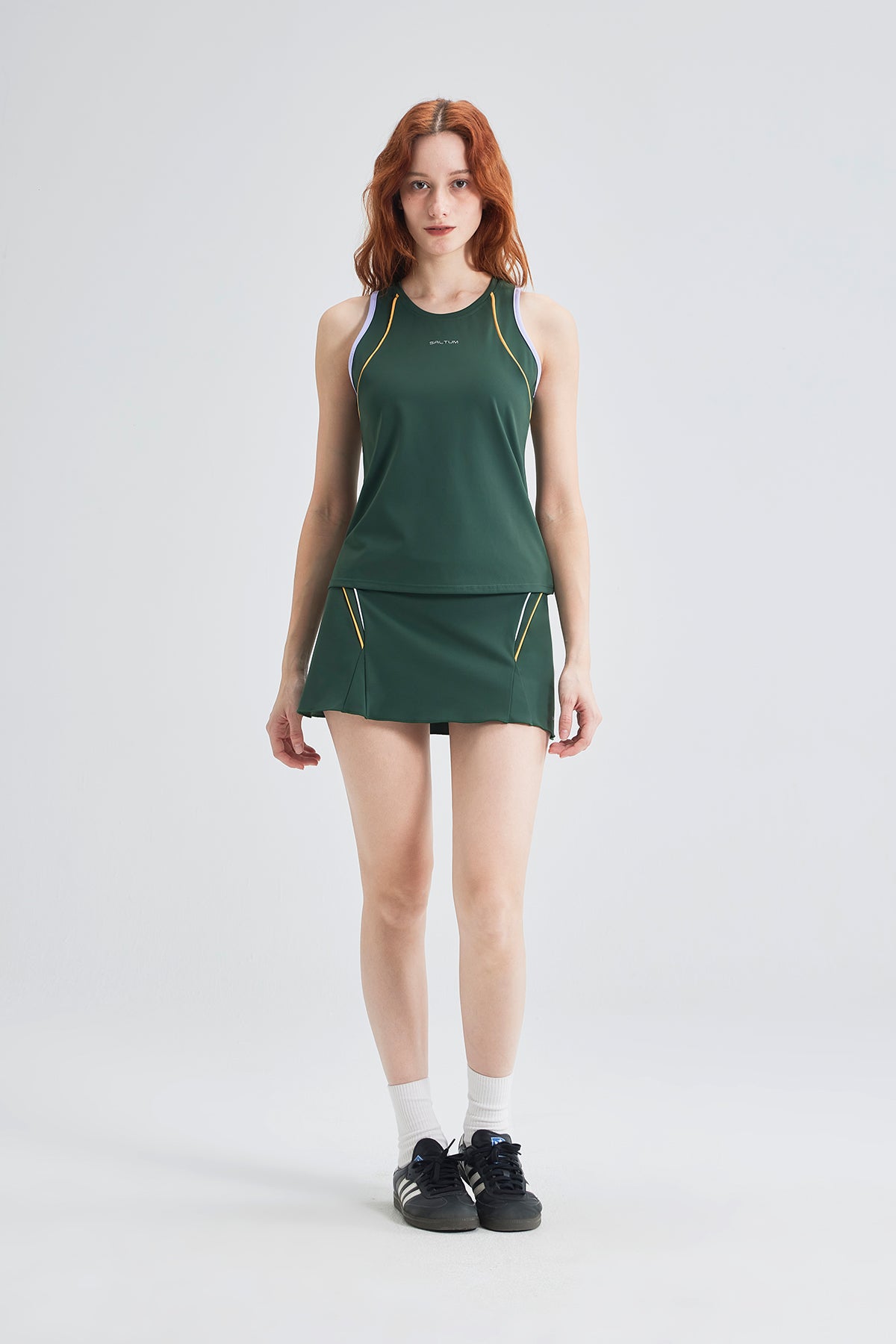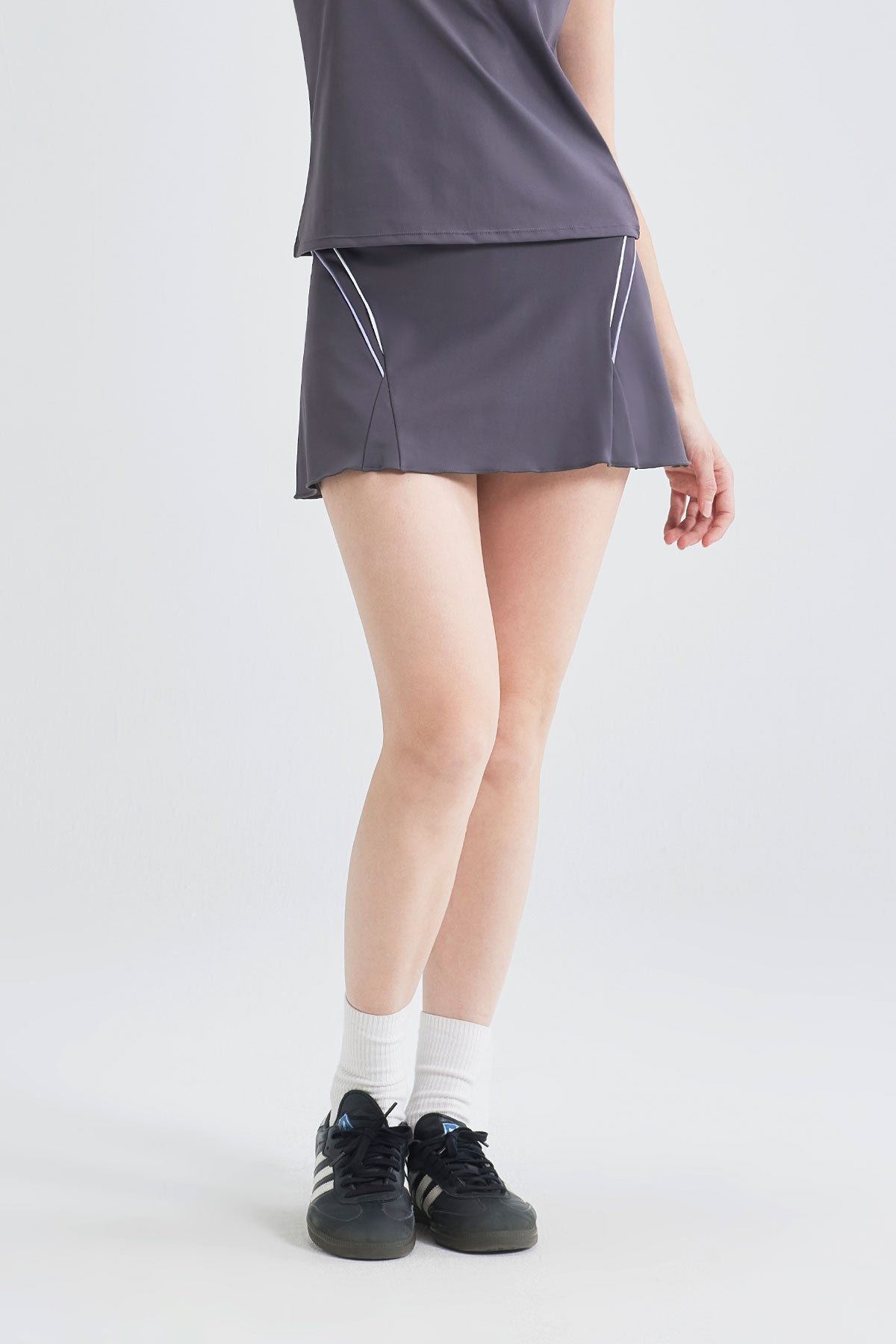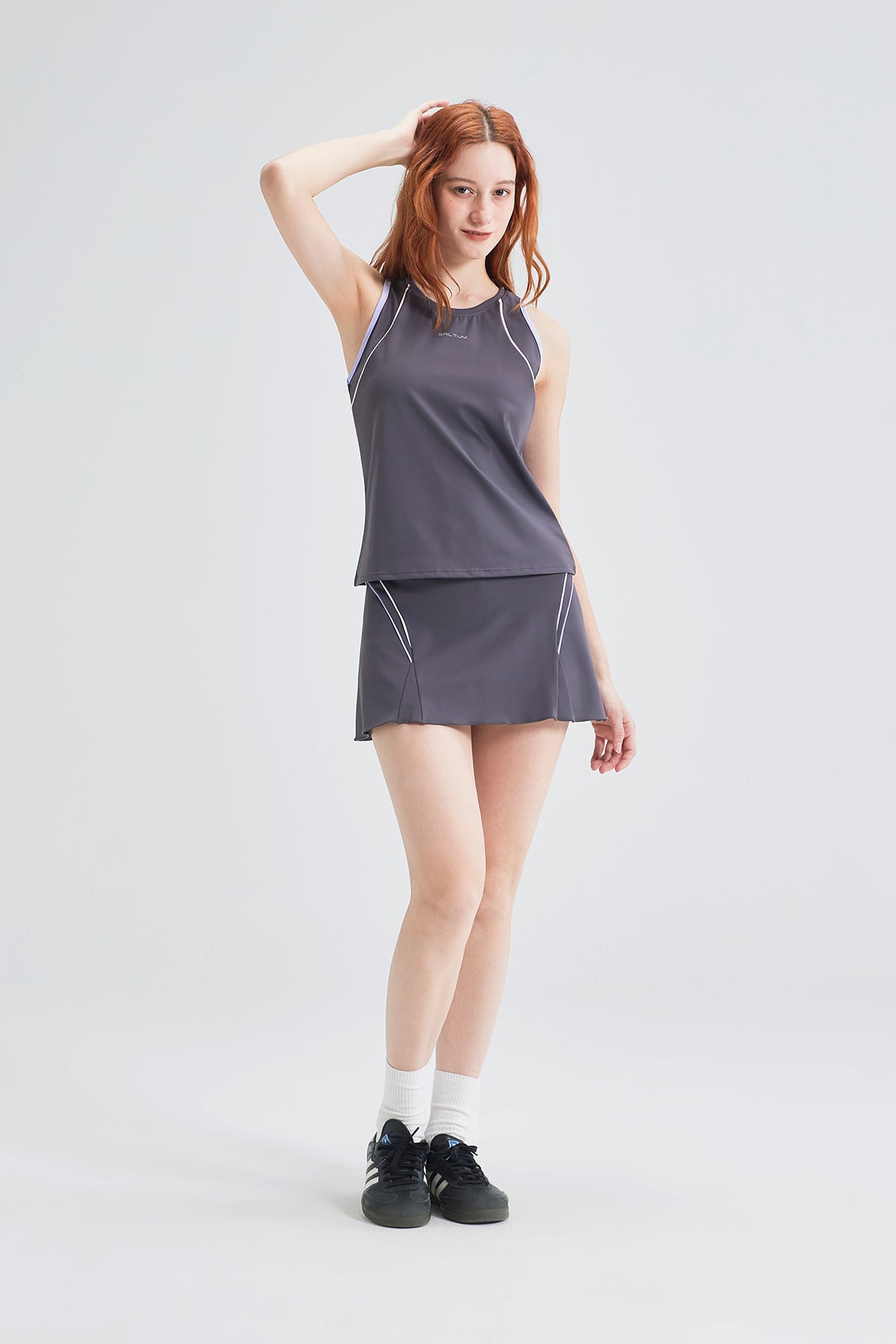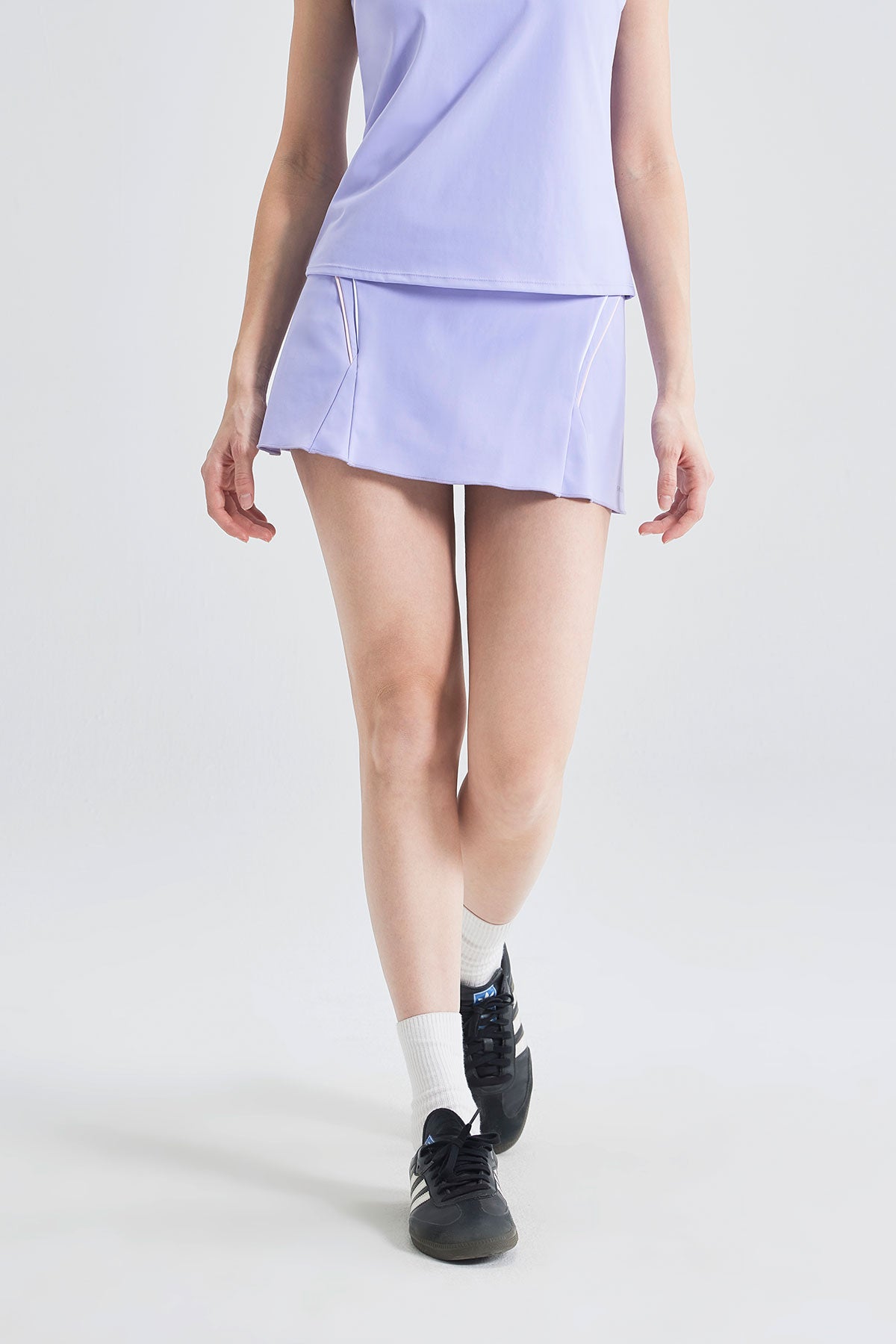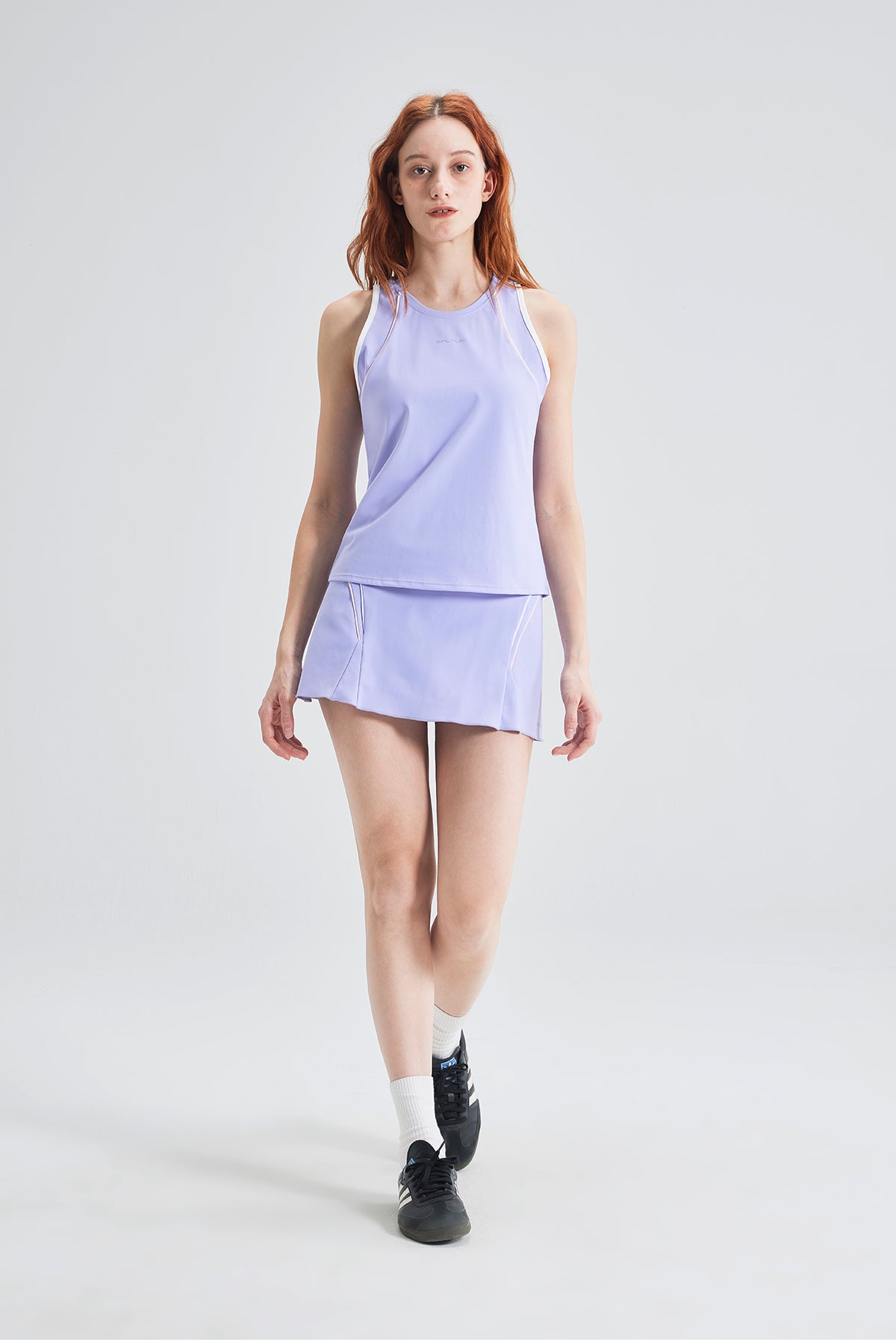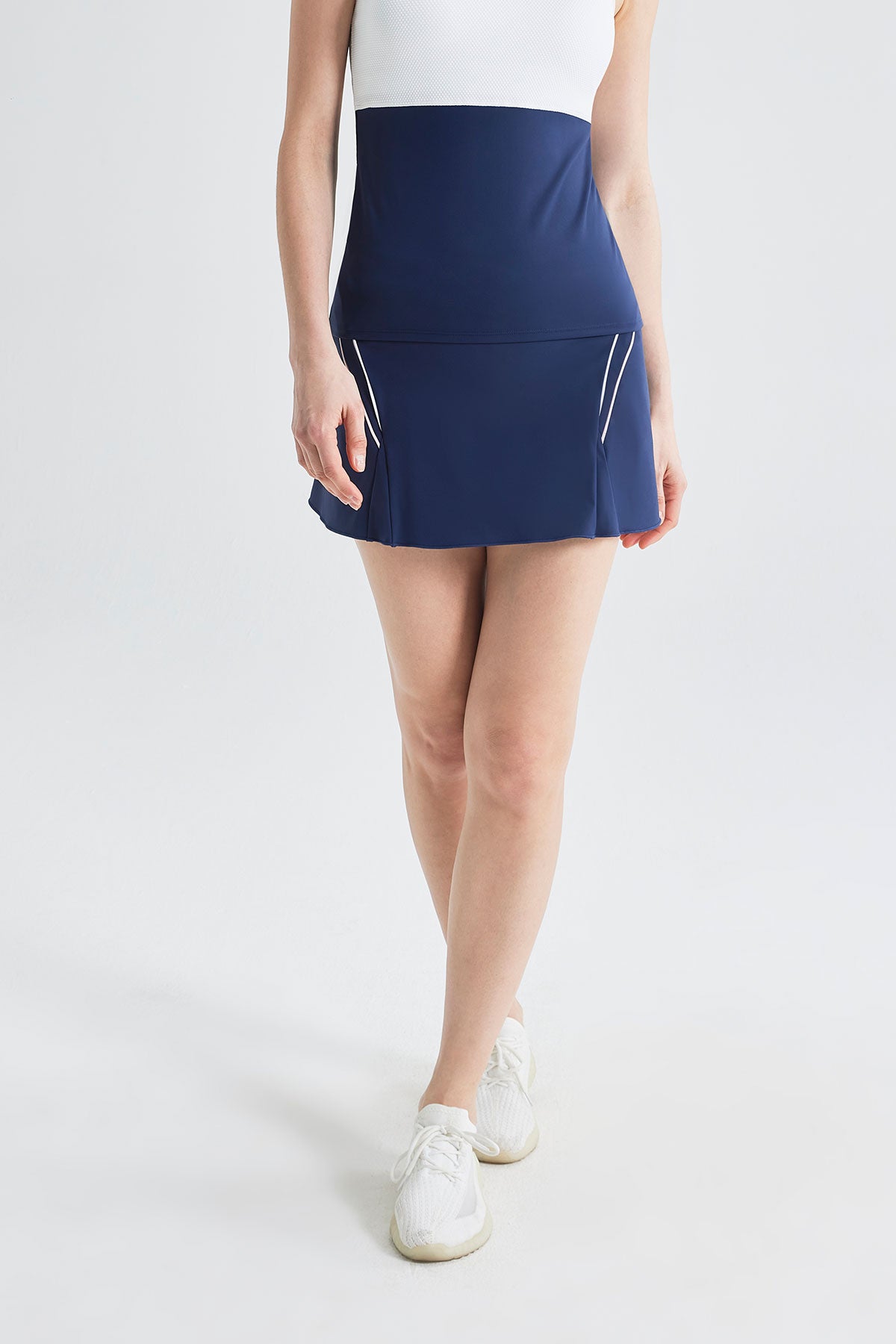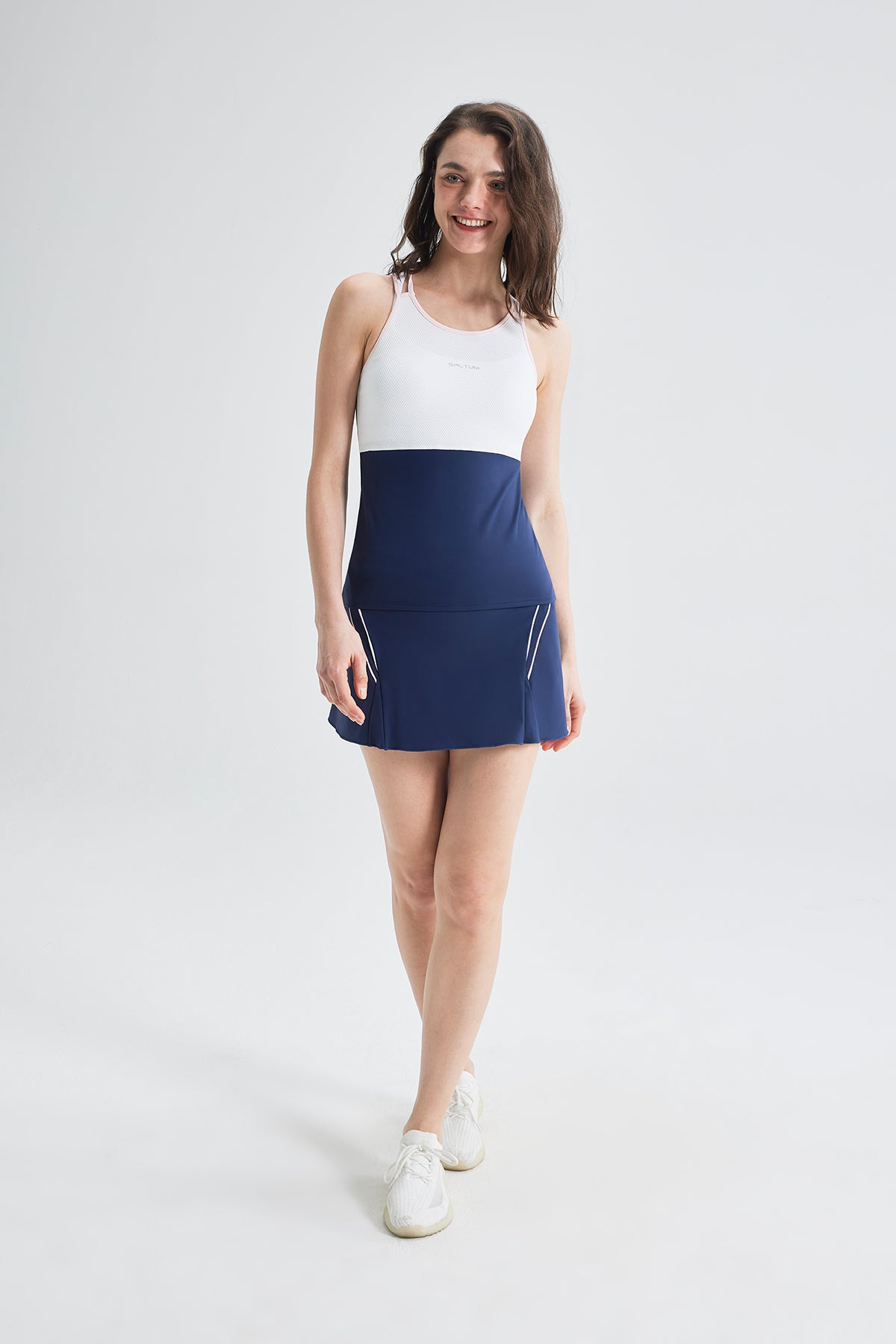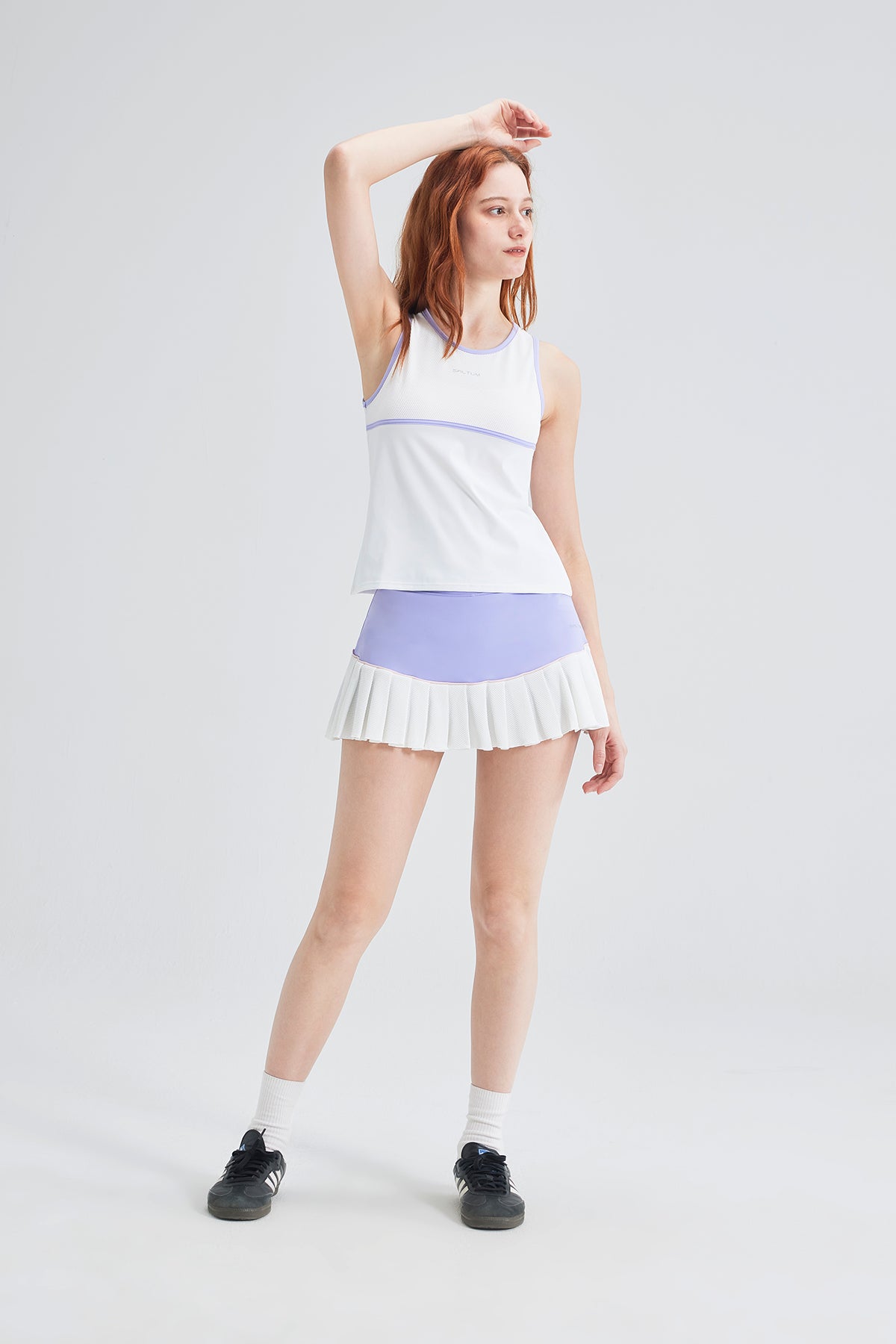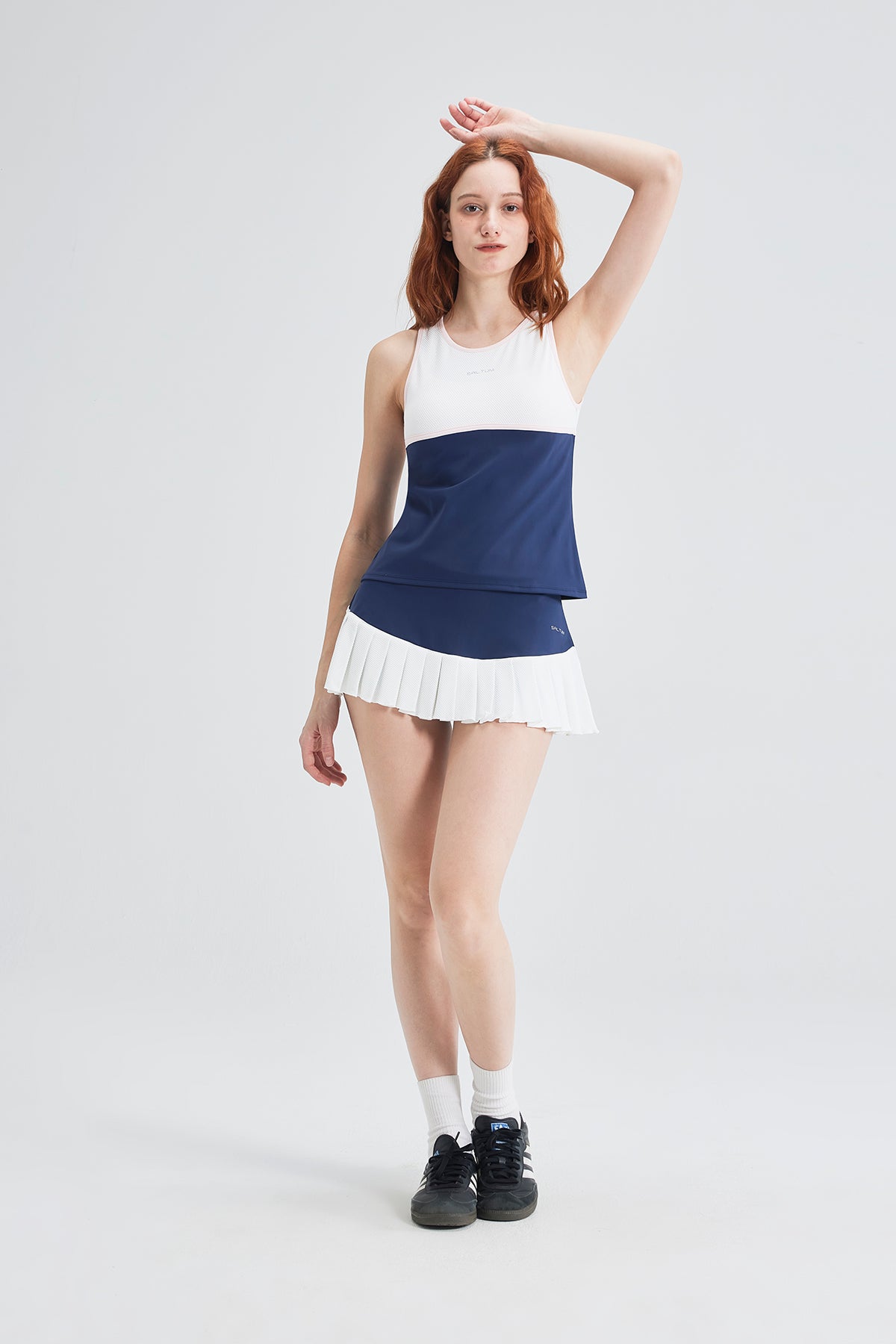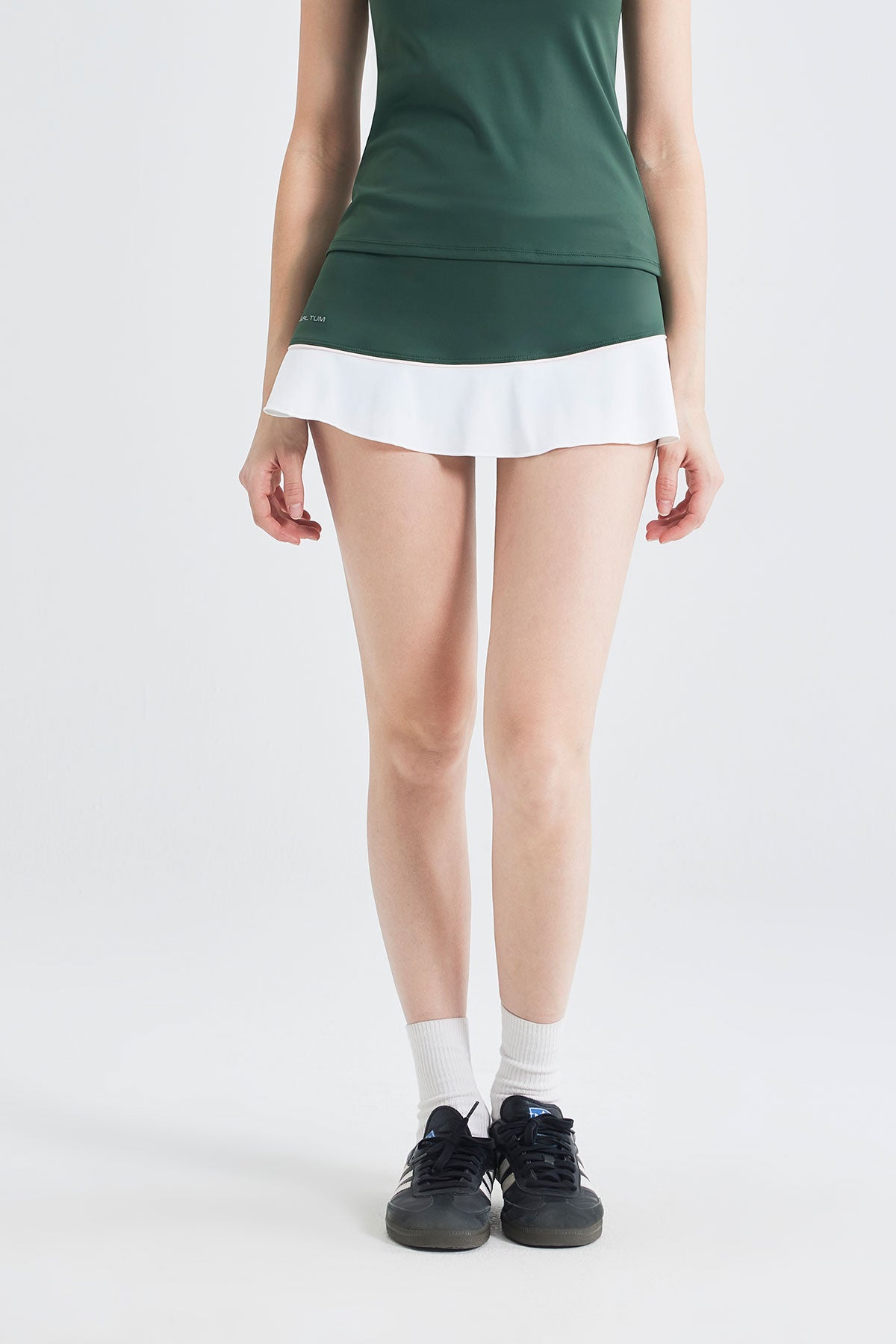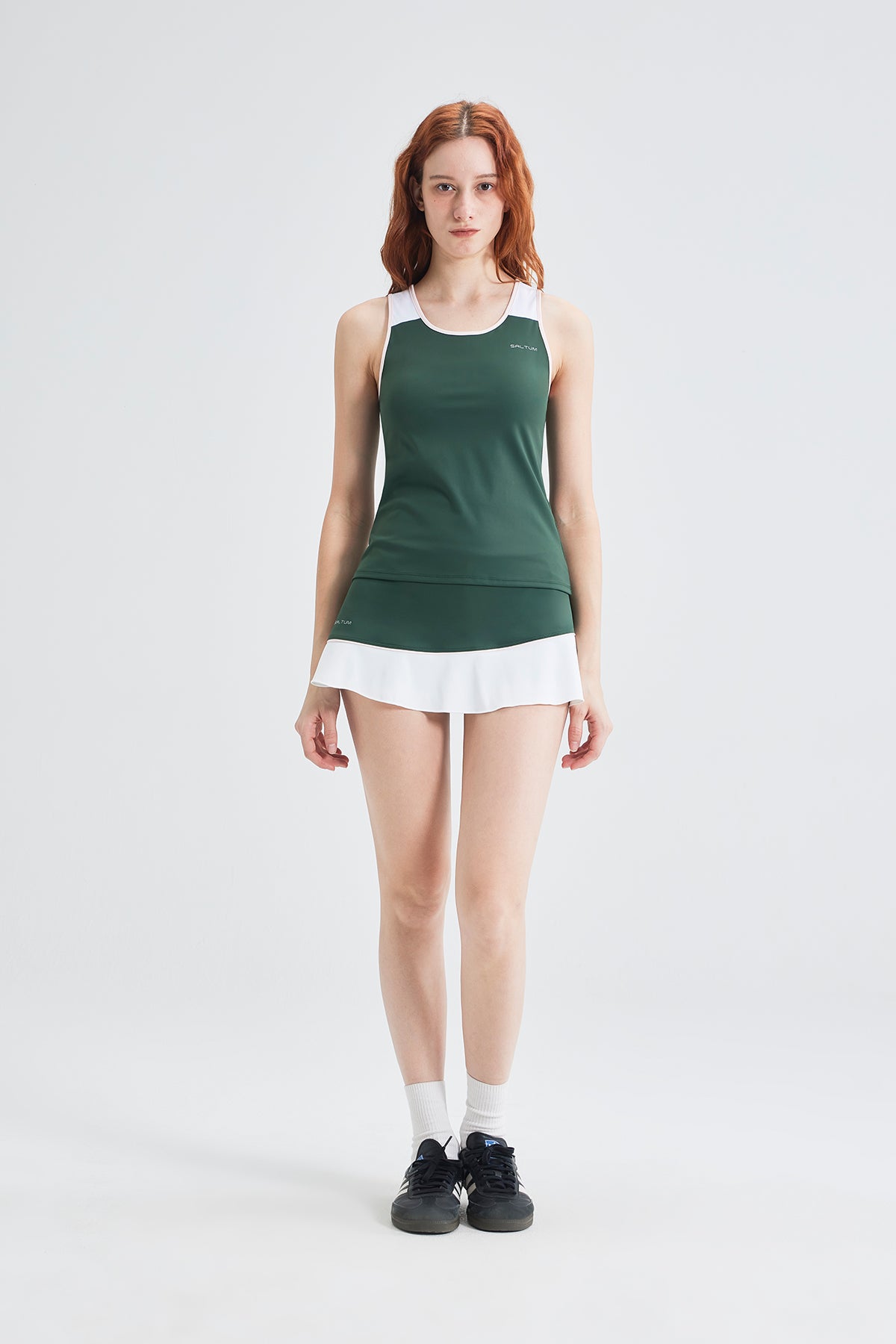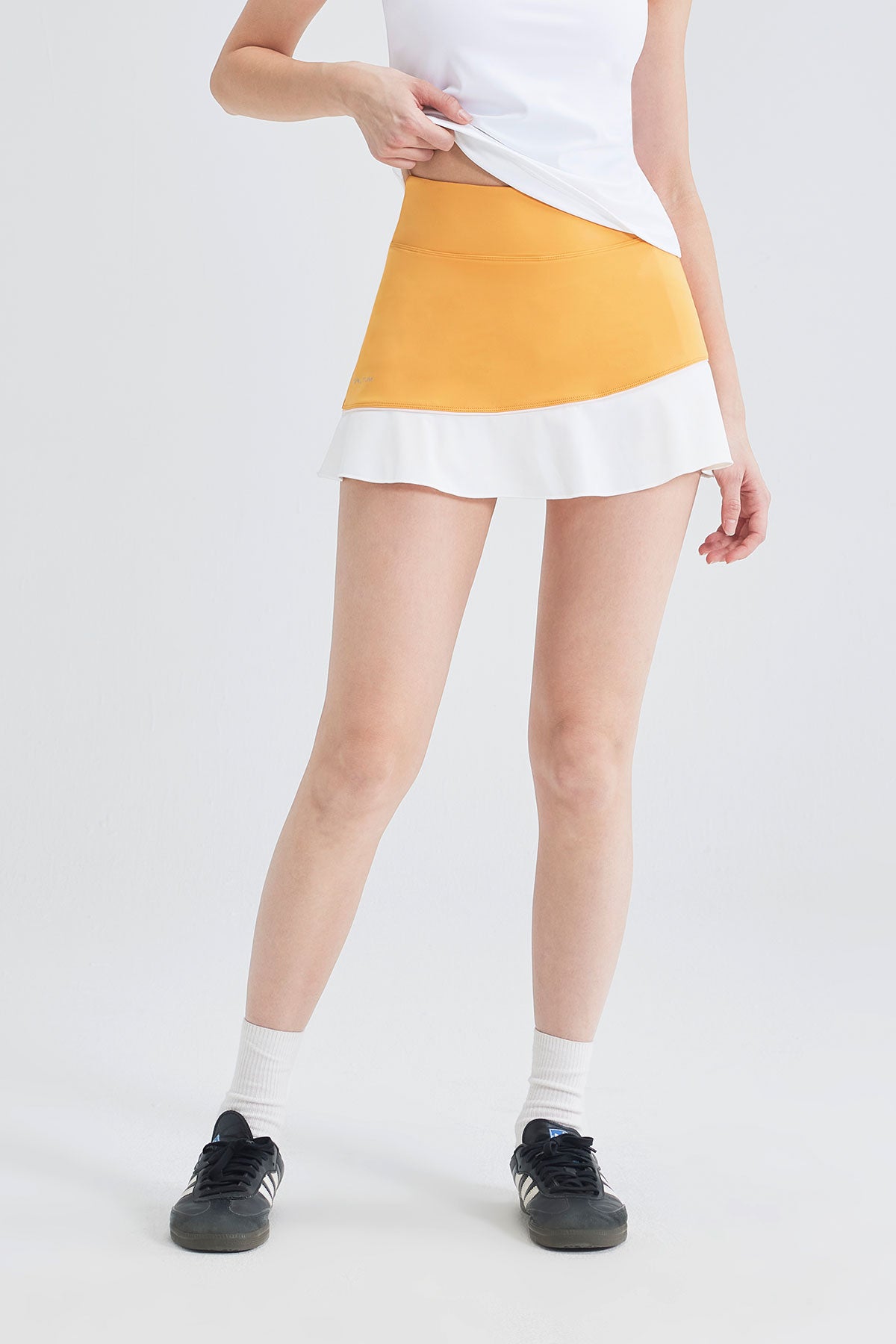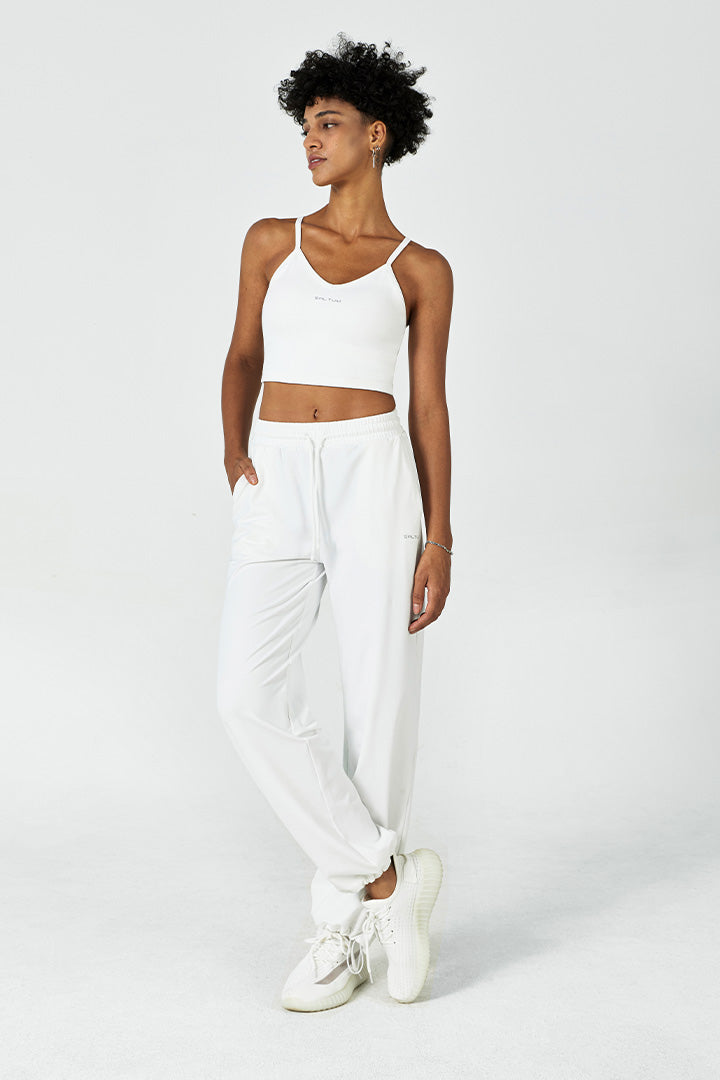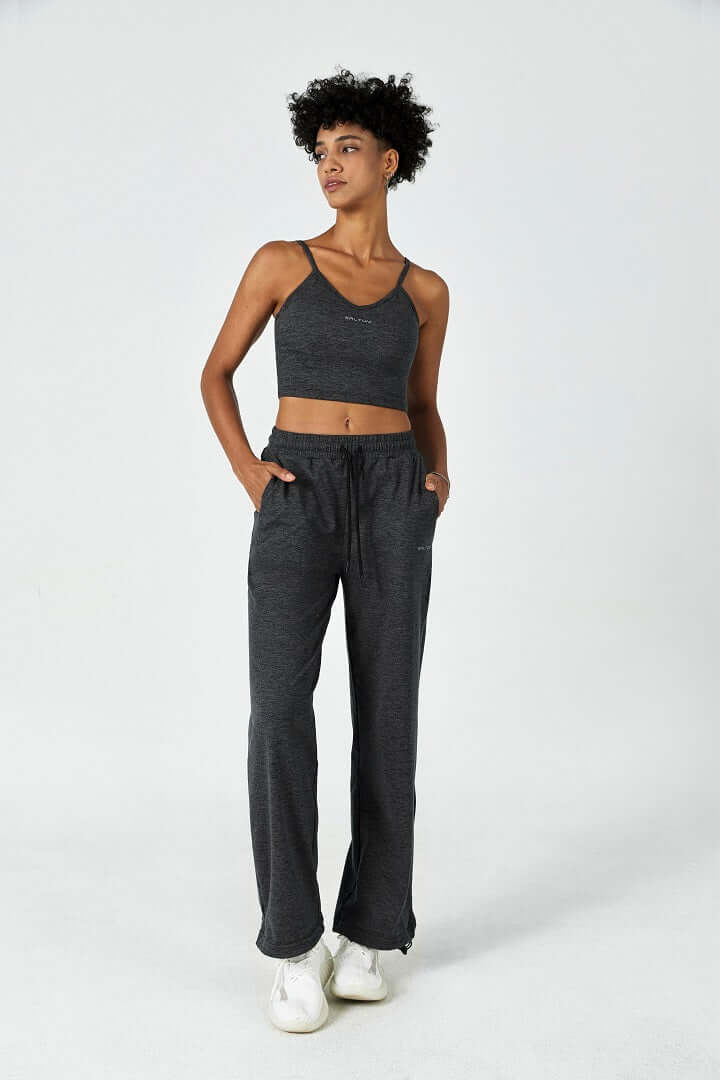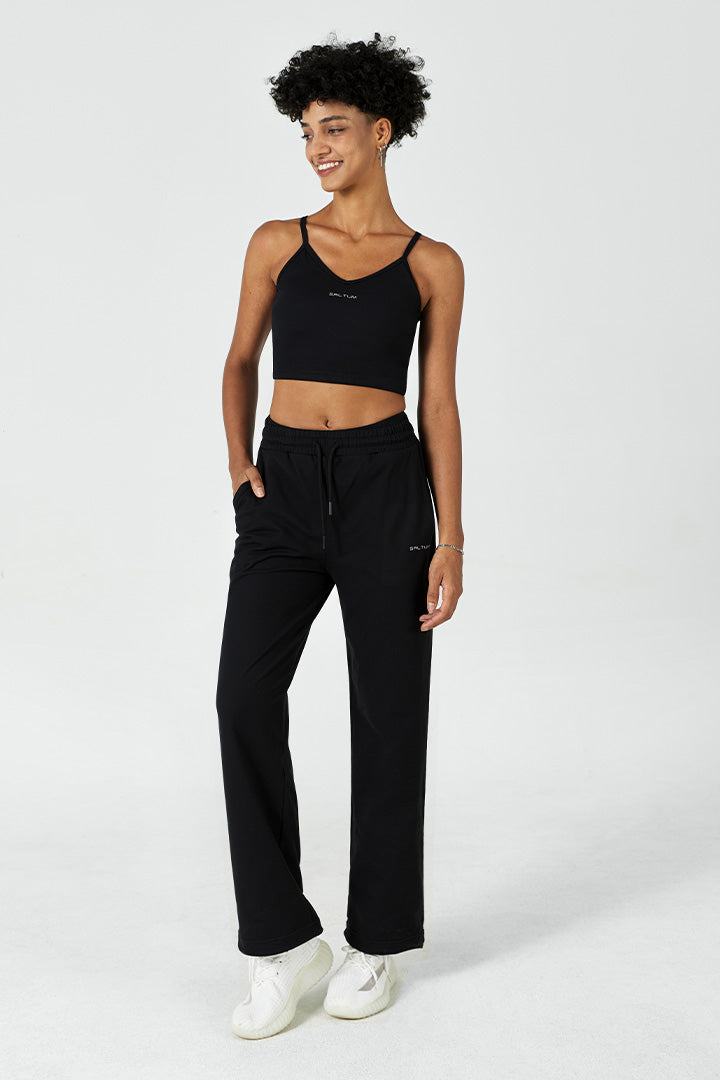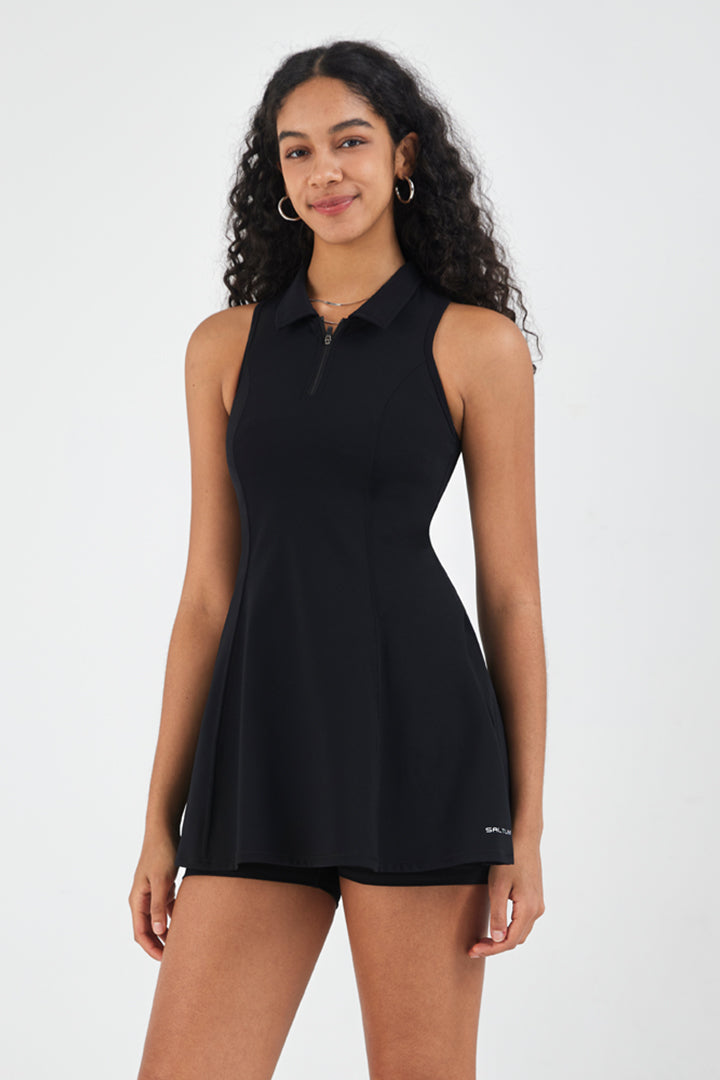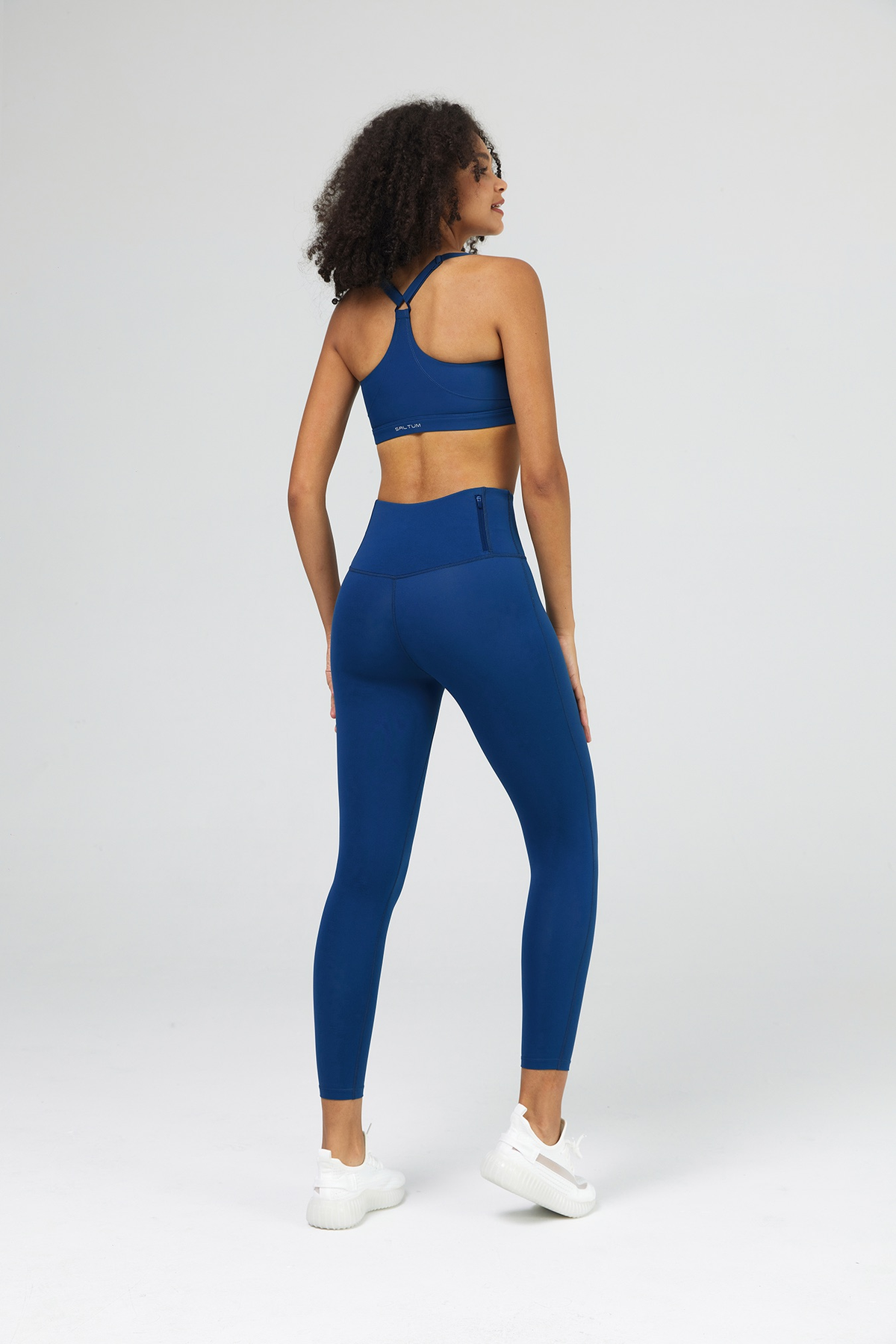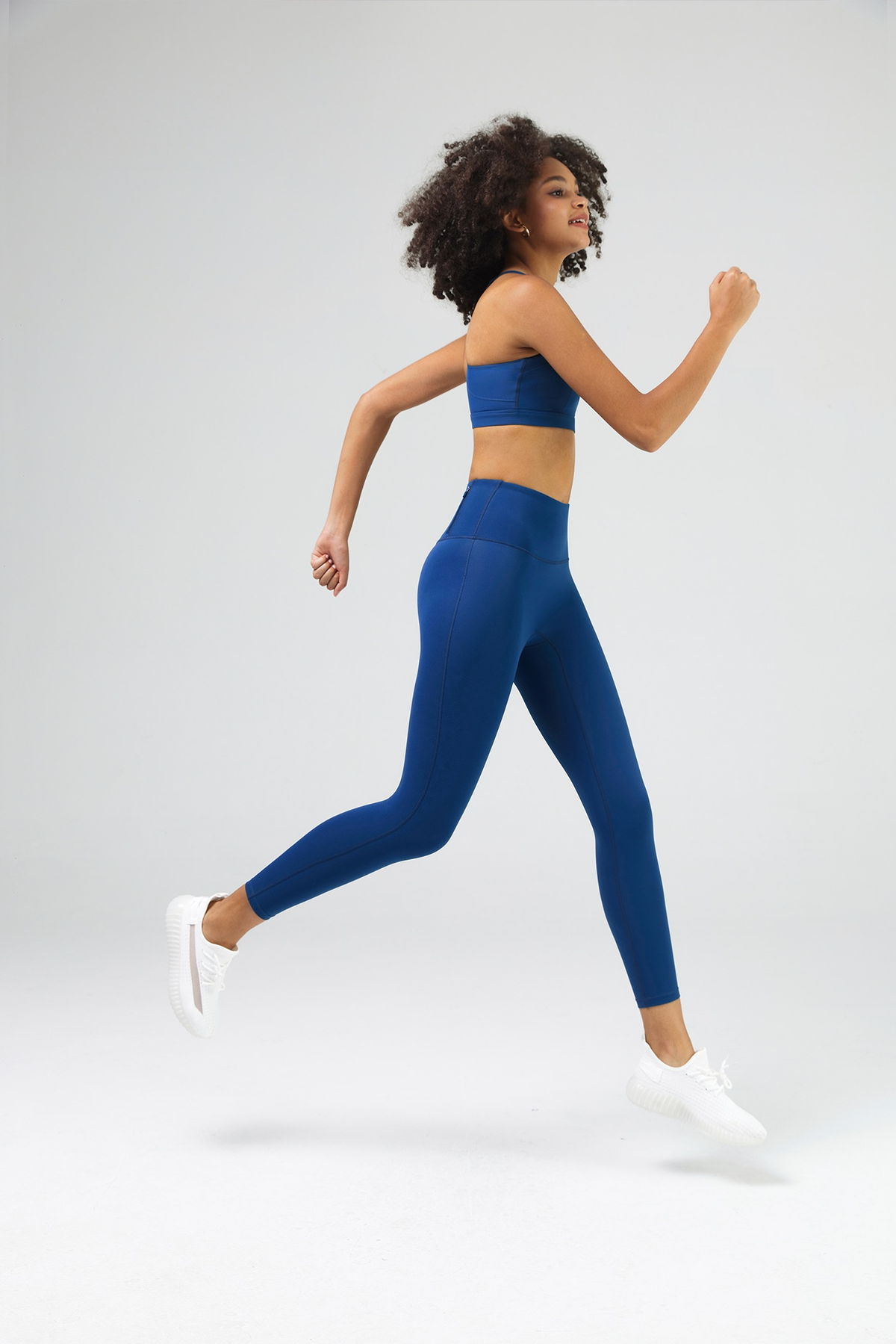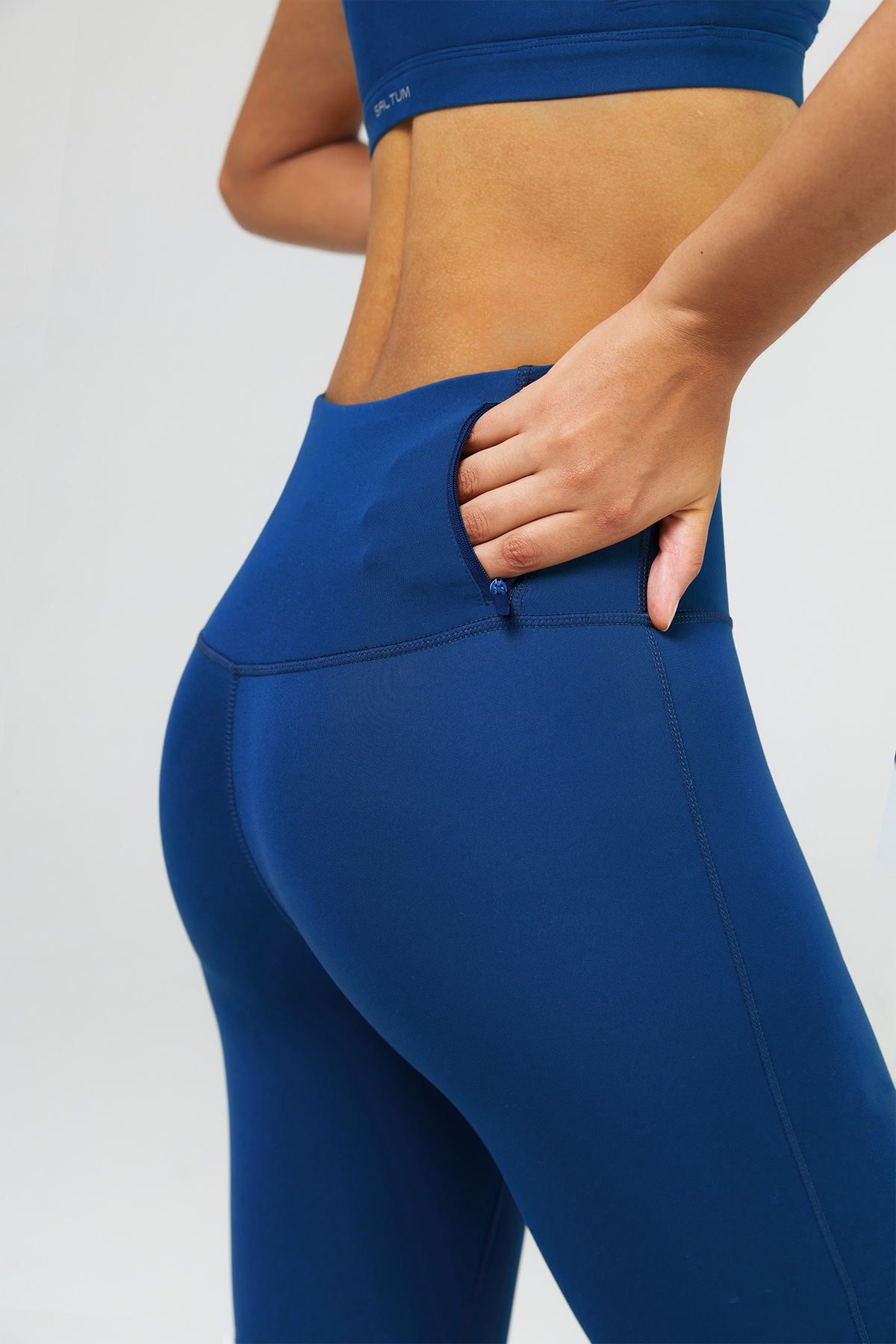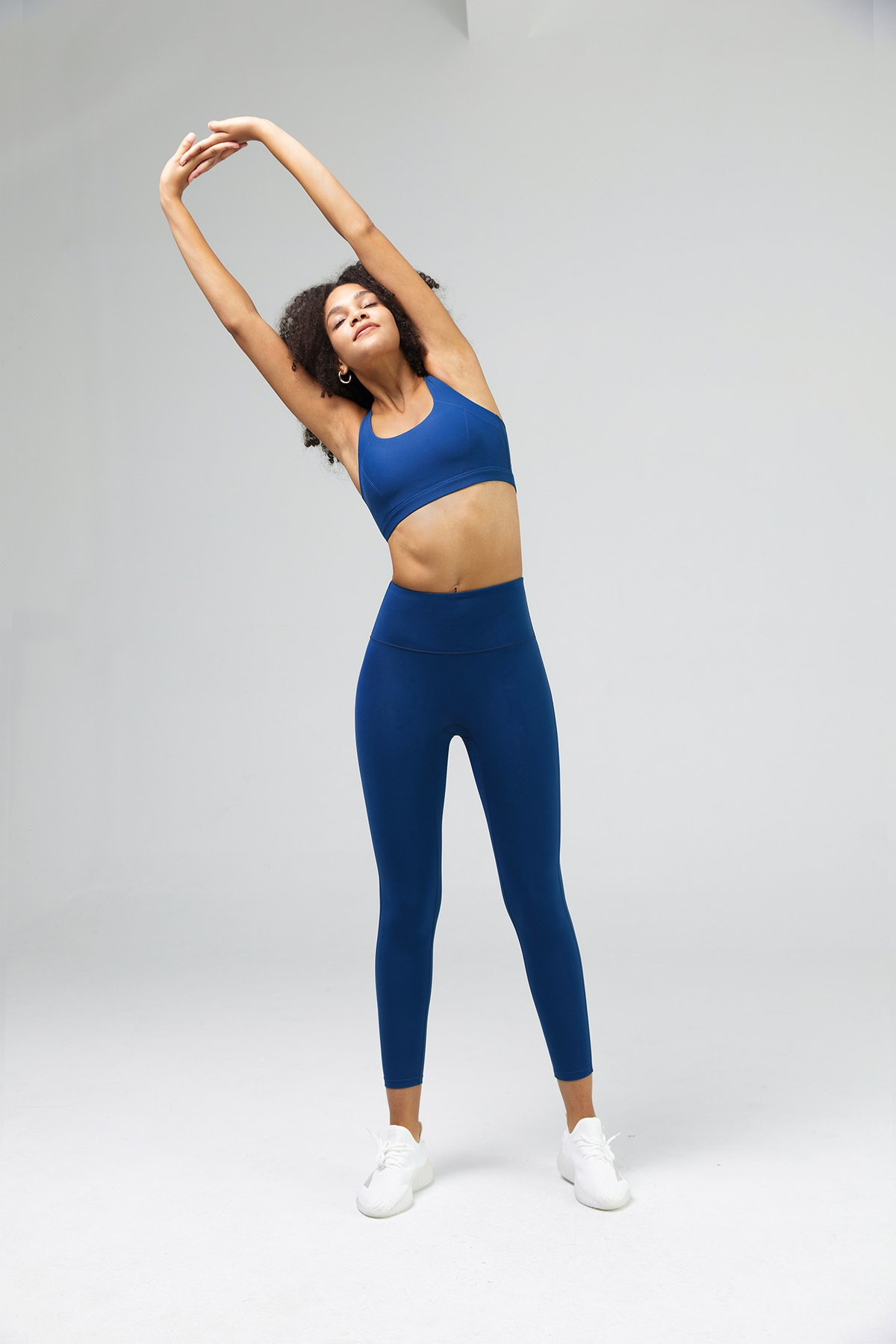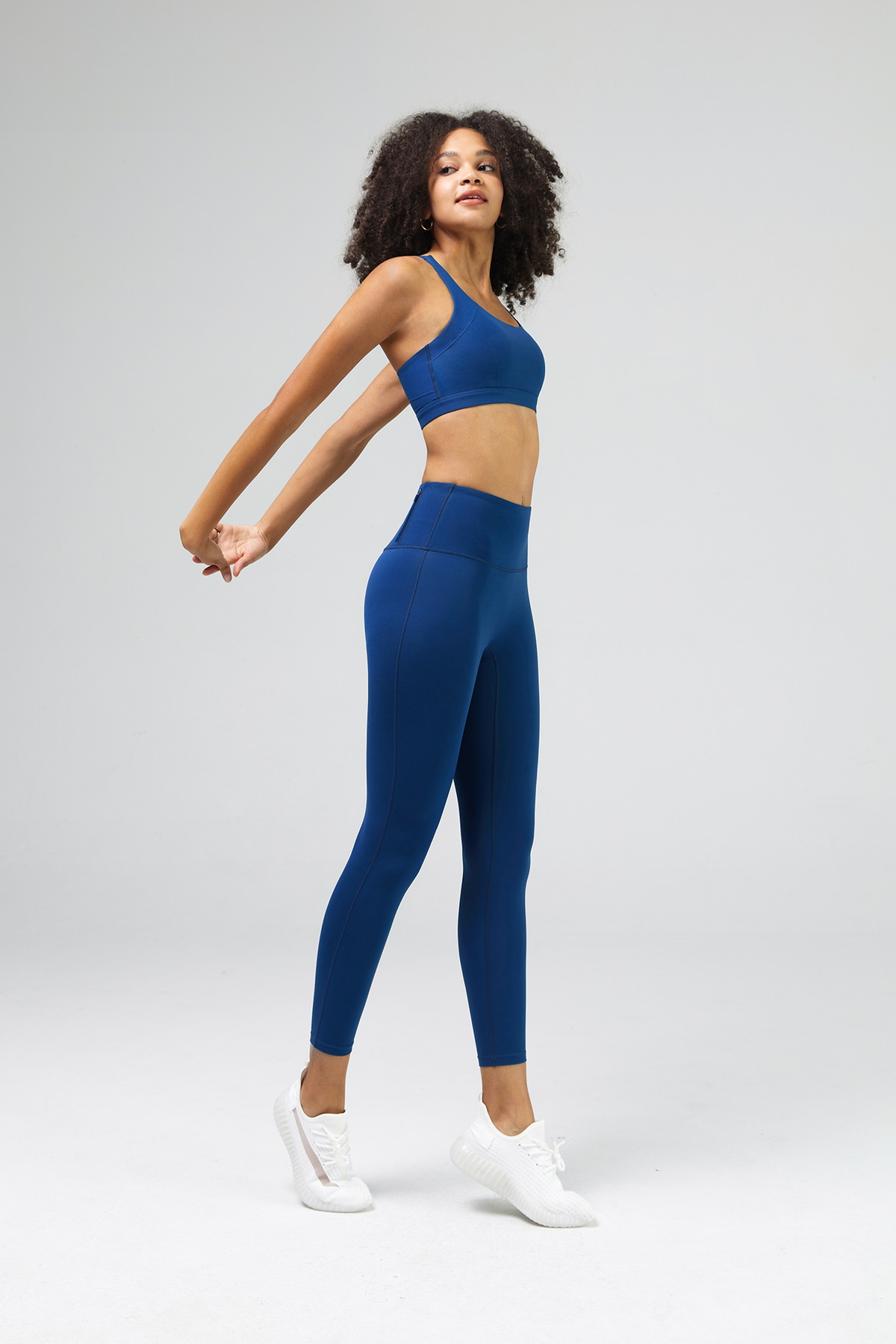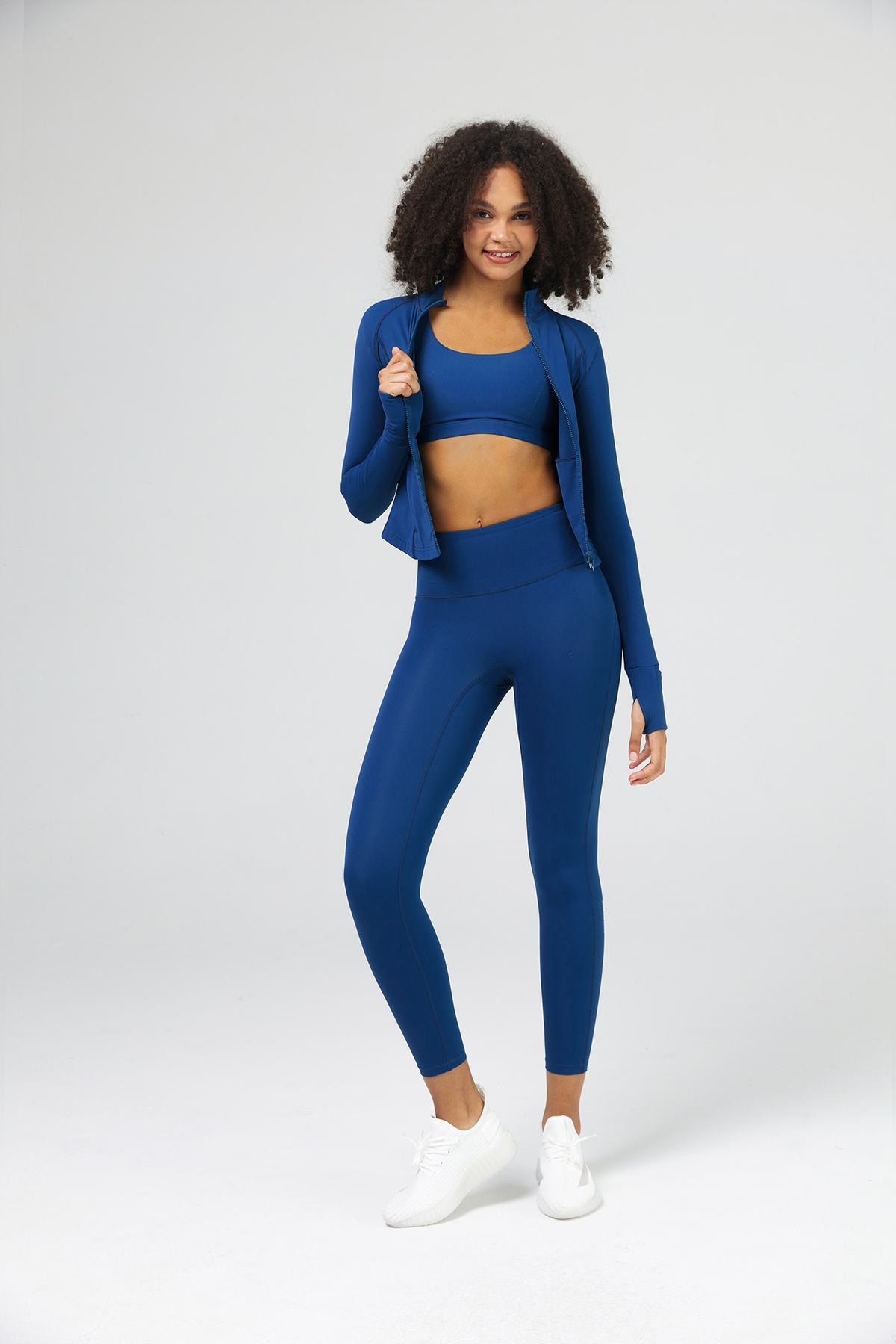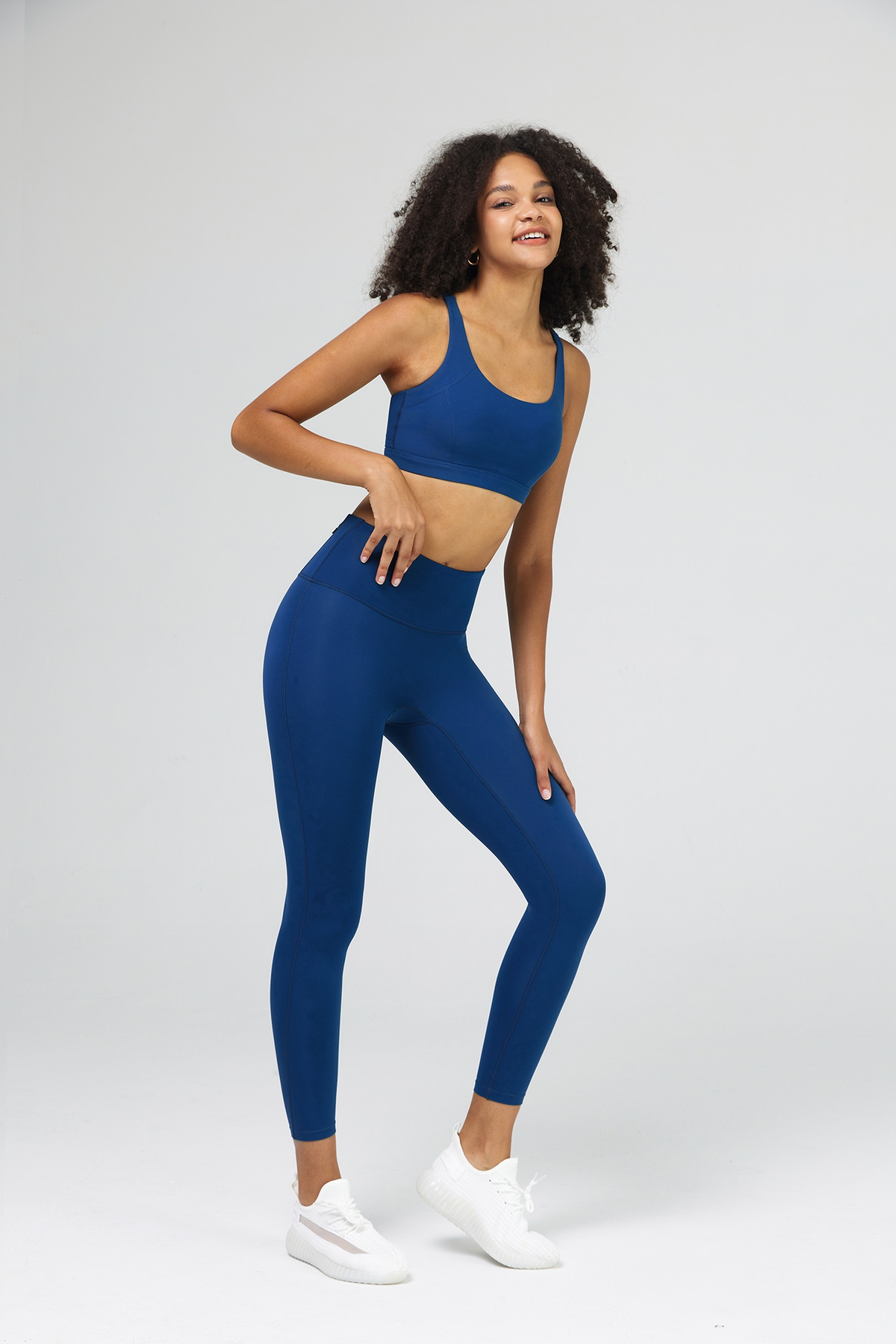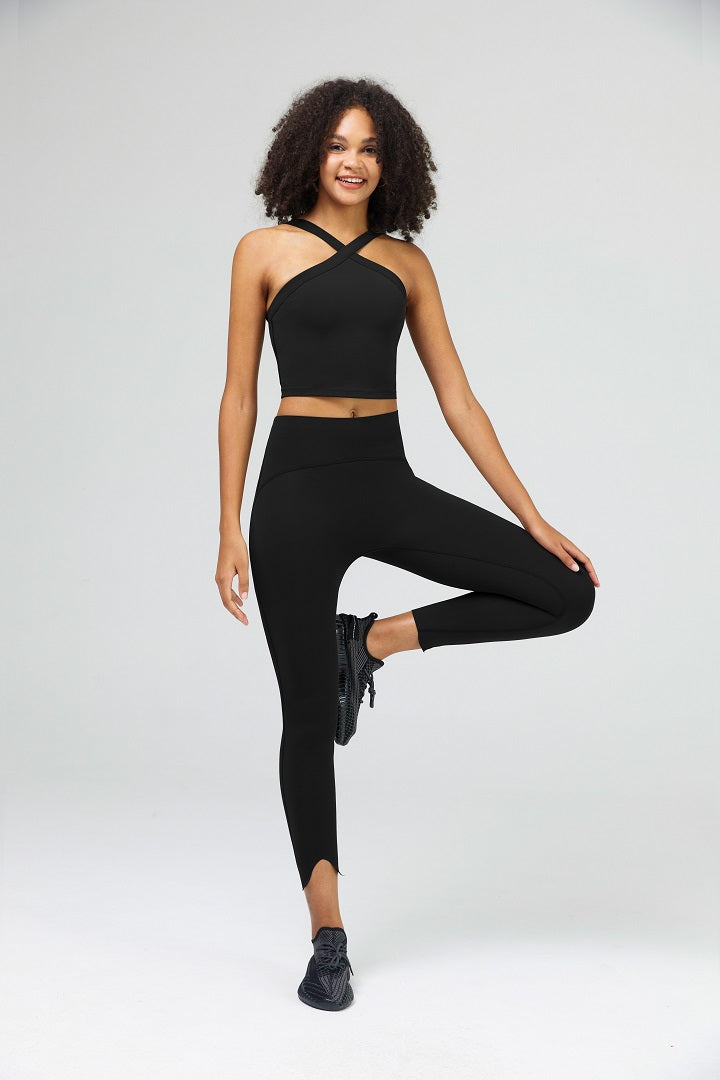
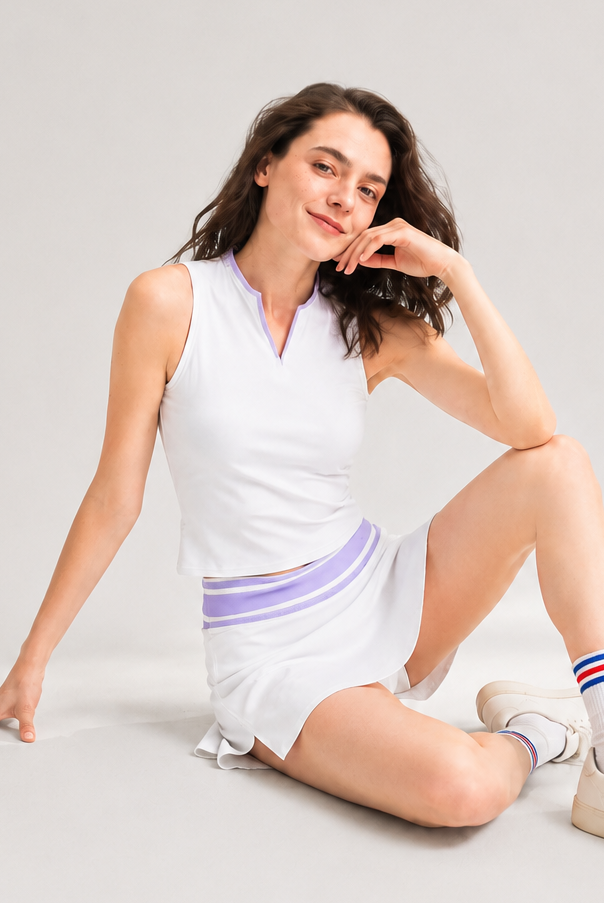
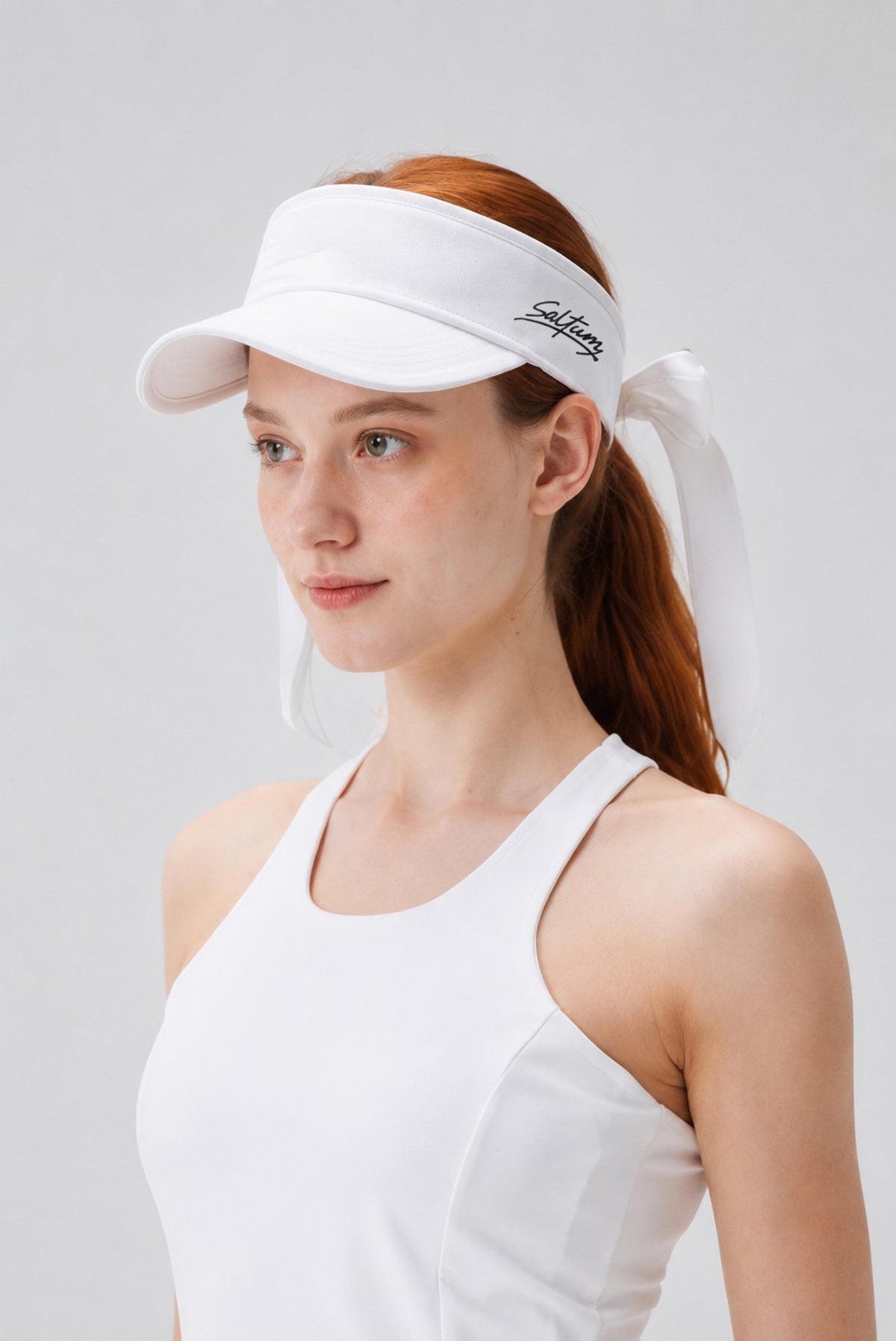
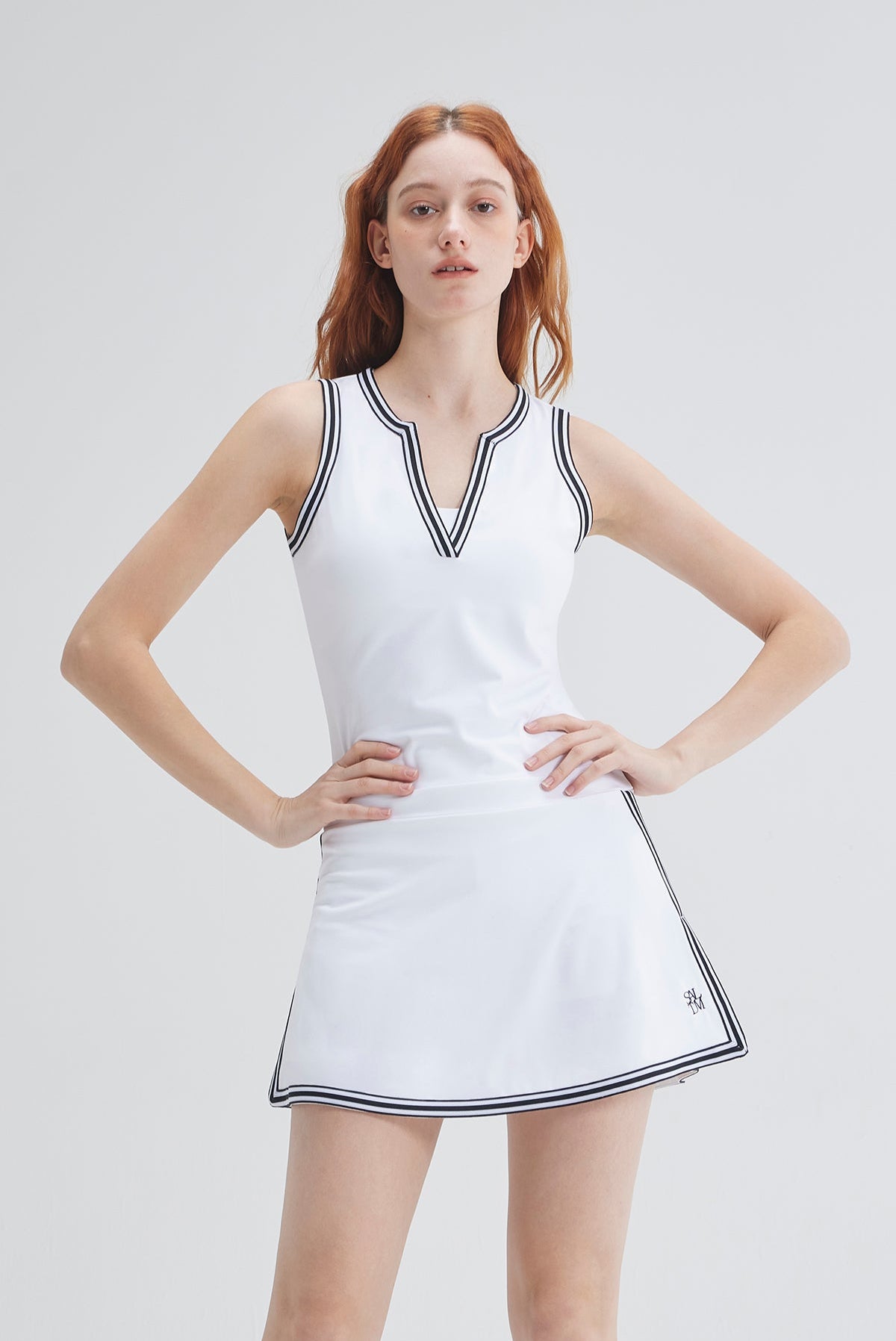
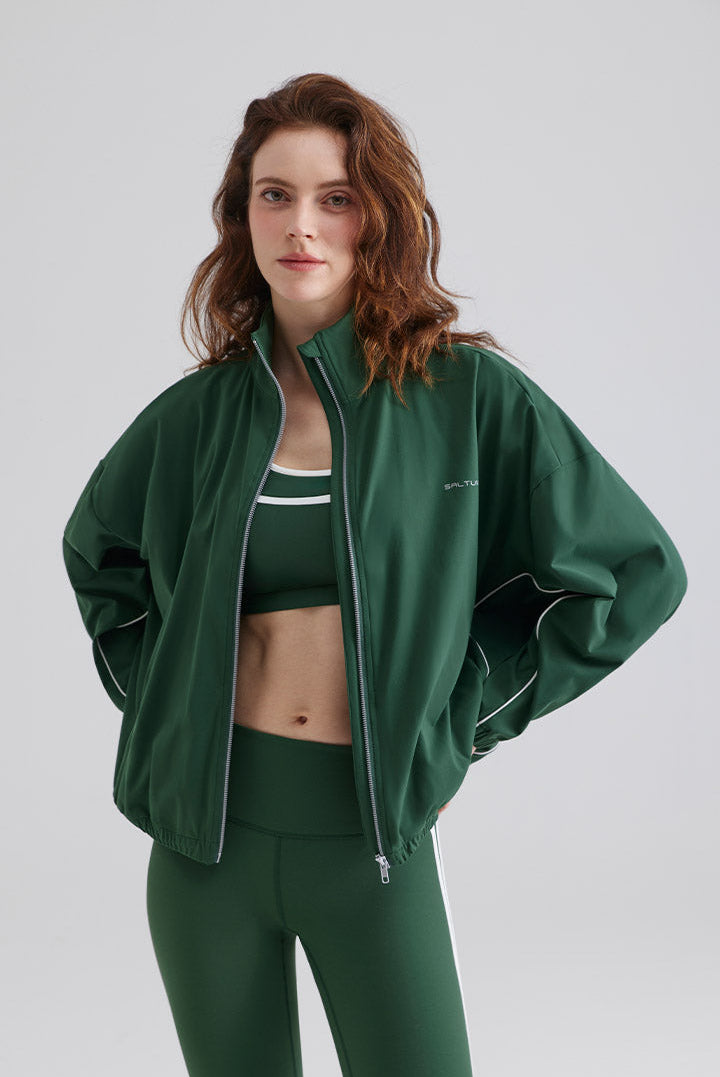




Entre confort et esthétique haut de gamme
Le marché des vêtements de sport décontractés, évalué à 42,3 milliards de dollars à l’échelle mondiale et représentant le segment à la croissance la plus rapide du sportswear (TCAC de 12,7 %), fait face à un défi persistant et rentable : l’incompatibilité perçue entre le confort authentique et une présentation luxueuse. Historiquement, les consommateurs ont été confrontés à un choix binaire : acheter des basiques en coton pur offrant un confort authentique mais dépourvus de sophistication visuelle, ou investir dans des vêtements de sport performants synthétiques haut de gamme offrant durabilité et raffinement esthétique, mais sacrifiant souvent le confort tactile associé aux fibres naturelles.
Une étude de marché menée par le Luxury Institute (2023) révèle que 64 % des consommateurs aisés (revenu annuel de 100 000 $ ou plus) souhaitent des vêtements de sport qui passent harmonieusement de la salle de sport aux contextes de la vie quotidienne, ce qui nécessite de fournir simultanément des fonctionnalités de performance, une esthétique haut de gamme et une qualité tactile authentique de fibres naturelles.
La relation mathématique qui régit la disposition des consommateurs à payer pour des vêtements de sport haut de gamme repose sur une fonction sophistiquée :
Fonction de prime de prix : P_w = (C_perf × 0.30) + (C_aesthet × 0.45) + (C_comfort × 0.25) + I_status
Où :
- C_perf = Score de performance (0-10)
- C_aesthet = Perception de la qualité esthétique (0-10)
- C_comfort = Évaluation du confort tactile (0-10)
- I_status = Indicateur de statut/prestige
Les offres actuelles du marché maximisent généralement une ou deux variables au détriment des autres, créant l’inefficacité fondamentale à laquelle répond le tissu Polo haut de gamme en mélange de coton de Saltum.
Les limitations traditionnelles du coton dans les contextes de performance
Le coton pur, malgré ses propriétés tactiles supérieures et sa respirabilité, présente des difficultés importantes pour les vêtements de sport performants.
Limitations techniques du coton conventionnel :
- Rétention de l’humidité : absorbe 12-18 % de son poids corporel en humidité, nécessitant des temps de séchage prolongés
- Récupération après froissement : angle de récupération après froissement de 104° (méthode d’essai AATCC 66), nécessitant des repassages fréquents
- Conservation de la forme : instabilité dimensionnelle de 5-8 % après 10 cycles de lavage, entraînant un affaissement visible
- Durabilité : résistance à l’abrasion limitée à 20 000-30 000 cycles Martindale, entraînant une dégradation prématurée
- Caractéristiques de performance : vitesse d’évacuation de l’humidité de 12 mm/min (insuffisante pour les vêtements de sport)
Ces limitations expliquent pourquoi le coton pur reste cantonné aux catégories de vêtements décontractés, malgré ses propriétés de confort supérieures. Le marché des vêtements de sport a historiquement accepté les défauts du coton en matière de confort, reléguant les produits en coton haut de gamme aux contextes non axés sur la performance.
Pourtant, ce compromis représente une inefficacité fondamentale du marché. Environ 47 % des achats de coton dans les vêtements de sport se situent dans la fourchette de prix de 30 à 65 $, ce qui suggère une demande importante des consommateurs pour des options à base de coton à des prix haut de gamme - si leurs limites intrinsèques pouvaient être surmontées.
La solution Saltum : technologie de tissu haut de gamme en mélange de coton et de soie
Le tissu polo exclusif de Saltum, mélange de coton et de soie, associe du coton peigné pur (70 %), de la soie de mûrier cultivée (20 %) et de la microfibre de polyester haute performance (10 %), créant une architecture de fibres qui préserve la supériorité du coton en matière de confort tout en éliminant systématiquement ses inconvénients traditionnels.
Justification de la sélection et de la composition des fibres
La formule 70-20-10 : cette composition spécifique représente une optimisation rigoureuse de multiples paramètres de performance.
1. Coton peigné (70 %)
- Source : coton Pima, prétraité par peignage pour éliminer les fibres courtes
- Propriétés de la fibre : longueur de fibre de 35 mm, uniformité améliorée, résistance à la traction accrue
- Contributions : confort tactile authentique de la fibre naturelle, respirabilité, toucher doux
- Spécifications : 16,8 micronaires (finesse), résistance de 30,2 grammes-force par fibre
2. Soie de mûrier cultivée (20 %)
- Source : soie de mûrier de grade 6A, filament de plus de 400 deniers
- Propriétés de la fibre : section transversale triangulaire créant des propriétés réfléchissant la lumière
- Contributions : aspect luxueux de la soie (finition brillante), évacuation supérieure de l’humidité, amélioration de la récupération après froissement
- Spécifications : ténacité de 1,25 g/denier, allongement à la rupture de 20 à 30 %
3. Microfibre de polyester haute performance (10 %)
- Spécification de la fibre : multifilament de polyester, 0,8 denier par filament
- Contributions : maintien de la forme, amélioration de la durabilité, stabilité dimensionnelle
- Spécifications : ténacité de 5,8 g/denier, absorption d’humidité négligeable
L’optimisation mathématique de ce mélange suit :
Optimisation des performances = MAX[(C_confort × 0,70) + (S_esthétique × 0,20) + (P_durabilité × 0,10)]
Sous réserve des contraintes :
- Indice de respirabilité ≥ 3 200 g/m²/24 h
- Récupération après froissement ≥ 130°
- Surcoût ≤ 32 % par rapport à un polo standard
- Indice de toucher ≥ 8,5/10
Architecture et structure du tissu
Le mélange 70-20-10 utilise une structure tricotée sophistiquée conçue pour maximiser la synergie entre les fibres. Stratégie de répartition des fibres :
- Couche de surface (40 % de la section transversale) : Teneur accrue en coton (toucher amélioré), avec une prédominance de soie pour une brillance visuelle
- Couche centrale (60 % de la section transversale) : Mélange équilibré (coton 50 %, soie 30 %, polyester 20 %) offrant un soutien structurel et une grande durabilité
Cette approche architecturale crée une « enveloppe de confort » où les fibres de surface réactives au toucher préservent la sensation authentique du coton, tandis que la composition interne des fibres assure des performances techniques.
Spécifications techniques :
- Poids du tissu : 168 g/m² (spécification standard pour un polo, chemise moyenne = 210-220 g)
- Structure du tricot : 180 fils de coton × 300 duites de soie améliorée, en jacquard
- Épaisseur du tissu : 1,2 mm (ASTM D1777)
- Propriétés d’élasticité : élasticité bidirectionnelle de 30-35 % avec une récupération de 96 % après 100 cycles d’étirement
- GSM (grammes par mètre carré): 168
- Composition du fil : fil guipé coton-soie avec renfort en polyester
Essais de performance complets
Des essais indépendants menés par le laboratoire de certification de Textile Exchange (OEKO-TEX) valident les caractéristiques de performance du mélange 70-20-10 selon des paramètres essentiels :
Propriétés de confort et de toucher
- Évaluation du toucher (évaluation qualitative par des examinateurs formés) : 9,1/10 (10 = soie la plus fine, 1 = matière synthétique rigide)
- Douceur de surface (mesurée selon l’essai de longueur de flexion ASTM D1577) : longueur de flexion de 18,2 cm (supérieure à celle du coton pur, à 22,3 cm)
- Régularité du confort tactile : l’évaluation du toucher reste à 97,3 % après 50 cycles de lavage
- Coefficient de frottement contre la peau : 0,082 (exceptionnellement faible, pour un port sans friction)
Propriétés de gestion de l’humidité
- Taux de transmission de la vapeur d’eau (MVTR) : 3 840 g/m²/24 h (mesuré selon la norme ISO 11092), contre 2 200 g/m²/24 h pour le coton pur, soit une amélioration de 74 %
- Reprise d’humidité à 65 % d’HR : 8,2 % (contre 12-14 % pour le coton pur), réduisant la sensation de lourdeur et d’humidité
- Capillarité verticale : 6,8 pouces en 60 secondes (méthode d’essai AATCC 176), démontrant un transport rapide de l’humidité vers le haut, à l’écart de la peau
- Vitesse de transport de l’humidité : 32 mm/min (contre 12 mm/min pour le coton pur), permettant un séchage 2,7 fois plus rapide
La gestion améliorée de l’humidité résulte des propriétés hygroscopiques naturelles de la soie et de la nature hydrophobe de la microfibre de polyester, qui créent un système de transport directionnel de l’humidité.
Modèle de transport de l’humidité : V_transport = (S_cap × L_wicking) / (μ × t)
Où :
- S_cap = Succion capillaire (amplifiée par la structure fibreuse de la soie)
- L_wicking = Distance de mèche (proportionnelle à l’alignement des fibres)
- μ = Viscosité de la vapeur d’eau
- t = Temps
Cette formule montre pourquoi les mélanges soie-coton assurent un transport de l’humidité supérieur à celui du coton pur : le système capillaire à deux fibres fonctionne en parallèle plutôt que par des voies de transport en série.

Propriétés esthétiques et visuelles
- Facteur de lustre (réflectance de la lumière dans le spectre visible) : 28,4 % (comparable à la soie pure à 30,2 %, nettement supérieur au coton pur à 12,1 %)
- Conservation de l’éclat après 50 cycles de lavage : 94,2 % (préserve une apparence luxueuse)
- Tenue des couleurs (test de dégorgement AATCC 8) : niveau 4-5 (excellente résistance à la perte de couleur)
- Angle de récupération après froissement (méthode d’essai AATCC 66) : 138° (supérieur à celui du coton pur, à 104°, et proche de celui de la soie, à 142°)
- Stabilité dimensionnelle après lavage (méthode d’essai AATCC 135) : rétrécissement en longueur : 0,9 % (contre 4,2 % pour le coton pur) ; rétrécissement en largeur : 1,1 % (contre 3,8 % pour le coton pur)
La composante en soie crée une surface lisse et brillante, rappelant les chemises habillées premium pour hommes, tandis que le coton apporte le caractère authentique d’une fibre naturelle, fusionnant les esthétiques de deux catégories de luxe distinctes.
Durabilité et longévité
- Résistance à la traction : 42,8 kN/m (sens de la chaîne), 39,2 kN/m (sens de la trame) - amélioration significative par rapport au coton pur, à 28,4 kN/m et 26,1 kN/m
- Résistance à l’abrasion : 67 000 cycles Martindale (contre 24 000 cycles pour le coton pur), soit une amélioration de 179 % permettant plus de 5 ans de port fiable avec des lavages réguliers
- Résistance à la déchirure : 4,2 kN/m (ASTM D1775), supérieure à celle du coton pur, à 2,8 kN/m
- Glissement des coutures : <5 % (excellente intégrité structurelle sous contrainte)
- Résistance au boulochage : niveau 3-4 (ASTM D3939), supérieure à celle du coton pur, de niveau 2-3
Le renforcement en microfibre de polyester améliore considérablement la durabilité, prolonge la durée de vie du produit et justifie son prix premium grâce à une valeur durable accrue.
Performance et entretien des couleurs
- Solidité des couleurs au lavage (méthode d’essai AATCC 61) : niveau 4-5 (excellente tenue des couleurs)
- Solidité des couleurs à la lumière (méthode d’essai AATCC 16) : niveau 4 (résistance à la décoloration lors d’une exposition prolongée au soleil)
- Solidité des couleurs à la transpiration (méthode d’essai AATCC 107) : niveau 4 (résistance à la décoloration provoquée par la transpiration)
- Résistance au crockmeter (méthode d’essai AATCC 8) : niveau 4-5 (transfert de couleur minimal par frottement)
Ces indicateurs garantissent que l’investissement premium reste visuellement supérieur pendant toute la durée de vie du produit.
Tests en conditions réelles auprès d’une clientèle premium
Saltum a mené une étude de terrain complète de 24 semaines afin d’évaluer le tissu Polo en mélange de coton et de soie dans des contextes de style de vie et de vêtements de sport décontractés auprès de consommateurs aisés.
Conception de l’étude et sélection des participants
- Participants : 312 consommateurs, revenu annuel du ménage >100 000 $, tranche d’âge de 28 à 58 ans
- Répartition par sexe : 54 % d’hommes, 46 % de femmes
- Profession : Professionnels (62 %), cadres dirigeants (24 %), entrepreneurs (14 %)
- Habitudes d’utilisation : Vêtements de sport décontractés pour la salle de sport, les activités du week-end et les contextes liés au style de vie
- Répartition géographique : Centres urbains (Los Angeles, Singapour, Hong Kong, Londres, Toronto)
- Durée de l'étude : 24 semaines (6 mois), avec des évaluations planifiées du port aux semaines 4, 8, 12, 16 et 24
Indicateurs et résultats de performance
Indicateurs de confort et de satisfaction :
- Note globale de confort (du début à la semaine 24) : moyenne de 9,2/10 pendant toute la durée de l'étude, remarquablement constante à tous les points de mesure (écart <0,3 point)
- Comparaison du confort tactile avec le coton pur : 8,7/10 ; expérience tactile jugée « équivalente ou supérieure » à celle du coton pur tout en offrant de meilleures performances
- Qualité luxueuse/haut de gamme perçue : 8,9/10, attribuée à l'apparence de la soie et à la finition brillante
- Polyvalence dans les contextes de loisirs : 8,4/10 pour la capacité à passer de la tenue de sport ou d'activité physique aux contextes de loisirs sans compromettre l'apparence
- Confiance pour porter le vêtement dans un cadre professionnel : 7,8/10 (contre 3,2/10 pour une tenue de sport standard)
Évaluation de la durabilité et de l'entretien :
- Usure visible après 24 semaines d'utilisation régulière : signes de dégradation minimes ; 94,2 % des vêtements ont été jugés « comme neufs » en apparence
- Tenue des couleurs : 96,3 % de l'intensité colorimétrique d'origine (mesurée au spectrophotomètre)
- Maintien de la forme : <1,4 % de variation dimensionnelle sur la période de mesure (contre 5 à 7 % habituellement pour le coton pur)
- Importance du boulochage : boulochage minimal observé (note de niveau 3-4), contre un niveau 2 pour le coton pur
- Intégrité des coutures : aucun glissement ni dommage visible des coutures sur les vêtements des participants
Contraintes d'entretien :
- Besoin de repassage (fréquence déclarée) : en moyenne 1,2 fois par mois pour le mélange coton-soie (contre 6 à 8 fois par mois pour le coton pur)
- Apparition de plis pendant le port : 94,1 % des participants ont jugé les plis « minimes » ou « imperceptibles » dans les situations de port habituelles
- Facilité d'entretien perçue : note de 8,3/10 (dépassant nettement la perception du coton pur)
- Fréquence de lavage : en moyenne 7,3 jours entre deux lavages (comparable au coton pur), ce qui étaye les affirmations concernant la respirabilité authentique des fibres naturelles
Perception de la valeur par les consommateurs :
- Valeur perçue par rapport au prix (avec une majoration de 32 %) : satisfaction de 8,1/10 concernant le prix
- Intention de rachat : 89,7 % ont déclaré une forte probabilité de racheter le produit au même prix ou à un prix supérieur
- Score net de recommandation (NPS) : +71 (indiquant une propension exceptionnelle à recommander le produit)
- Revenu moyen par utilisateur : les participants ont effectué en moyenne 4,2 achats au cours de l'étude de 24 semaines
Performances dans les contextes de loisirs :
- Adéquation aux environnements de bureau décontractés : note d'appropriation de 8,7/10
- Acceptabilité dans les contextes sociaux et de loisirs : 9,1/10 (indiscernable d'une tenue décontractée haut de gamme)
- Transition fluide de la salle de sport au quotidien : 8,2/10 (permettant d'utiliser un même vêtement dans différents contextes)
Durabilité et responsabilité sociale
Le Polo en mélange coton-soie de Saltum incarne son engagement en faveur d'un luxe durable grâce à :
Approvisionnement en matières premières
- Approvisionnement en coton : 100 % de coton biologique certifié GOTS (Global Organic Textile Standard), éliminant l'utilisation de pesticides de synthèse
- Approvisionnement en soie : partenariat avec des coopératives de soie certifiées Fair Trade, garantissant des pratiques de travail éthiques
- Composant en polyester : 65 % de polyester recyclé (rPET), réduisant la dépendance aux produits pétrochimiques vierges
Initiatives en faveur de l'économie circulaire
- Durabilité du produit : durée de vie prévue de plus de 5 ans (contre 2 à 3 ans pour les Polos standard), prolongeant la valeur du produit et retardant sa mise au rebut
- Recyclabilité : 100 % des composants du tissu sont recyclables ; partenariat avec des installations de recyclage textile permettant de récupérer 67 % des matériaux
- Compensation carbone : toutes les émissions de carbone liées à l'expédition et à la production sont compensées par des projets d'énergie renouvelable vérifiés
Avantages concurrentiels et différenciation sur le marché
Analyse comparative :
|
Attribut |
Mélange coton-soie |
Coton pur |
Tenue décontractée synthétique |
Tenue de luxe |
|
Toucher |
9.1/10 |
9.3/10 |
6.2/10 |
8.9/10 |
|
Récupération après froissement |
138° |
104° |
165° |
142° |
|
Résistance à l'abrasion |
67 000 cycles |
24 000 cycles |
85 000 cycles |
35 000 cycles |
|
TMV |
3 840 g/m²/24 h |
2 200 g/m²/24 h |
4 200 g/m²/24 h |
1 200 g/m²/24 h |
|
Risque de rétrécissement |
0.9-1.1% |
4.2-5.8% |
<0,5 % |
1-2% |
|
Prix |
$75 |
35-45 $ |
55-70 $ |
200-300 $ |
|
Apparence luxueuse |
8.6/10 |
6.1/10 |
7.2/10 |
9.2/10 |
|
Polyvalence fonctionnelle |
8.2/10 |
5.1/10 |
8.9/10 |
3.4/10 |
|
Score de valeur global |
8.4/10 |
5.9/10 |
7.1/10 |
6.8/10 |
Le positionnement du mélange coton-soie offre une valeur supérieure grâce à une combinaison unique de confort (proche de celui du coton pur), de durabilité (supérieure à celle du coton pur), d'apparence (comparable aux vêtements de luxe) et de polyvalence (permettant une utilisation dans de multiples contextes).
Conclusion
Le tissu Polo haut de gamme en mélange coton-soie de Saltum résout une inefficacité fondamentale du marché - le faux choix historique entre le confort authentique des fibres naturelles et la fonctionnalité technique, entre une esthétique décontractée et une présentation haut de gamme. Grâce à un mélange sophistiqué de fibres, validé par des tests scientifiques rigoureux et une validation complète sur le terrain auprès de consommateurs aisés, le mélange coton-soie-polyester 70-20-10 offre un produit véritablement supérieur sur plusieurs plans : le confort reste authentiquement naturel, tandis que la durabilité et la résistance aux plis s'améliorent considérablement ; l'apparence atteint un niveau de luxe semblable à celui de la soie, tandis que la respirabilité et la gestion de l'humidité surpassent celles du coton pur ; et le prix reste accessible aux consommateurs aisés (75 $ contre plus de 200 $ pour les alternatives de luxe pur), tout en offrant une valeur mesurable grâce à une durée de vie prolongée et à une charge d'entretien réduite.