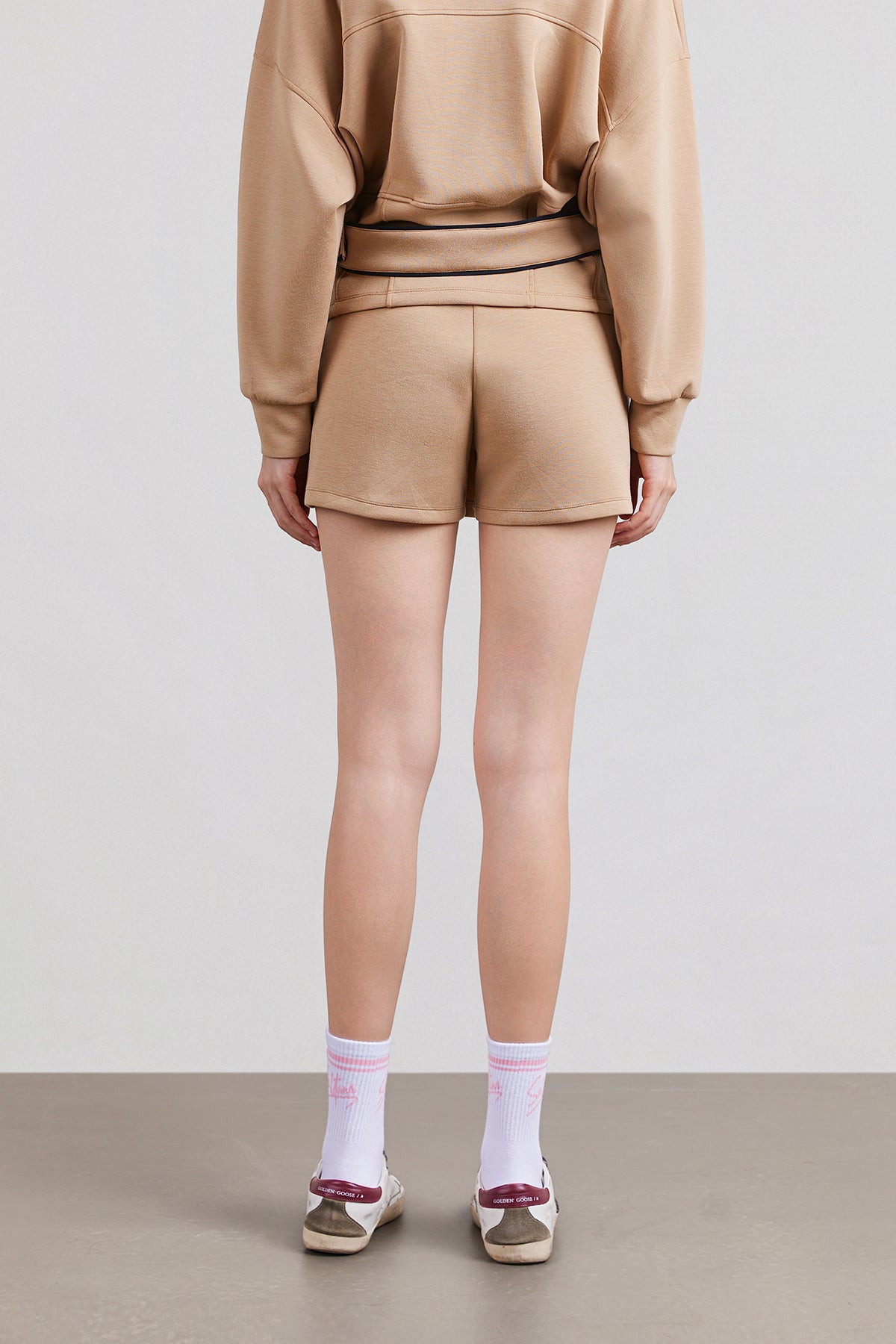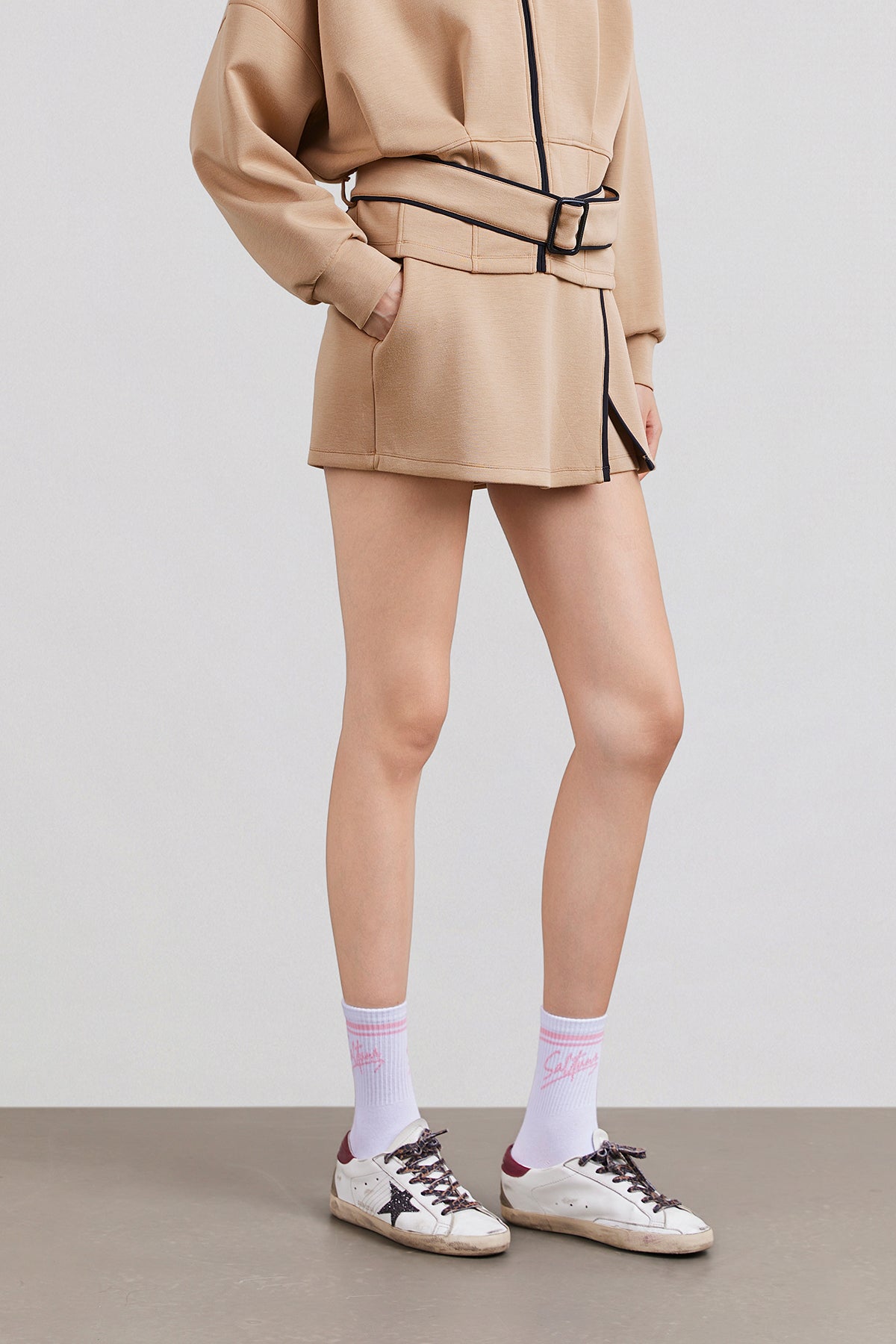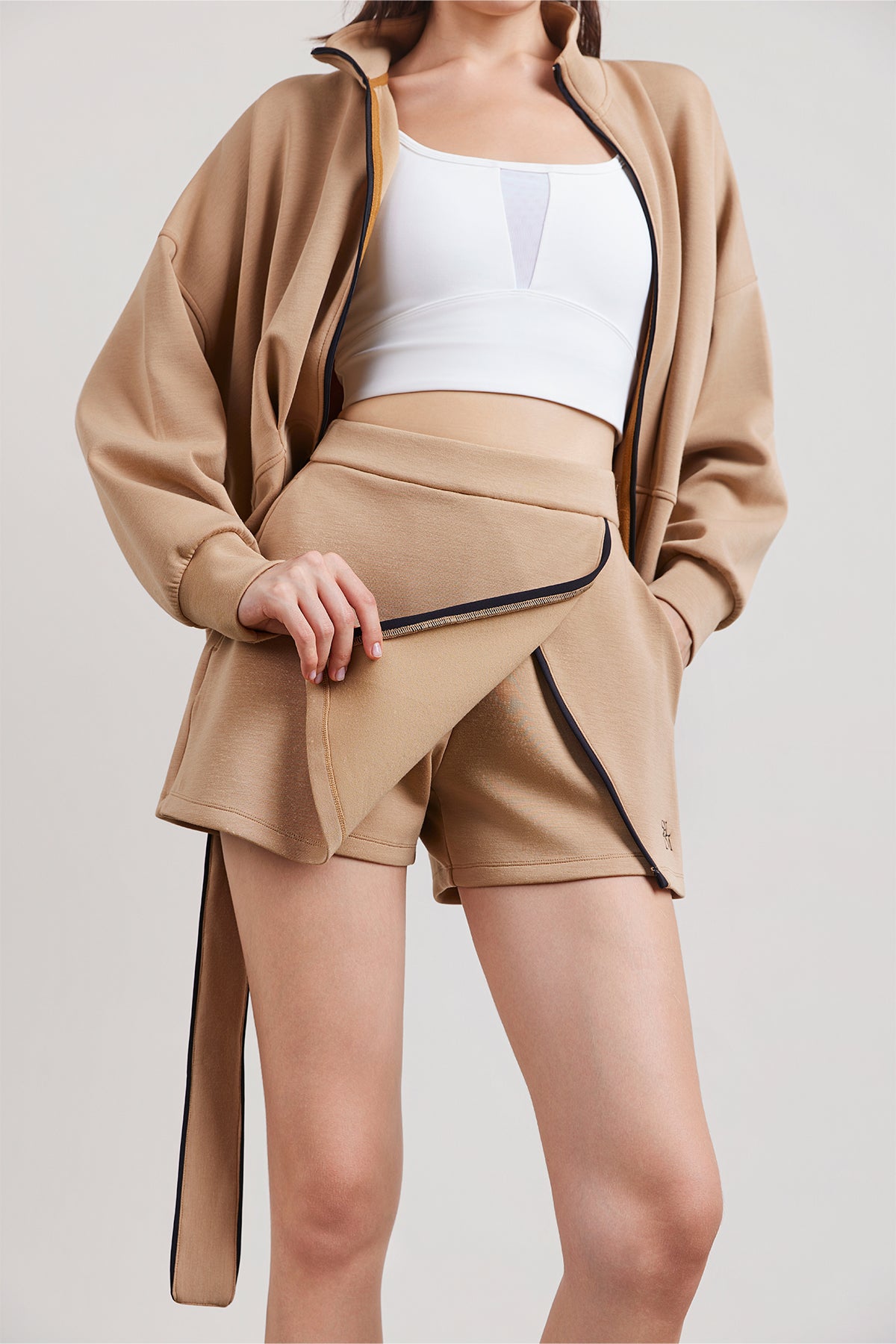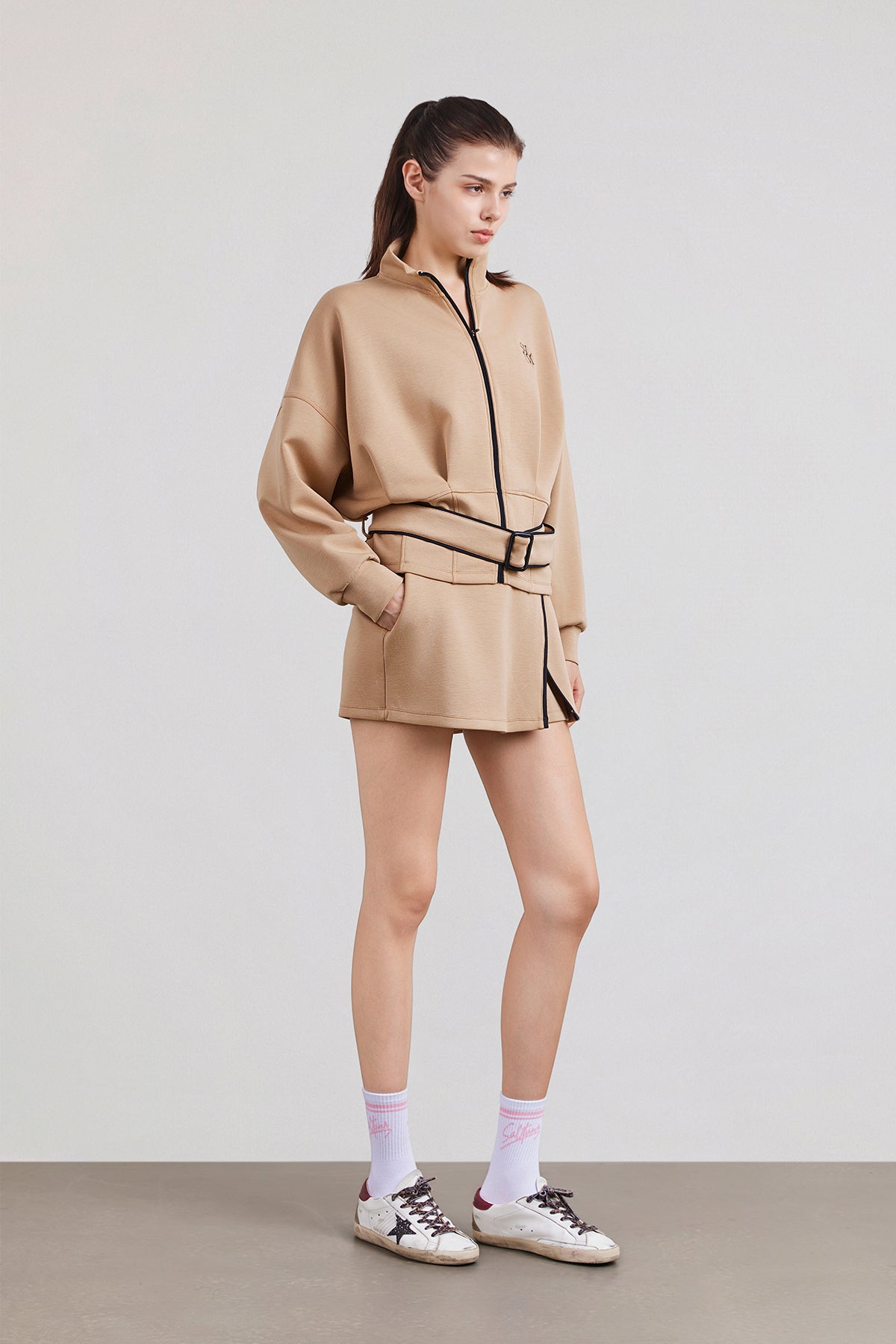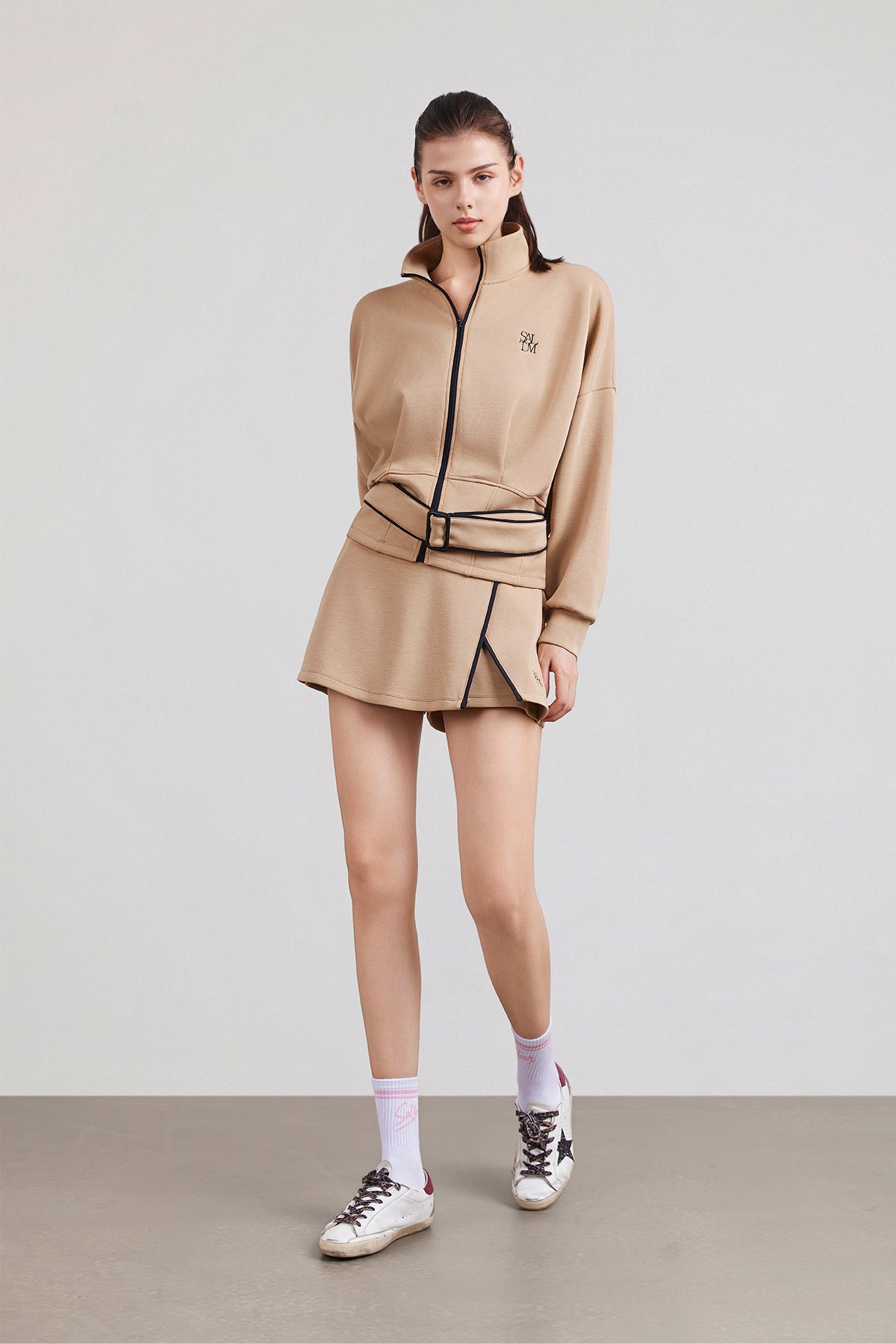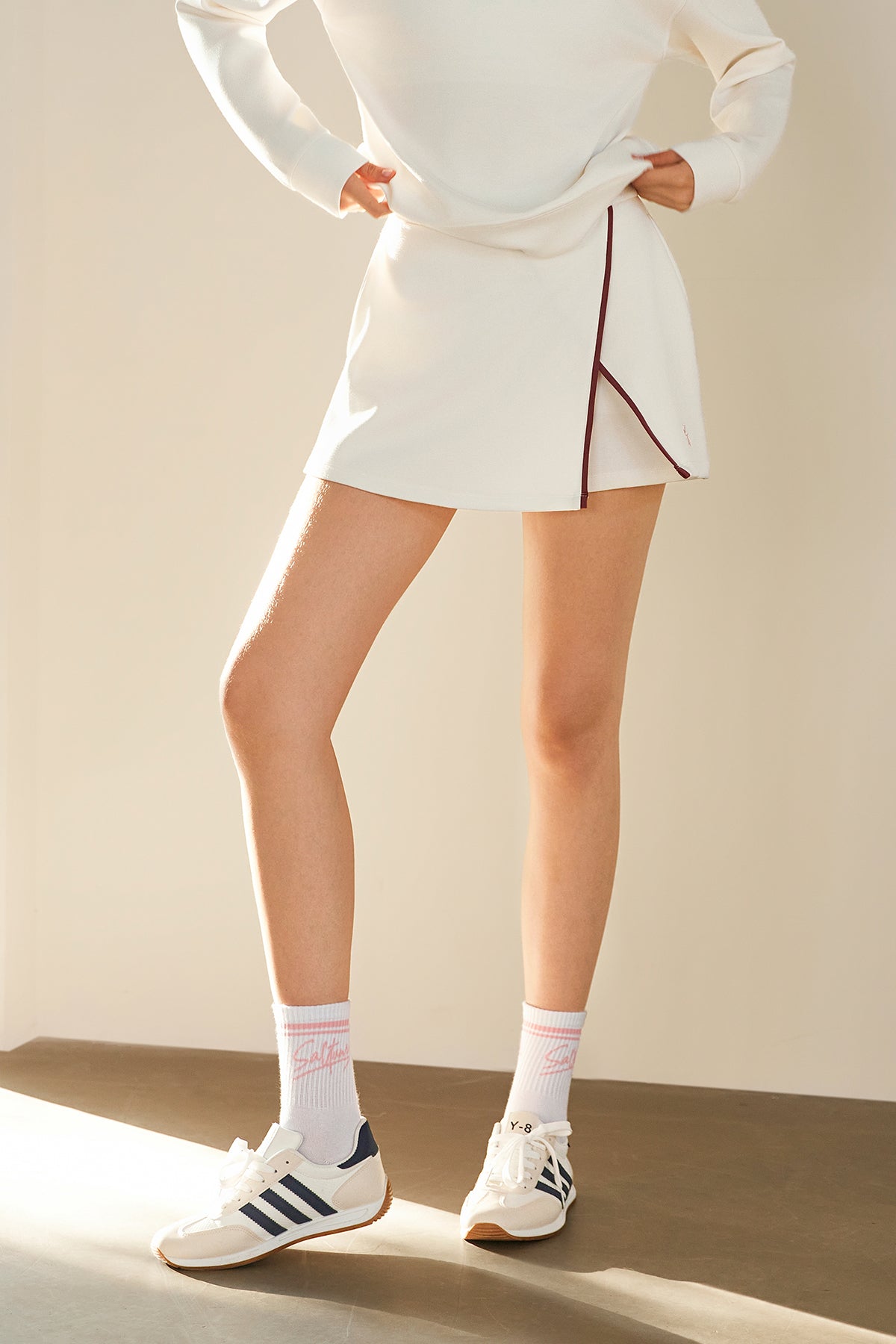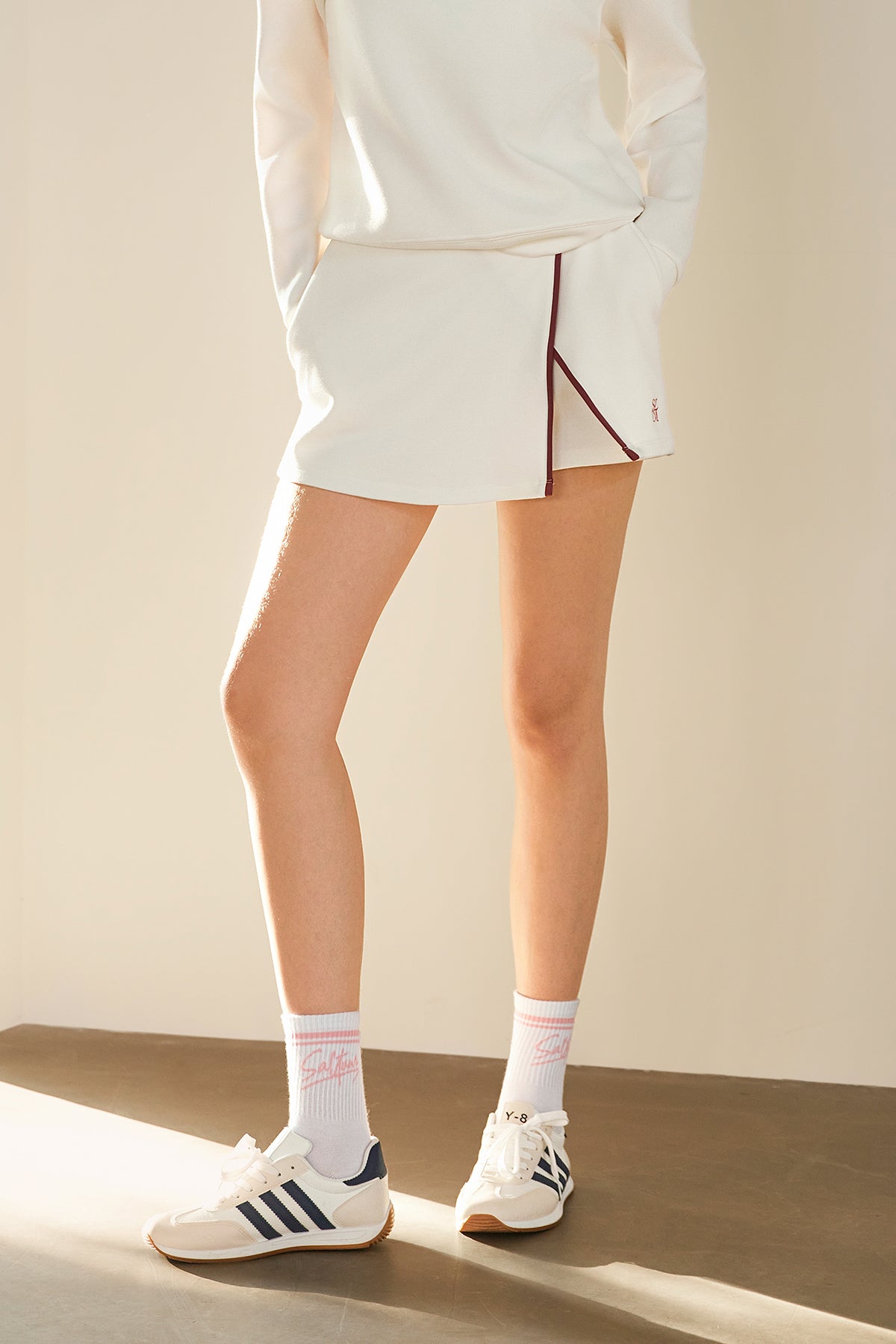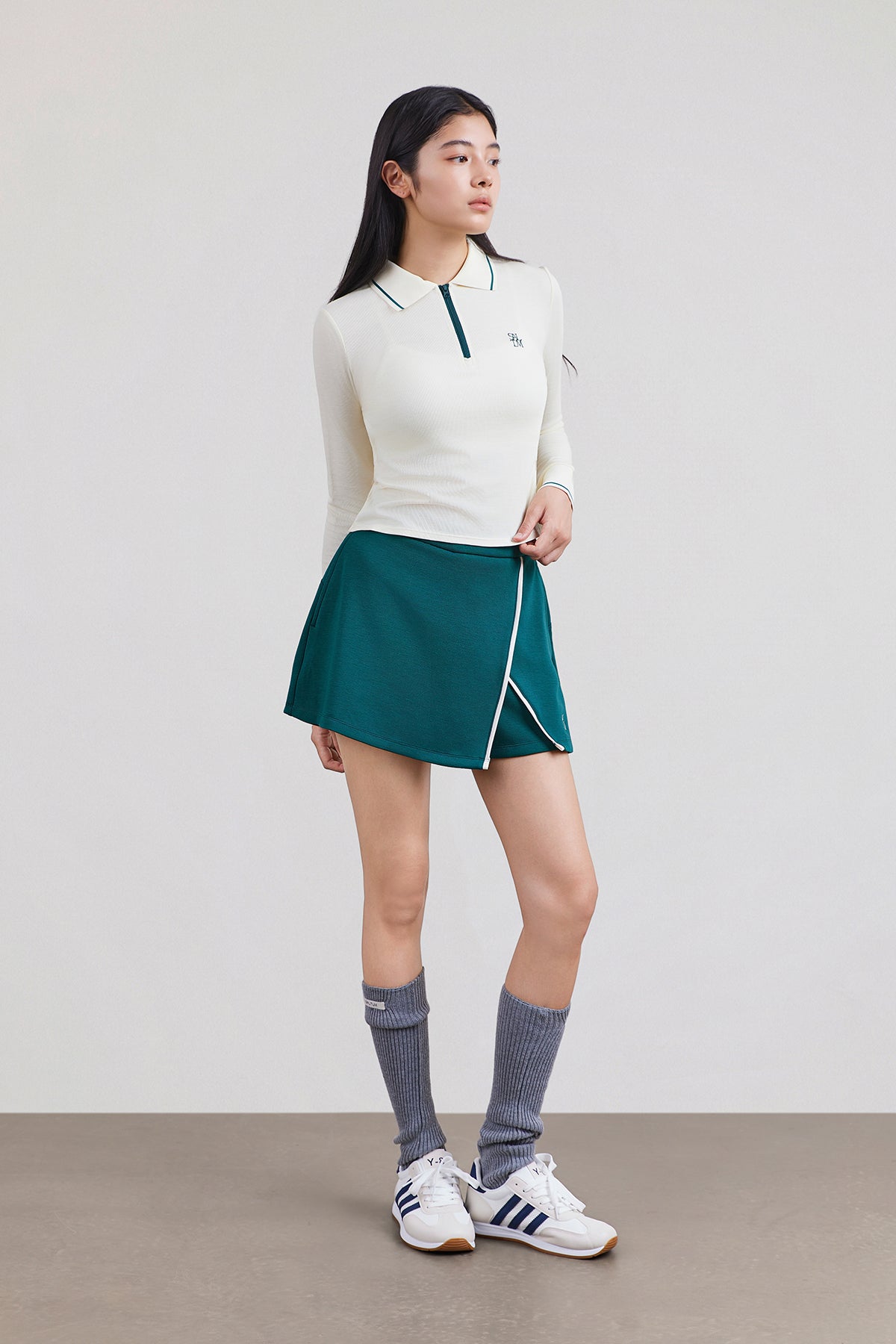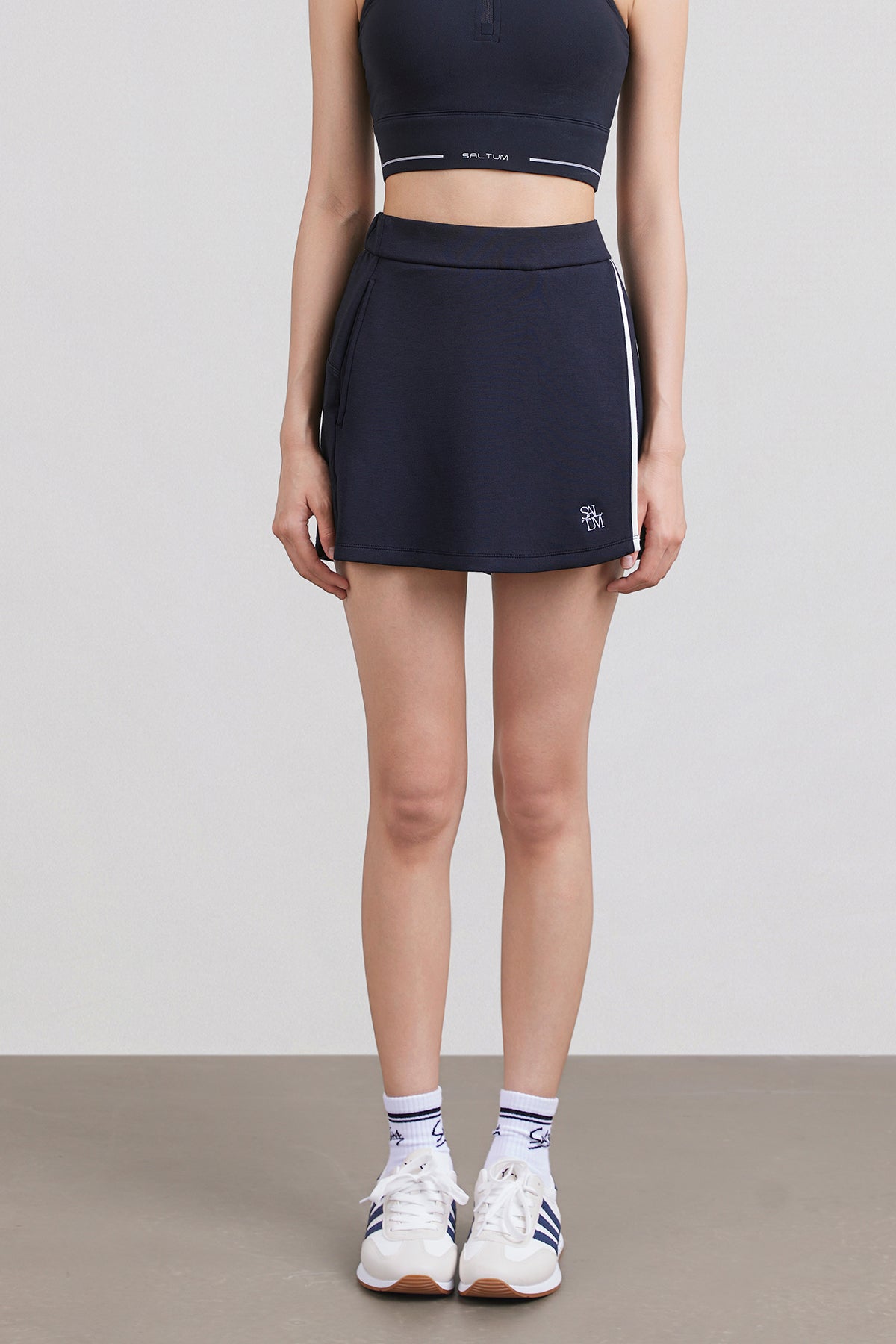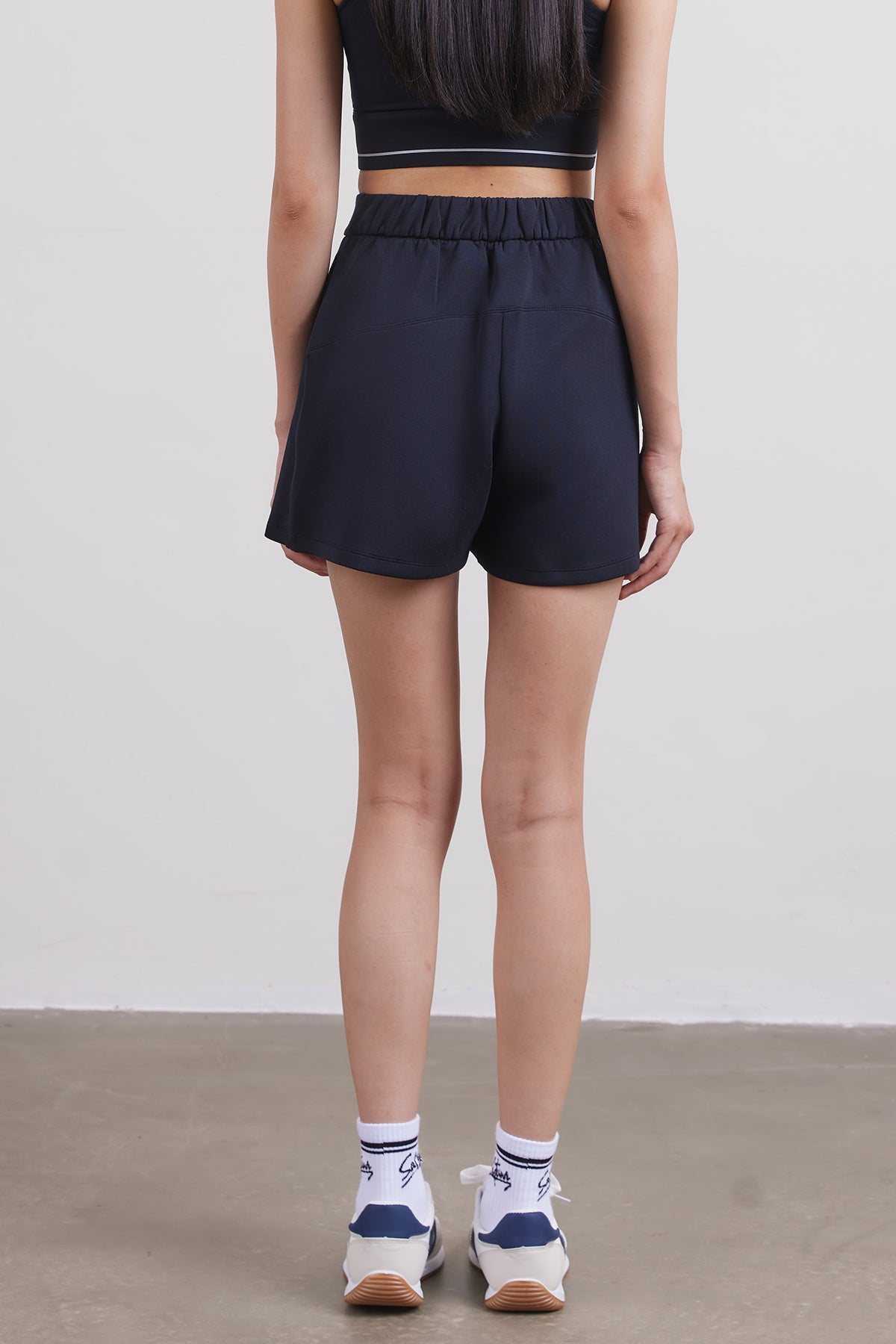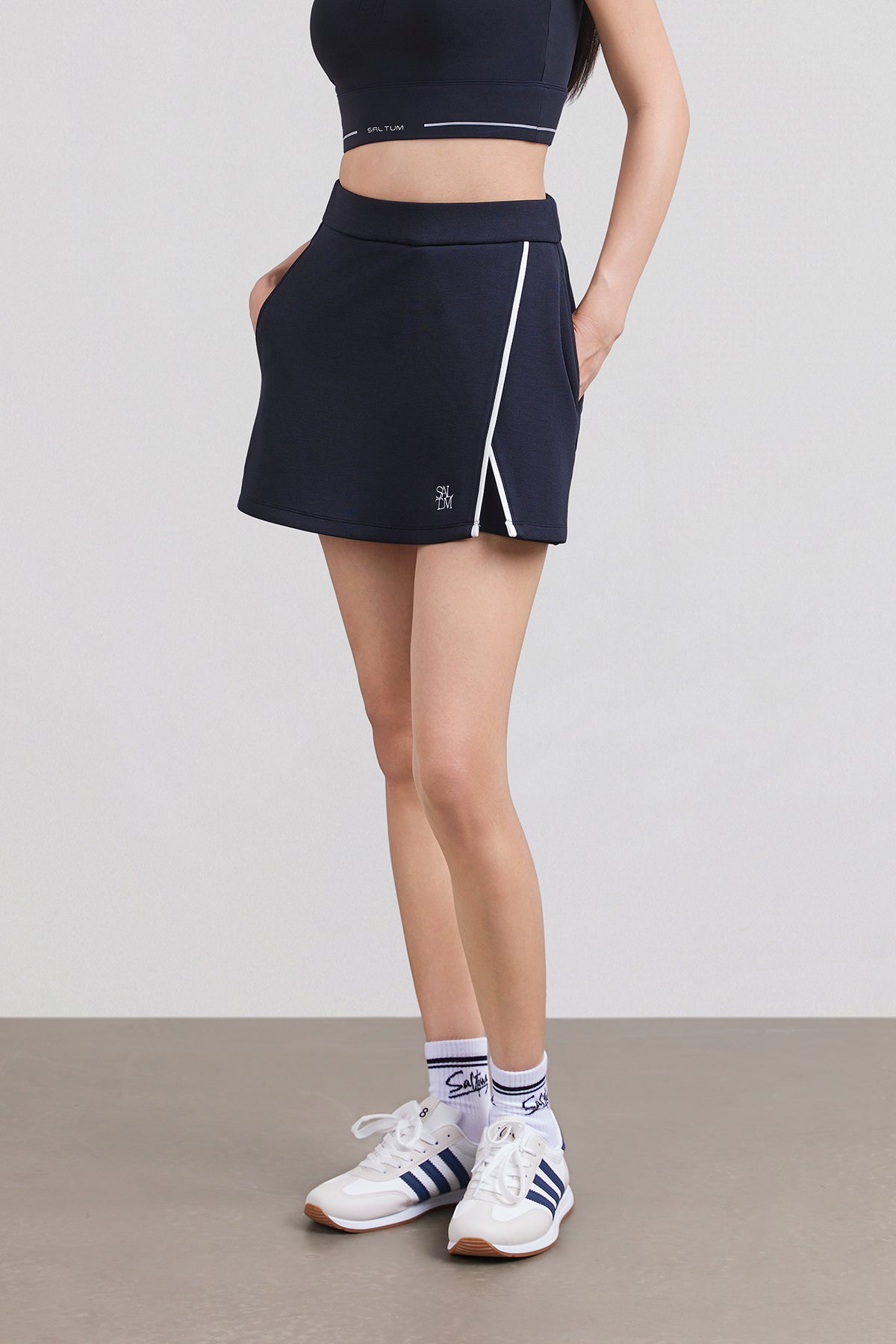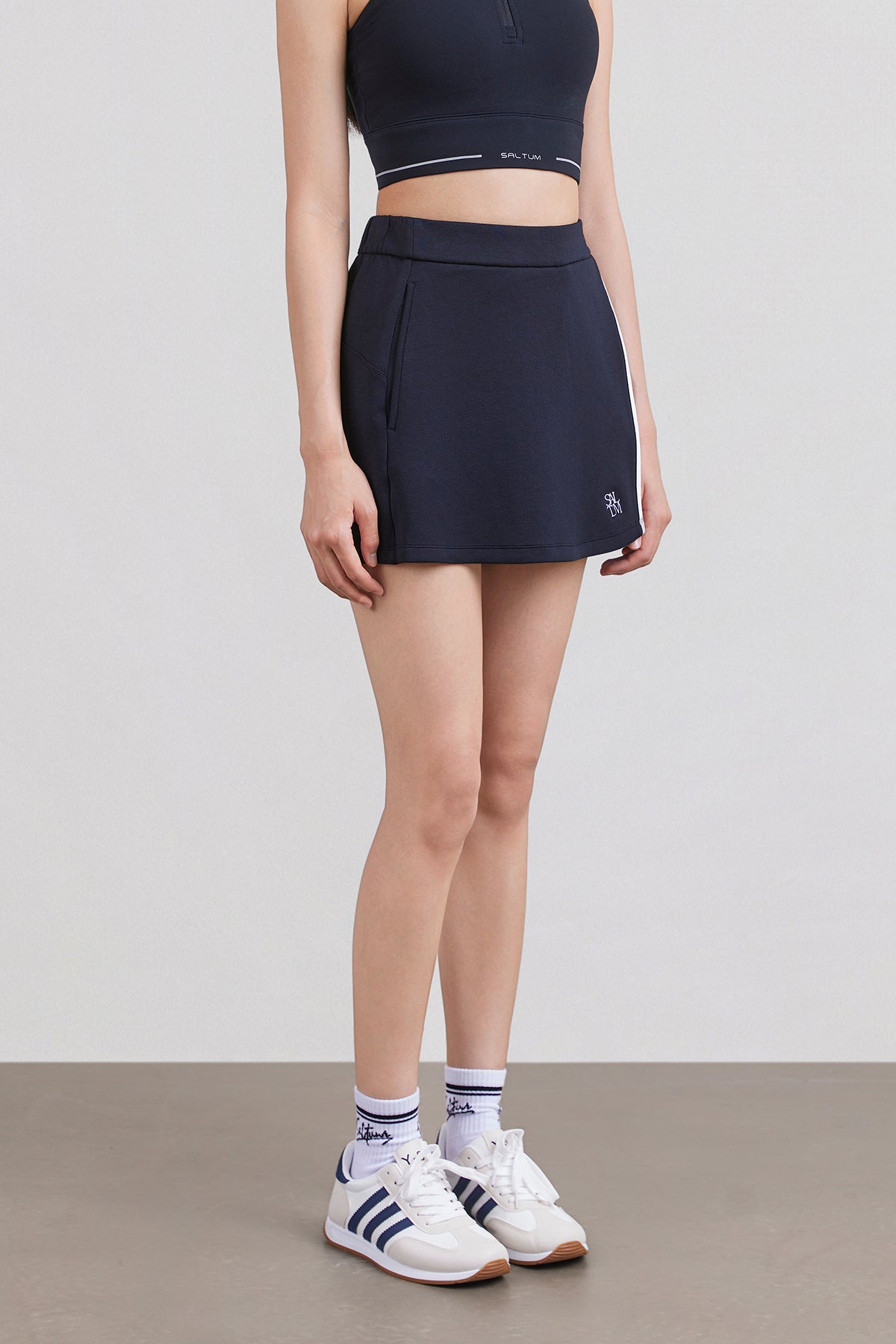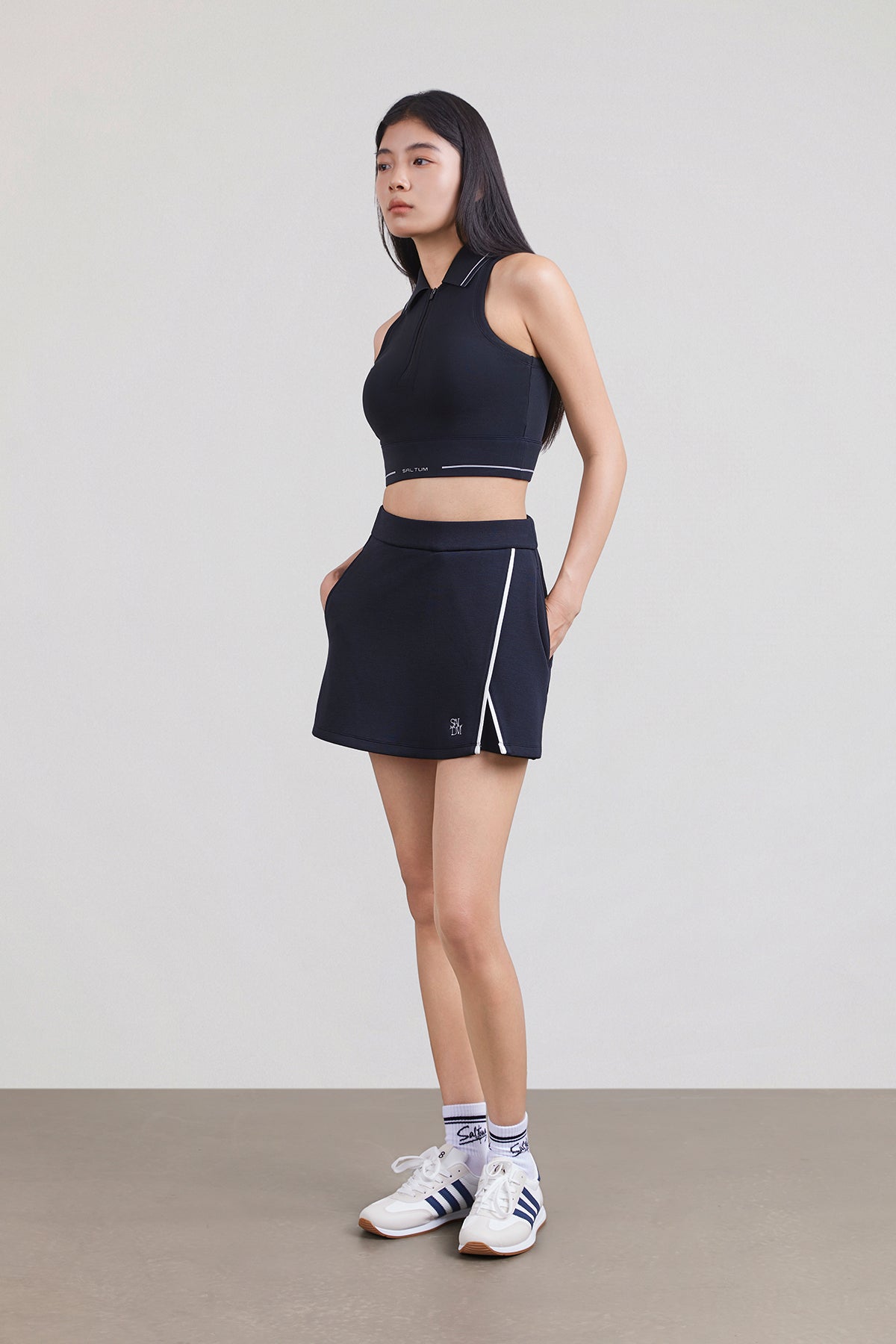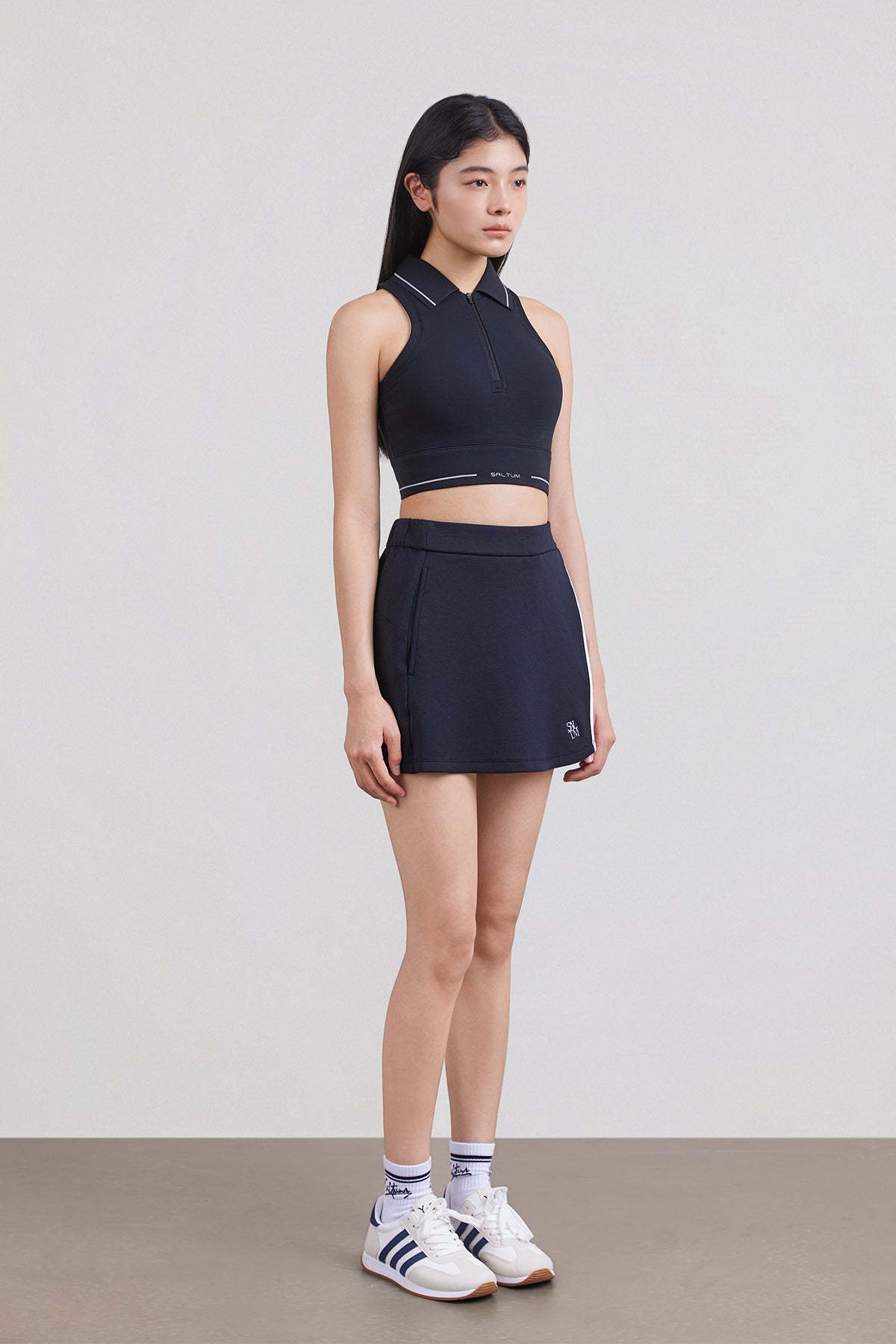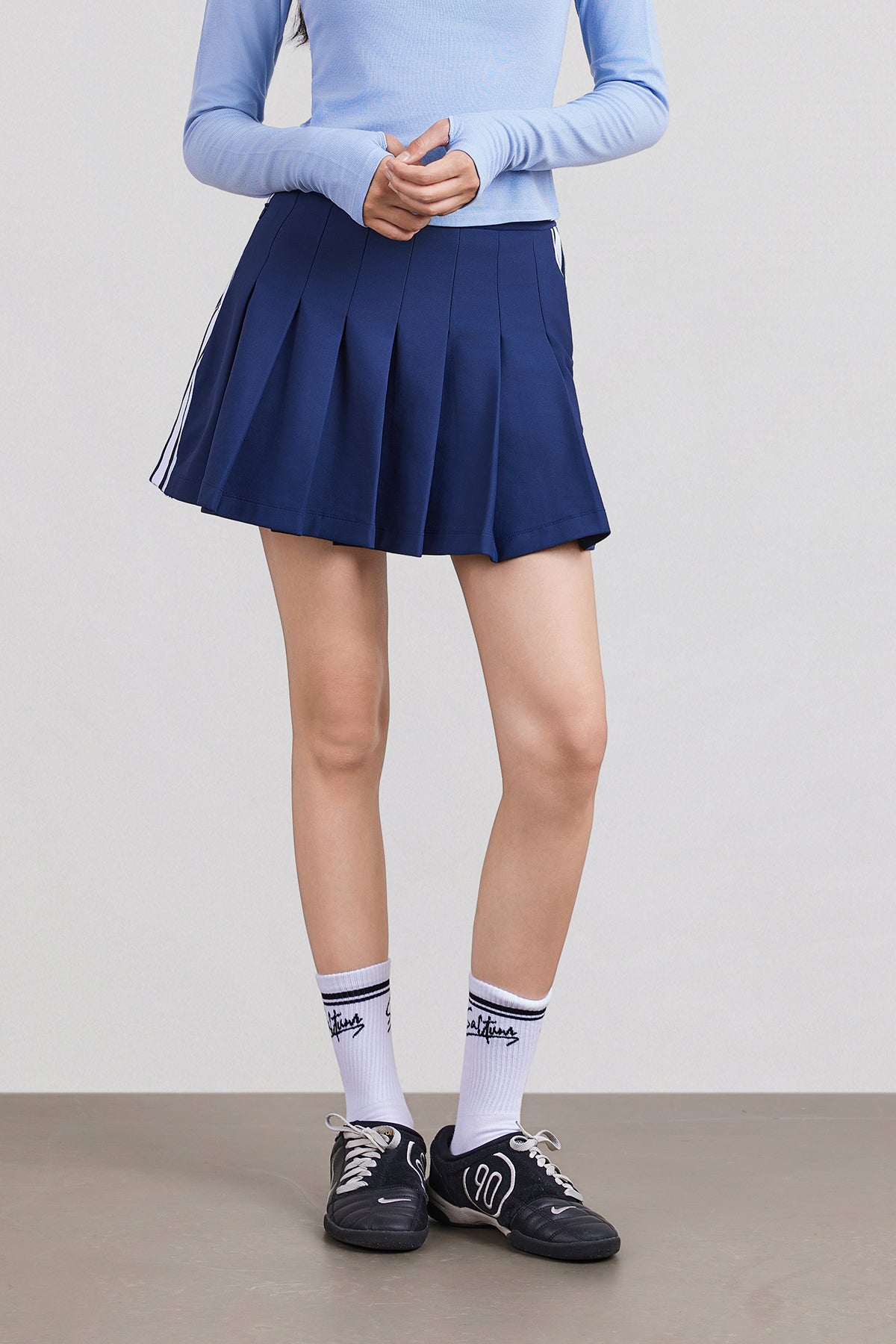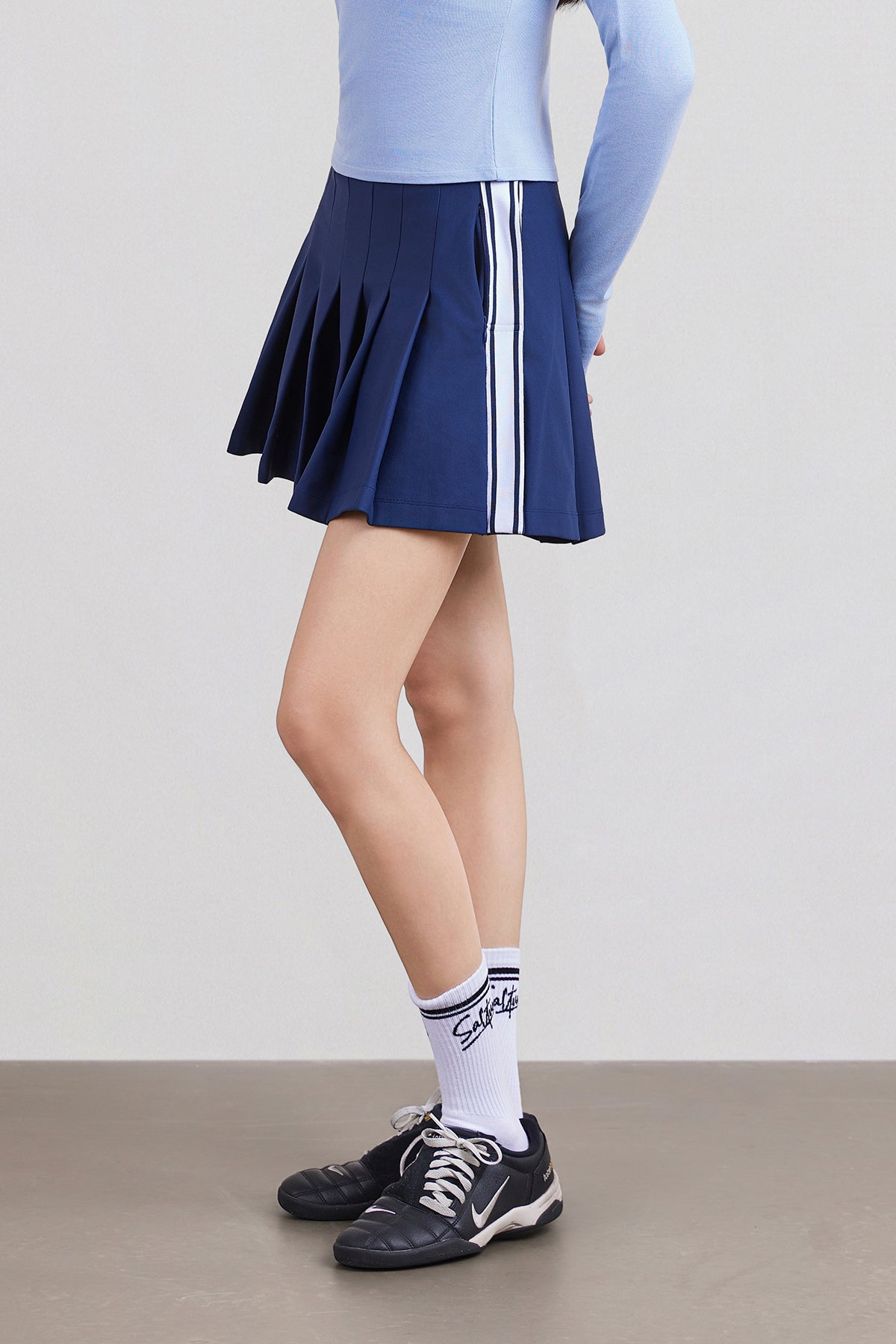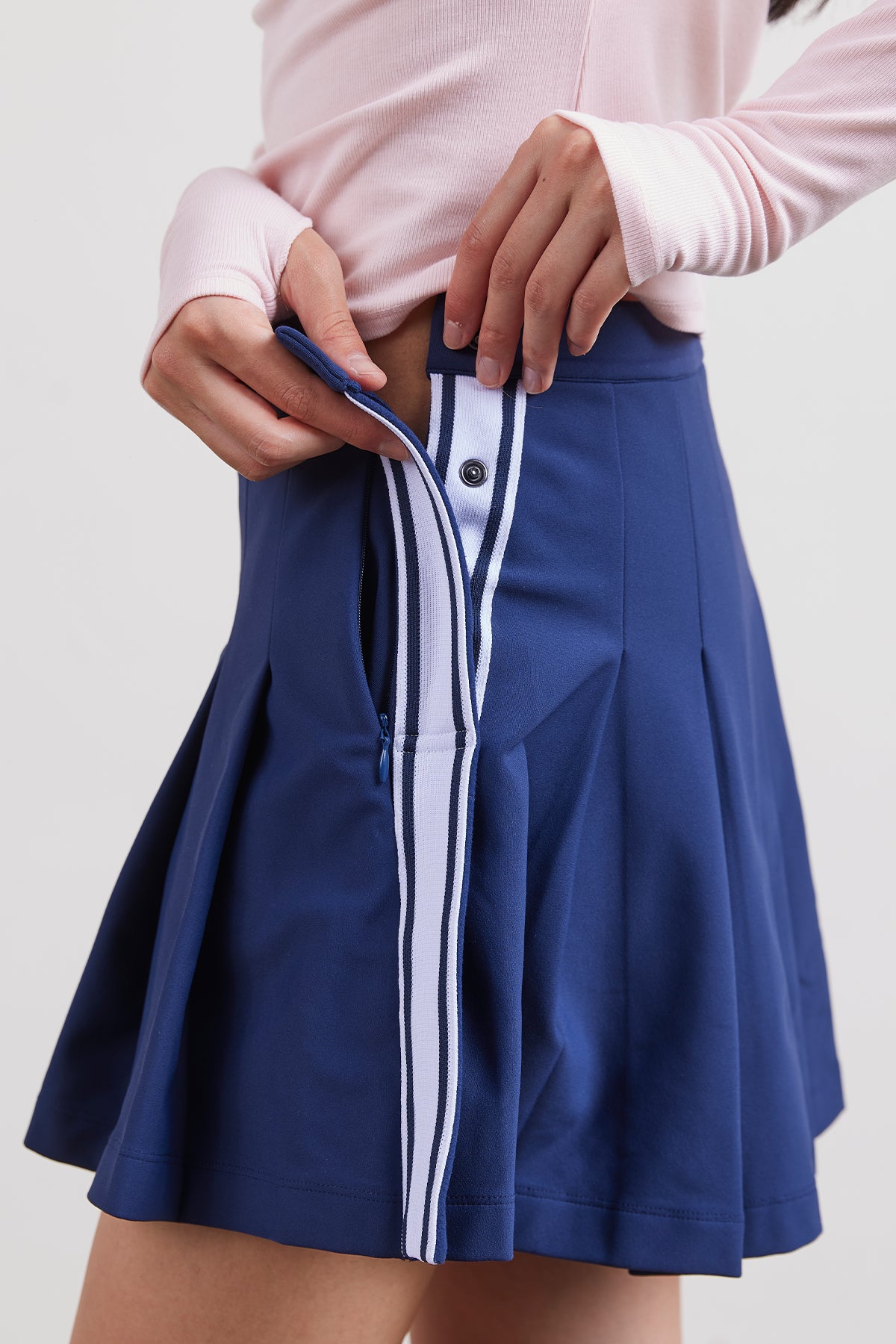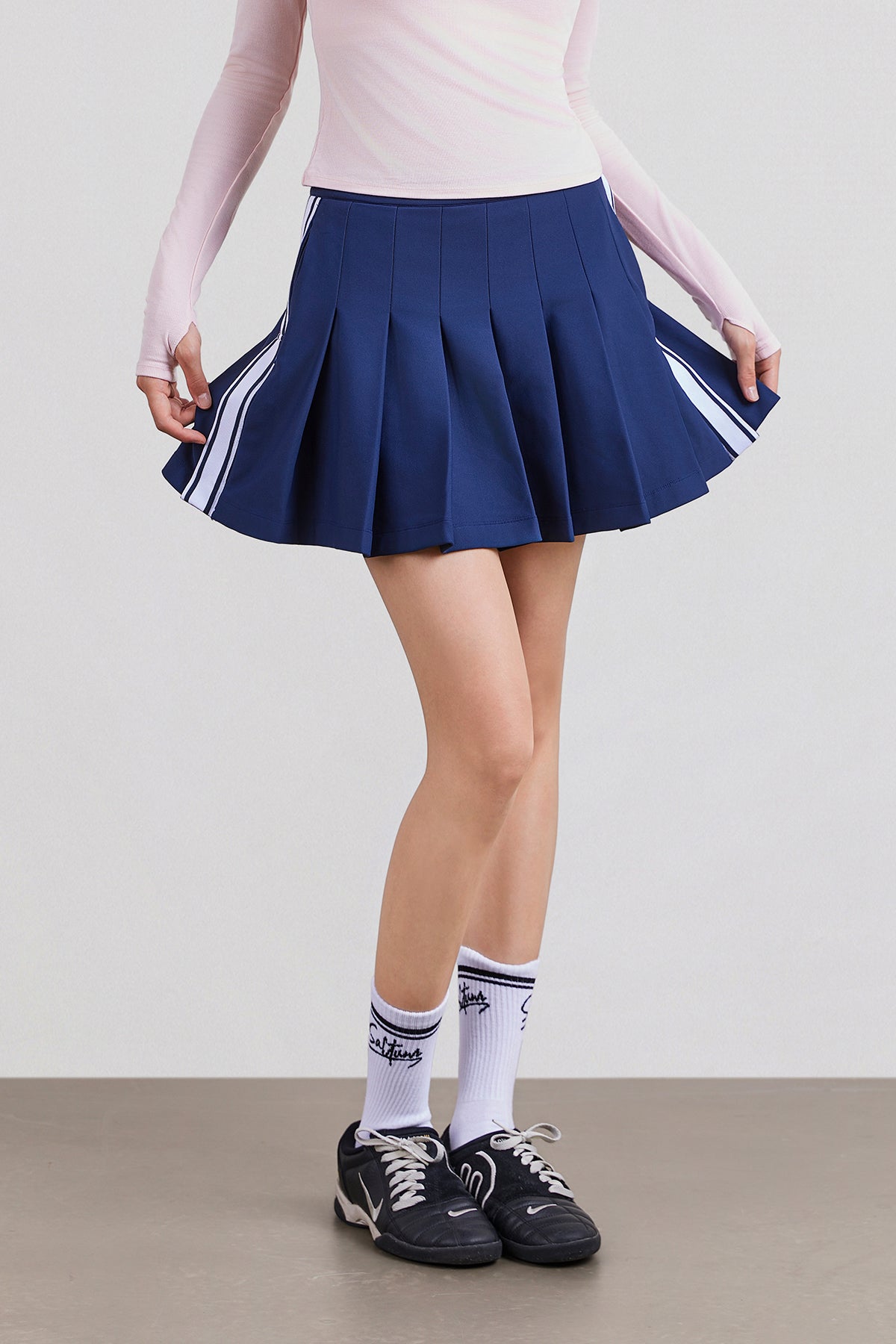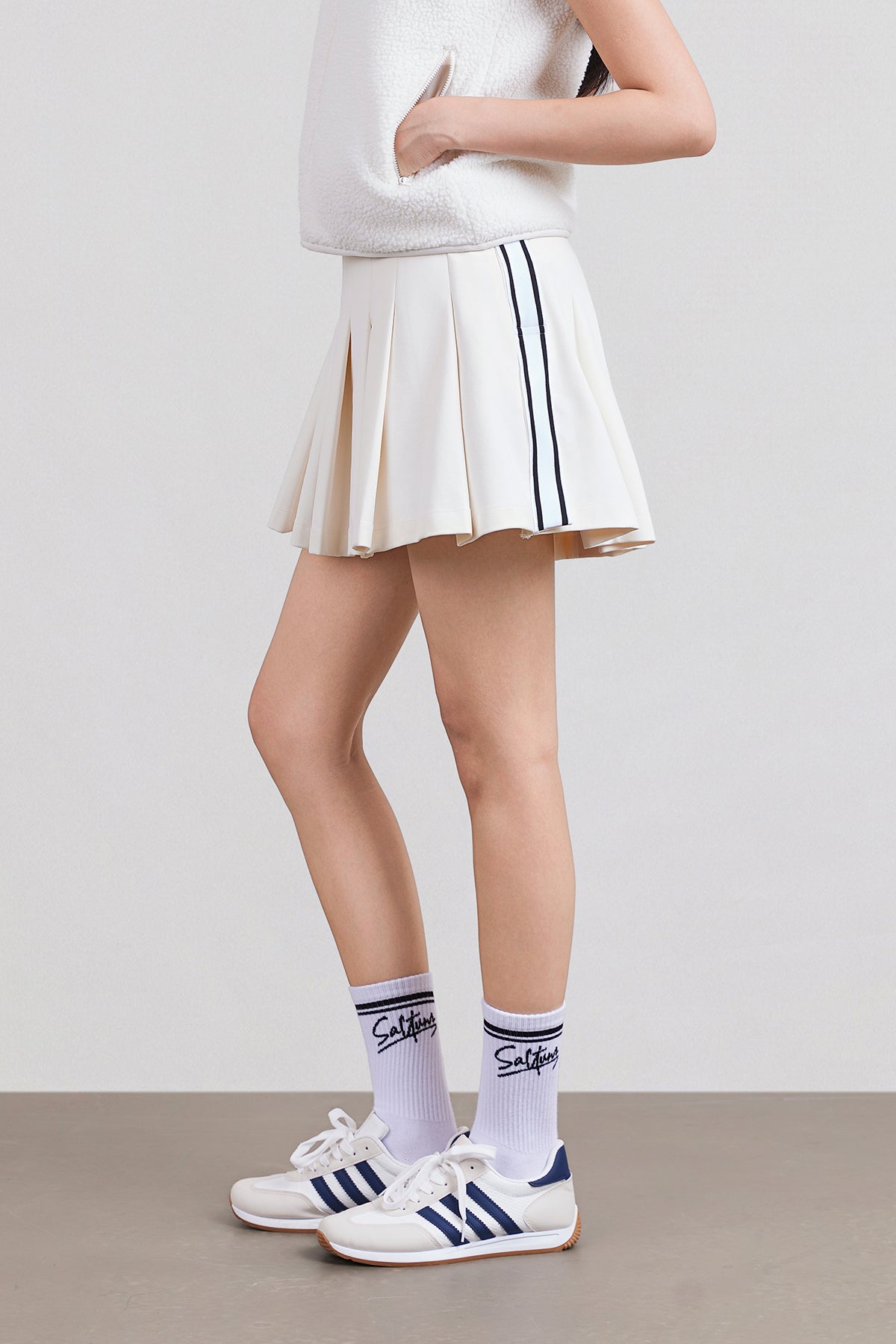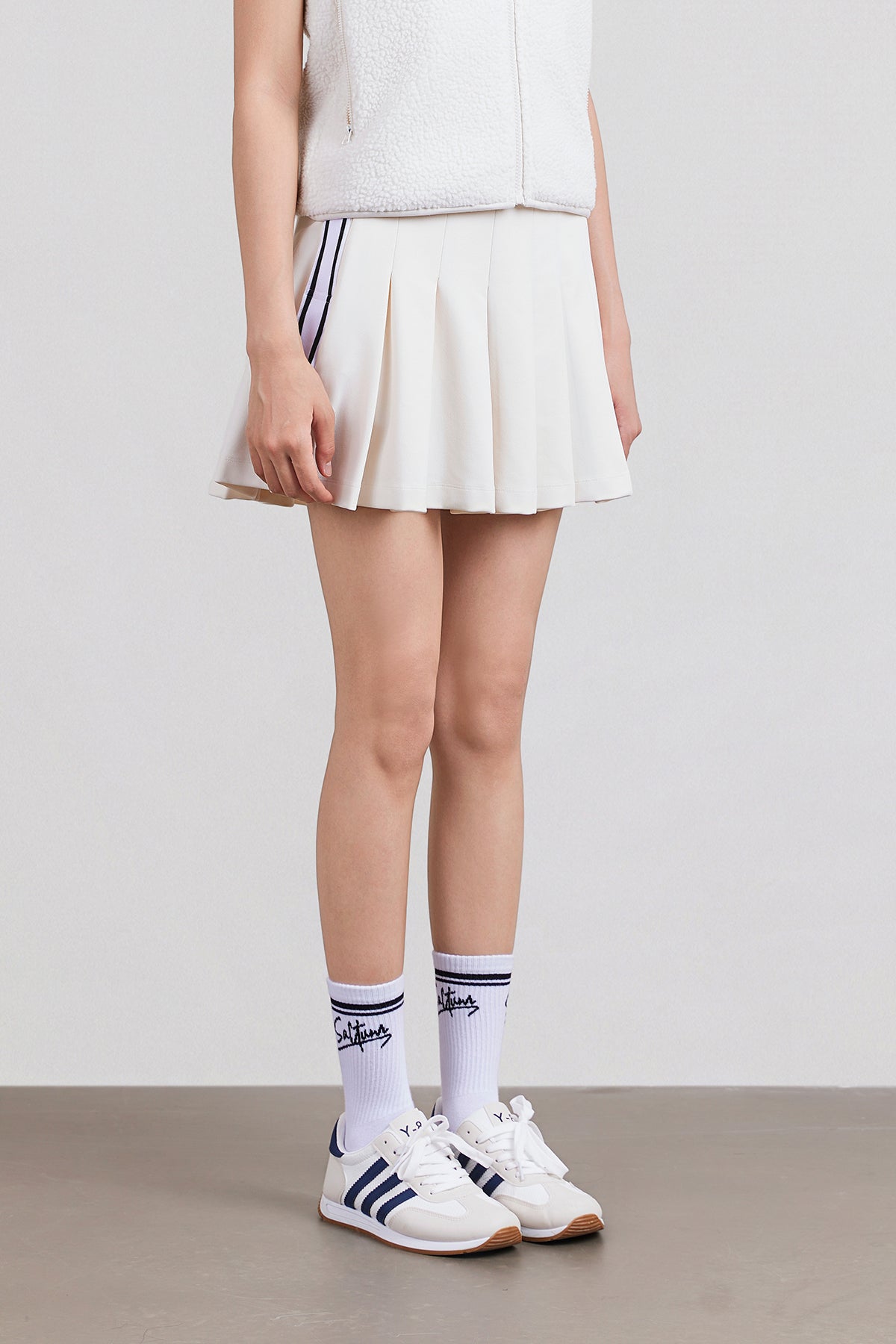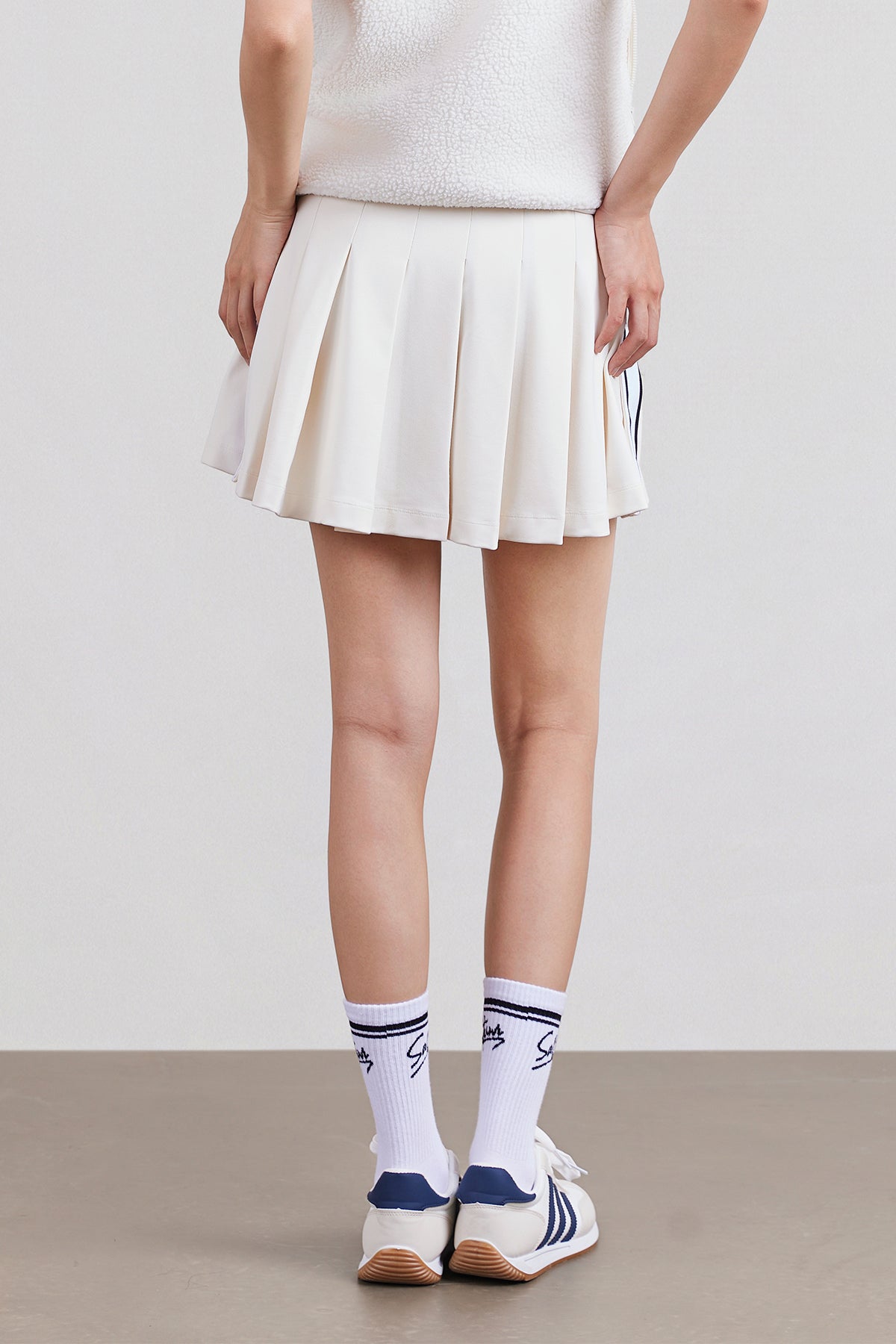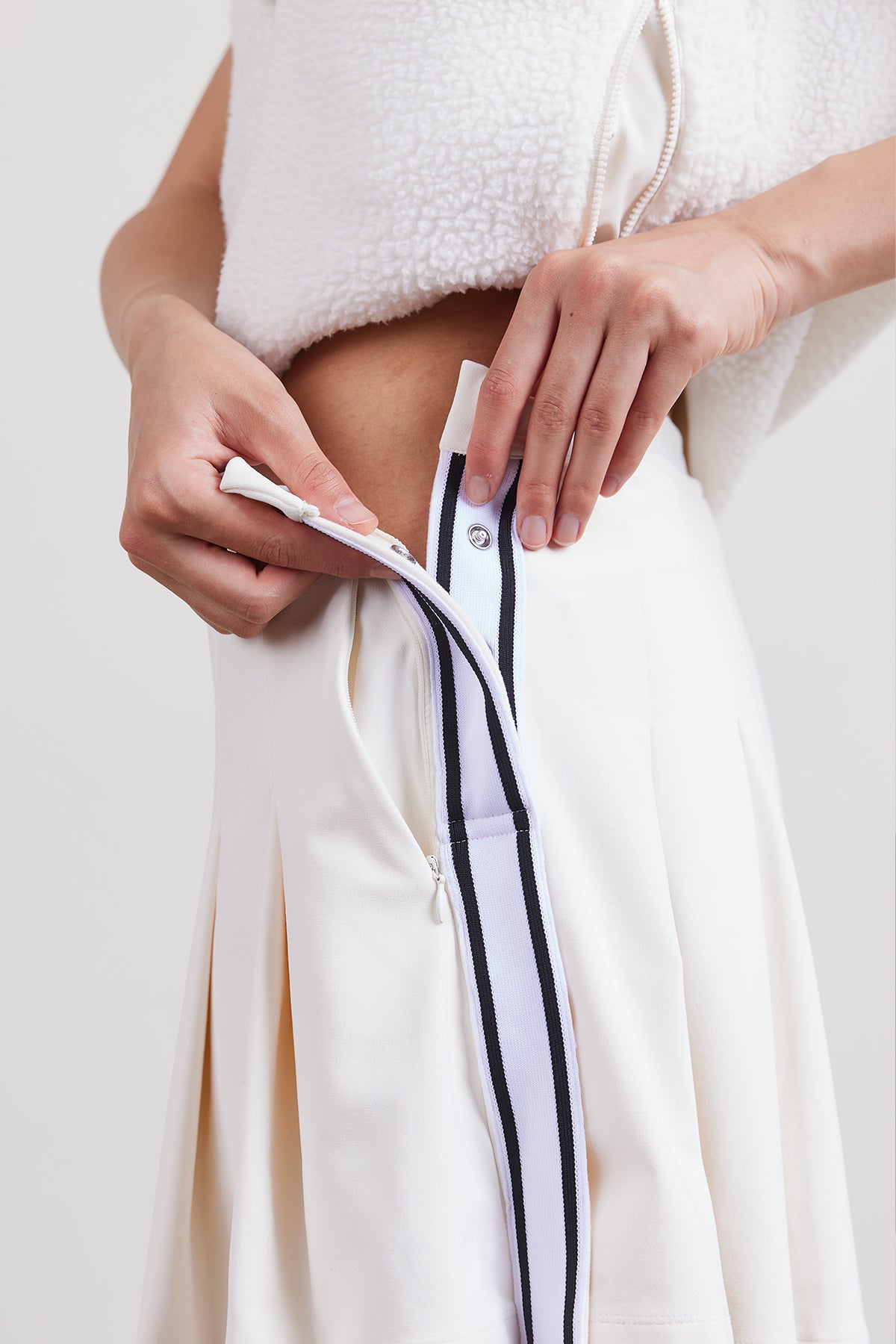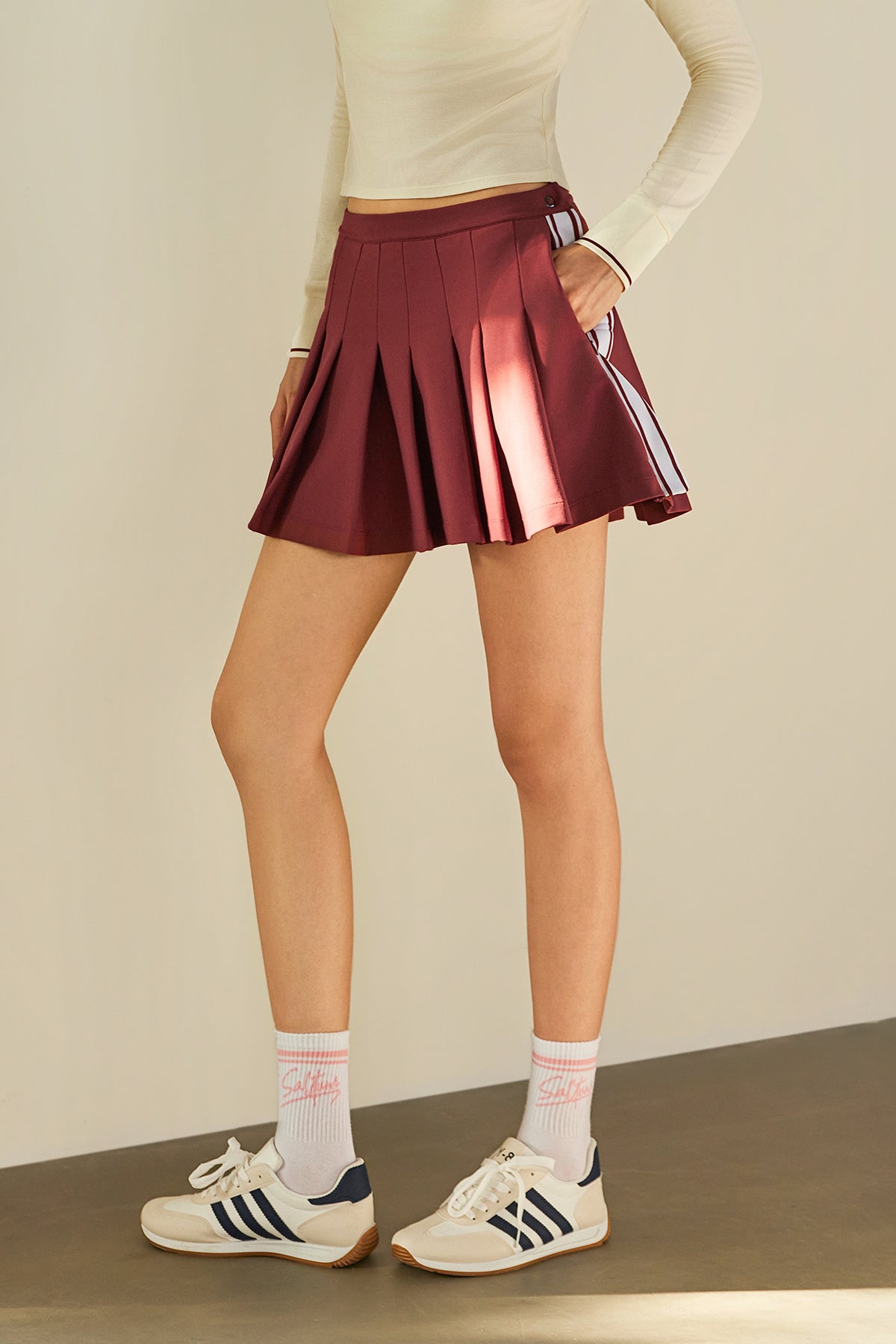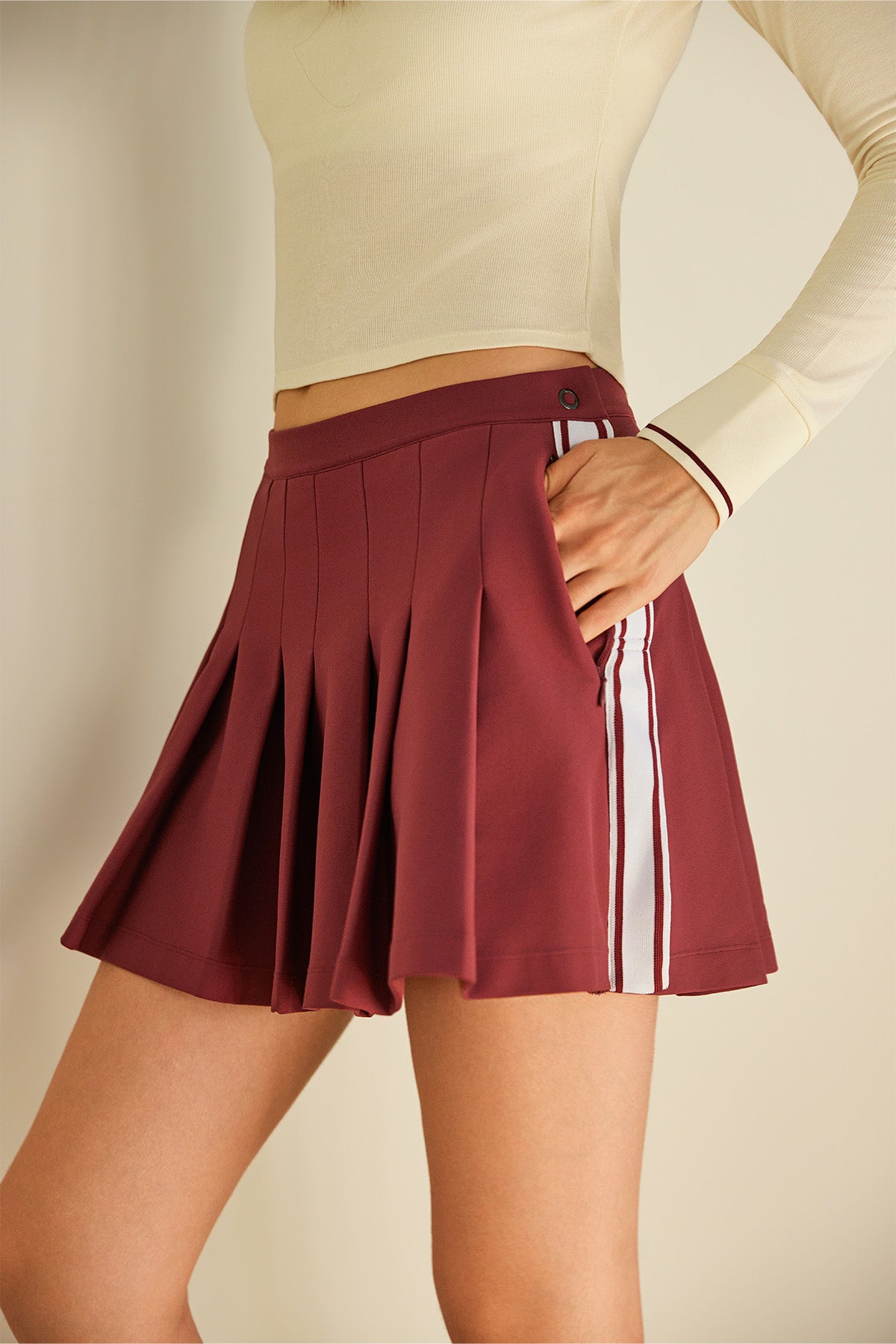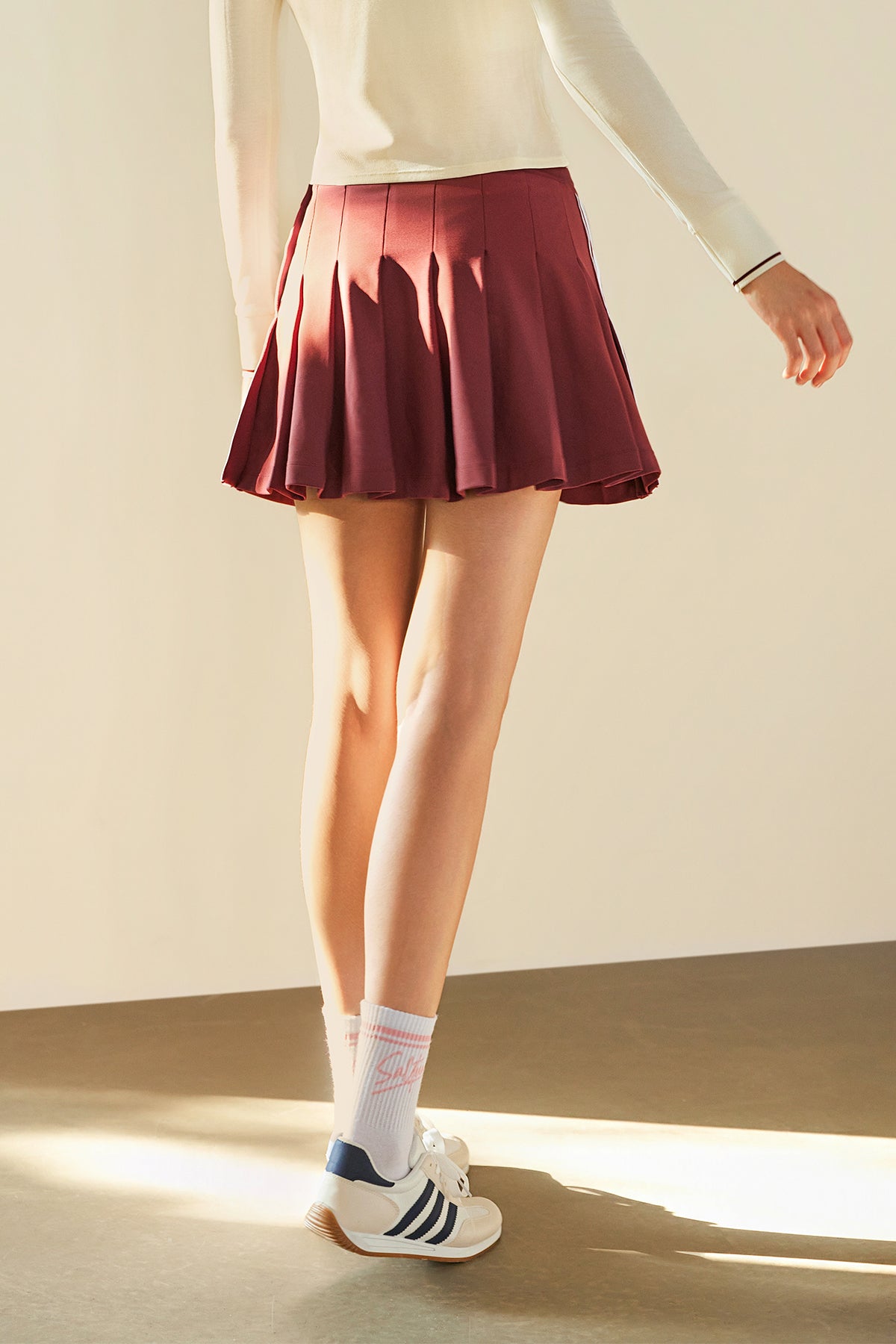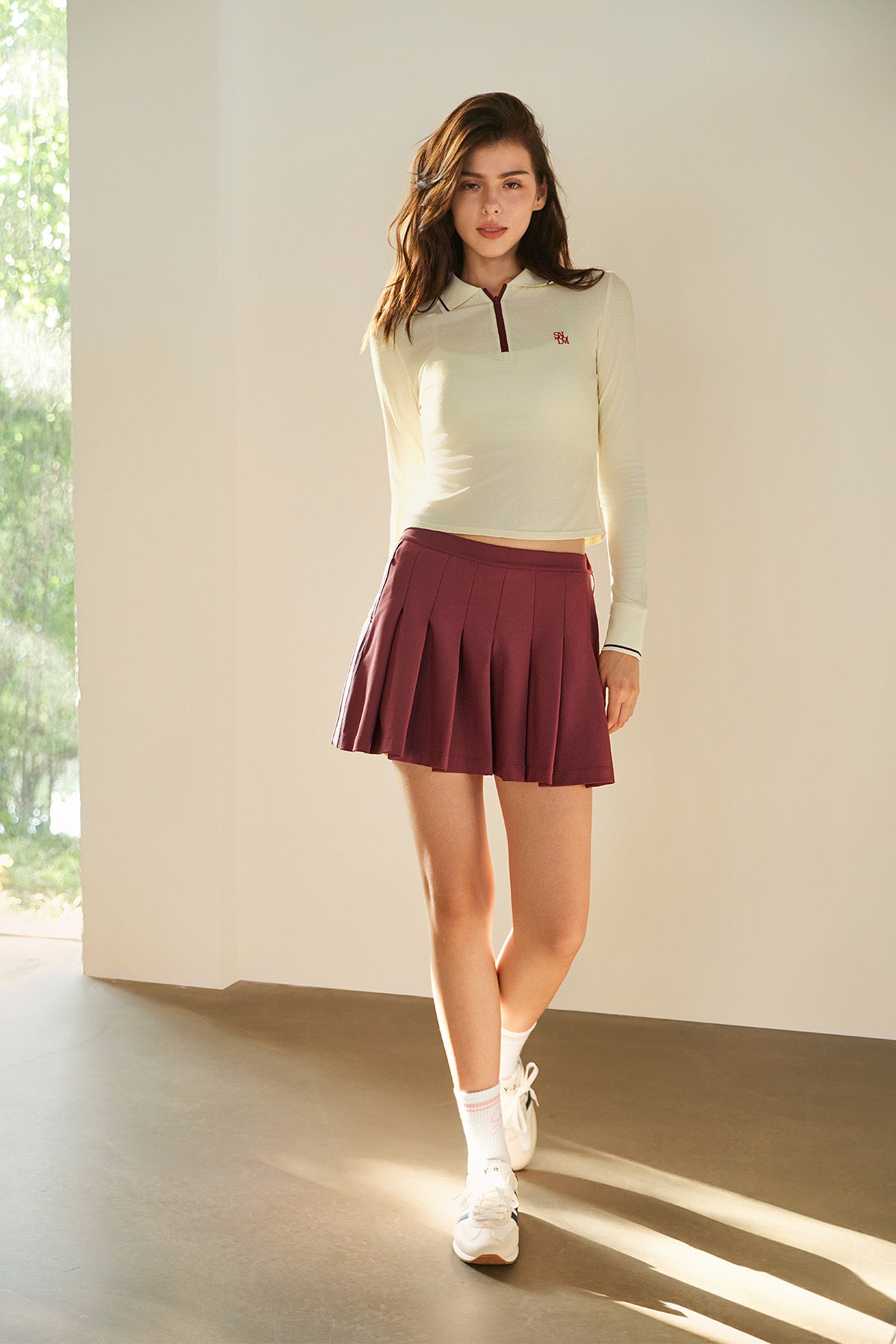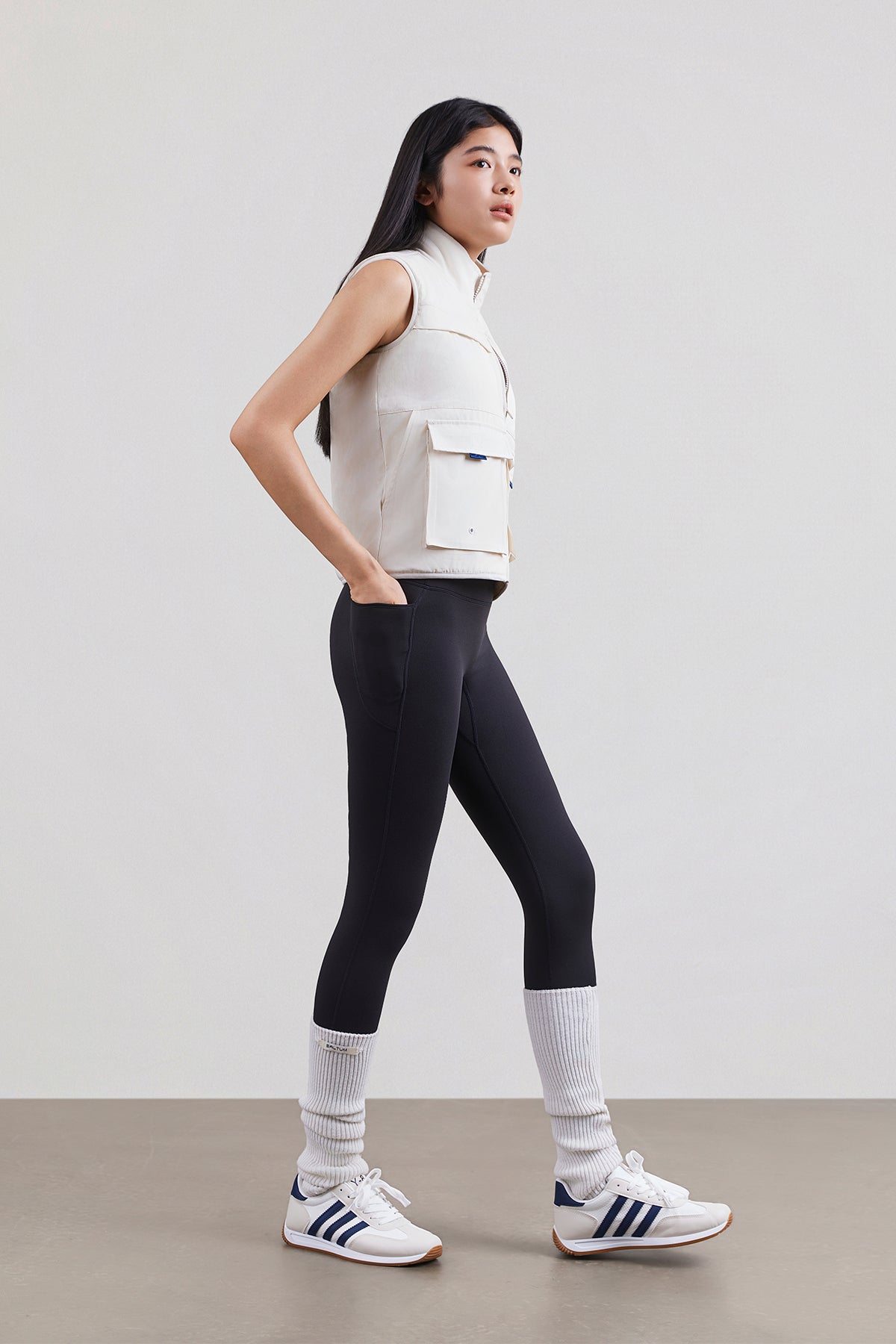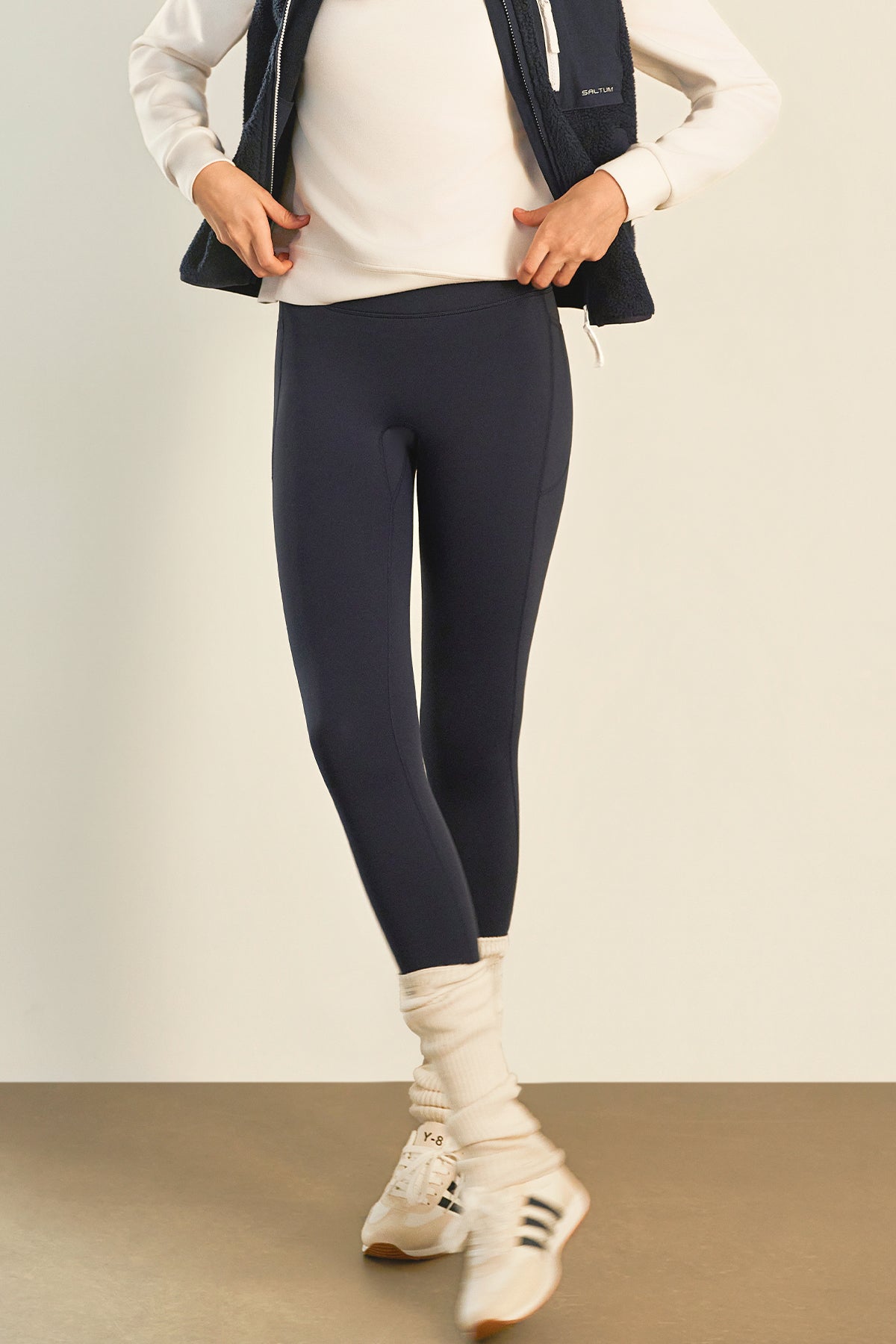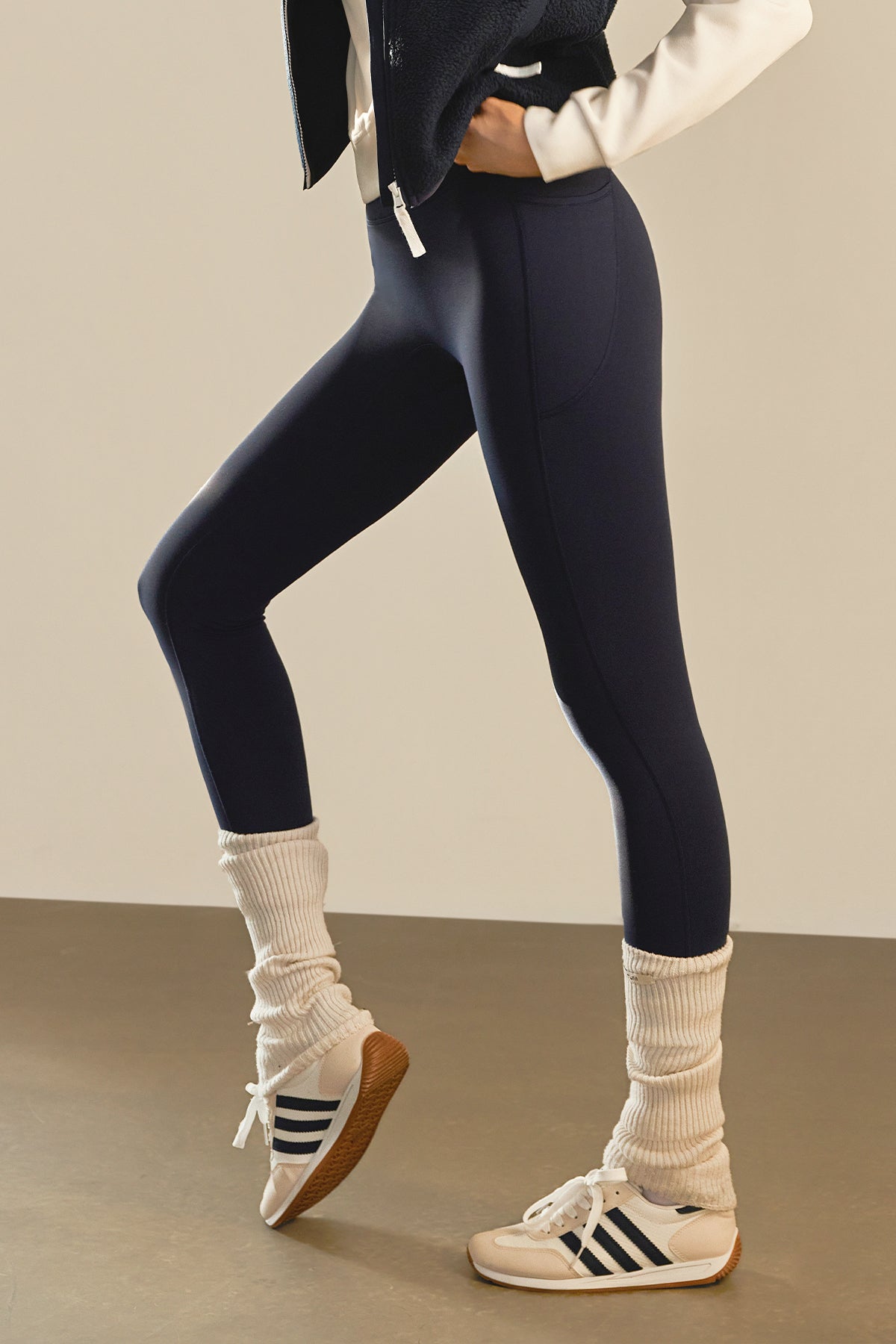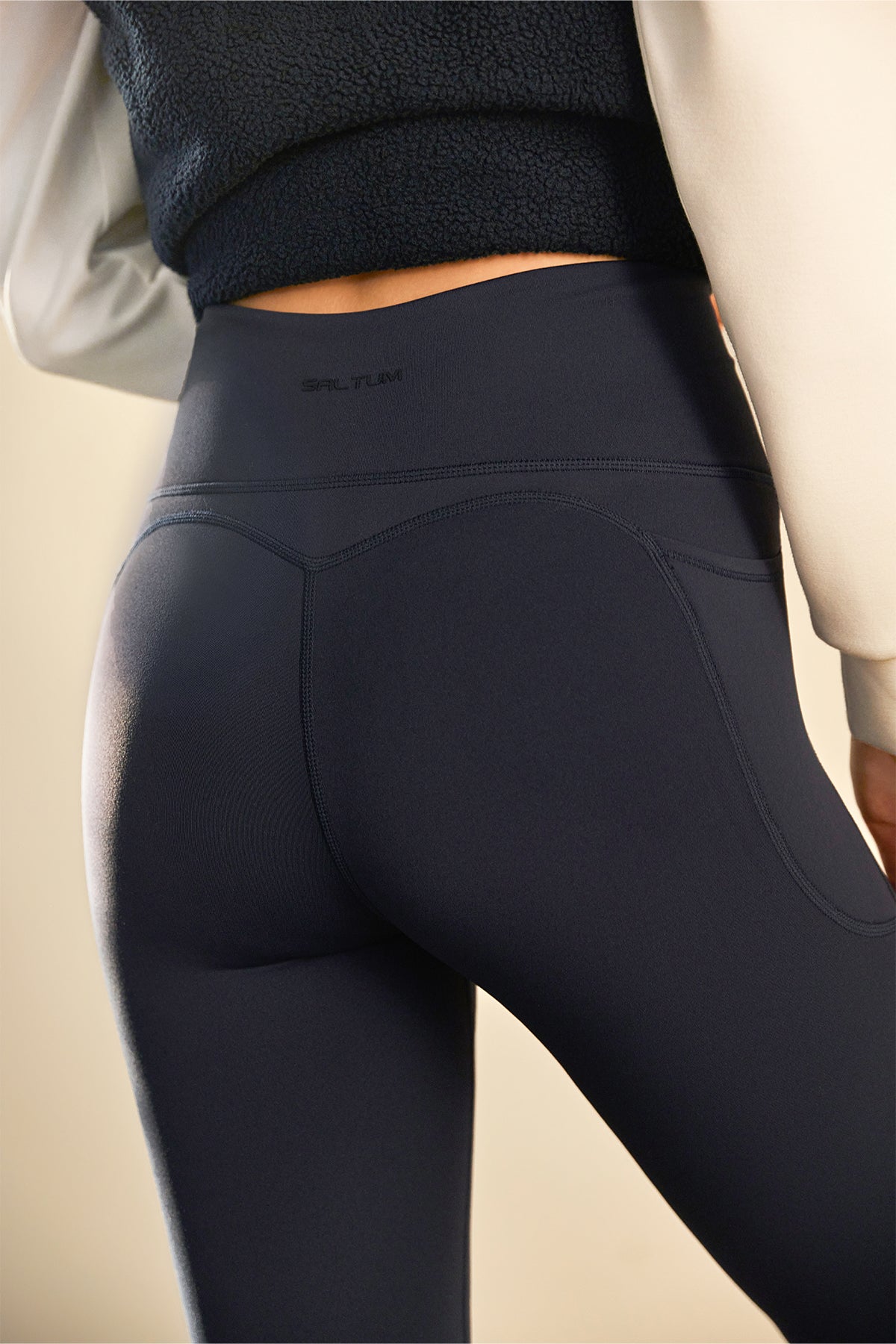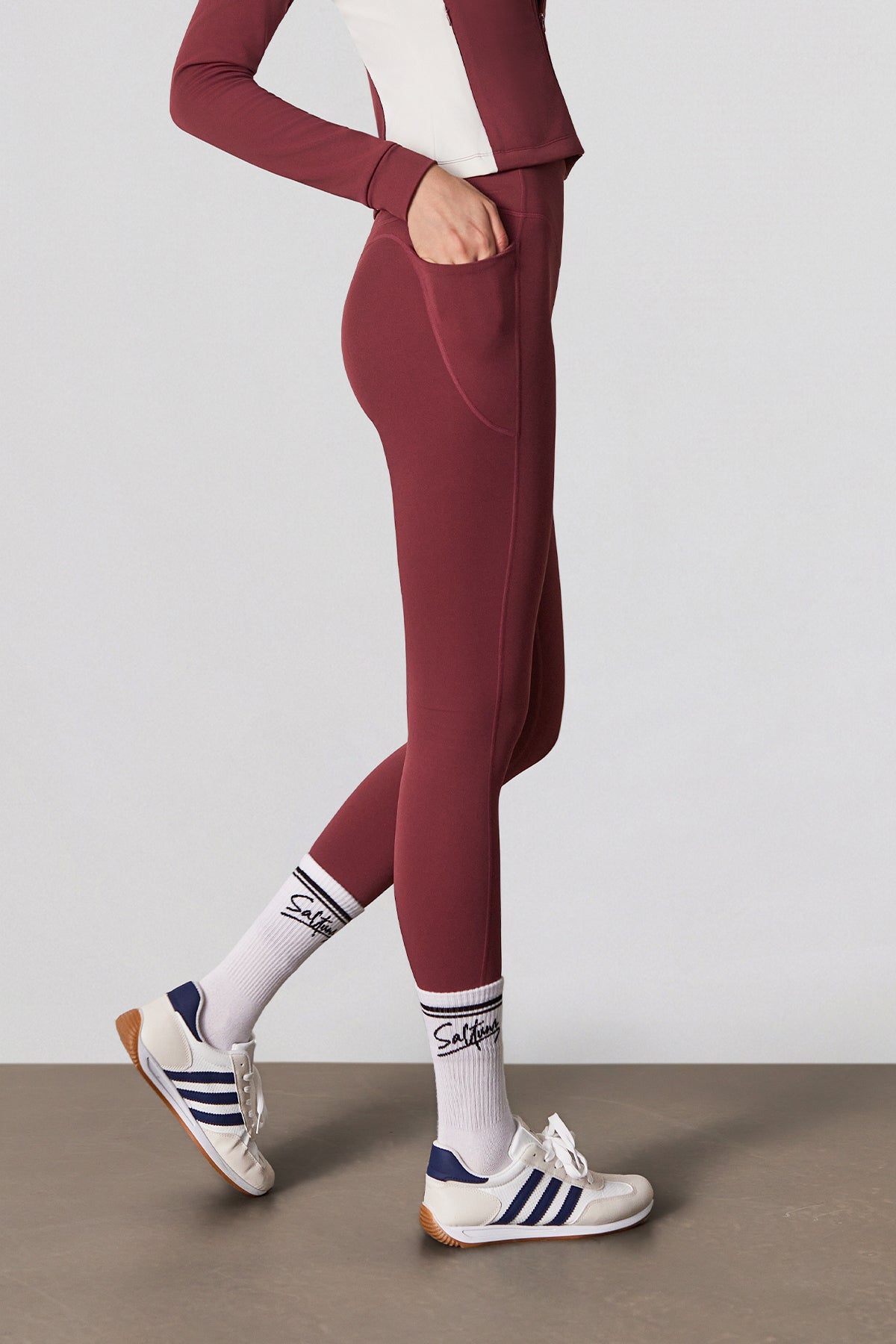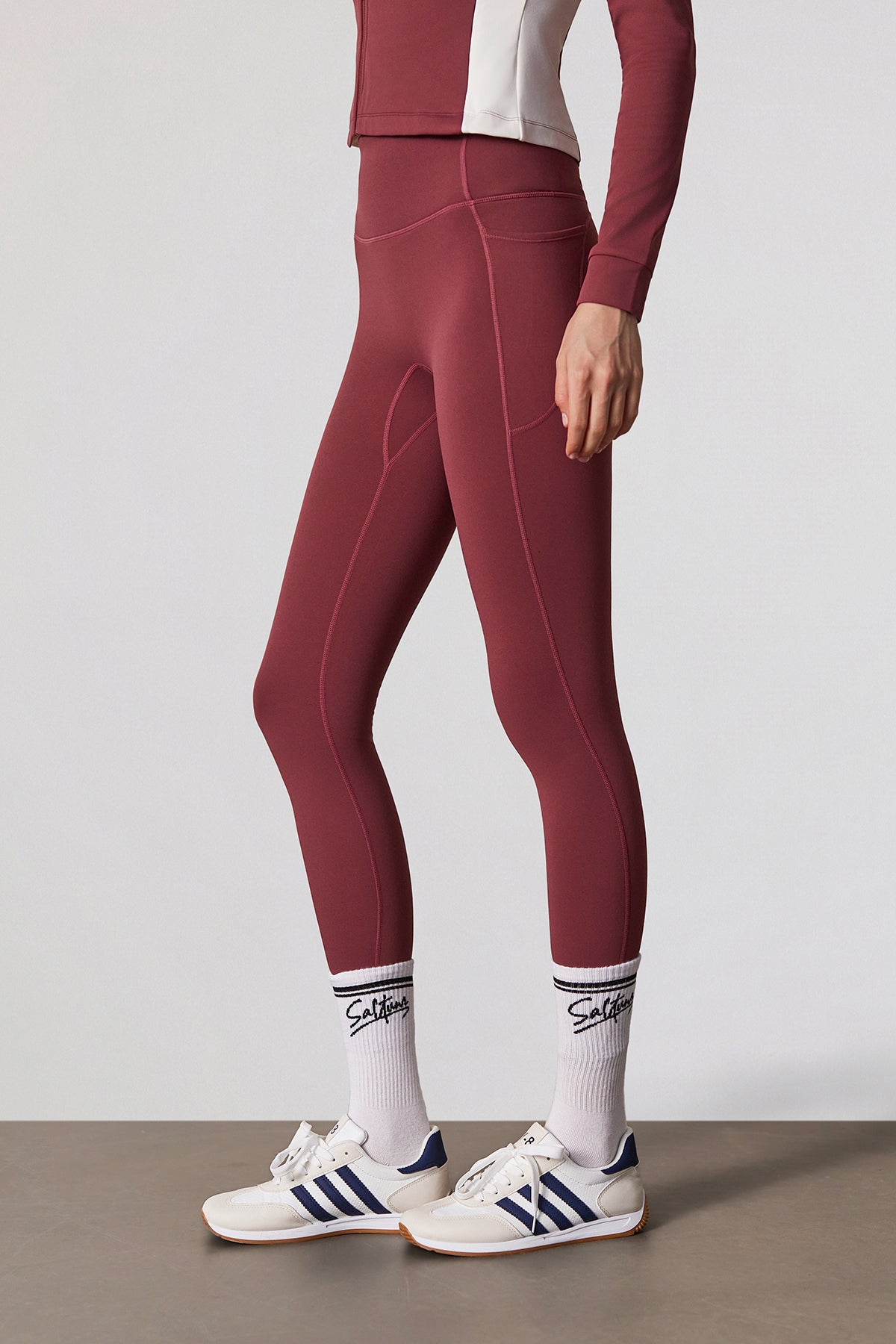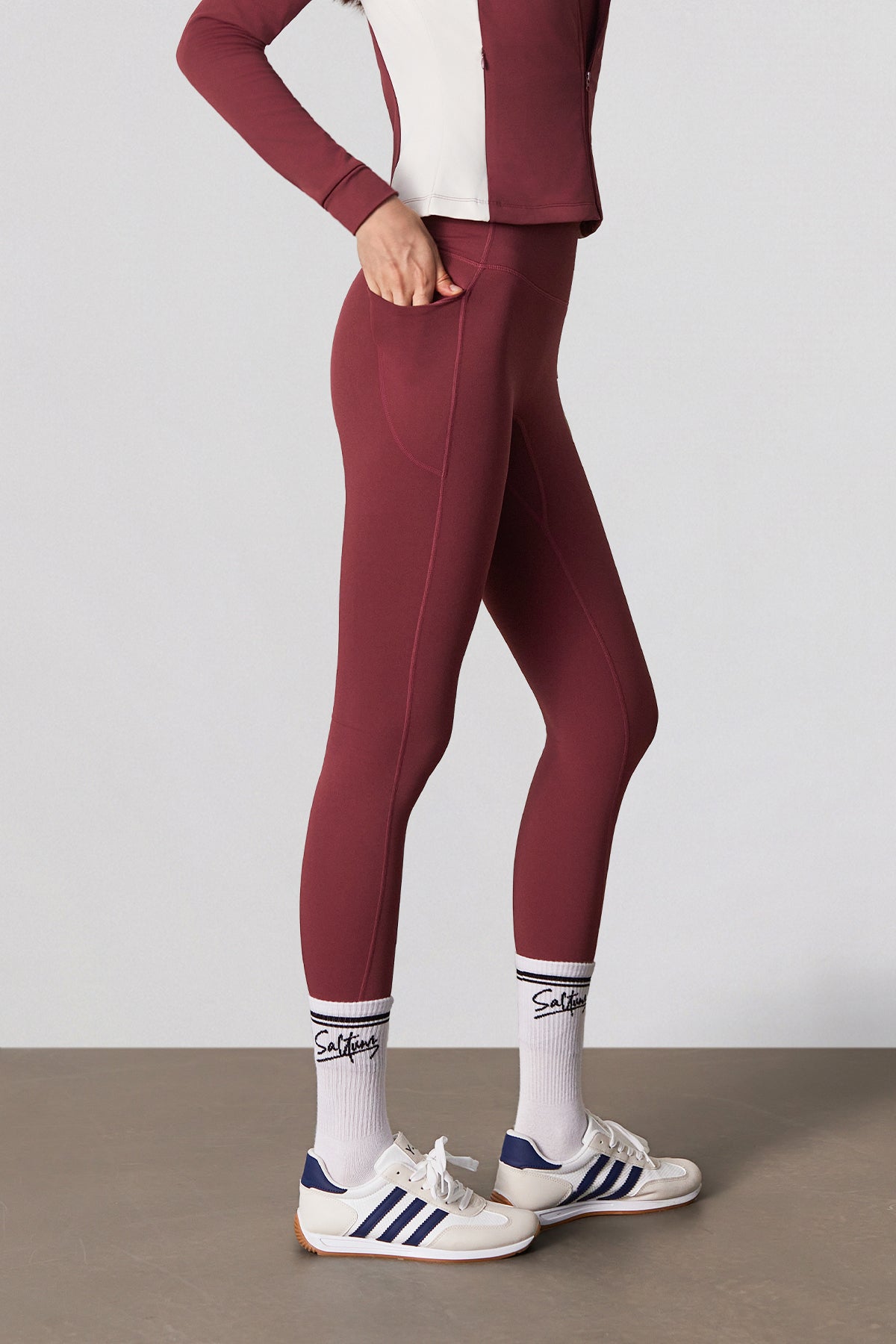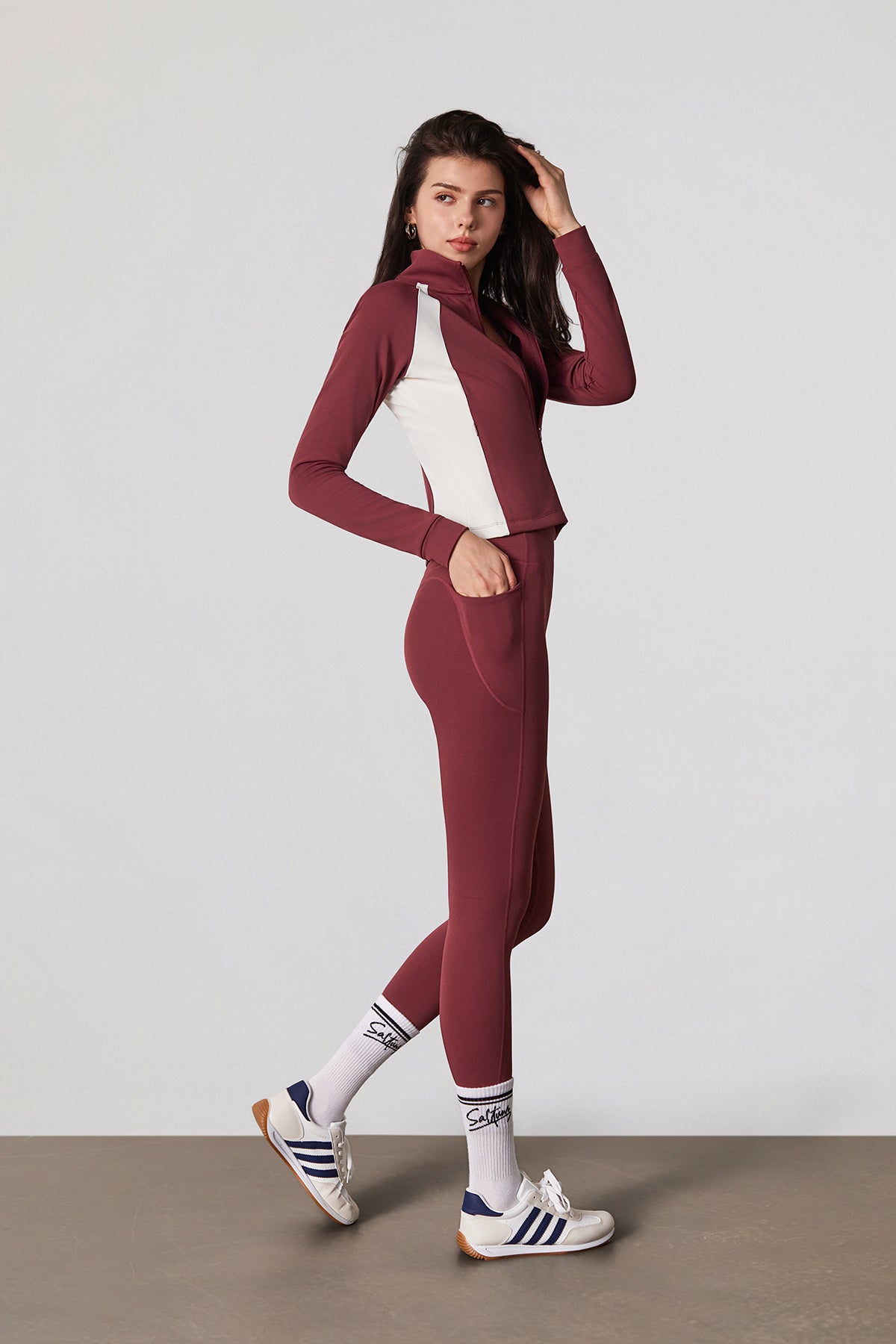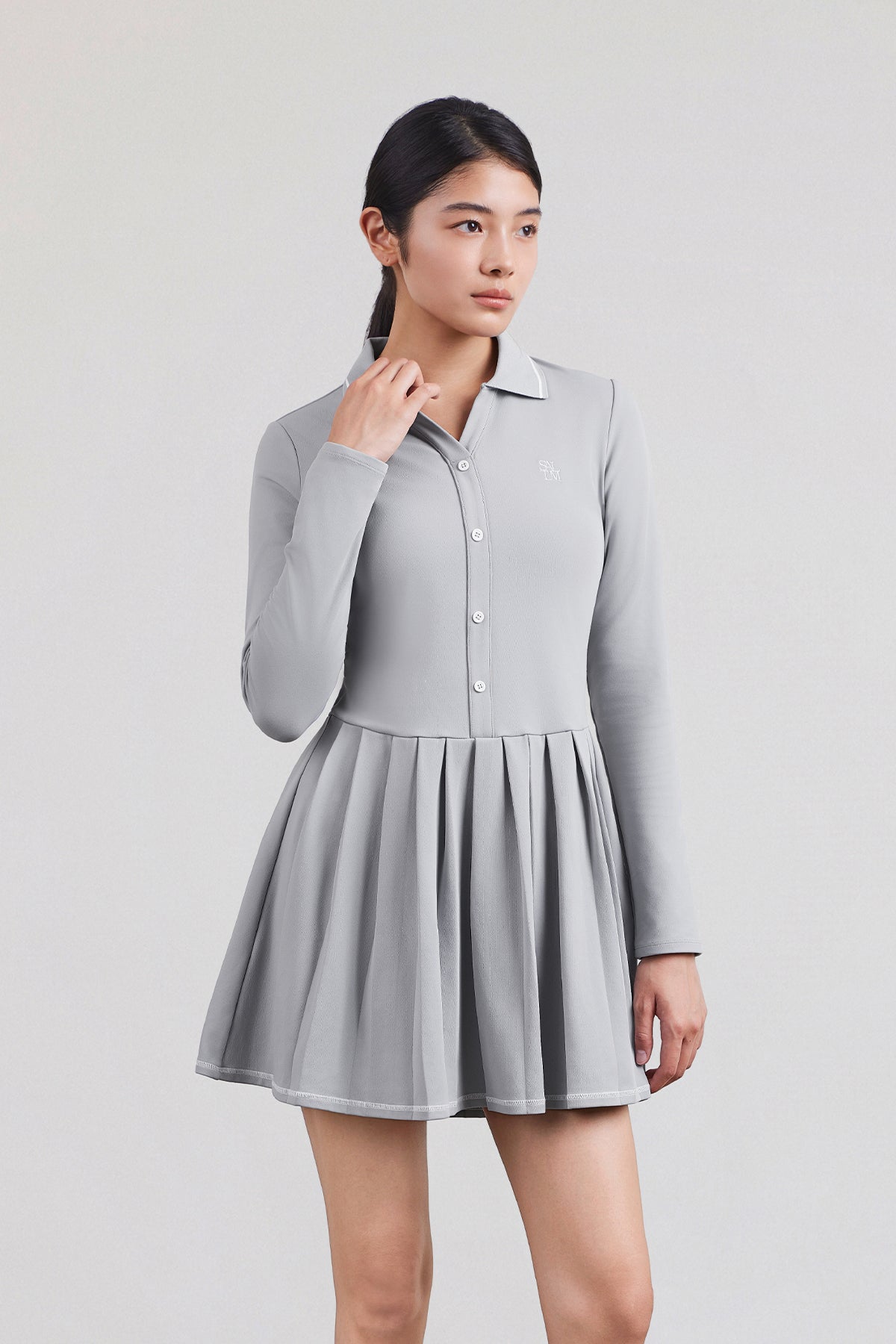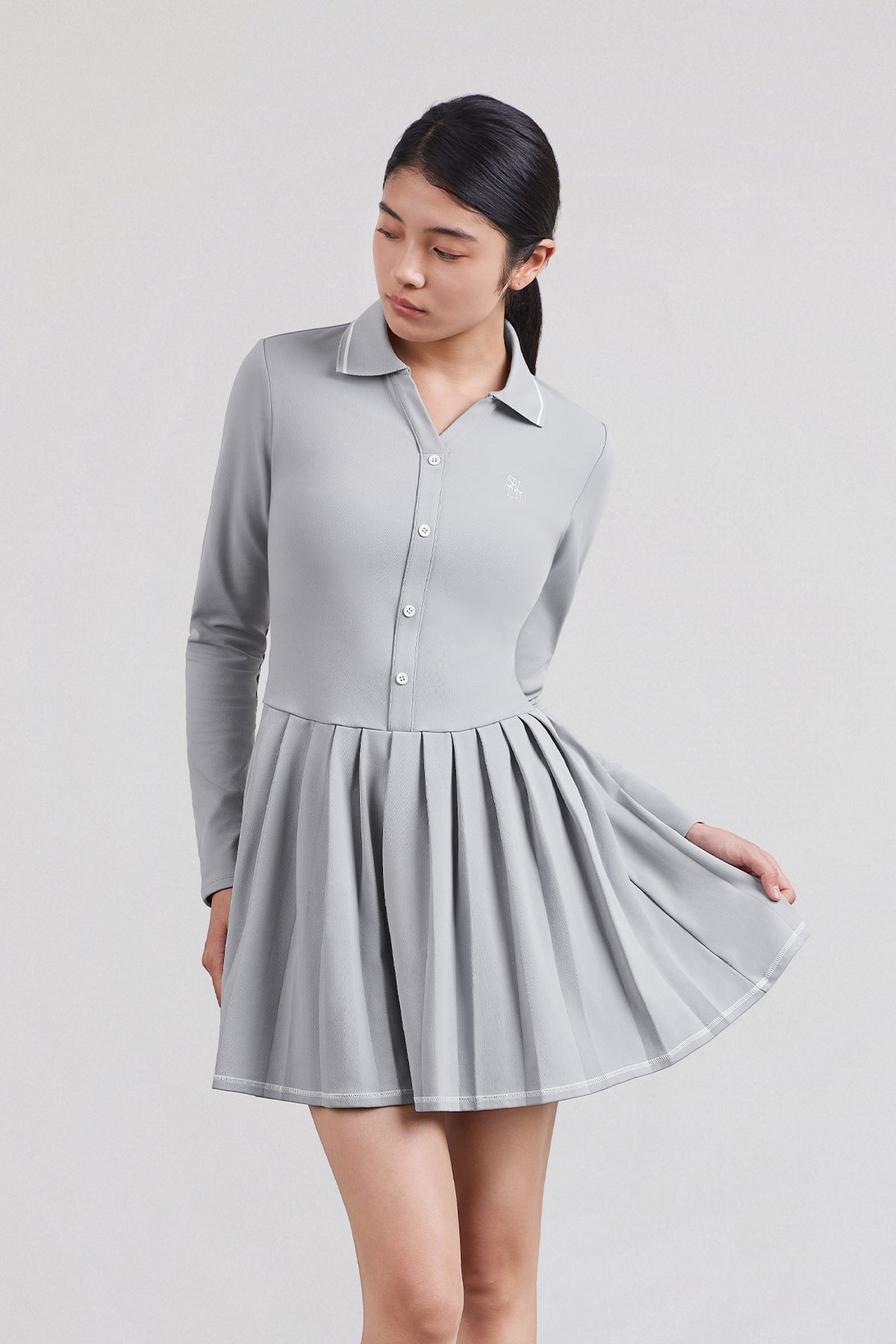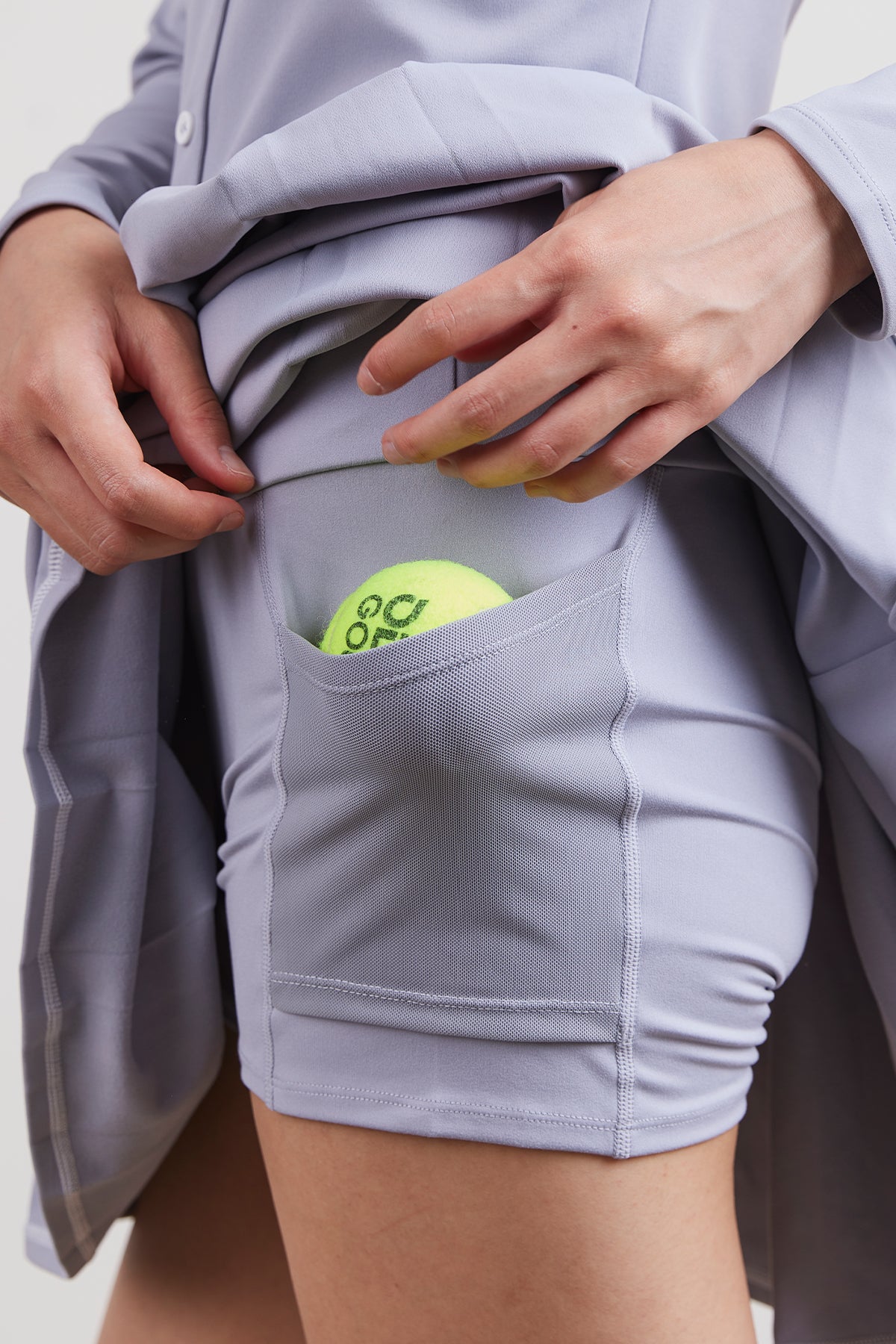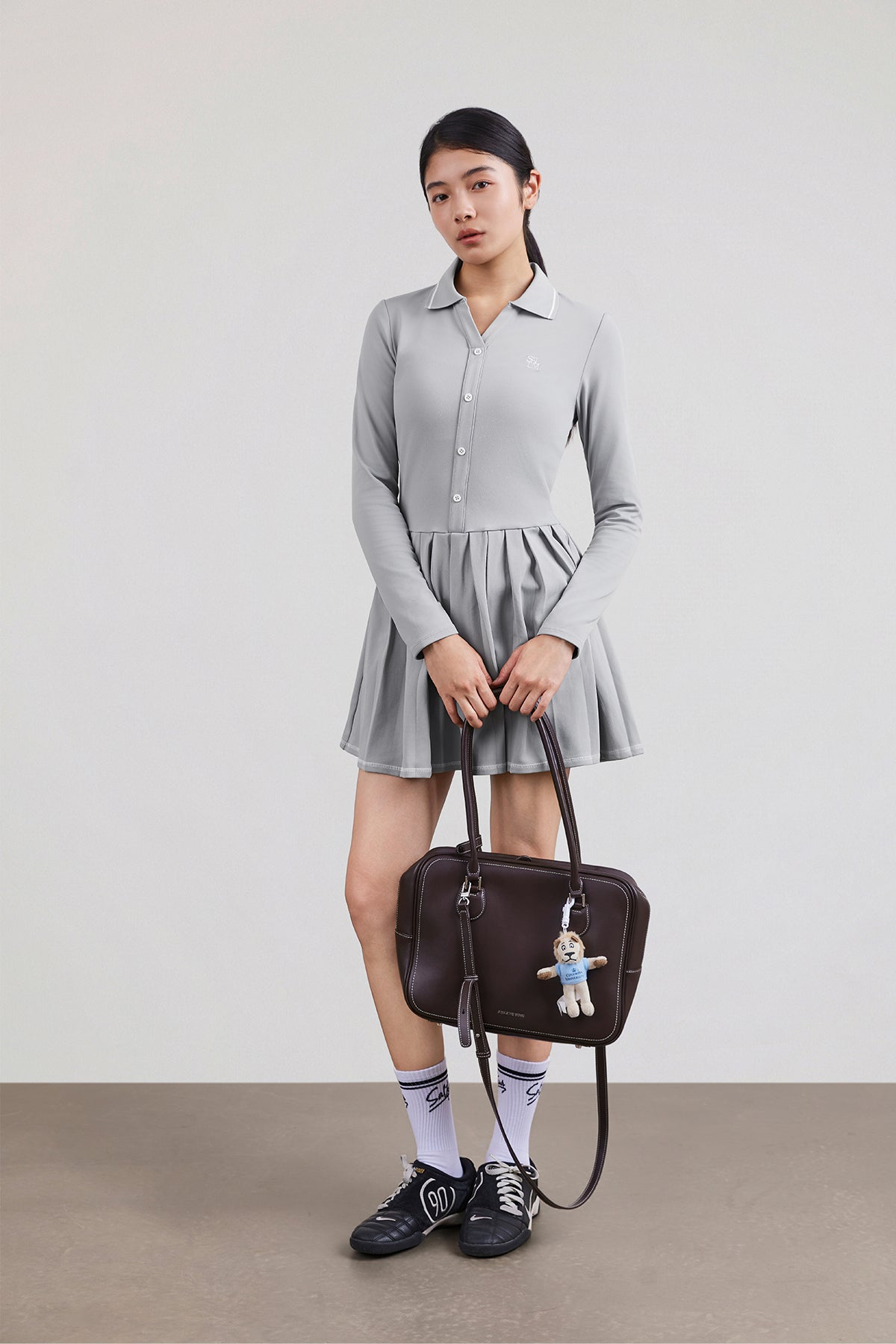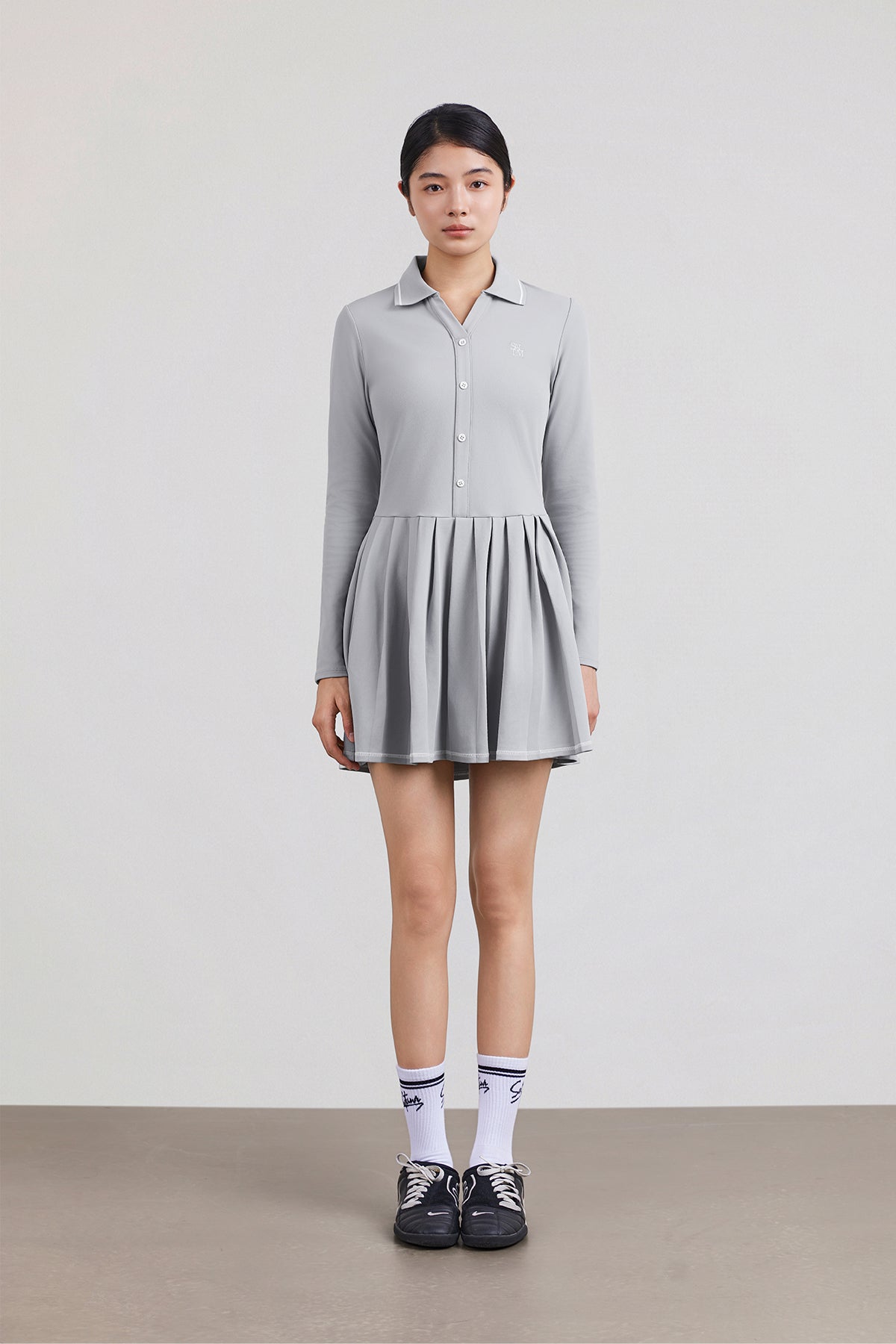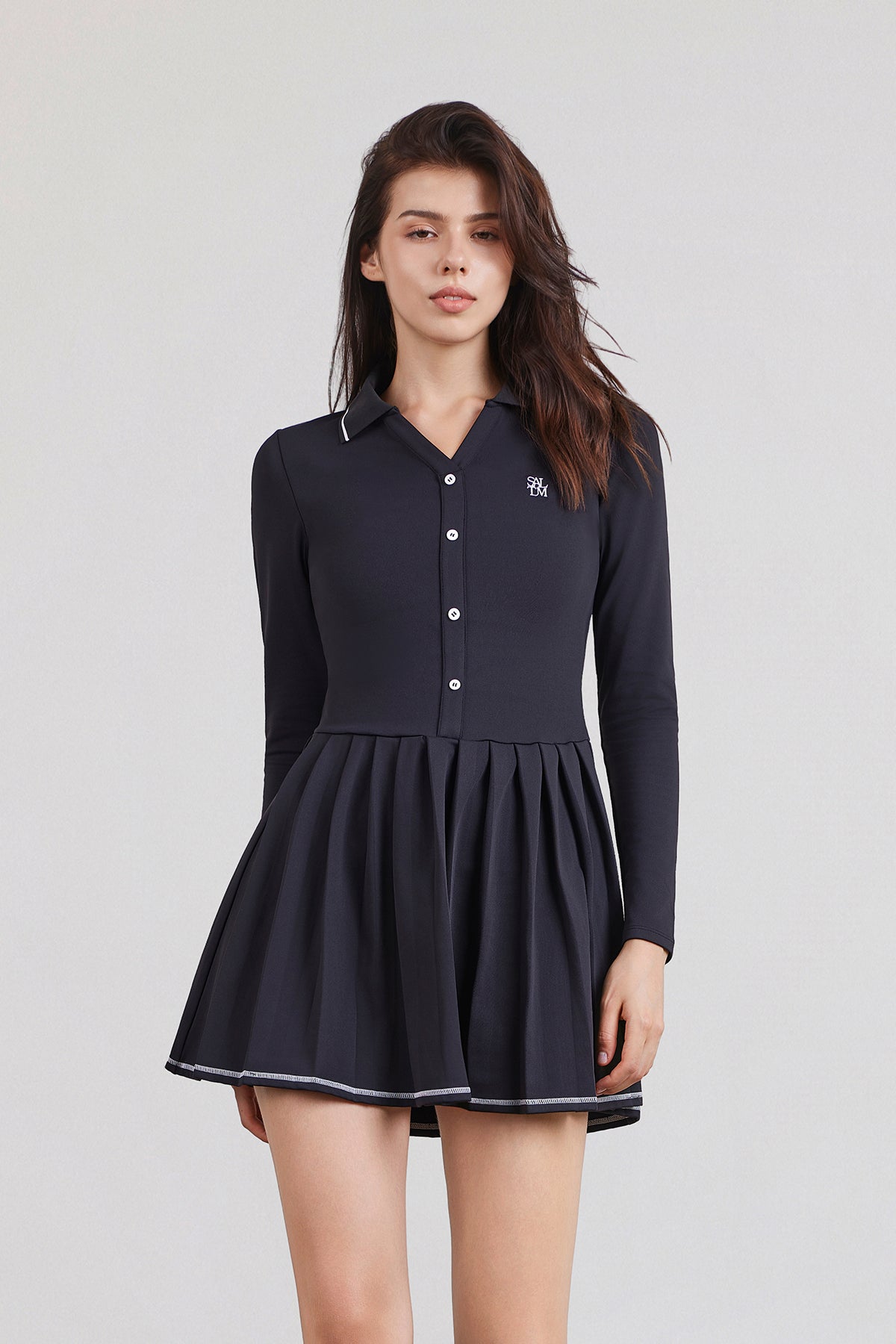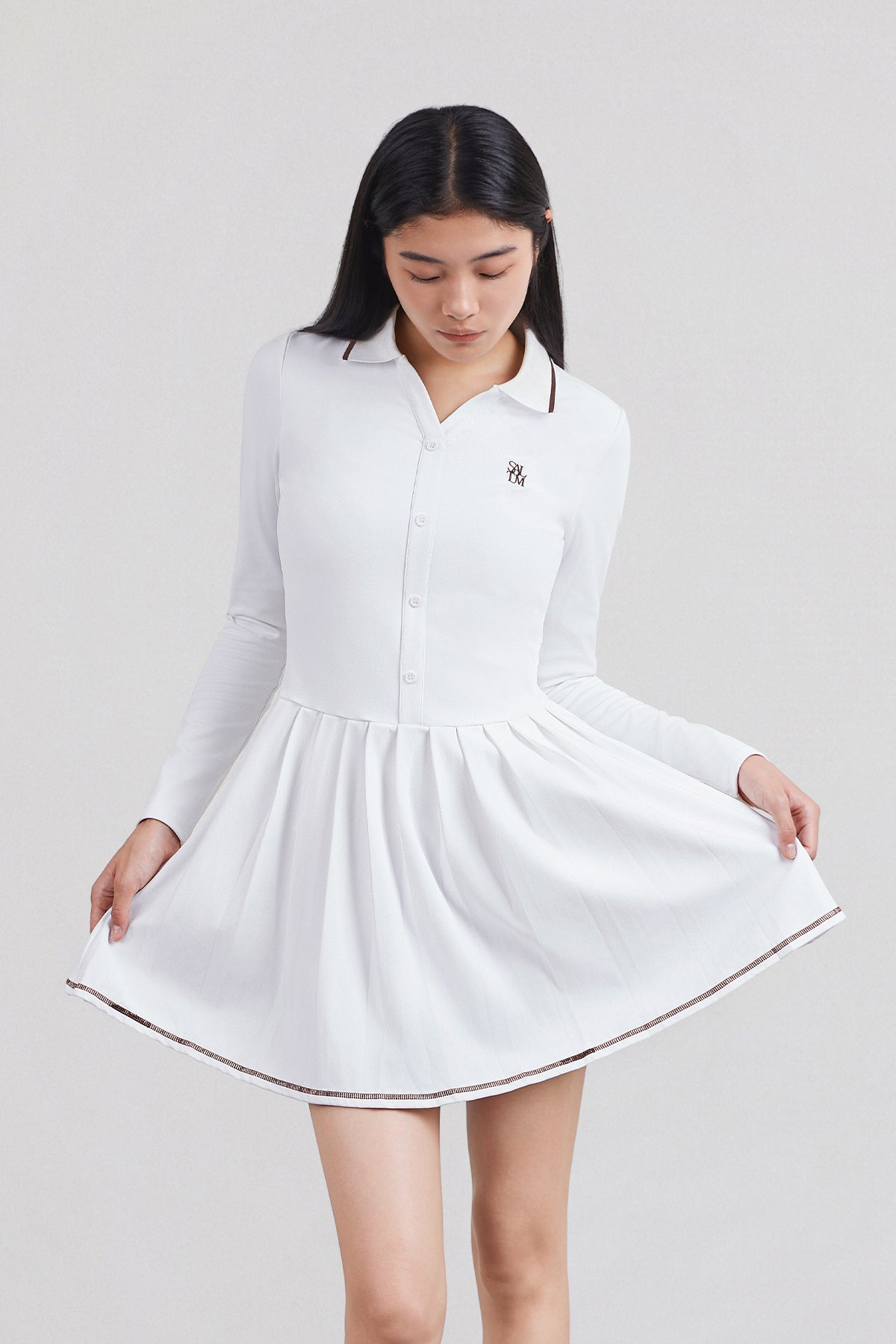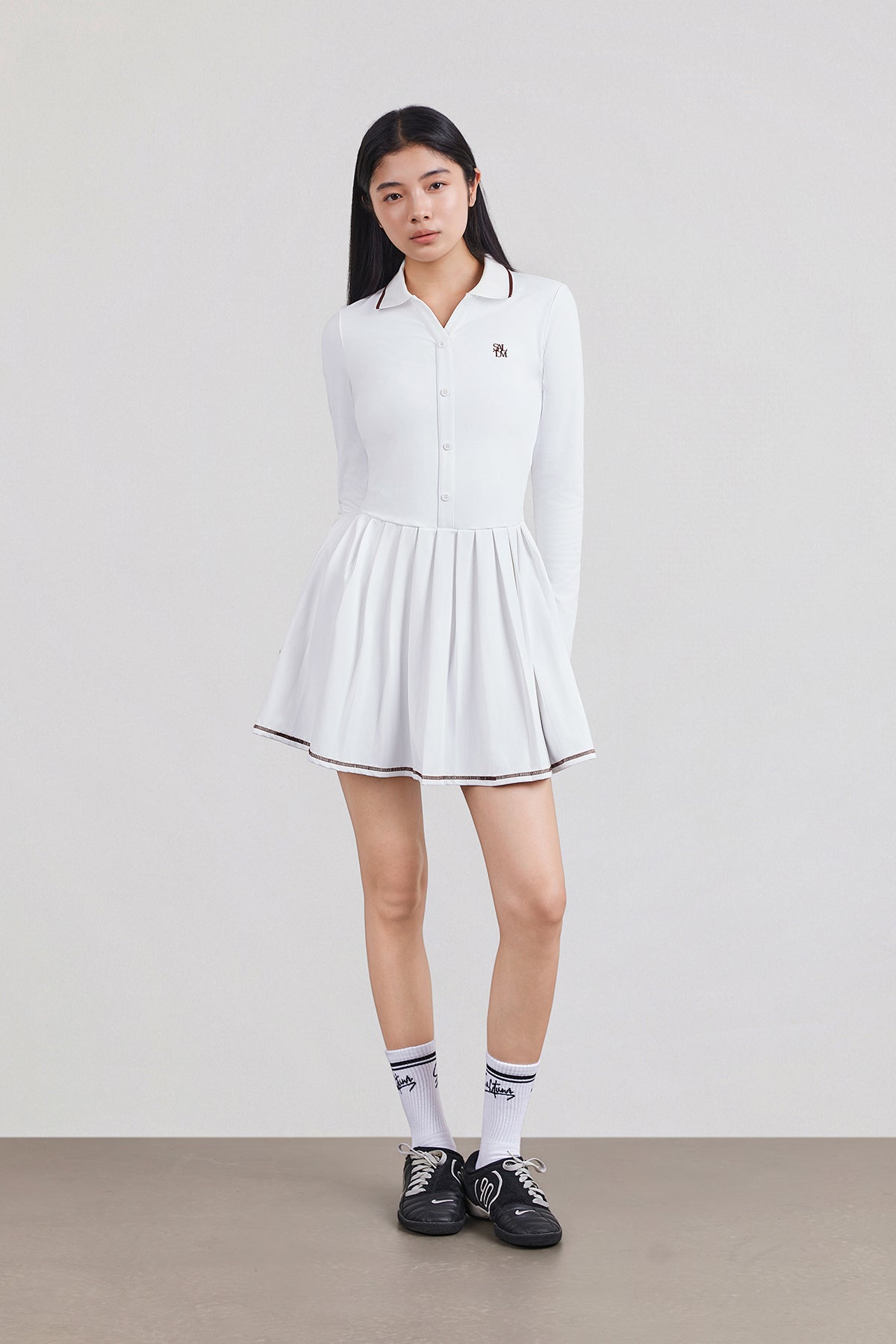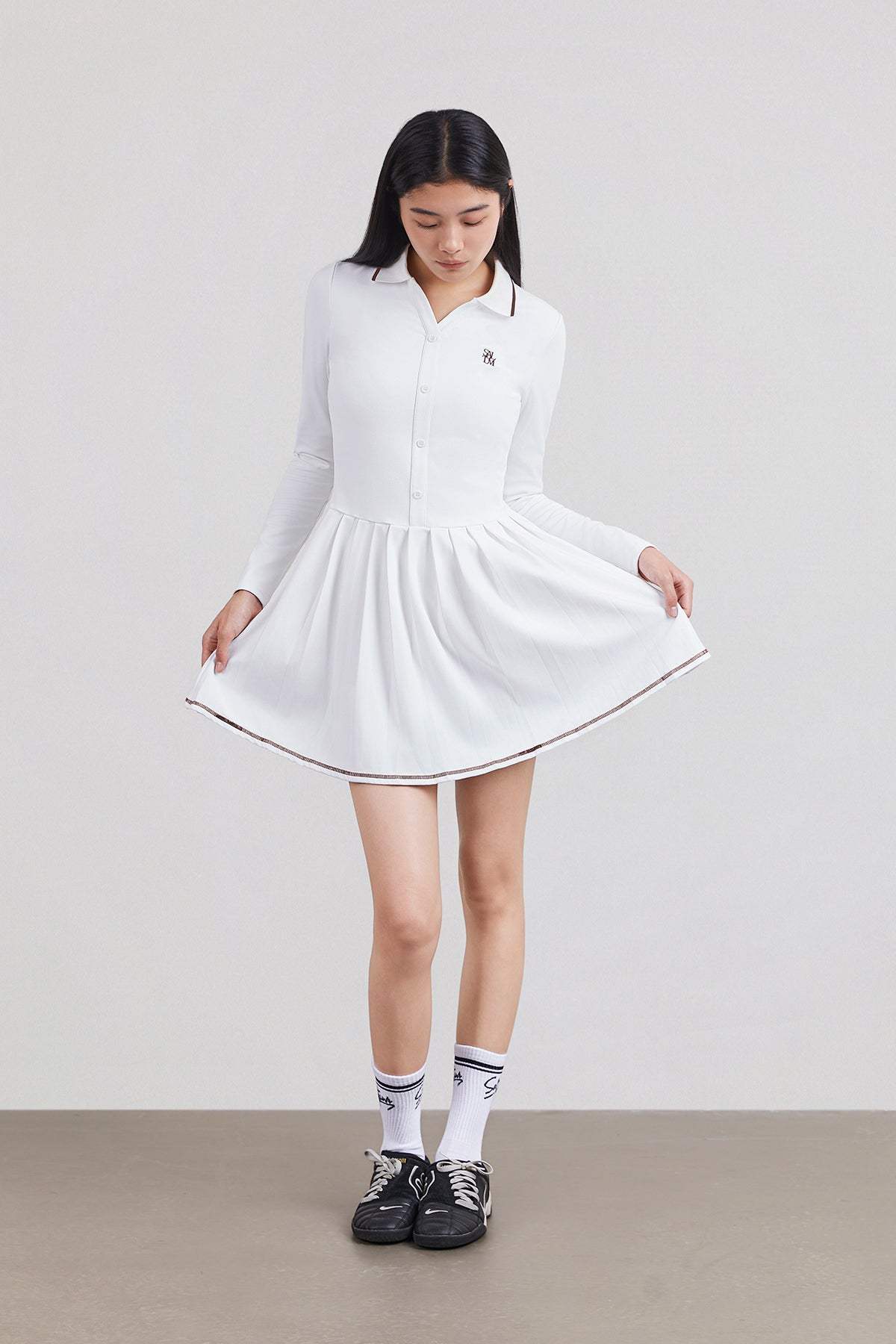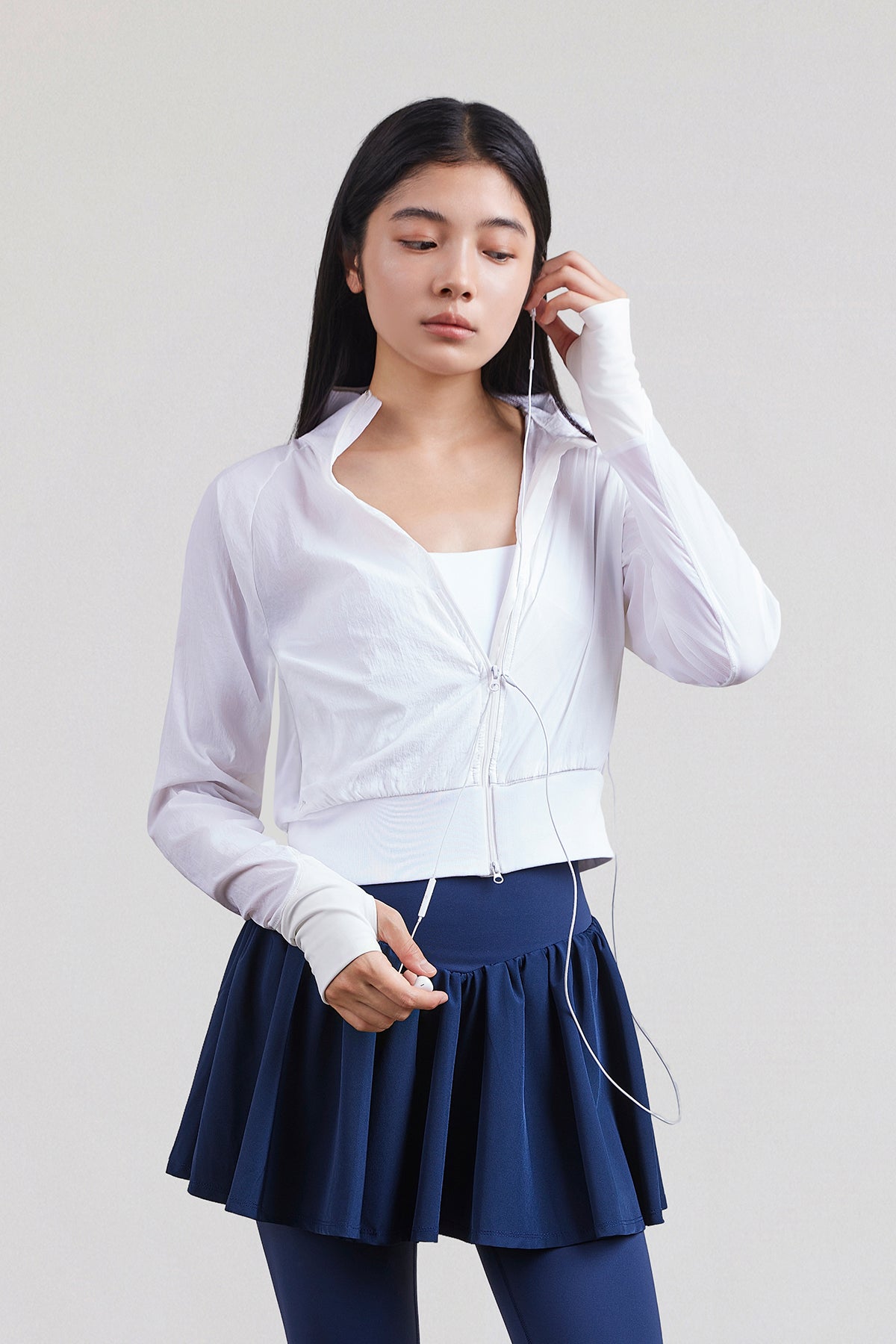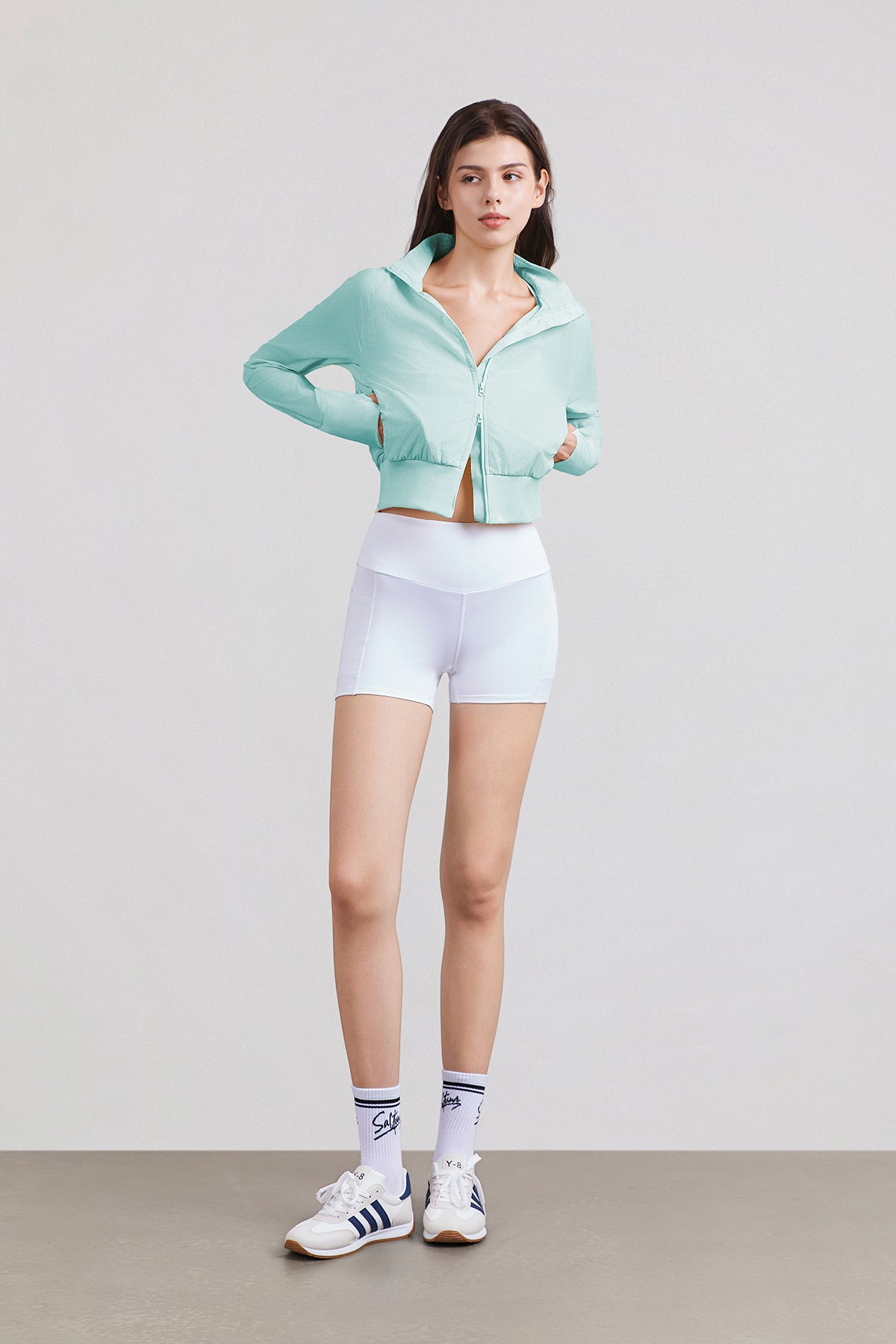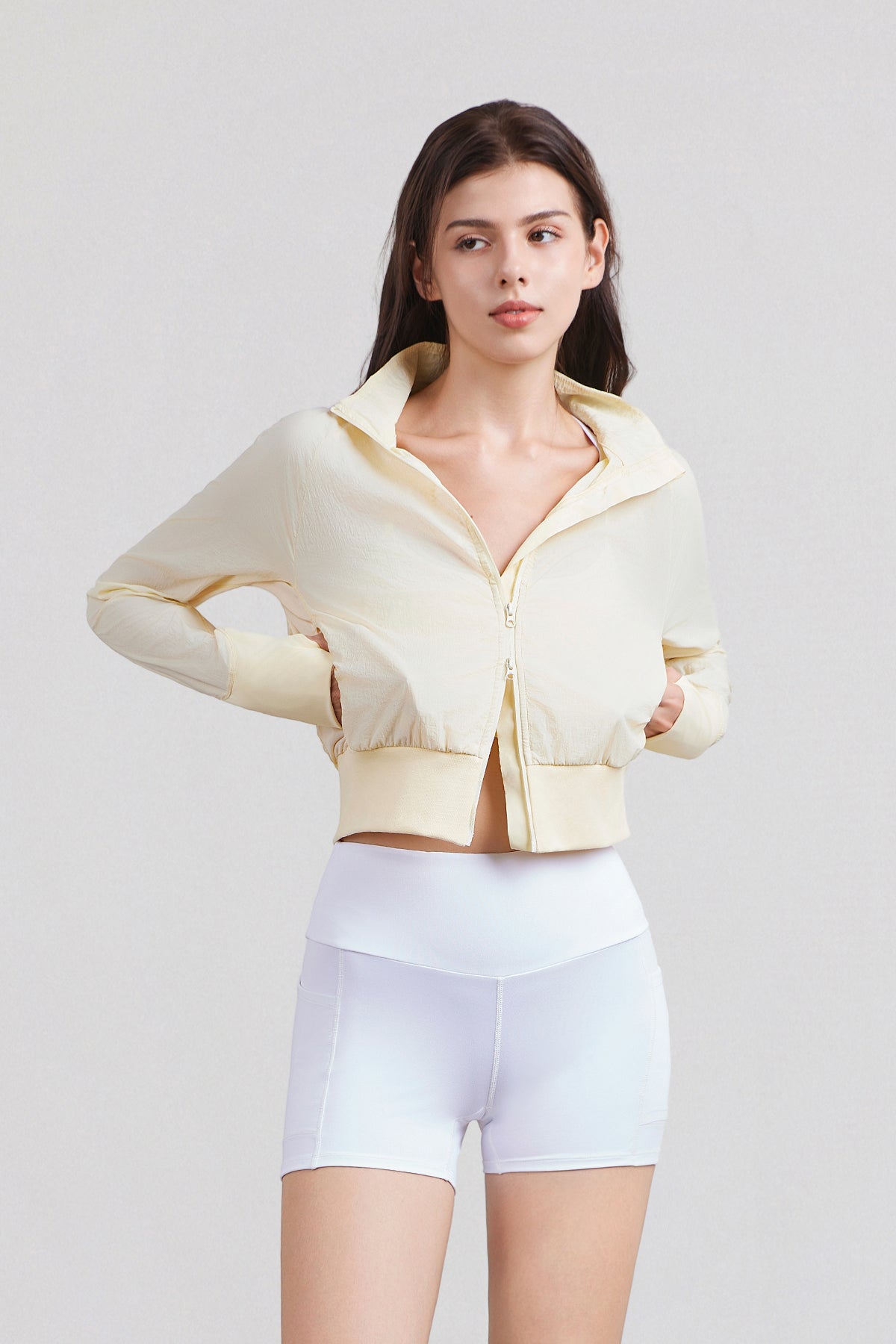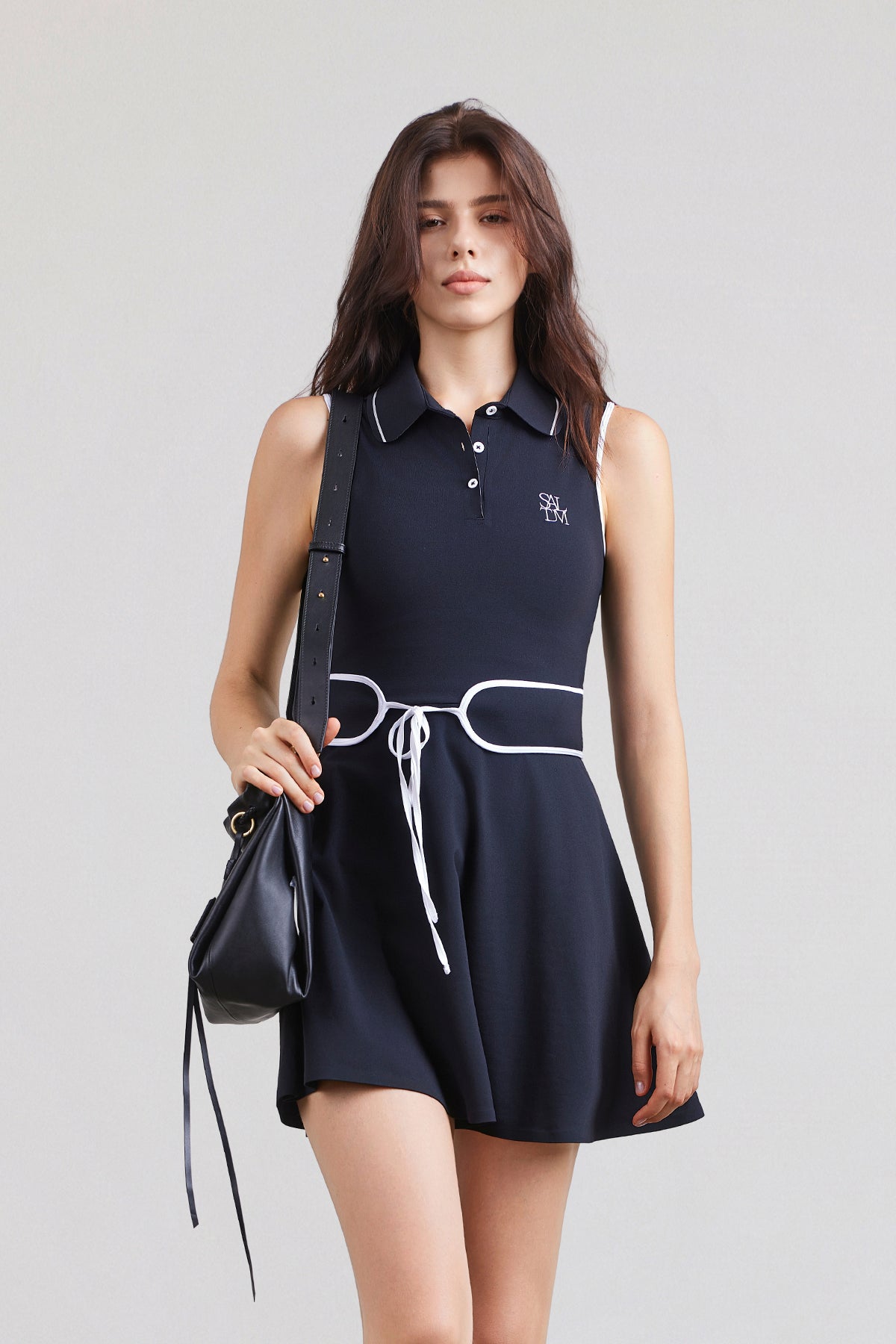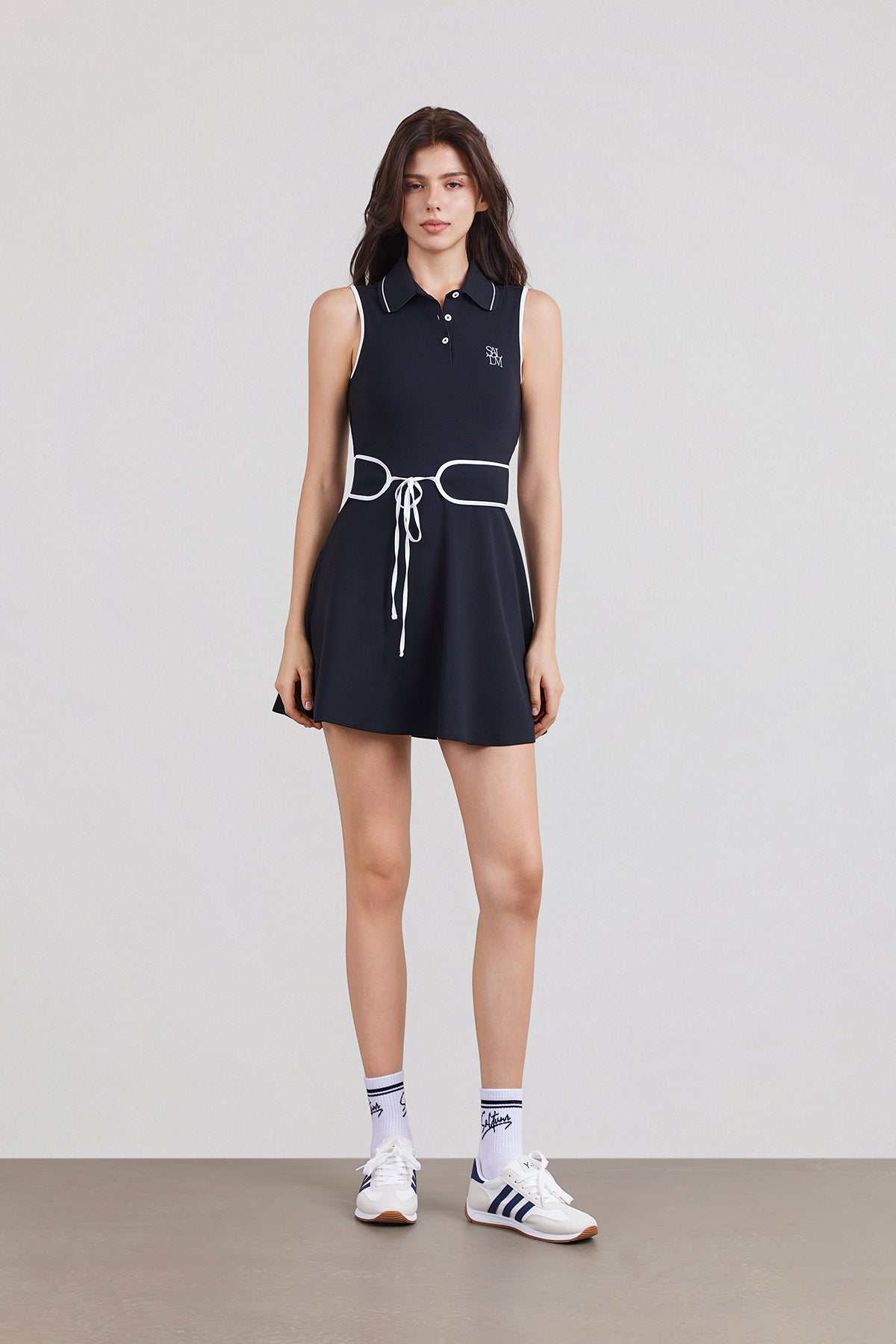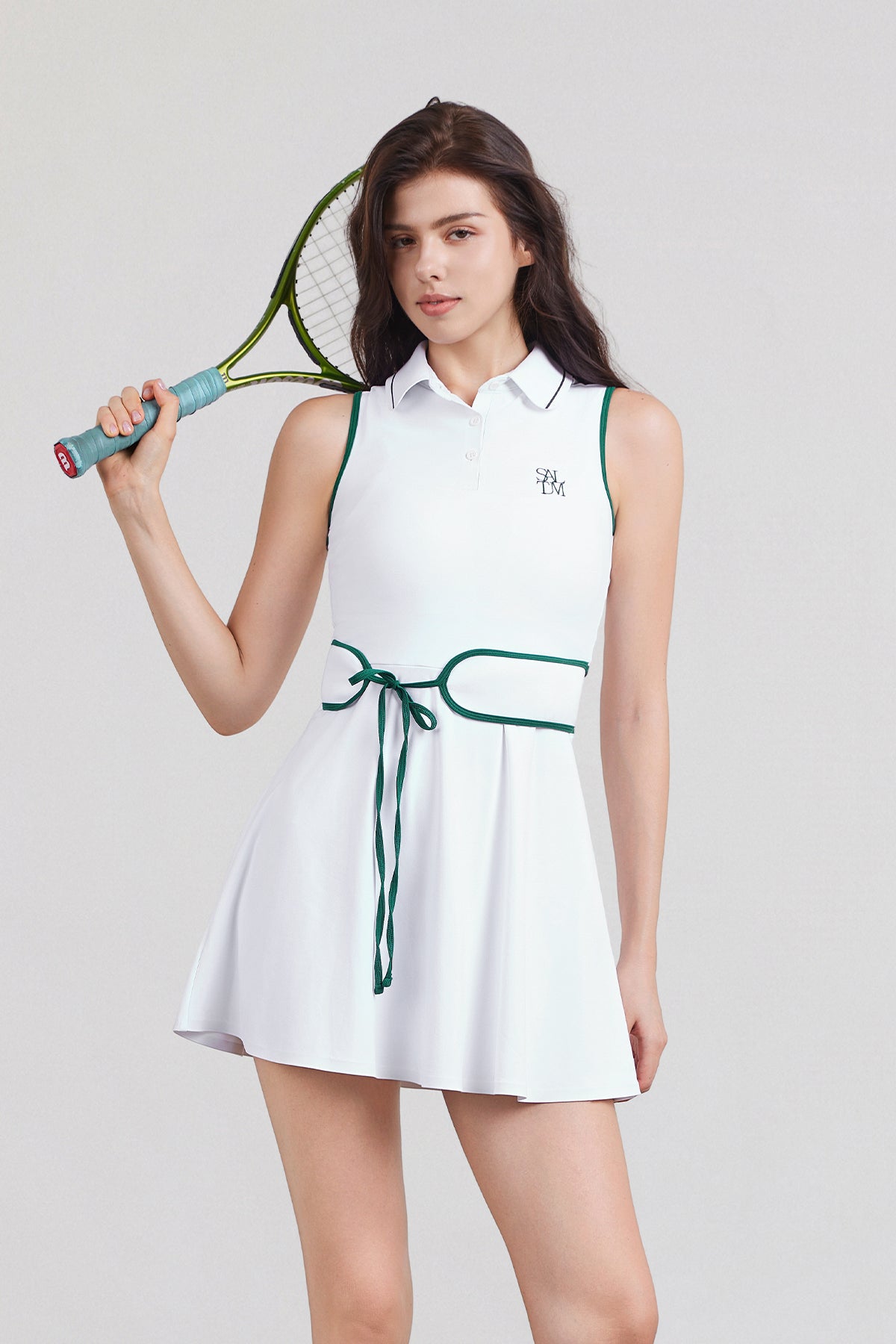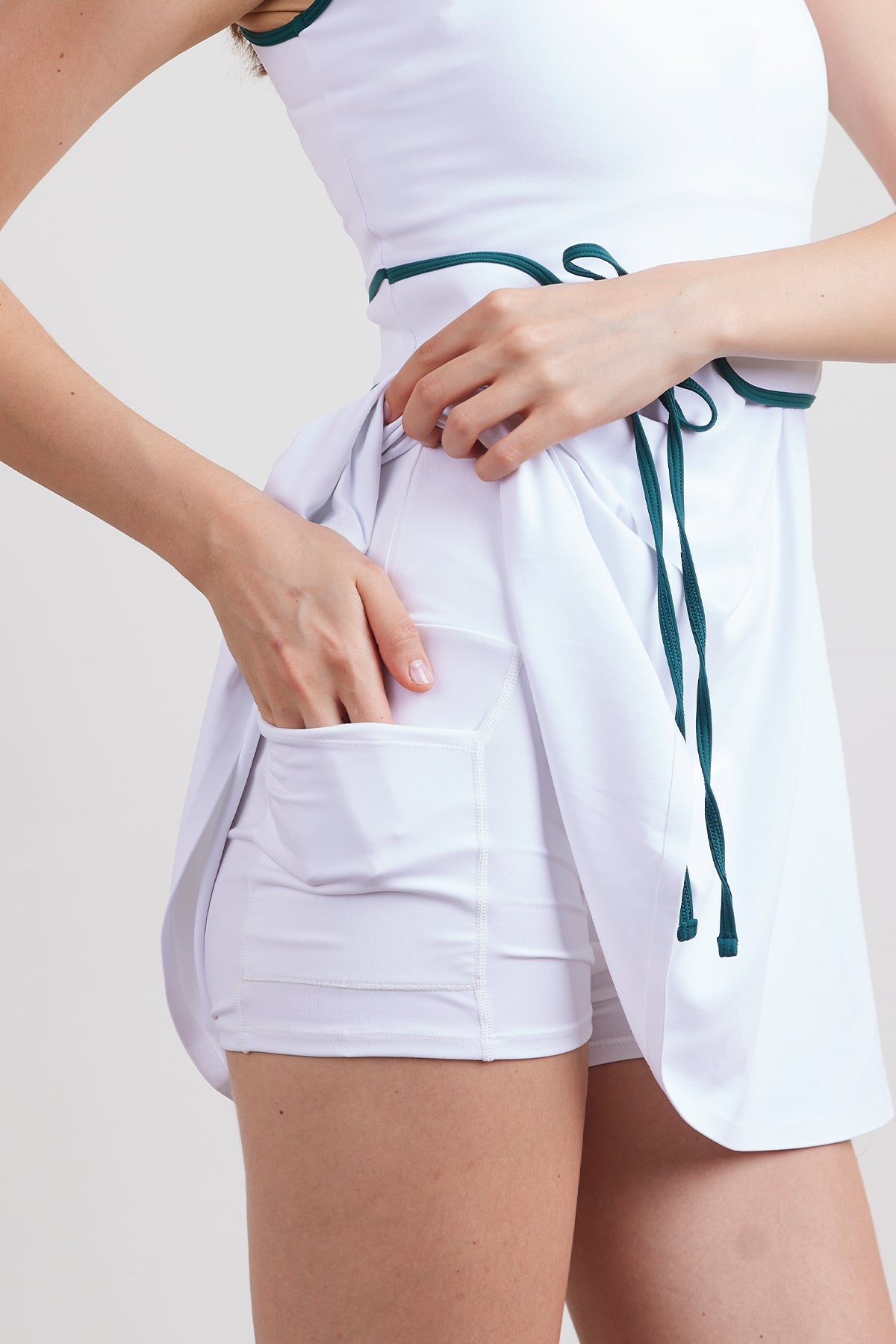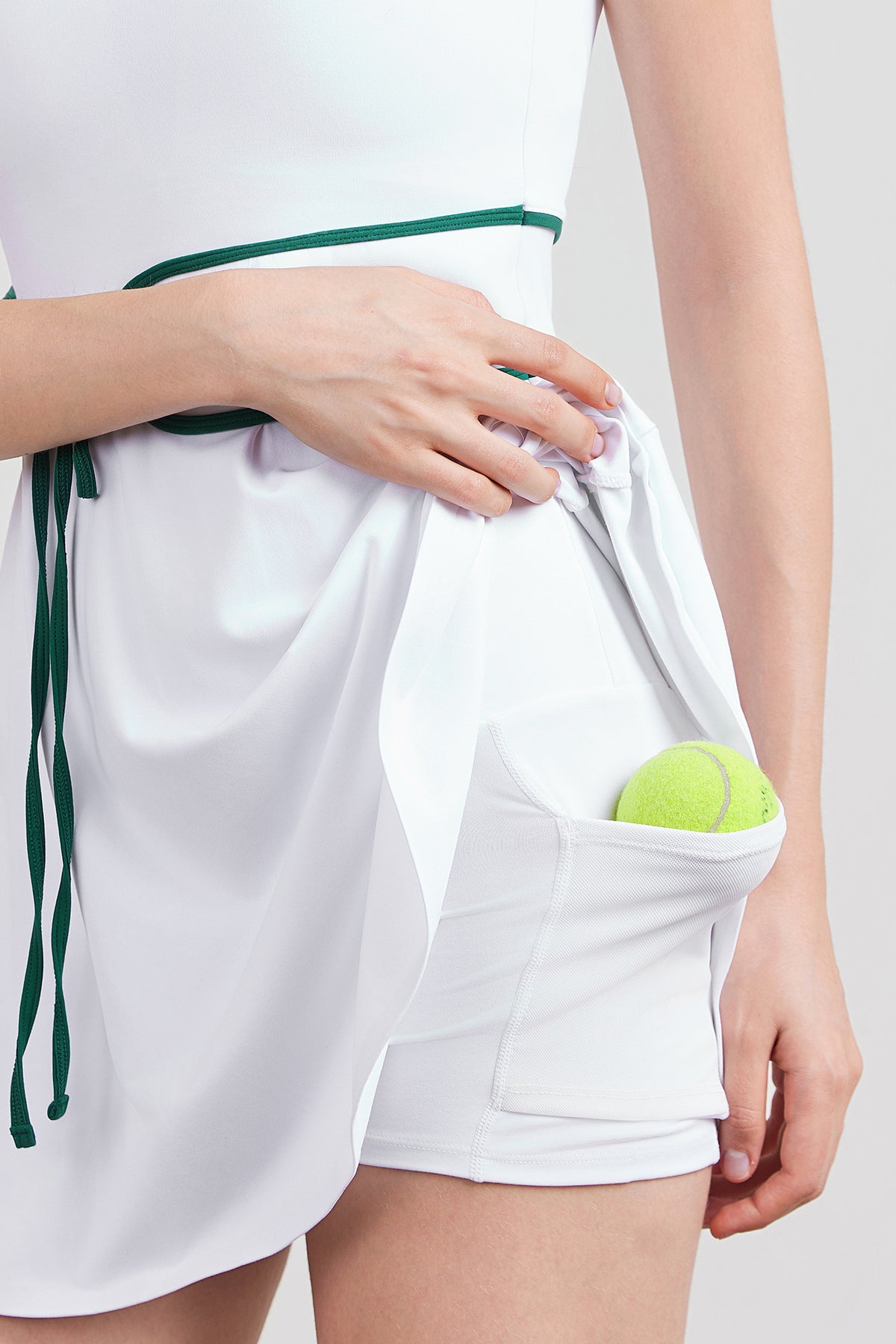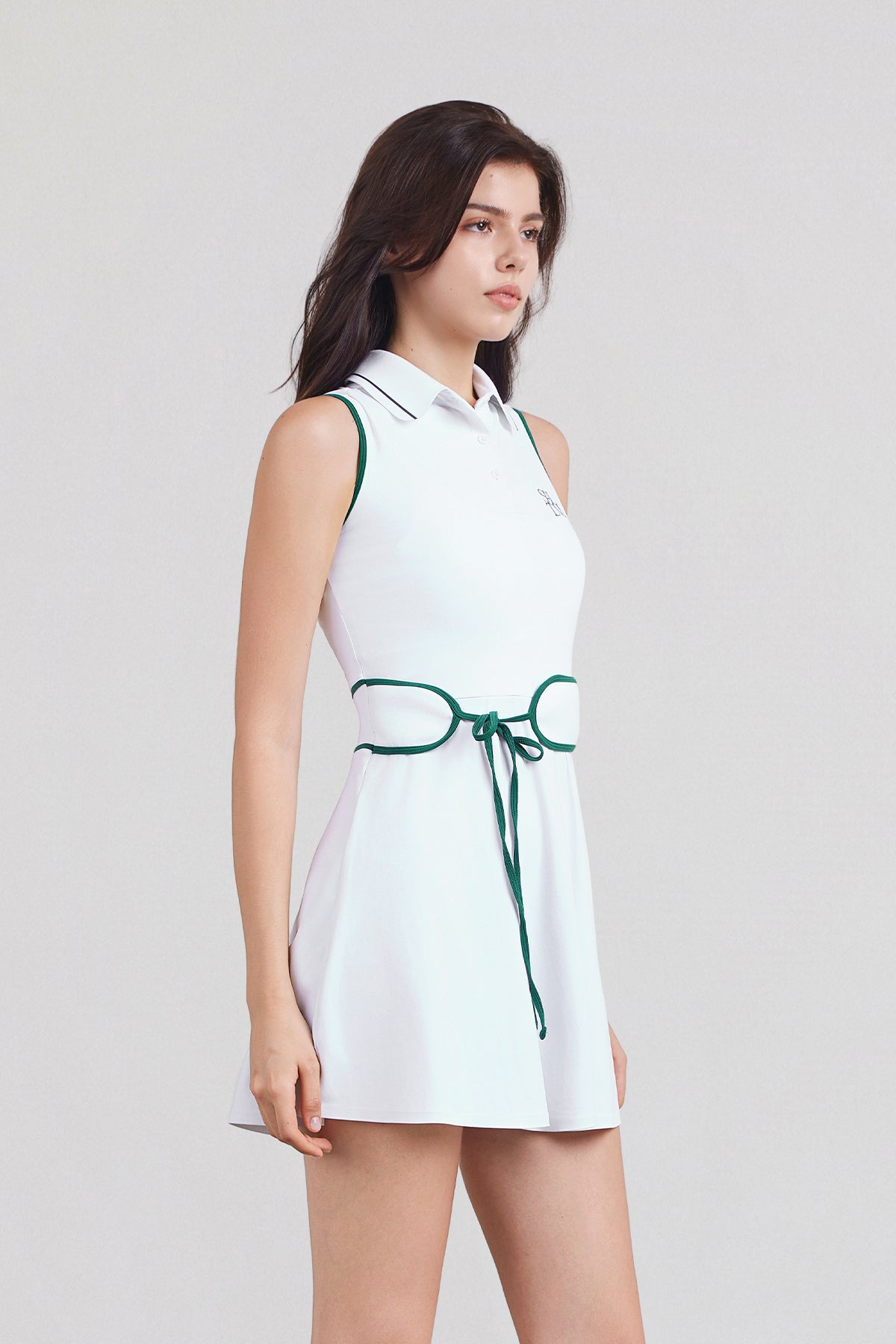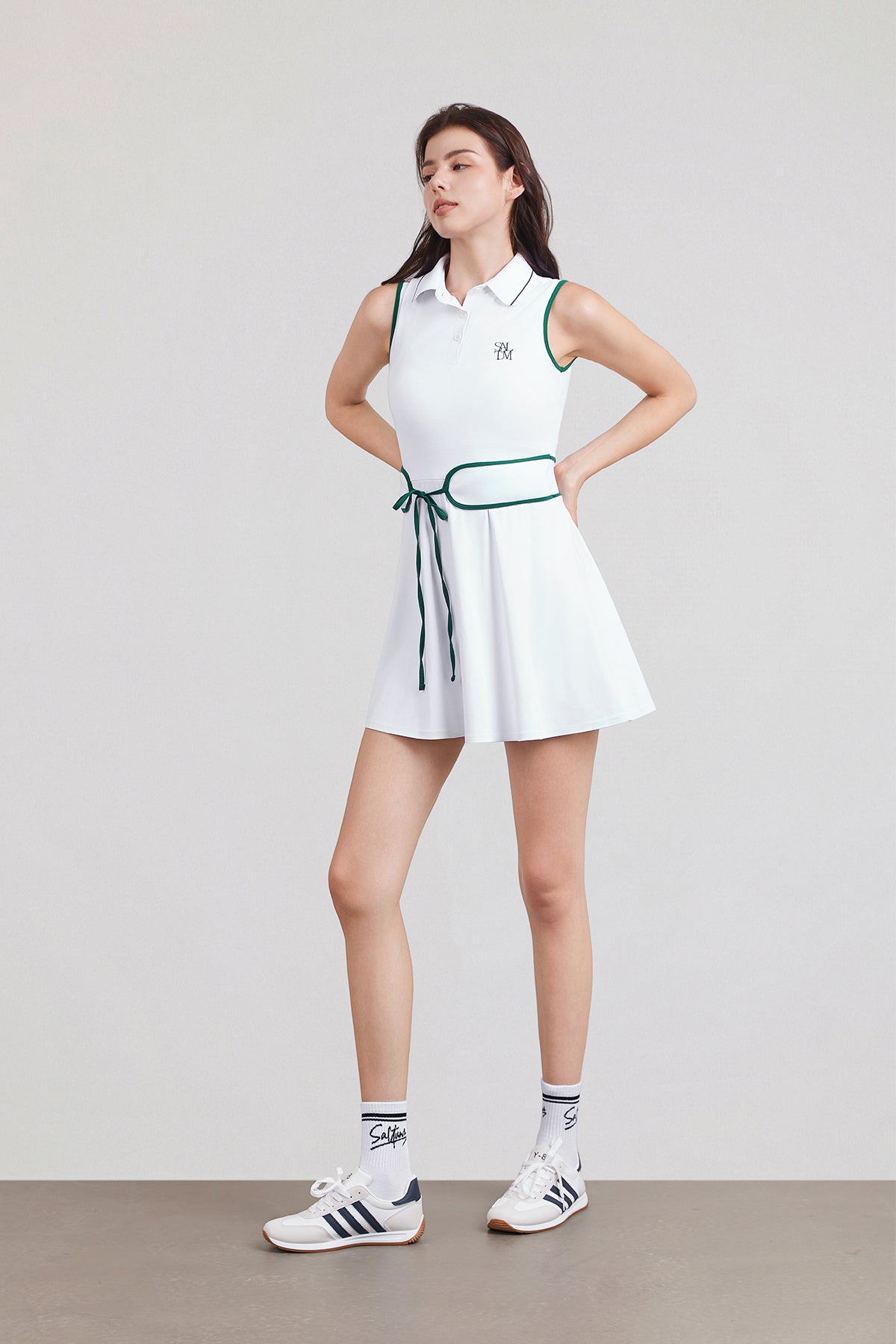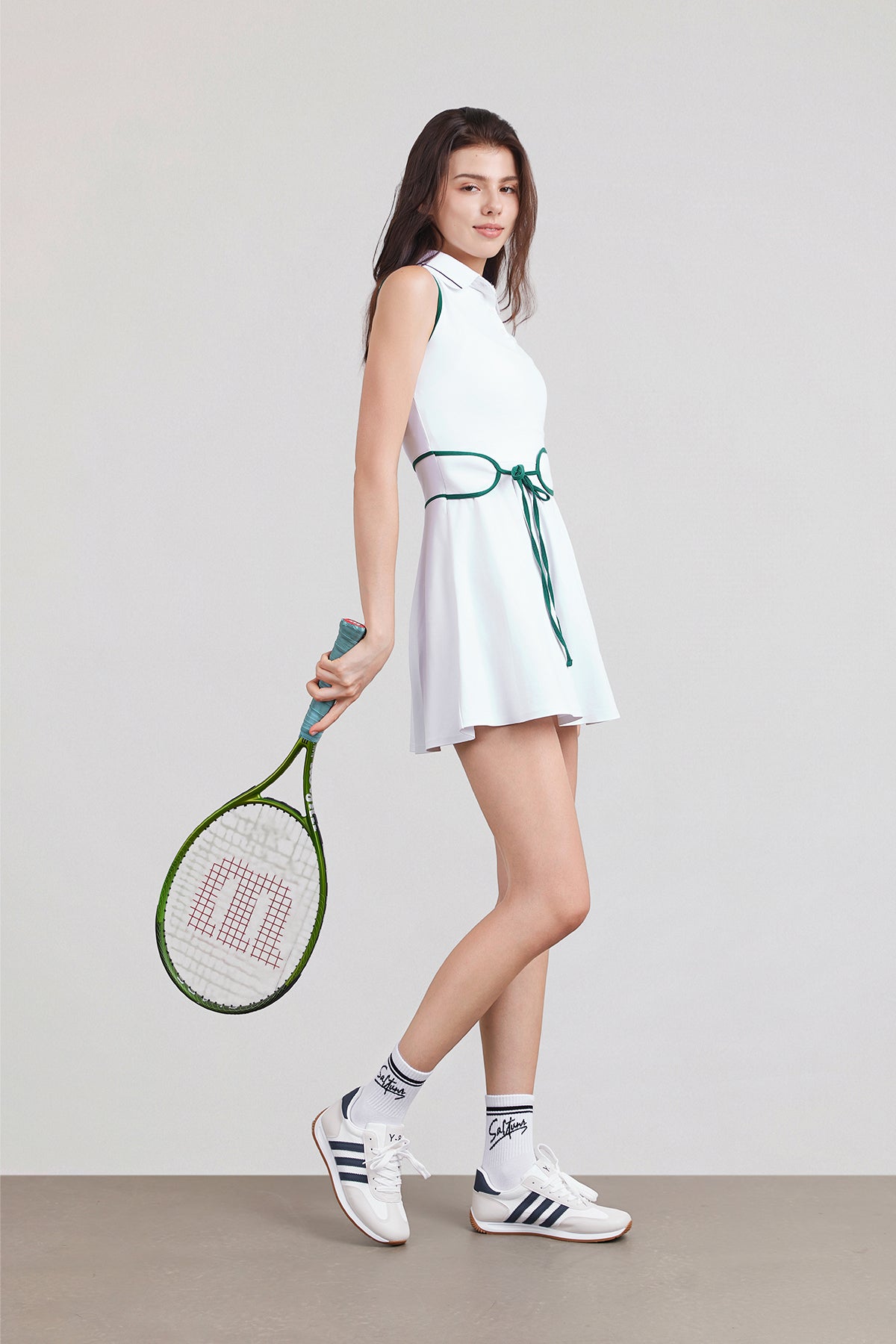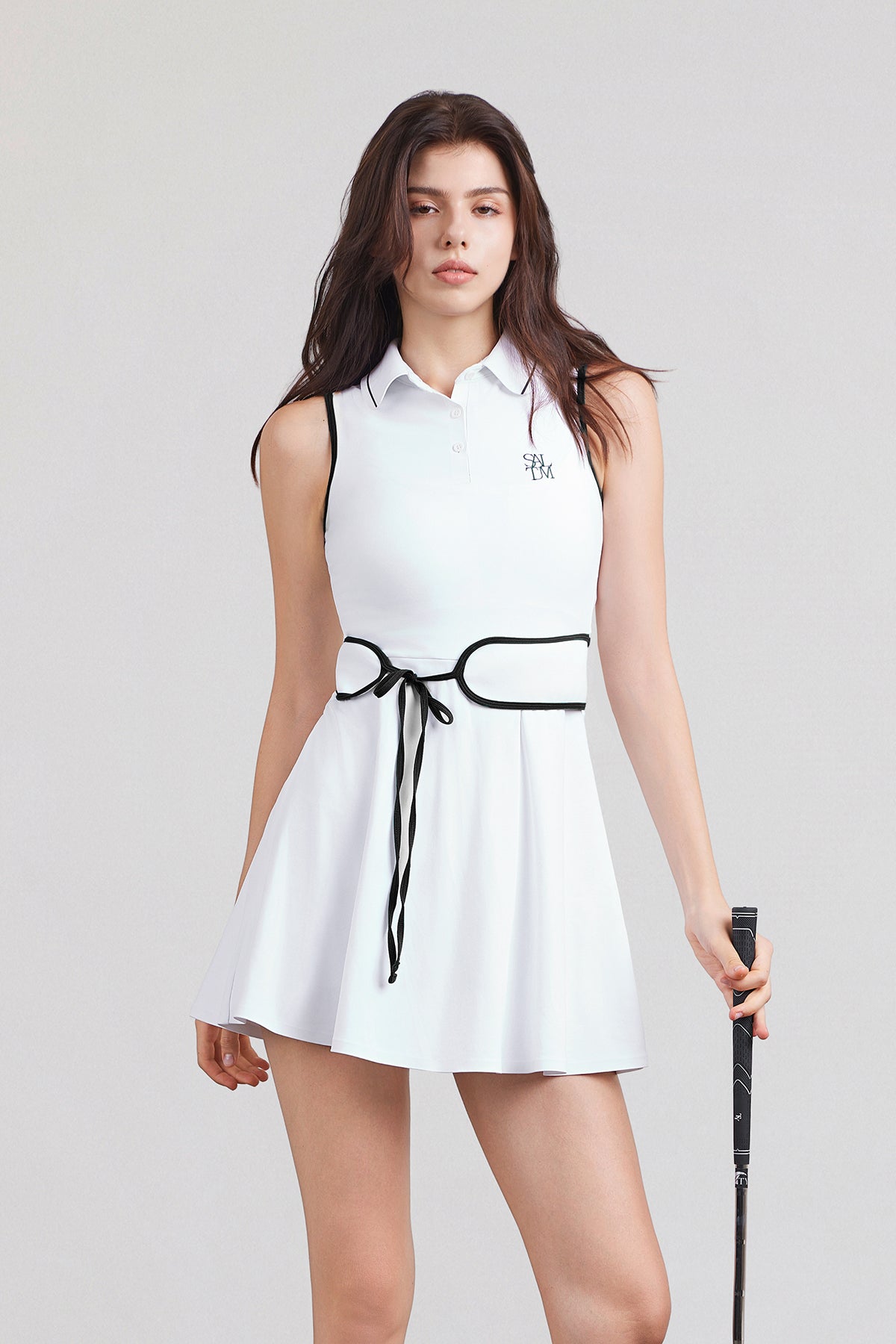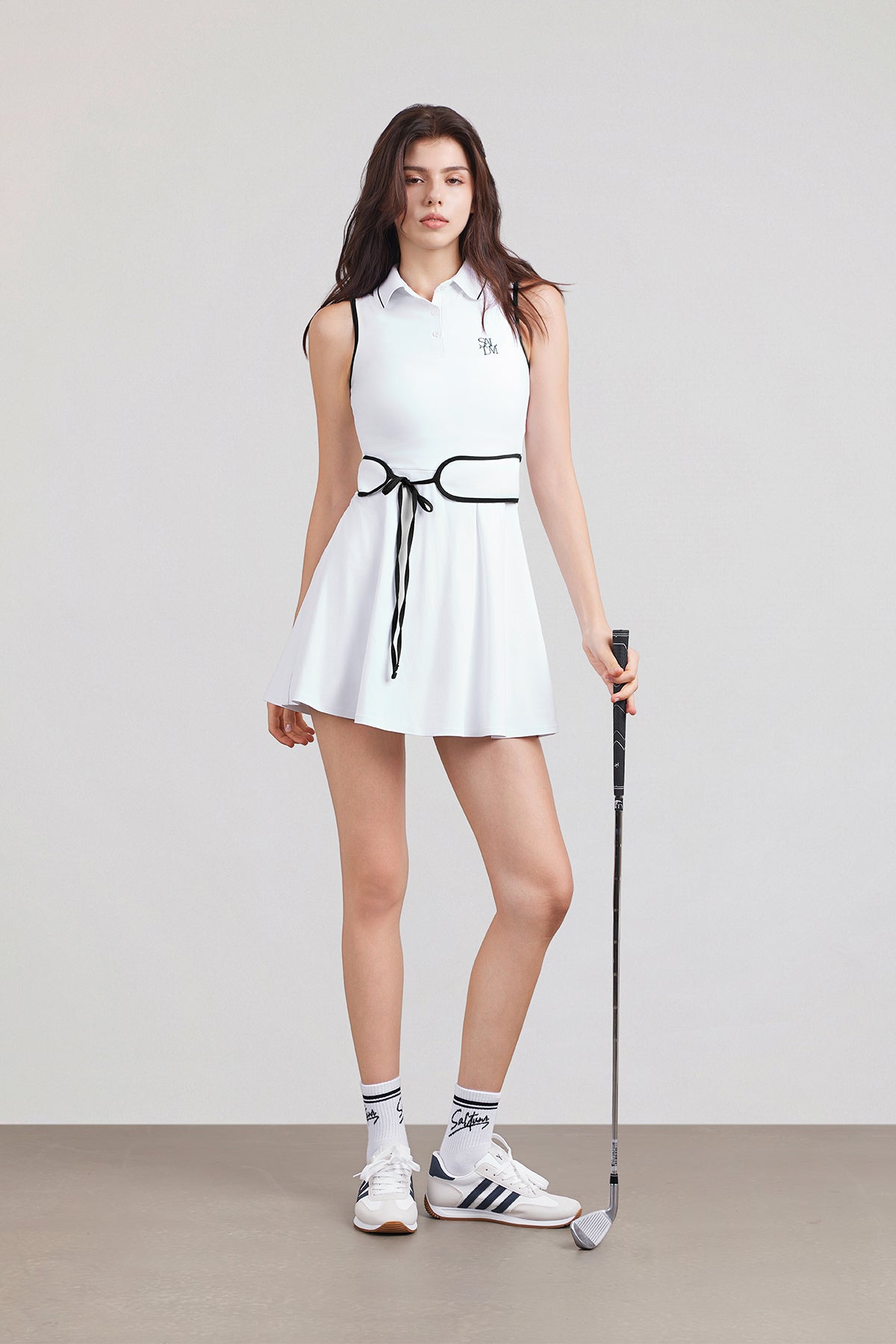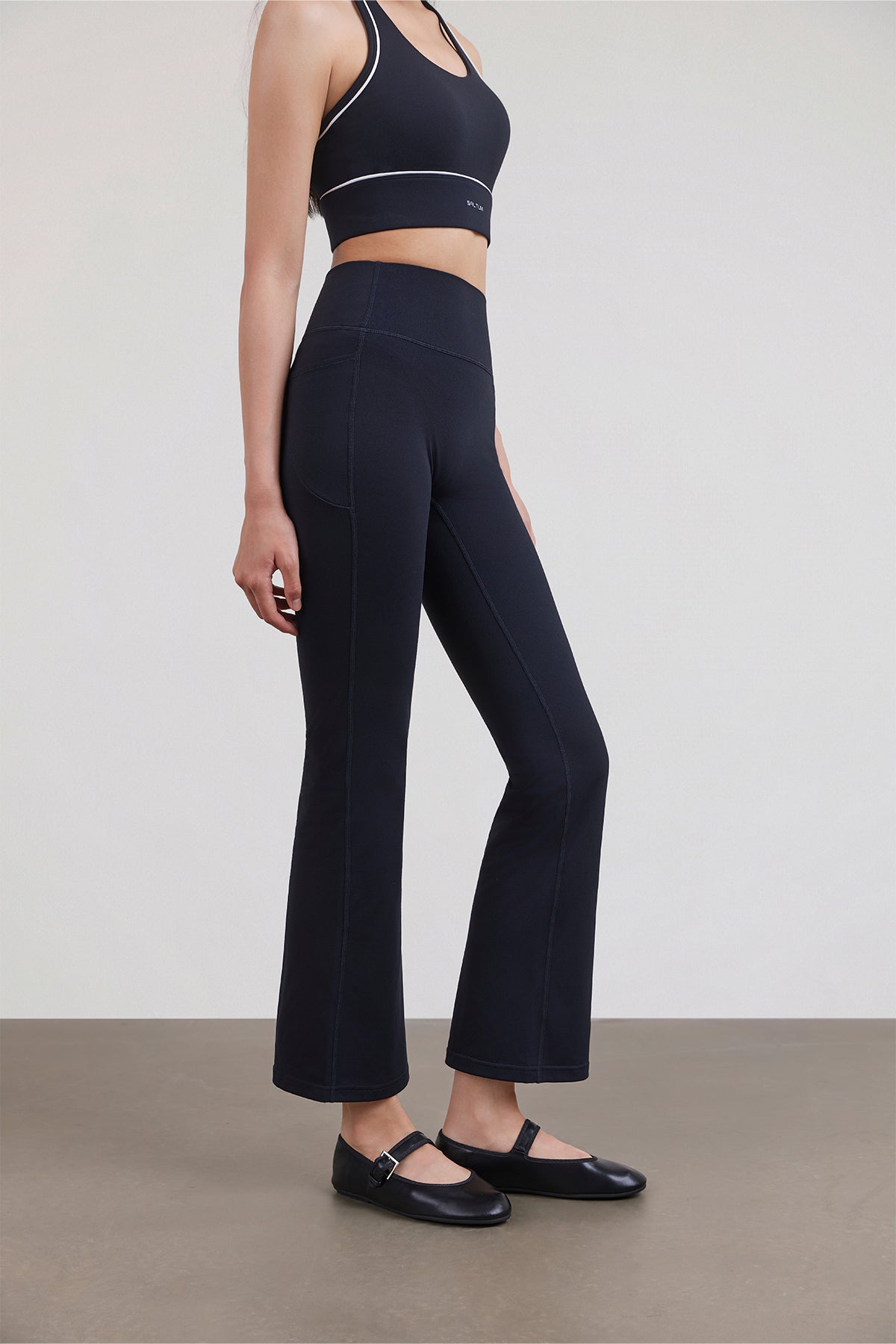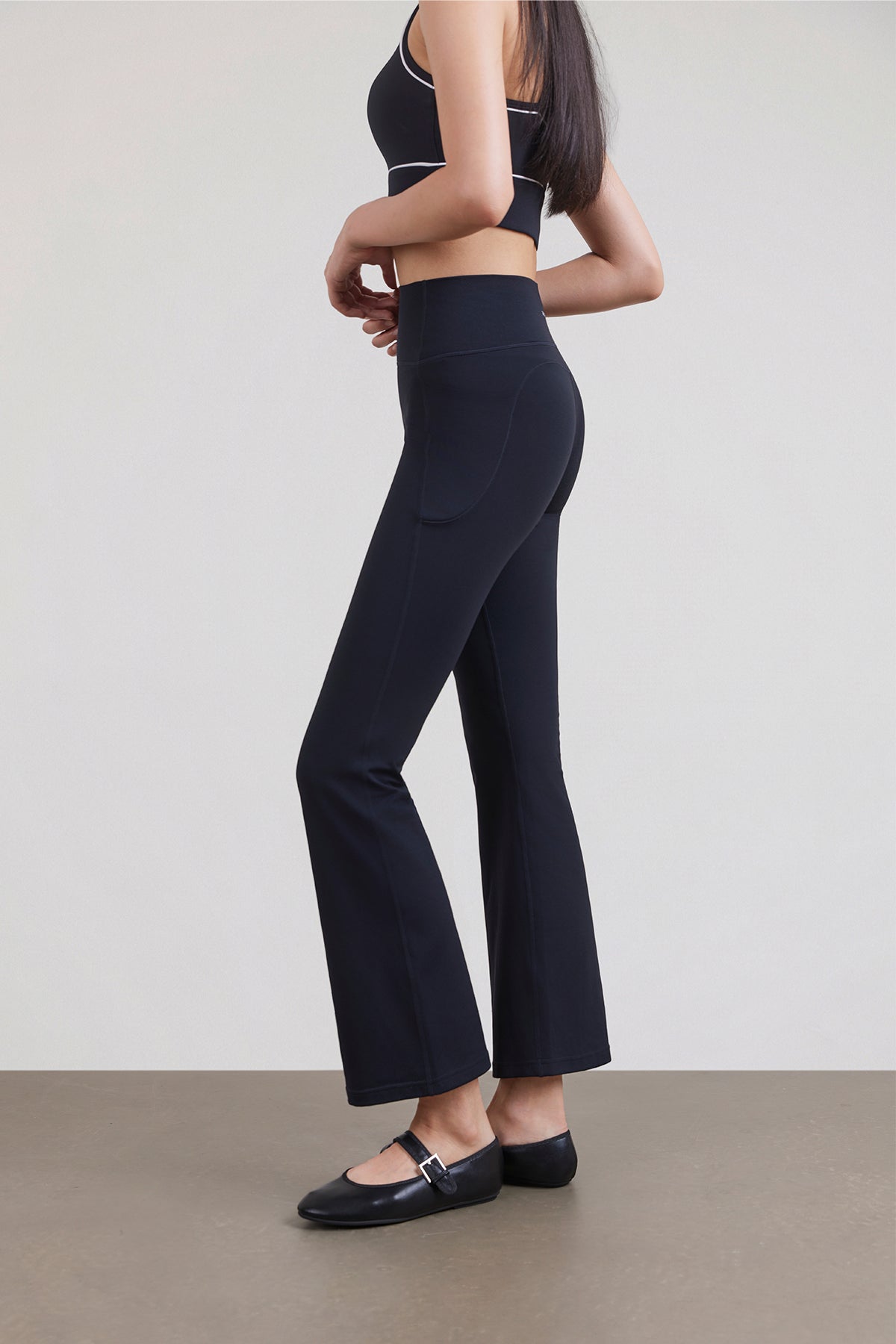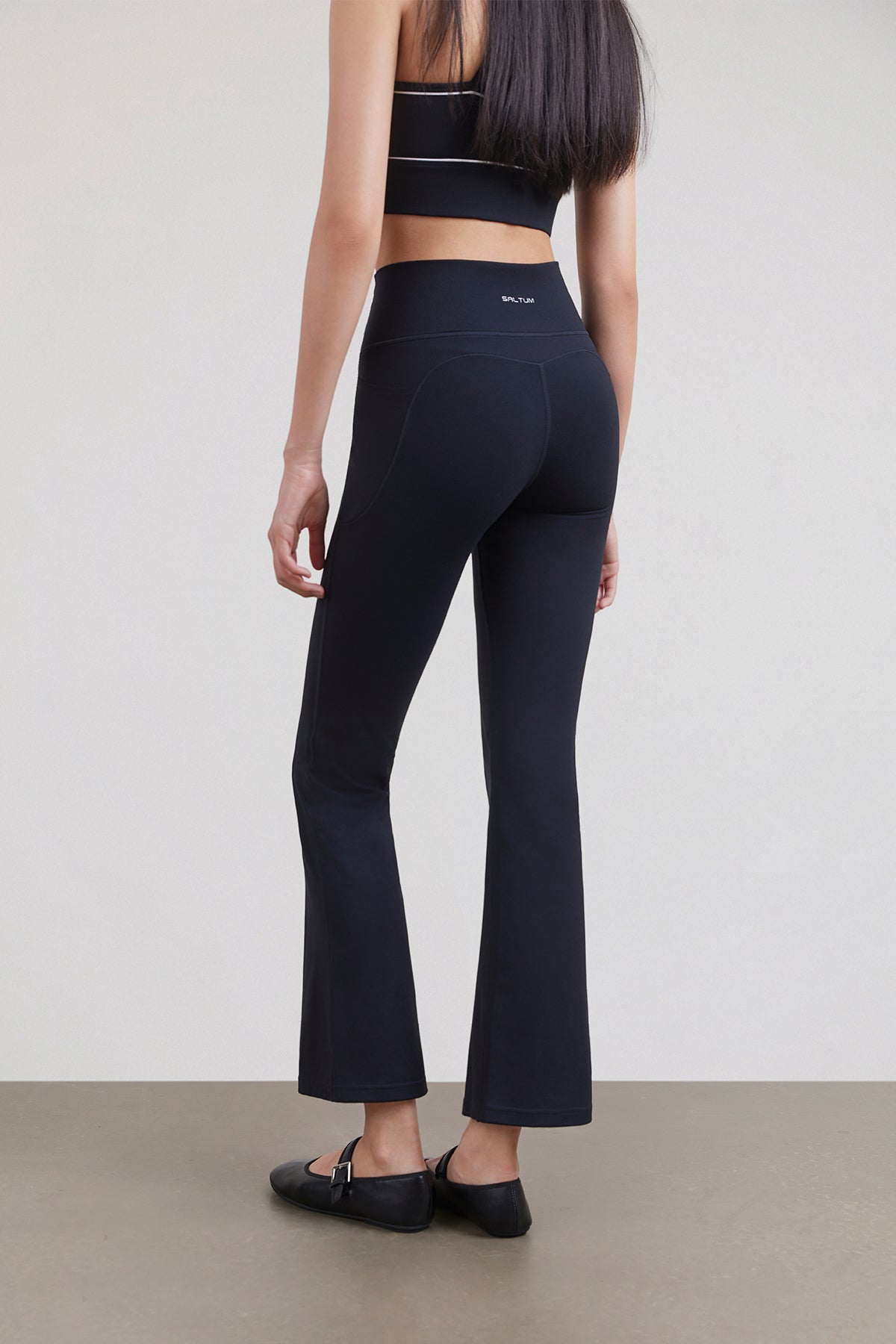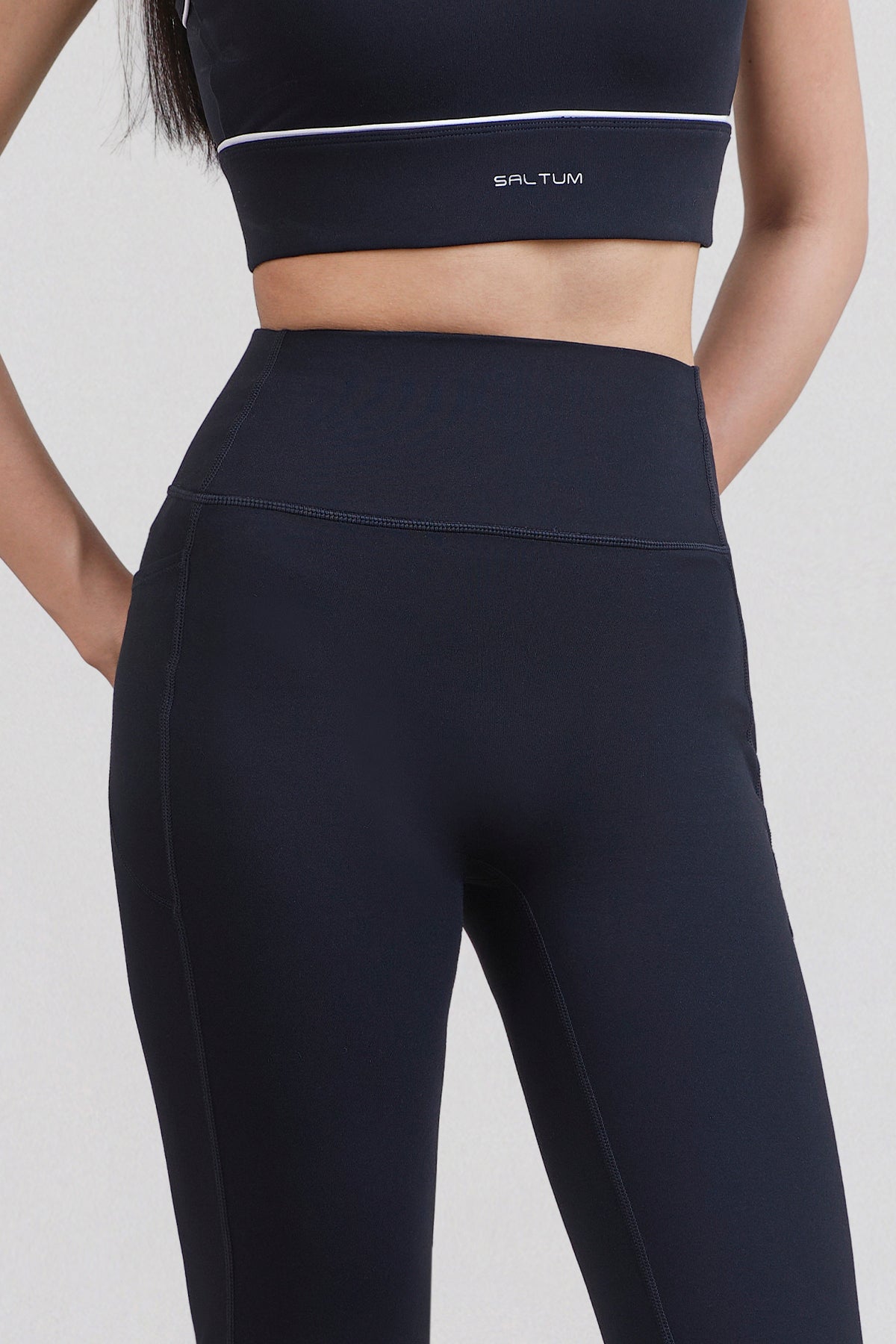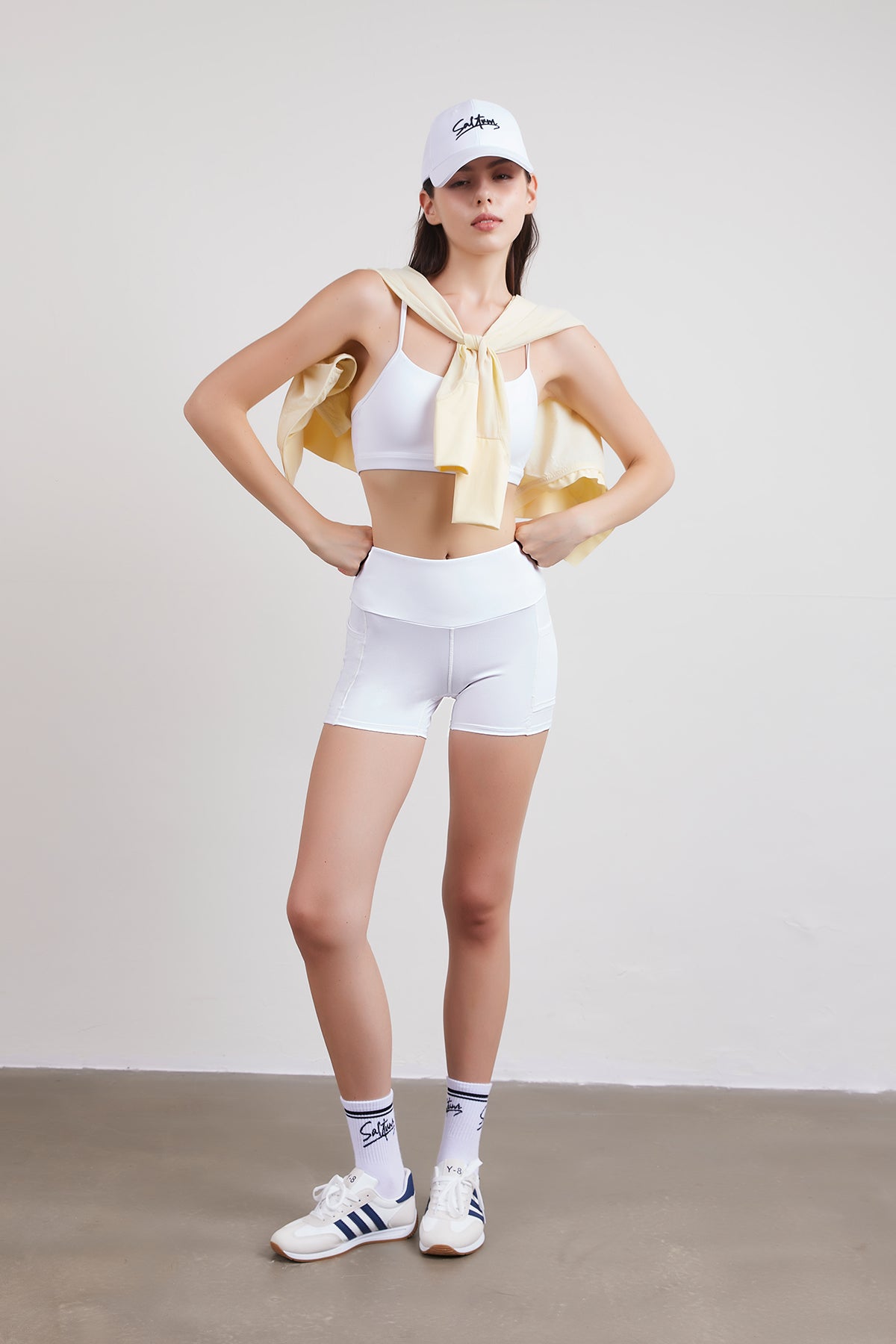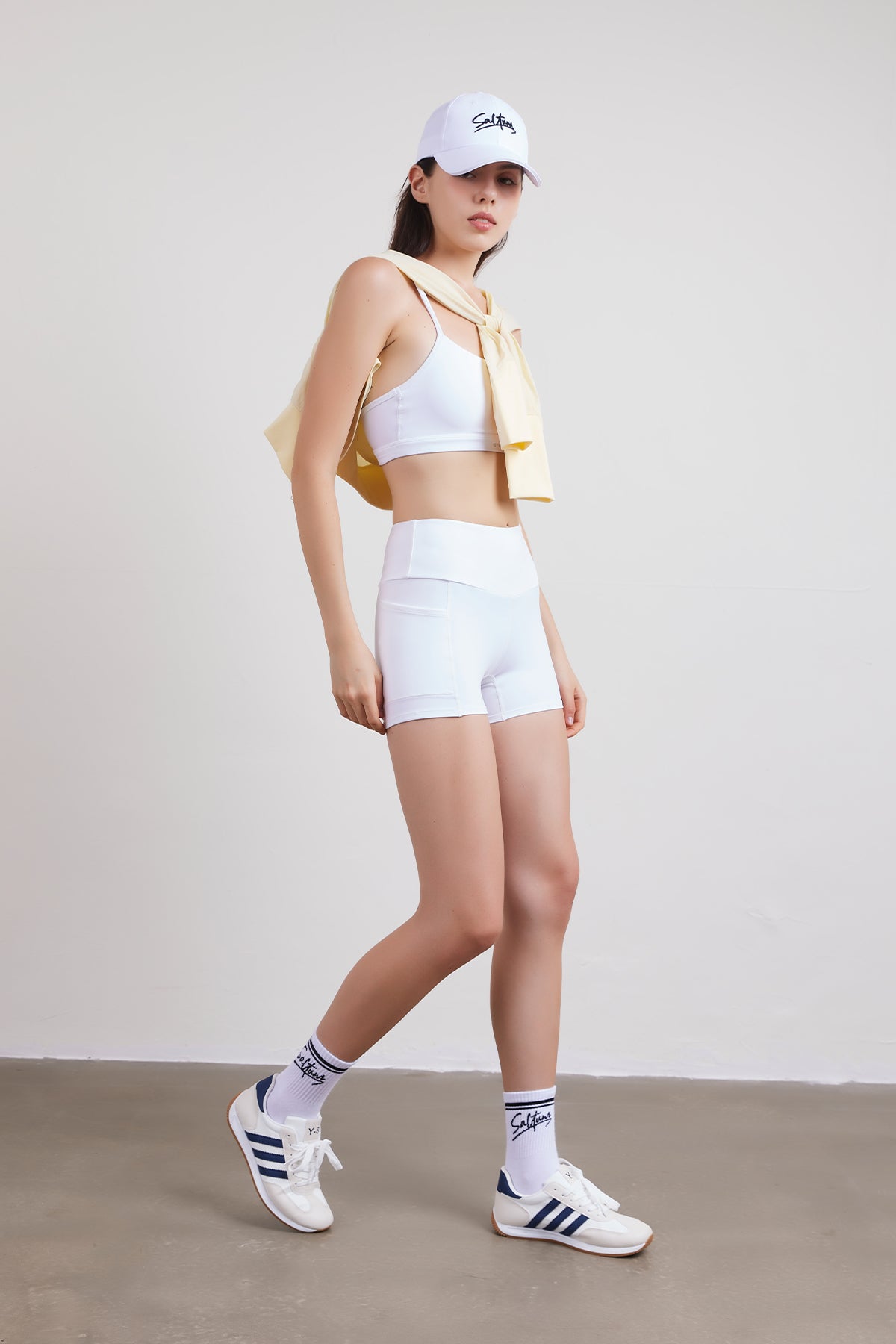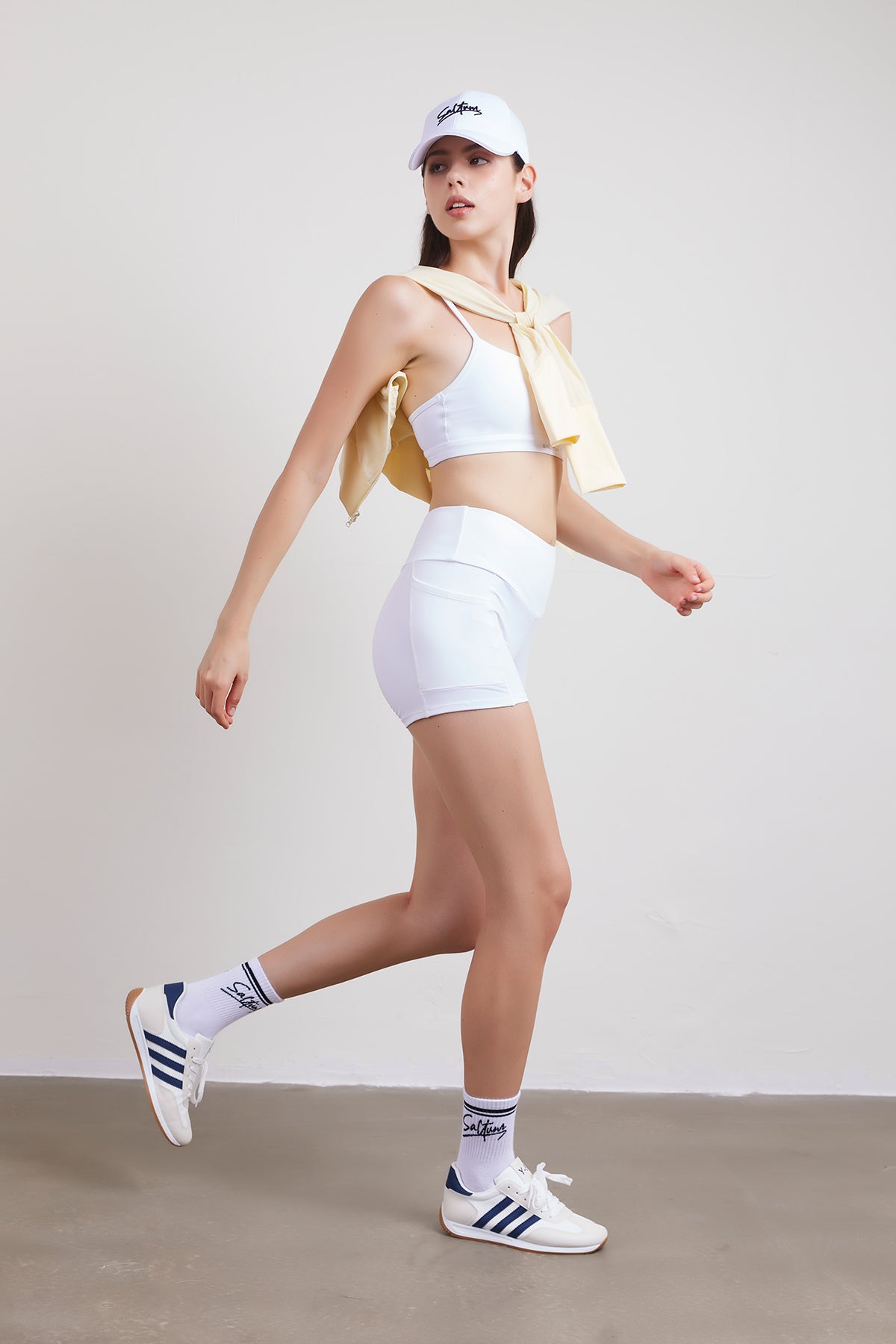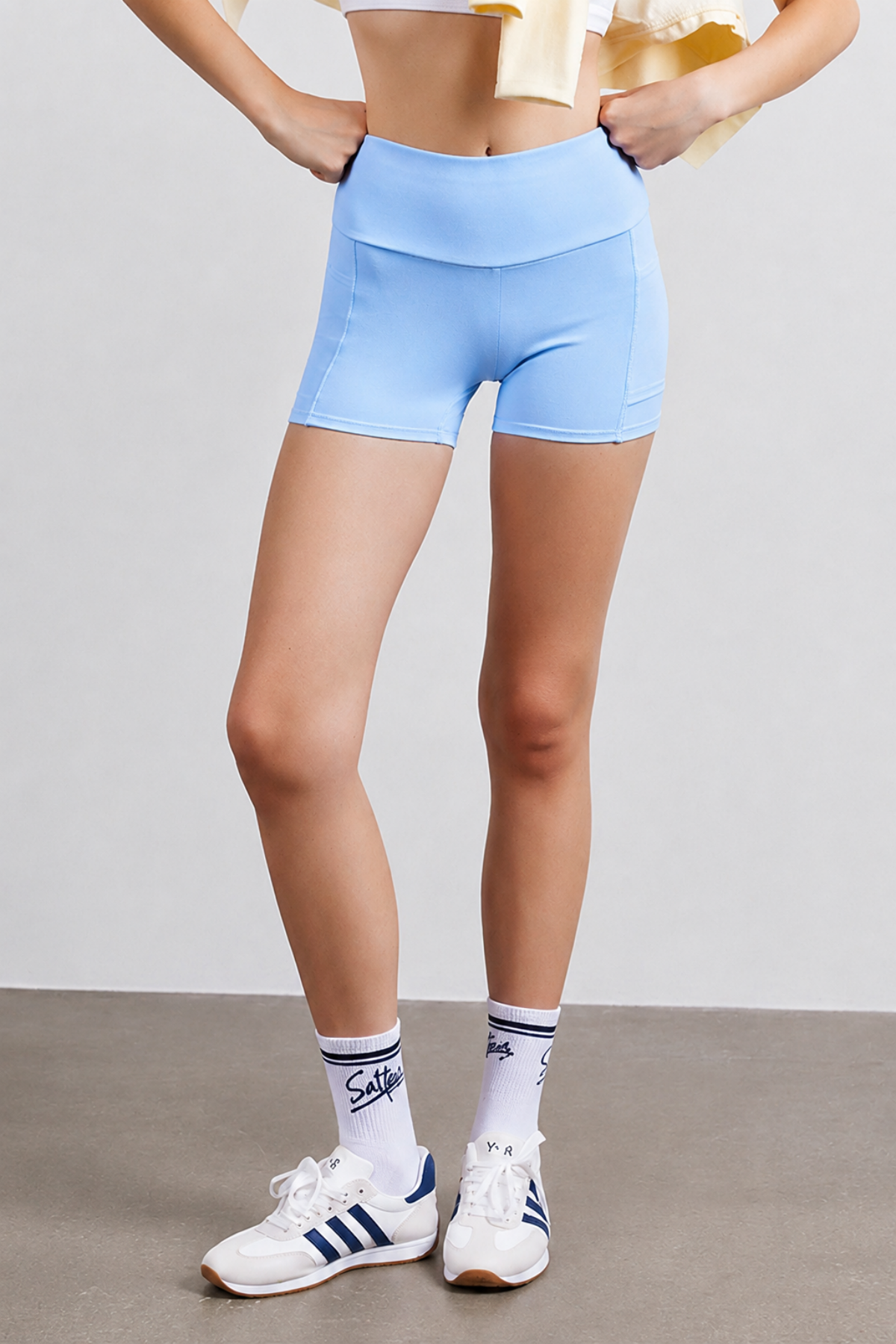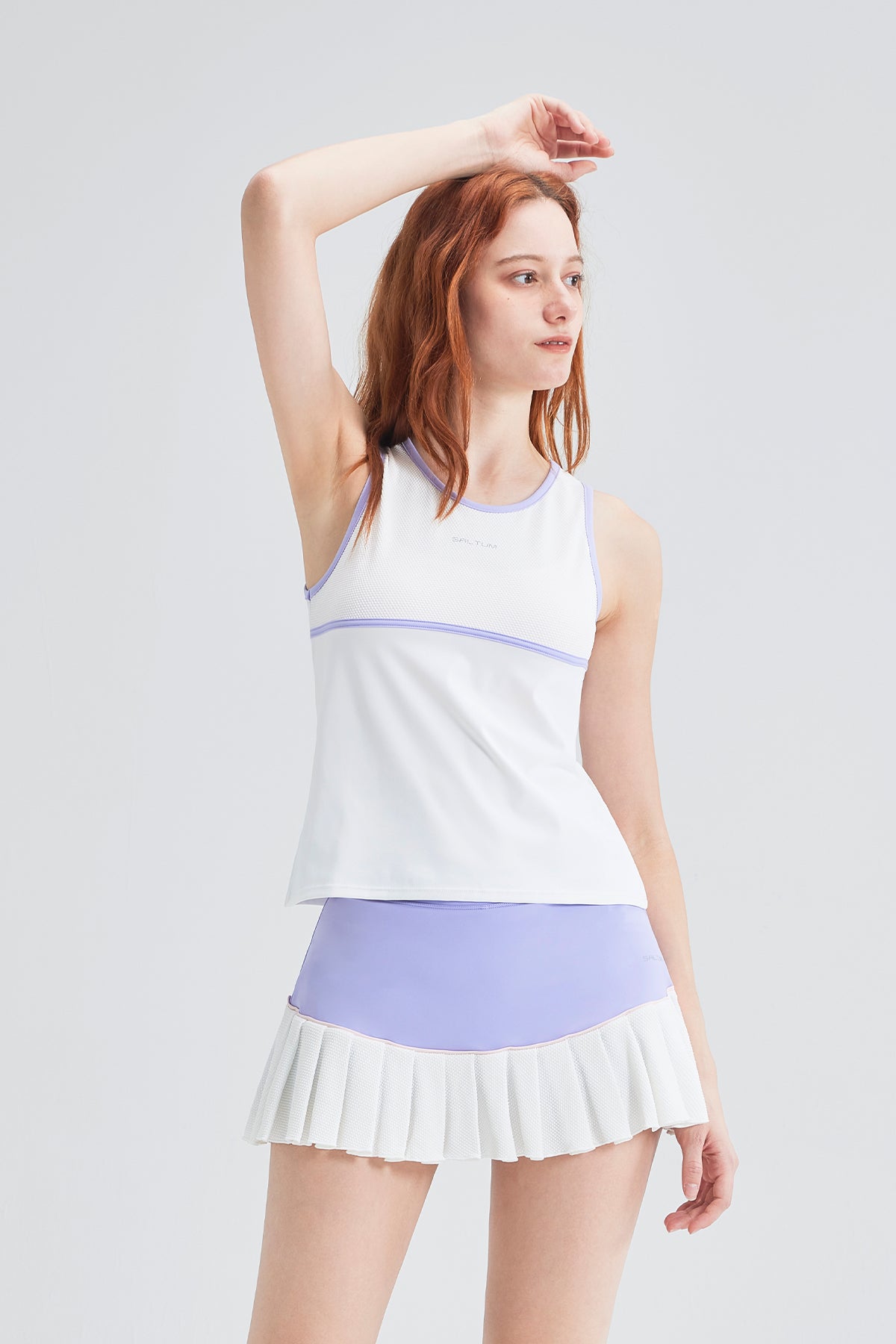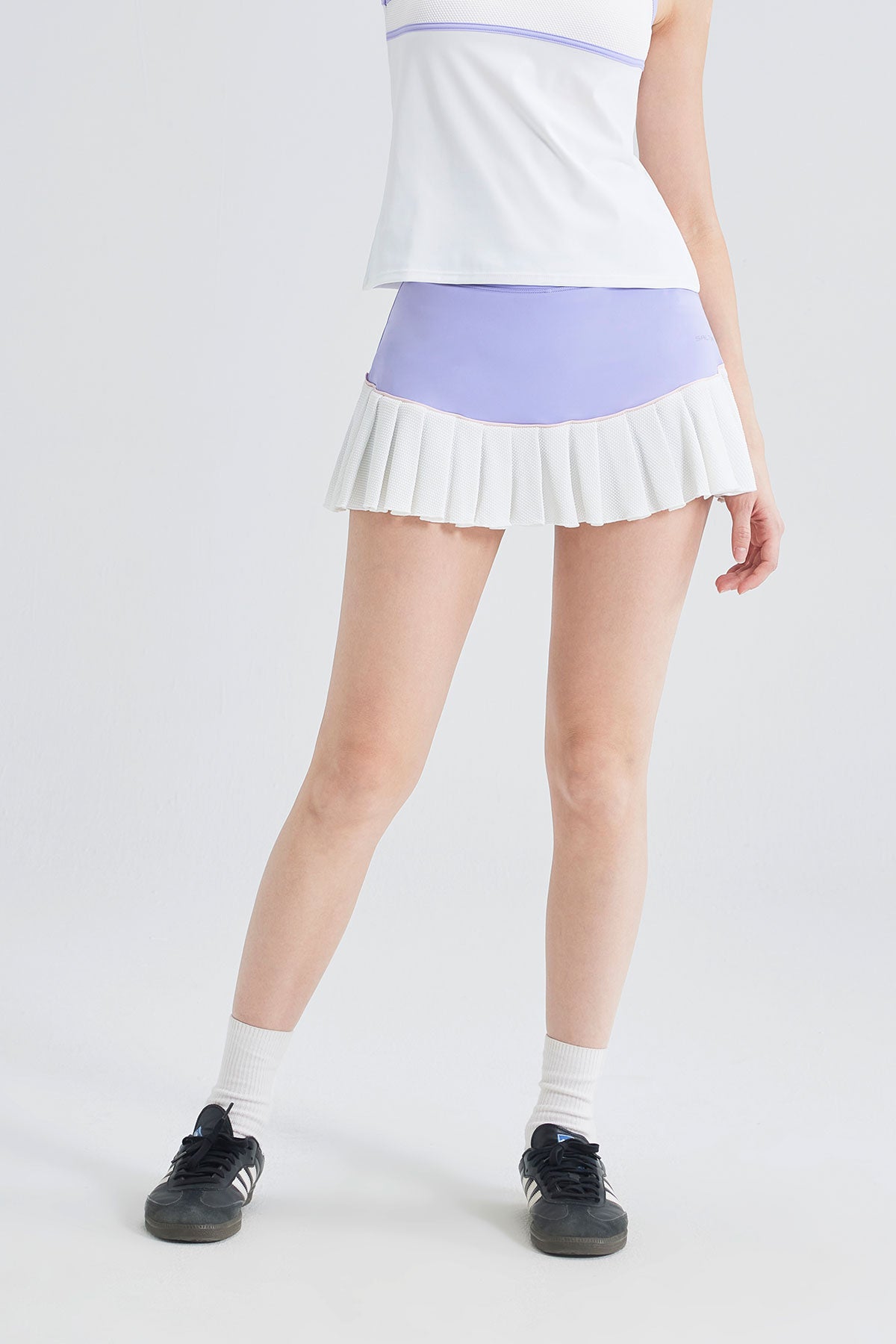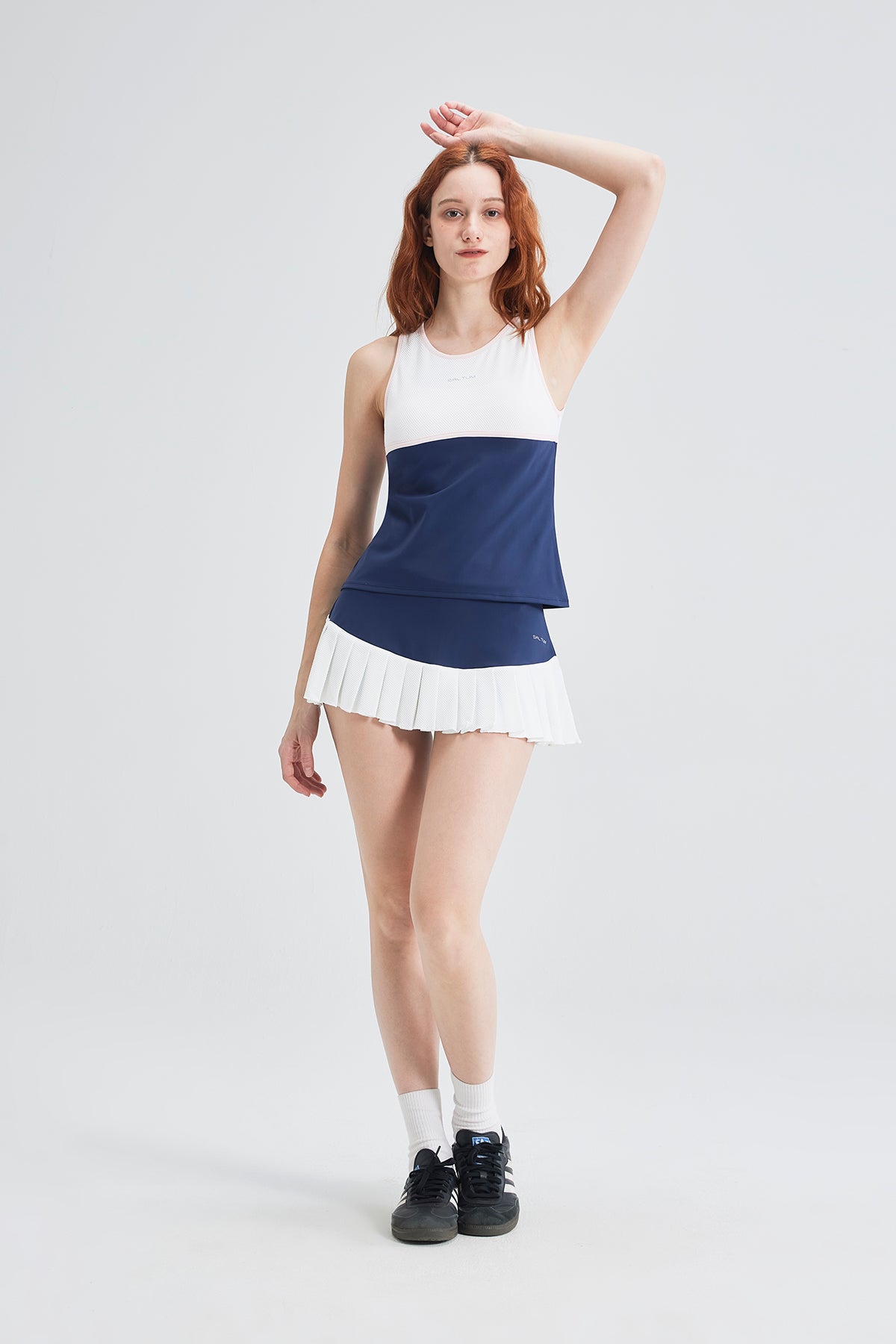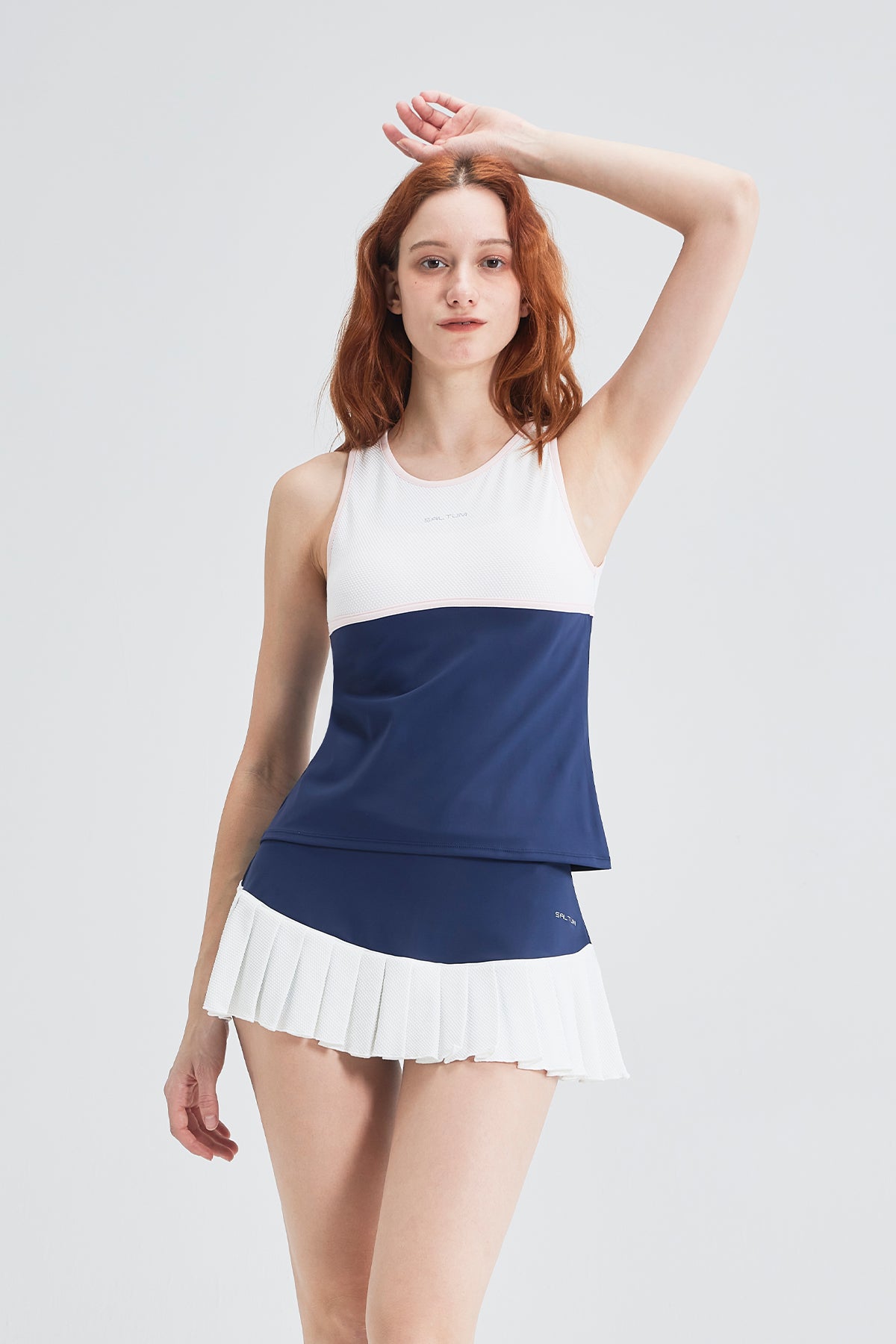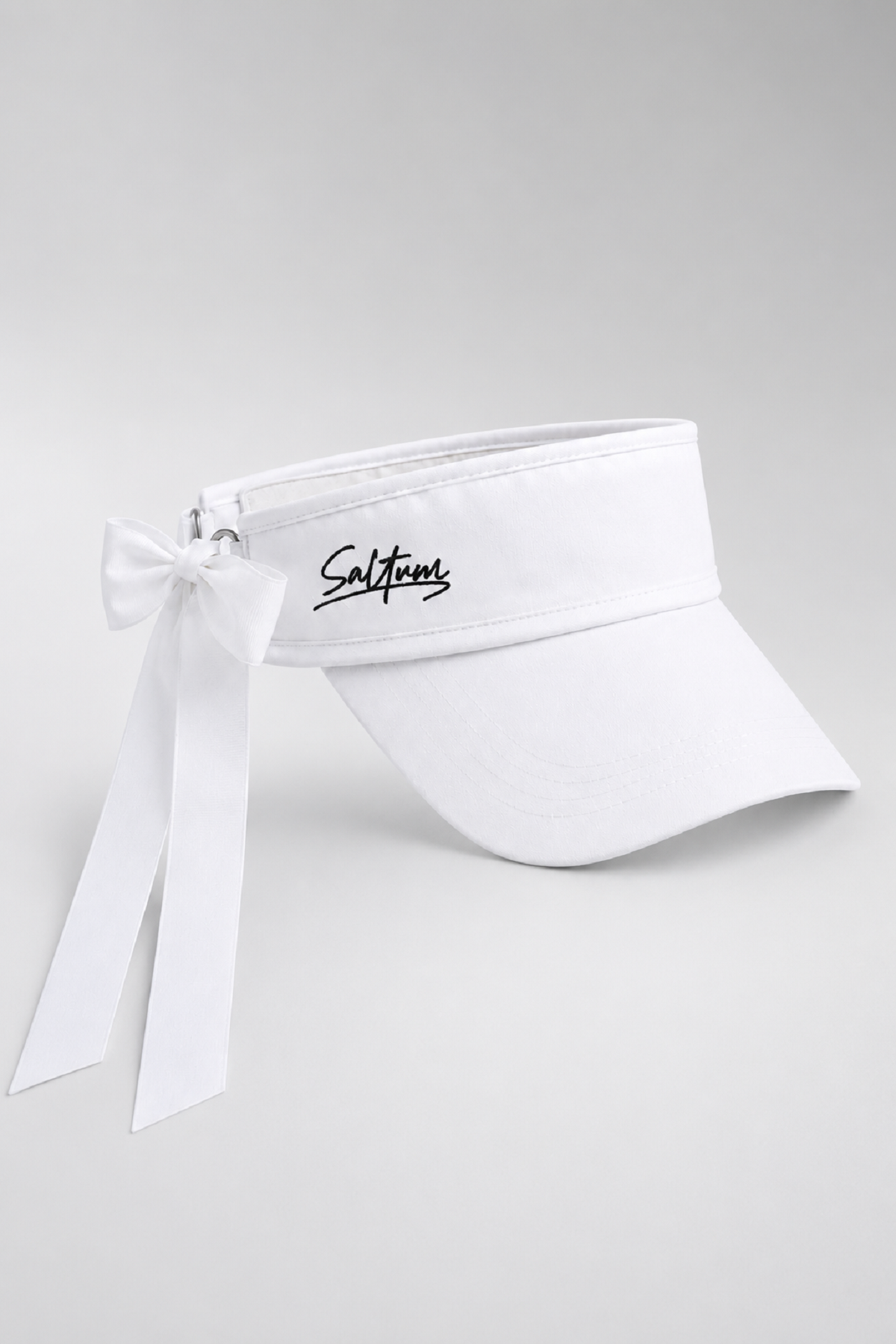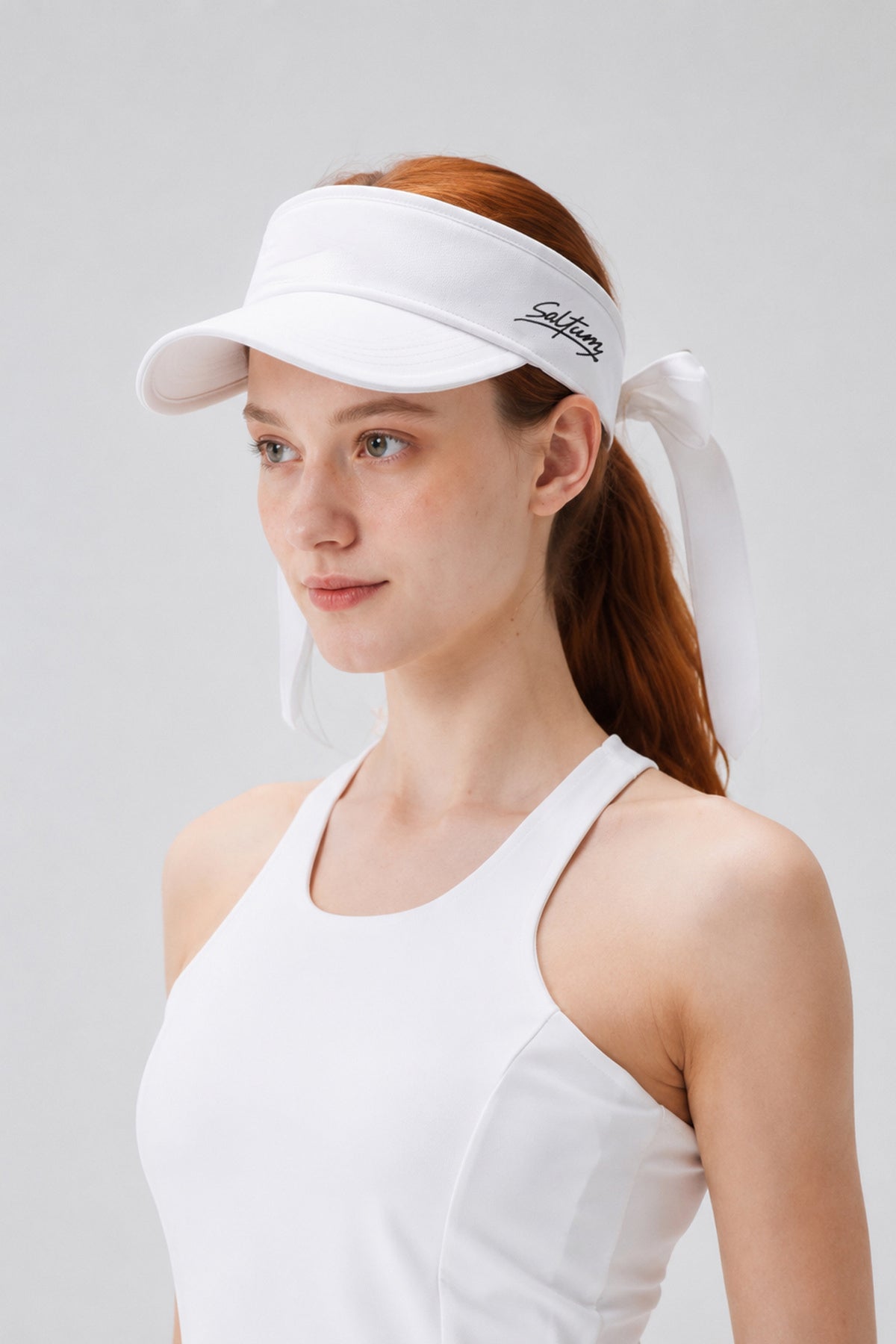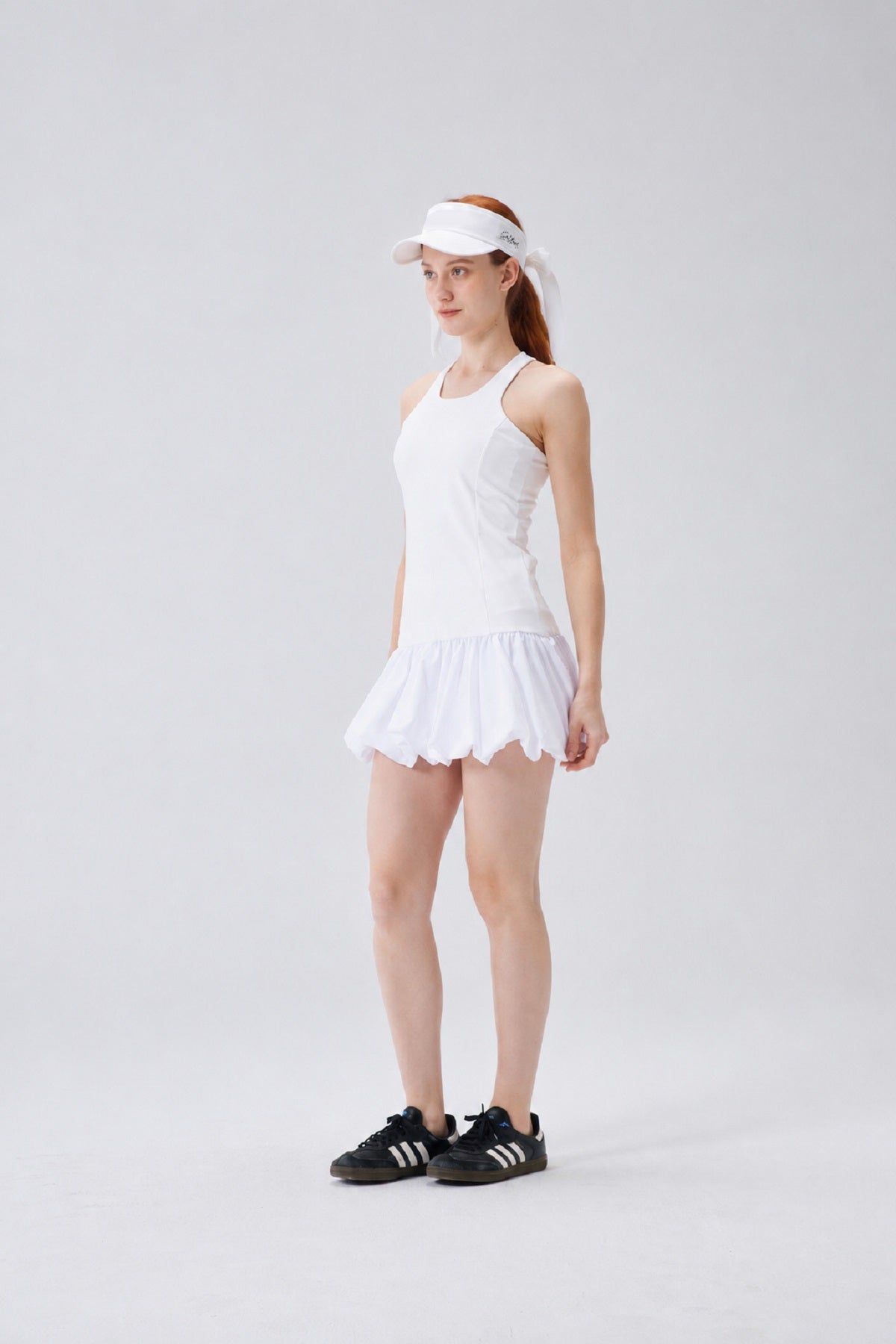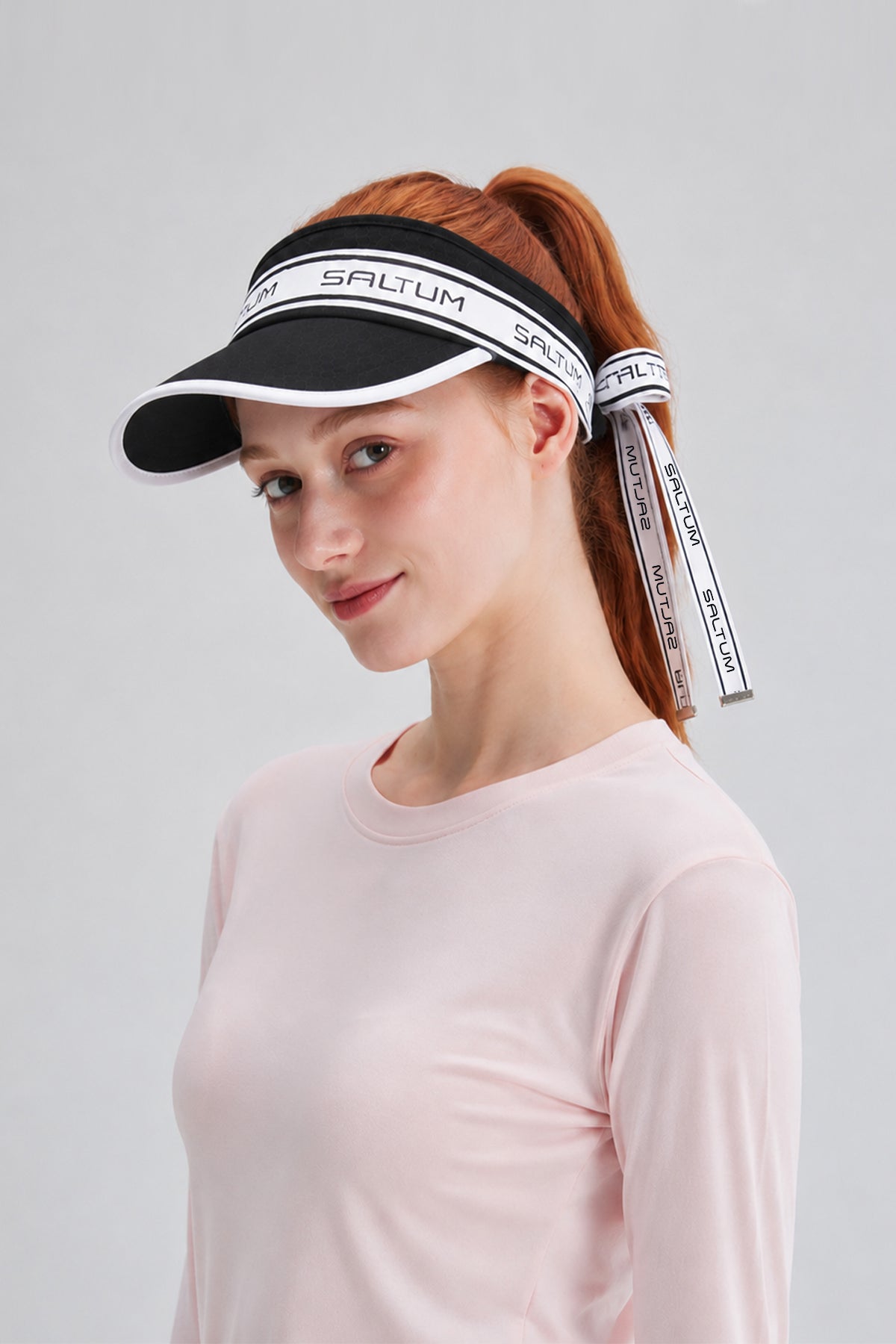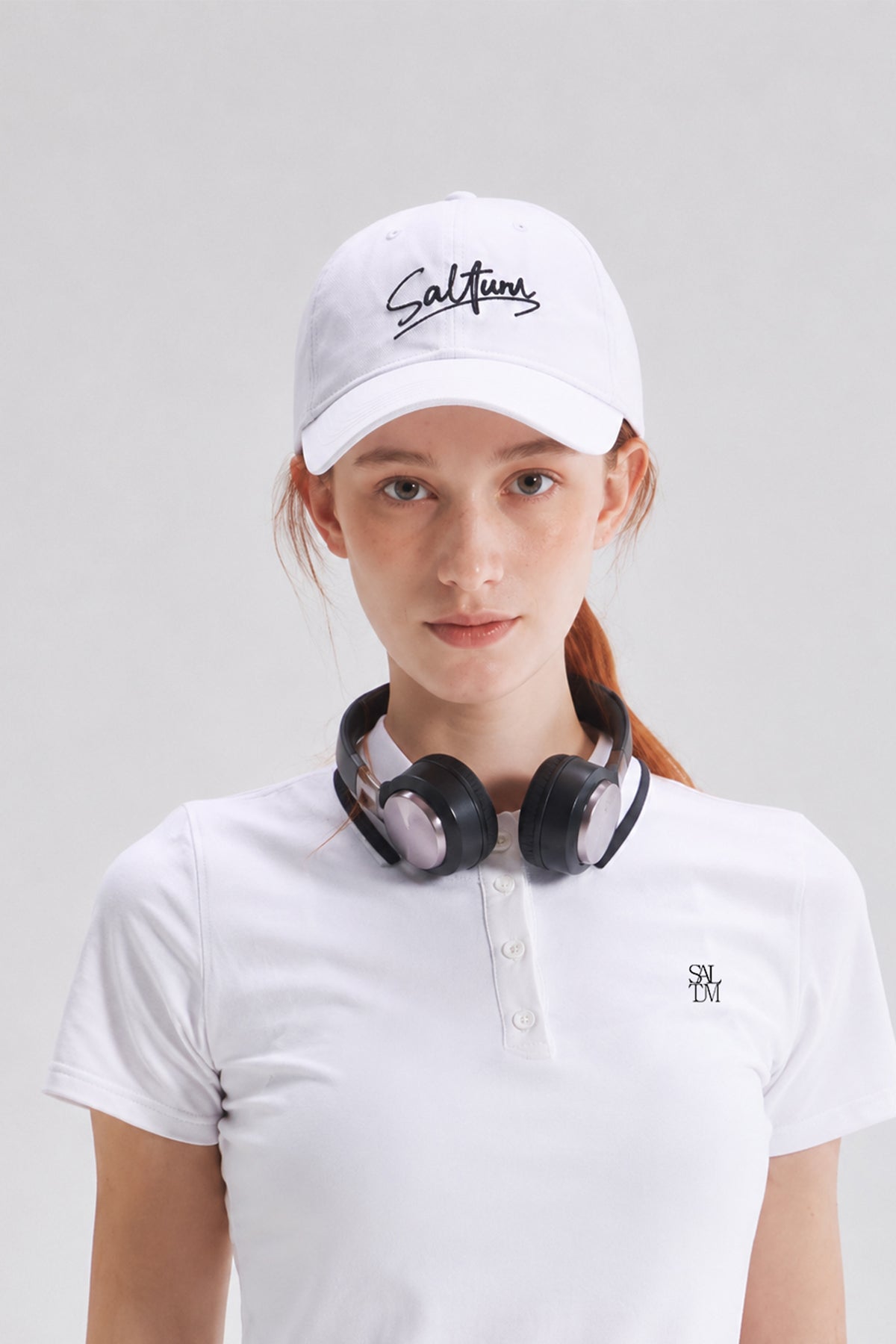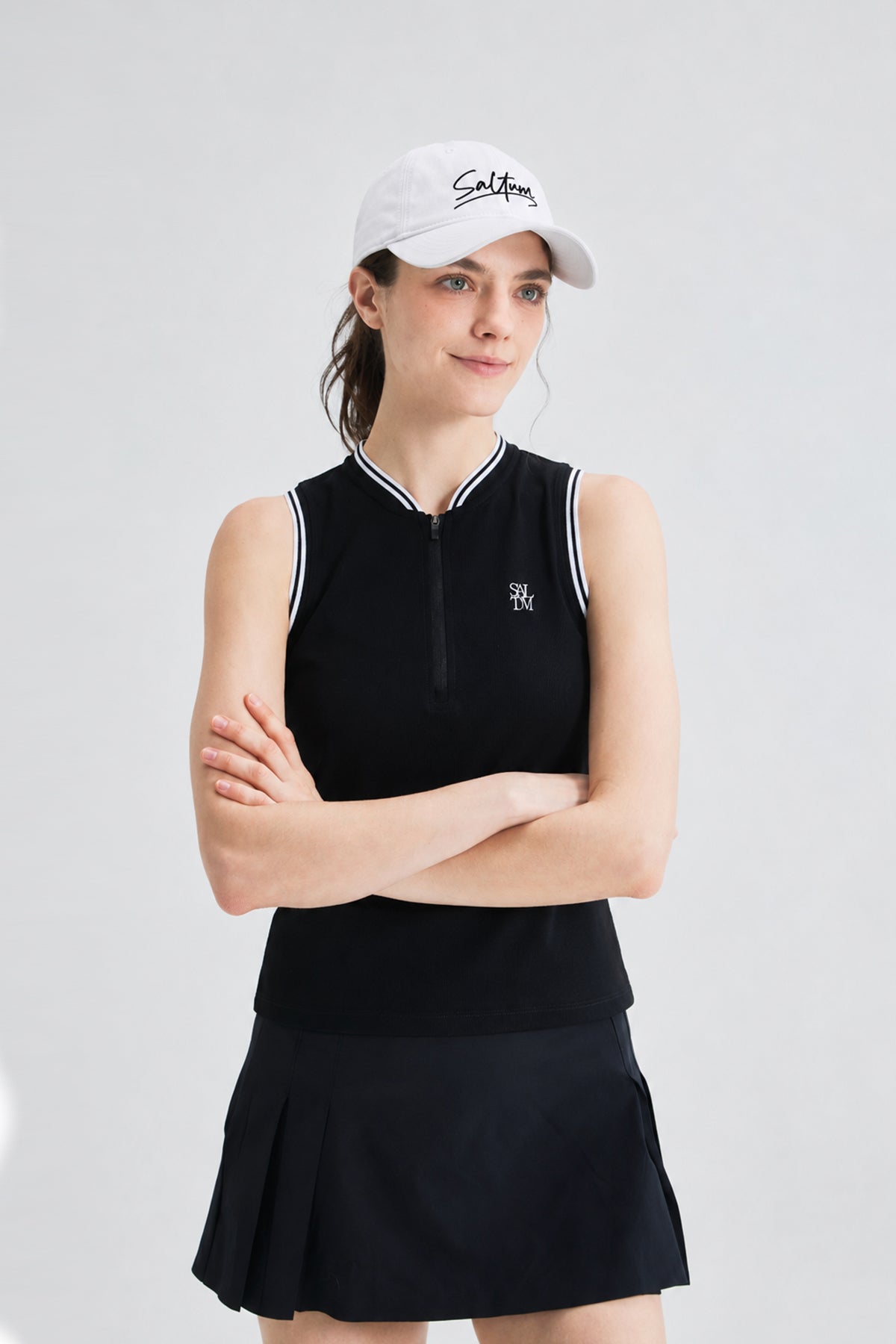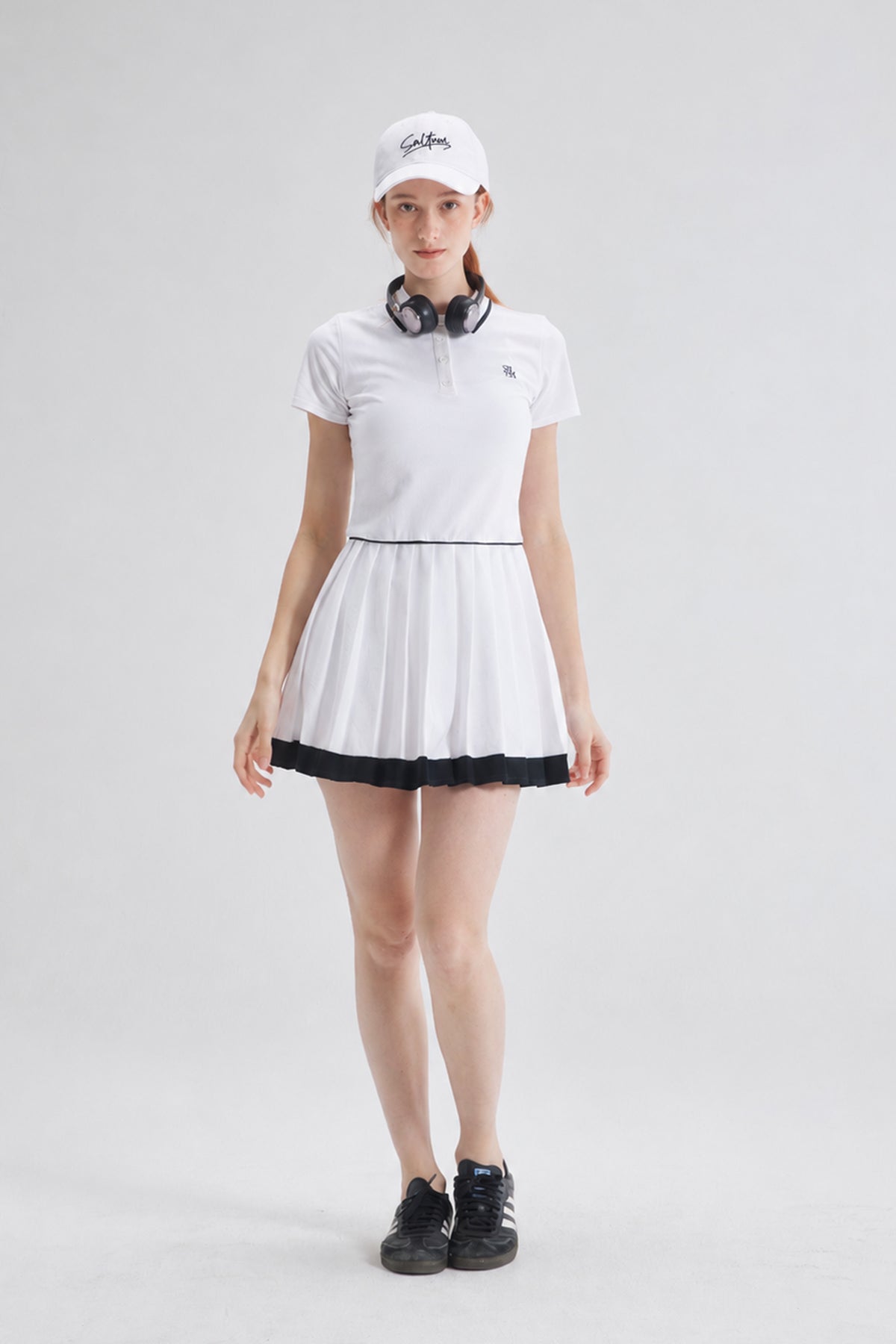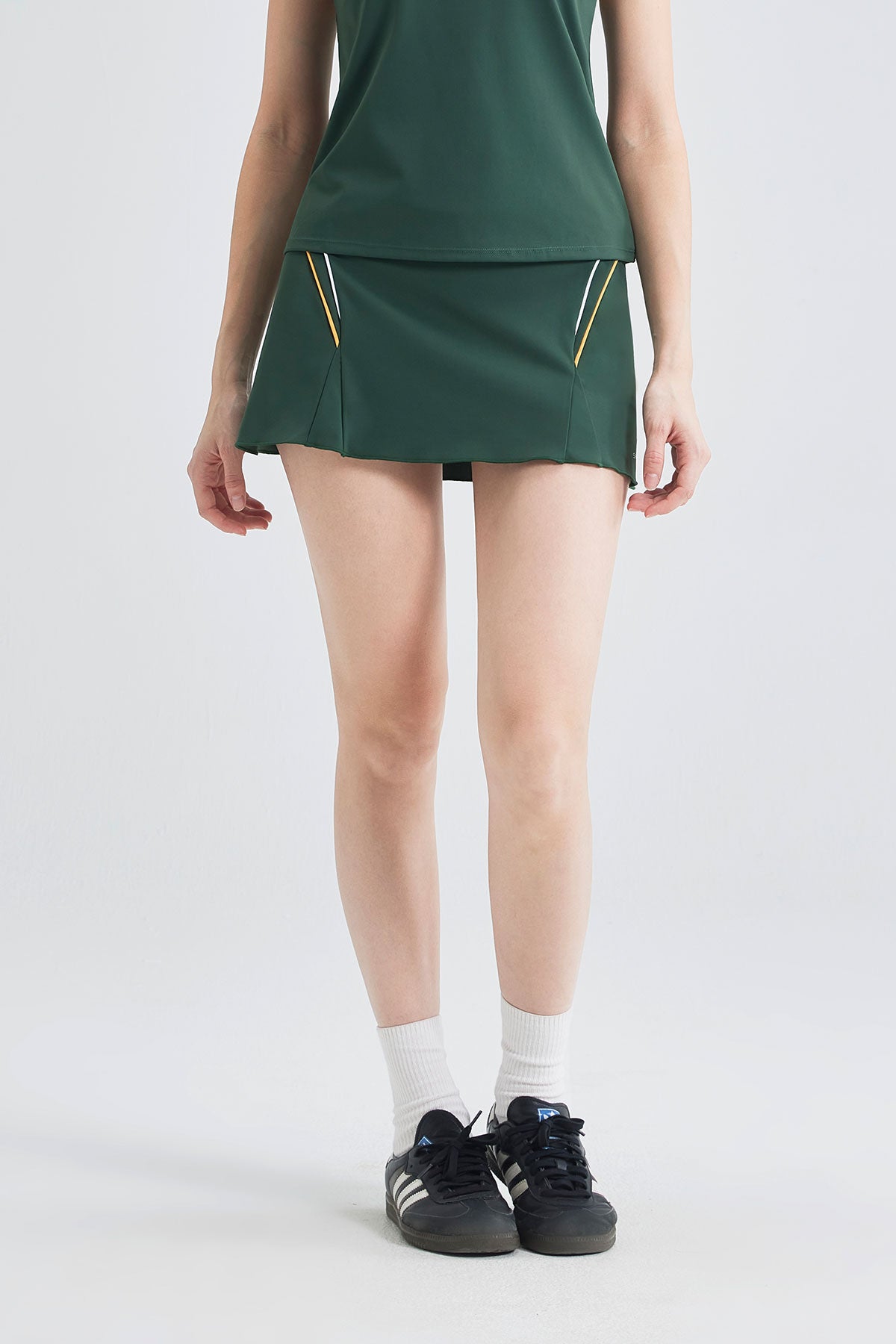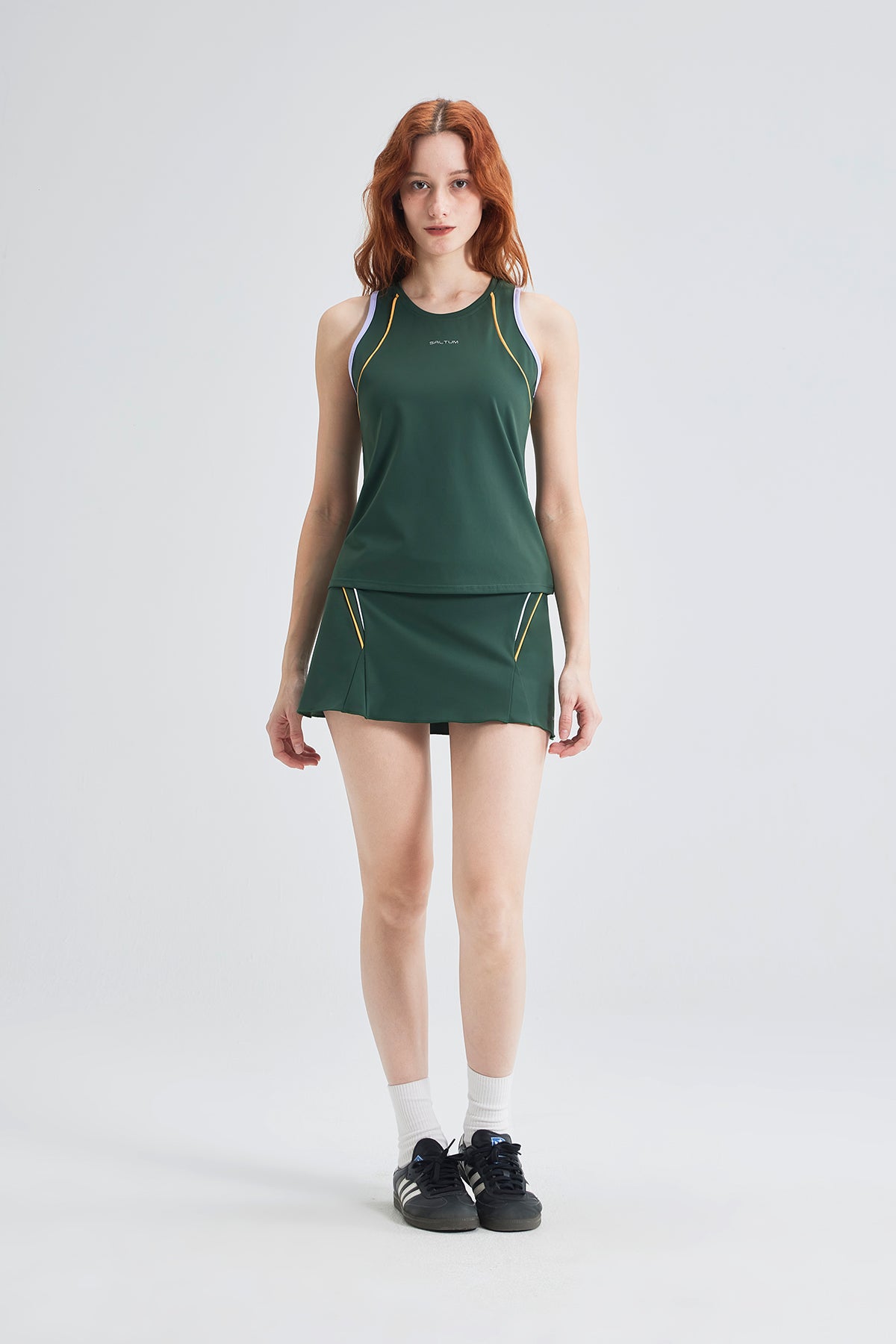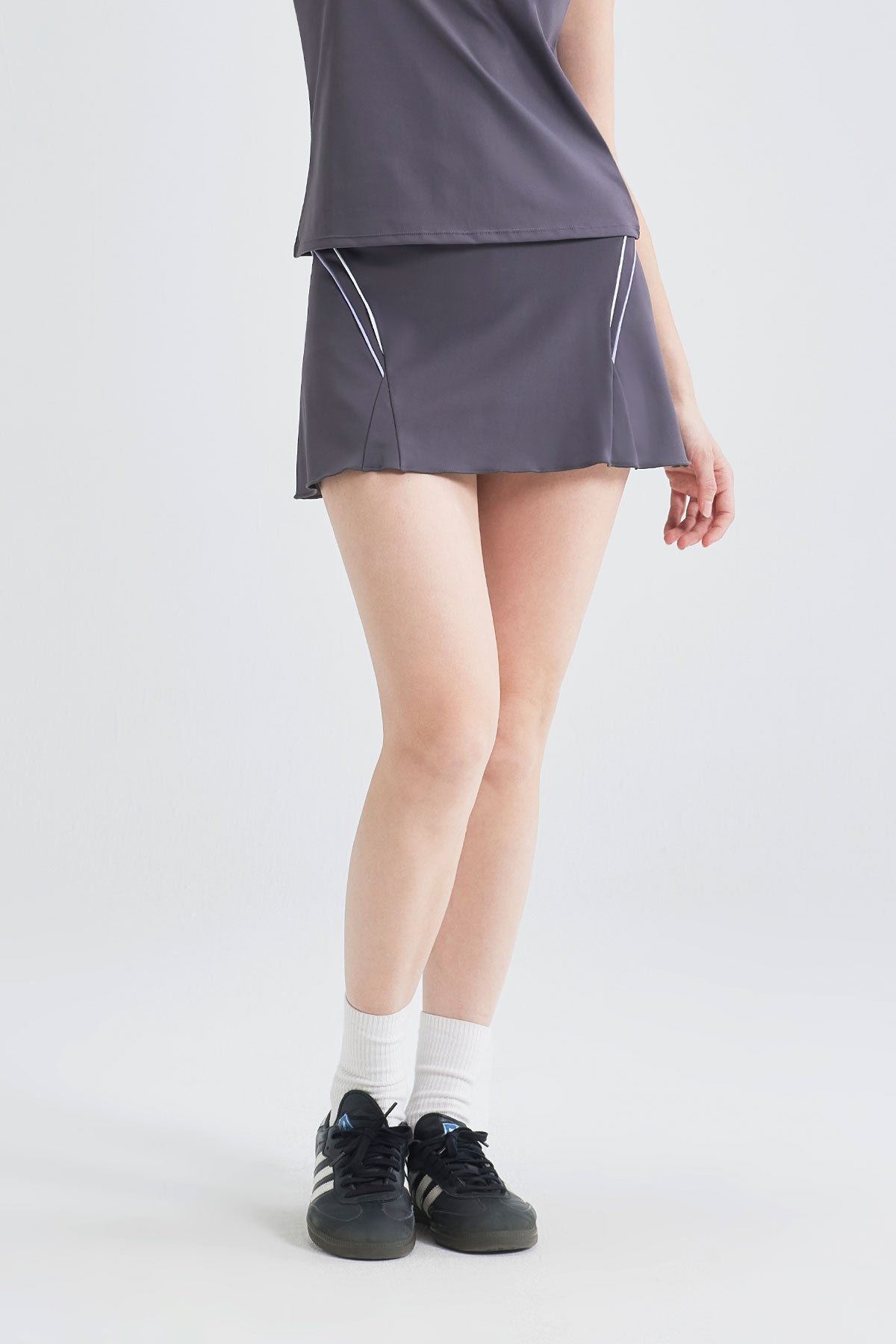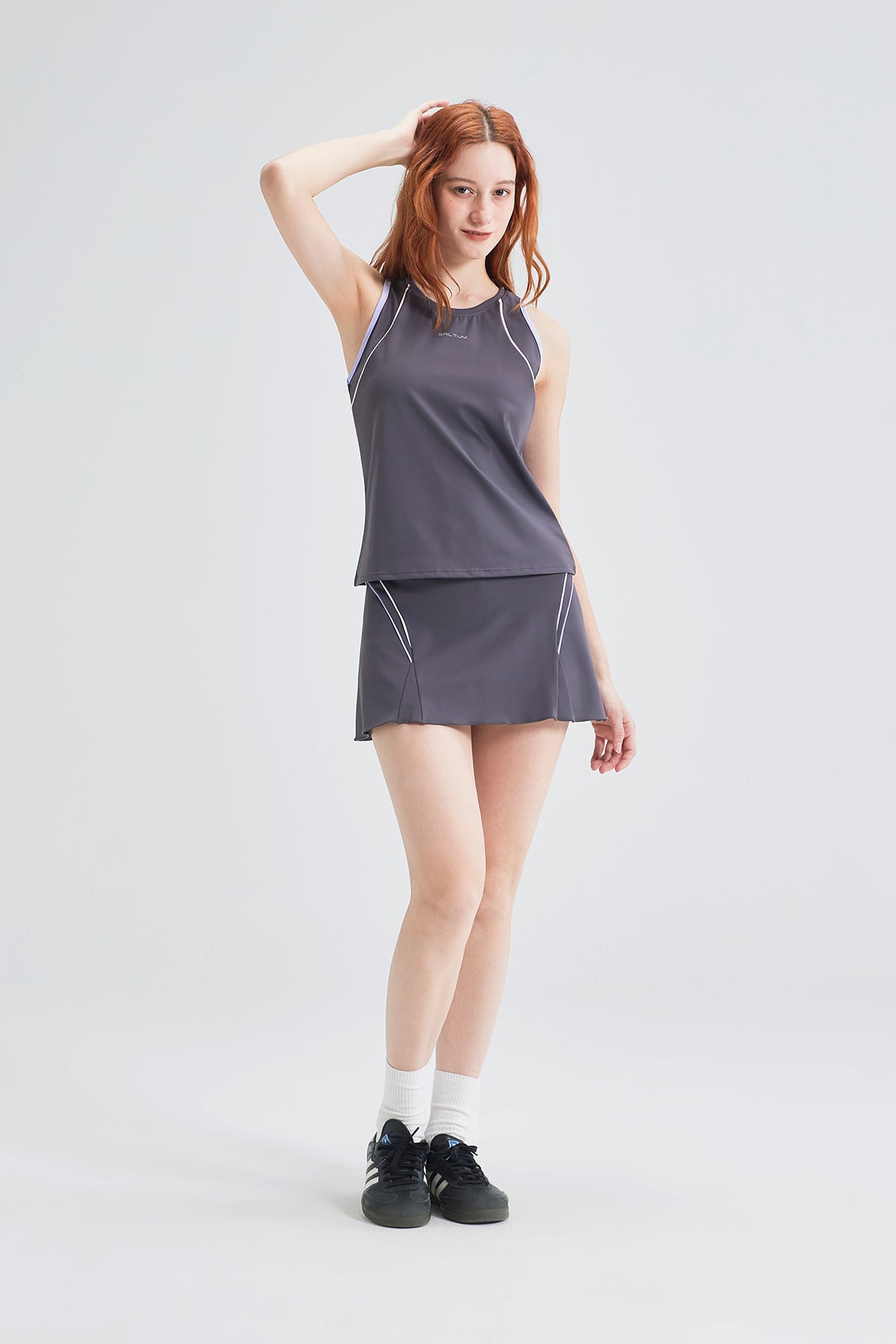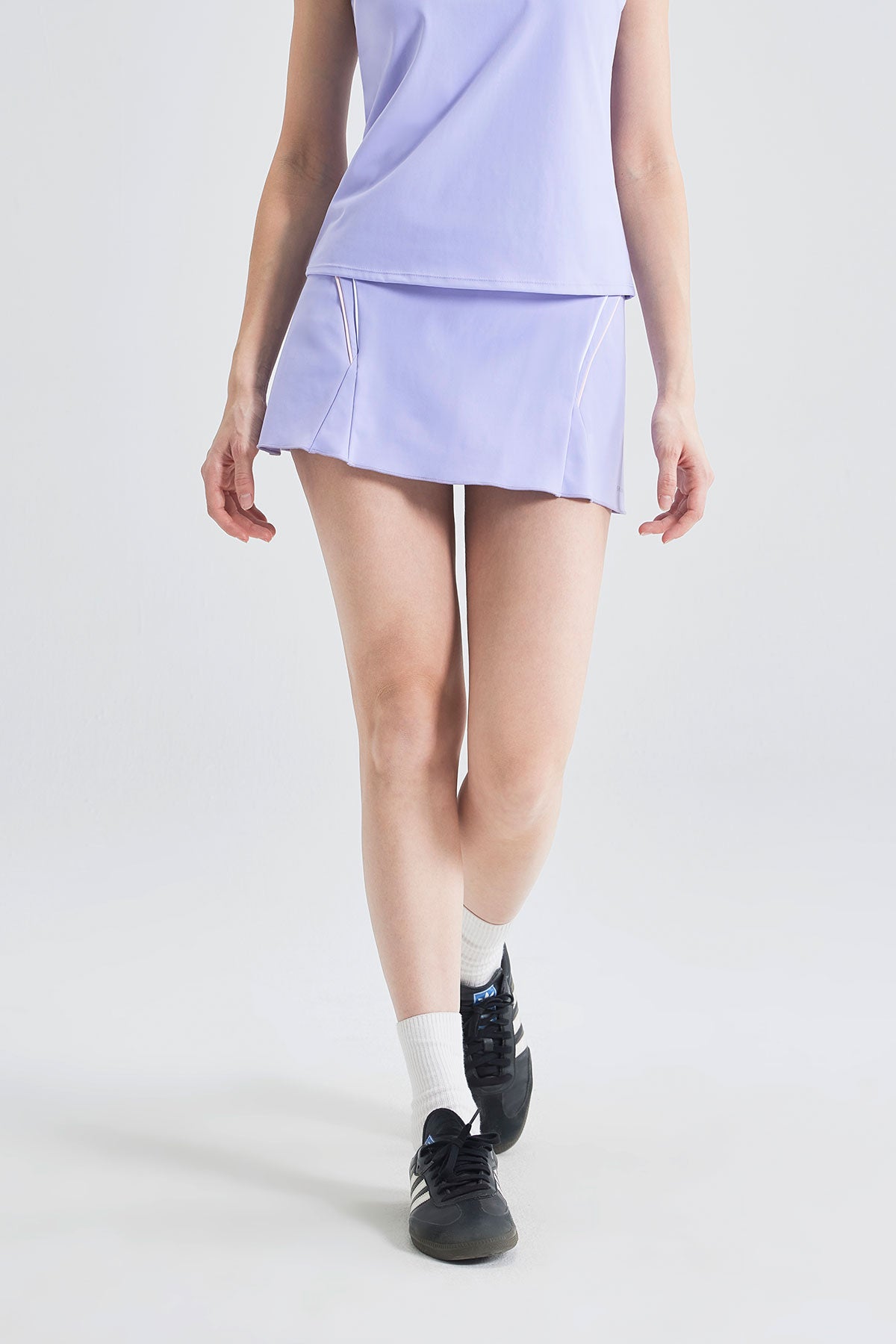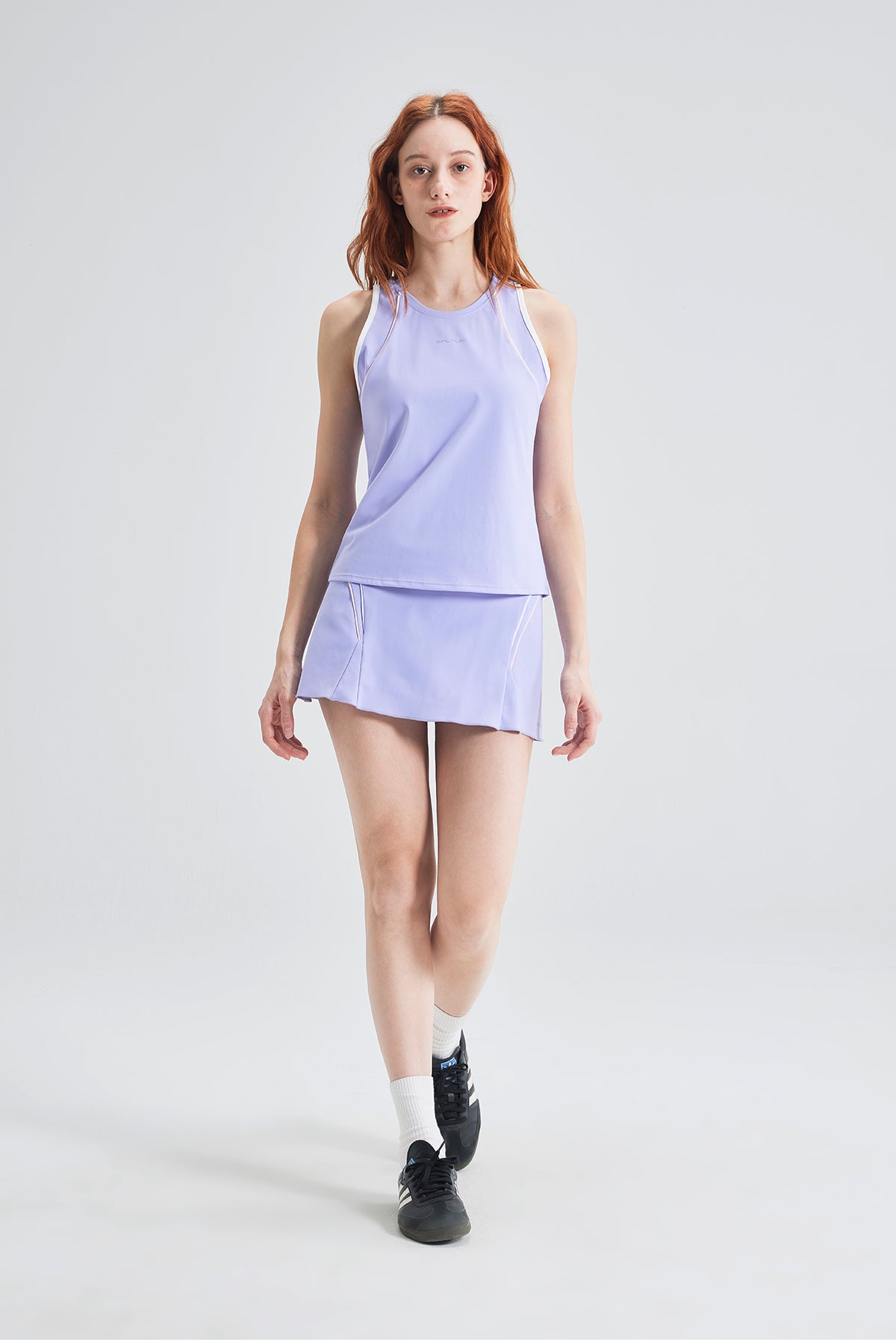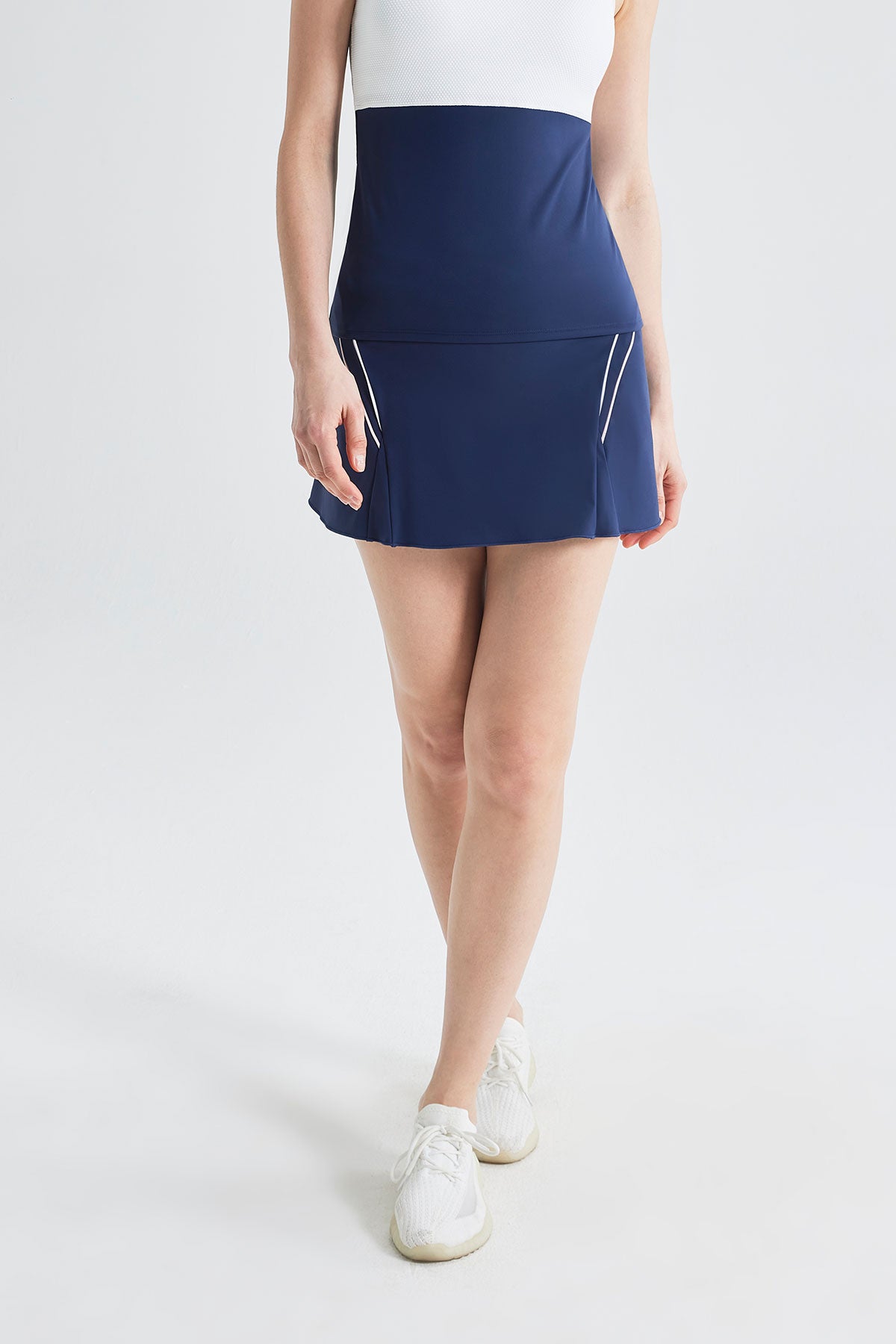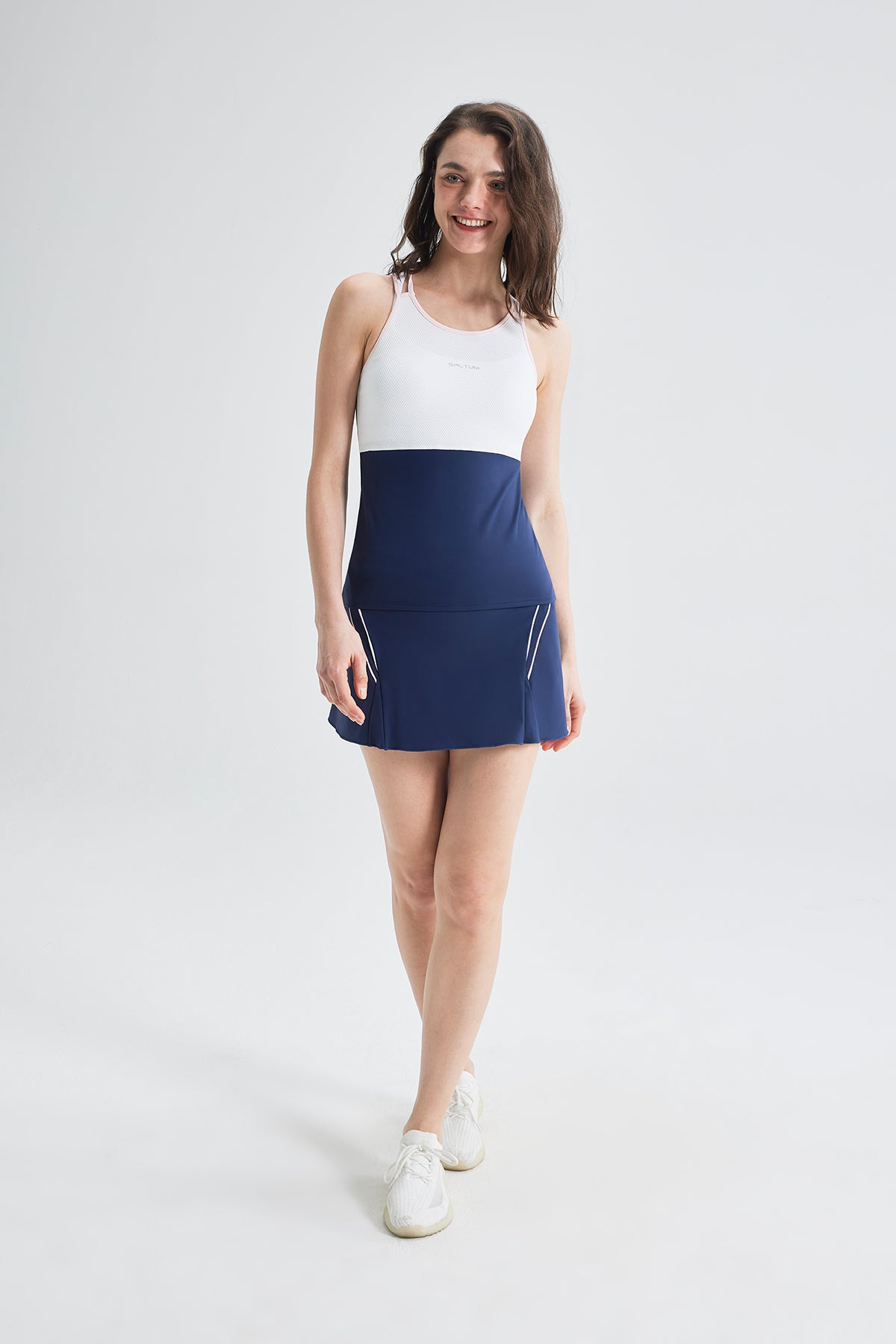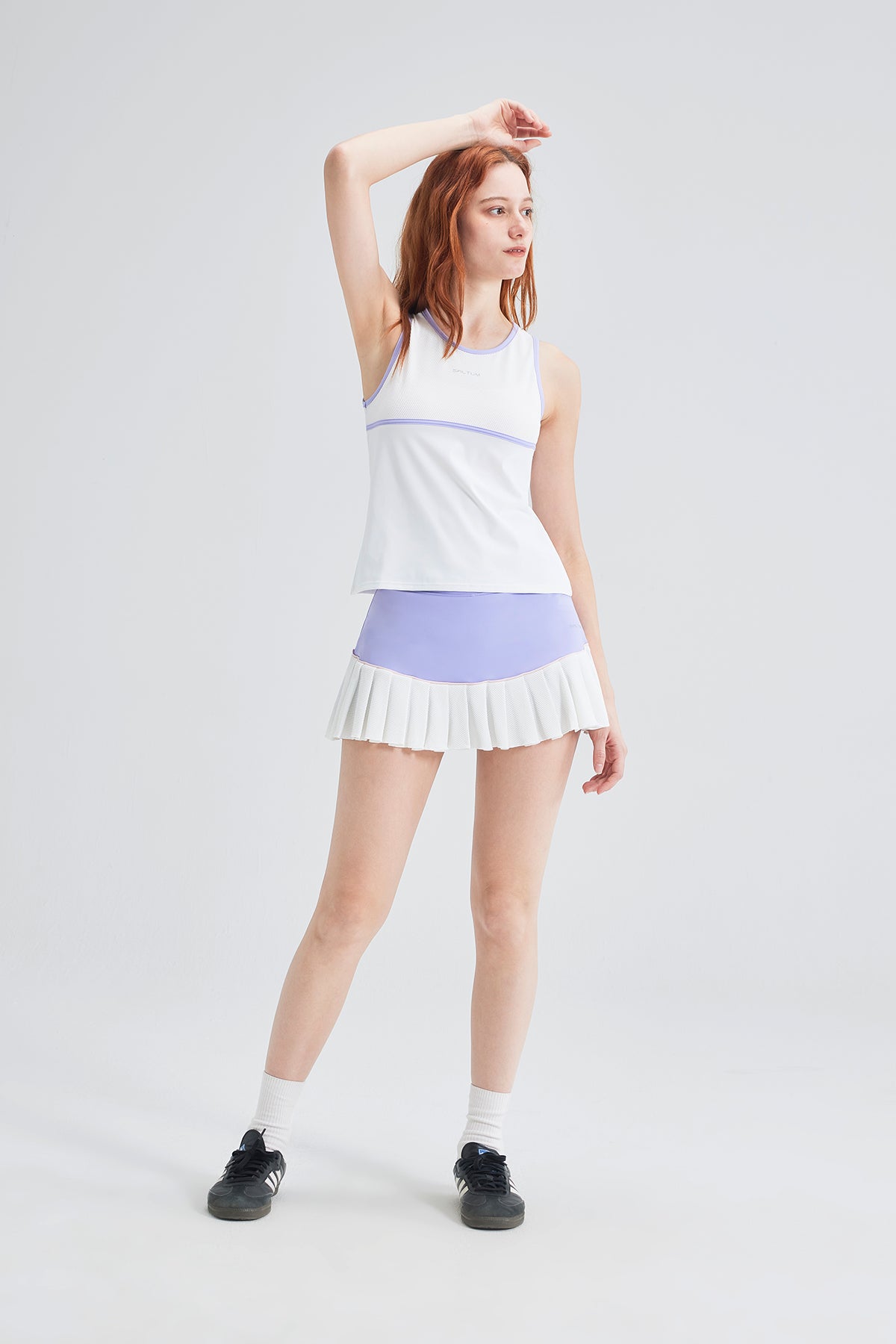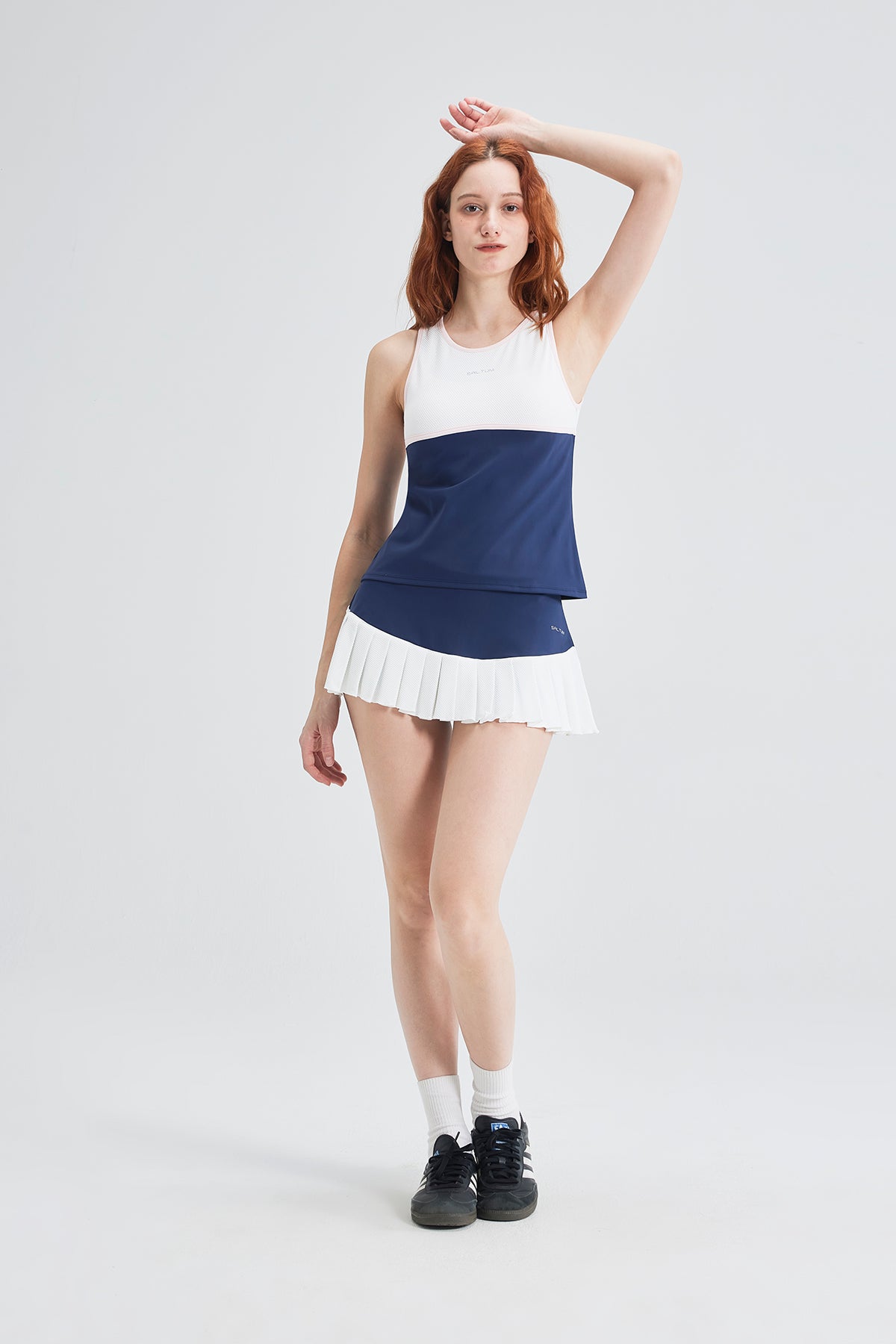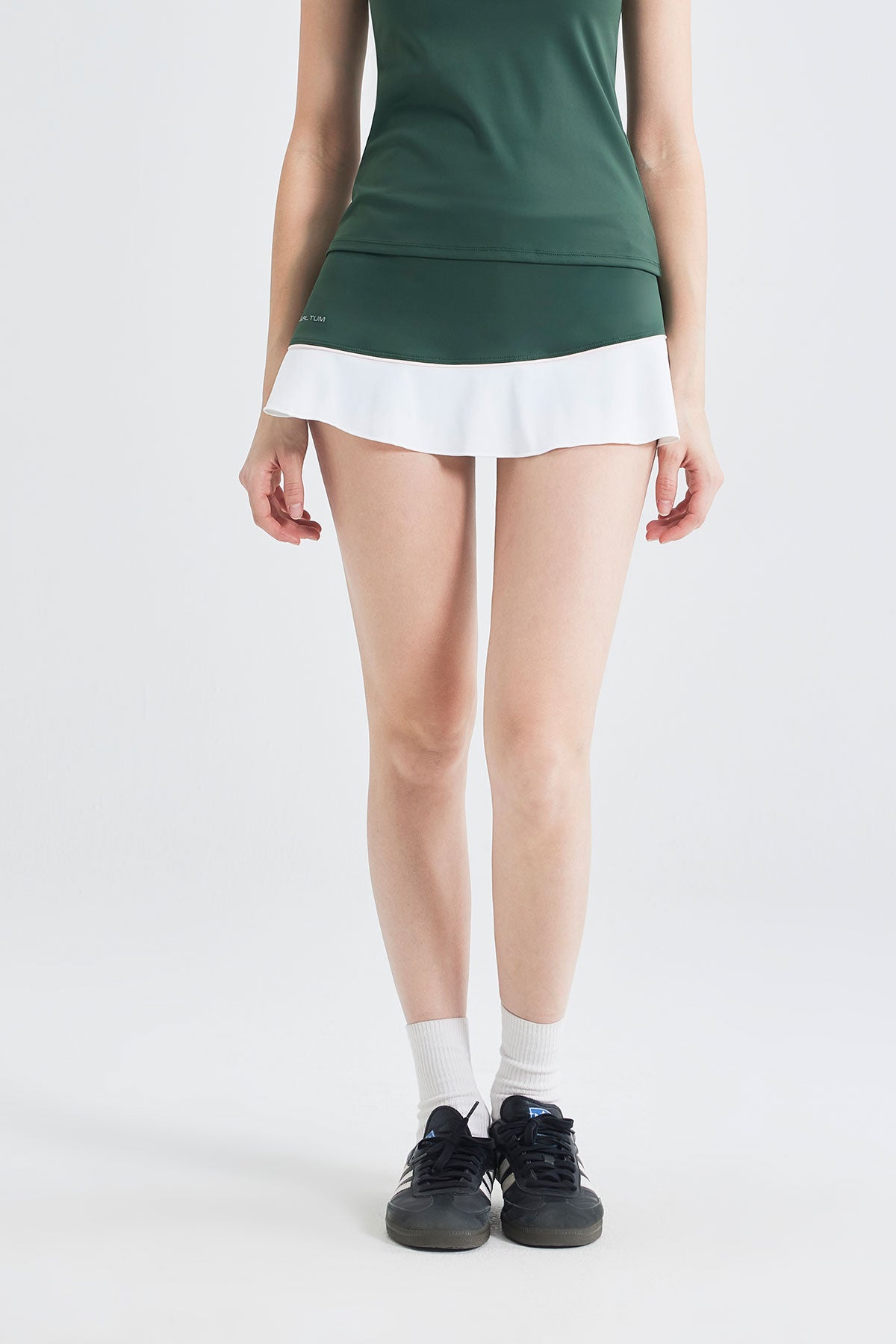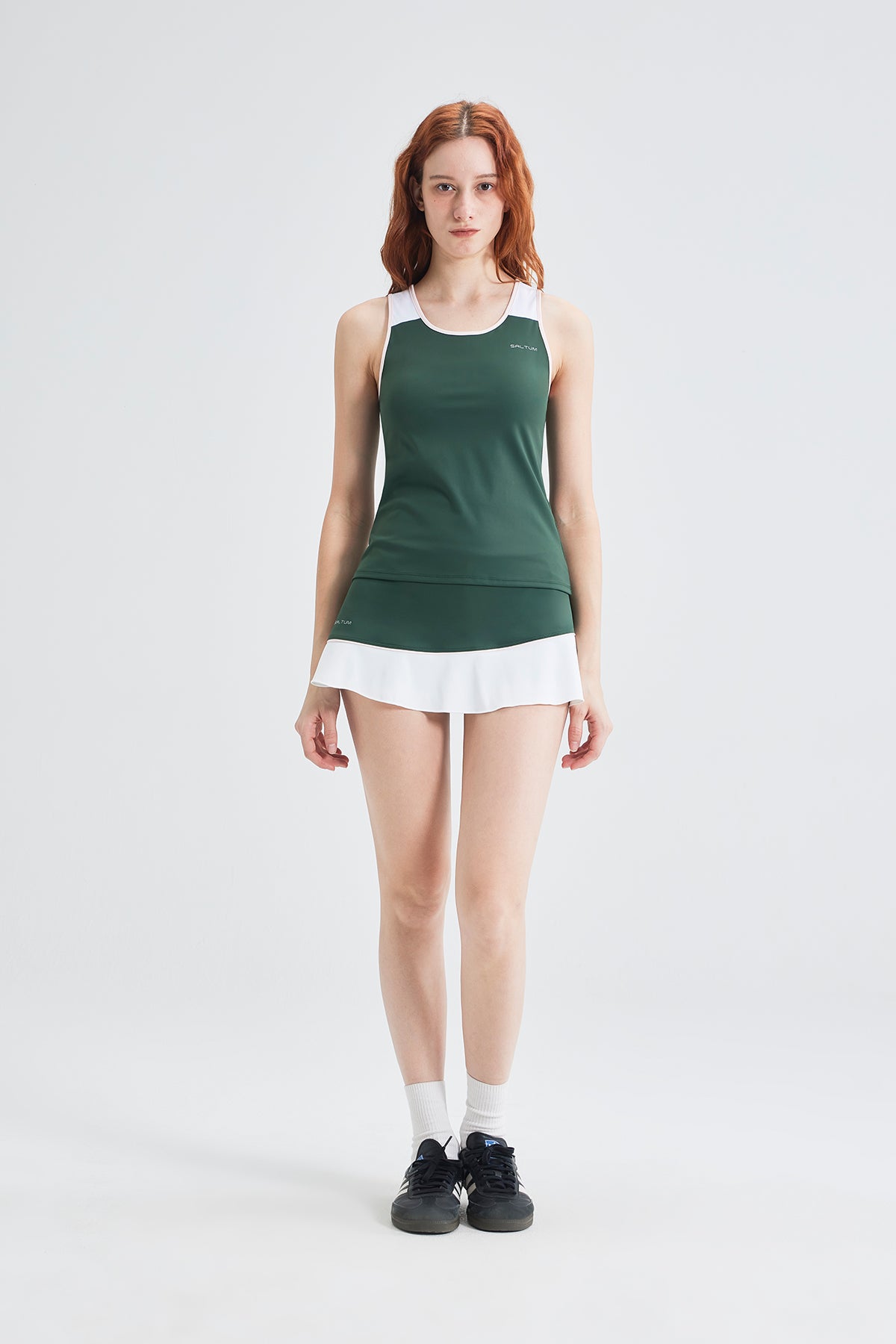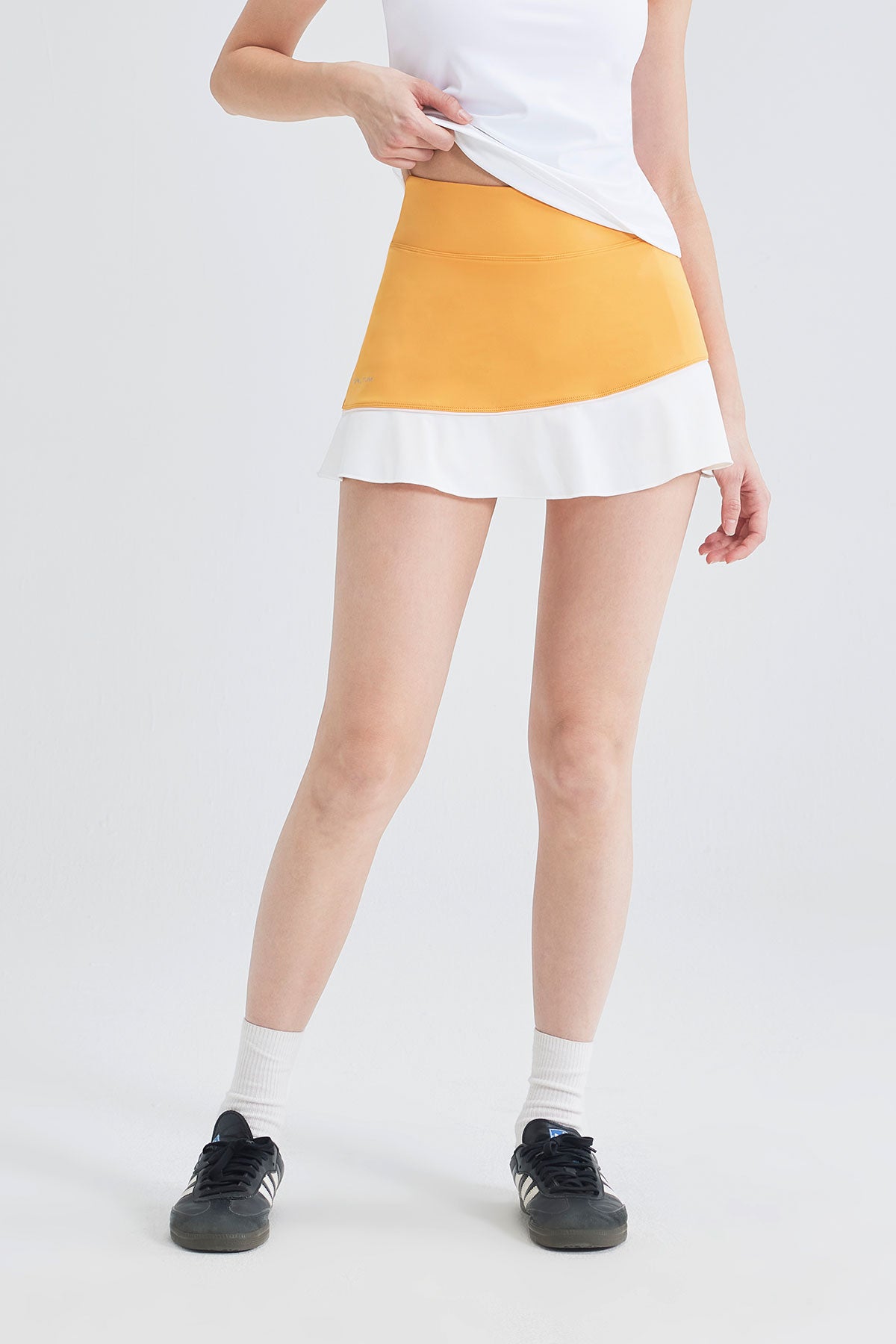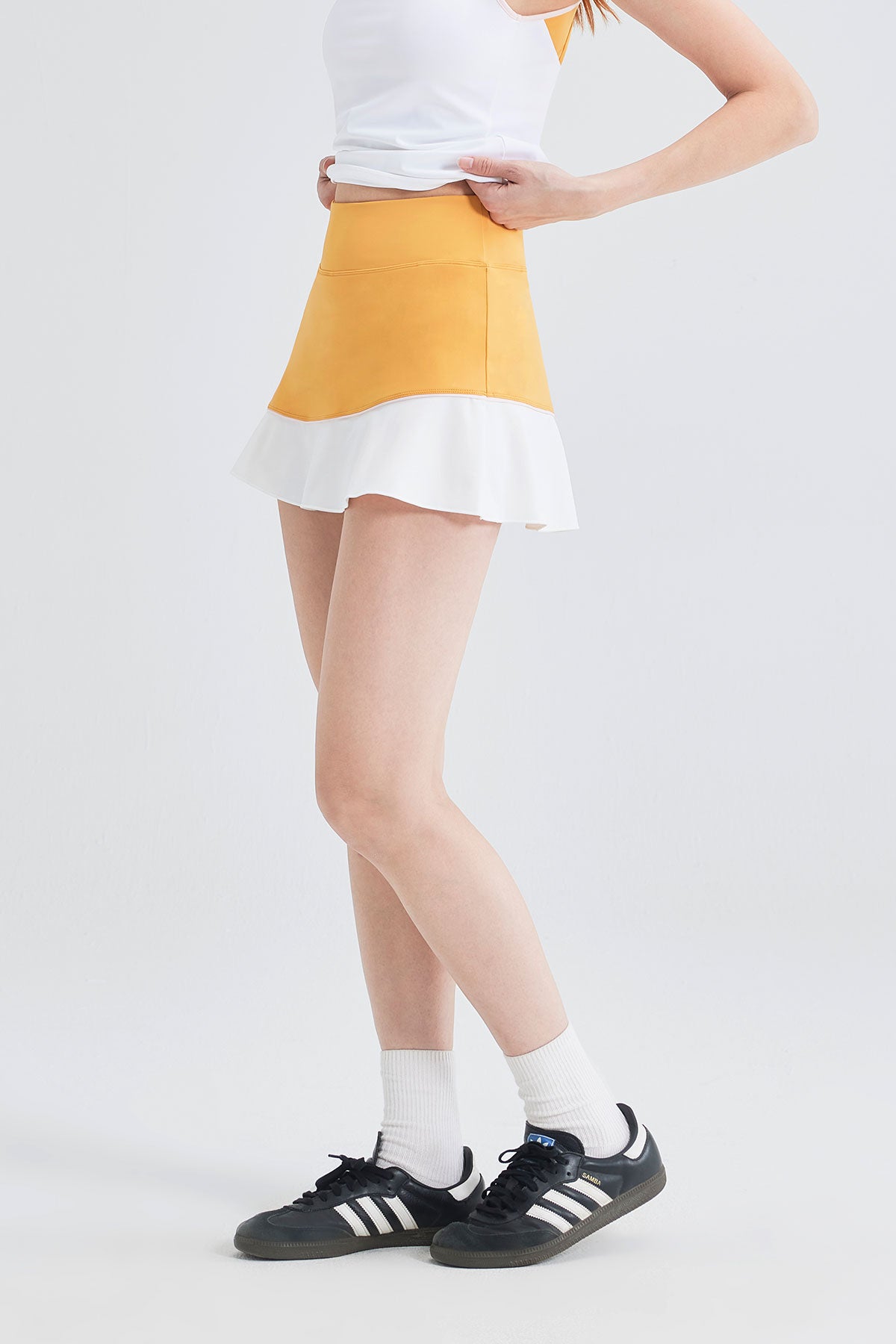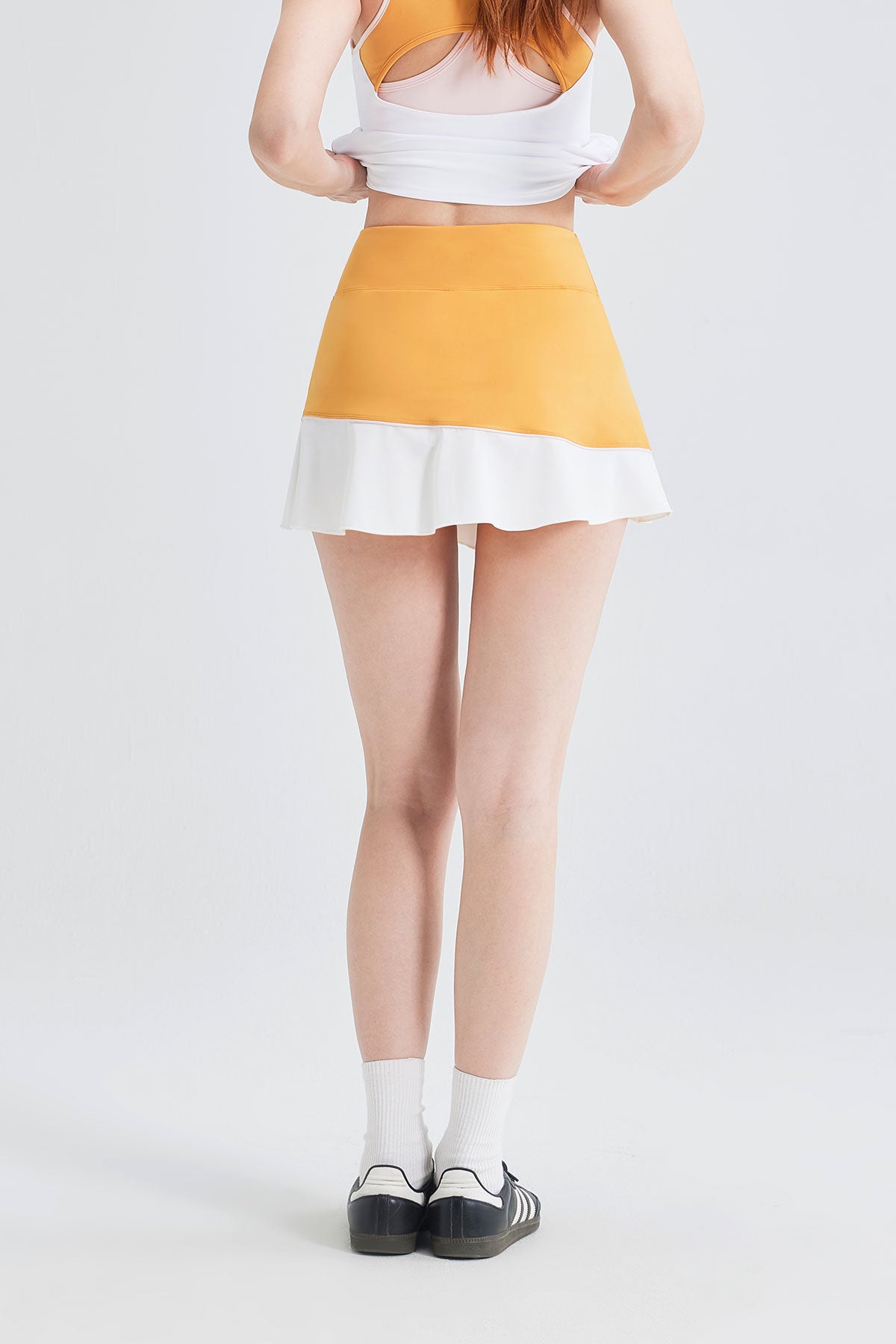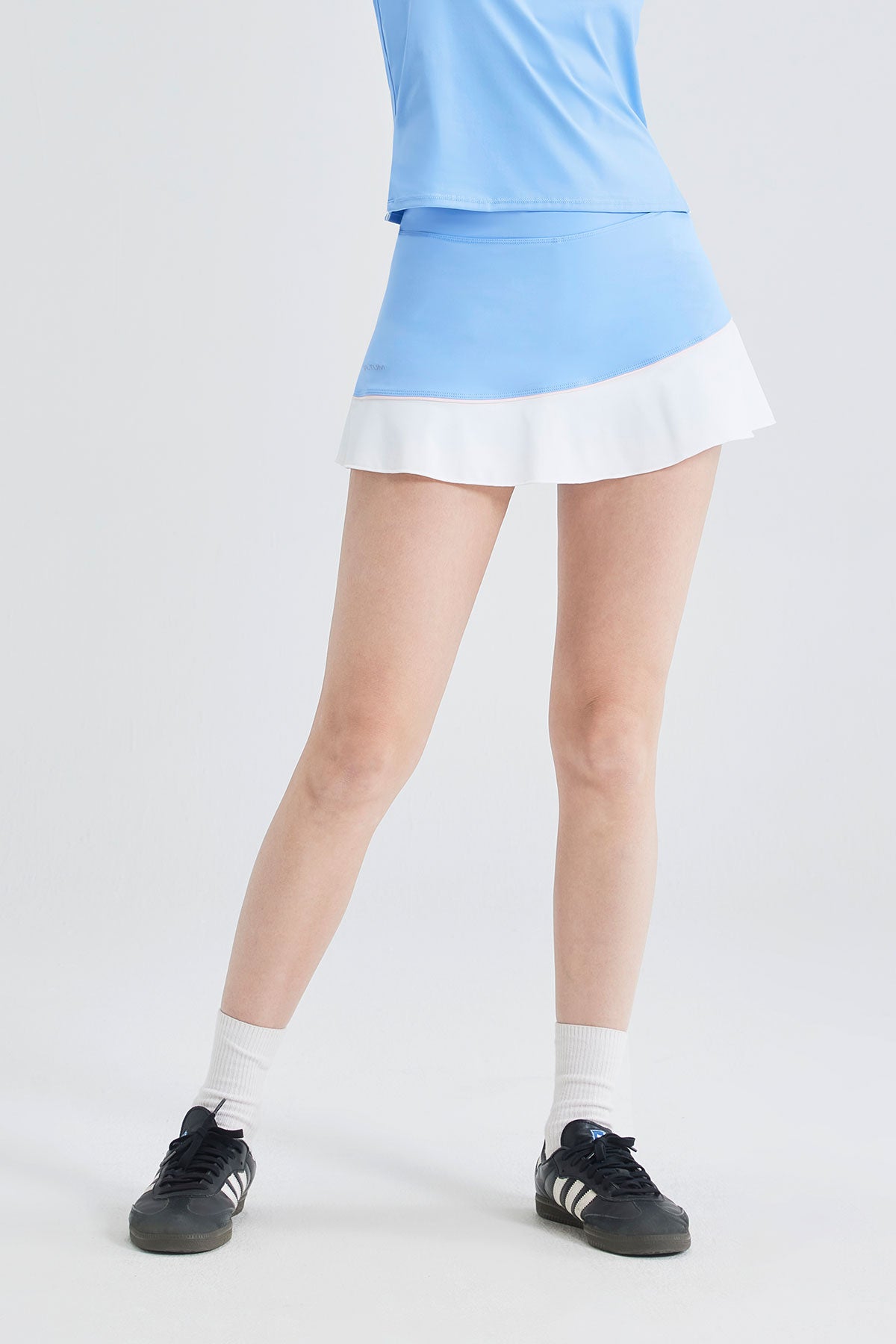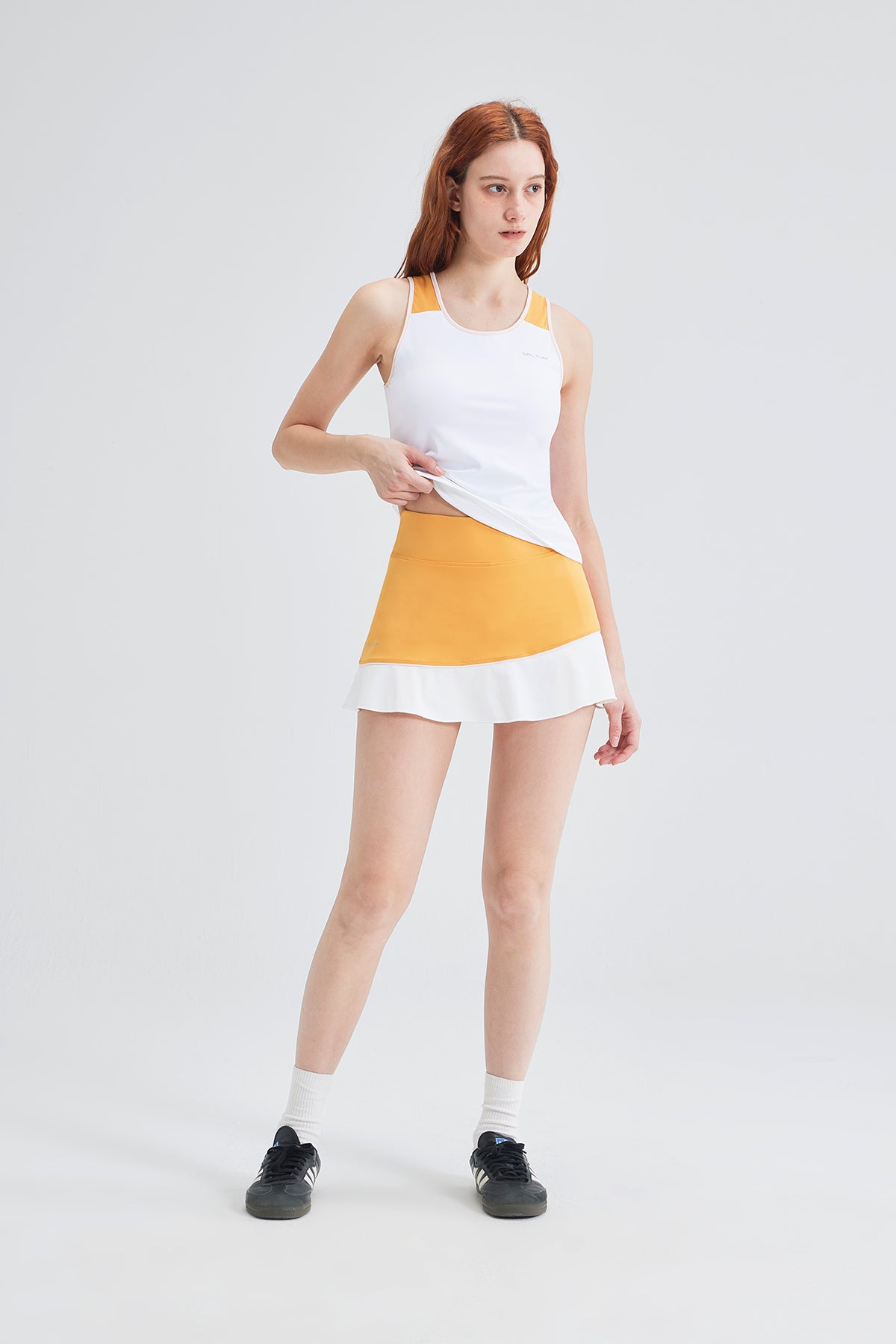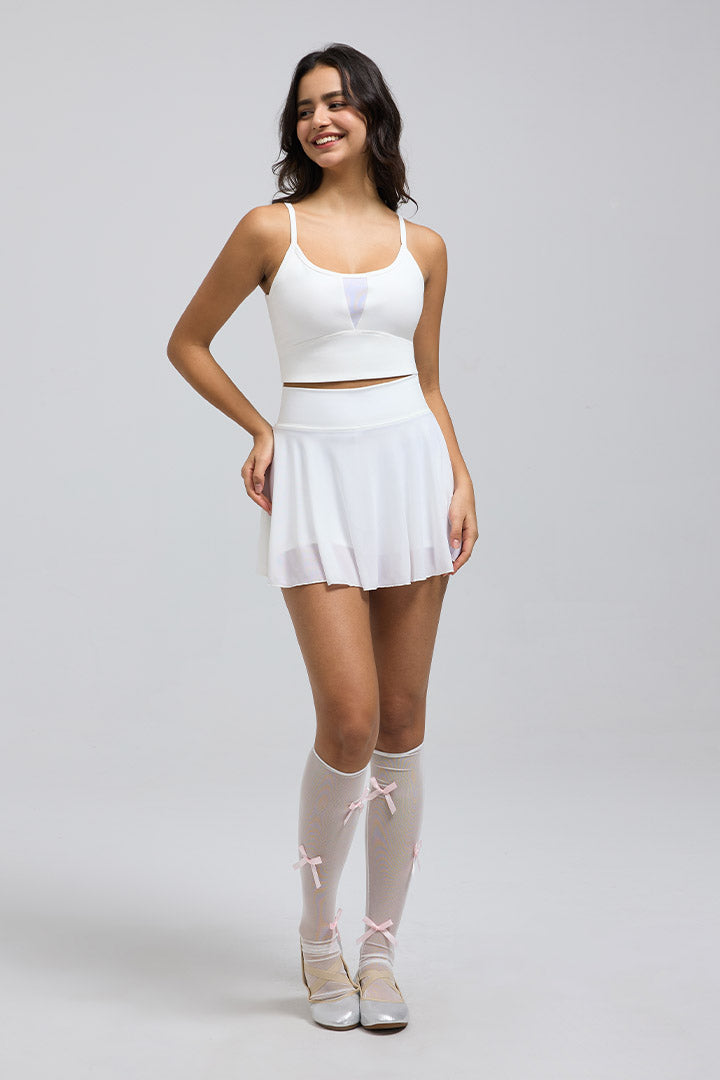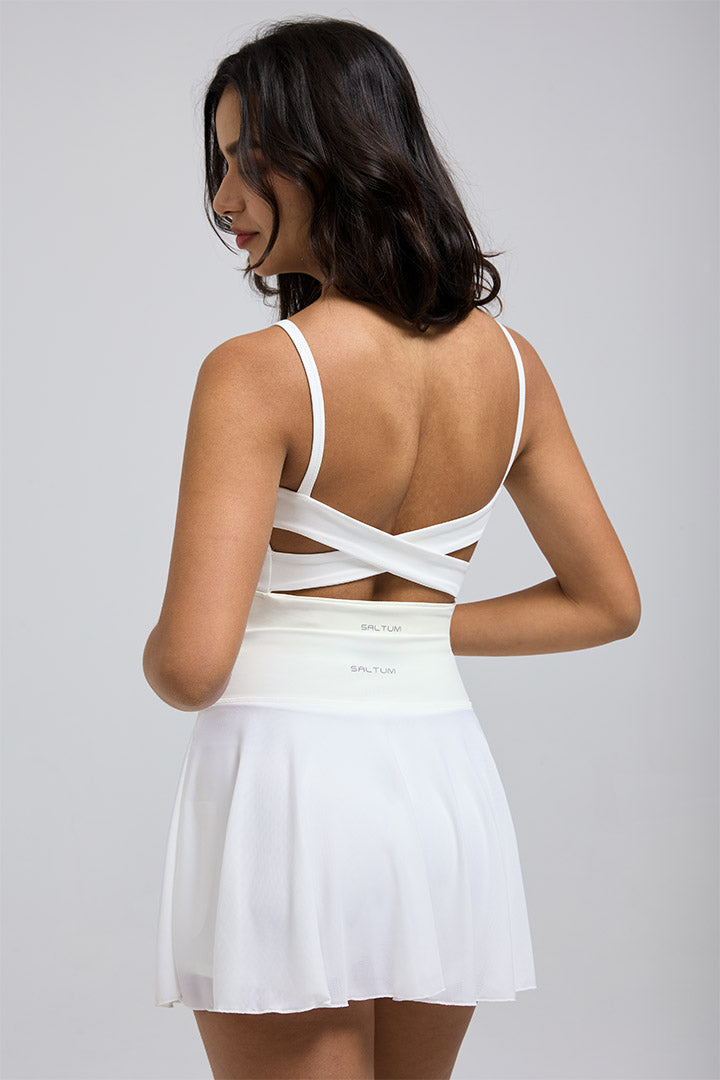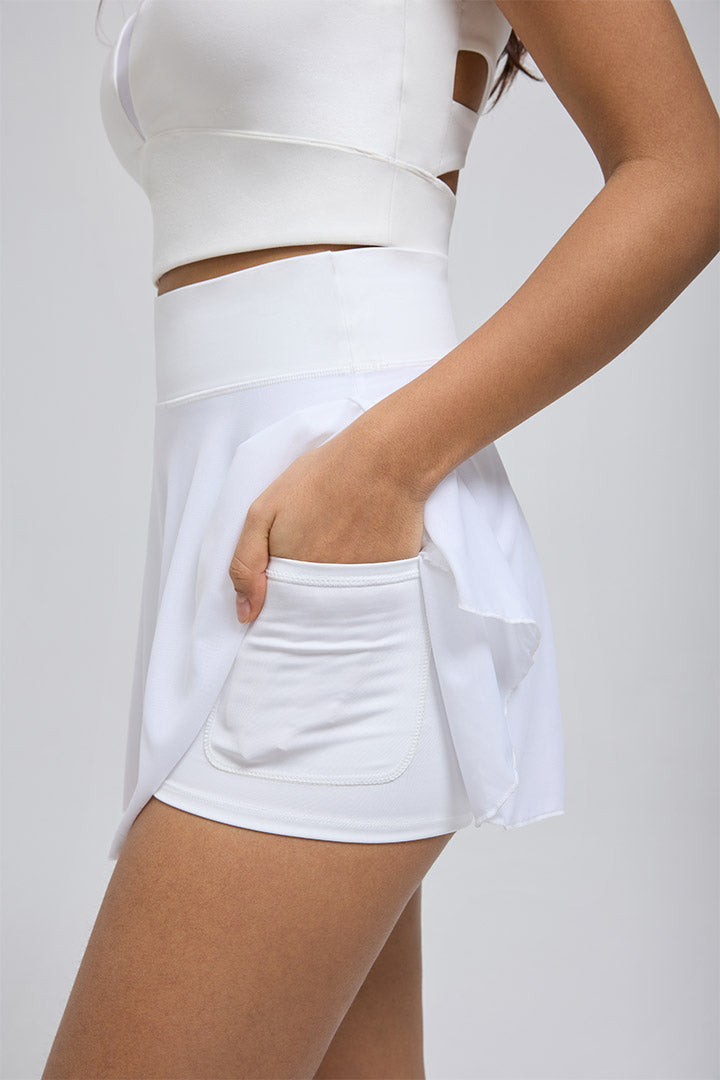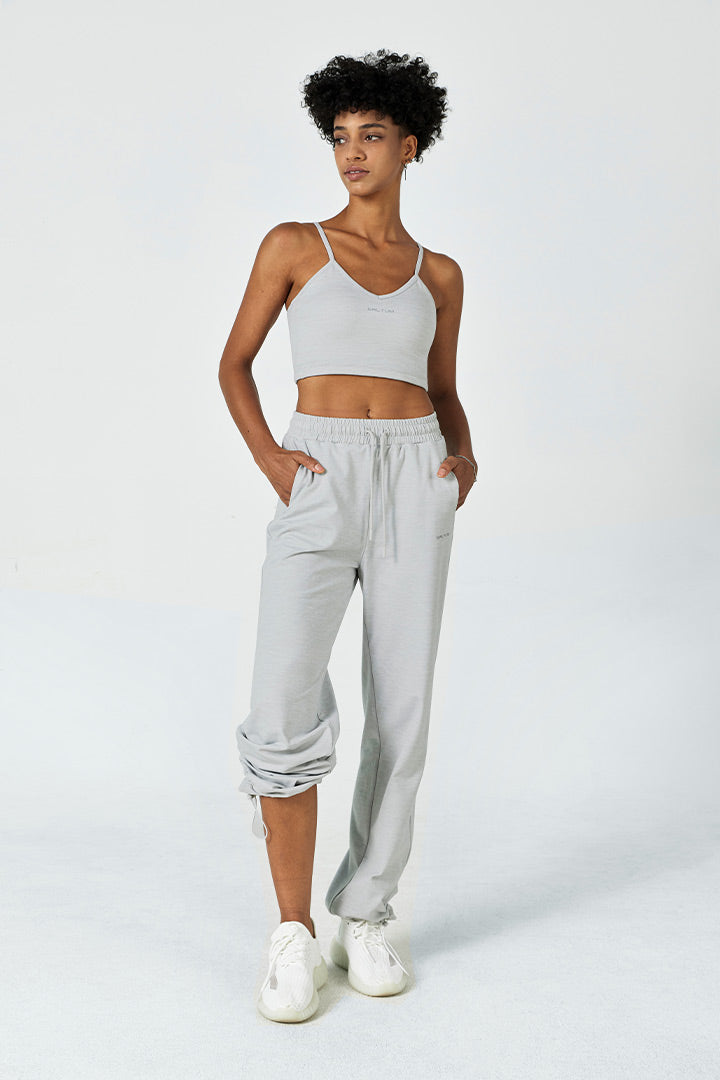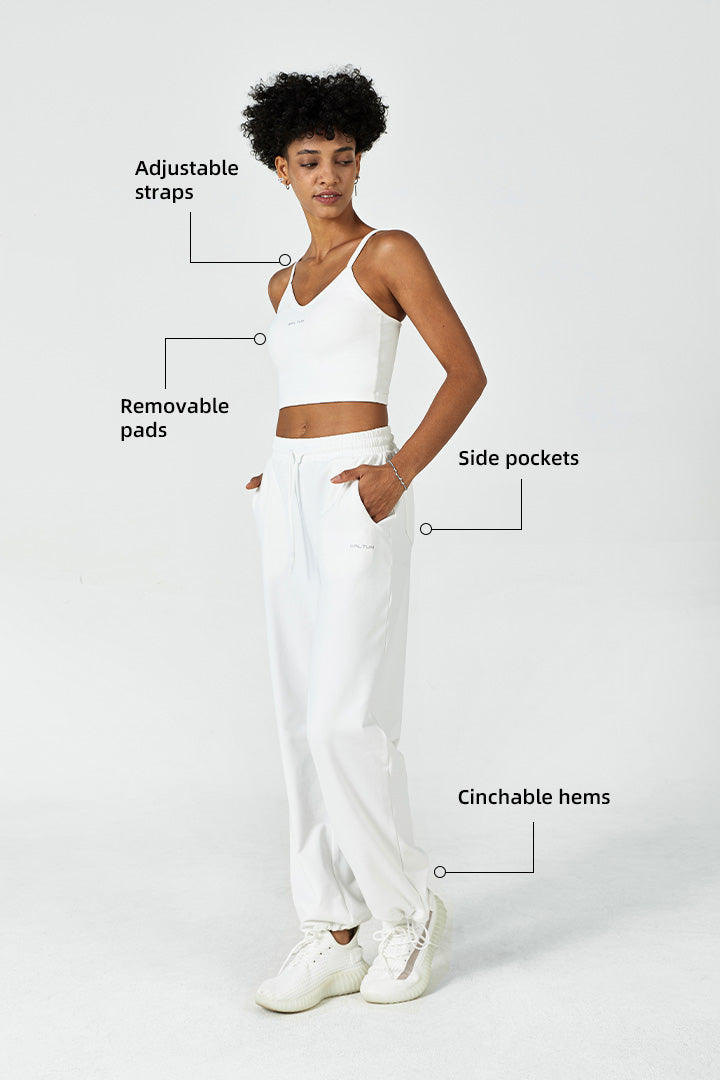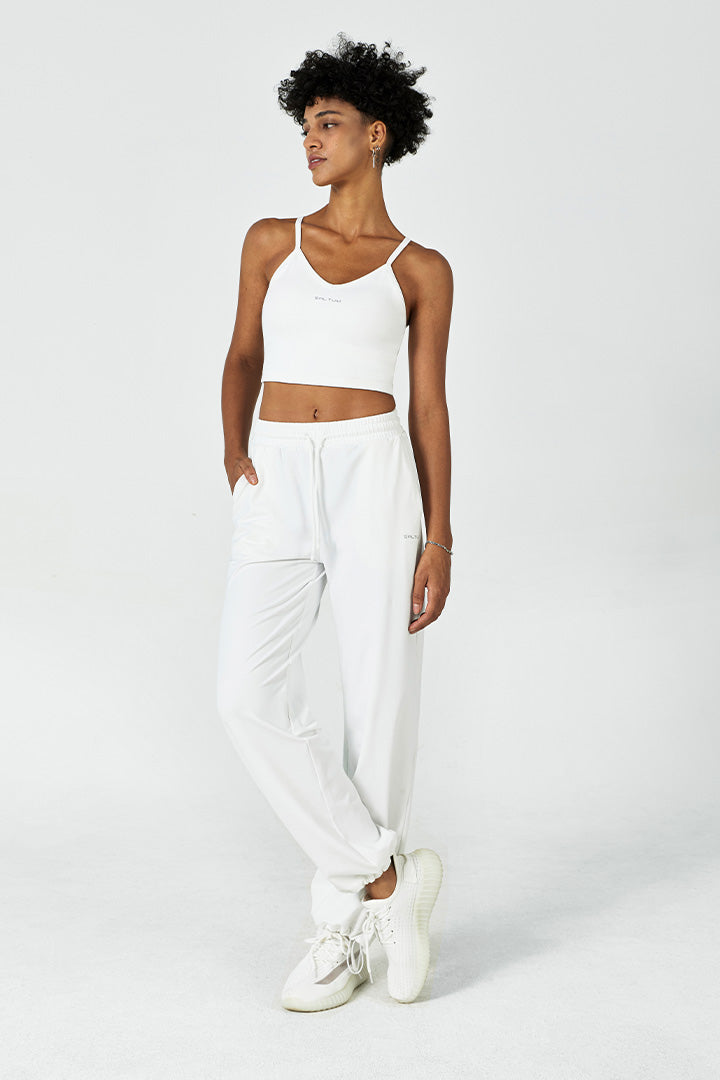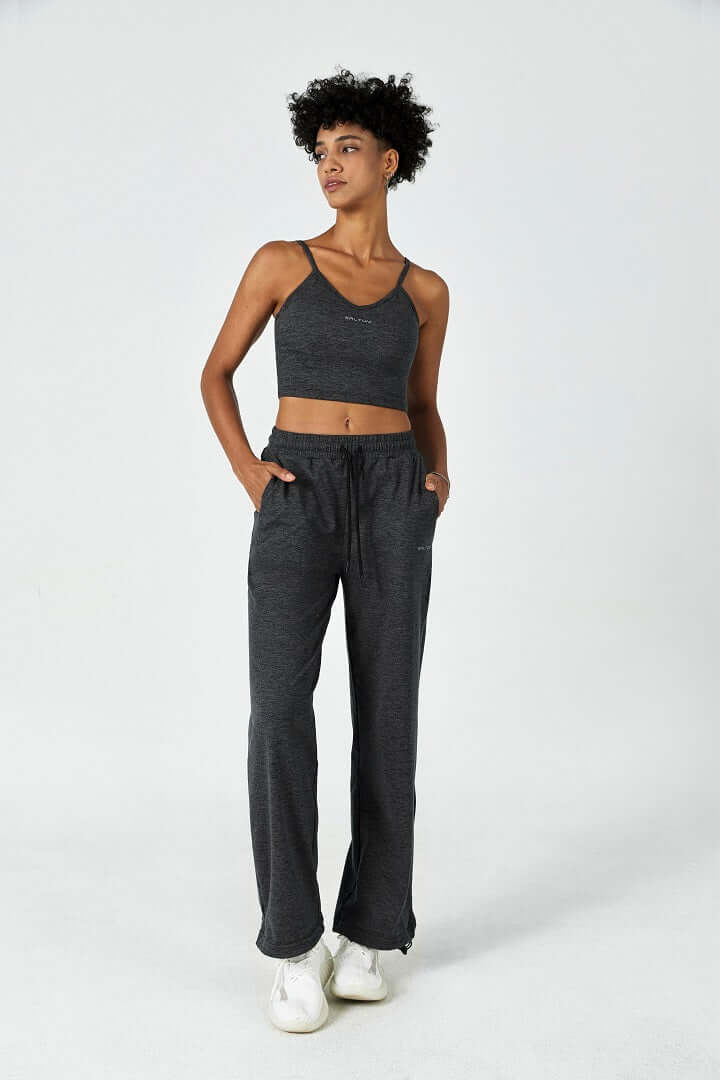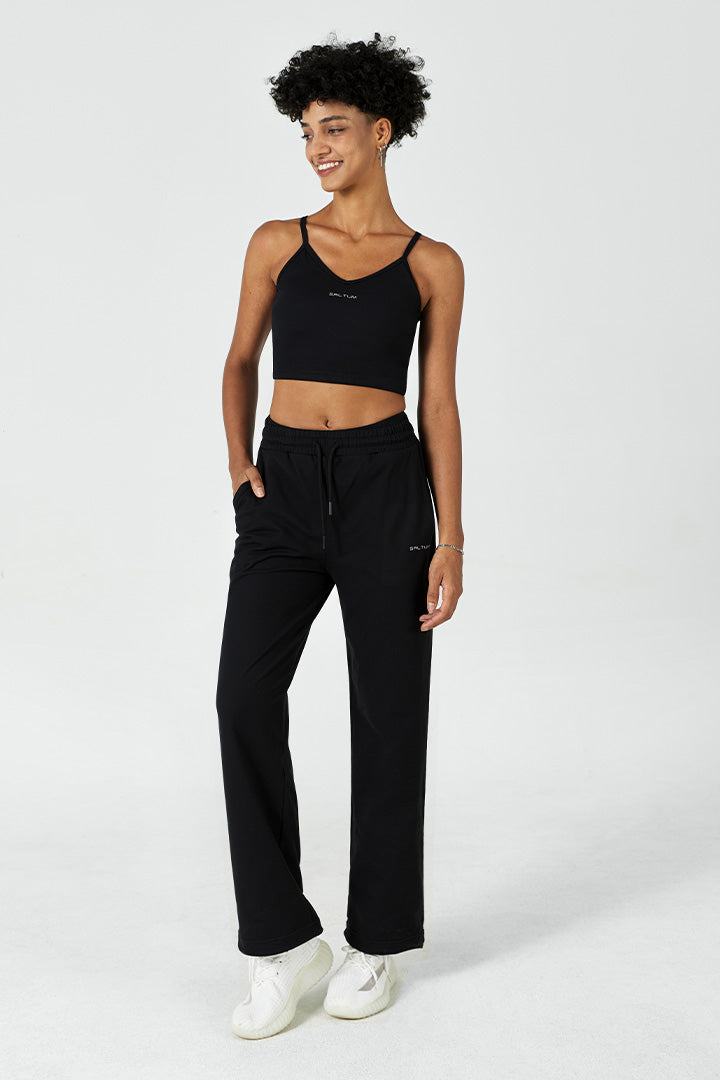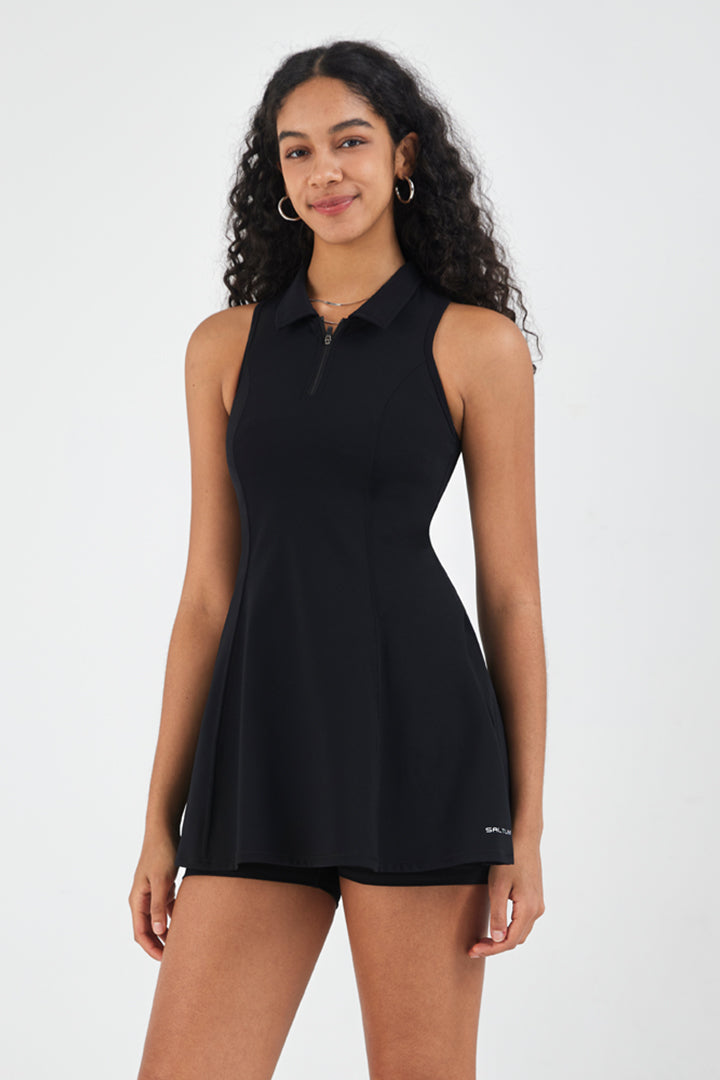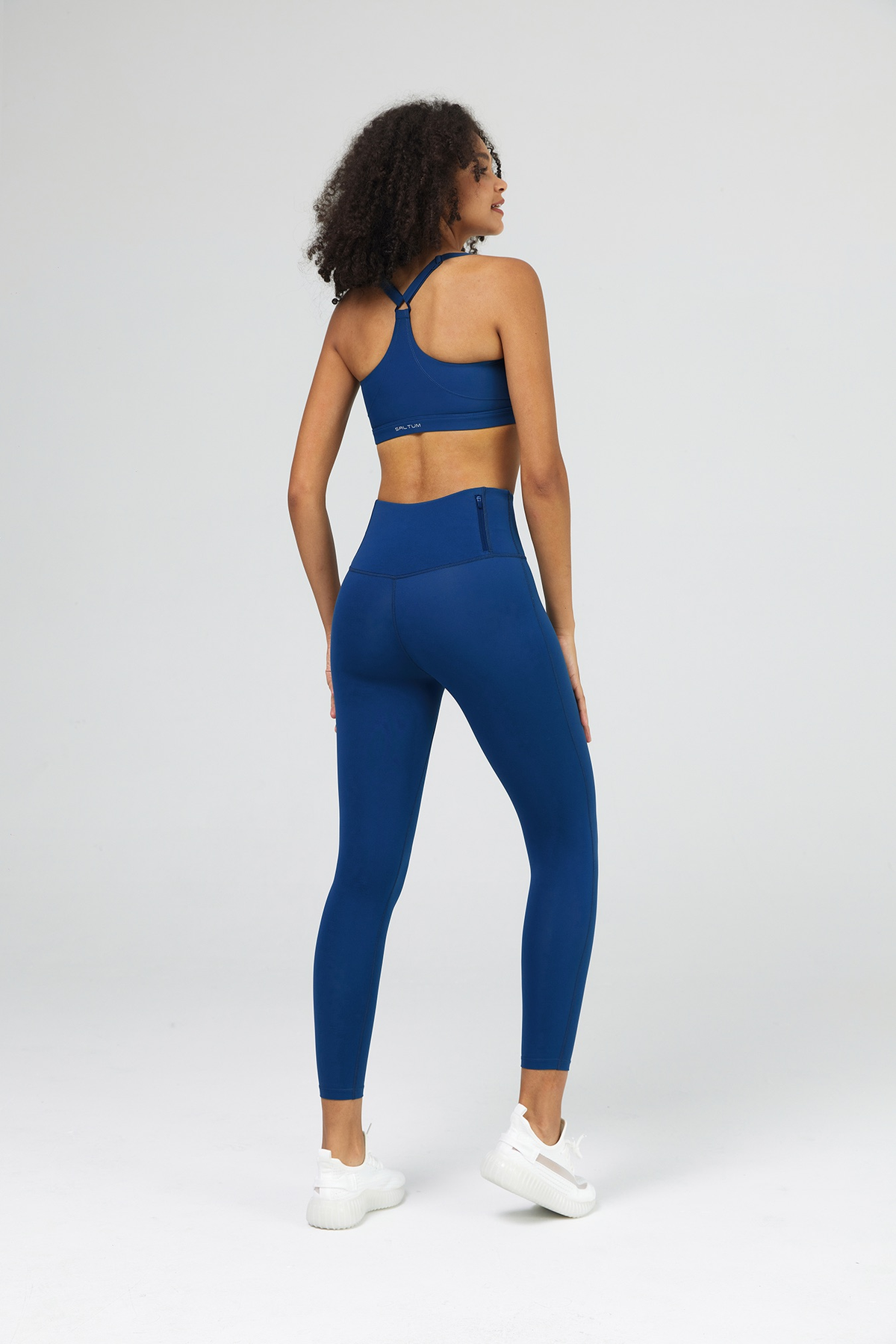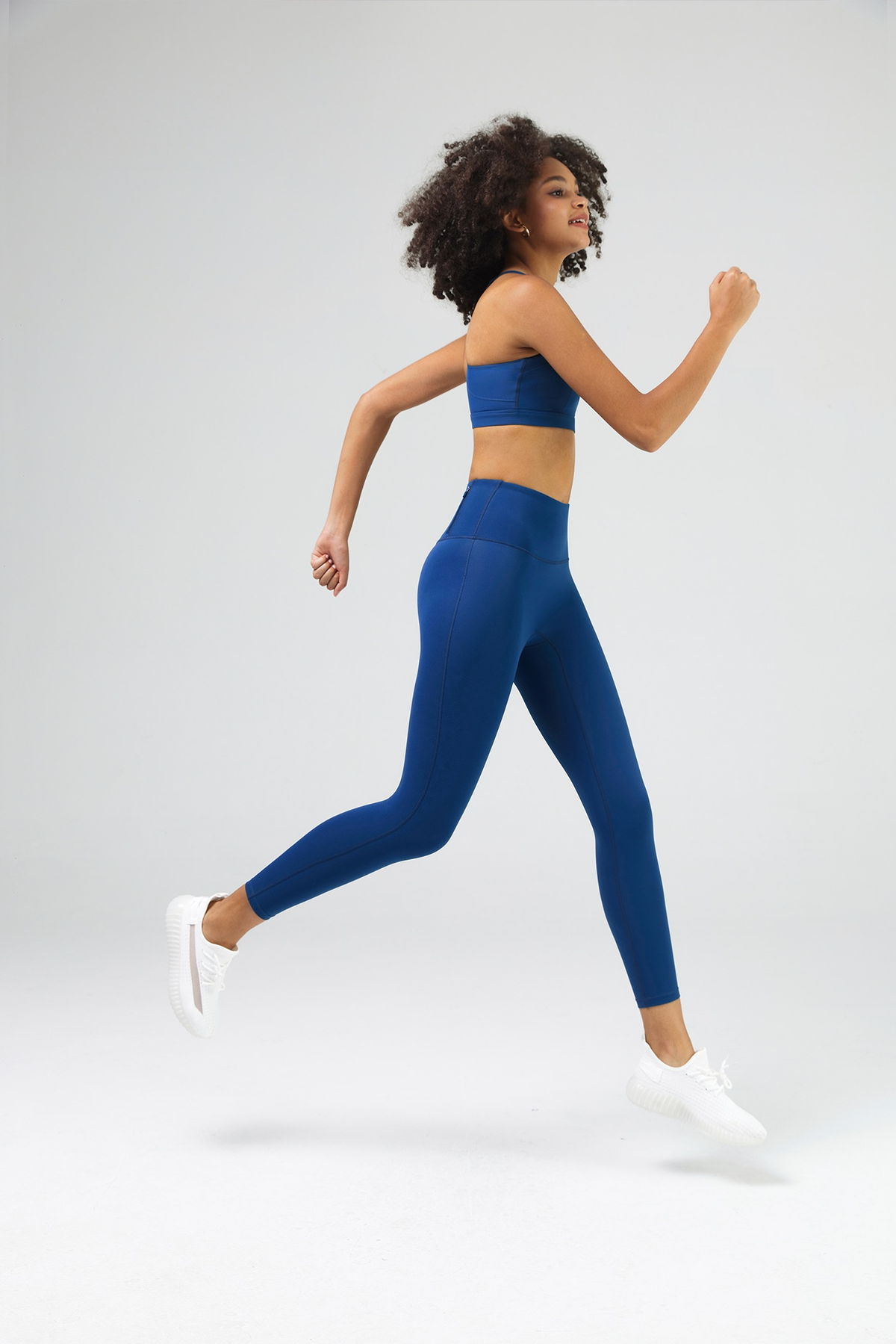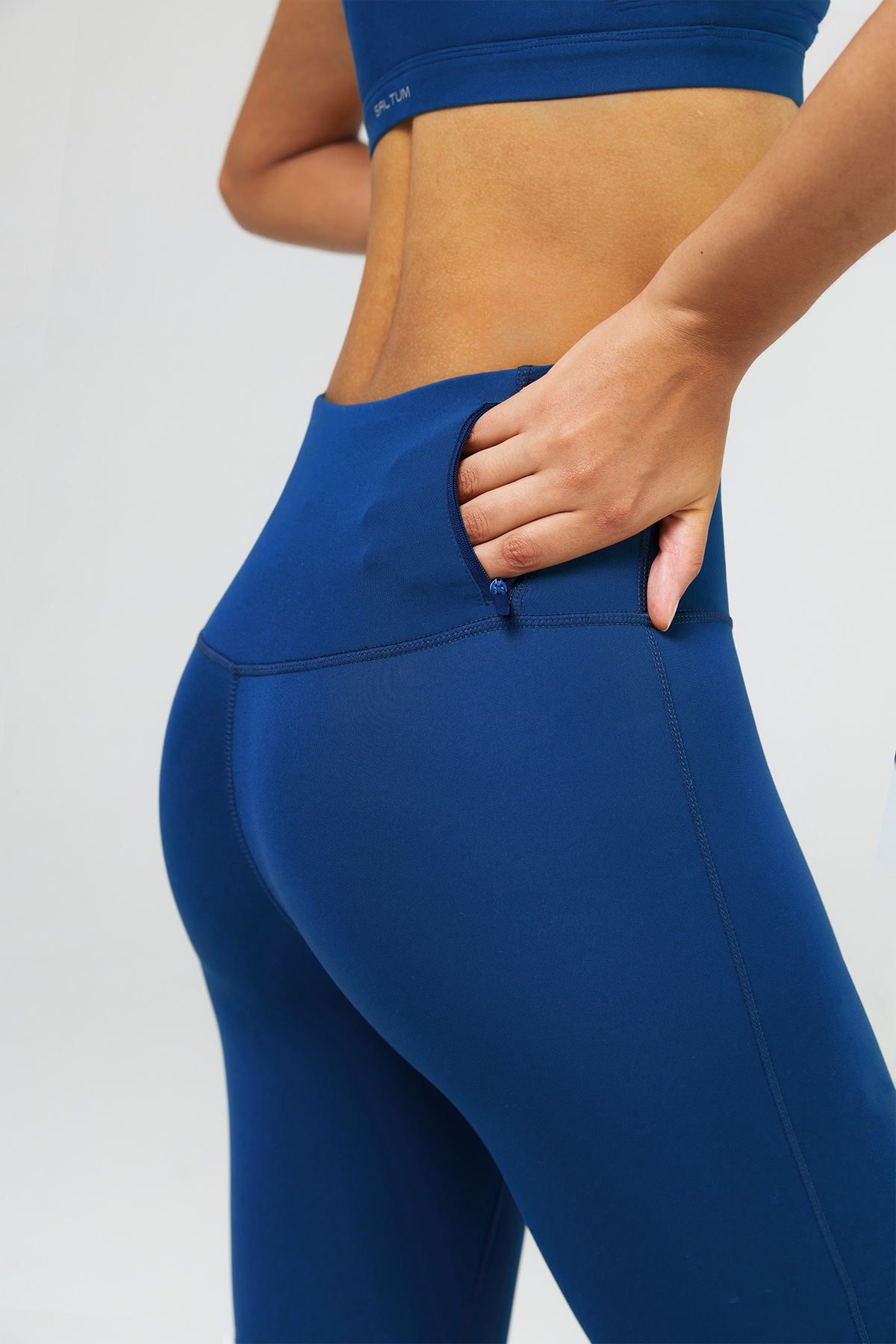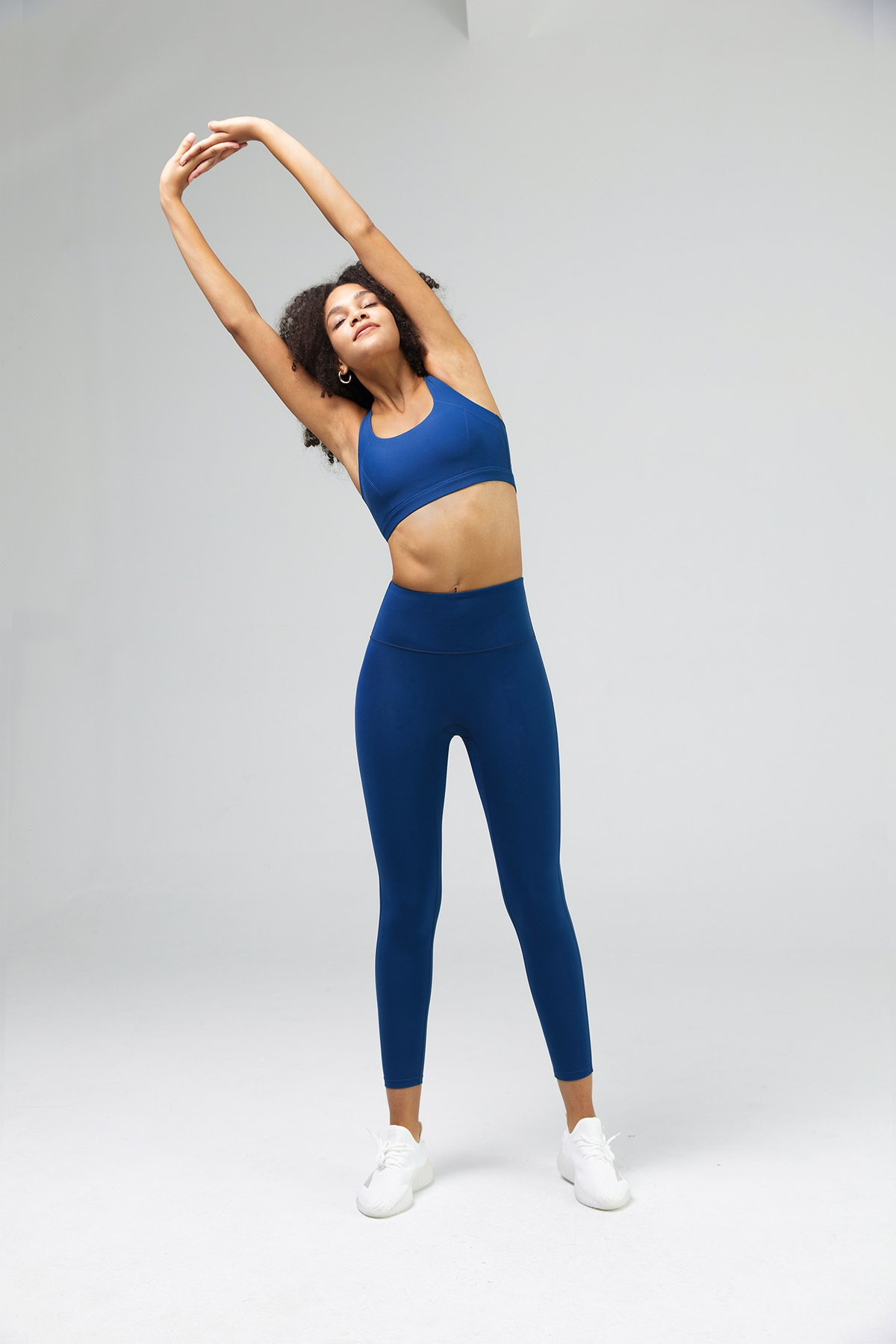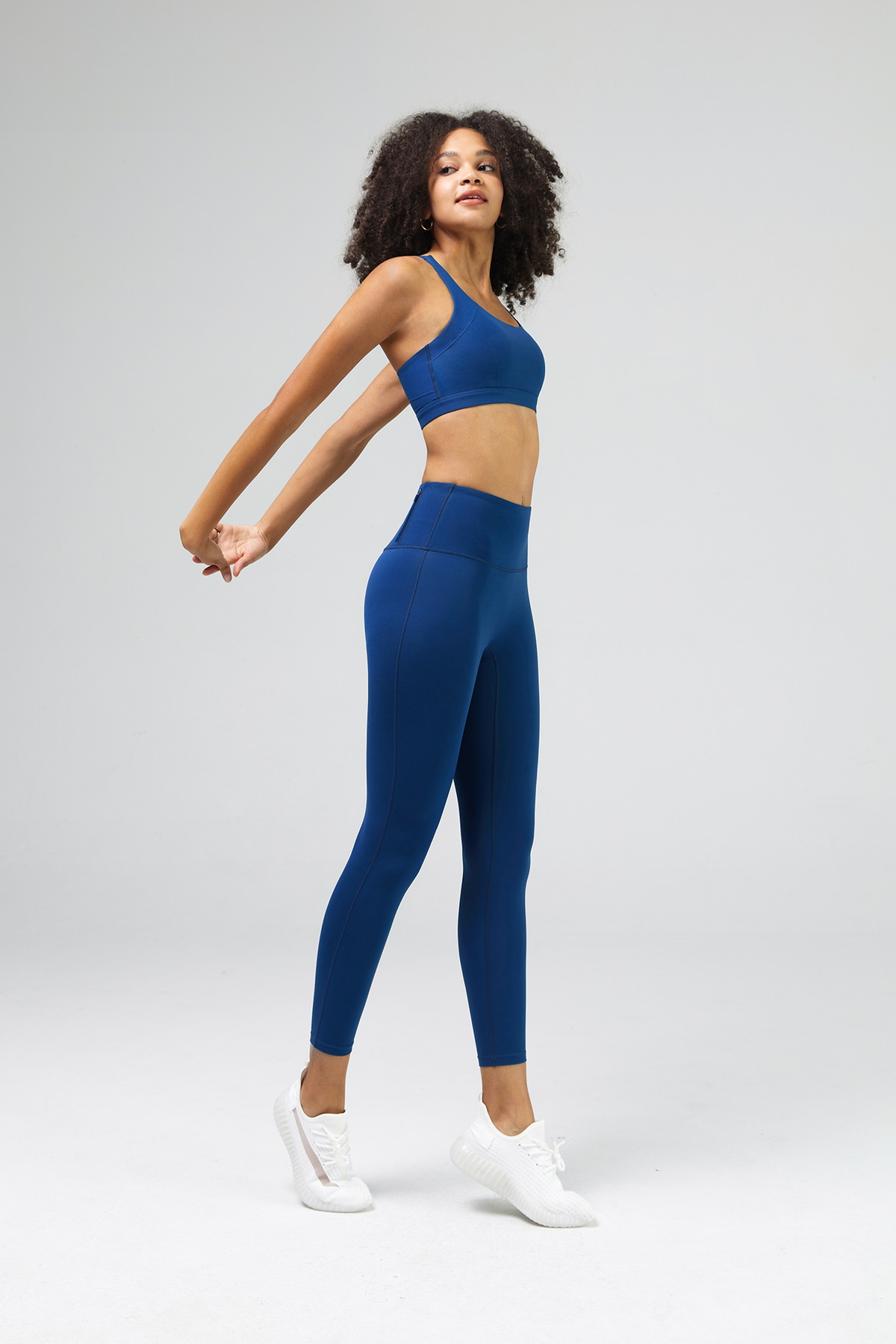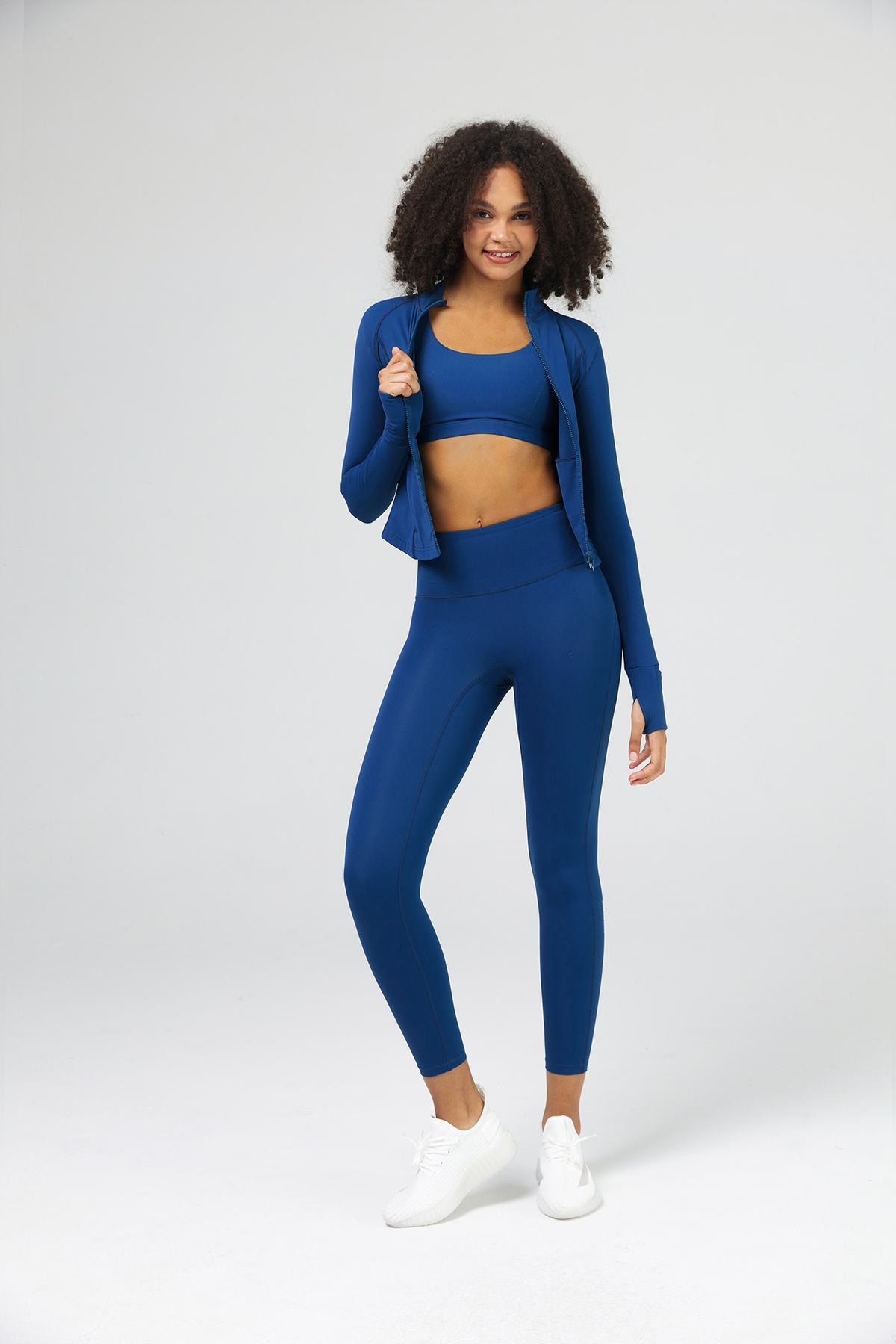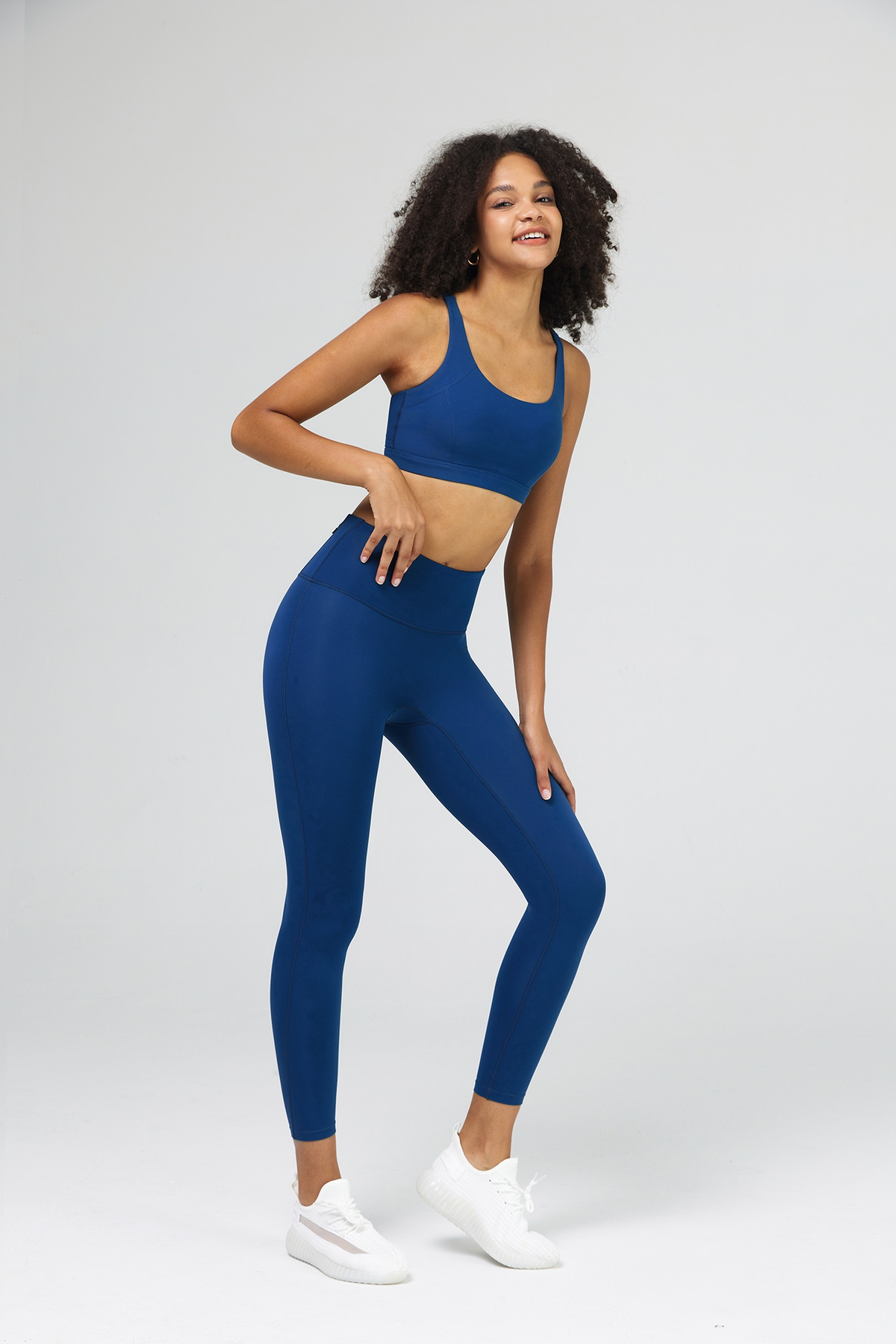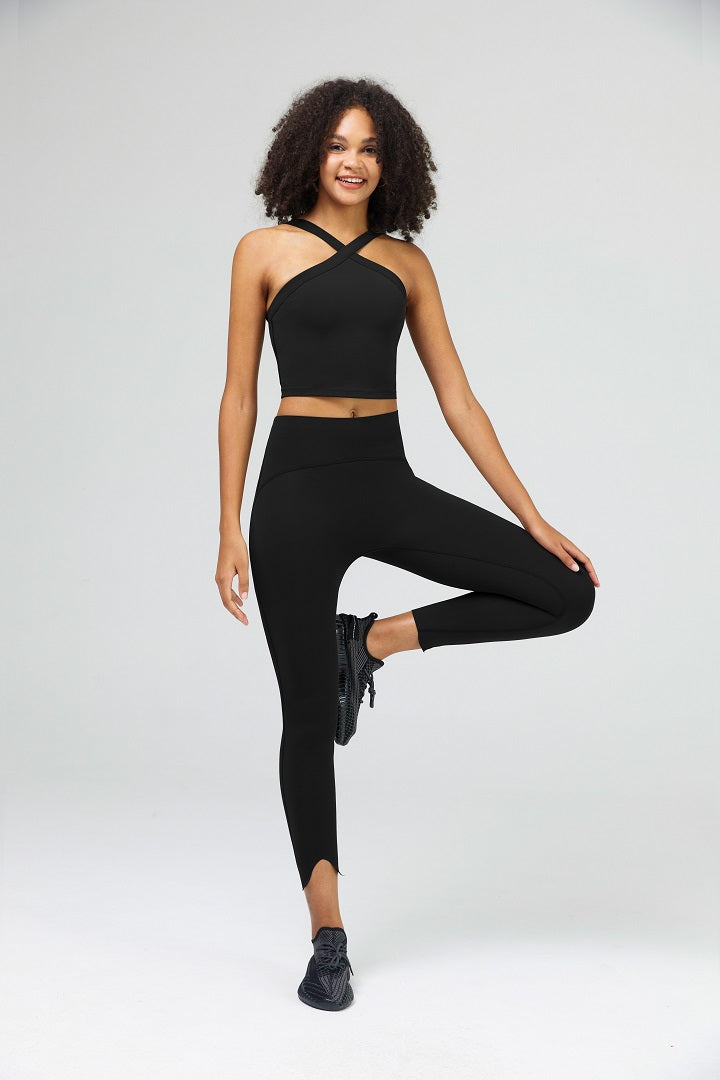


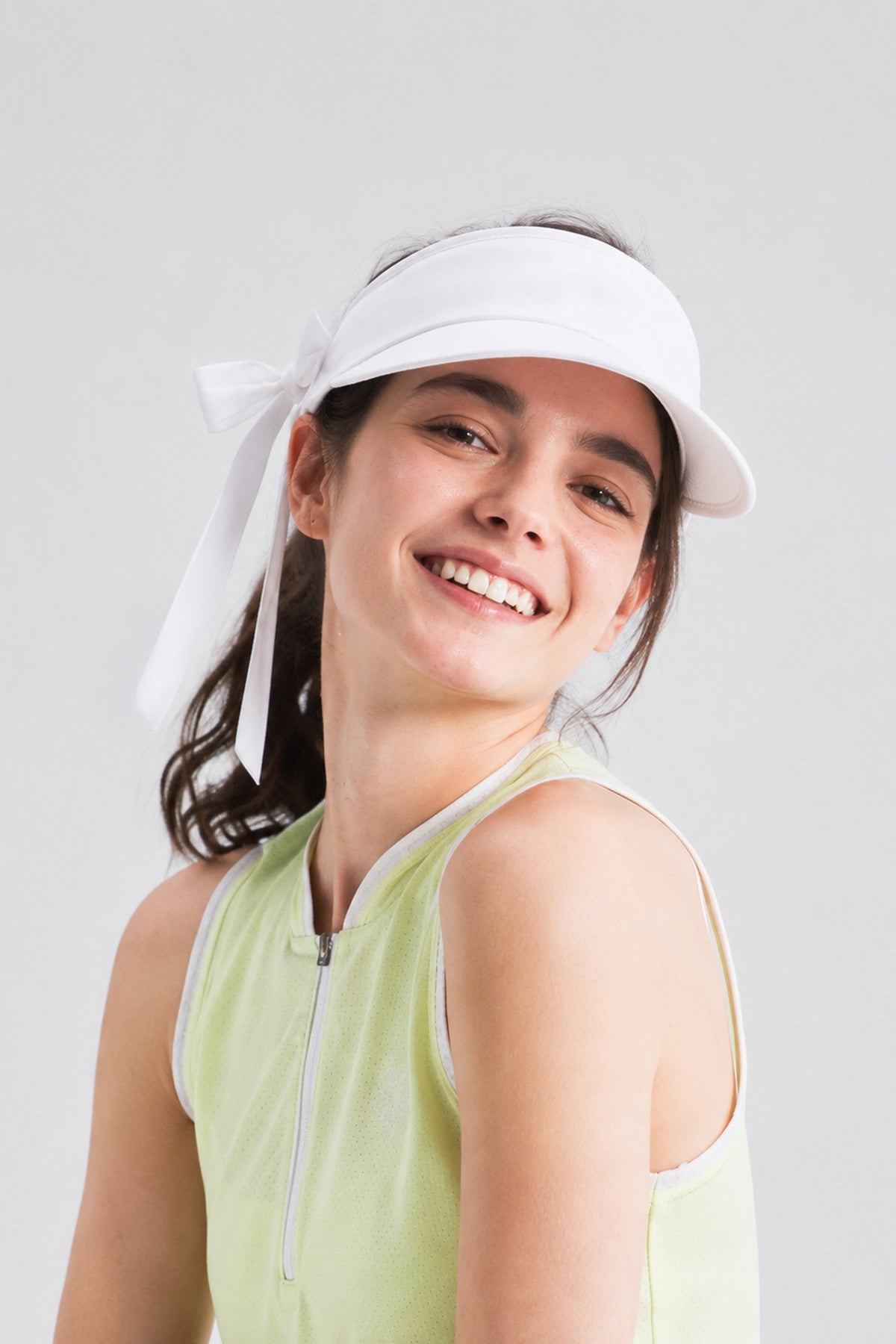
Se tenir devant son placard avant un nouveau cours de sport peut rendre un simple legging étrangement discutable. Vous vous demandez peut-être si tout le monde arrivera dans un ensemble coordonné, si votre haut est suffisamment ajusté ou si la barre exige des vêtements spéciaux que vous auriez somehow oubliés lors de votre réservation.
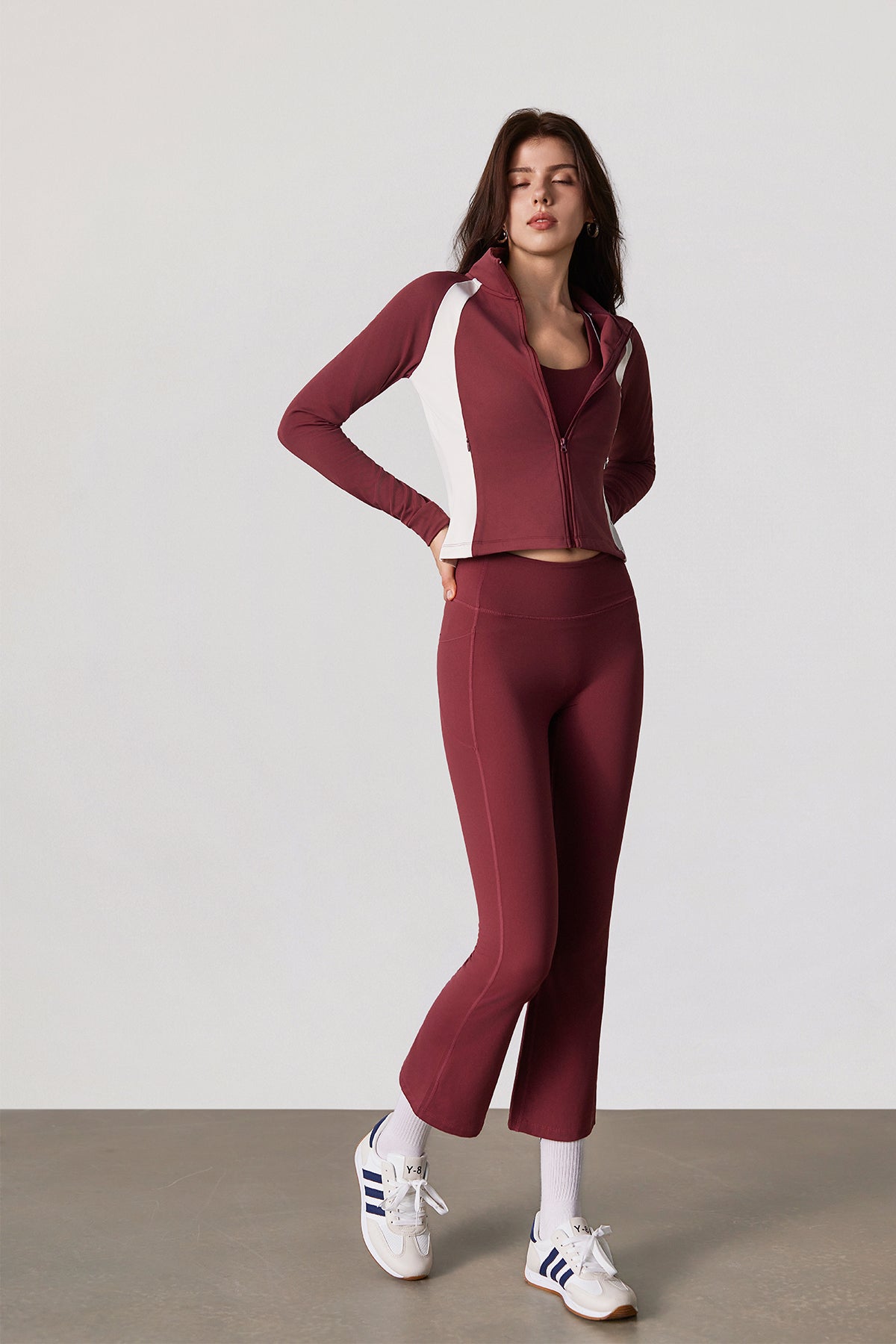
Votre tenue pour votre premier cours de barre peut être agréablement simple. Choisissez un haut ajusté et respirant, un legging ou un pantalon de studio confortable, des chaussettes antidérapantes si le studio les demande, ainsi qu’une couche légère pour l’aller et le retour. Vous possédez probablement déjà la plupart de ce qu’il vous faut, et arriver dans une tenue parfaitement assortie ne fait absolument pas partie des exigences du cours.

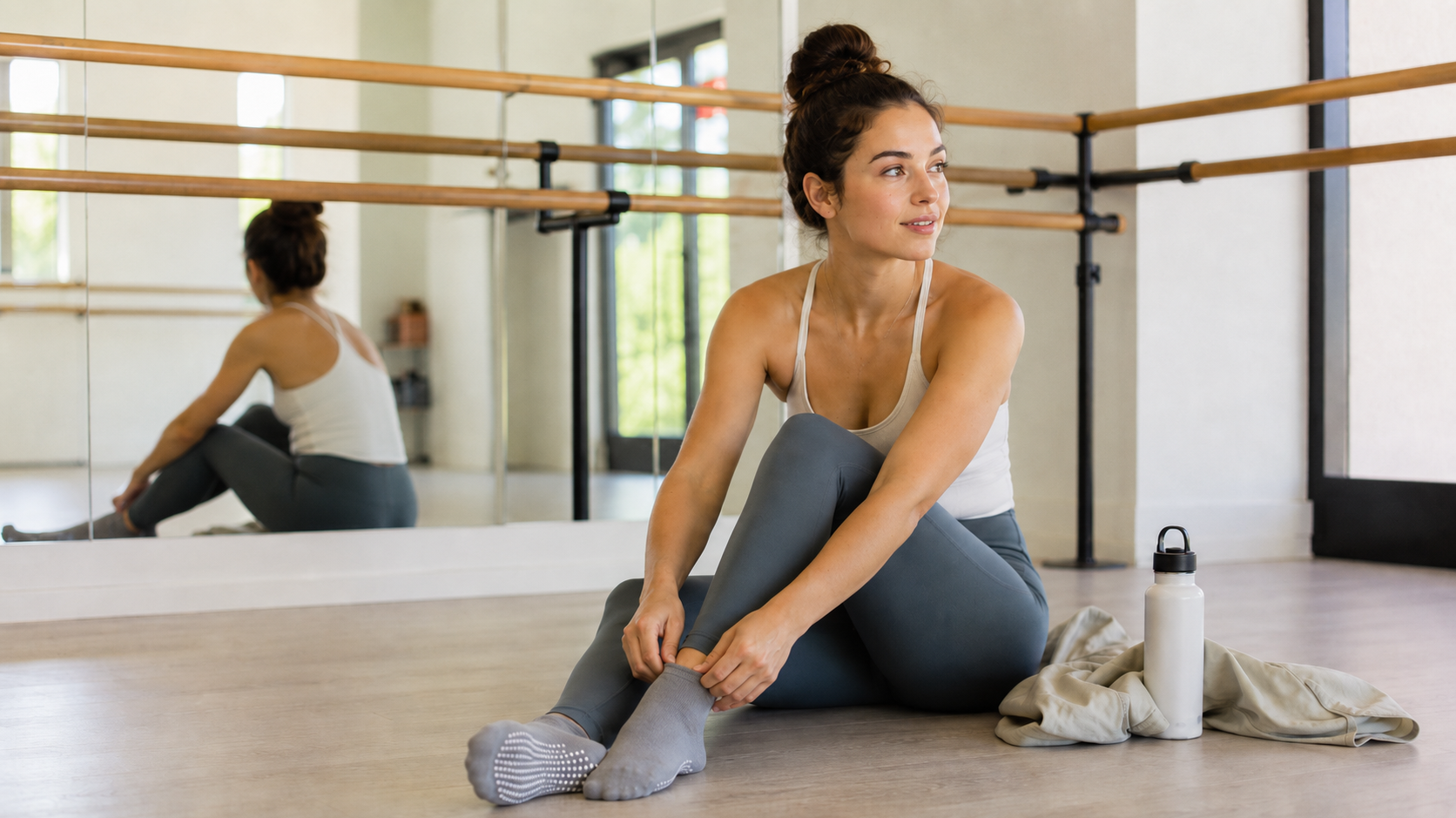
Des vêtements simples et confortables pour le studio suffisent généralement pour les exercices debout, les étirements et les exercices au sol.
Le code vestimentaire de la barre est plus simple qu’il n’y paraît
Les cours de barre associent généralement des exercices debout à une barre de ballet, de petits mouvements contrôlés, des étirements et quelques exercices sur tapis ou au sol. Selon le studio et l’instructeur, vous pourrez également utiliser de petits poids, des bandes de résistance ou une petite balle. Rien de tout cela ne nécessite une tenue élaborée.
Les vêtements légèrement ajustés sont généralement pratiques, car ils vous permettent de bouger sans que du tissu en trop vous gêne. Ils peuvent aussi aider l’instructeur à voir votre positionnement général pendant les mouvements qui sollicitent les hanches, les genoux, les épaules ou la colonne vertébrale. Cela ne signifie toutefois pas que chaque vêtement doit être moulant. Confortable et près du corps suffit.
L’ambiance des studios varie davantage que ne le laissent penser les réseaux sociaux. Un cours peut être rempli d’ensembles assortis, tandis qu’un autre accueille des leggings de yoga usés, des débardeurs simples et des T-shirts souples. Consulter le site du studio ou l’e-mail de confirmation peut vous indiquer s’il existe un code vestimentaire particulier, mais la plupart des débutants n’ont besoin de rien de spécialement technique.
Commencez par un haut dans lequel vous vous sentez à l’aise et en sécurité
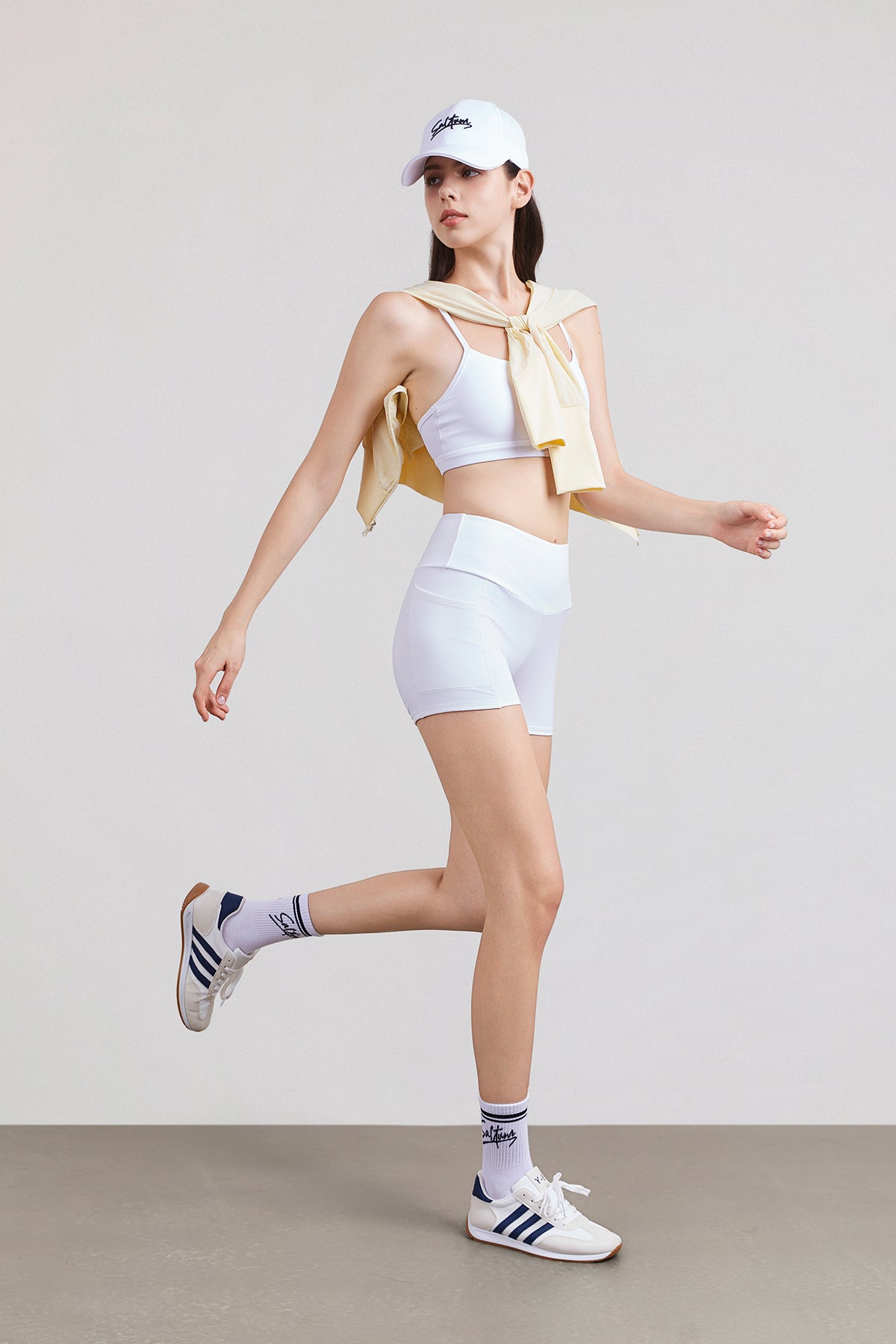
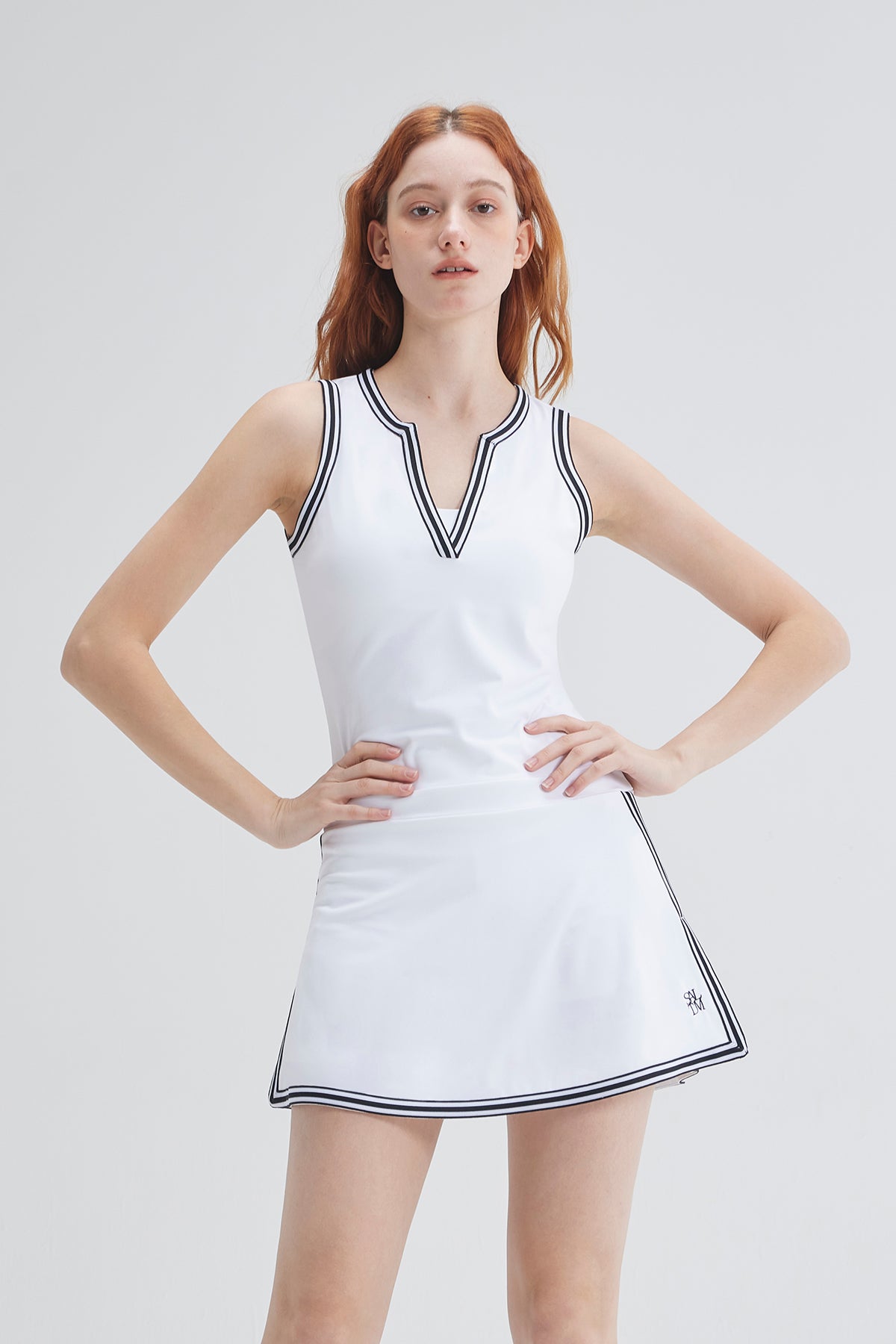
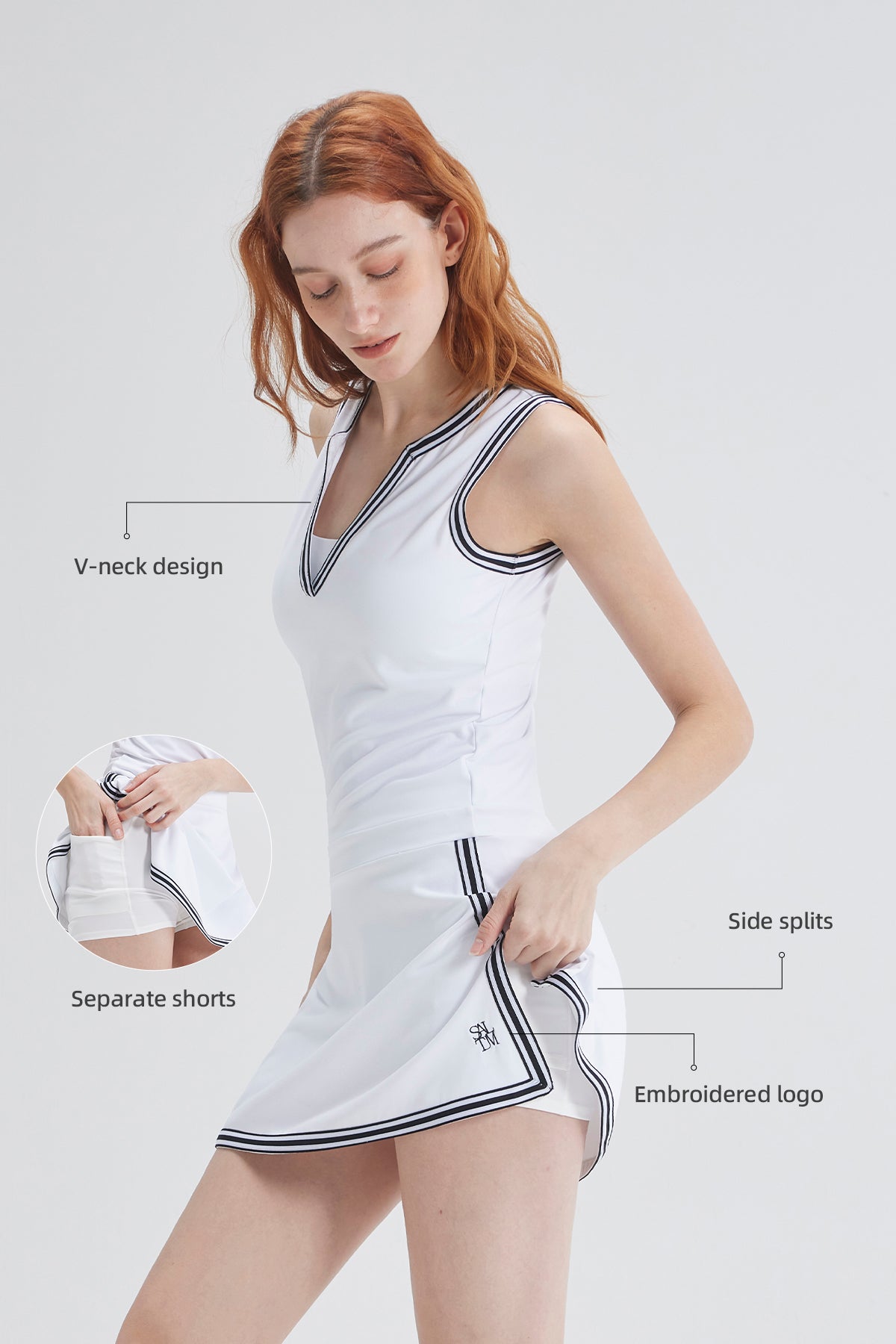
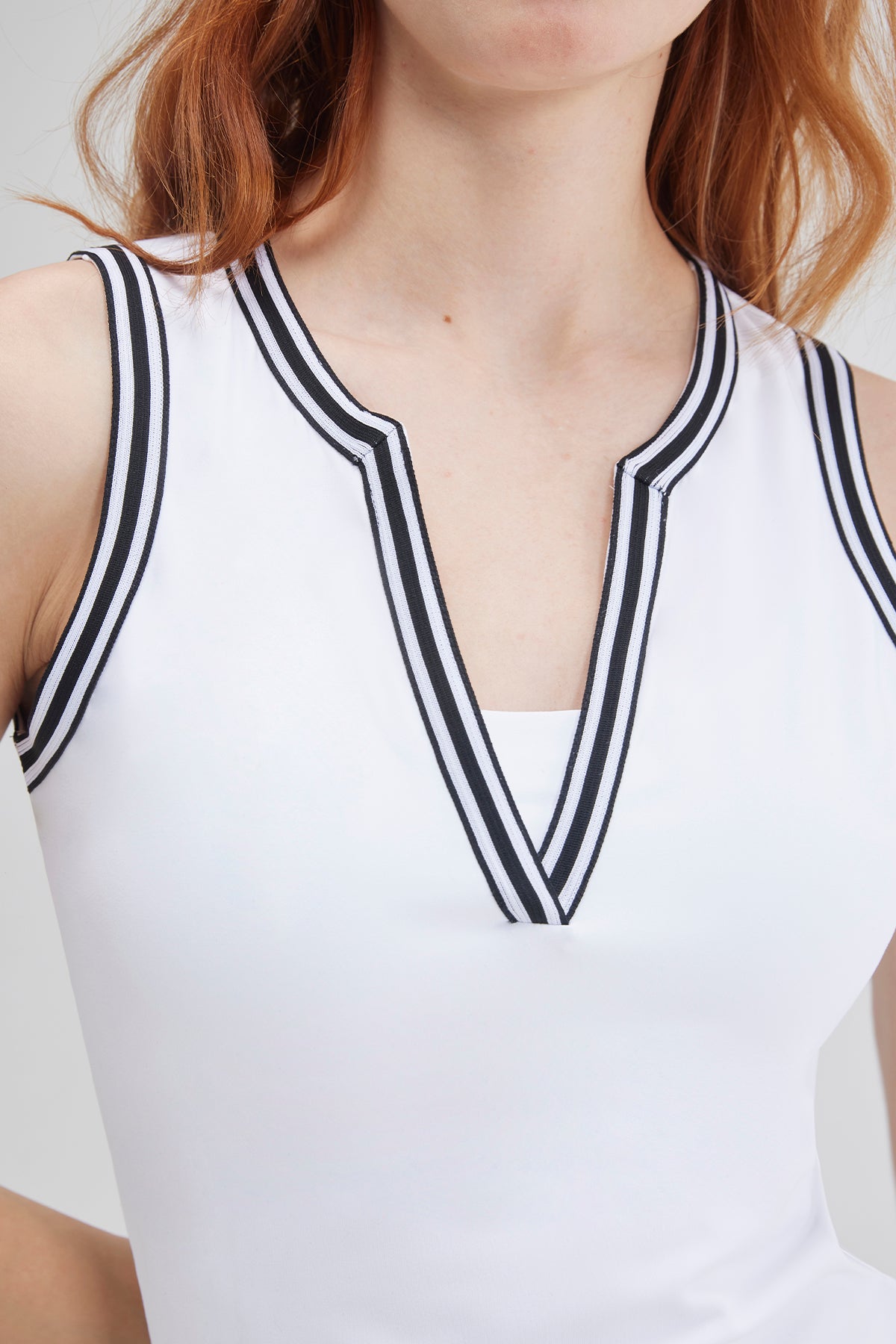
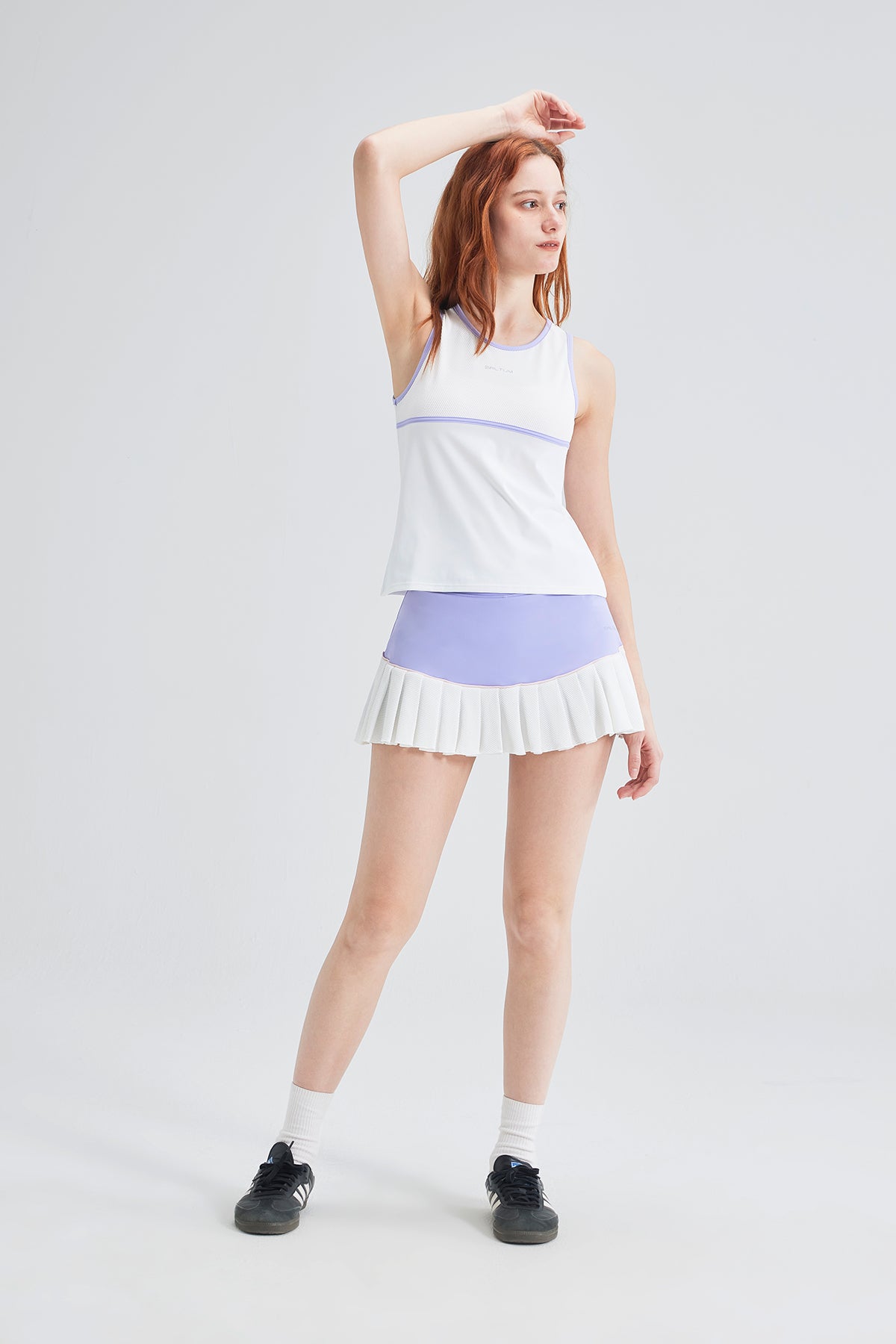
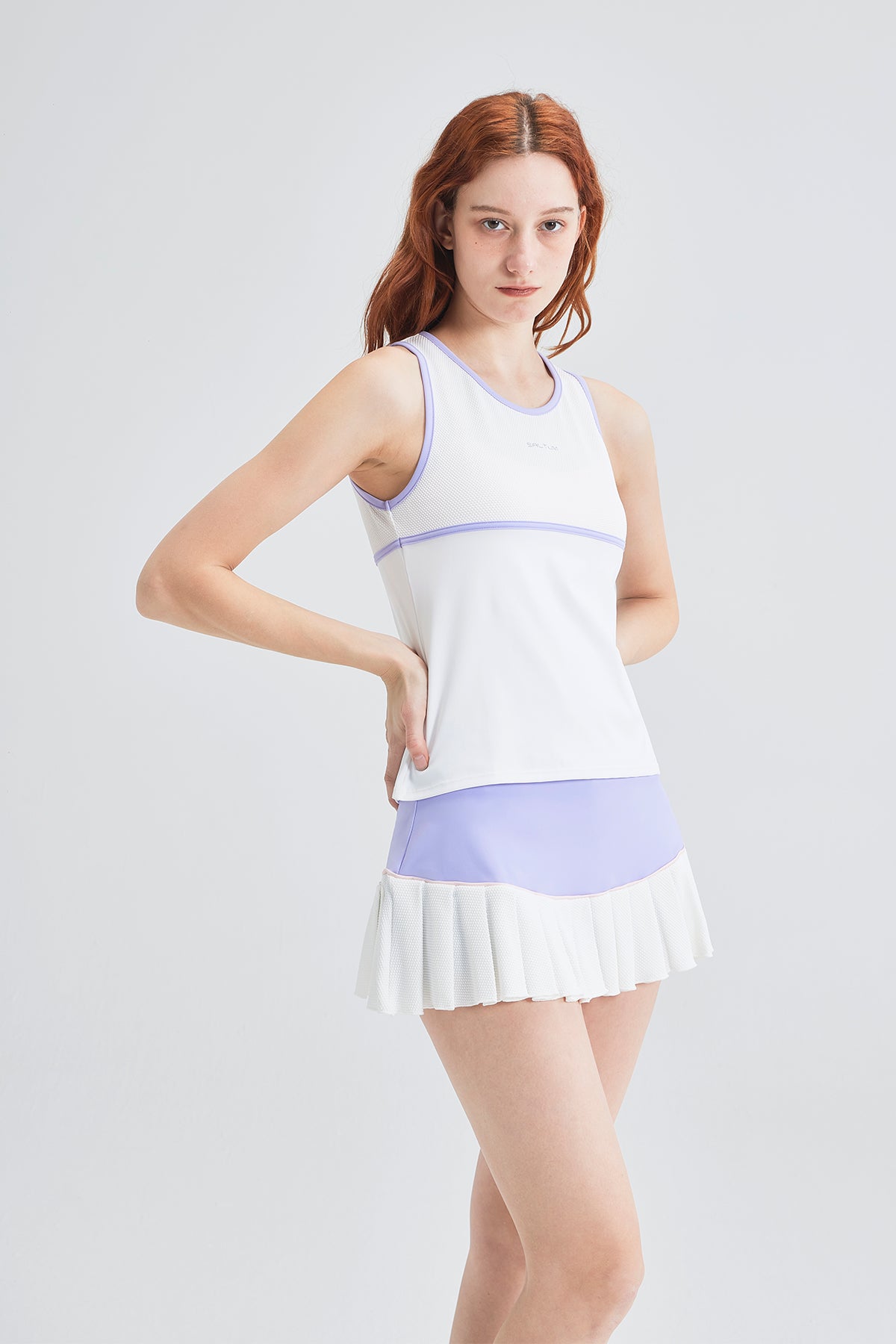
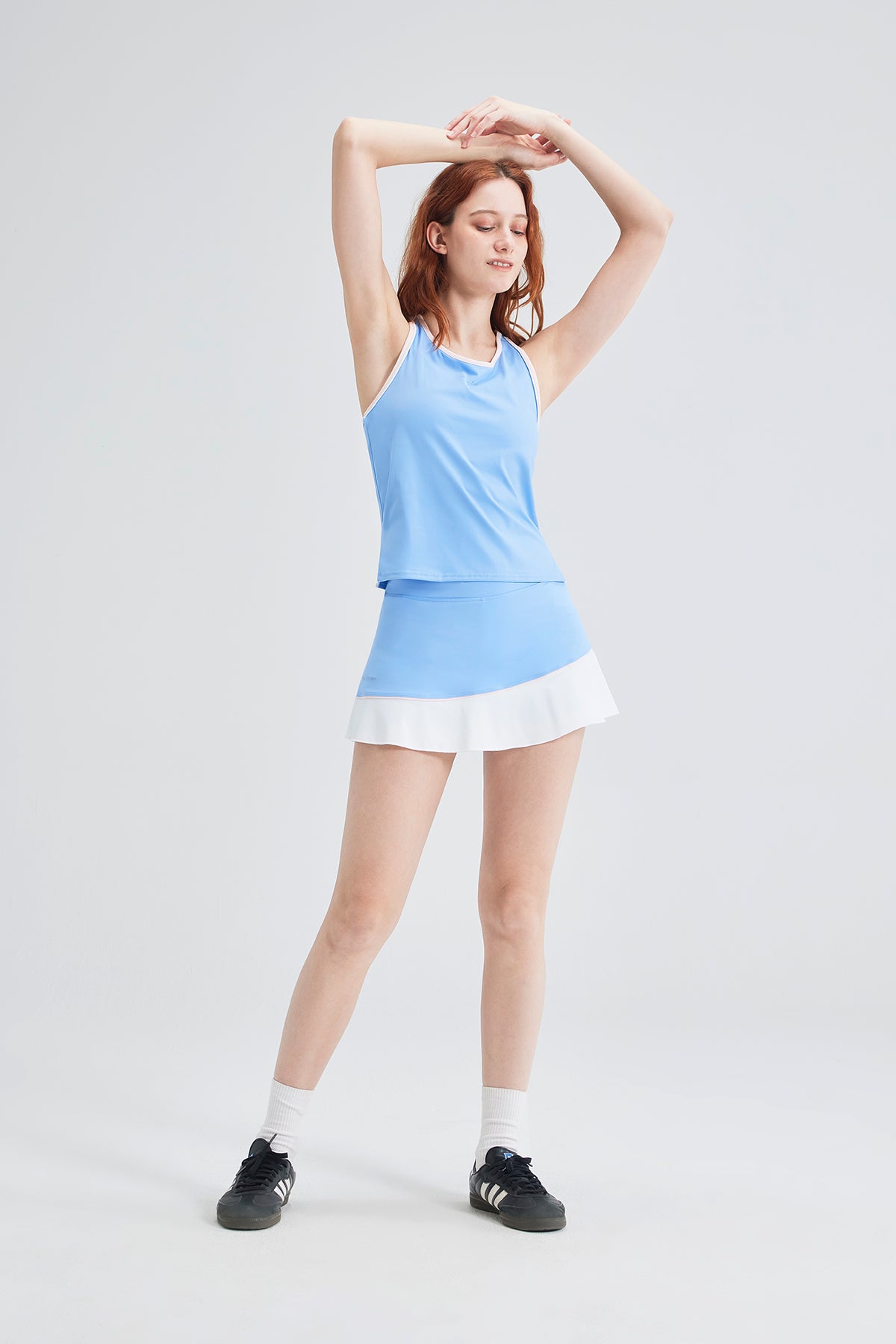
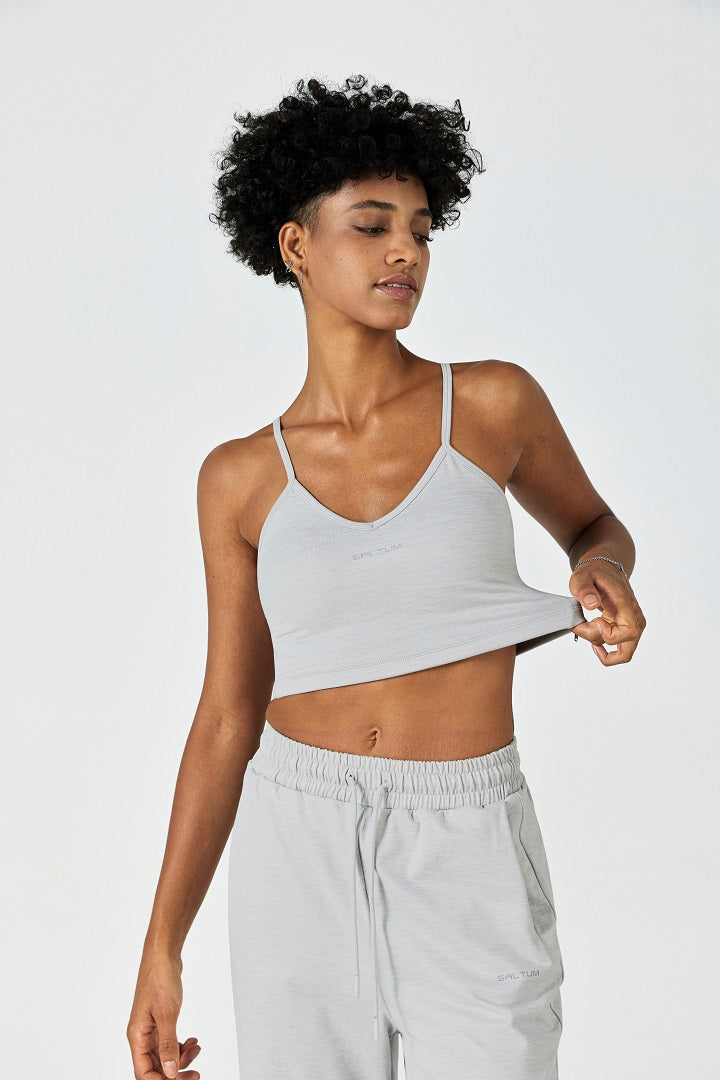
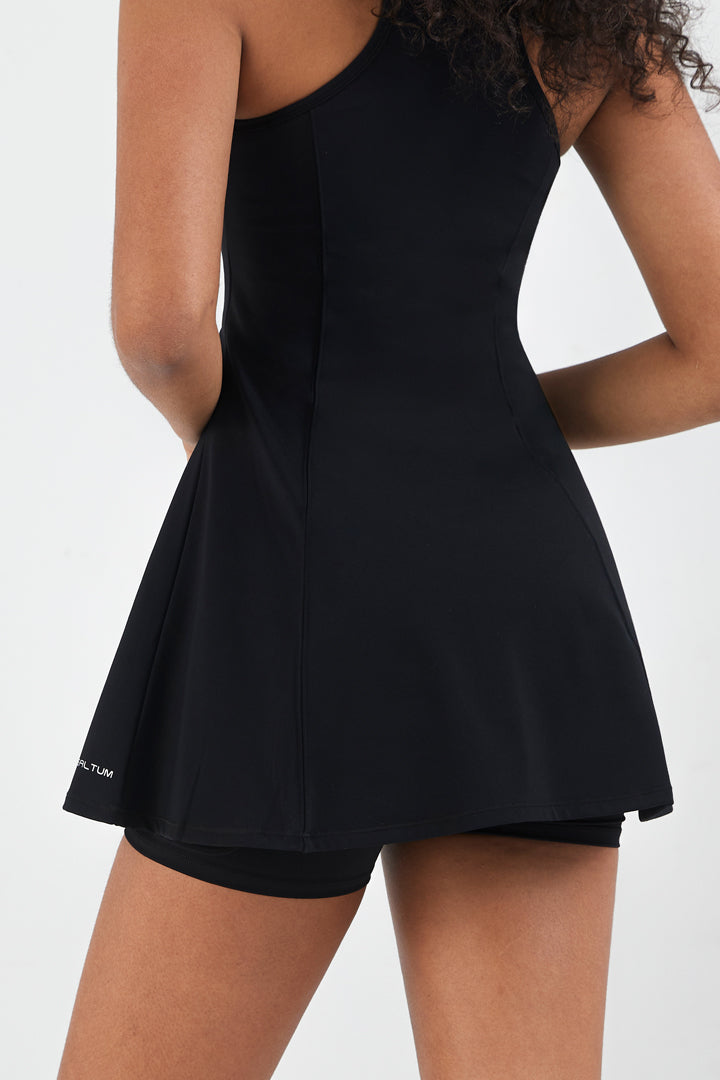
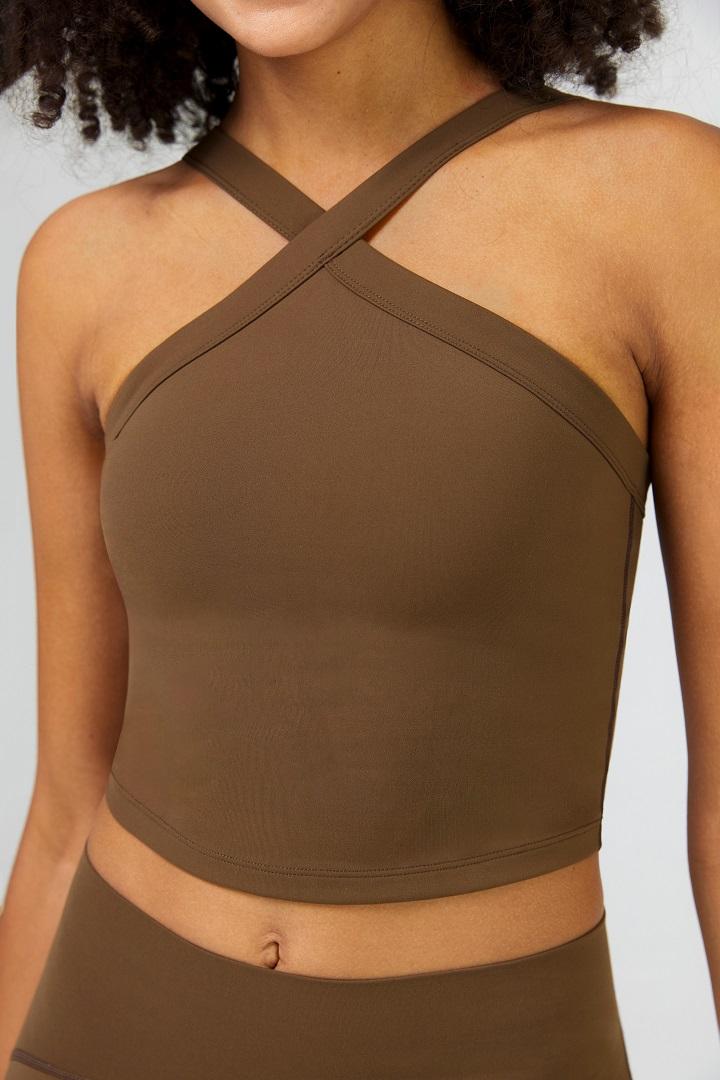
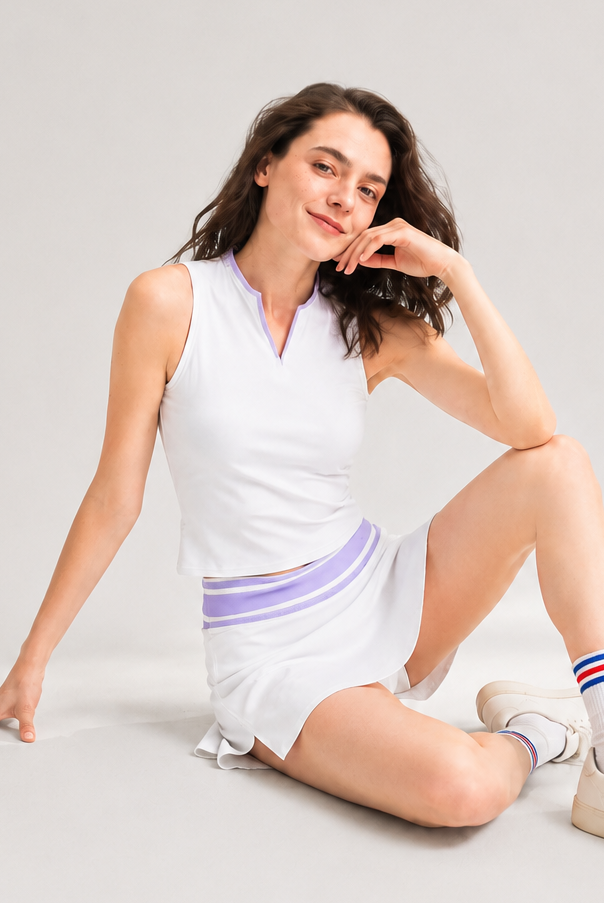
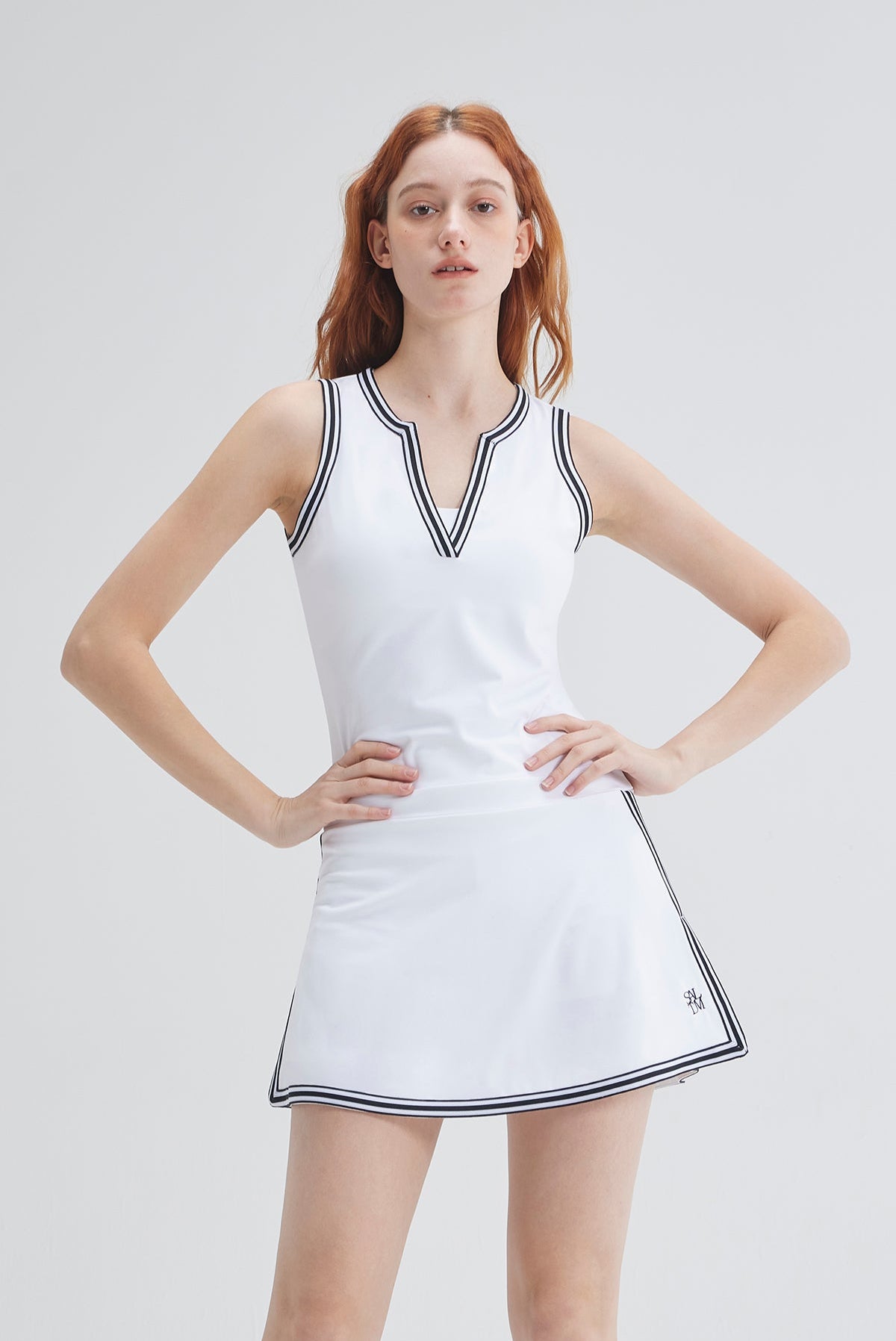
Un débardeur de sport ajusté est l’un des choix les plus simples pour la barre. Il laisse les bras libres de leurs mouvements, reste confortable à mesure que le studio se réchauffe et s’accorde aussi bien avec un legging qu’avec un short. Un haut de sport court ou un T-shirt ajusté à manches courtes peut tout aussi bien convenir si cela vous correspond davantage.
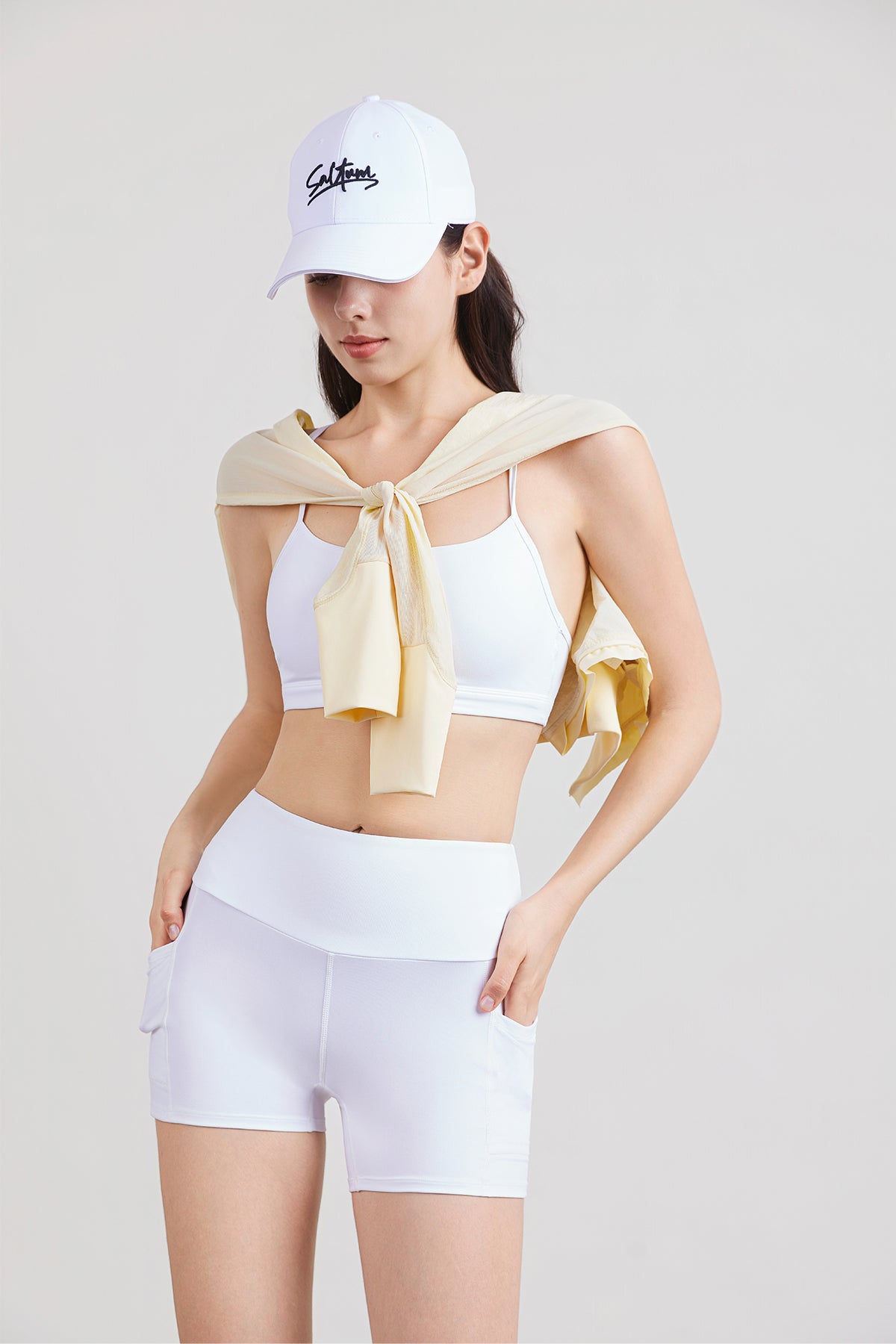
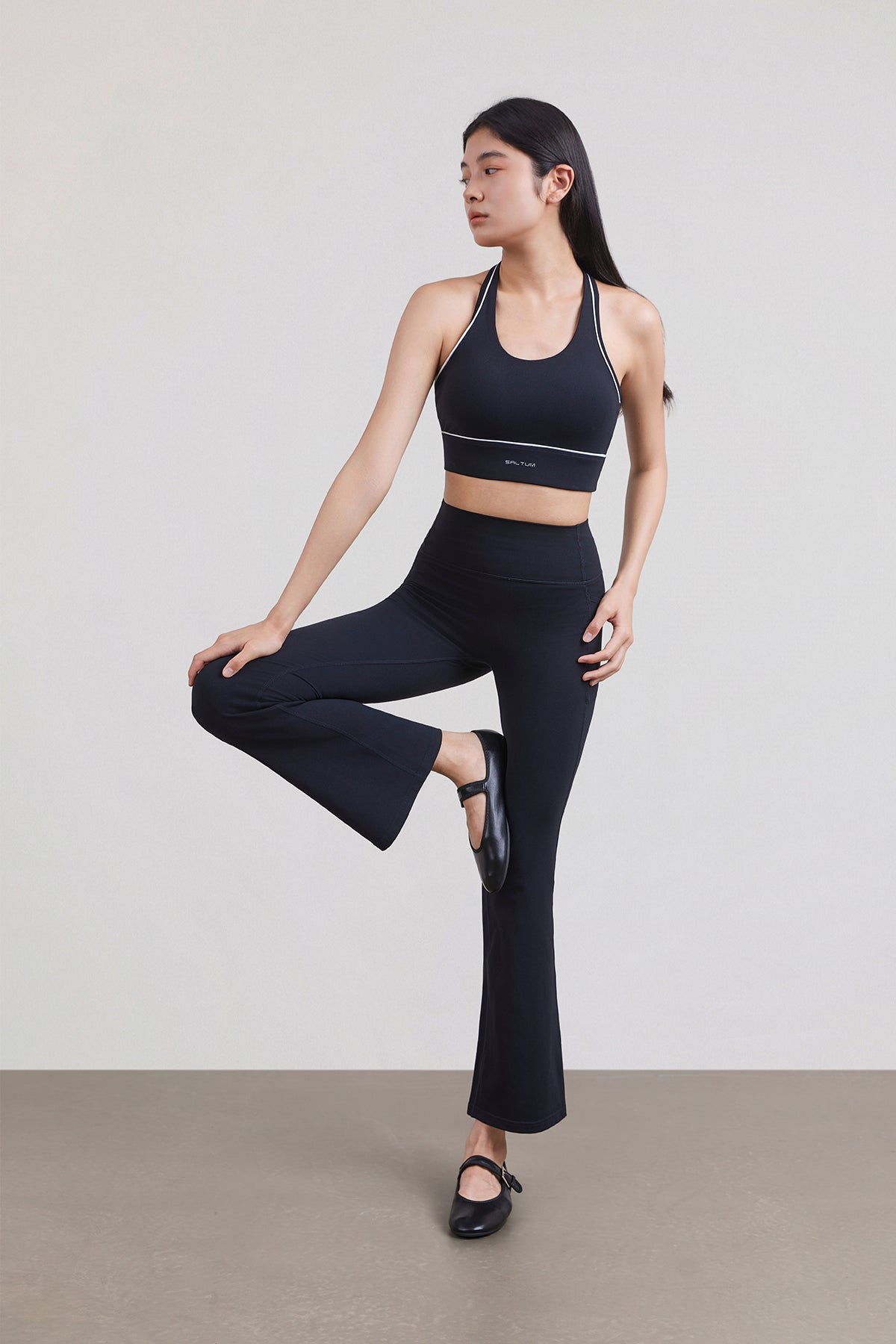
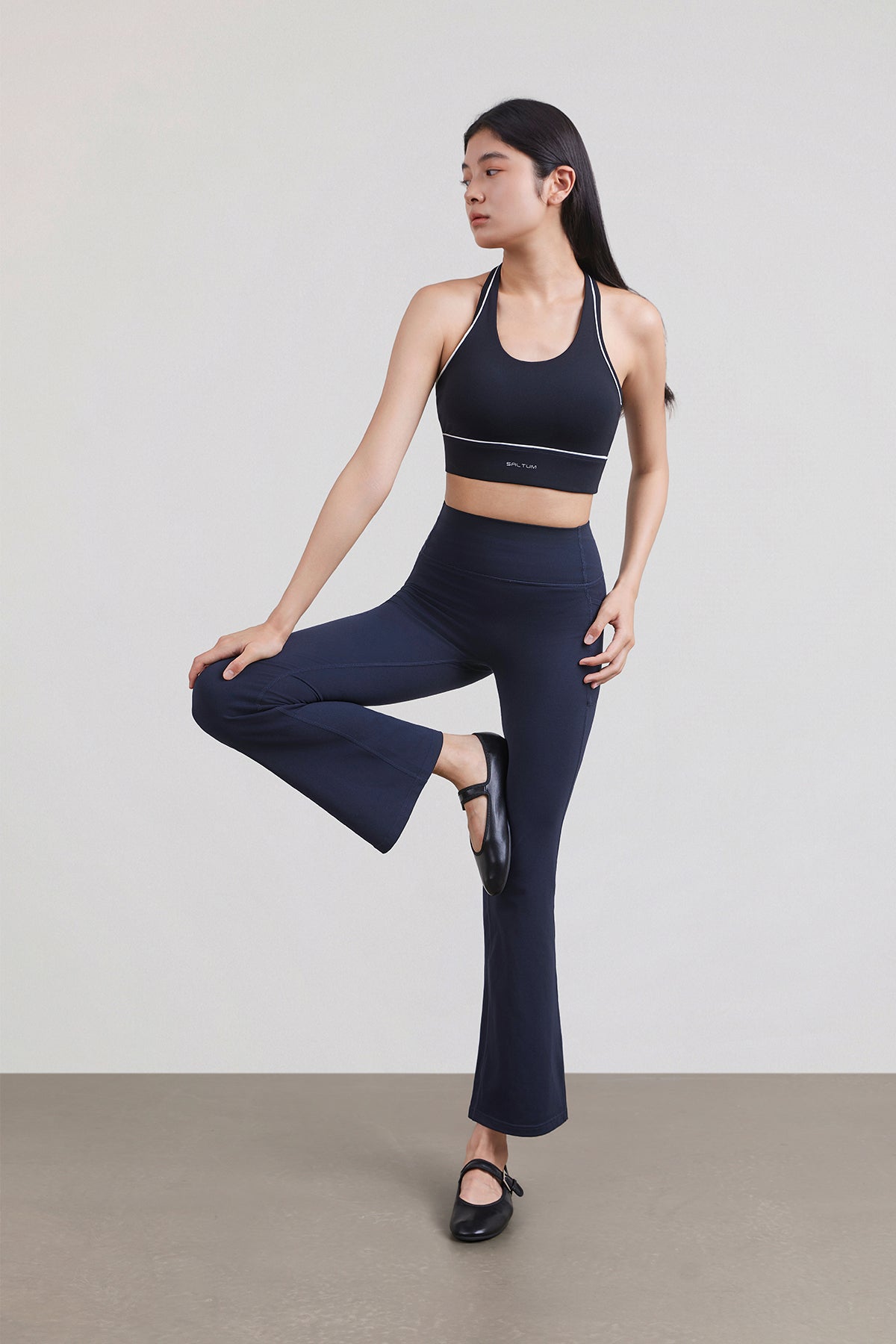
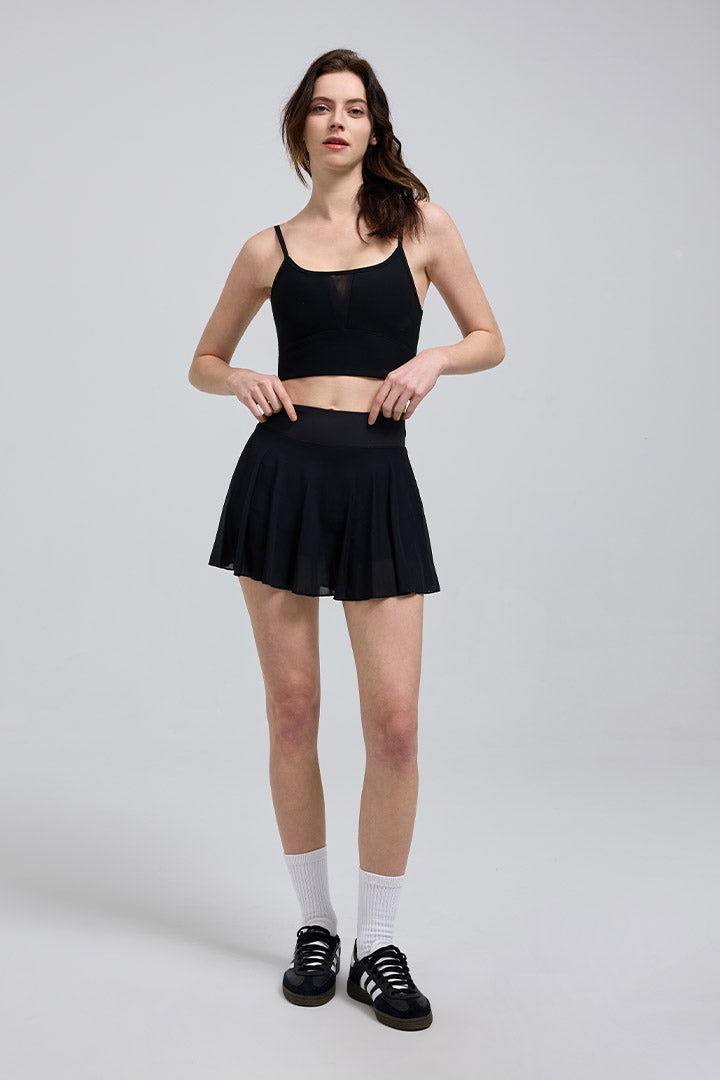
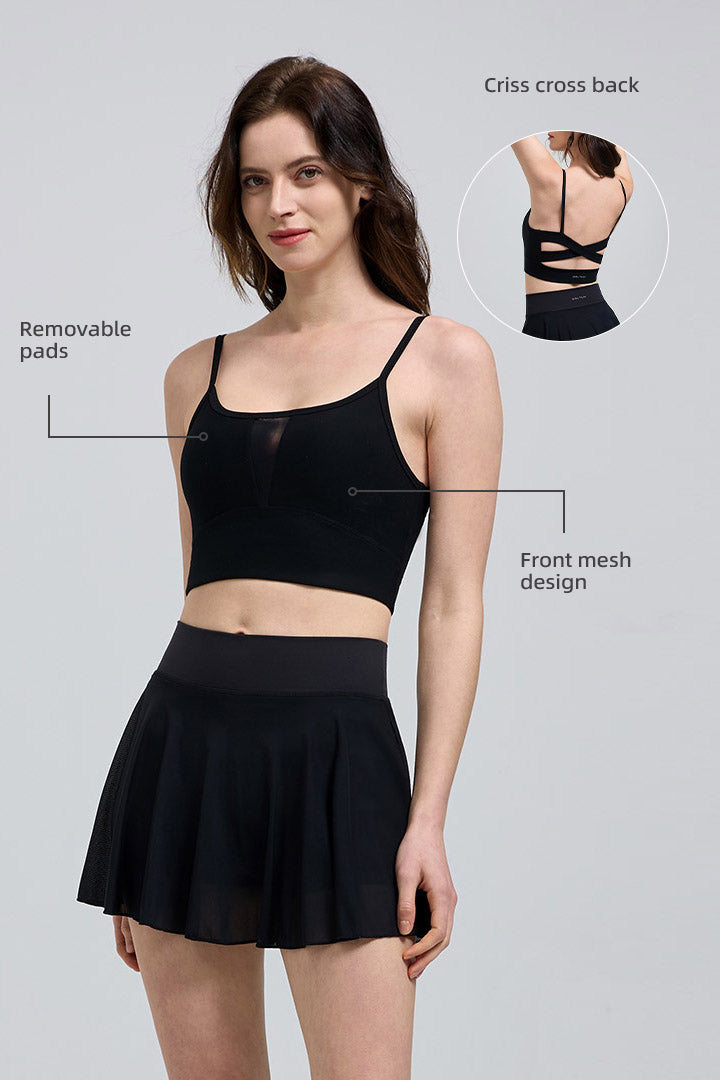
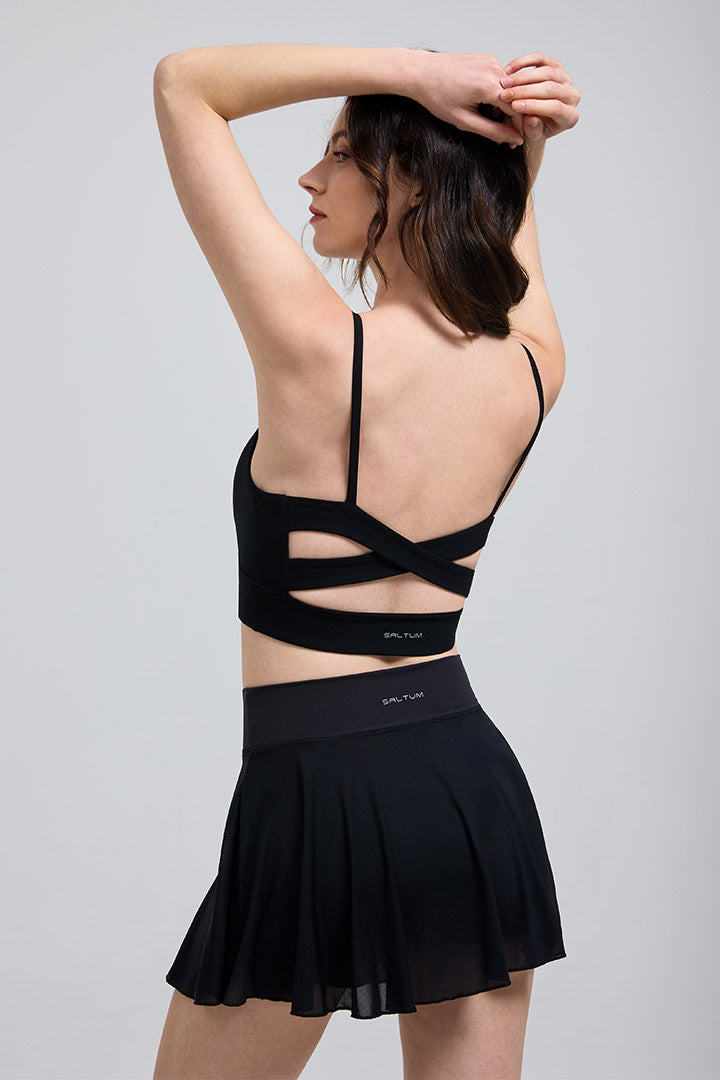
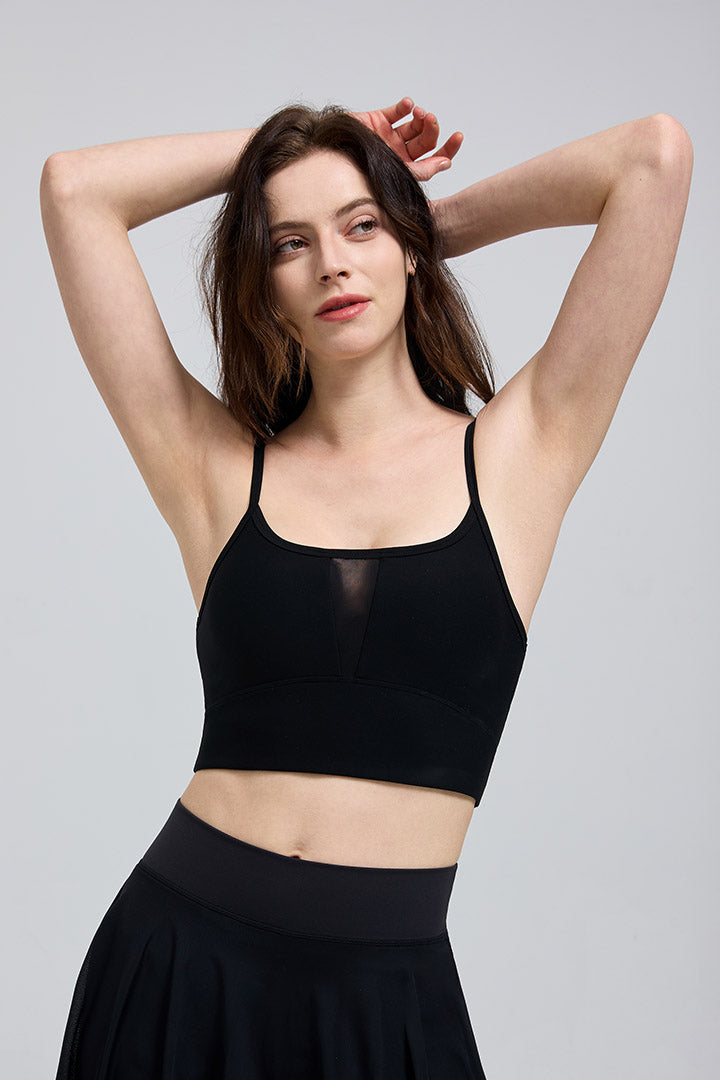
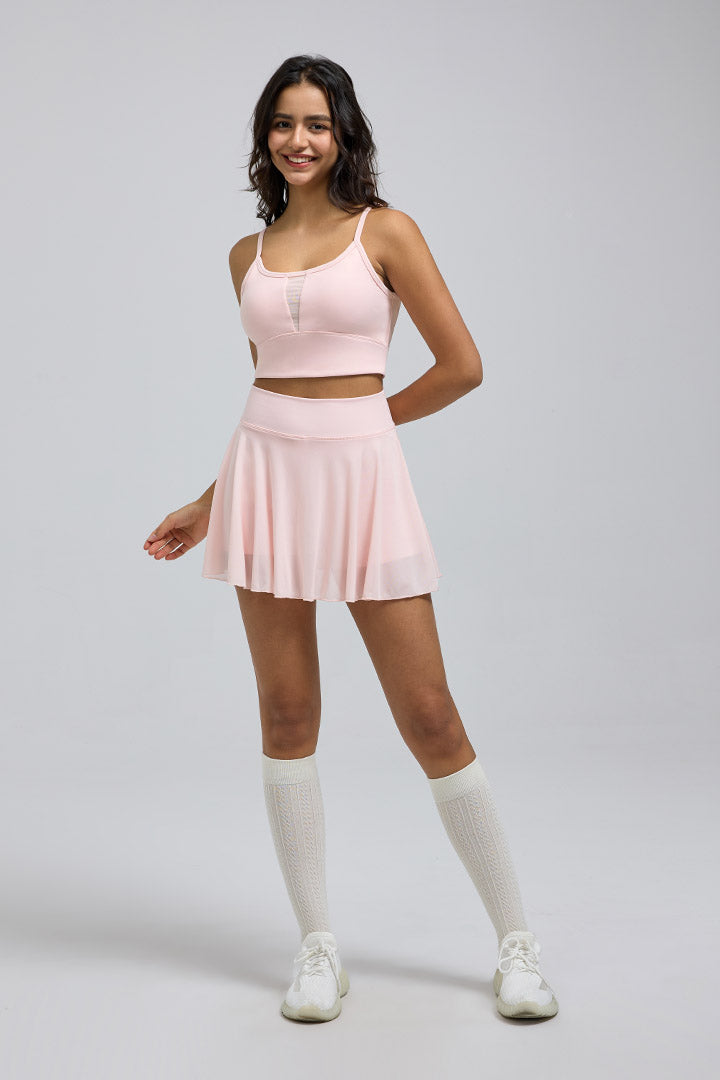
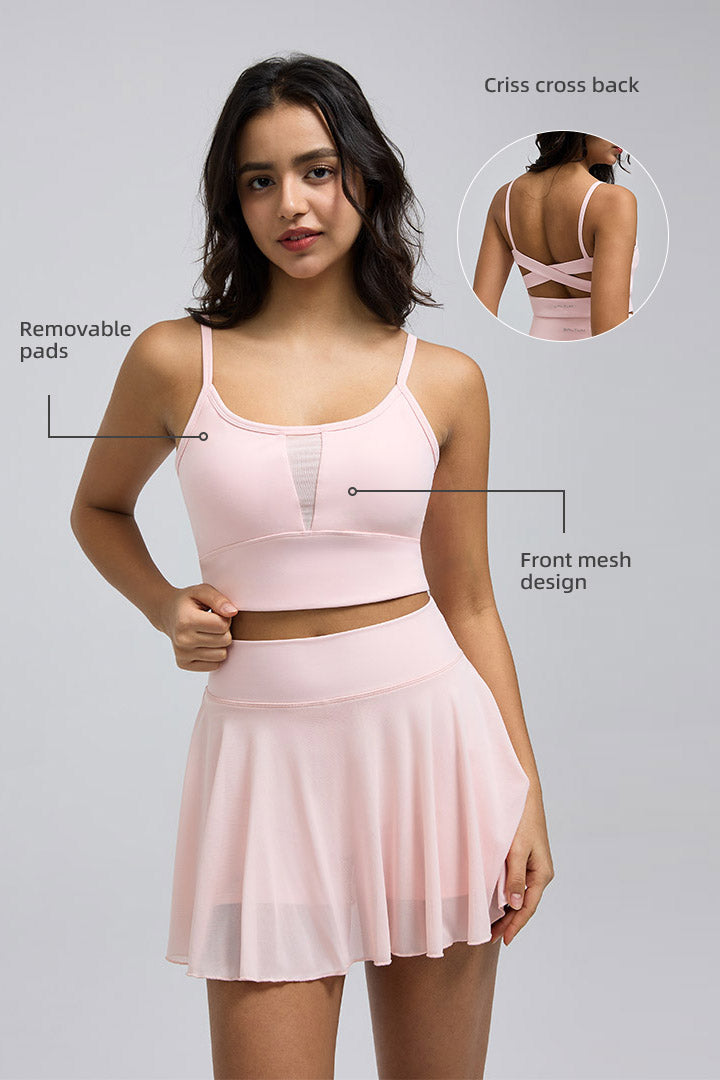
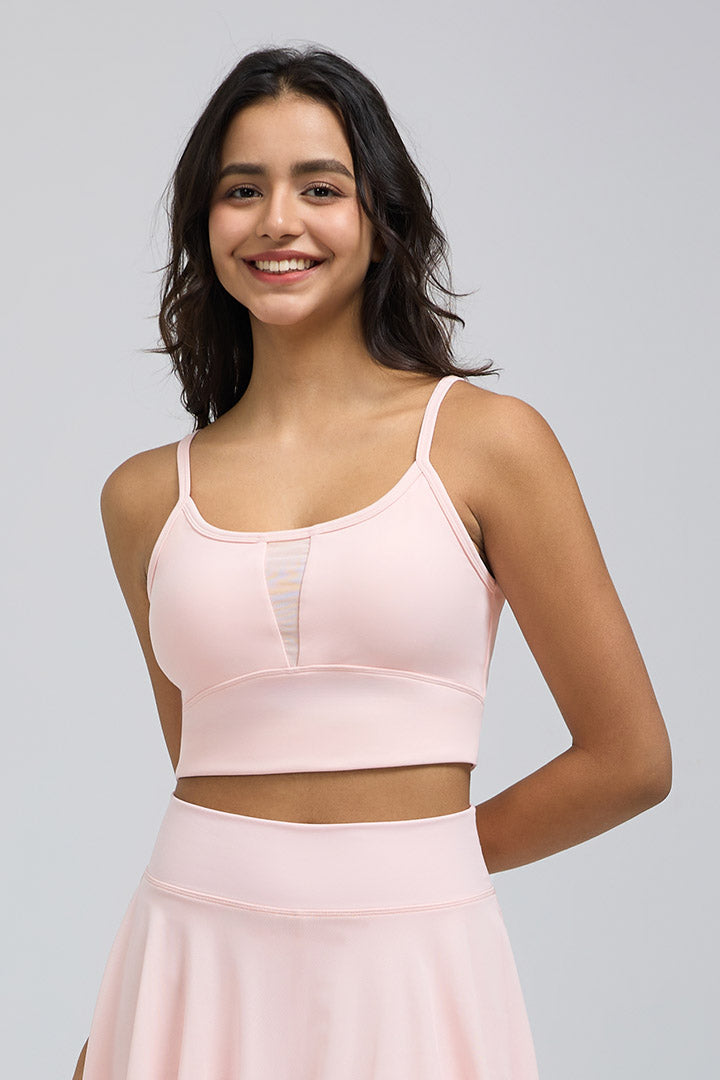
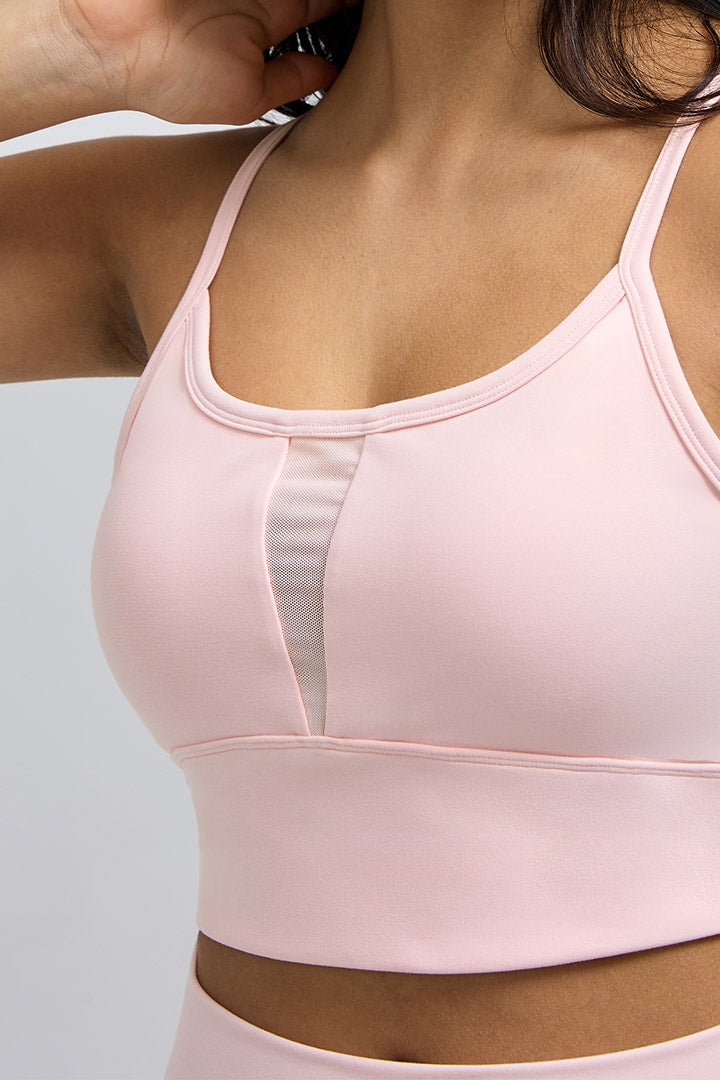
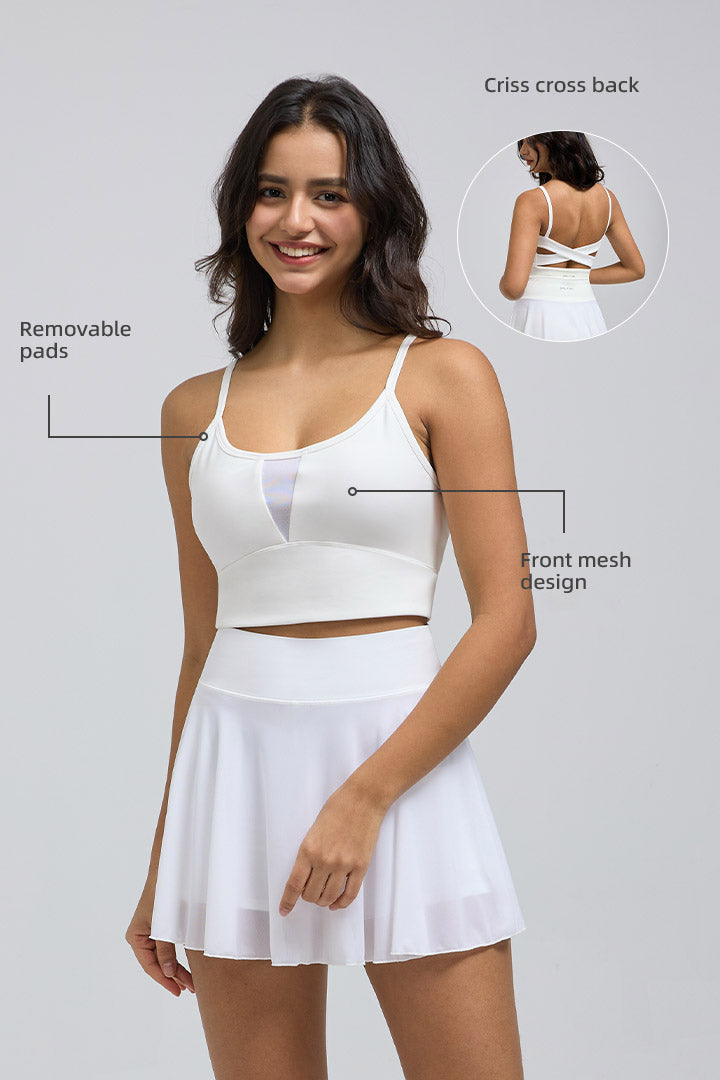
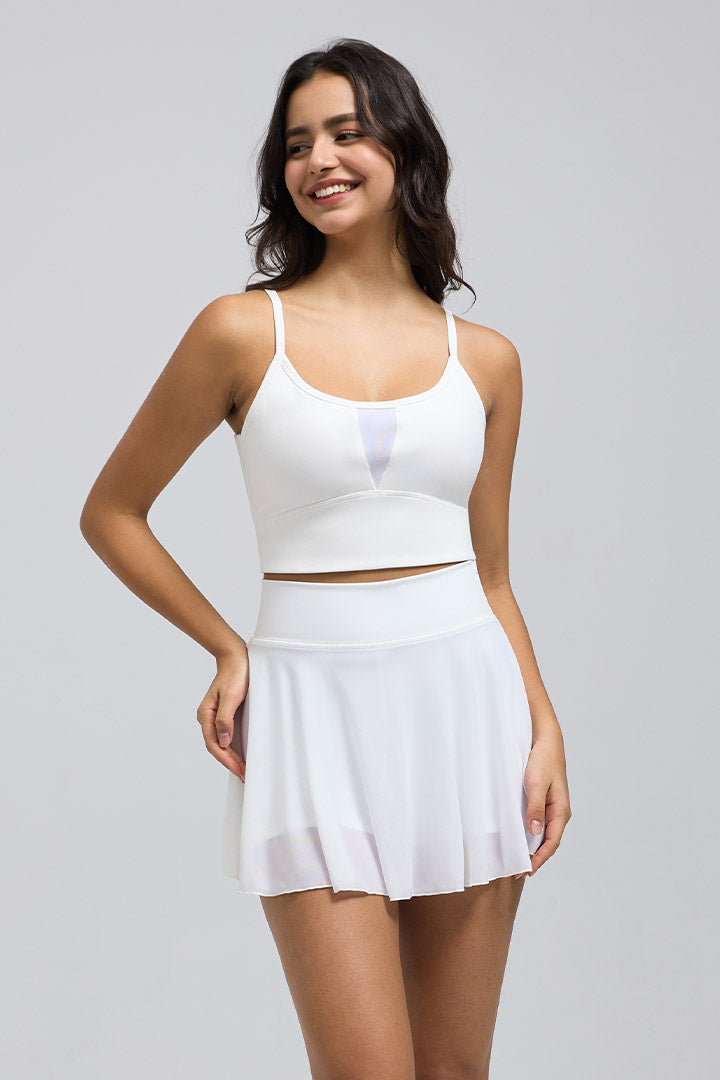
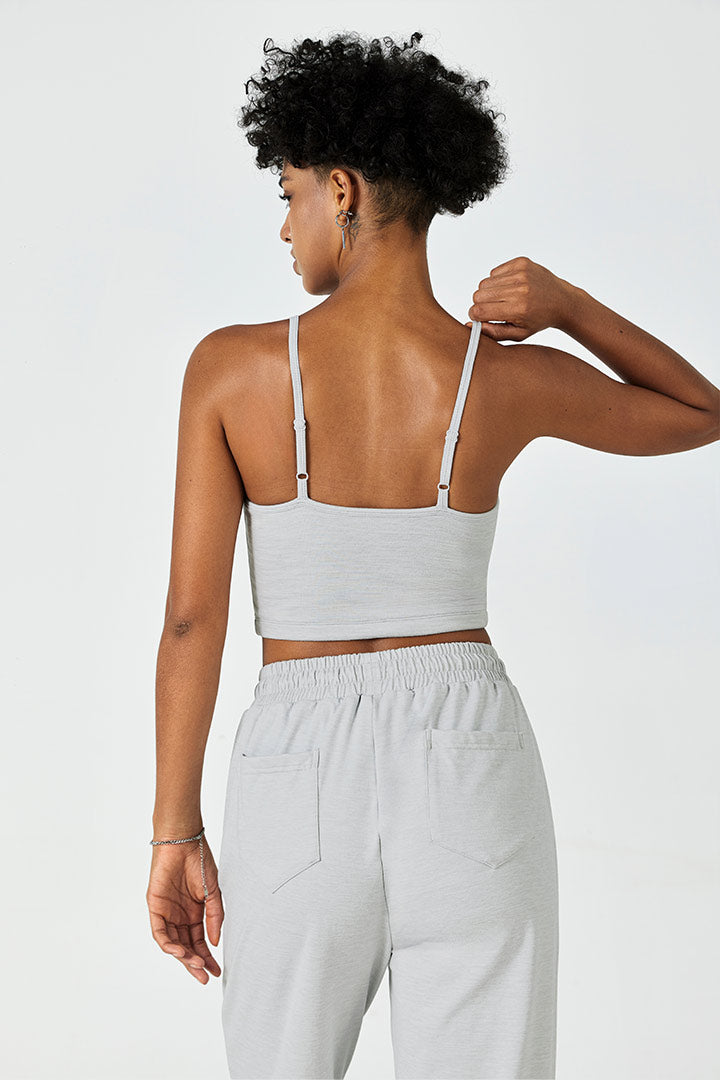
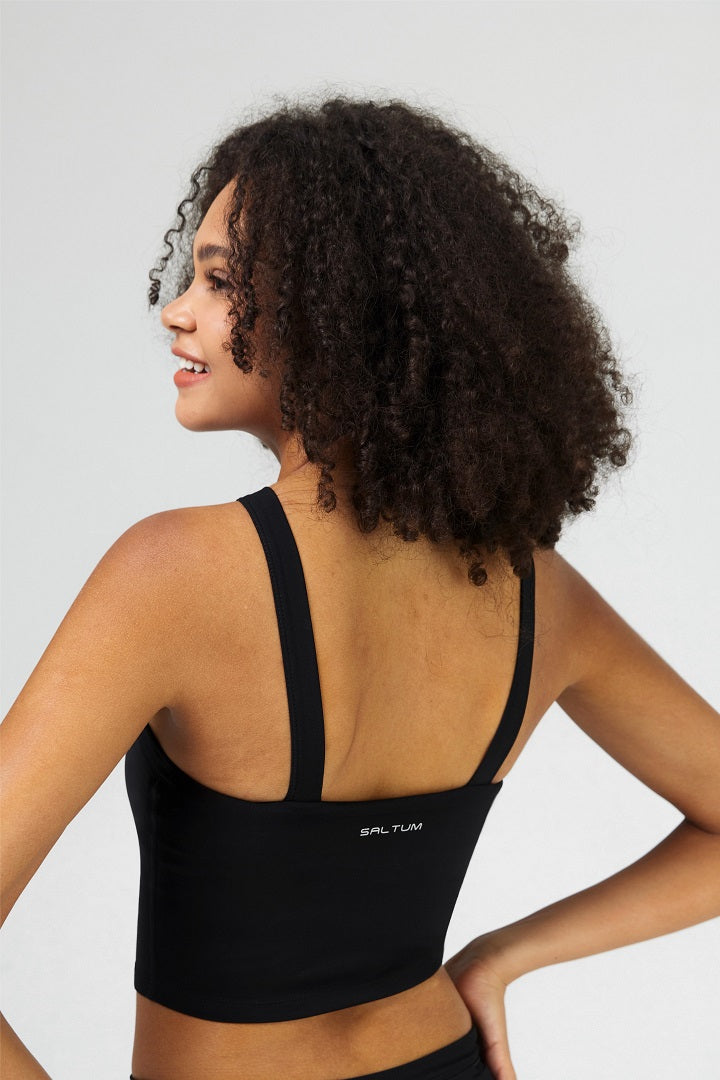
Les brassières de sport longues sont une autre option pratique, car elles offrent un peu plus de couverture qu’une brassière classique tout en gardant une silhouette épurée. Certaines personnes se sentent parfaitement à l’aise de la porter seule. D’autres préfèrent ajouter un débardeur ou un haut léger, surtout lors de leur première visite dans un studio qu’elles ne connaissent pas.
Porter uniquement une brassière de sport dépend généralement du confort personnel et de l’ambiance du cours. Les règles du studio peuvent varier ; un rapide coup d’œil aux photos récentes des cours ou aux consignes vestimentaires sur la page de réservation peut être utile. Vous pouvez également arriver avec une couche supplémentaire et décider de l’enlever une fois que vous aurez vu la salle.
Les hauts oversize ne sont pas forcément inadaptés, mais un tissu très ample peut retomber vers l’avant pendant les étirements ou les exercices au sol. Une pièce issue d’une collection de hauts de sport ajustés peut faciliter le choix de la tenue sans nécessiter une coupe particulièrement compressive.

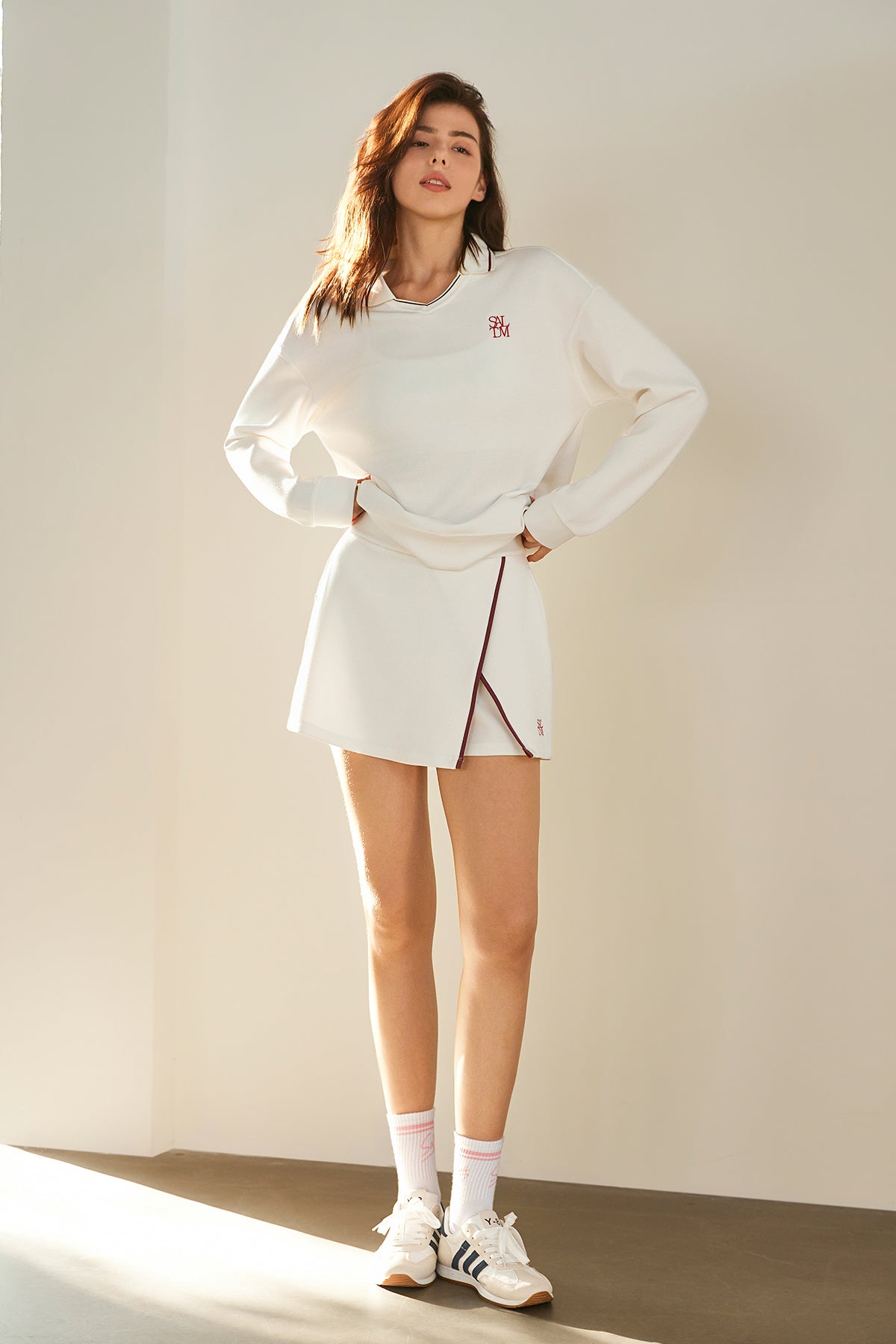
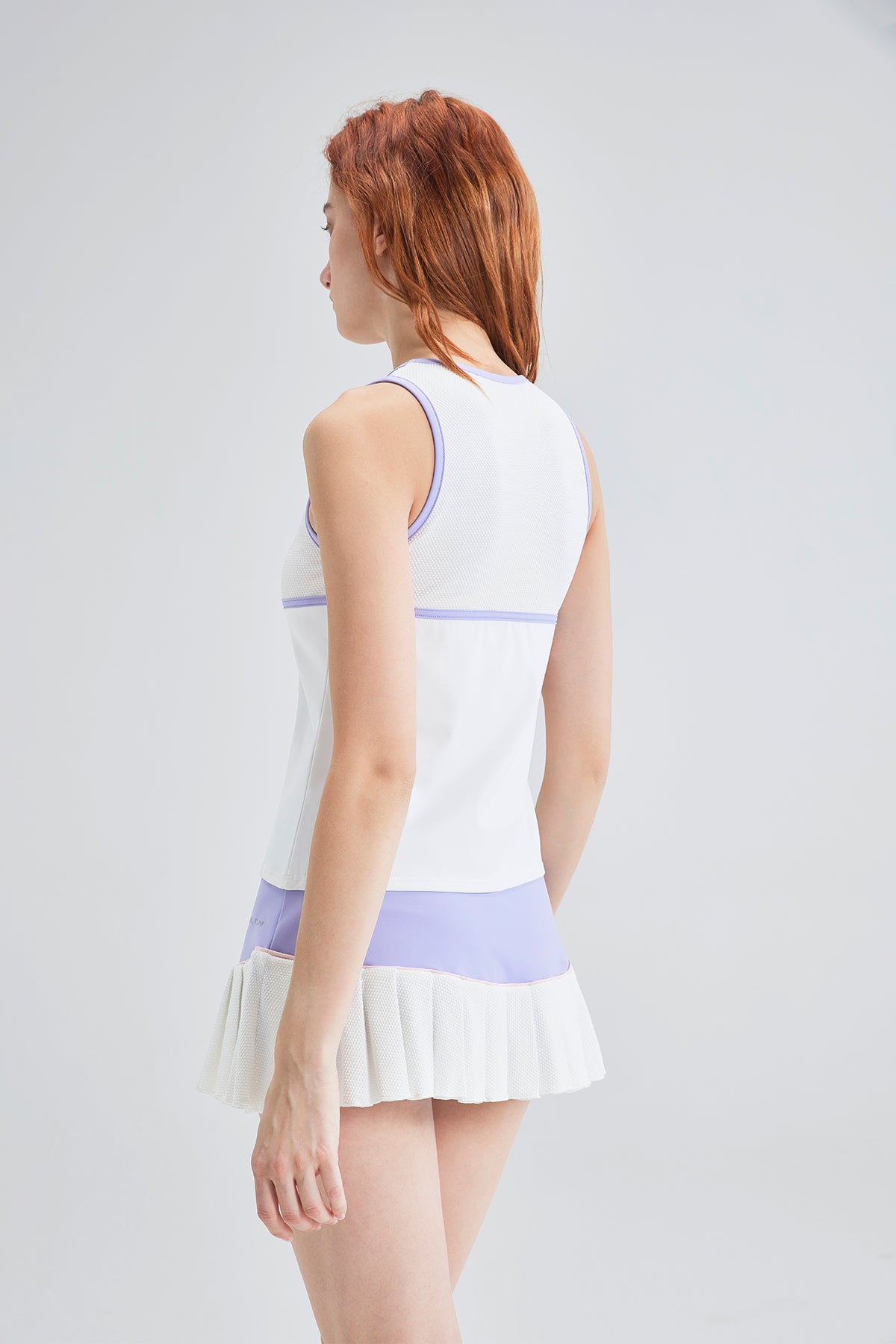
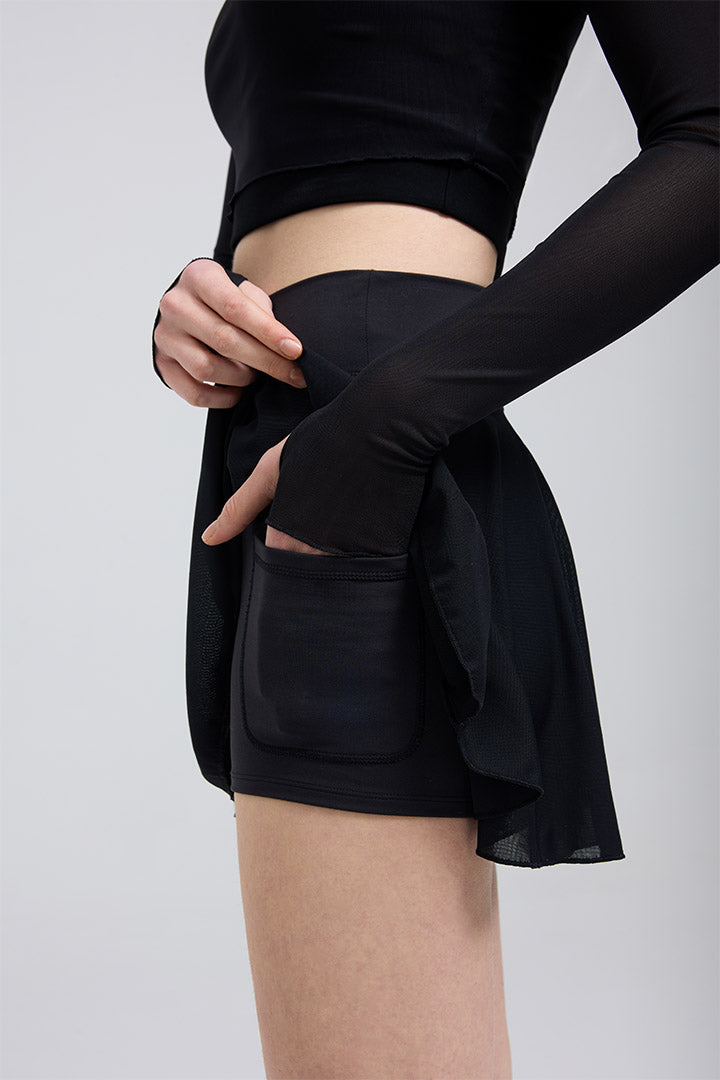
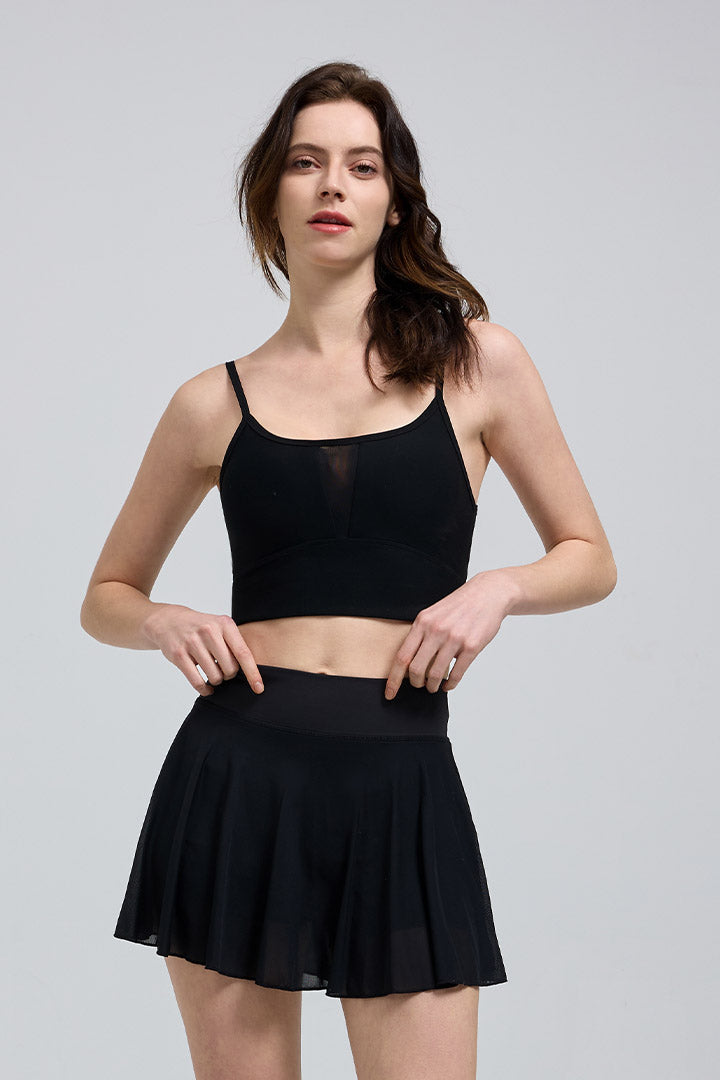
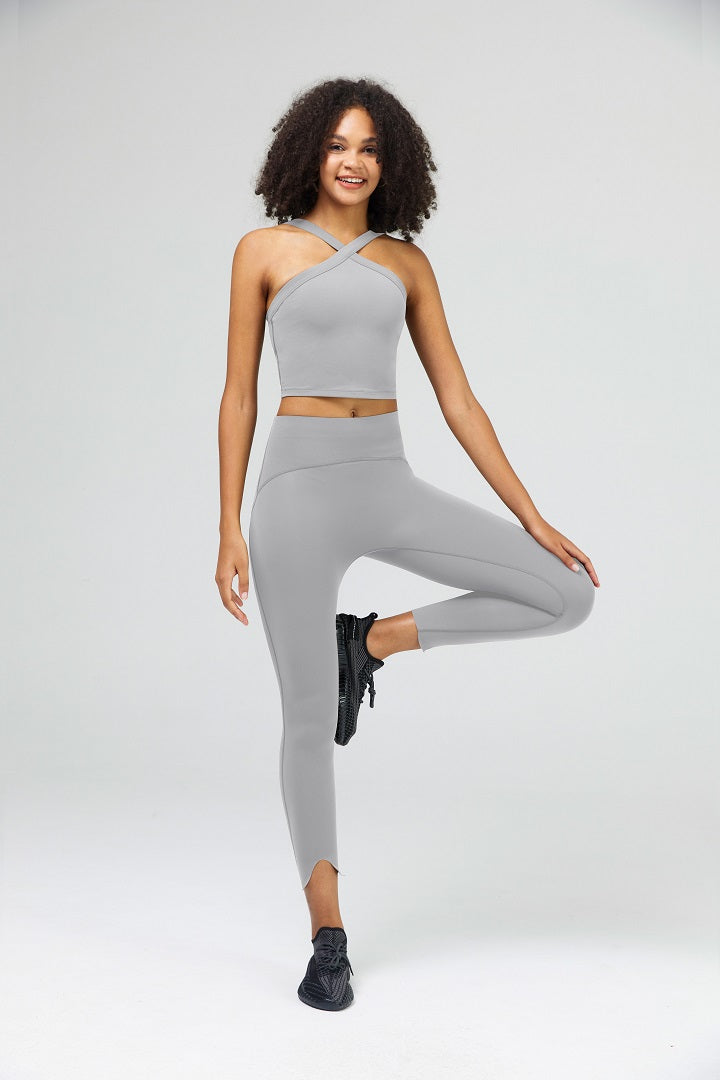
Les pièces de studio près du corps gardent la tenue simple tout en permettant de voir facilement votre position générale.
Les leggings sont le choix le plus simple pour un premier cours
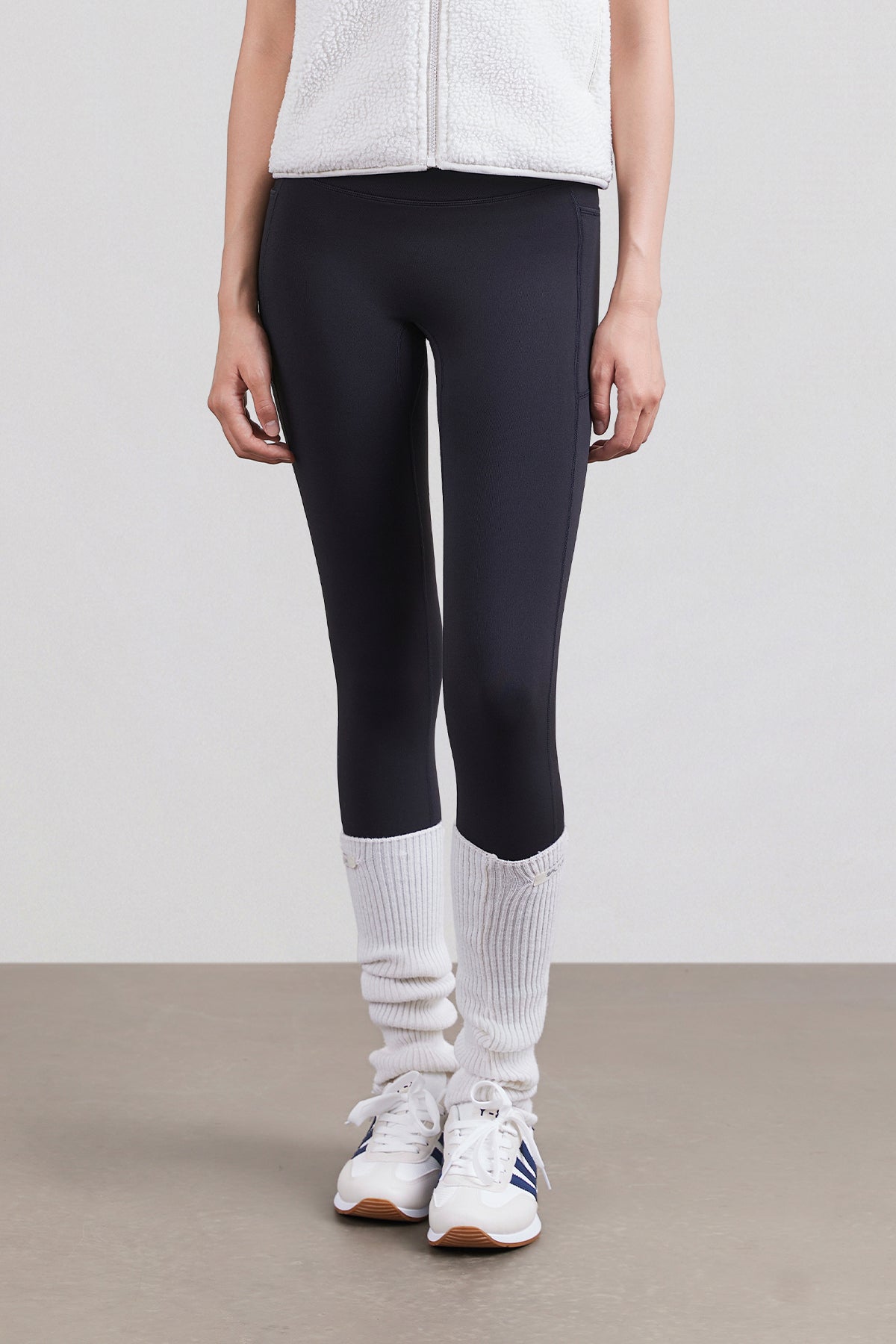
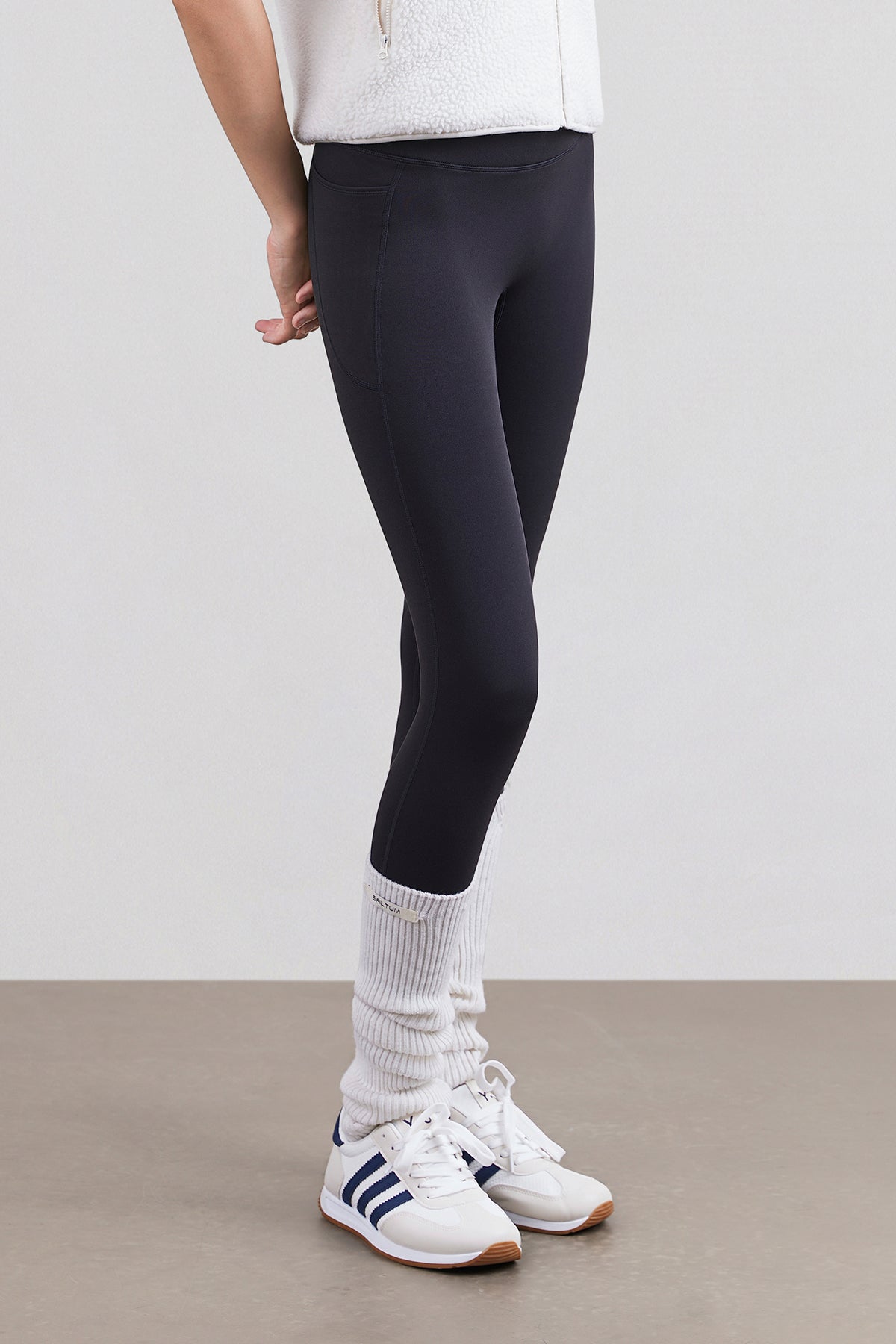
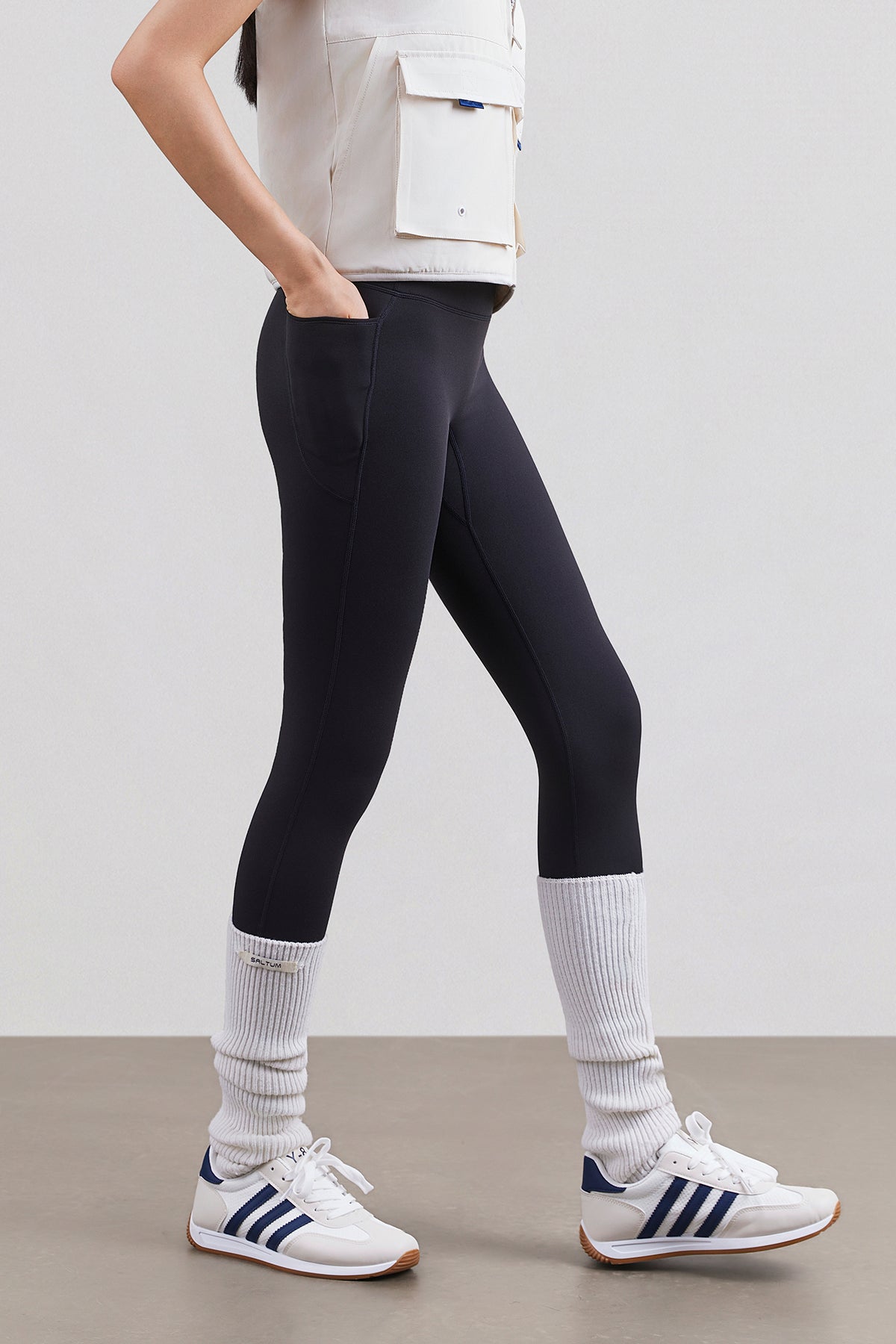
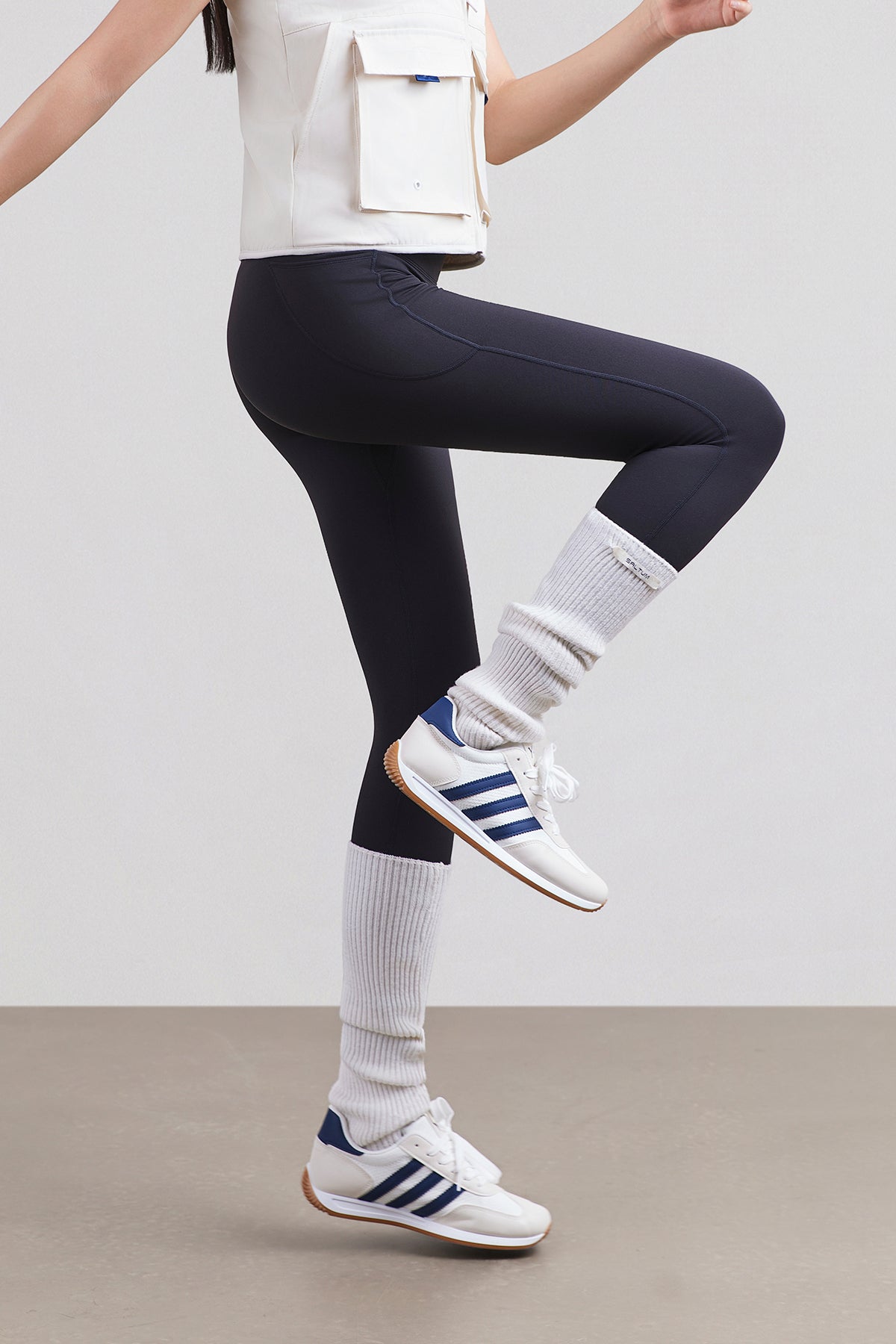
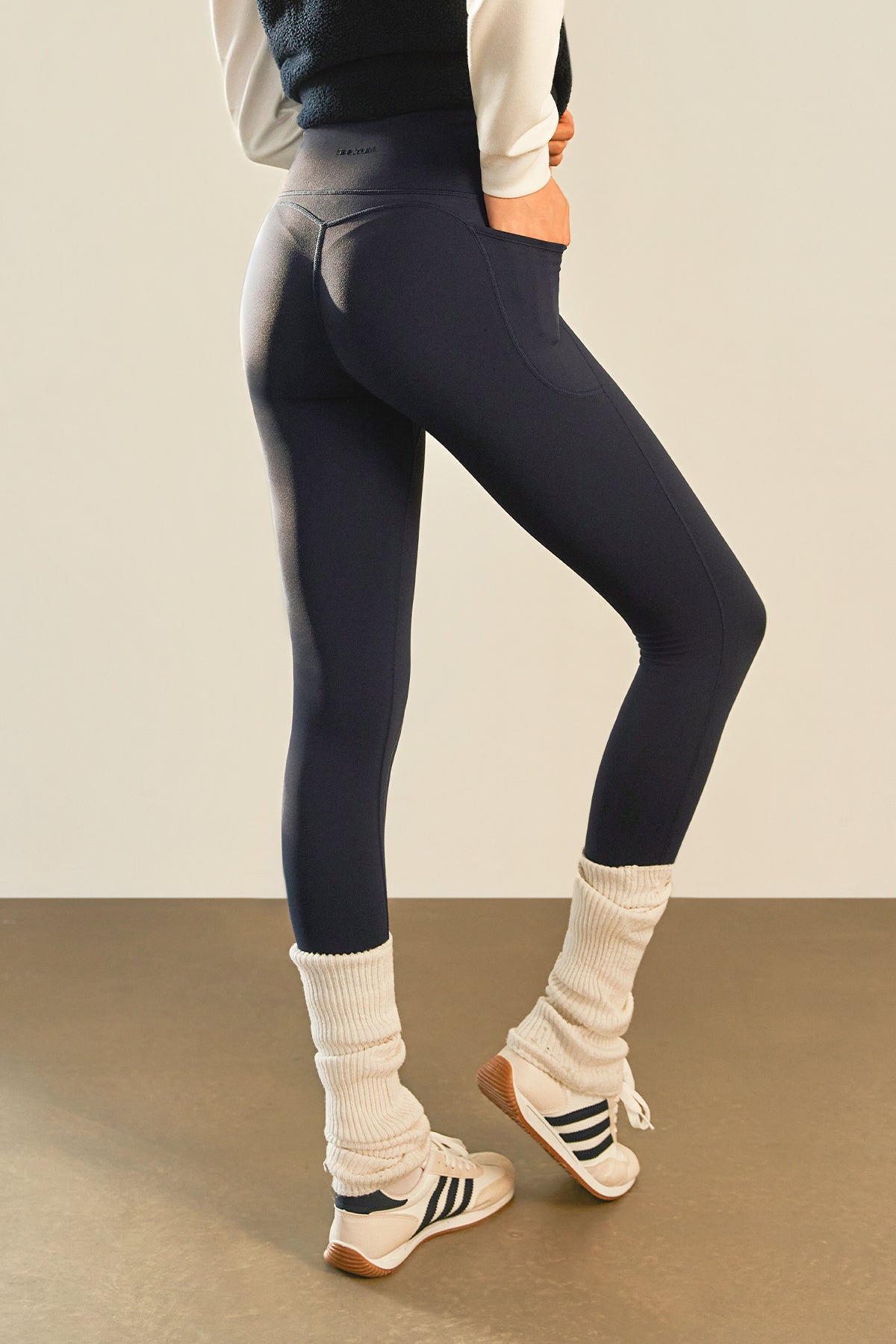
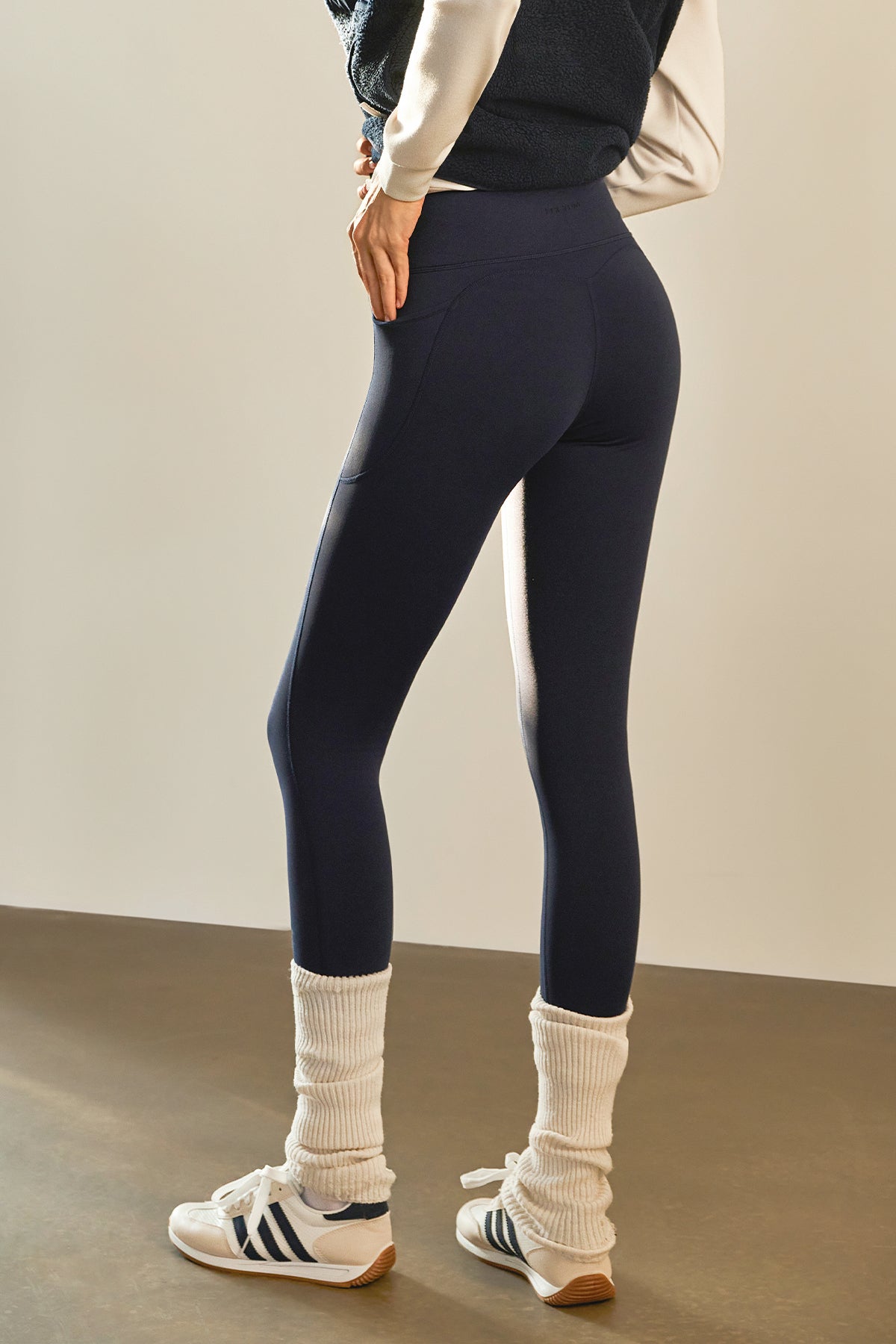
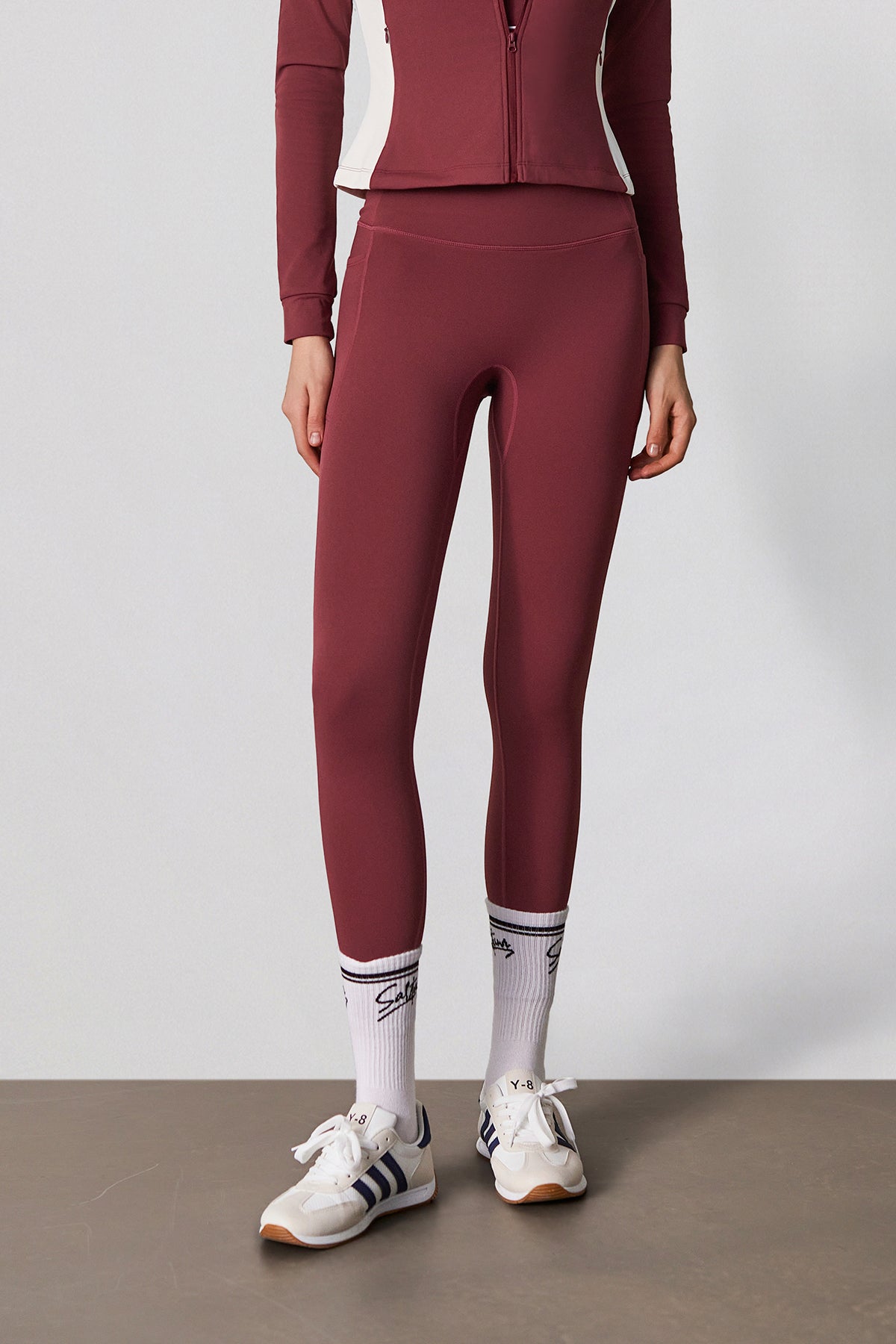
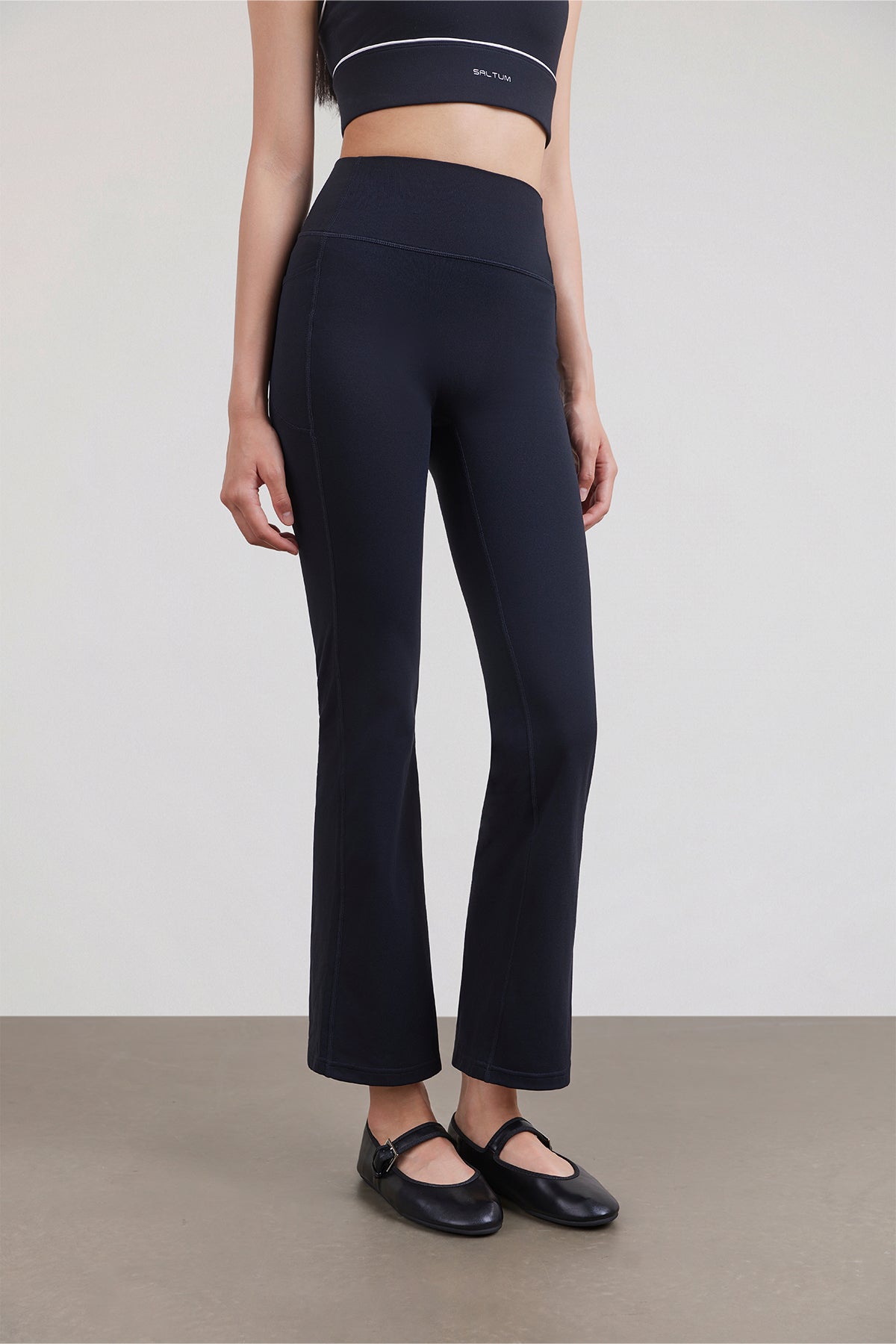
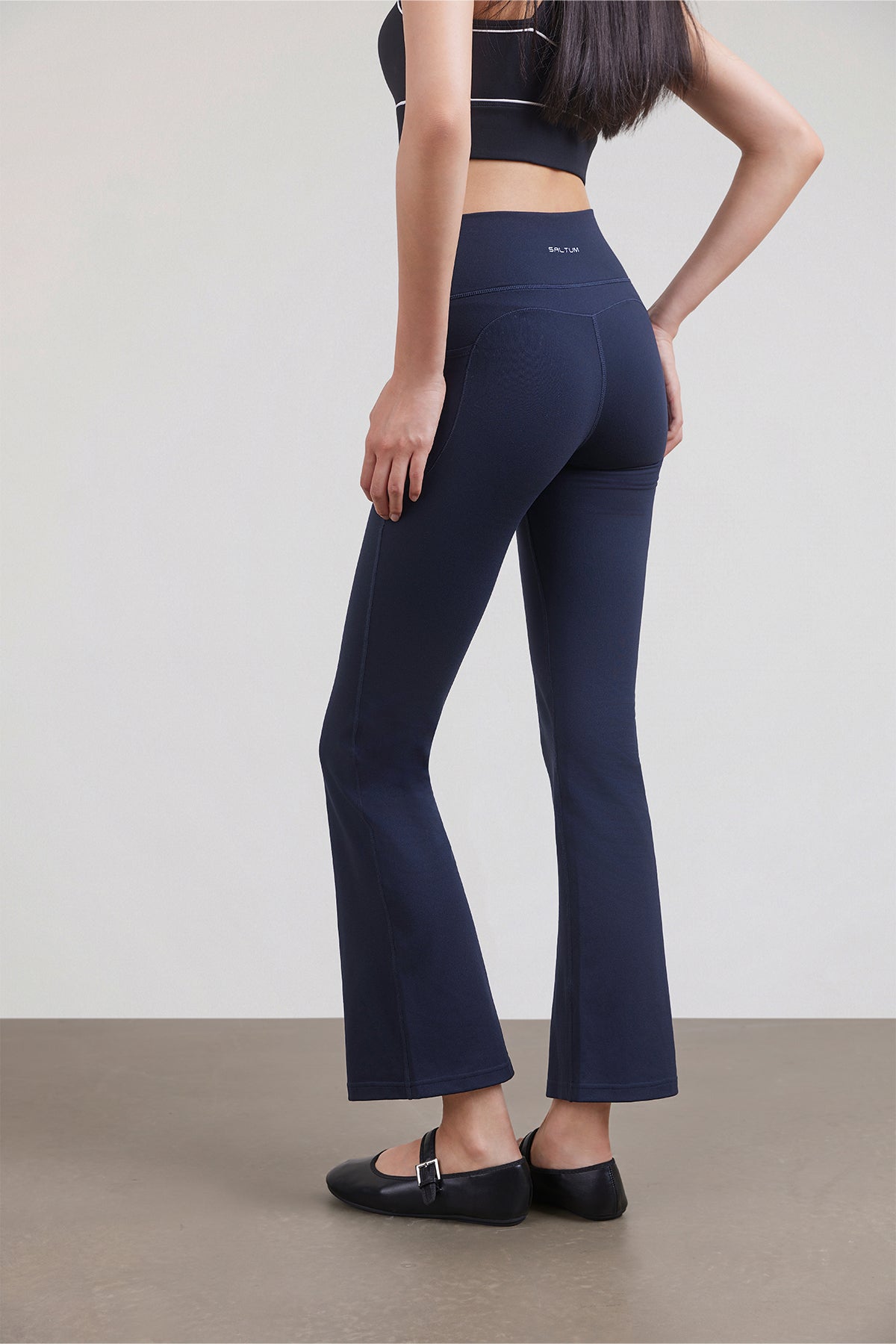
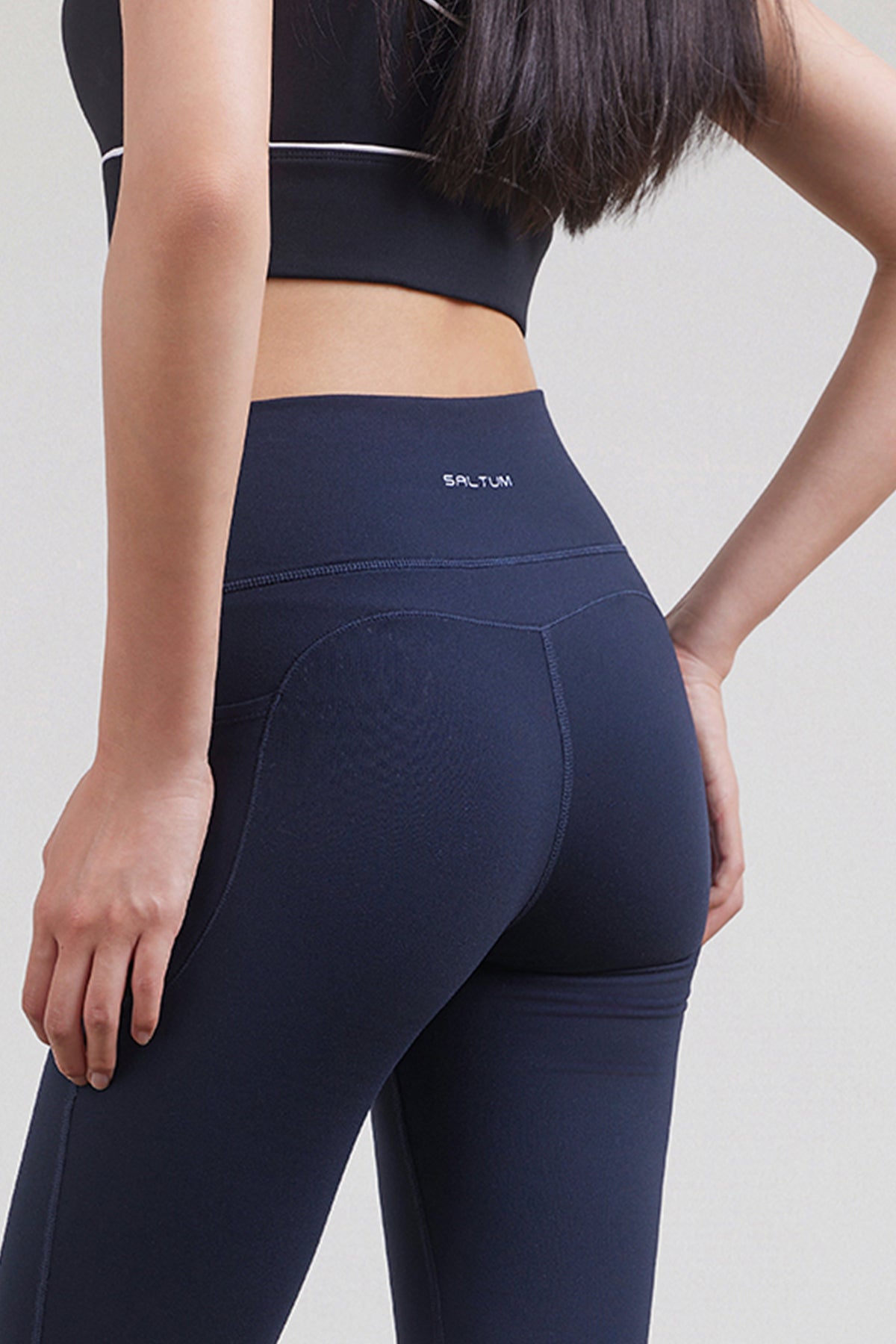
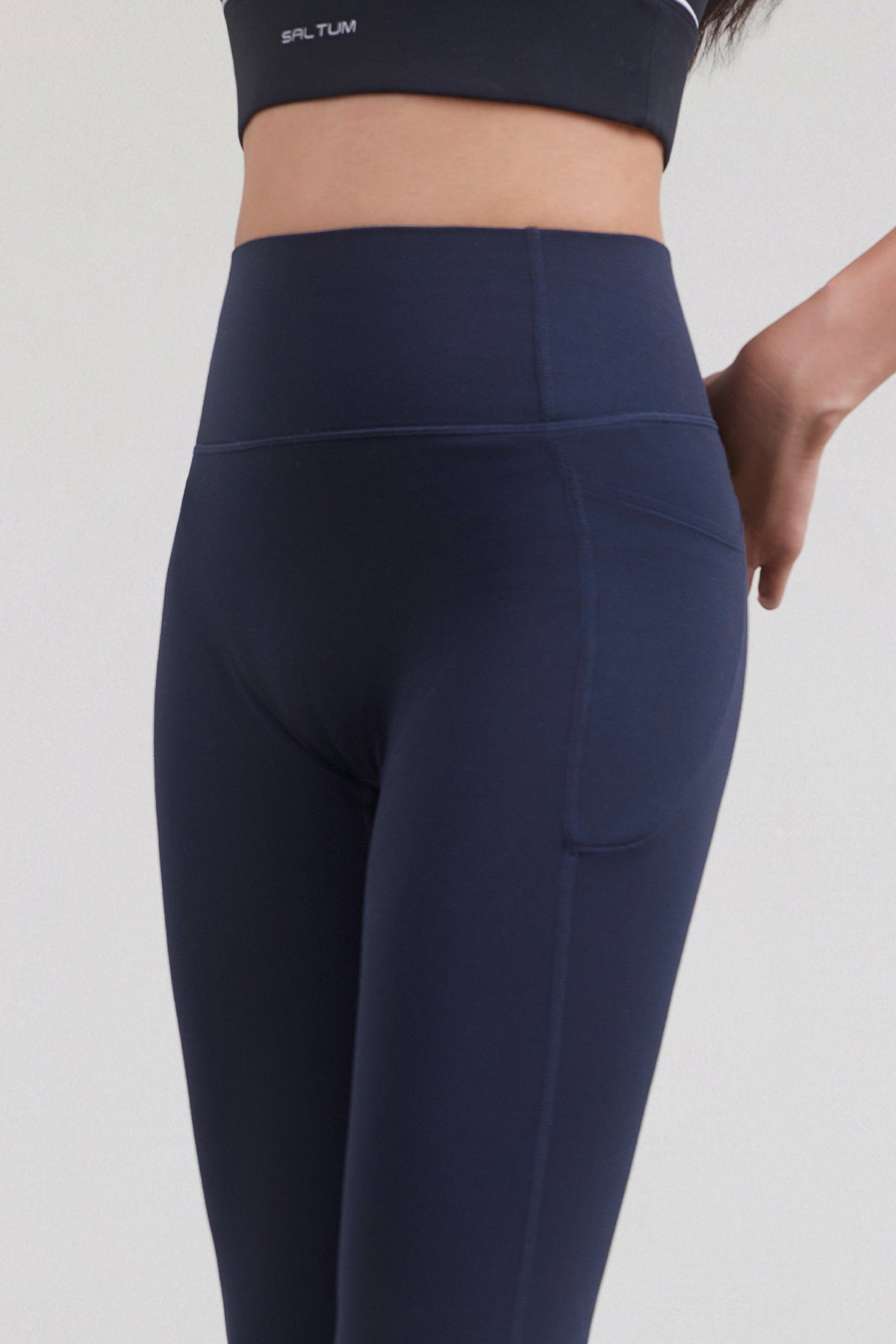
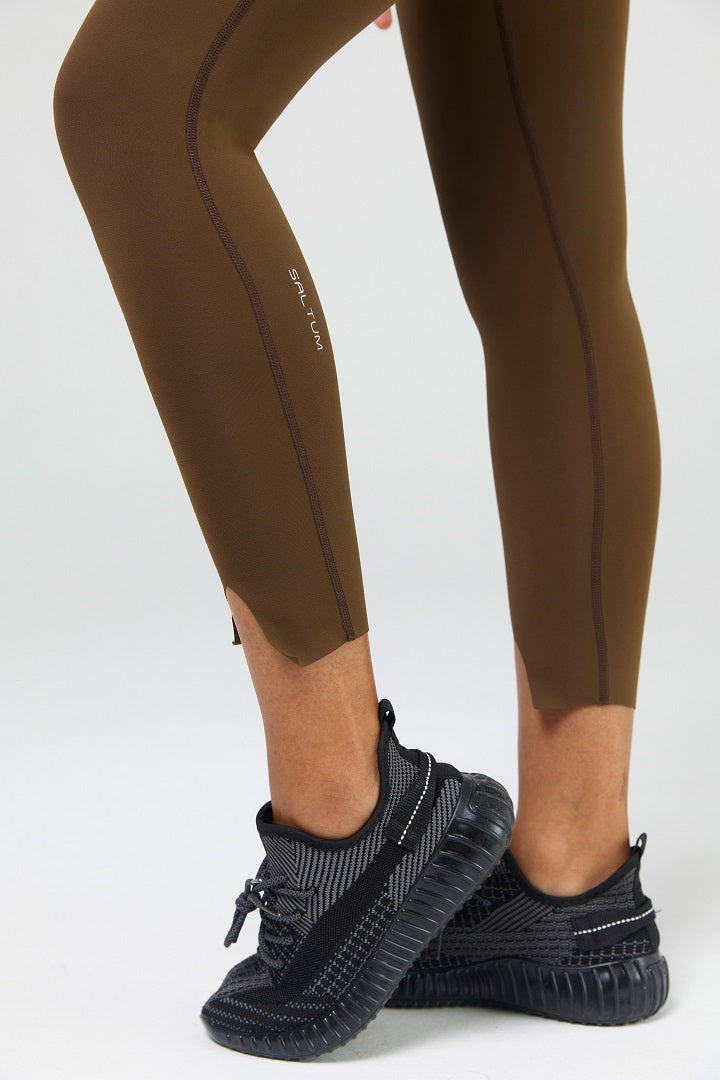
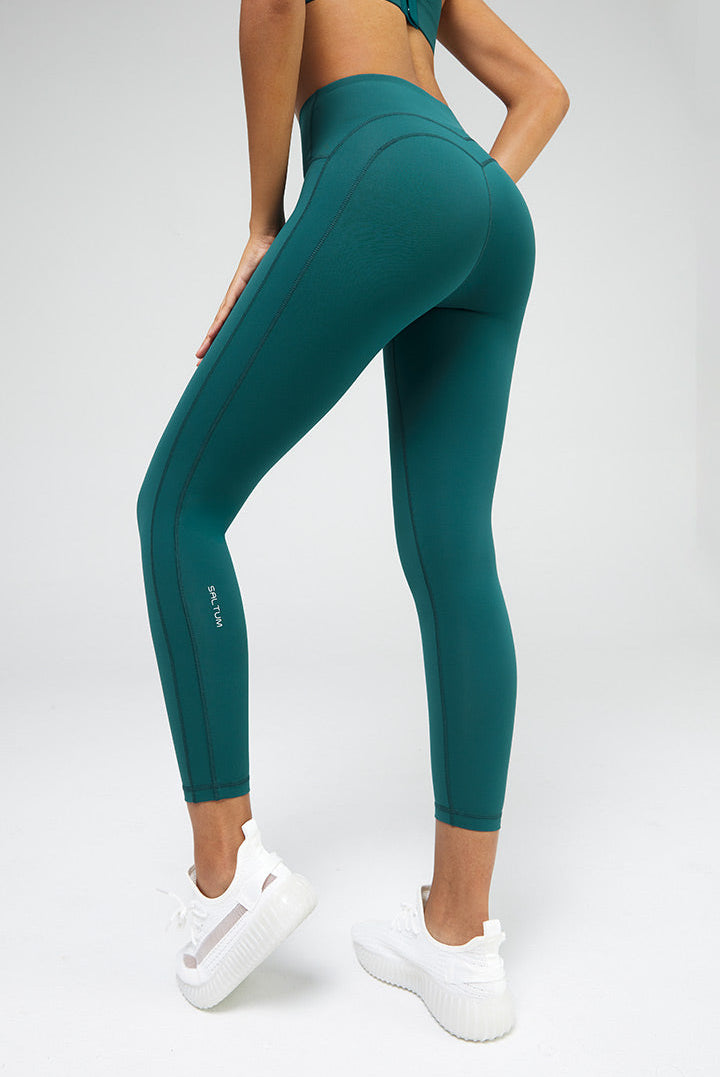
Les leggings longs et 7/8 sont des choix populaires pour la barre pour une raison assez évidente : ils conviennent aux exercices debout, aux étirements assis et aux enchaînements au sol sans vous obliger à trop réfléchir à la couvrance. Les leggings de yoga ou de sport classiques conviennent généralement parfaitement, à condition que vous puissiez vous pencher, vous accroupir et tendre les jambes confortablement avec.
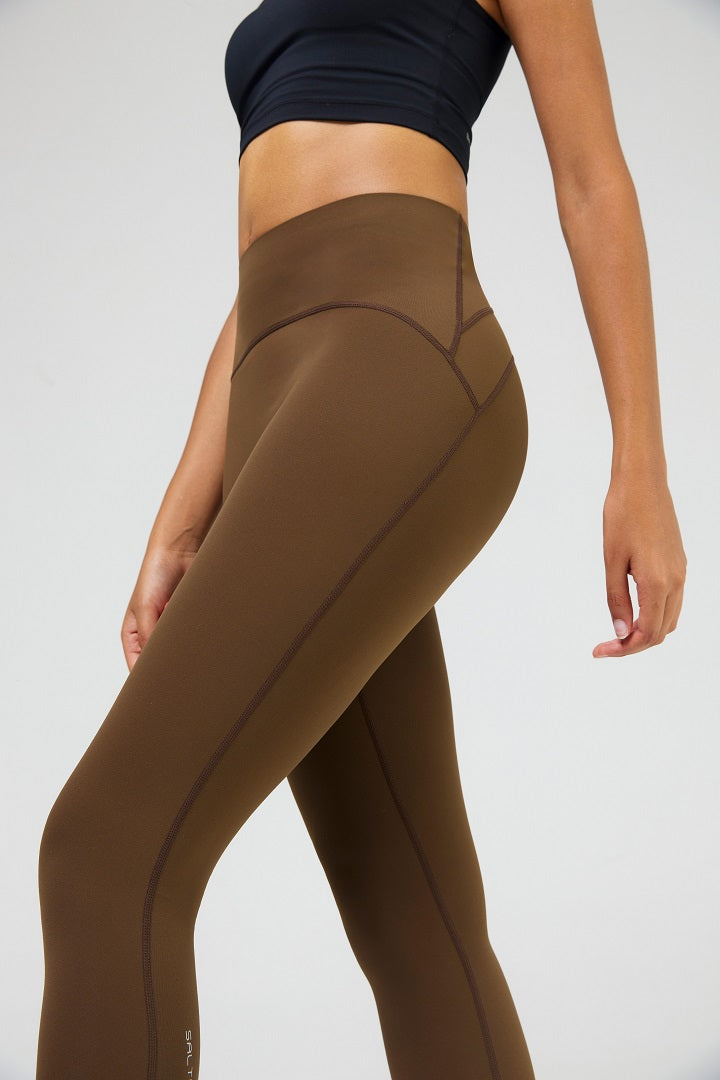
Les tailles hautes comme les tailles mi-hautes peuvent convenir. Choisissez la hauteur de taille que vous aimez déjà porter plutôt que de supposer que la barre impose une silhouette particulière. Le confort pendant les mouvements compte davantage que le choix de la coupe la plus tendance en studio.
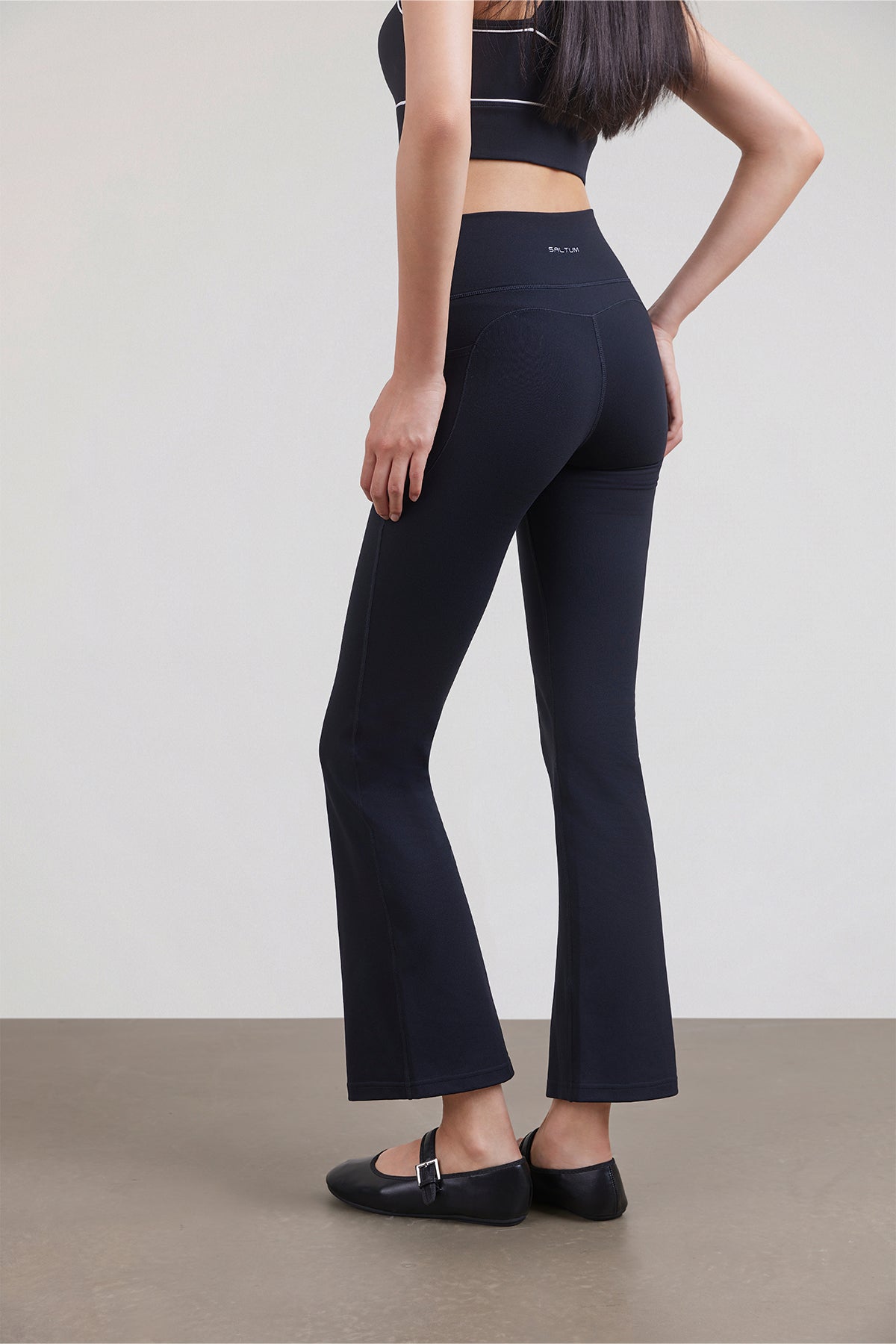
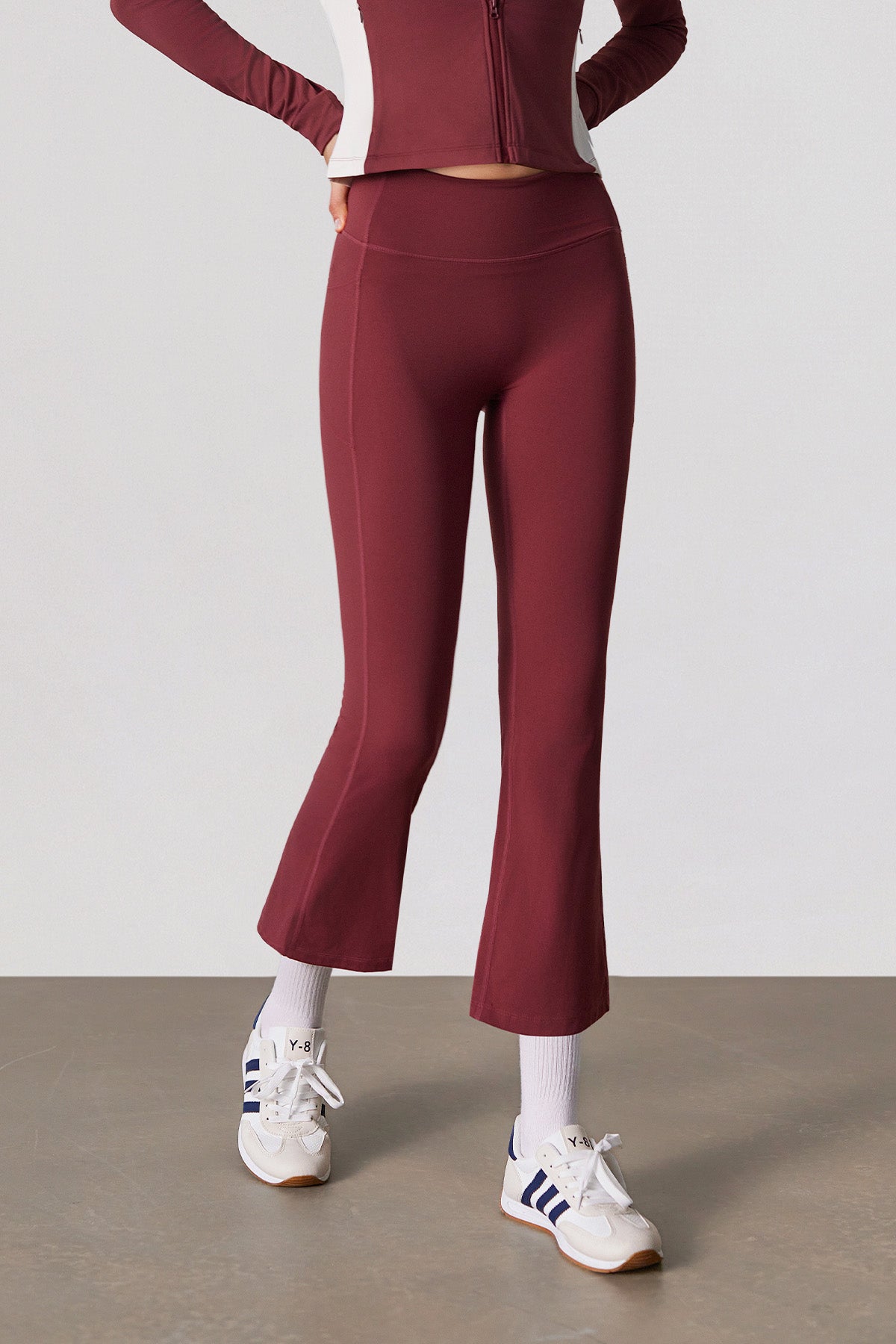
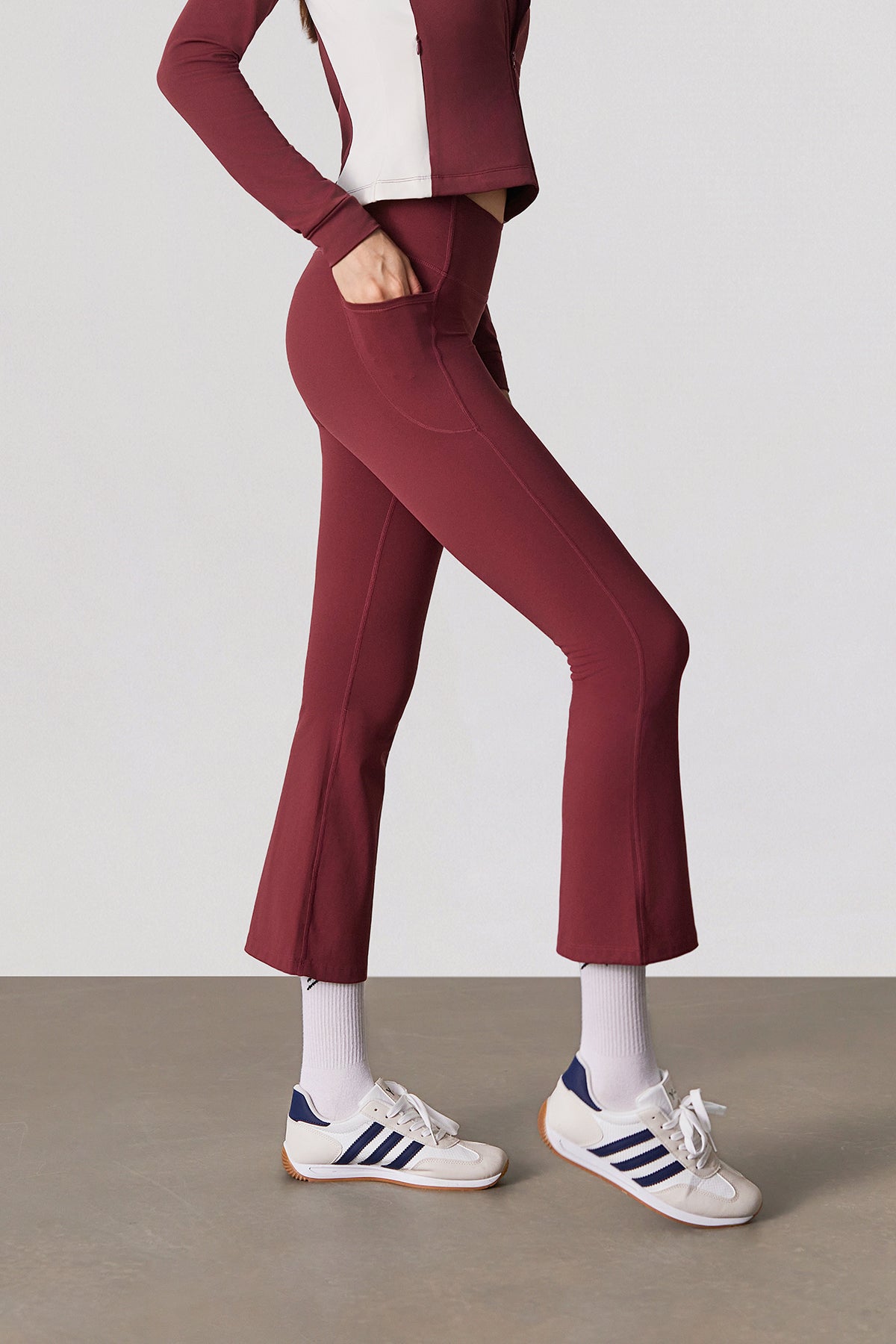
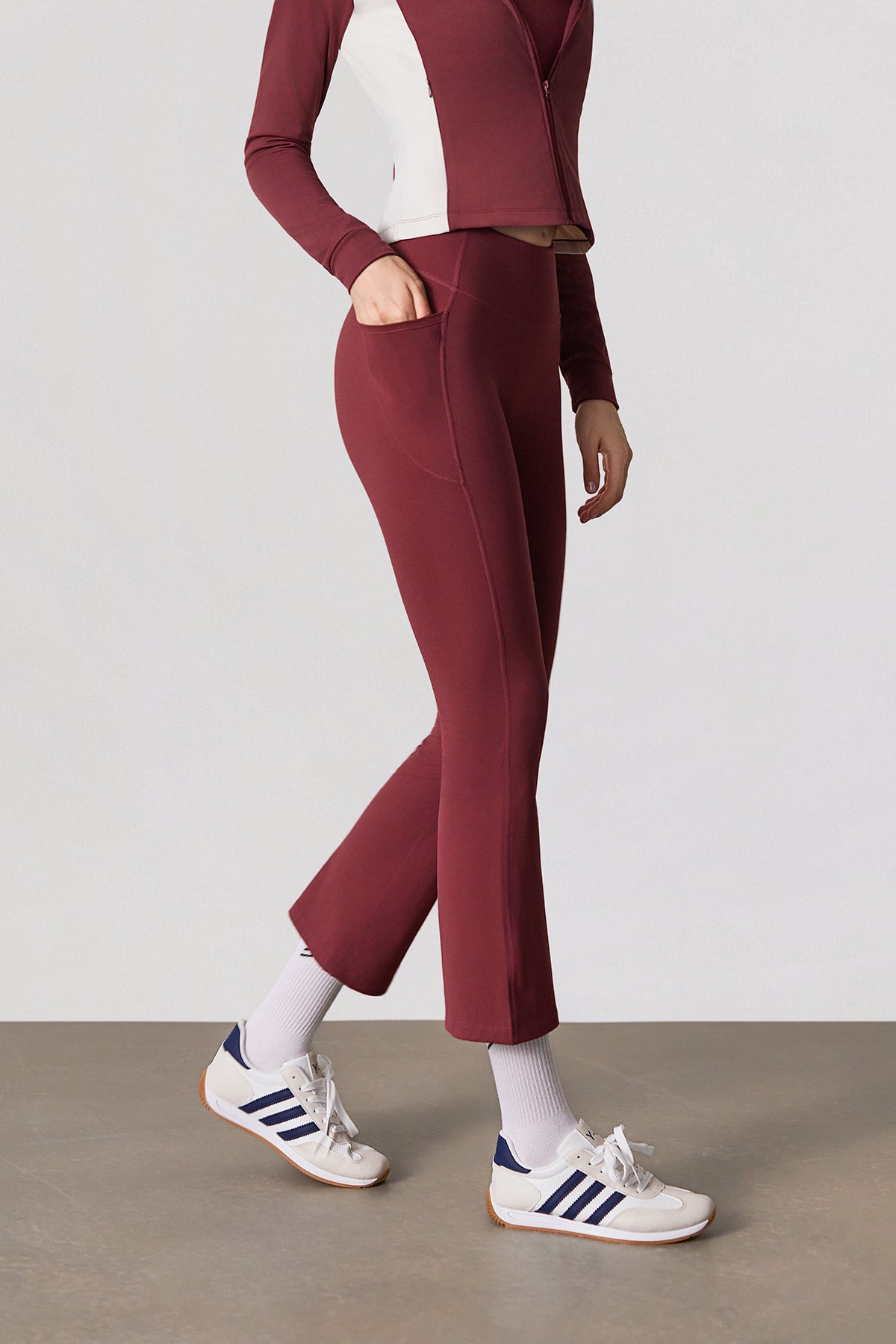
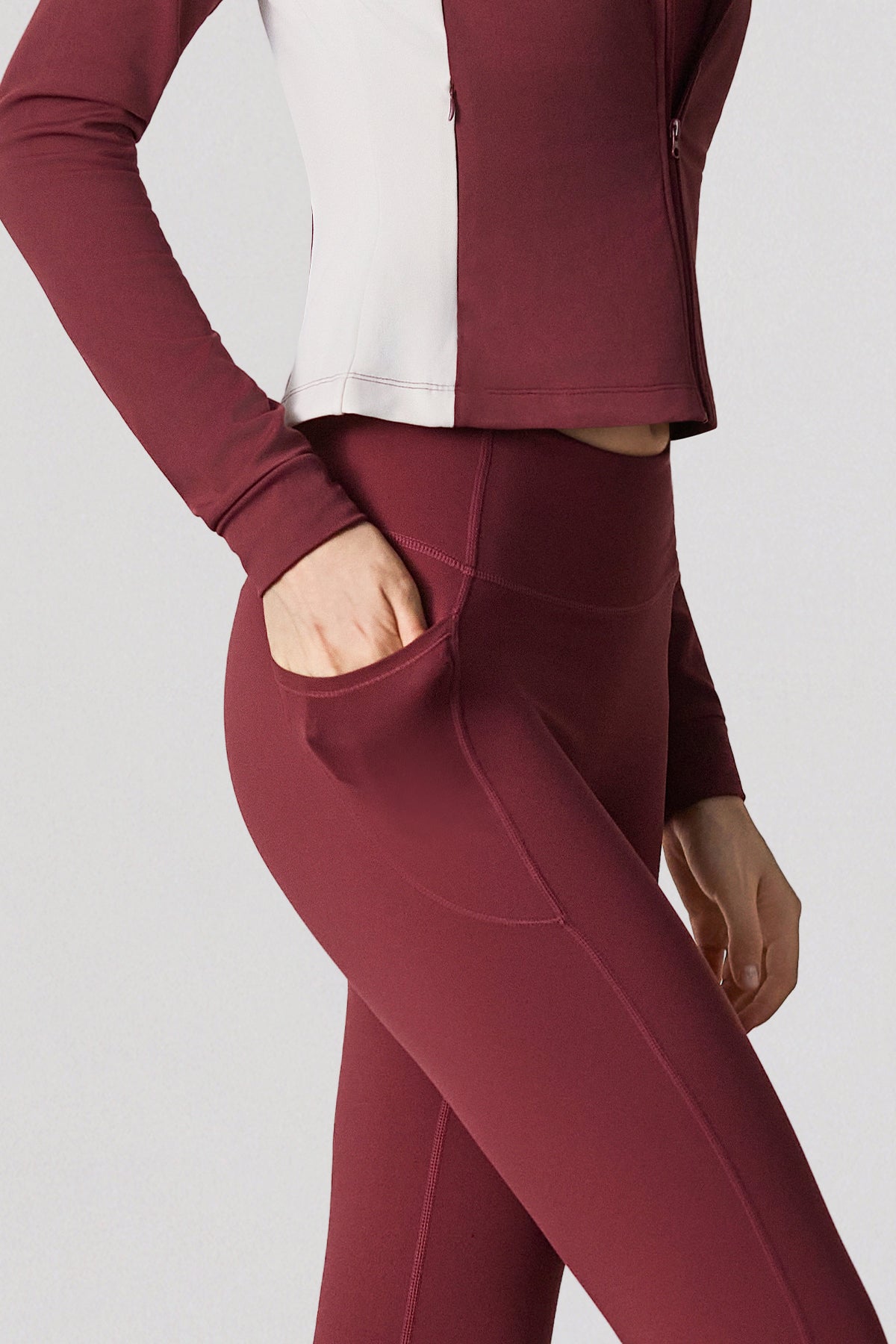
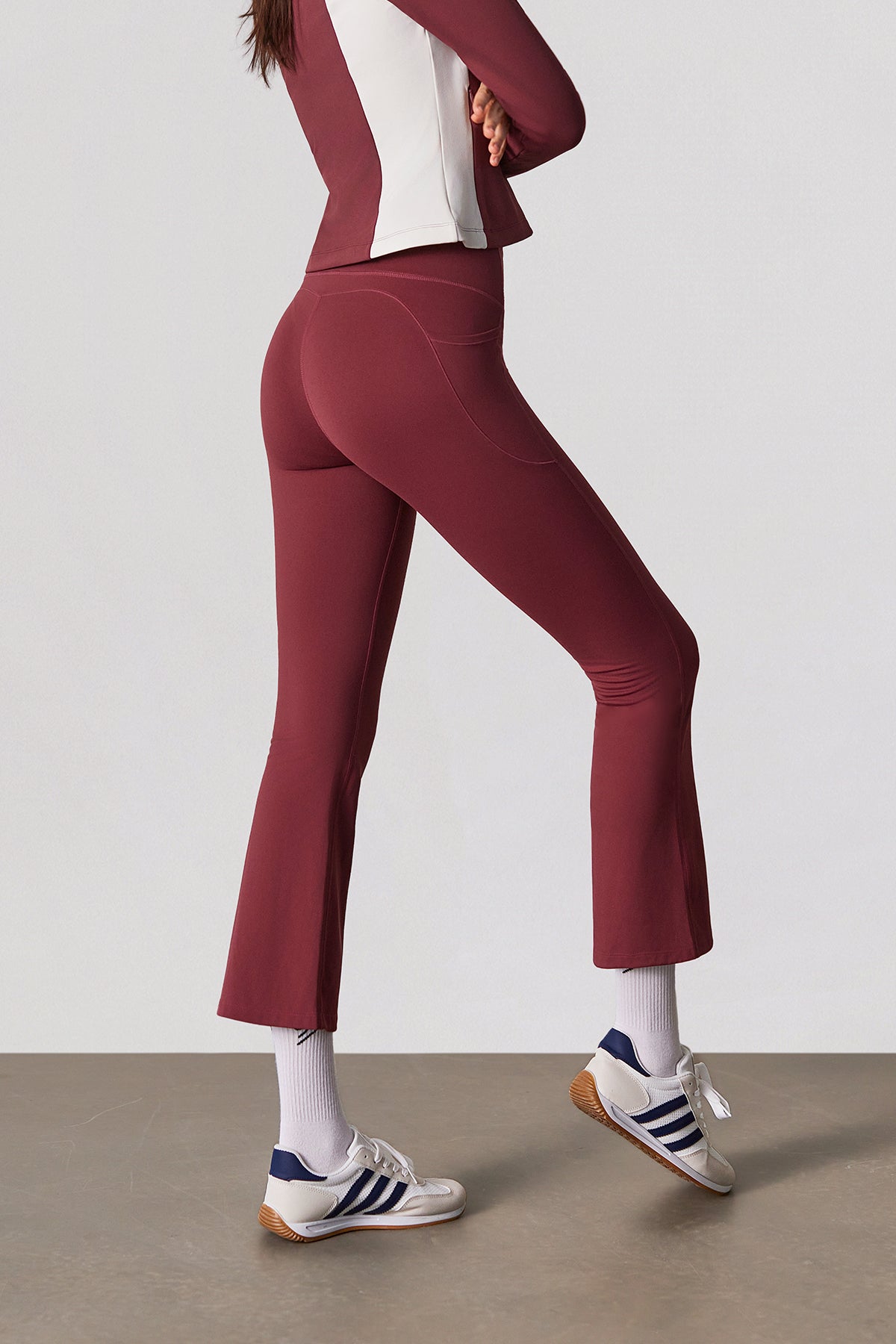
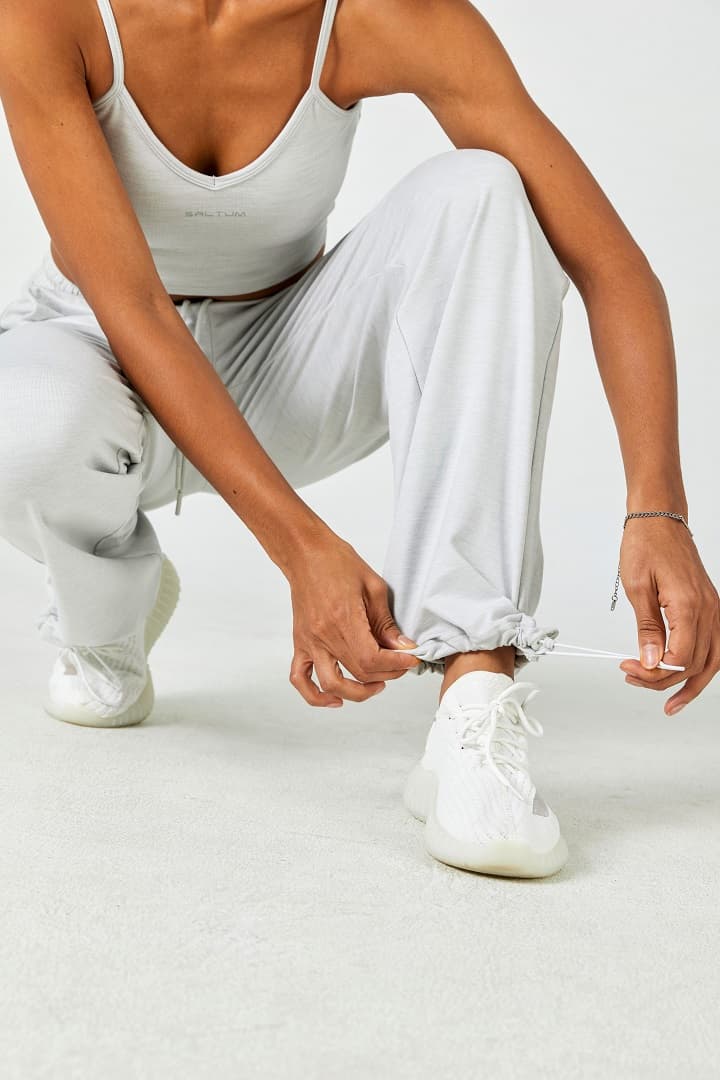
Les pantalons de studio droits et les leggings légèrement évasés peuvent également convenir à la barre, surtout lorsque l’ourlet reste assez près de la cheville. Les ourlets extrêmement larges ou longs peuvent être moins pratiques lorsque vos pieds sont rapprochés, lorsque vous changez rapidement de position ou lorsque le professeur doit voir le placement de vos chevilles.
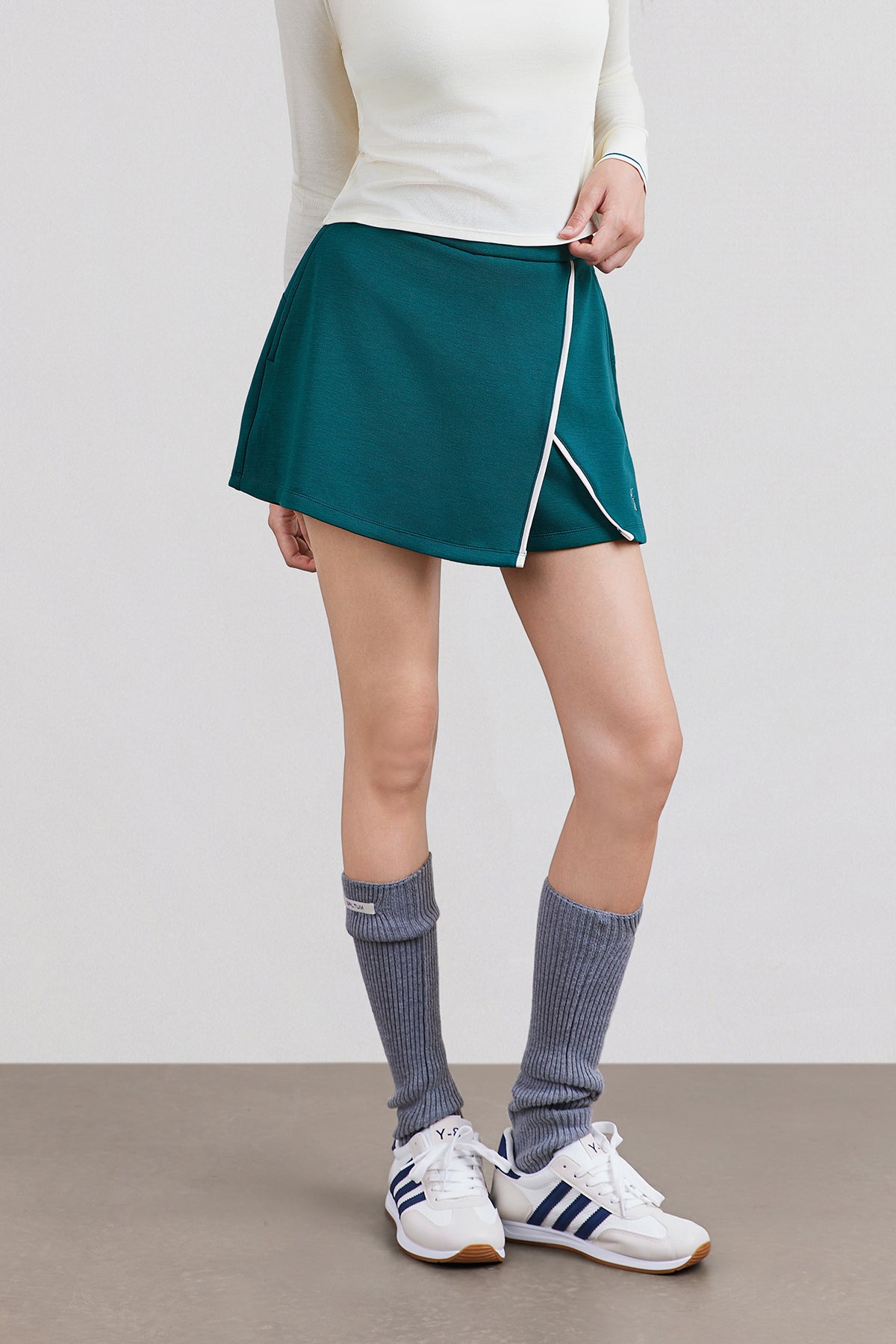
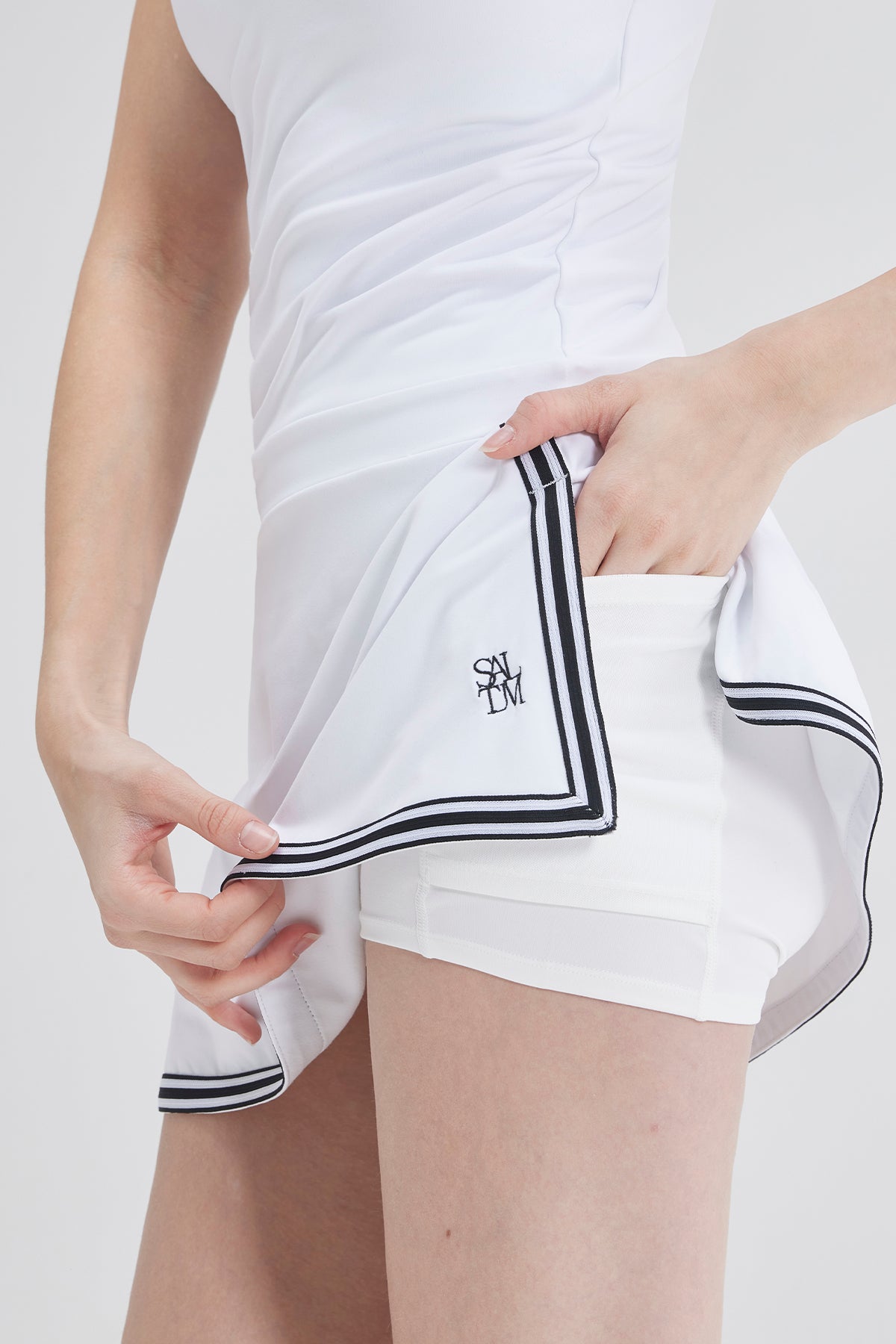
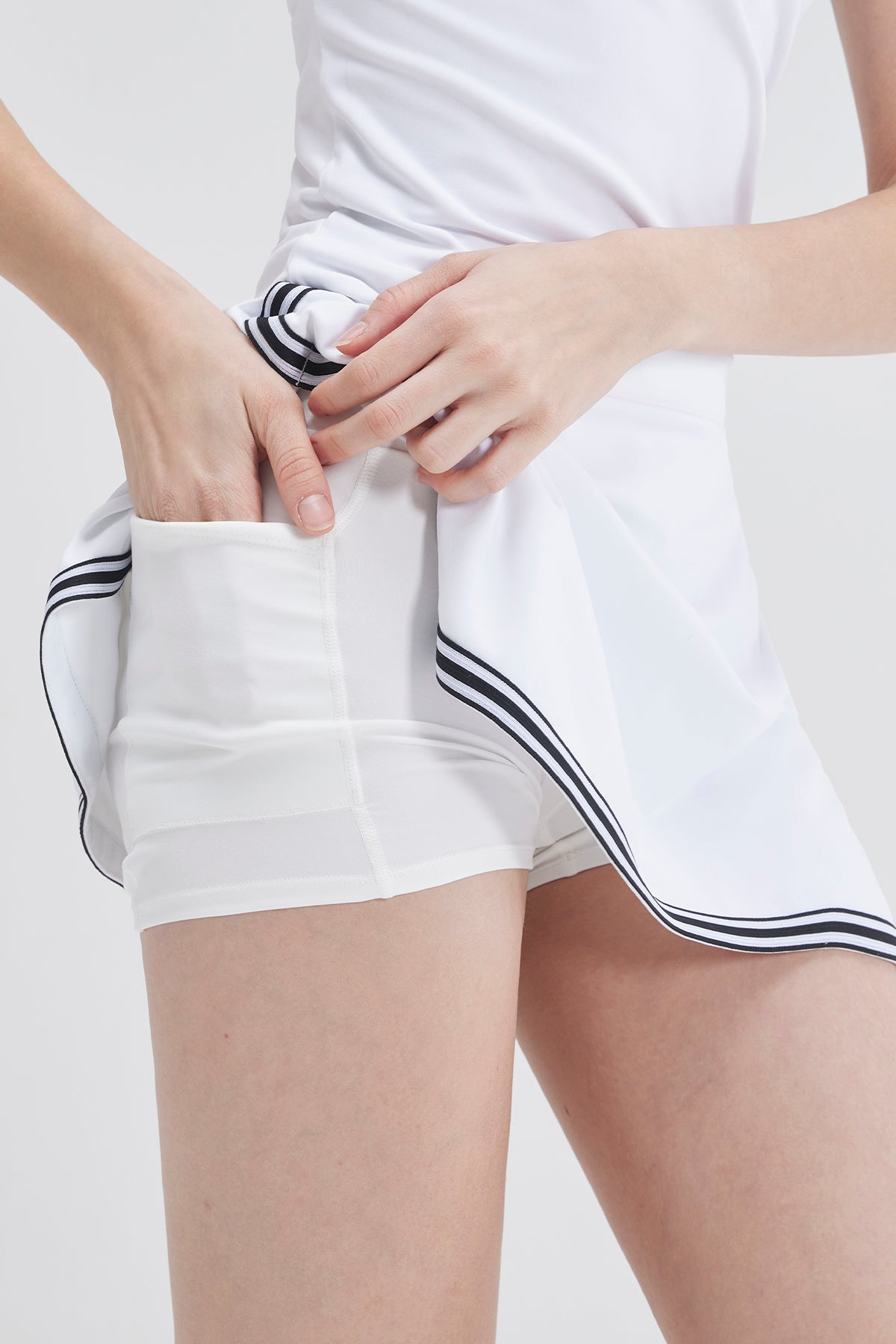
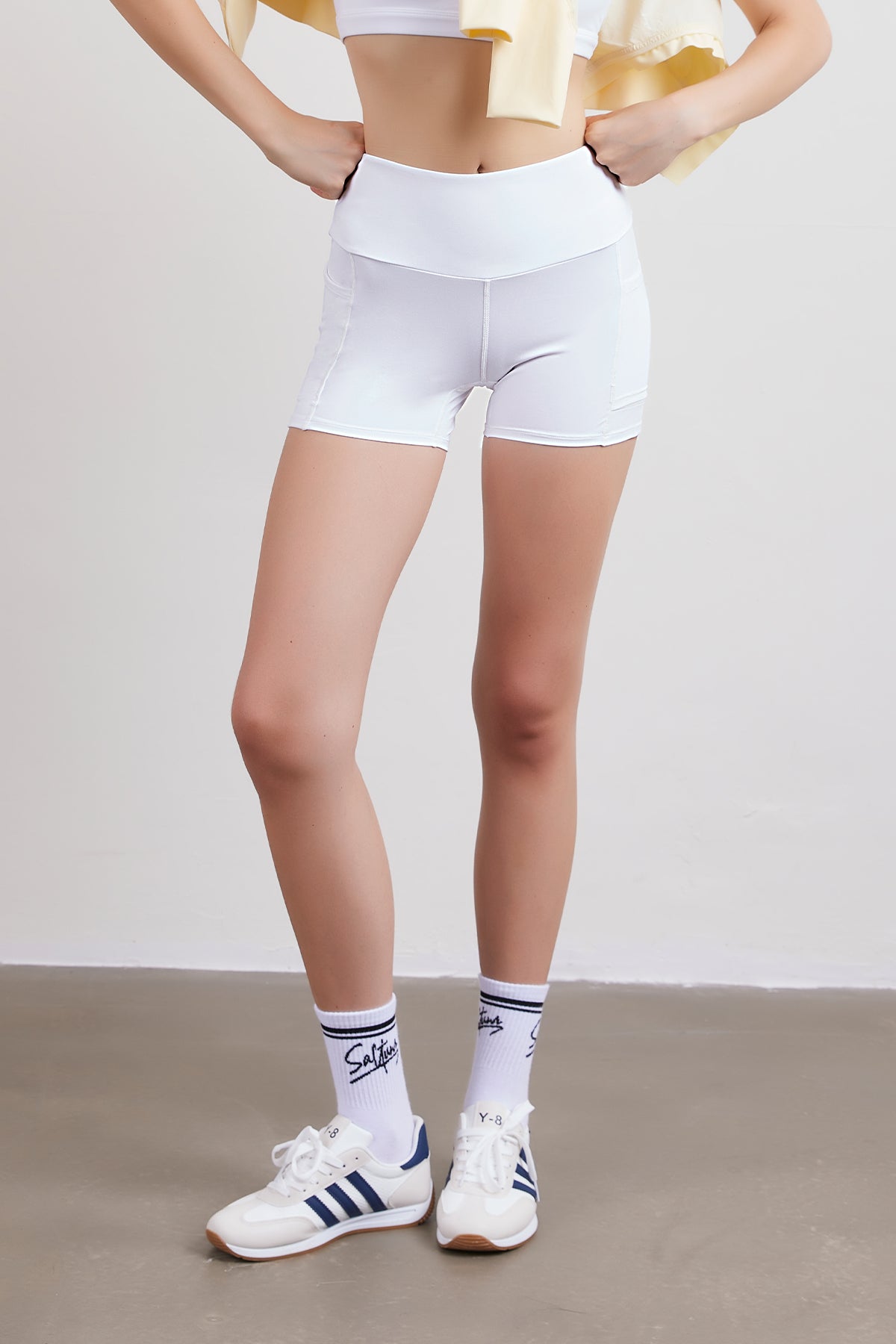
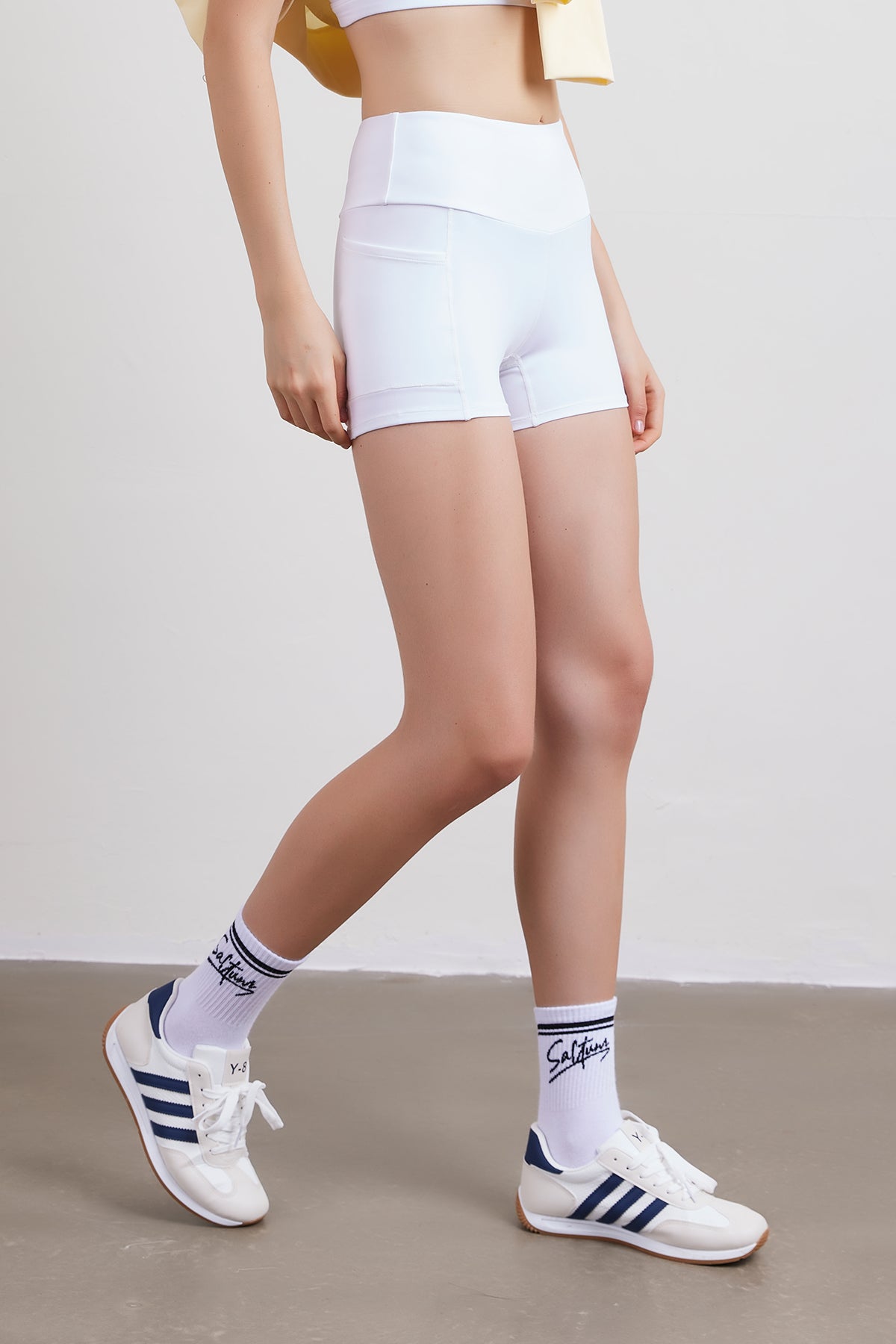
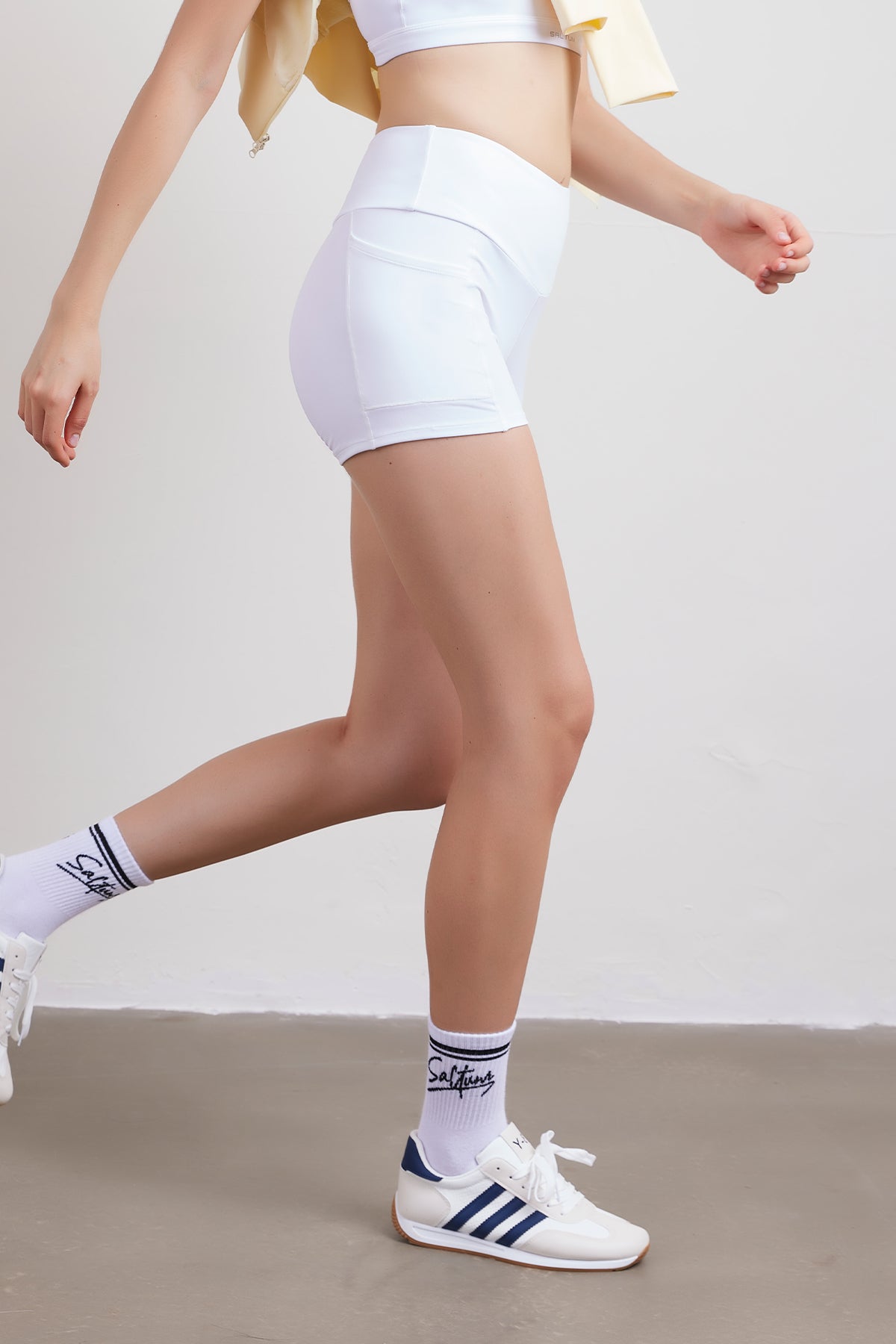
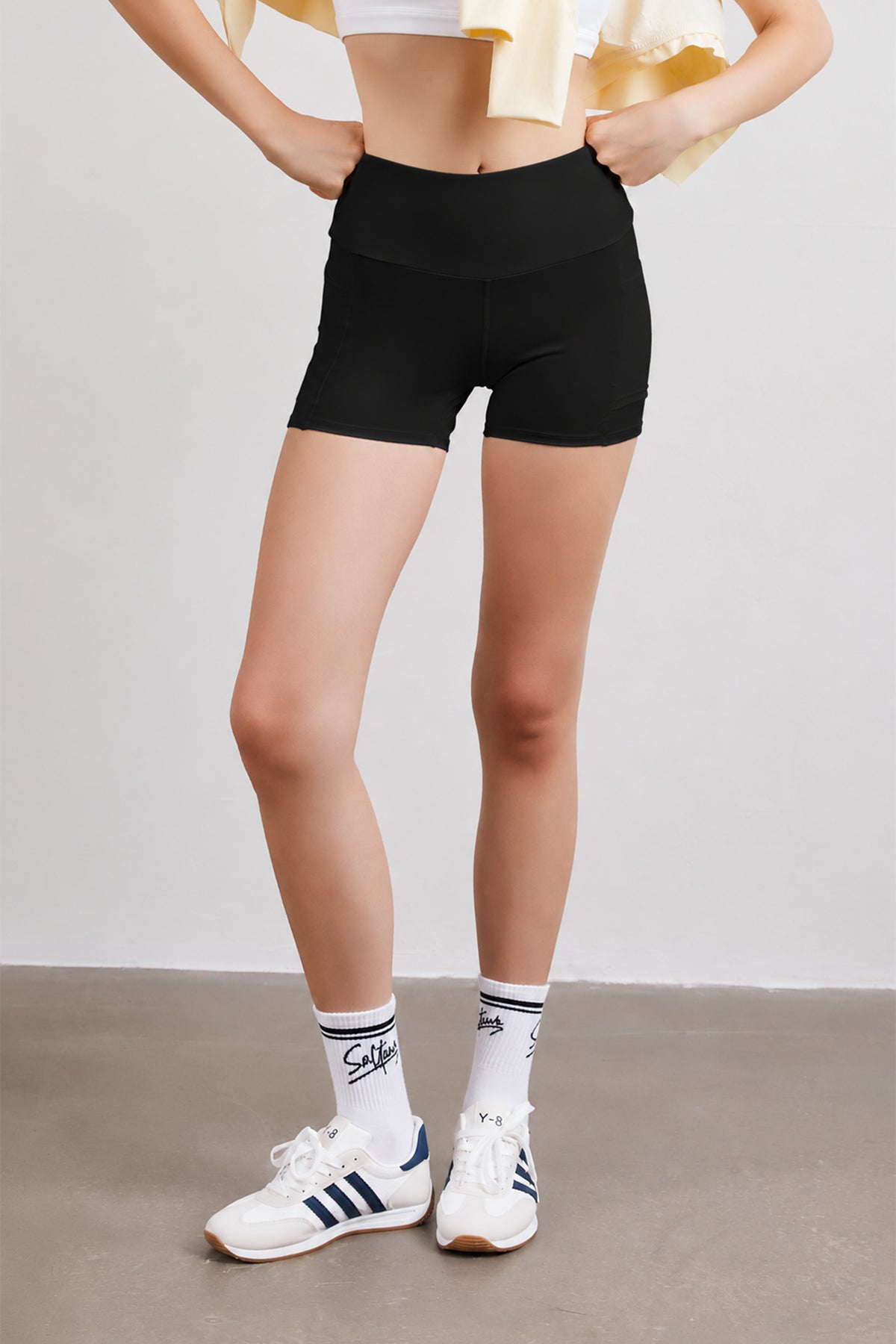
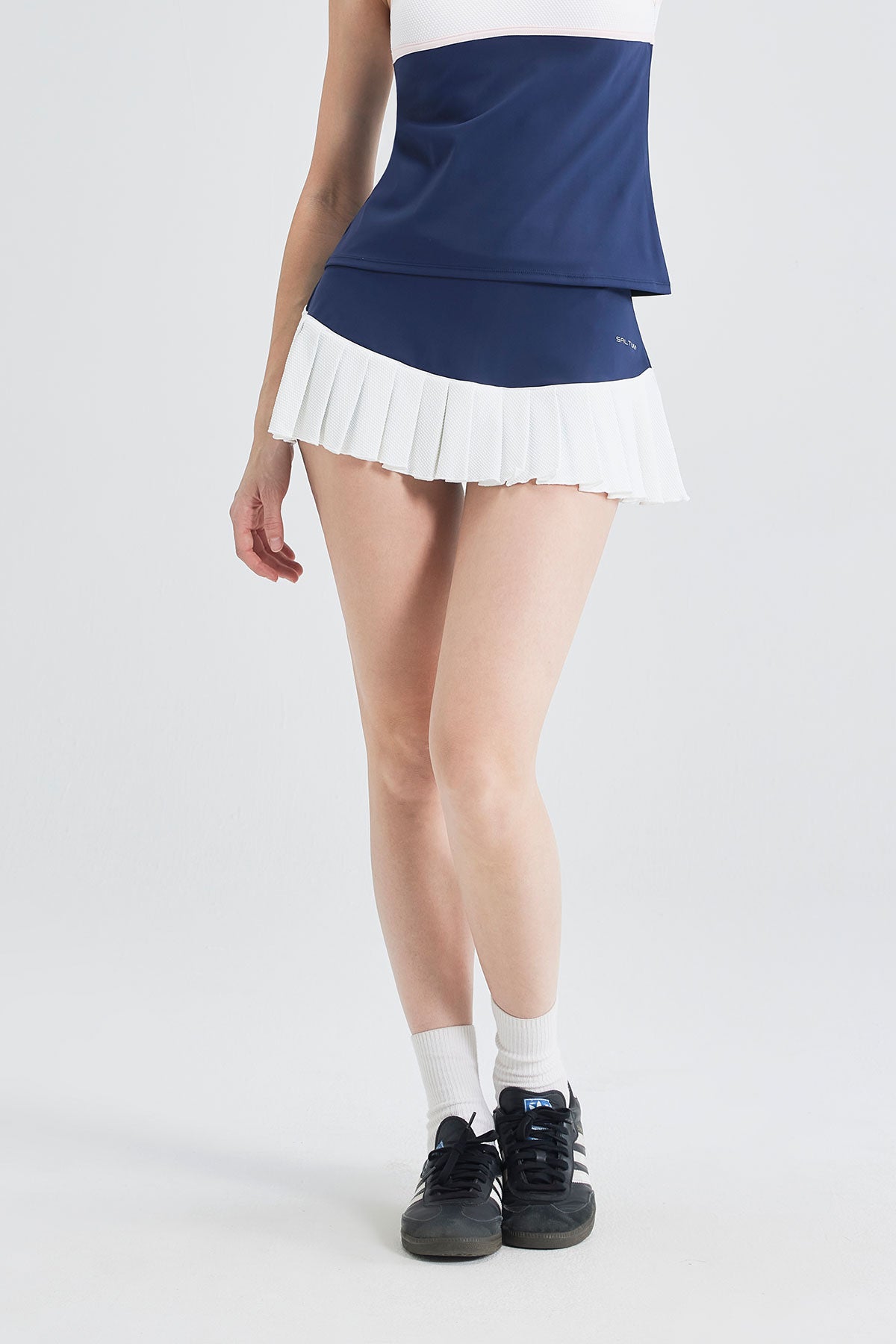
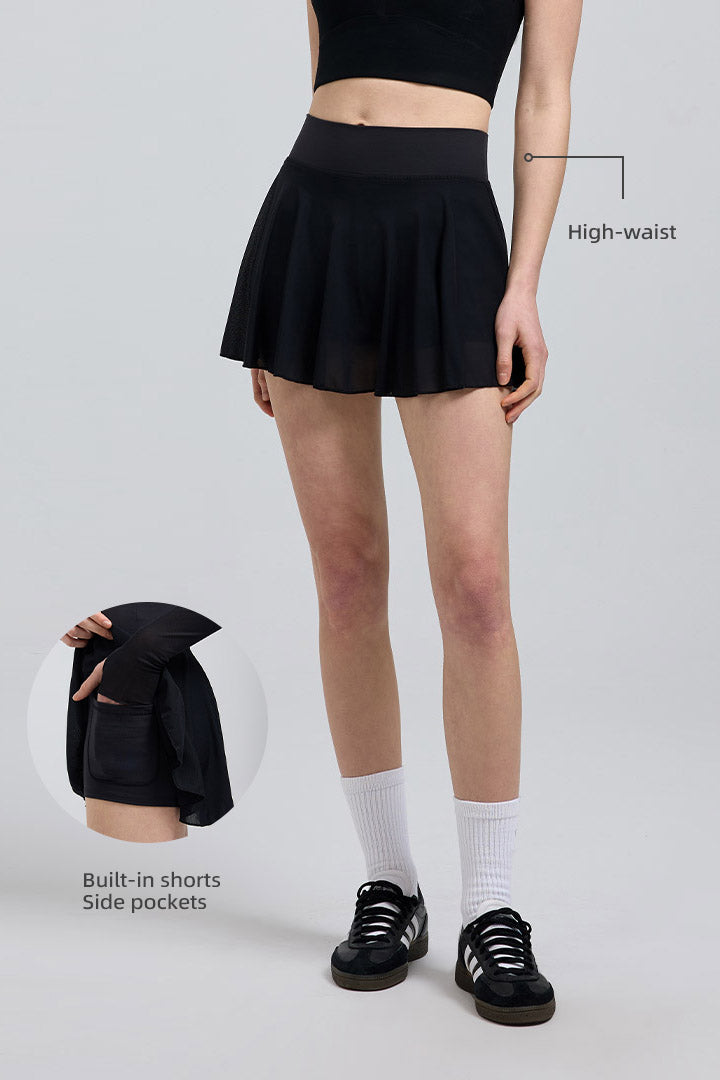
Les shorts sont tout à fait envisageables. Les shorts cyclistes et les shorts de sport ajustés offrent une grande liberté de mouvement, et certaines personnes les préfèrent dans les studios plus chauds. Les débutants qui ne se sentent pas sûrs pour les exercices au sol ou en matière de couvrance peuvent simplement trouver les leggings plus rassurants pour une première visite. Parcourir des leggings de sport confortables peut vous aider à comparer les modèles longs, courts et adaptés au studio.

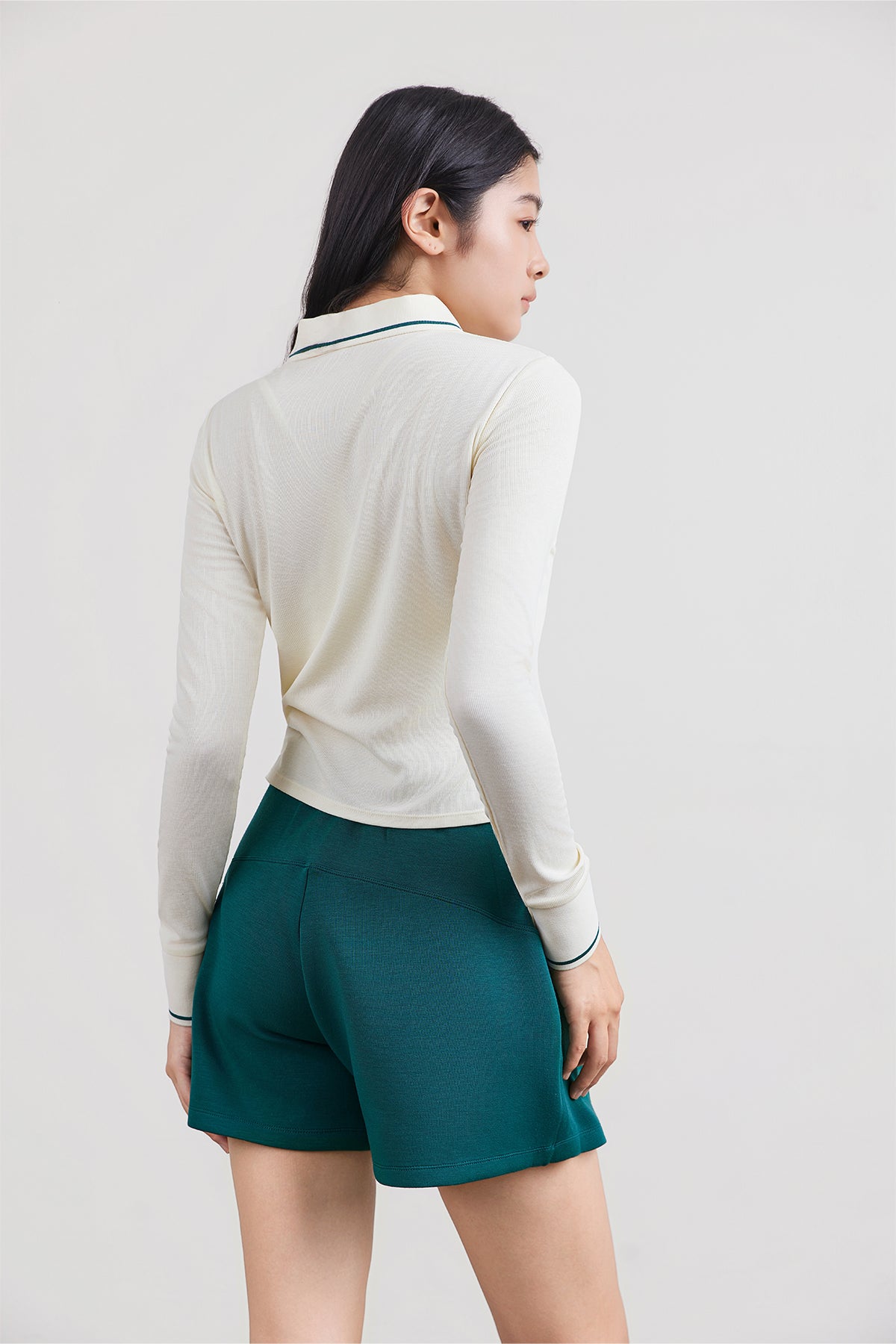
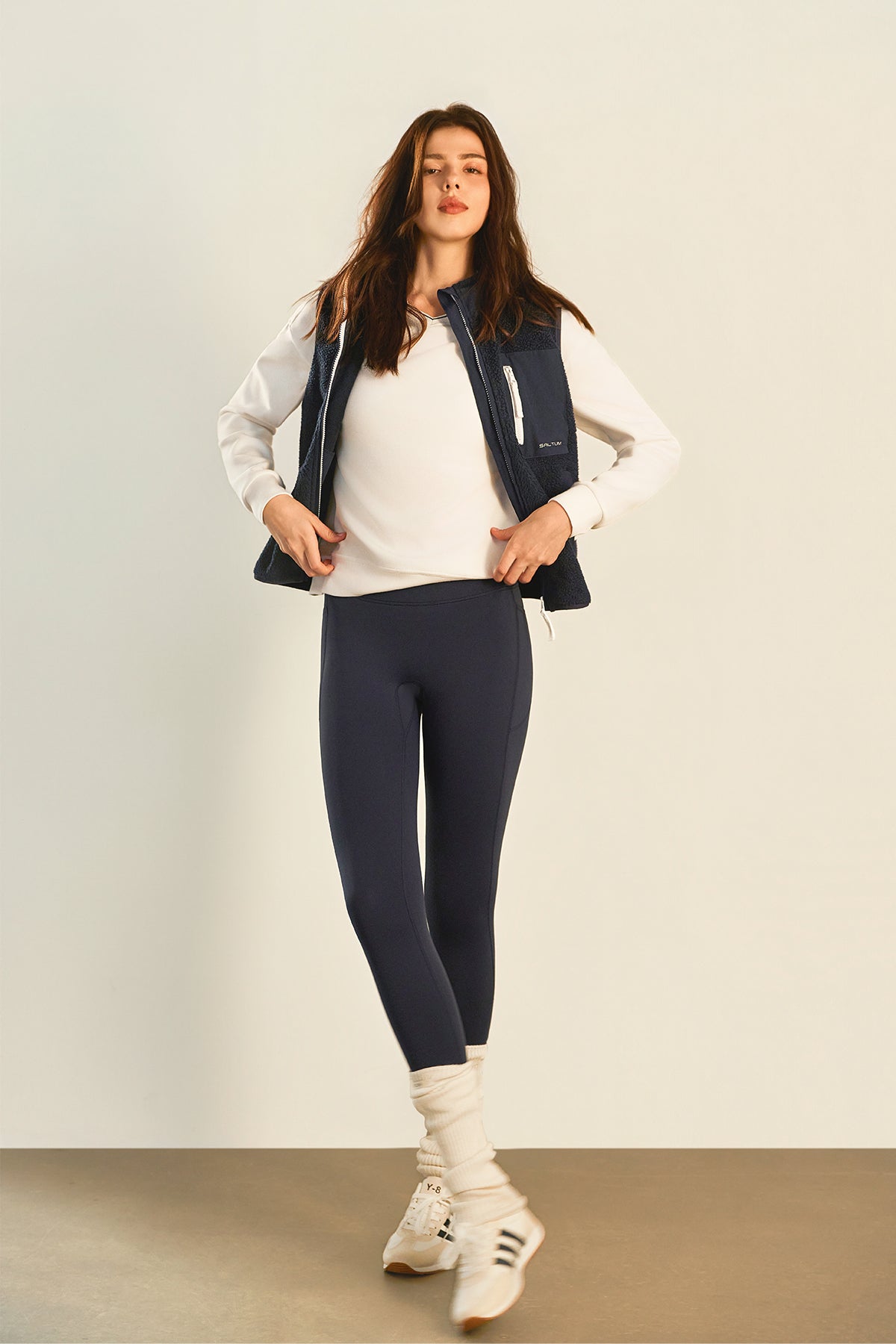
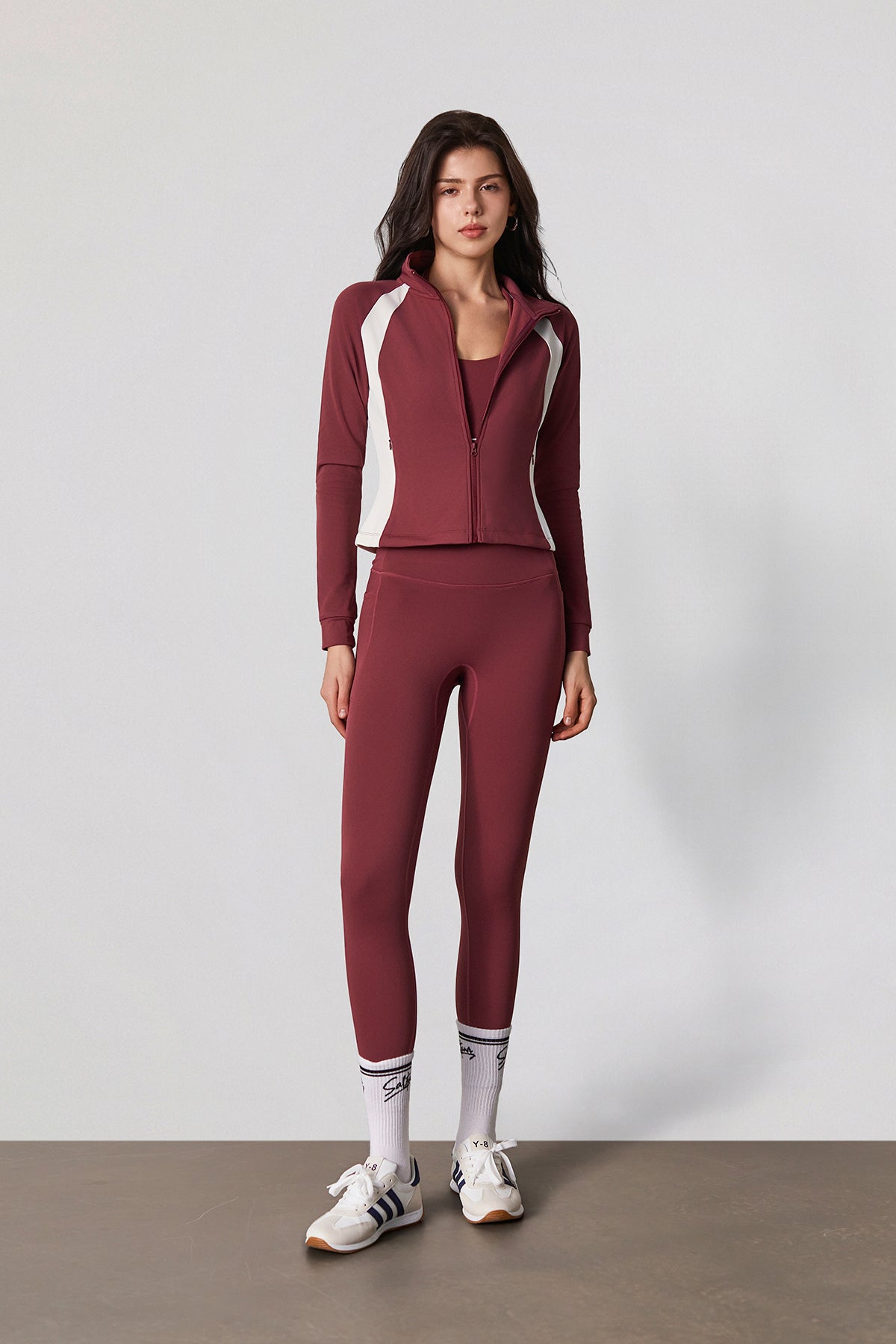
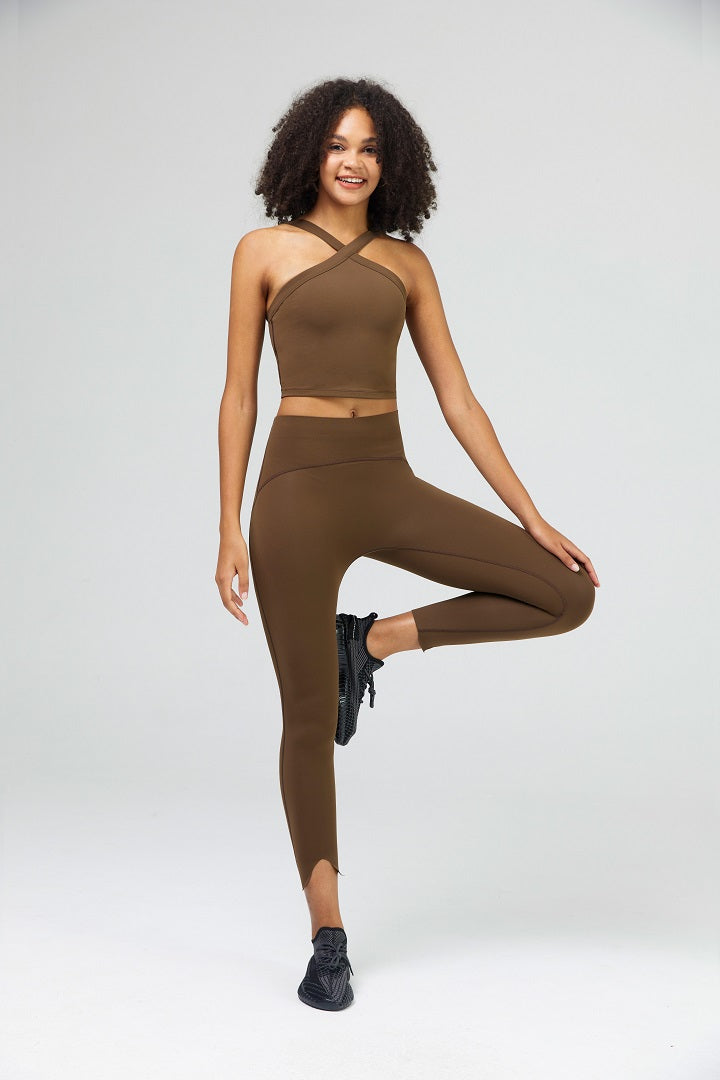
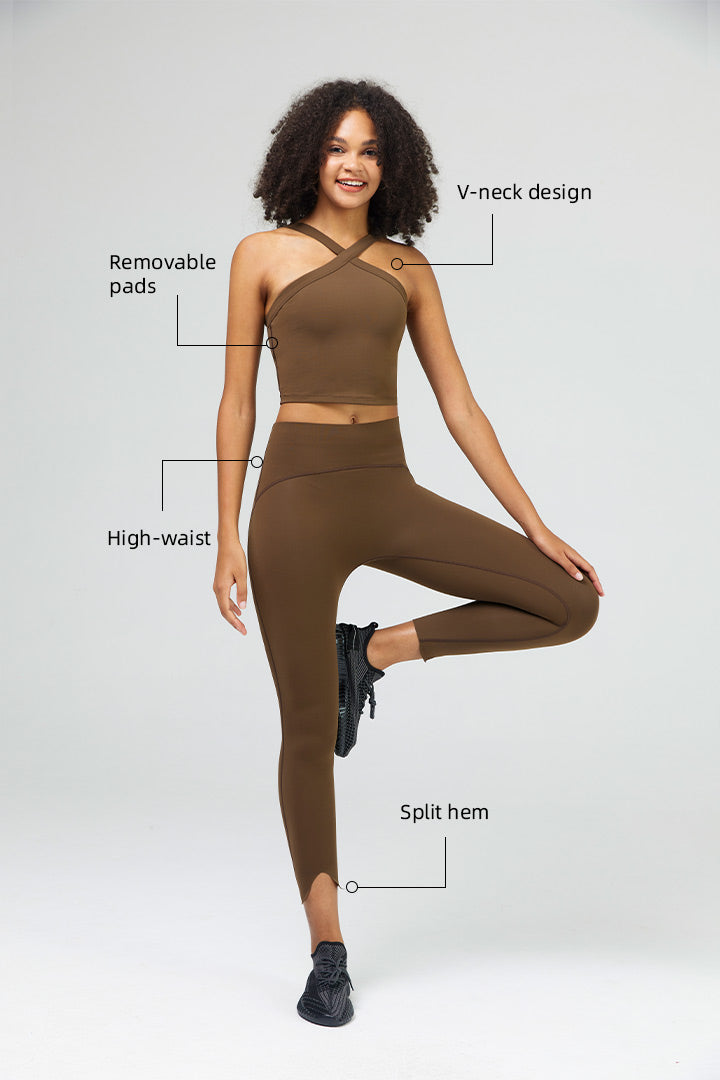
Un haut ajusté et un pantalon de studio près du corps constituent une base facile pour un premier cours.
Les chaussettes antidérapantes méritent plus d’attention que la tenue
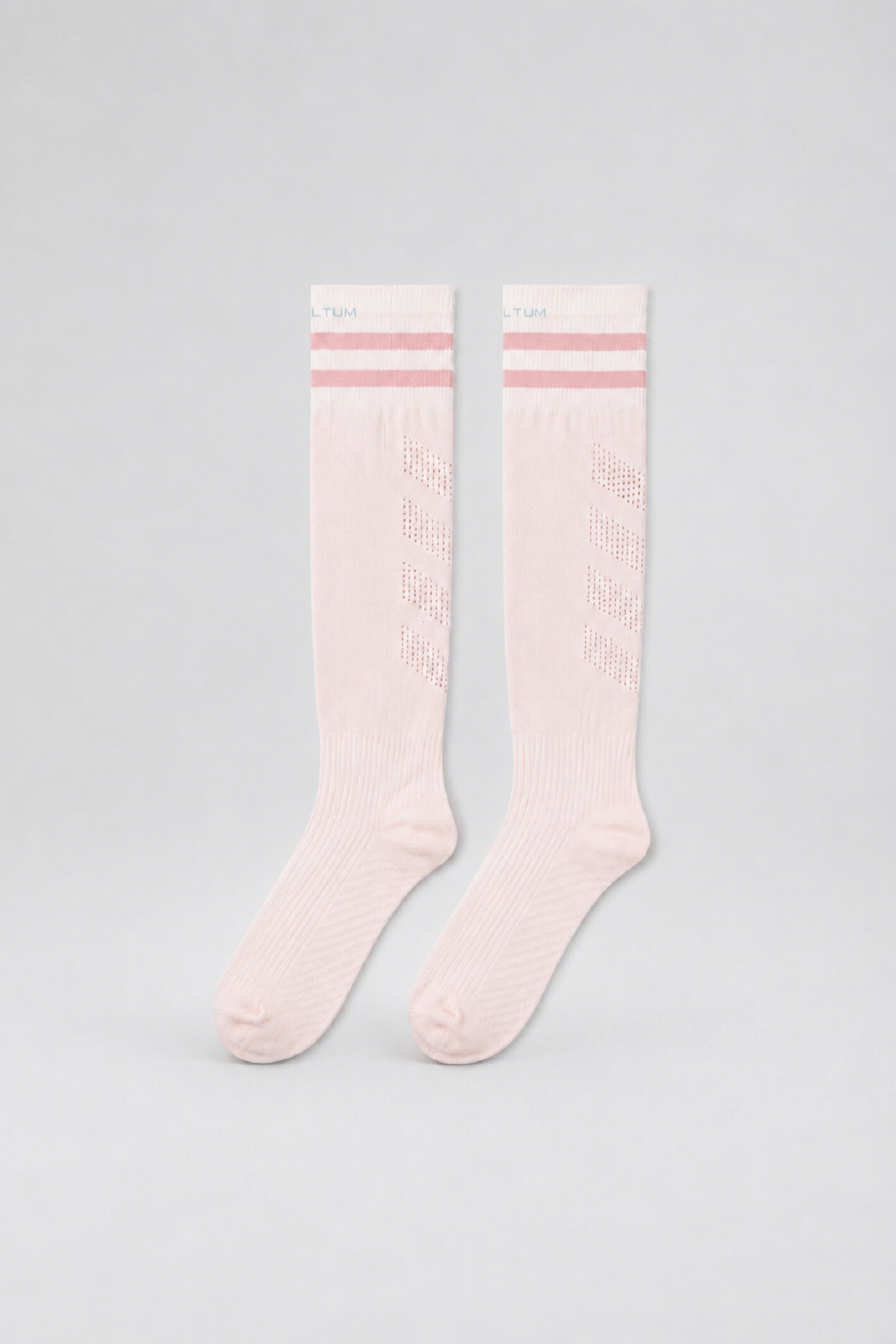
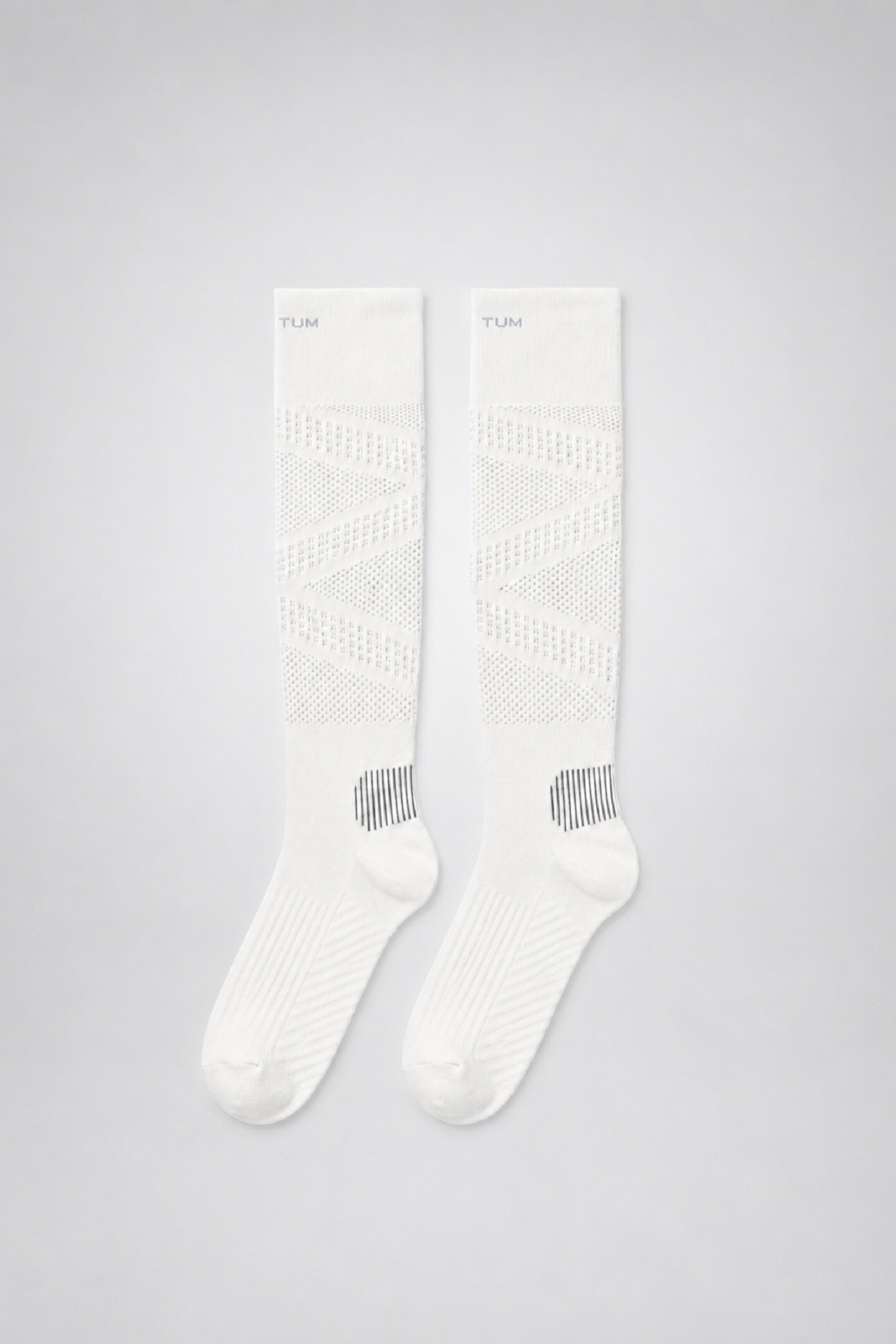
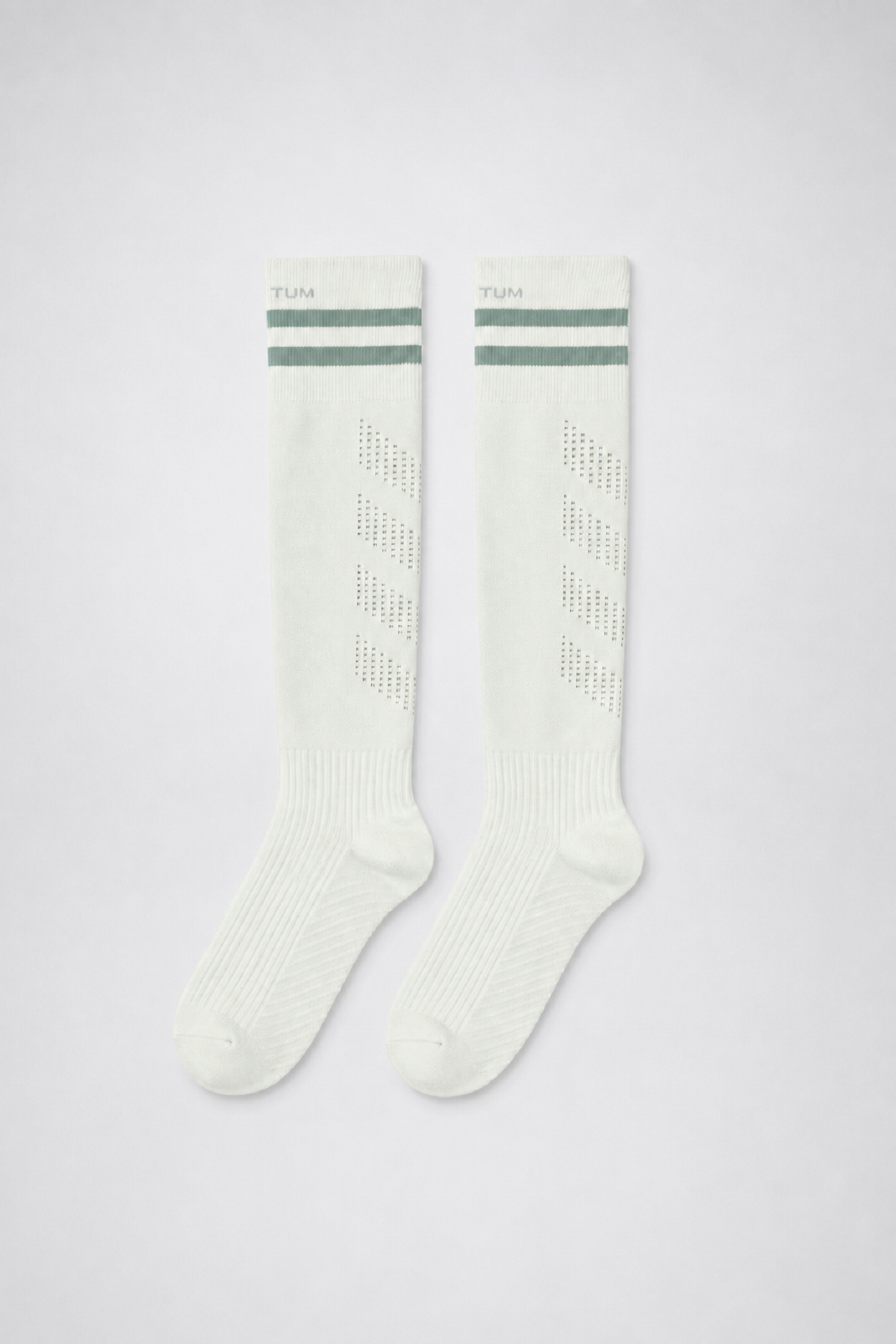
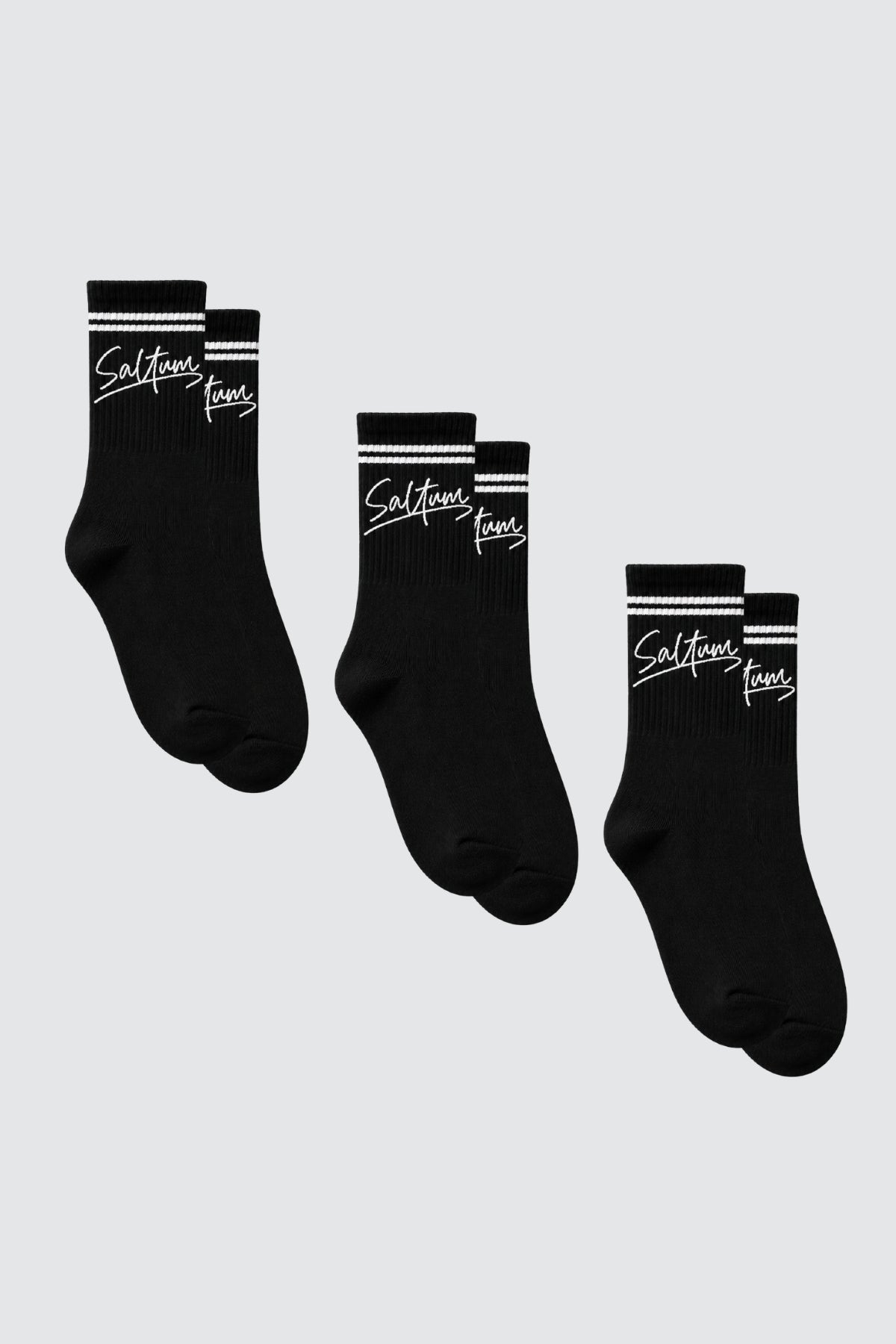
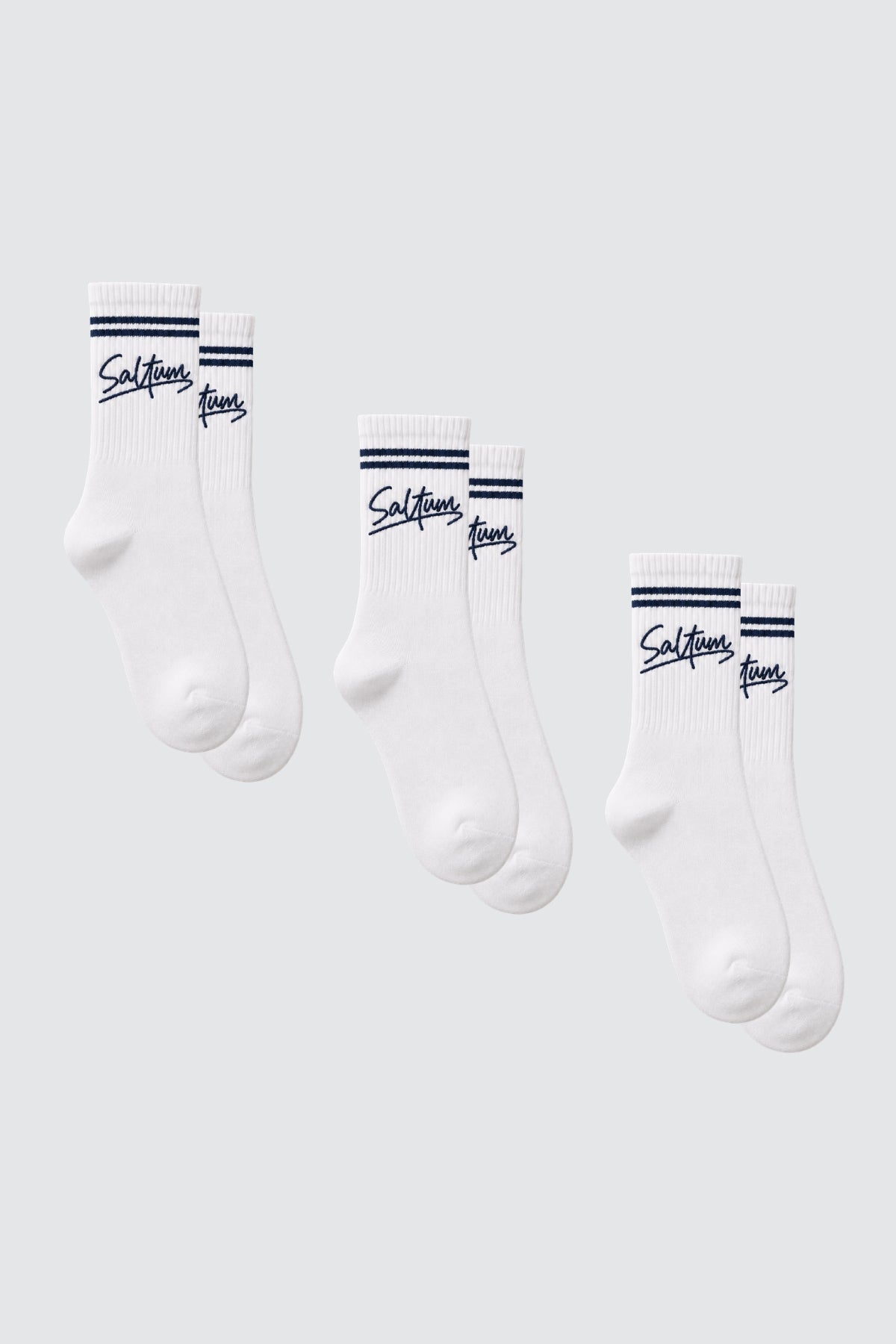
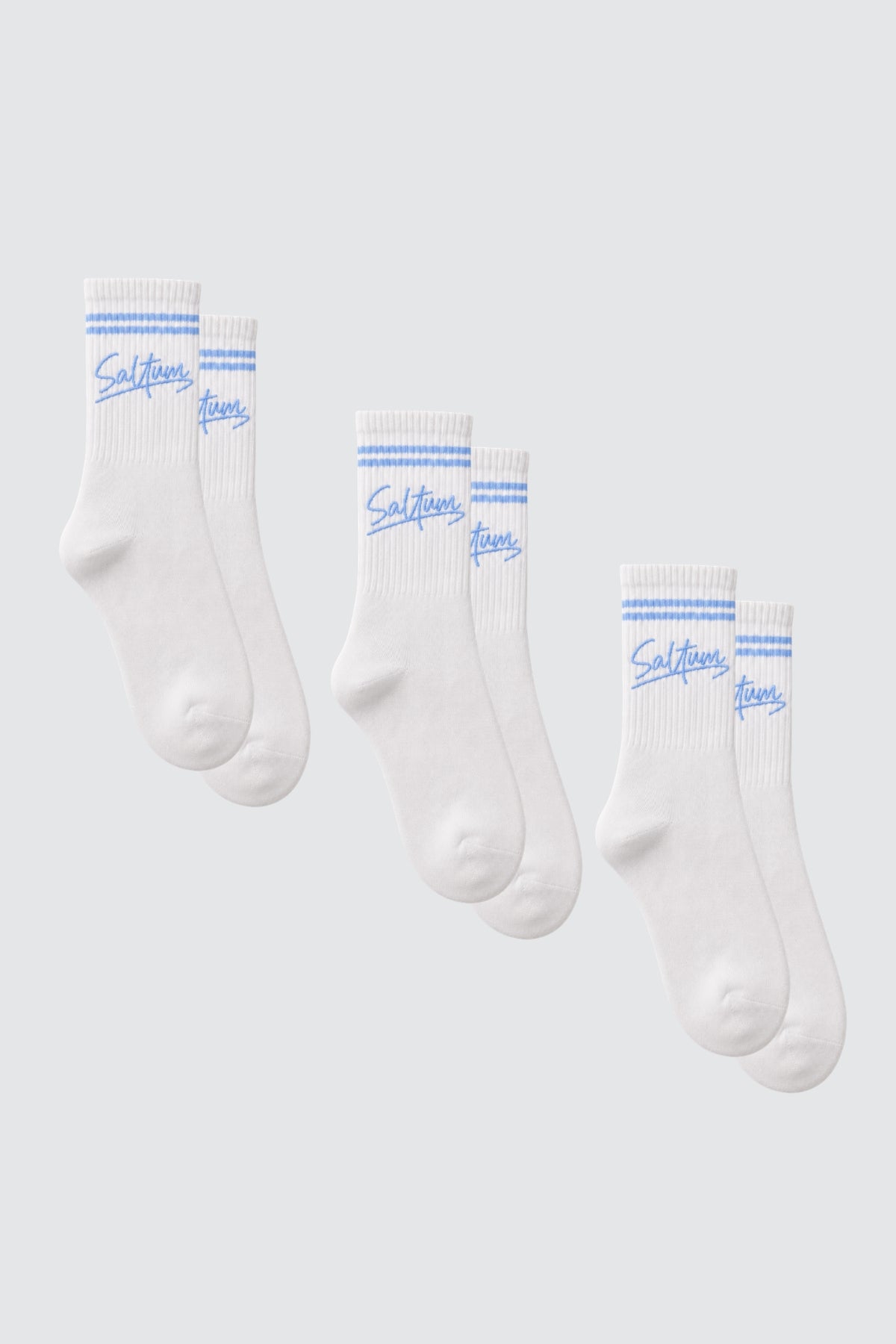
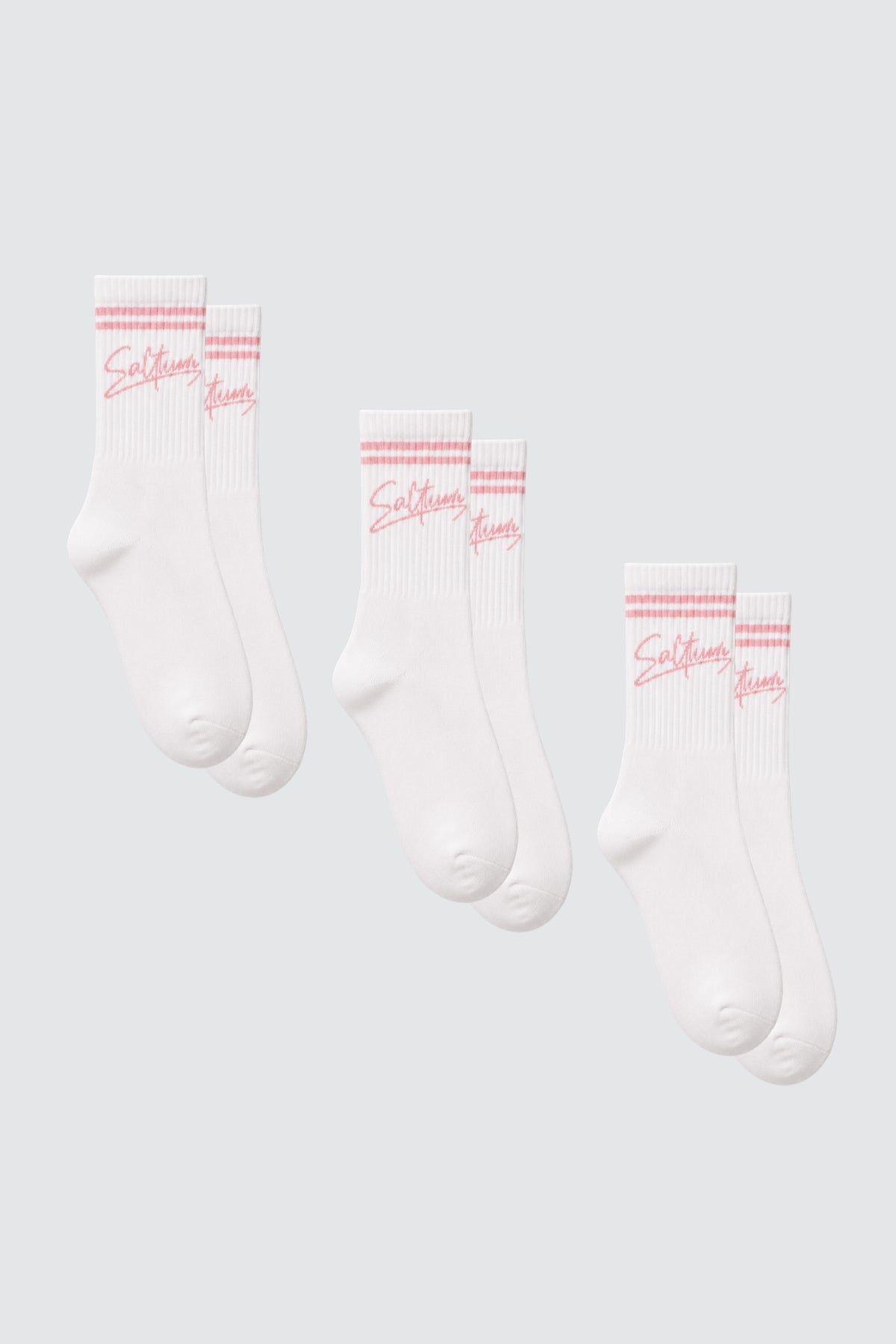
Les chaussettes antidérapantes font partie des rares détails qu’il vaut mieux vérifier avant le cours plutôt que de les deviner. Certains studios de barre les exigent, certains les recommandent vivement et d’autres autorisent les chaussettes classiques ou les pieds nus. Les règles peuvent même varier entre les différents établissements d’une même chaîne de studios.
Votre confirmation de réservation est généralement le meilleur endroit où chercher. Les FAQ du studio, les descriptions des cours et les e-mails de rappel expliquent souvent les règles concernant les chaussures. Si les informations ne sont pas claires, contacter l’accueil est plus fiable que de supposer que tous les cours de barre suivent la même règle.
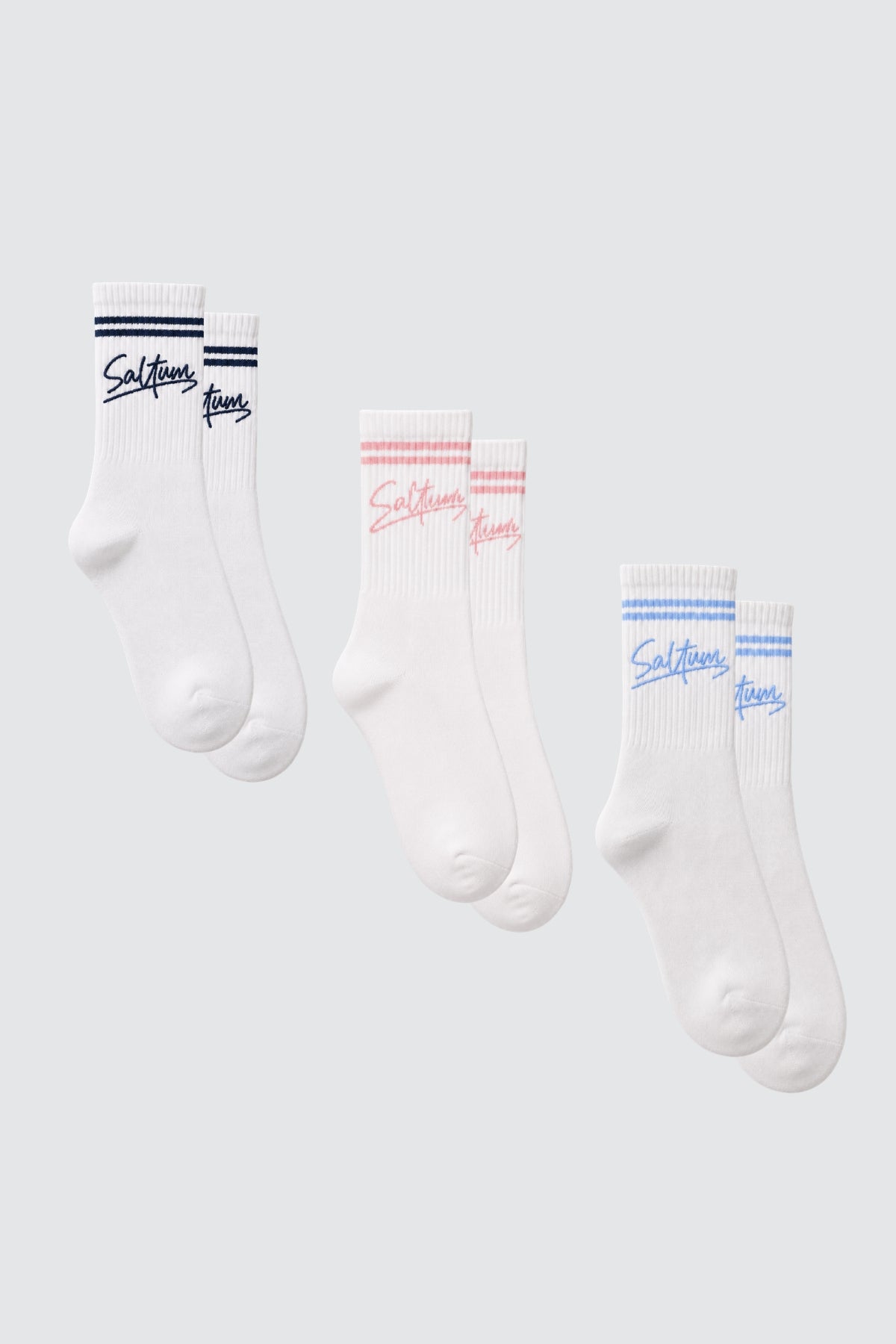
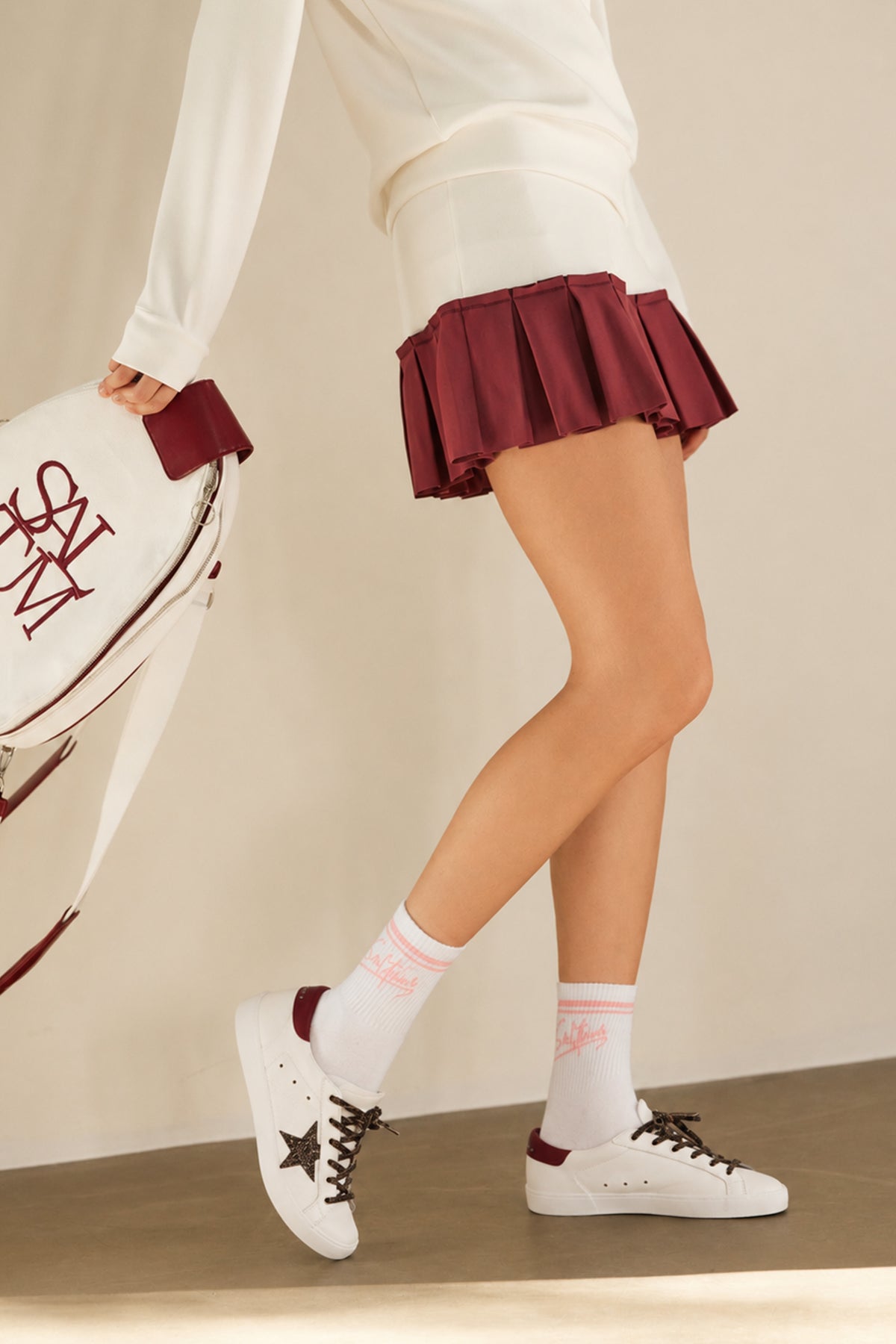
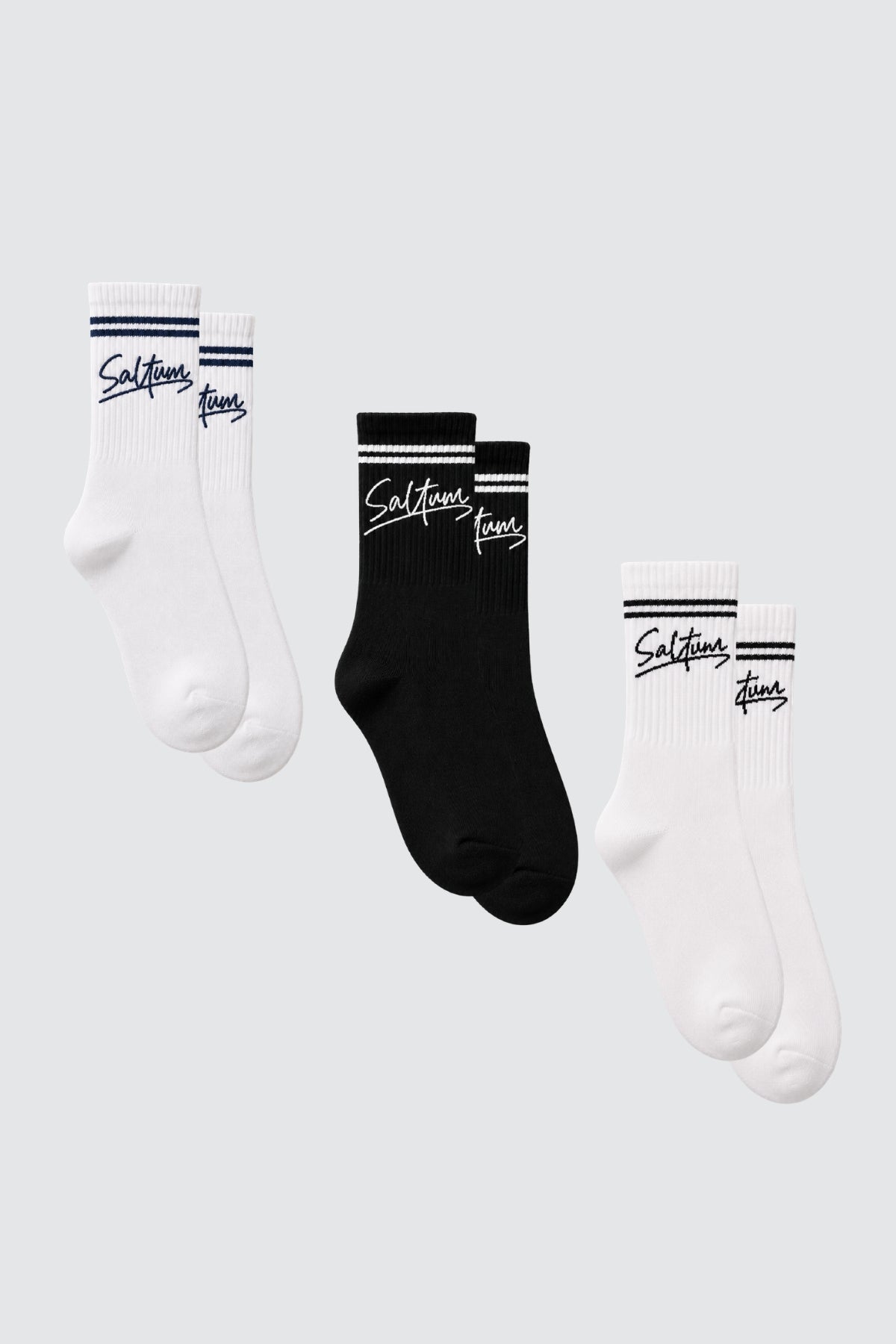
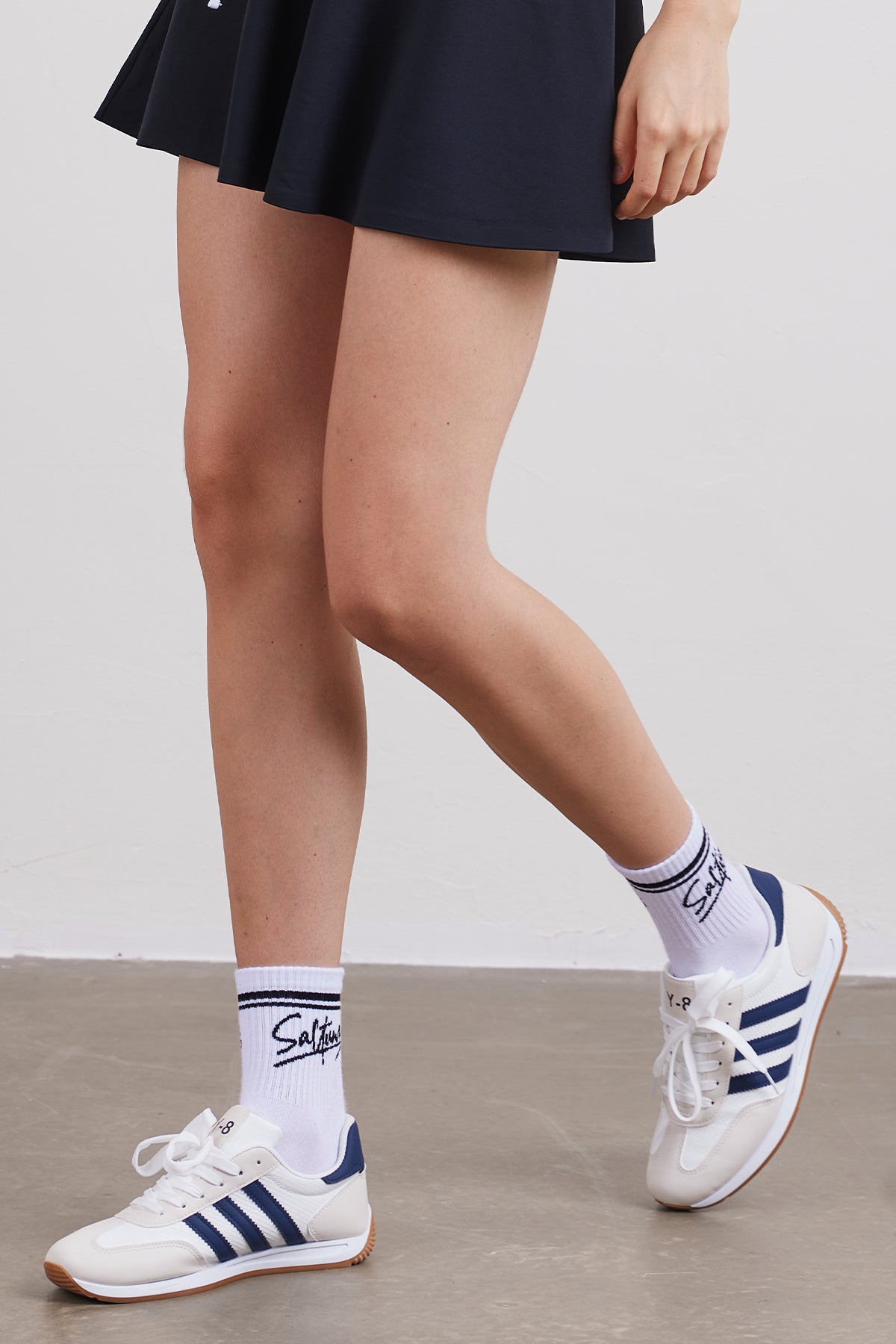
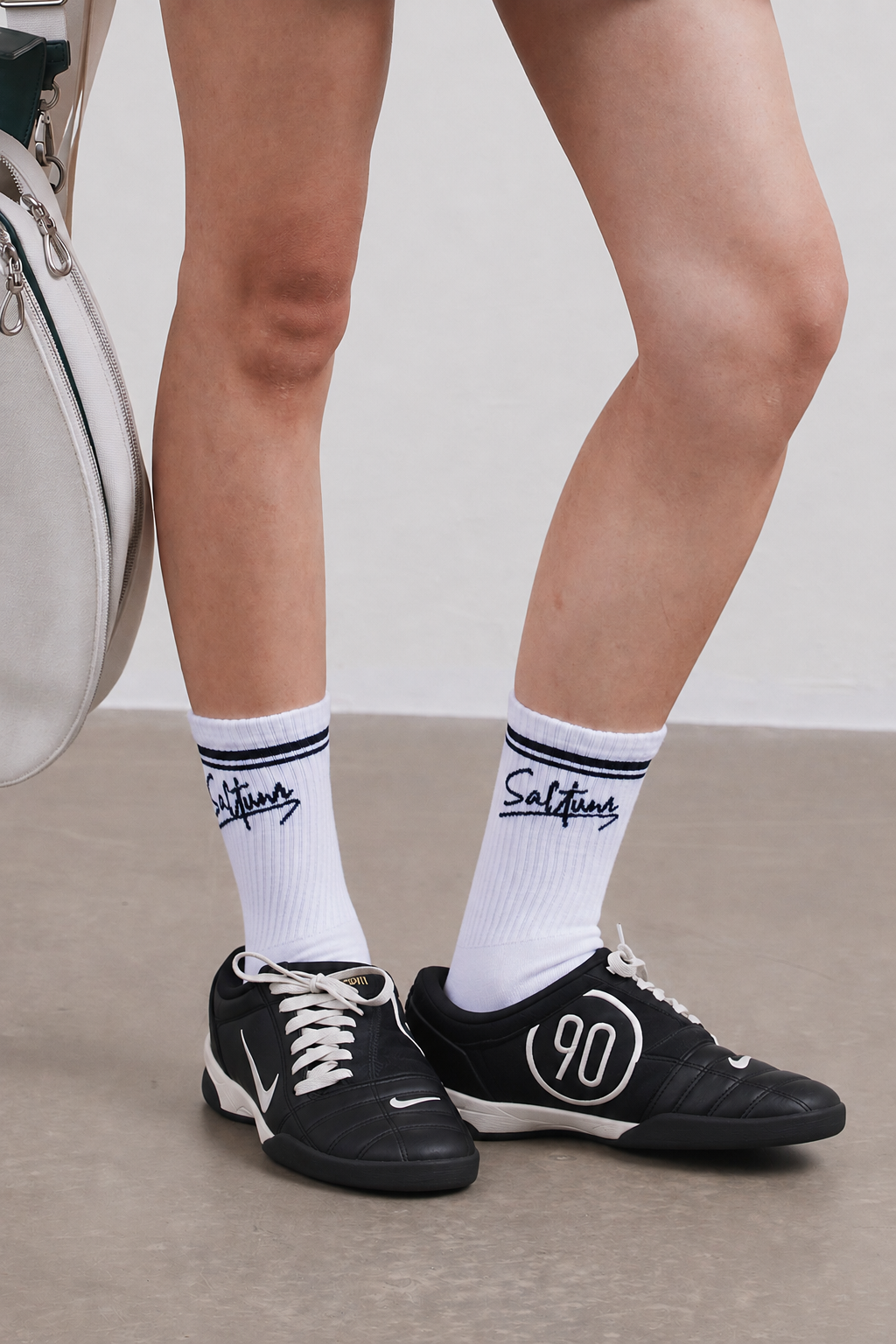
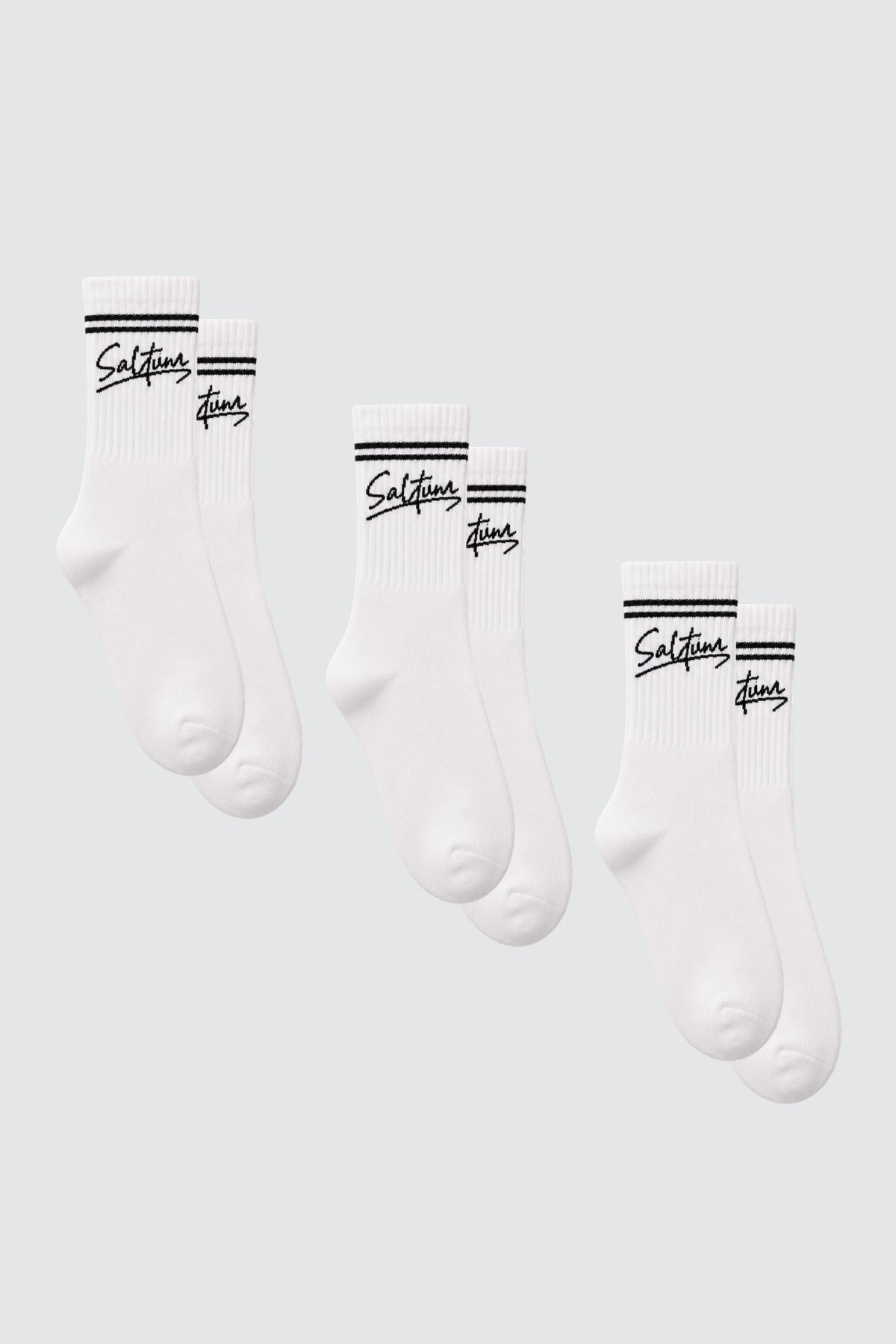
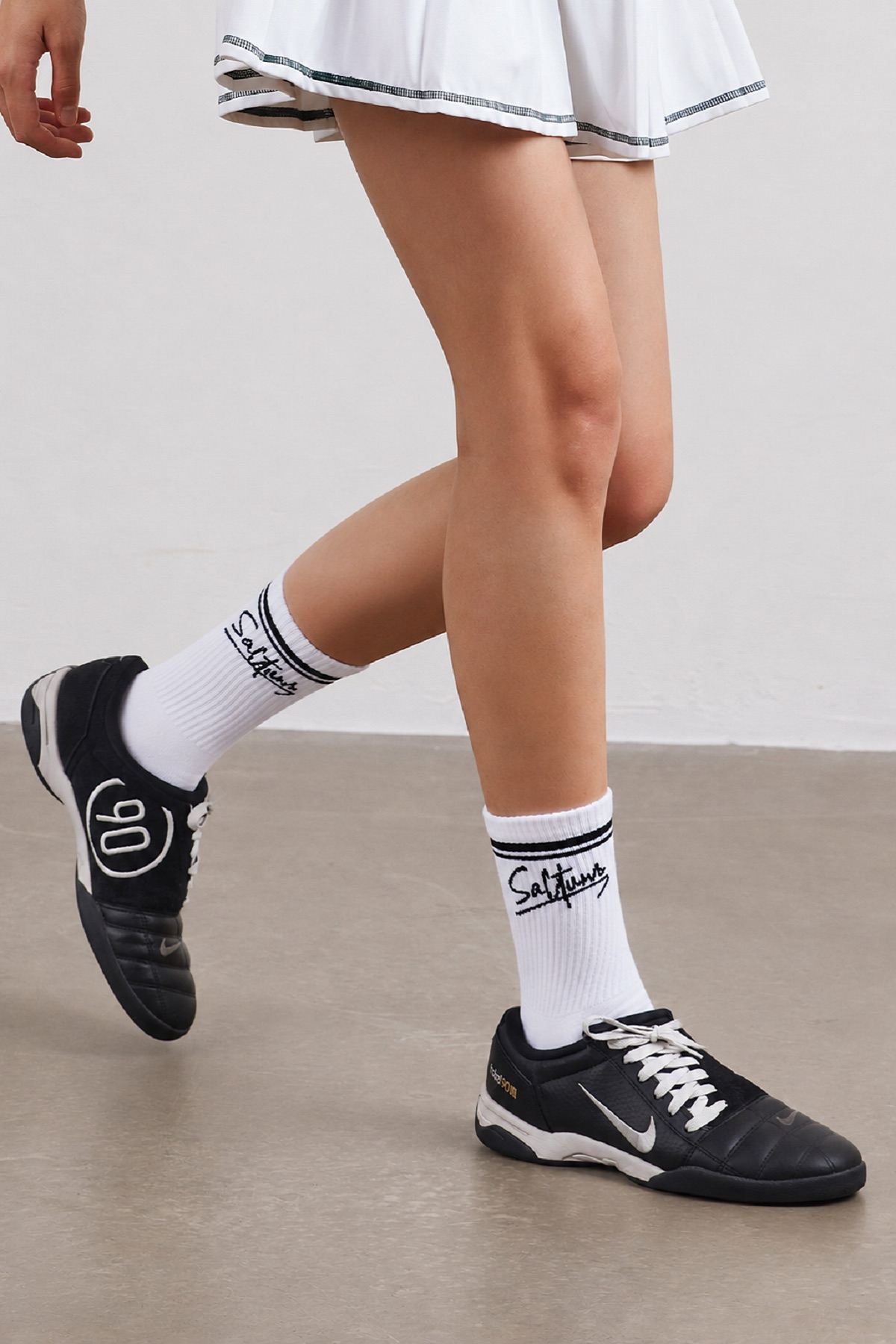
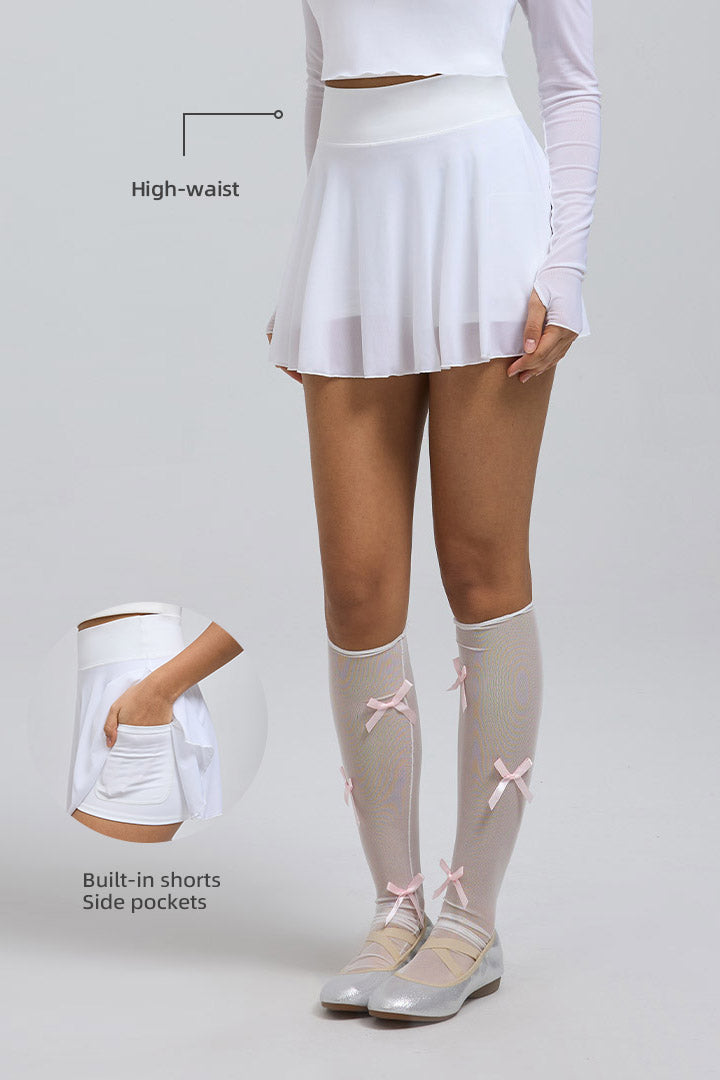
Les chaussettes antidérapantes sont dotées d’une matière texturée sous la semelle pour assurer une bonne adhérence sur les sols lisses des studios. Les modèles vont des chaussettes intégrales aux modèles ouverts sur le dessus et inspirés du ballet, mais vous n’avez pas besoin de choisir la paire la plus élégante pour votre premier cours. Commencez par une paire conforme aux règles du studio et confortable pour vos pieds.
Les chaussures de sport classiques ne se portent généralement pas pendant un cours de barre traditionnel, sauf indication contraire du studio. Arrivez avec vos chaussures habituelles pour l’extérieur, puis suivez les instructions du studio une fois dans l’espace d’entraînement.
Une couche légère facilite l’arrivée et le départ
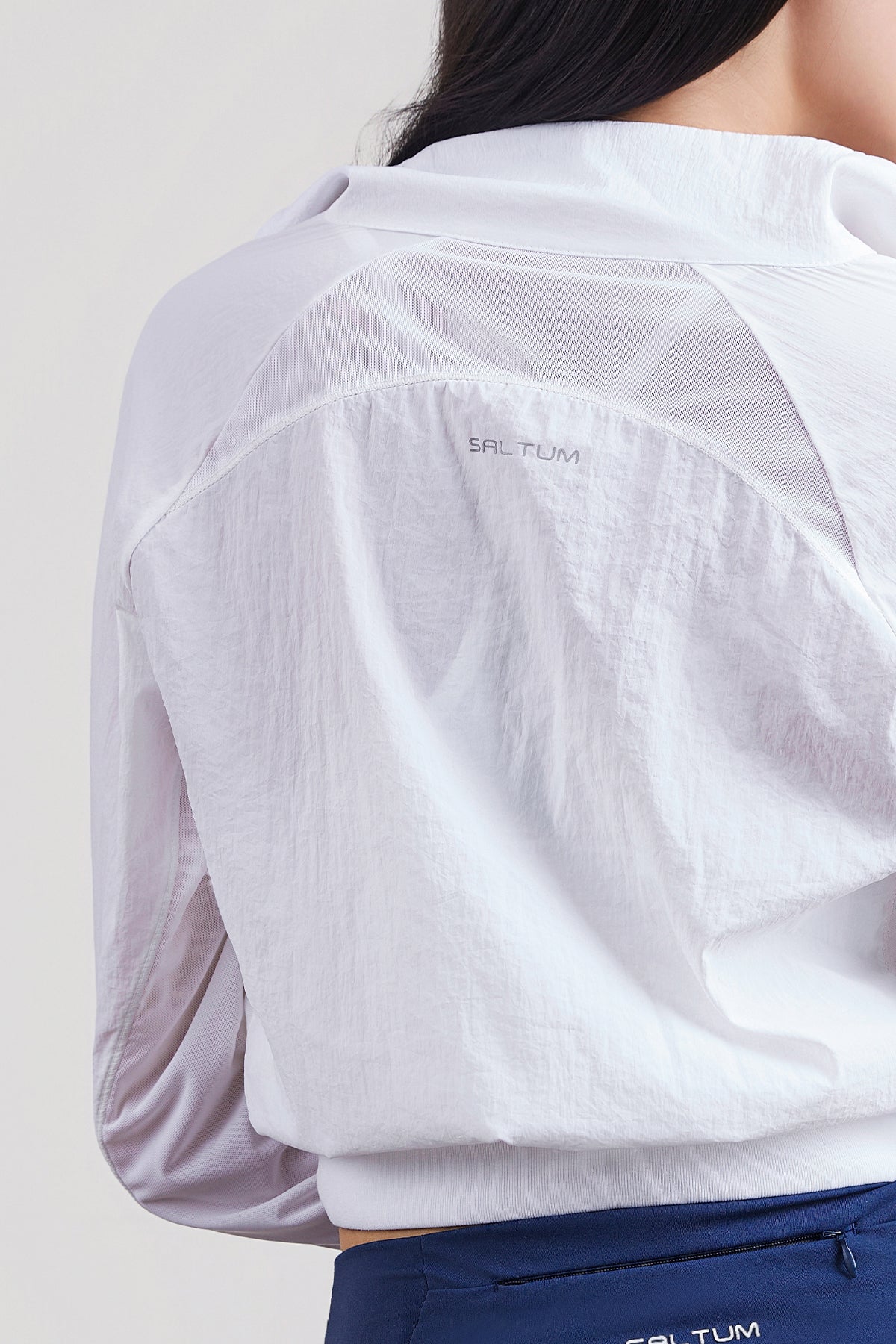
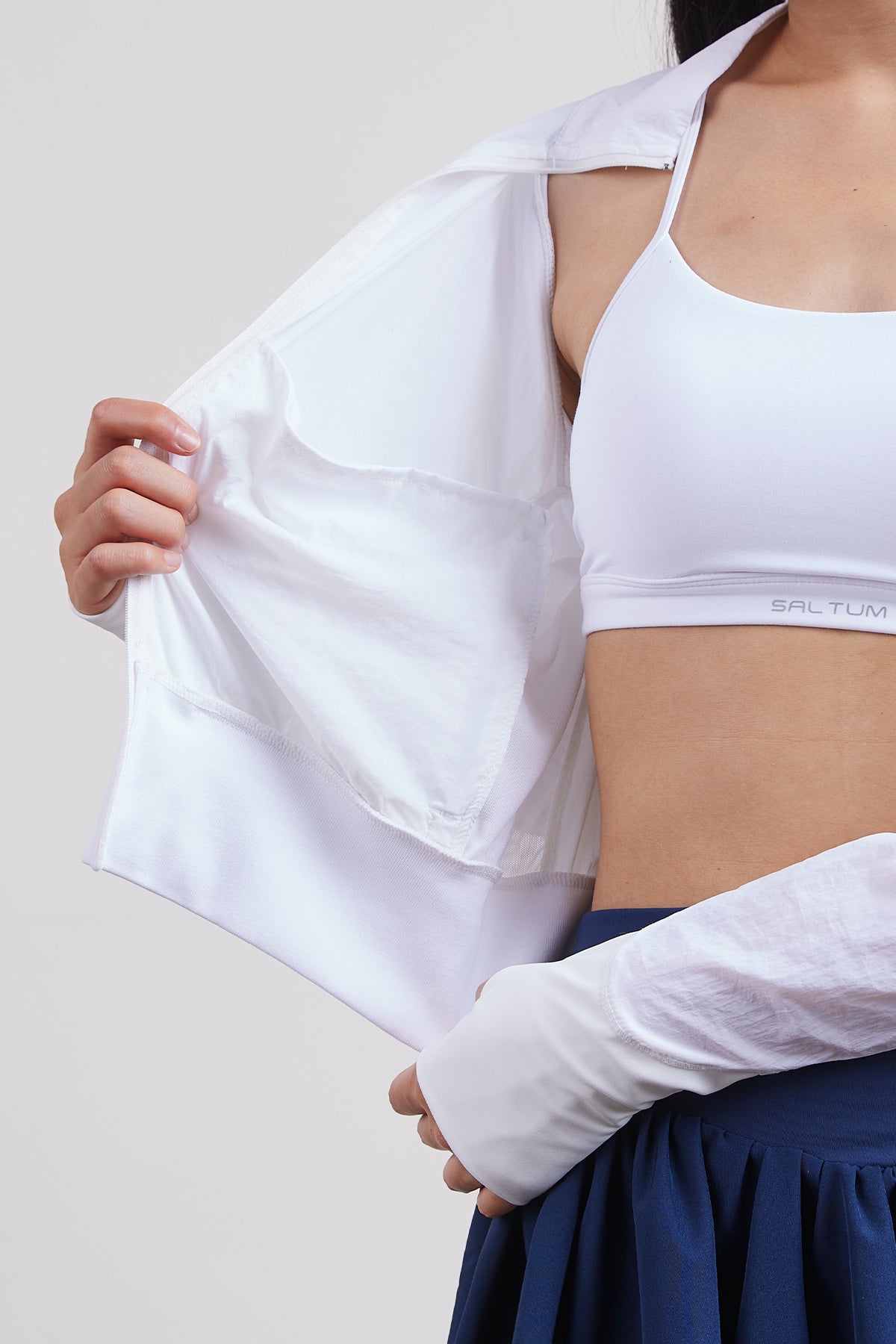
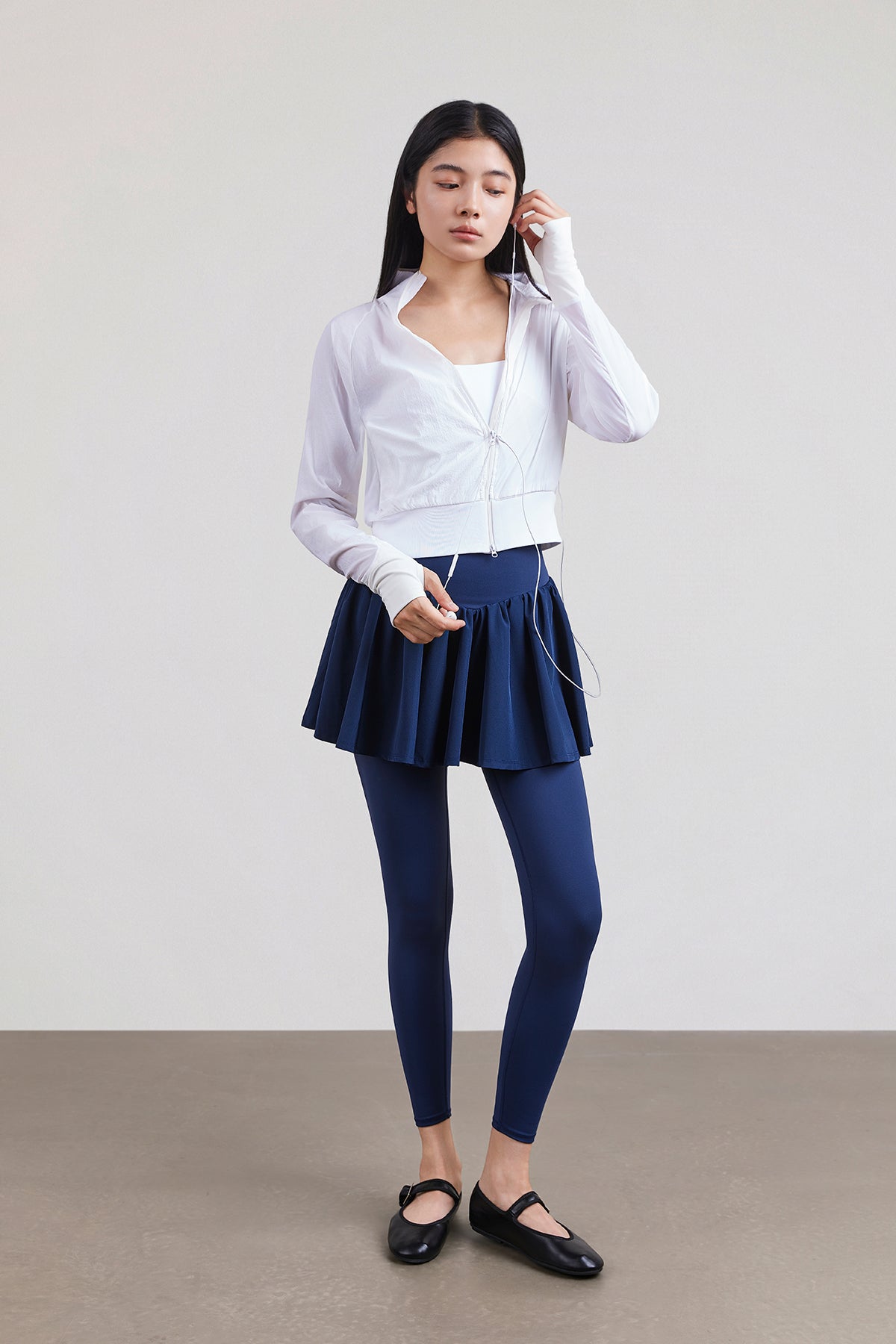
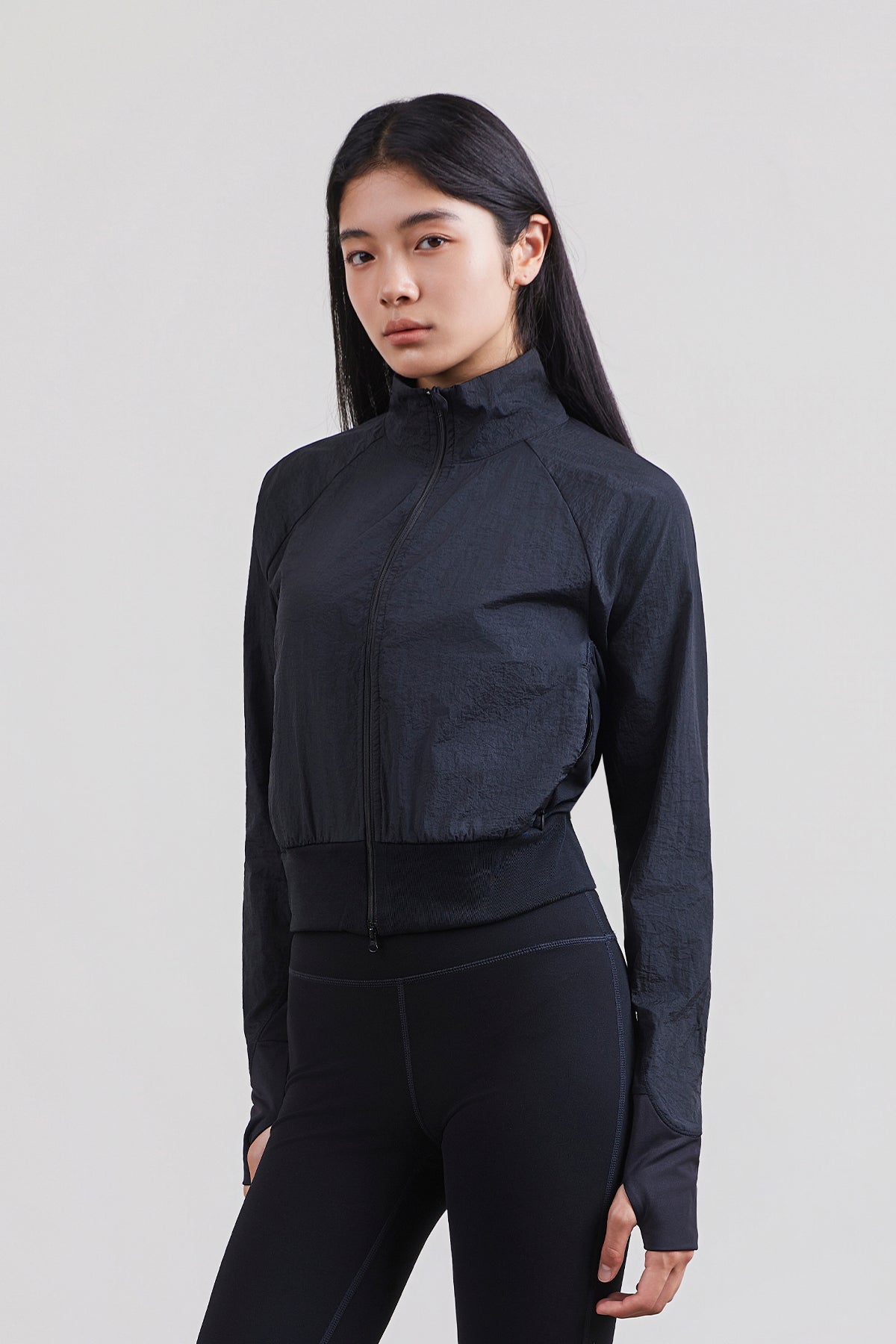
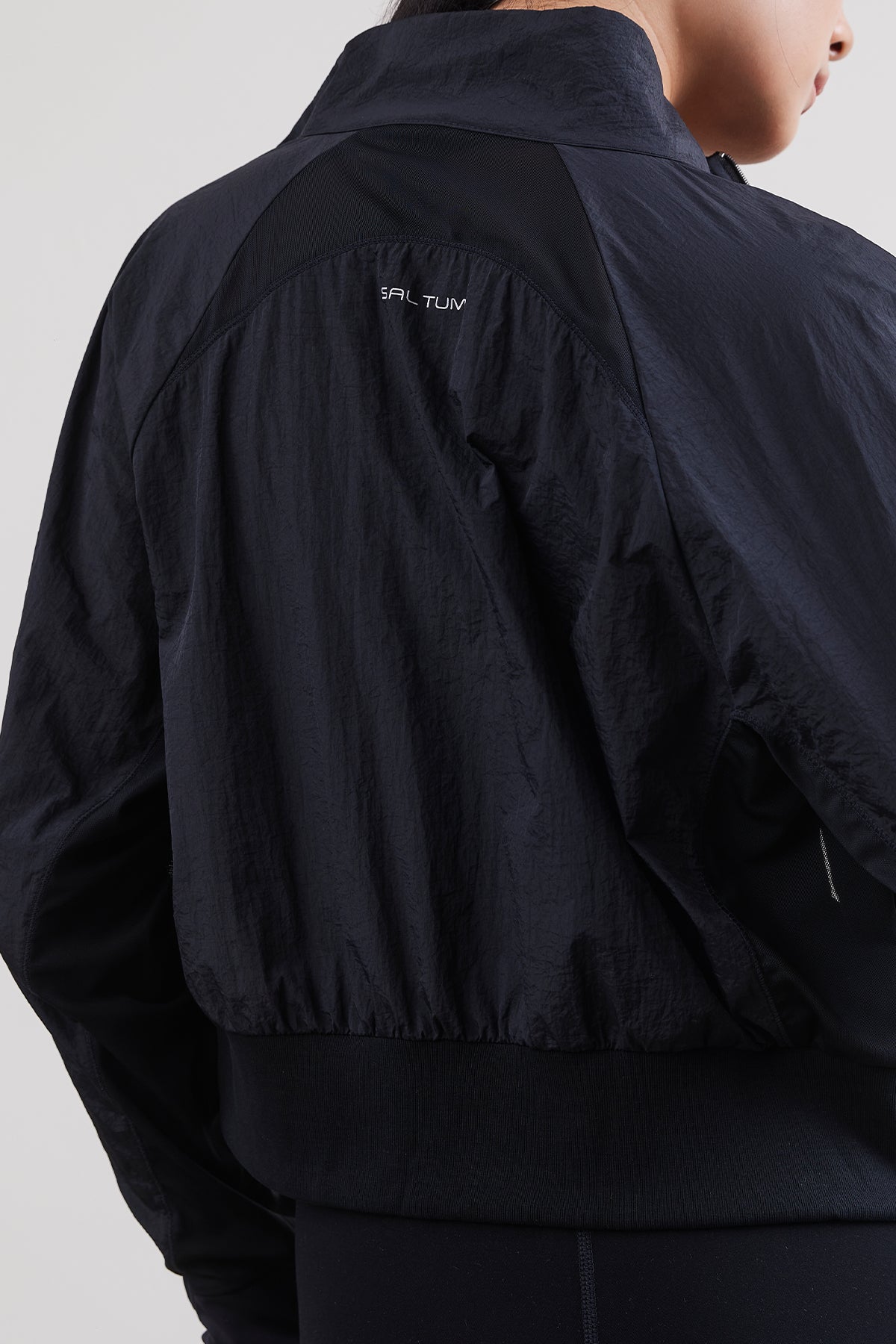
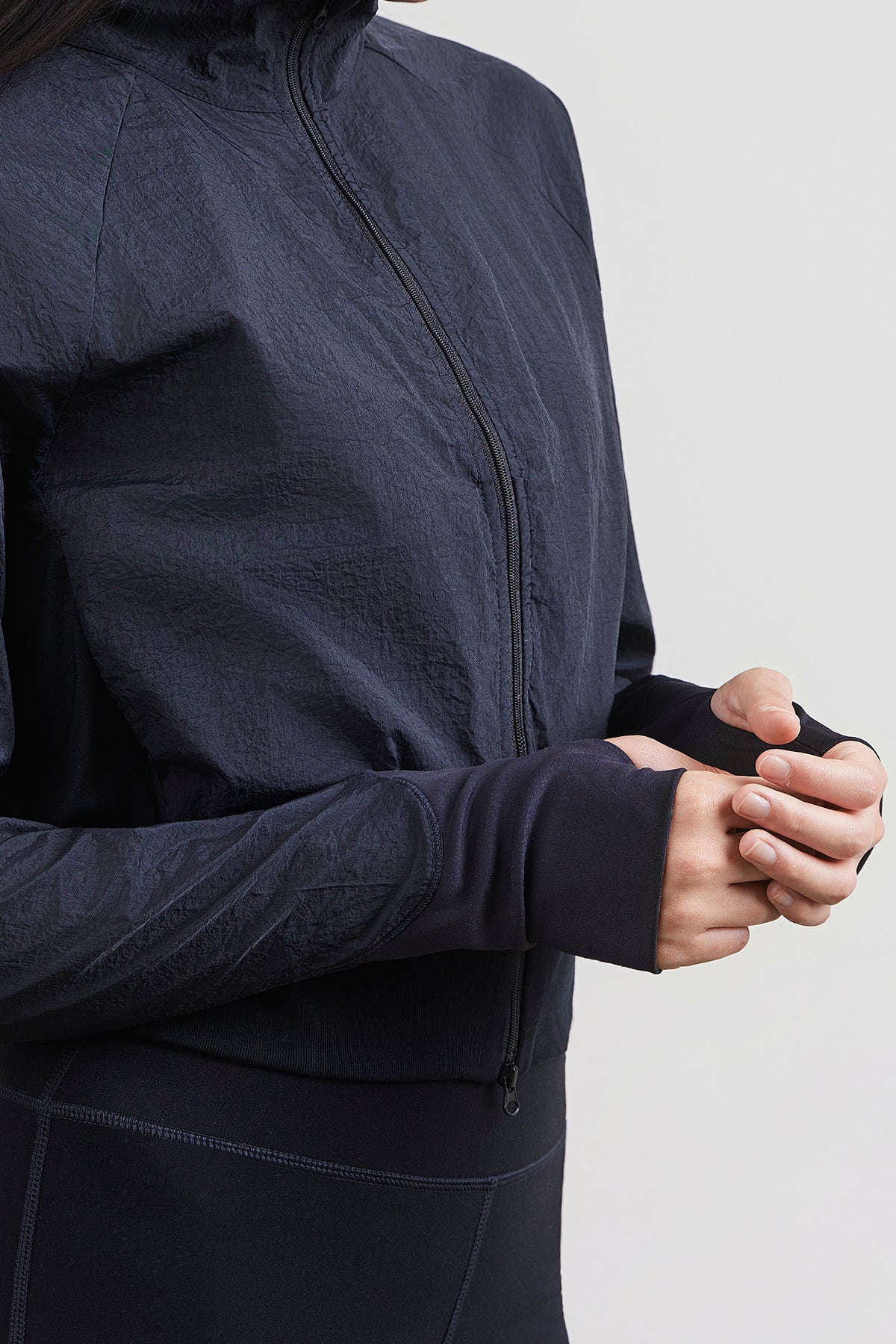
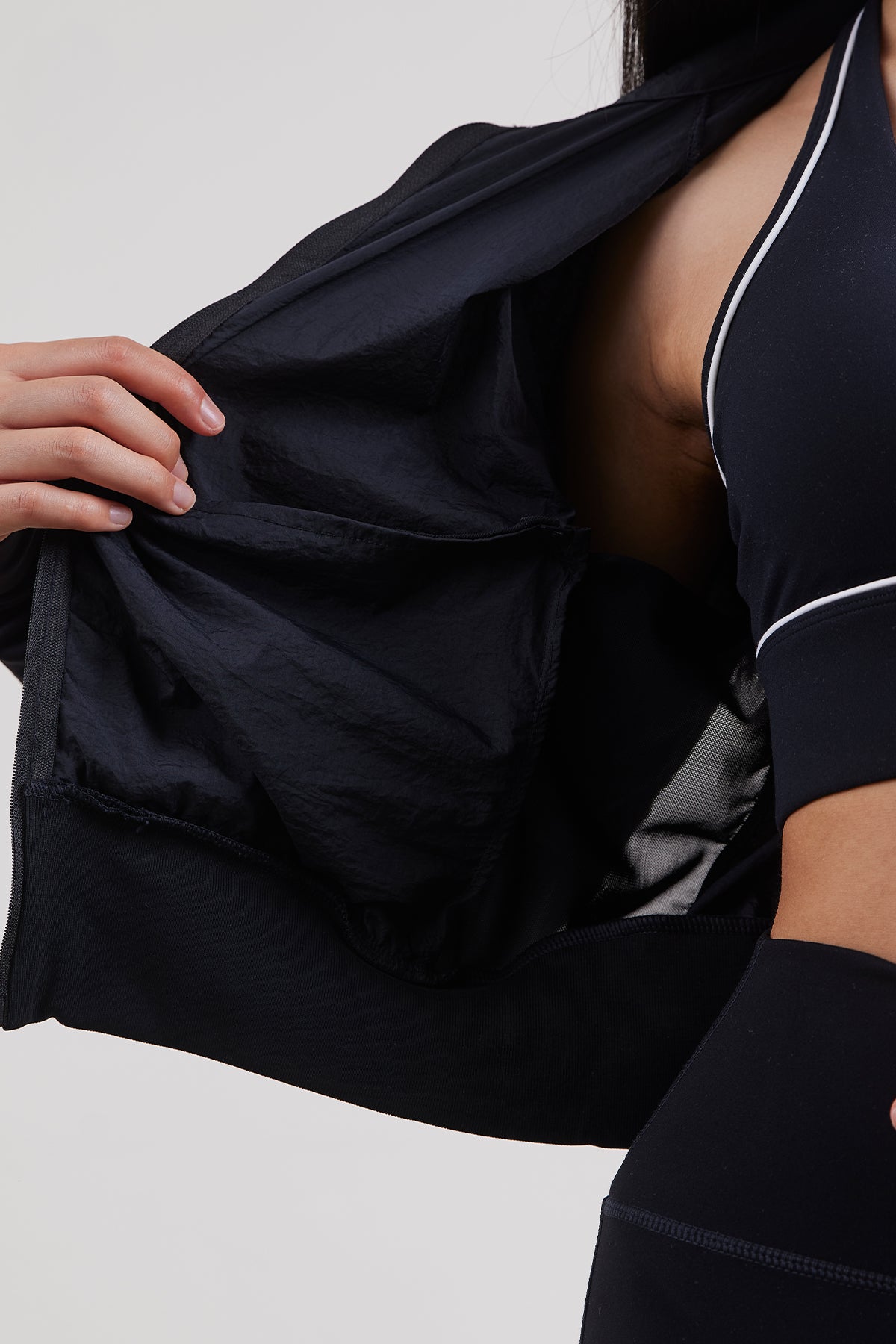
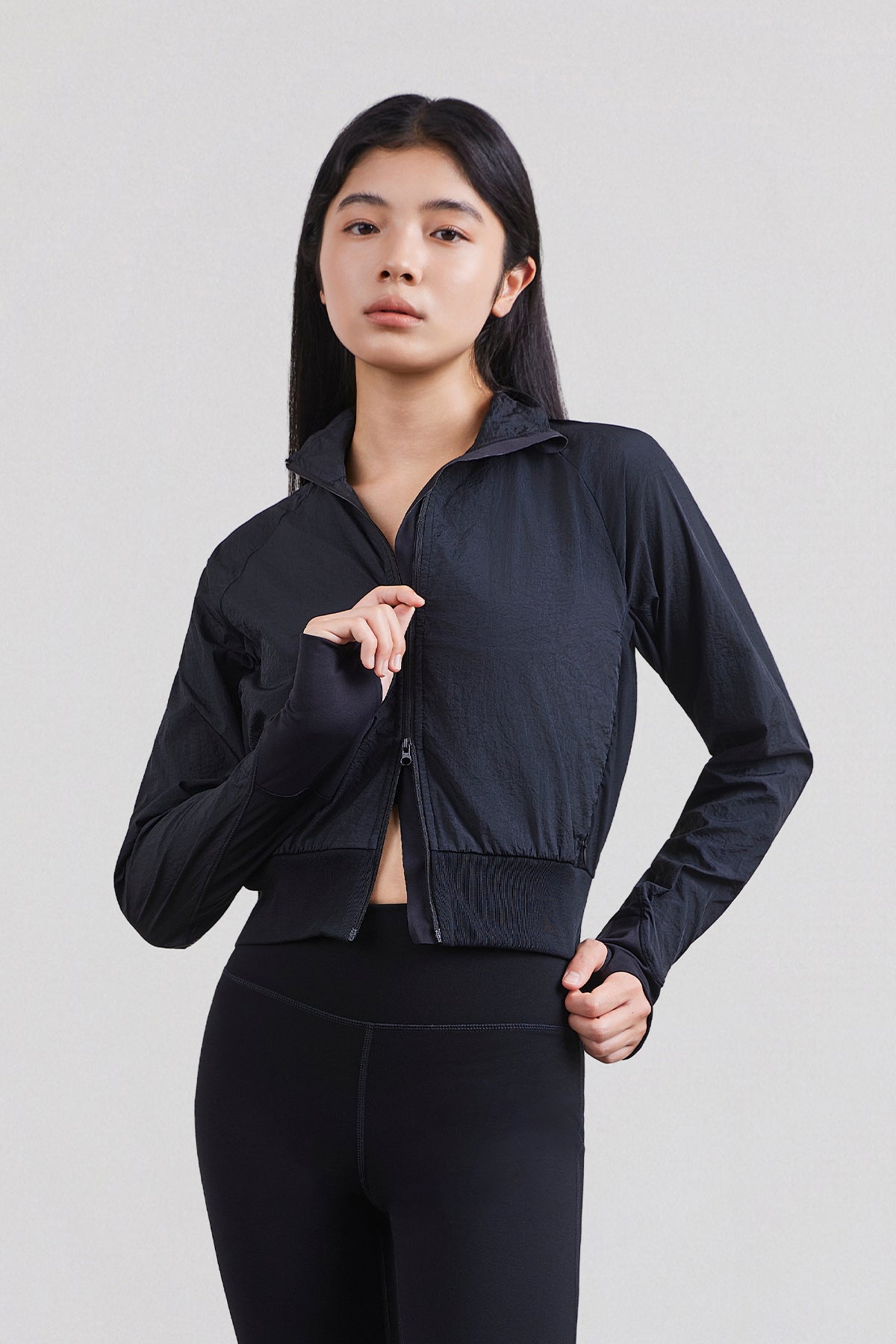
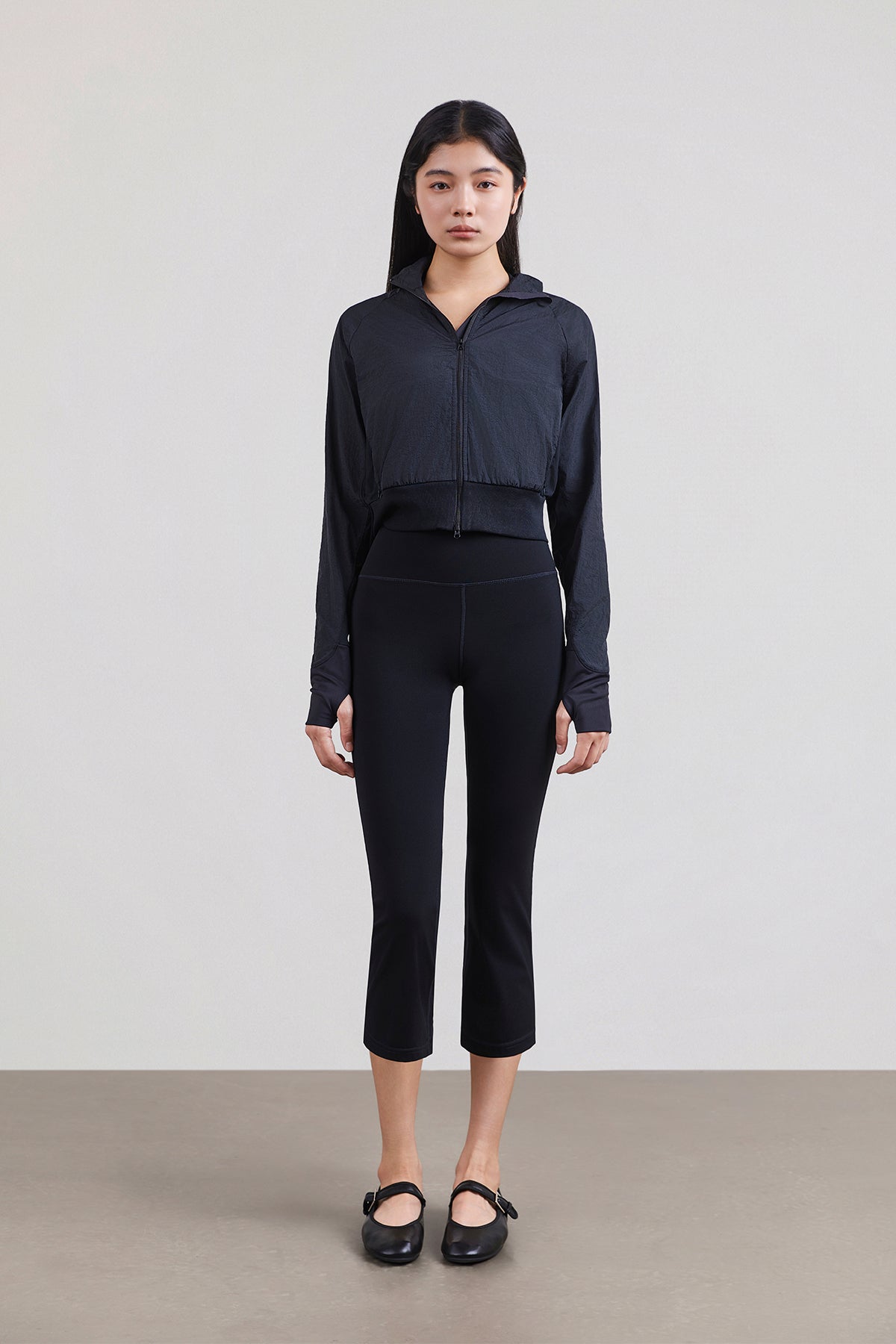
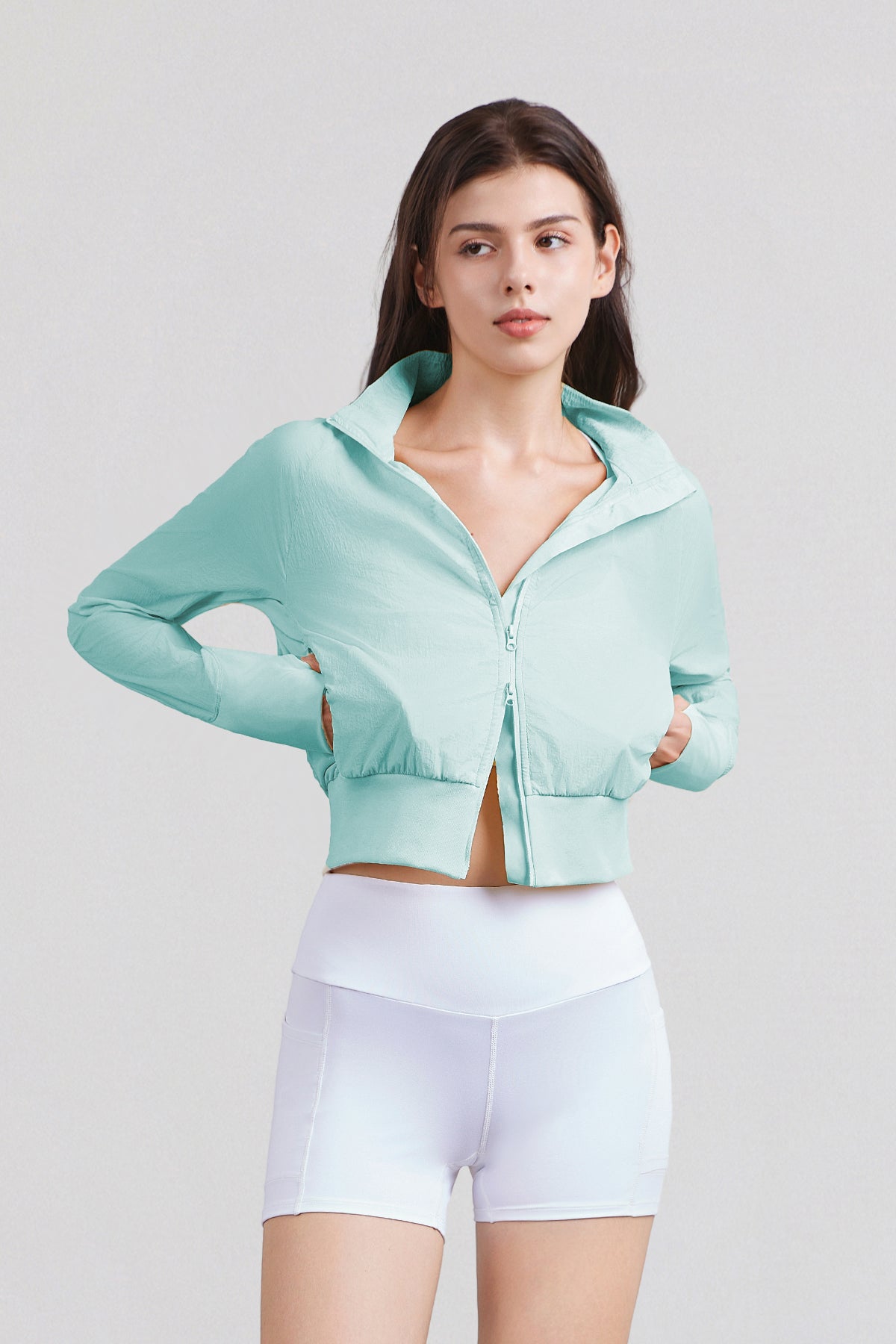
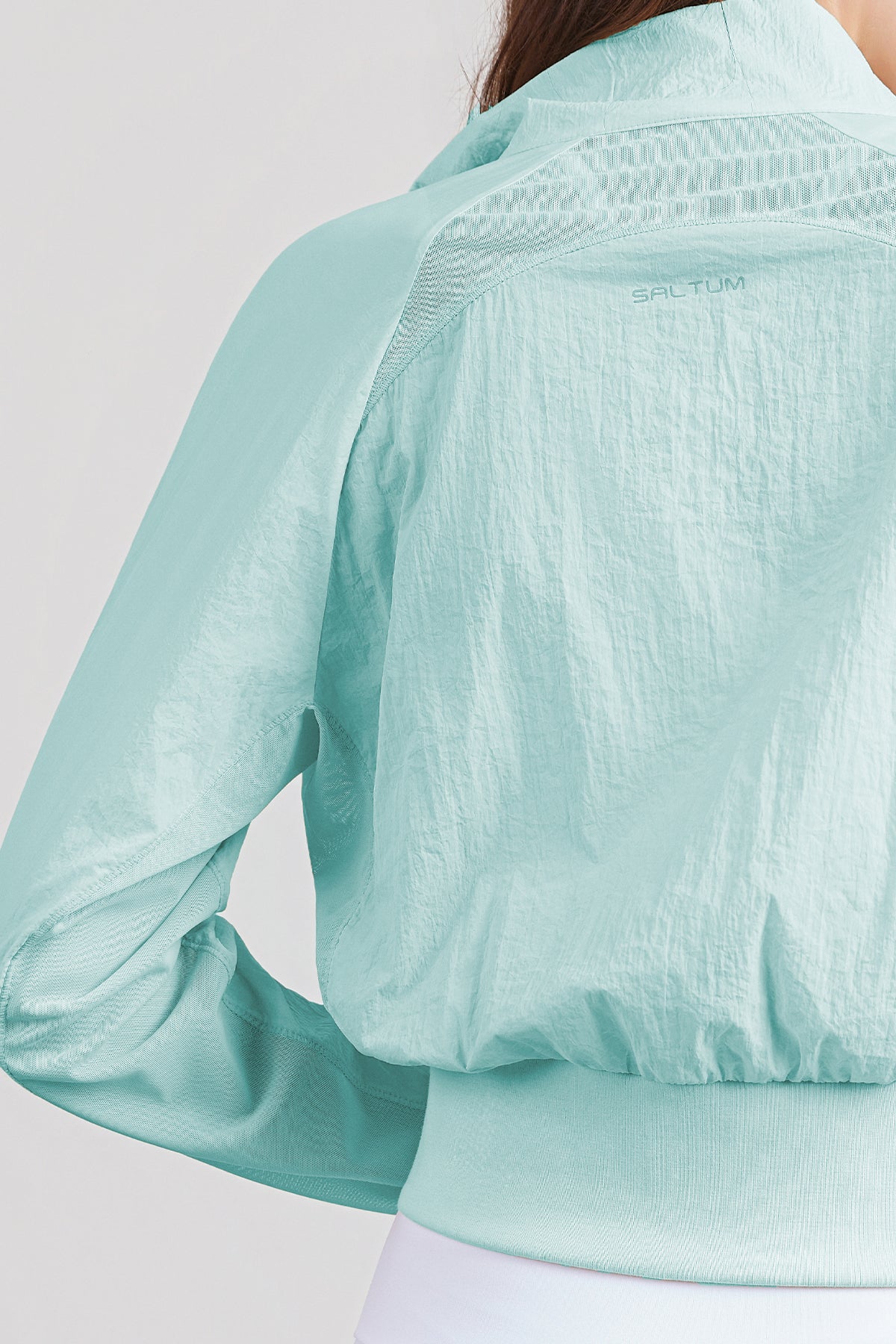
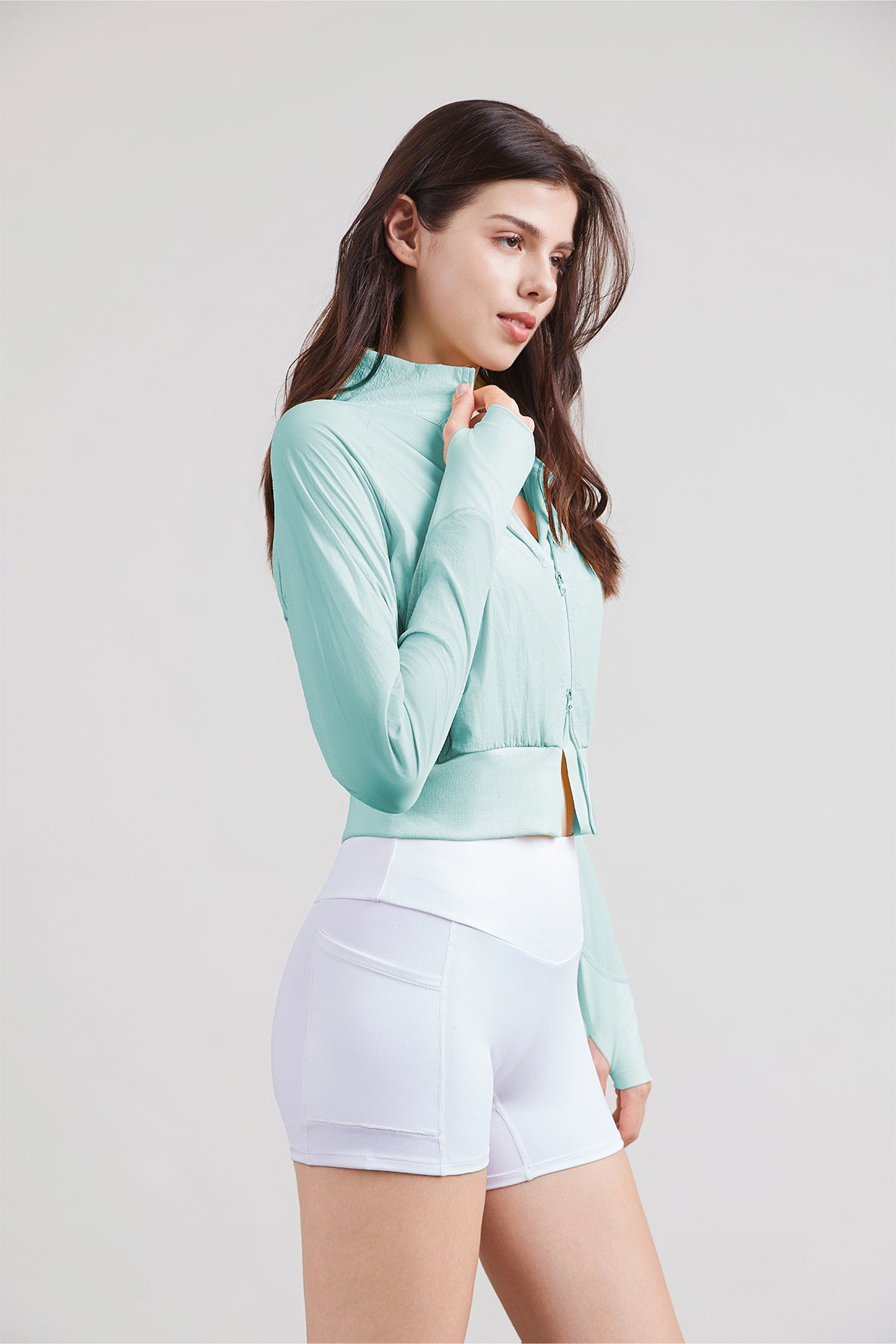
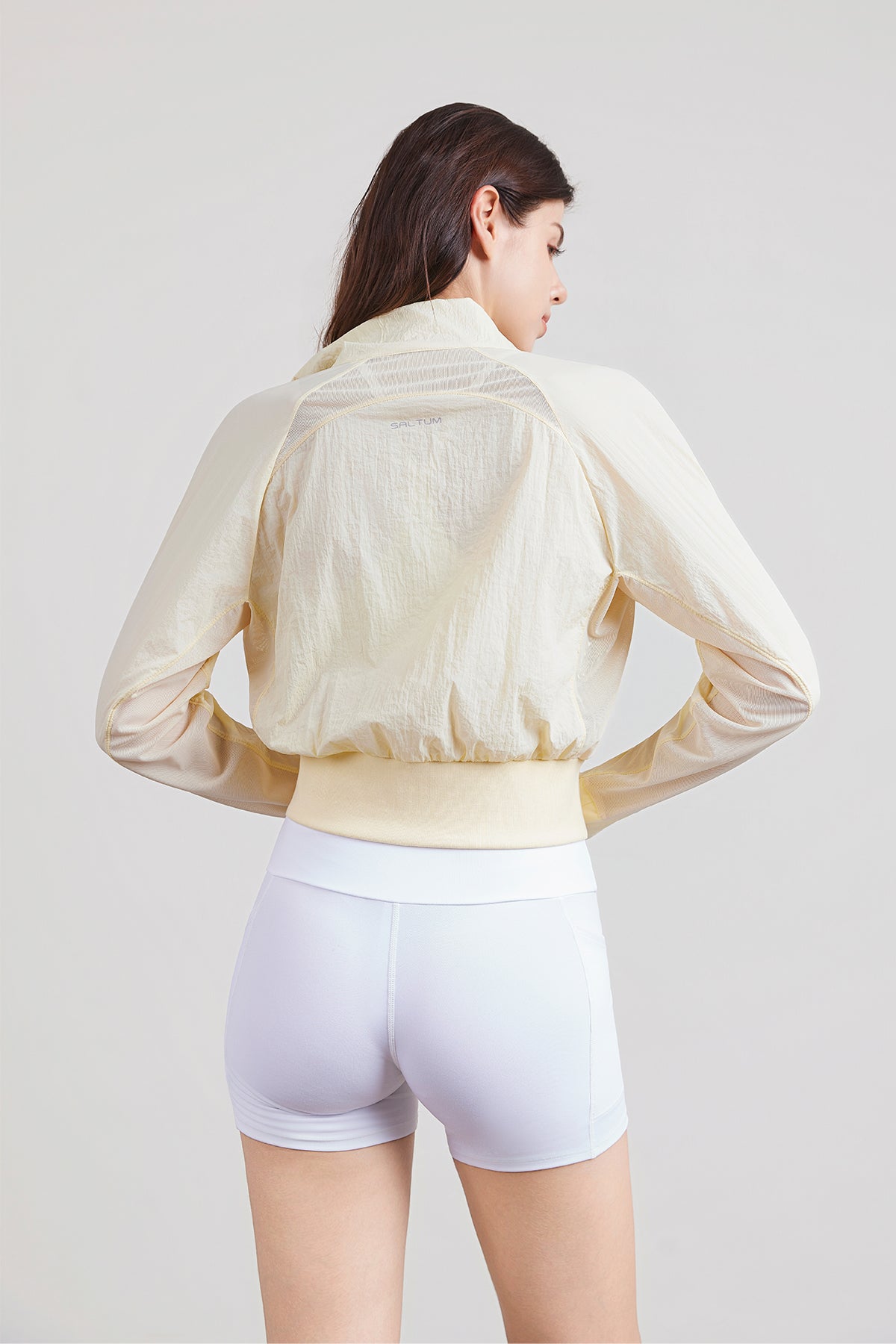
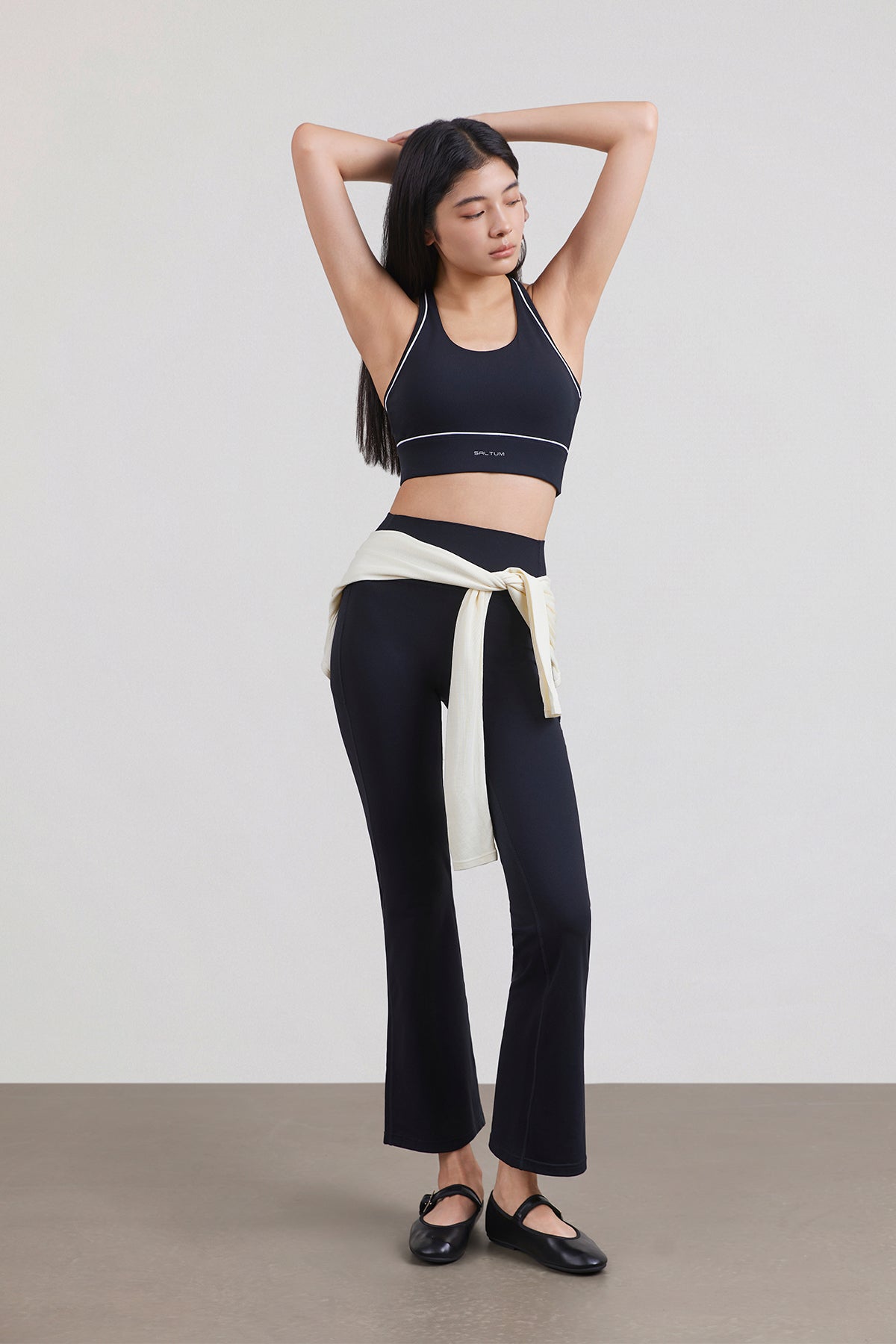
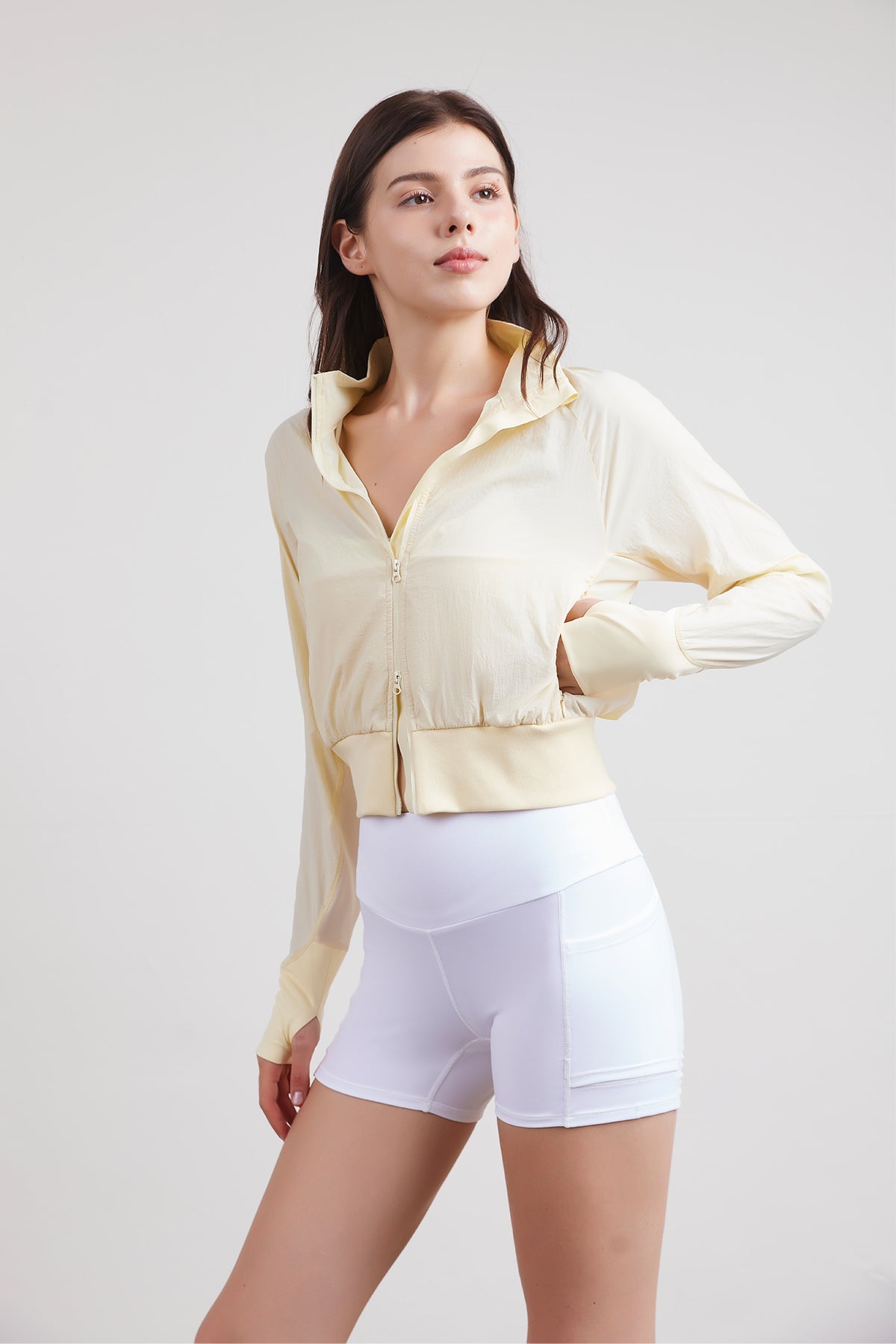
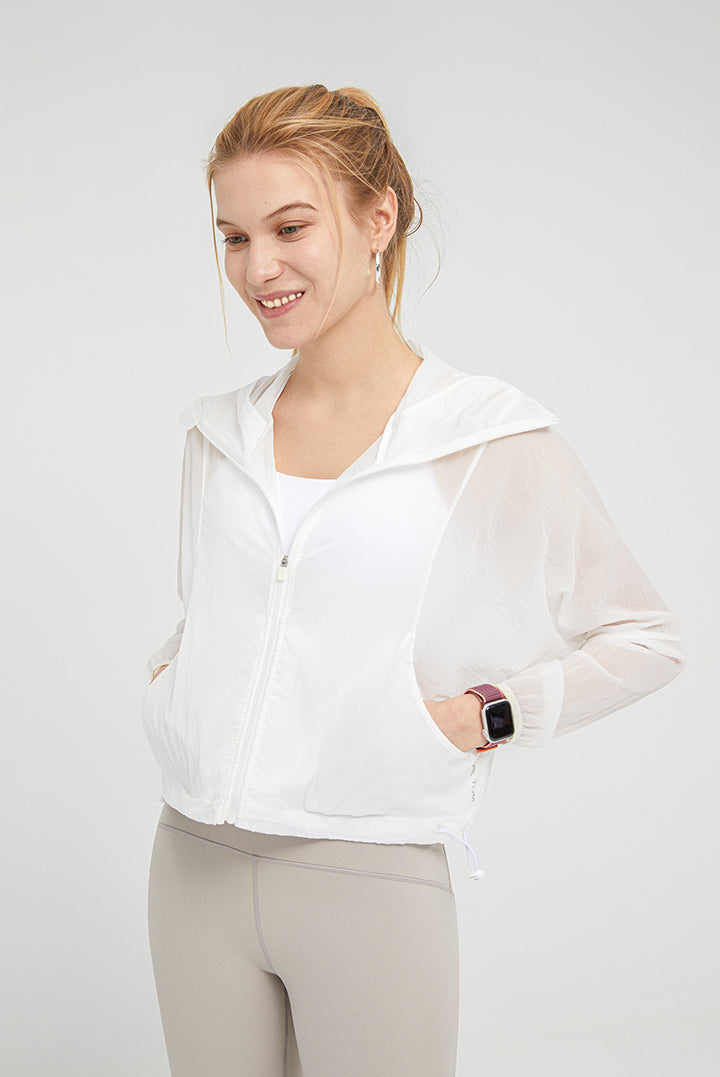
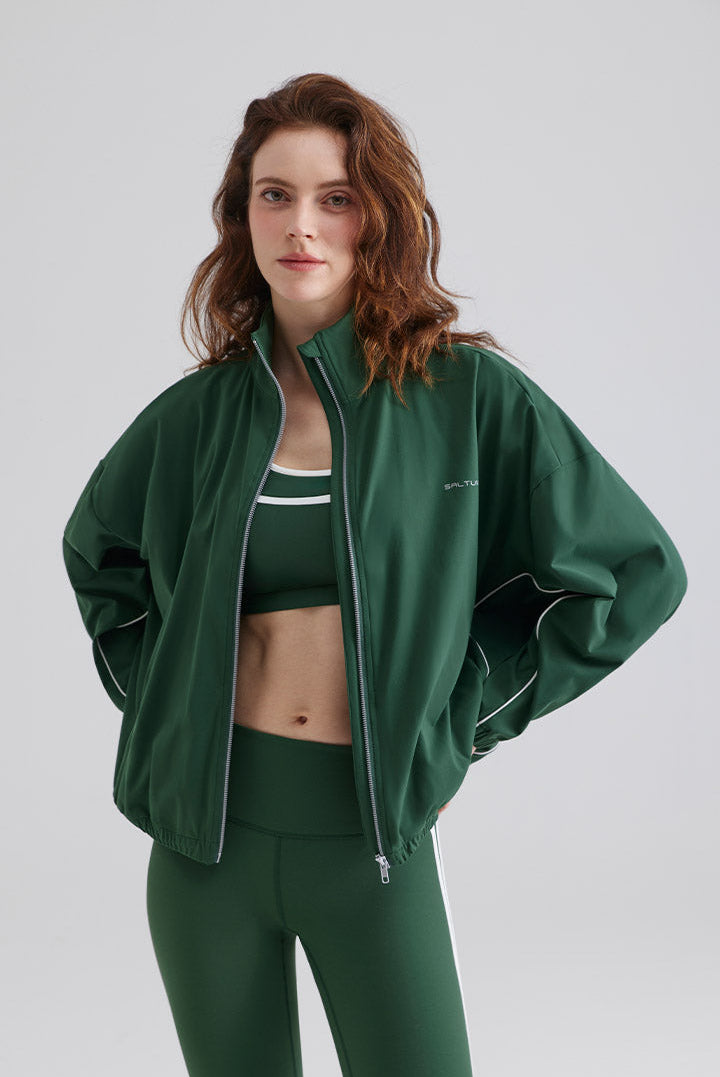
Les studios peuvent être frais avant le début du cours, surtout si la salle est climatisée ou si vous arrivez en avance. Une veste légère à fermeture éclair, un haut ajusté à manches longues, un châle doux ou un sweat-shirt simple vous offre quelque chose de confortable à porter pendant l’accueil et l’attente de la fin du cours précédent.
Une fois les mouvements commencés, vous préférerez peut-être retirer cette couche et la ranger avec vos affaires. Il est plus pratique d’apporter quelque chose de facile à enlever que de prévoir de faire de l’exercice avec un sweat-shirt épais pendant toute la séance.
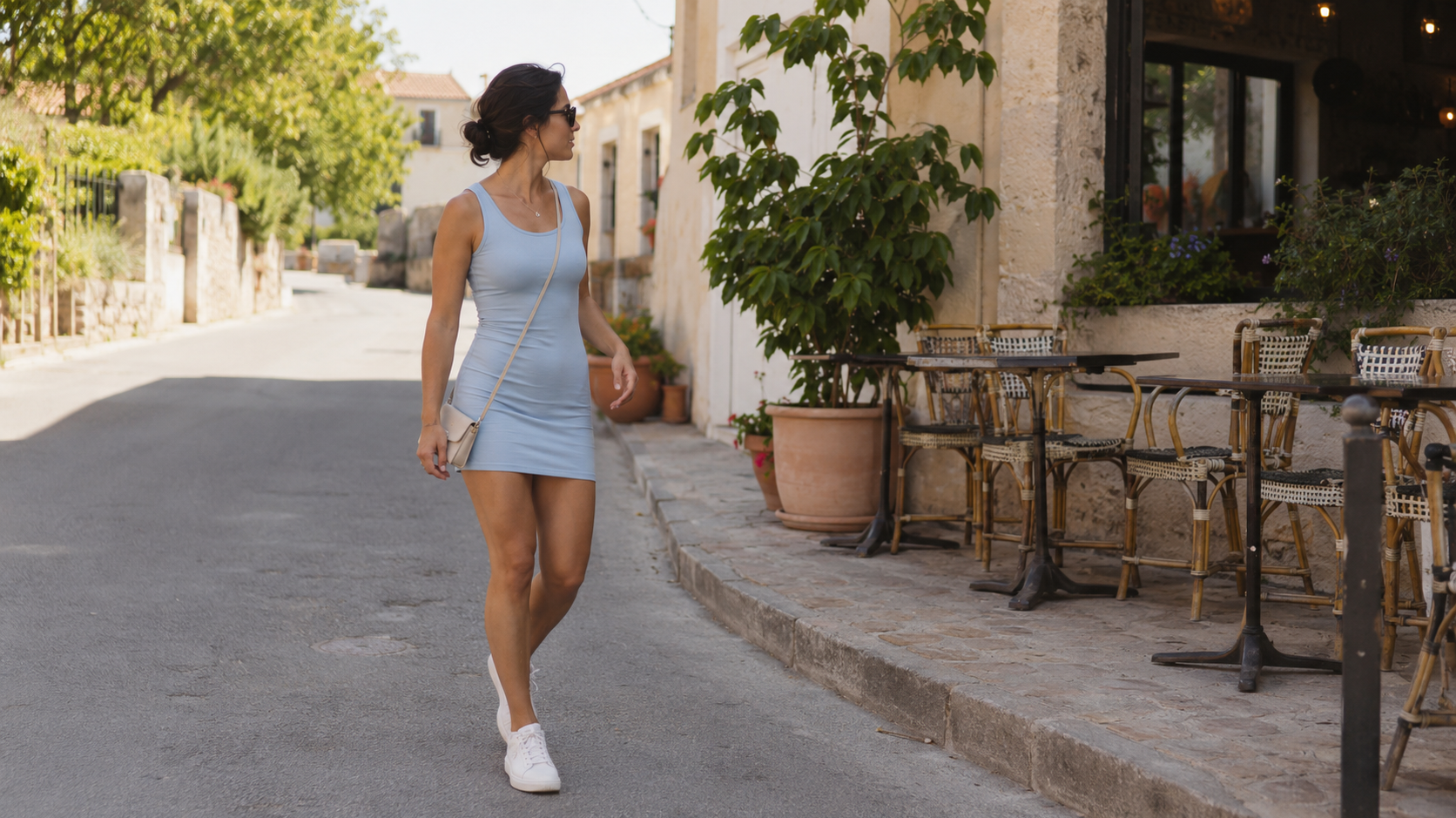
Vous n’avez pas non plus besoin de prévoir une tenue distincte pour l’après-cours. Une couche propre peut suffire à donner une allure soignée à un legging et à un haut ajusté pour prendre un café, faire une courte promenade ou effectuer une course rapide. Le guide de SALTUM sur la façon de s’habiller pour des activités après le Pilates propose d’autres idées pour porter une tenue de studio au-delà du cours sans qu’elle devienne l’élément central de votre tenue de barre.
Ce que vous pouvez laisser chez vous pour votre premier cours
Les colliers lourds, les grandes boucles d’oreilles et les accumulations de bracelets peuvent être plus distrayants qu’utiles pendant les petits mouvements répétitifs. Des bijoux simples sont généralement plus pratiques, ou vous pouvez tout mettre dans votre sac avant le début du cours.
Les pantalons très amples avec un excédent de tissu autour des pieds peuvent également compliquer les positions debout. Le barre implique souvent de rapprocher les talons, de se hisser sur la pointe des pieds ou d’effectuer de petits mouvements de jambes près de la barre ; un ourlet plus net peut donc sembler moins encombrant.
Les soutiens-gorge rigides du quotidien ne remplacent pas idéalement un bon maintien sportif, même dans un contexte à faible impact. Une brassière de sport confortable à maintien léger ou moyen convient généralement mieux aux étirements, aux flexions et aux mouvements répétés du haut du corps.
Les sweat-shirts épais peuvent être douillets dans le hall, mais devenir trop chauds une fois le cours commencé. Portez-en un comme couche extérieure si vous le souhaitez, puis prévoyez de faire les exercices dans quelque chose de plus léger en dessous.
Les vêtements tout neufs méritent un rapide test de mouvement à la maison. Essayez de vous accroupir, de vous pencher en avant, de vous incliner sur le côté et de faire quelques mouvements de bras. Il ne s’agit pas de trouver une tenue technique parfaite ; cela vous aide simplement à vérifier que vous êtes à l’aise et suffisamment couverte avant d’entrer dans un cours qui vous est inconnu.
Une formule de tenue de barre simple qui fonctionne à tous les coups
Une version peut associer une brassière de sport longue à des leggings taille haute et une veste légère à fermeture éclair. Une autre peut combiner un débardeur près du corps avec des leggings 7/8 et des chaussettes antidérapantes. Aucune de ces options ne nécessite d’accessoires, de superpositions compliquées ou d’une « garde-robe spéciale pour la barre ».
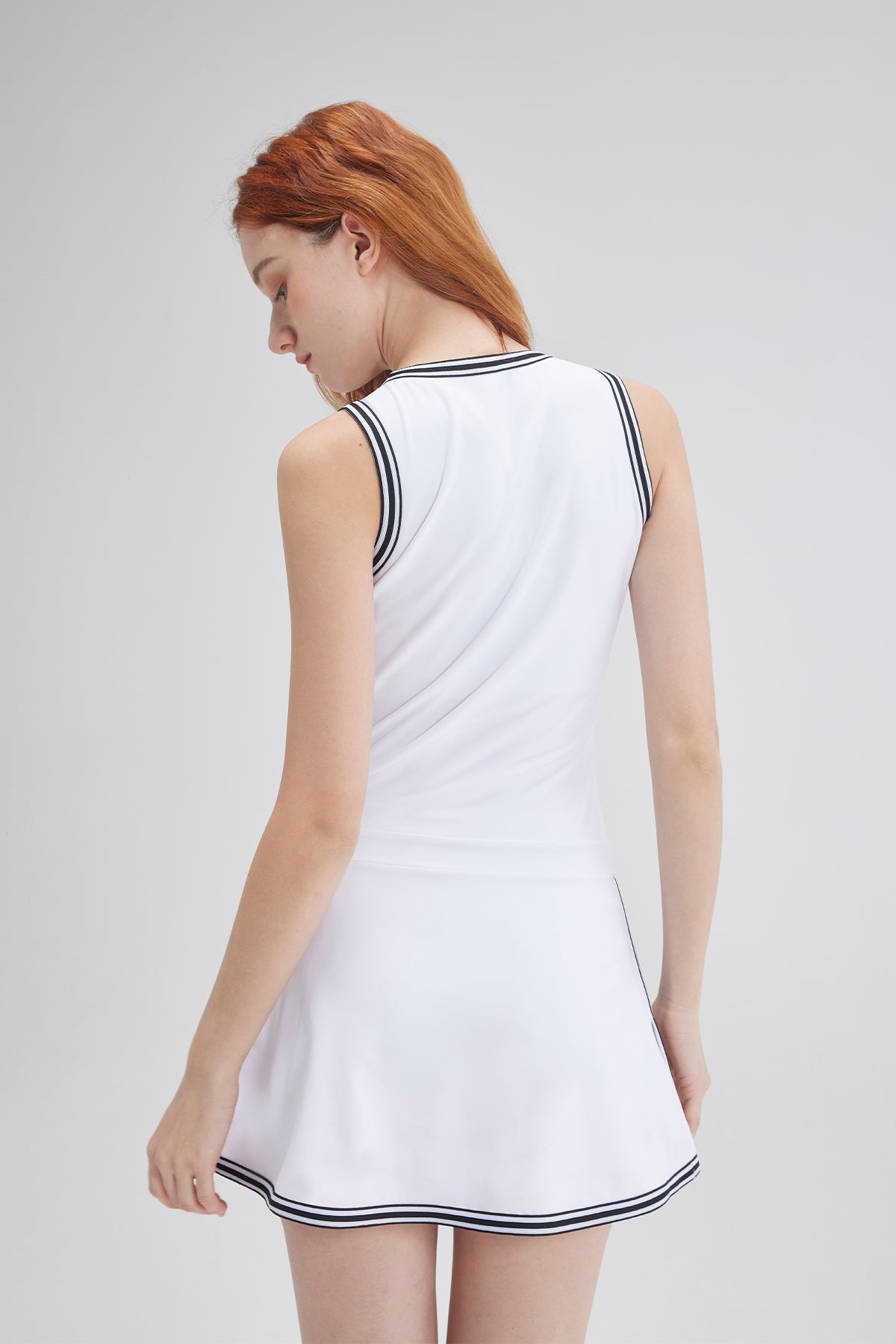
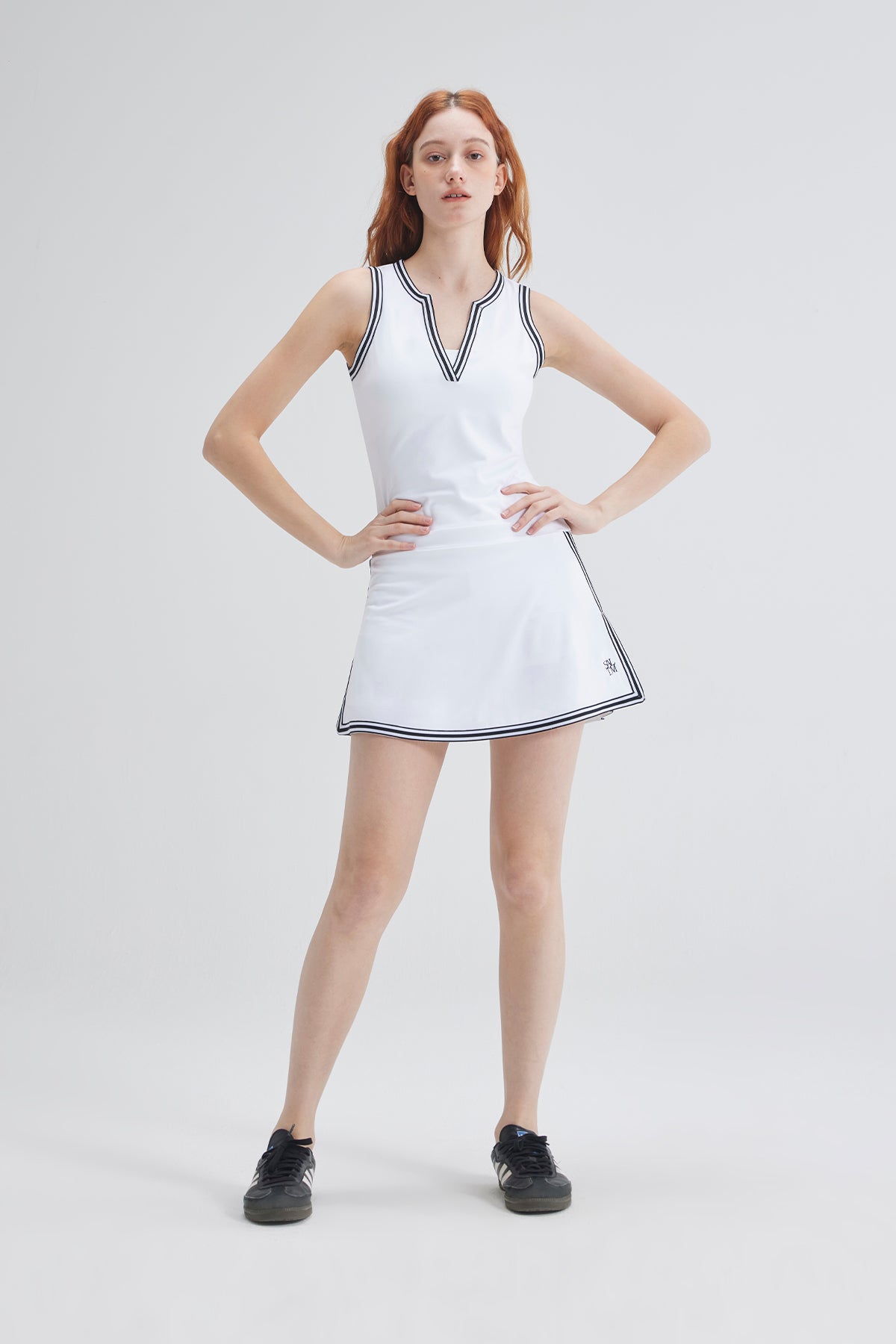
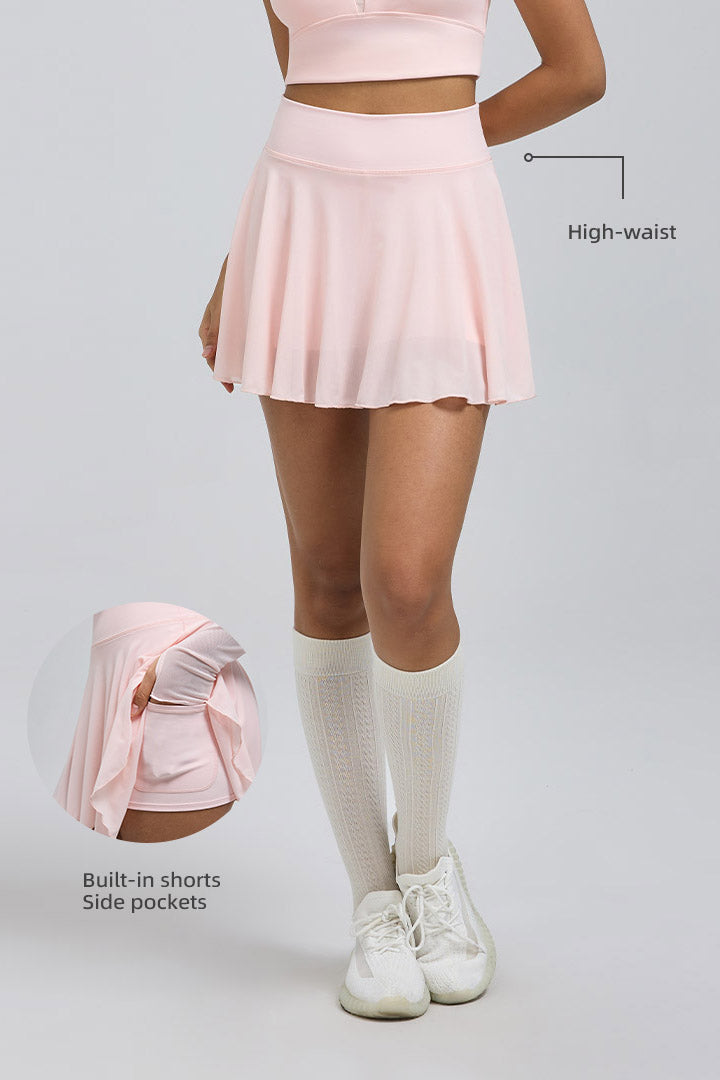
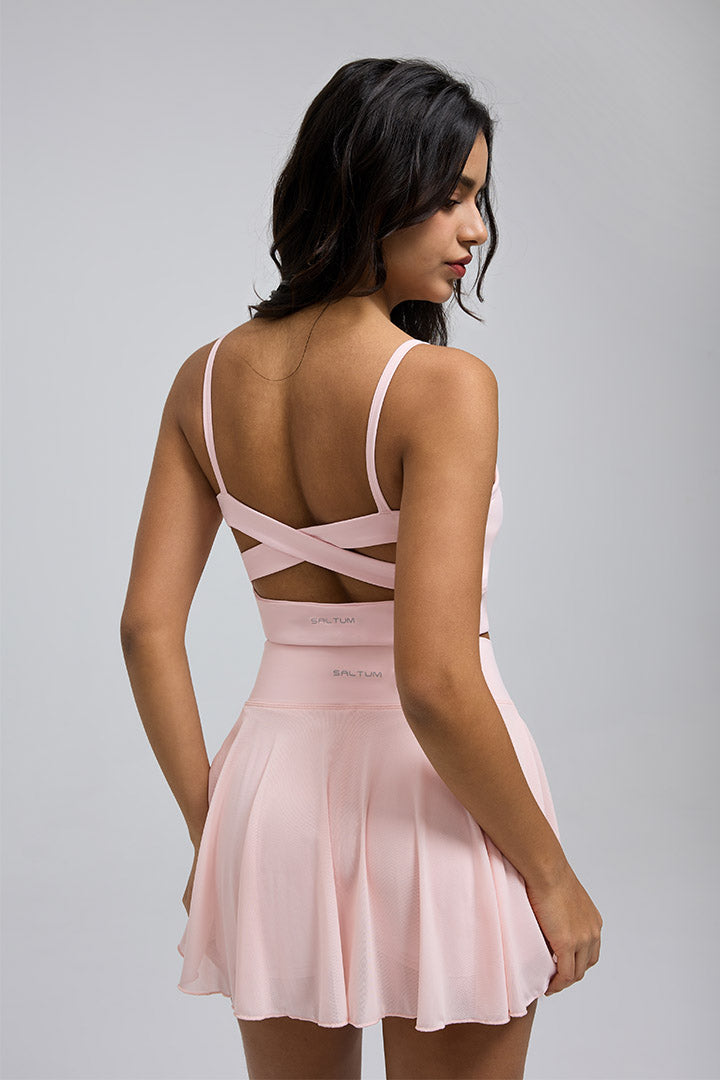
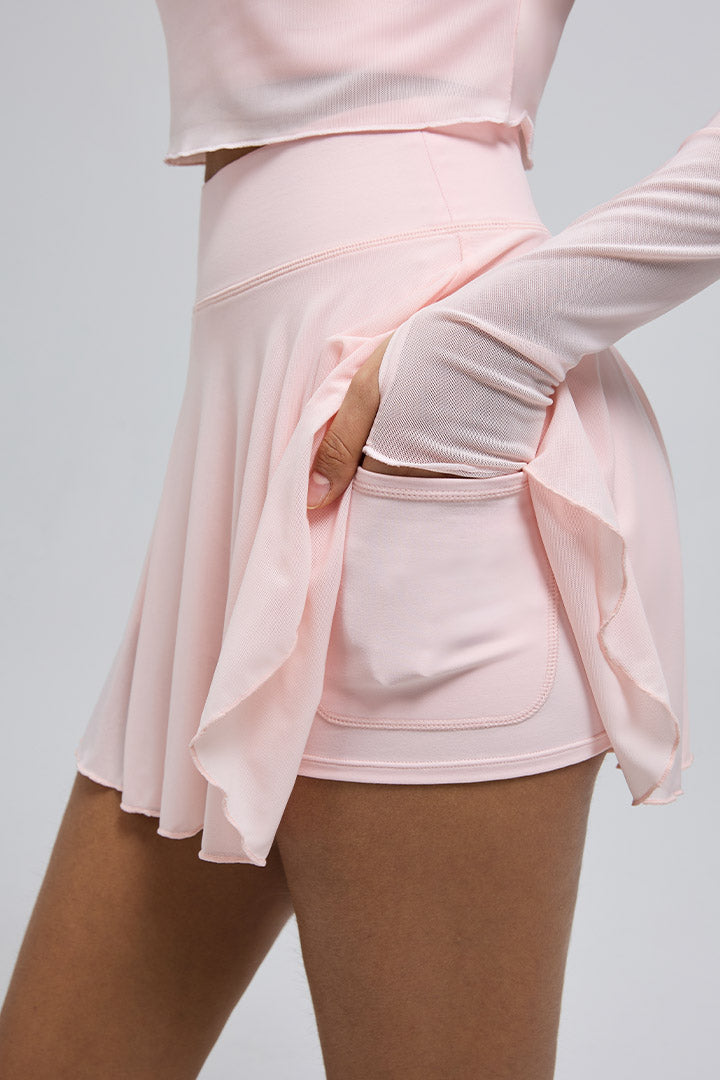
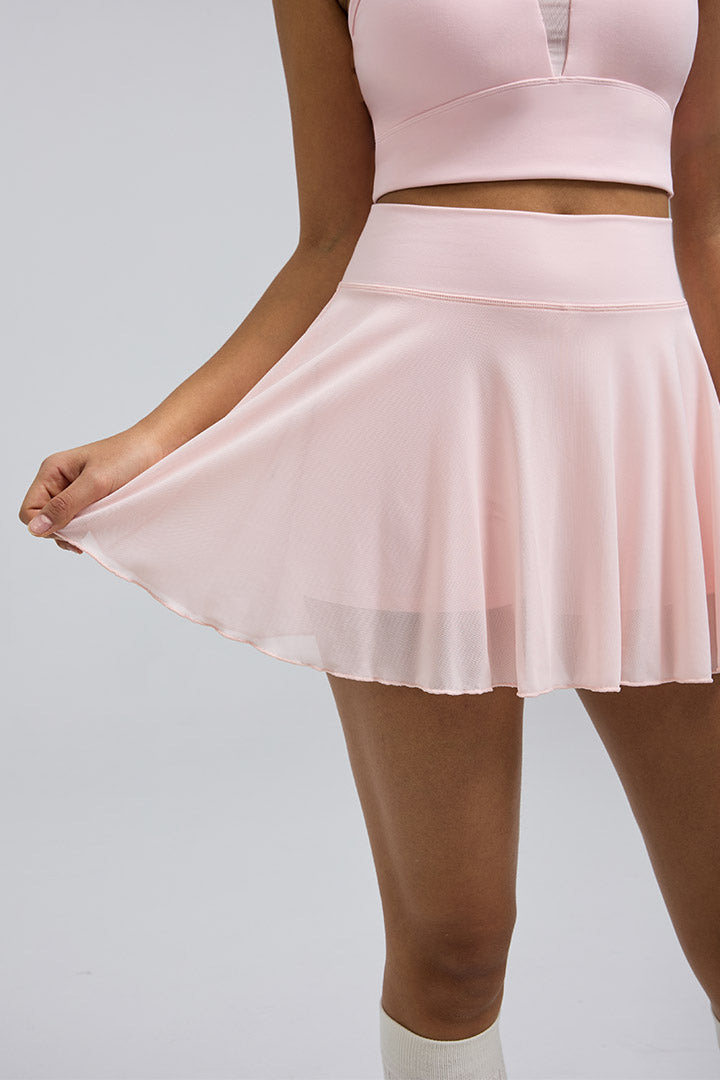
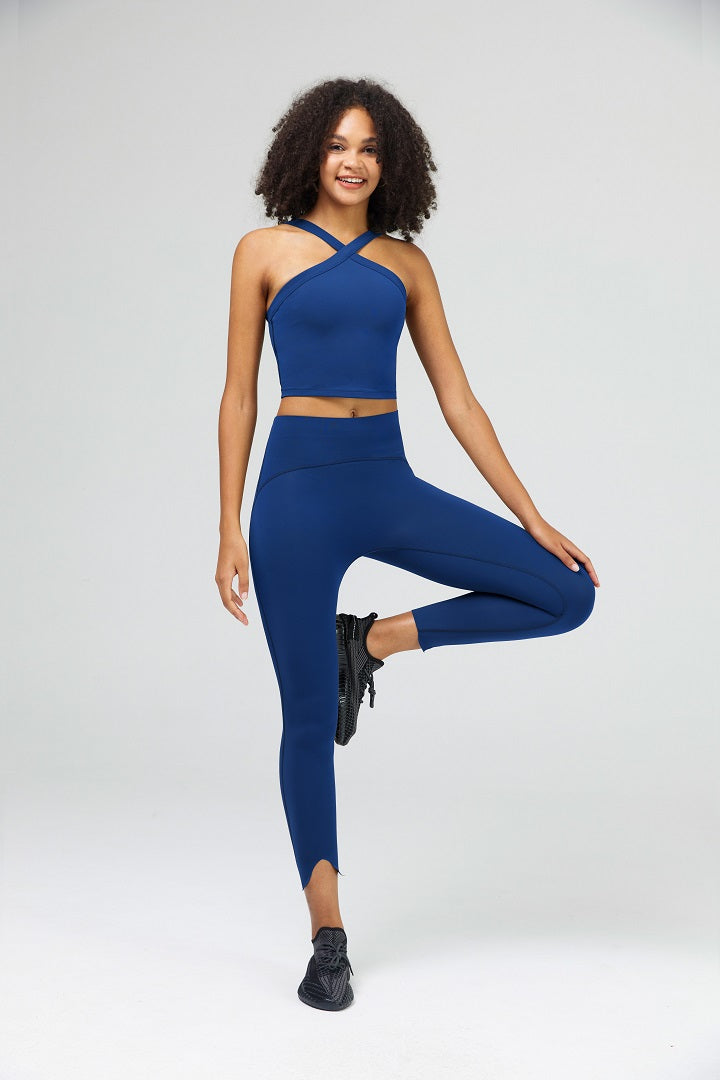
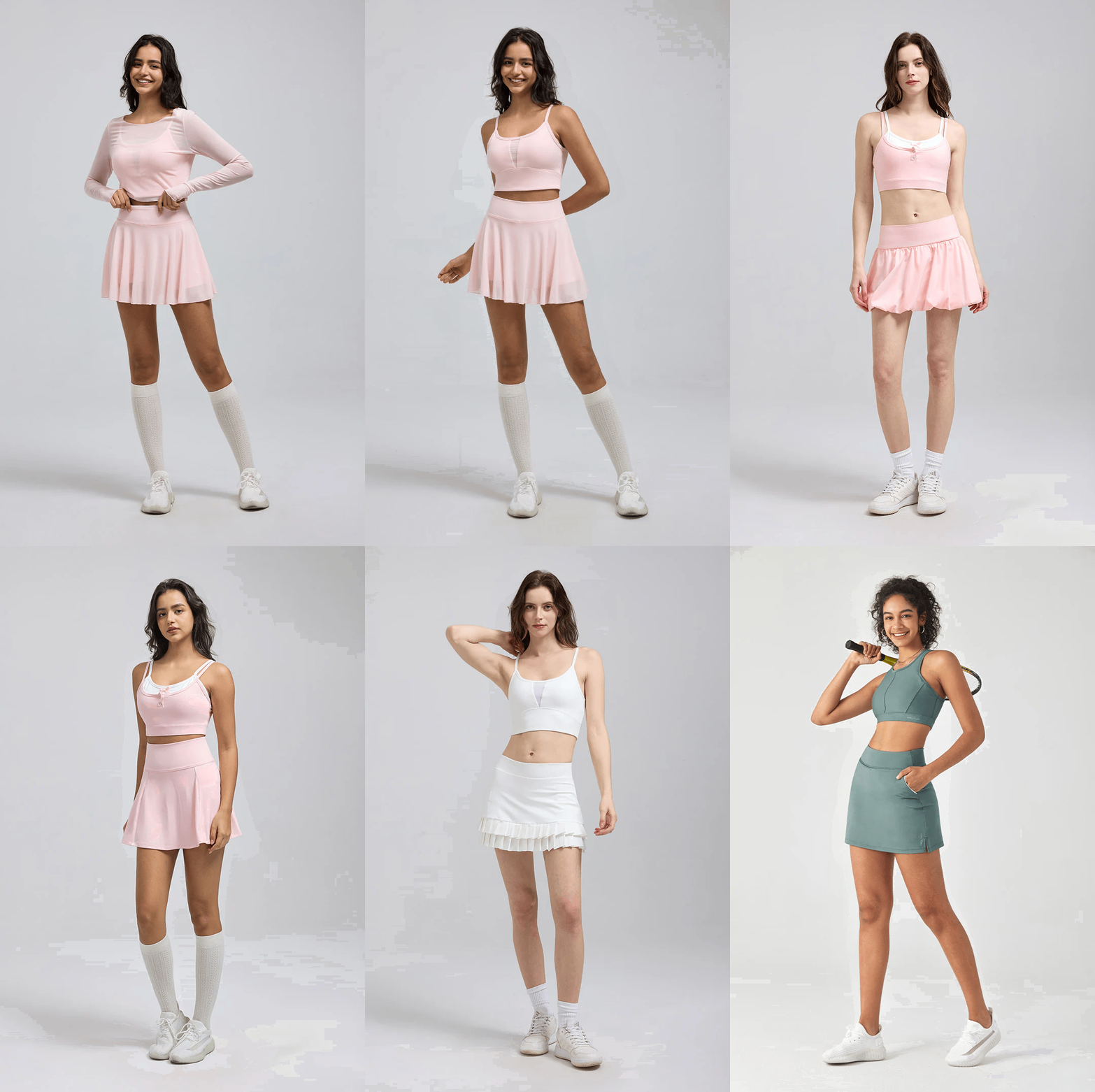
Un ensemble coordonné est pratique si vous aimez vous habiller sans avoir à assortir des pièces séparées. Choisir parmi des ensembles de vêtements de sport assortis peut vous éviter une petite décision le matin, mais un haut simple et des leggings de couleurs complètement différentes conviennent tout aussi bien.
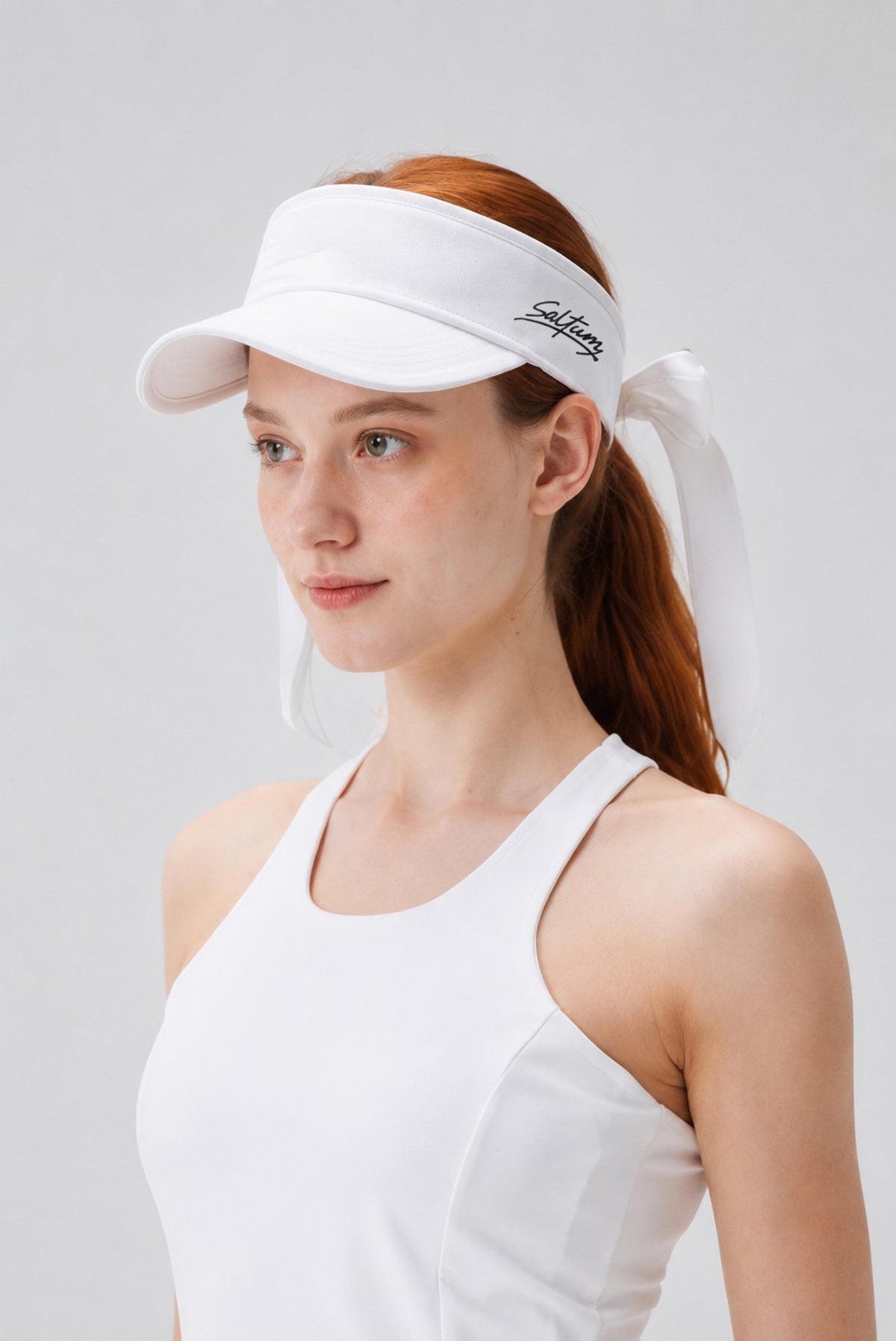
La couleur est entièrement personnelle. Les tons neutres doux peuvent donner une impression de calme et d’élégance, tandis qu’un haut vif peut rendre la tenue plus joyeuse. La barre n’exige ni rose ballerine, ni leggings noirs, ni esthétique particulière propre au studio. Portez donc des couleurs dans lesquelles vous vous sentez à l’aise en franchissant la porte.
Voyagez léger et consultez l’e-mail du studio
Votre sac de cours peut rester peu encombrant. La plupart des studios fournissent le matériel volumineux, mais les règles concernant les tapis et les serviettes varient. Lisez donc les détails de la réservation avant d’emporter la moitié de votre garde-robe de sport.
- Des chaussettes antidérapantes si le studio l’exige
- Une bouteille d’eau
- Un élastique ou une pince à cheveux
- Une couche légère
- Une petite serviette si elle est recommandée
Les tapis, élastiques, poids légers et accessoires de barre sont souvent fournis dans la salle, mais ce n’est pas systématique. Les e-mails de confirmation peuvent également contenir des instructions concernant votre arrivée, des informations sur les casiers et une demande d’arriver quelques minutes en avance pour votre première visite.
Lire ces informations la veille est généralement plus utile que de chercher une tenue très spécifique. Une fois les règles du studio vérifiées, le reste de votre tenue peut rester simple.
Votre premier cours ne nécessite pas une nouvelle garde-robe
Les pièces que vous portez déjà pour le Pilates, le yoga, les étirements ou les entraînements à faible impact peuvent parfaitement convenir à la barre. Commencez par les vêtements auxquels vous faites confiance et dans lesquels vous vous sentez à l’aise. Des vêtements familiers peuvent rendre un nouveau cours légèrement moins déroutant.
Acheter quelque chose de neuf est facultatif et ne fait pas partie intégrante de la préparation. Vous préférerez peut-être plus tard une certaine longueur de legging, une certaine coupe de haut ou un certain style de chaussettes, mais votre premier cours est l’occasion de découvrir réellement les sensations procurées par l’entraînement avant de vous faire une opinion.
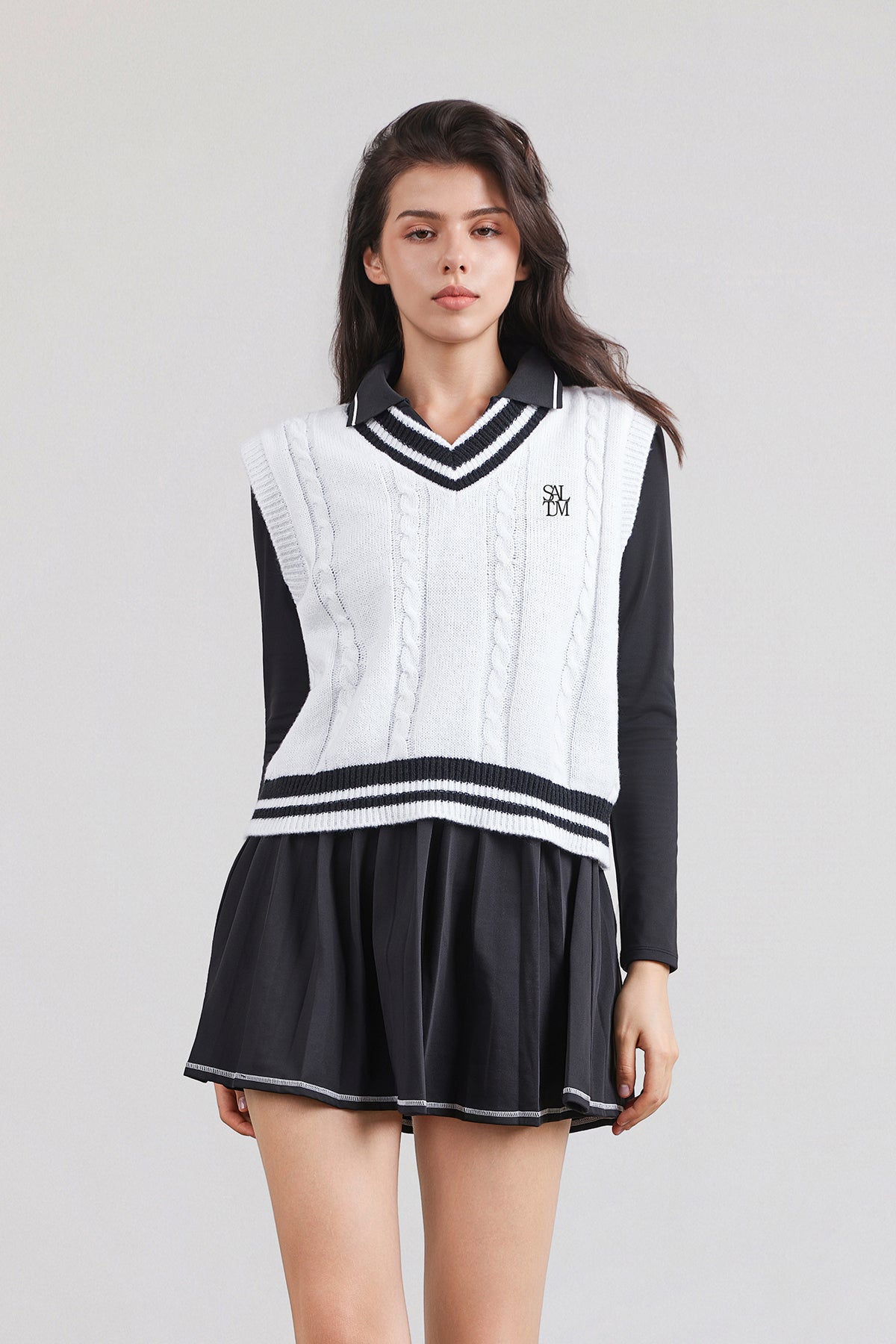
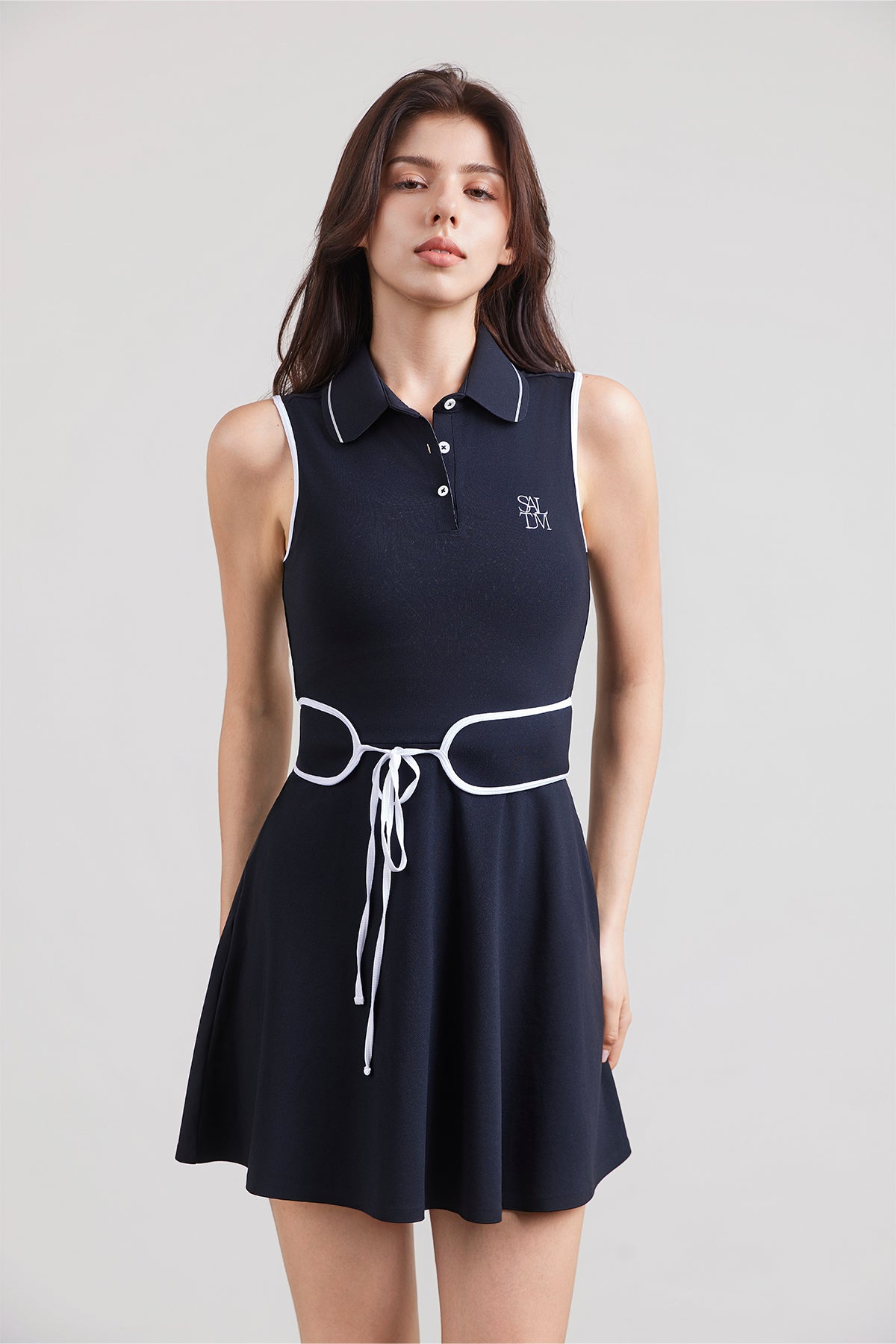
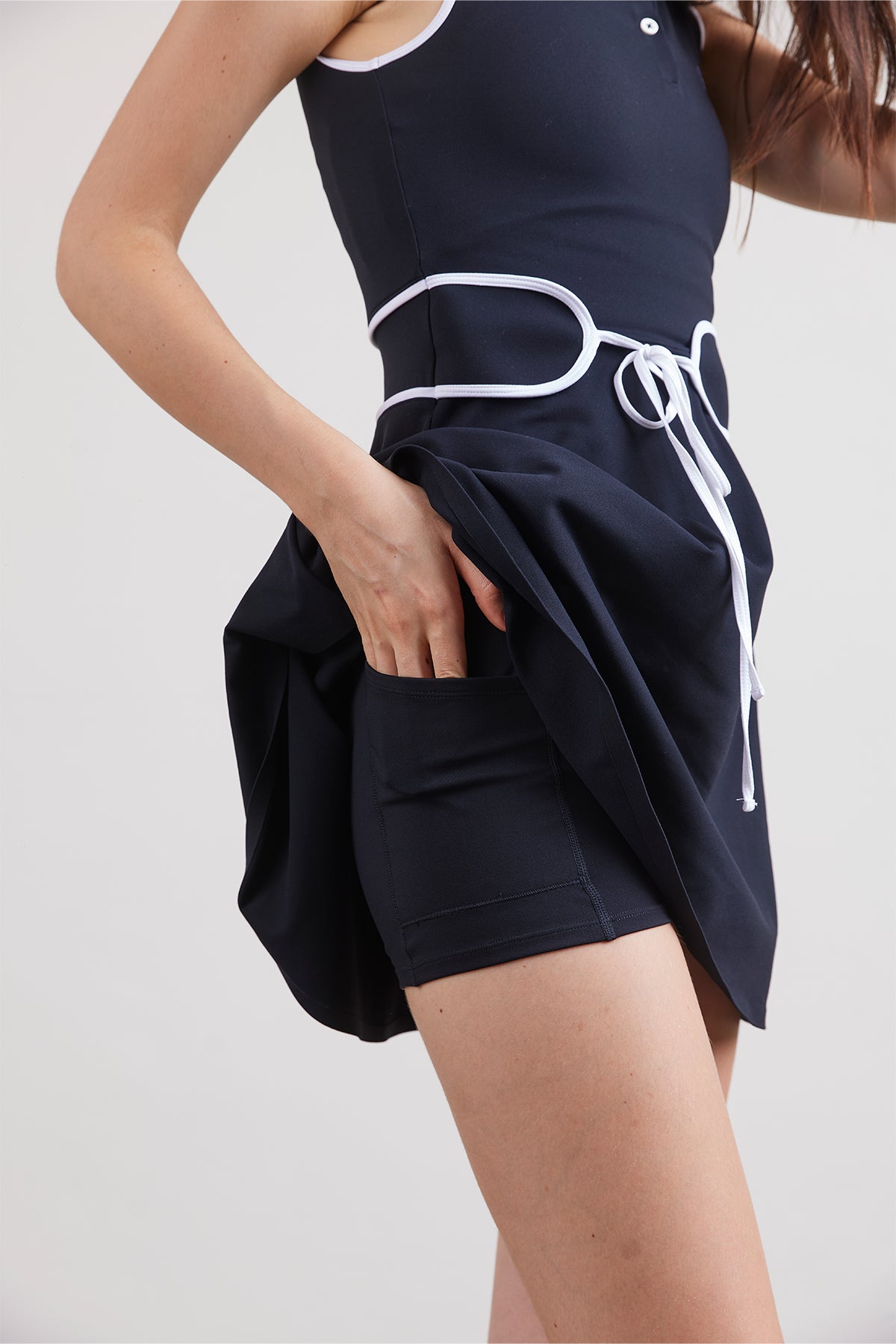
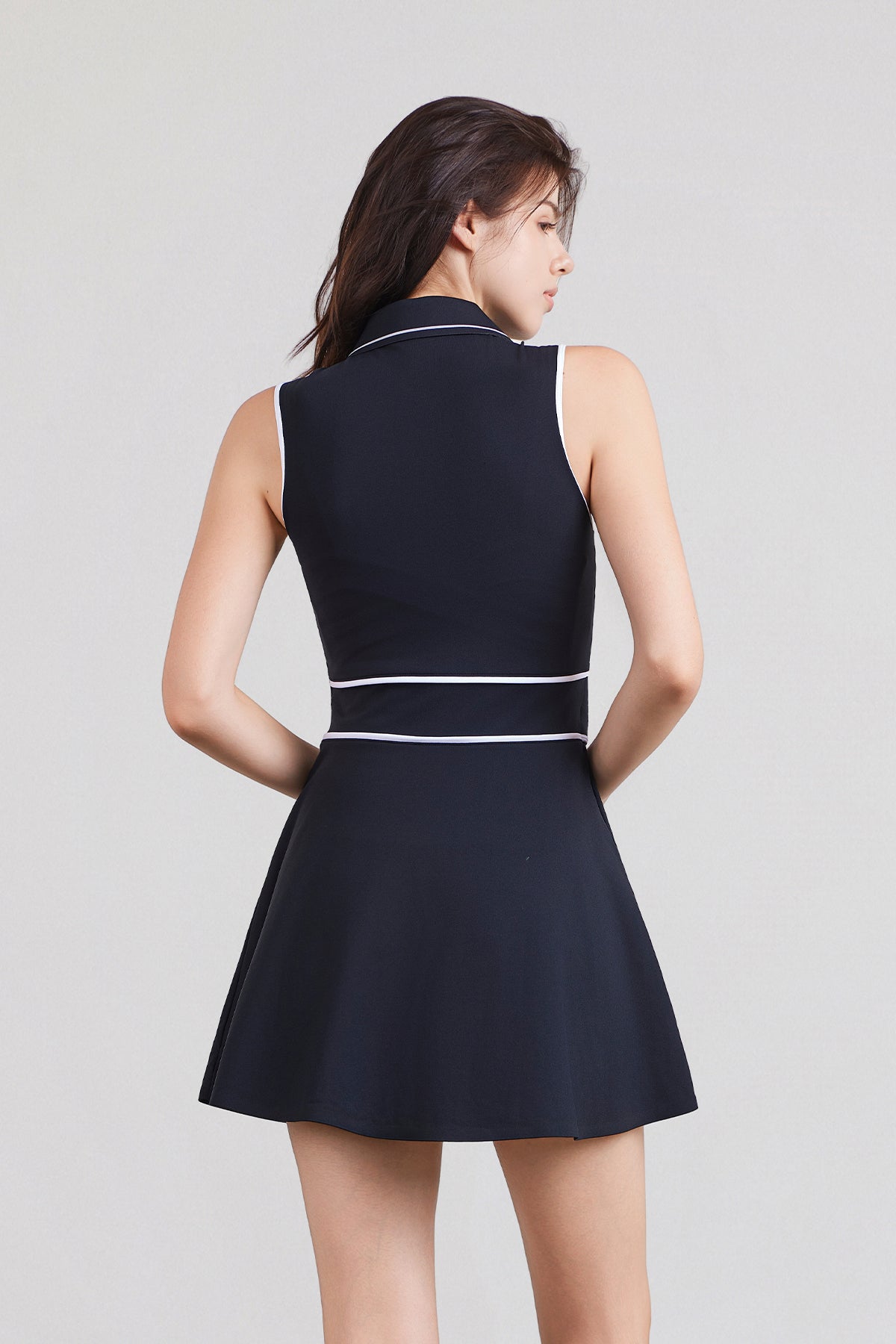
Si vous souhaitez parcourir des options simples, les vêtements de sport pour femmes de SALTUM comprennent des pièces adaptées à la barre, au Pilates et à d’autres séances en studio. Concentrez-vous sur ce qui s’intègre à votre routine actuelle plutôt que de choisir une tenue destinée à un seul cours.
Questions fréquemment posées
Peut-on porter un short pour un cours de barre ?
Oui, les shorts de sport ajustés ou les shorts cyclistes sont souvent acceptés pour la barre. Votre confort personnel, les règles du studio, la température de la salle et la quantité d’exercices au sol peuvent influencer votre choix. Les leggings offrent davantage de couvrance, mais les shorts ne sont pas intrinsèquement inadaptés.
A-t-on vraiment besoin de chaussettes antidérapantes pour la barre ?
Cela dépend entièrement du studio. Certains établissements exigent des chaussettes antidérapantes, tandis que d’autres les recommandent ou autorisent les pieds nus. Consultez la confirmation de votre cours, la FAQ du studio ou la page de réservation avant de vous présenter, afin de ne pas devoir faire un achat de dernière minute à l’accueil.
Peut-on porter une brassière de sport classique pour un cours de barre ?
Une brassière de sport confortable à maintien faible ou moyen peut convenir, car la barre est généralement un entraînement en studio à faible impact. Les besoins en matière de maintien varient : choisissez le niveau qui convient à votre corps. Vous pouvez porter la brassière seule, l’associer à un débardeur ajusté ou ajouter une couche selon votre confort et l’atmosphère du studio.
Gardez une tenue simple et concentrez-vous sur le cours
Votre première séance vise à vous familiariser avec les mouvements, les indications de l’instructeur et le rythme de la salle. Personne ne s’attend à vous voir arriver comme si vous prépariez une garde-robe dédiée à la barre depuis des mois.
Une tenue pratique pour un premier cours de barre est simplement une tenue qui vous permet d’entrer dans le studio à l’aise plutôt que distrait(e). Commencez par un haut ajusté, un legging ou un pantalon de studio, les chaussettes adaptées et une couche légère. Vous pourrez décider du reste après avoir découvert le cours par vous-même.
Lorsque vous serez prêt(e) à découvrir quelques autres options adaptées au studio, les vêtements de sport à faible impact de SALTUM constituent un point de départ simple pour trouver des pièces adaptées à la barre, au Pilates et au reste de votre routine.