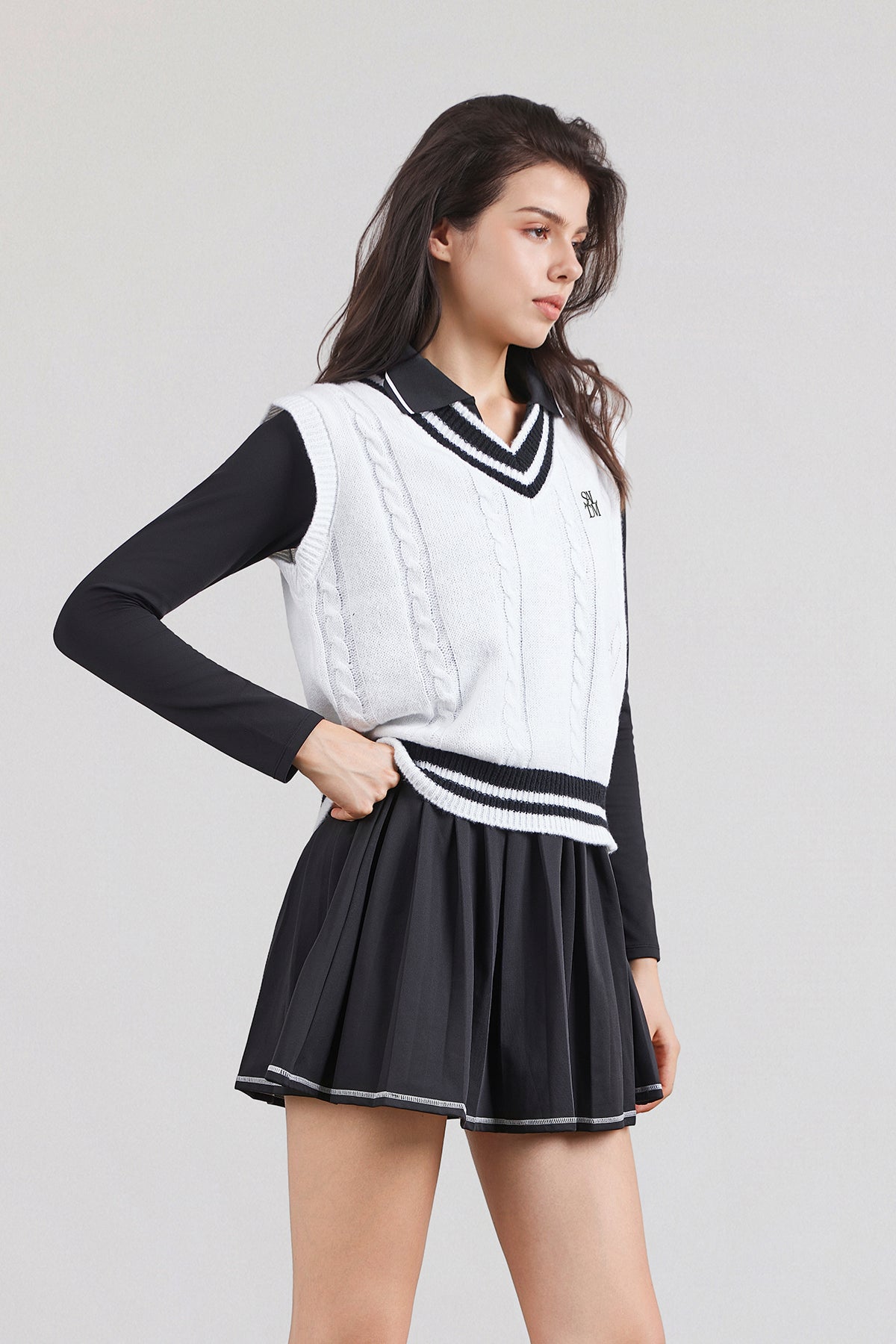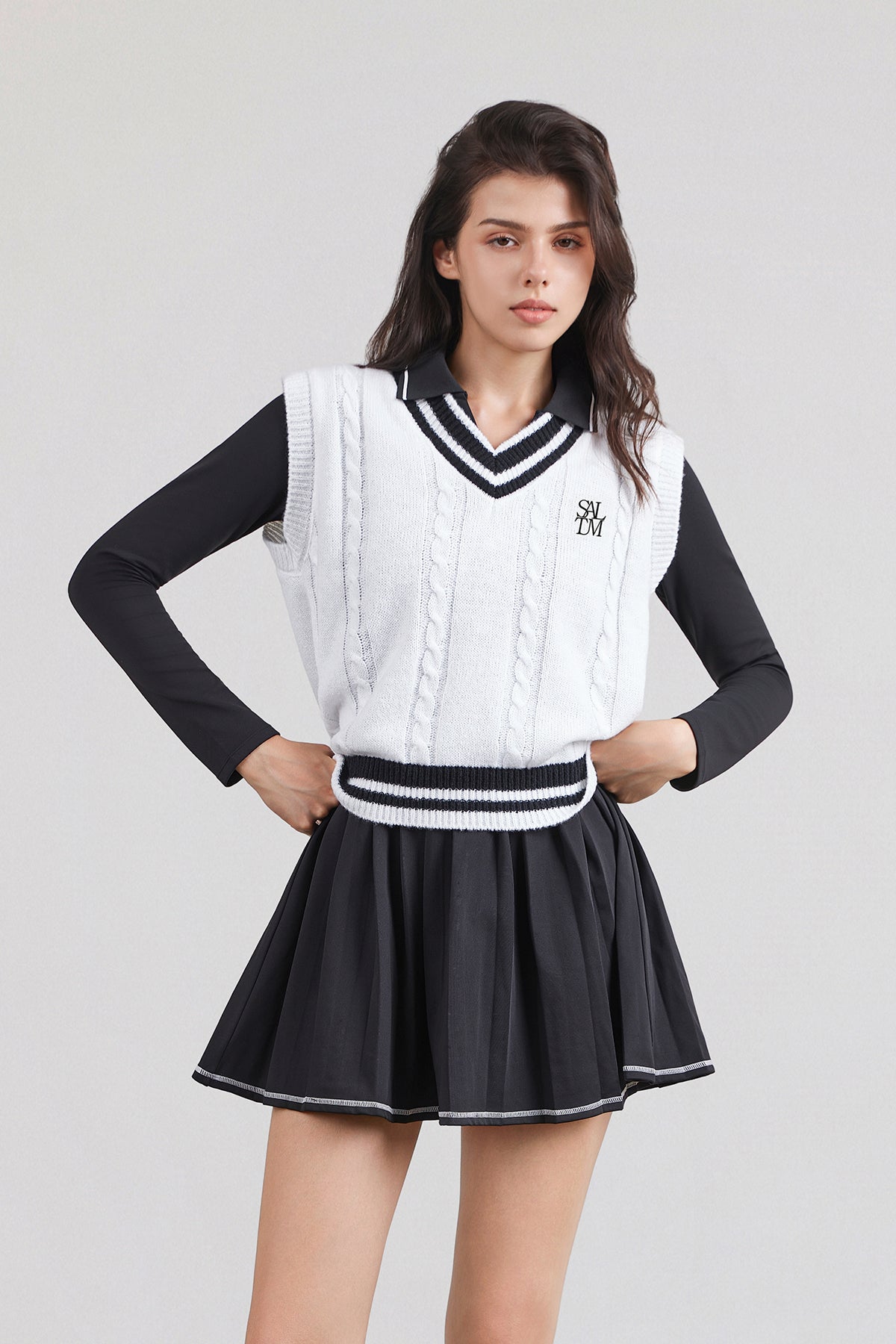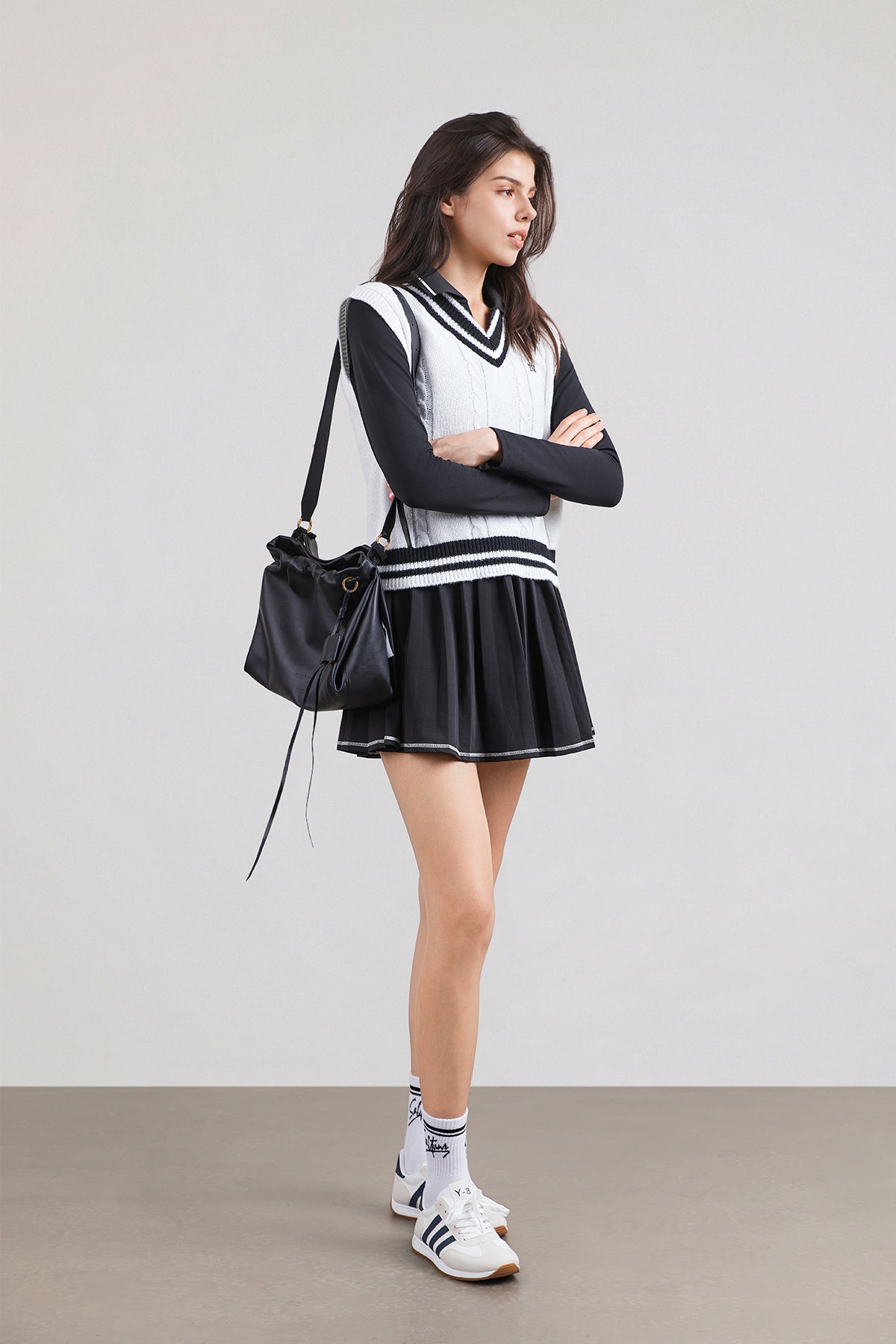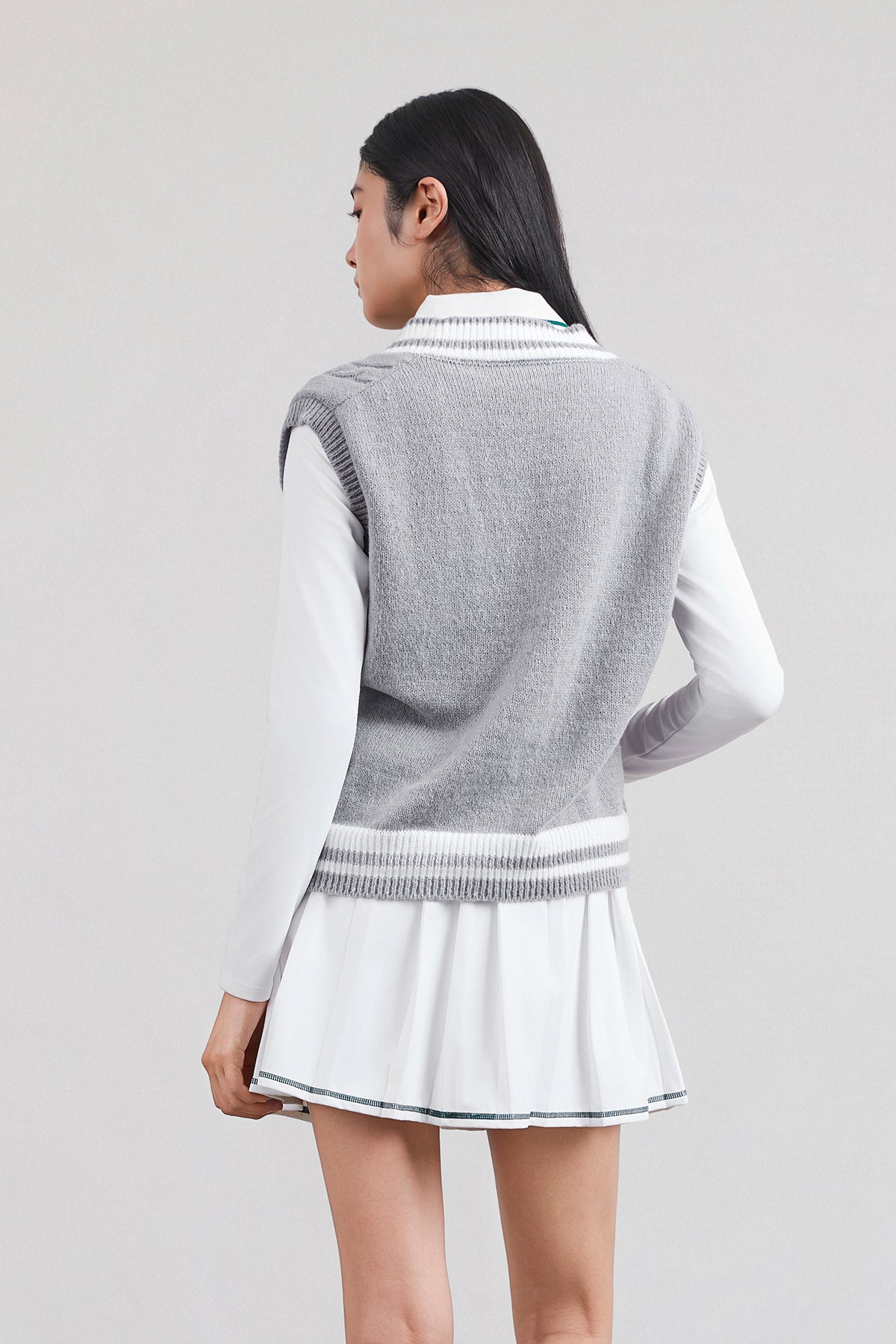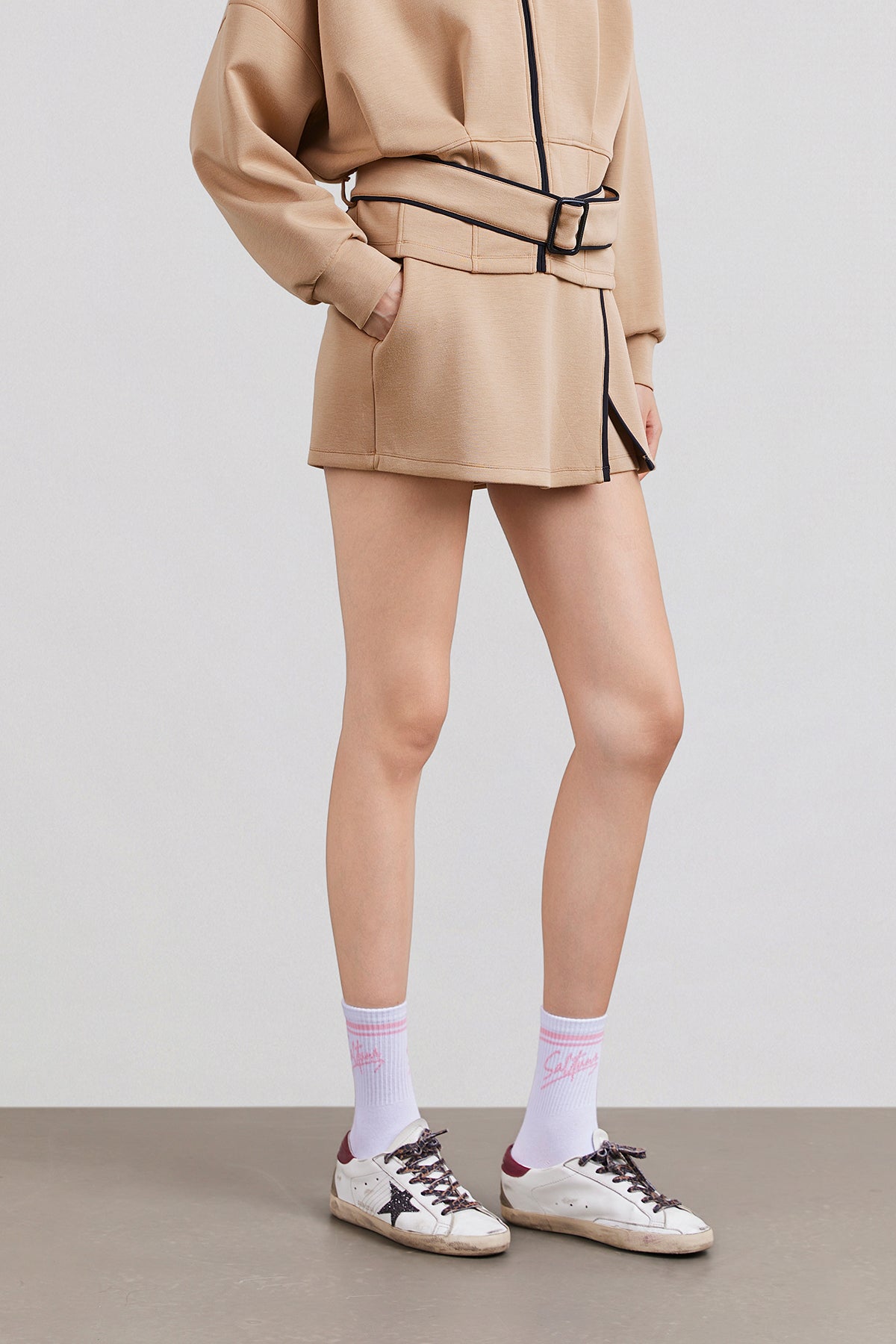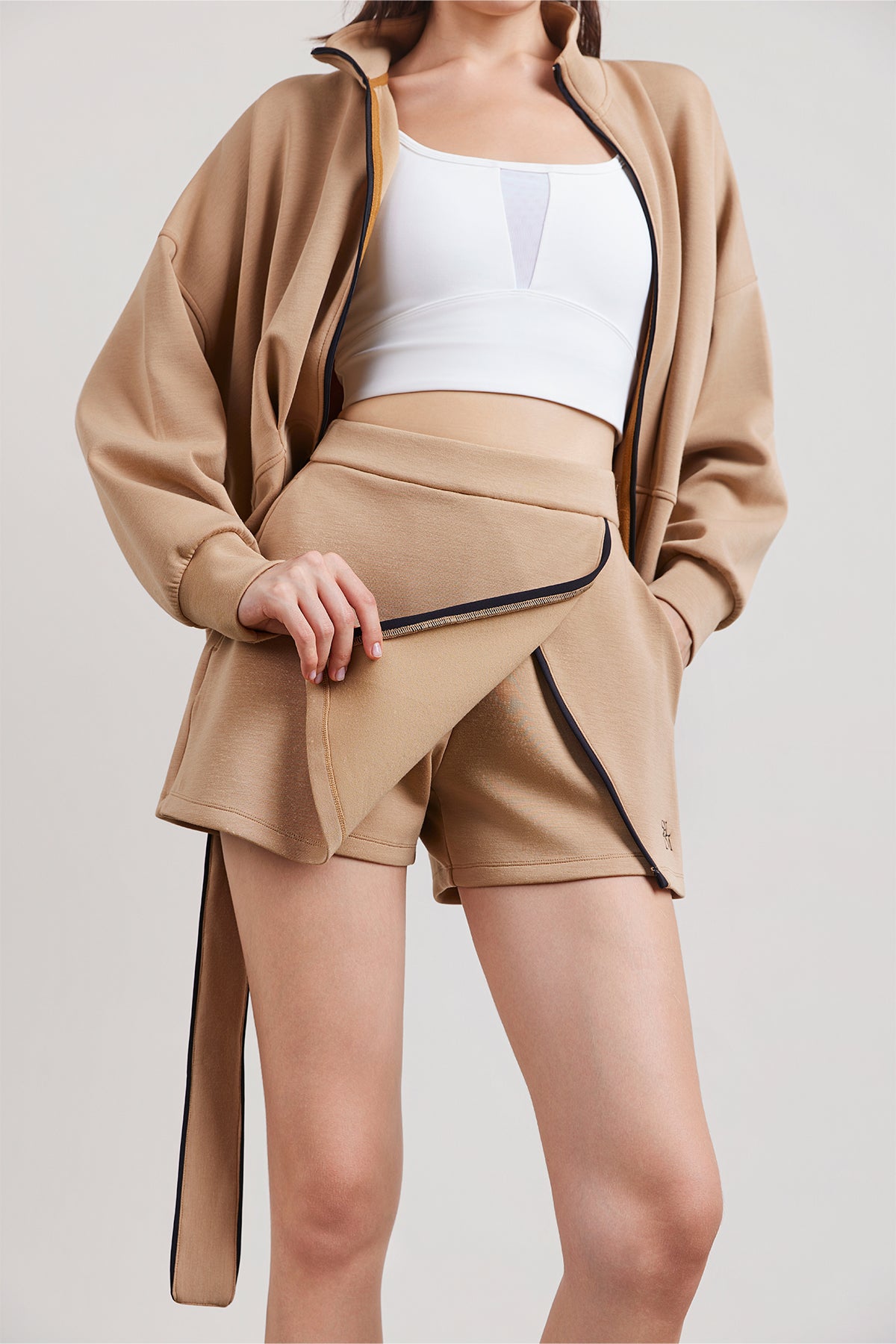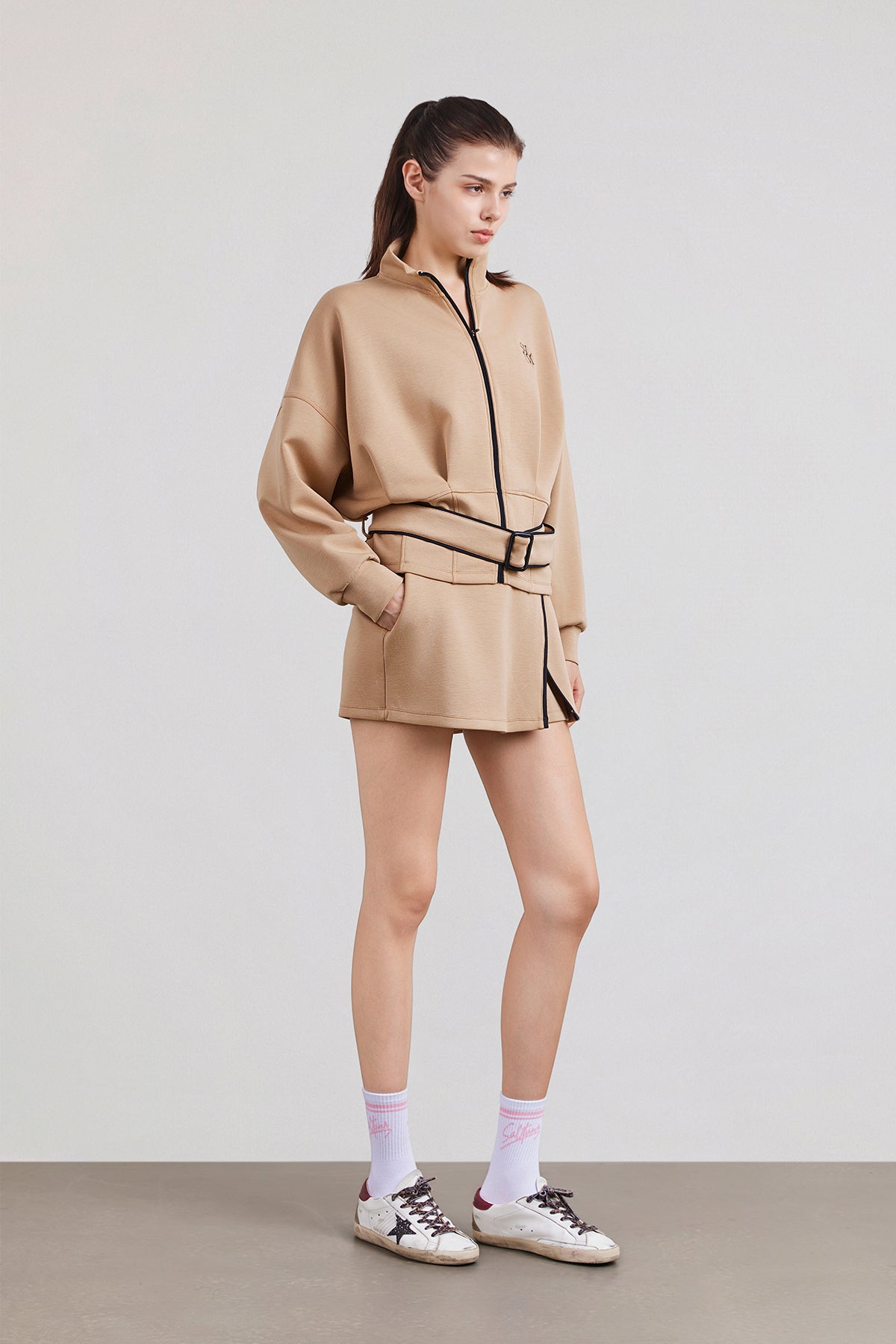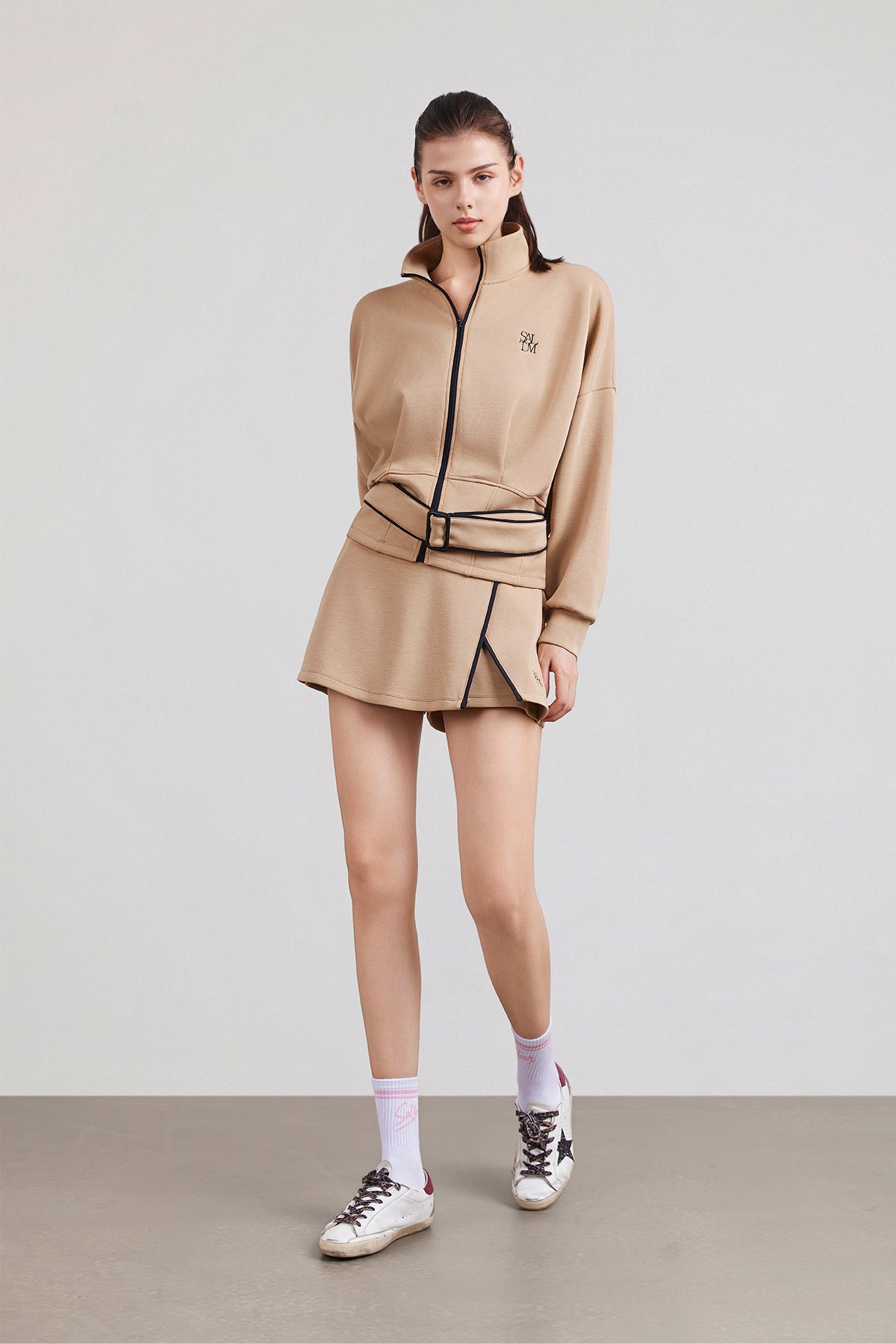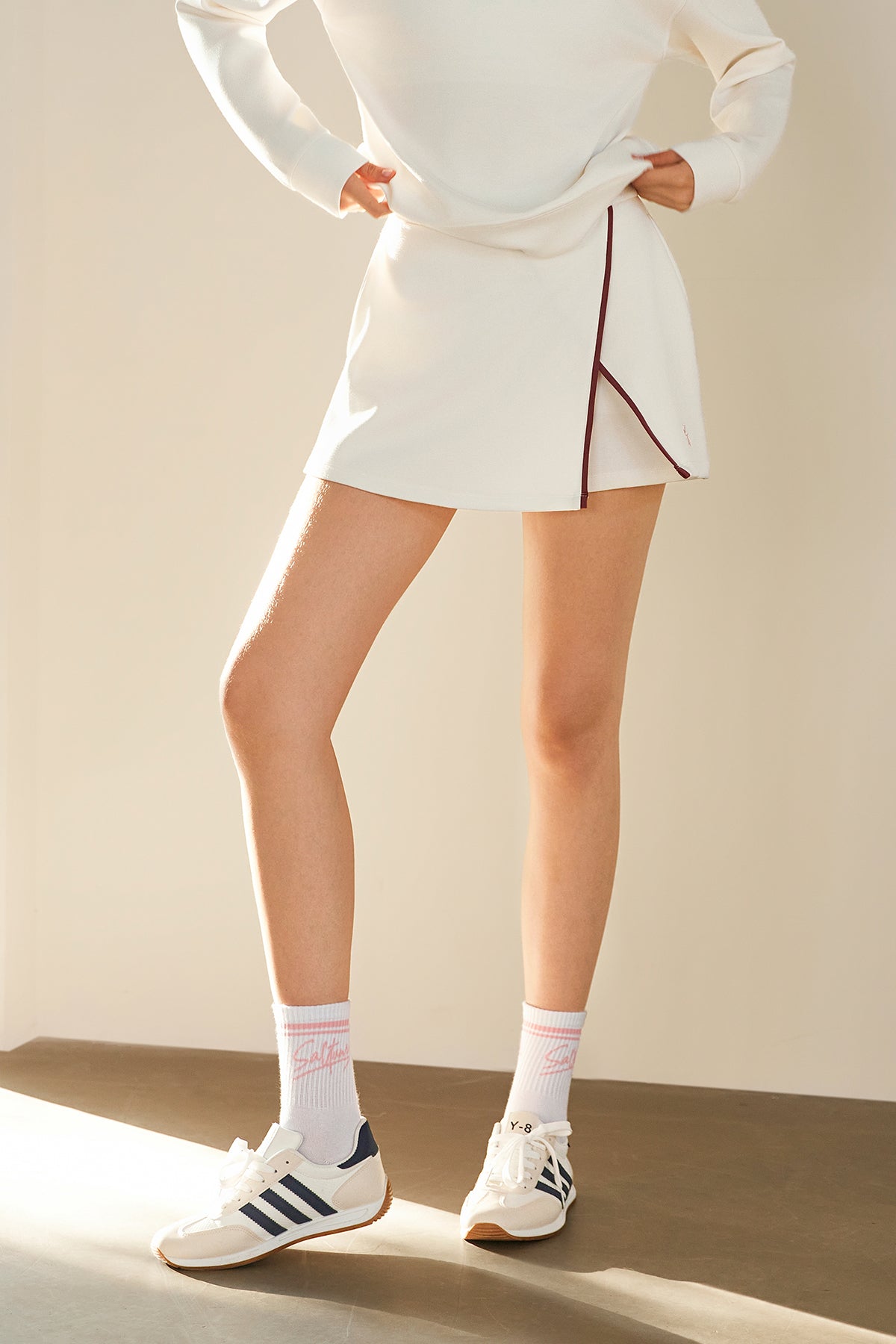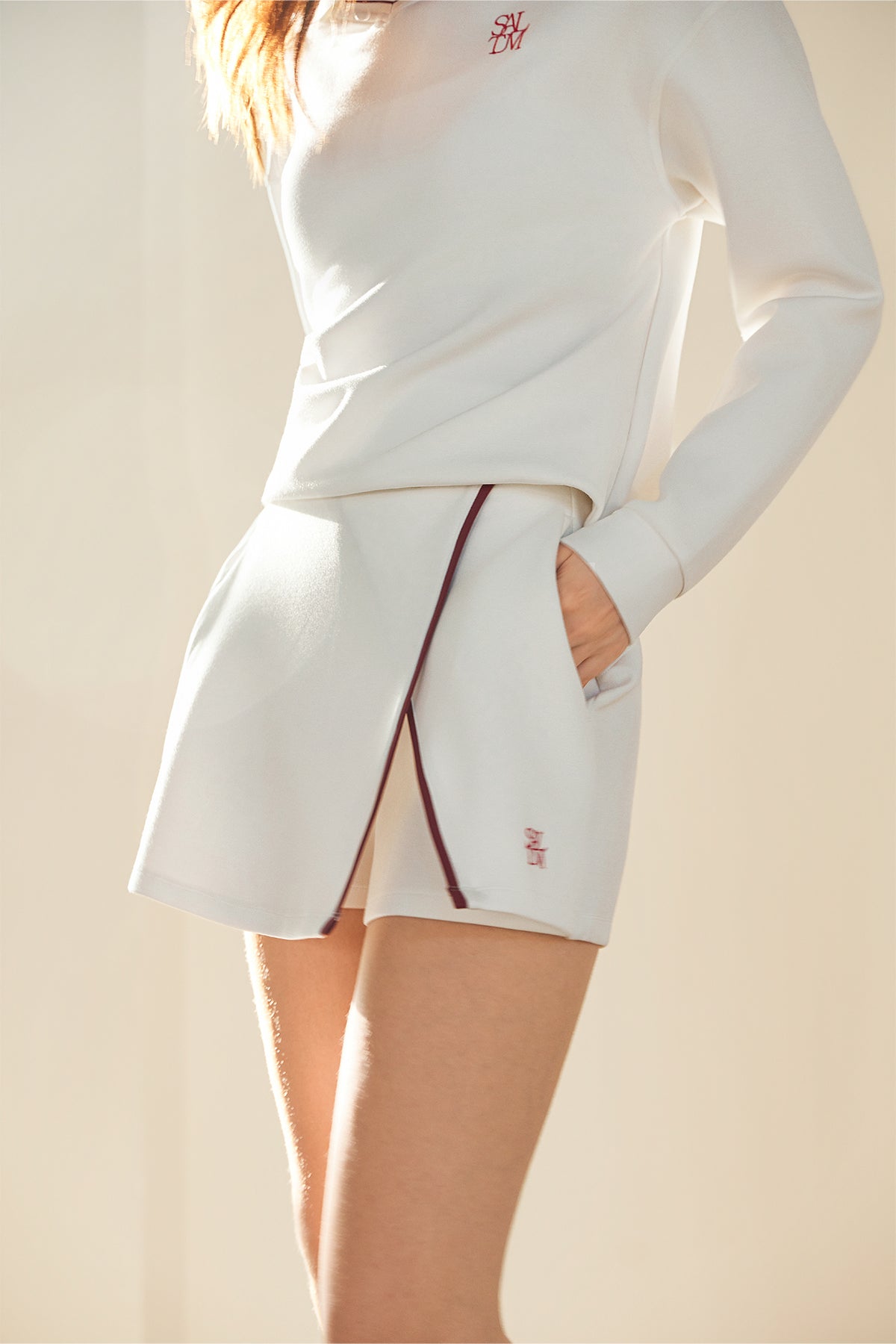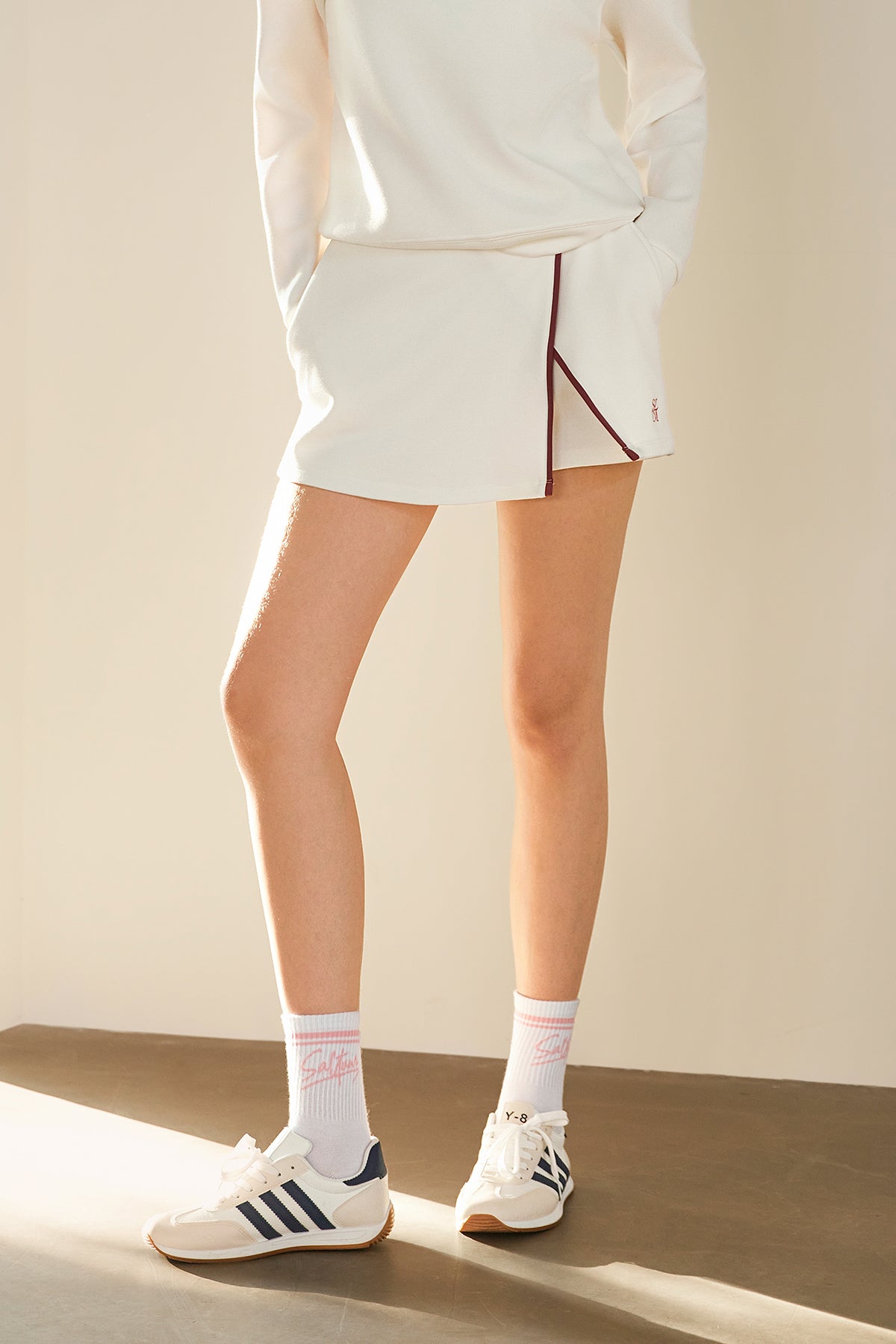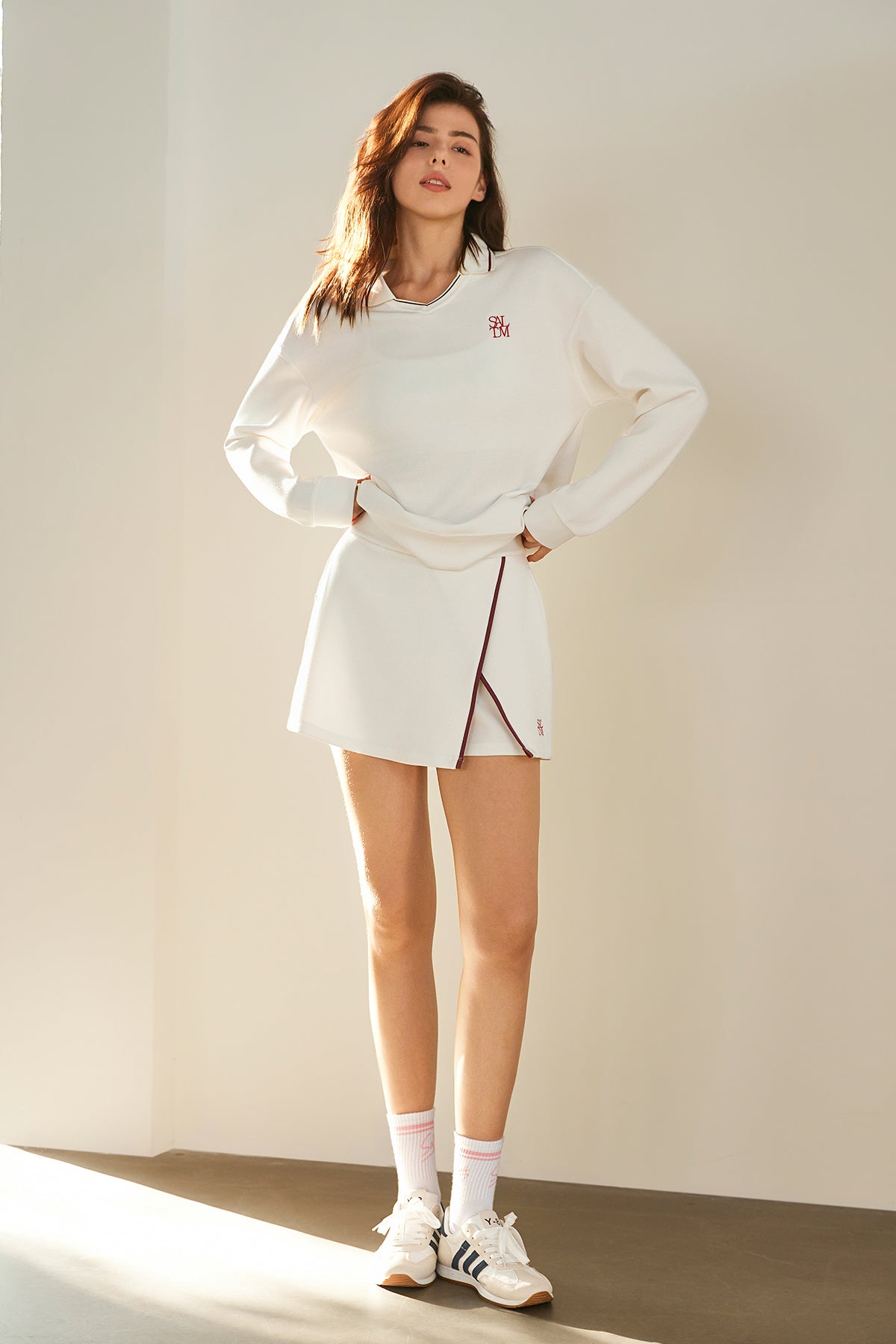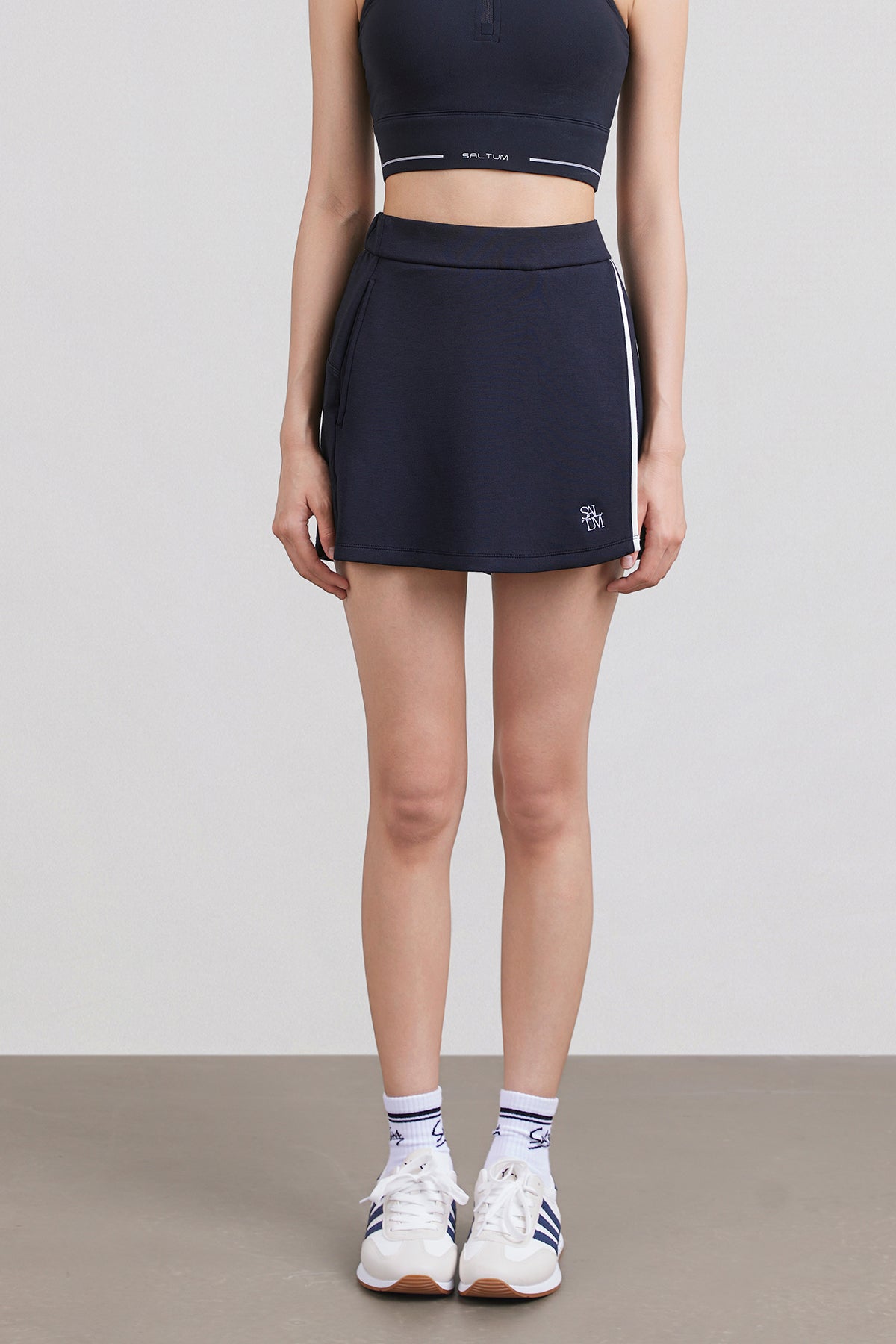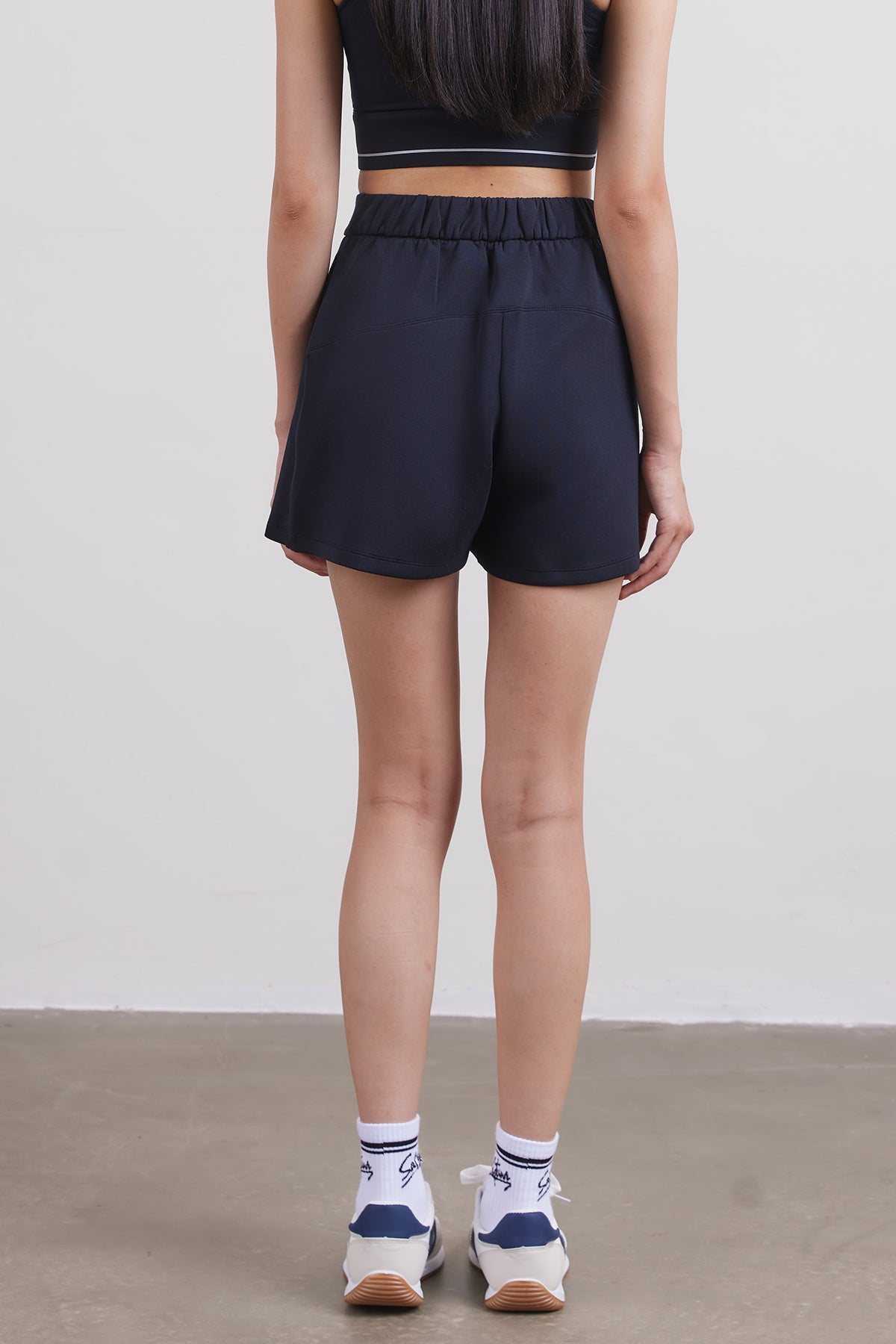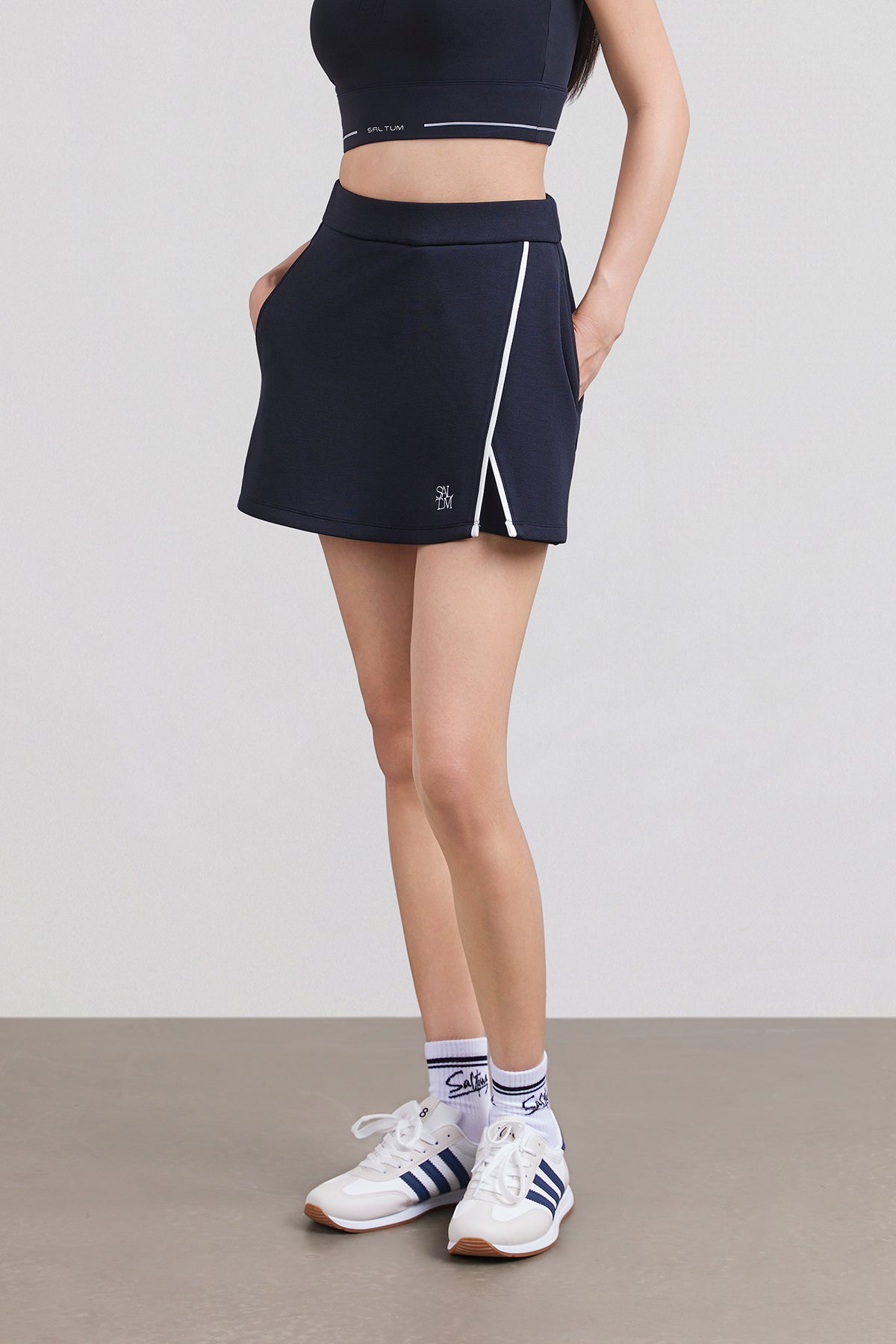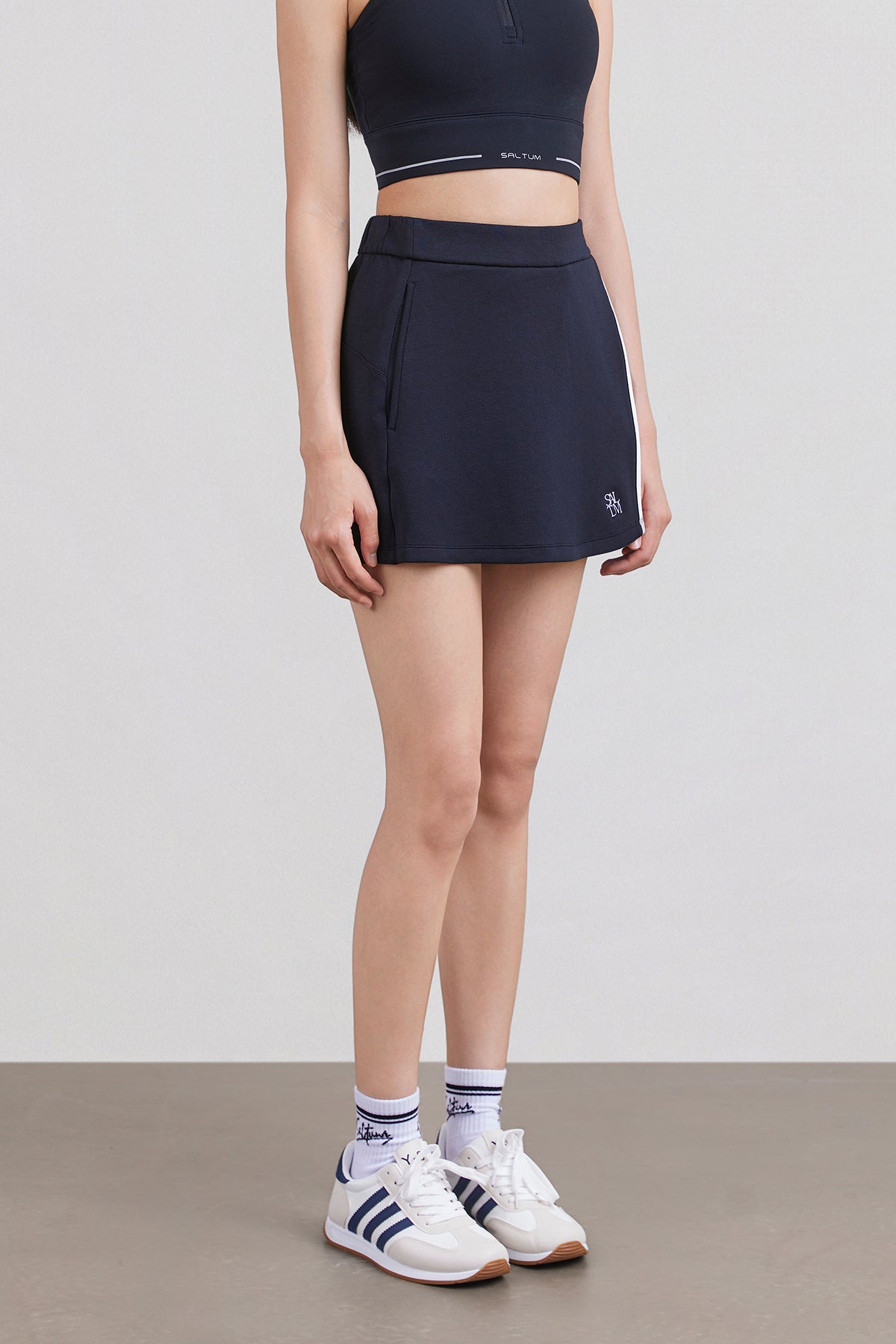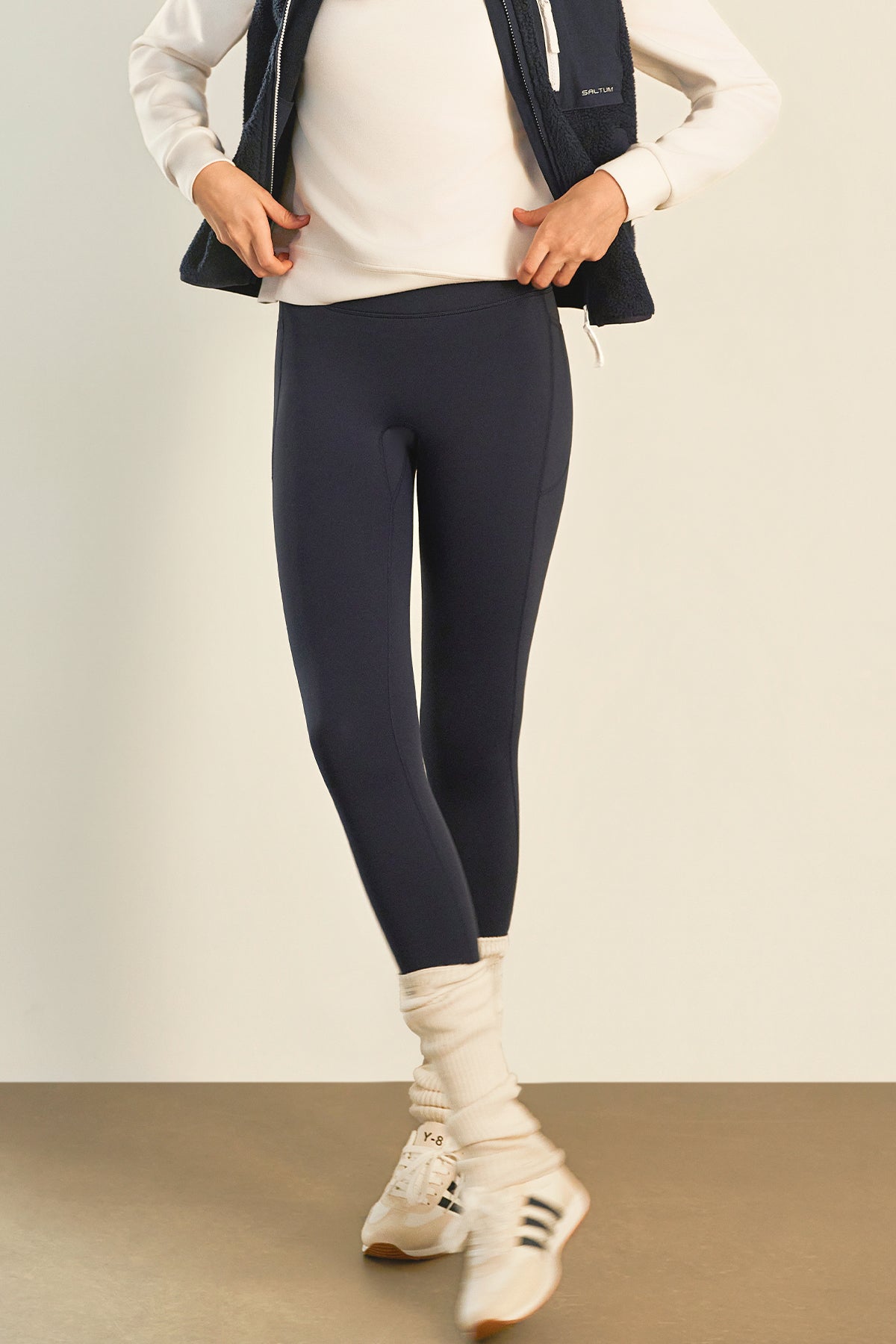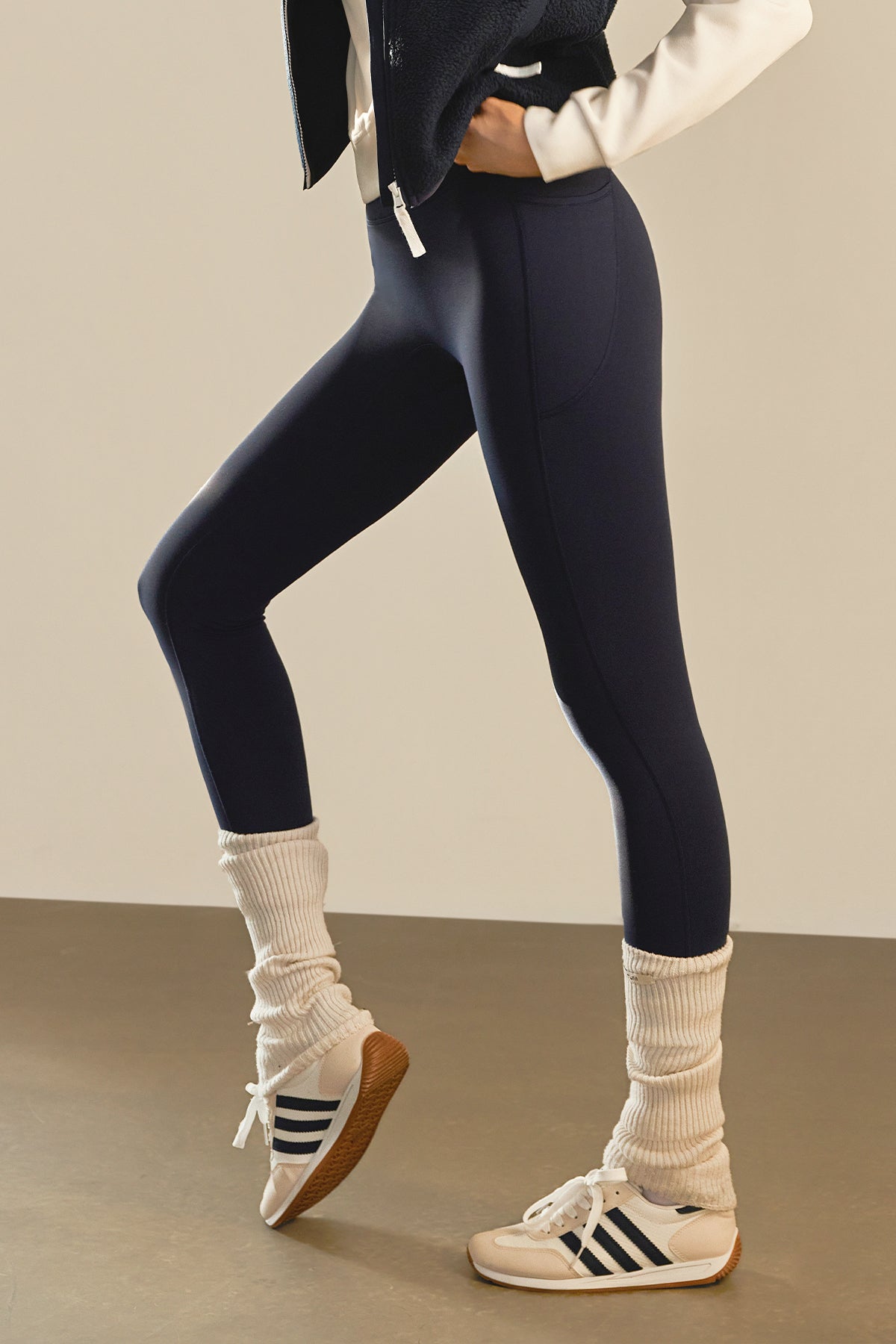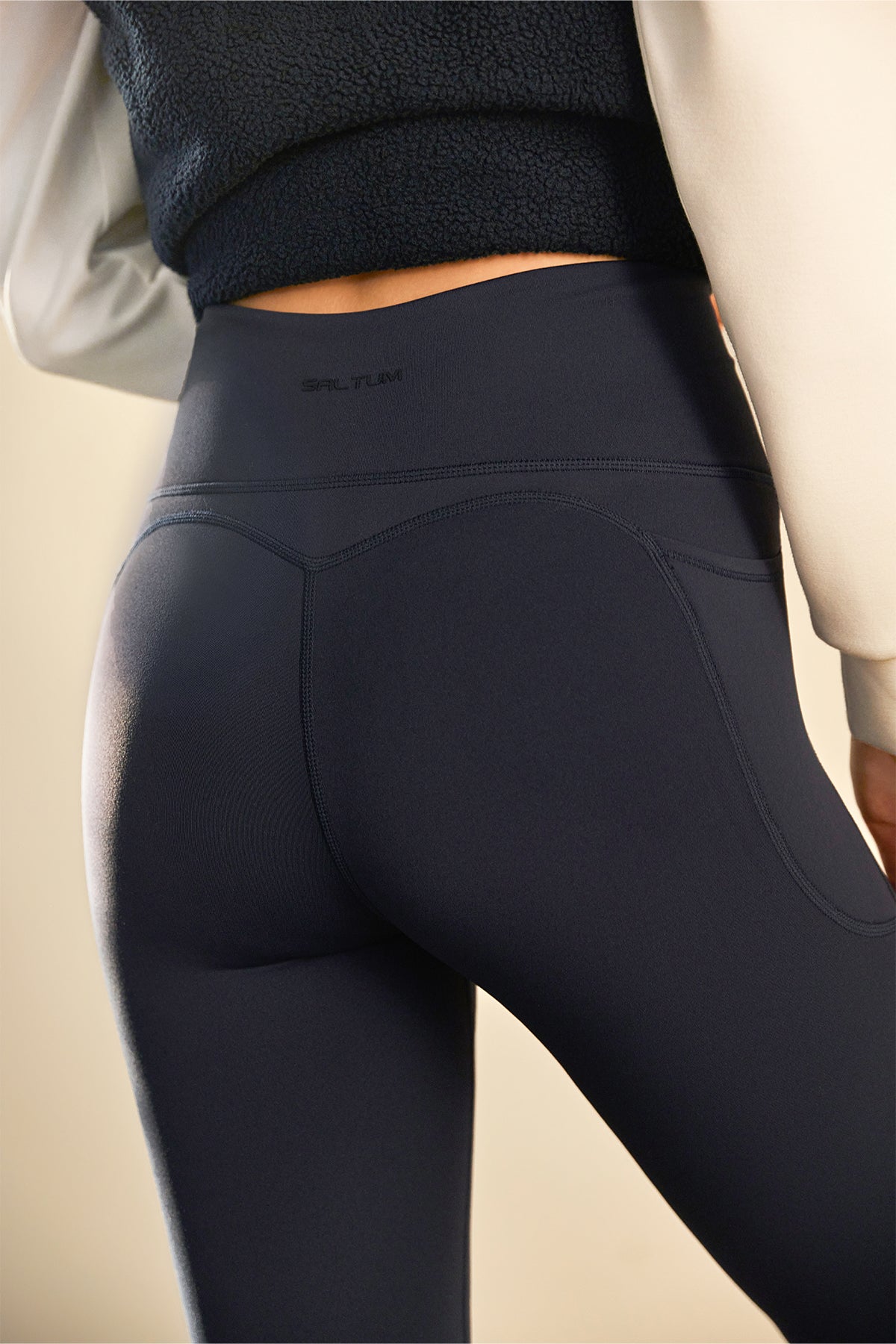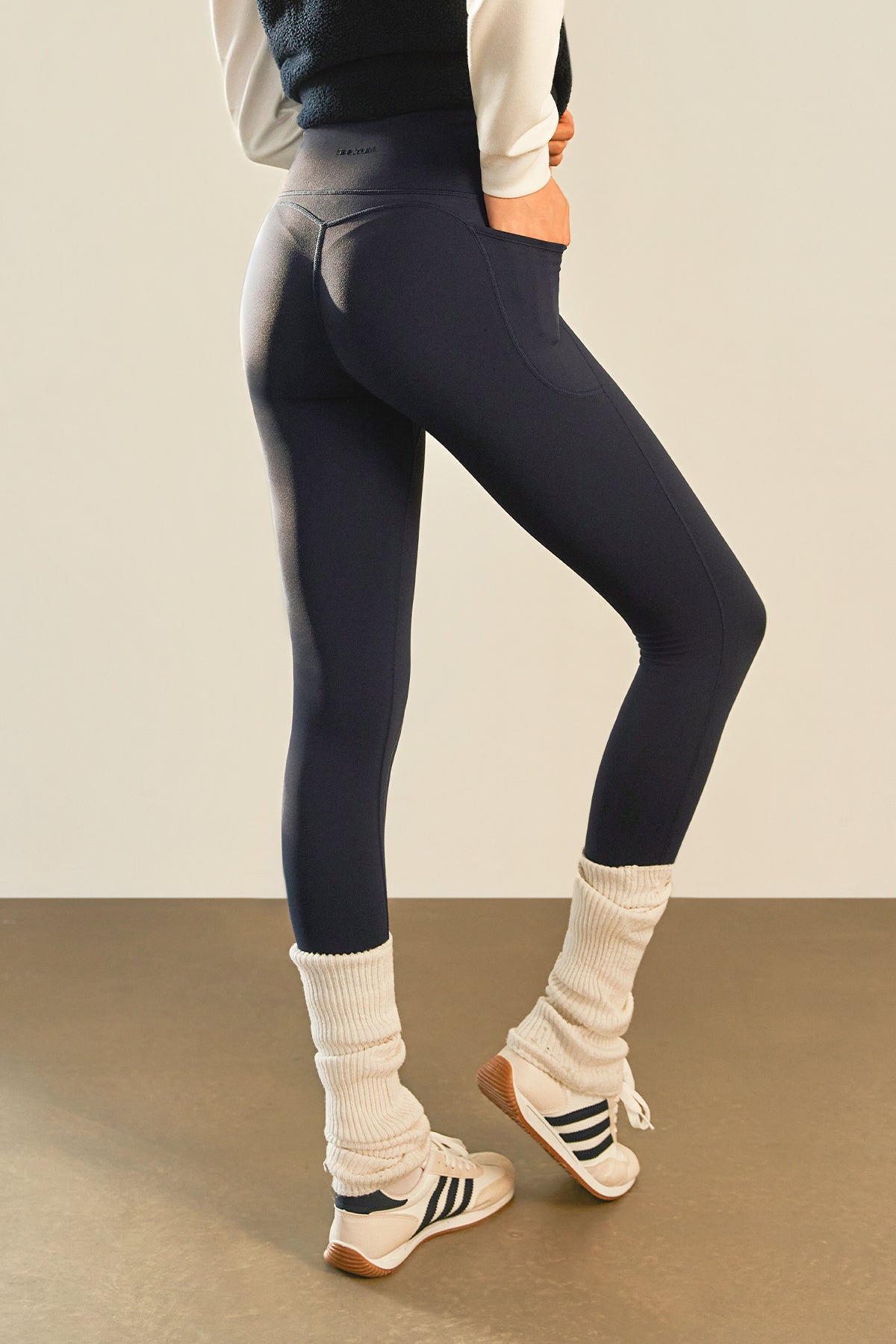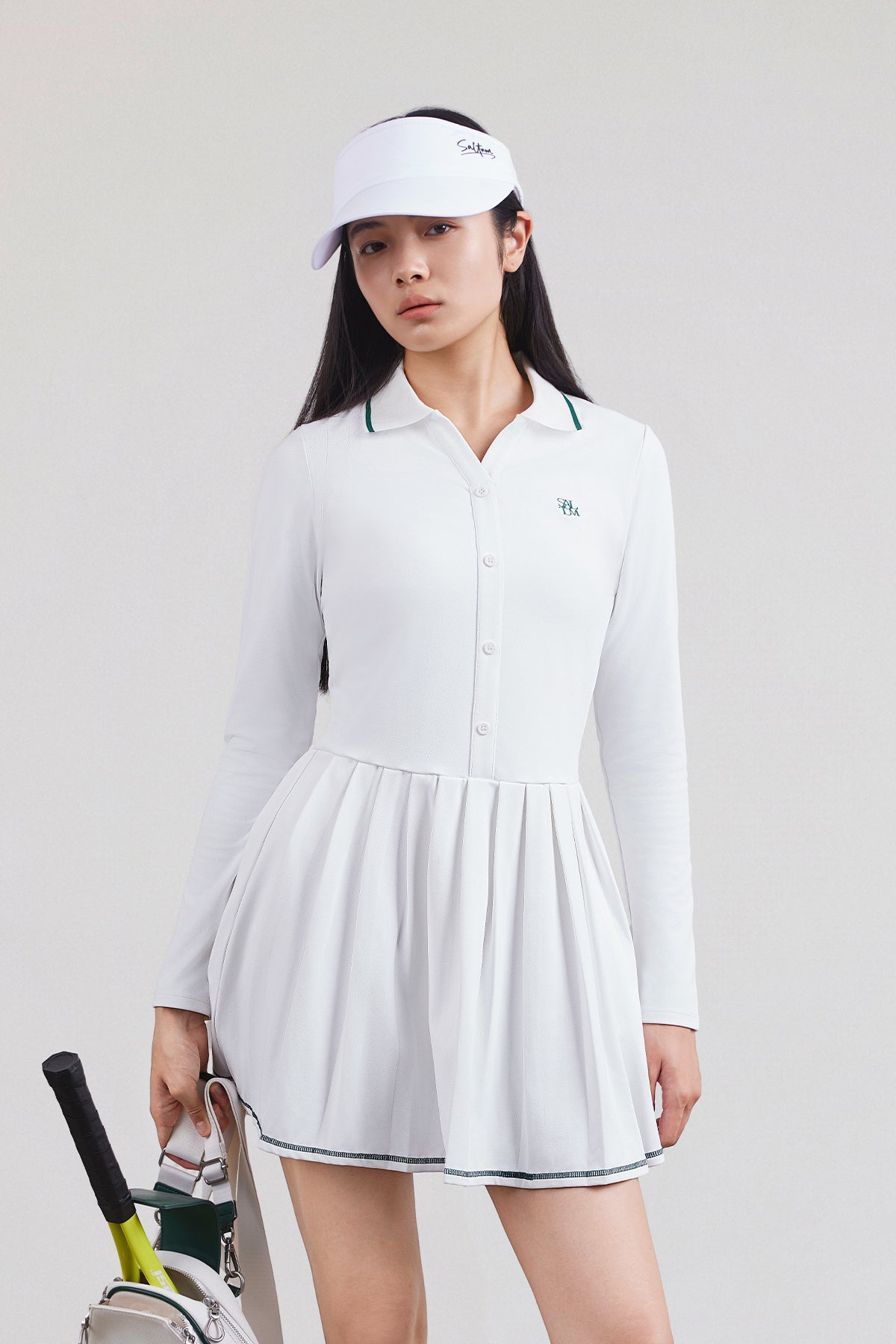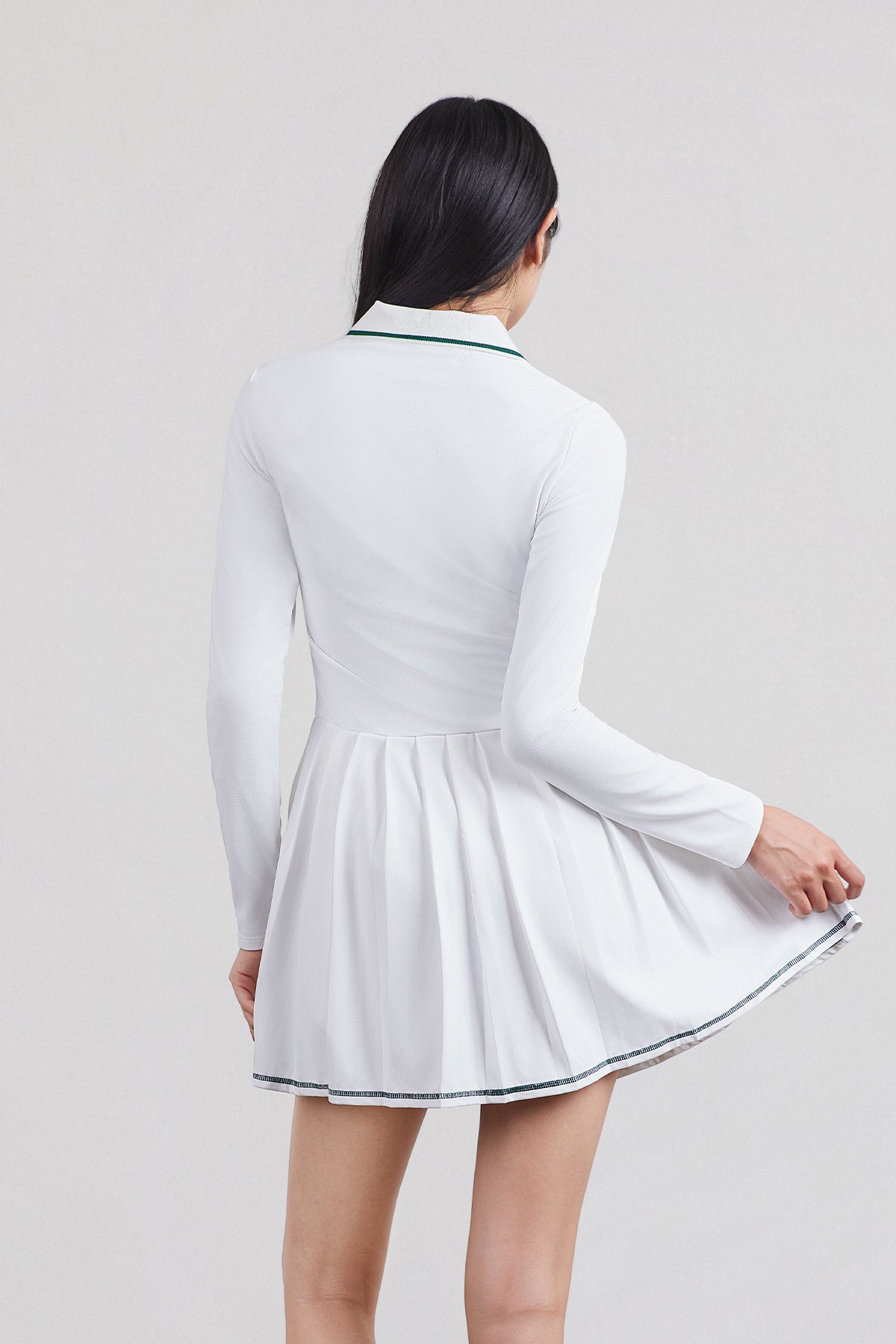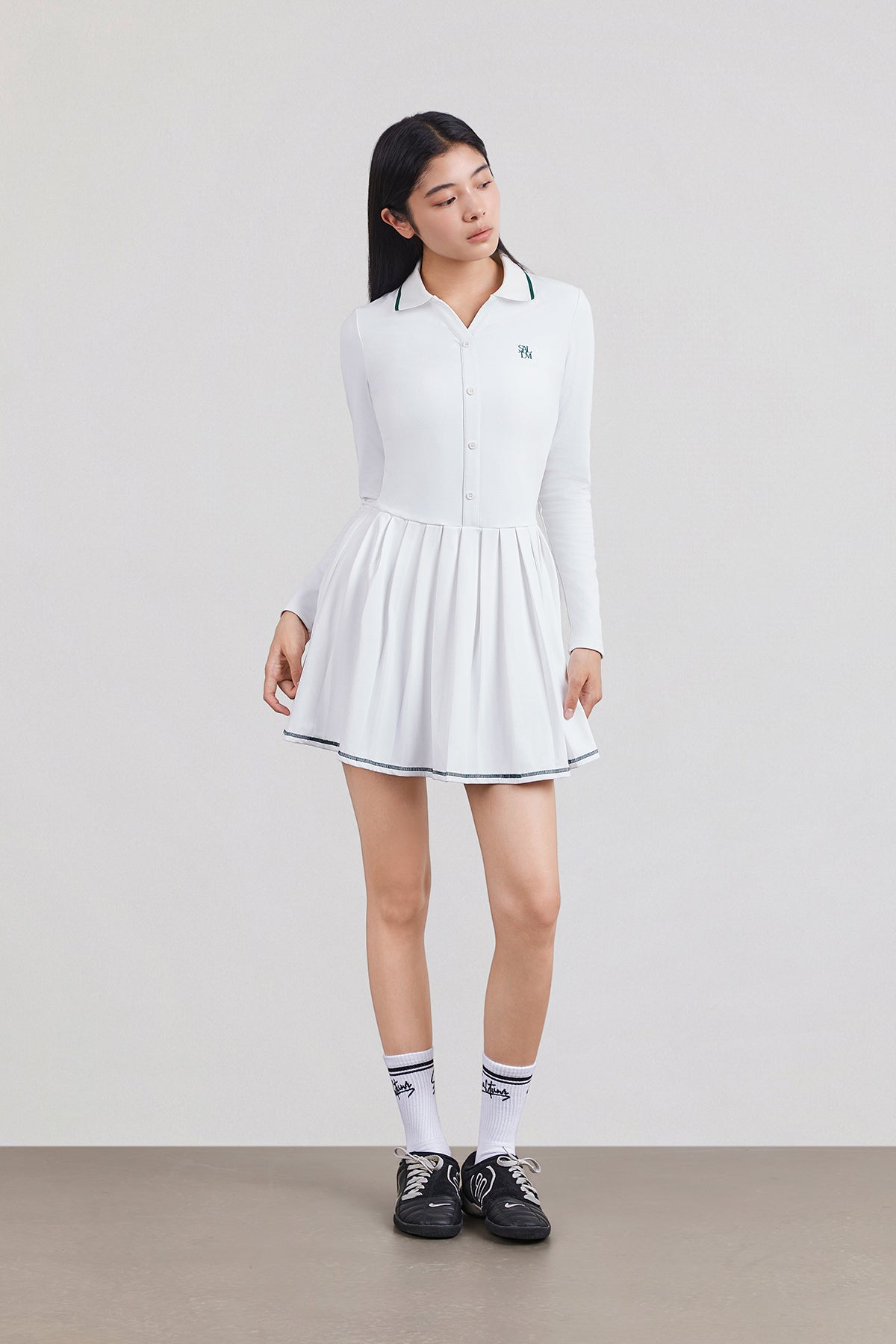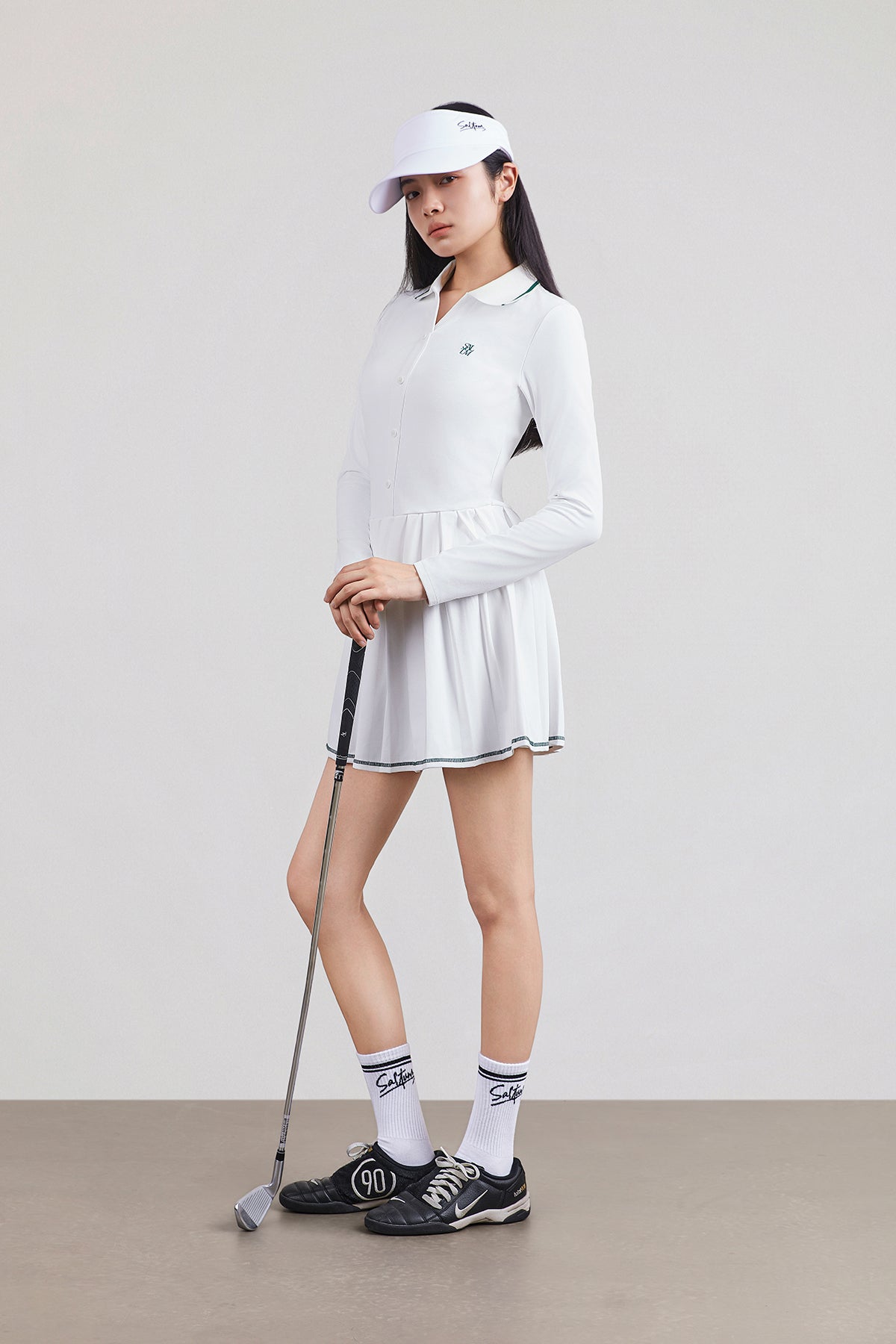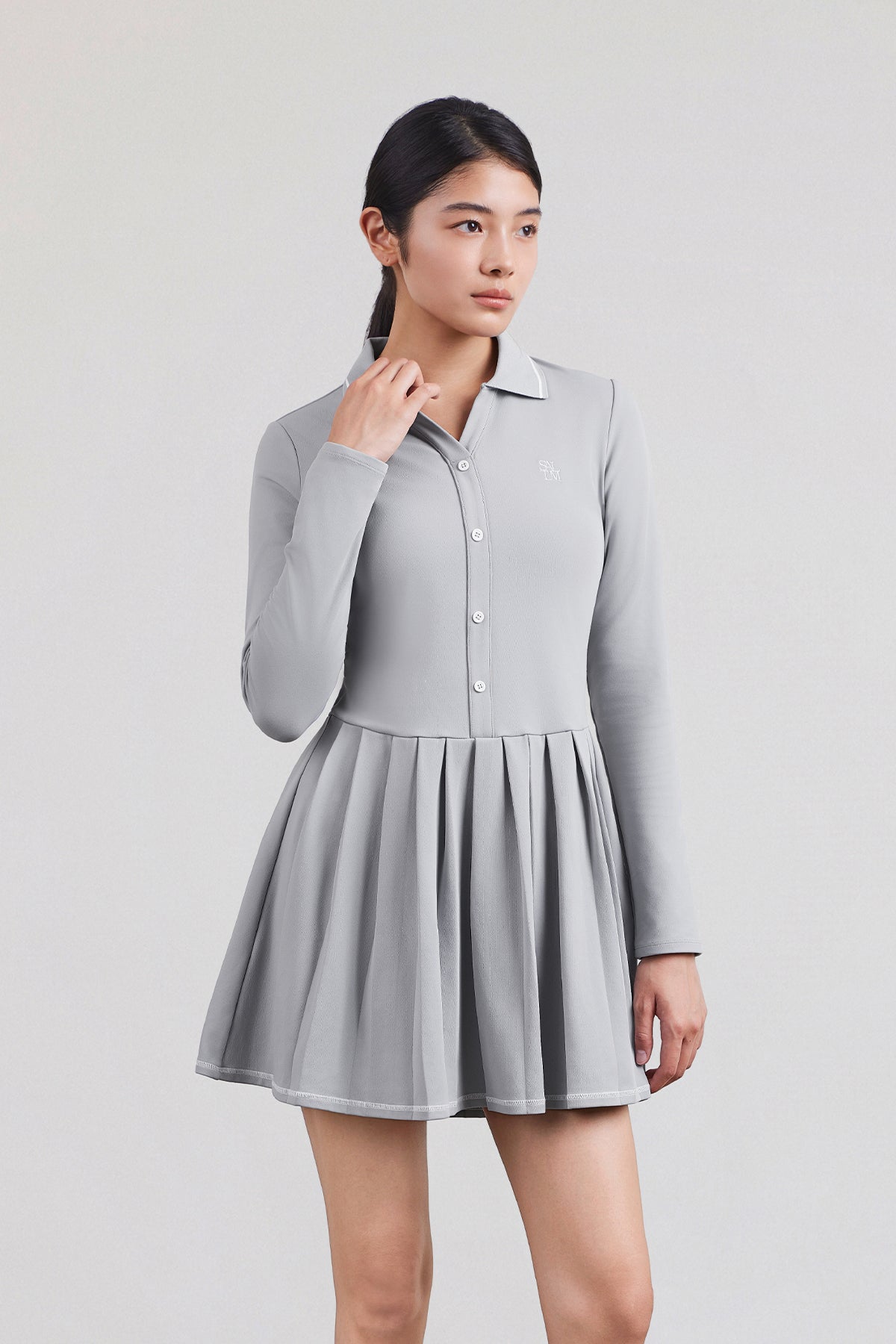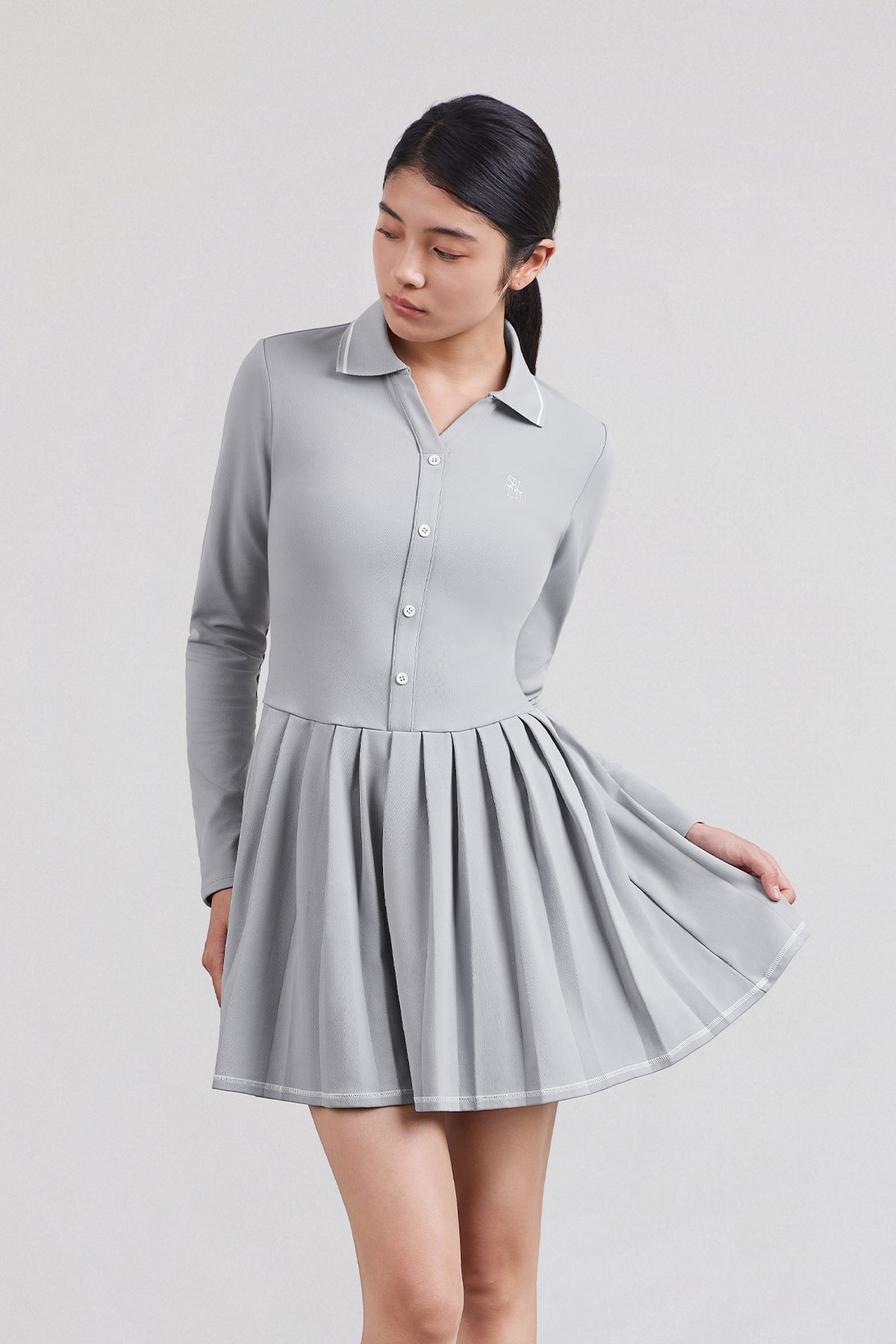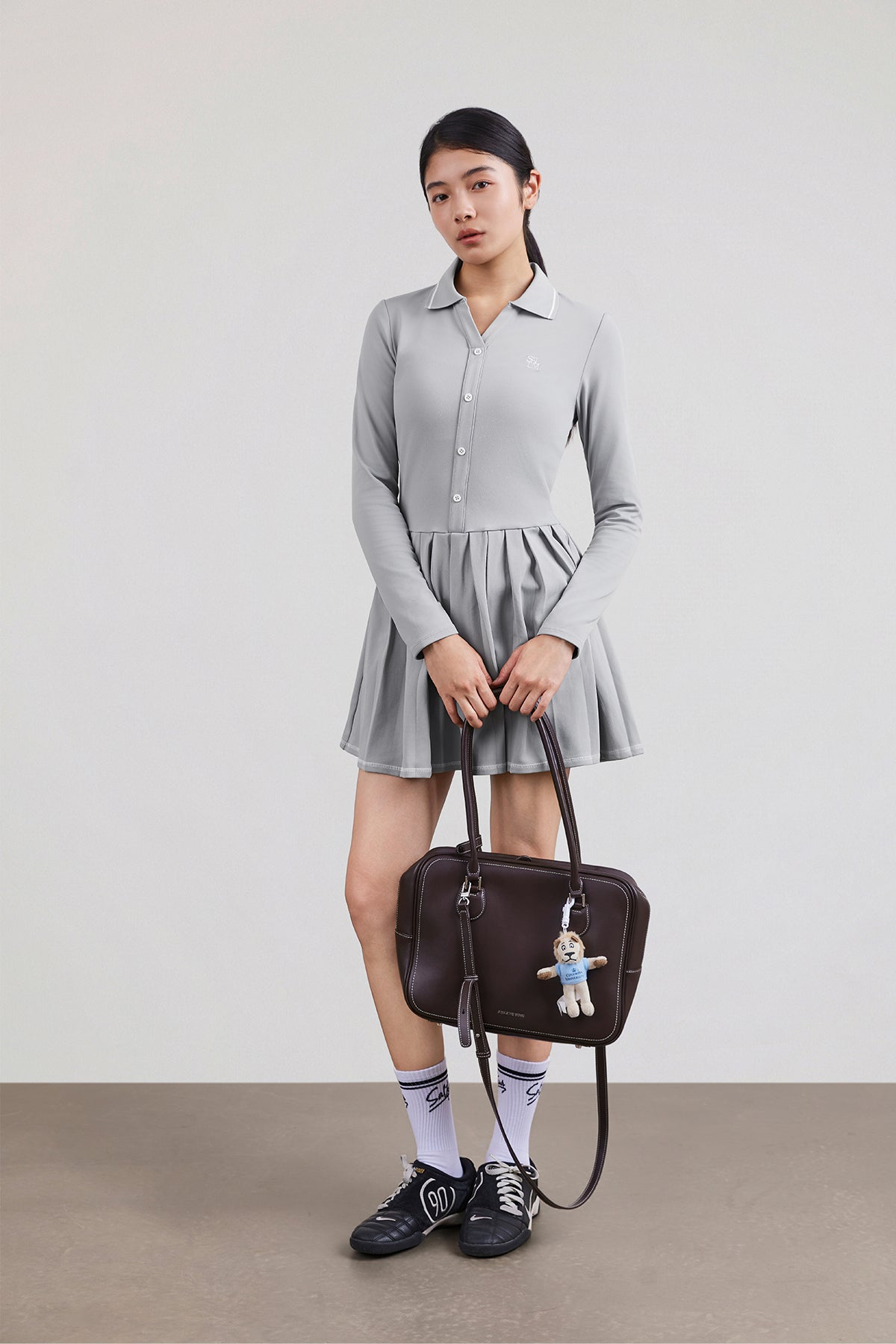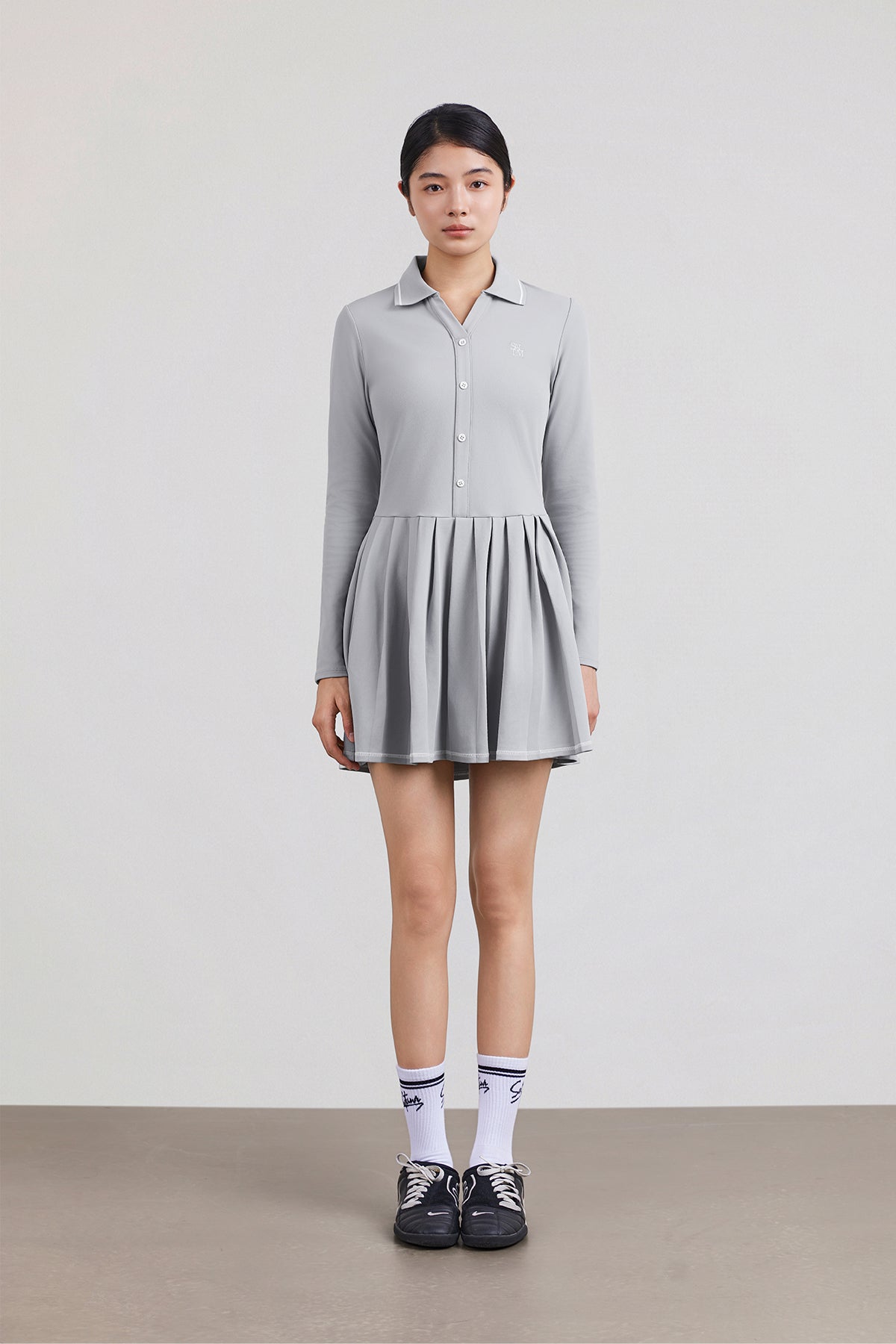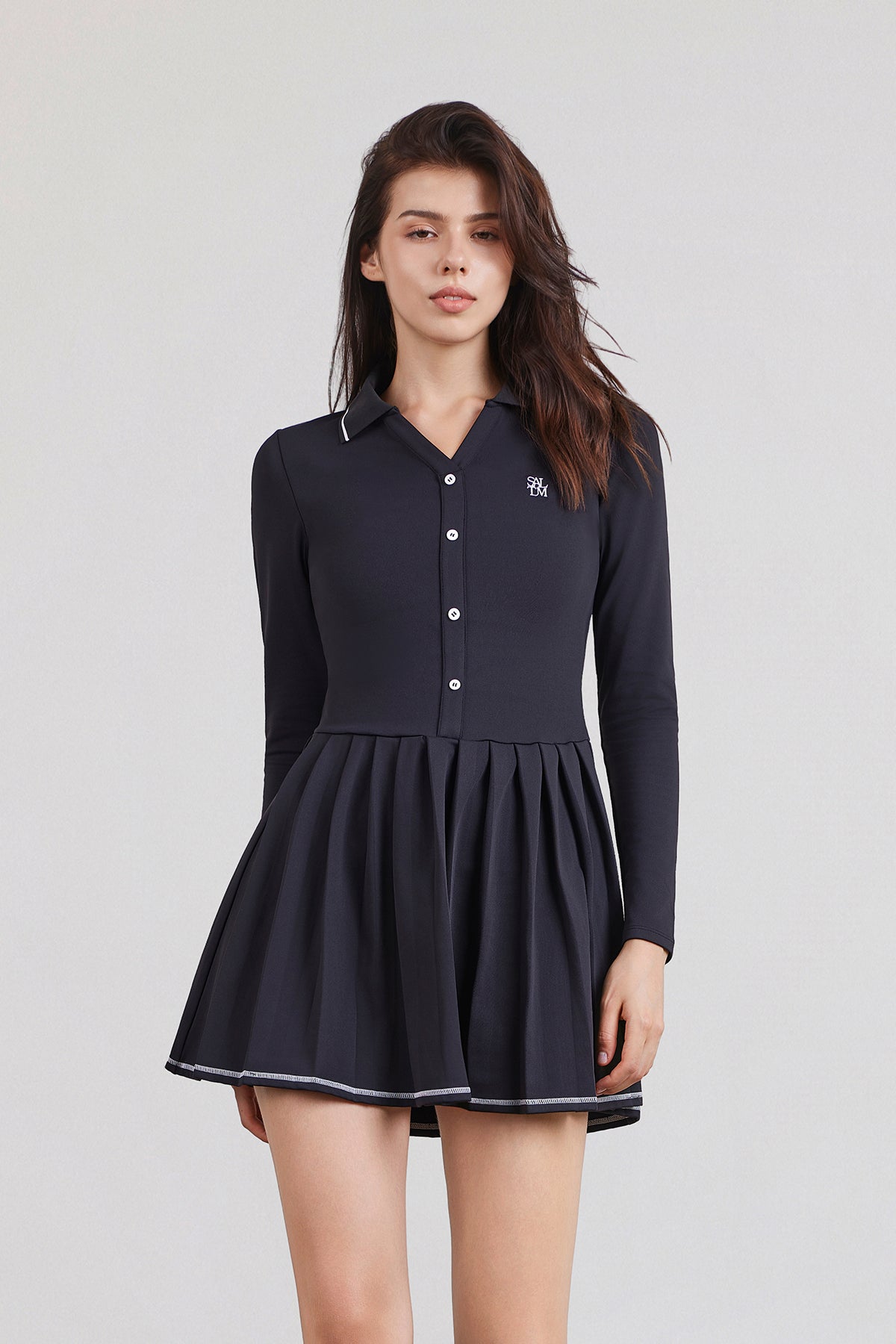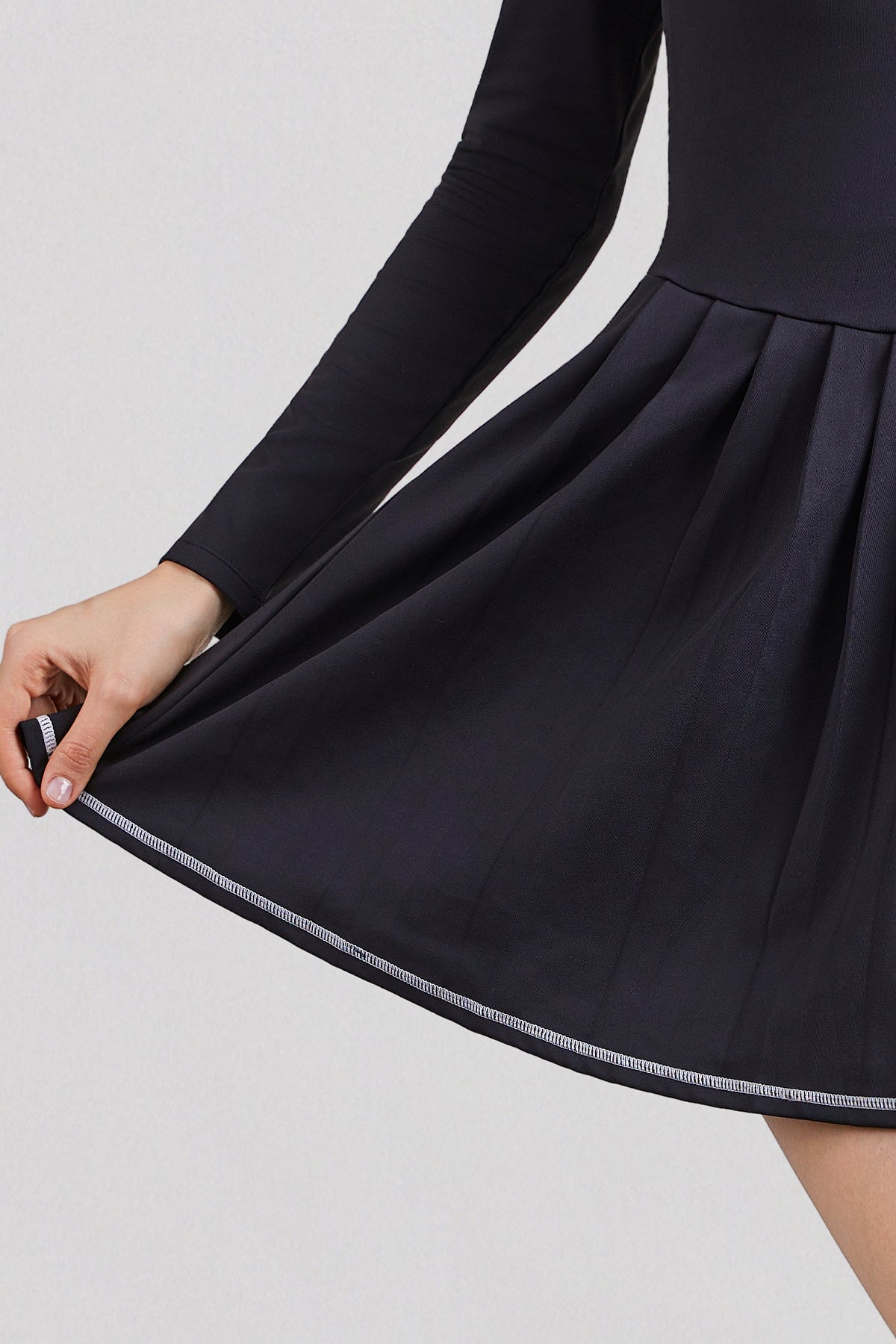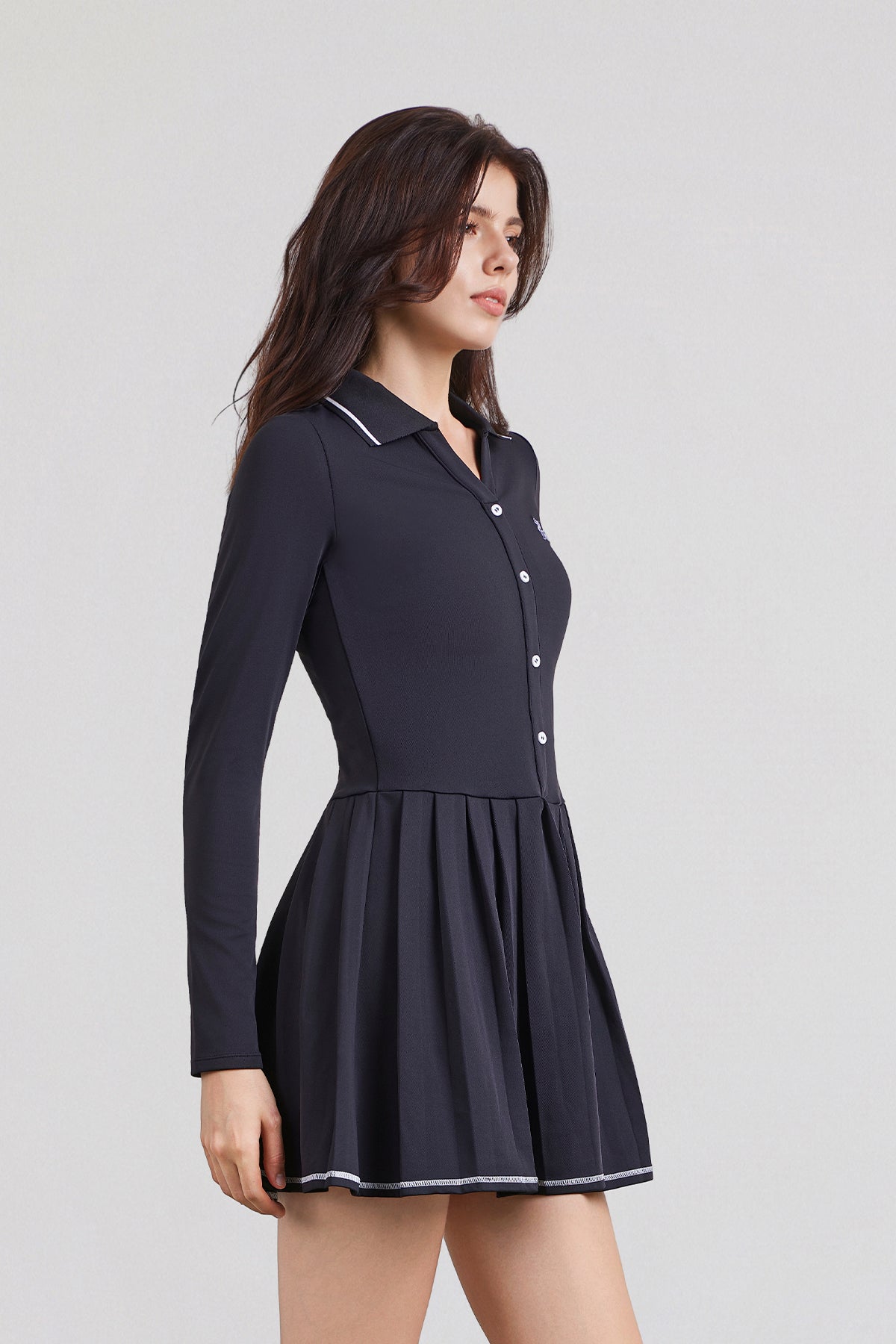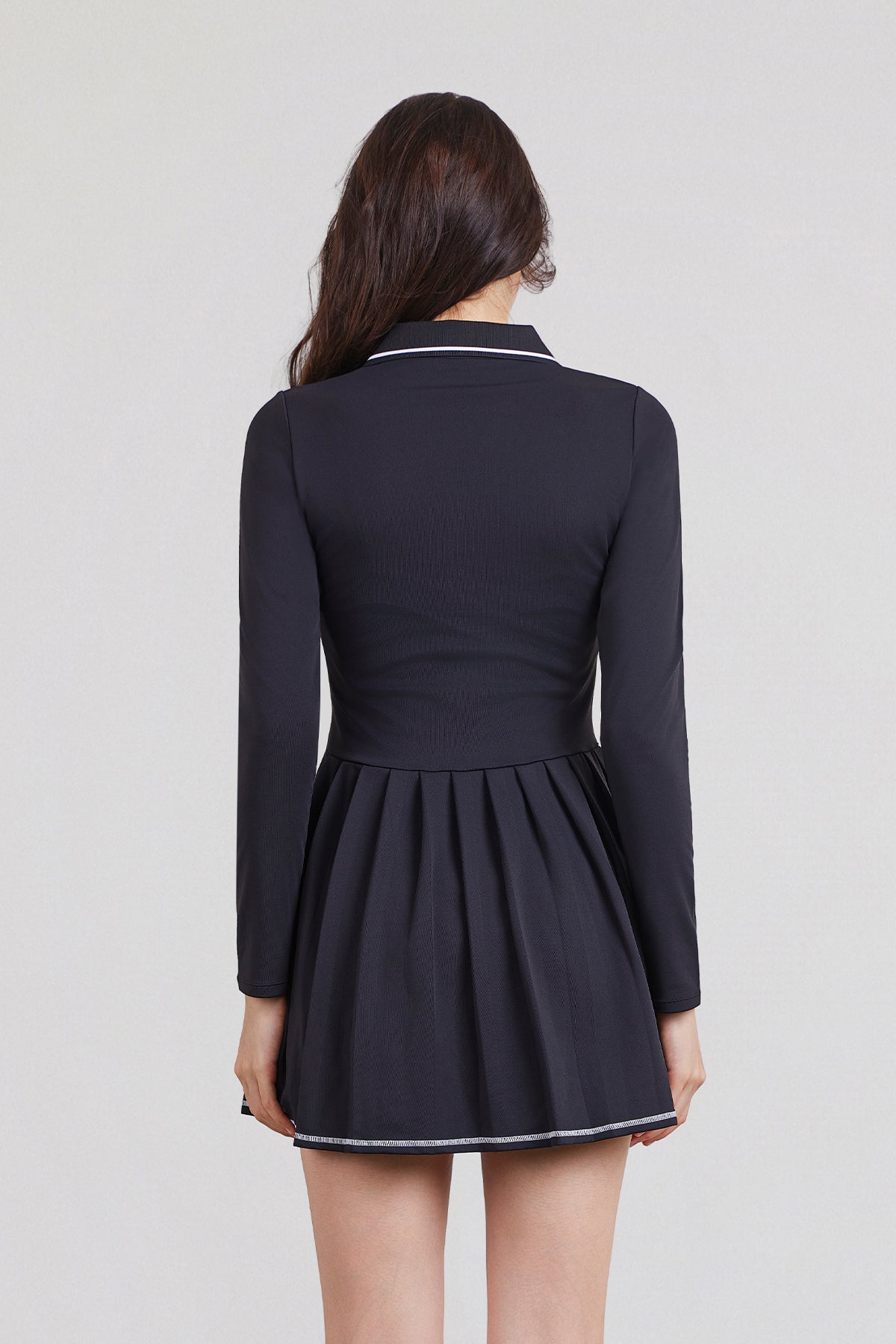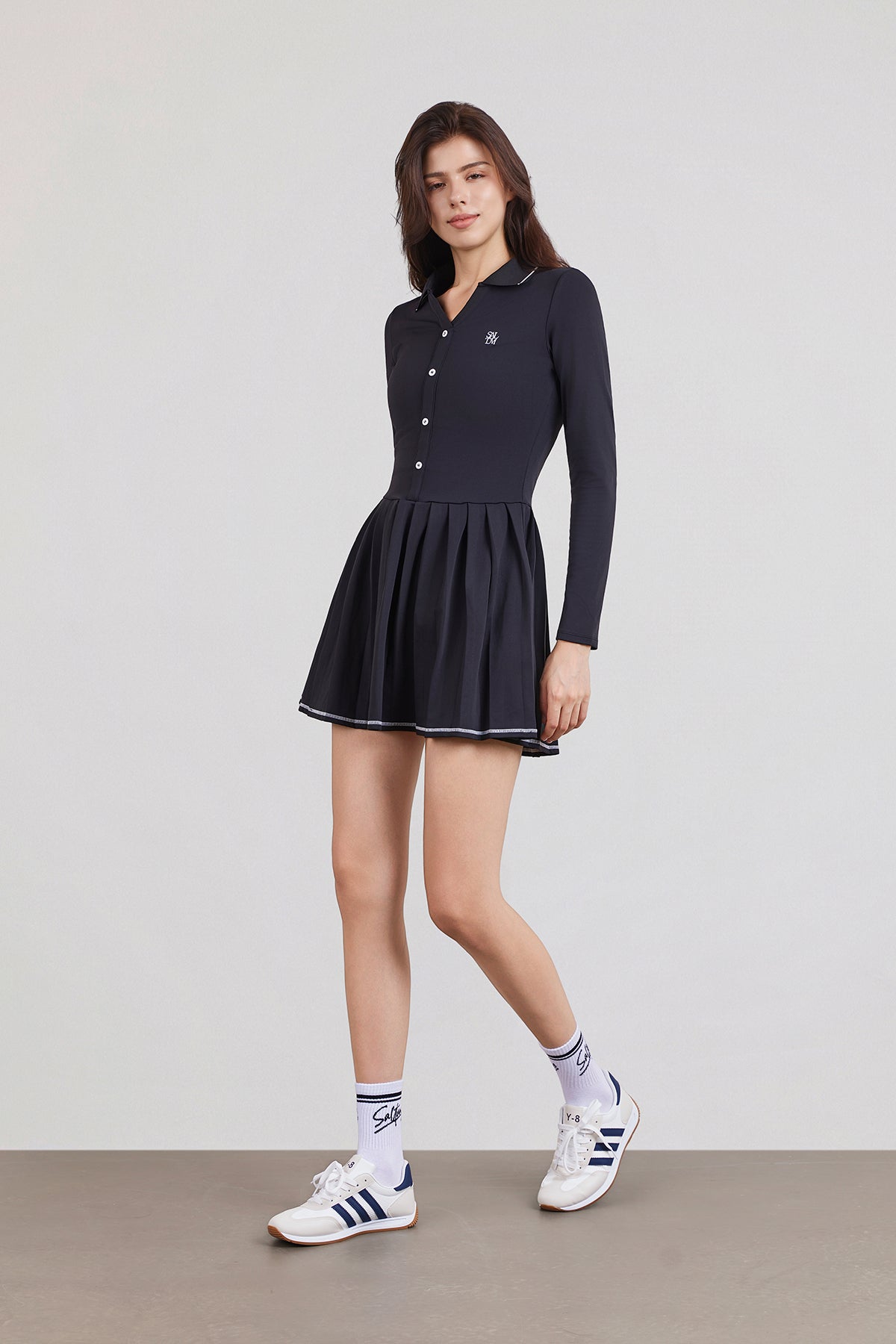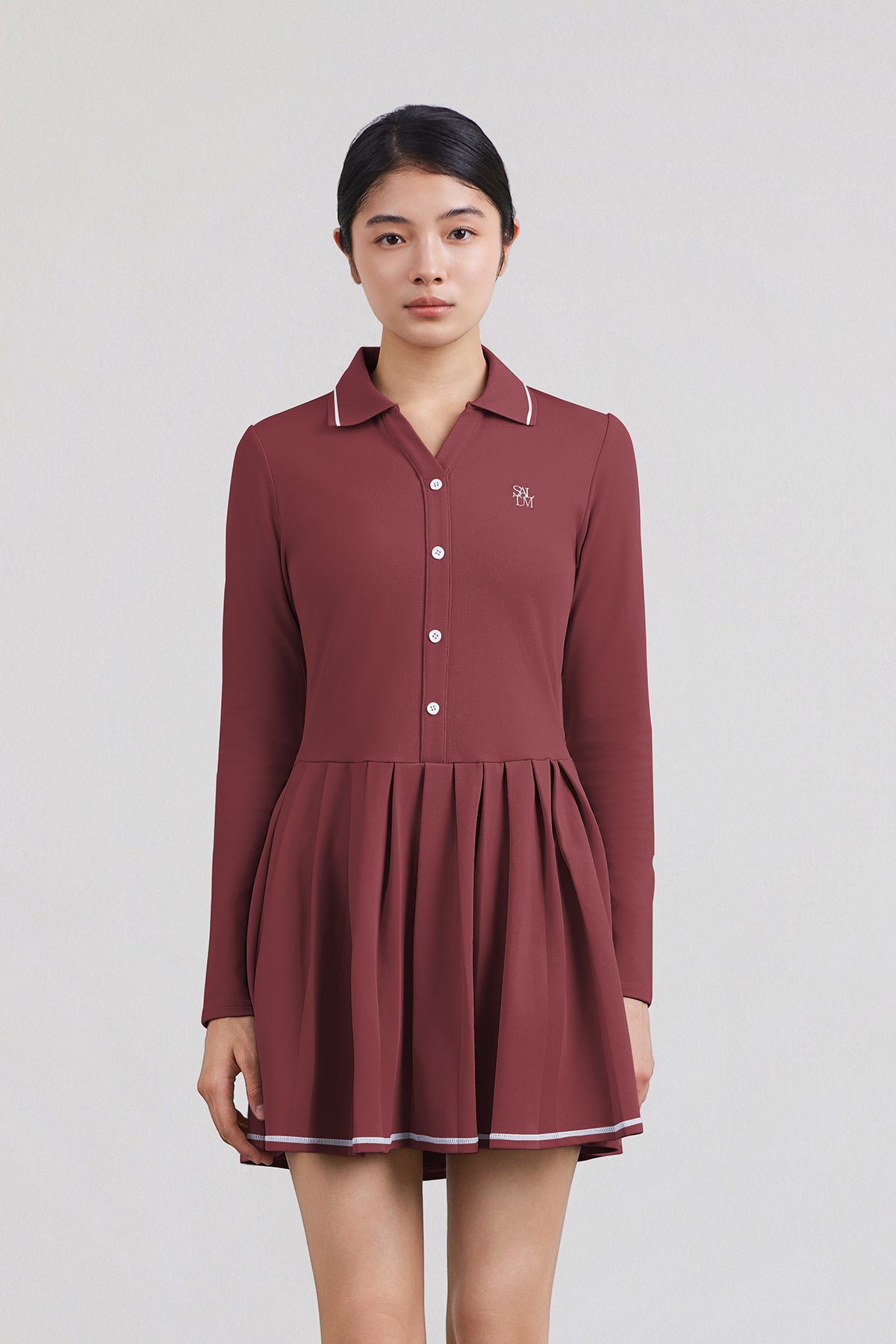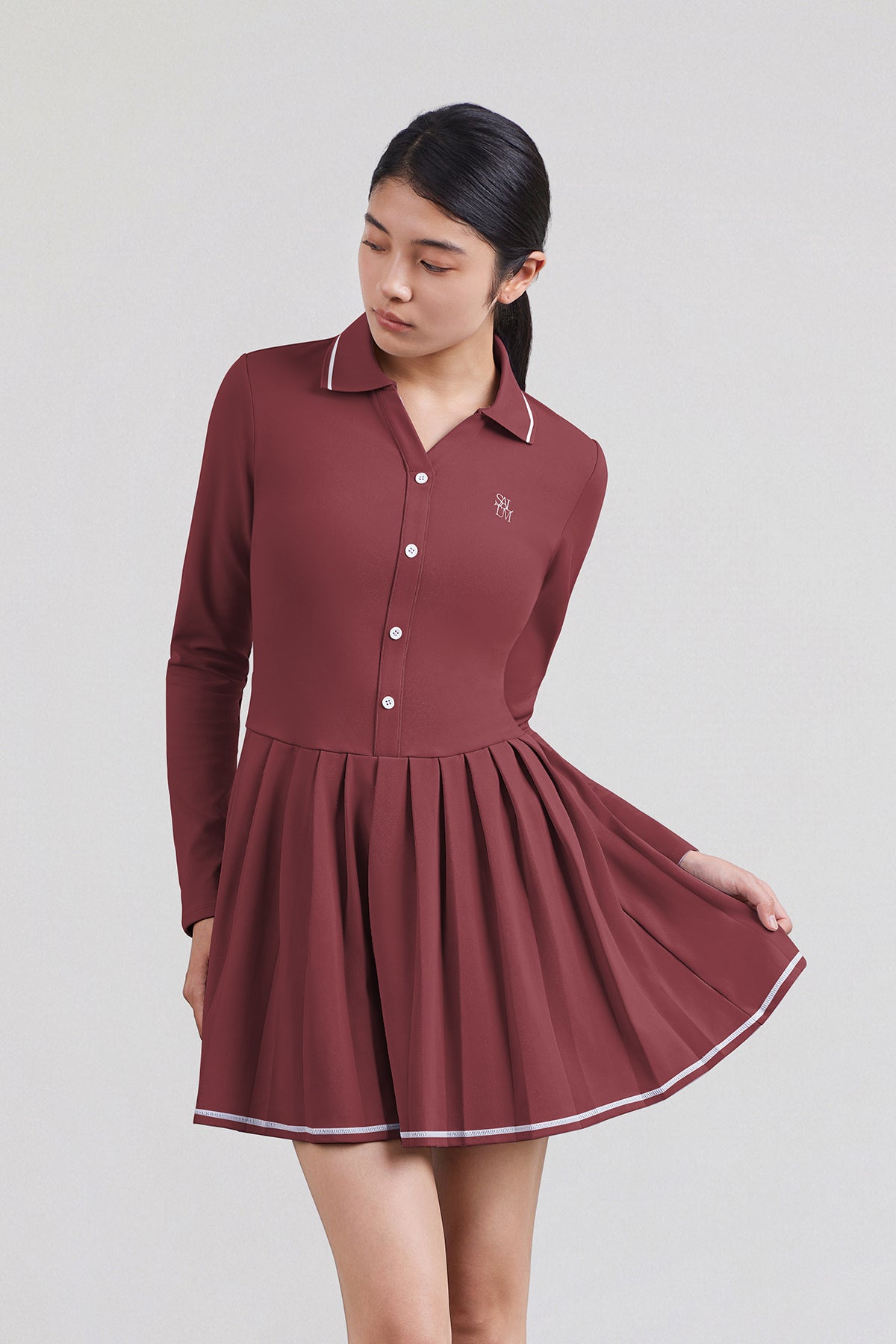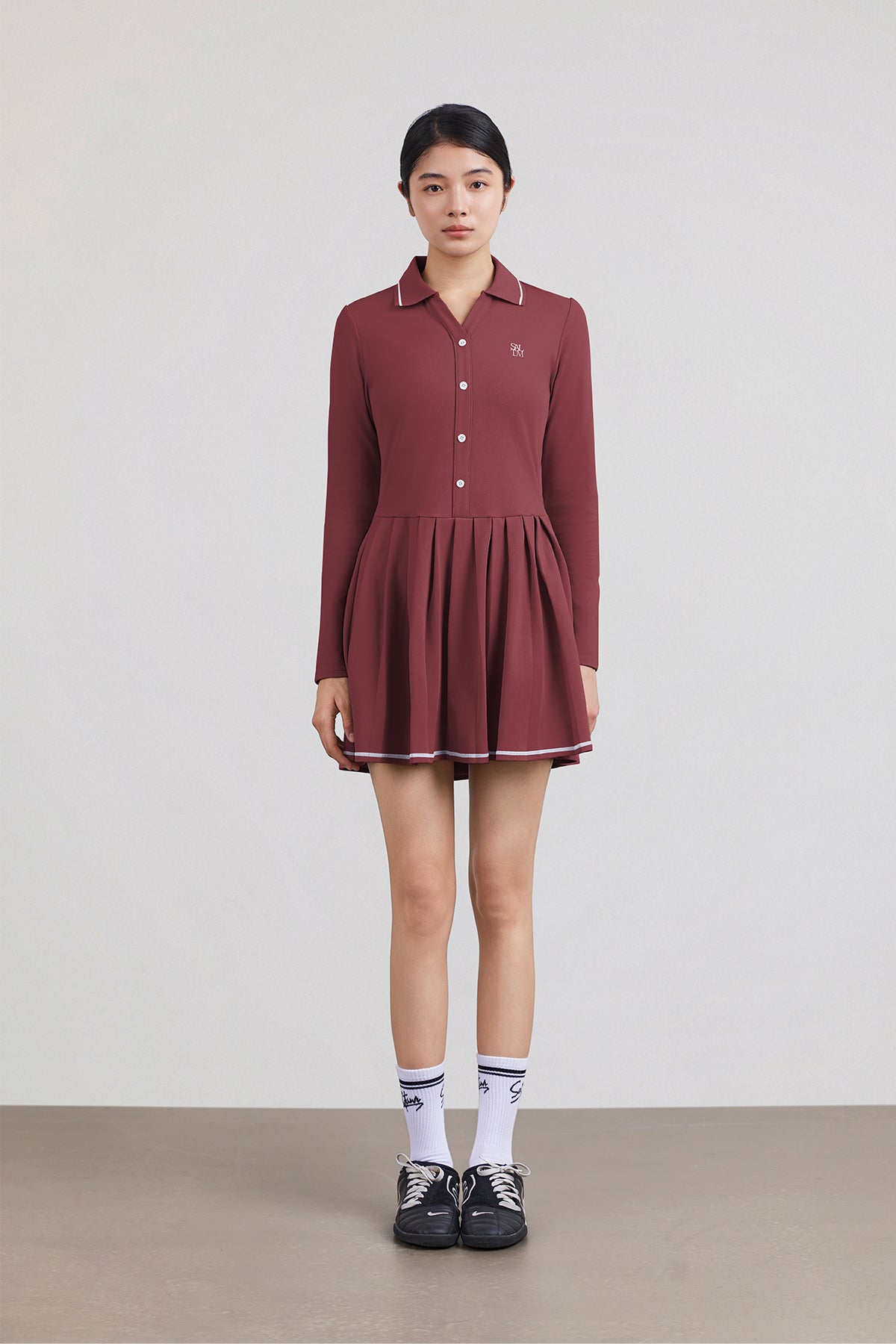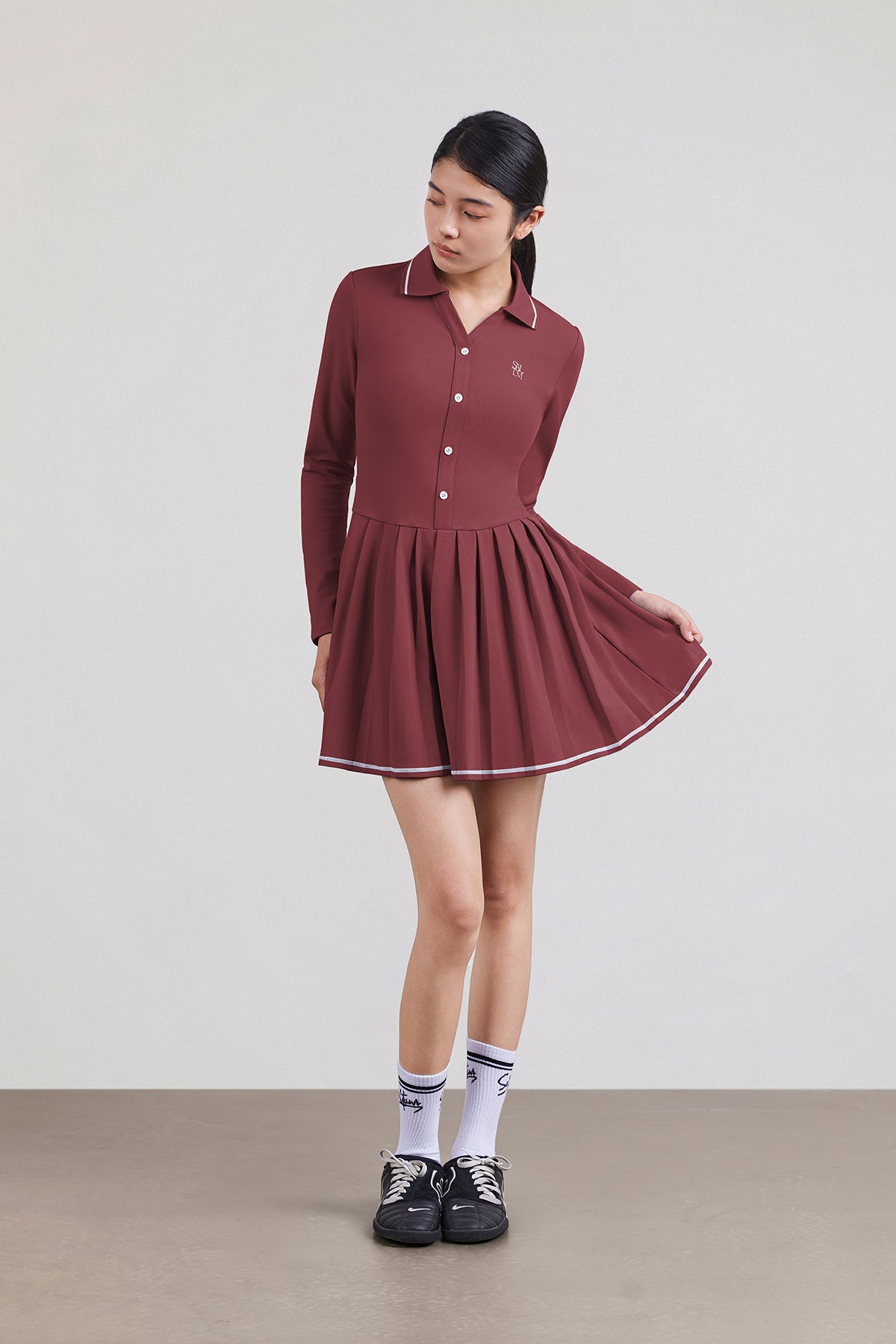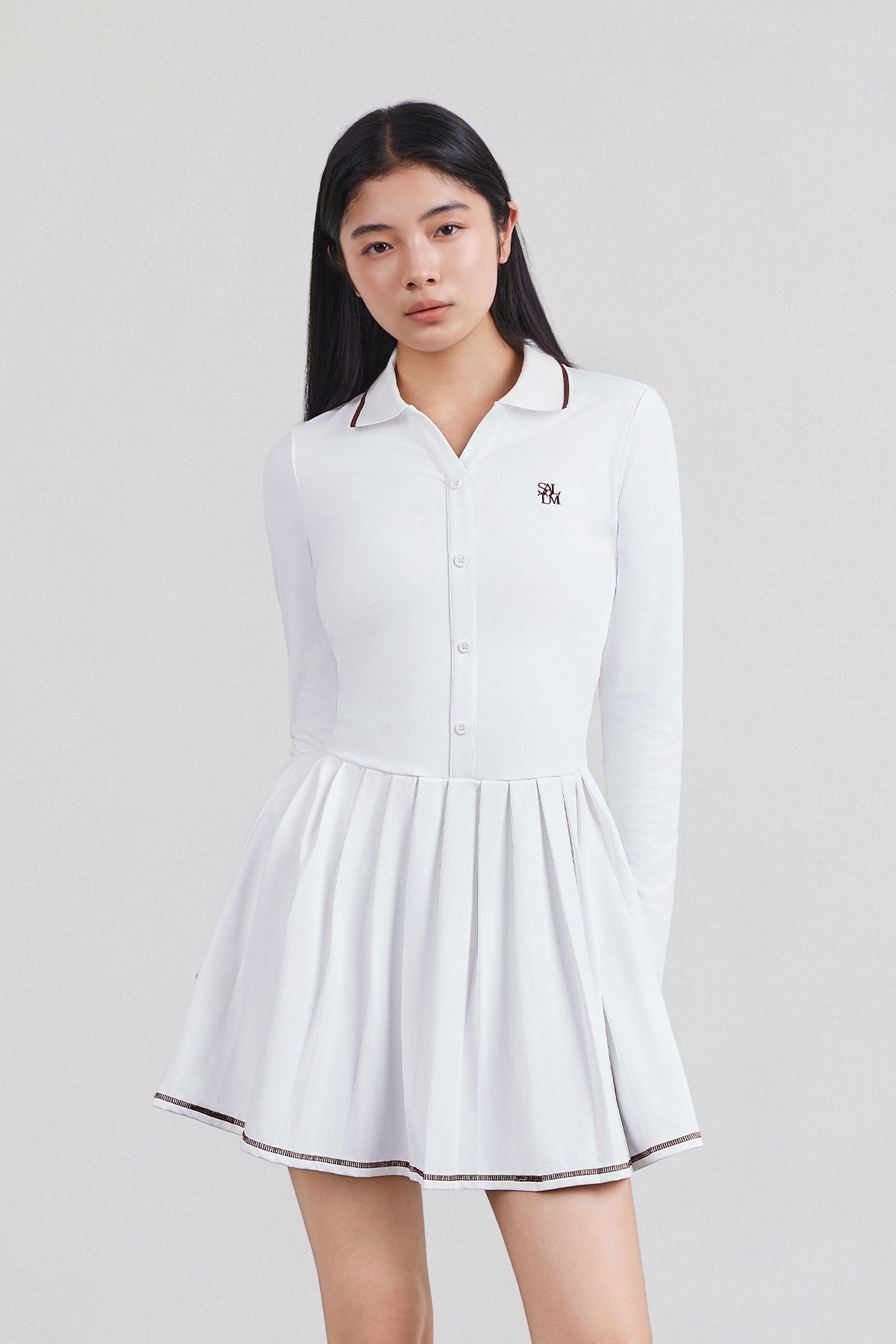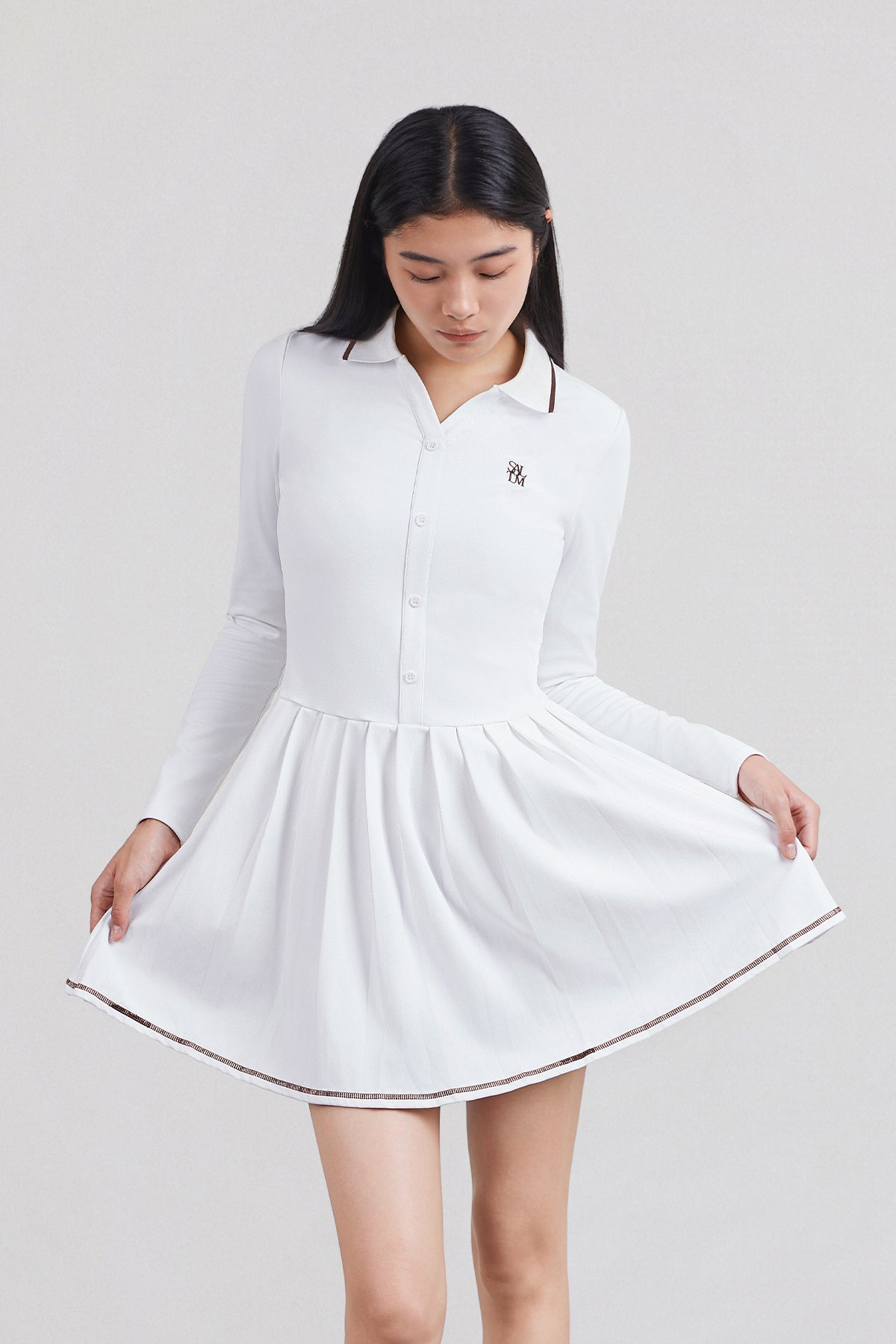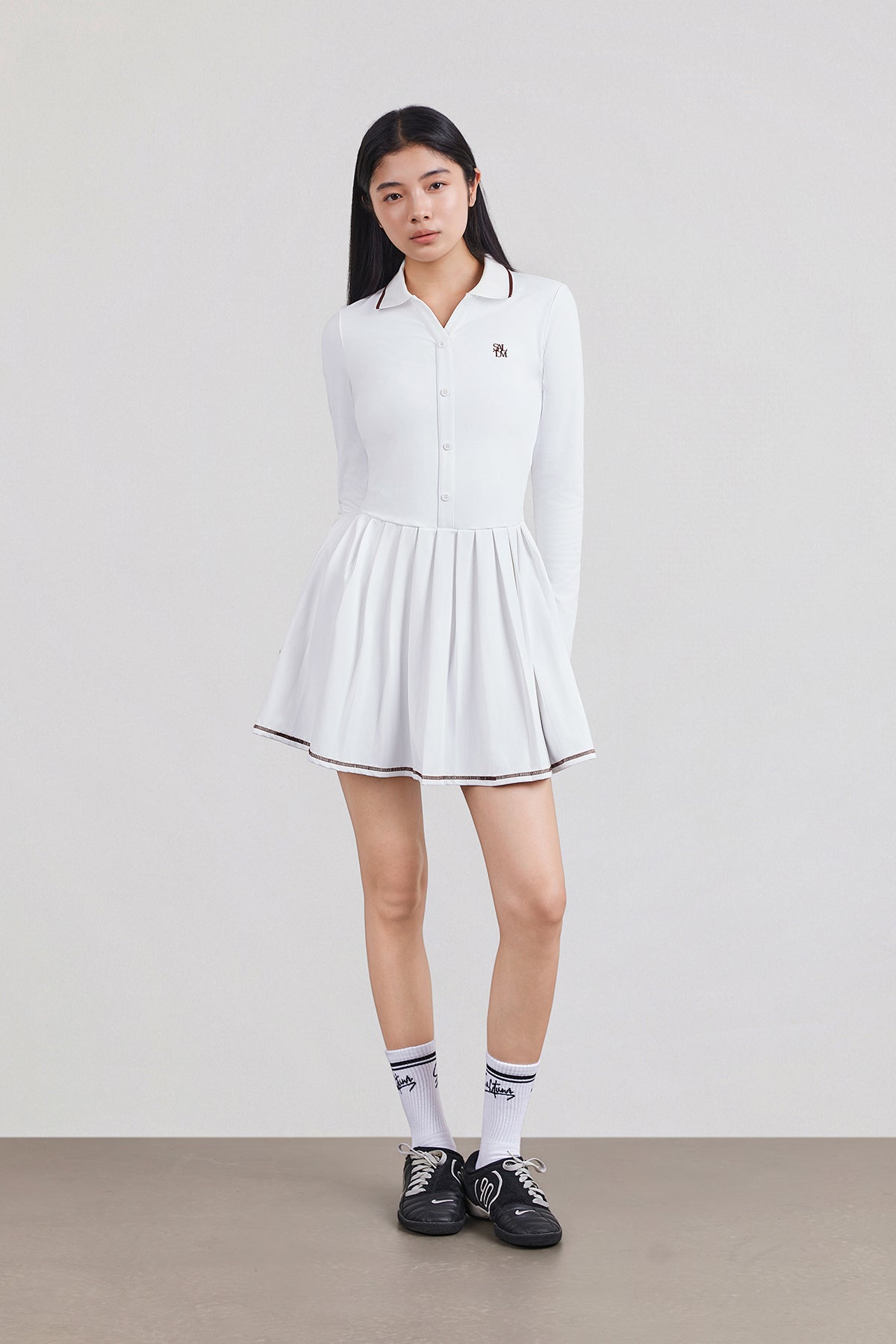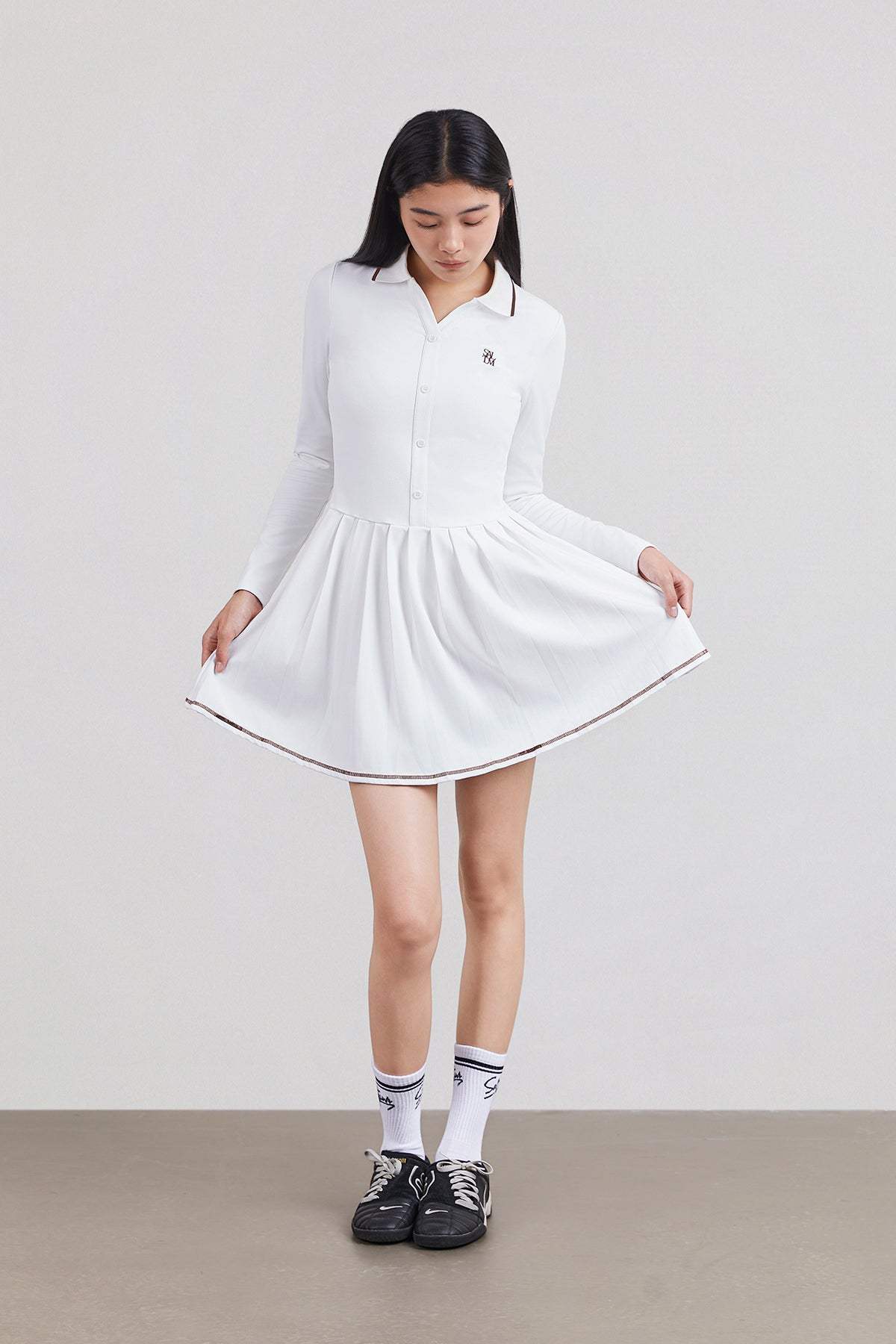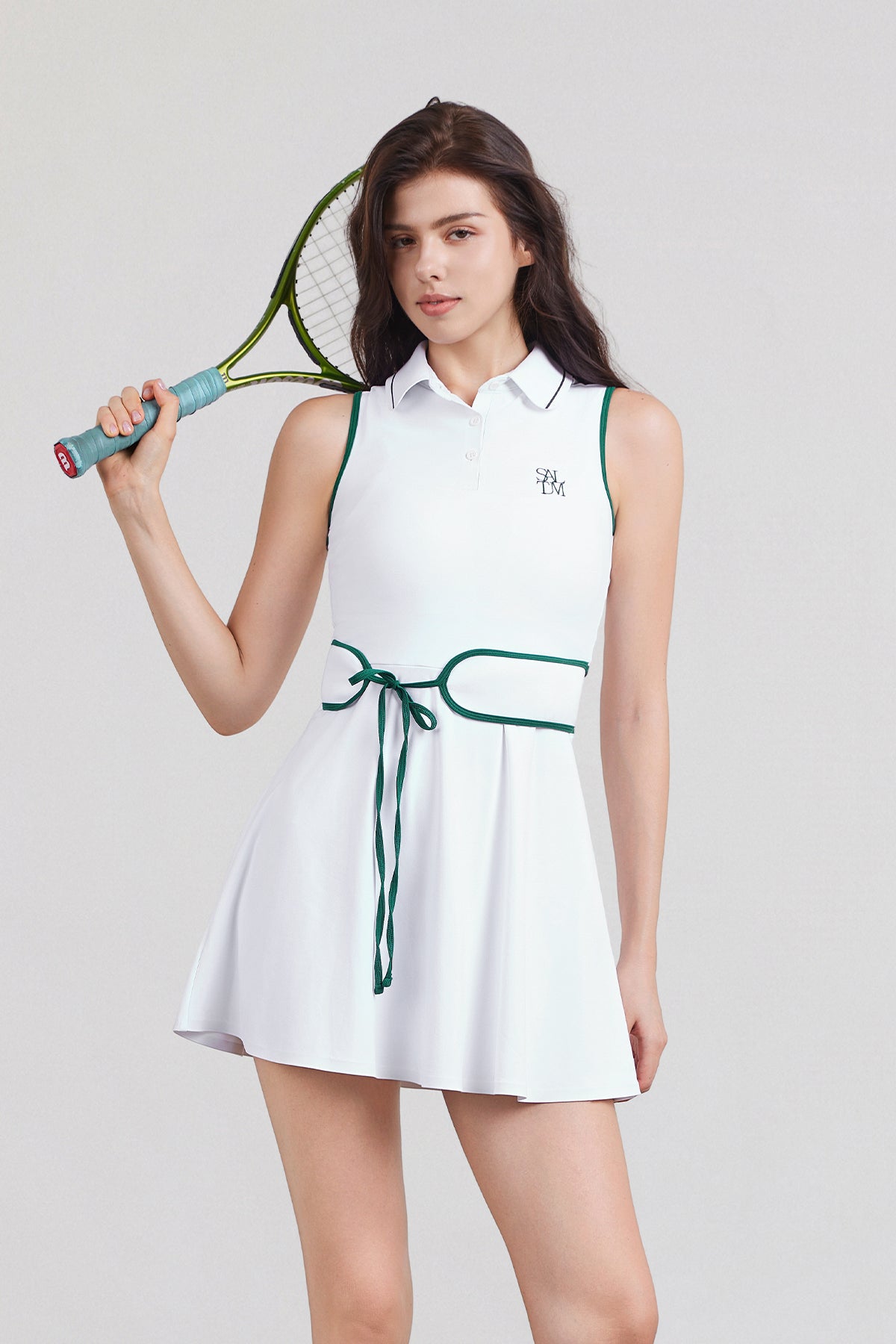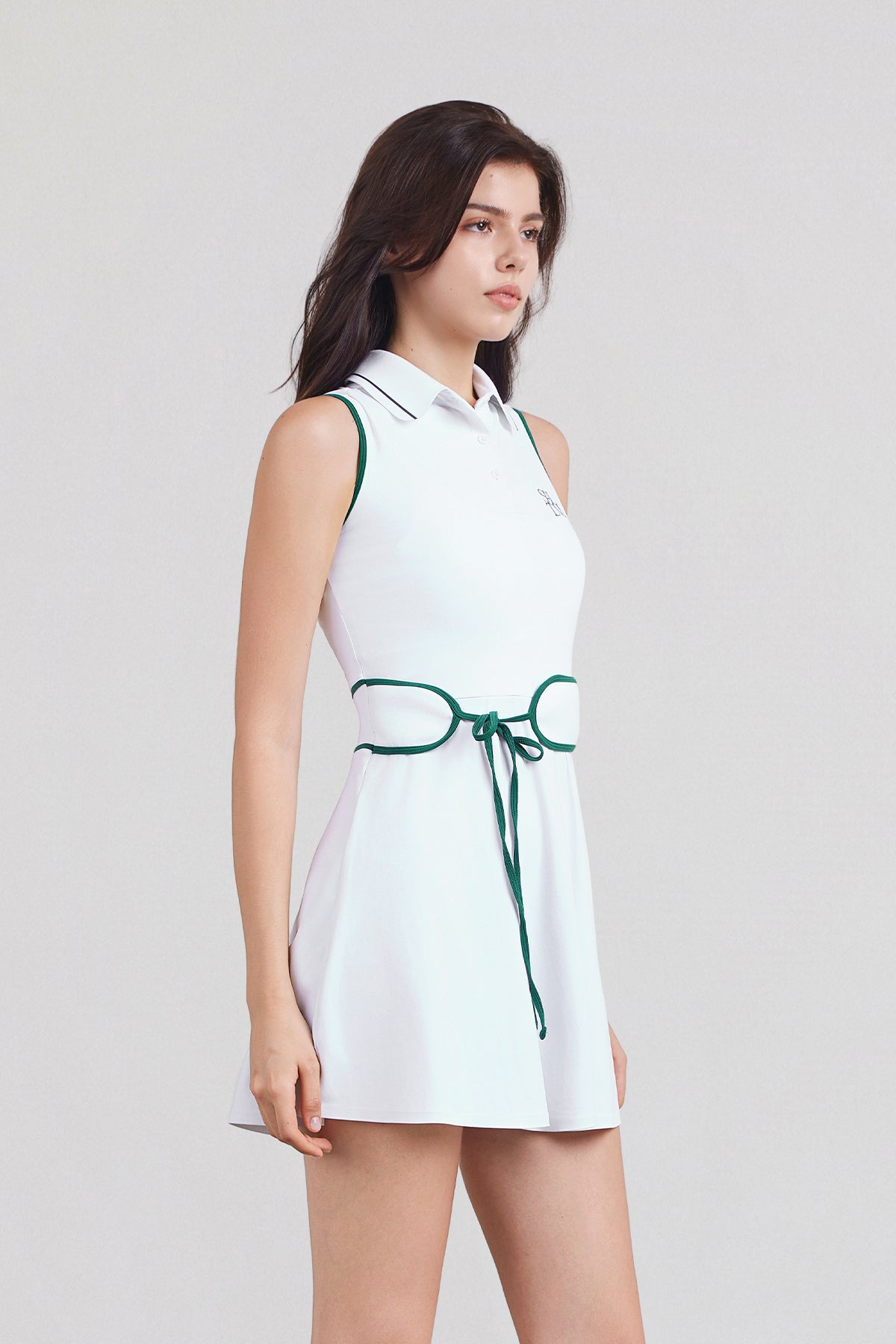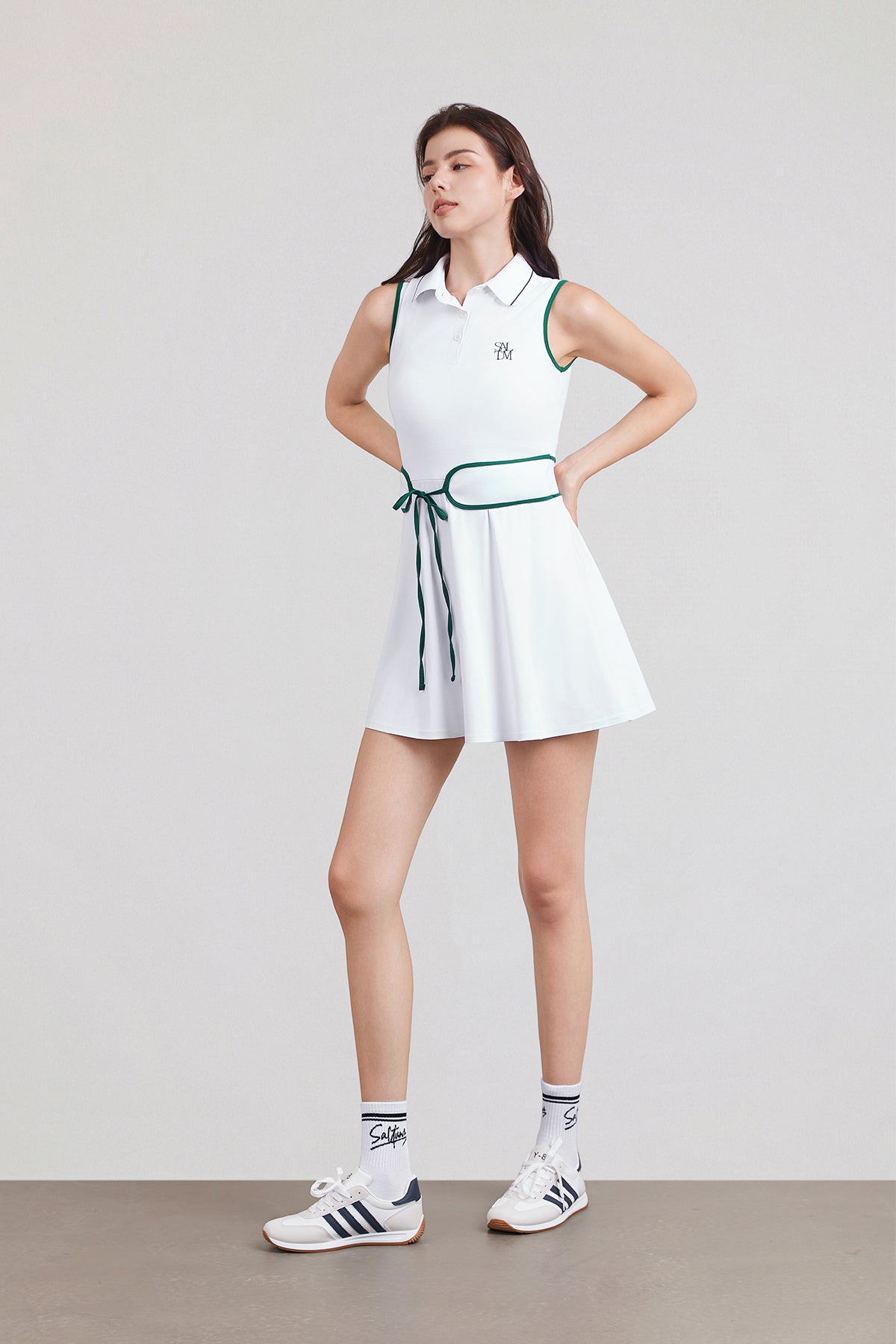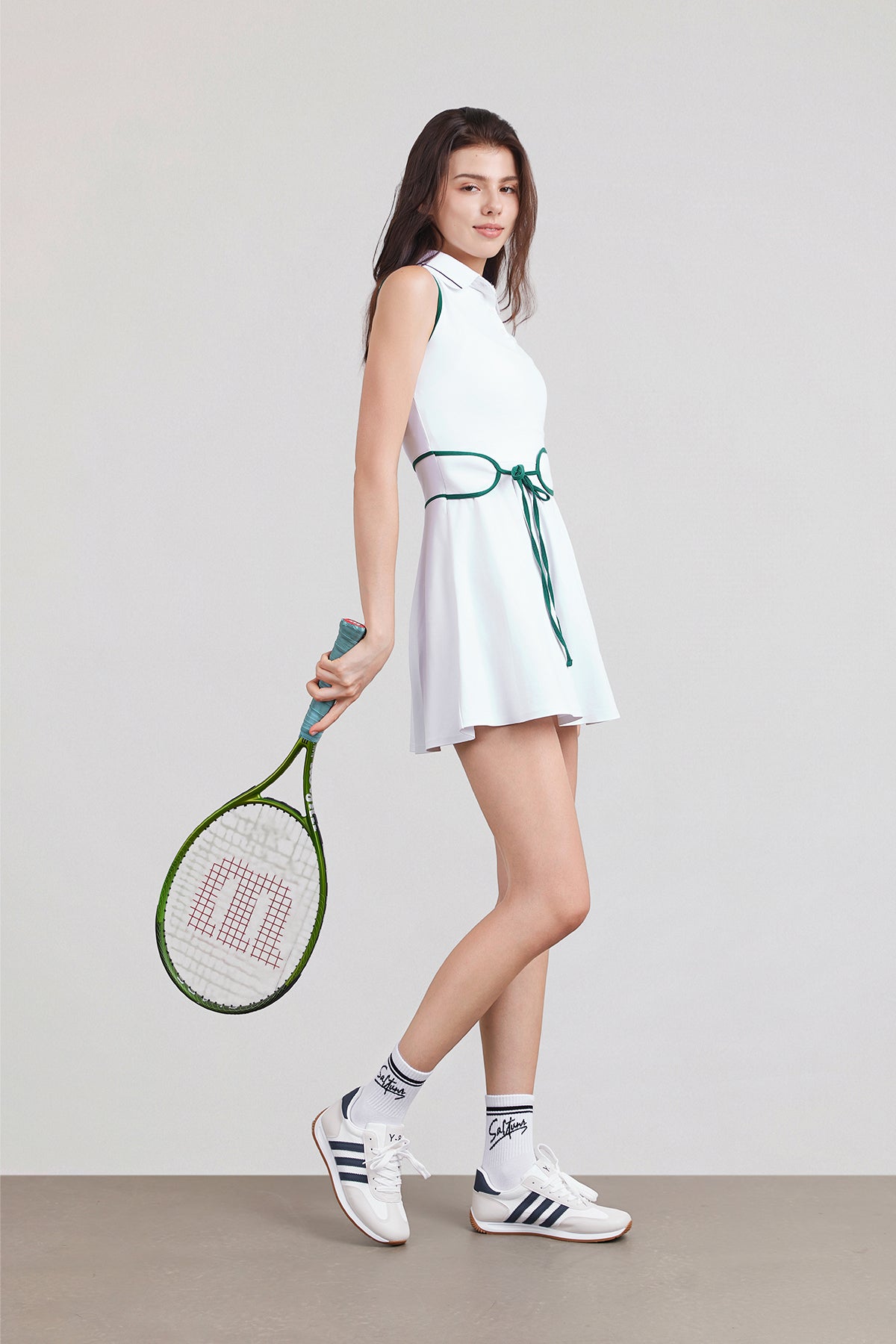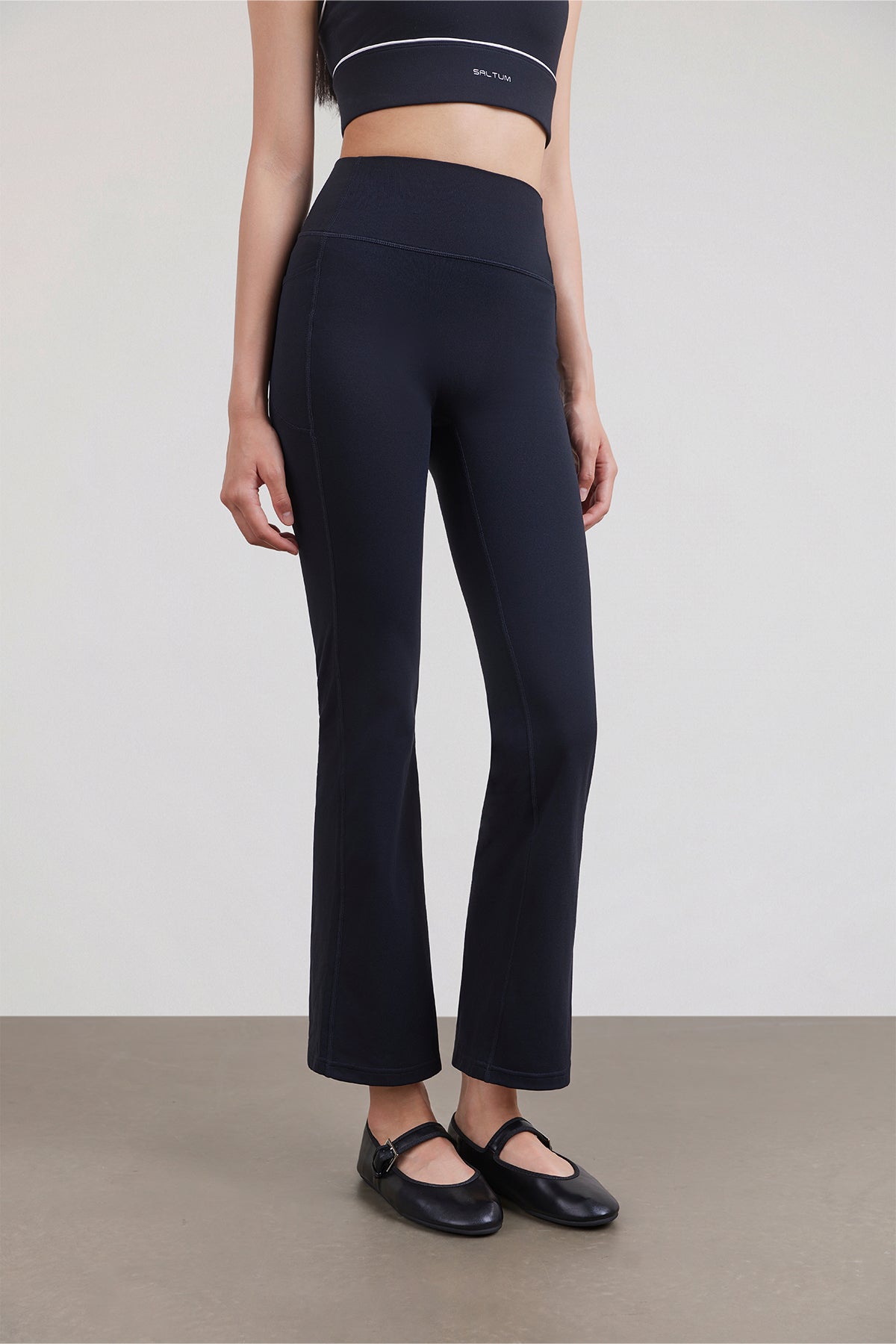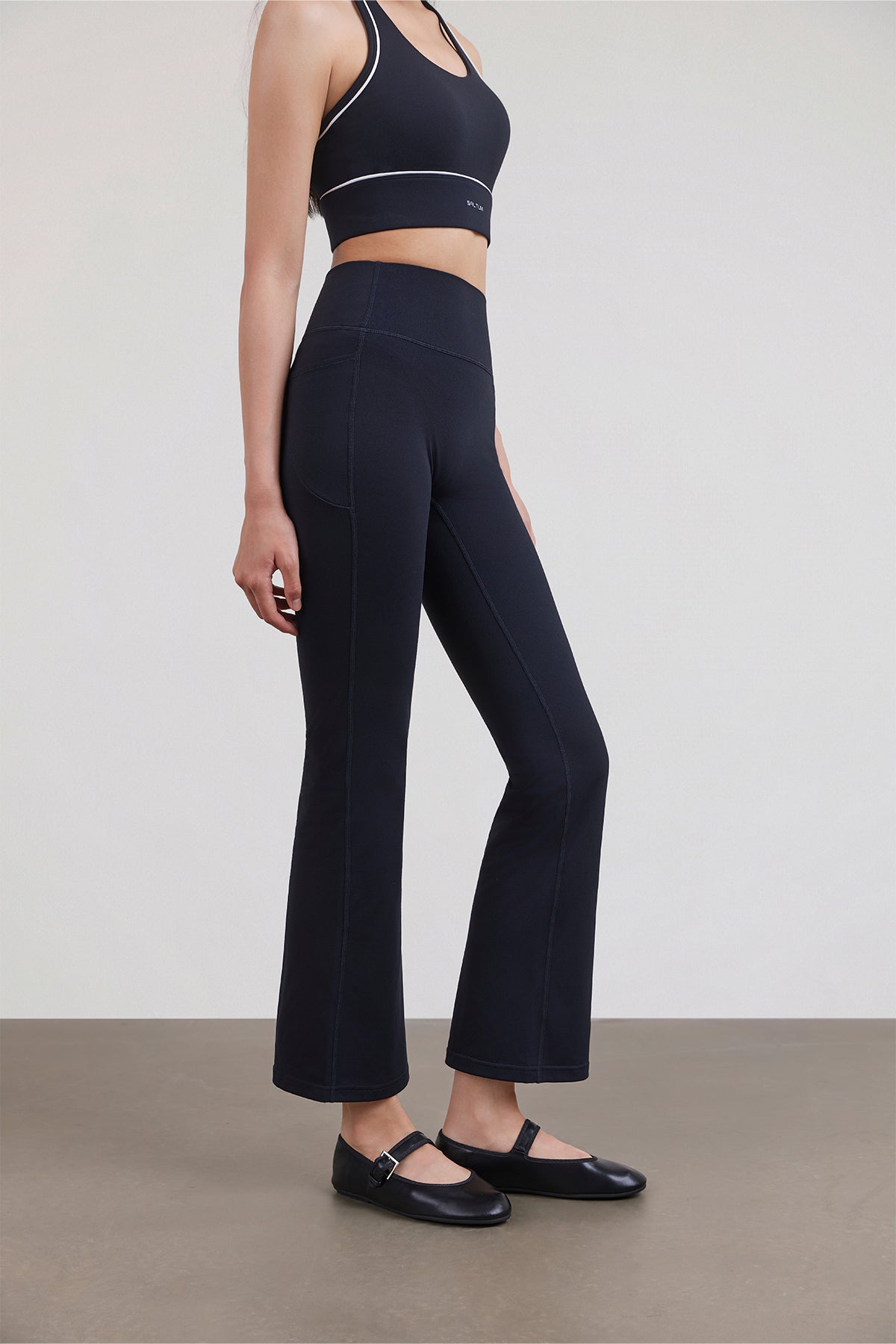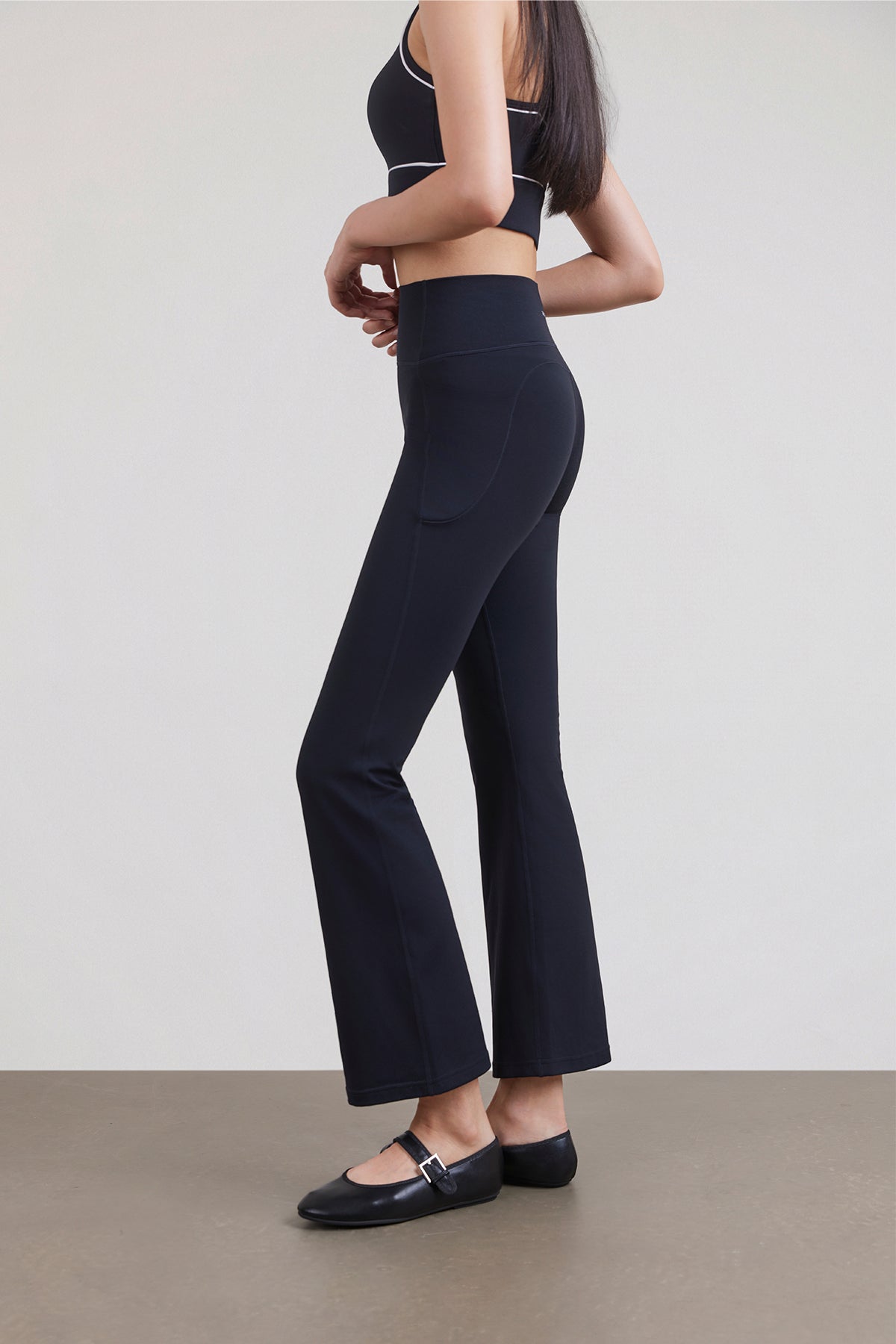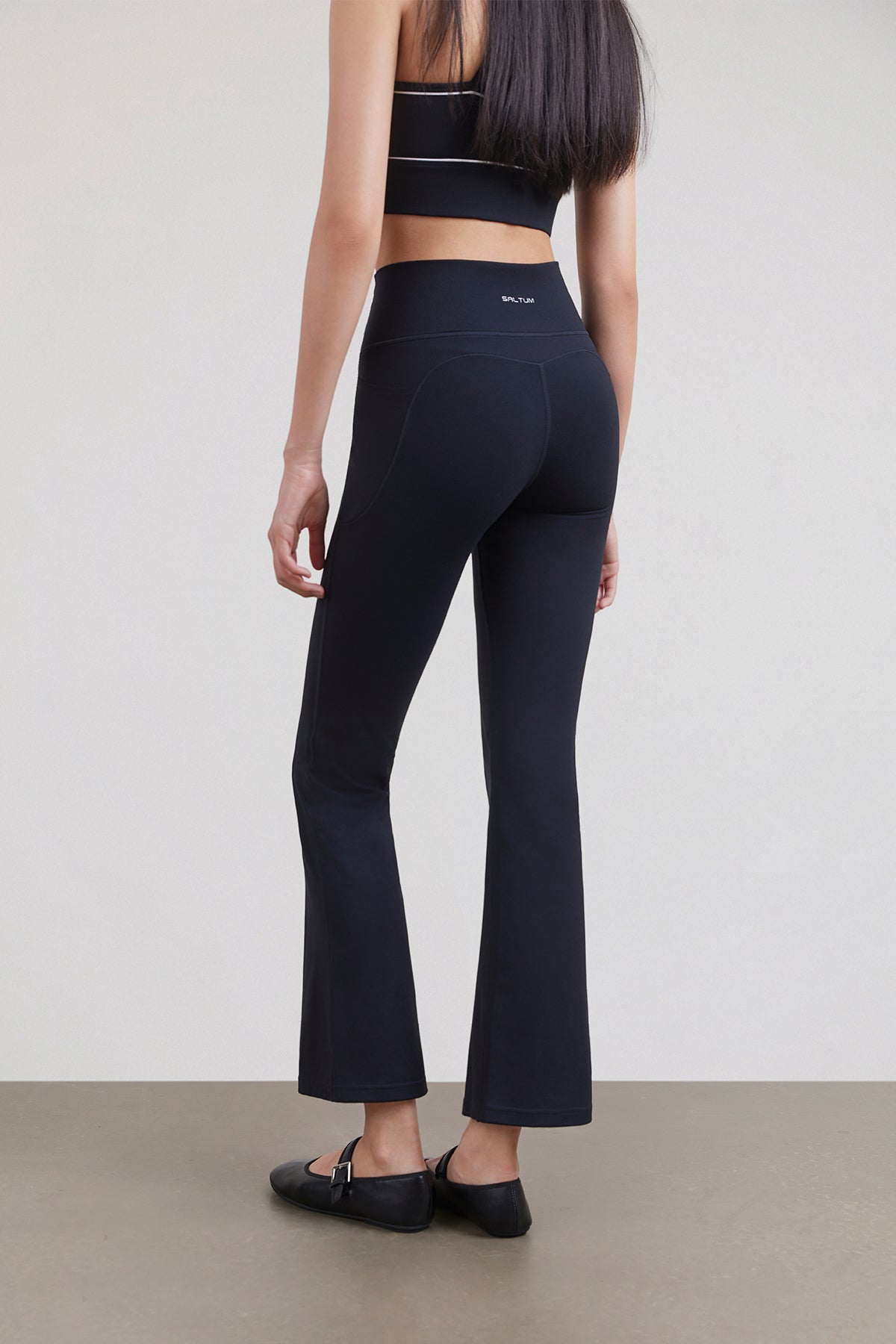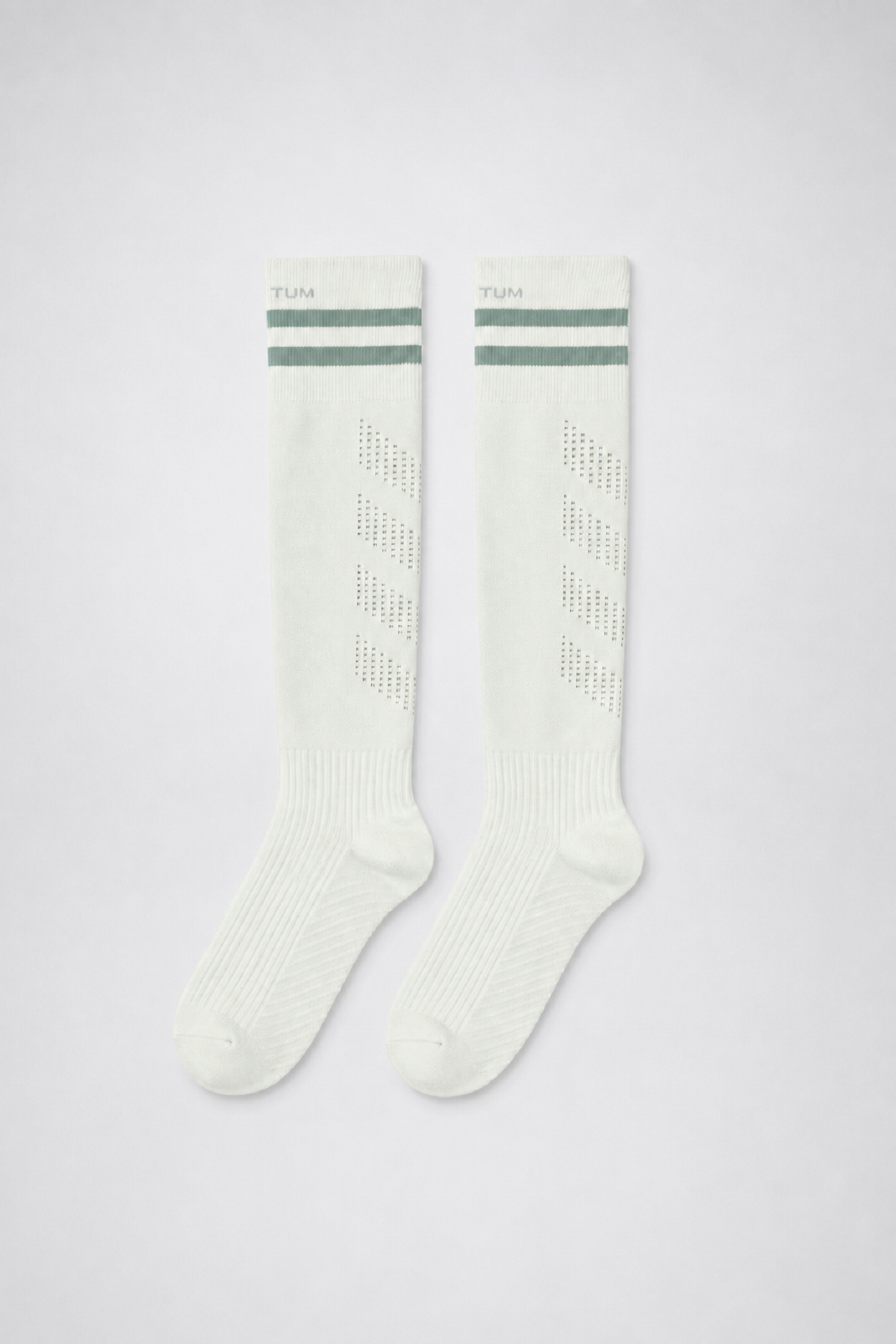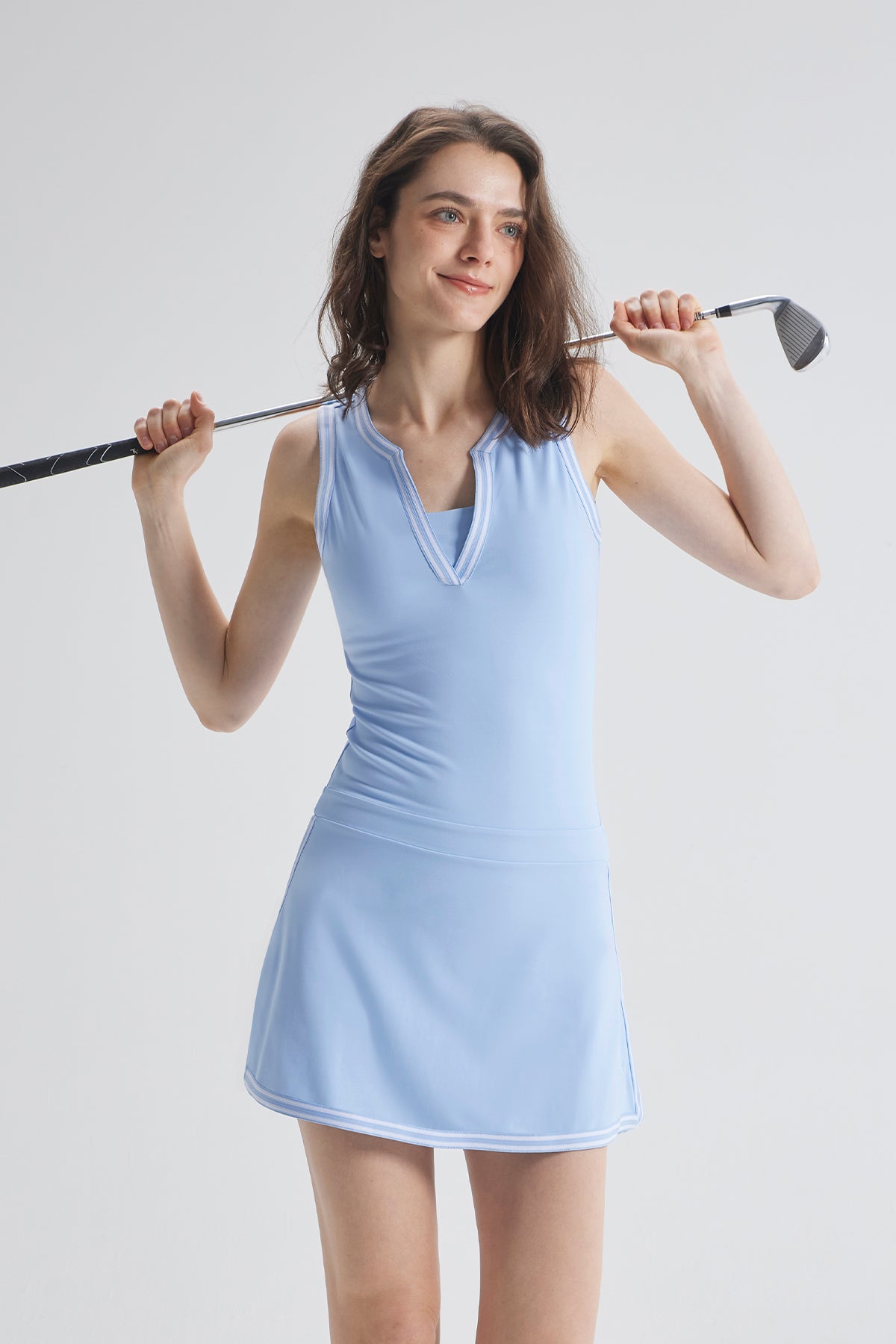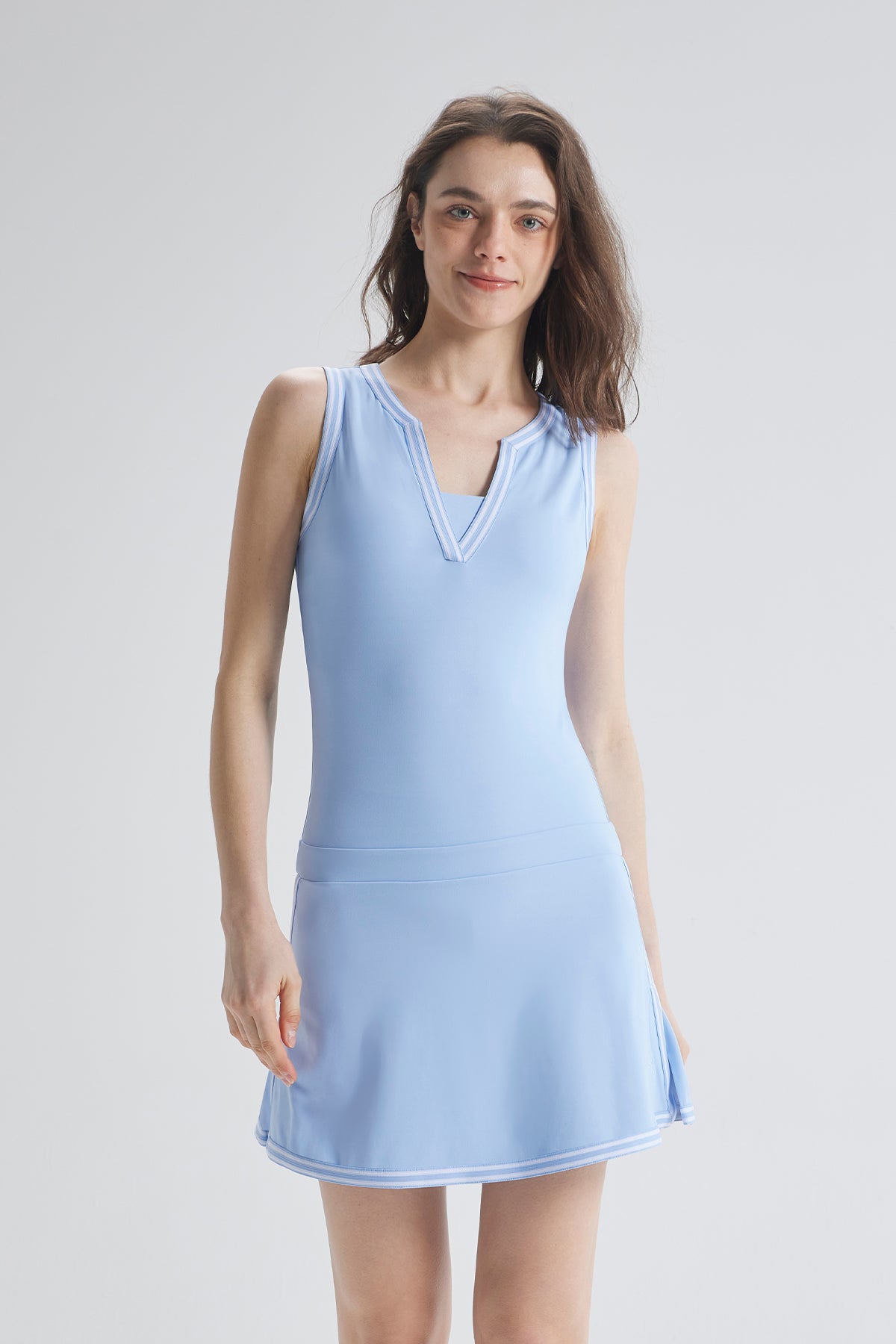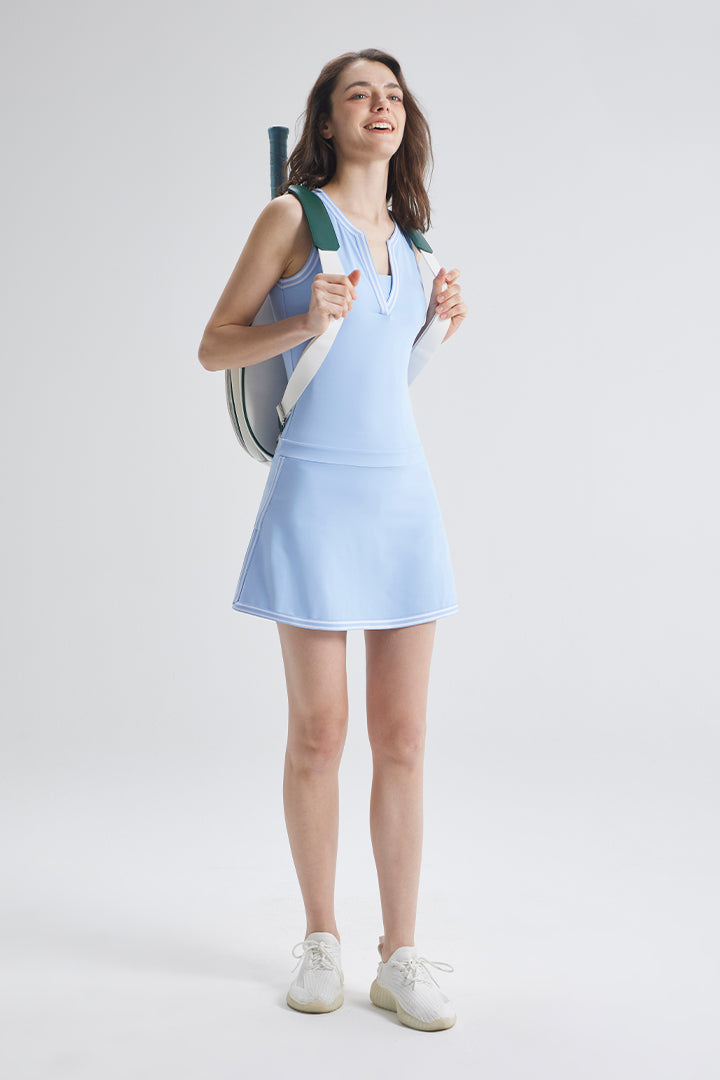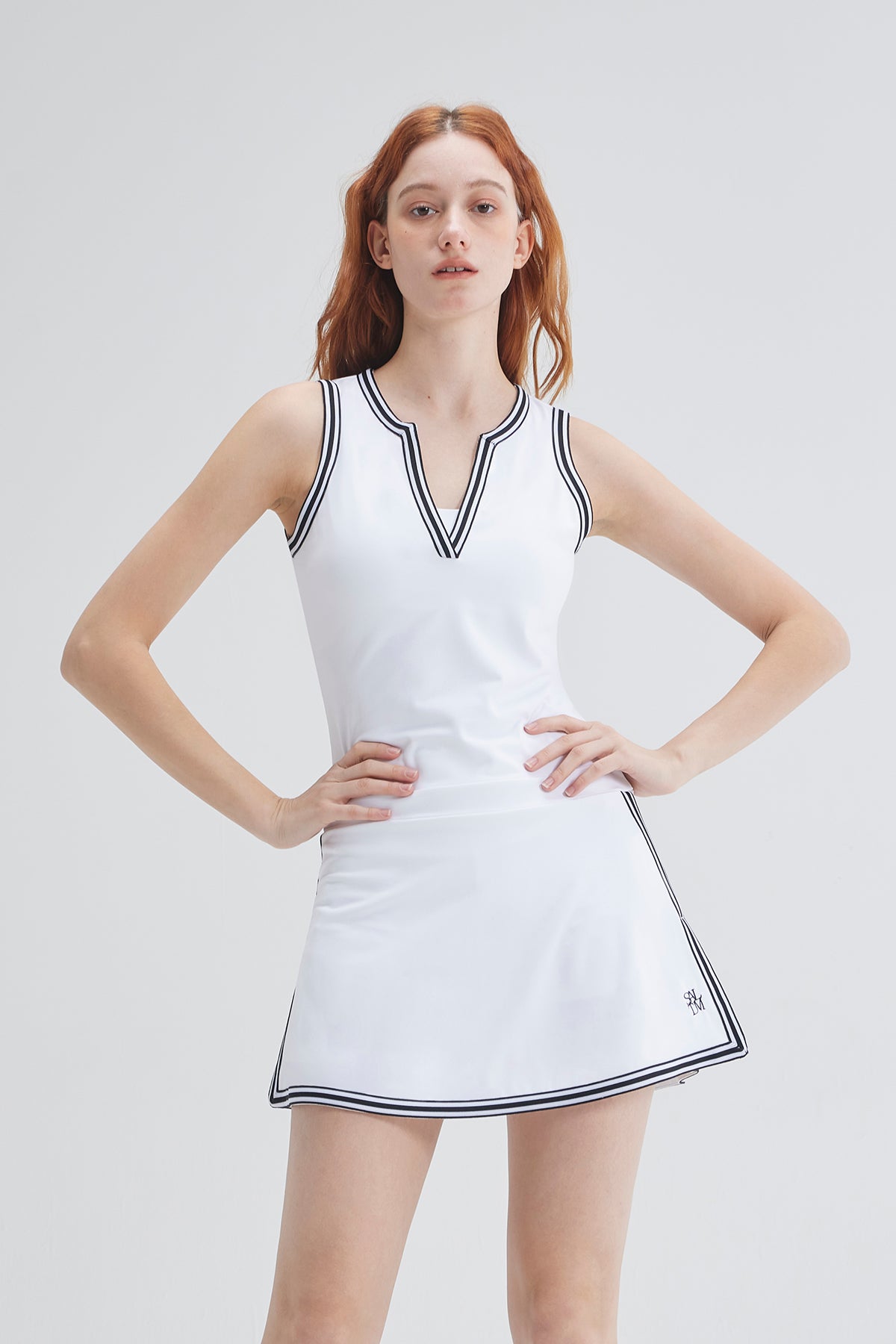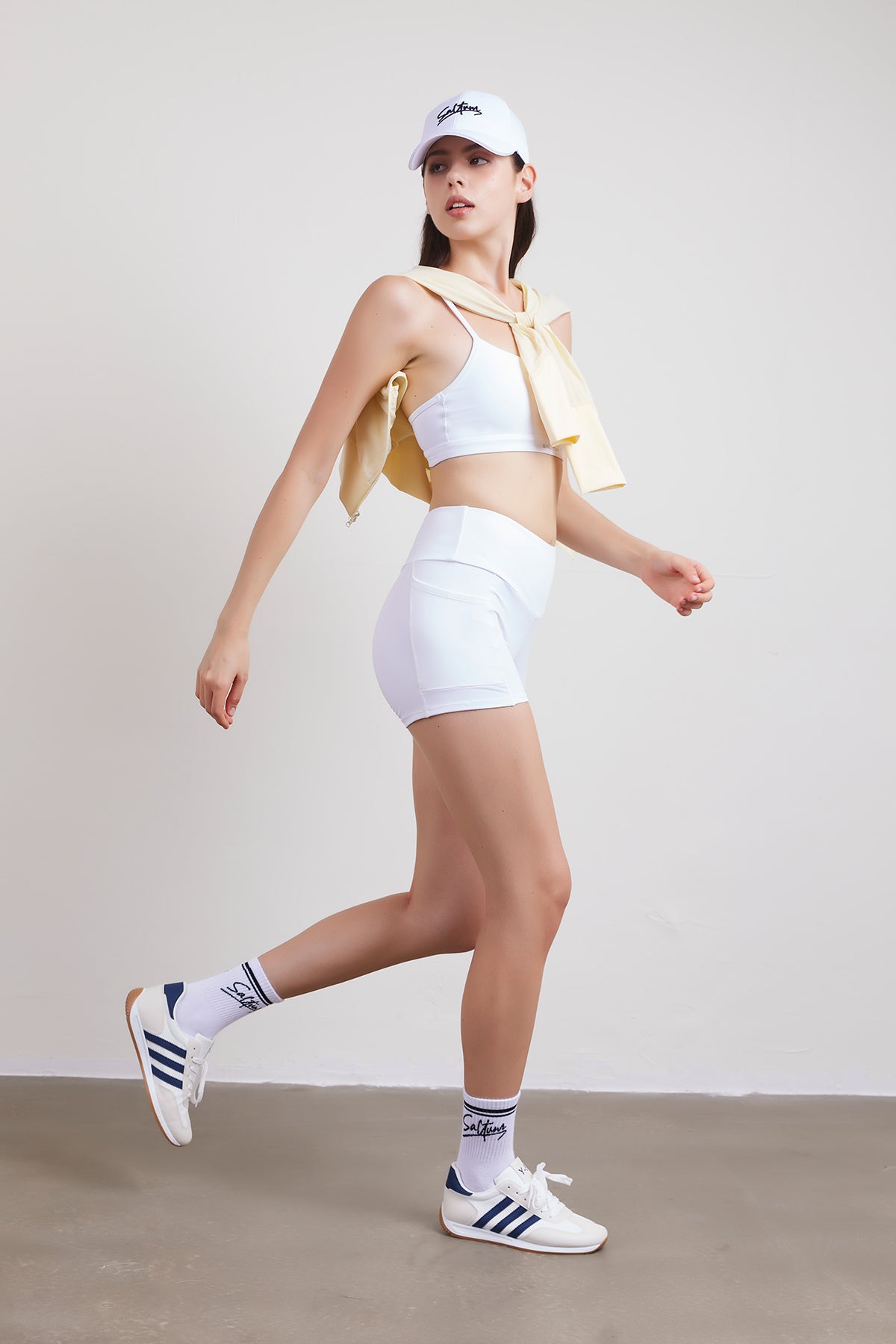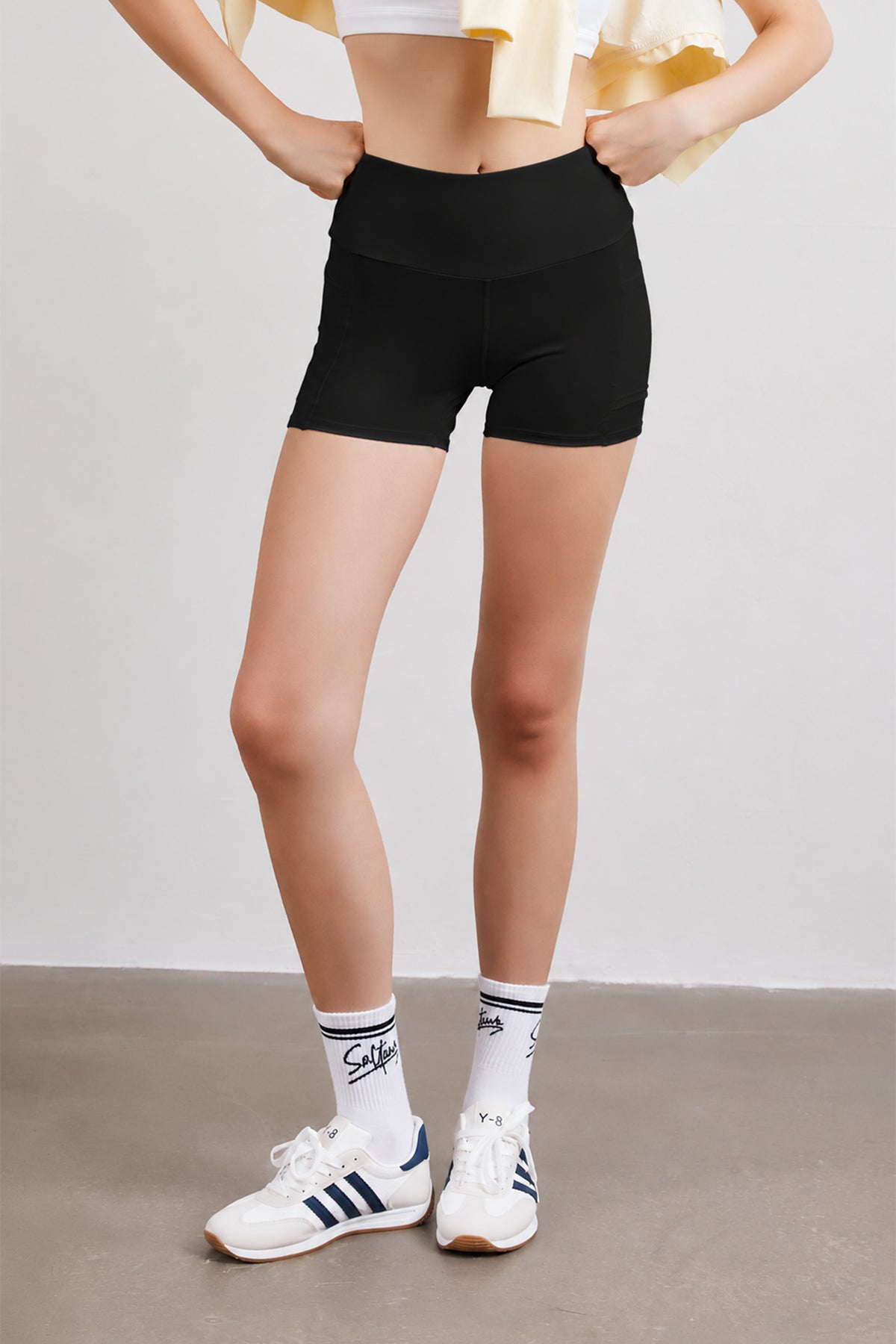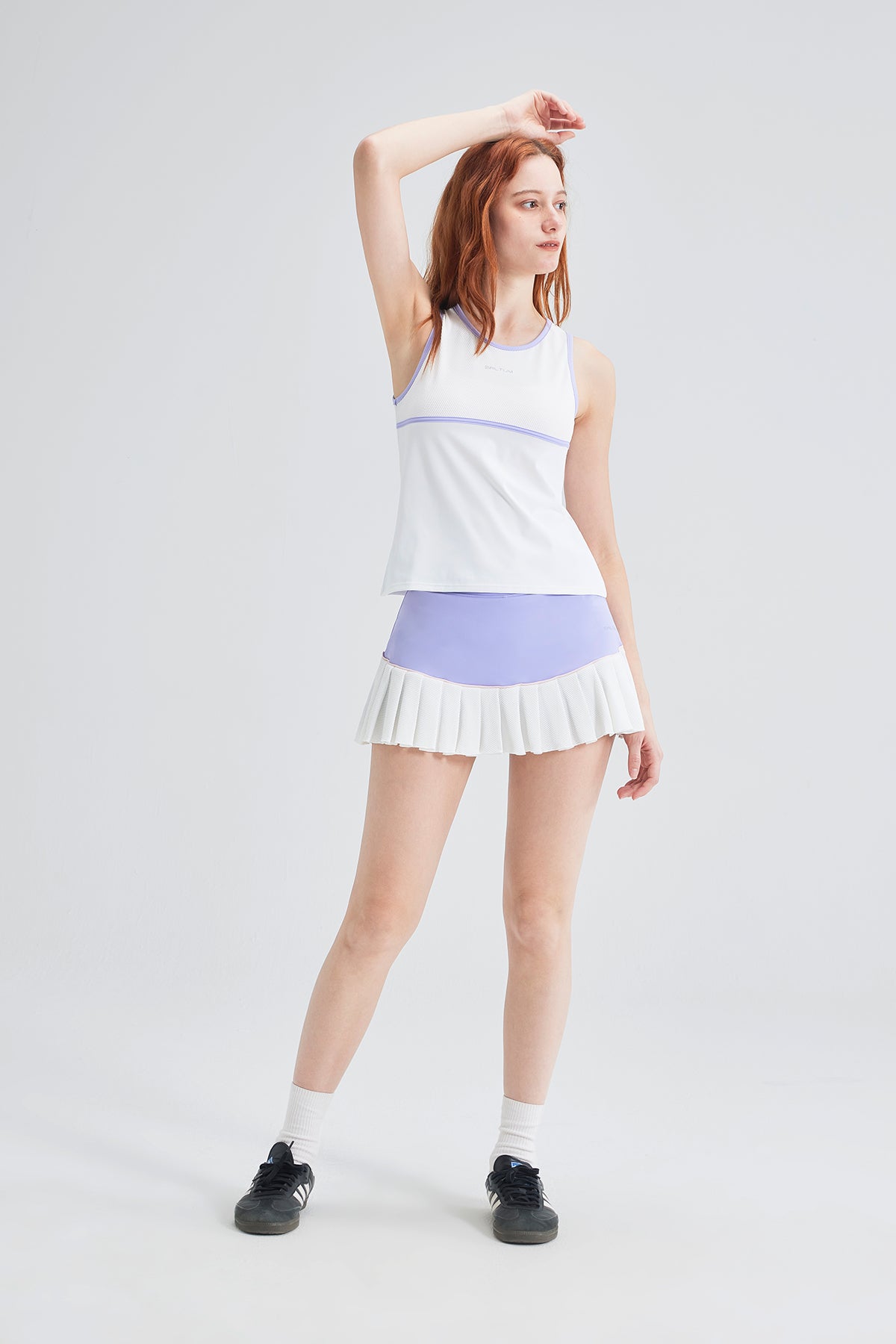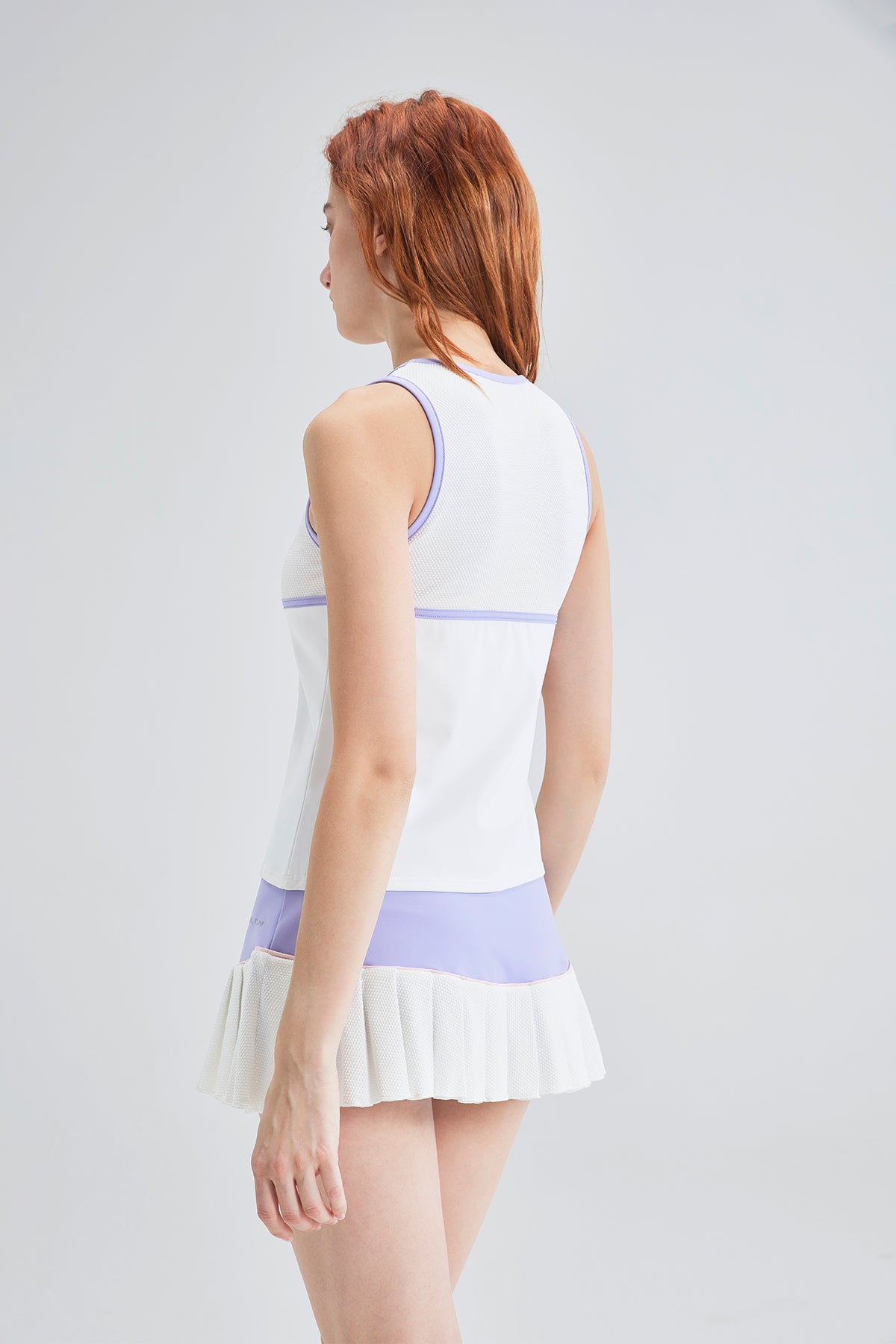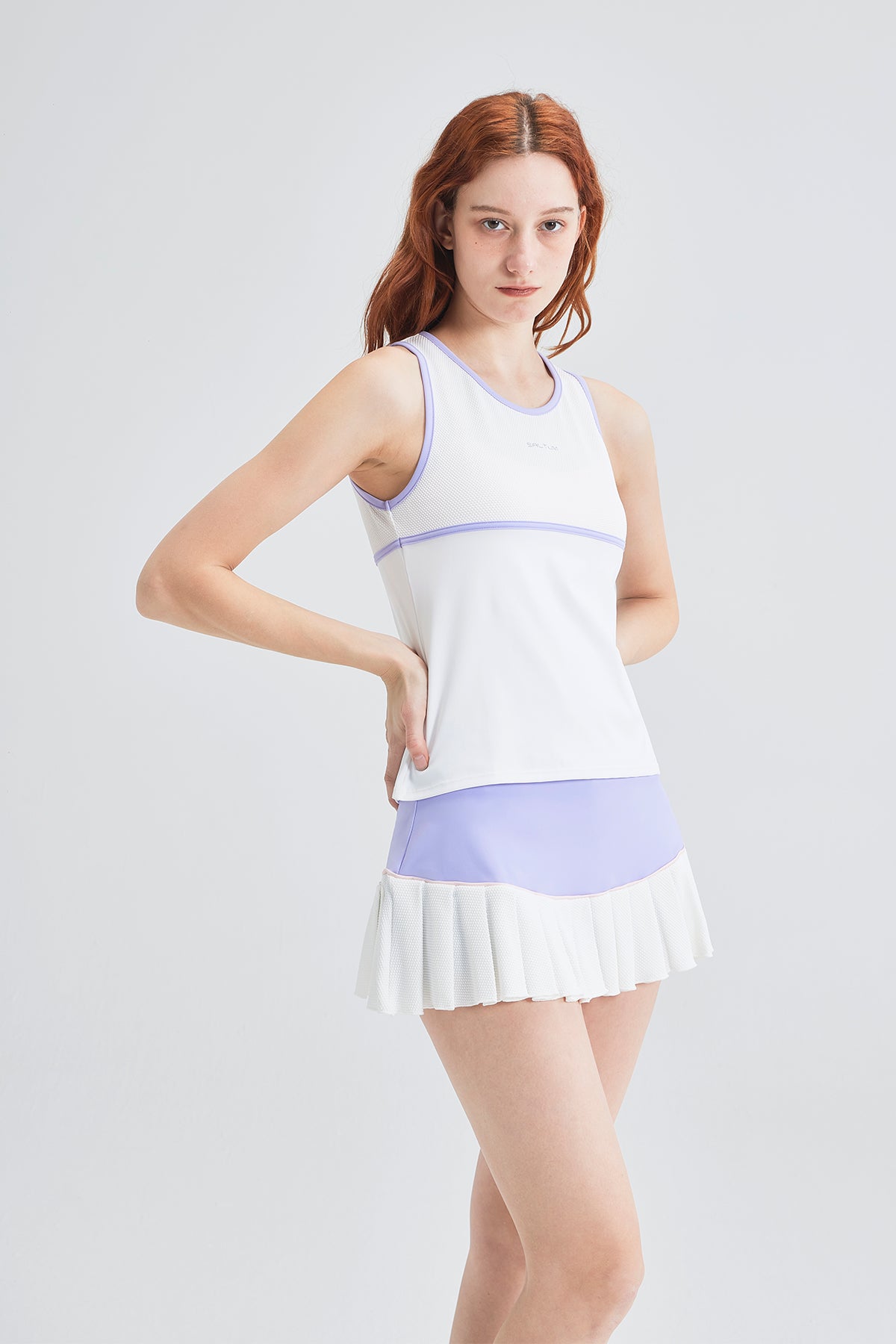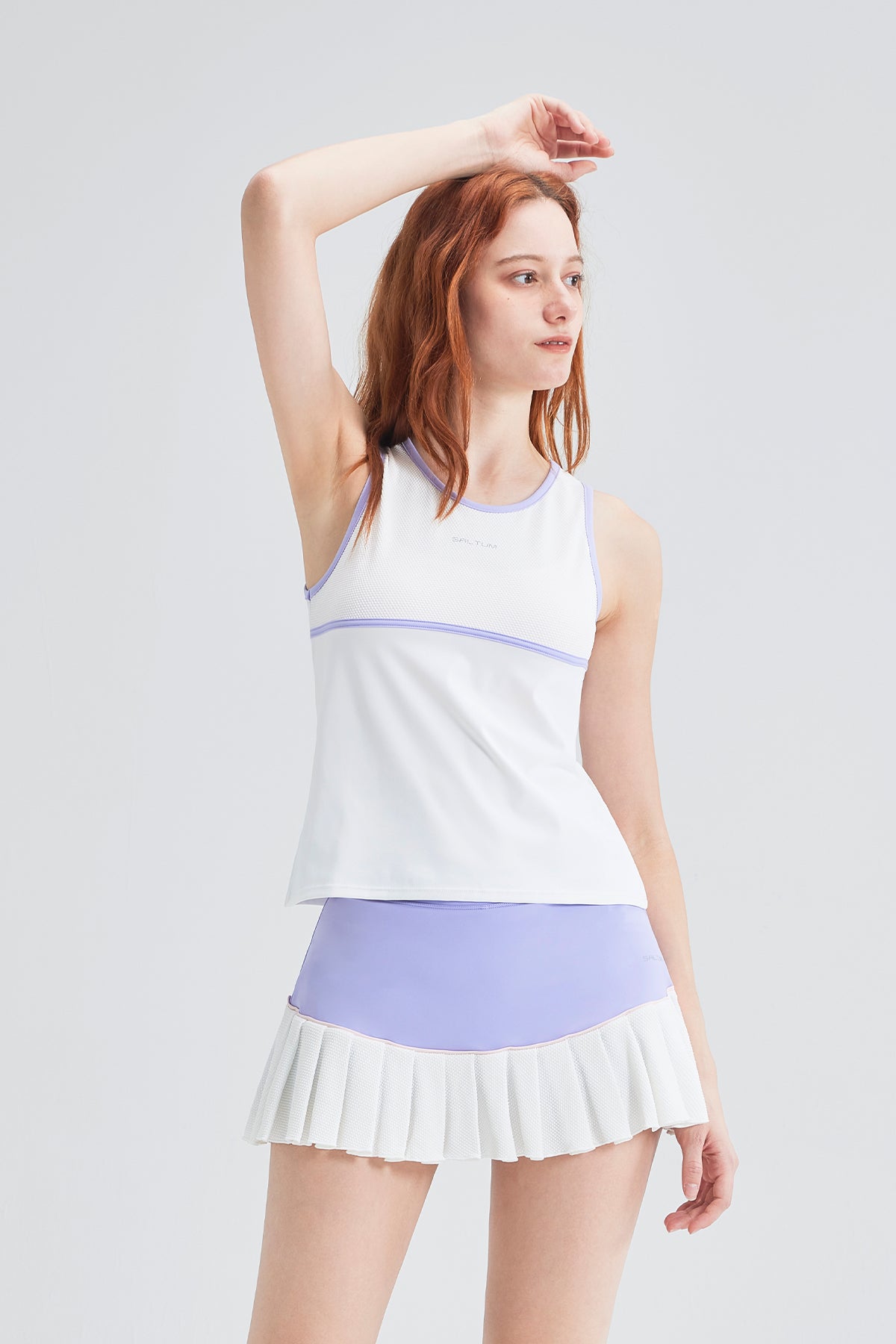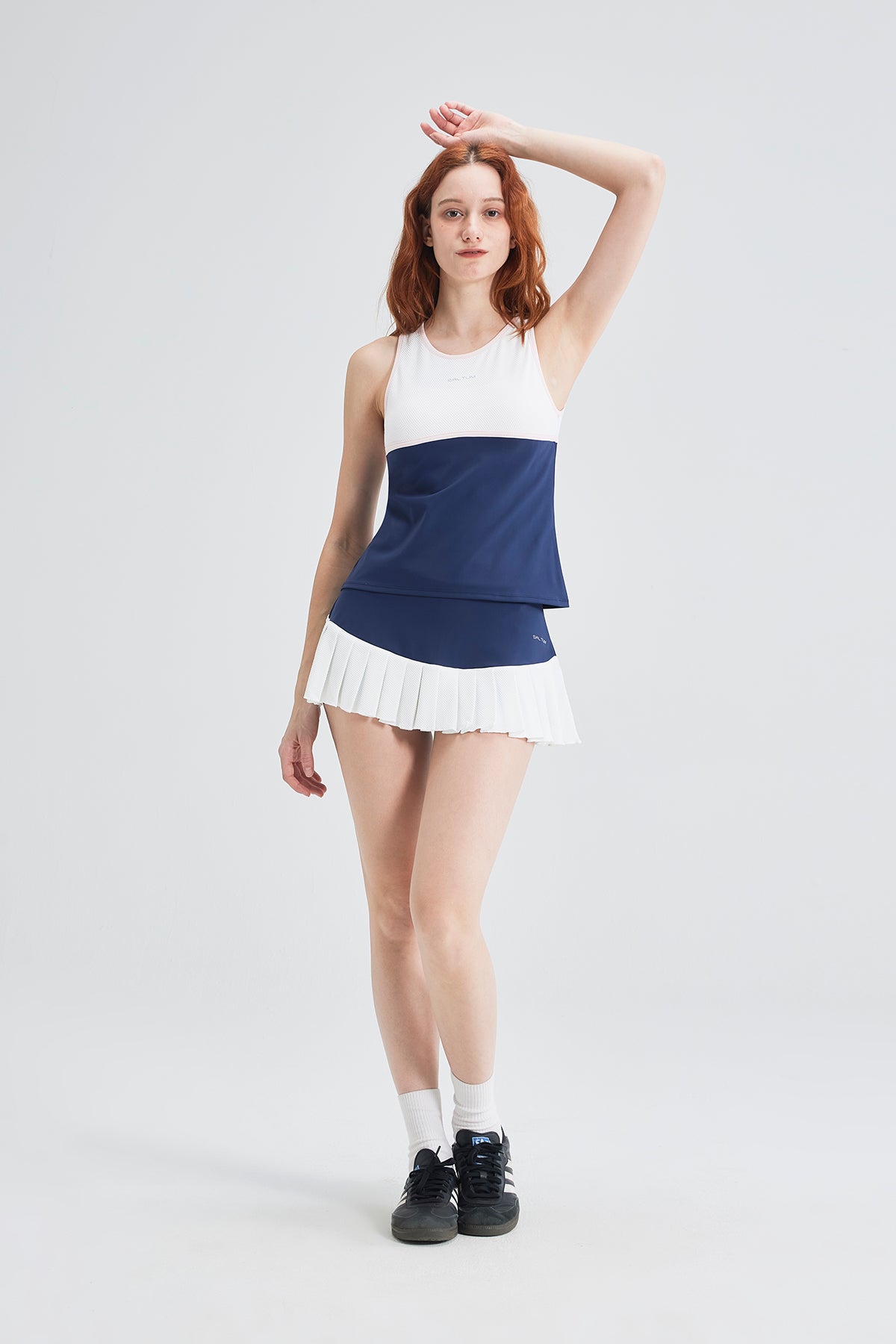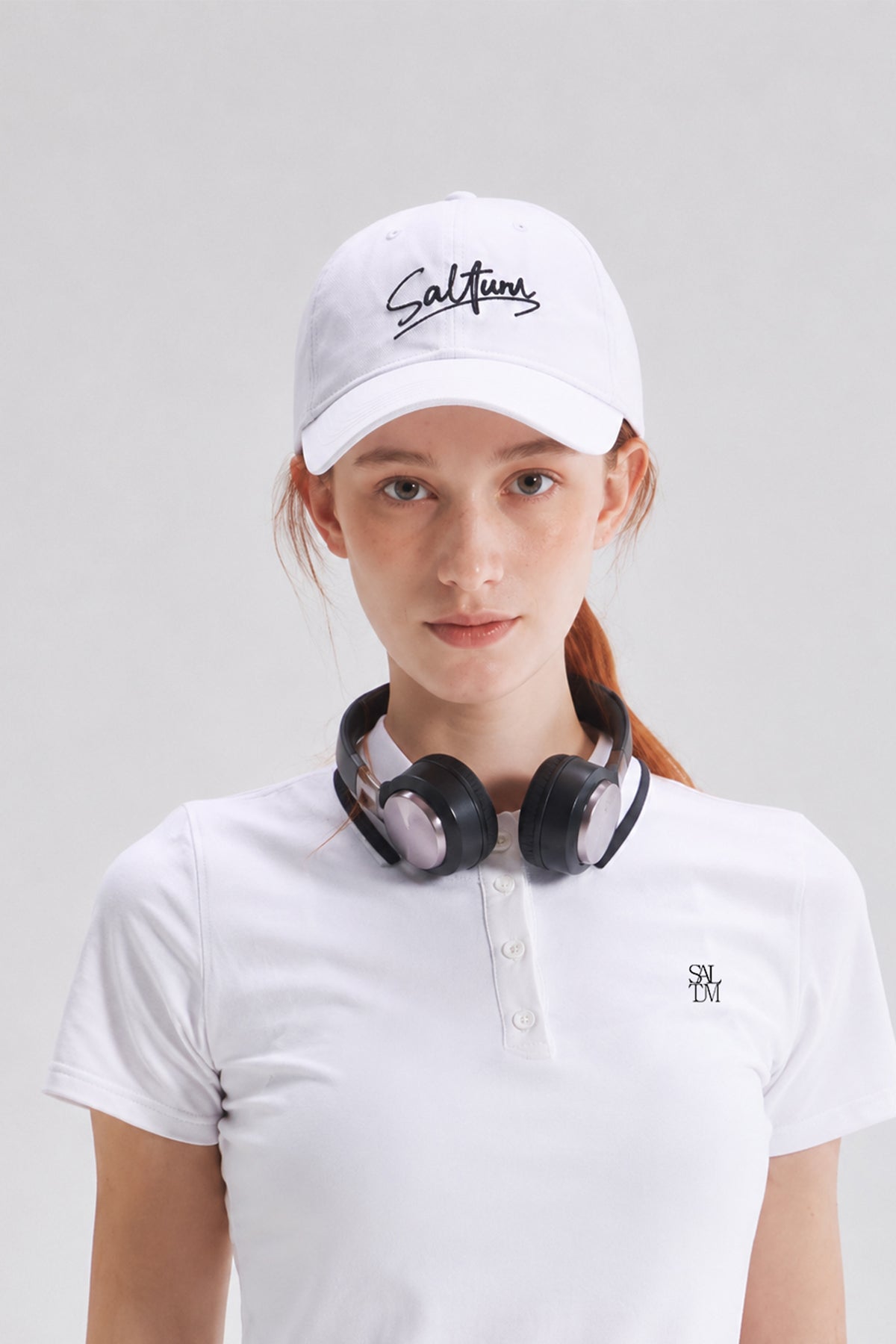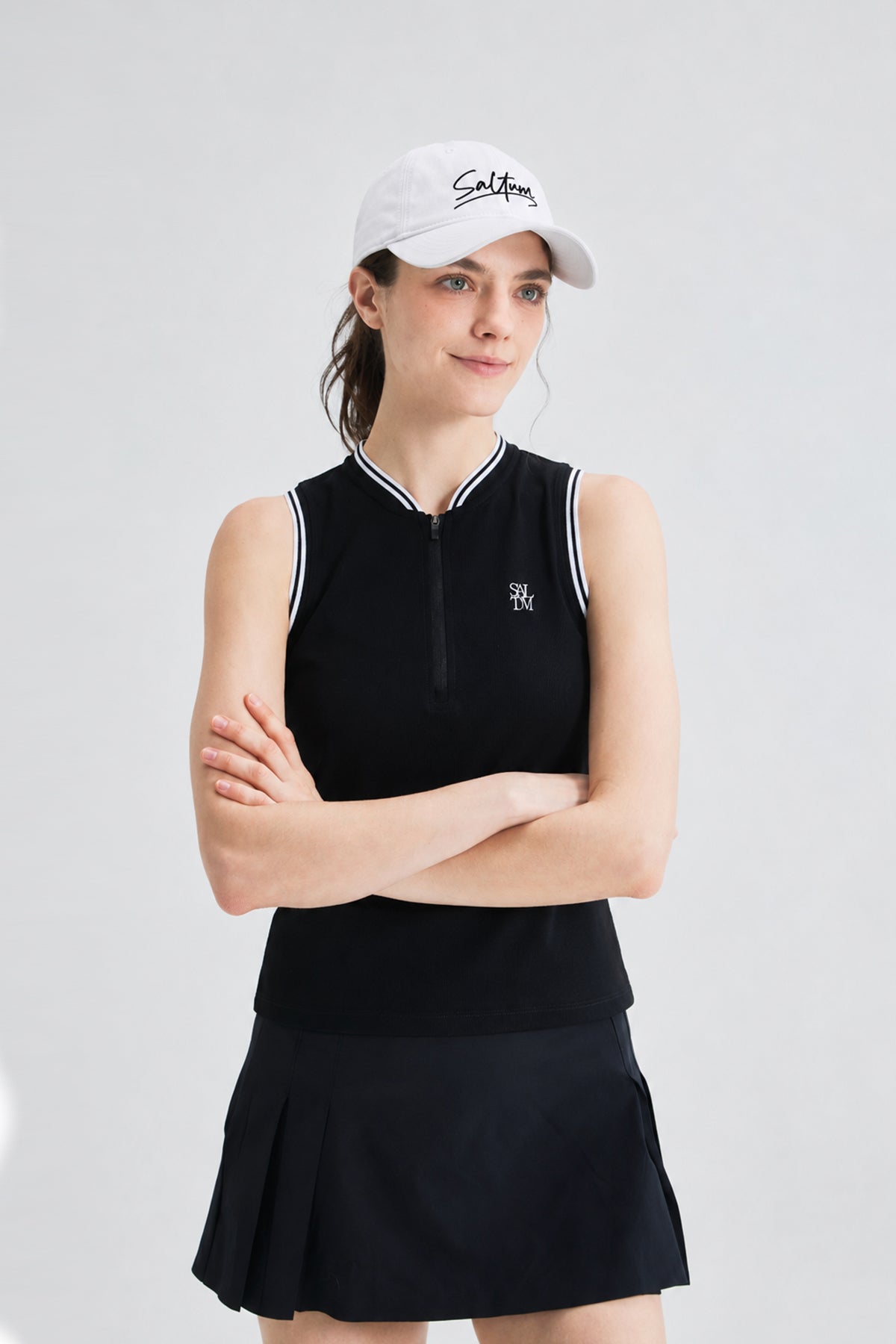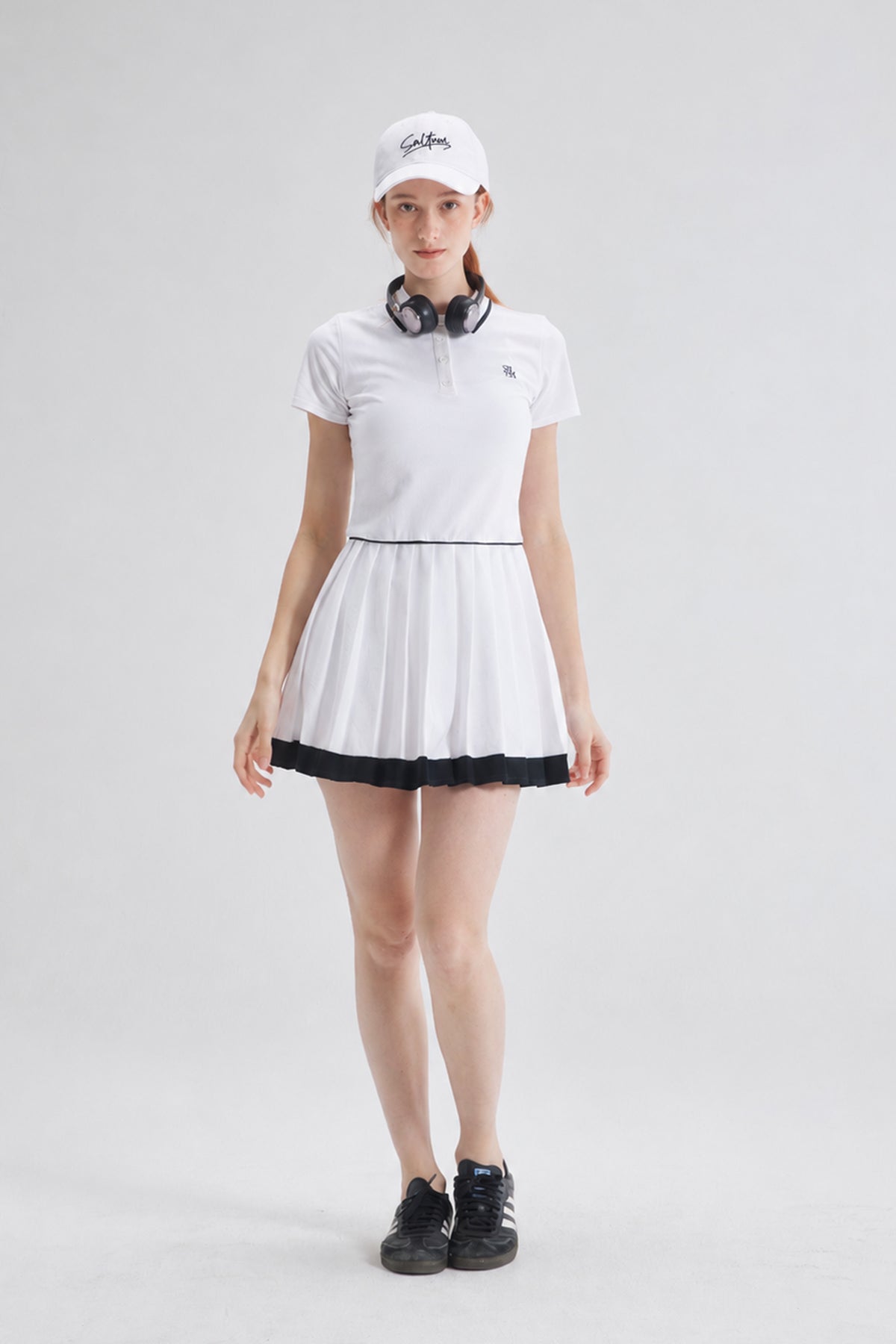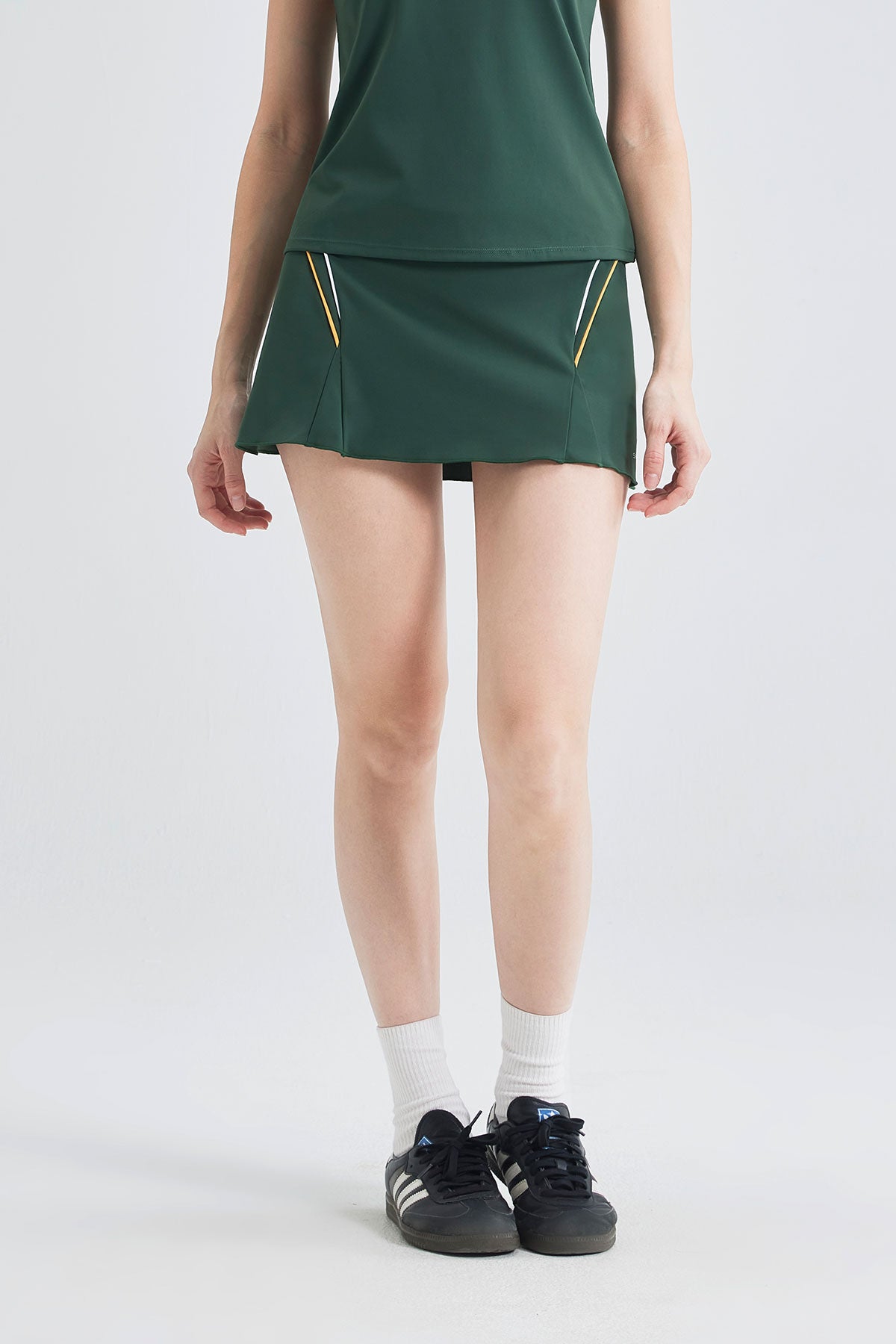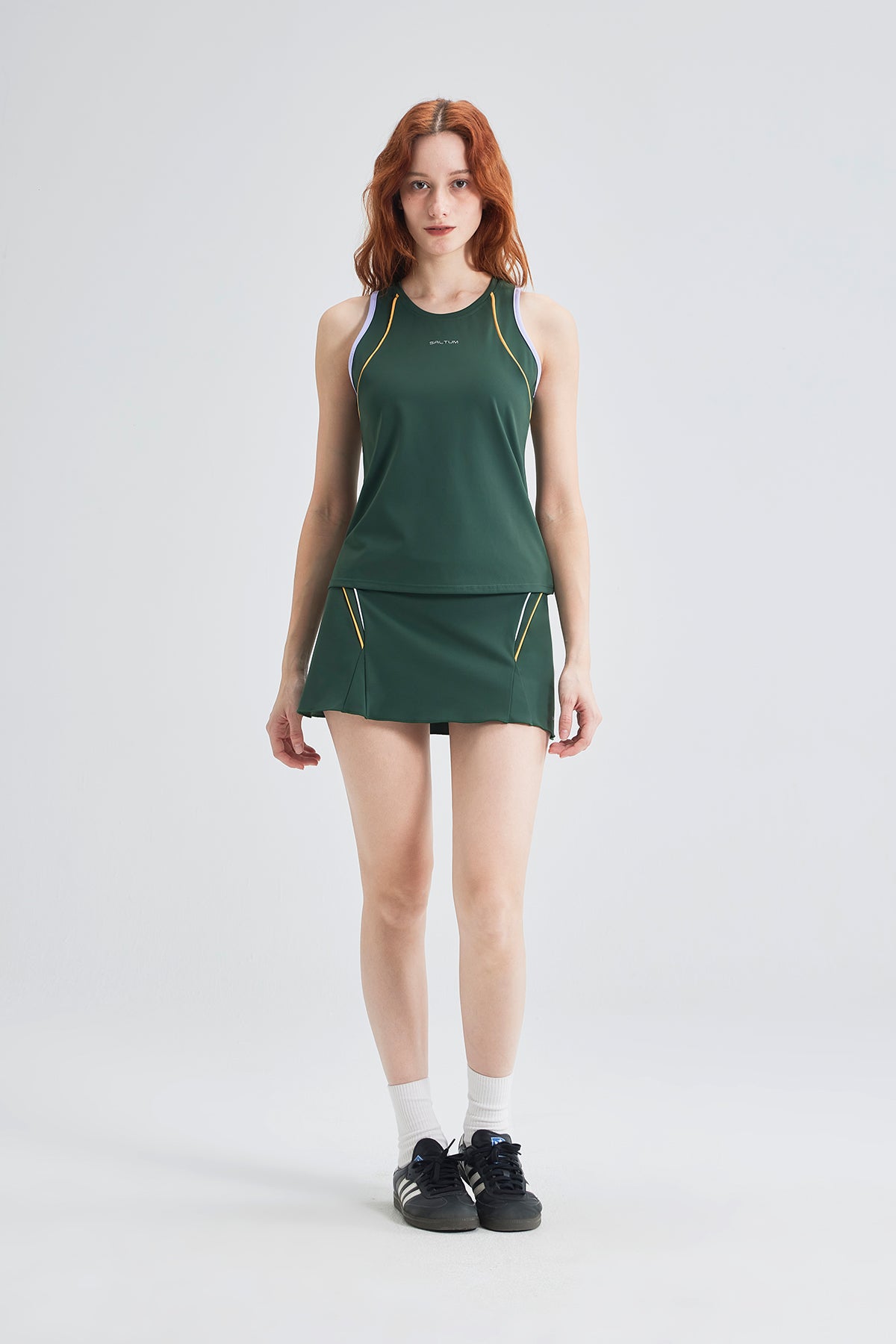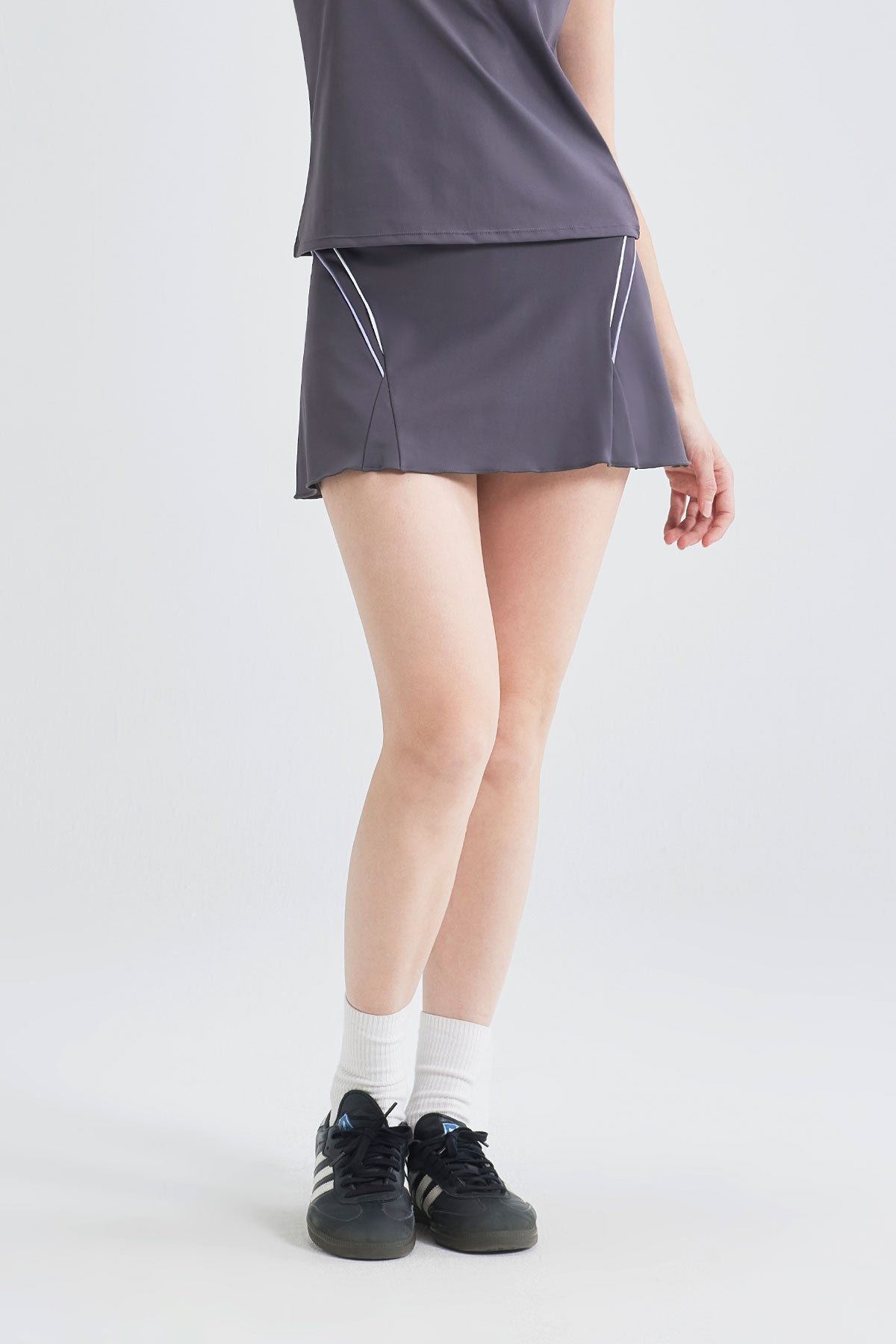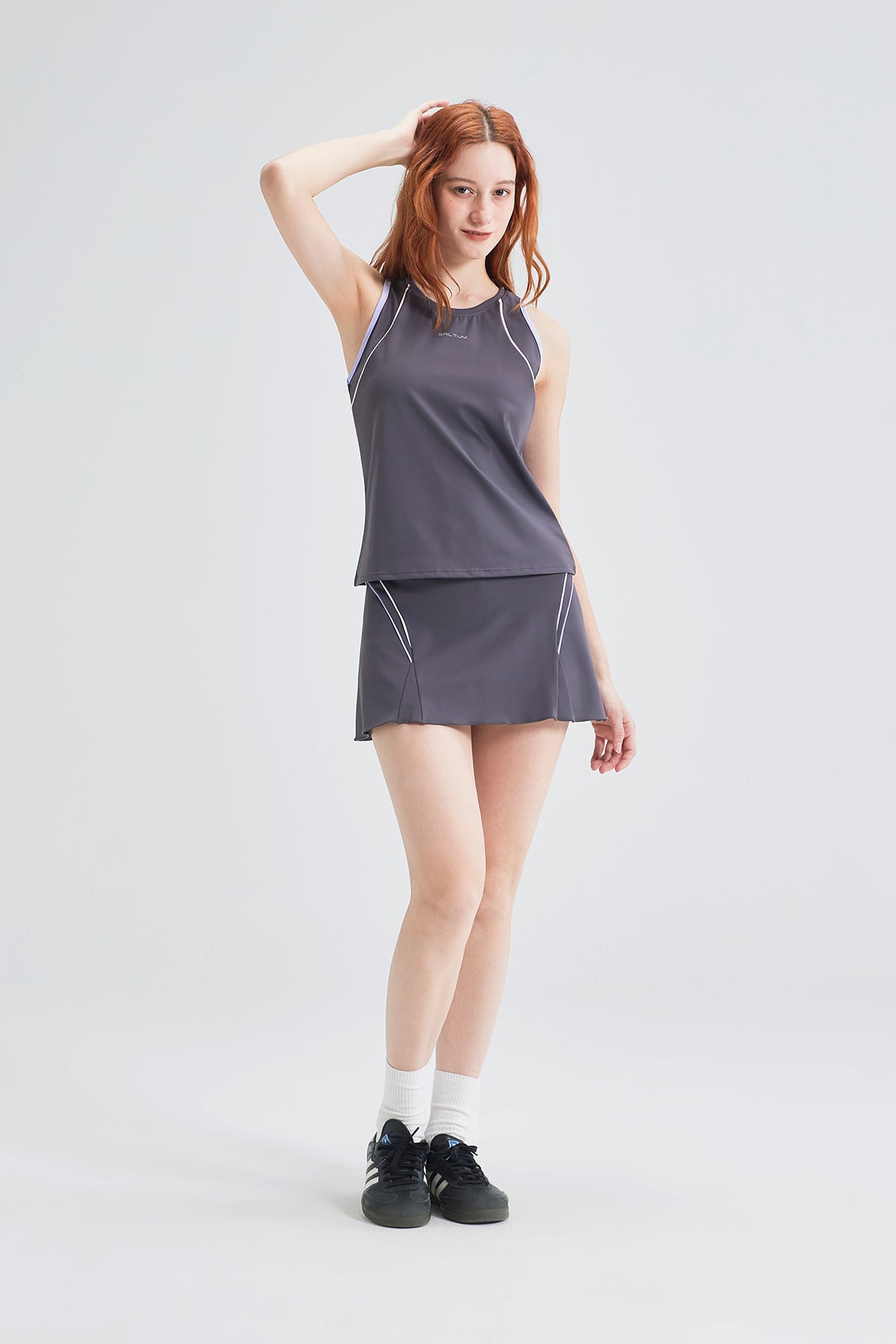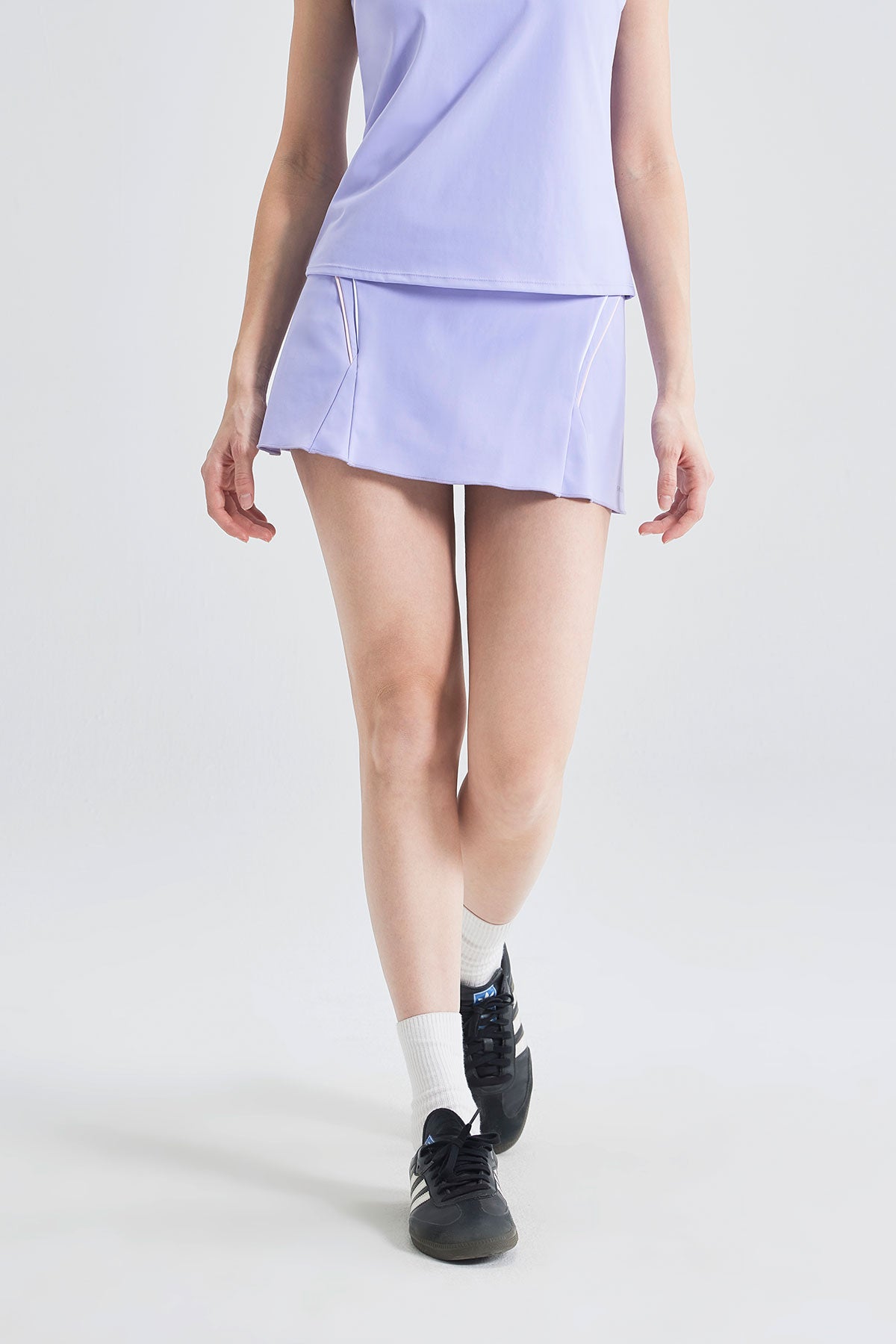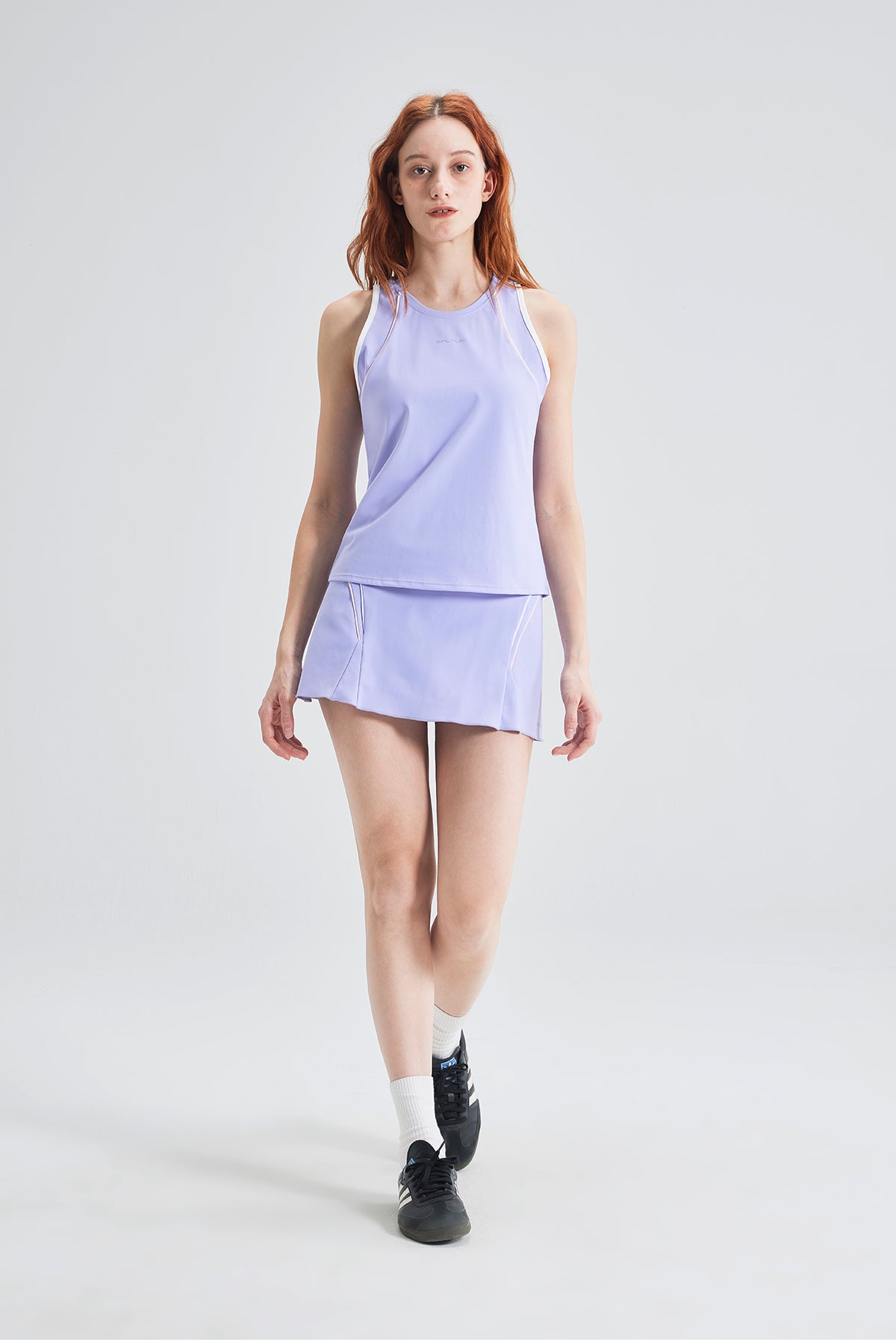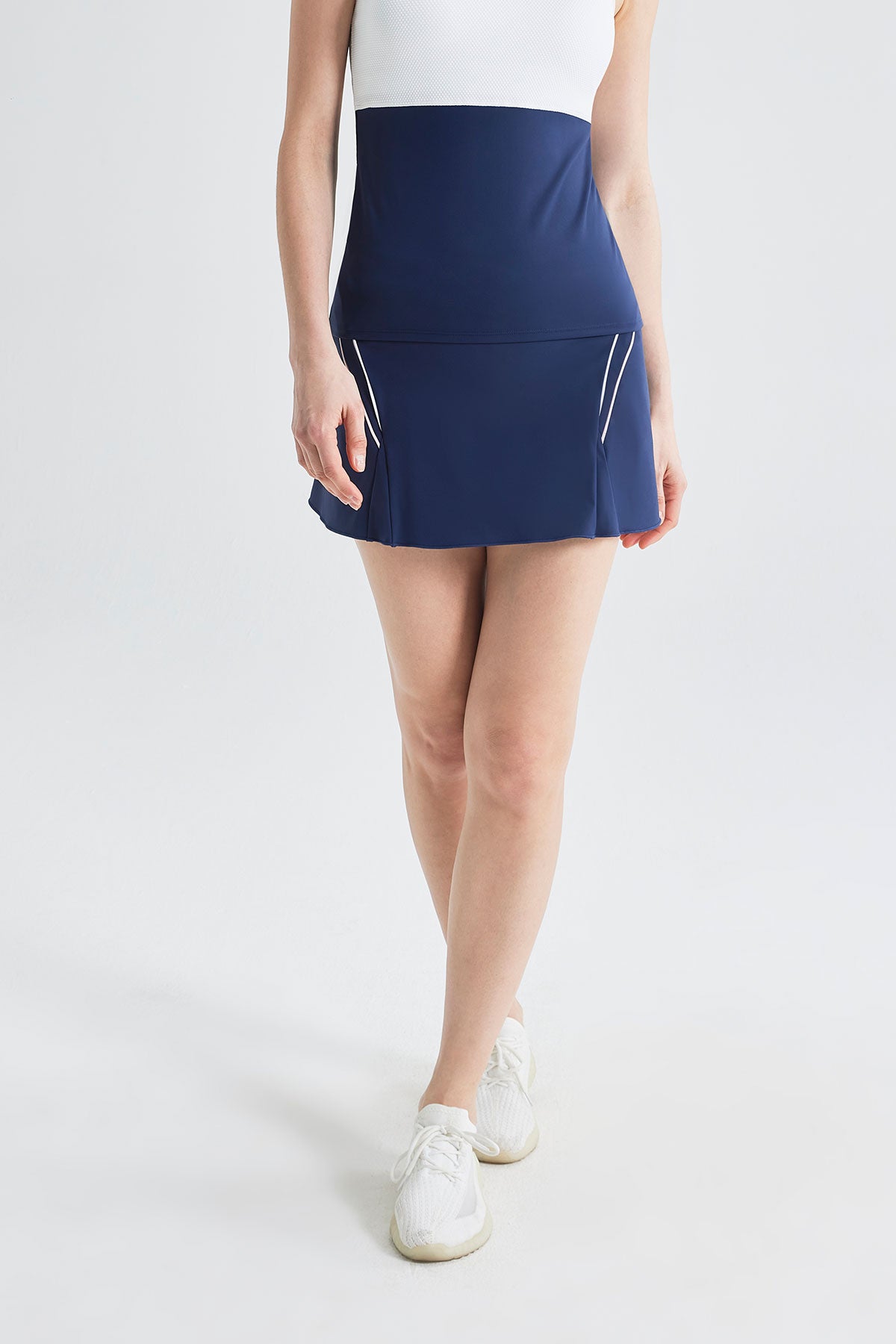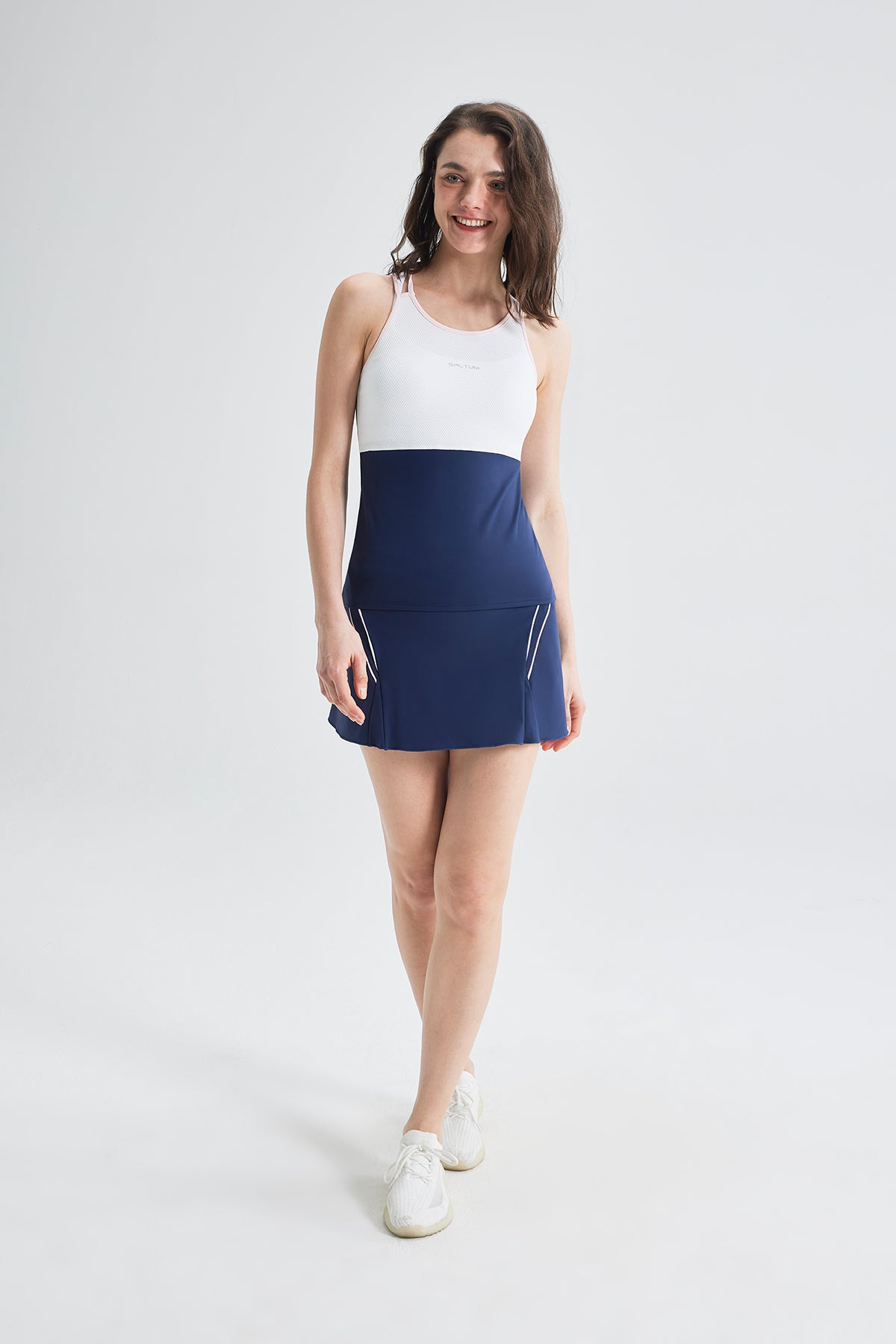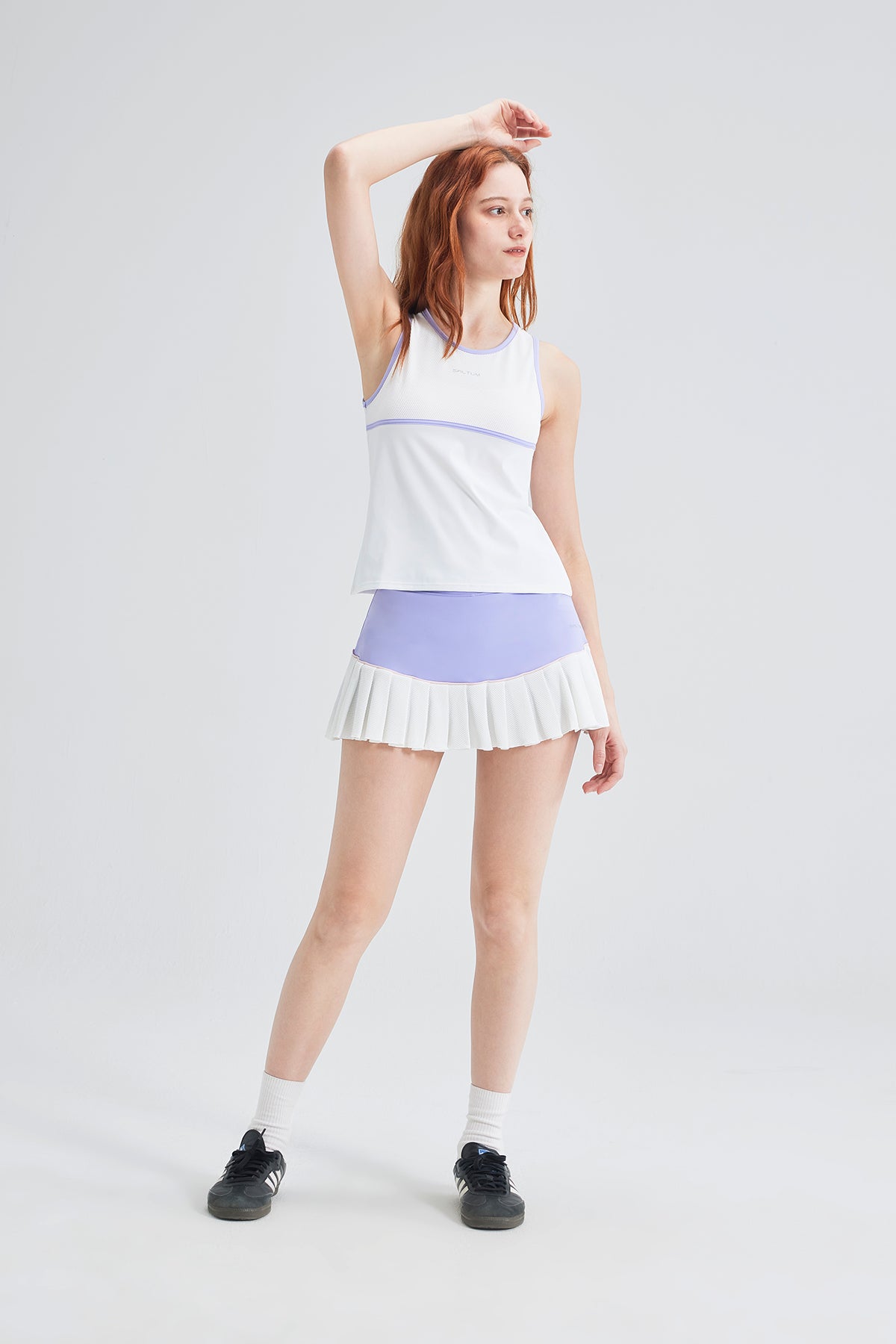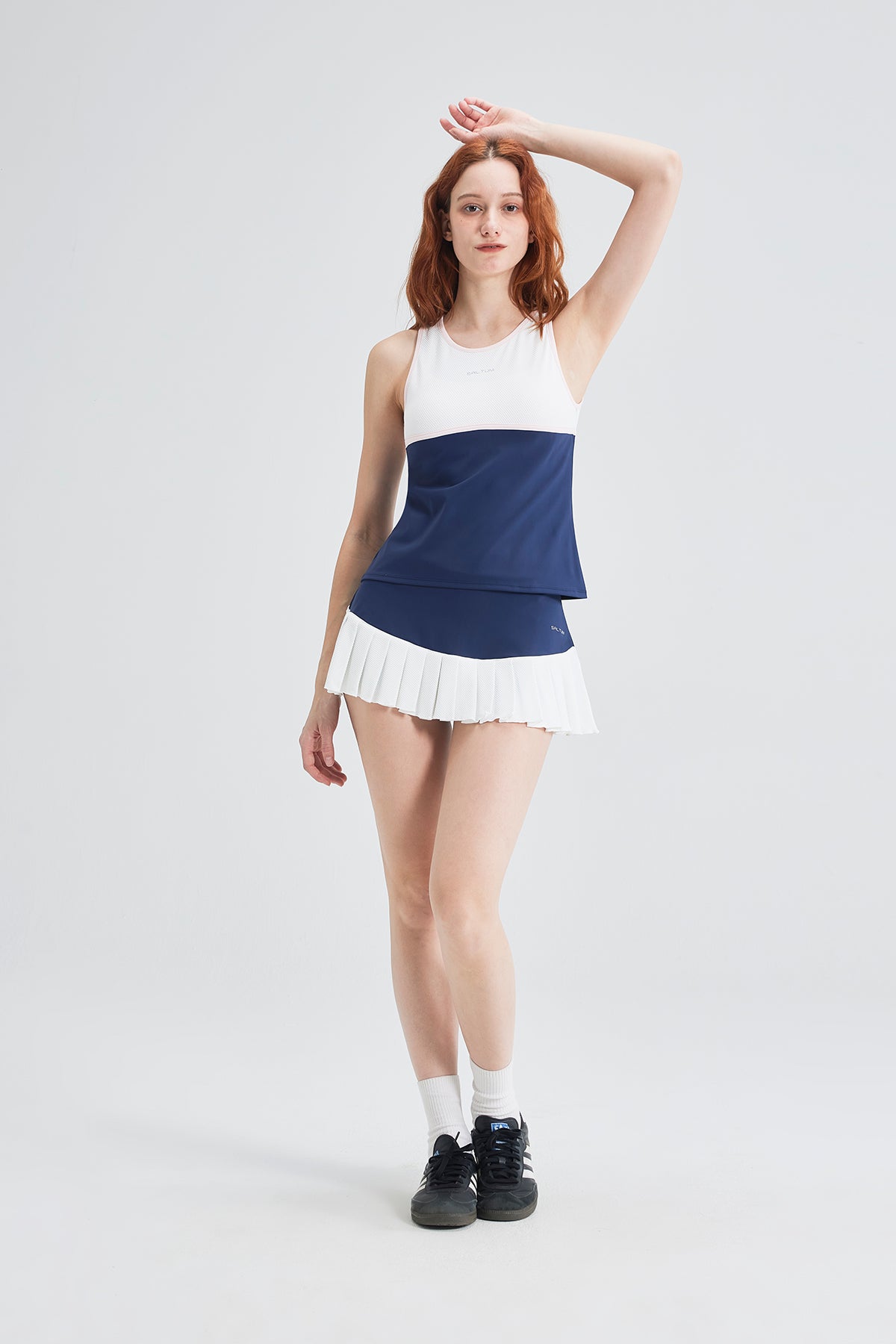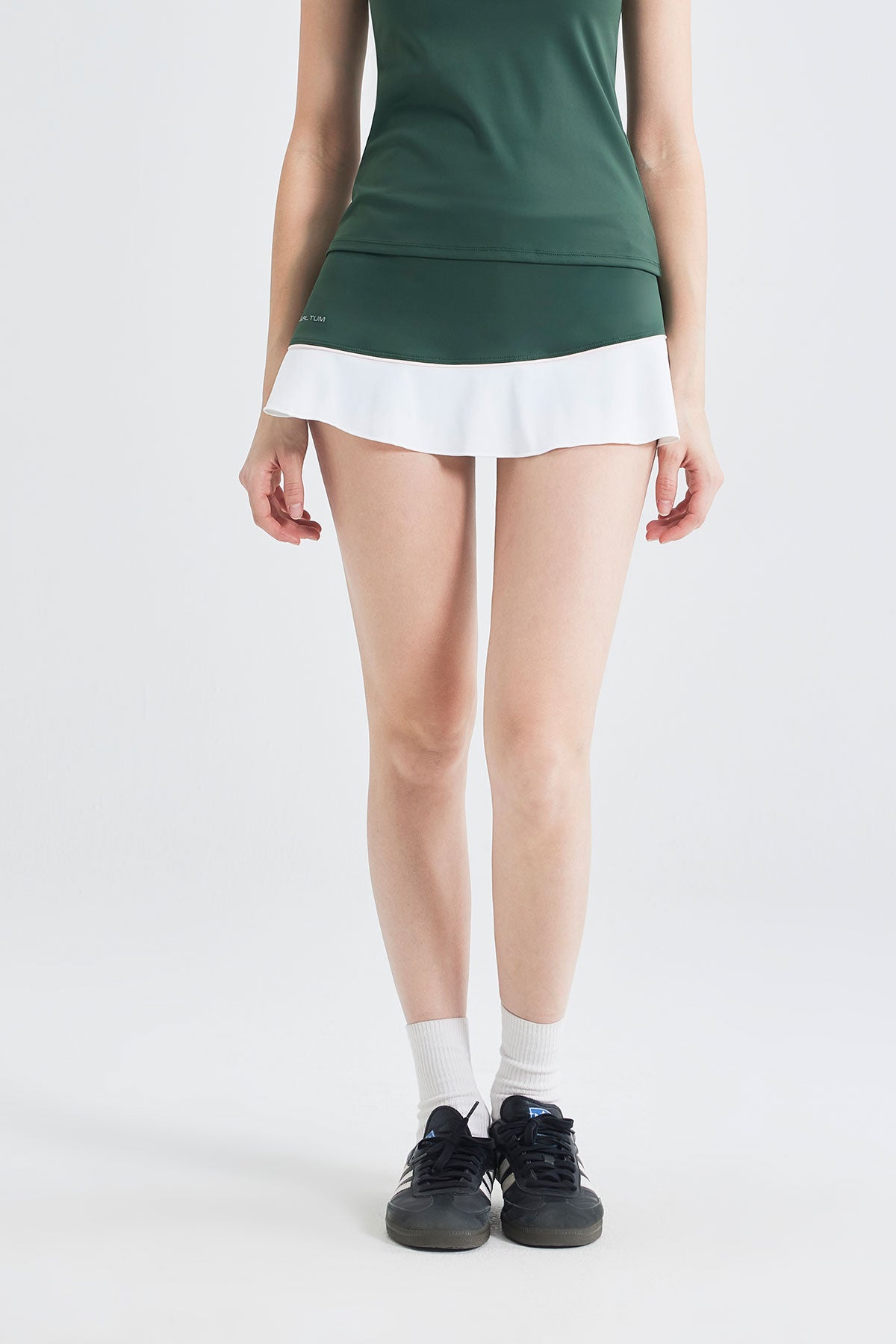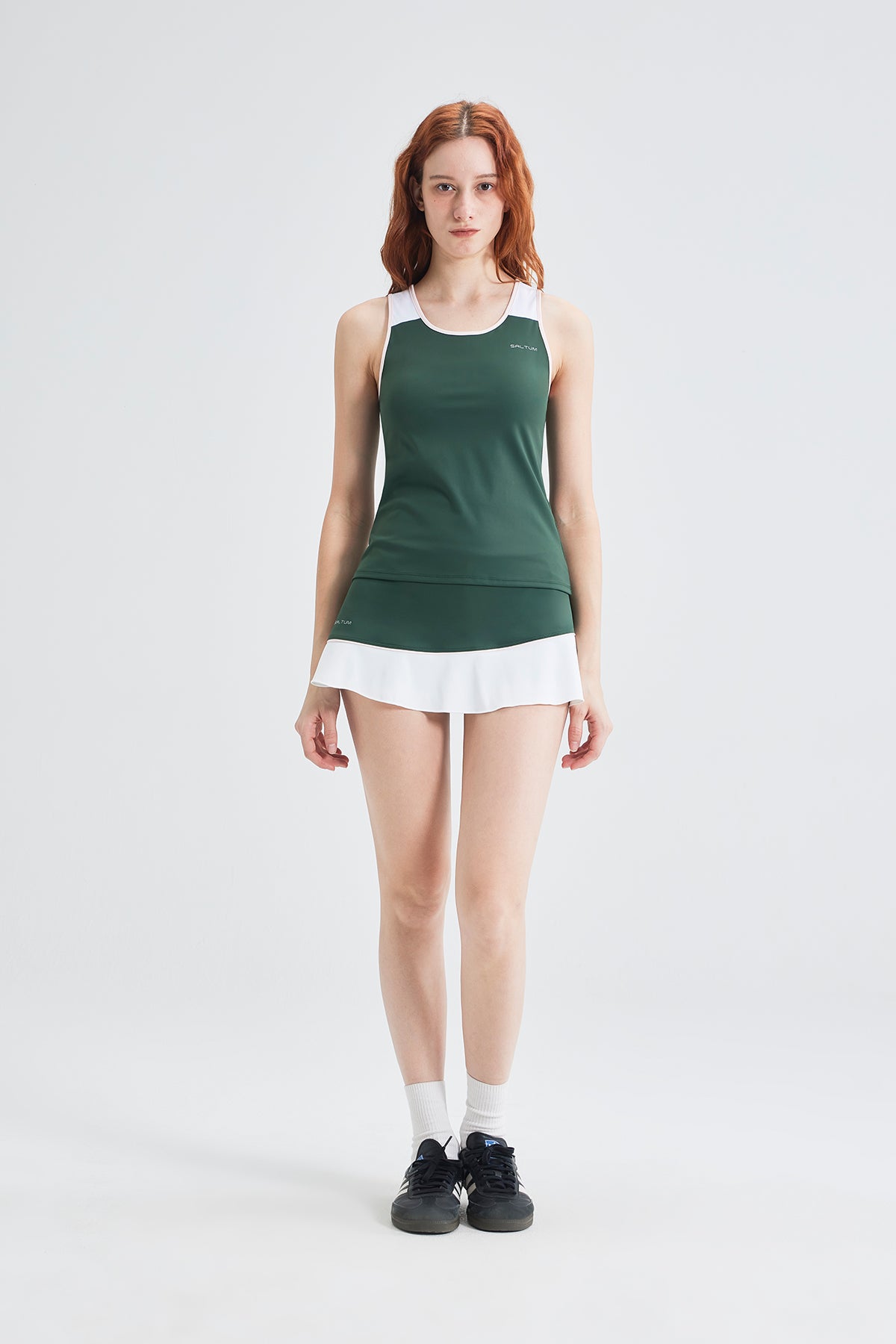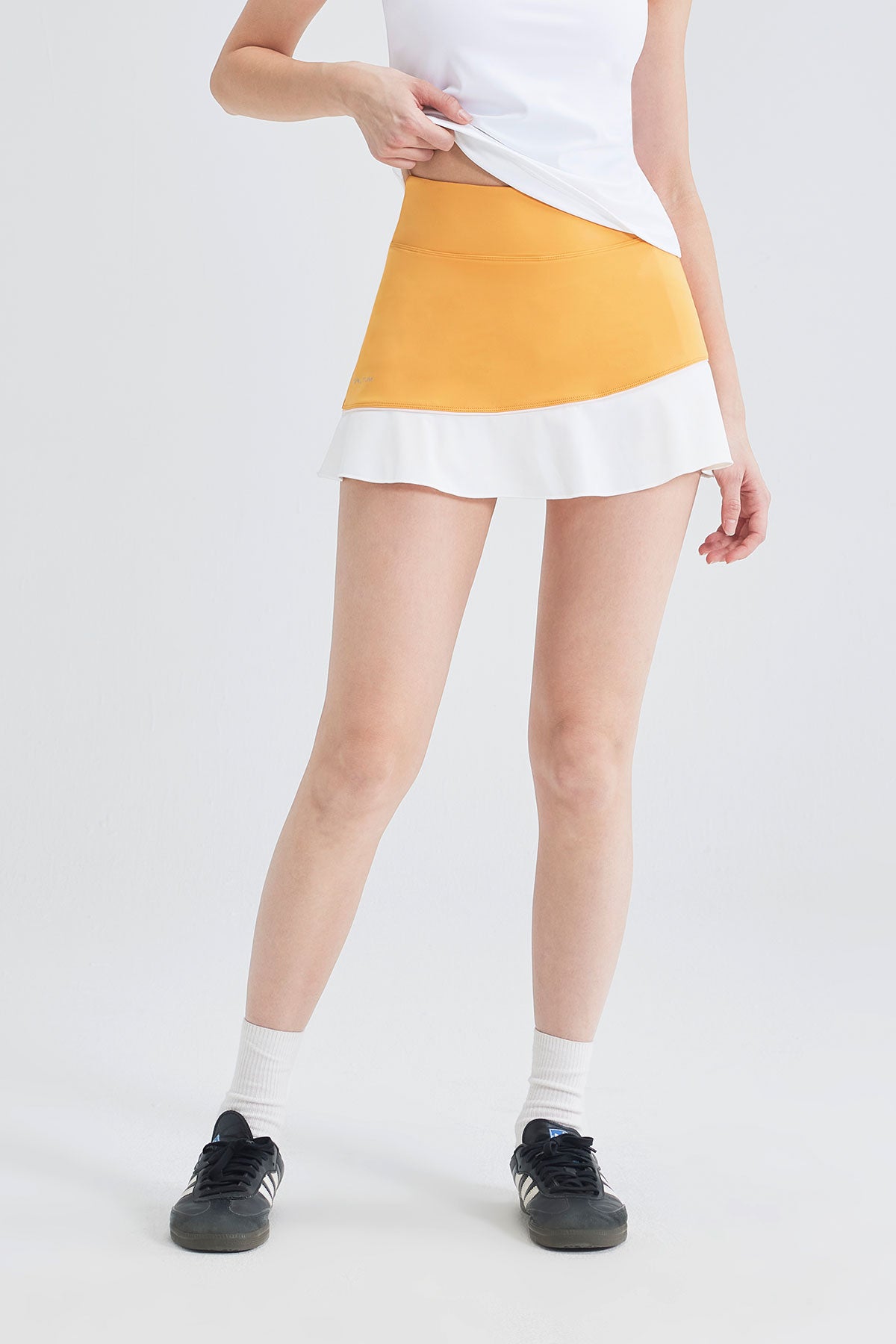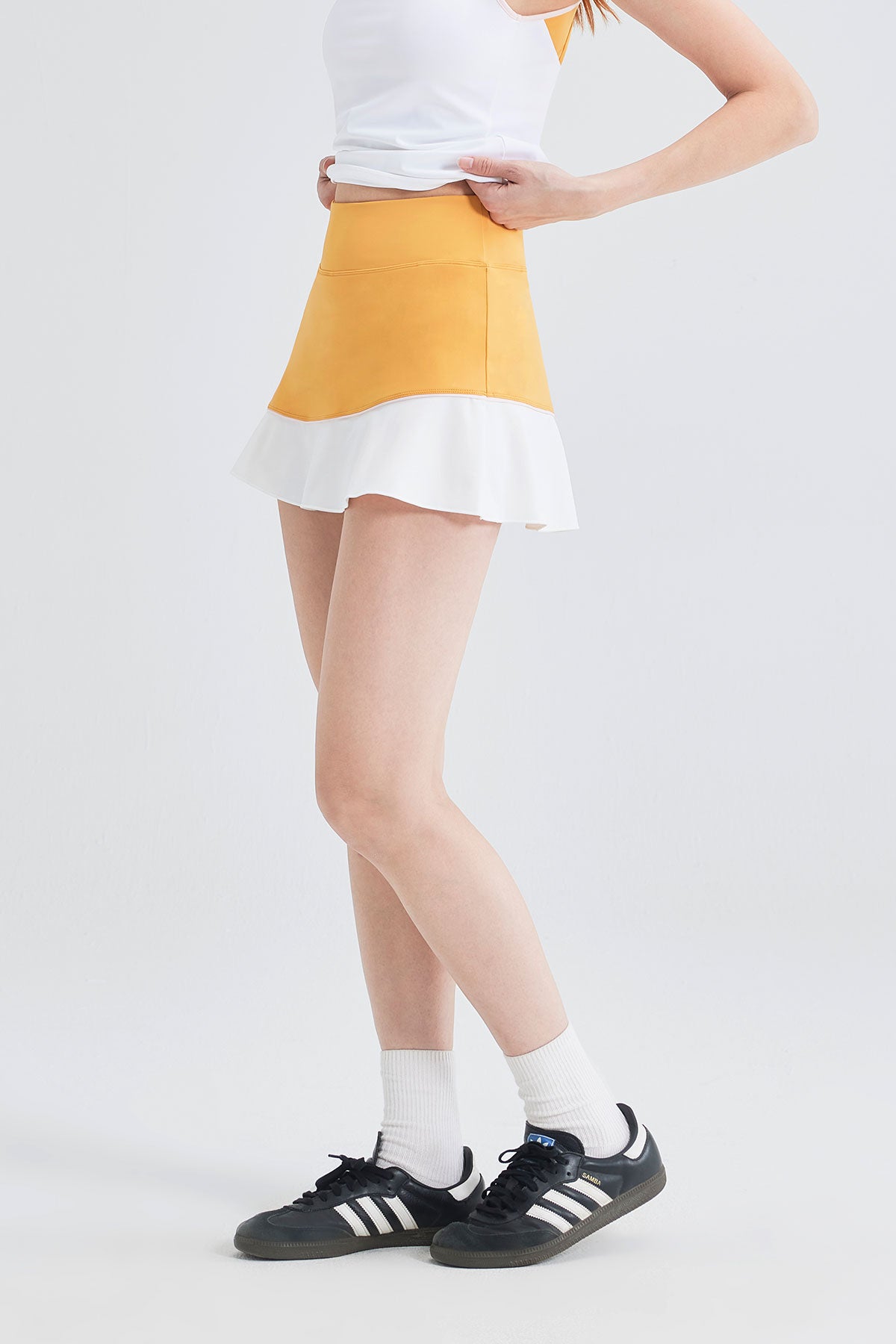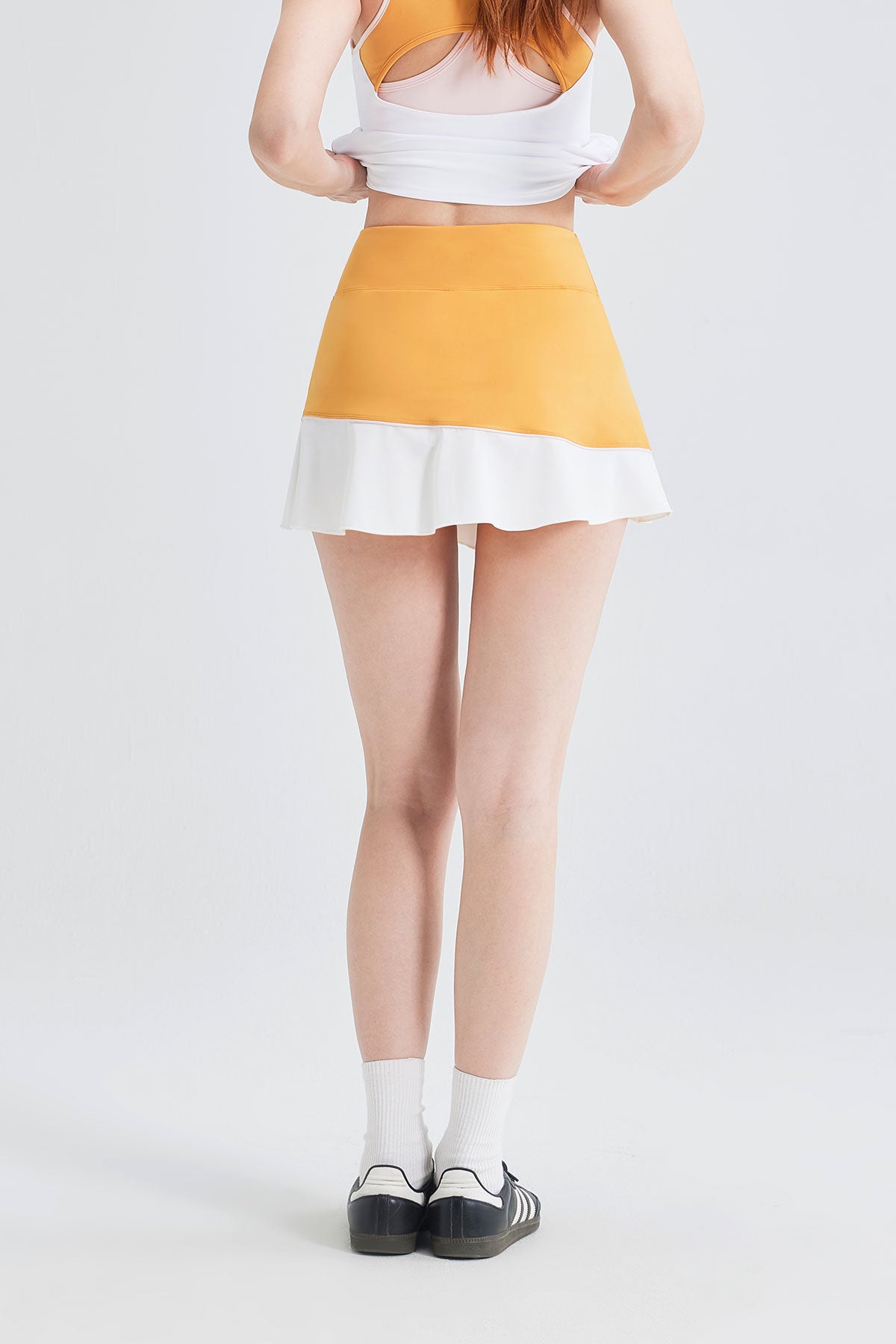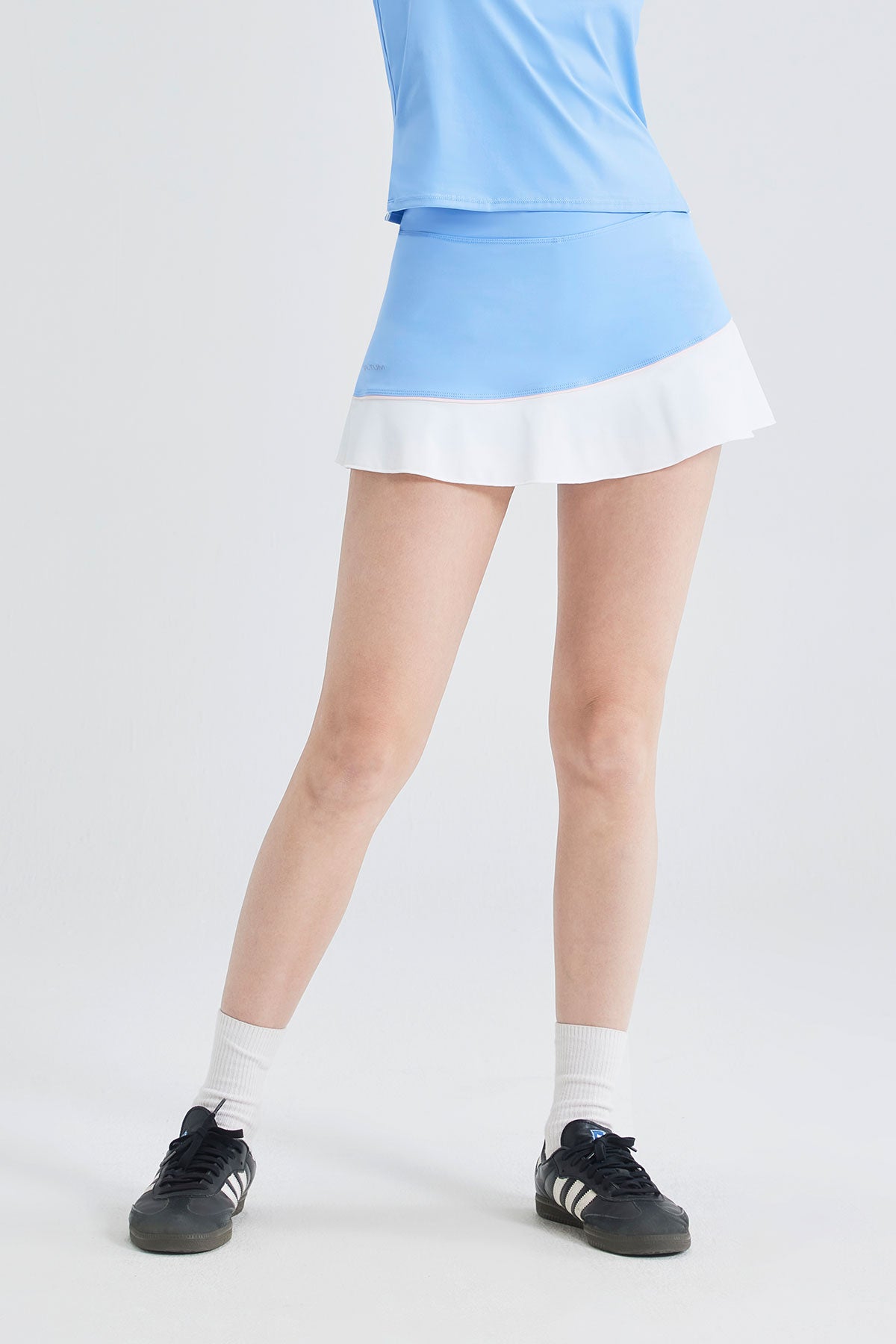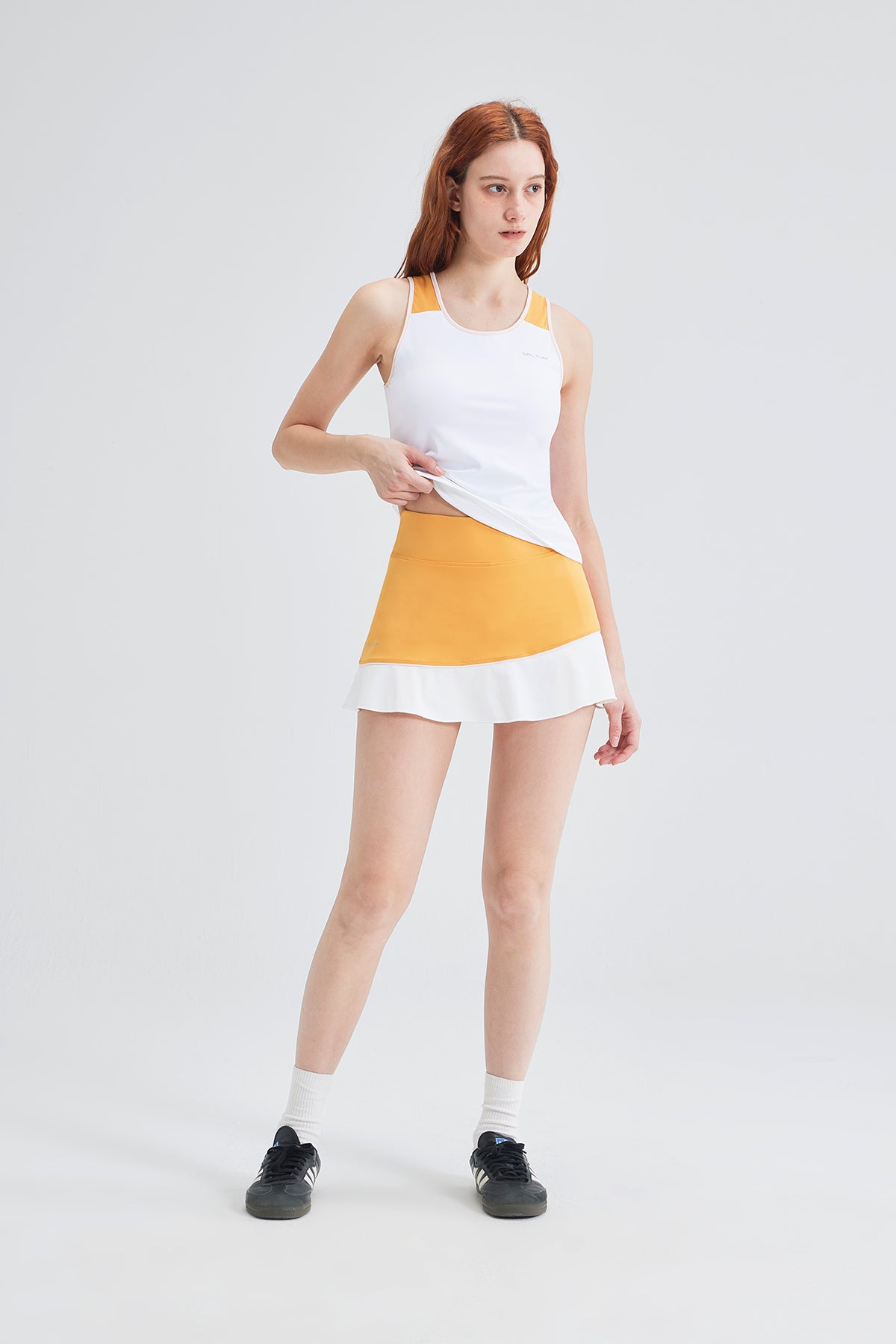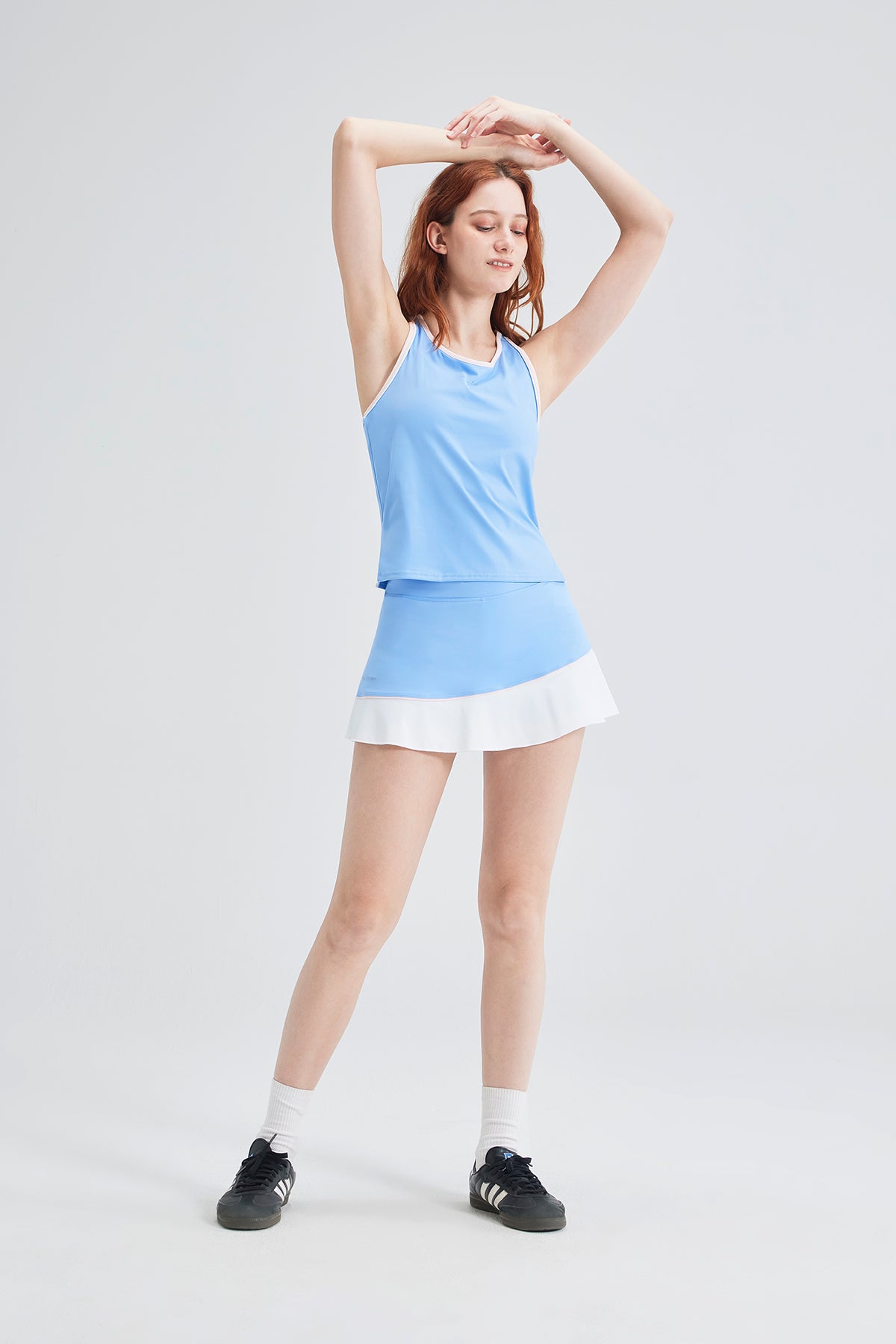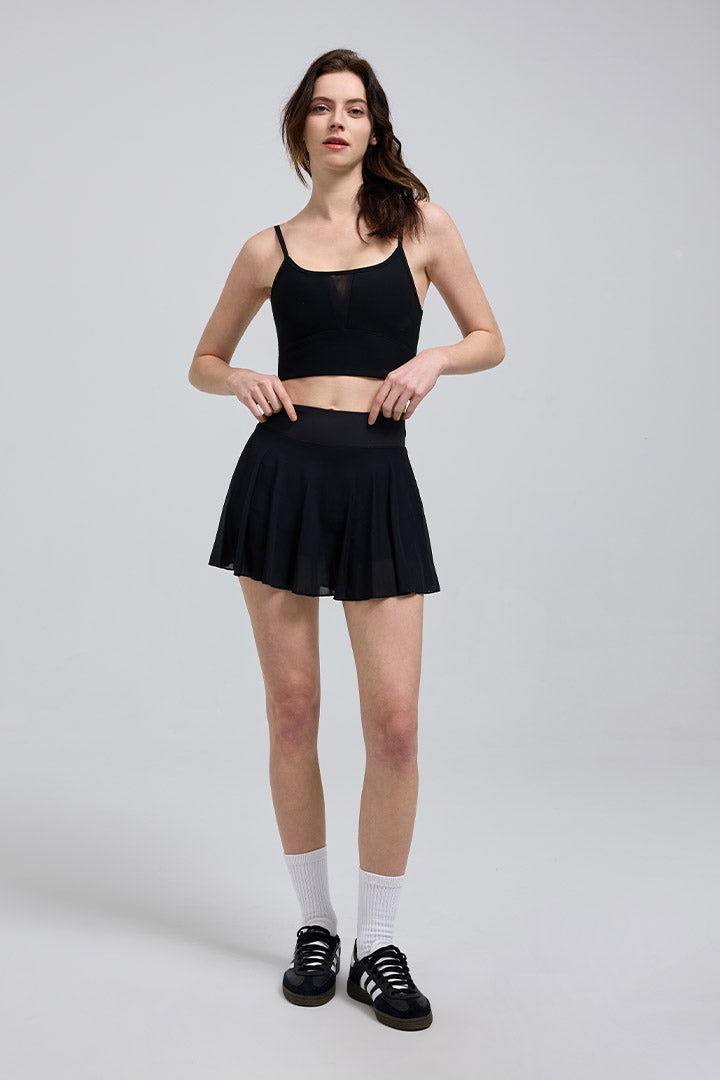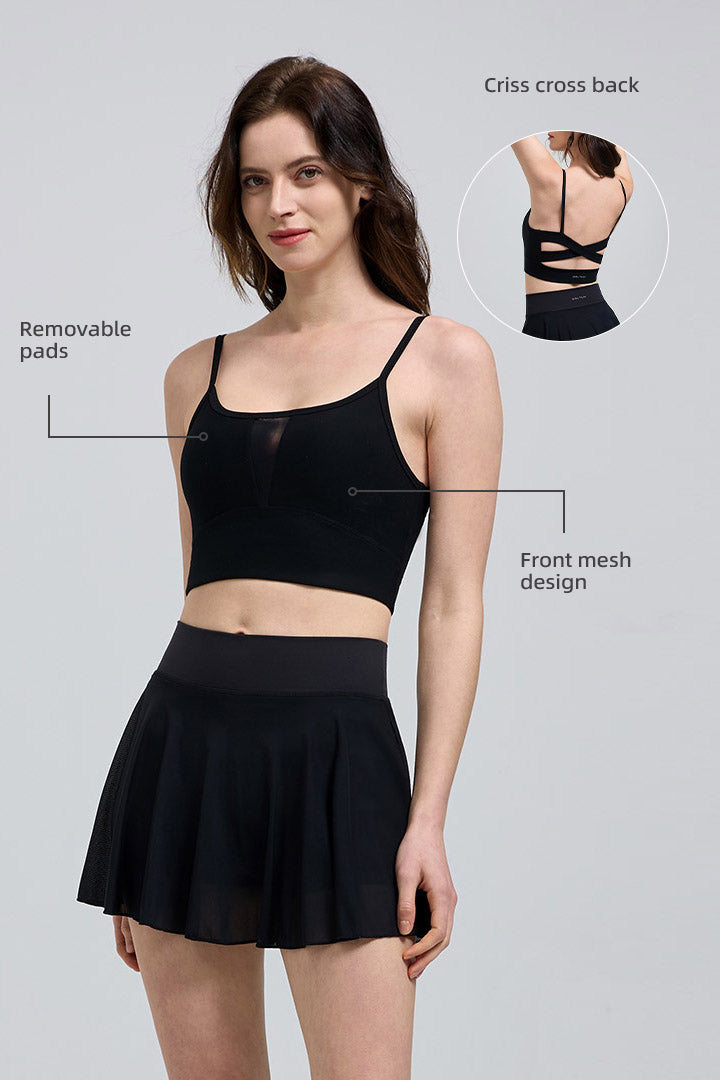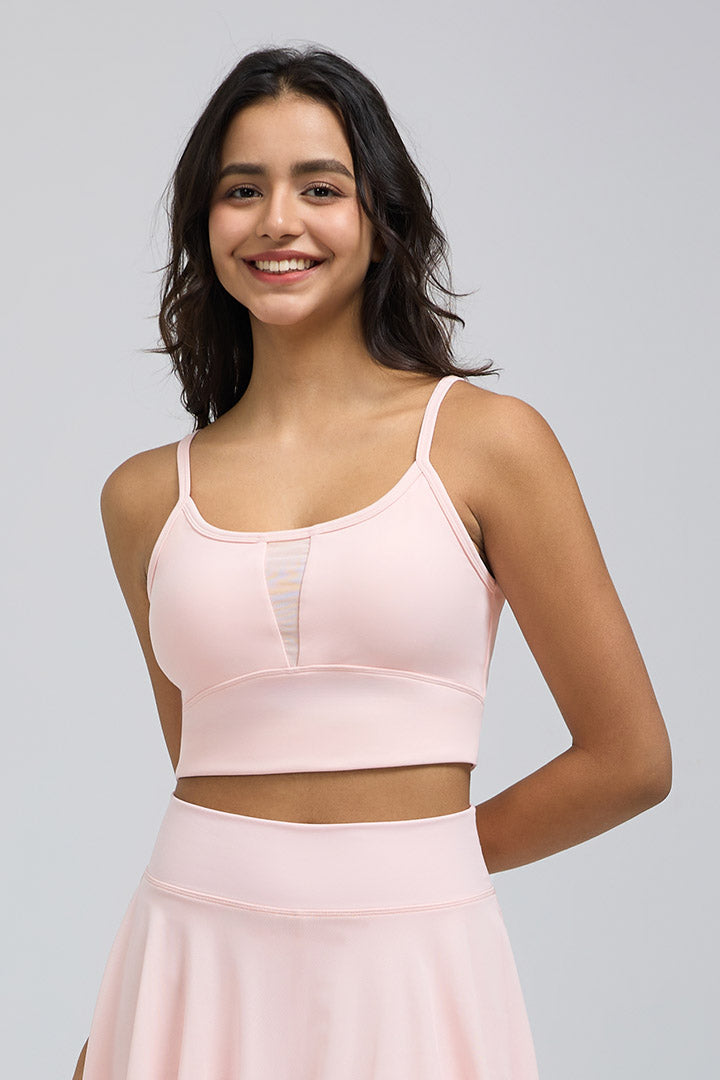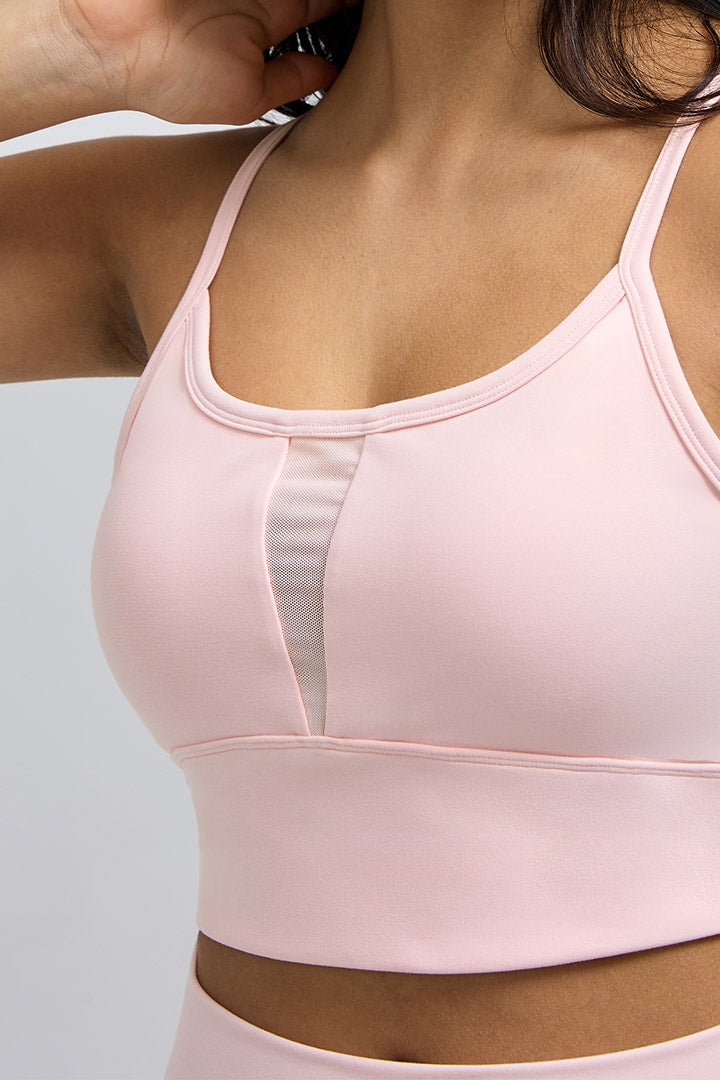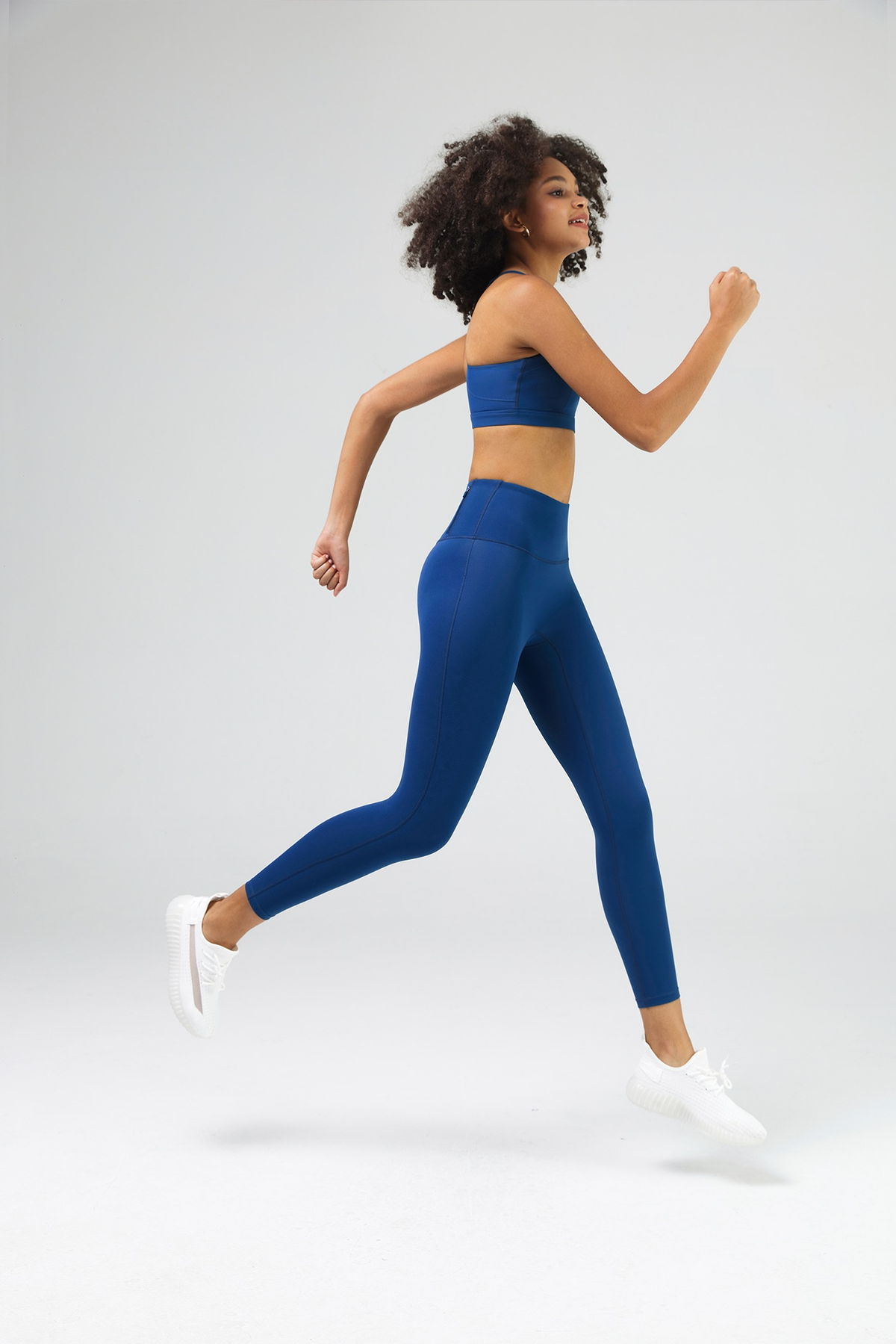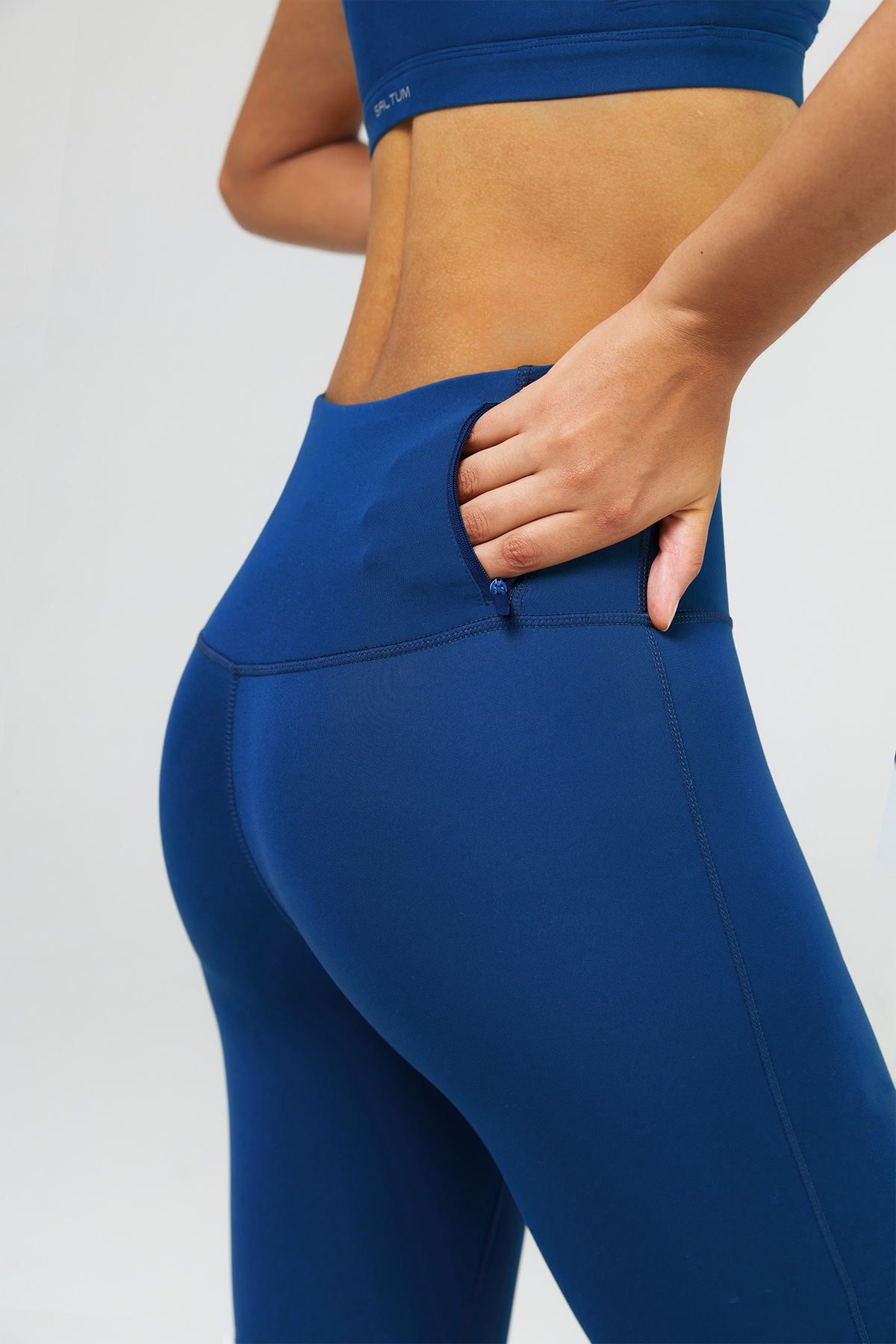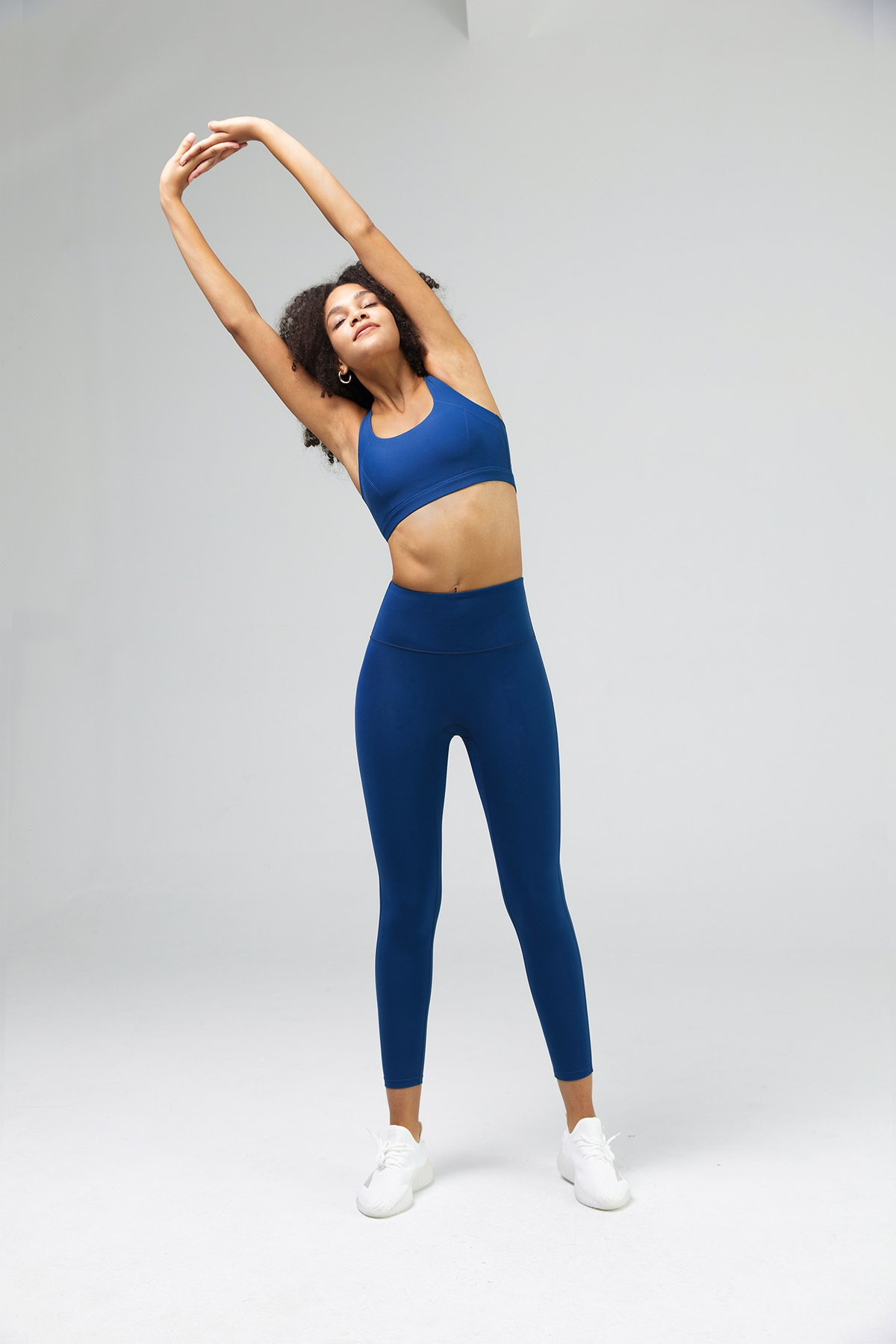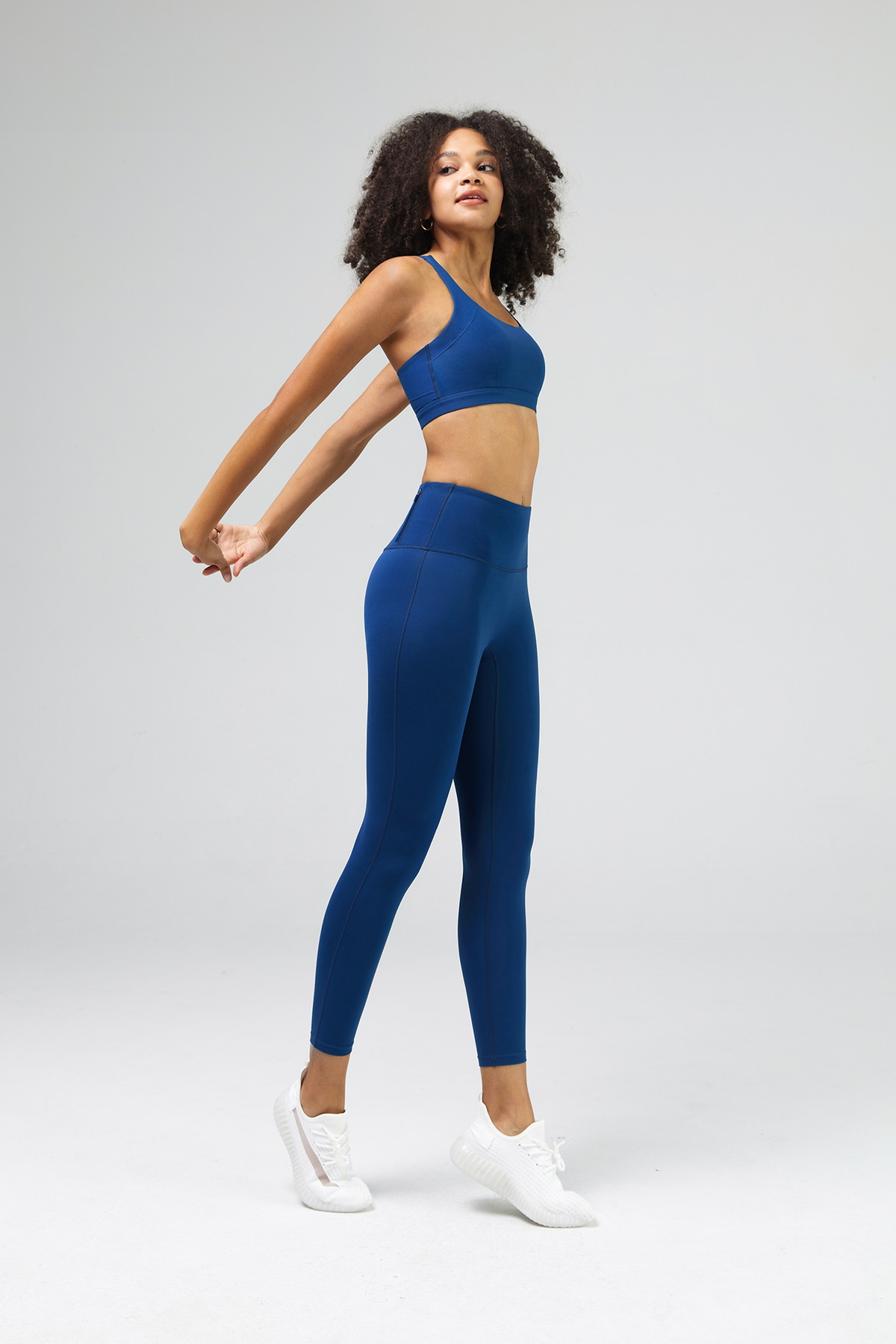

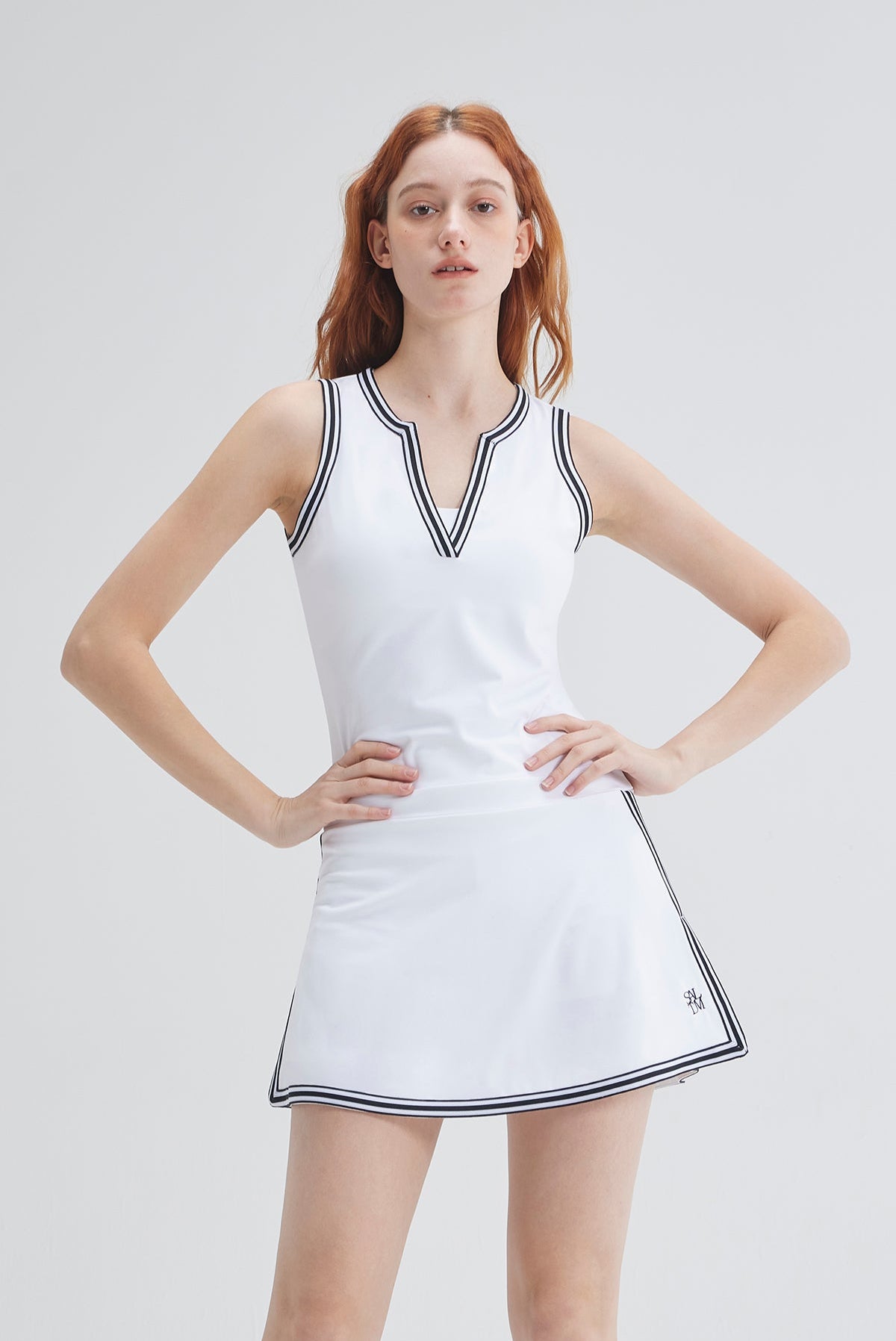




Vous est-il déjà arrivé de regarder un match de tennis en pensant : « Cette robe a l’air plutôt simple » ? Eh bien, détrompez-vous : elle est en réalité bien plus complexe qu’il n’y paraît. J’ai fait l’erreur d’essayer de jouer au tennis une fois avec une robe d’été classique. Ma robe n’arrêtait pas de remonter, je ne pouvais pas bouger correctement et je préfère ne même pas parler de l’endroit où j’étais censée mettre les balles de tennis. C’est à ce moment-là que j’ai compris que les robes de tennis et les robes classiques ne jouent même pas dans la même catégorie.
Pourquoi les robes de tennis sont conçues différemment
Une robe de tennis n’est pas simplement une robe classique raccourcie. Elle est conçue de A à Z pour le chaos propre au tennis de compétition. Lorsque vous sprintez sur le court, plongez pour rattraper des balles et armez vos services, vos vêtements doivent suivre le mouvement, sans quoi ils vous freineront.
Pensez à ce que votre corps fait réellement sur le court. Vous effectuez de rapides mouvements explosifs latéraux. Vous sautez. Vous vous fendez de façons qui feraient complètement perdre contenance à une robe classique. Une robe classique ? Elle est conçue pour les promenades tranquilles et les moments assis à la terrasse d’un café. Elle ne sait absolument pas quoi faire lorsque vous devez soudainement sprinter sur 10 mètres en deux secondes.


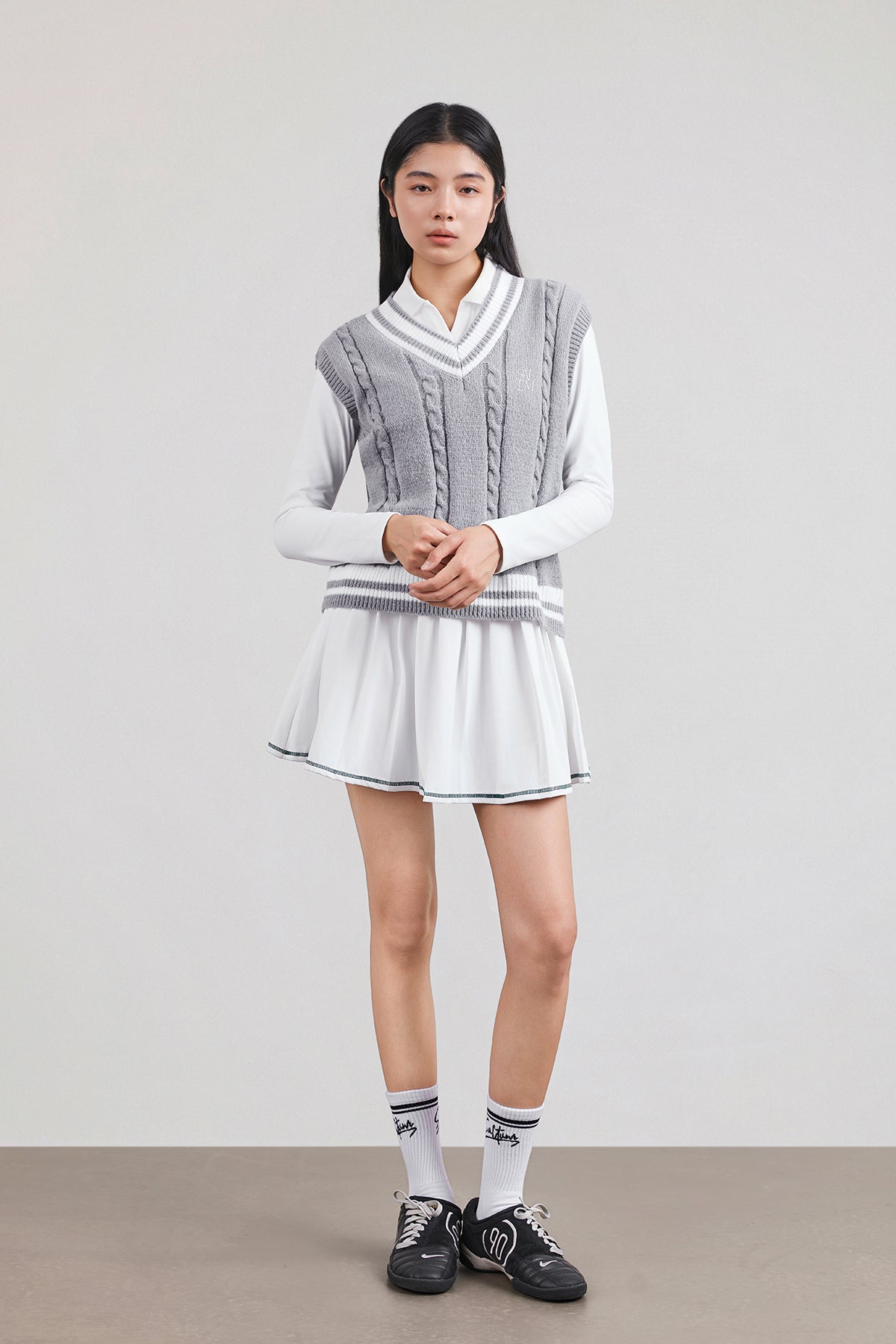
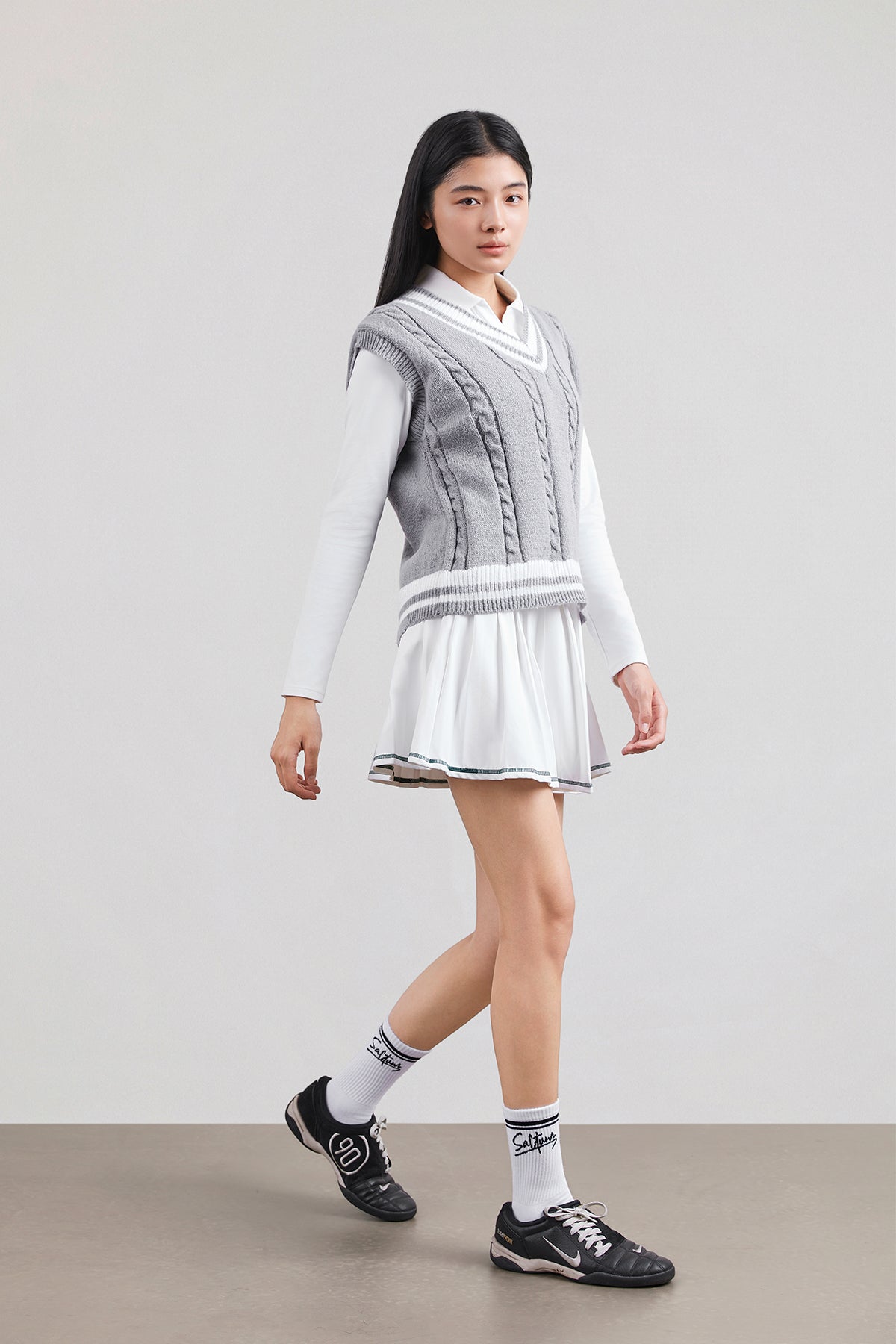
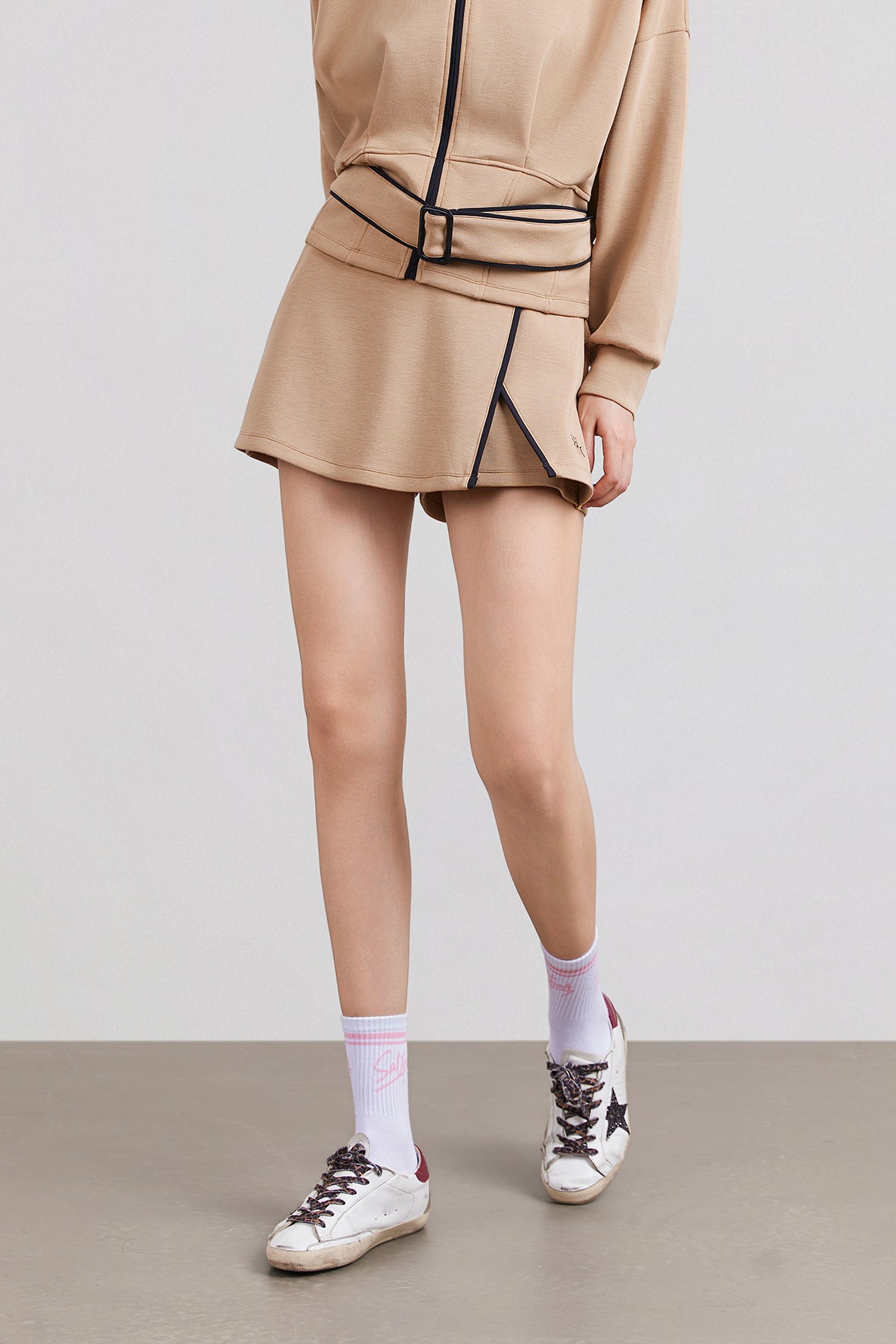
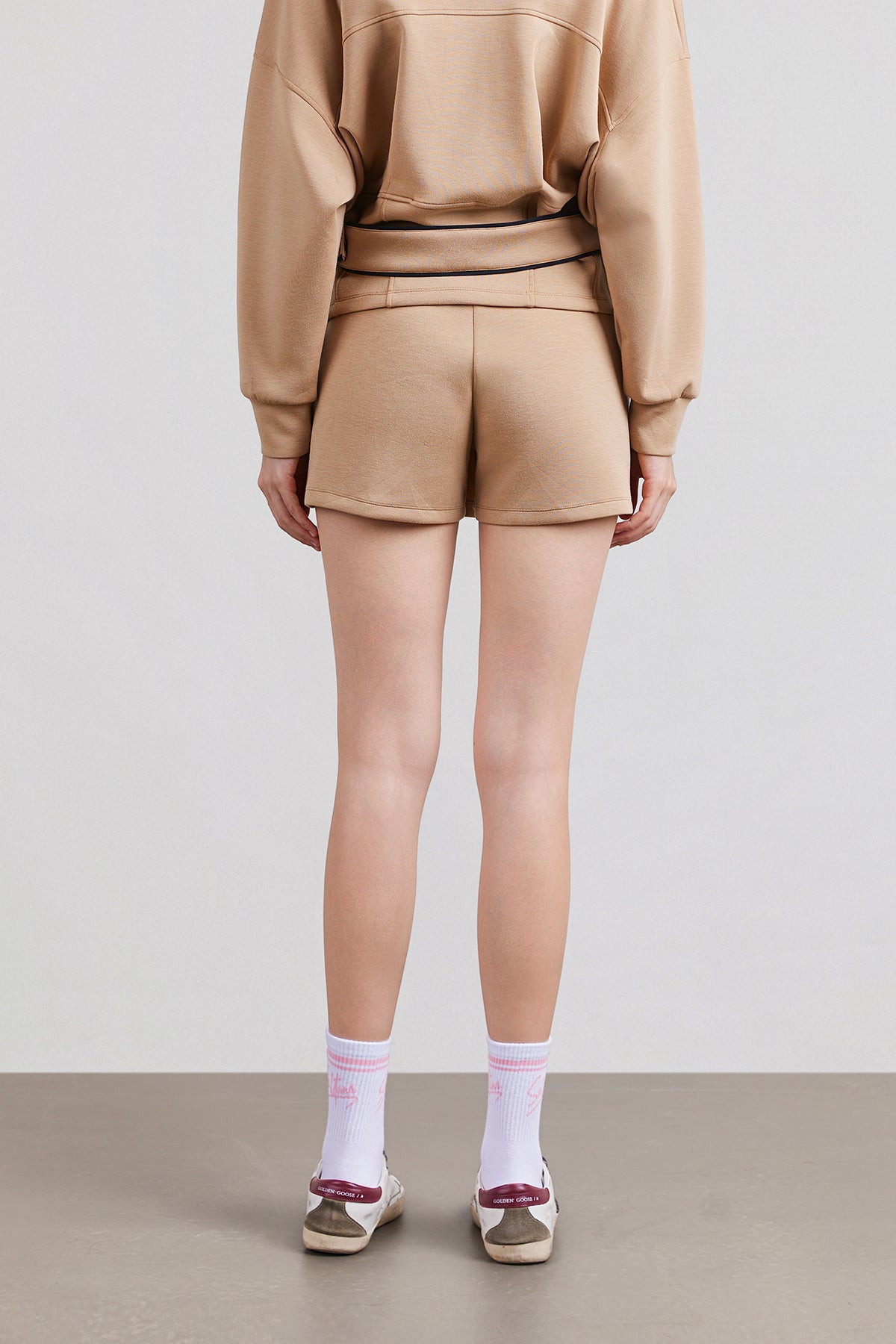
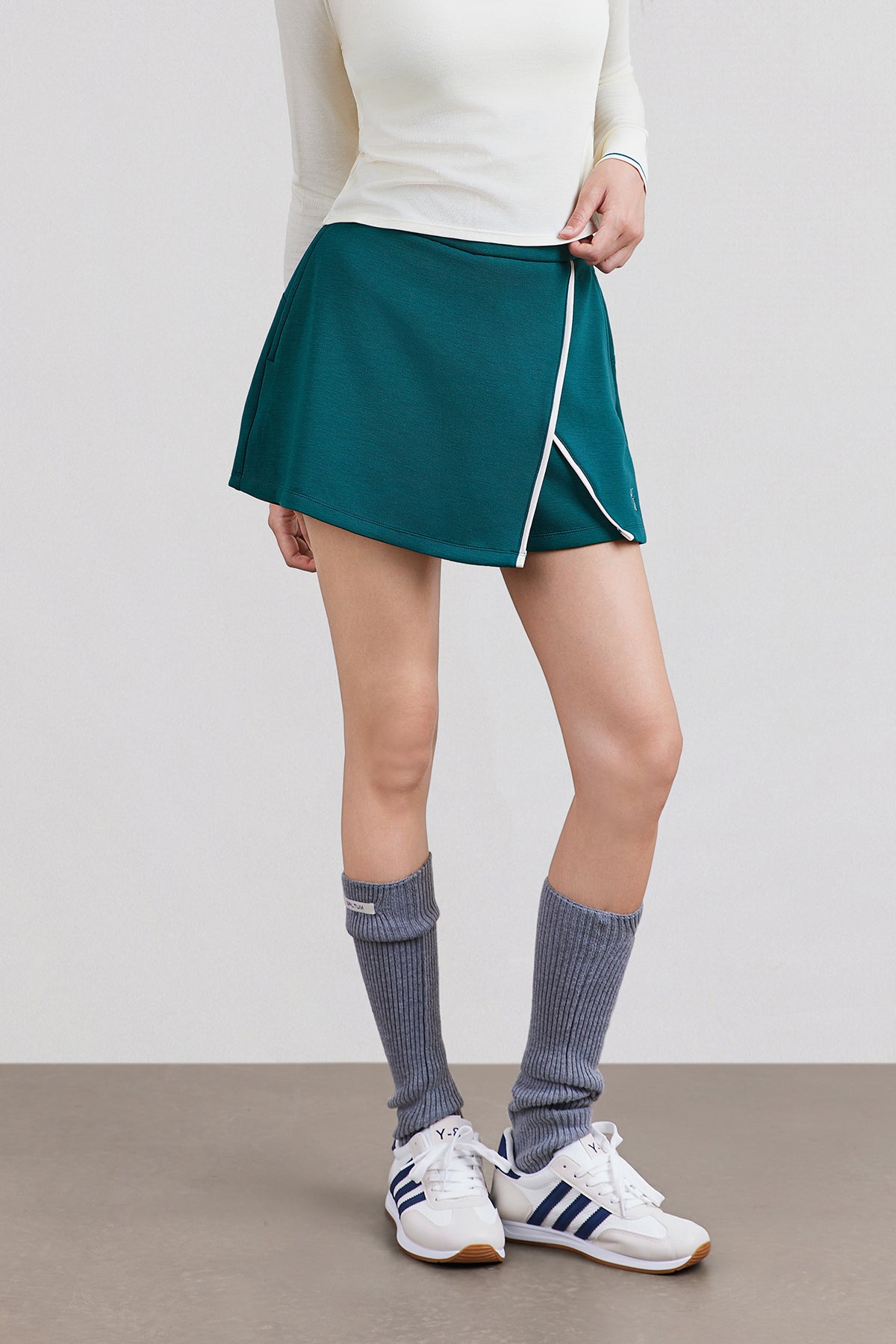
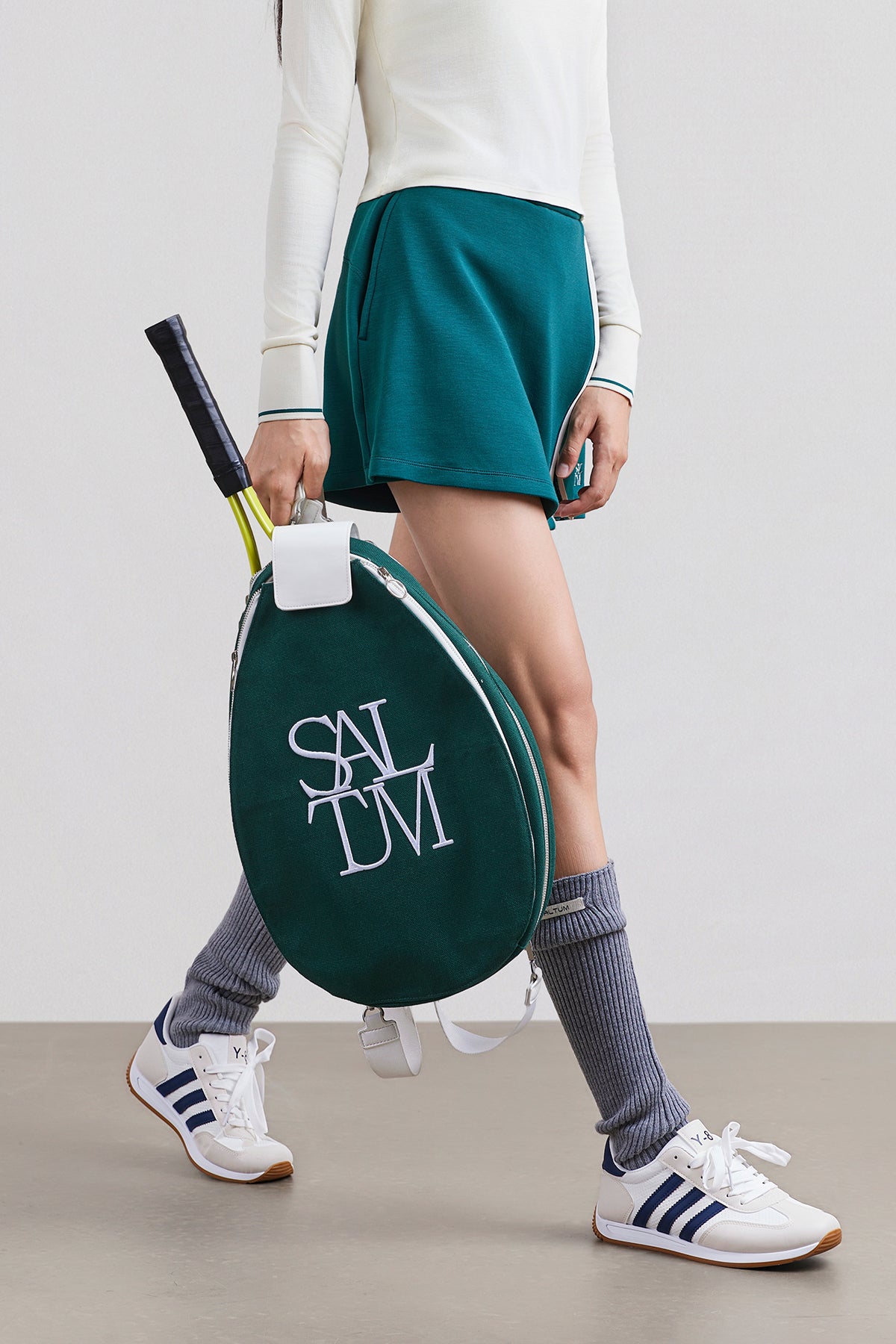
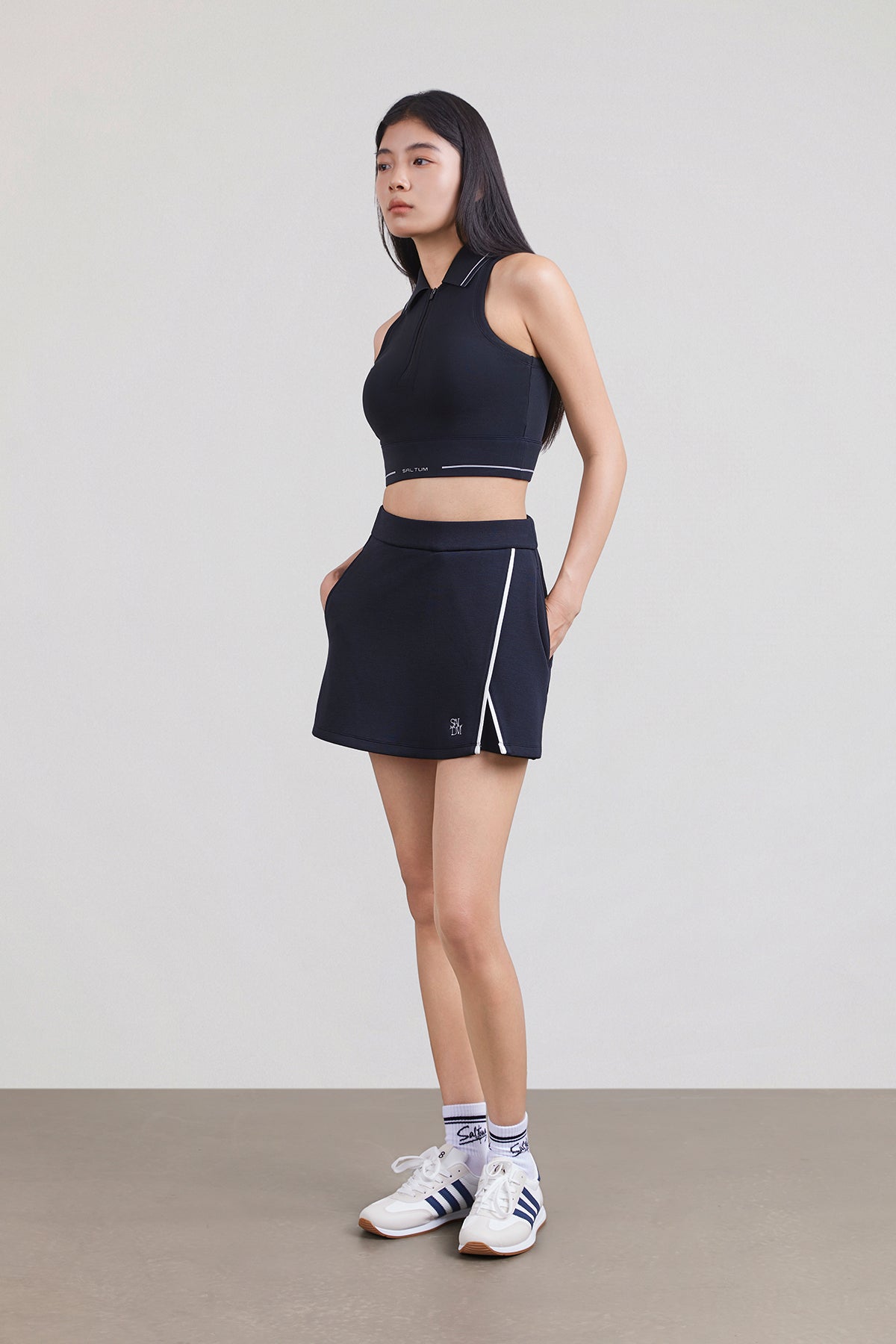
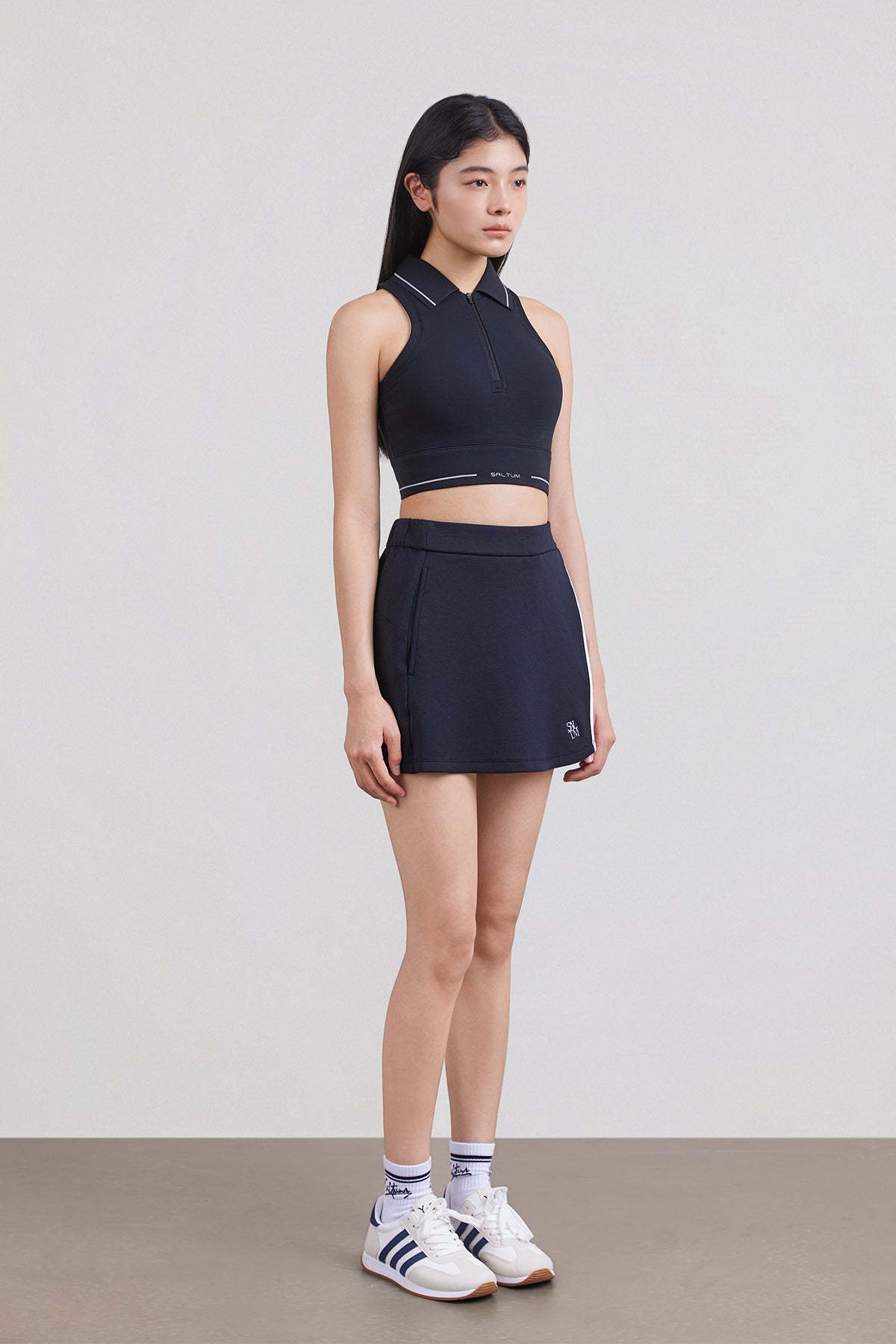
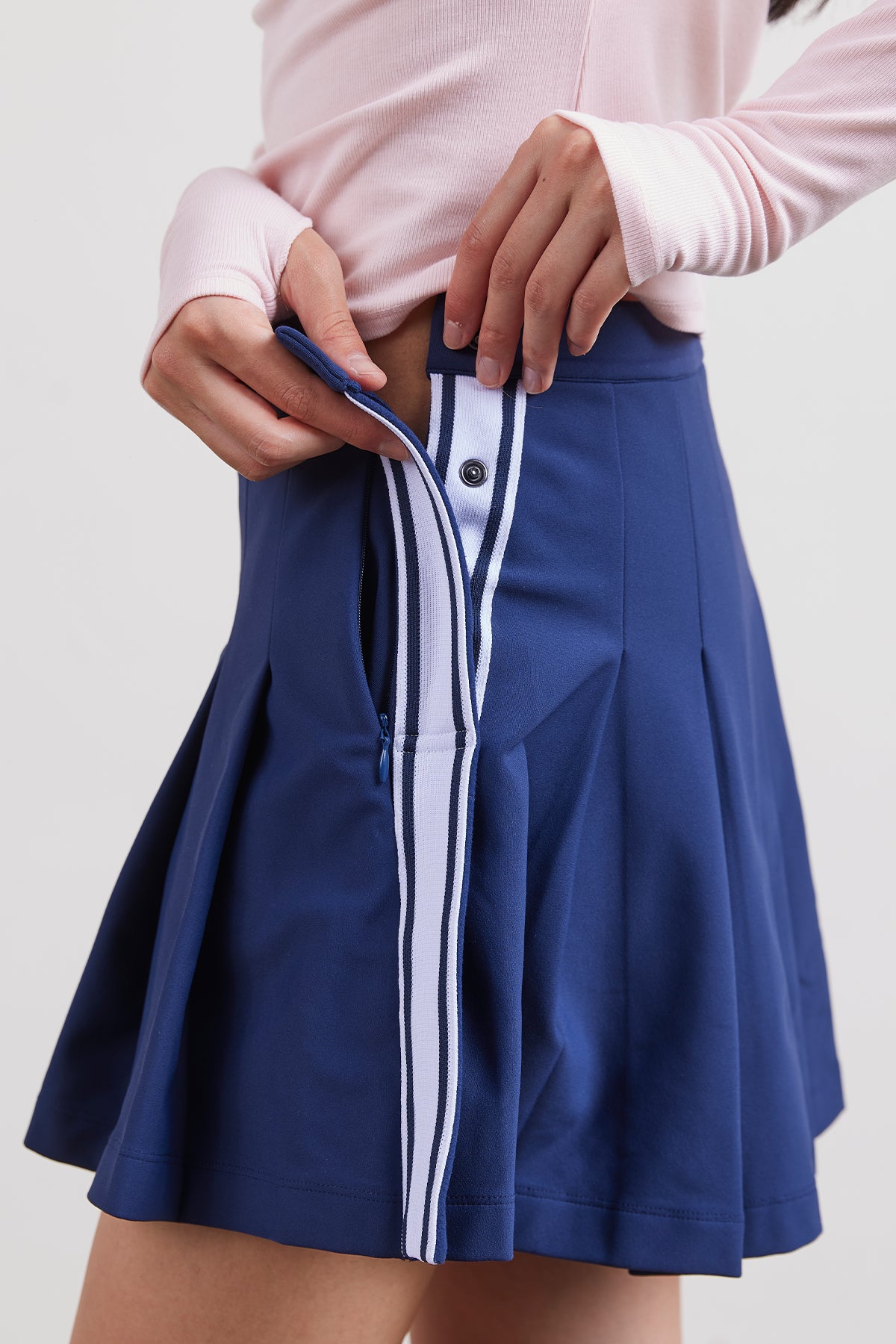
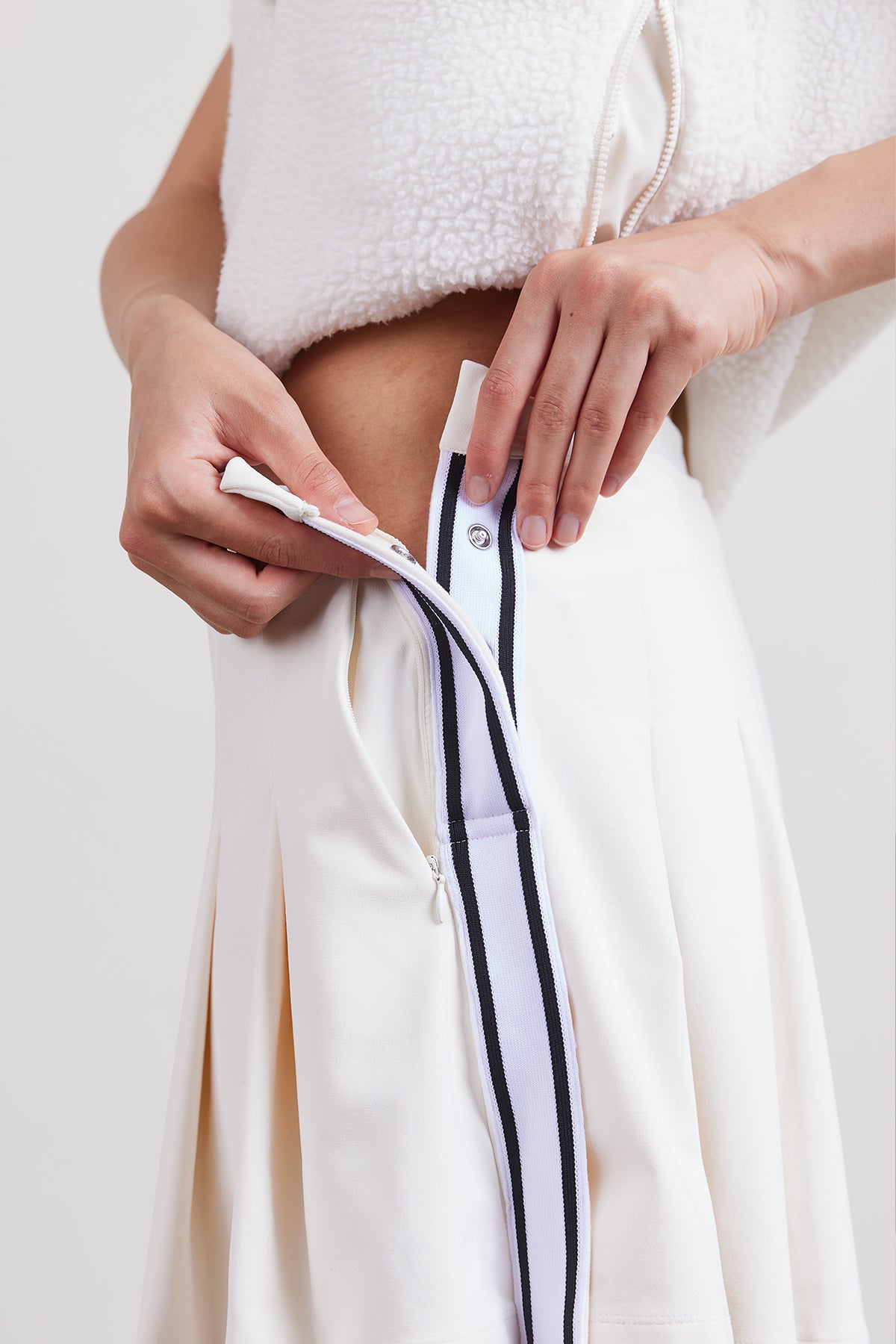
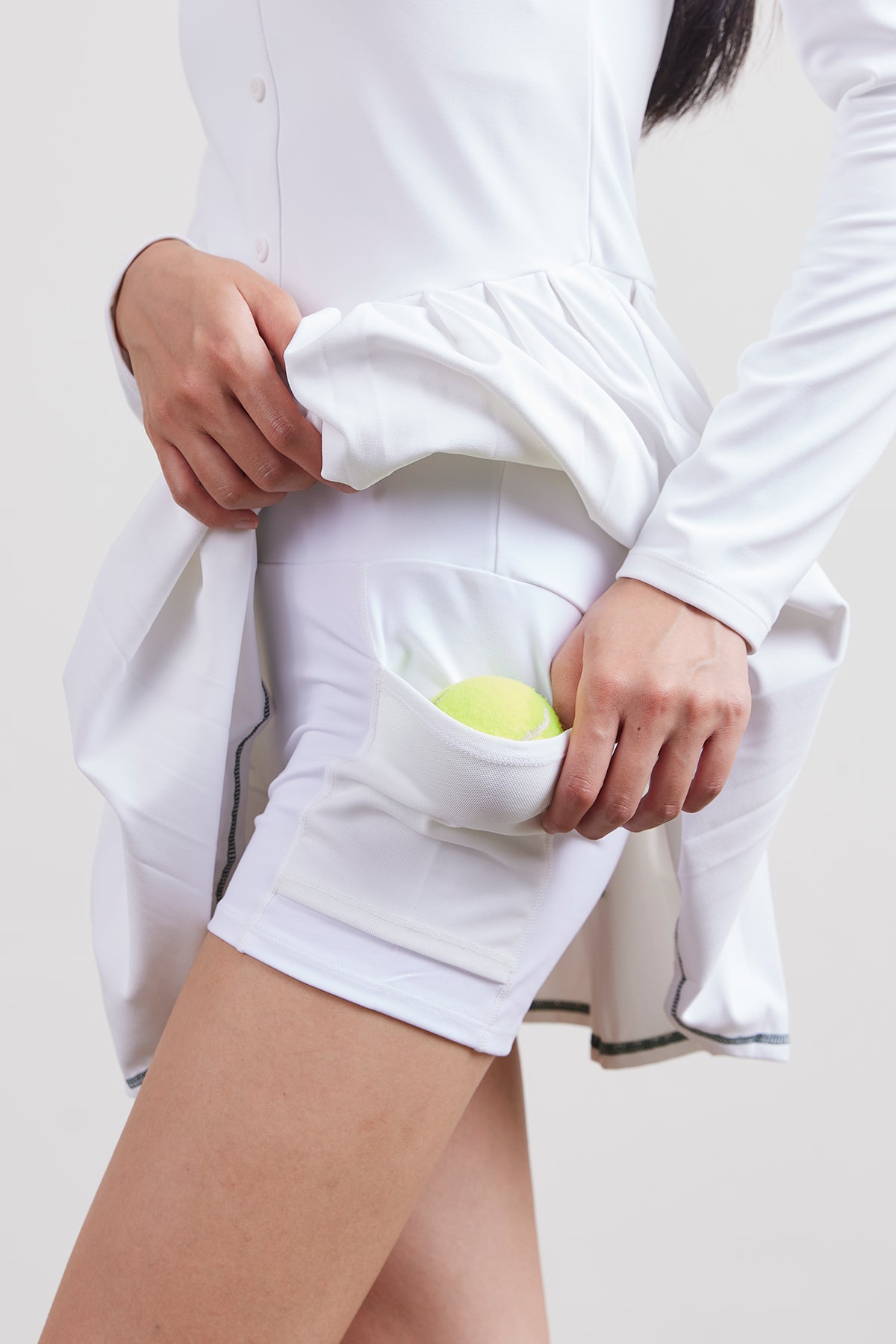
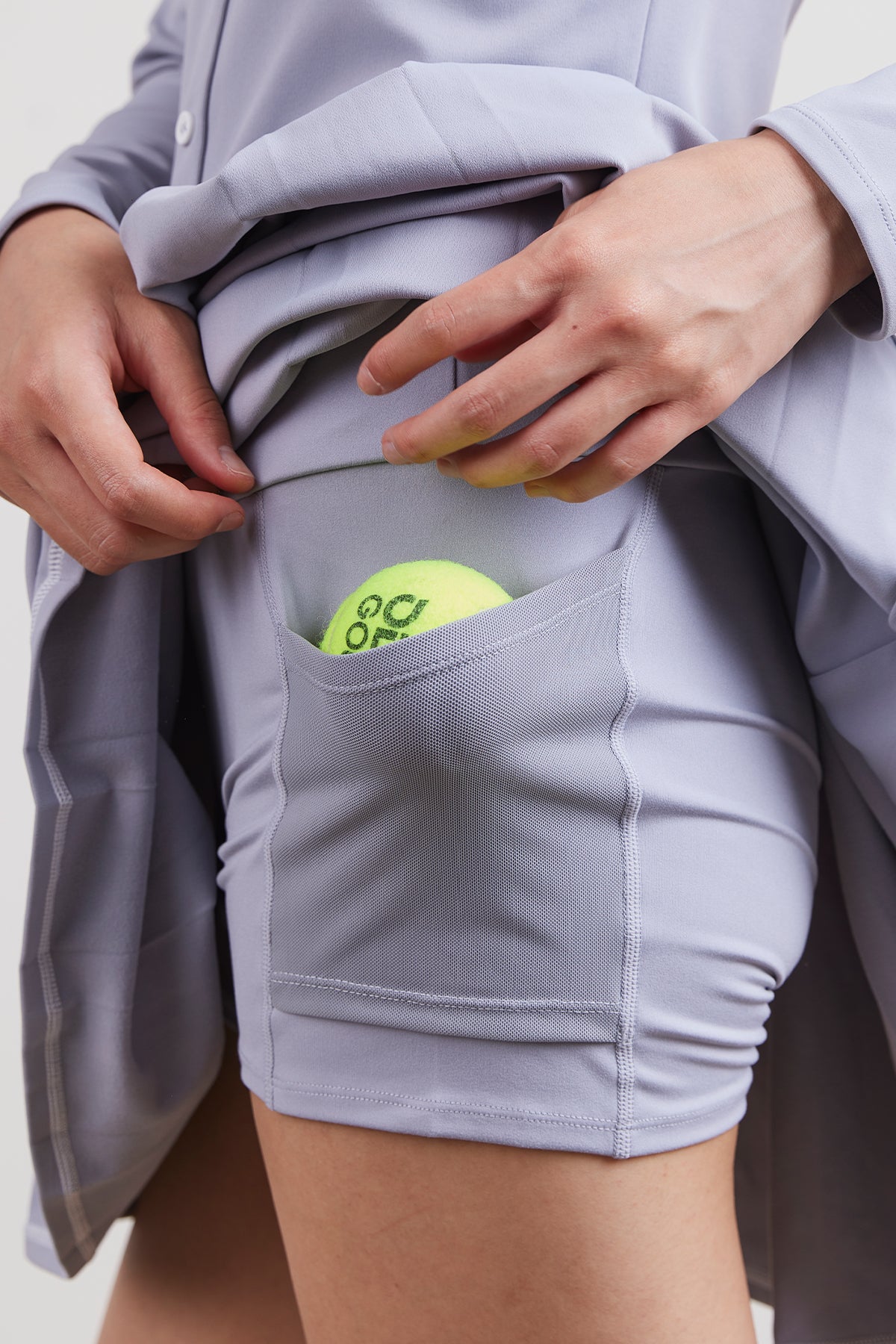
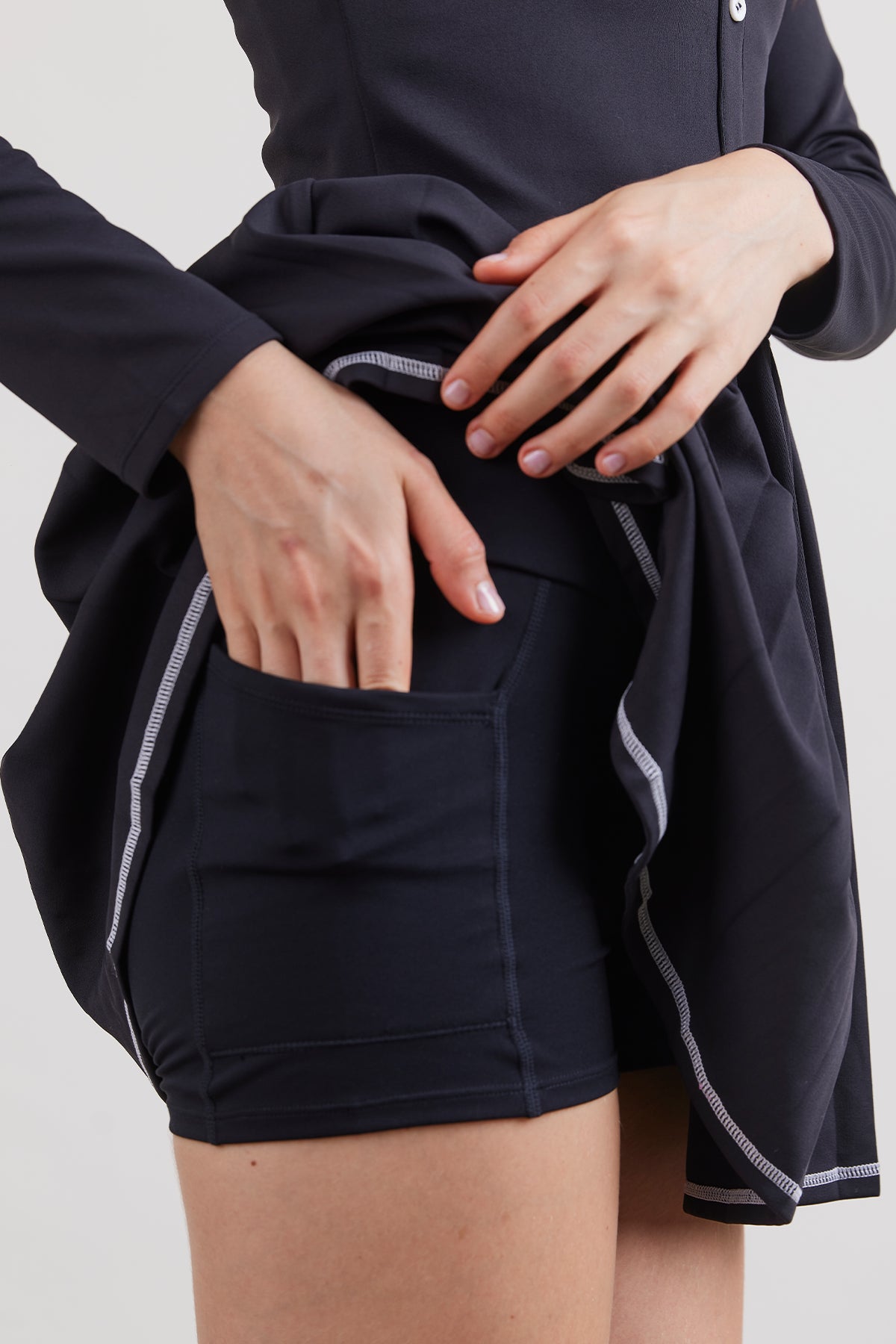
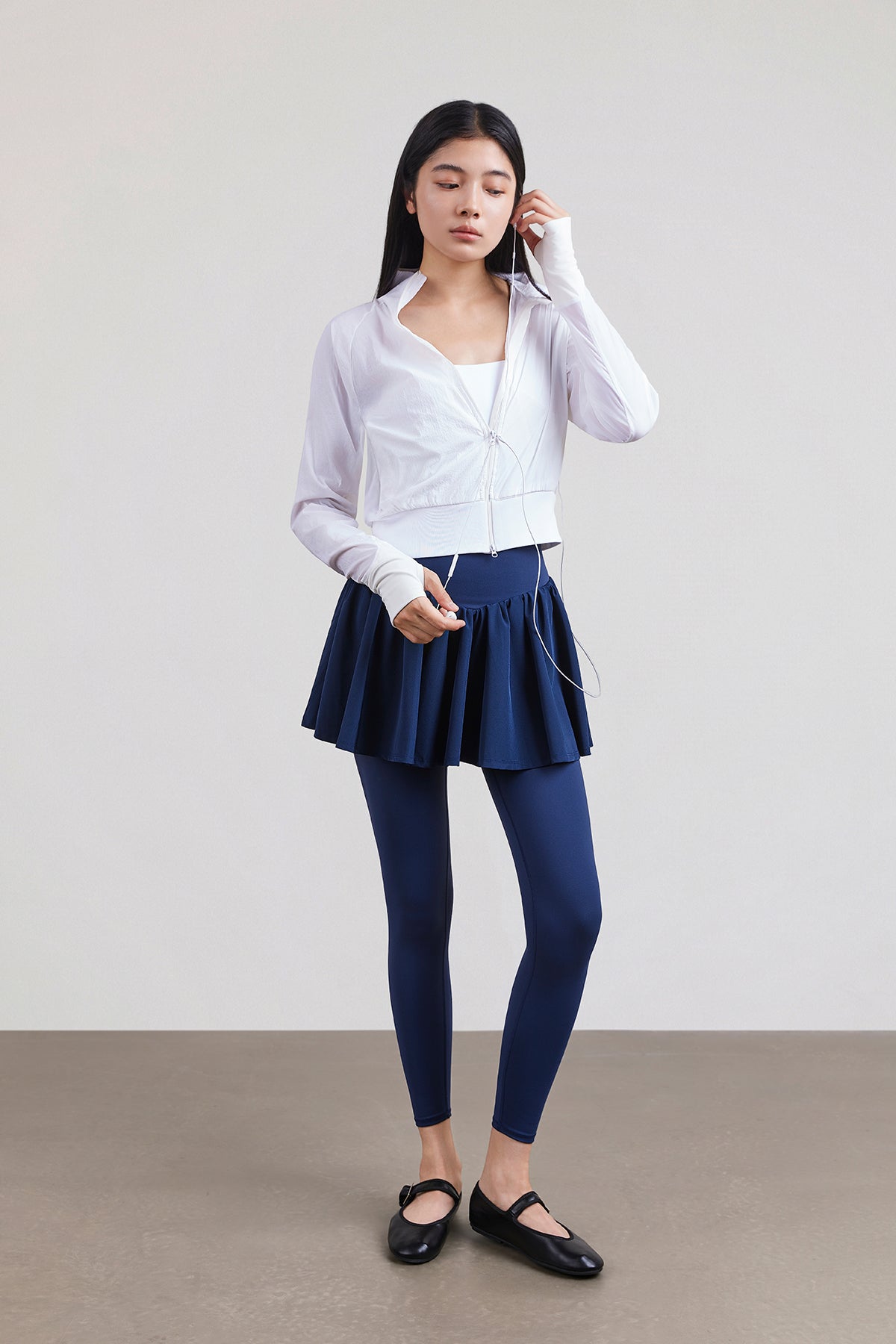
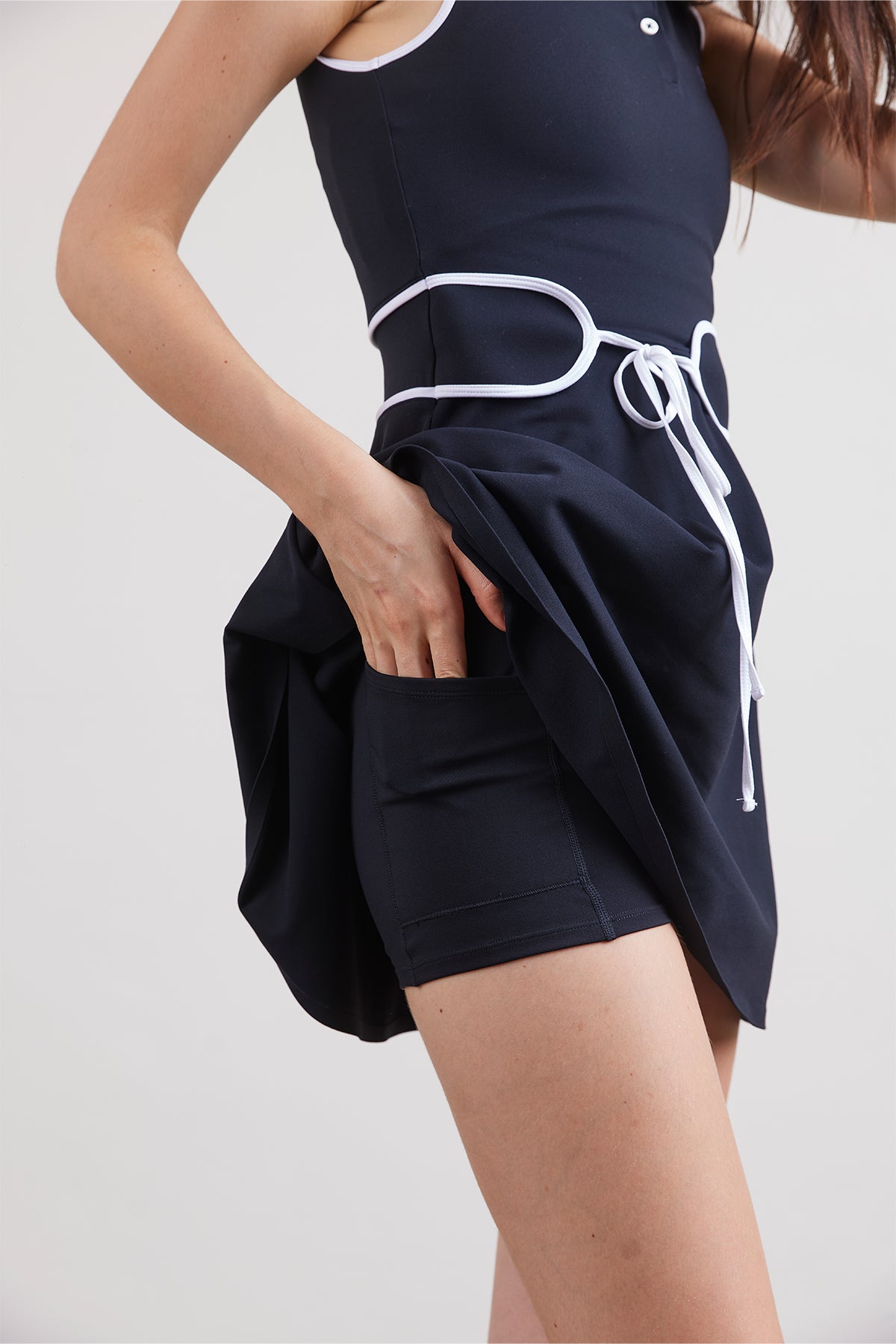
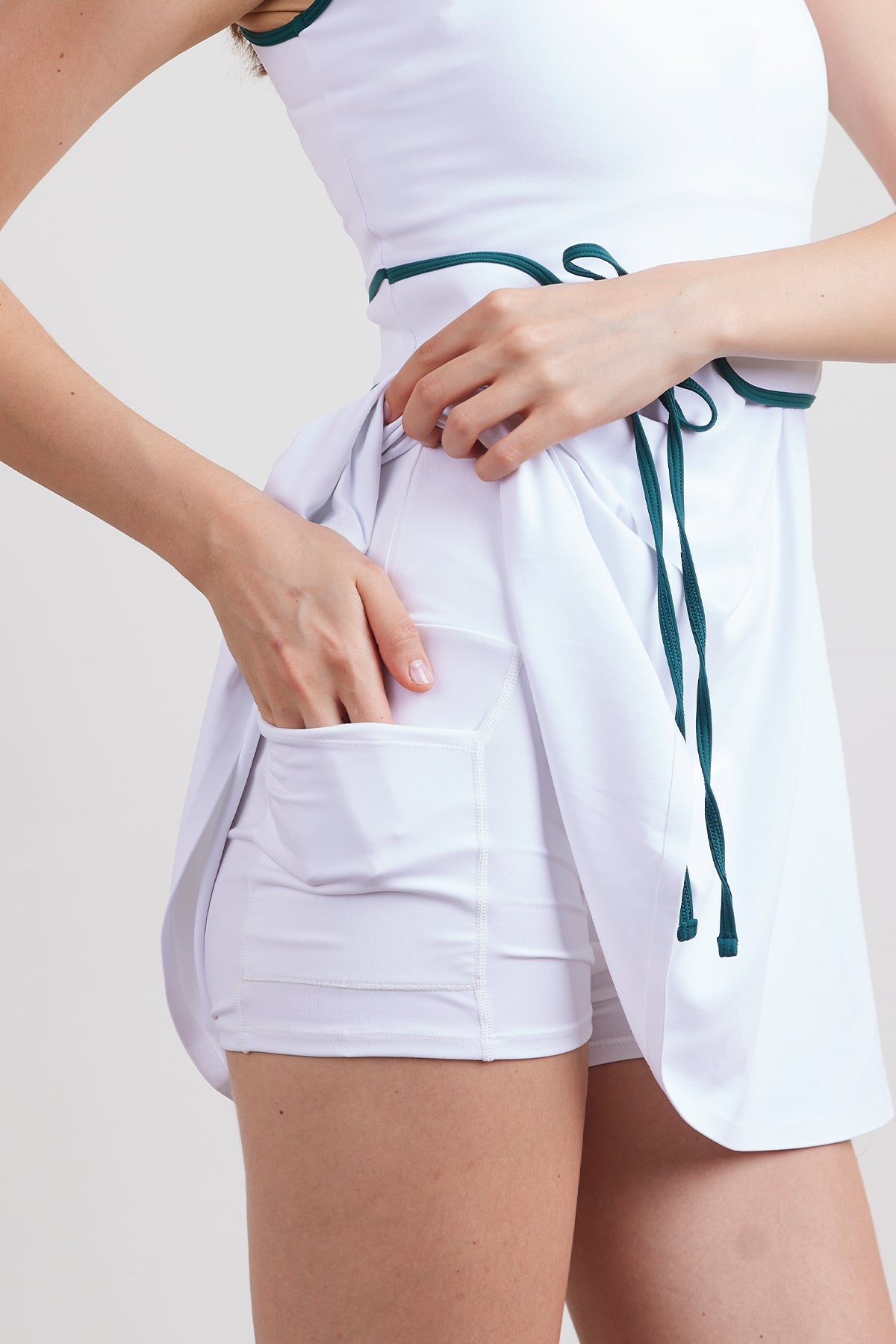
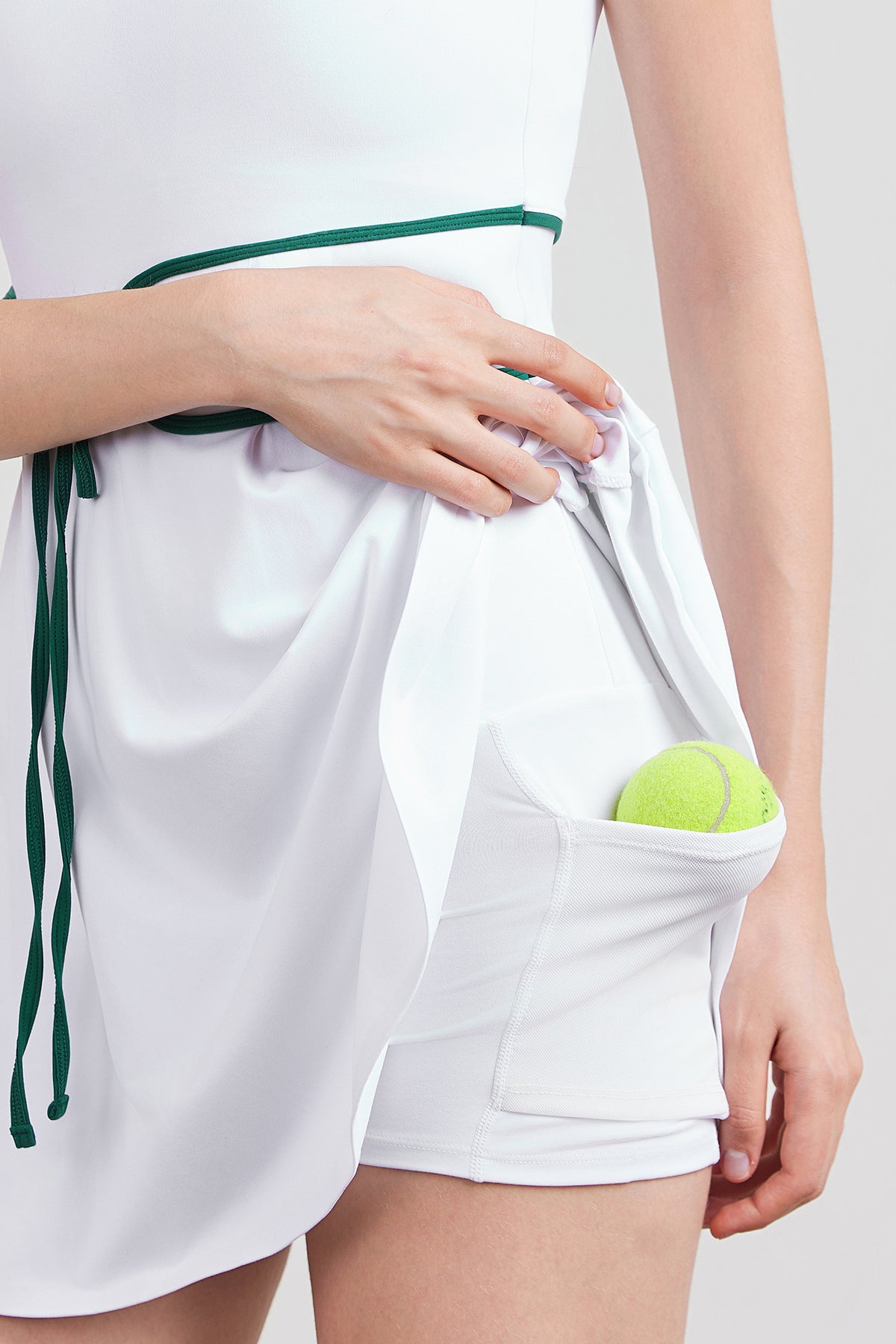
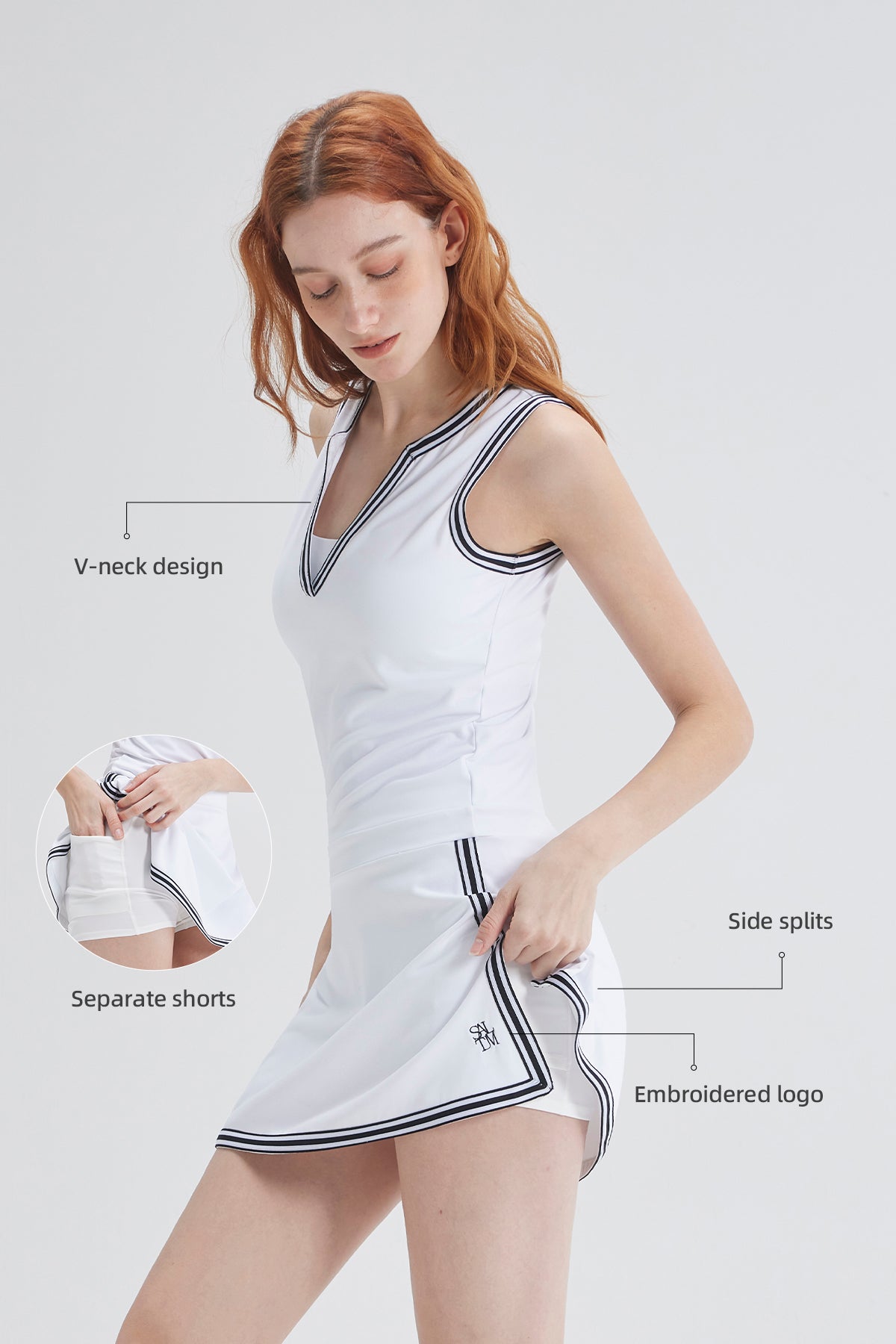
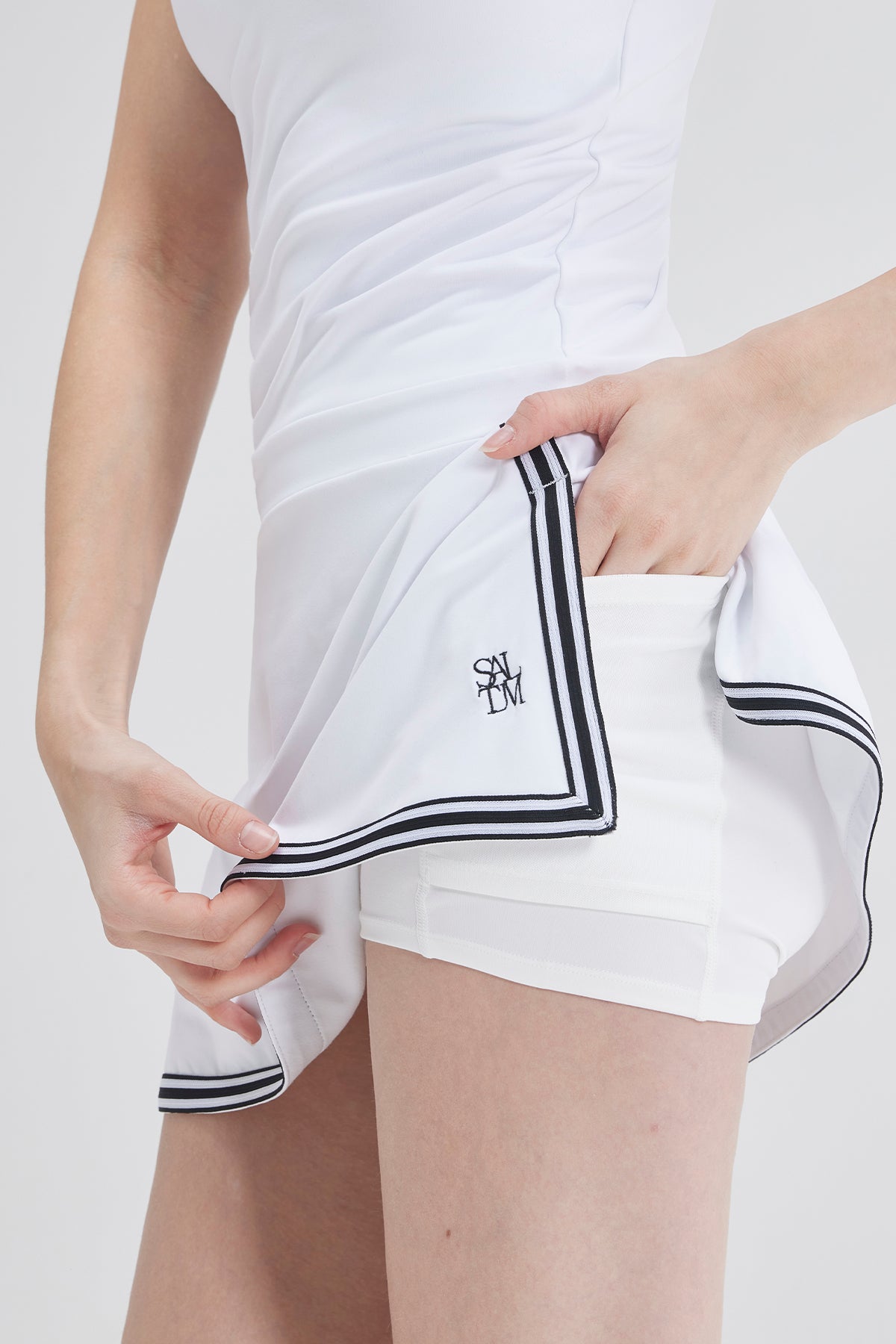
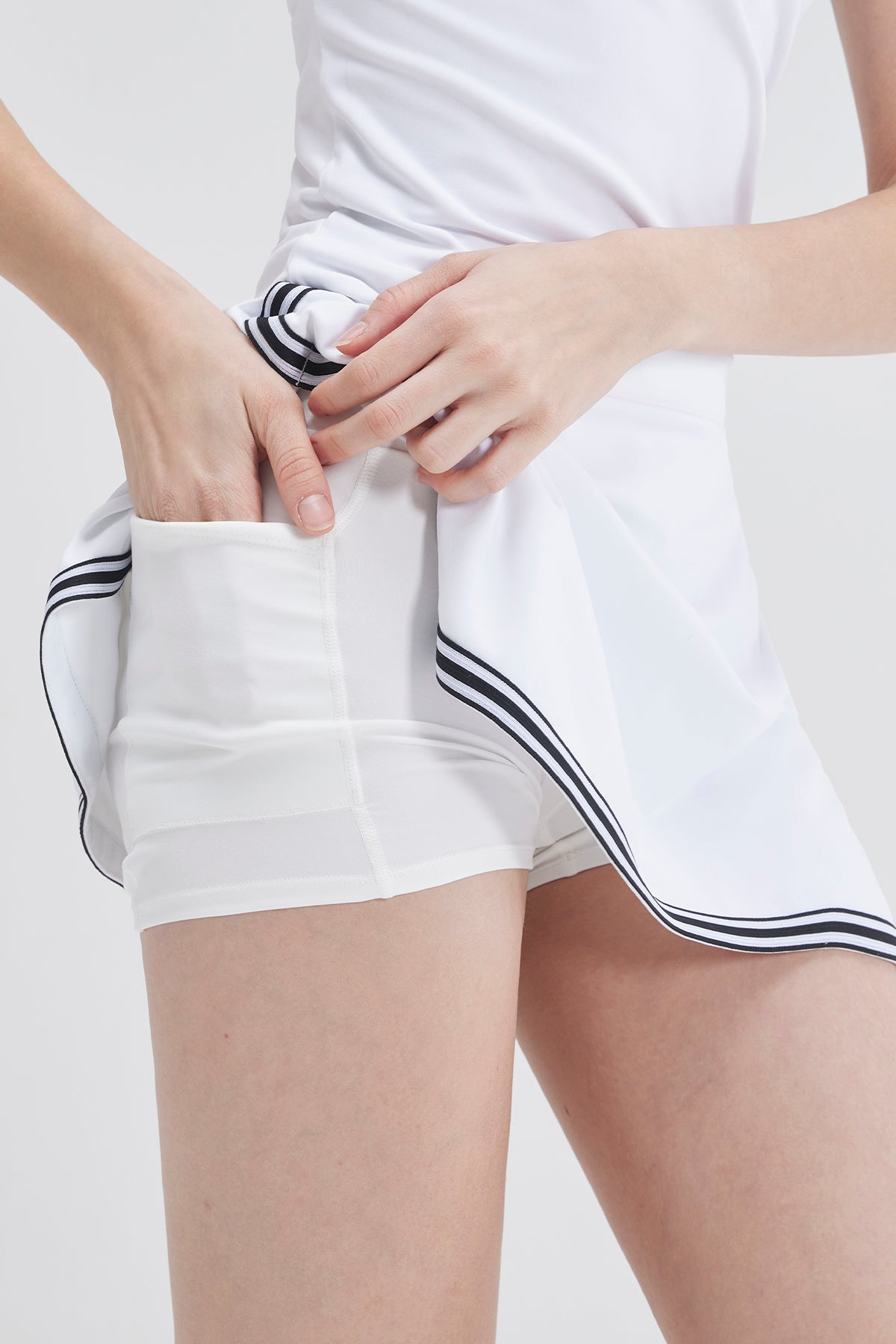
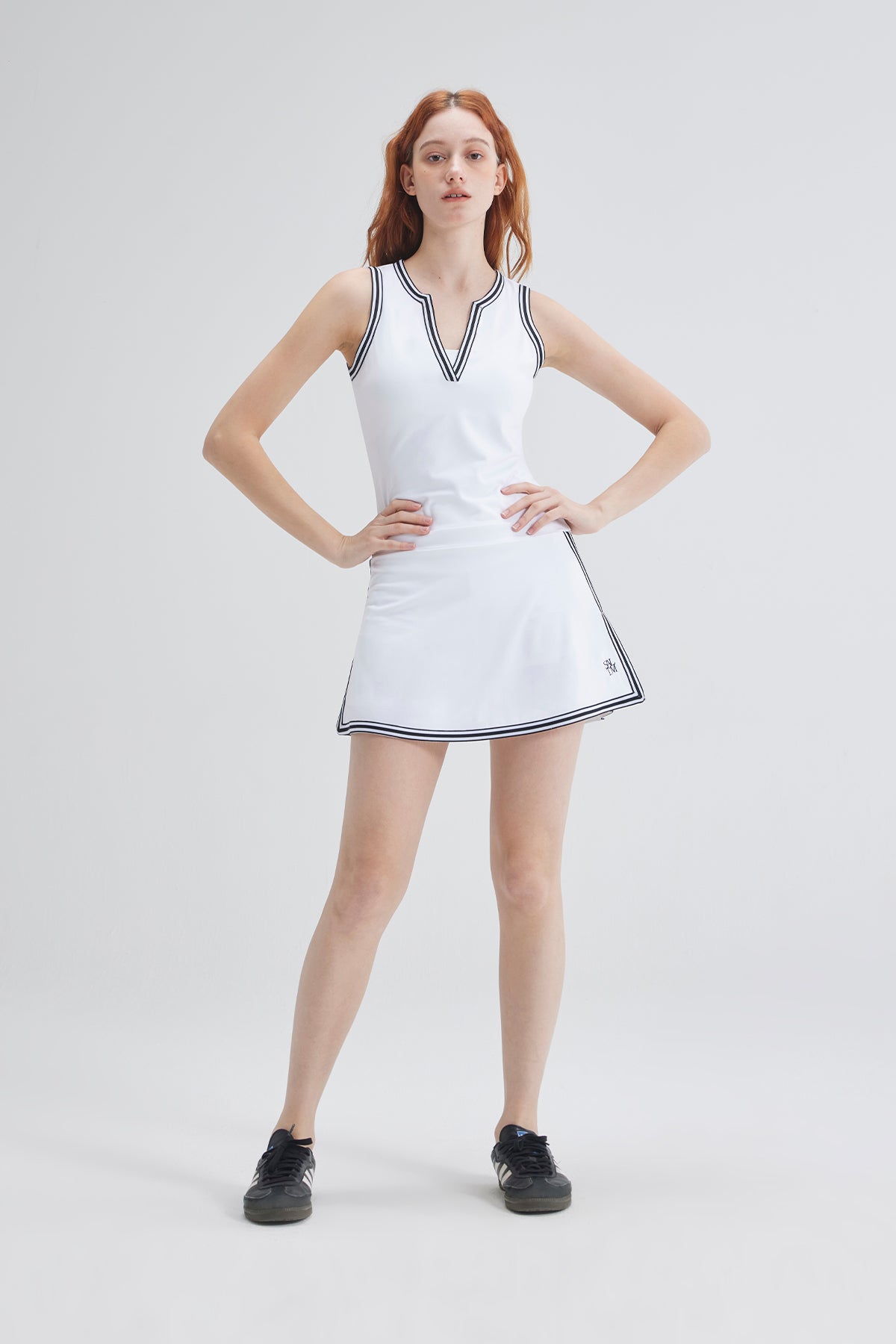
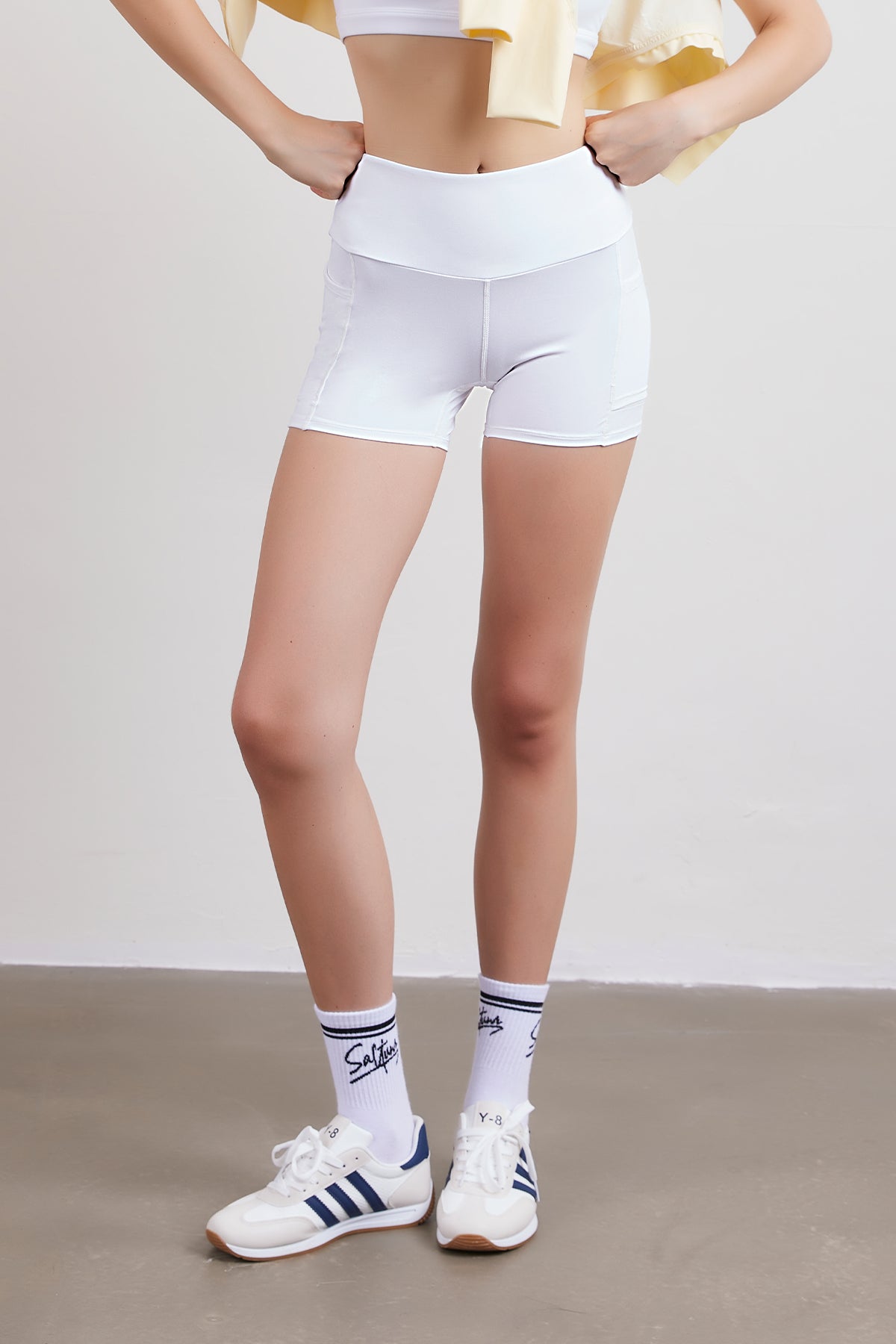
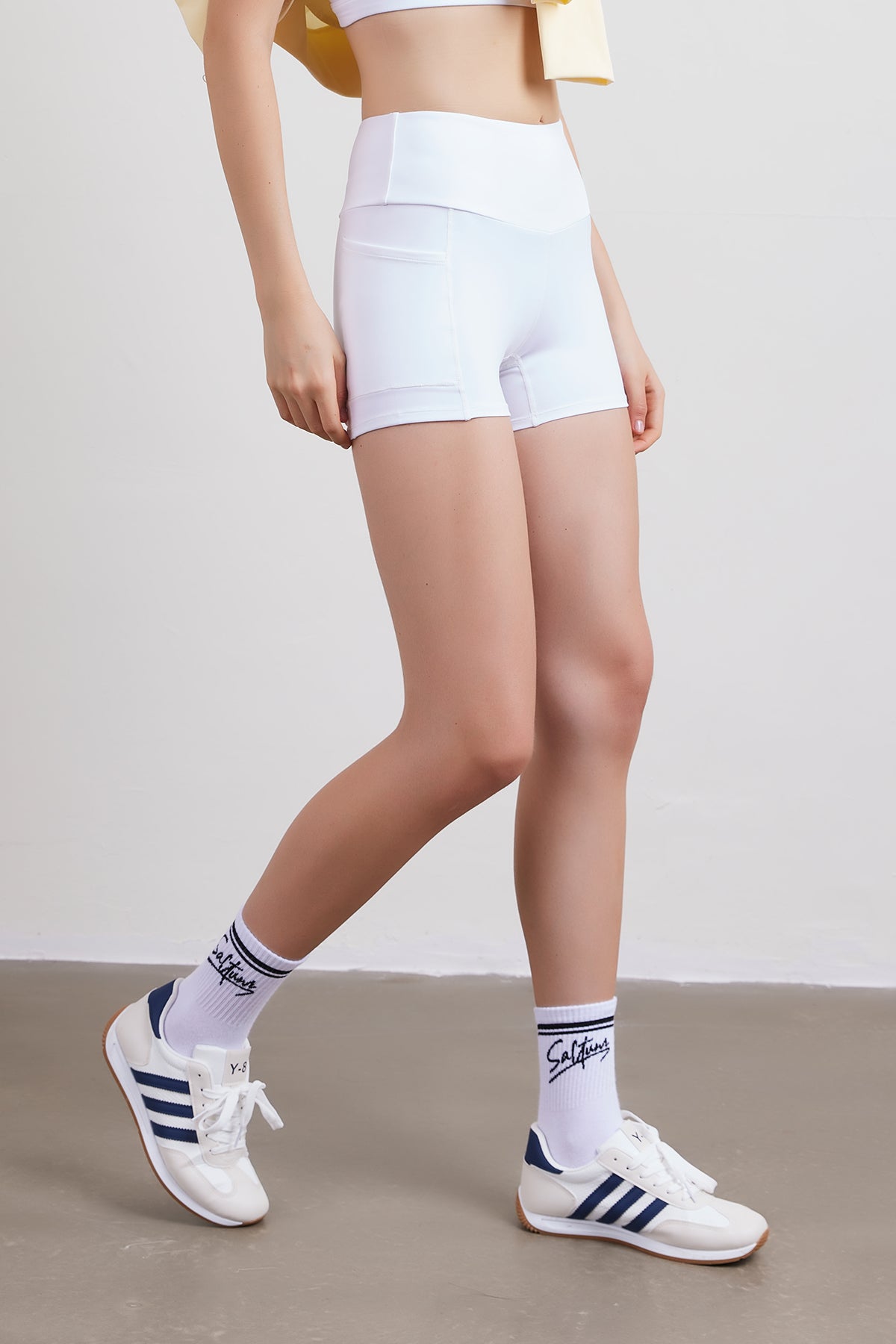
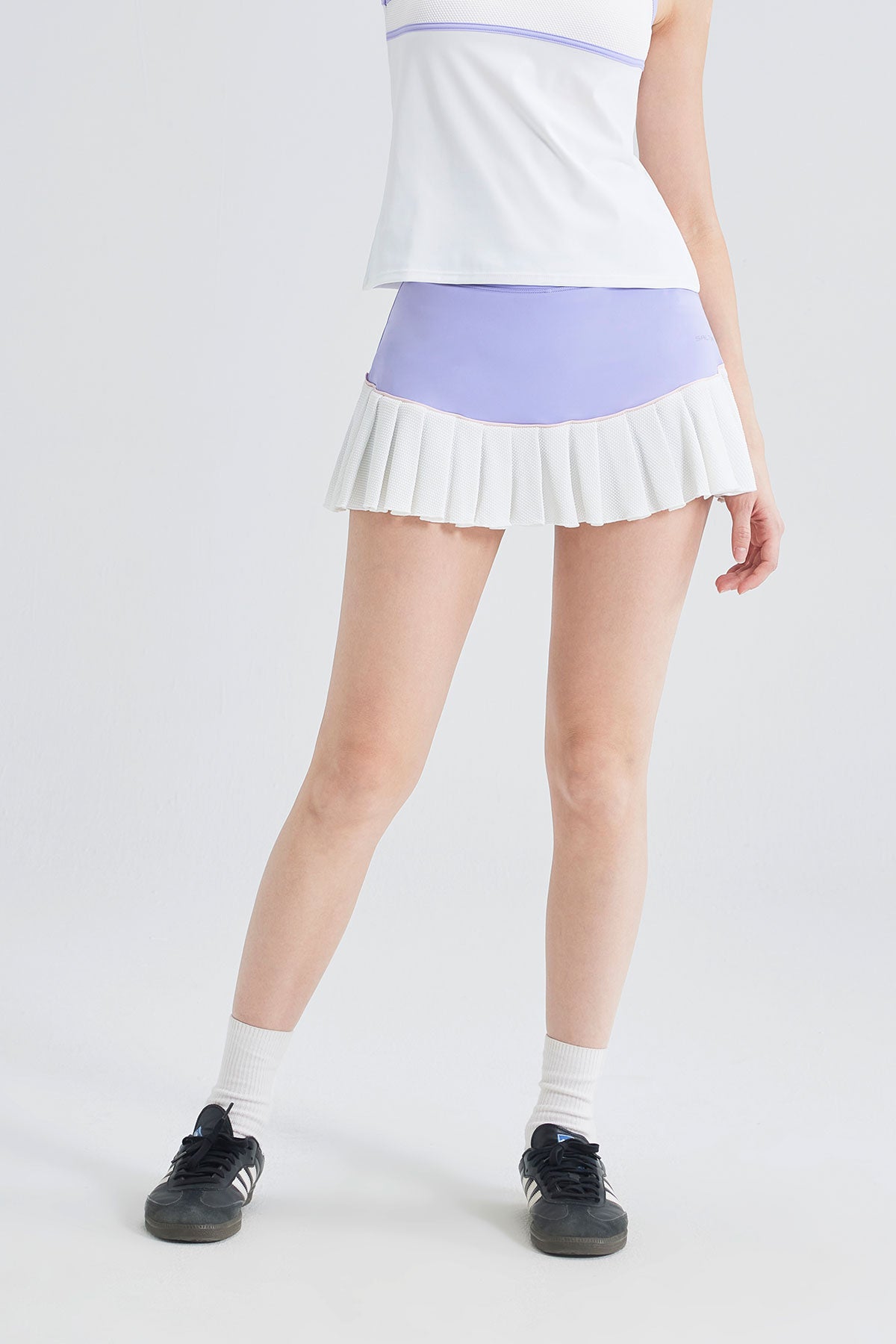
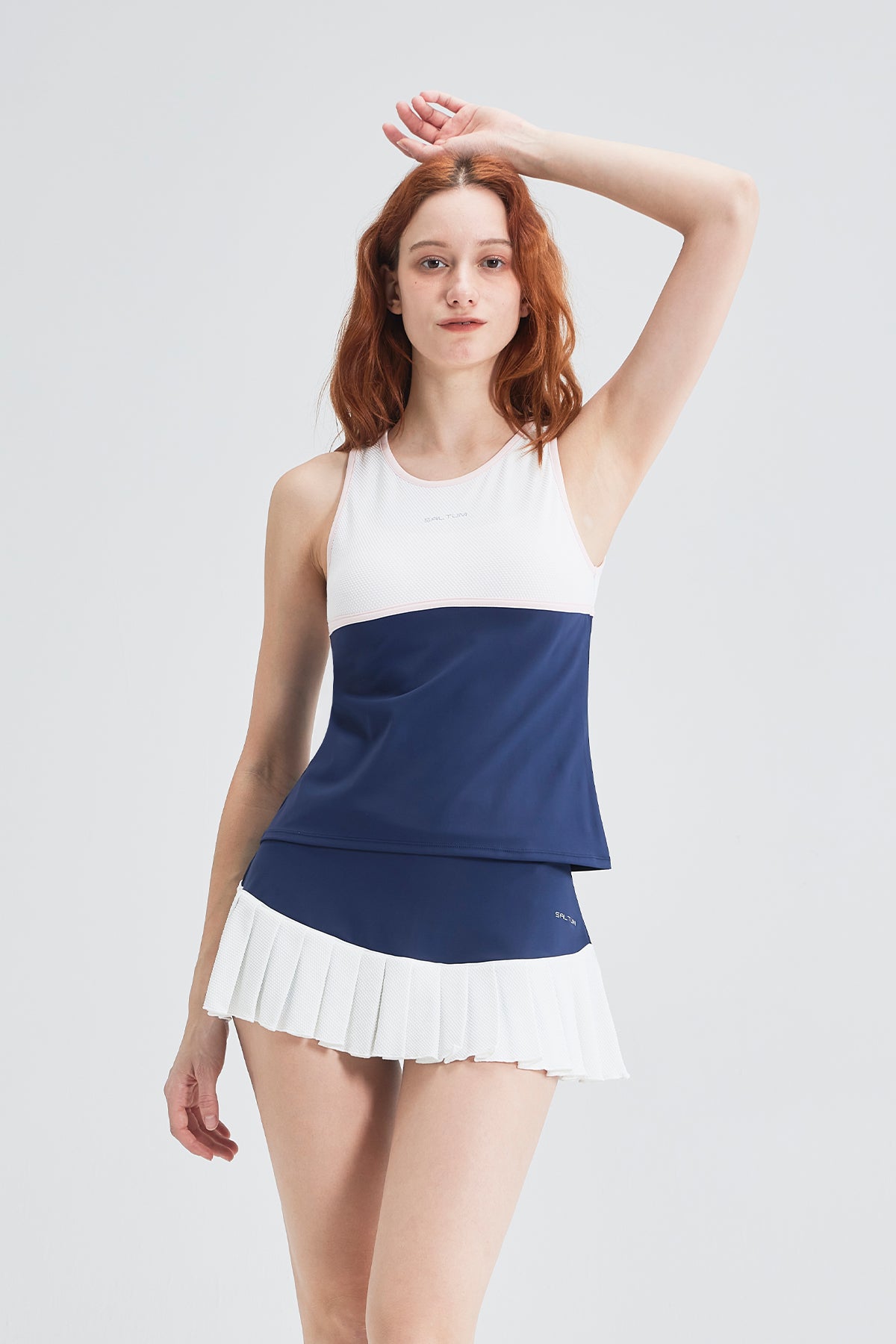
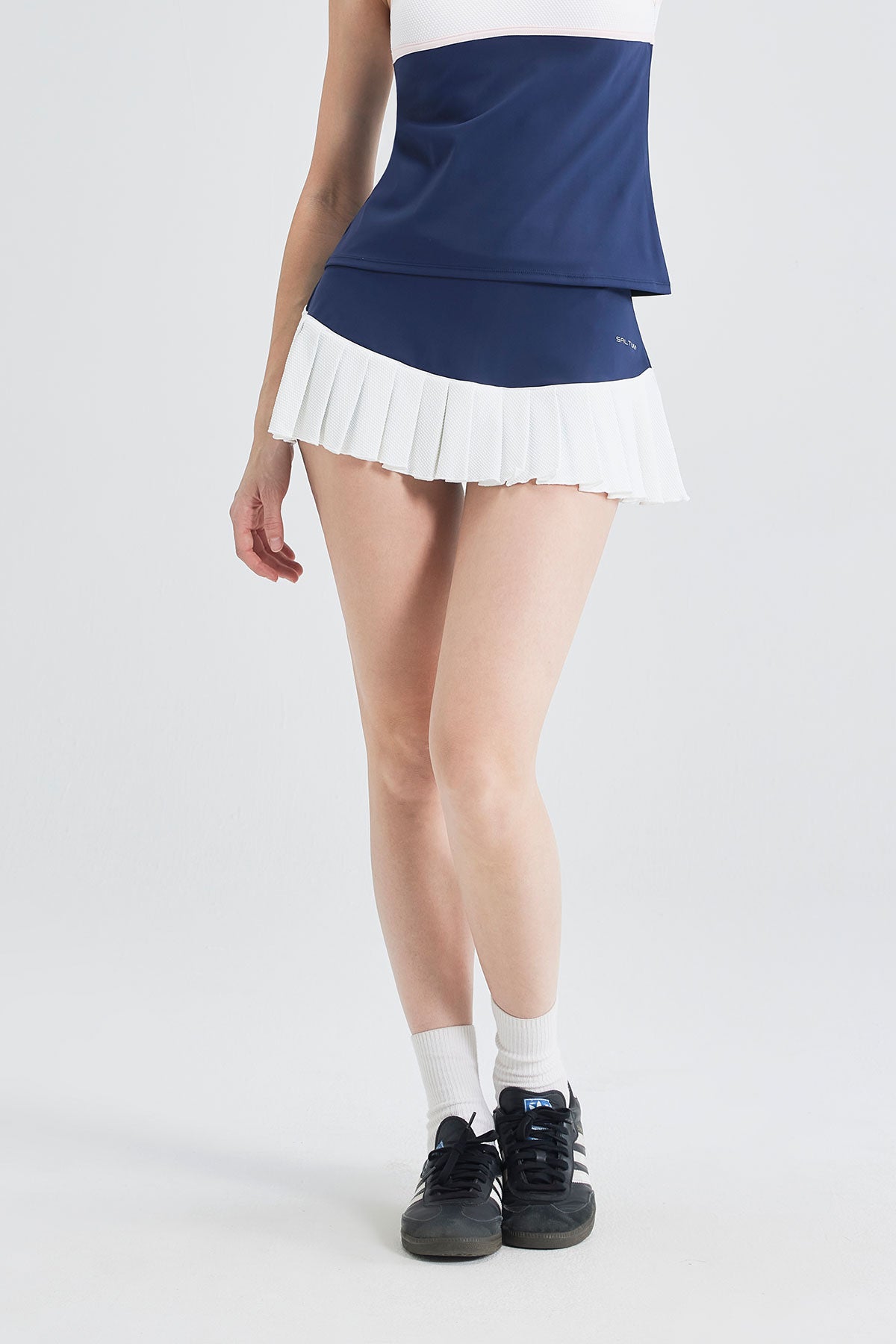
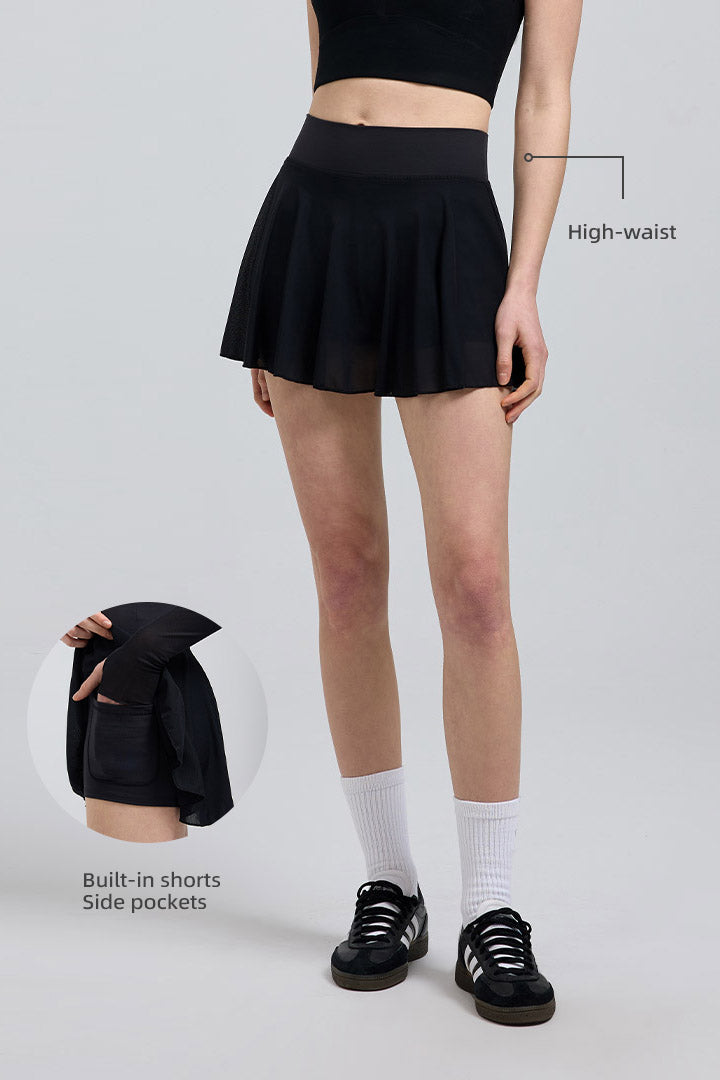
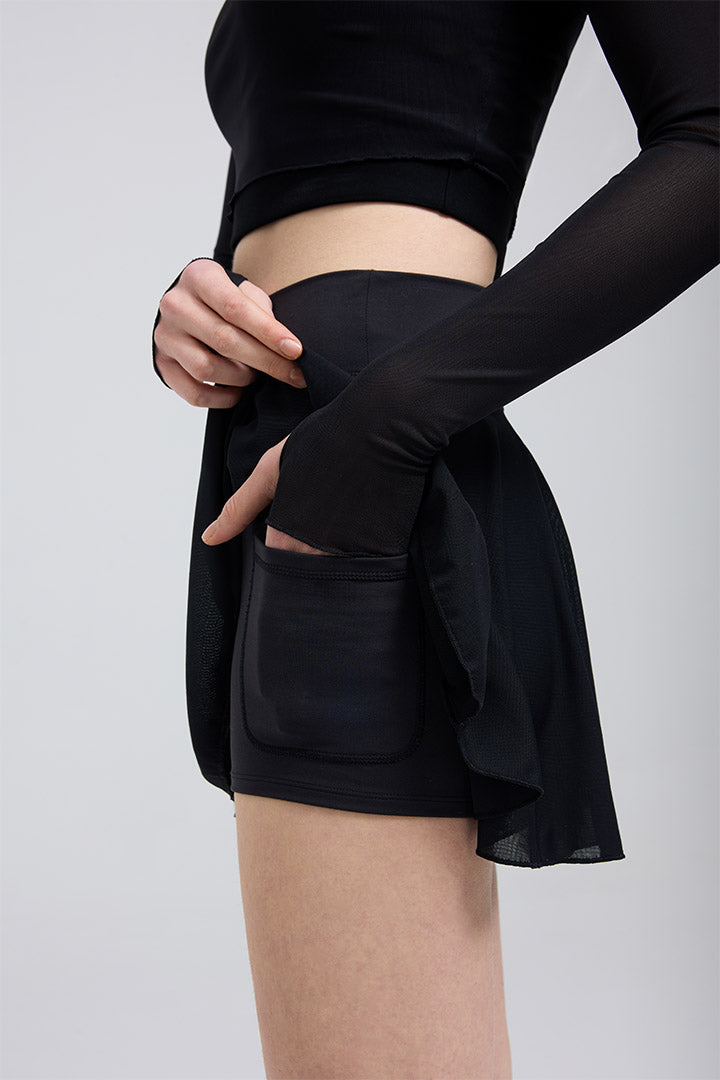
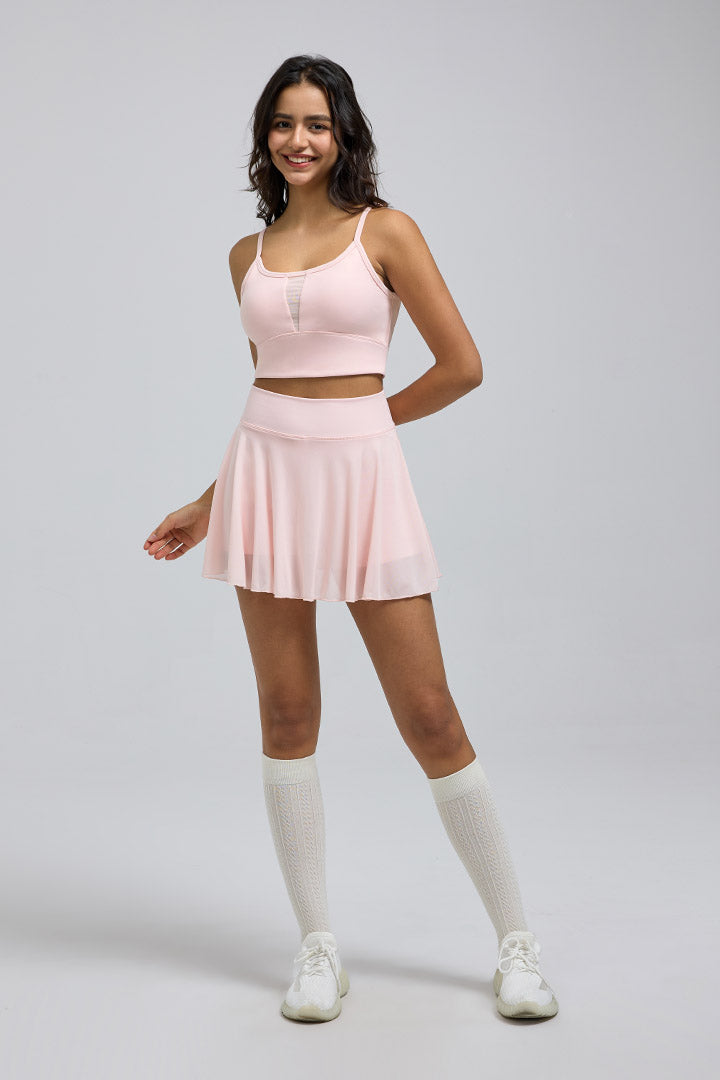
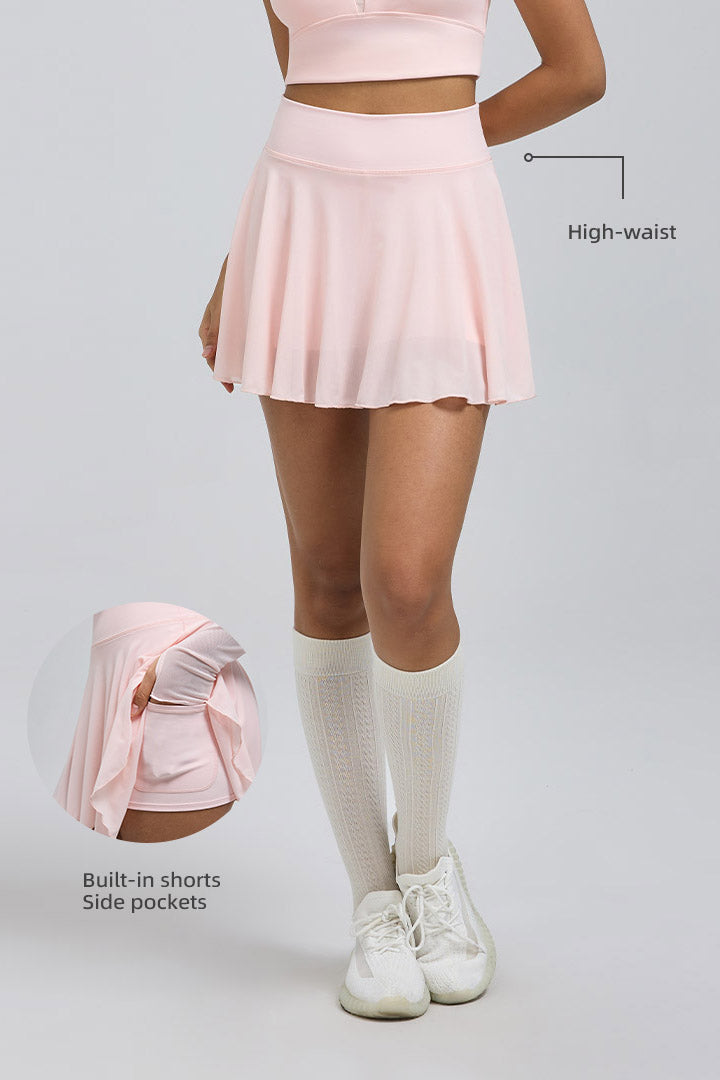
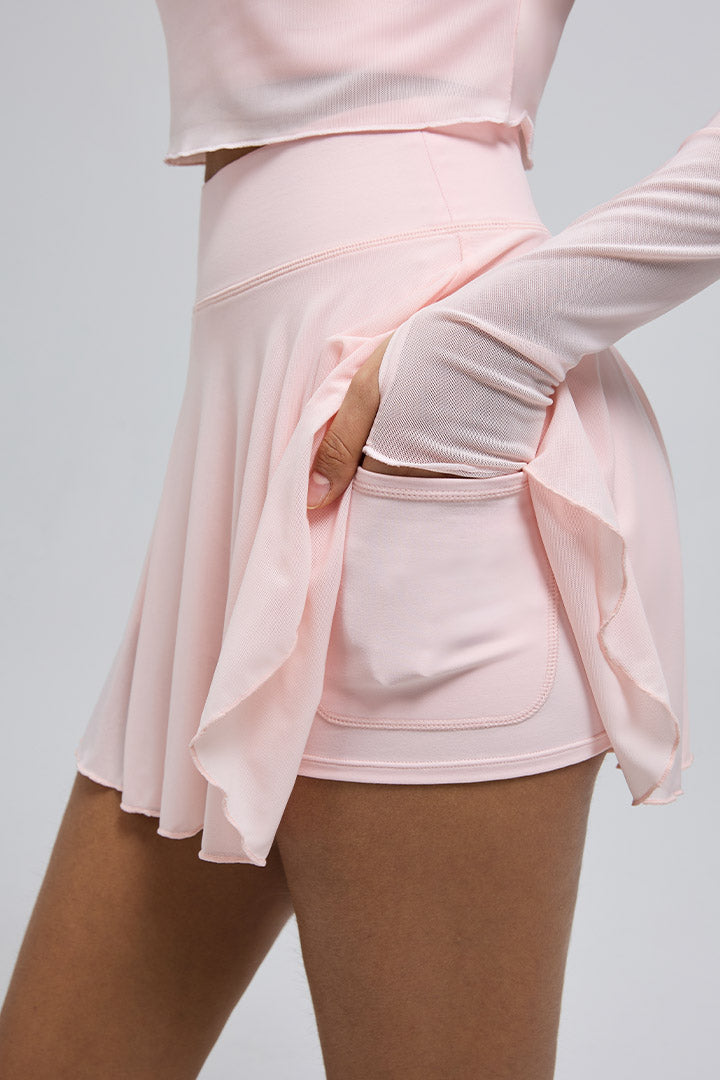
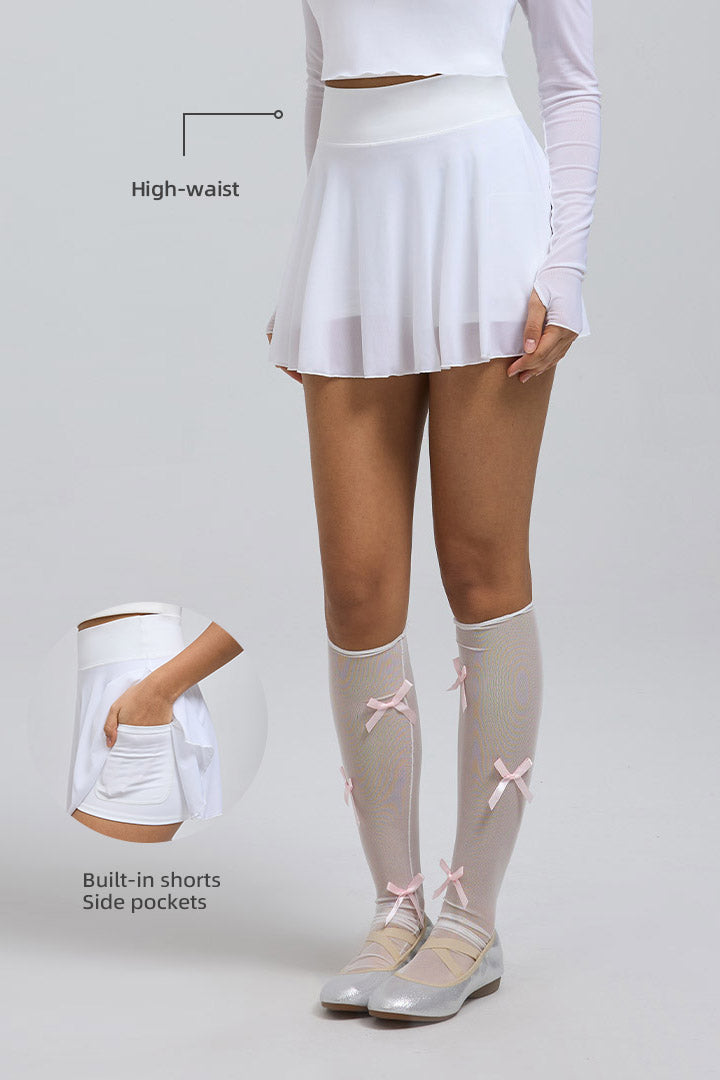
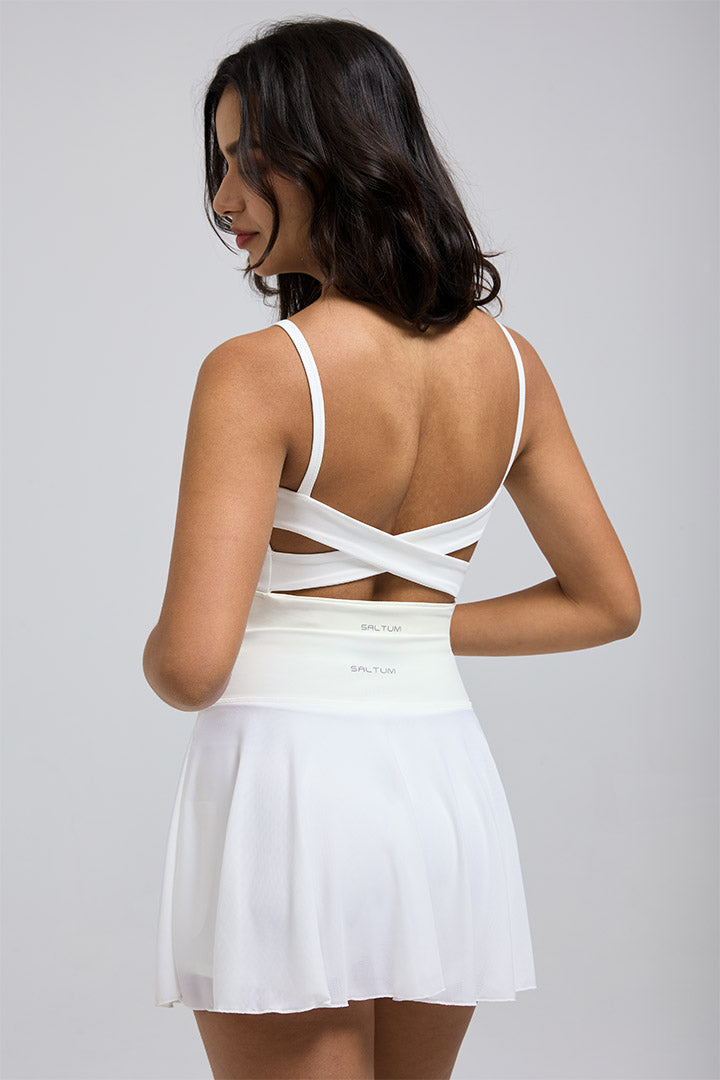
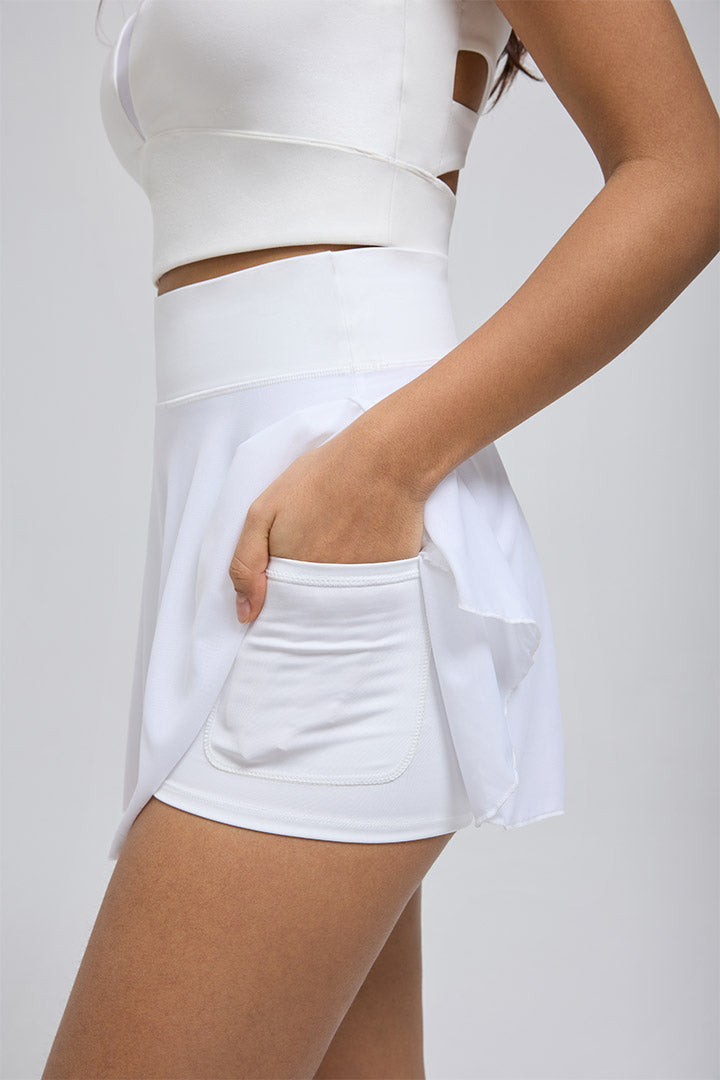
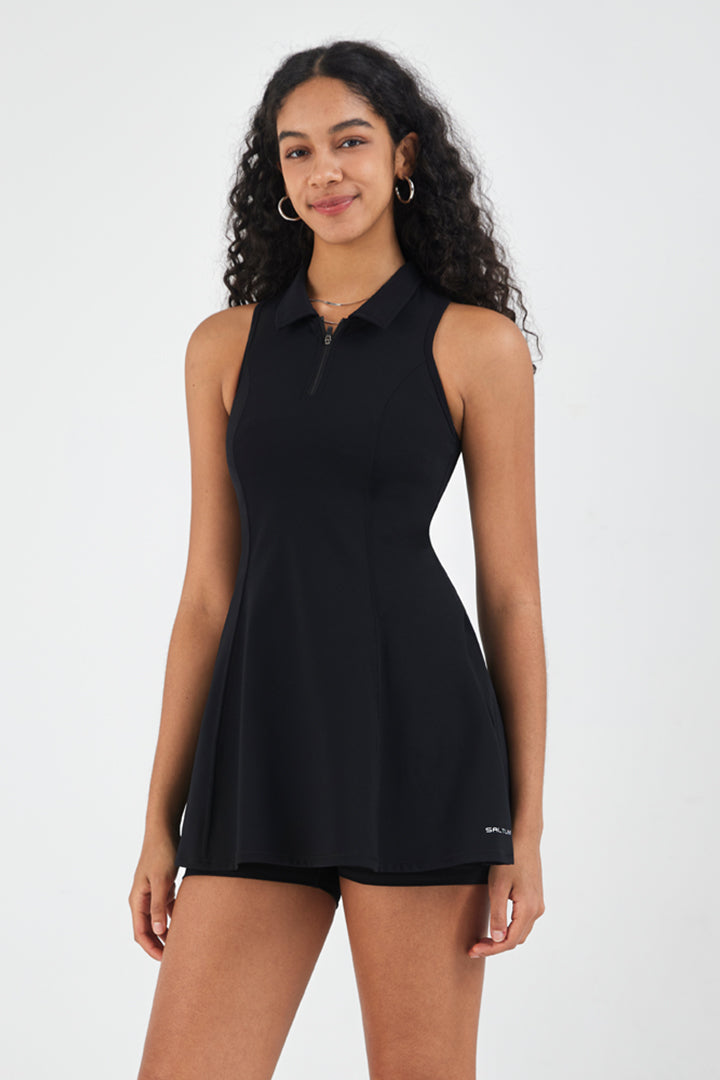
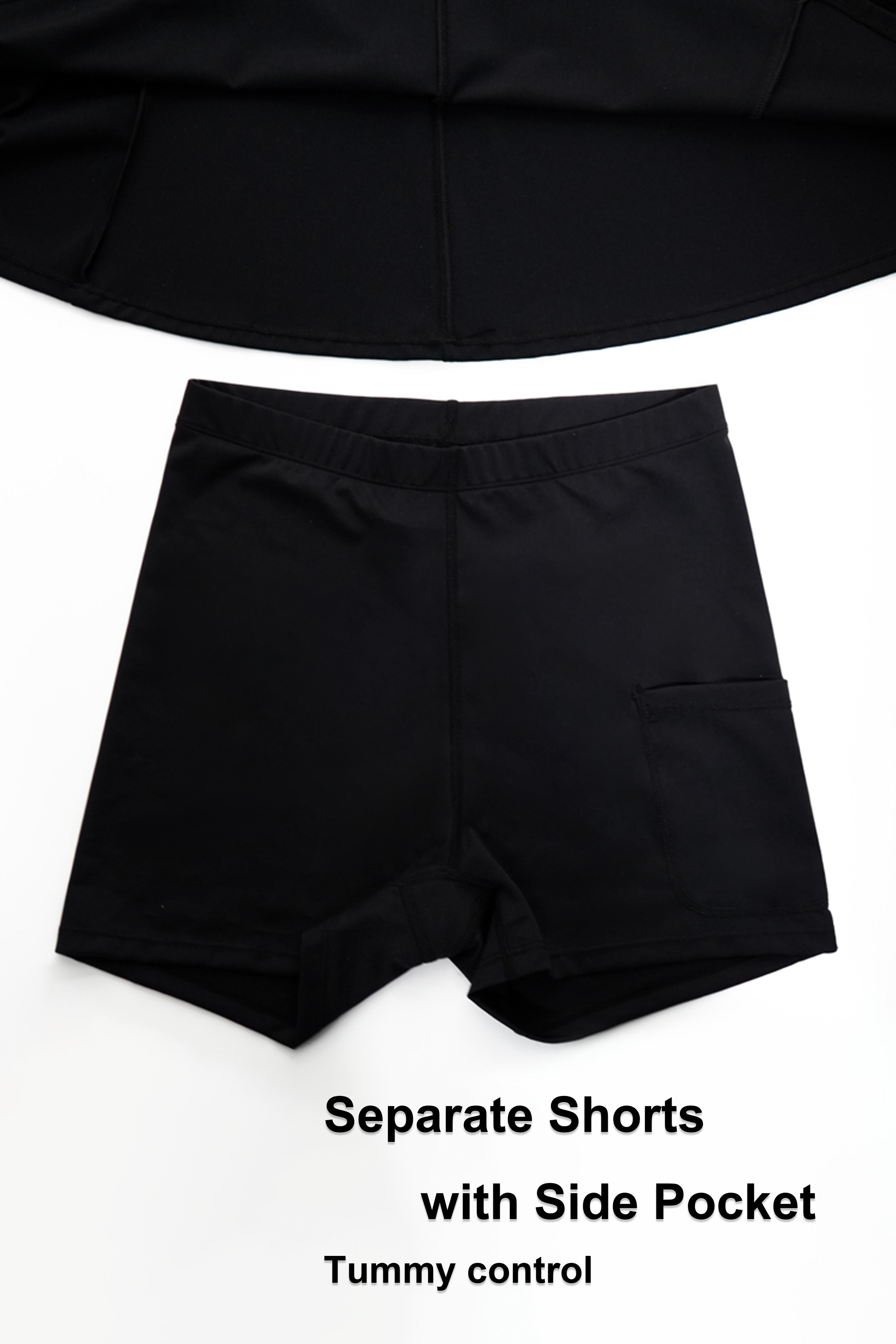
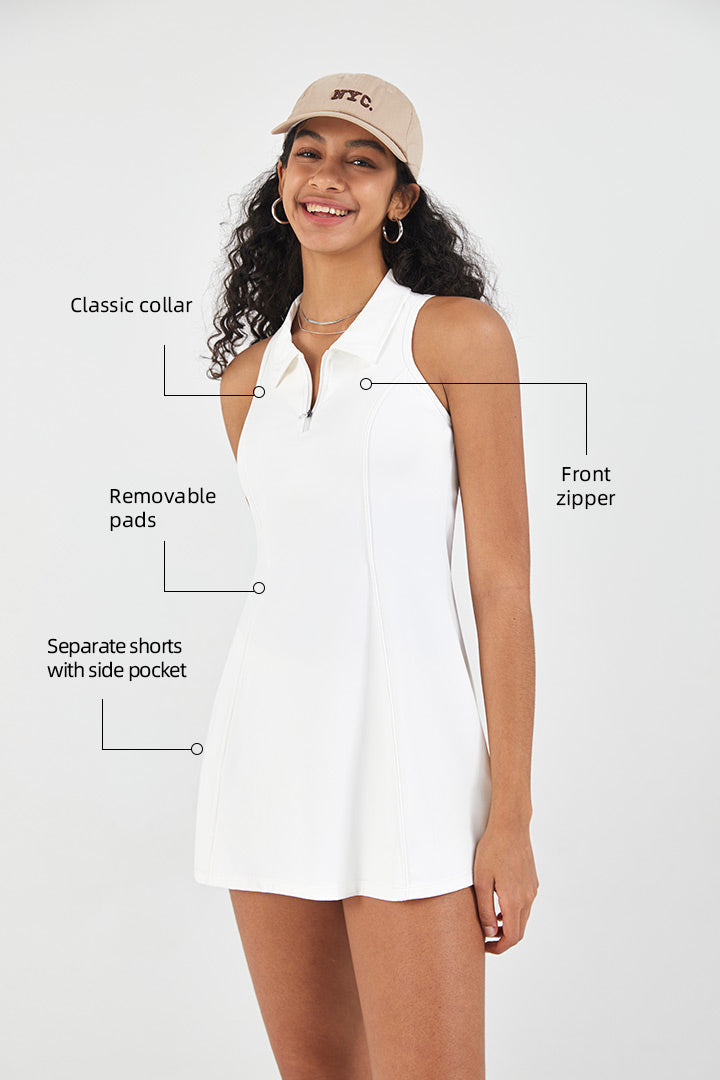
La véritable vedette ici, c’est la couche de shorts intégrée. Presque toutes les robes de tennis comportent un short de compression, soit cousu directement à la robe, soit porté comme une couche visible en dessous. On pense souvent que c’est uniquement une question de pudeur, mais c’est bien plus pratique que cela. Il faut bien pouvoir ranger les balles de tennis entre les points - et ces shorts possèdent de vraies poches conçues pour contenir quelques balles sans qu’elles ne rebondissent et ne tombent pendant vos déplacements. Les robes classiques ? Pas de poches. Ou pire, de minuscules poches décoratives qui ne pourraient même pas contenir un téléphone, encore moins des balles de tennis.
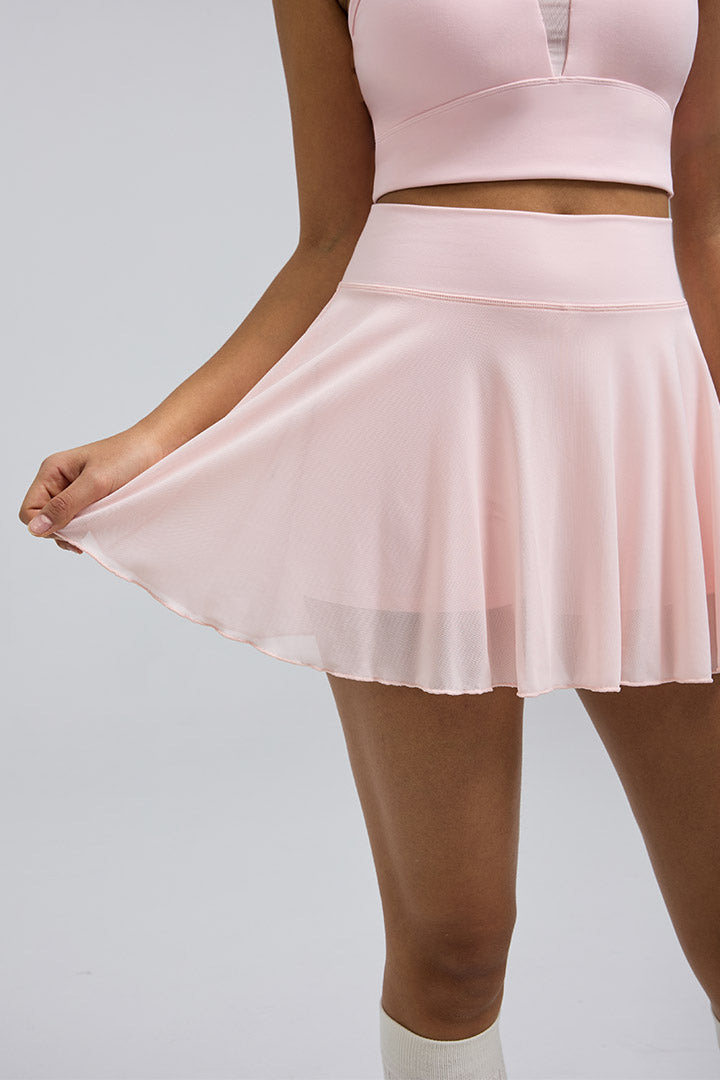
Ces shorts ont aussi une autre fonction : ils empêchent la robe de devenir un véritable cauchemar pendant le jeu. Vous savez, quand votre robe remonte dès que vous bougez ? Ou qu’elle se déplace et devient un amas flottant et distrayant ? Les shorts intégrés maintiennent essentiellement le tout en place. La couche extérieure de la robe reste jolie et flatteuse, tandis que les shorts portés dessous maintiennent chaque élément là où il doit être. C’est comme si la robe avait son propre système de maintien intégré.
Le tissu fait une grande partie du travail
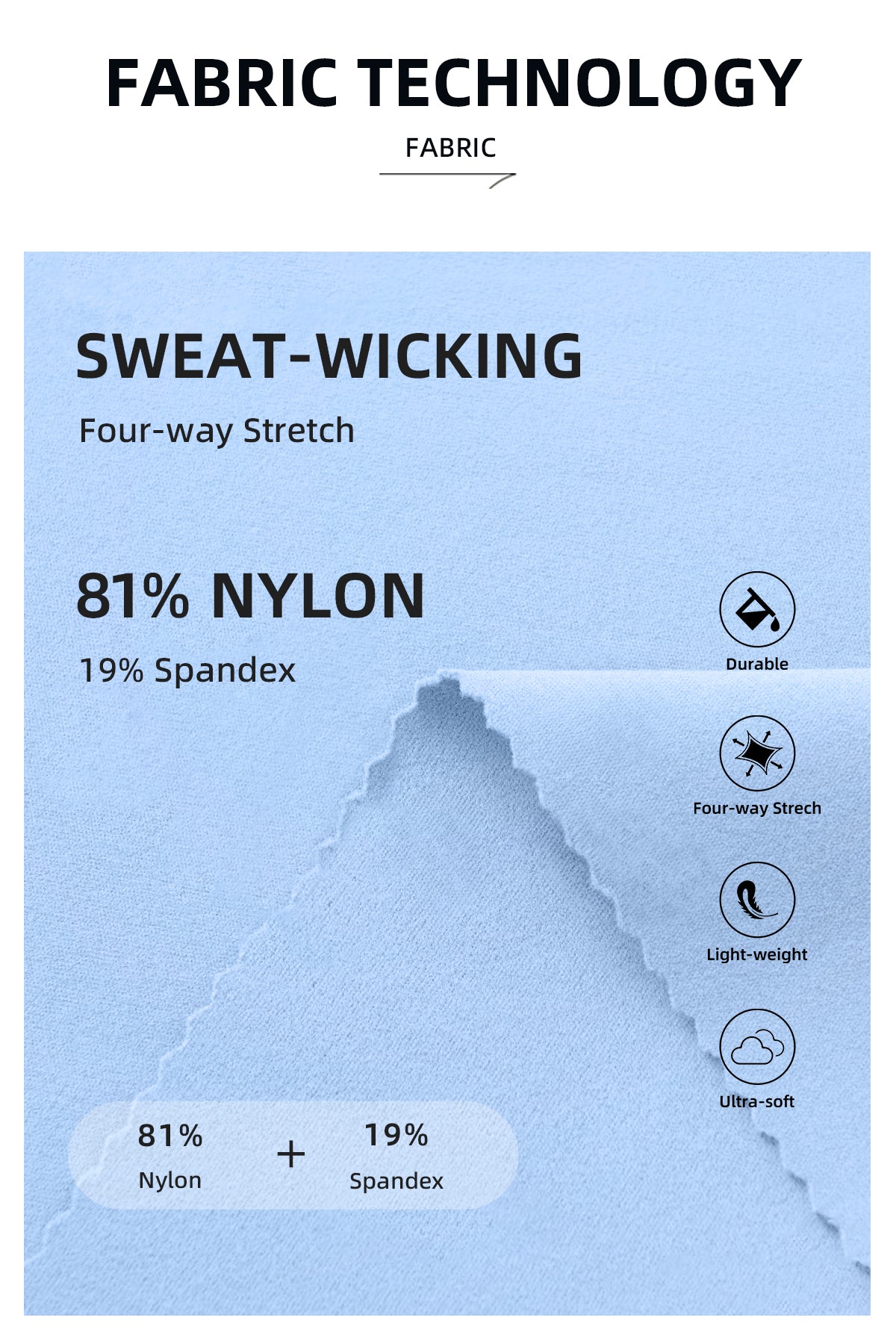
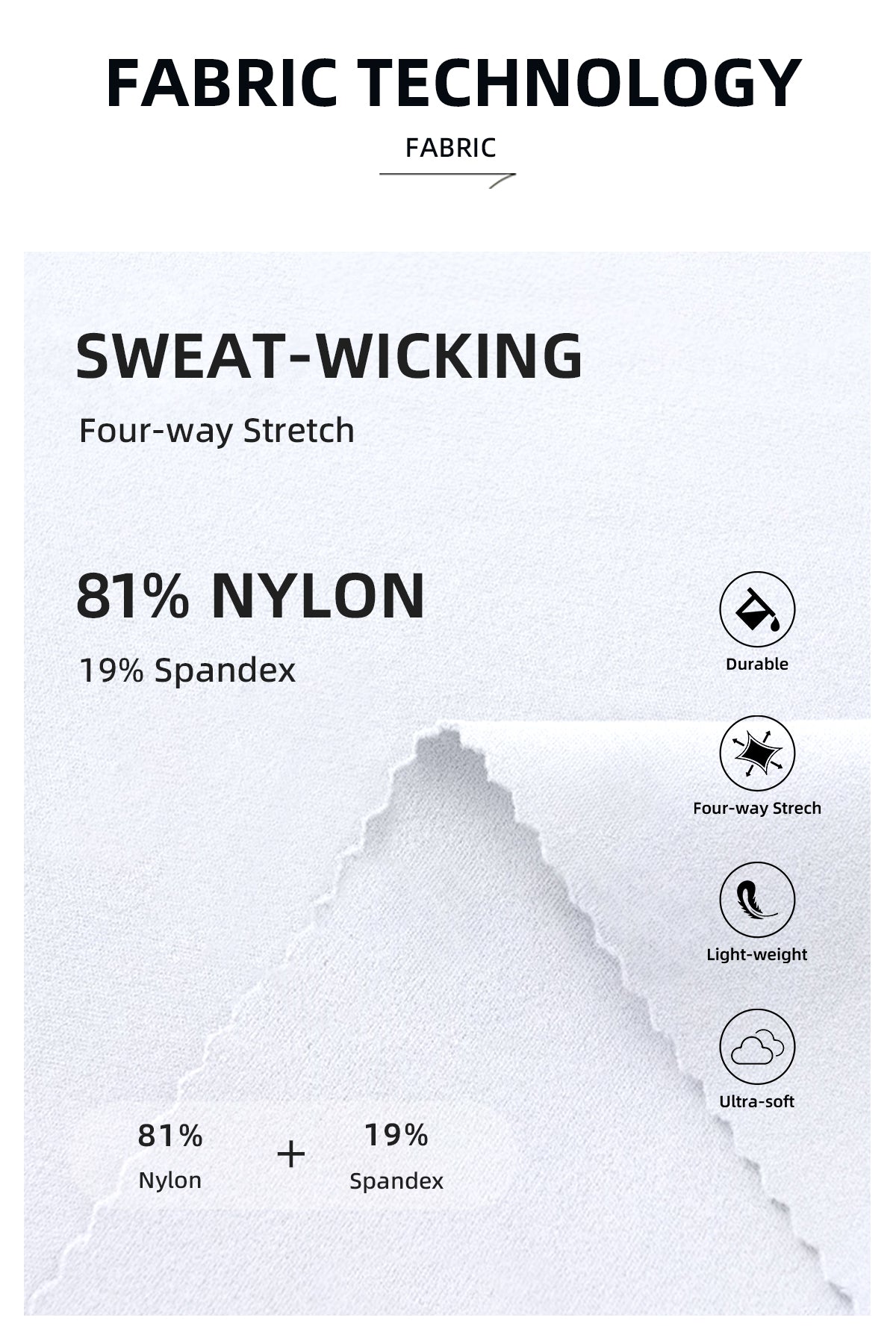
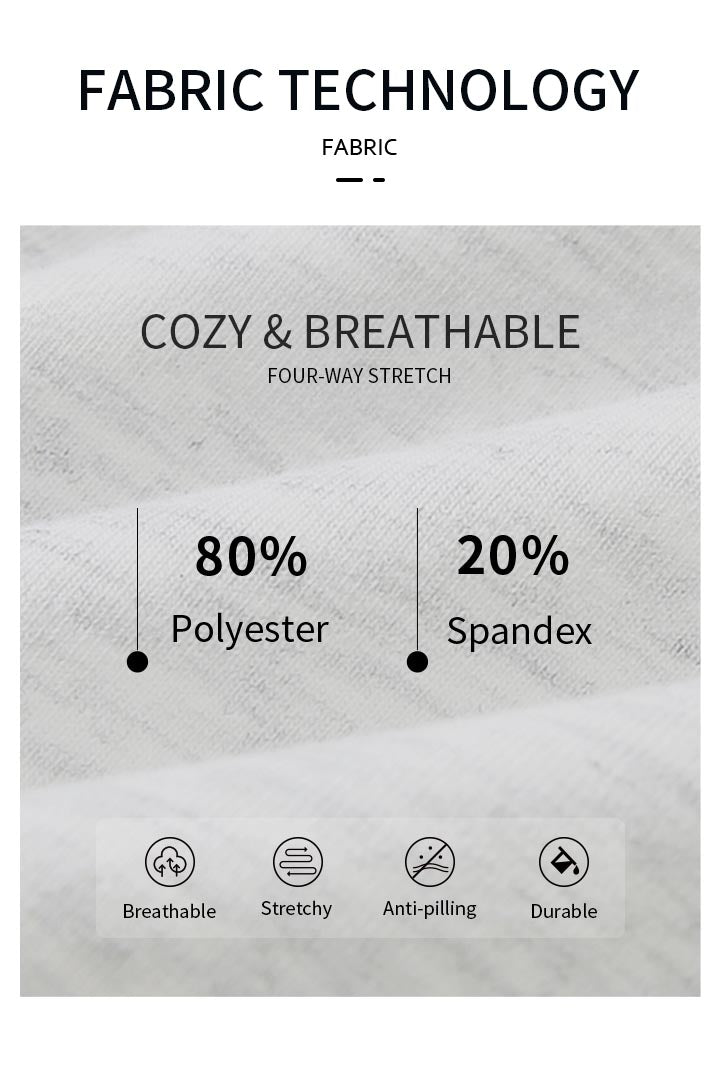
Ouvrez une robe de tennis et touchez le tissu : il n’a probablement rien à voir avec celui de votre garde-robe de tous les jours. Une robe classique peut être en coton ou en lin, car ces matières sont agréables et respirantes au quotidien. Mais une robe de tennis ? Elle est généralement confectionnée dans des tissus techniques performants, spécialement conçus pour l’activité sportive.
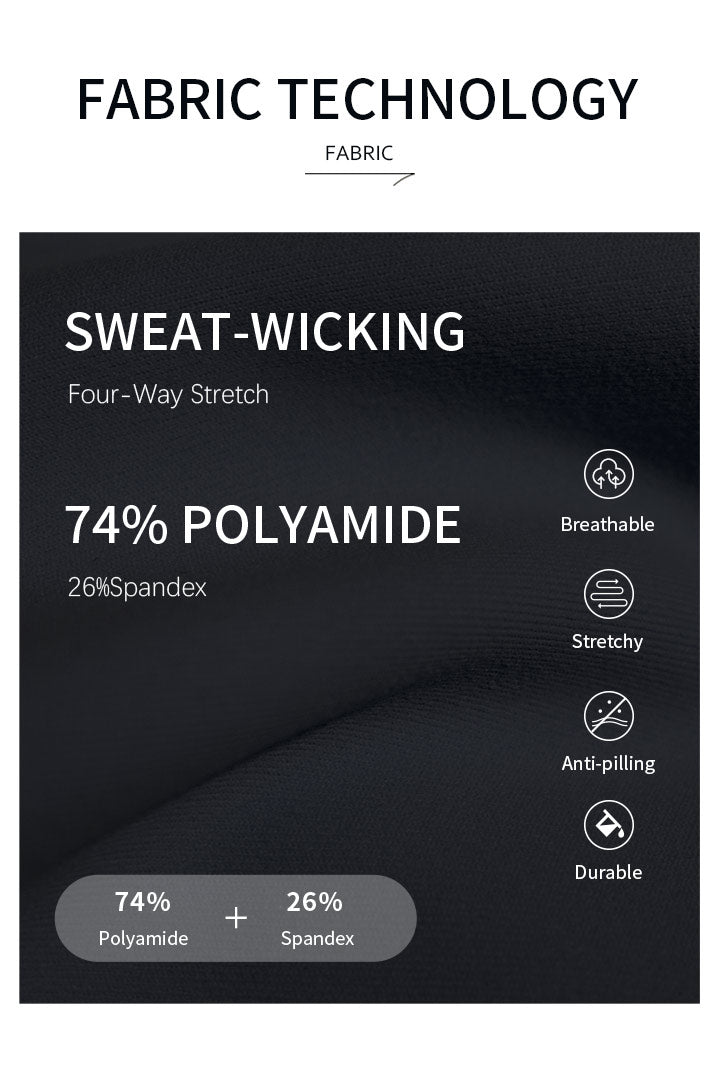
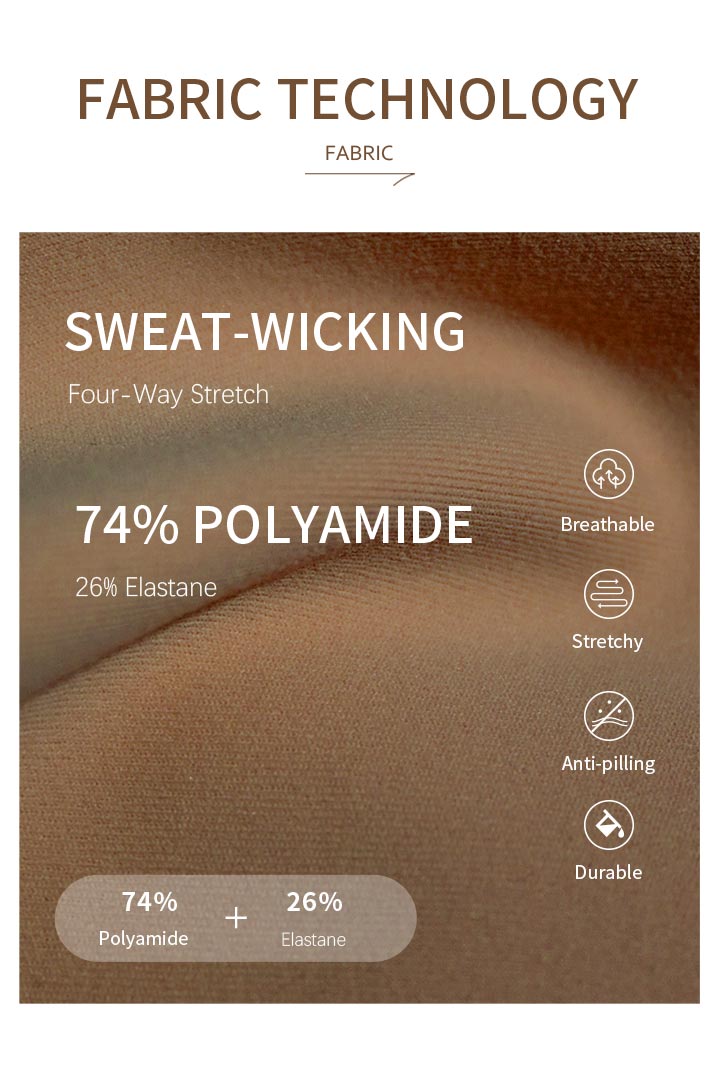
Les tissus techniques performants ne sont pas de simples matières synthétiques sophistiquées. Ils sont littéralement conçus pour évacuer la transpiration de votre peau (c'est ce qu'on appelle l'évacuation de l'humidité) et la répartir sur le tissu afin qu'elle sèche beaucoup plus vite. Portez une robe en coton pour jouer au tennis et vous finirez par avoir l'air de sortir tout juste de la piscine. Le tissu devient lourd, collant et vous colle à la peau comme s'il essayait de vous torturer. Une robe de tennis en tissu performant ? Elle reste relativement légère et sèche rapidement. Cela change vraiment la donne lorsque vous êtes déjà épuisée par un match.

La différence de durabilité est également assez impressionnante. Le tennis n'est pas tendre avec les vêtements. Vous glissez constamment sur le tissu, bougez de manière explosive et l'étirez dans différentes directions. Vous jouez aussi généralement en extérieur, ce qui signifie que les dommages causés par le soleil et les rayons UV s'attaquent constamment à vos vêtements. Les tissus des robes ordinaires n'ont tout simplement pas été conçus pour supporter de tels mauvais traitements. Ils boulocheront, se décoloreront et perdront leur forme. Les tissus des robes de tennis sont traités pour résister à ce type d'usure.
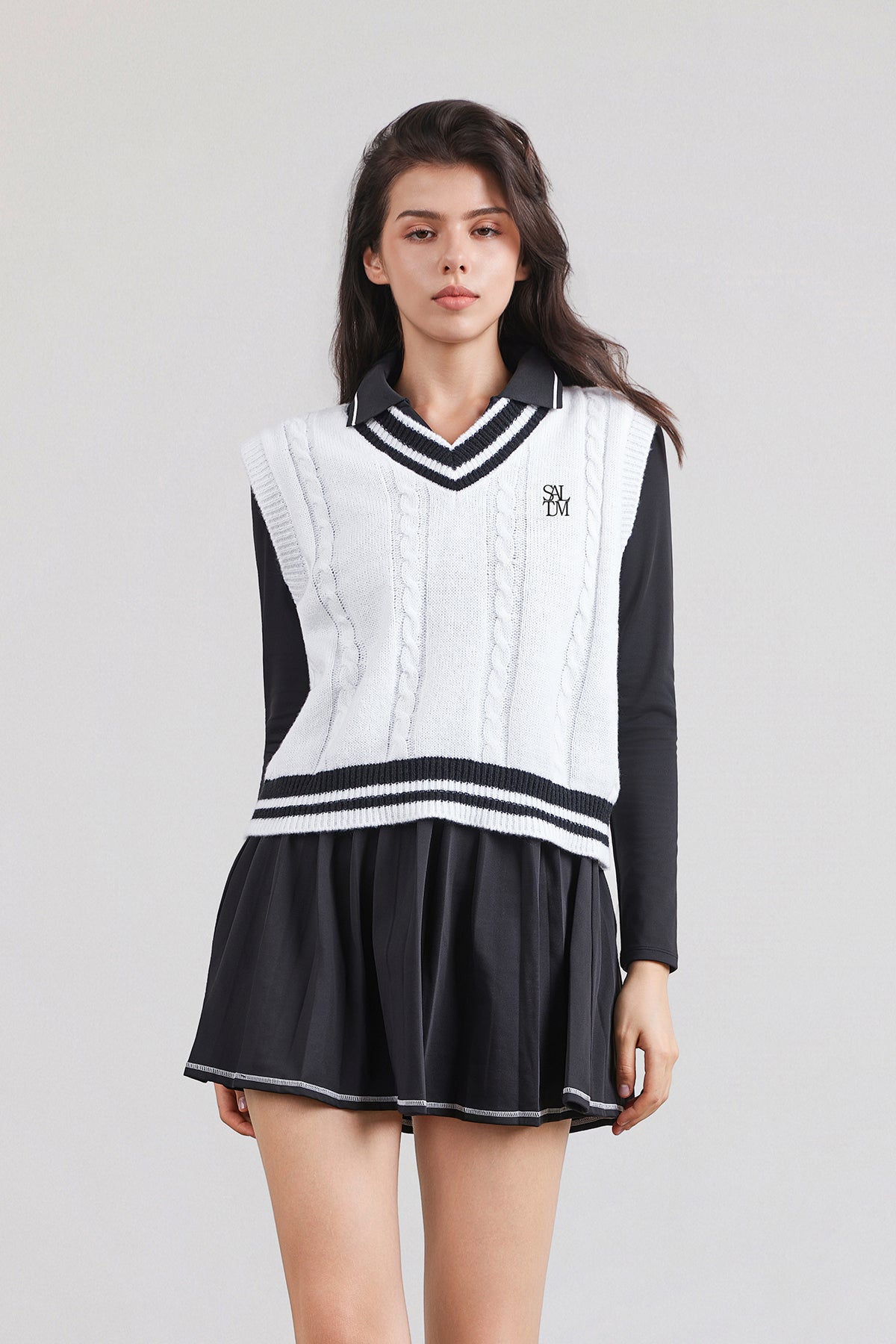
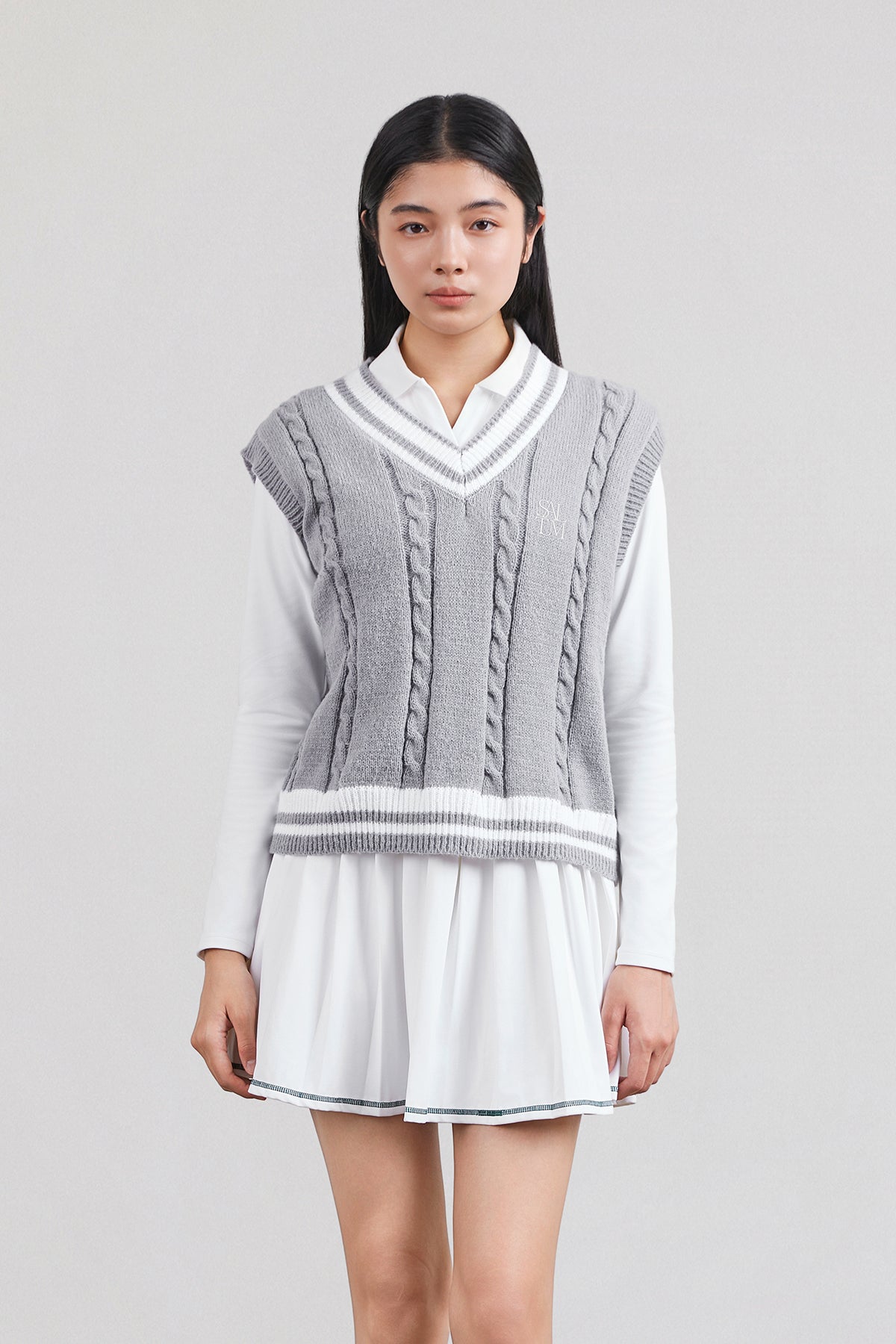
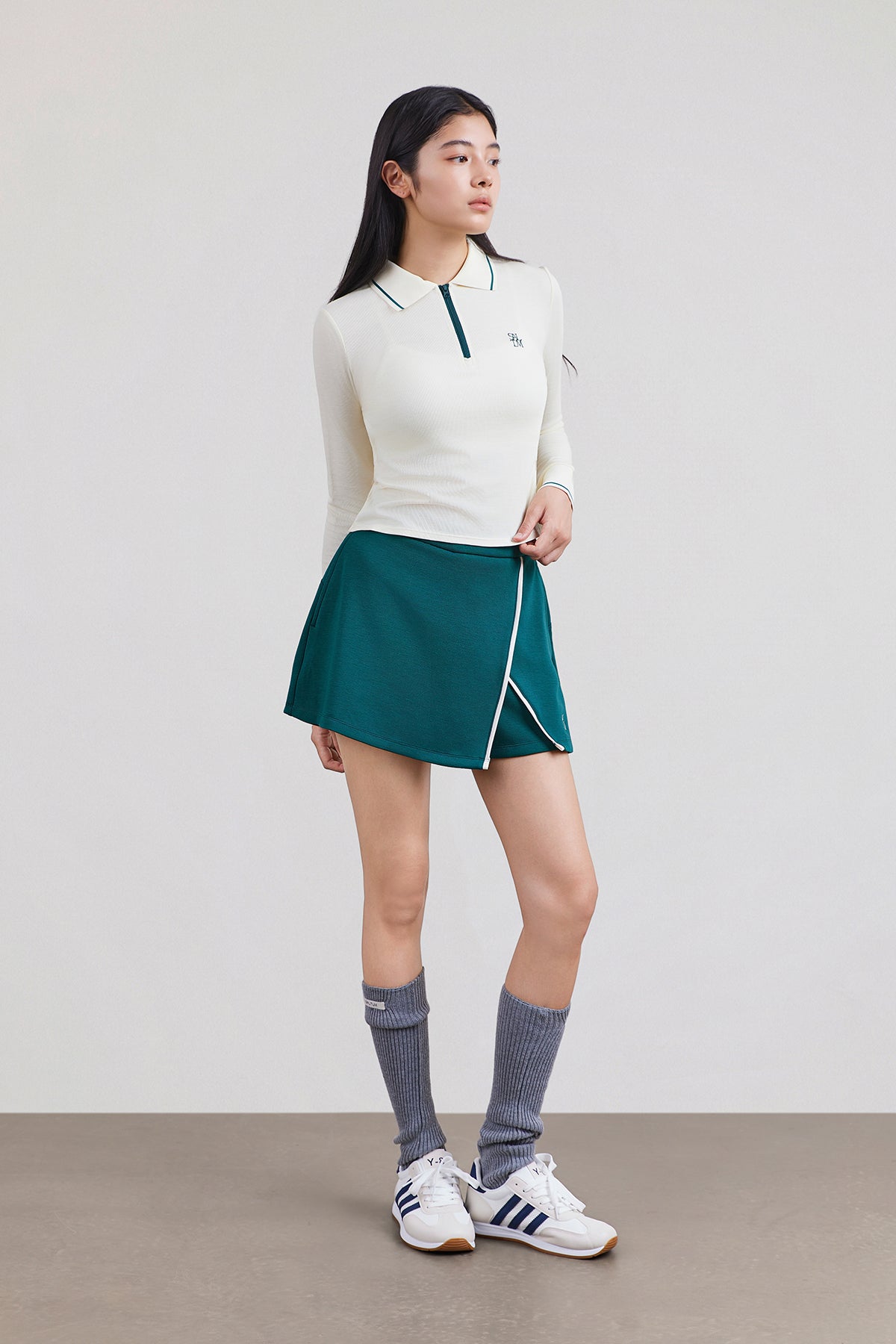
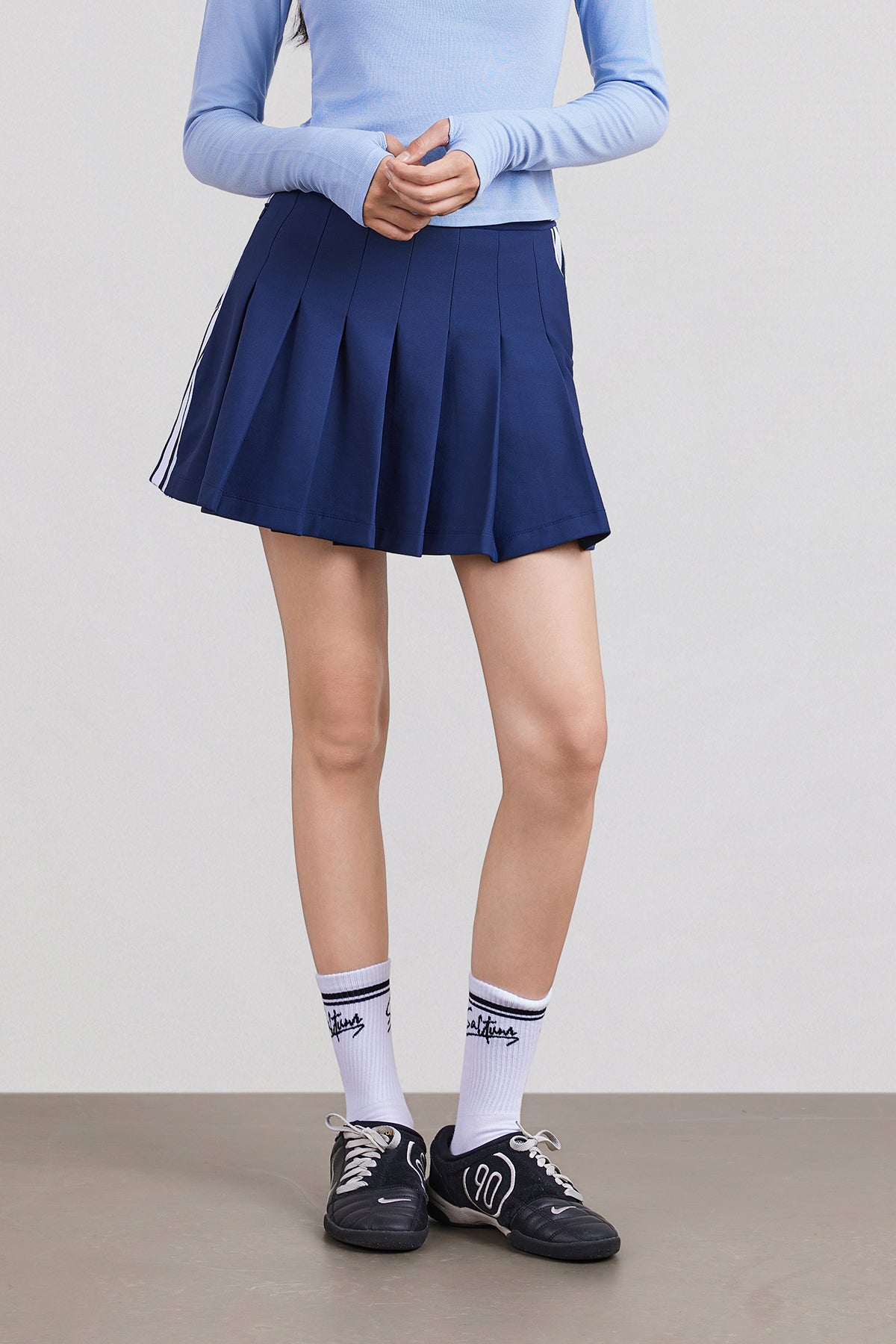
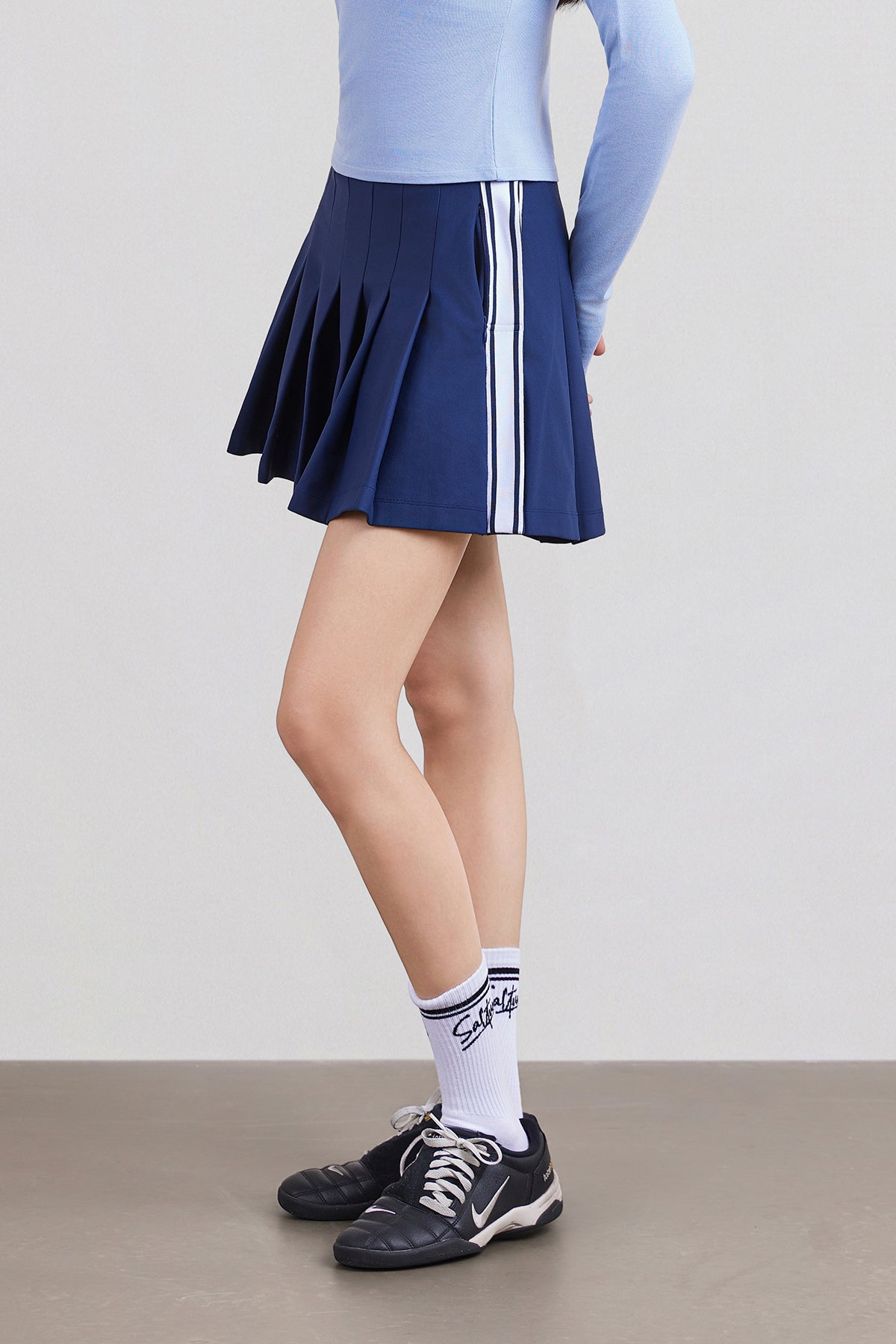
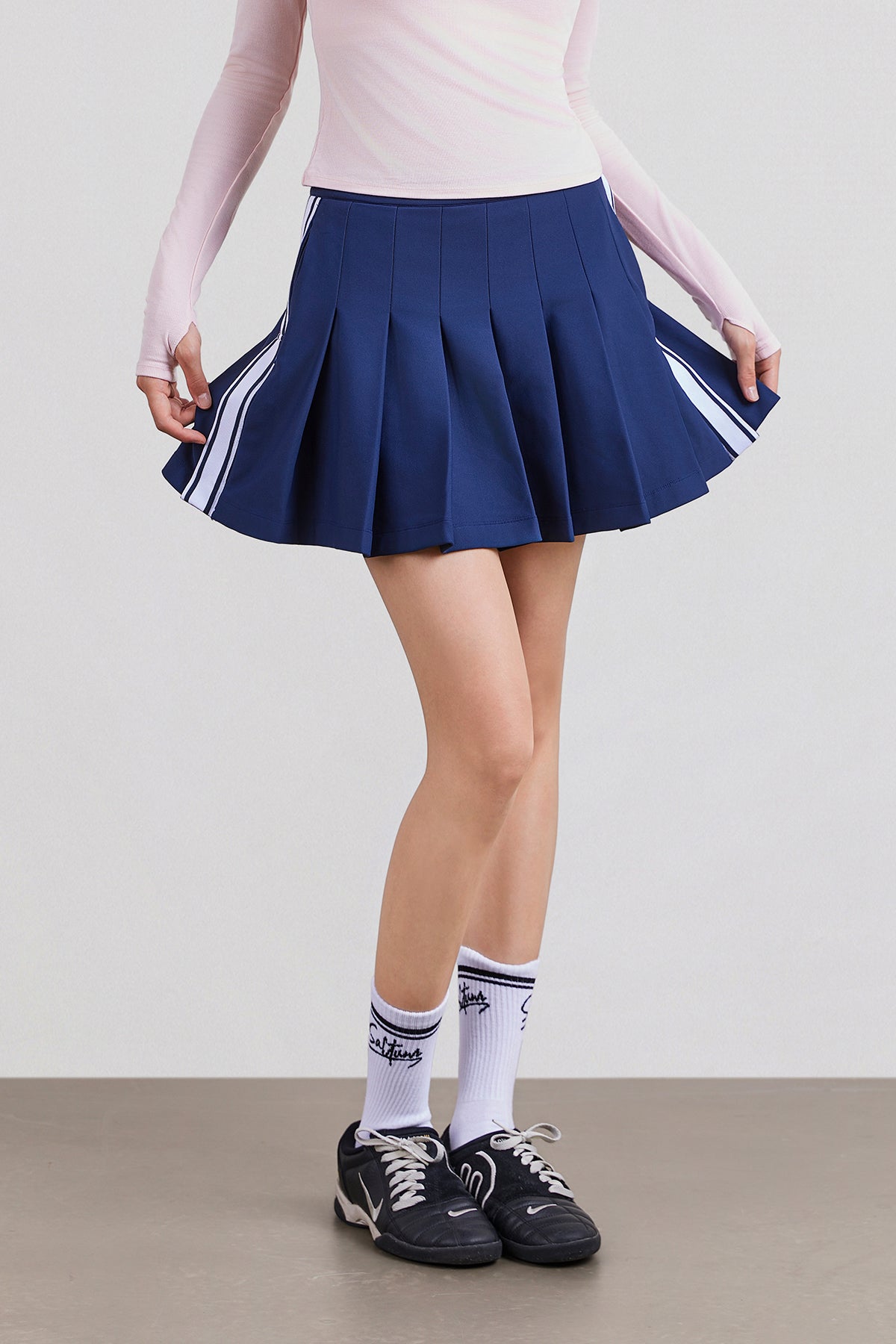
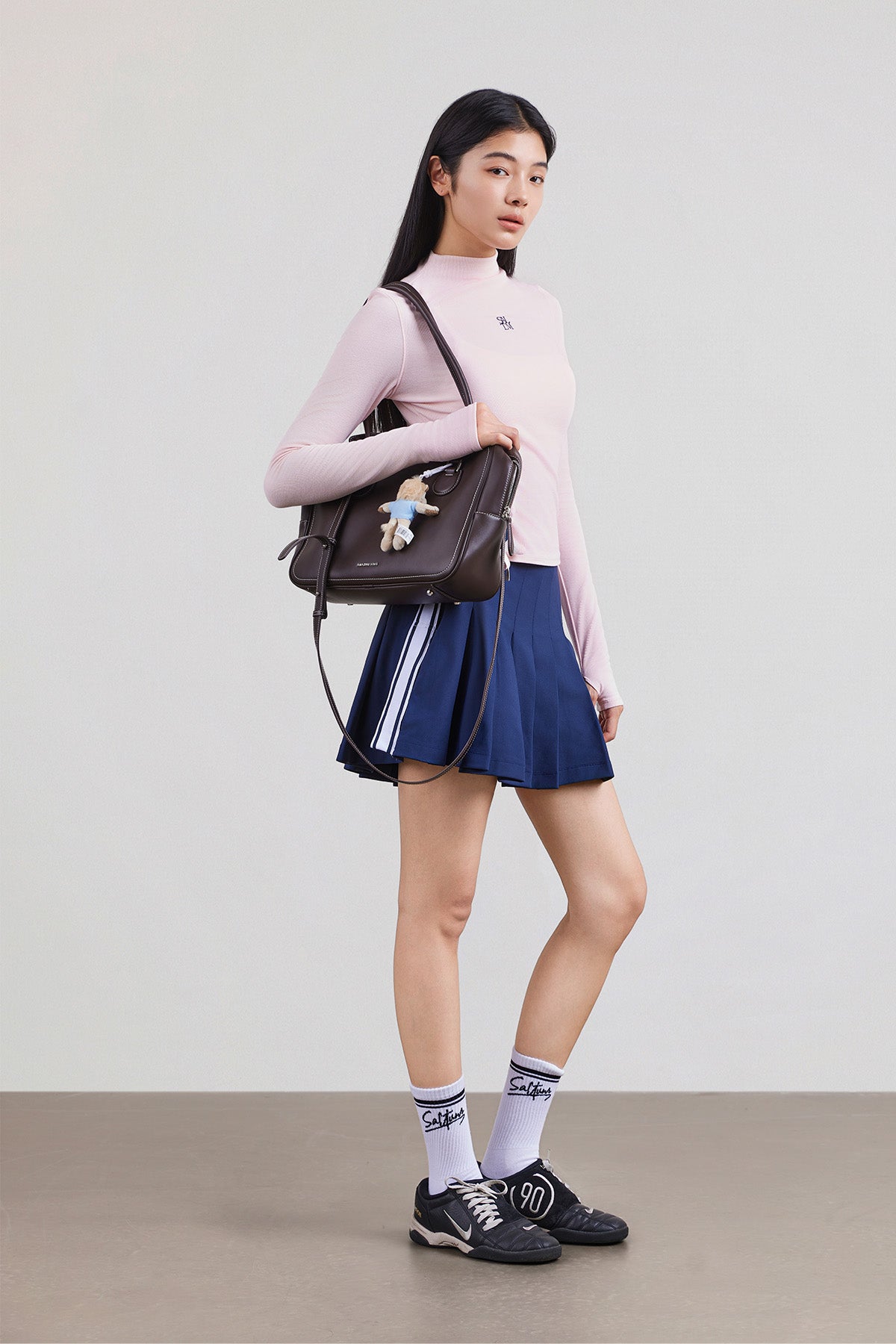
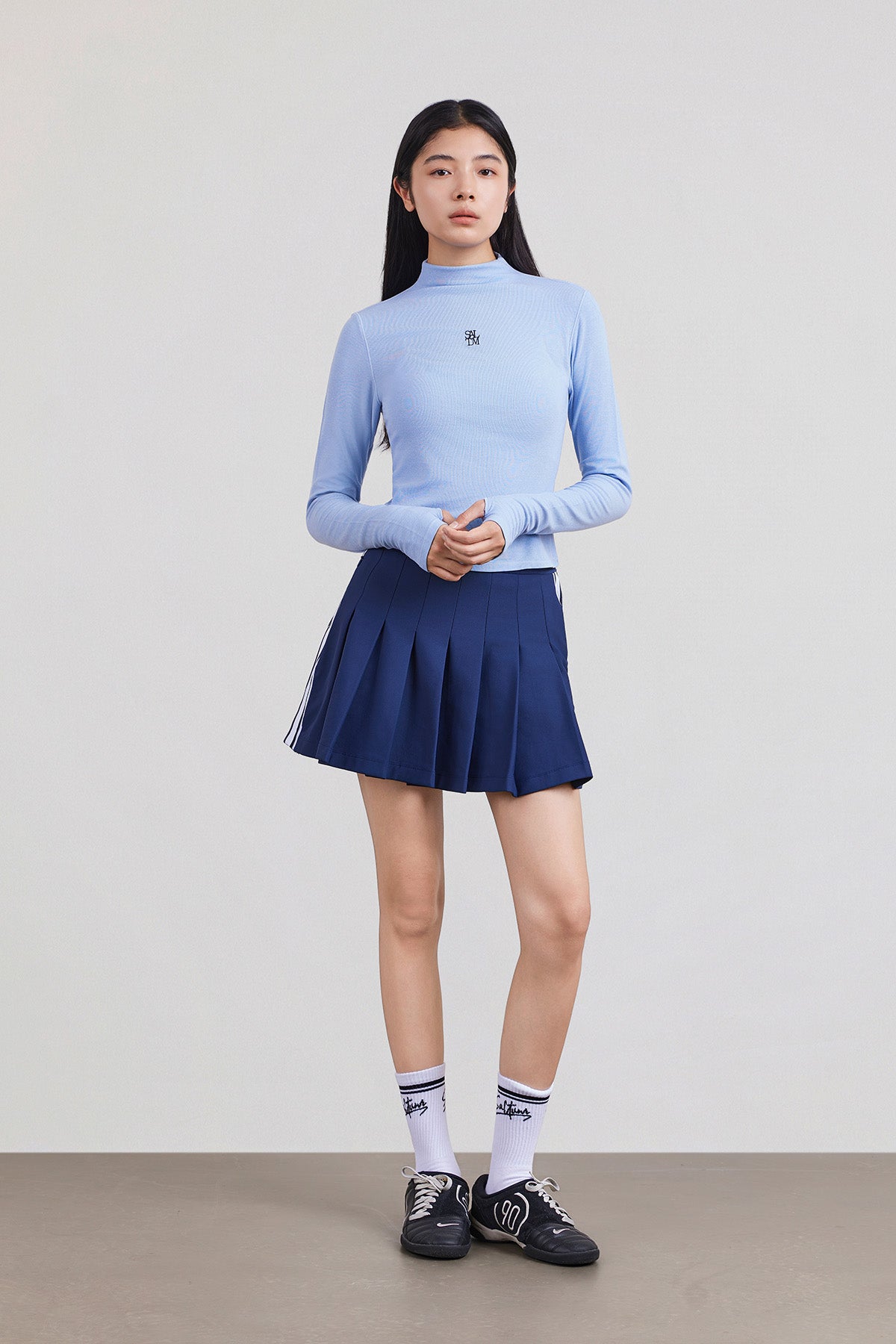
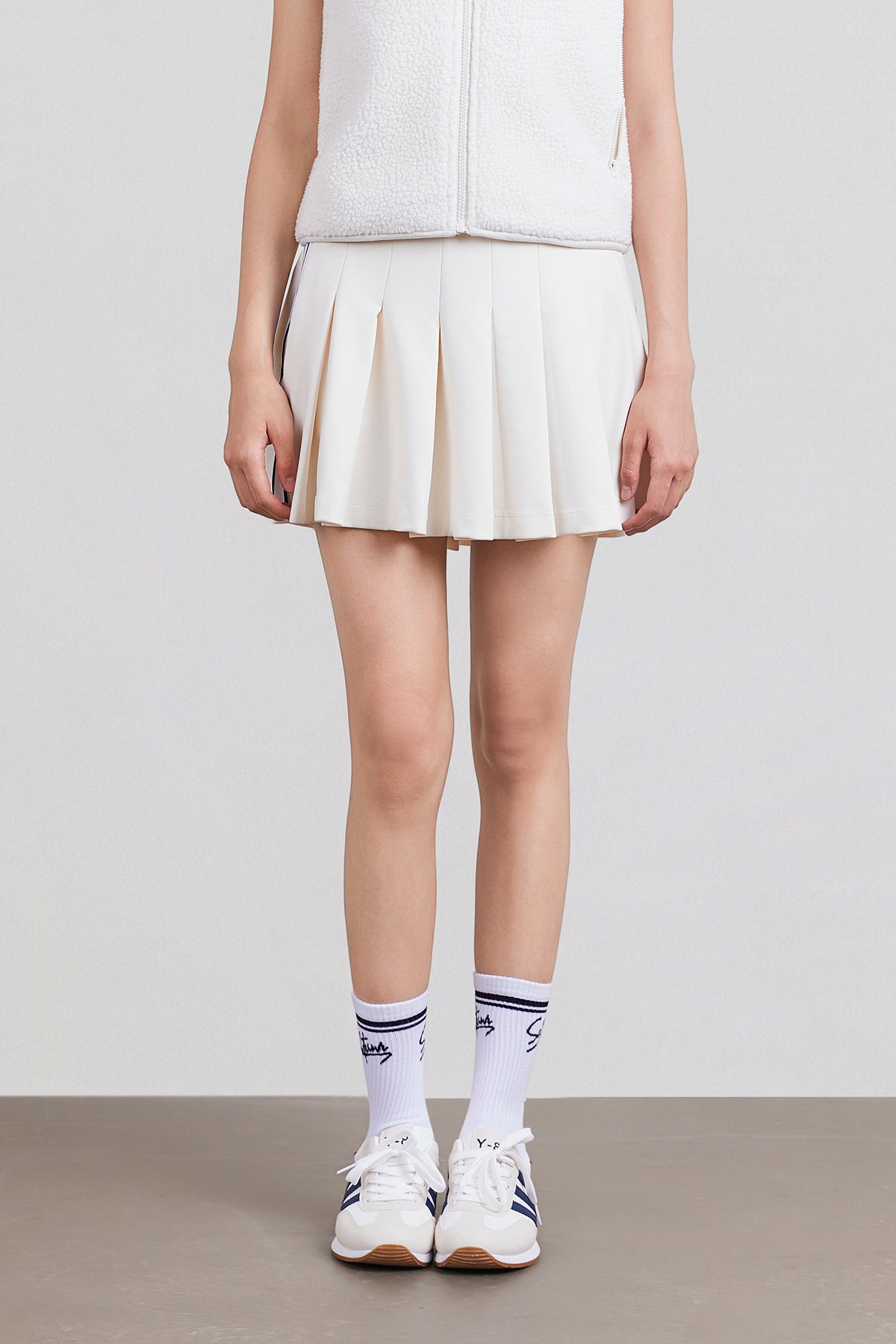
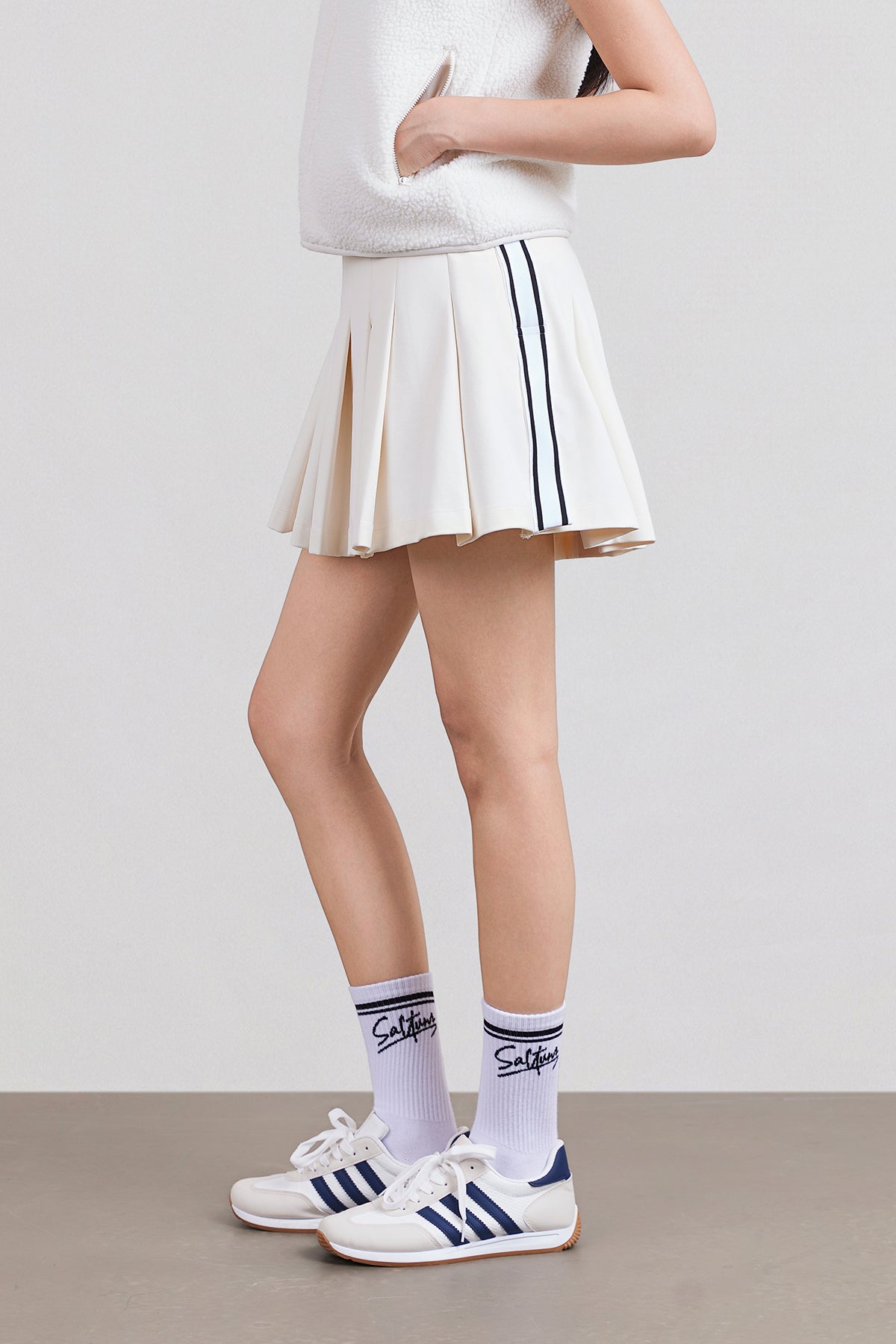
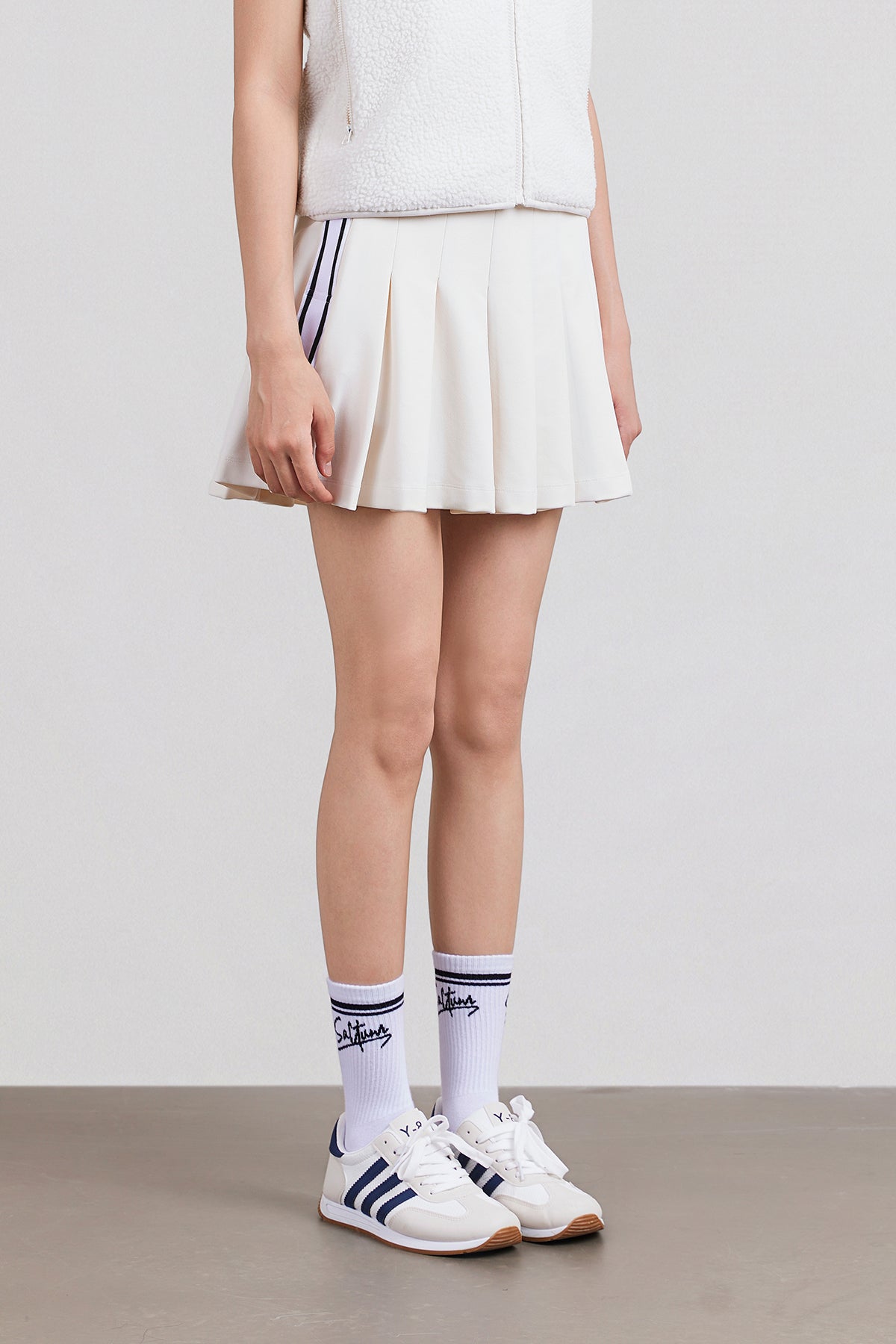
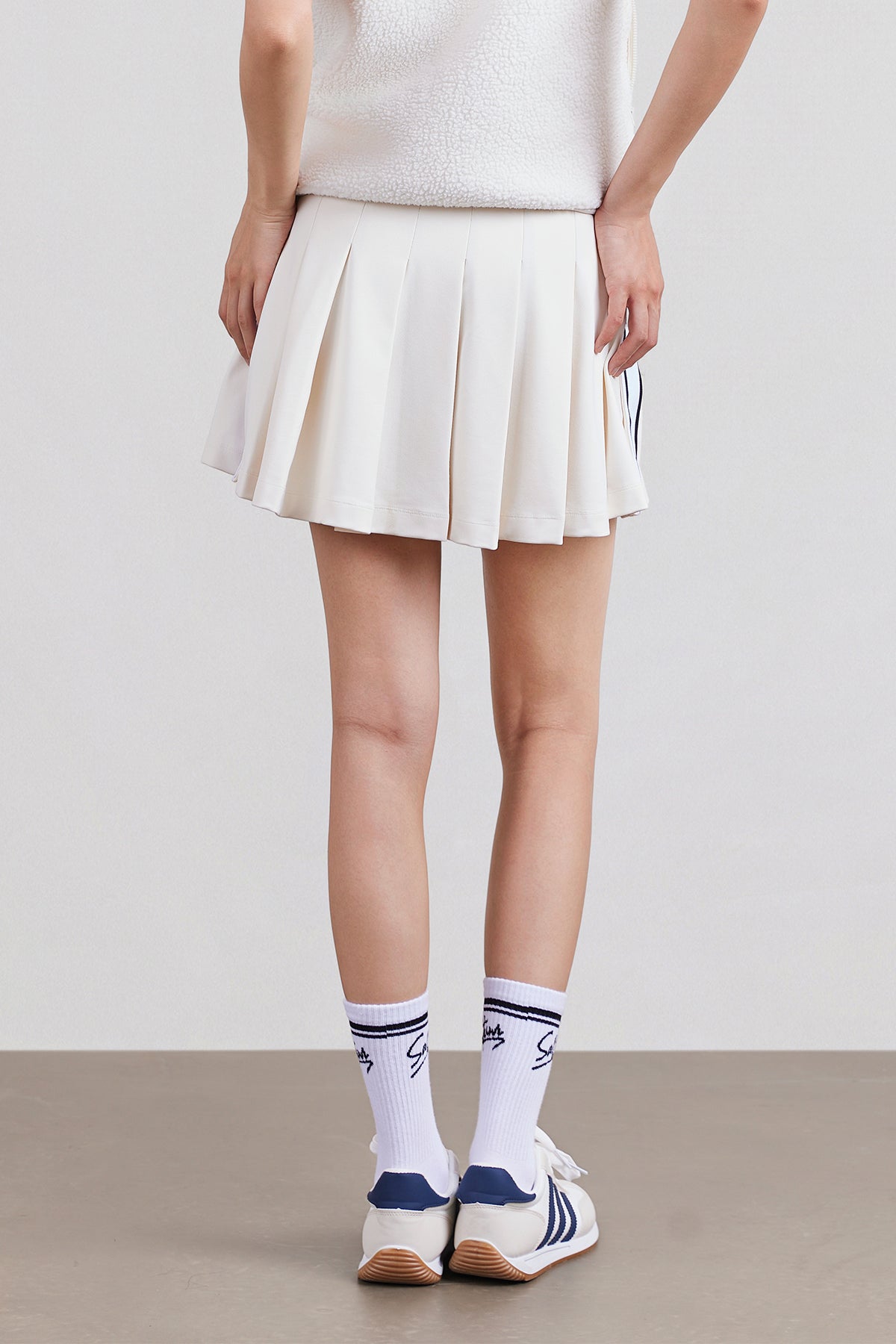
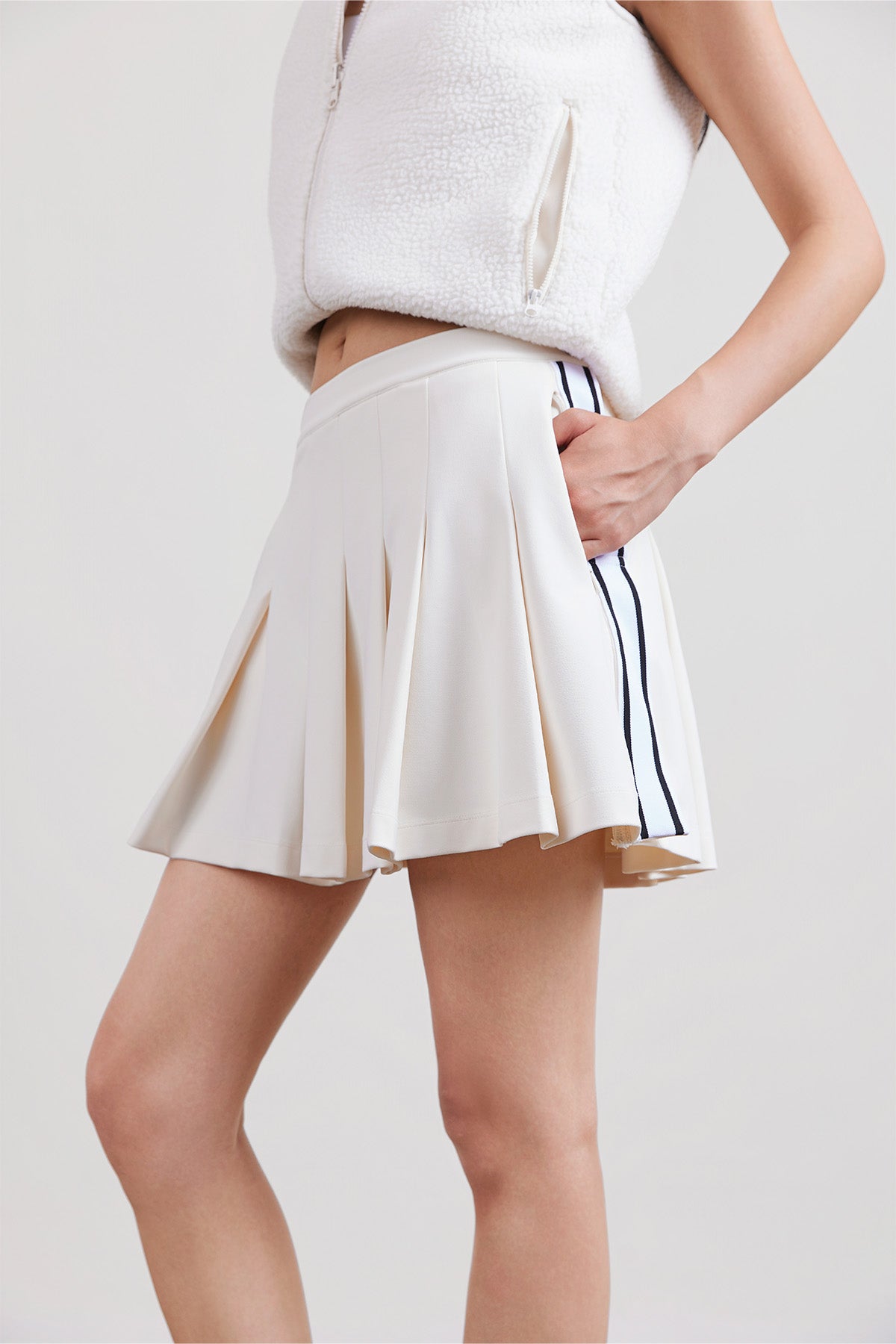
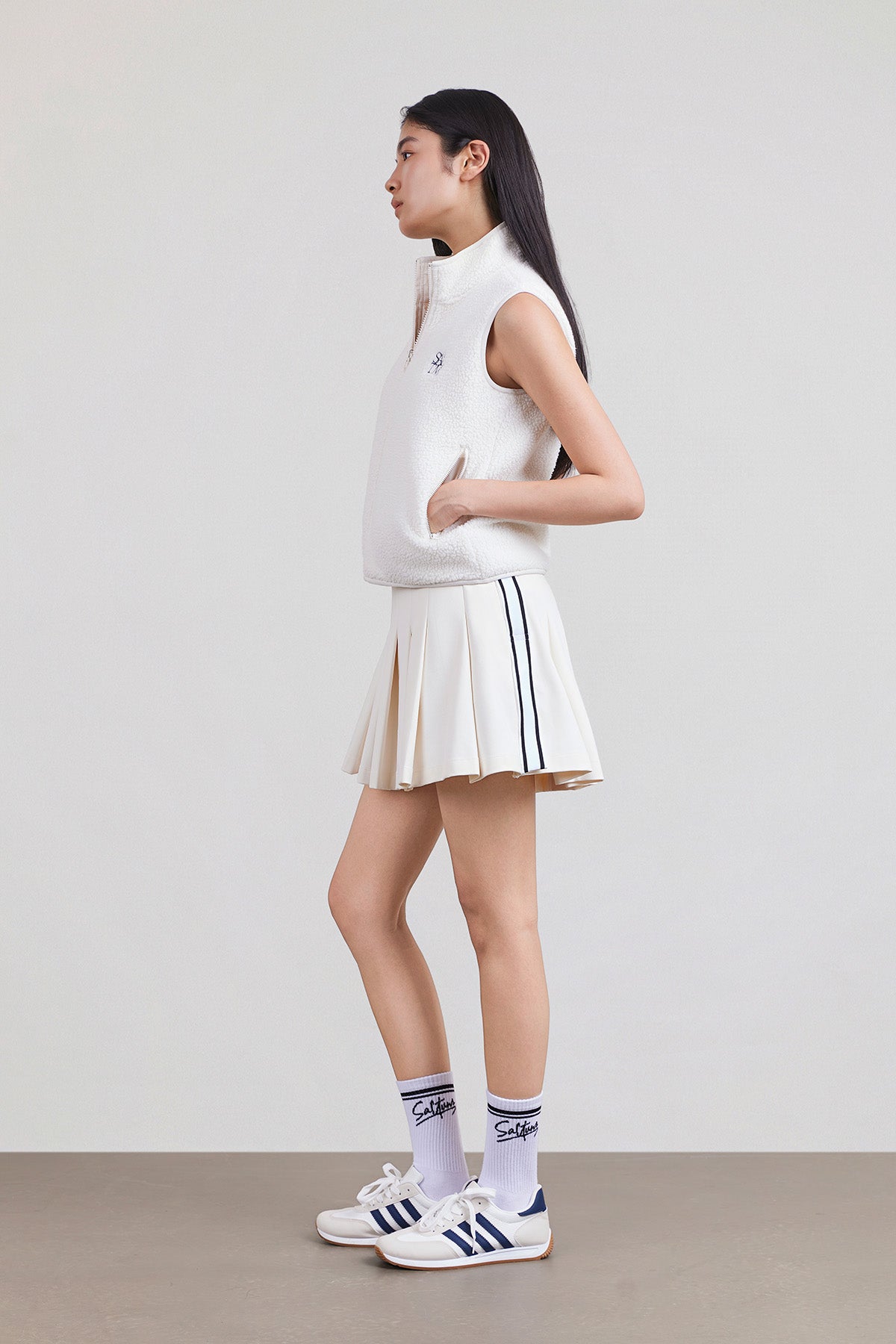
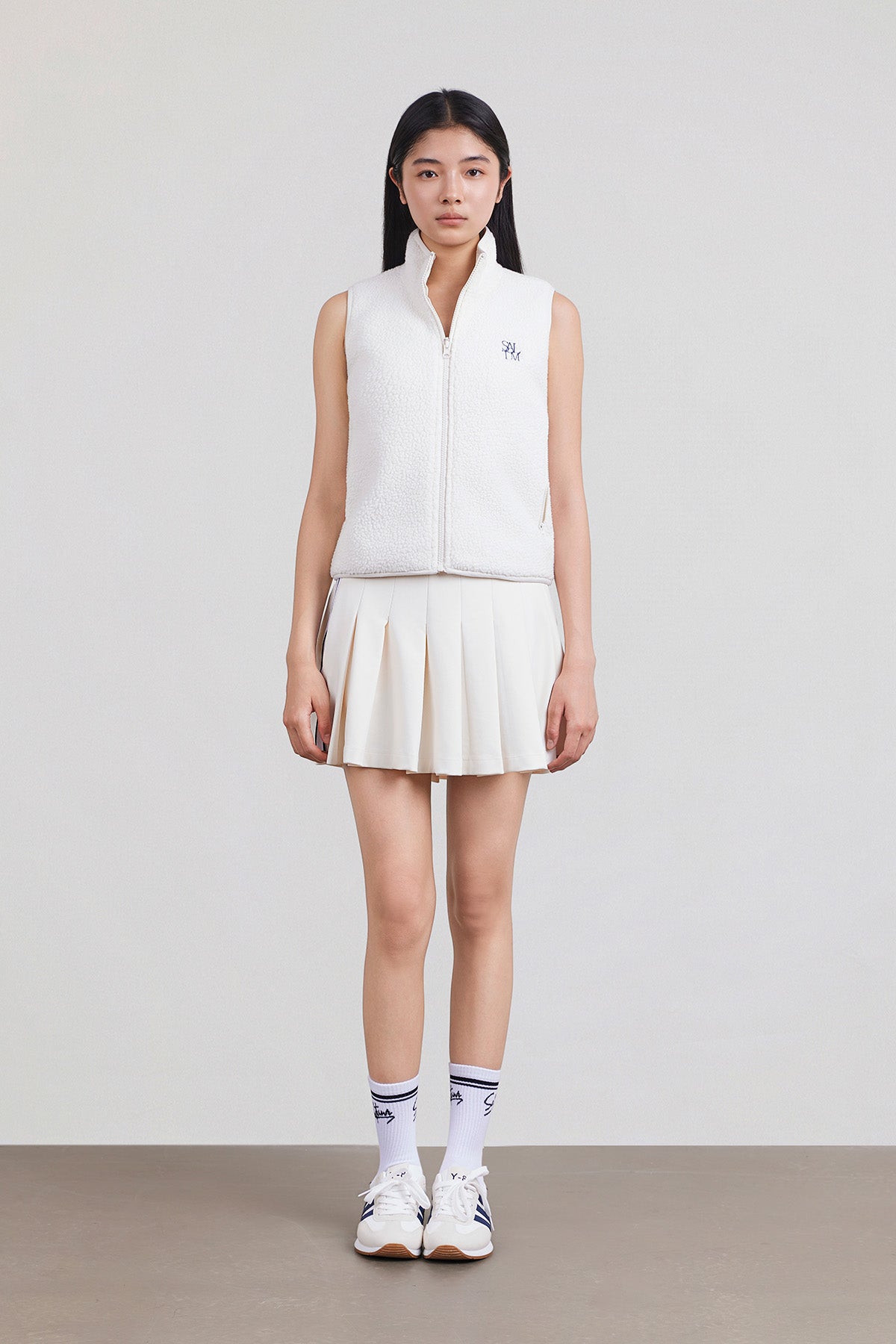
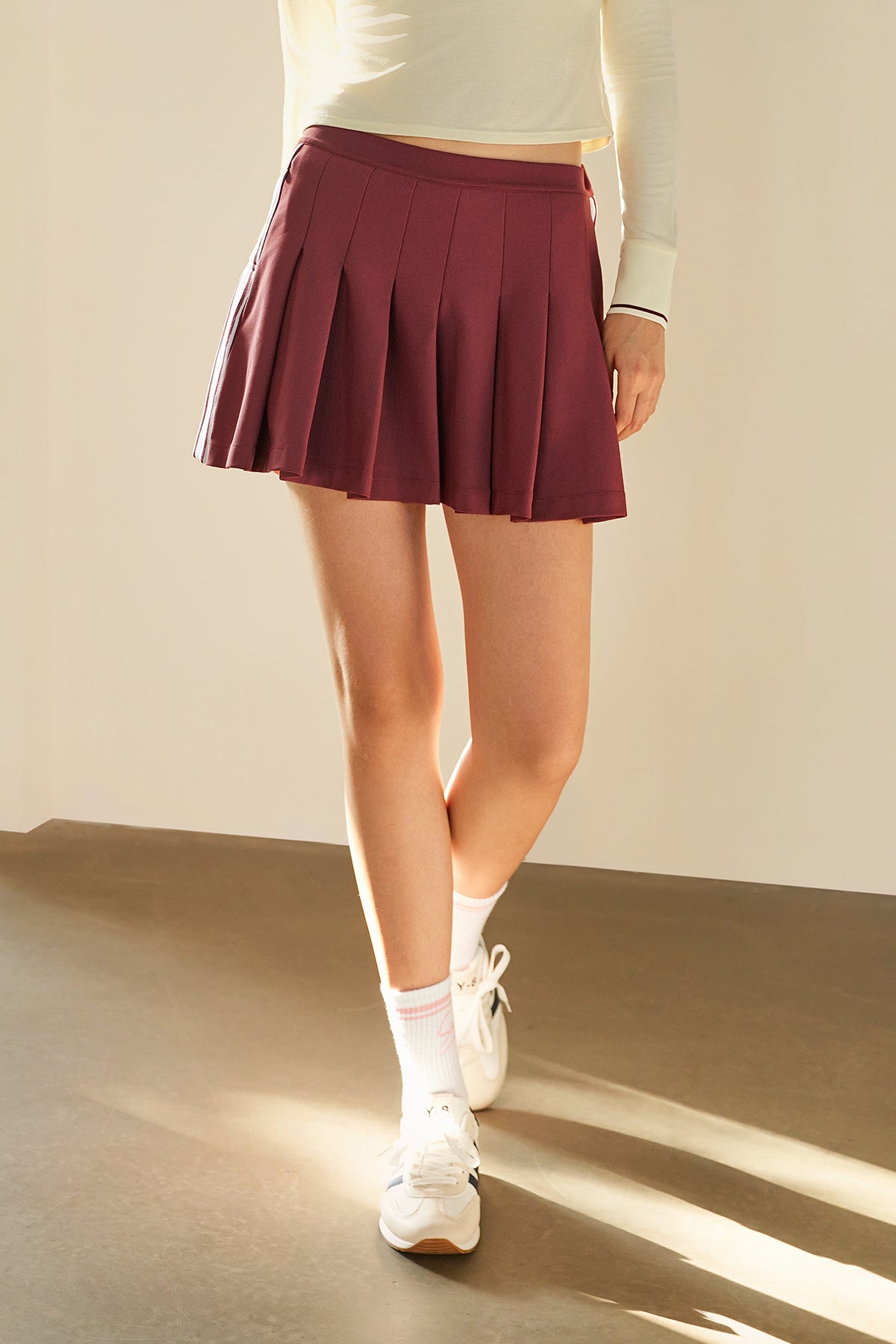
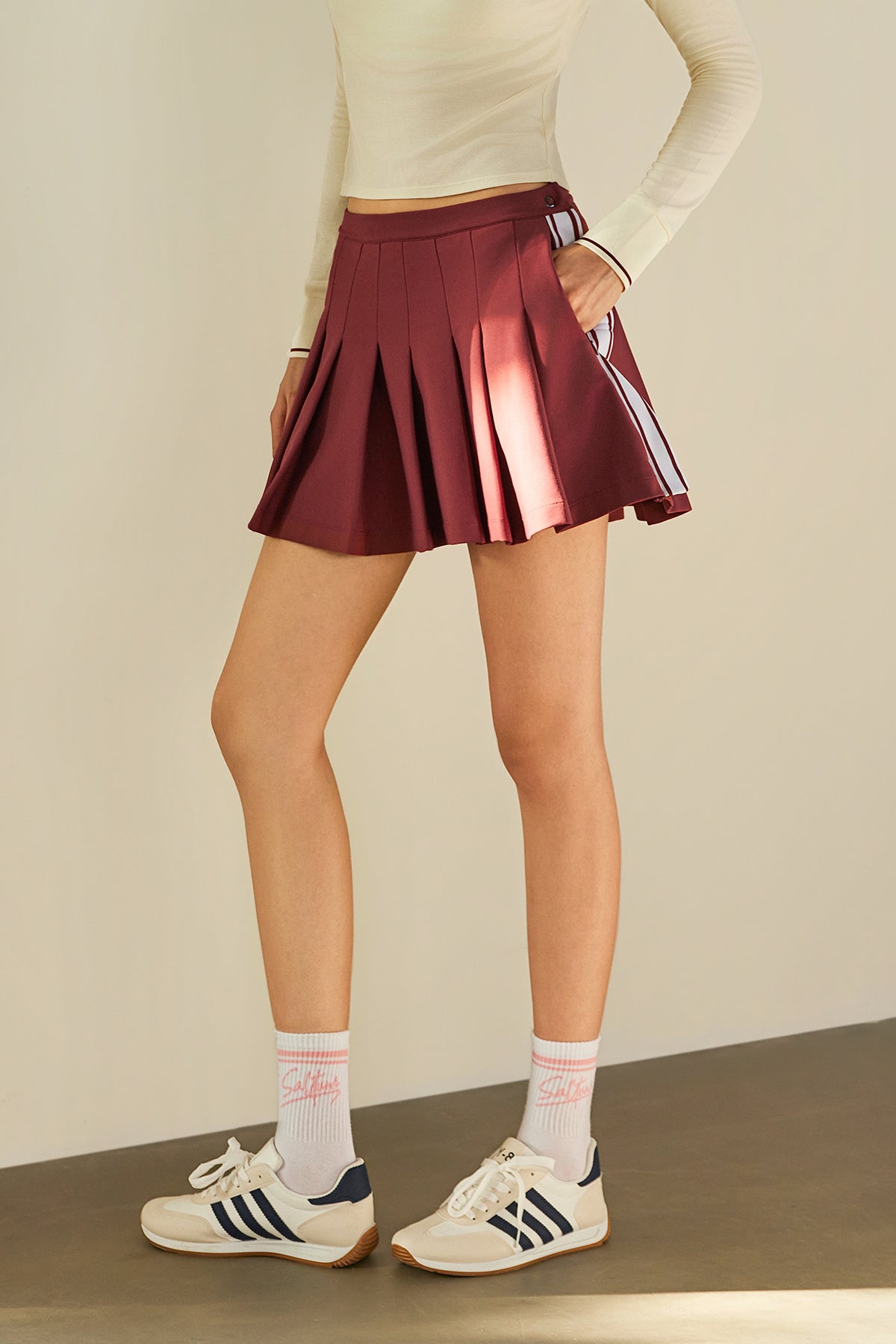
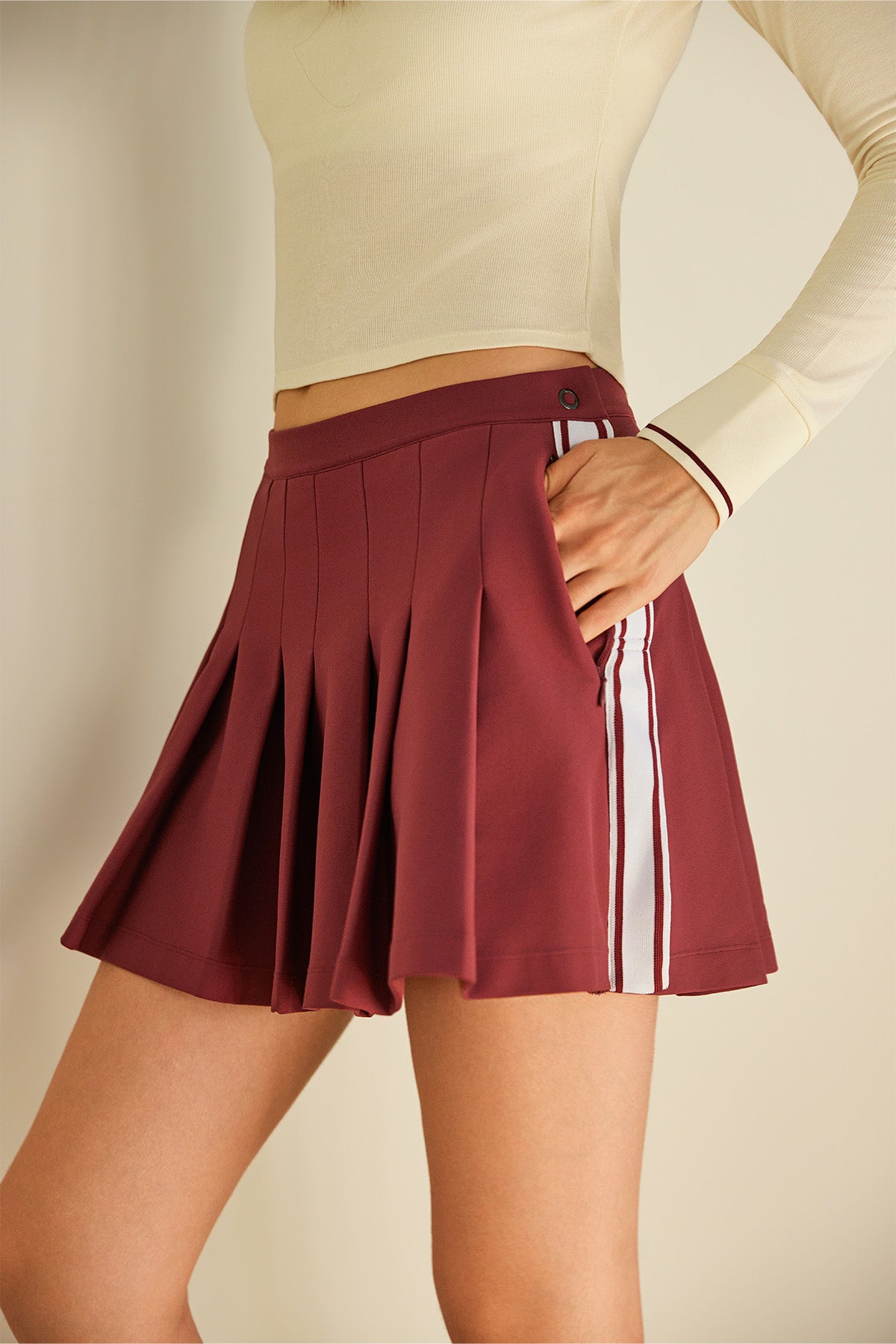
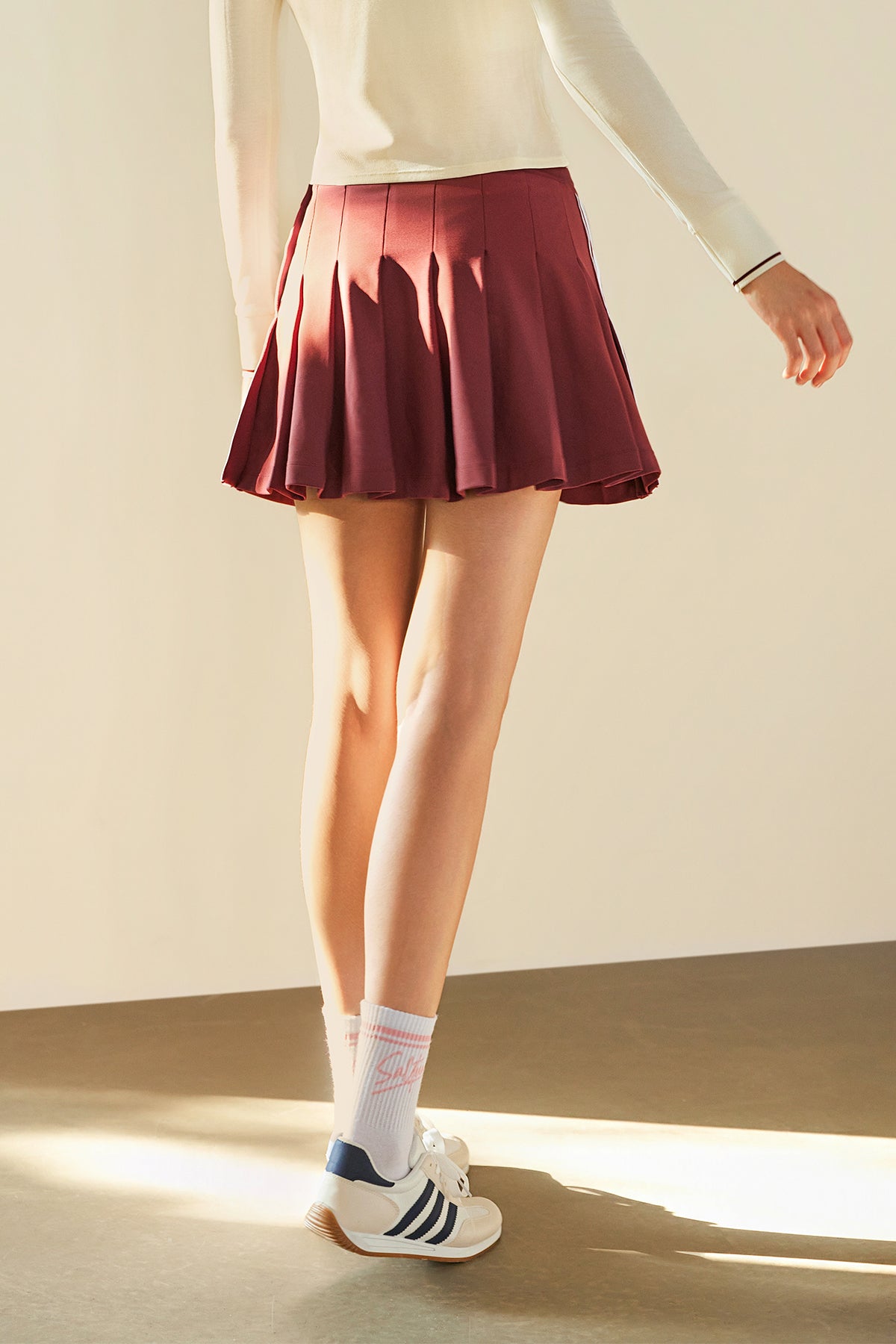
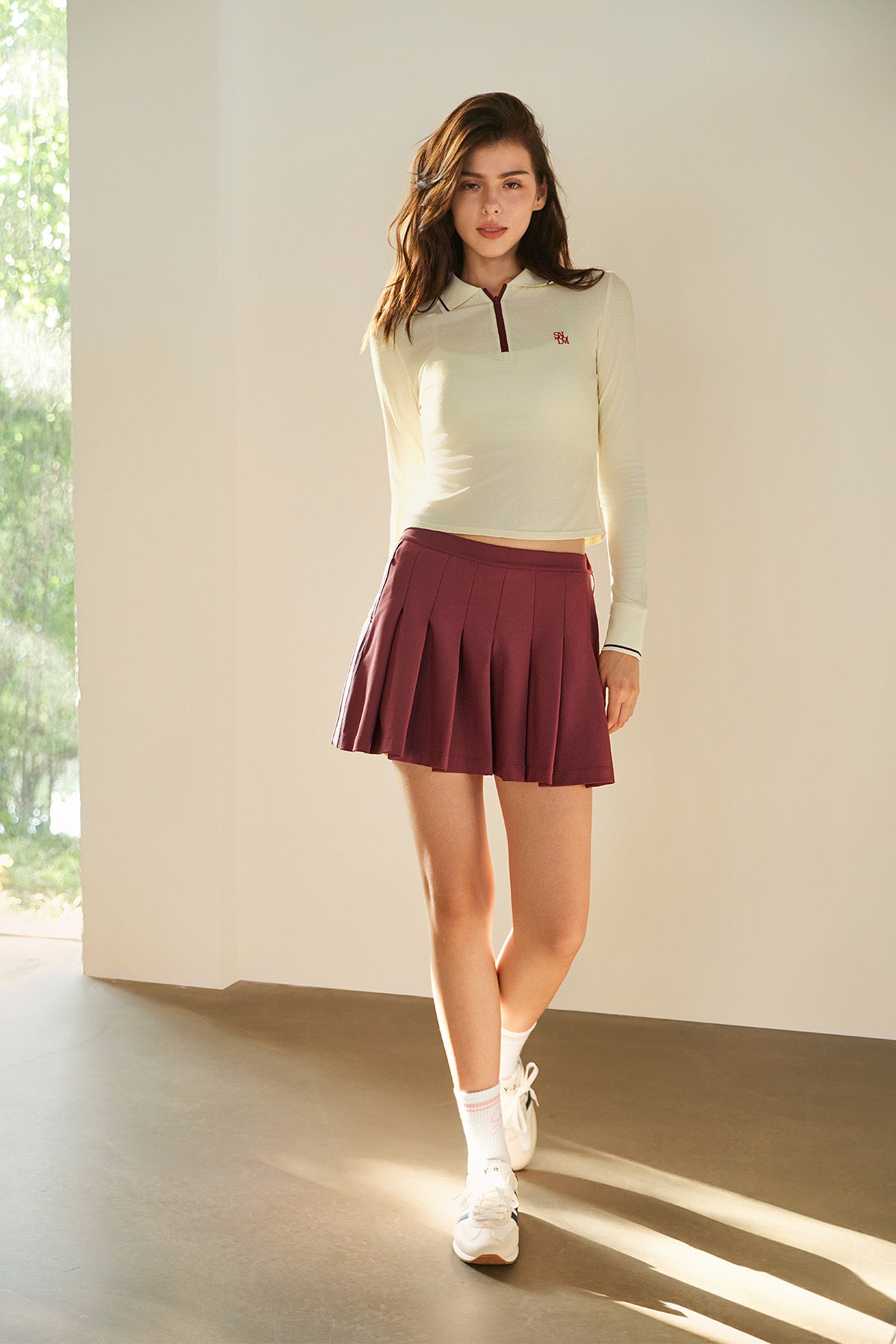
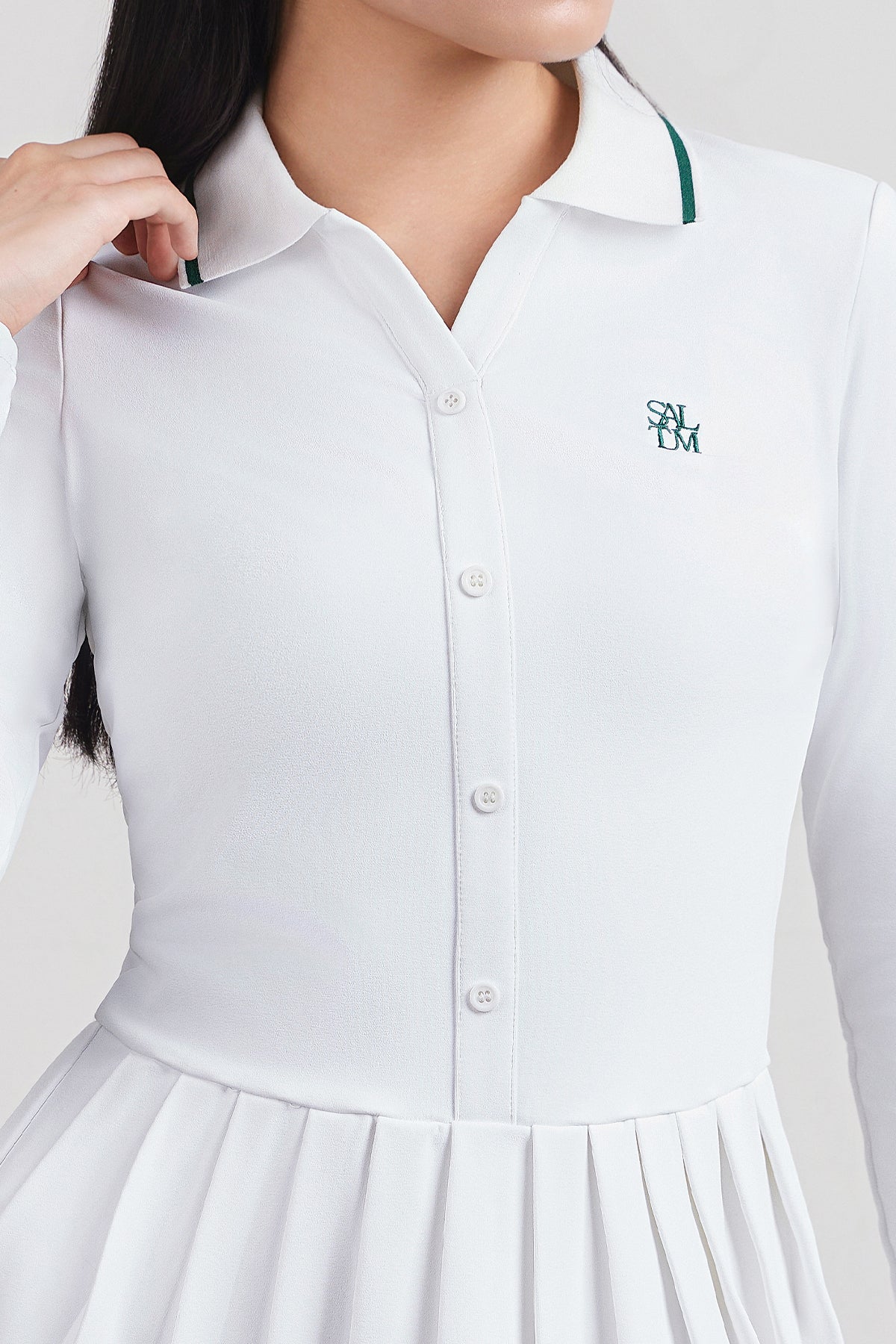
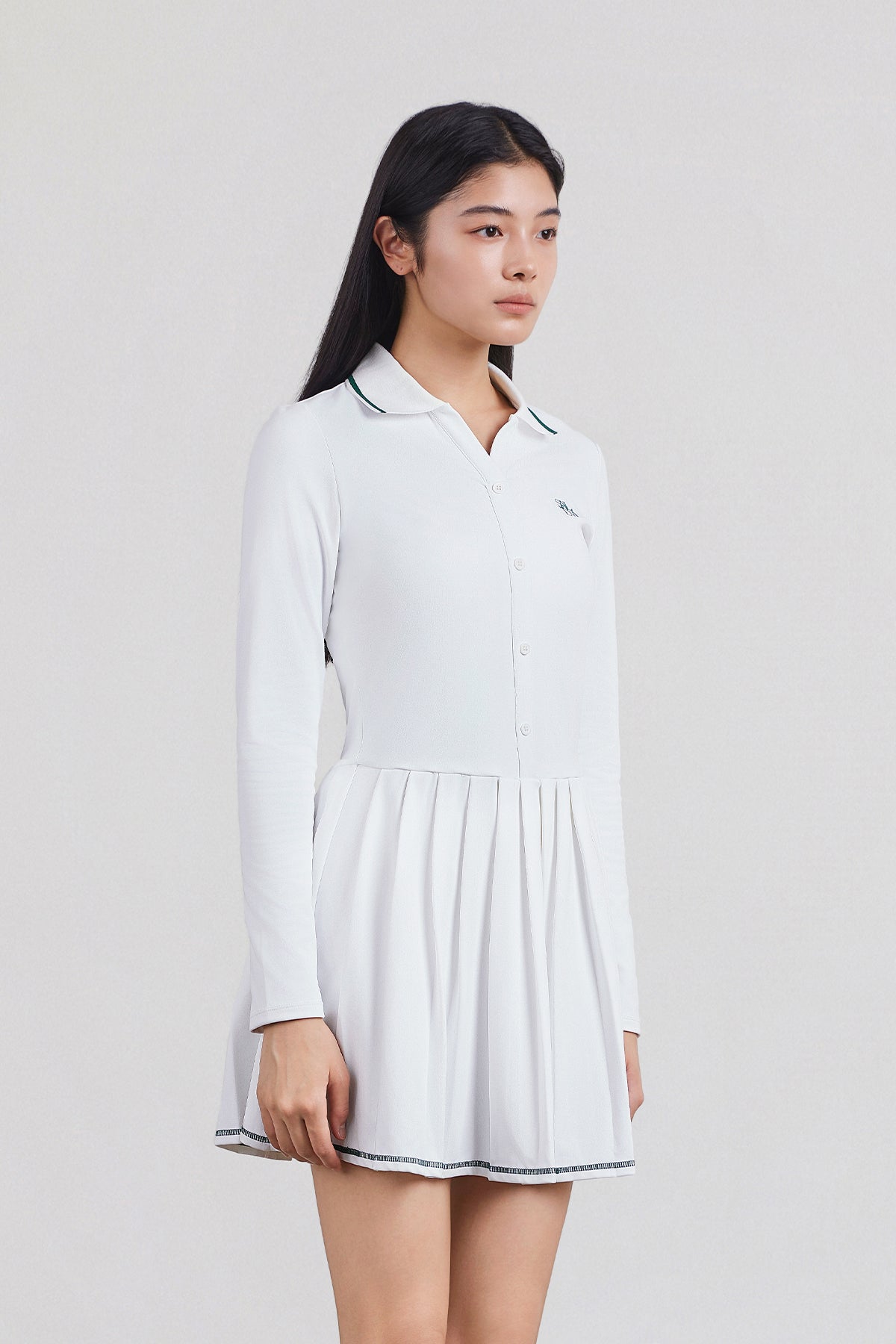
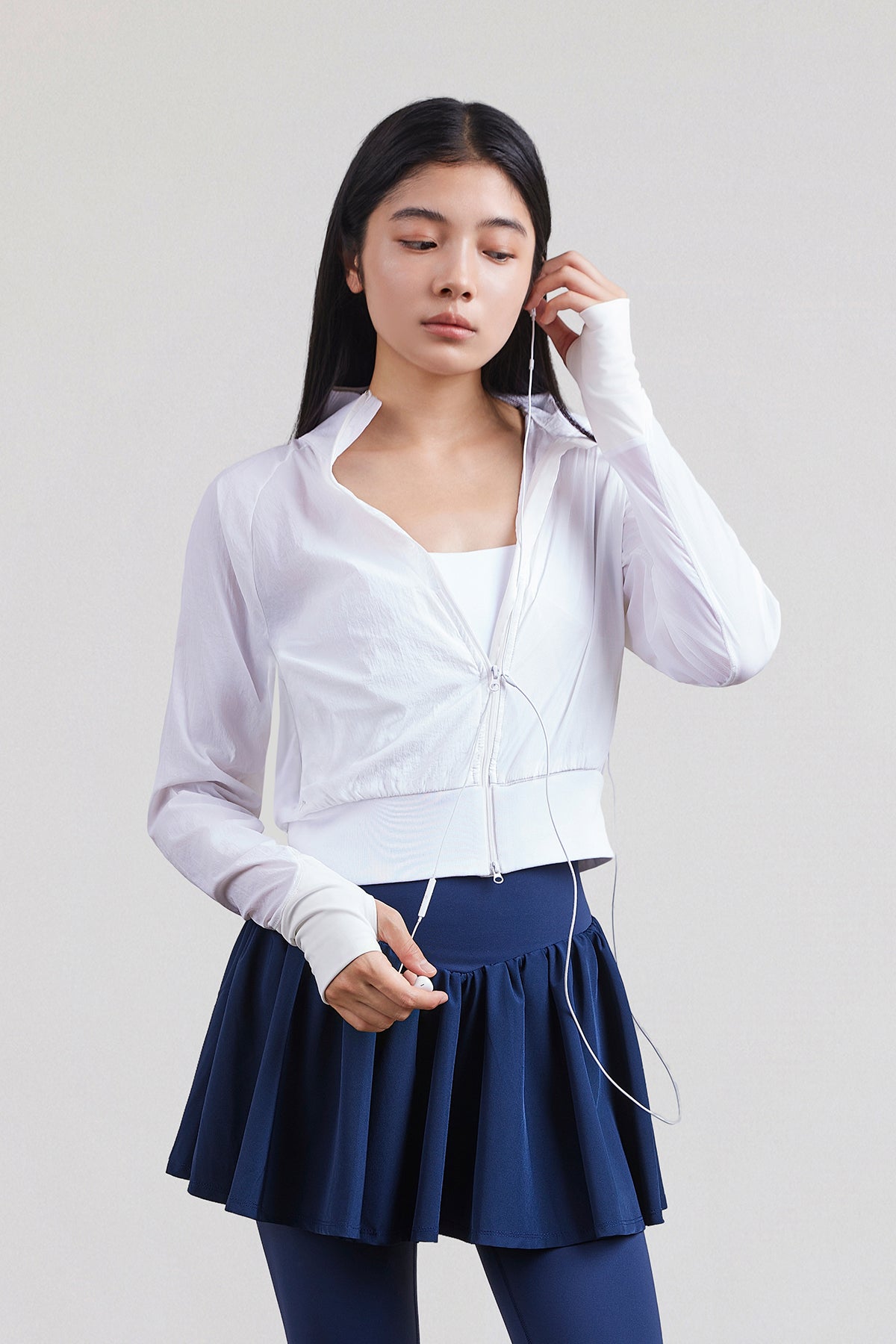
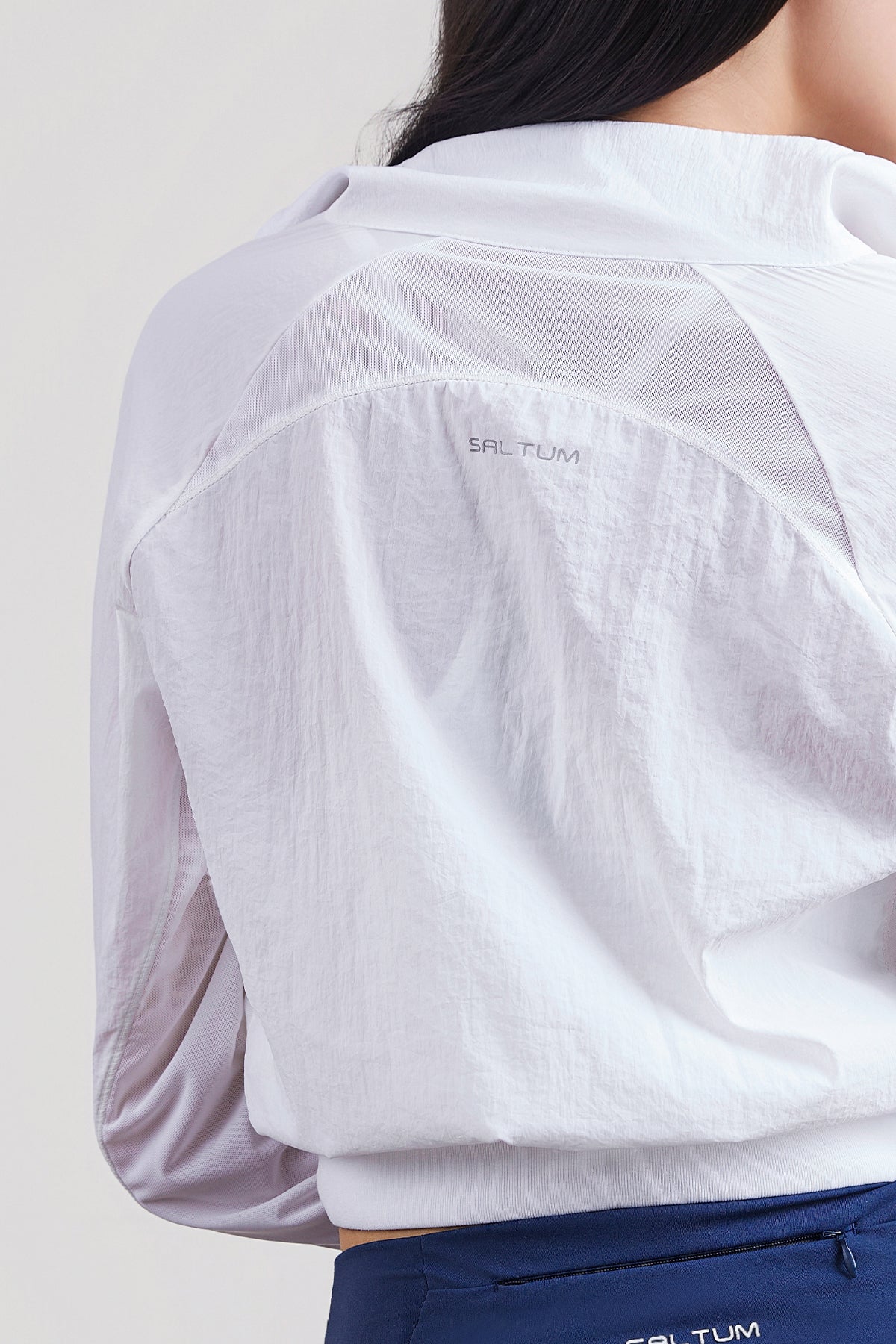
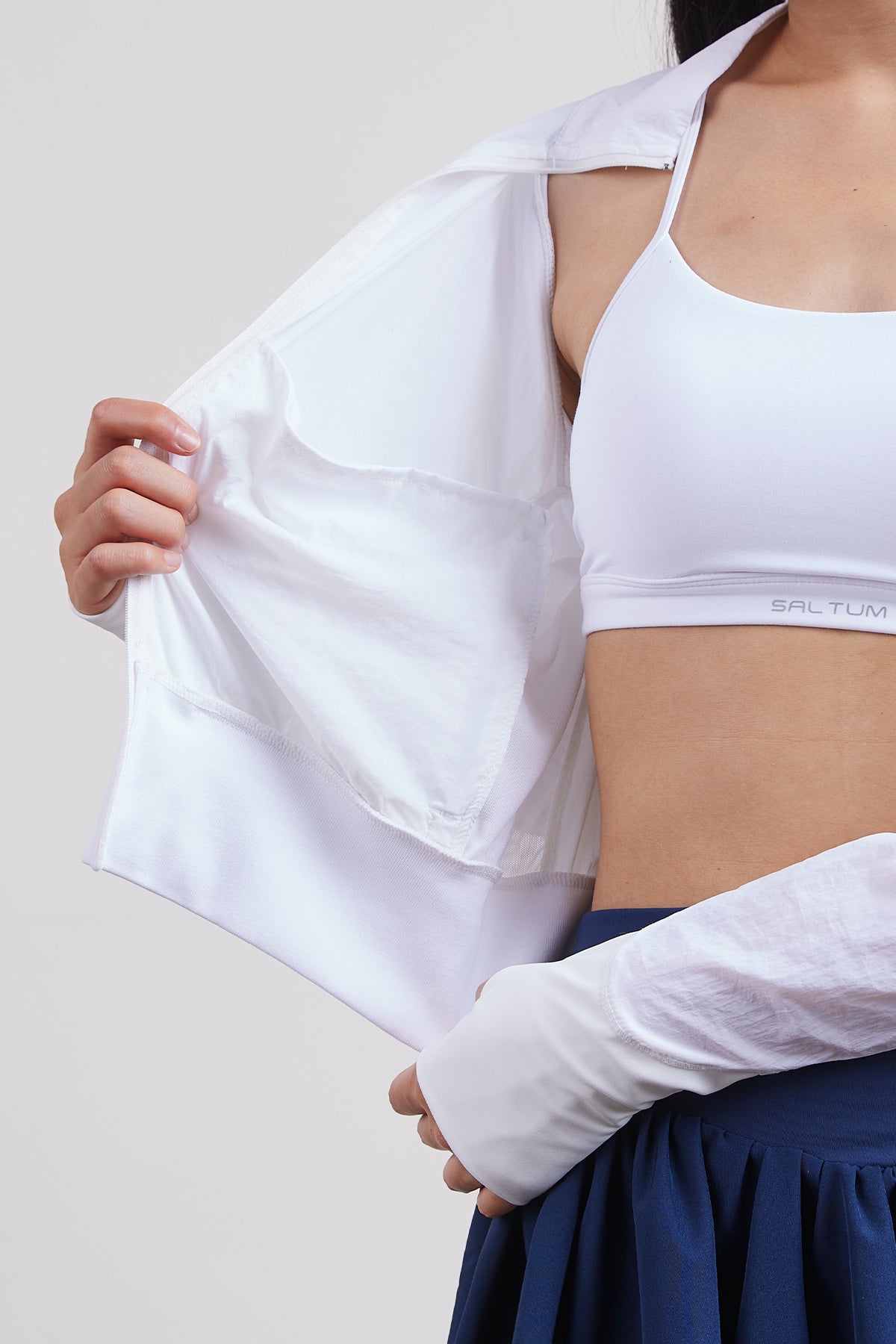
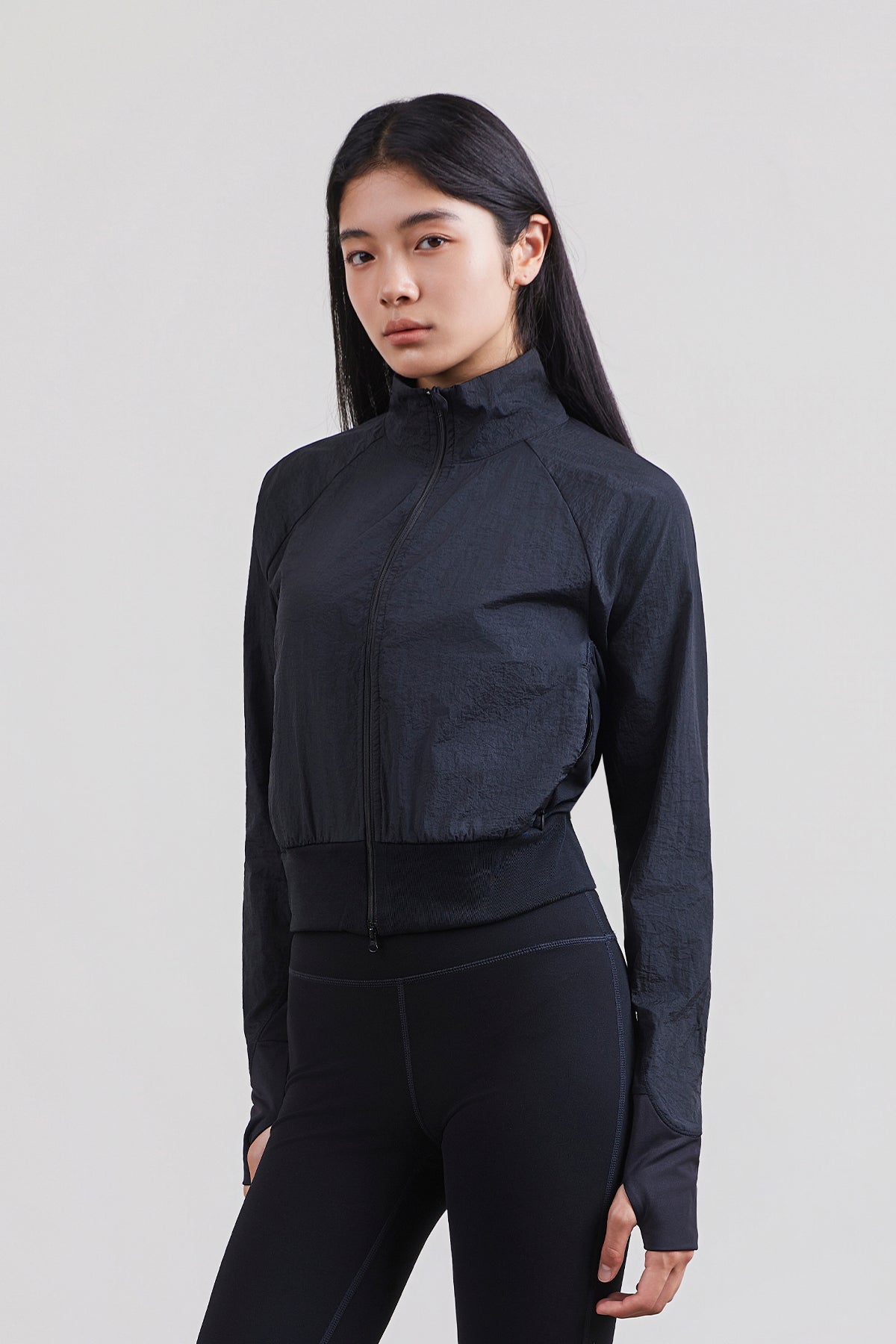
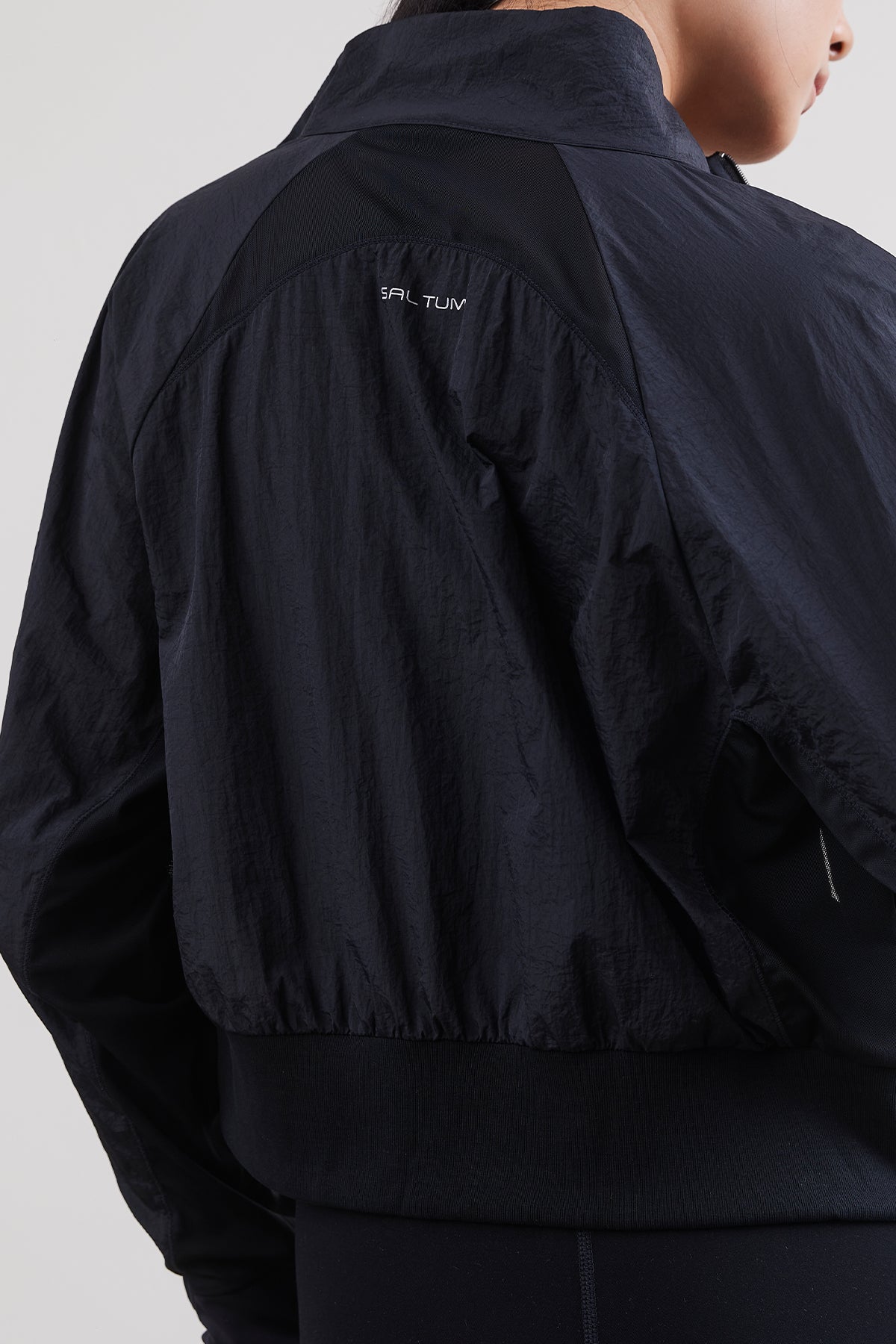
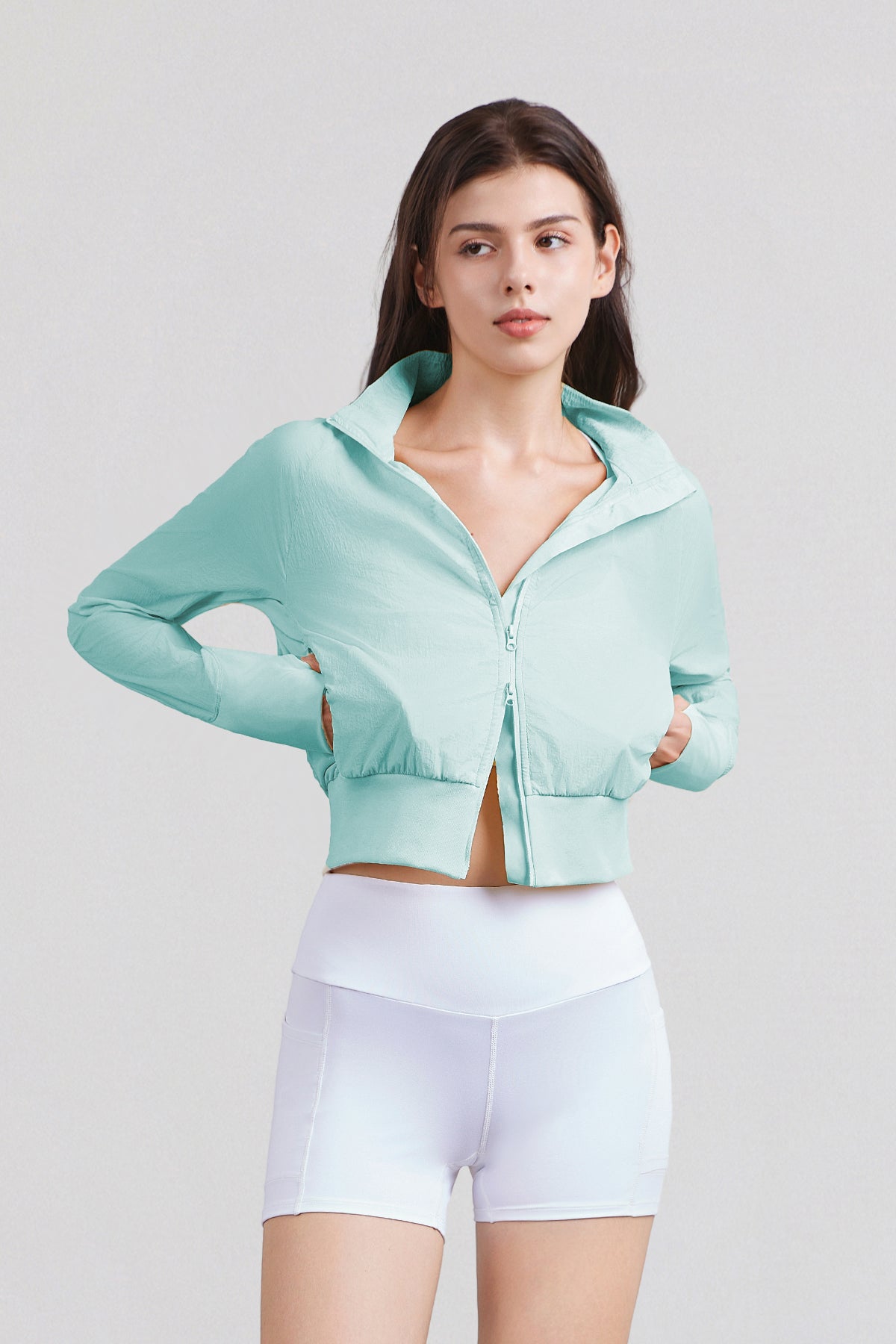
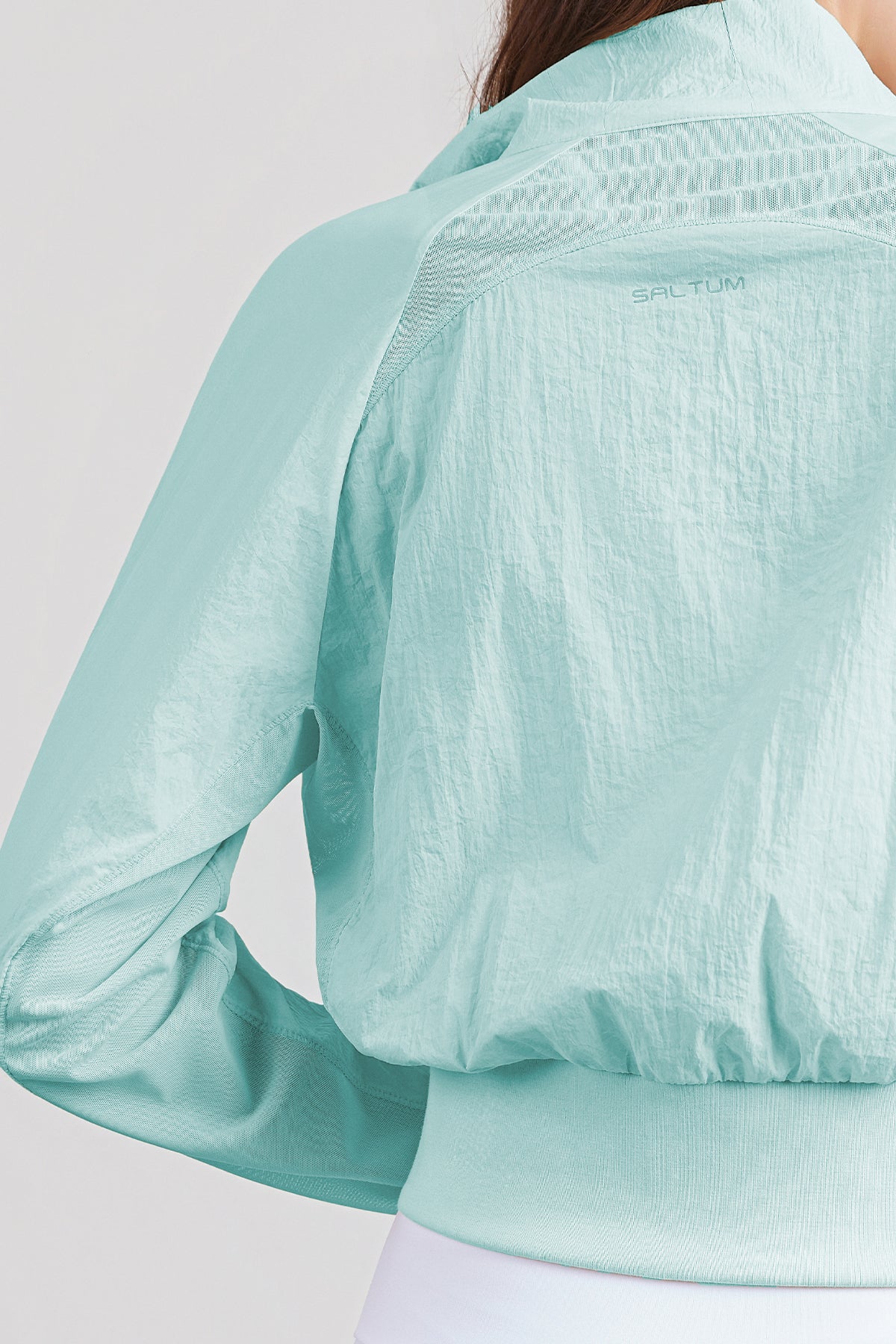
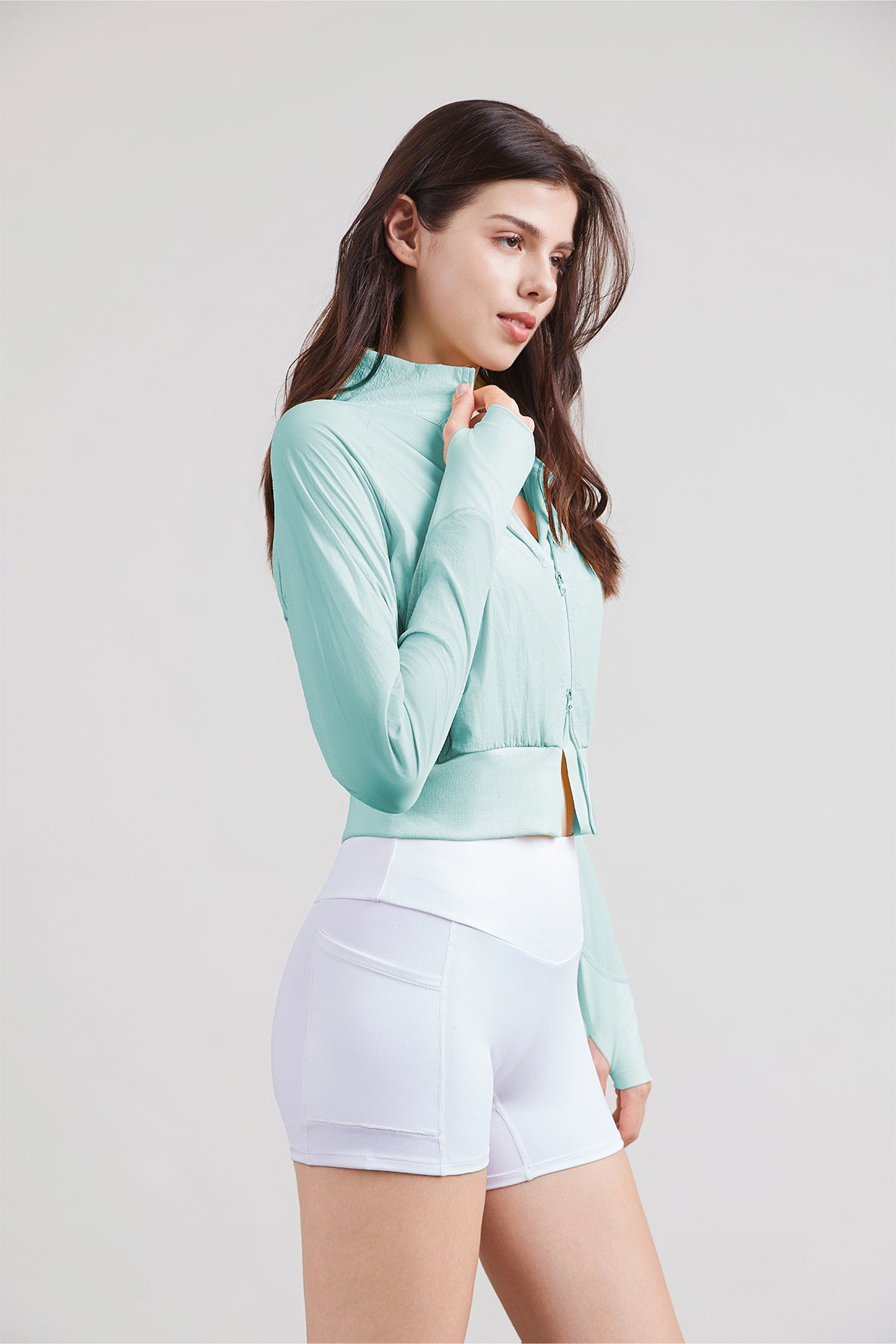
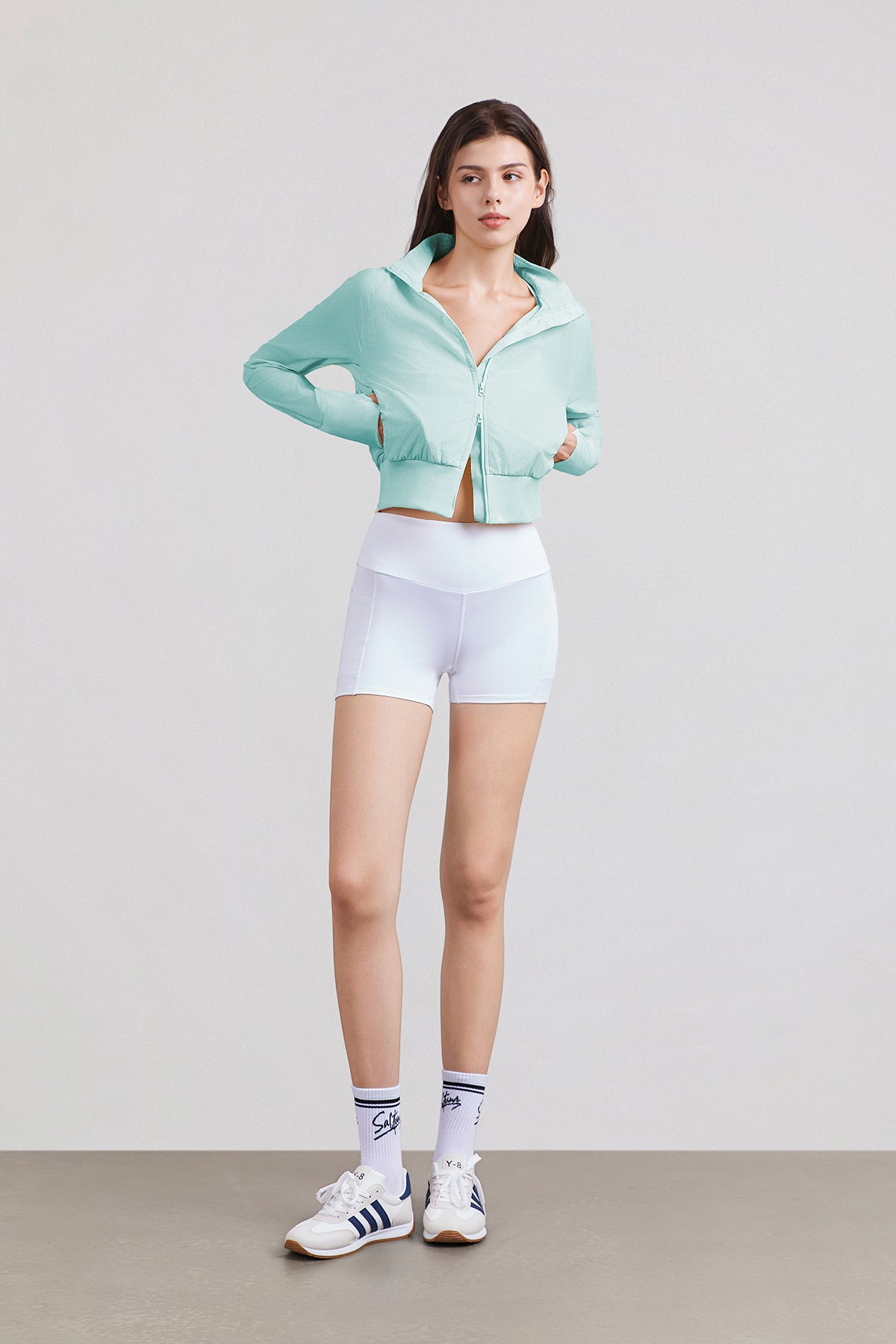
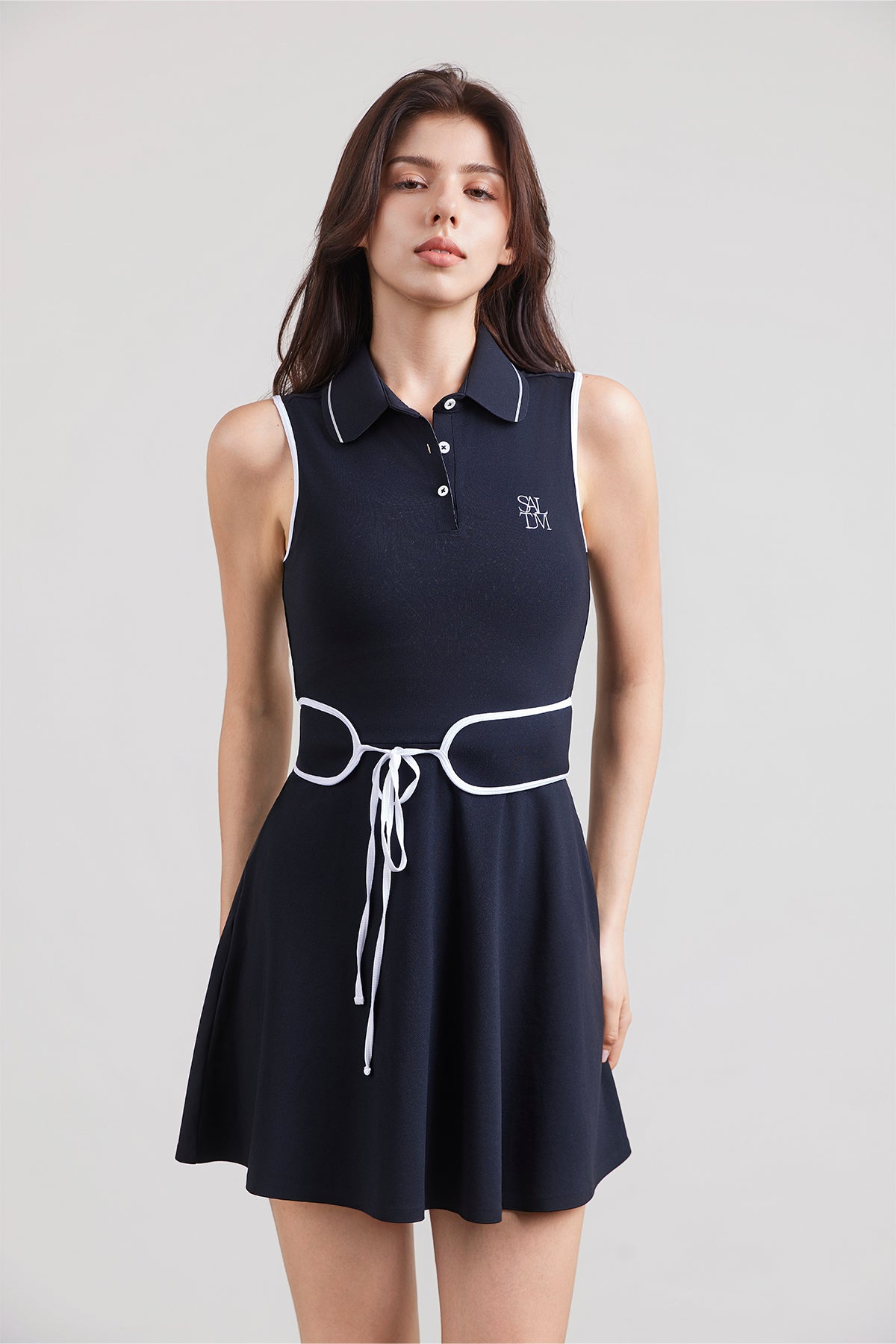
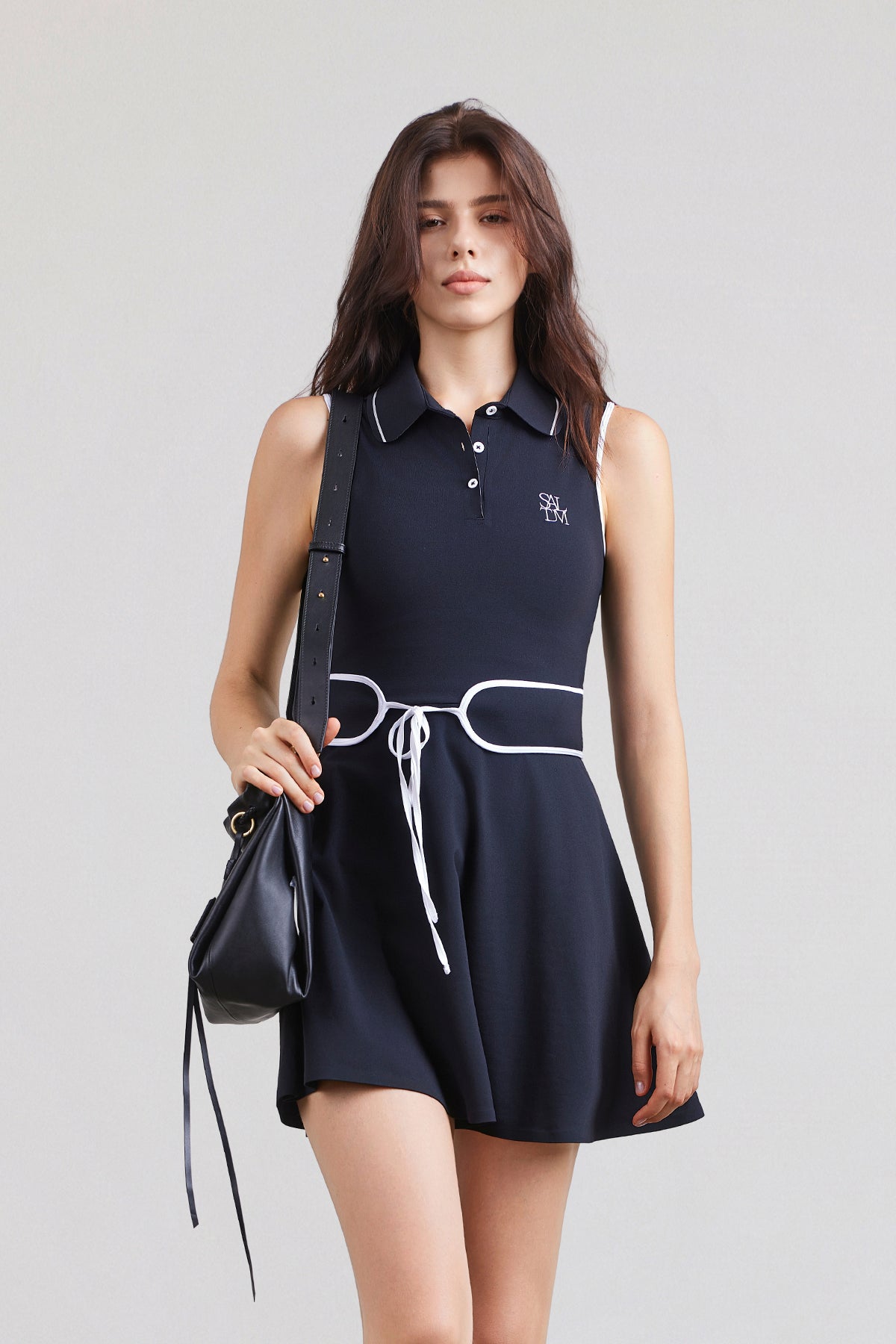
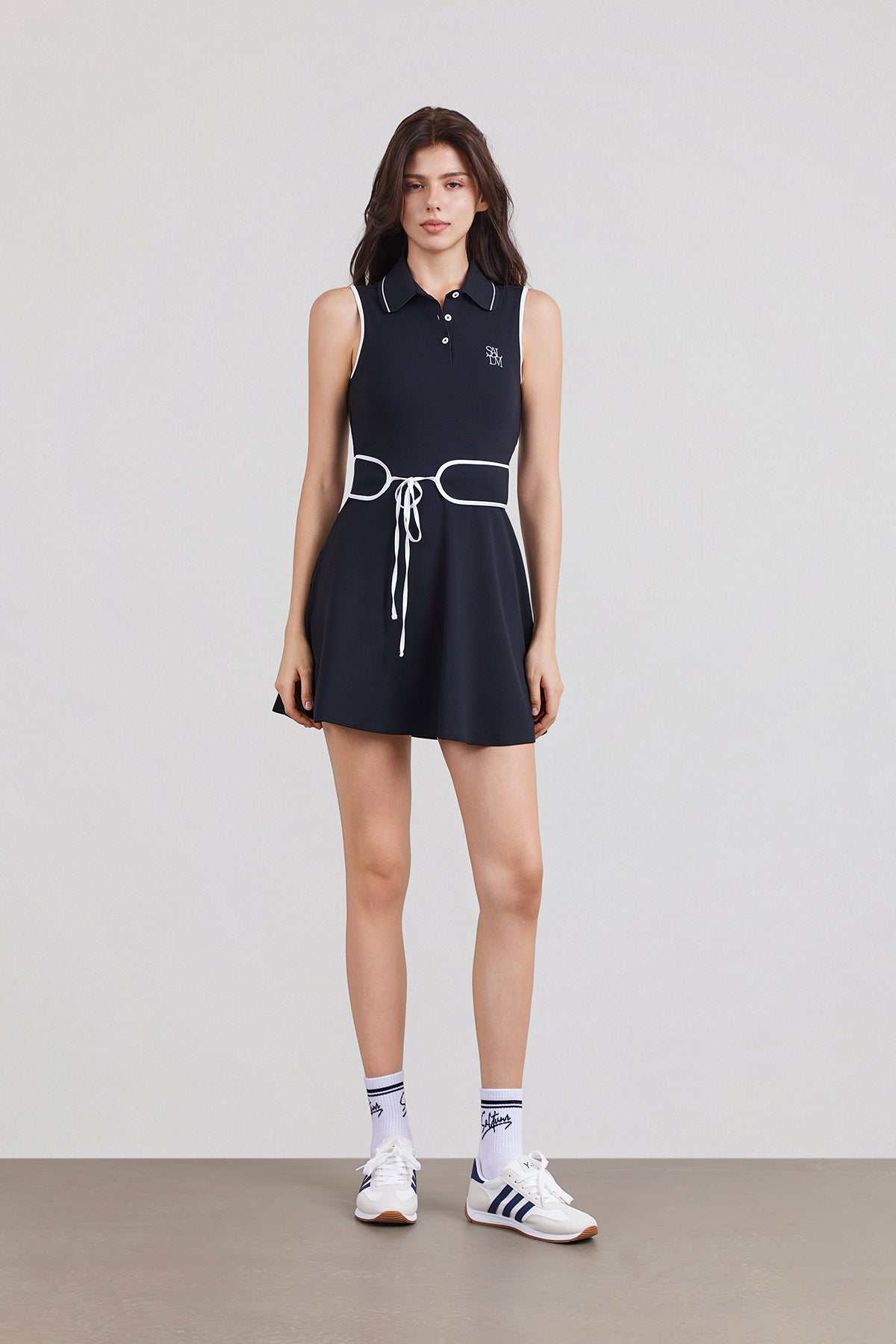
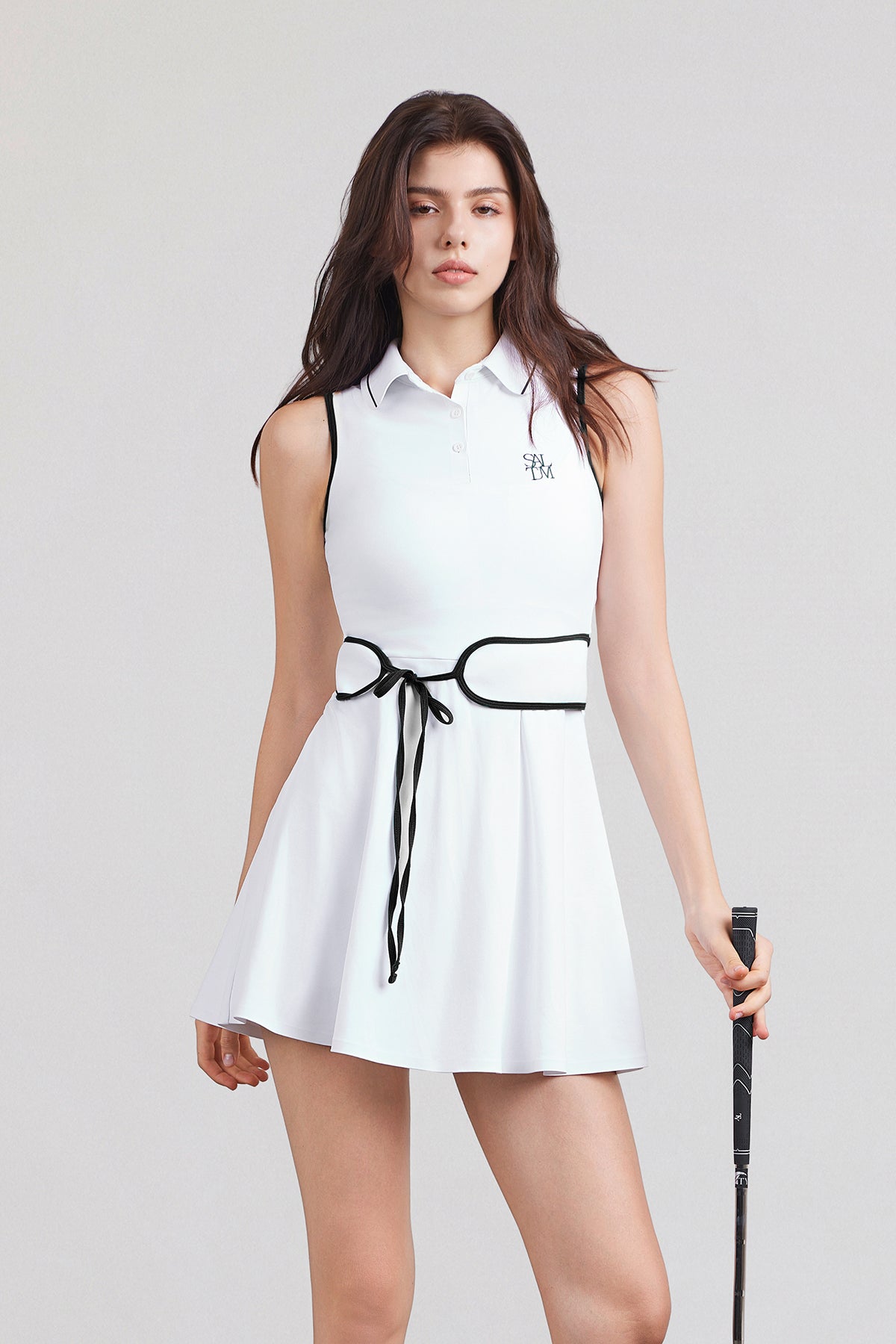
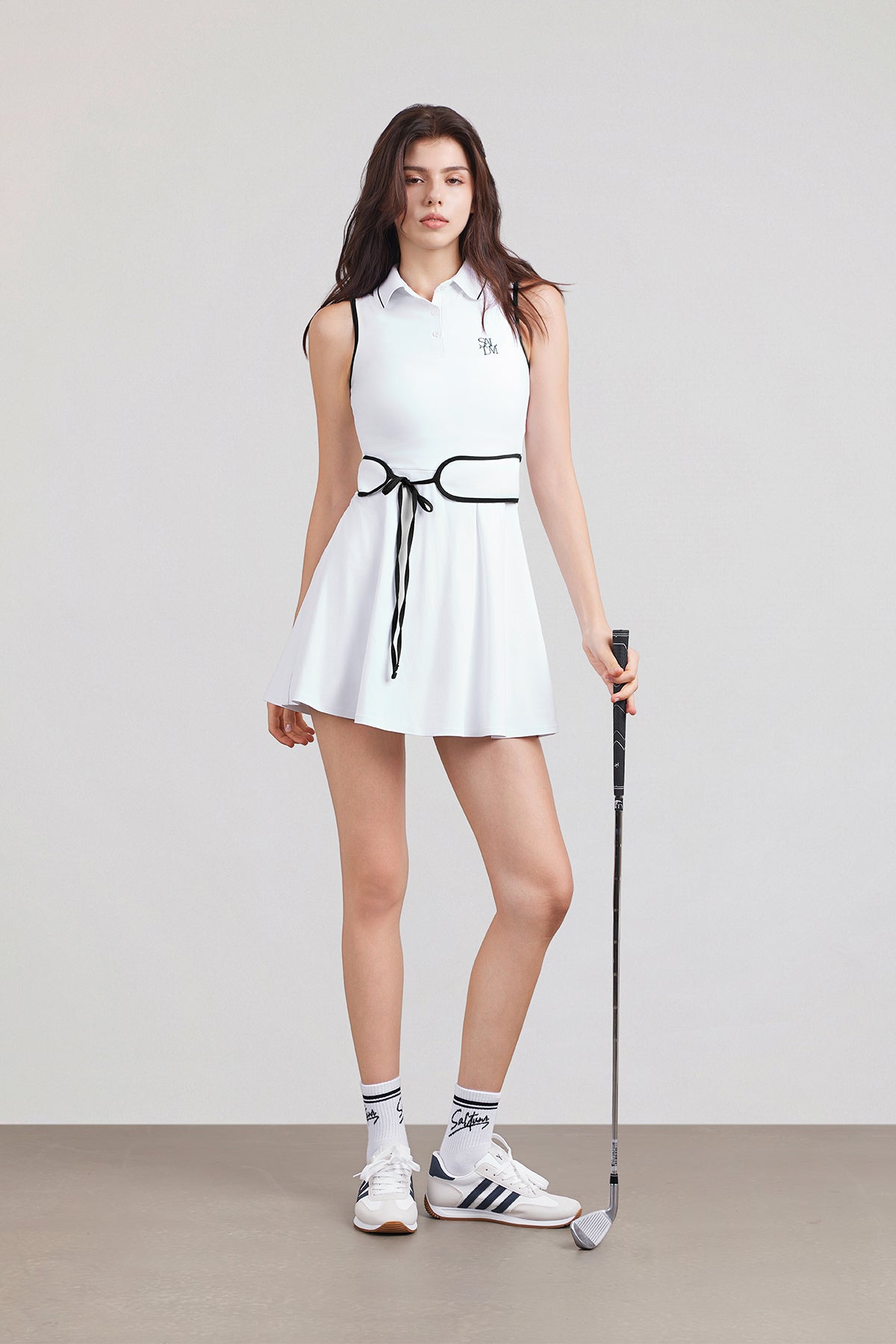
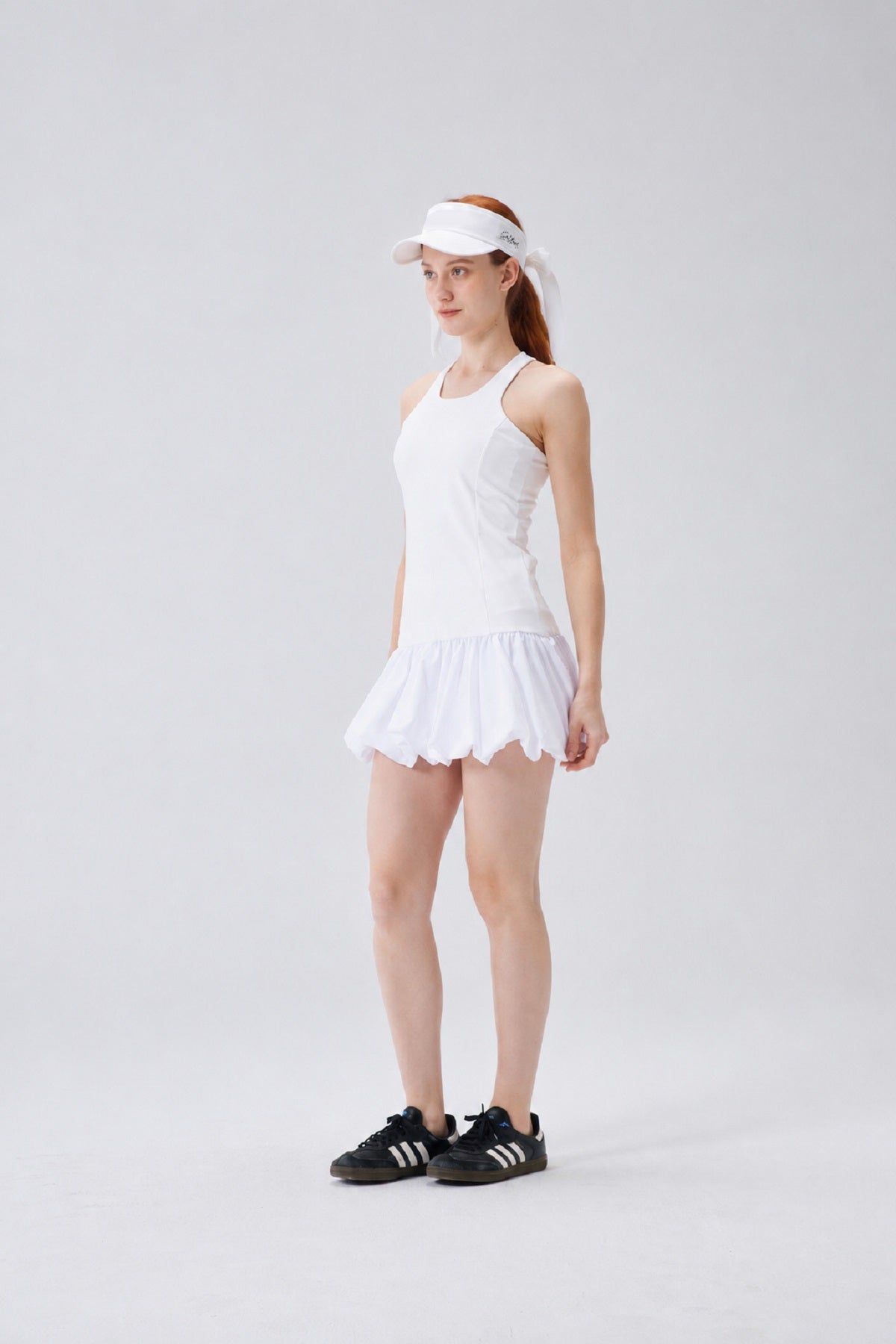
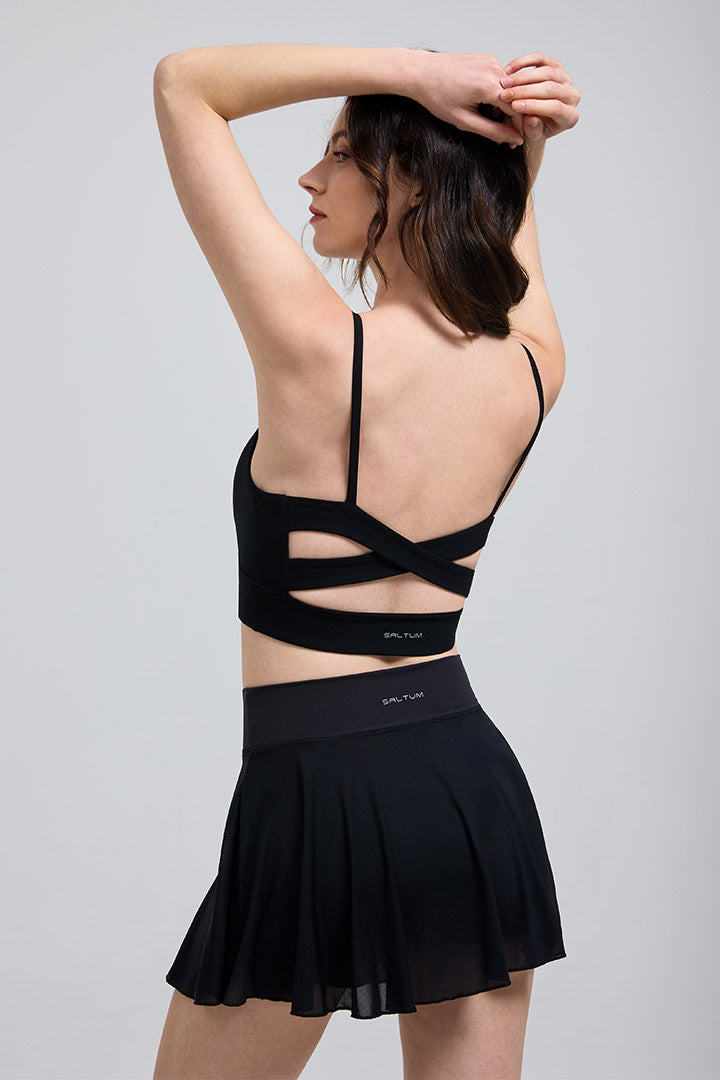
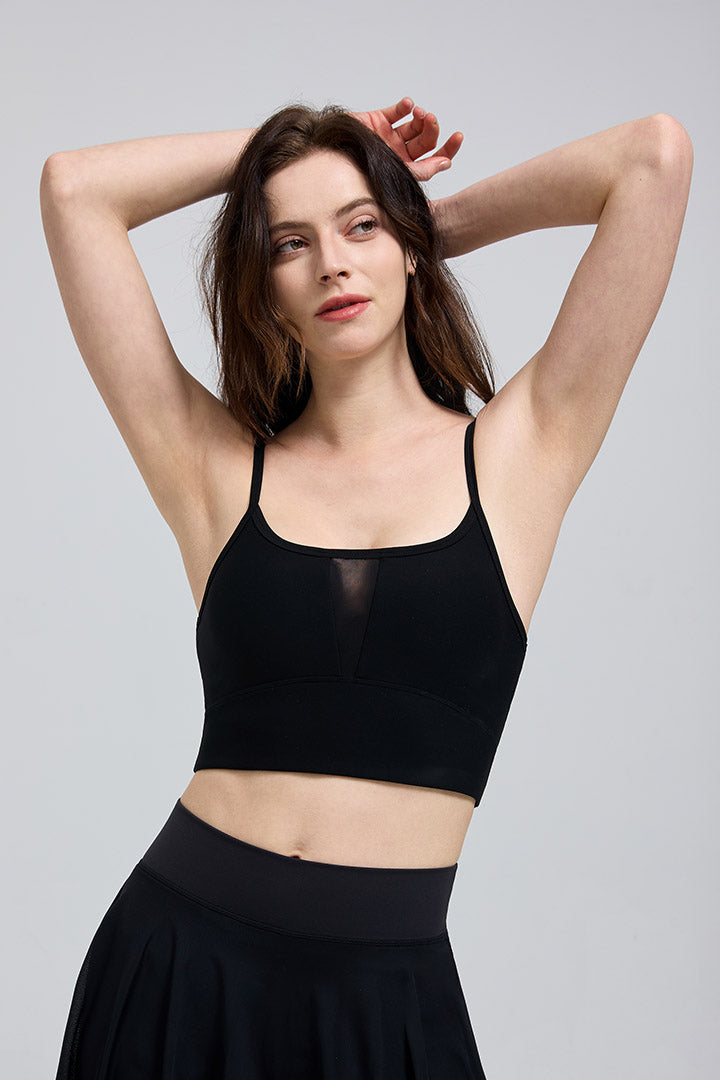
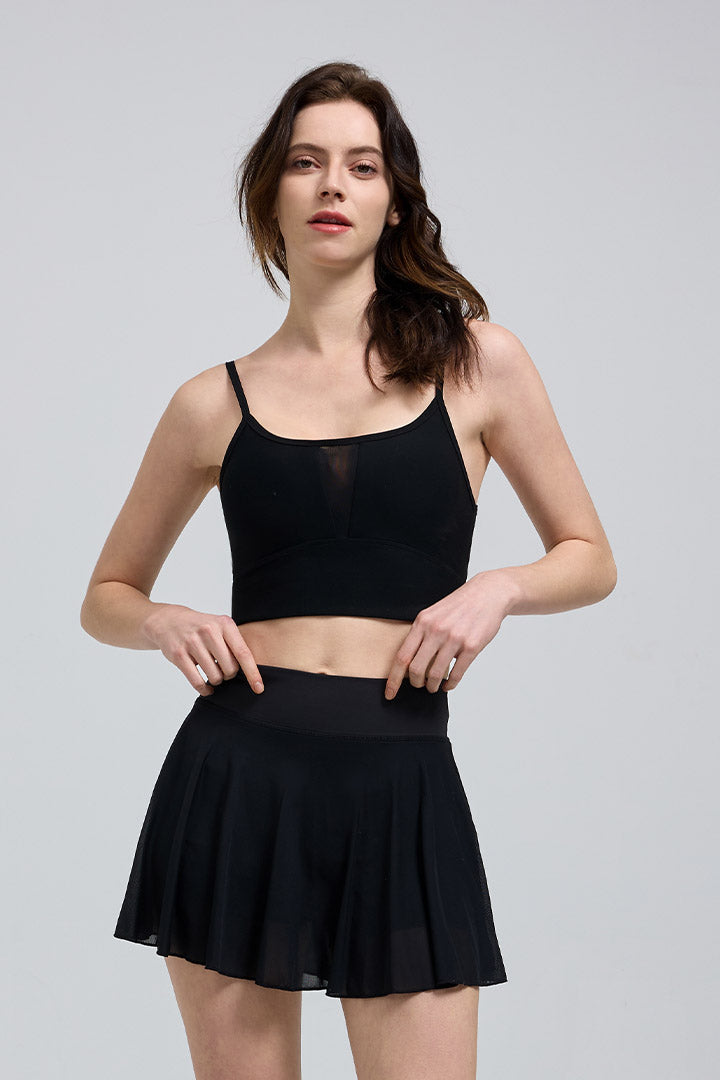
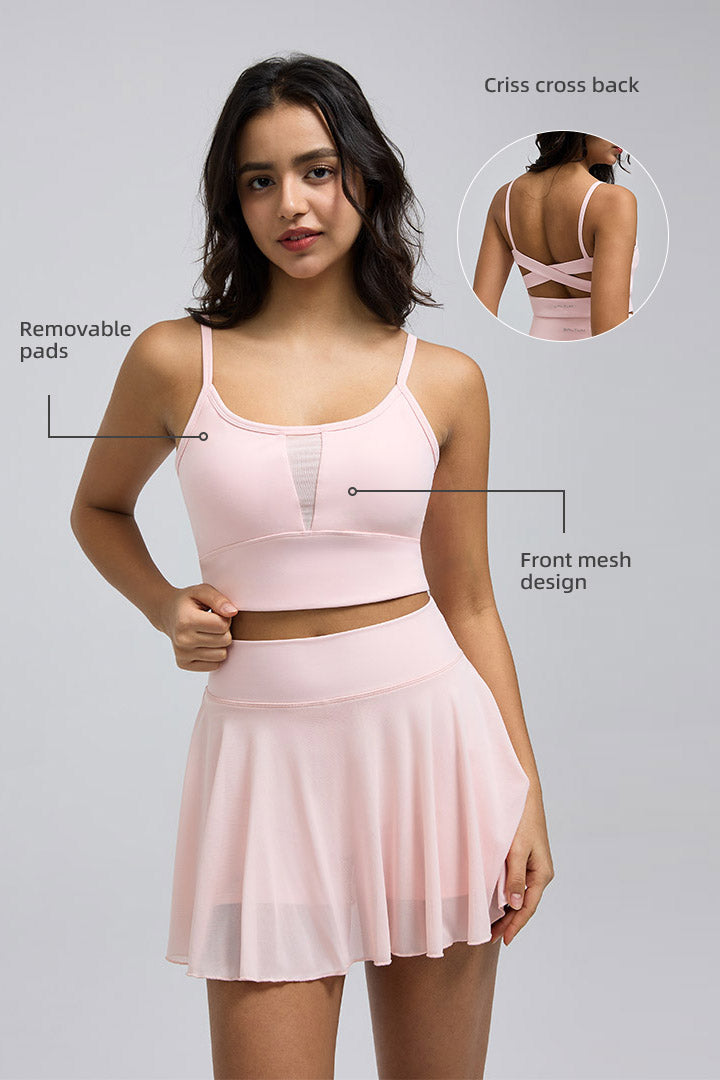
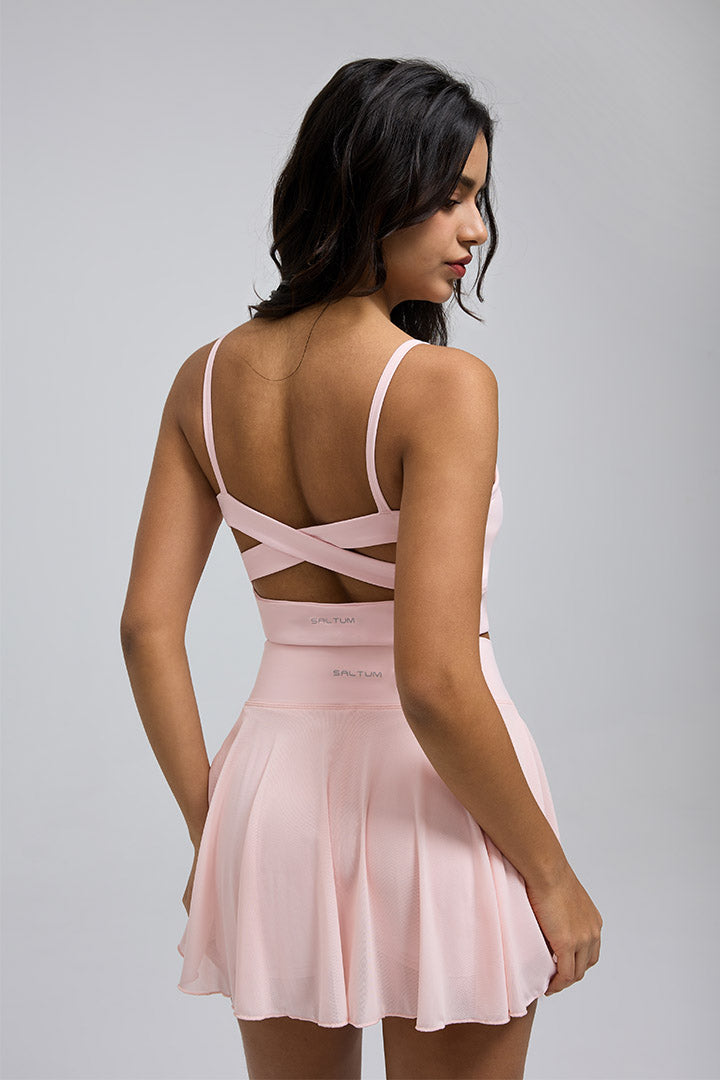
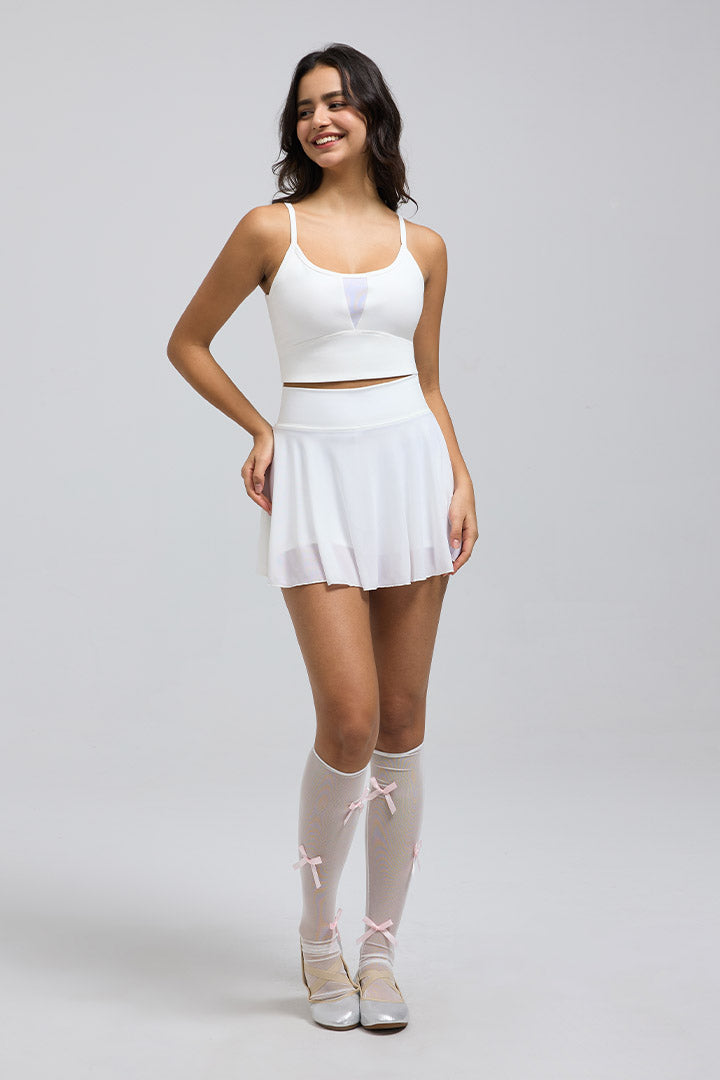
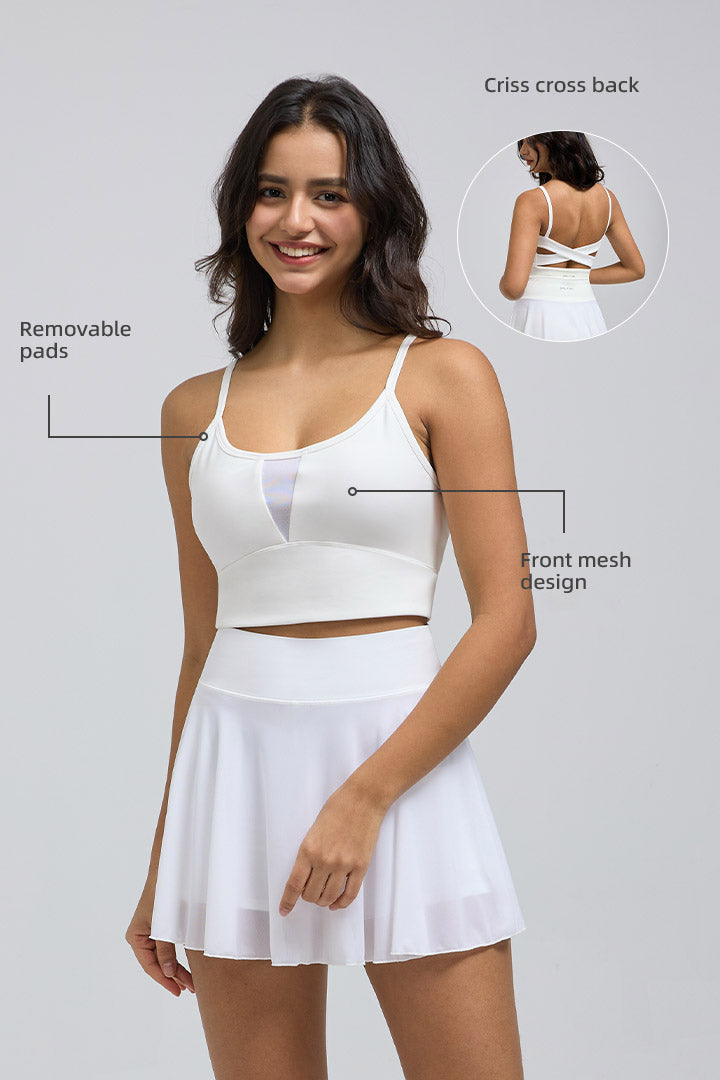
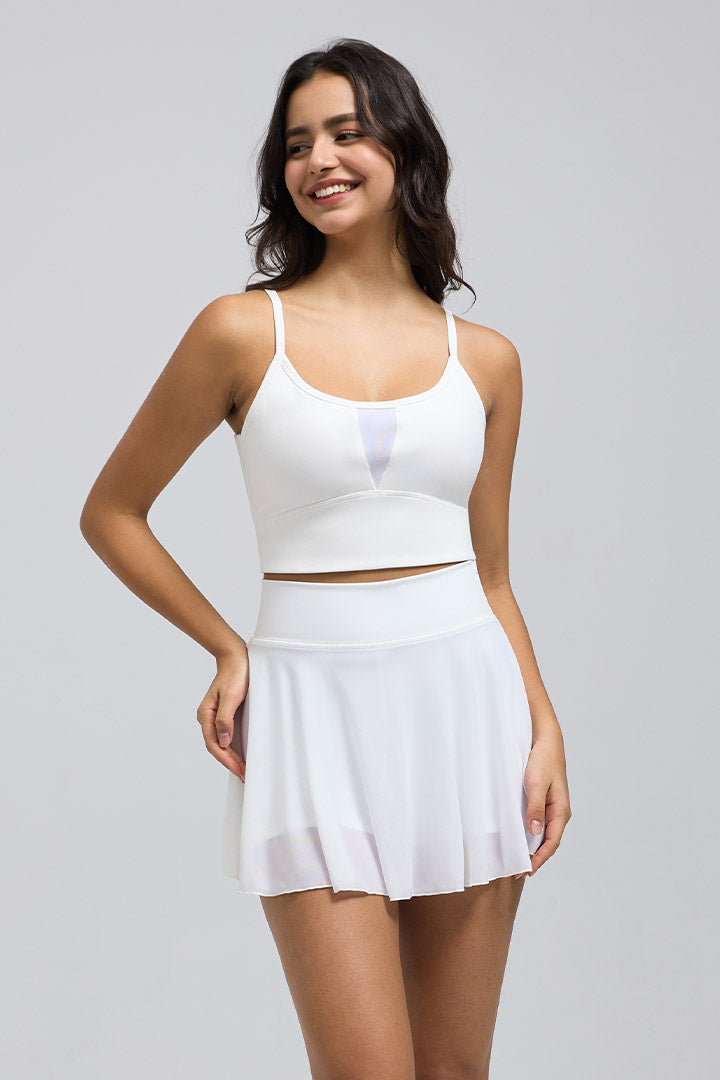
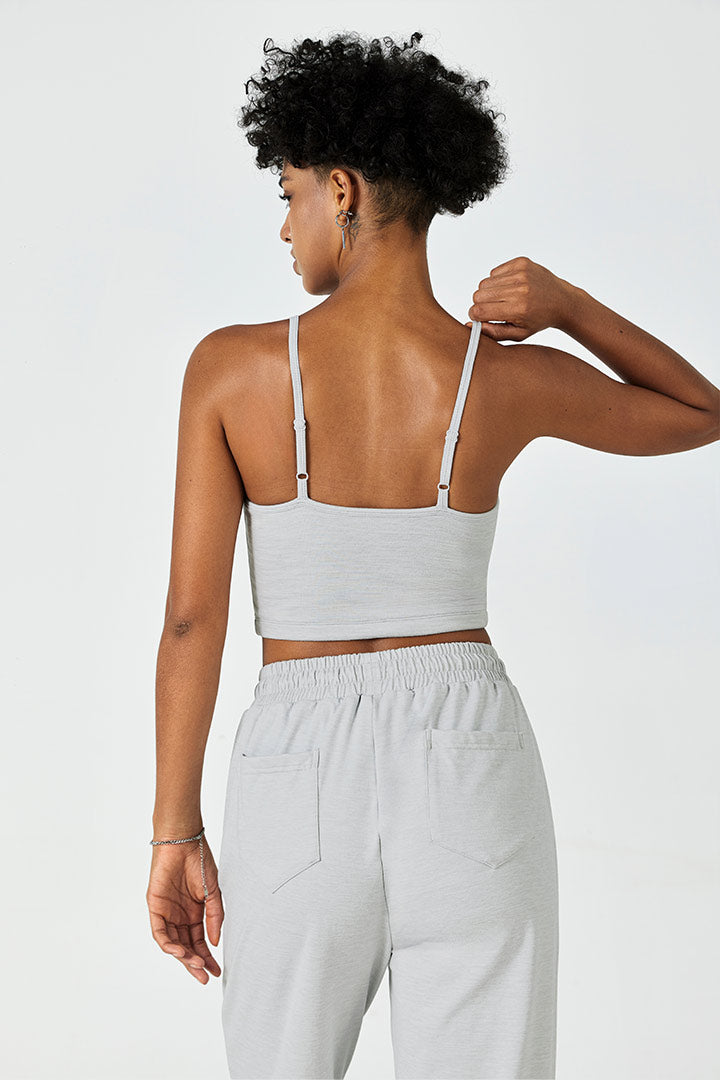
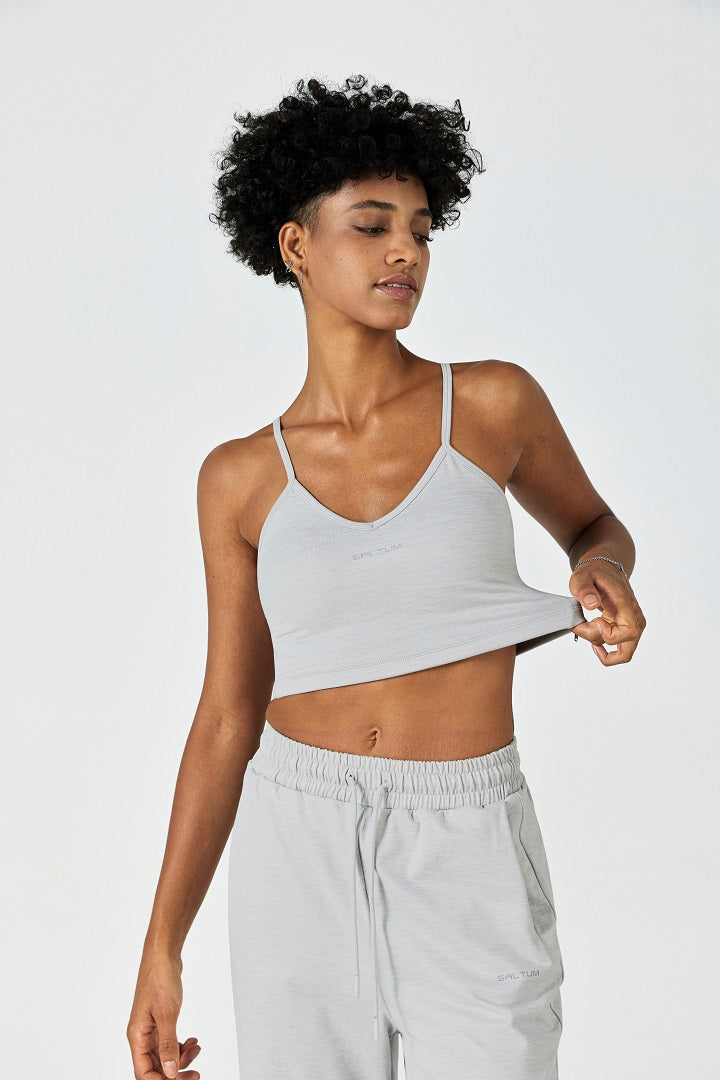
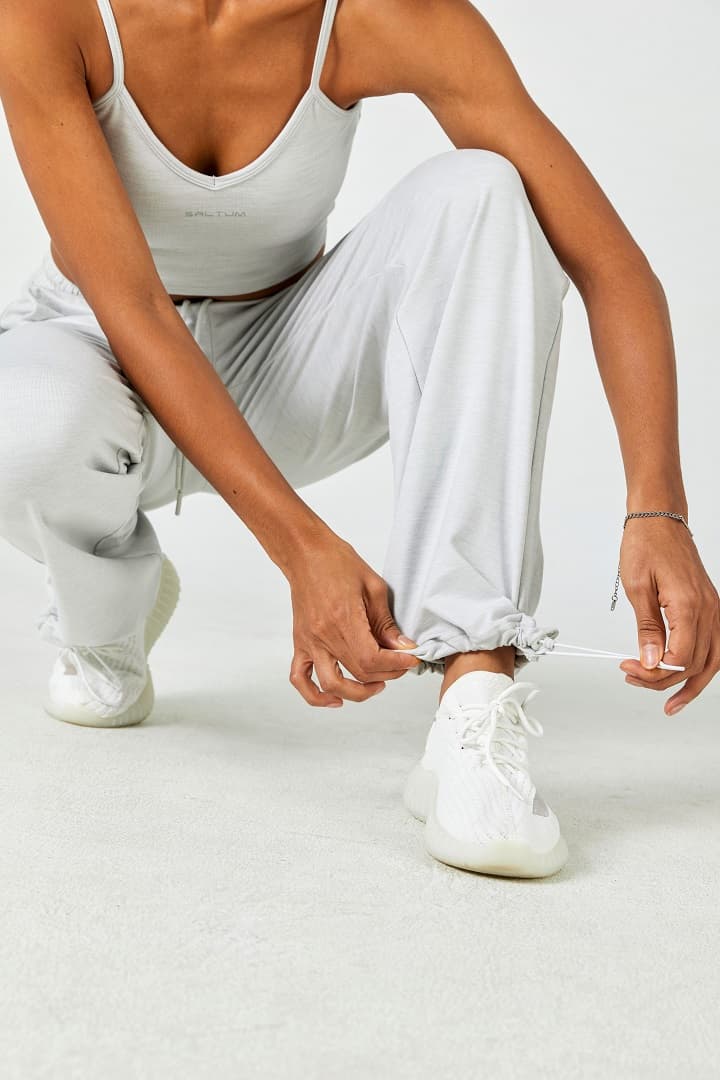
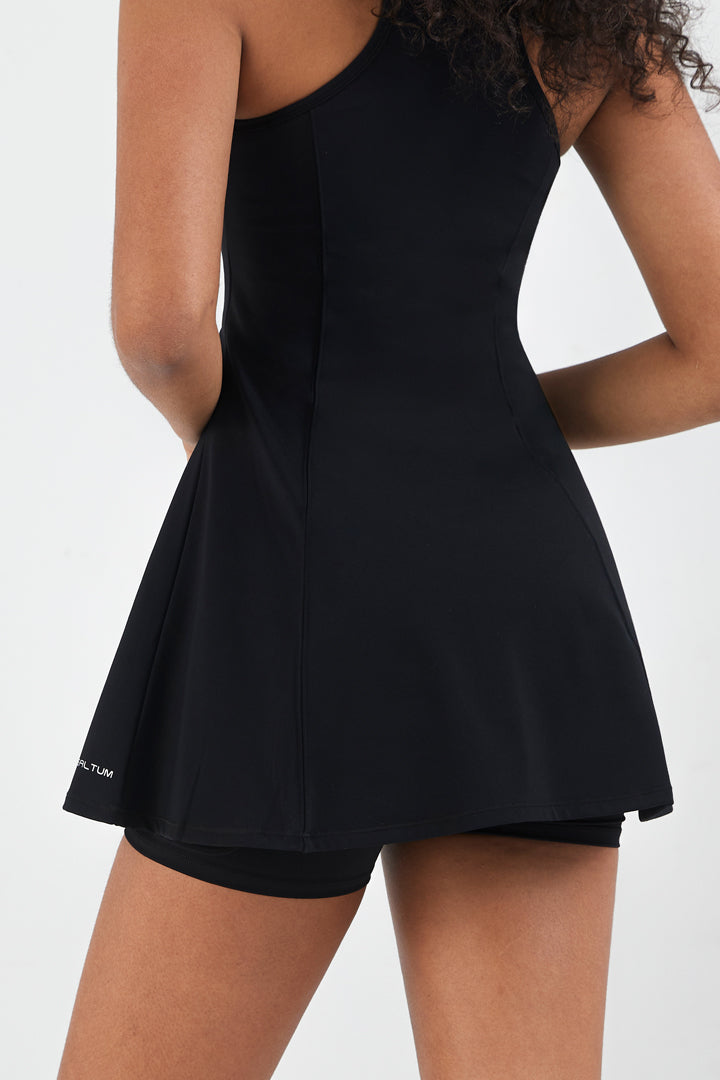
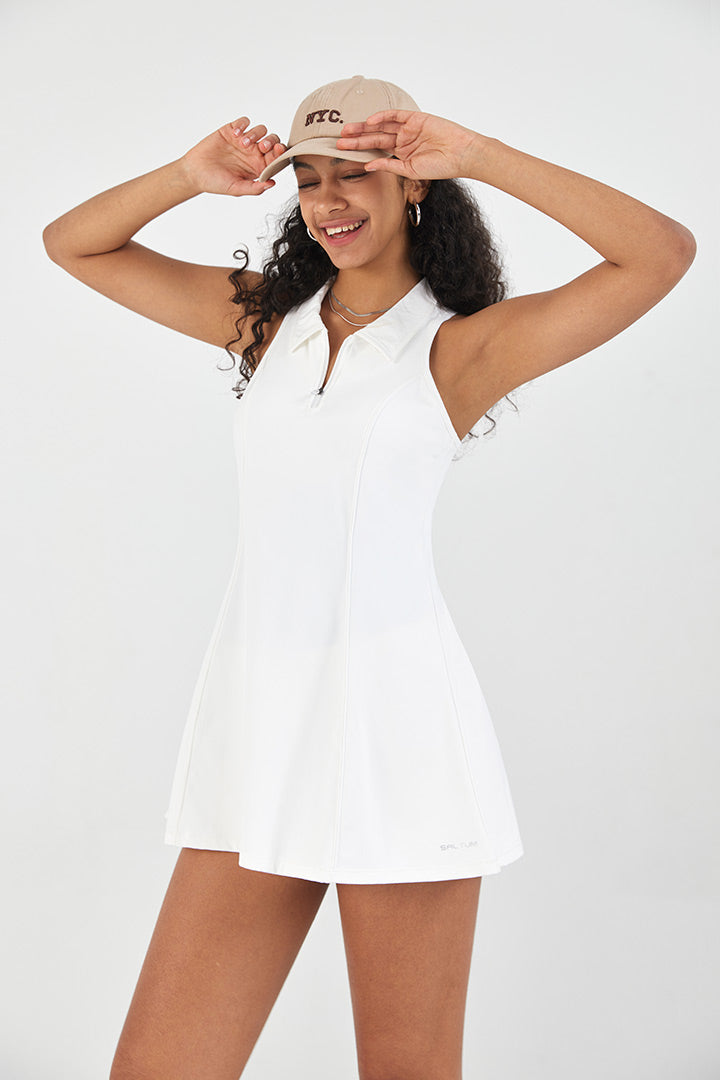
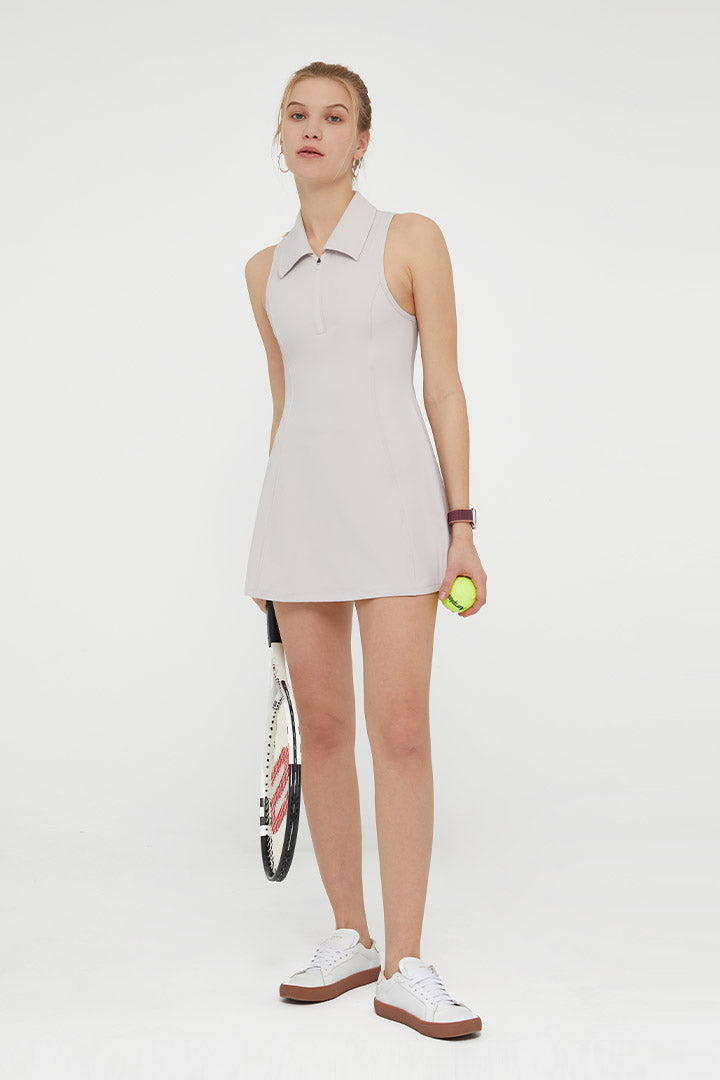
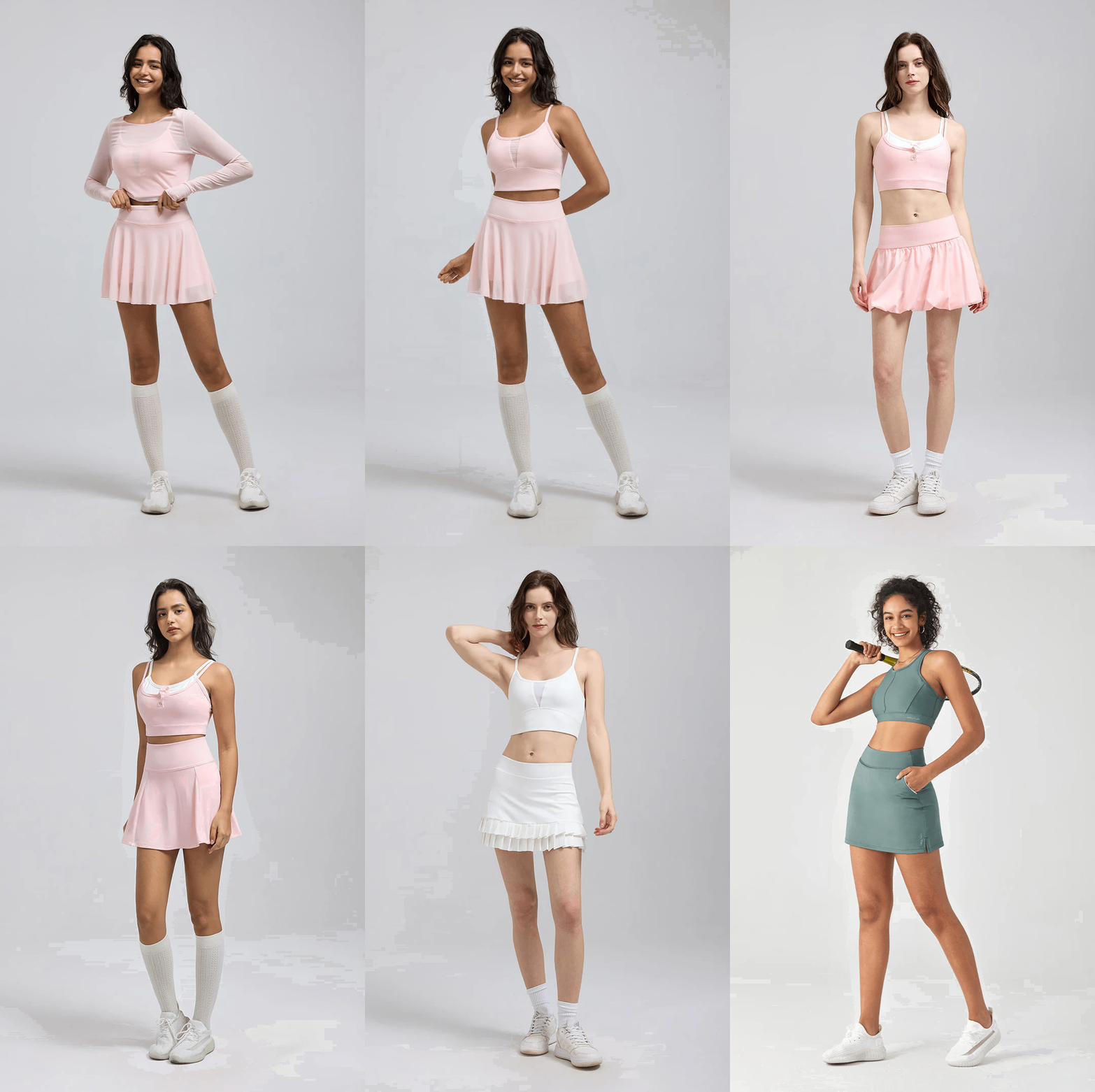
De nombreuses robes de tennis modernes, comme la robe de tennis de sport Saltum, bénéficient également de traitements supplémentaires. Certaines intègrent une protection contre les UV pour protéger votre peau pendant ces longs matchs ensoleillés. D'autres possèdent une finition antimicrobienne pour éviter qu'elles ne commencent à sentir mauvais après avoir absorbé votre transpiration. Certaines sont conçues avec des finitions spéciales qui les aident à sécher encore plus rapidement ou à rester plus fraîches. Les robes ordinaires n'ont tout simplement besoin de rien de tout cela, alors... elles ne l'ont pas.
La coupe et la forme sont complètement différentes
Une robe ordinaire est coupée pour mettre votre silhouette en valeur et vous permettre de bouger normalement - comme un être humain qui fait des choses humaines ordinaires, vous voyez. Une robe de tennis est conçue avec un seul objectif : offrir une liberté de mouvement athlétique maximale dans toutes les directions.
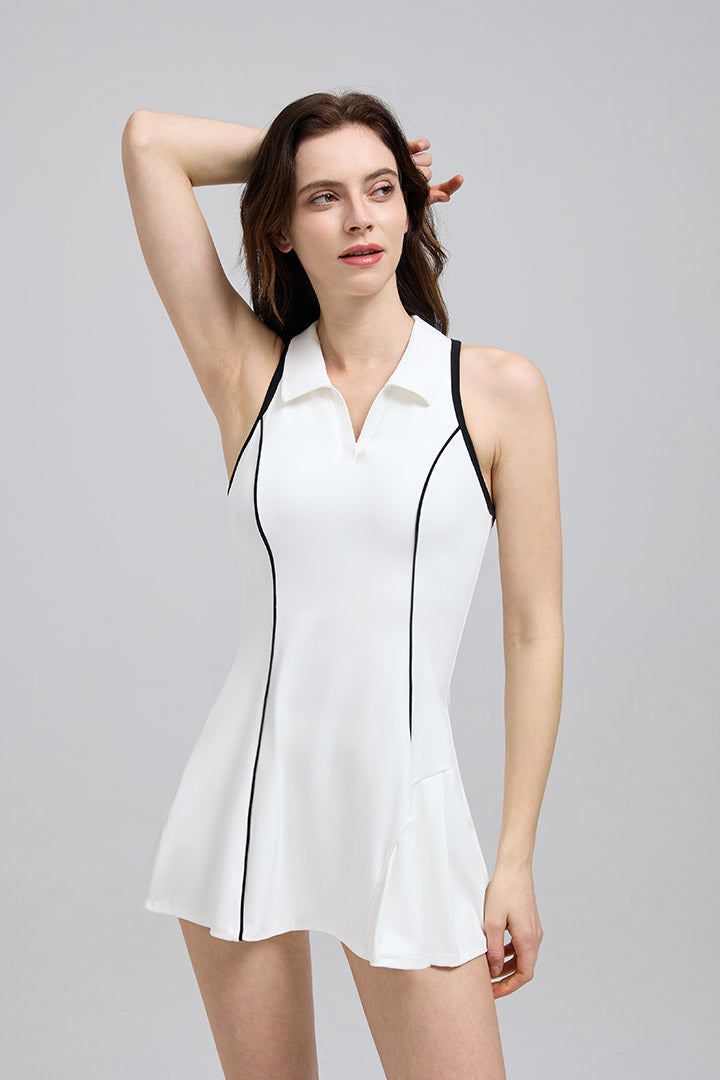
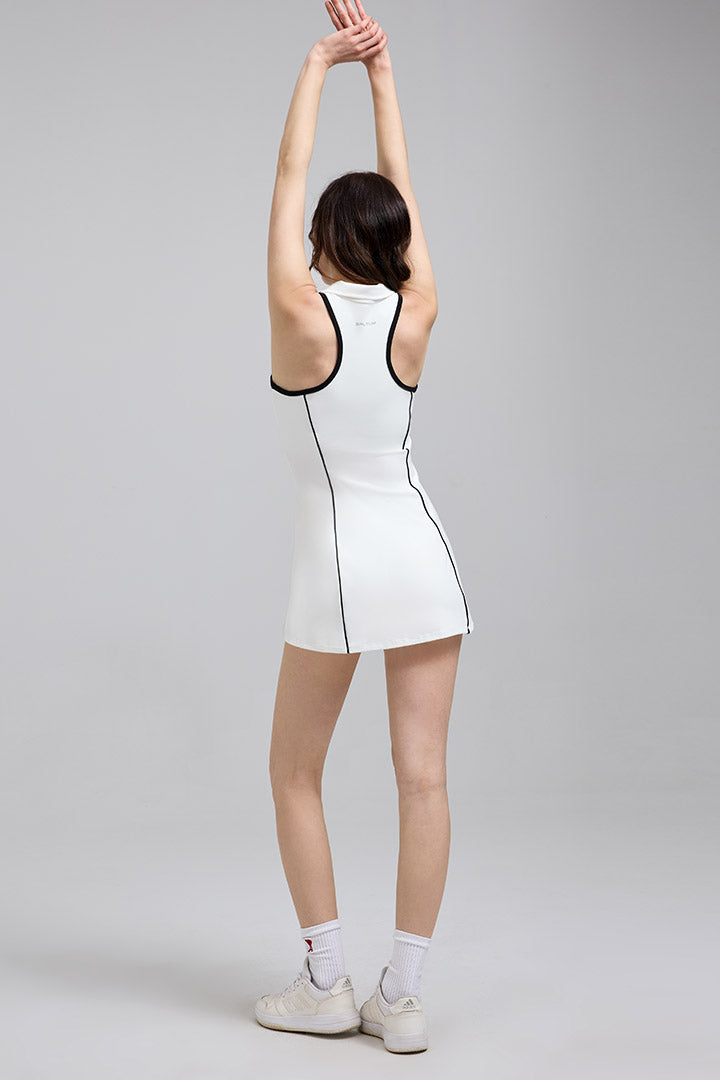
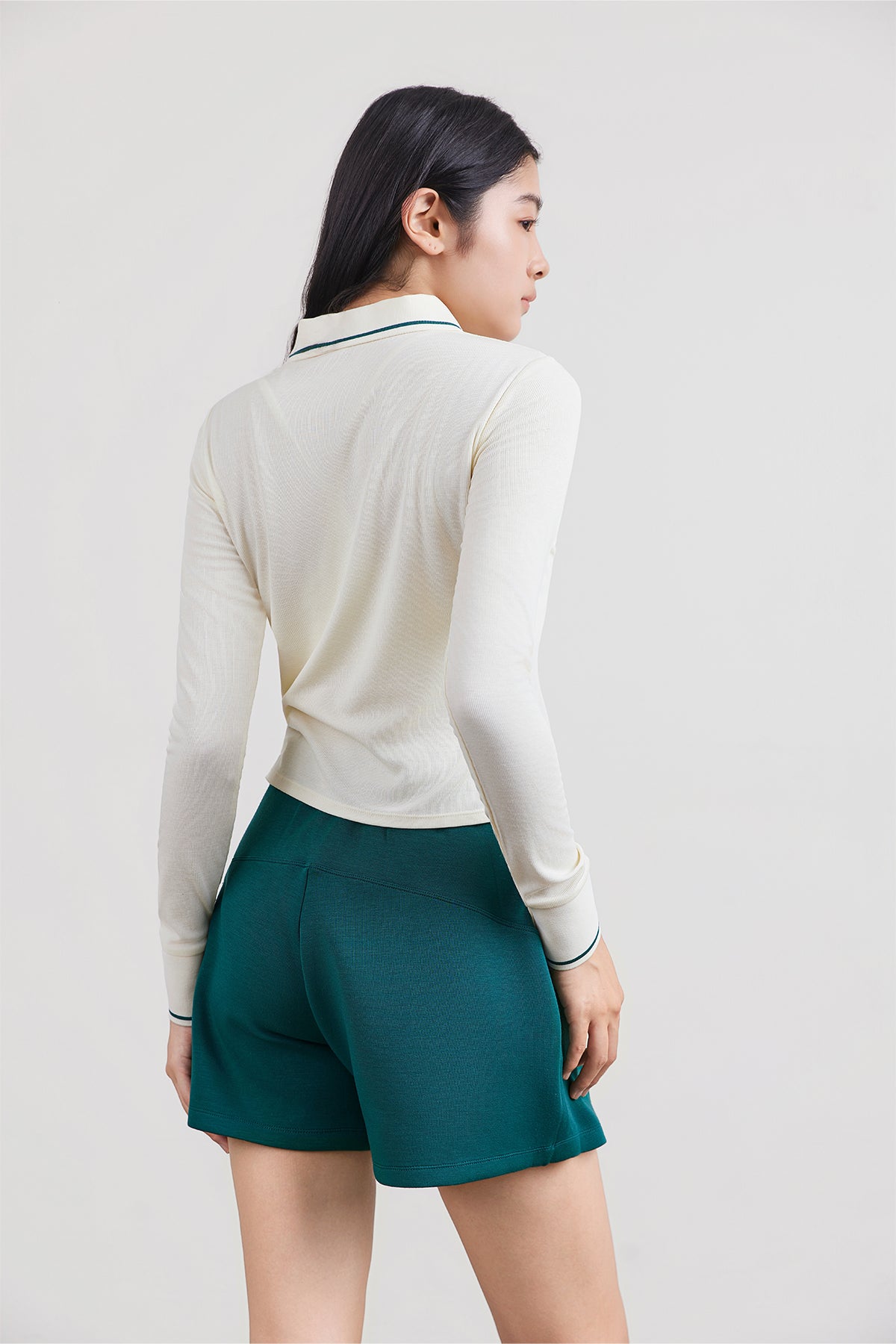
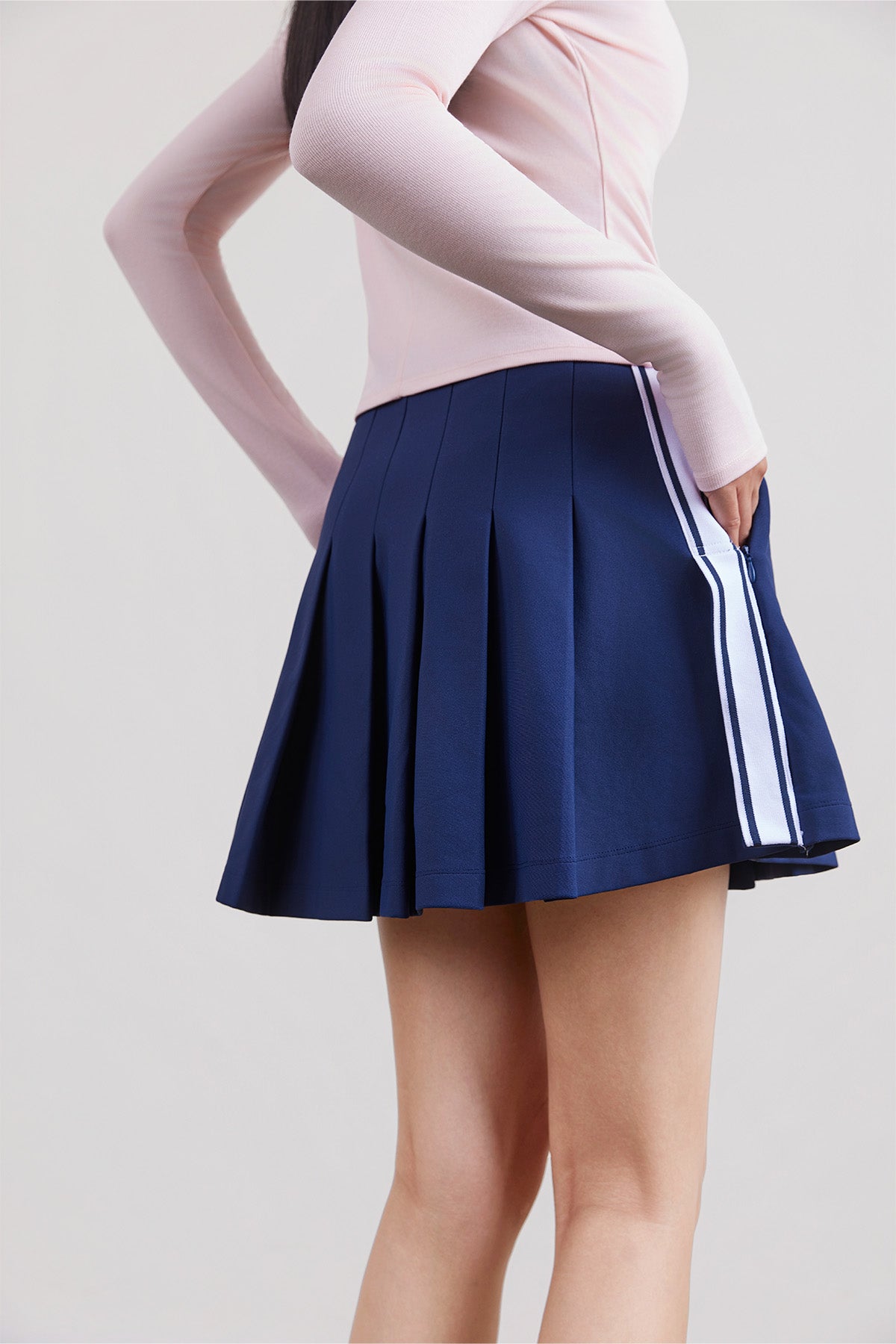
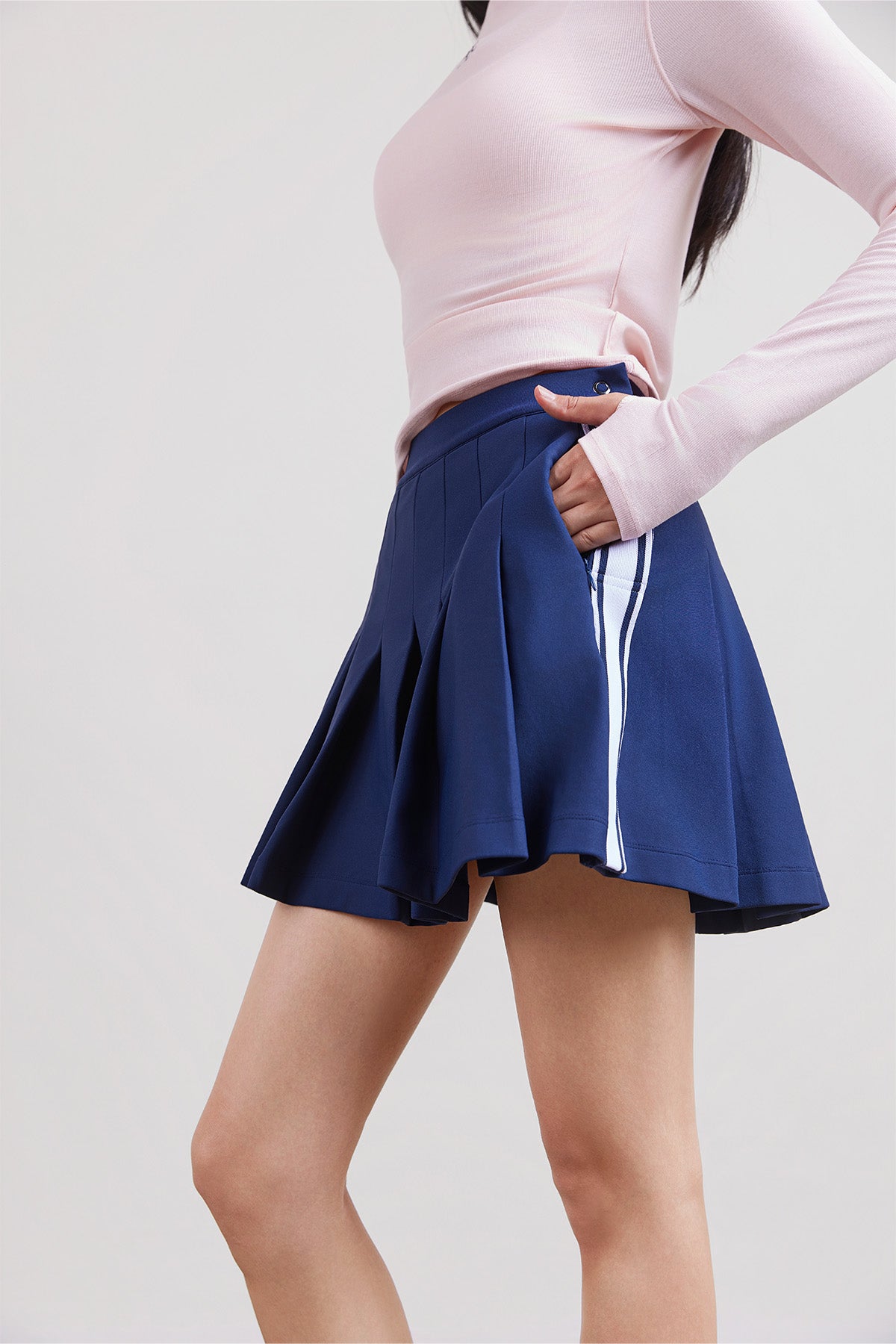
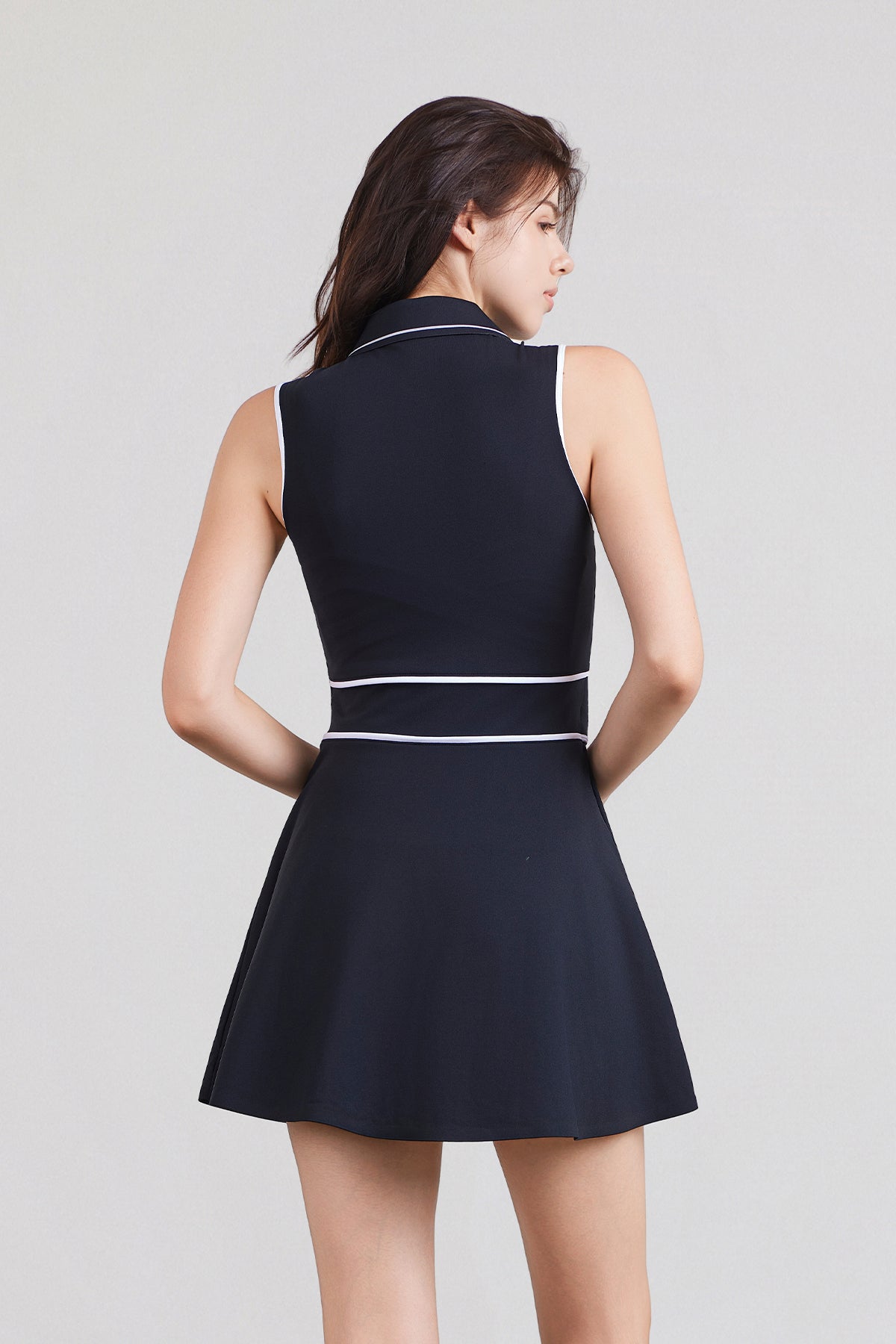
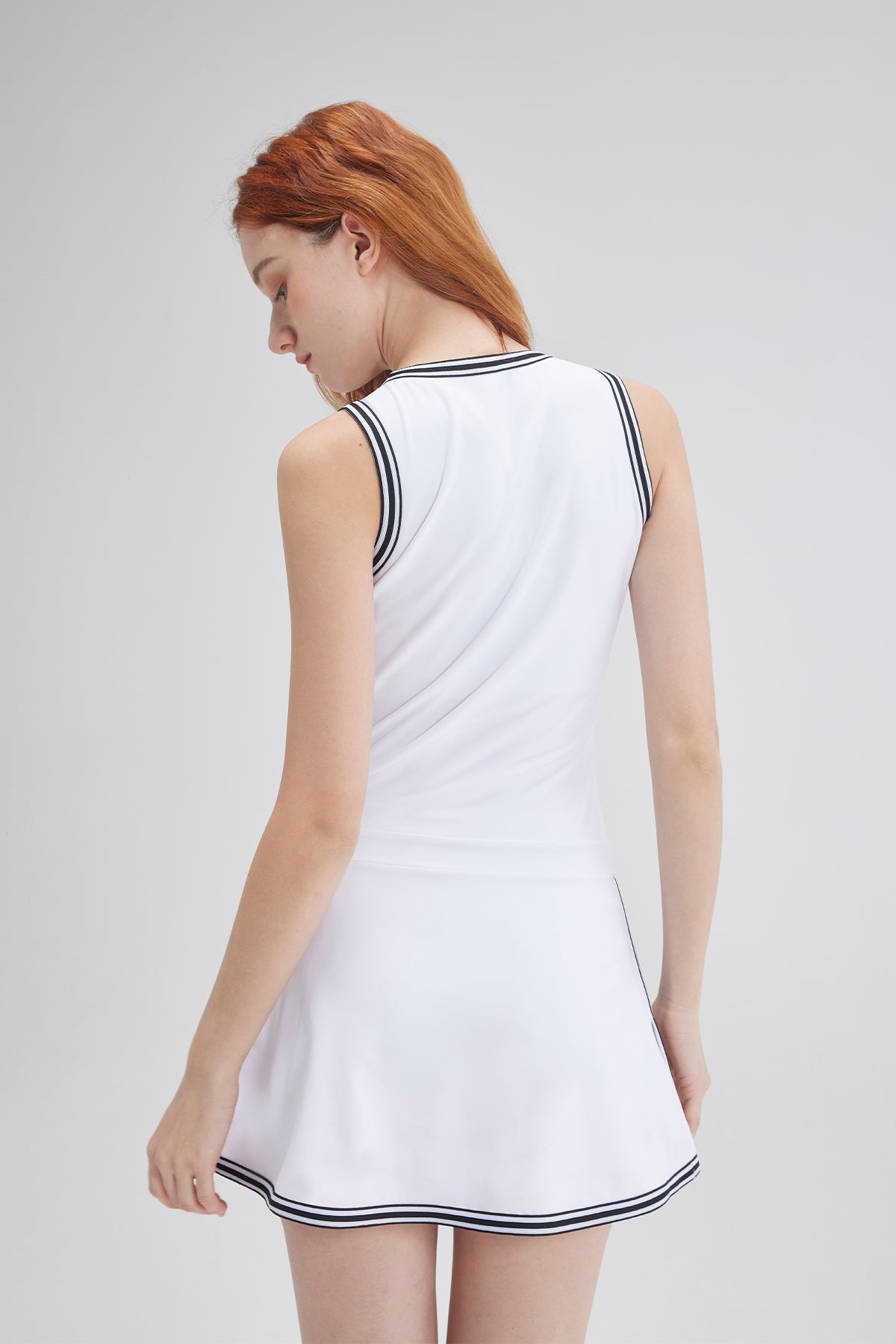
Les emmanchures d'une robe de tennis sont généralement plus larges et placées différemment de celles des robes ordinaires. Cela permet à votre bras de passer complètement au-dessus de votre tête sans aucune restriction. Vous pouvez réellement servir sans avoir l'impression que votre robe vous gêne. La taille et les hanches offrent davantage d'aisance, afin que vous puissiez faire des fentes et sprinter sans que le tissu ne tire. Le dos de la robe comporte souvent des plis ou des fronces spécialement conçus pour empêcher le tissu de se regrouper lorsque vous vous penchez vers l'avant pour effectuer un coup droit.
Les robes ordinaires - surtout les modèles près du corps - sont conçues pour être flatteuses dans une amplitude de mouvement assez limitée. Elles sont censées être jolies quand vous marchez ou êtes assise, pas lorsque vous effectuez des mouvements athlétiques qui feraient complètement perdre ses moyens à une robe classique. Essayez de servir une balle de tennis dans une robe ordinaire près du corps et vous vous heurterez immédiatement à une forte sensation de tension. Vos épaules semblent entravées. Votre dos ne peut pas se déployer correctement. Vous luttez essentiellement contre vos propres vêtements au lieu de vous concentrer sur votre adversaire.
La longueur compte plus que vous ne le pensez

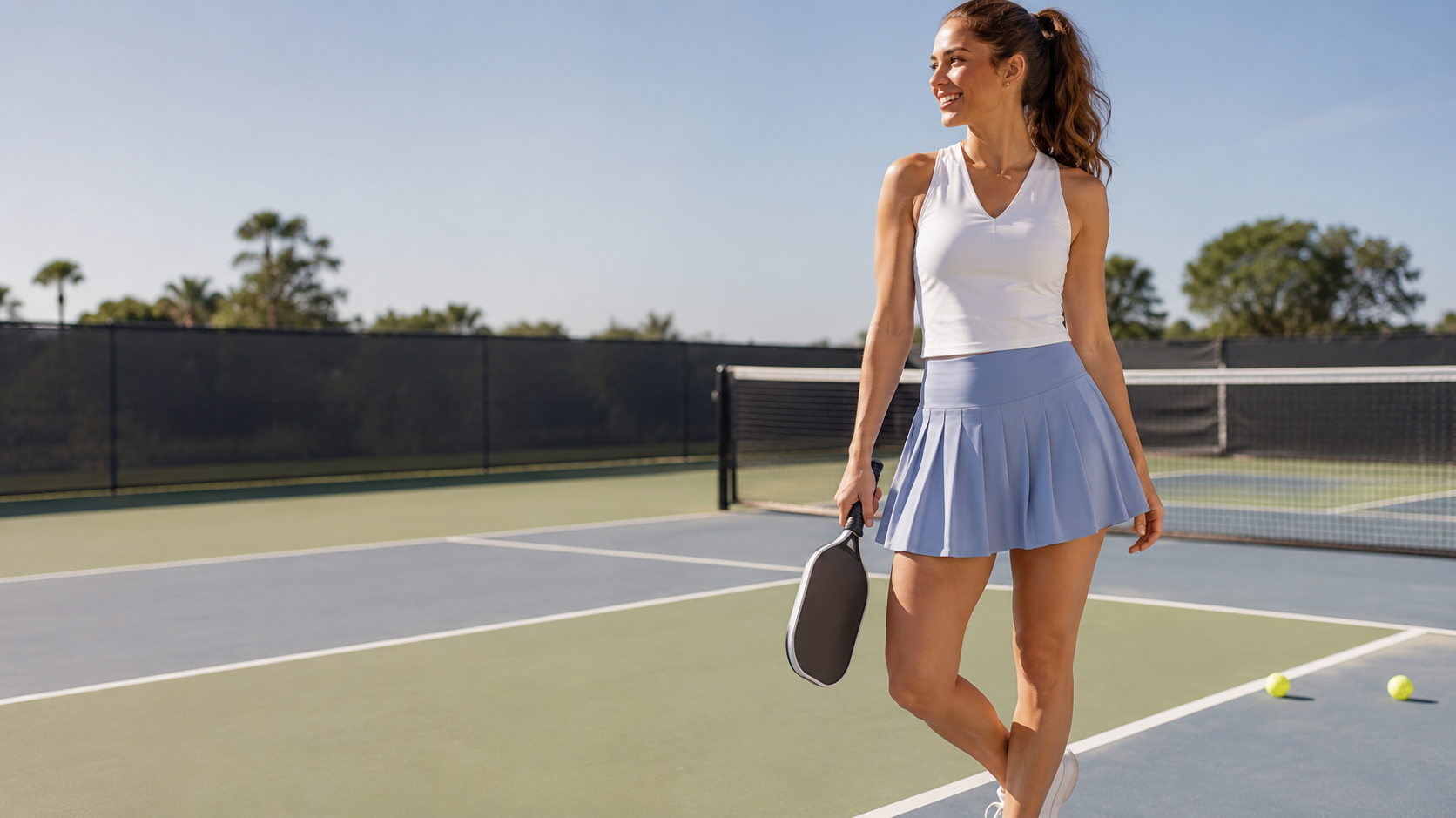
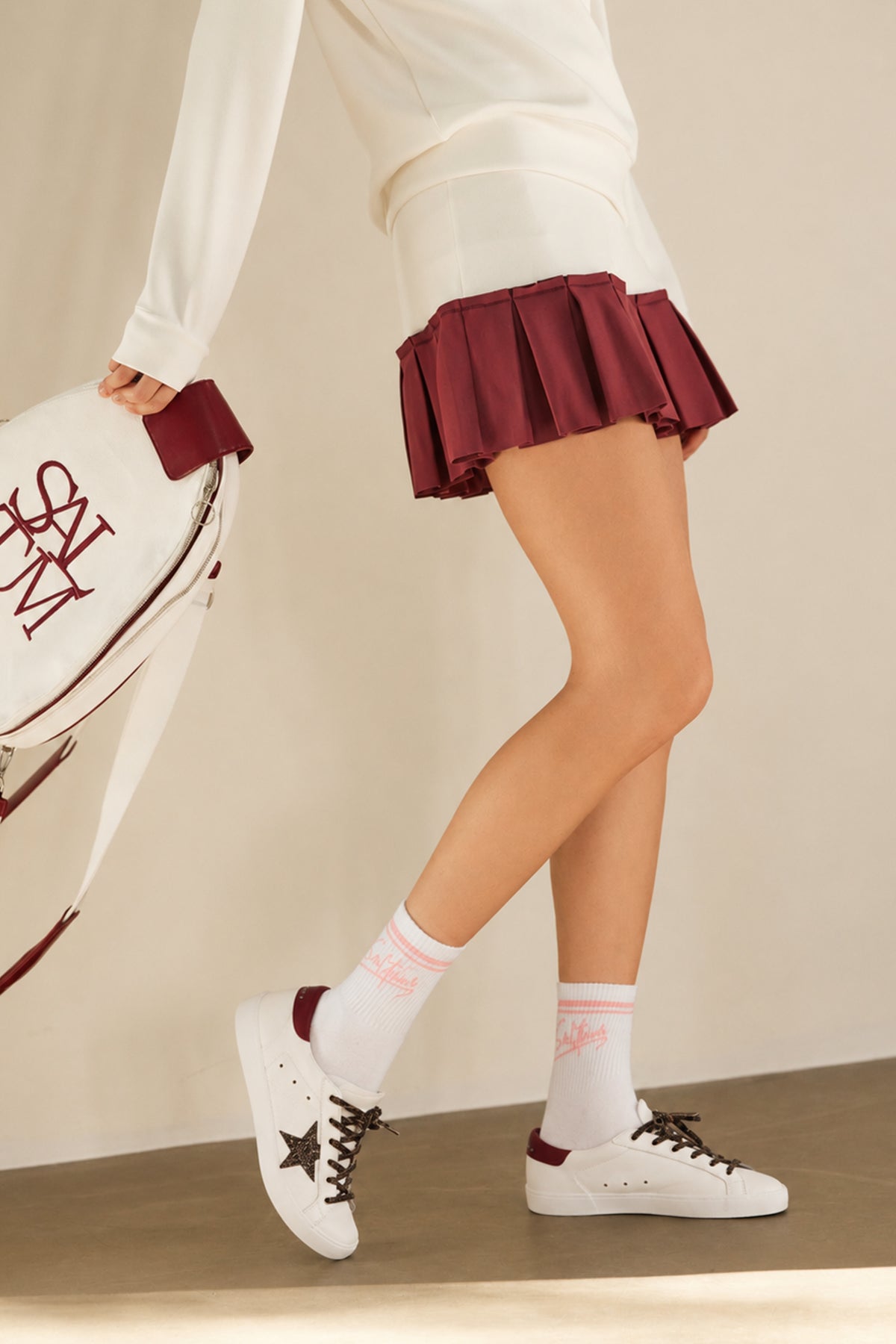
La plupart des robes de tennis arrivent quelque part entre le milieu de la cuisse et le genou. C’est la longueur idéale pour pratiquer ce sport. Suffisamment courte pour courir sans que le tissu vous gêne, mais pas au point de devoir gérer en permanence des problèmes de tenue lorsque vous bougez.
Les robes classiques existent dans pratiquement toutes les longueurs imaginables. Même si une robe classique est par hasard de la même longueur qu’une robe de tennis, sa coupe au niveau de la cuisse et de la jambe est totalement différente. Elle ne suit pas vos mouvements de la même manière. Elle n’aura pas le même maintien structurel. Elle ne fonctionnera tout simplement pas de la même façon, même si elle semble assez similaire au premier regard.
Un maintien que les robes classiques n’offrent tout simplement pas
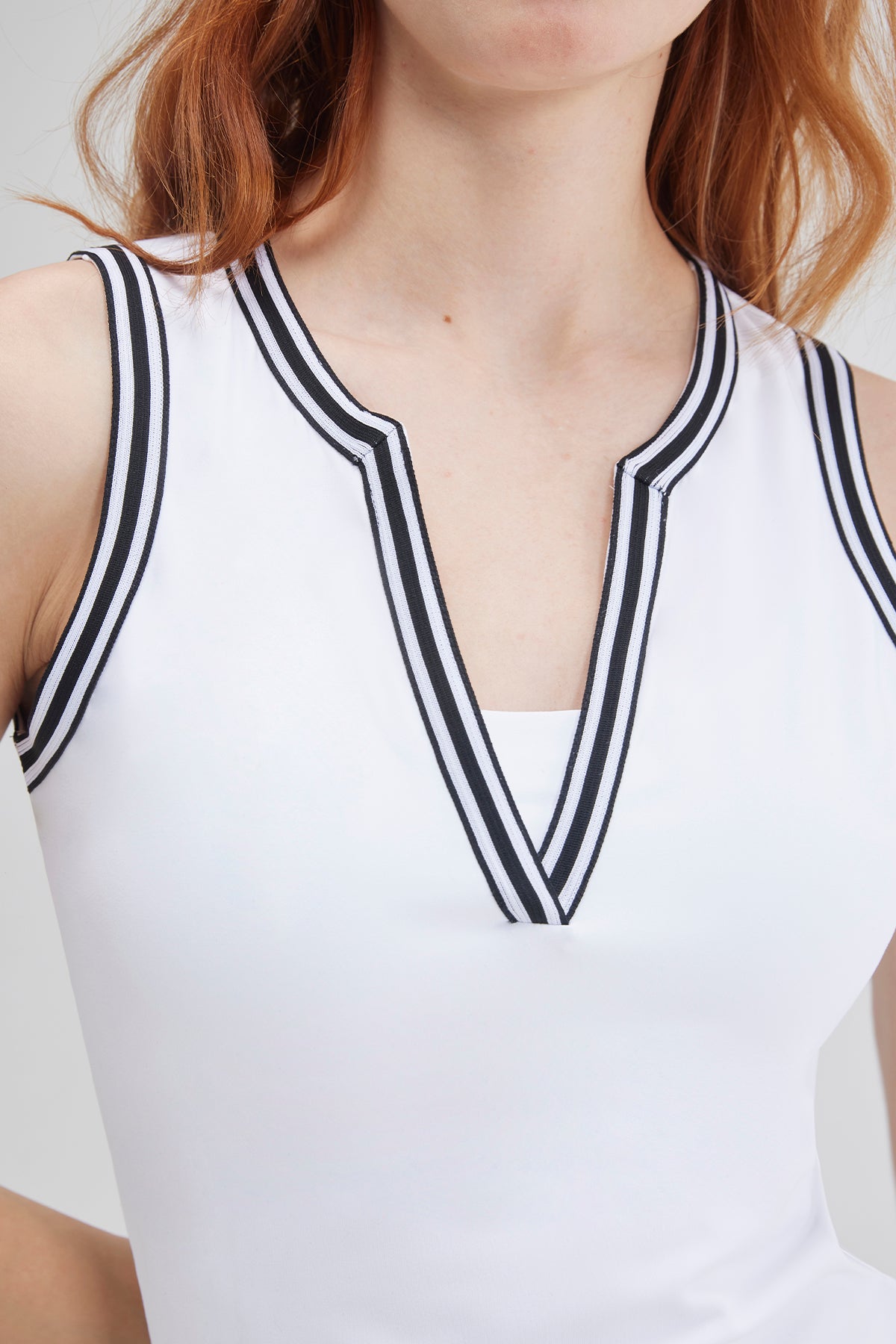
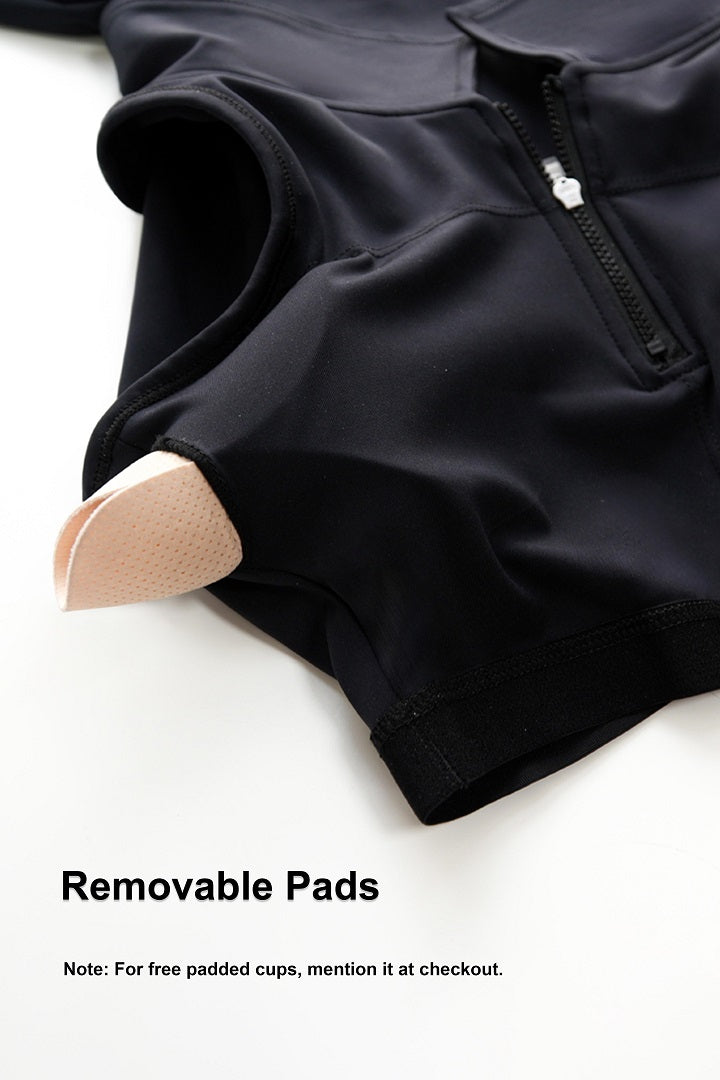
De nombreuses robes de tennis intègrent un soutien-gorge de sport ou, au moins, un bustier structuré offrant un maintien adapté à l’activité sportive. Certaines robes sont même conçues pour que vous n’ayez pas besoin de porter un soutien-gorge classique en dessous : la structure de la robe fournit à elle seule le maintien nécessaire lorsque vous bondissez sur le court.
Les robes classiques n’offrent jamais cette fonctionnalité. Elles partent du principe que vous portez un soutien-gorge séparé et leur structure n’est pas conçue pour accompagner les mouvements sportifs. Si vous essayez de jouer au tennis avec une robe classique sans véritable maintien en dessous, vous allez passer un mauvais moment.
De nombreuses robes de tennis intègrent également des éléments internes stratégiques - panneaux structurés, armatures ou coupes spécifiques - qui maintiennent tout en place et empêchent les déplacements pendant les mouvements intenses. Votre robe reste en place et maintient tout fermement. Une robe classique bougerait sans arrêt, ce qui devient rapidement distrayant.

Ce que l’on ressent vraiment sur le court
Demandez à n’importe quel joueur ou joueuse de tennis sérieux ce qu’il ou elle pense du fait de jouer en robe classique, et vous entendrez la même histoire pleine de frustration. La robe bouge dans tous les sens. Elle limite vos mouvements de façon étrange. Elle ne respire pas correctement. Vous ne pouvez pas transporter de balles de tennis. Le tissu colle à votre peau quand vous transpirez. Vous finissez par passer le match à ajuster constamment vos vêtements, ce qui vous déconcentre complètement du jeu.
Votre esprit reste concentré sur le jeu, pas sur la façon de gérer votre tenue lorsque vous portez une véritable robe de tennis. La robe accompagne les mouvements de votre corps au lieu de les entraver. Le short intégré maintient tout en place. Le tissu évacue correctement l’humidité. Vous avez des poches pour les balles. Tout est conçu pour que vous ne pensiez même pas à la robe.
C’est justement tout l’intérêt. Quand vous êtes en plein match, la dernière chose à laquelle vous devriez penser, ce sont vos vêtements. Ils doivent simplement faire leur travail.
Pourquoi elles coûtent ce qu’elles coûtent
Tous ces éléments structurels, ces coupes précises, la conception des poches, le système de short intégré et la technologie des tissus s'additionnent. Vous ne payez pas pour une étiquette prestigieuse ou un design tendance. Vous payez pour un produit conçu avec précision, spécifiquement pour permettre à votre corps de bouger de manière explosive sans que vos vêtements ne deviennent un problème.
Ces robes peuvent sembler simples, mais elles sont en réalité le fruit de plusieurs années d'ingénierie sportive et d'ajustements fondés sur les besoins réels des joueuses. Ce ne sont pas simplement des « robes portées sur les courts de tennis ». Ce sont des équipements sportifs spécialisés, conçus dès le départ dans un seul but : vous laisser libre de vos mouvements pour que vous puissiez jouer.
FAQ : Les questions sur les robes de tennis que les gens se posent vraiment
Q : Puis-je simplement porter un short et un débardeur au lieu d'une robe de tennis ?
R : Absolument ! Beaucoup de joueuses le font. Les traditions du tennis sont assez souples de nos jours. Certaines personnes préfèrent la liberté d'un short et d'un haut, surtout si elles trouvent les robes inconfortables. D'autres adorent les robes. Tout dépend de ce qui vous fait vous sentir bien et vous permet de bien bouger. Le plus important, c'est que vos vêtements vous permettent de bouger et de respirer. Portez ce qui convient à votre morphologie.
Q : Pourquoi tant de joueuses portent-elles des robes alors que les shorts semblent bien plus pratiques ?
R : Une partie relève de la tradition, mais beaucoup de choses sont réellement pratiques. Les robes de tennis avec short intégré peuvent en fait contenir davantage de balles de tennis dans leurs poches qu'un simple short. De plus, beaucoup de joueuses se sentent simplement plus à l'aise et plus sûres d'elles en robe. Pour de nombreuses personnes, la mode fait partie du plaisir. Mais aucune règle ne vous oblige à en porter une. Si un short et un débardeur vous plaisent, portez-les fièrement.
Q : Y a-t-il un code vestimentaire pour le tennis loisir ou récréatif ?
R : Non, pas vraiment. Wimbledon est extrêmement strict concernant le blanc, mais c'est à peu près tout pour les tournois professionnels. Pour le tennis en club ou les parties décontractées ? Vous pouvez porter à peu près ce que vous voulez, tant qu'il s'agit d'une tenue adaptée au tennis. Shorts, leggings, robes, jupes : tout convient. Portez simplement quelque chose qui vous permet de bouger.
Q : Ai-je besoin d'une brassière de sport sous ma robe de tennis ?
R : La plupart des robes de tennis offrent un maintien intégré, mais ce que vous devez porter dessous dépend de votre morphologie et de ce qui est confortable pour vous. Certaines personnes n'ont besoin de rien en plus. D'autres aiment porter une brassière de sport pour un soutien supplémentaire. C'est entièrement à vous de décider. Le confort est essentiel.
Q : Pourquoi y a-t-il un short sous la robe ? Ils ne peuvent pas simplement fabriquer une robe normale sans short ?
R : Elles le peuvent, mais le short intégré remplit en réalité plusieurs fonctions importantes. Il vous offre des poches pour les balles de tennis (dont vous avez vraiment besoin), apporte un soutien supplémentaire, empêche la robe extérieure de remonter et ajoute une couche de sécurité quand vous vous déplacez rapidement. Cela peut sembler étrange, mais dès que vous jouez avec une telle robe, vous comprenez que c'est ingénieux.
Q : La robe devient transparente quand je transpire. Est-ce normal ?
R : Oui, certains tissus font cela, surtout lorsqu'ils sont trempés. Si cela vous gêne, porter une brassière de sport plus foncée en dessous peut aider, ou vous pouvez simplement porter un débardeur sous la robe. Certaines personnes portent des sous-vêtements noirs ou colorés sous des robes blanches à Wimbledon pour cette raison précise.
Q : Existe-t-il des robes de tennis mieux adaptées aux fortes chaleurs qu'au froid ?
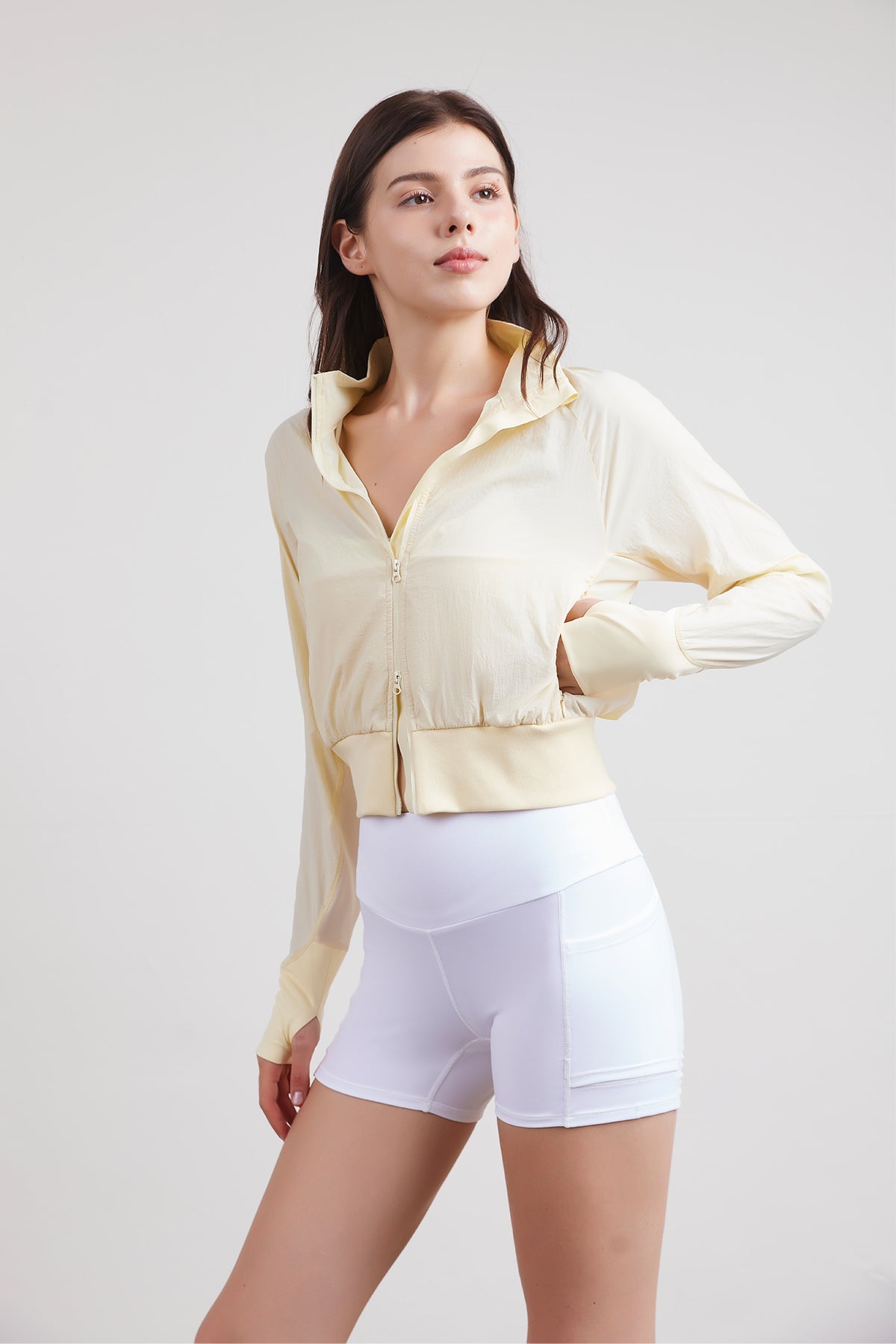
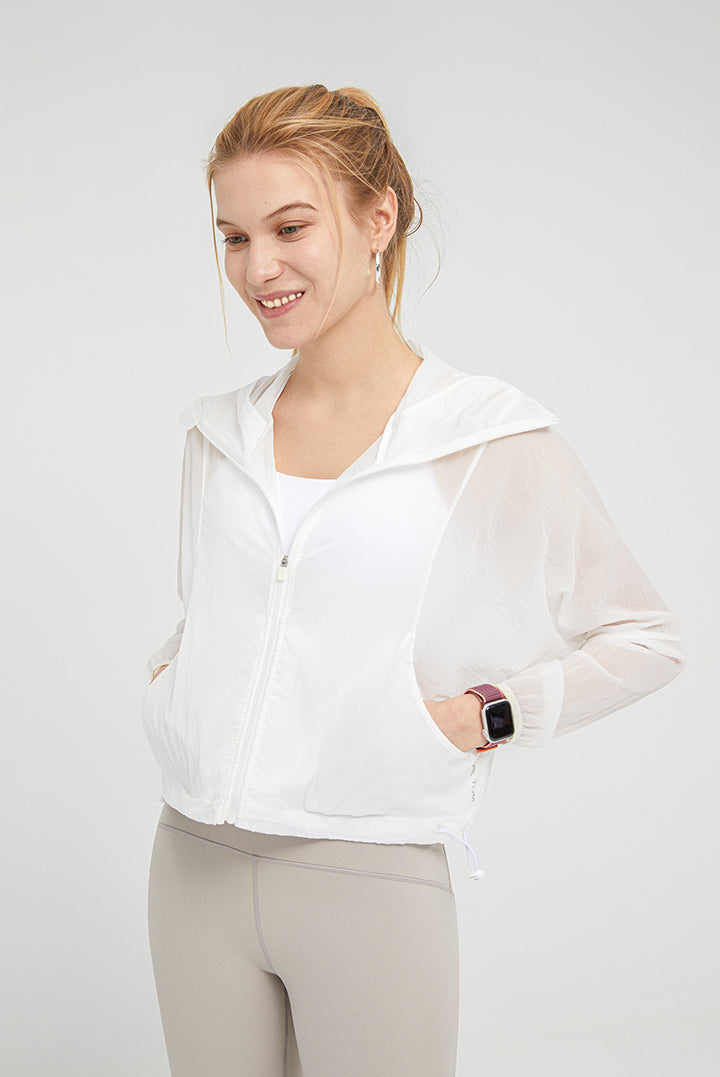
R : Bien sûr. Par temps chaud, privilégiez les tissus très légers et respirants. Par temps frais, vous voudrez peut-être quelque chose de plus couvrant ou associer votre robe à une veste ou à des manches longues. L'avantage des vêtements de tennis actuels, c'est qu'il existe énormément de choix. Vous trouverez quelque chose qui convient pratiquement à tous les climats.
Q : Puis-je laver ma robe de tennis dans la machine à laver normale ?
R : Vérifiez l'étiquette, mais la plupart des robes de tennis peuvent tout à fait être lavées en machine avec un cycle normal. Elles sont conçues pour résister à l'usure liée à une véritable activité sportive et supportent donc les lavages réguliers. Évitez simplement de les faire sécher dans un sèche-linge très chaud, car cela peut abîmer le tissu, et elles dureront beaucoup plus longtemps.
Q : Pourquoi Wimbledon exige-t-il des vêtements blancs ?
R : C'est essentiellement une tradition à ce stade. Wimbledon accorde une grande importance à la tradition et à l'esthétique formelle ; le tournoi maintient donc un code vestimentaire entièrement blanc depuis plus de cent ans. Il est vrai que cela paraît assez élégant lorsque tout le monde est en blanc. Les autres tournois n'imposent pas cette règle, ce qui vous laisse beaucoup plus de liberté en matière de couleurs presque partout ailleurs.
Q : Est-il vraiment difficile de jouer avec une robe blanche pendant ses règles ?
R : C'est certainement une question à laquelle les athlètes féminines réfléchissent et qui les préoccupe parfois, ce qui est compréhensible. De nombreuses joueuses professionnelles portent des sous-vêtements de couleur sombre sous des robes blanches à Wimbledon, précisément pour cette raison.
Q : Dois-je acheter une robe de tennis coûteuse pour bien jouer ?
R : Pas du tout. Une robe de tennis correcte, quelle que soit la marque, fera l'affaire. Vous n'avez pas besoin de l'option la plus chère du marché. L'important, c'est qu'elle vous aille bien, vous permette de bouger et soit agréable à porter. Les modèles moins chers peuvent parfois être excellents. Les modèles de gamme intermédiaire sont parfois parfaits.
Q : Puis-je porter une robe de tennis pour d'autres sports ou simplement pour des activités décontractées ?
R : Beaucoup de gens le font ! Les robes de tennis sont jolies et confortables, et leurs tissus techniques conviennent aussi très bien à d'autres activités. Certaines personnes les portent pour leurs séances de sport, la course ou simplement au quotidien. Rien ne dit qu'une robe de tennis ne peut être portée que sur un court de tennis. Si vous aimez son apparence et sa sensation, portez-la.