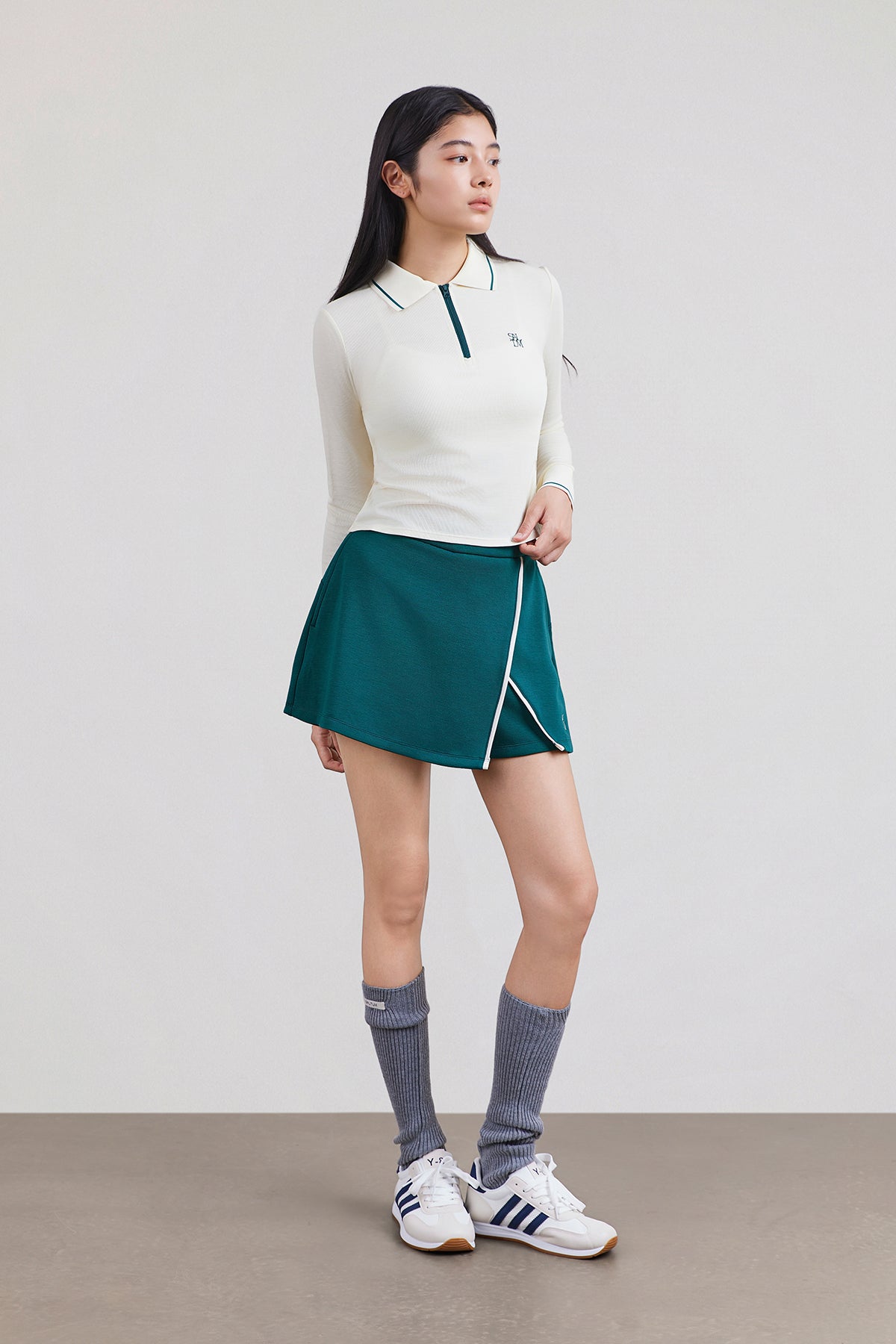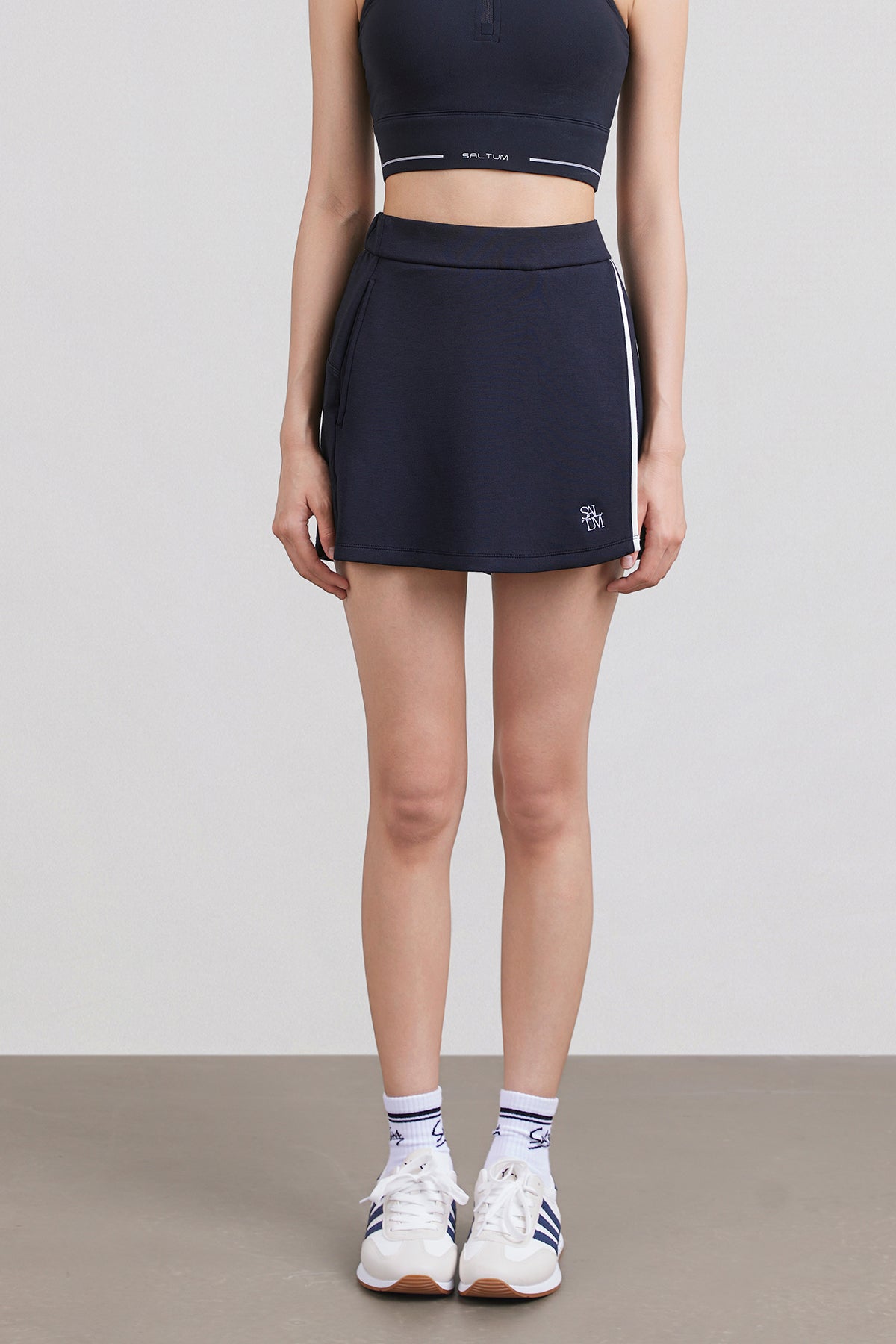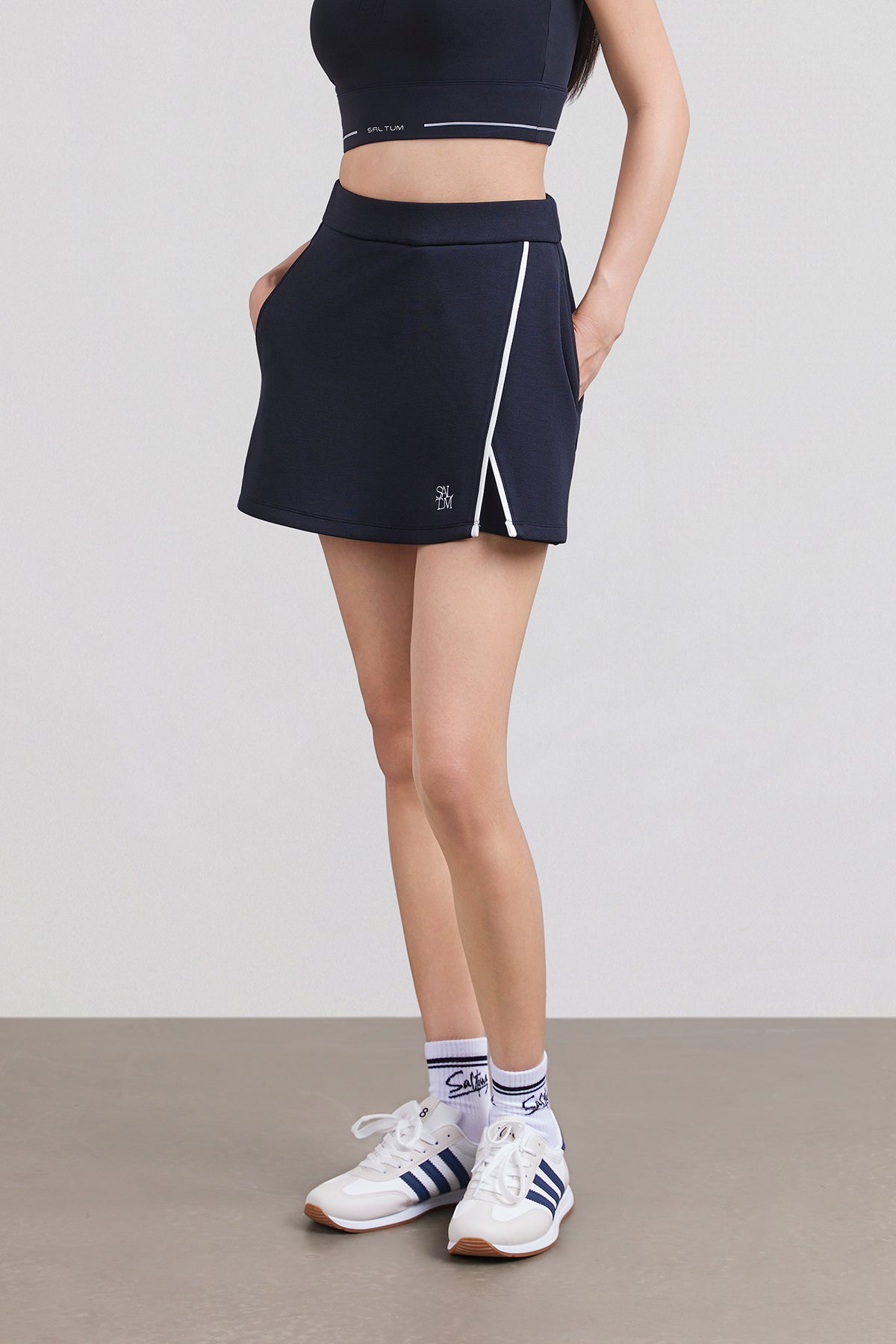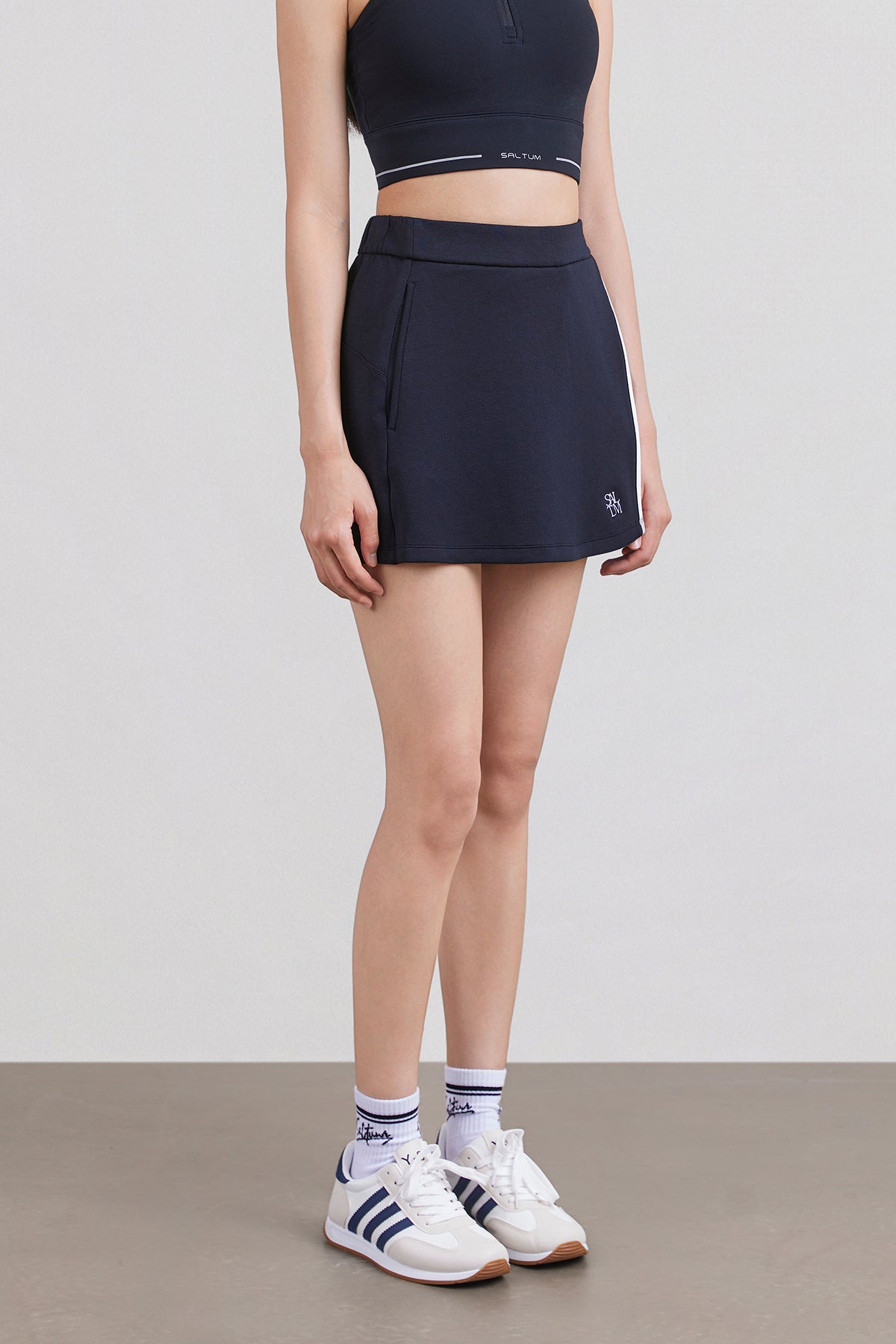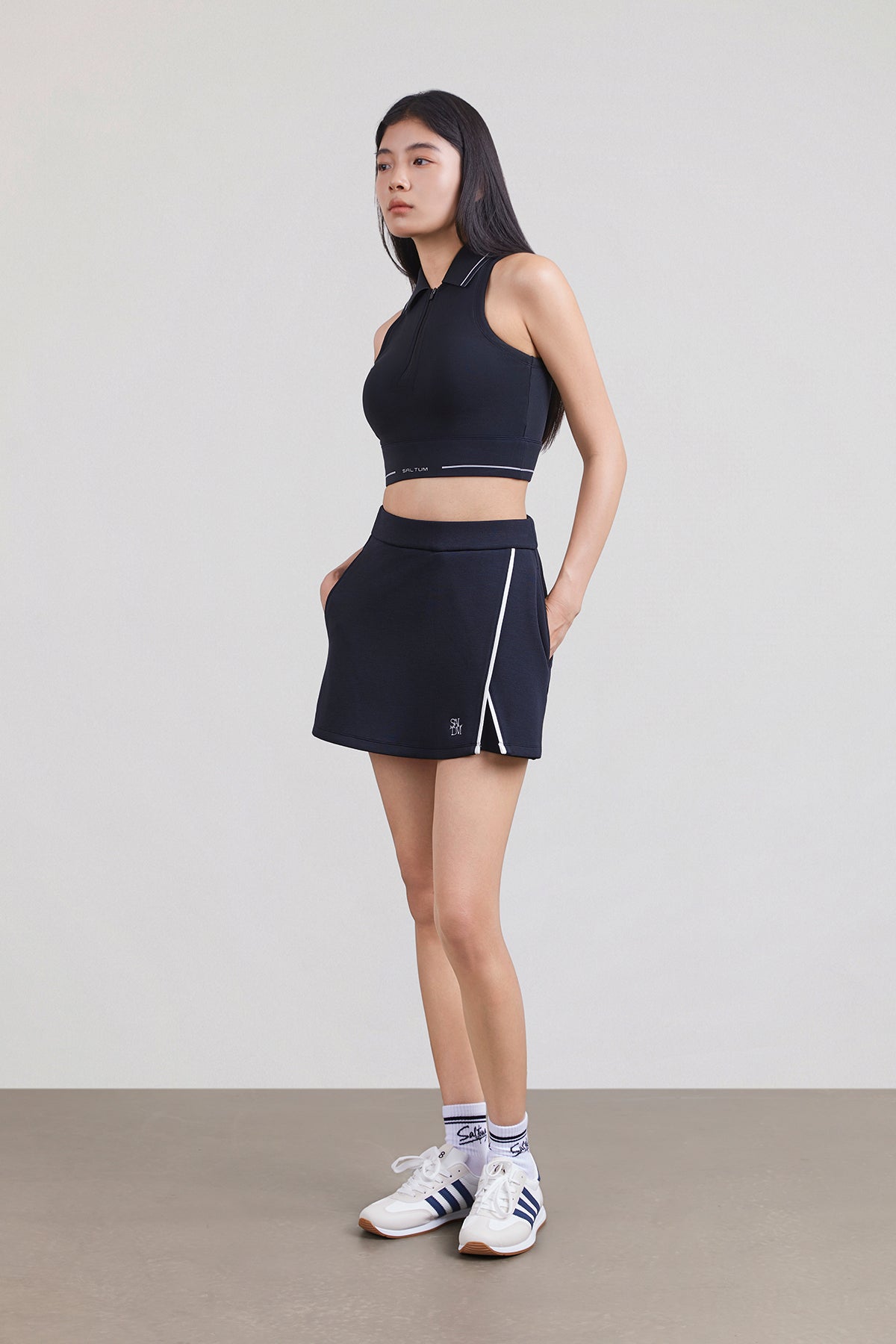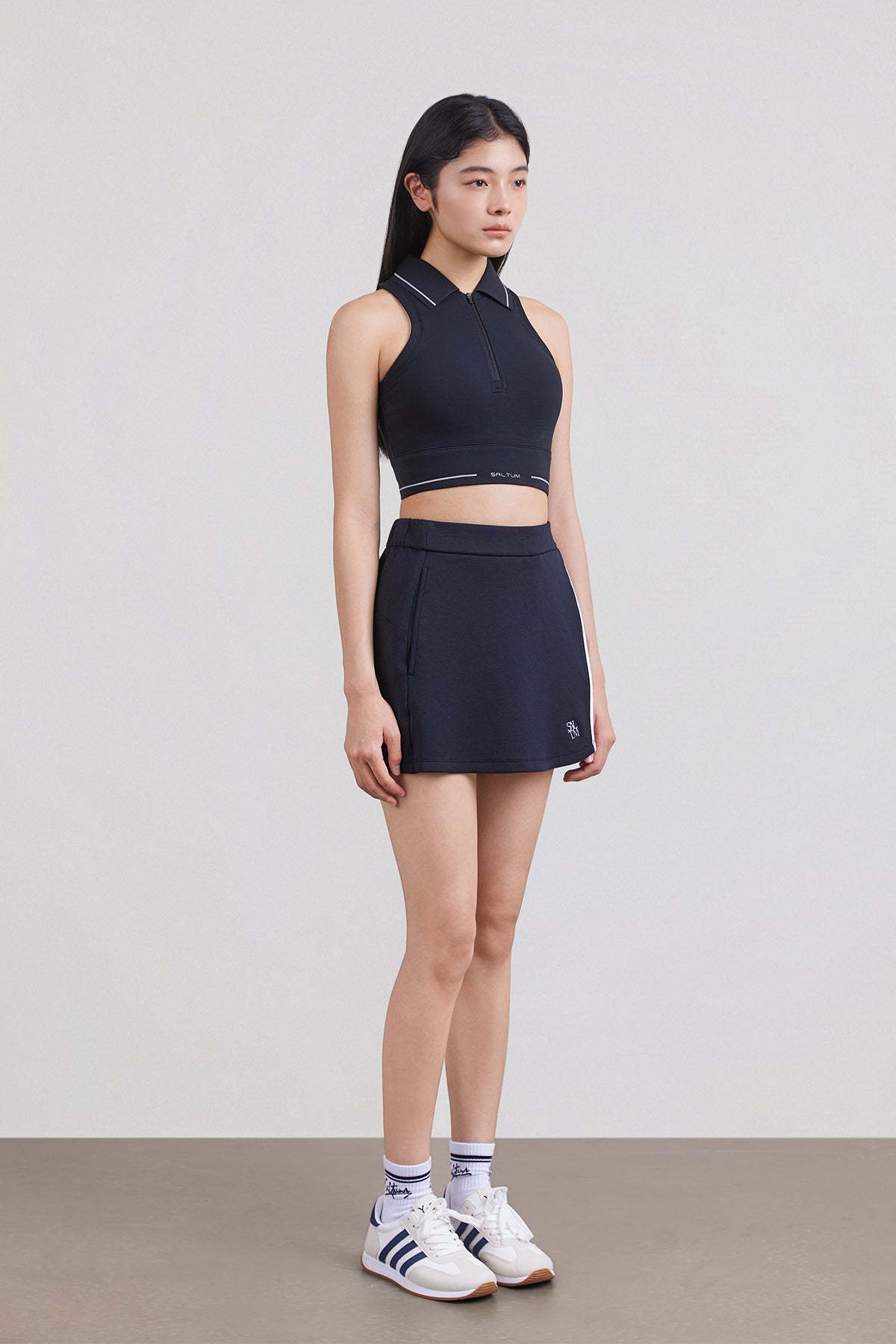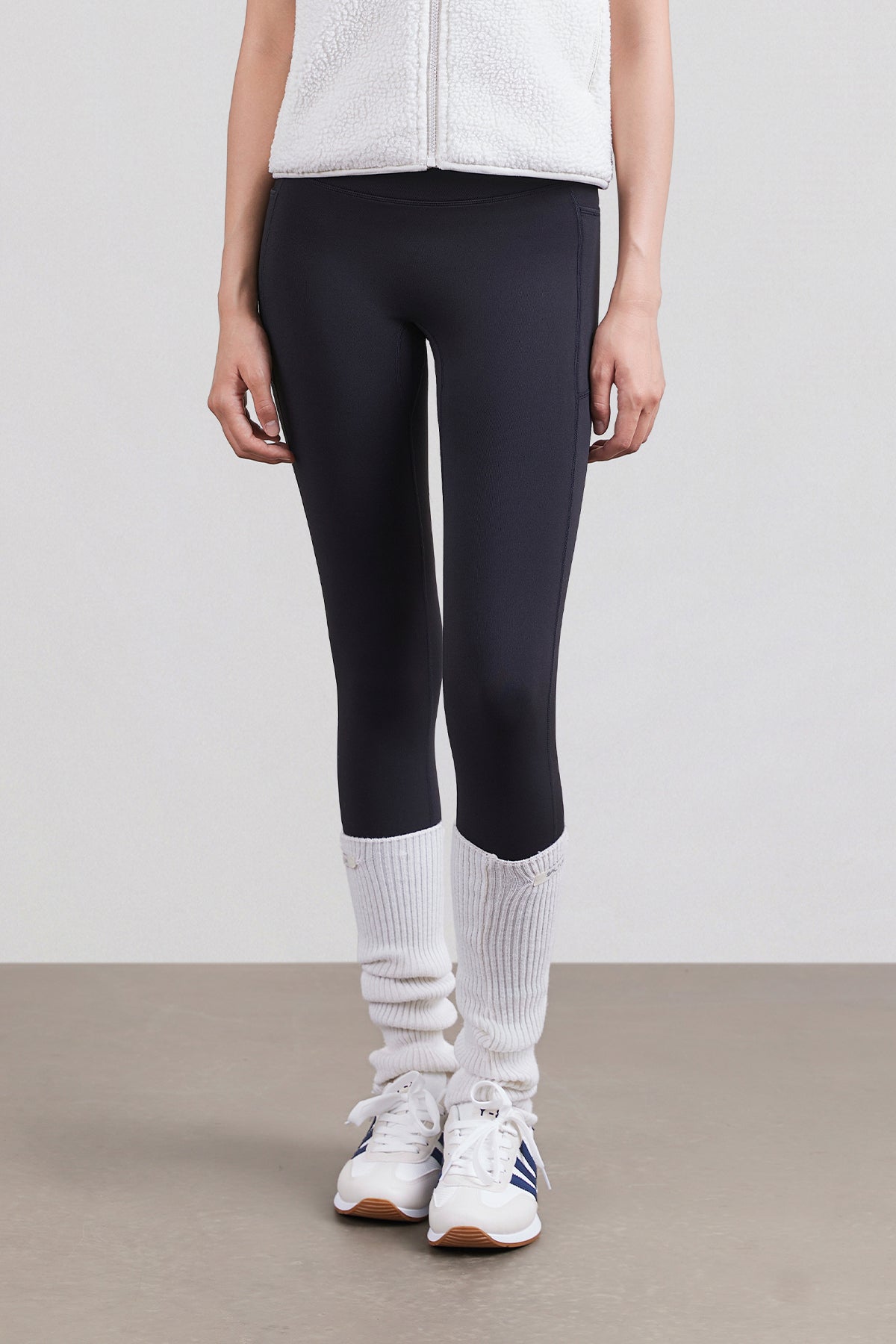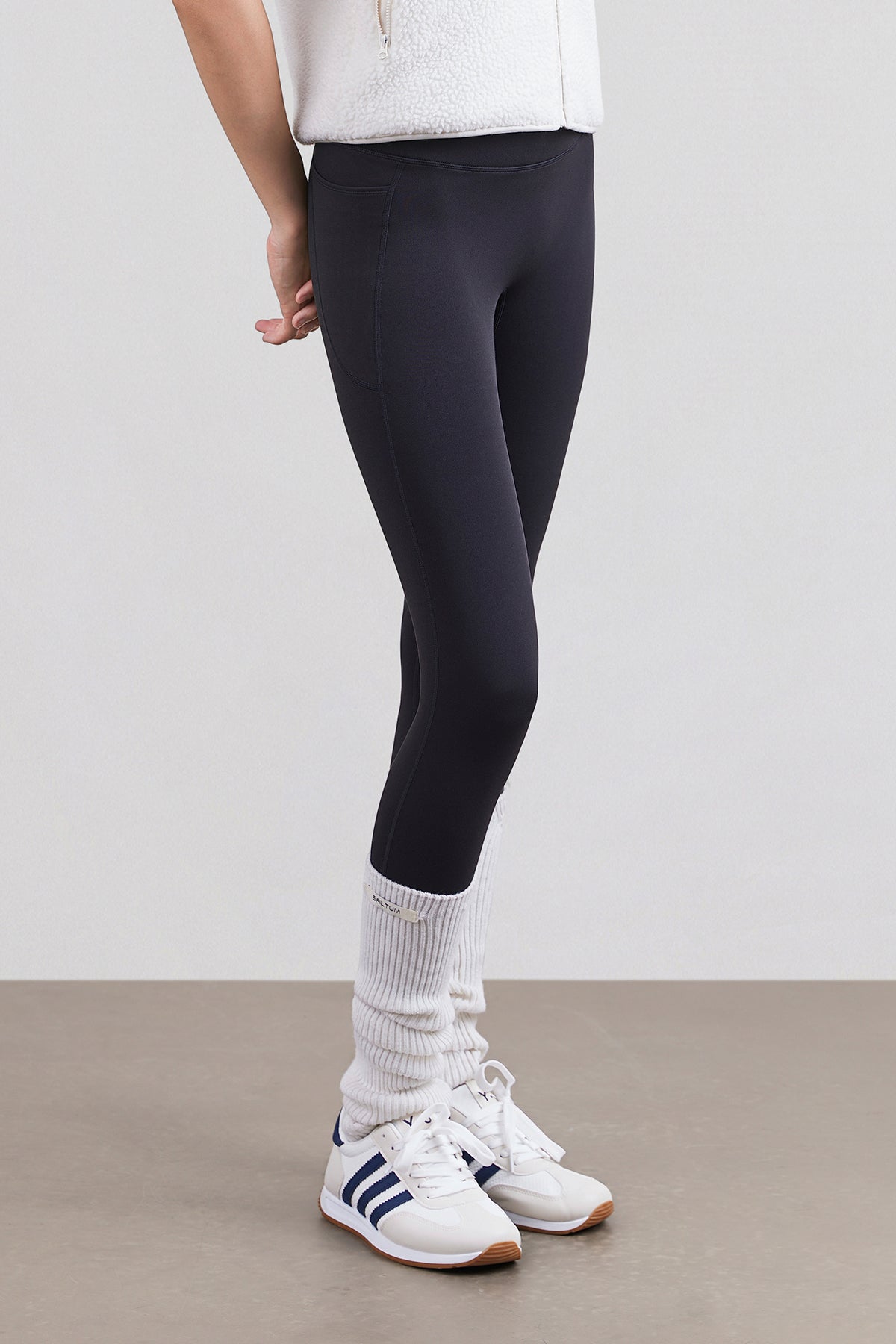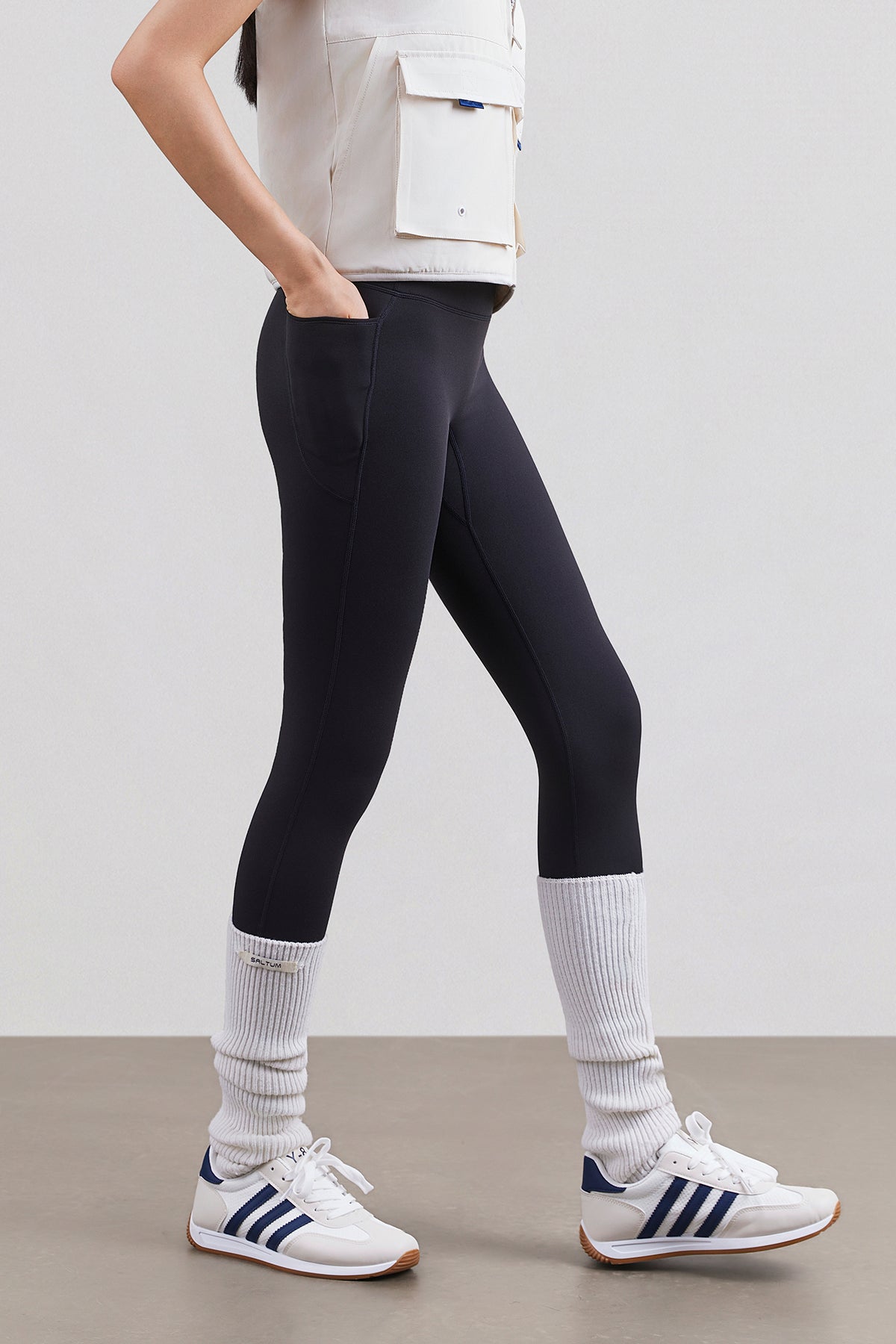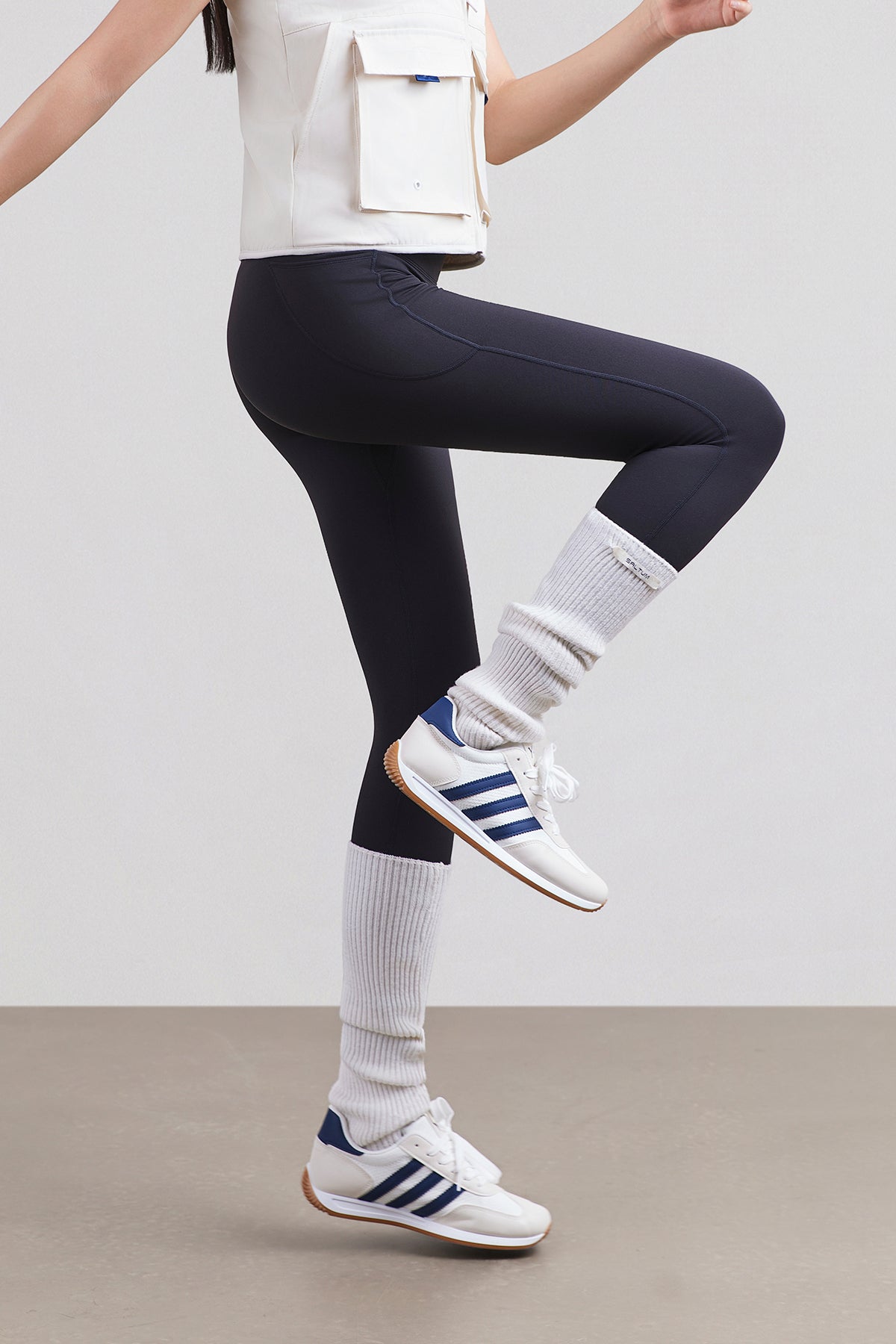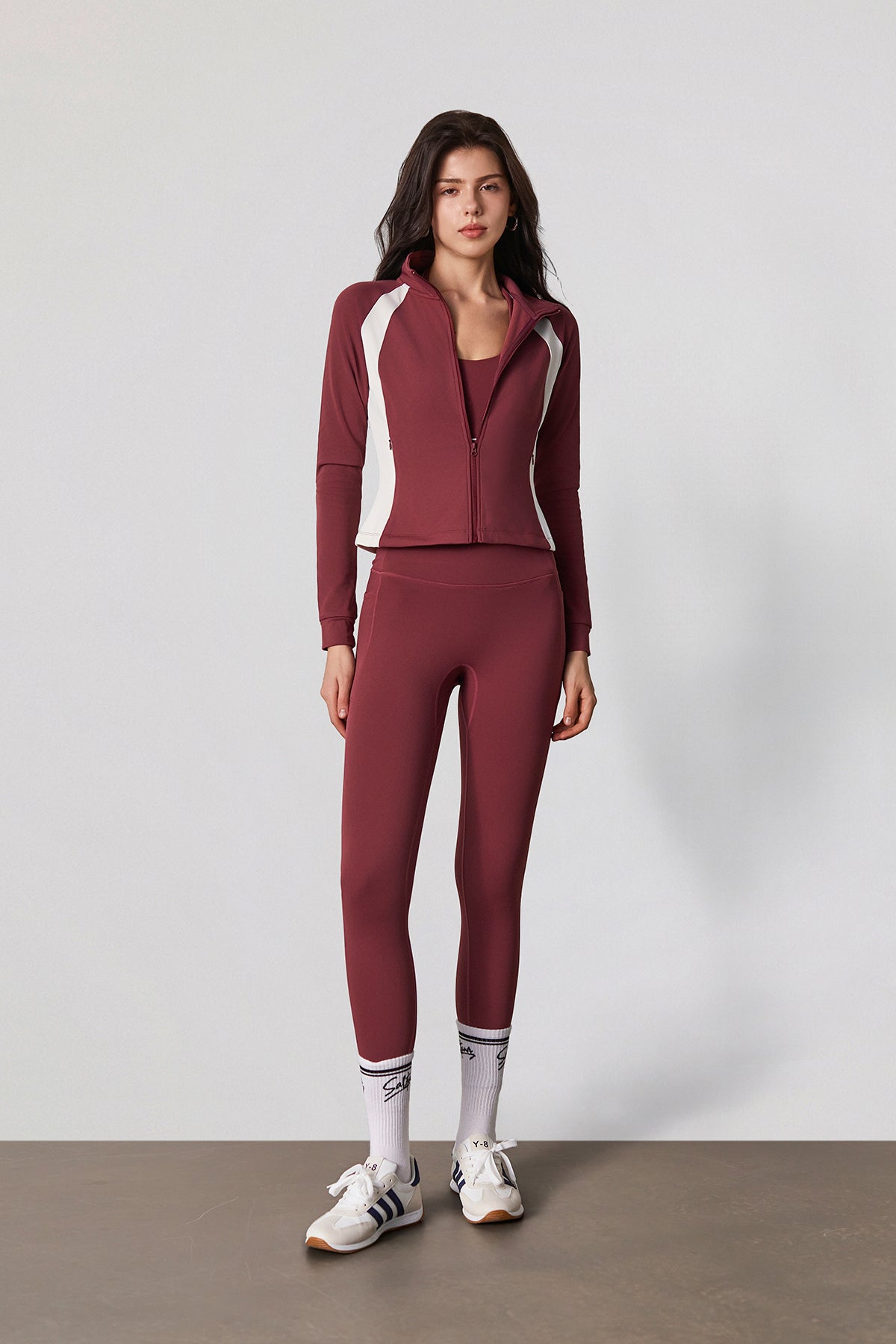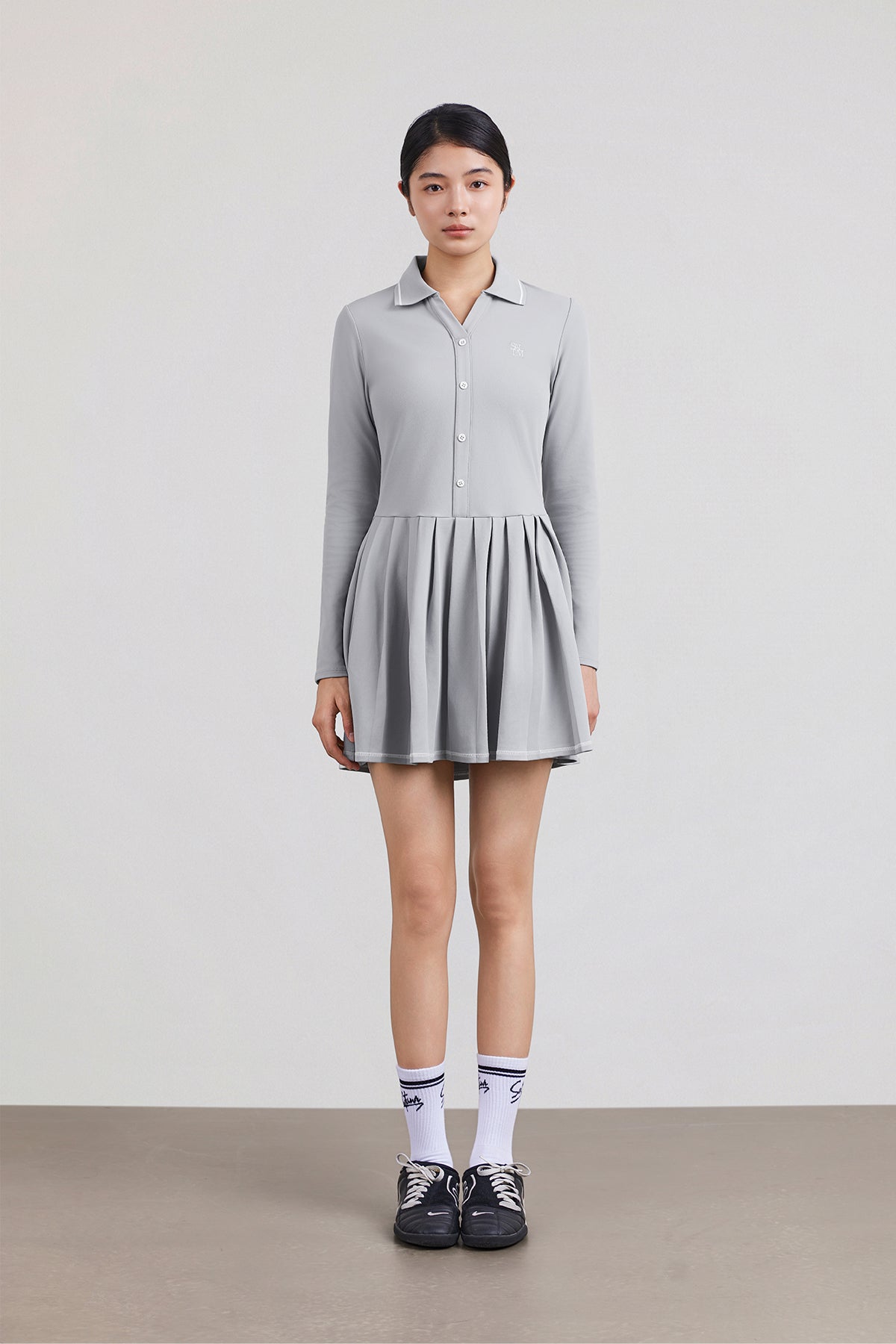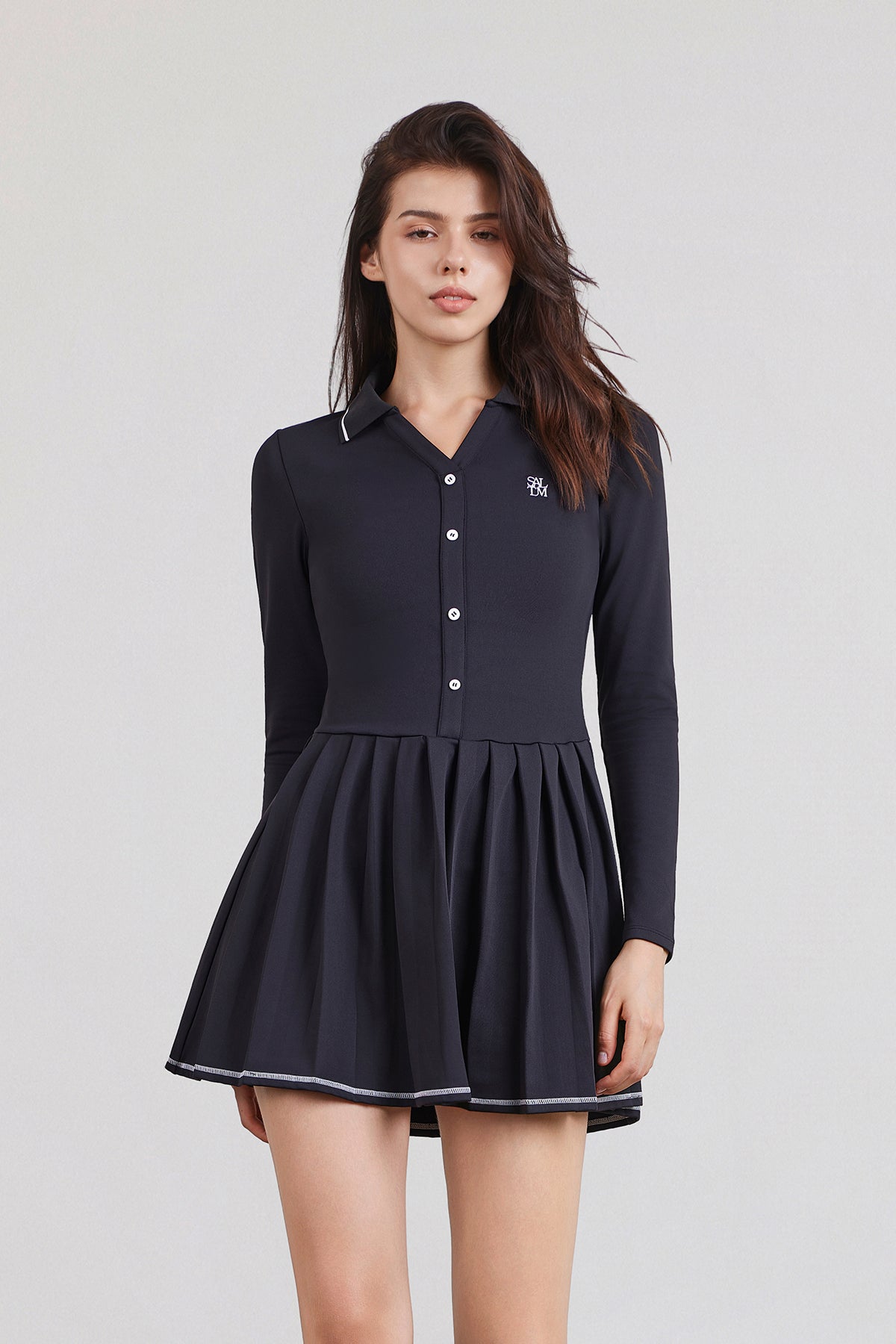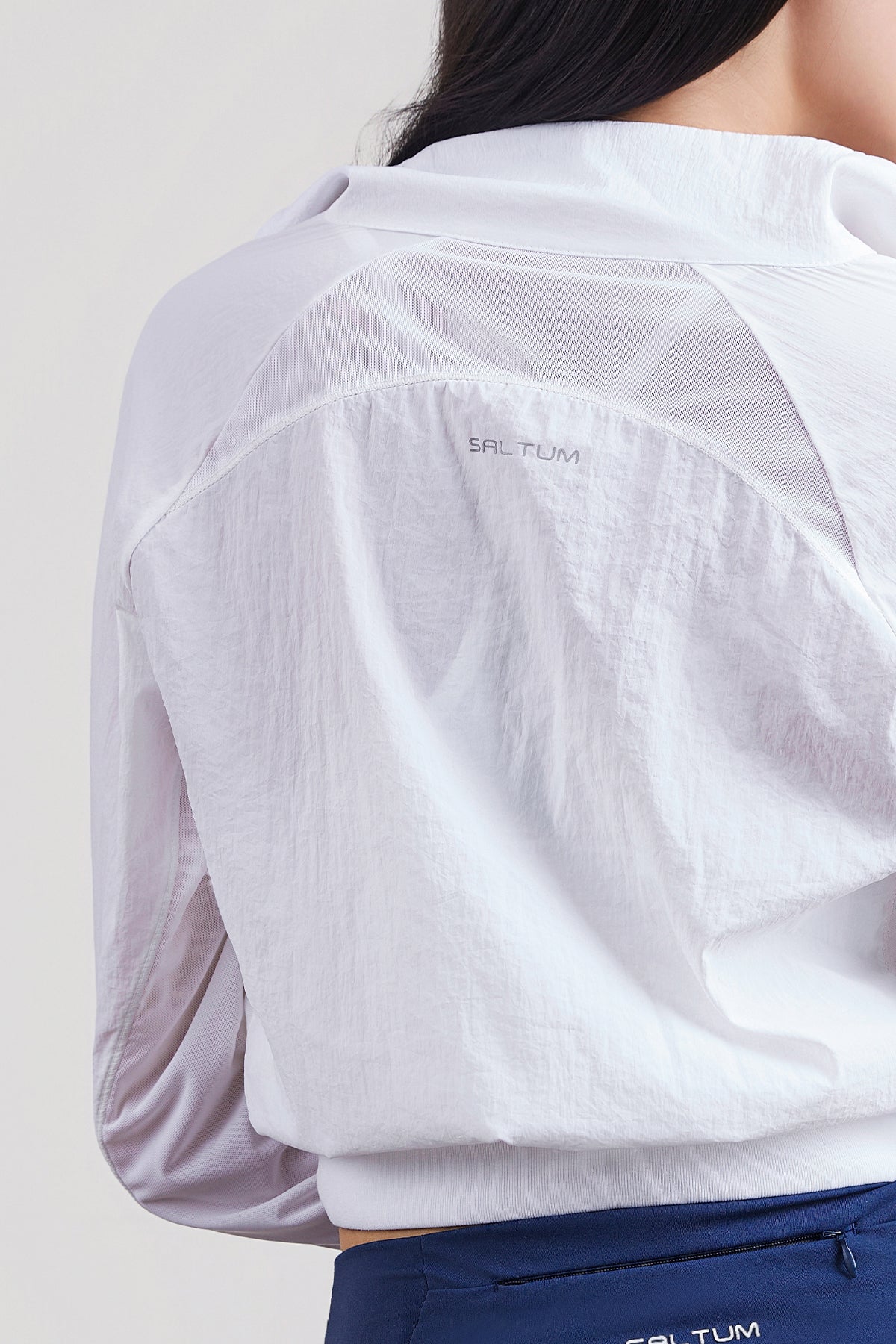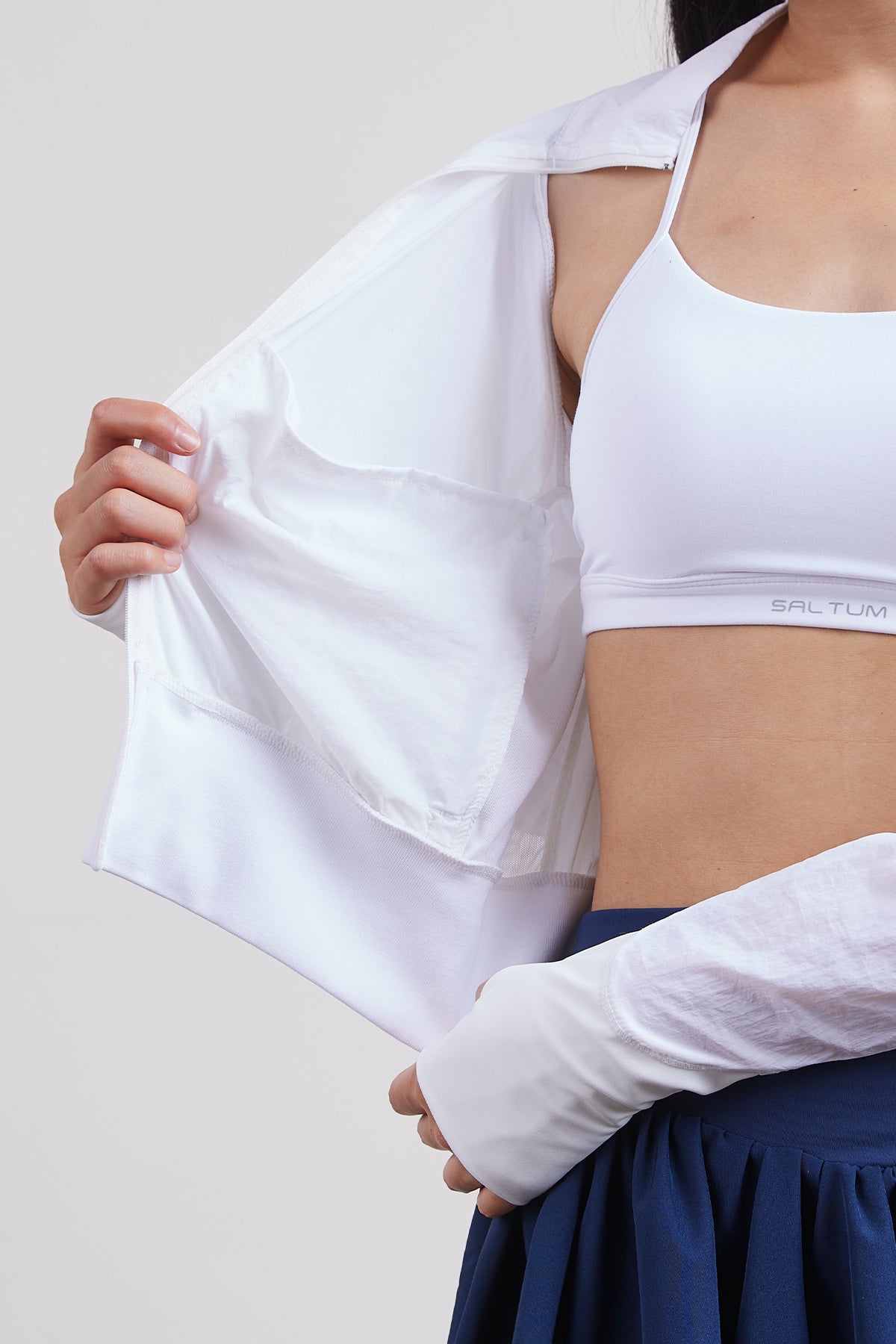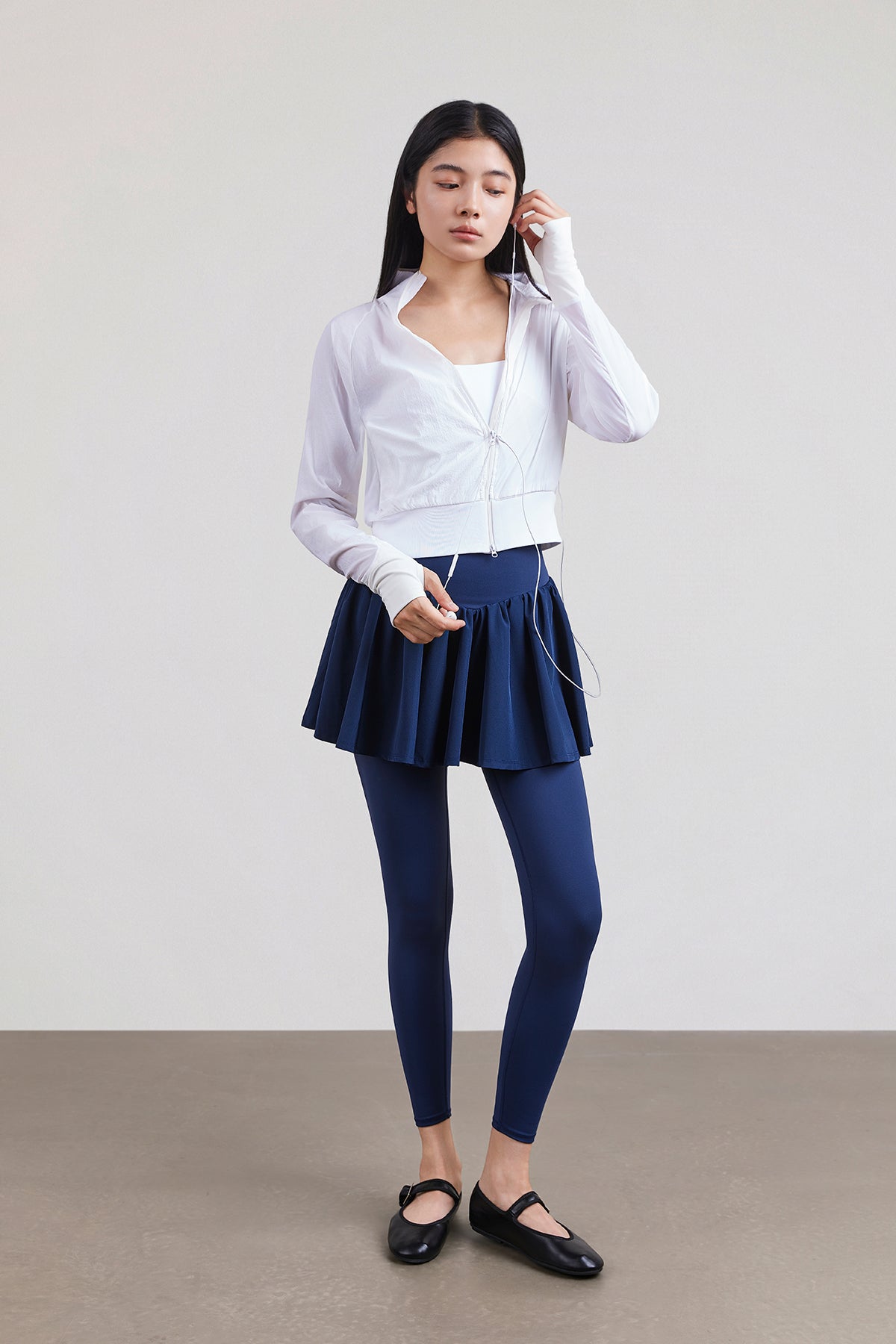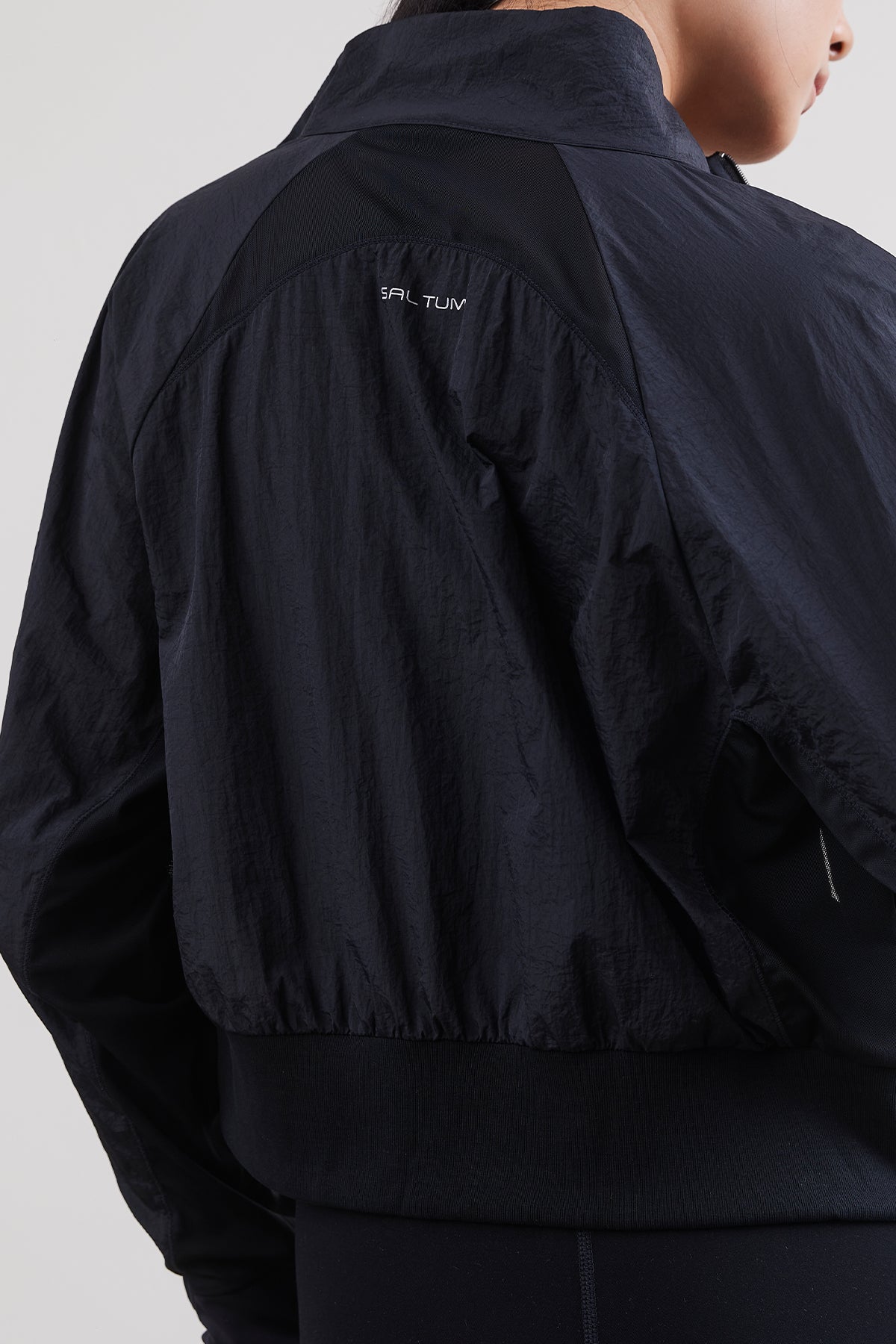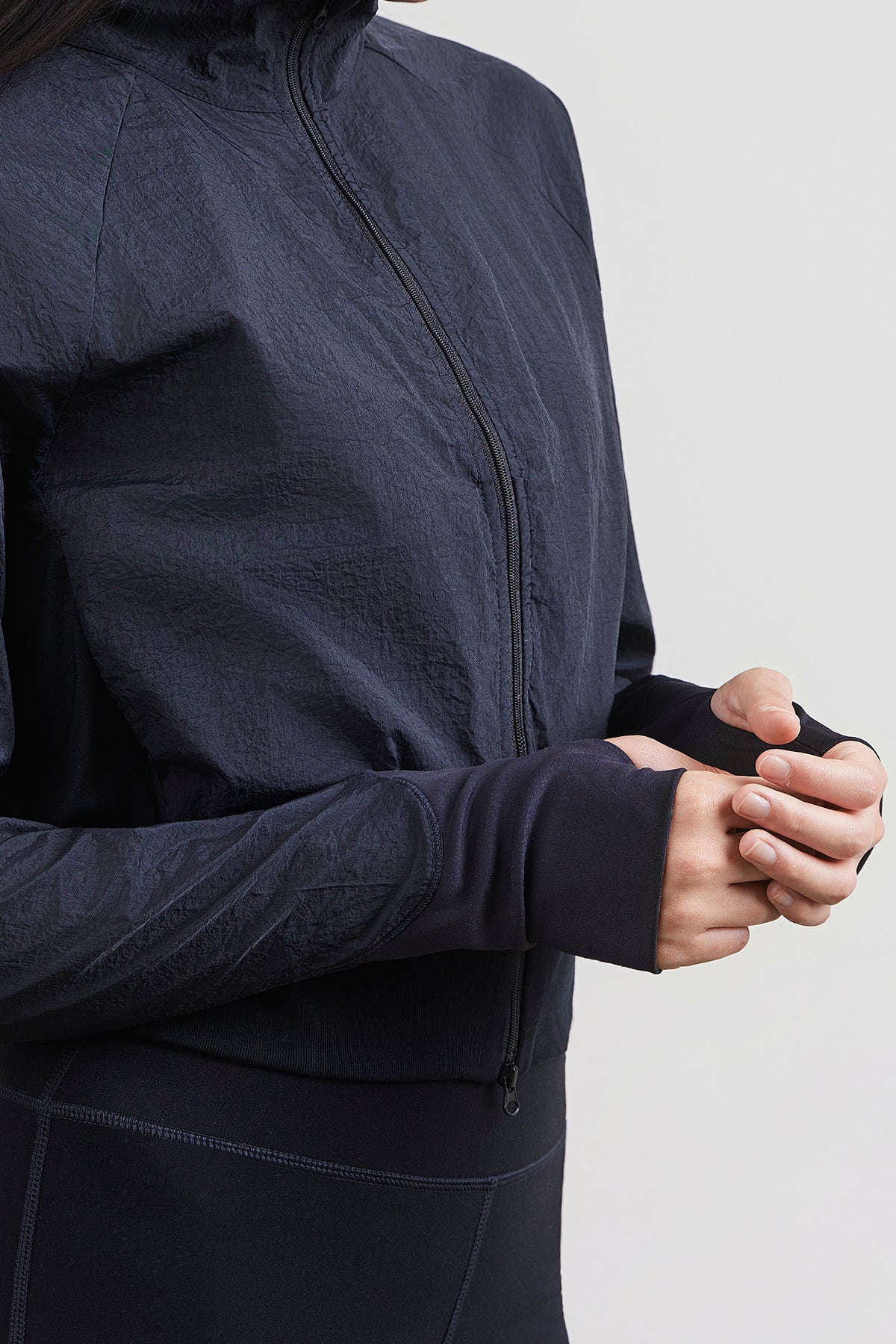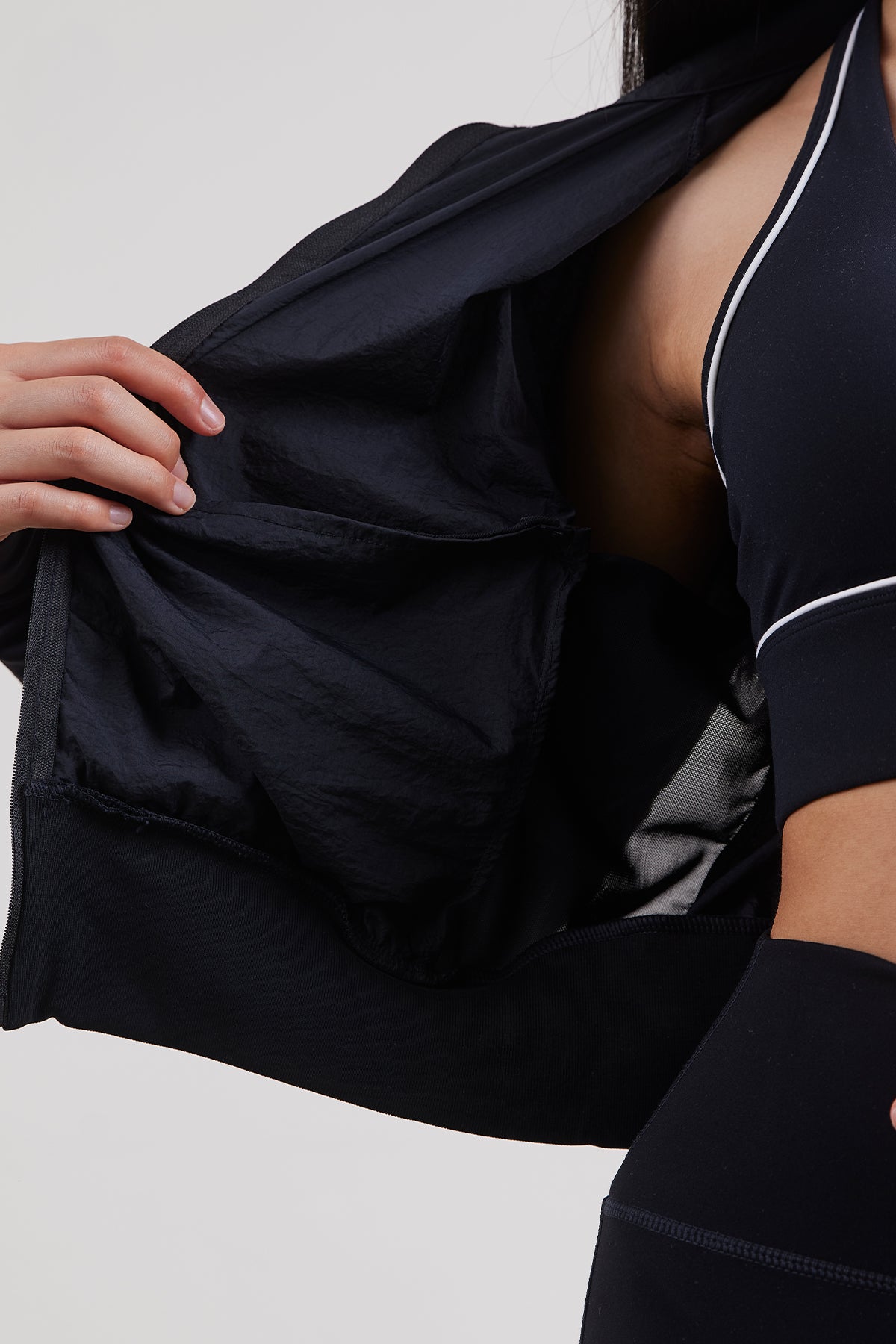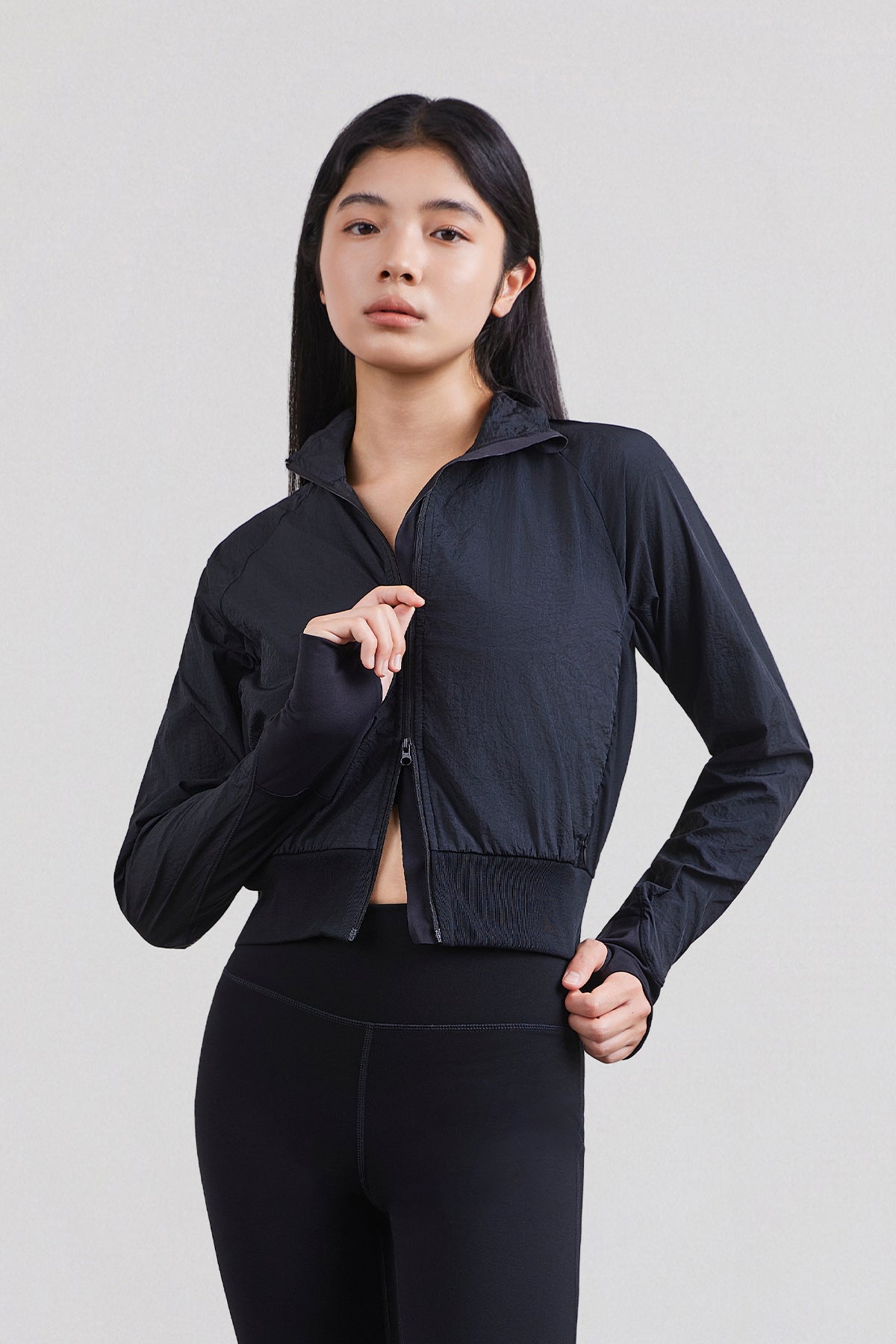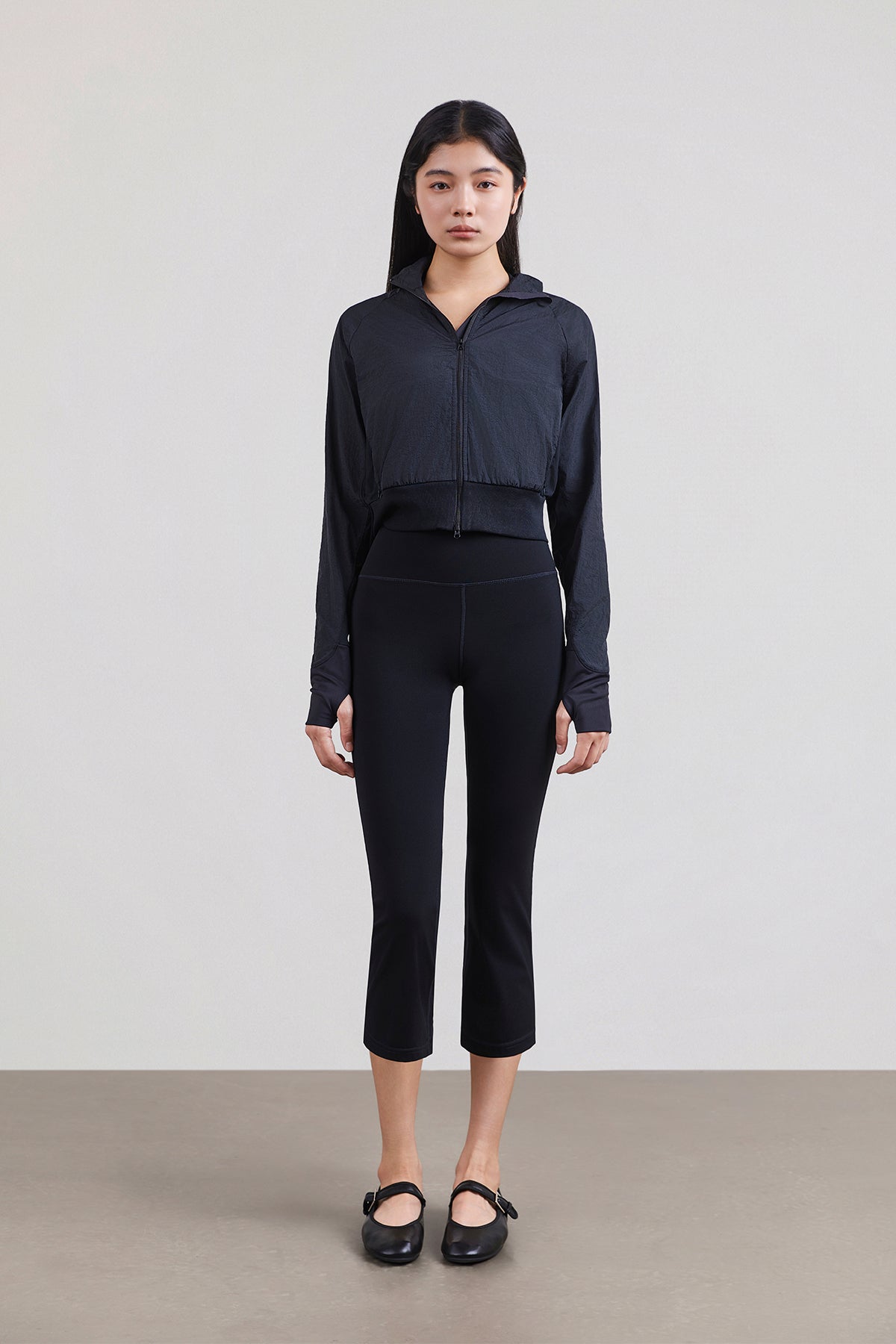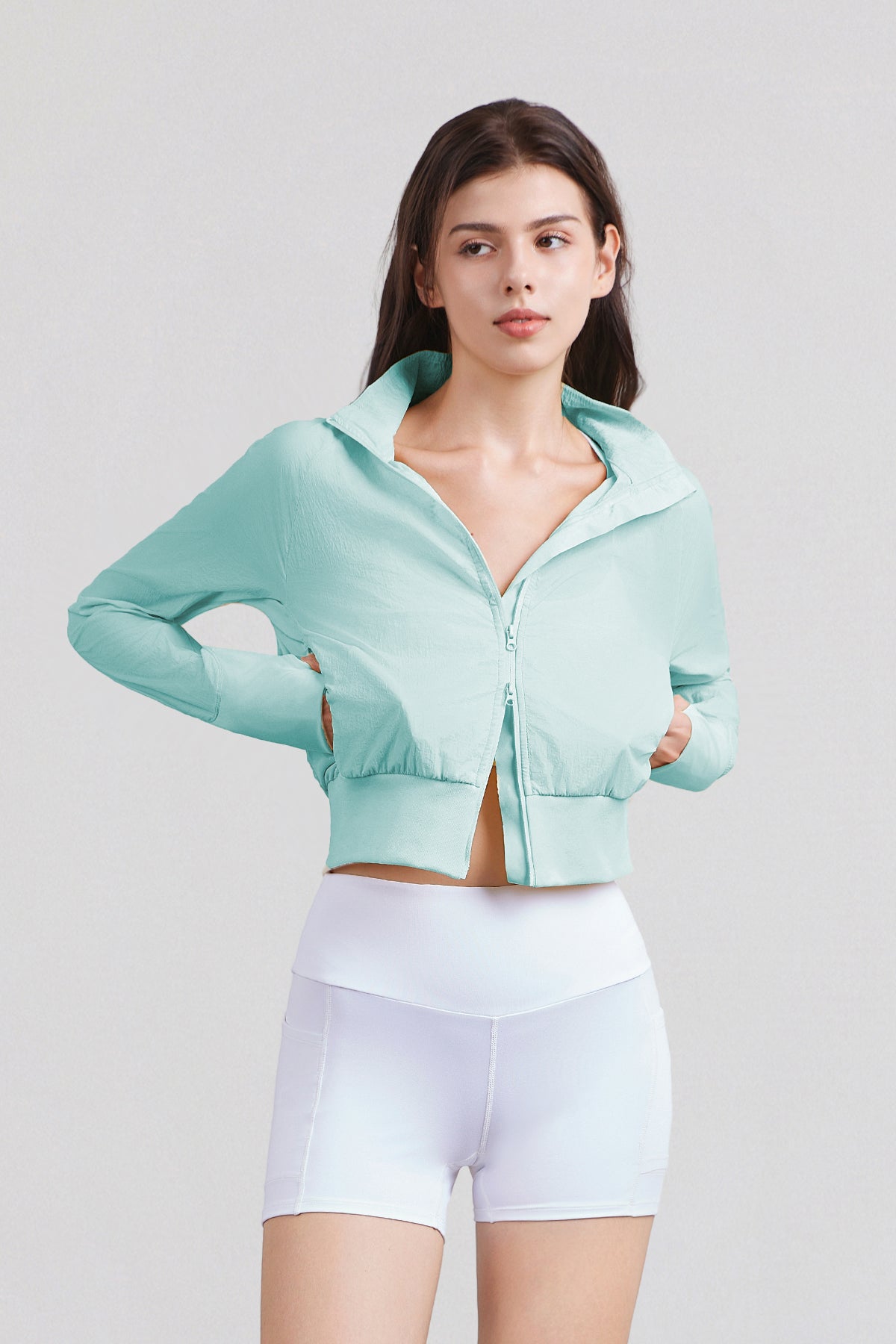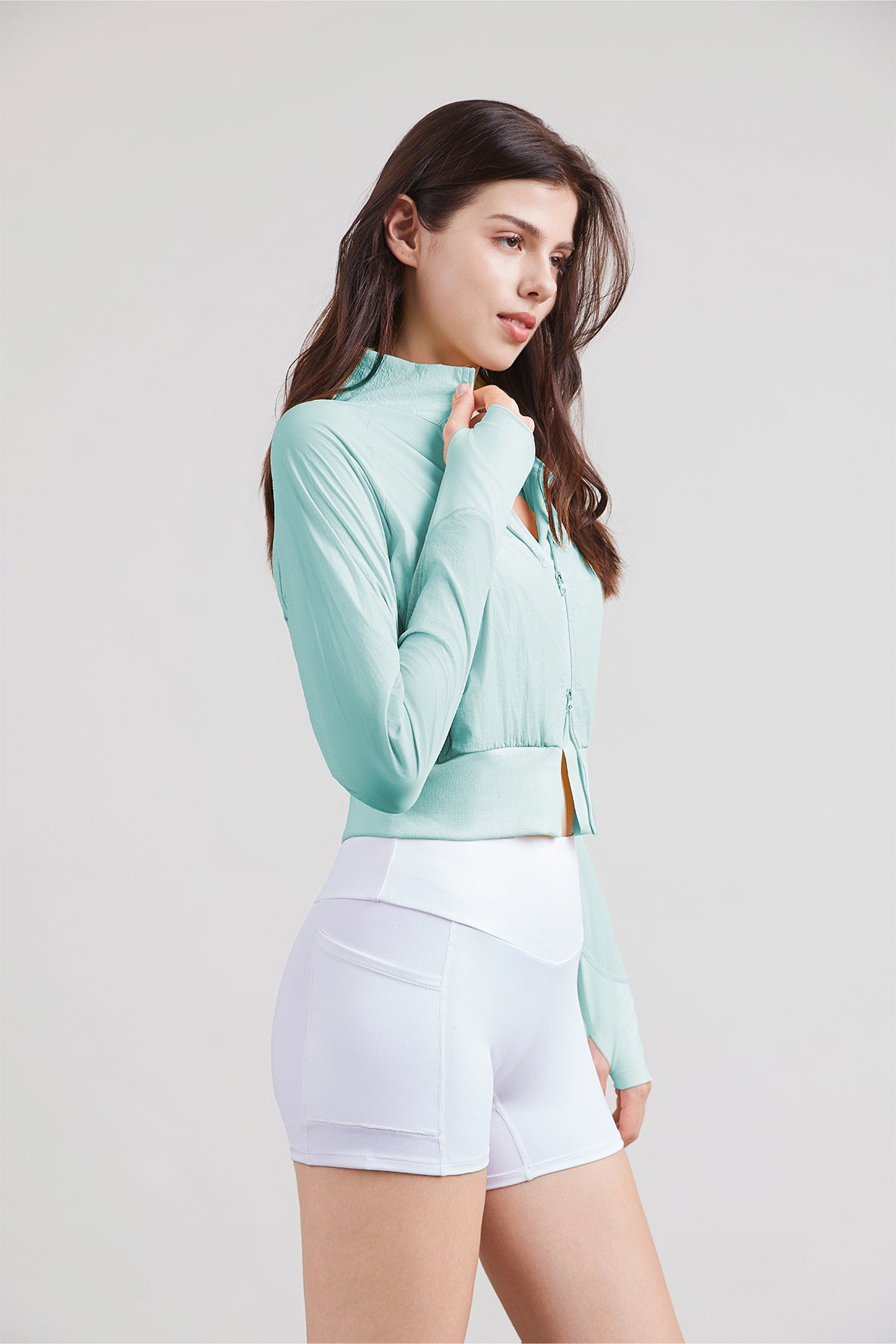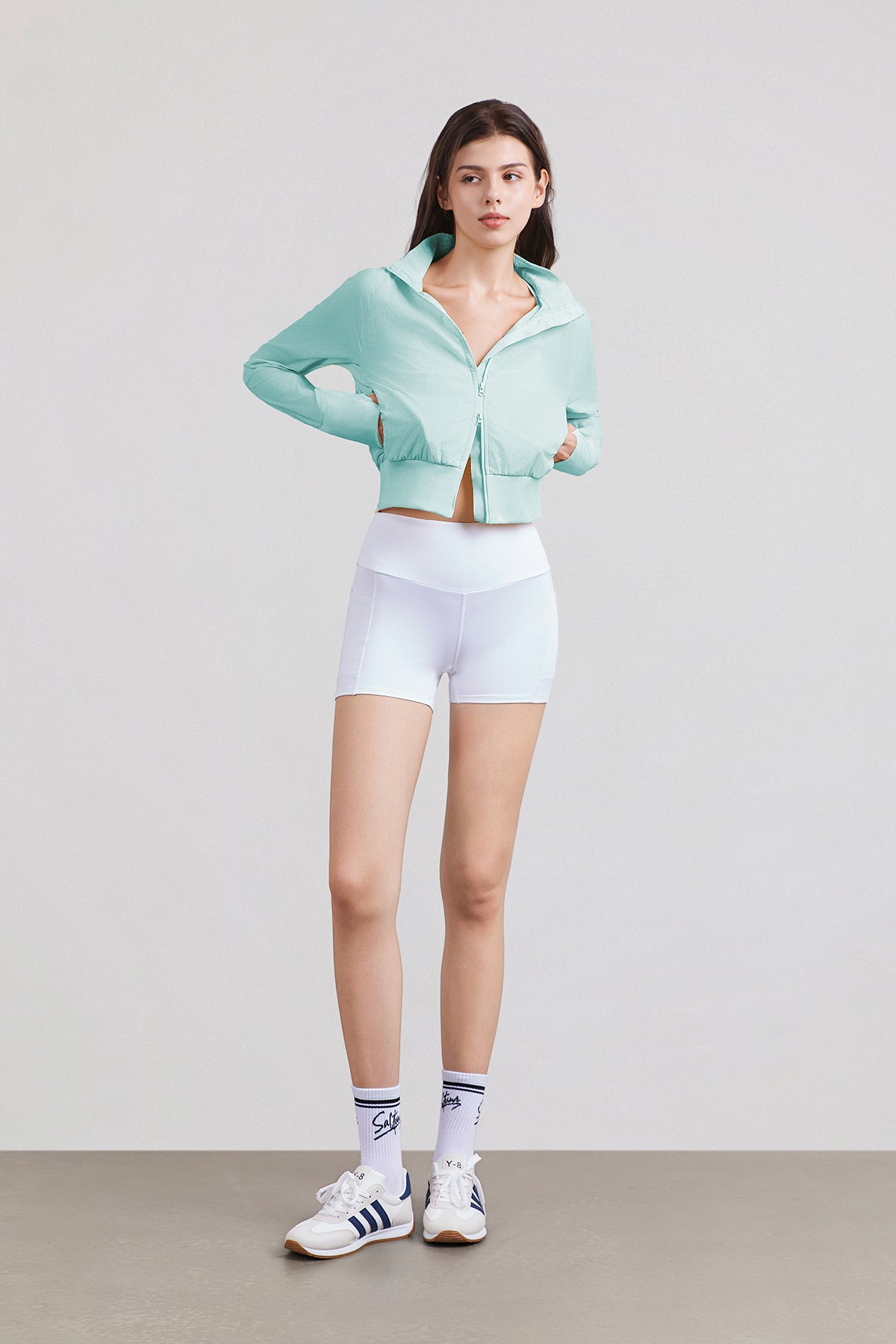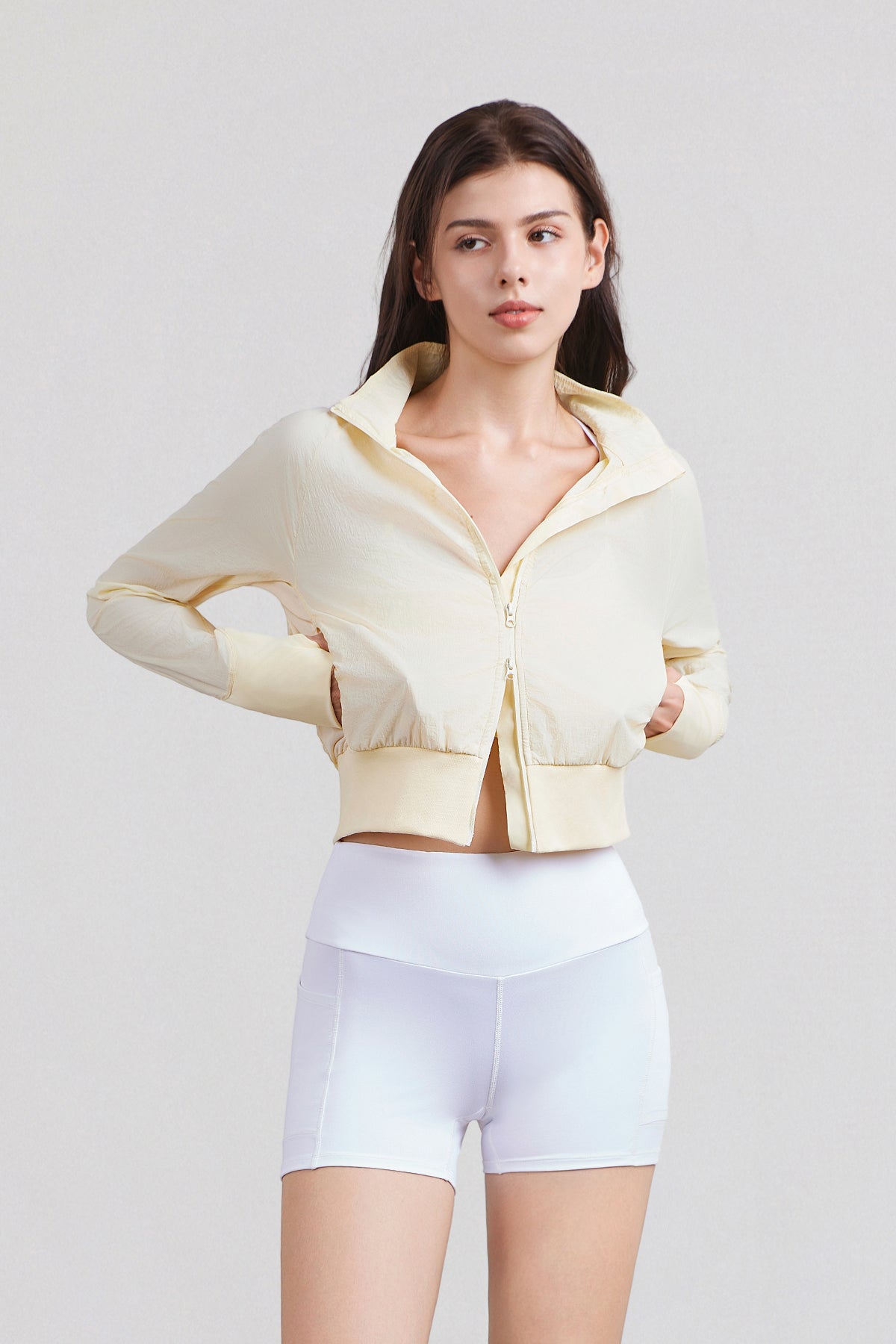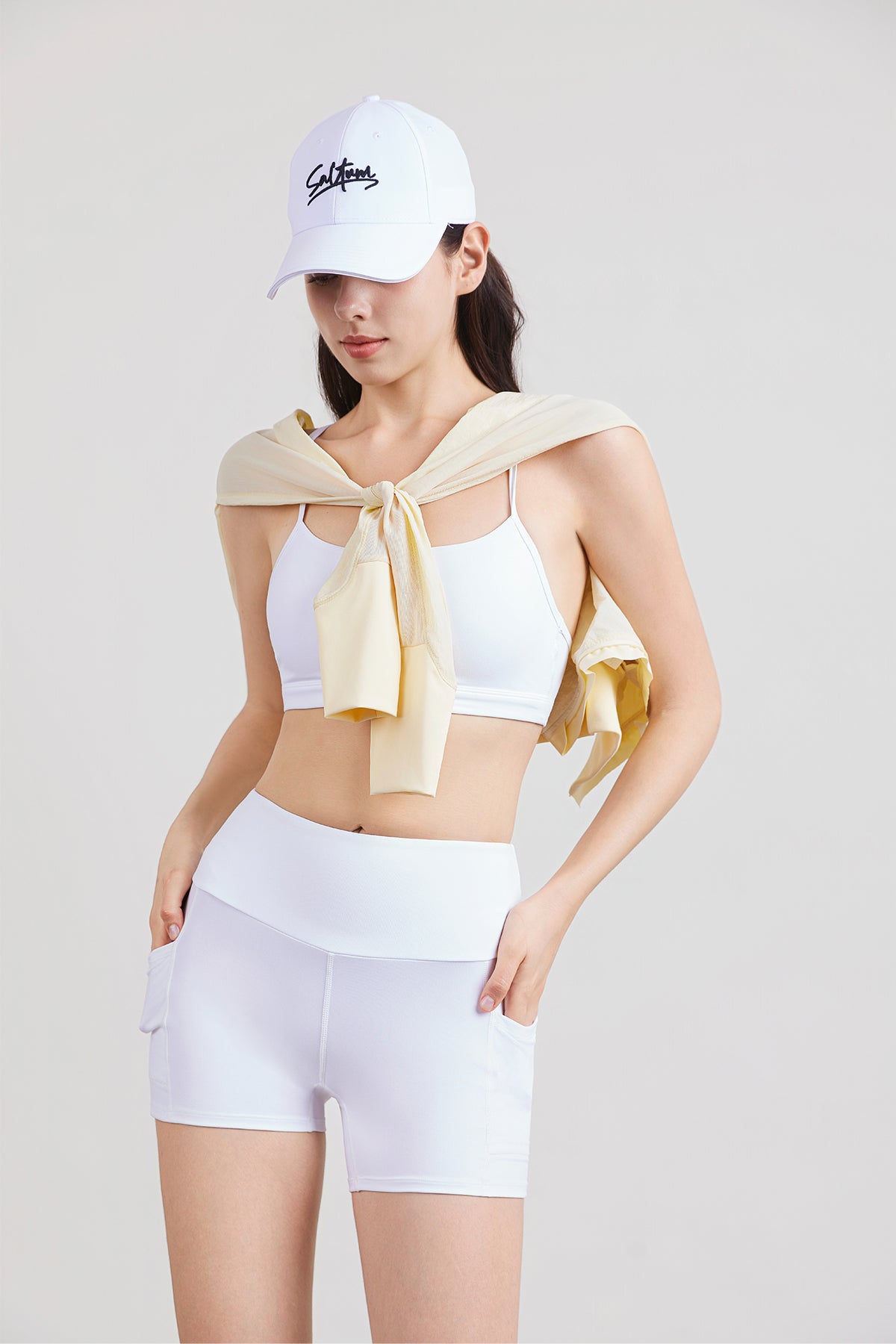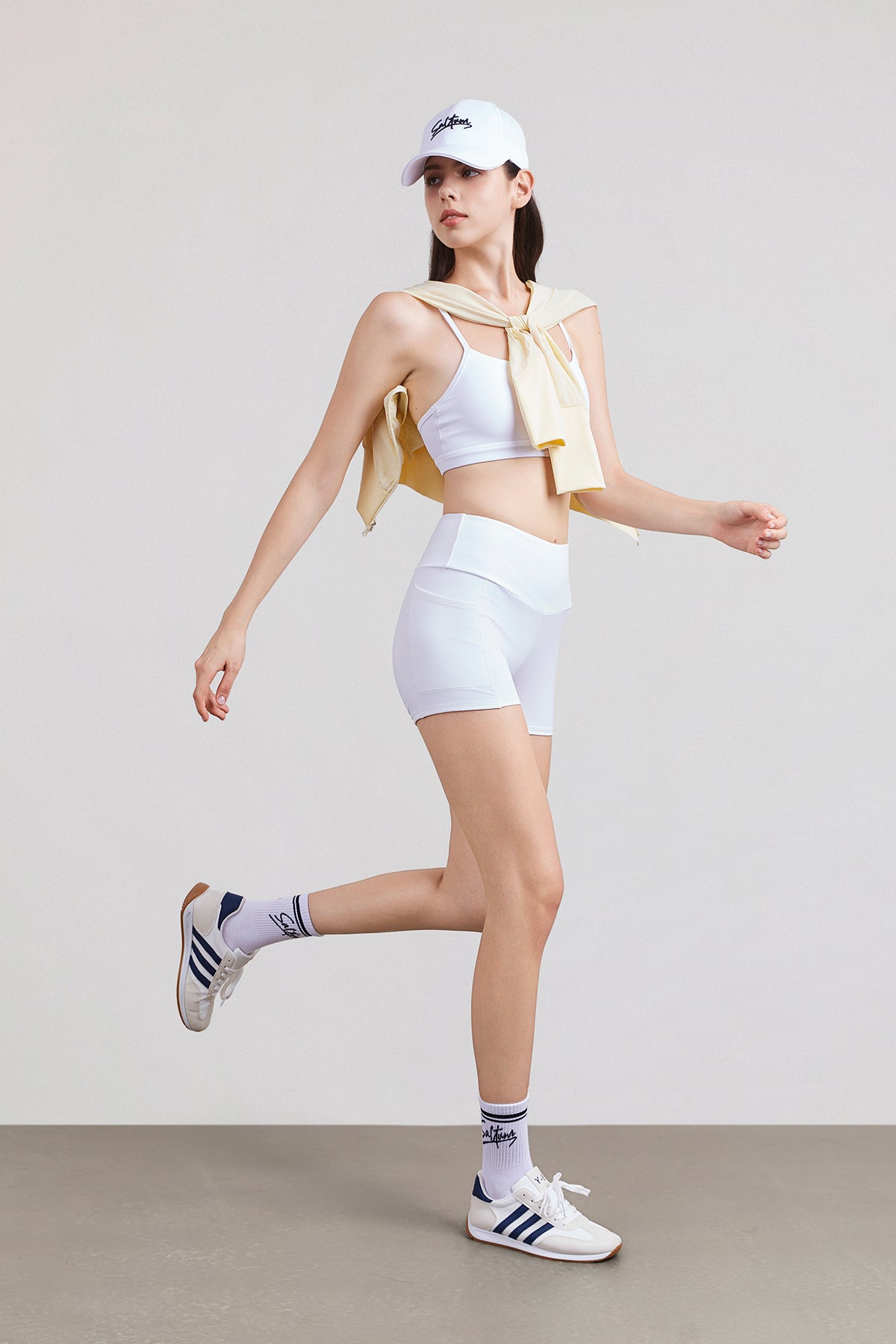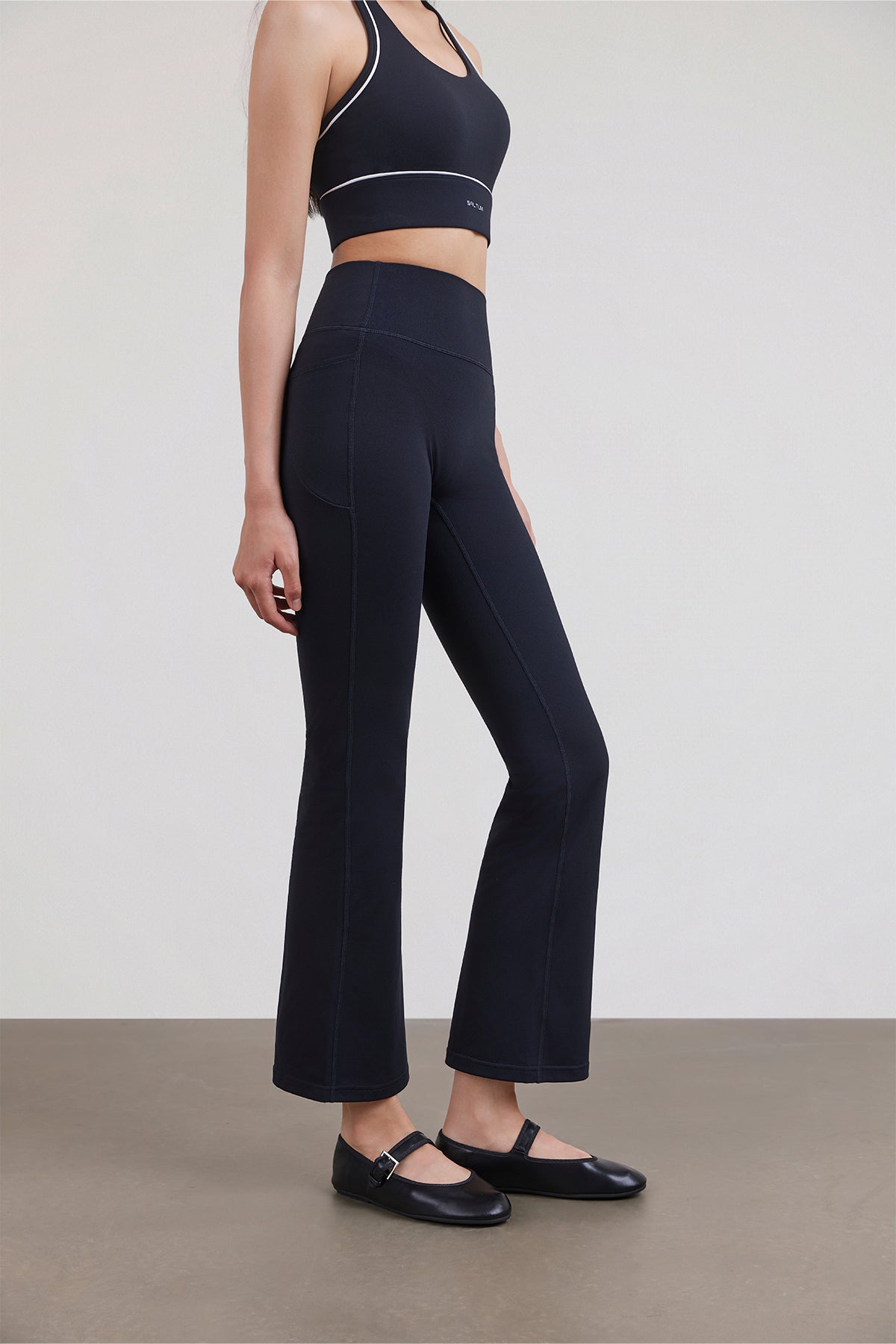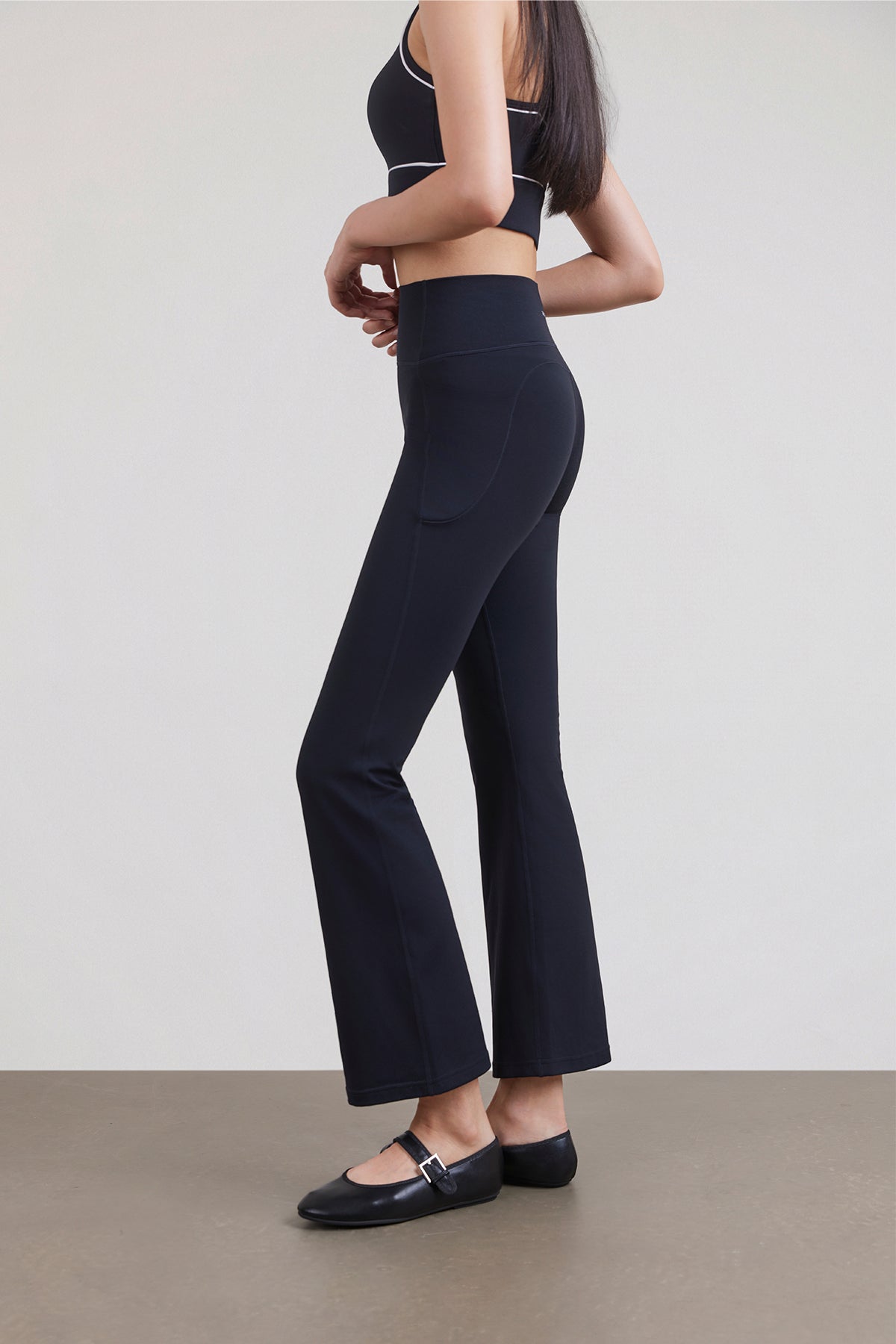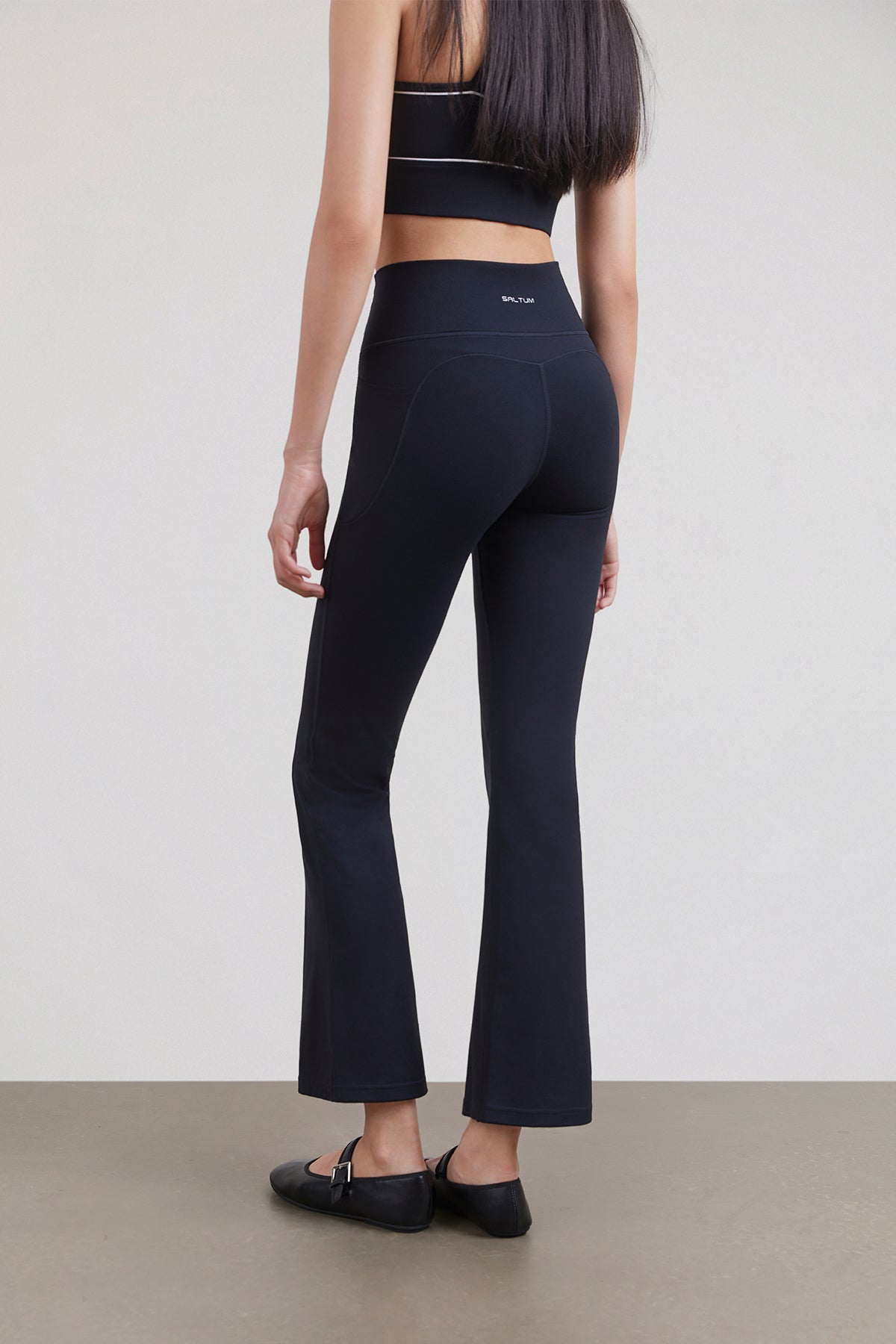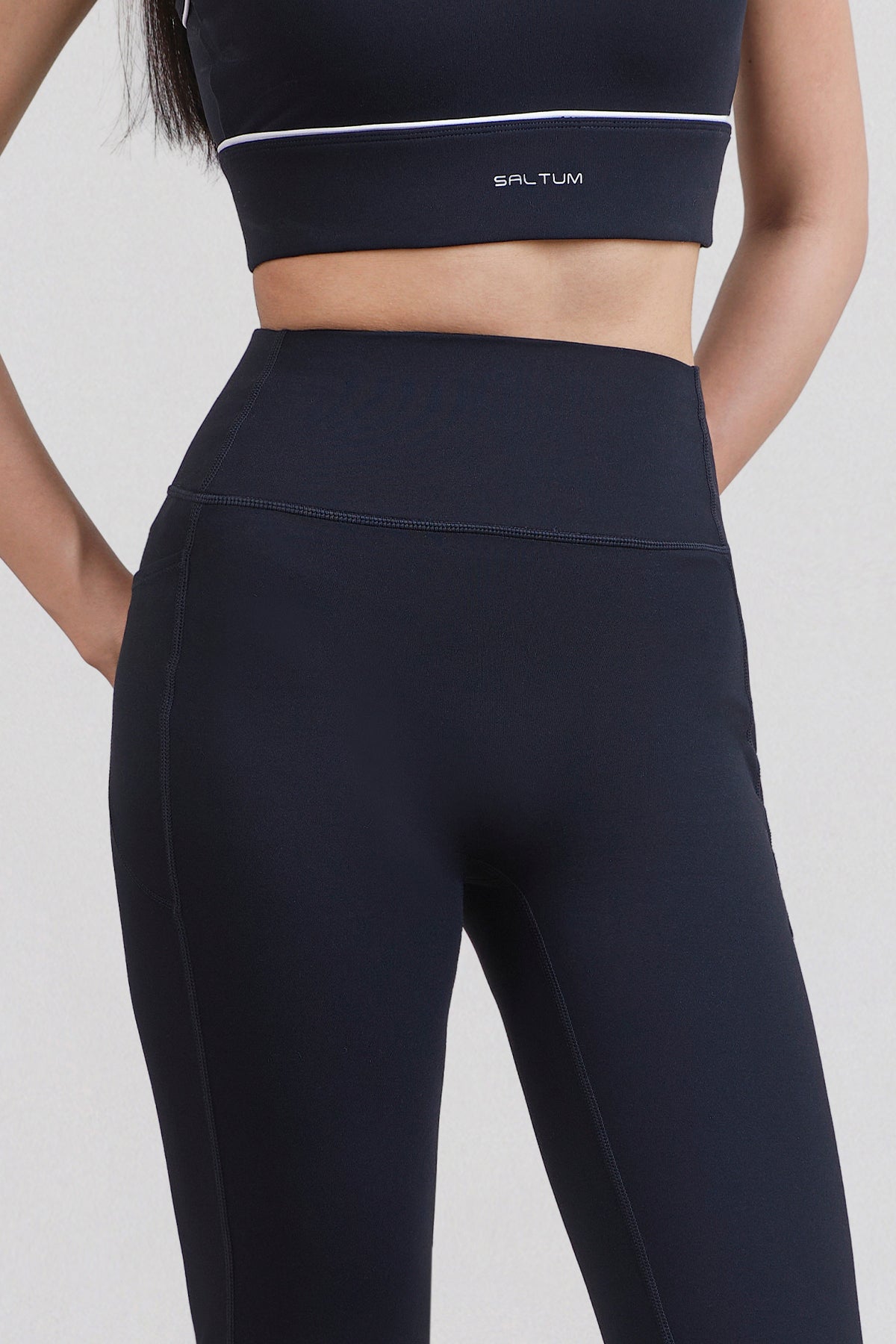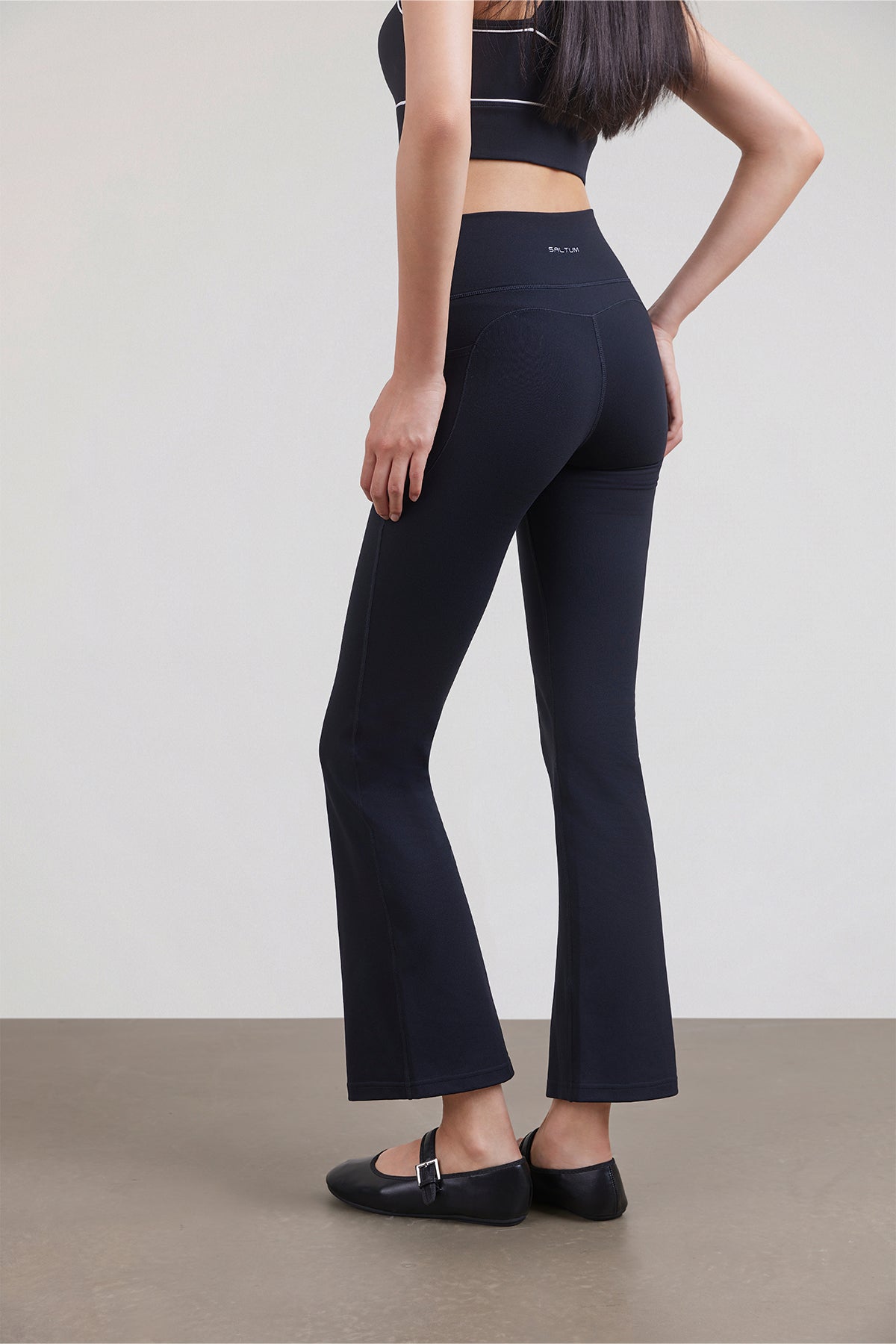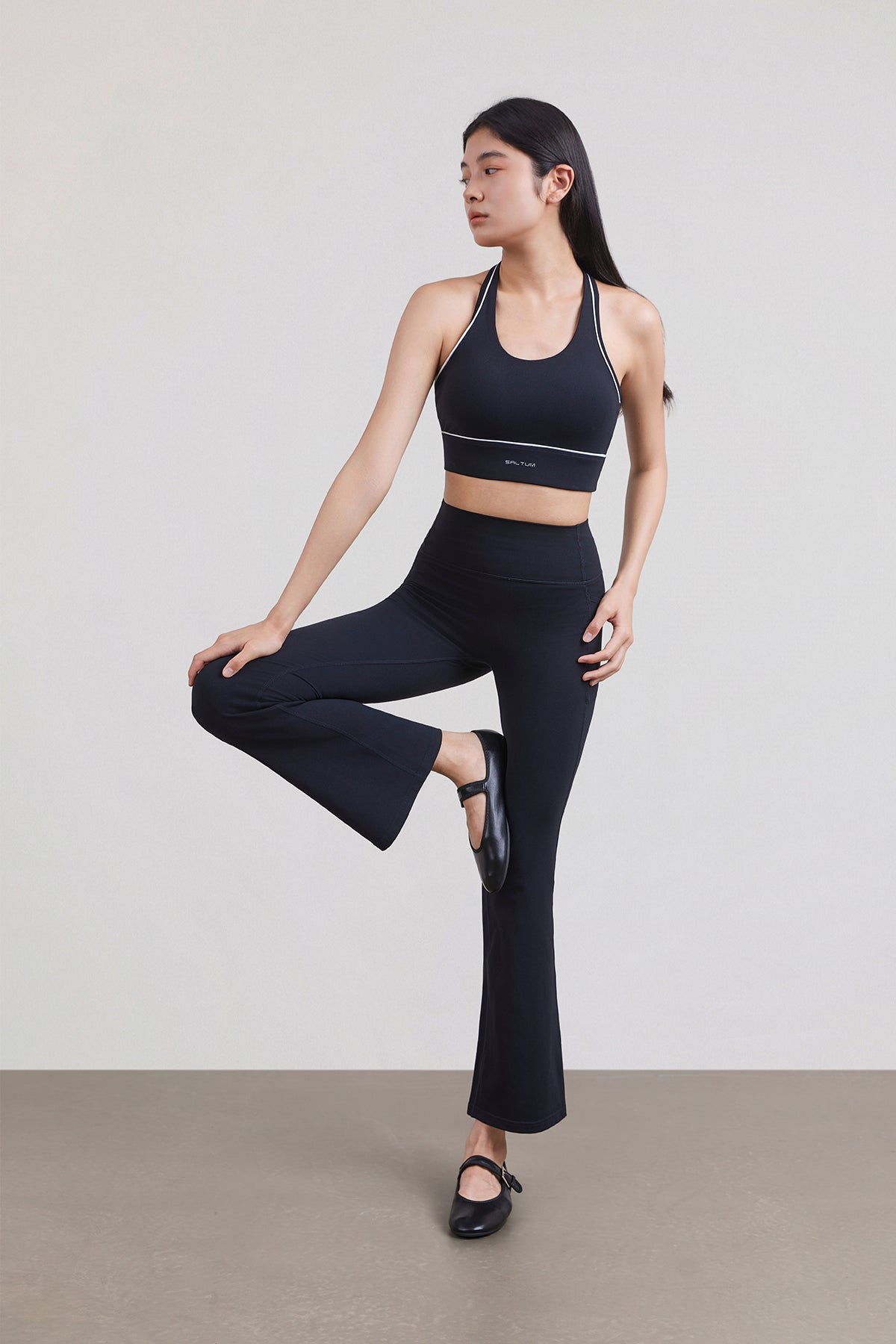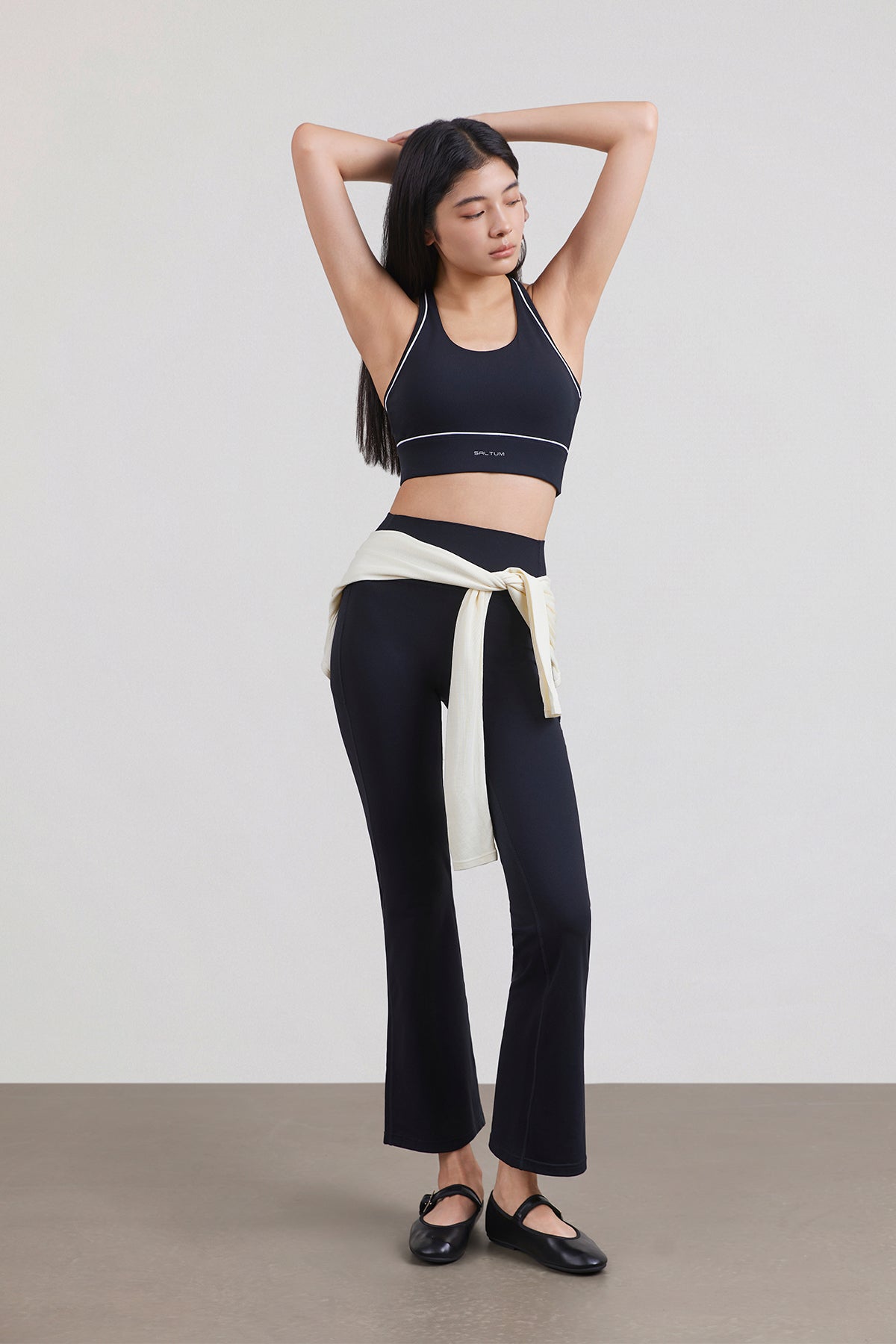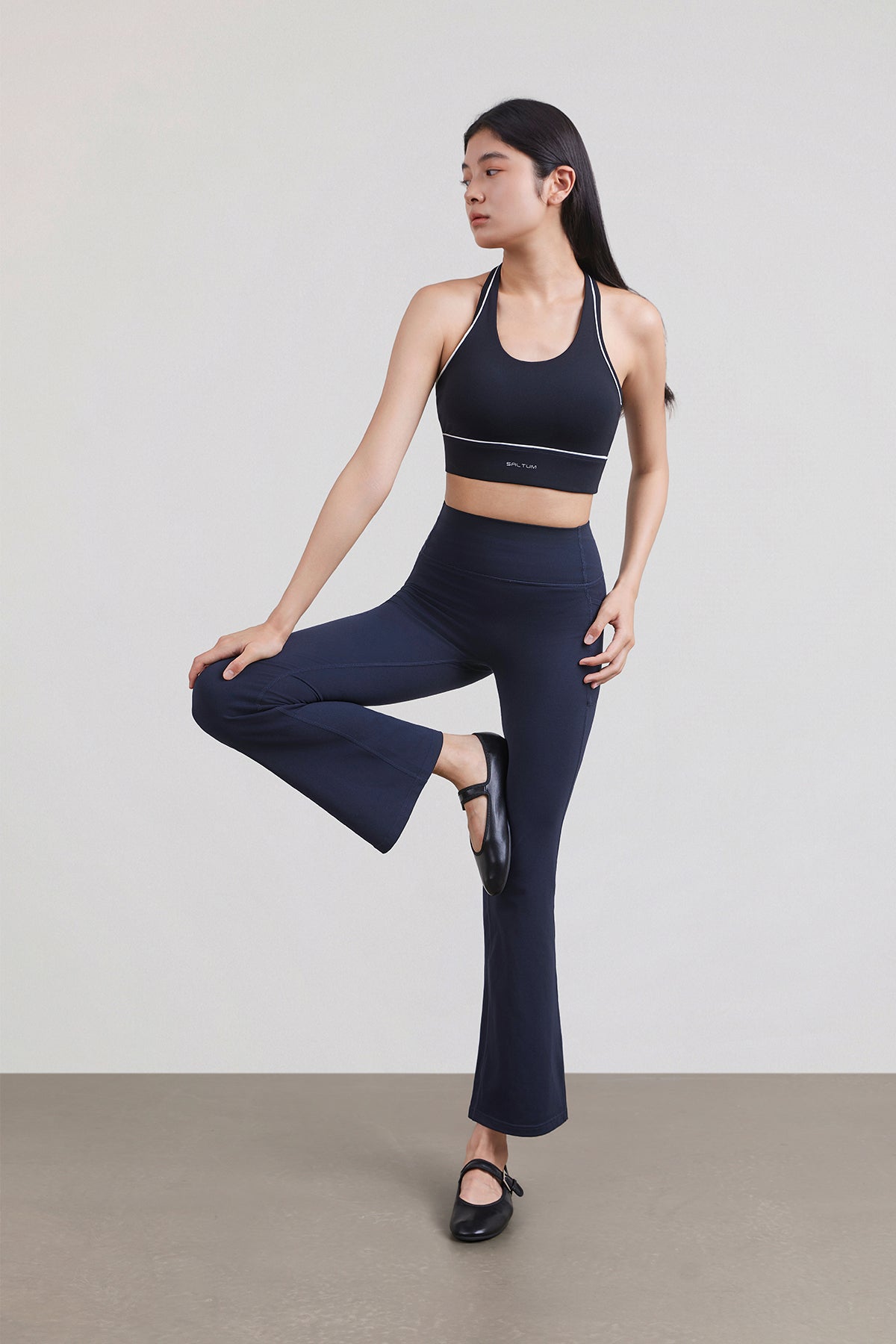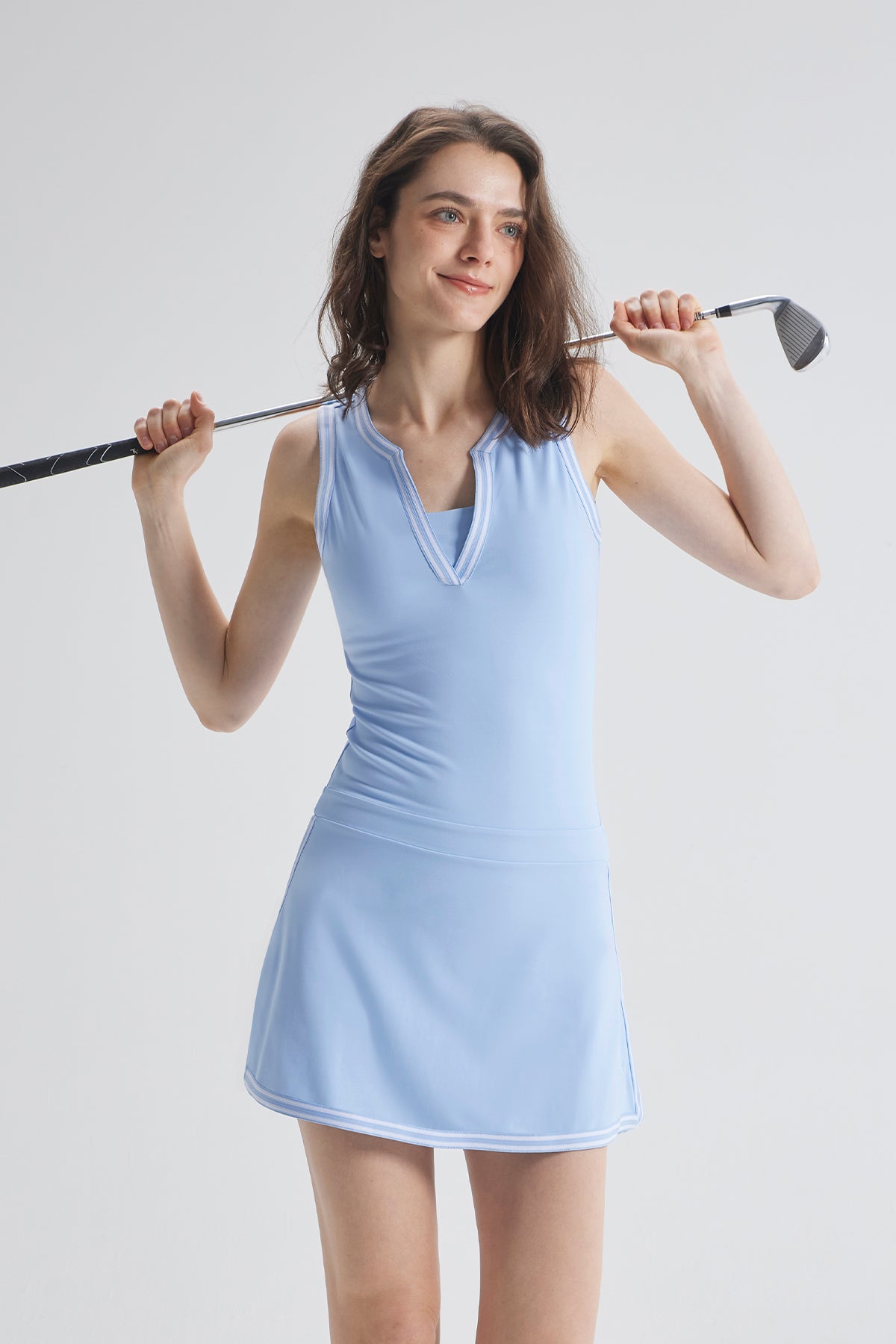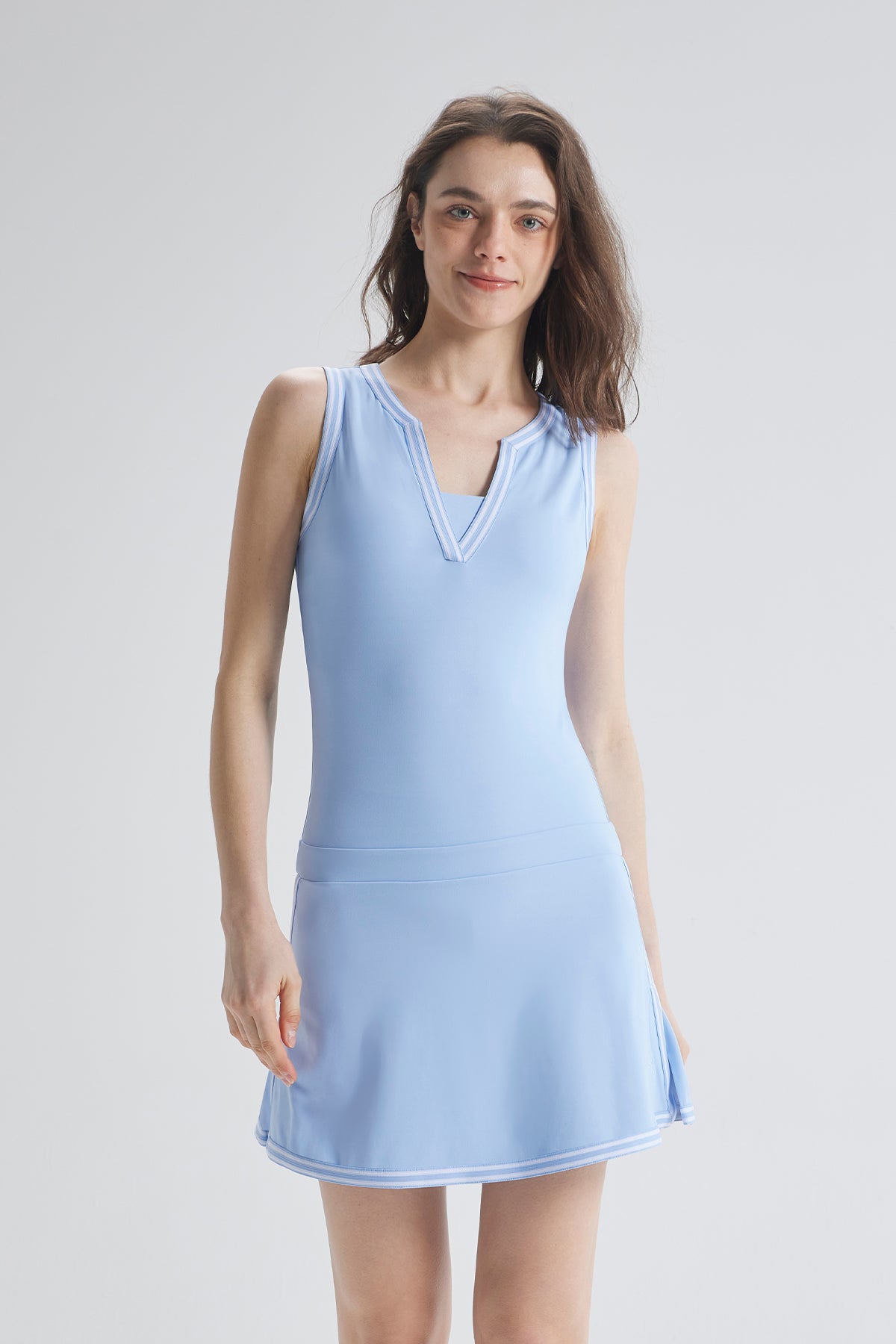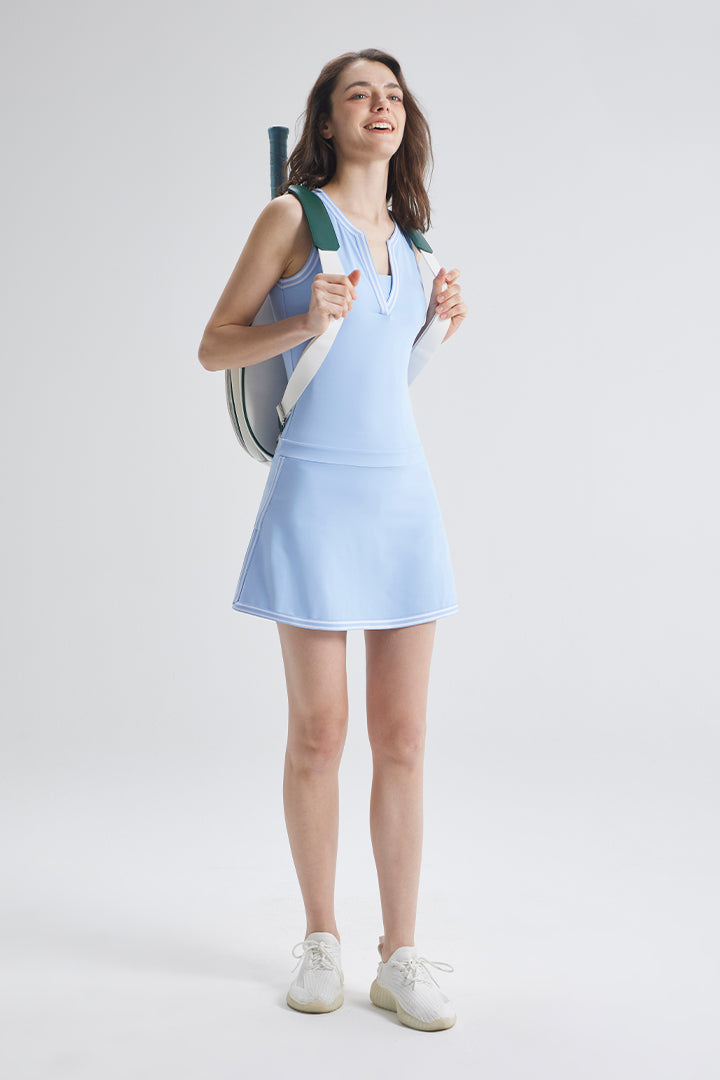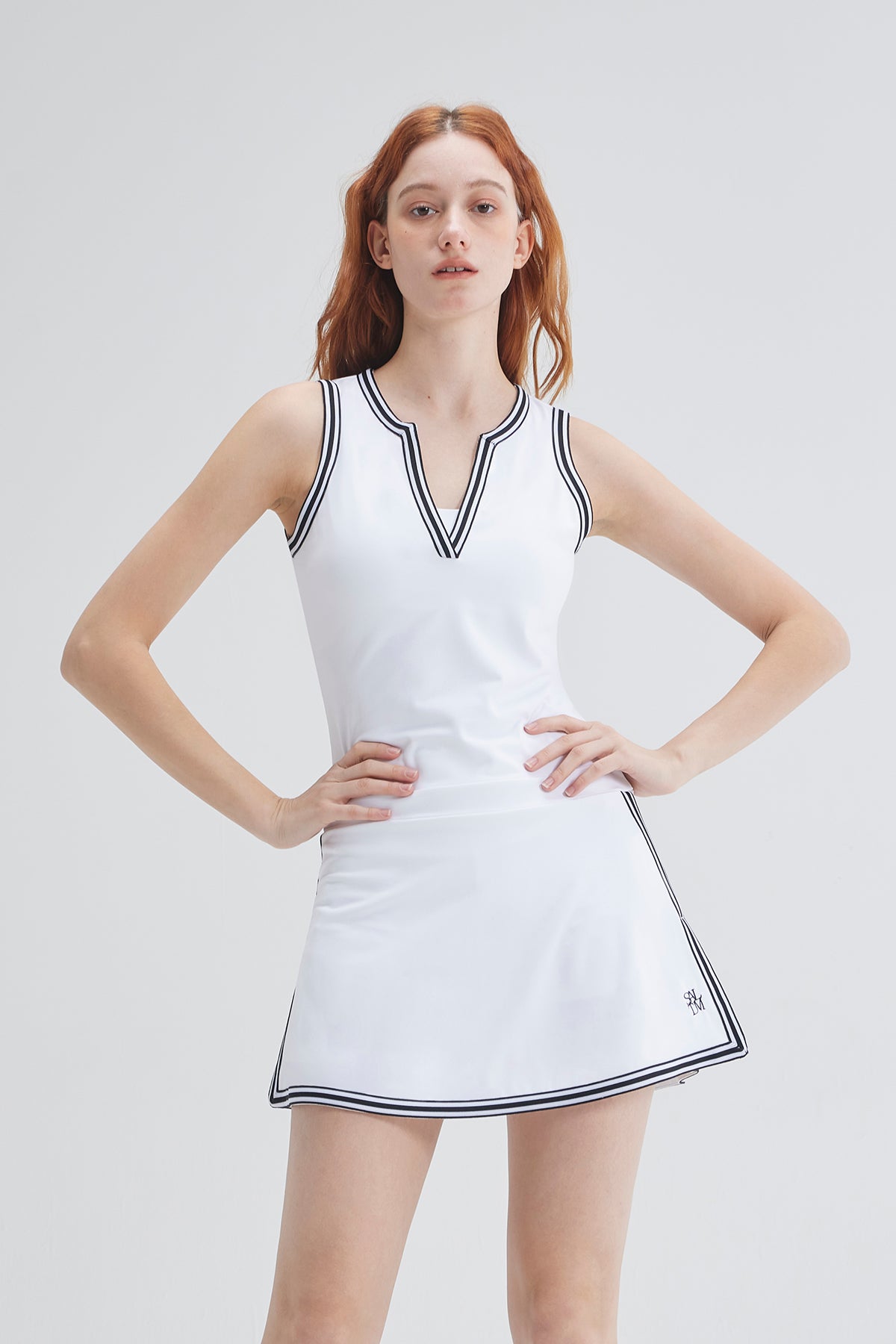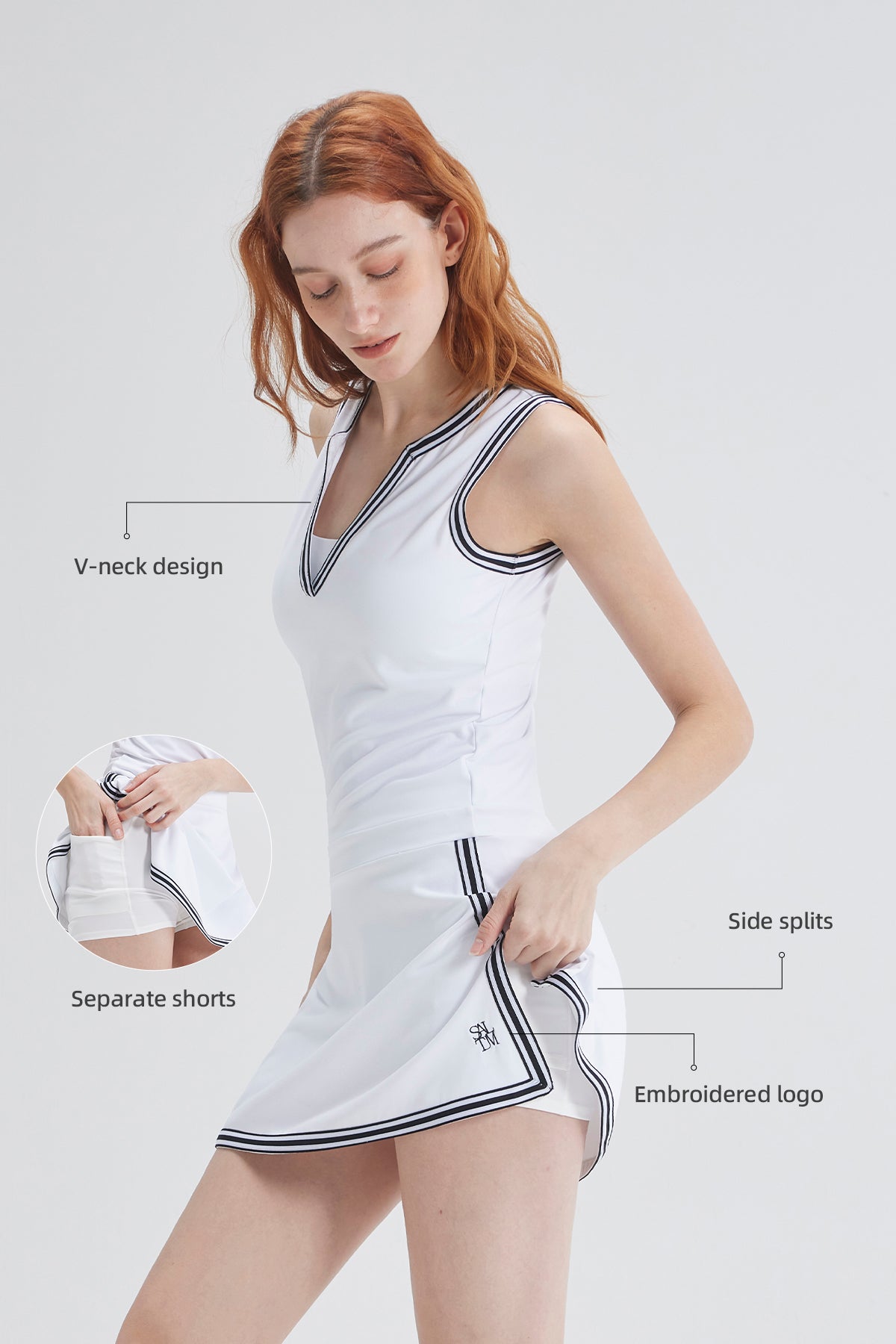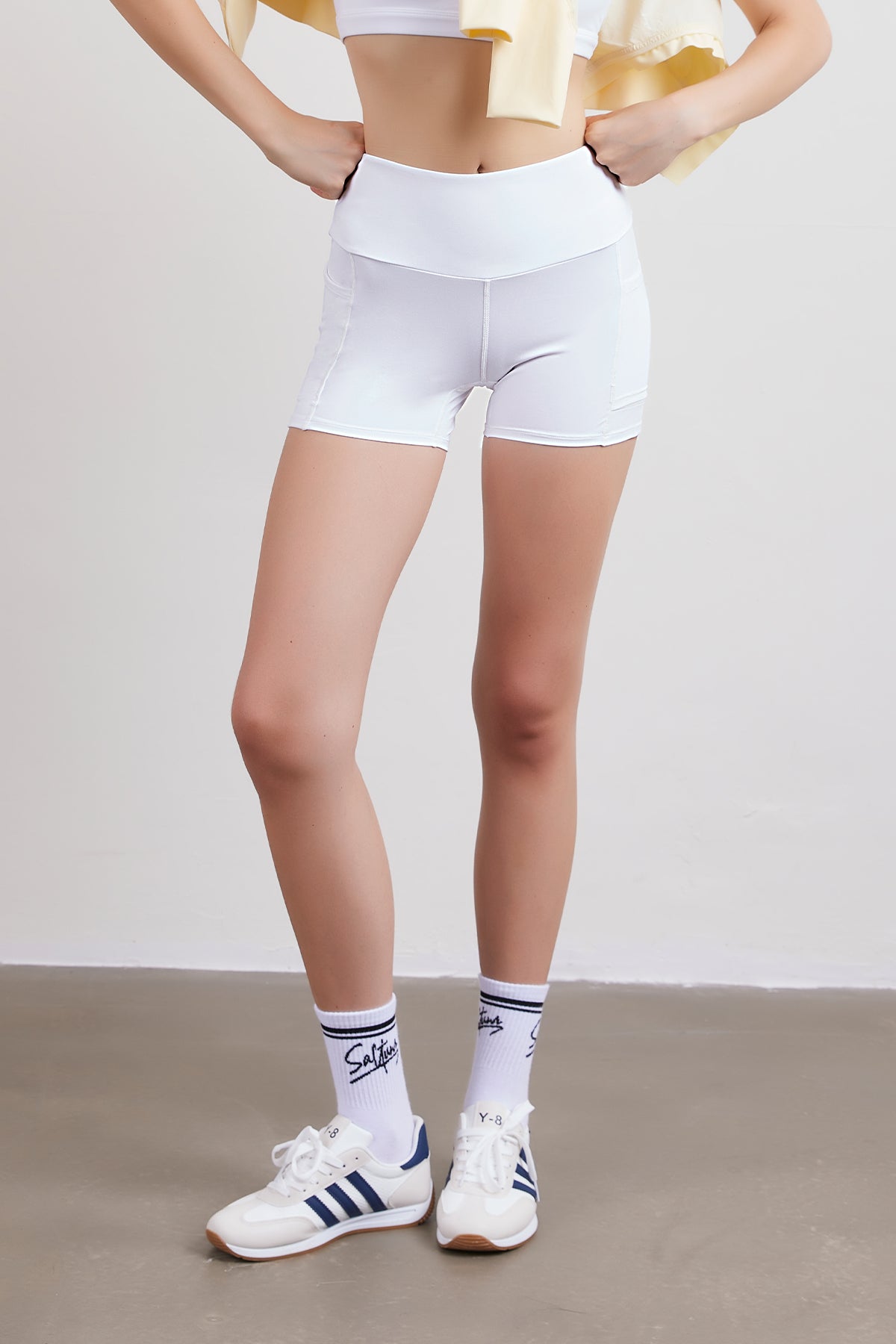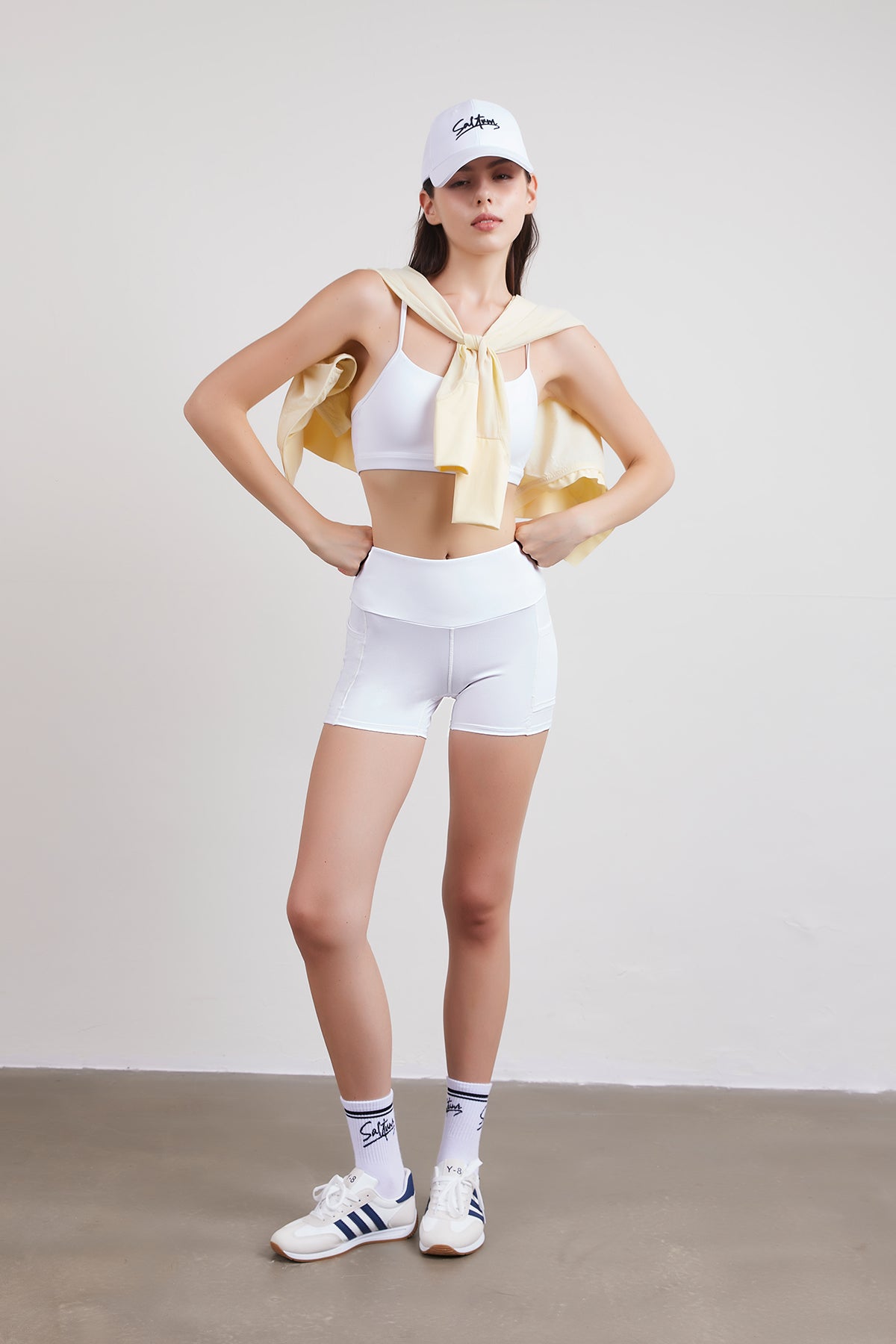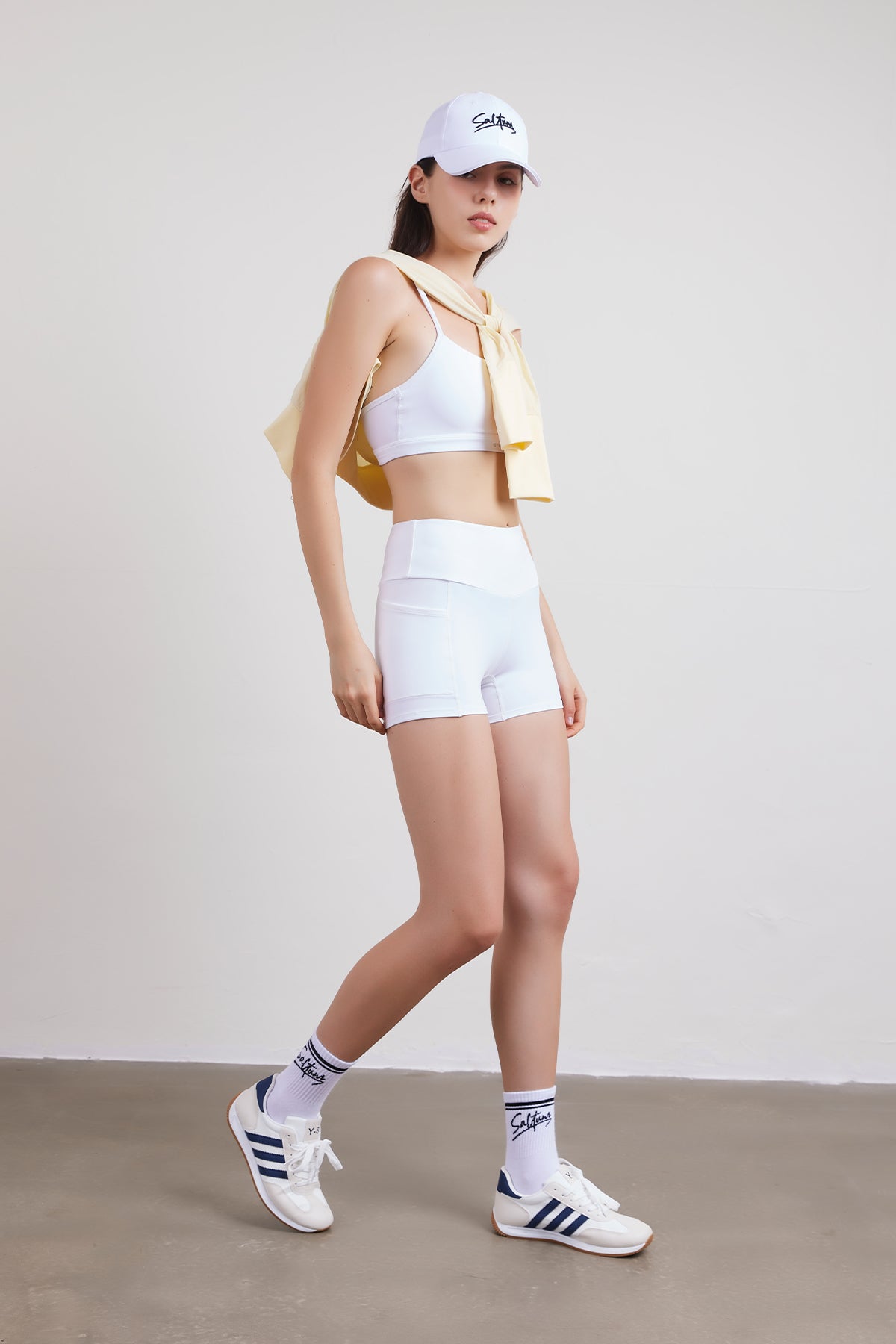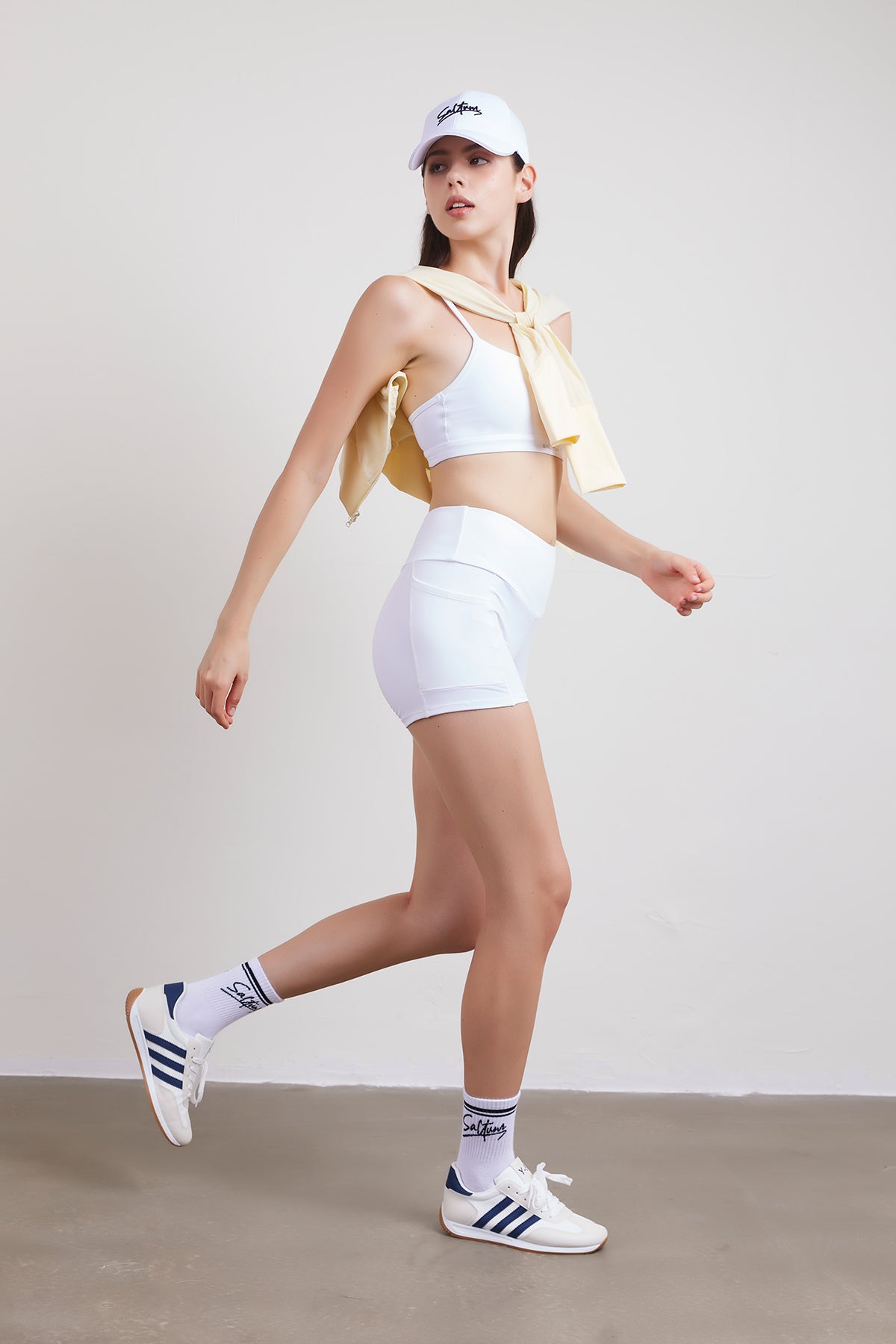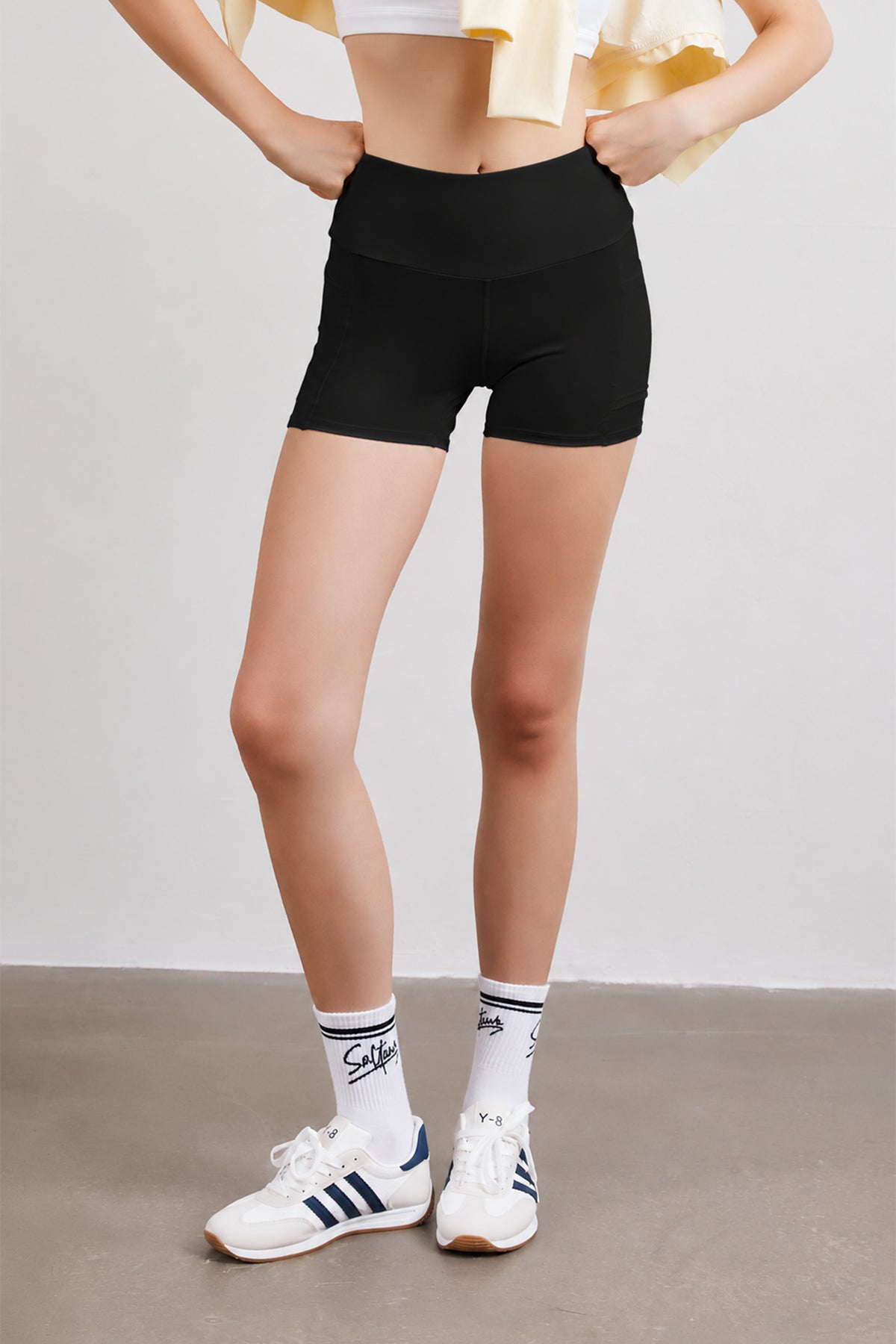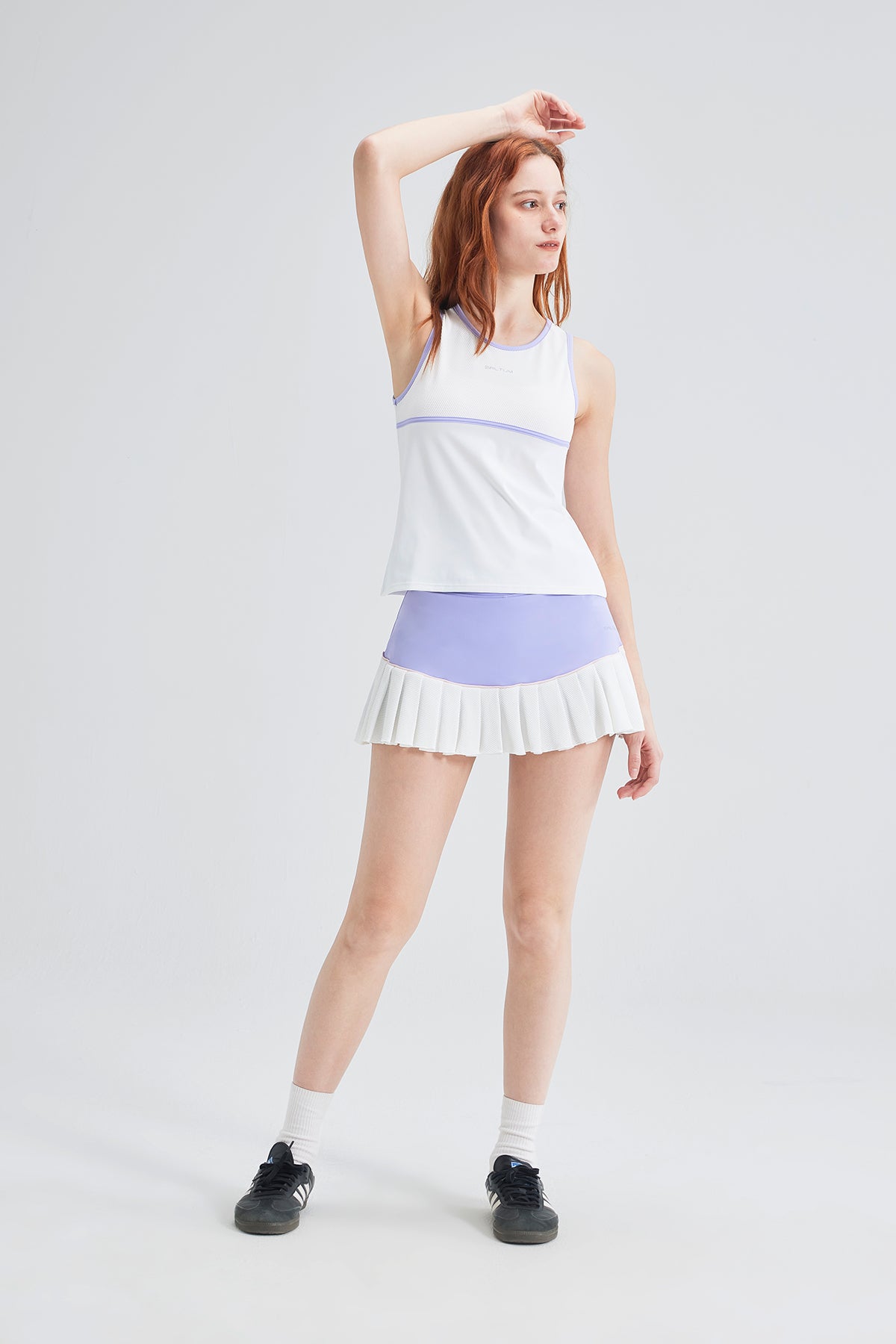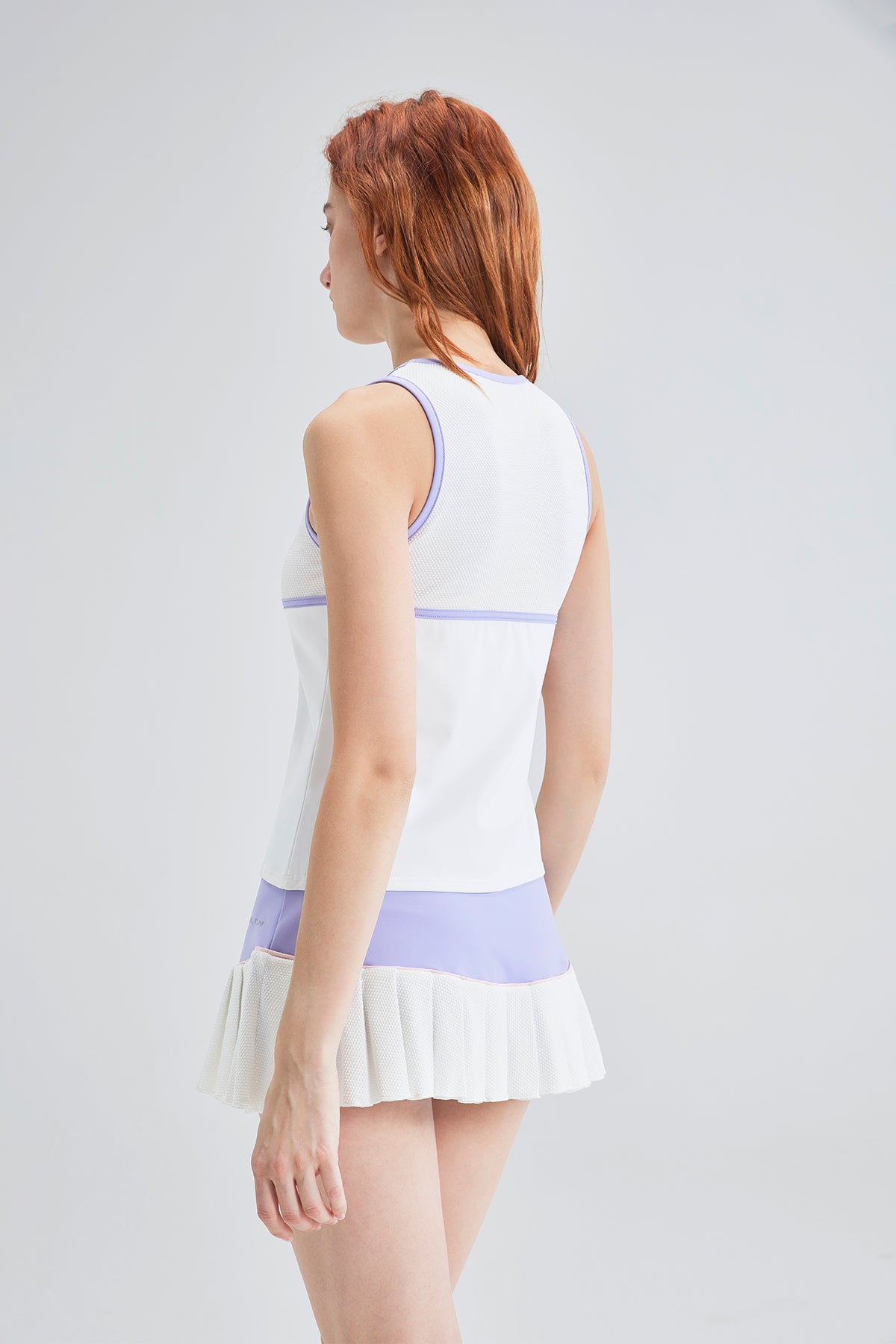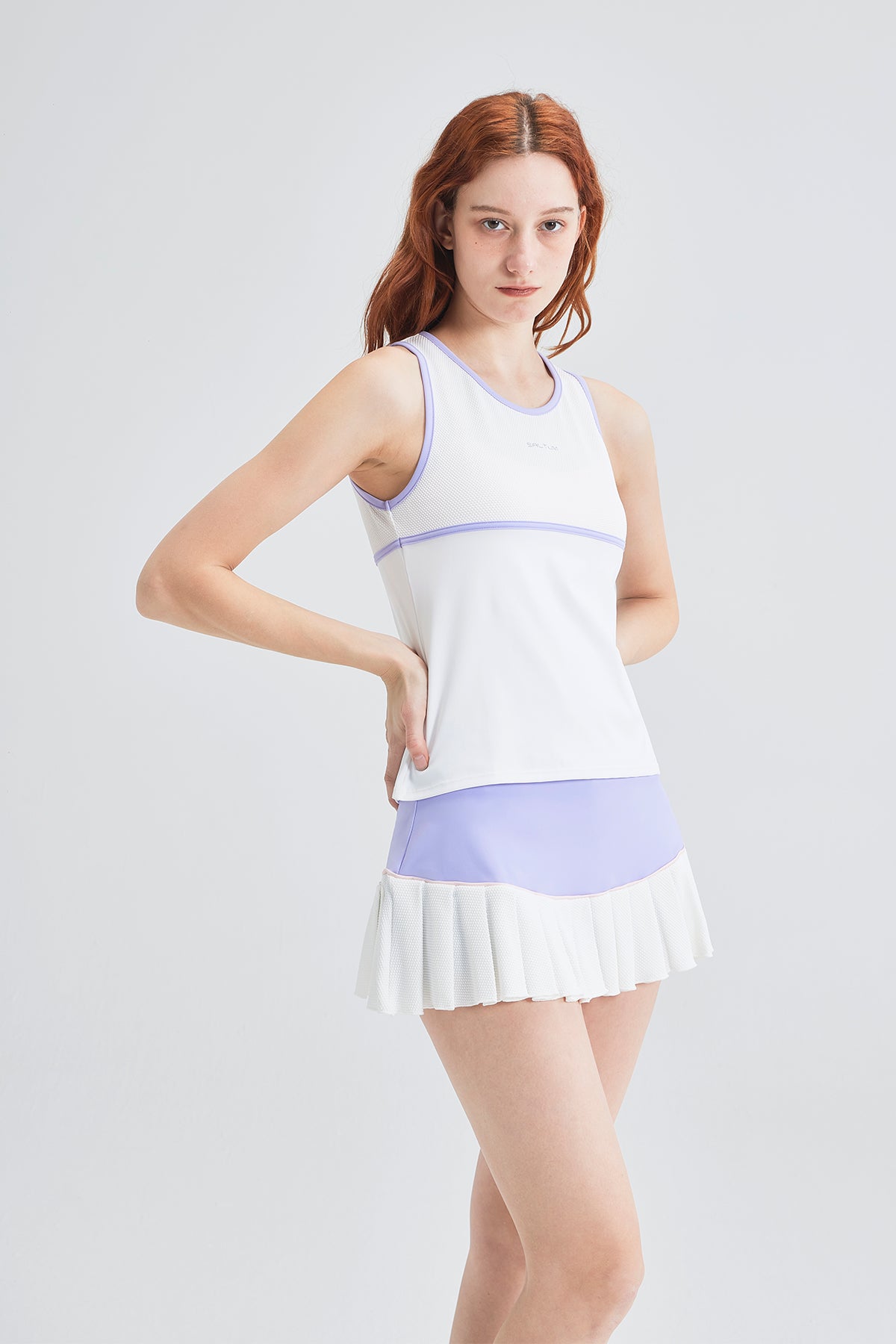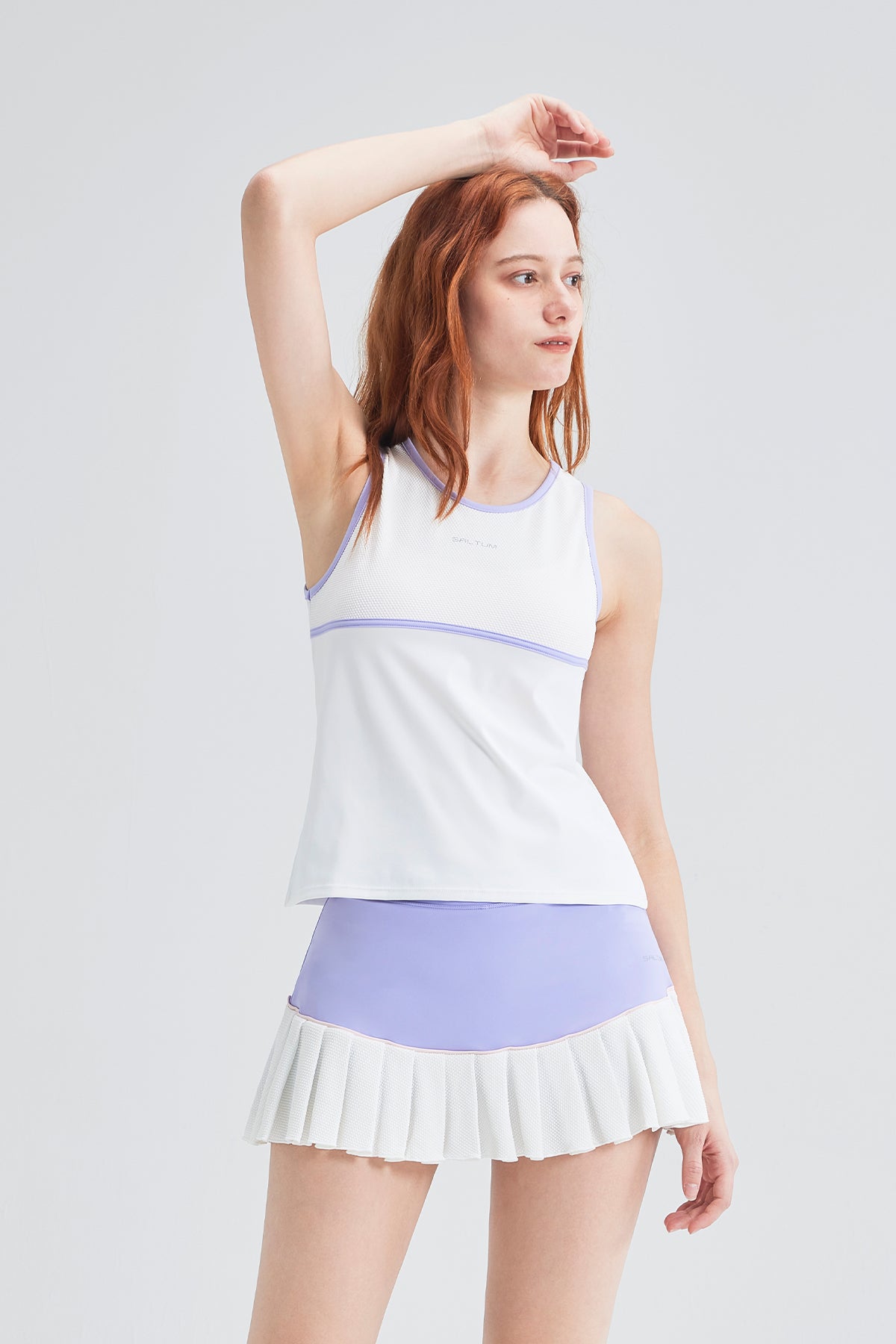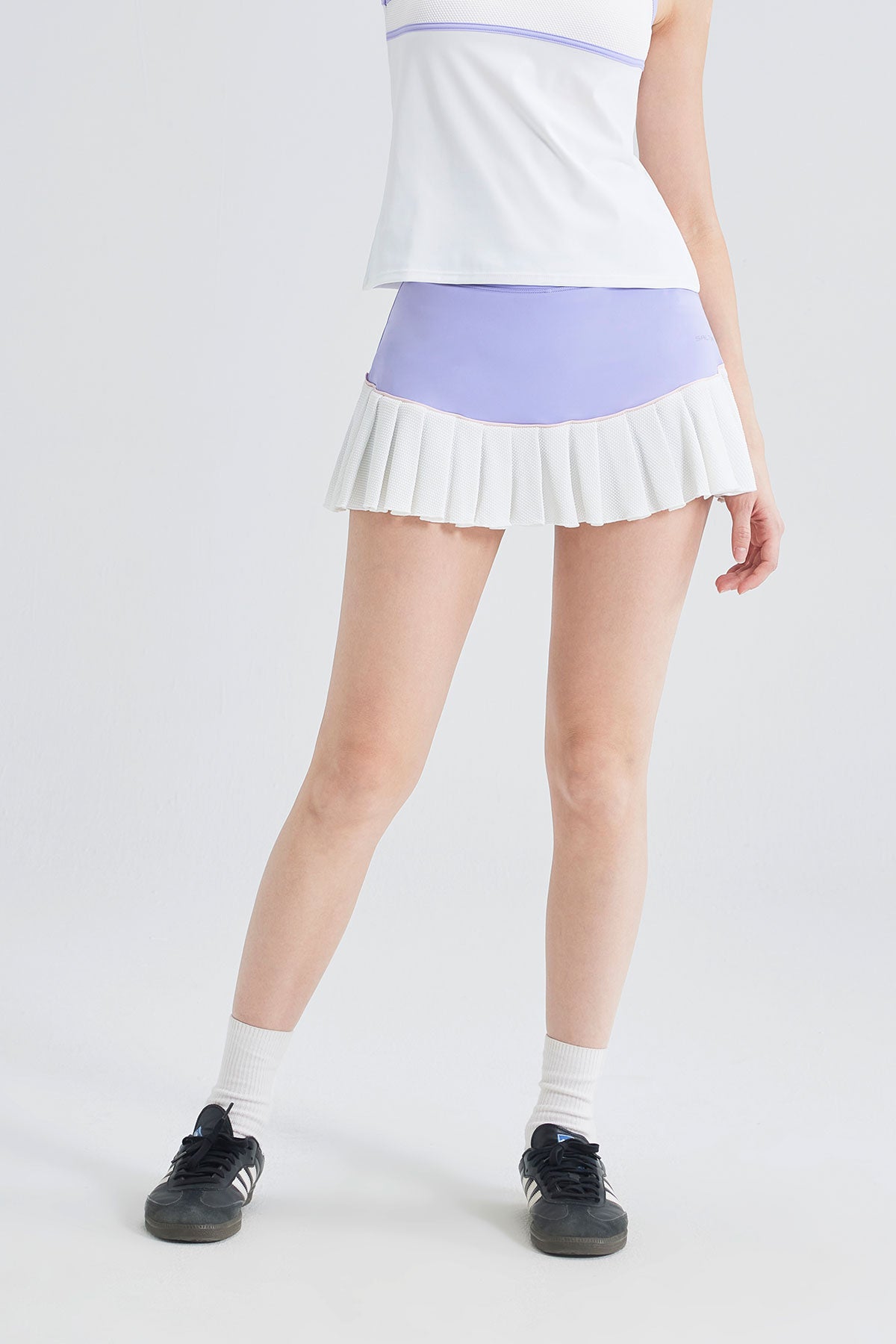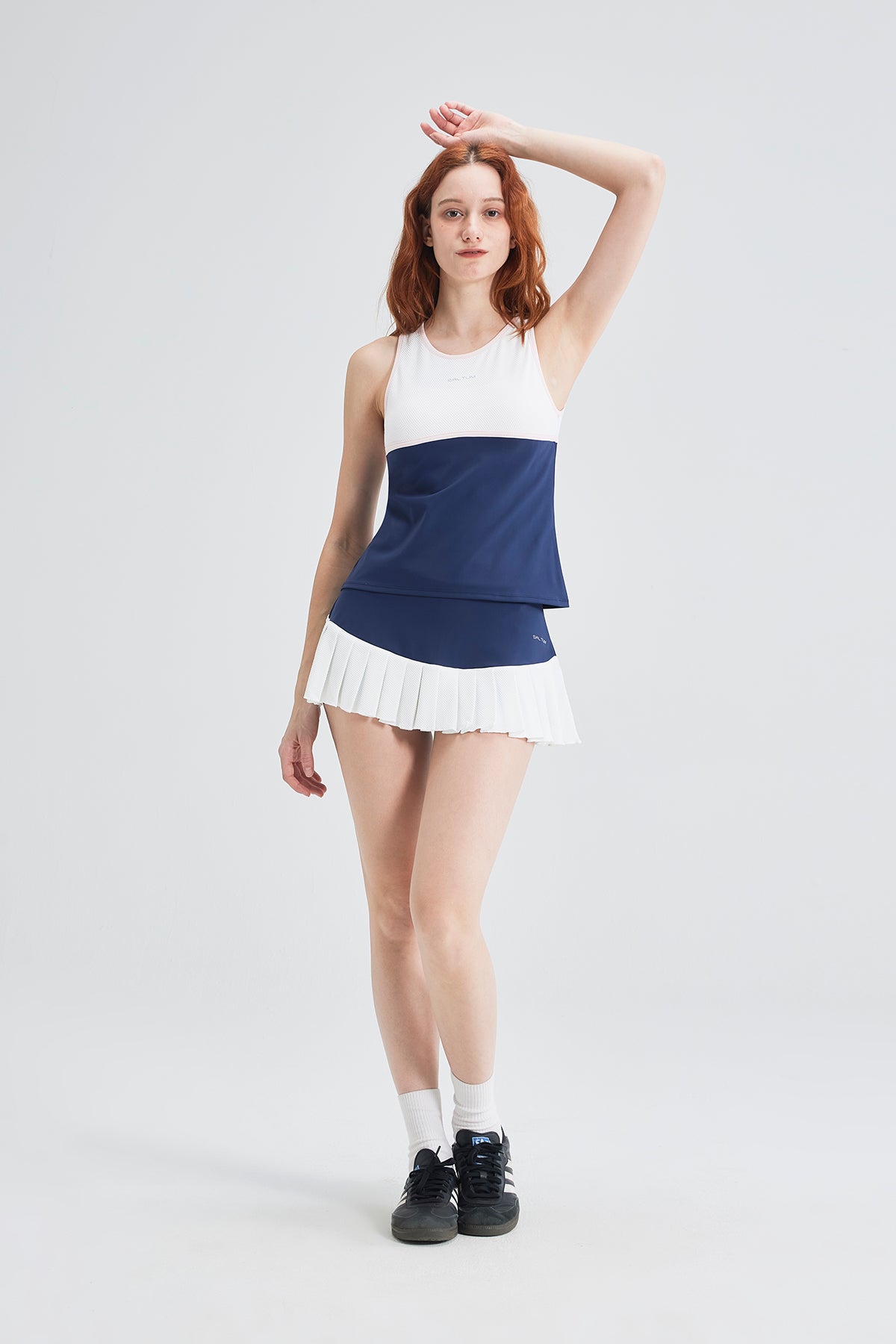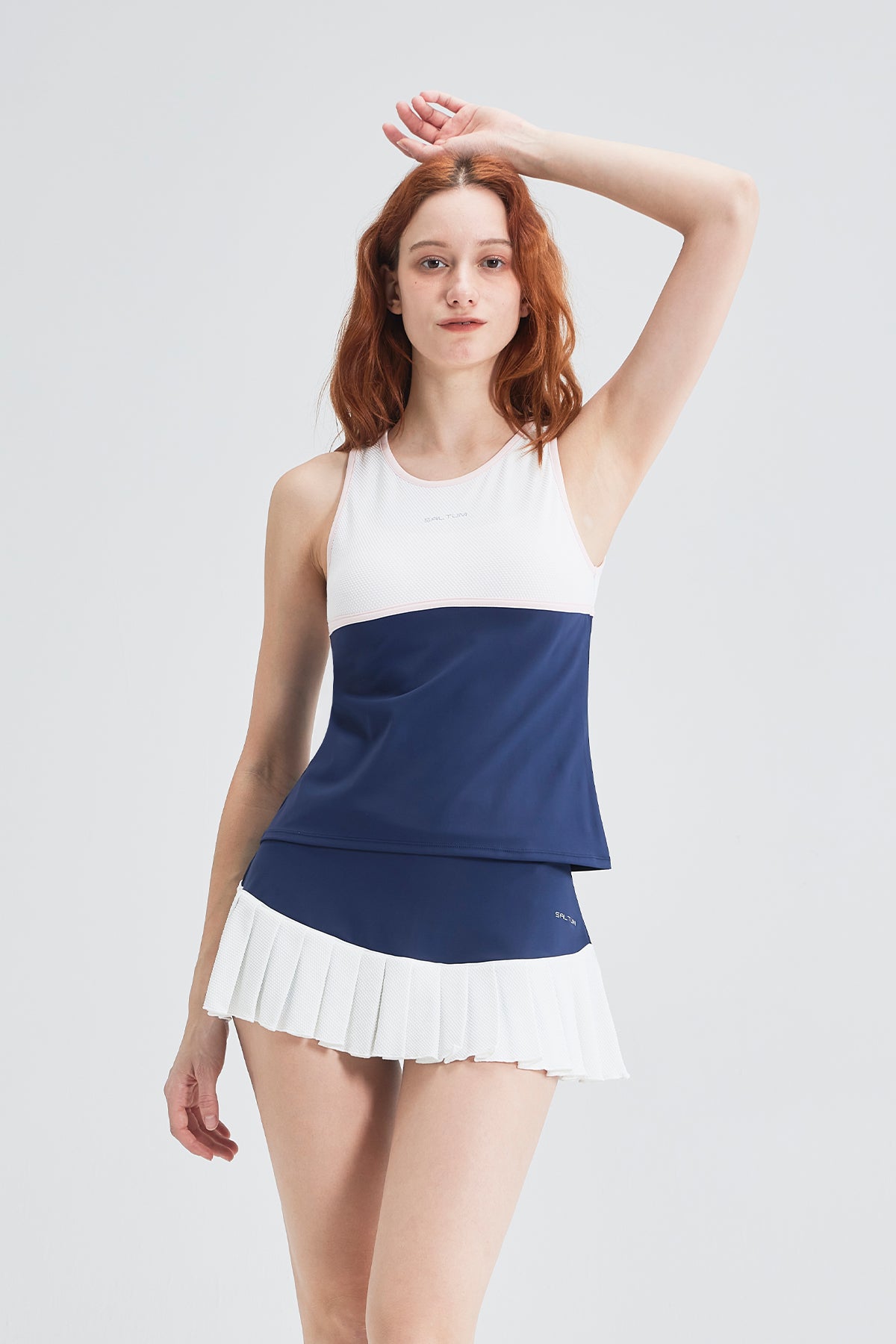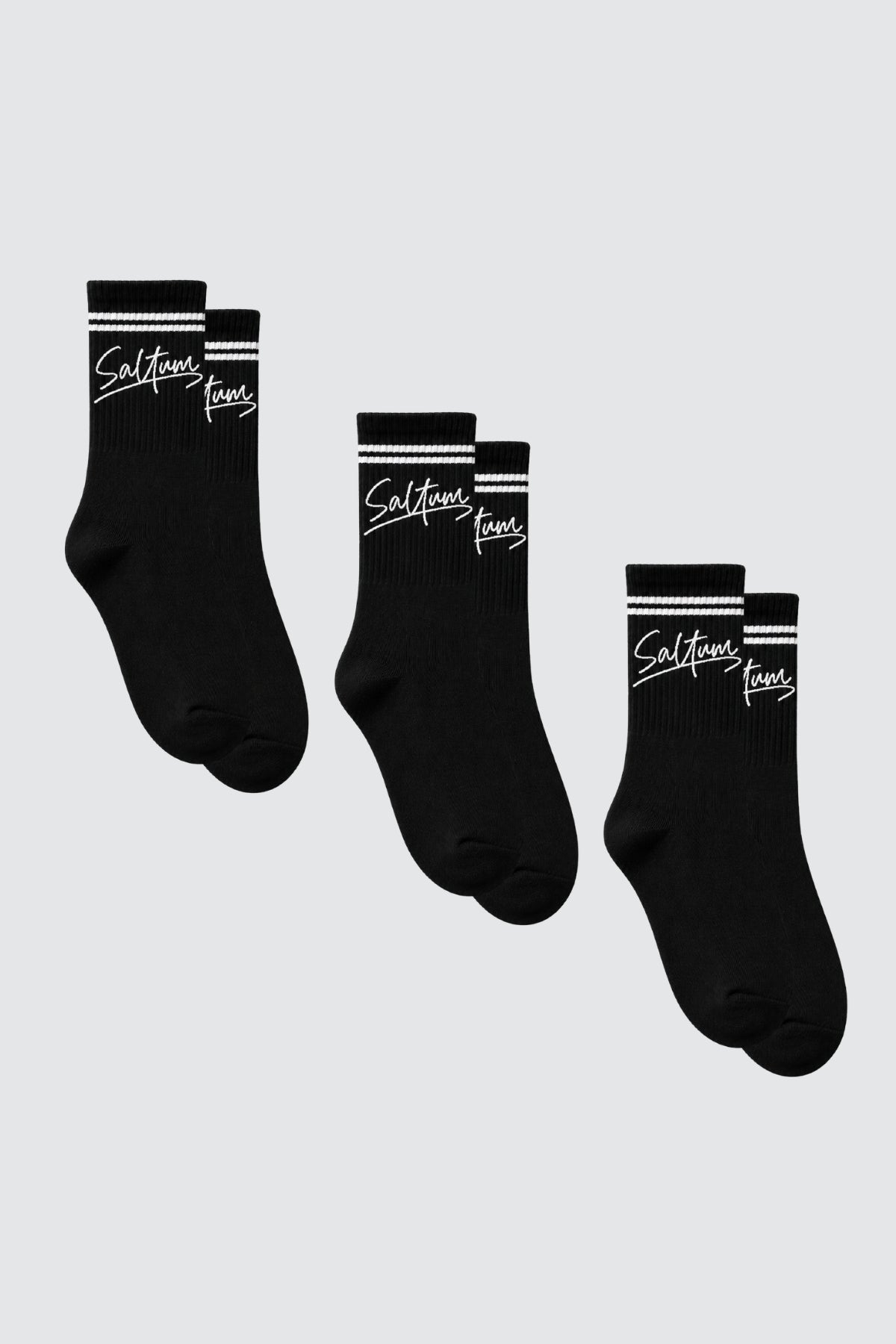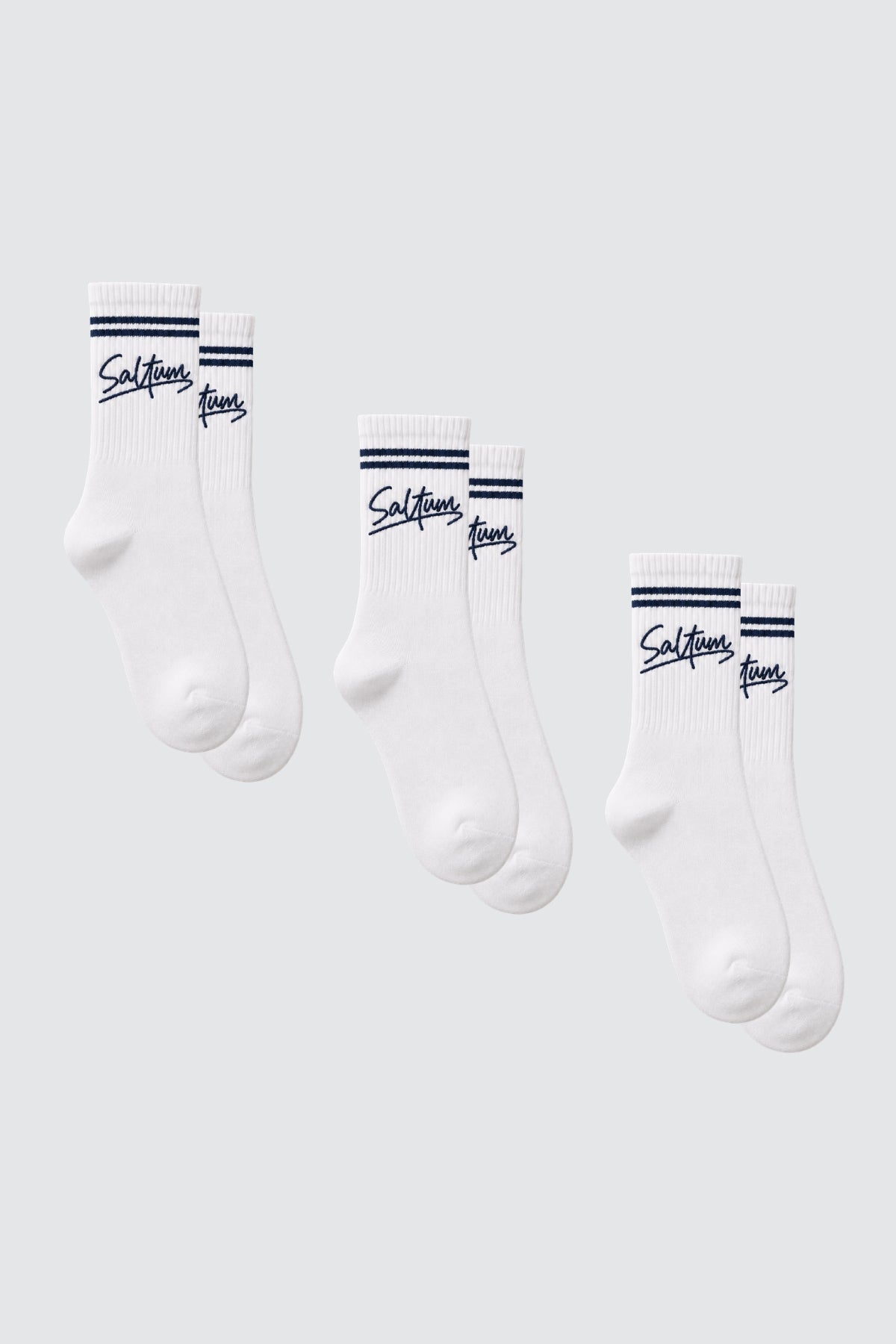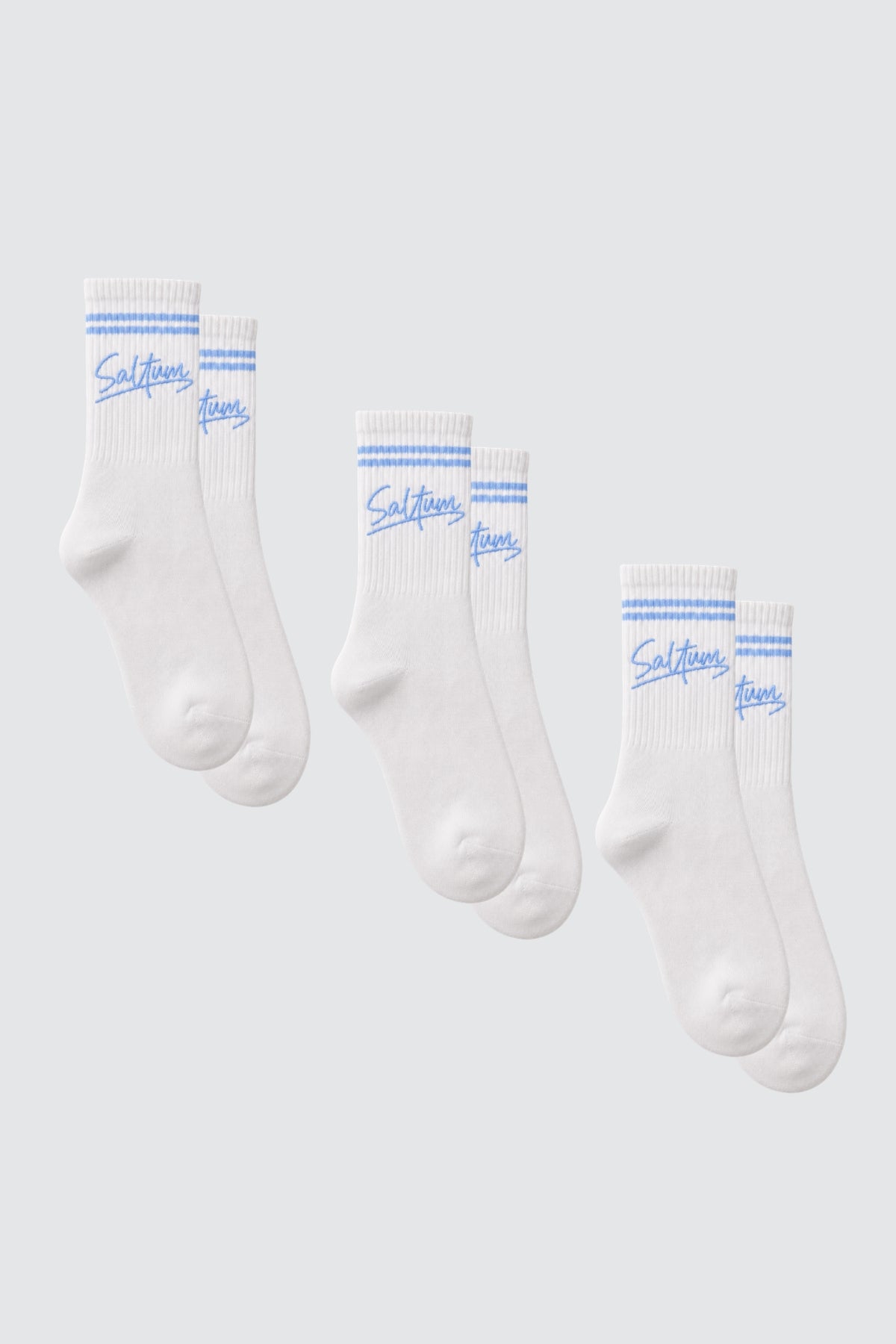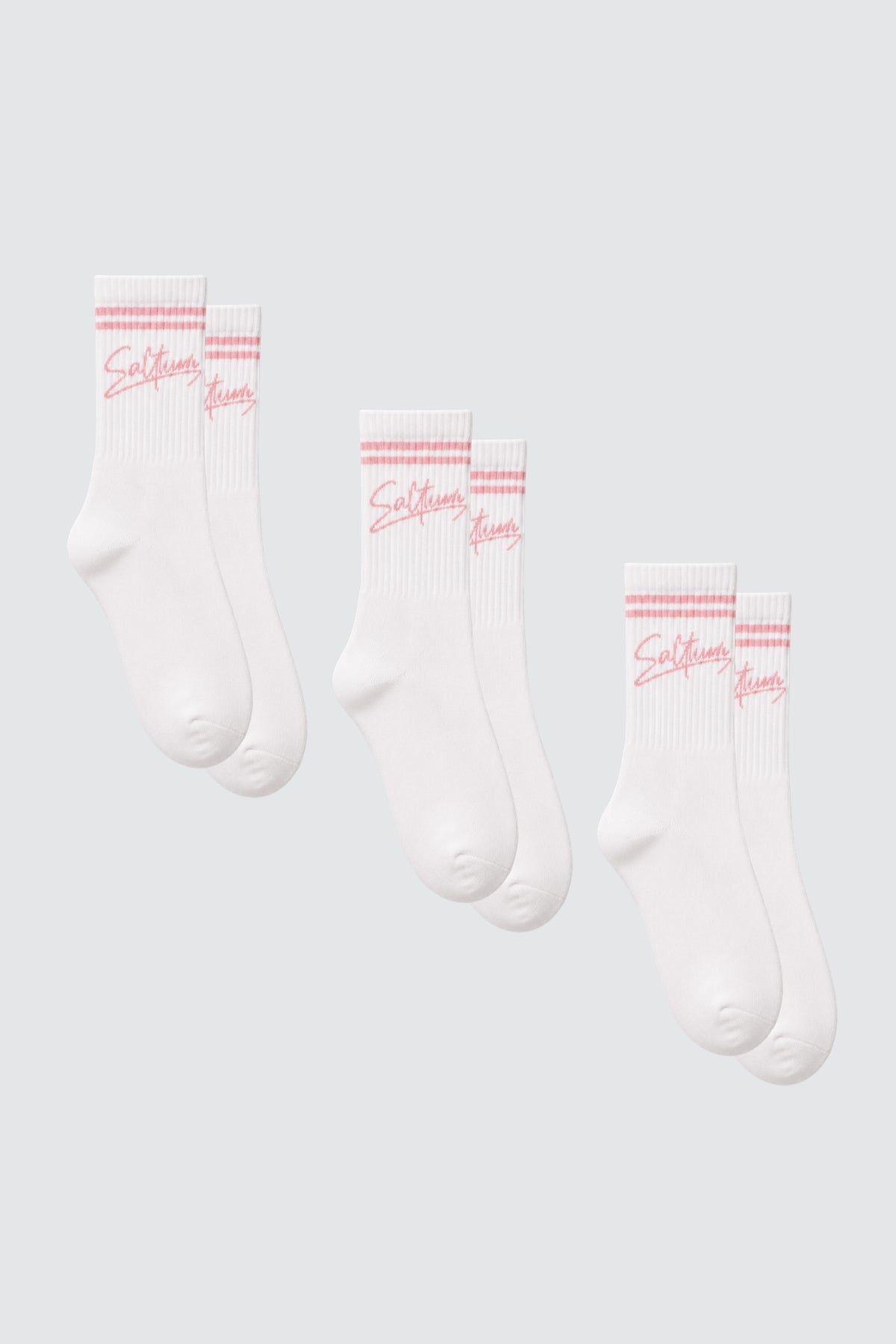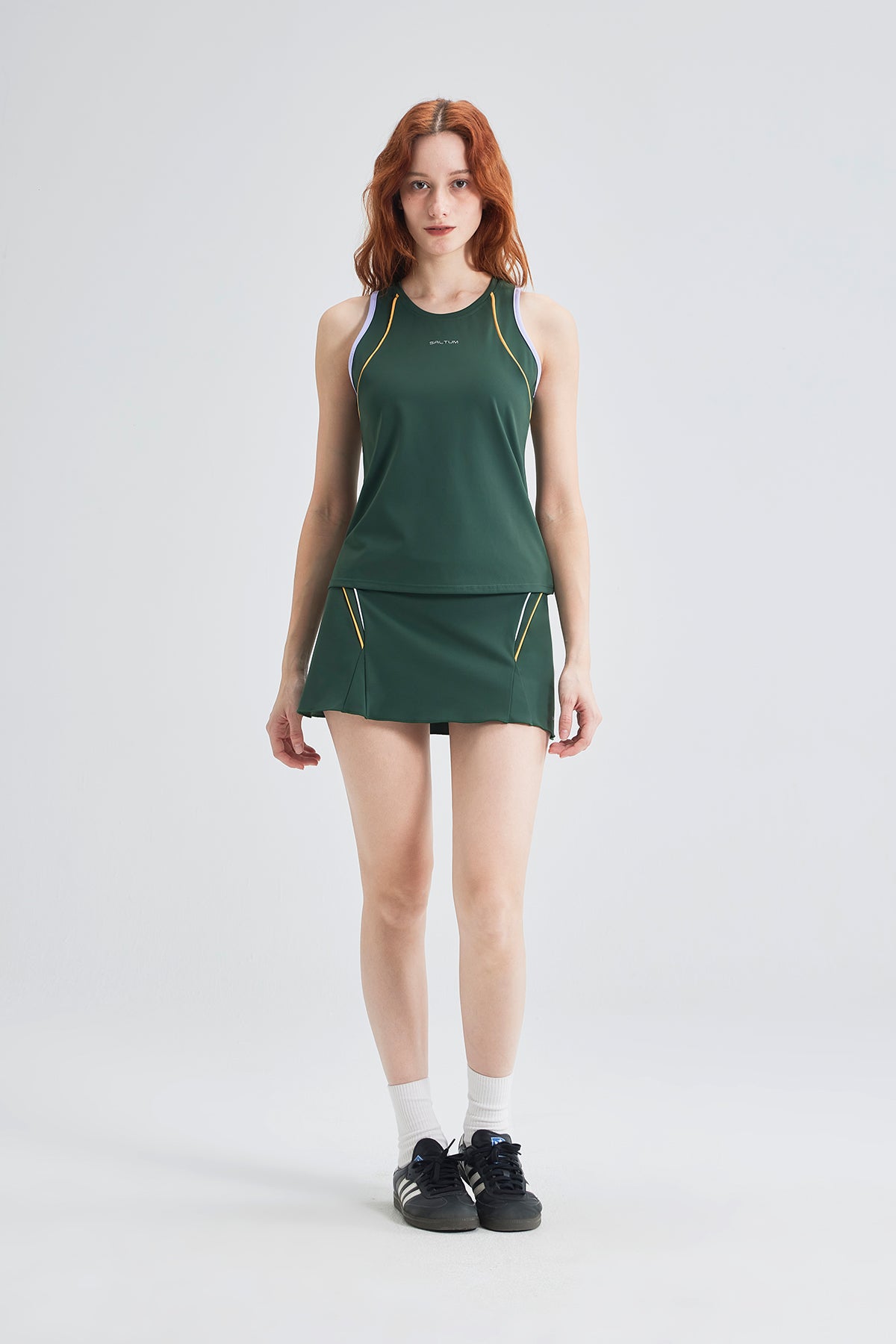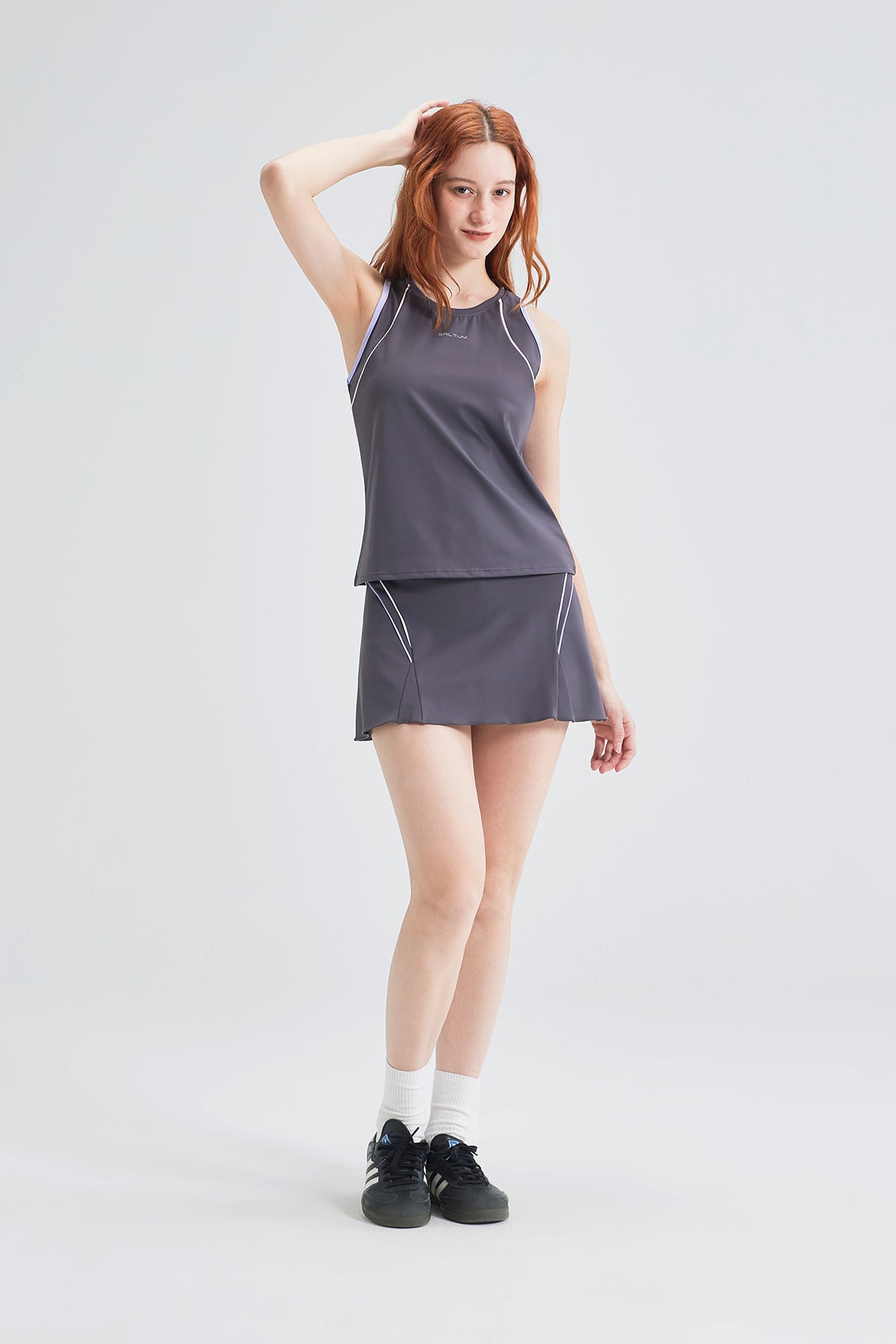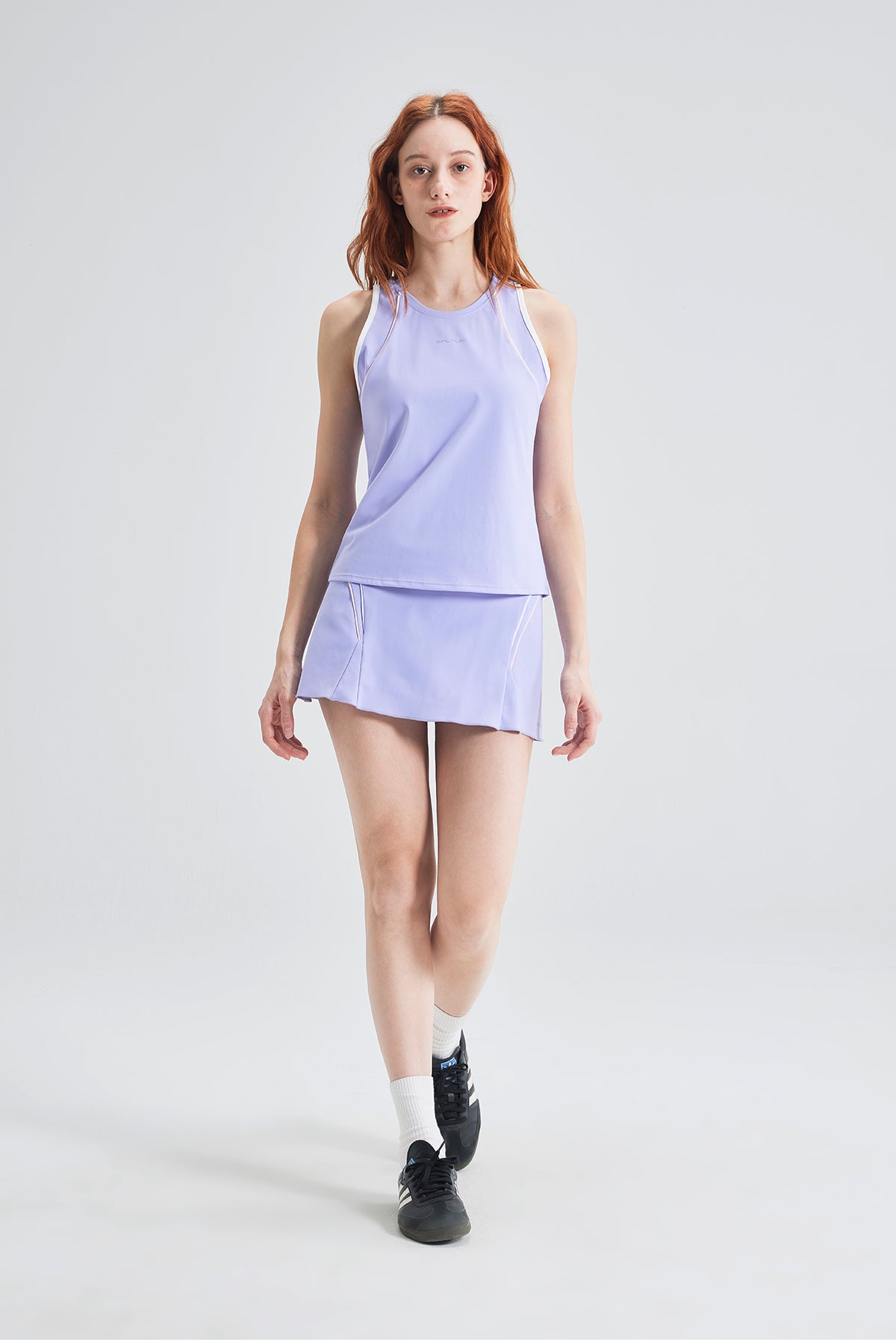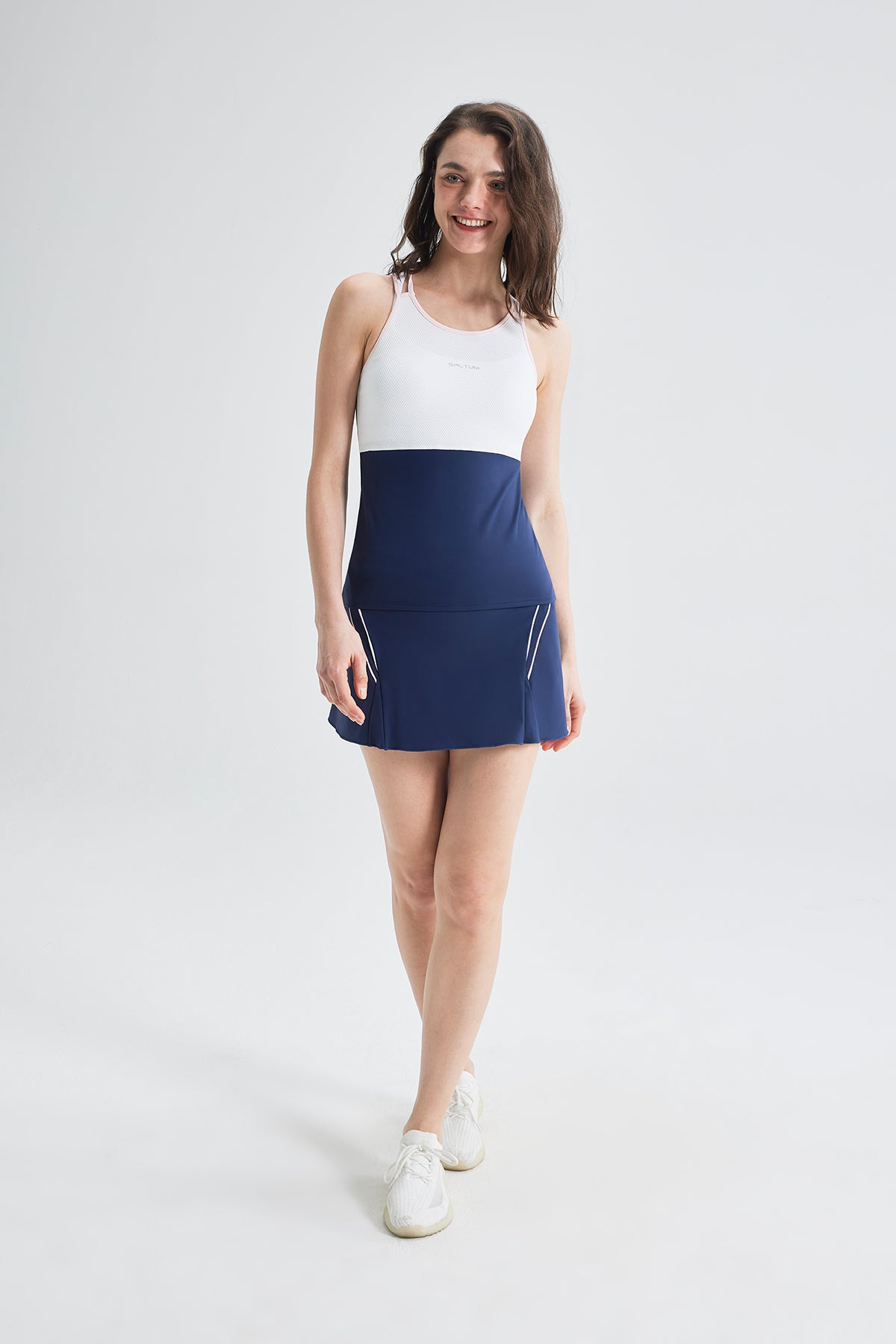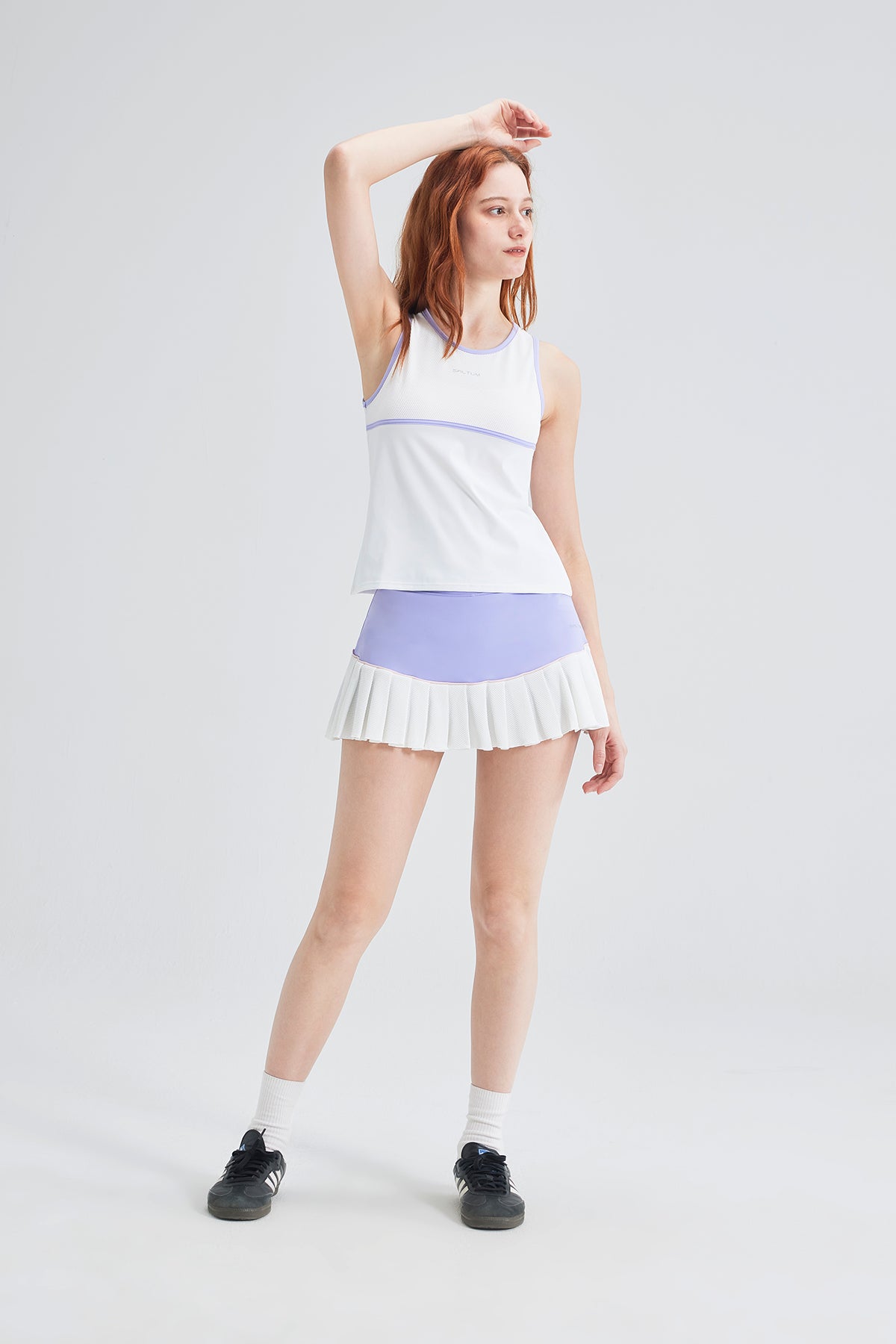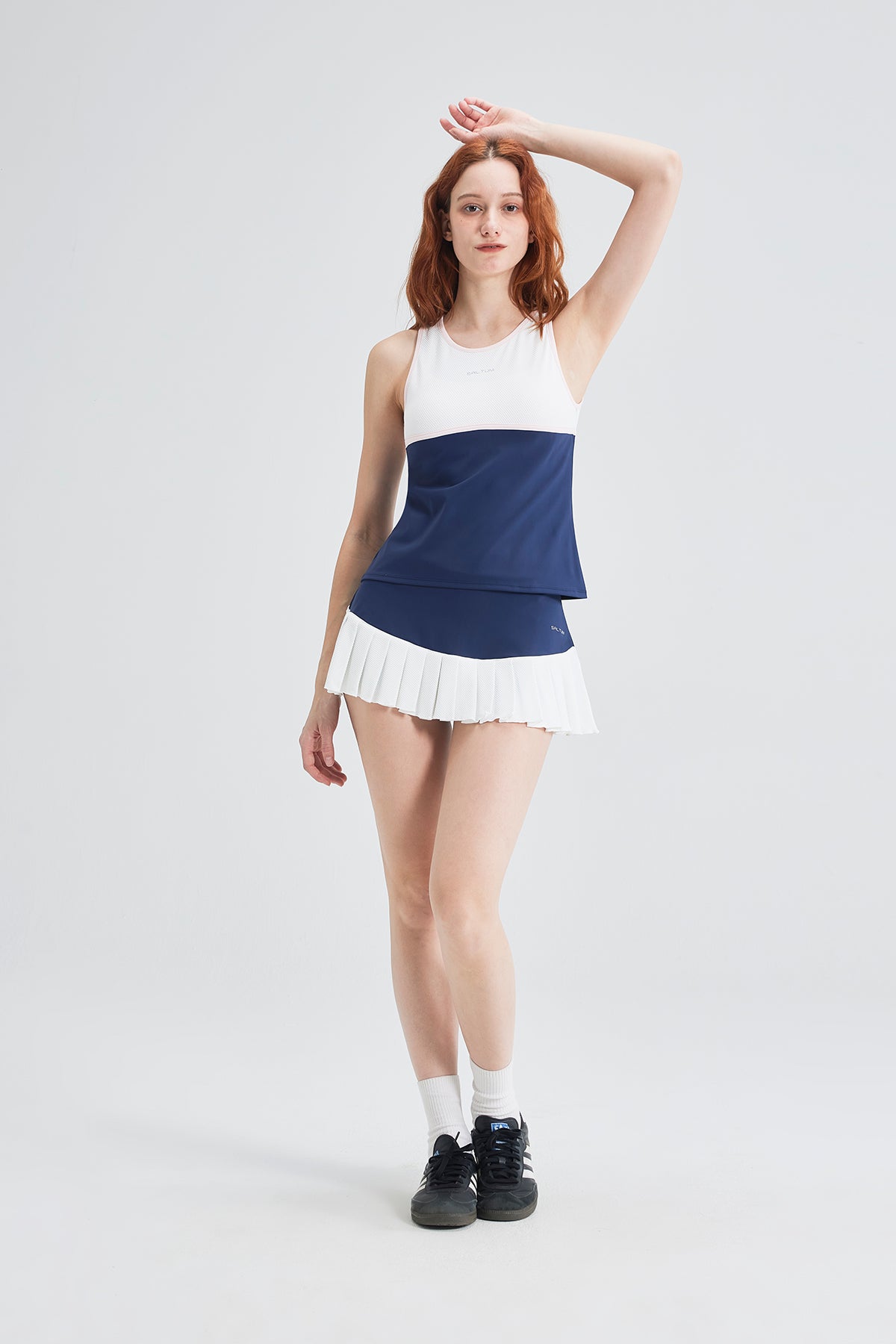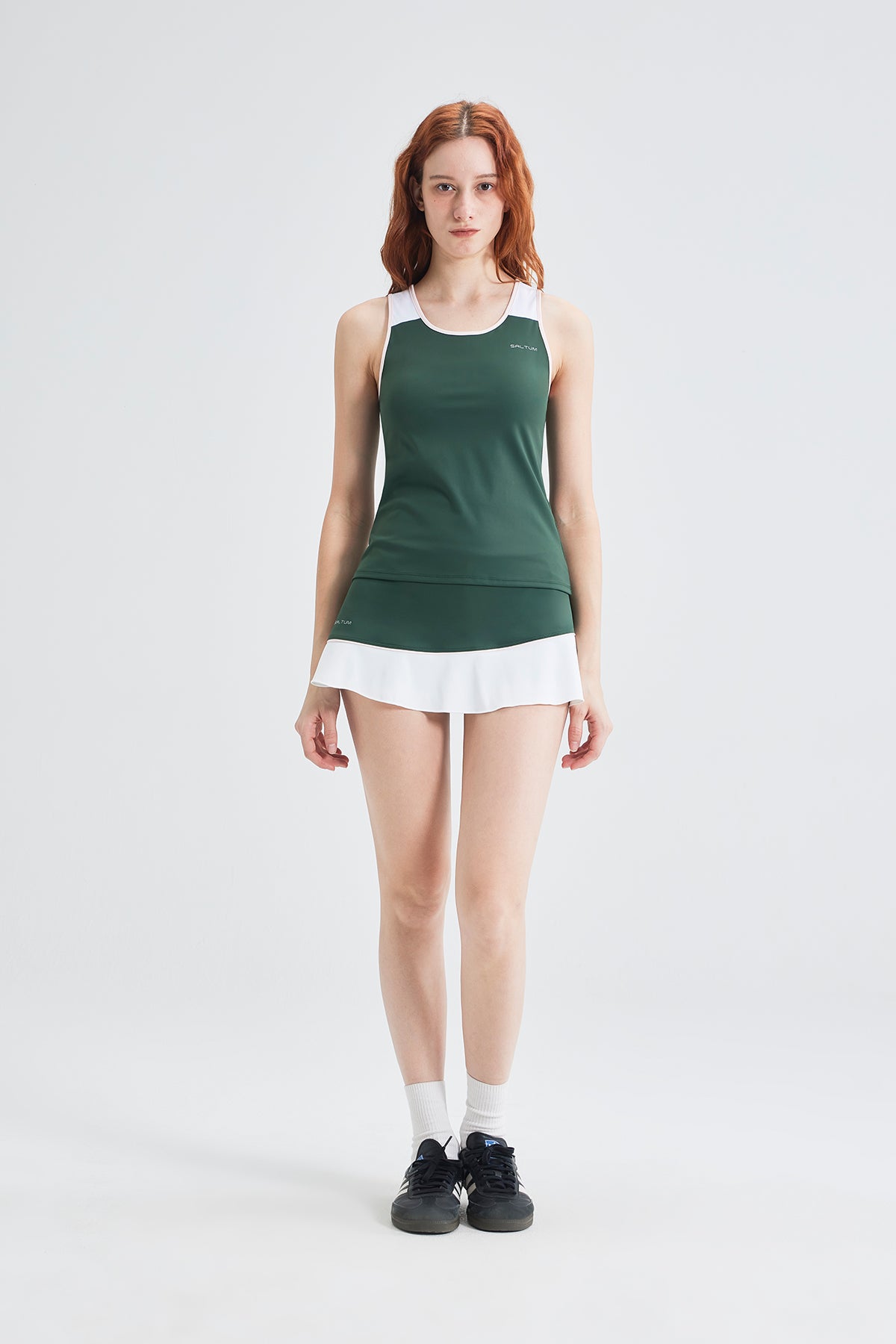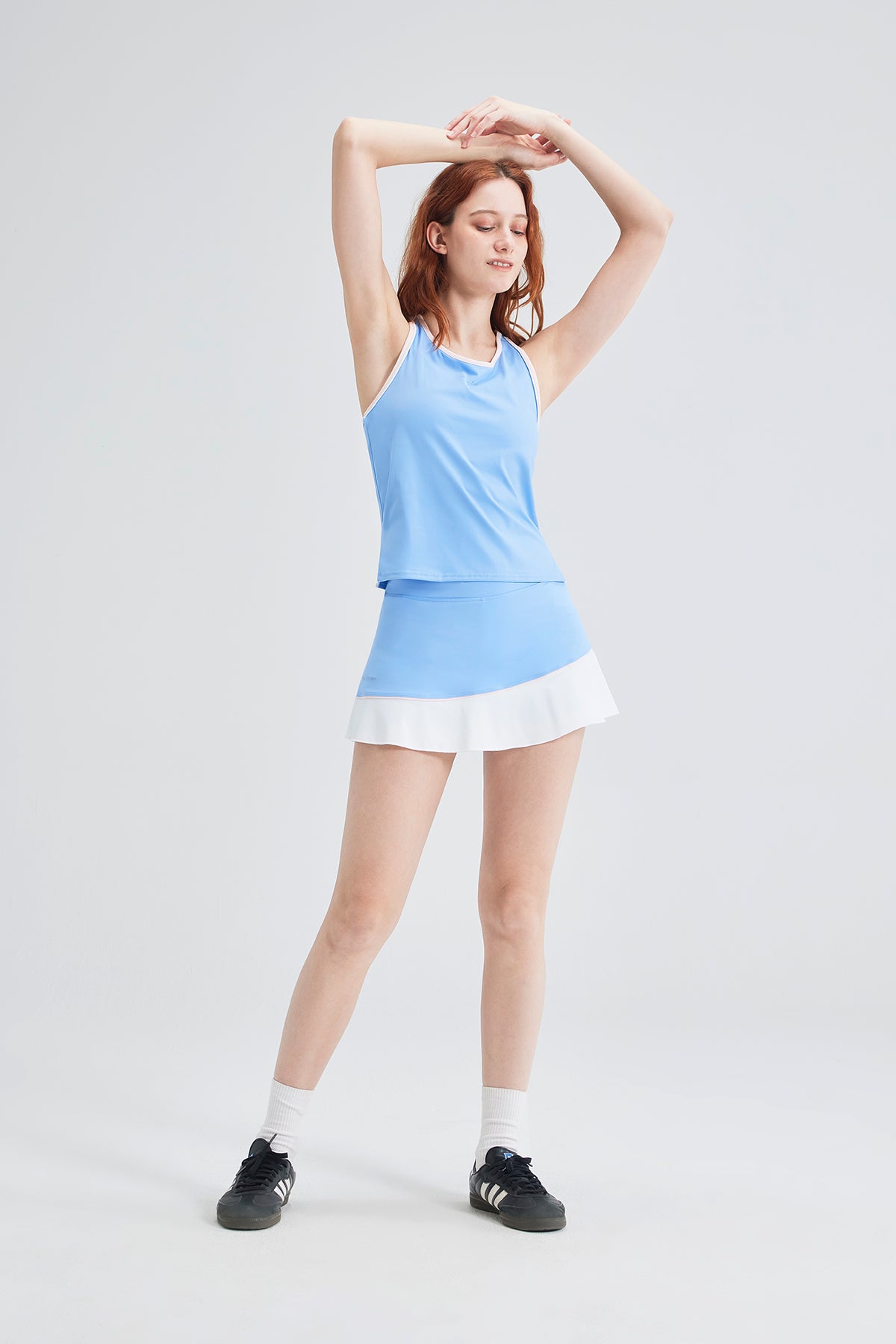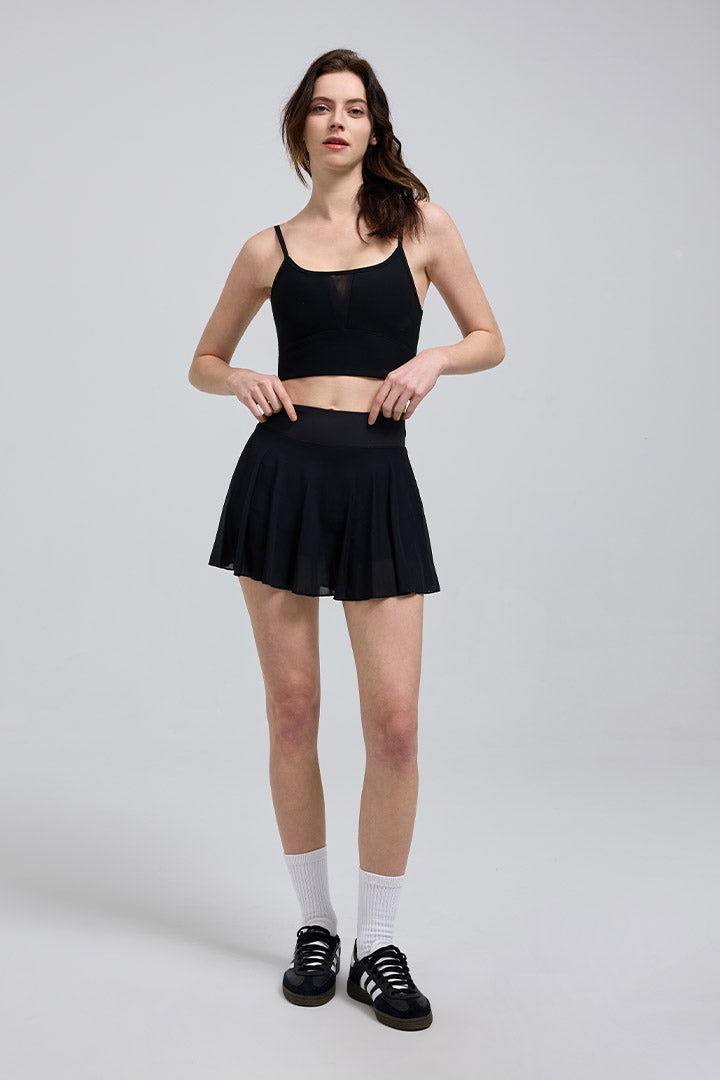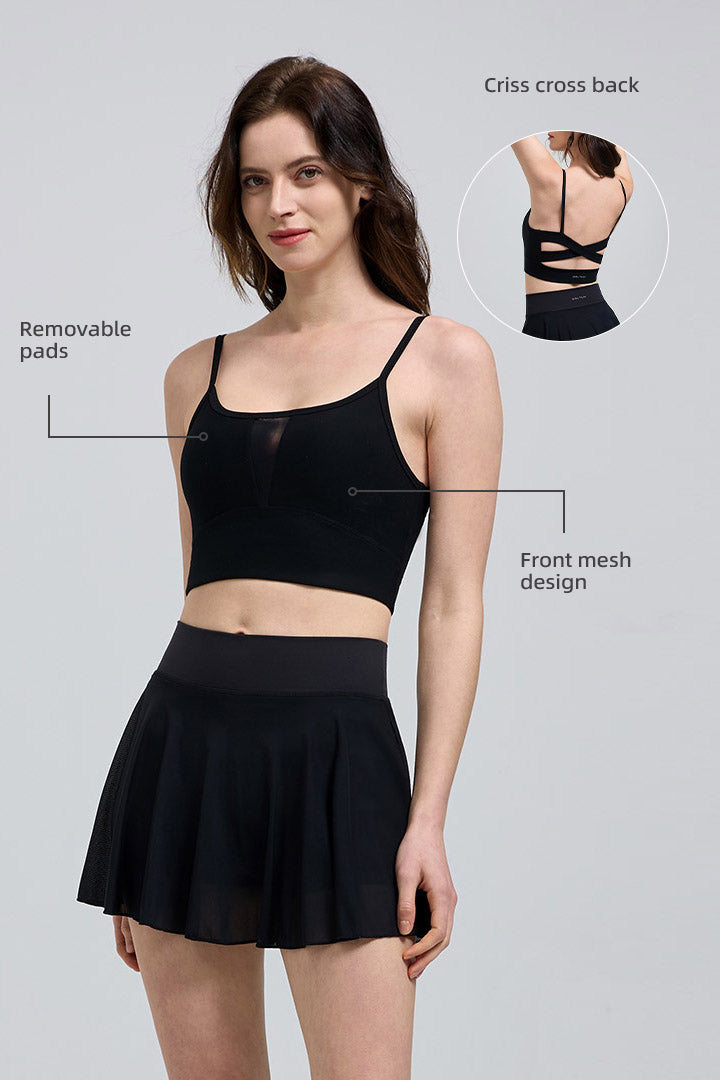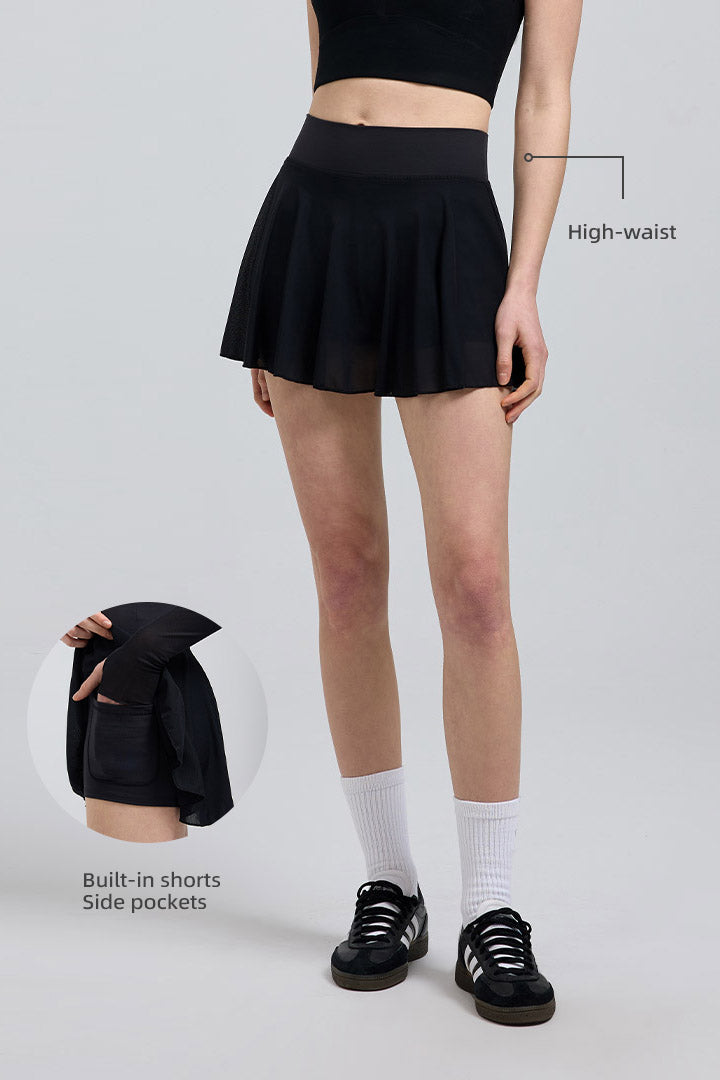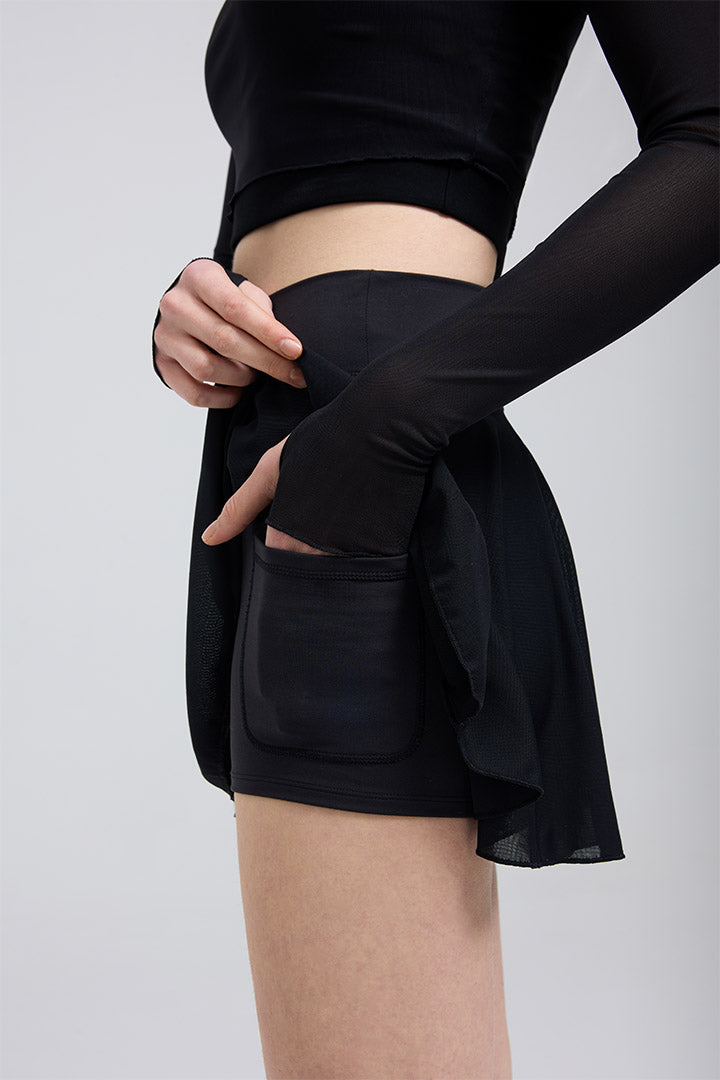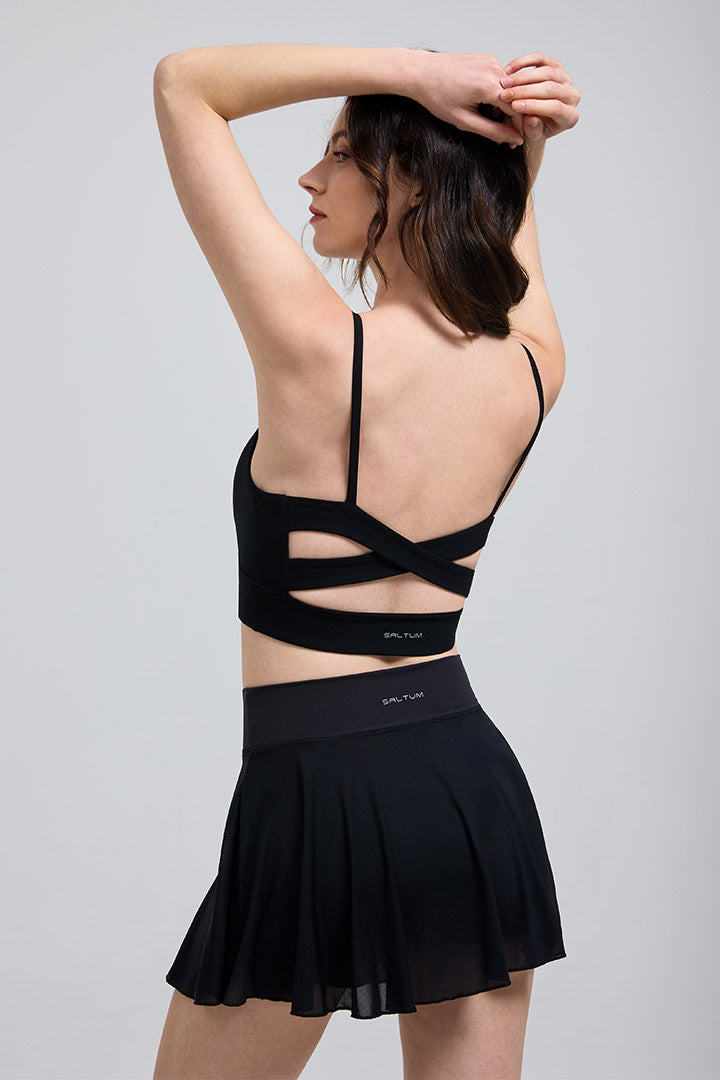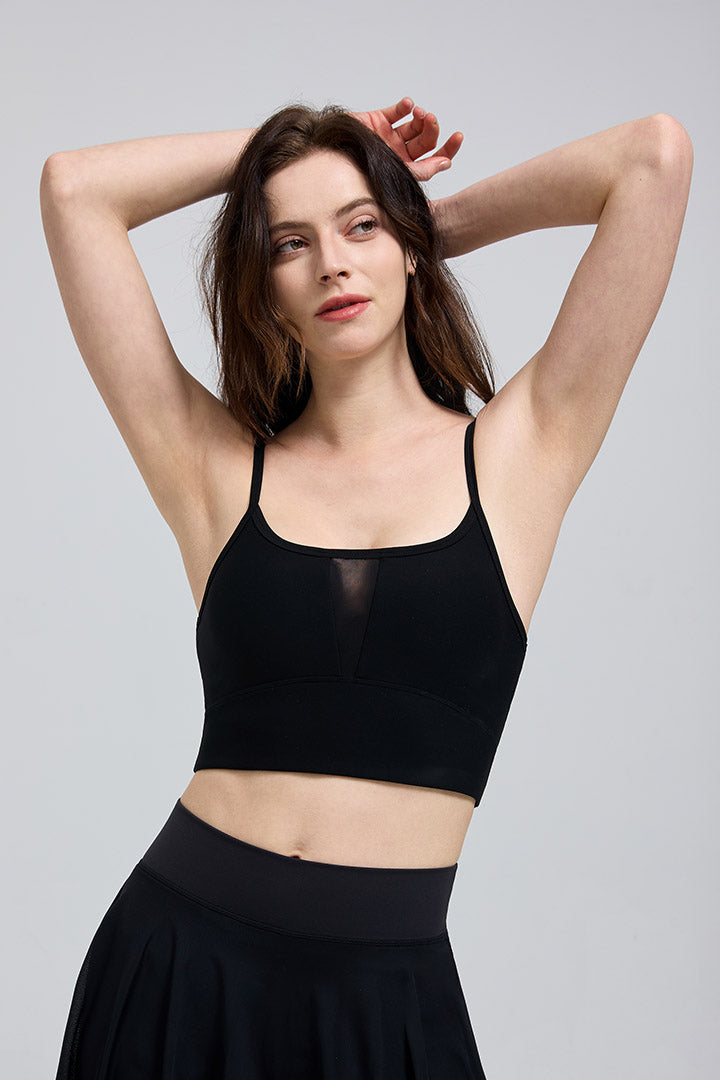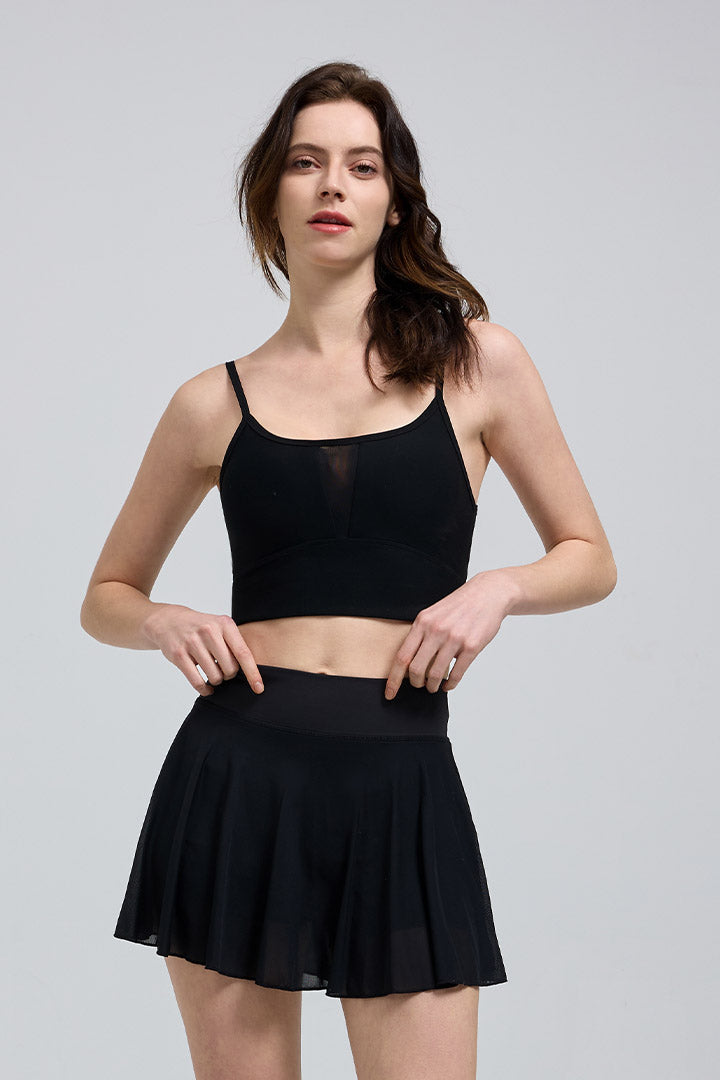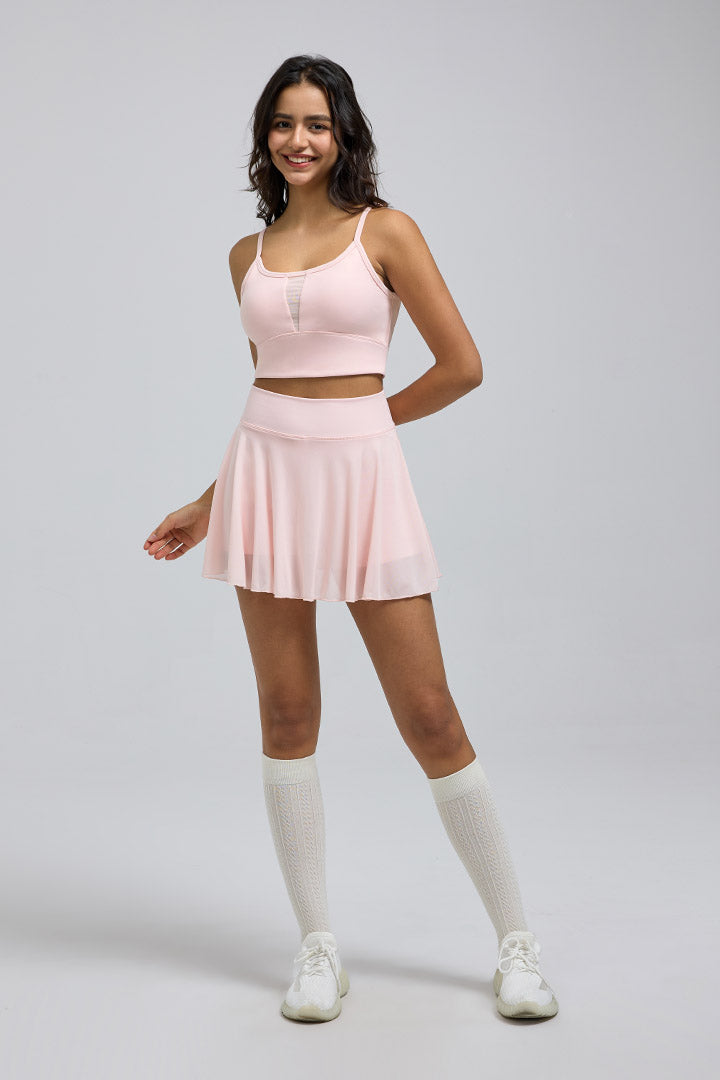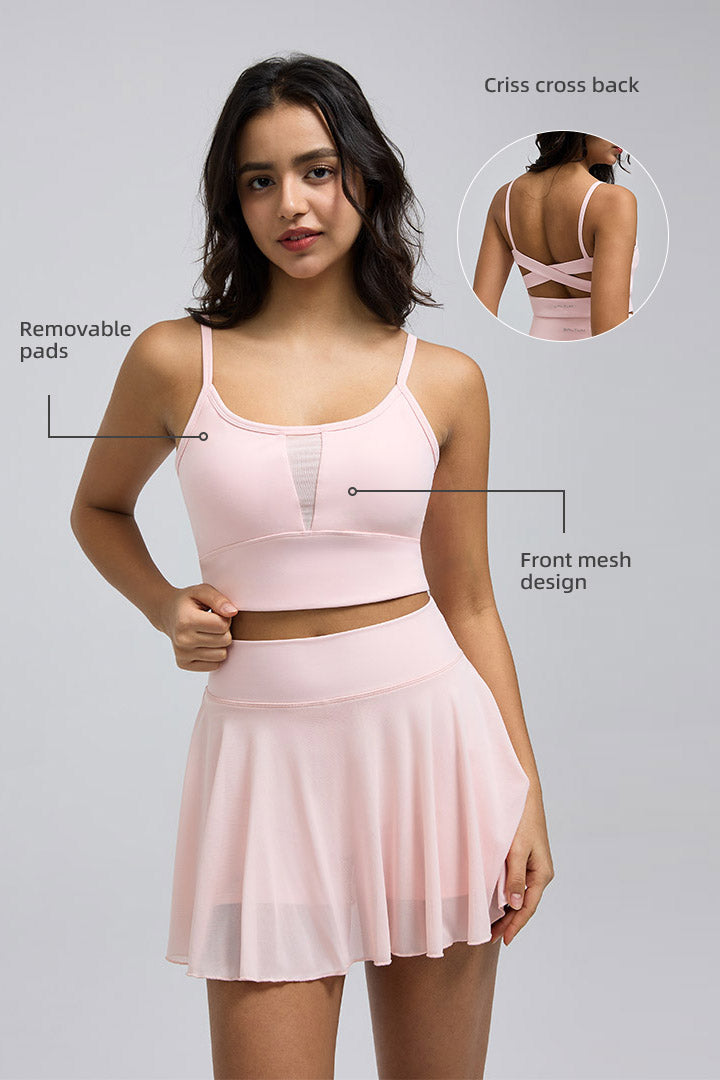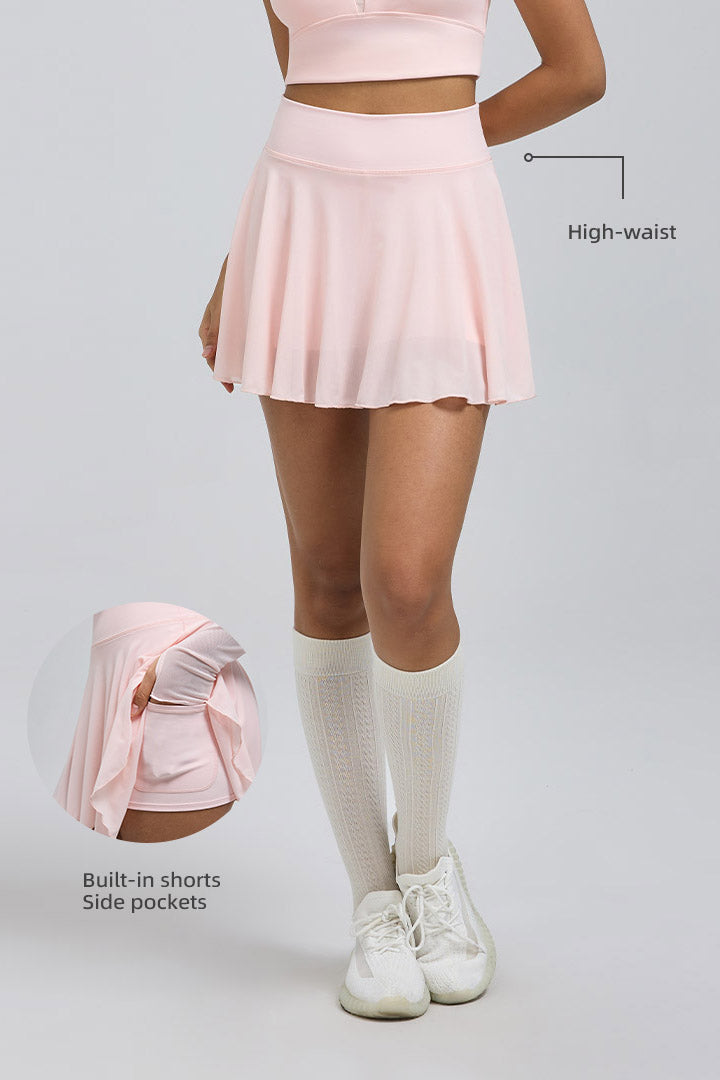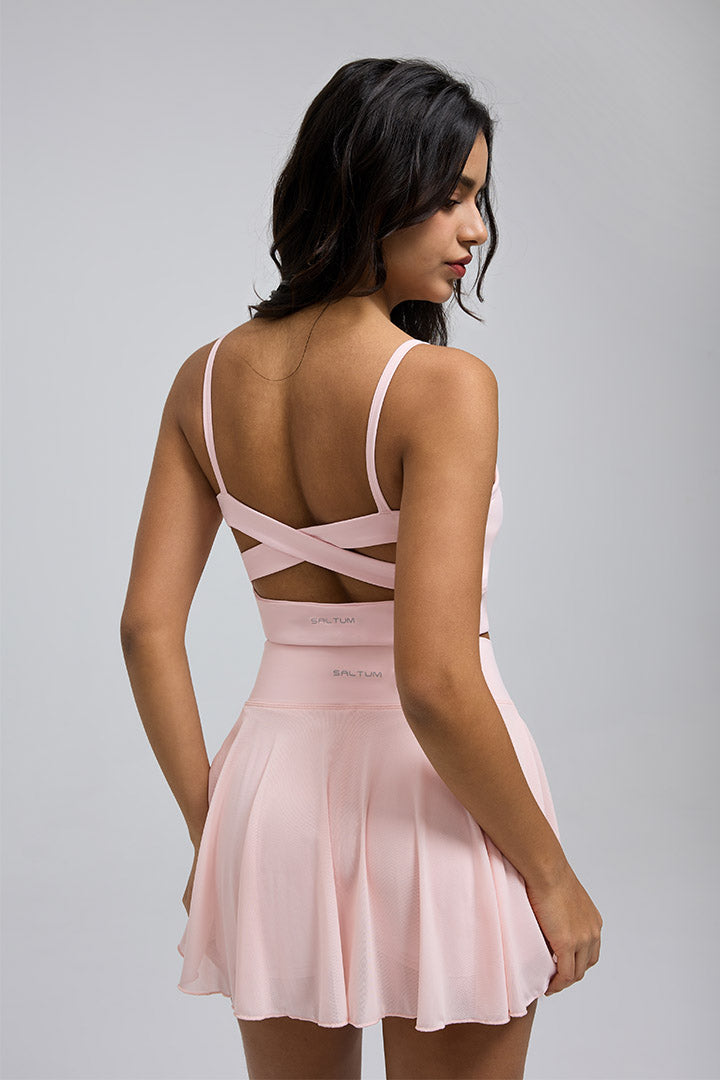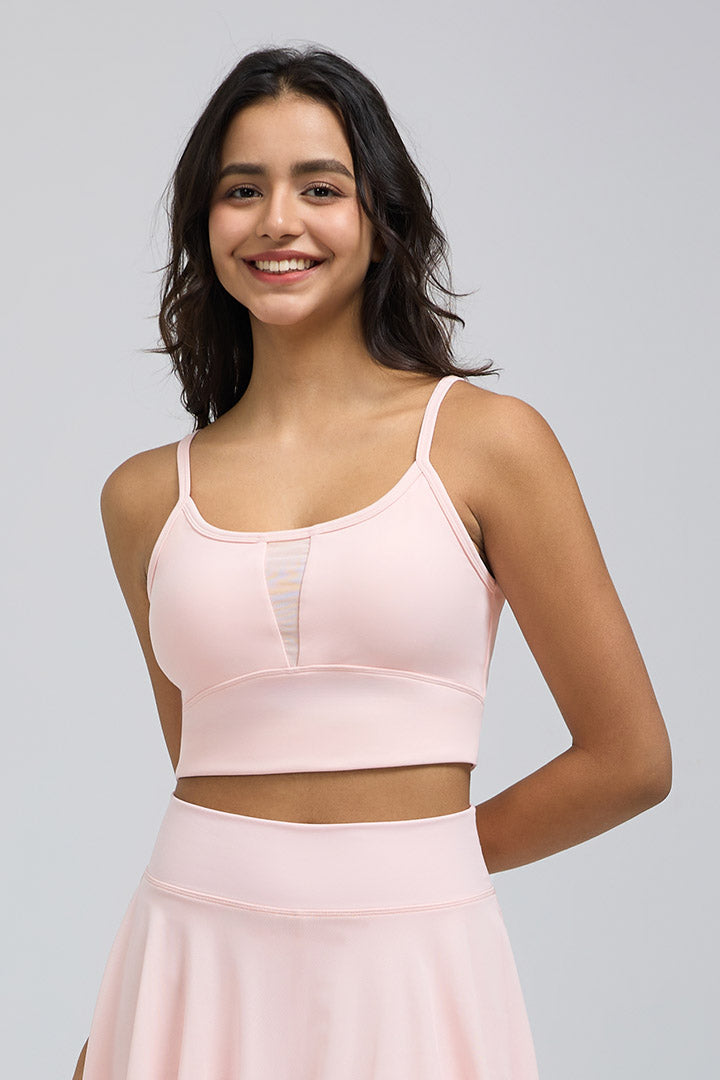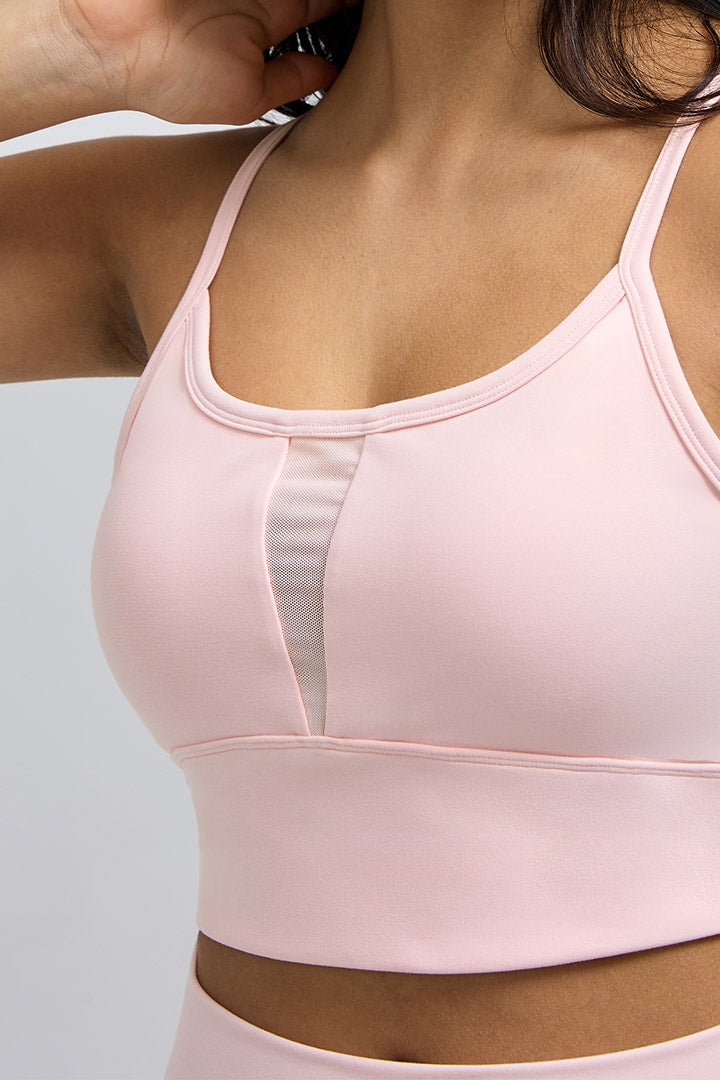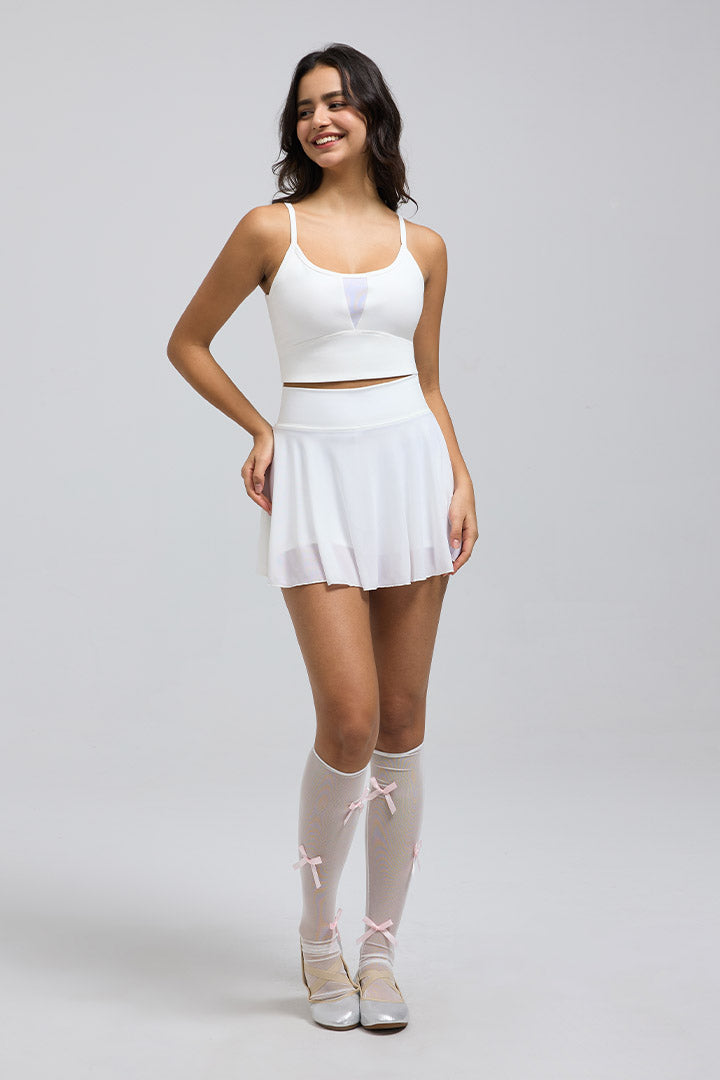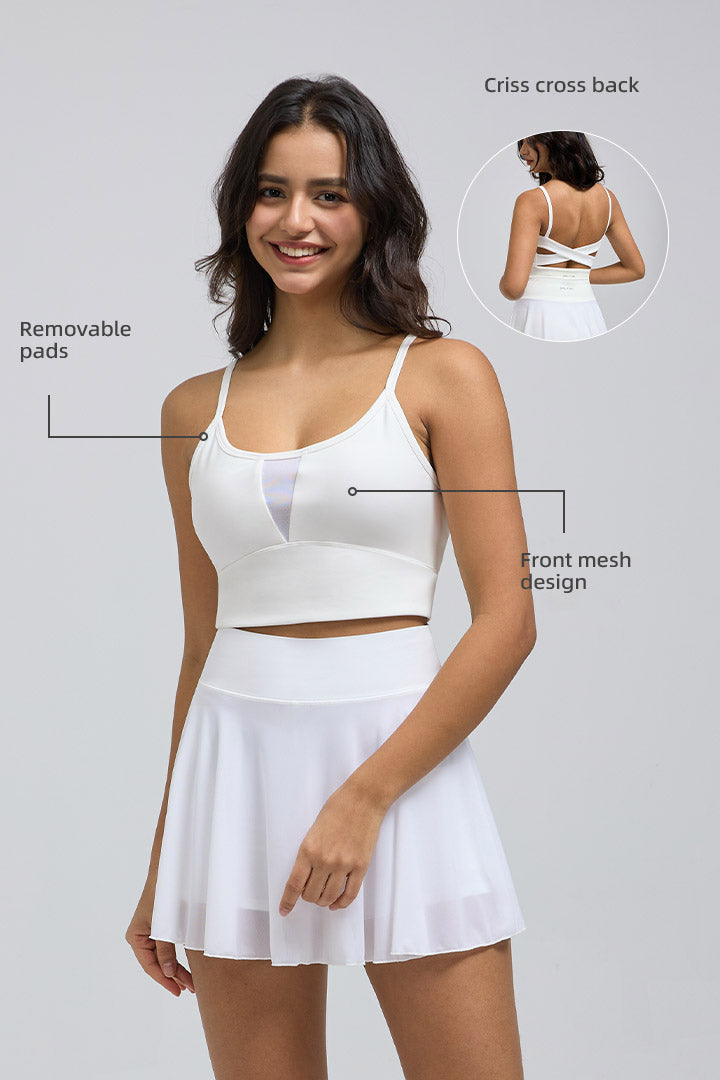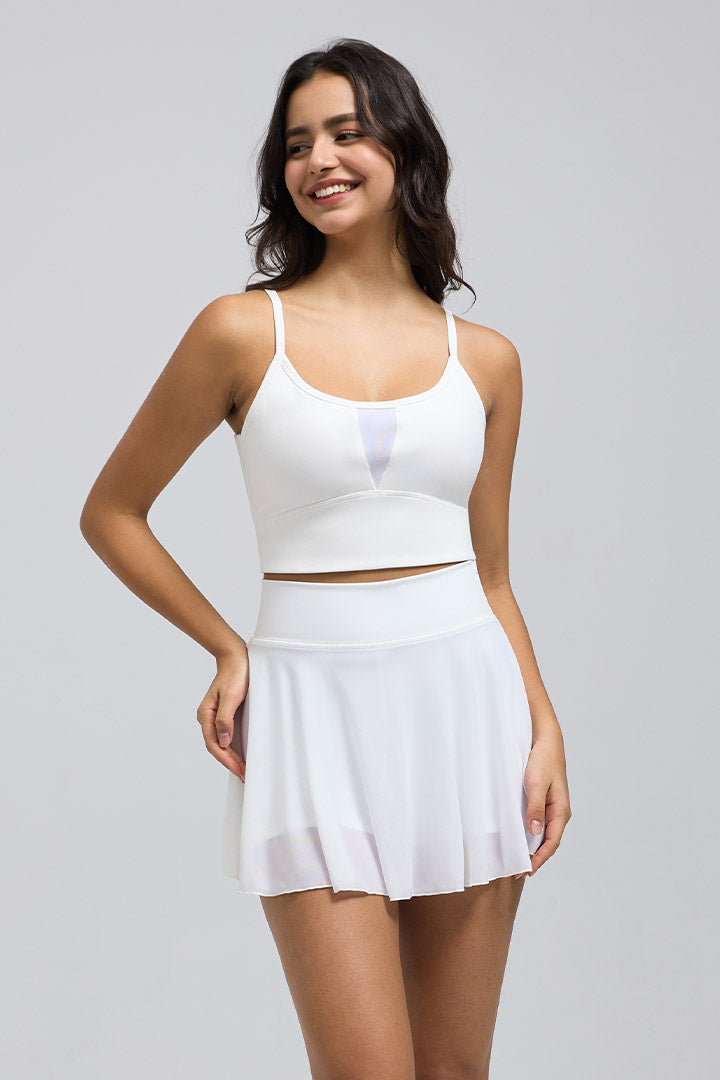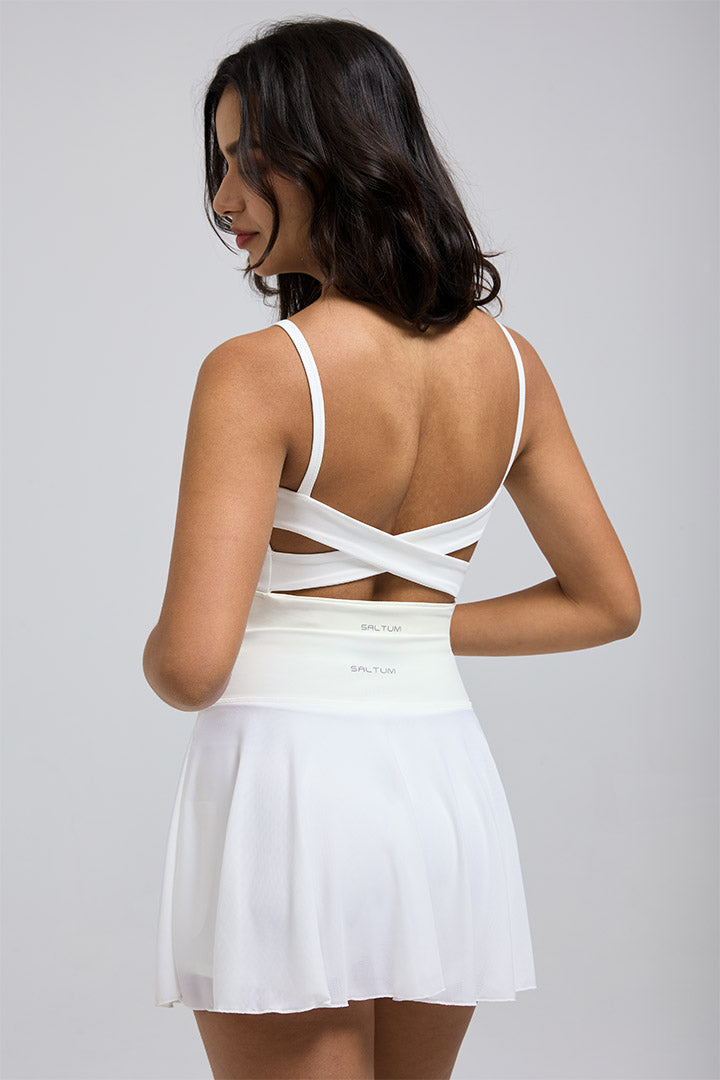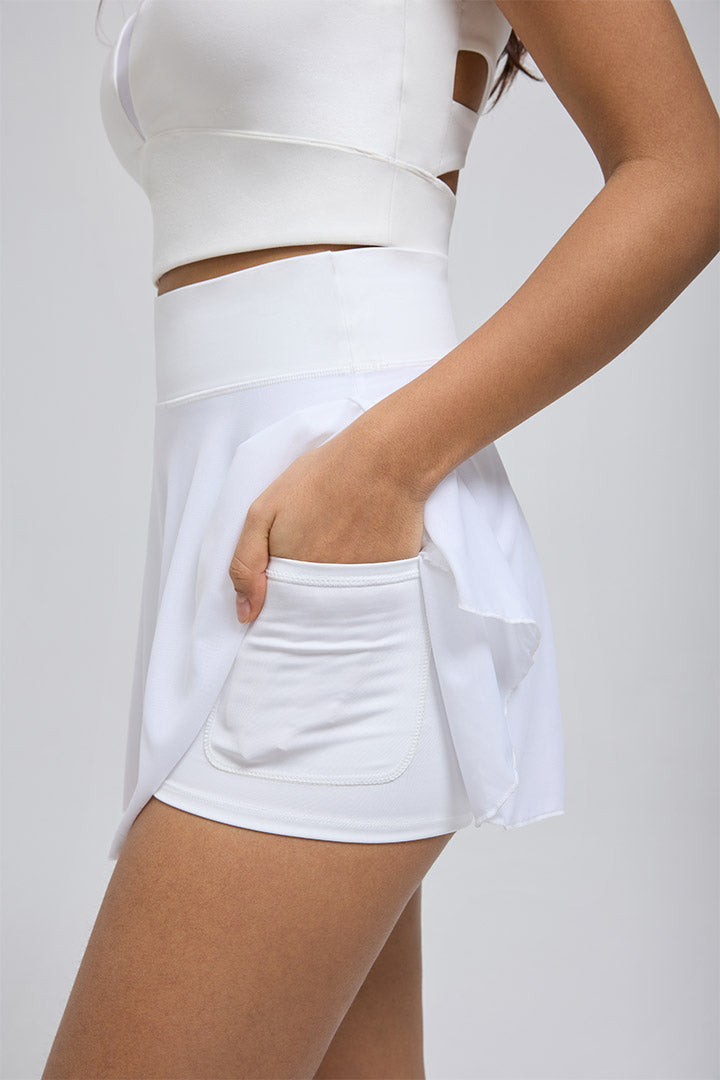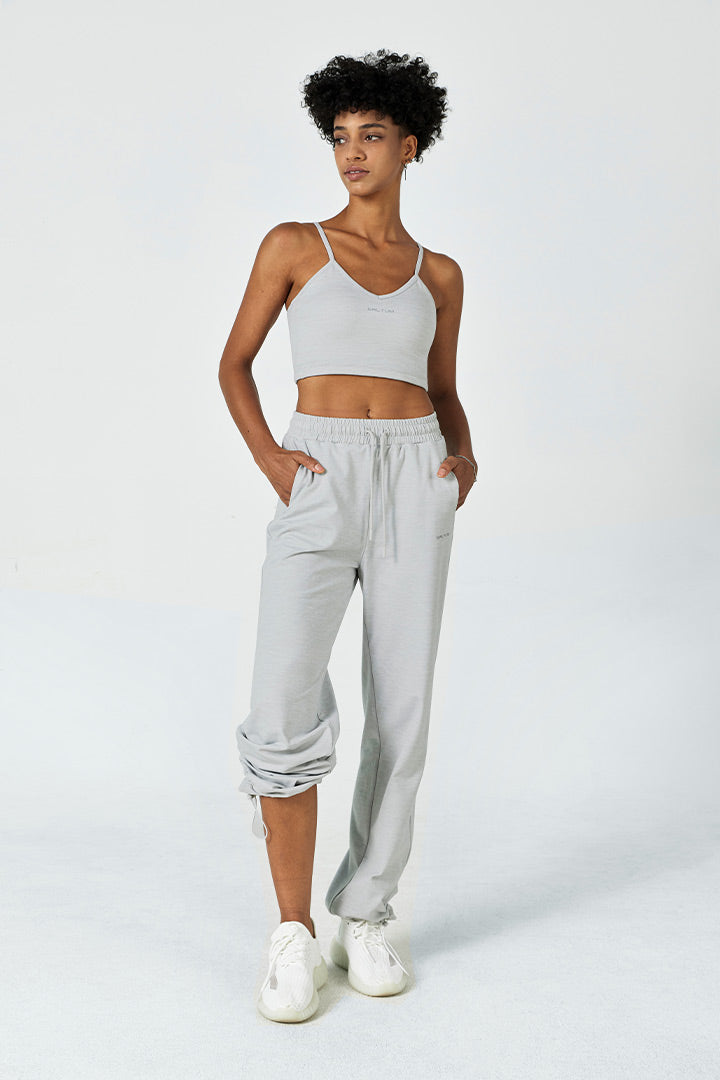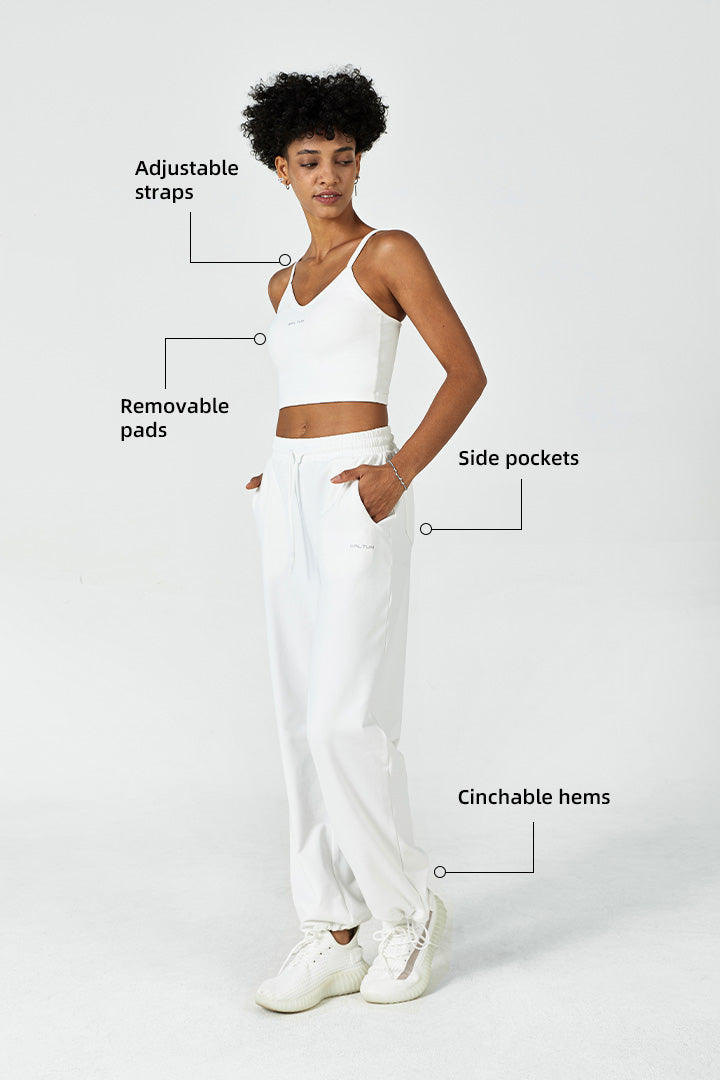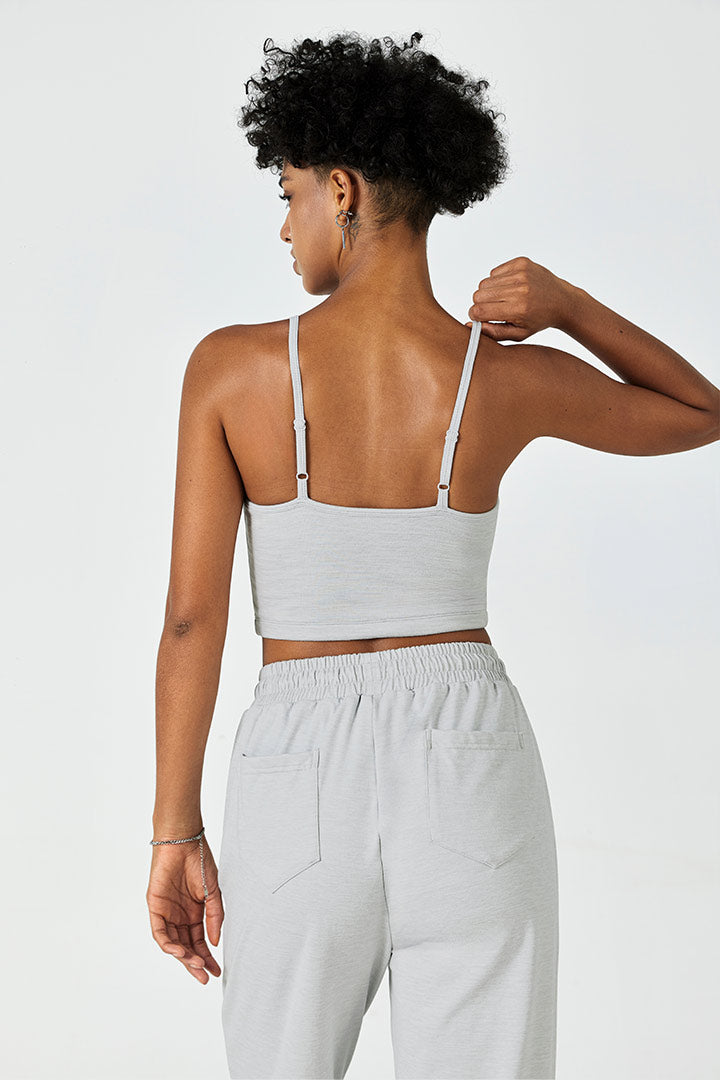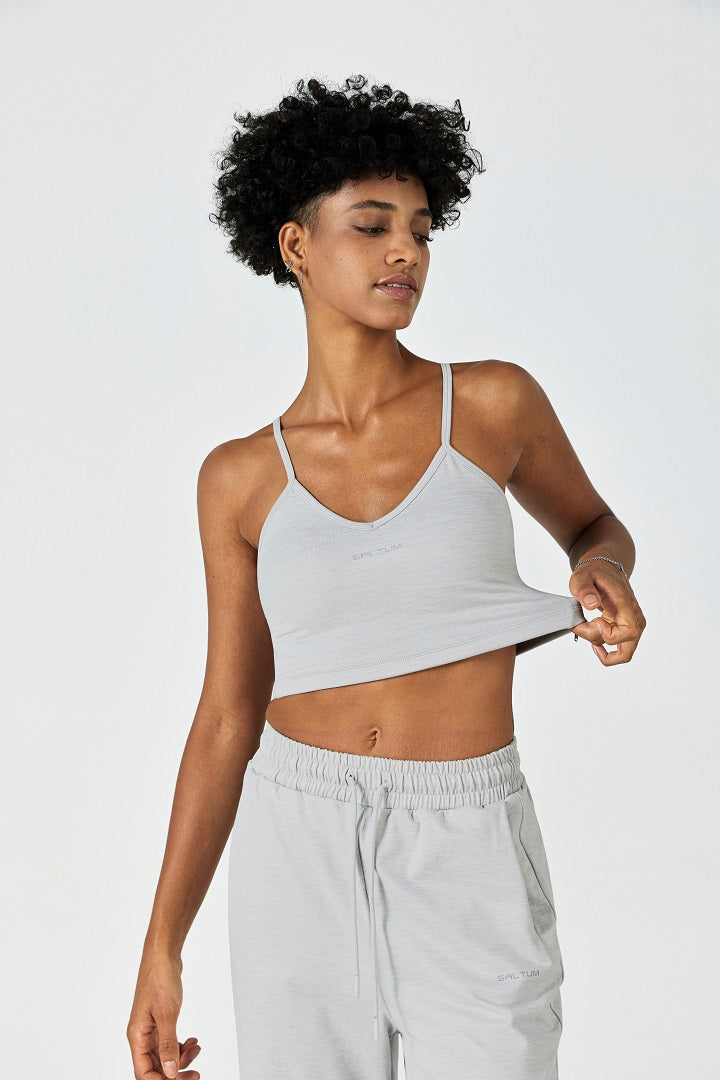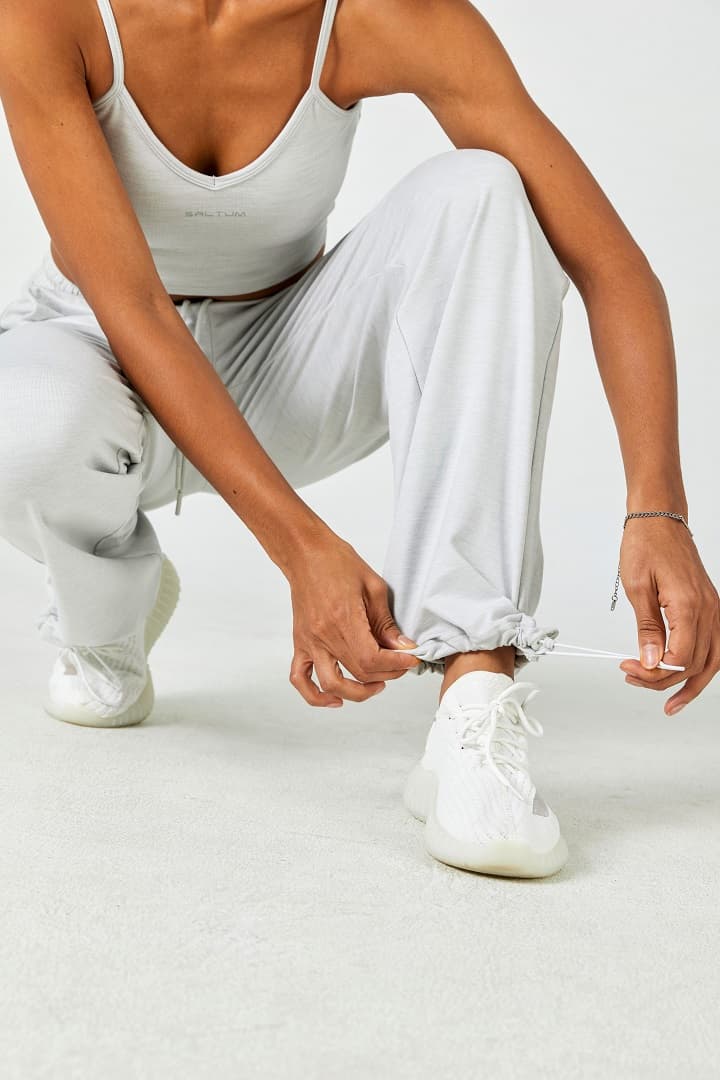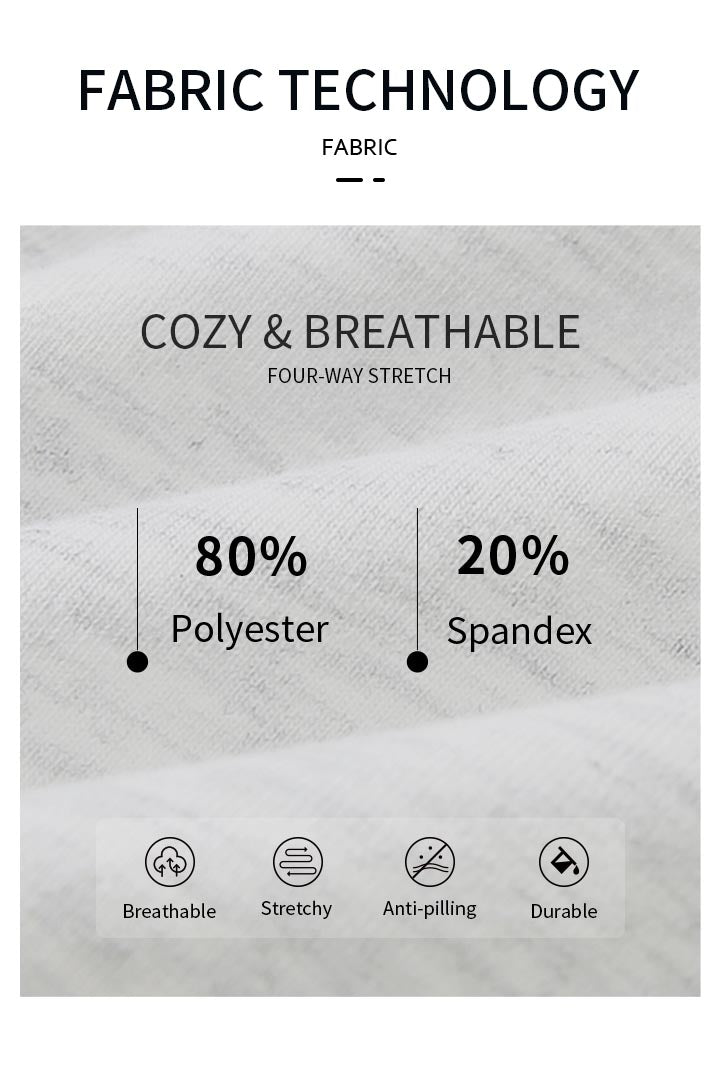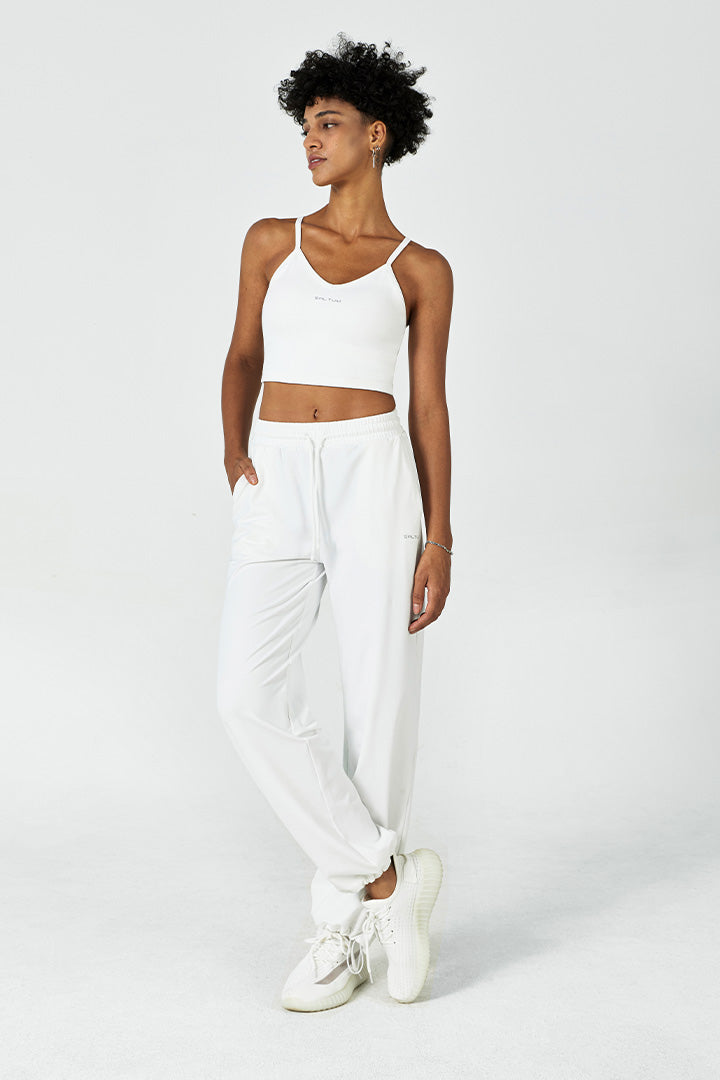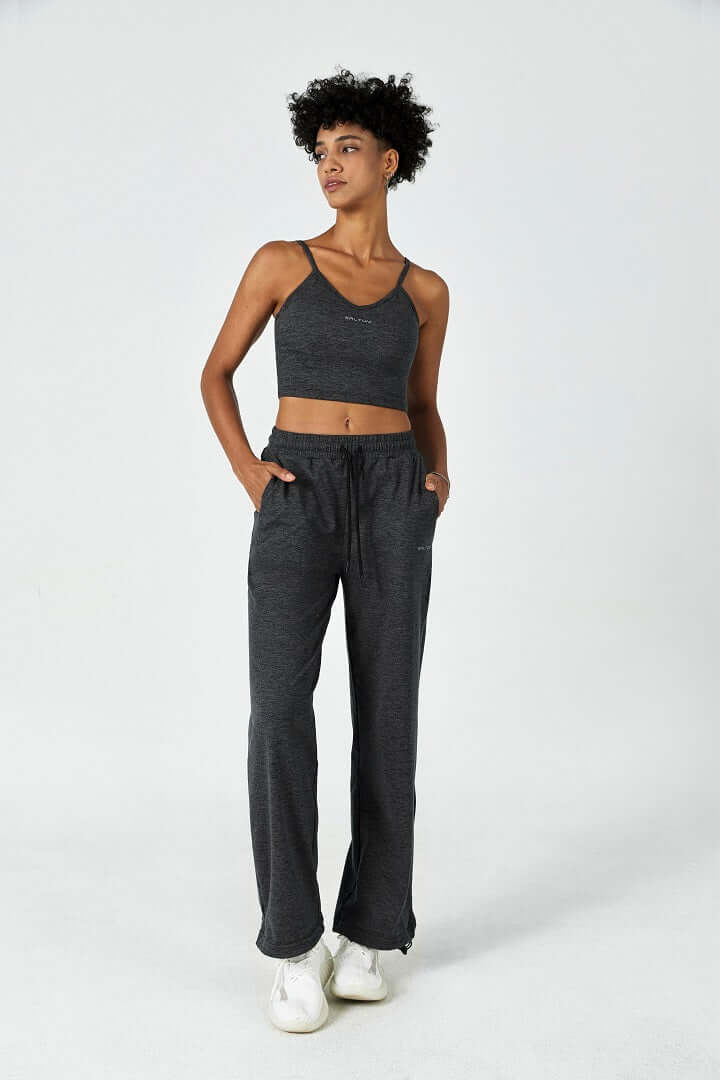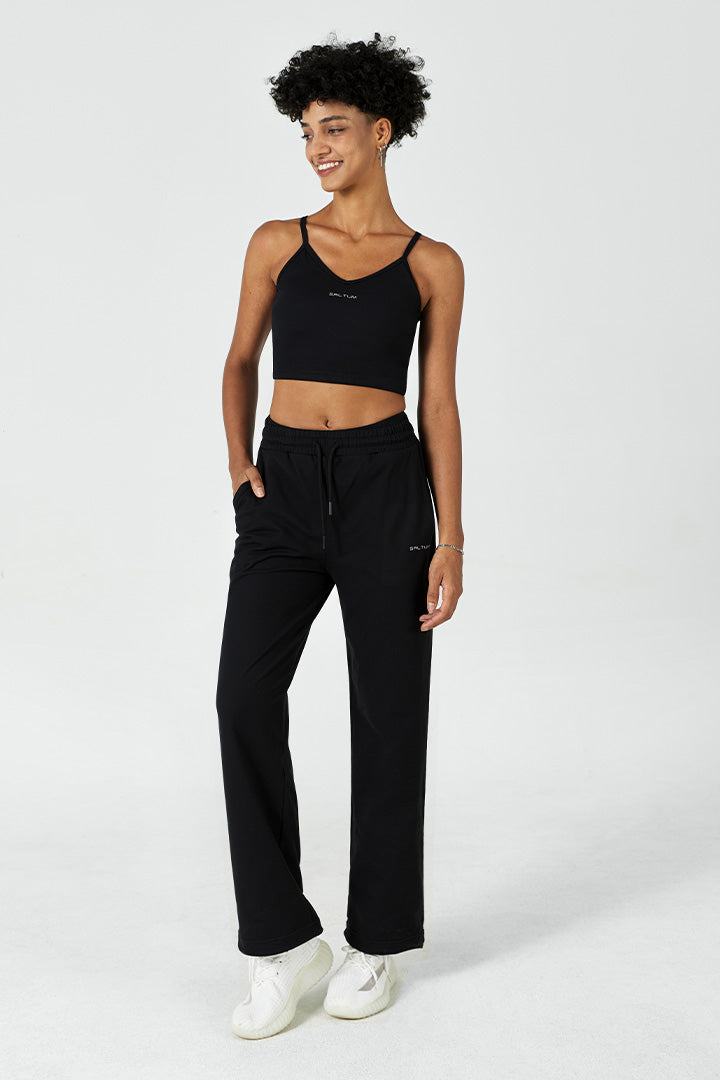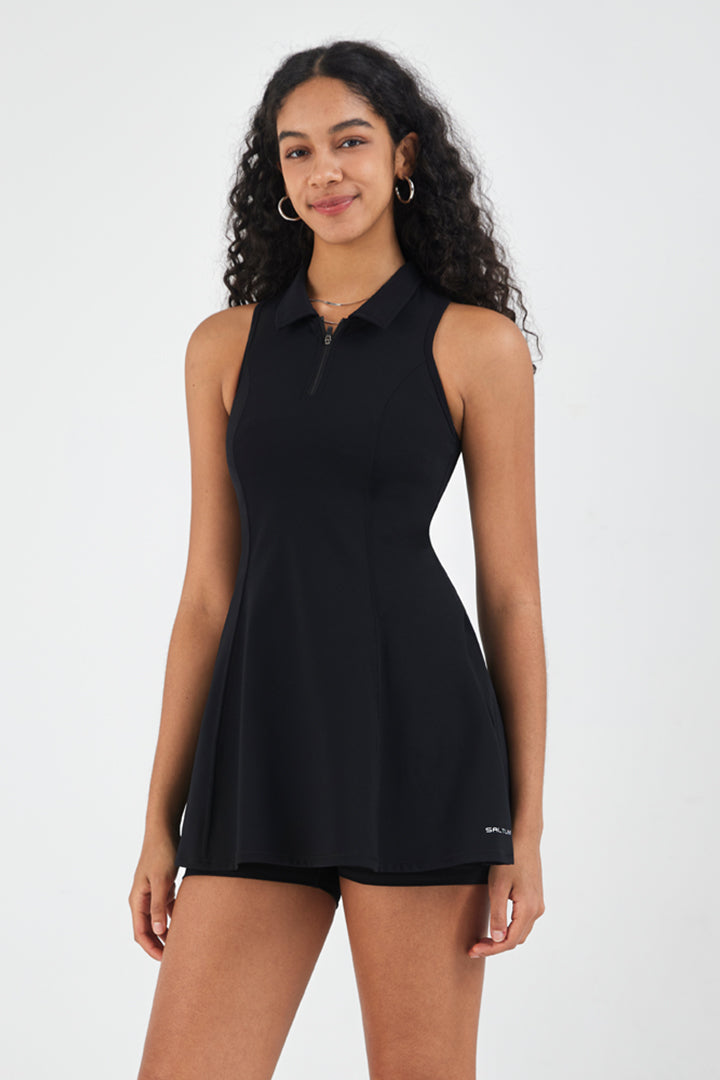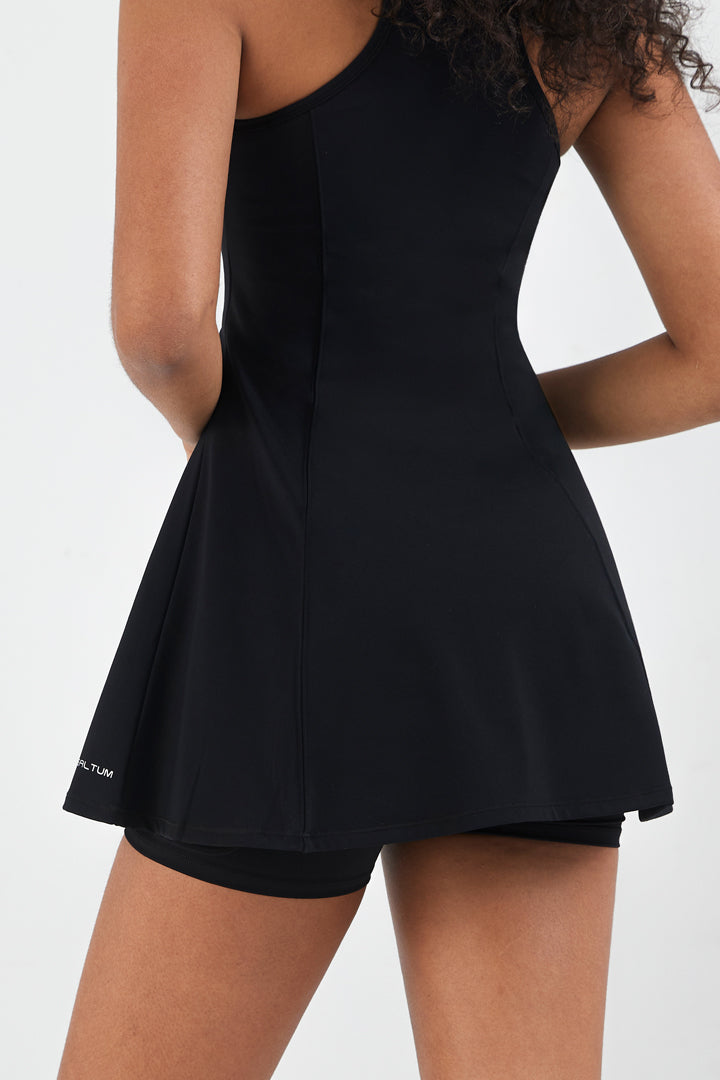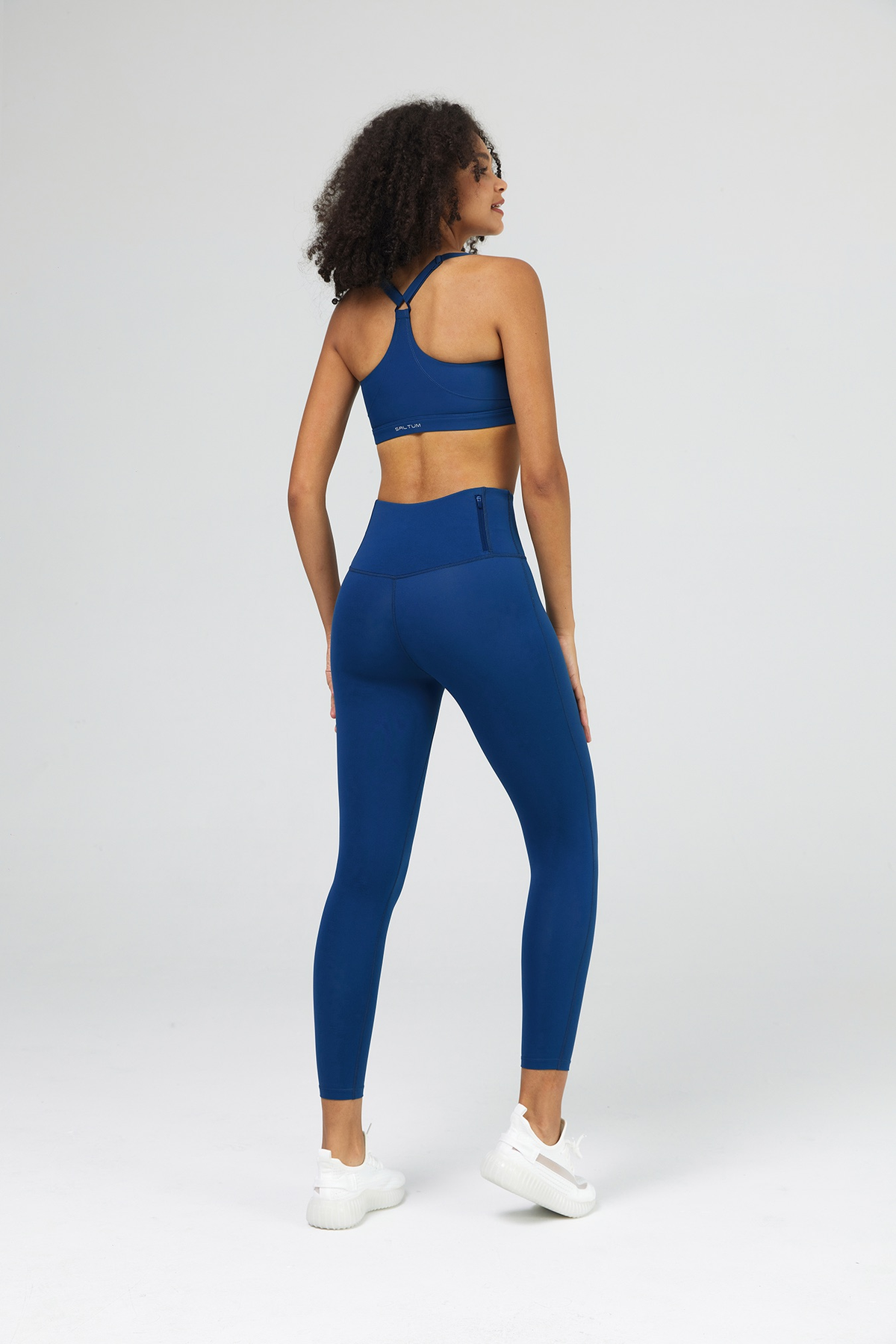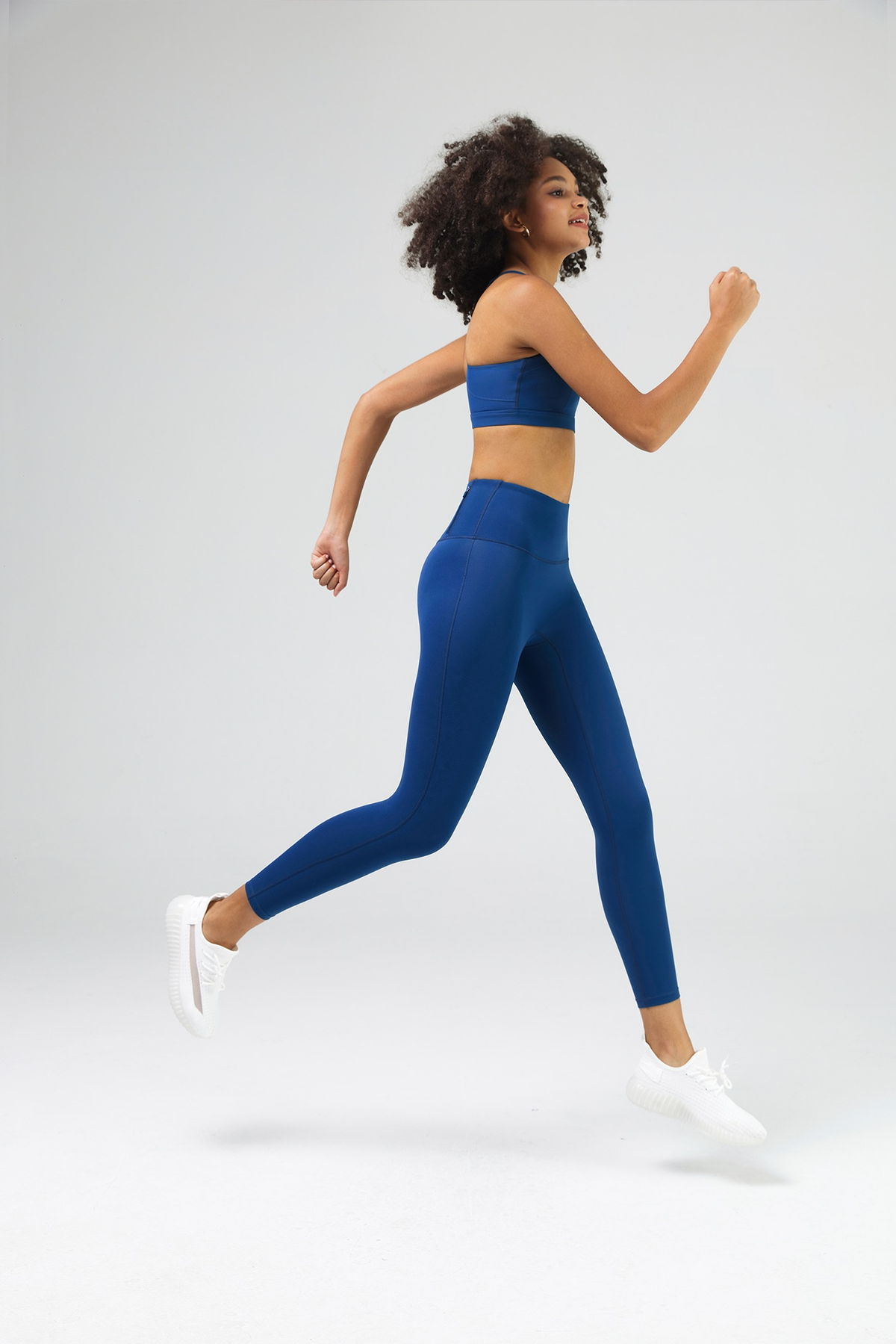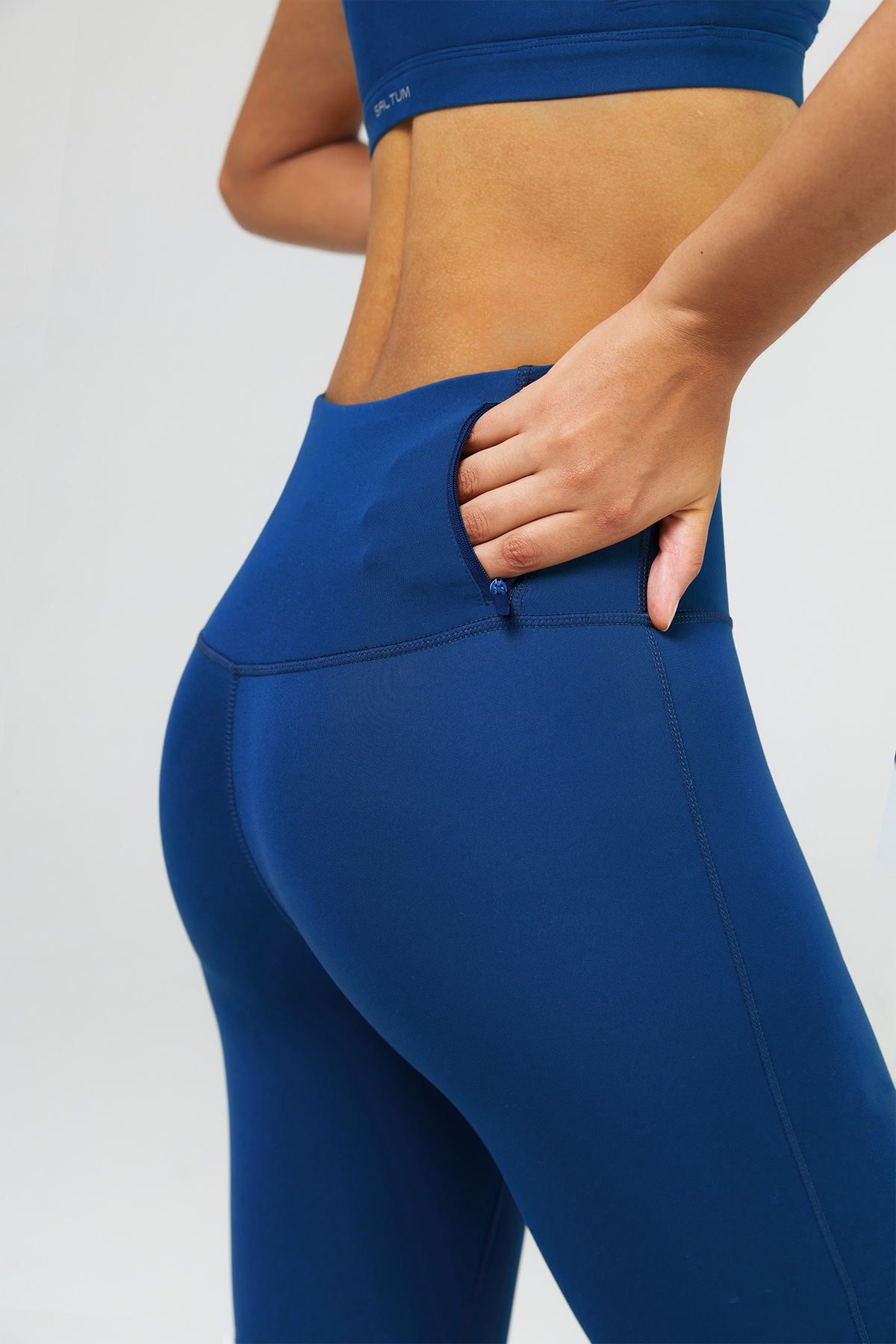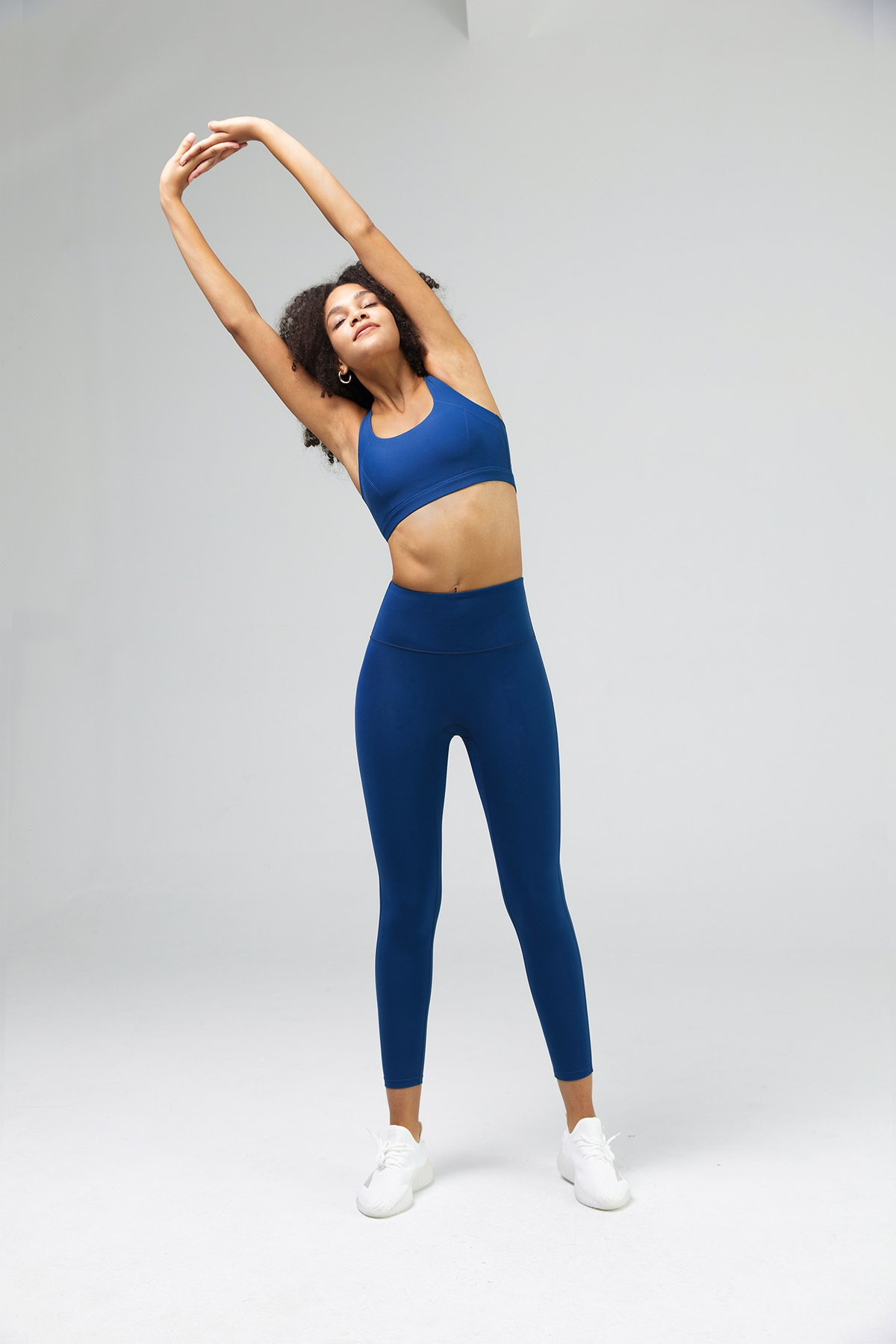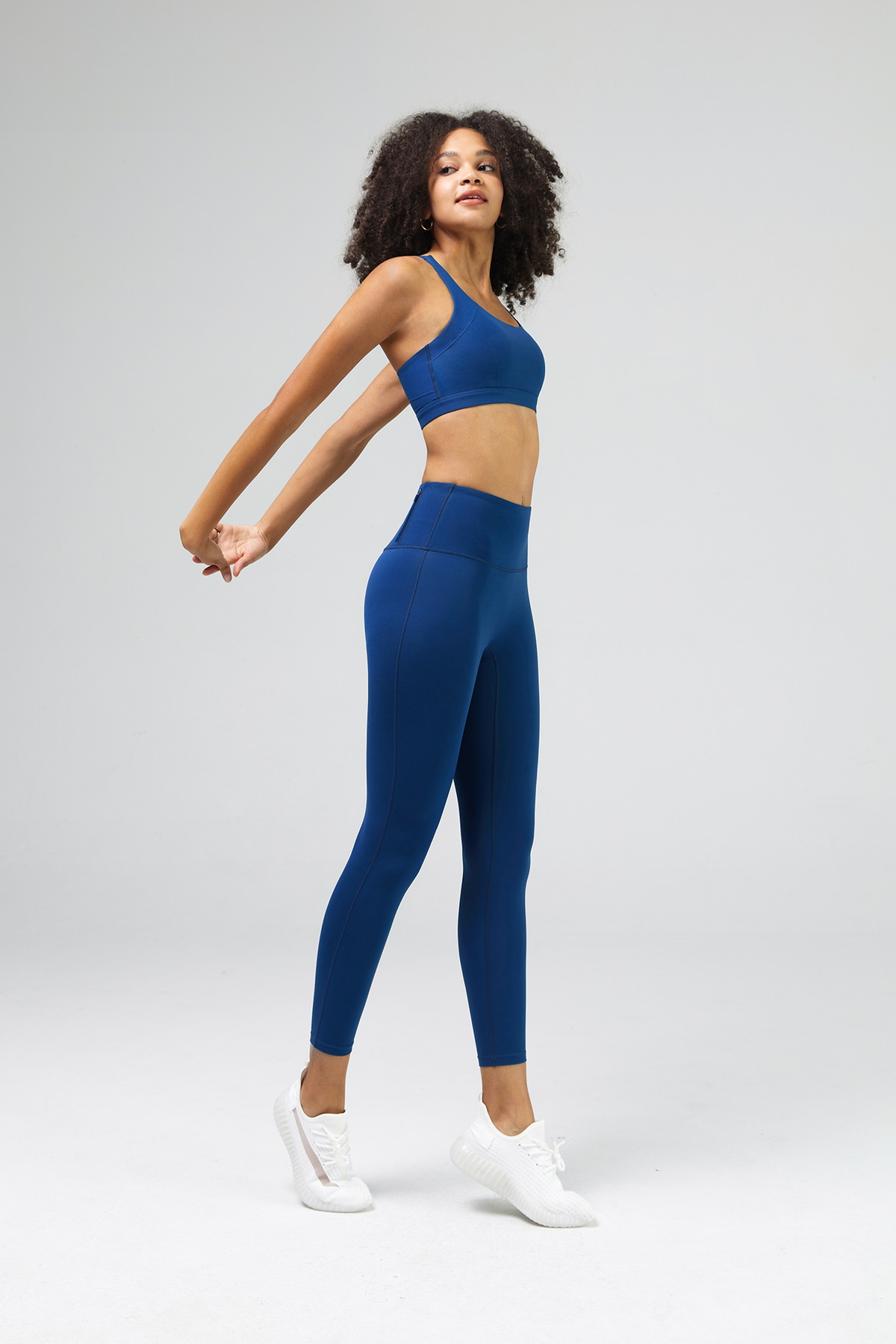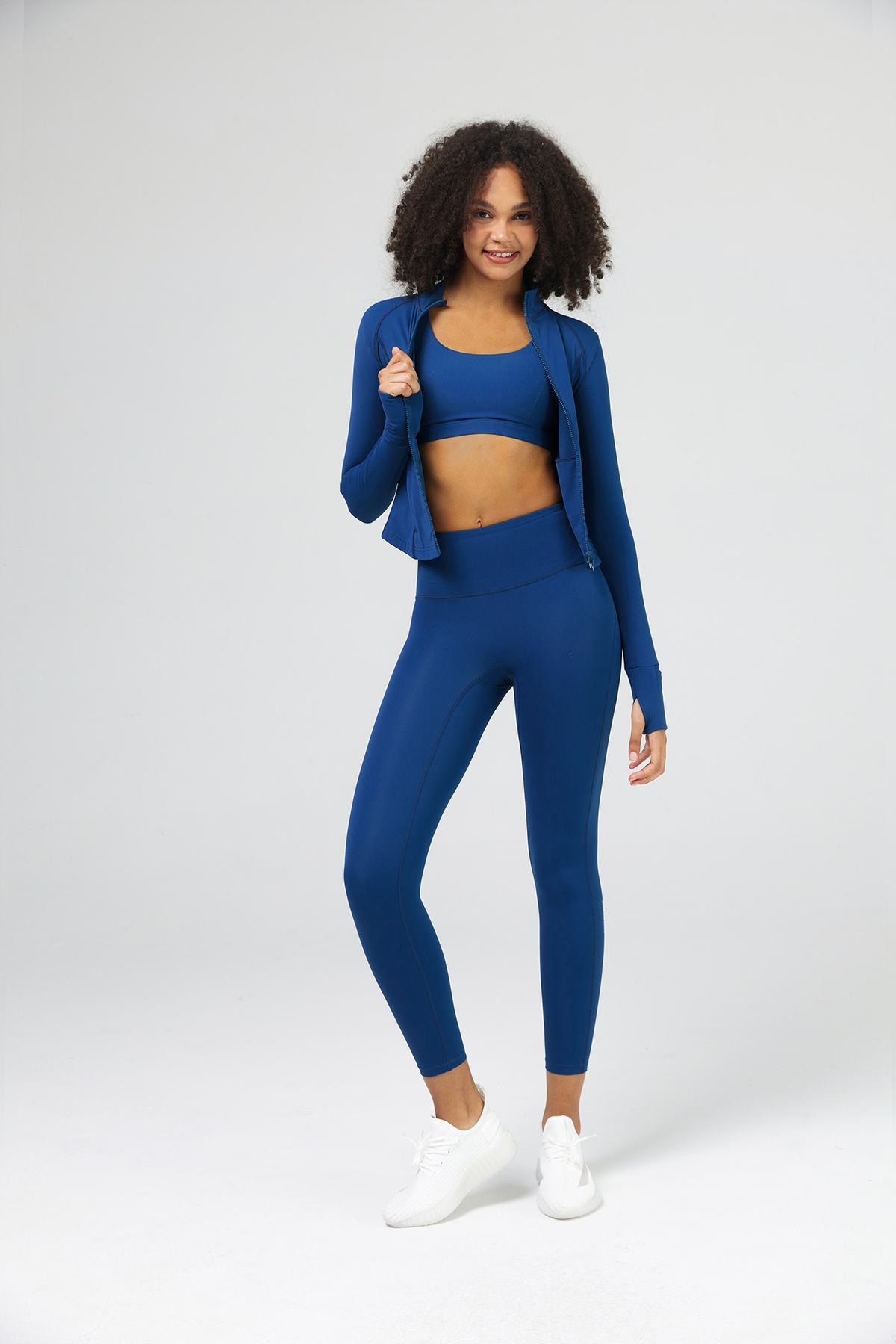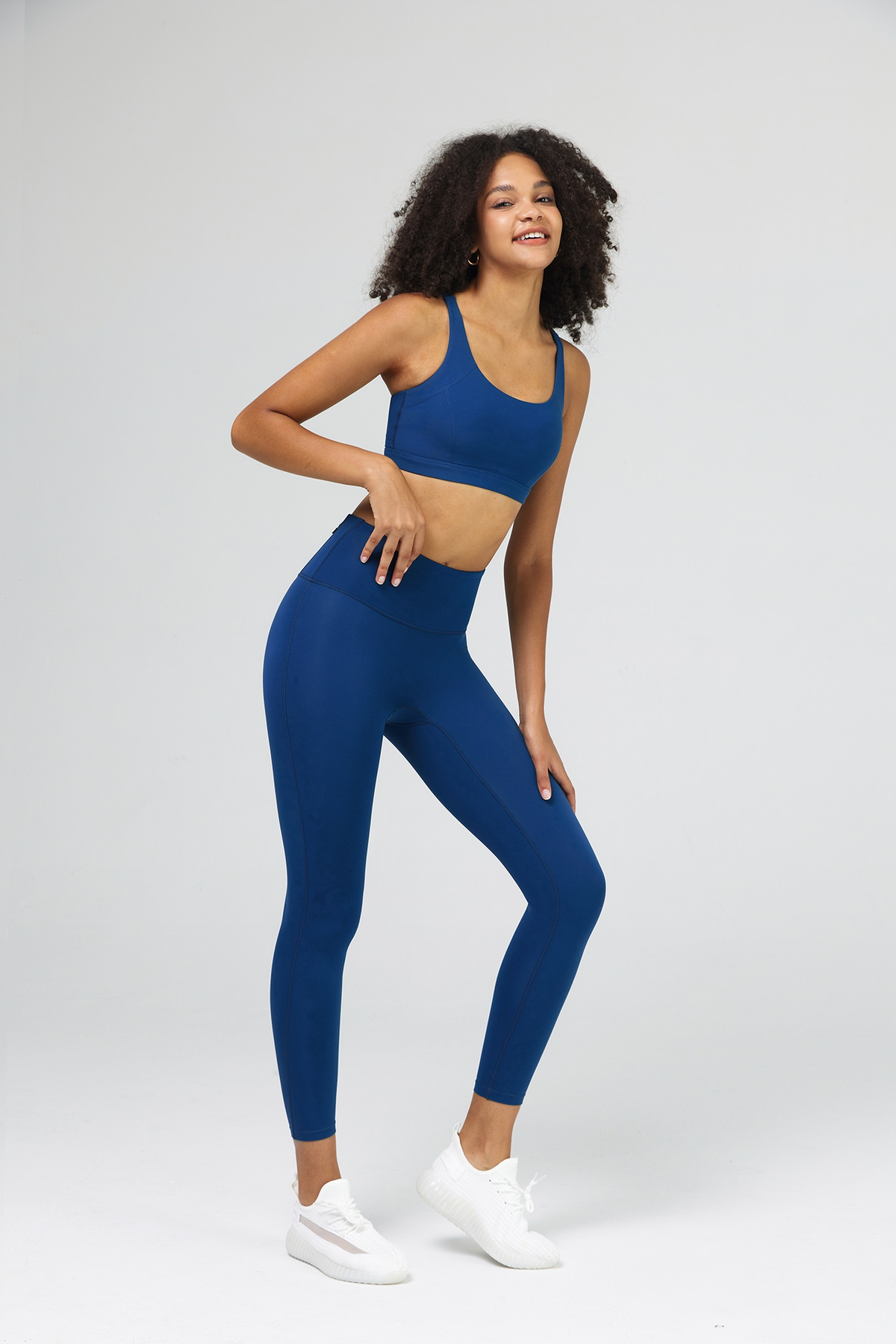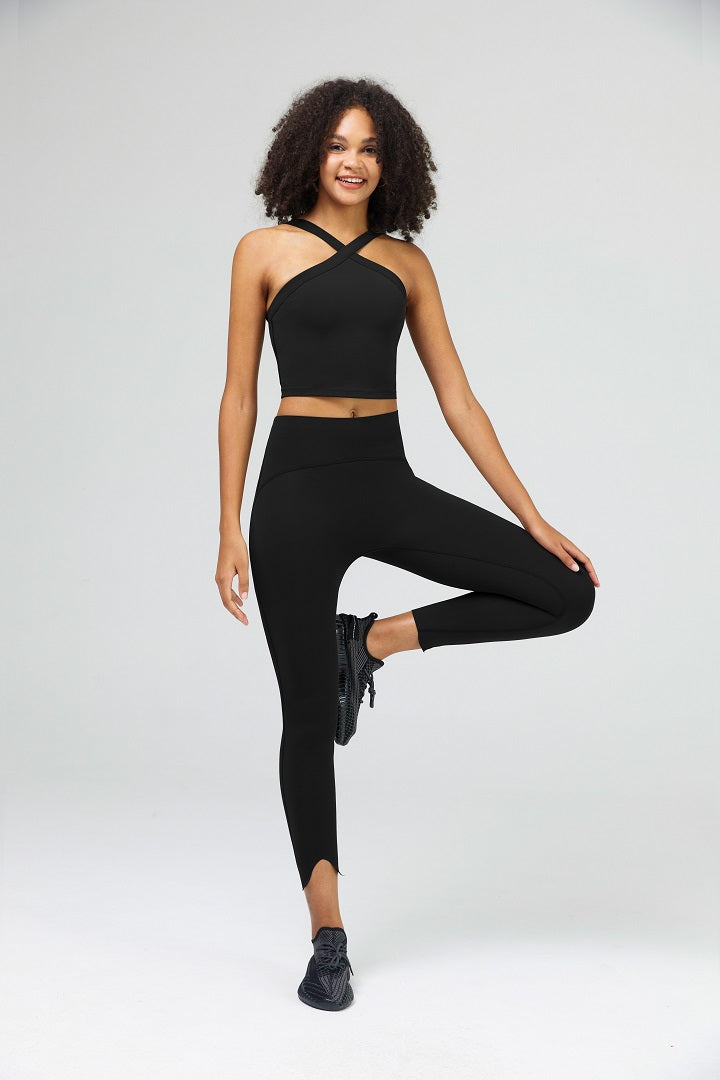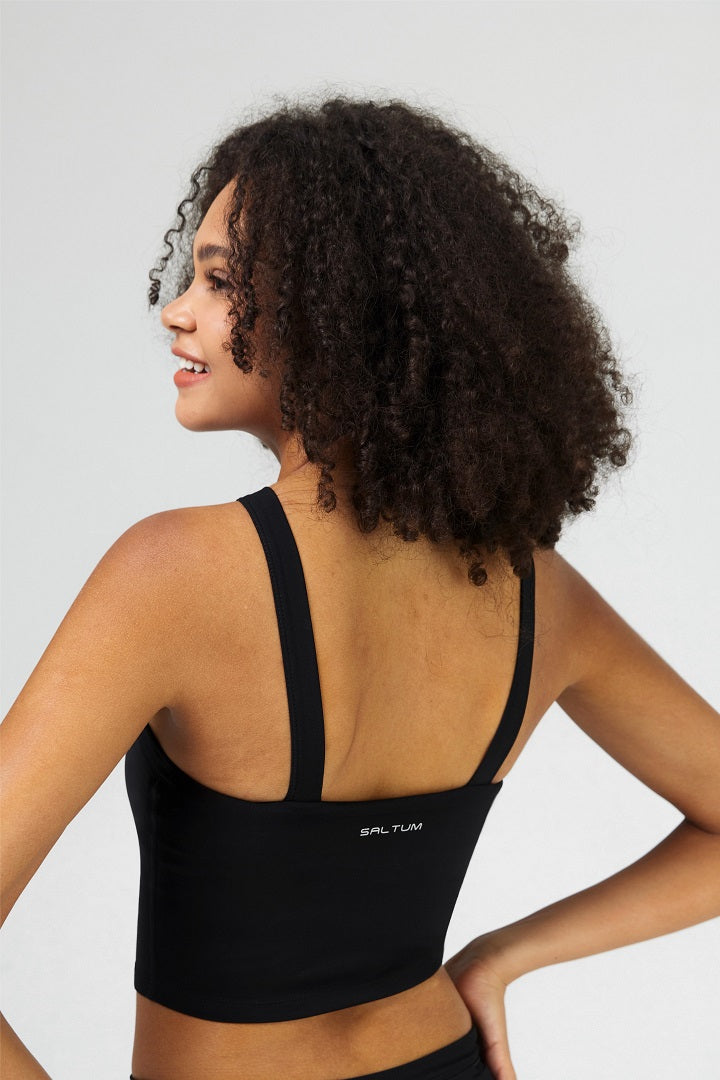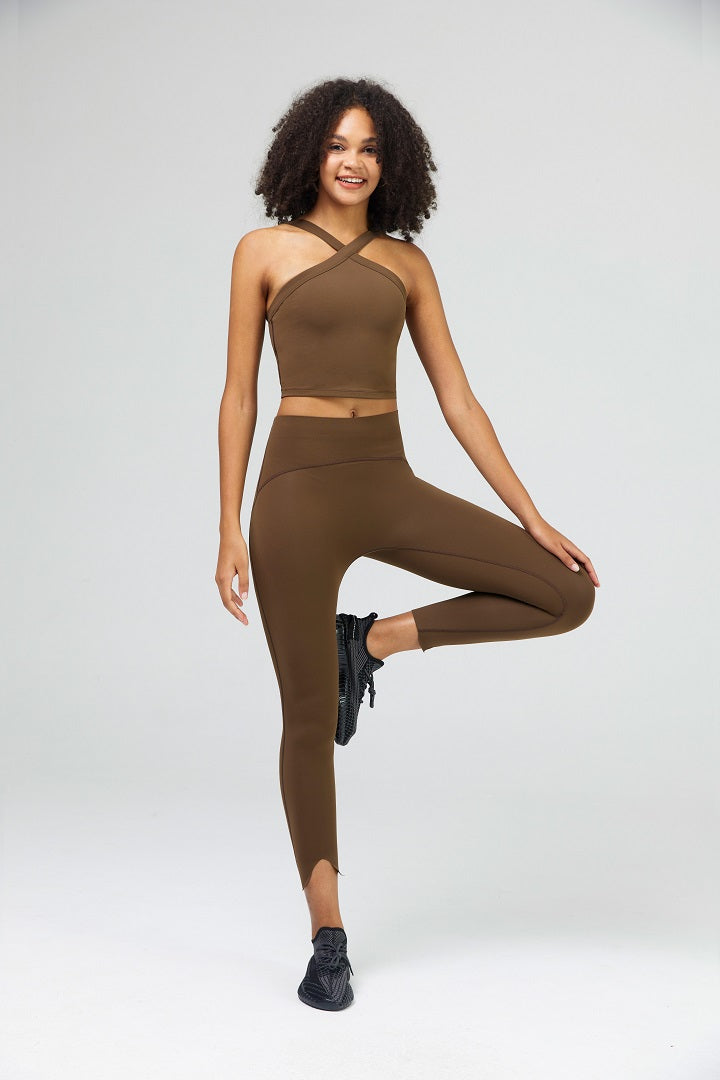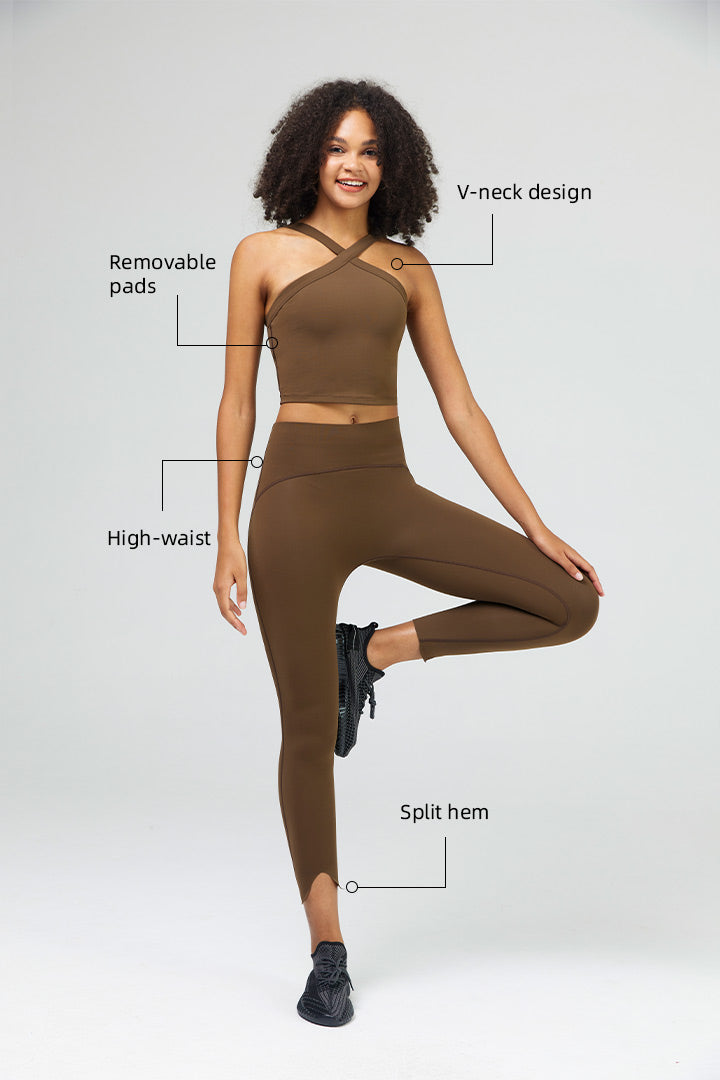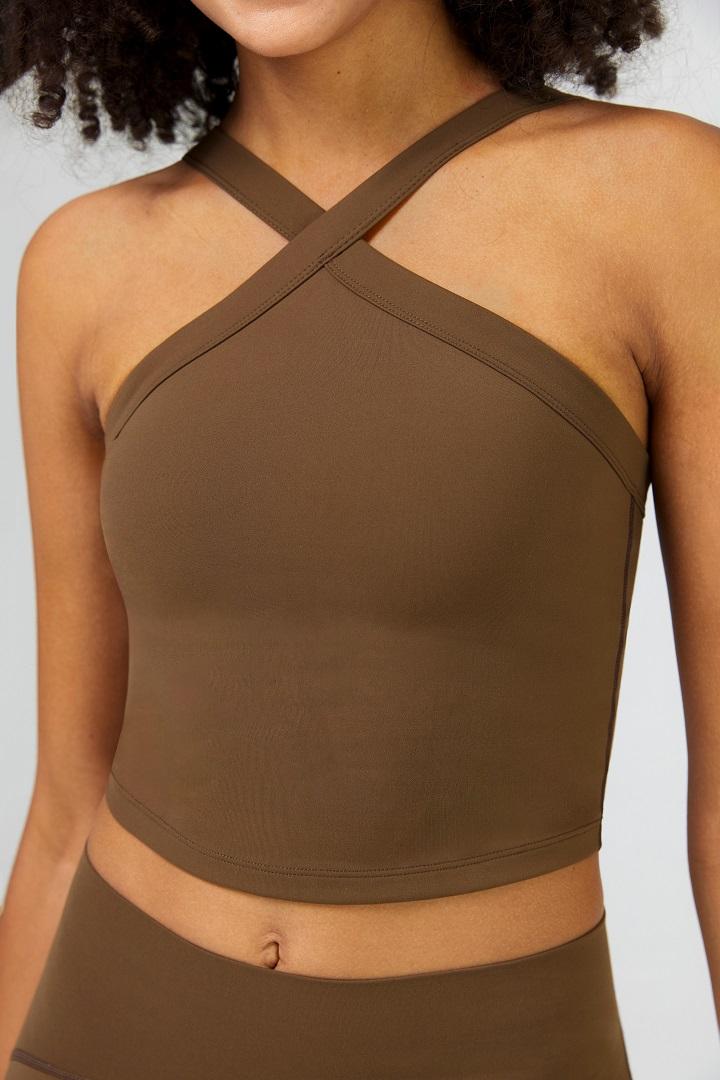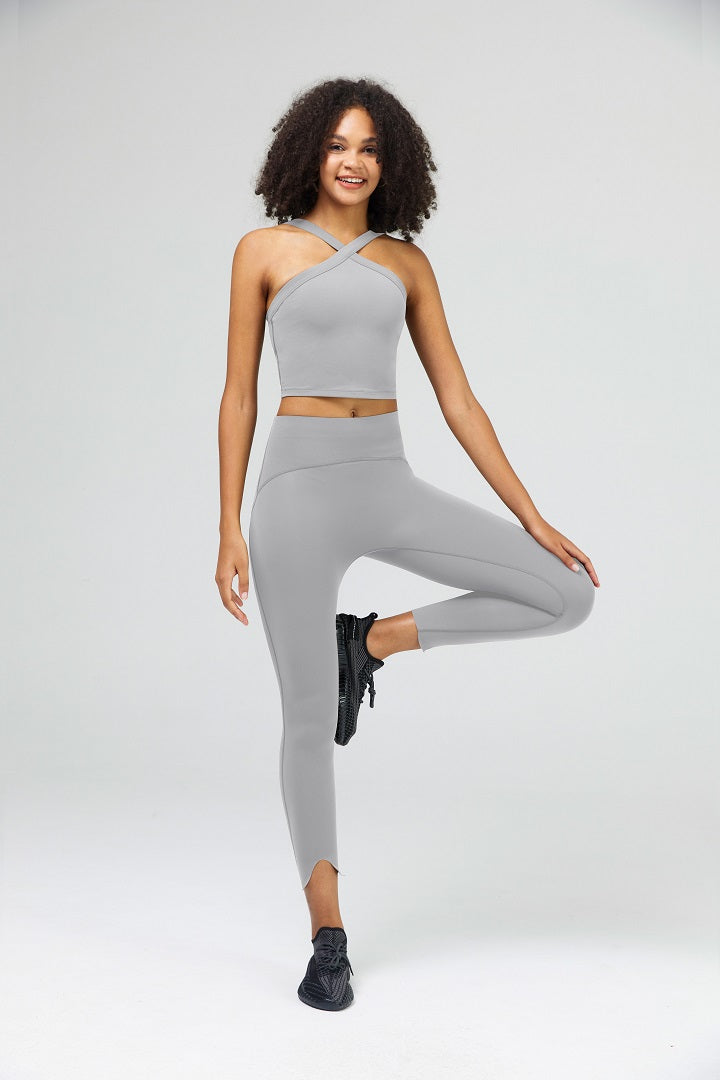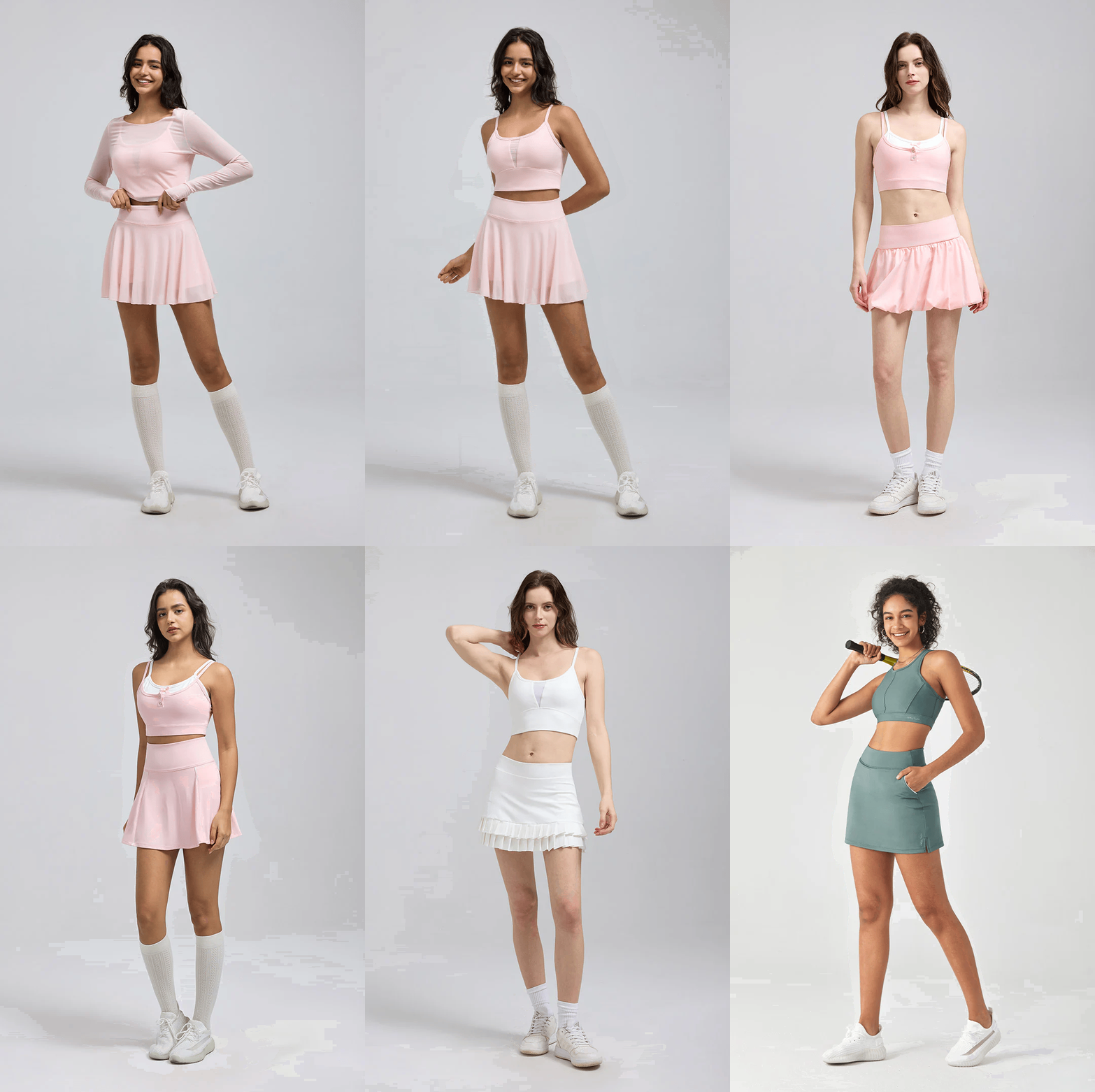
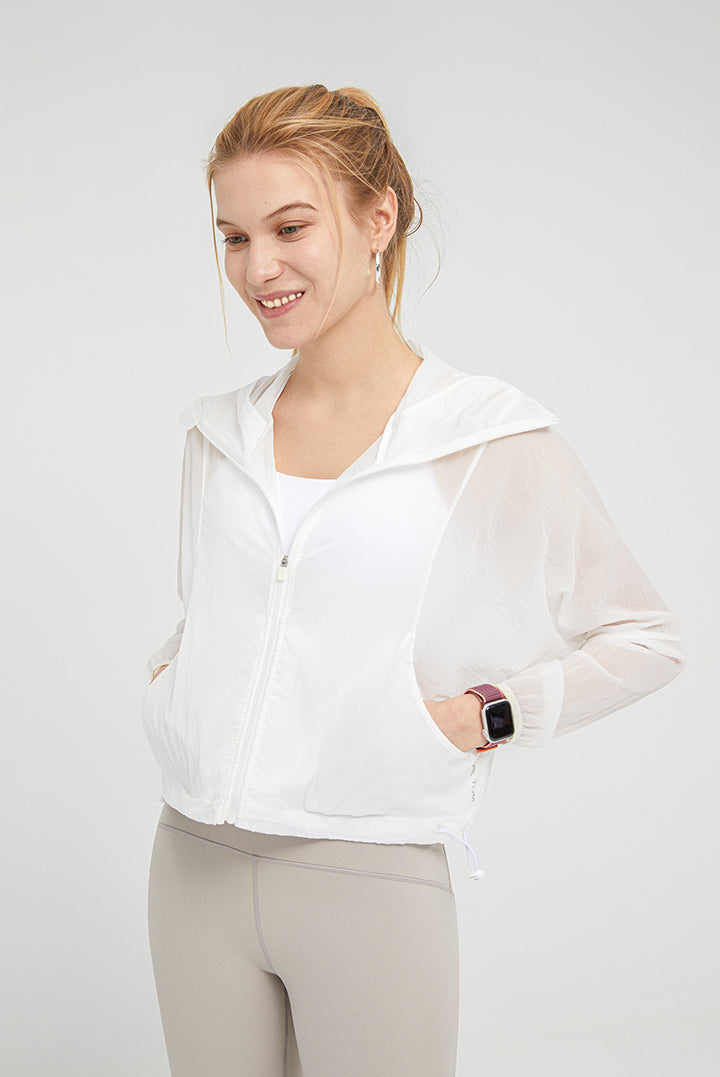
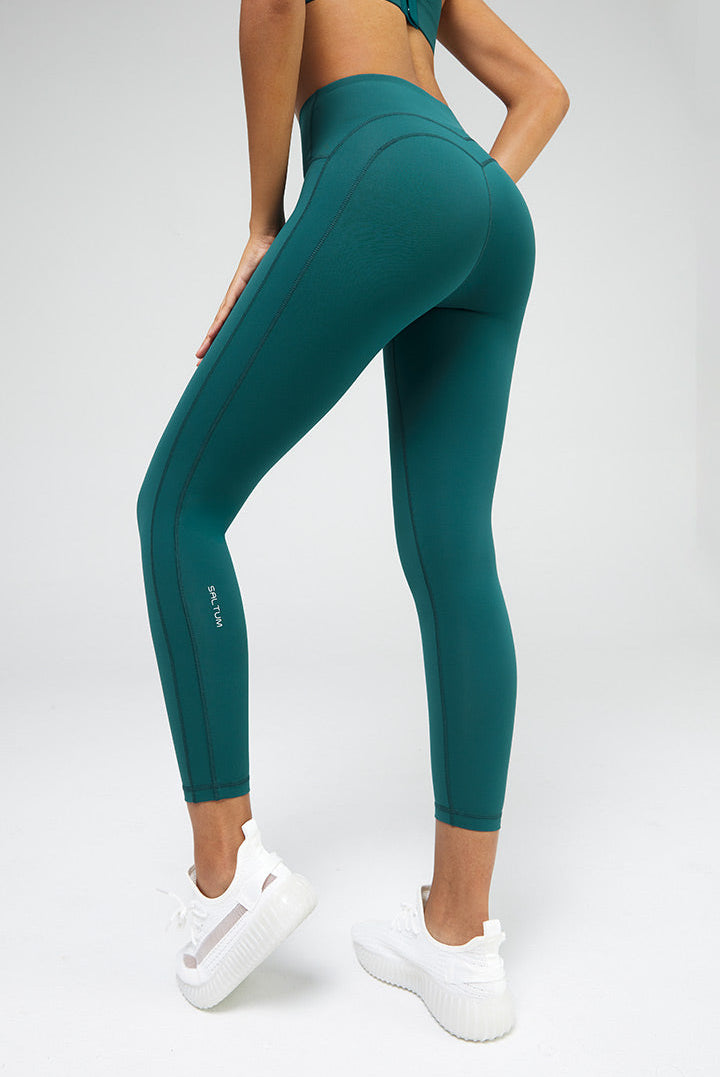



A sports bra is designed to provide breast support during physical activity by minimizing movement, improving comfort, and reducing strain on breast tissue. Choosing the right sports bra depends on activity level, support type, fit, fabric, and body shape.
Selecting the perfect sports bra involves considering multiple factors.
Choose the Right Sports Bra Based on Activity Level
Your activity level is the single most important factor:
Low Impact Activities (minimal vertical movement)
- Examples: Yoga, Pilates, walking, stretching, non-plyometric strength training
- Recommended: Minimal sports top, wireless compression, convertible
- Comfort priority: Maximum (can wear 8+ hours)
Medium Impact Activities (moderate movement)
- Examples: Fitness classes, recreational cycling, gym workouts, casual sports
- Recommended: Integrated tank, convertible, wireless compression
- Comfort priority: High
High Impact Activities (intense movement)
- Examples: Running, basketball, volleyball, HIIT, plyometrics
- Recommended: Compression crop top, underwire, integrated high-support tank
- Comfort priority: Medium
Maximum Impact Activities (extreme, sustained movement)
- Examples: Professional sports, elite running, extreme sports
- Recommended: Maximum compression crop
- Comfort priority: Low (performance critical)
Be honest about your actual activity level, not your aspirational level. Overestimating leads to unnecessary compression; underestimating leads to inadequate support.
Determine Your Correct Size
Incorrect sizing undermines everything else. A properly fitting sports bra should:
- Sit level around the ribcage
- Feel snug without restricting breathing
- Keep breast movement minimal during motion
- Avoid spillage at the neckline or sides
Band Size Measurement:
1. Wear an unpadded bra or no bra
2. Wrap soft measuring tape snugly (not tightly) directly under bust, parallel to ground
3. Record in centimeters
Bust Measurement:
1. Measure across the fullest part of your chest
2. Keep tape parallel and snug but not compressing
3. Record in centimeters
Cup Size Calculation:
Cup size difference = (Bust measurement) - (Band measurement)
- 10cm = A cup
- 12-13cm = B cup
- 15-16cm = C cup
- 17-18cm = D cup
- 20cm+ = E cup and larger
🔔🔔🔔Important: Sports top sizing differs from regular bra sizing. Different brands have different size charts—always check brand-specific sizing.
A sports bra should fit snugly without pain. The band should sit level around the ribcage, straps should stay in place, and there should be no spillage or excessive movement when jumping. Saltum provides most of the support, so prioritizing band fit is more important than strap tightness.

Evaluate Your Breast Characteristics
Beyond size, breast shape affects which style works best. Larger busts typically benefit from encapsulation or hybrid designs. Smaller to medium busts often feel comfortable in compression styles
Your breast shape:
- Round: Fullness at center and bottom (most styles work)
- Teardrop: Fuller on bottom, narrow at top (needs good bottom support)
- Side-set: Positioned toward sides (needs side reinforcement)
- Close-set: Positioned close together (compression works well)
- Wide-set: Positioned far apart (compression better than underwire)
Your tissue density:
- Dense/Firm: Firm feeling, minimal sag at rest (flexible options work)
- Average: Mix of glandular and fatty tissue (good support options)
- Soft/Fatty: Softer feel, prone to sagging (maximum support essential)
Sports Bra Comfort Features That Matter Most
When comparing sports bras, look for:
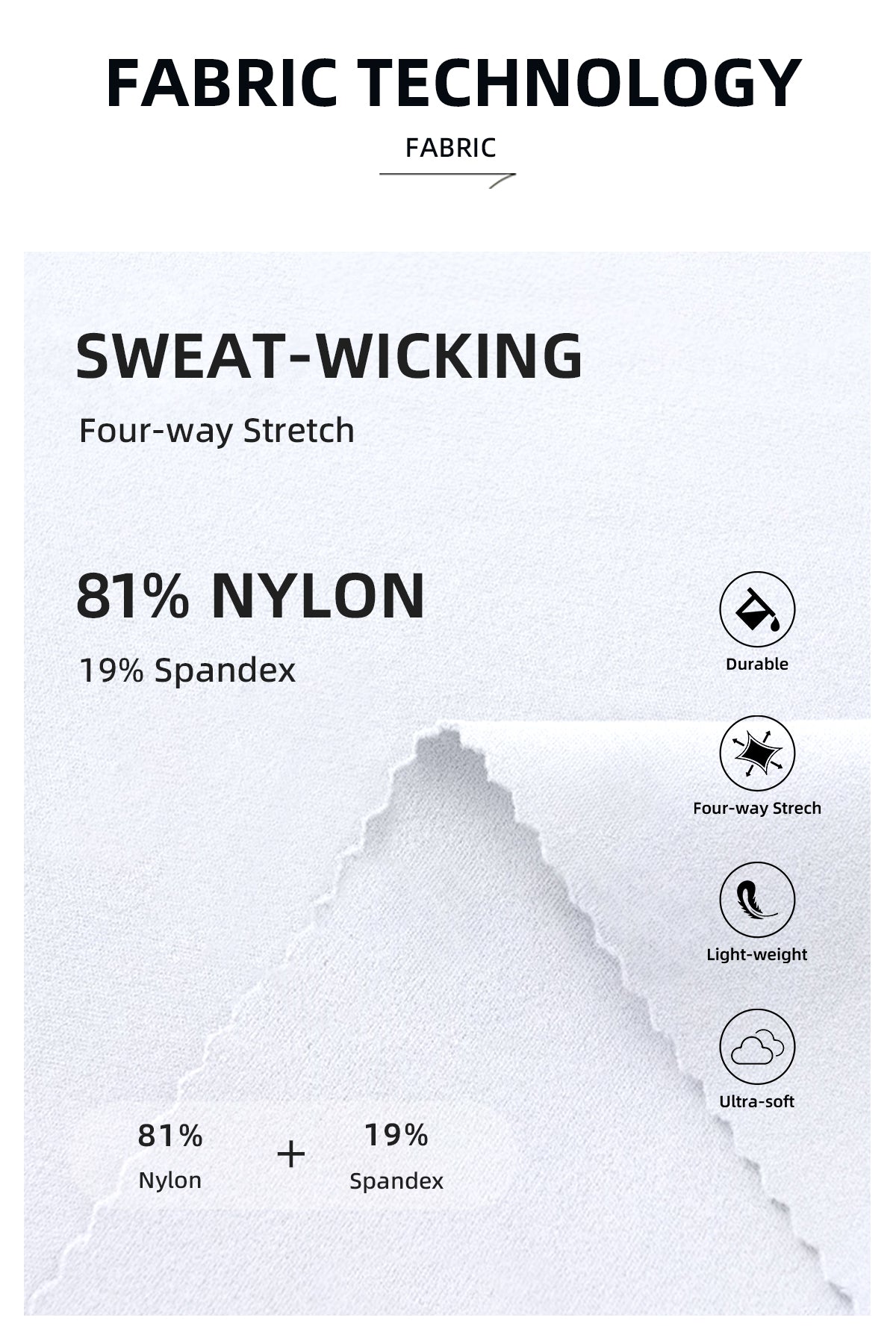
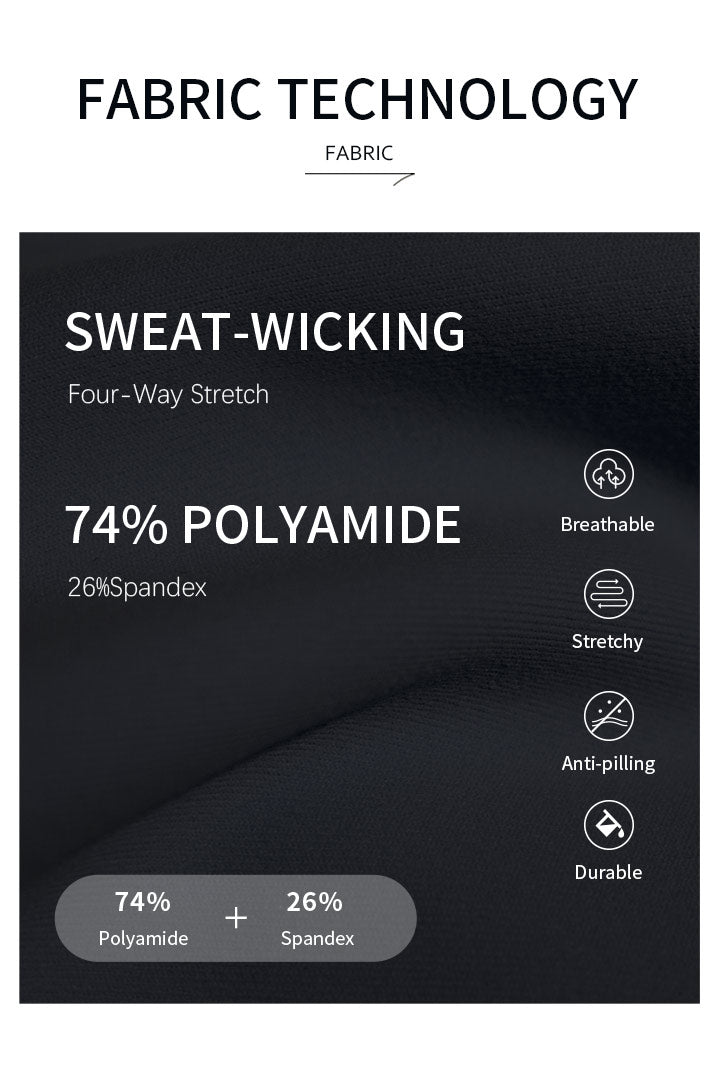
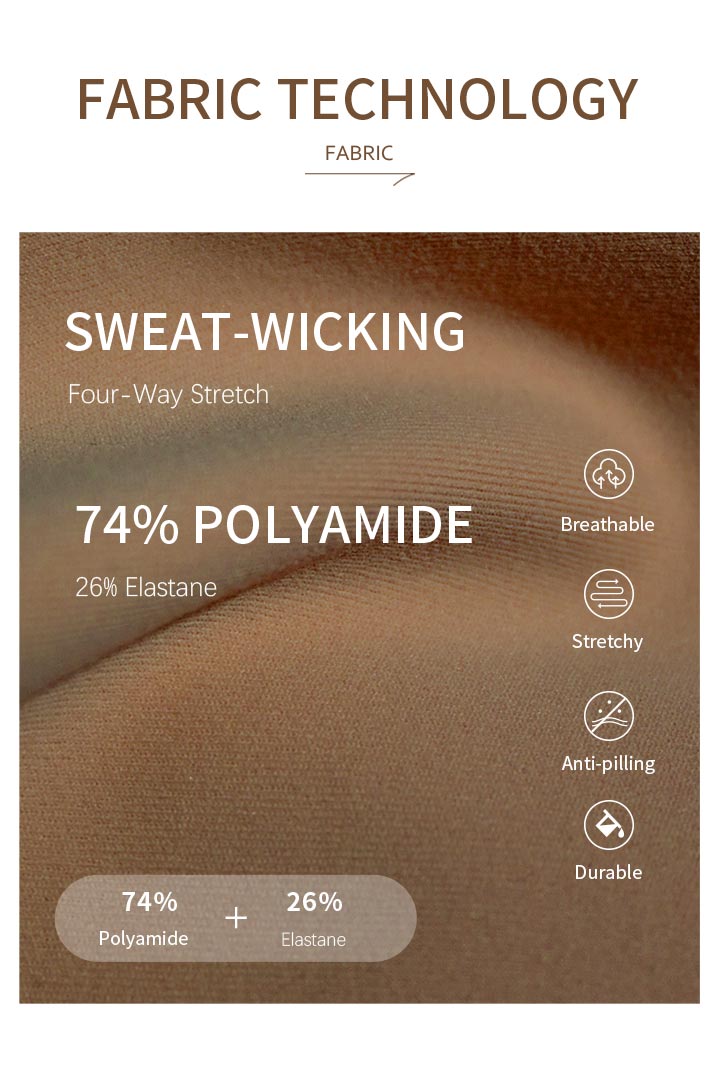
- Moisture-wicking and quick-dry fabrics
- Seamless or flatlock stitching to reduce chafing
- Breathable panels for airflow
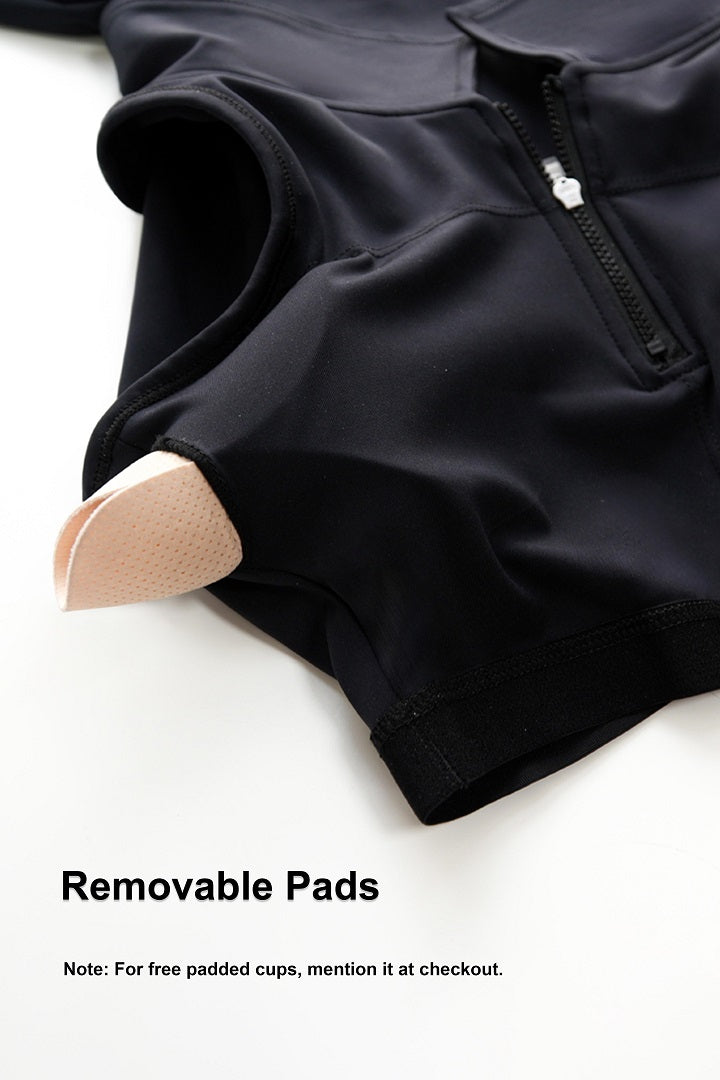
- Adjustable straps or removable padding
High-quality construction is especially important if you plan to wear your sports bra for extended workouts or all-day use. For those looking for a balance between support, comfort, and clean design, Saltum sports bras are designed for versatile training—from gym workouts to everyday wear—using breathable performance fabrics and structured support where it matters most.
Choosing a Sports Bra for Your Body Shape
Body proportions influence which designs feel most comfortable:
- Racerback styles often suit wider shoulders and active movement
- Traditional strap designs may feel better for narrower frames
A well-designed racerback can also help distribute weight more evenly and reduce shoulder strain.
Test Movement Before You Buy
A good sports bra should stay secure without constant adjustment or discomfort.
The Fit Checklist:
| ✓ Band Fit: |
- Band sits level across back (not riding up) - Band snug but allows one finger underneath - Back band doesn't twist or curl - You can breathe comfortably |
| ✓ Strap Fit: |
- Straps don't dig into shoulders - Straps don't slip off shoulders during activity - One finger fits under strap at rest - Straps feel secure without pain |
| ✓ Cup Fit: |
- Breasts completely contained (no spillage) - No wrinkles or gaps in cups - Cups feel supportive - Nipples point forward |
| ✓ Overall Fit: |
- Top stays in place raising your arms - Doesn't shift when bending forward - No wires poking (if applicable) - You can jump 10 times with minimal movement |
Red Flags:
- Band rides up in back → Size too large
- Can't close/secure properly → Size too small
- Straps constantly slip → Size too large or style wrong
- Visible spillage → Wrong cup size
- Nipple showing through → Cup size too small
- Persistent discomfort → Wrong style or fit

Consider Activity-Specific Features
- For runners & high-impact athletes: Moisture-wicking, seamless construction, wider straps, underwire or maximum compression, UPF protection
- For gym & fitness class: Adjustable straps, medium compression, style/appearance matters, breathability important
- For yoga & low-impact: Comfort paramount, minimal compression acceptable, natural appearance preferred, eco-friendly materials valued
Selection Guide by Activity & Body Type
For Runners
| Low-mileage (under 10 miles/week): | - Integrated tank, medium compression crop - Try: Nike SportBra, Aerie Run Tank |
| Moderate-mileage (10-30 miles/week): | - High compression crop, light underwire - Try: Brooks High-Impact, Freya Active |
| High-mileage (30+ miles/week): | - Maximum compression crop, professional underwire - Try: Shock Absorber Ultimate Run, On Performance Tank |
For Large Breasts (D Cup+)
Essential features:
- Underwire or maximum compression (light compression insufficient)
- Reinforced side panels (prevents spillage)
- Wider straps (distributes weight)
- Taller cup height (prevents spillage)
Recommended styles:
- First choice: Underwire sports top
- Second choice: Maximum compression crop
- Avoid: Minimal tops, light wireless
For Small Breasts (A-B Cup)
Beneficial features:
- Minimal padding (excess coverage unneeded)
- Breathable fabrics (comfort priority)
- Adjustable straps (proper fit critical)
- Fashion-forward designs (aesthetic matters)
Recommended styles:
- Minimal compression, wireless
- Integrated tank (medium)
- Convertible straps
FAQ: Sports Bra Buying Guide
What is the best sports bra for running?
A high-impact sports bra with strong support, a wide underband, and moisture-wicking fabric is best for running.
How often should I replace my sports top?
General timeline:
- Budget sports tops ($30-50): 4-6 months with heavy use
- Mid-range sports tops ($50-100): 12-18 months with regular use
- Premium sports tops ($100+): 18-24 months with care
Signs it's time to replace:
- Elasticity loss (straps/band feels loose, sliding)
- Support reduction (noticeably more movement during activity)
- Visible wear (fraying, seams separating, color fading)
- Comfort issues (red marks lasting 30+ minutes)
- Odor (smell remains after washing)
- Wire damage (poking, bent, uncomfortable)
To extend lifespan:
1. Hand wash in cold water (never machine wash)
2. Use gentle detergent (avoid fabric softener, bleach)
3. Air dry completely (never use dryer)
4. Store flat in drawer (never hang on hooks)
5. Rotate between 2-3 tops (allows recovery time)
6. Wash after every use (prevents bacteria buildup)
How tight should a sports bra be?
A sports bra should feel snug but not painful. You should be able to breathe deeply and move freely.
Can you wear a sports bra all day?
Yes. Medium-support sports bras made from breathable, soft fabrics can be worn comfortably for extended periods.
Can I wear a regular bra for high-impact exercise?
Not recommended beyond very low-impact activities.
Why it's problematic:
- Inadequate movement minimization (up to 4-5x more movement than proper sports tops)
- Inadequate support (tissues experience excessive strain)
- Shoulder strain (unstructured bras lack proper weight distribution)
- Discomfort during exercise (movement, bouncing, shifting)
- Long-term damage (ligament stretching, permanent sagging)
Research shows unsupported running causes measurable breast tissue trauma and stretching of Cooper's ligaments. Without proper support, repeated high-impact exercise causes permanent sagging. A proper sports top costs less than one sports injury treatment. It's a worthwhile investment.
What material is best for sports bras?
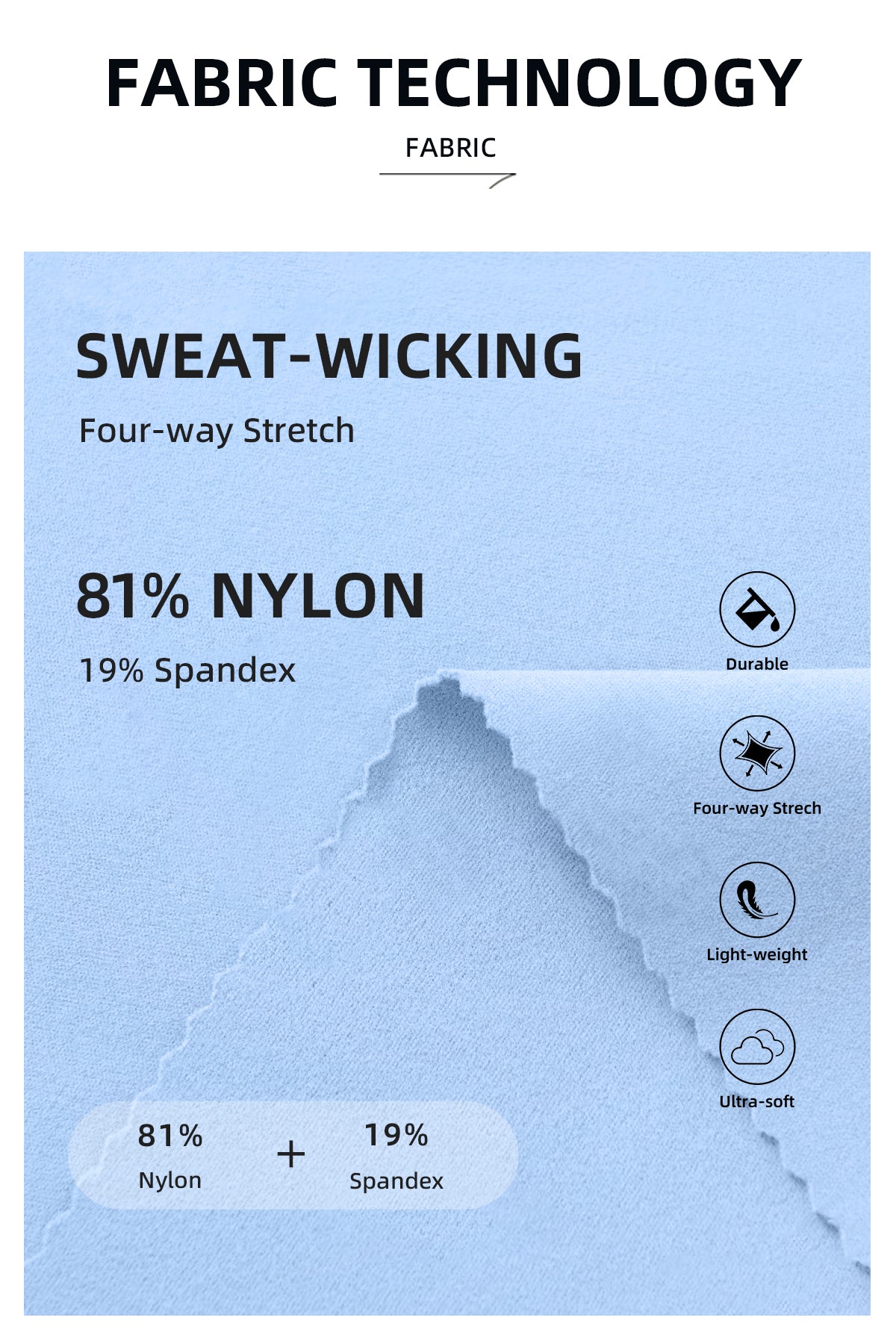
Saltum Nylon or polyester blends with moisture-wicking properties are ideal for durability and comfort.
How should I wash and care for my sports top?
Proper care extends lifespan by 50%+. The Correct Method:
| Step 1: Pre-treatment (10-15 minutes) |
- Soak in cold water (30°C maximum) - Add gentle sports-specific detergent or baby shampoo - Skip: fabric softener, bleach, regular laundry detergent |
| Step 2: Hand wash (2-3 minutes) |
- Gently rub fabric together - Don't scrub aggressively - Focus on underarm and inner cup (sweat accumulates) - Avoid twisting or wringing |
| Step 3: Rinse thoroughly (3-4 times) | - Cool water until water runs clear - Don't wring or twist |
| Step 4: Dry properly (most critical) |
- Press in towel to absorb water (don't wring) - Lay flat on dry surface or hang vertically - Never squeeze or wring - Avoid direct sunlight (fades, damages elastics) - Never use dryer or heat - Complete drying: 24-48 hours |
How do I find my correct size if I'm between sizes?
Falls-between sizing is common. If between band sizes (e.g., 32-34):
- Choose smaller band (will stretch slightly with wear)
- Provides better support (loose band undermines support)
- If uncomfortable, use back closures to adjust tightness
If between cup sizes (e.g., B-C):
- Try both sizes
- B cup: slight gap if volume closer to C
- C cup: slightly snug if volume closer to B
- Choose cup size feeling more comfortable
If different than regular bra size:
This is normal. Sports top sizing differs from fashion bra sizing.