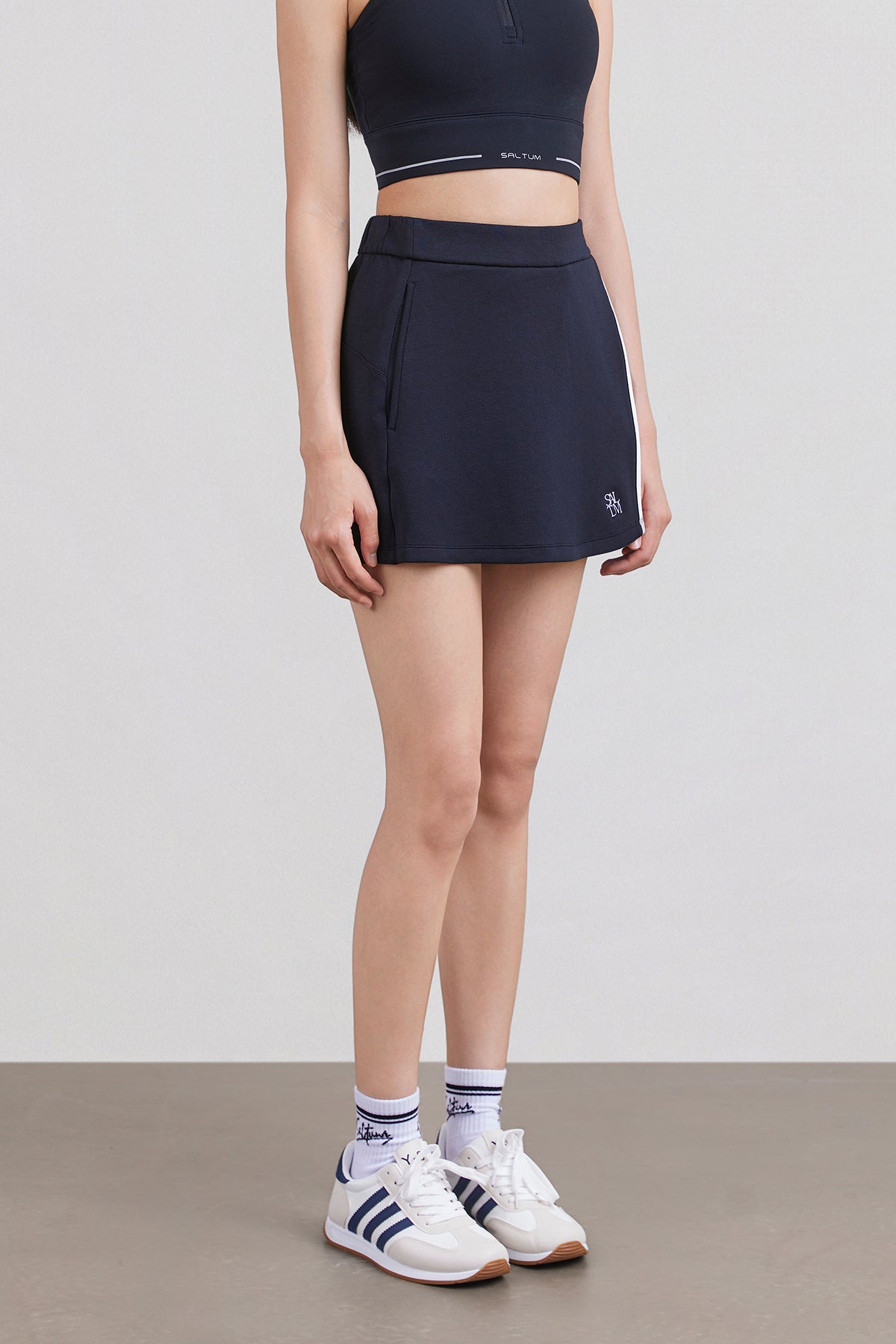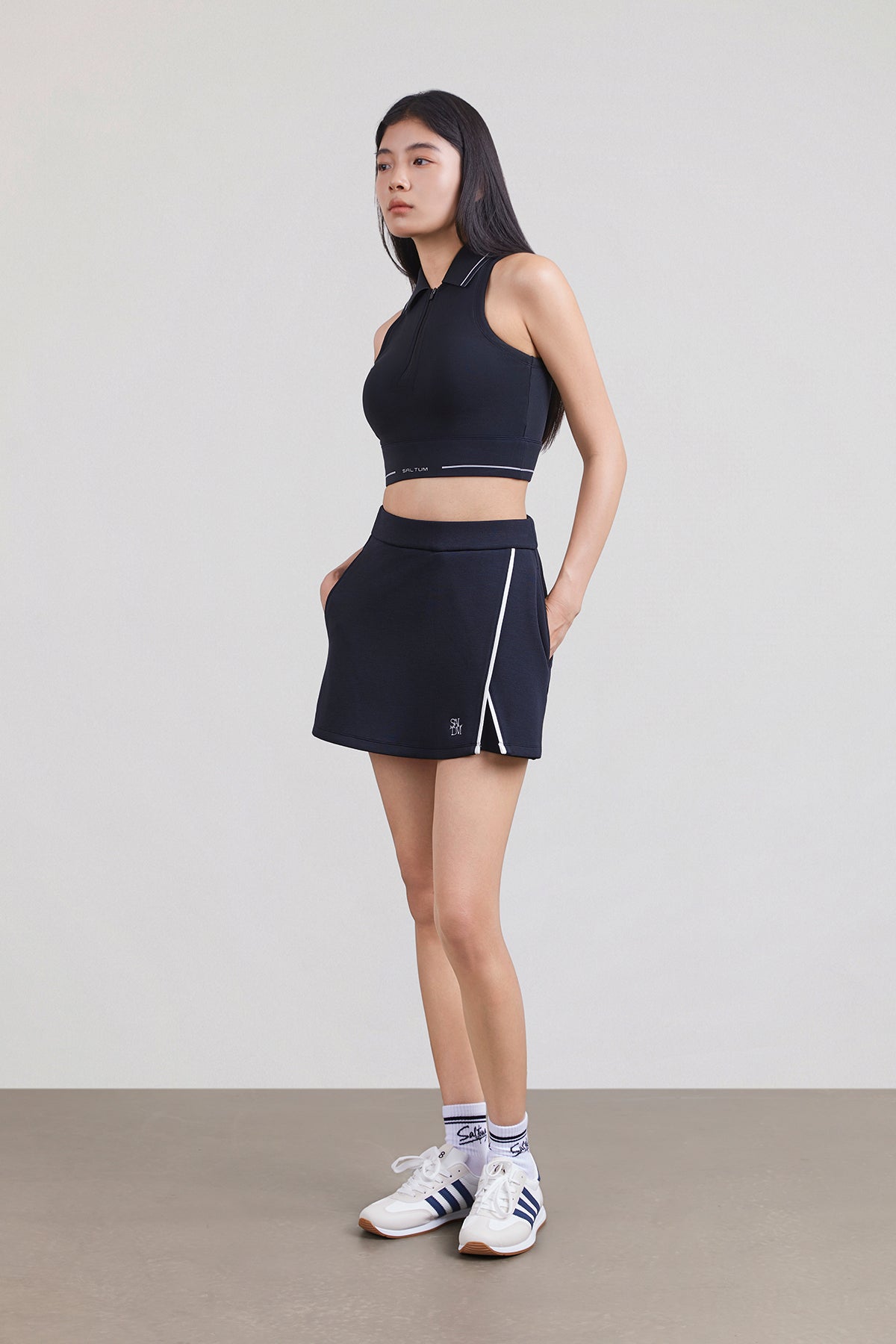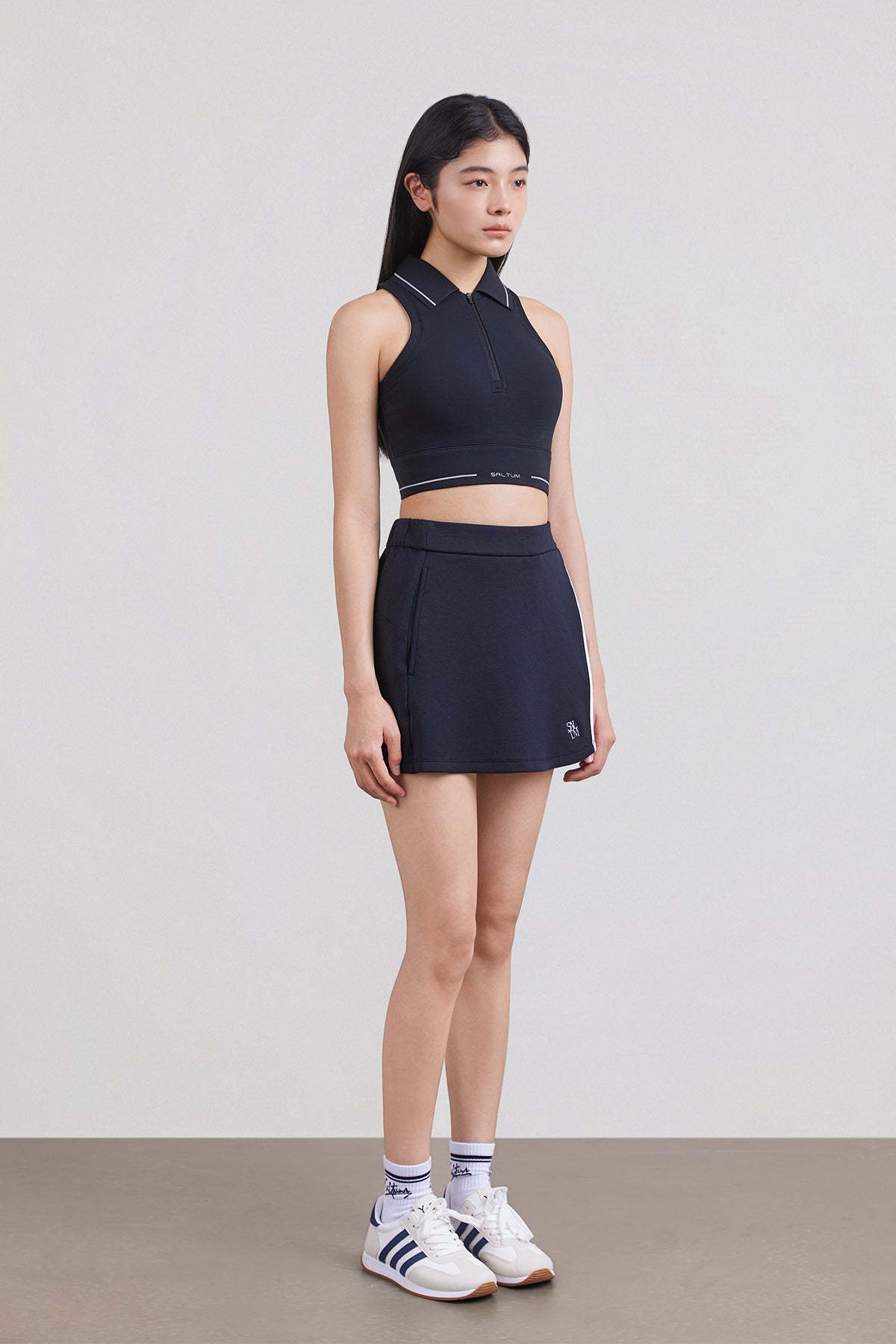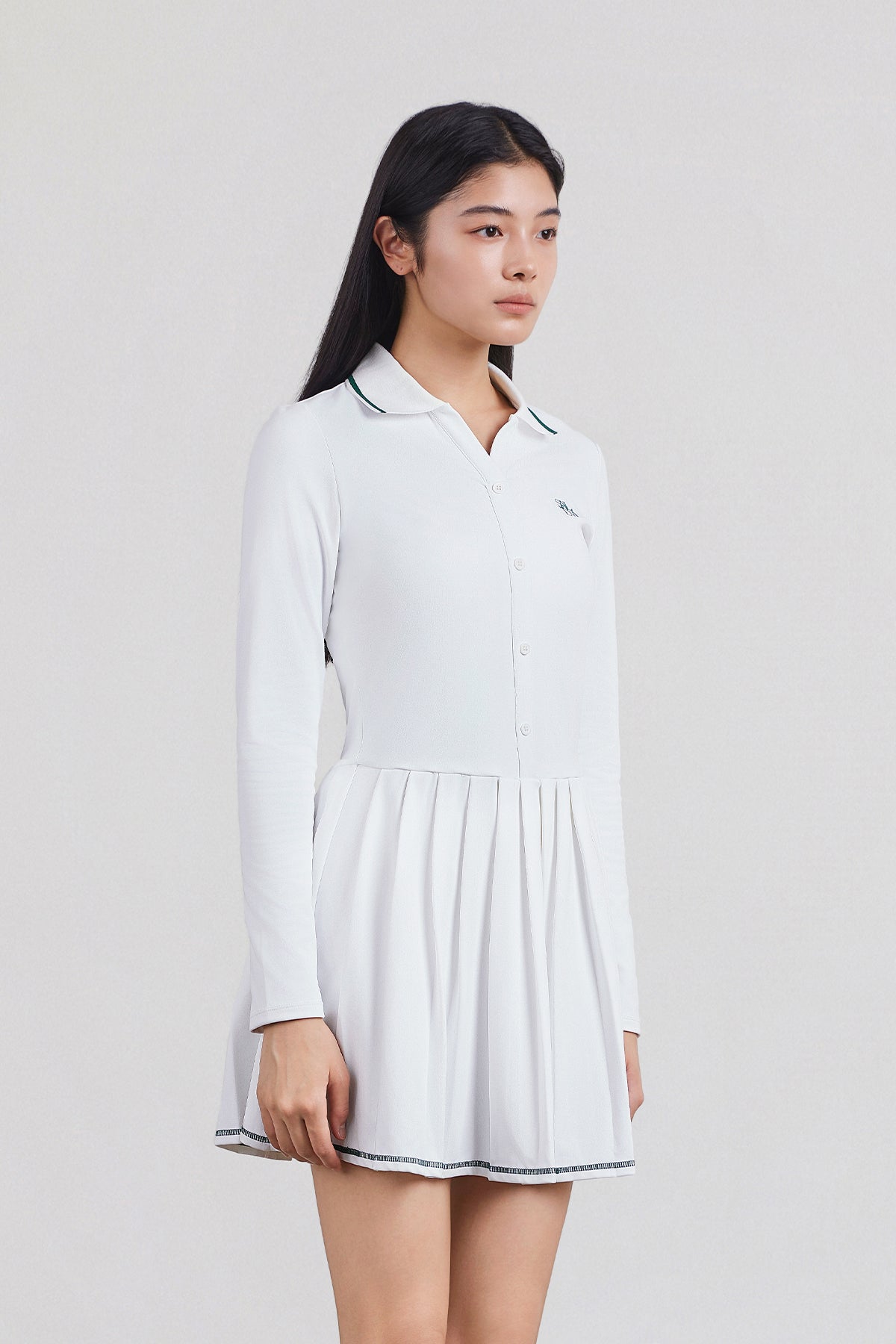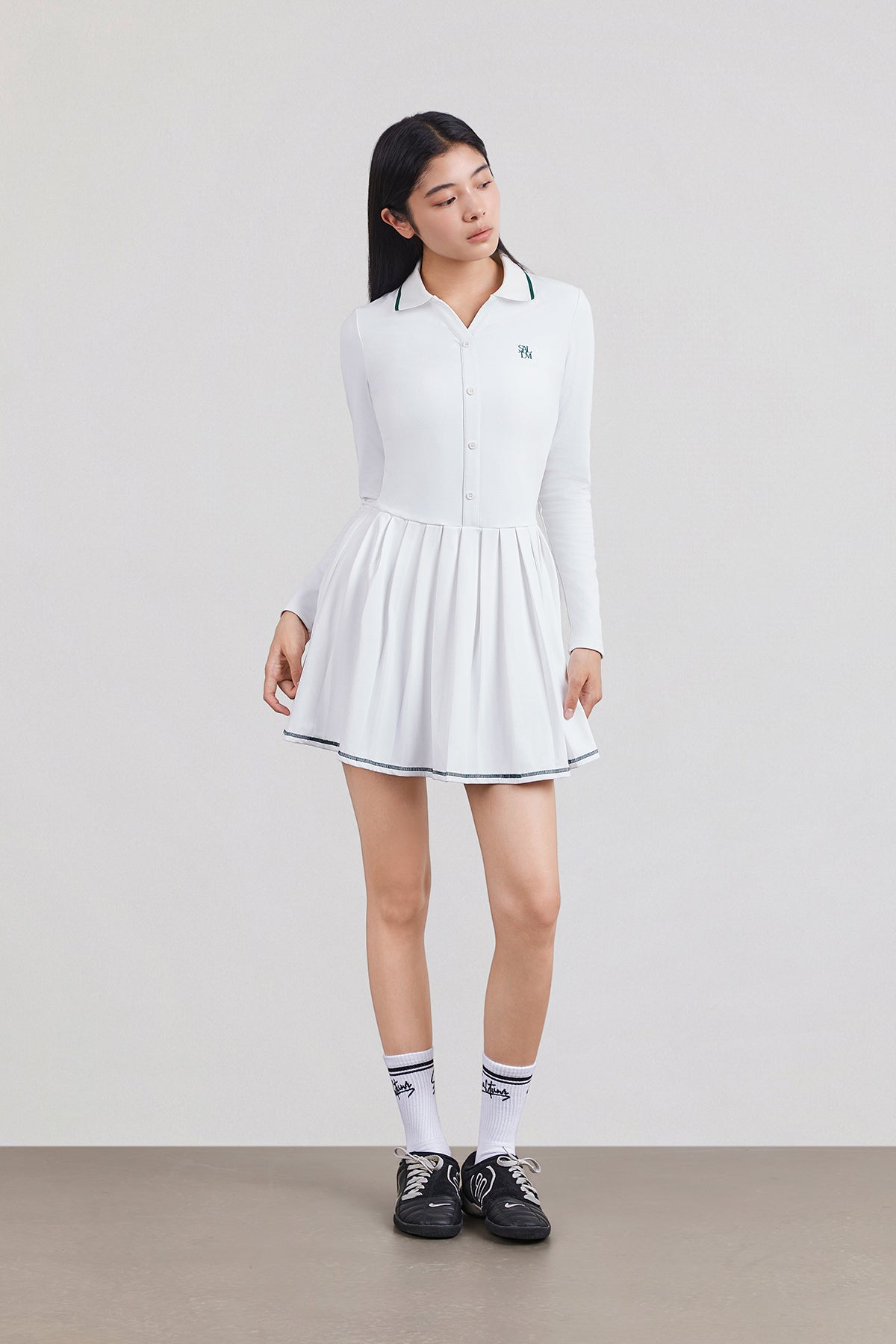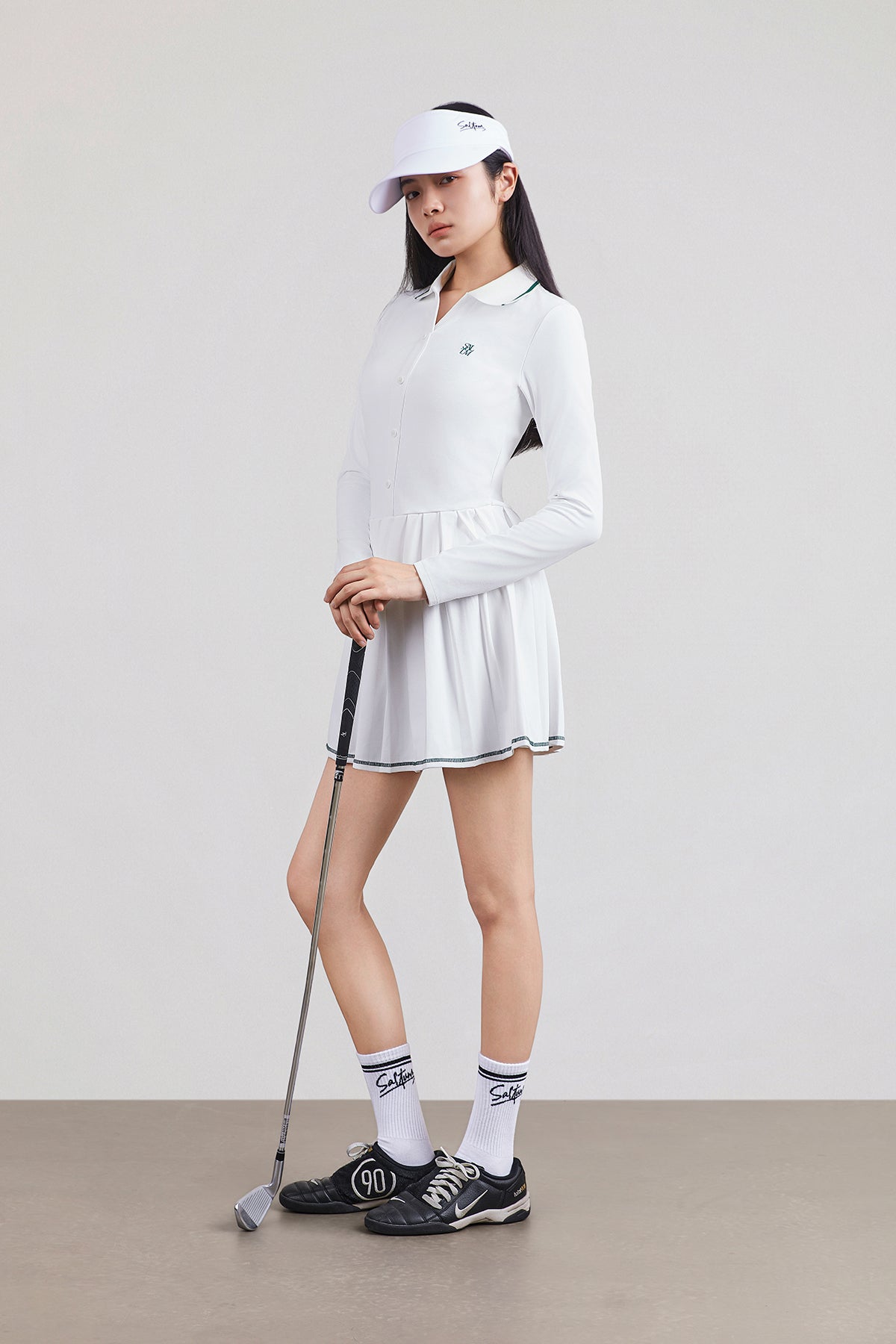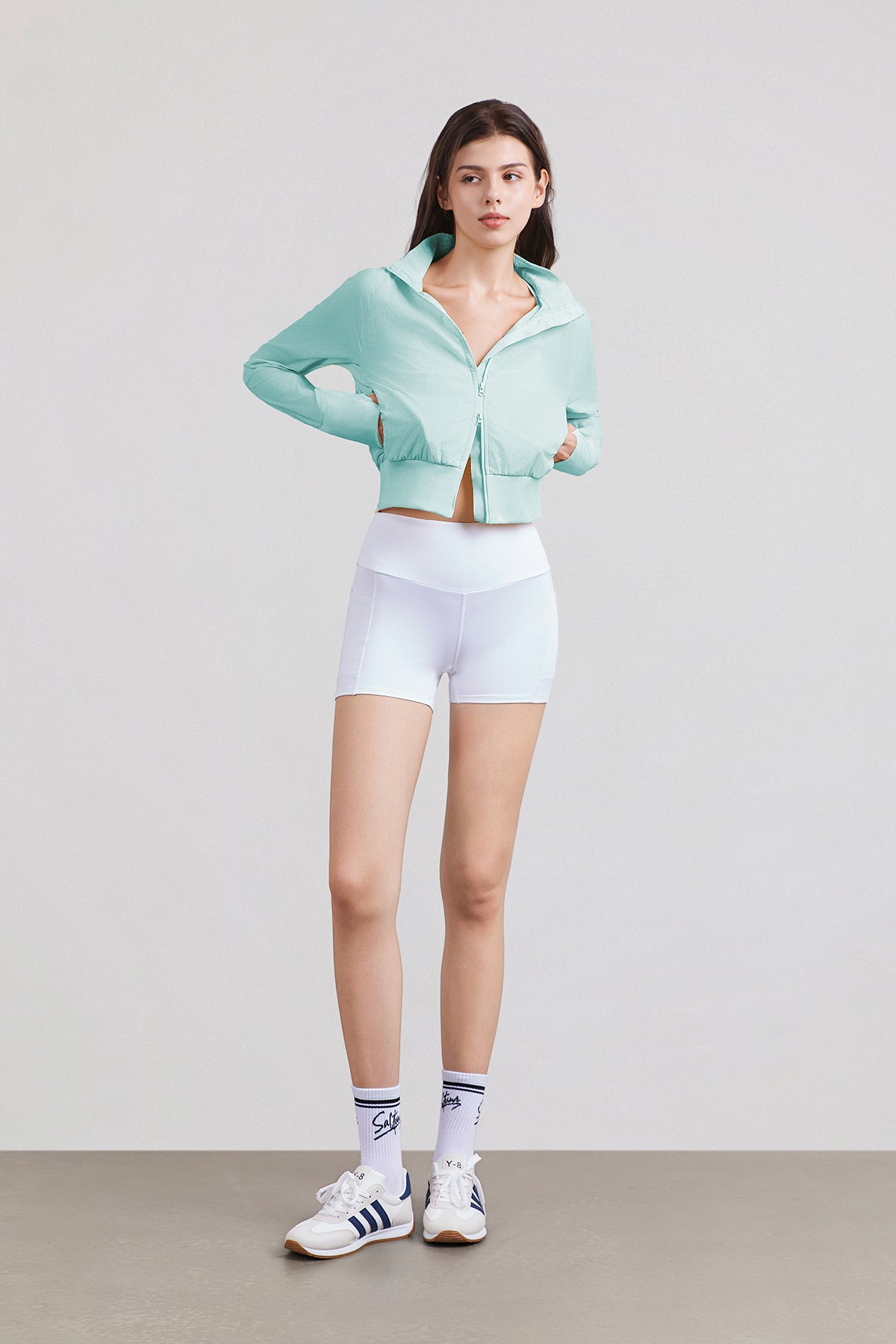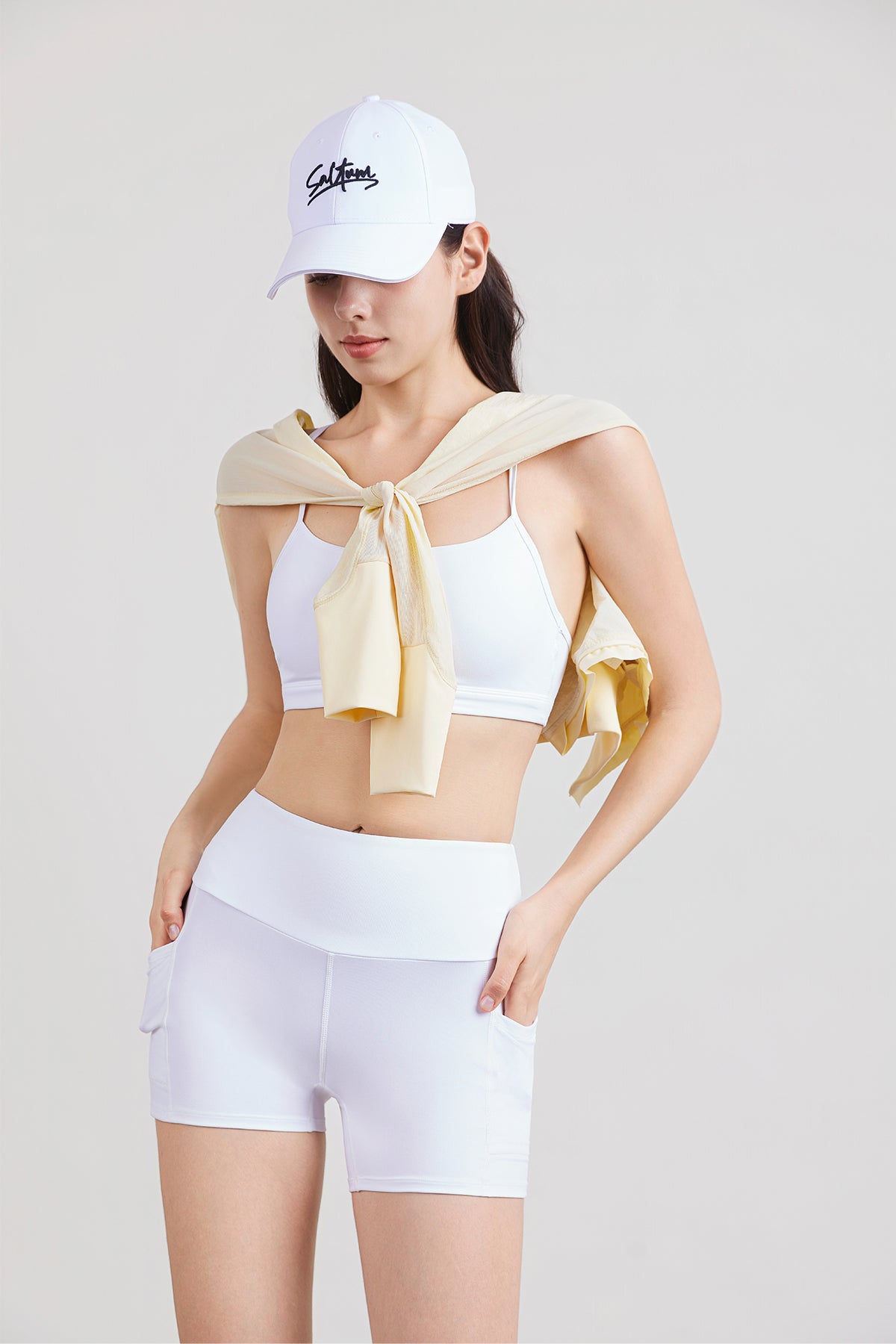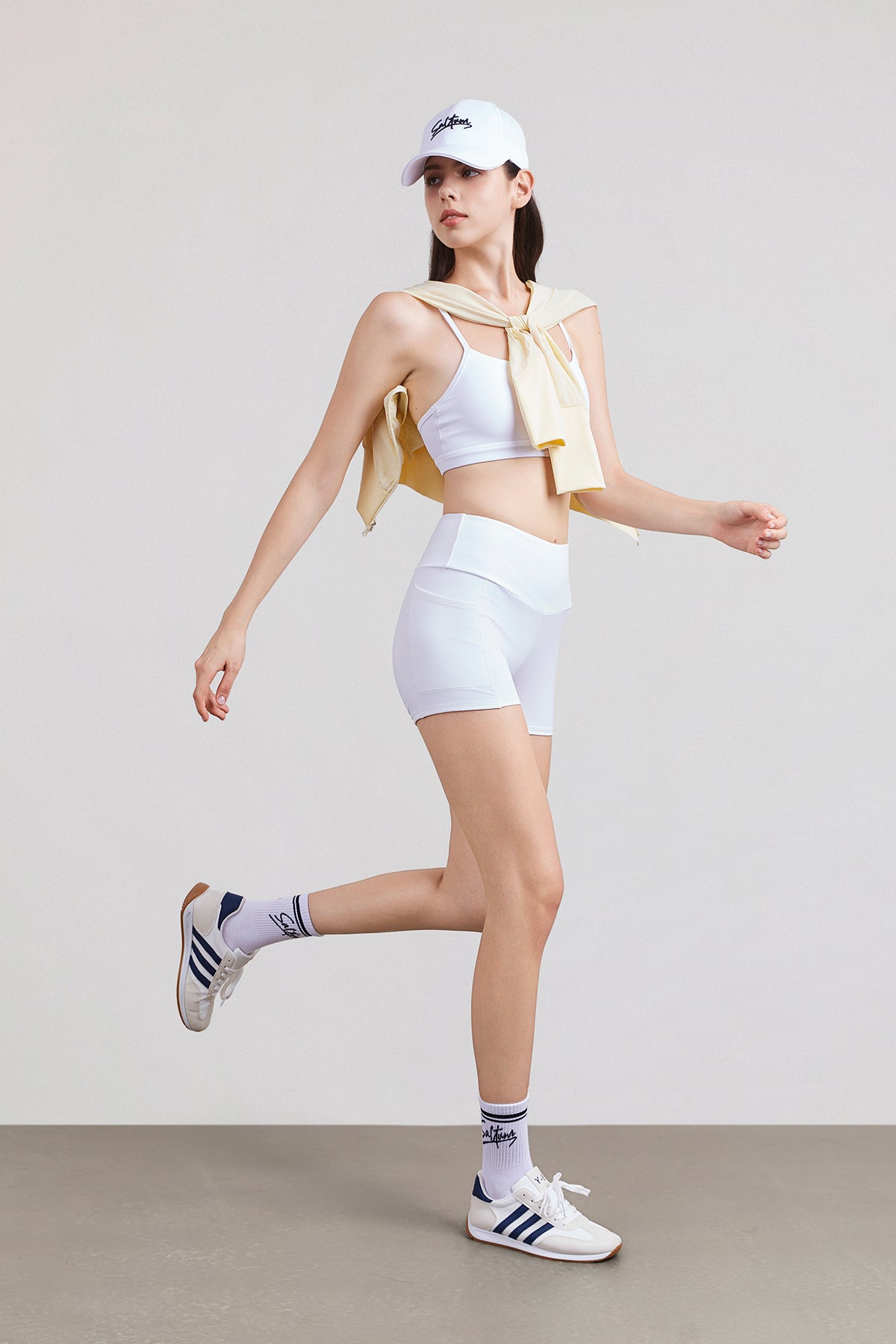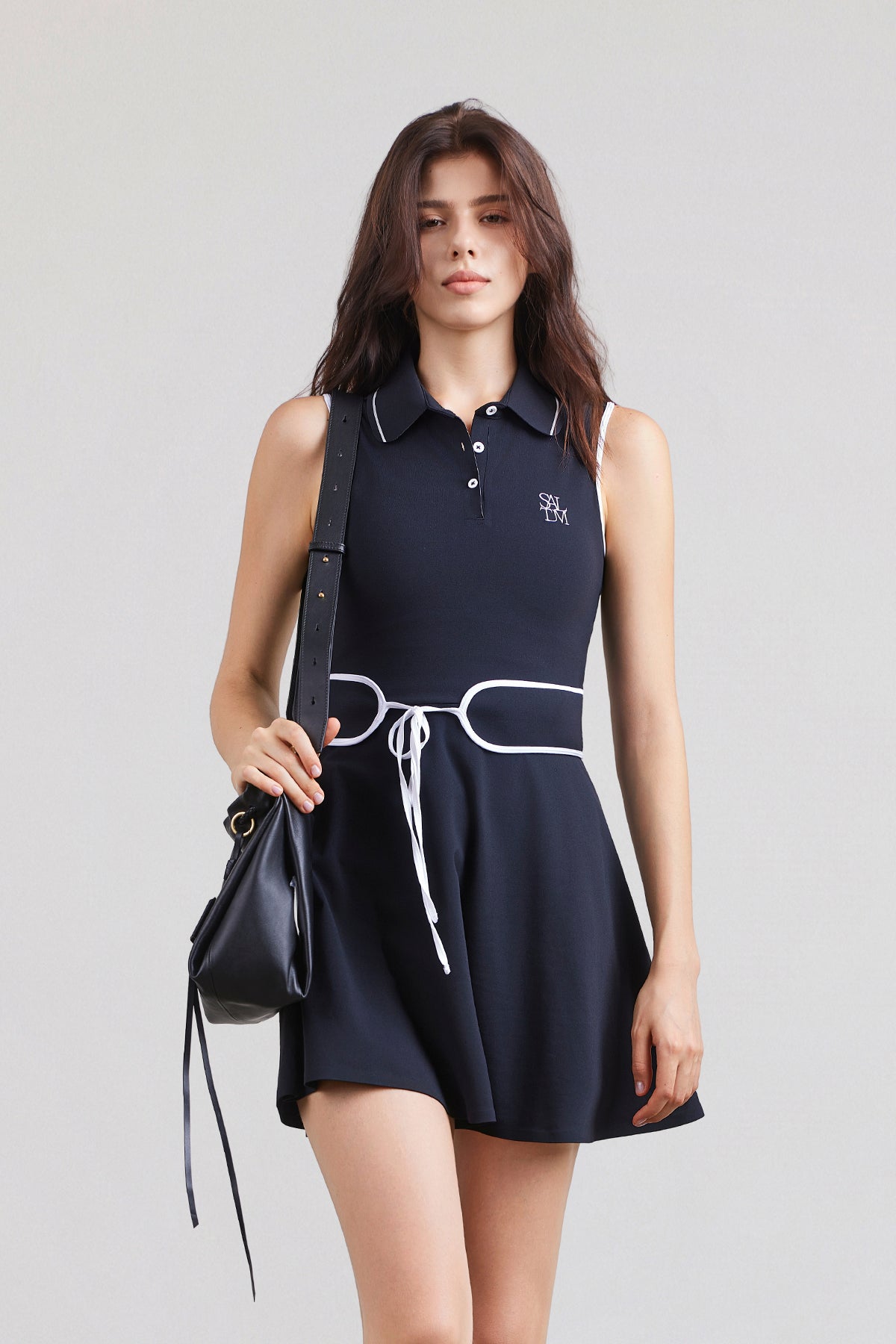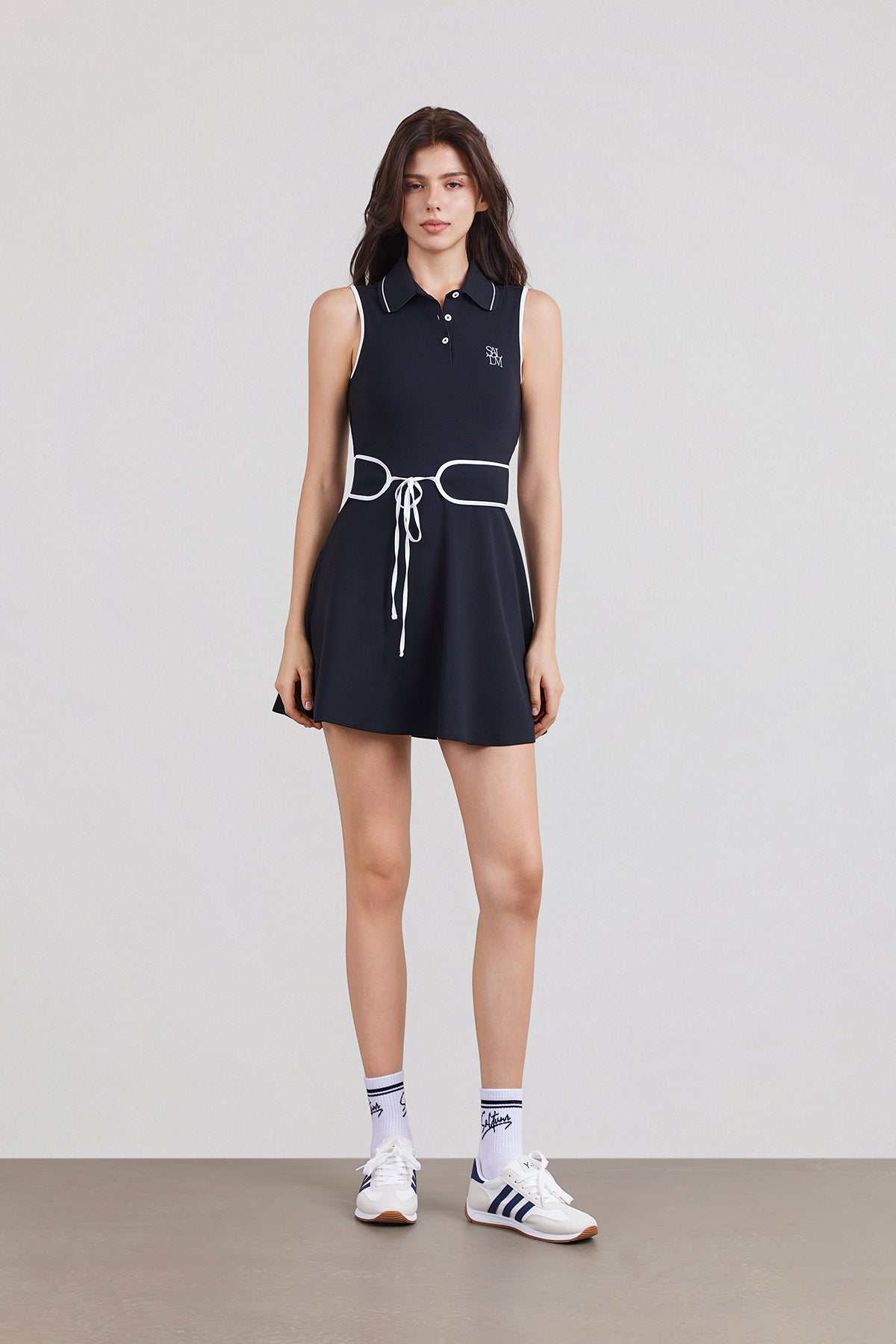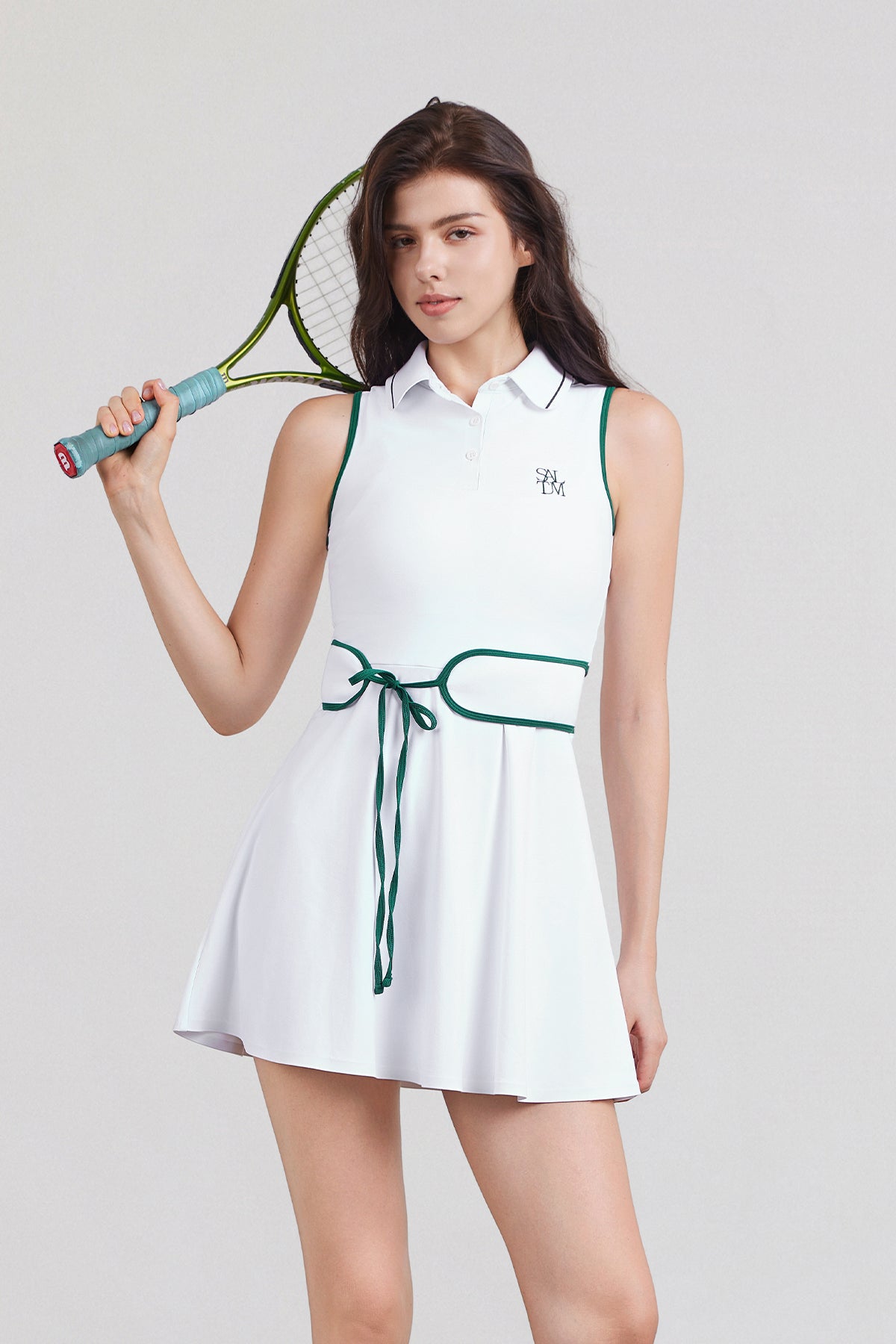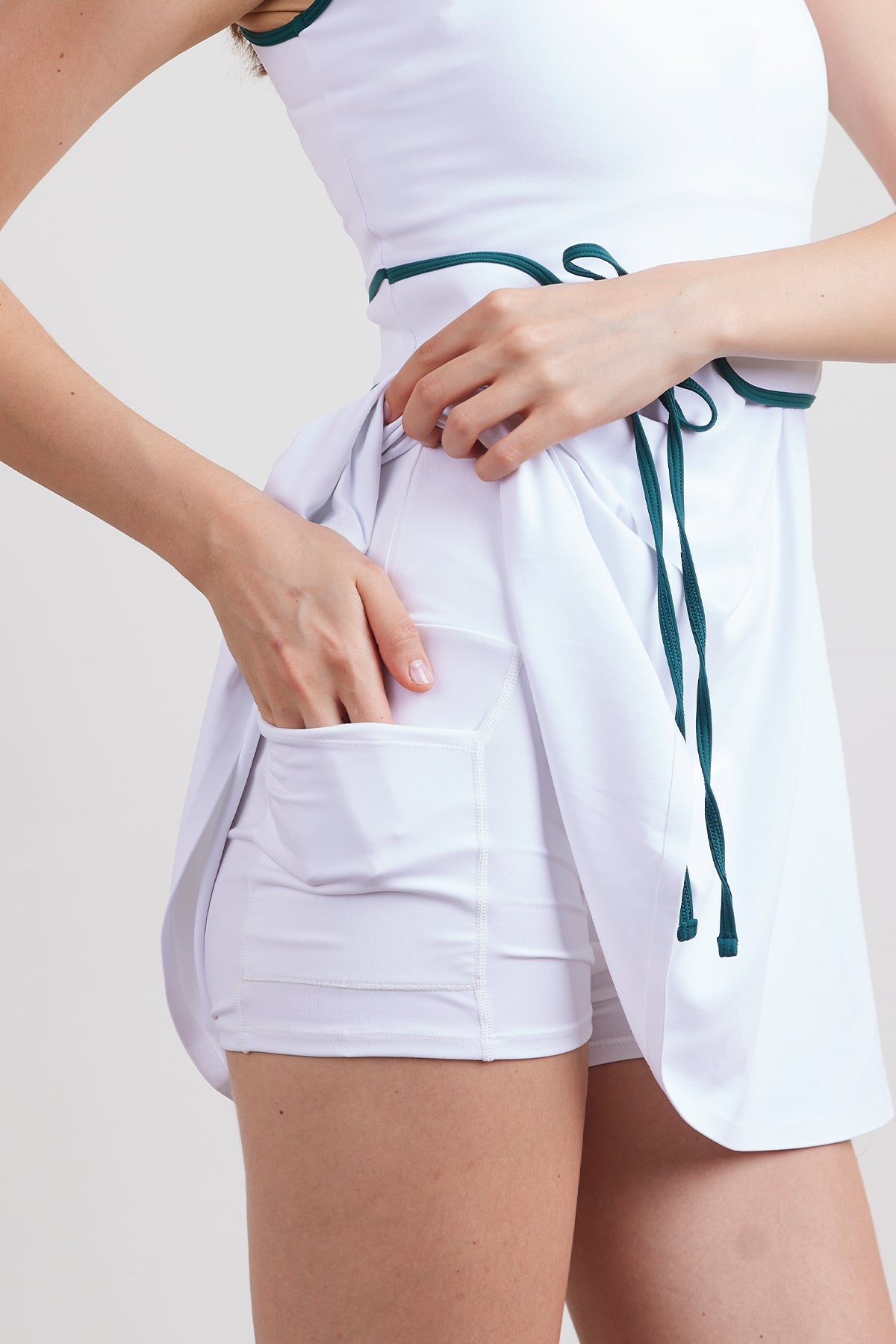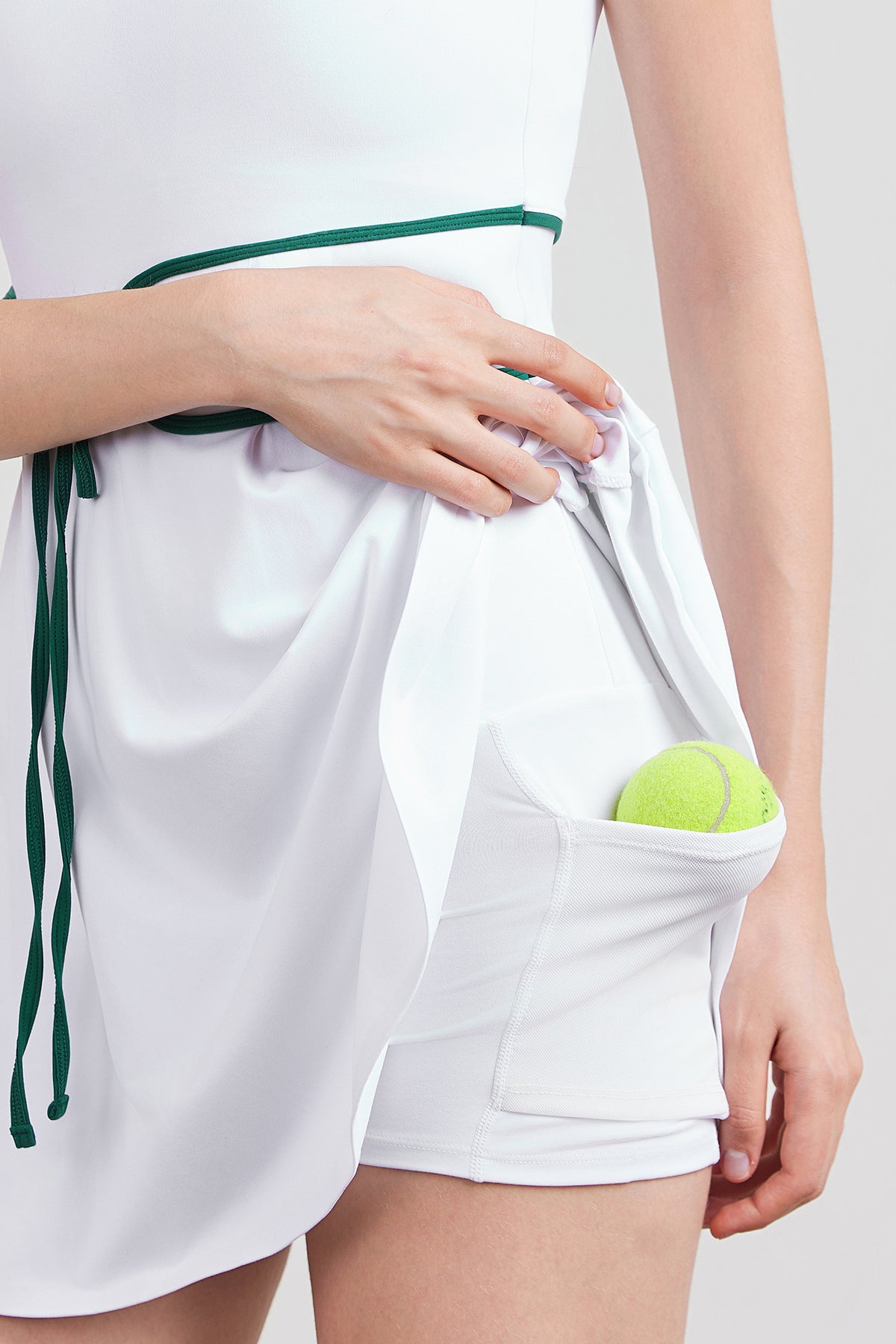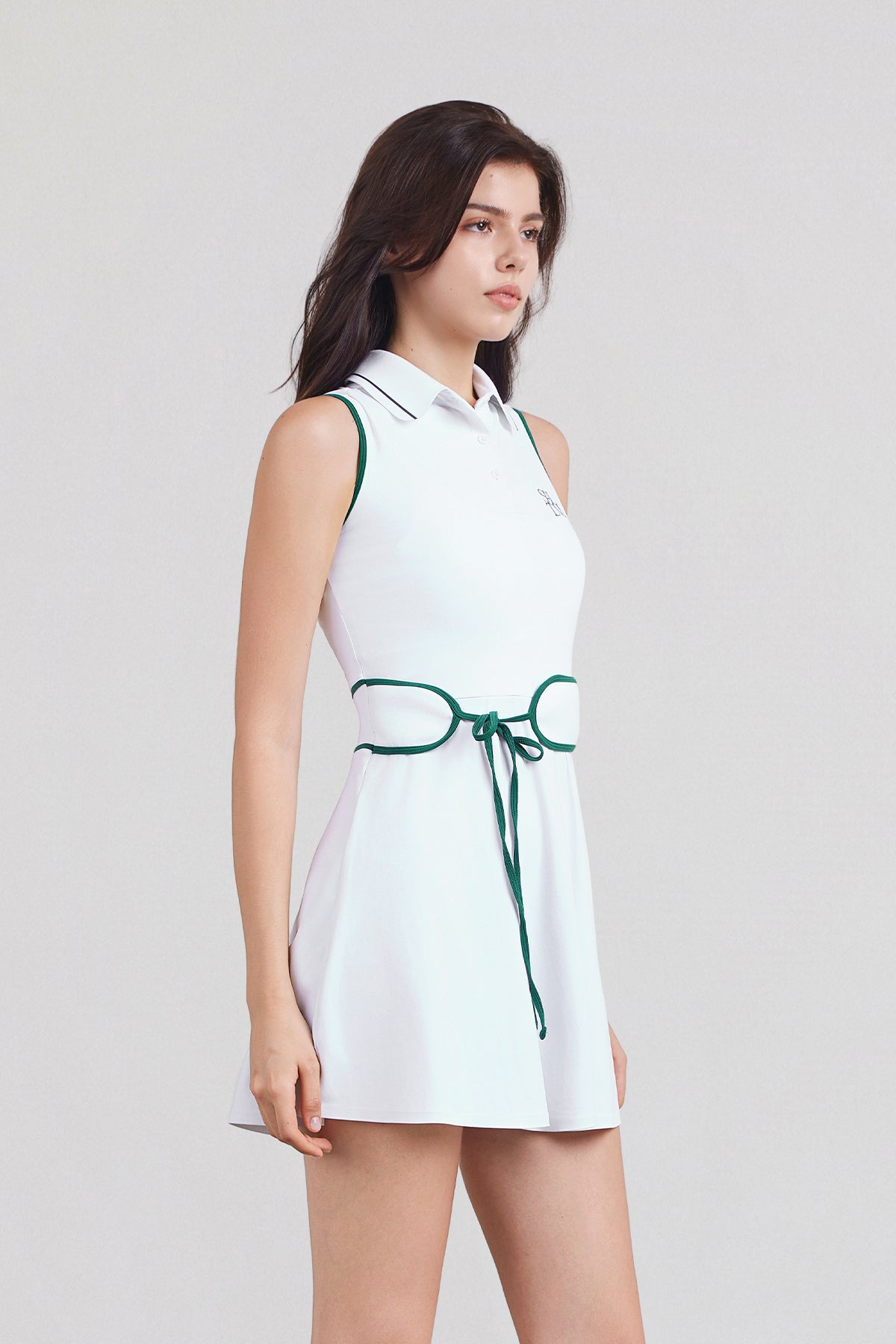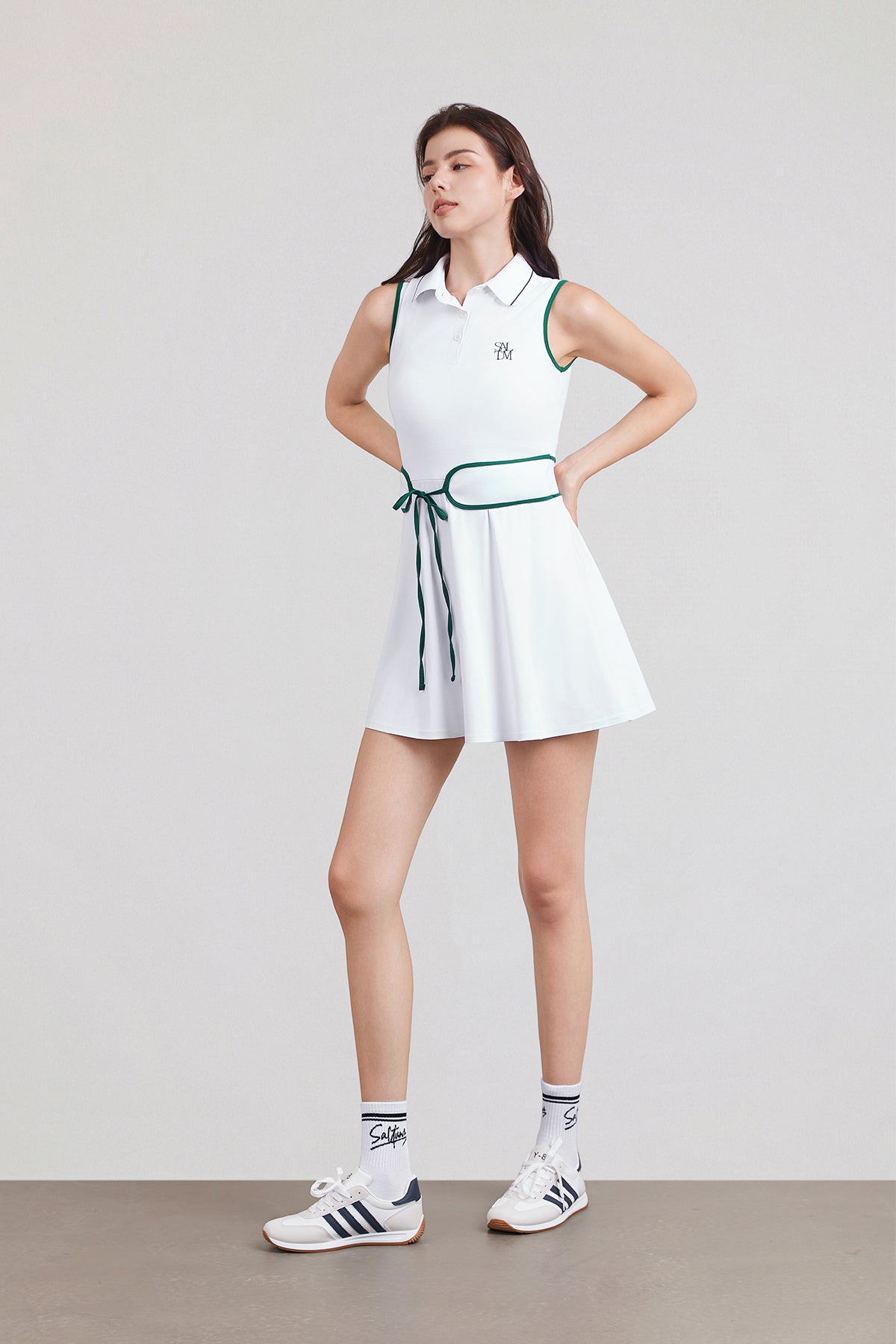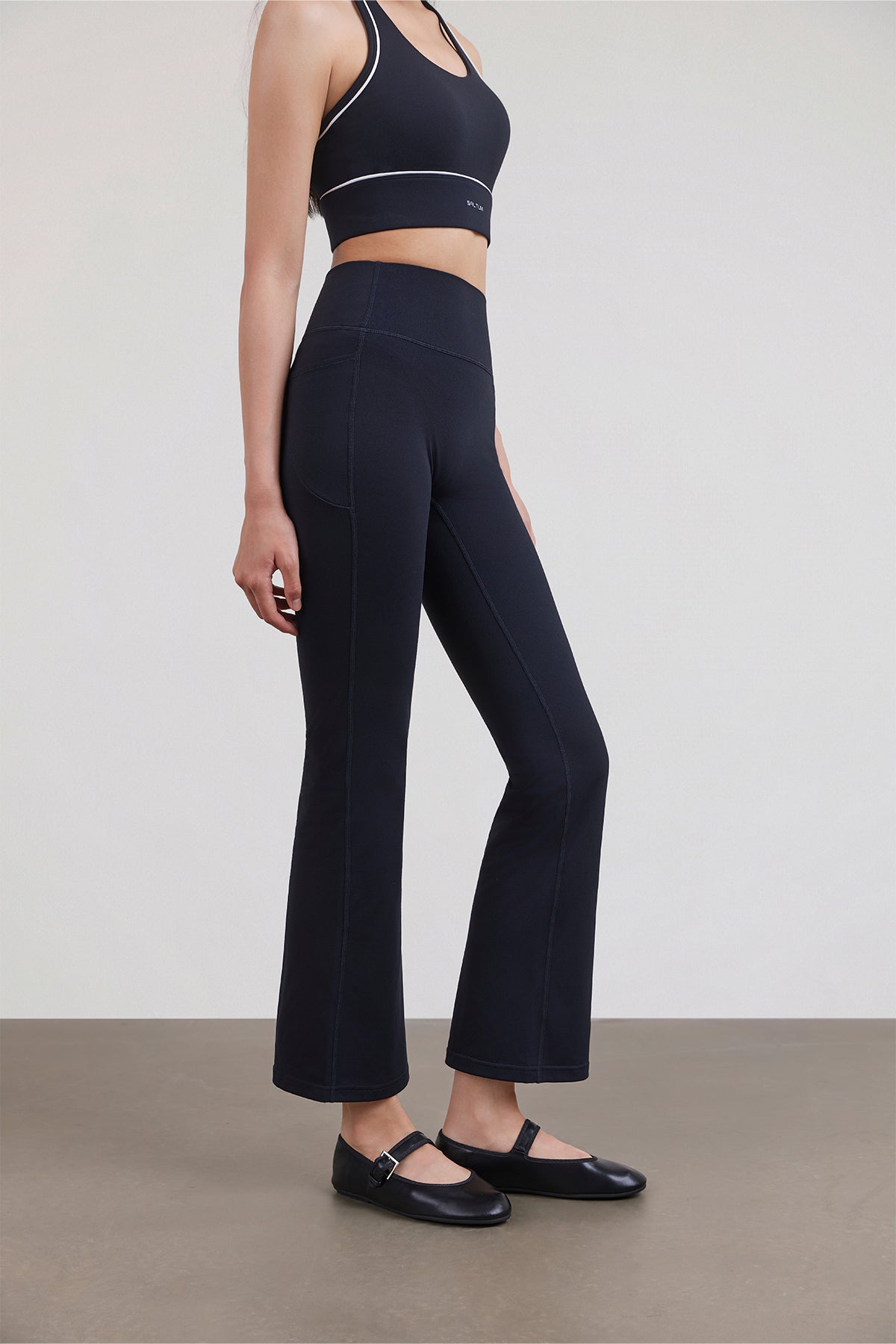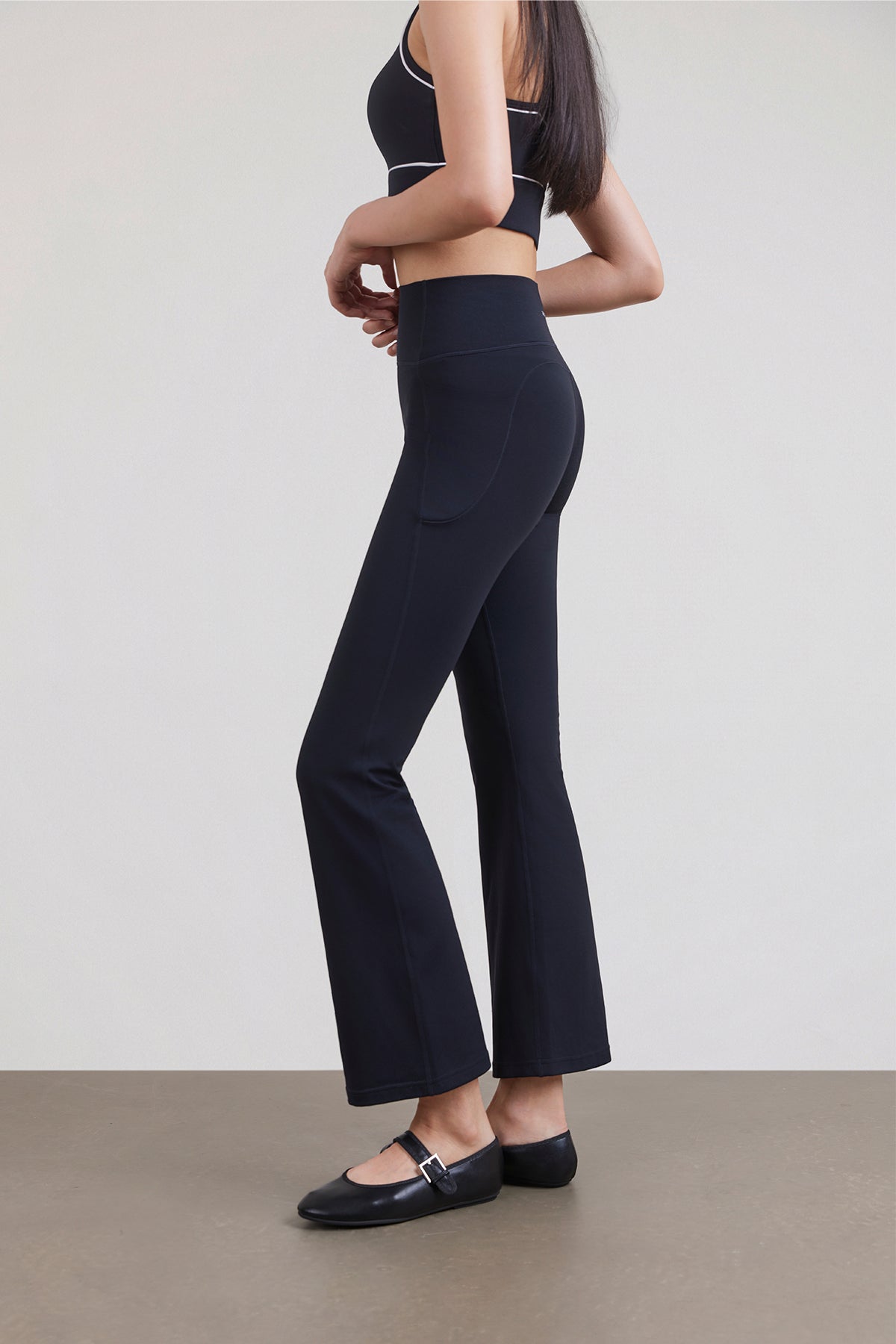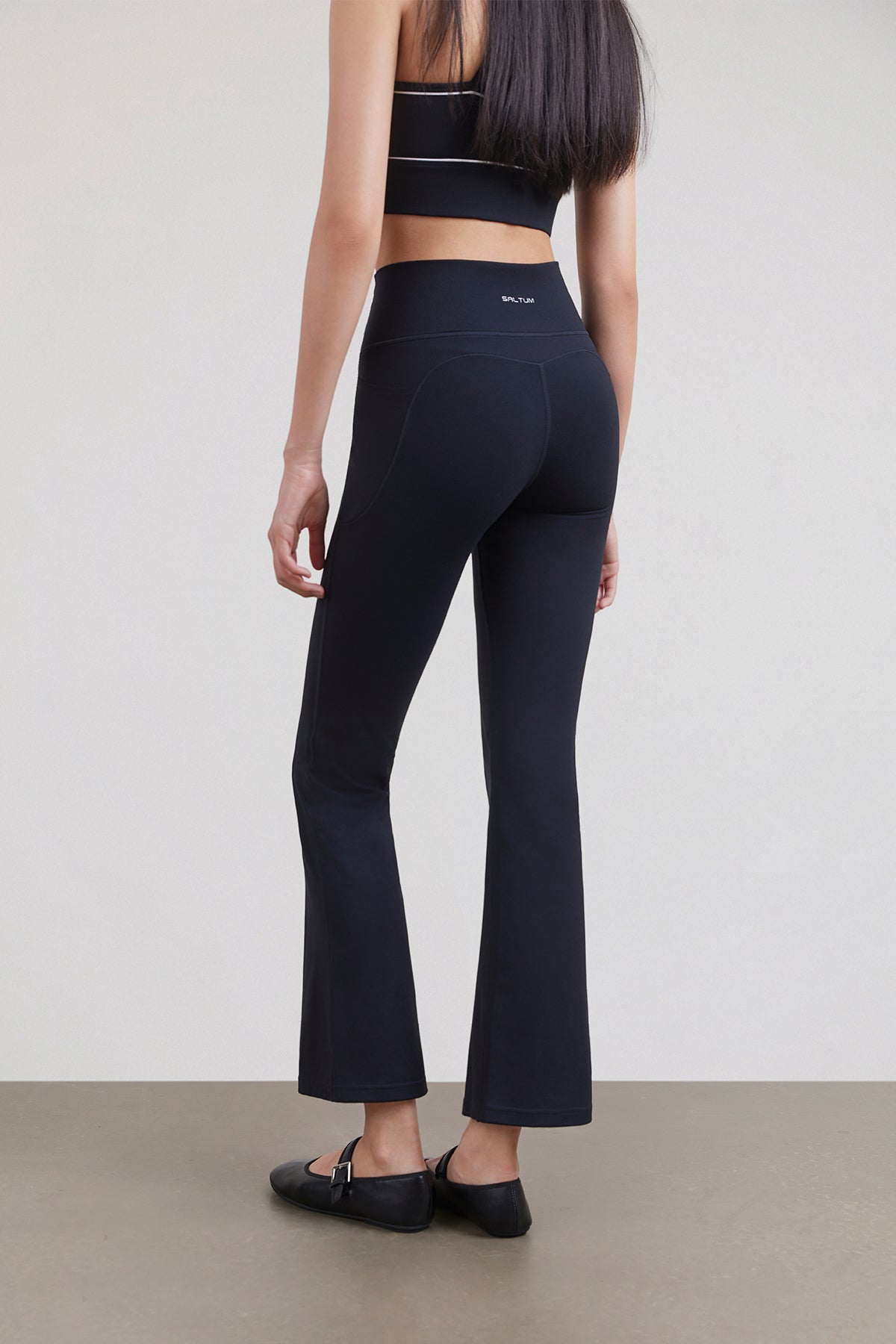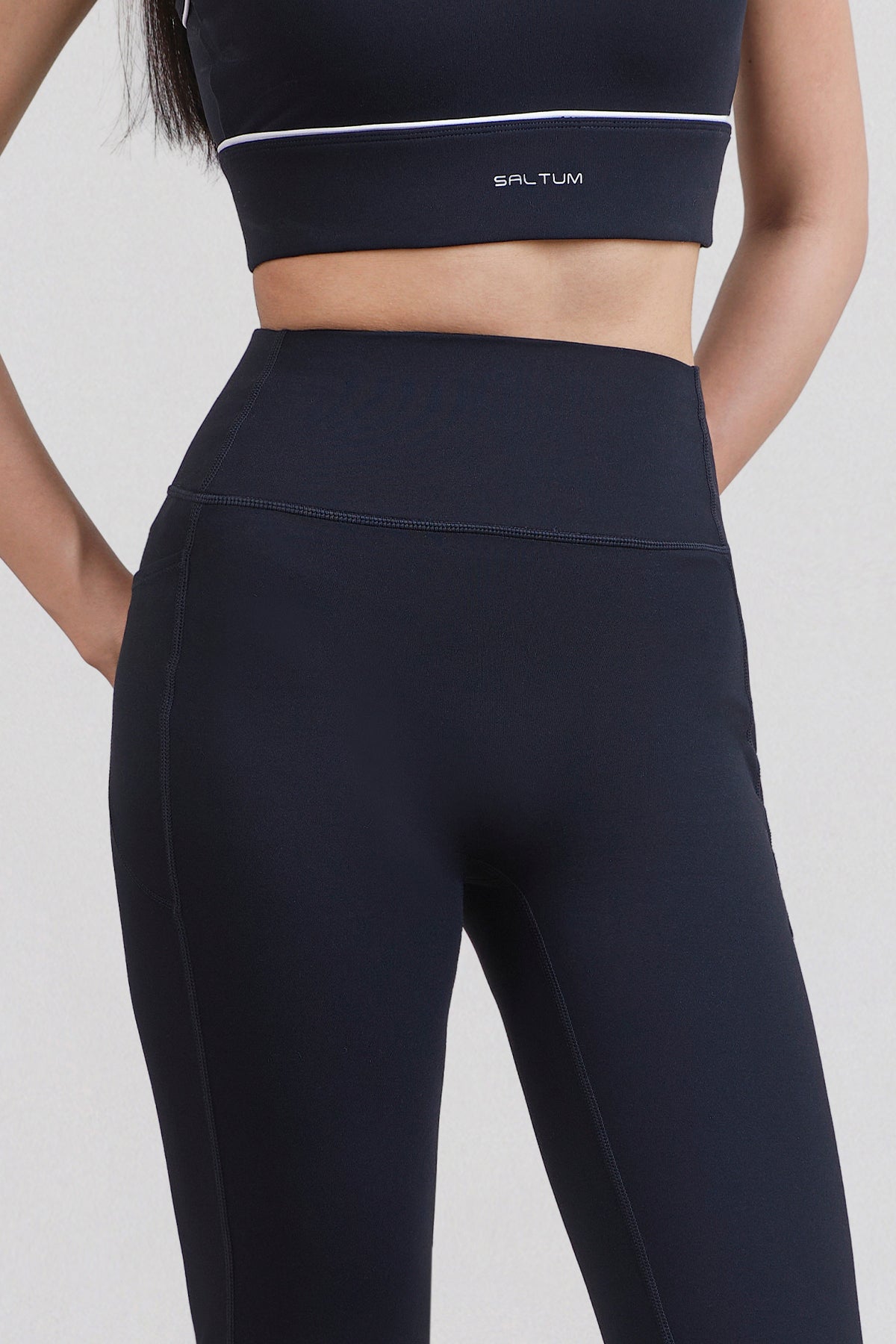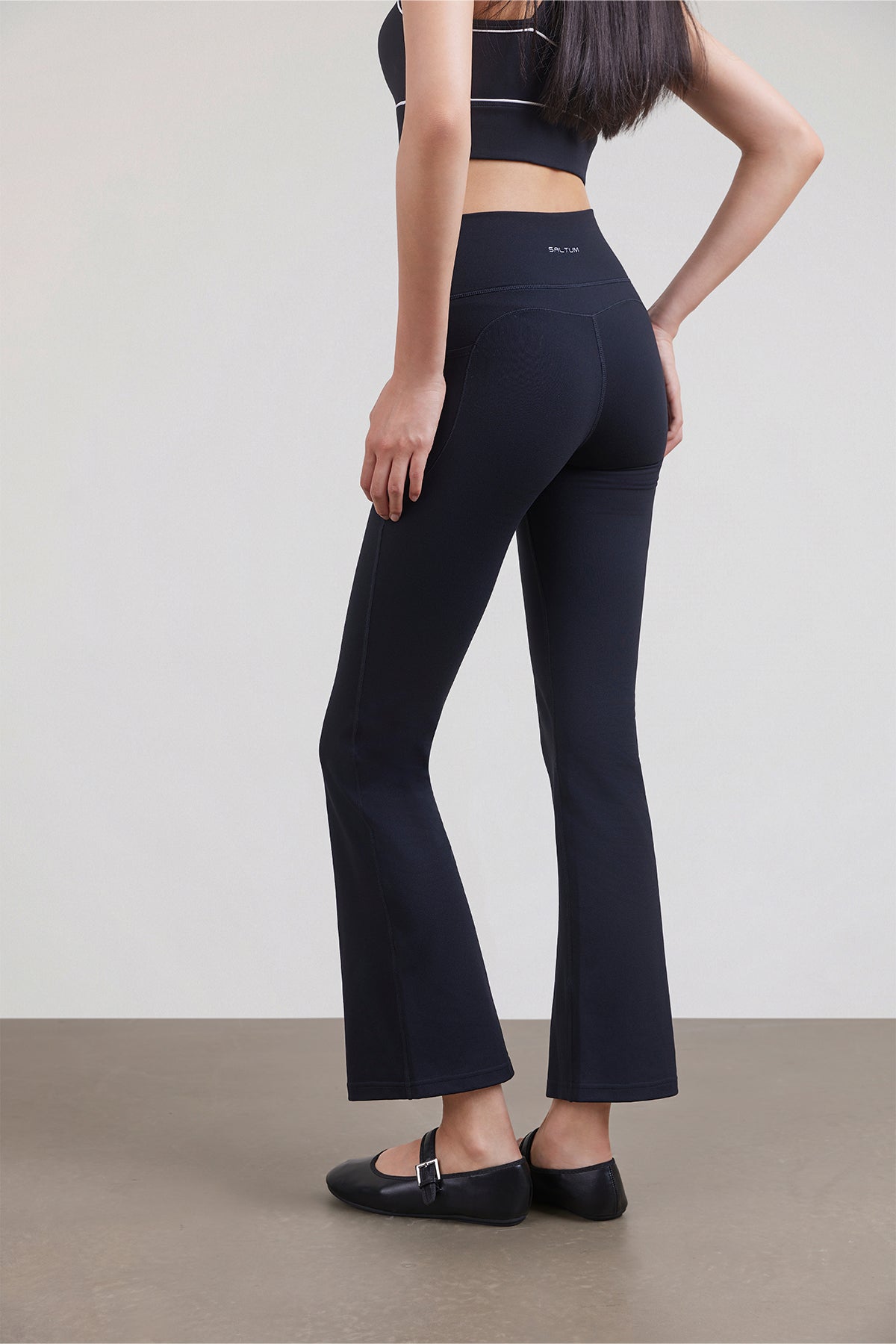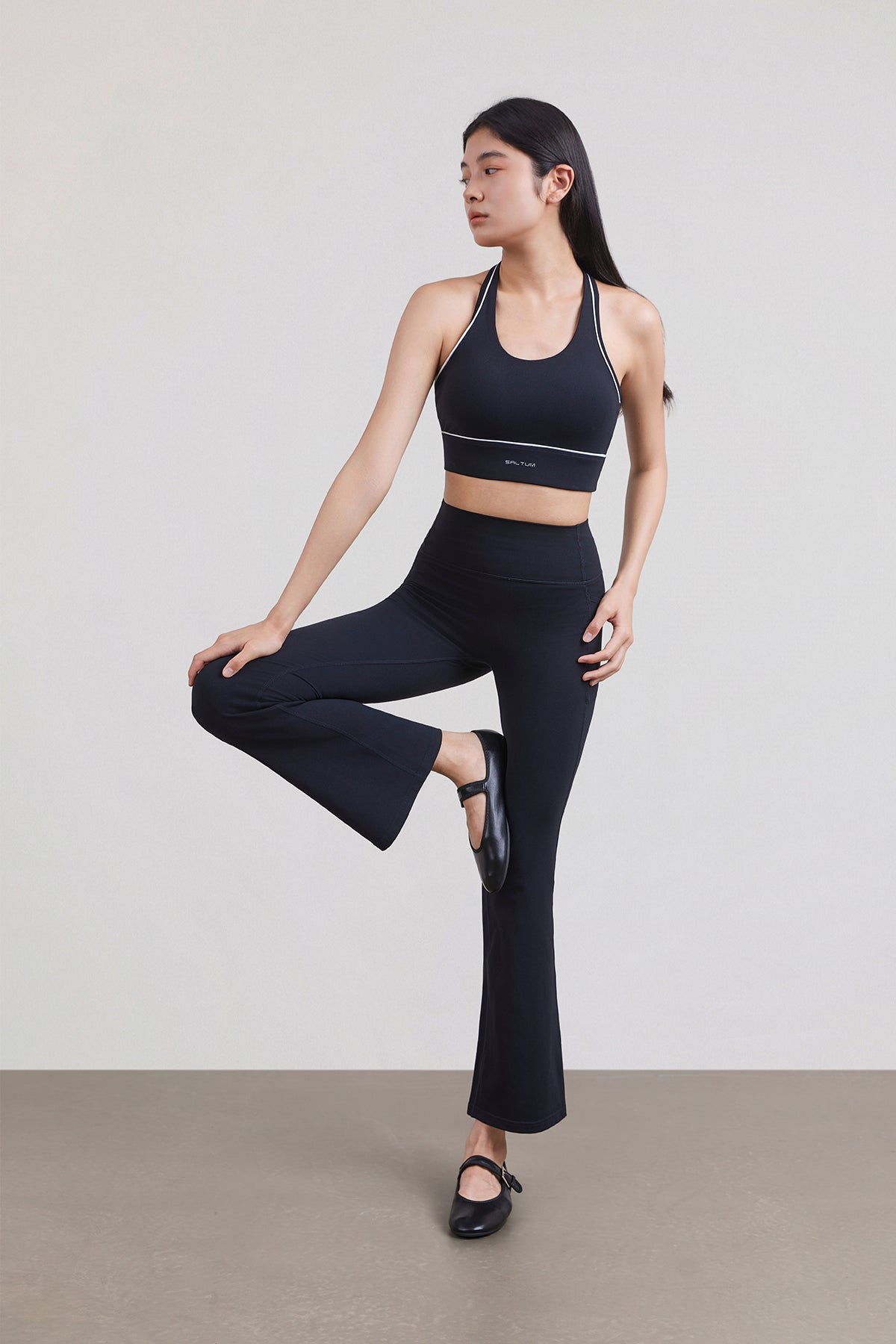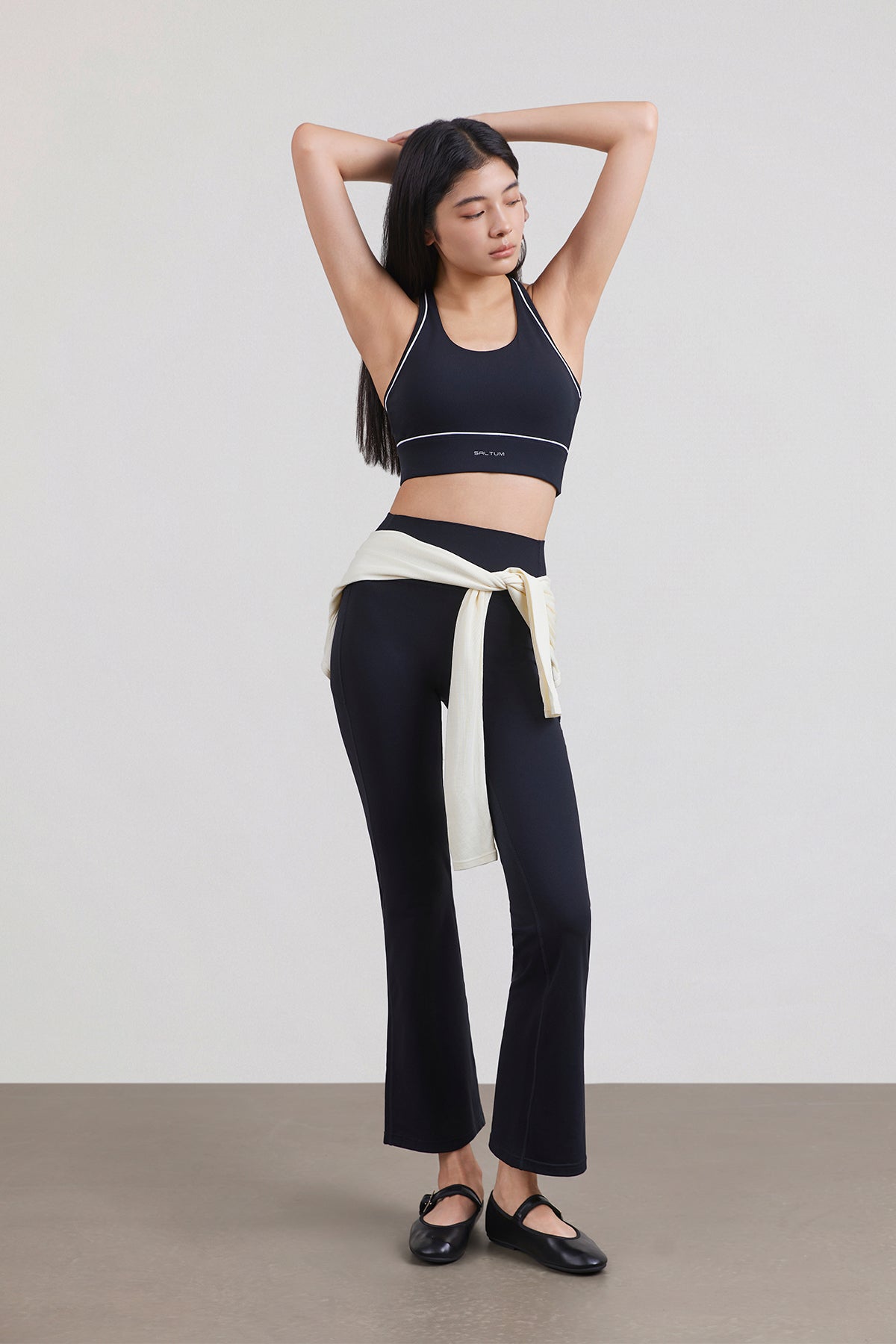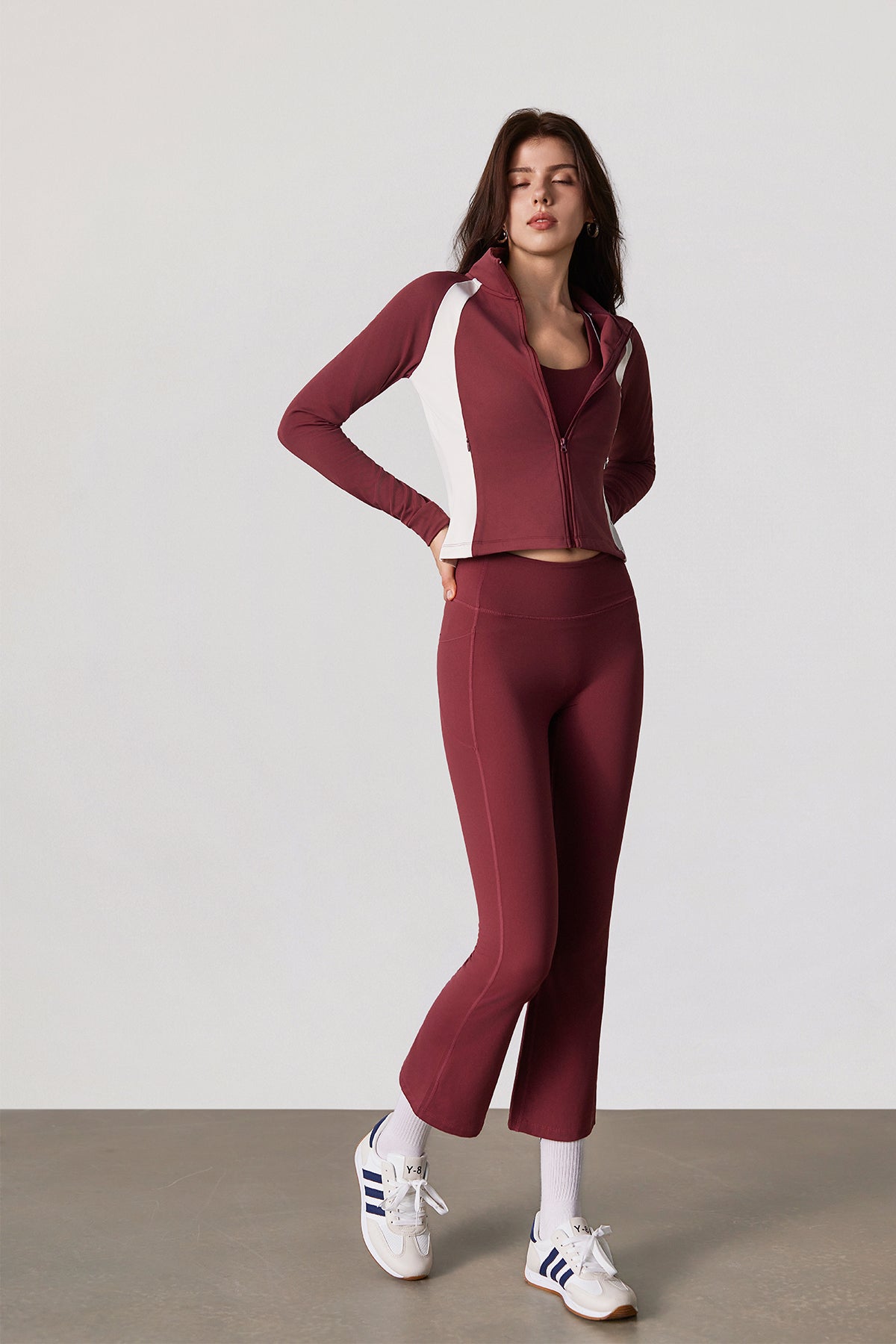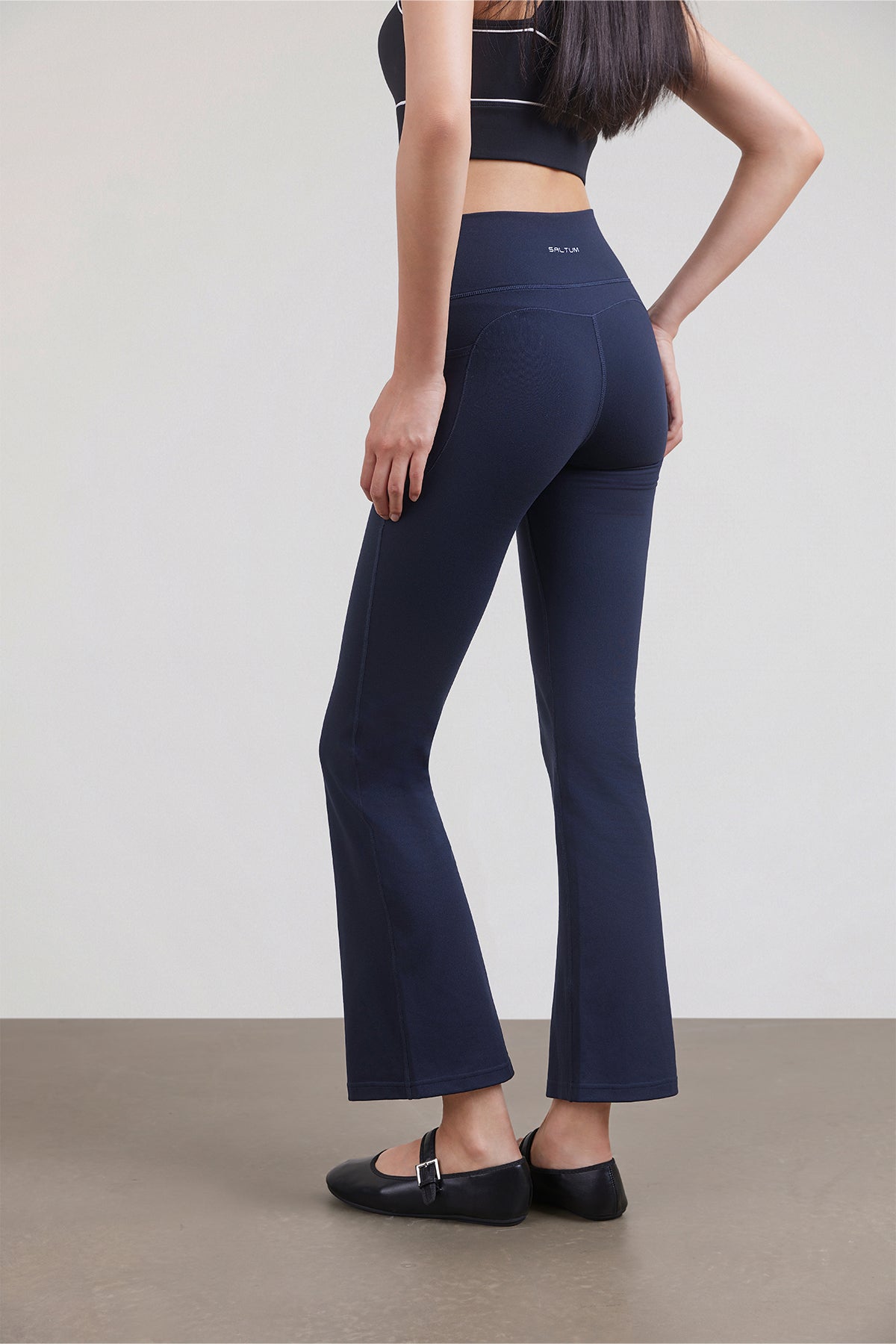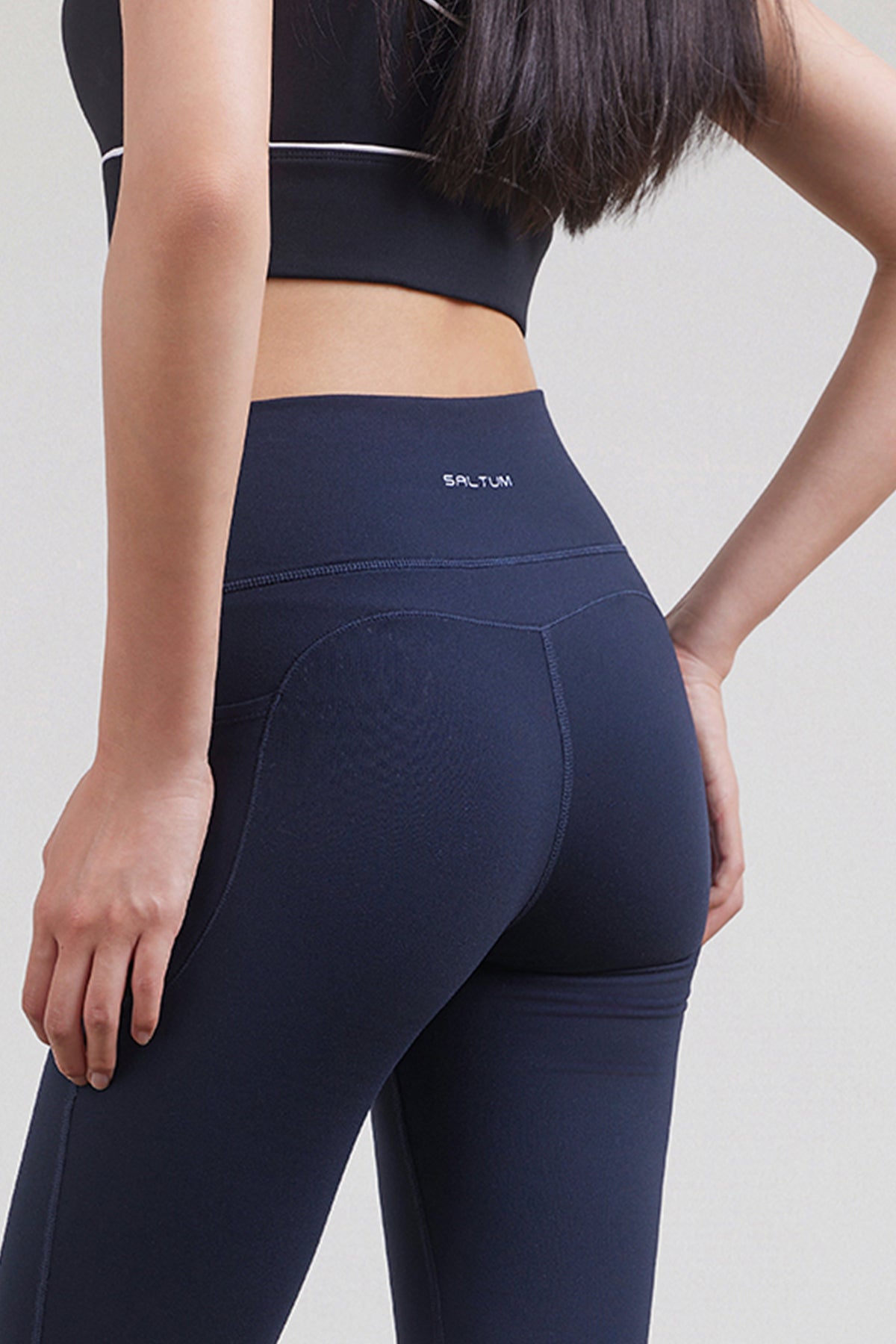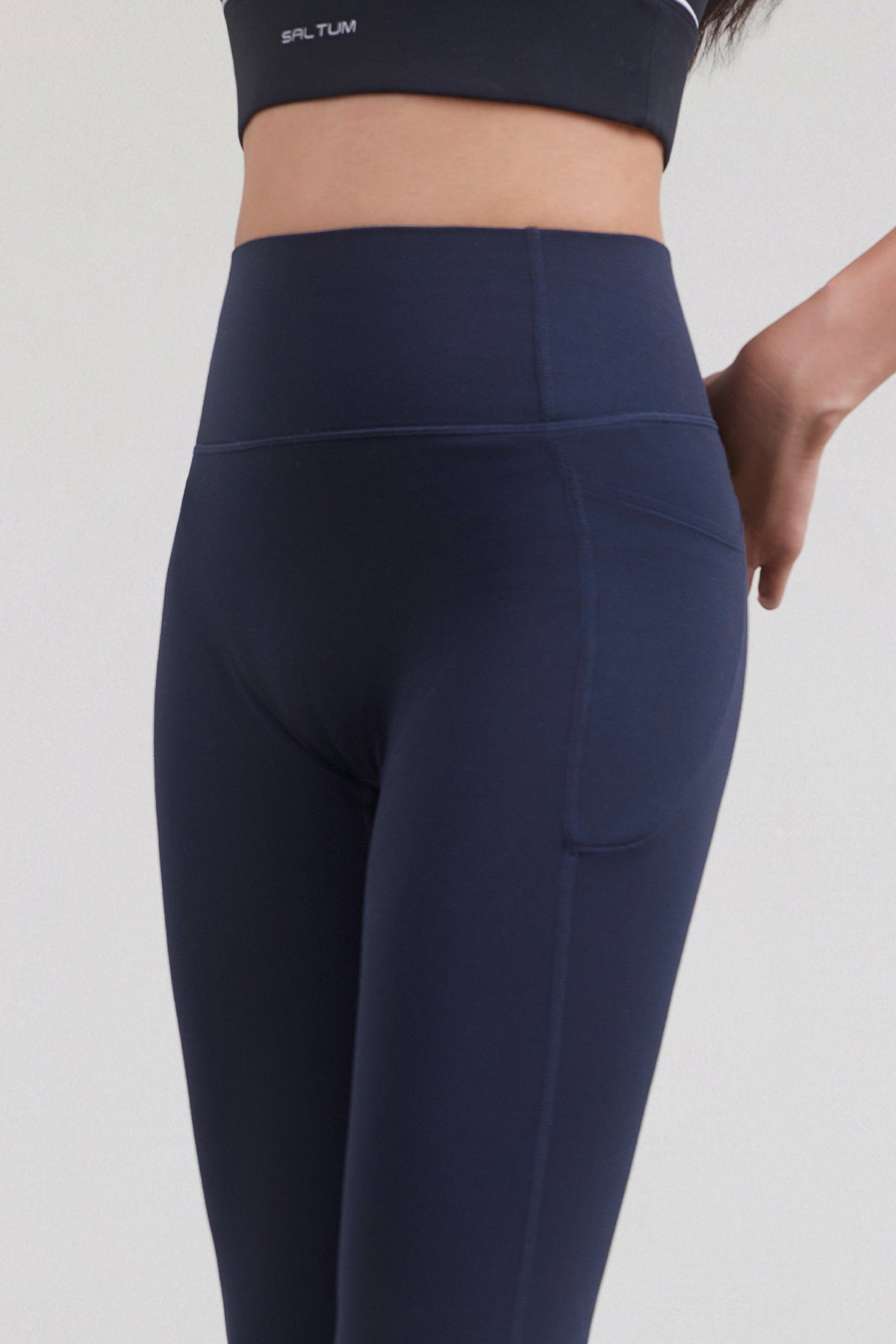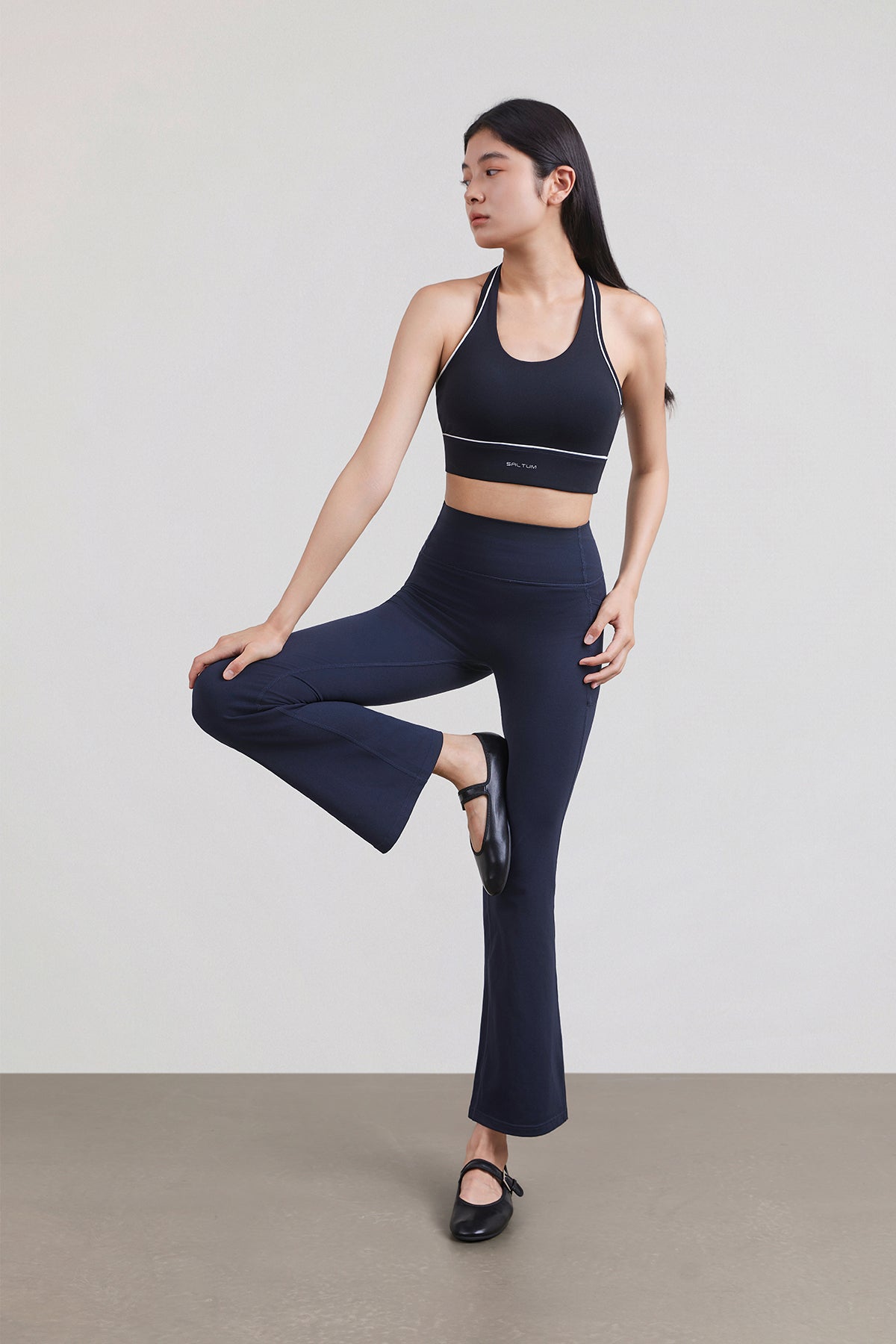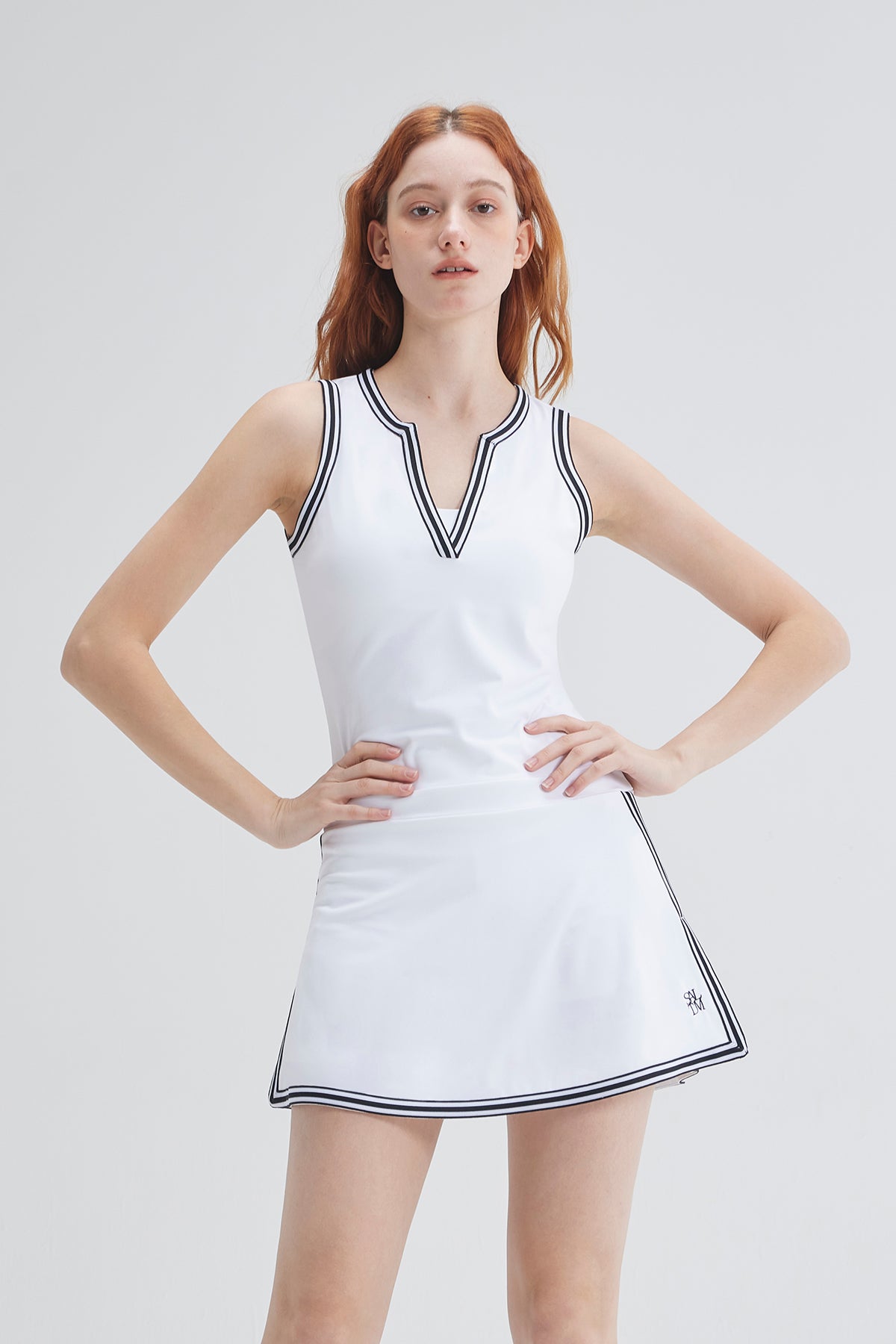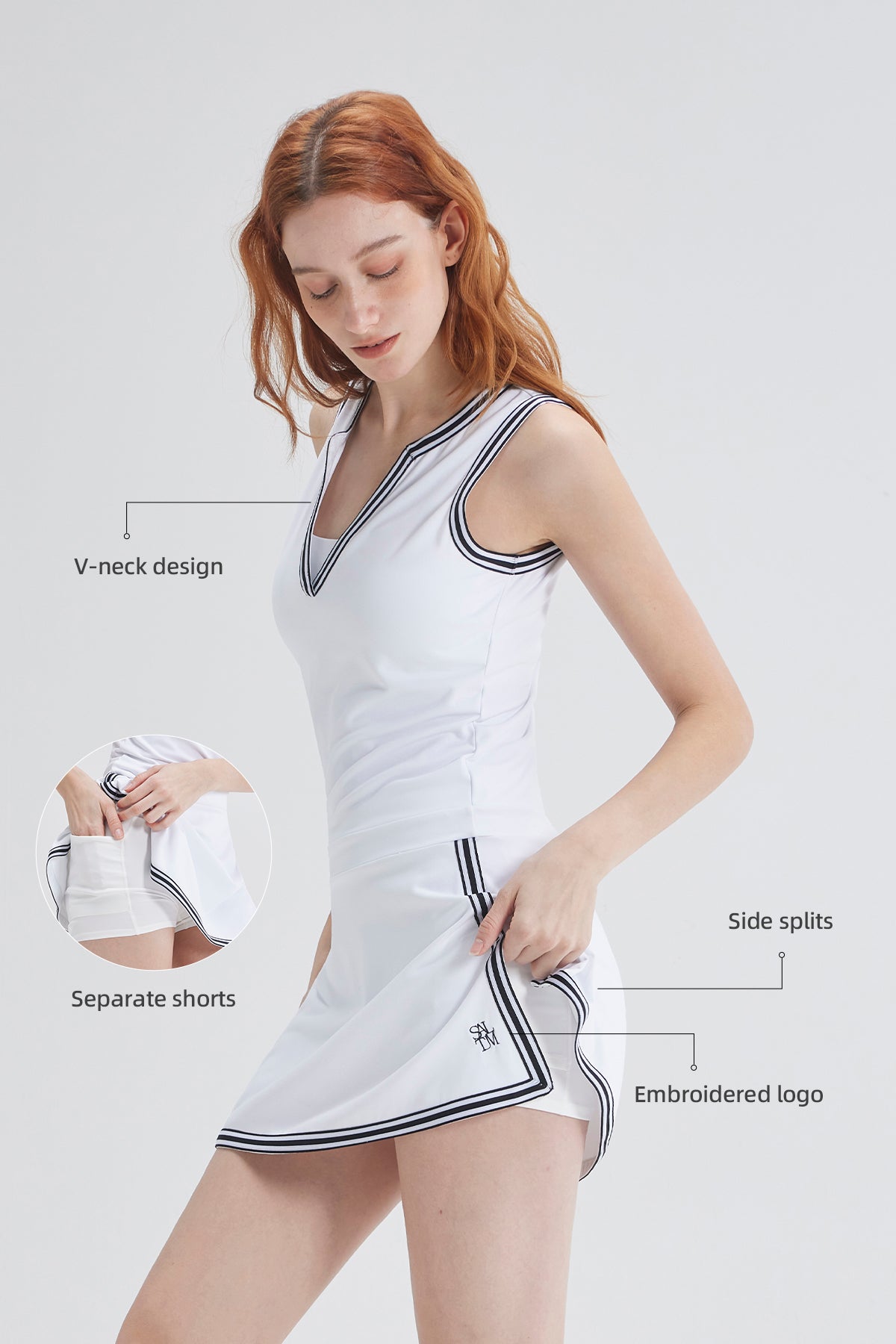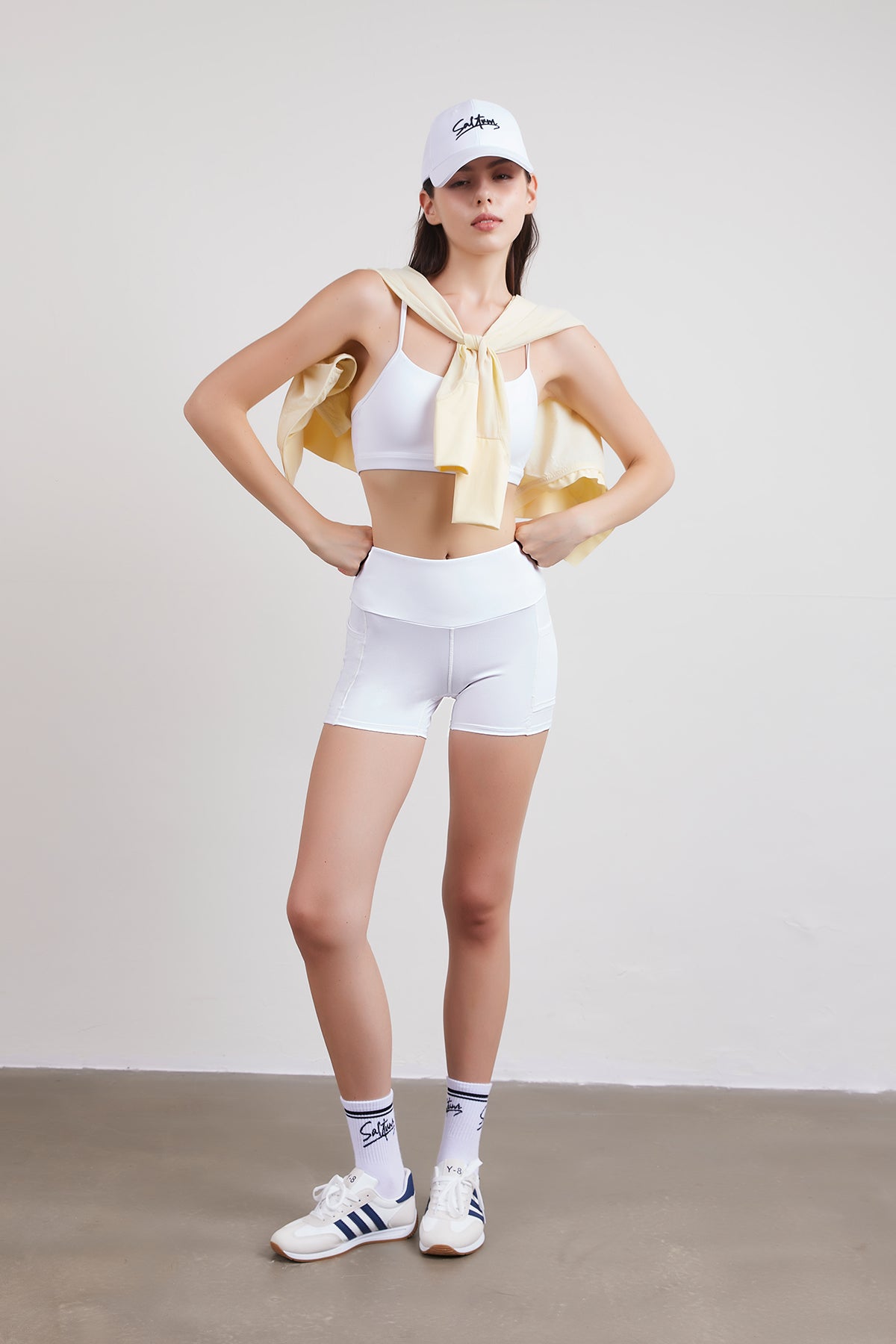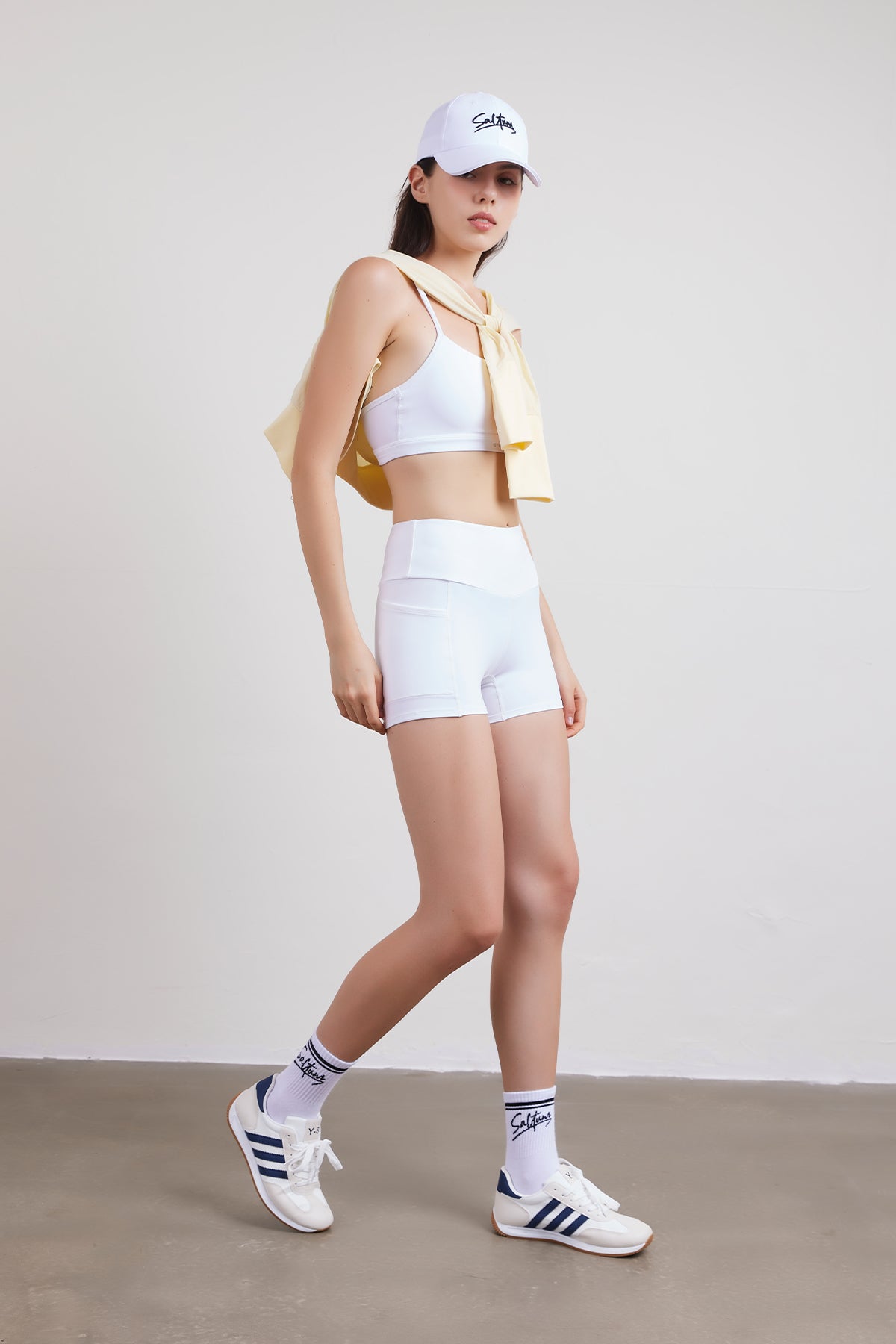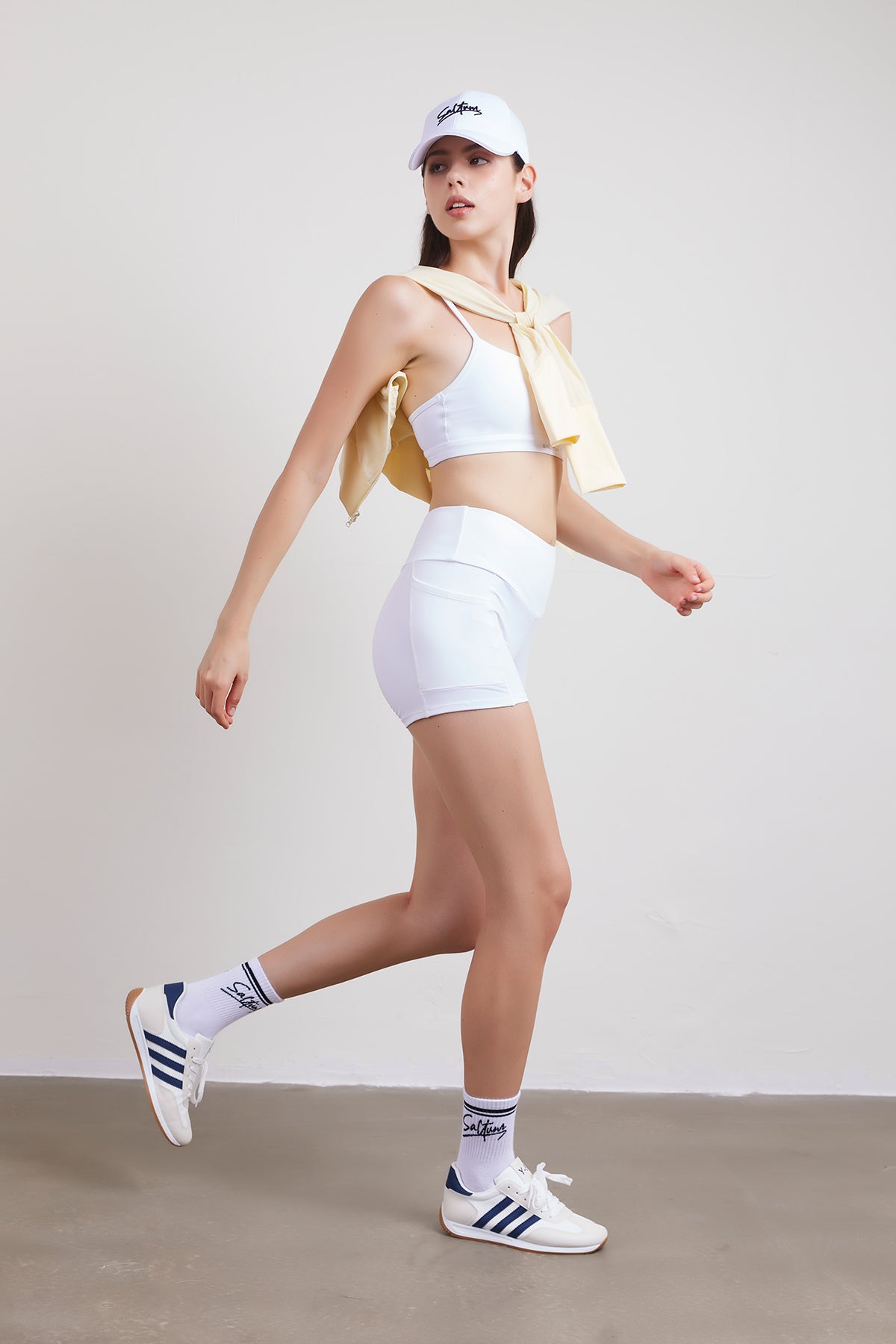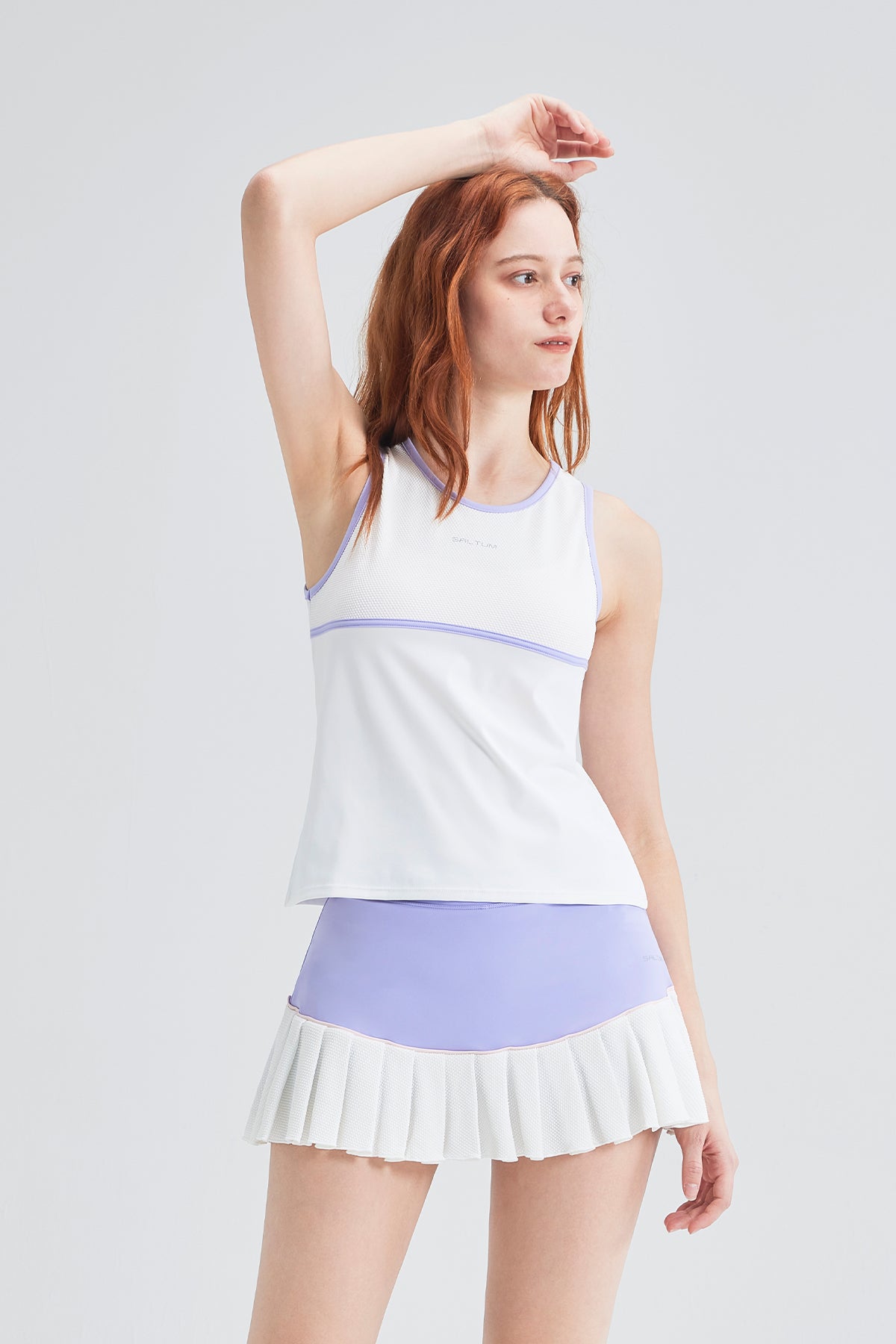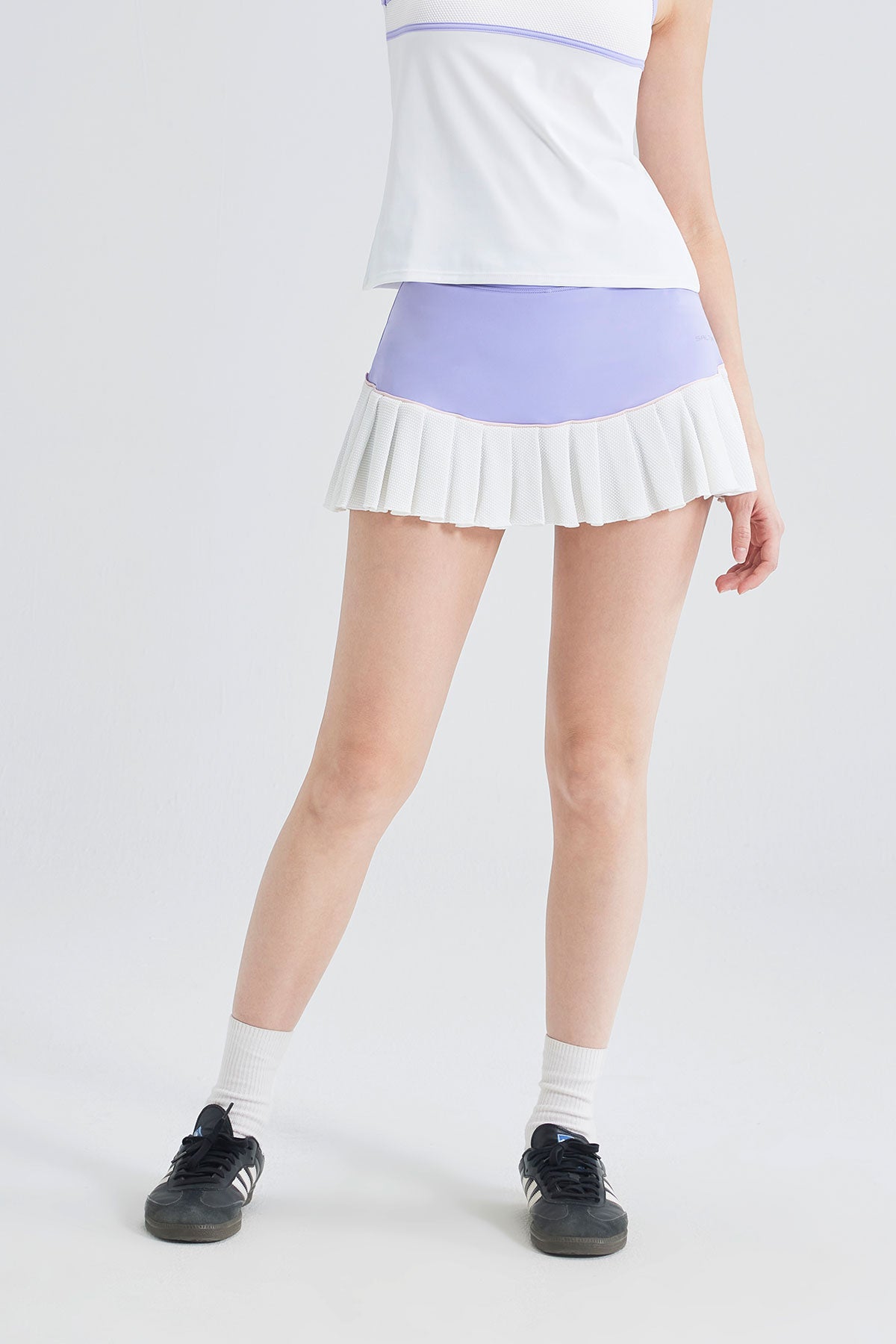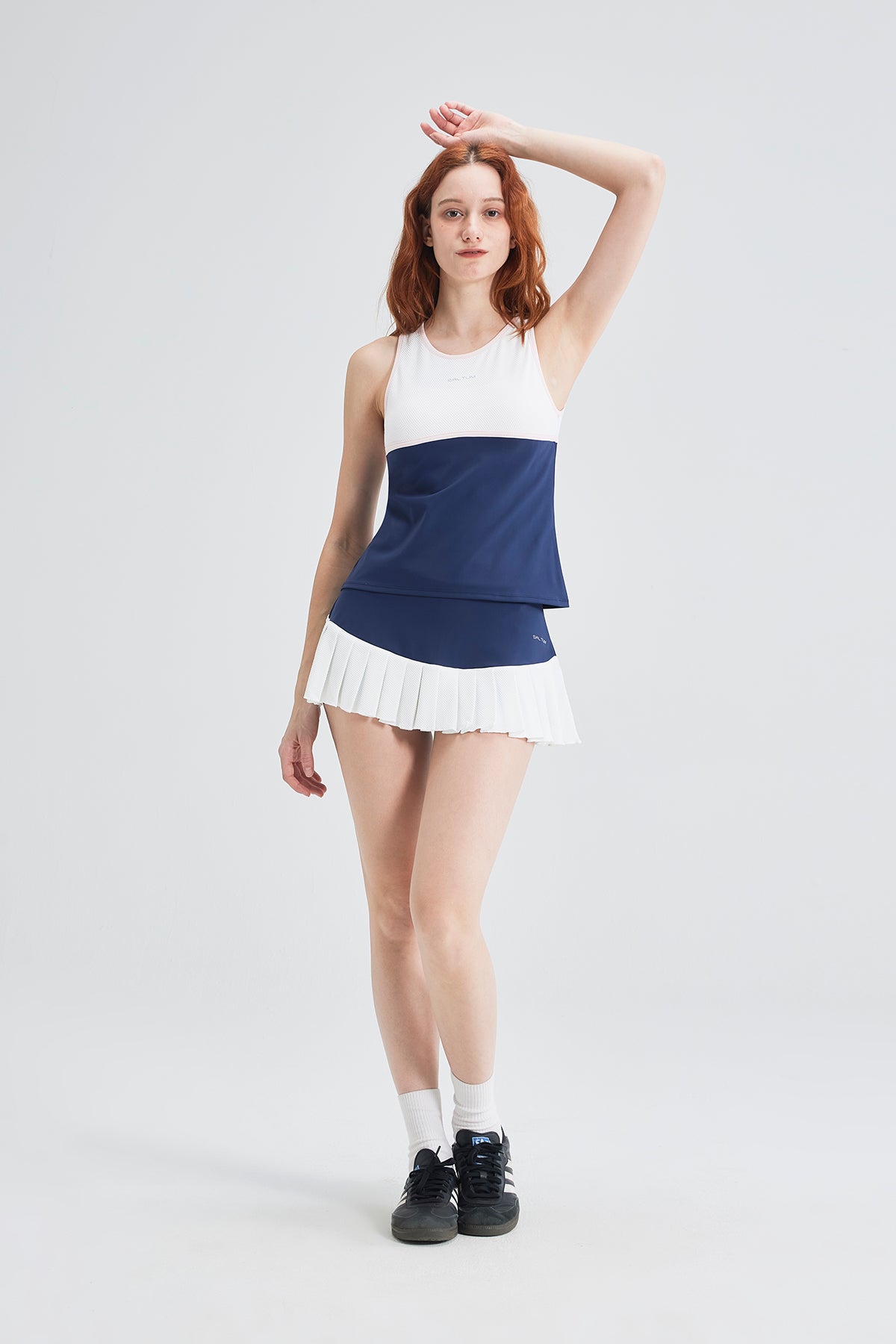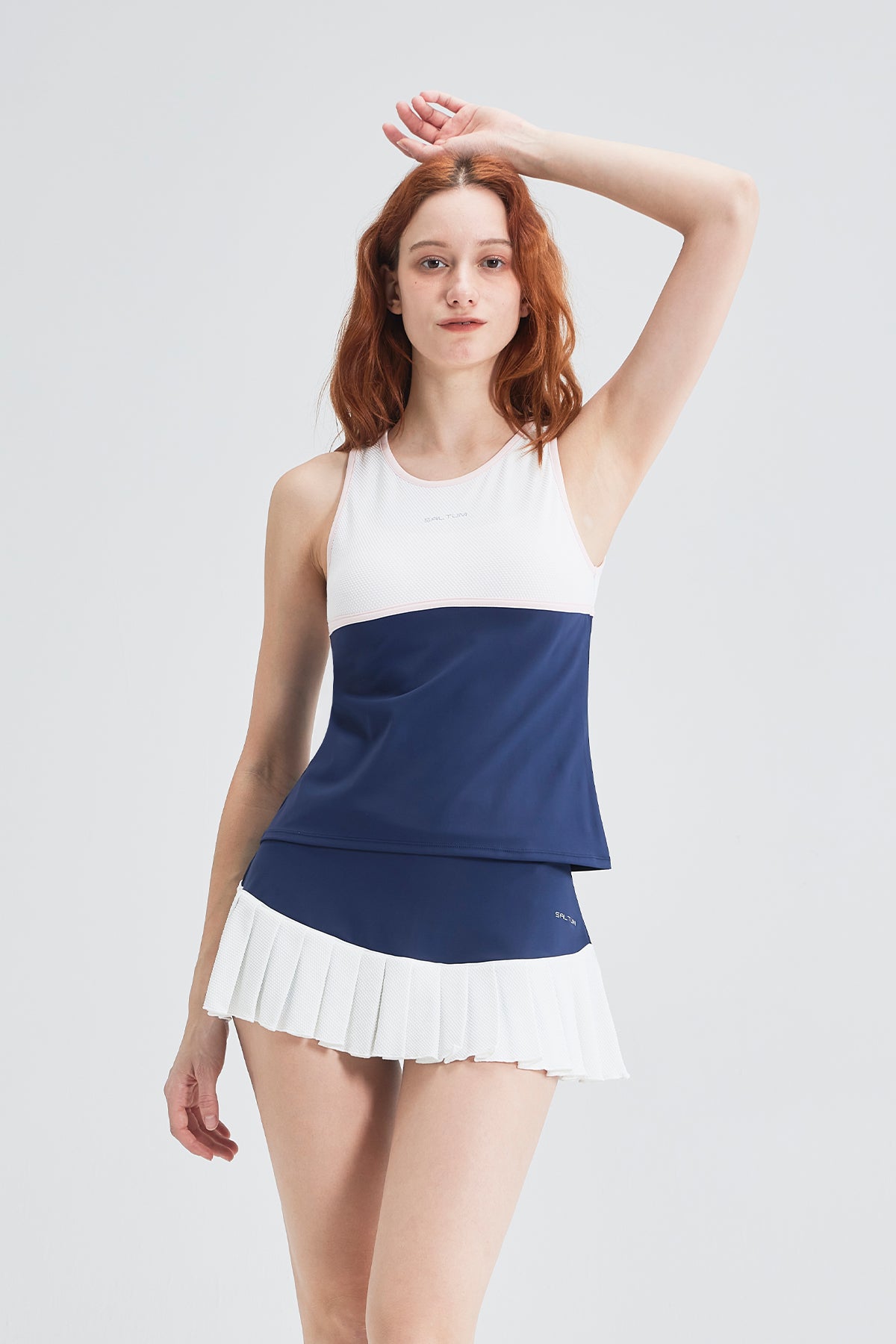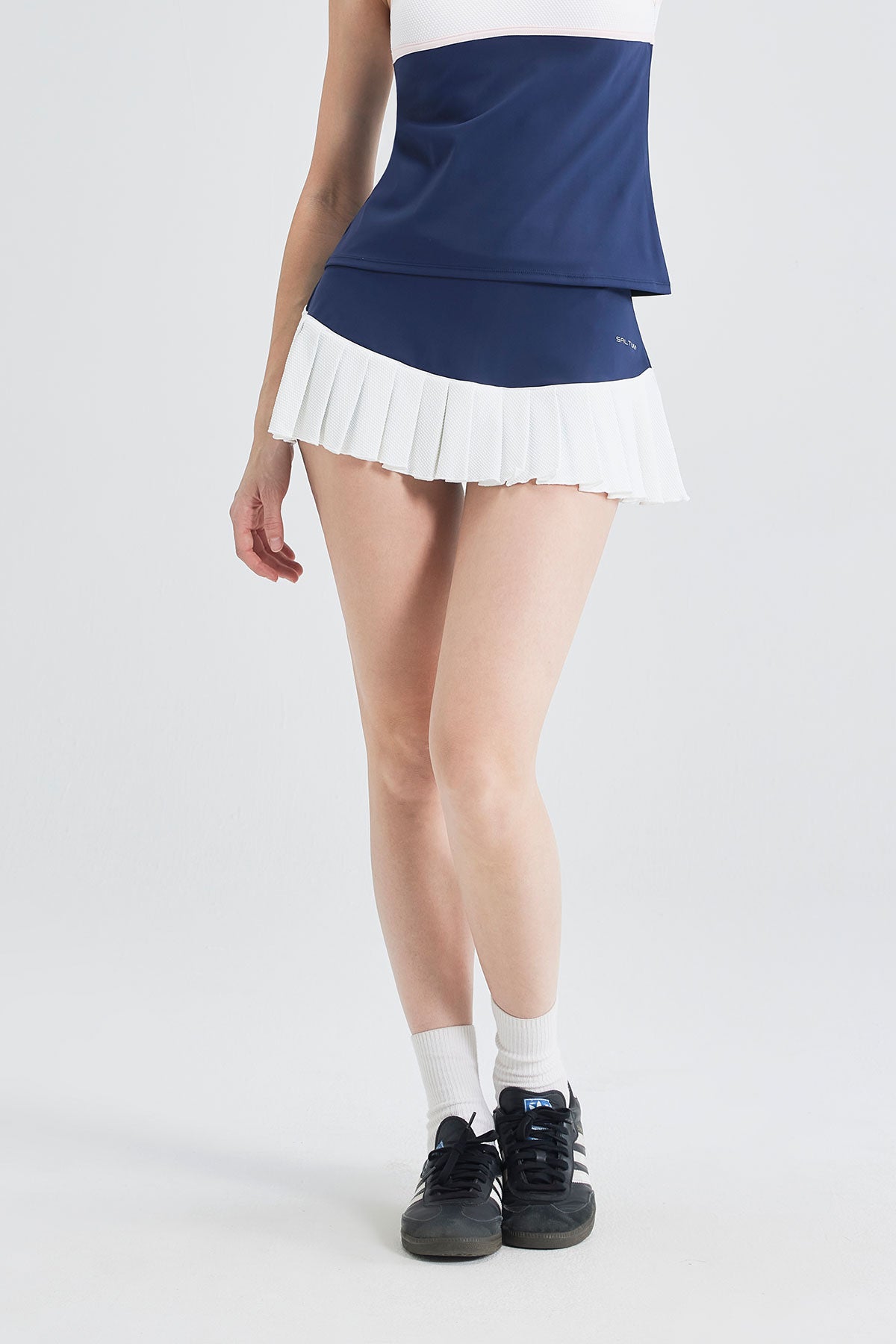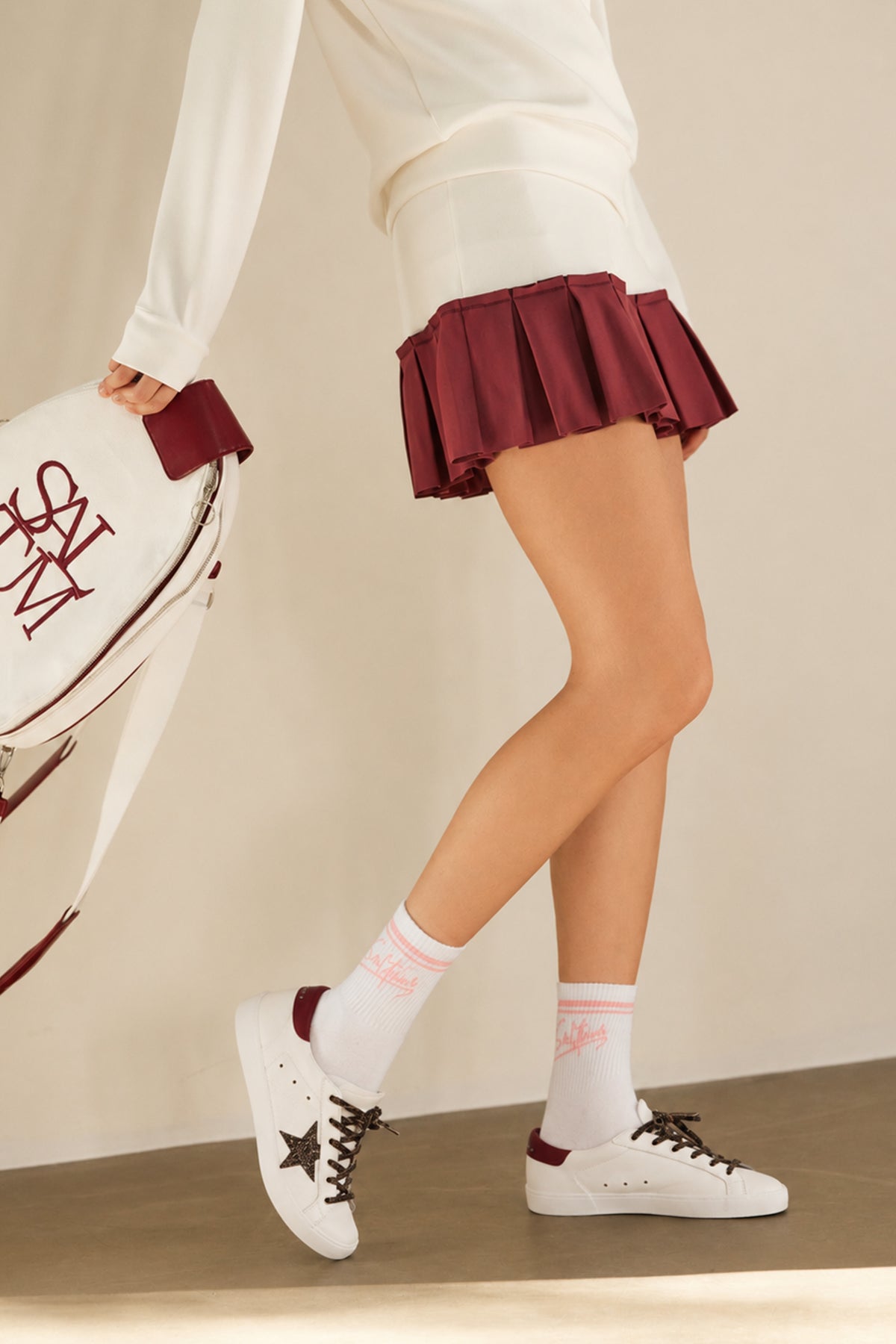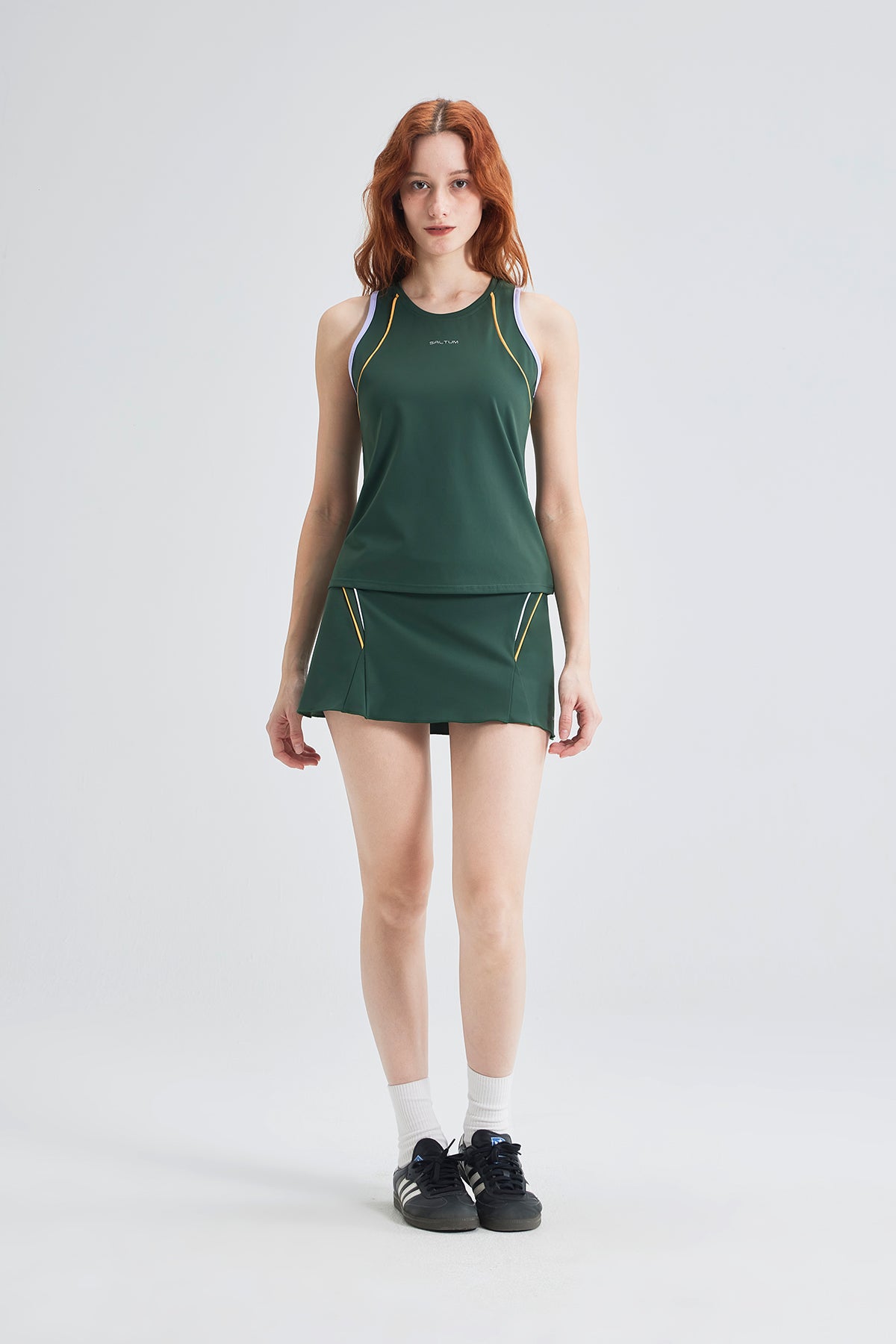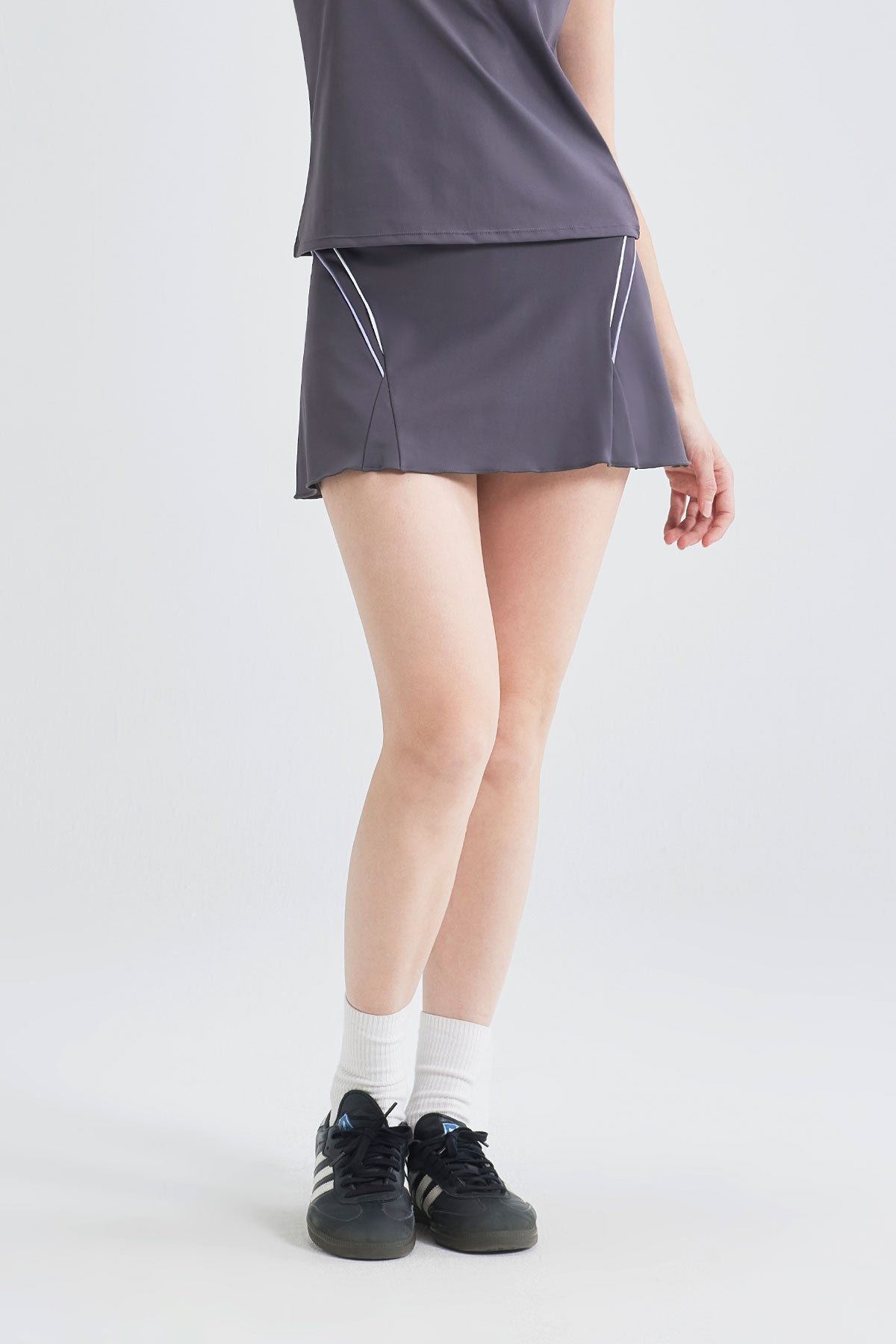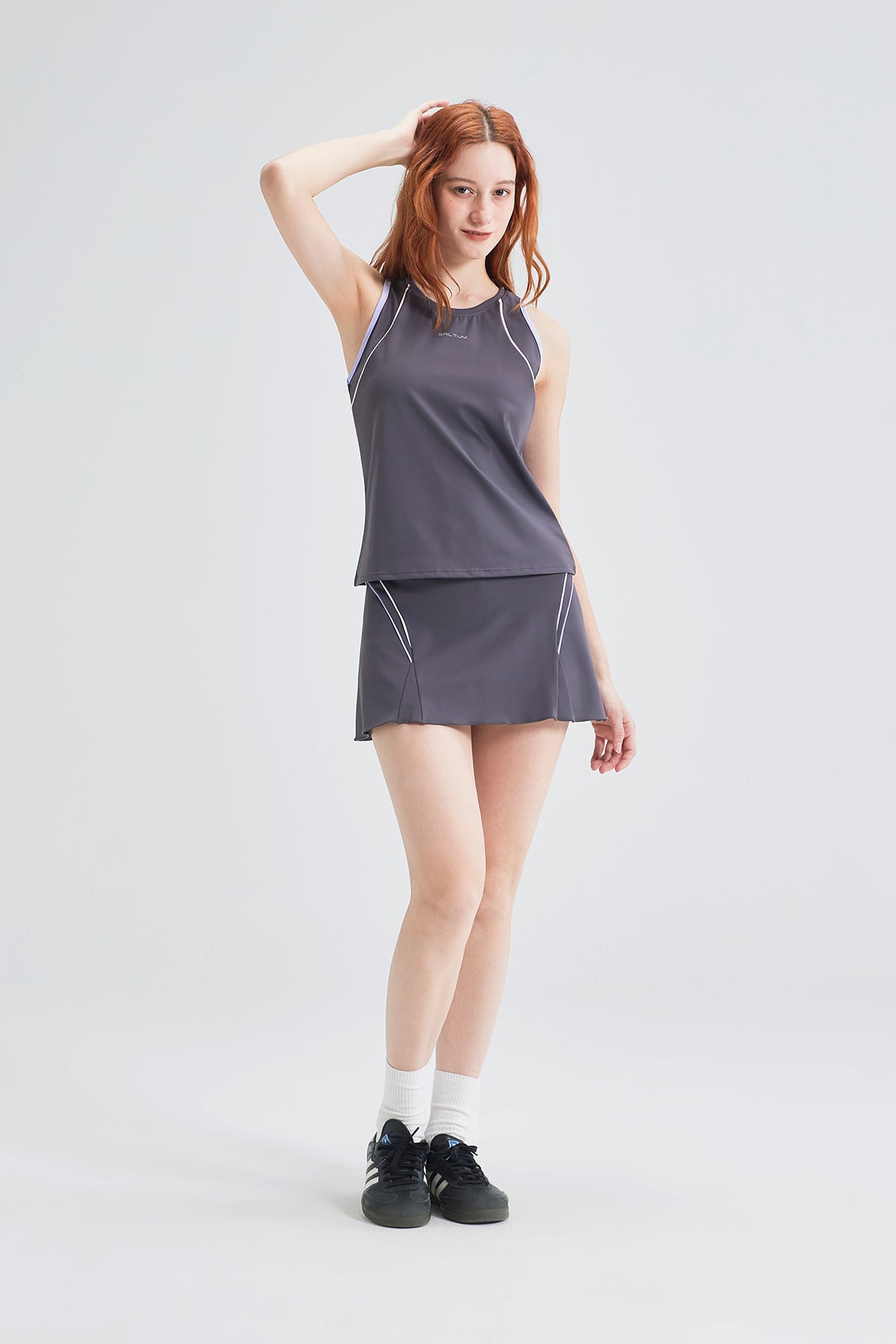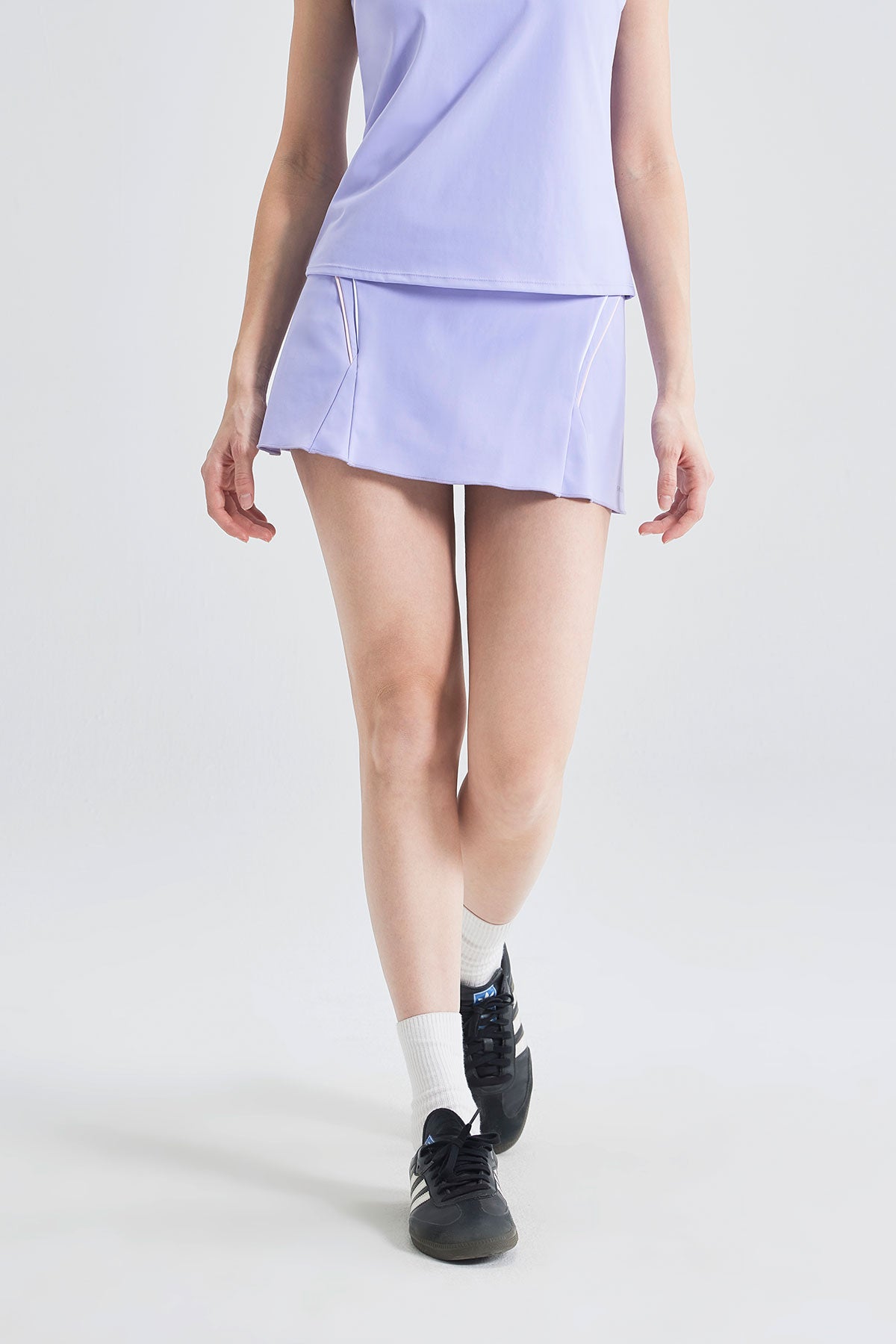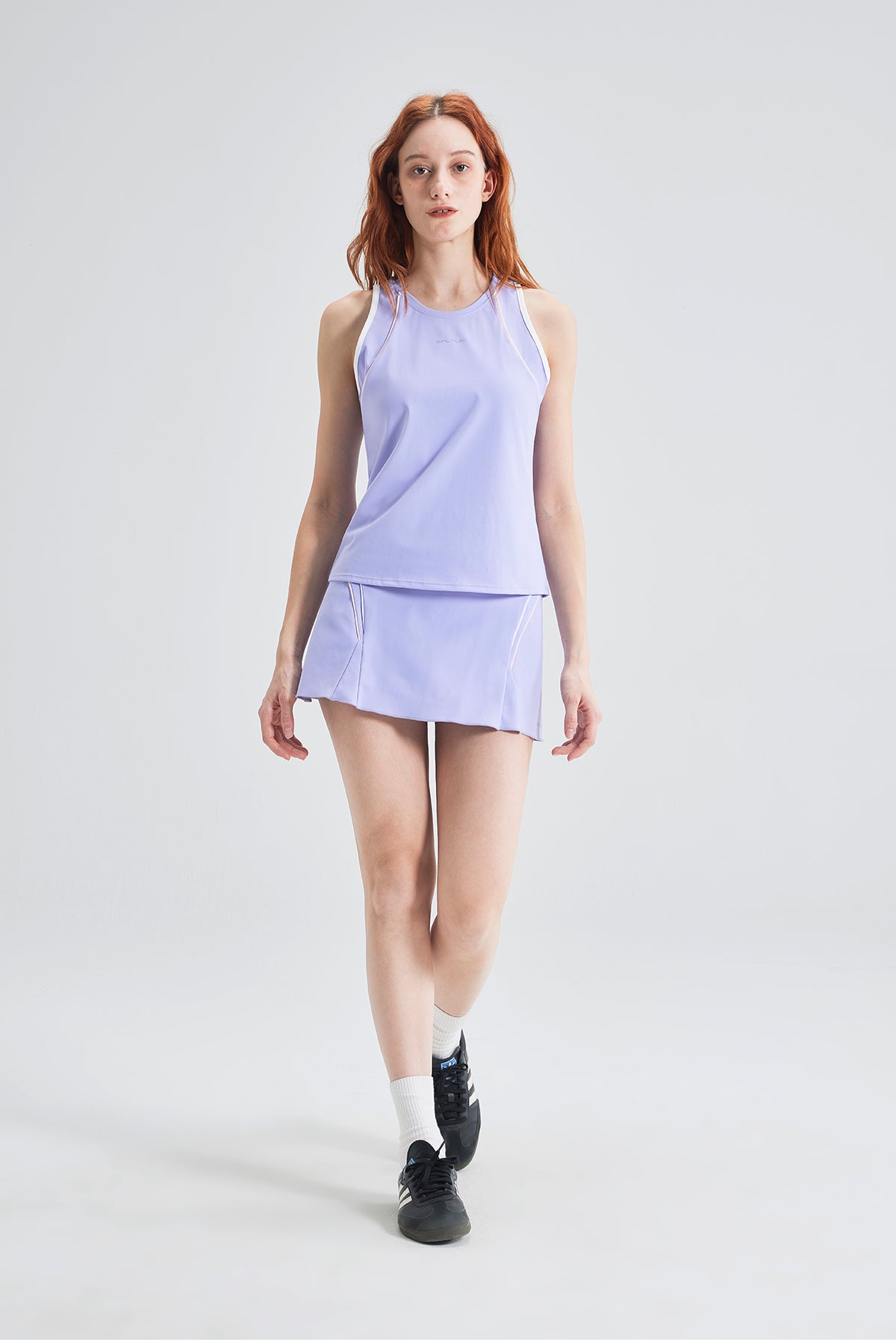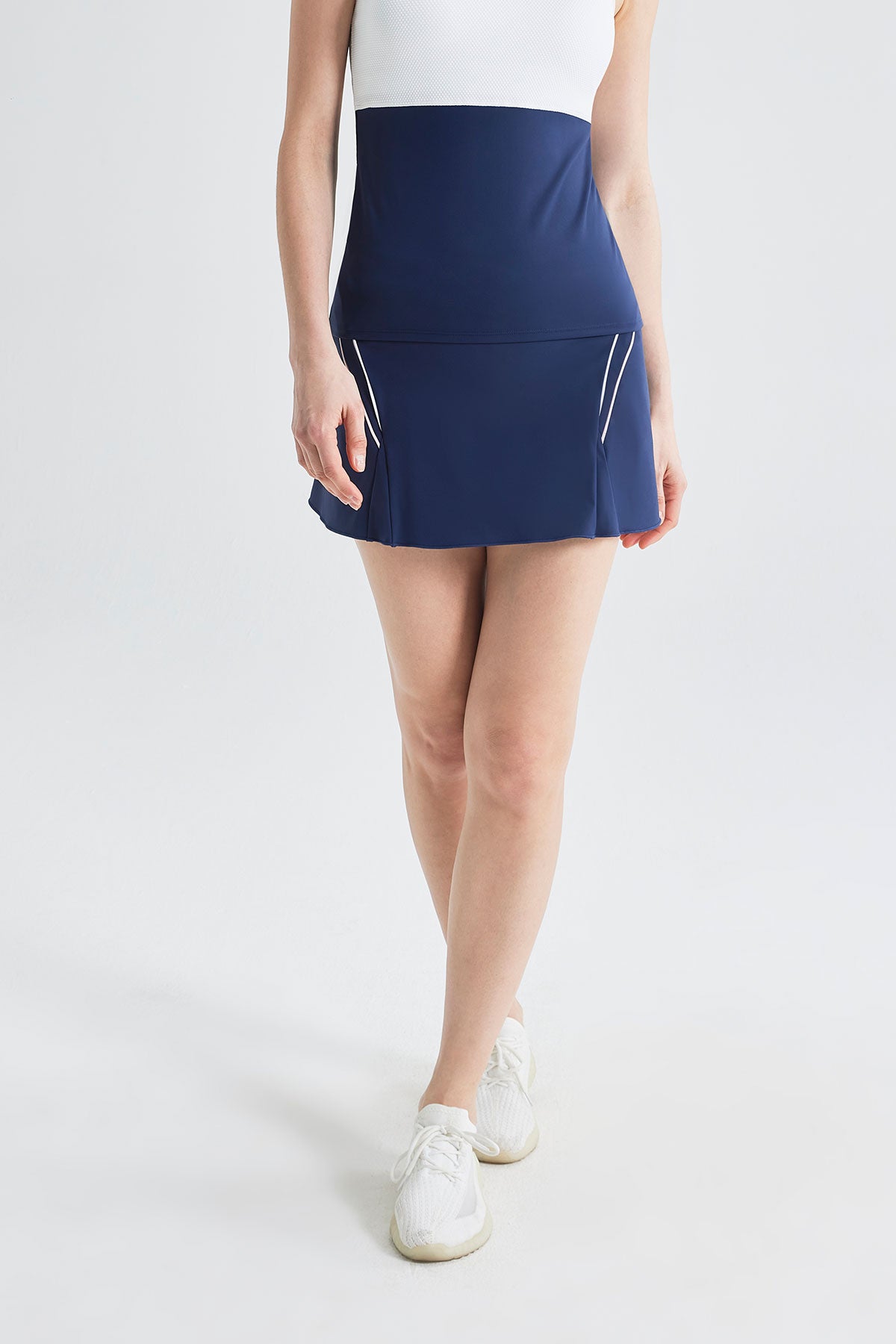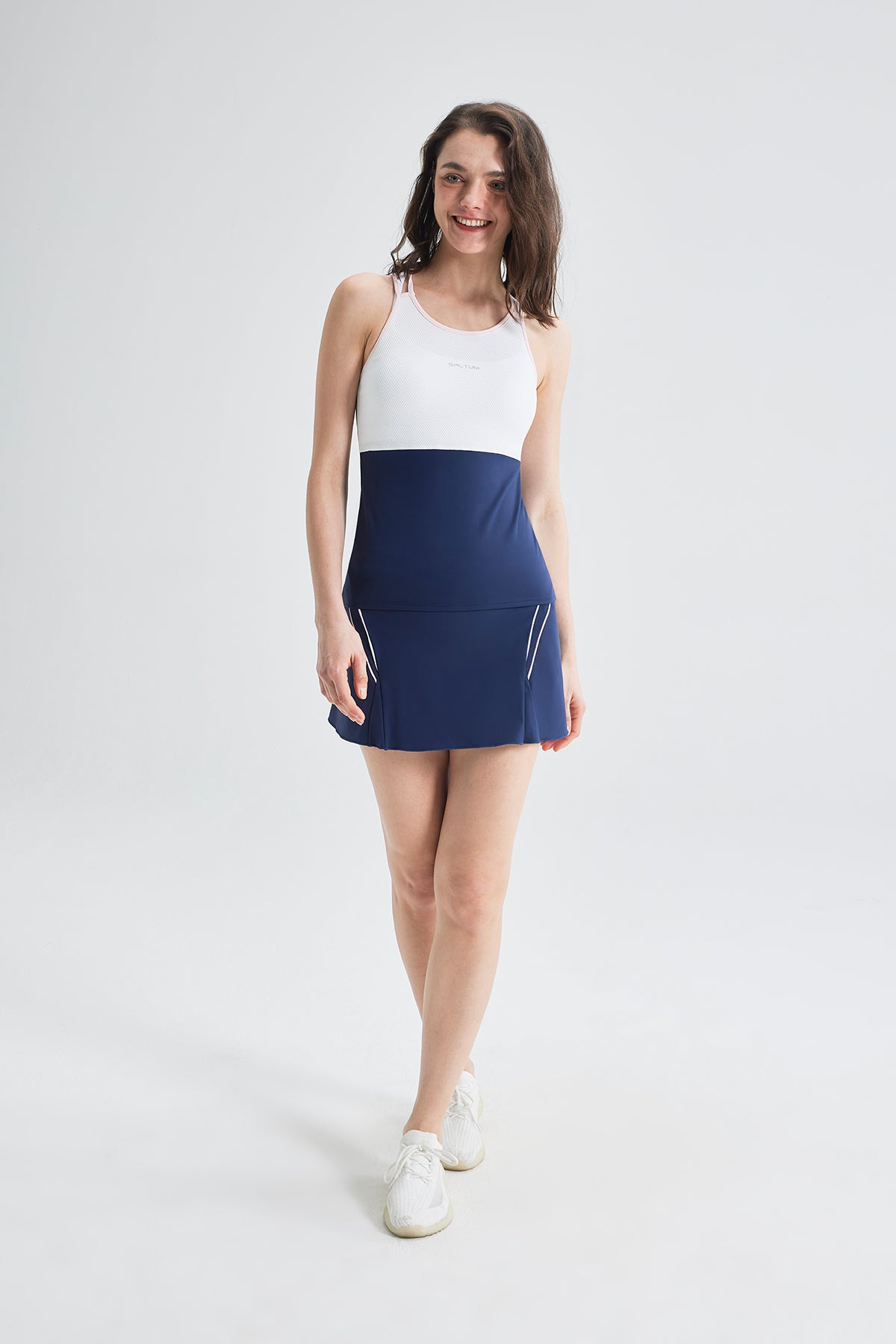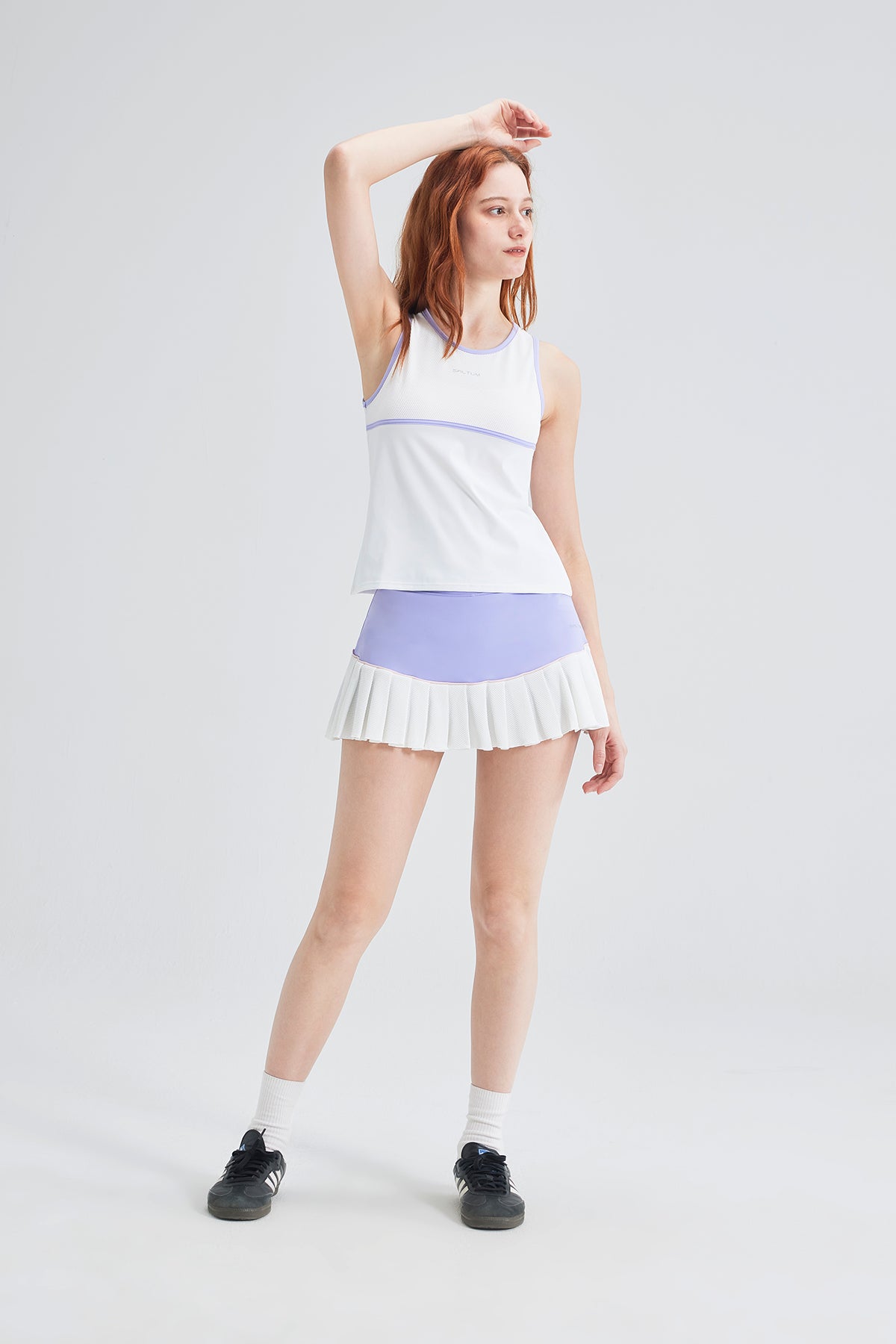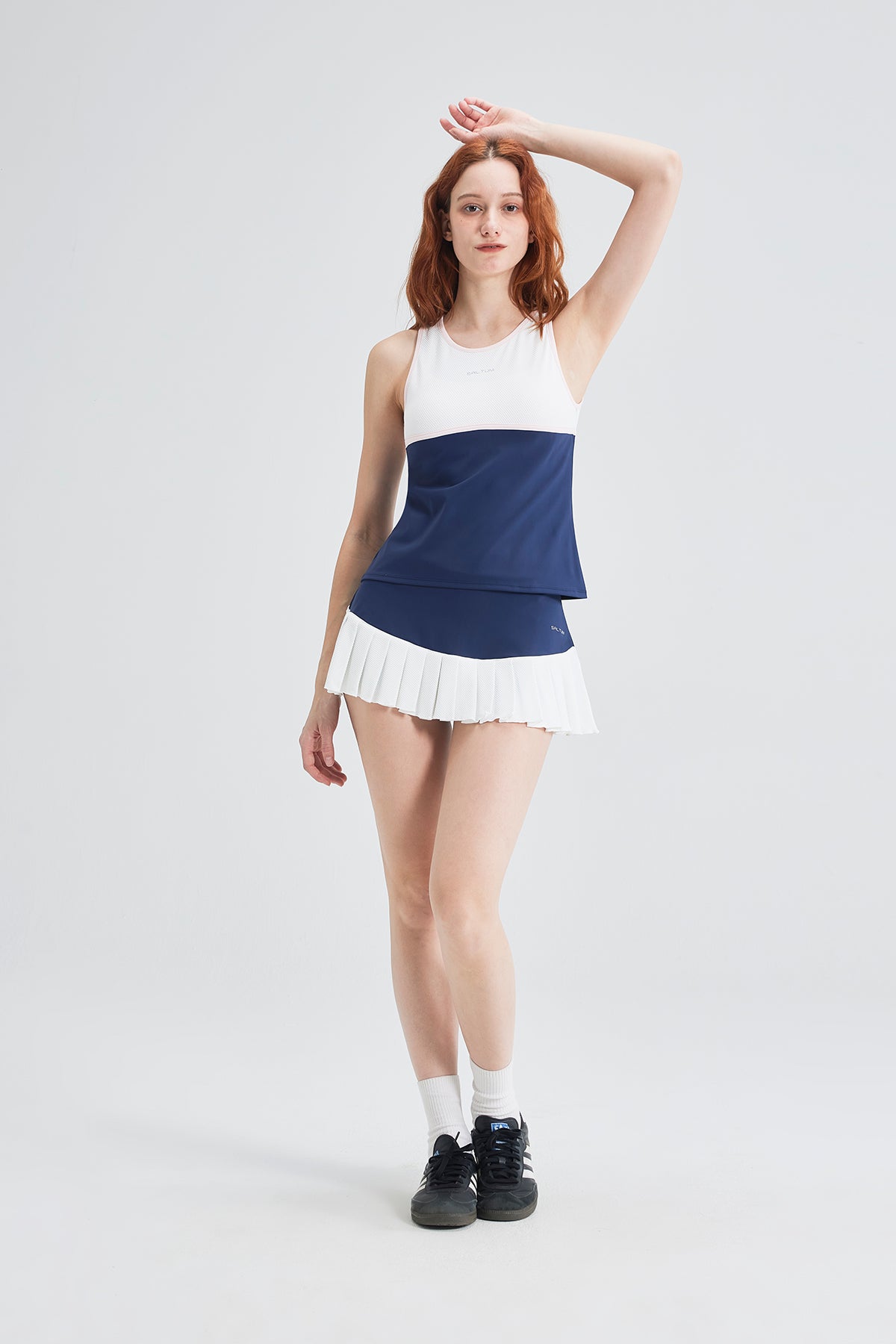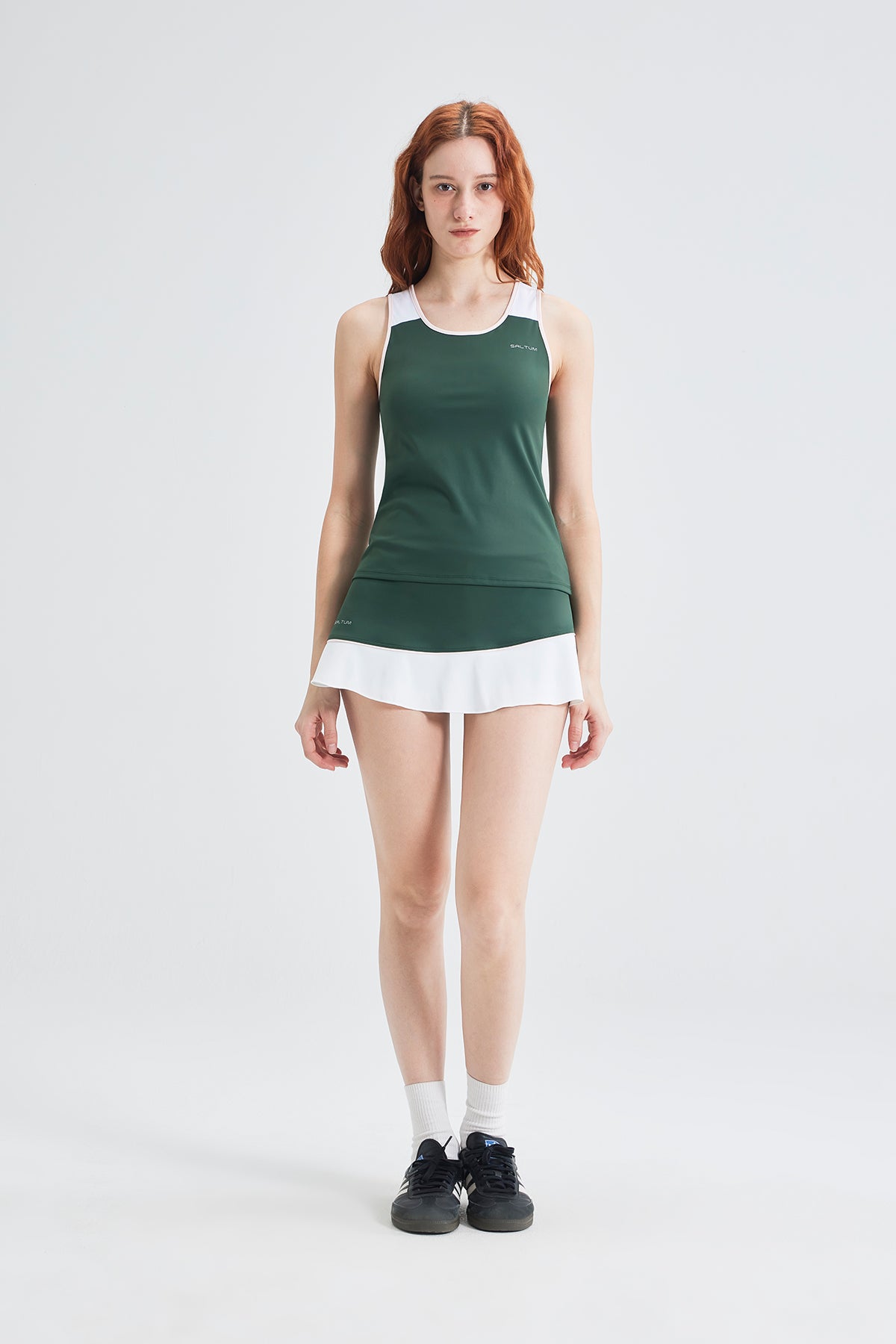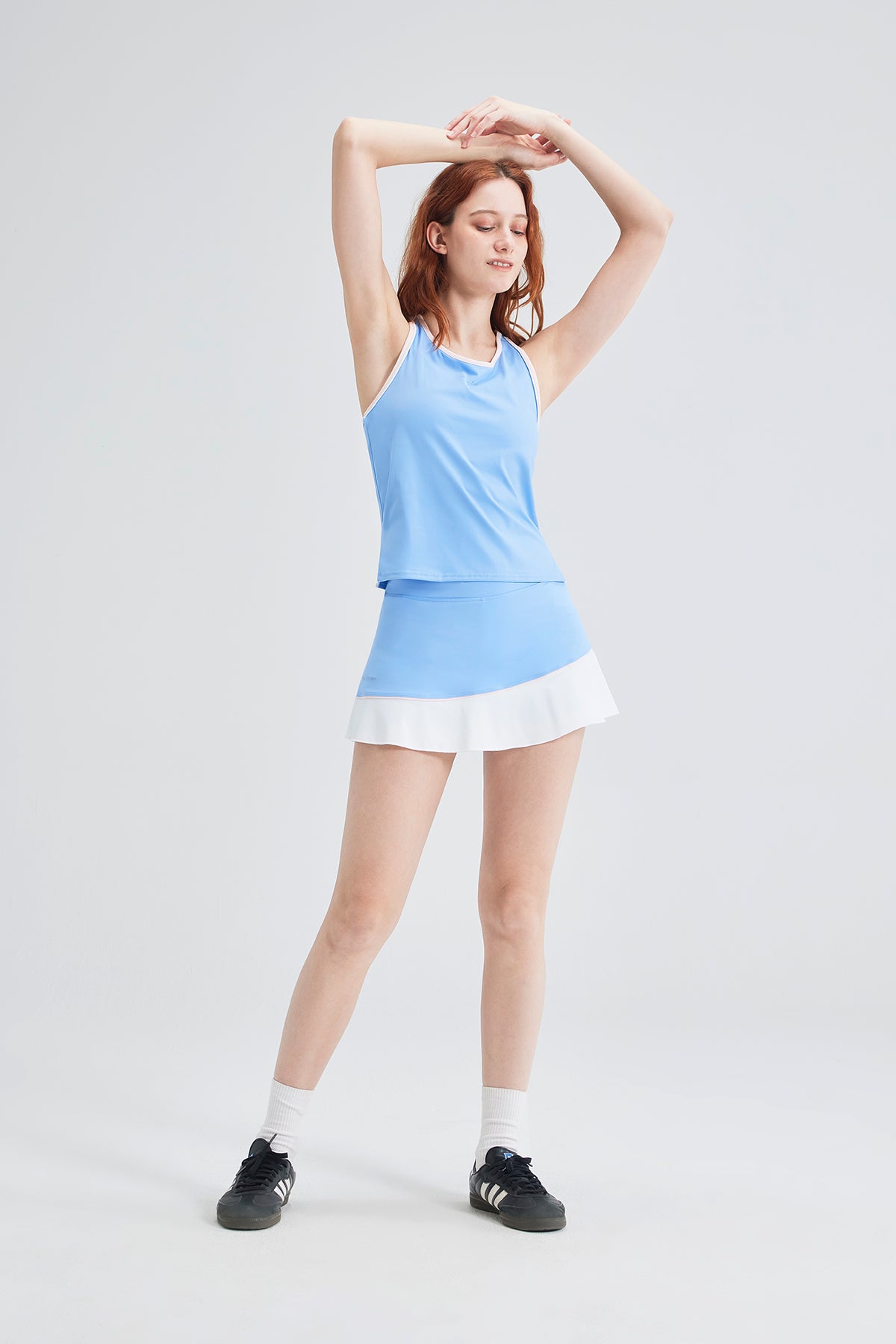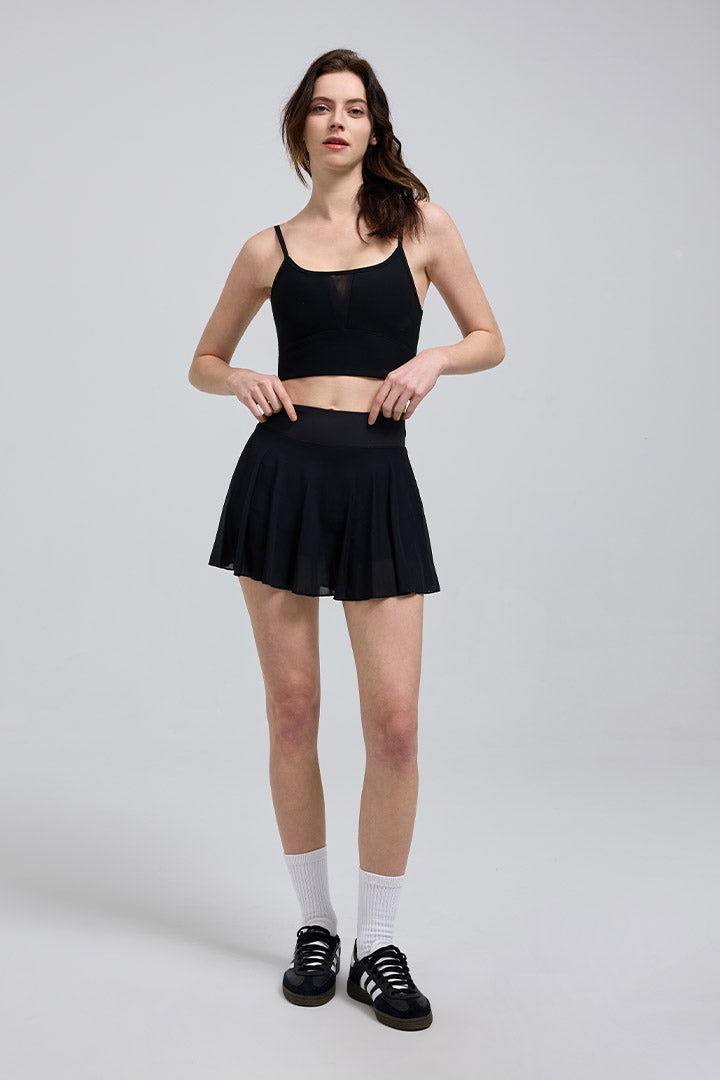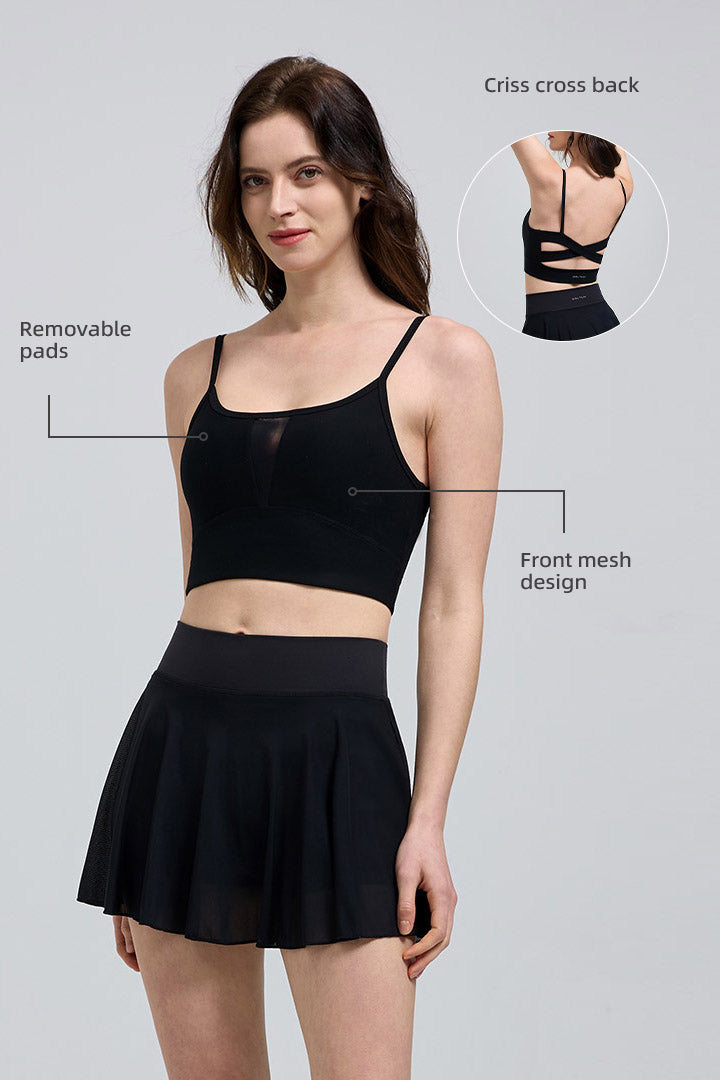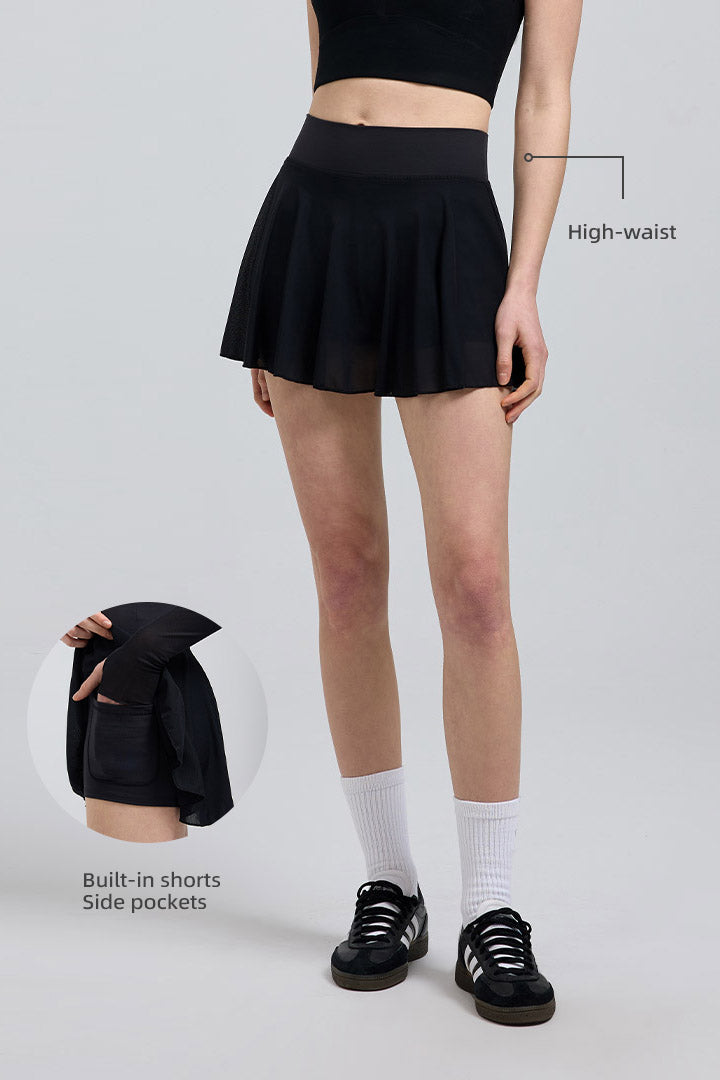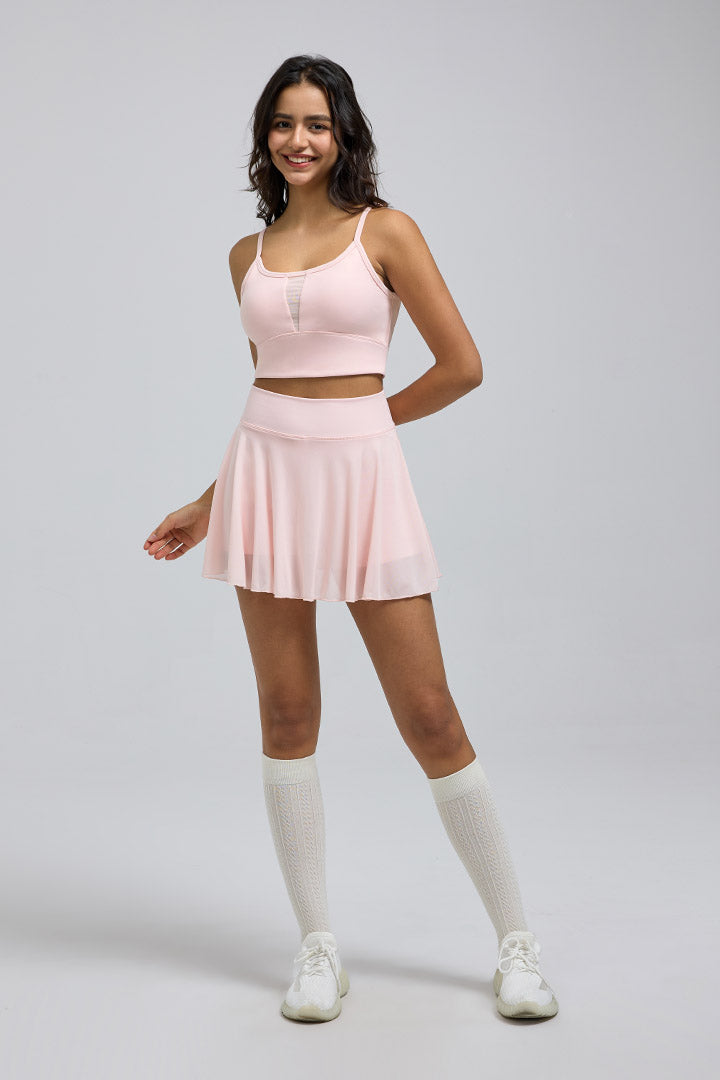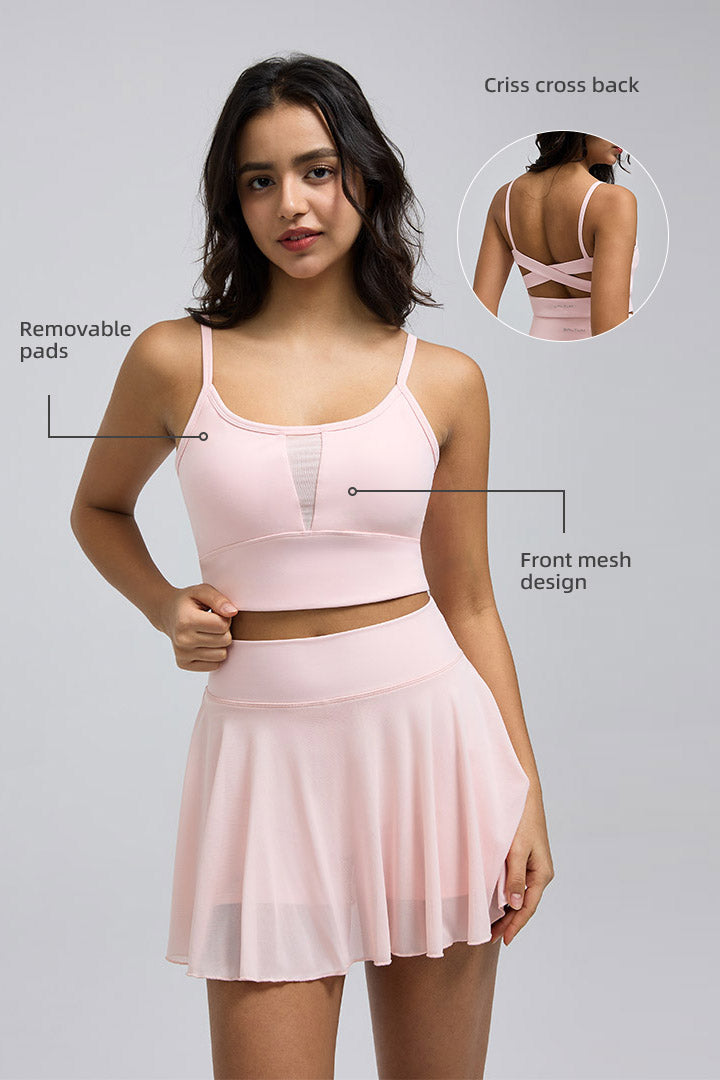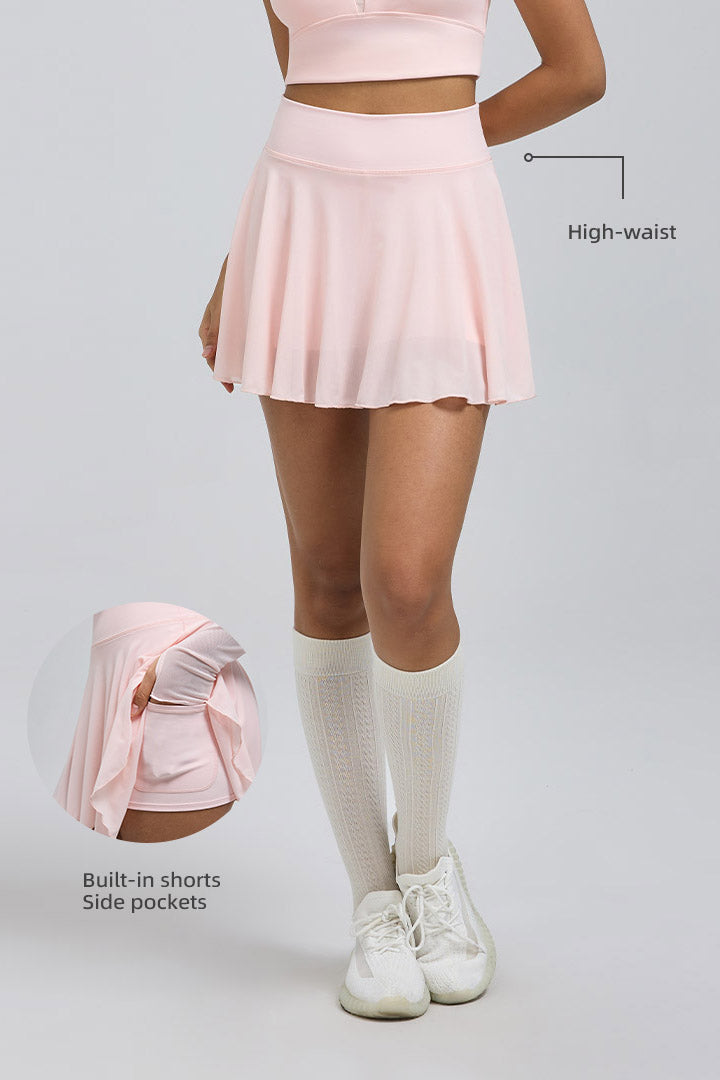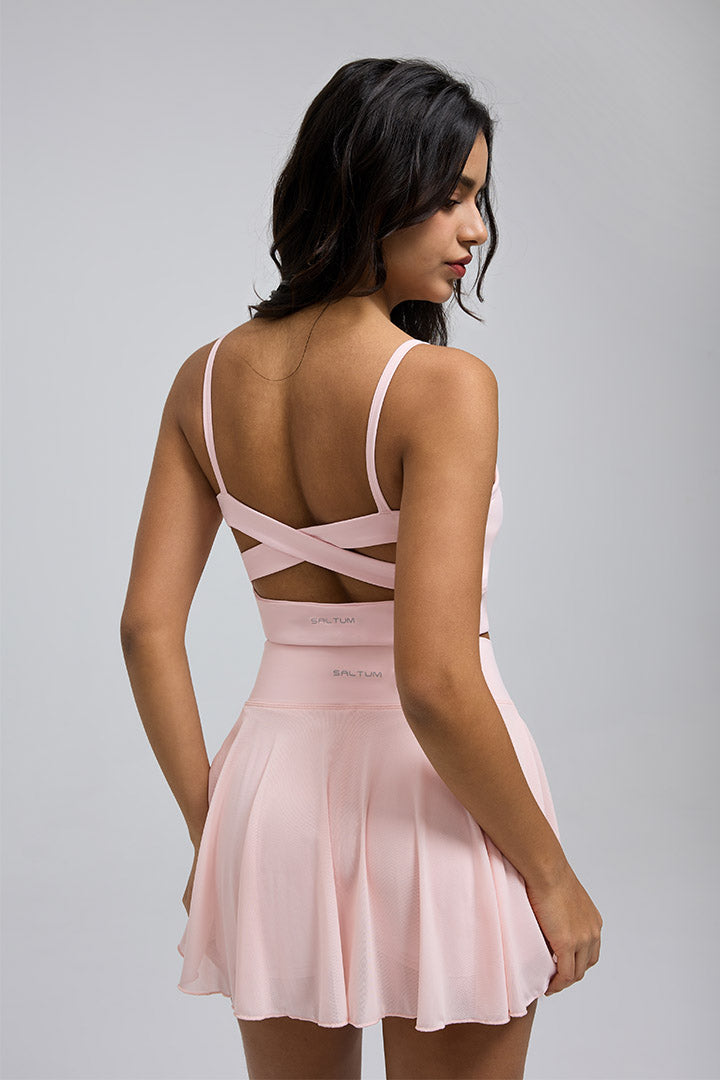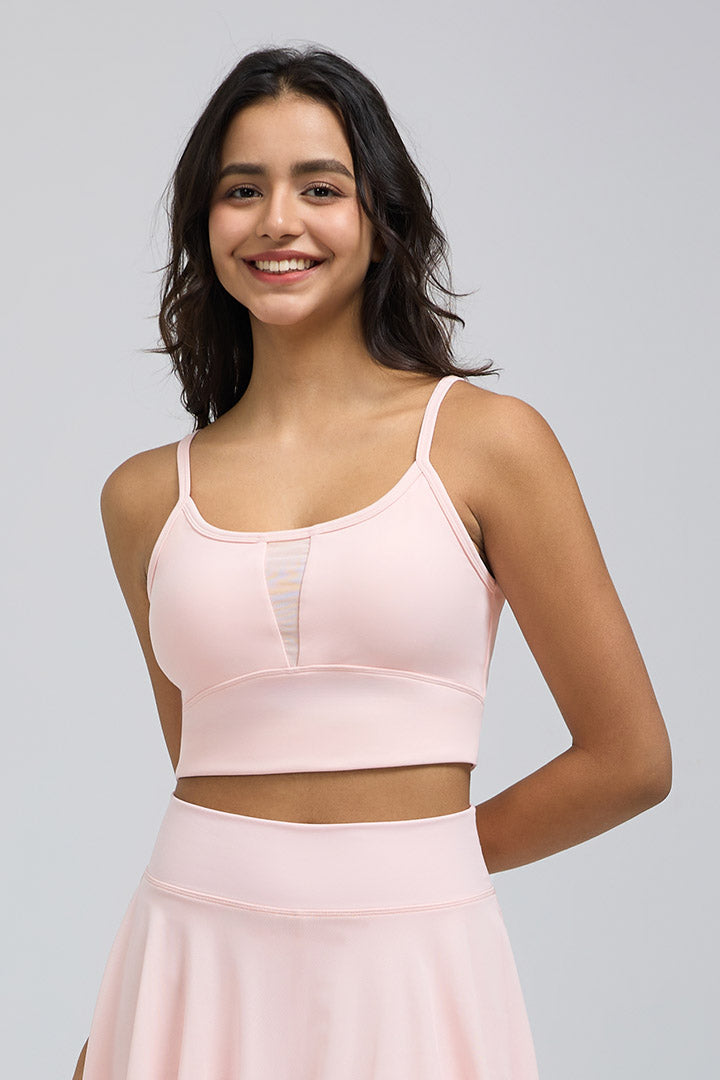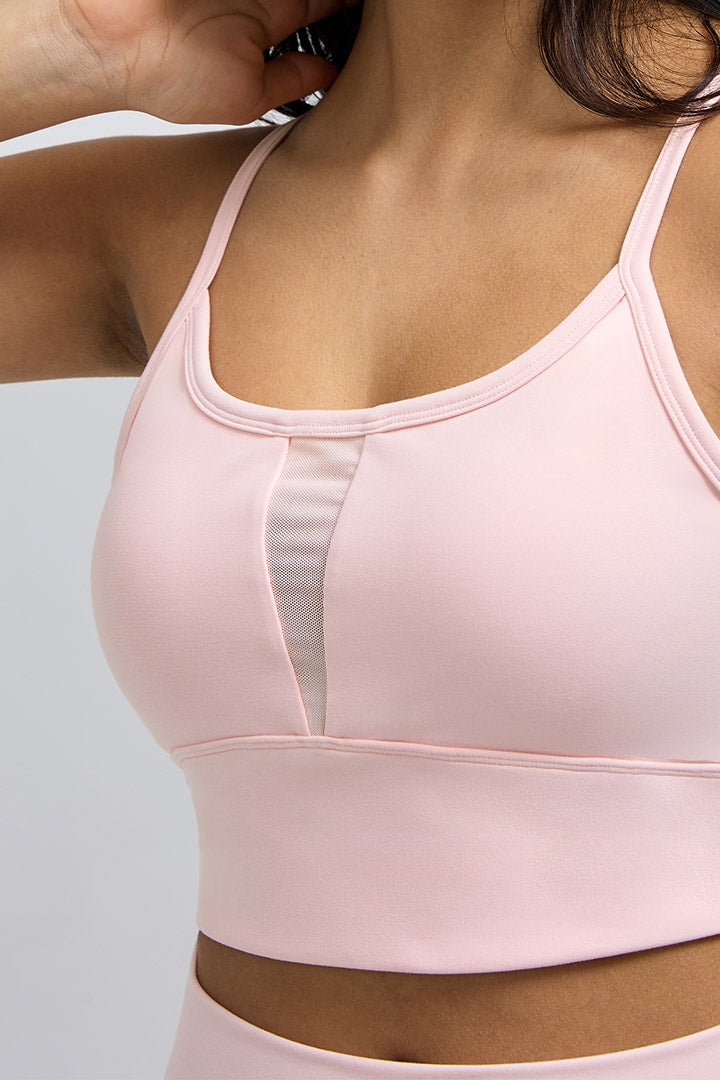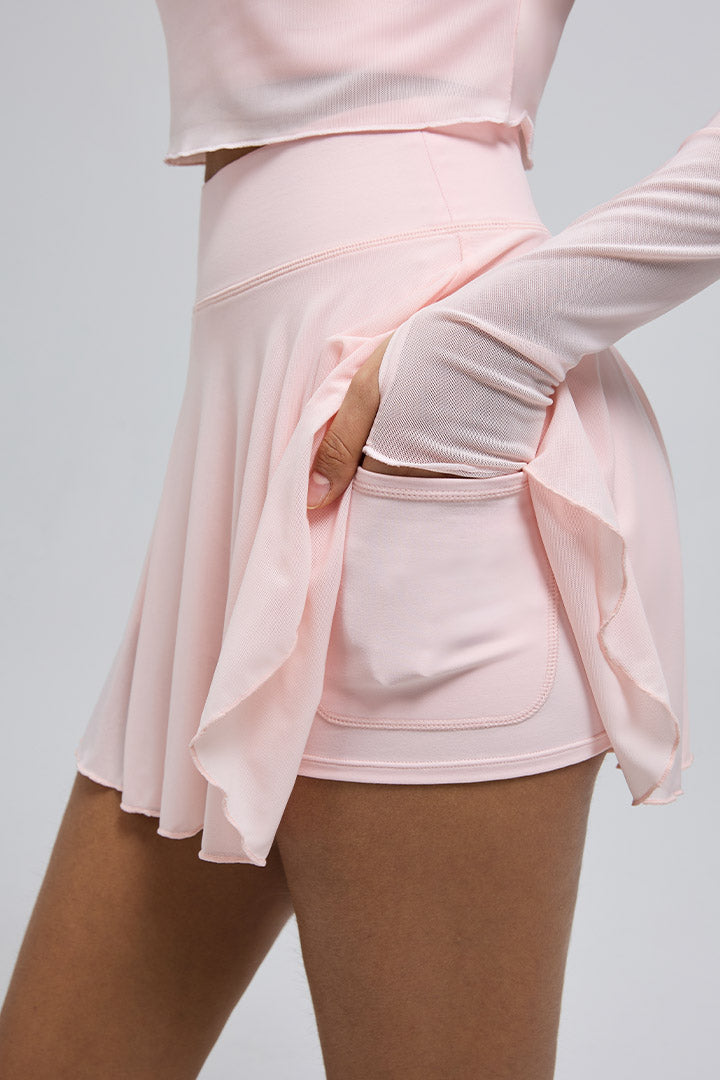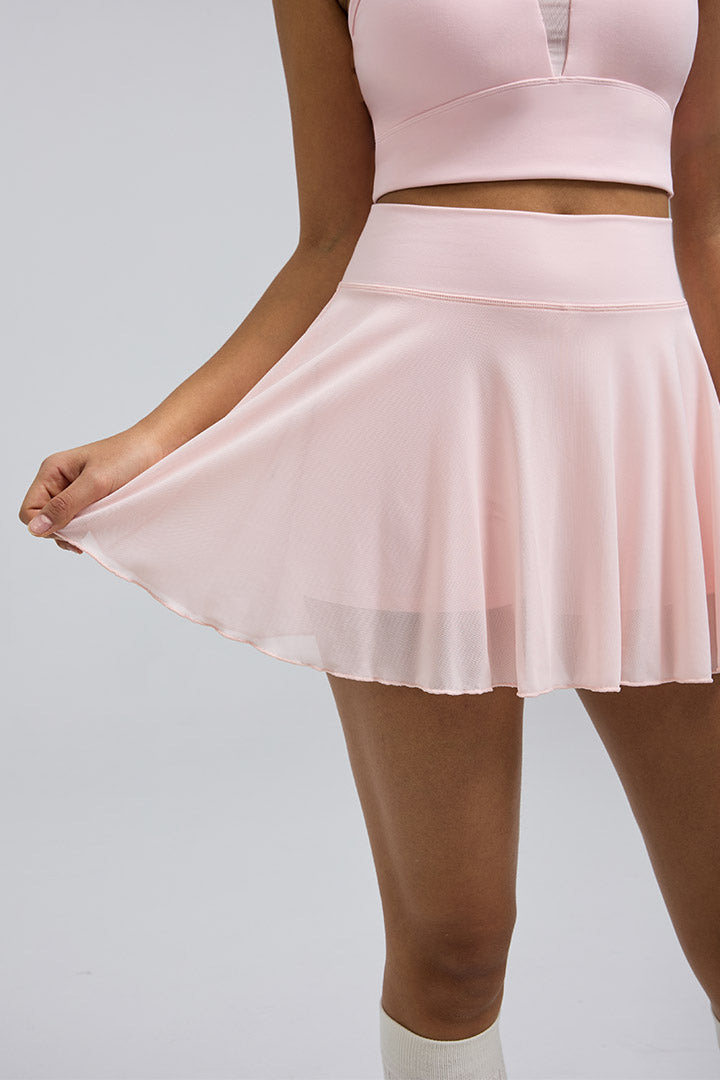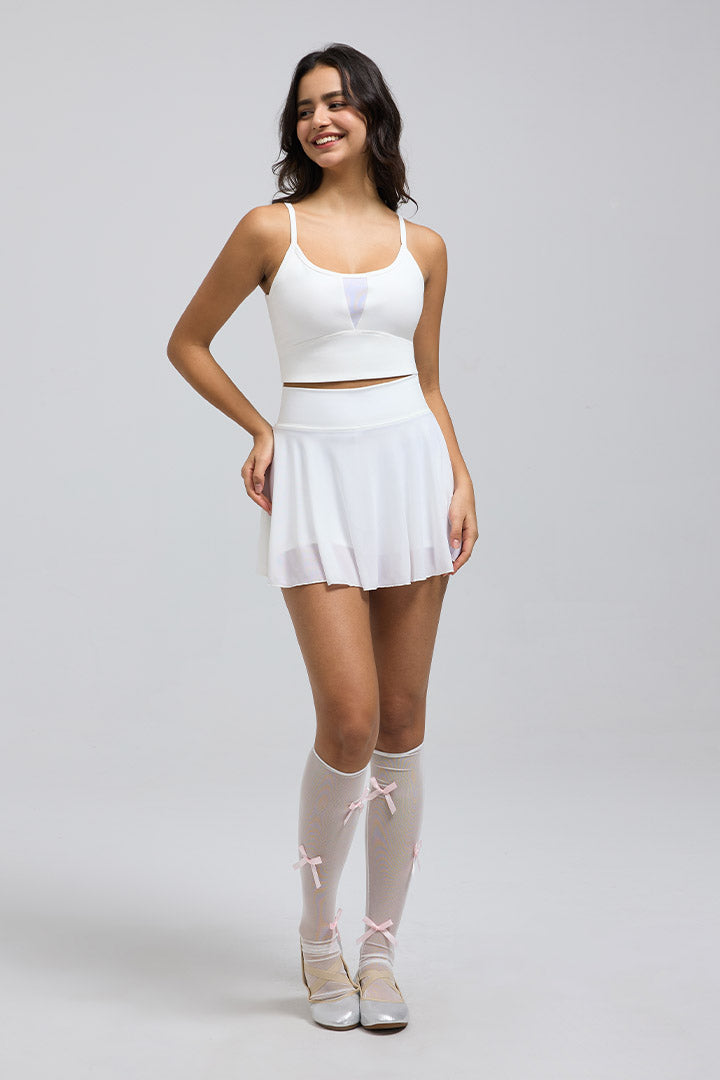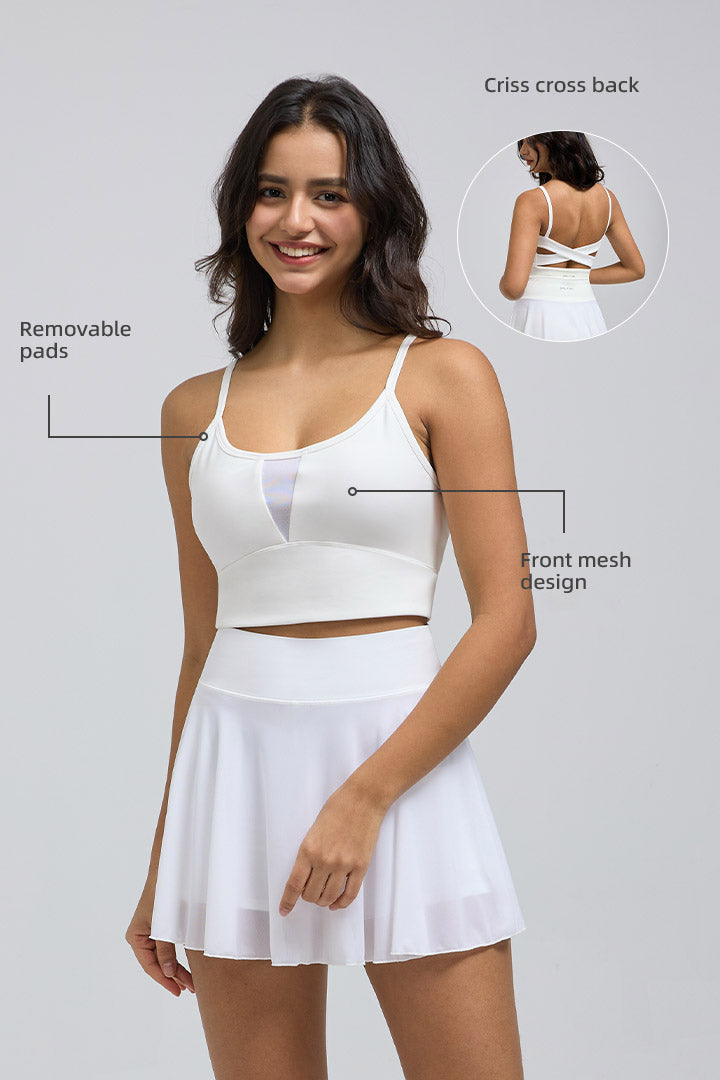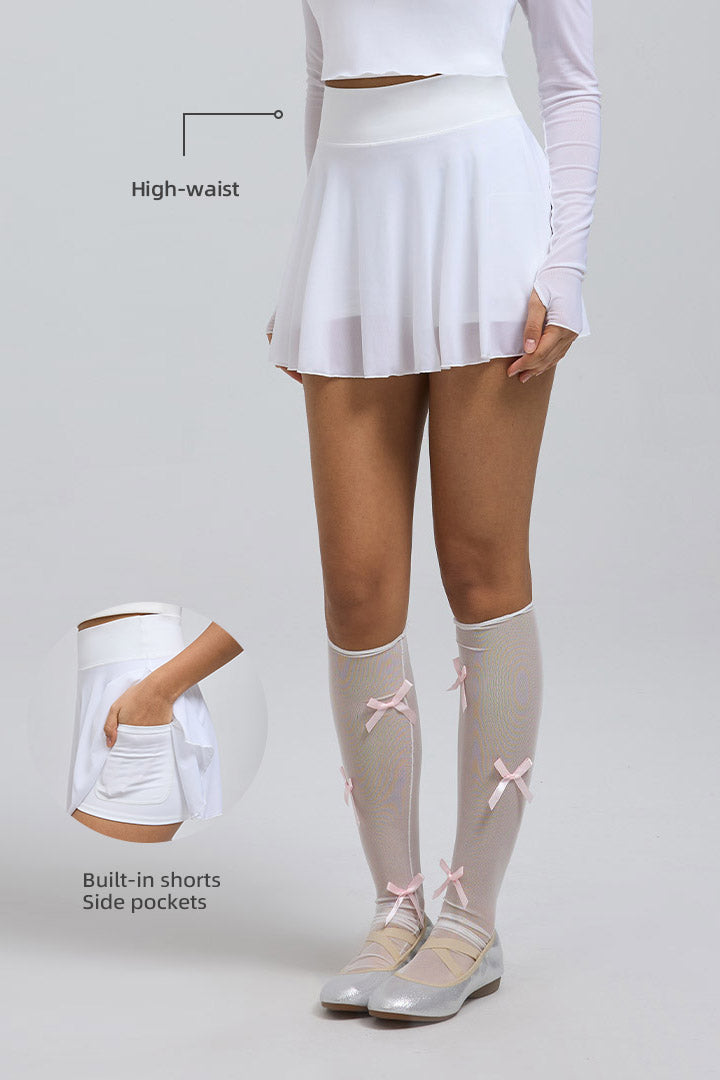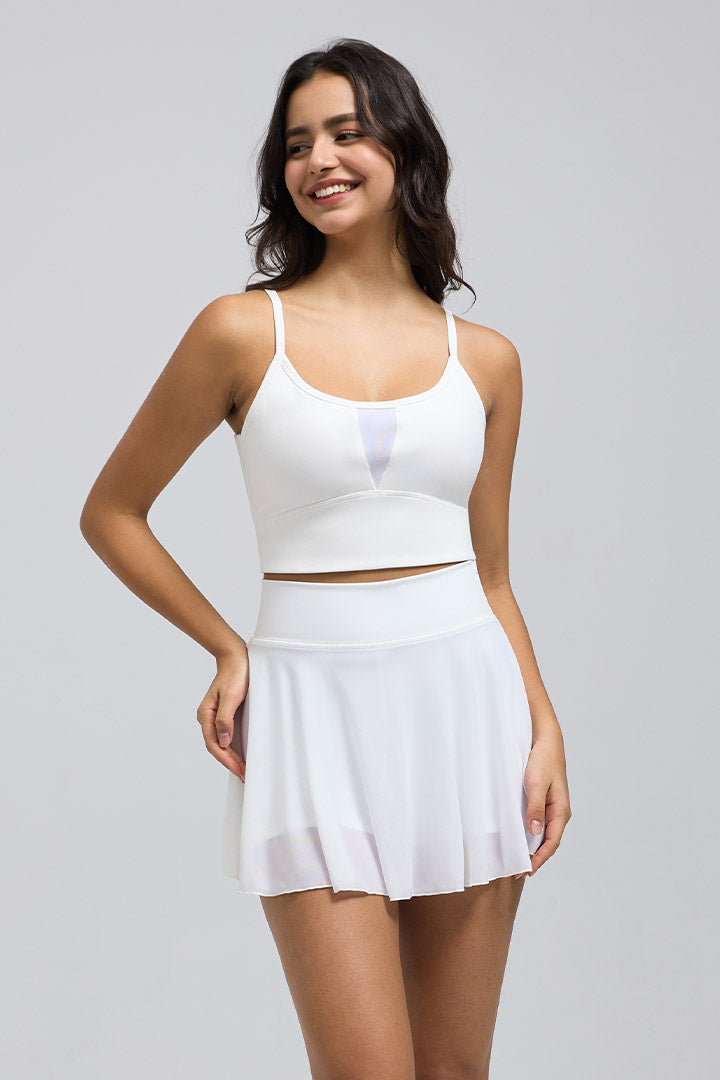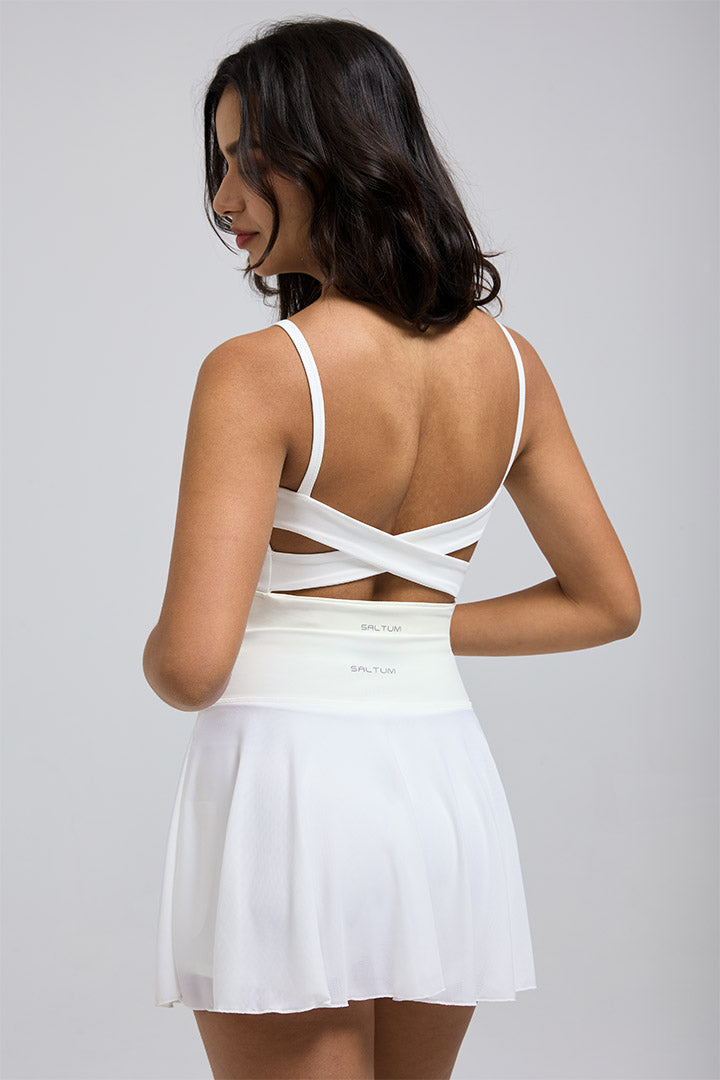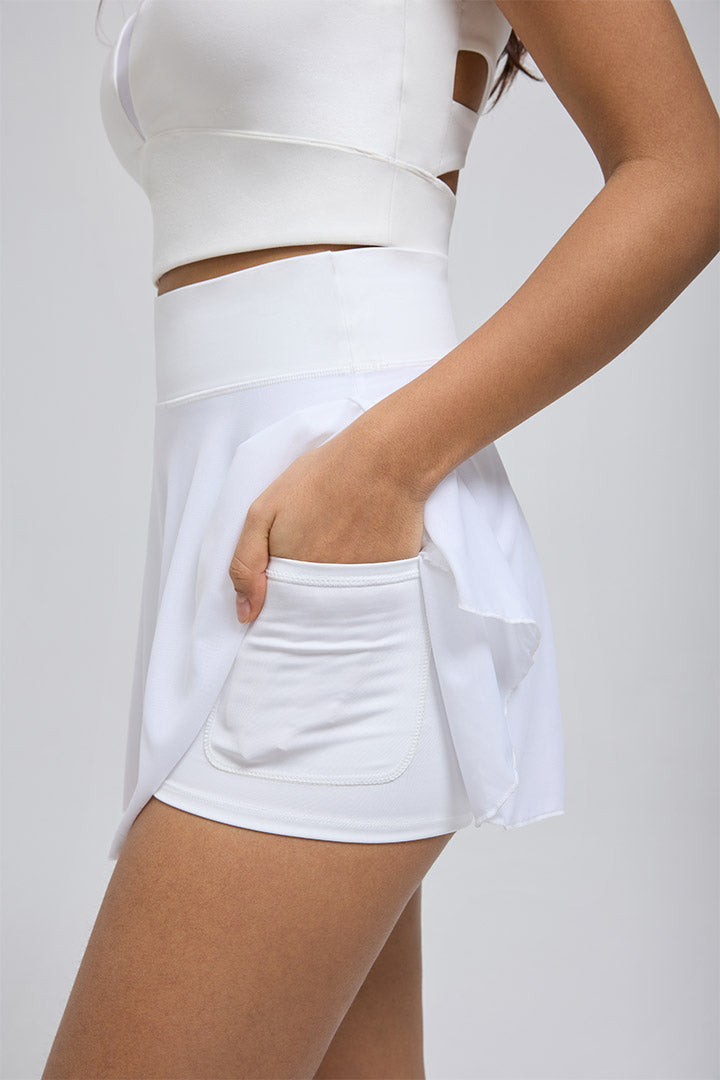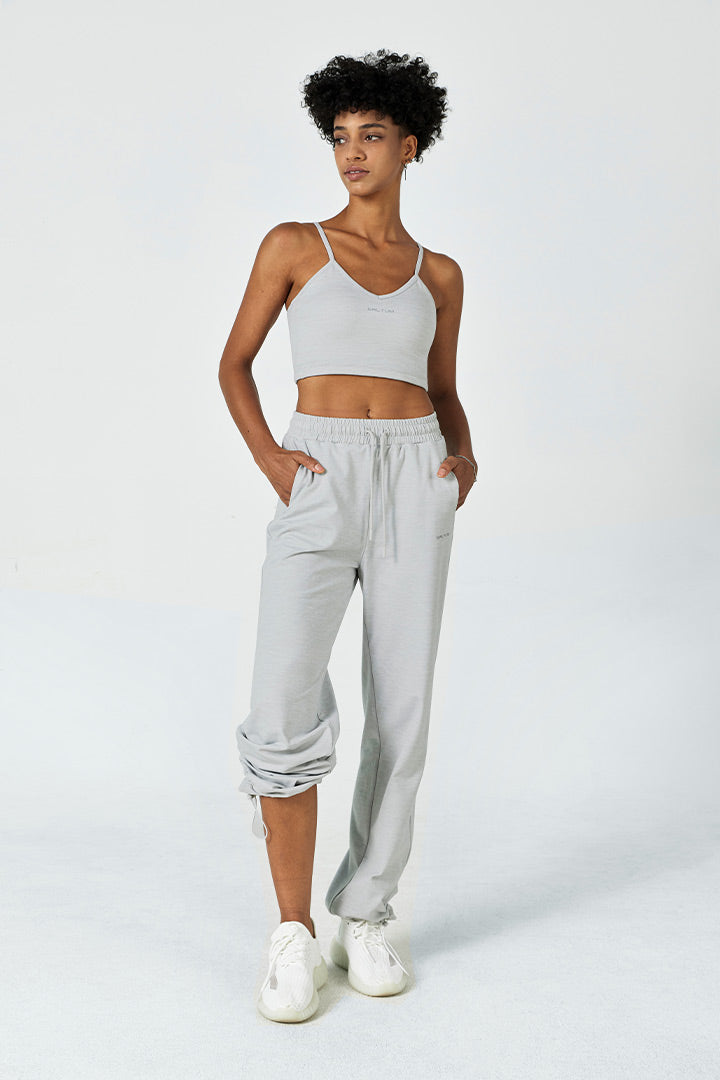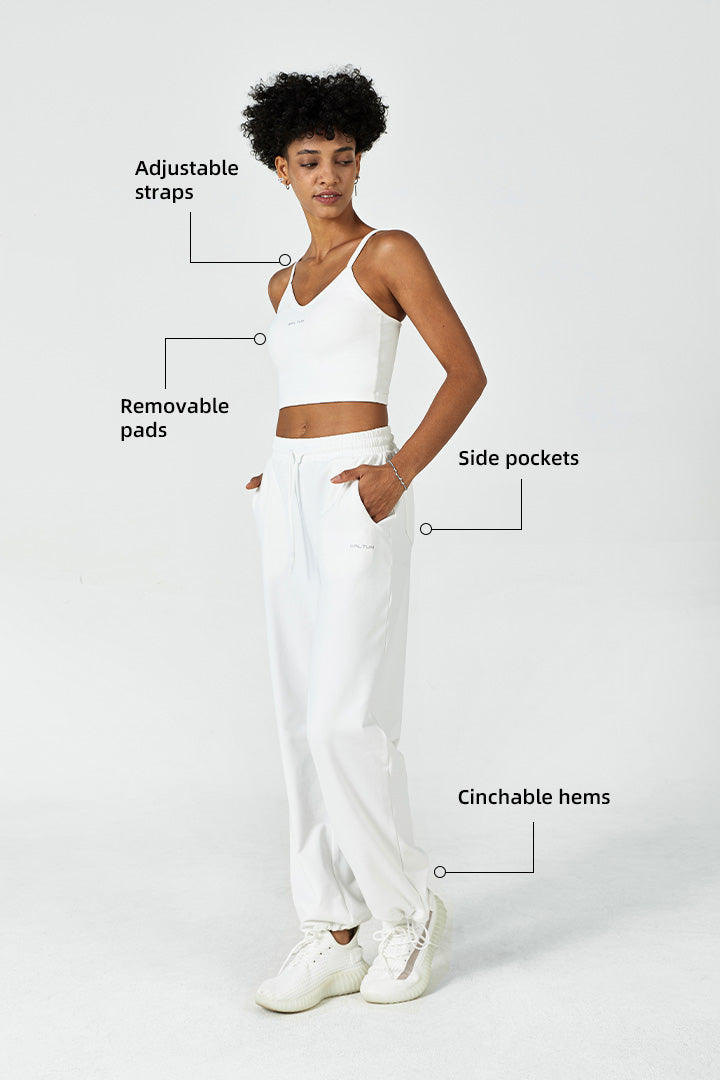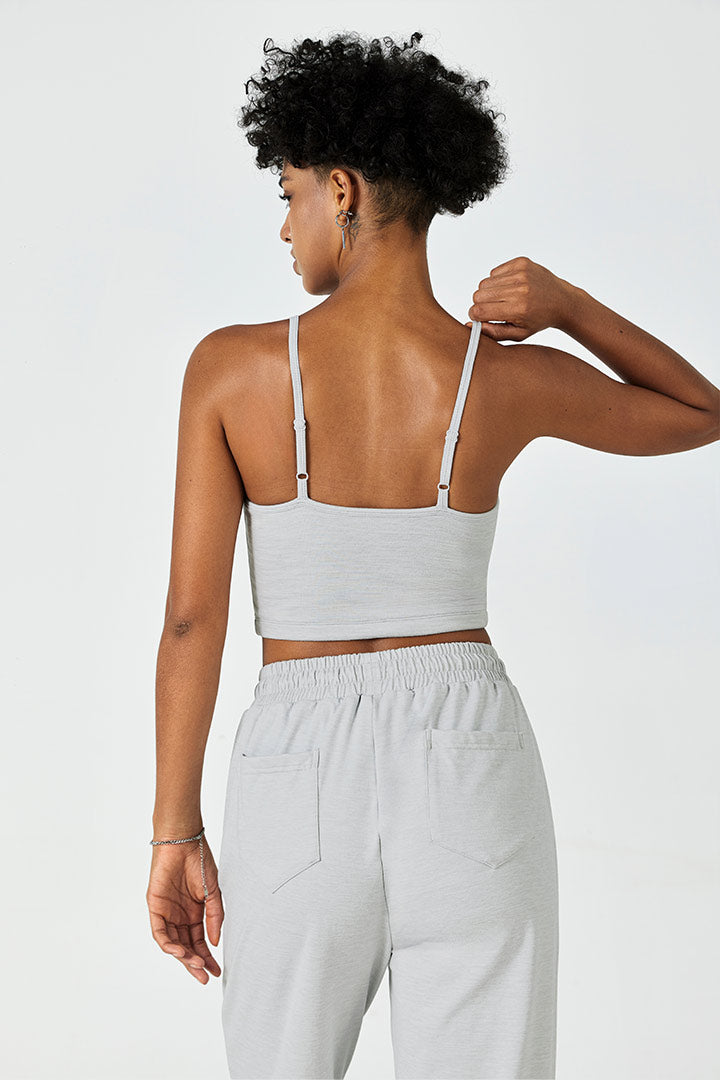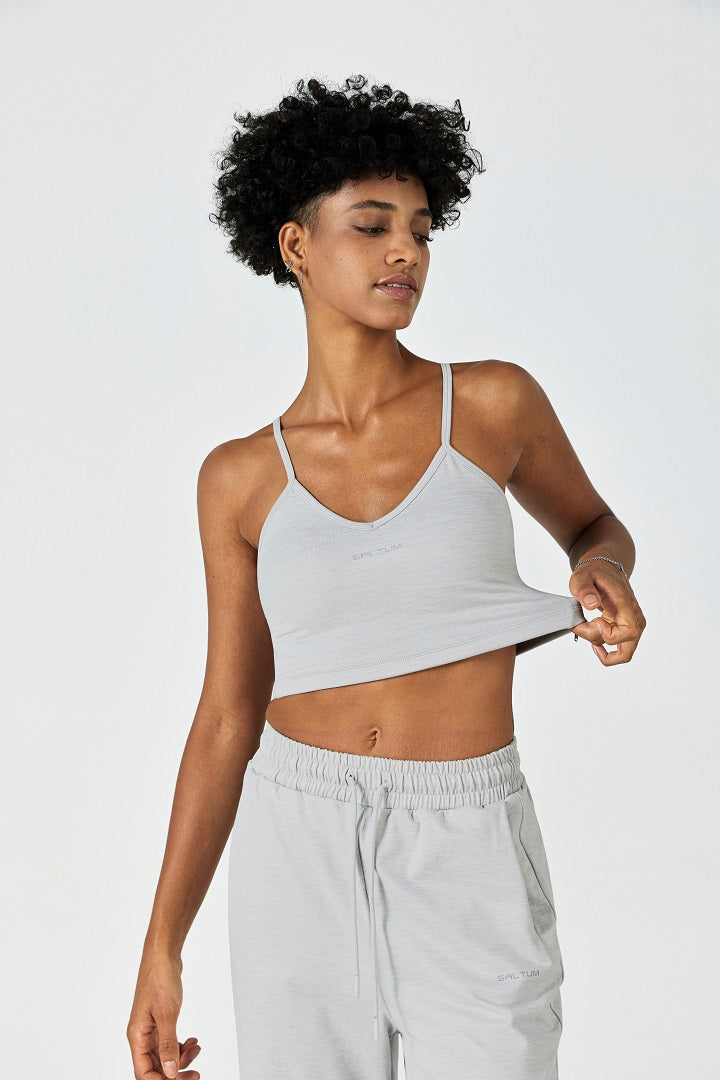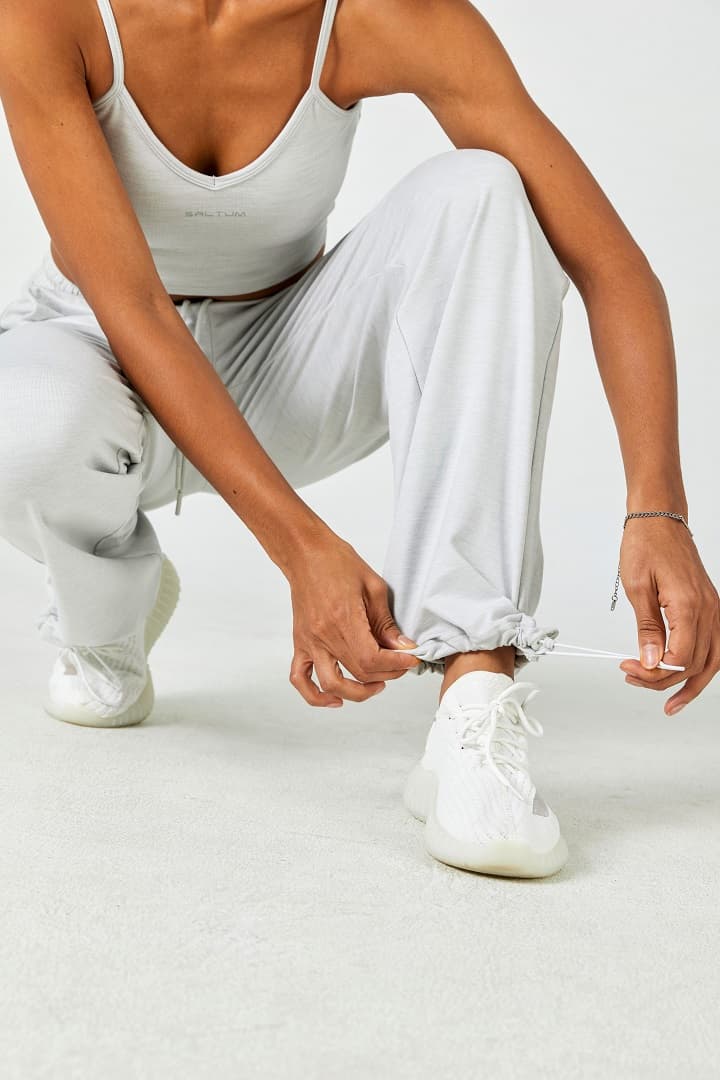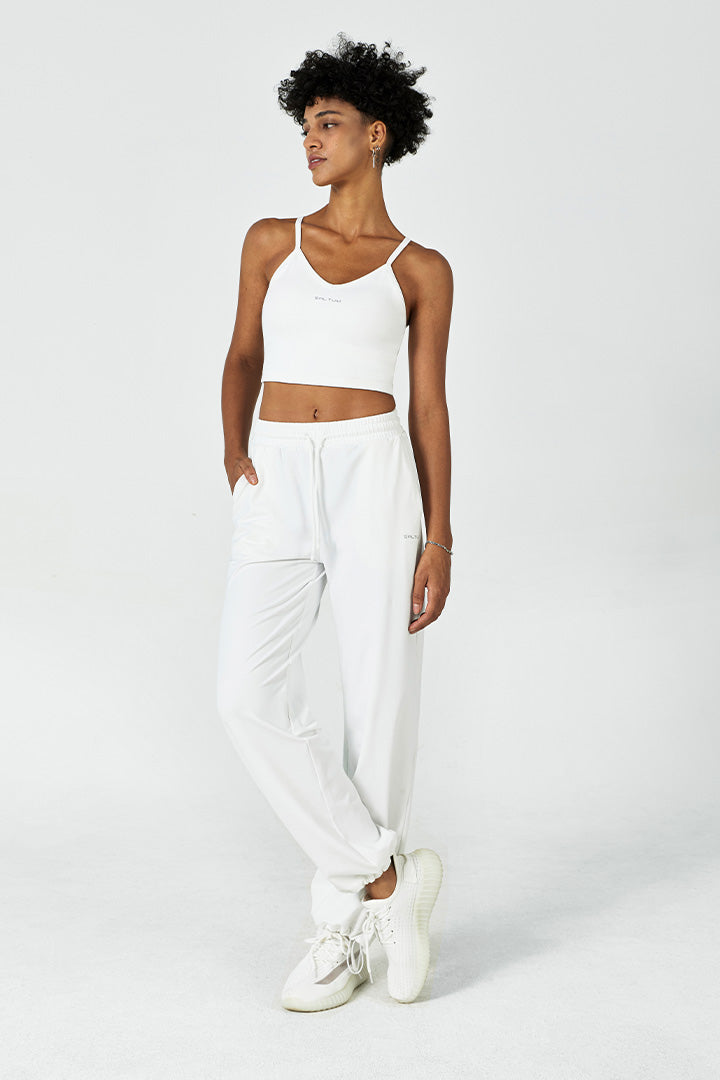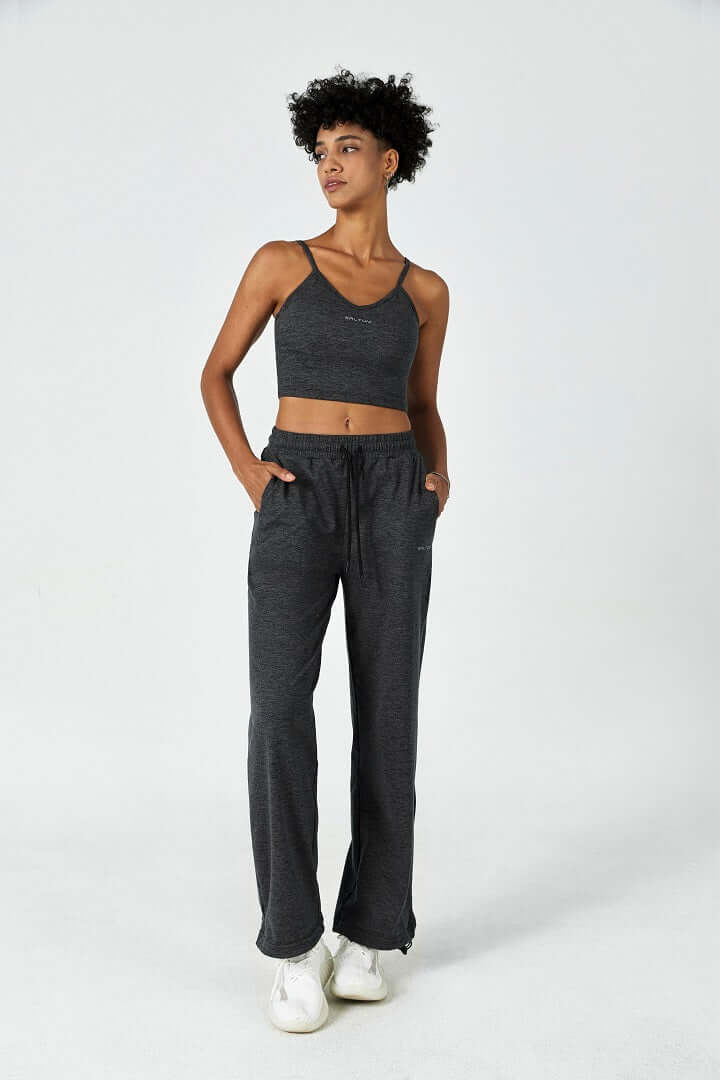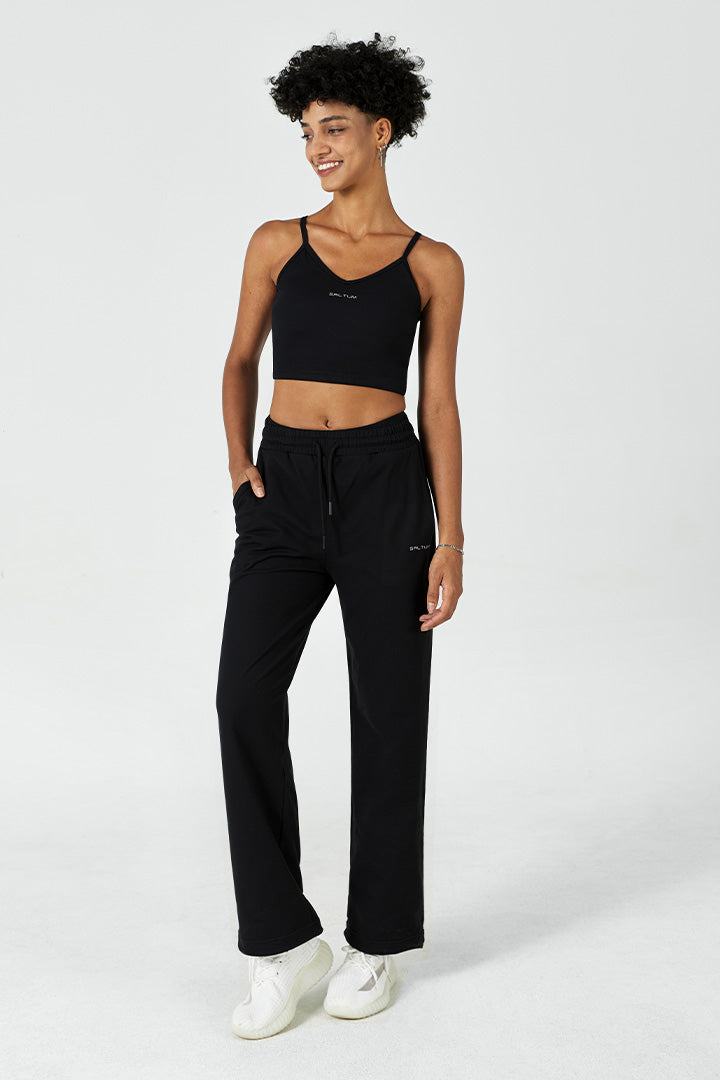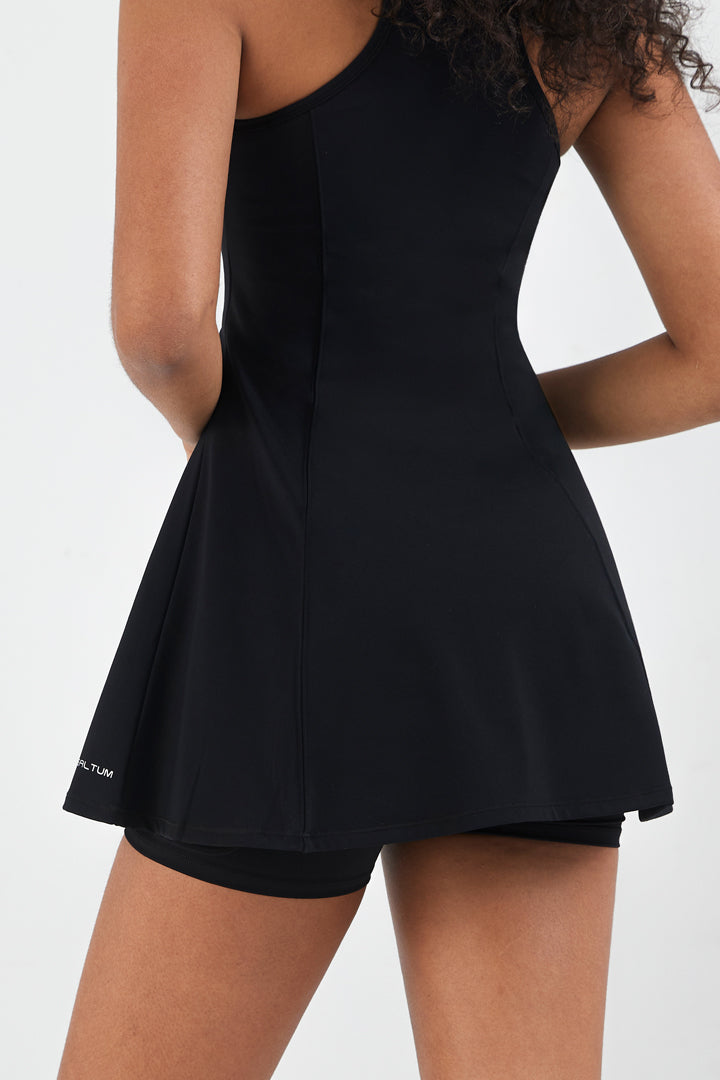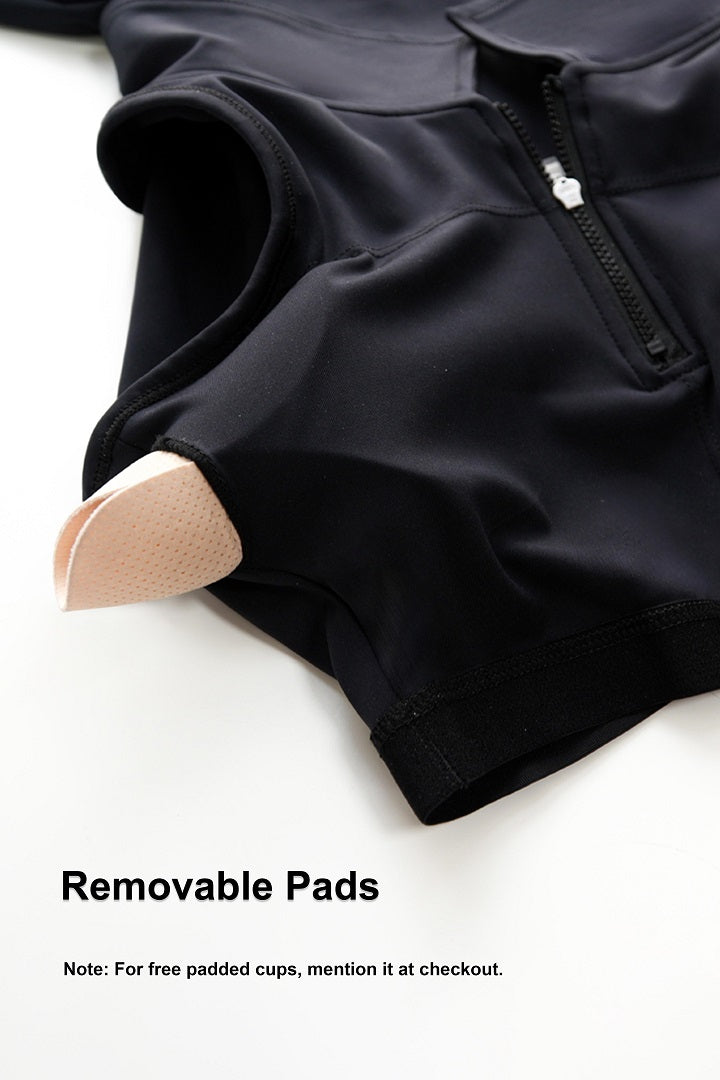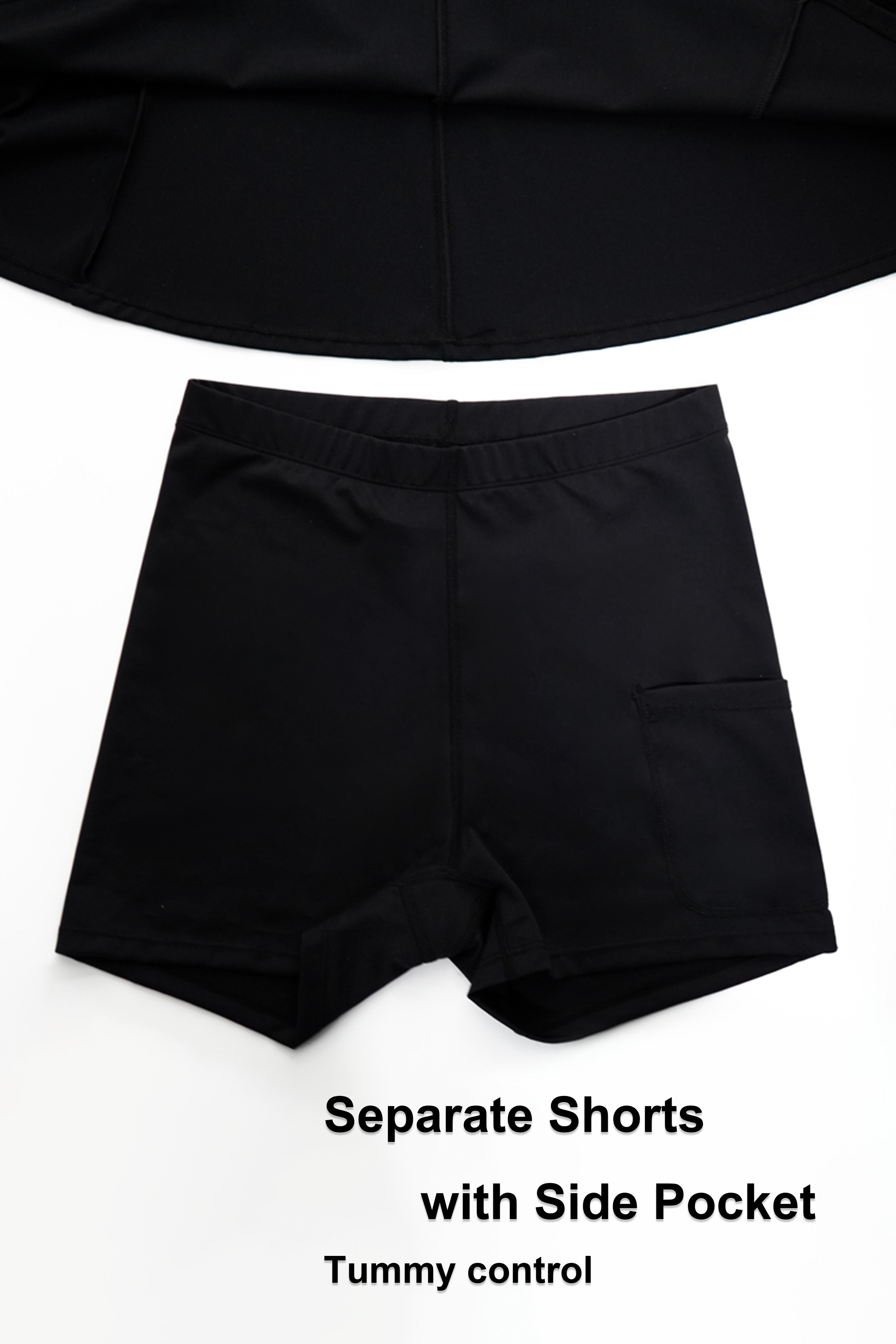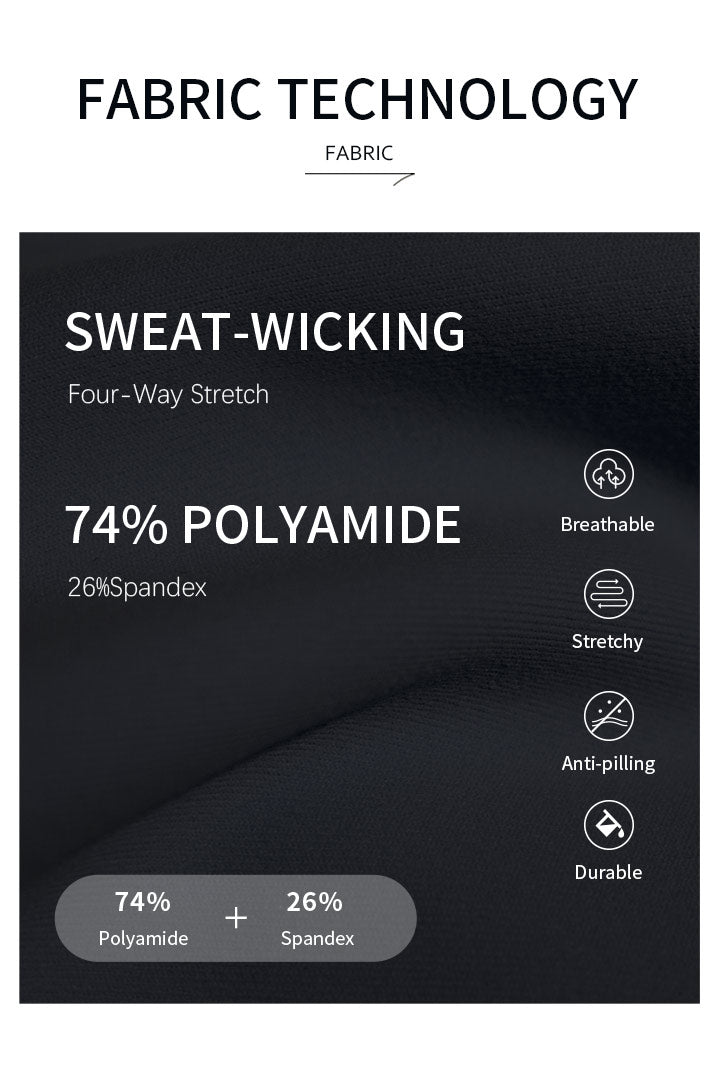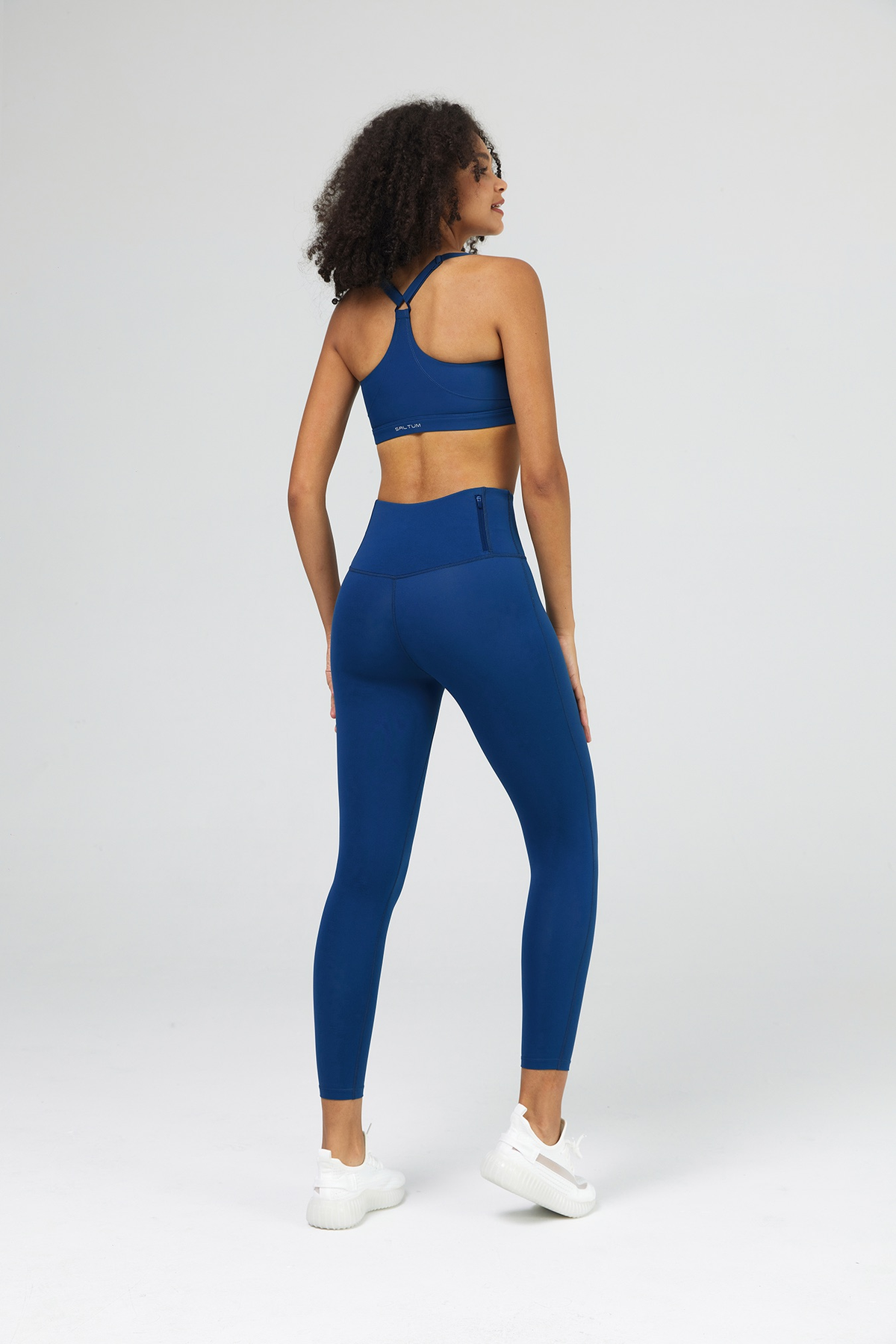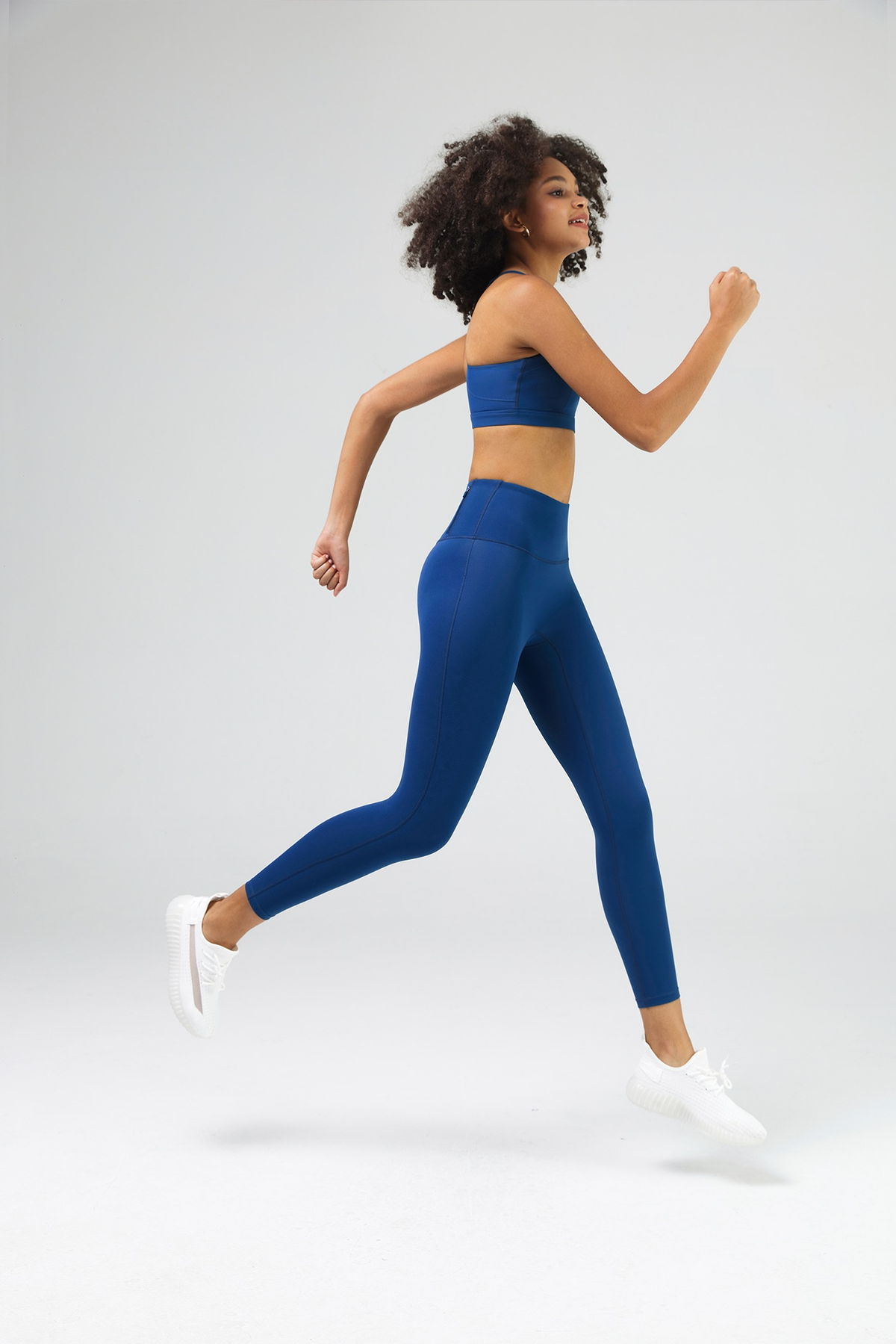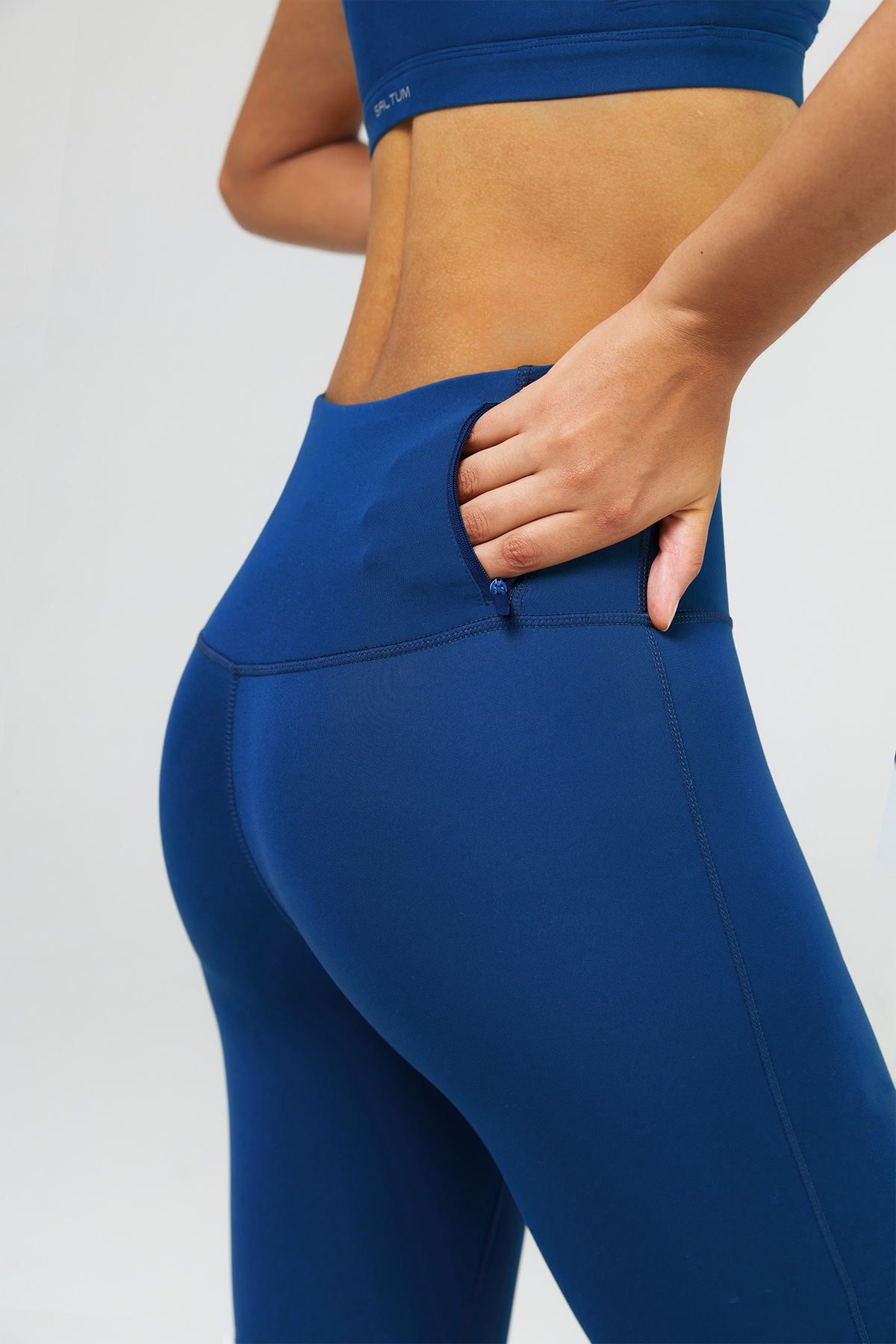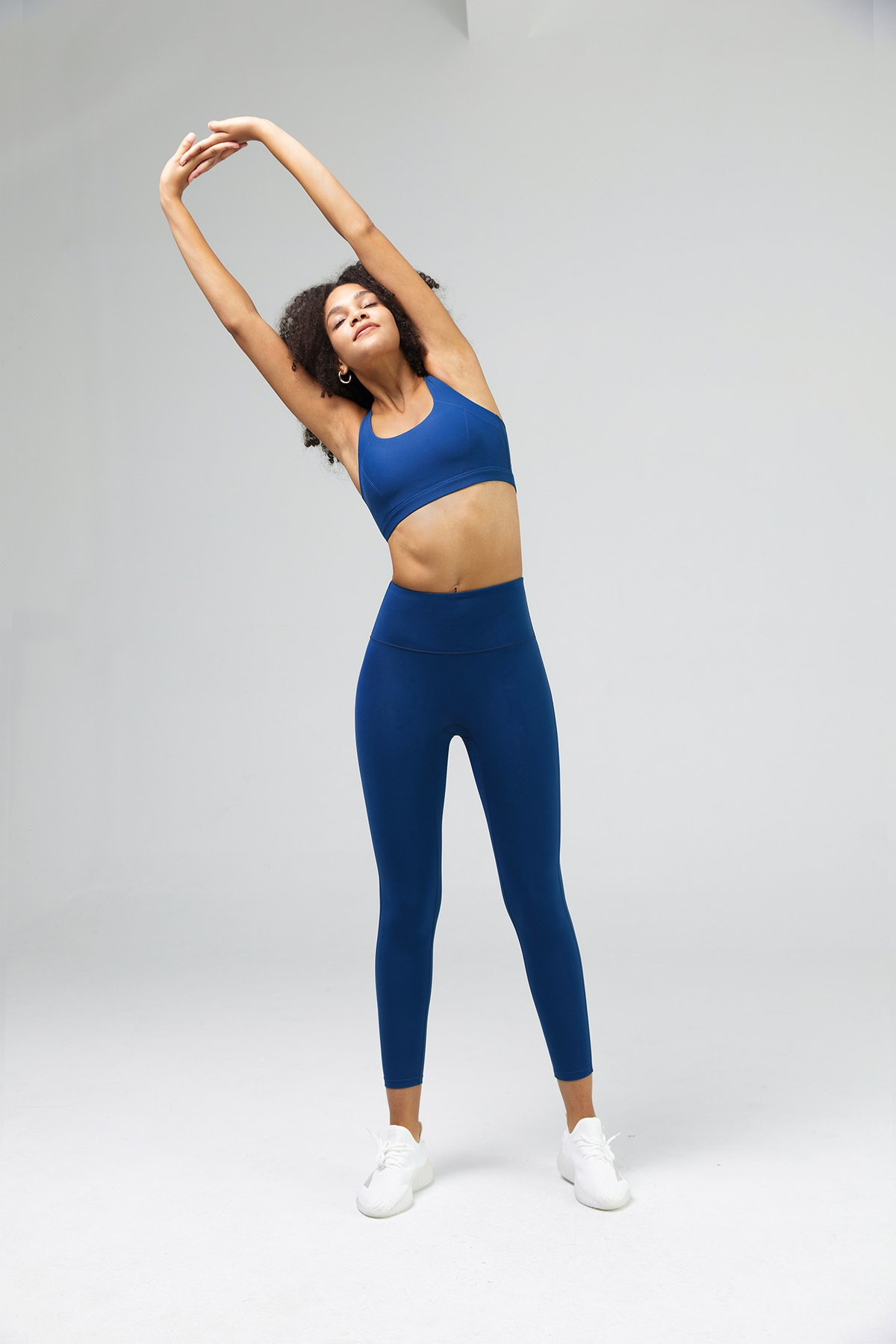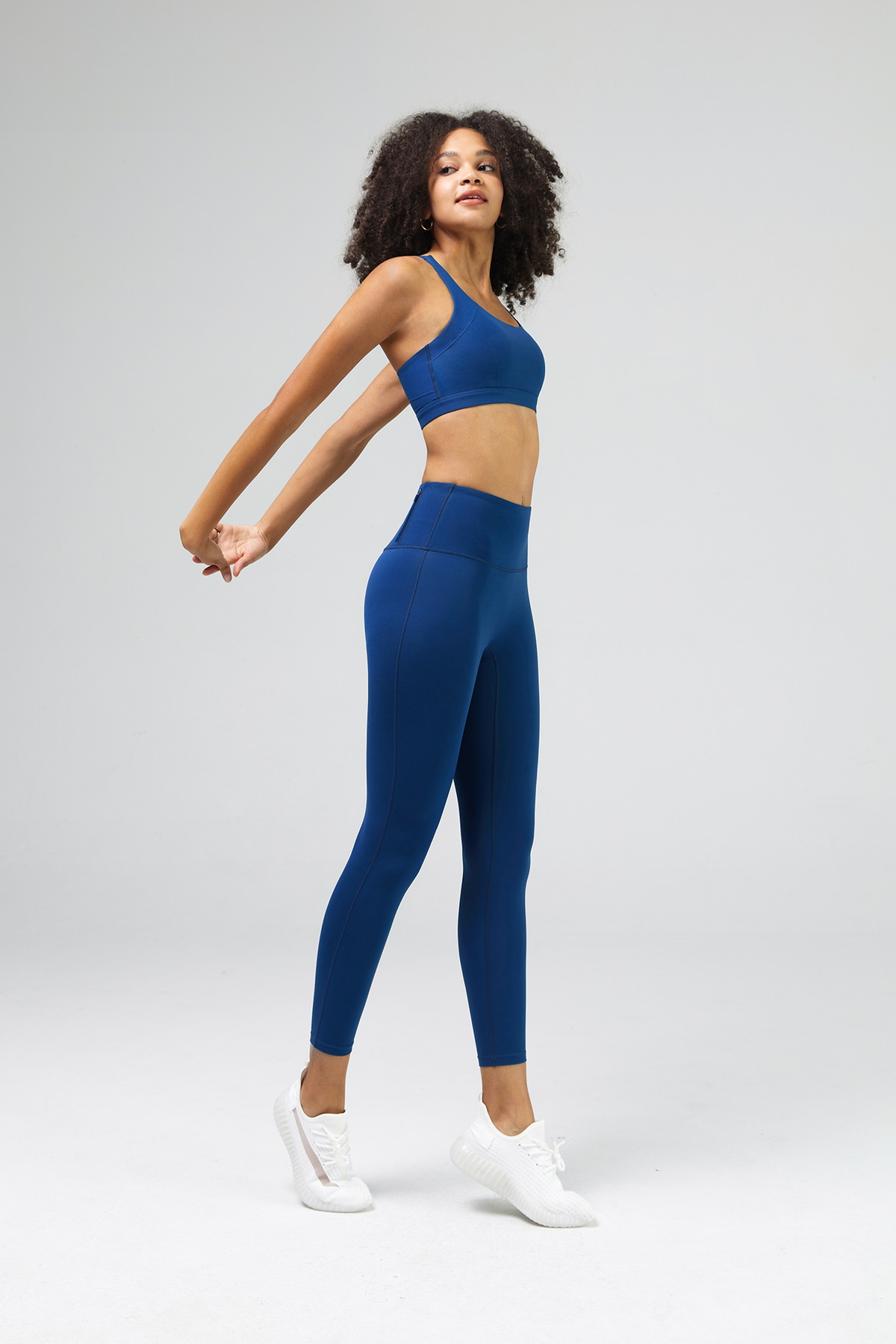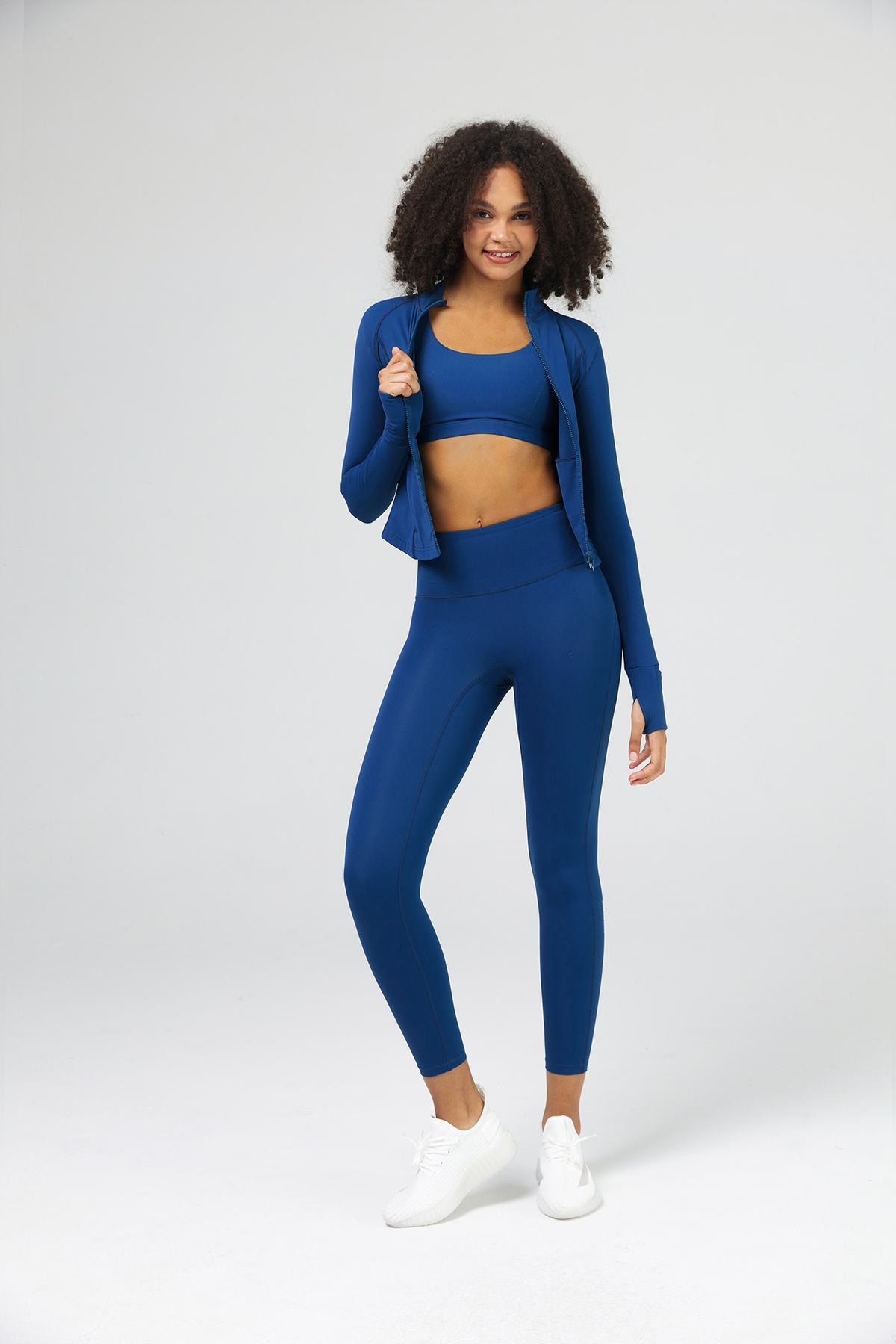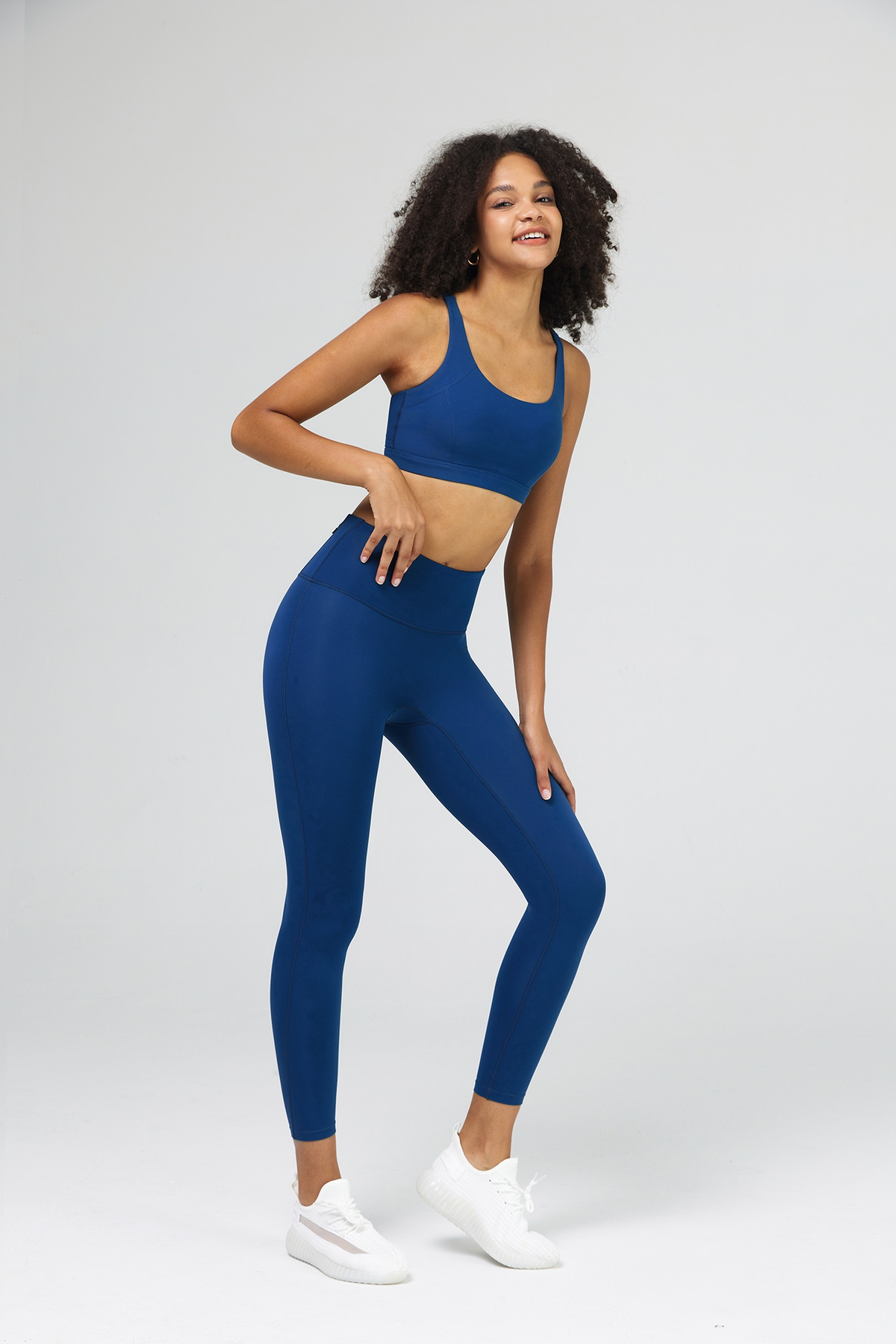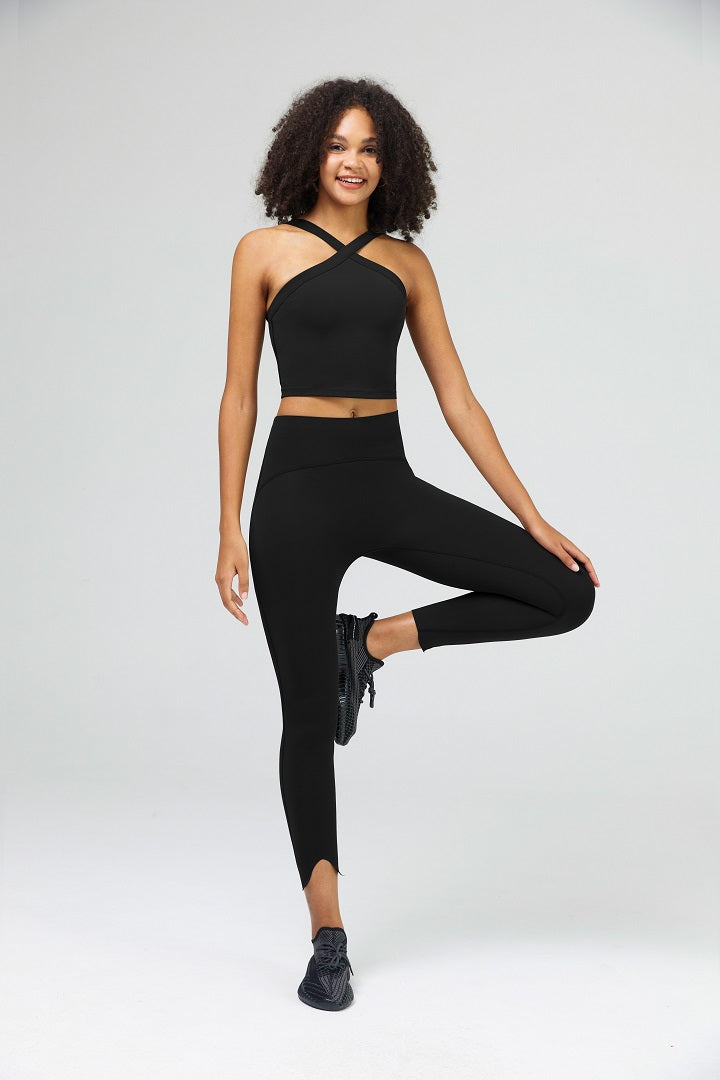


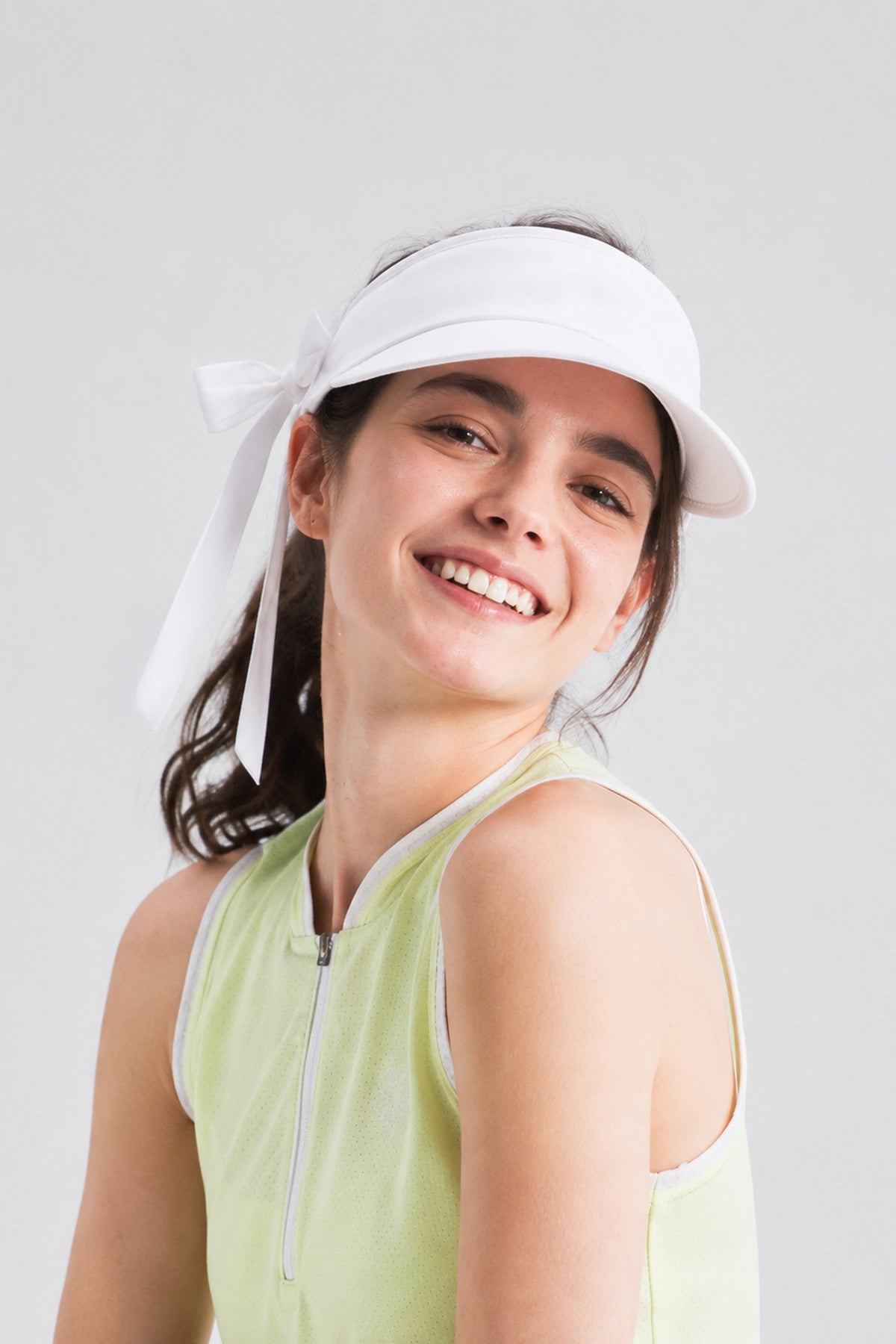

What Are Sports Tops?
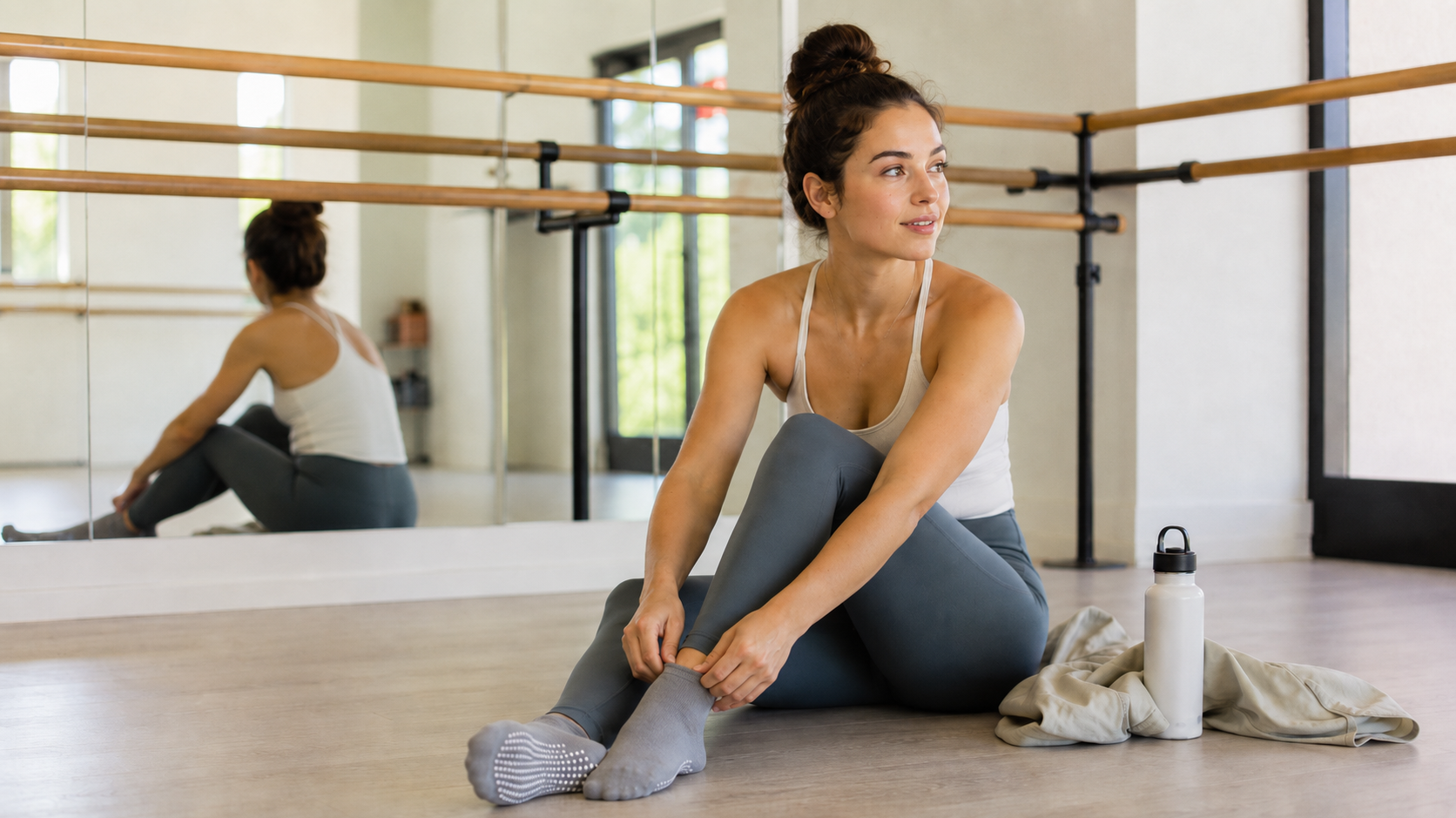
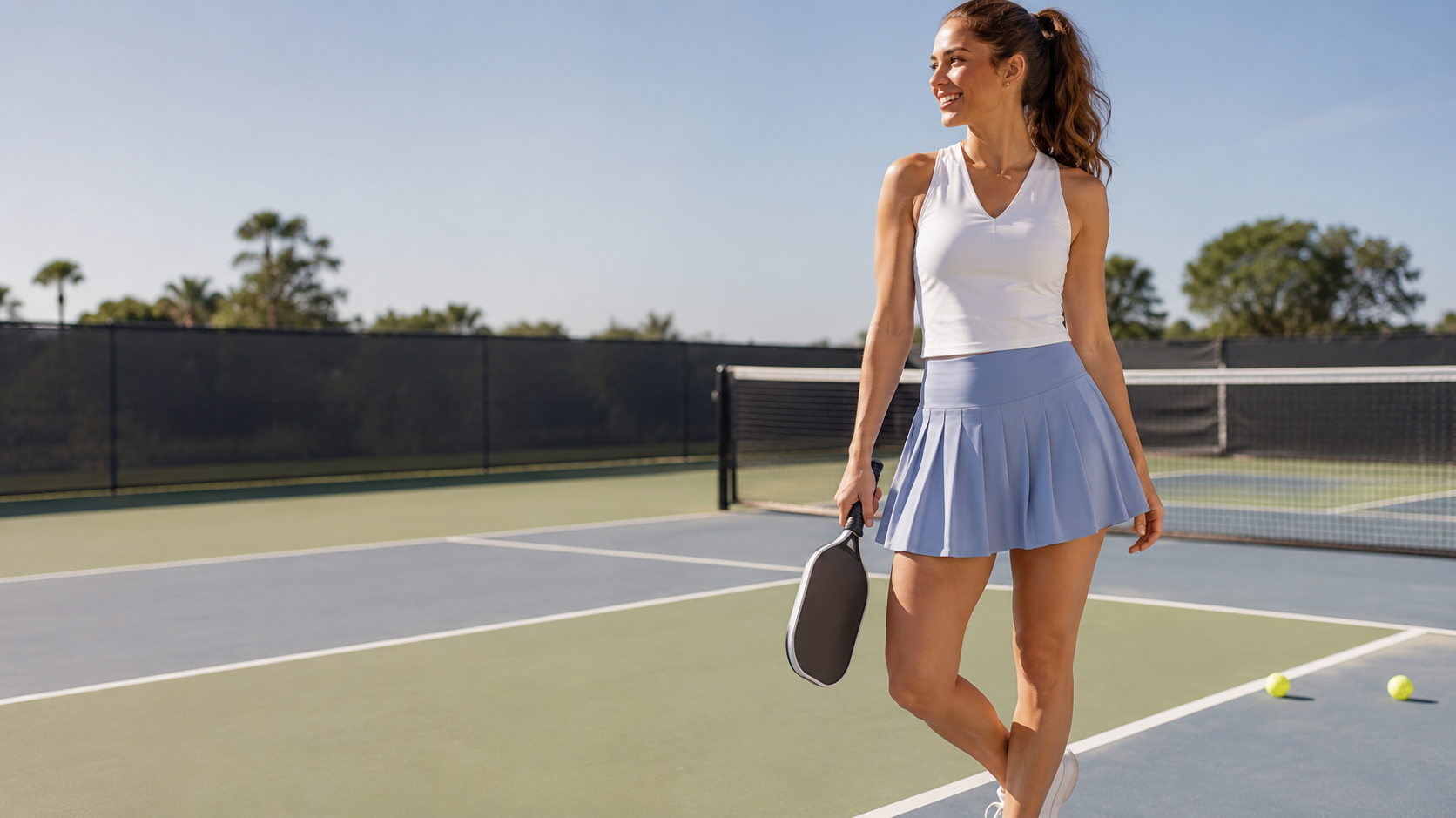
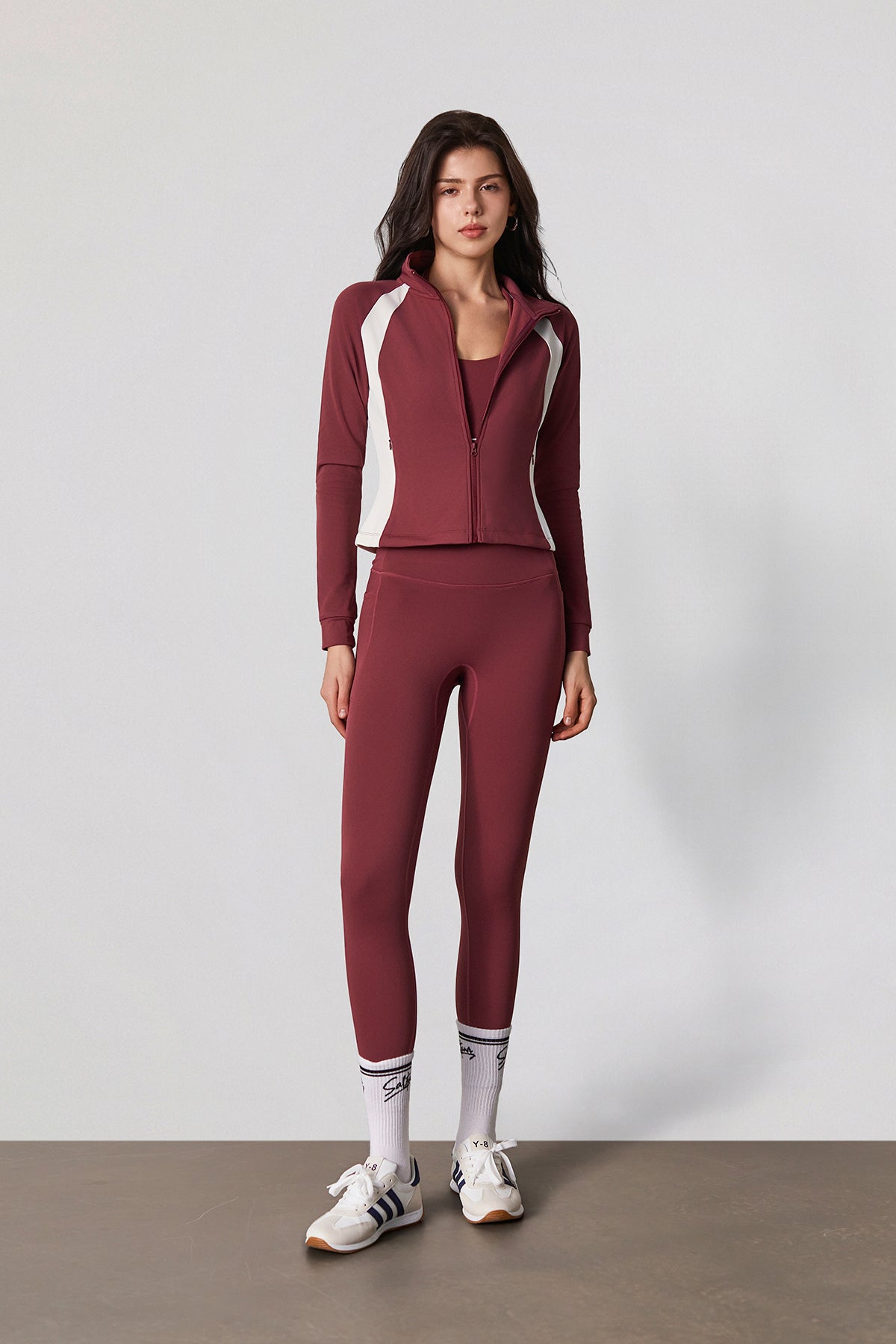
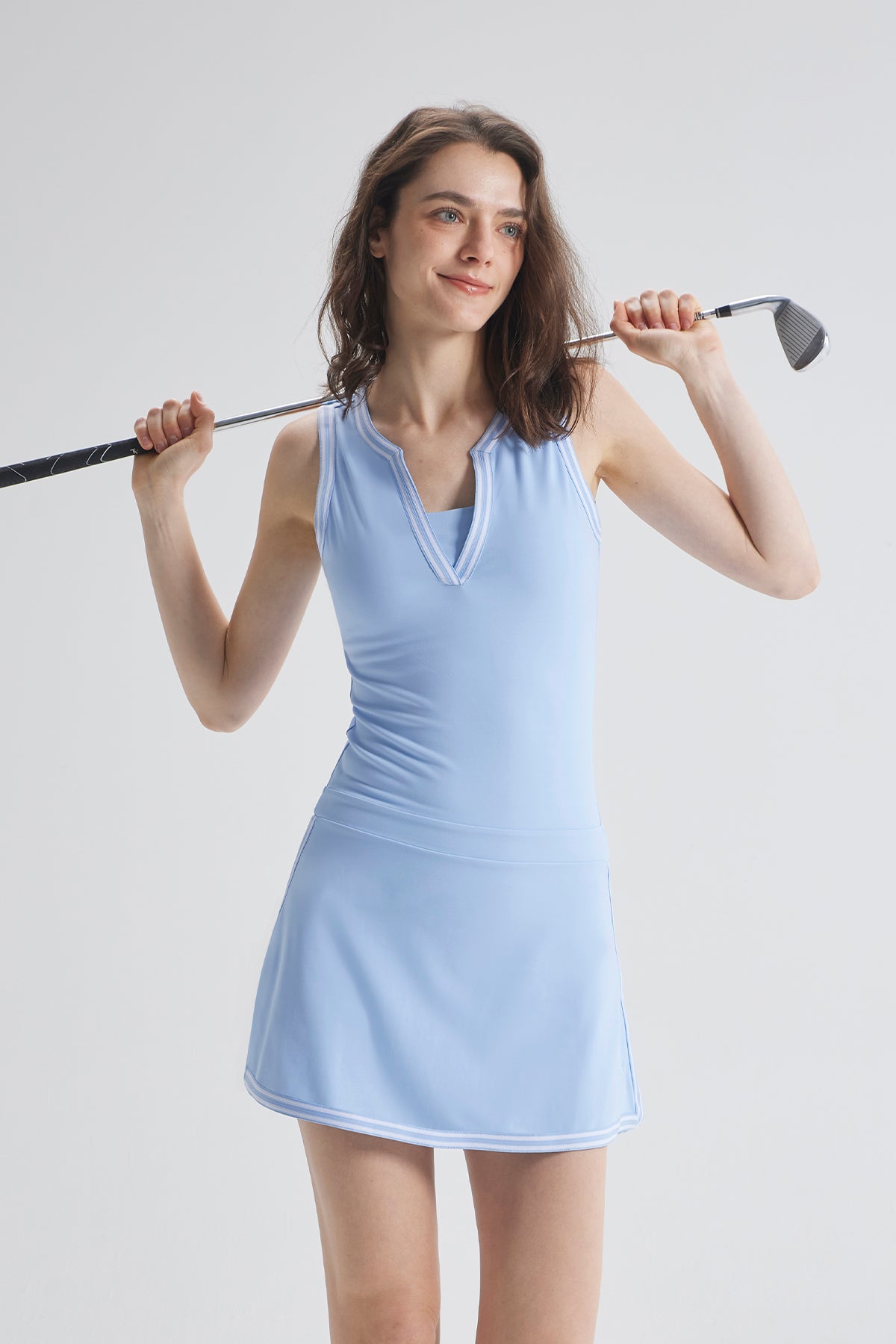
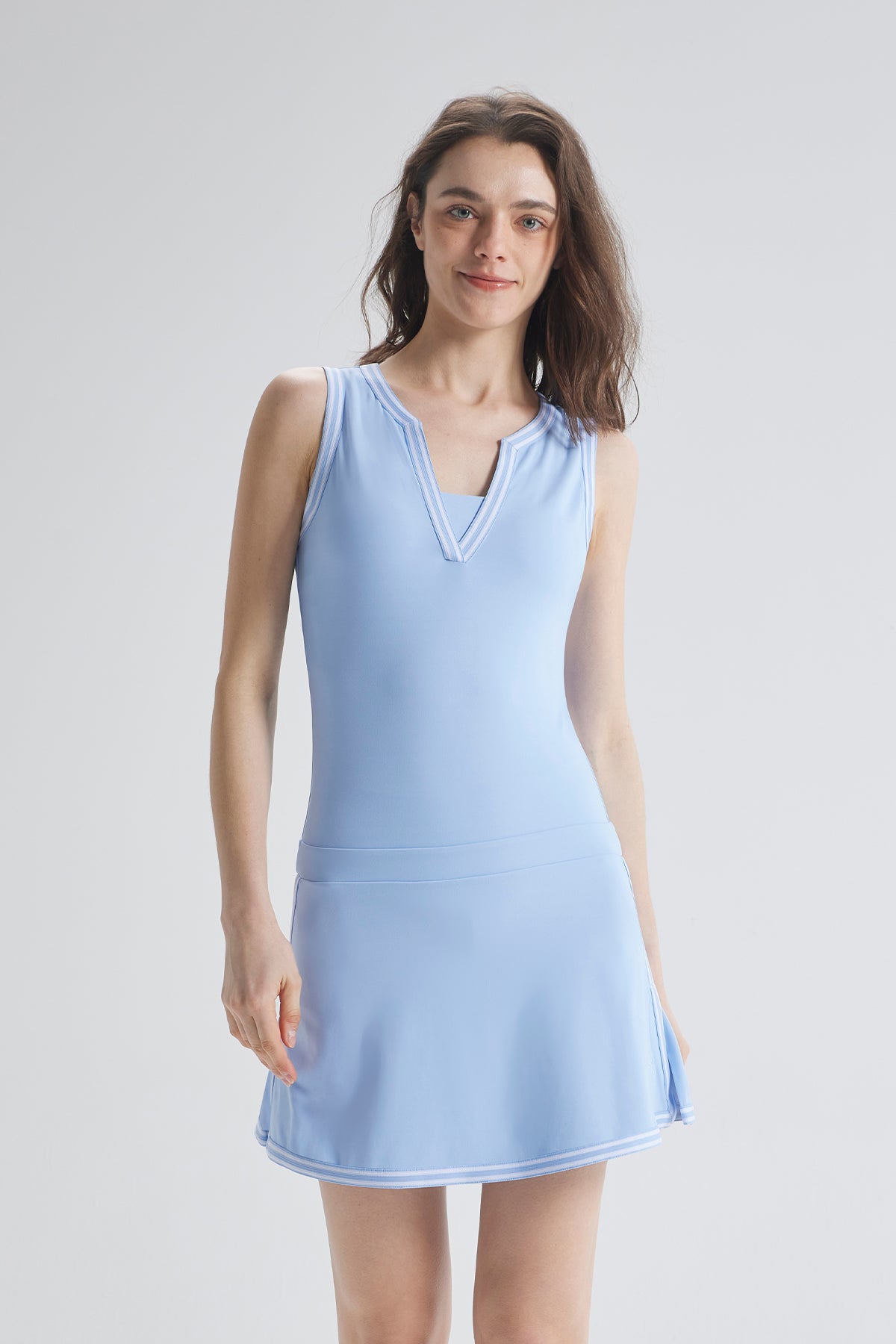
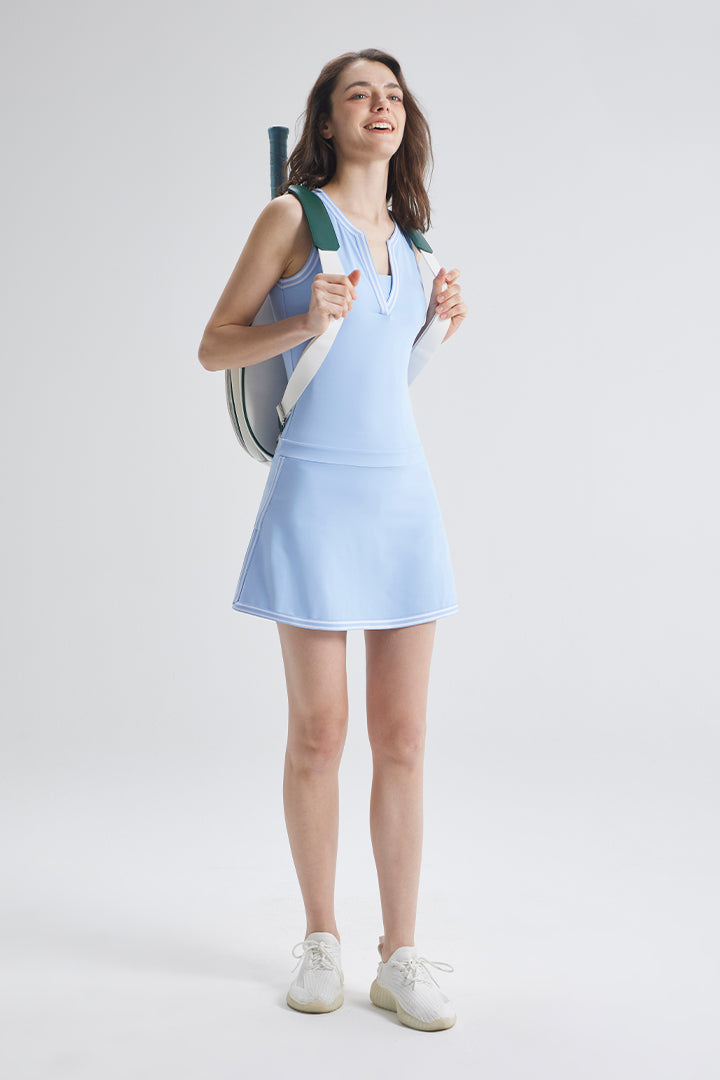
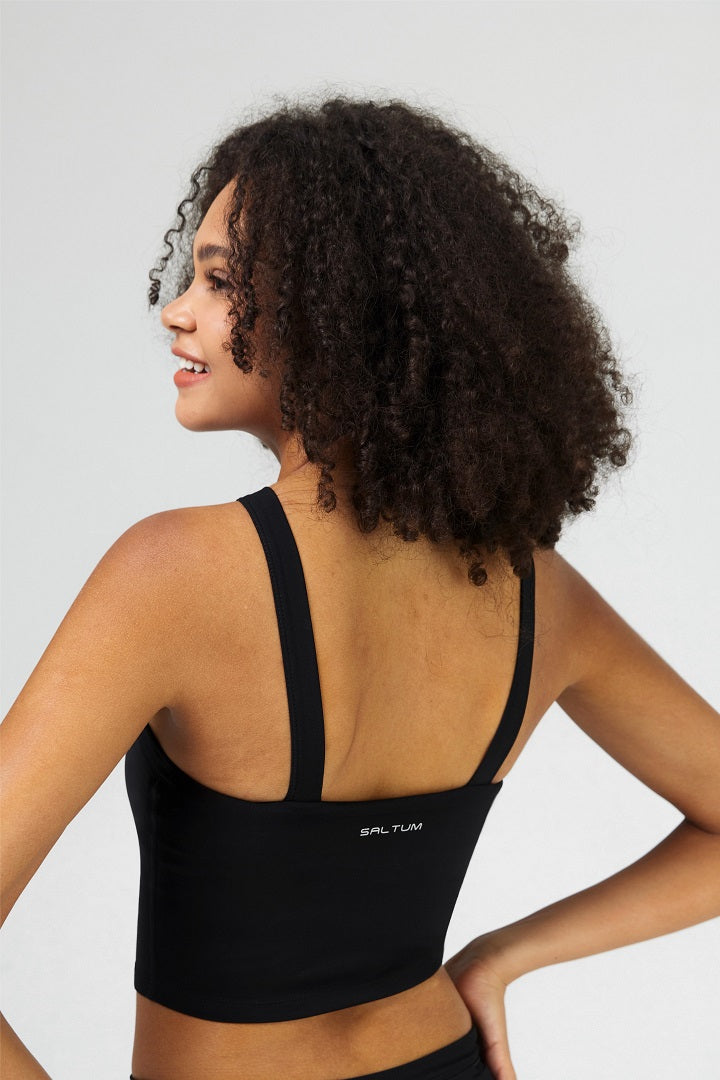
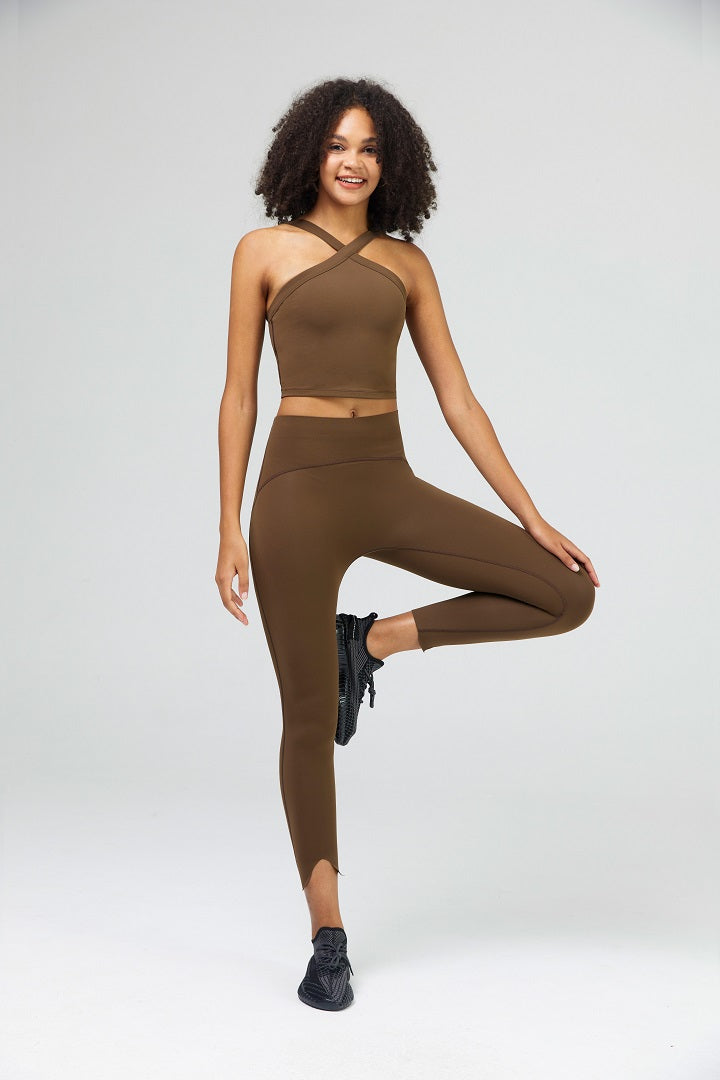
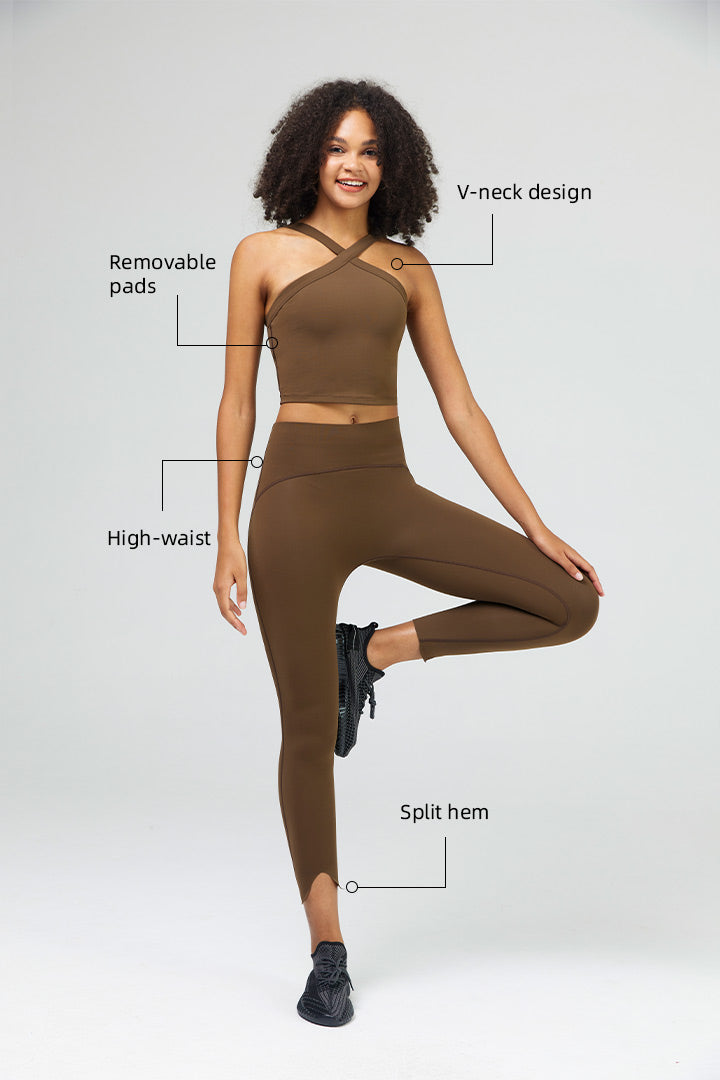
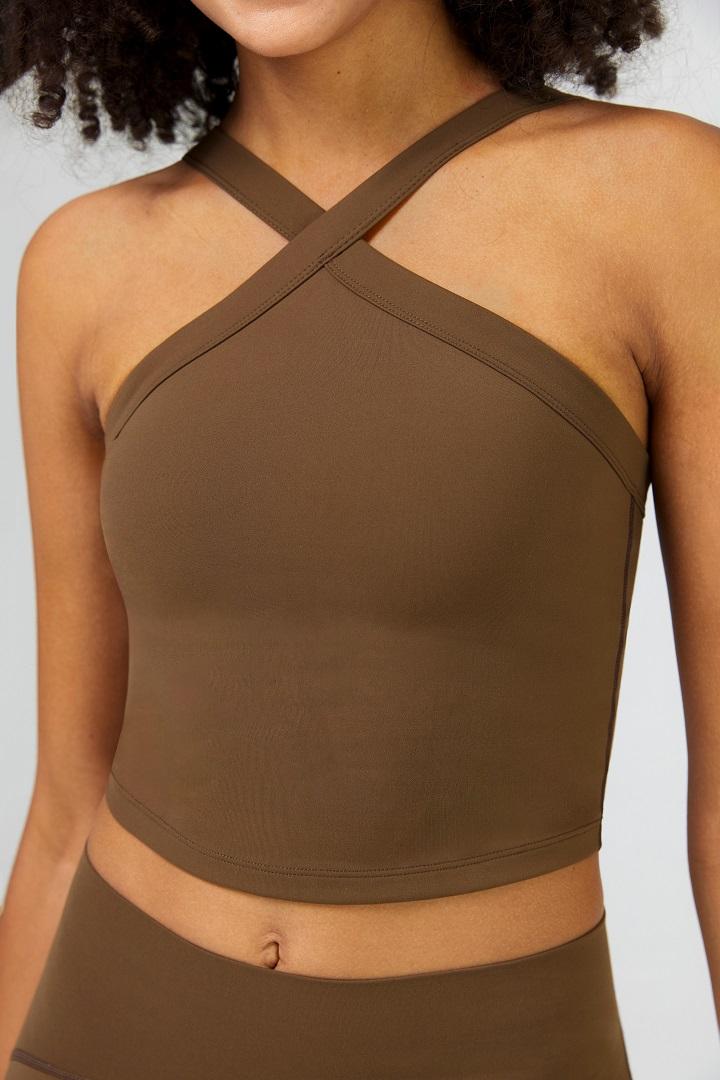
A sports top is specialized athletic wear engineered to provide support and comfort during physical activity. Unlike everyday clothing, sports tops feature moisture-wicking fabrics, strategic support structures, and designs optimized for movement.
The category includes integrated sports bra tanks, compression crop tops, underwire sports bras, convertible strap designs, and minimal layering tops—all specifically engineered for fitness, running, yoga, and sports activities.
The key difference from regular clothing is the technical engineering: sports tops minimize breast movement (reducing stress on tissue by 50-85%), manage moisture and temperature, and prevent chafing during extended physical activity.
Why it matters: Research shows that 72% of women experience breast discomfort during exercise without proper sports top support. This drives the continuous innovation in sports top design—making proper selection crucial for both comfort and long-term breast health.
From 1970s to 2026
1970s: The Birth of Modern Sports Tops
Before 1977, women had no specialized athletic wear. Women exercised in regular bras—causing discomfort and long-term tissue damage.
The breakthrough came from Lisa Lindahl and Polly Smith, who were frustrated by their own exercise discomfort. Their creative solution? They stitched two men's athletic supporters together, creating the world's first modern sports top.
This simple invention caught national attention when the Boston Globe published a full article about it.
What 1970s sports tops looked like:
- Crude compression design with no breast separation
- Basic materials with zero moisture-wicking
- Limited sizing (S/M/L only)
- Uncomfortable and unflattering
- Expensive ($25-40 in 1970s dollars, equivalent to ~$150 today)
- Focused purely on reducing movement
Despite the limitations, they solved a real problem: women could finally exercise without severe breast pain.
1980s-1990s: Mainstream Adoption & Technical Breakthroughs
As women's sports participation exploded through the 1980s, major athletic brands recognized the market opportunity. Nike, Adidas, and Spalding all began developing specialized women's athletic wear.
Major innovations:
- Introduction of underwire support, adapted from fashion bras for sports
- Adjustable, wider straps to distribute weight and prevent shoulder pressure
- Separate cups (encapsulation design) allowing better breast support
- Racerback and cross-back designs to reduce shoulder strain
- Synthetic blends (nylon, polyester) replacing pure cotton
- Early moisture-wicking technology for sweat management
- Anti-microbial treatments to prevent odor
Some Sports Brands discovered that different sports require different support levels—running needs different engineering than aerobics.
By the 1990s, sports tops shifted from novelty to necessity. Market sales grew 300% during this decade alone.
2000s-2010s: Performance Science & Specialization
This was the golden age of innovation. Brands stopped making "one-size-fits-all" designs and instead engineered for specific sports.
Universities began researching breast movement patterns during different activities. The research was eye-opening: unsupported running causes 2-4cm of vertical breast movement per stride, resulting in measurable breast tissue trauma.
Key innovations:
- Multi-level impact categories: Low/Medium/High/Maximum impact designs
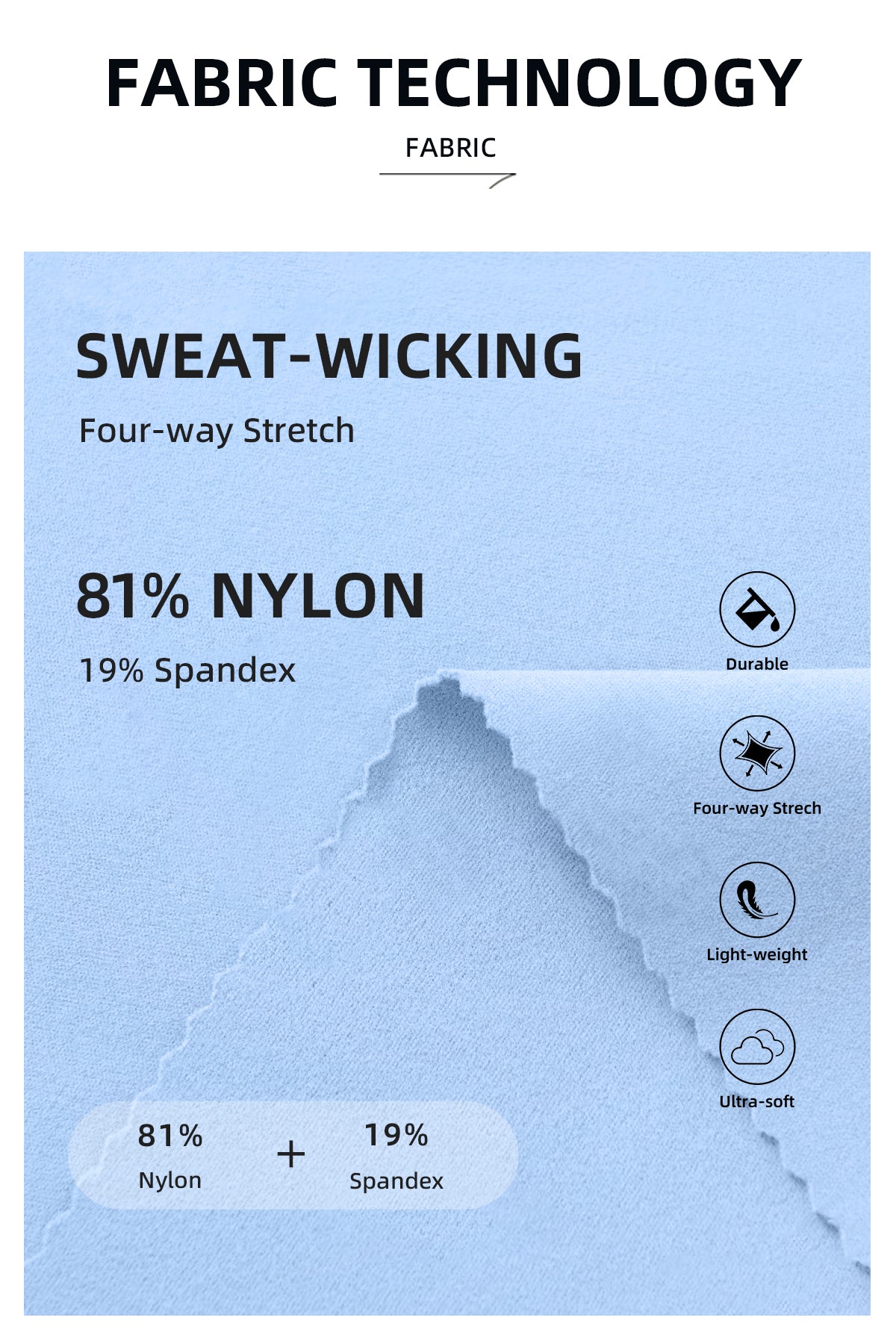
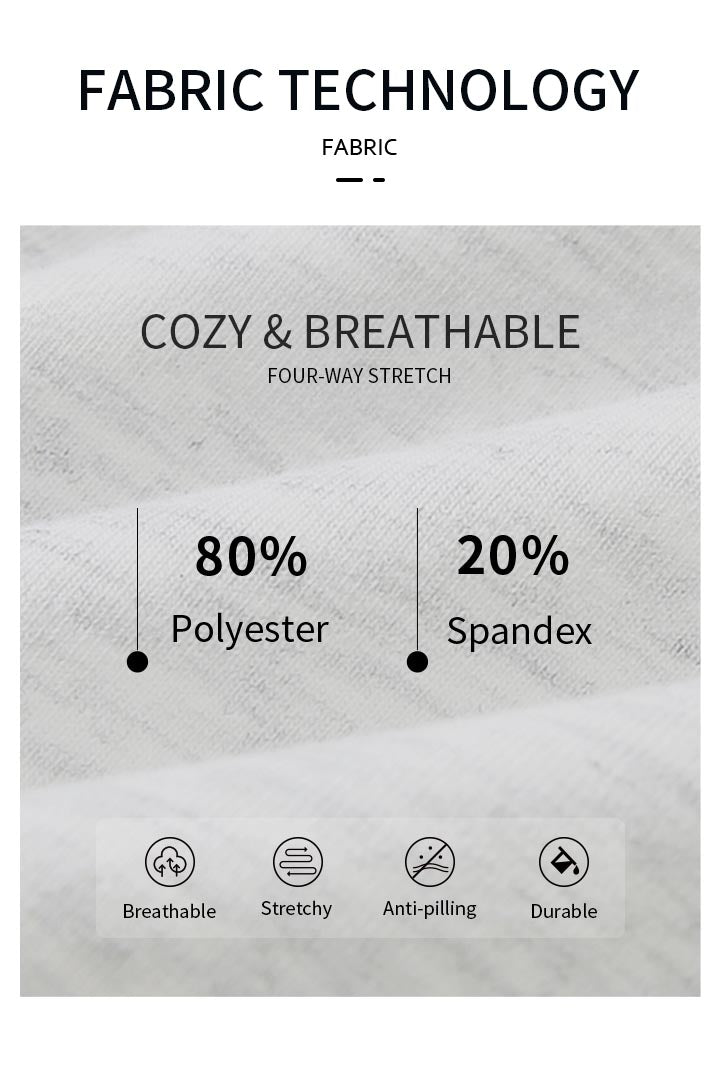
- Advanced fabrics: 4-way stretch, micro-fiber blends, seamless construction
- Wireless engineering: High-support compression designs without underwire
- Size inclusivity: Expansion from A-D cups to A-J cups and beyond
- Activity-specific designs: Separate models for running, yoga, high-impact training
By 2010, major studies proved that proper sports top support improves athletic performance by 10-15% and significantly reduces long-term breast tissue damage.
The market expanded to $12+ billion globally. Running sports tops became a specialized category with premium pricing ($80-150).
2011-2020: Inclusivity & Sustainability
The 2010s transformed sports tops from purely functional to inclusive and sustainable.
Inclusivity revolution:
- Band sizes expanded to 26-42, cup sizes to A-J
- Brands acknowledged that breast shape, position, and tissue density matter
- Designs for different body types, not just thin athletes
- Diversity in marketing and representation
Sustainability awafening:
- First mainstream sports tops made from recycled plastics and ocean waste
- Organic cotton and natural fiber options
- Sustainable manufacturing and ethical labor standards
- Brands like Patagonia and Girlfriend Collective leading the way
Sports tops were no longer luxury items—they became expected essentials. 78% of exercising women owned at least one.
2024-Today: AI Customization & Advanced Materials
Today's sports tops represent the latest in technology, sustainability, and inclusive design.
Latest innovations:
- AI sizing tools: Apps that analyze photos and recommend perfect fit
- Virtual fitting rooms: AR technology showing how fit will look
- 3D-knit fabrics: Precision engineered compression zones
- Temperature-regulating fibers: Adapts to body temperature
- Graphene-enhanced materials: Superior moisture management
- Lab-grown fibers: Sustainable, customizable performance
- 100% recyclable materials: Circular economy model
Sustainability remains a major driver—eco-conscious sports tops grow 25%+ annually. AI-powered recommendations are rapidly becoming standard, not premium features.
6 Essential Sports Tops Styles
Modern sports tops come in six distinct styles, each optimized for different needs and activities. Here are the current market leaders:
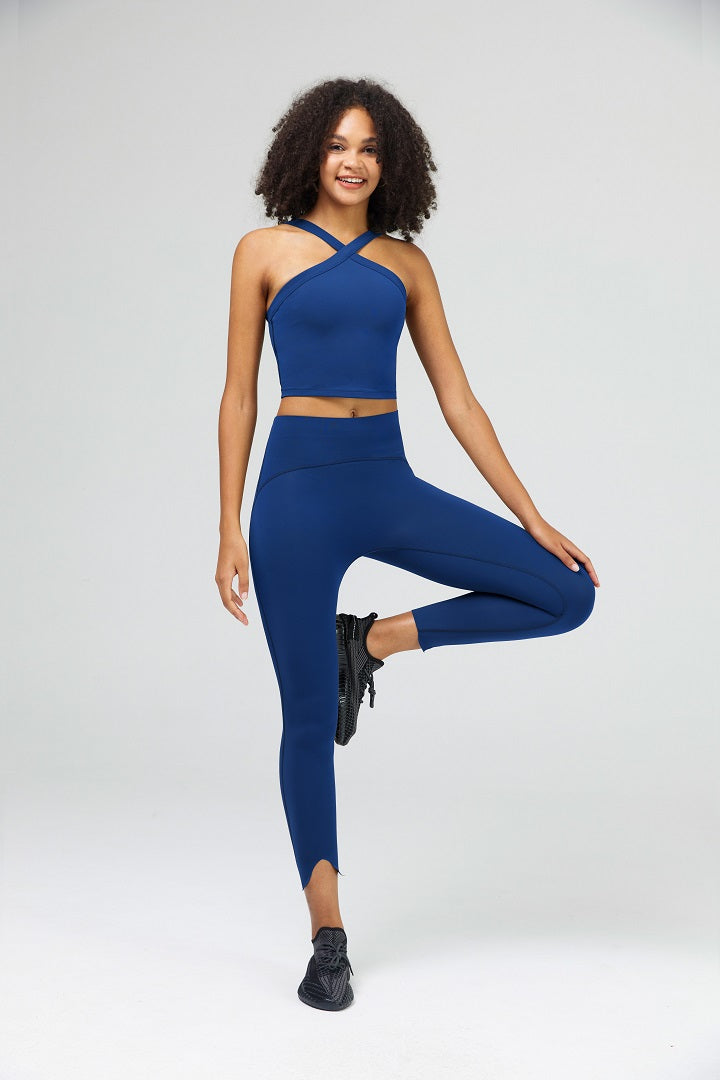
1: Integrated Sports Bra Tank Top
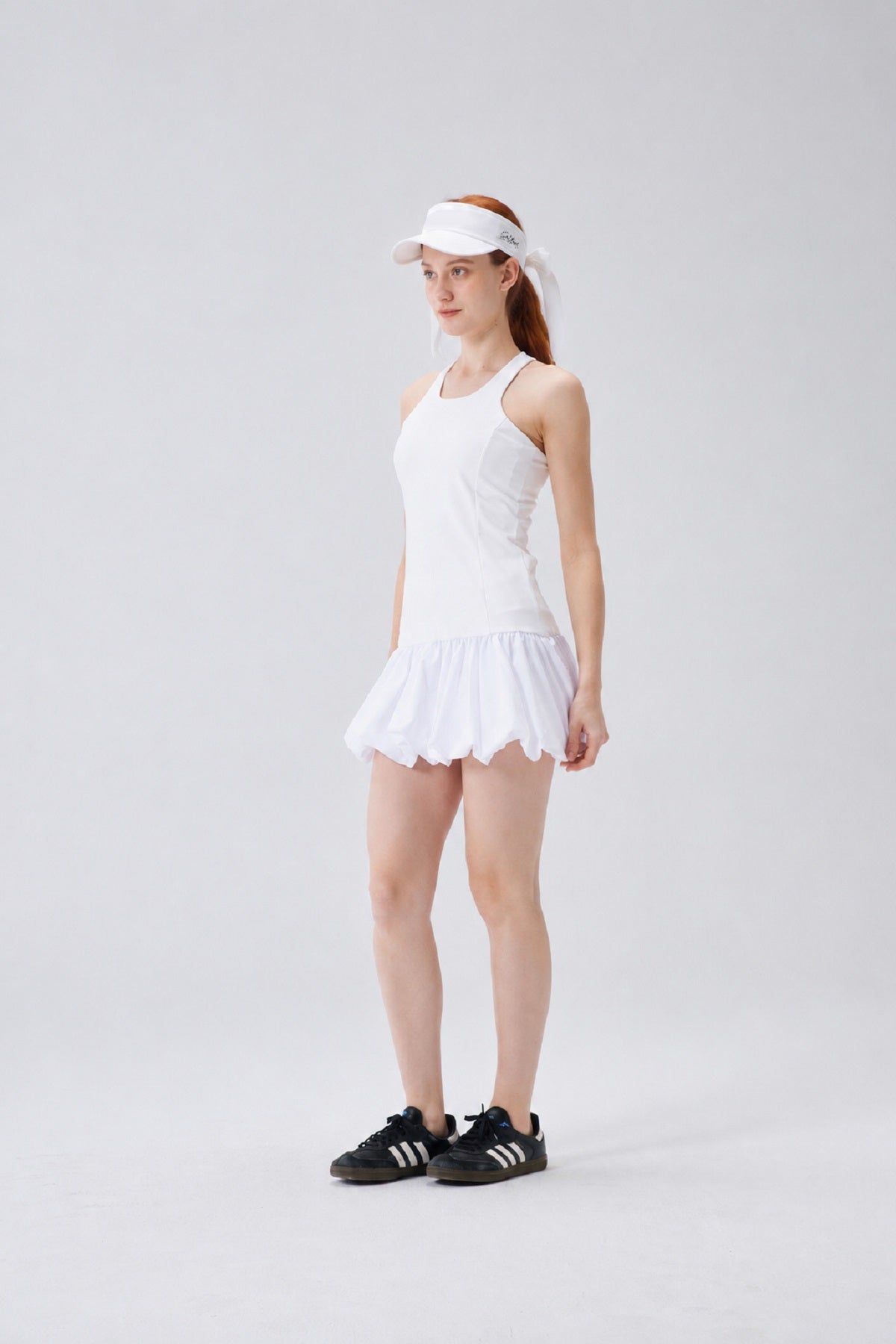
This bestselling style combines a built-in sports bra with a complete tank top, eliminating the need to wear separate pieces.
| What you get: |
- Built-in sports bra (underwire, wireless, or compression options) - Full tank top coverage from shoulder to waist - Racerback or traditional strap design - Often includes adjustable straps, removable padding, wider back panel - Material: polyester blend with moisture-wicking technology |
| Best for: |
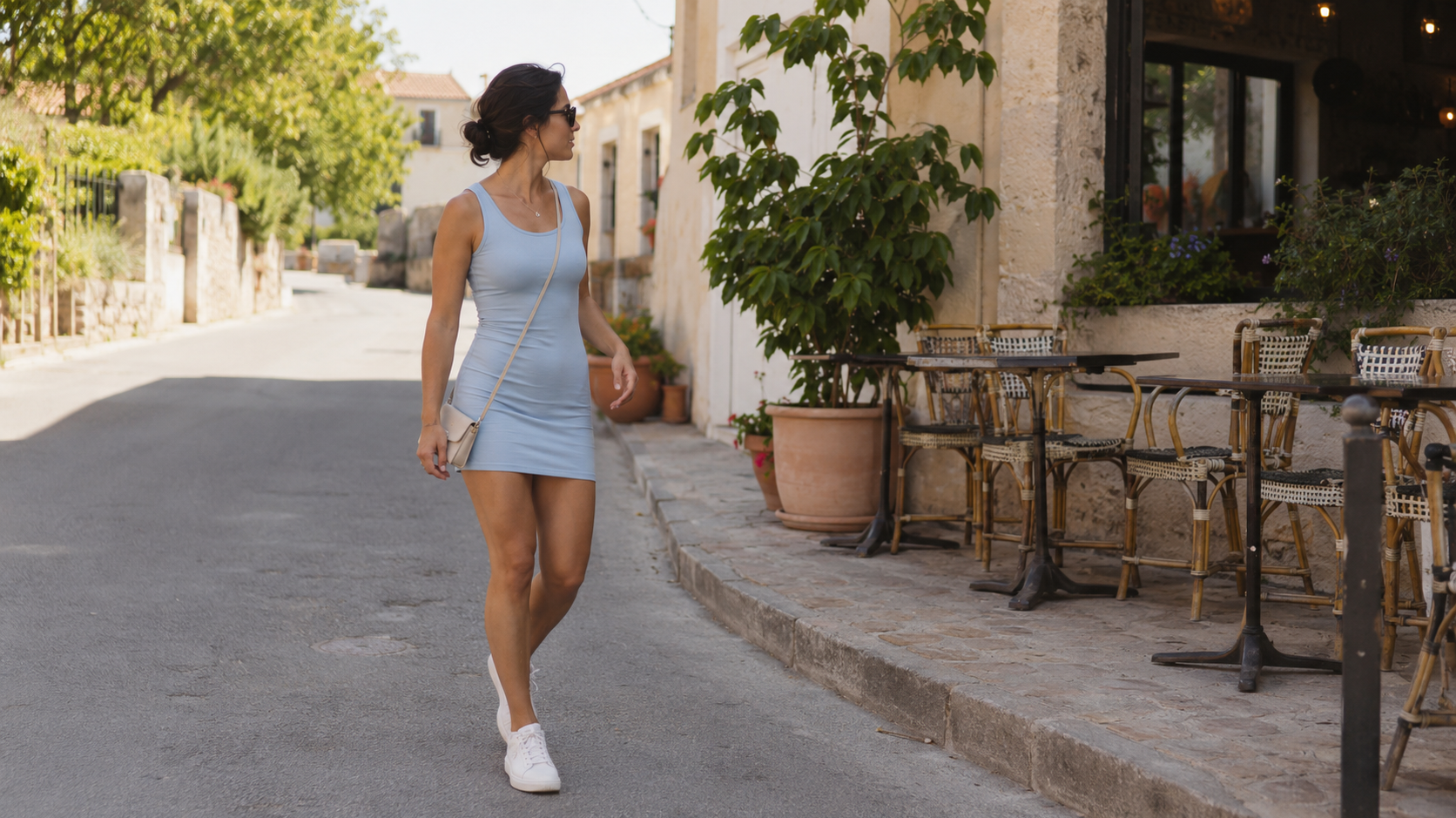
- Gym and fitness class attendees - Yoga and Pilates practitioners - Recreational runners and cyclists - All-day casual wear (many are acceptable as outer wear) - Women wanting simplicity (everything in one piece) - Budget-conscious shoppers |
| Advantages: |
- Simplest option (everything integrated) - No need to coordinate separate pieces - Excellent value (usually cheaper than sports bra + tank separately) - Suitable for multiple activity types - Available across all price points ($30-150+) - Acceptable as outer wear for casual settings - Easy sizing (XS-XL or S-3XL) |
| Disadvantages: |
- Less specialized than dedicated sports bra - Can't adjust bra support separately from top coverage - Requires removing entire top for bathroom breaks - Limited customization options |
Best for you if: You're starting a fitness journey, do multiple activities, or want simplicity and comfort.
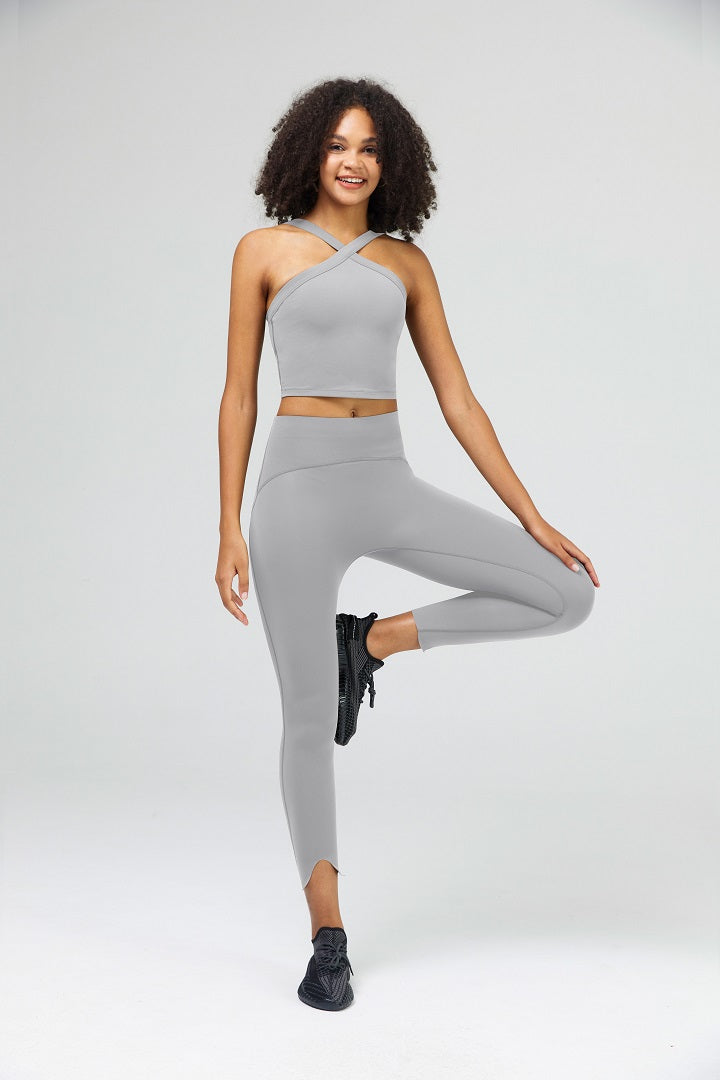
2: Compression Crop Top Sports Bra
Compression crop tops use intensive fabric compression instead of underwire to minimize movement. Extremely popular with runners and fitness enthusiasts.
| What you get: |
- High-compression fabric (100+ denier) - Crop top length (ends at waist or just below) - Usually pullover design (no closures) - Wide, often convertible straps - Minimal to no padding - Seamless or bonded seam construction - Moisture-wicking technology |
| Best for: |
- Running (especially distance and trail running) - High-impact training (CrossFit, plyometrics, HIIT) - Basketball, volleyball, and lateral sports - Women wanting maximum support without underwire - Outdoor athletes (often suitable for solo wear) - Young athletes and fitness enthusiasts - Athletes with larger breasts seeking support without wires |
| Advantages: |
- Maximum support for high-impact activities - No underwire (preferred by many) - Acceptable as outer wear - Minimal coverage (good for hot weather) - Removable padding in many designs - Fashionable aesthetic - Growing brand variety and color options |
| Disadvantages: |
- Less suitable for casual all-day wear - Requires adjustment after high-impact activity - Not ideal for low-impact activities (excessive compression feels restrictive) - Longer drying time - More expensive ($80-180) - Limited sizing at some brands |
Best for you if: You're serious about running, do high-intensity training, or want modern style with maximum support.
3: Underwire Sports Top
Underwire sports tops combine traditional bra engineering with sports design, offering the strongest support available.
| What you get: |
- Semi-rigid wire or reinforced plastic under bust - Separate, defined cups (encapsulation design) - Reinforced side panels and boning - Back closure (hook-and-eye or clasp) - Padding options - Advanced strap systems - Often available with multiple coverage options |
| Best for: |
- Large breasts (C cup and above—essential for D cup+) - High-impact activities (running, basketball, extreme sports) - Women seeking visible shaping and lift - Professional athletes - Women with sensitive breast tissue - Long workout sessions (2+ hours) |
| Advantages: |
- Best support for large breasts - Excellent lift and shaping - Durable construction (wires maintain shape) - Long lifespan (2-3 years vs. 1-2 for compression) - Effective for any activity level - Wide size range at premium brands (bands 28-46, cups A-J) |
| Disadvantages: |
- Less comfortable for all-day wear - Requires careful washing - Wires can sometimes poke or break - Most expensive ($100-220+) - Not suitable as outer wear - Adjustment period needed |
Best for you if: You have larger breasts, do high-impact sports, or need maximum support and longevity.

4: Convertible Strap Sports Top
Convertible strap tops allow multiple wearing configurations, making them versatile for various activities and outfit styles.
| What you get: |
- Removable or convertible strap system - Usually wireless or light compression base - Options: racerback, cross-back, traditional, single-shoulder configurations - Medium coverage (crop or tank length) - Usually moderate compression - Fashionable aesthetic |
| Best for: |
- Multi-activity athletes (yoga Monday, gym Tuesday, running Wednesday) - Fashion-conscious exercisers - People wanting "one top for everything" - Activities requiring different neckline coverage - Limited wardrobe space - Style seekers |
| Advantages: |
- Extreme versatility (1 top, 3-5 wearing styles) - Reasonable price - Adapts to different outfit necklines - Moderate support suitable for most activities - Fashion-forward designs - Growing brand variety |
| Disadvantages: |
- Strap configuration can be confusing - Straps can slip if positioned incorrectly - Less supportive than dedicated designs - Medium support not ideal for high-impact athletes - Takes practice to convert properly |
Best for you if: You do multiple activities, value style and flexibility, or have limited wardrobe space.
5: Wireless Compression Sports Bra Top
High-end compression designs using advanced fabrics instead of structure to provide support while maximizing comfort.
| What you get: |
- Zero metal components - Advanced elastic fabric (multi-directional stretch) - Usually seamless or bonded seam construction - Adjustable straps - Premium materials (often sustainable fibers) - Minimal padding - Longer lifespan (no wires to break) |
| Best for: |
- Comfort-first athletes - Sensitive skin (seamless, minimal irritation) - Hot climate exercisers - Longer duration activities - Postpartum athletes - Athletes with previous breast pain - Eco-conscious consumers |
| Advantages: |
- Maximum comfort (no wires, no pressure points) - Seamless design (zero irritation) - Excellent breathability - Durable (no wires to break) - Often sustainable materials - Easy care - Can be worn 8+ hours comfortably |
| Disadvantages: |
- Most expensive - Support less than underwire (not for maximum impact) - Limited color/style variety - Not suitable for highest-impact activities - Stretches over time |
Best for you if: You prioritize comfort, have sensitive skin, do yoga/low-impact activities, or value sustainability.
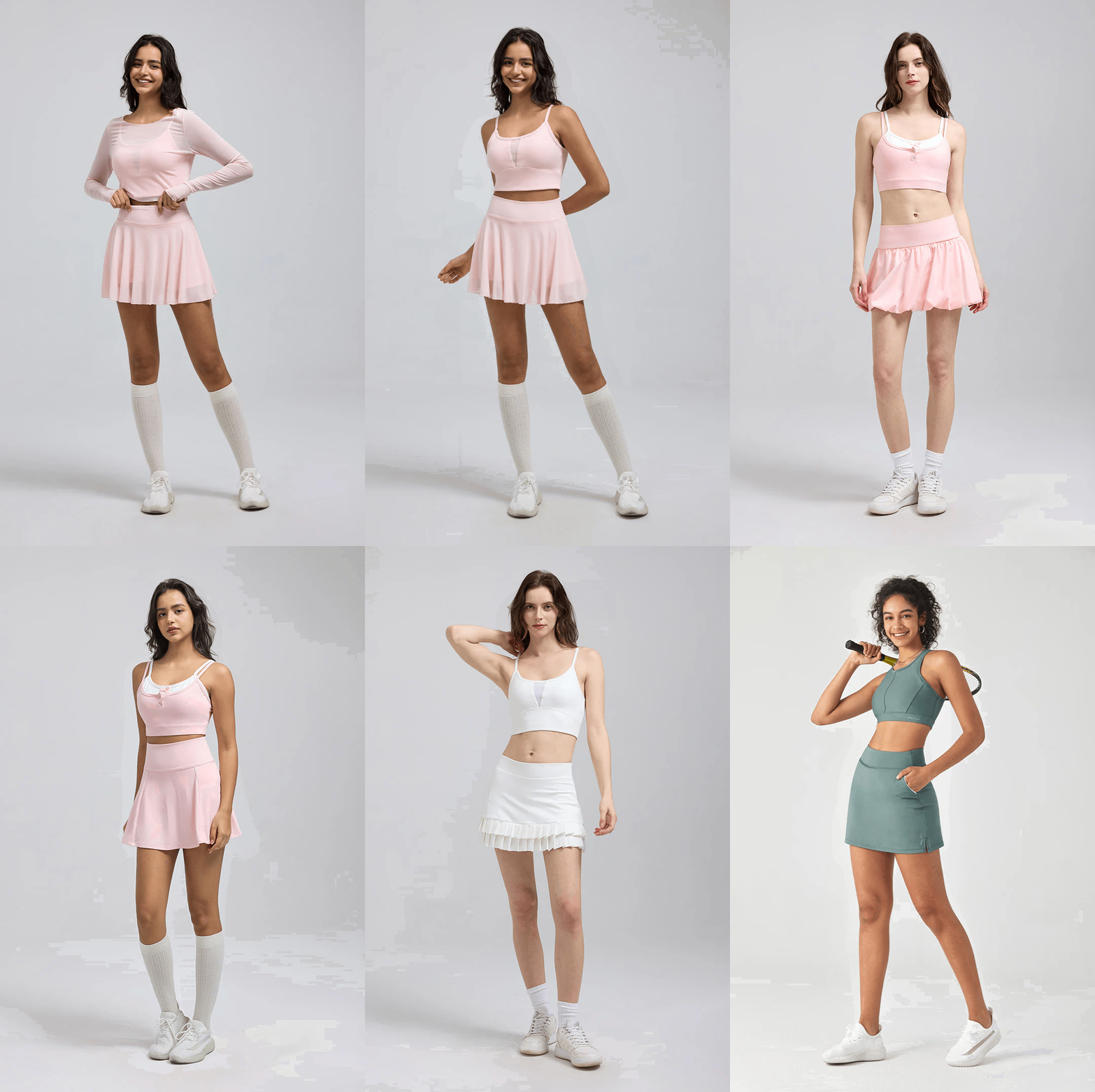
6: Minimal/Layering Sports Top
Thin, lightweight tops designed for layering or minimal coverage, popular with minimalist athletes and in warm climates.
| What you get: |
- Minimal padding (often zero) - Thin fabric (100-150 denier) - Simple construction (often single-layer) - Usually seamless or bonded seams - Natural appearance (shows natural breast shape) - Often plant-based or organic materials - Lightweight (under 150g) - Often available in crop top or low-coverage styles |
| Best for: |
- Yoga and Pilates - Low-impact activities - Hot climate exercisers - Layering under other clothing - Casual/loungewear purposes - Natural breast appearance preference - Sustainability focus |
| Advantages: |
- Most breathable - Most eco-friendly options - Natural appearance - Ultra-lightweight - Easy care - Often organic/natural materials - Affordable at sustainable brands |
| Disadvantages: |
- Minimal support (unsuitable for moderate+ impact) - Natural breast appearance visible (not for all preferences) - Can show nipples through fabric - Durability concerns with thin materials - Limited size range at some brands |
Best for you if: You do yoga, prefer minimalism, live in hot climates, or prioritize eco-friendliness.
FAQ: Saltum Expert Answers
Q1: What's the difference between a sports top and a regular sports bra?
The main difference is coverage and integration.
Regular Sports Bra:
- Just breast support (undergarment)
- Worn under other clothing
- Focus on support only
- Requires additional clothing layer
- Not acceptable as outer wear
Sports Top:
- Integrated support + clothing coverage
- Can be worn as complete outfit or under layers
- Support + style + coverage
- Eliminates need for separate top
- Often acceptable as outer wear
The key advantage is simplicity—you get everything in one piece, no coordination needed.
Q2: What's the difference between underwire and compression sports tops?
| Compression Sports Tops | Underwire Sports Tops | Quick comparison: |
| - Uses elastic fabric compression - No metal or rigid structure - Compresses breasts against chest - Maximum comfort - Good for smaller-medium breasts - More affordable - Easier care (no wires to manage) - Less visible shaping |
- Uses semi-rigid wire under breast - Individual cup definition - Lifts and separates breasts - Maximum support - Essential for larger breasts - More expensive - Requires careful washing - Visible shaping and lift |
- All-day comfort: Compression wins - High-impact support: Underwire wins - Visible shaping: Underwire wins - Ease of care: Compression wins |
Q3: How do I know if my sports top fits correctly?
A proper fit is one you forget you're wearing. The "Feel Test":
- Band: Can you fit one finger under? (Yes = good; Two fingers easily = too loose)
- Straps: Do they dig shoulders? Can you raise arms without slipping?
- Cups: Are breasts completely inside? Any spillage anywhere?
- Movement: Jump 10 times—movement should be minimal
- Overall: After 2 hours, do you have red marks? (Should fade within 30 minutes)
Common fit problems & solutions:
- Straps slip off → Too large (band or straps) → Size down or choose convertible straps
- Red marks everywhere → Too tight → Size up in band or choose lighter compression
- Breasts spill from top → Cups too small → Size up cup or choose taller cup design
- Breasts spill from sides → Insufficient side support → Choose underwire or reinforced side design
- Band rides up back → Band too loose → Choose smaller band size
Critical DO NOTs:
- Machine washing (damages construction 50%+)
- Fabric softener (coats elastics, reduces effectiveness)
- Bleach or strong detergents (degrades fibers)
- Hot water (shrinks and damages)
- Dryer heat (permanent elastic damage)
- Dry cleaning (too harsh)
Washing frequency:
- After every use if possible
- At minimum every 2-3 uses
Storage:
- Store flat in drawer (not hanging)
- Keep in cool, dry place
- Avoid direct sunlight
- Don't compress under heavy items
Q4: What's the best sports top for large breasts?
Larger breasts (D cup+) require specialized design.
- Increased weight (D cup = 2-3 lbs more vs. B cup)
- Requires stronger support structure
- More prone to side spillage without reinforcement
- More vulnerable to ligament damage without proper support
Must-have features:
- Underwire or maximum compression (light compression insufficient)
- Reinforced side panels (prevents spillage)
- Wider straps (distributes weight)
- Seamed/encapsulation cups (separates breasts for support)
- Taller cup height (prevents spillage)
- Adjustable band (usually extends to larger sizes)
Important: Your sports top size ≠ your regular bra size. Always measure and consult brand-specific charts.
Q5: Are there sports tops suitable for sensitive skin wear?
Yes, specialized designs address these needs. For sensitive skin:
- Wireless compression tops (no pressure points)
- Seamless construction (eliminates irritation)
- Natural/organic materials (bamboo, organic cotton)
- Minimal padding (reduces friction)
- Antimicrobial-free options