

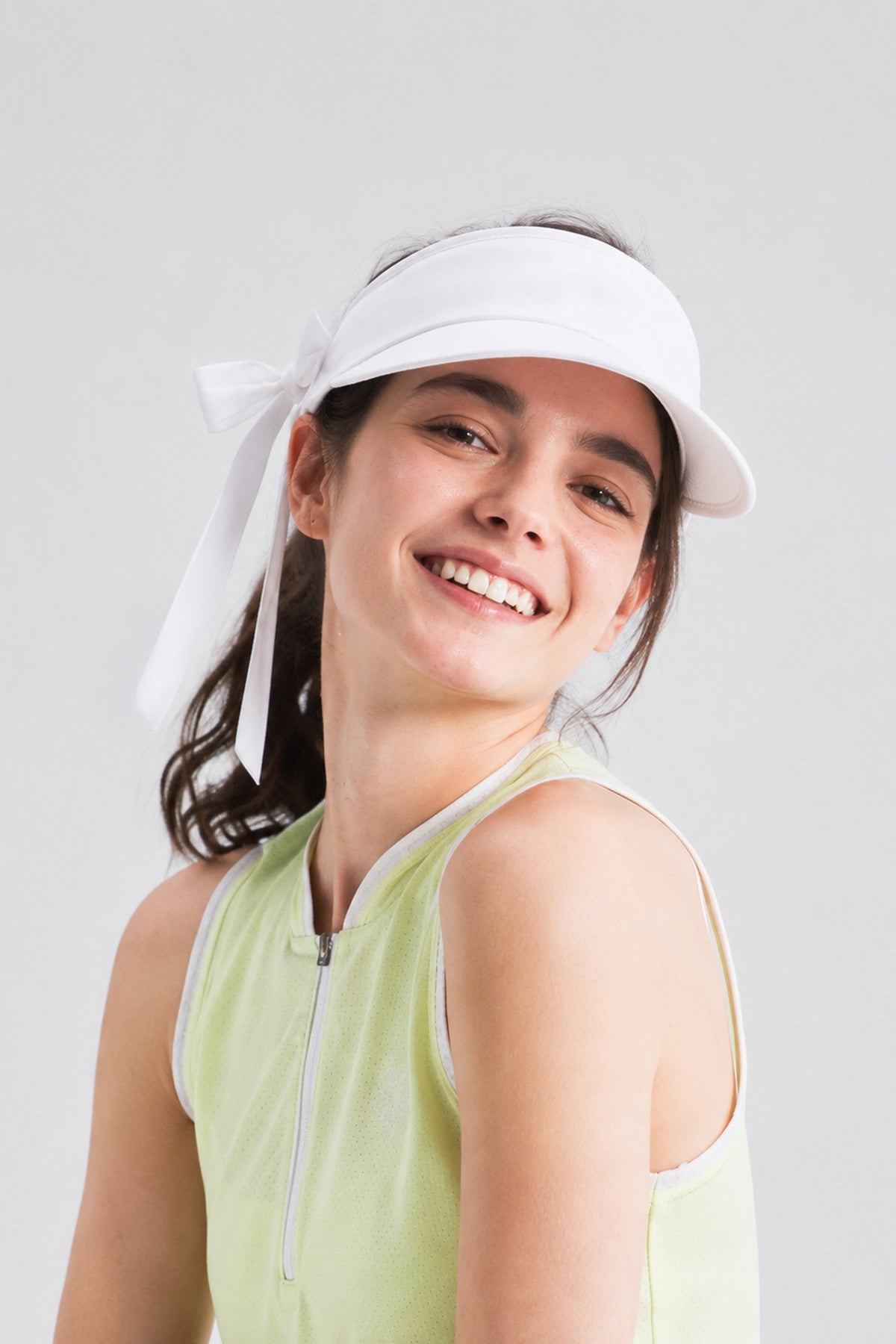

From Ancient Roots to Modern Fashion
Originally designed specifically for yoga practice, they were first introduced to the market in 1998 by Lululemon in Vancouver, Canada. The founder, Chip Wilson, reportedly attended a yoga class in 1997 where the instructor wore form-fitting attire that inspired him to create specialized yoga wear. What began as practical studio clothing has evolved into a global athleisure phenomenon.
What Makes Yoga Pants Special?
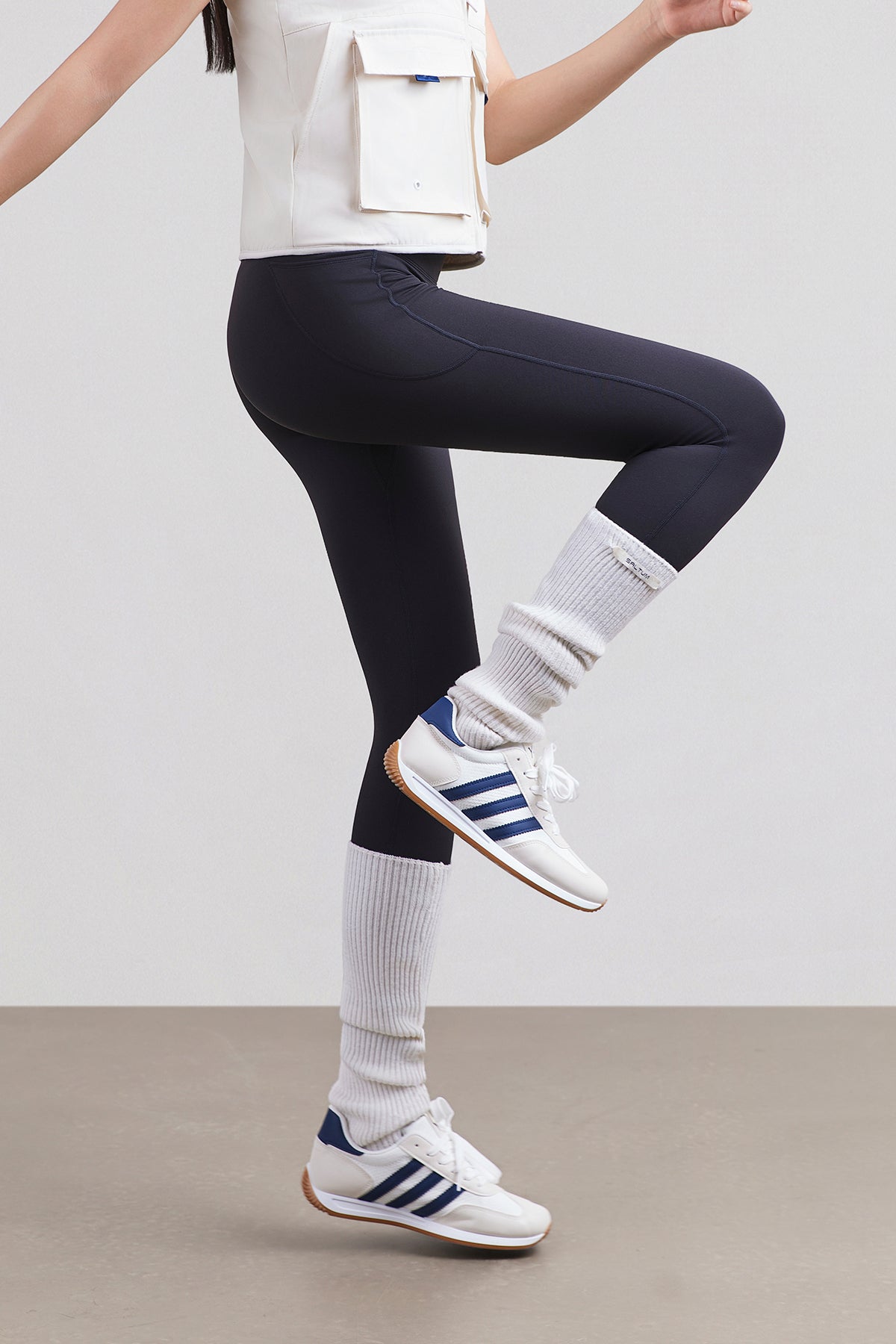
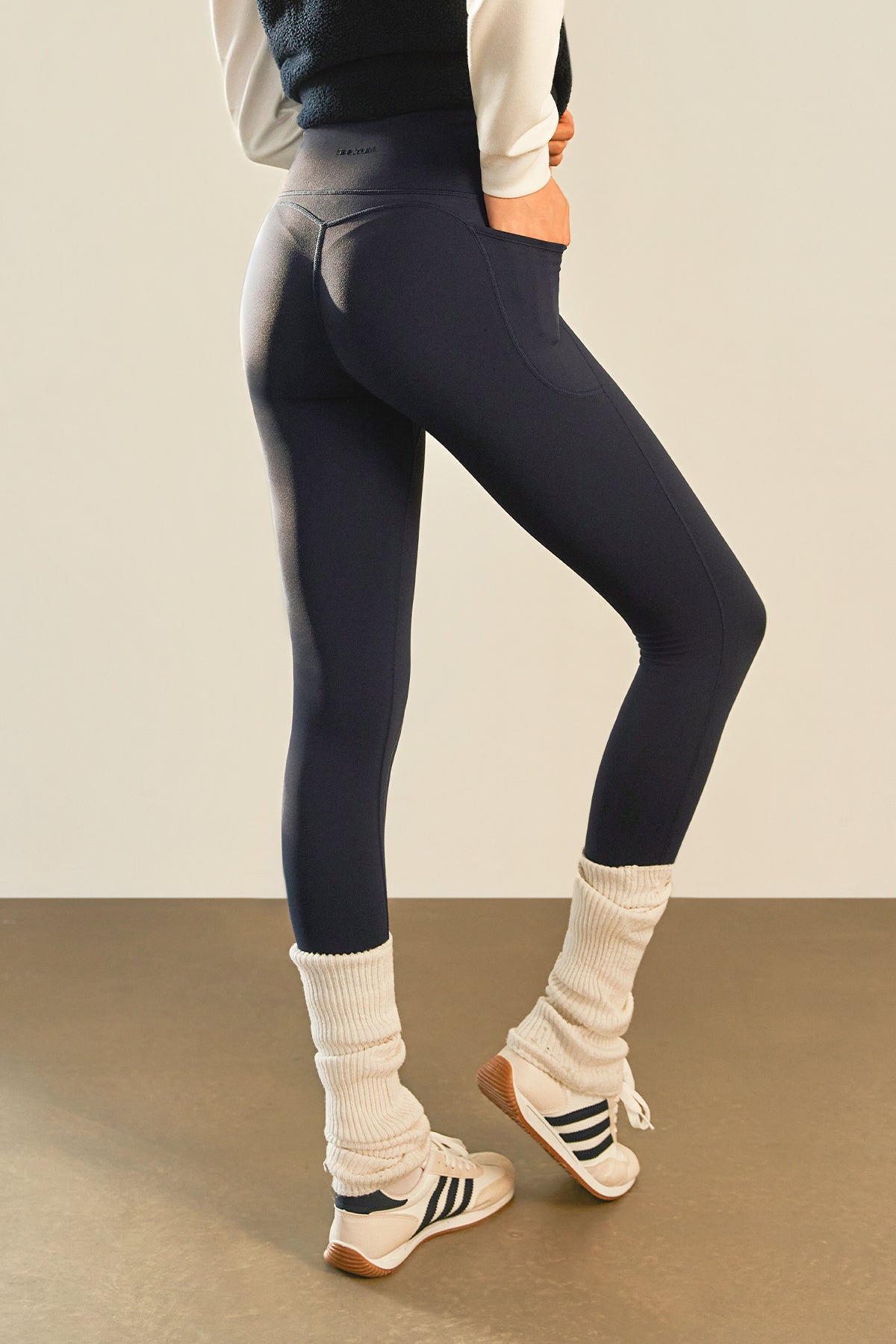
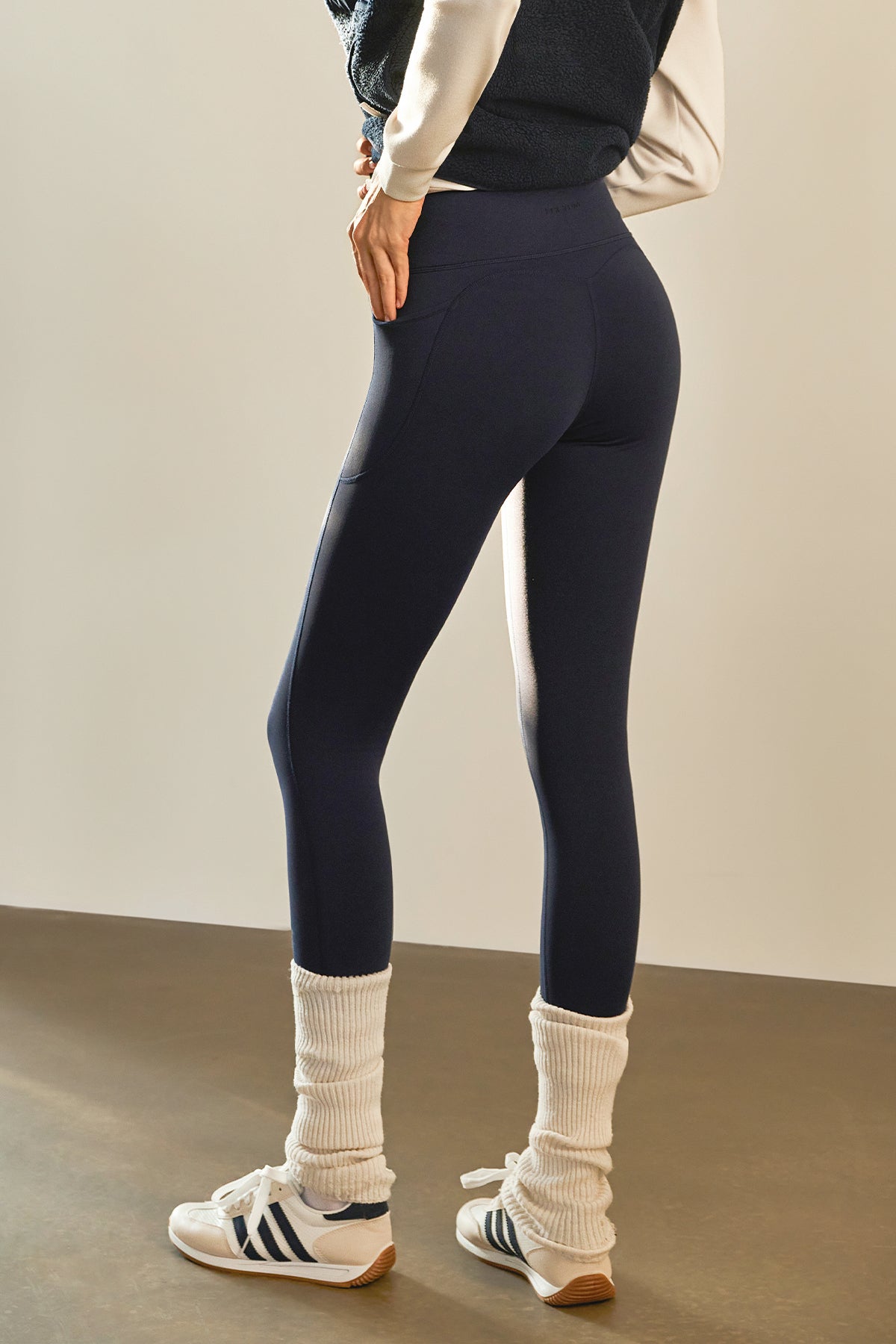
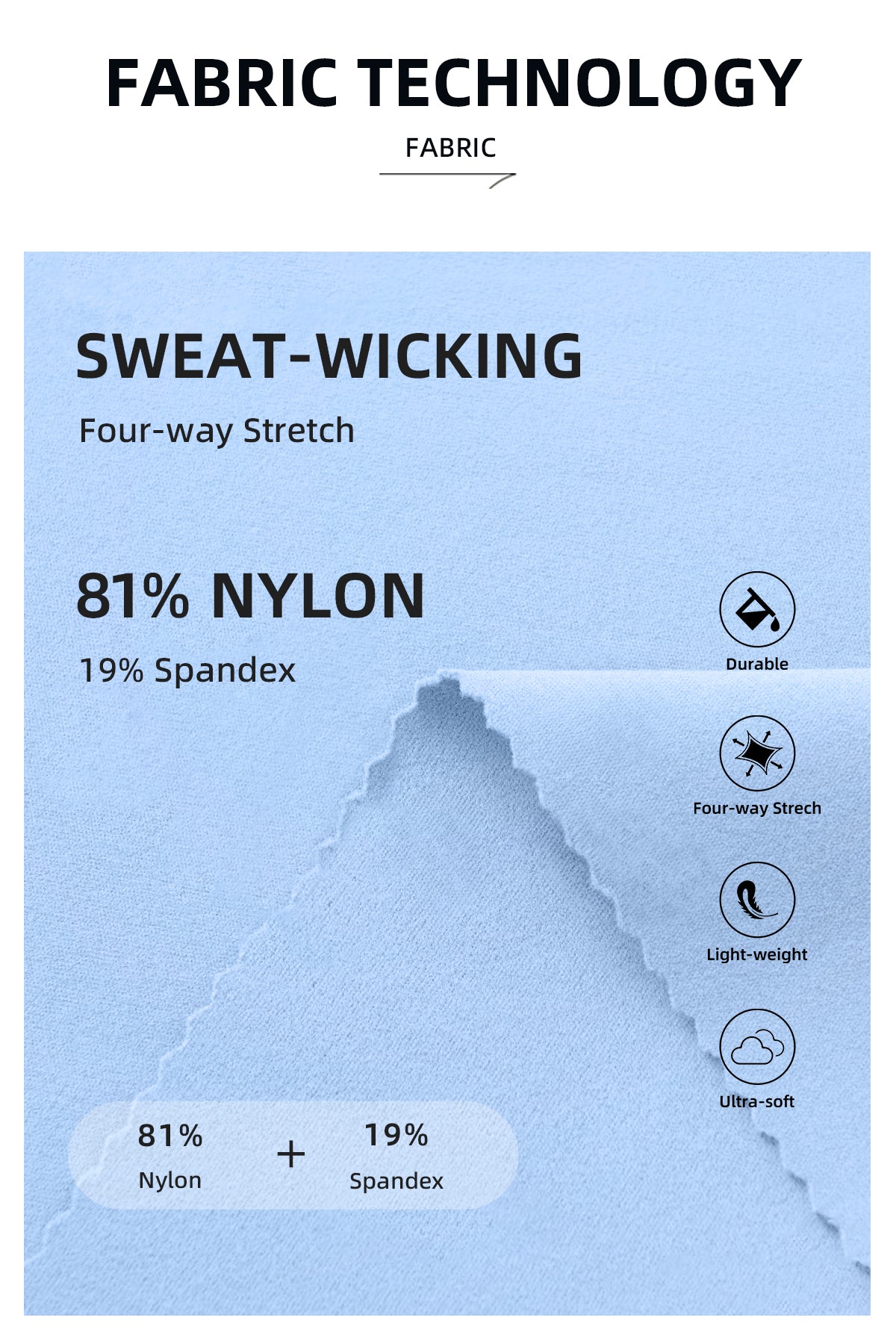
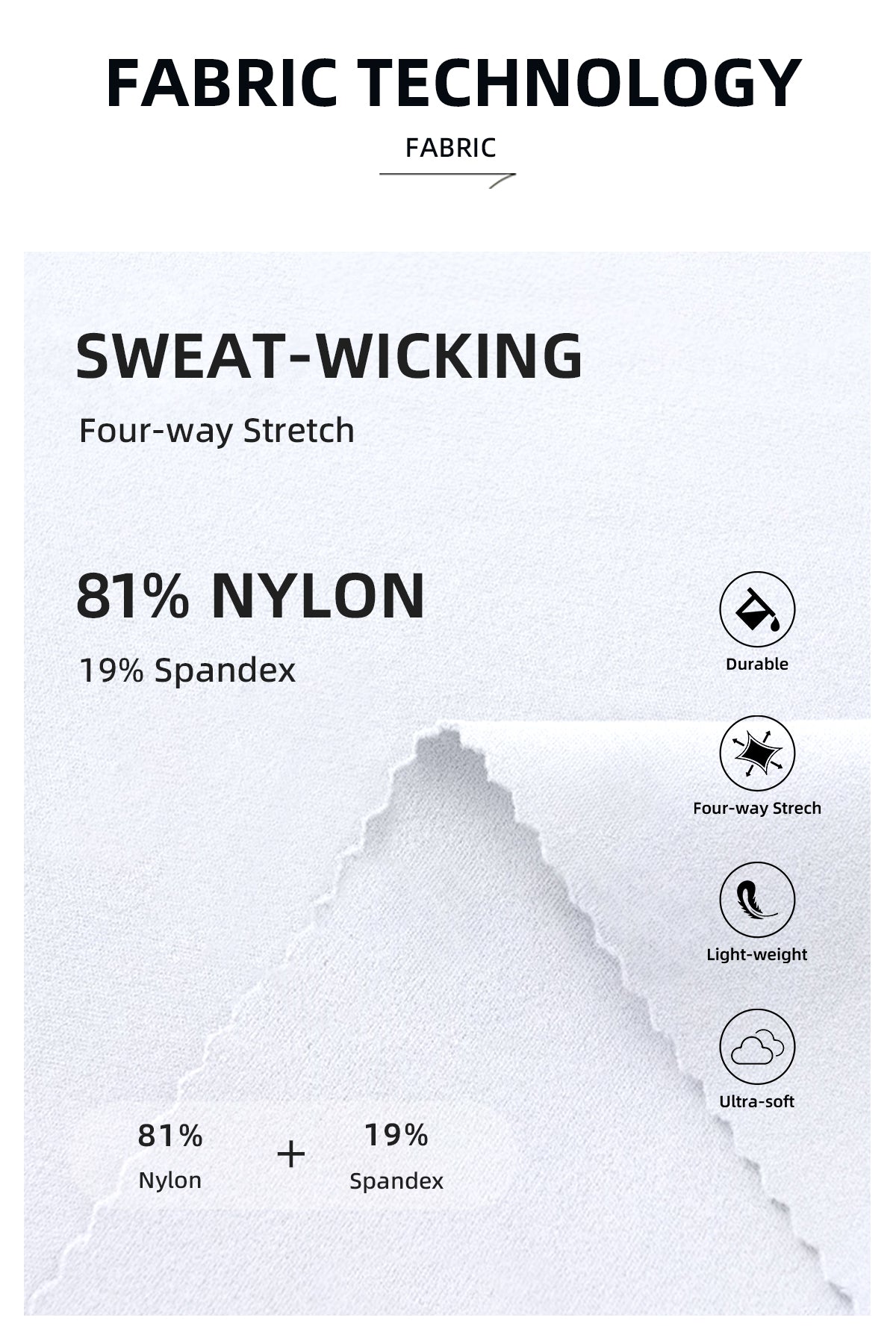
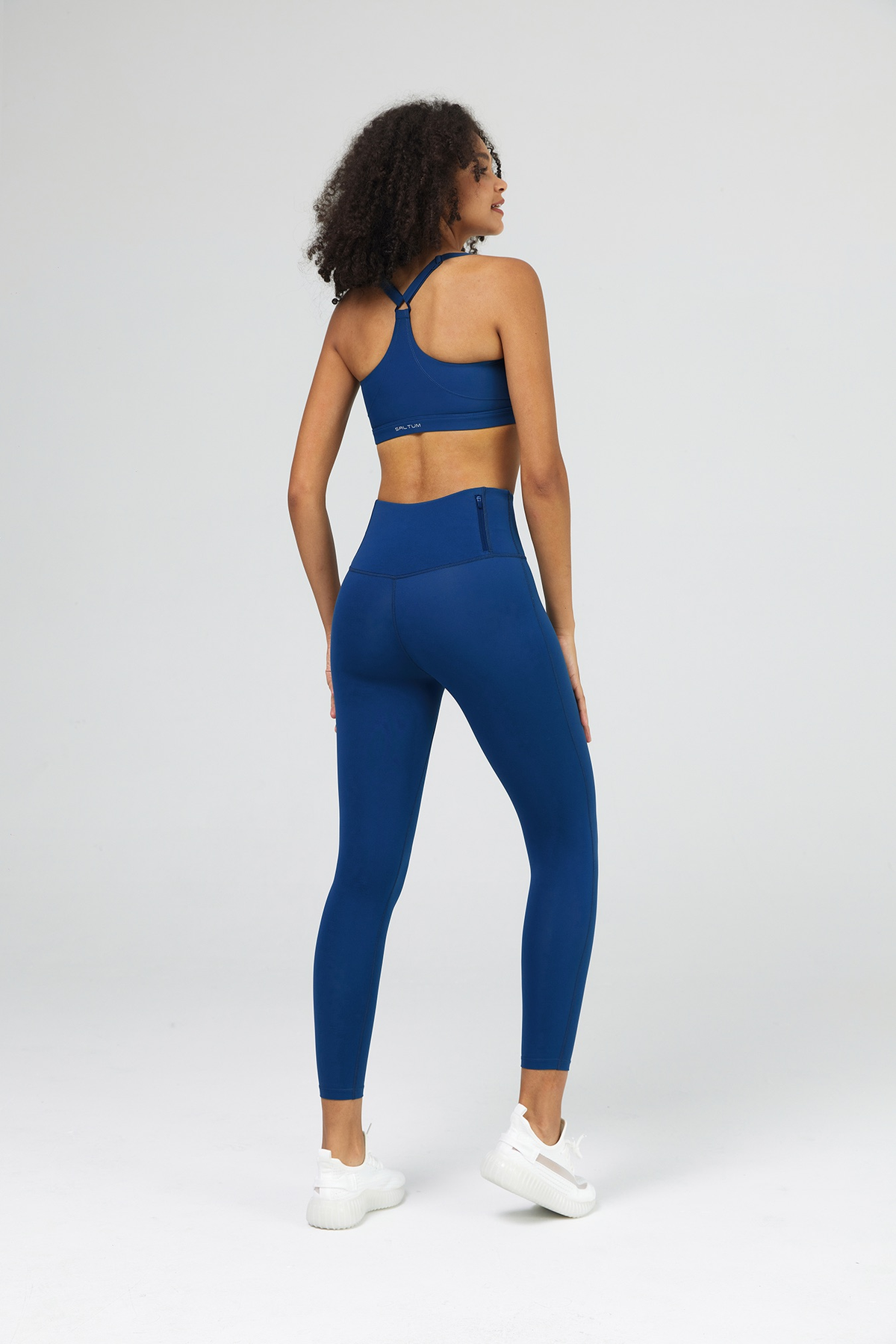
Yoga pants are high-denier hosiery that extends from ankle to waist, constructed from specialized fabrics that differ significantly from regular leggings or sweatpants. The original yoga pants were made from a blend of nylon and Lycra (spandex), materials chosen for their superior stretch and recovery properties. Modern yoga pants incorporate more advanced fabric technology to meet the diverse needs of practitioners.
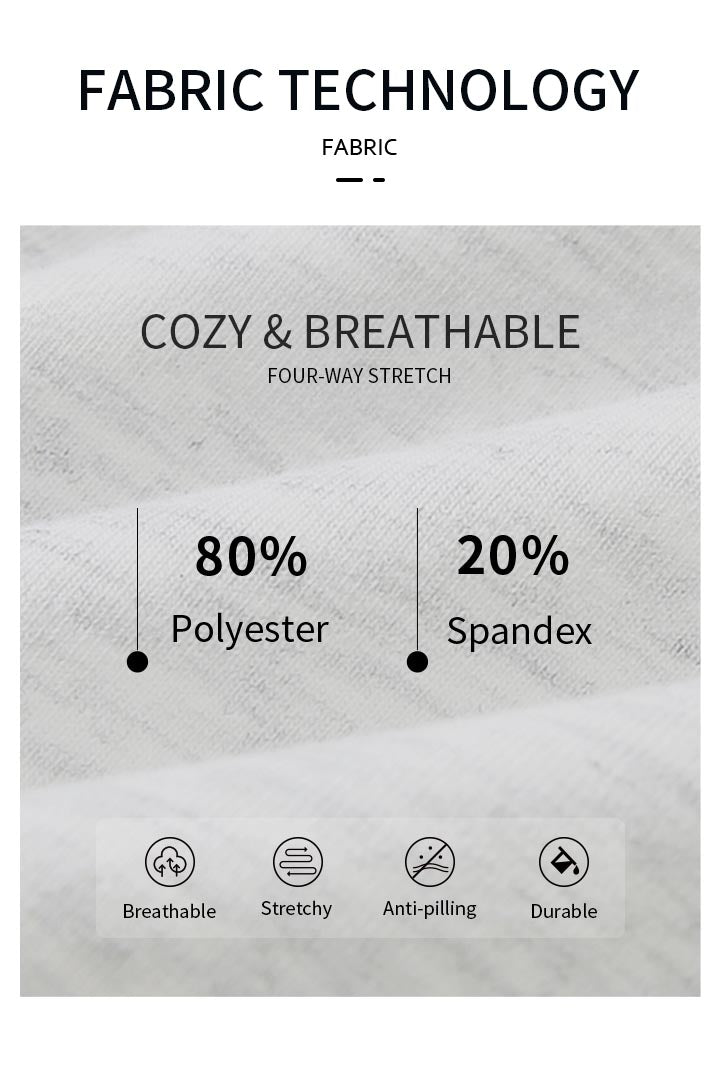
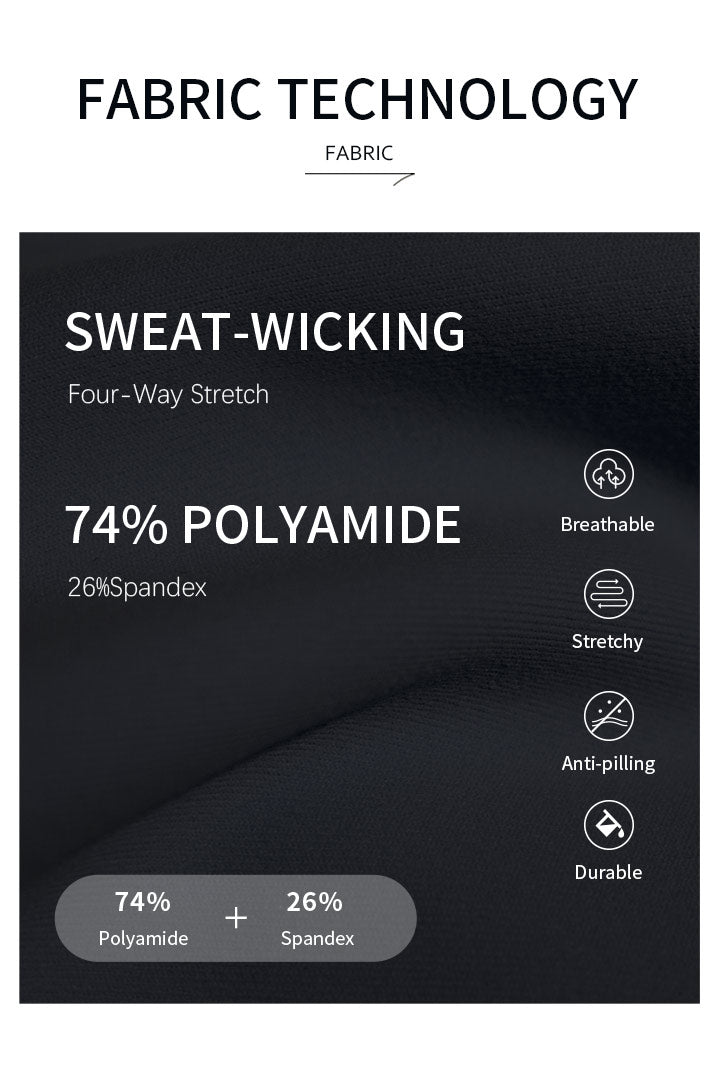
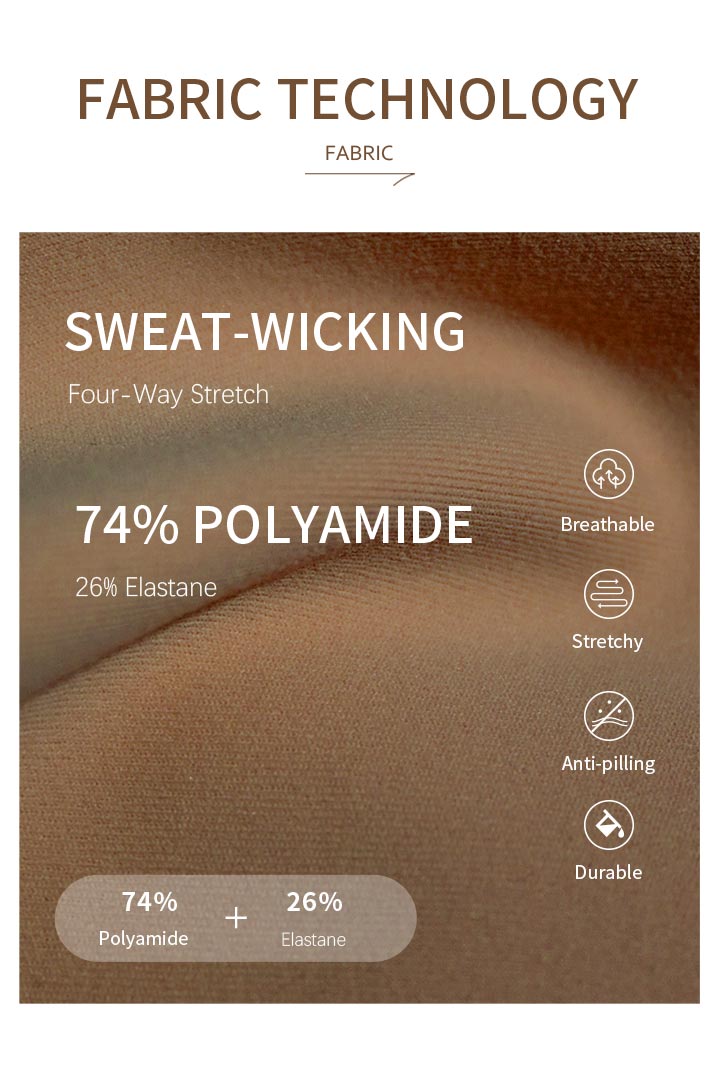
Modern yoga fabrics typically feature four-way stretch capabilities, allowing movement in multiple directions—an essential feature when transitioning between various yoga poses. Popular advanced fabric options include:
- Moisture-wicking Materials: These fabrics pull sweat away from your skin, keeping you dry during vigorous practices like power yoga or hot yoga.
- Compression Fabrics: These support your muscles and can help reduce fatigue during longer sessions.
- Odor-reducing Technologies: Some premium yoga pants use antibacterial compounds or silver-based treatments to keep clothes fresh longer.
Yoga Pants: Key Factors to Consider
Fit and Waistband Design
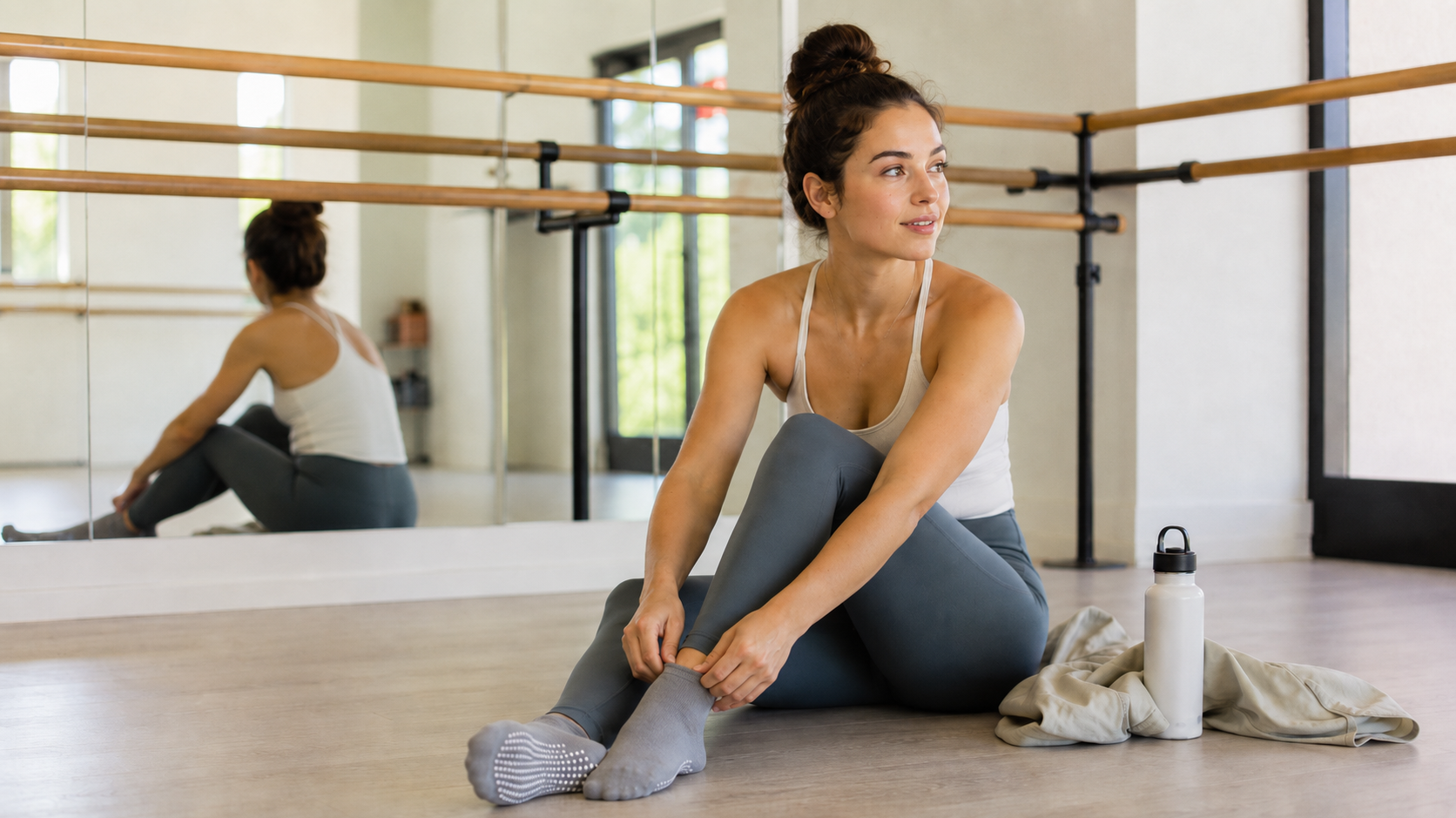
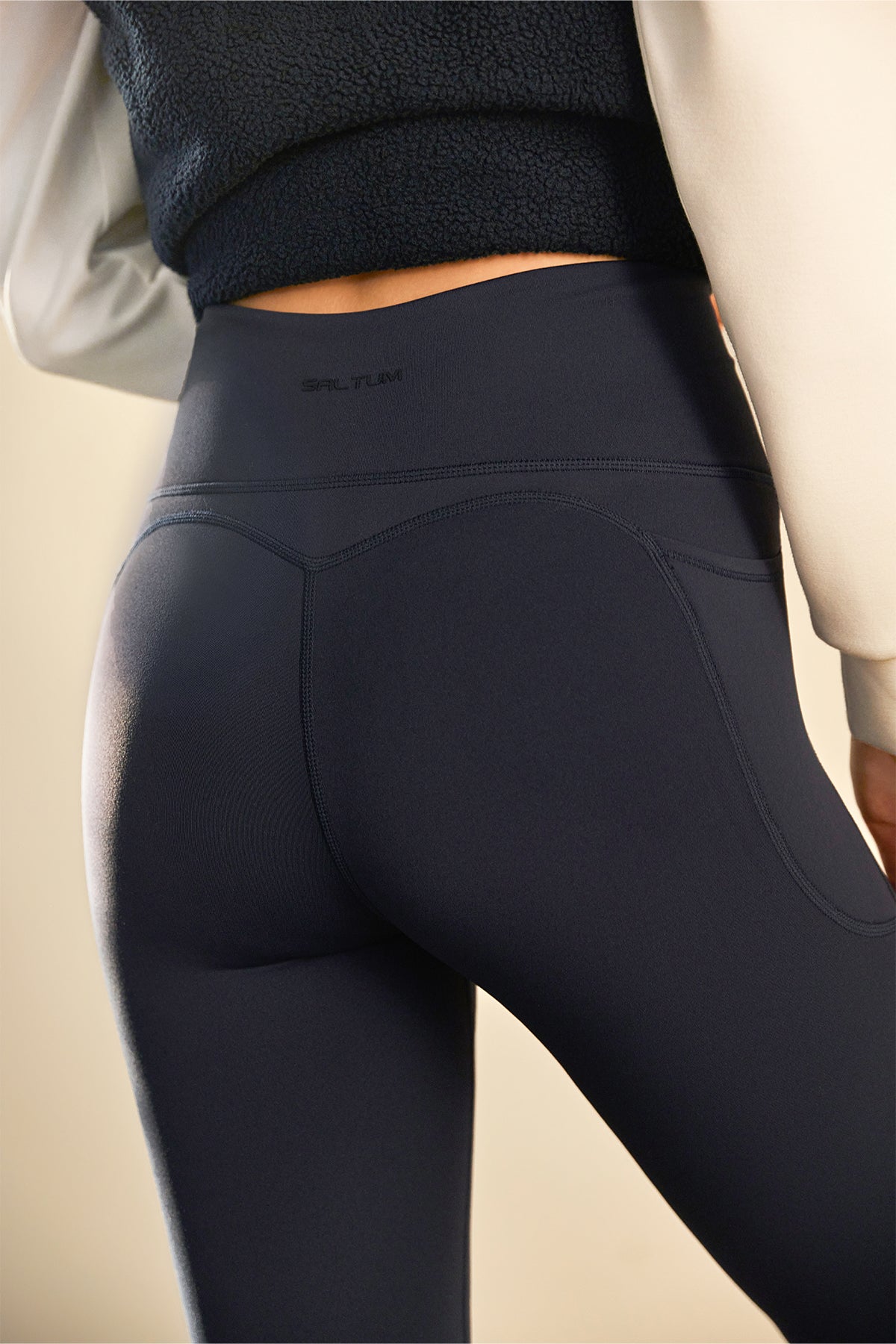
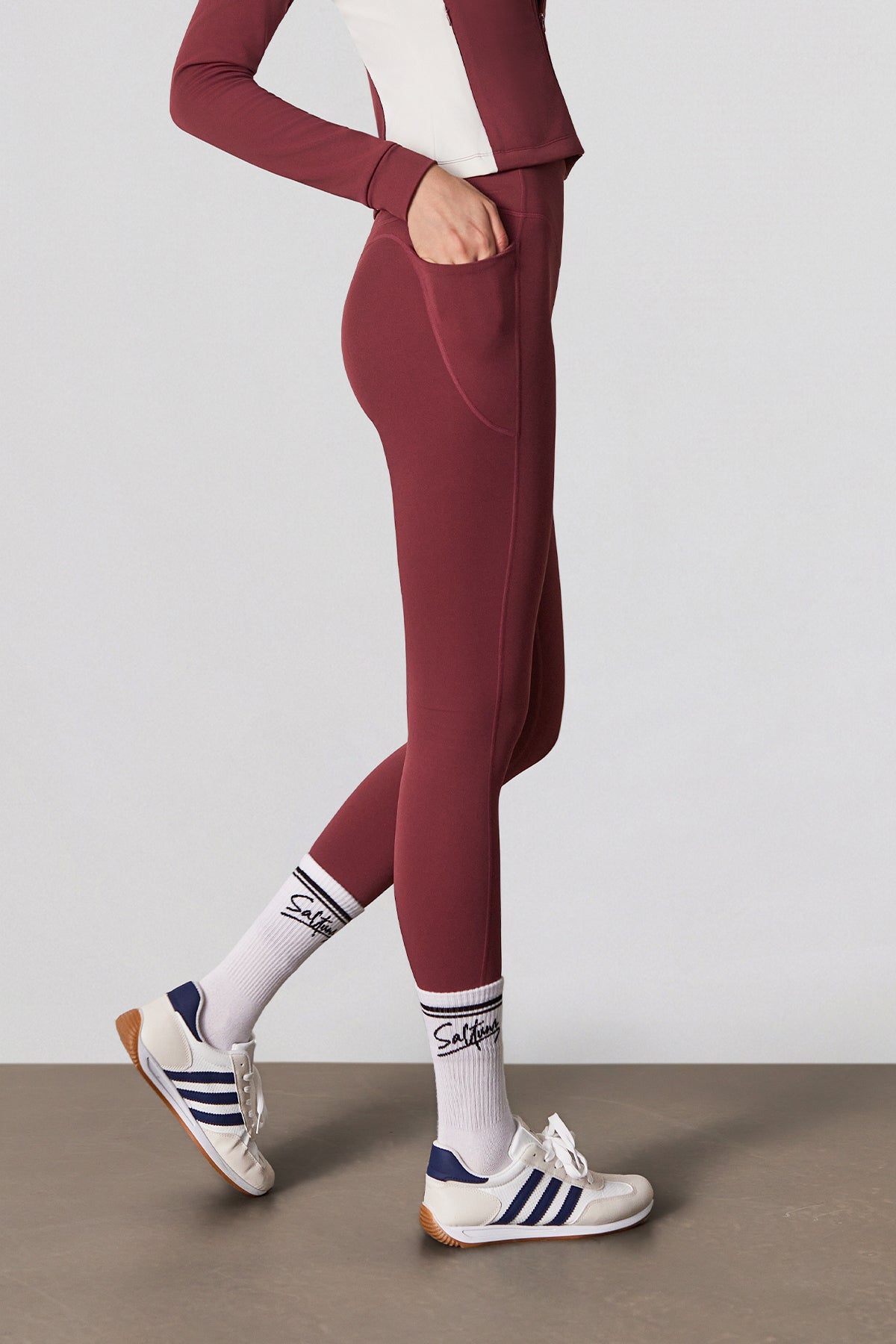
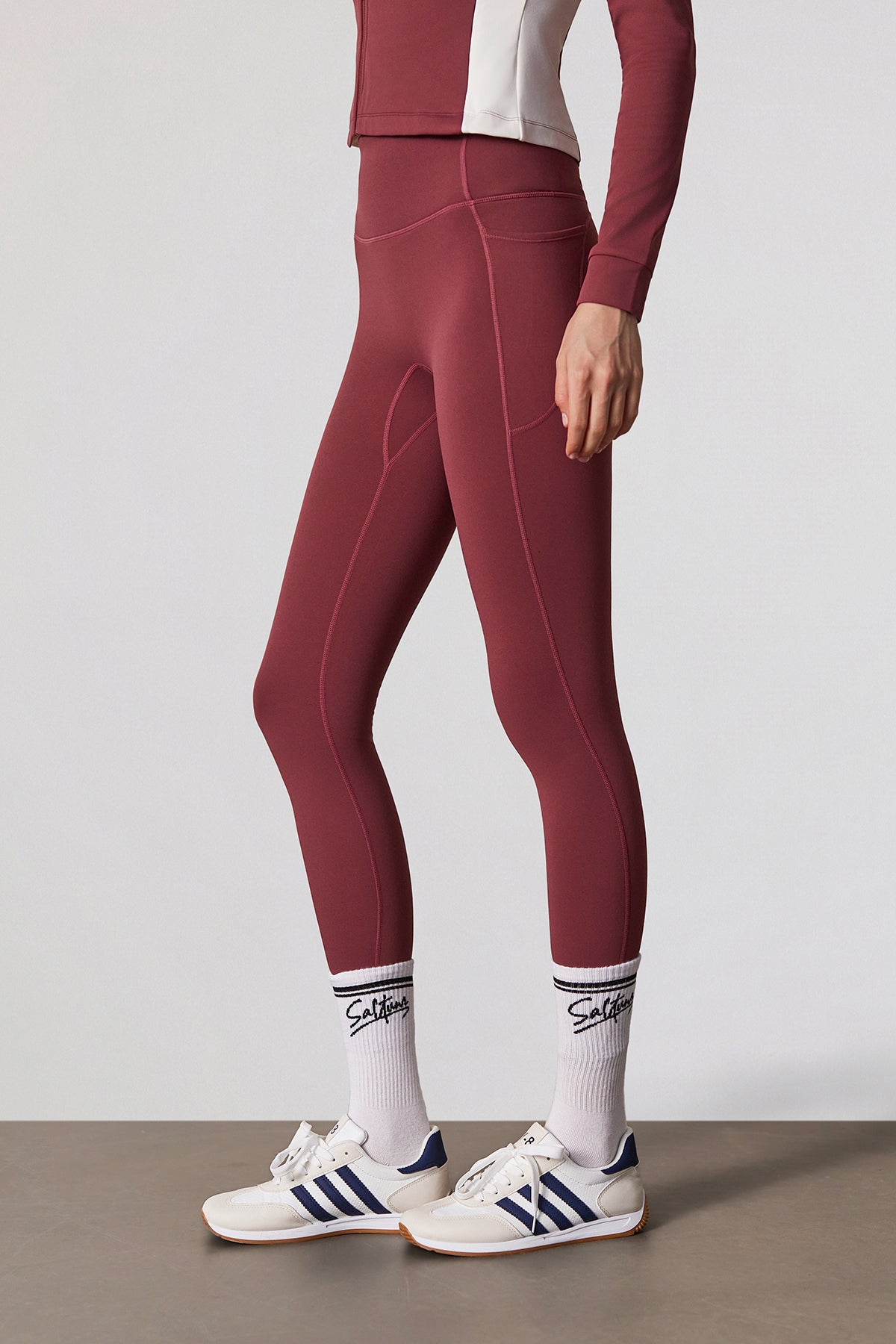
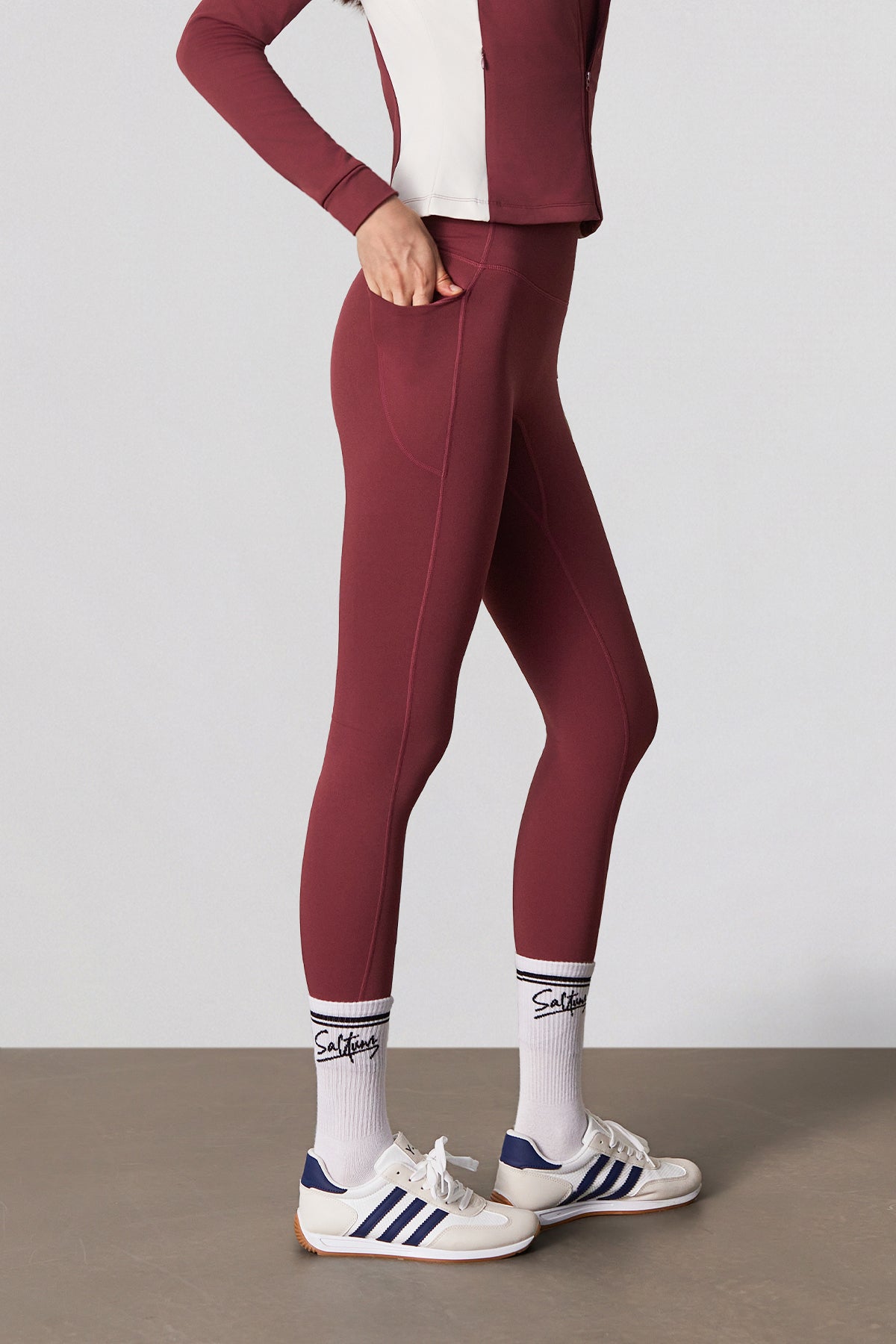
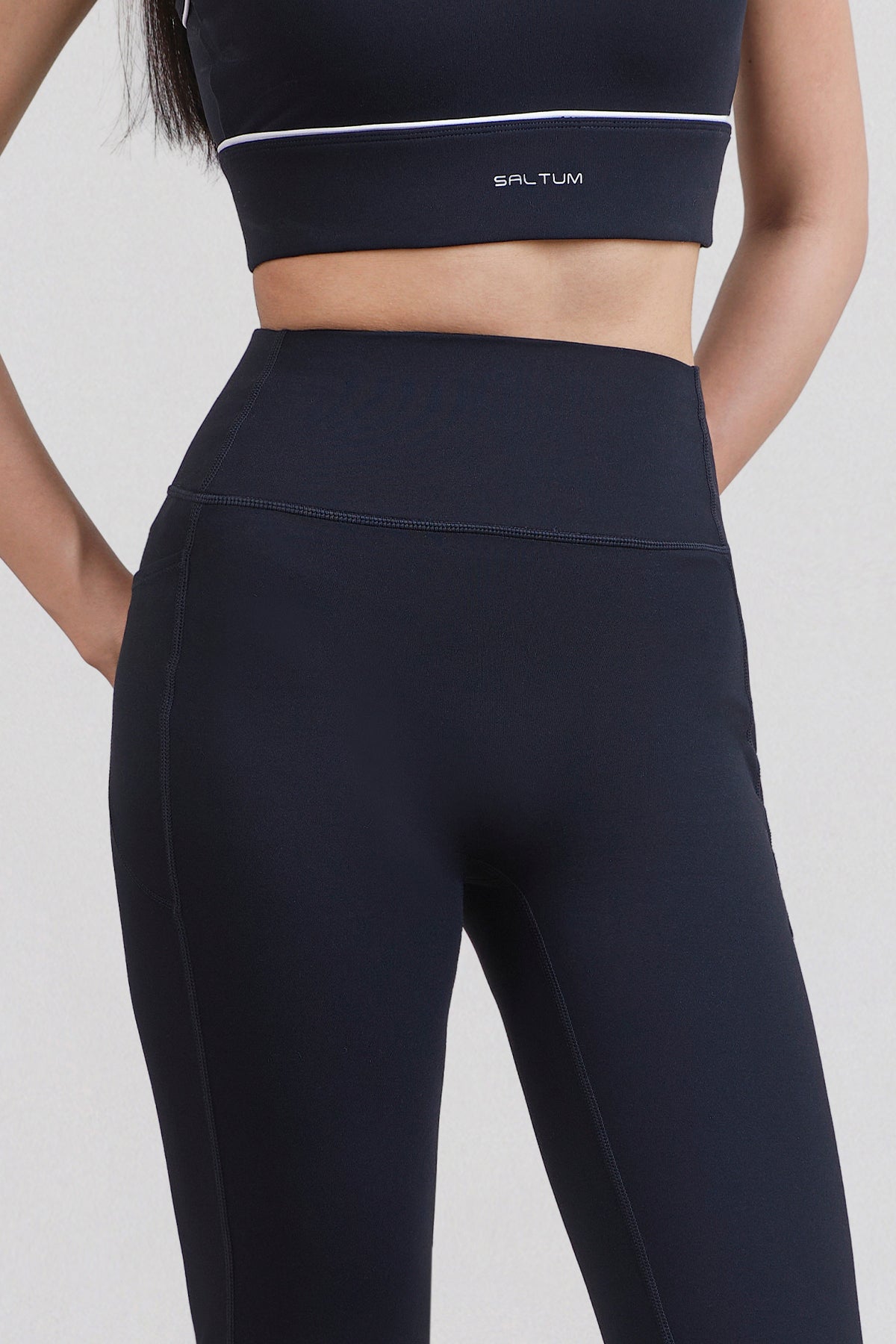
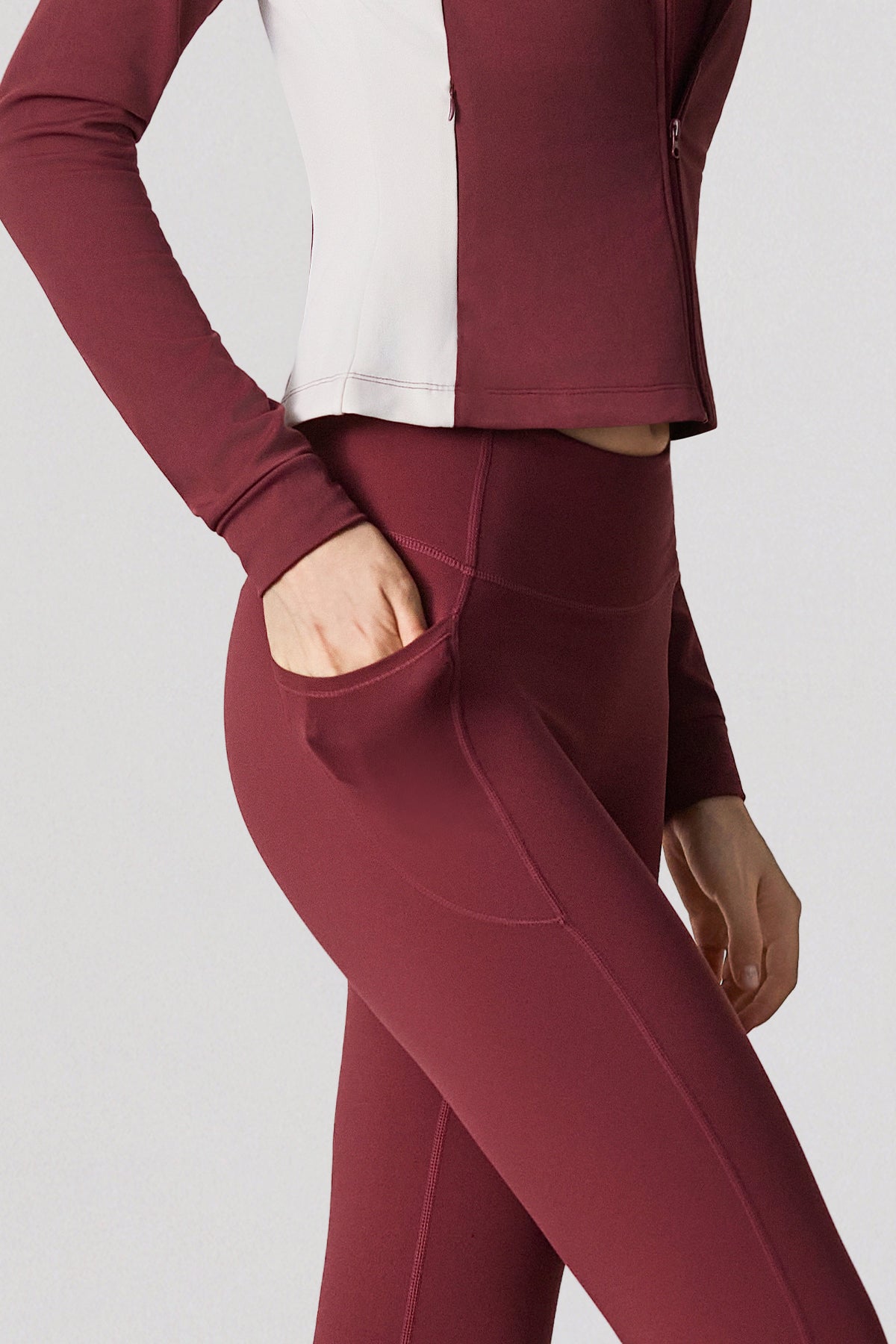
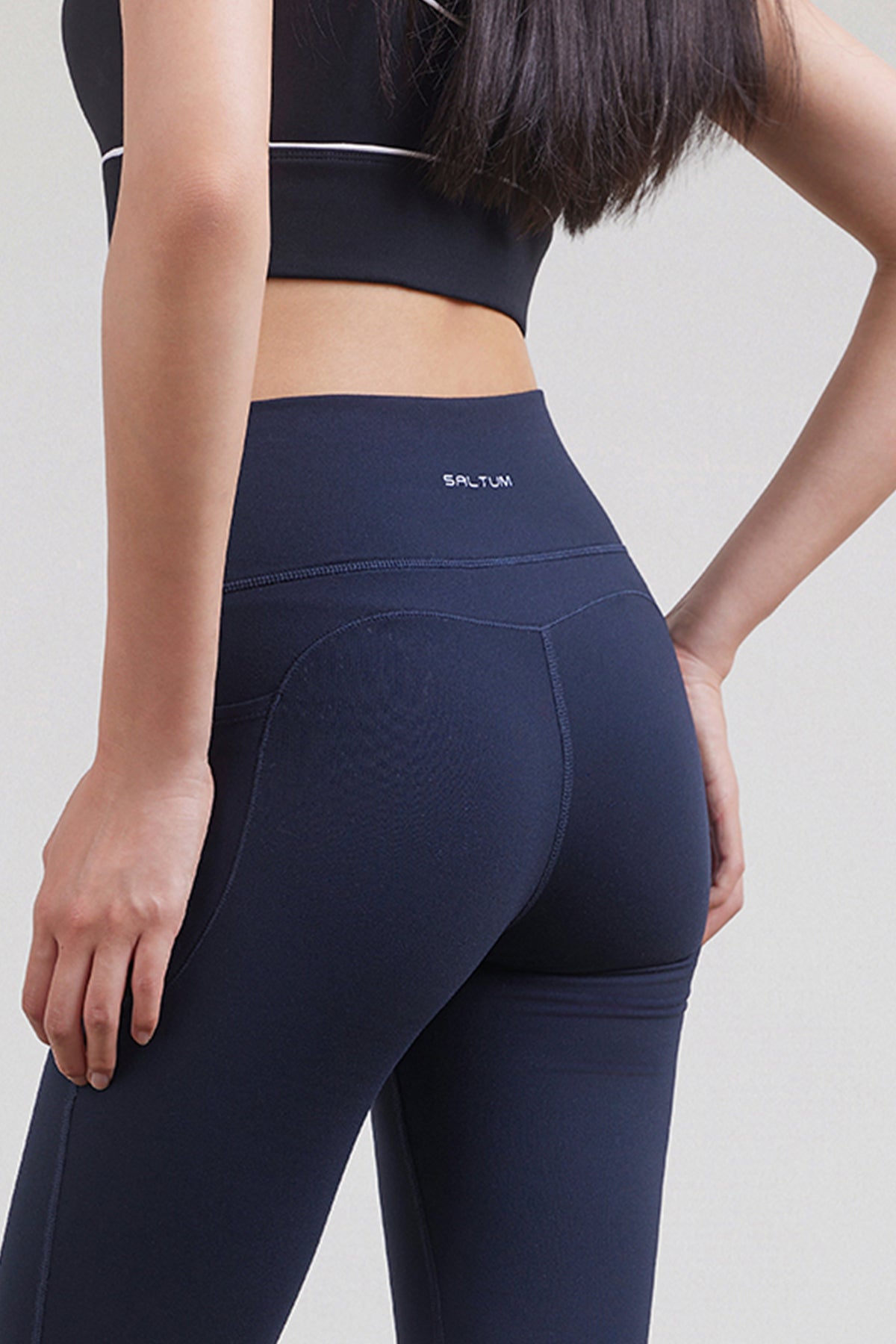
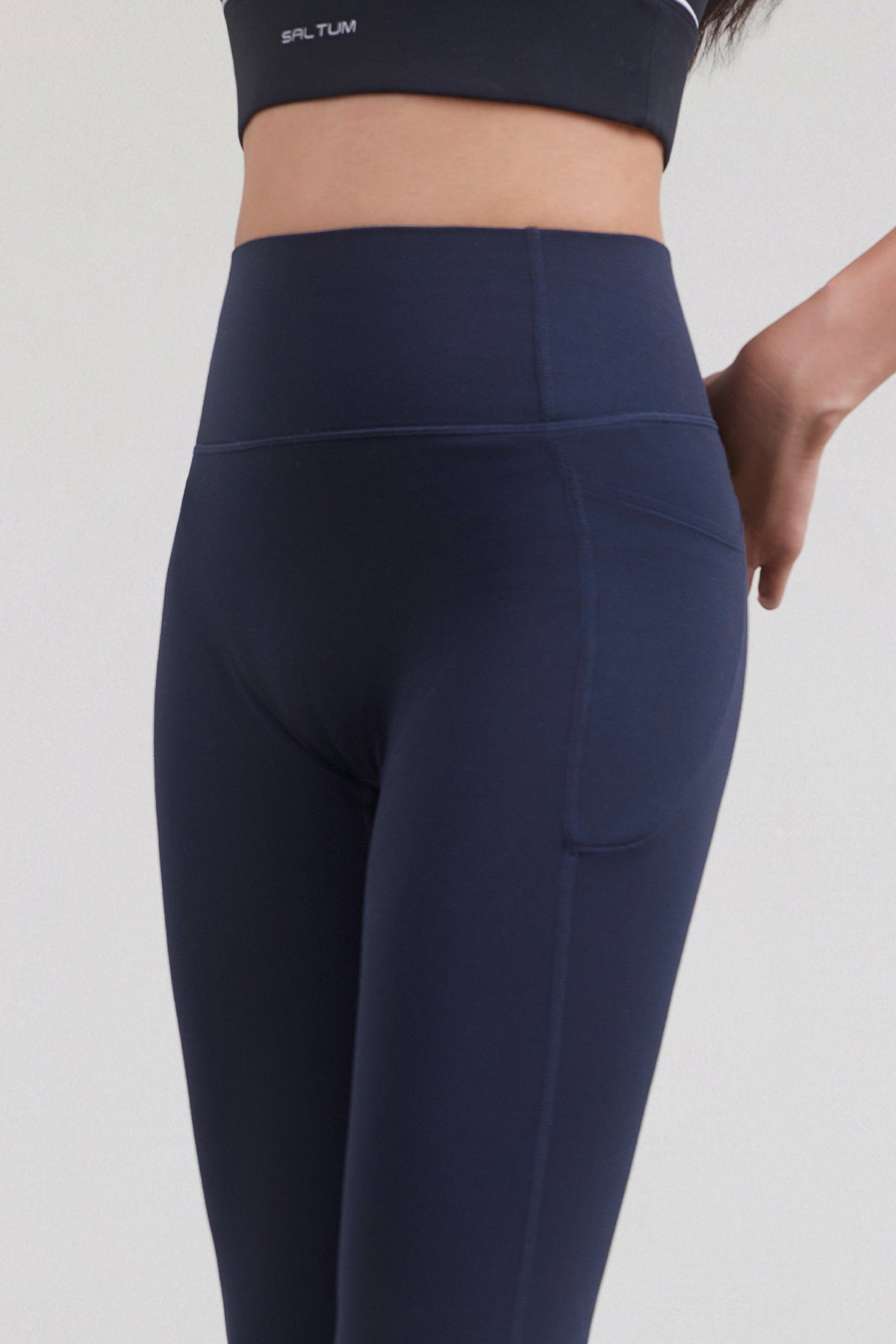
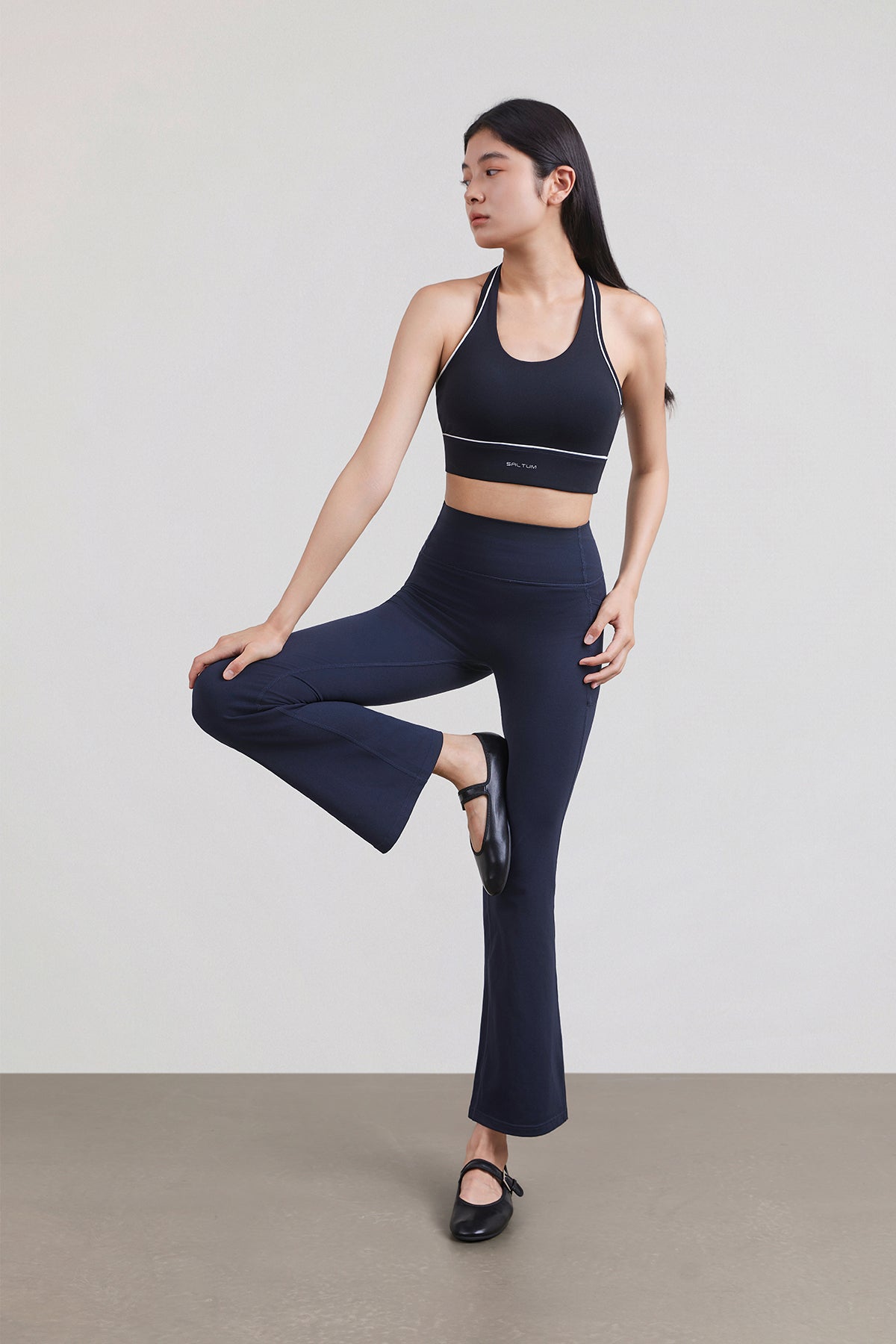
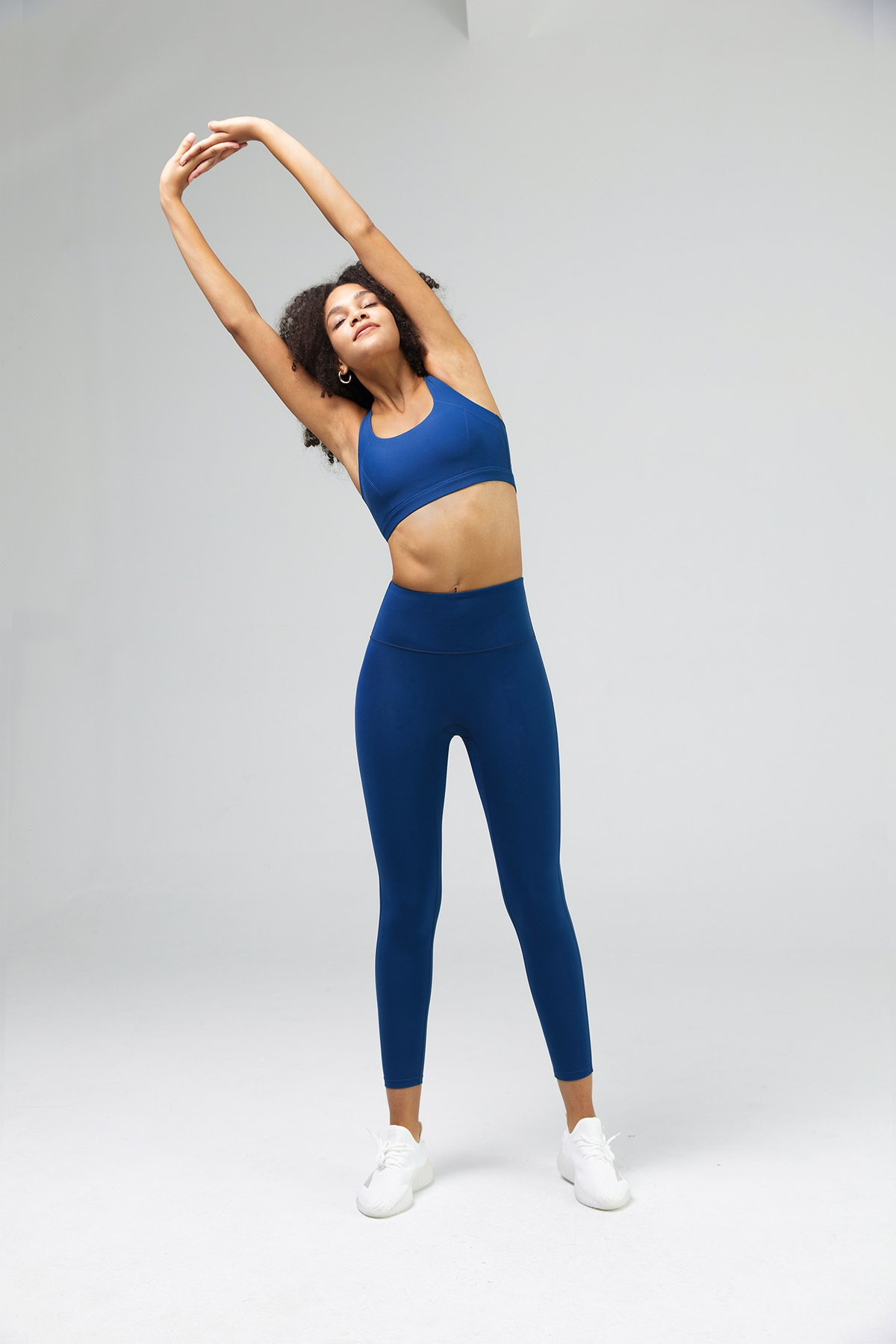
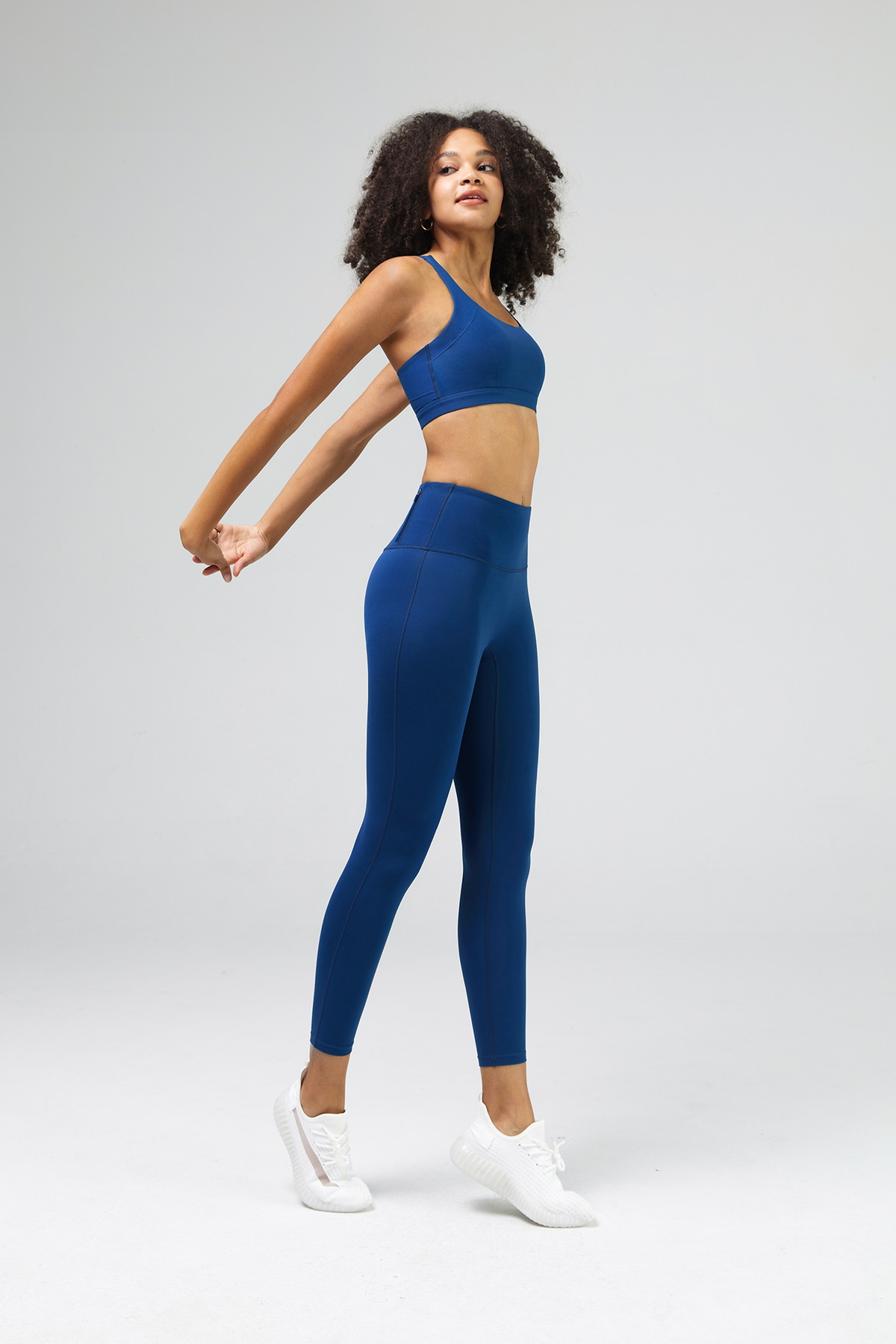
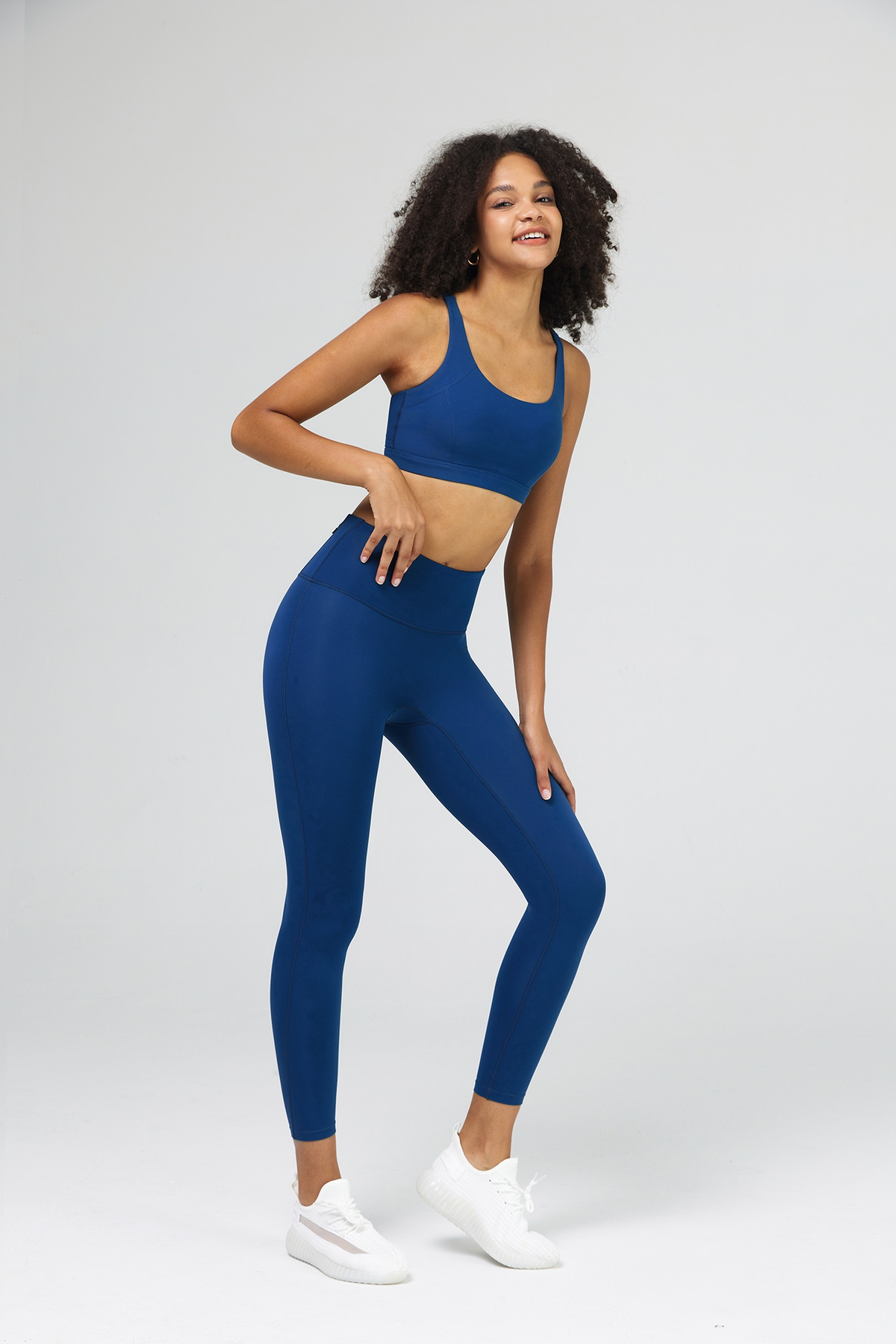
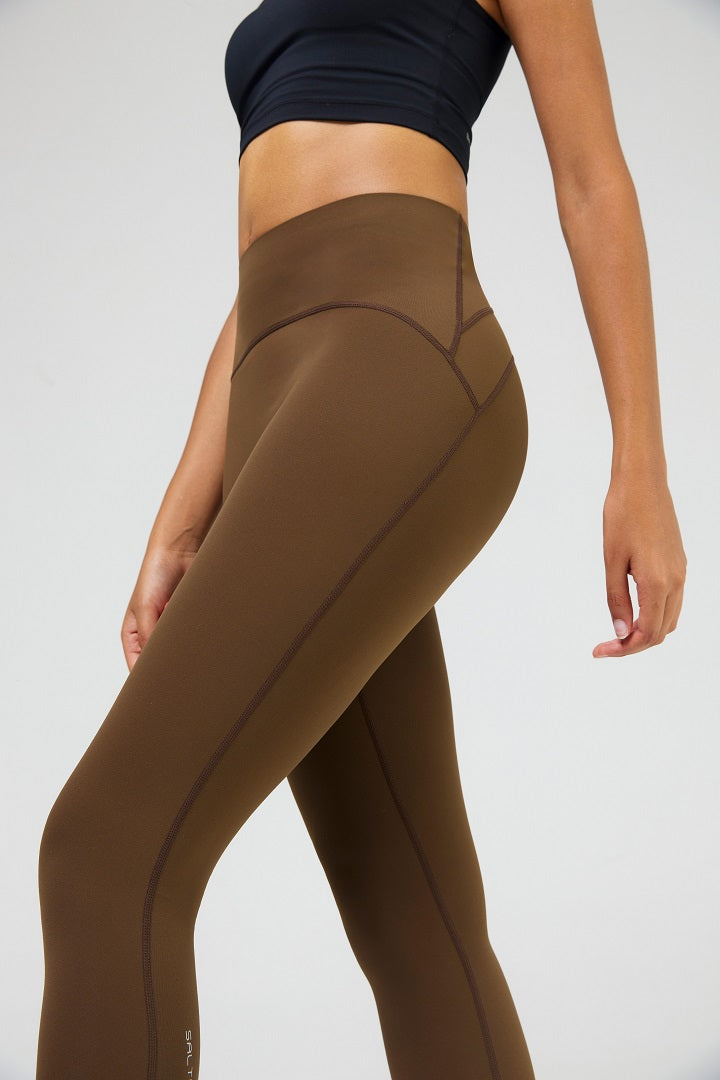
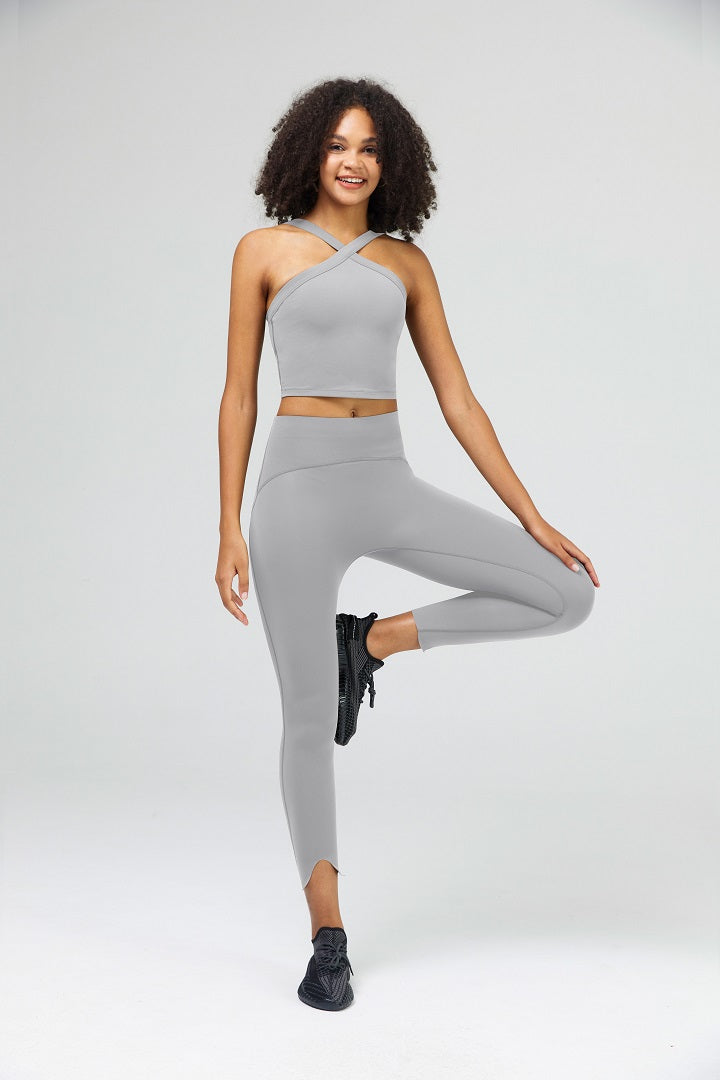
Look for pants that sit snugly at your waist without gaps or excessive bunching when you bend forward. A flat, elastic waistband prevents rolling down during inversions and forward folds. Some practitioners prefer a wide, high-rise waistband for extra coverage and support during intense practices.
Style Options
Yoga pants come in various cuts to suit different preferences and body types:

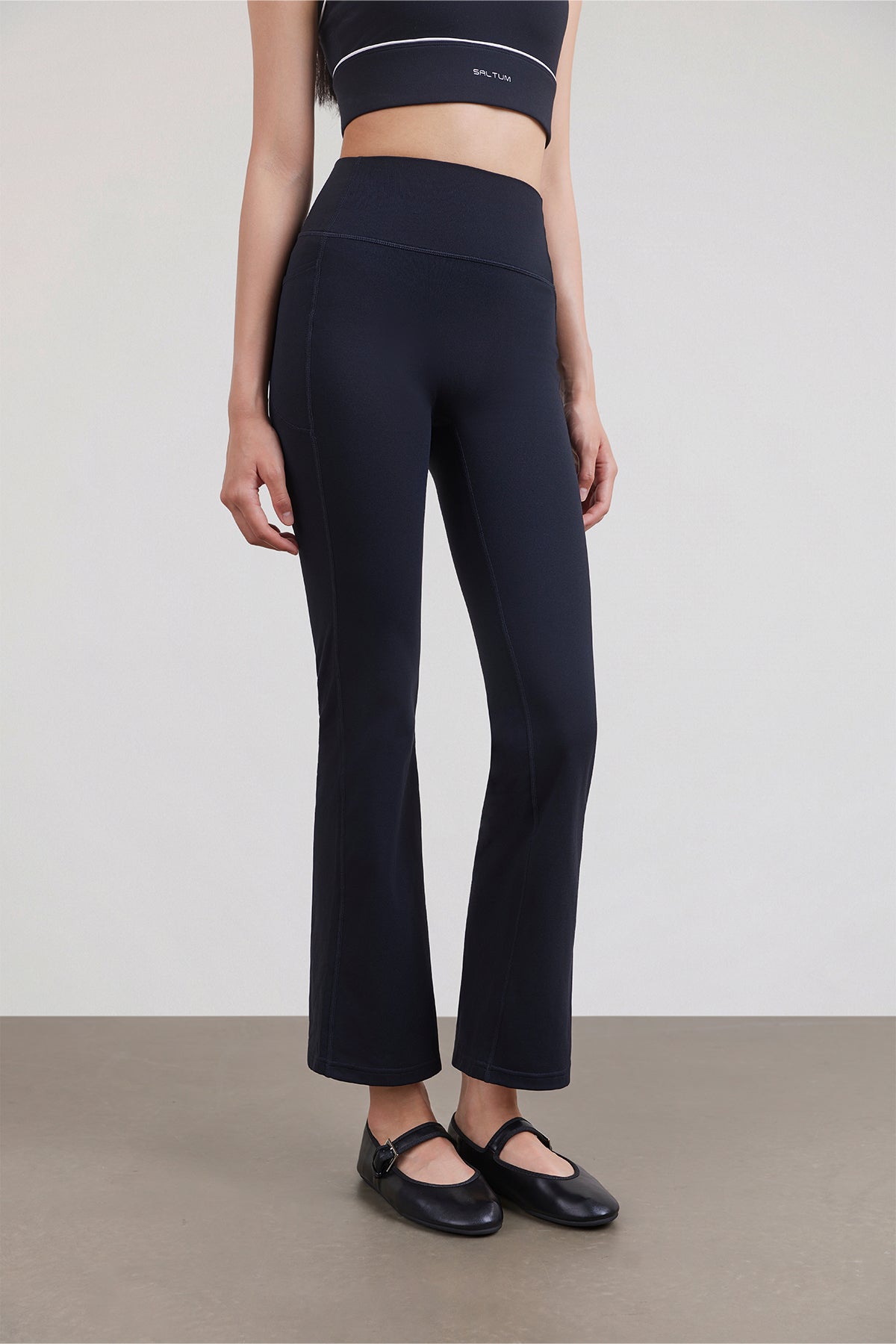
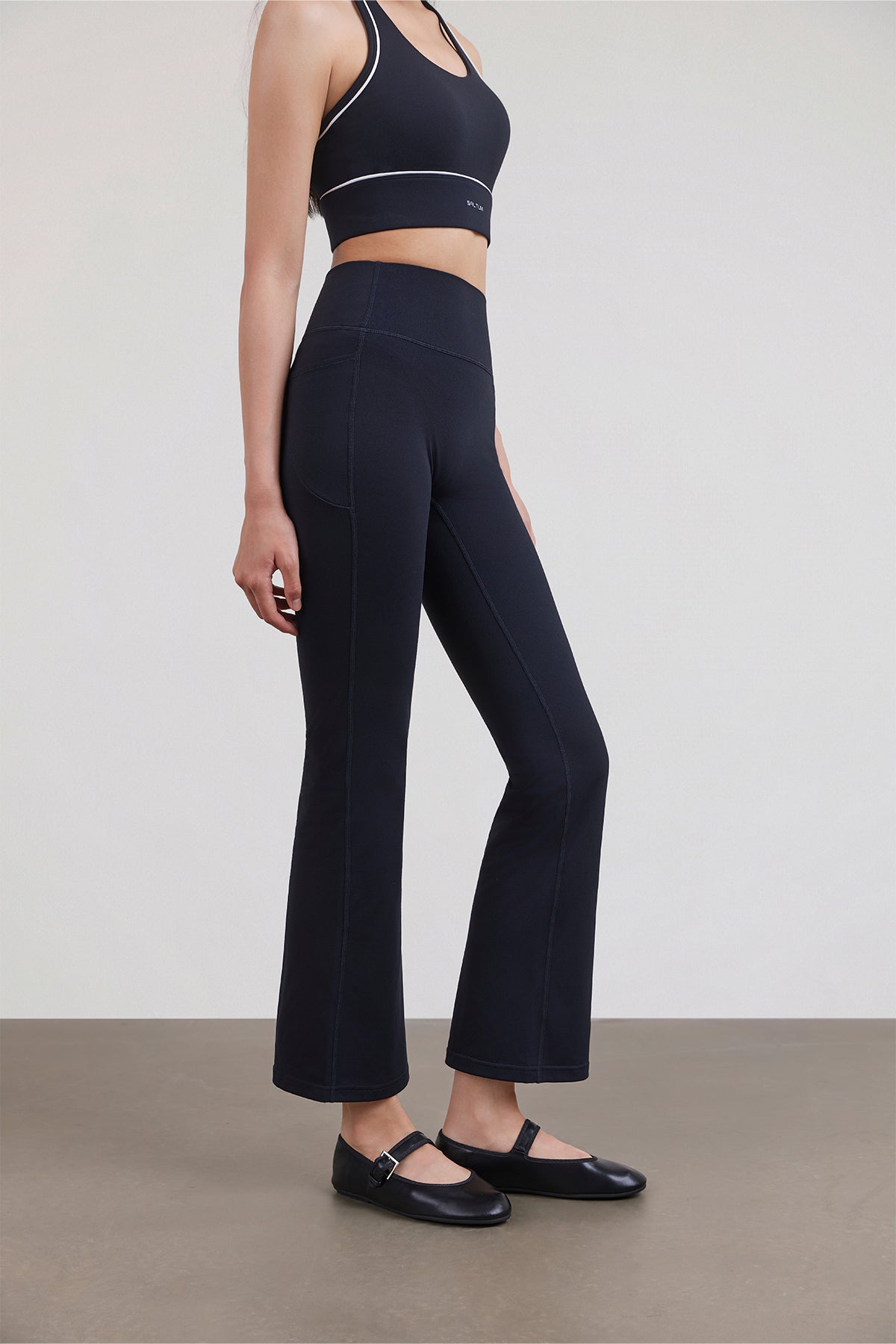
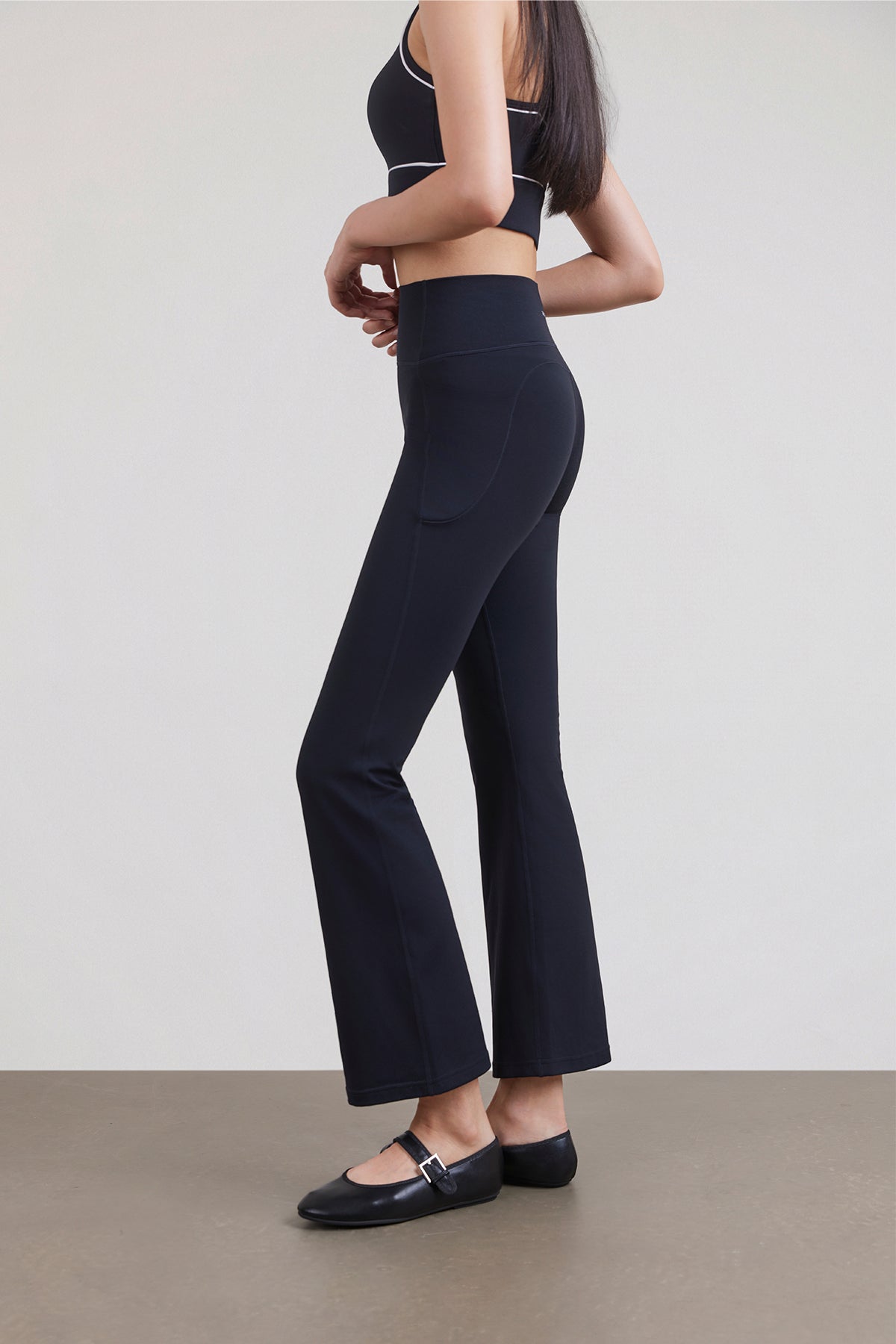
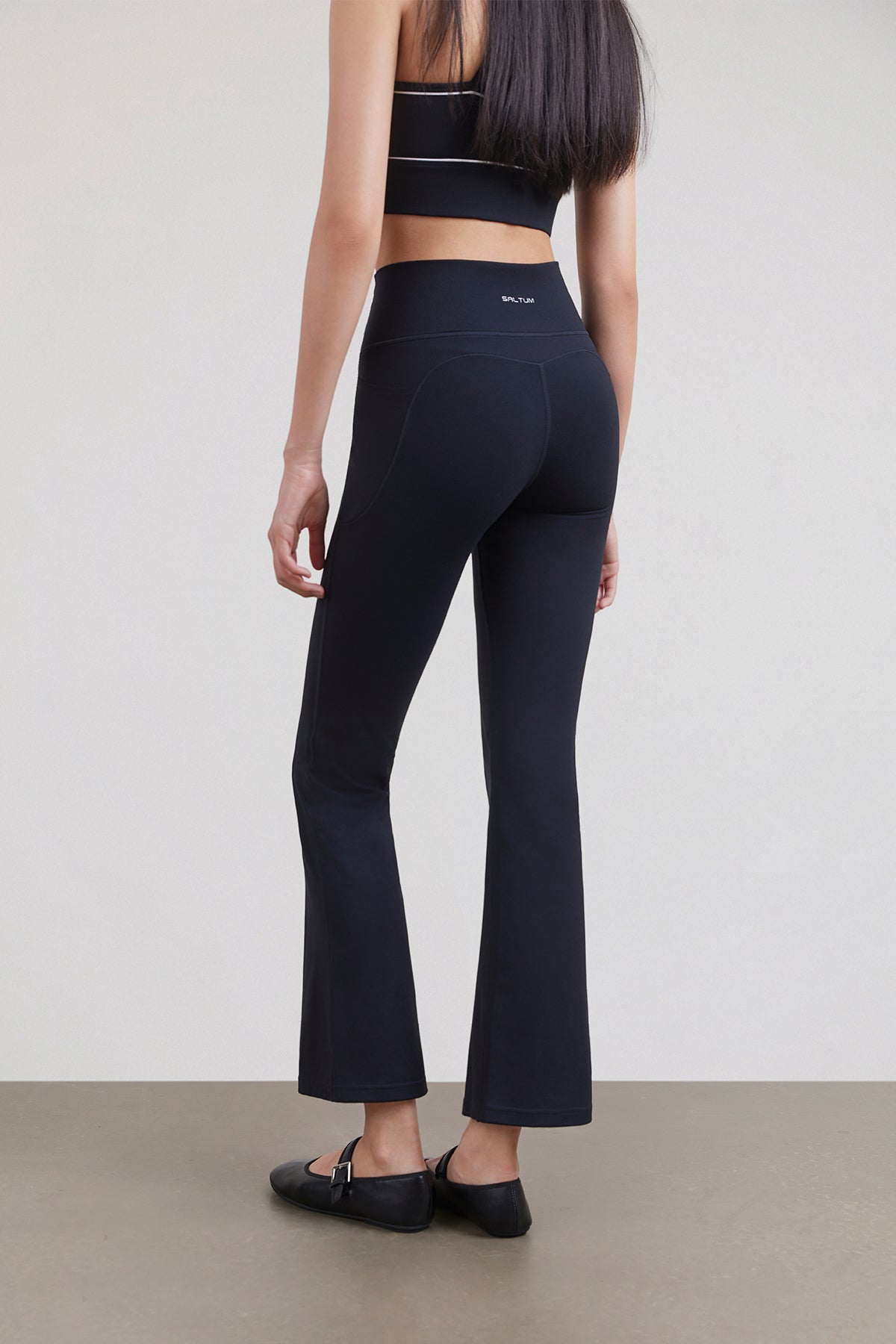
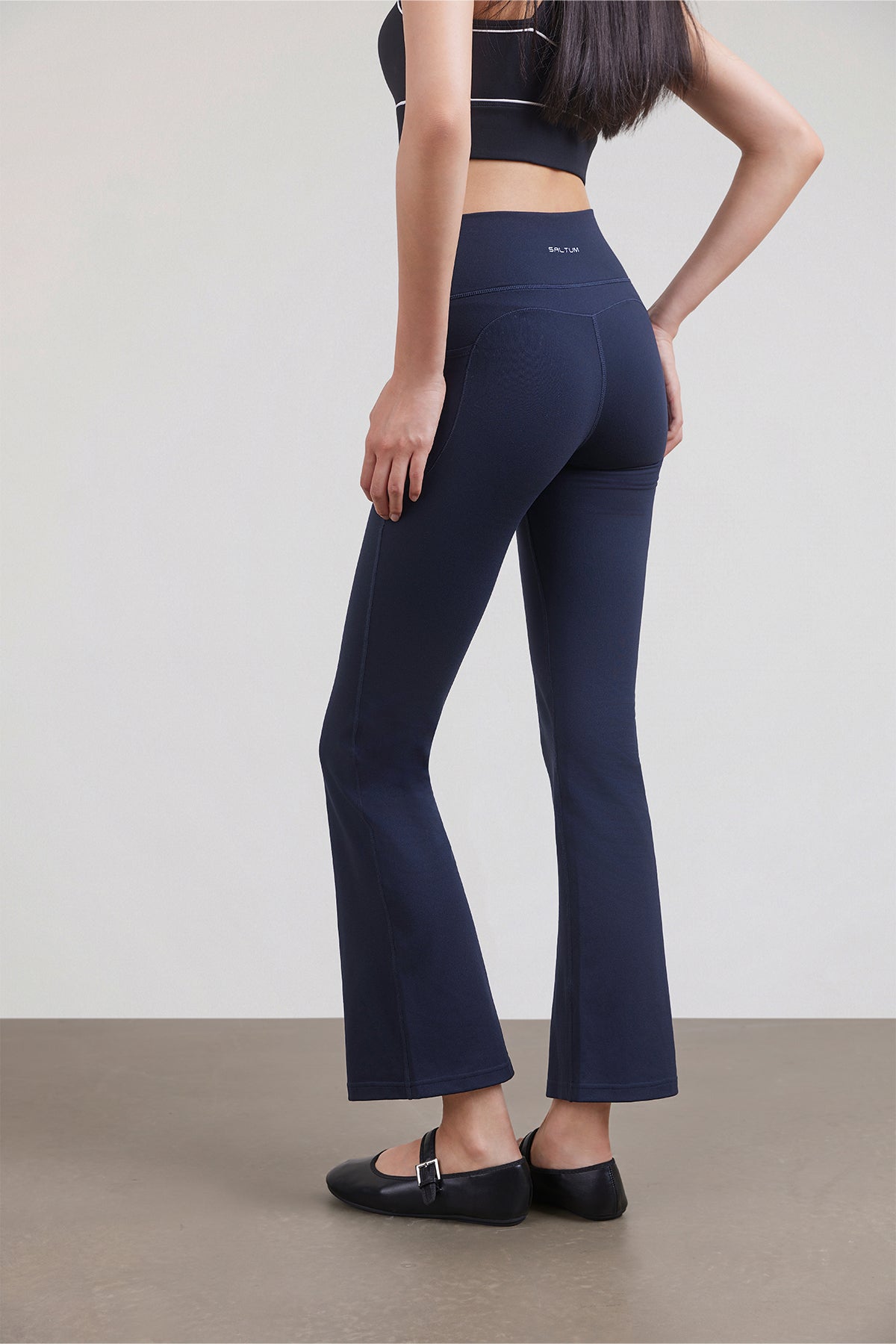
- Boot-cut Pants: These provide a slimmer fit through the calf and are versatile for both studio practice and casual wear. They offer a more streamlined appearance and are excellent if you prefer a defined silhouette.
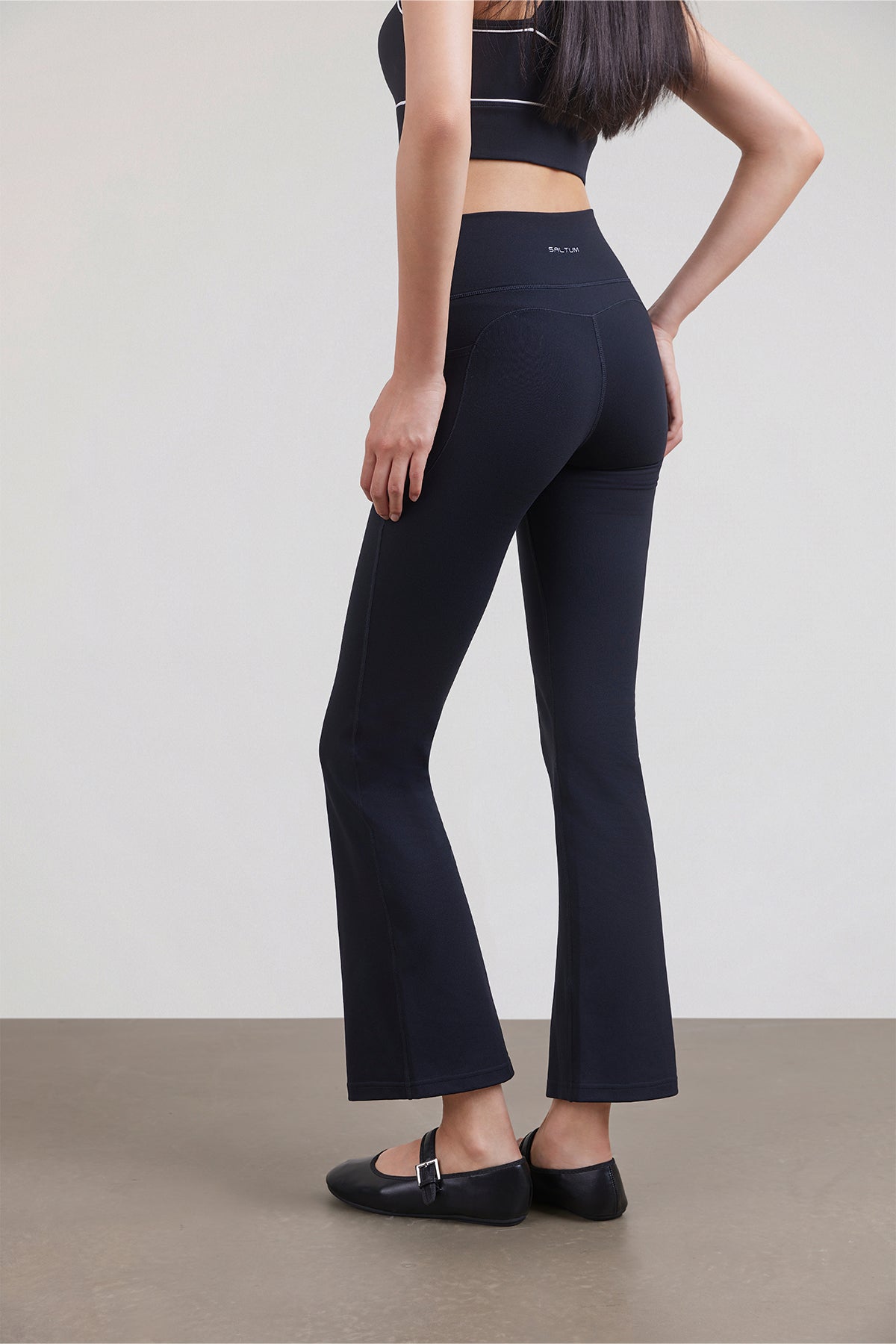
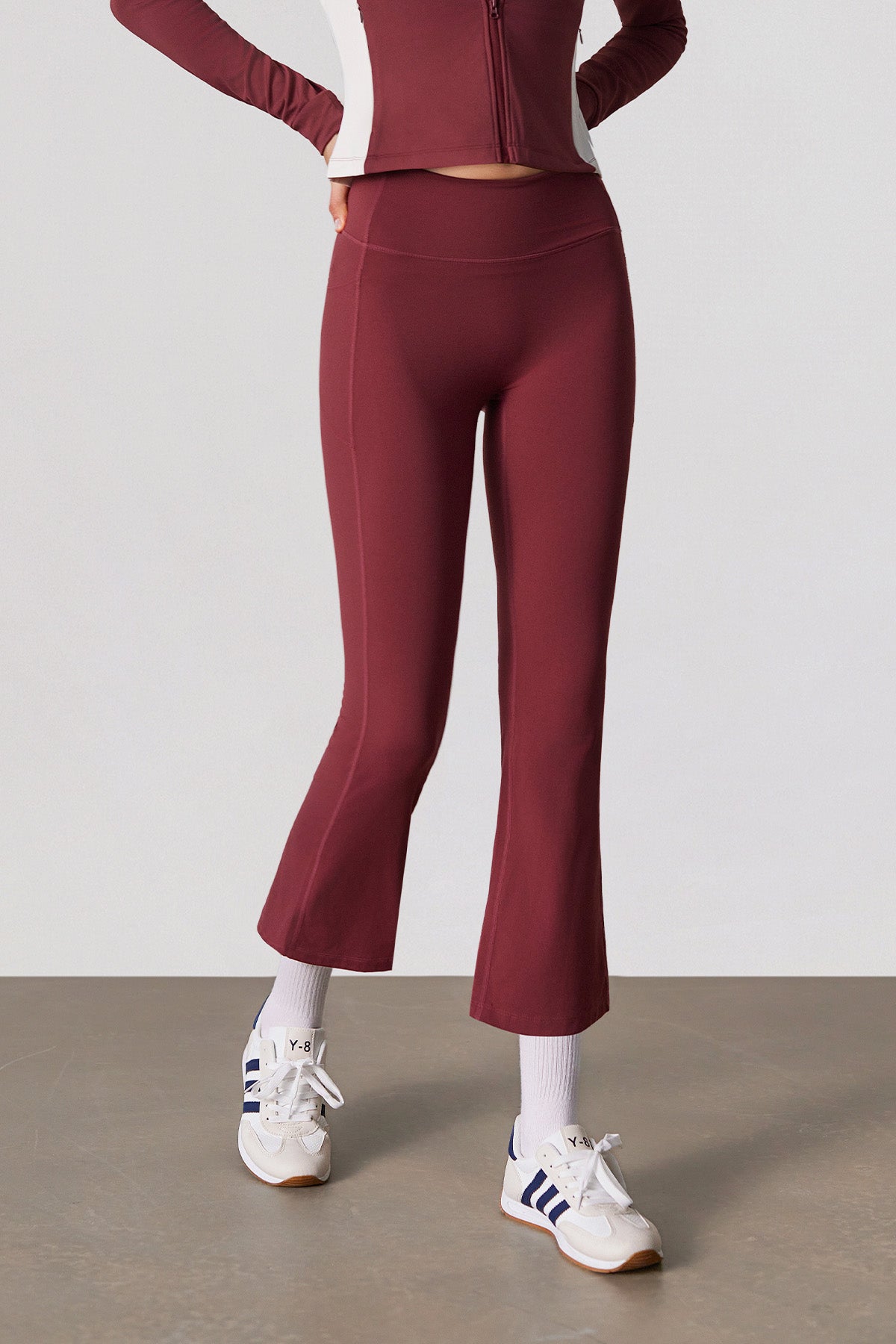
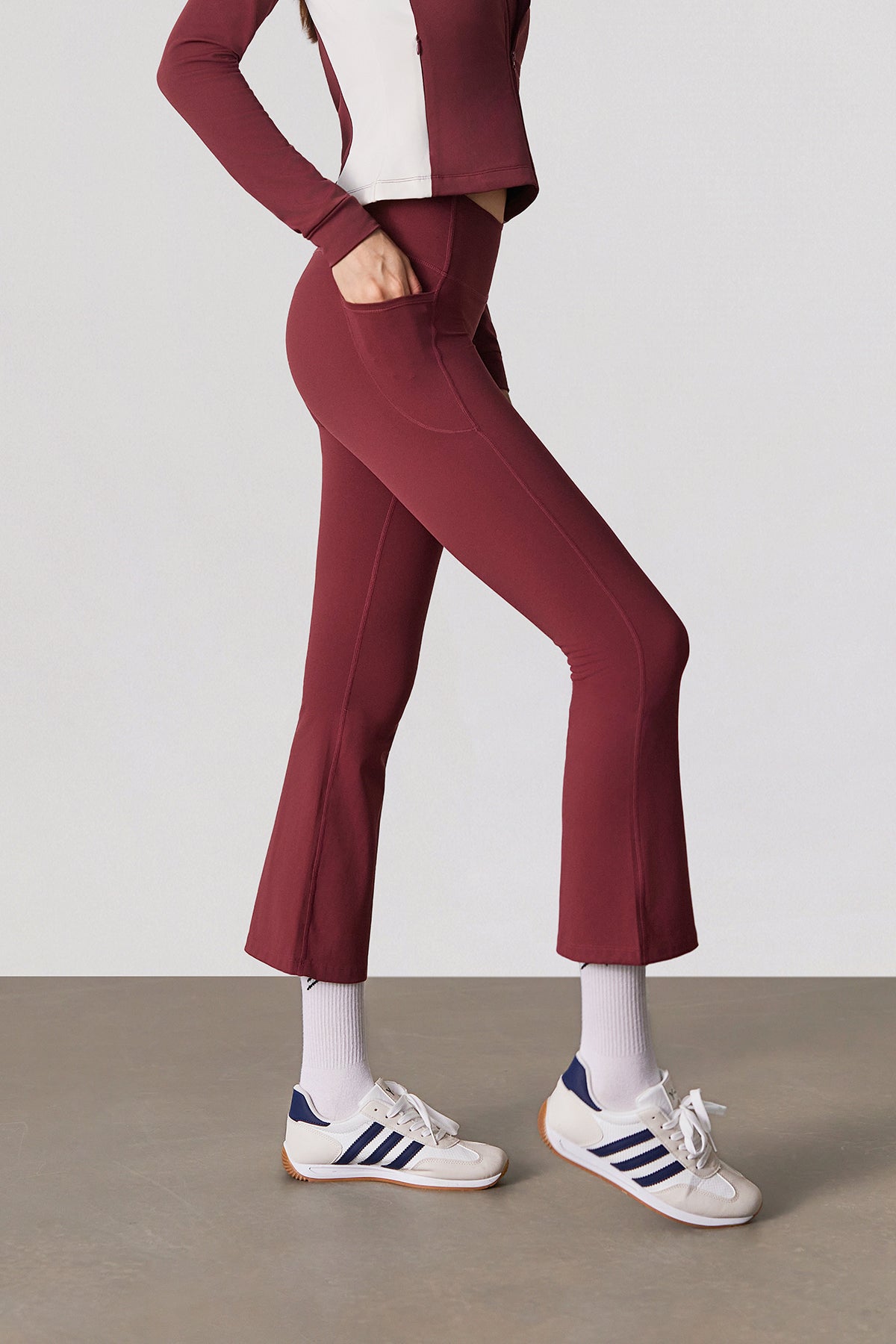
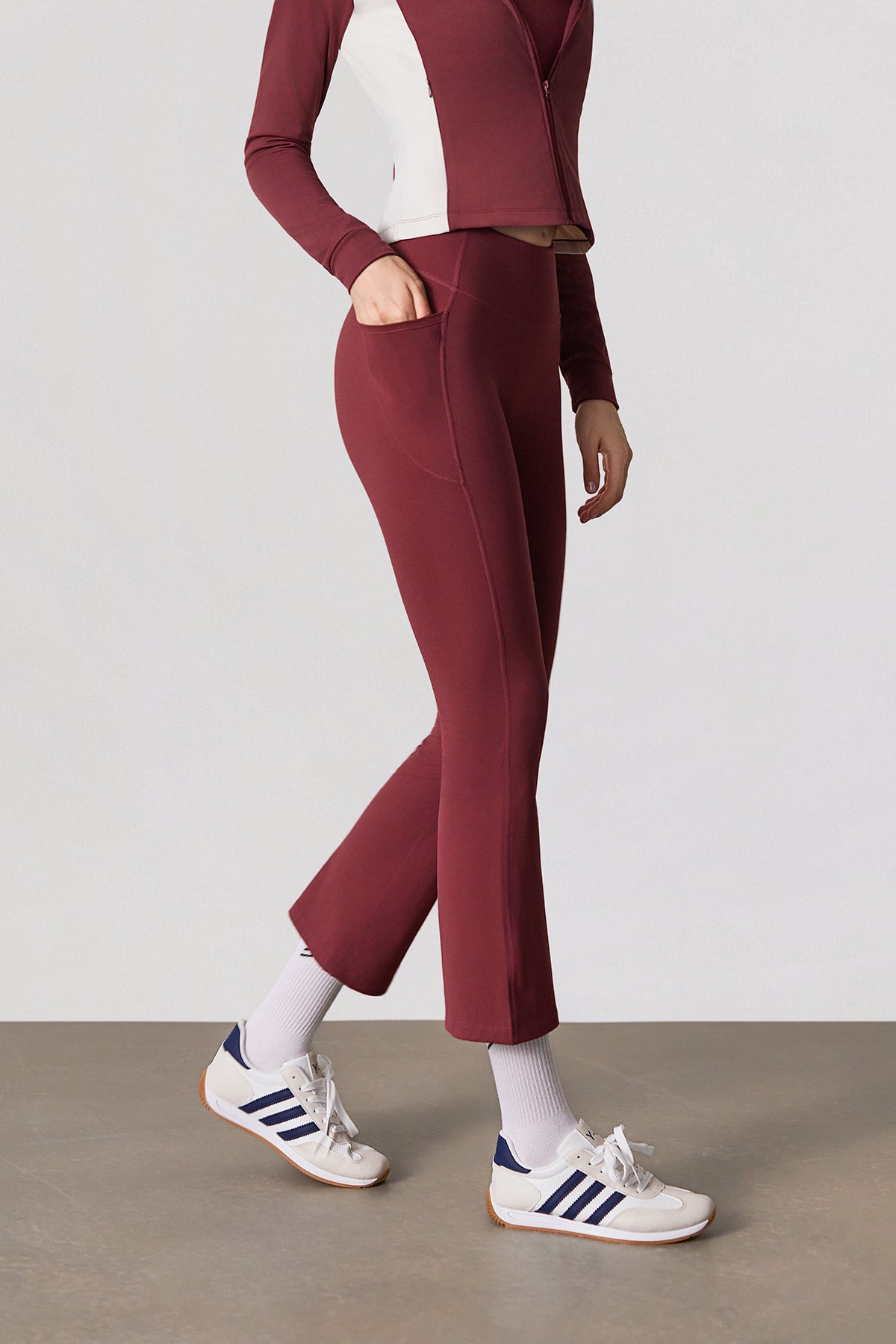
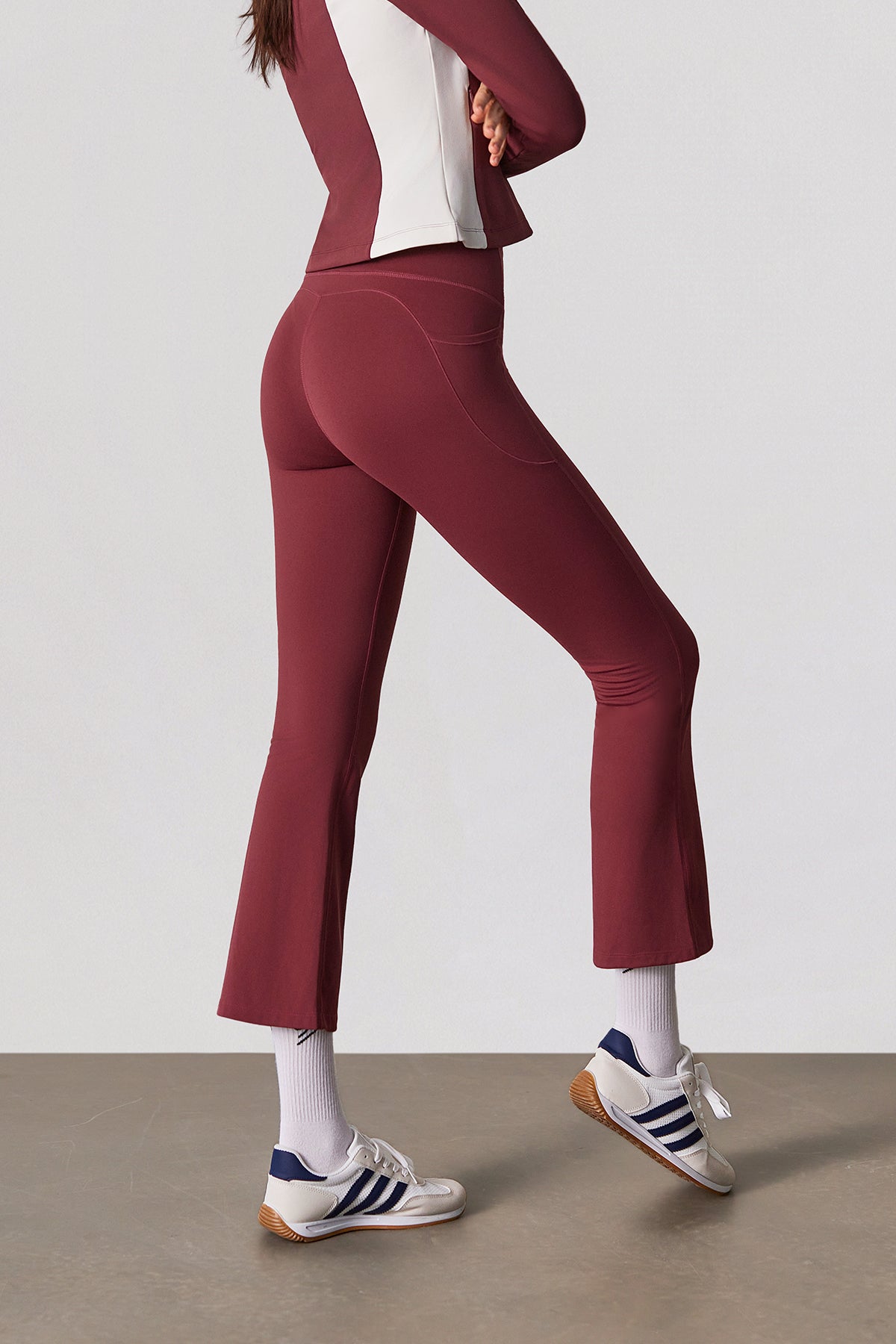
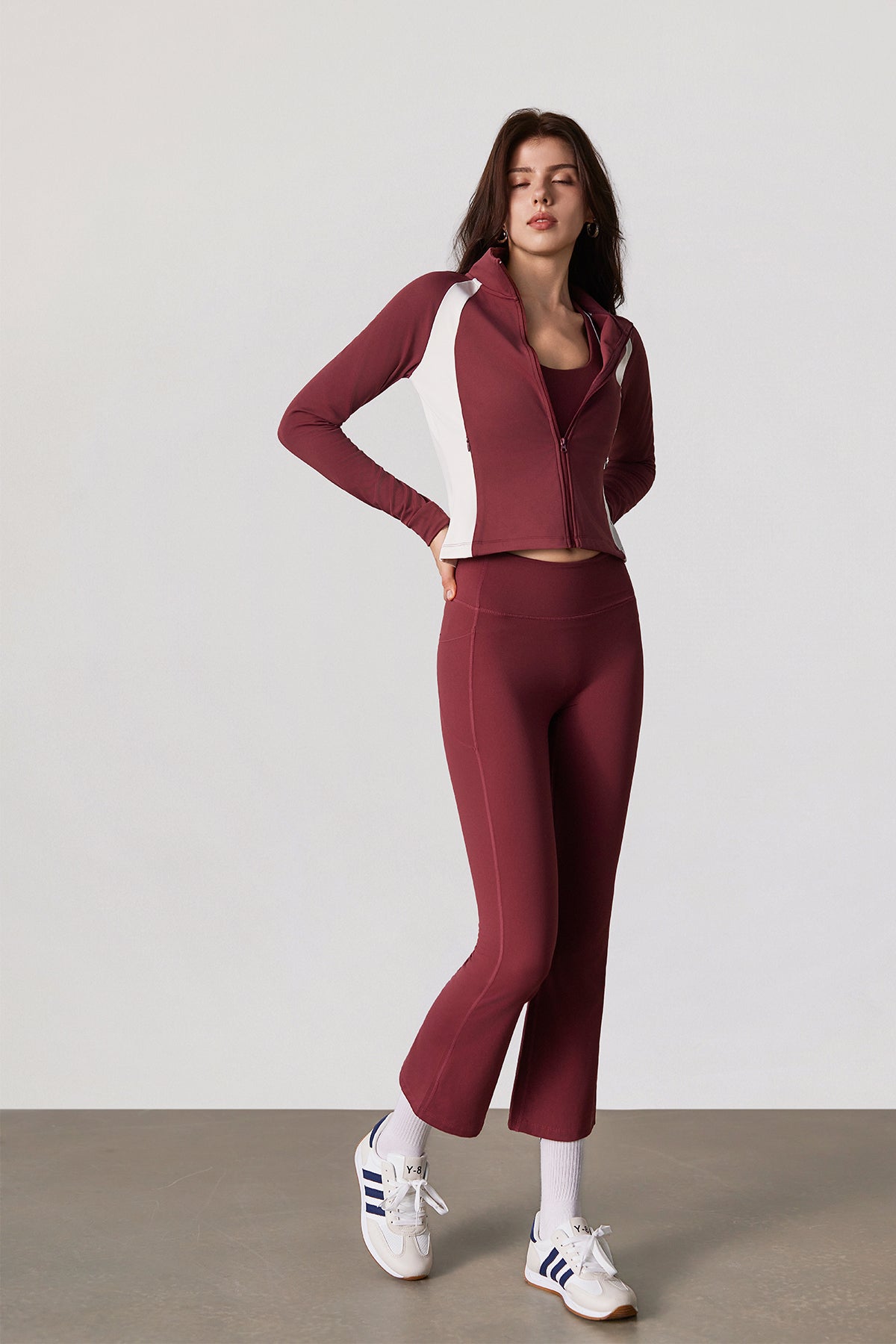
- Flared Pants: Also known as bell-bottoms, these widen below the knee, creating a flowing silhouette. They're particularly popular in yin yoga and restorative classes where the relaxed fit enhances the calming atmosphere.
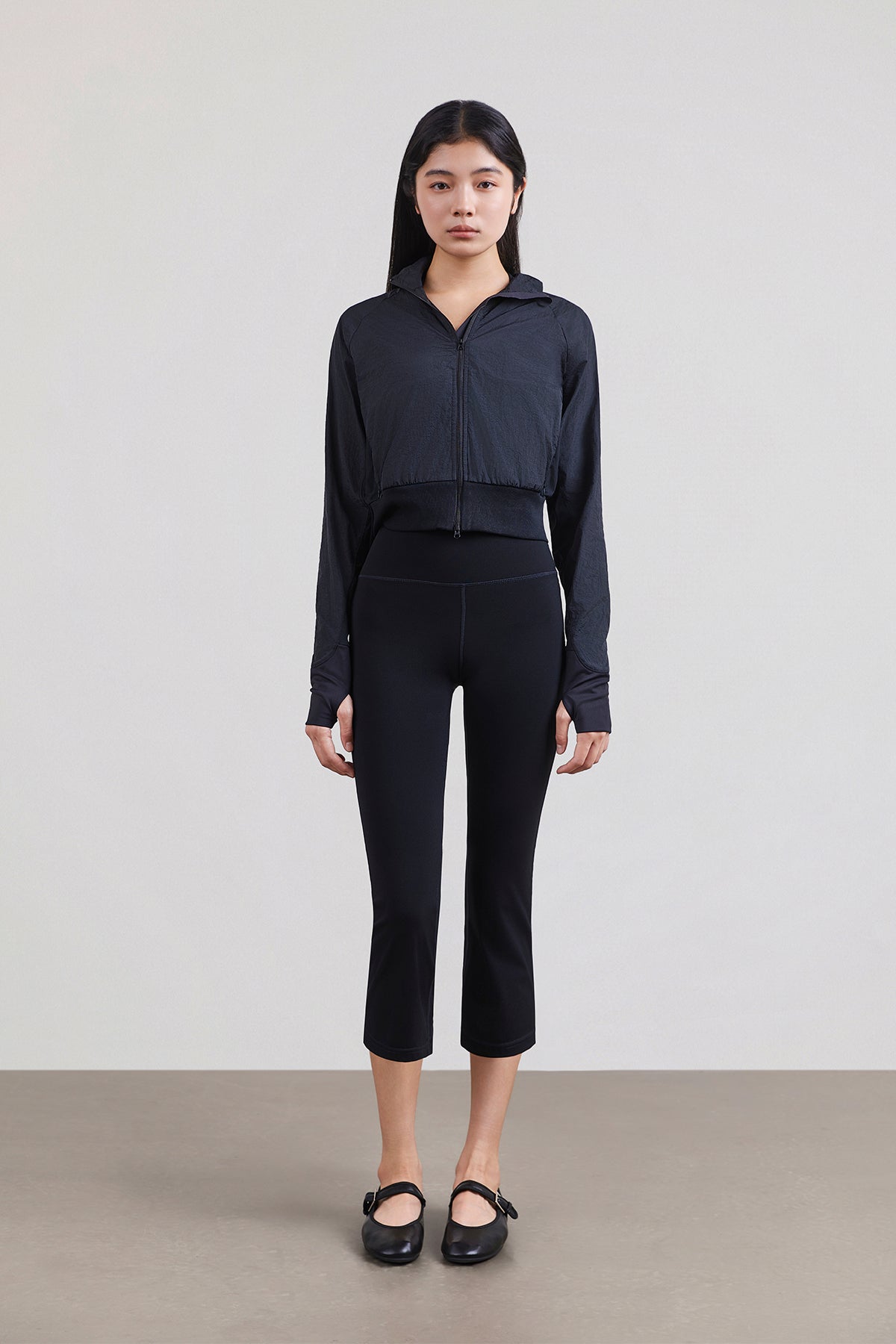
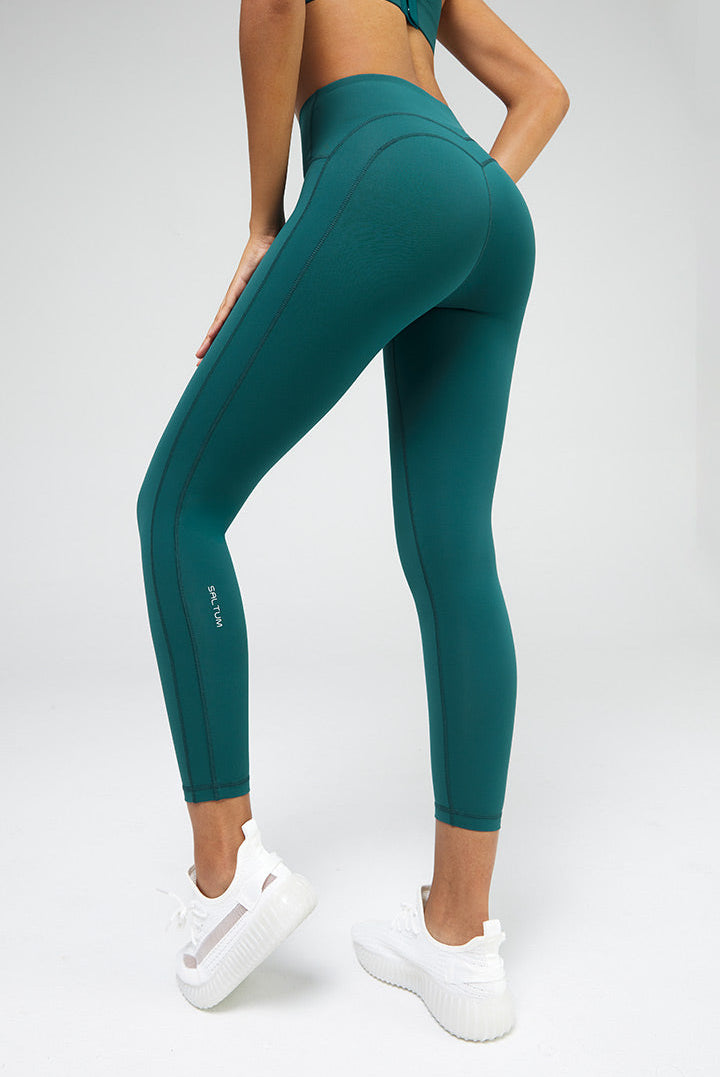
- Capri Leggings: Cropped at mid-calf, these are ideal for warmer climates or studios with heated practices. They provide freedom of movement while keeping legs cool and unrestricted.
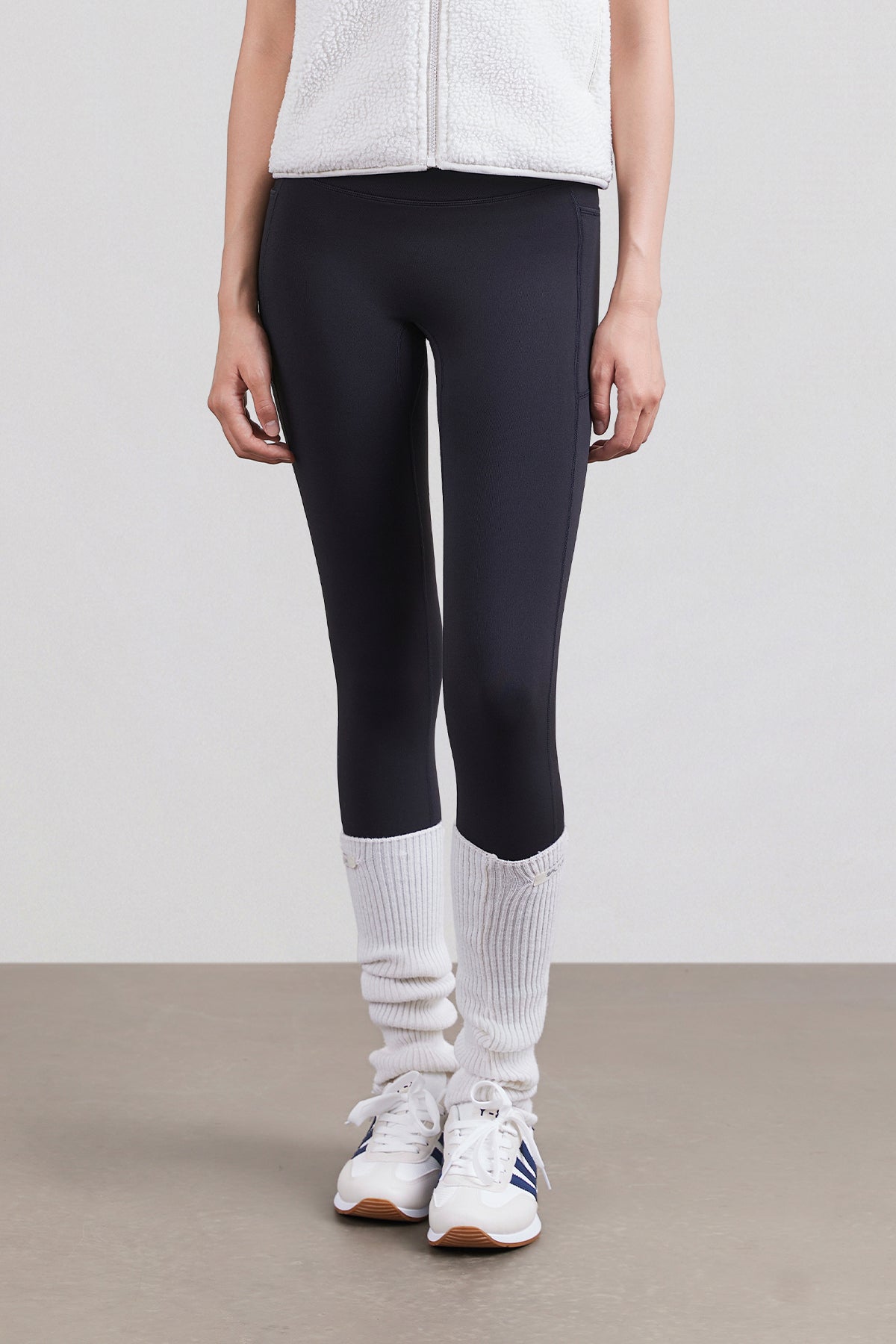
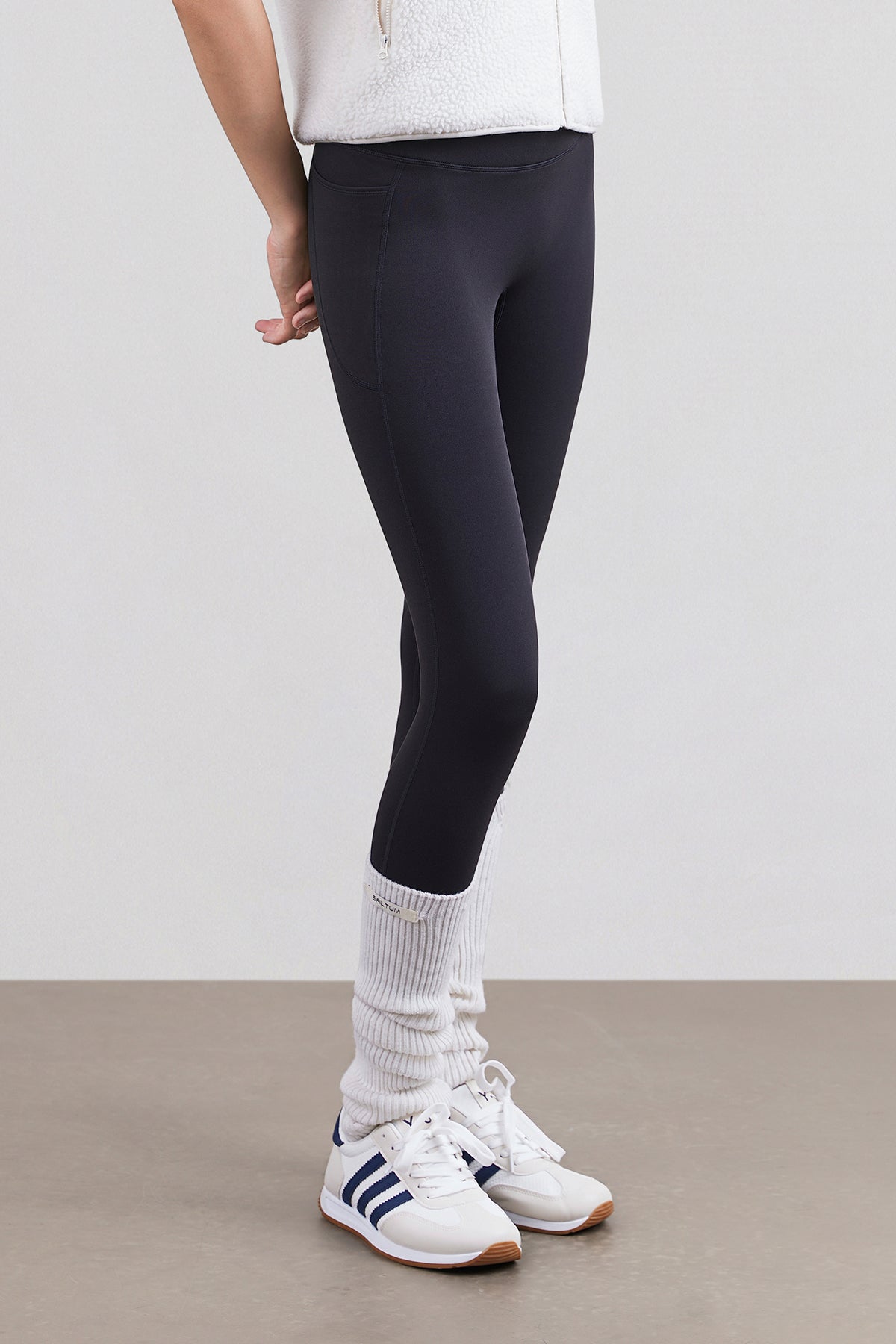
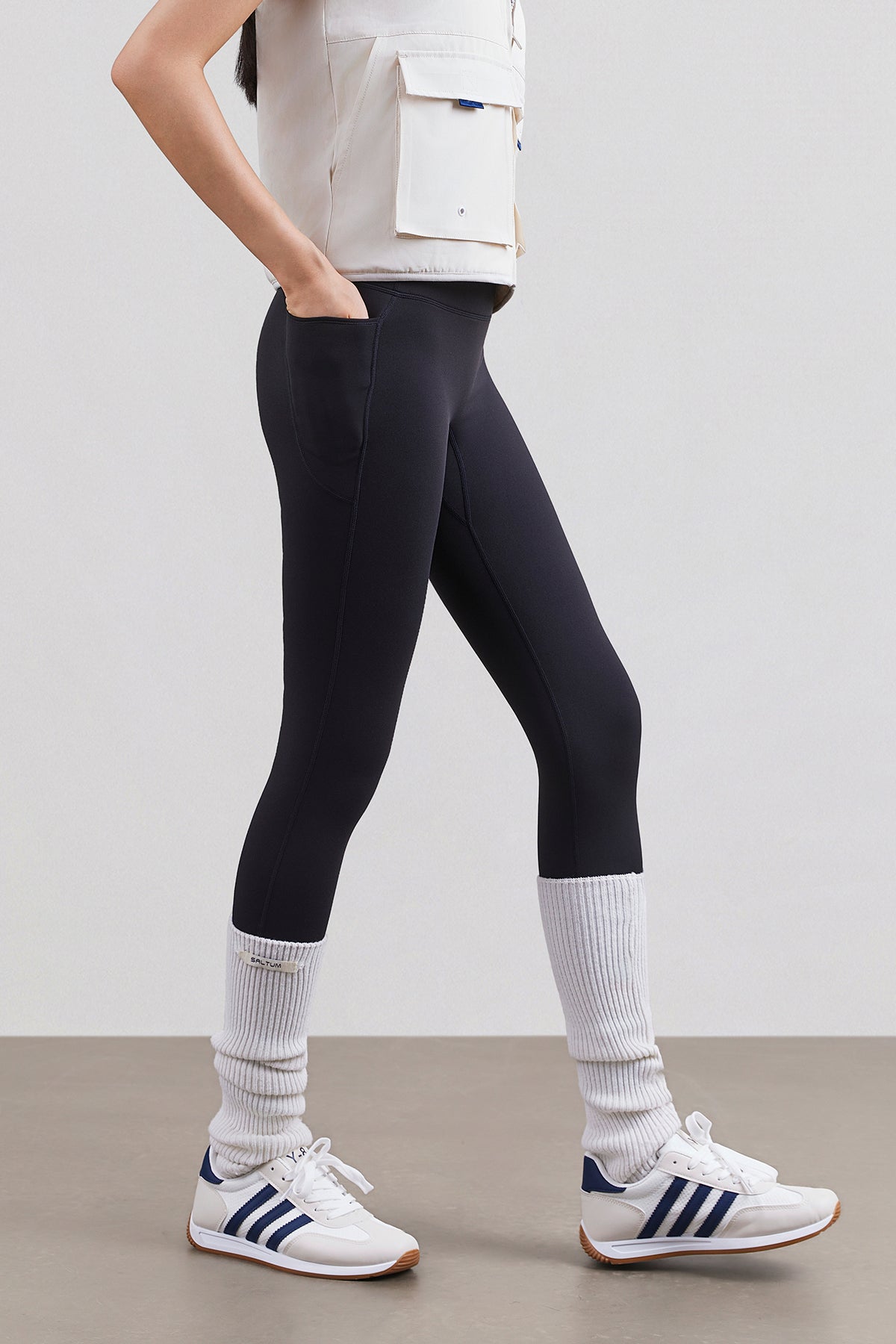
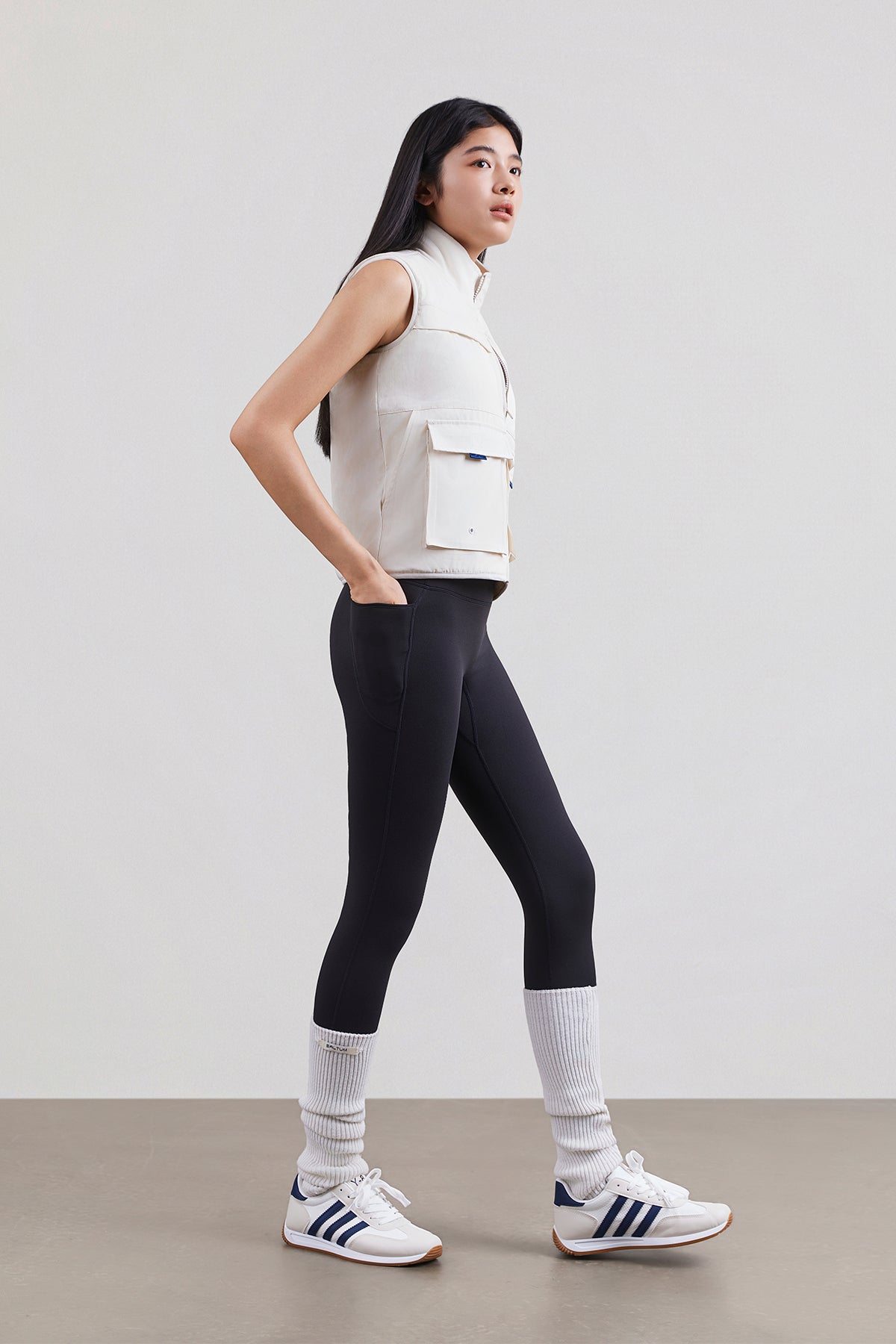
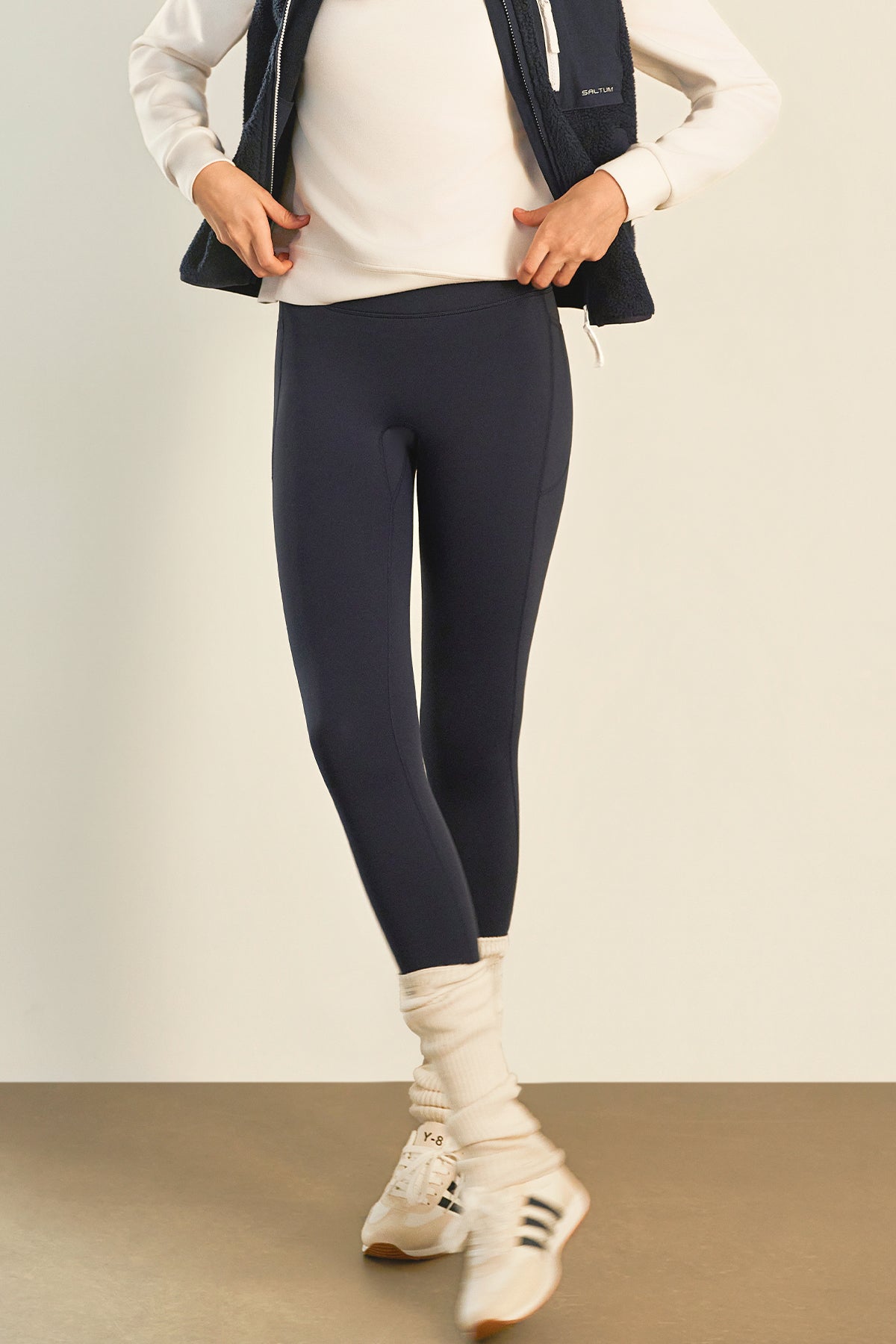
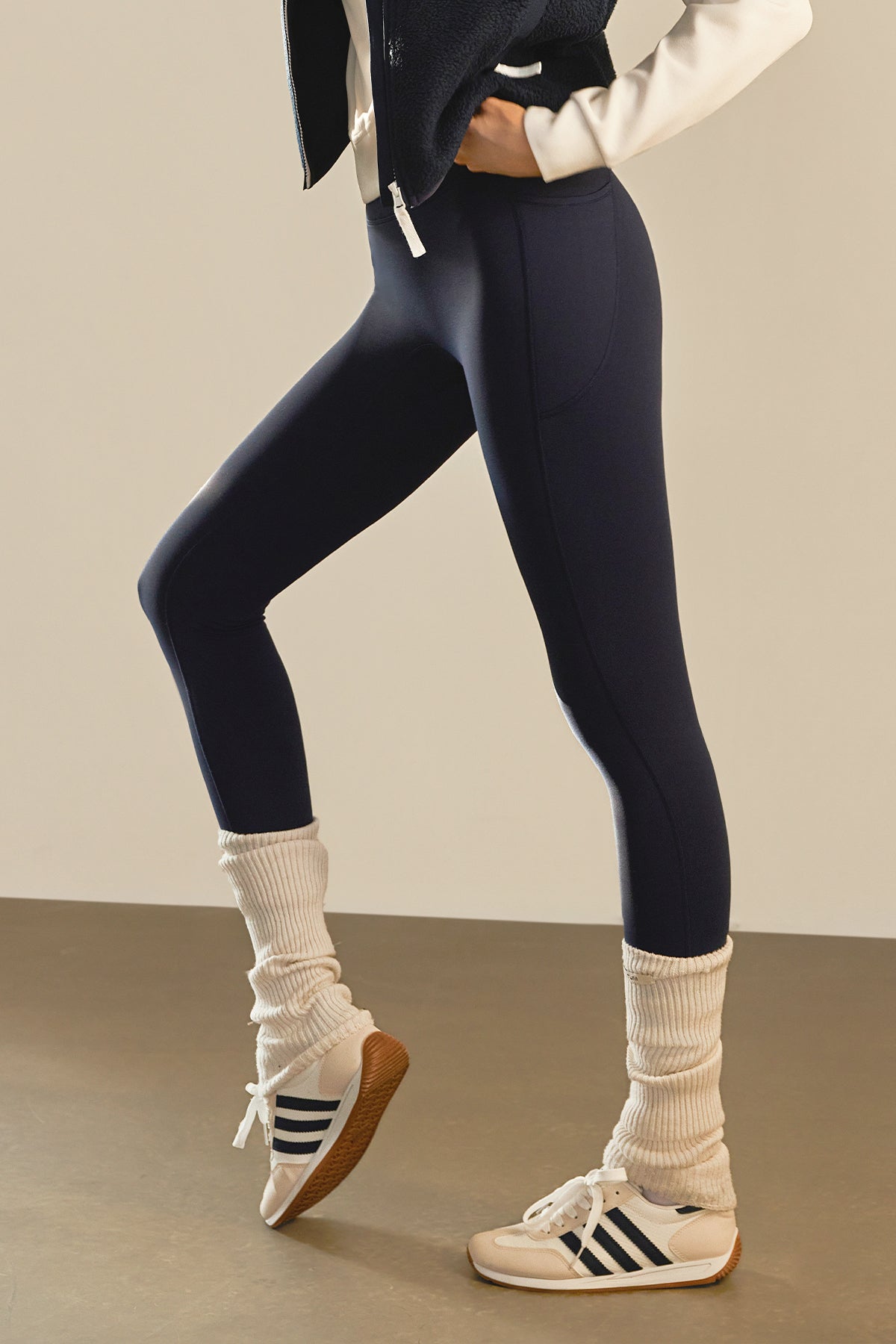
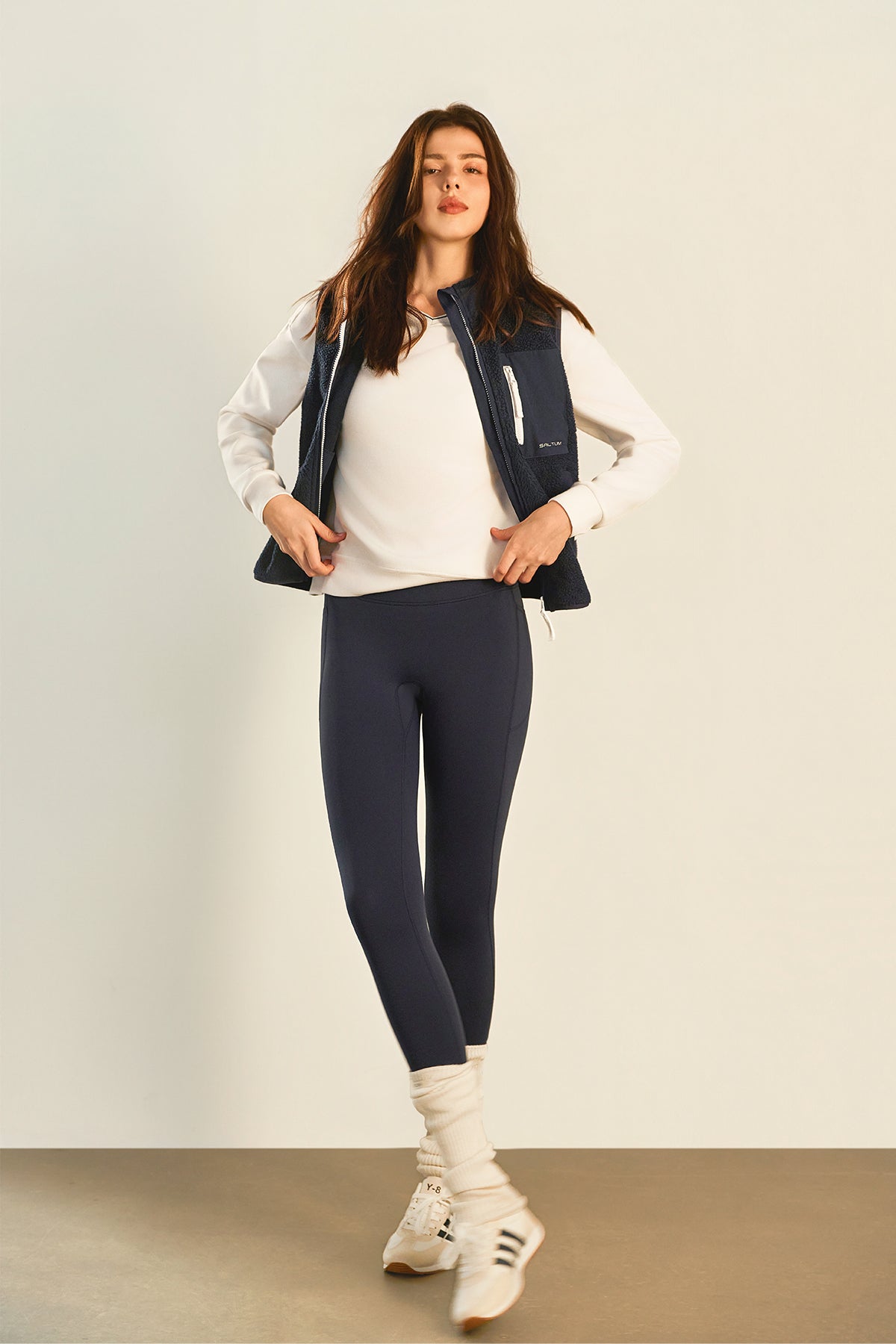
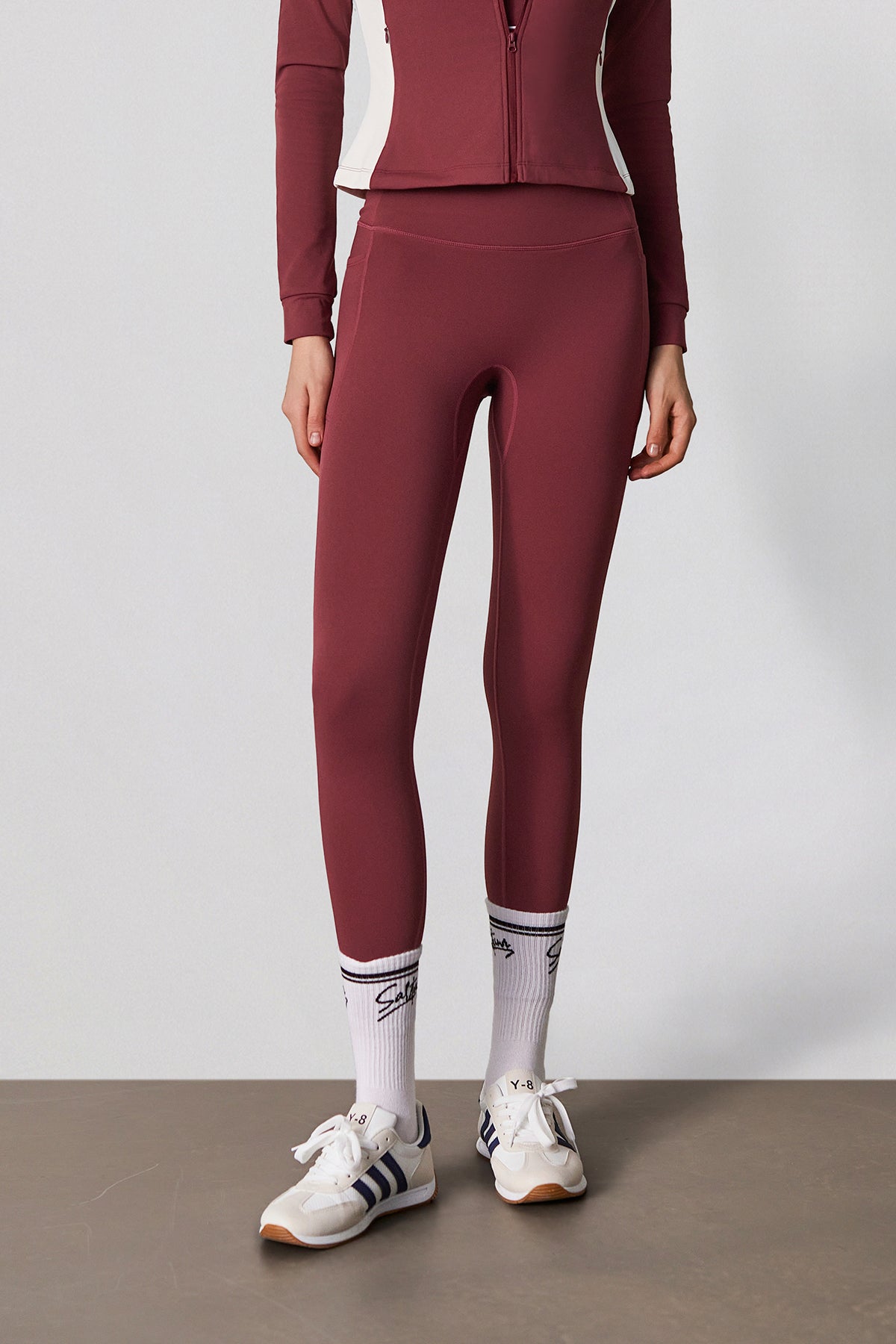
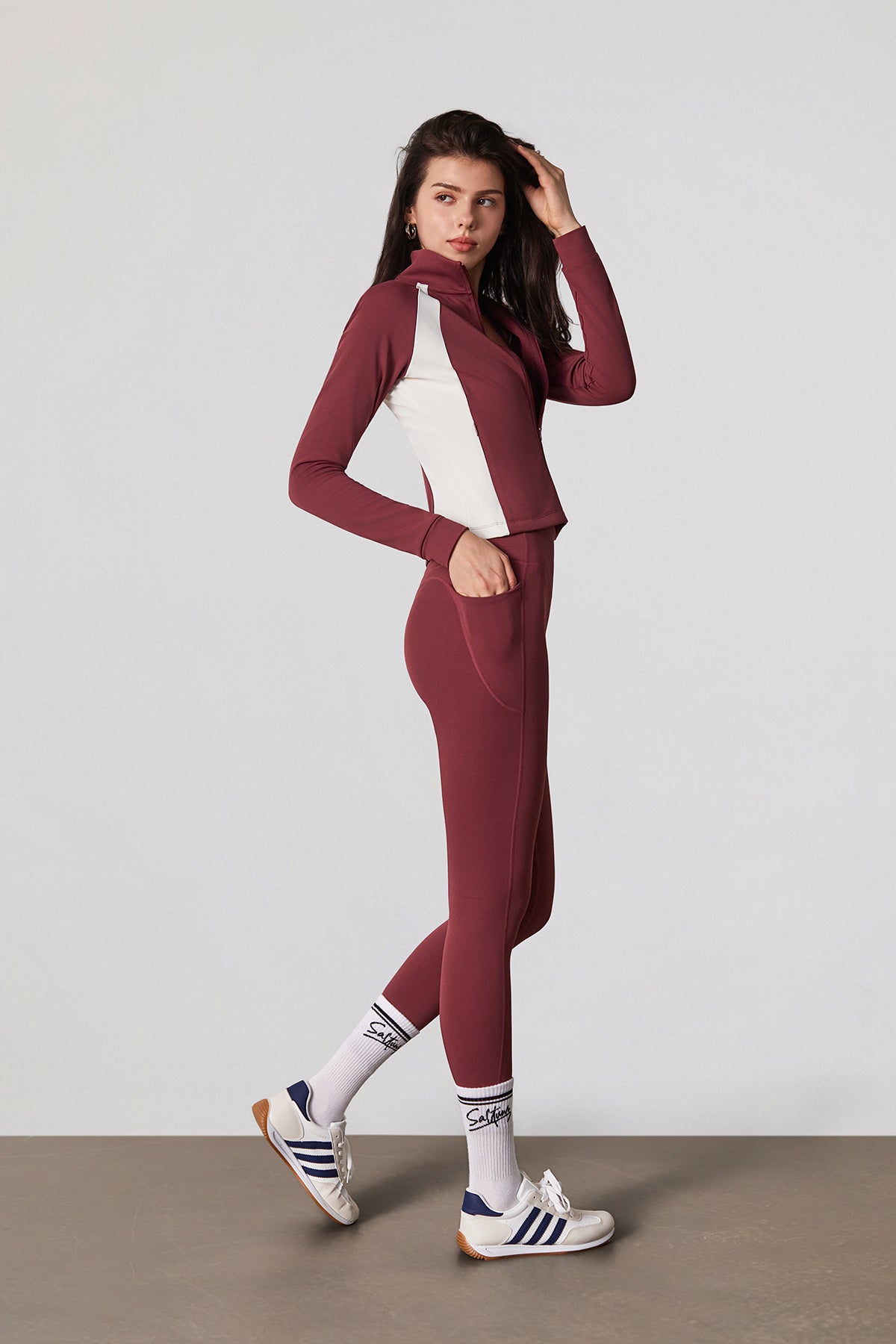
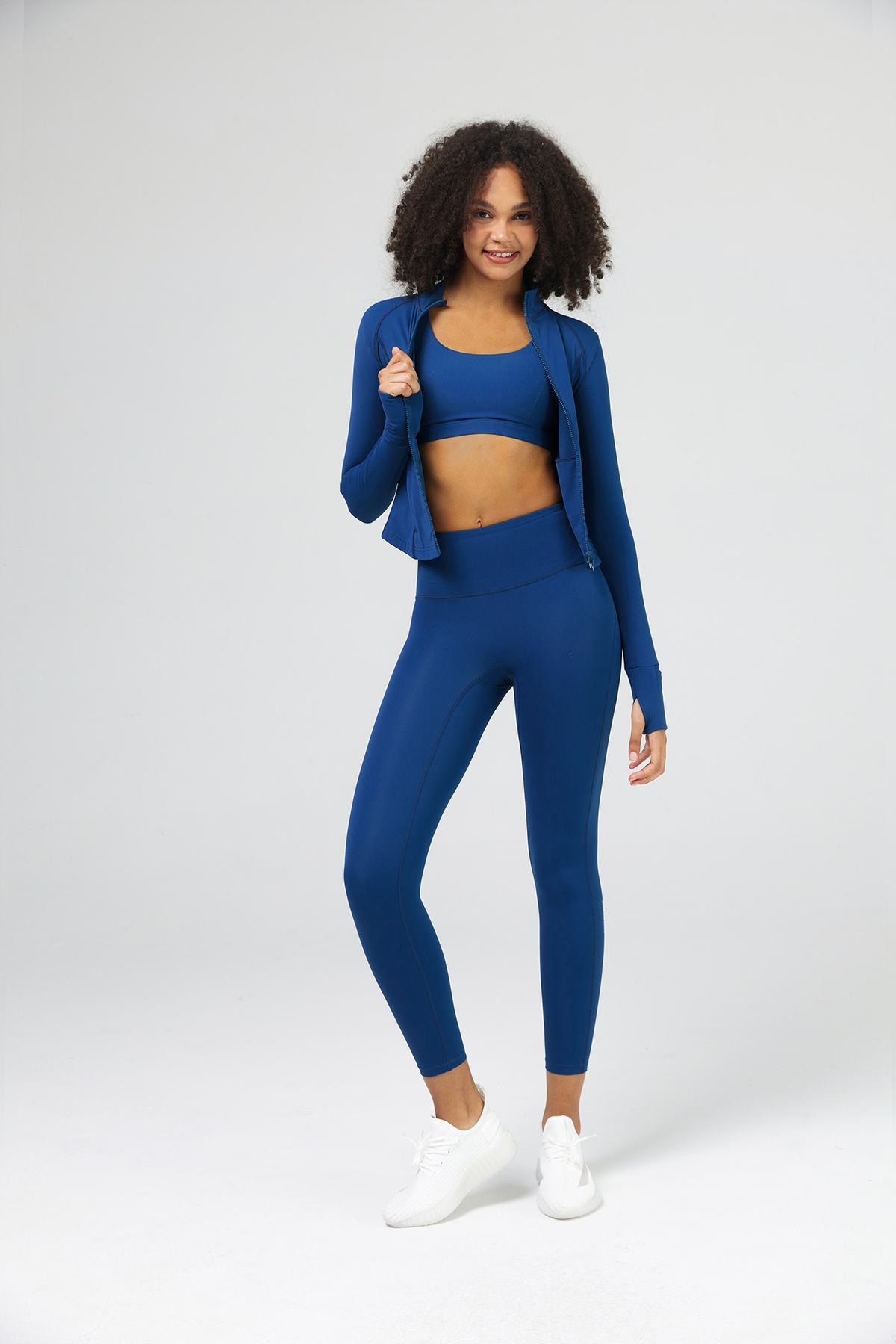
- Full-length Leggings: The most common style, offering coverage and warmth. They're practical for most yoga styles and can easily transition to casual everyday wear.
Fabric Content and Quality
When examining fabric quality, look for thickness (denier weight) that suggests durability without being overly heavy. Premium yoga pants usually have higher denier counts that resist pilling and maintain their shape after repeated wear and washing. Understanding fabric composition helps you make informed choices. Quality yoga pants typically combine multiple fibers:
- Nylon and Lycra Blends: The original combination, still popular for providing stretch and durability. Nylon microfibers can create a smooth, soft finish against your skin.
- Cotton Blends: Some practitioners prefer cotton for breathability and natural feel, though pure cotton may lack the stretch properties needed for intense practices.
- Polyester Blends: Often used for durability and color retention. However, some practitioners find pure polyester less breathable than natural fibers.
- Wool Blends: Excellent for heated or hot yoga practices as they naturally regulate temperature, though typically more expensive.
Opacity and Coverage
Quality yoga pants should not show your skin or undergarments when you stretch or move through poses. Test this by stretching in the store or during online shopping by checking customer reviews that specifically mention opacity. Dark colors like black, navy, and charcoal are naturally more opaque than lighter shades.
Remember that higher price doesn't always guarantee better quality—focus on fabric composition, construction, and how the pants feel on your body rather than brand prestige alone.

Selecting Your Yoga Tops
Coverage and Support
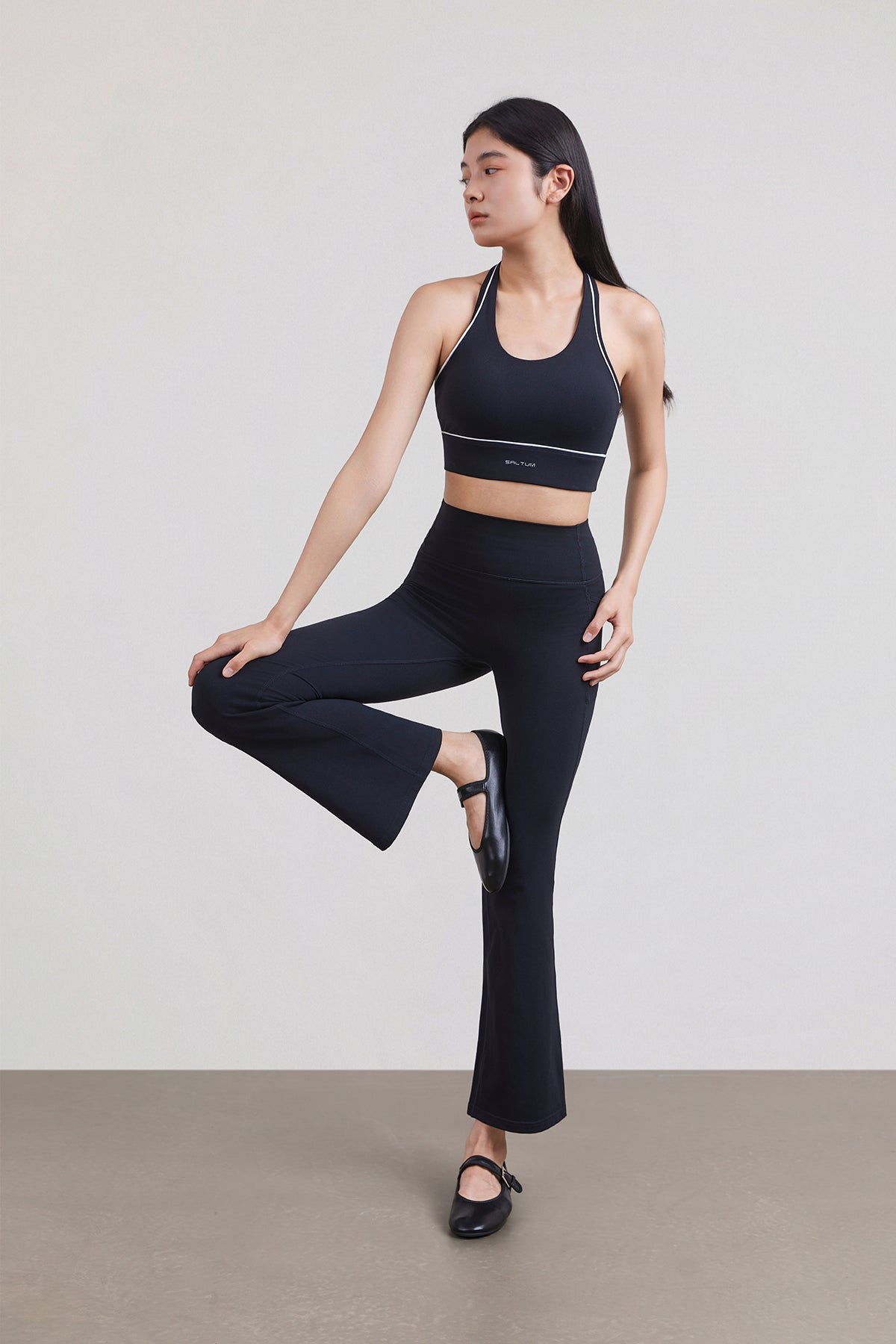
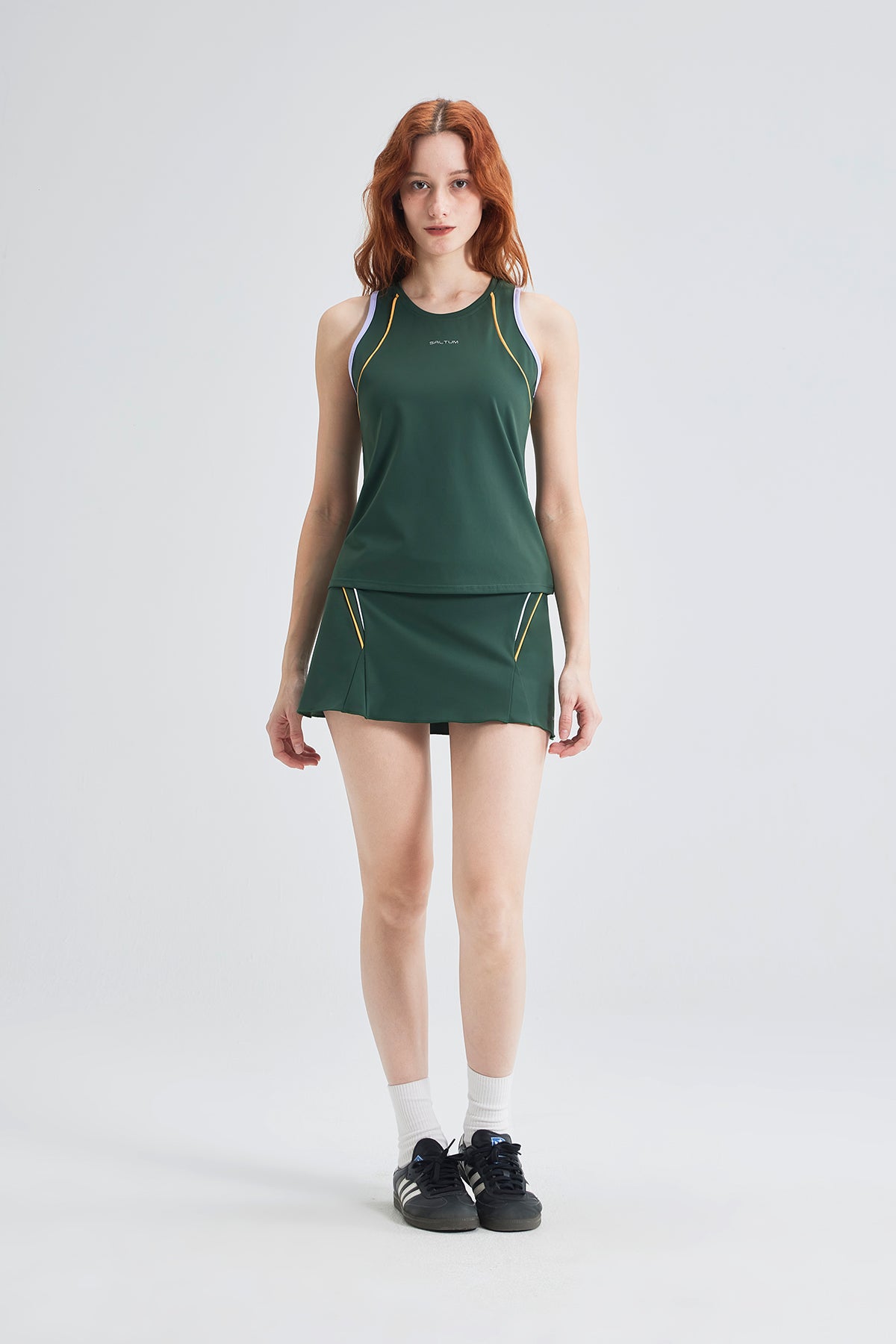
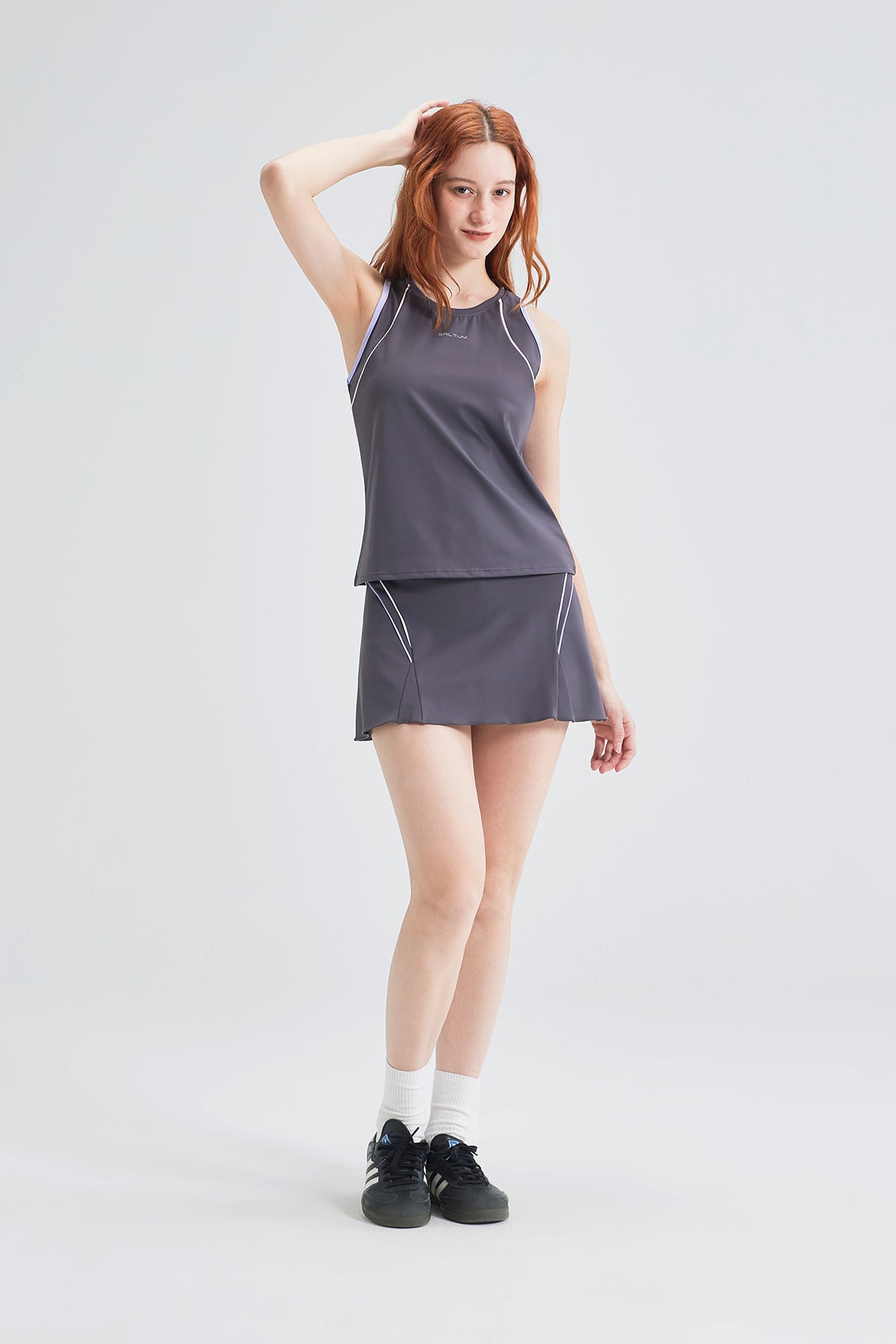
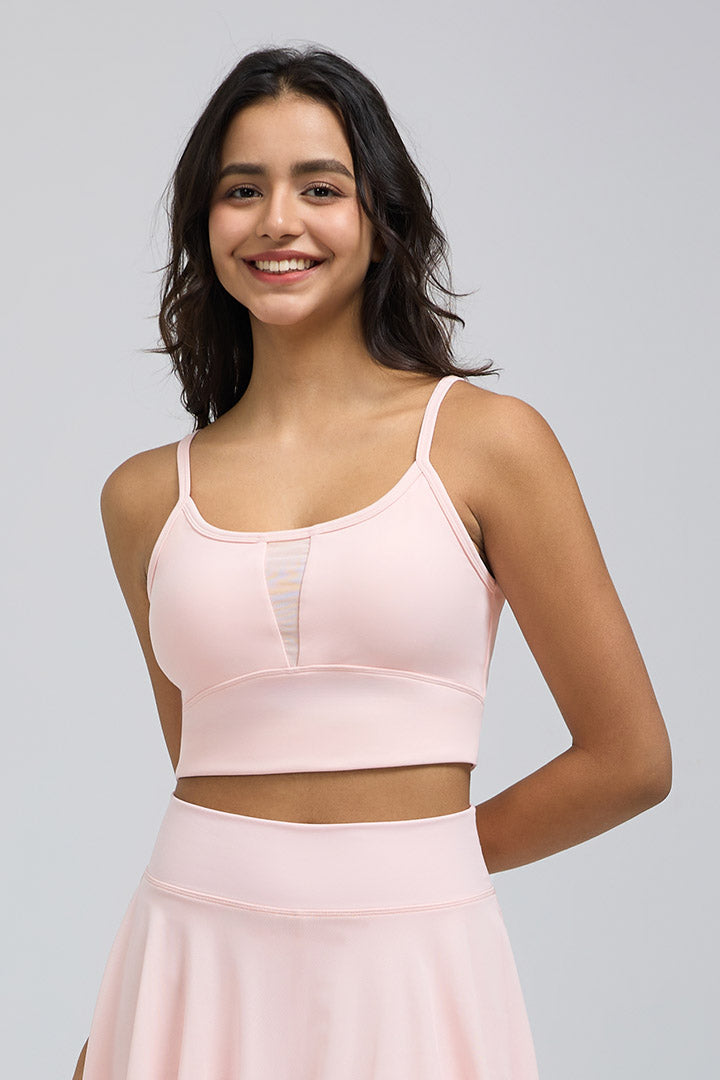
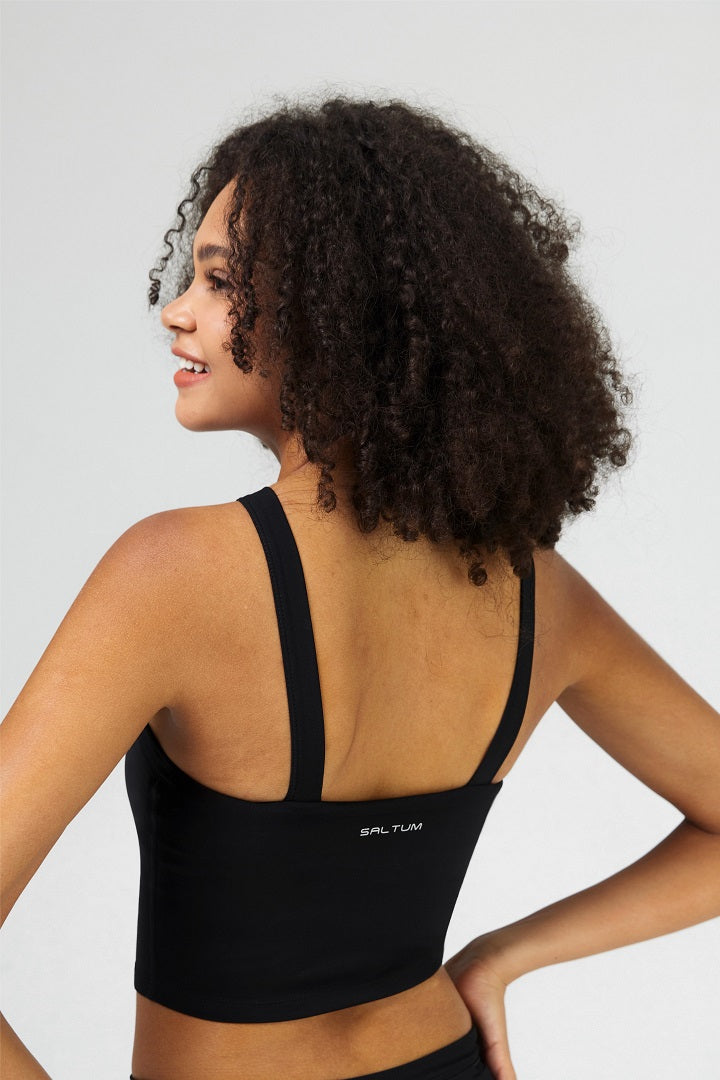
Yoga tops should provide appropriate coverage for your practice style. Consider how much you'll bend forward, invert, and move. A loose, flowing top is perfect for gentle yoga practices like Hatha or Yin Yoga, while a fitted tank or sports bra style works better for vigorous practices like Vinyasa or Power Yoga.
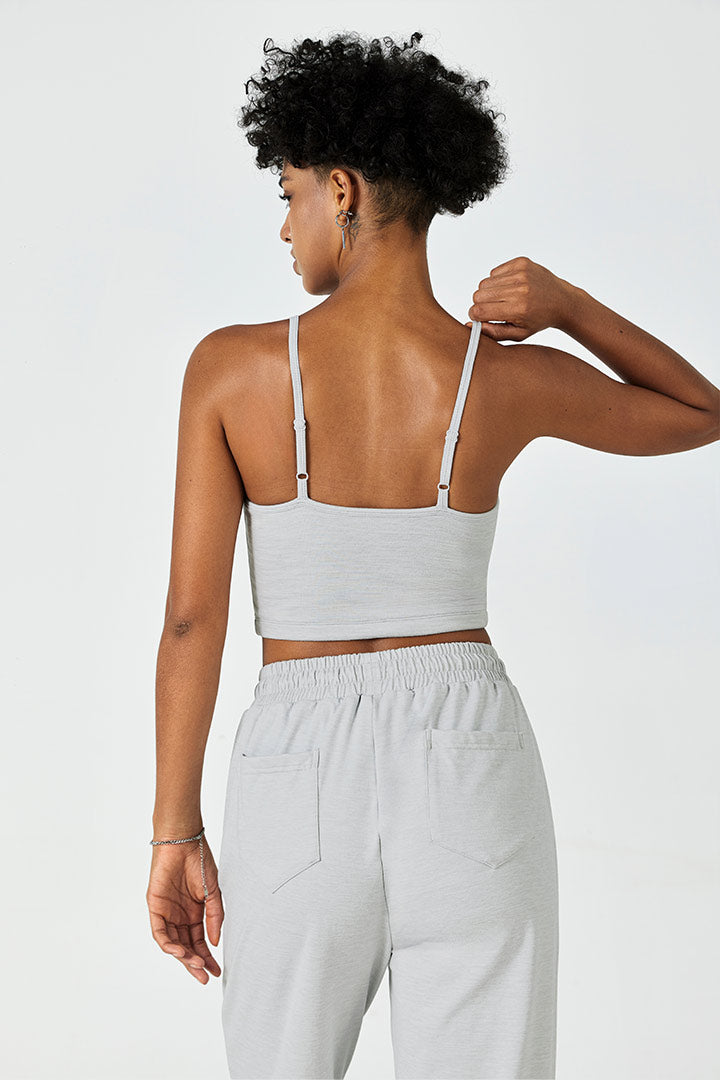
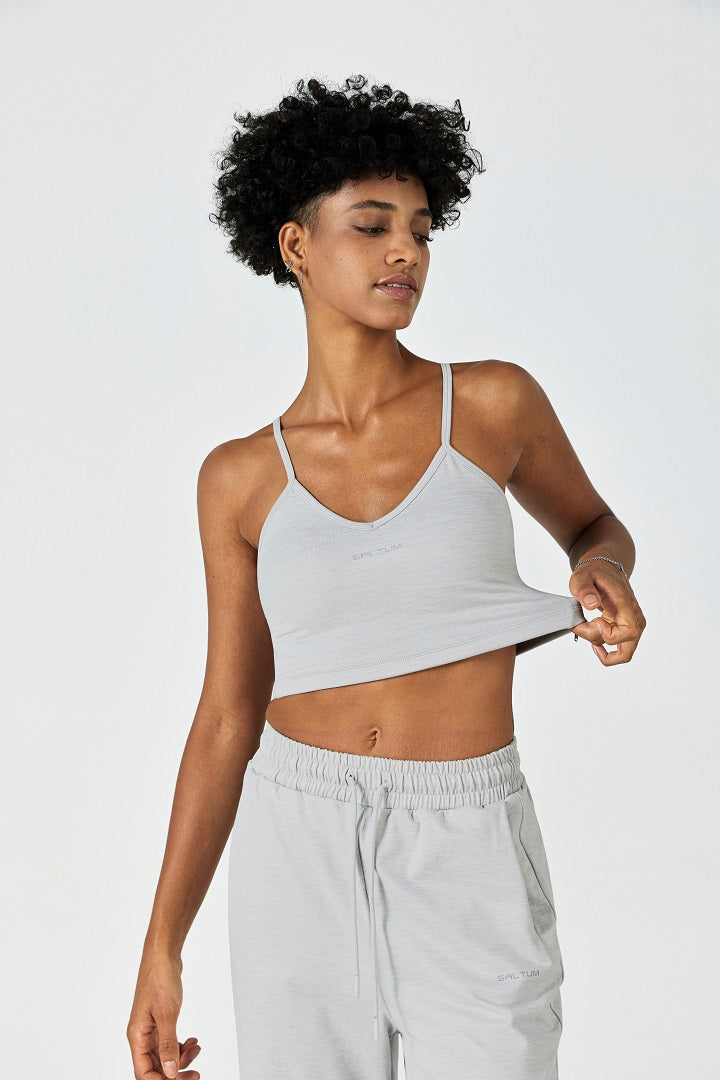
| Sleeveless Options | Tank tops provide maximum freedom of movement and don't restrict shoulder rotation—crucial for poses like Downward Dog, Chaturanga, and arm balances. Look for tanks with adjustable or wide straps to prevent shoulder discomfort. |
| Longer Length Tops | For those preferring more coverage, longer tops extending to your mid-hip or lower can provide comfort and security, especially during inversions. Some practitioners prefer these for psychological confidence during challenging poses. |
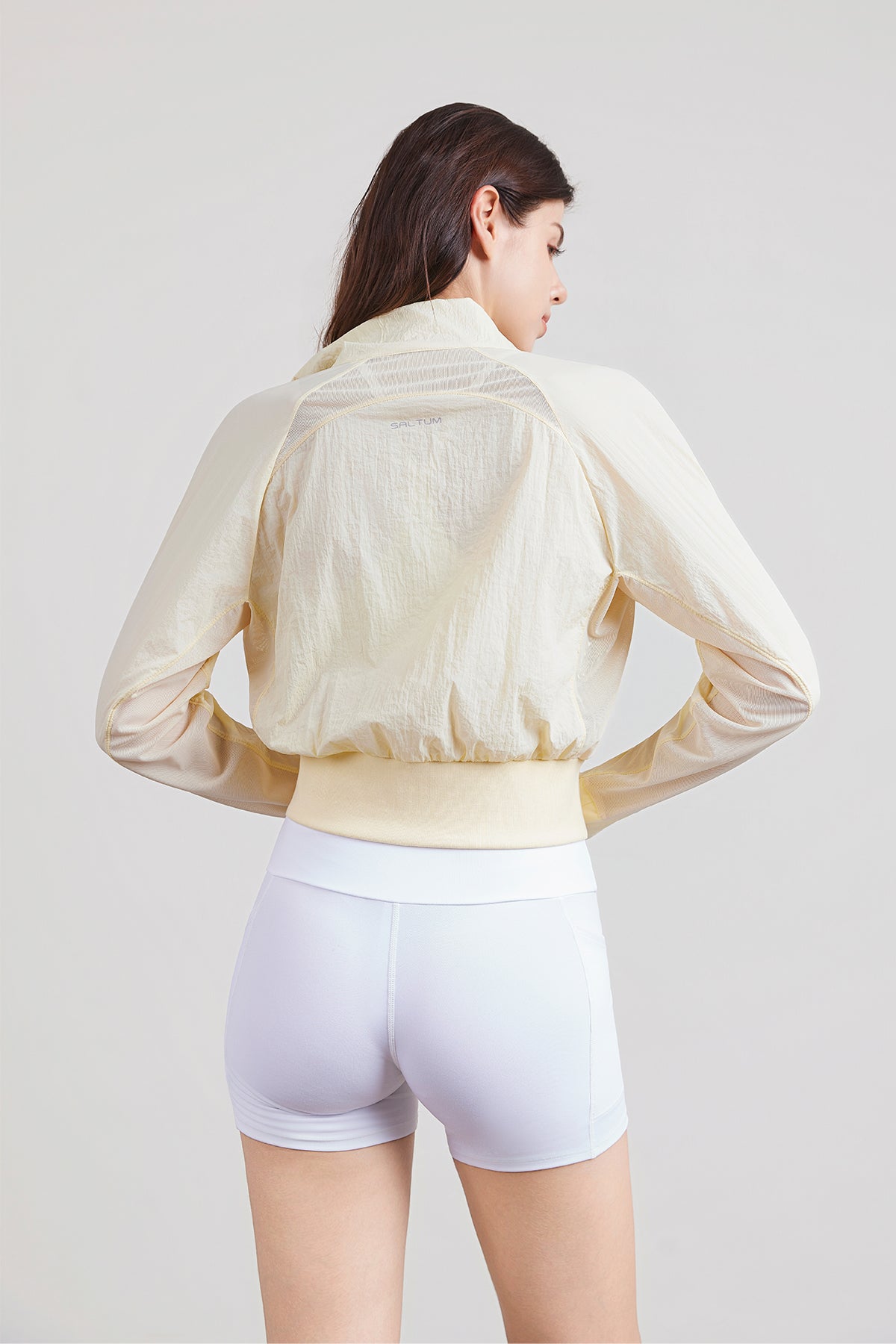
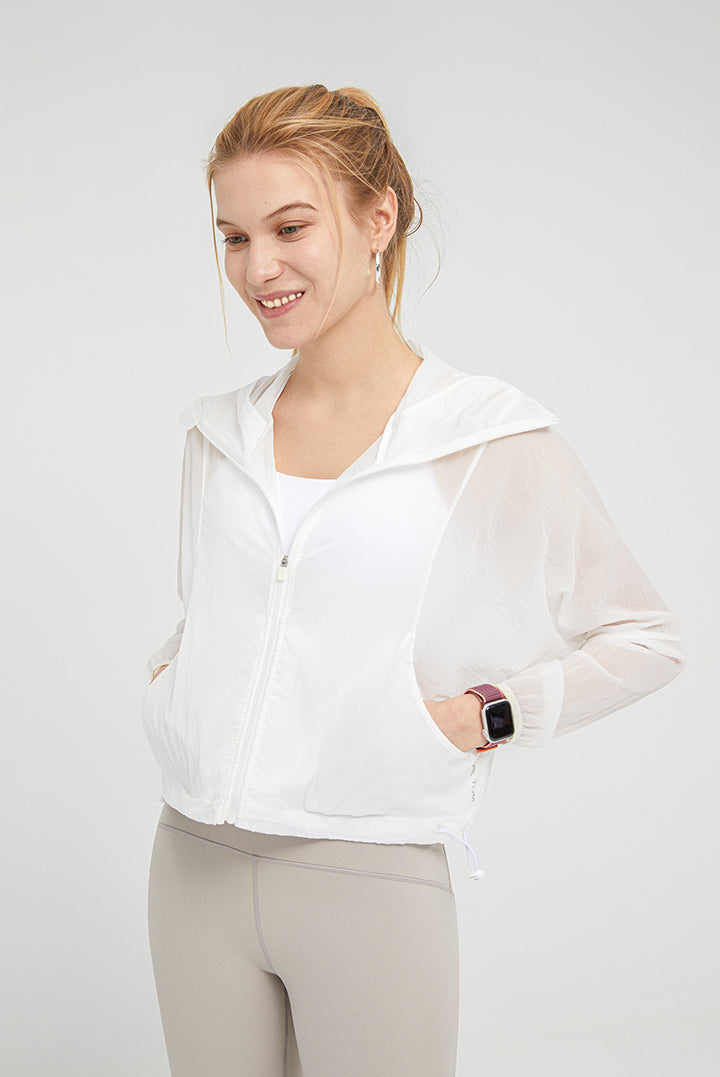
| Sleeve Options | Some practitioners enjoy short-sleeved or long-sleeved yoga tops. Short sleeves can help you see your arms during alignment-heavy practices, while long sleeves provide warmth in unheated studios. Materials should still offer the same stretch and breathability as sleeveless options. |
| Fabric Technology for Tops | Similar to pants, yoga tops benefit from moisture-wicking technology. Since your torso generates significant heat during practice, breathable fabrics that dry quickly become essential, particularly in hot yoga environments. Look for the same advanced fabric technologies used in yoga pants. |
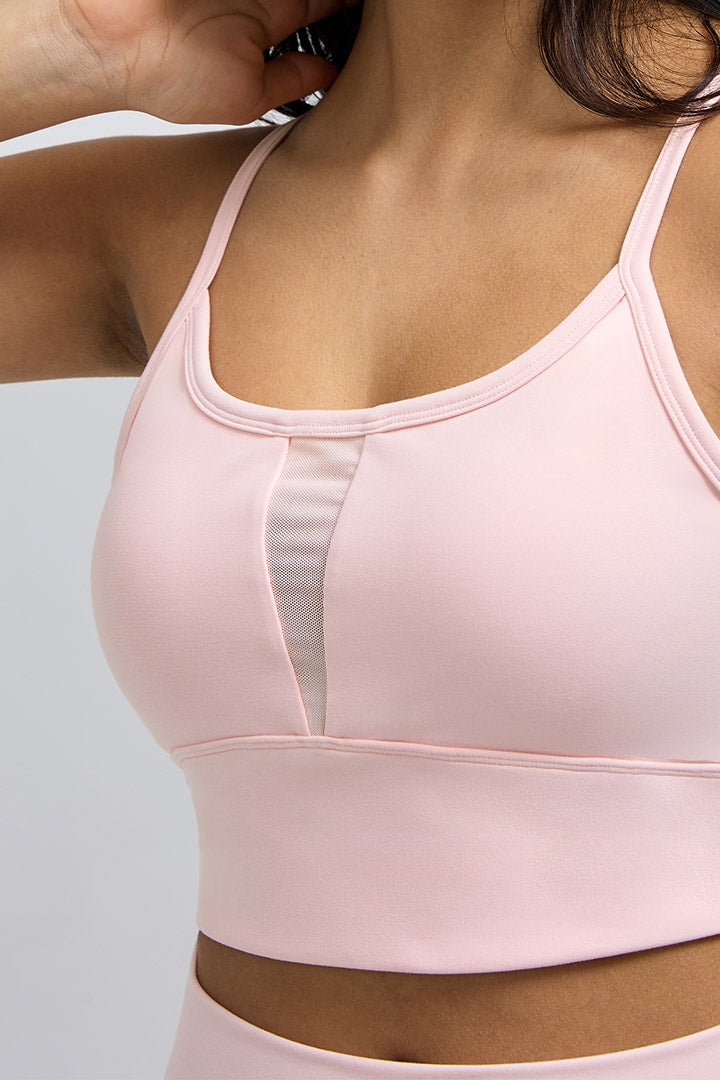
| Support Considerations | Women practicing vigorous yoga styles should consider built-in support. Many yoga tops include supportive bra layers or are designed to work well with sports bras underneath. Check product descriptions for support ratings and consider your bust size when selecting tops—inadequate support can cause discomfort during movement. |
Coordinating Your Yoga Outfit
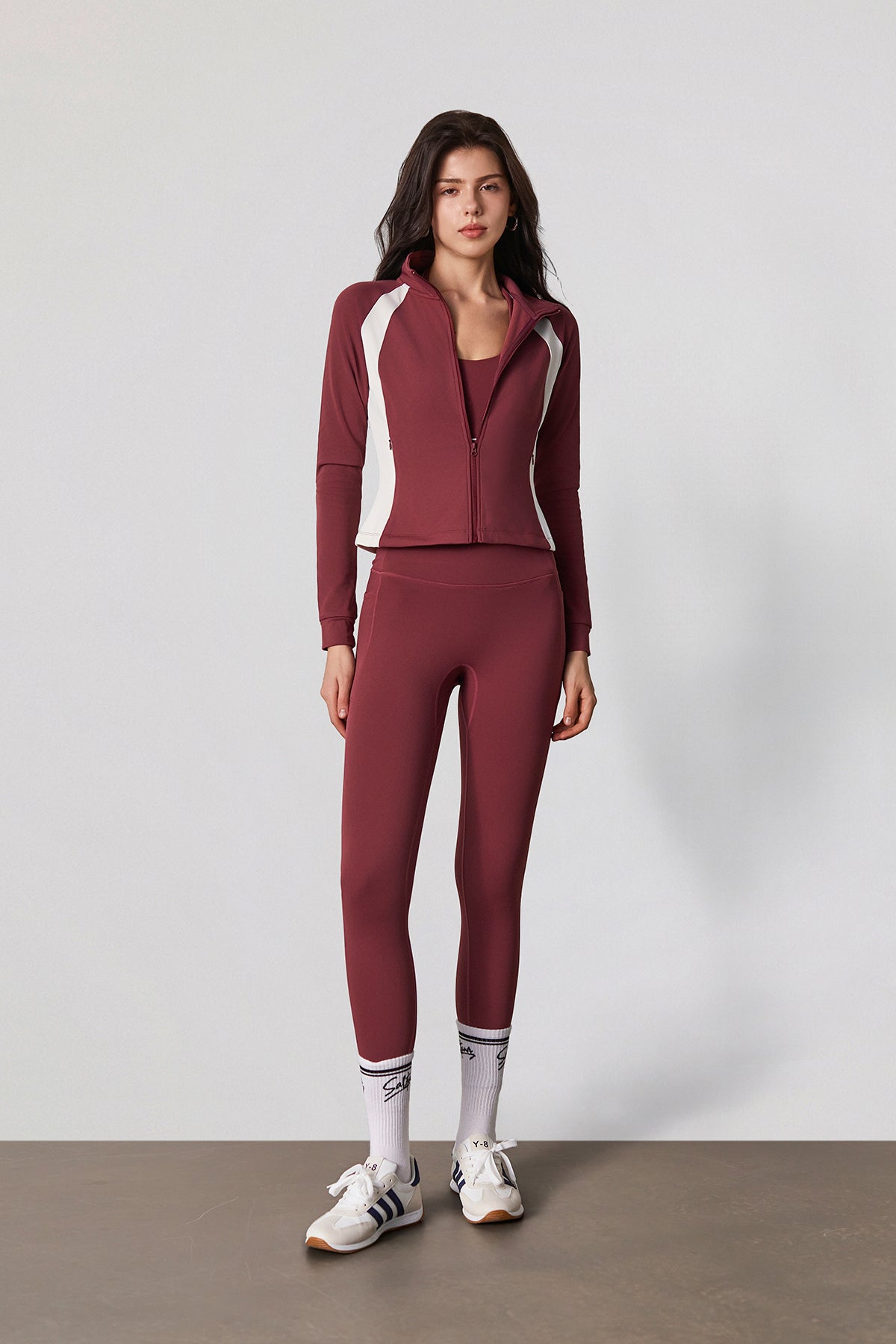
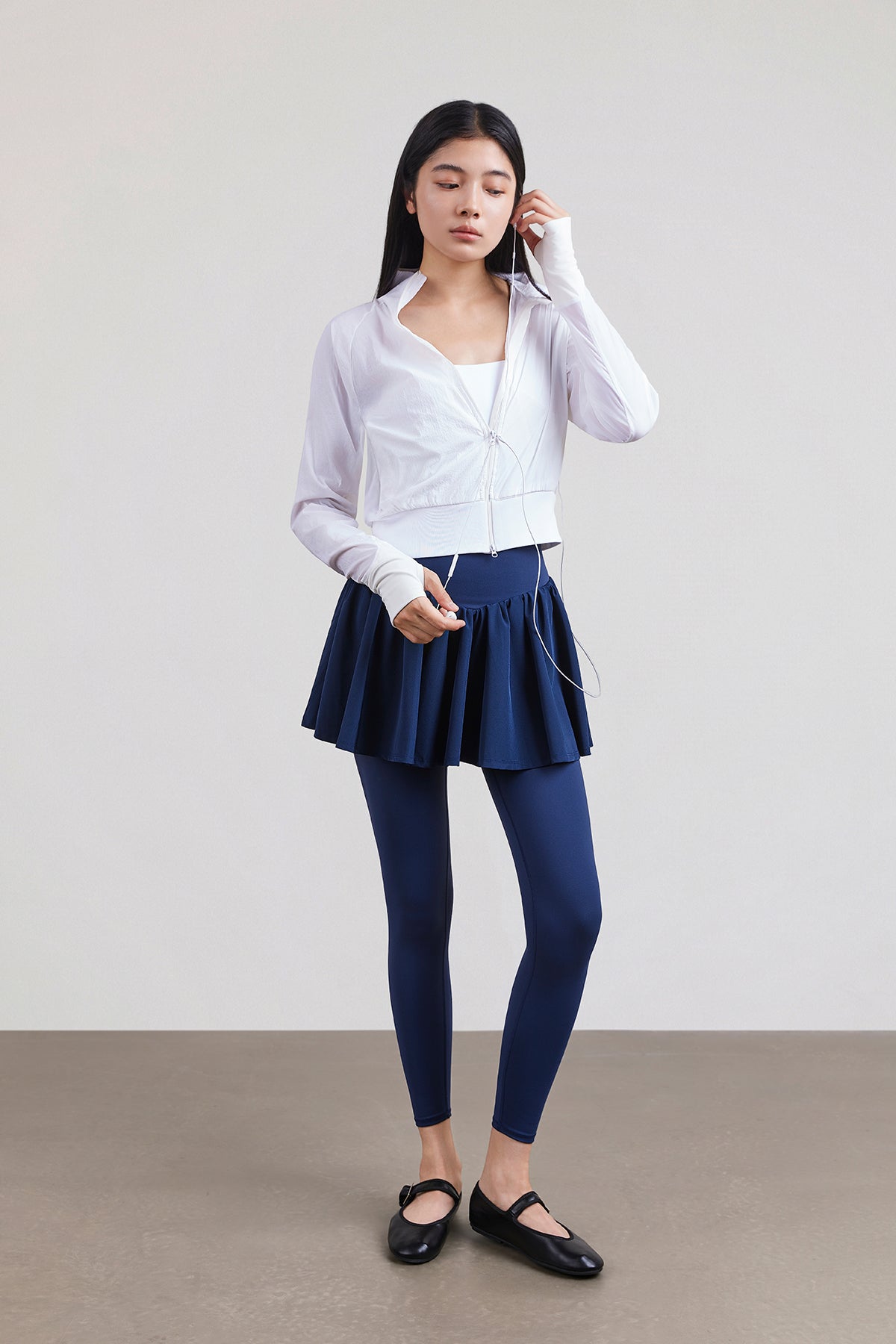
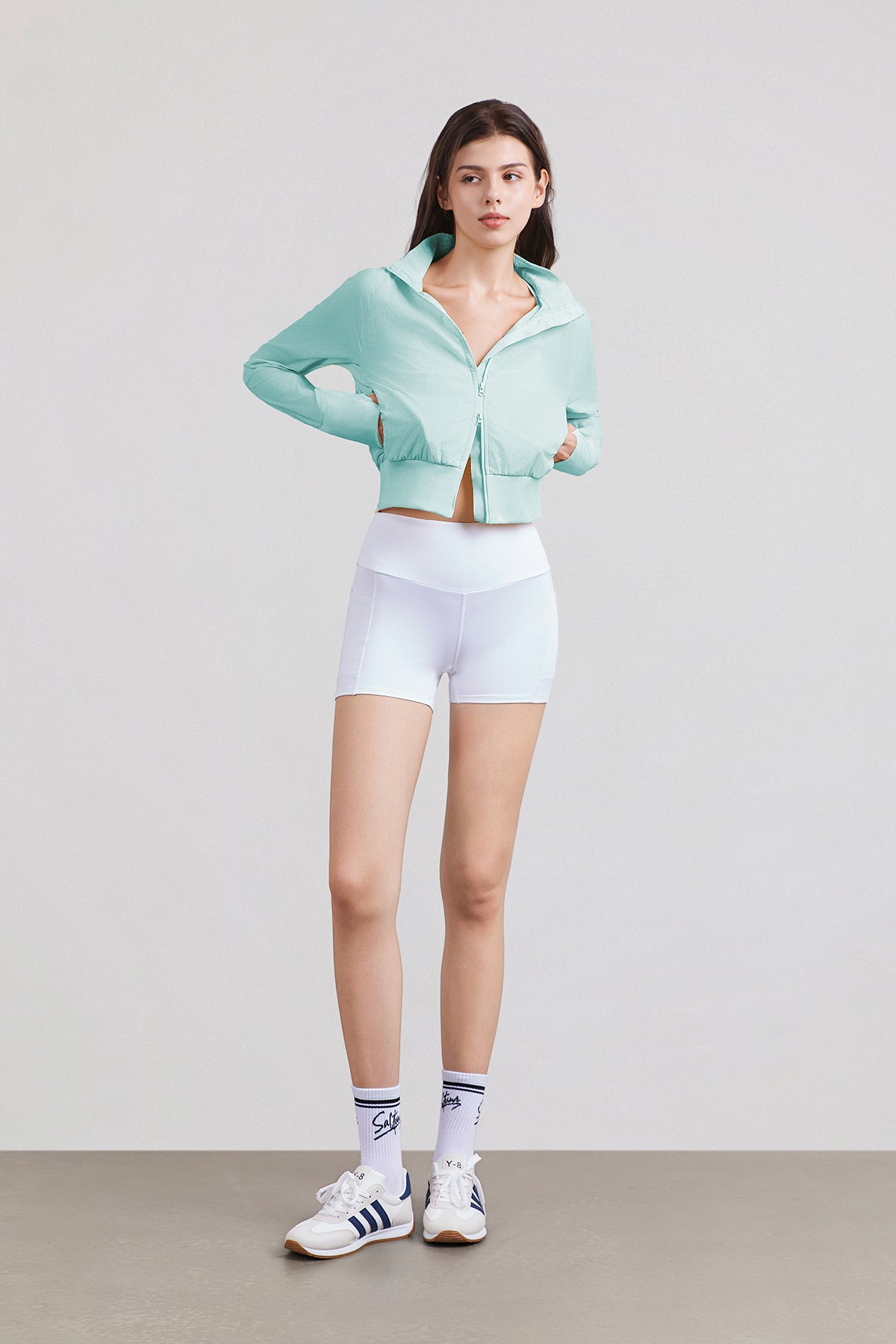
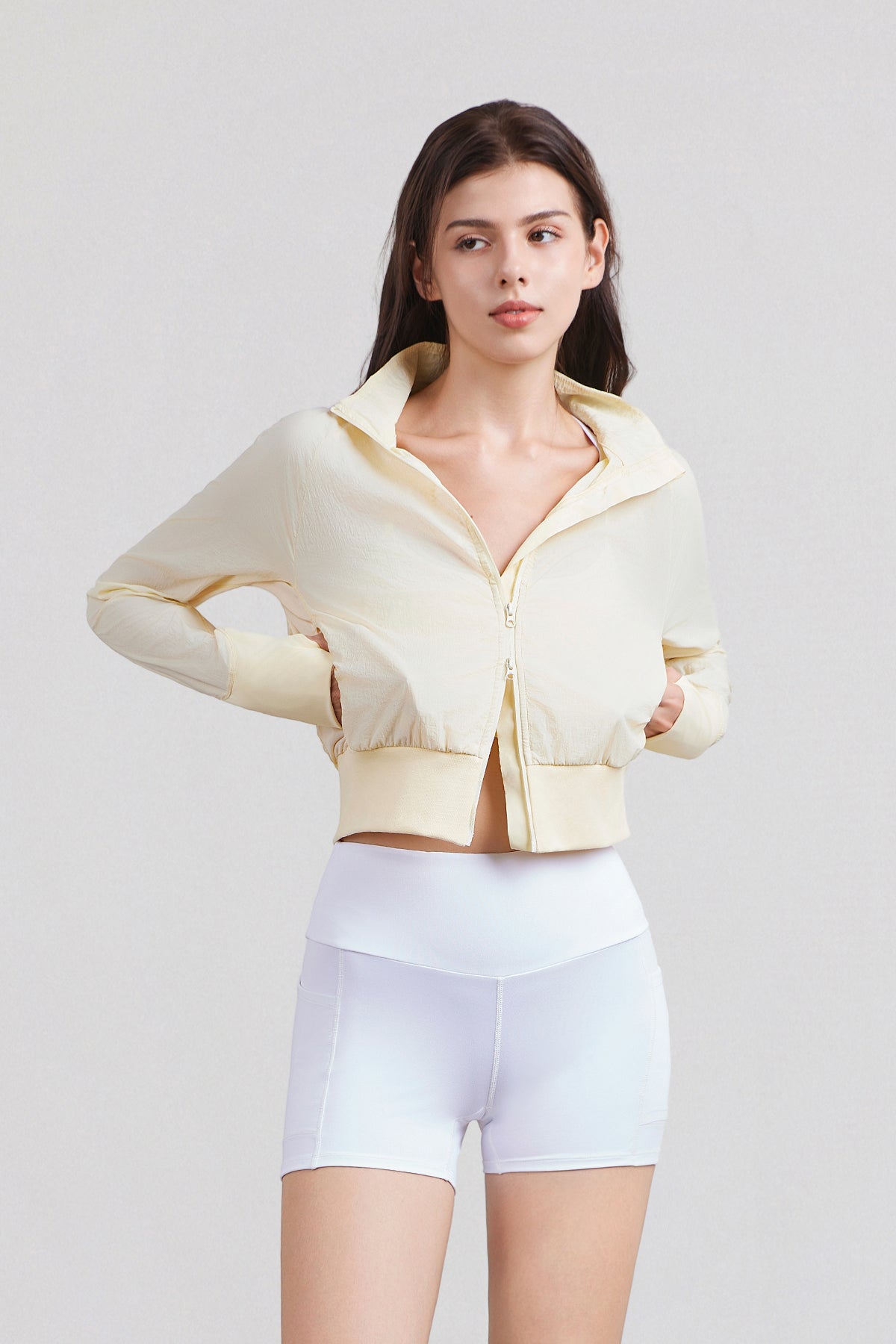
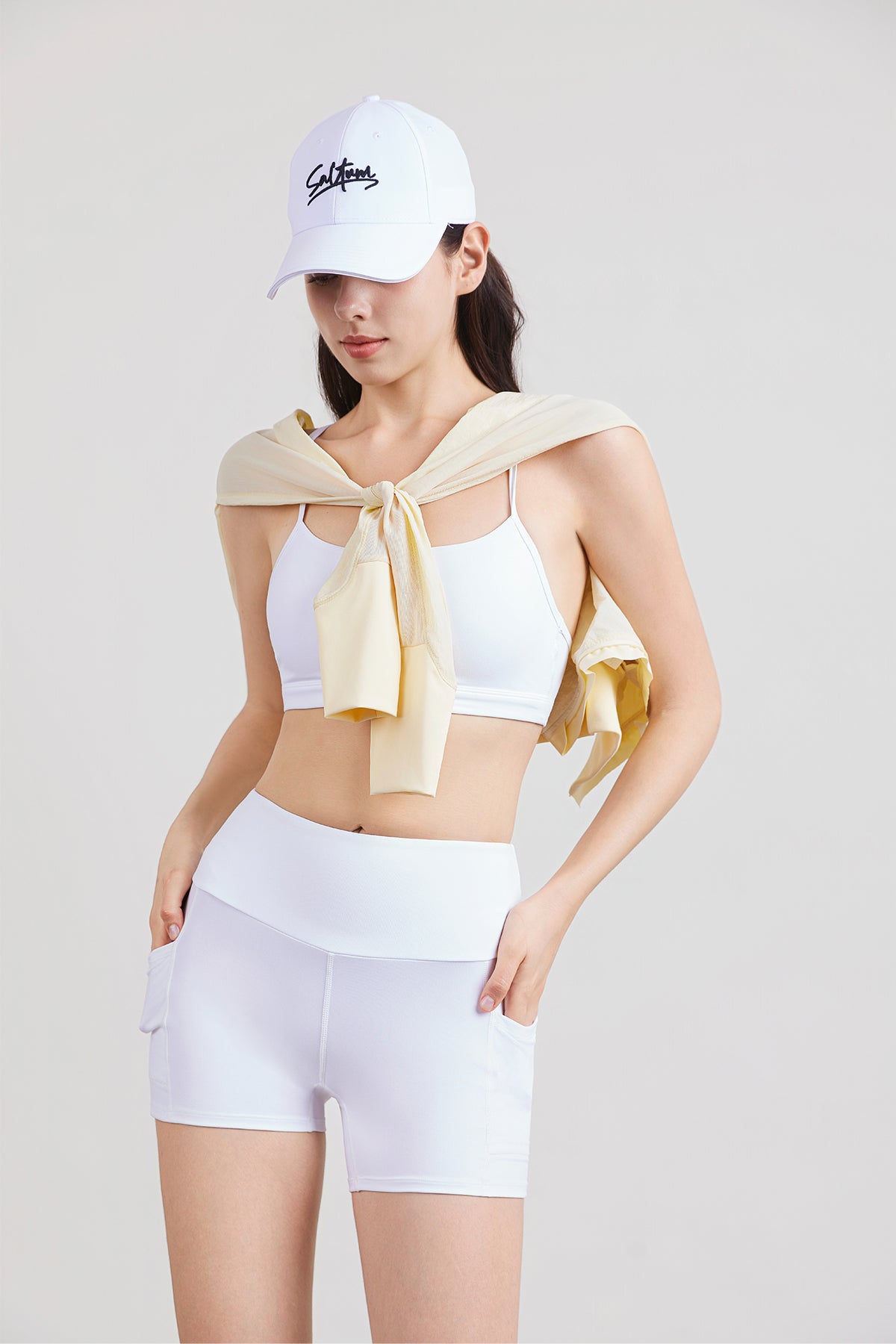
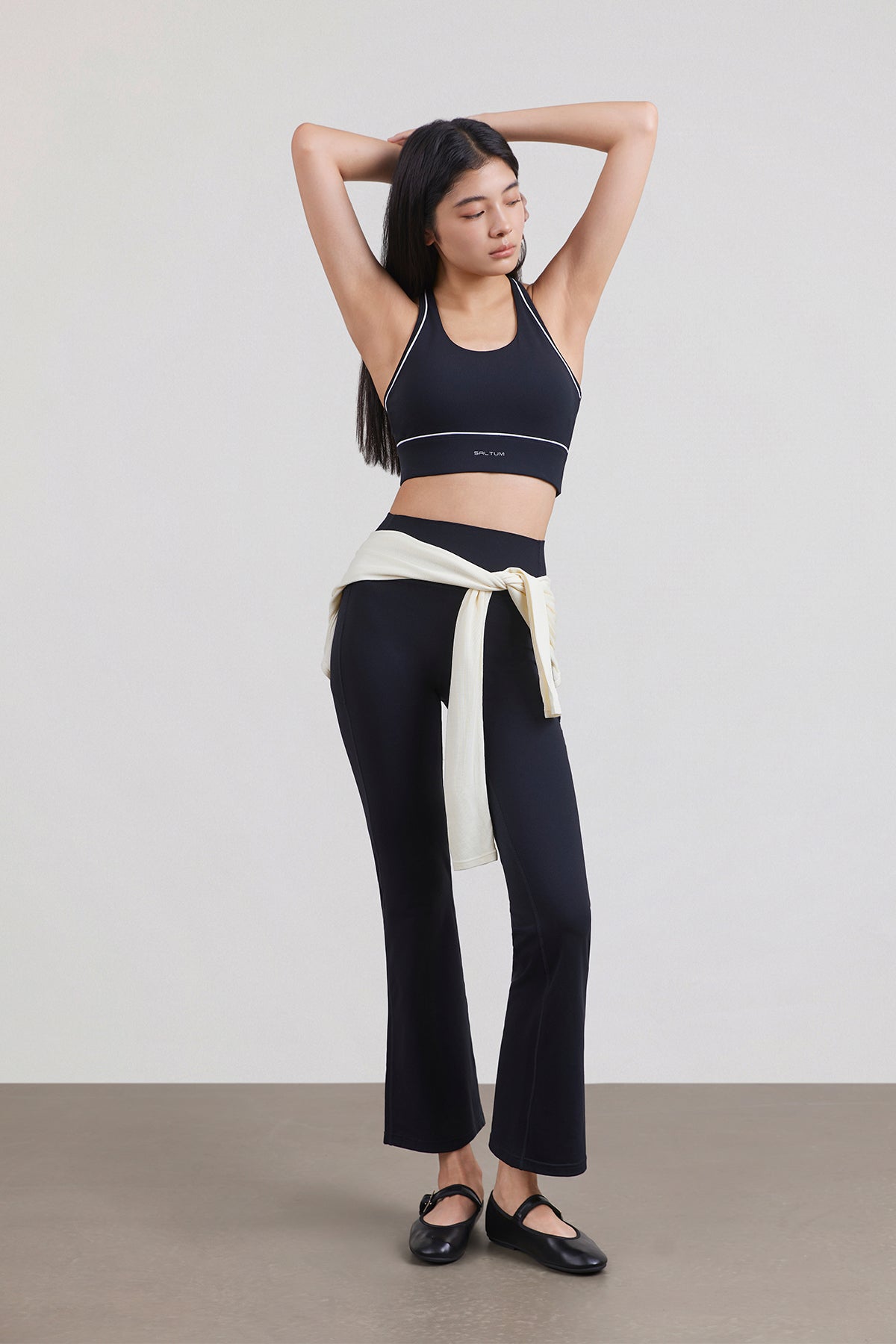
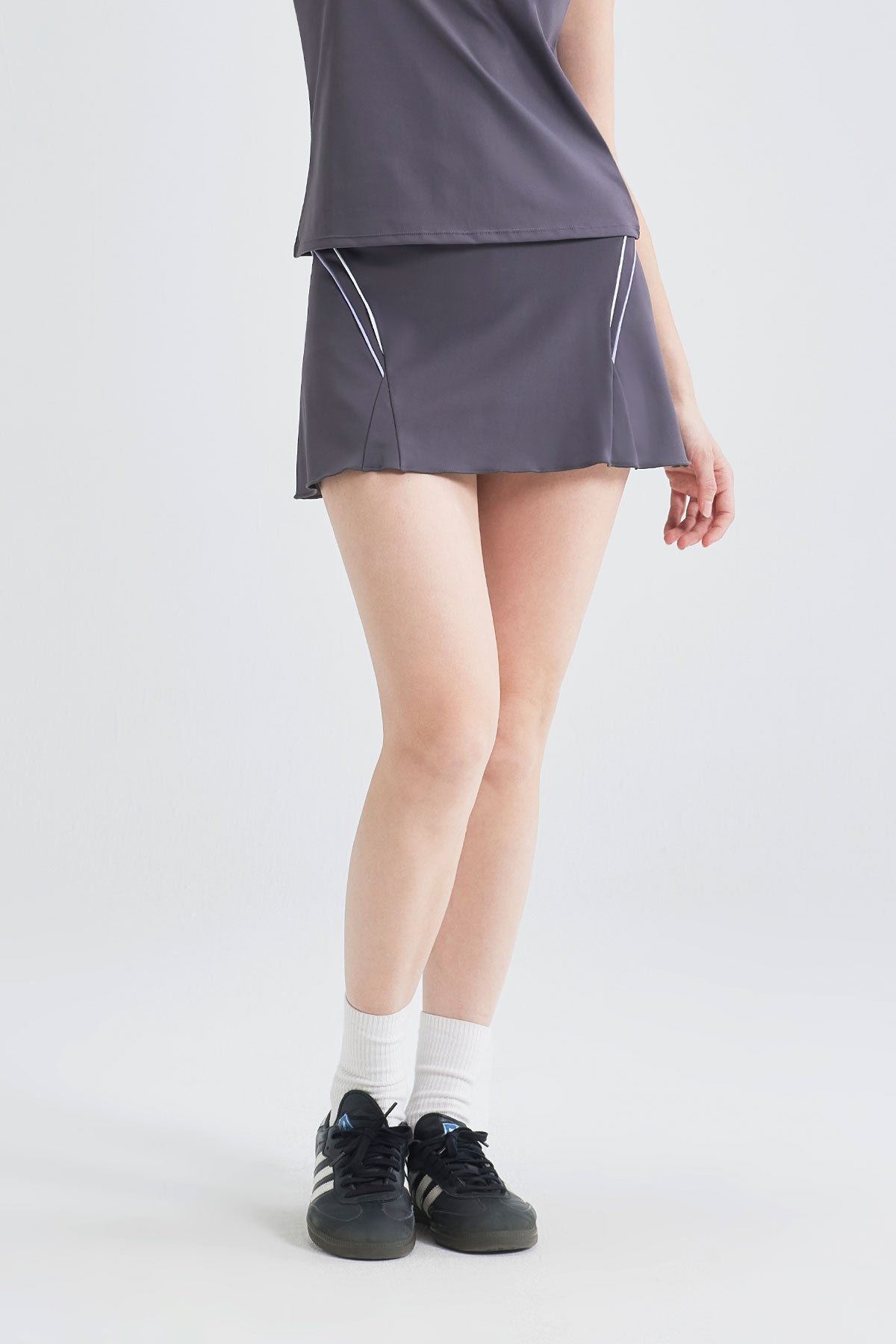
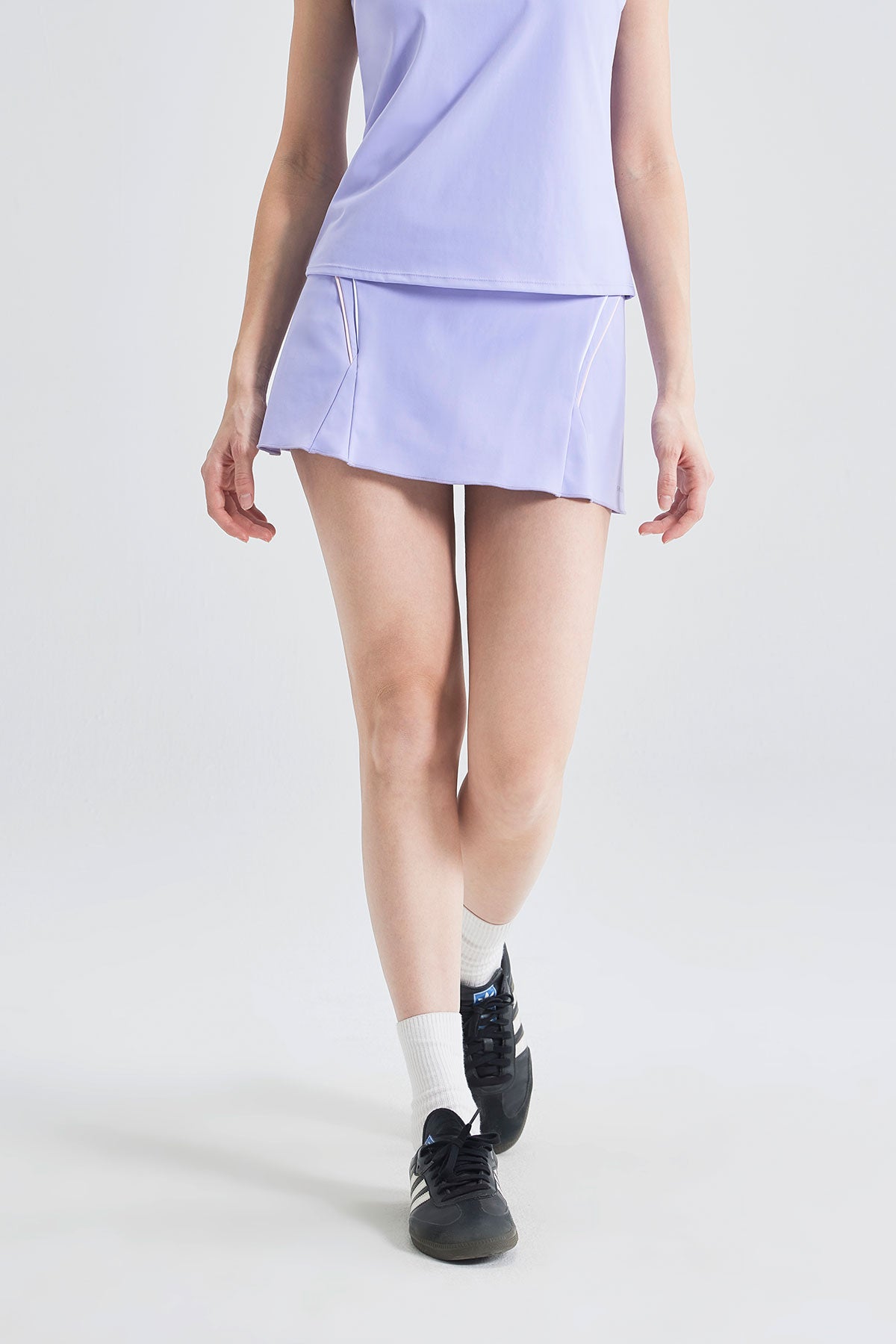
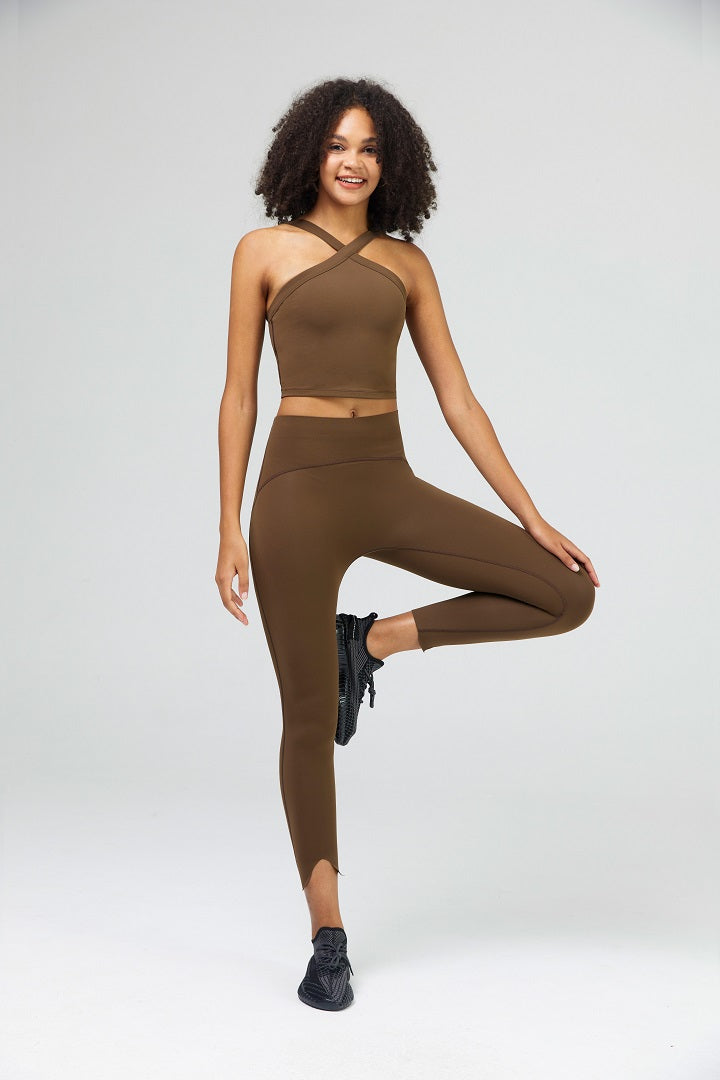
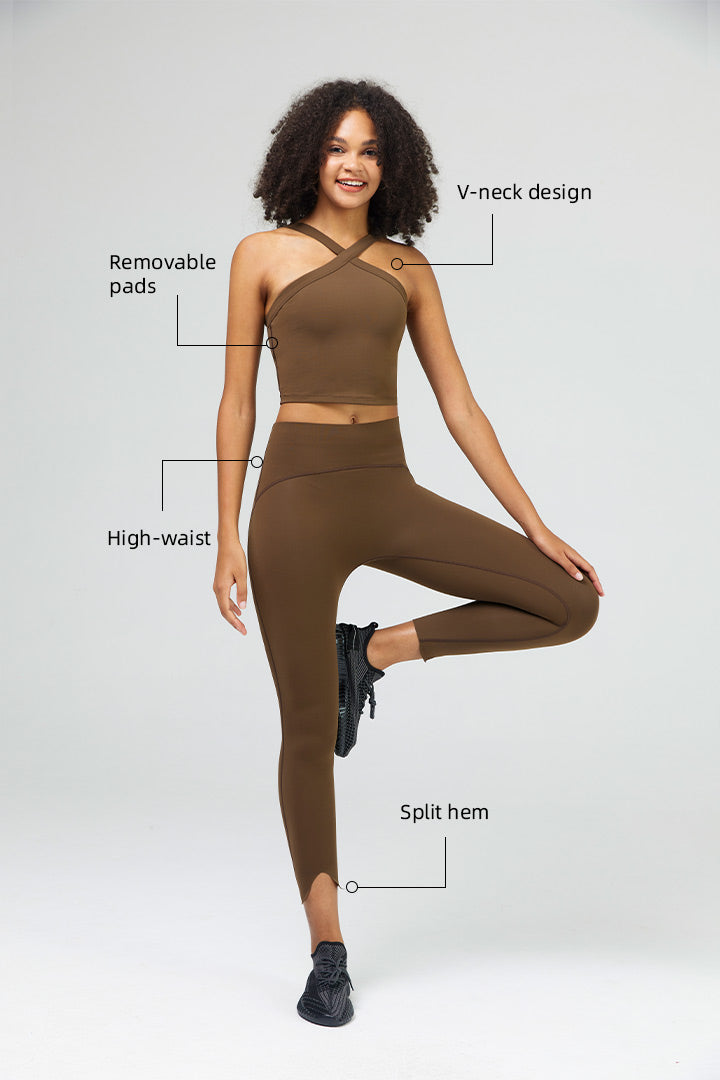
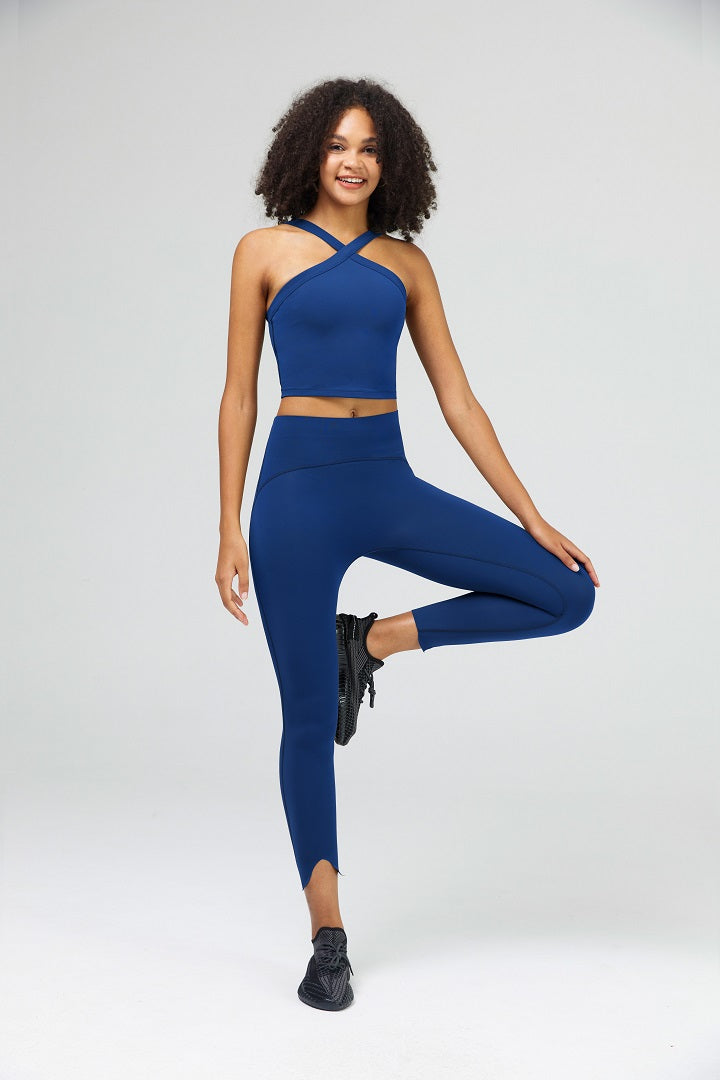
While yoga practice emphasizes inner focus rather than external appearance, wearing a coordinated, comfortable outfit can boost your confidence and mental preparation for practice. Many studios have dress codes suggesting tight-fitting clothing to allow instructors and students to verify proper body alignment, reducing injury risk.
The Broader Athleisure Trend
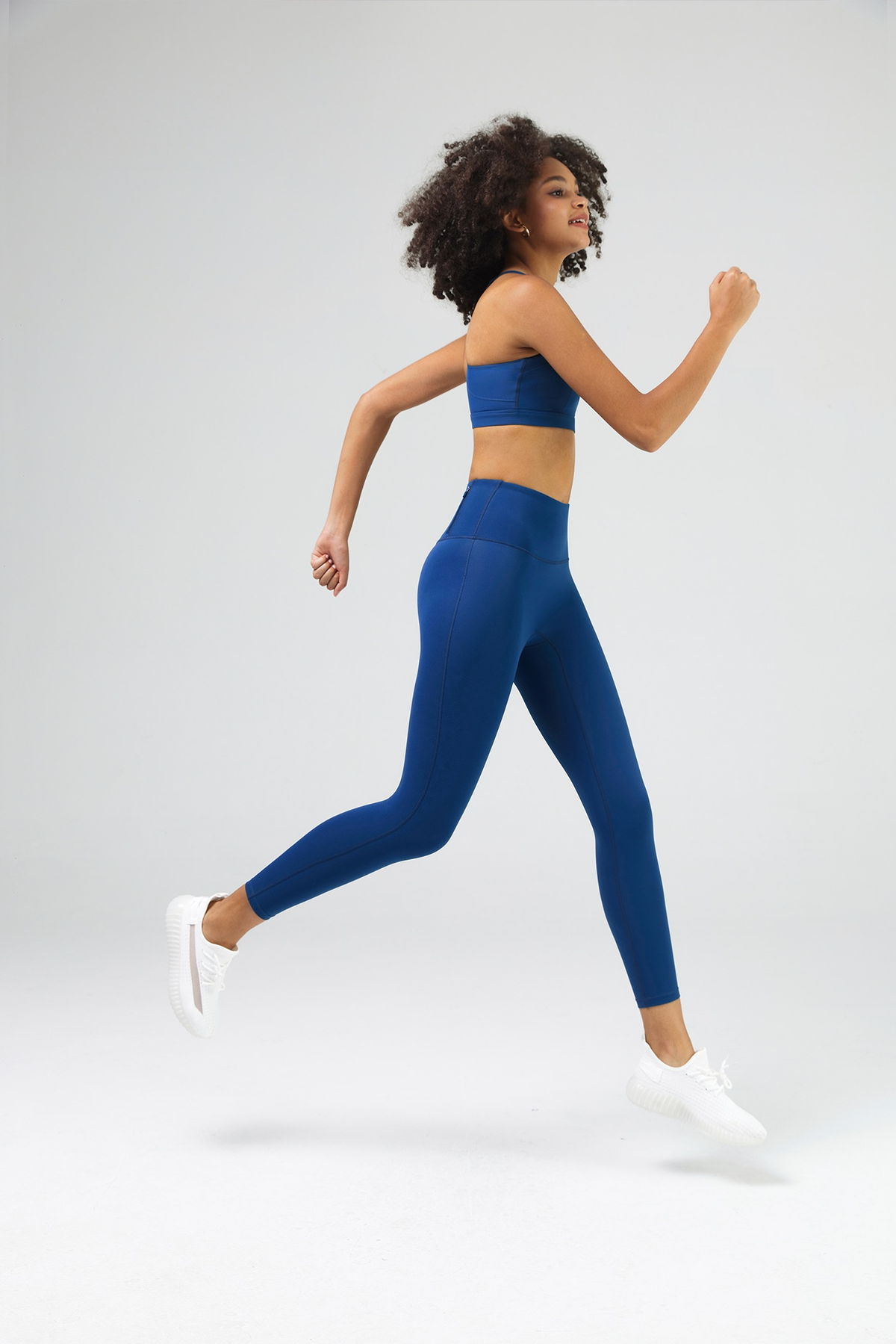
Yoga pants' evolution reflects a larger cultural shift toward athleisure—the combination of athletic wear with everyday fashion. This trend emerged from several converging factors: technological advances in stretch fabrics like spandex that create durable, flexible materials; a Western cultural emphasis on appearing healthy and active; and the gradual decline of formal dress codes in daily life.
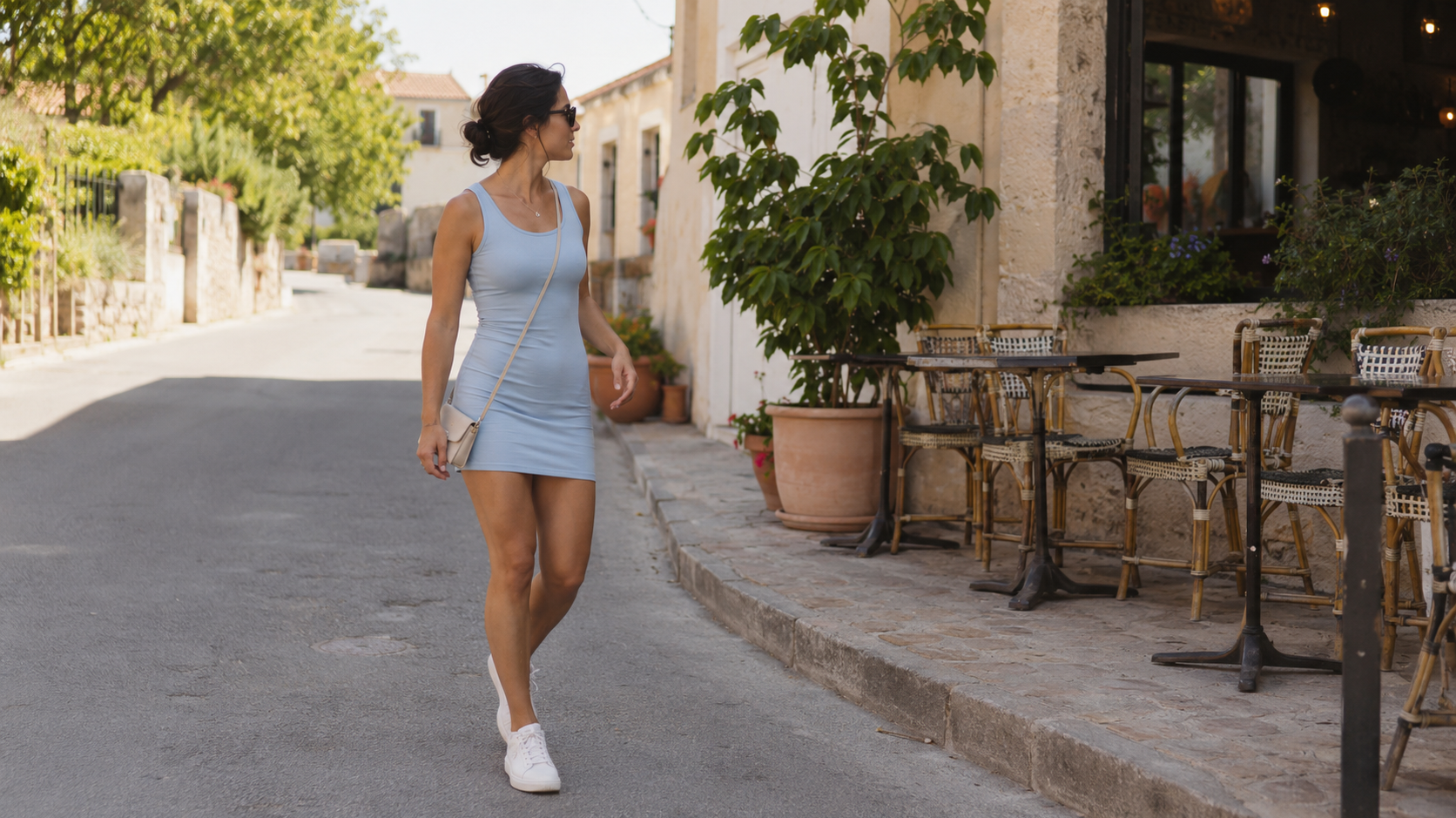
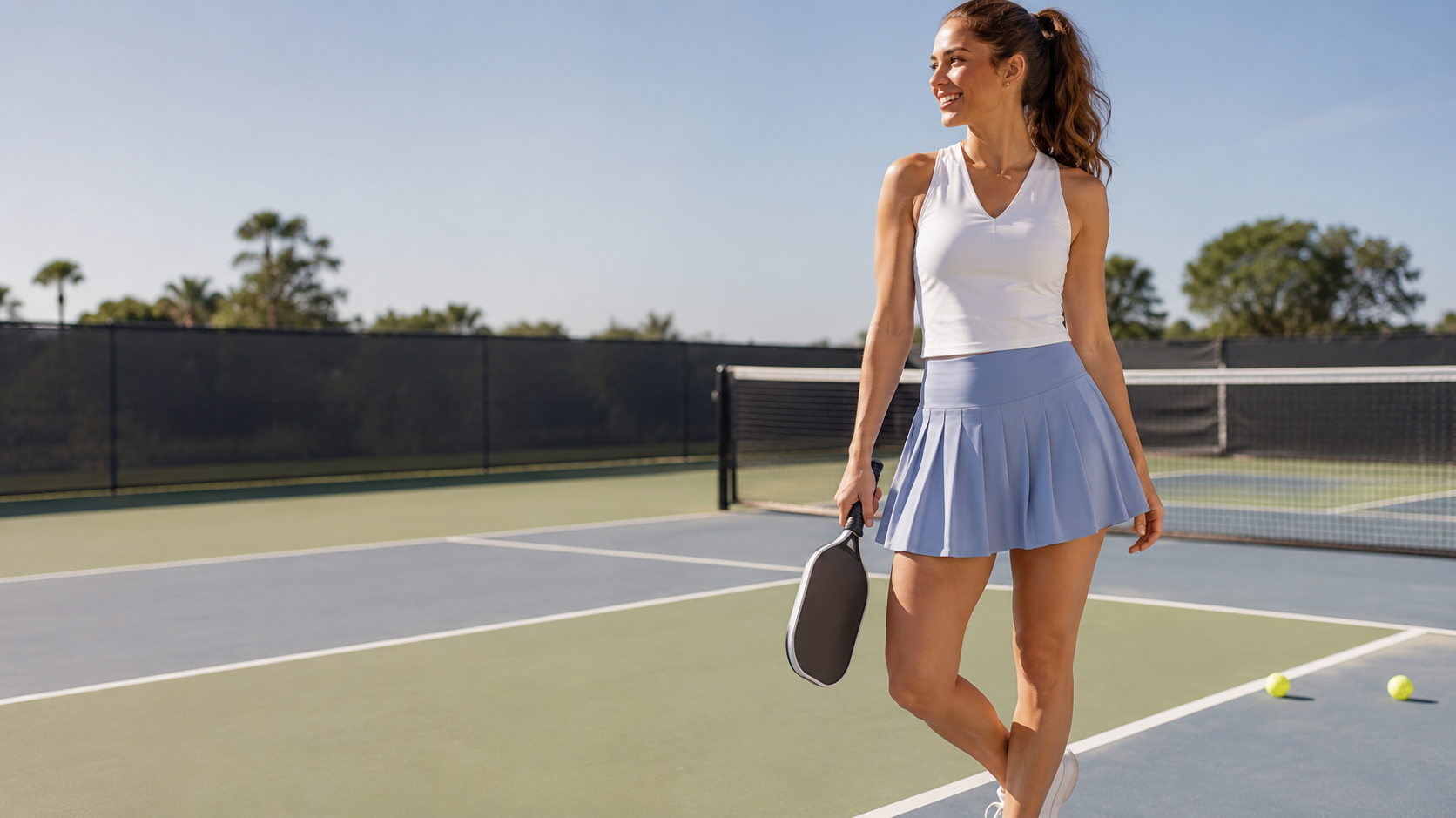
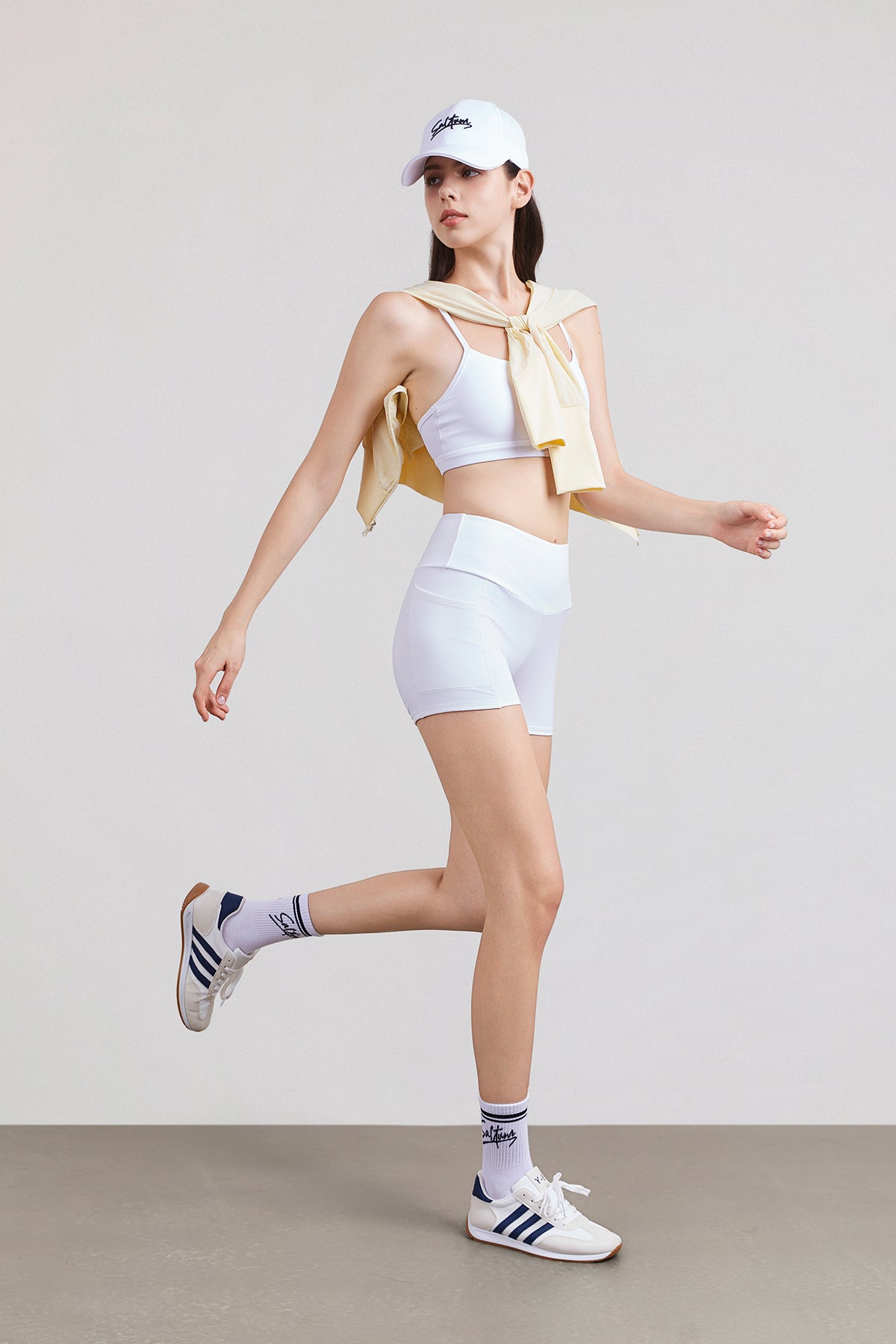
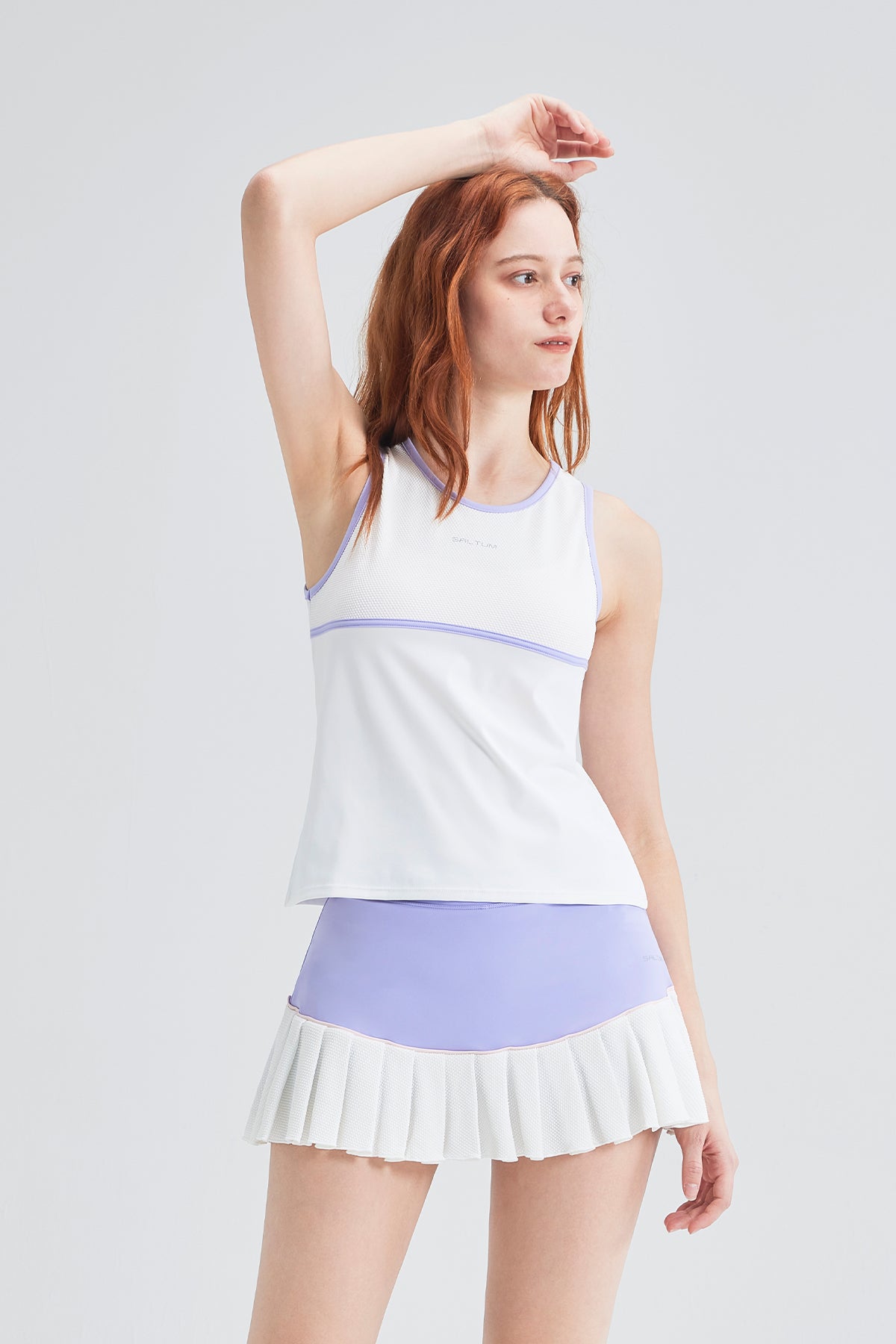
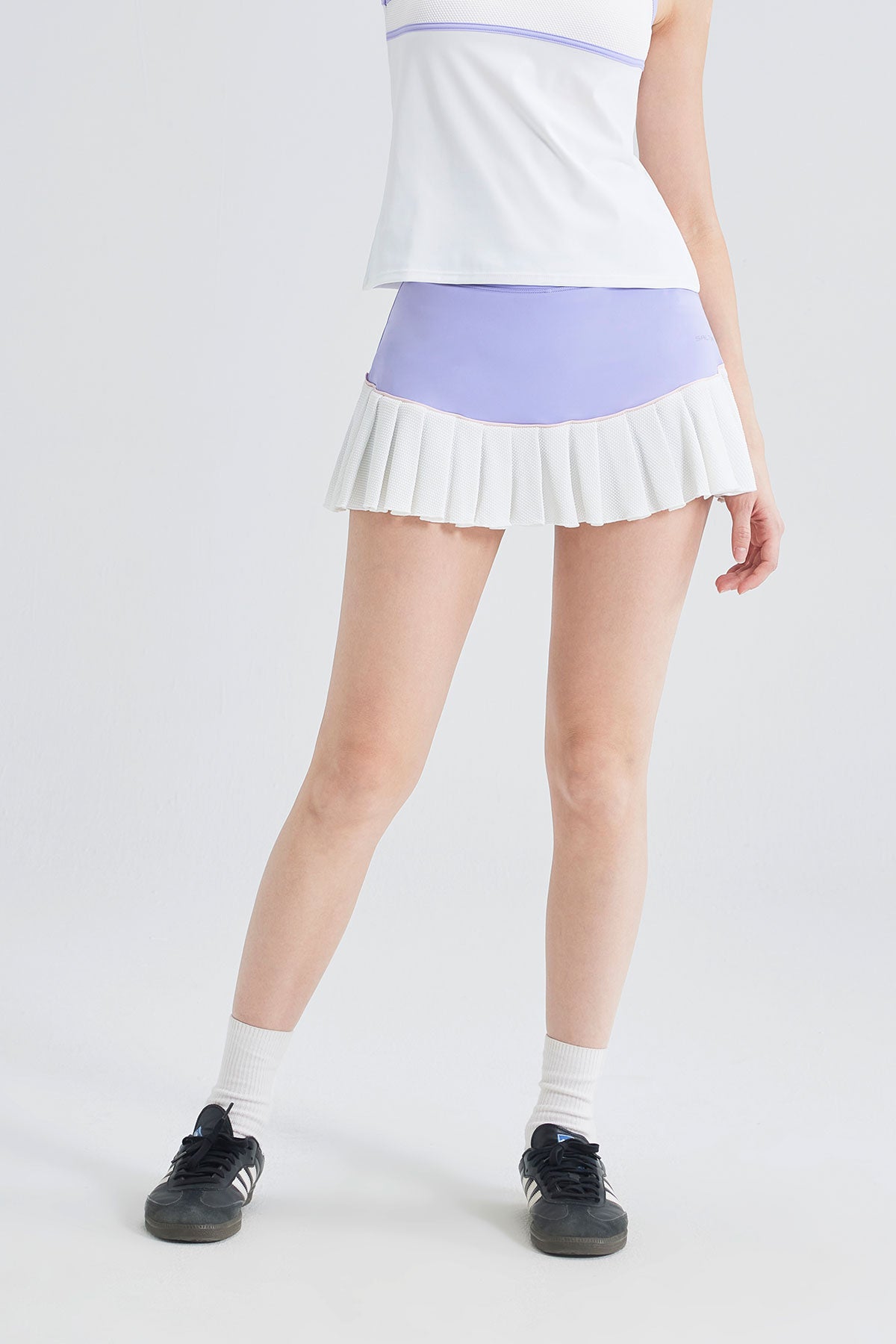
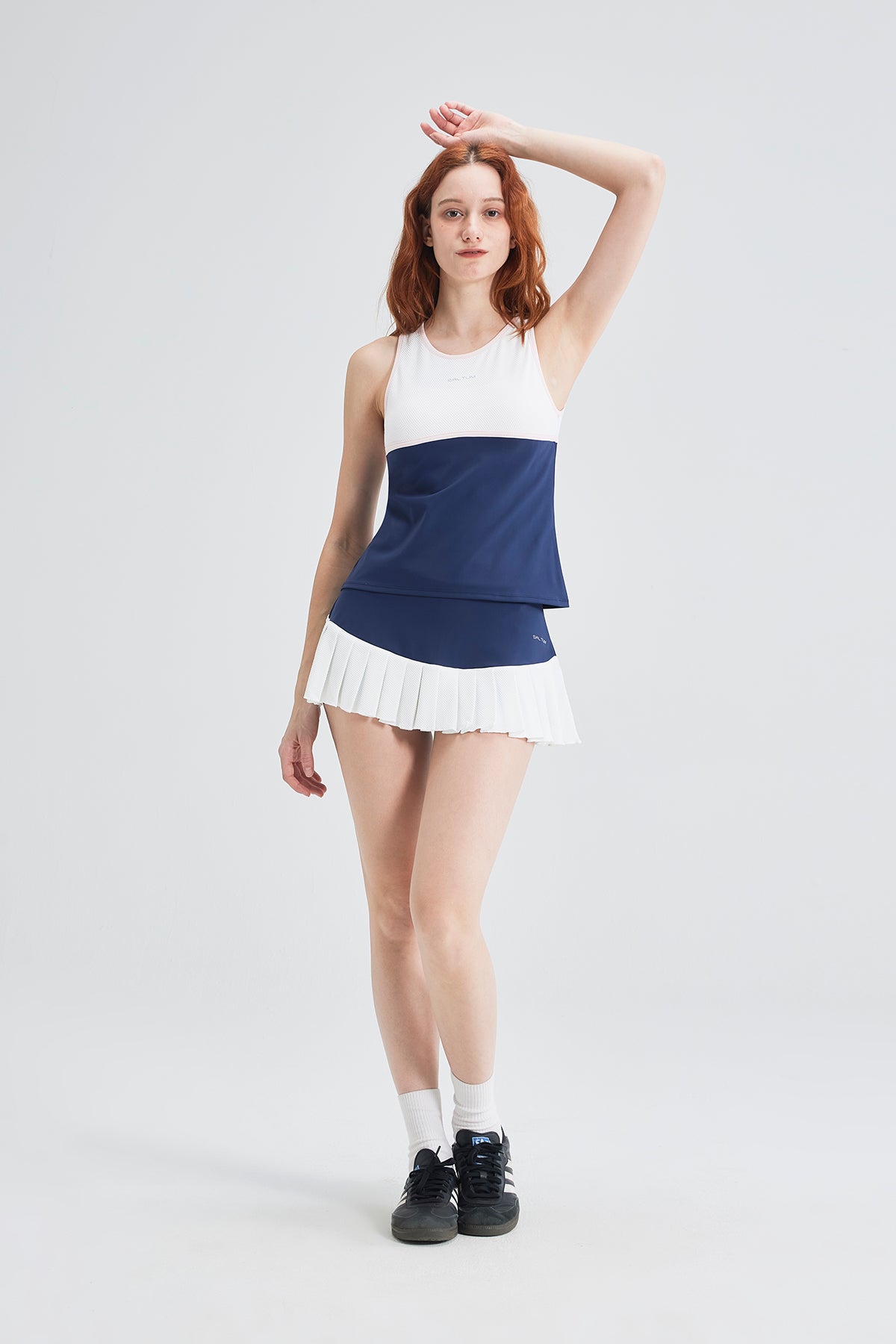
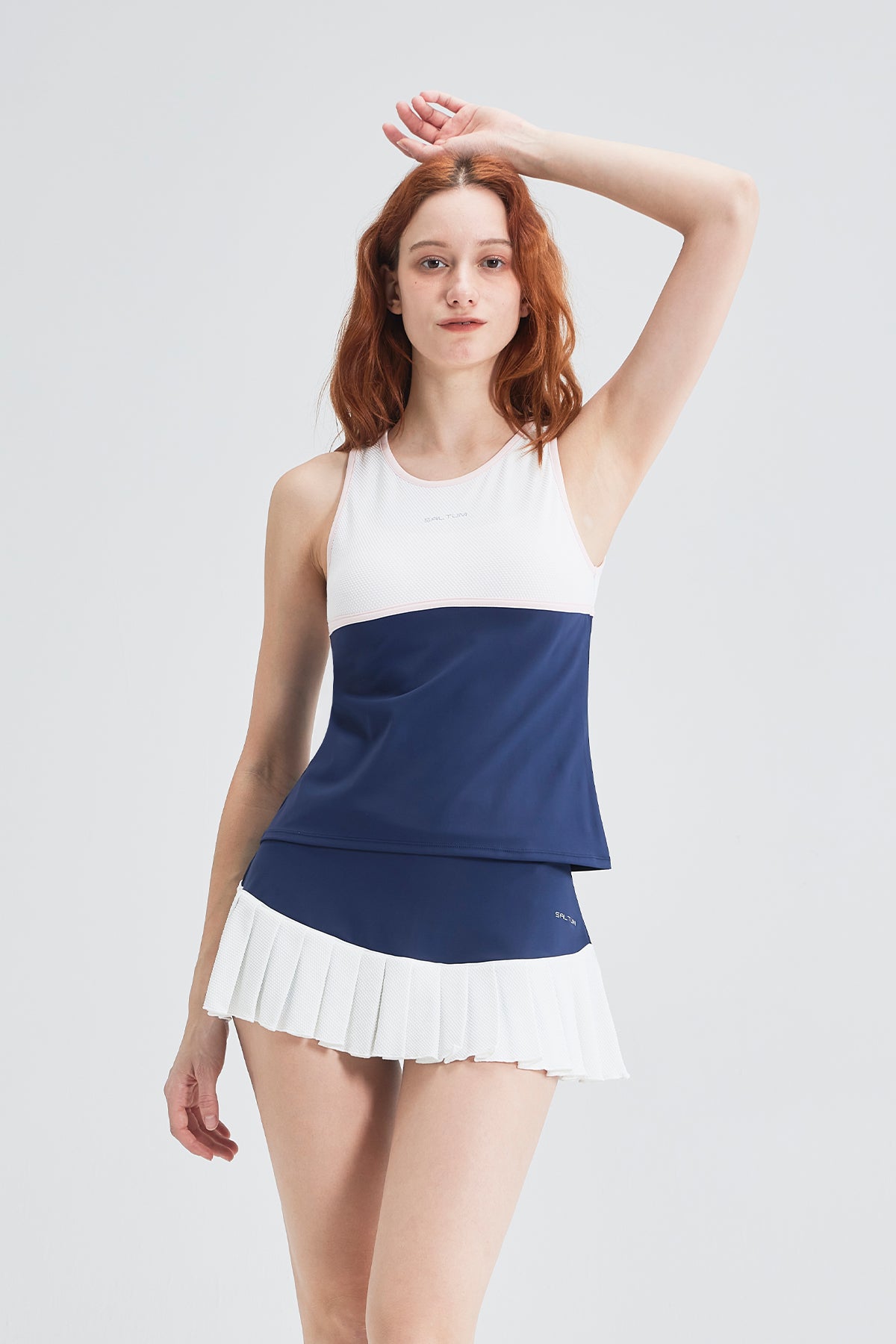
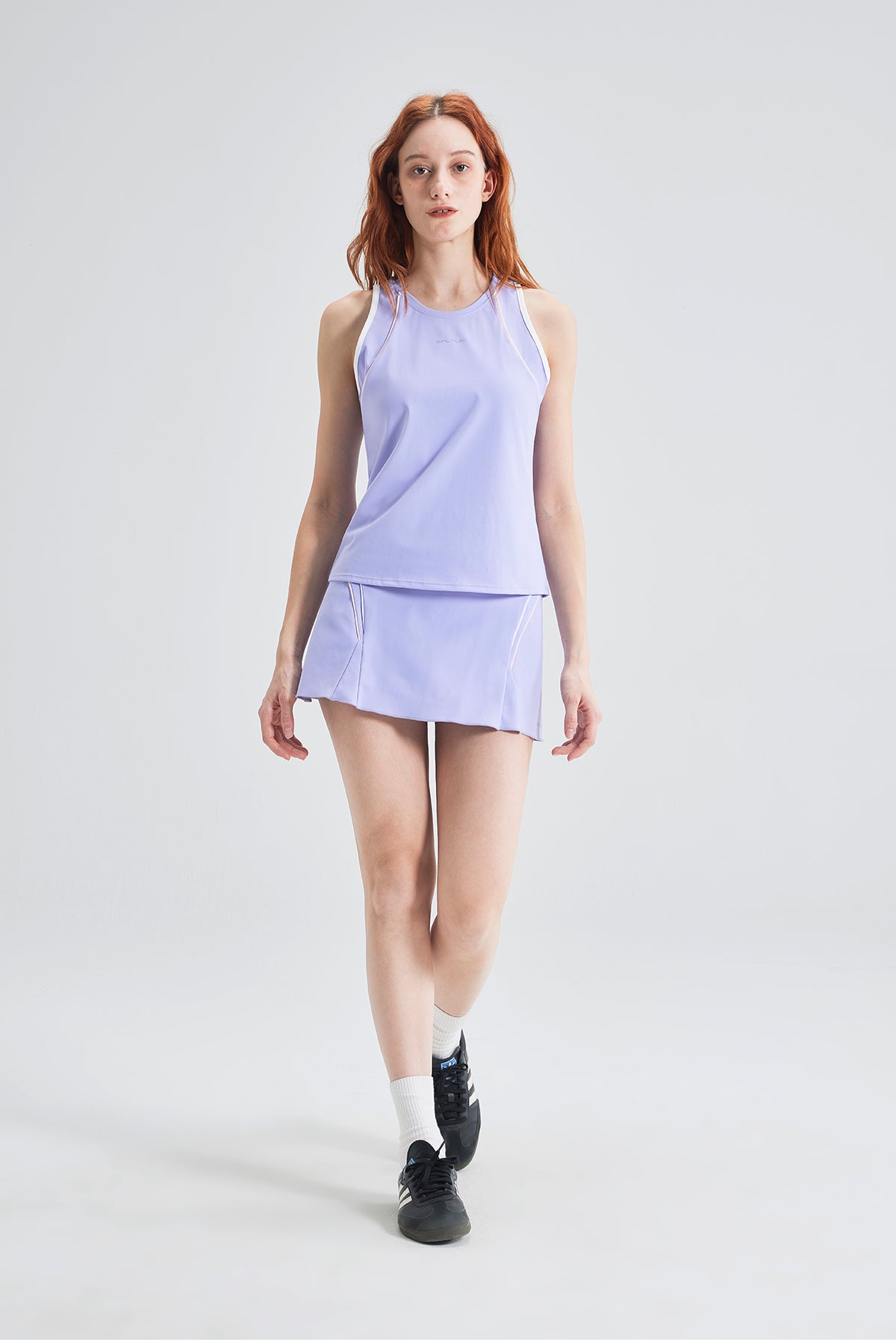
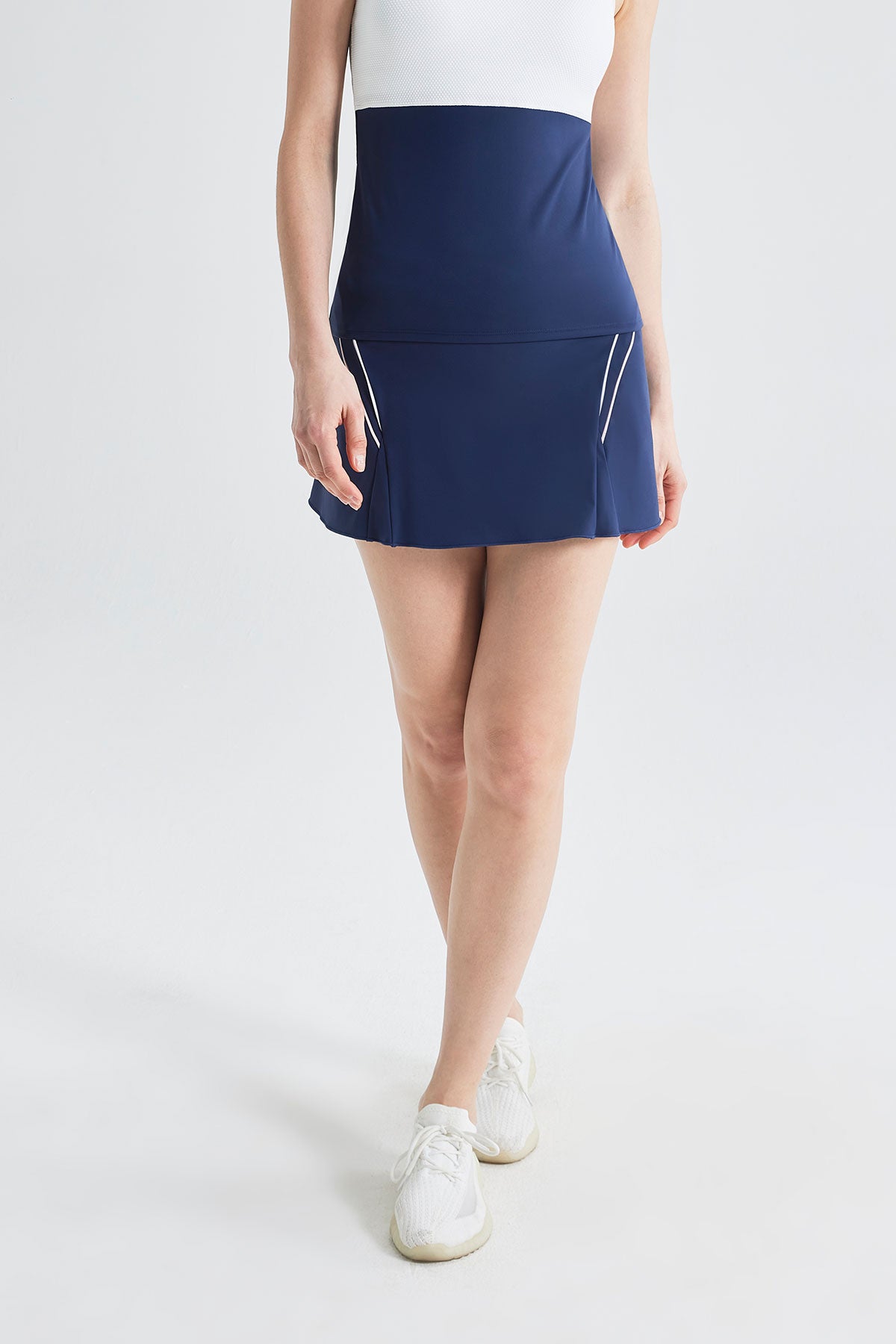
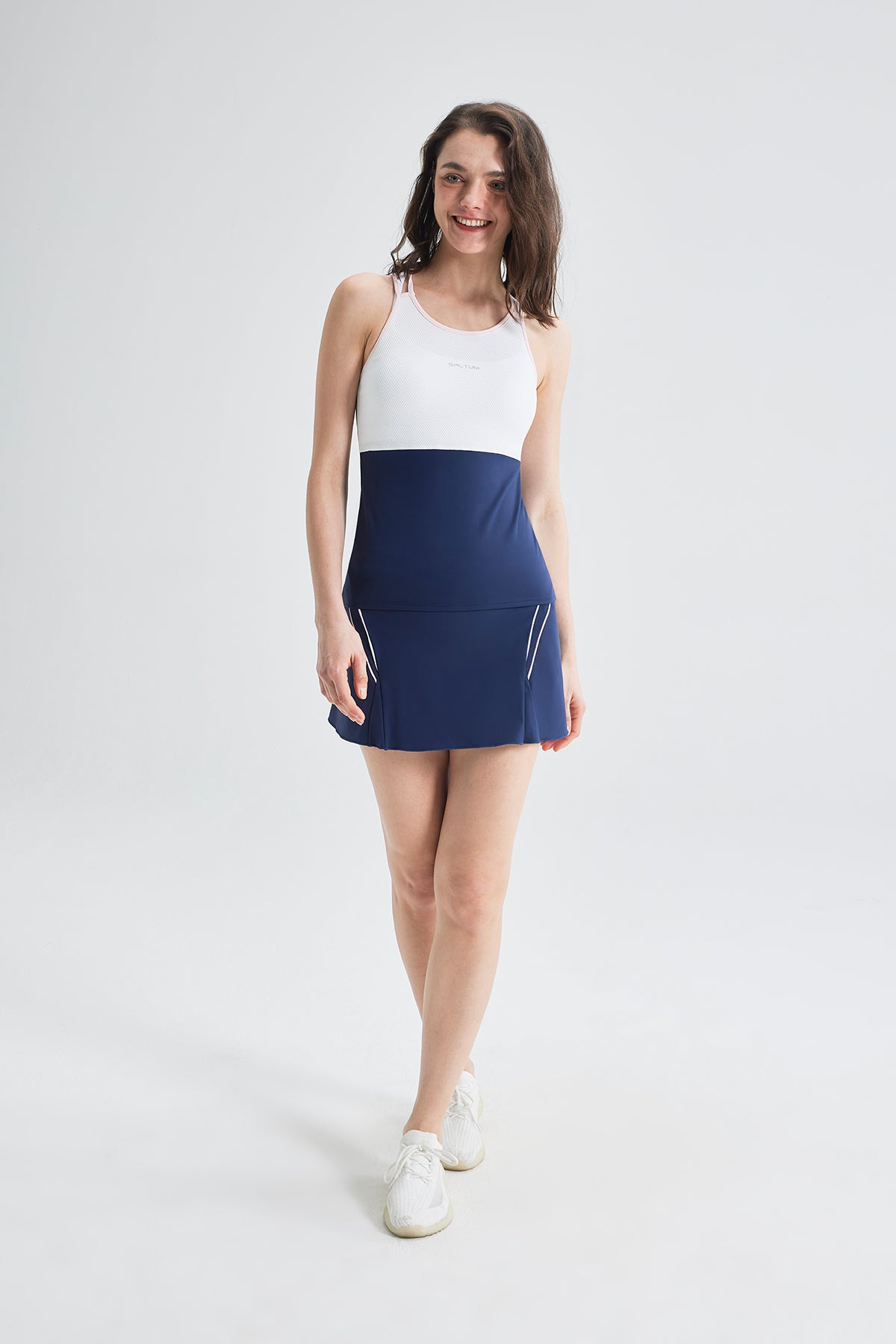
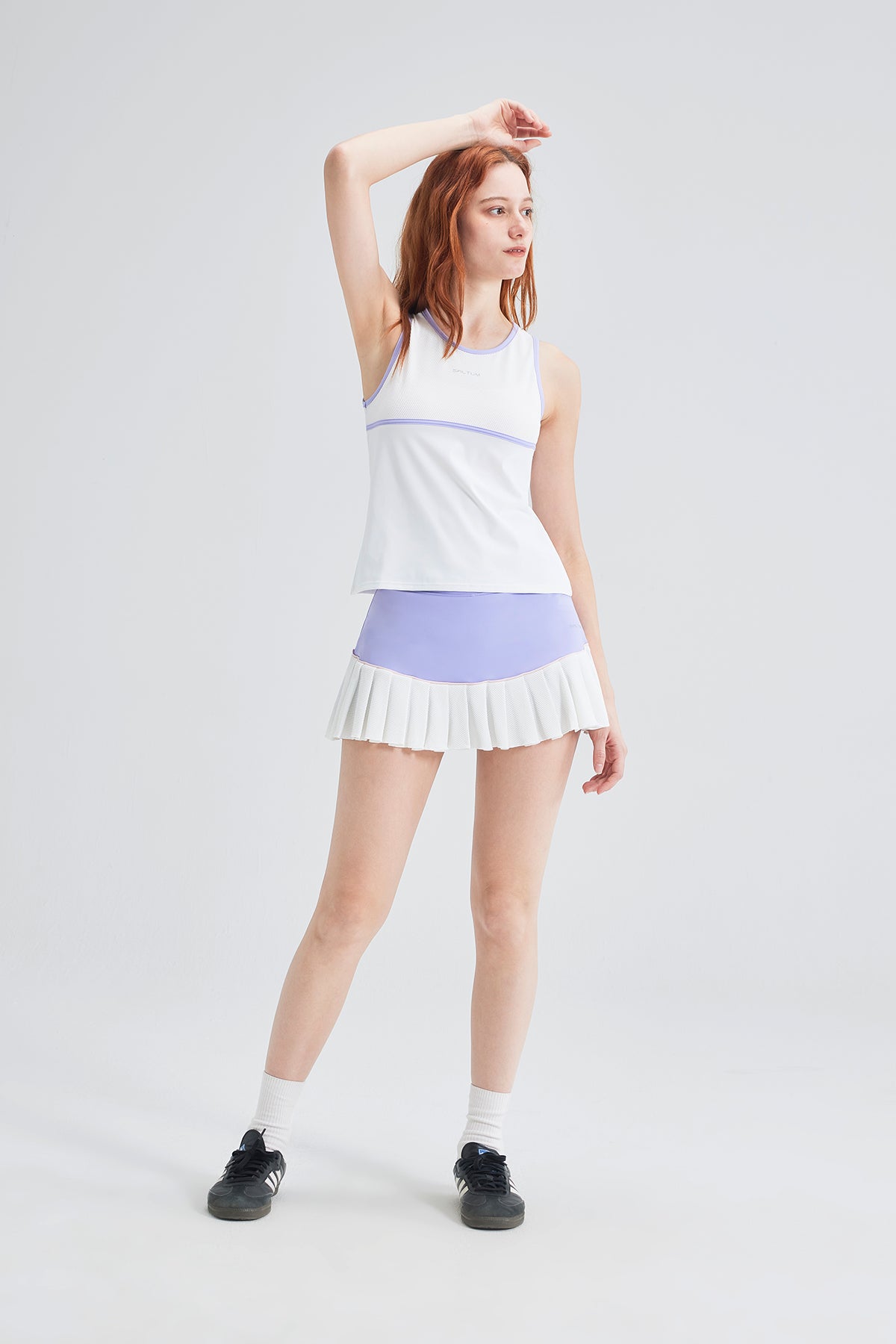
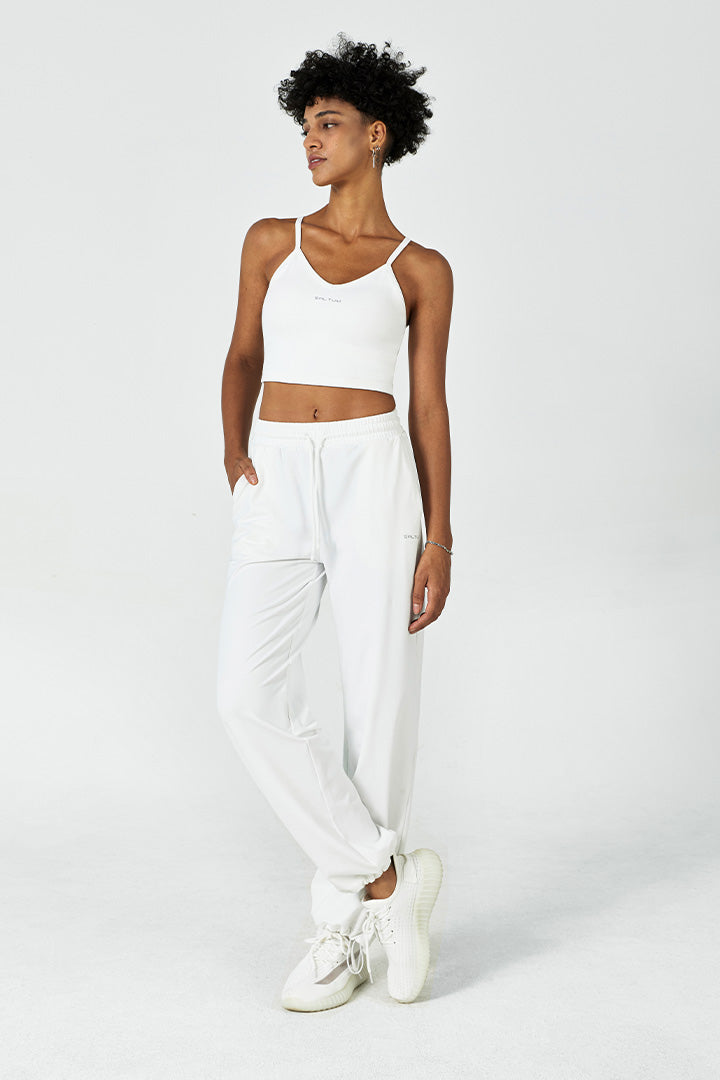
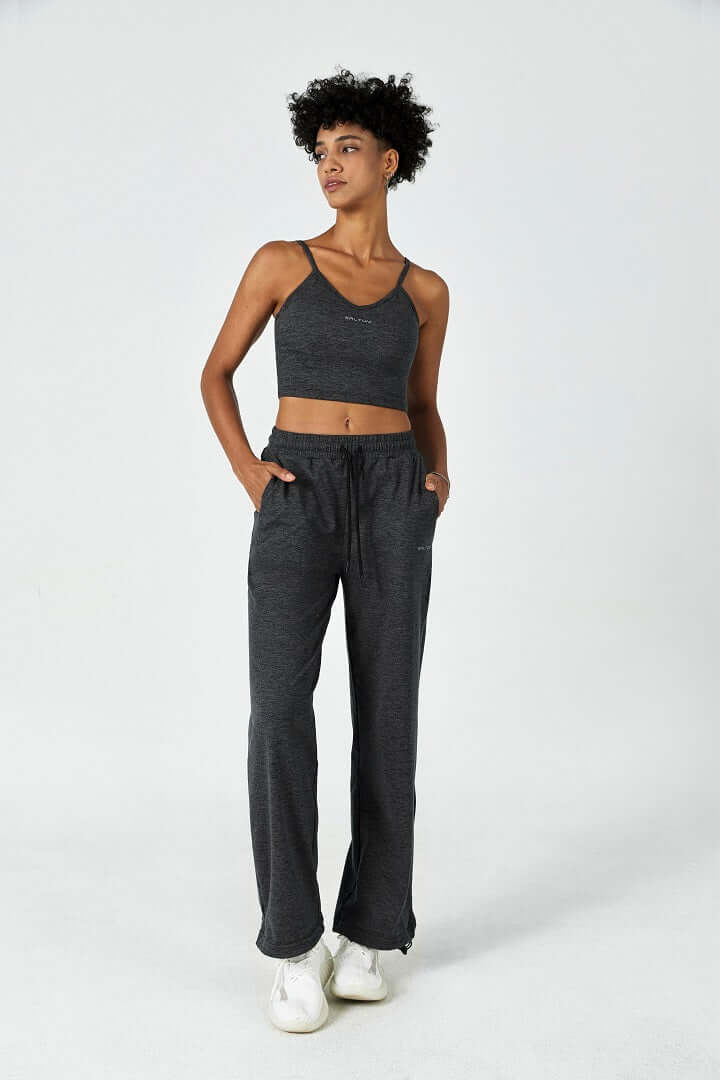
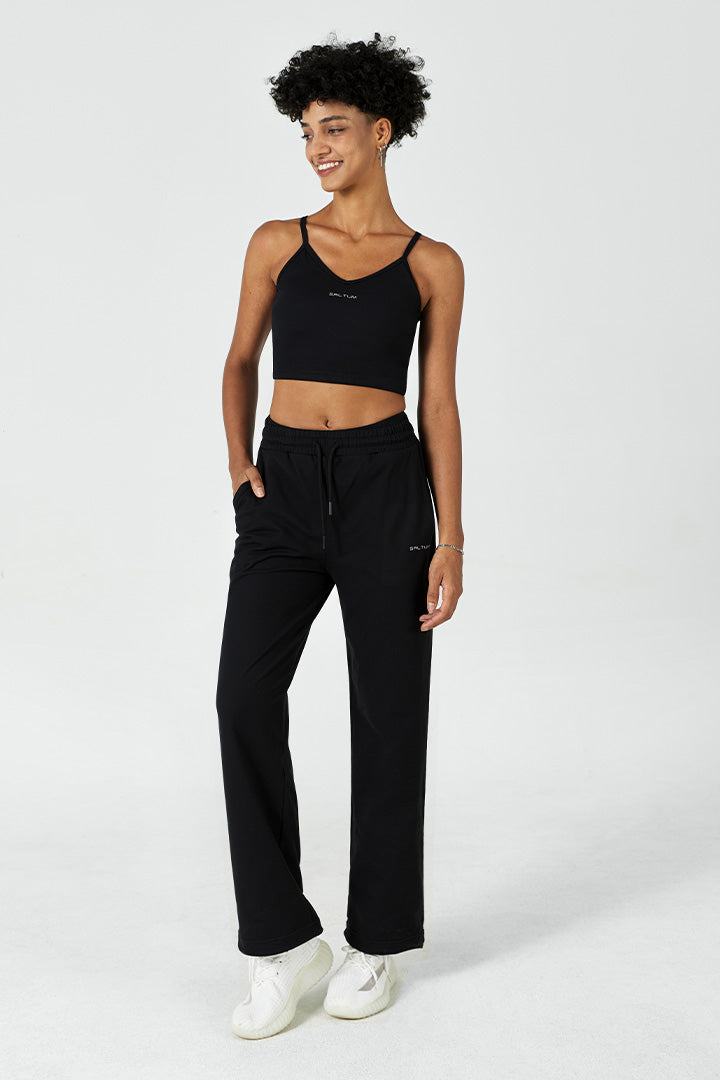
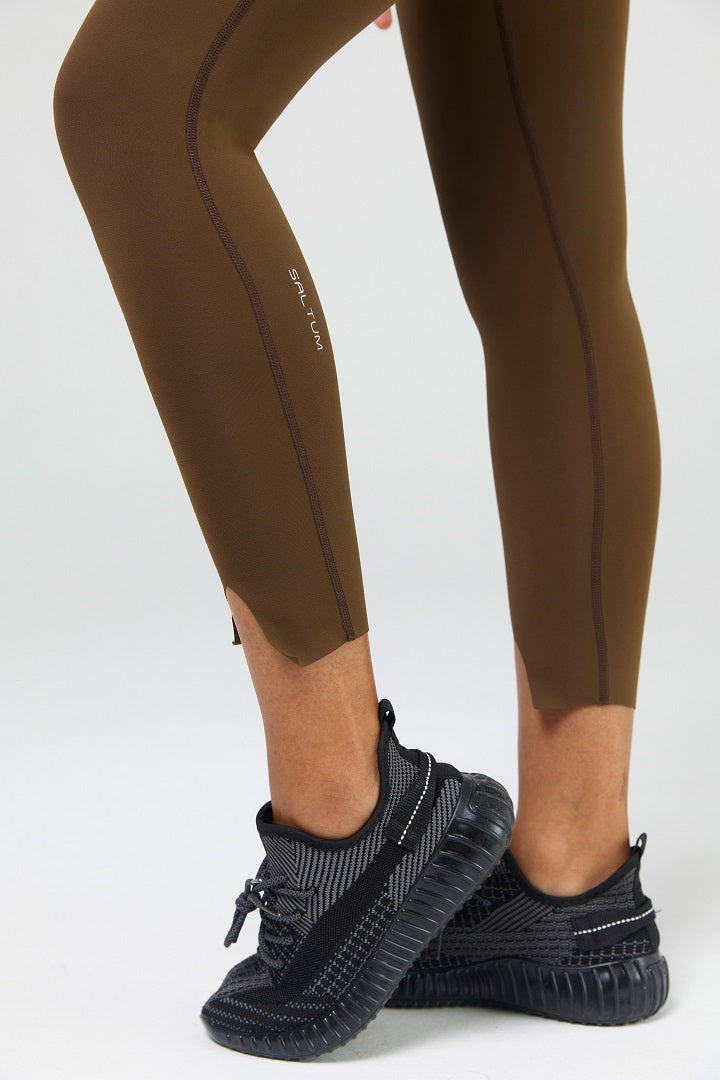
What began as specialized yoga studio attire has transformed into acceptable wear for multiple settings. From school runs to office environments, yoga pants now serve purposes beyond their original design. This widespread adoption demonstrates how functional, Saltum comfortable clothing can successfully bridge the gap between performance wear and casual fashion.
Making Your Purchase Decision
When shopping for yoga pants and tops, consider these final recommendations:
- Try Before Buying if possible: Every body is different, and fit is highly personal. If shopping online, choose retailers with generous return policies.
- Read Customer Reviews: Look for comments about opacity, durability, and how the garment performs during actual yoga practice.
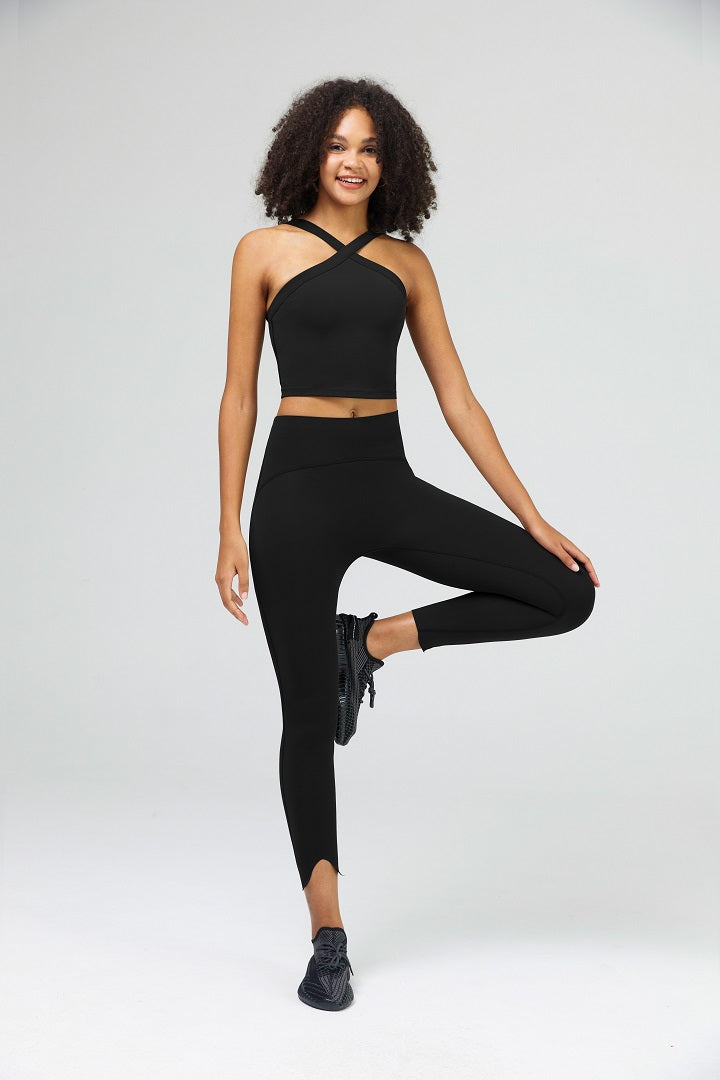
- Invest in Basics: Start with classic black or neutral-colored pants and tanks. These serve as foundation pieces that pair with various tops and bottoms.
- Quality Over Quantity: One pair of excellent yoga pants that lasts years beats multiple pairs of lower-quality alternatives that pill and lose shape quickly.
- Consider your Primary Practice Style: Your most frequent yoga class should guide your selection. Hot yoga practitioners need different features than those practicing gentle restorative yoga.
- Test the Full Range of Motion: In stores, move through basic yoga positions to ensure comfortable fit during actual practice.
Frequently Asked Questions About Yoga Pants
Q1: What's the difference between yoga pants and regular leggings?
A: Yoga pants and leggings are often used interchangeably, but they have important differences. Yoga pants are specifically engineered high-denier hosiery with specialized fabrics including moisture-wicking, compression, and four-way stretch technology designed for yoga practice. Regular leggings may use standard athletic materials without these specialized features. Yoga pants typically offer superior opacity, durability, and shape retention after repeated wear. Additionally, yoga pants usually cost more due to their advanced fabric technology and construction quality. While regular leggings can work for casual wear, dedicated yoga pants provide better performance and durability for frequent practice.
Q2: Do yoga pants need to be skin-tight, or can they be more loose-fitting?
A: While many yoga practitioners prefer fitted yoga pants, looser options exist depending on your practice style and comfort level. Fitted styles remain popular because they allow instructors to observe your body alignment more clearly, reducing injury risk. Instructors need to see how your joints stack and whether your spine is properly aligned in various poses. However, if you practice mainly gentle, restorative yoga or prefer maximum comfort, looser-fitting options work perfectly well. The key is finding a balance between comfort and sufficient visibility for proper alignment. Modern yoga pants come in various fits—boot-cut, flared, and more relaxed cuts—offering choices beyond skin-tight styles. Ultimately, wear what allows you to move freely and feel confident in your practice.
Q3: Are expensive yoga pants worth the higher price?
A: Price in yoga pants correlates somewhat with quality, but not perfectly. Premium brands like Saltum Sports charge for research and development of proprietary fabrics, brand prestige, and superior construction quality. However, many budget and mid-range options offer excellent quality at lower prices. Rather than brand name, evaluate the specific product: check fabric content, read customer reviews about durability and opacity, examine construction quality, and consider the return policy. Many quality yoga pants cost between $50-$100 and perform excellently for years. If you practice yoga very frequently (multiple times weekly), investing in higher-quality pants makes sense financially. For occasional practitioners, good mid-range options provide excellent value. Test similar price points from different brands to find your optimal balance of quality and cost.
Q4: How should I care for my yoga pants to maintain their quality?
A: Proper care extends your yoga pants' lifespan significantly. Always check the manufacturer's care instructions first, as different fabrics have different requirements. General best practices include: wash in cold water with similar colors to prevent fading; use gentle or delicate cycle settings; avoid fabric softeners that reduce moisture-wicking properties; skip the dryer (air-dry instead to prevent elastic degradation); avoid bleach even on black pants; and turn pants inside out before washing to reduce pilling and preserve color. Some premium fabrics benefit from hand washing for extended longevity. Never use high heat on elastic components. Properly maintained yoga pants can last 2-3 years or longer, making proper care a worthwhile investment. Treat stains quickly before washing, and avoid the dryer for your most expensive pairs.
Q5: Can yoga pants work for activities besides yoga?
A: Absolutely, and this versatility explains the explosive growth of the athleisure market. Many practitioners wear yoga pants for gym workouts, running errands, casual social activities, and even office environments. The comfort, flexibility, and modern designs make them suitable for numerous activities beyond yoga. However, suitability depends on the specific setting and your comfort level. Office environments increasingly accept yoga pants, especially when paired with professional tops and outerwear. For gym activities like Pilates, dance, or general fitness training, yoga pants work excellently. Casual social settings like coffee shops or casual dining definitely accommodate yoga pants. For more formal professional environments or business meetings, traditional dress pants may be more appropriate. The key is considering your audience and context while enjoying yoga pants' comfort and functionality wherever they're accepted. Many people appreciate owning quality yoga pants specifically for their versatility beyond studio practice.