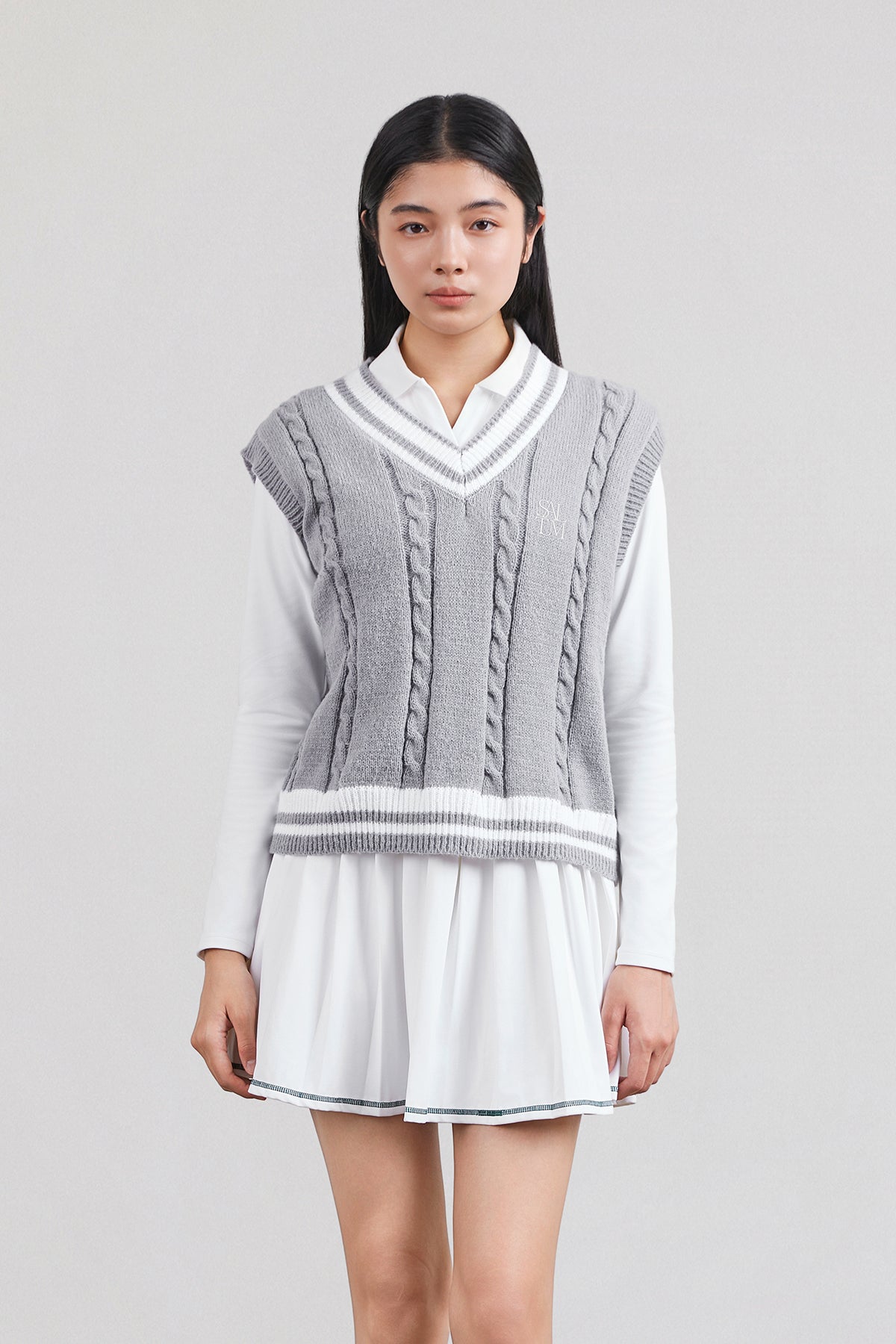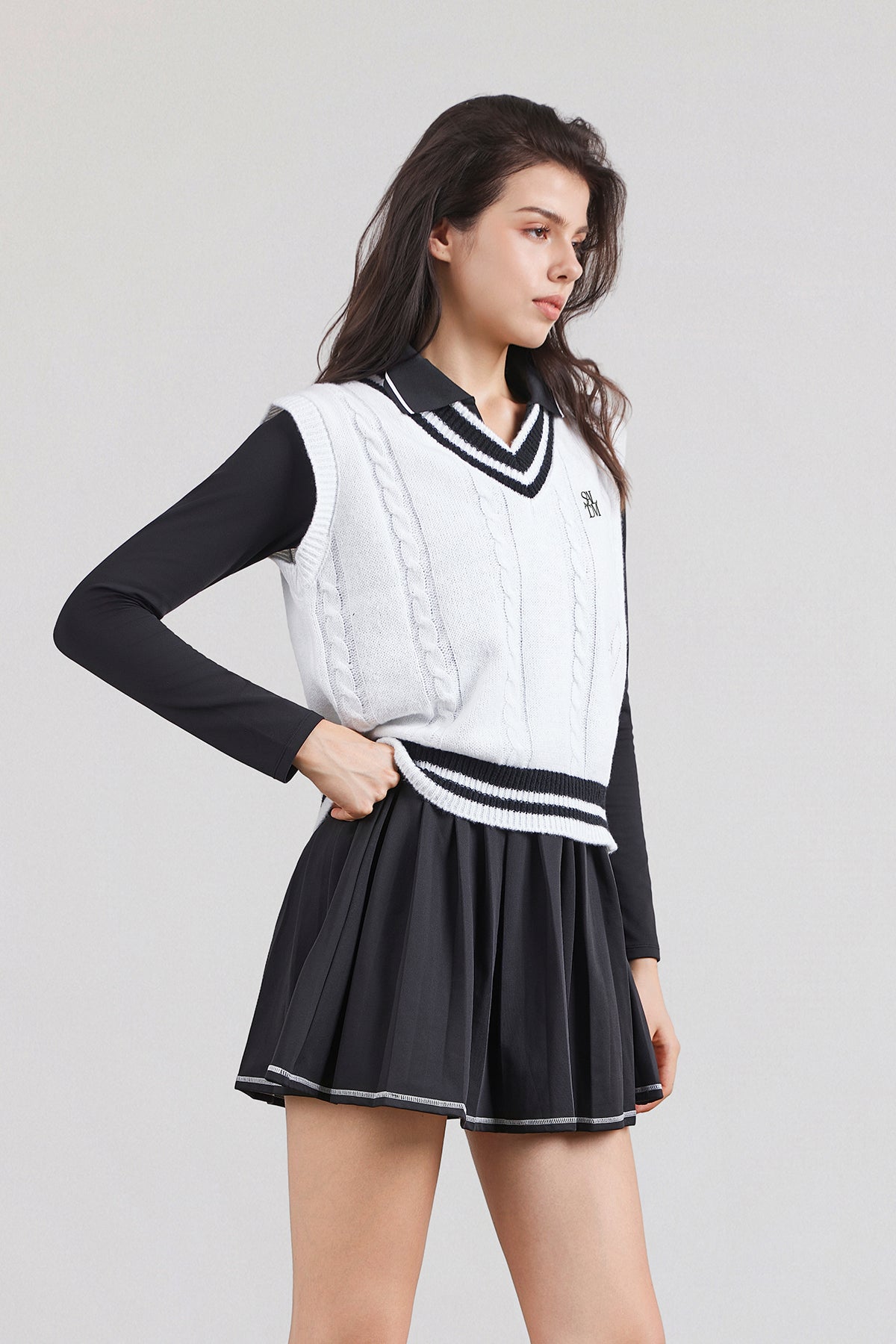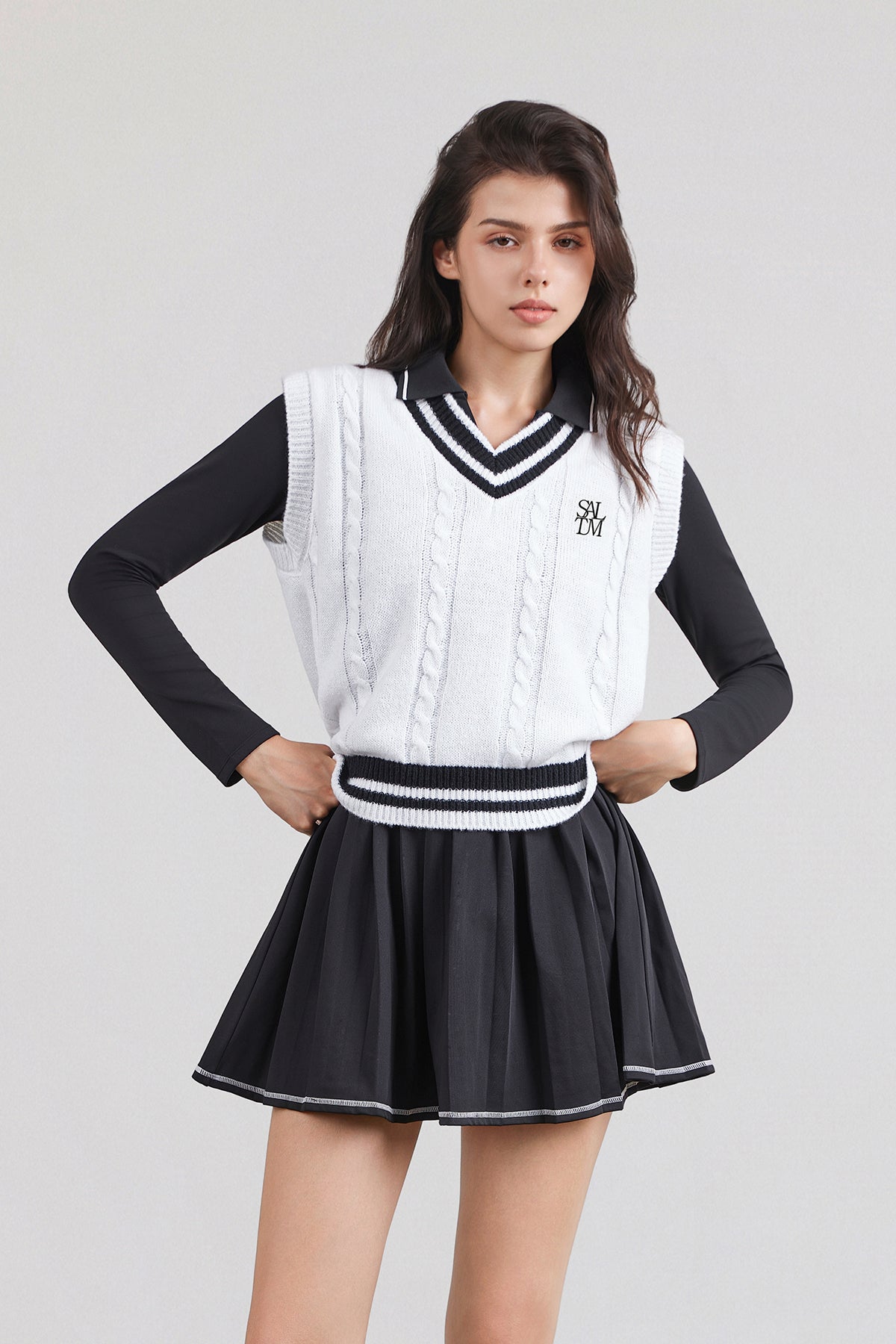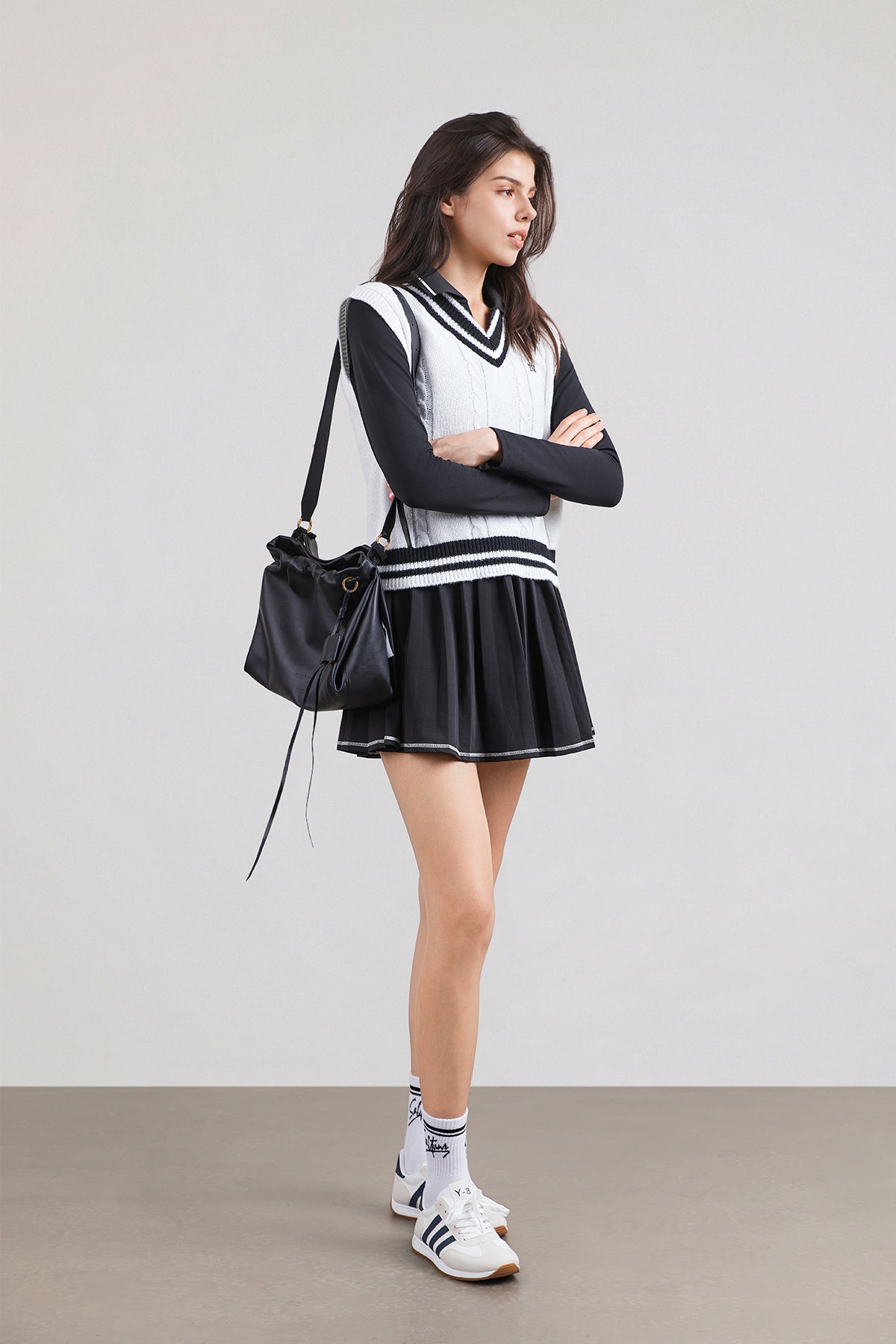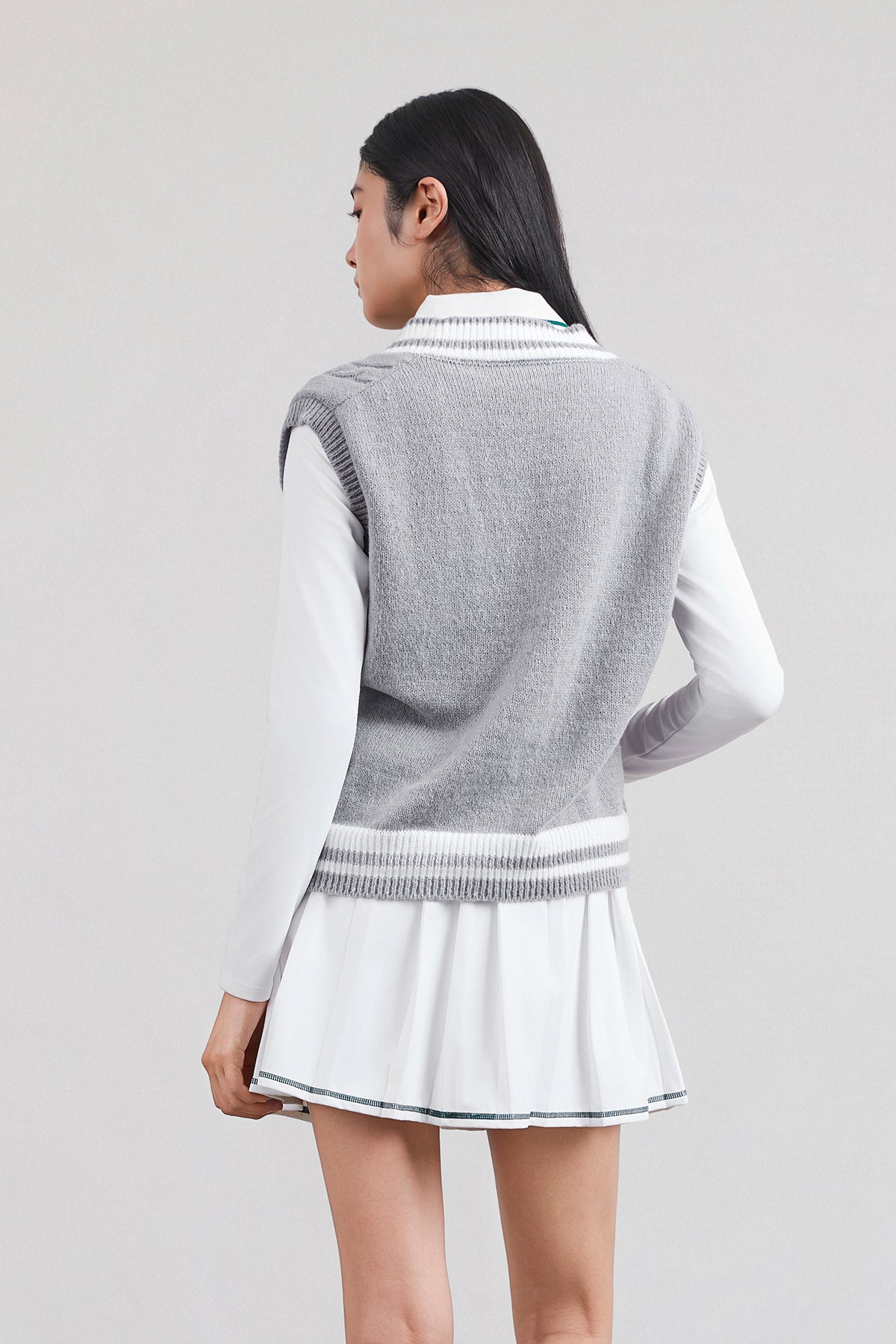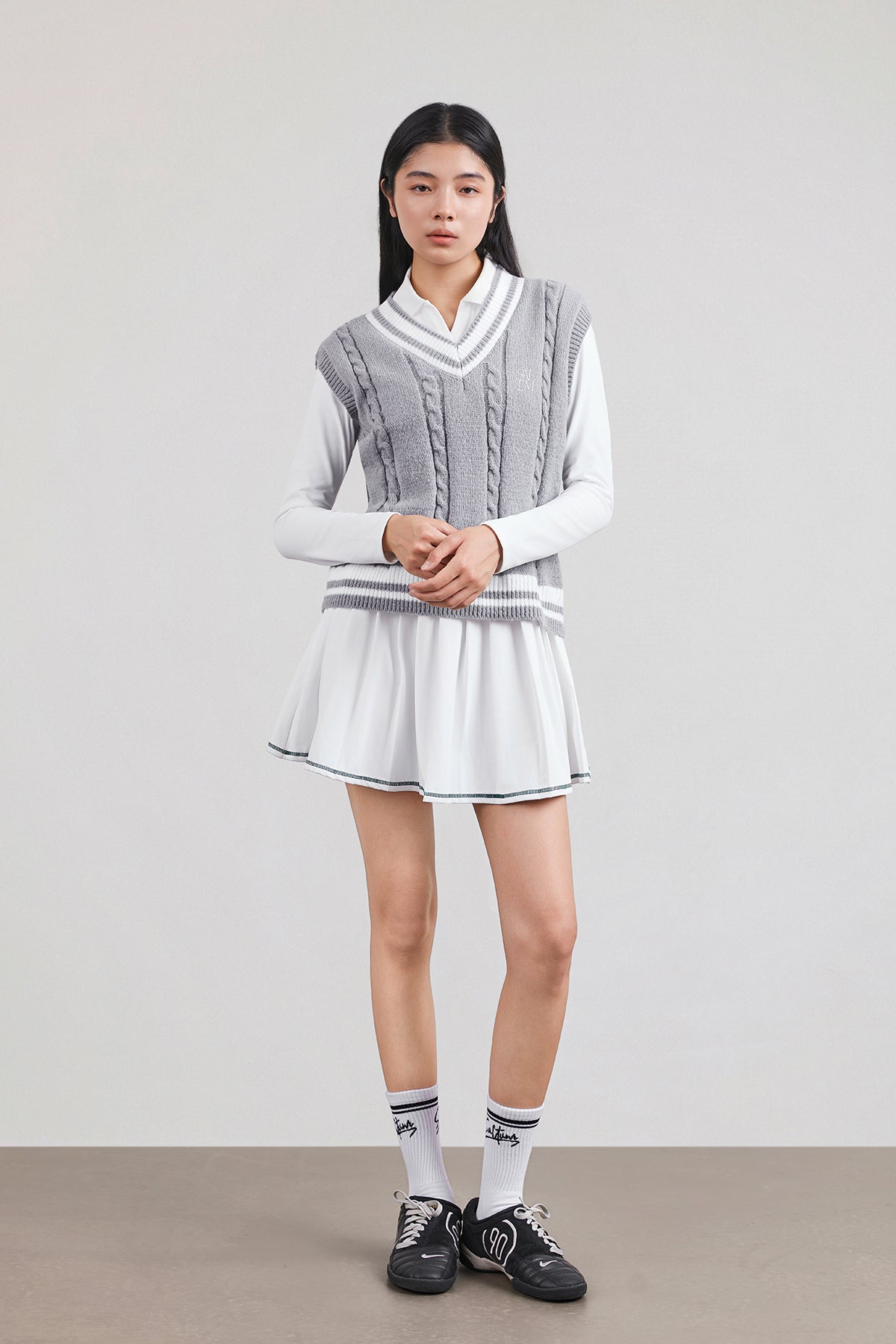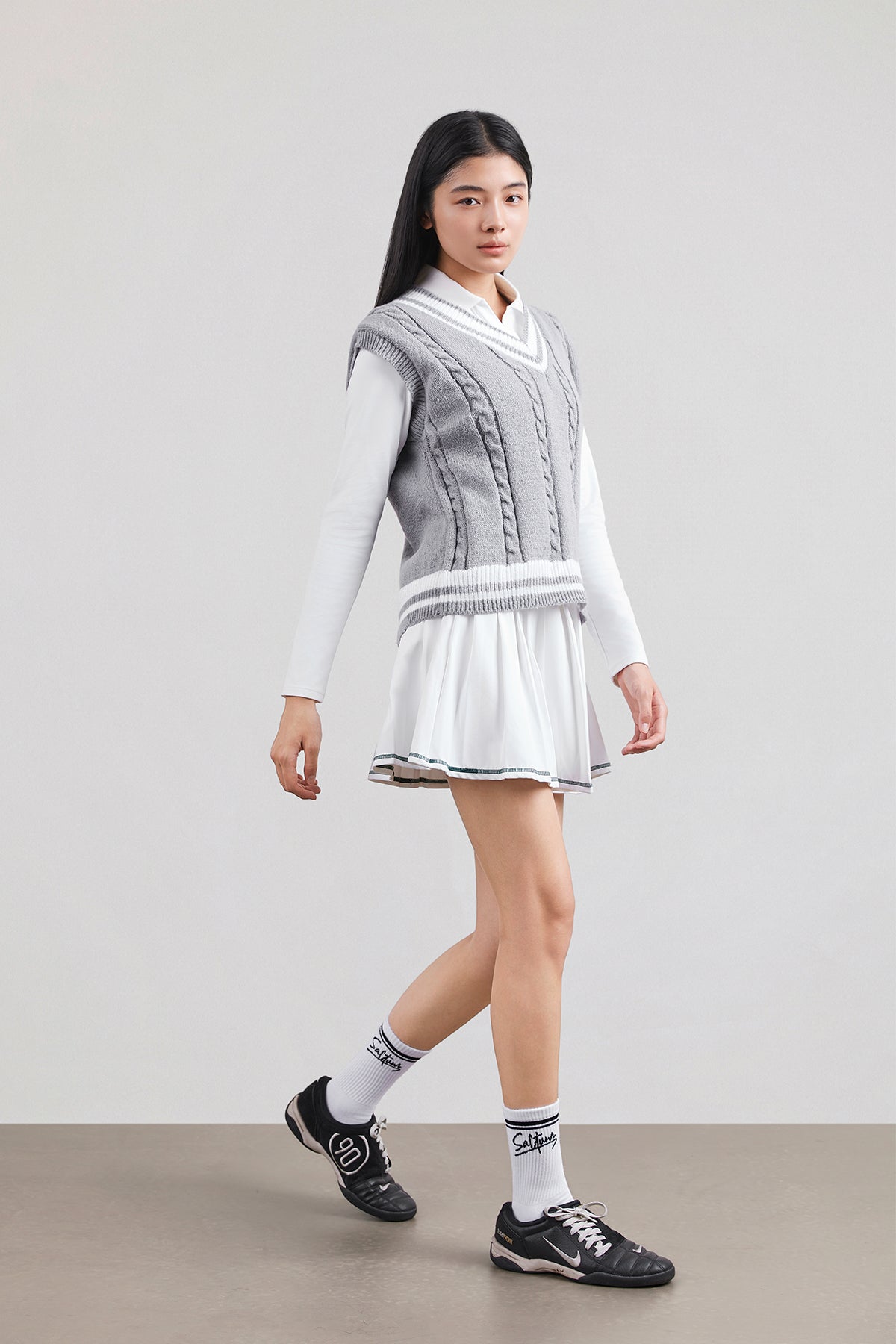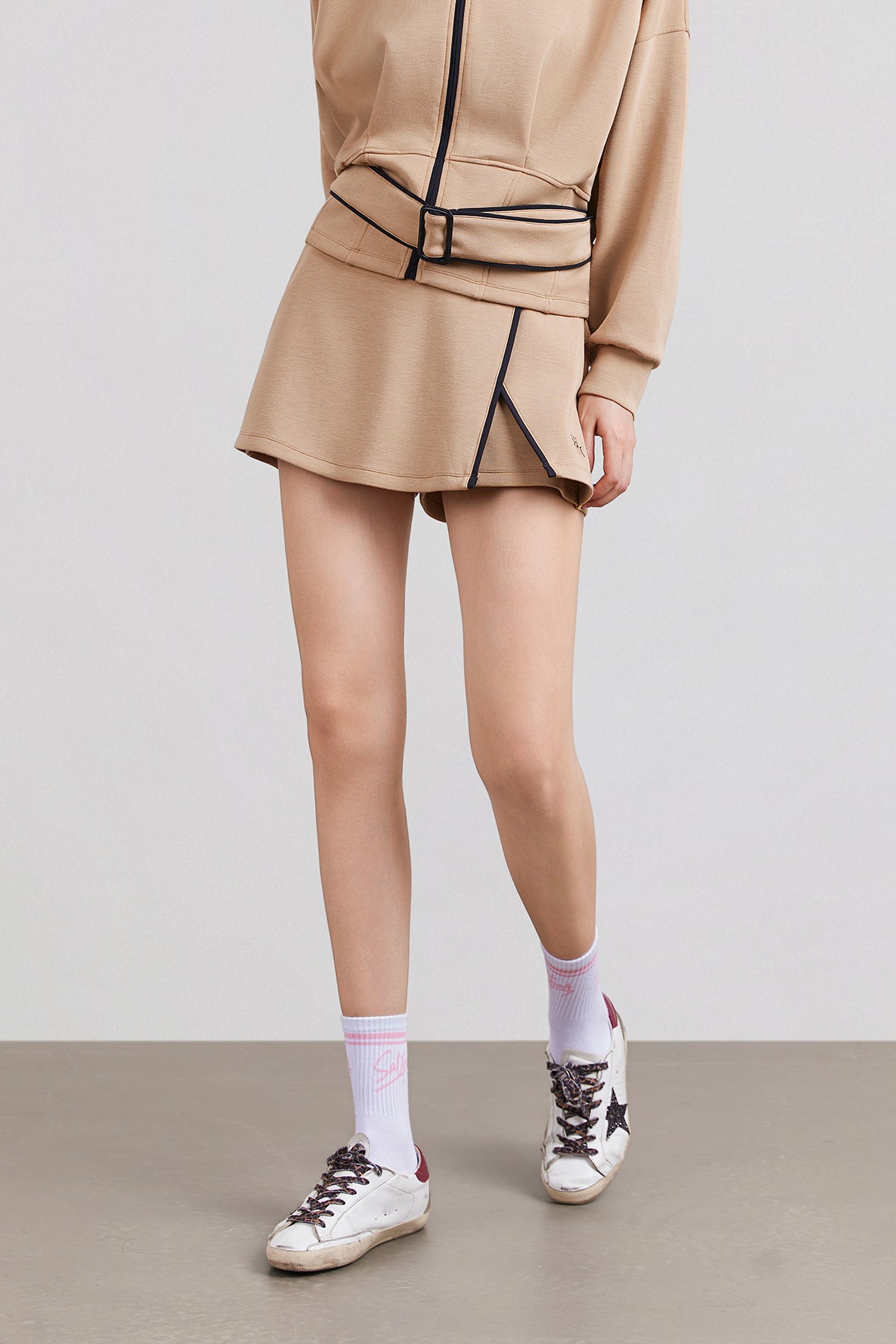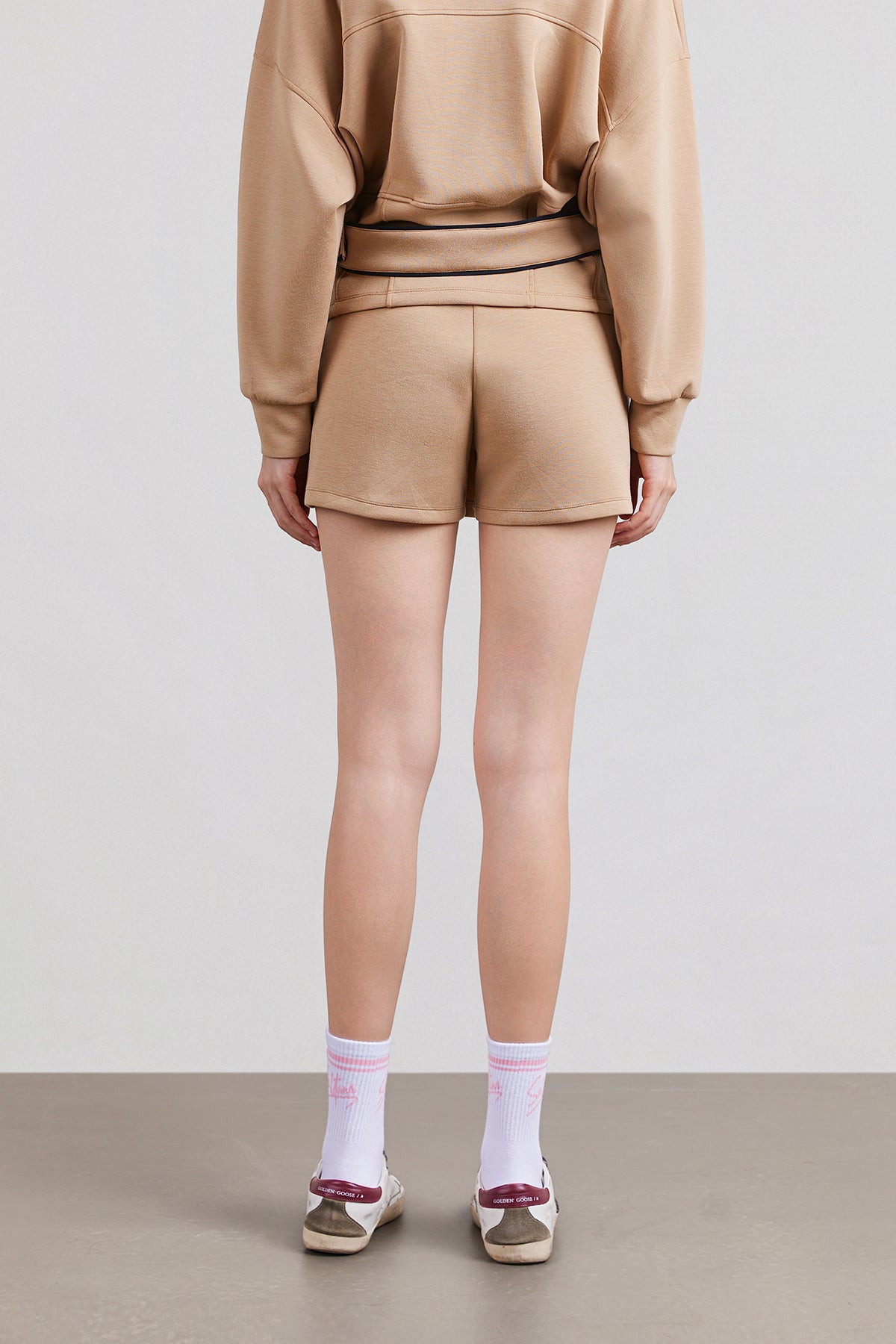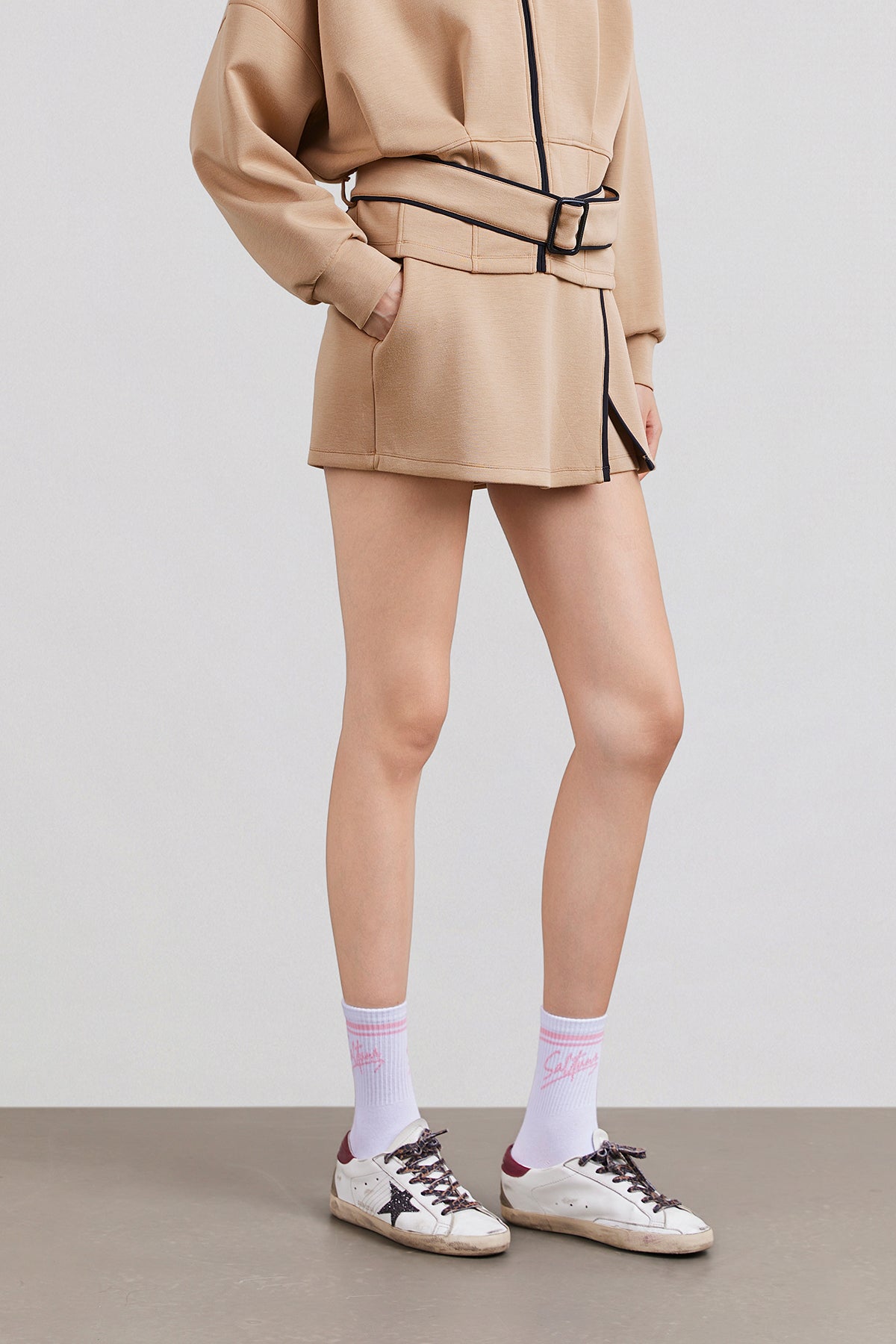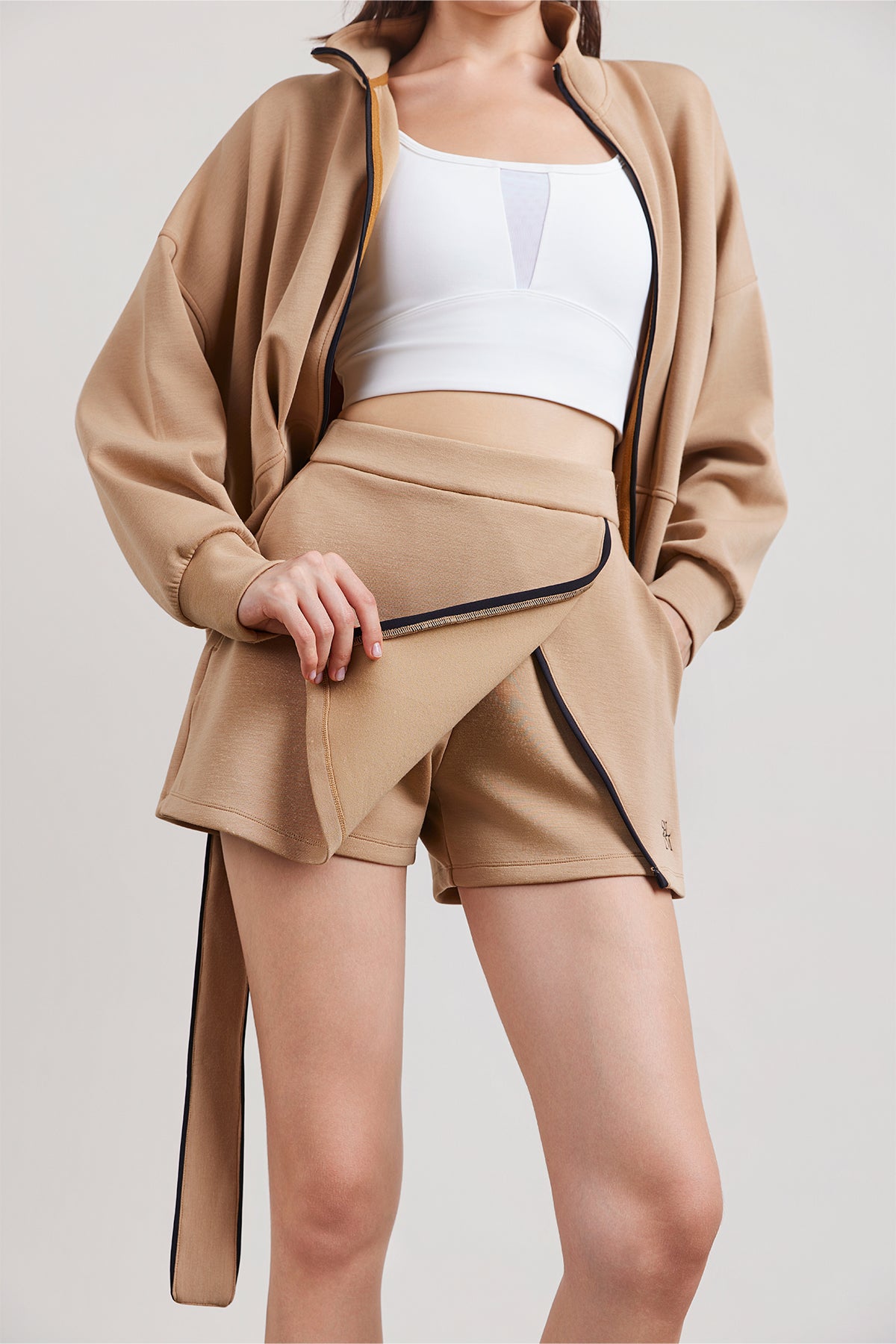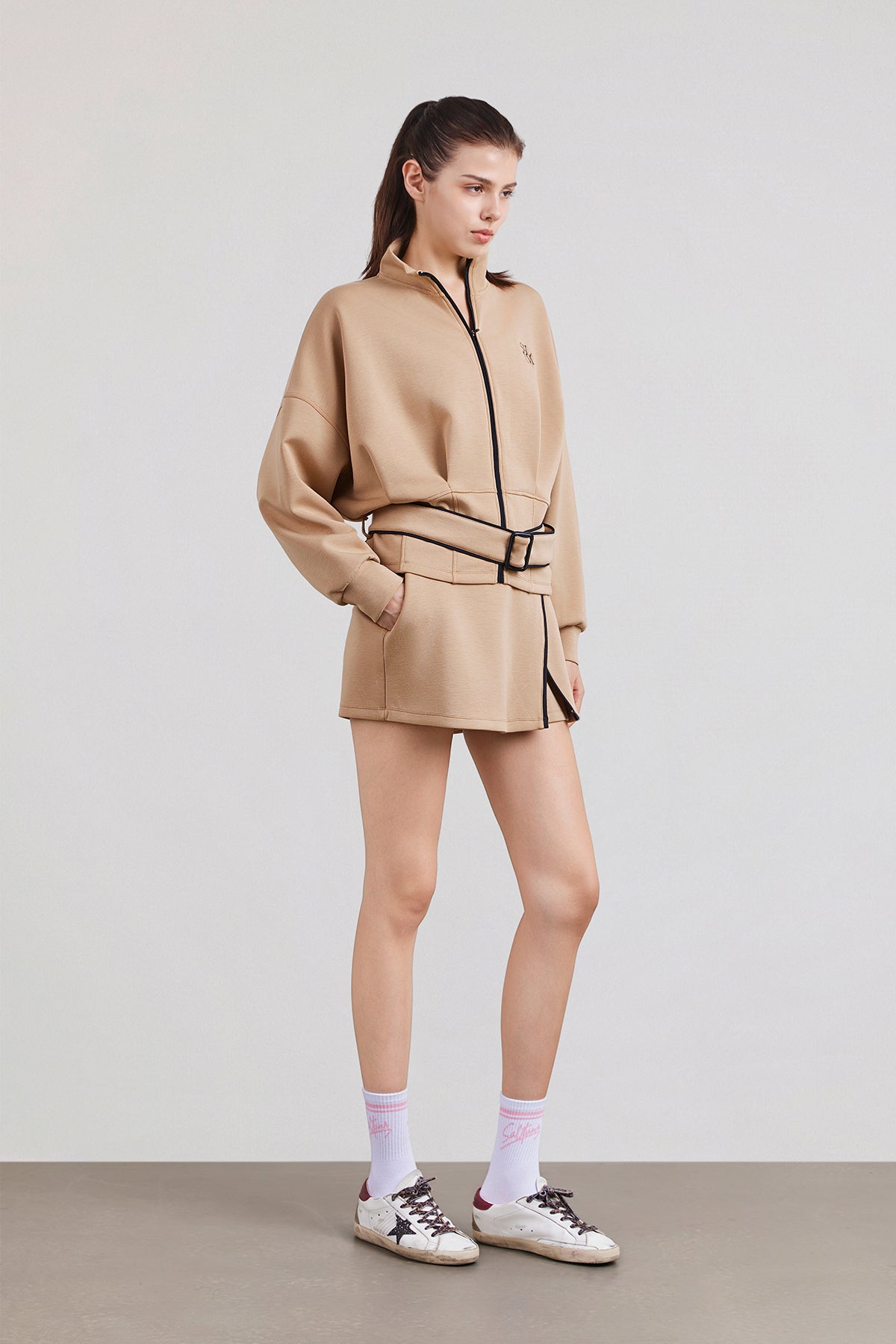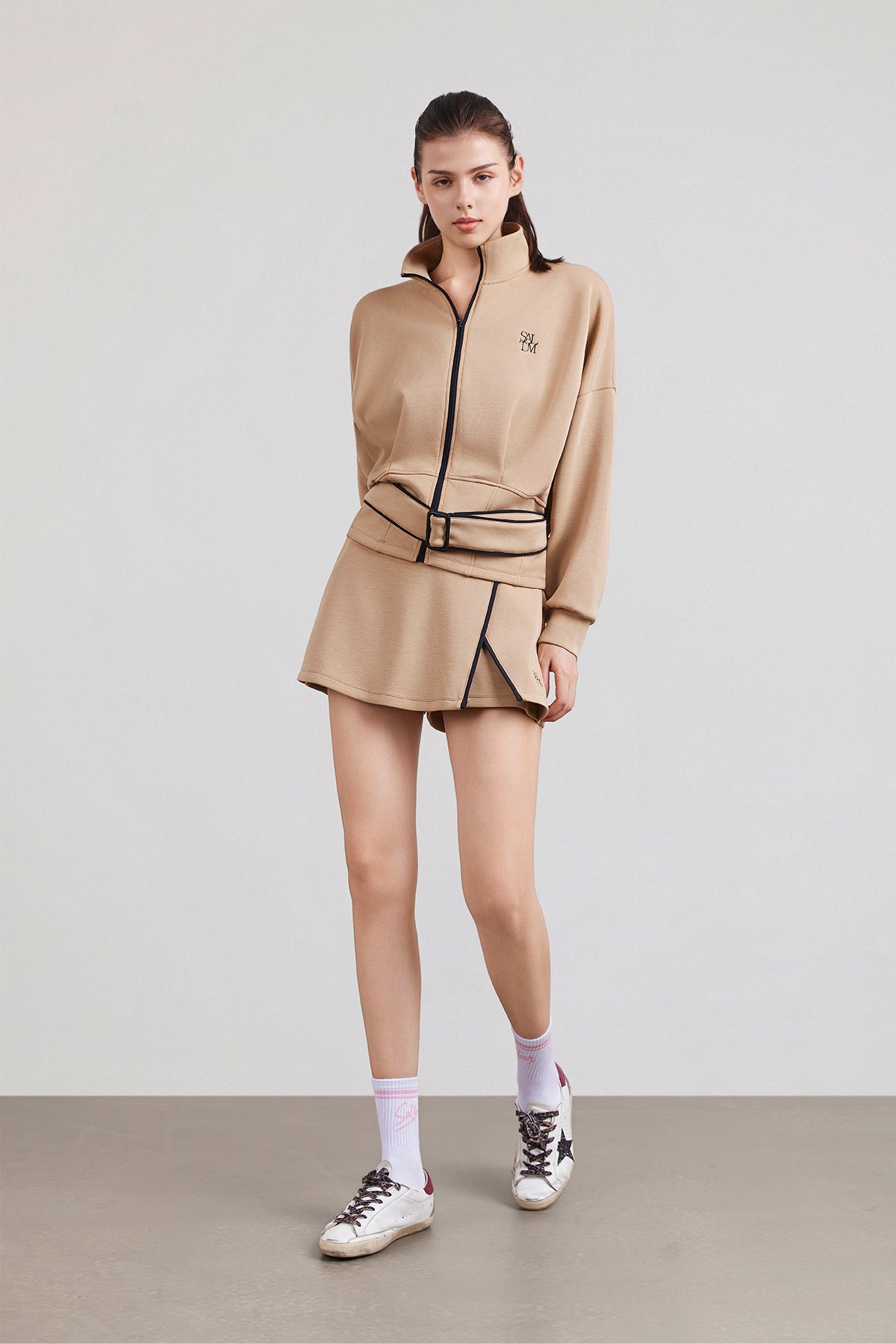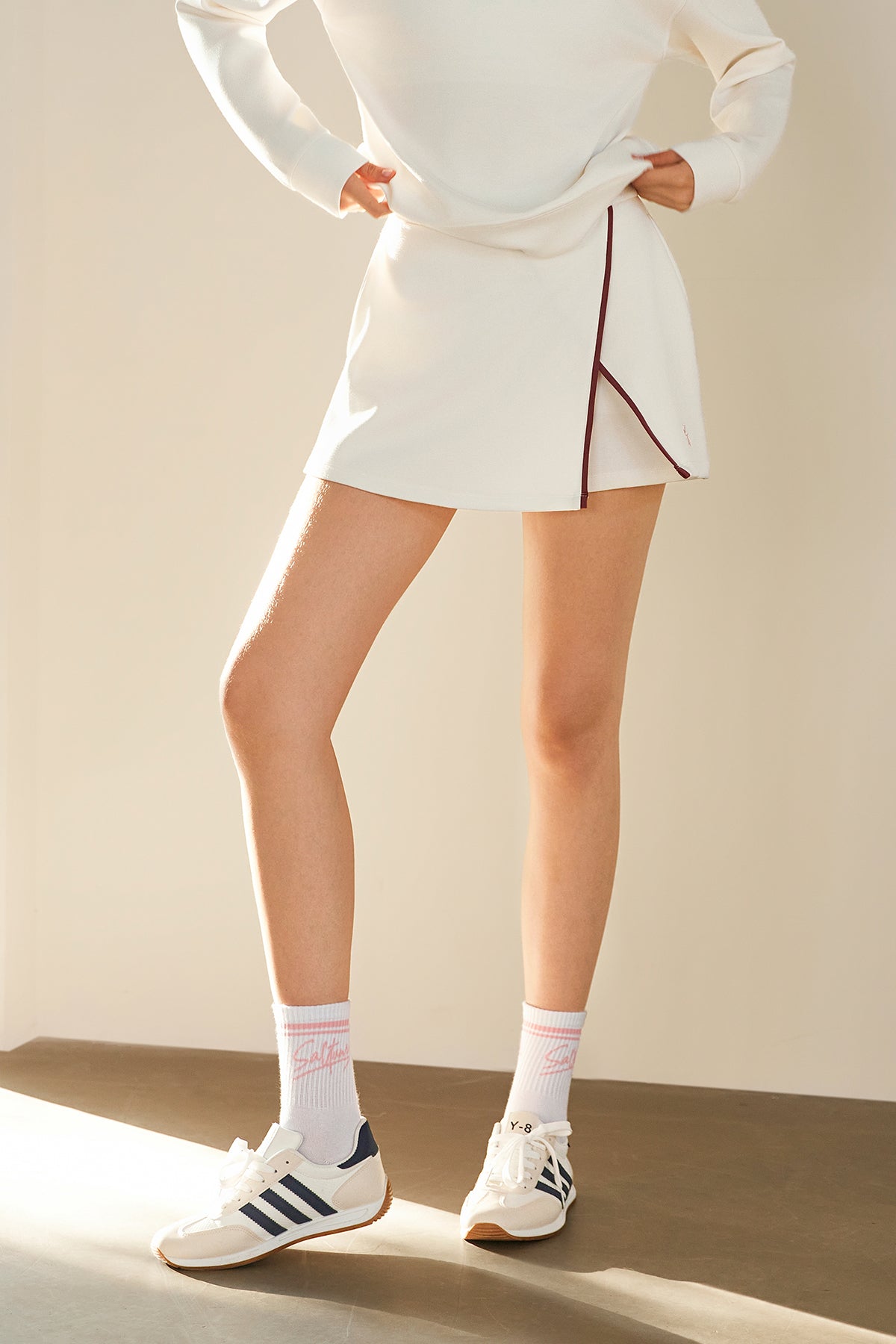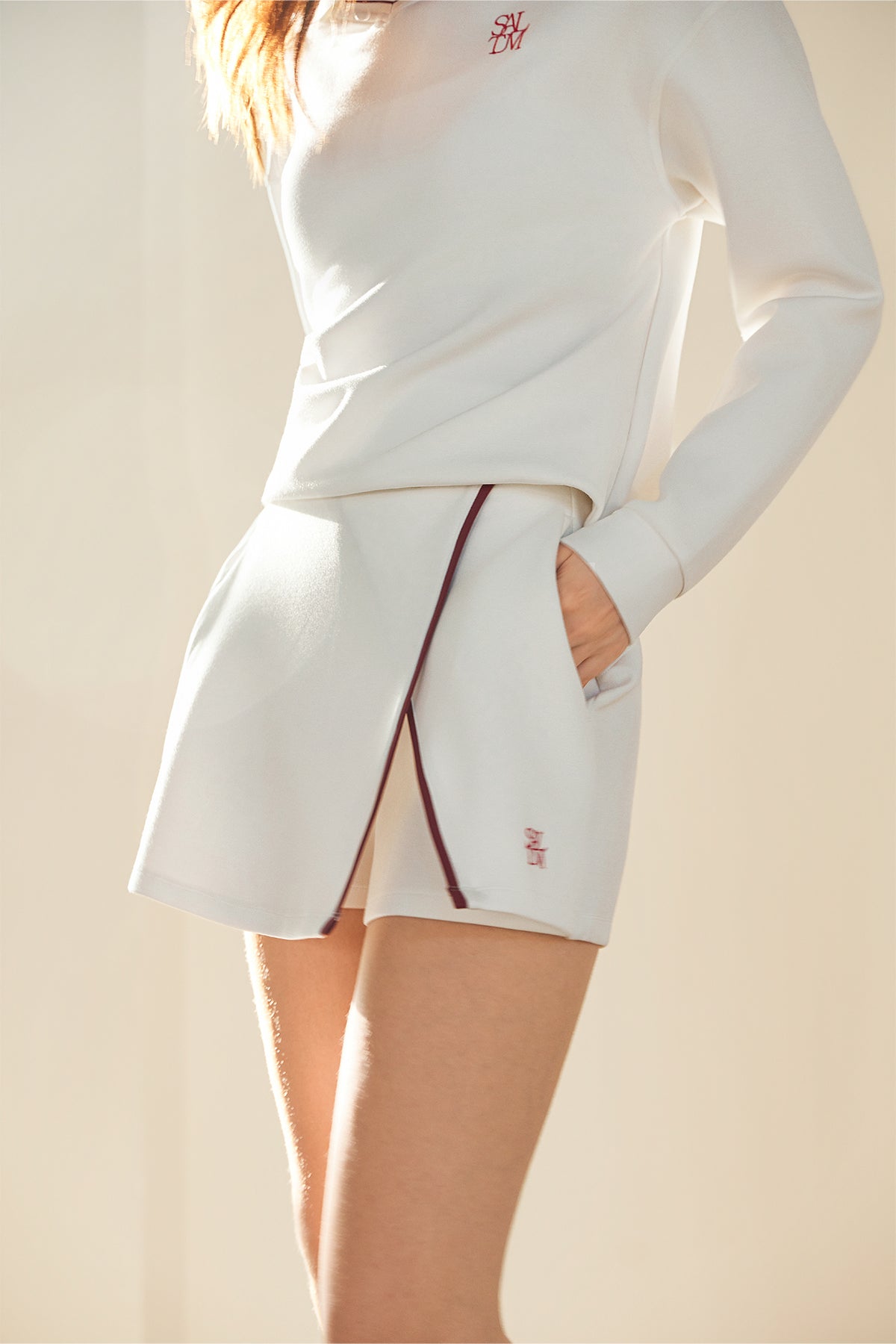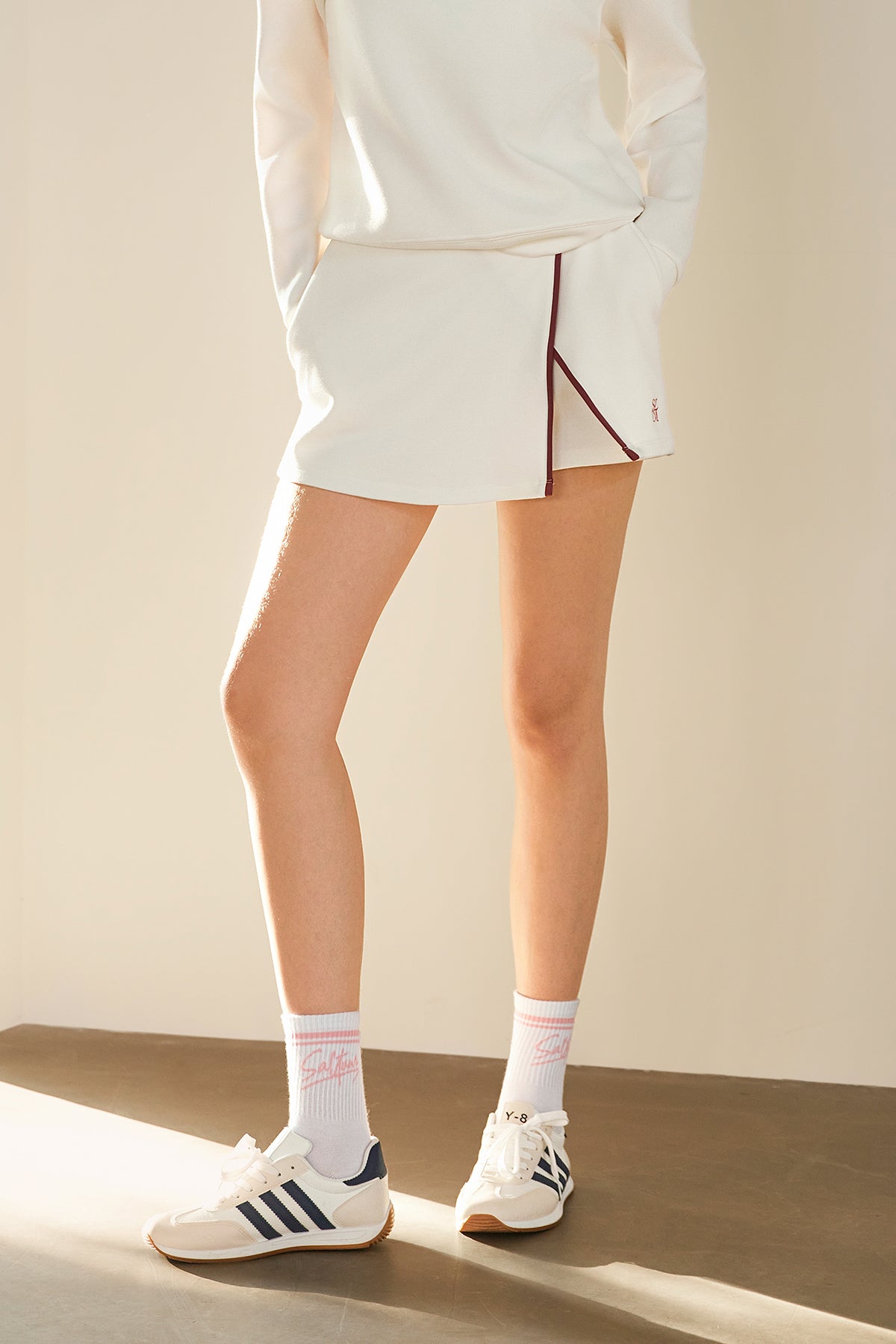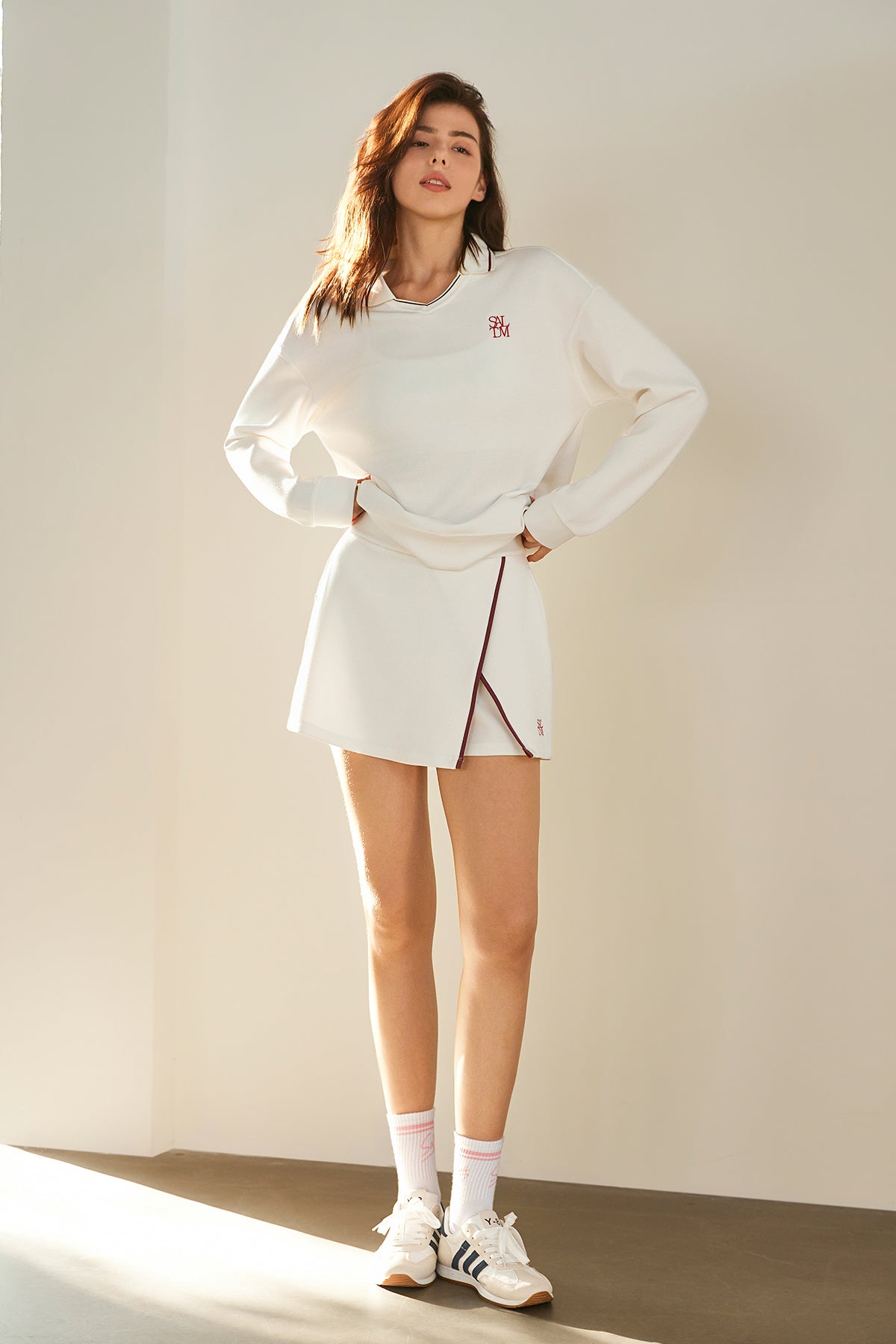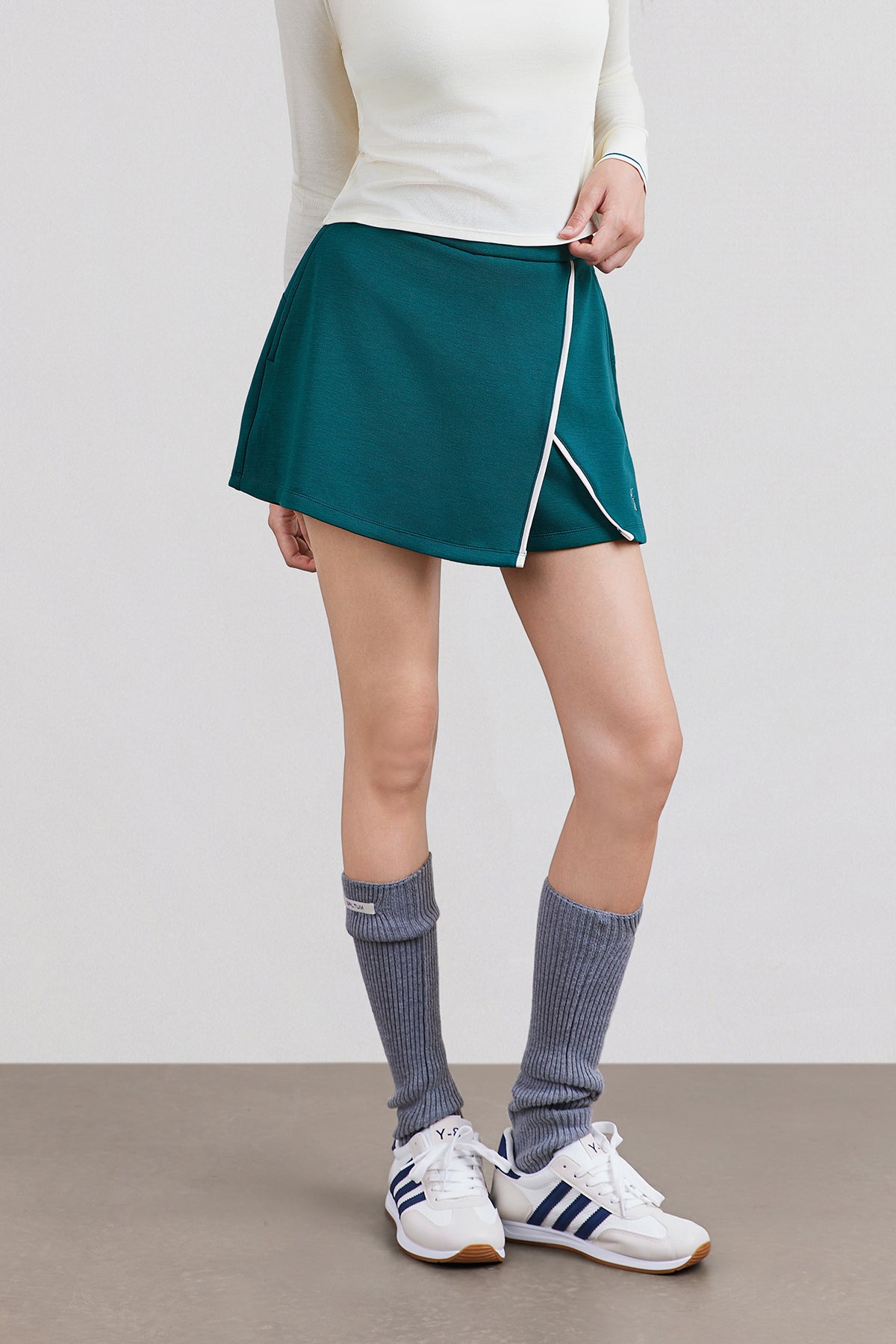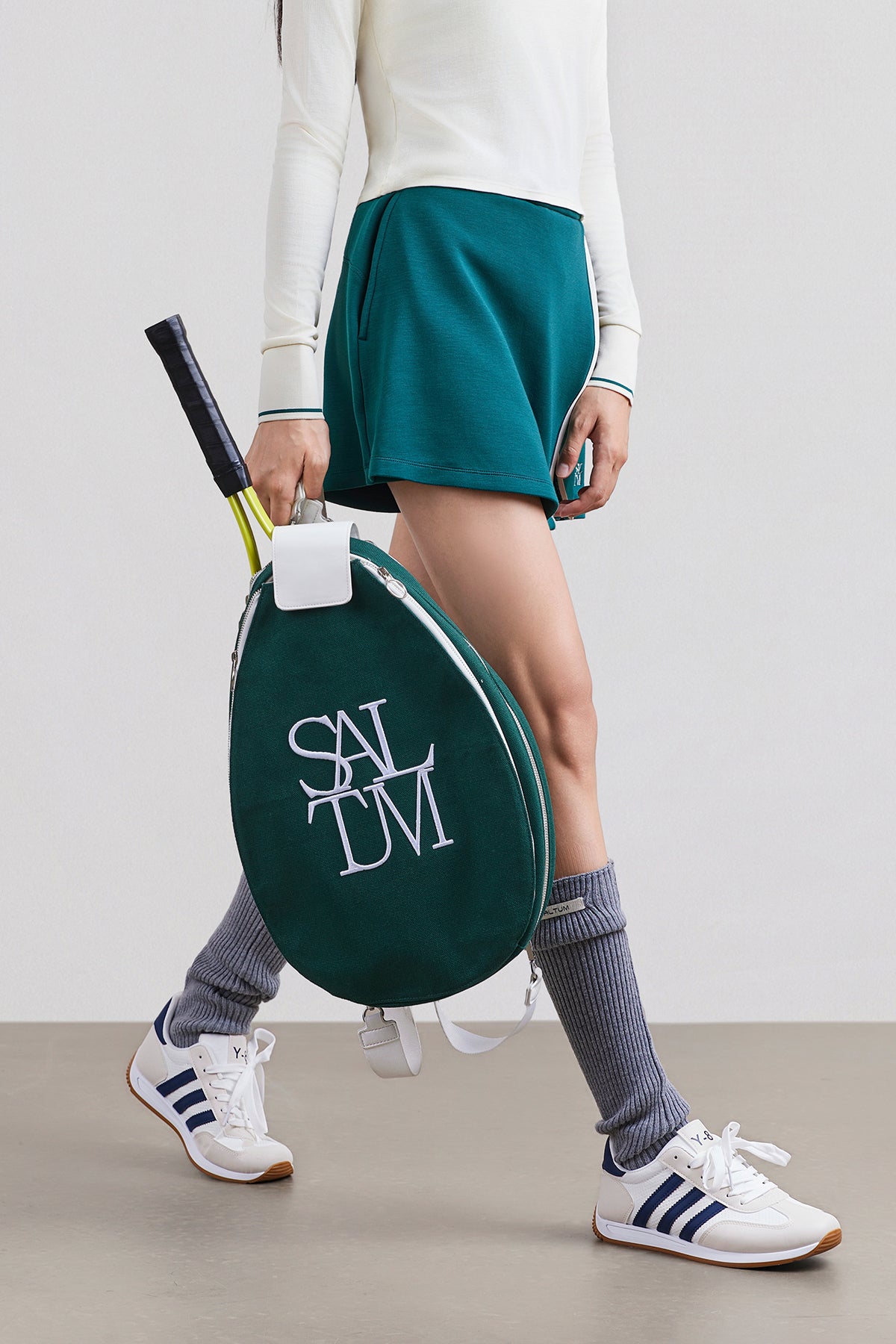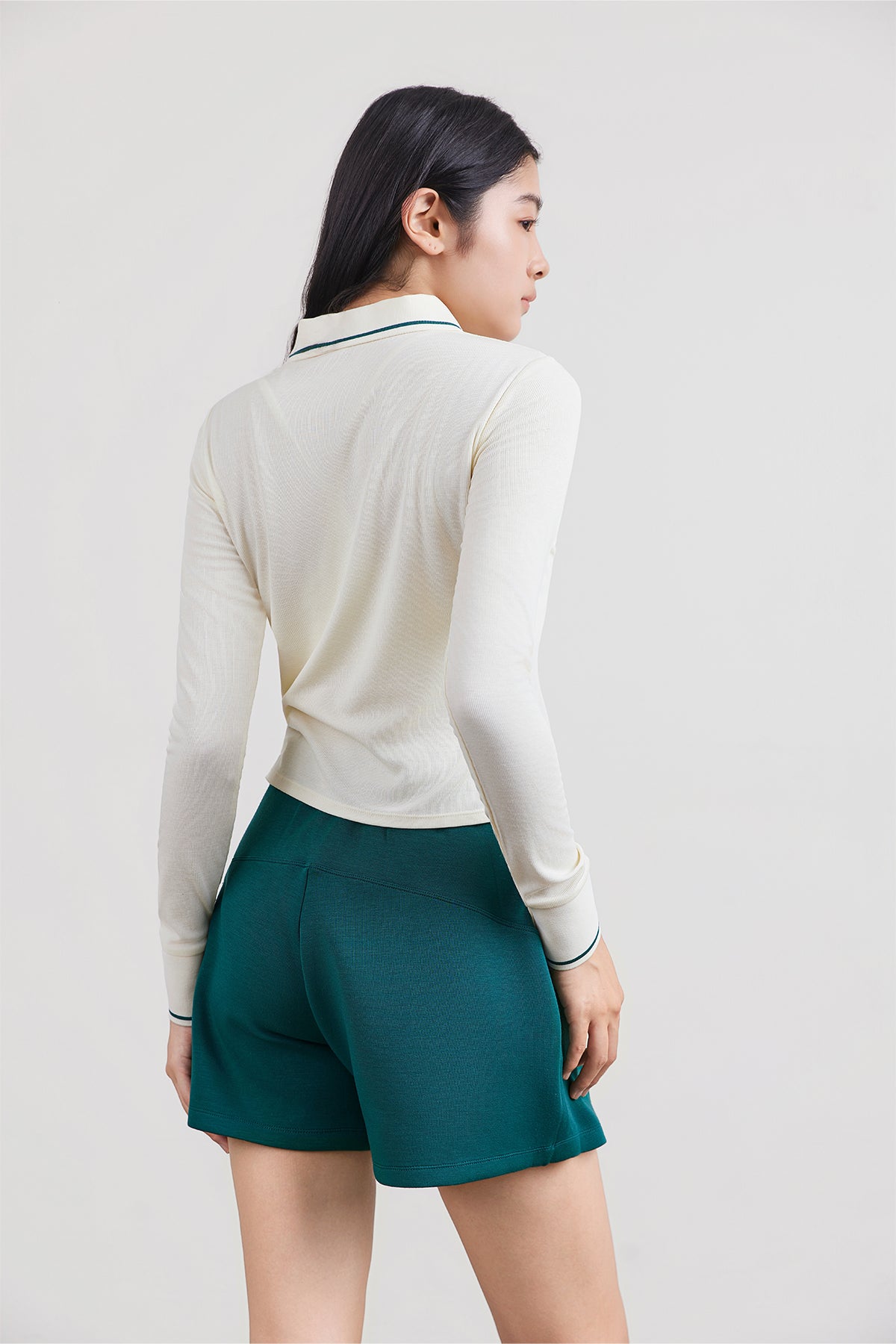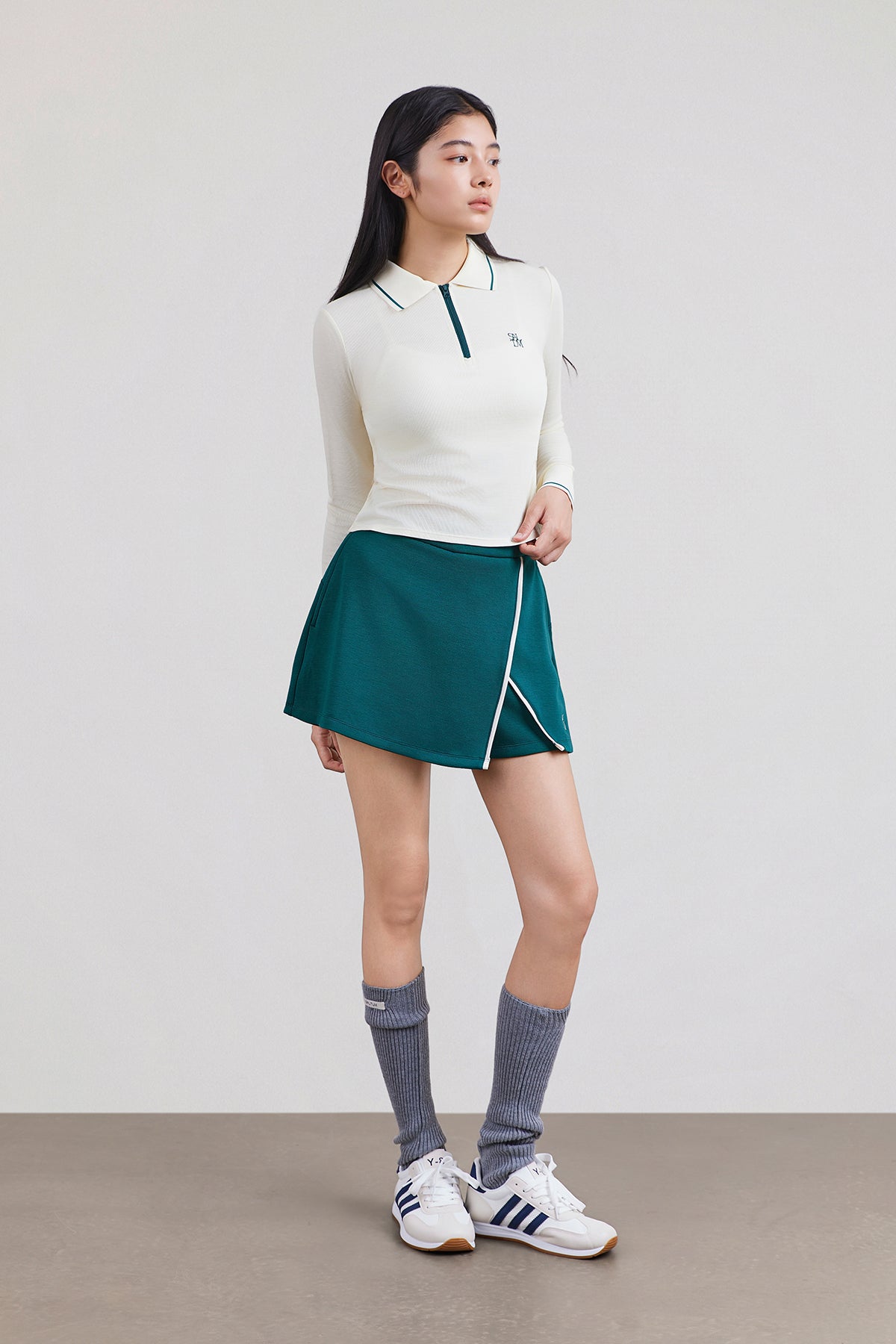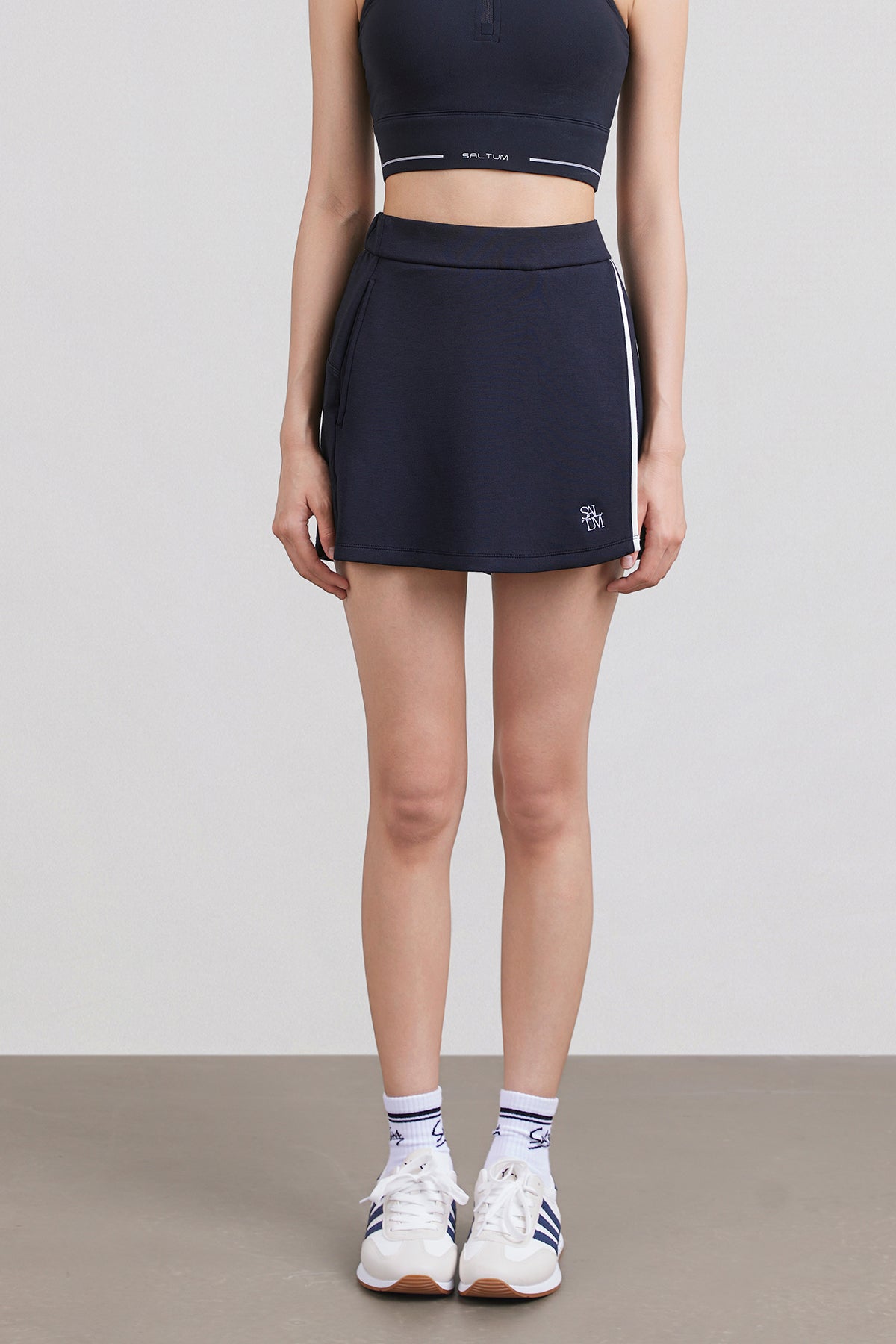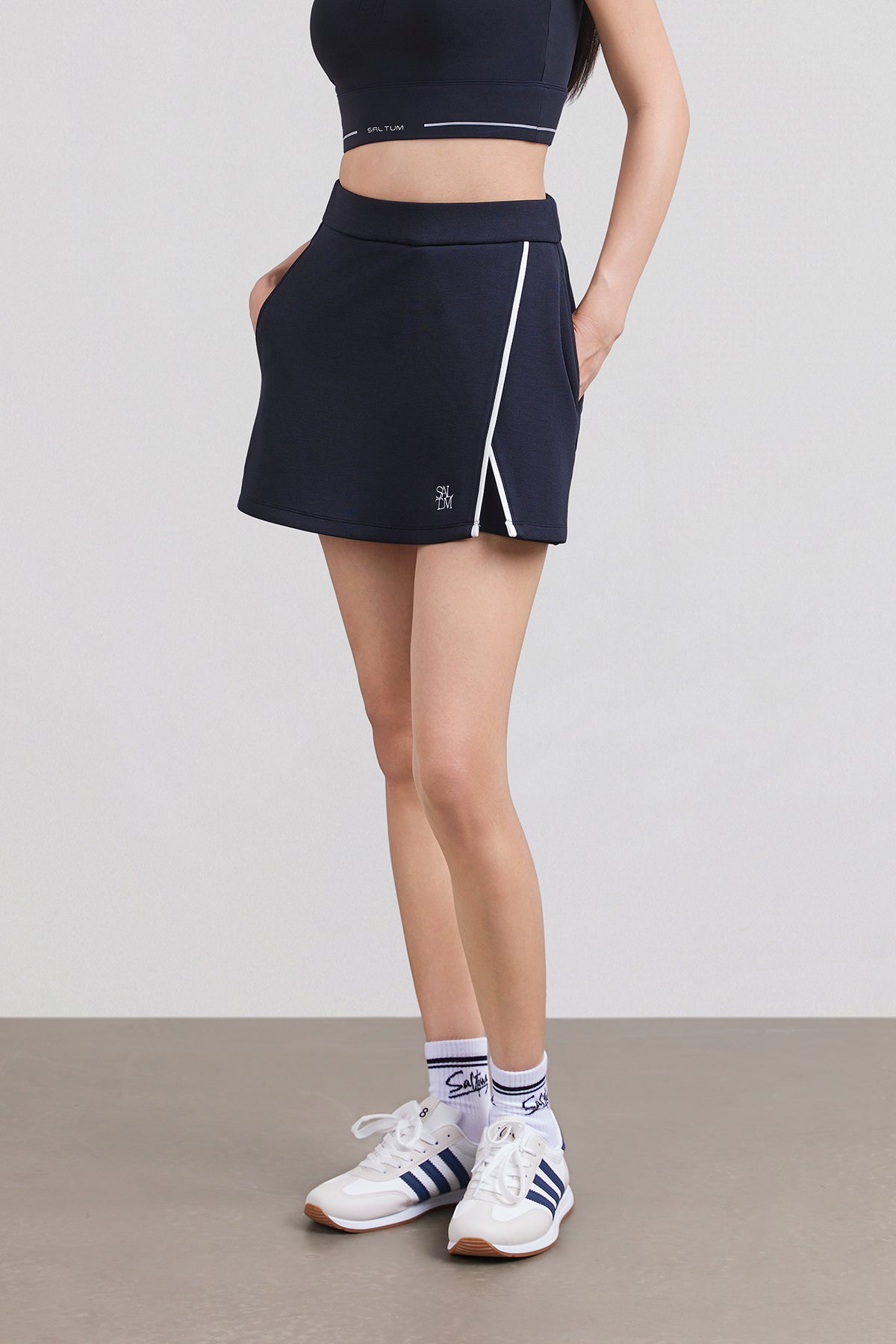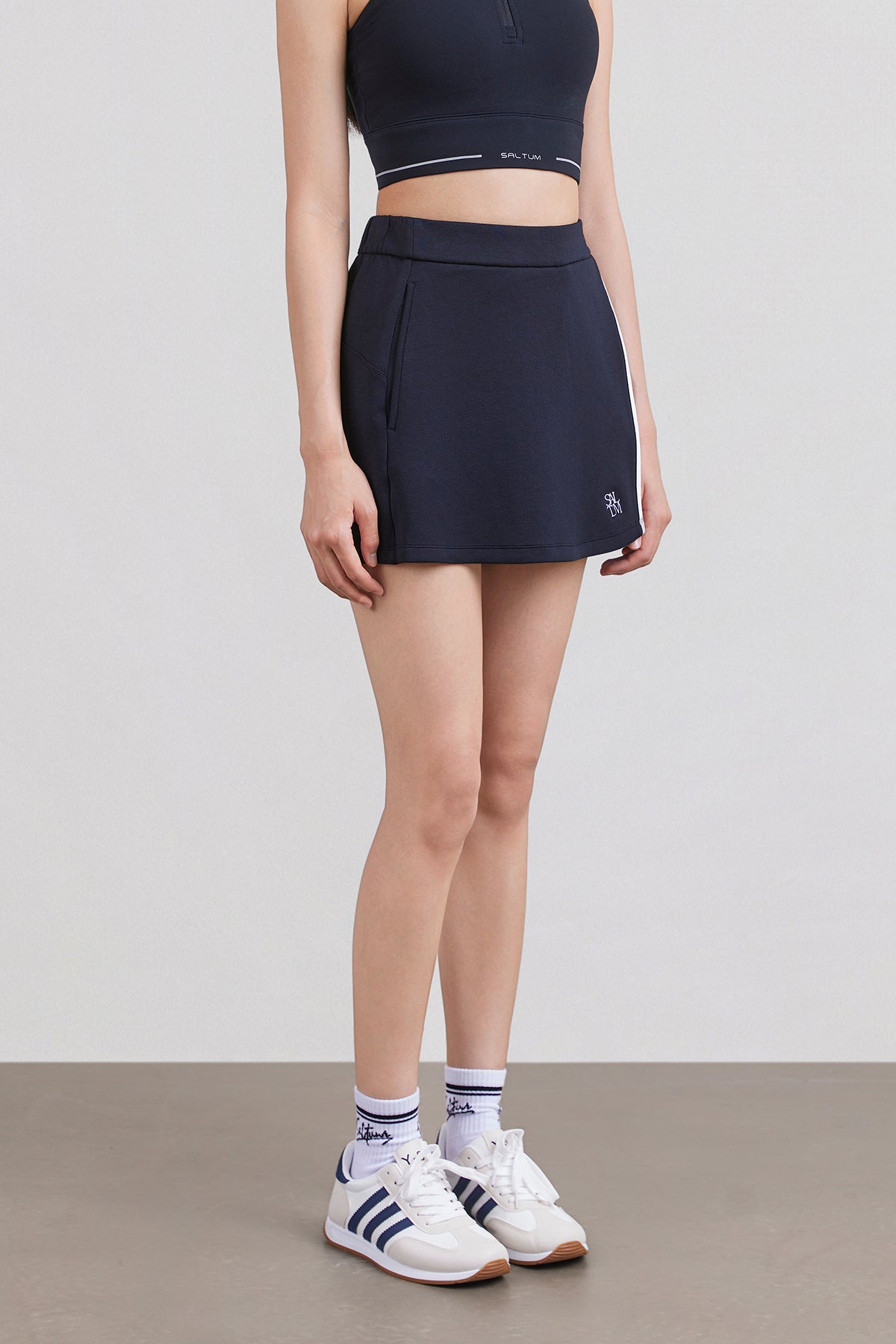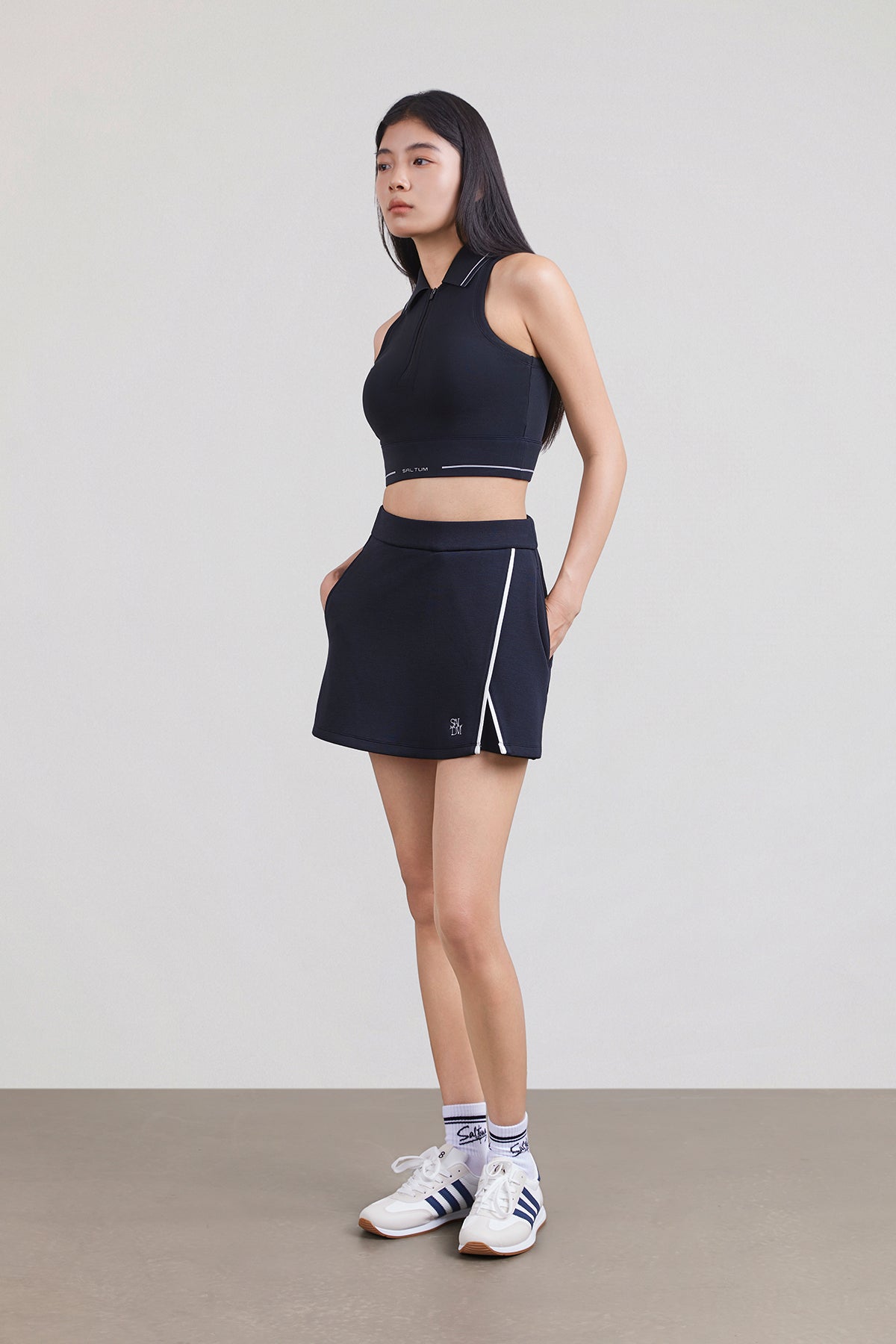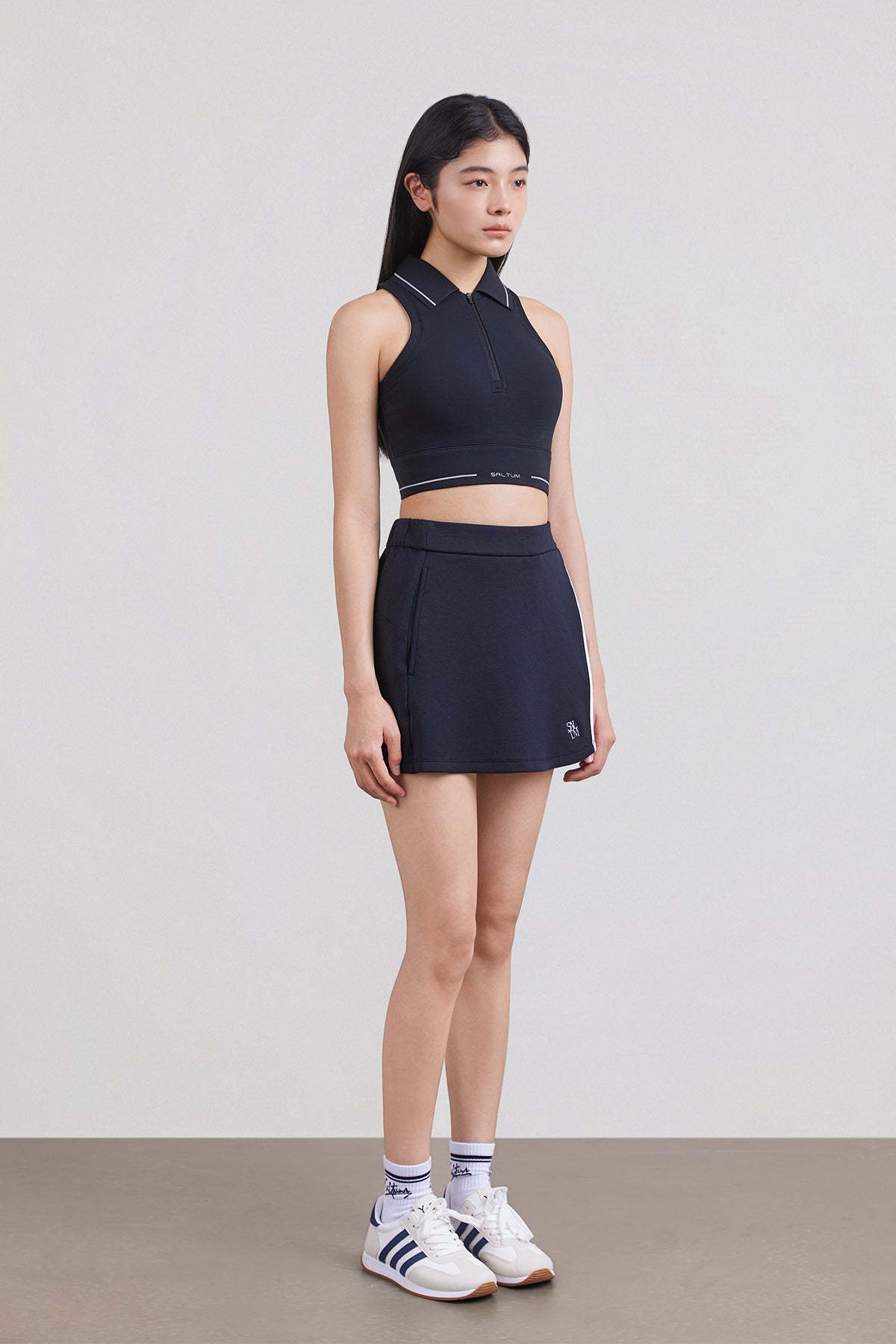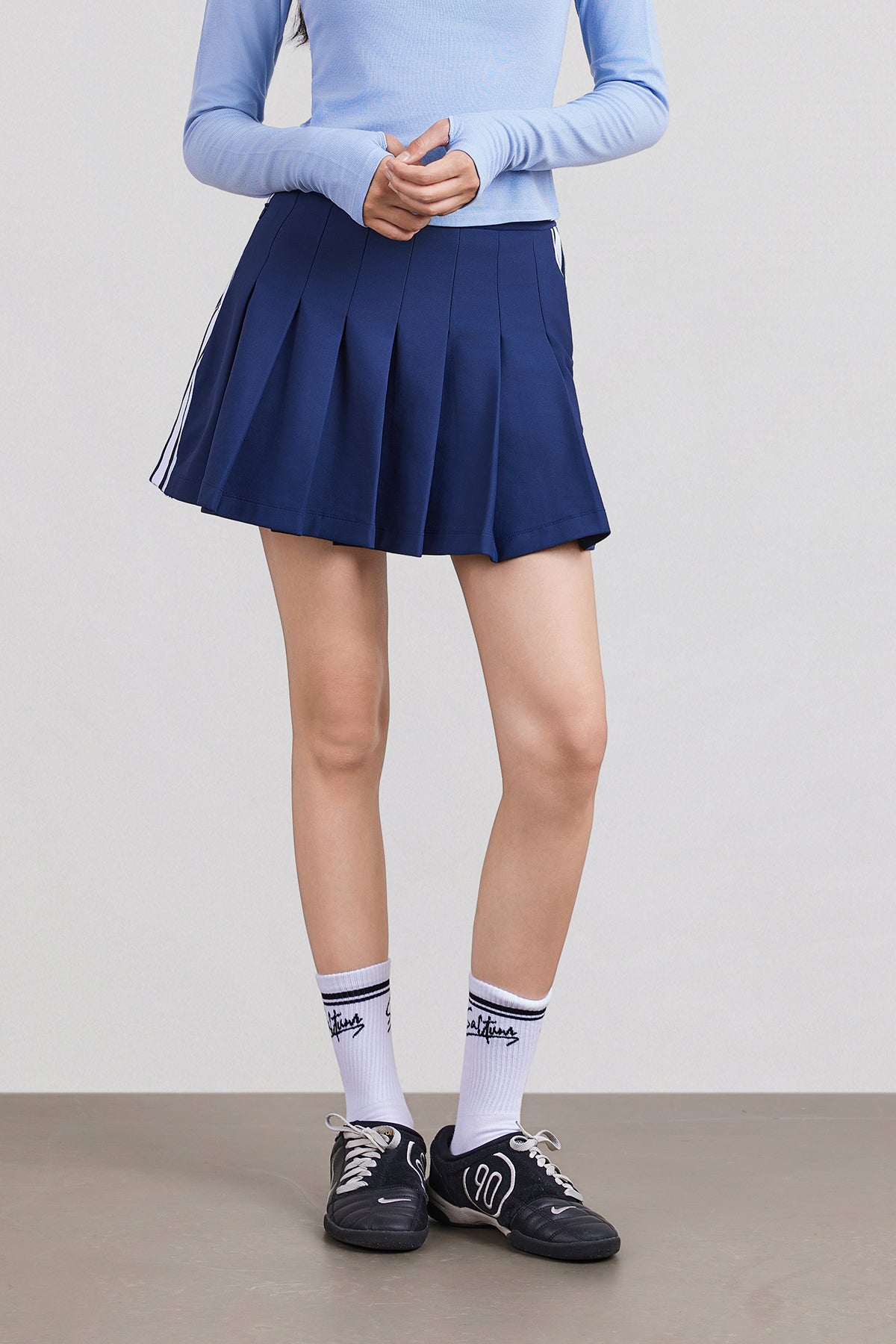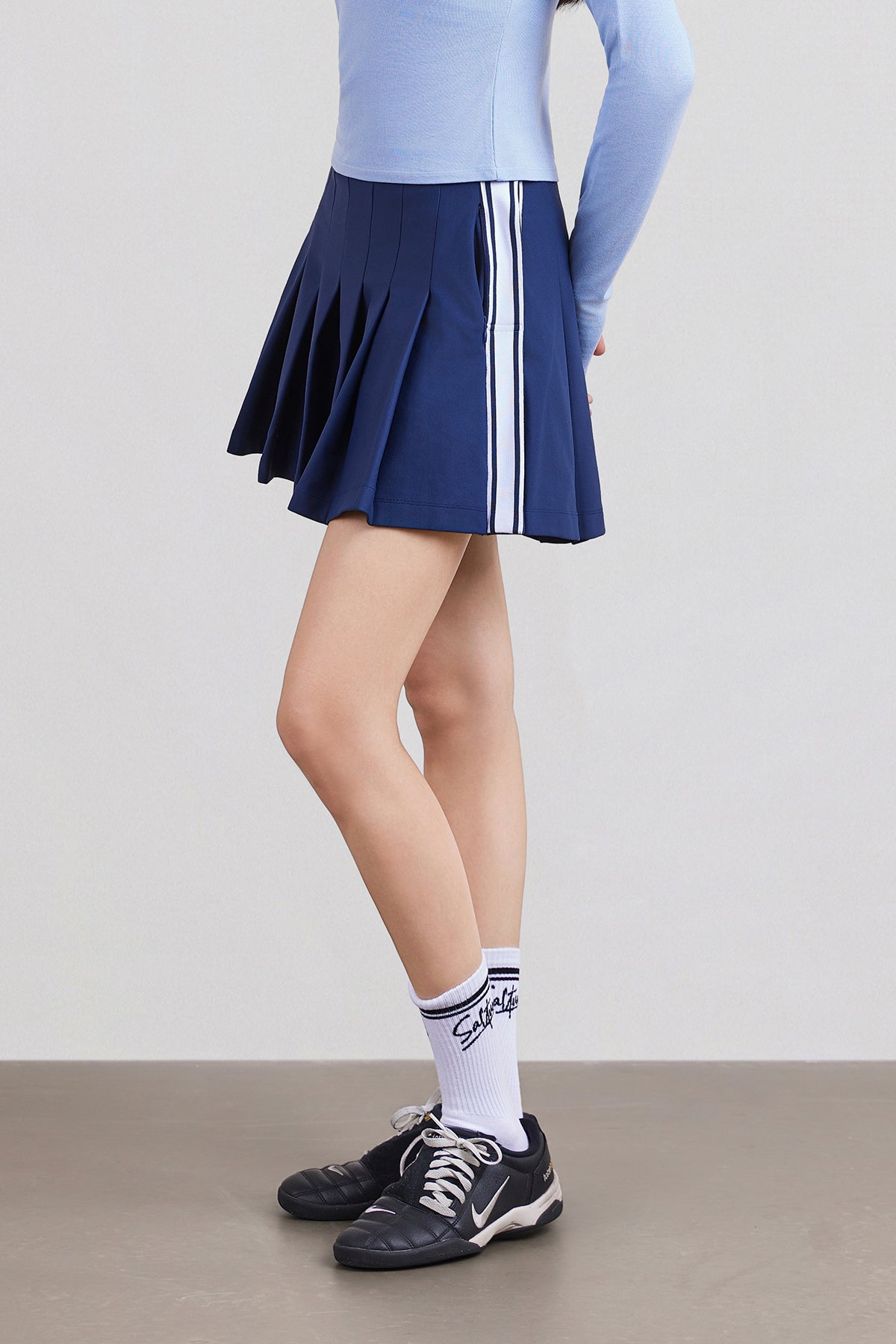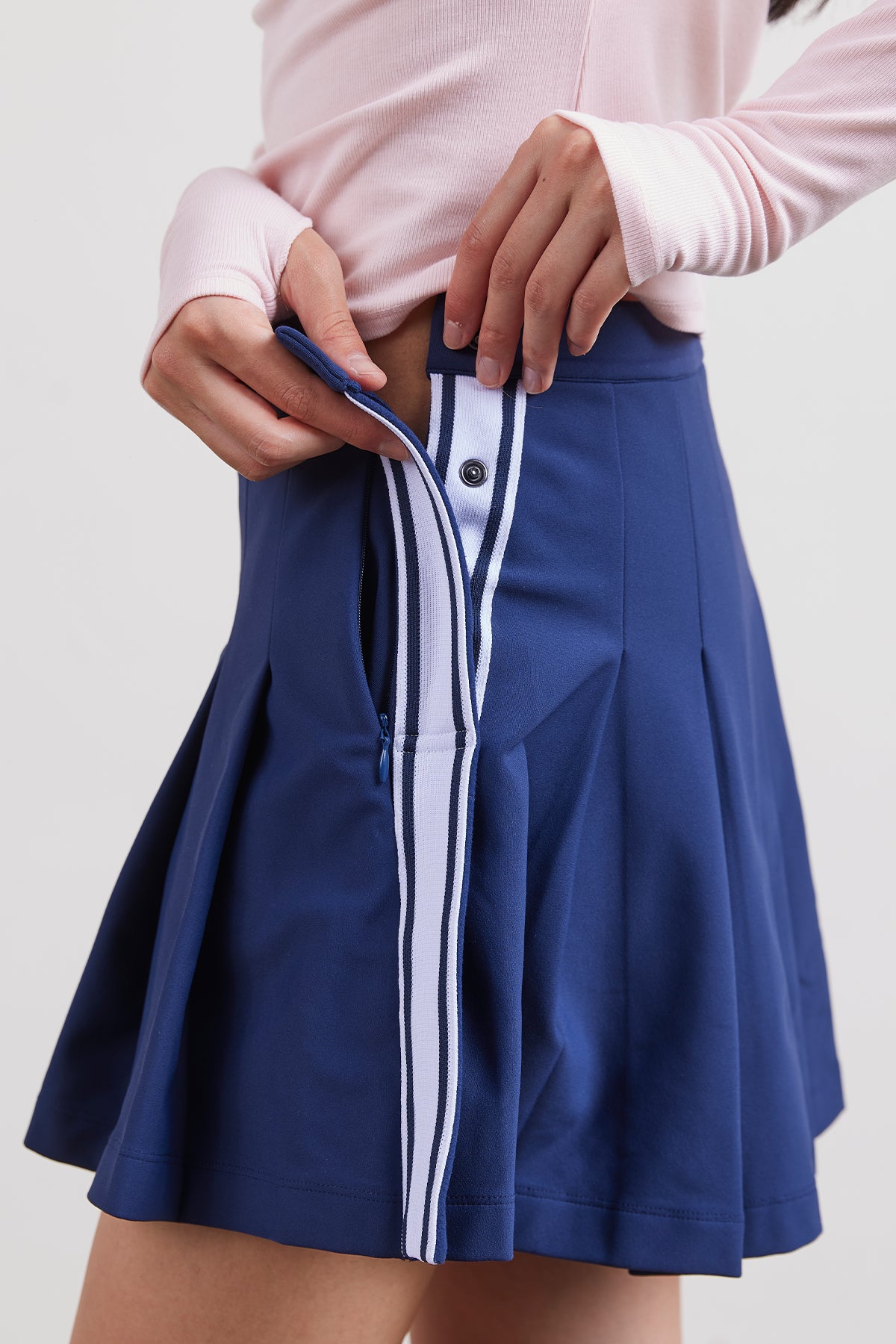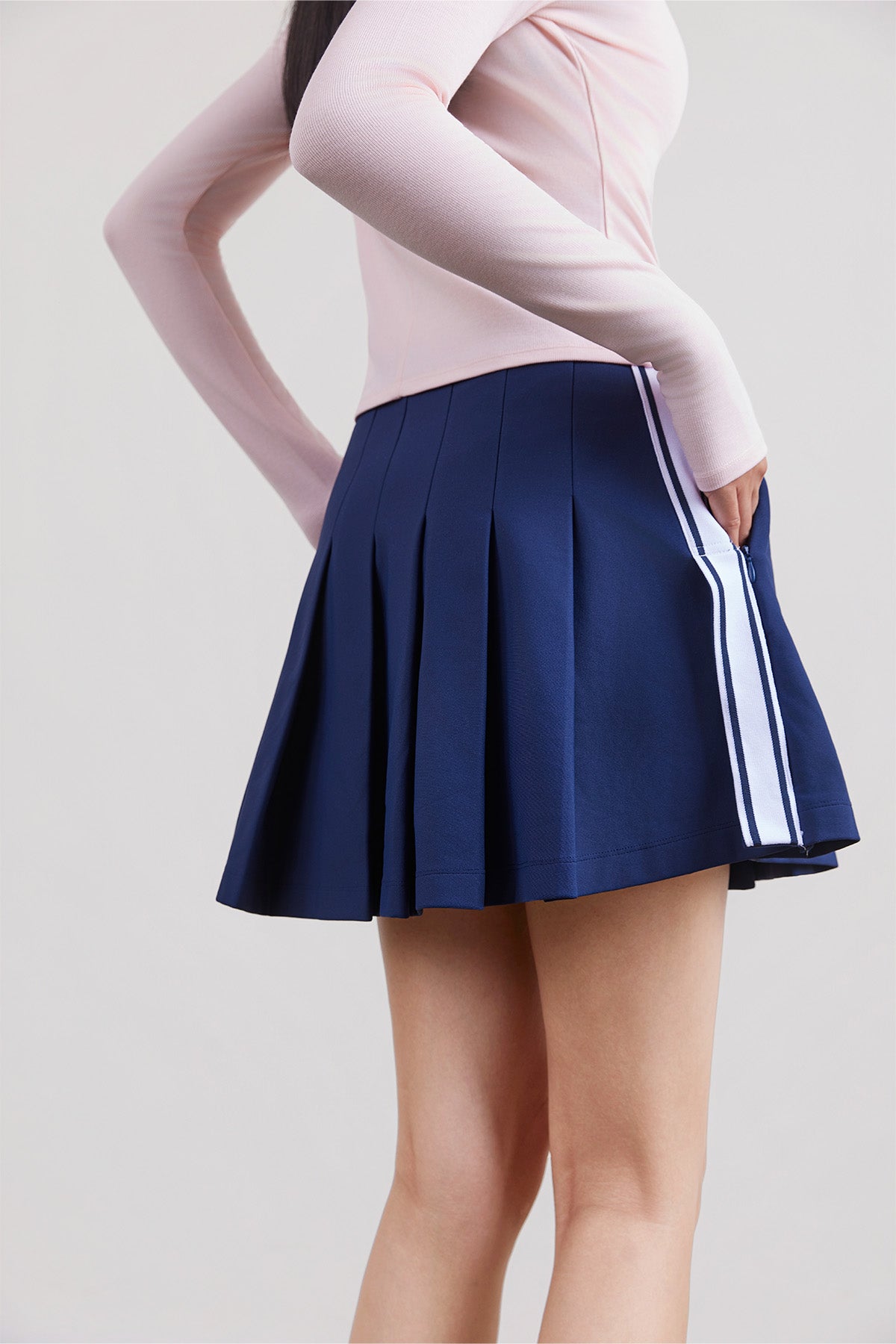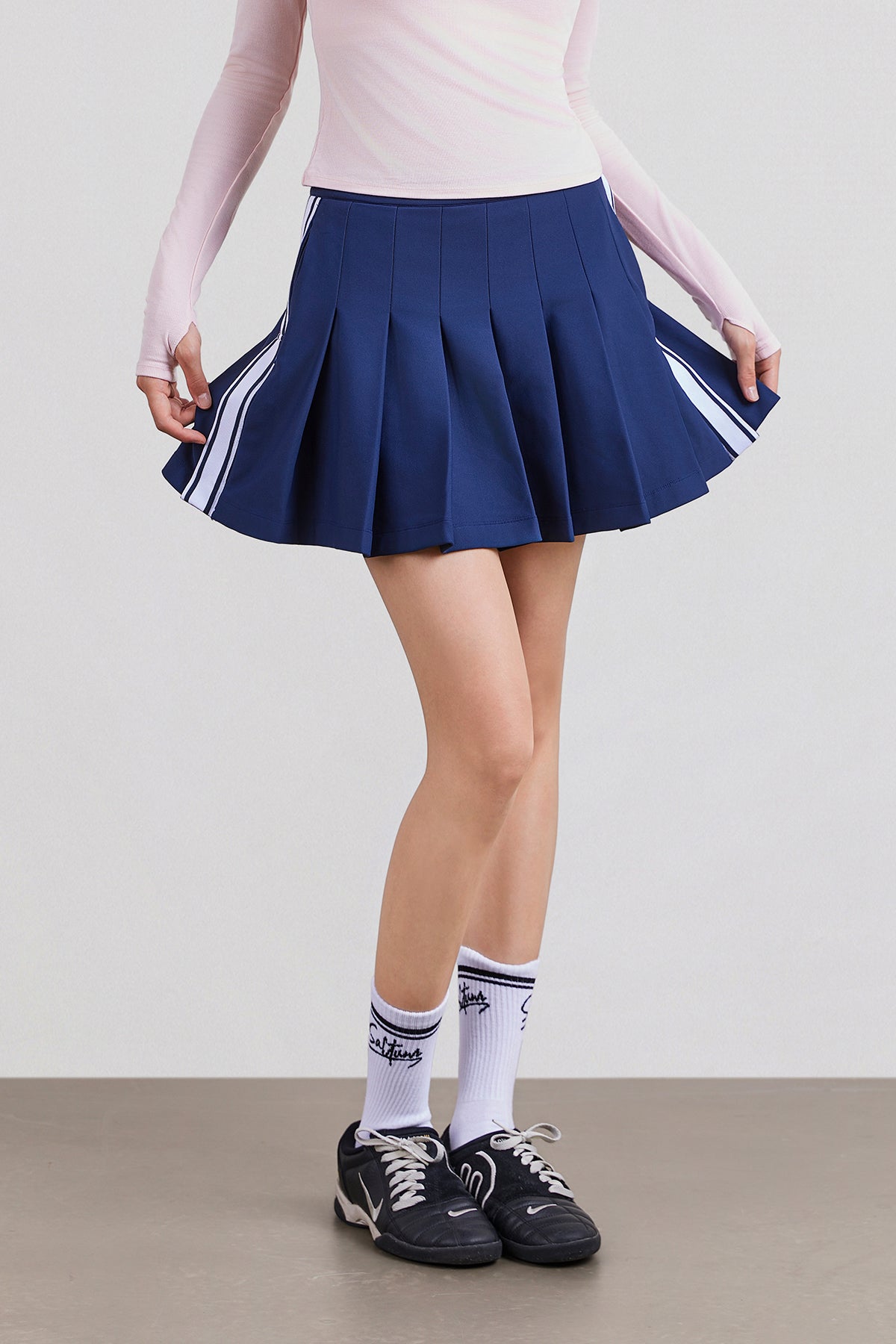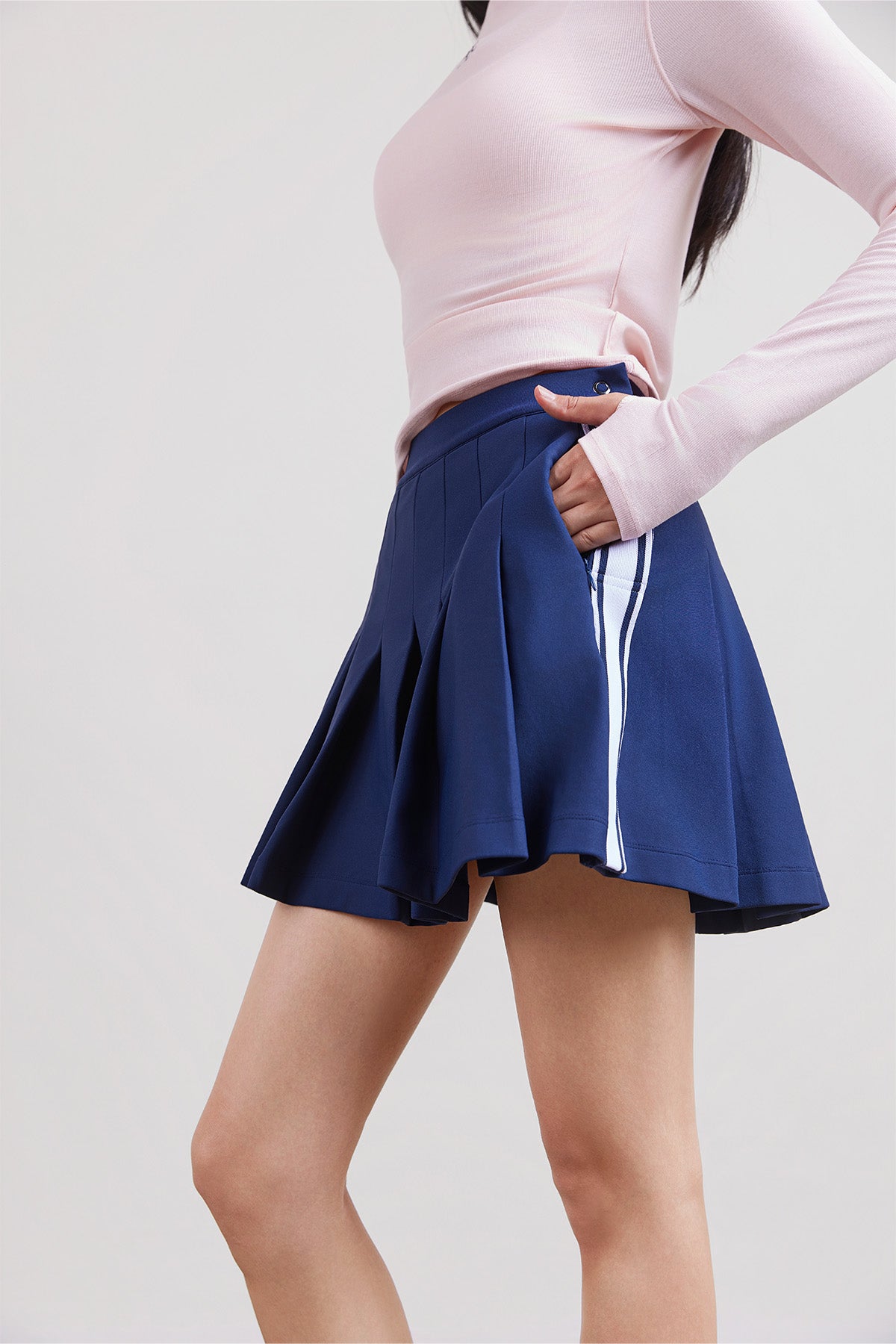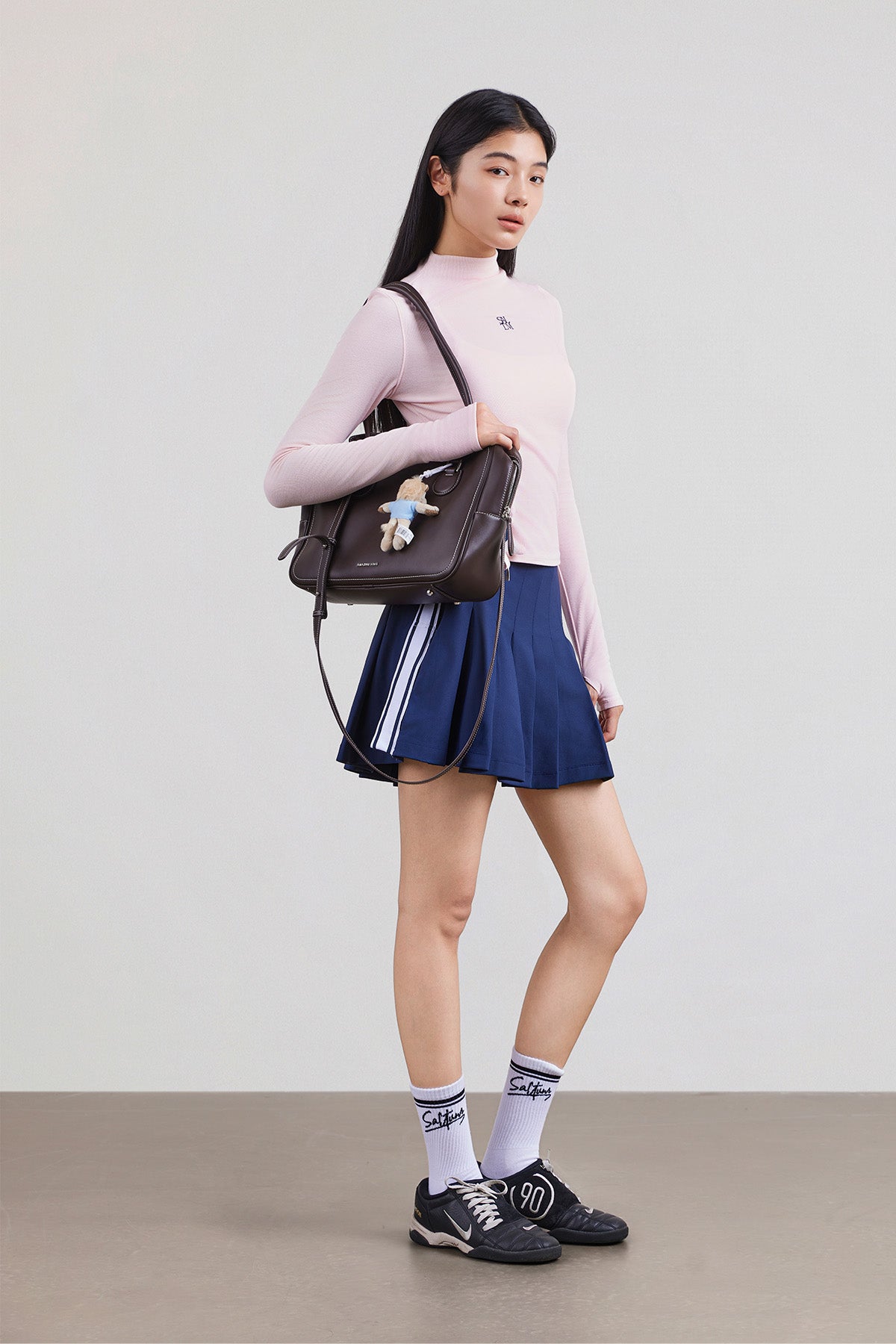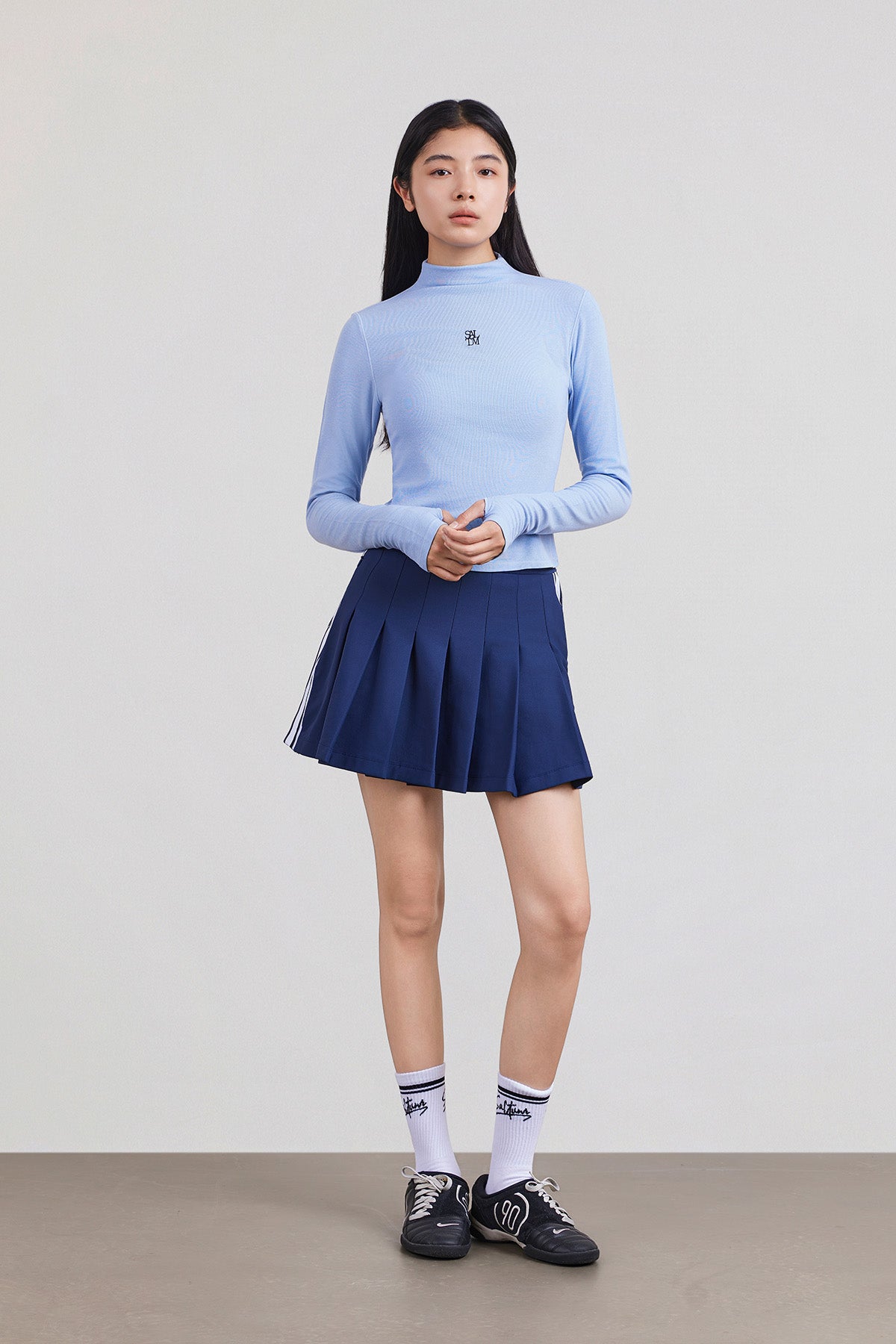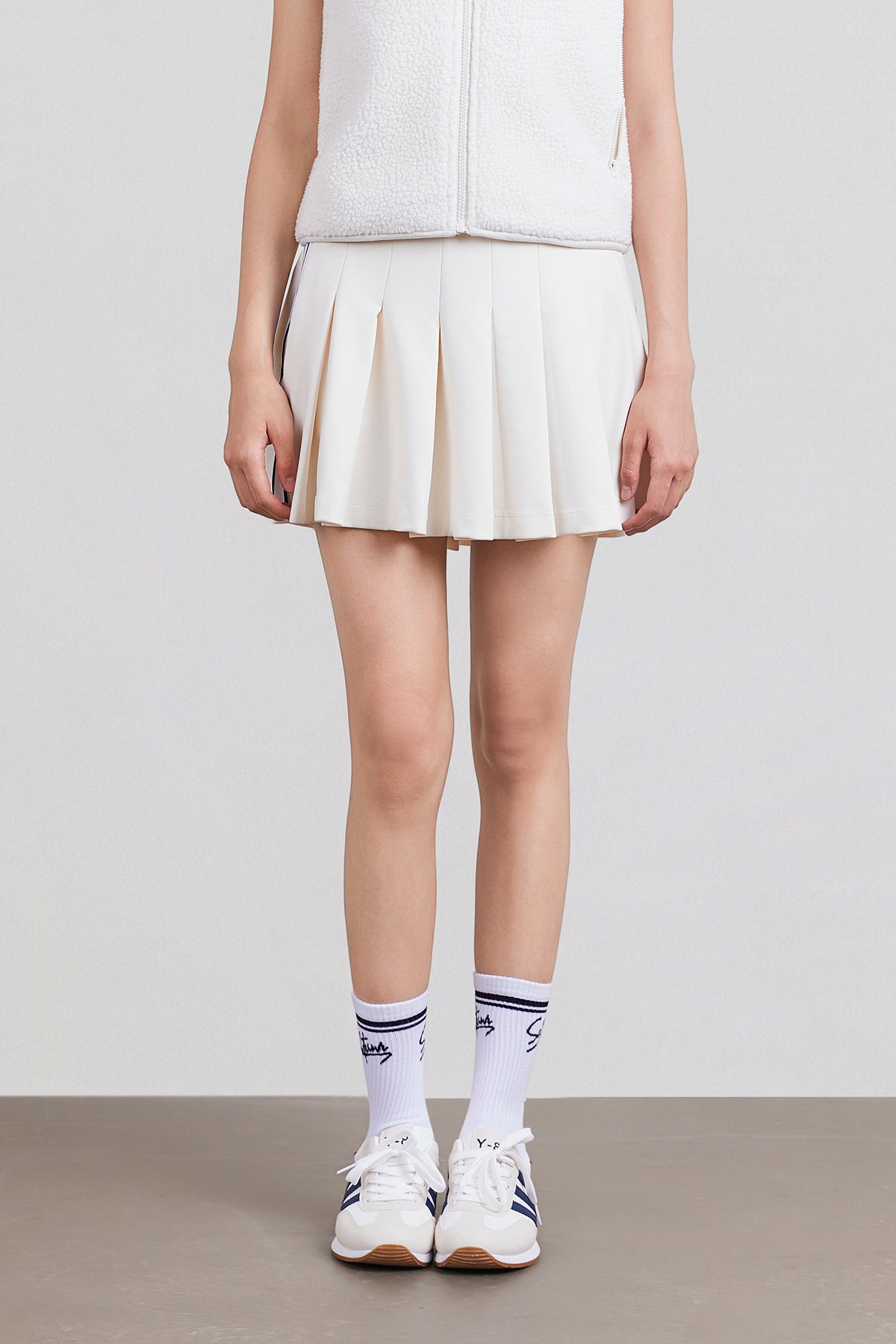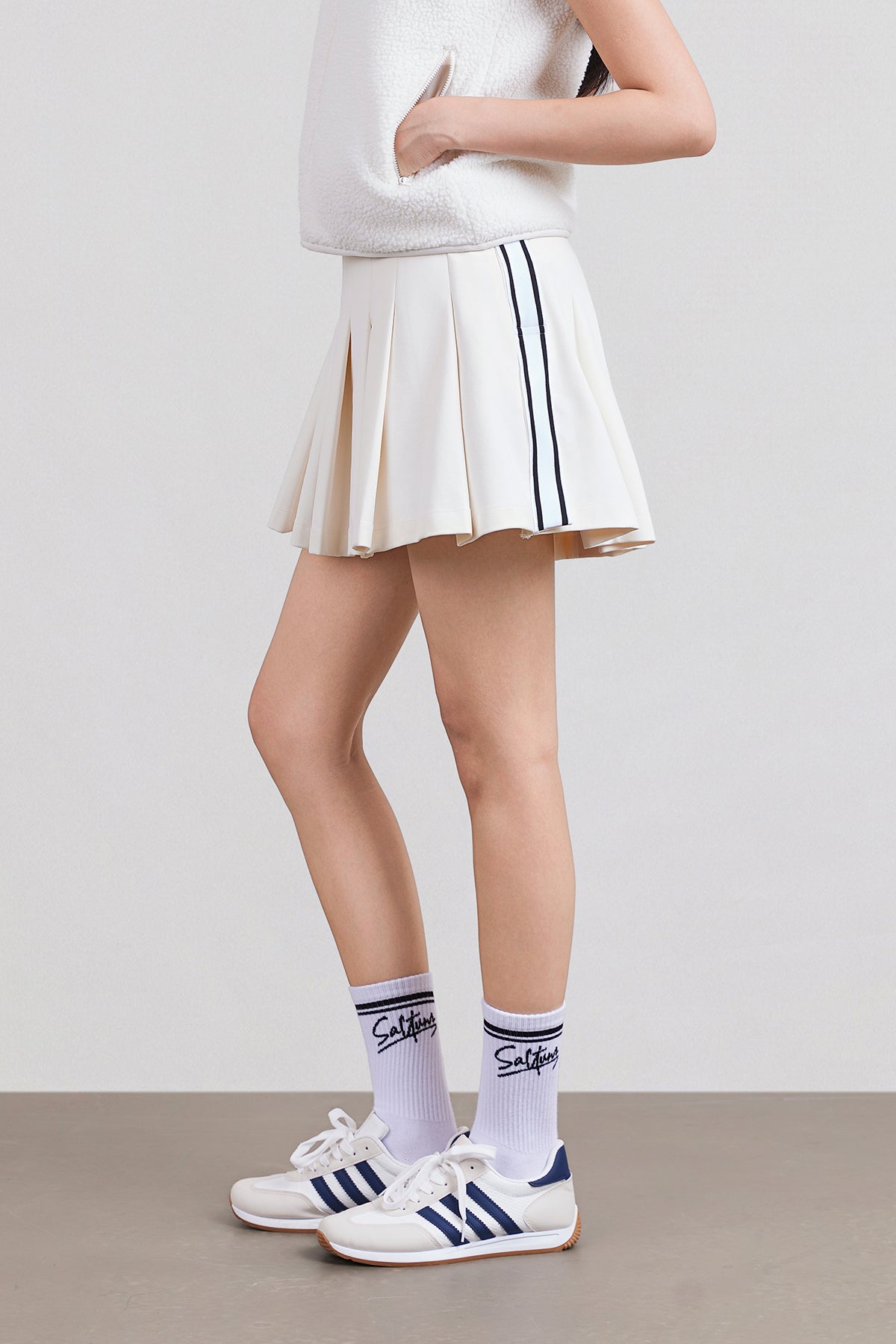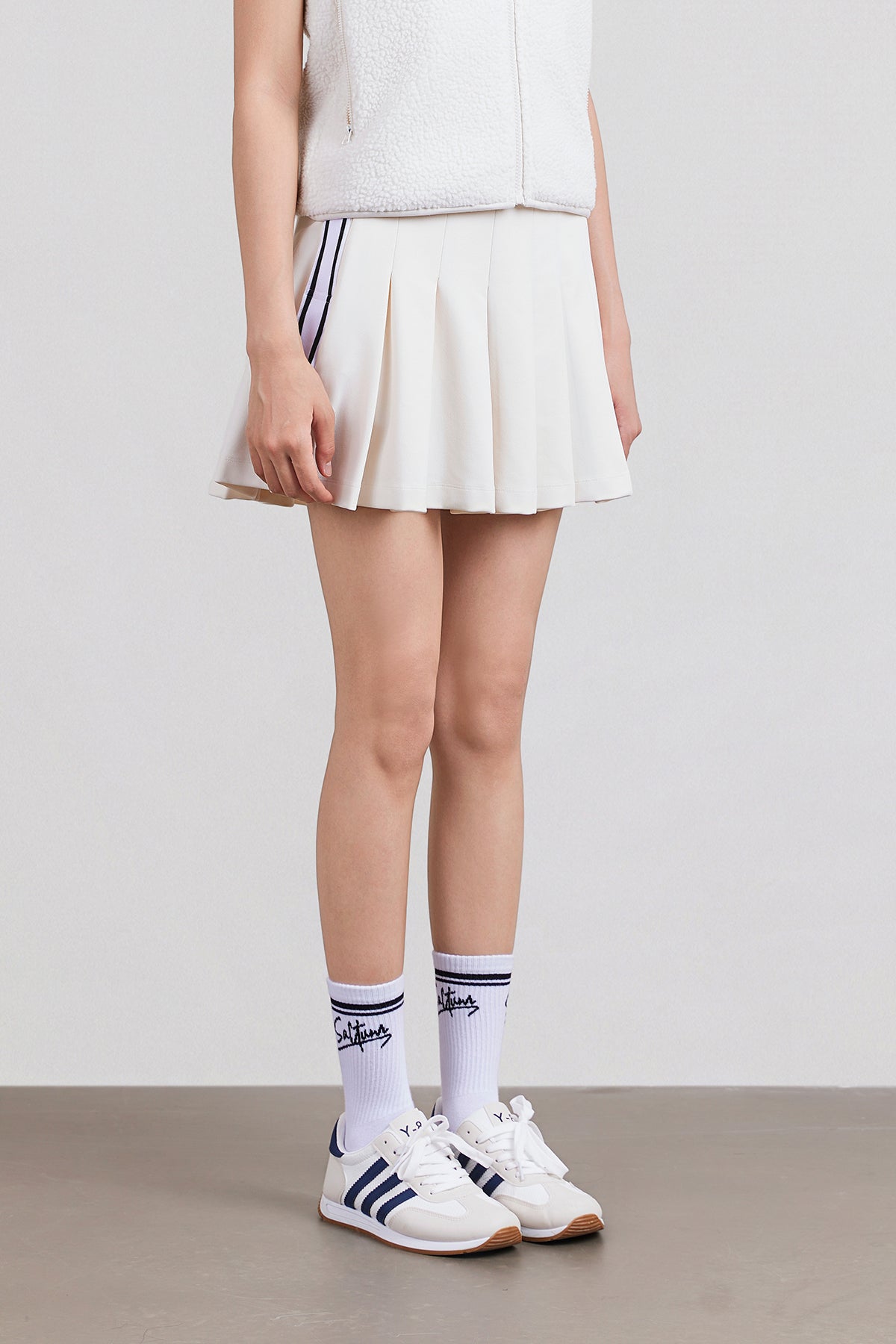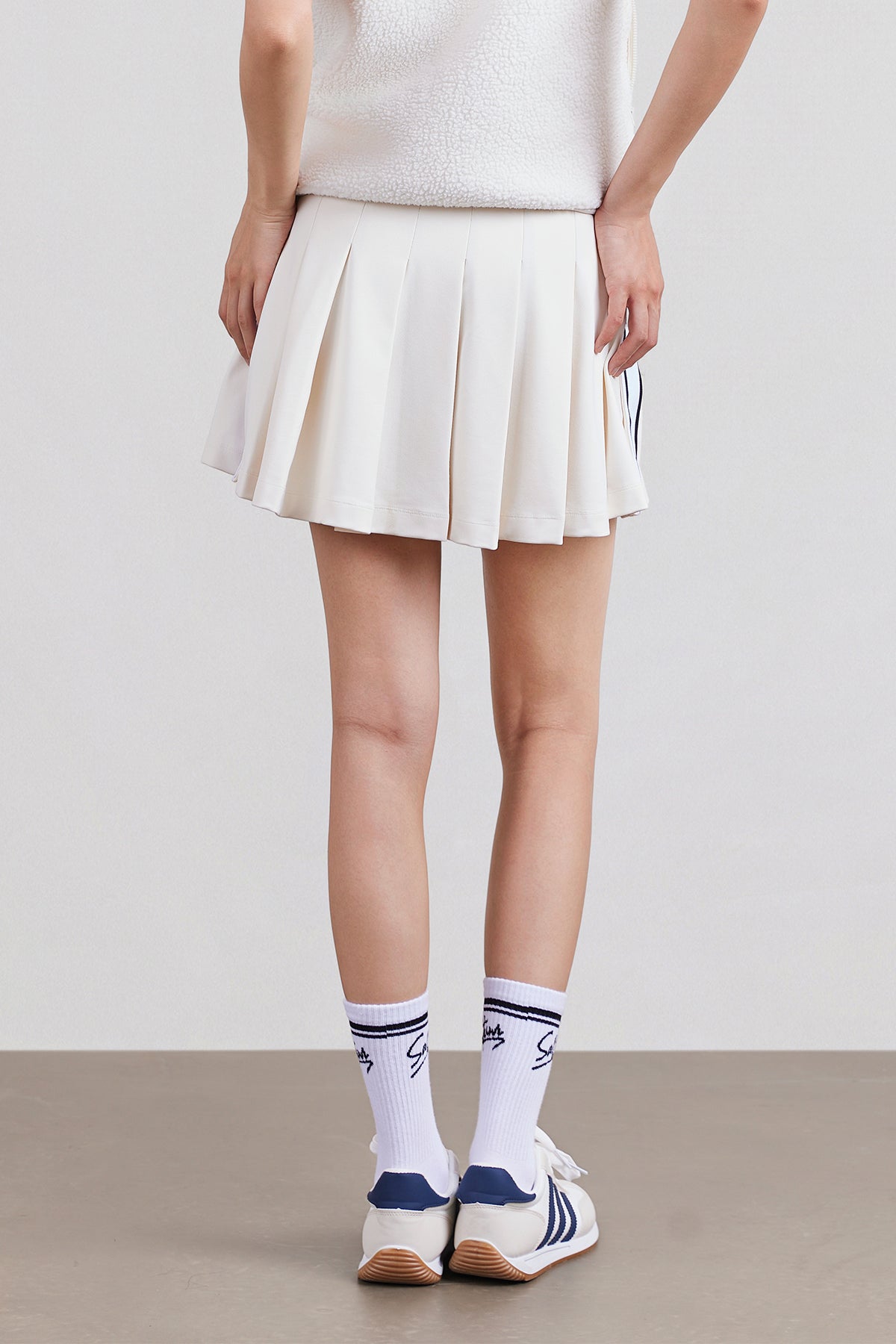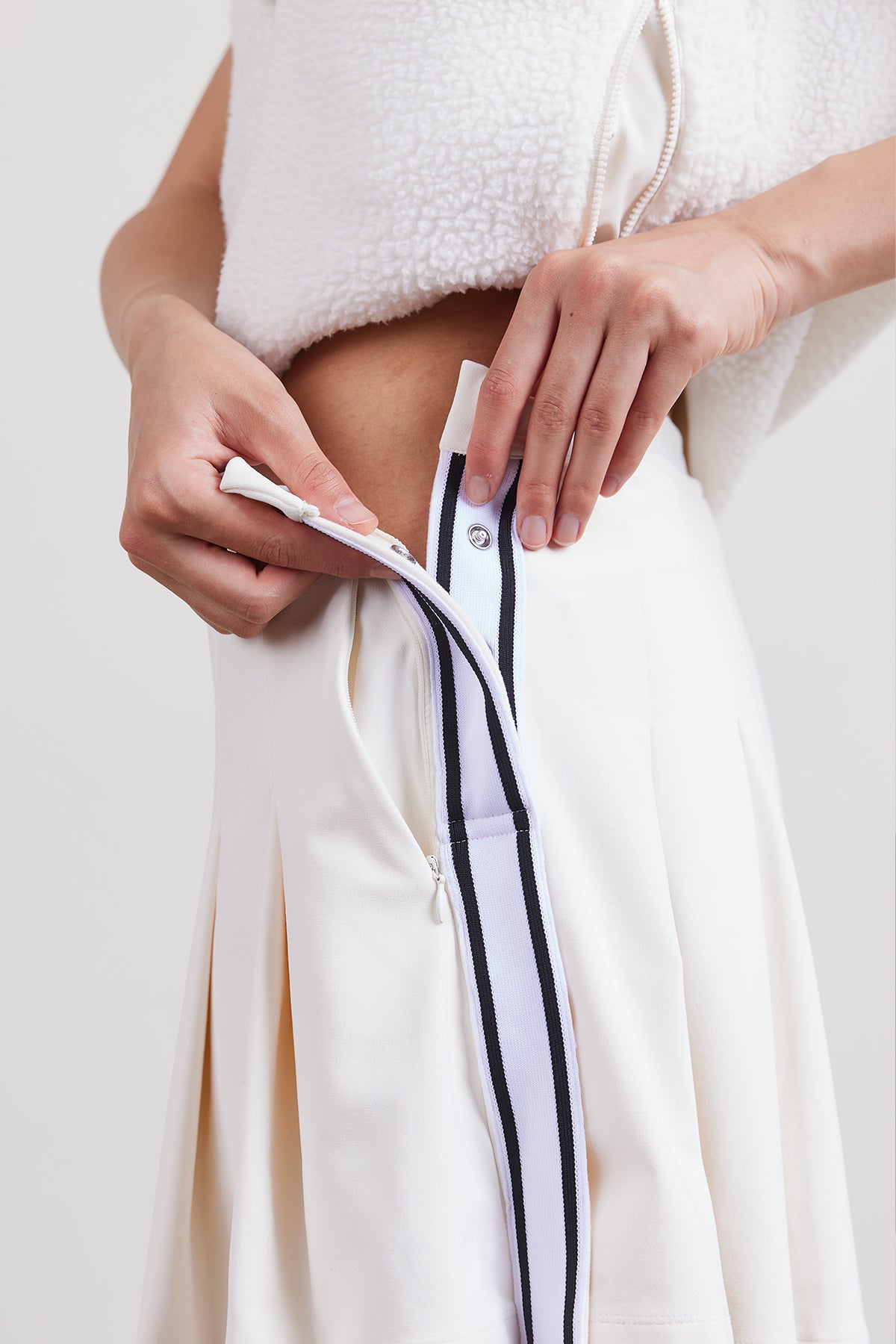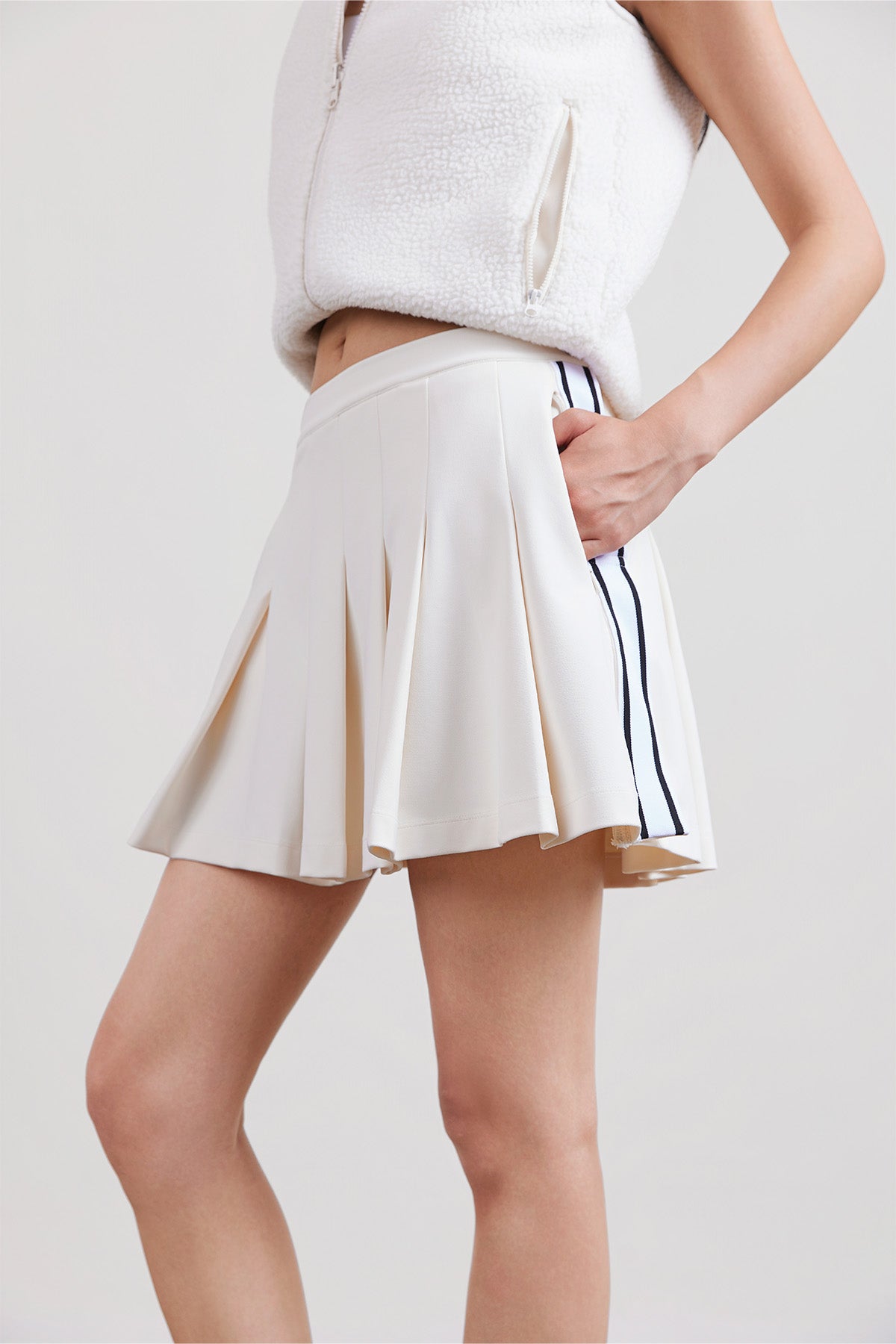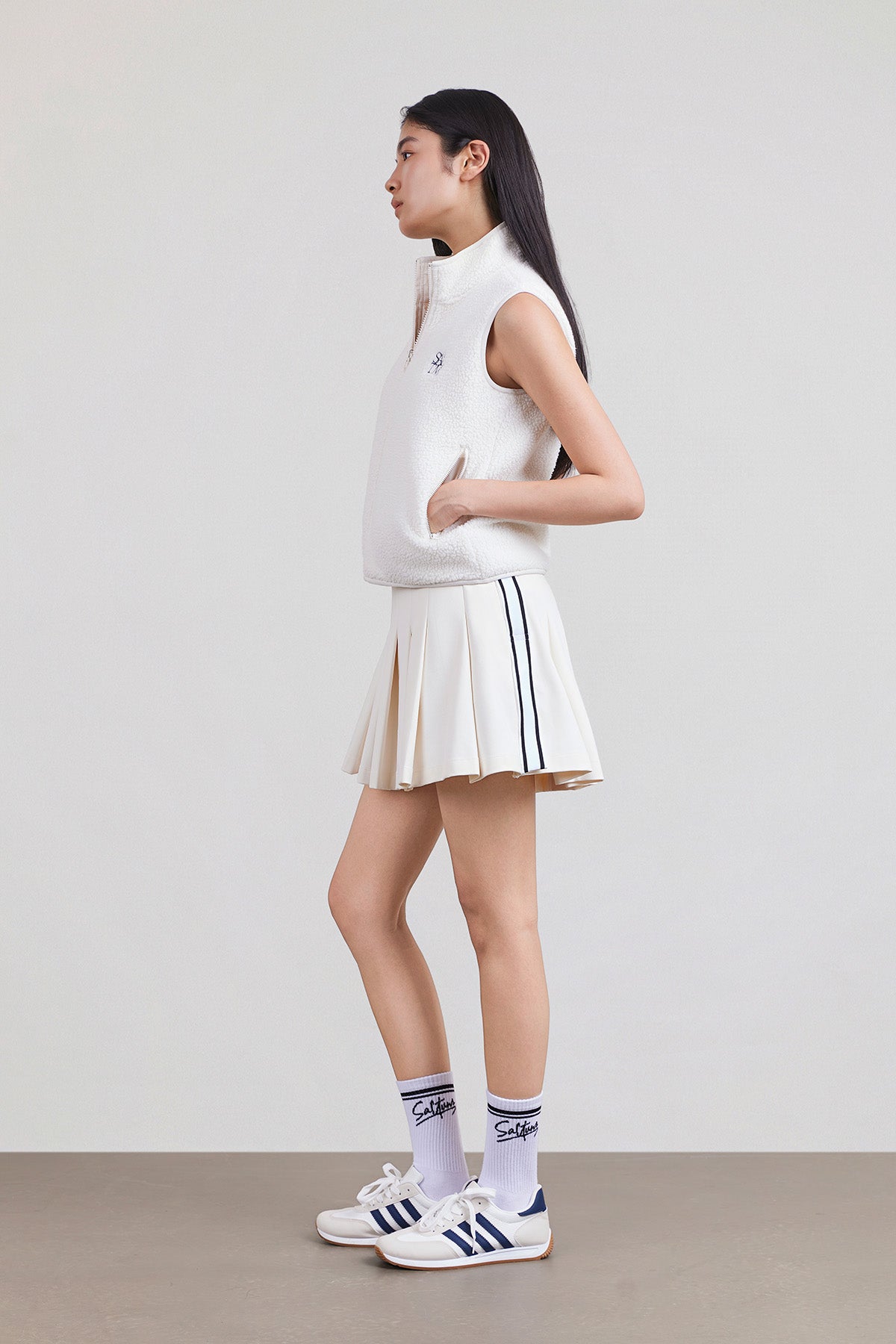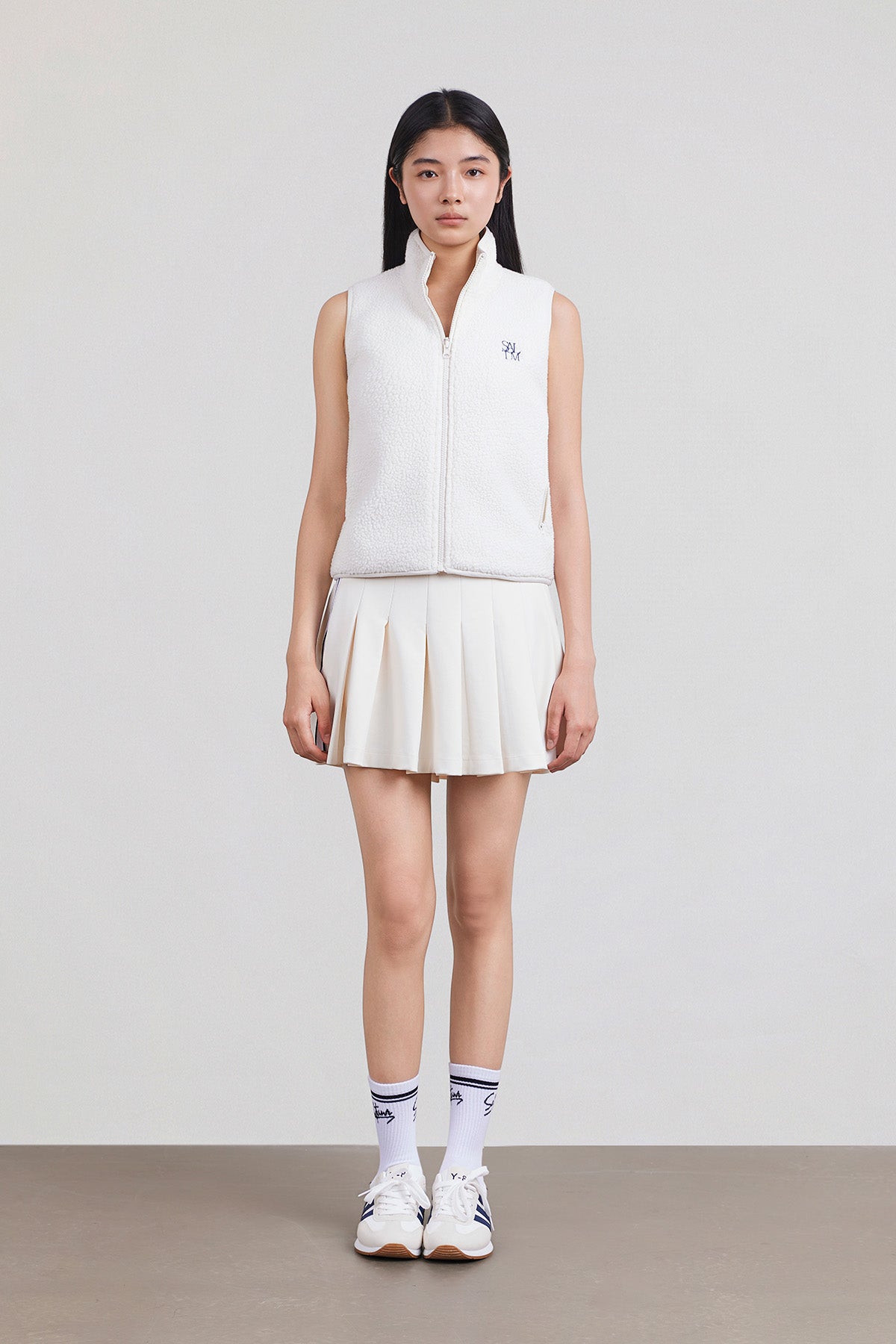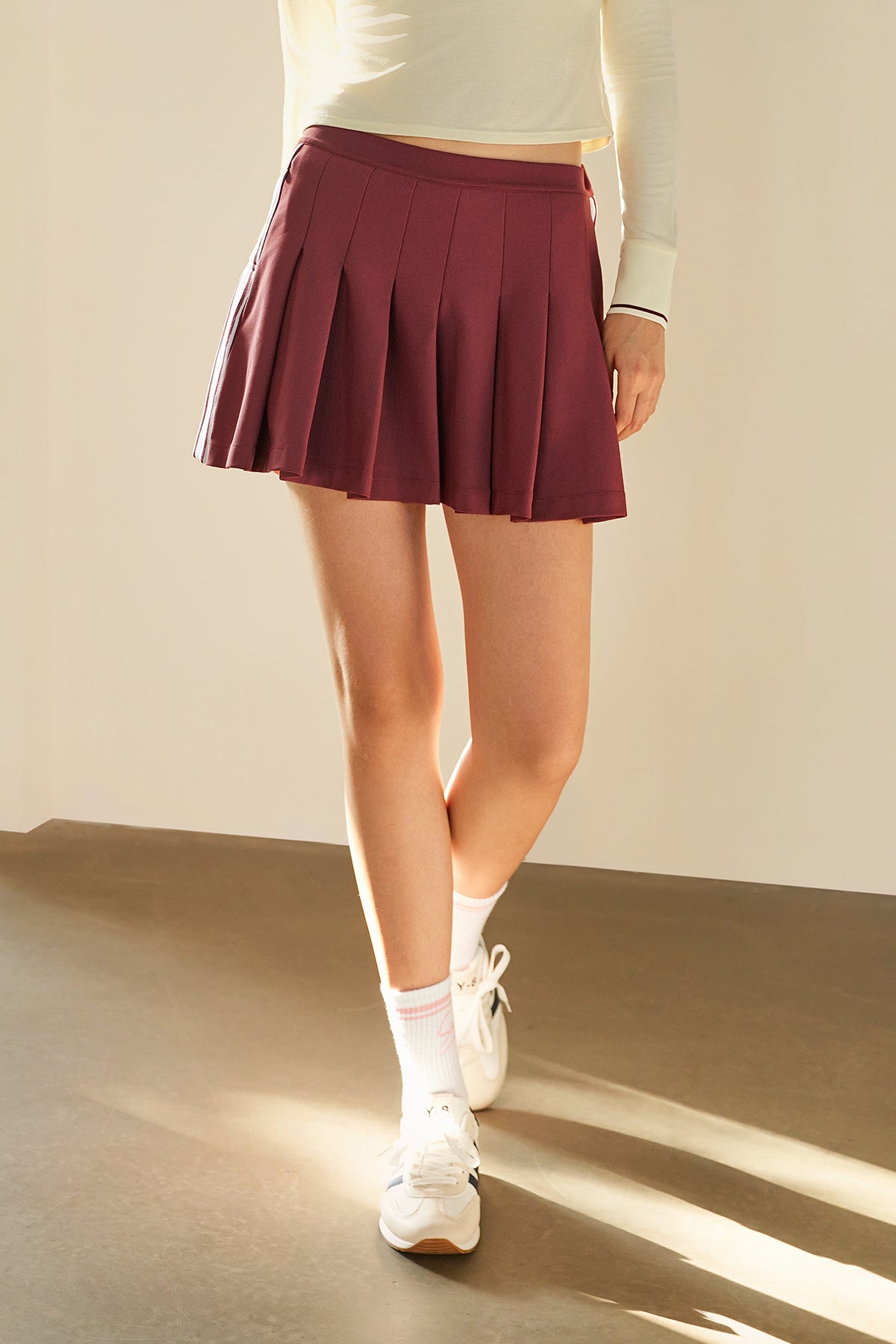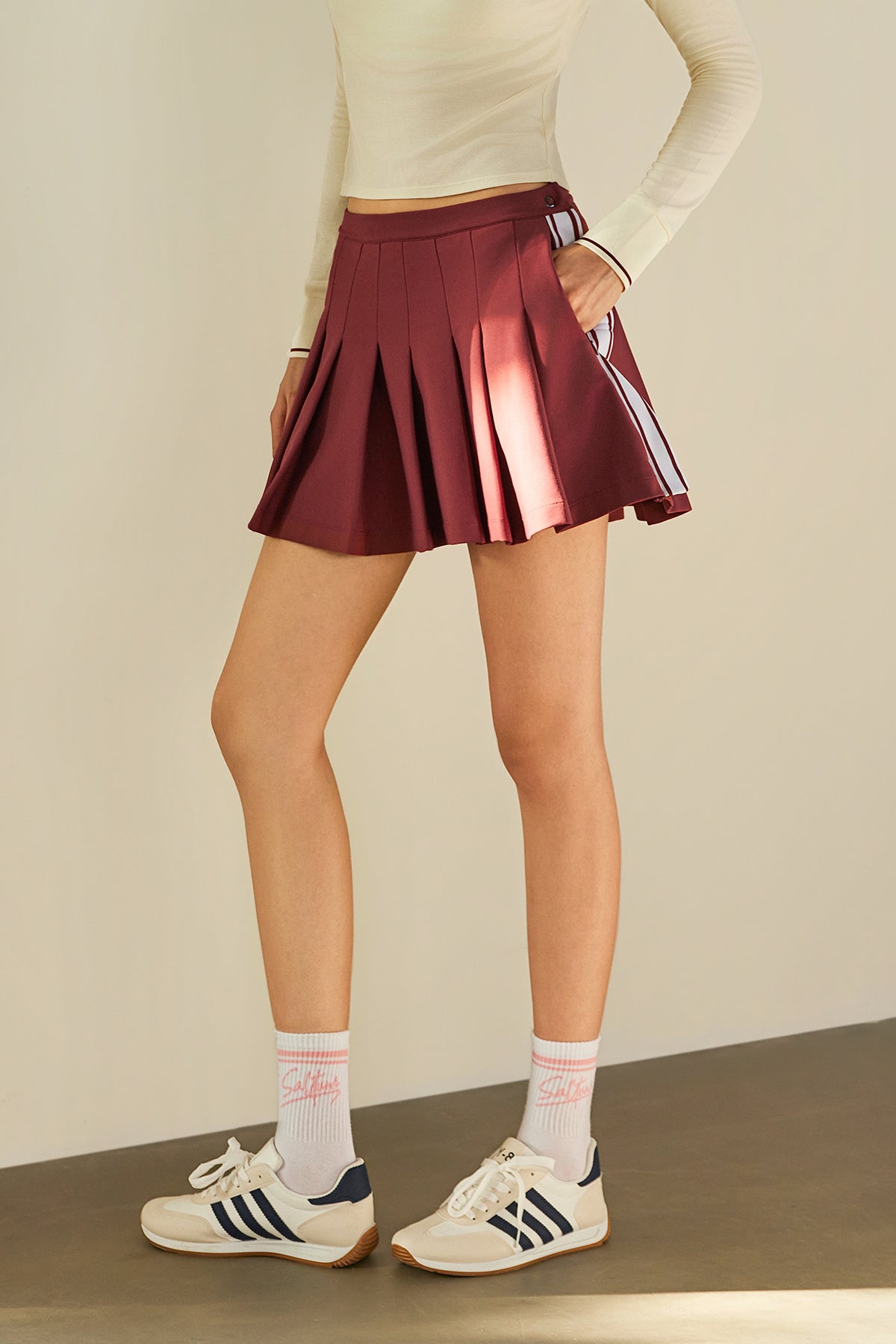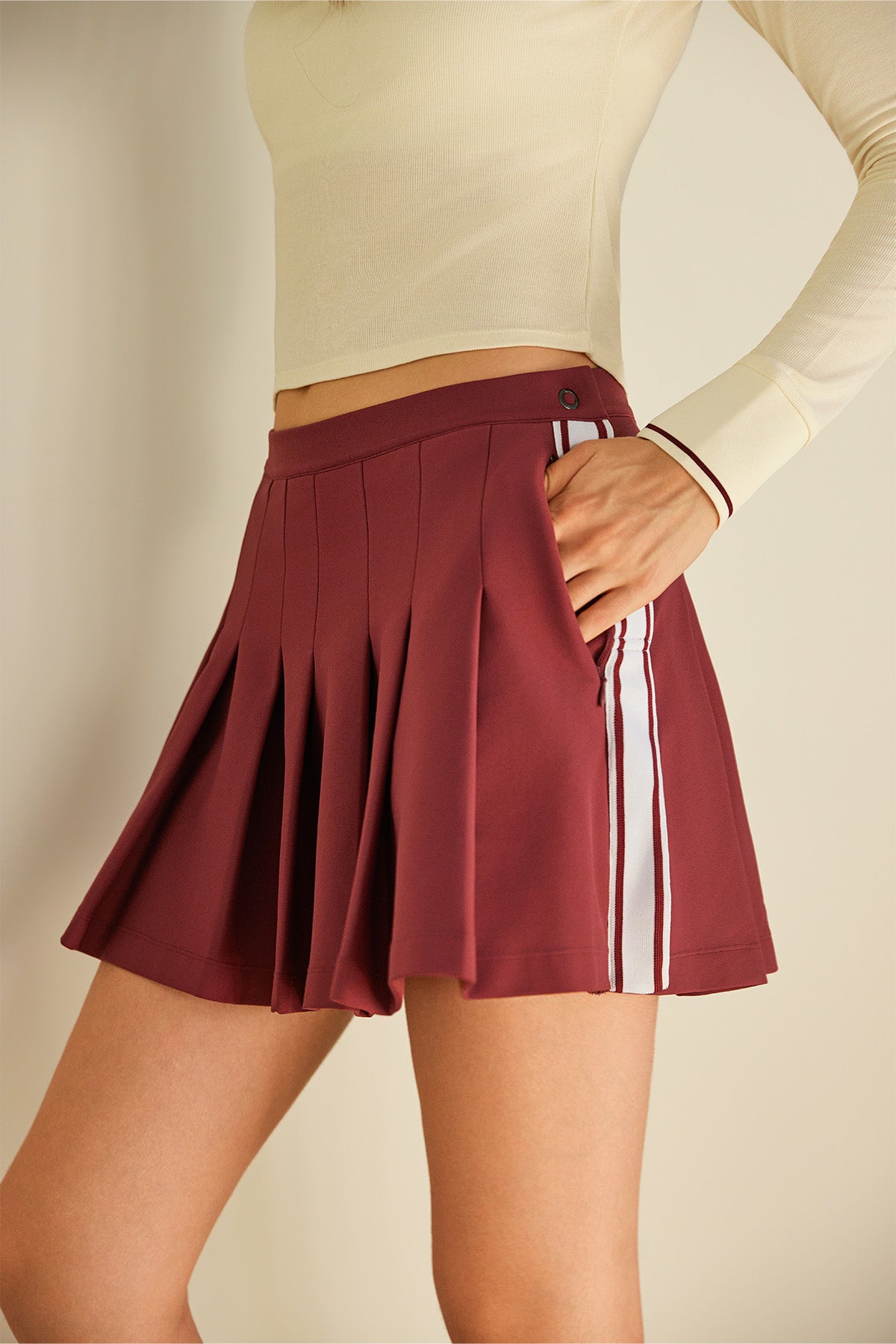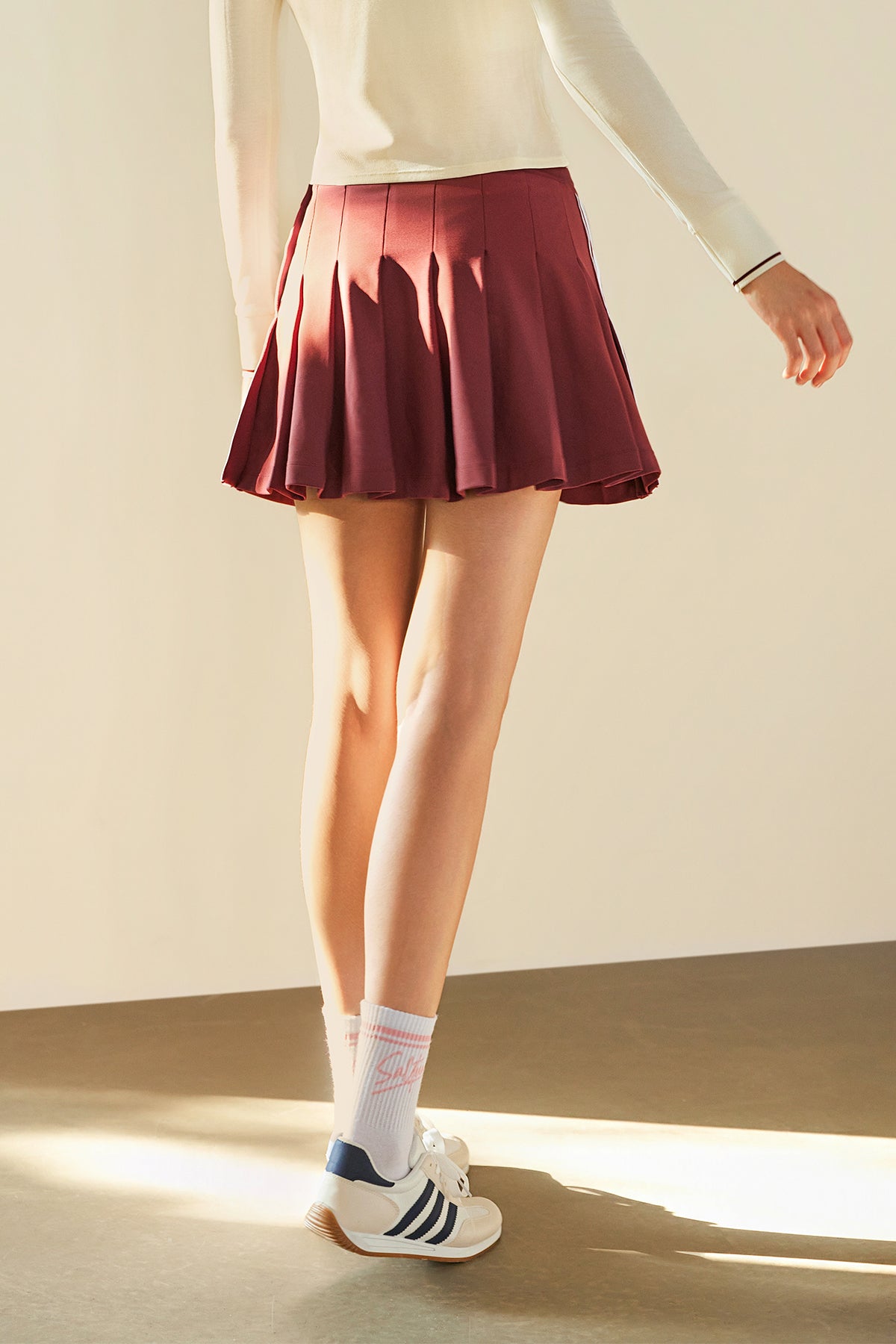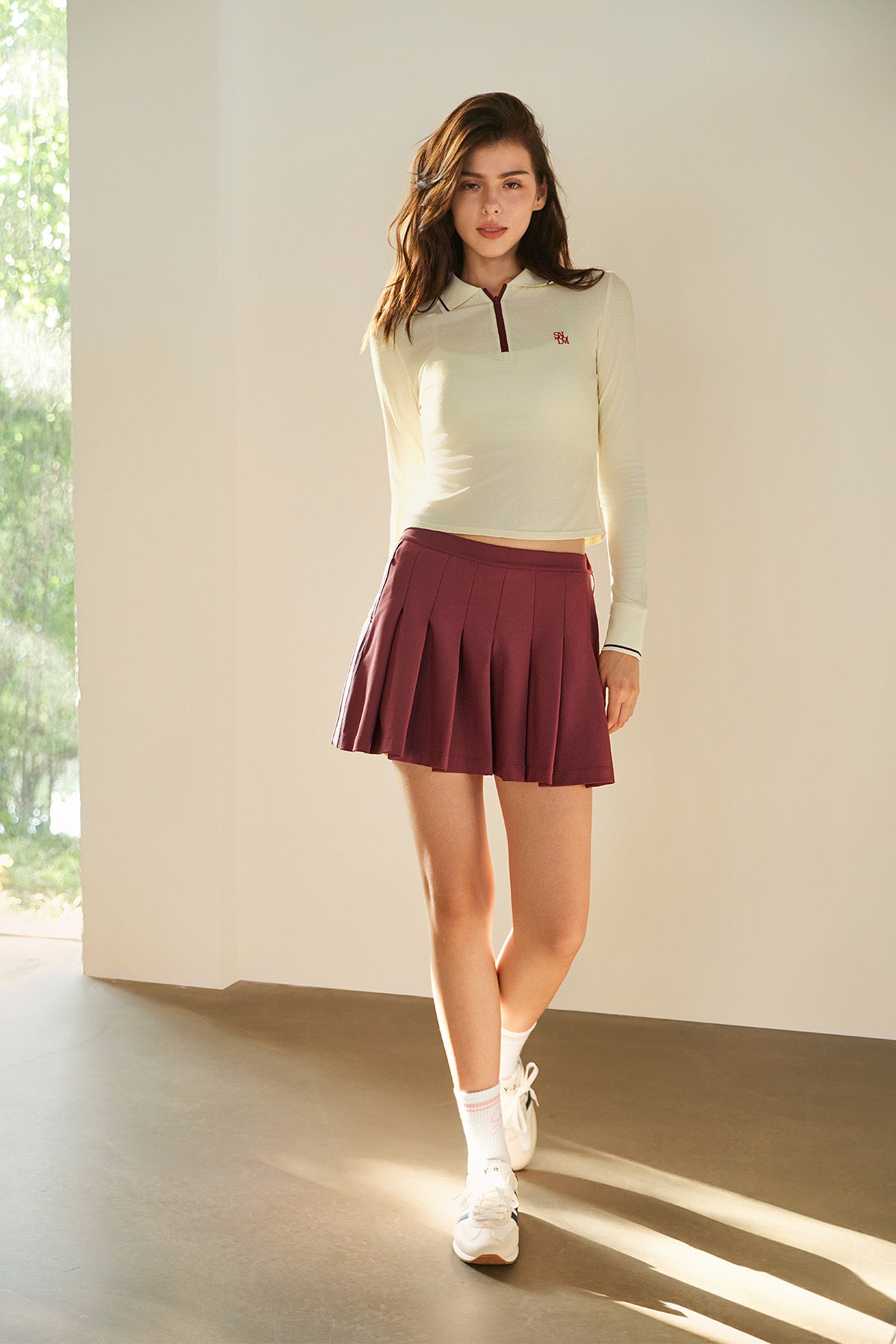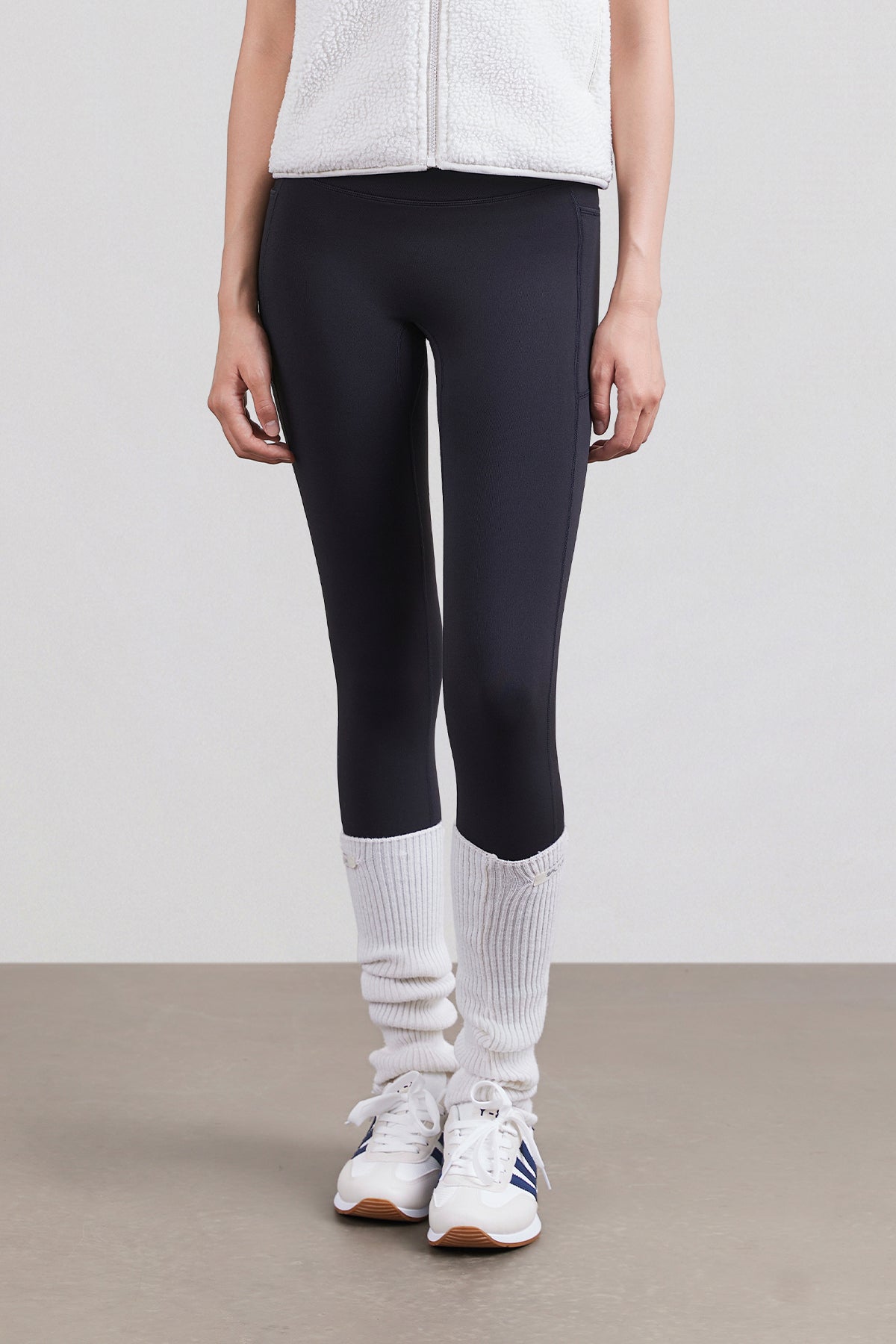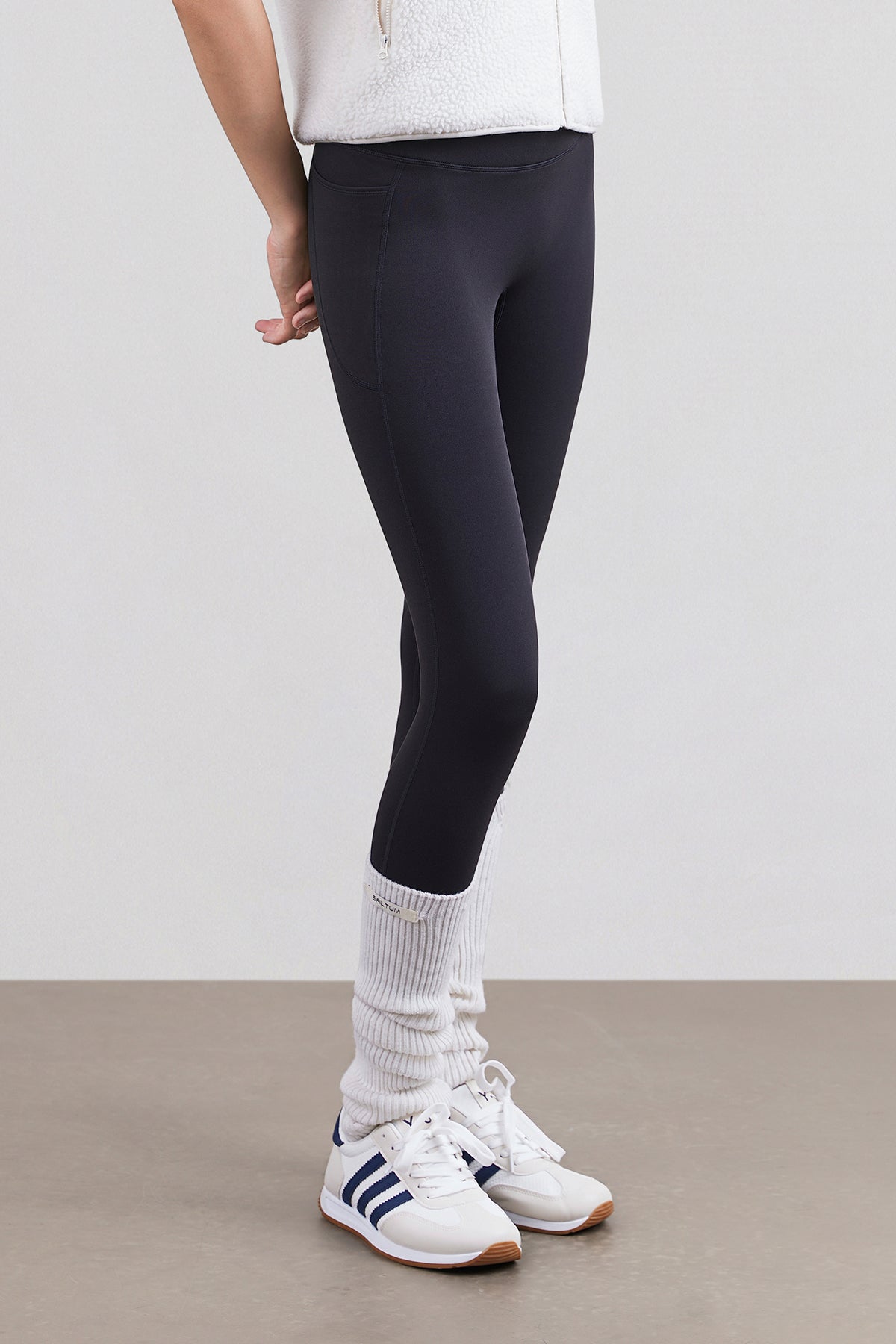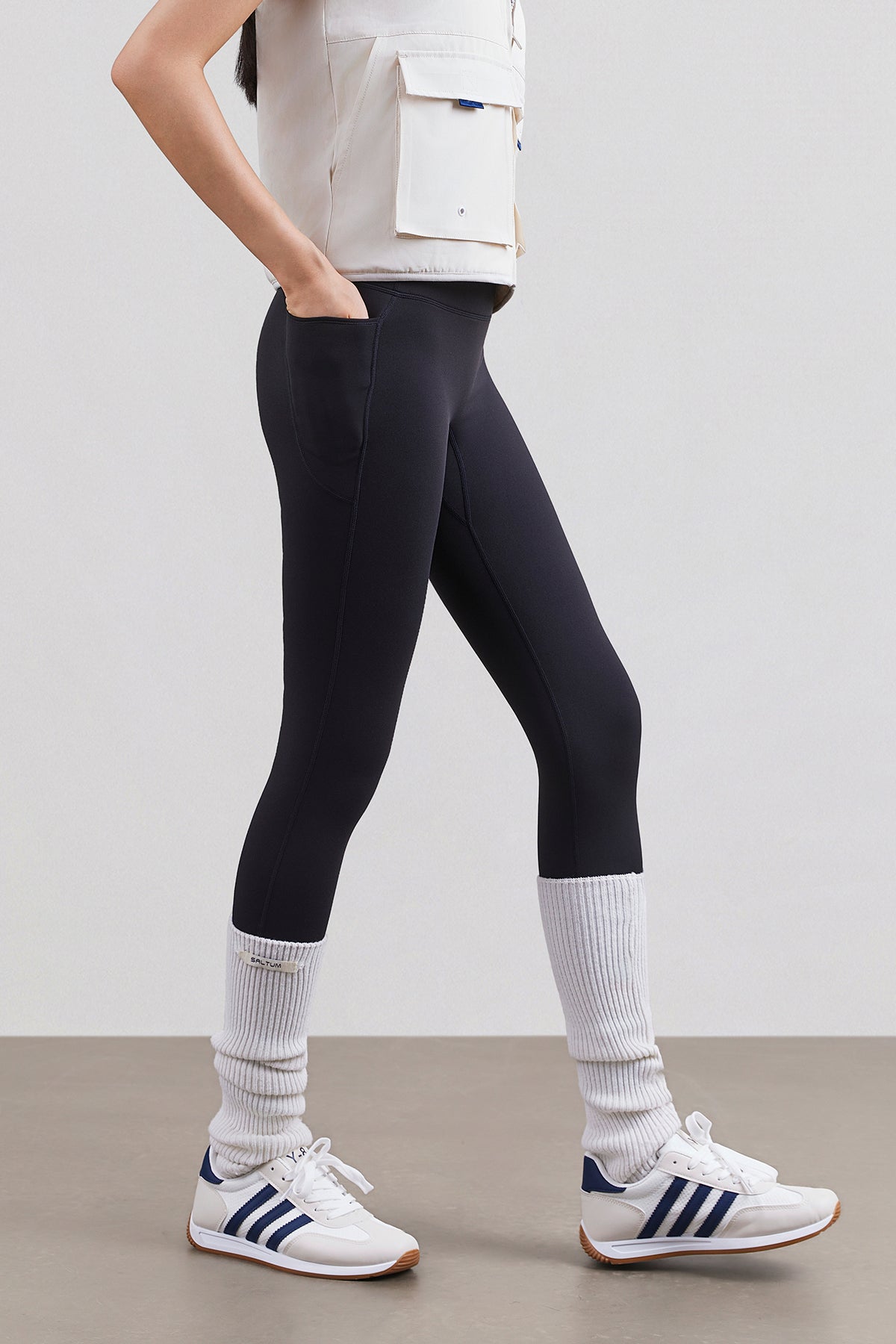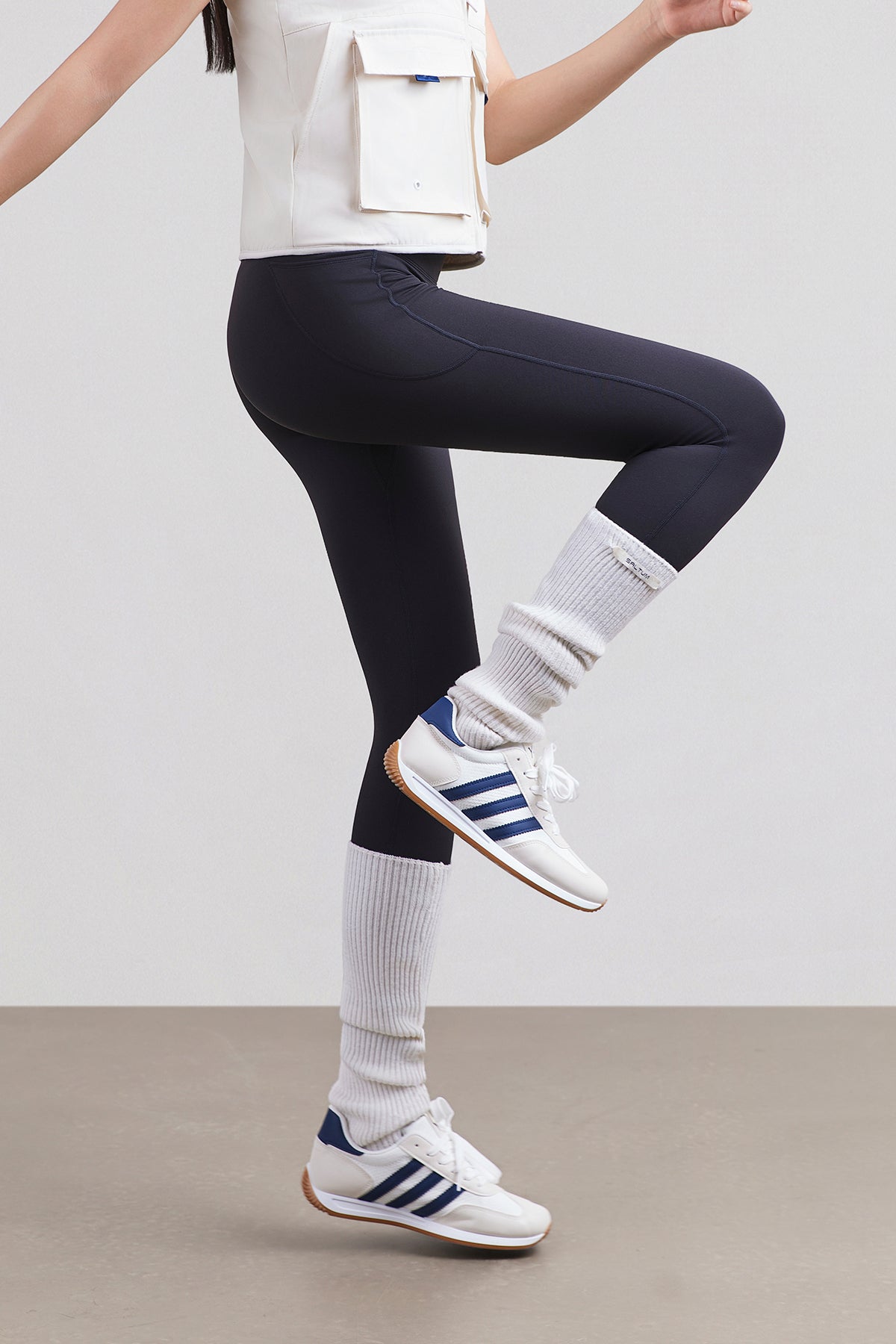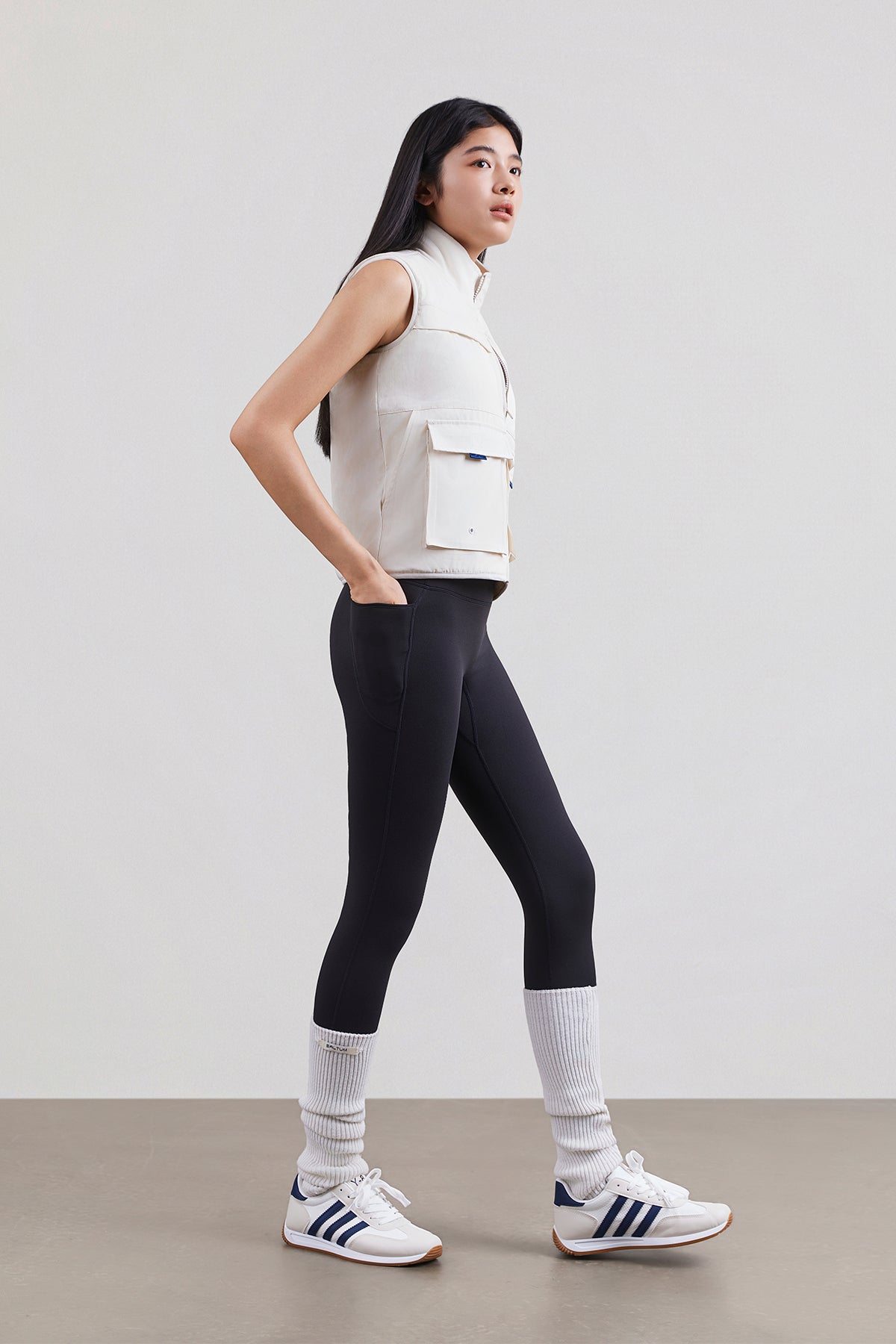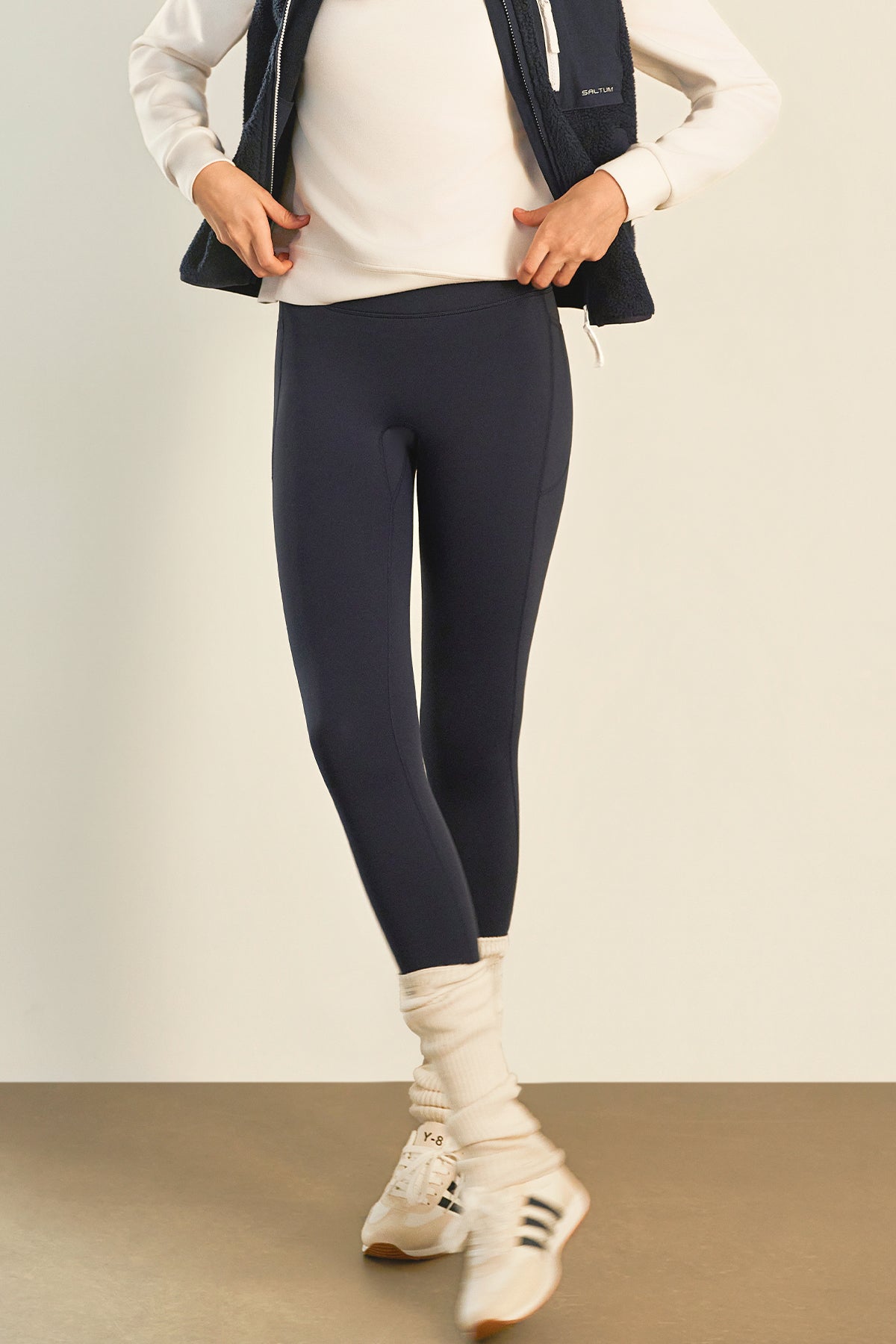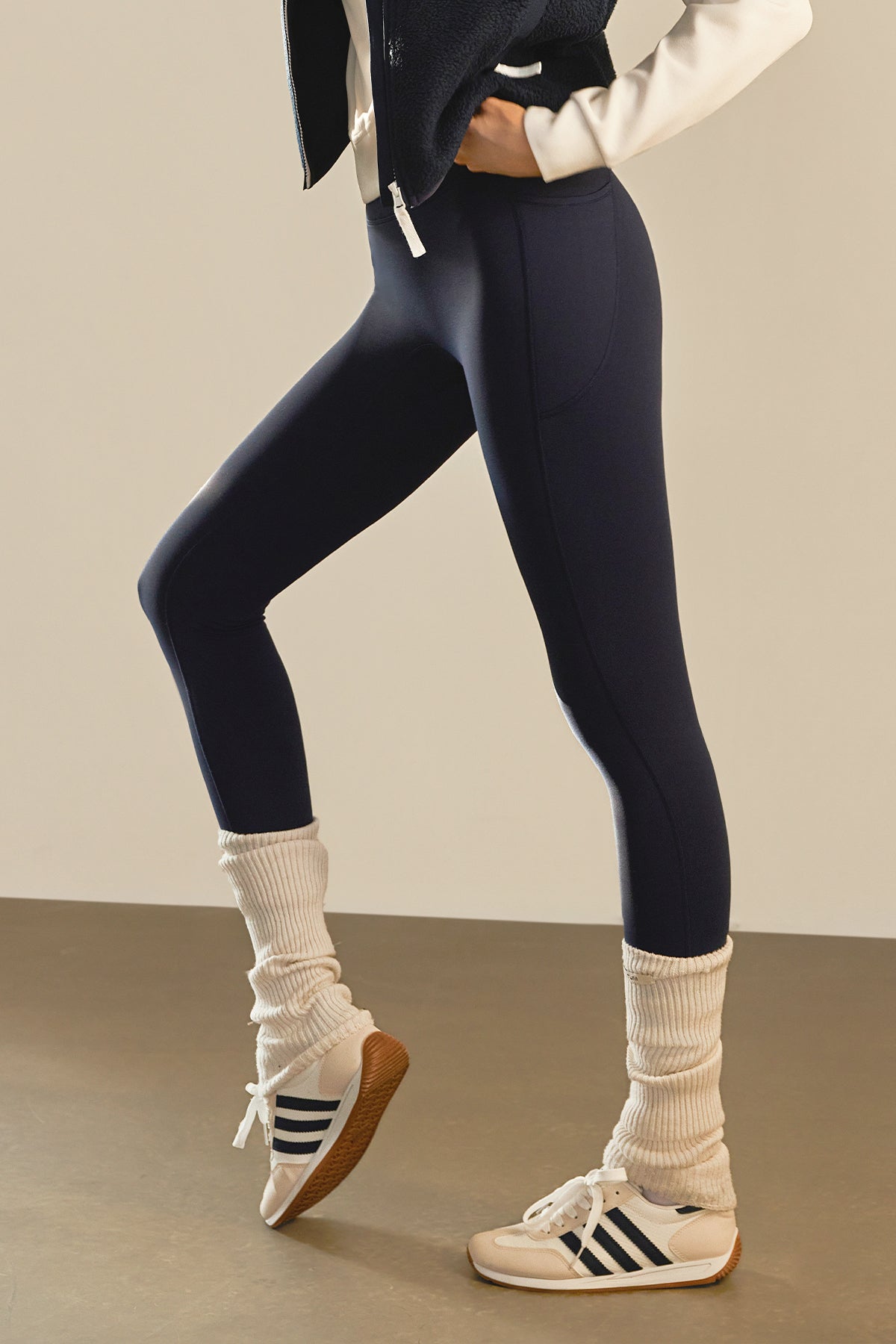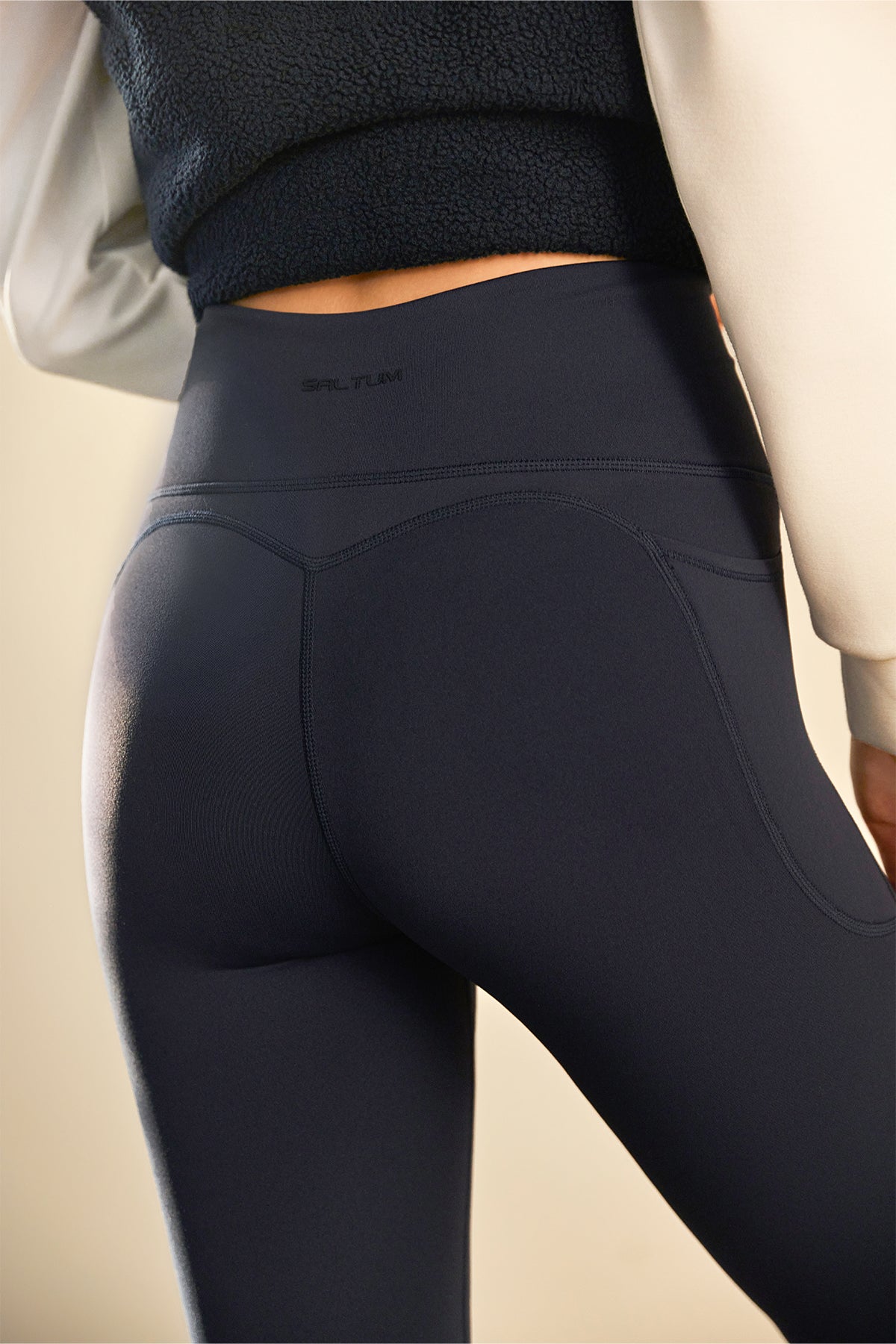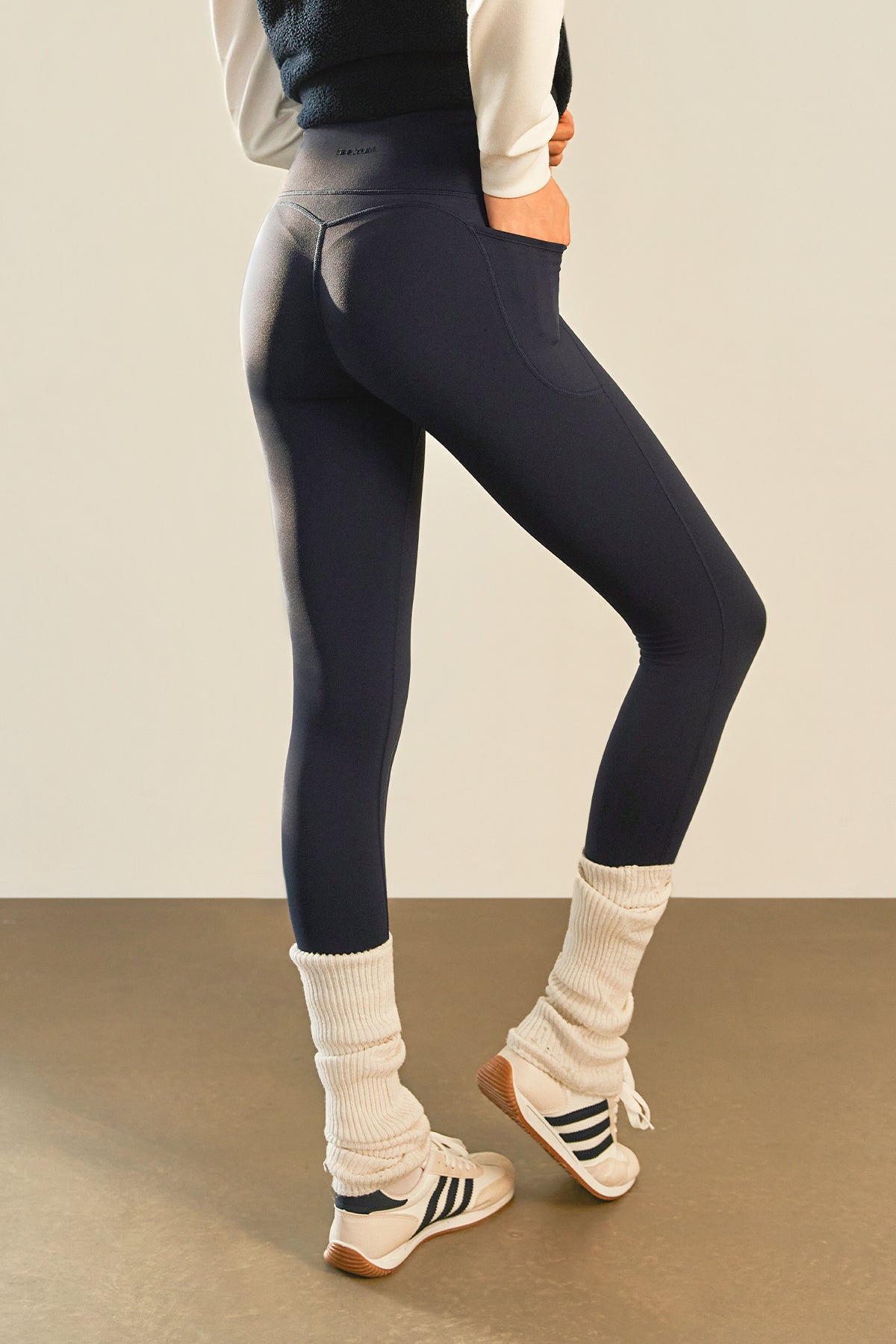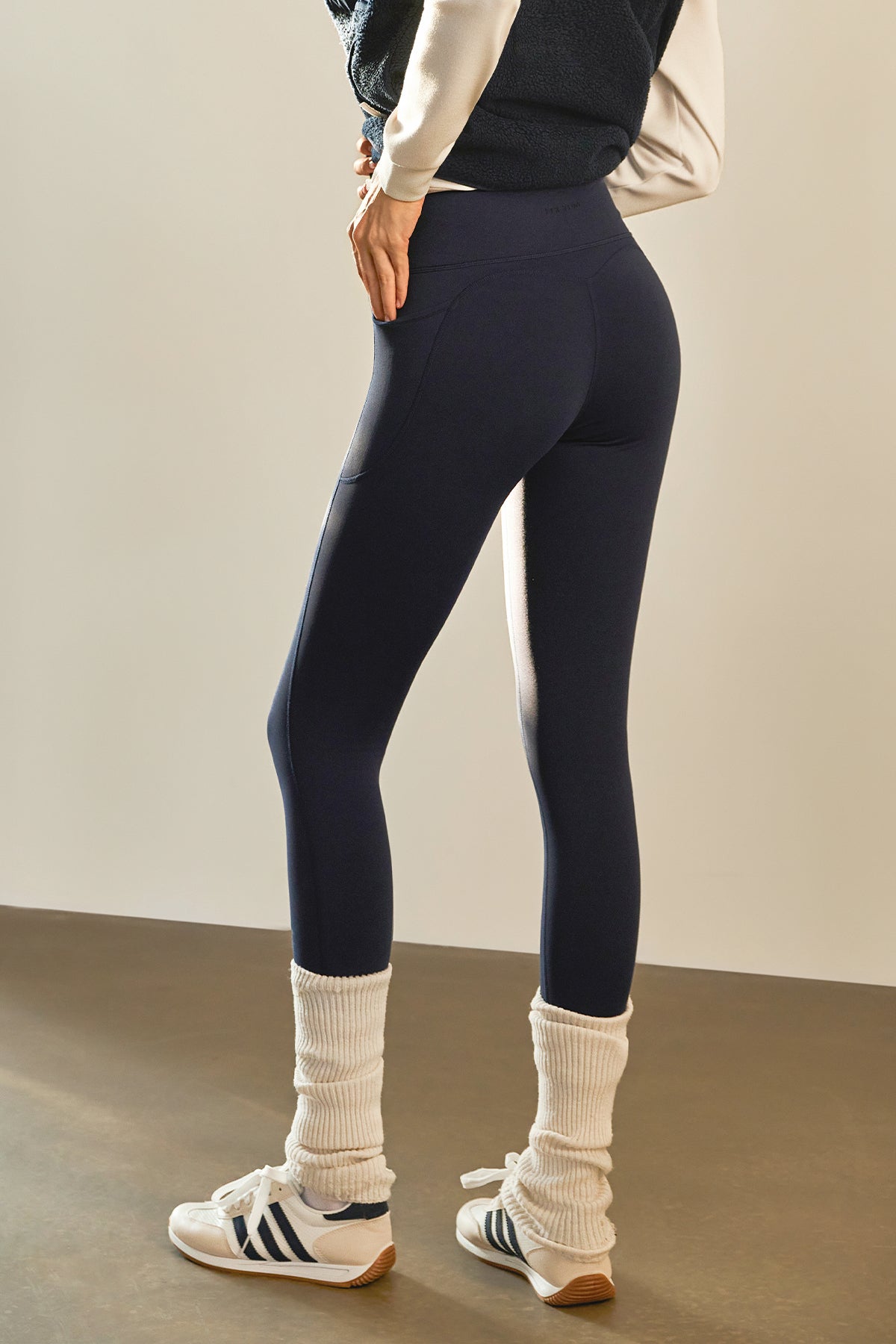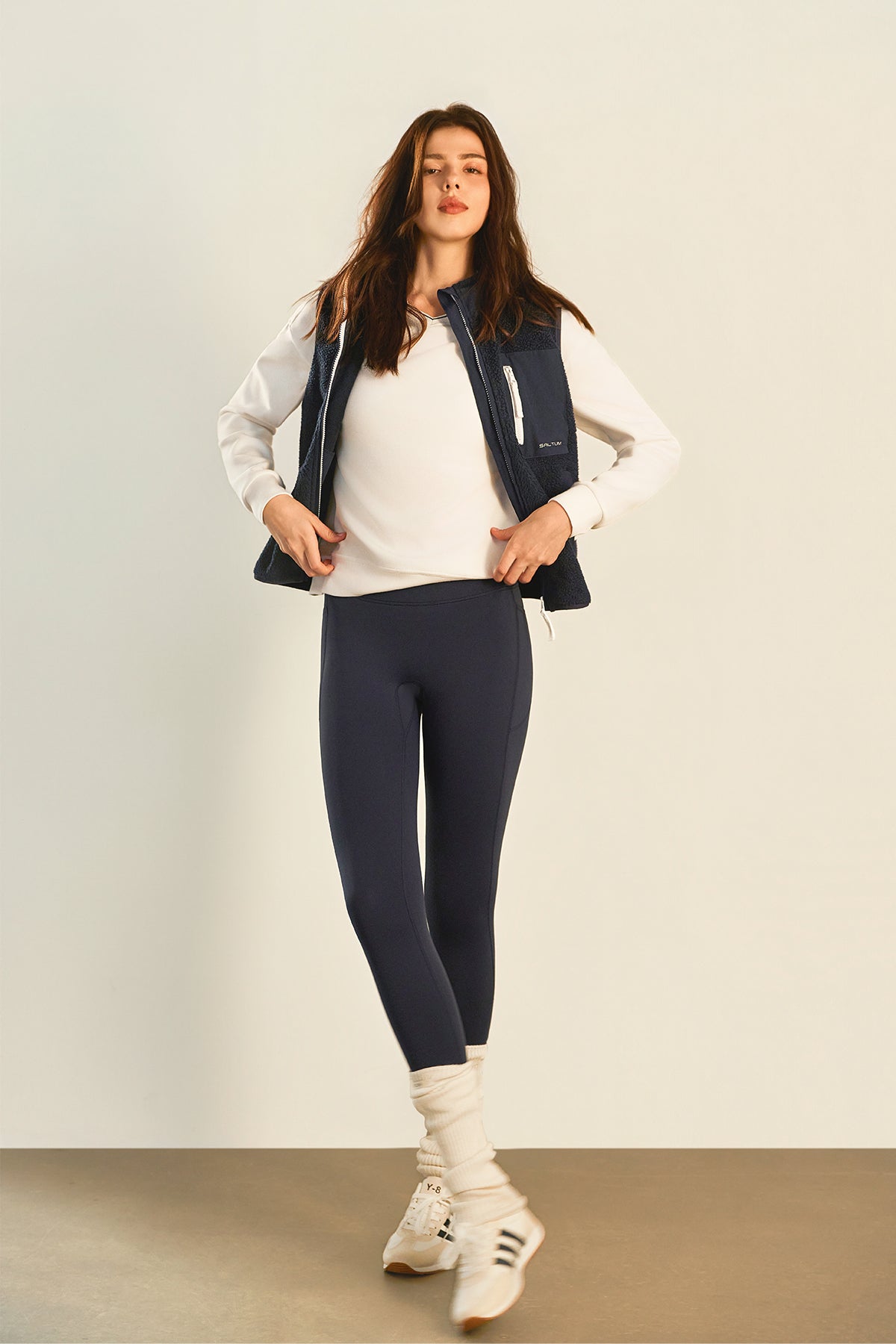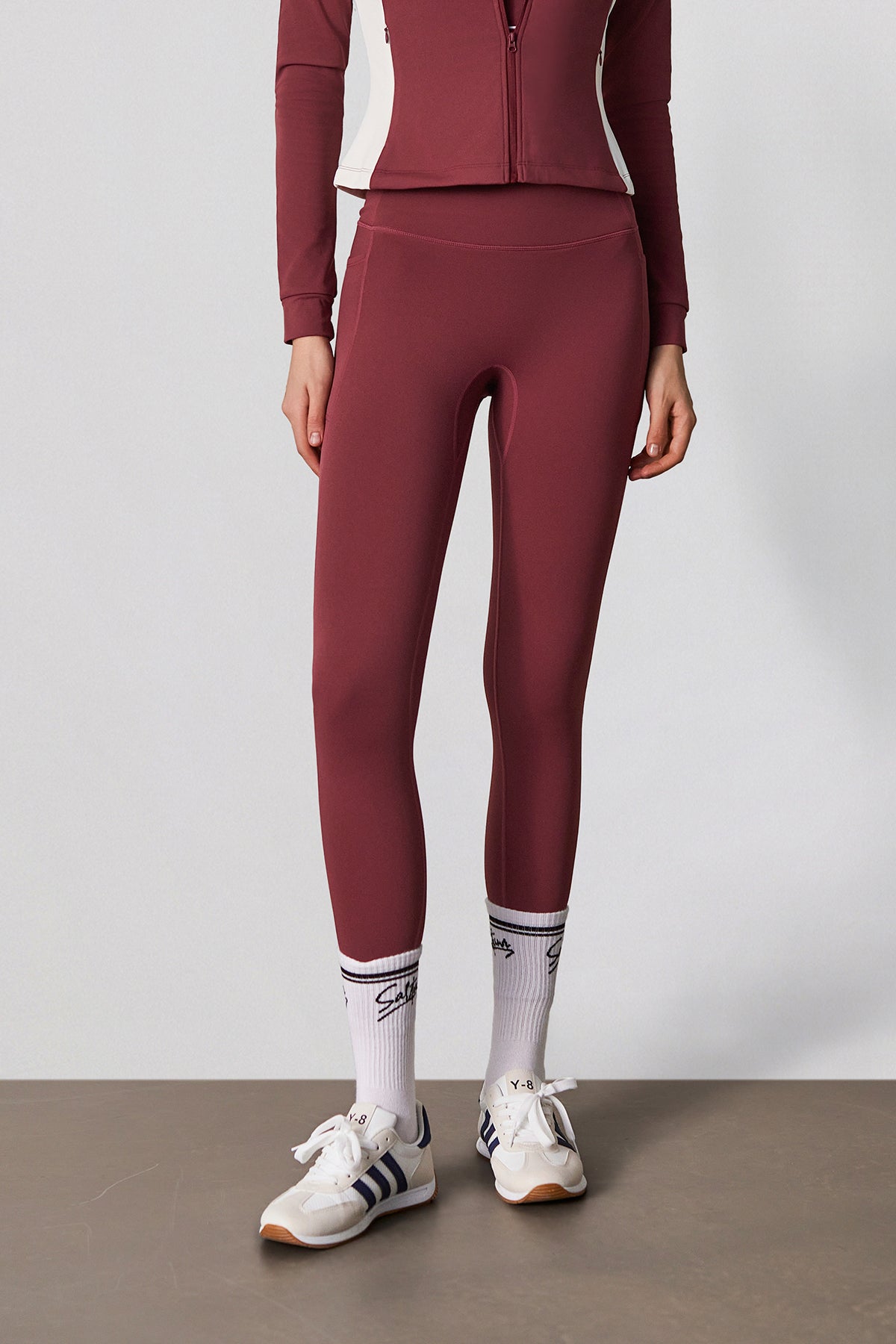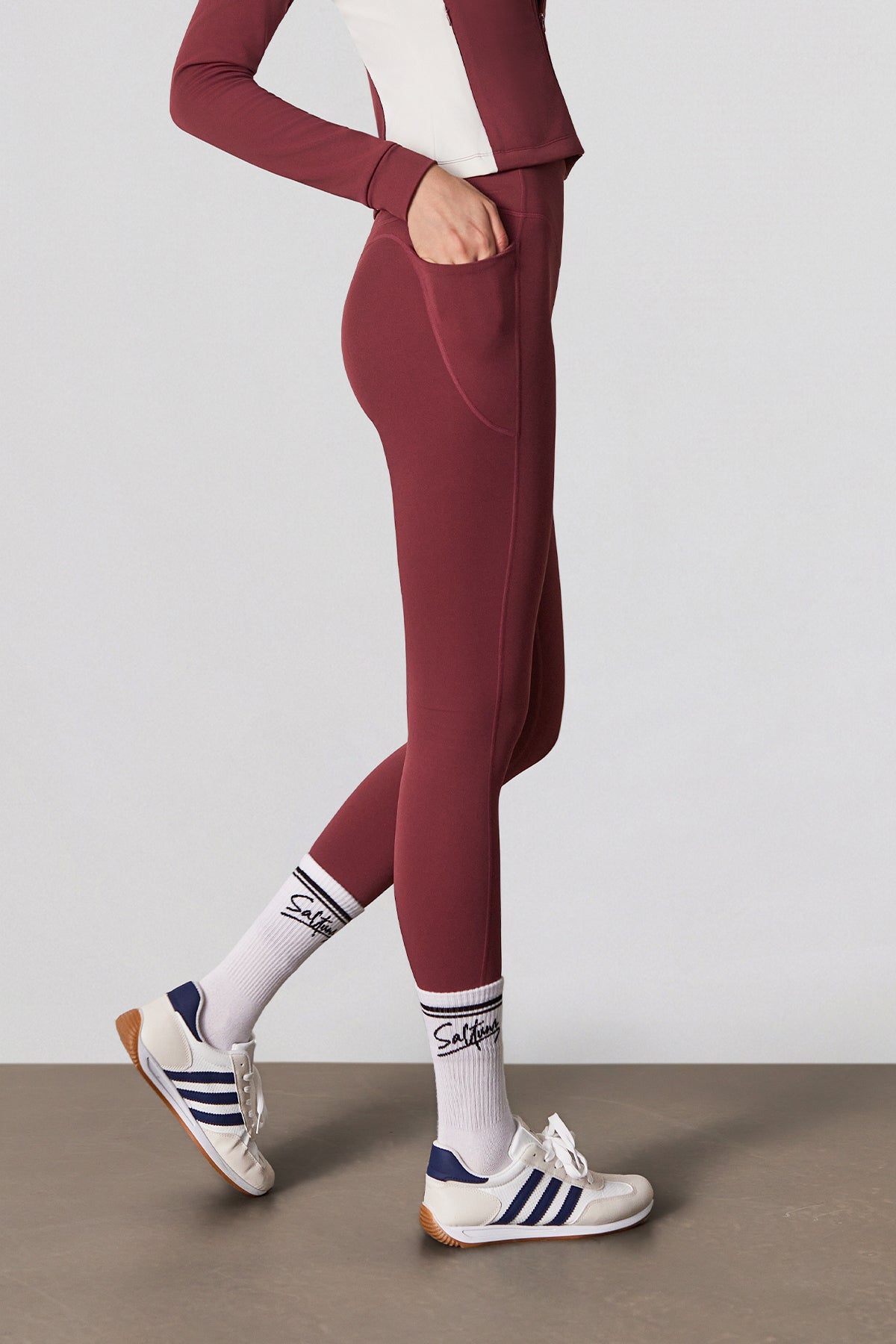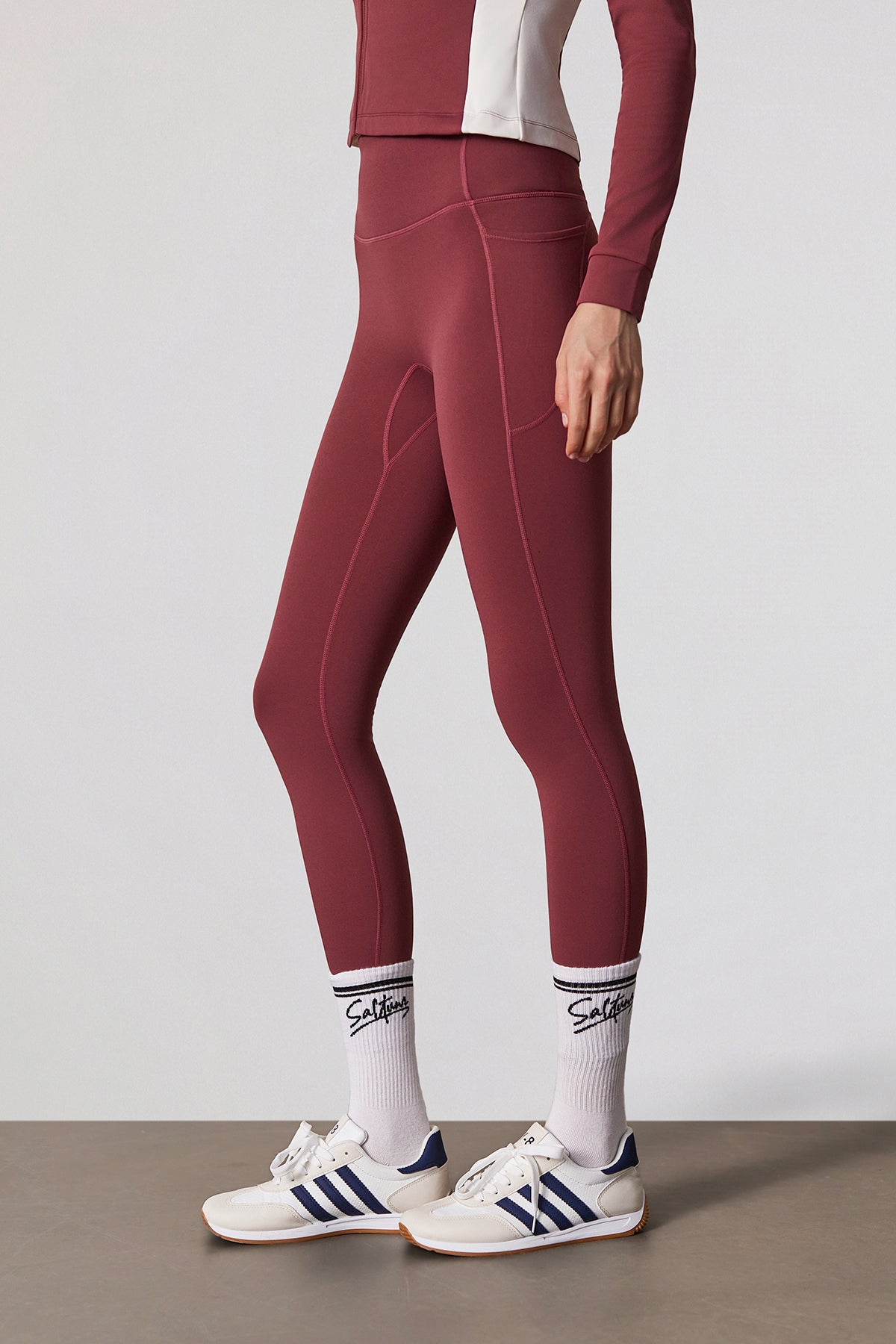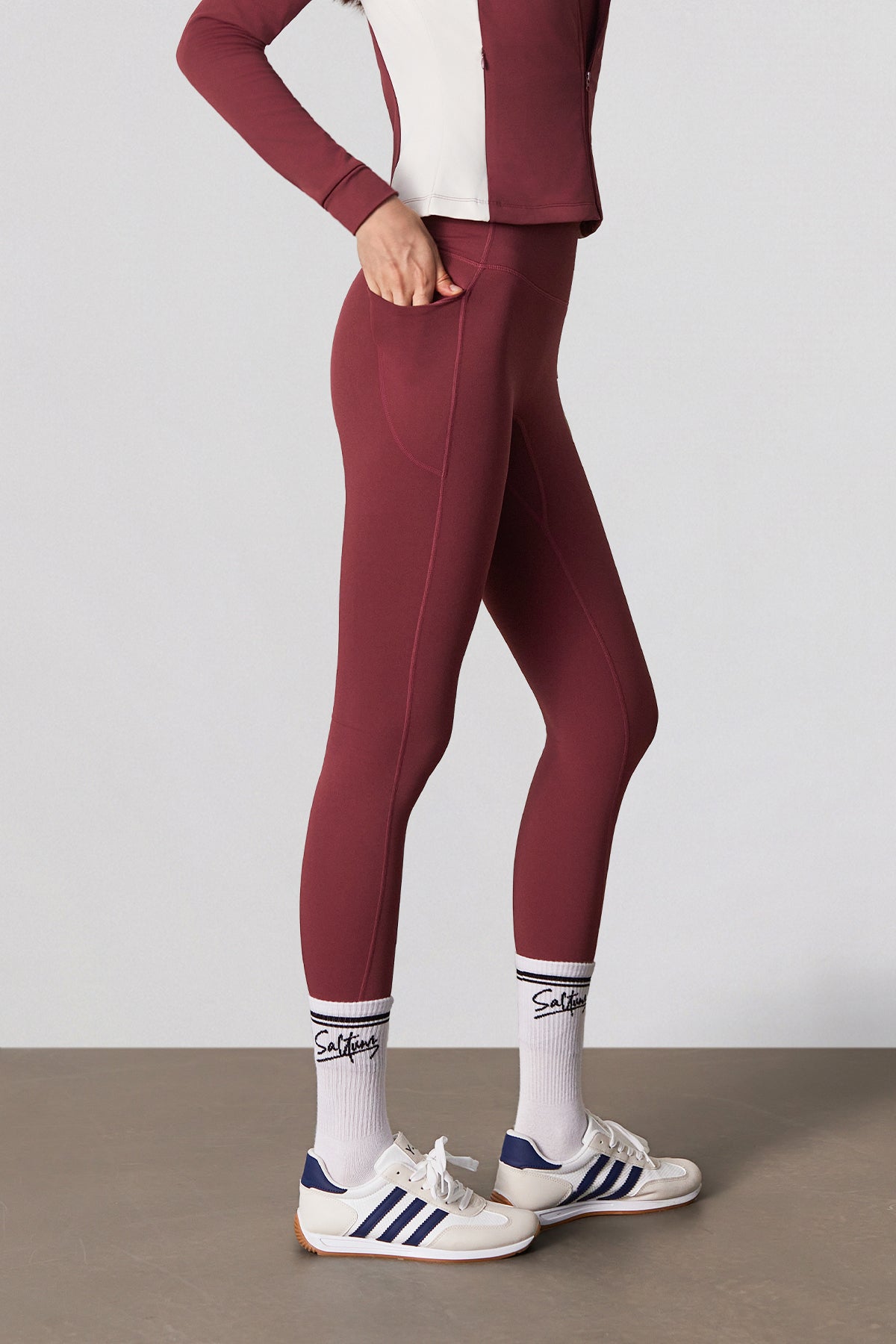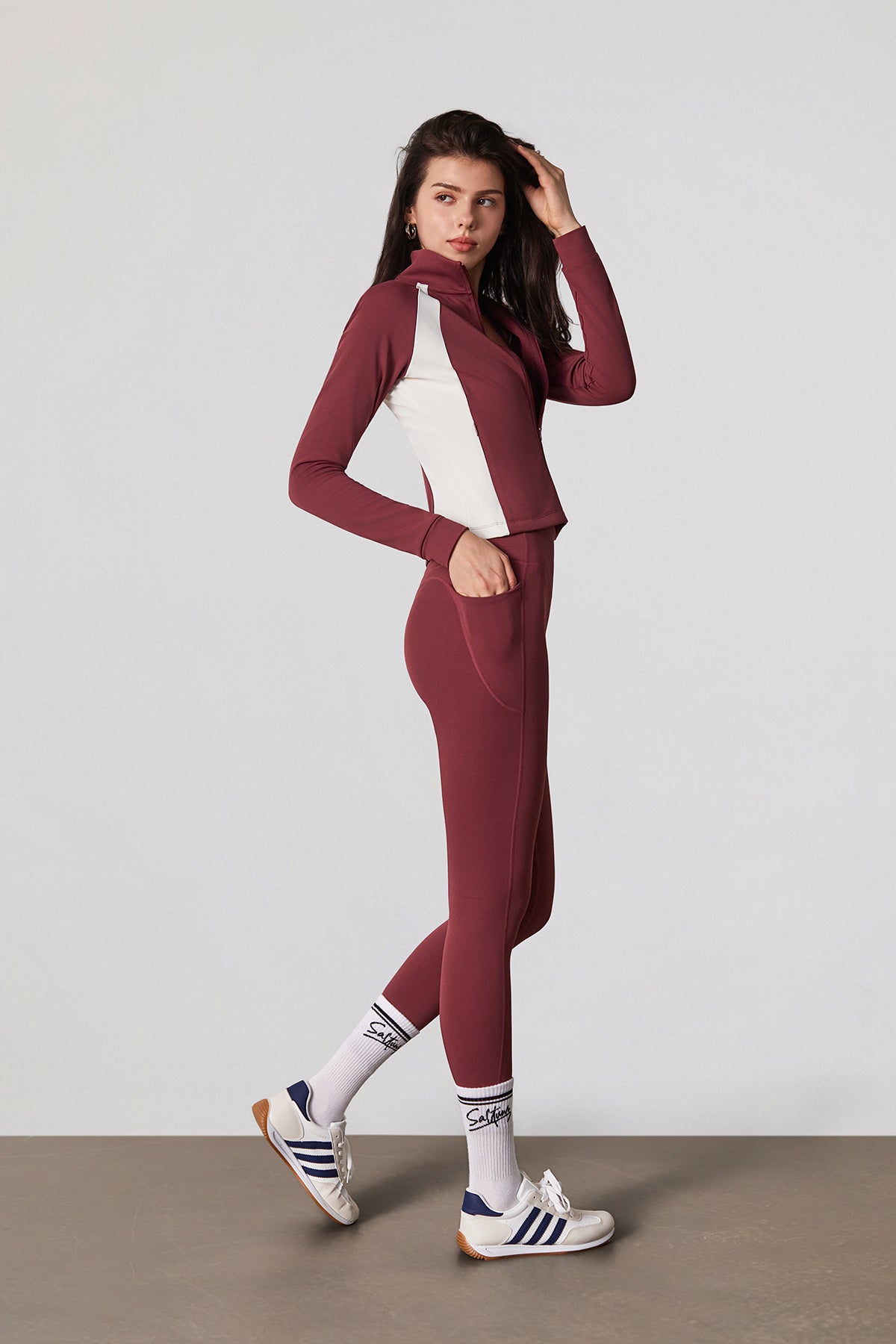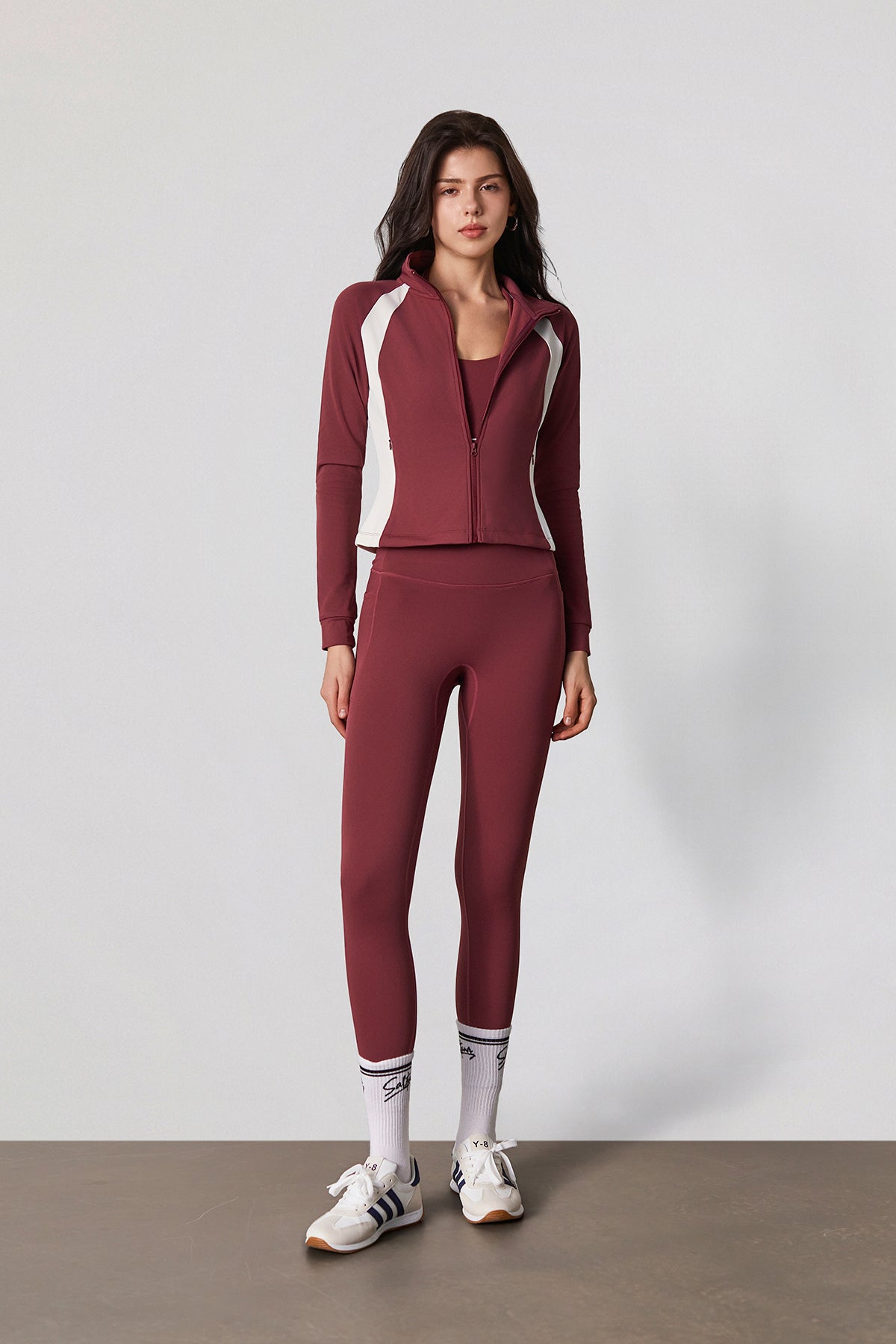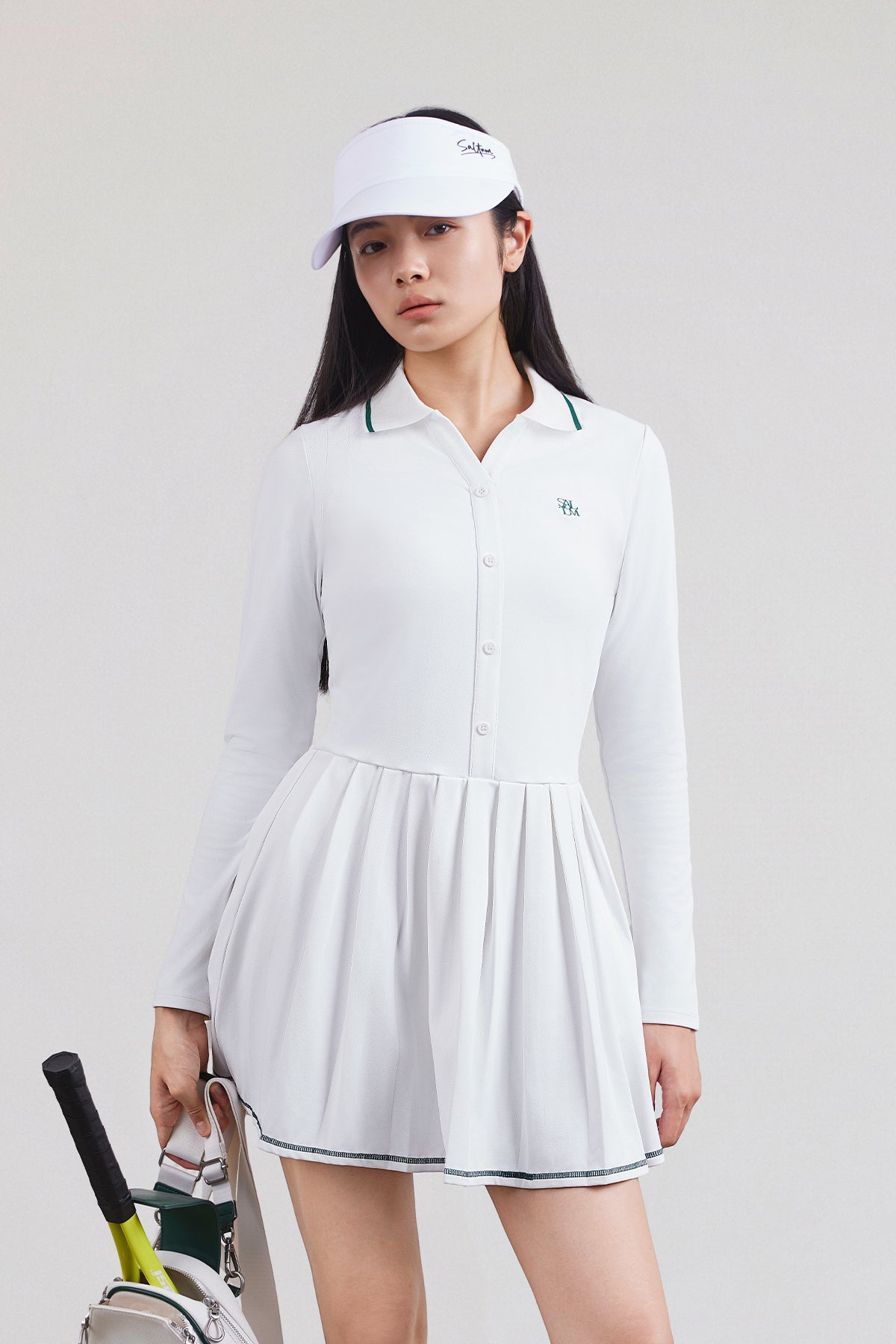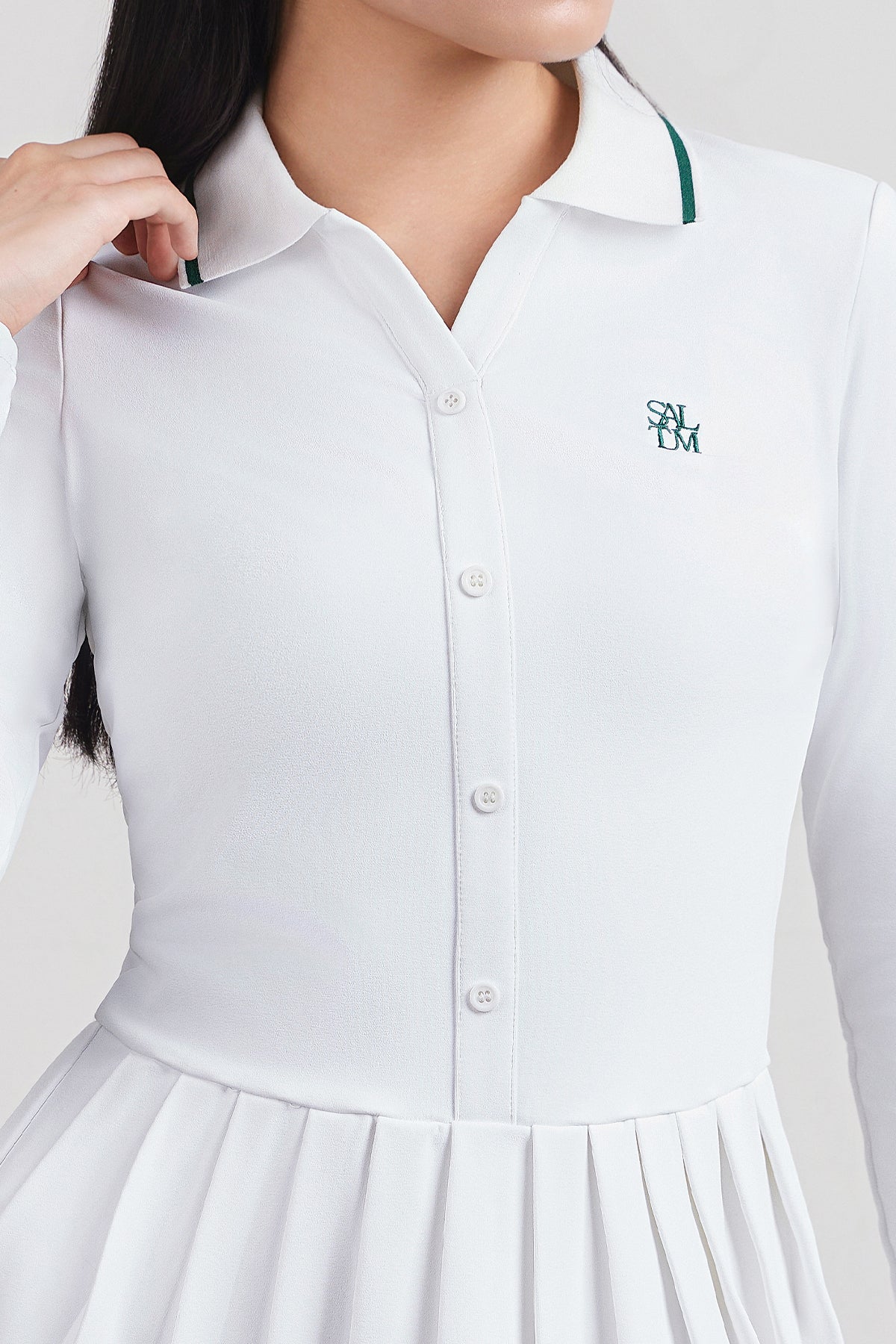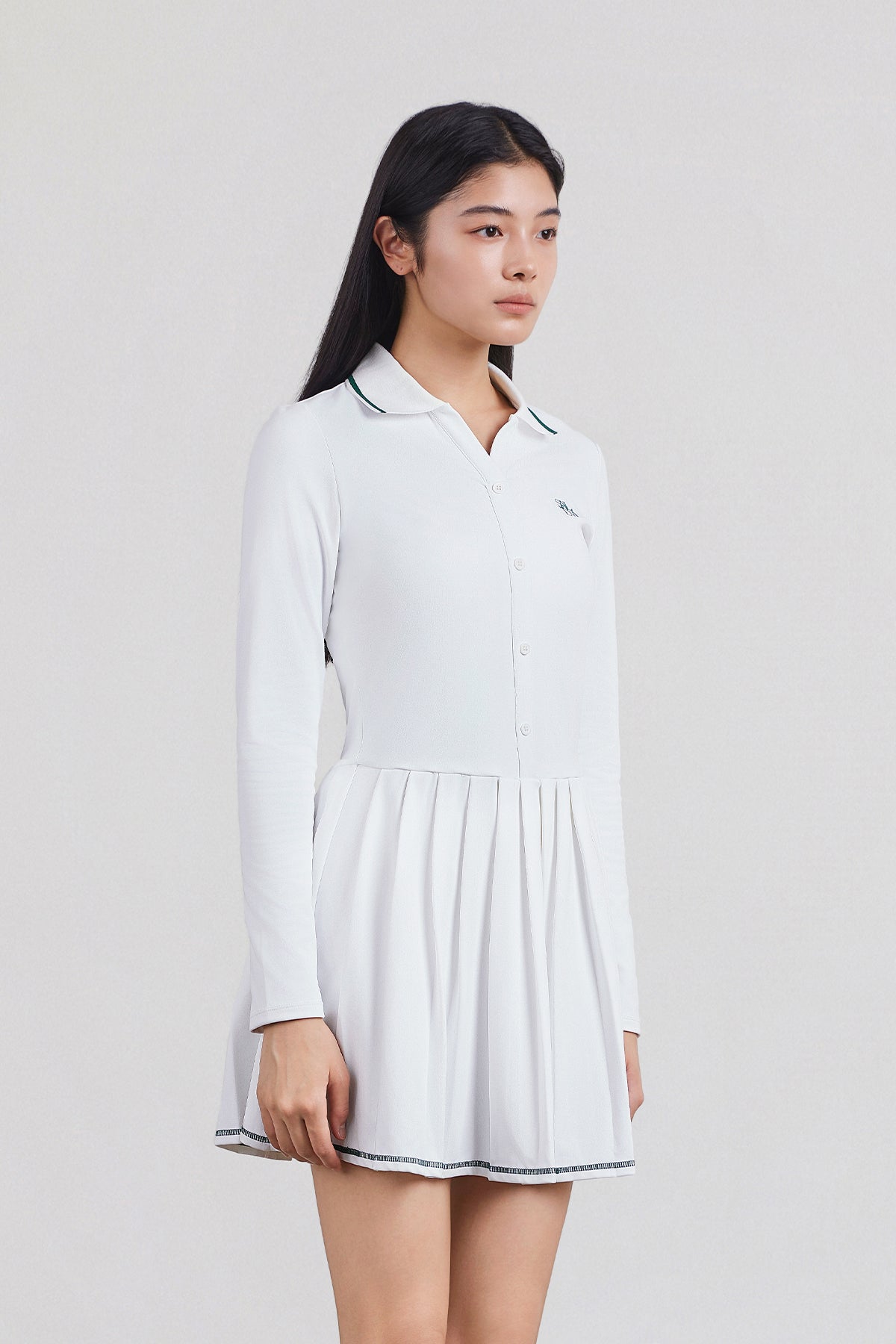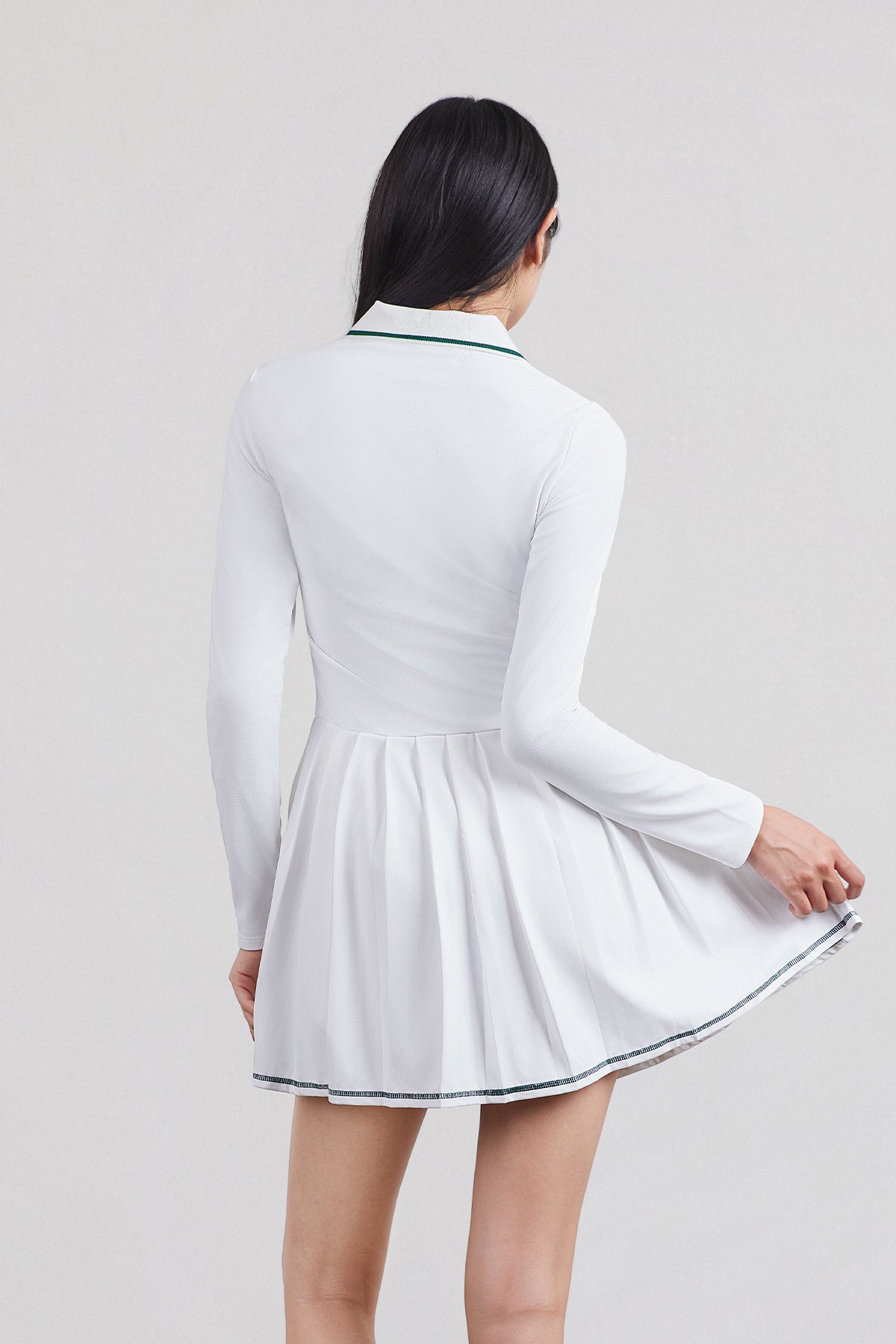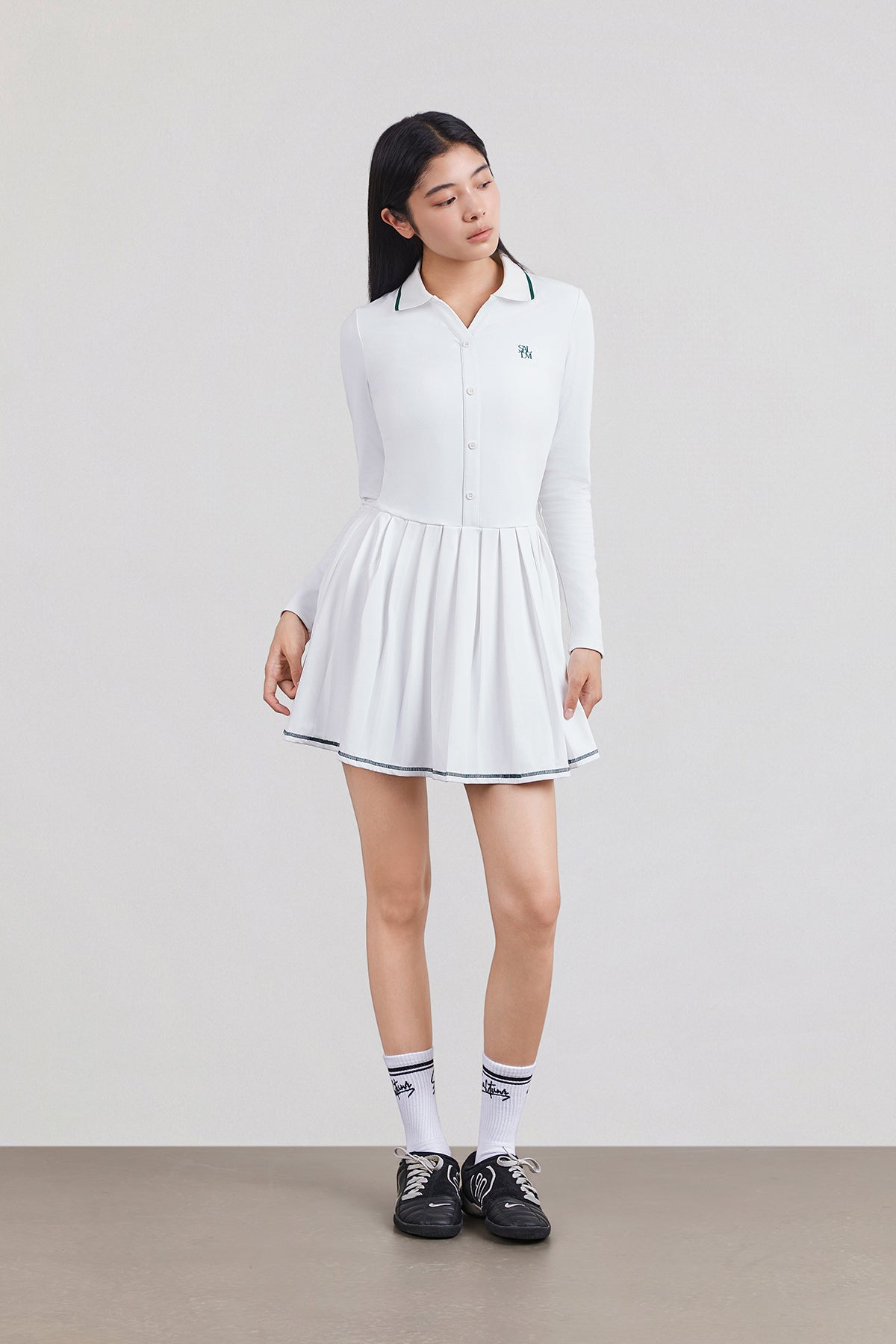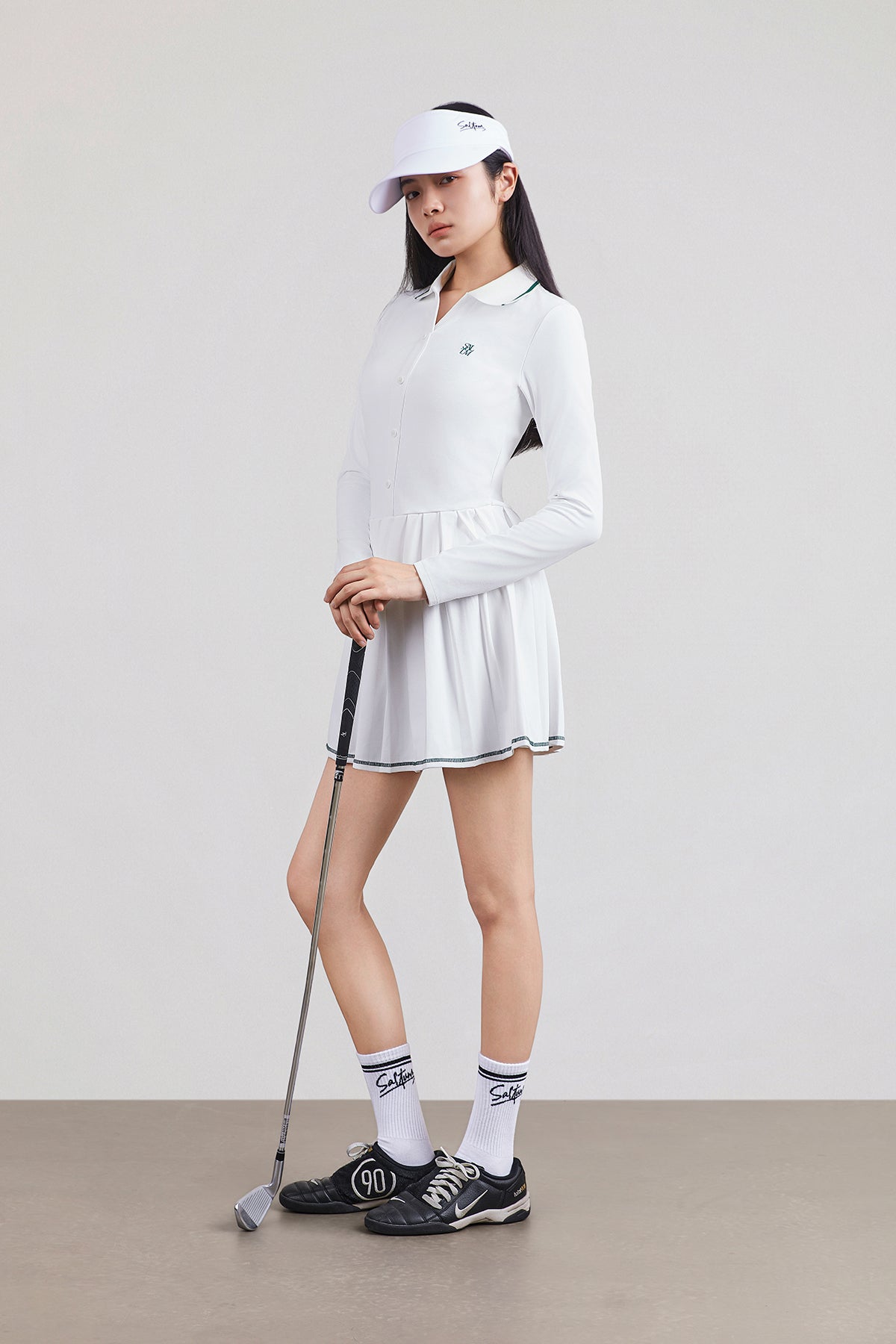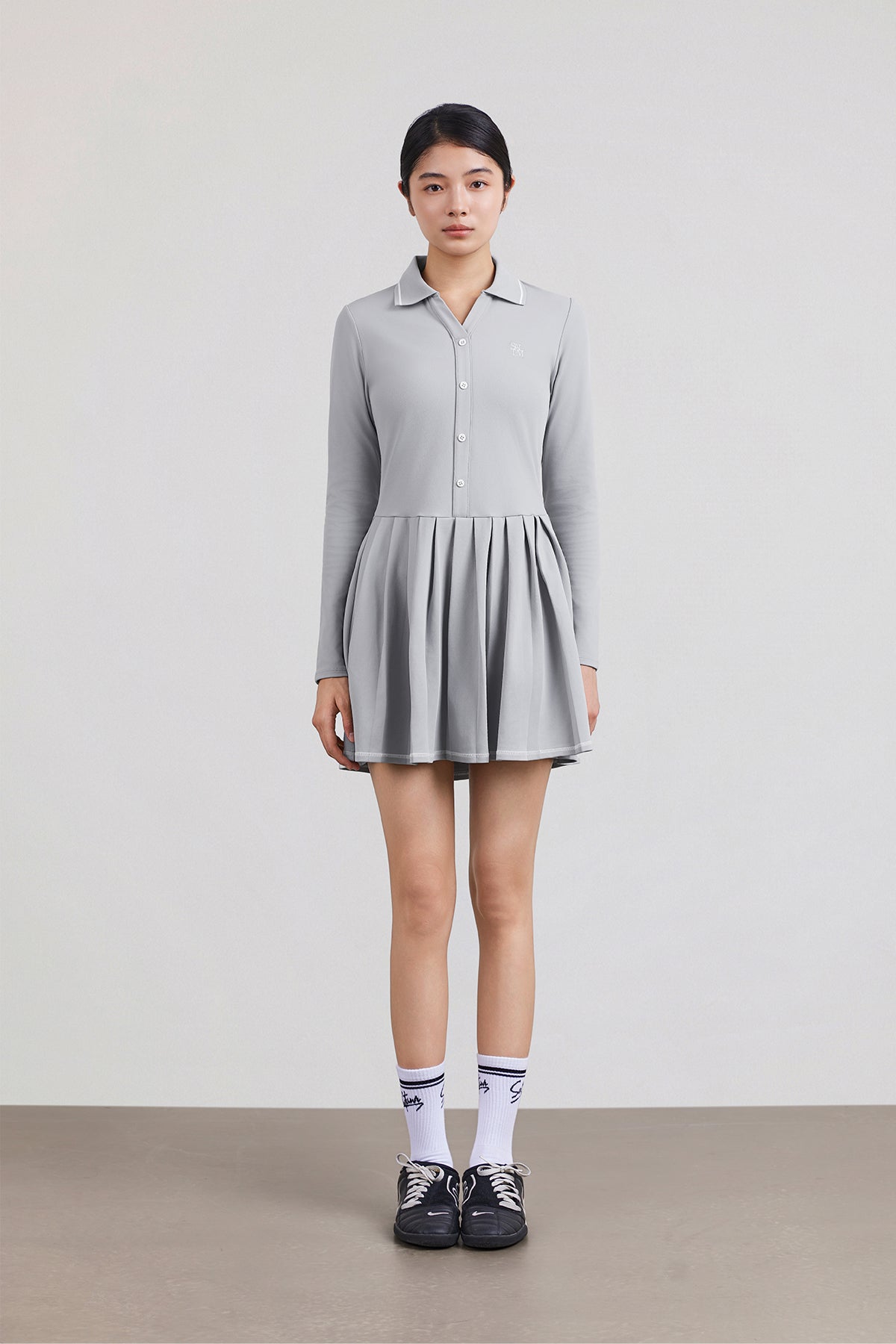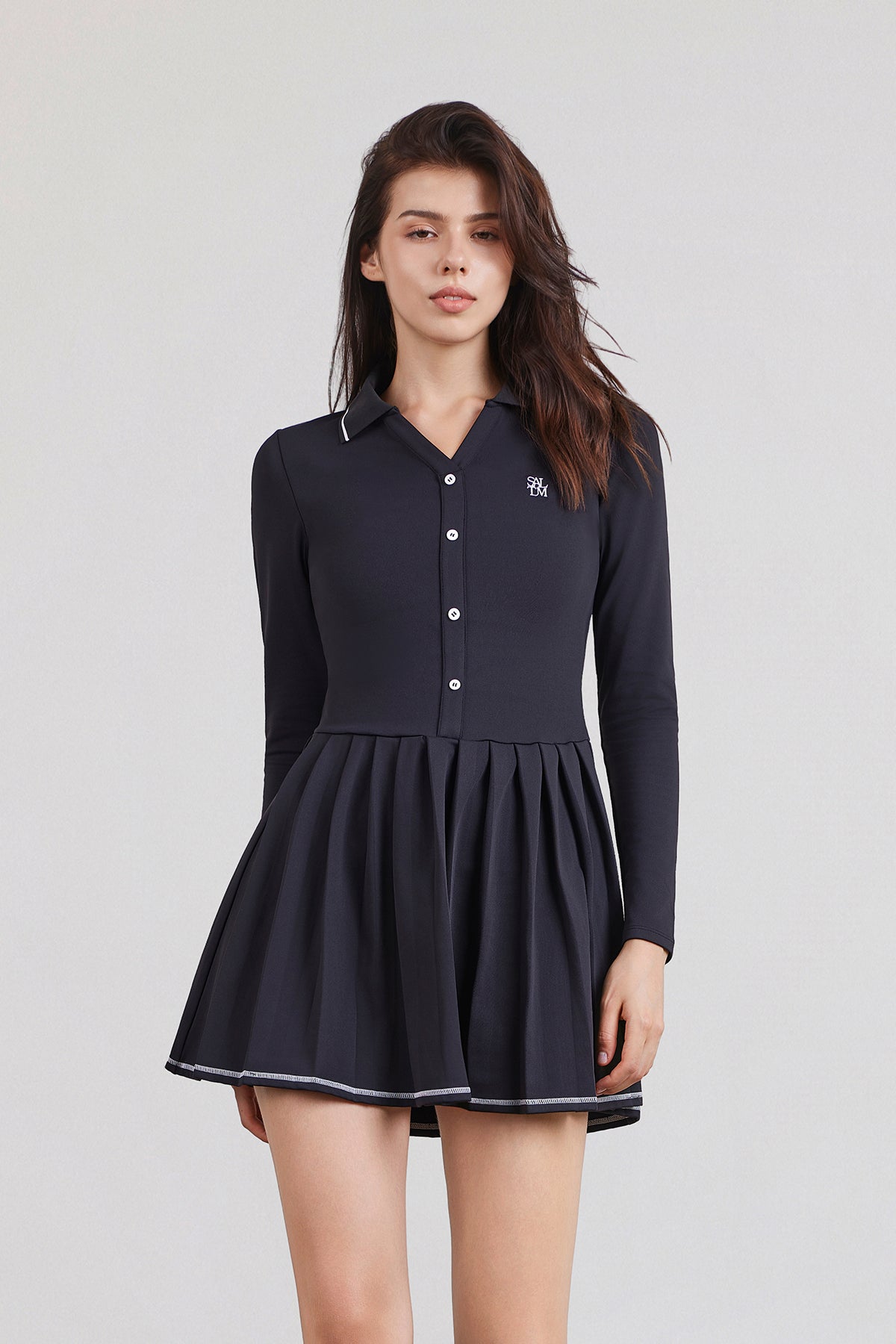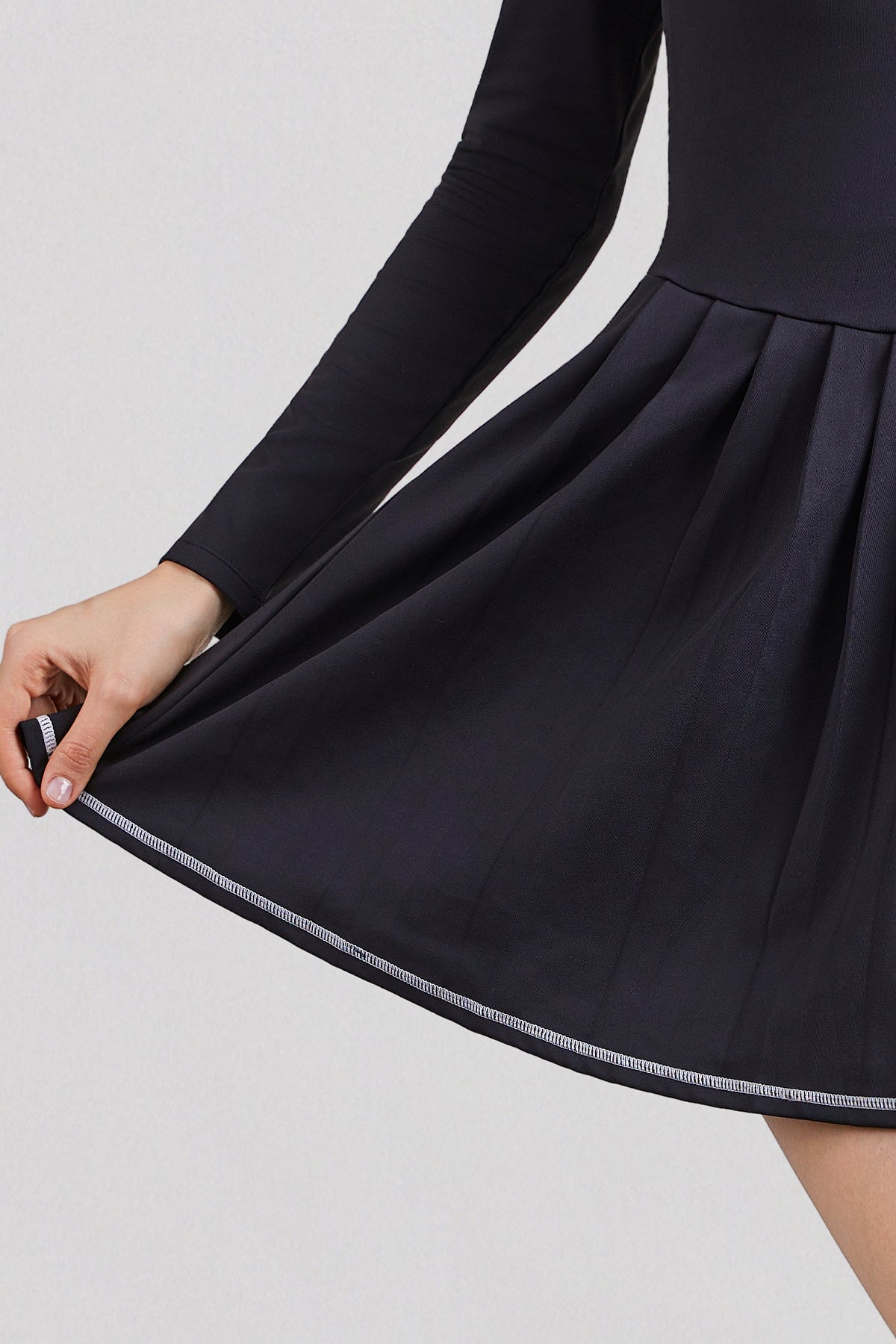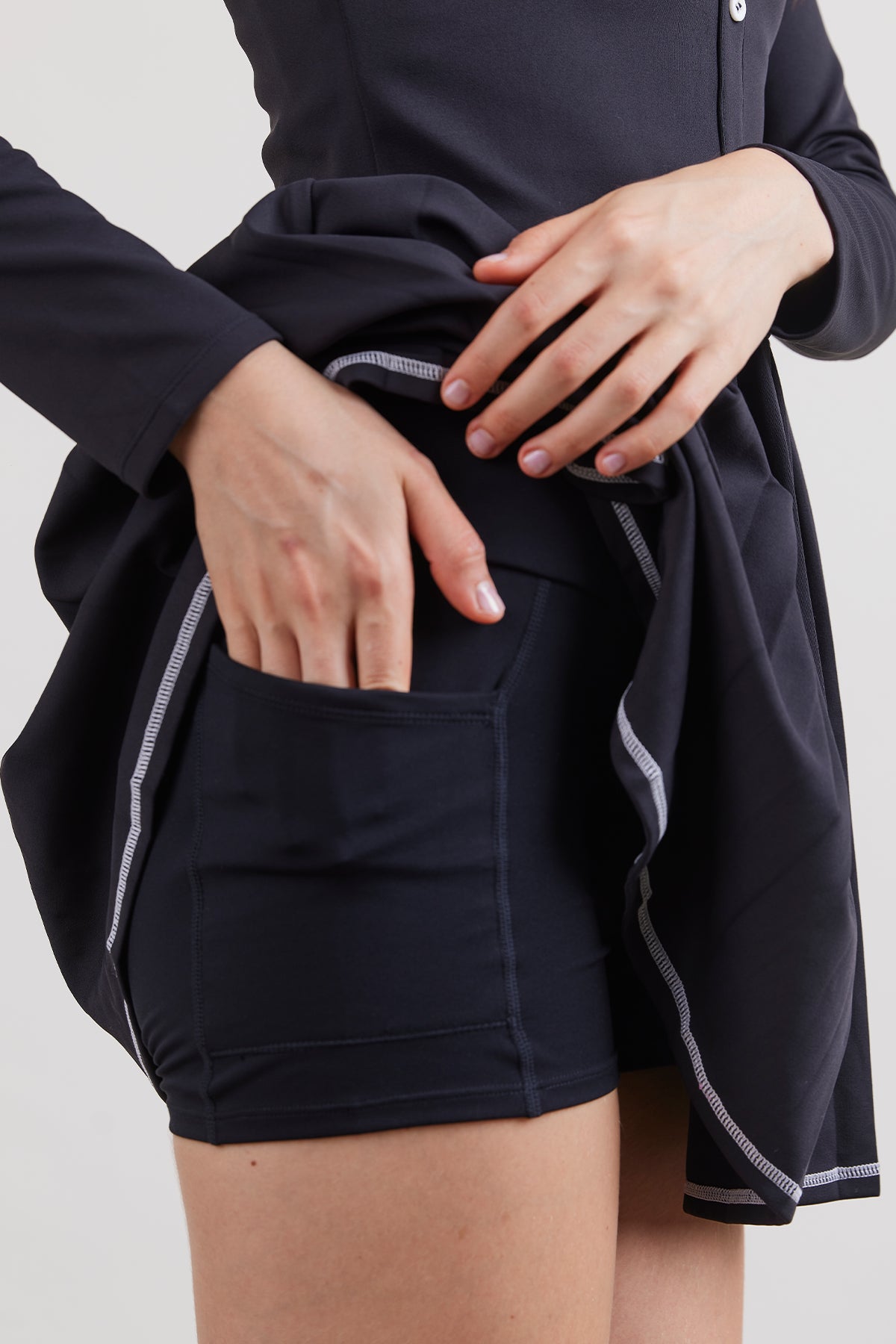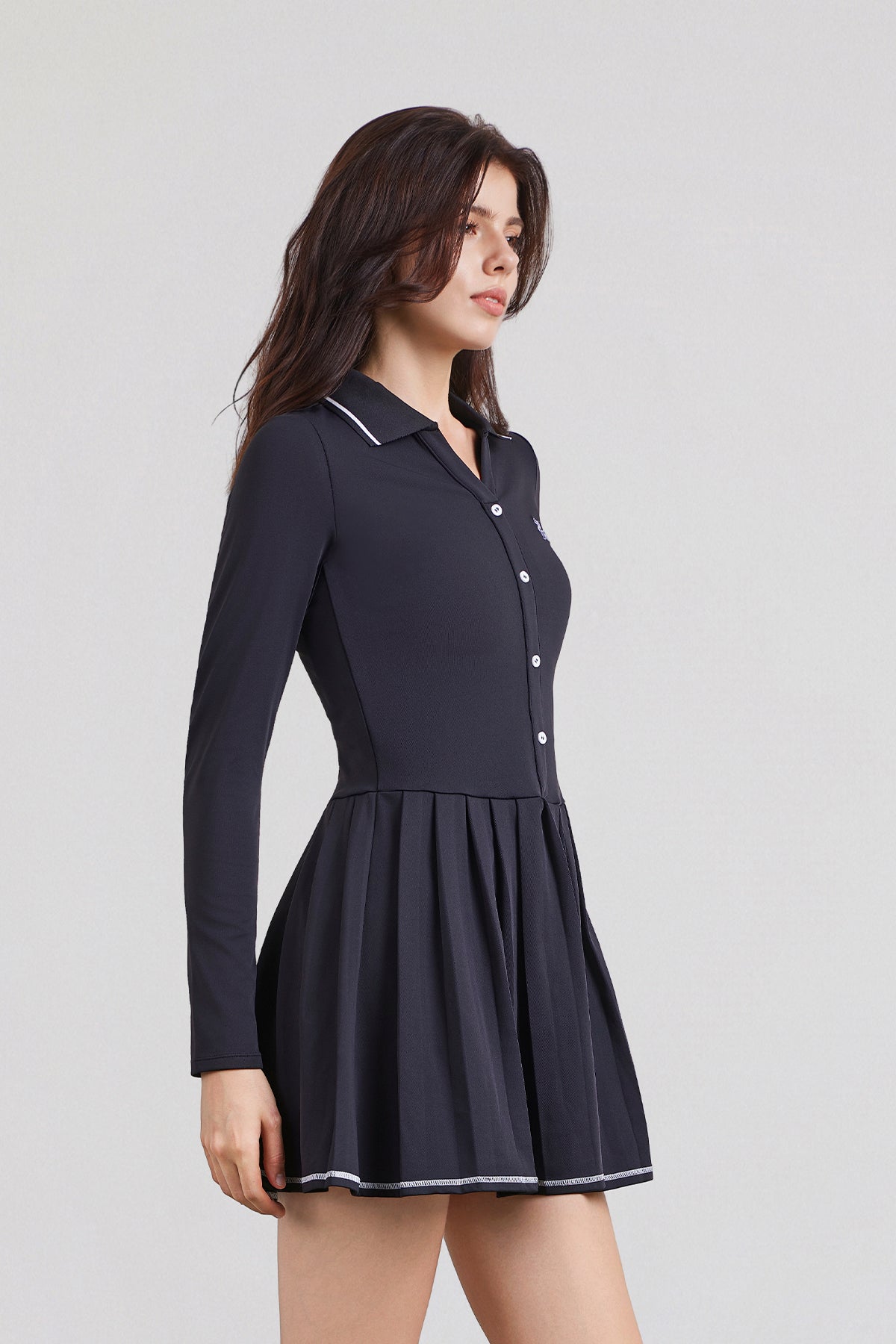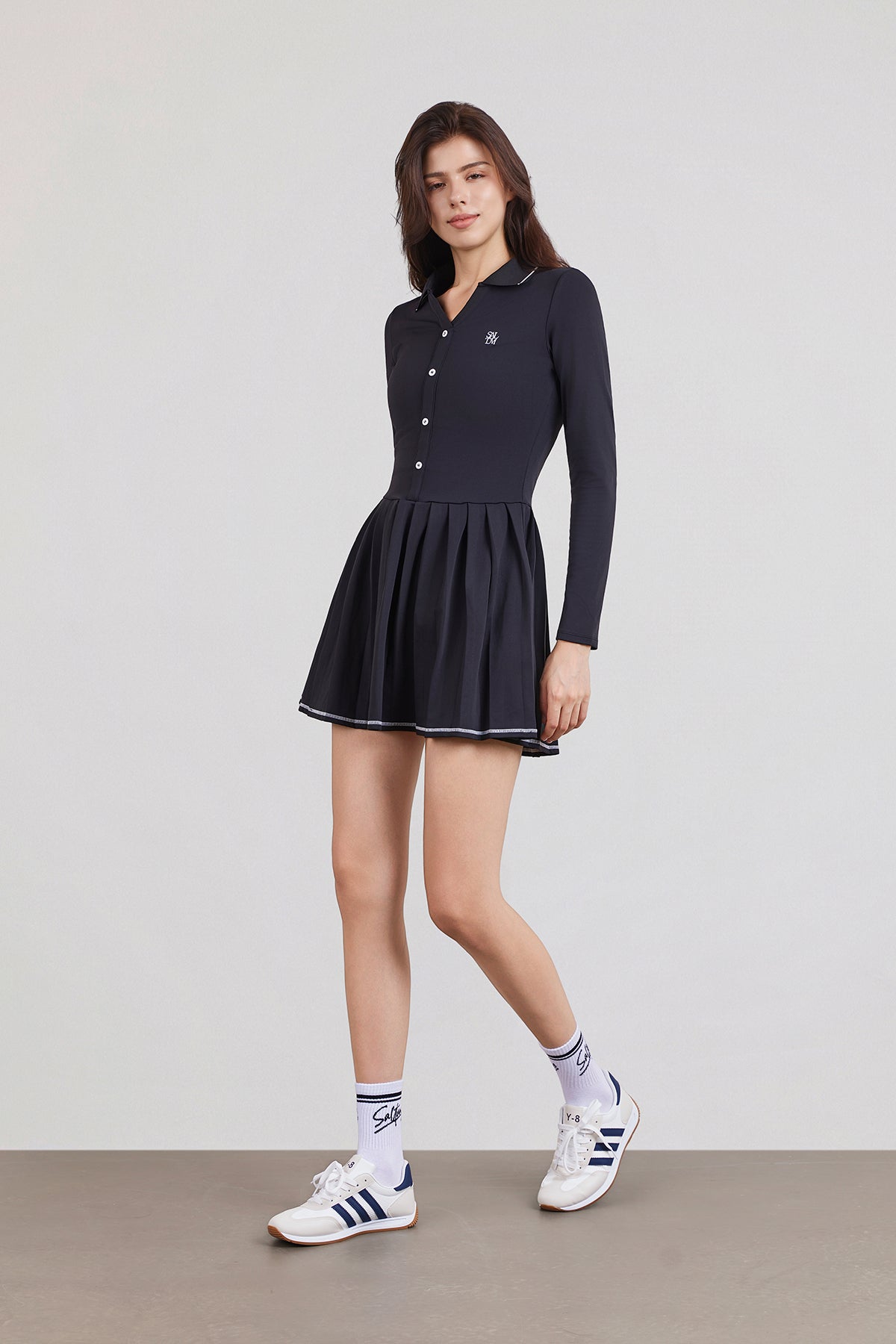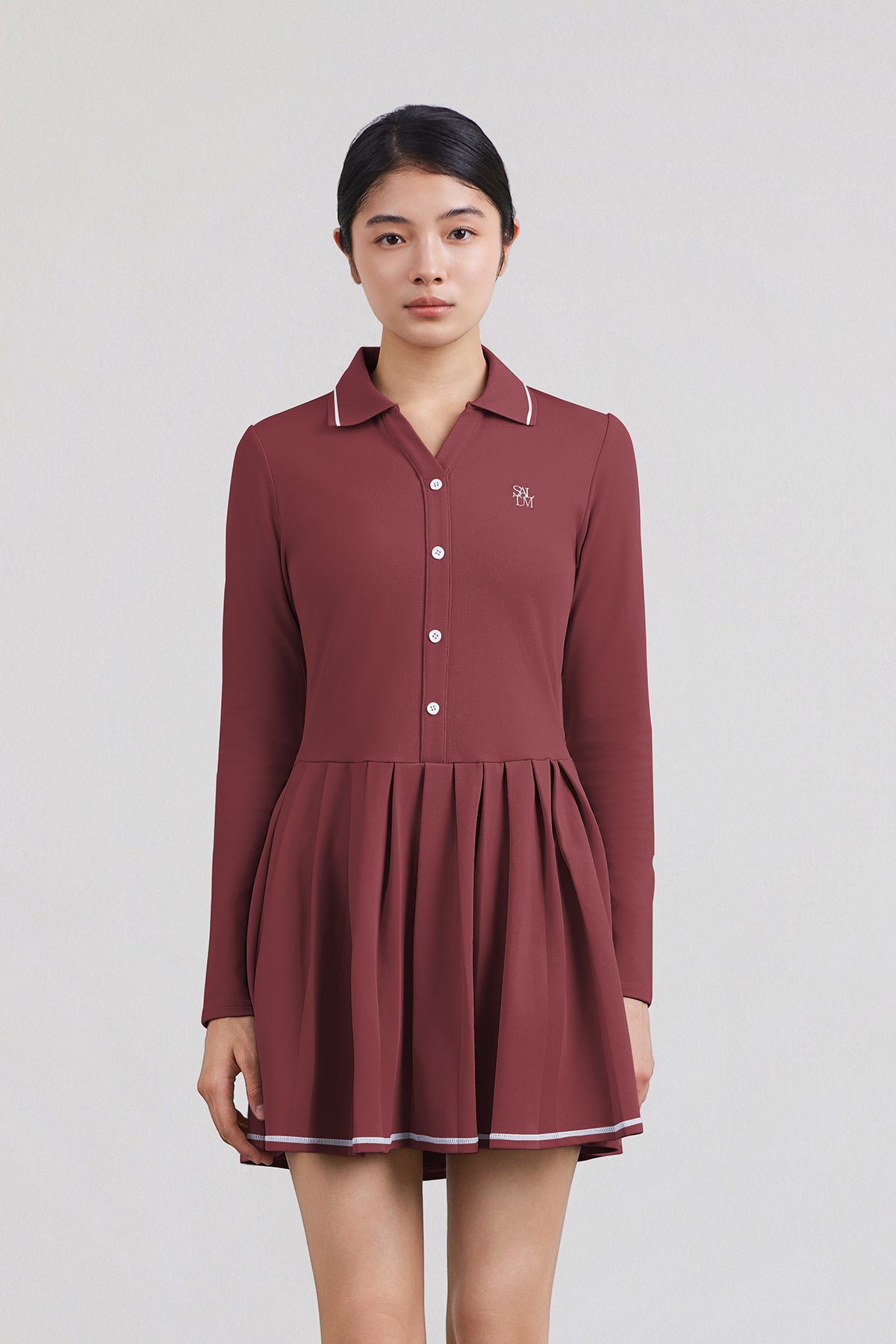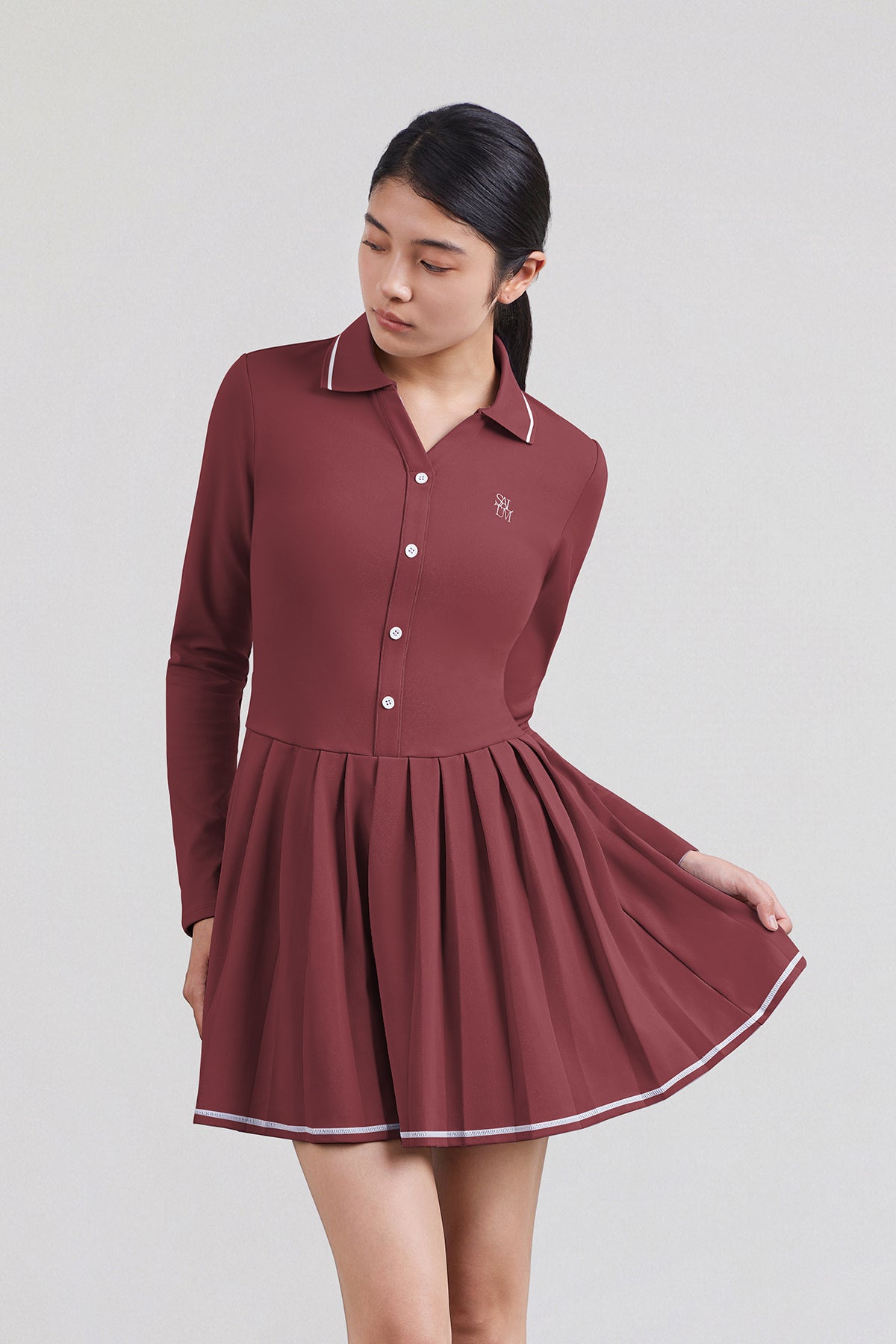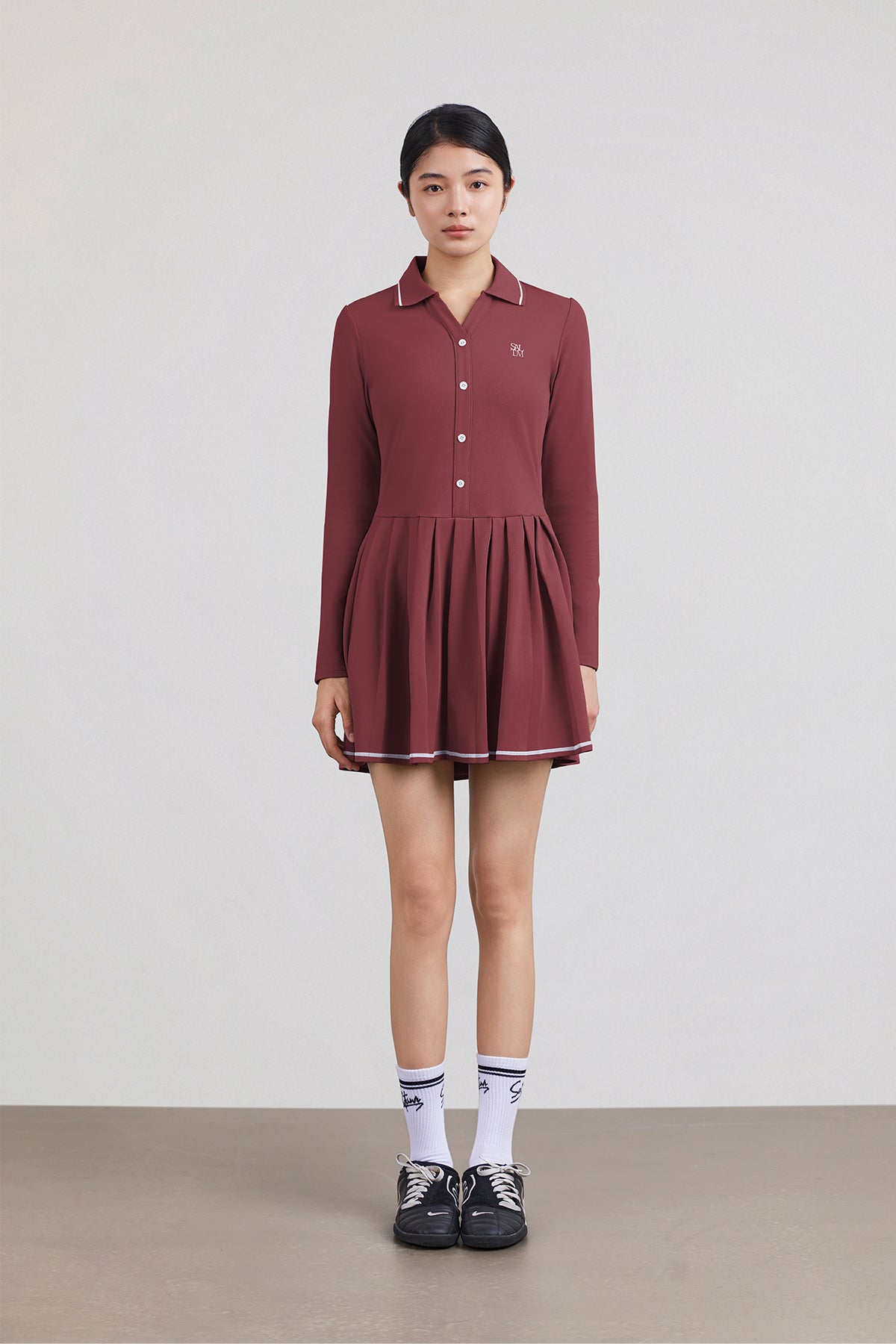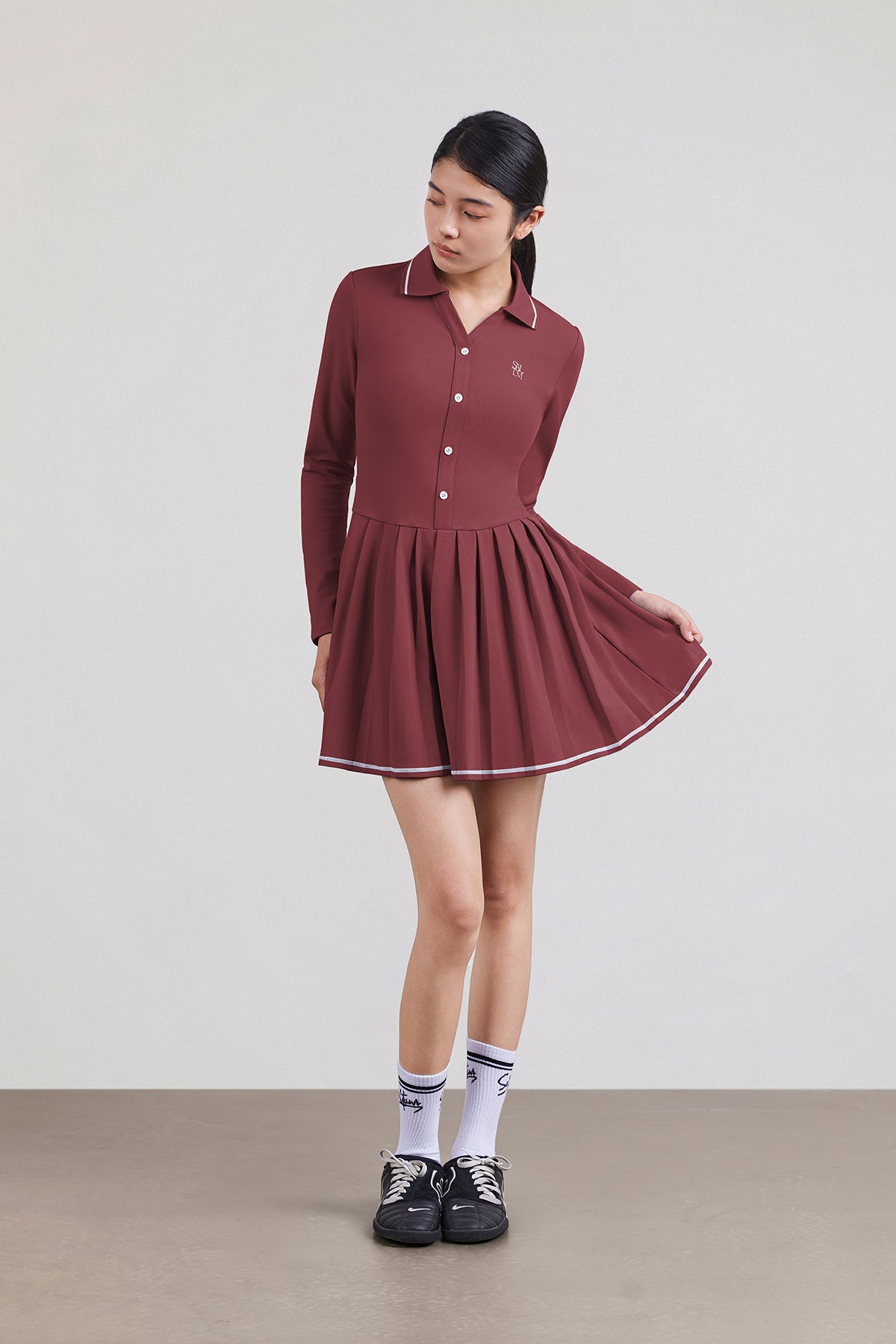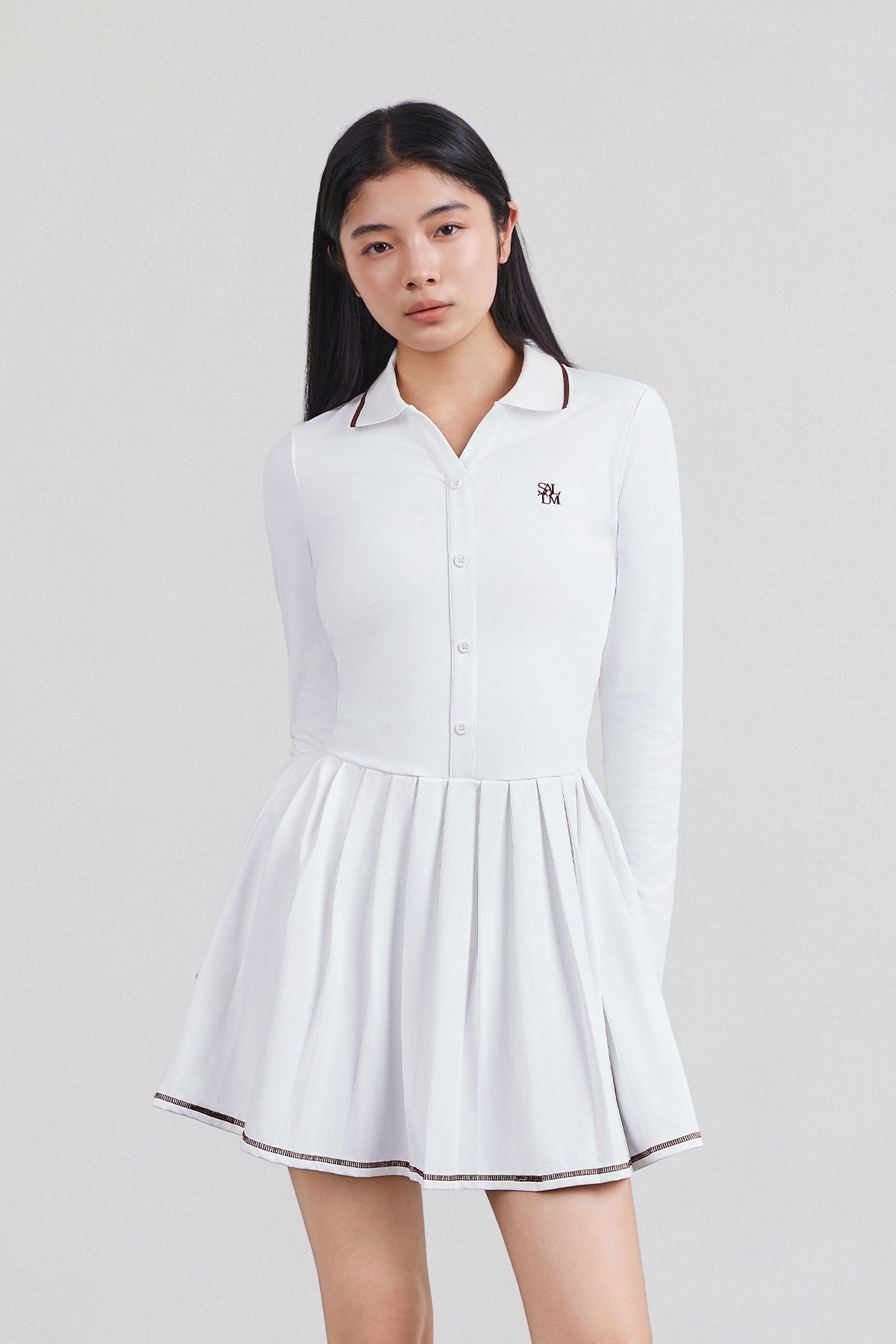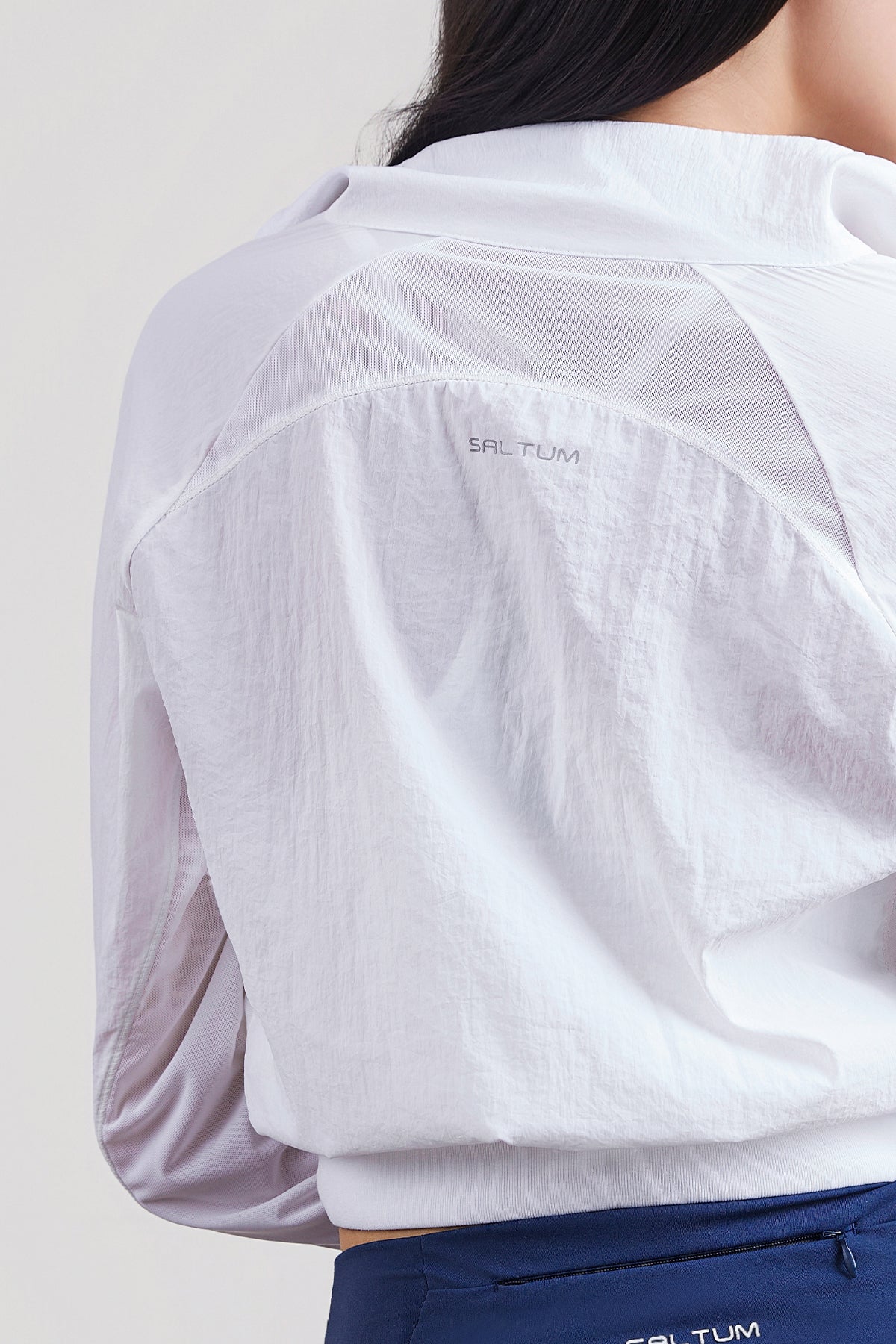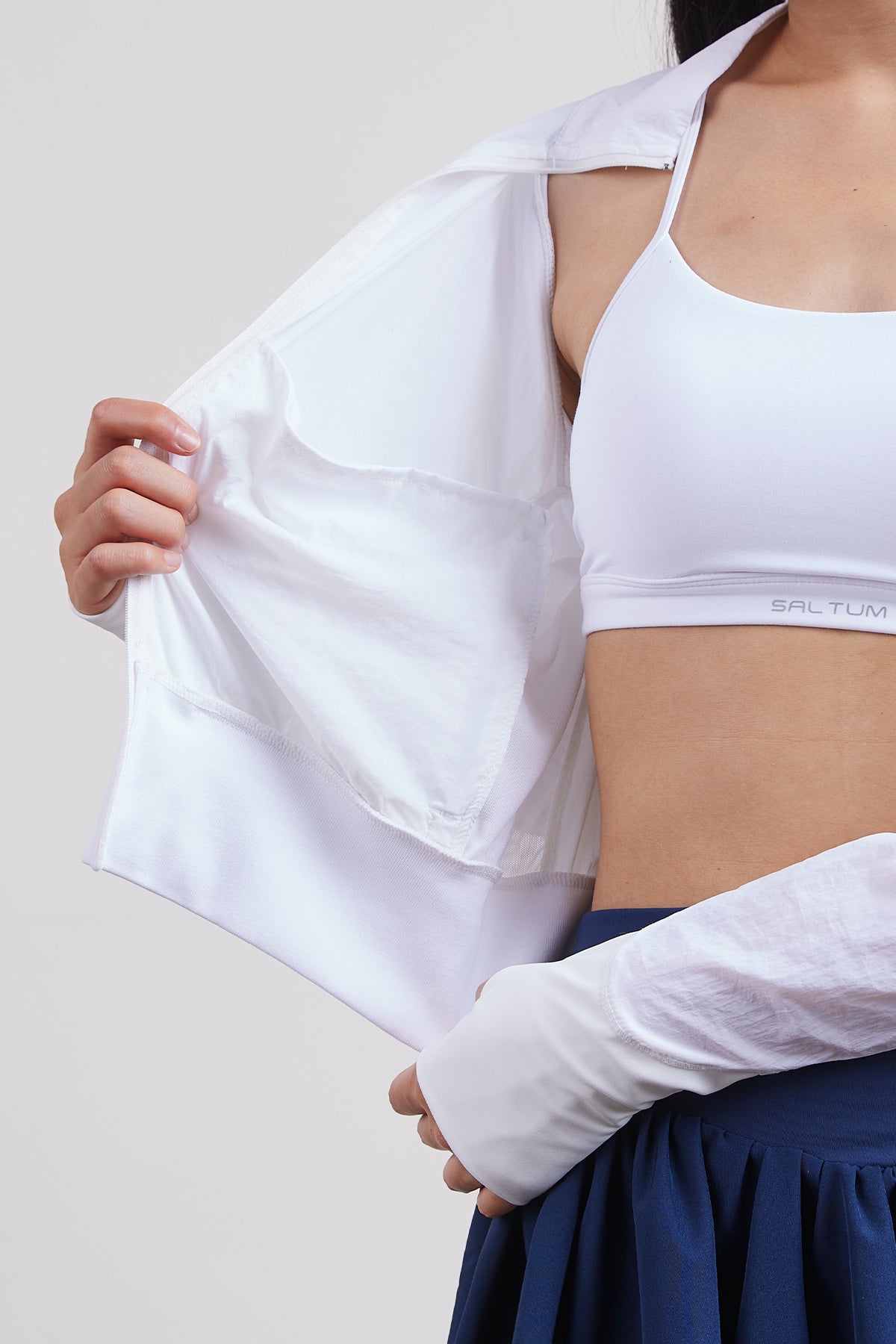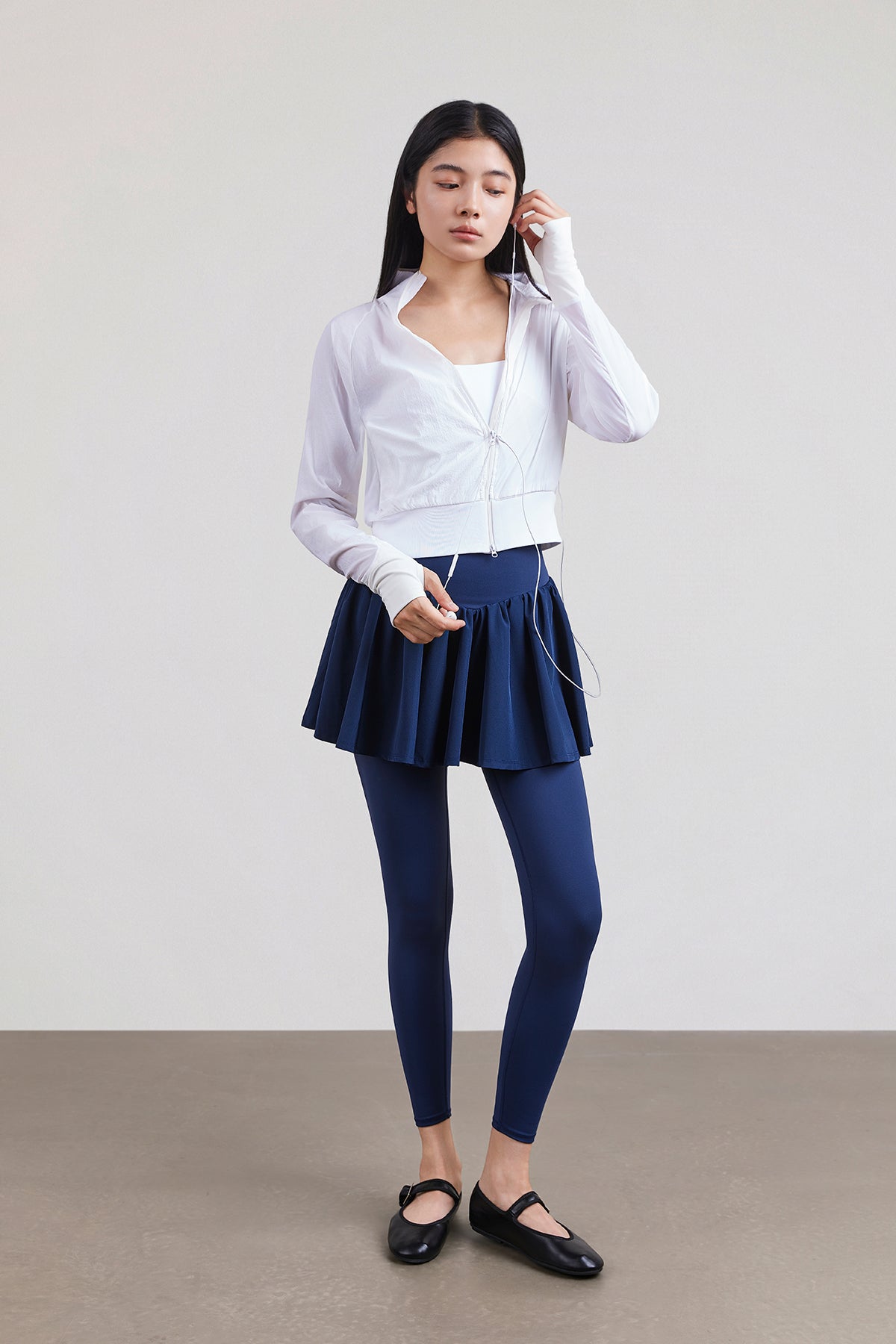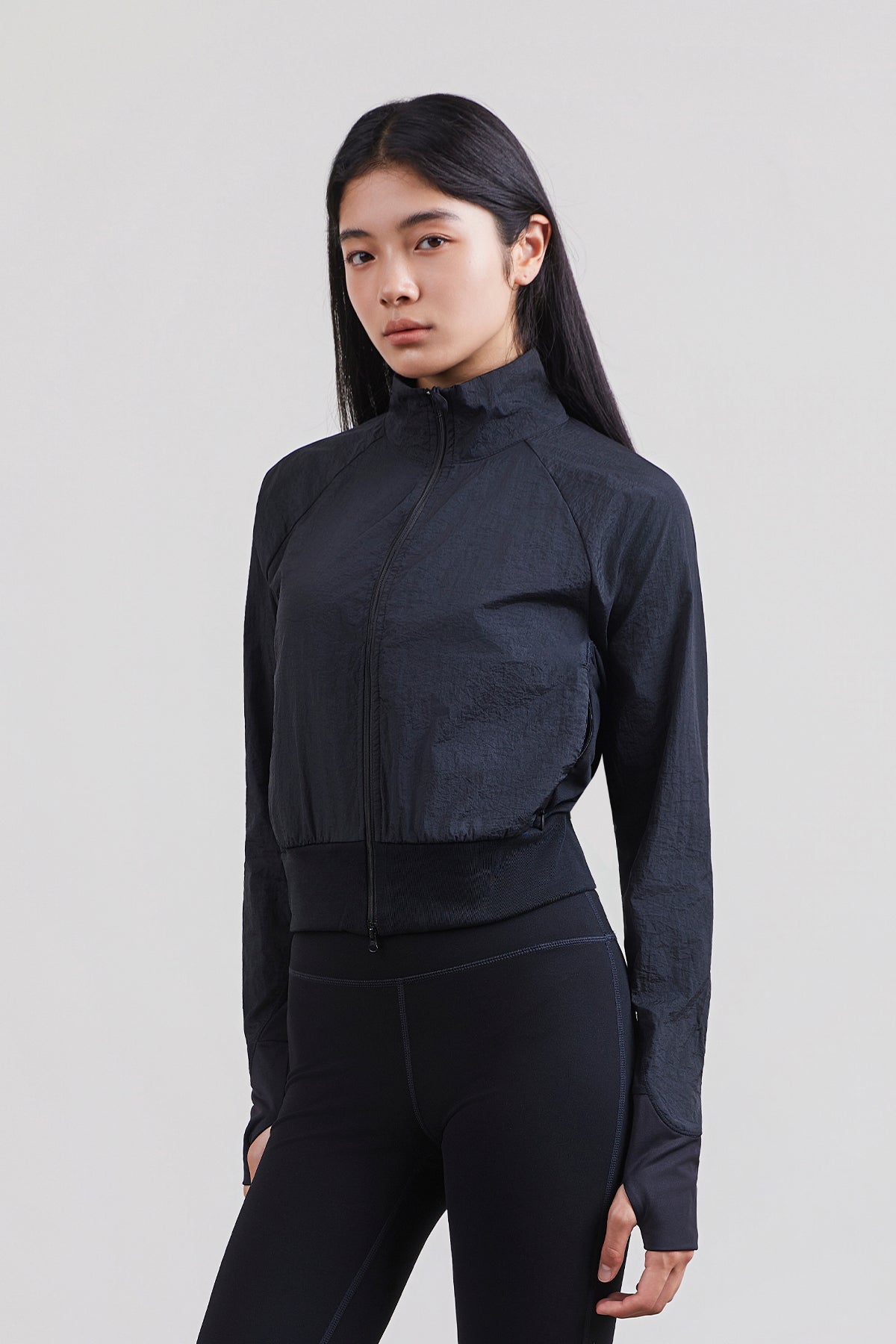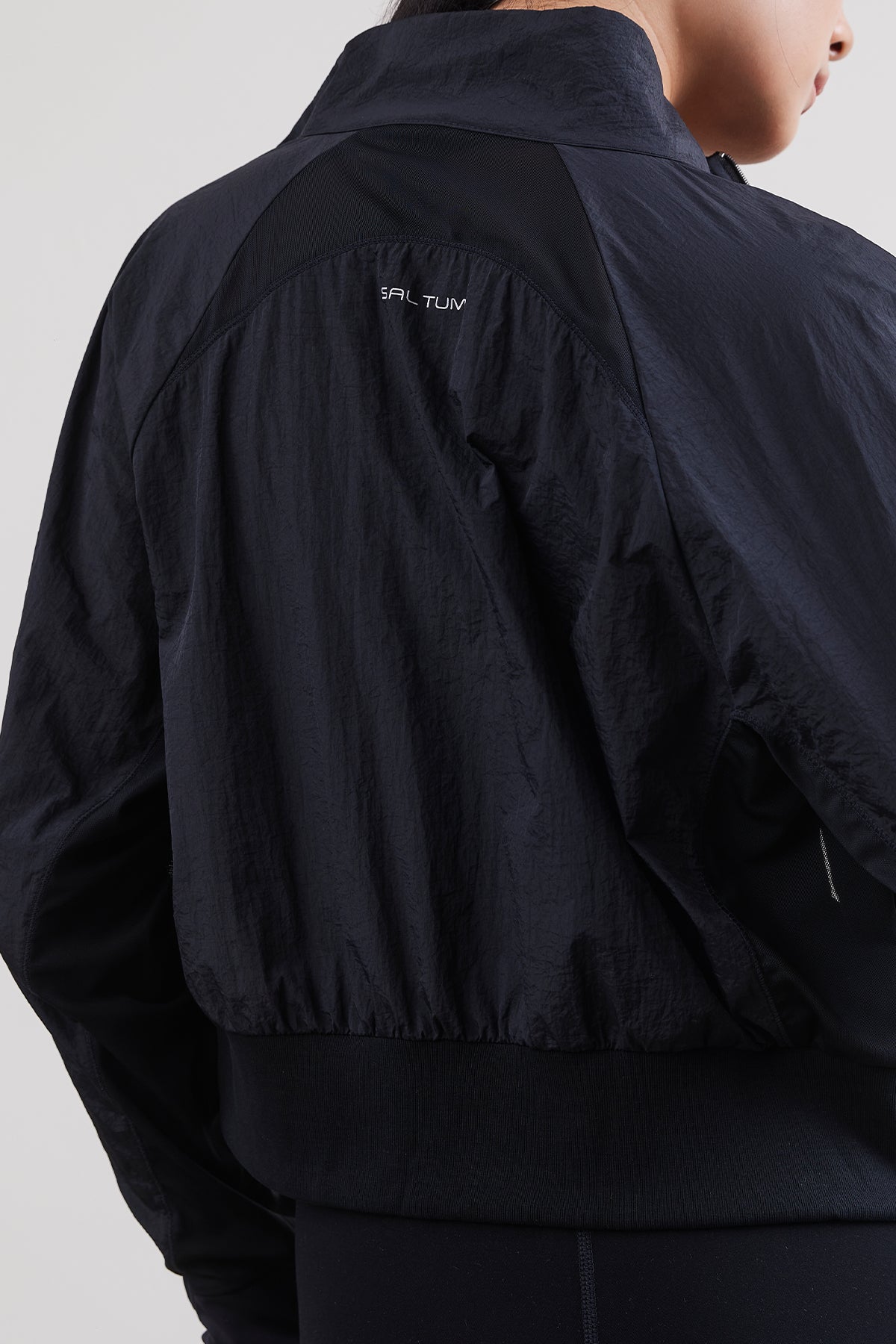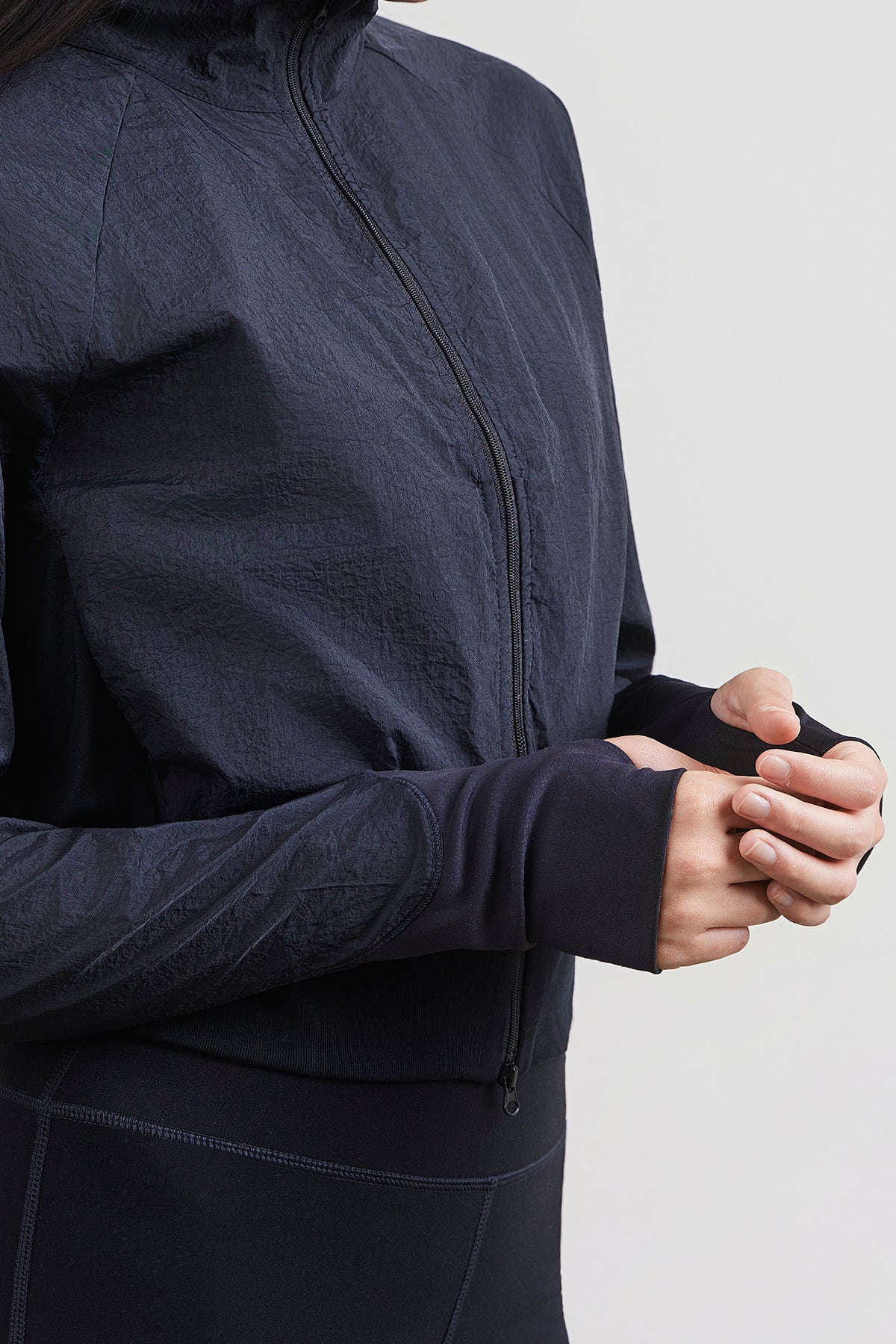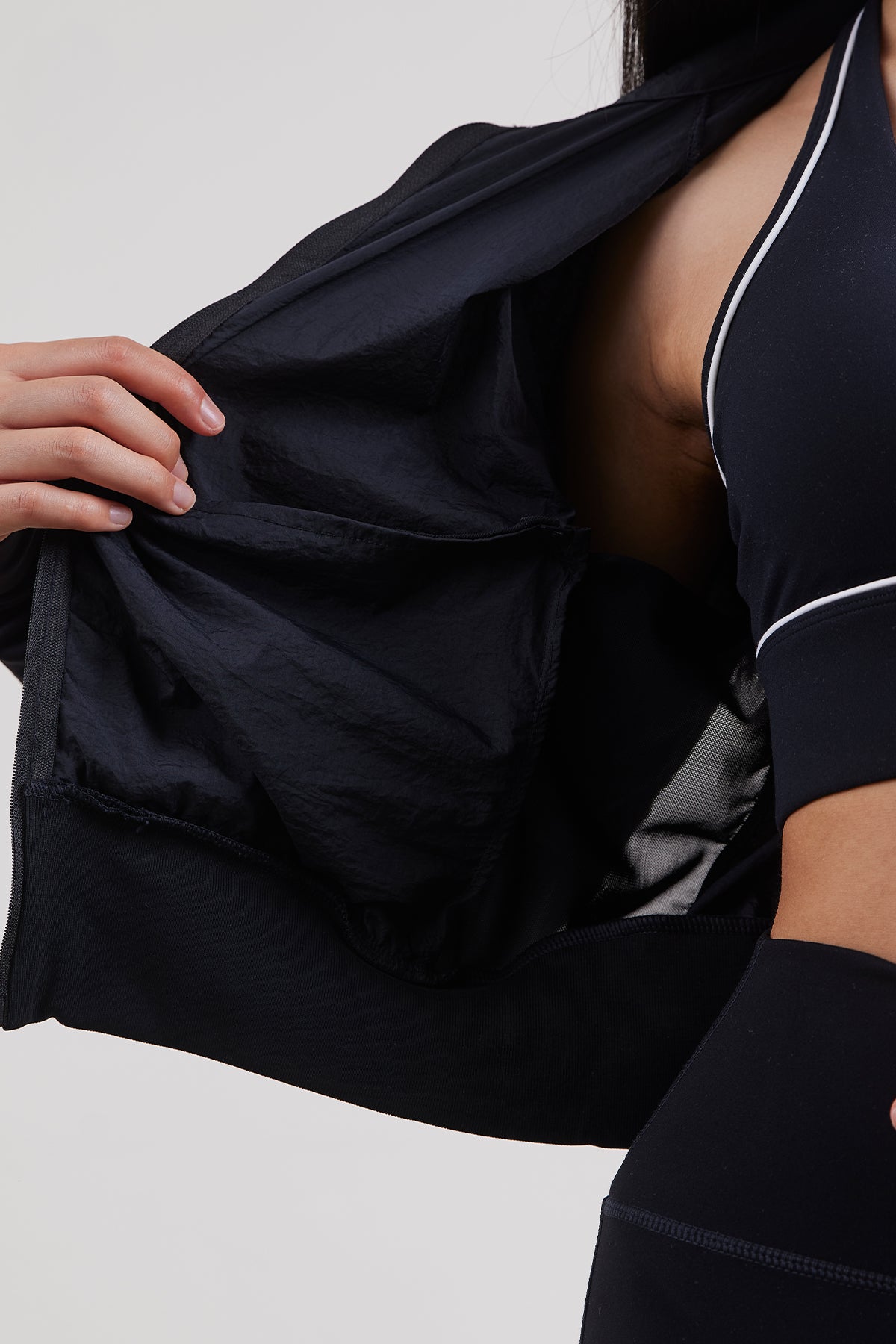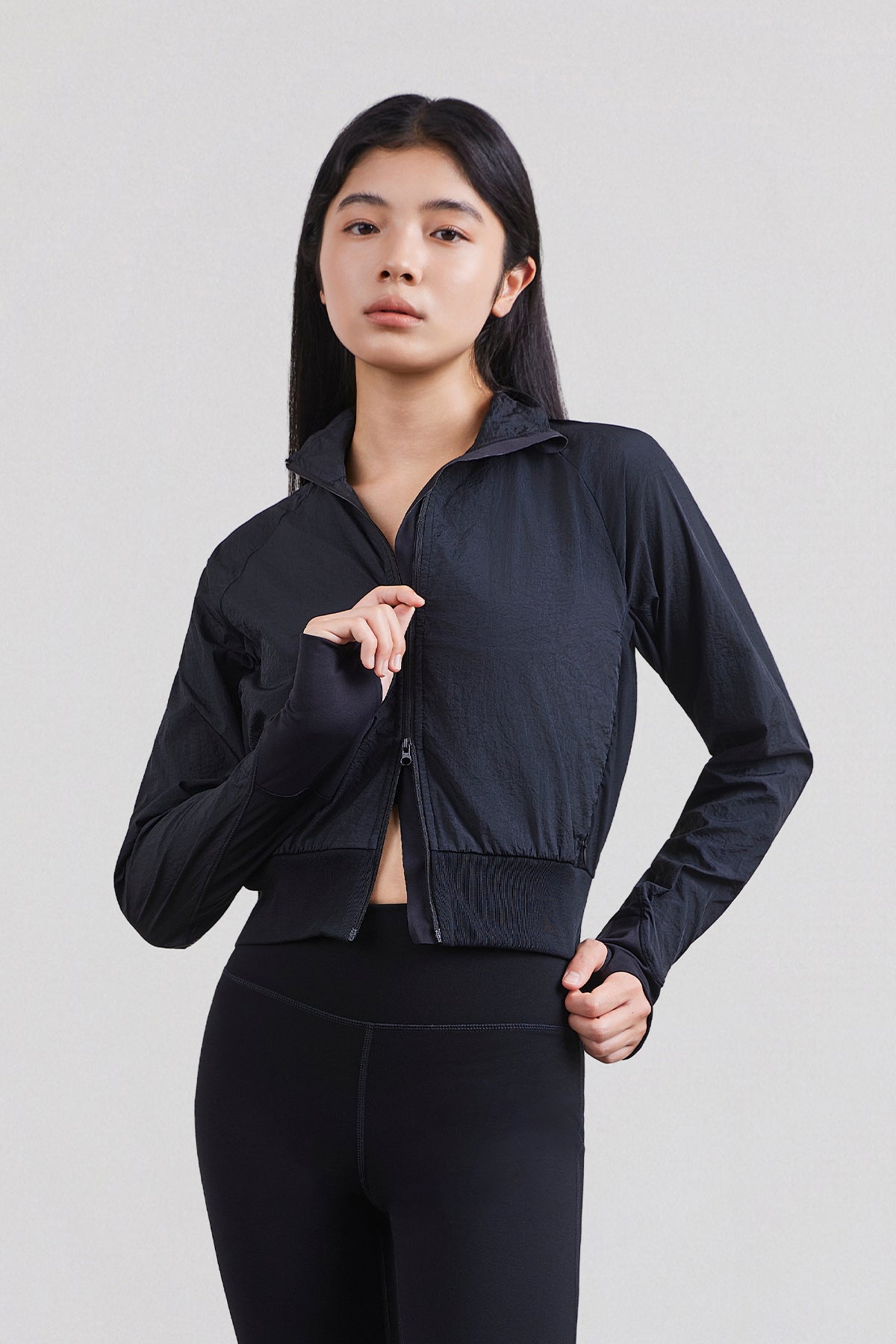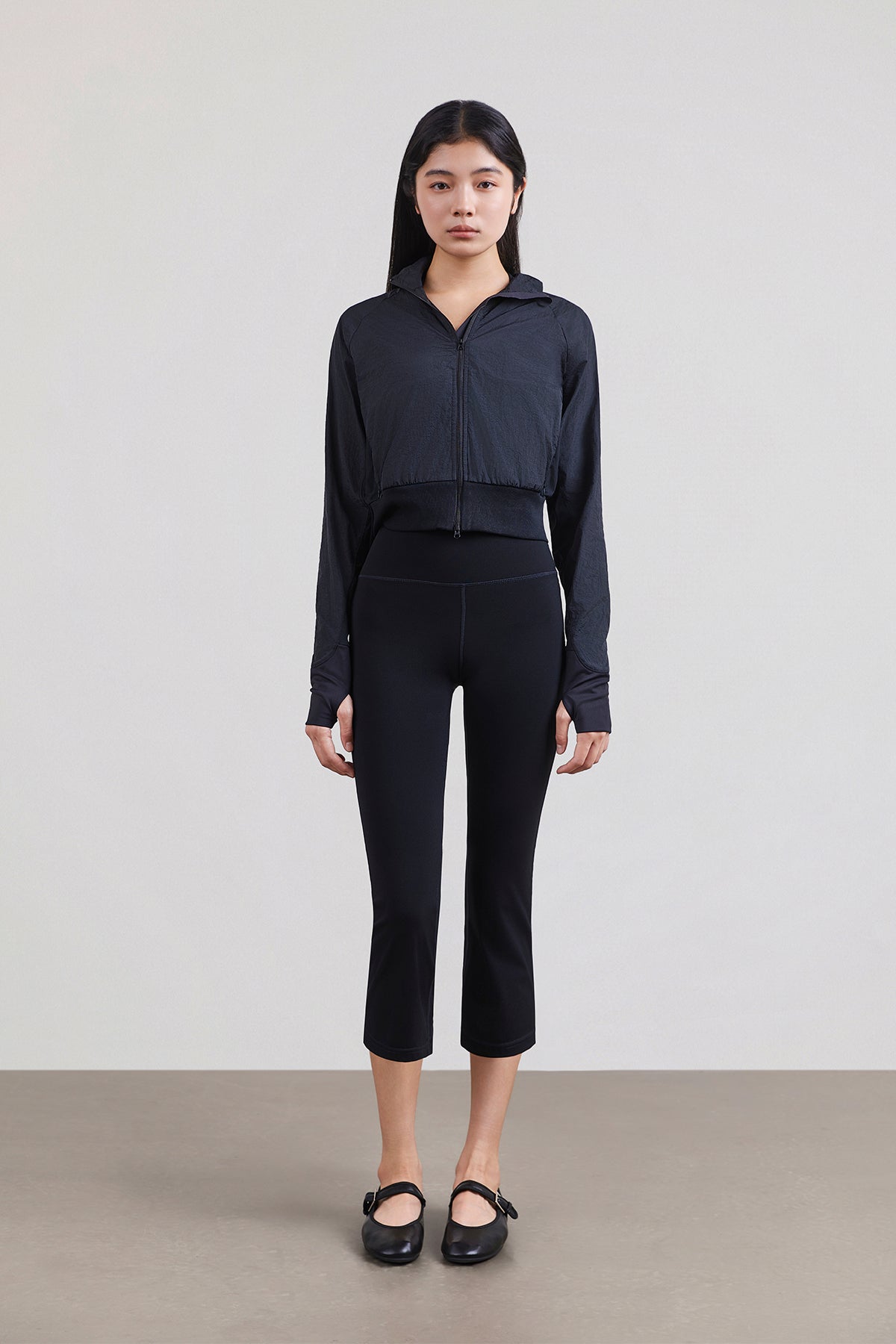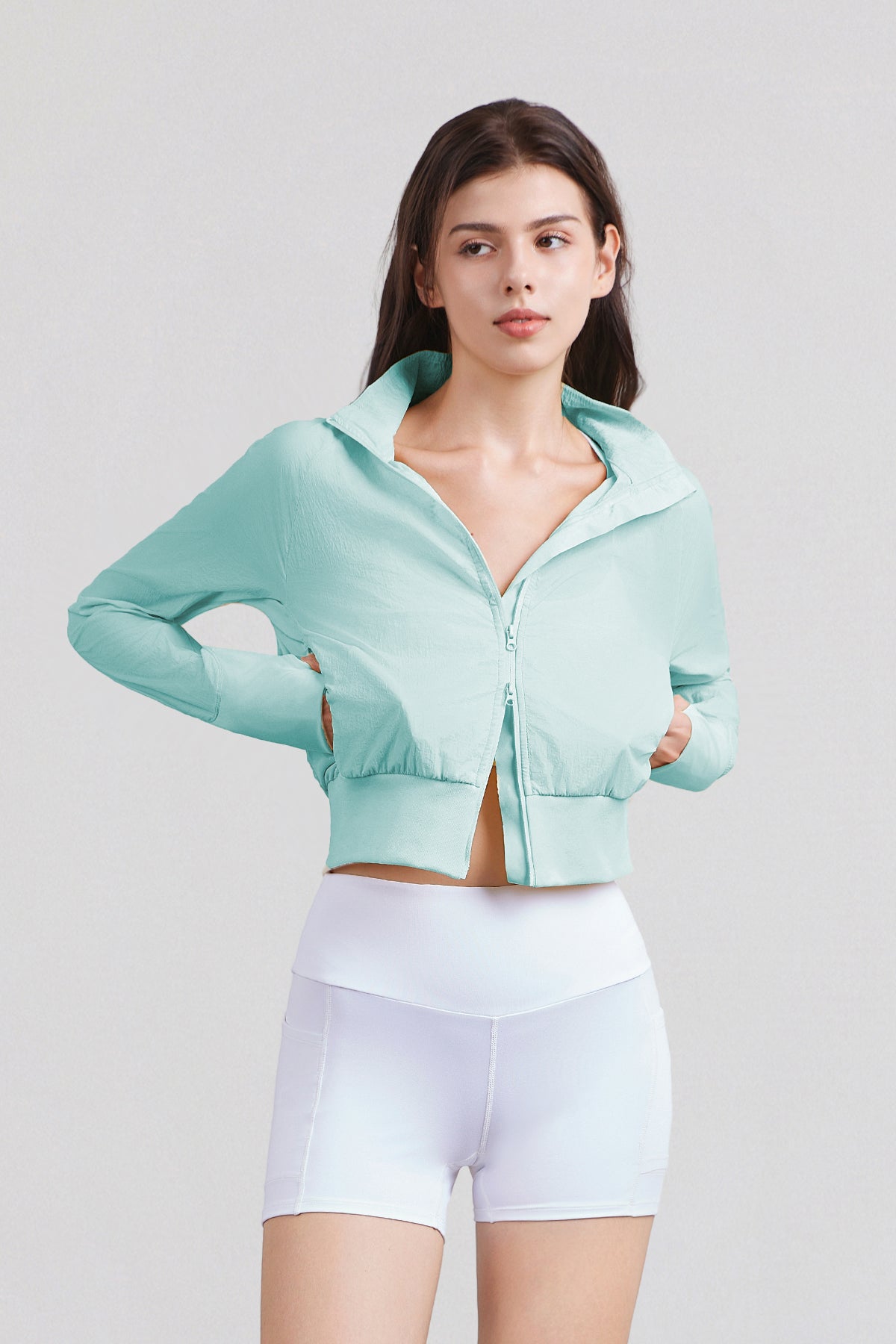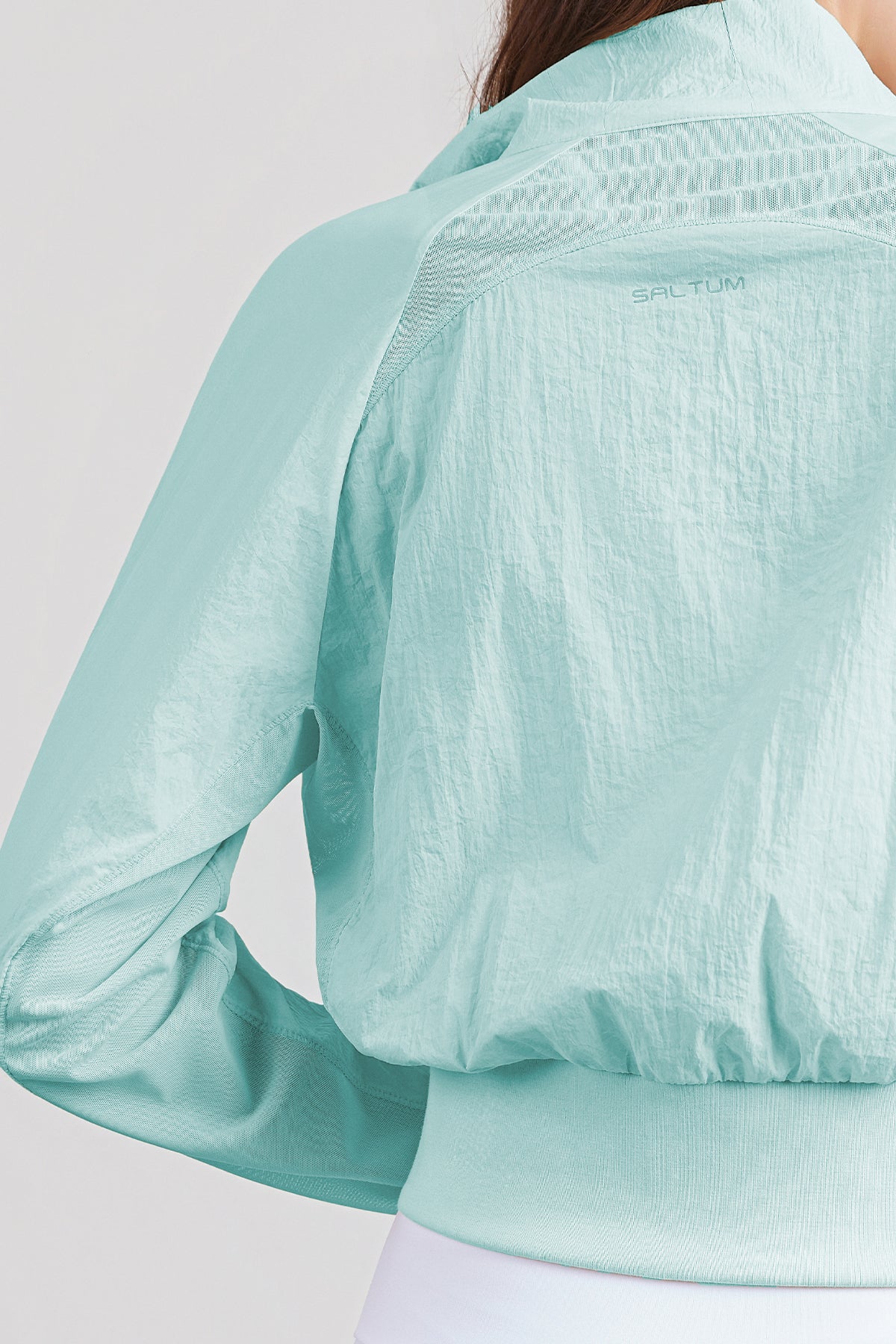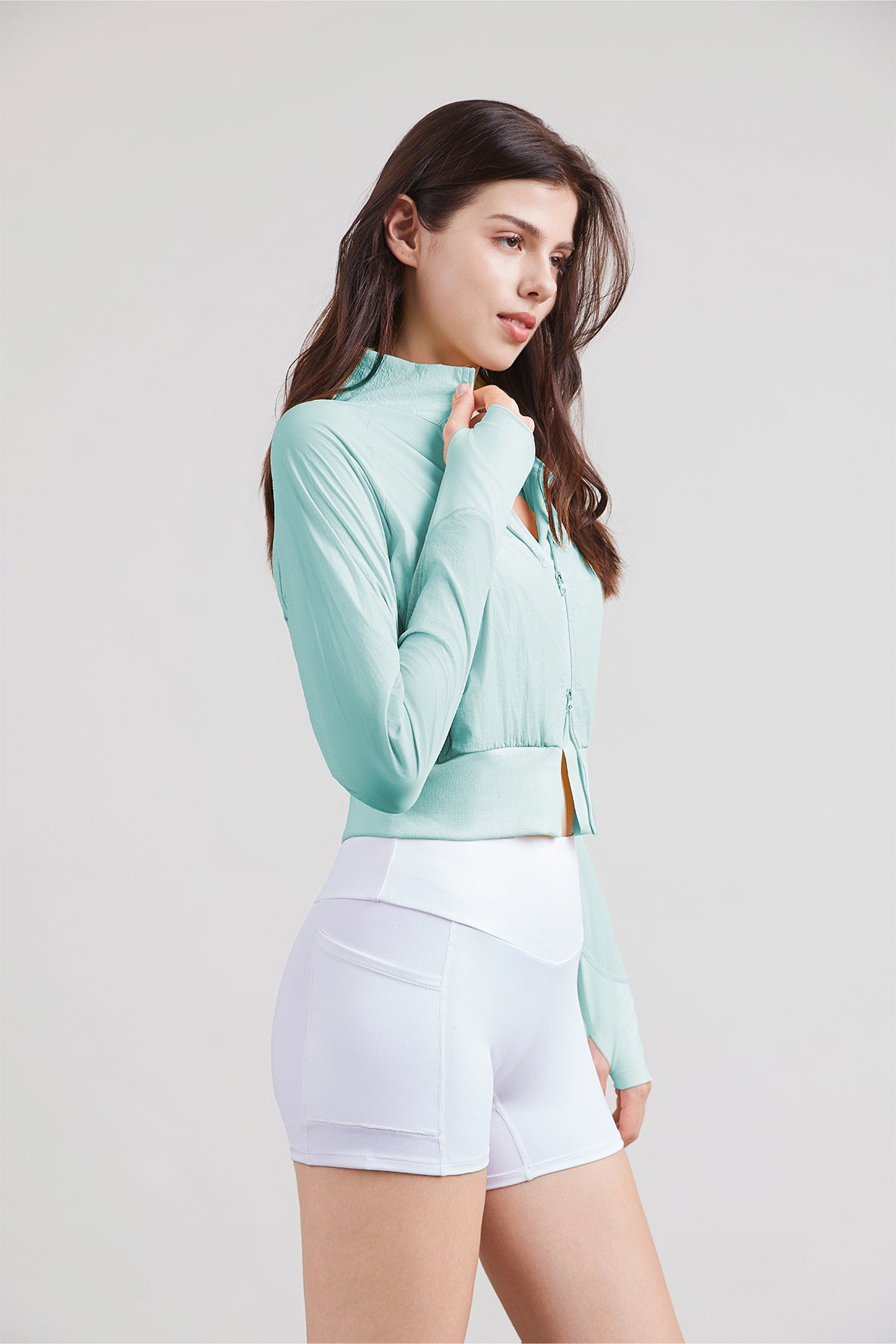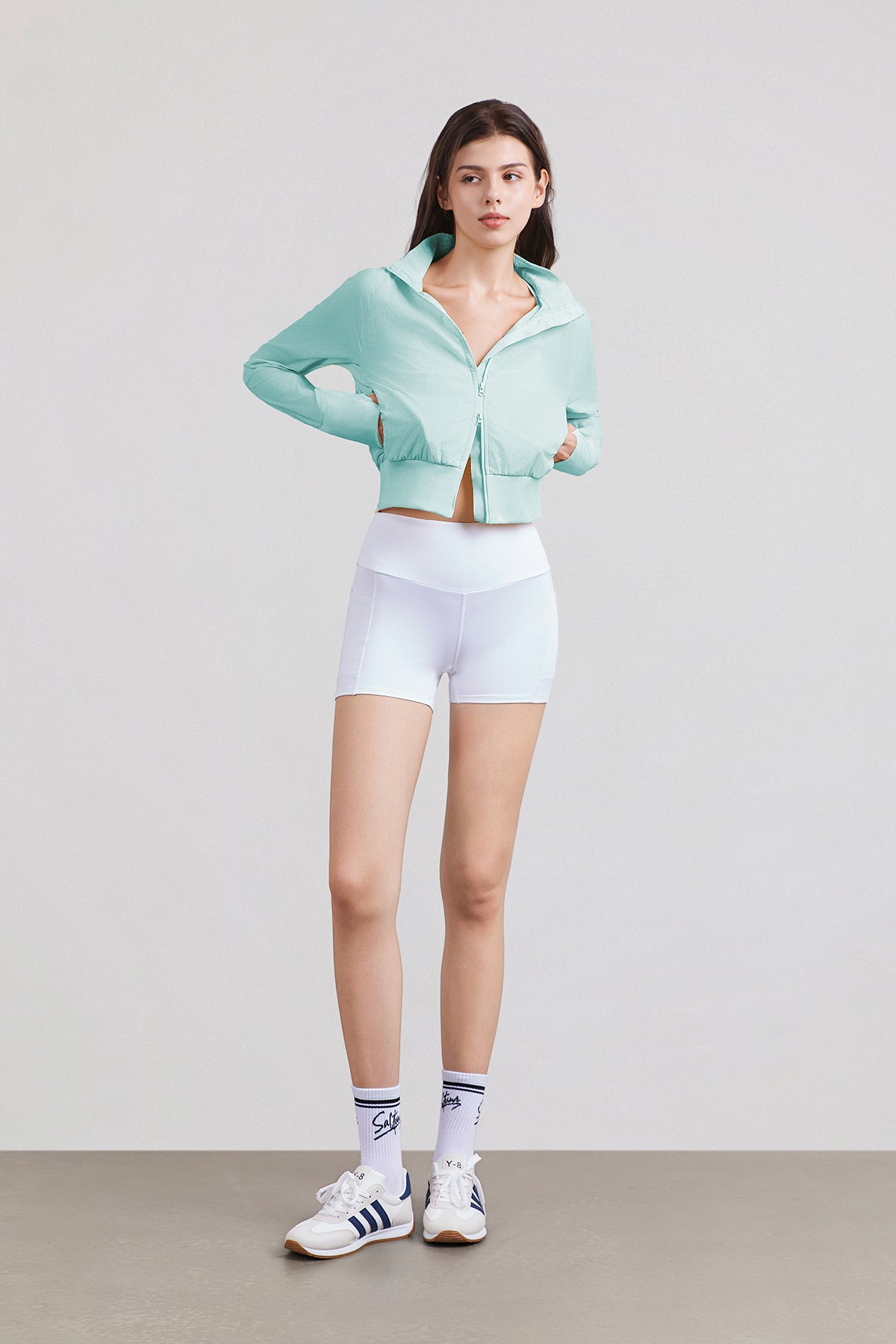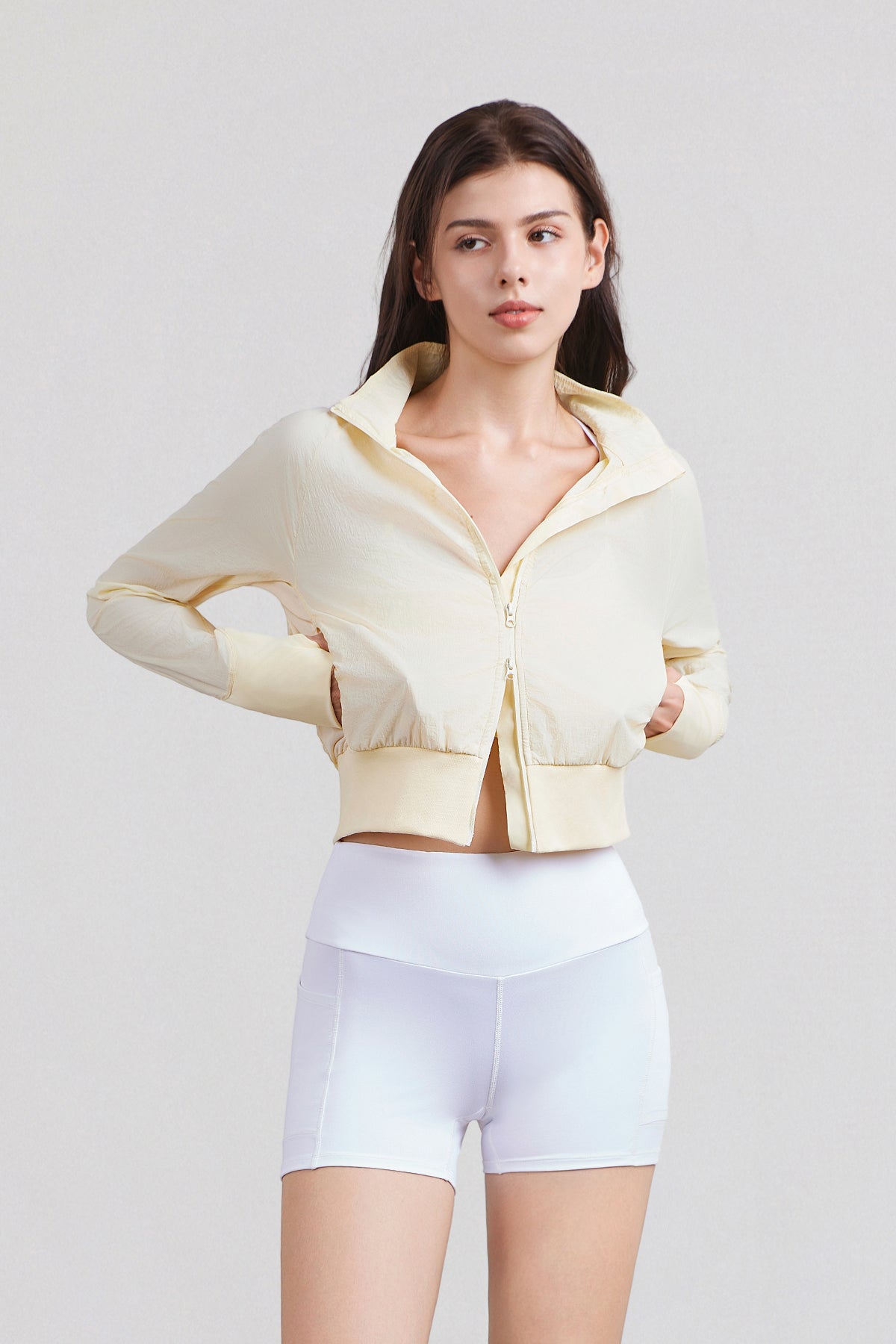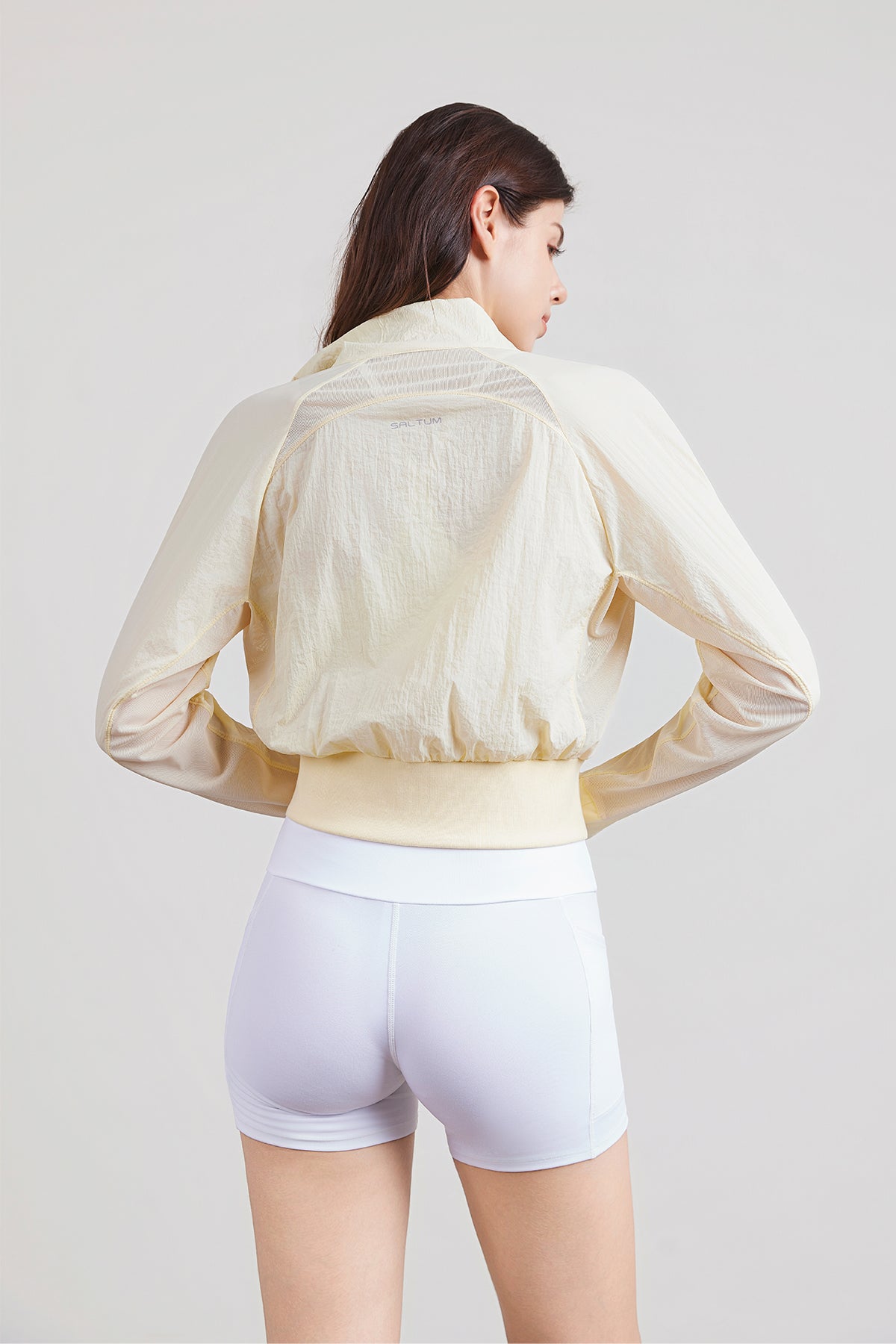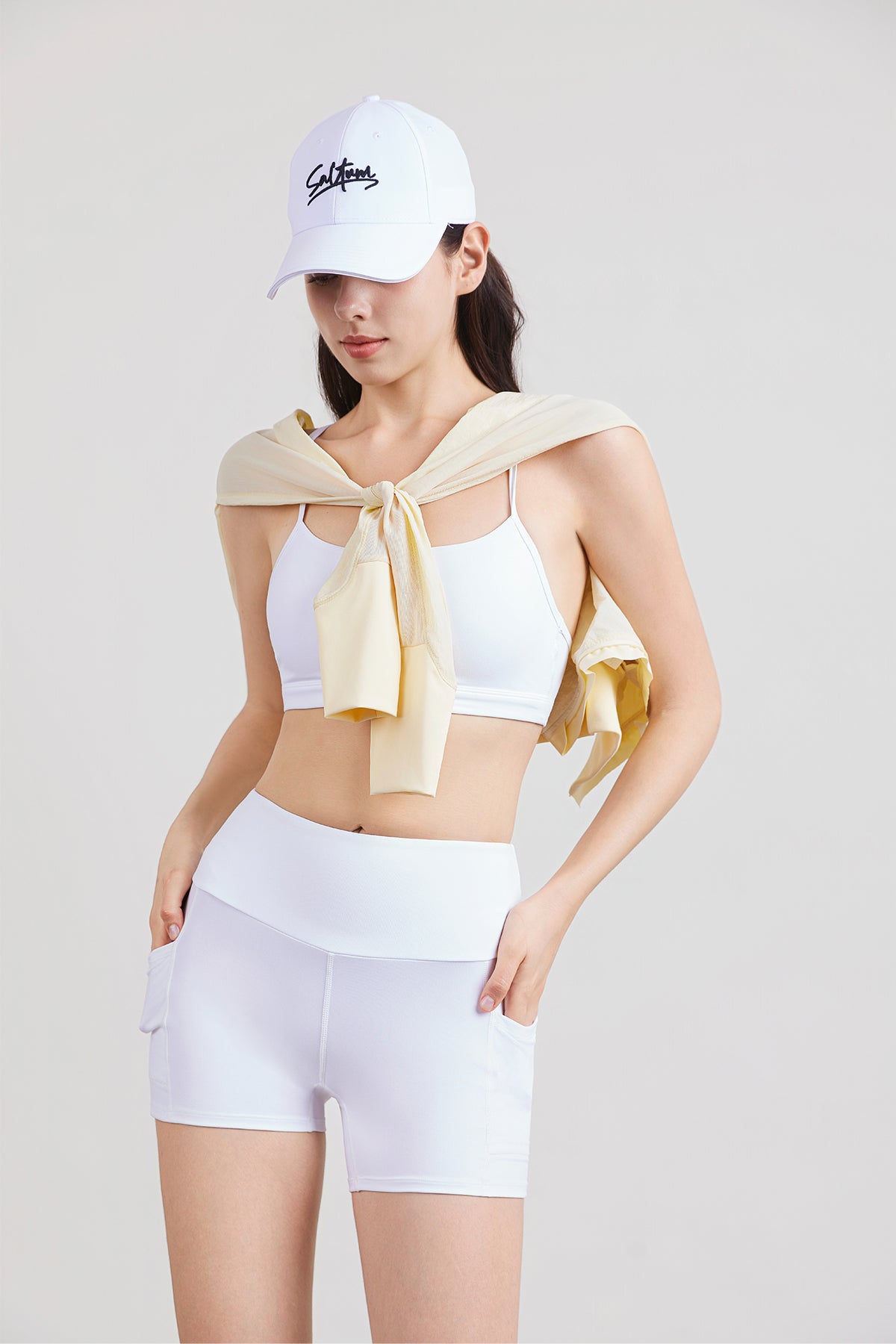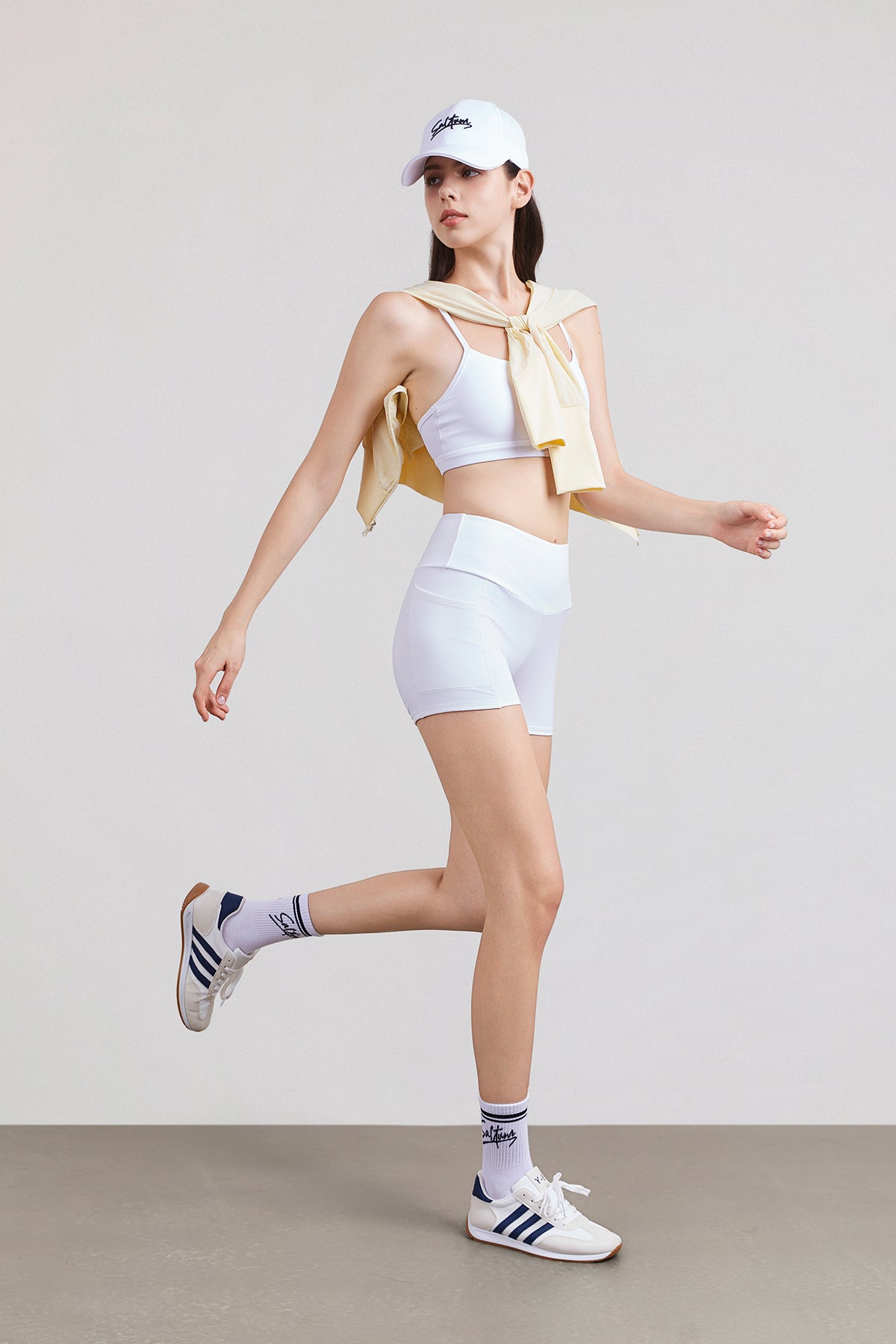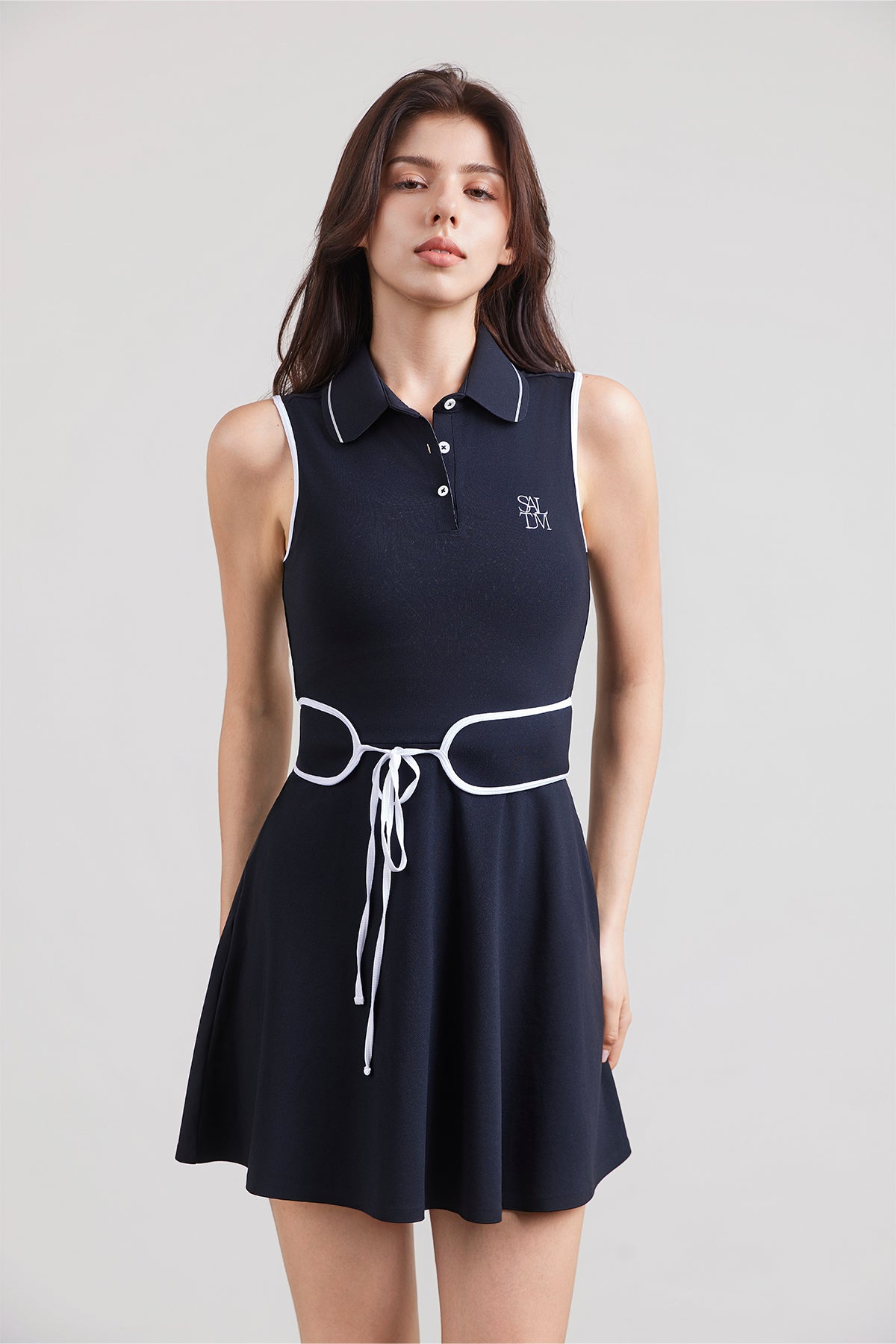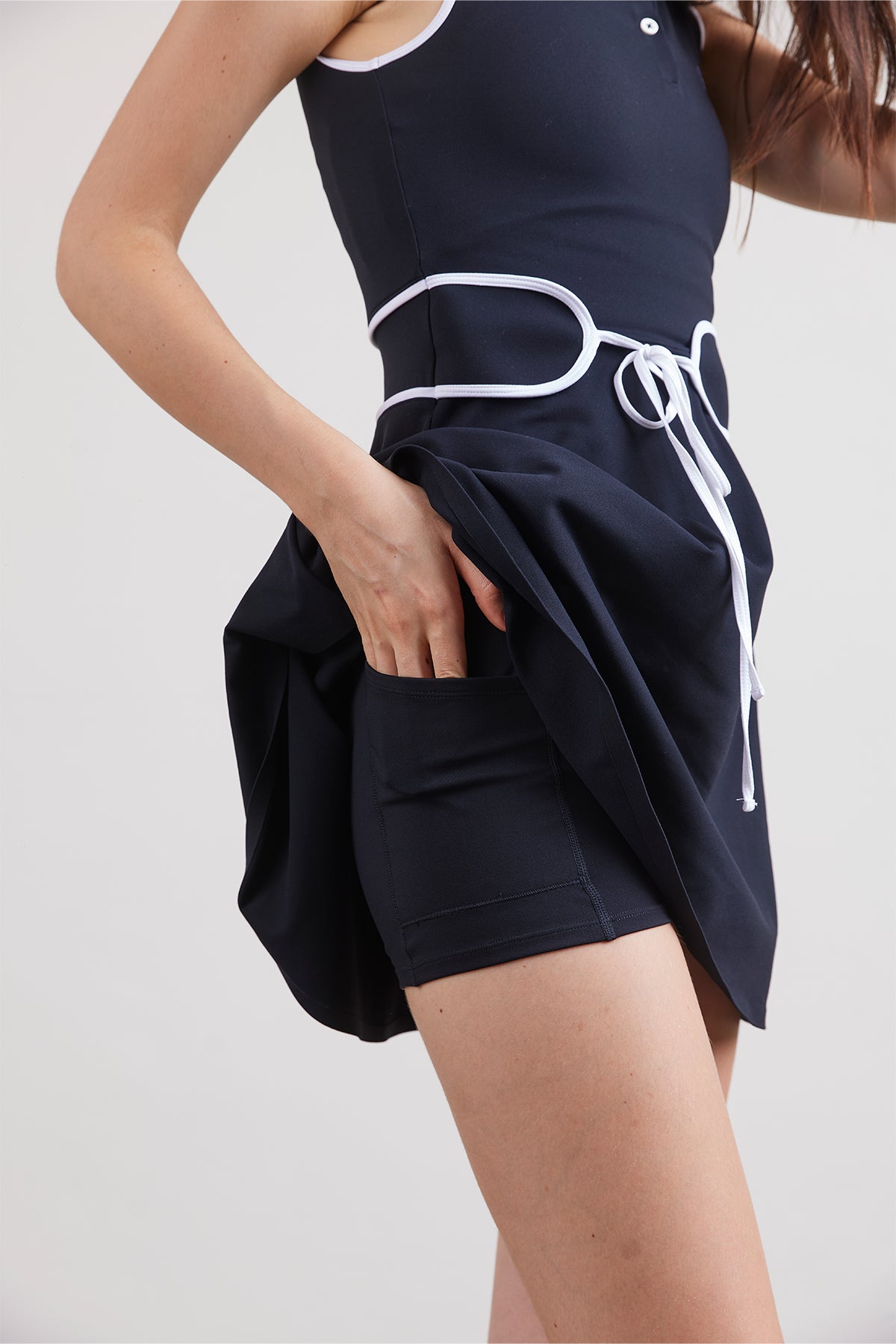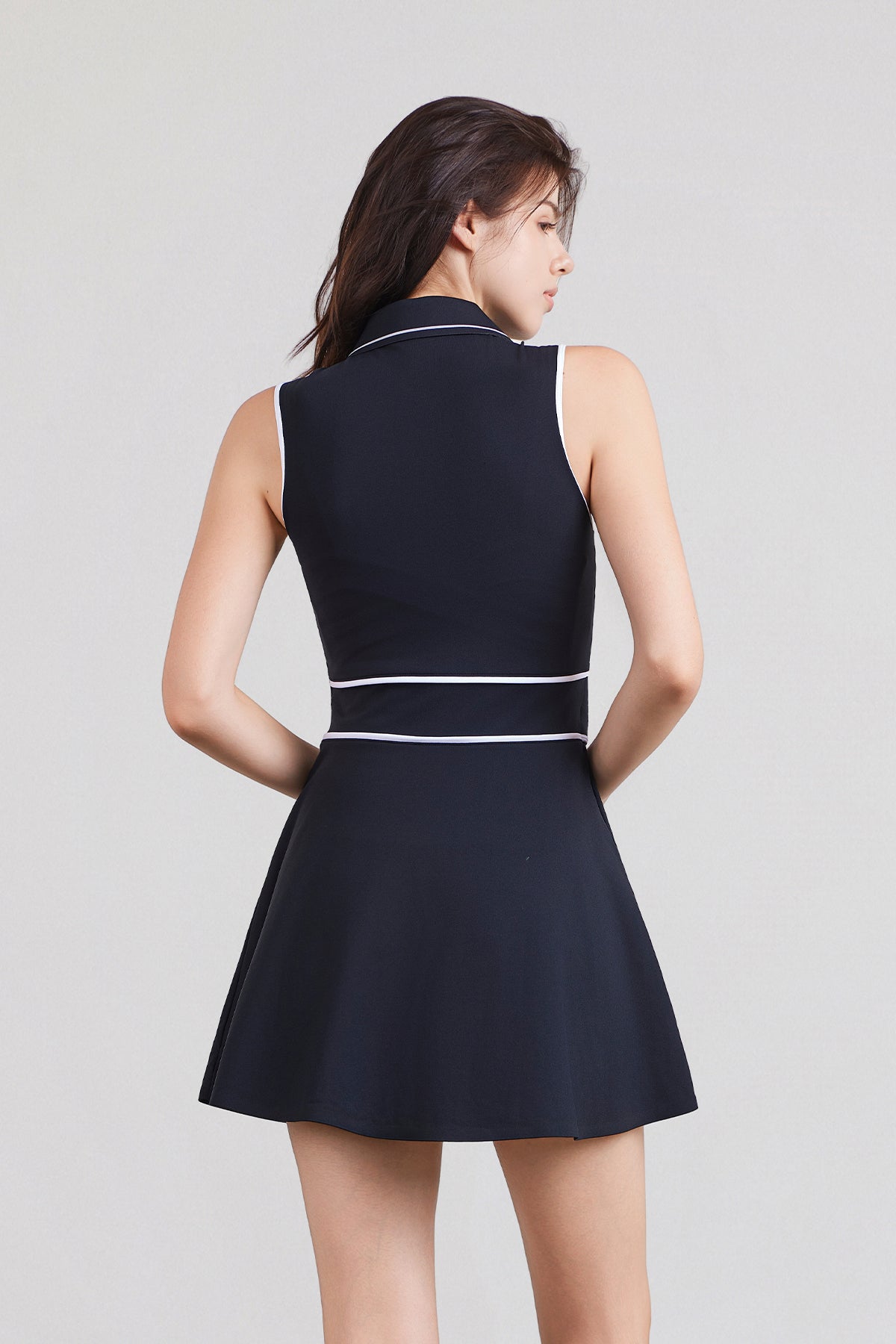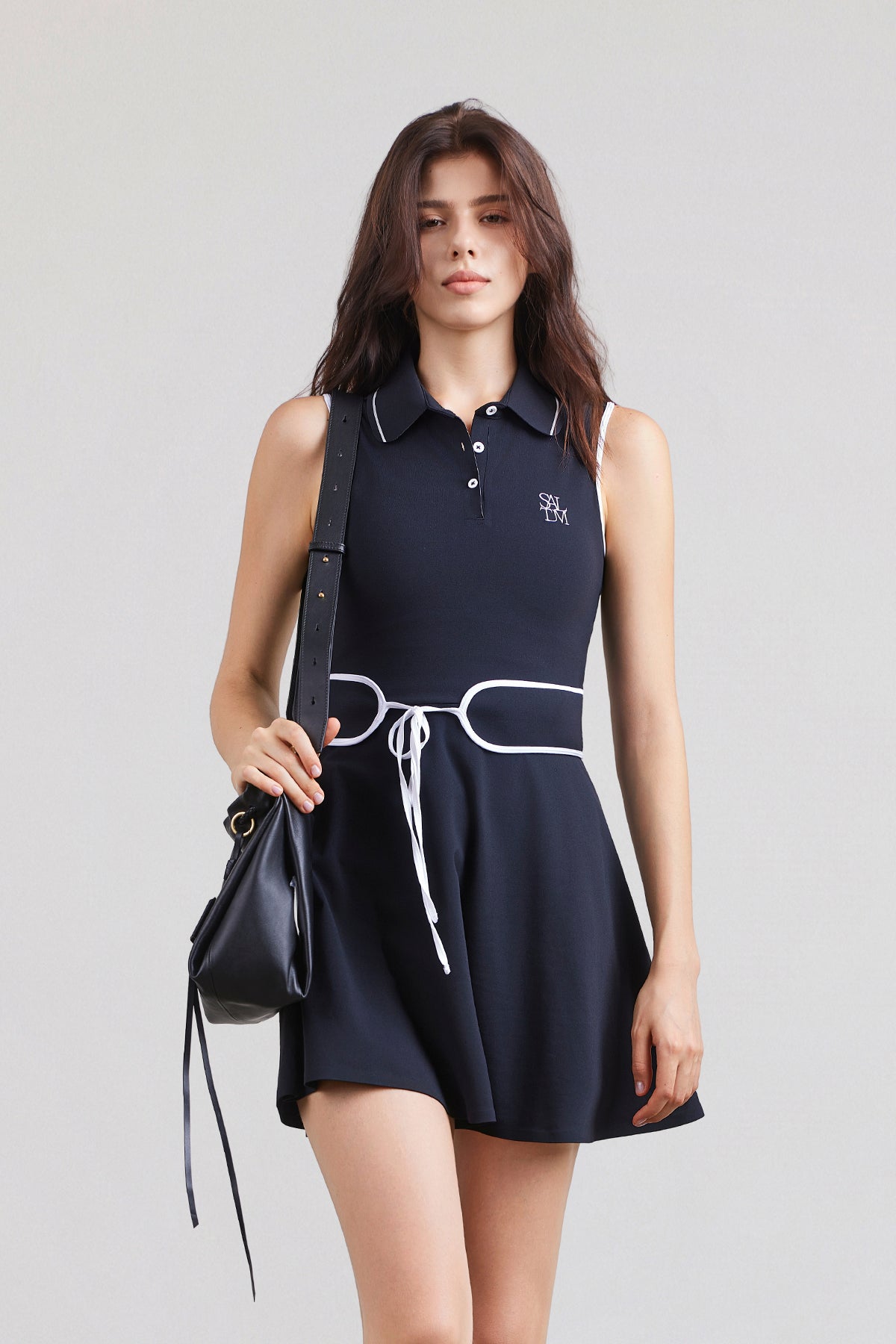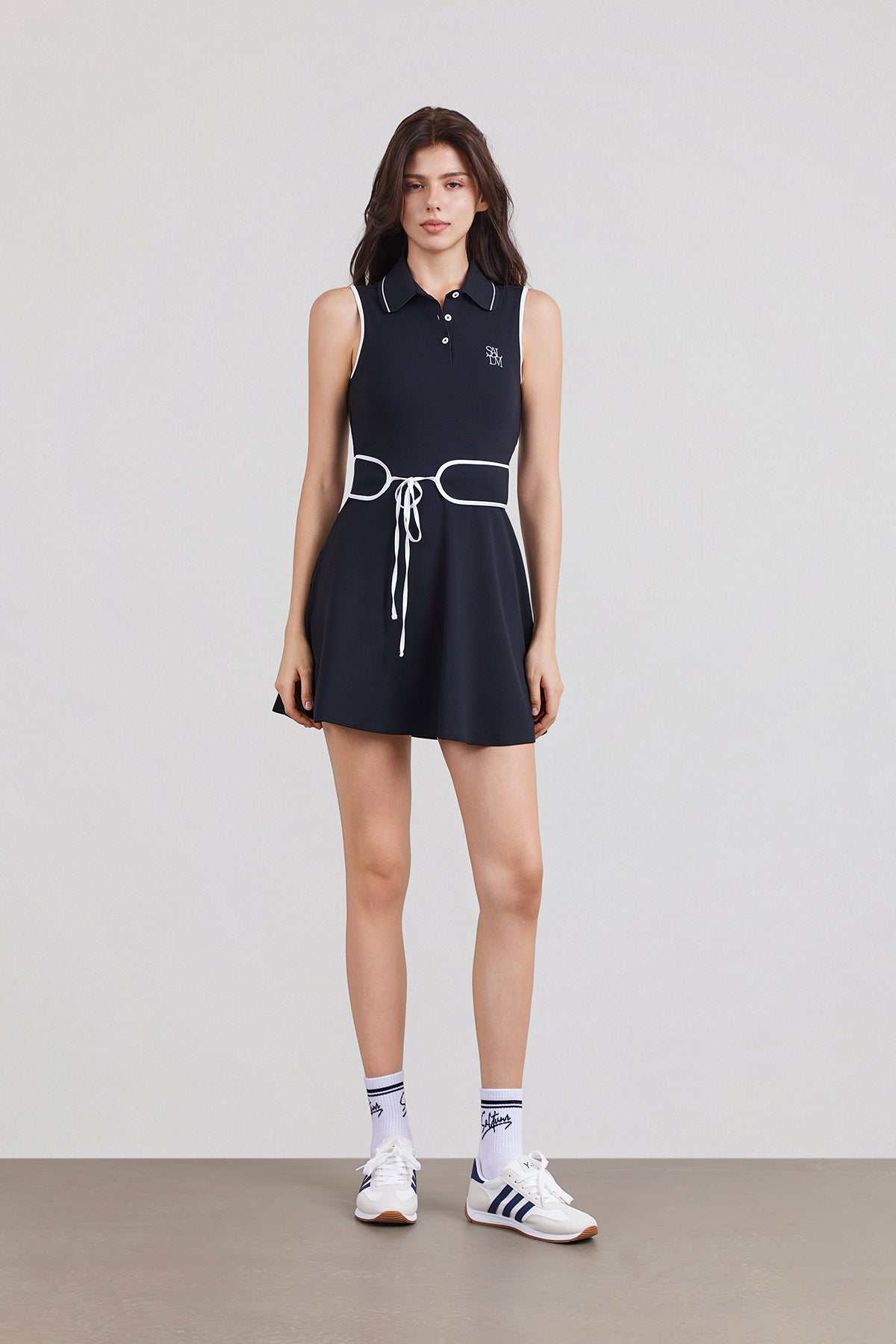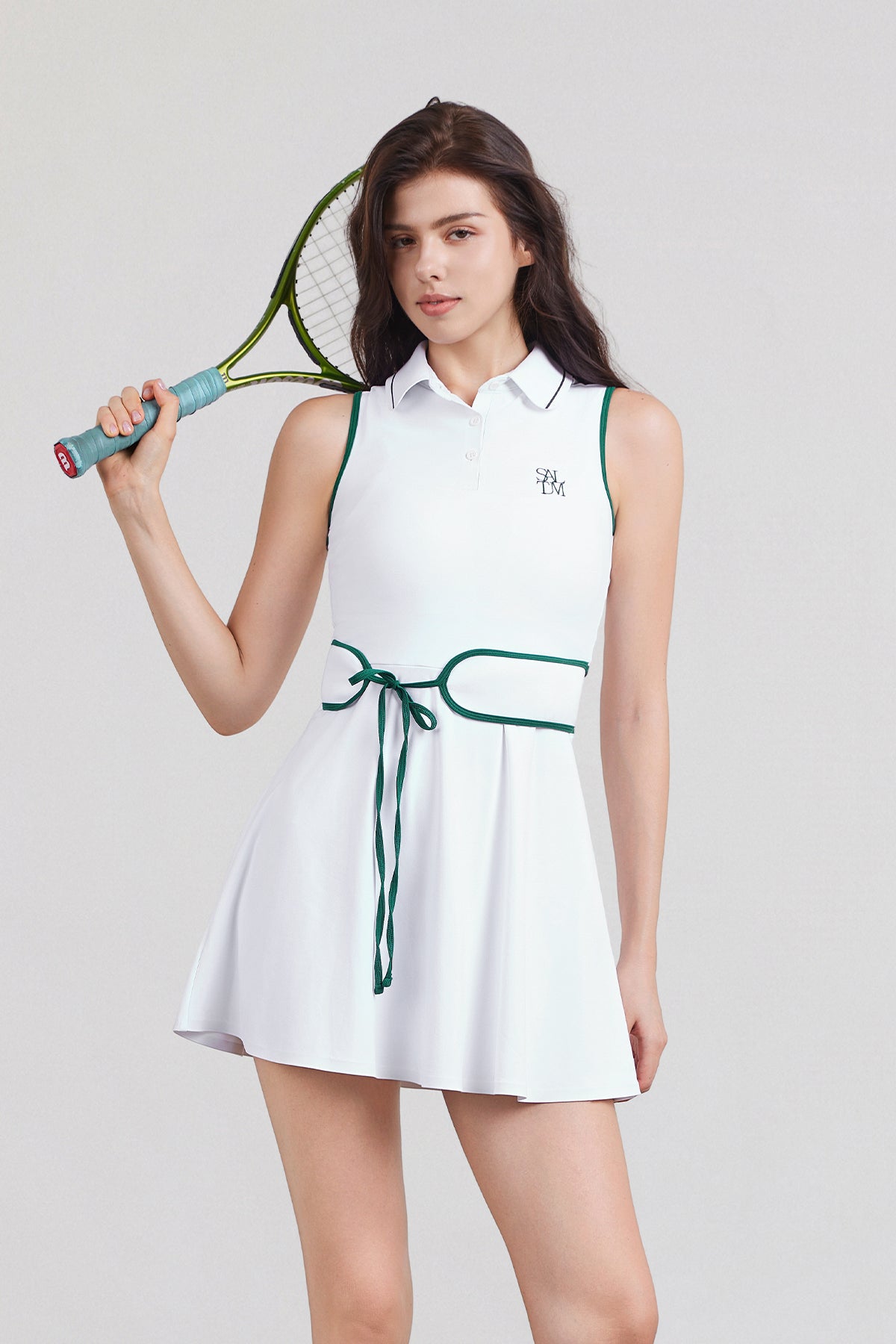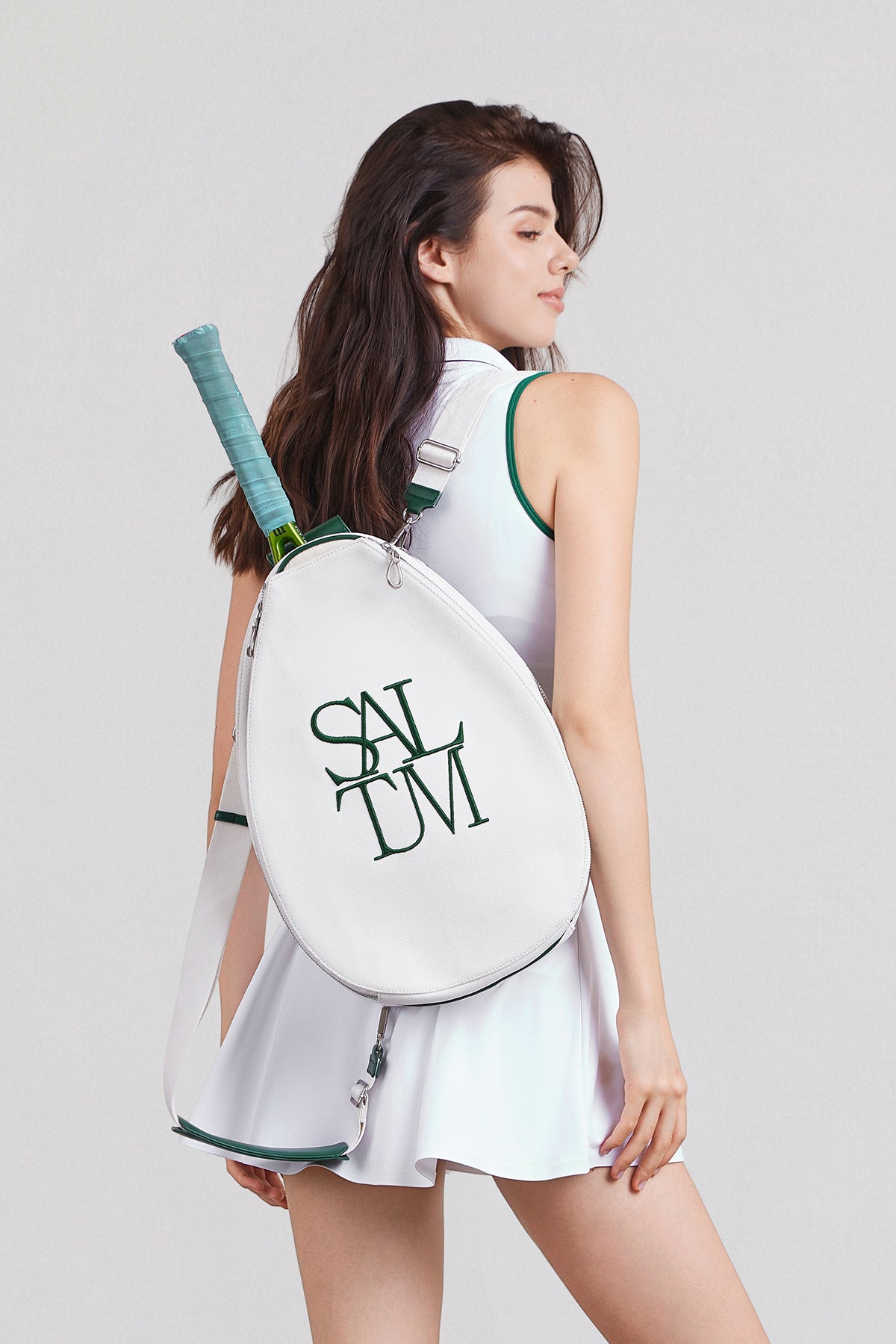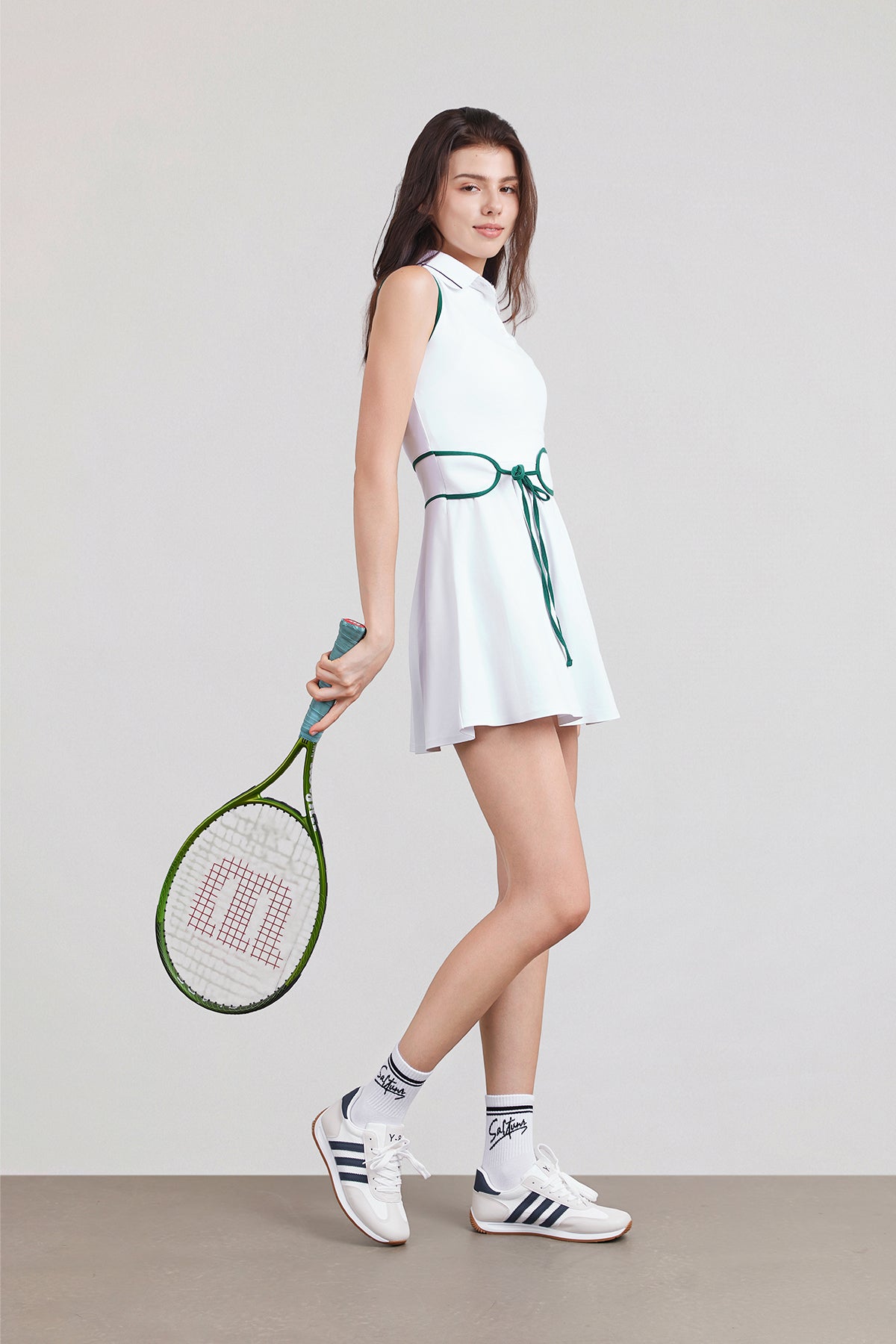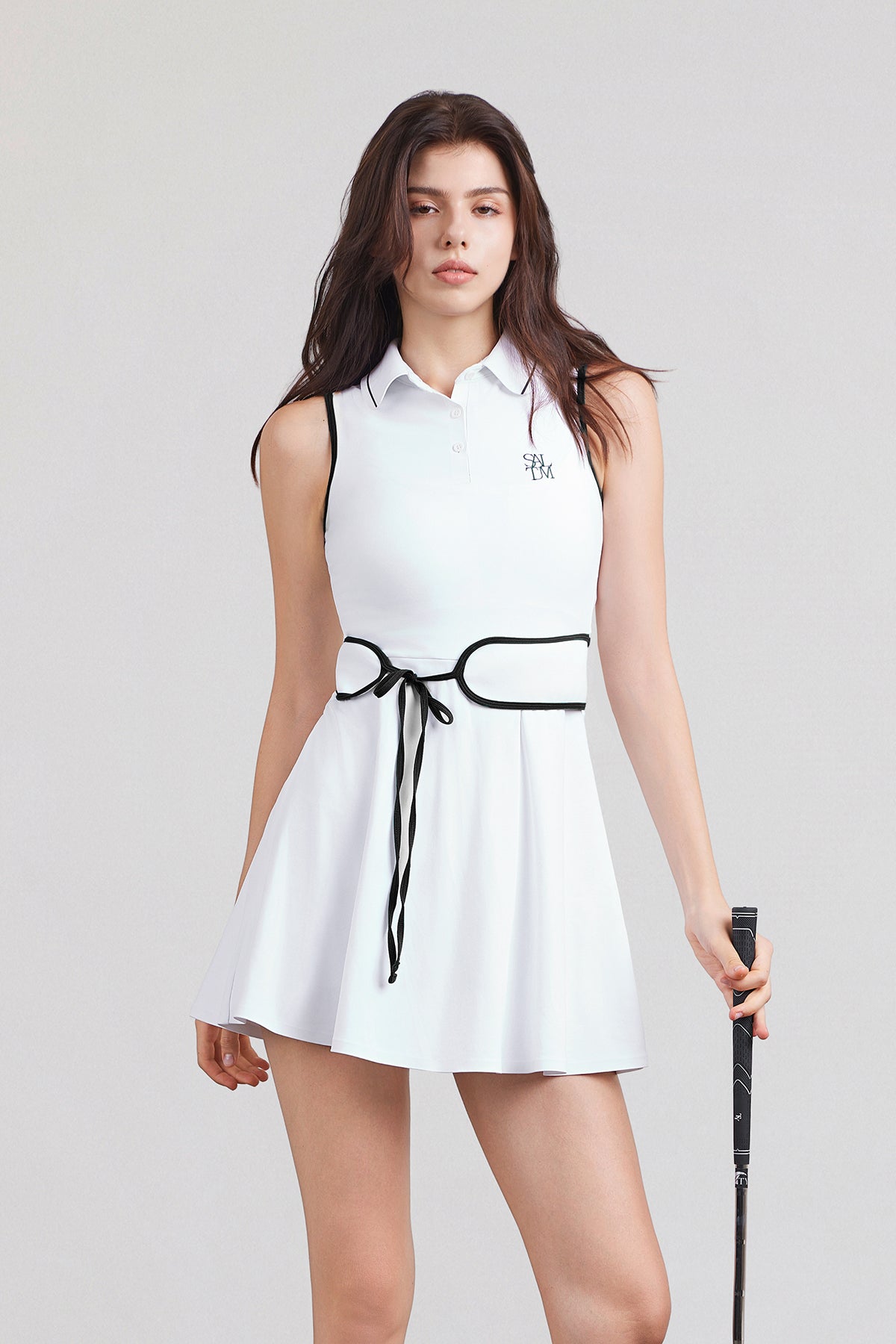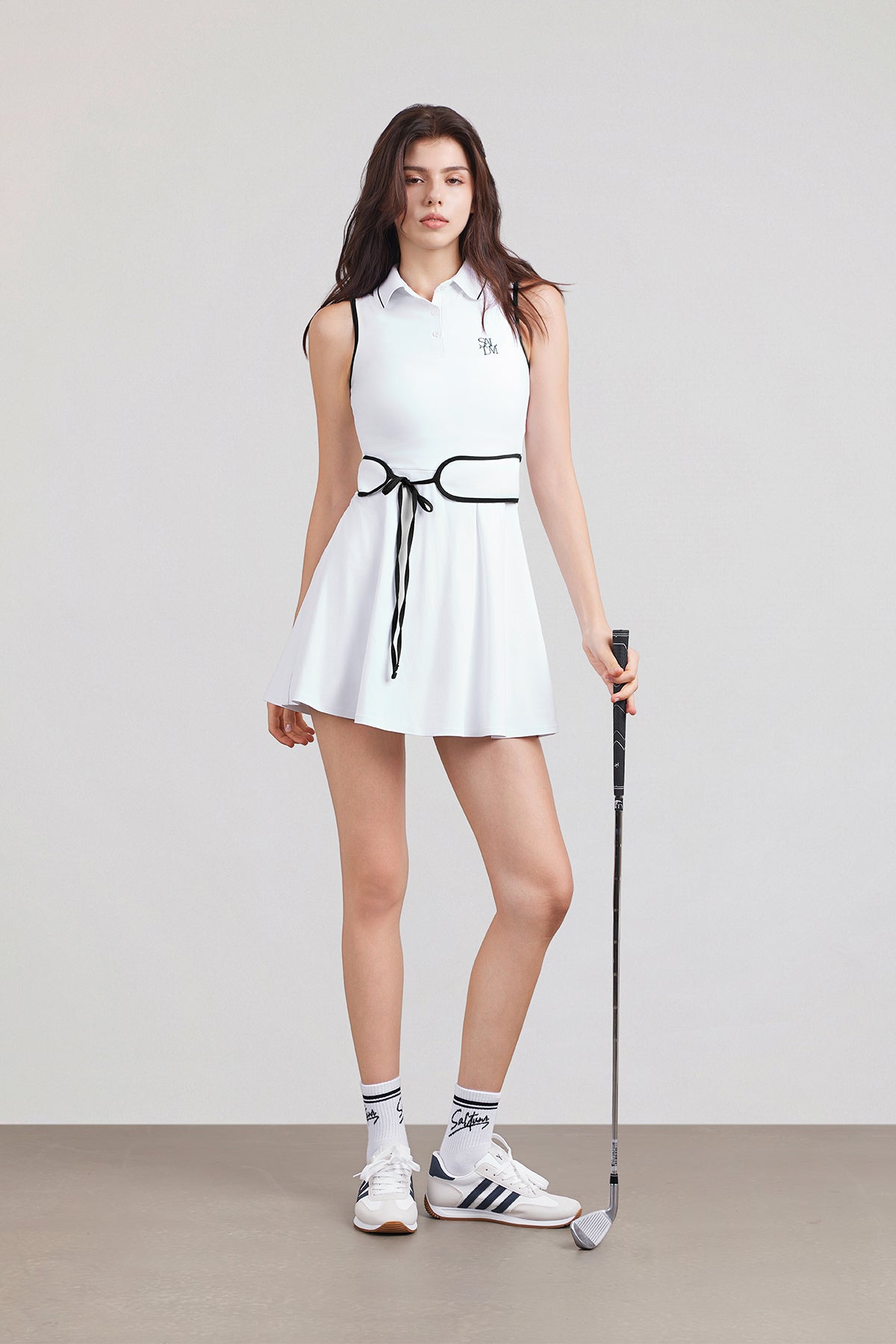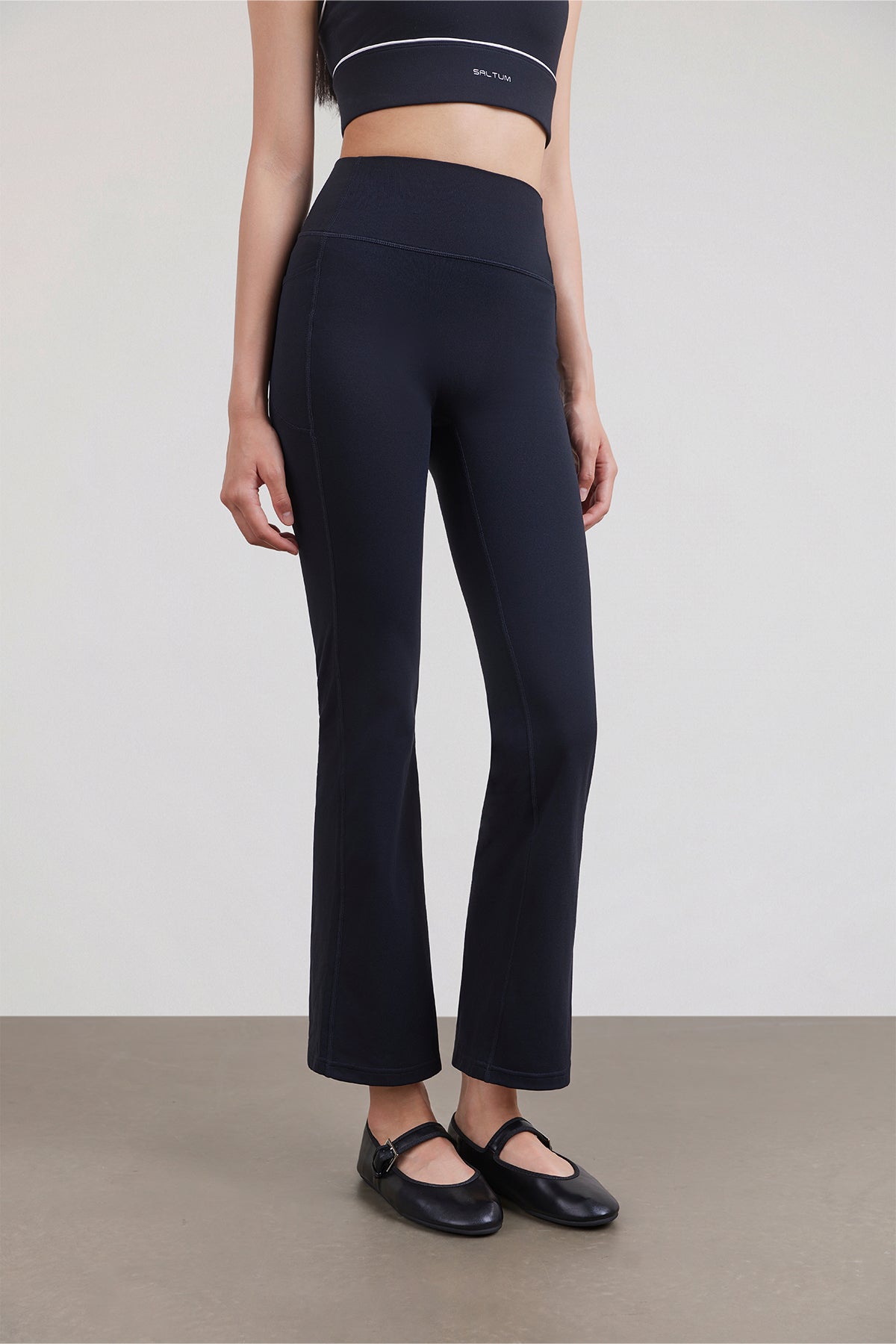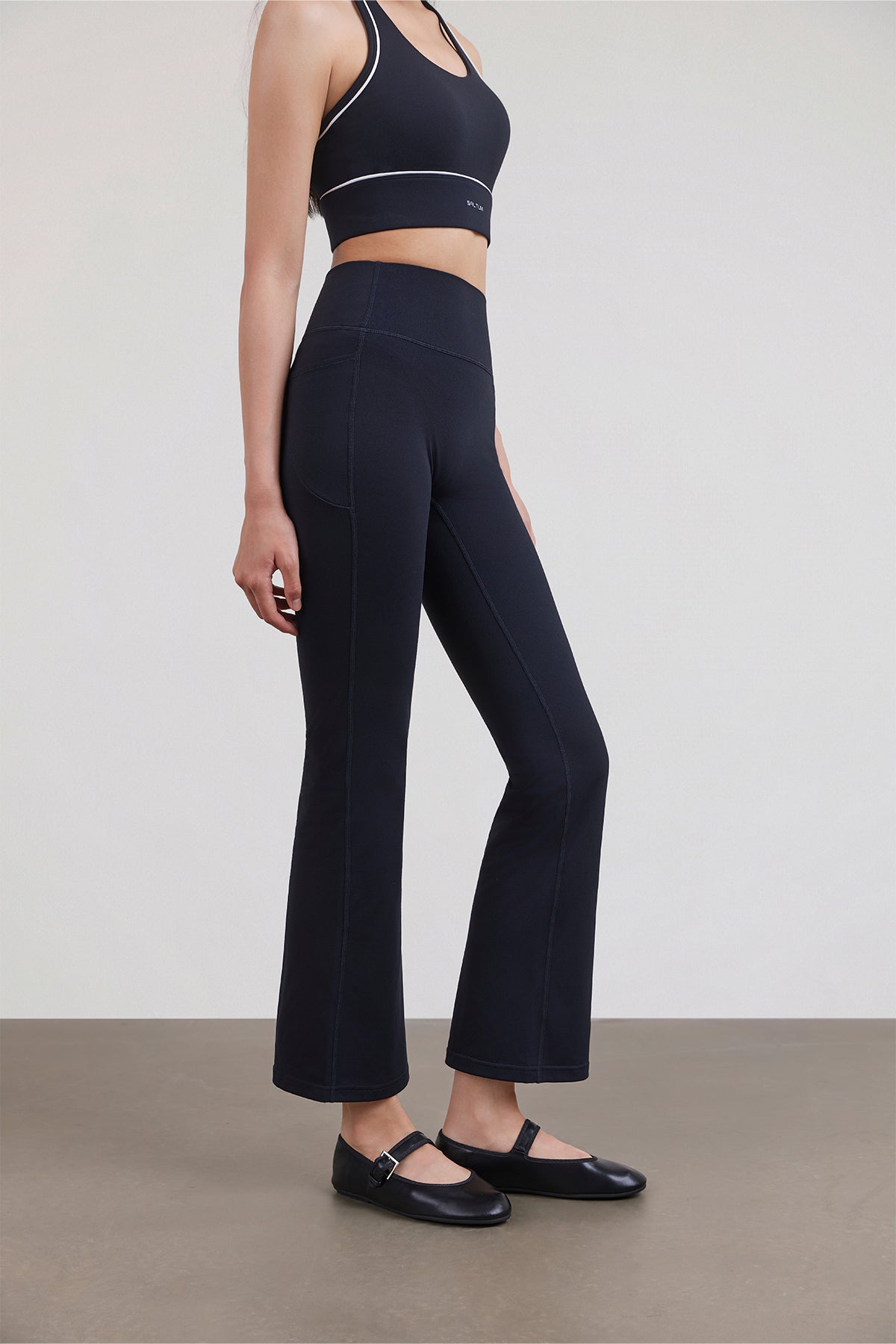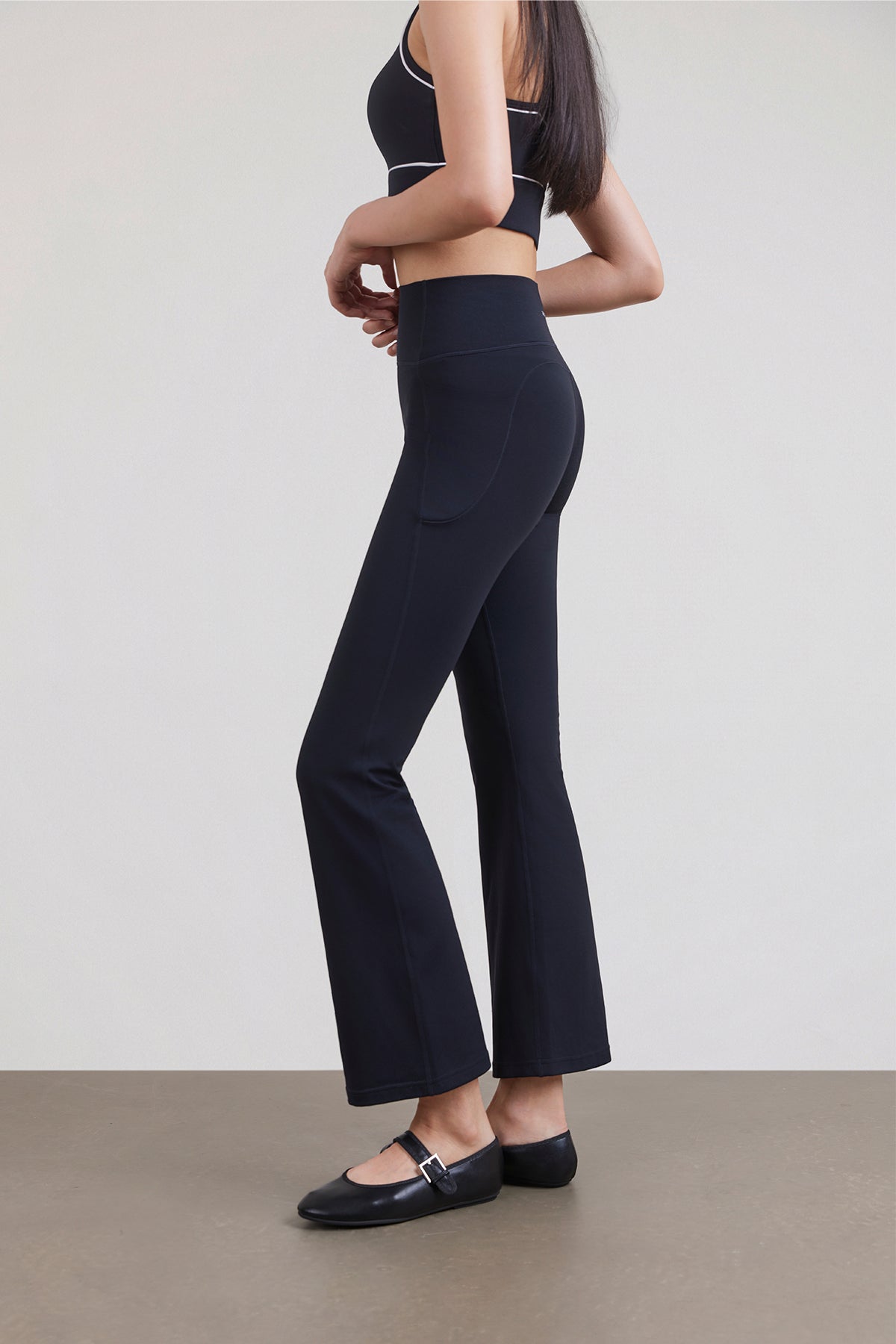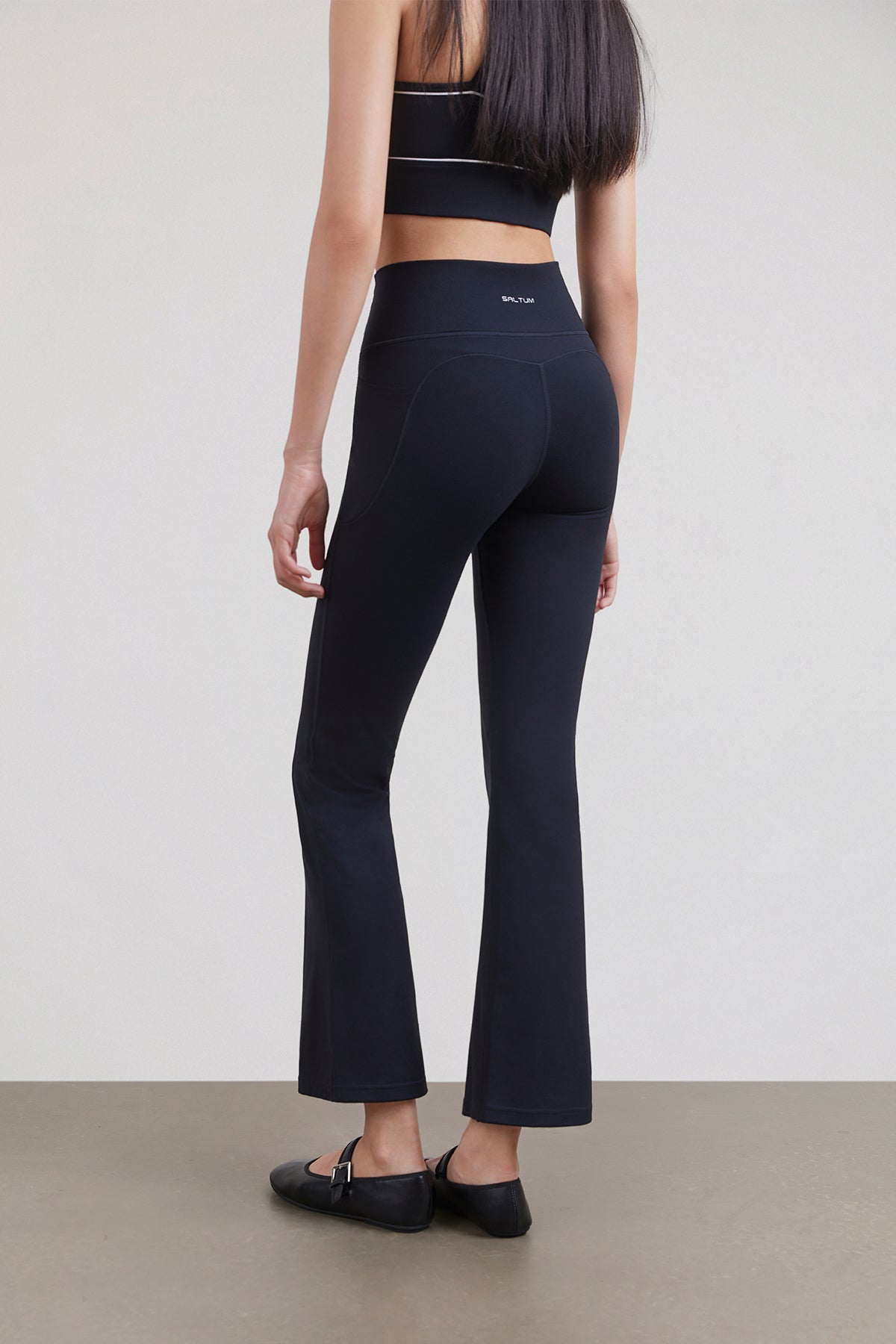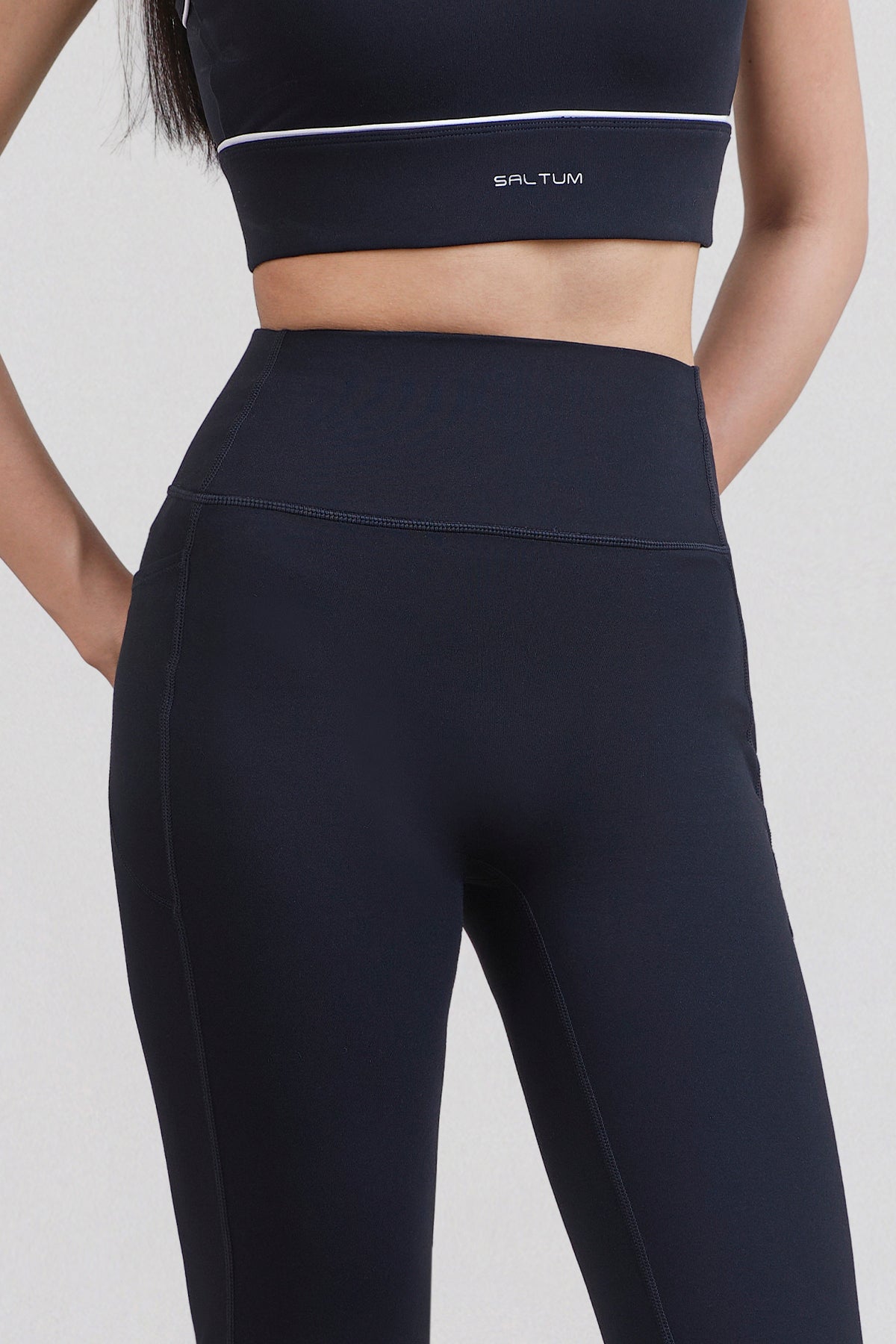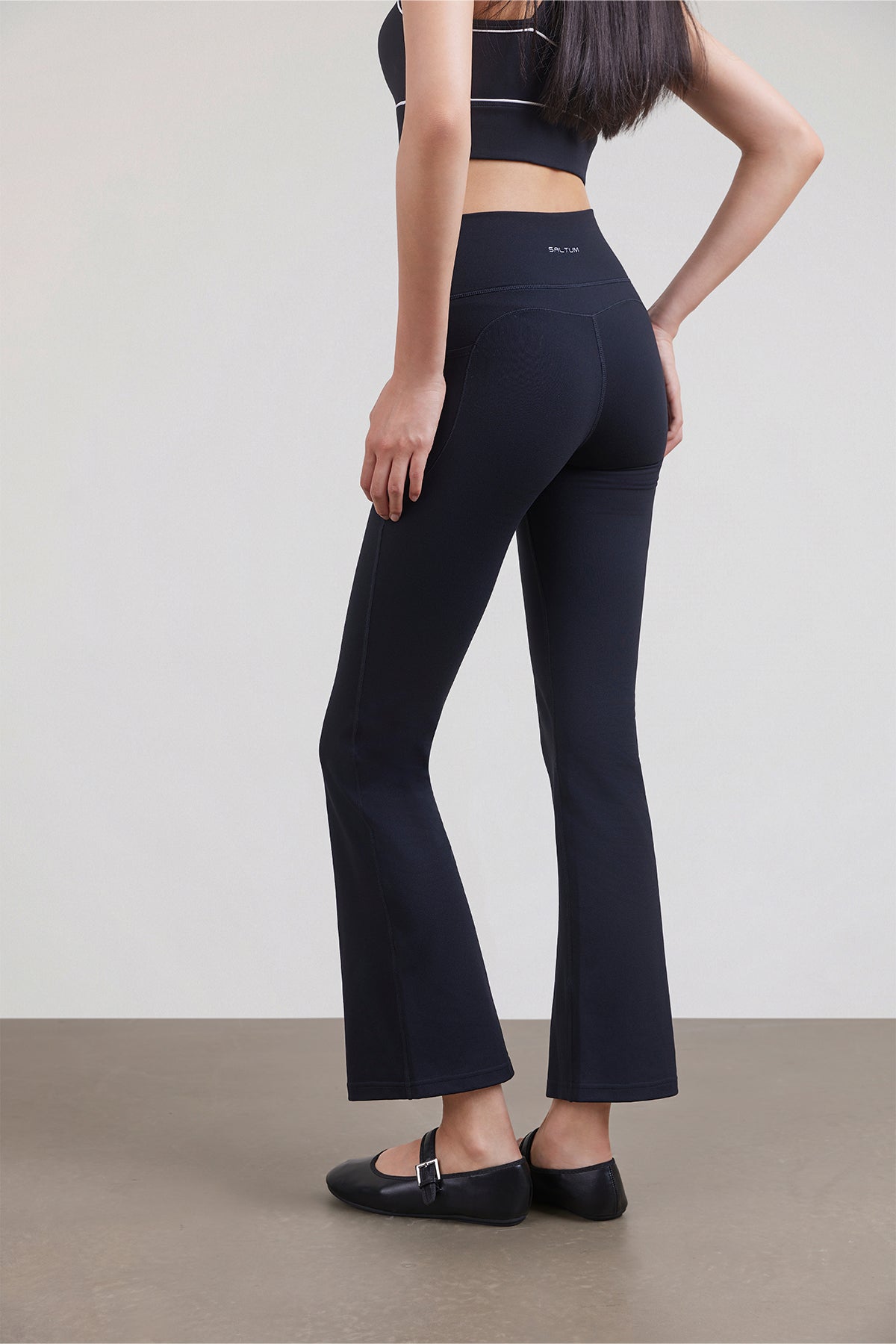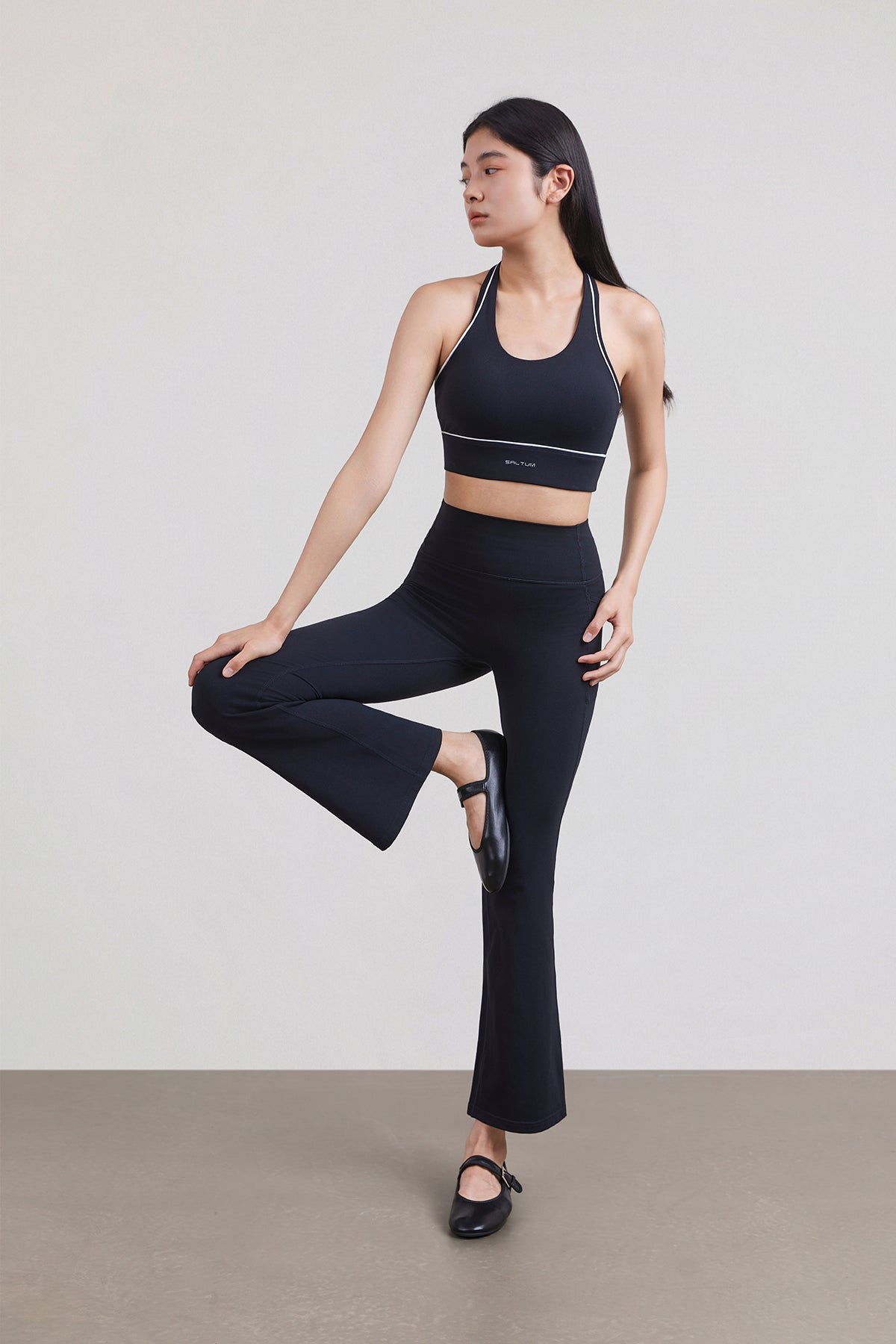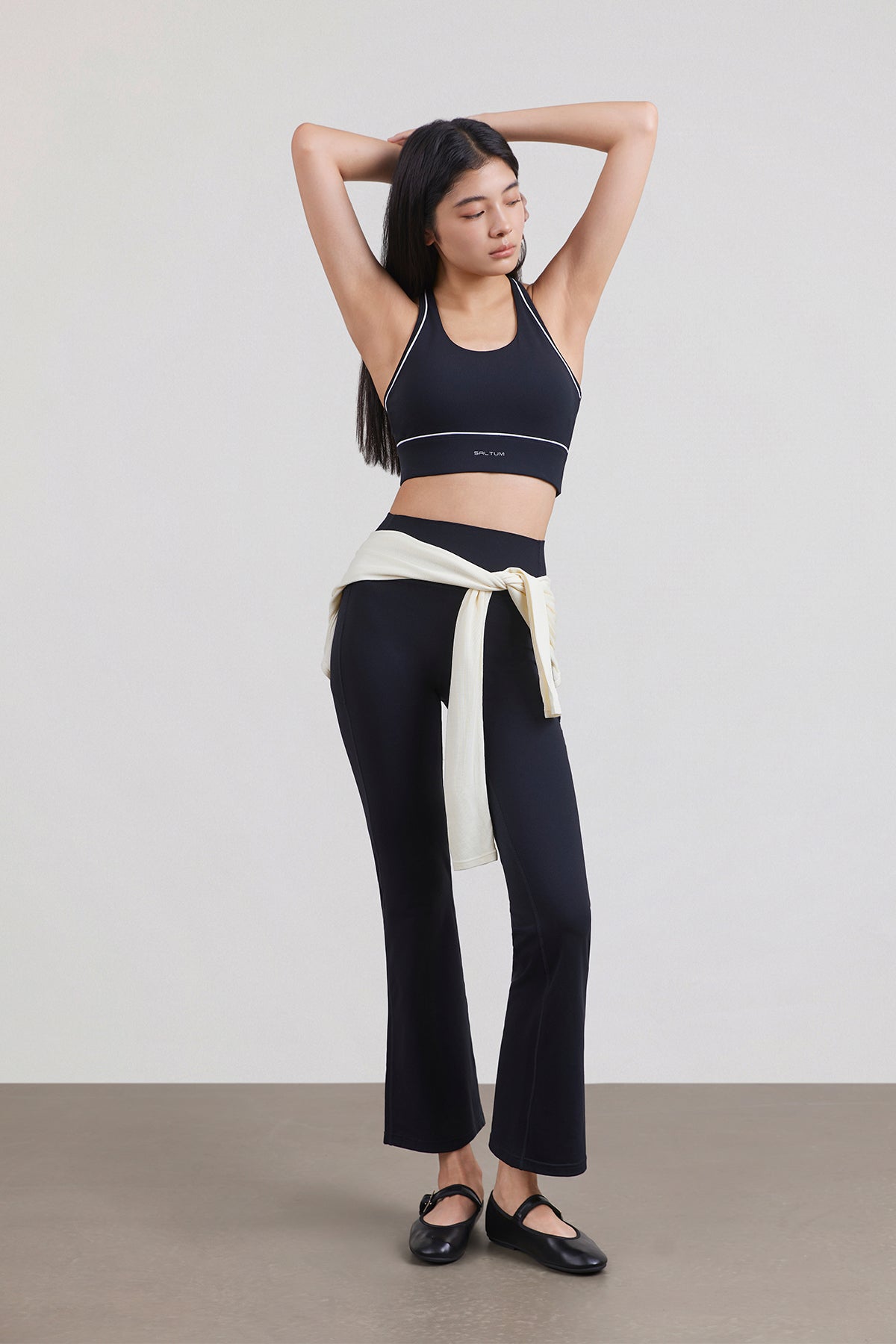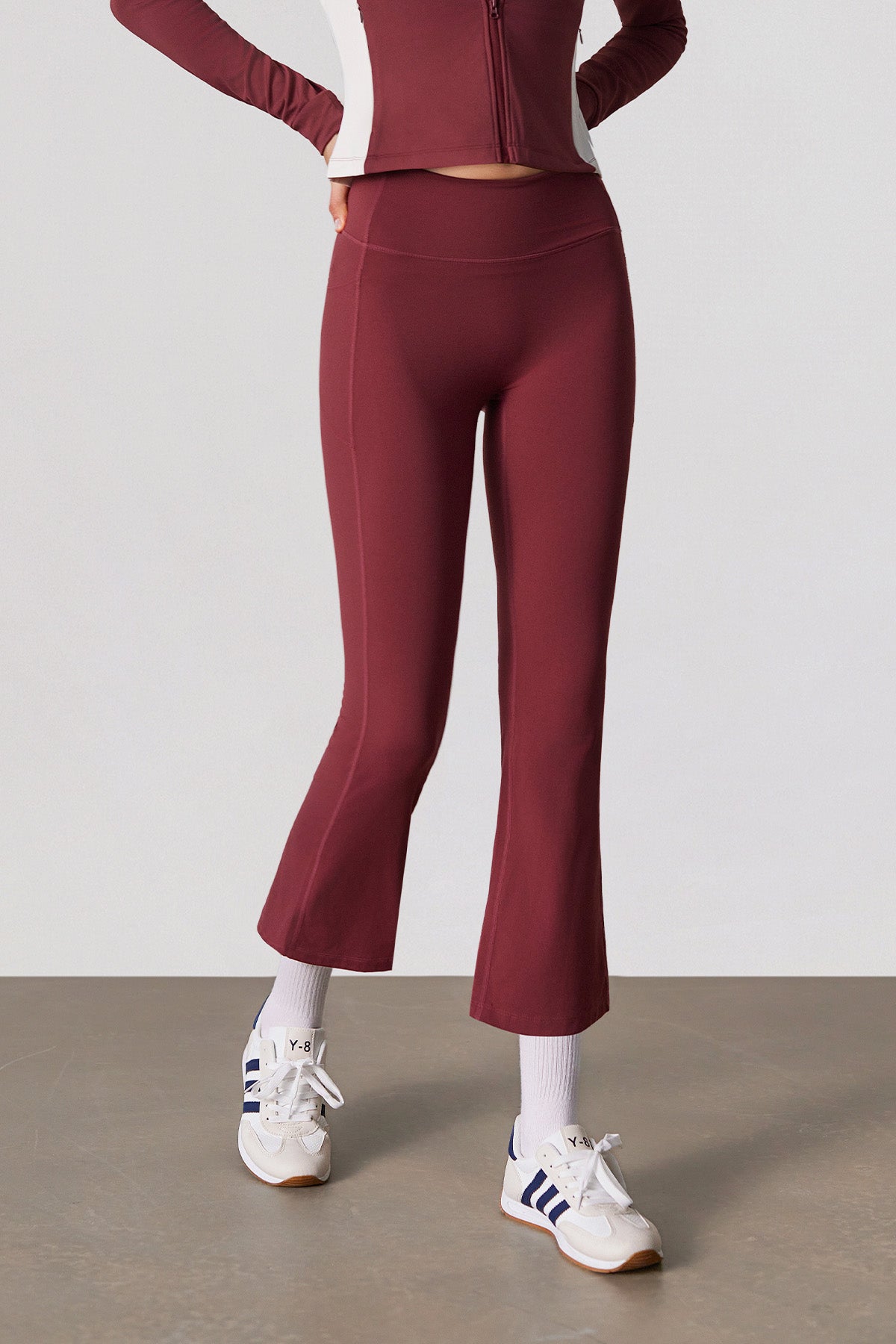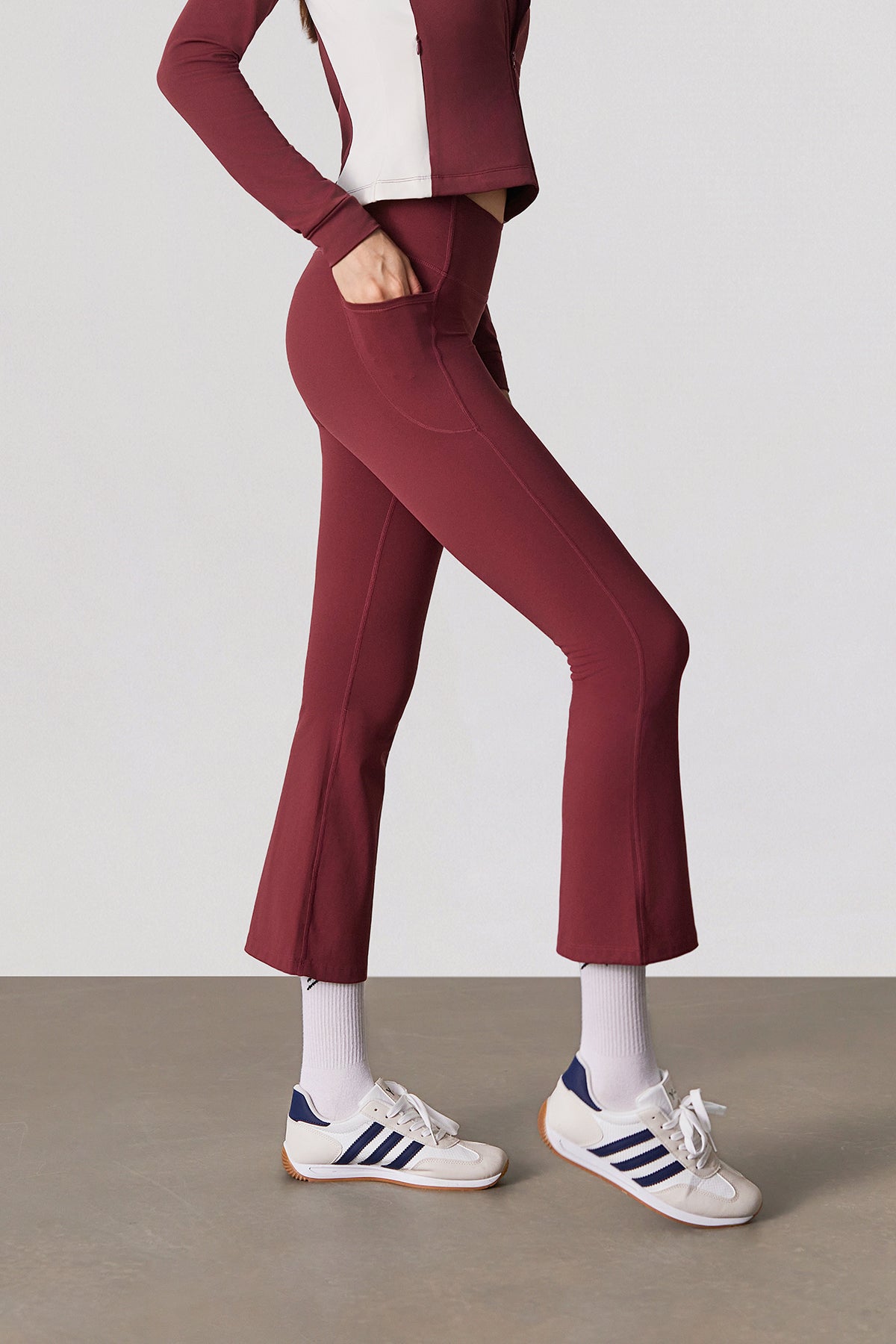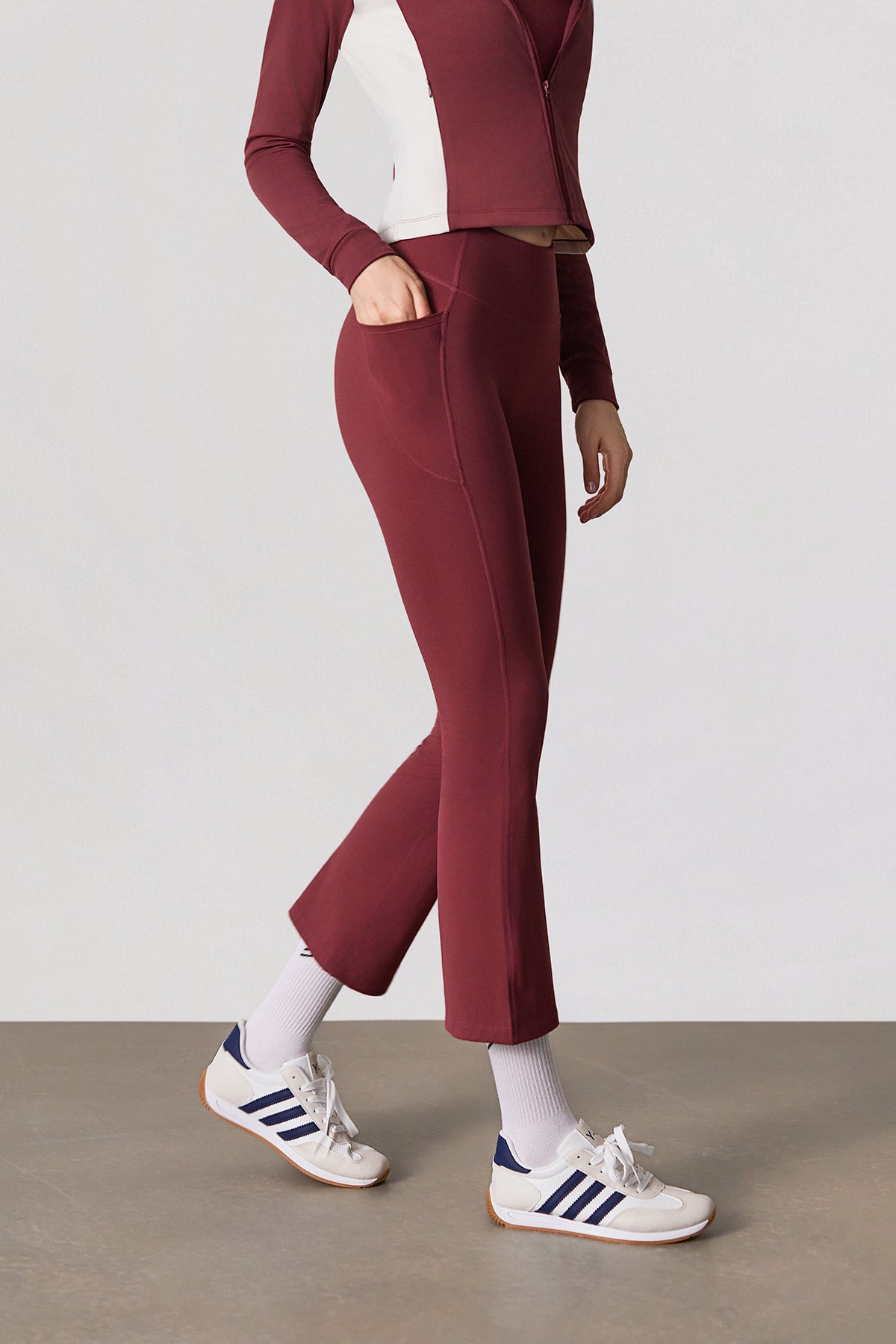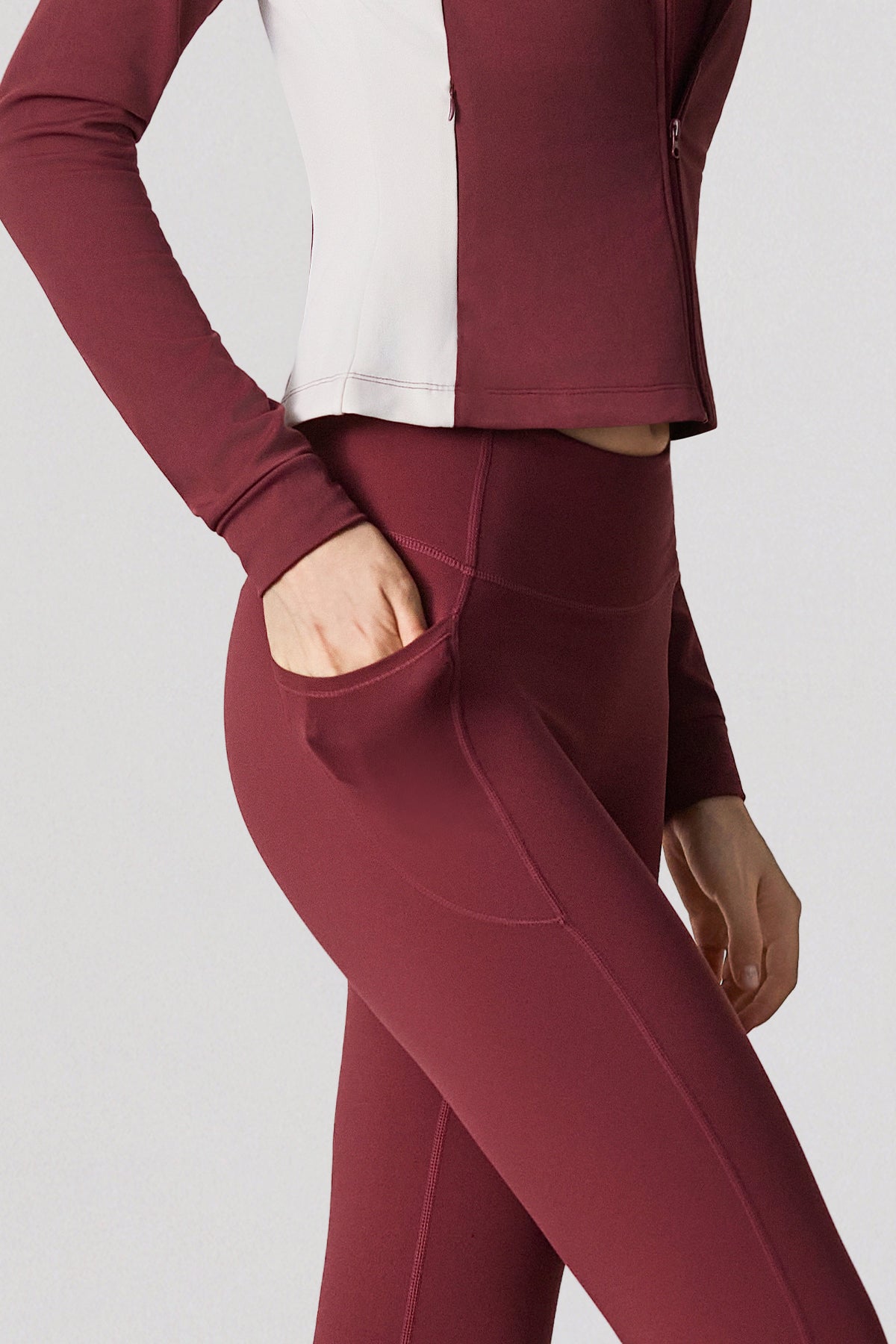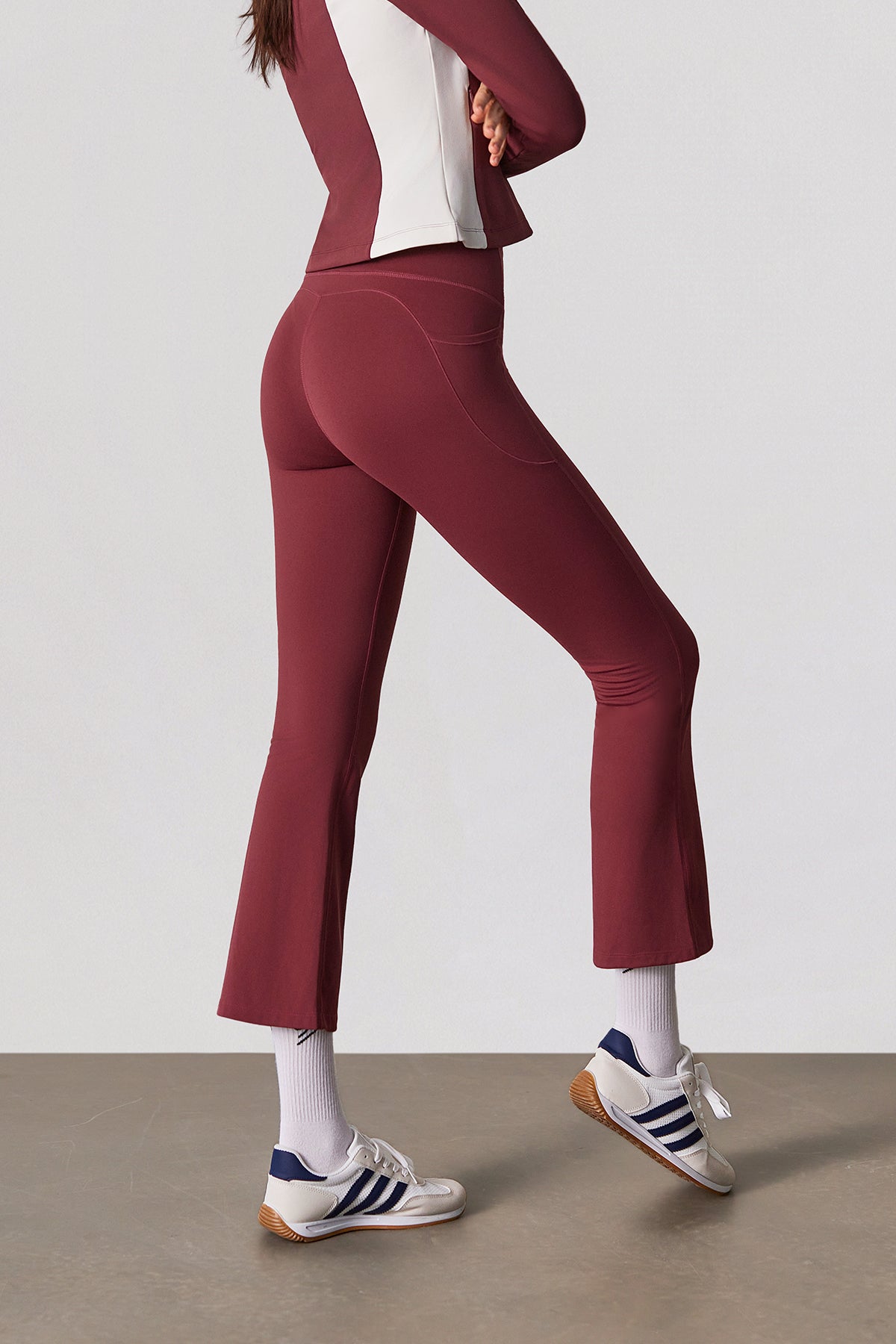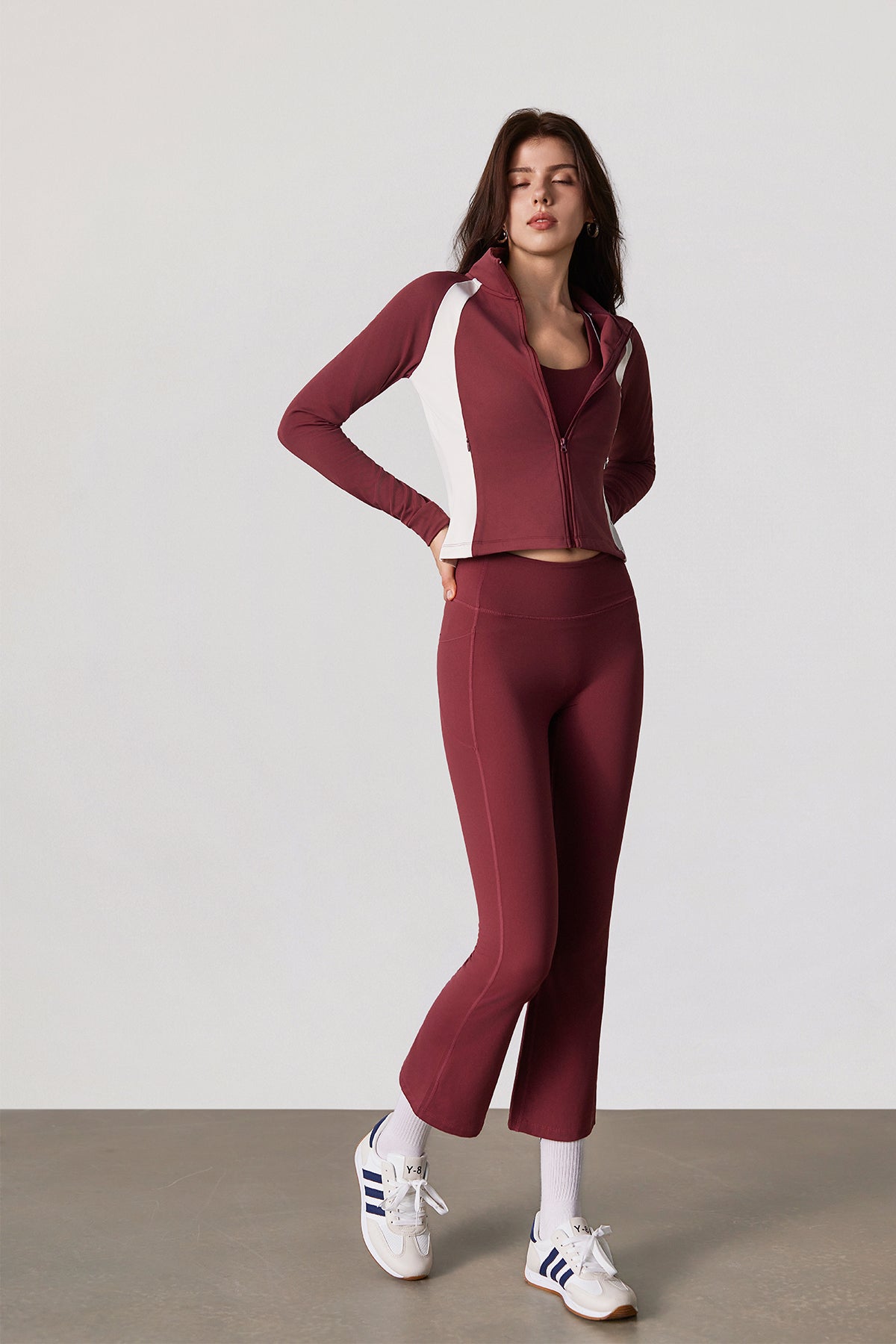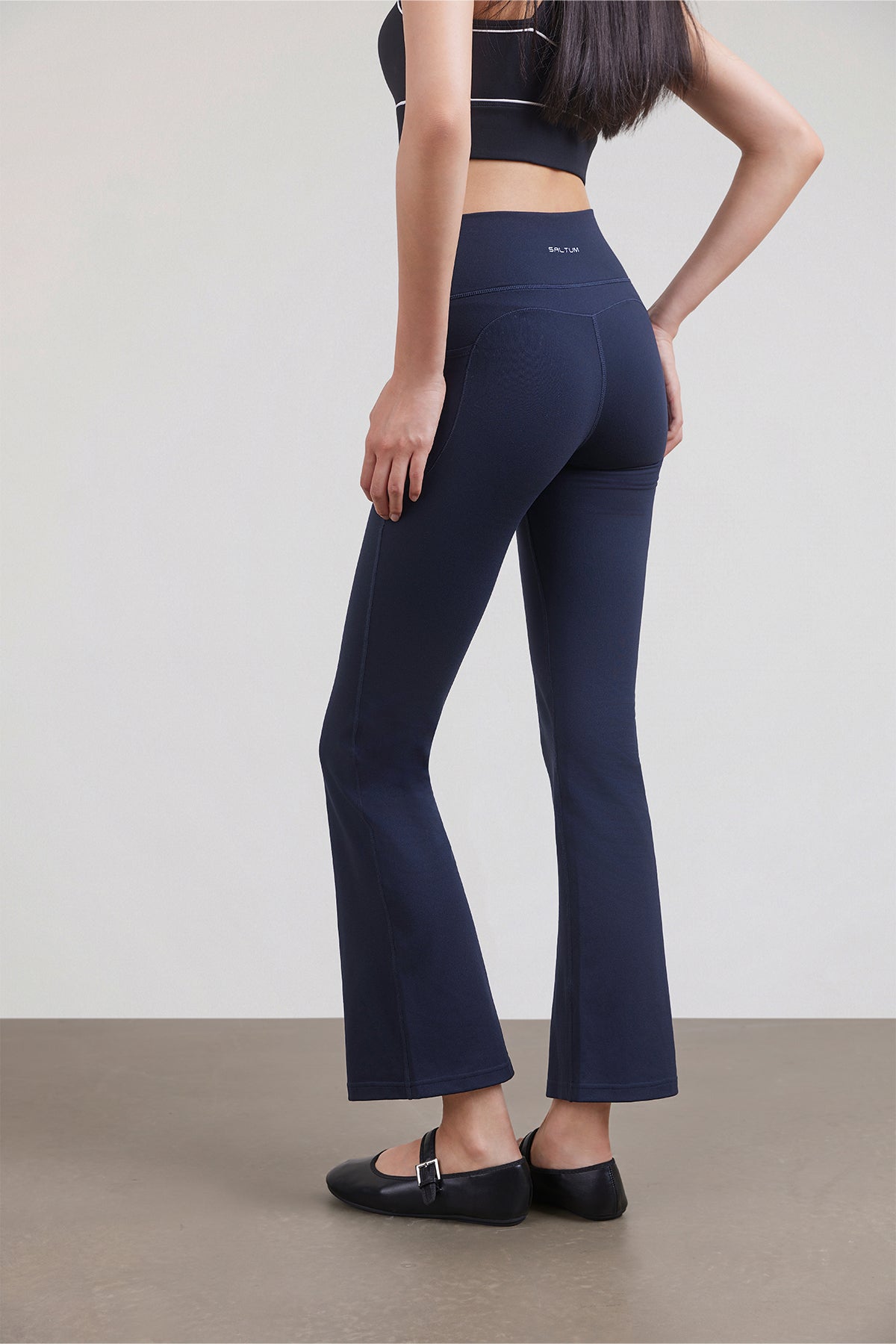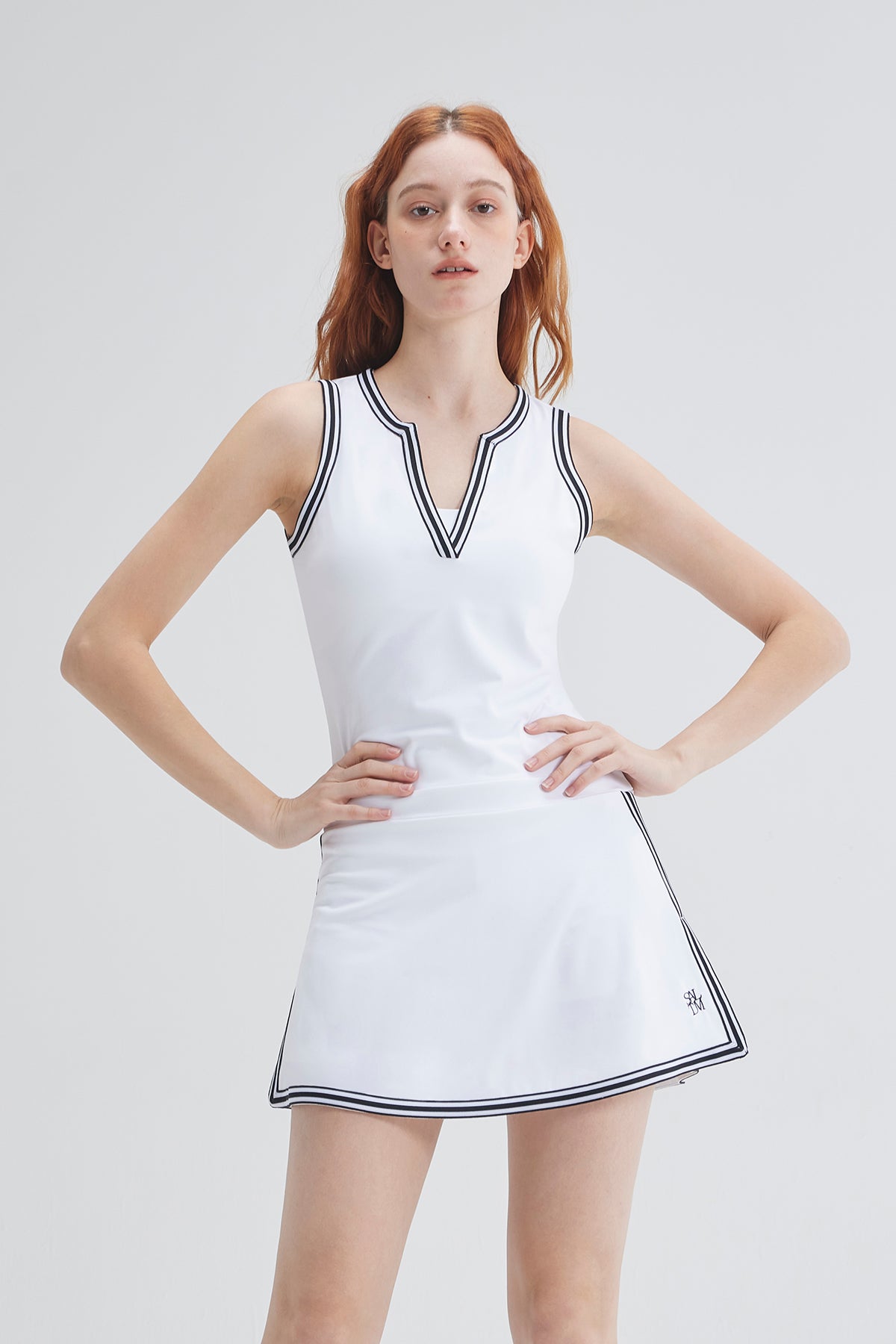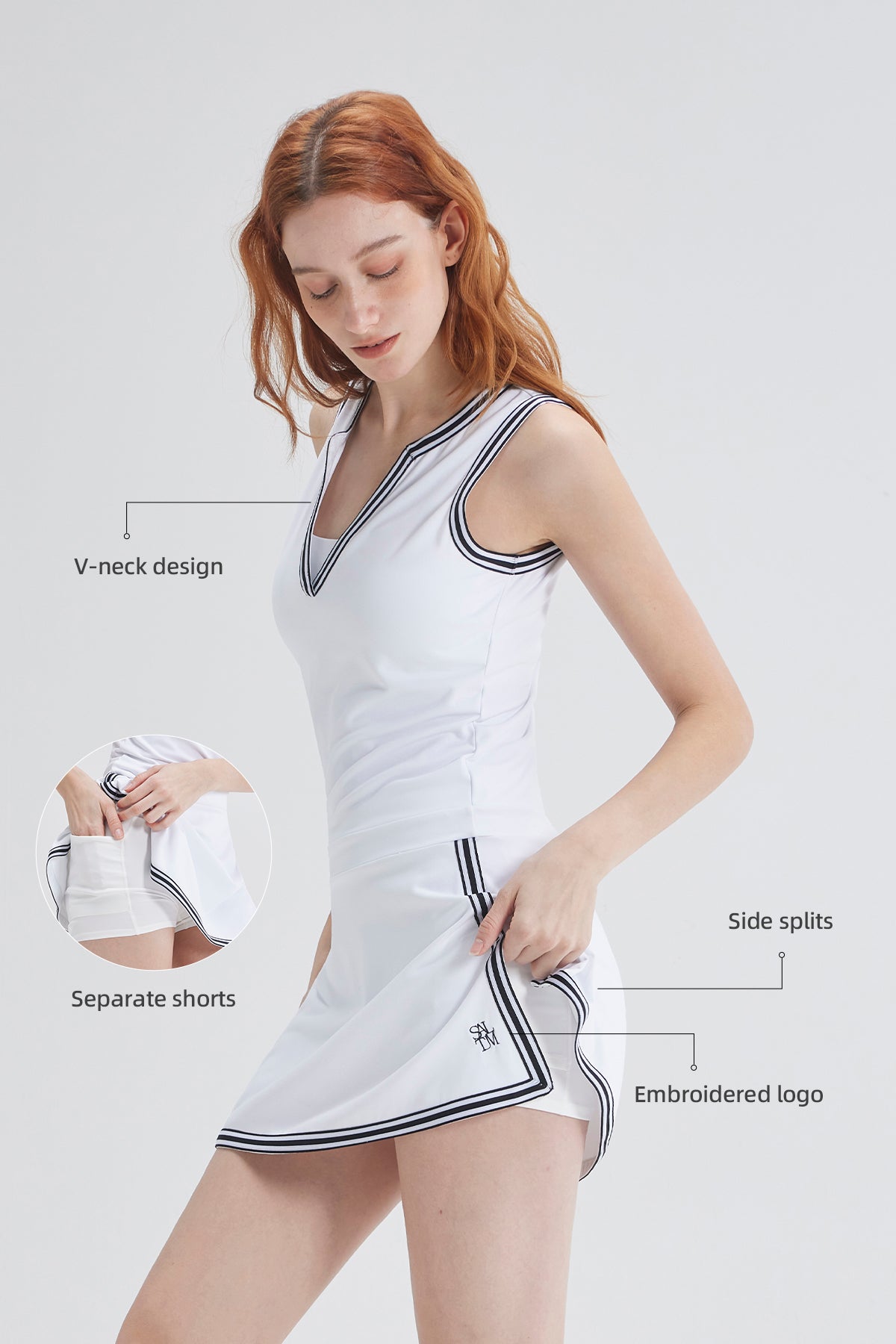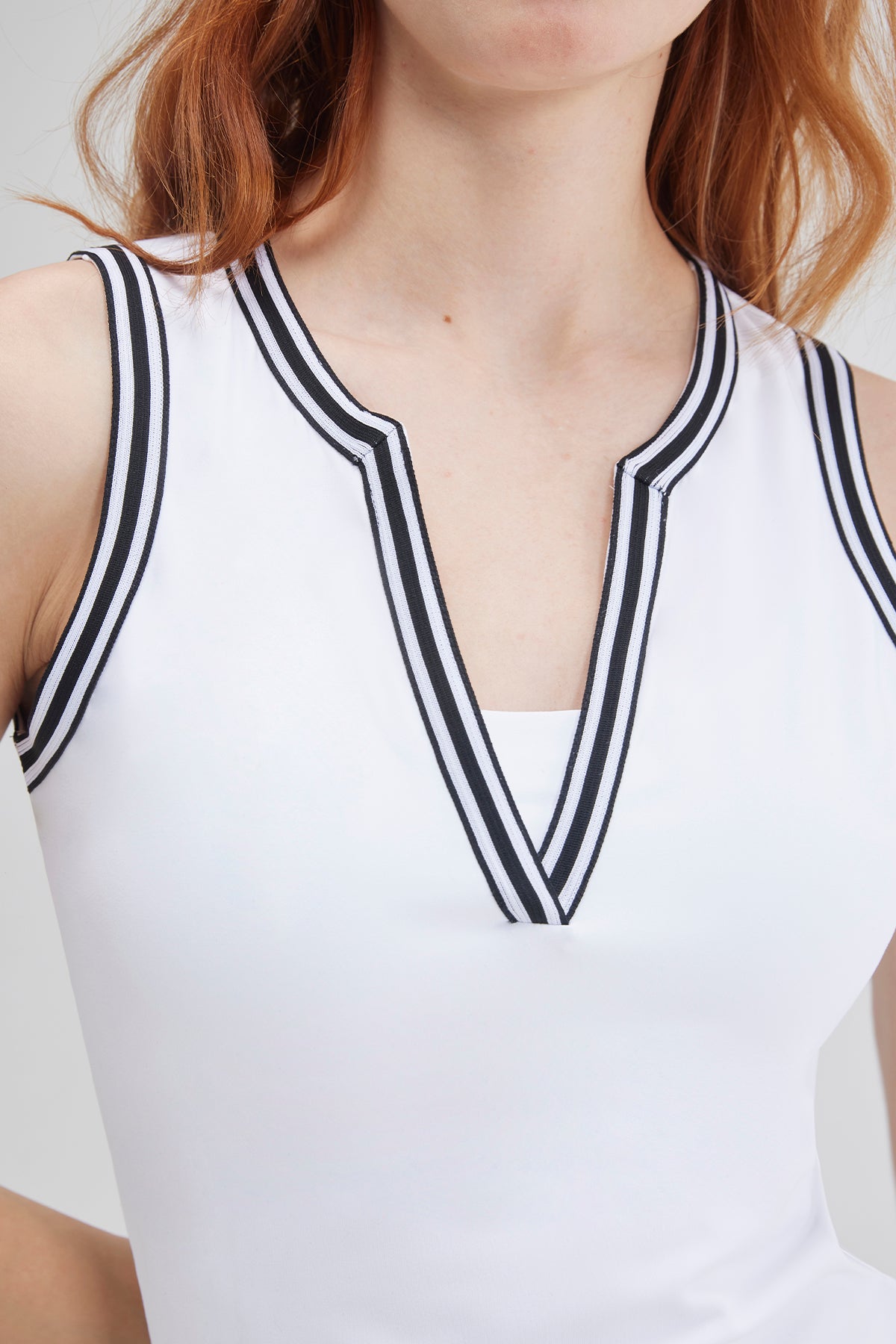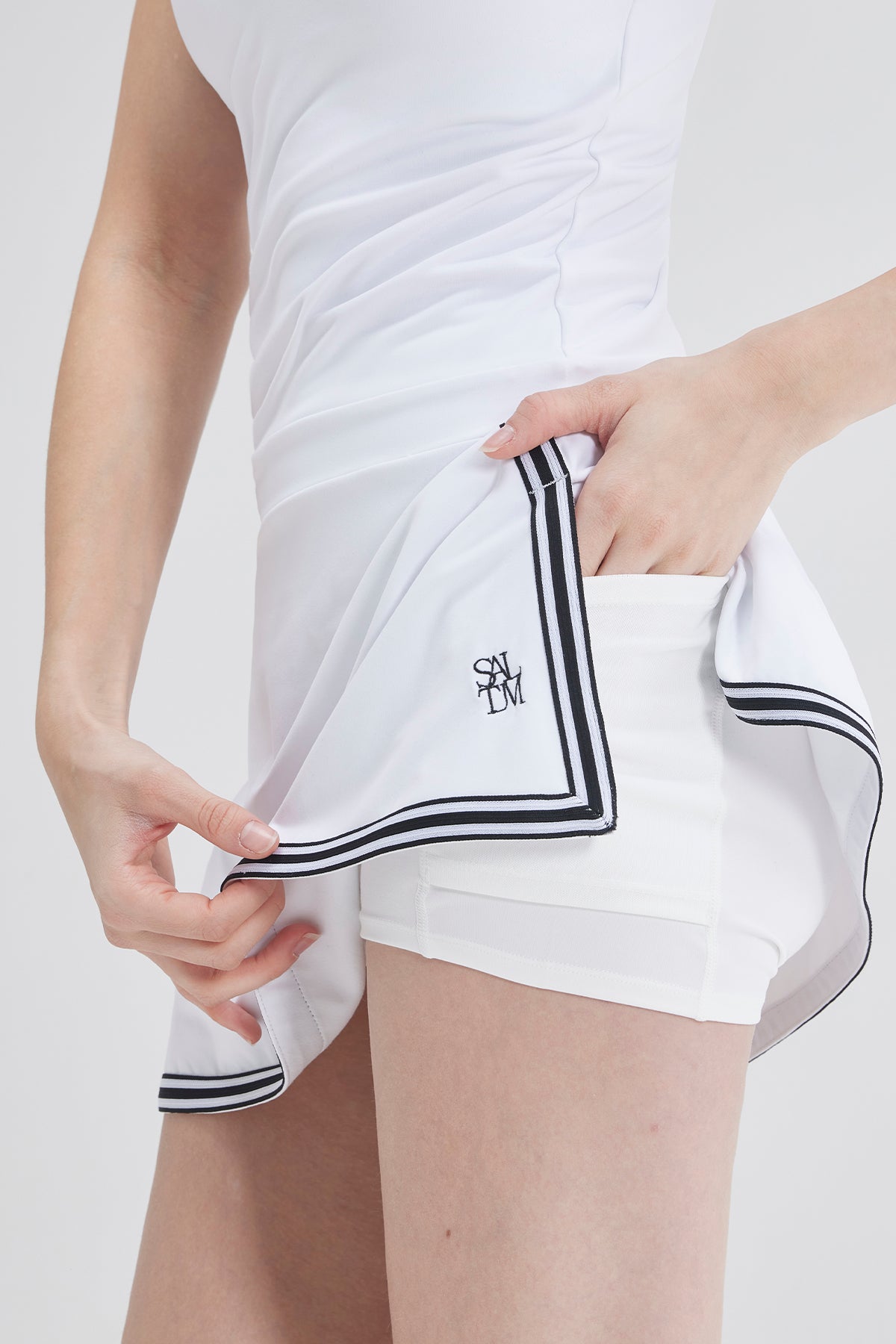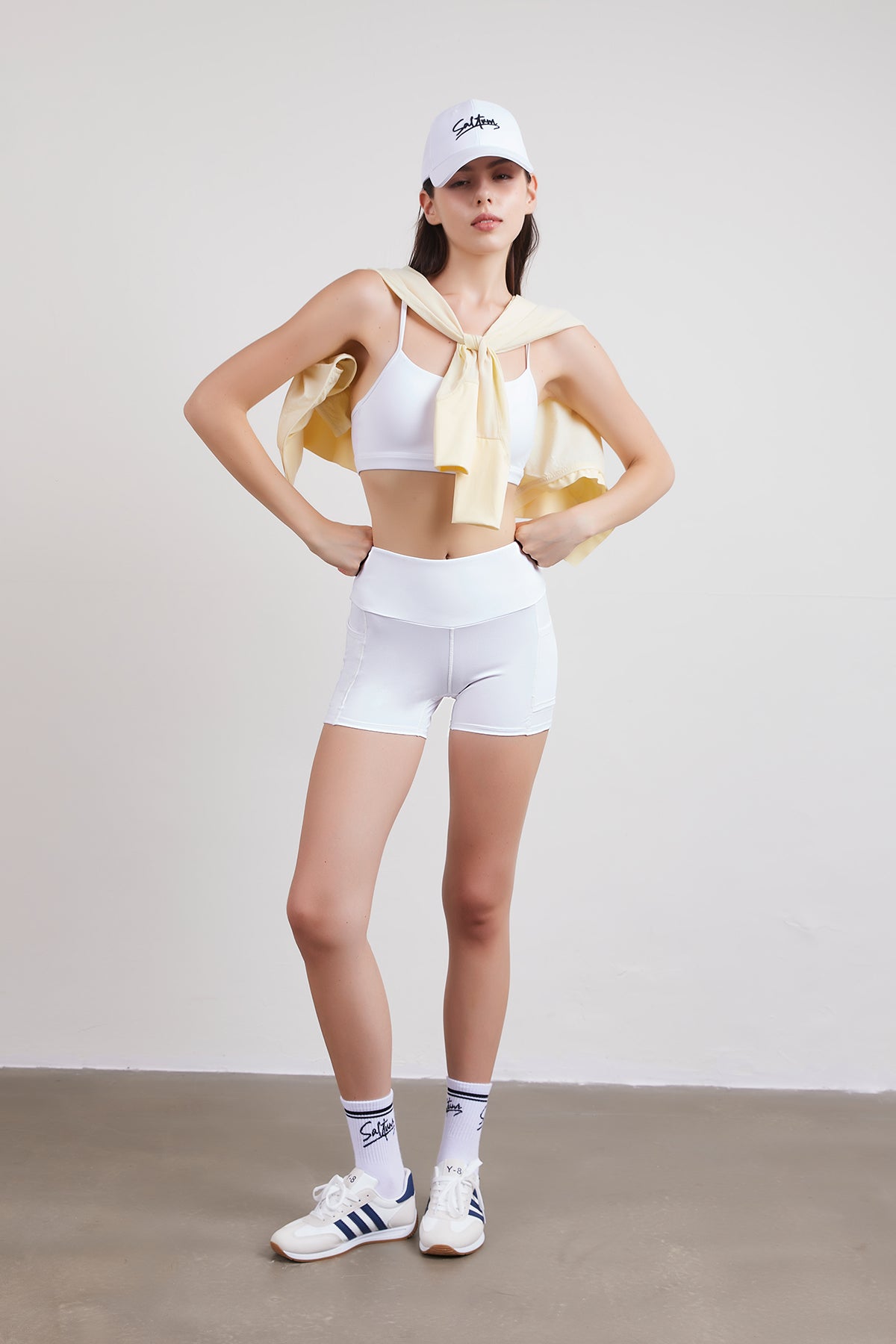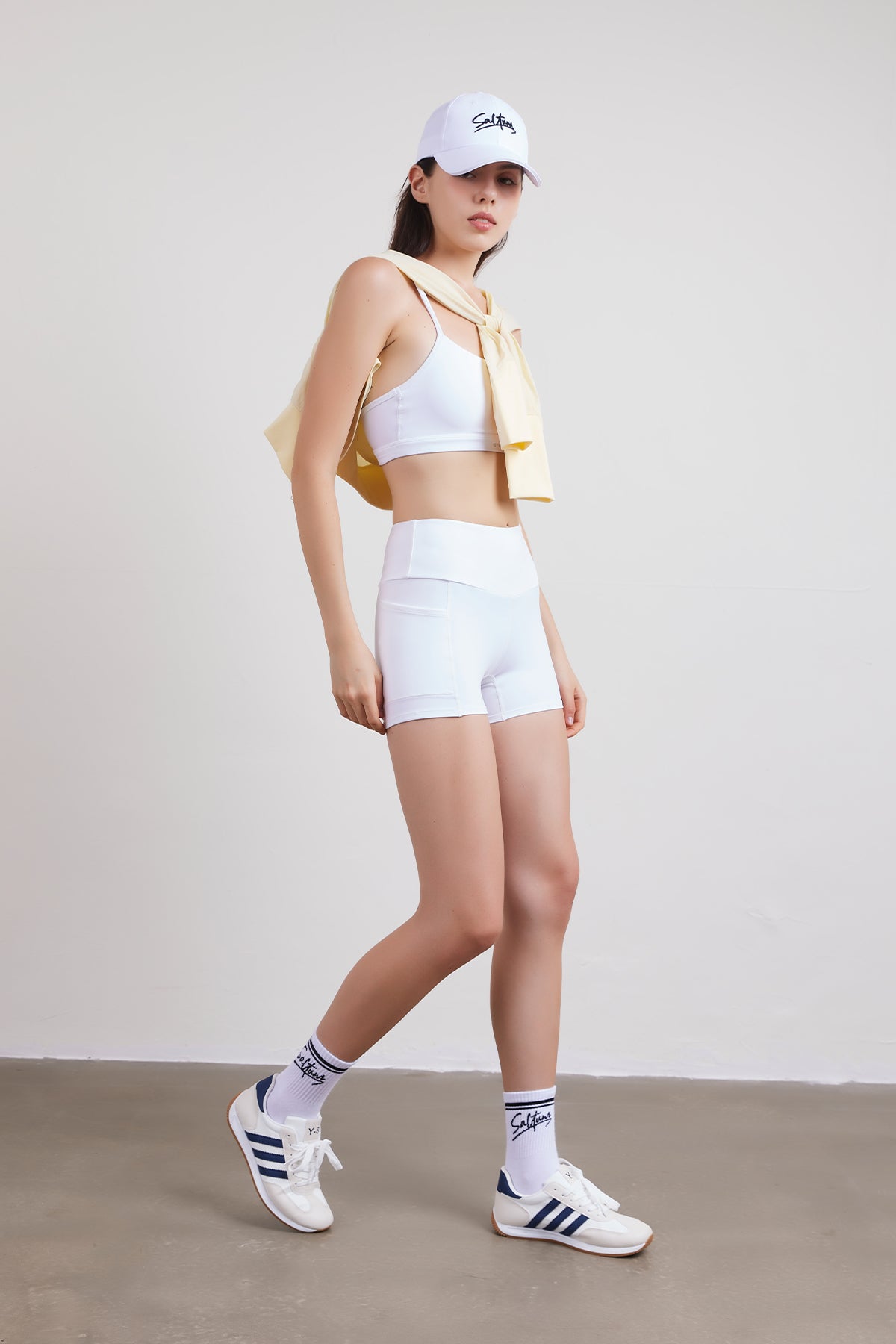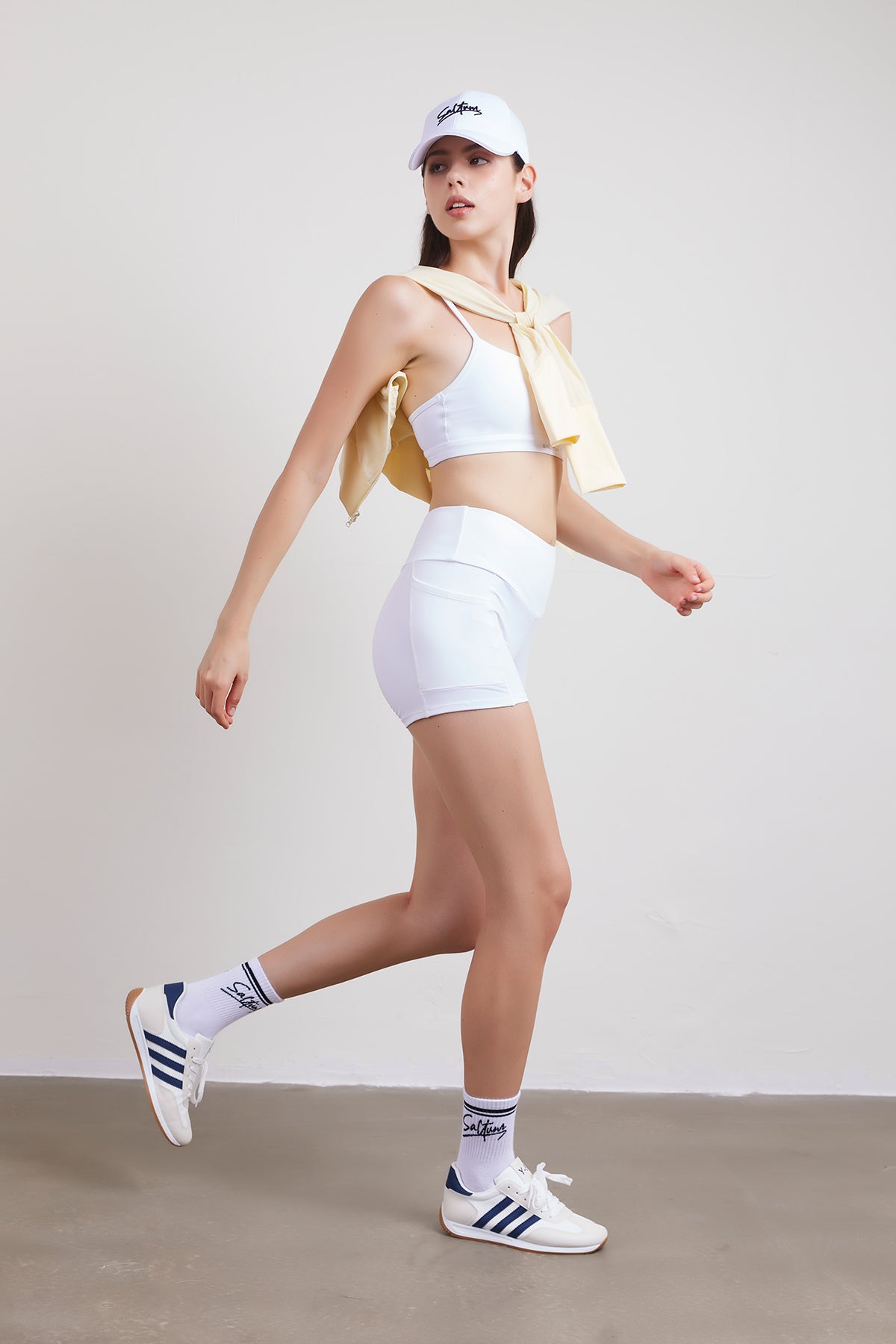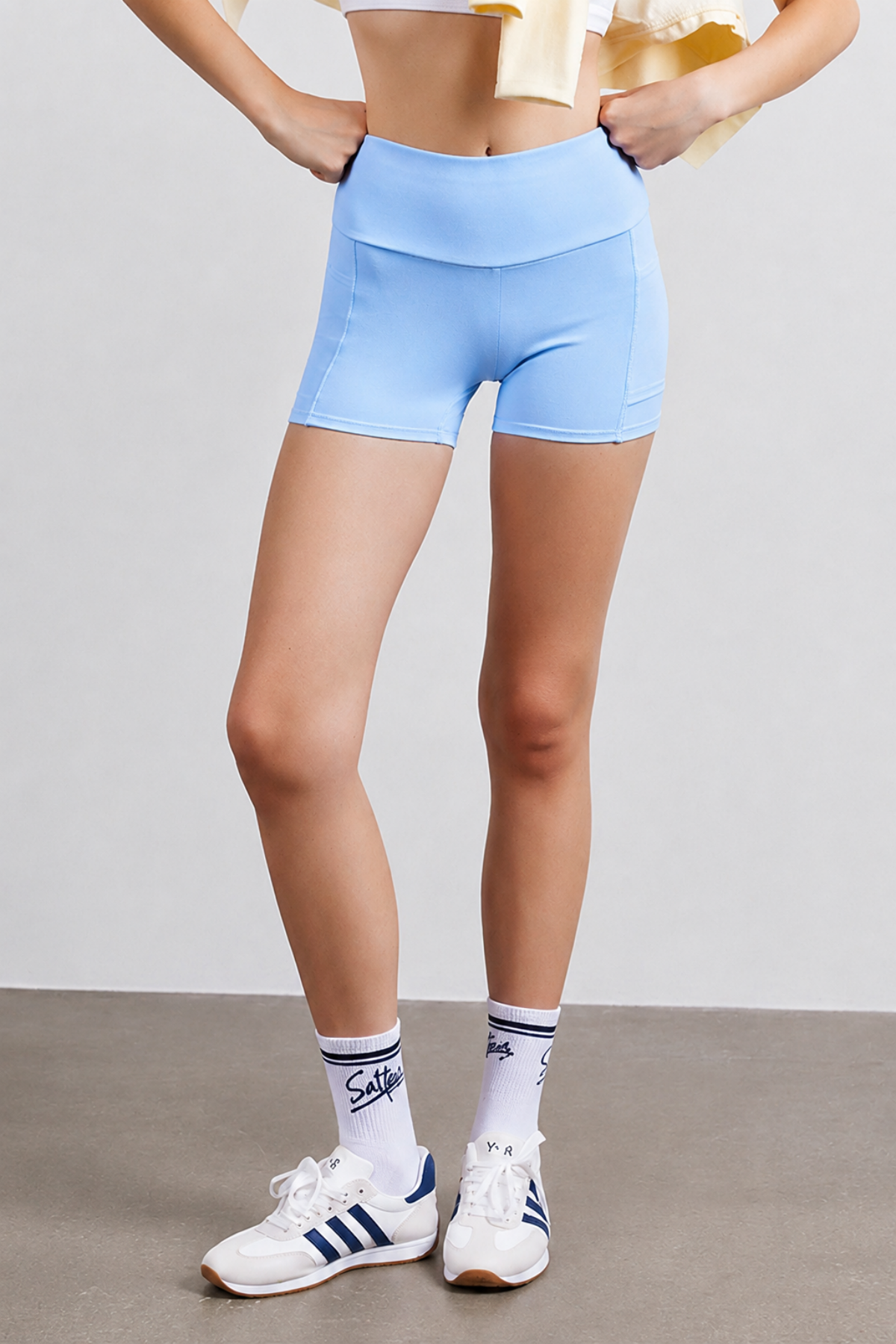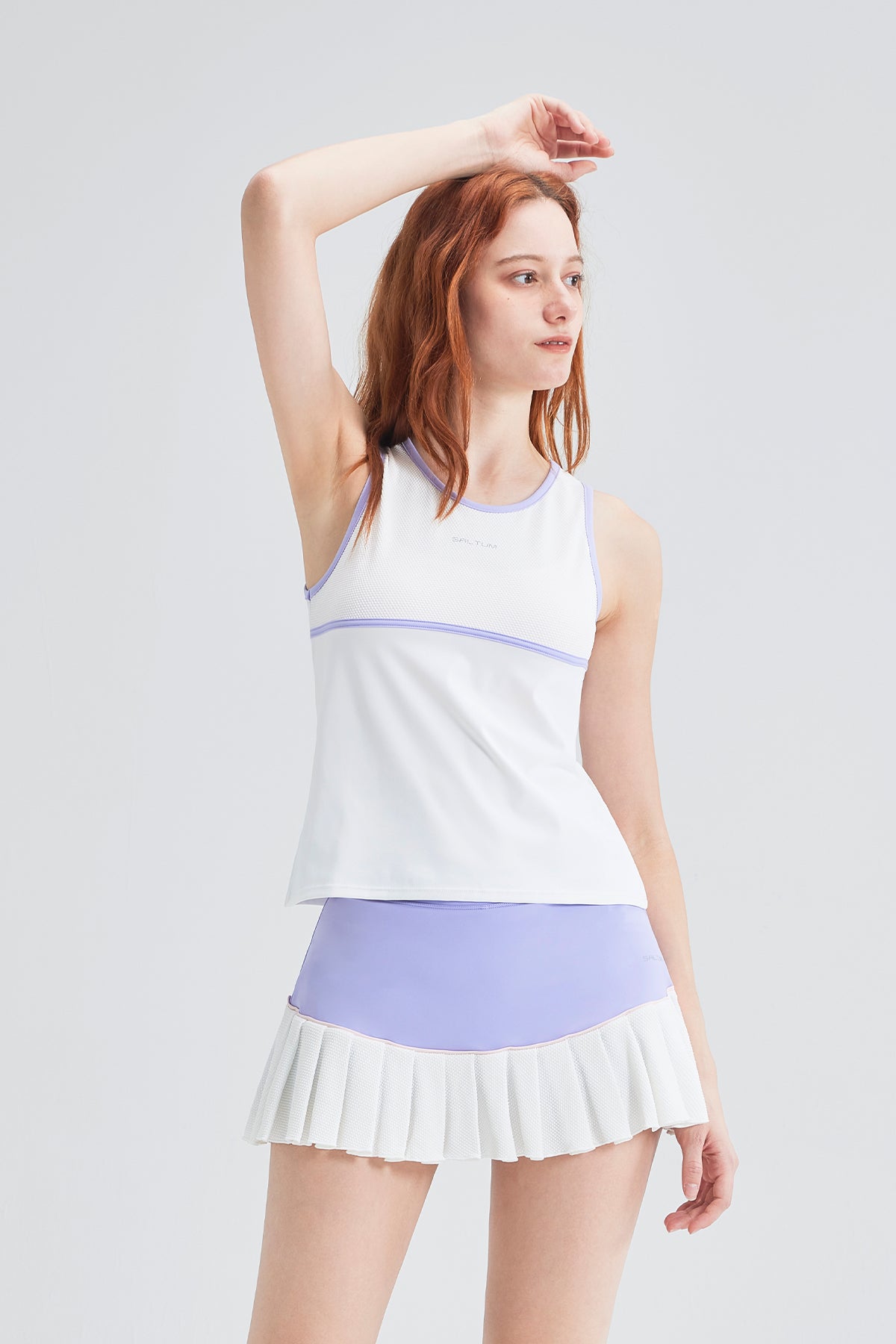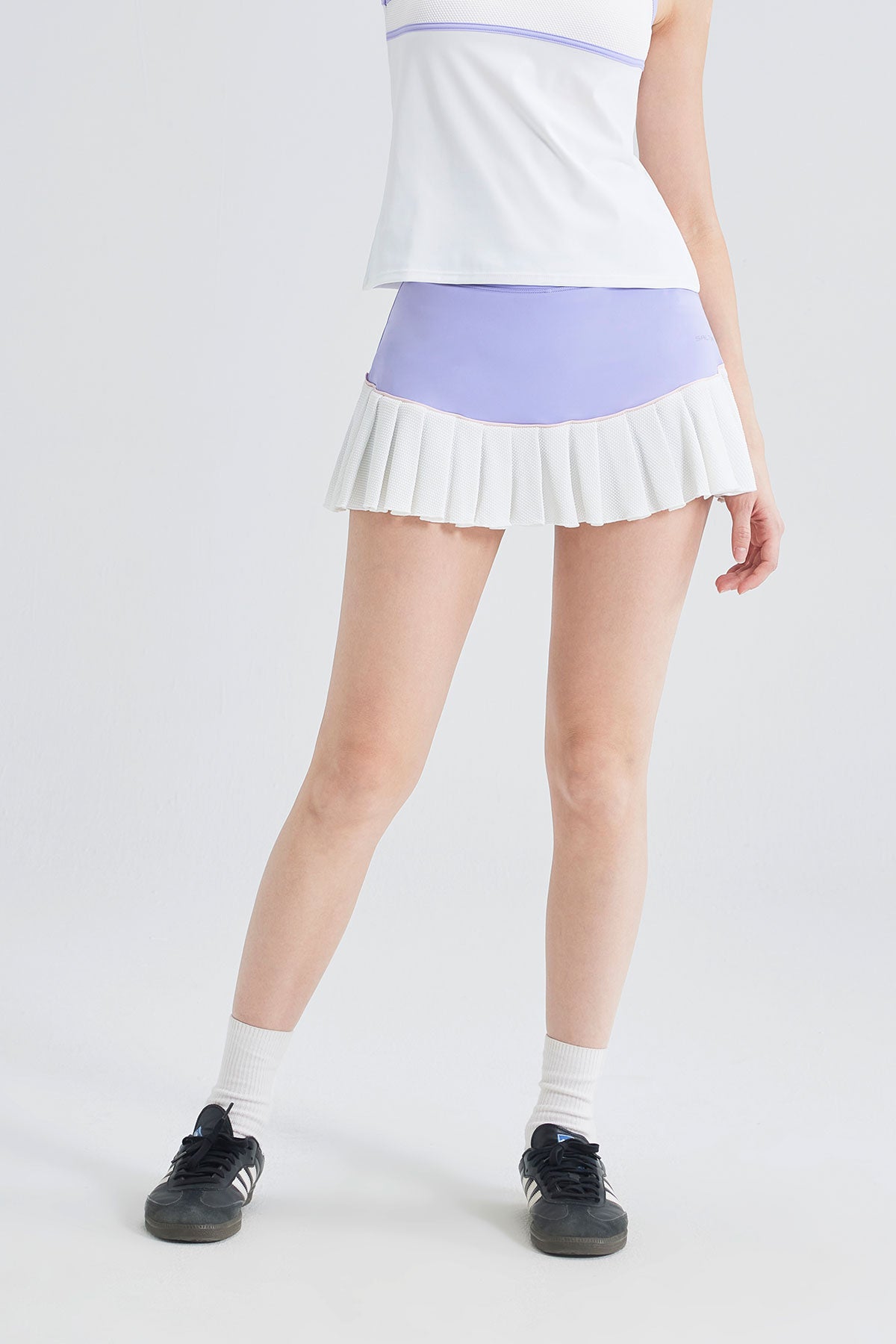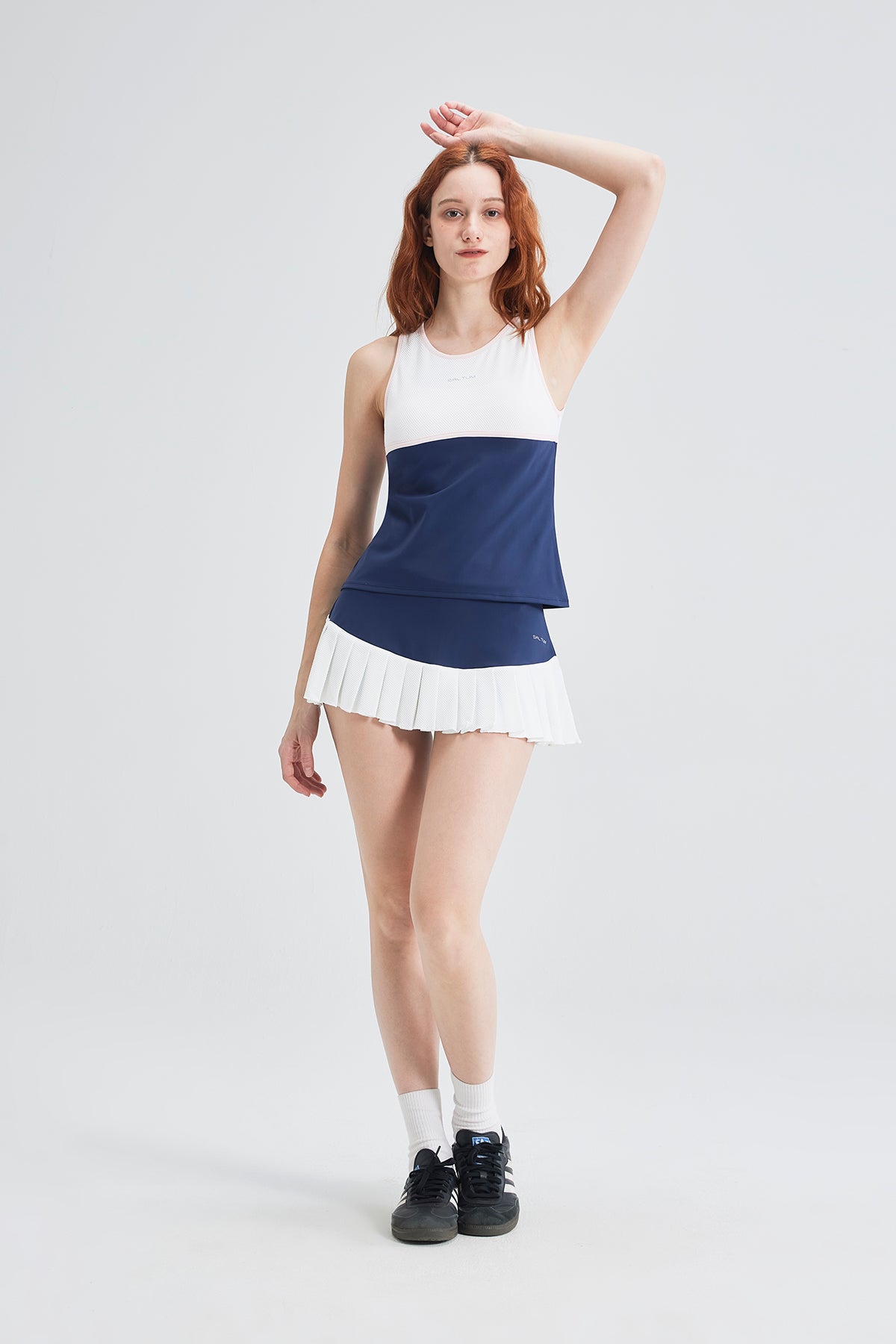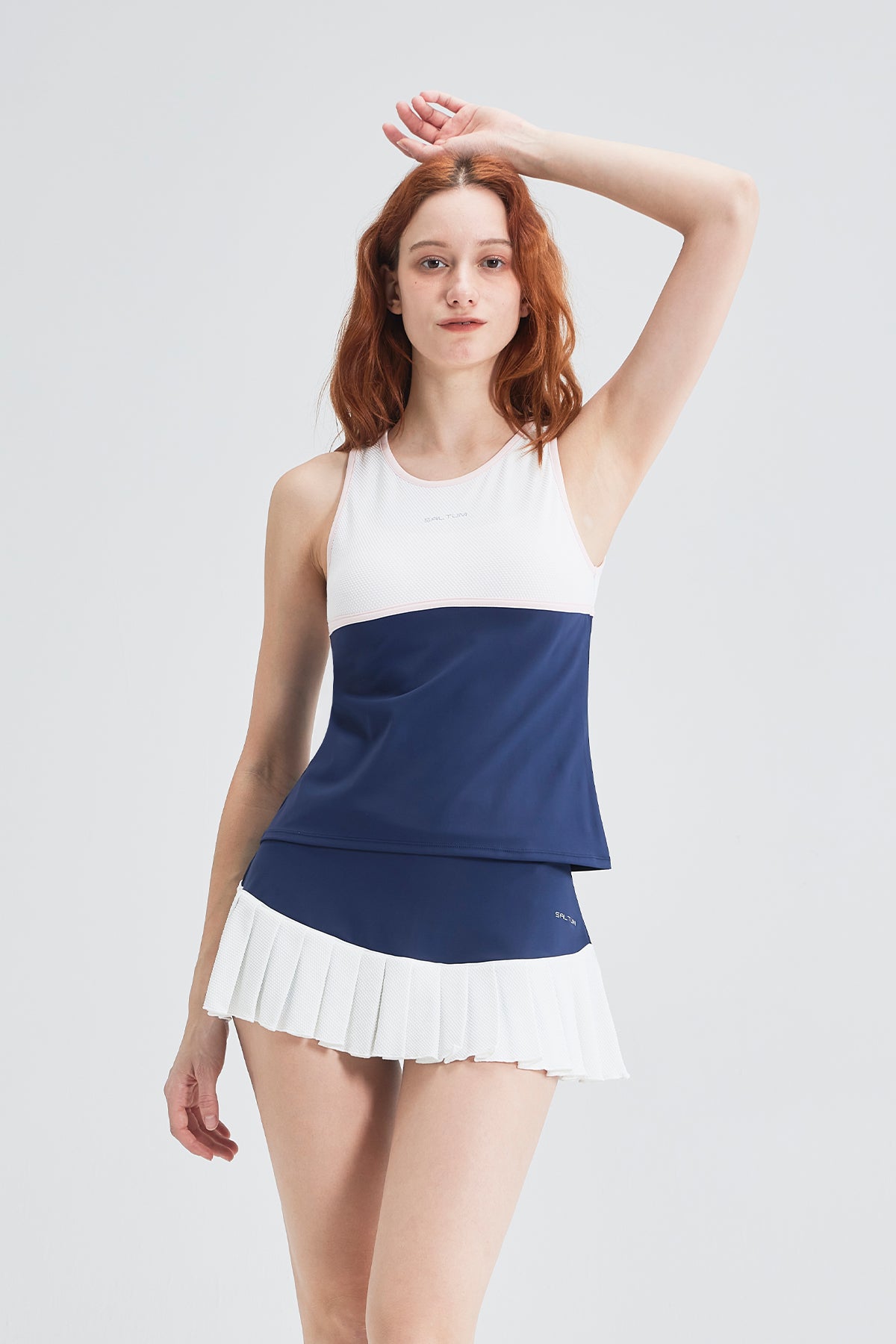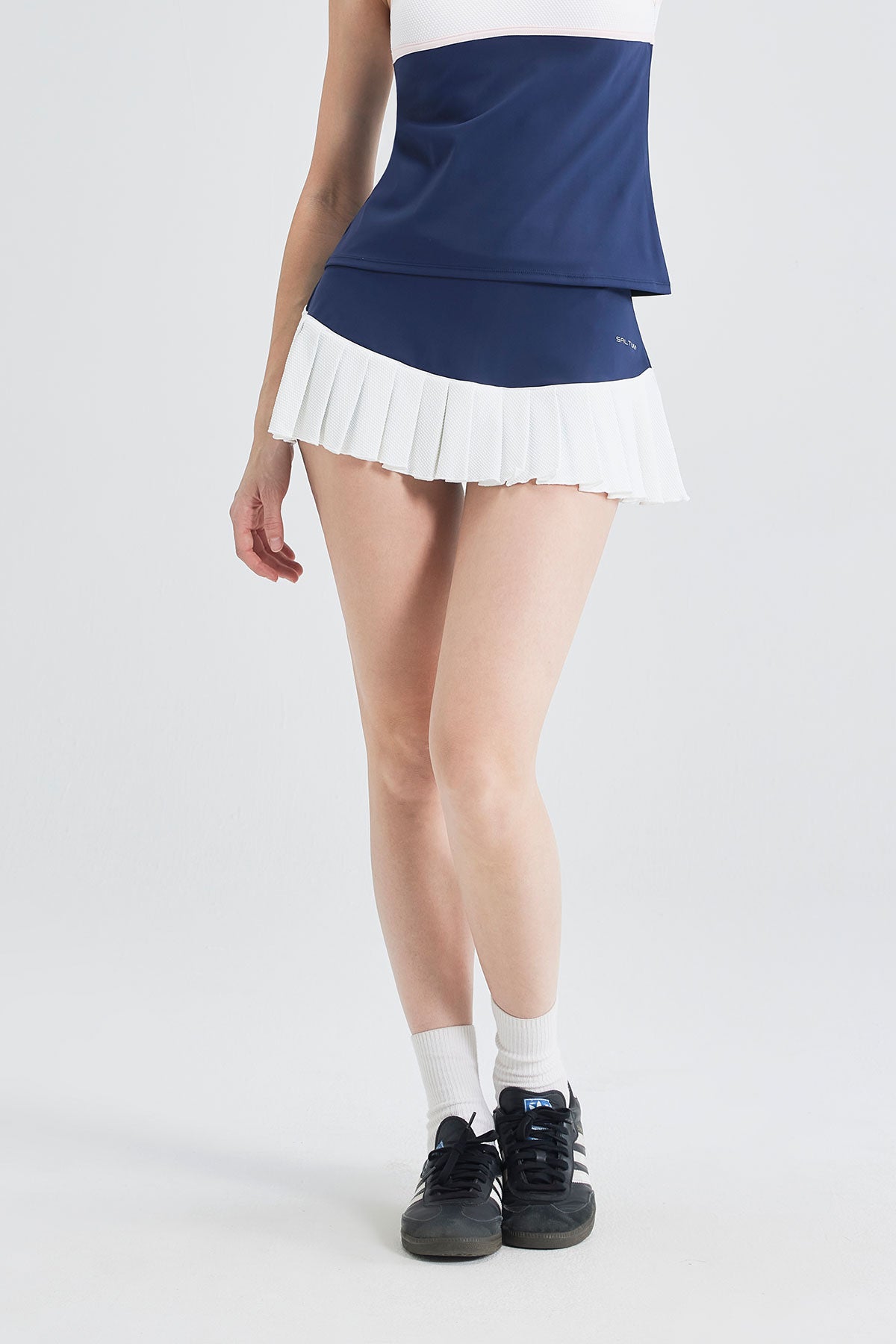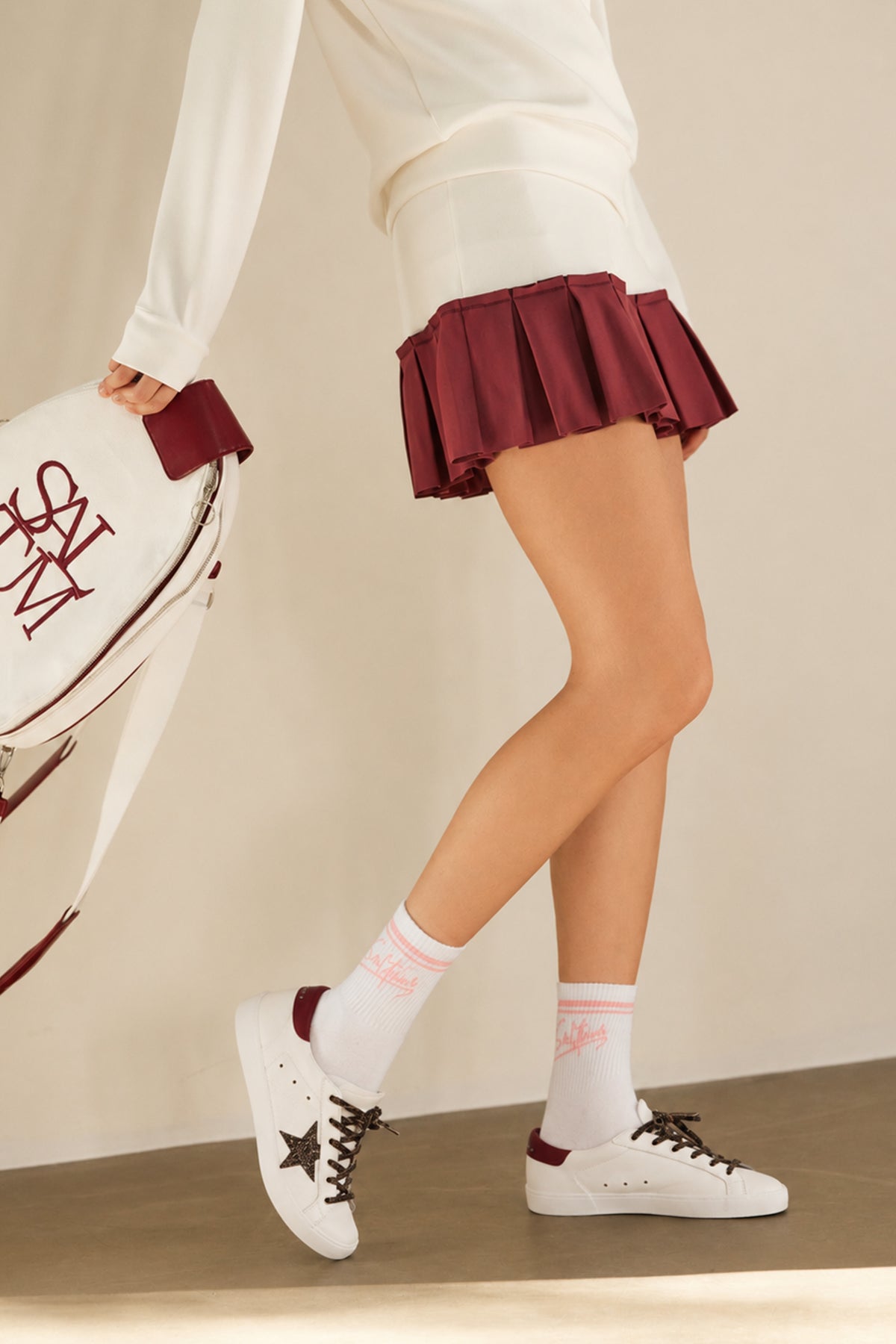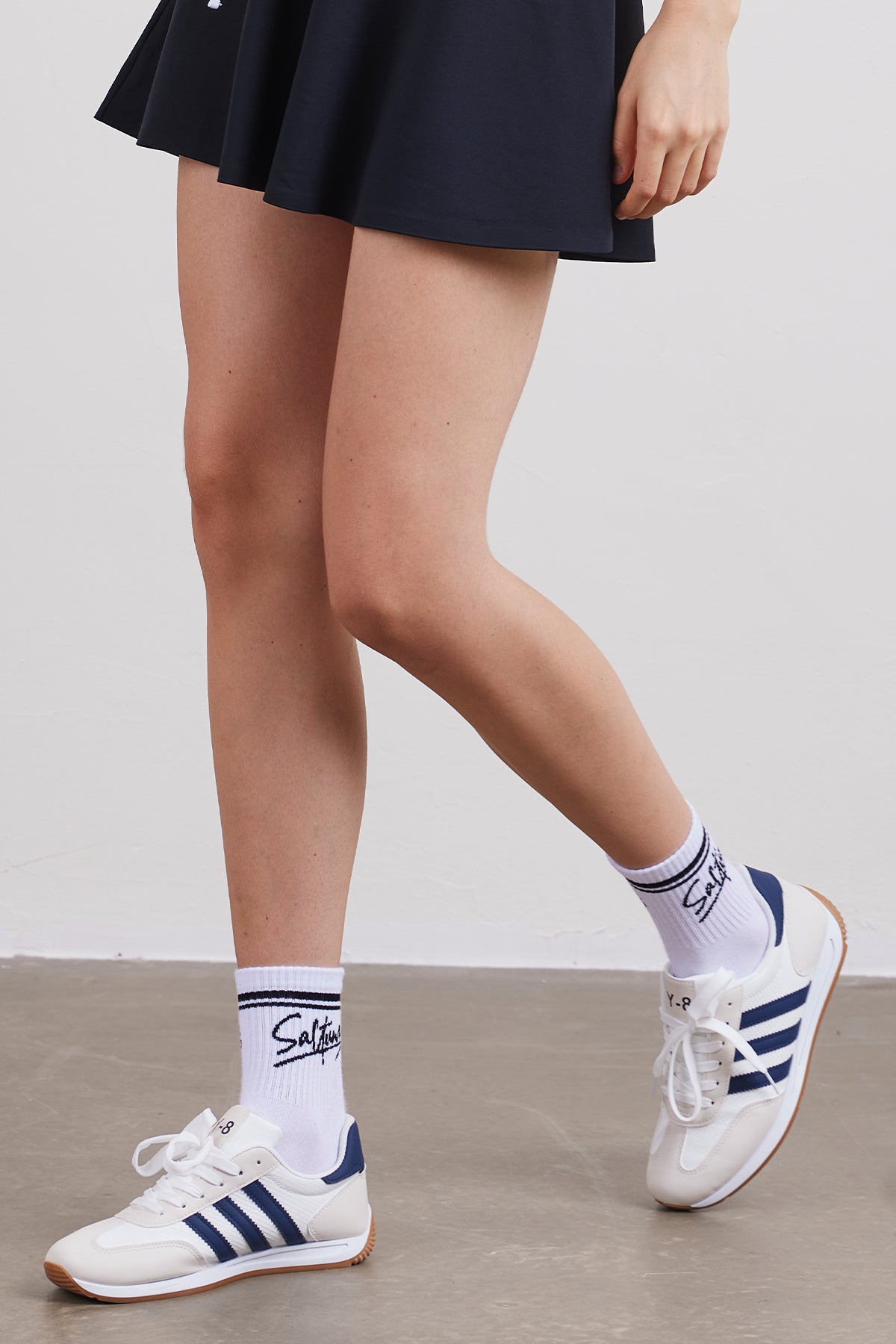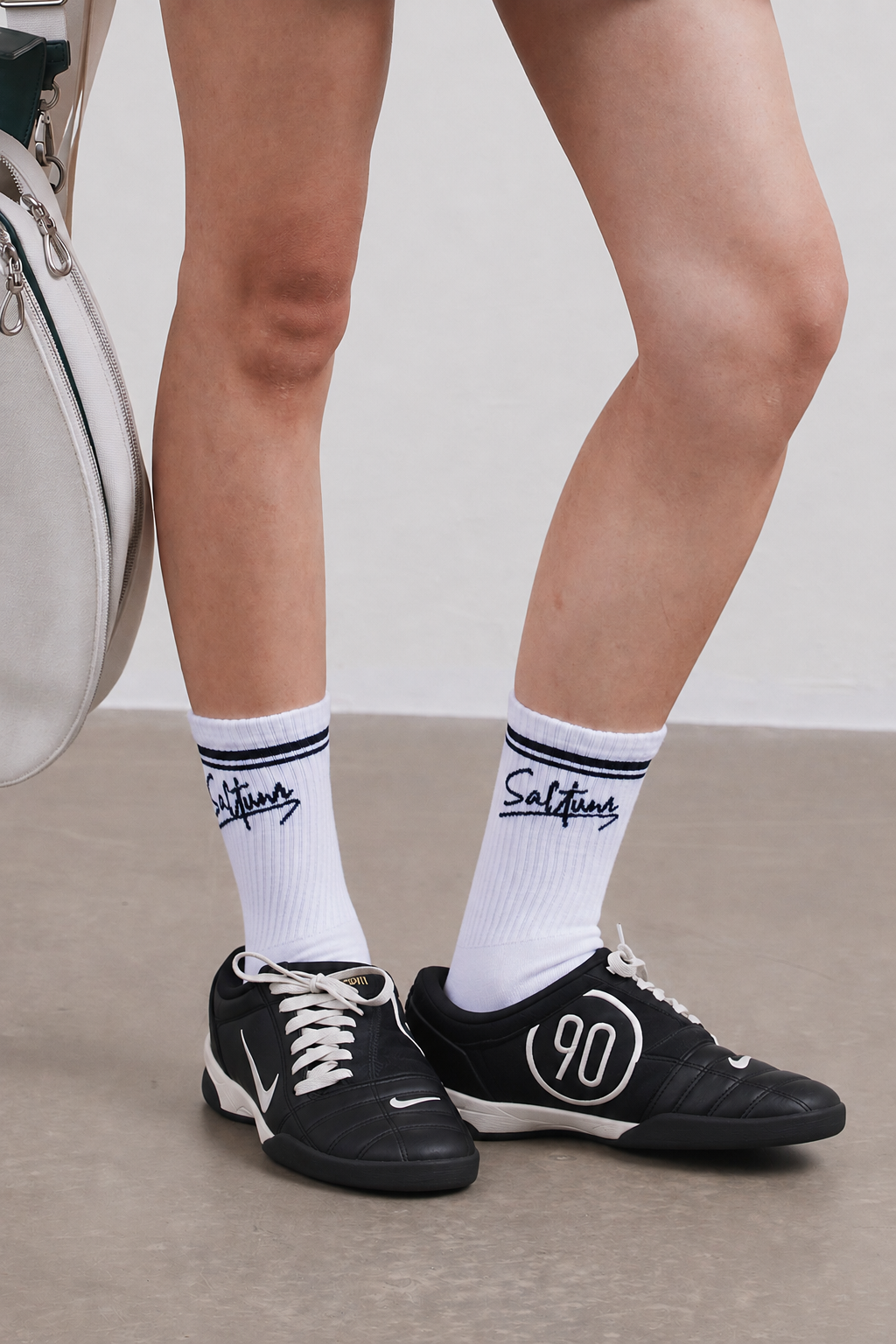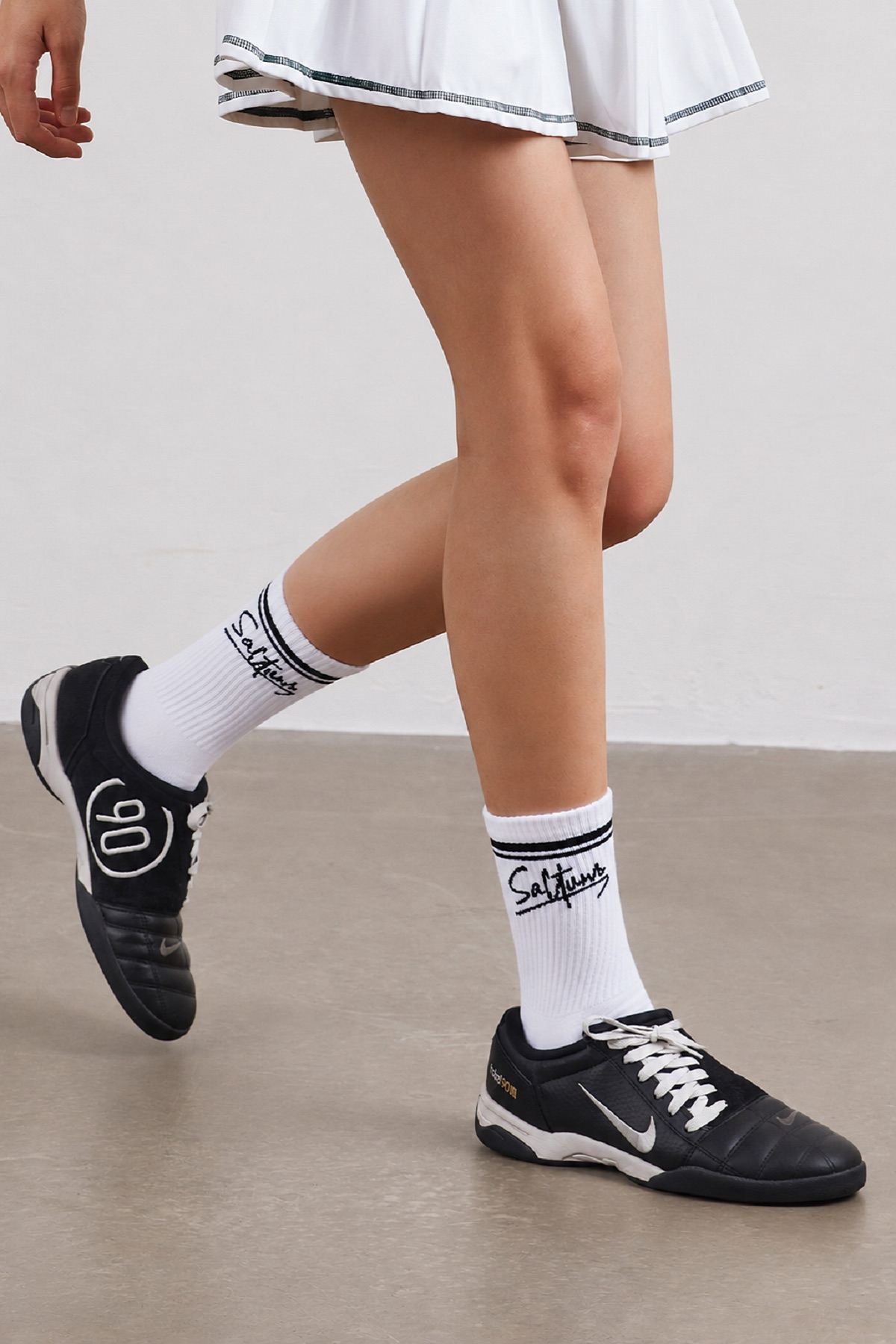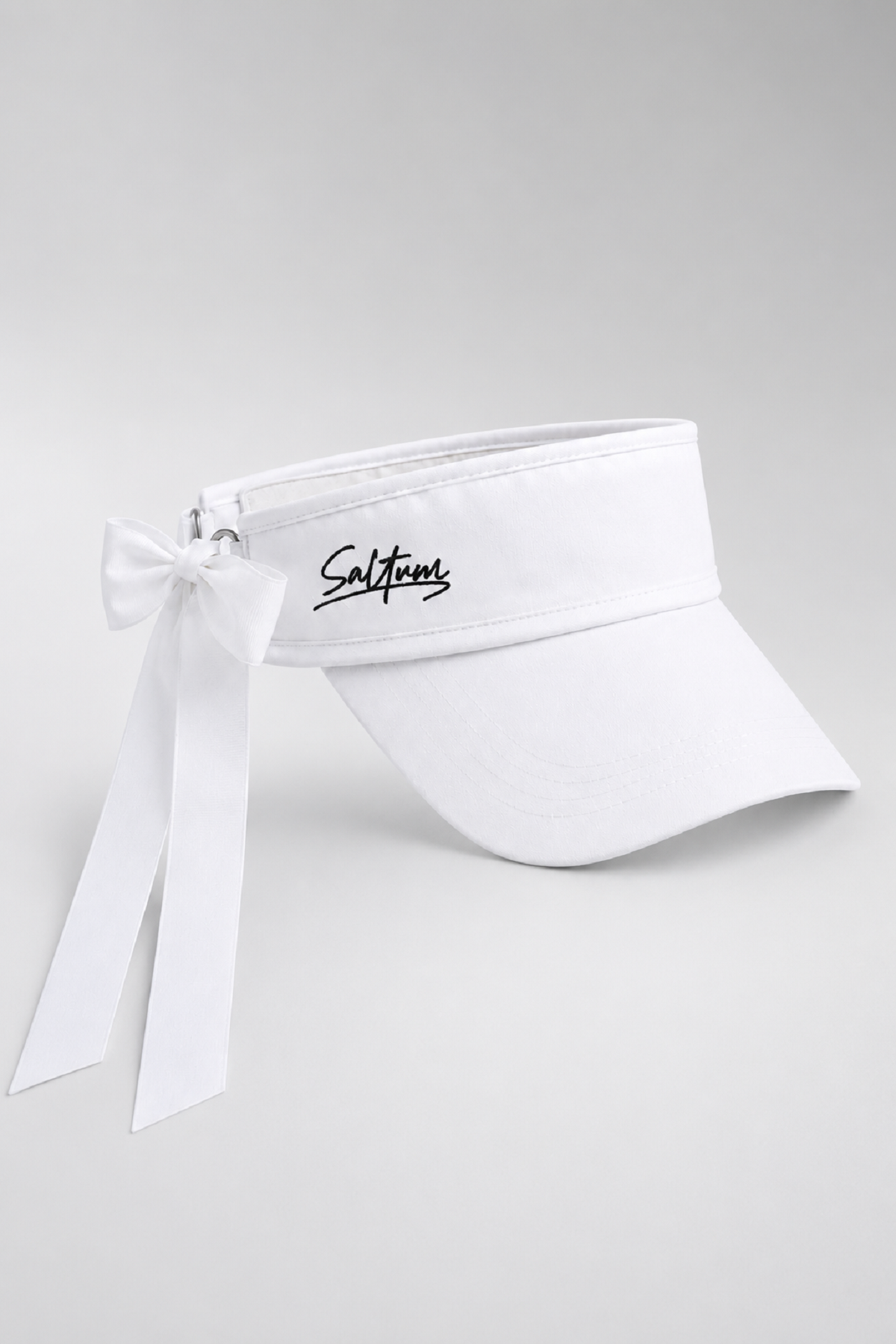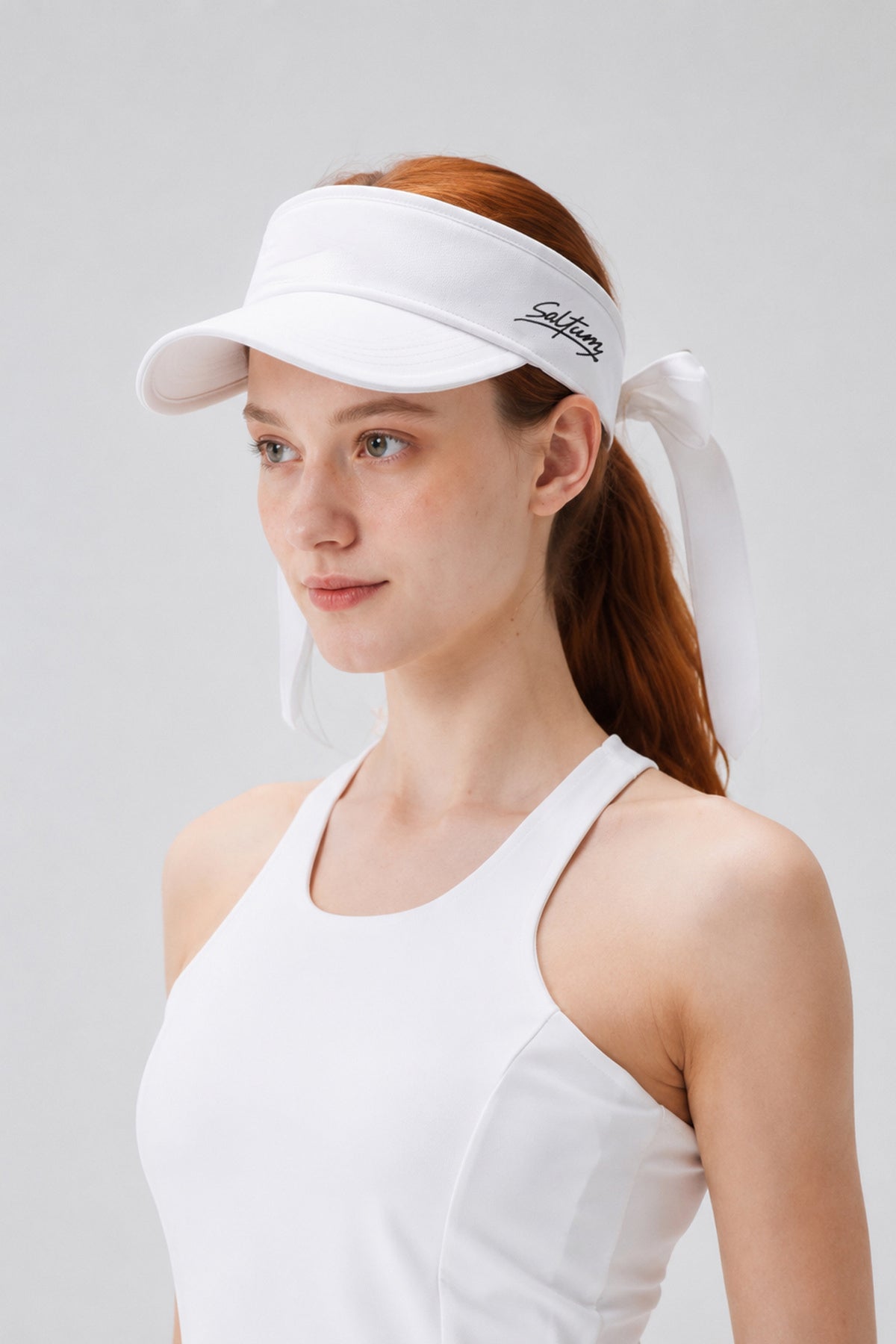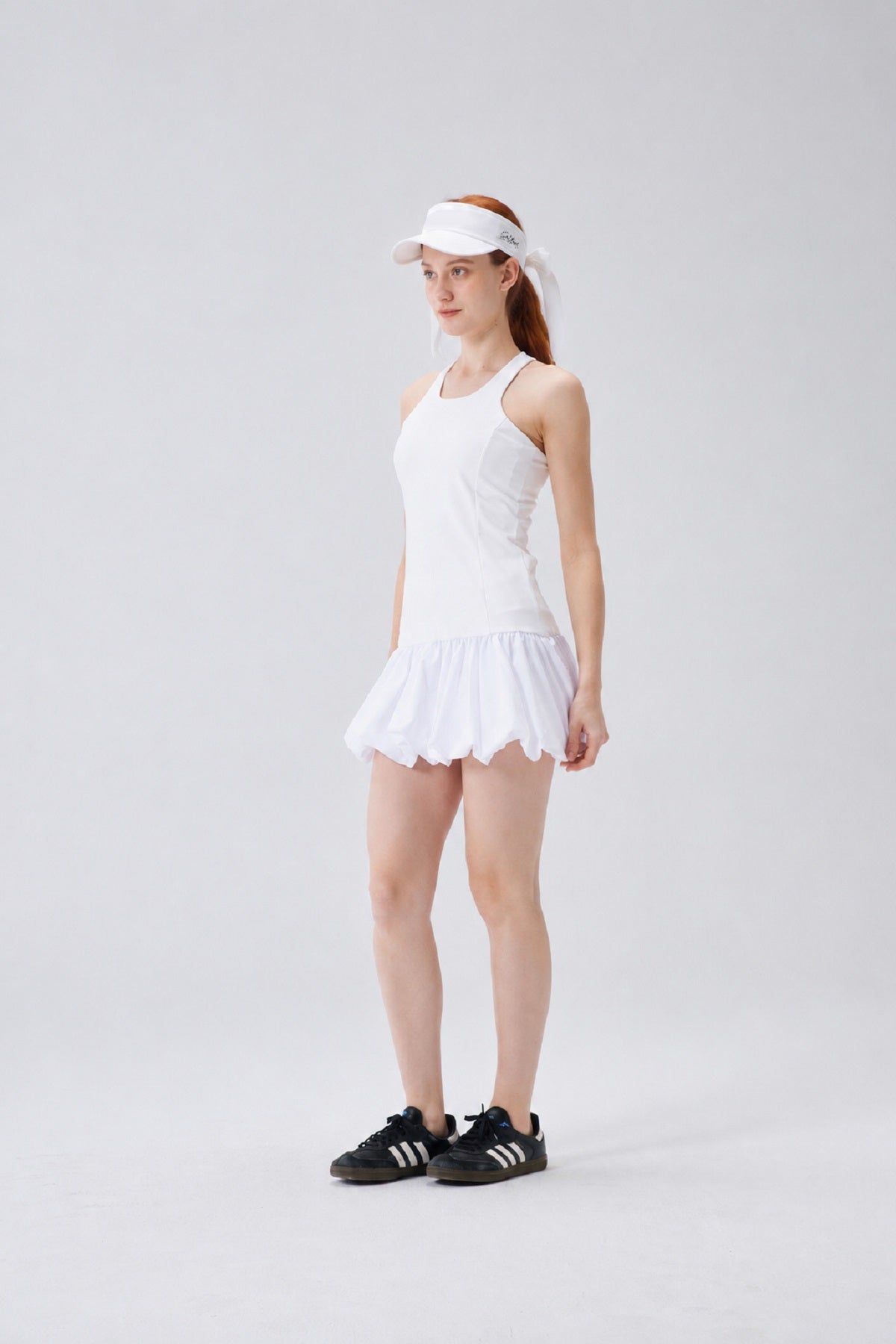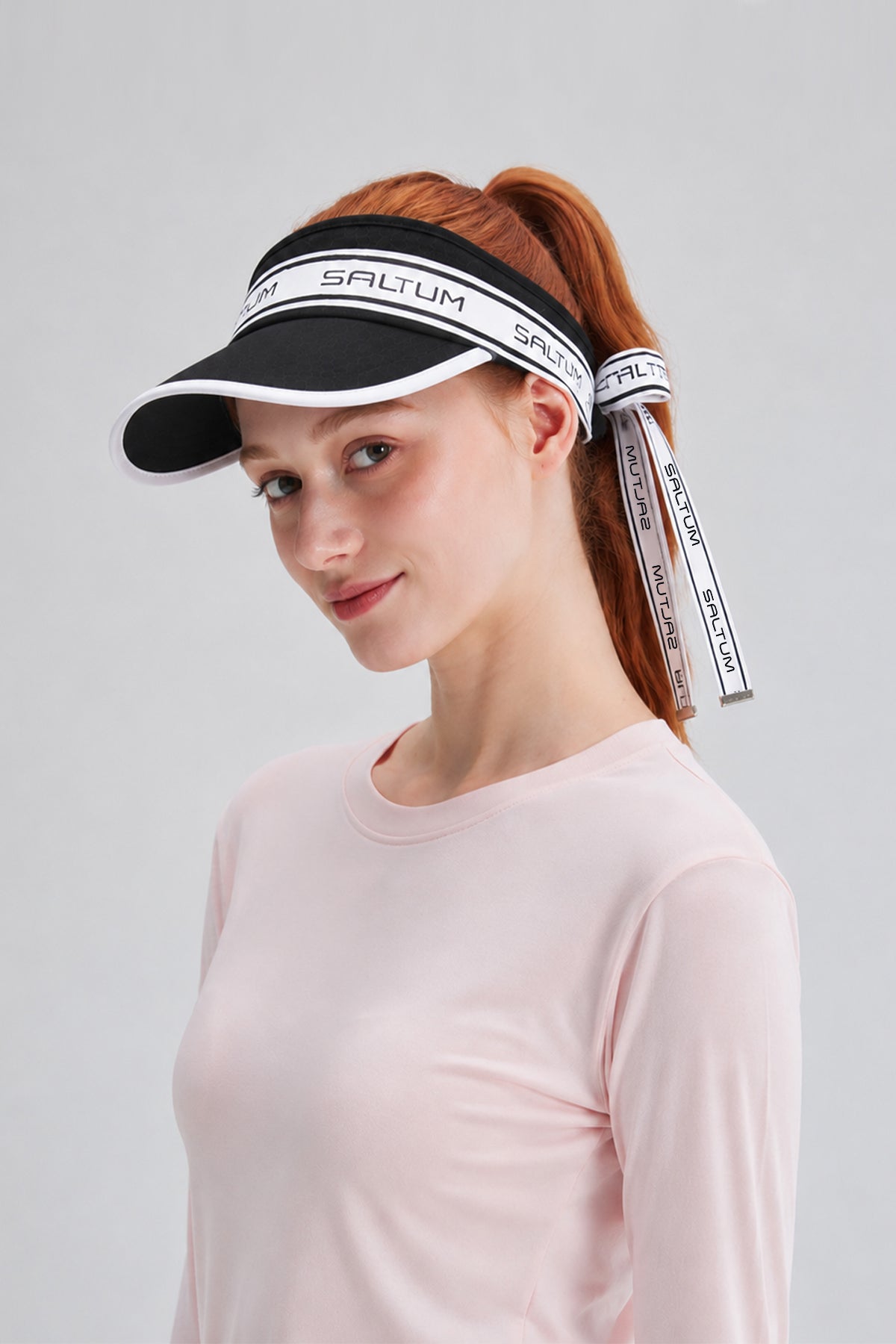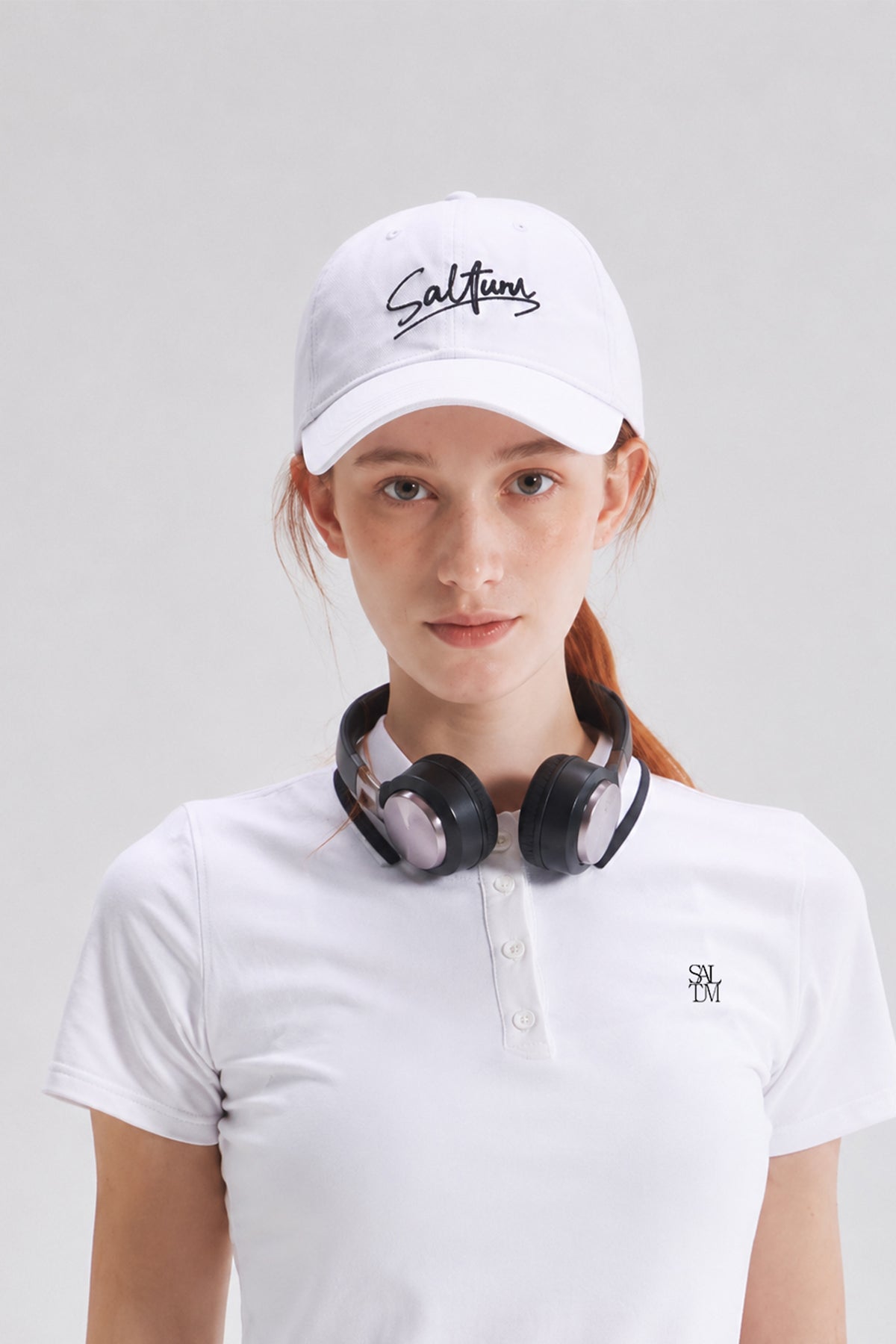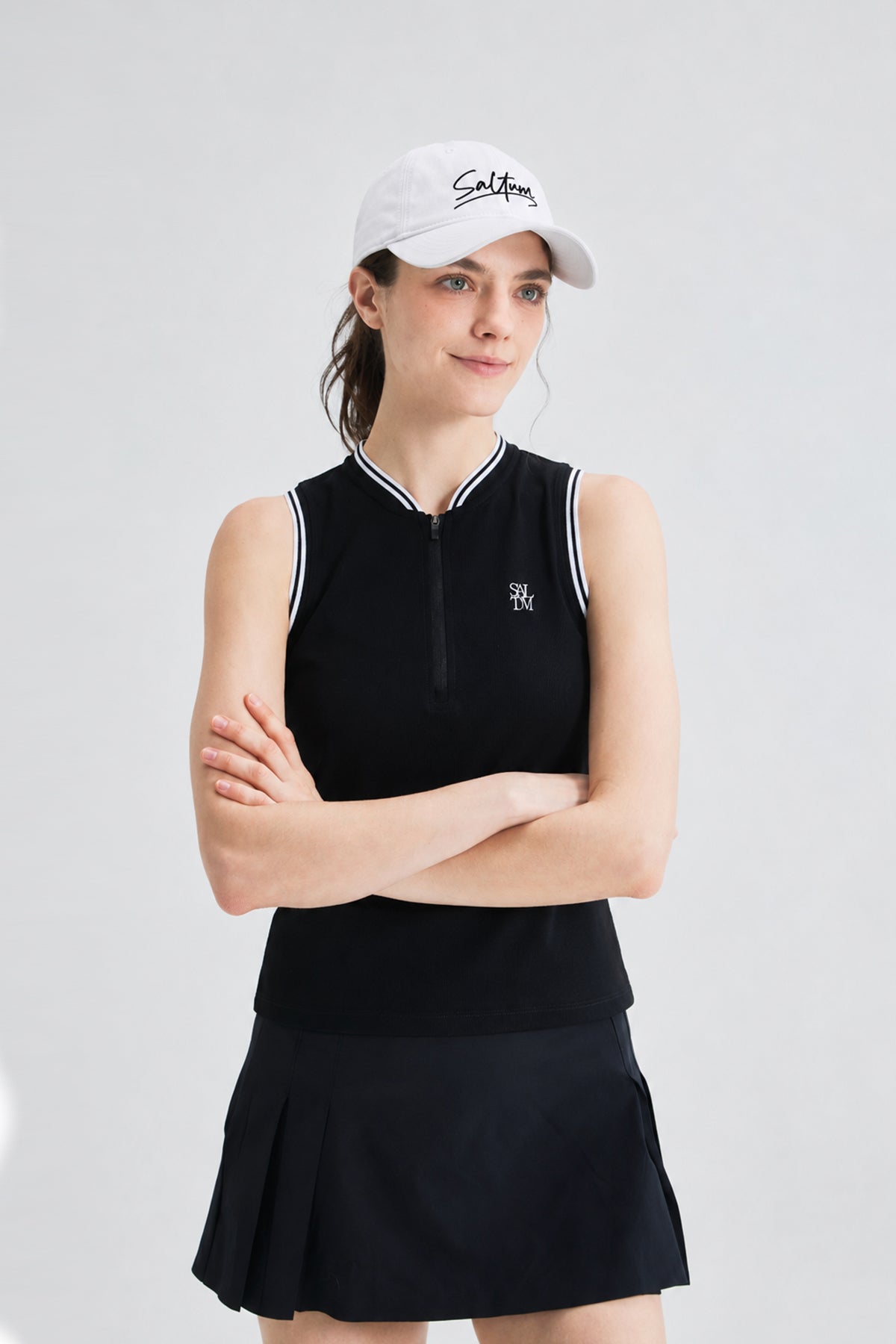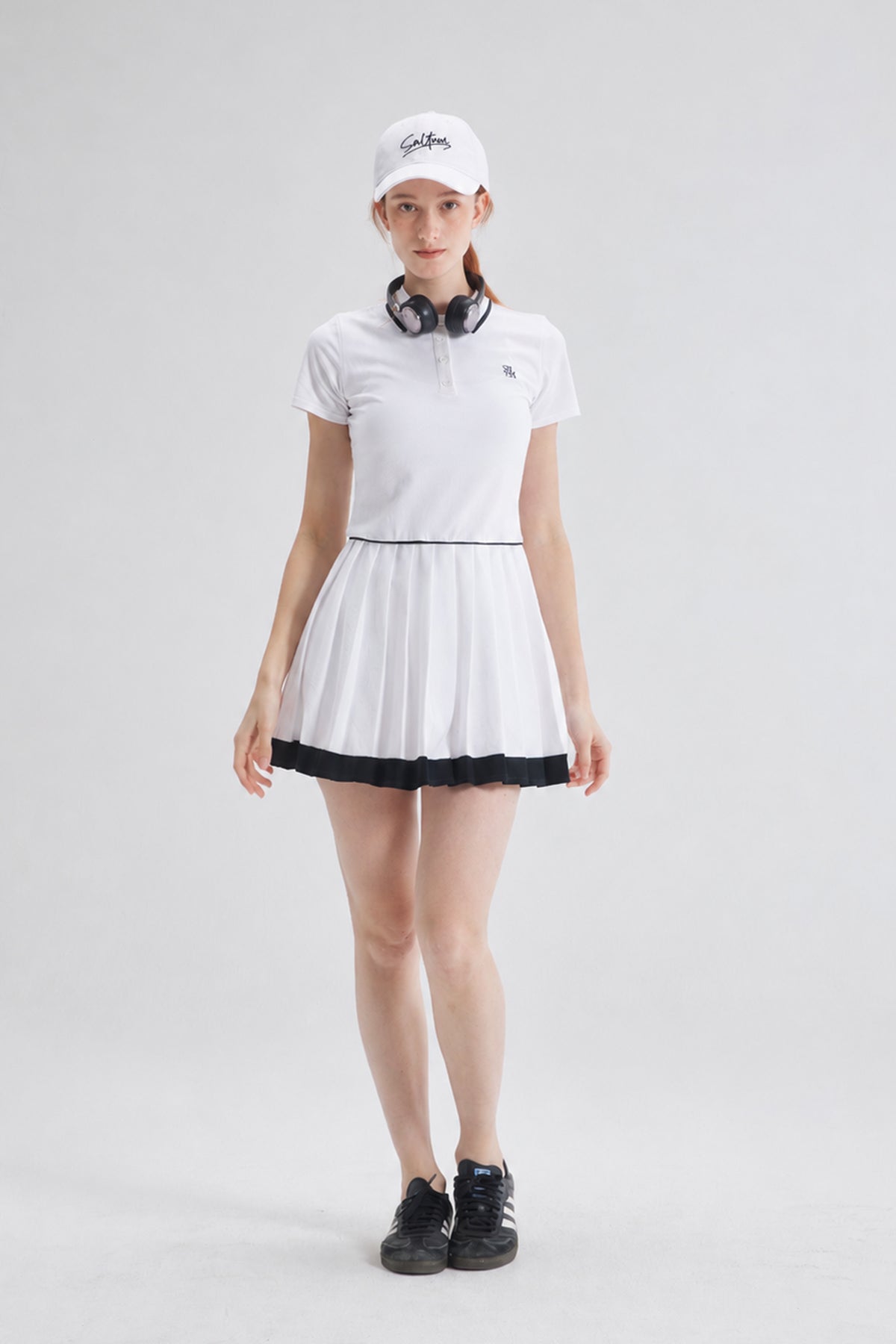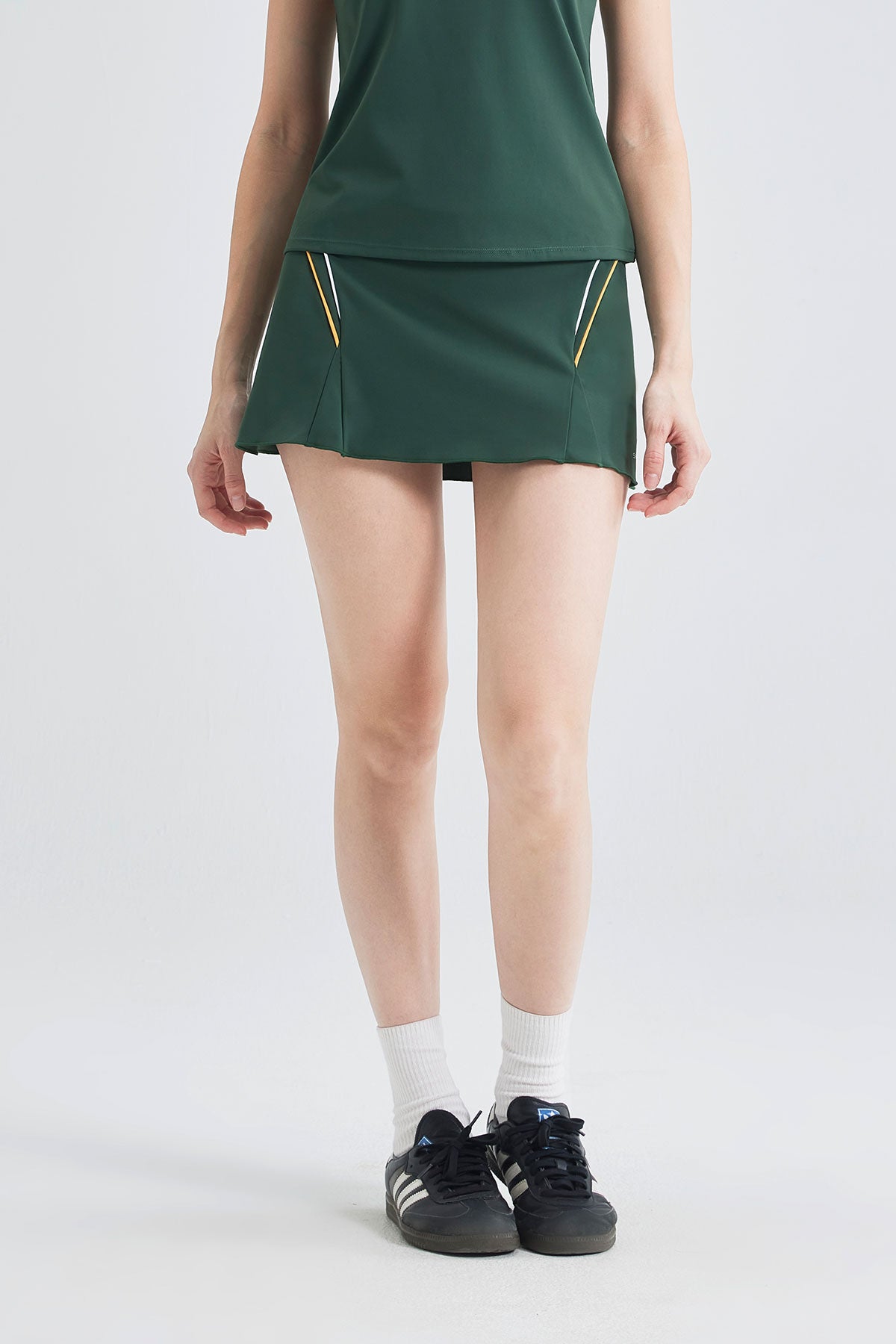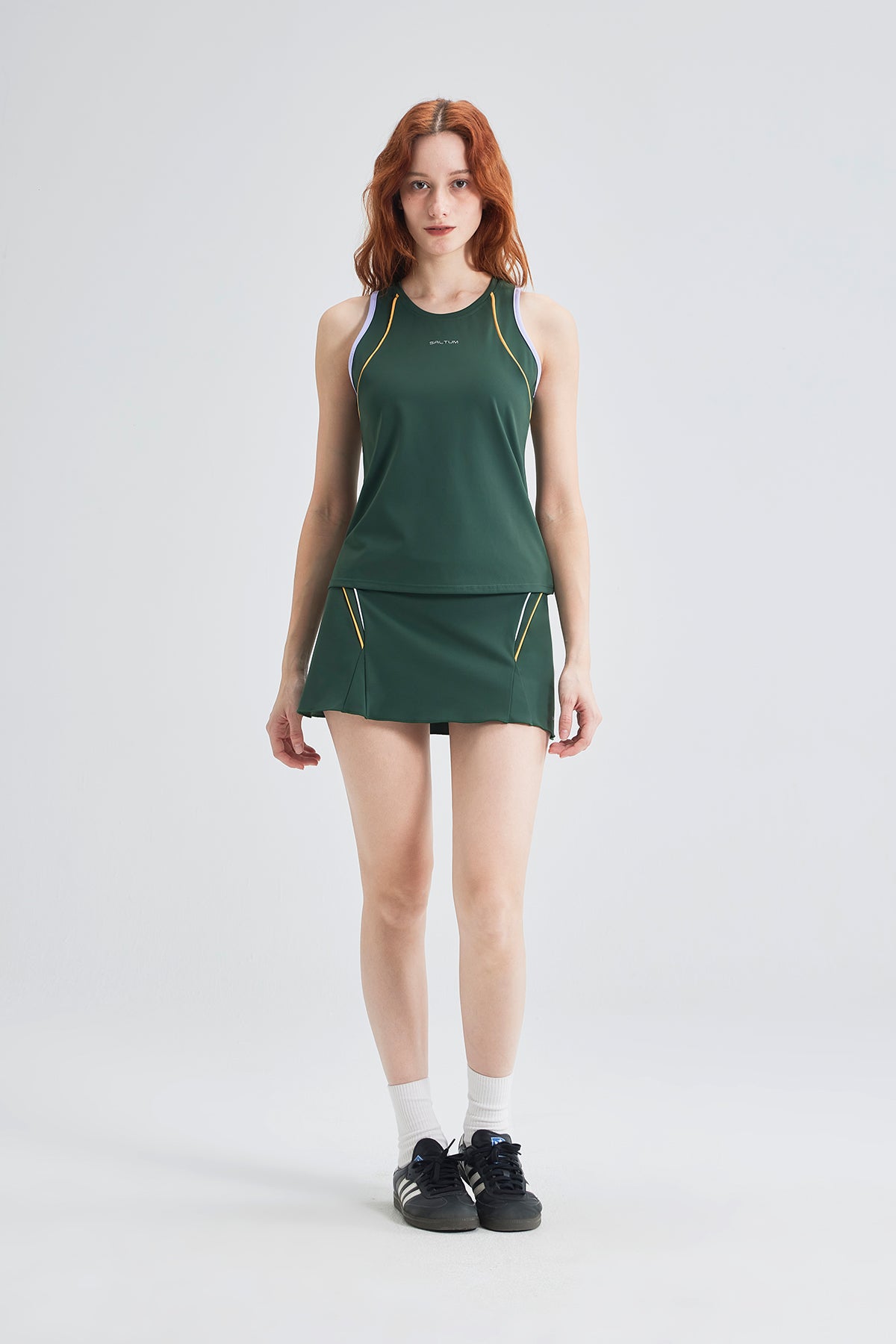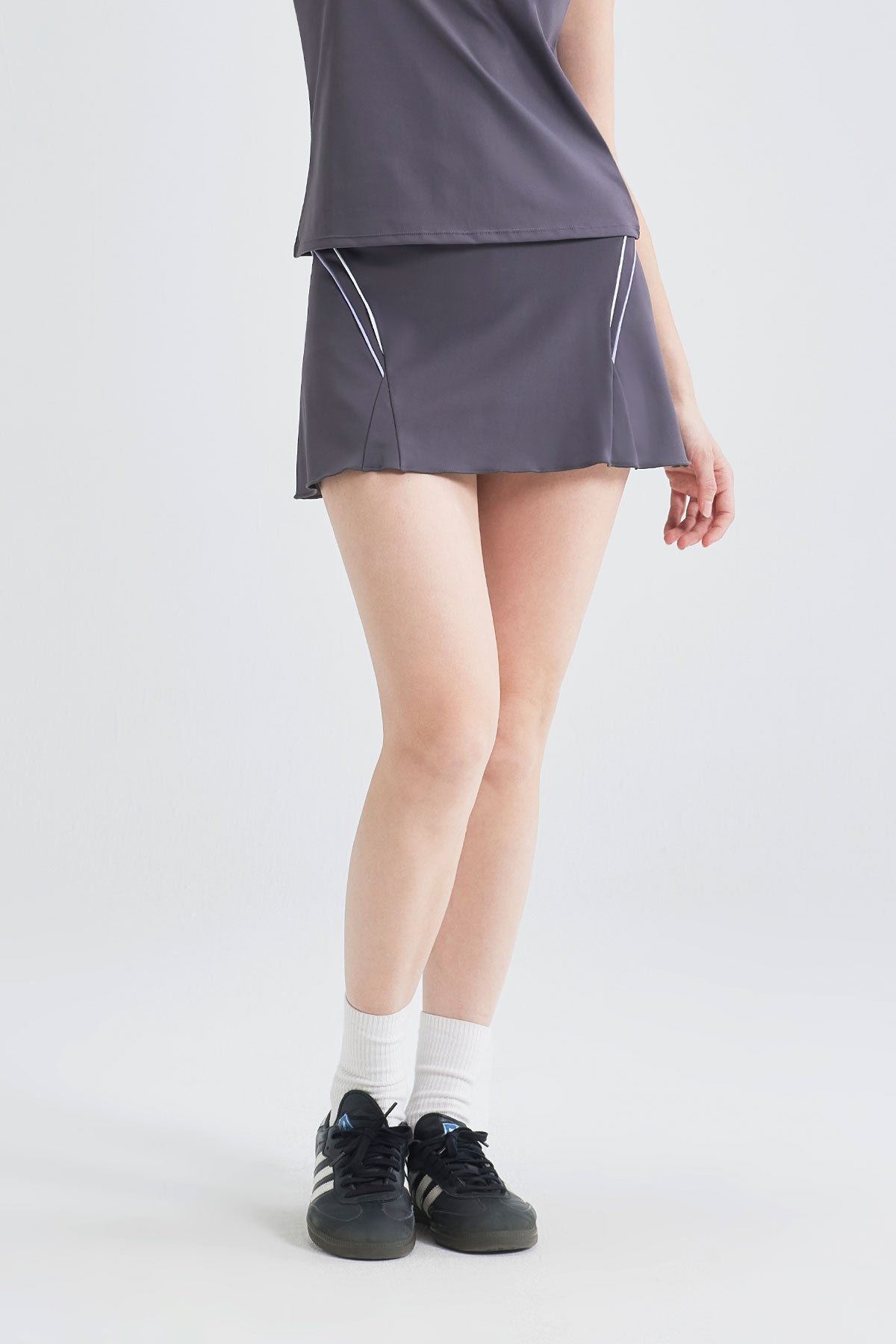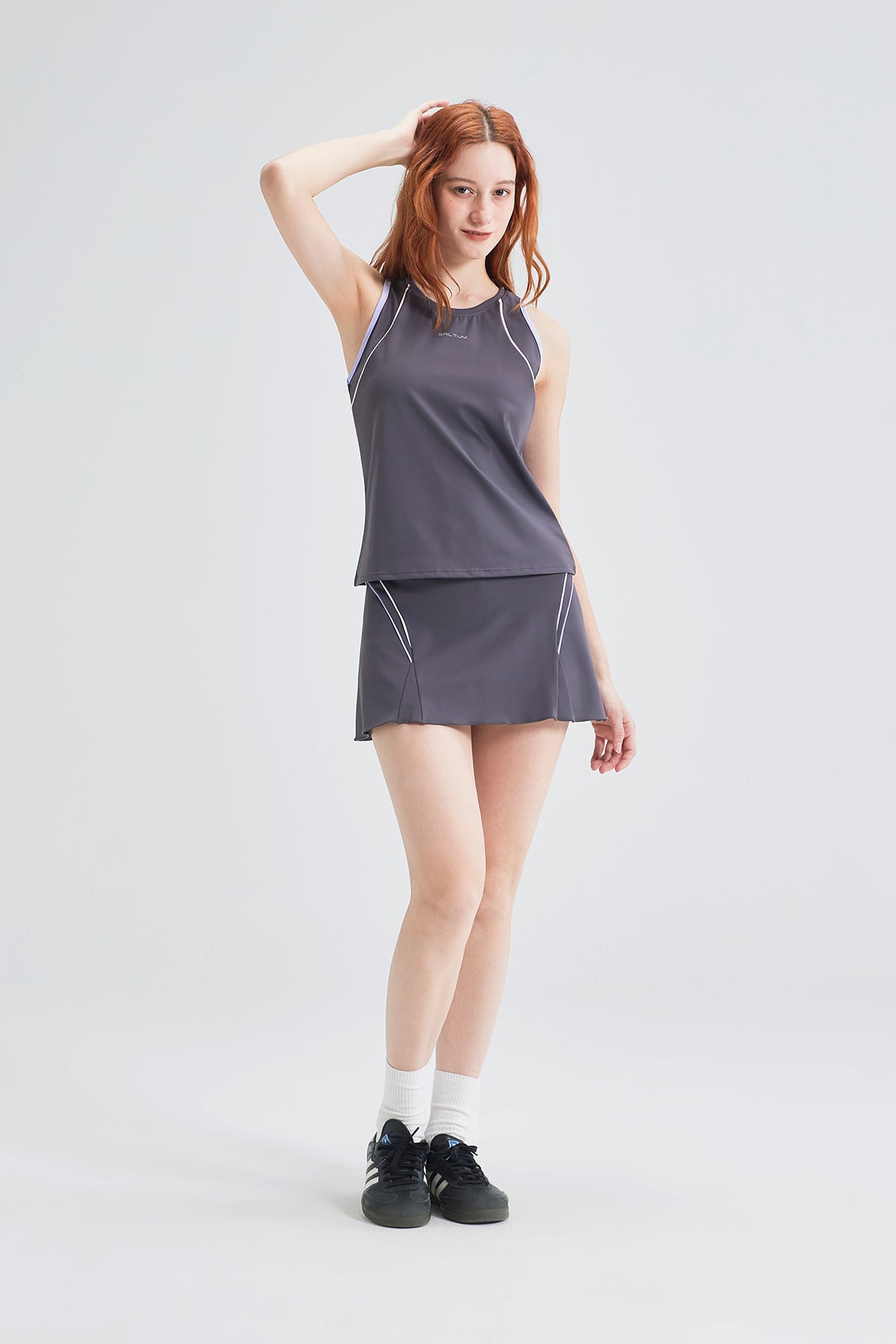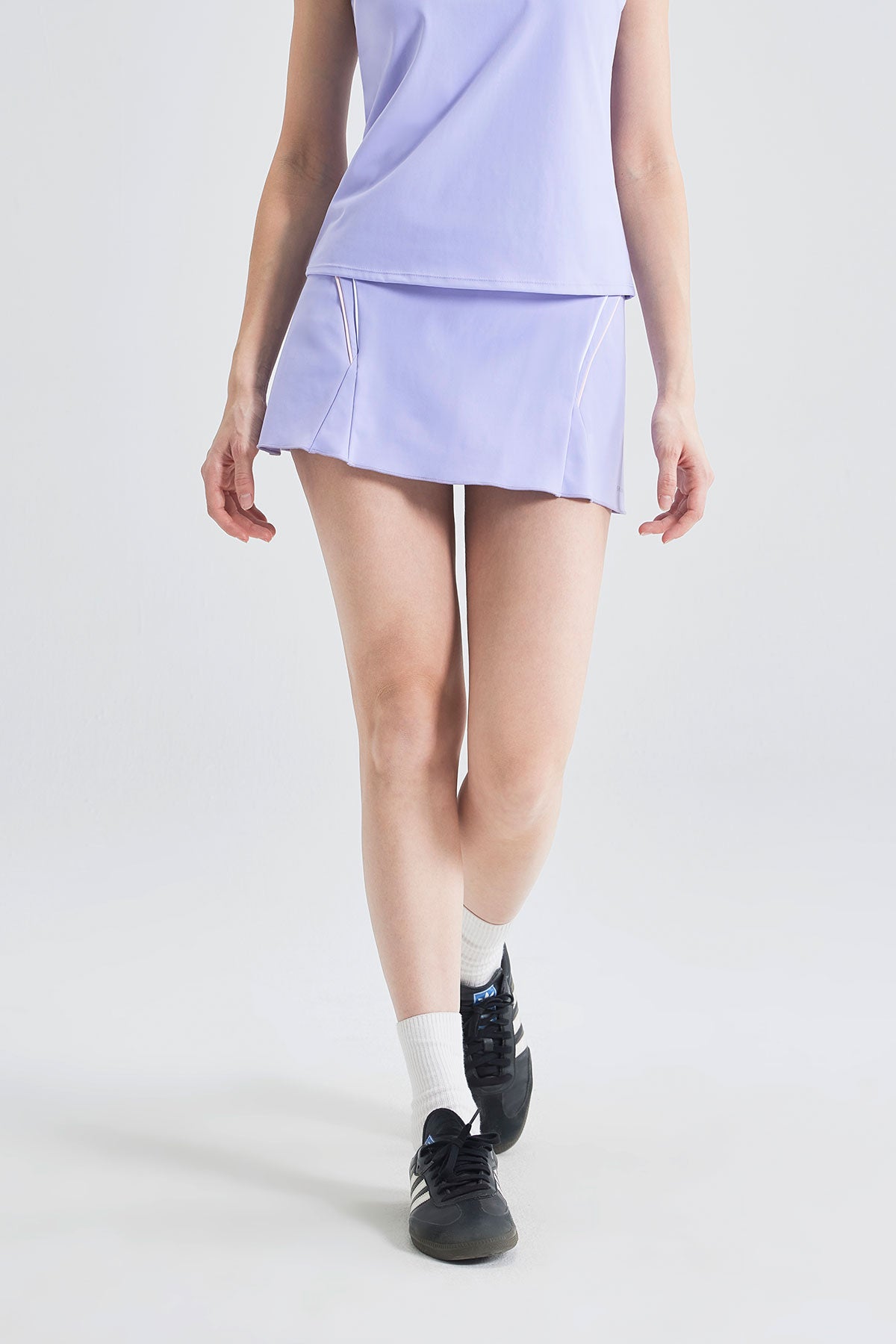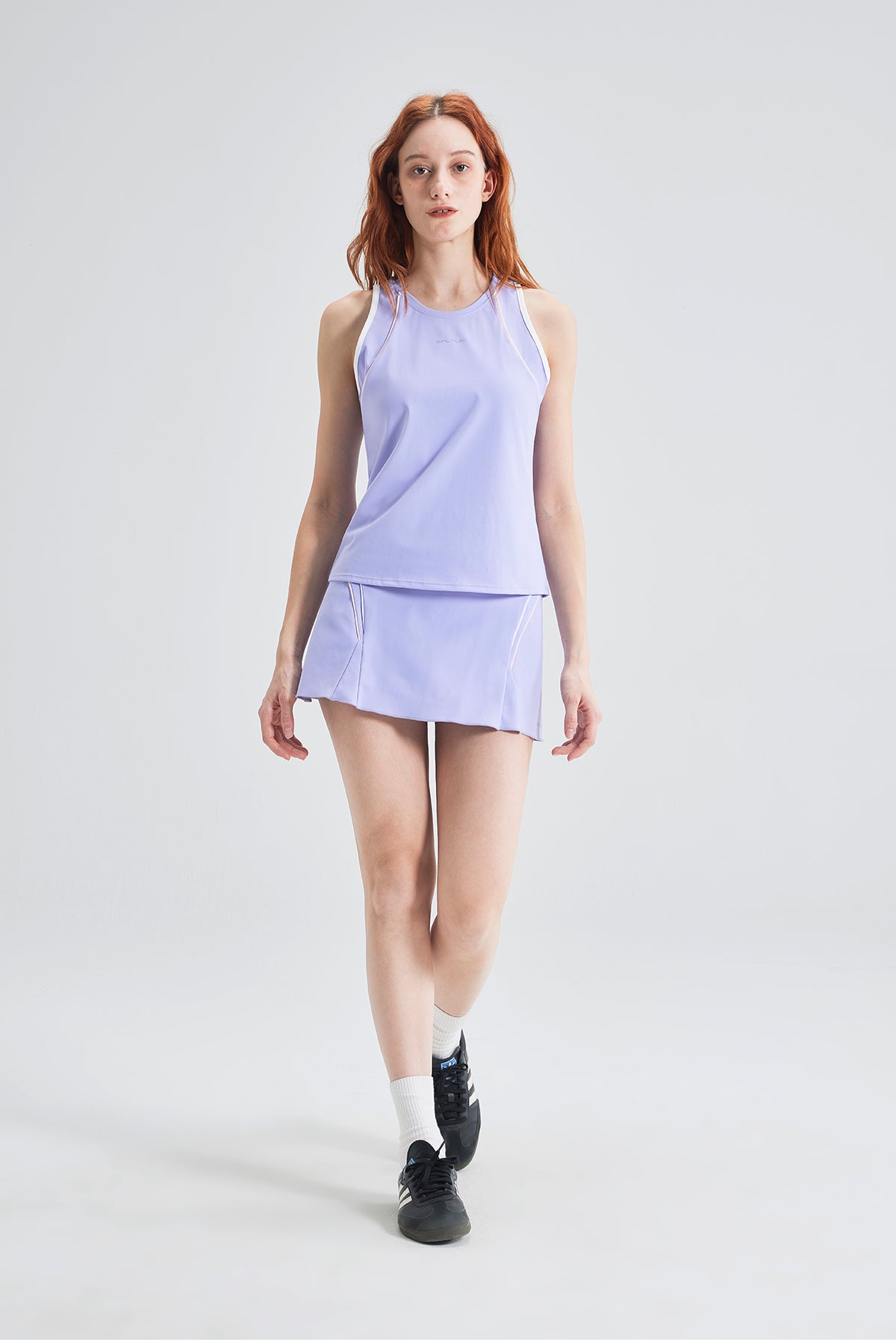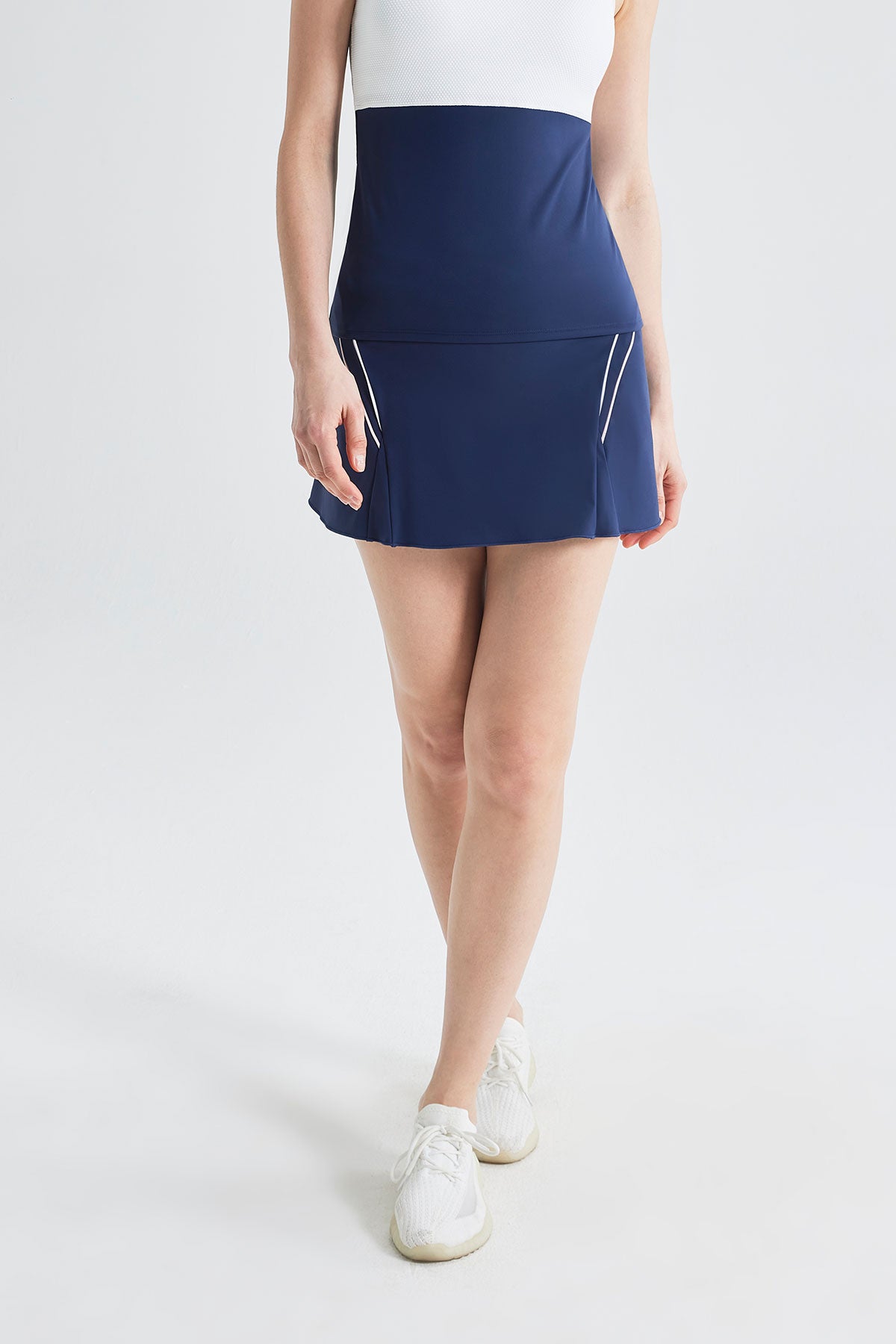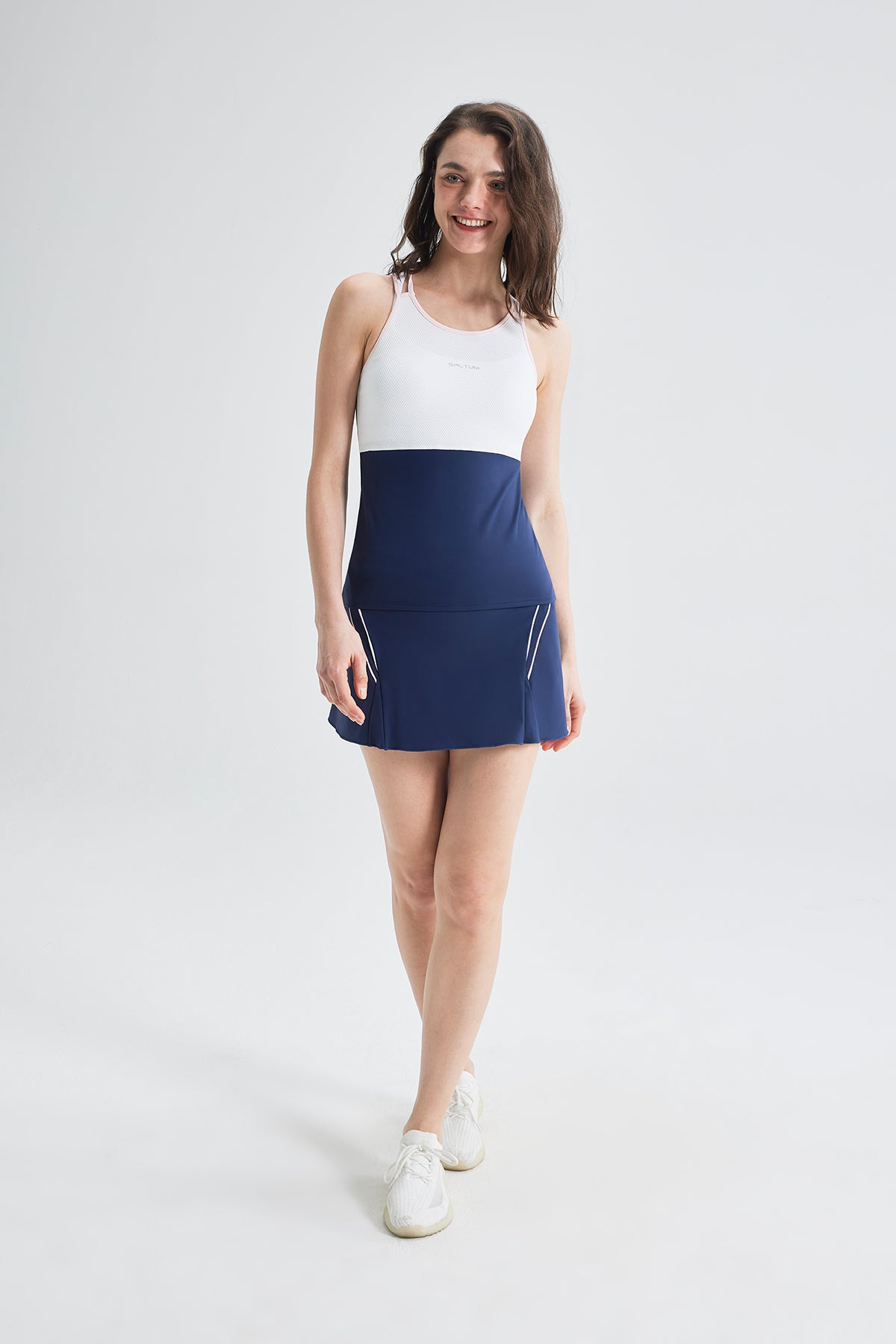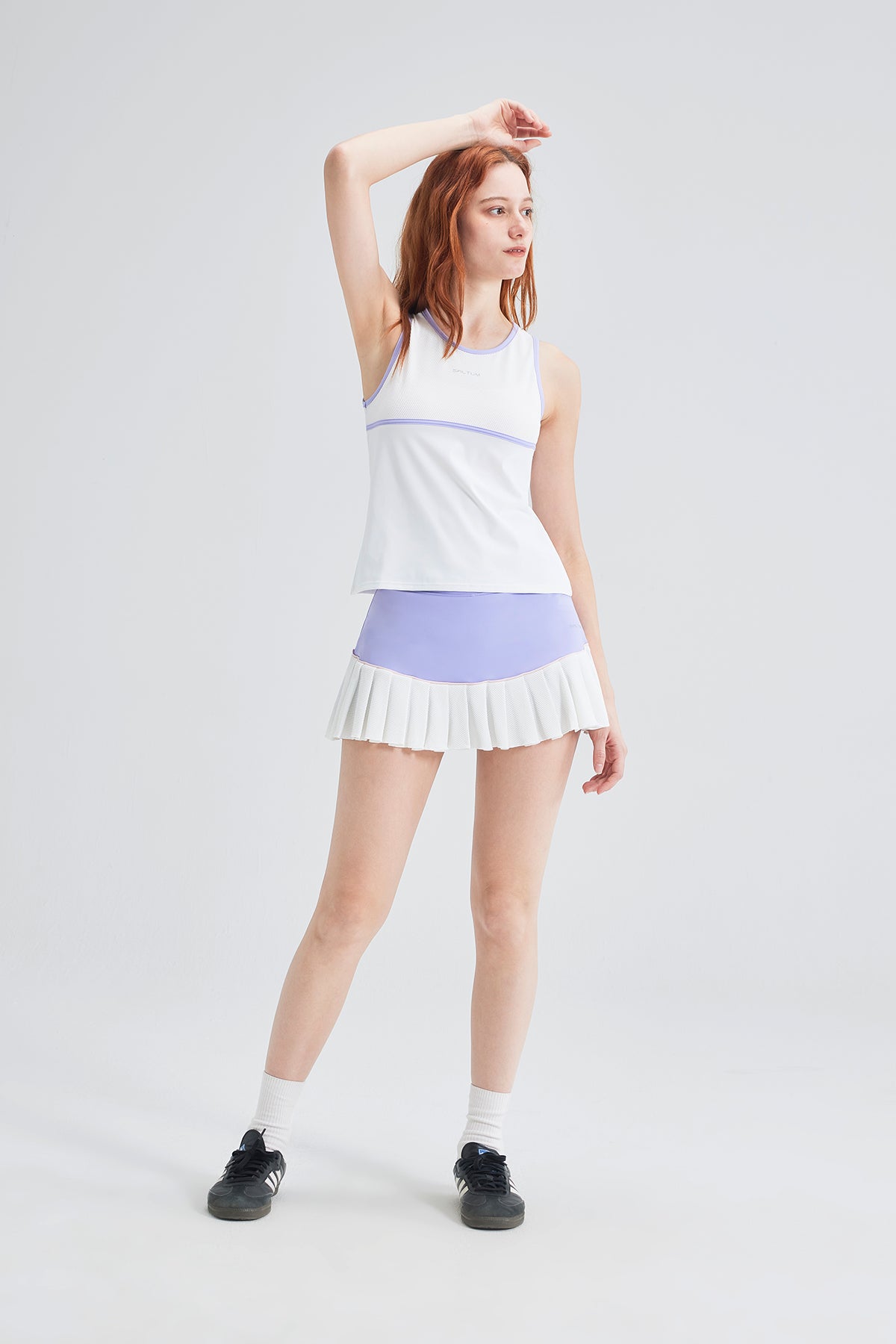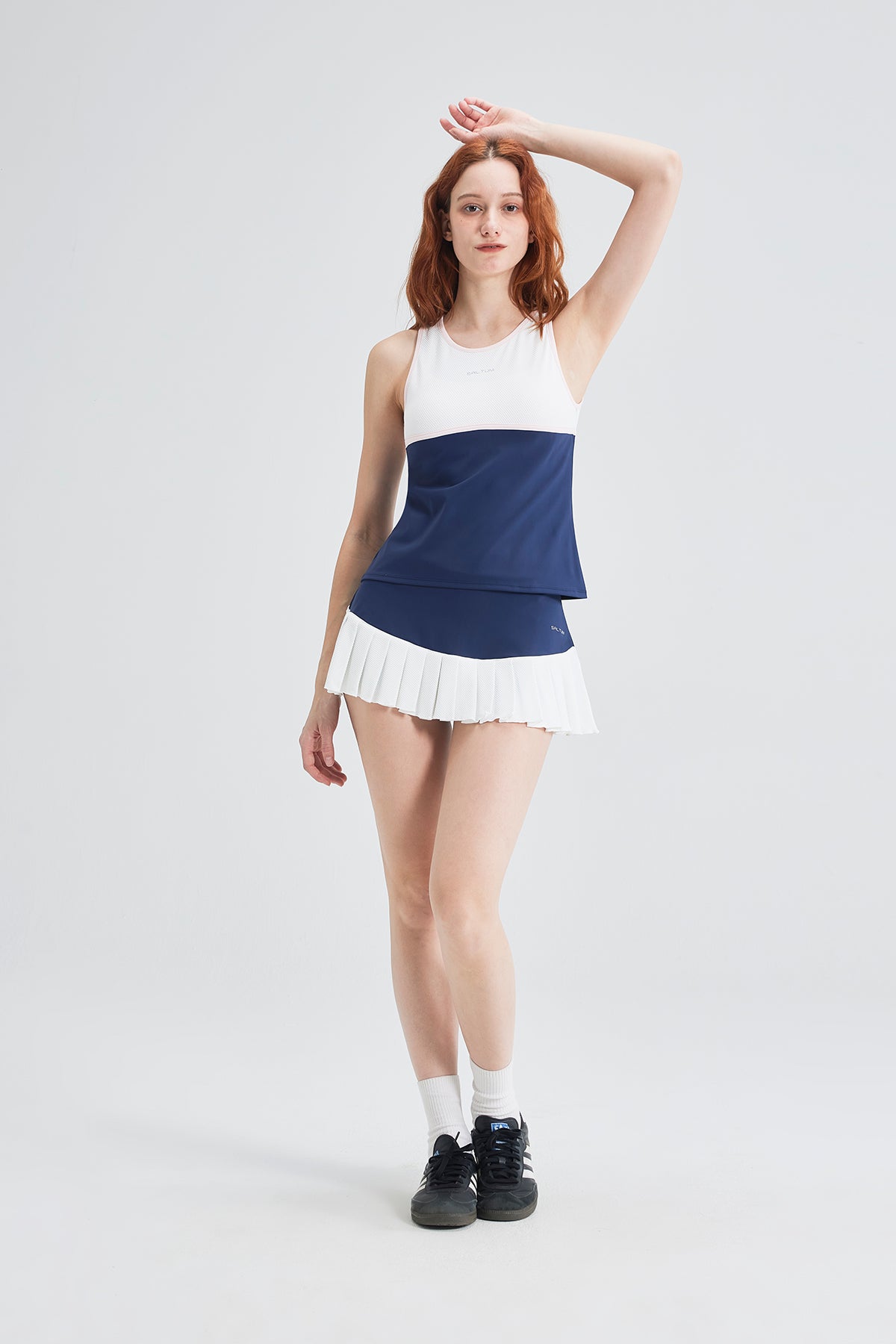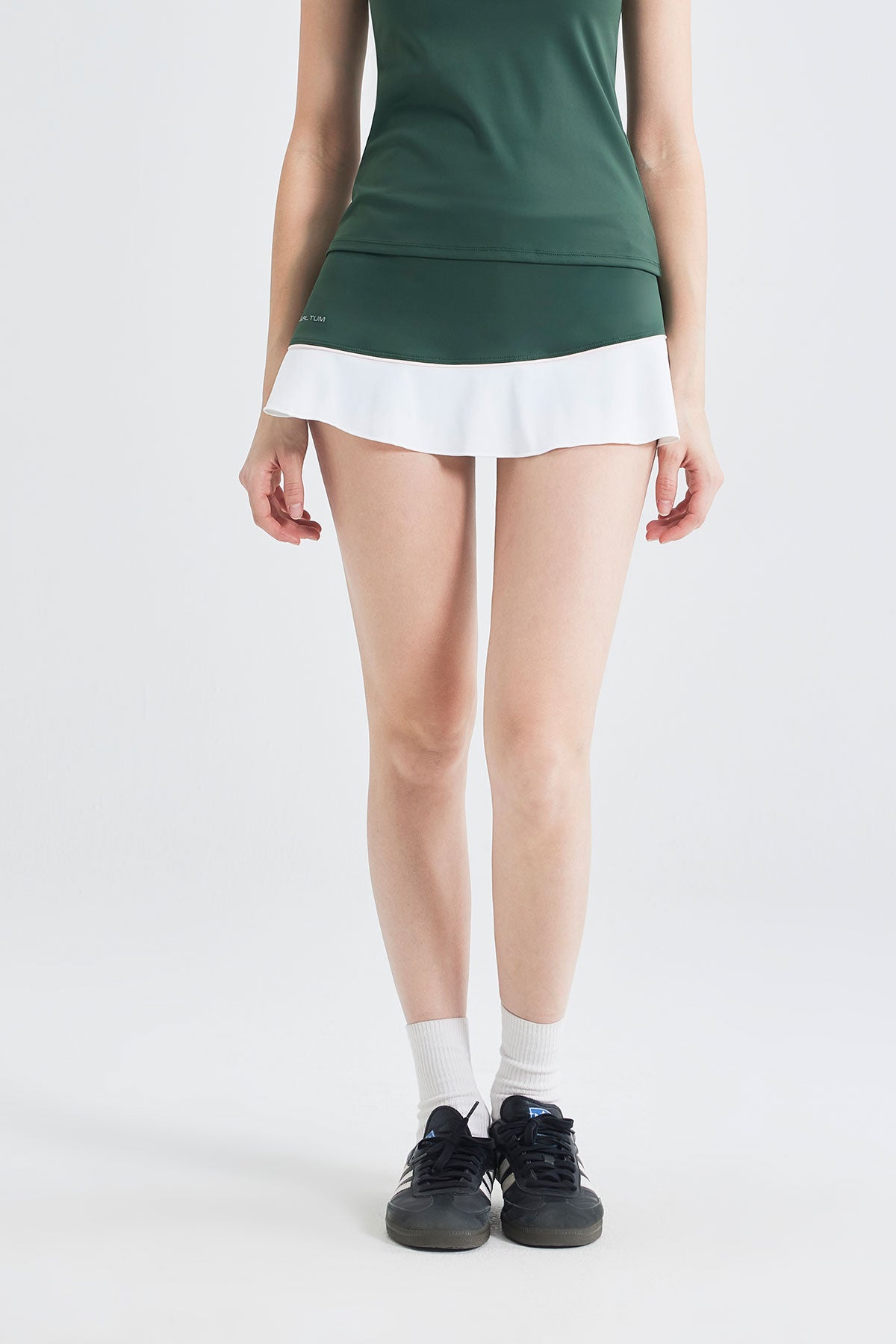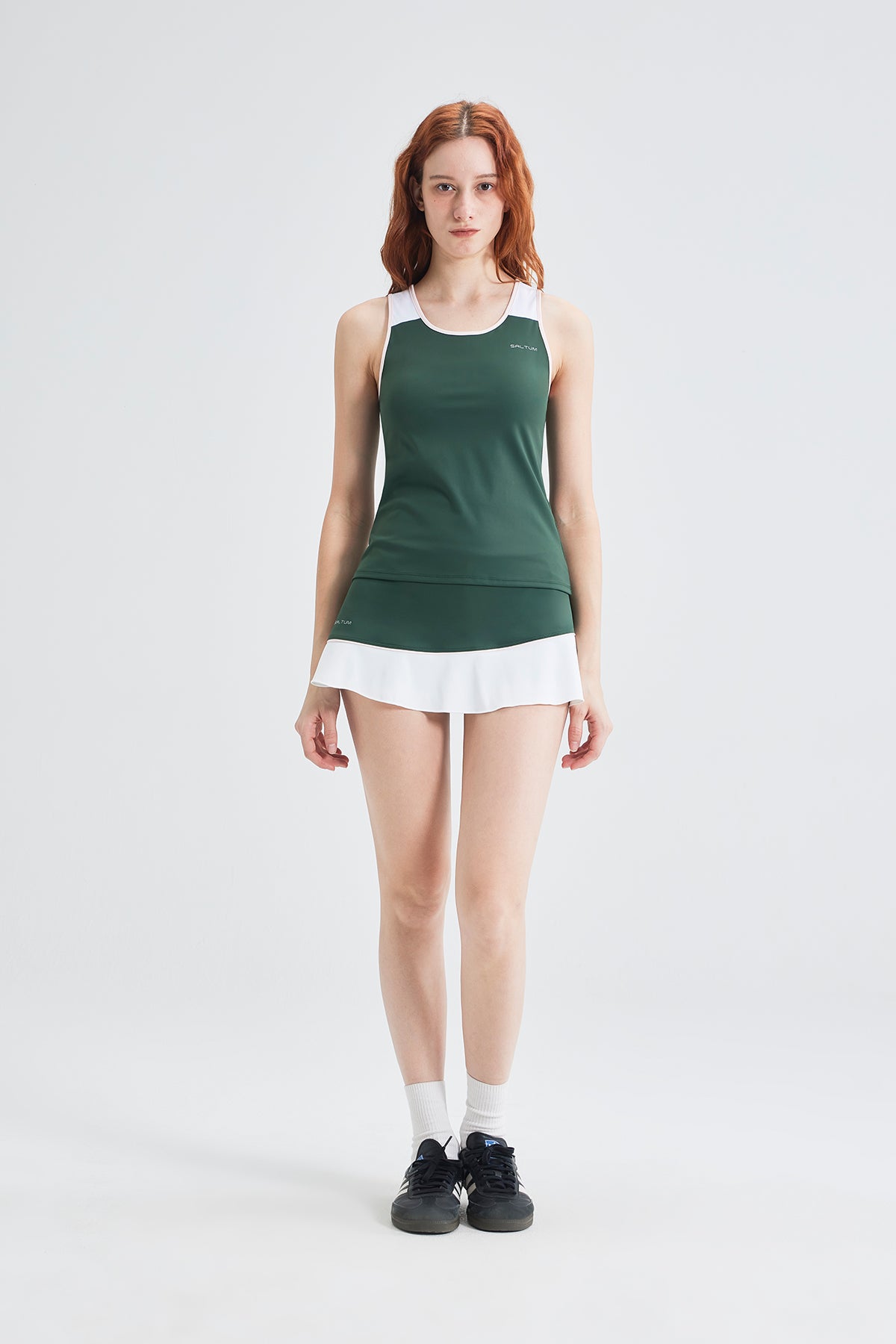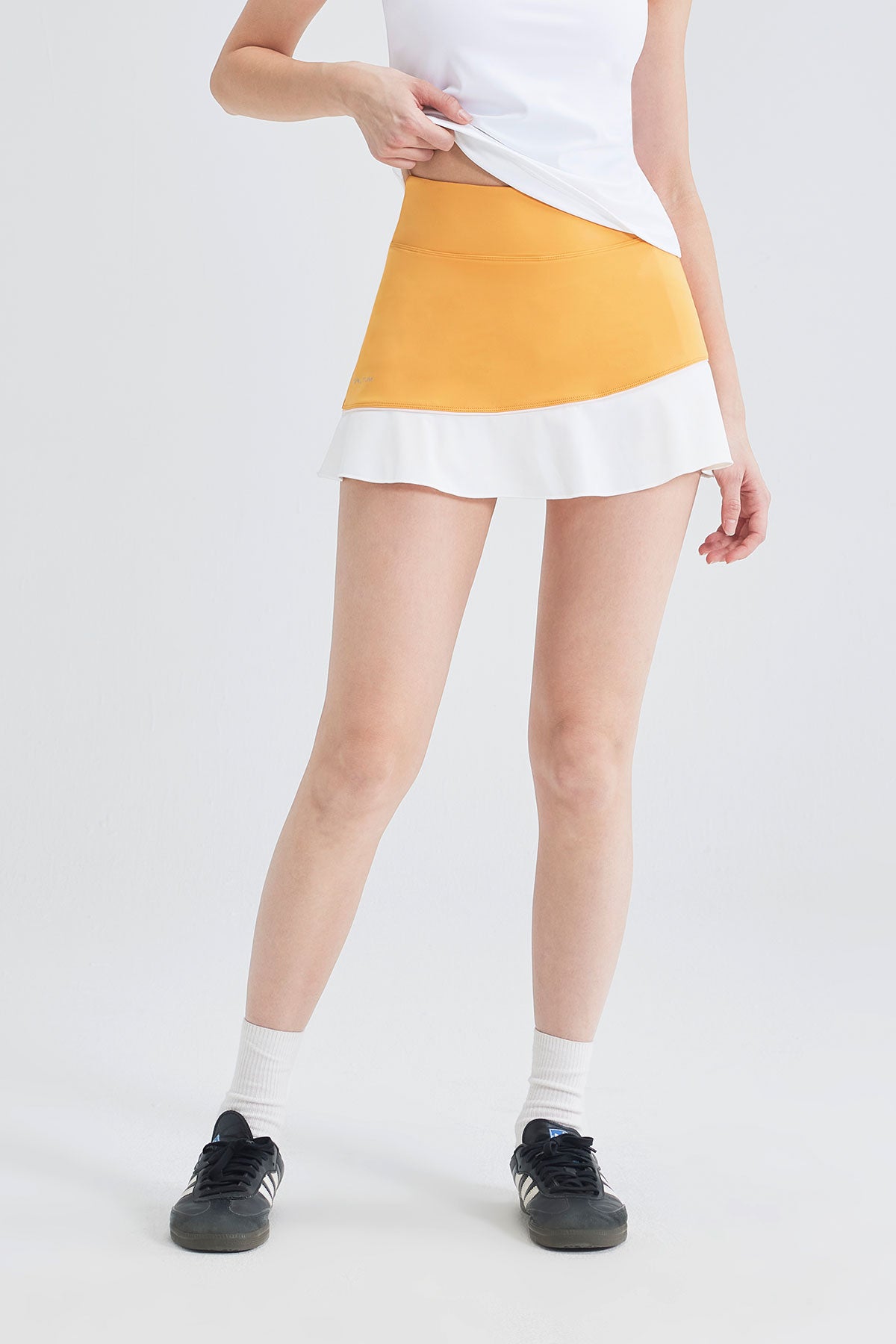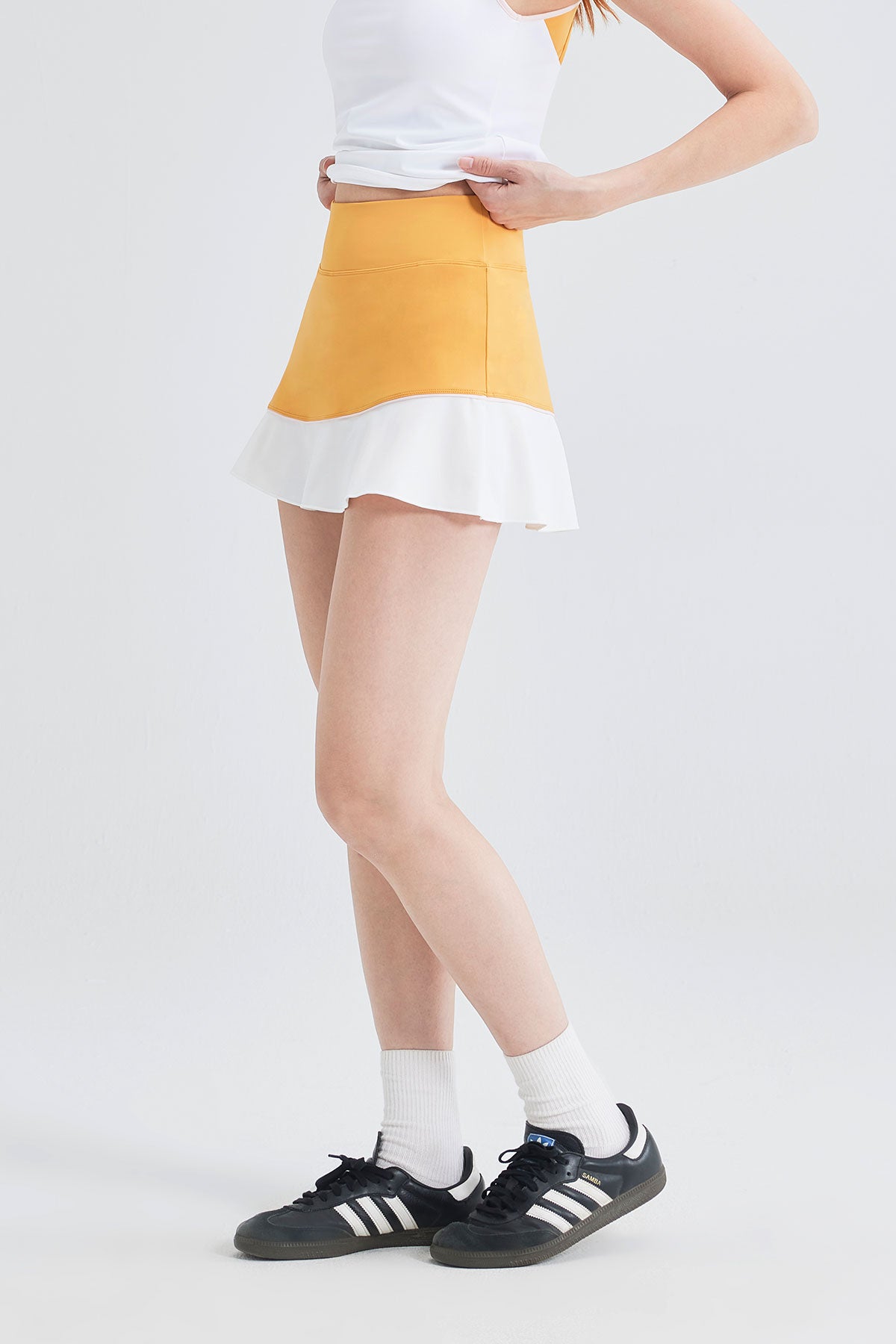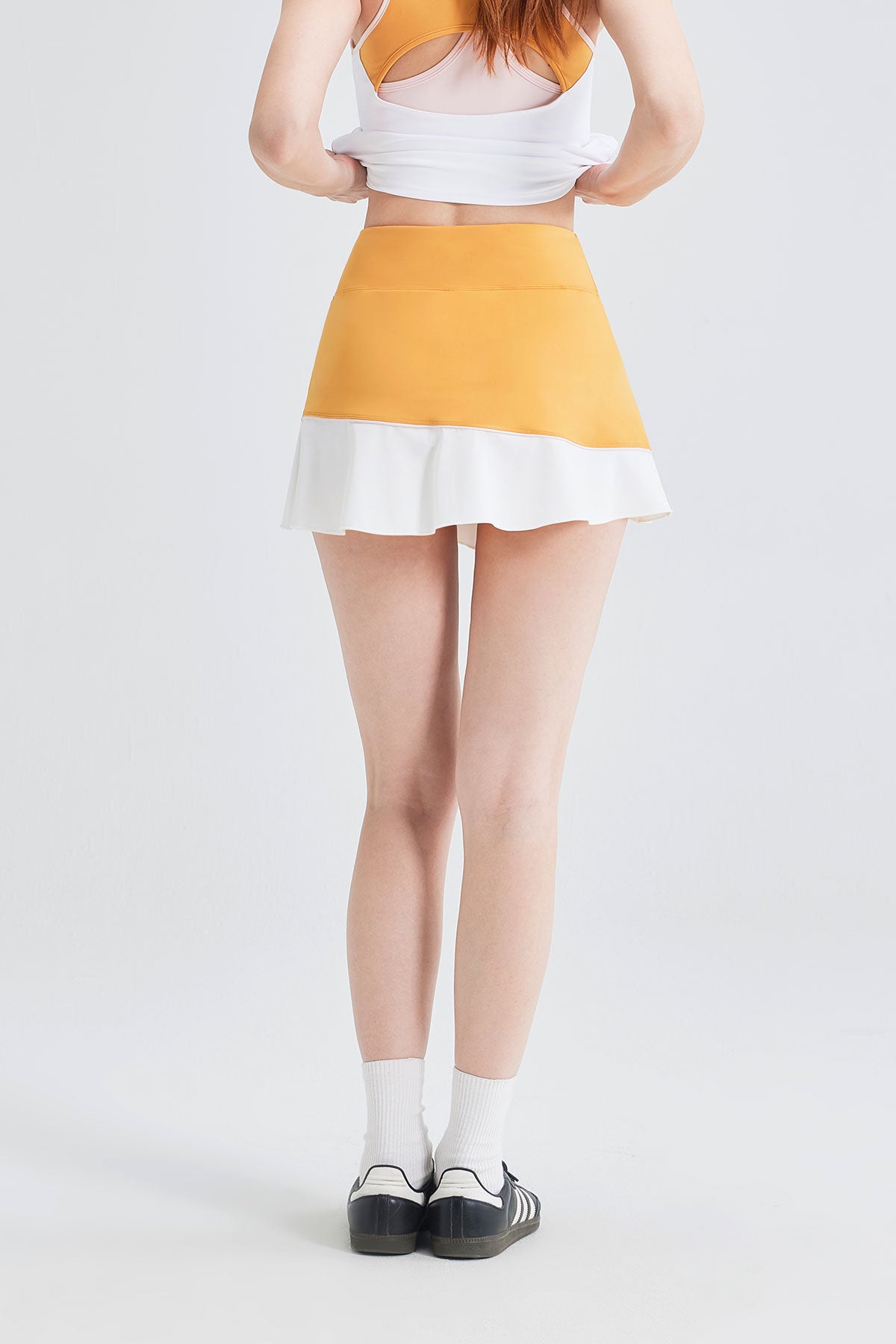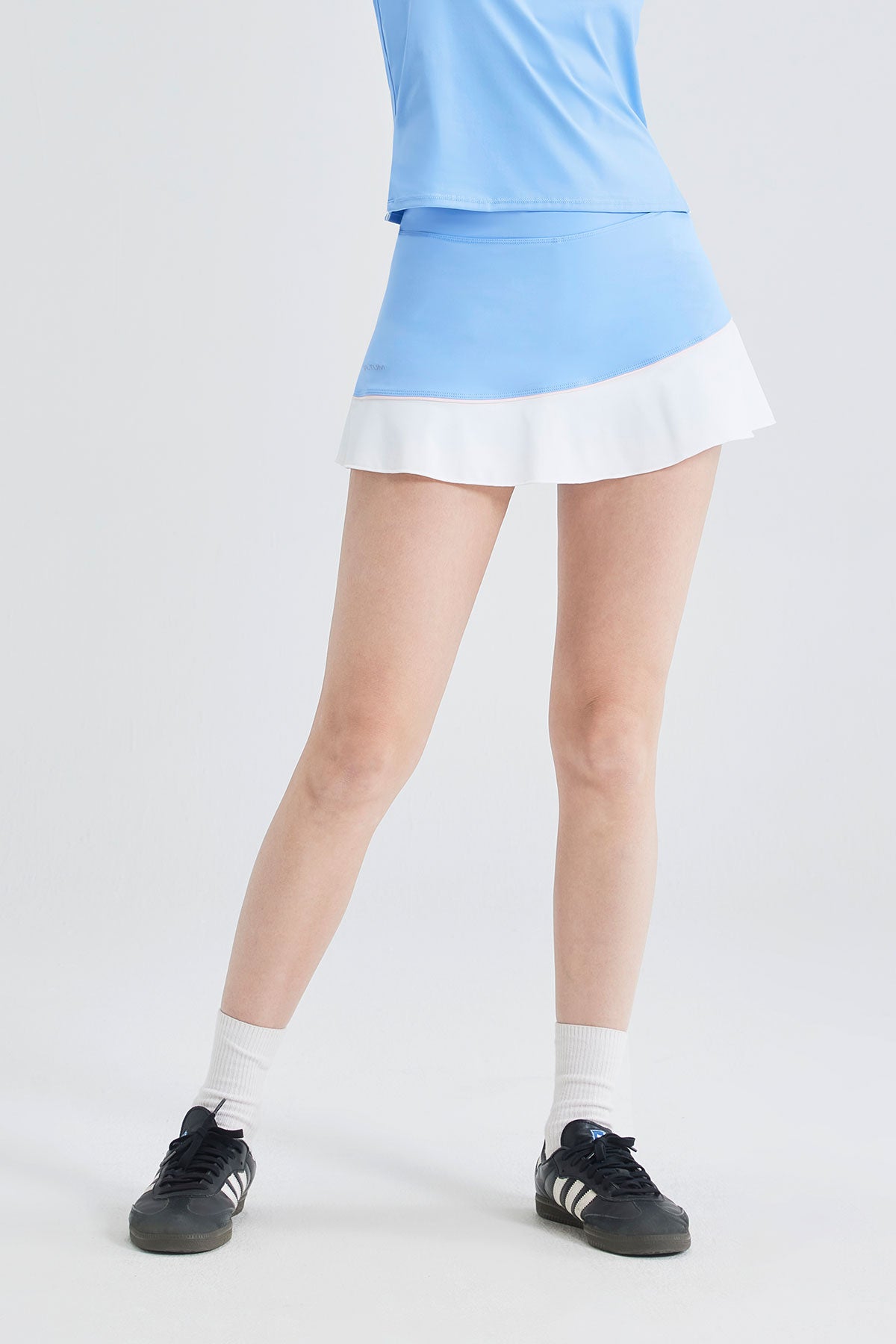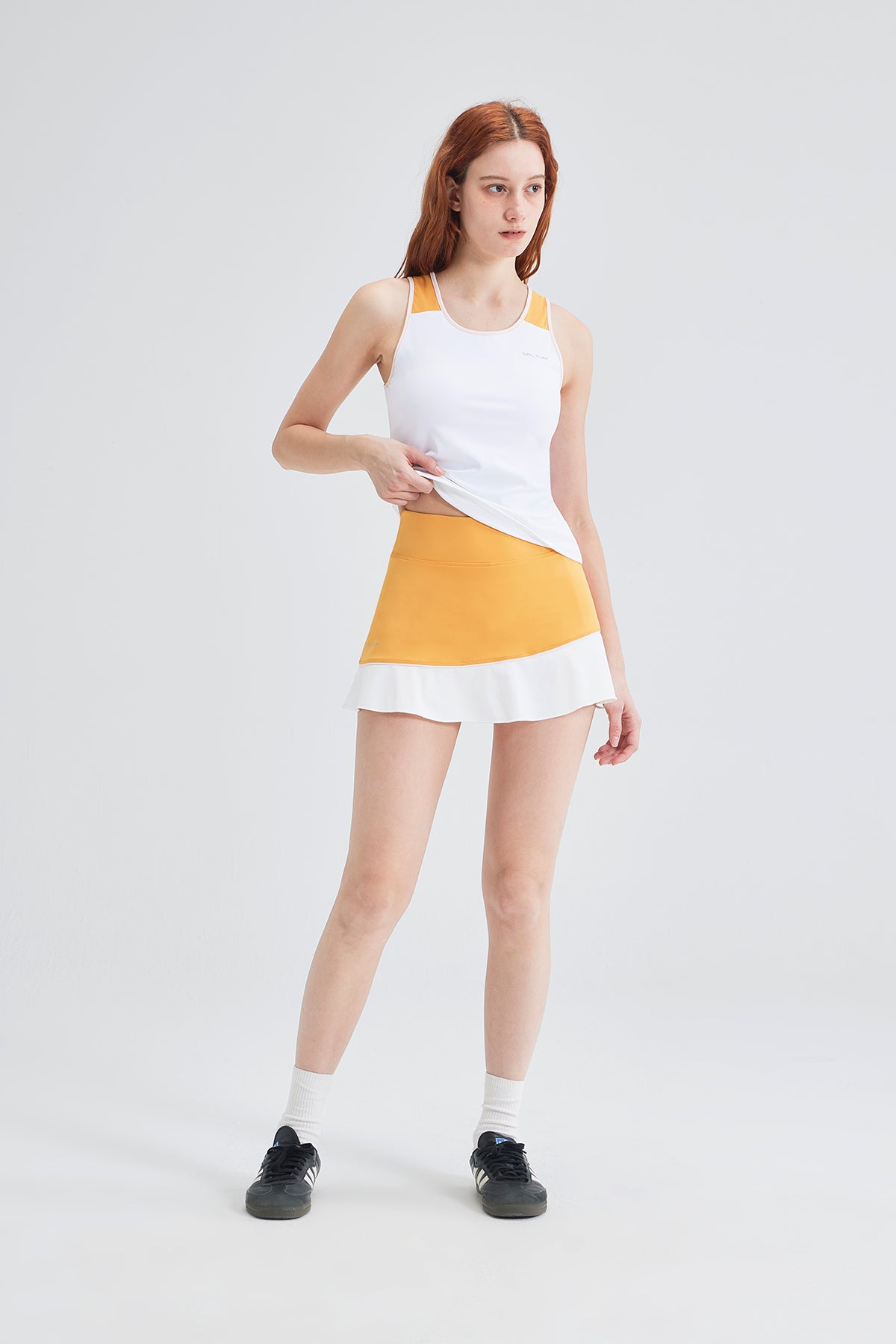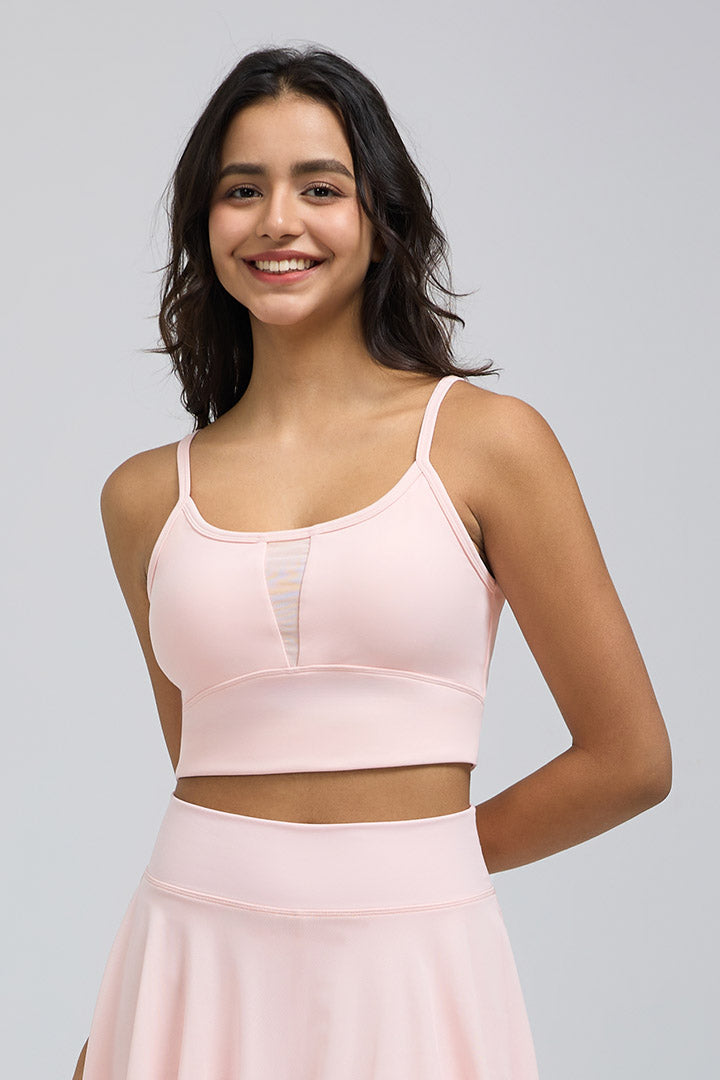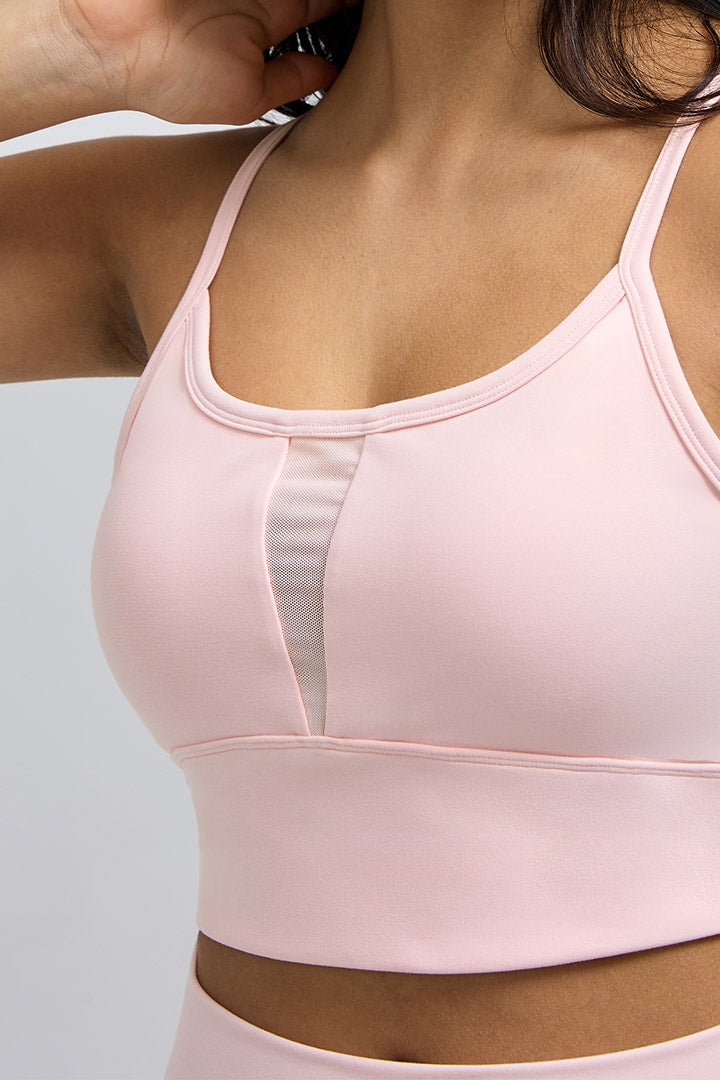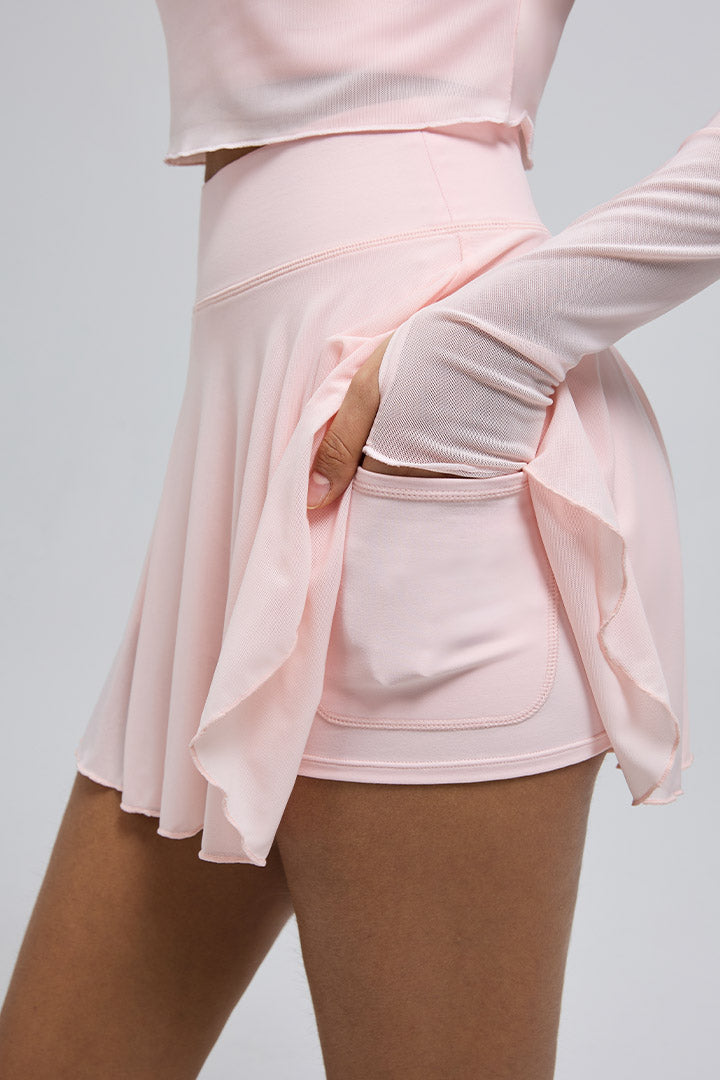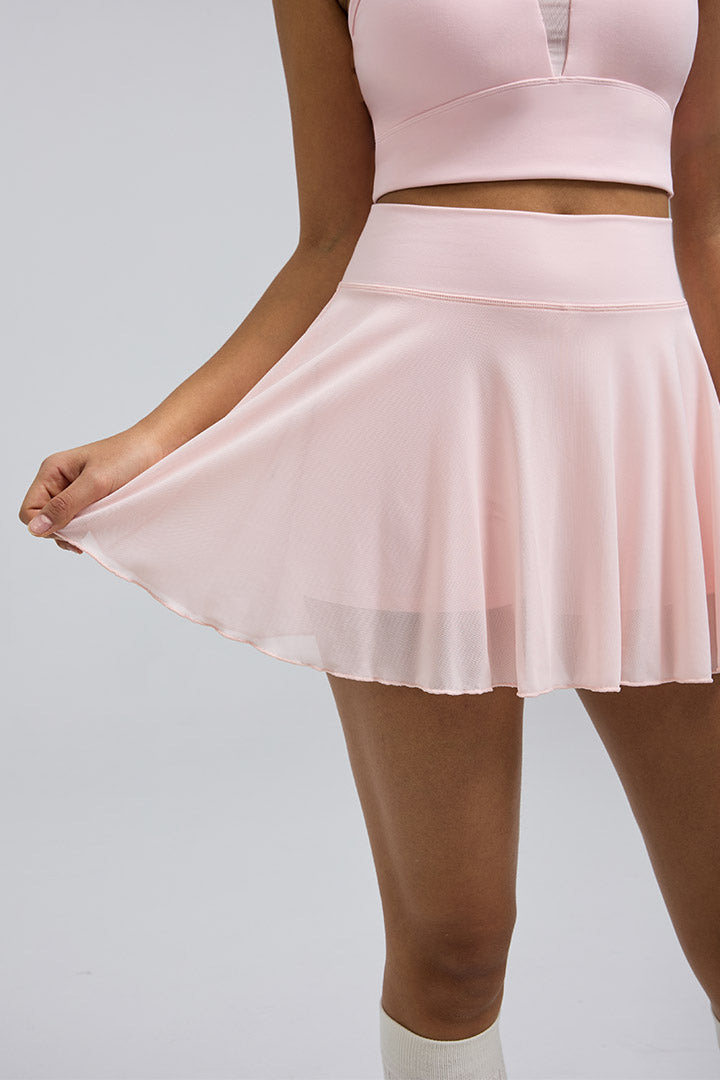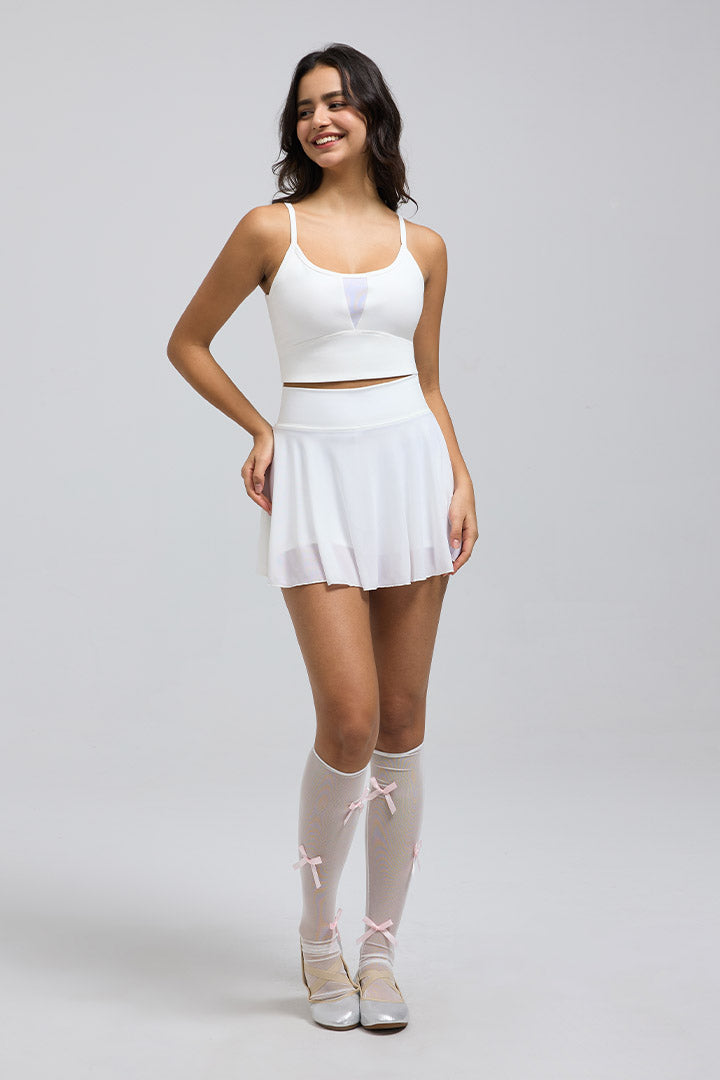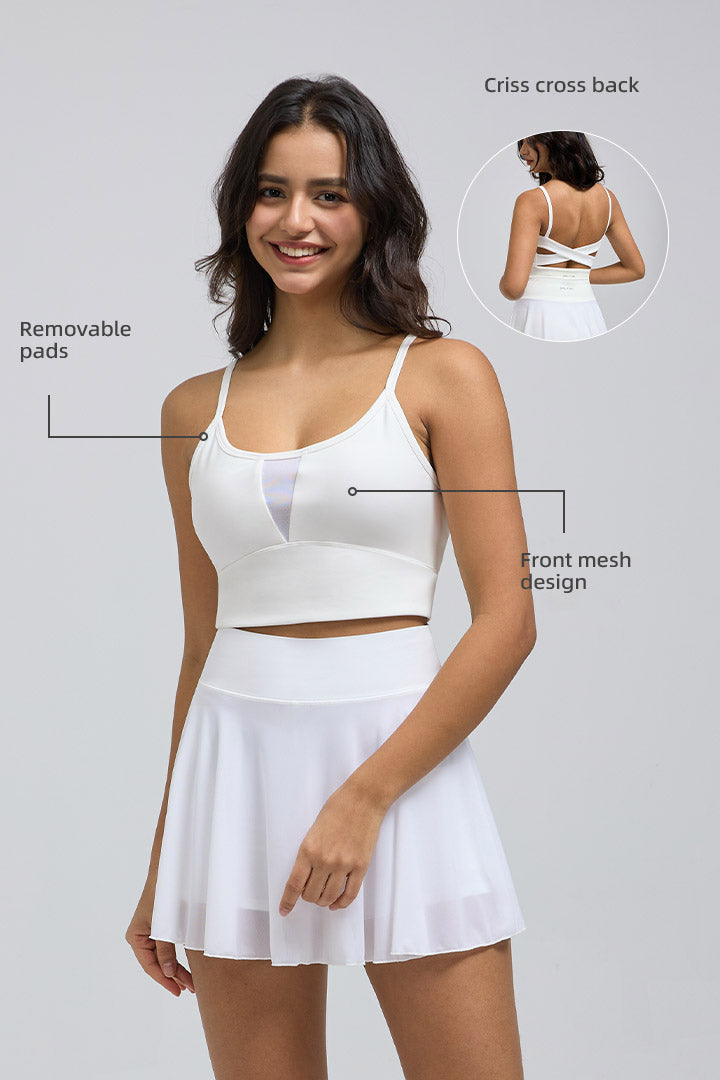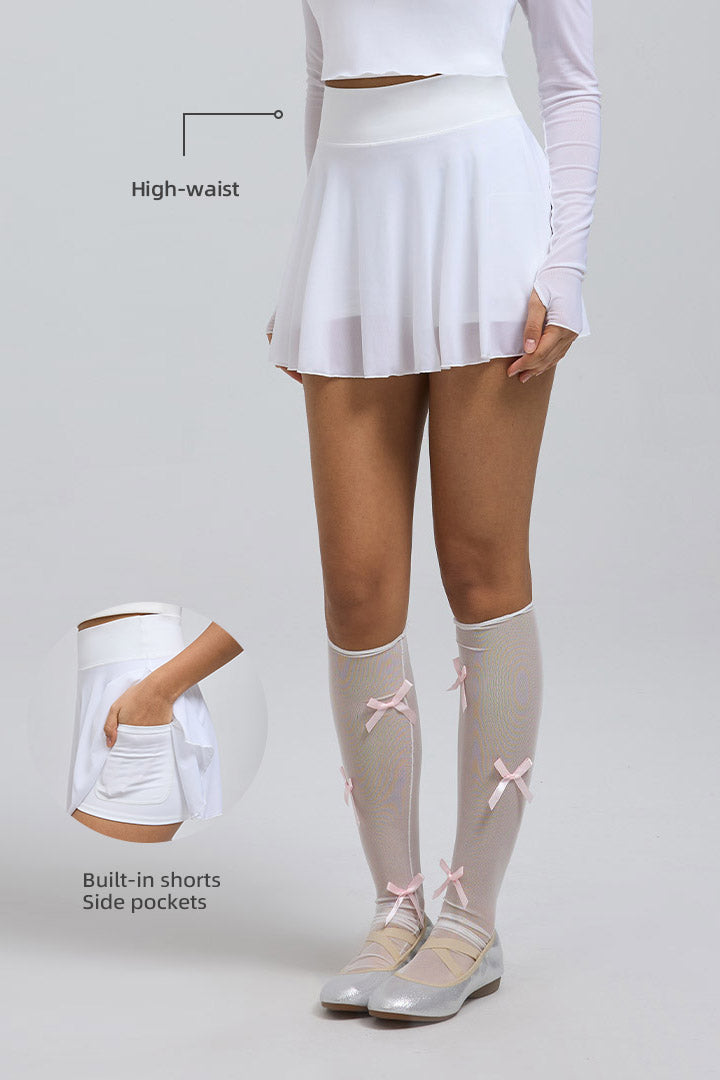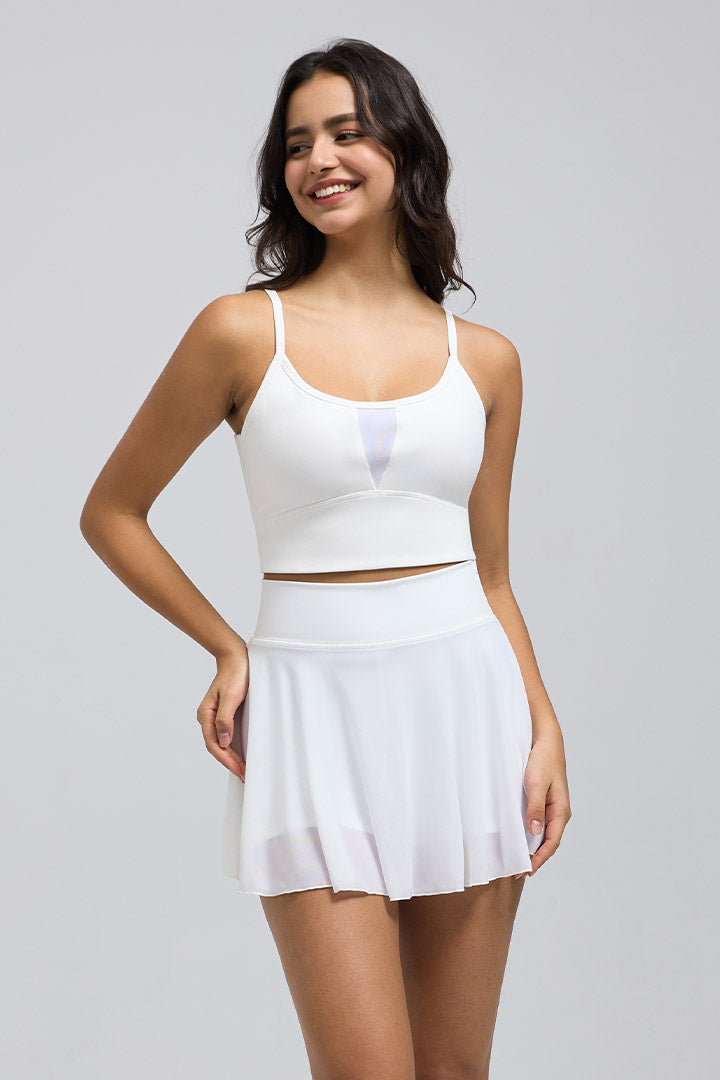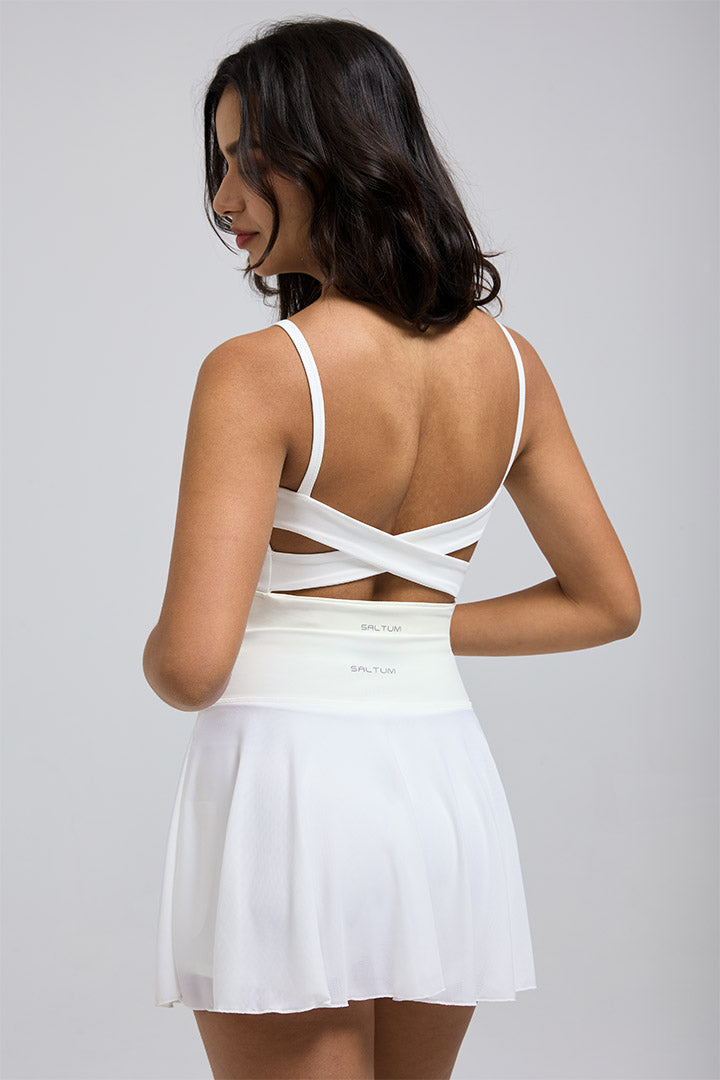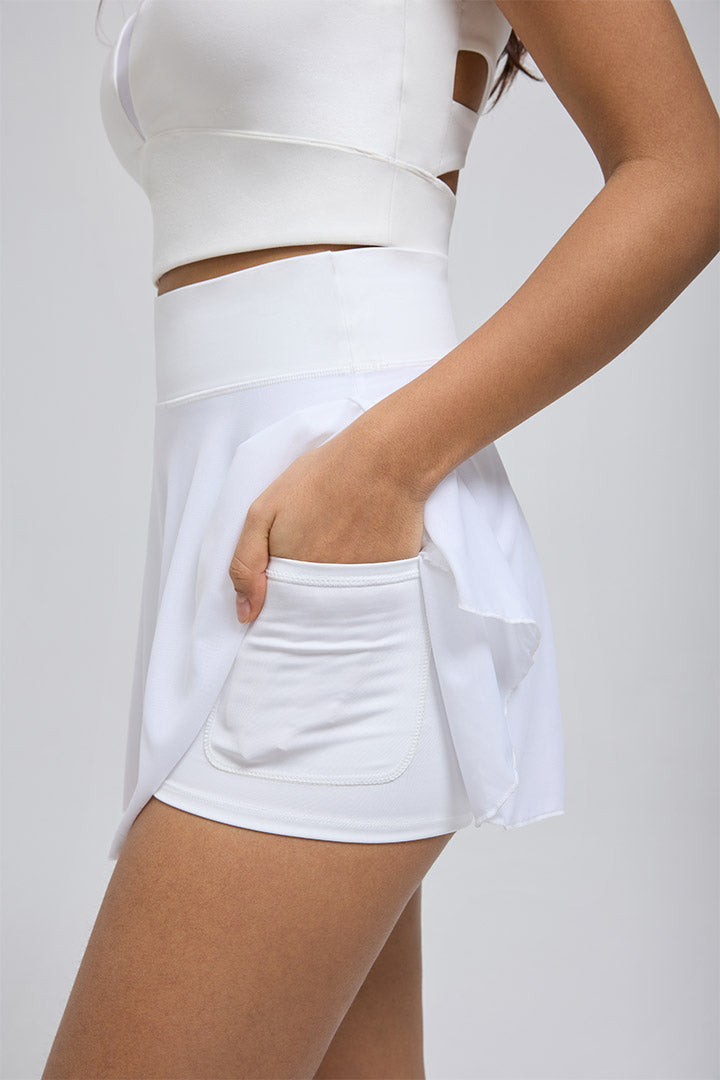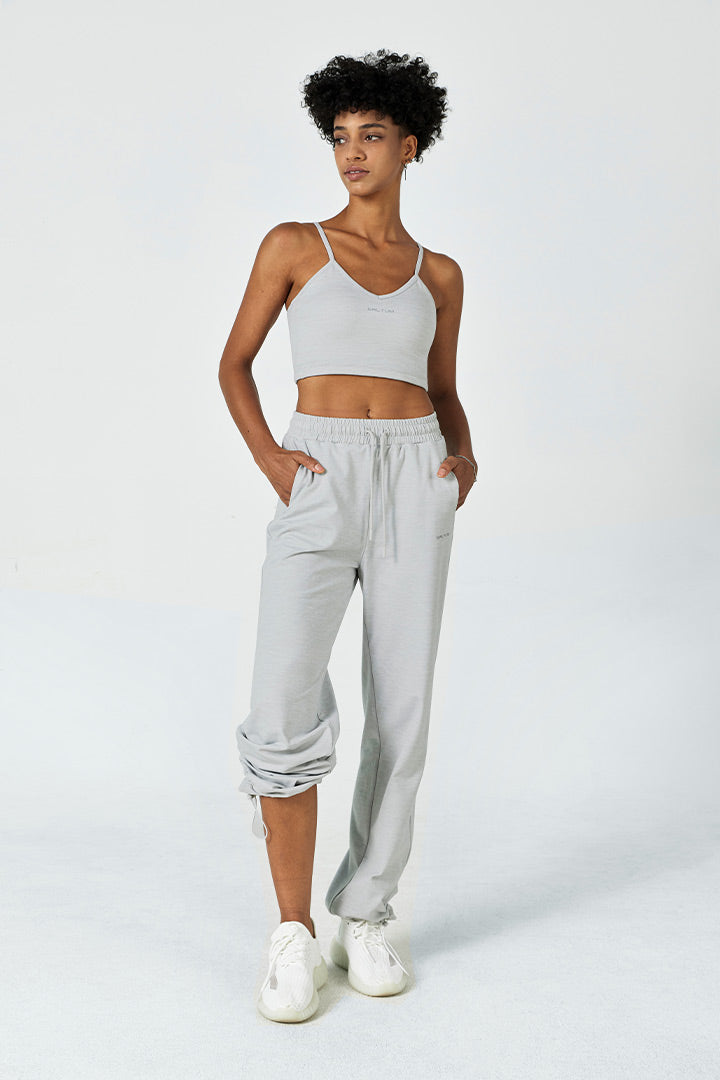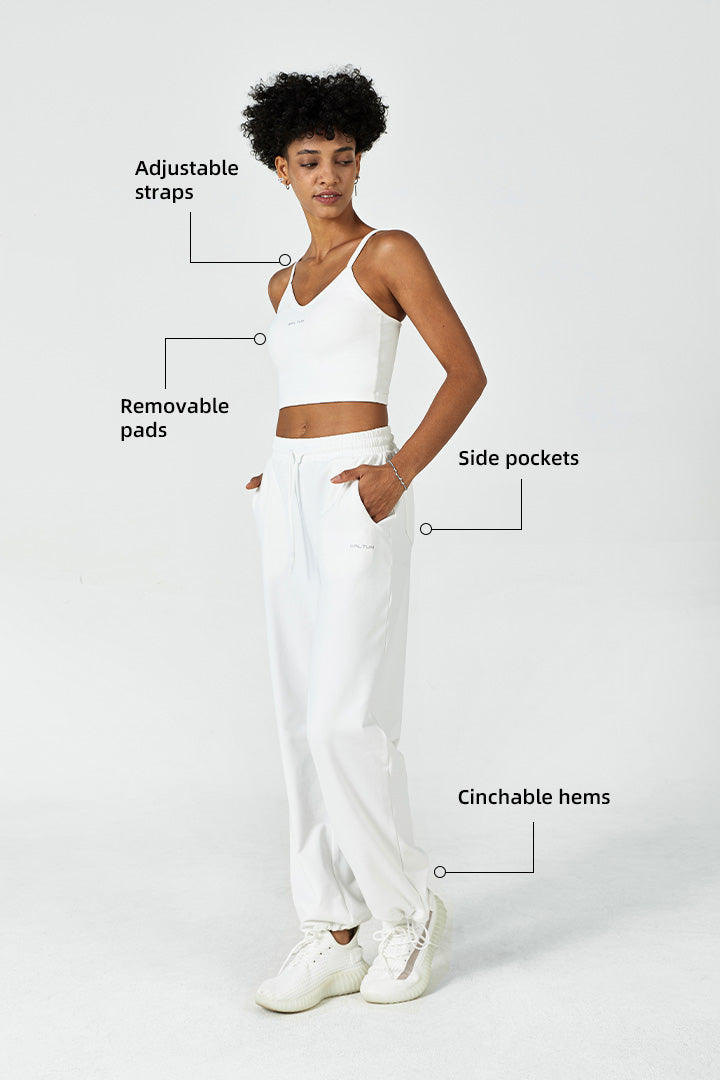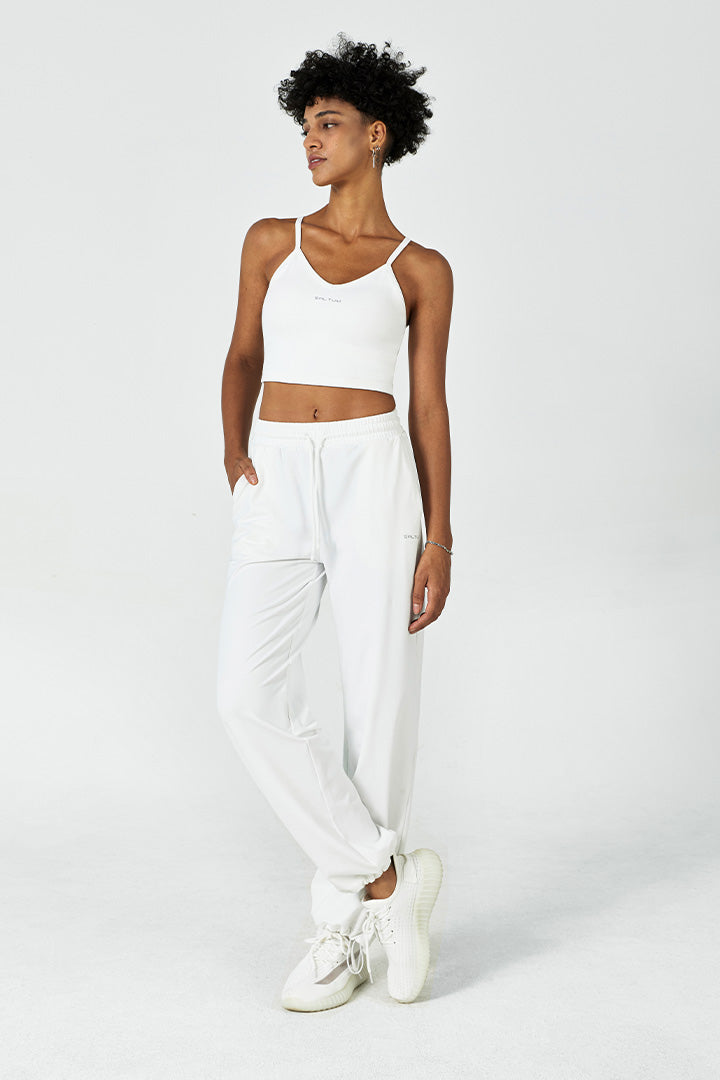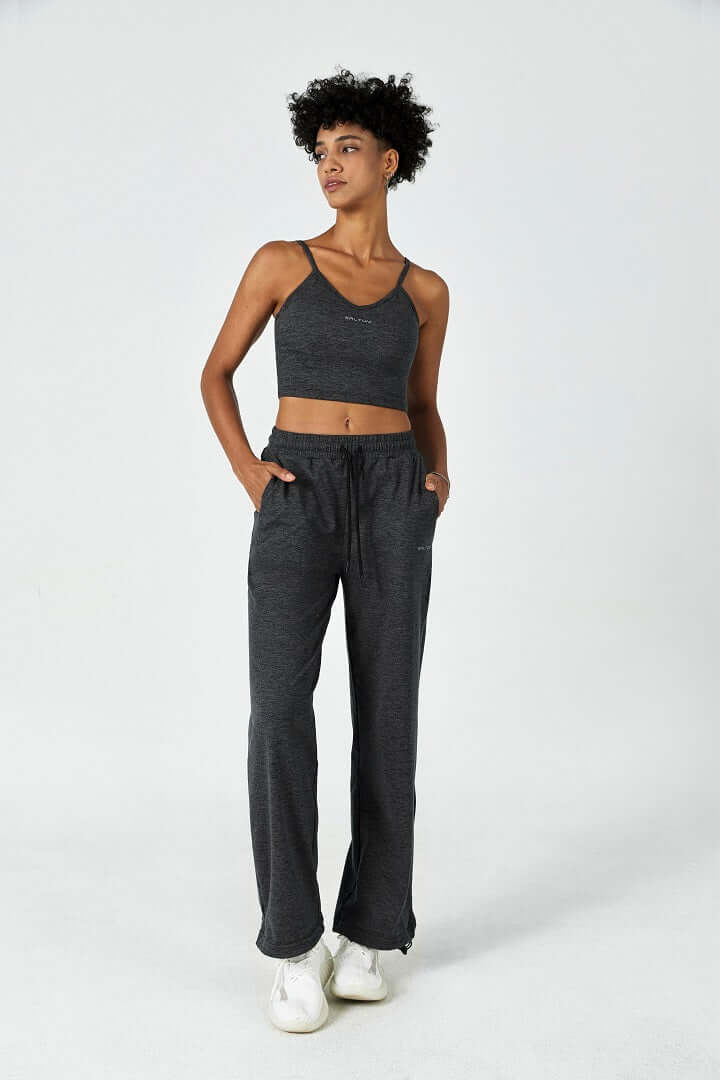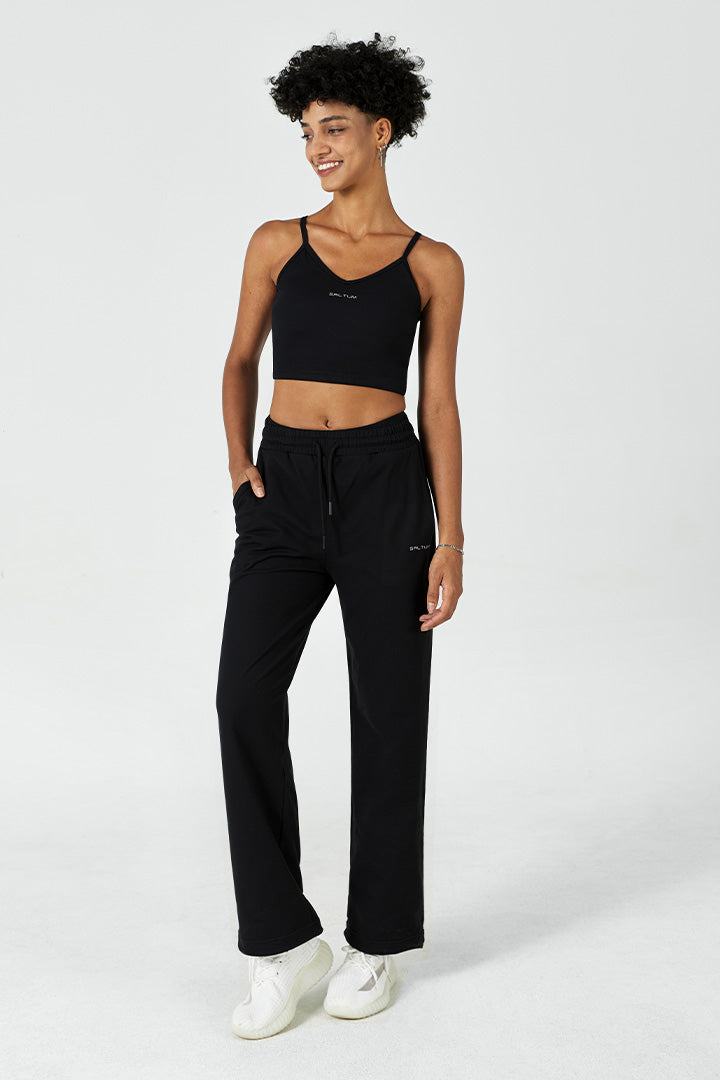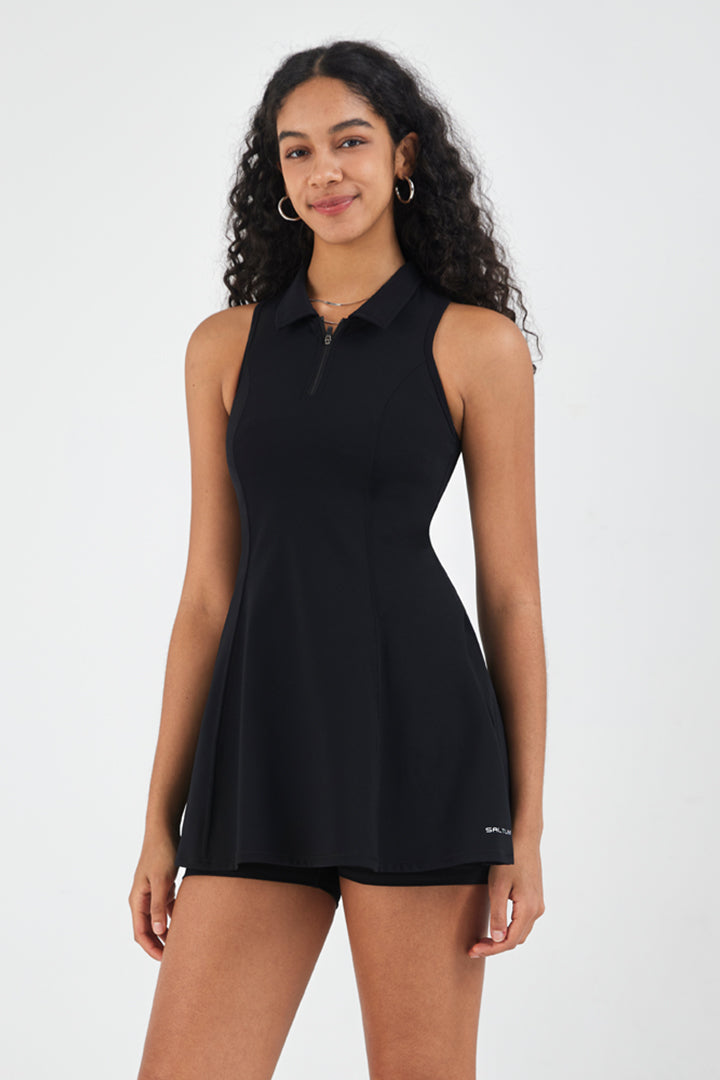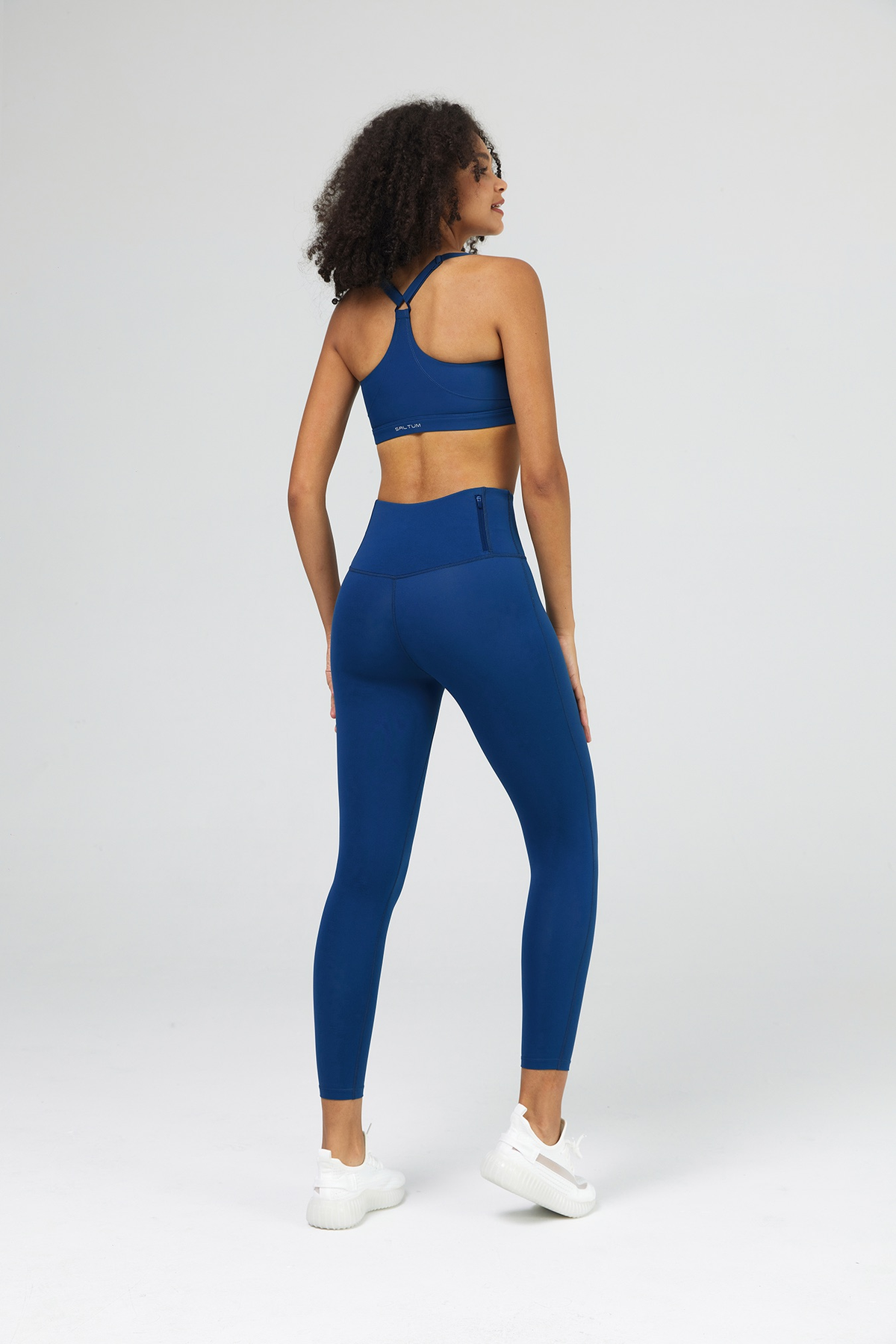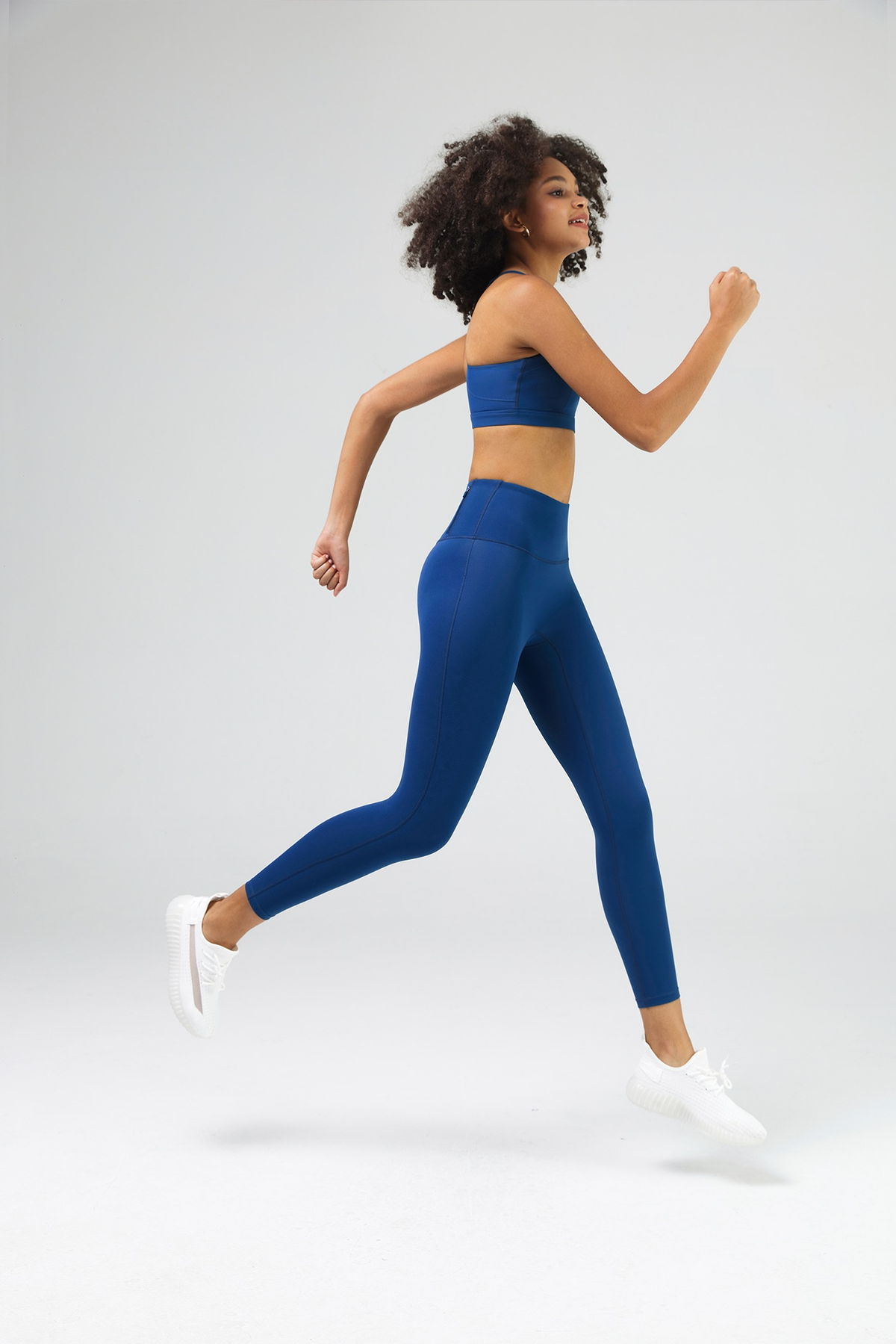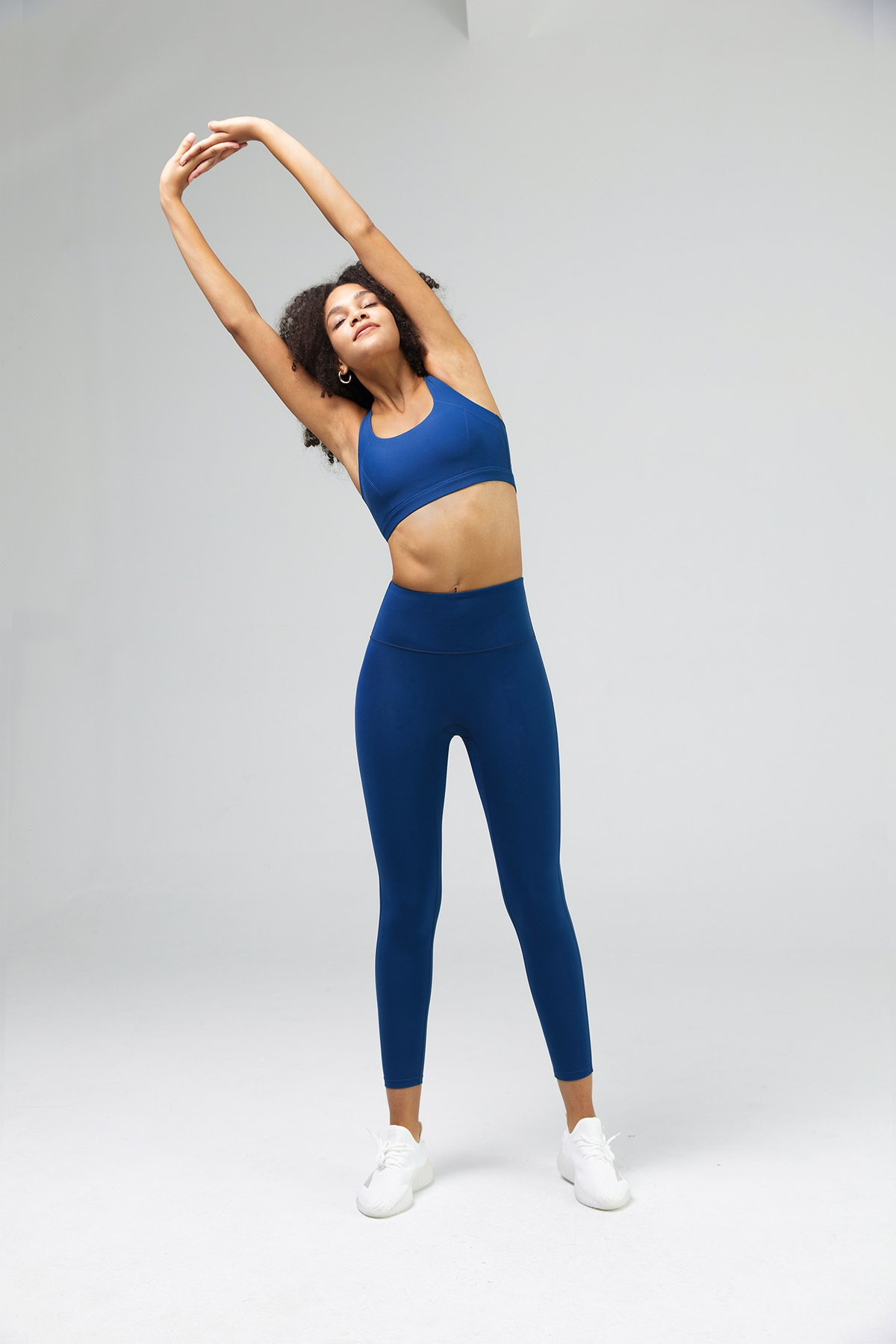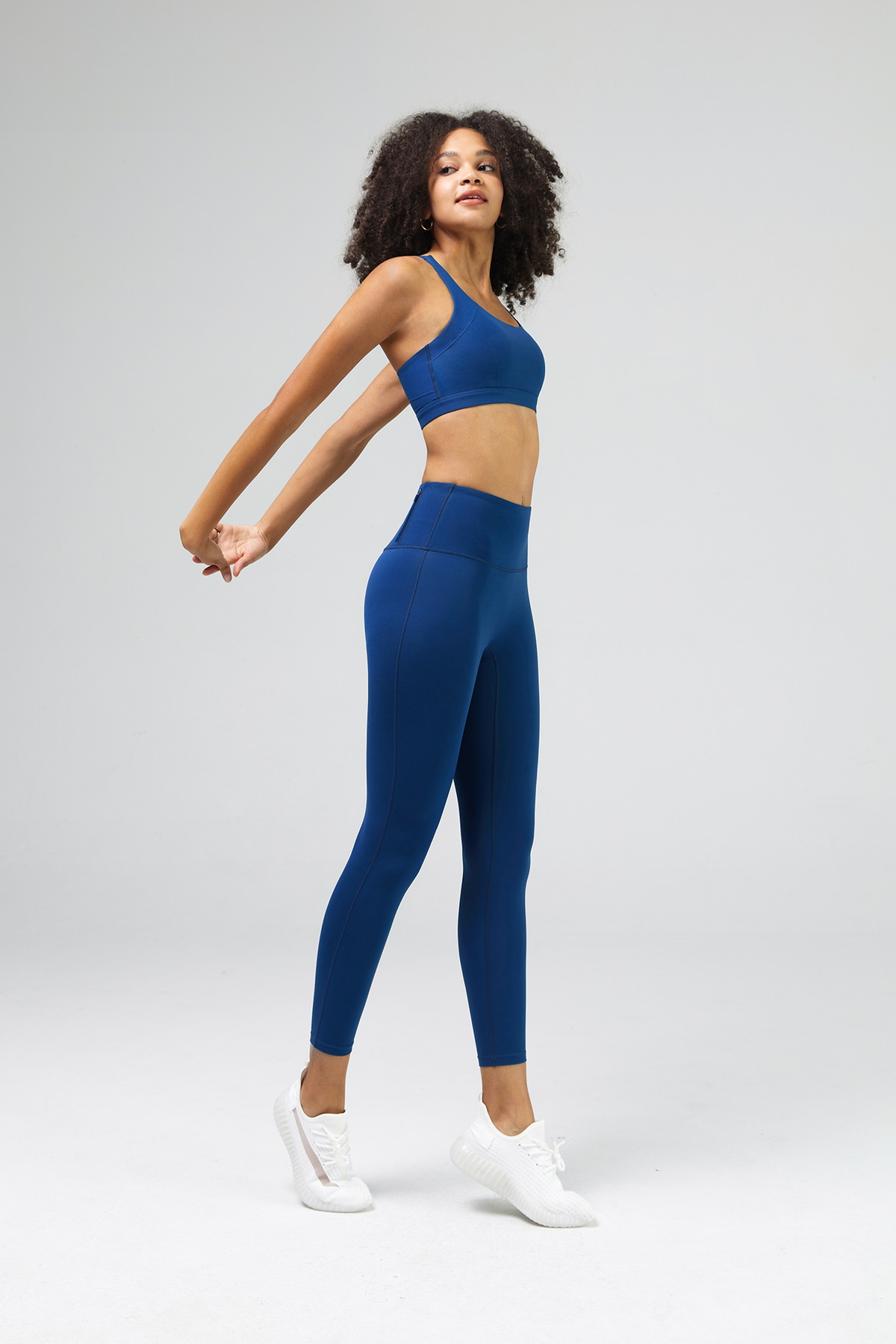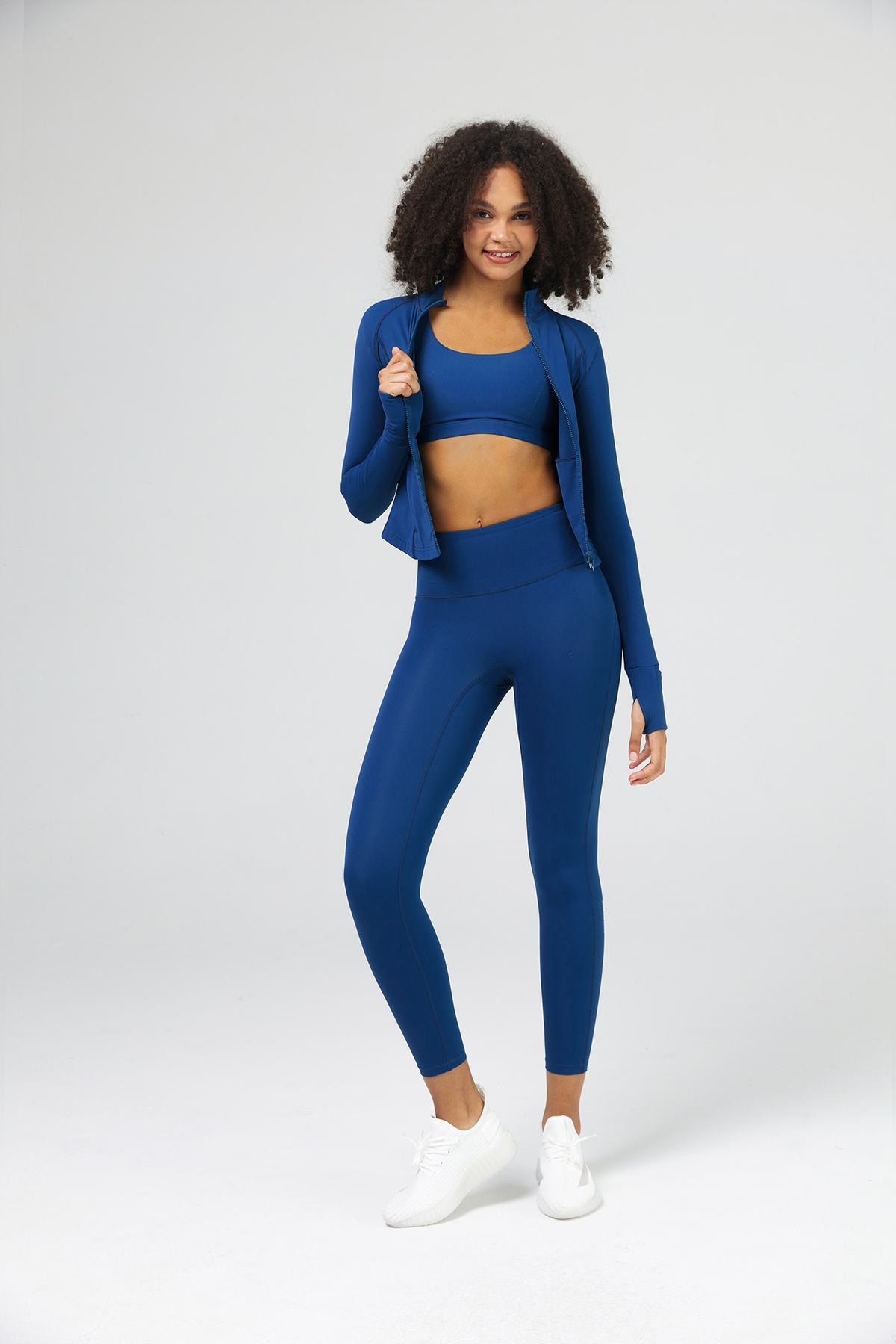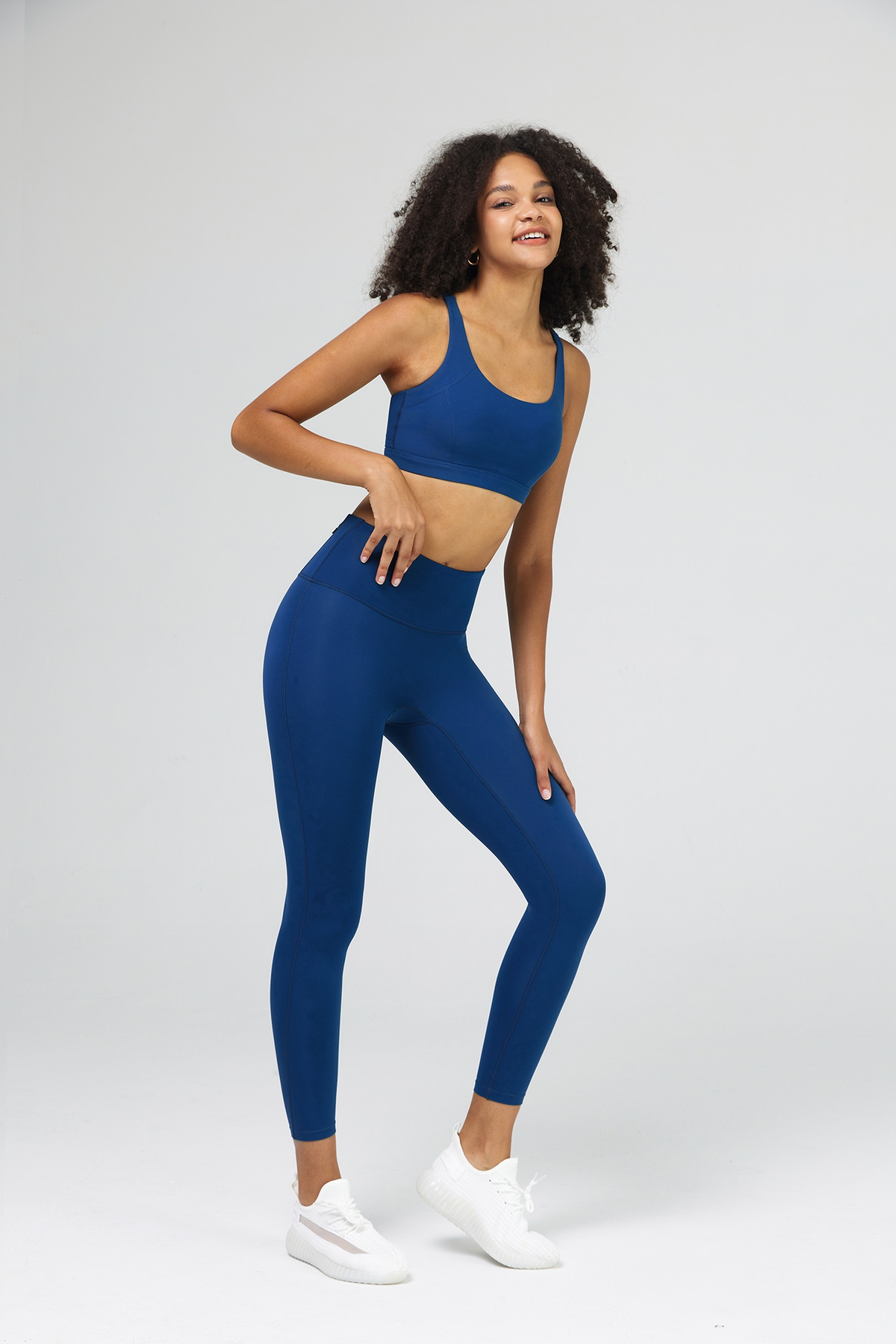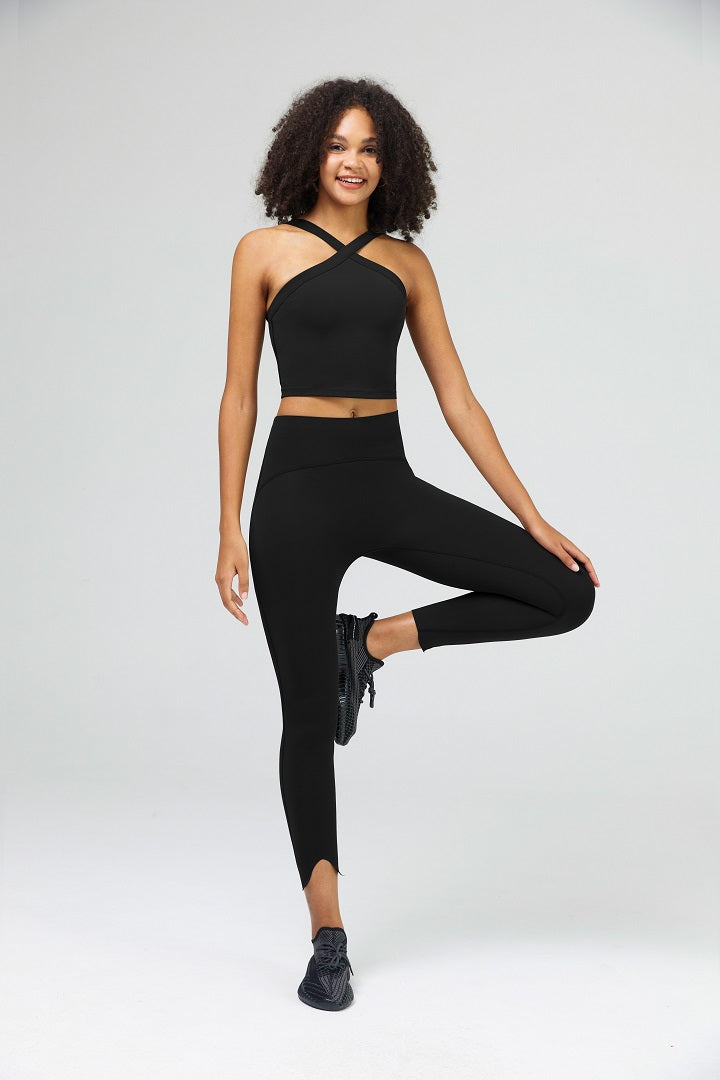
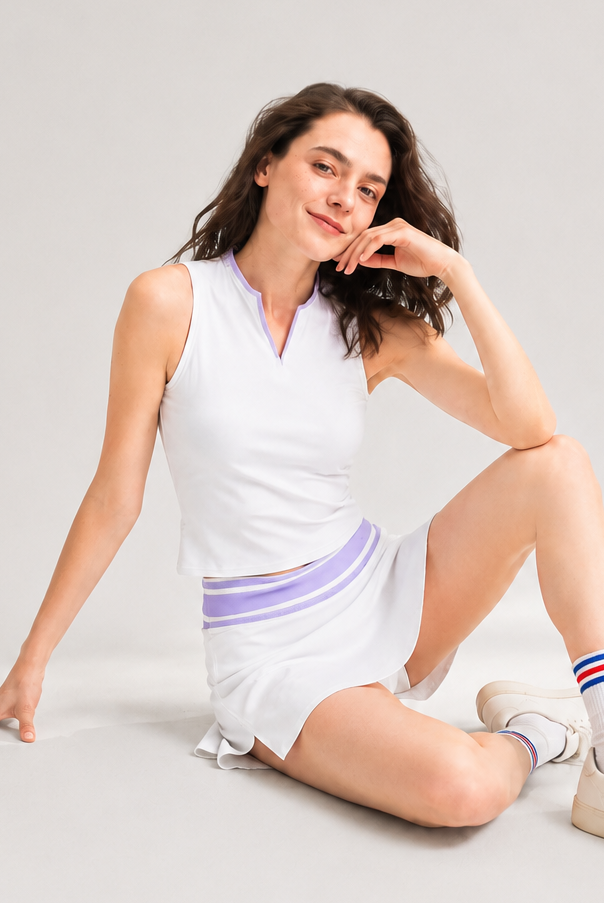
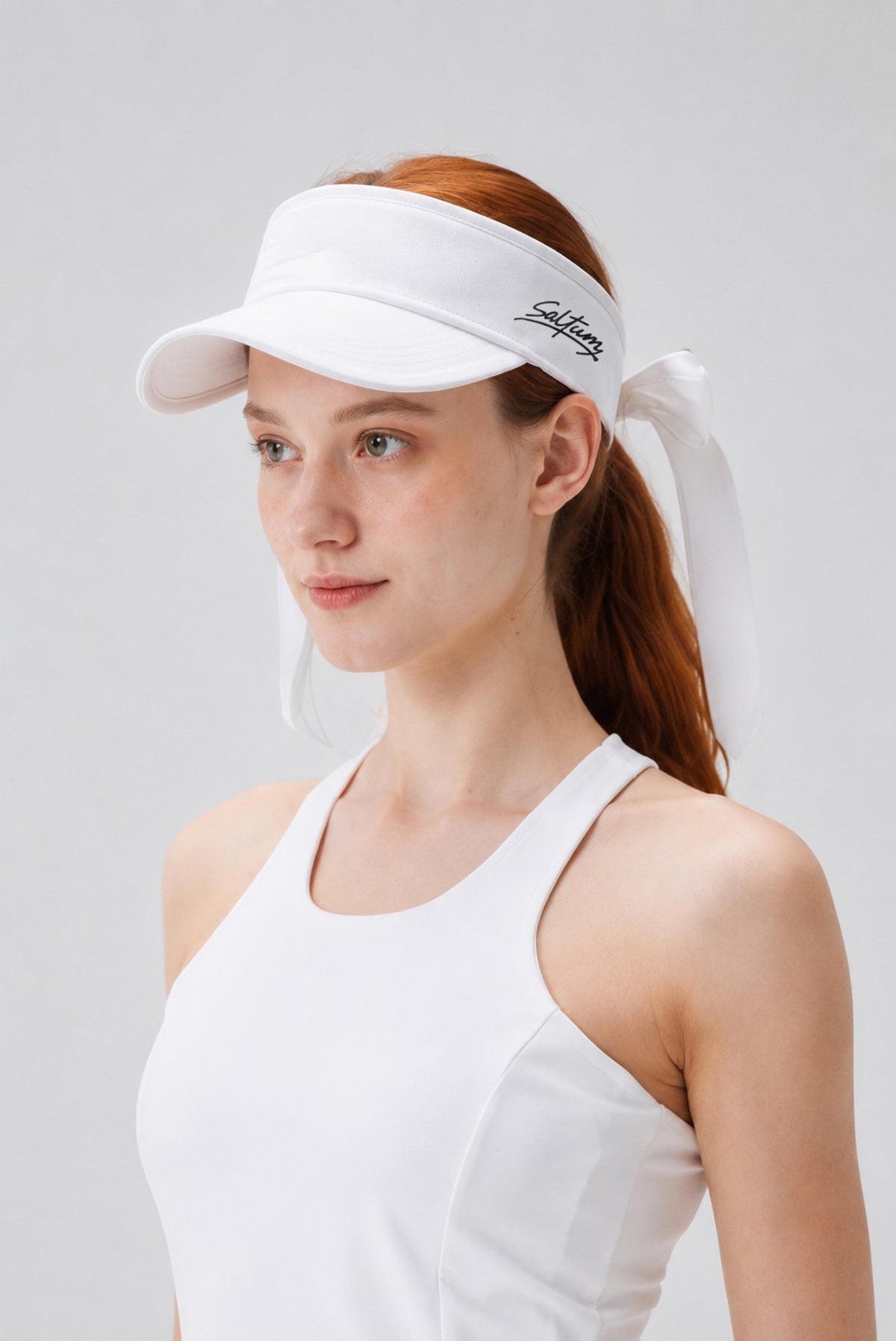
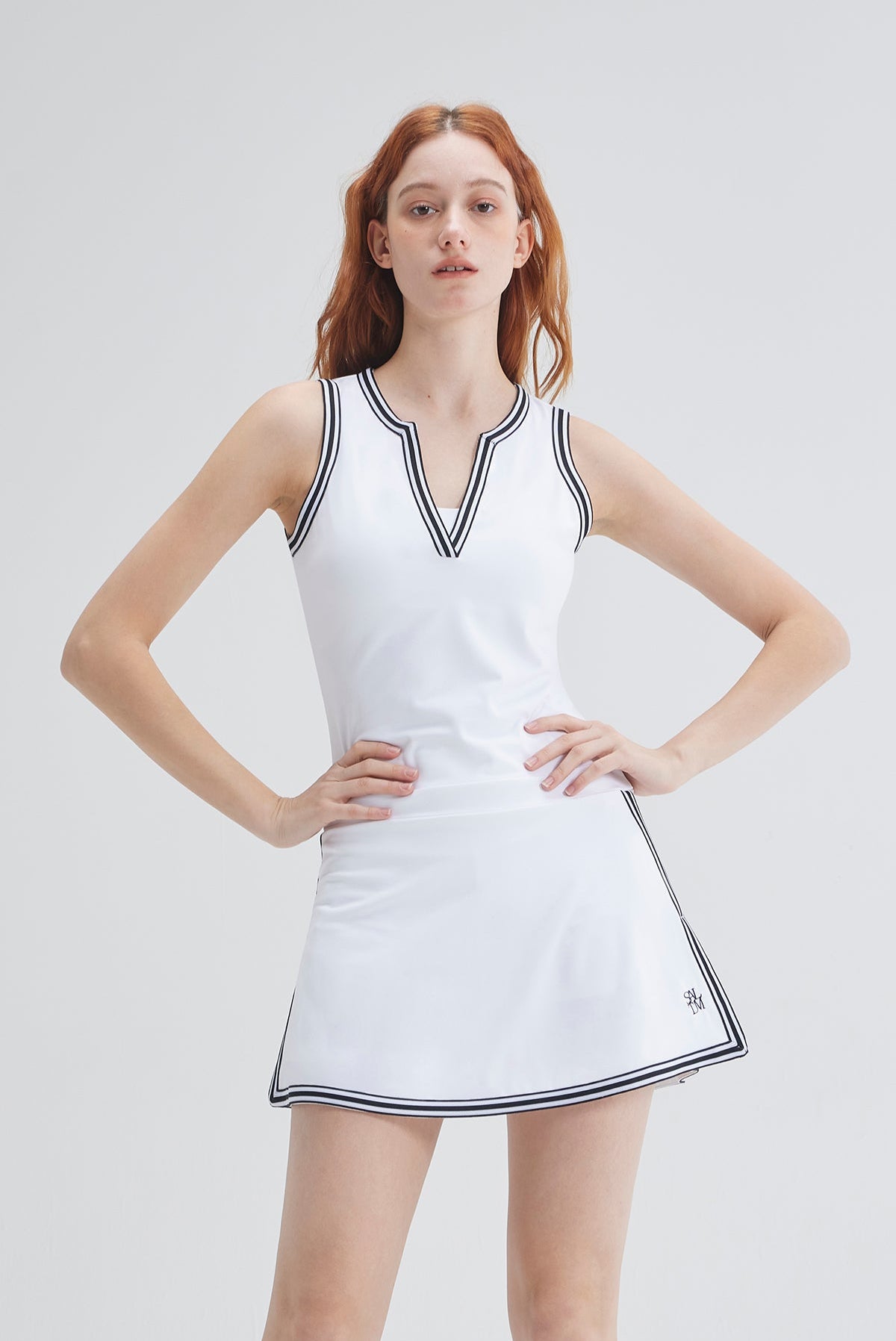
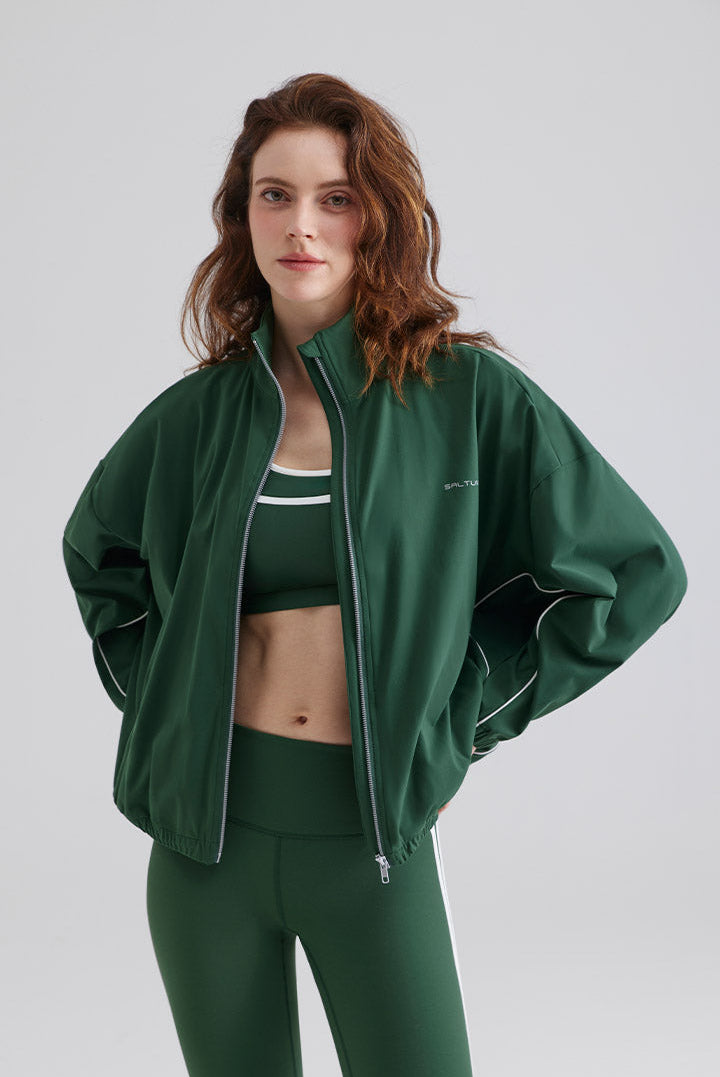



Mettez un coureur, un cycliste sur route et une patineuse artistique dans une pièce et demandez-leur ce qu’ils portent pour s’entraîner : vous obtiendrez trois réponses complètement différentes. Les communautés sportives développent leurs propres cultures vestimentaires - parfois délibérément, parfois au fil d’une tradition accumulée - et ces cultures peuvent être aussi strictes que n’importe quel code vestimentaire d’entreprise ou aussi ouvertes qu’un barbecue dans un jardin.
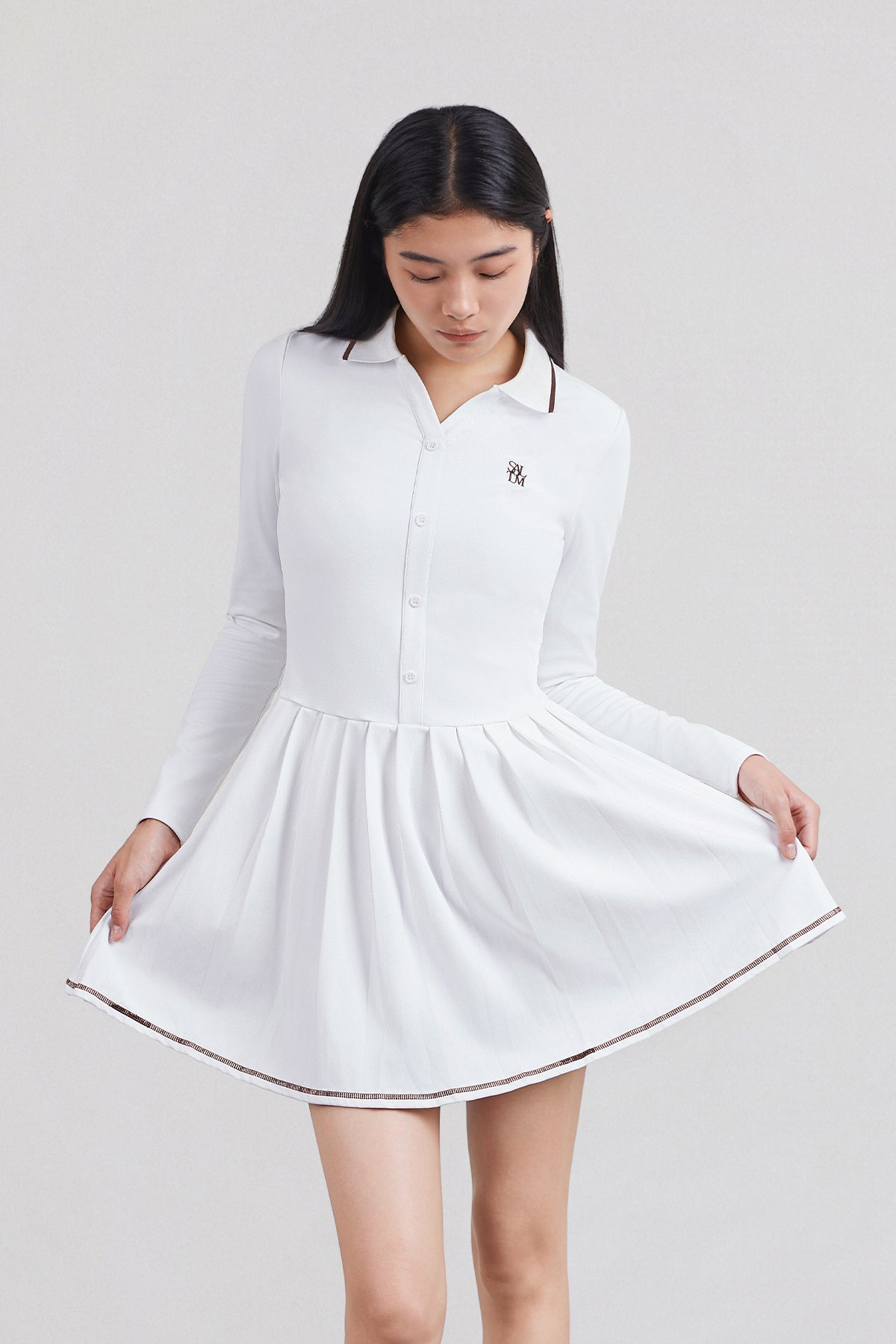
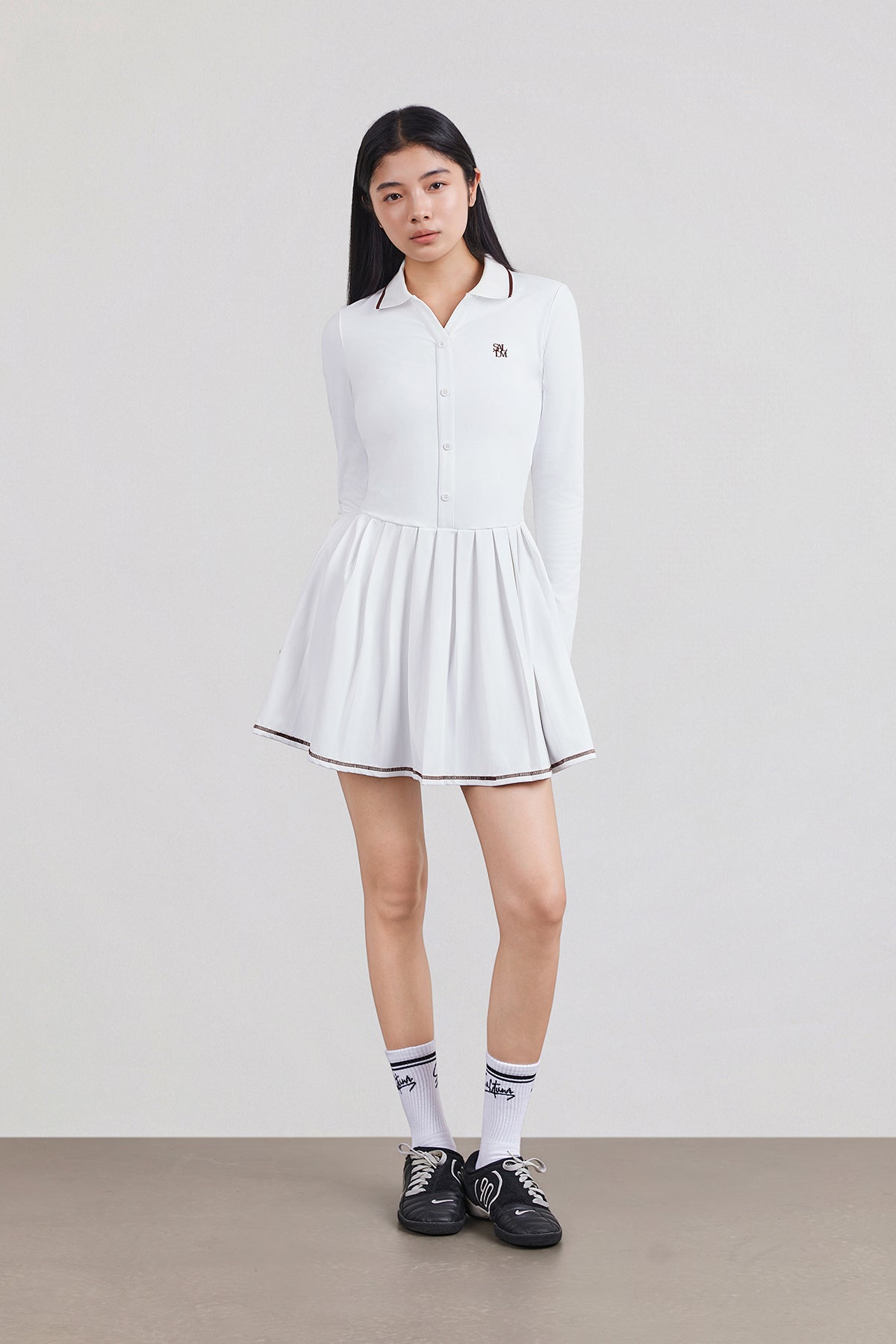
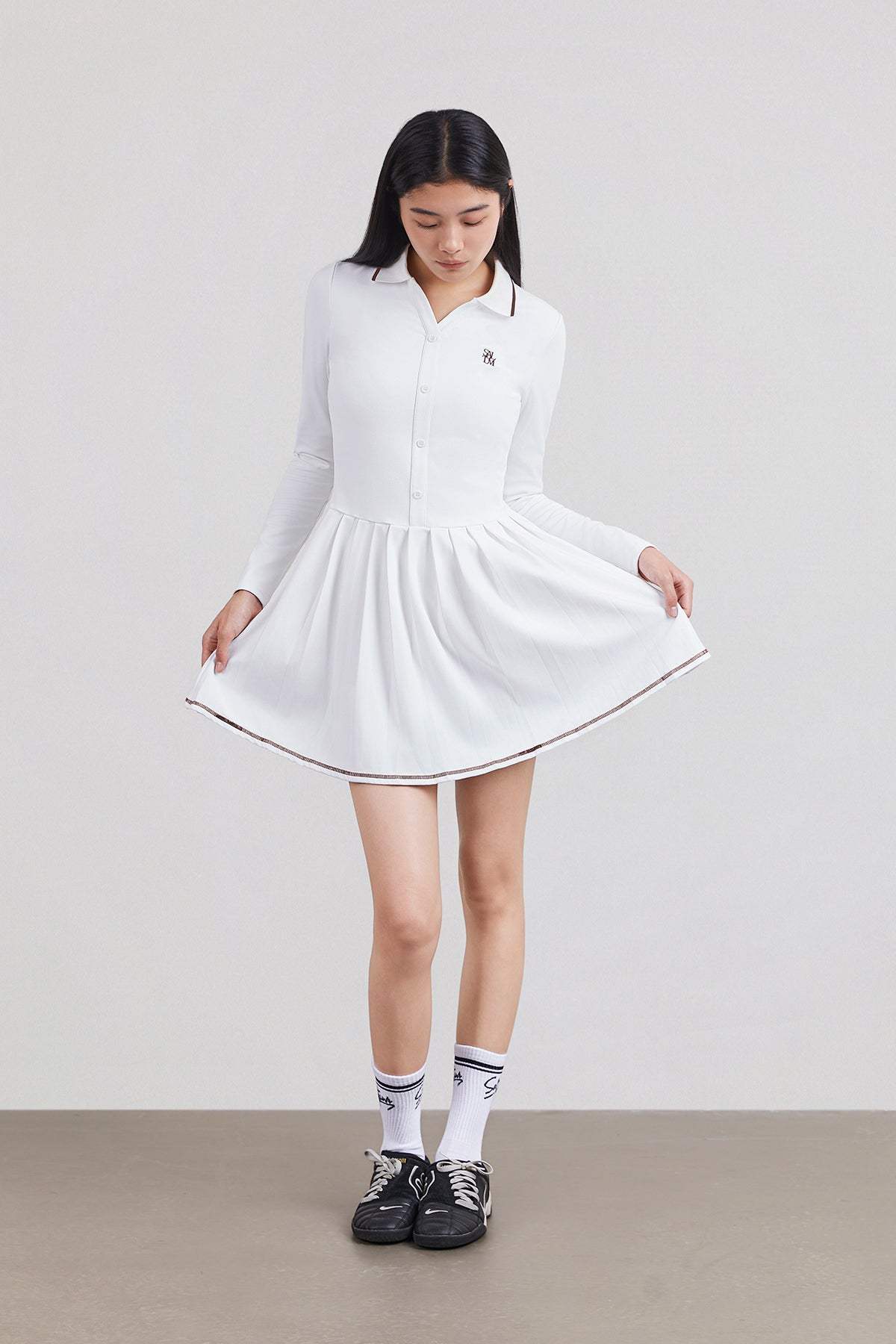
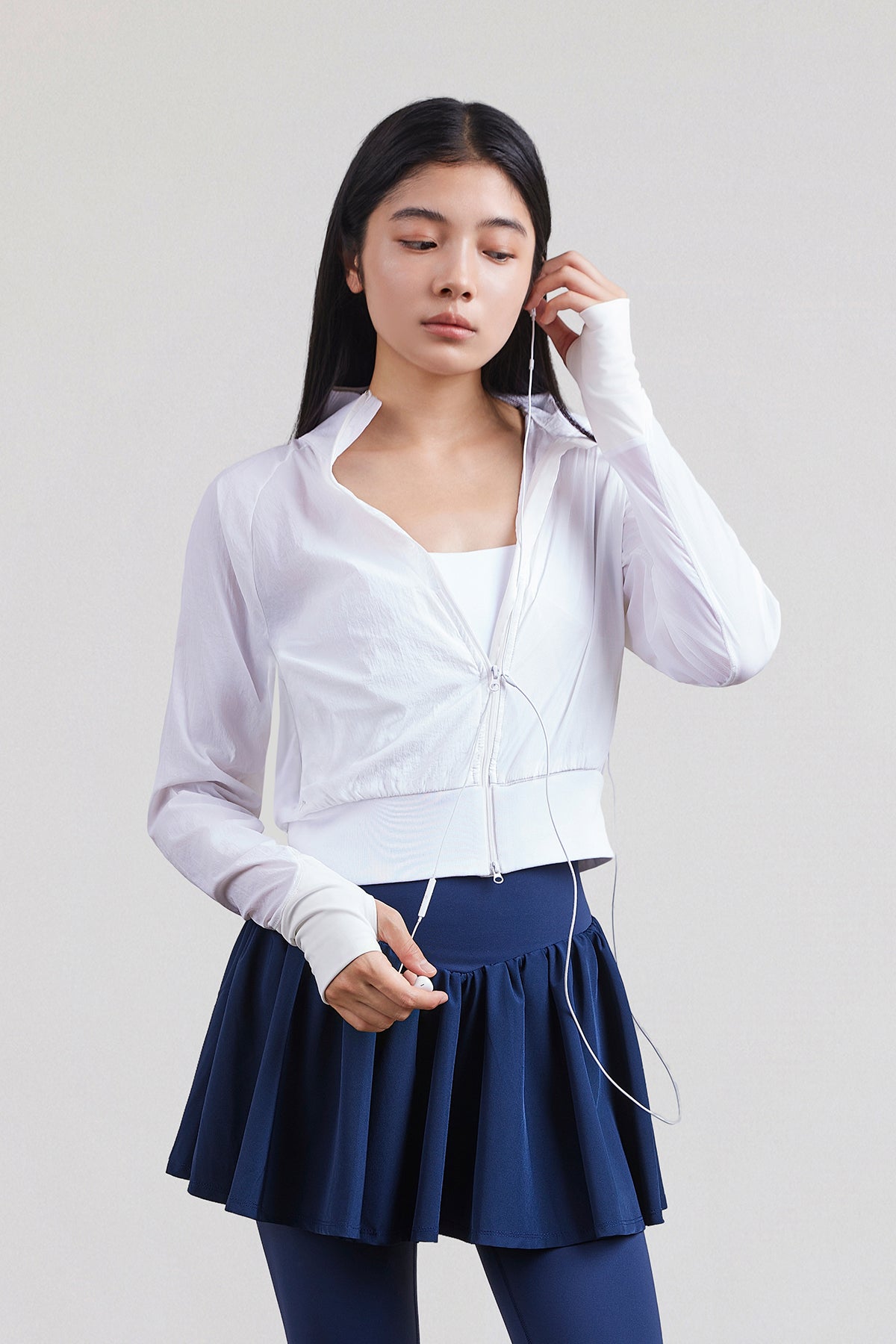
Ce qui est intéressant, c’est que dans toutes ces communautés, les femmes doivent composer avec un niveau supplémentaire de complexité : l’écart entre ce que les vêtements de sport sont censés faire (vous aider à être performante et à vous sentir à l’aise) et ce pour quoi les vêtements de sport féminins sont souvent conçus (être séduisants). Cette tension se manifeste différemment dans chaque sport, mais elle est constamment présente.
Le spectre de la liberté : sport par sport
Toutes les communautés sportives ne sont pas également restrictives quant à la tenue. Voici un aperçu rapide du paysage, des plus soumises aux règles aux plus libres.
La course à pied : le véritable Far West des vêtements de sport
La course à pied possède la culture vestimentaire la plus ouverte de tous les sports grand public. L’équipement requis est minimal (des chaussures, et même celles-ci sont techniquement facultatives), les espaces sont publics, et la communauté a une forte tradition d’accueil de tout le monde - quel que soit le rythme, l’origine ou la tenue.
En pratique, cela signifie que la communauté des coureurs couvre tout l’éventail des choix de vêtements de sport : des personnes portant des tenues techniques coûteuses de marques spécialisées, des personnes en vieux t-shirts en coton, des personnes en costume, et, à l’occasion, une personne en jean (qui est apparemment une figure familière du quartier dans les communautés du monde entier et suscite des commentaires affectueux partout où on la remarque).

La fonction de sécurité du fluo
Une véritable convention stylistique dans la course à pied est l'utilisation de couleurs vives et visibles - en particulier pour les coureurs sur route qui s'entraînent dans des conditions de faible luminosité. Les jaunes, oranges et verts fluo dominent le segment le plus spécialisé des équipements de course, et pour une bonne raison : être visible des conducteurs est réellement important. Cela s'étend aux accessoires LED, aux bandes réfléchissantes et même aux colliers lumineux pour les chiens qui courent avec leurs maîtres.
La question de la compression
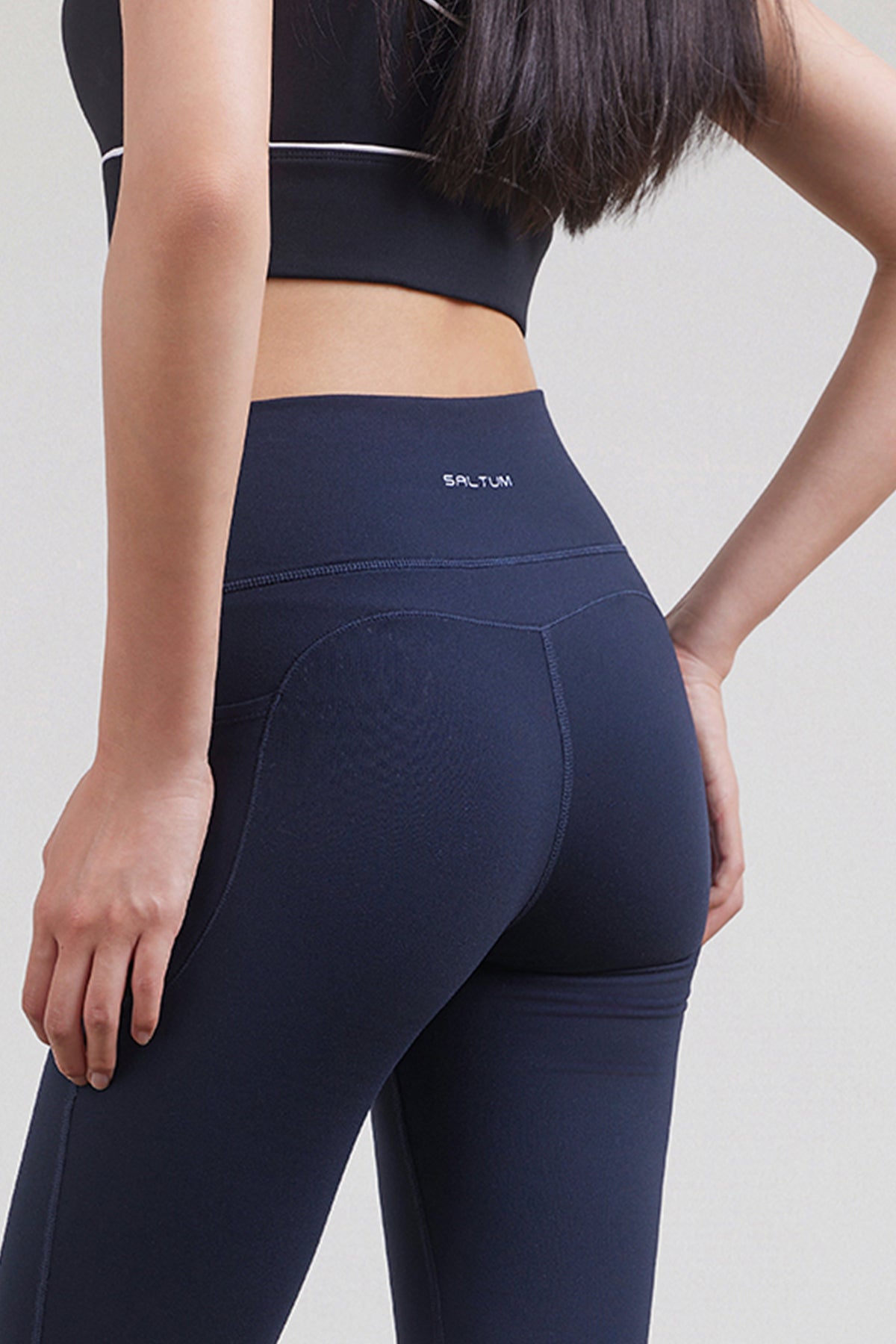
La prédominance des vêtements de compression moulants dans la course à pied féminine est souvent présentée comme la preuve que la mode privilégie l'apparence au confort, mais la réalité est plus nuancée. Il existe des preuves que les vêtements de compression pour le bas des jambes peuvent améliorer la circulation et réduire la fatigue musculaire lors de la course de fond. De nombreuses femmes préfèrent réellement les collants de compression pour le maintien qu'ils offrent et la réduction des frottements. Le problème n'est pas l'existence de la compression - c'est qu'elle est souvent la seule option disponible dans les gammes de prix grand public, plutôt qu'une option parmi beaucoup d'autres.
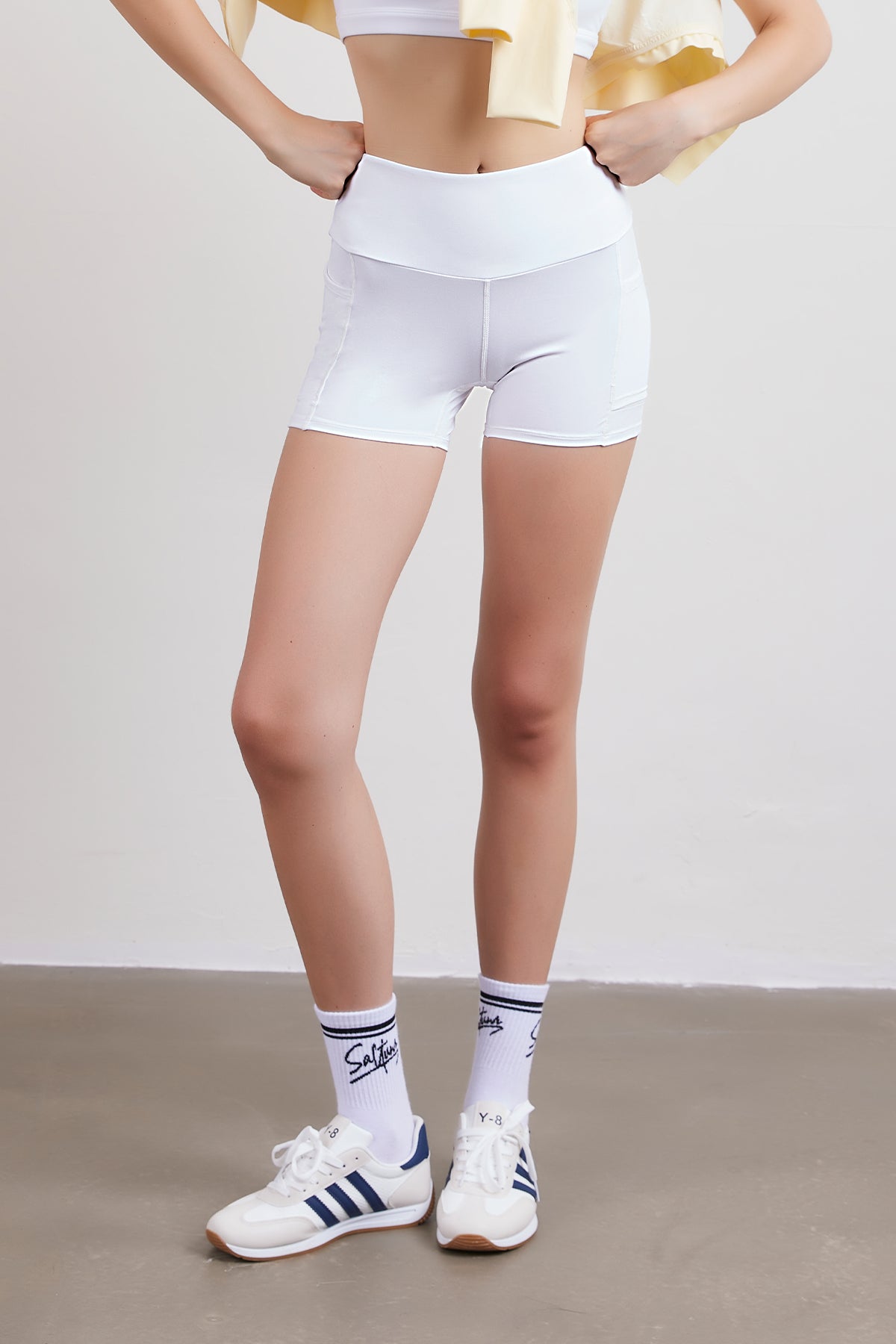
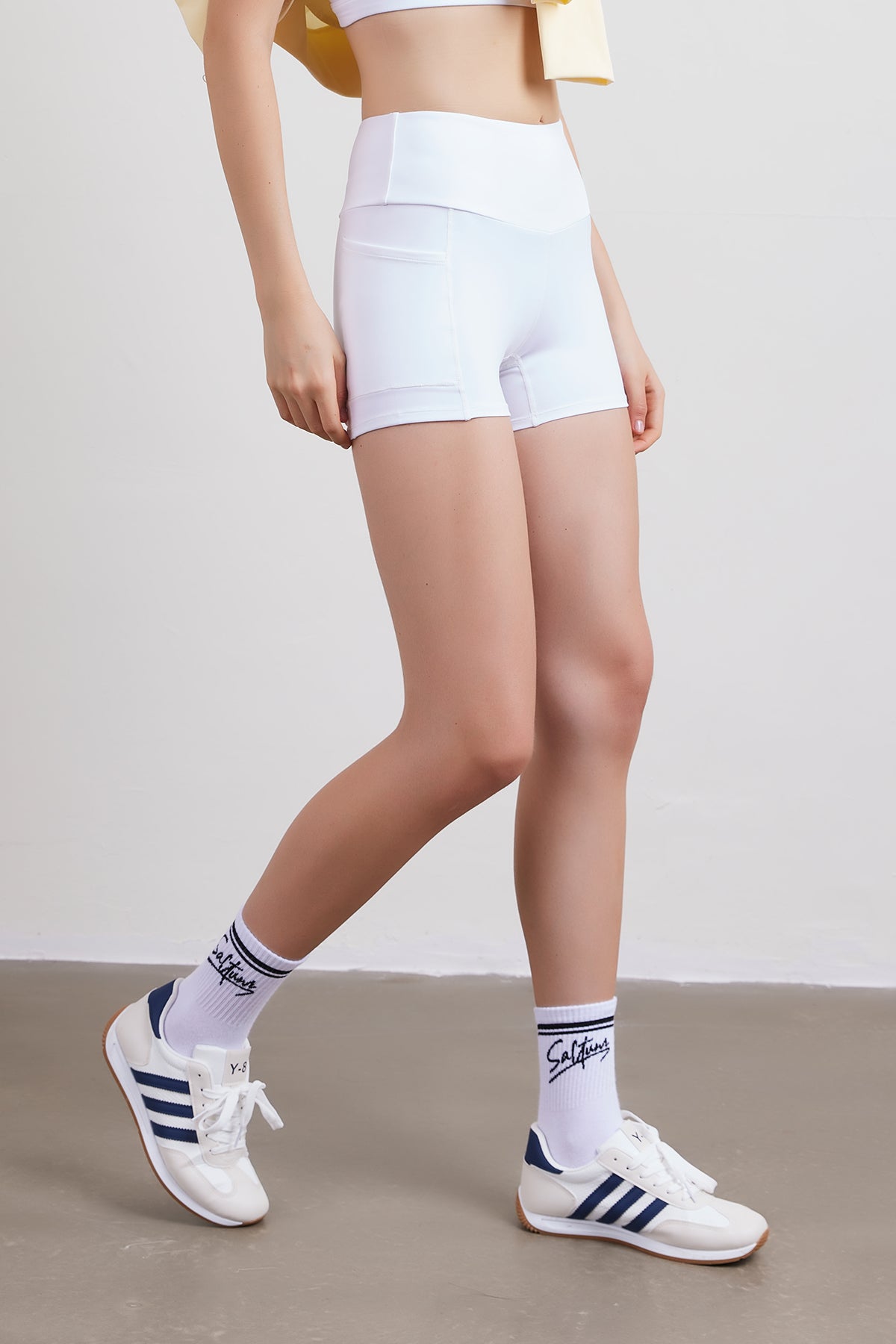
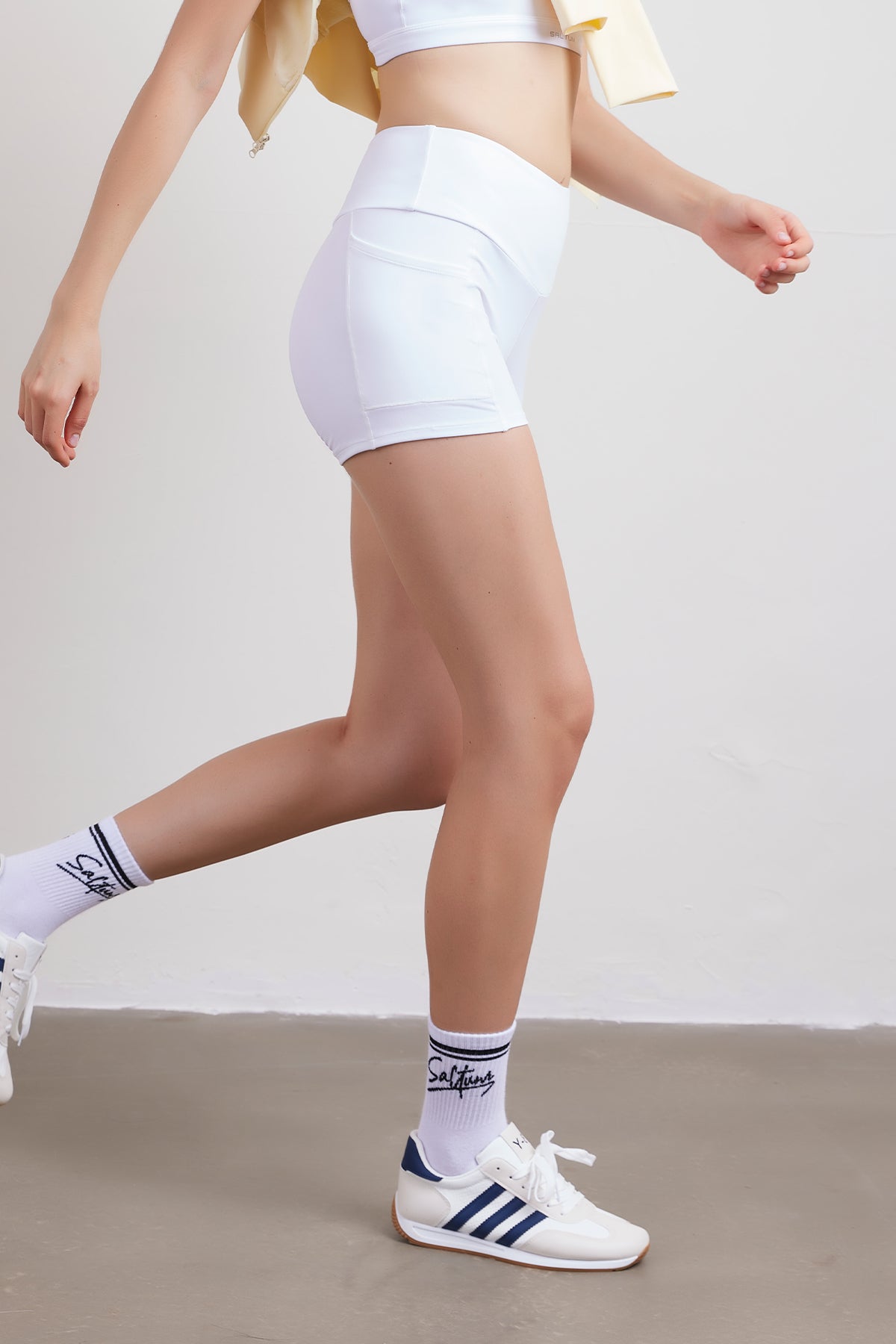
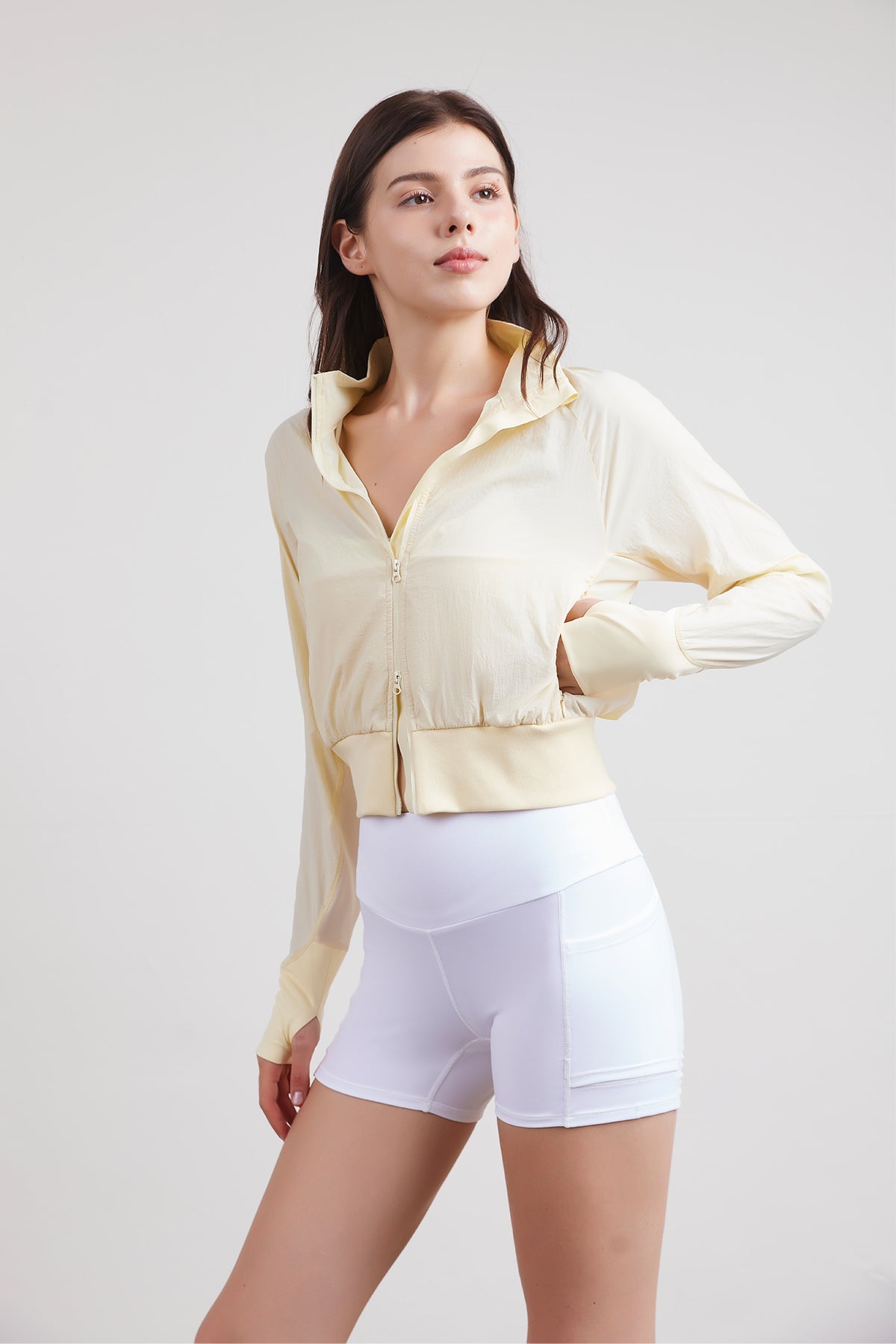
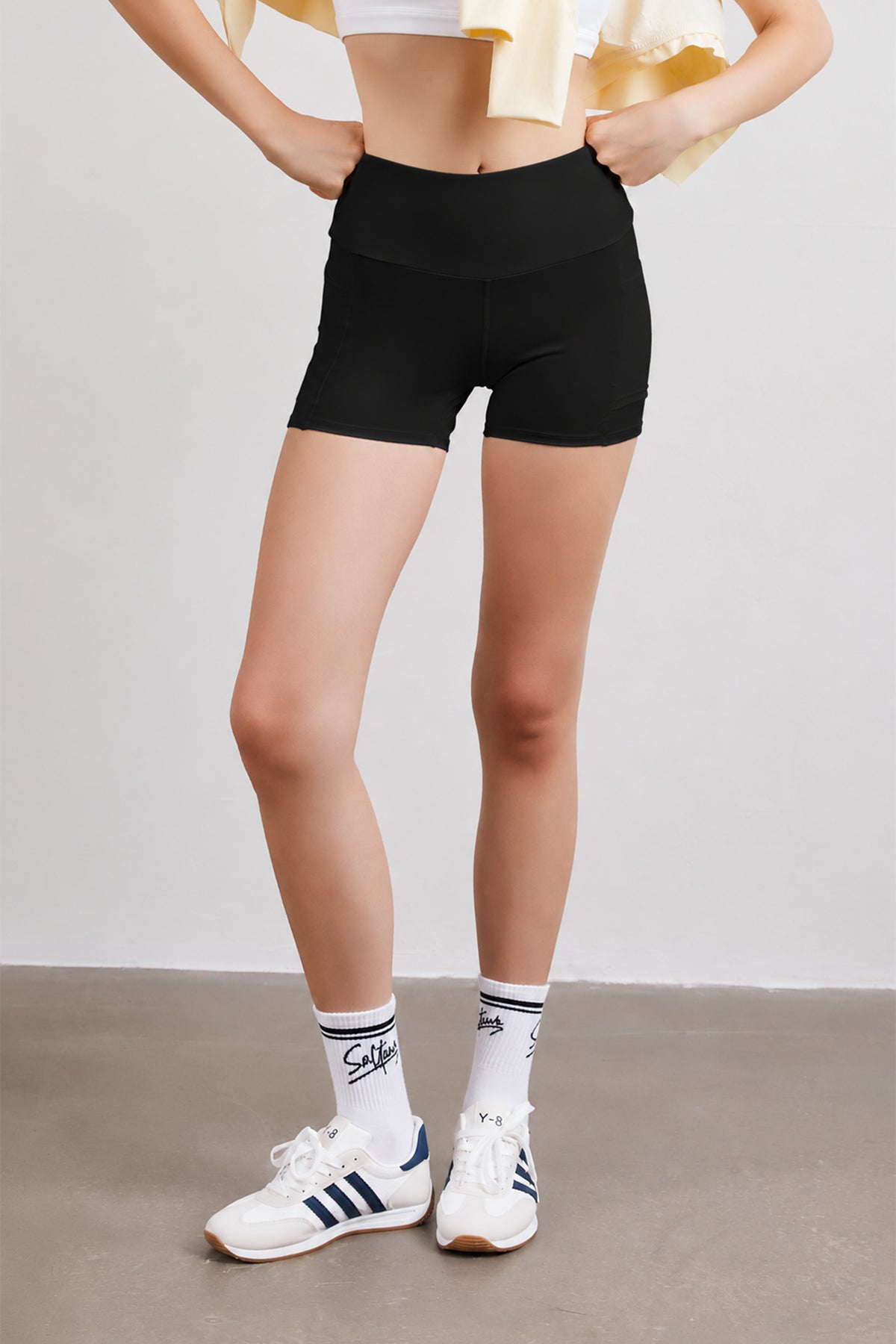
Les shorts de course pour femmes sont presque toujours plus courts et plus ajustés que leurs équivalents masculins, bien que de nombreuses femmes préfèrent une couverture plus importante et que moins de femmes souffrent des problèmes de frottement que les coureurs utilisent les shorts courts pour prévenir. La disponibilité croissante de shorts de course pour femmes avec des entrejambes de 5 pouces, 7 pouces ou plus est une réponse directe à des années de demande des consommateurs - et montre que l'écart peut se réduire lorsque la pression est exercée avec suffisamment de constance.
Cyclisme sur route : chaque détail est jugé
Si la course à pied est le Far West de la mode sportive, le cyclisme sur route est tout le contraire : une communauté régie par des règles détaillées, précises et parfois déroutantes concernant ce que l'on porte et la manière de le porter. L'observateur occasionnel pourrait s'attendre à ce qu'une communauté sportive privilégie la fonctionnalité par-dessus tout - et les cyclistes accordent effectivement une grande importance aux performances - mais la culture a développé son propre code esthétique, qui va bien au-delà de ce qui est techniquement nécessaire.
La règle de base est la coordination : votre maillot doit être assorti à votre short, vos chaussettes, votre casque, vos gants et, idéalement, vos chaussures. Les groupes rouleront avec des tenues assorties. La hauteur des chaussettes est réglementée (les chaussettes à la cheville ne sont pas acceptées). Les règles relatives aux maillots d'équipe précisent que porter la tenue d'une équipe professionnelle n'est approprié que si elle est associée au short assorti - porter le maillot avec un autre short montre que vous ne connaissez pas les règles.
Pourquoi ces règles existent
Certaines conventions vestimentaires du cyclisme ont des origines fonctionnelles. Certains tissus et certaines coupes réduisent réellement la résistance au vent et préviennent les irritations lors des longues sorties. L'interdiction du coton (qui devient lourd et provoque des irritations lorsqu'il est mouillé) est tout à fait logique. Mais une grande partie du code vestimentaire est culturelle : elle signale l'appartenance, l'expérience et le respect des traditions du sport.
Les femmes dans la mode cycliste
La culture de l'équipement s'applique aussi aux femmes, mais les options d'équipement féminin ont historiquement été plus limitées - moins de choix de couleurs, des gammes de tailles plus restreintes et une tendance à concevoir les pièces pour femmes autour de l'apparence plutôt qu'en suivant les mêmes spécifications fonctionnelles que pour les hommes. La situation s'améliore, mais il reste un véritable écart dans l'écosystème de la mode sportive.
Escalade et sports de plein air : la fonctionnalité d'abord (pour l'essentiel)
Les communautés d'escalade et de sports de plein air occupent une position intermédiaire intéressante. Elles ont de fortes exigences pratiques - des vêtements qui ne s'accrochent ni à l'équipement ni aux parois rocheuses, des tissus qui sèchent rapidement, des chaussures adaptées à l'activité - et une culture générale qui privilégie la fonctionnalité à la mode. En même temps, des sous-cultures et des stéréotypes distincts existent au sein de ces communautés, et l'apparence conserve une signification sociale.
En escalade, le sac à magnésie constitue le principal support d'expression personnelle : ces petits sacs que les grimpeurs portent à la hanche peuvent avoir n'importe quelle couleur, motif ou design, et font partie des rares endroits où l'esthétique est ouvertement privilégiée. Les couleurs des baudriers, des cordes et les designs des chaussons sont les autres éléments par lesquels les grimpeurs personnalisent leur équipement.
« Les randonneurs itinérants accordent beaucoup d'importance aux matériaux et à la fonctionnalité, et les coupes/couleurs sont absolument horribles. »
— Une observation courante sur les choix de design des vêtements de plein airL'industrie des vêtements de plein air a une histoire bien documentée de conception de l'équipement féminin comme considération secondaire - des versions plus petites des modèles masculins, dans des coloris « féminins » (le rose « baie triste » tristement célèbre des grandes marques de plein air revient souvent dans les conversations des communautés de plein air). L'industrie s'est réellement améliorée sur ce point au cours de la dernière décennie, davantage de marques concevant désormais leurs pièces techniques pour femmes à partir de zéro plutôt que d'adapter les modèles masculins.
Sports artistiques et de compétition : le double standard du design
Dans les sports où l'apparence entre dans la note - patinage artistique, gymnastique, danse de salon, natation synchronisée -, le rapport entre mode et performance est le plus étroitement imbriqué. Et l'asymétrie entre les sexes y est la plus visible.
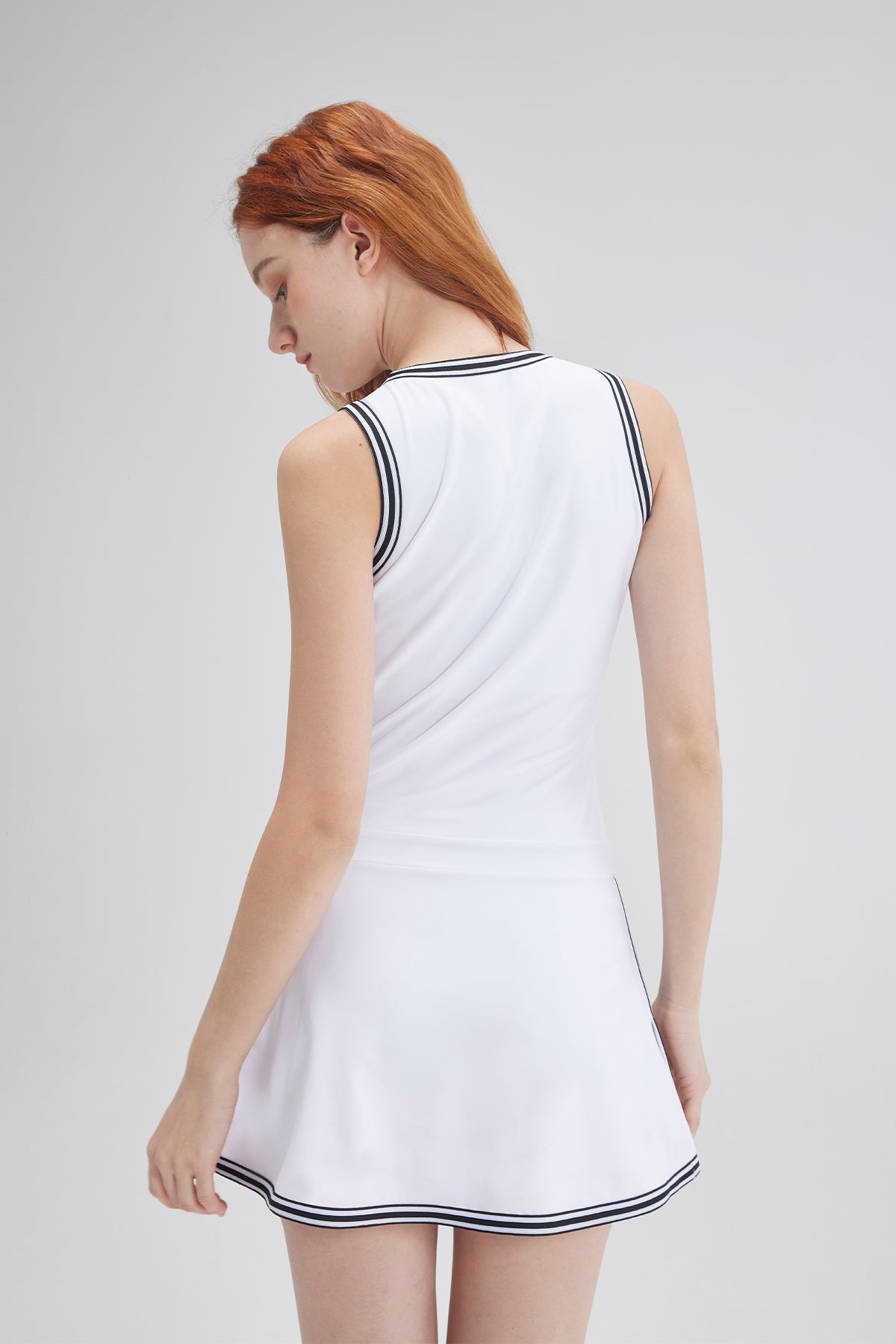
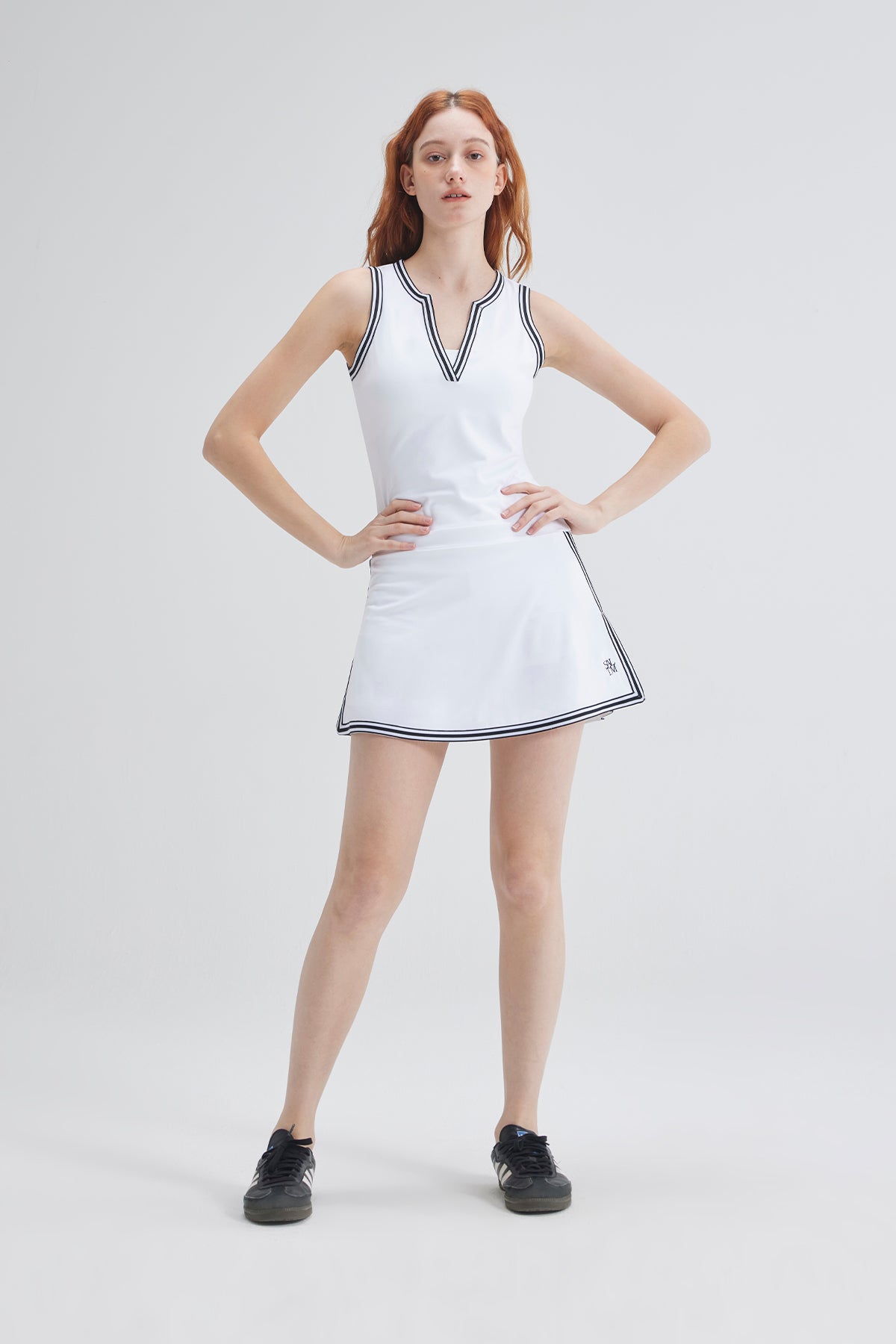
Les patineurs artistiques portent des pantalons. Les patineuses artistiques portent des robes ou des jupes, et ce depuis la majeure partie de l'histoire de ce sport en compétition. Les gymnastes portent des pantalons longs pour la plupart des épreuves ; les gymnastes portent des justaucorps. En danse de salon, les hommes portent des costumes, tandis que les femmes portent des robes ou des robes de soirée qui pèsent souvent plusieurs kilos en raison de leurs ornements. Il s'agit d'exigences officielles en matière de tenue, et non de choix de mode : elles sont inscrites dans les règlements des compétitions.
La distinction entre entraînement et compétition : Dans la plupart des sports artistiques, il existe une différence importante entre les exigences de la compétition et la tenue d’entraînement. La culture de l’entraînement est souvent plus décontractée et permet davantage d’expression personnelle. En formation, les patineuses artistiques portent couramment des leggings et des pulls plutôt que des robes de compétition. Les danseuses de salon s’entraînent en tenue de sport ordinaire. Les exigences de la compétition ne déterminent pas nécessairement le rapport de l’athlète aux vêtements en dehors des contextes de représentation officielle.
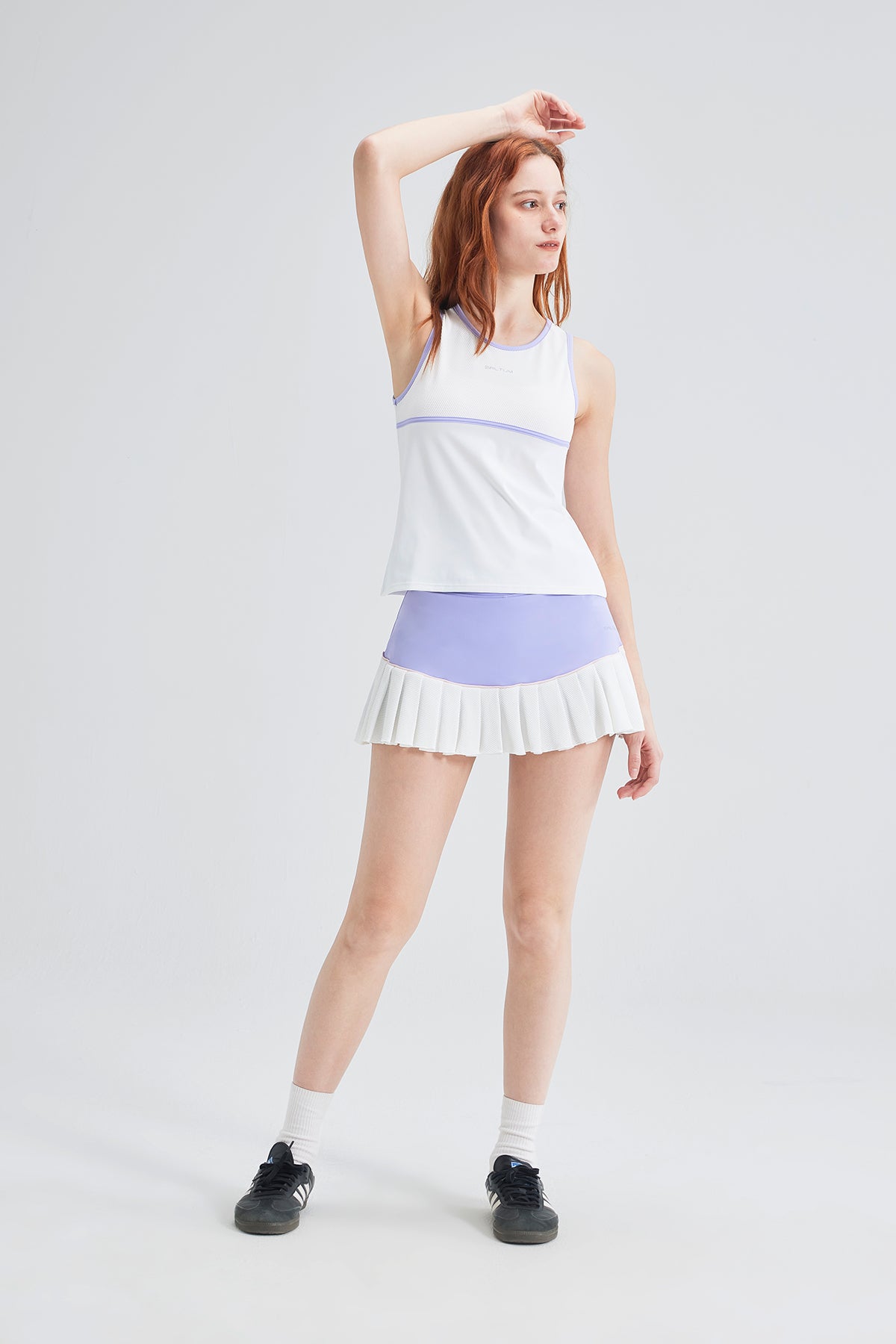
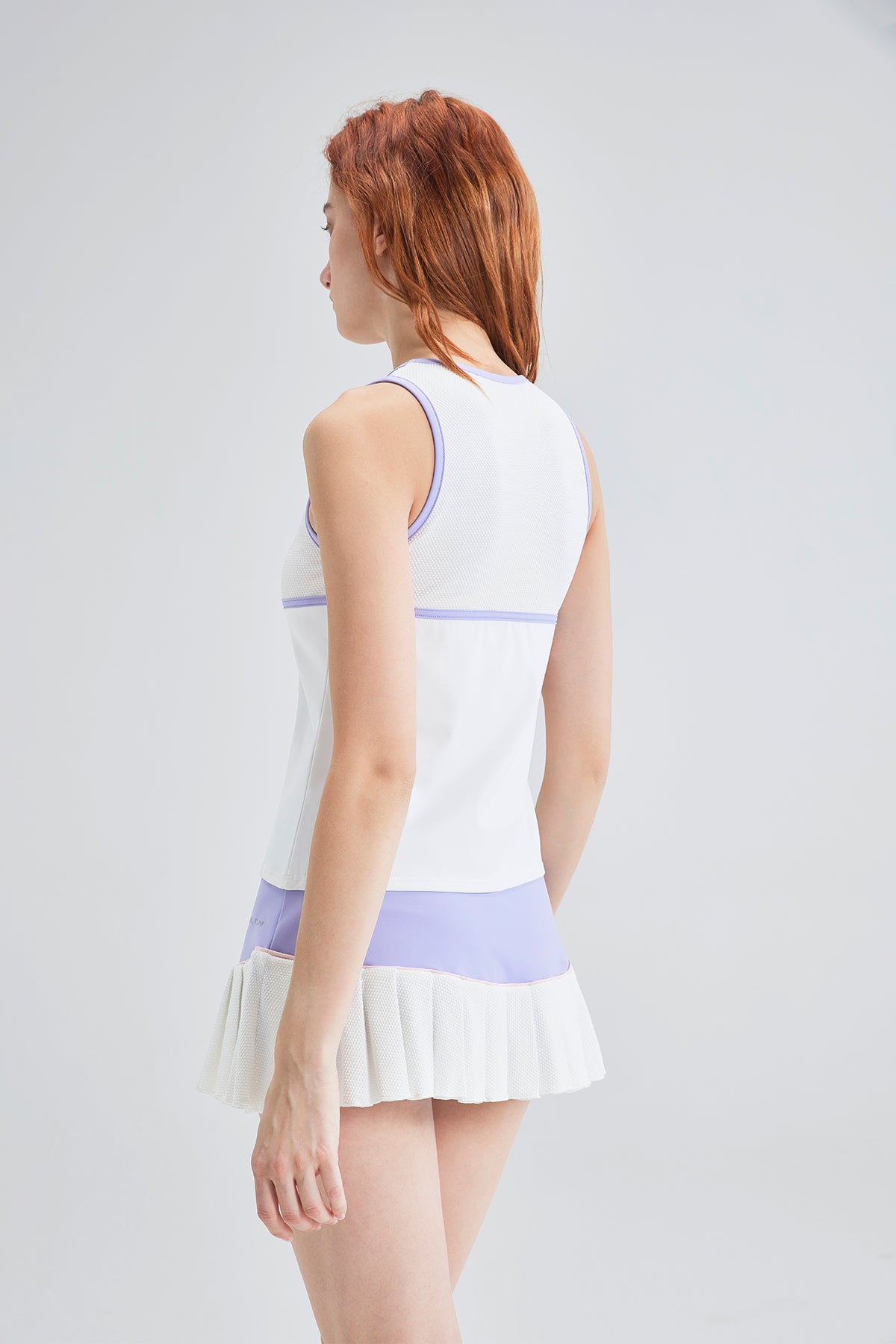
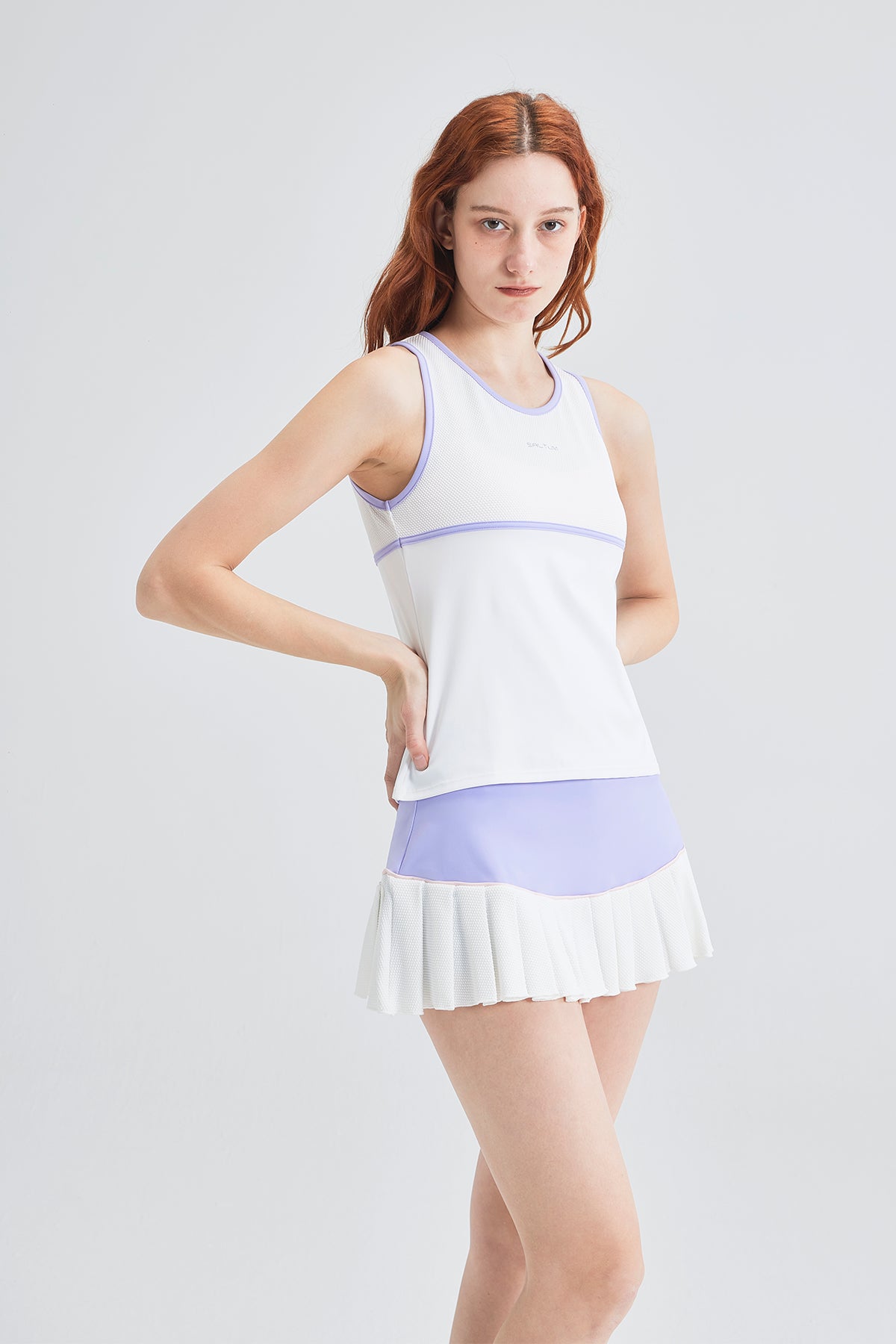
Dans les sports sans composante esthétique spécifique - hockey, dynamophilie, natation, lutte -, les femmes ont davantage de liberté pour porter le même équipement fonctionnel que les hommes. Les dynamophiles portent des maillots, comme les dynamophiles hommes. Les nageuses portent des maillots qui privilégient l’hydrodynamisme. L’écart entre la conception des équipements masculins et féminins existe dans ces sports (les maillots de bain féminins ont tendance à offrir moins de couvrance que ceux des hommes), mais il est moins formalisé.
L’écart persistant dans la conception des vêtements féminins selon les disciplines sportives
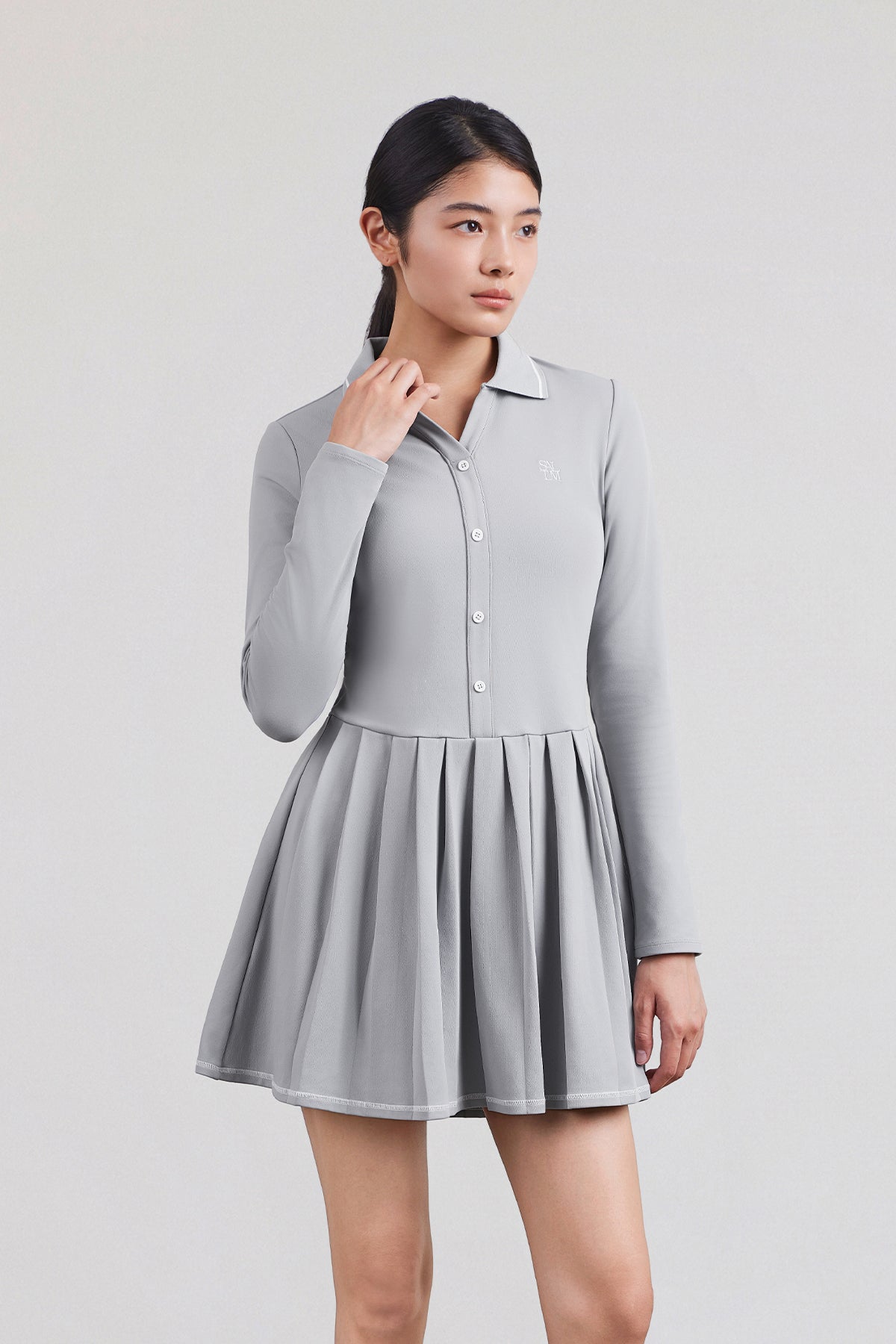
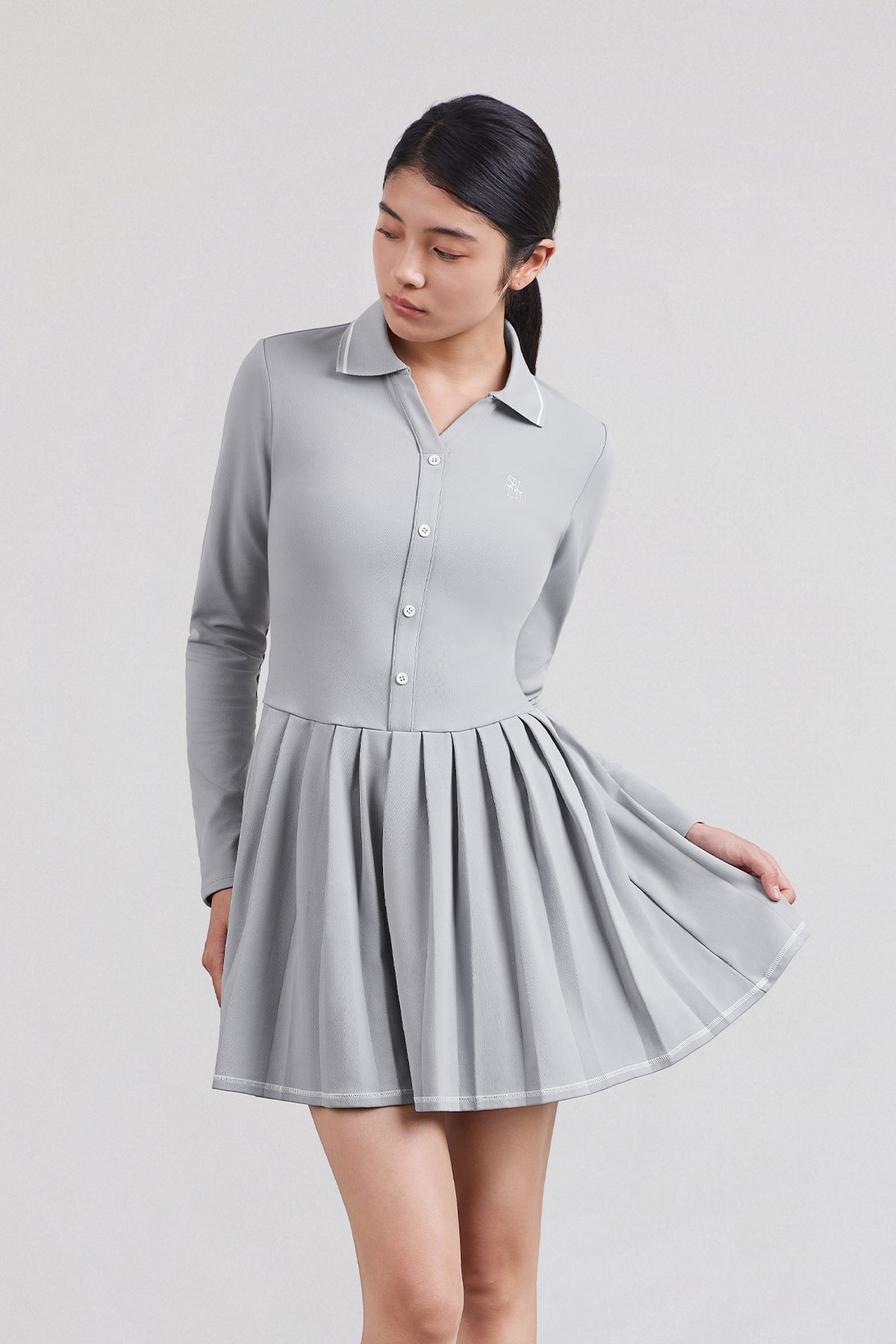
En observant ces différentes communautés sportives, un schéma constant se dessine : les vêtements de sport pour femmes sont généralement conçus en accordant davantage de poids à l’esthétique que les vêtements masculins équivalents, et cela se fait souvent au détriment de la fonctionnalité. Ce phénomène ne se limite ni à une discipline ni à une catégorie de prix : il reflète une orientation générale dans la conception et la production des vêtements de sport pour femmes.
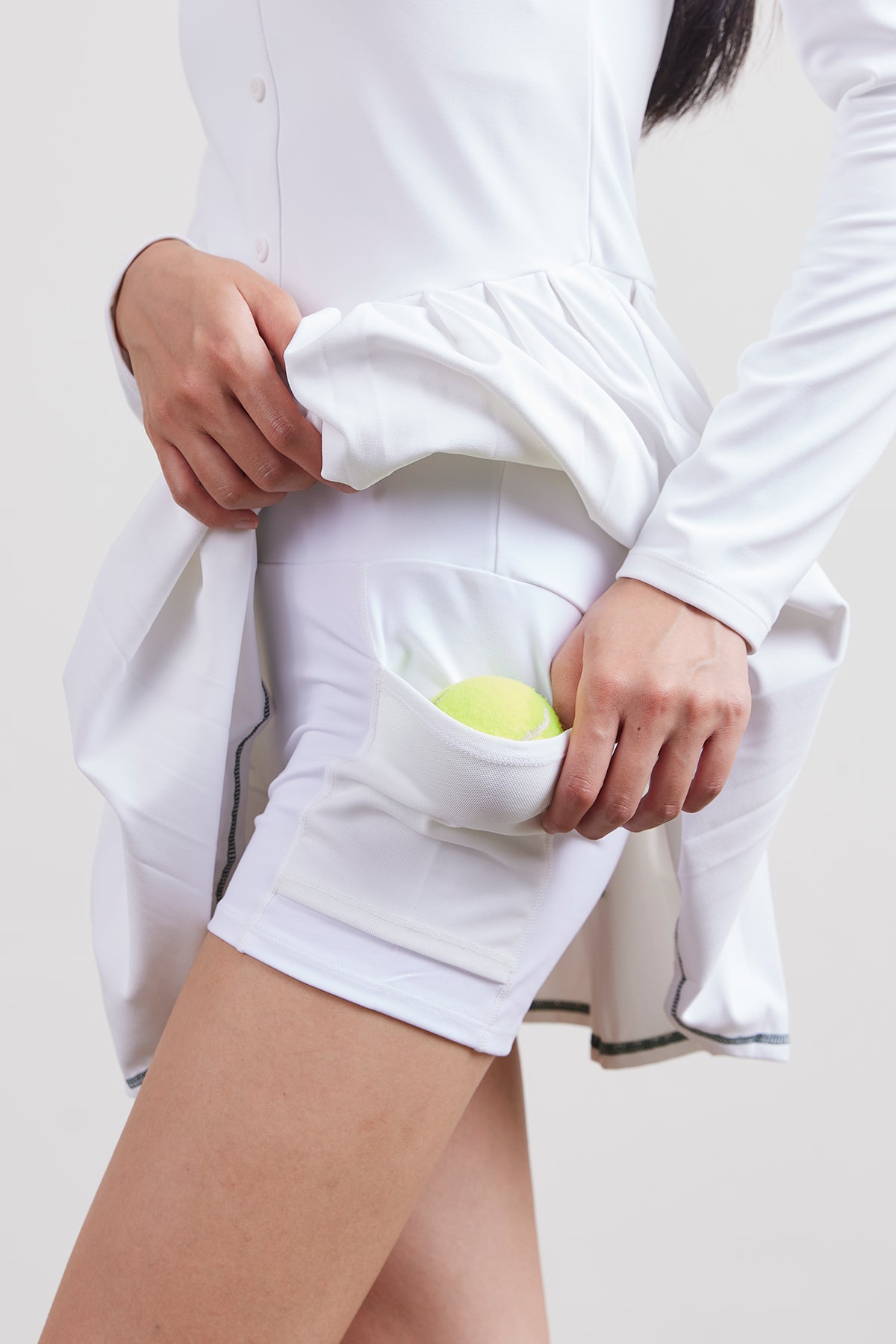
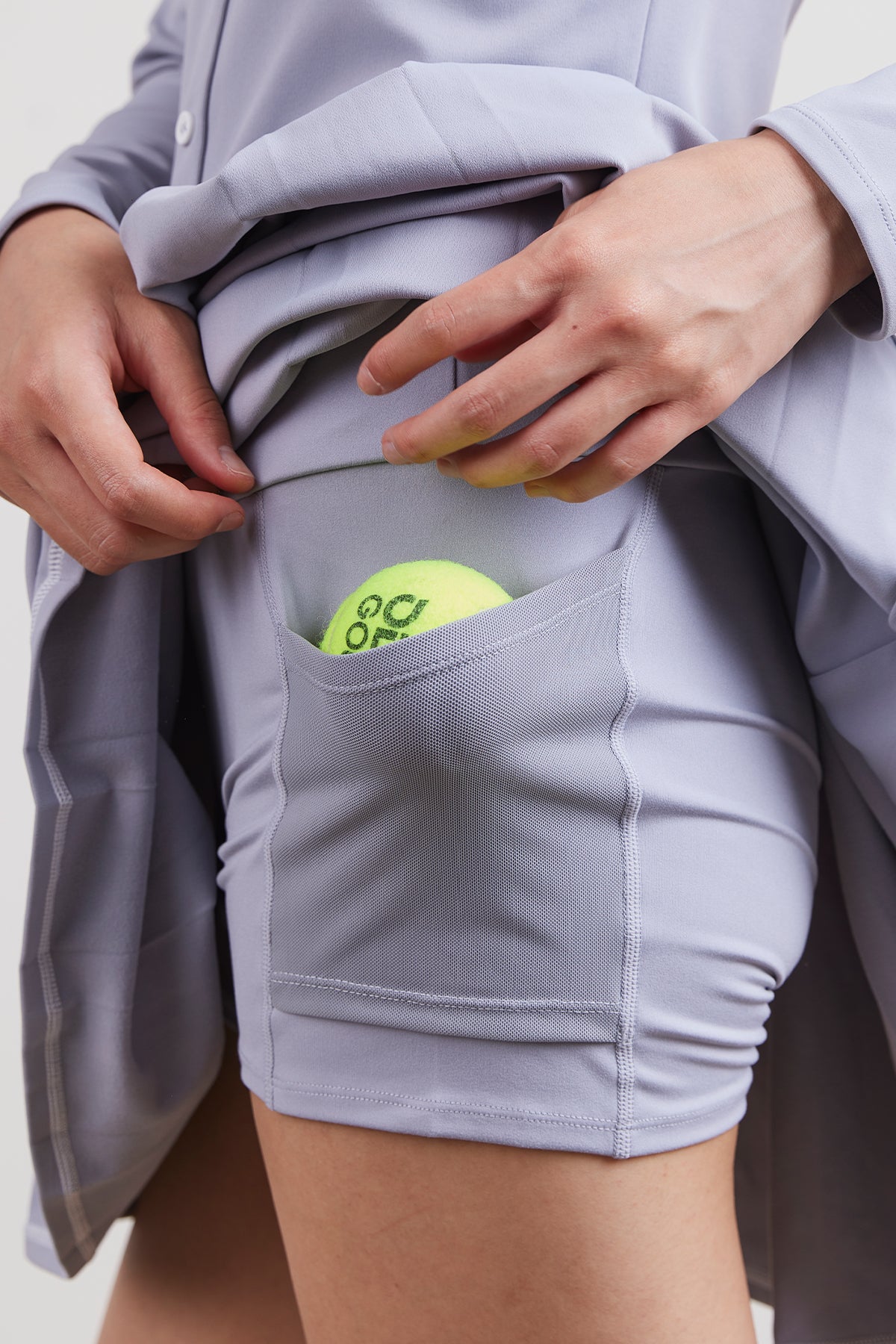
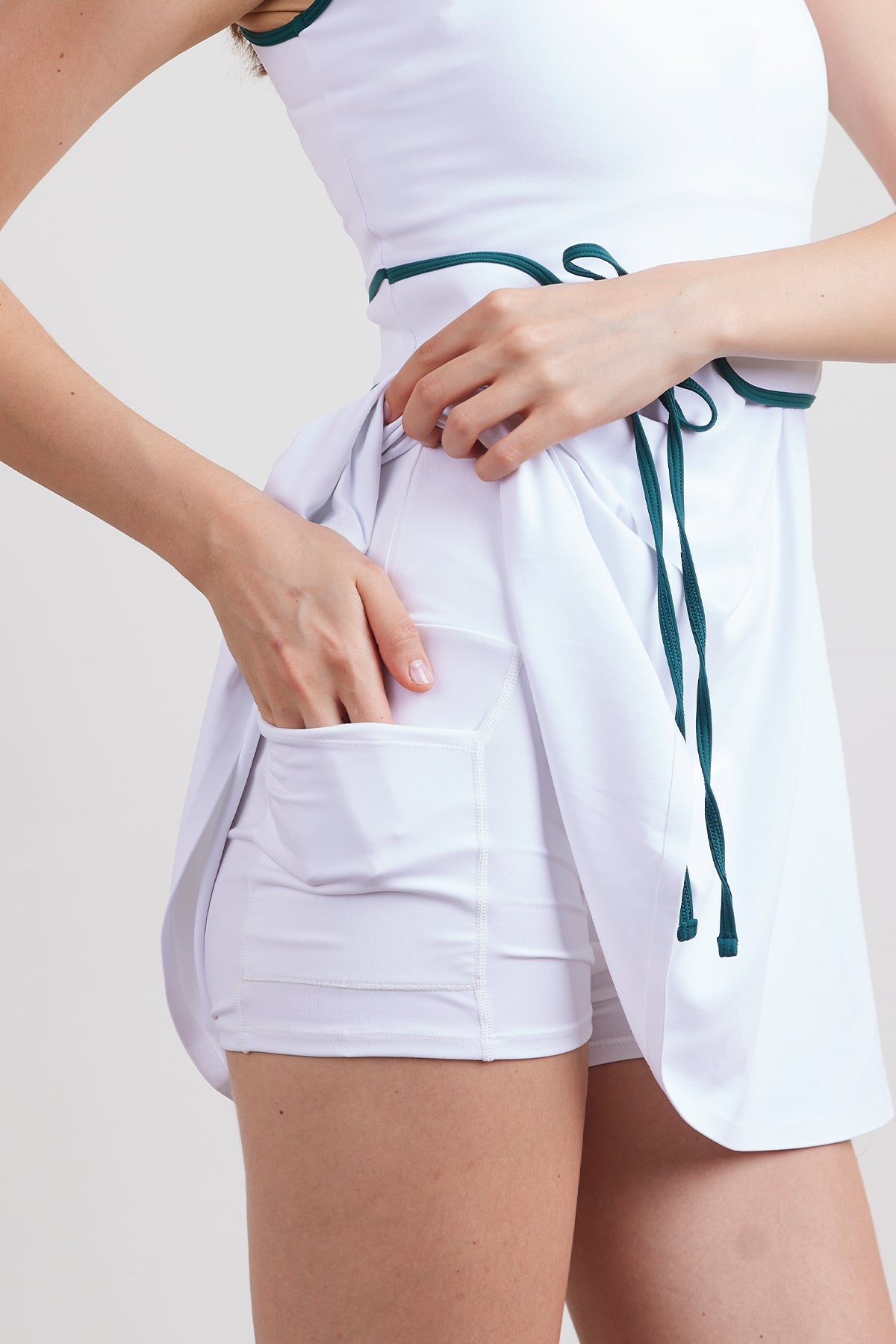
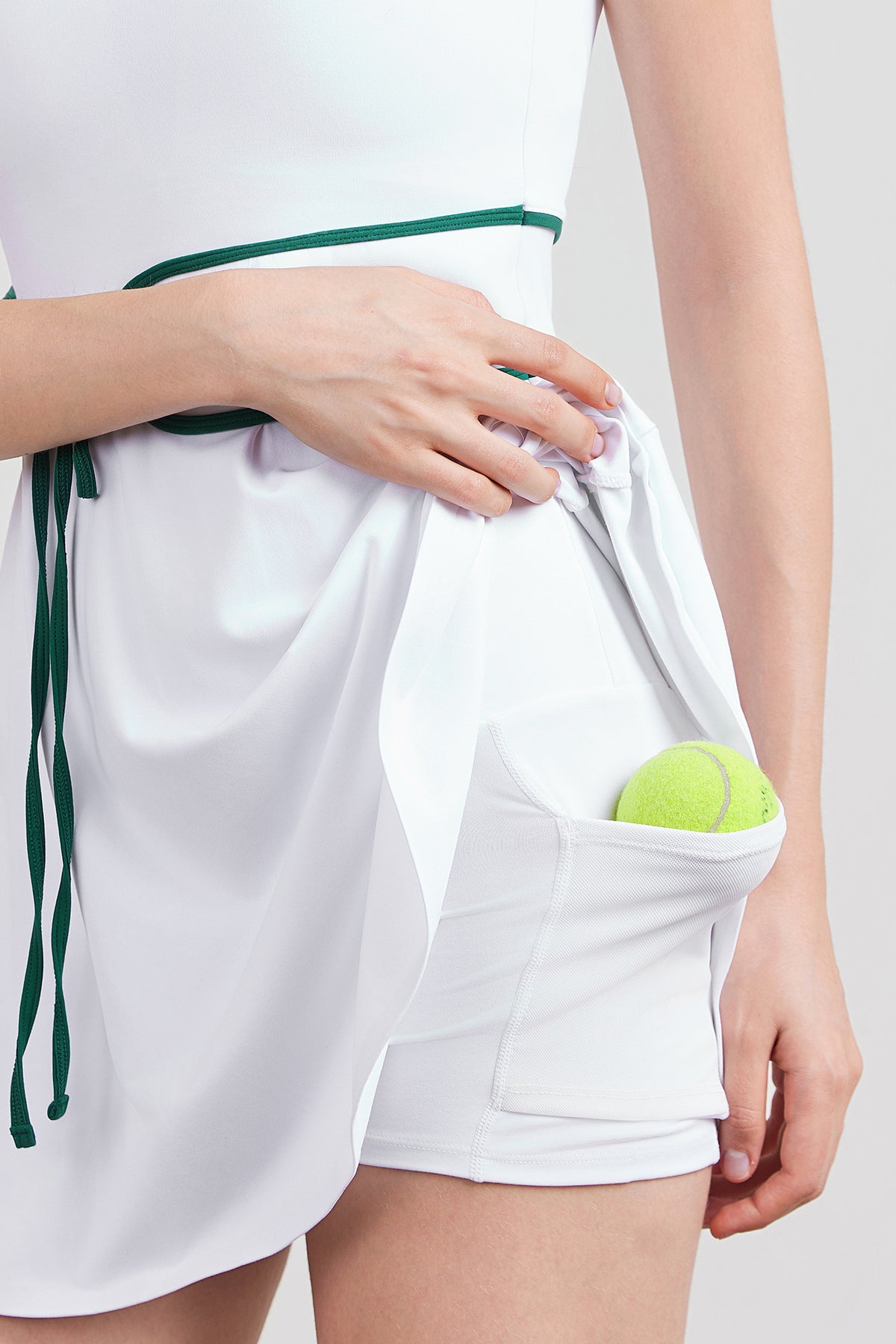
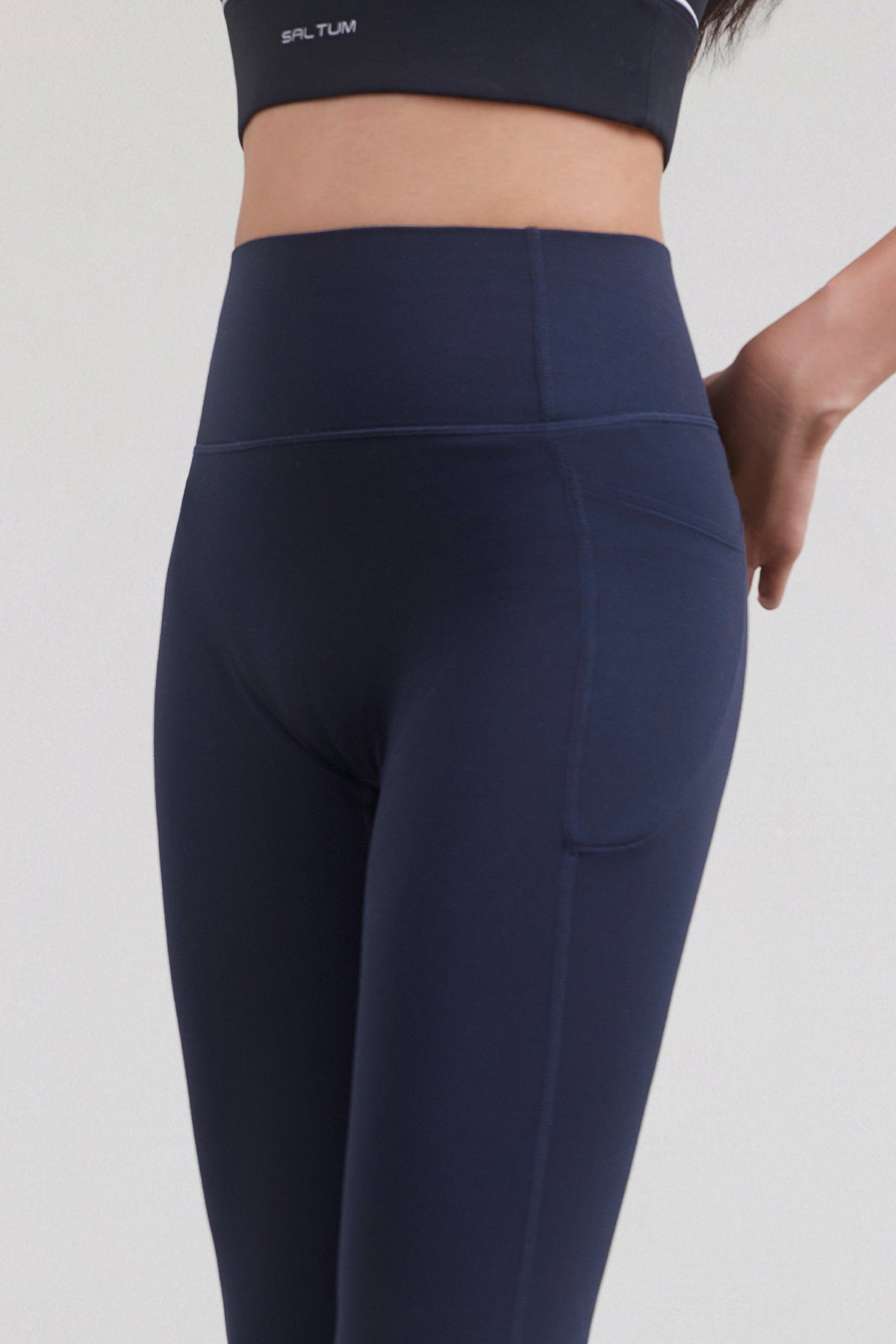
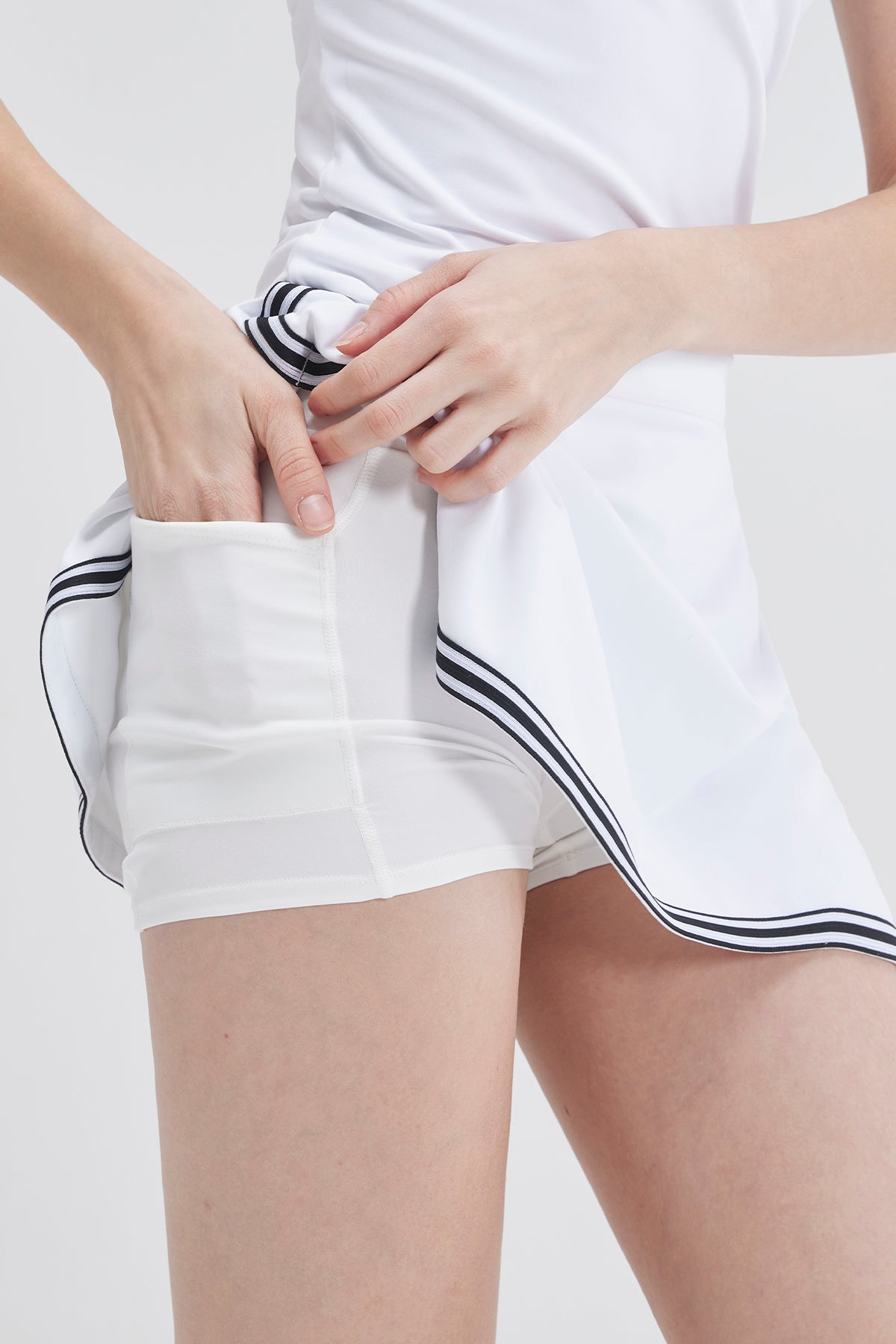
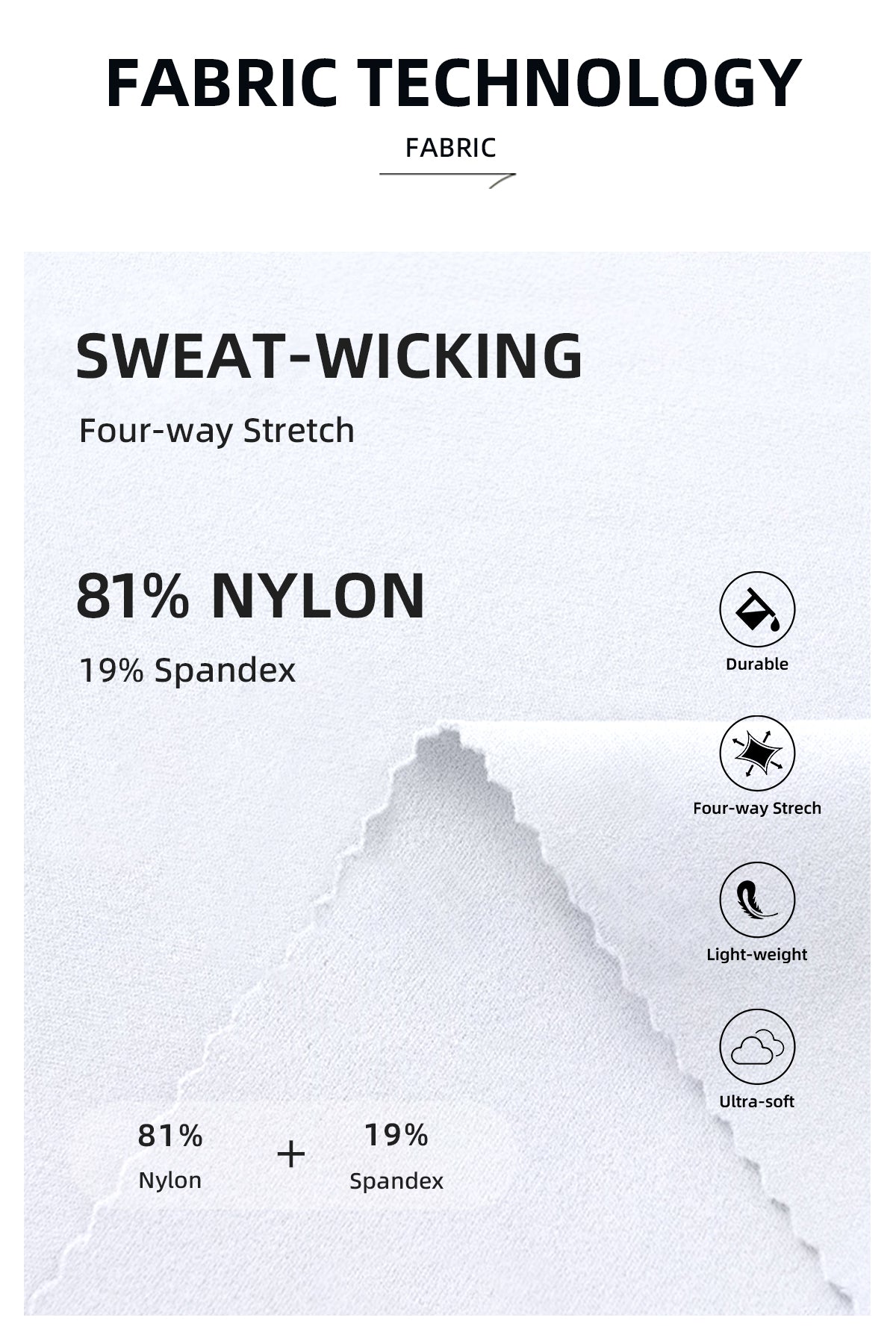
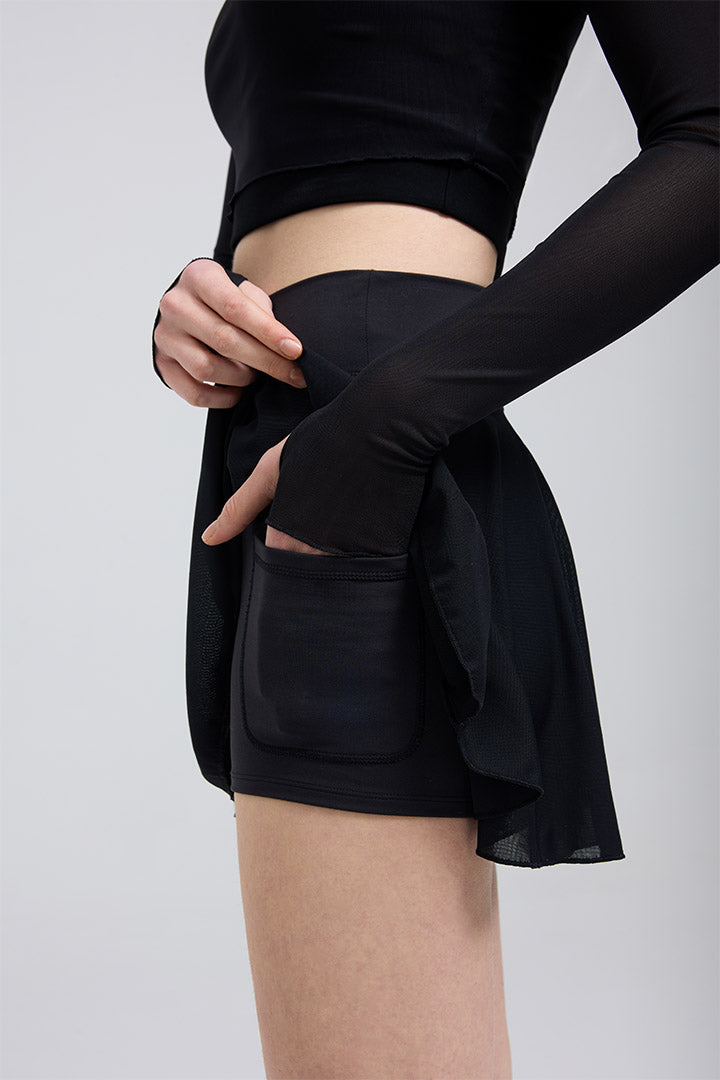
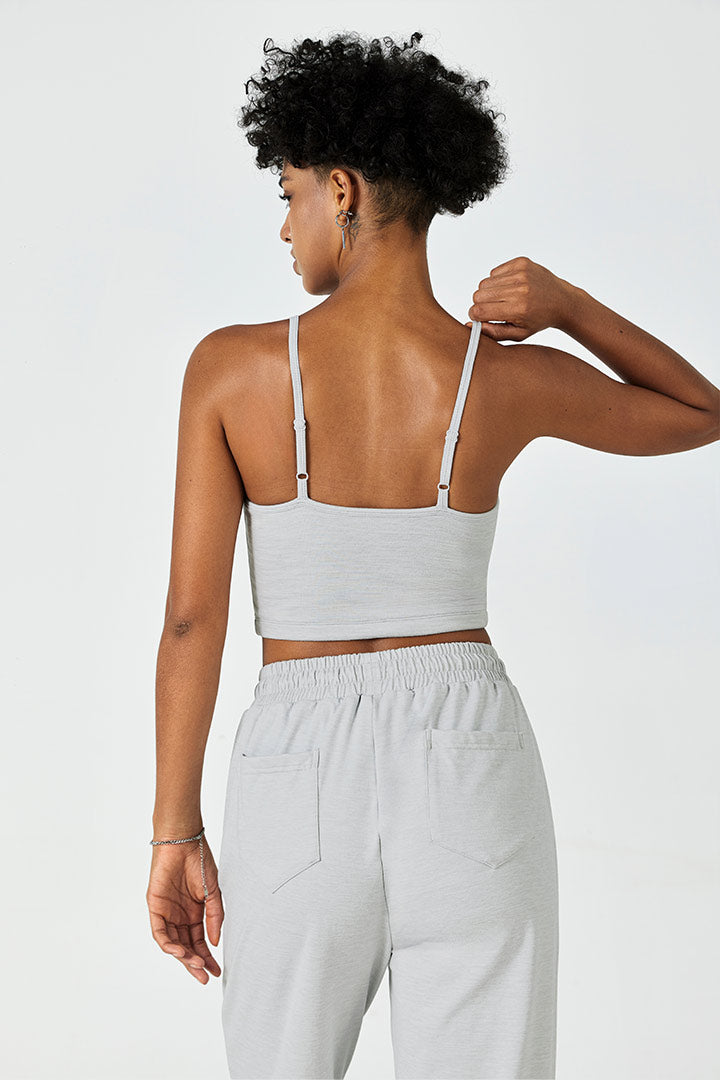
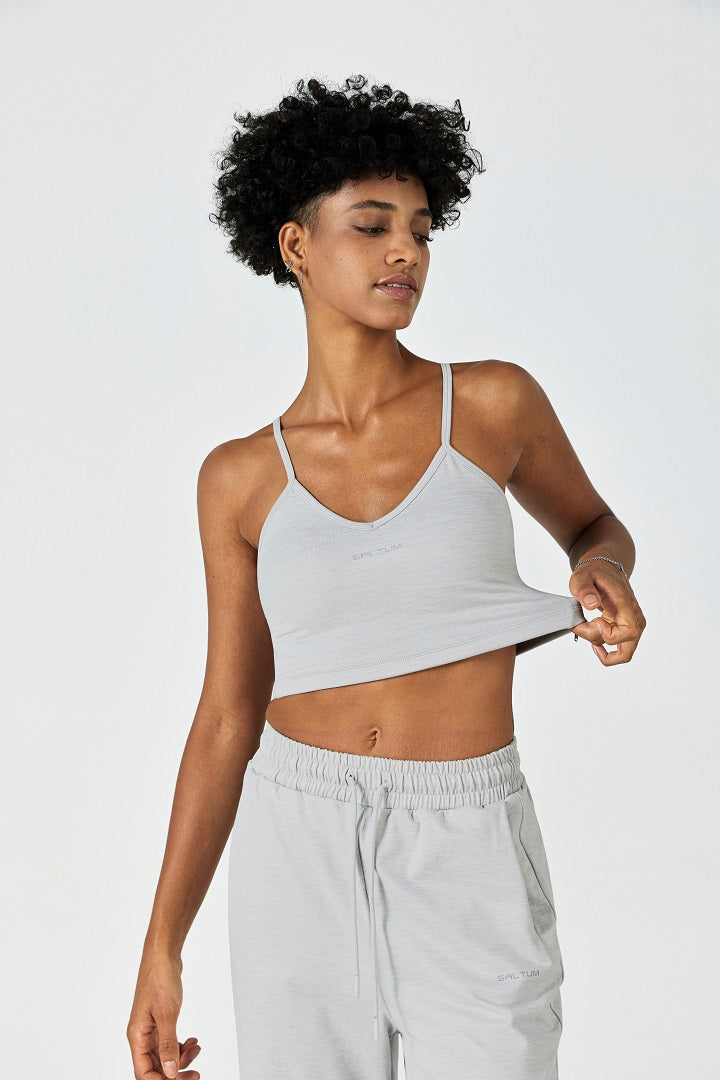
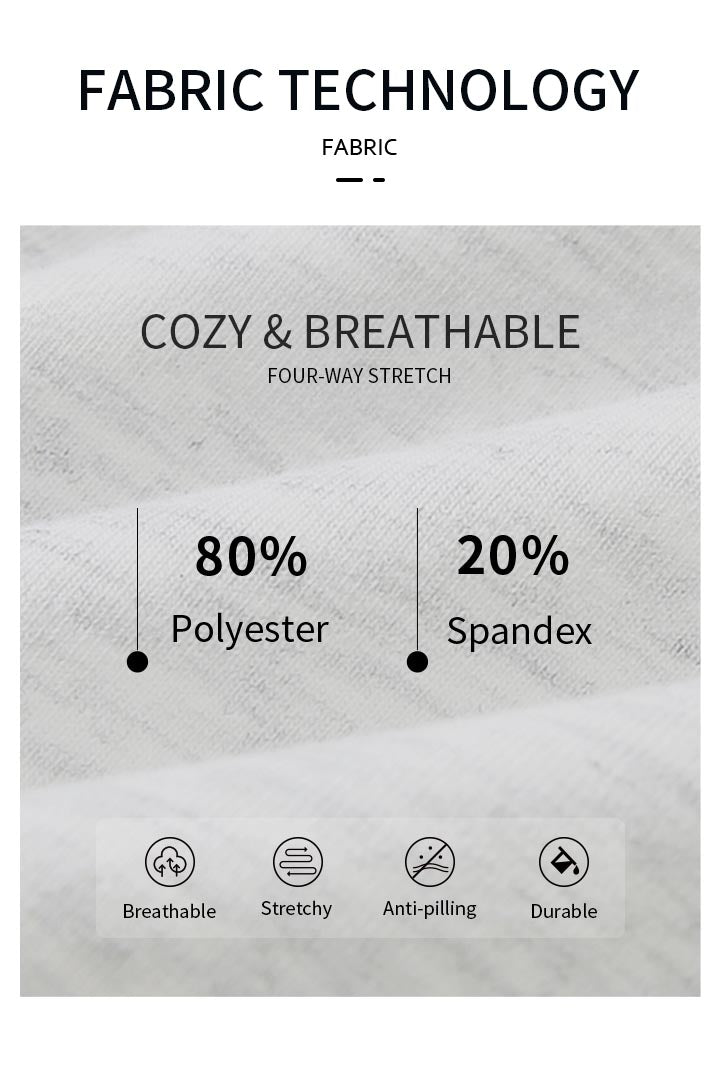
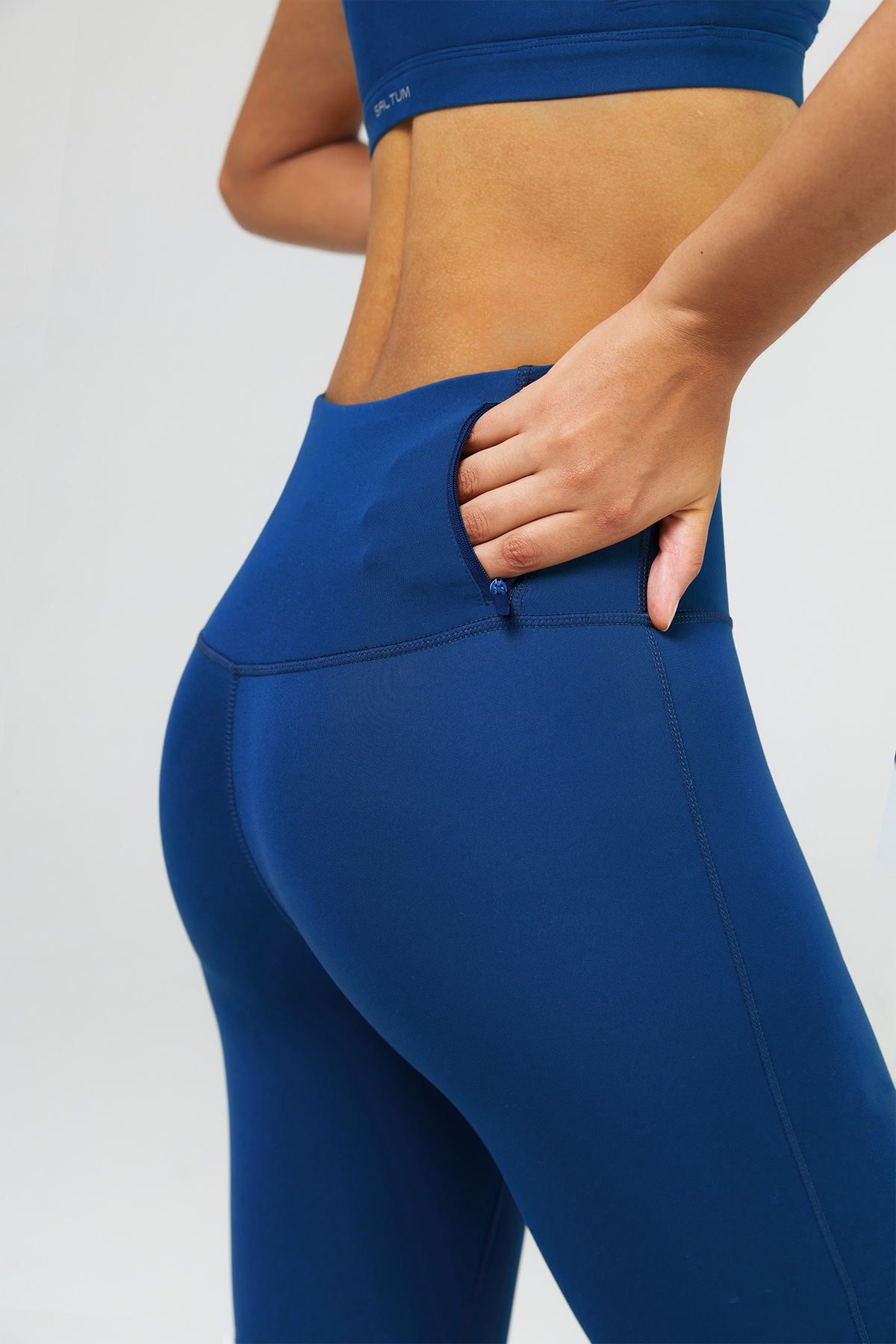
Cela se manifeste dans des choix de tissus qui privilégient l’apparence visuelle (motifs imprimés, aspect brillant, coloris spécifiques) au détriment des performances techniques. Cela se manifeste dans des coupes adaptées à une silhouette esthétique particulière plutôt qu’à la diversité des morphologies qui pratiquent réellement une activité physique. Cela se manifeste par l’absence de poches, la faible longueur des entrejambes et la prime tarifaire systématique pour moins de matière et une conception moins fonctionnelle.
Le facteur structurel est important ici : le marché des vêtements de sport pour femmes a historiquement été façonné par des acheteuses qui recherchaient aussi bien l’apparence que la performance, et les marques ont réagi à ce signal. À mesure que le marché a évolué - alors que davantage de femmes achètent des vêtements de sport principalement pour leur pratique et expriment des exigences fonctionnelles précises -, le design a évolué lui aussi. Mais cette évolution a été plus lente que la demande et elle n’est pas achevée.
Reprendre le contrôle de sa relation aux vêtements de sport
La chose la plus utile à retenir d’un examen de la manière dont la mode sportive fonctionne selon les disciplines est que vous n’êtes pas obligé de suivre ces conventions si elles ne vous conviennent pas. Les règles des tenues assorties dans la culture du cyclisme sur route existent au sein d’une communauté et n’ont aucune autorité en dehors de celle-ci. La tendance des vêtements de sport féminins à être plus courts et plus ajustés que leurs équivalents masculins relève d’une tendance du marché, pas d’une obligation.
Certaines des approches les plus pratiques qui ont émergé des échanges entre sportives sont étonnamment simples : faire ses achats dans différentes catégories (vêtements pour femmes et pour hommes, vêtements de sport et équipement de plein air), apprendre quelles caractéristiques techniques précises sont importantes pour son activité et les rechercher, s'appuyer sur des communautés d'autres femmes qui pratiquent le même sport pour trouver ce qui fonctionne réellement, et accepter de donner un retour direct aux marques lorsque quelque chose ne convient pas - par l'intermédiaire des avis, des retours et d'une communication directe.
Dans ce qu'elles ont de meilleur, les communautés sportives sont des lieux où ce que l'on est capable de faire compte davantage que son apparence pendant l'effort. Les vêtements sont censés accompagner l'activité - et non la définir.