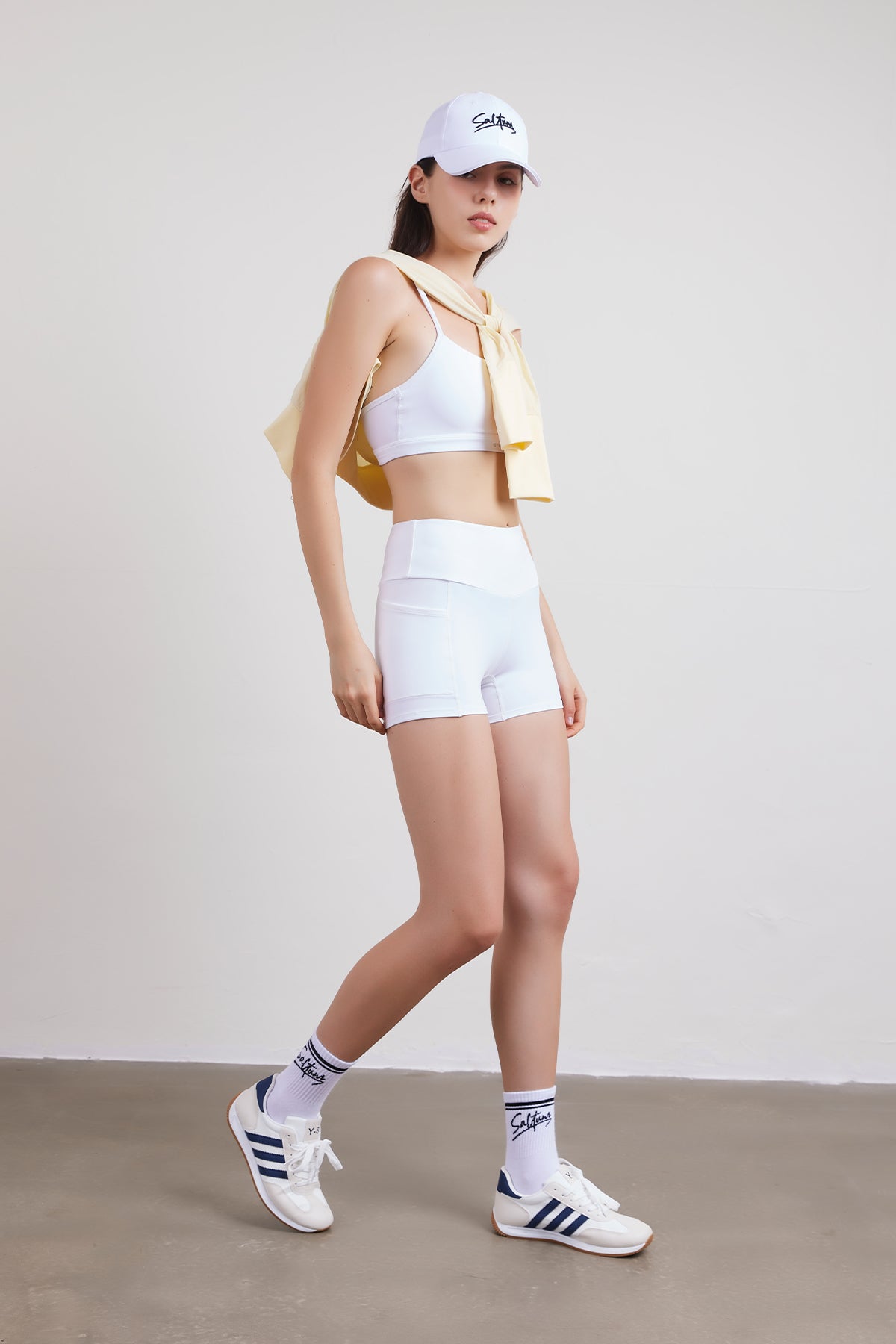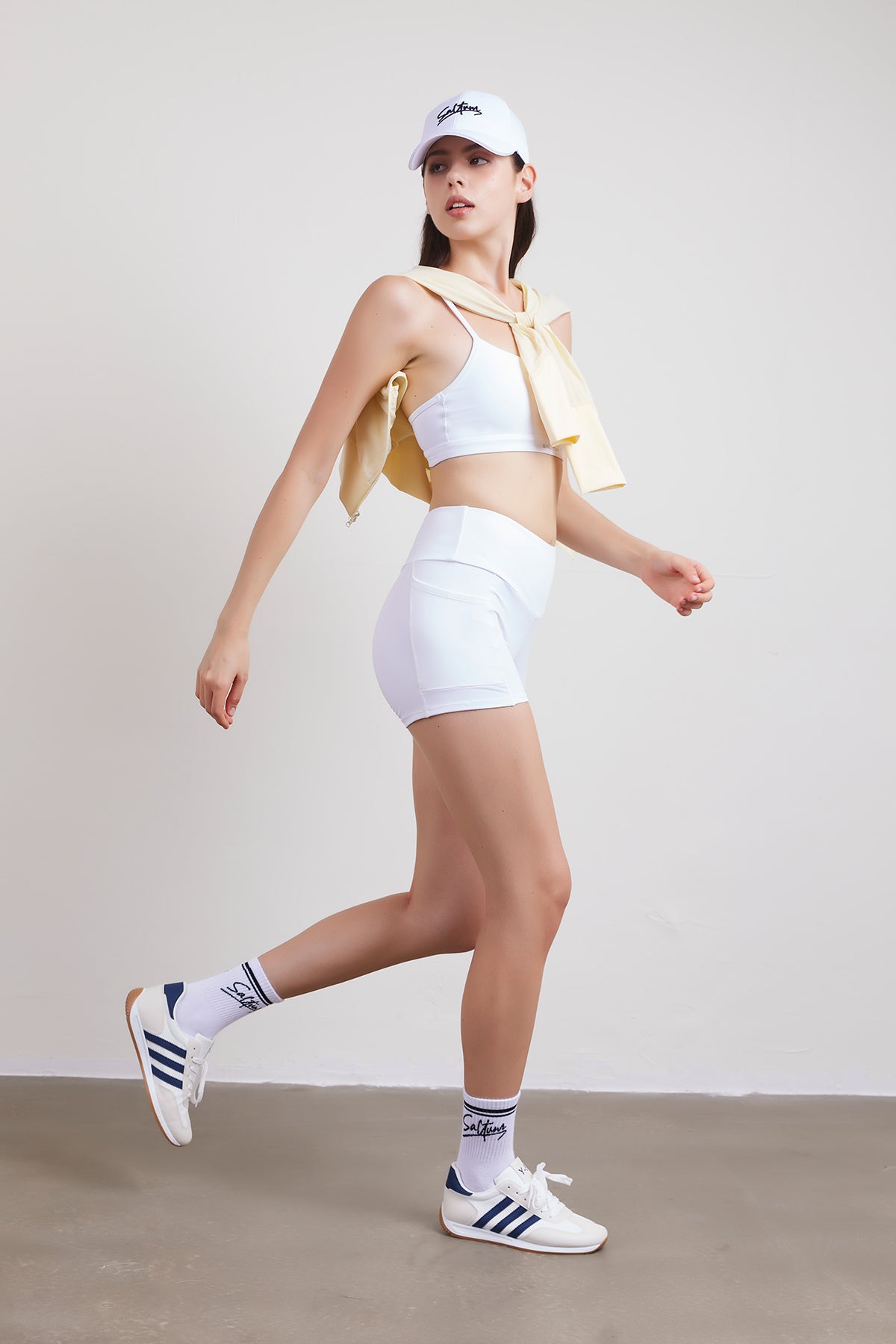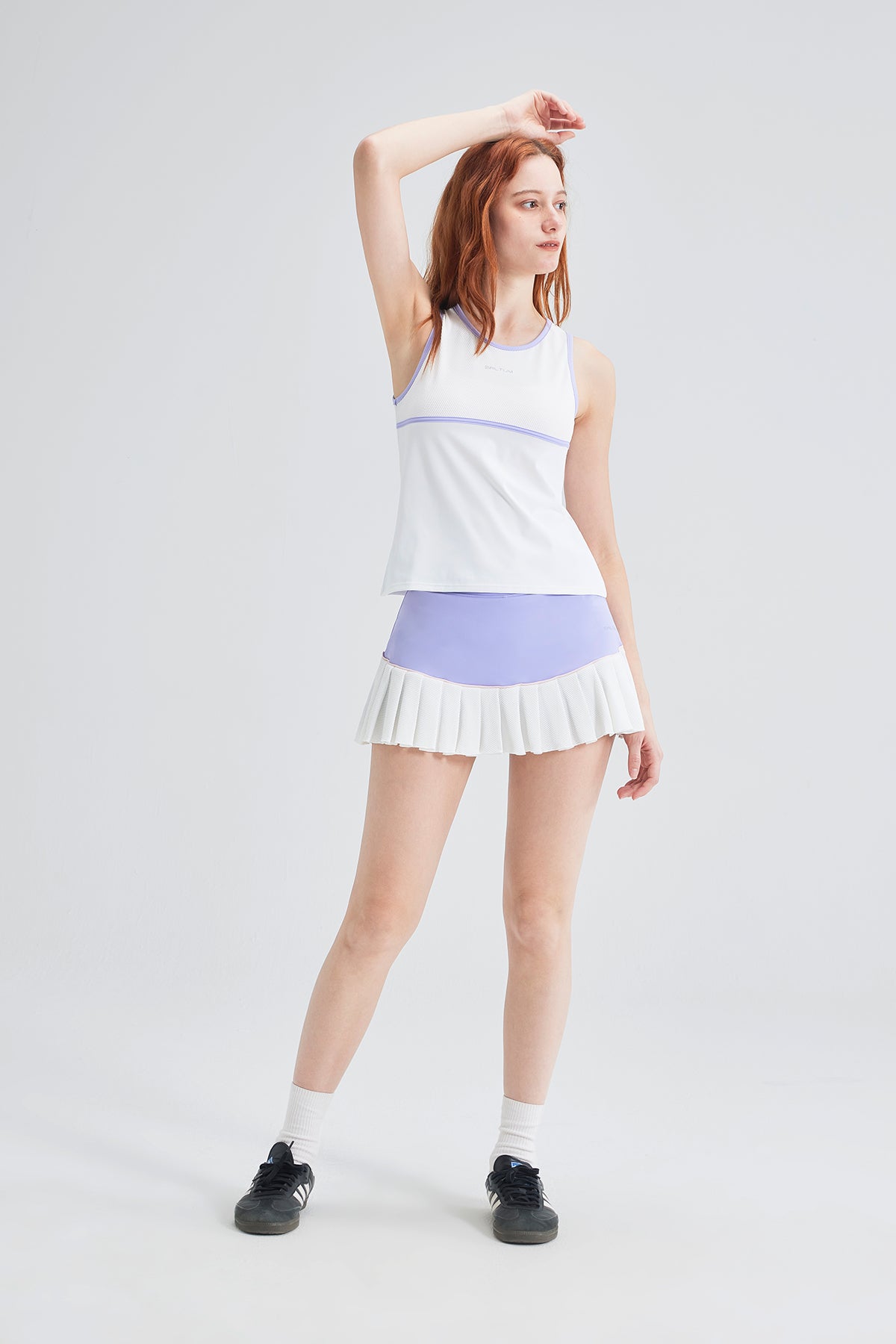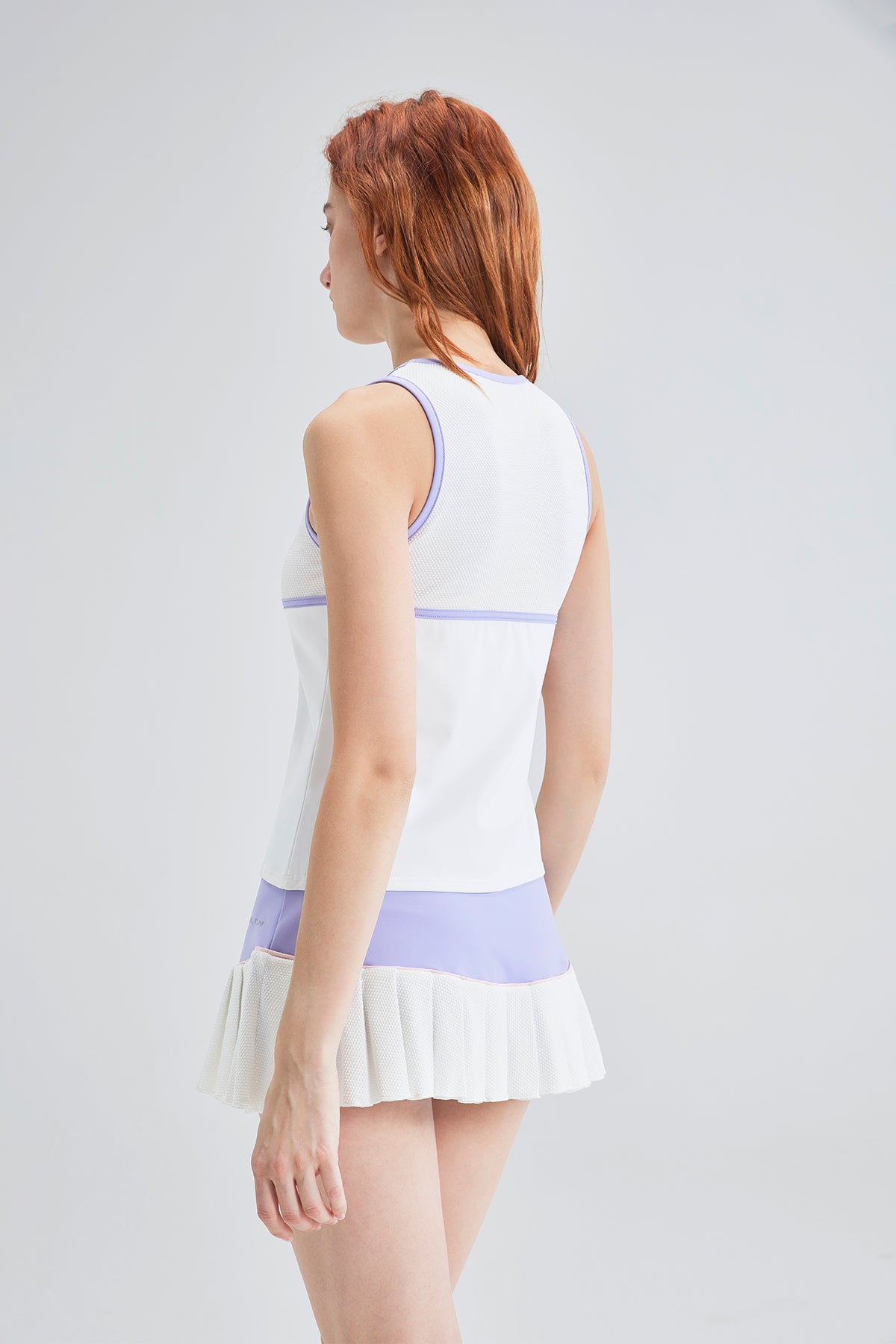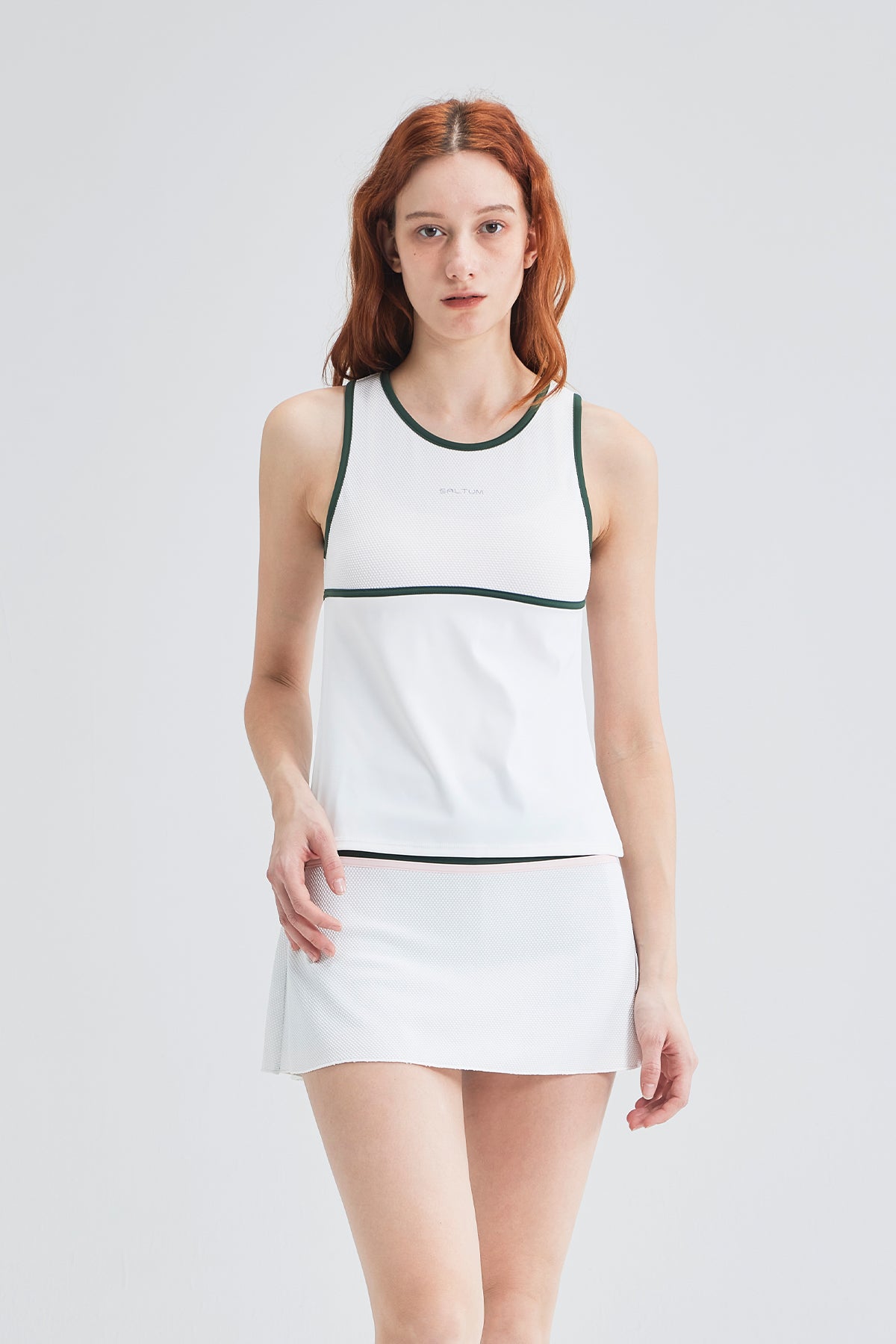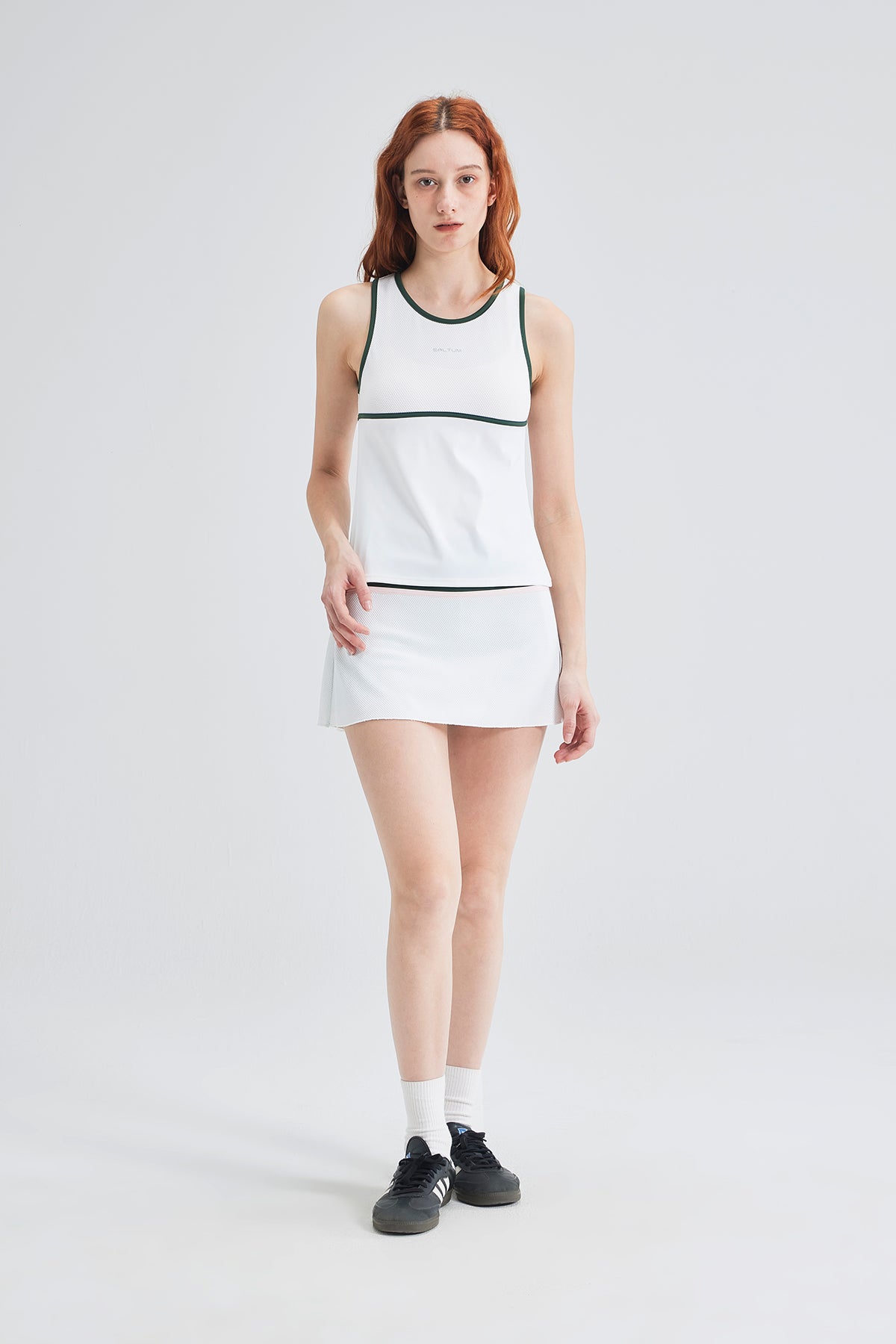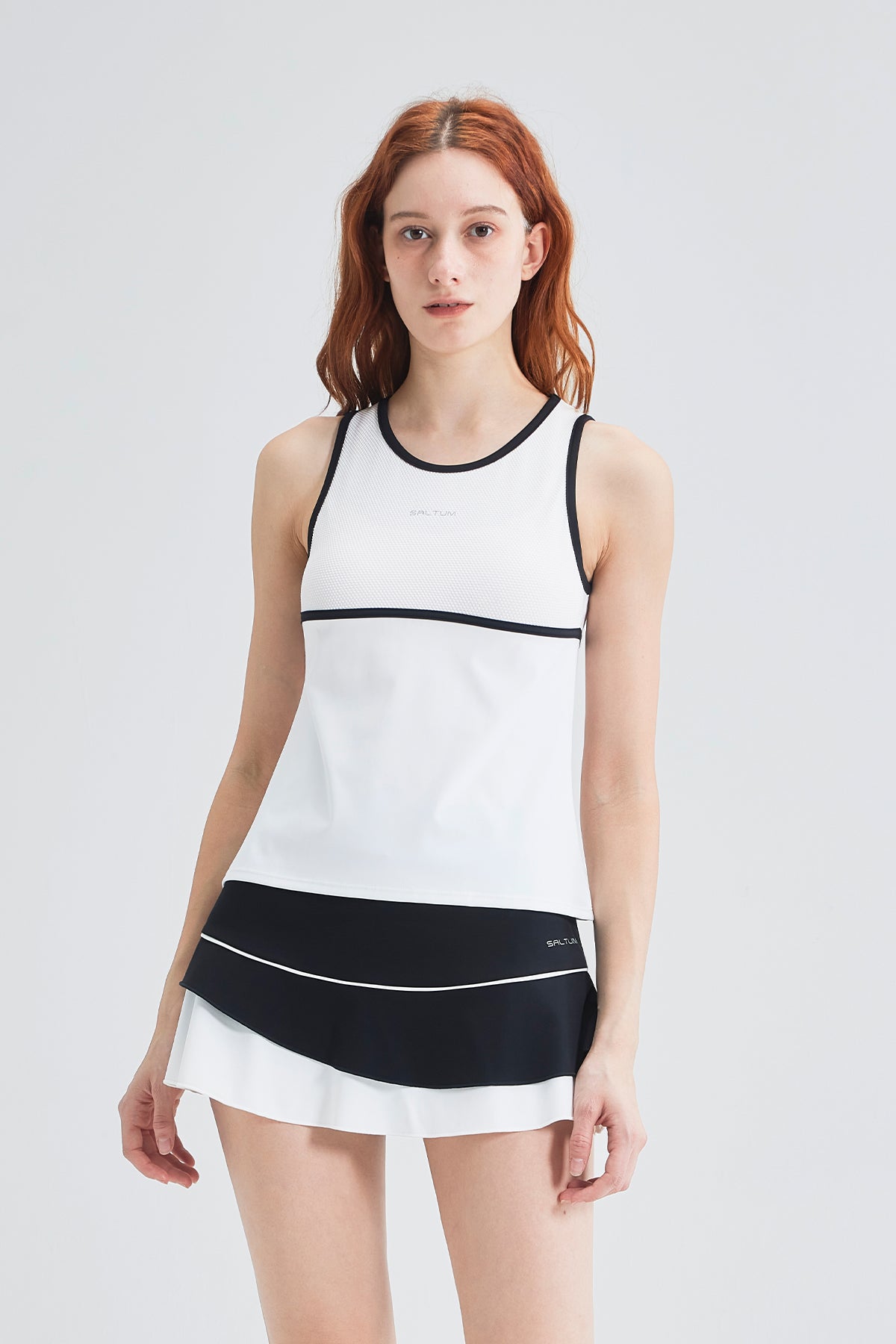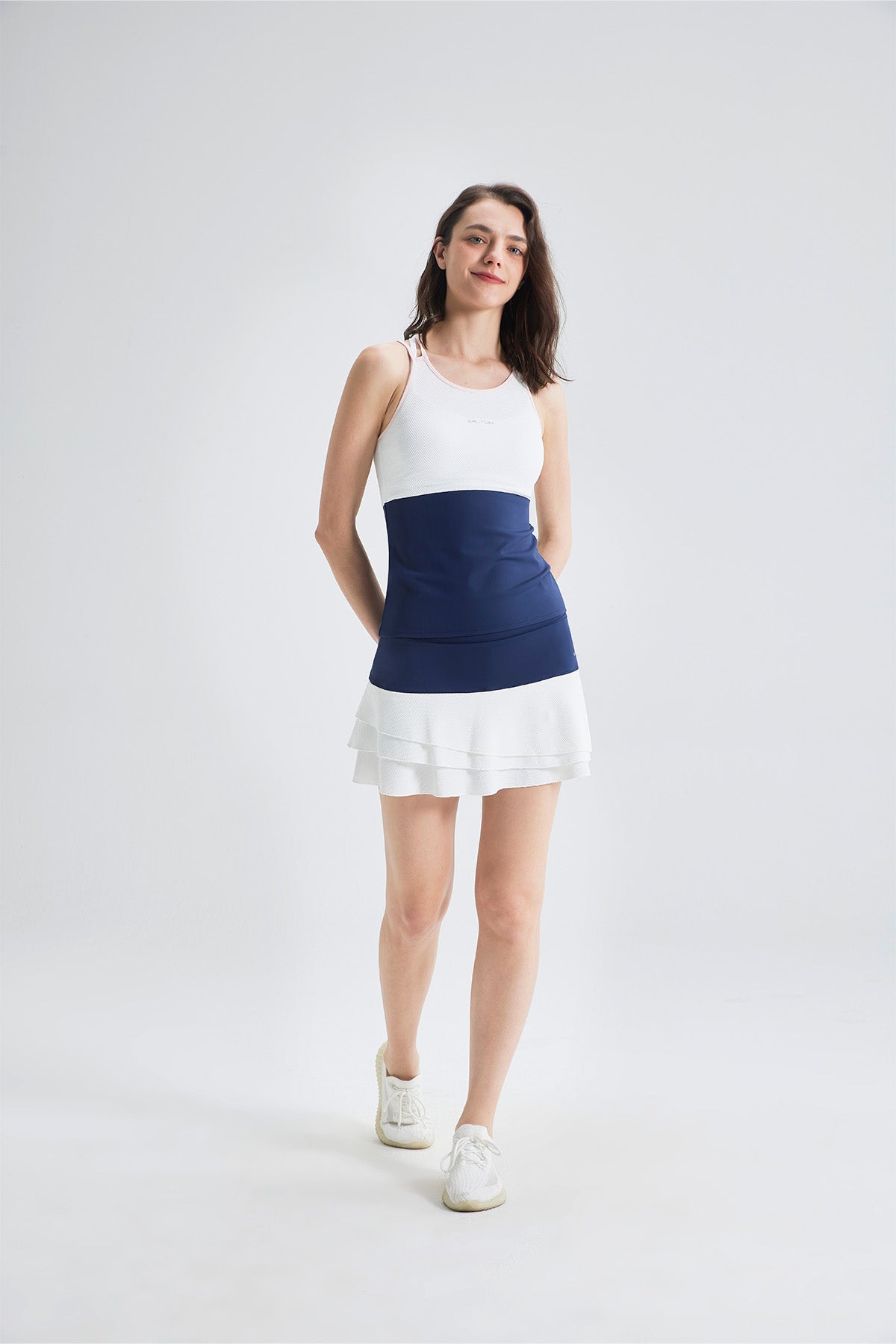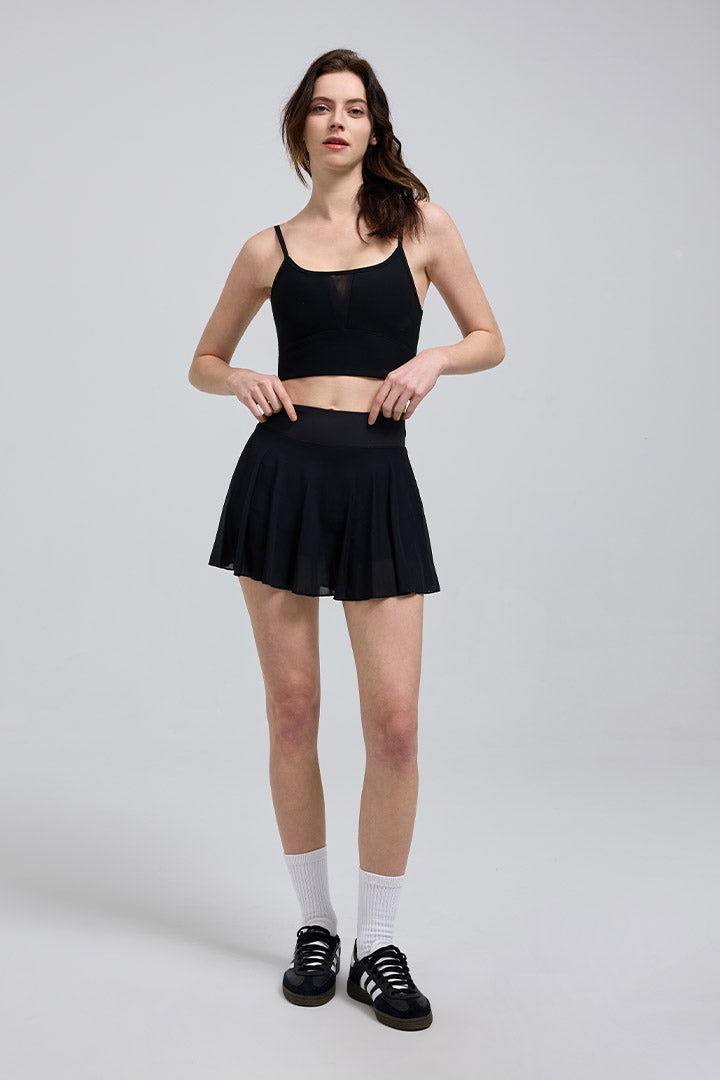

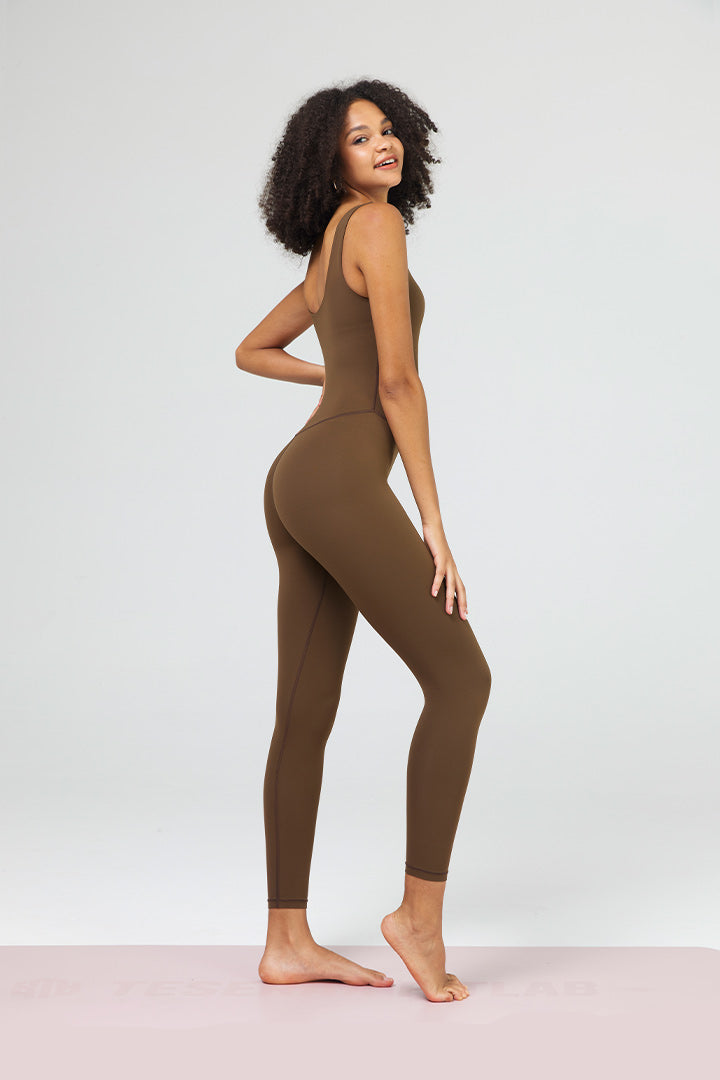
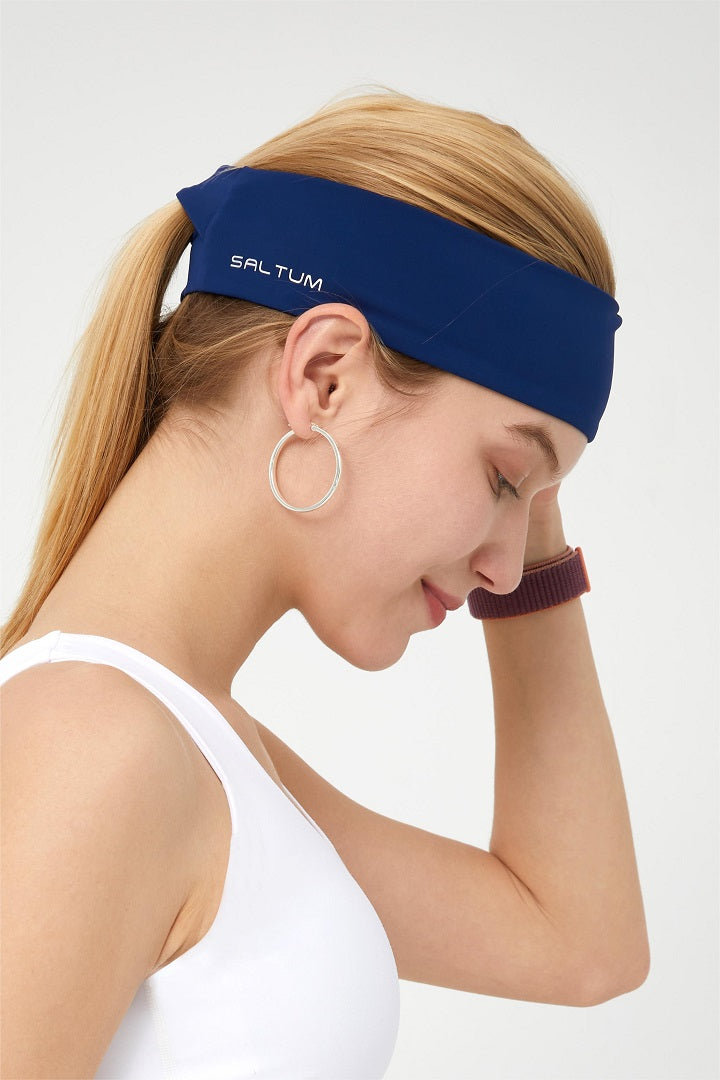

If you've ever stood in a fitting room holding a top that fits your shoulders perfectly but swims around your waist — or vice versa — you already understand the particular challenge of dressing an athletic body. The fashion industry has historically designed around a narrower range of proportions, and the result is that women with broad shoulders, defined arms, and a straighter silhouette often feel like the clothes weren't made with them in mind. Because often, they weren't.
But here's what's worth saying upfront: an athletic build is not a problem to be solved. Clothes that look "flattering" on you don't have to mean hiding what you've worked for. What we're really after is proportion, comfort, and the quiet confidence that comes from wearing something that genuinely fits.
Understanding the Athletic Body Shape
The athletic or "straight" body type is typically described as having shoulders and hips that are roughly the same width, with a less-defined waist. In fashion terms, this often gets called a "rectangular" silhouette. Muscles — especially in the back, shoulders, and arms — can make certain cuts feel tight or restrictive even at a correct size.
What this means in practice: standard sizing often fails you not because your body is unusual, but because most garments are patterned with a fixed shoulder-to-waist ratio that assumes narrower shoulders. Sizing up to fit your shoulders then leaves fabric pooling elsewhere. It's a design problem, not a body problem.
Many women with athletic builds find they need different sizes for tops and bottoms — and occasionally different sizes within a single garment. Tailoring a top that fits your shoulders but gaps at the waist is one of the most cost-effective moves you can make.
Necklines That Love Your Shoulders Back
The neckline is probably the single most impactful element when dressing broader shoulders. The right one can make you look effortlessly put-together; the wrong one can create the visual impression of even more width across the top — not because there's anything wrong with that, but because most people dressing for a balanced silhouette want to avoid it.

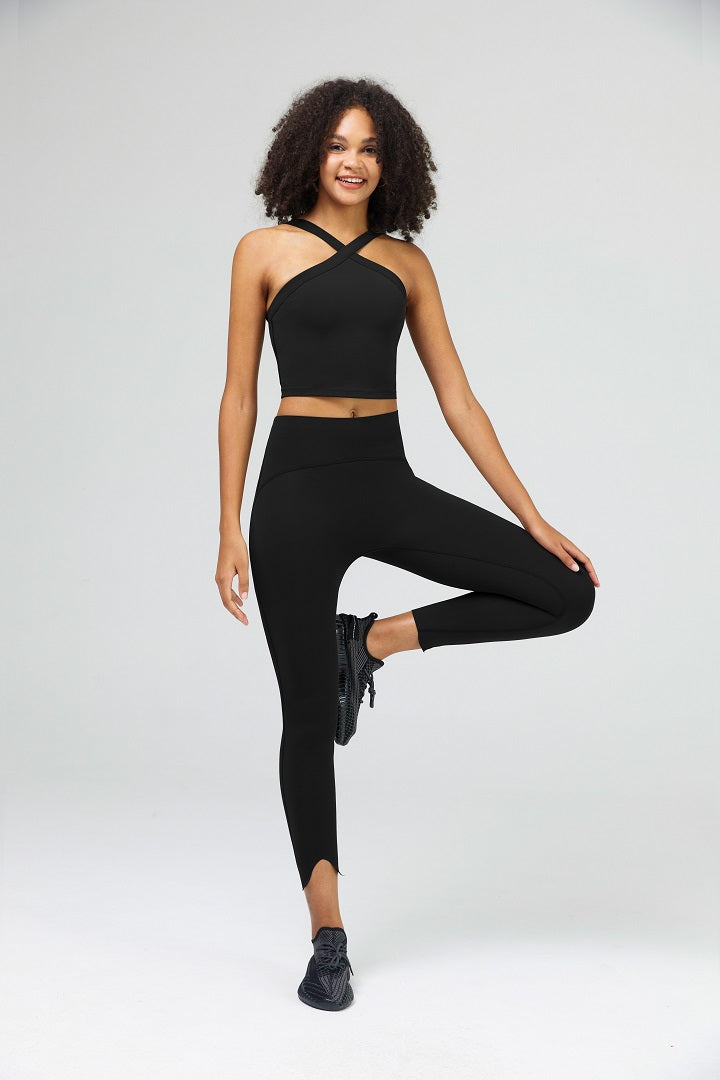
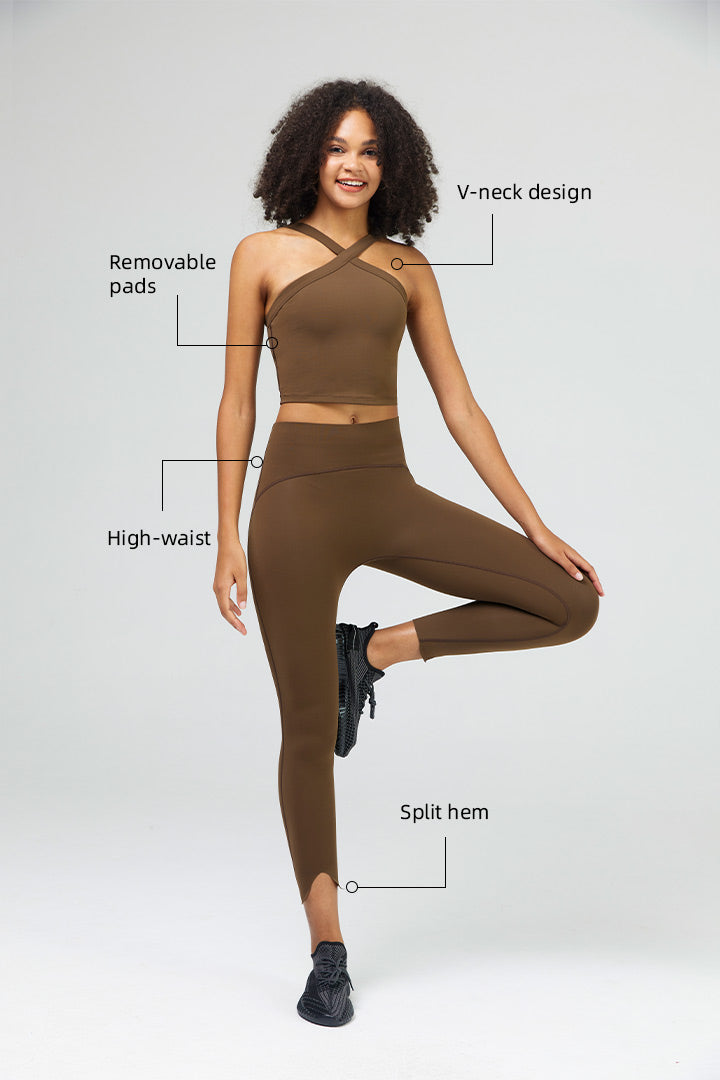
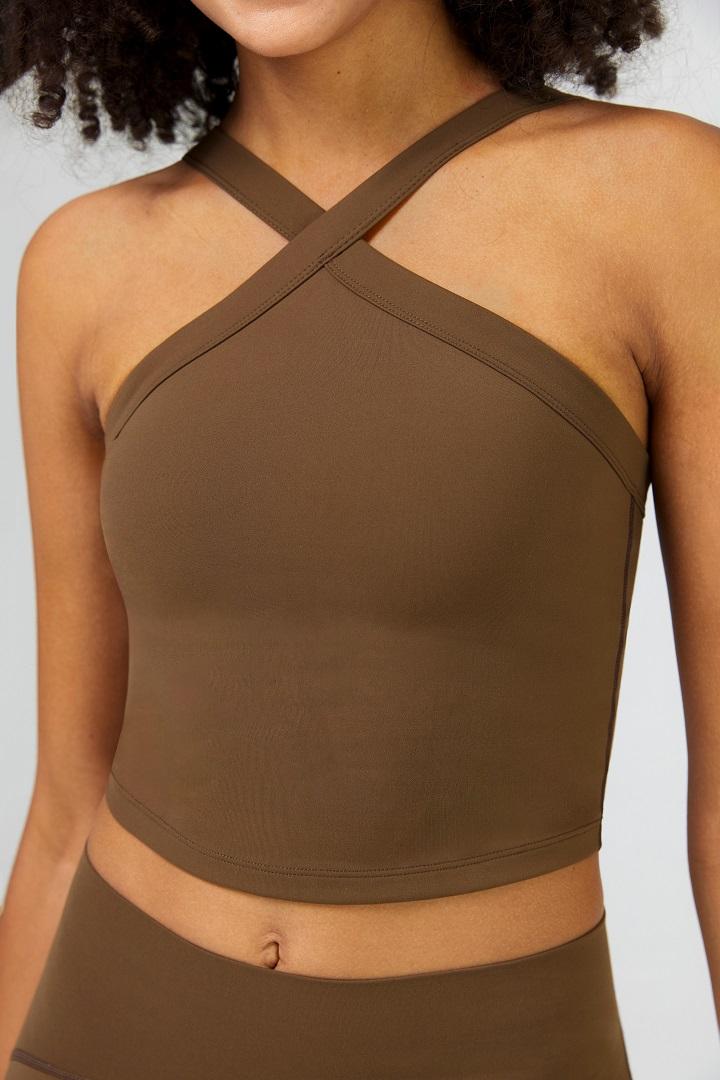
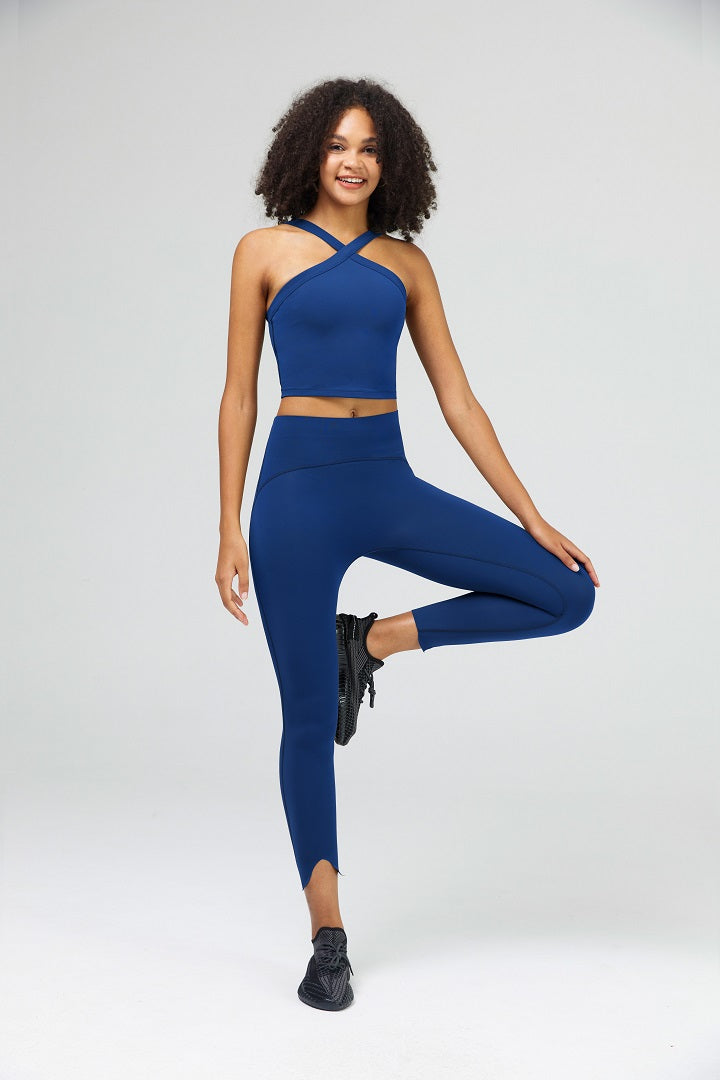
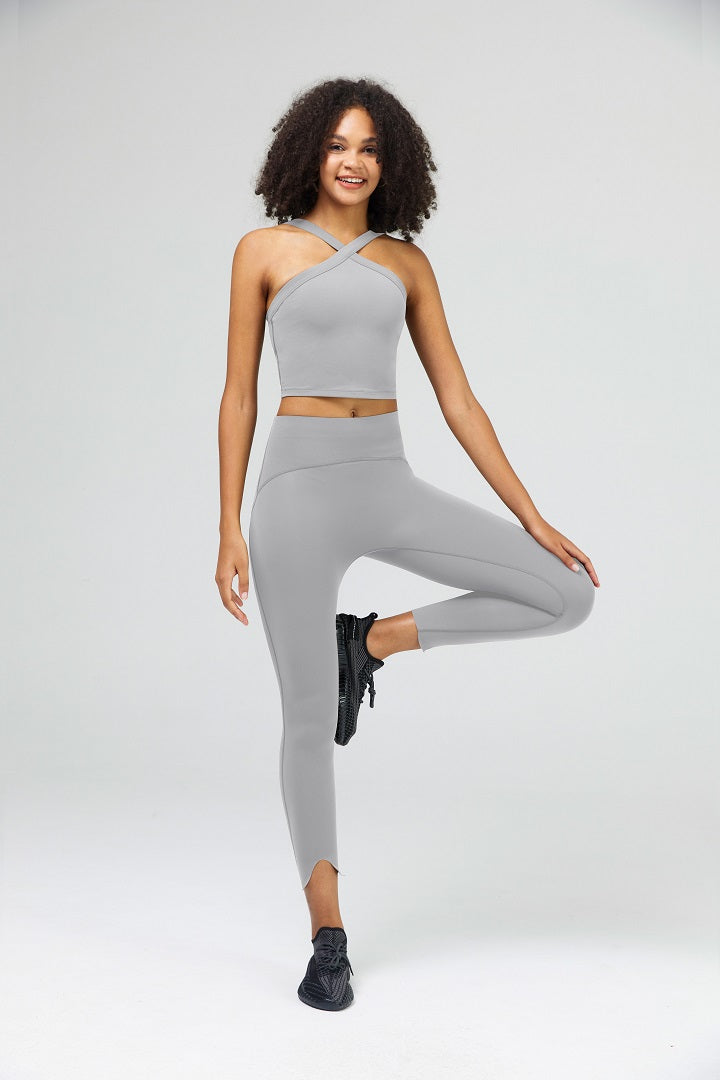
Halter necks
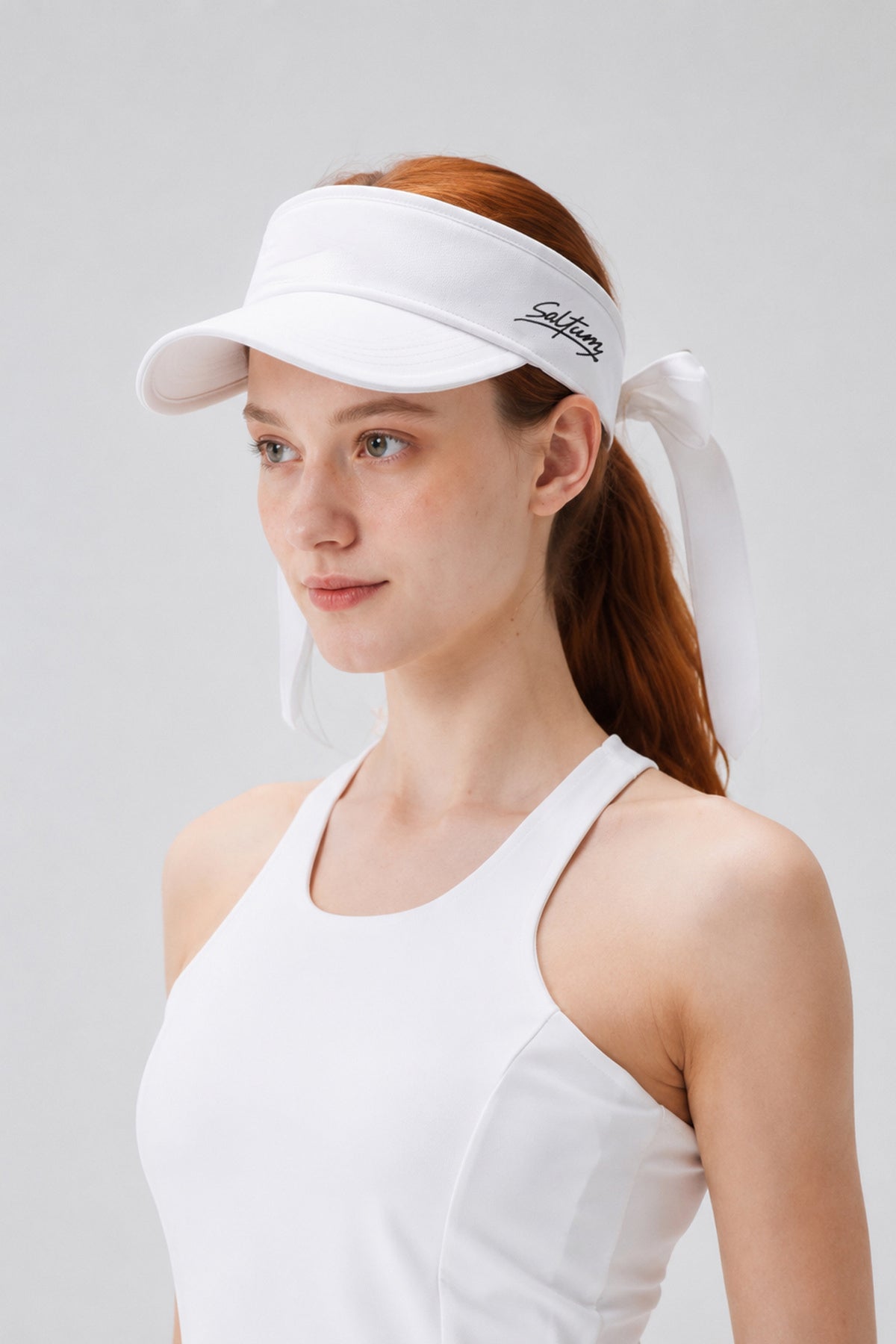
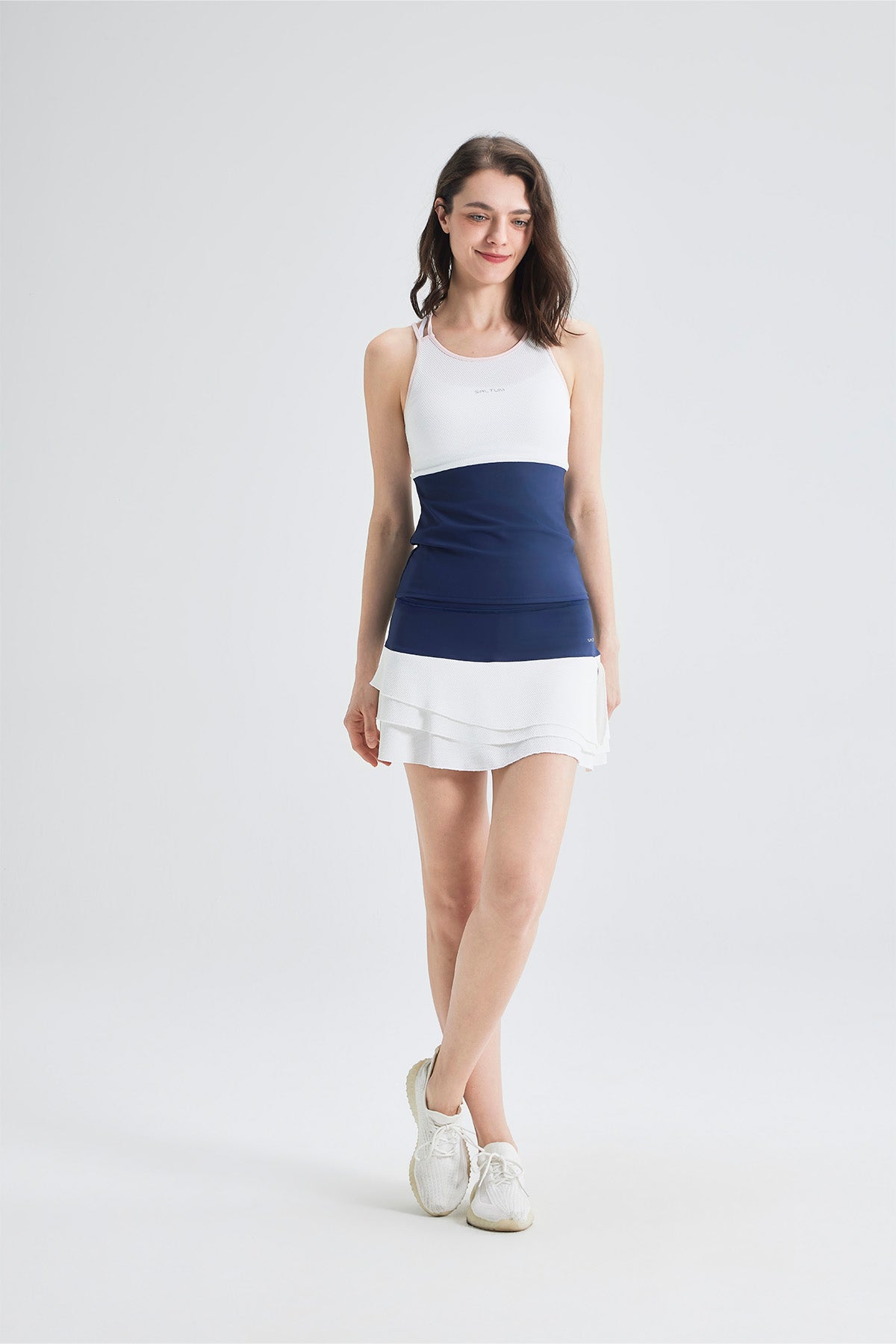
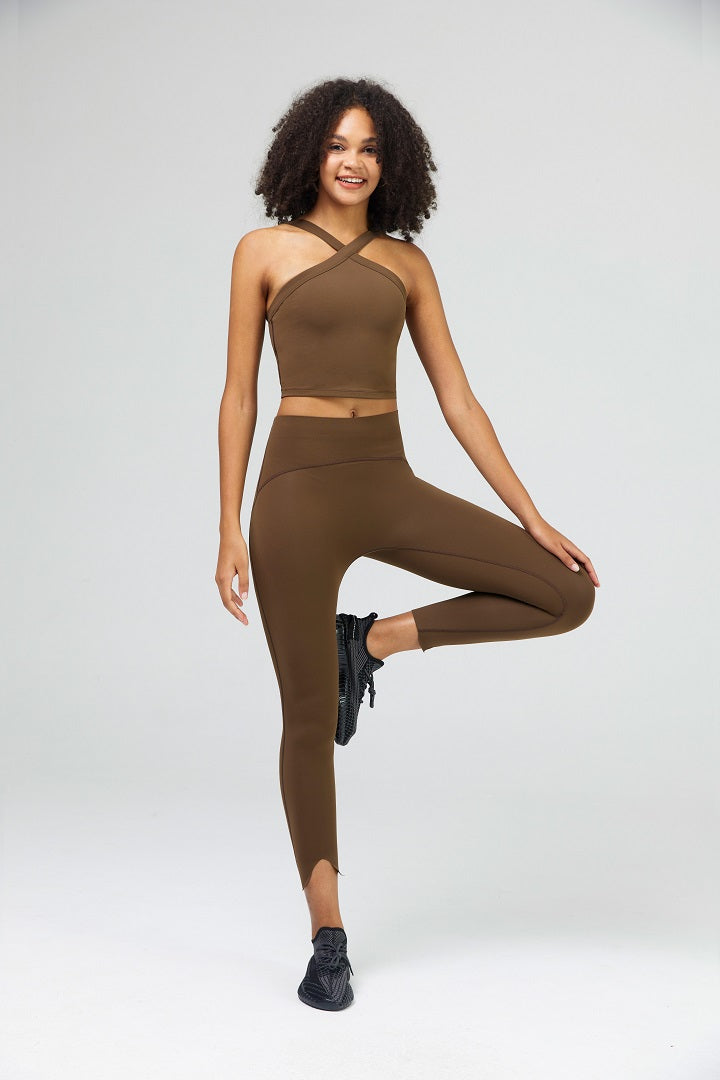
This is the one recommendation that comes up again and again among women with athletic builds, and for good reason. A halter neck draws the eye upward and inward, toward the center of the chest, while leaving the shoulders open and uncovered. Rather than framing the full width of the shoulders, it highlights their curve. On a strong, well-defined back, a halter style can look genuinely striking.
Deep V-necks
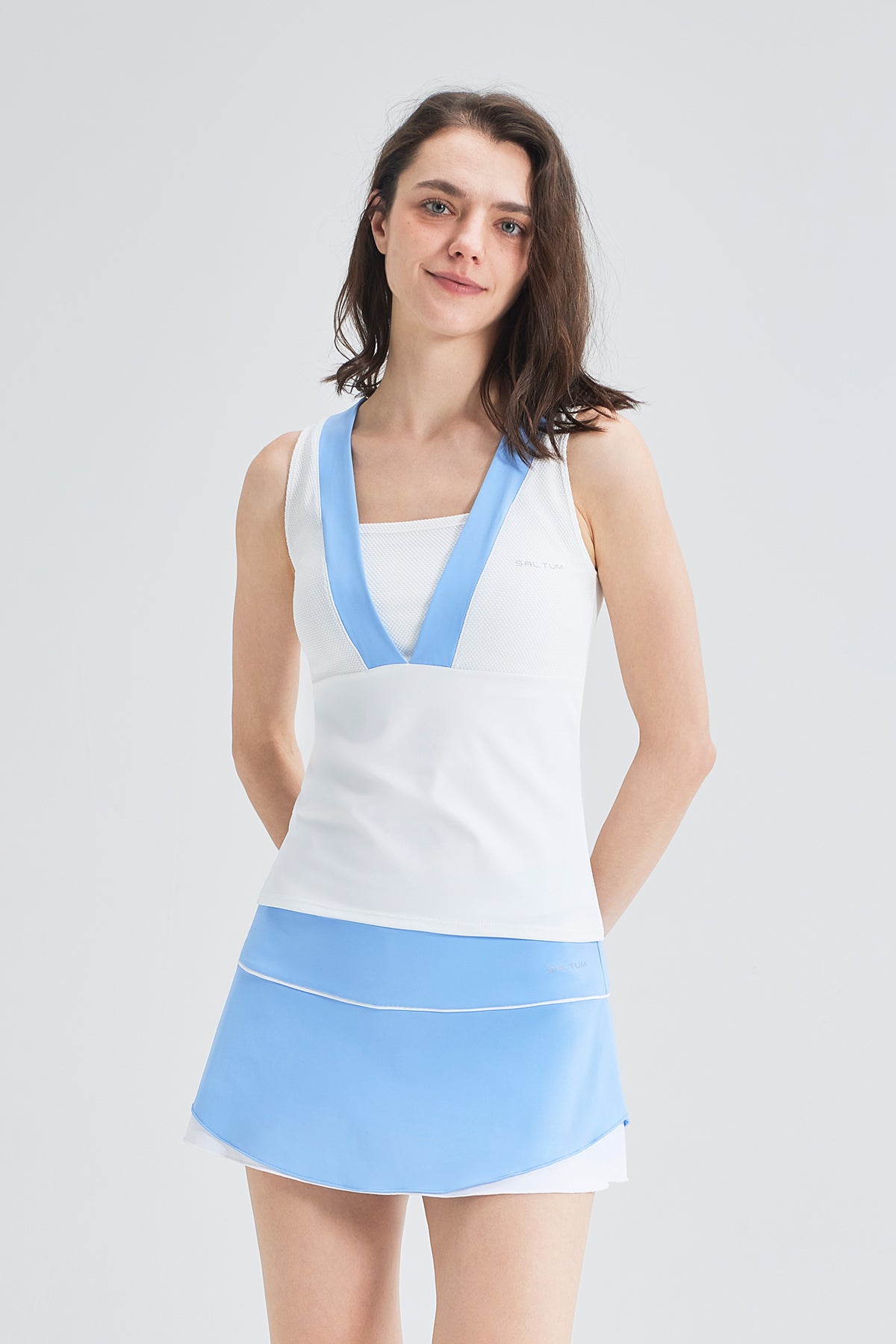
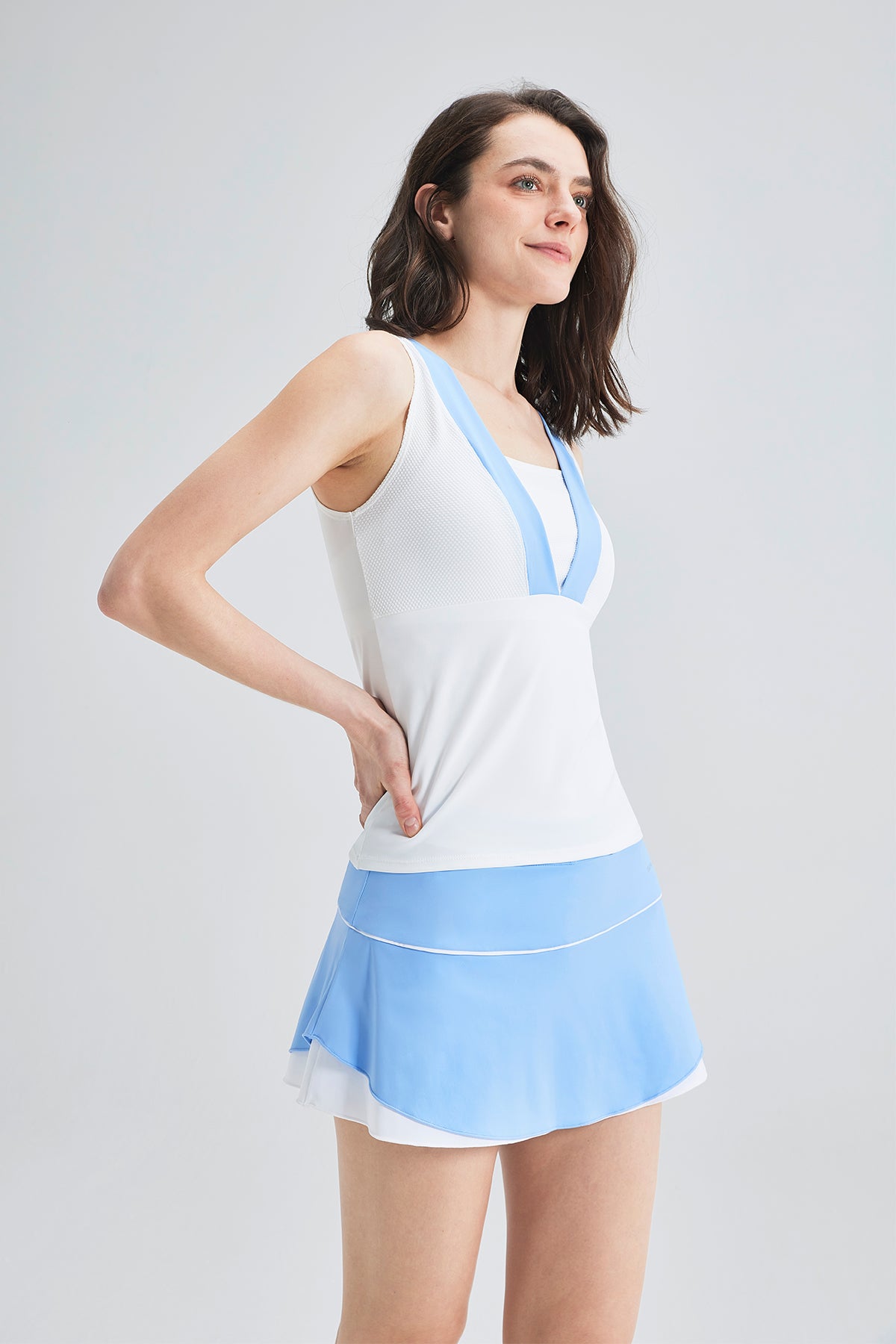
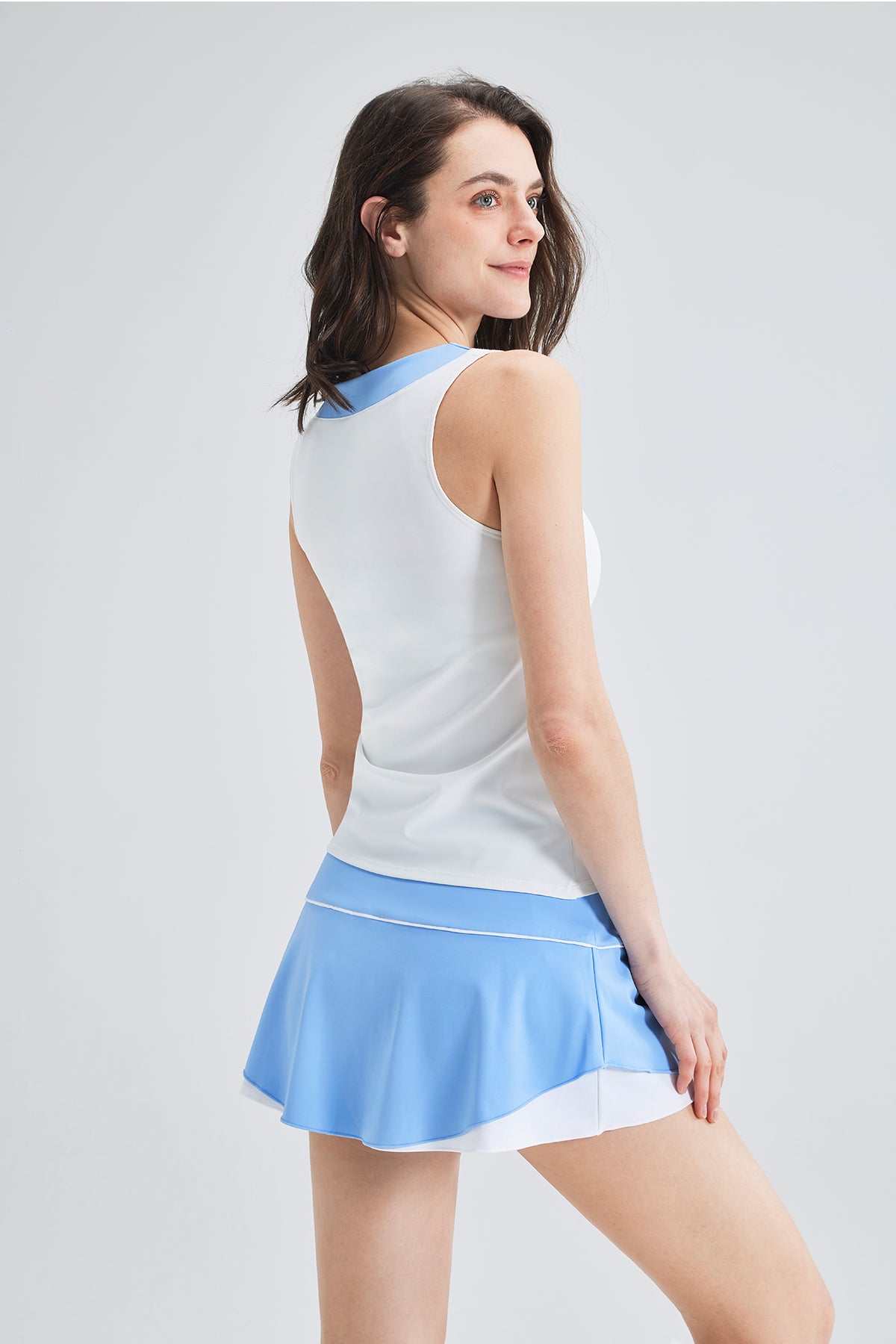
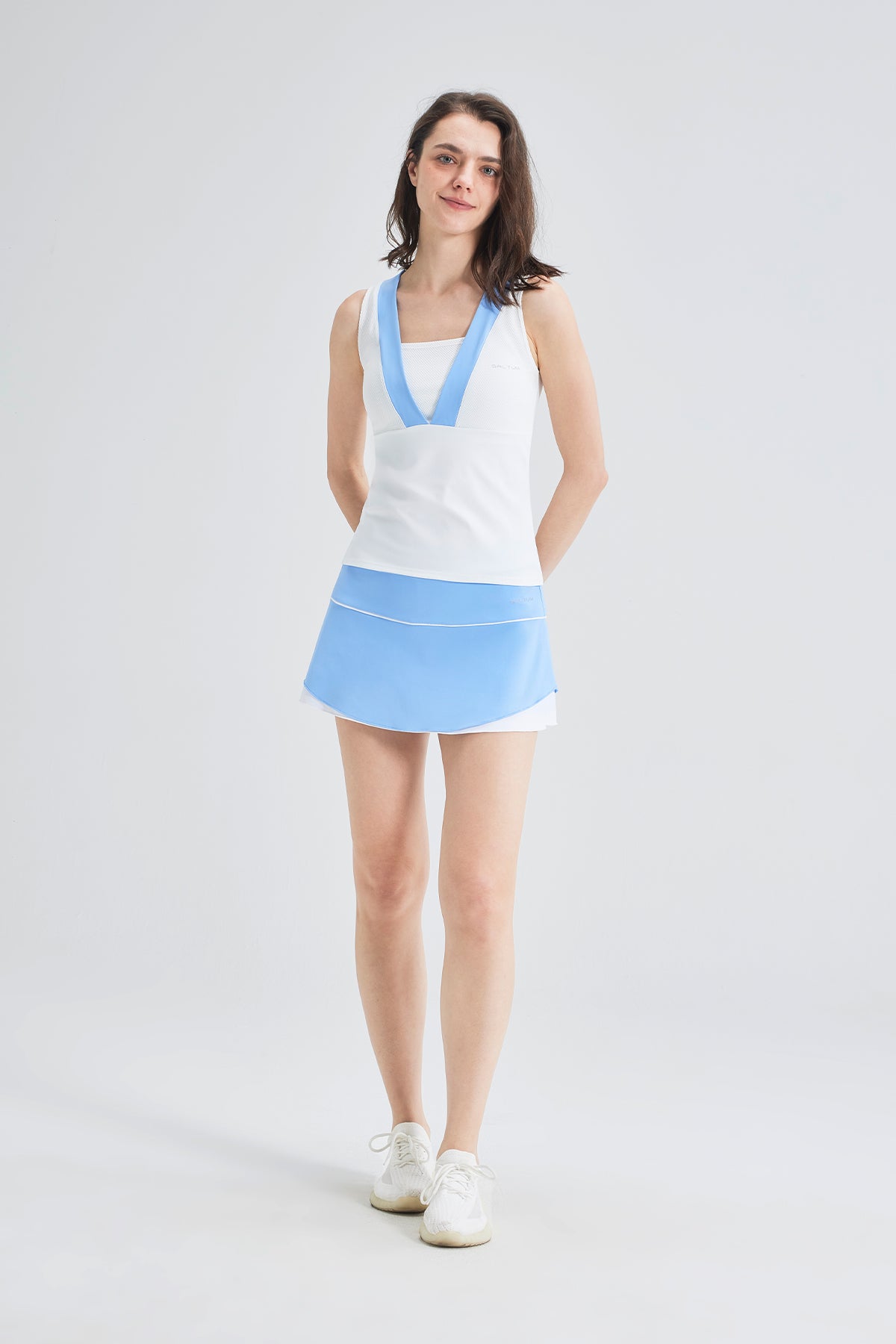
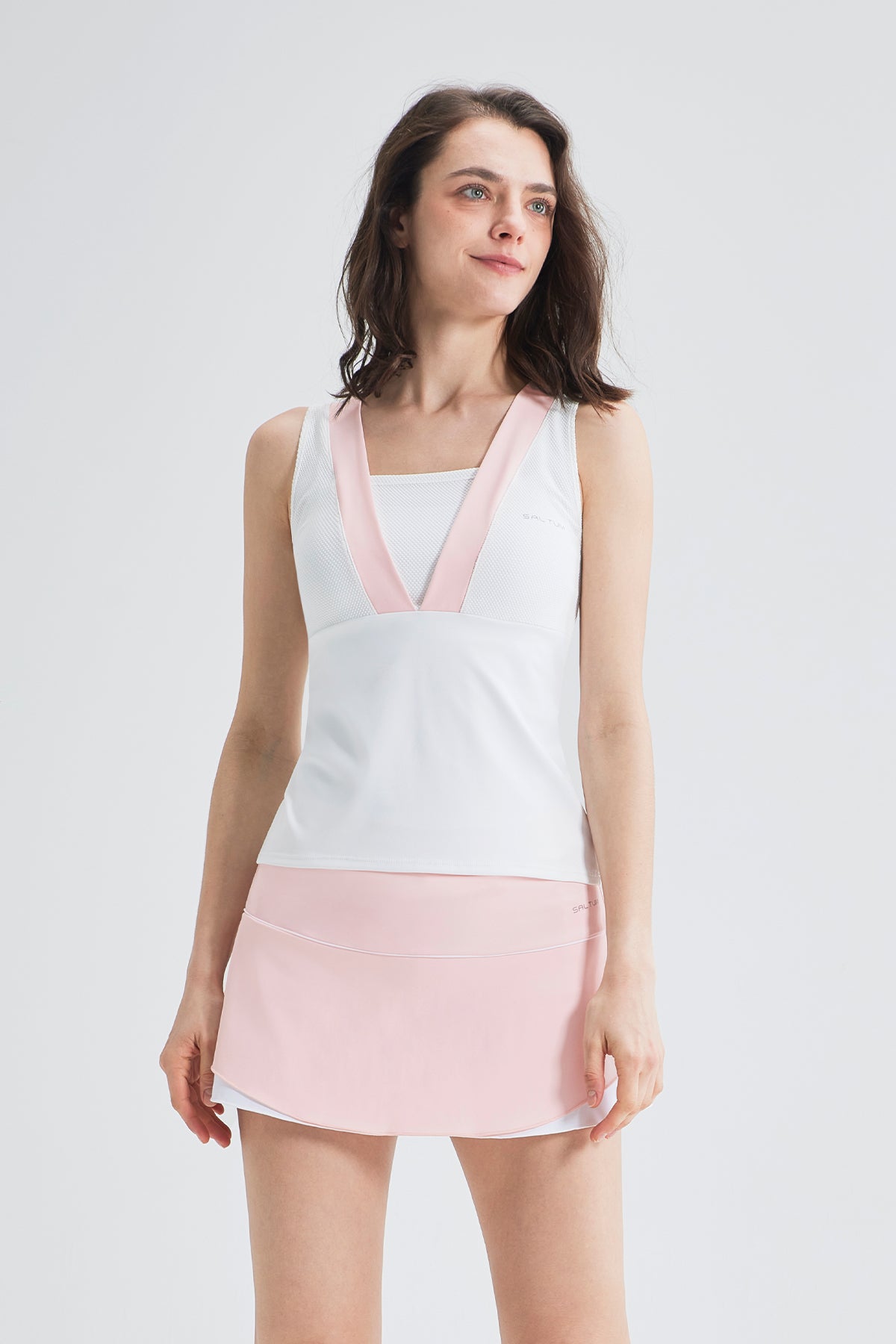
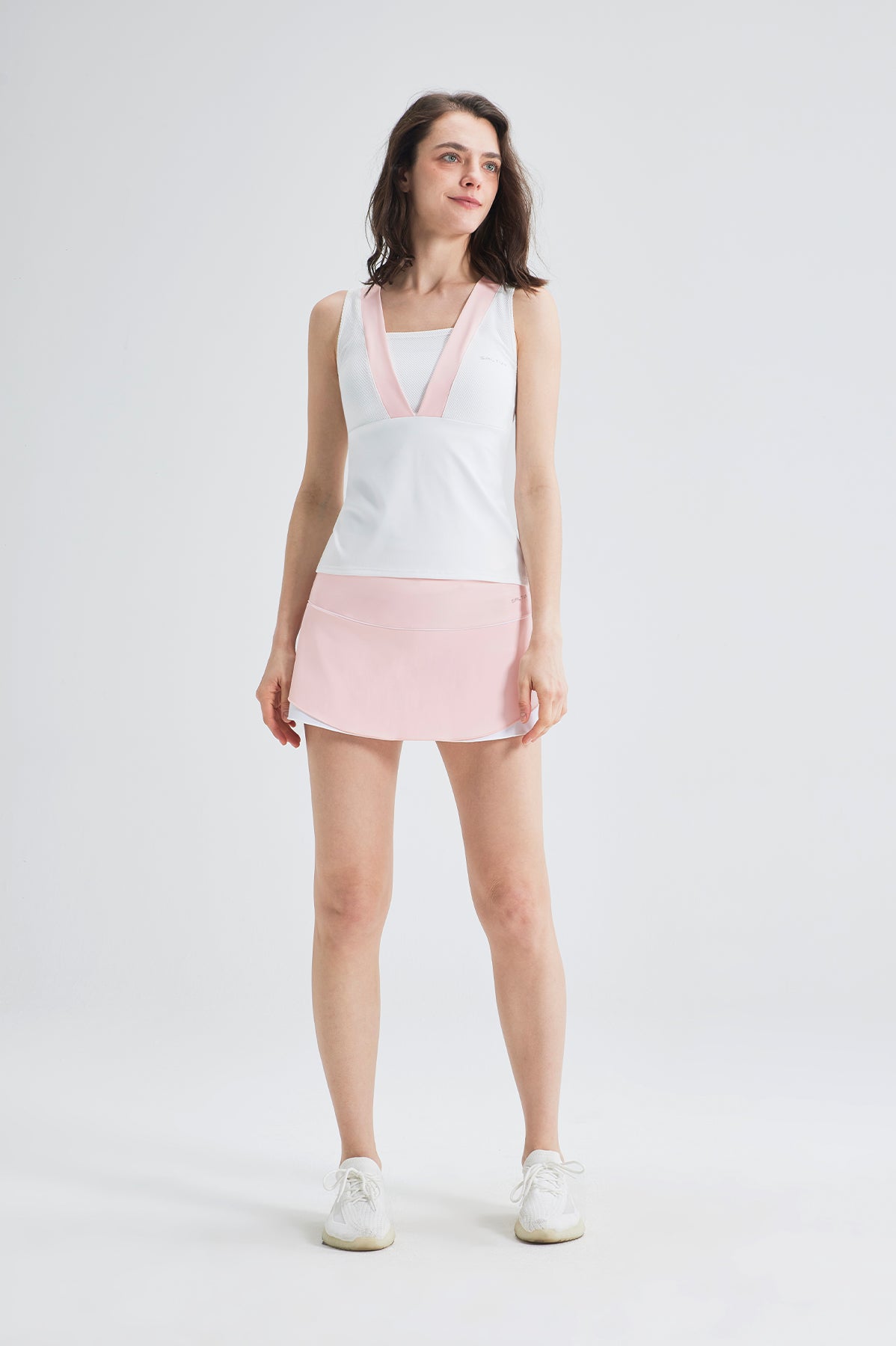
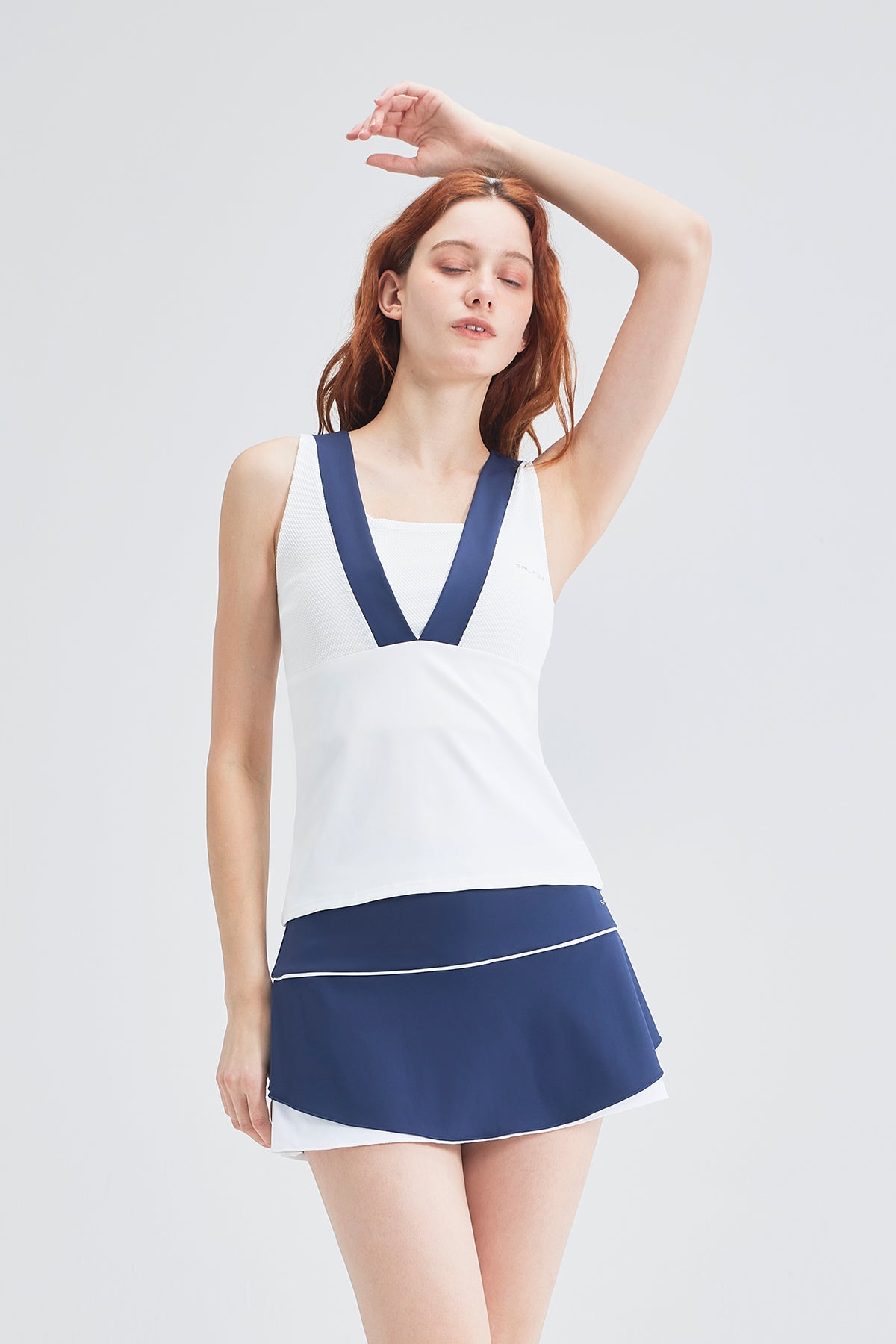
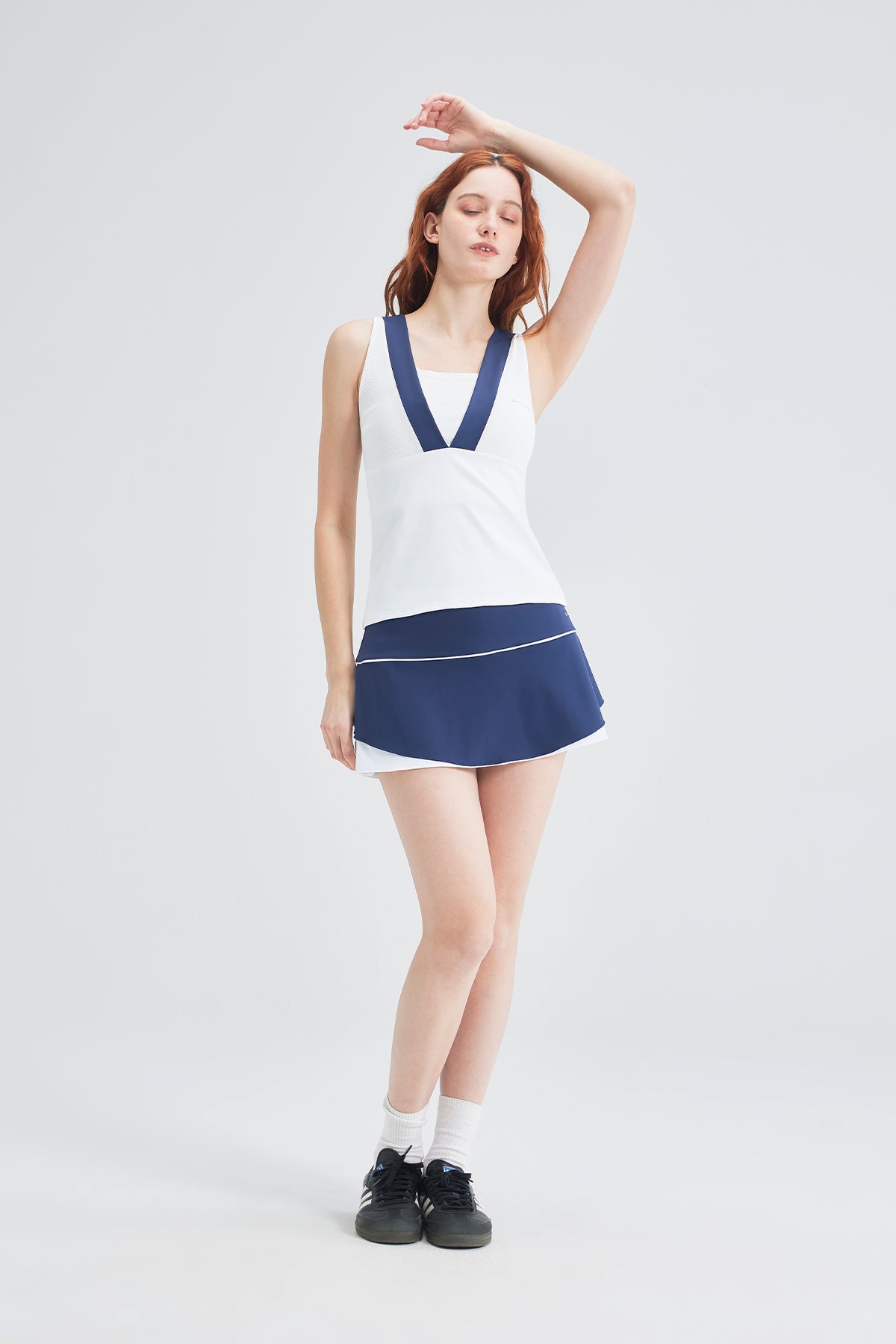
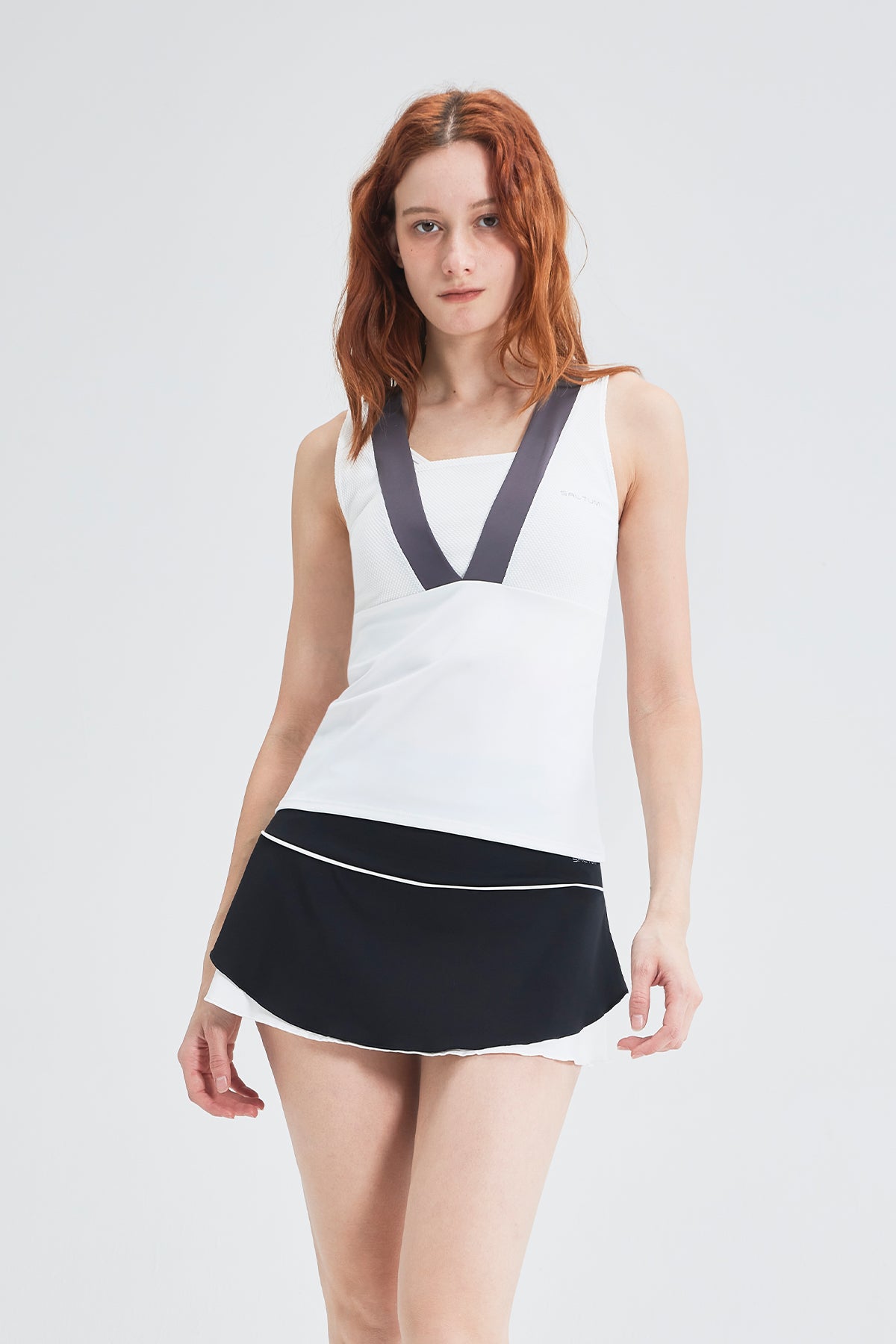
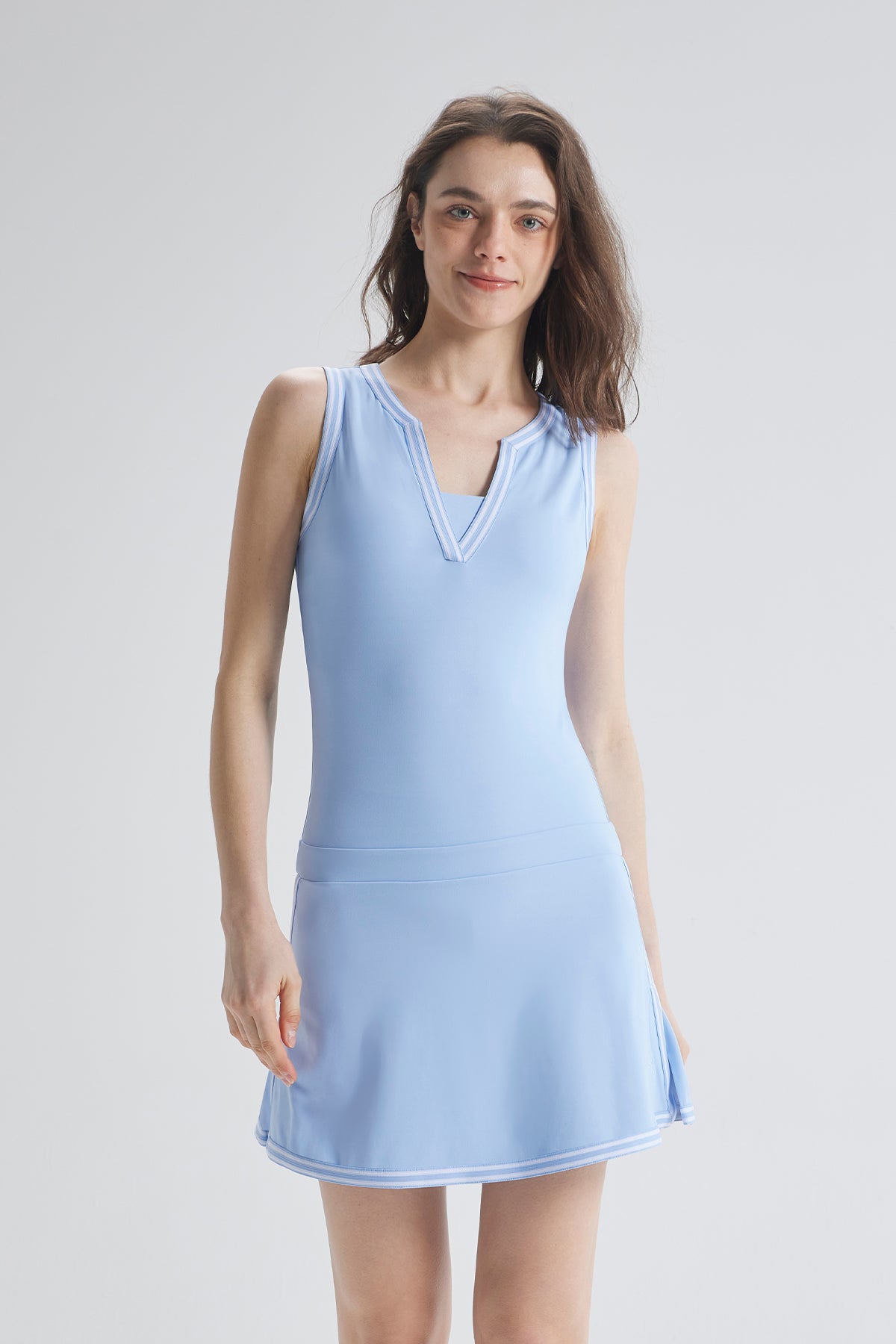
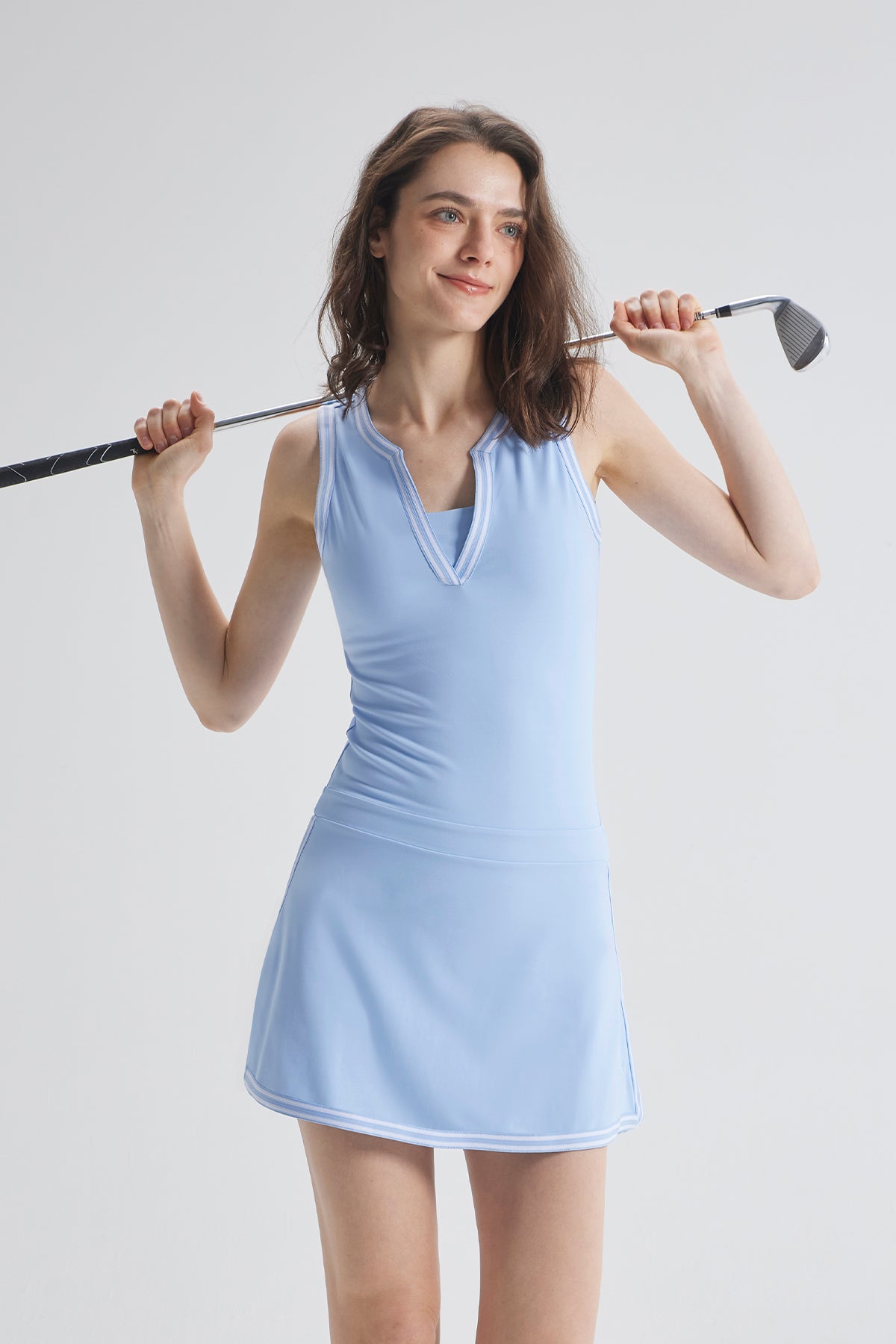
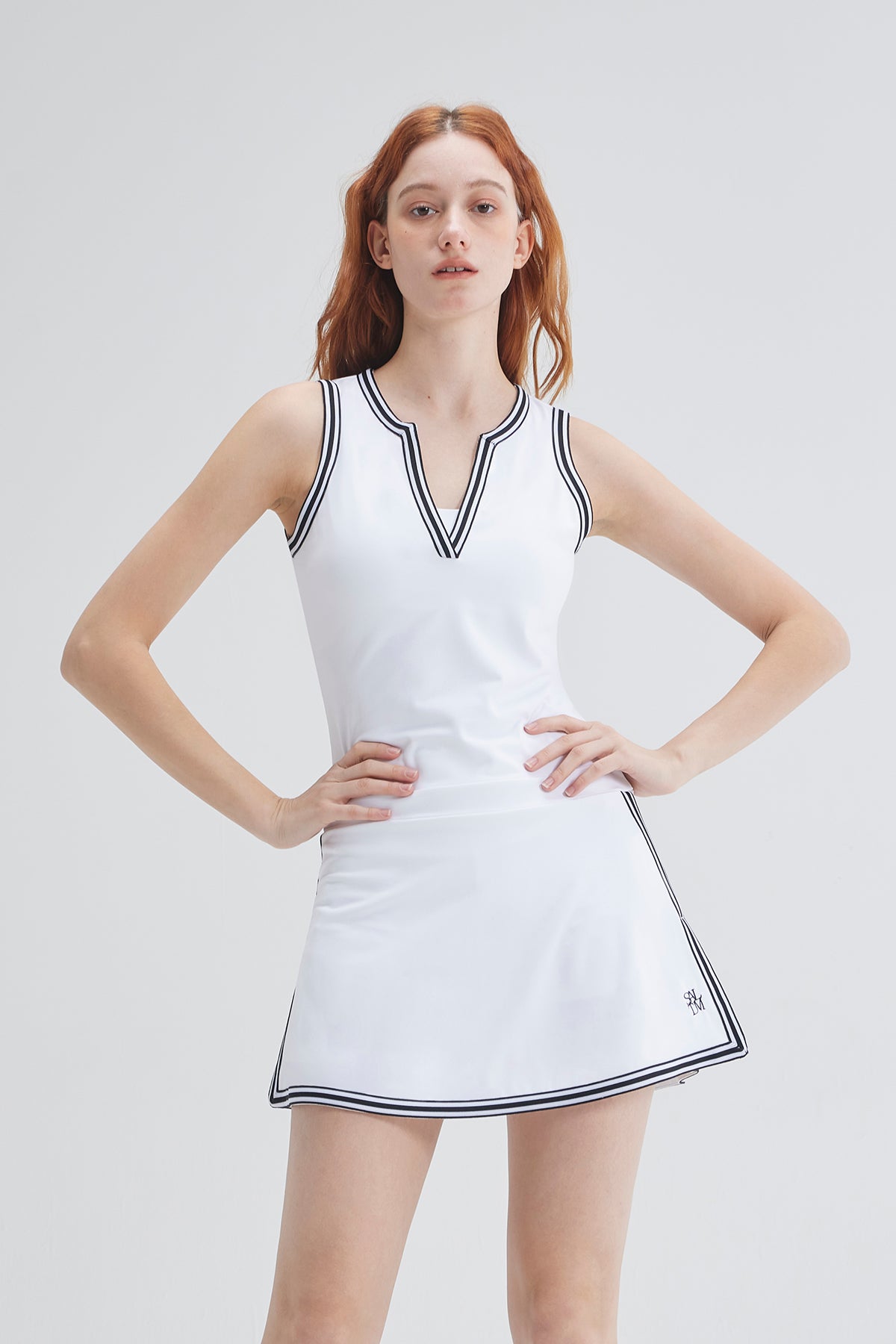
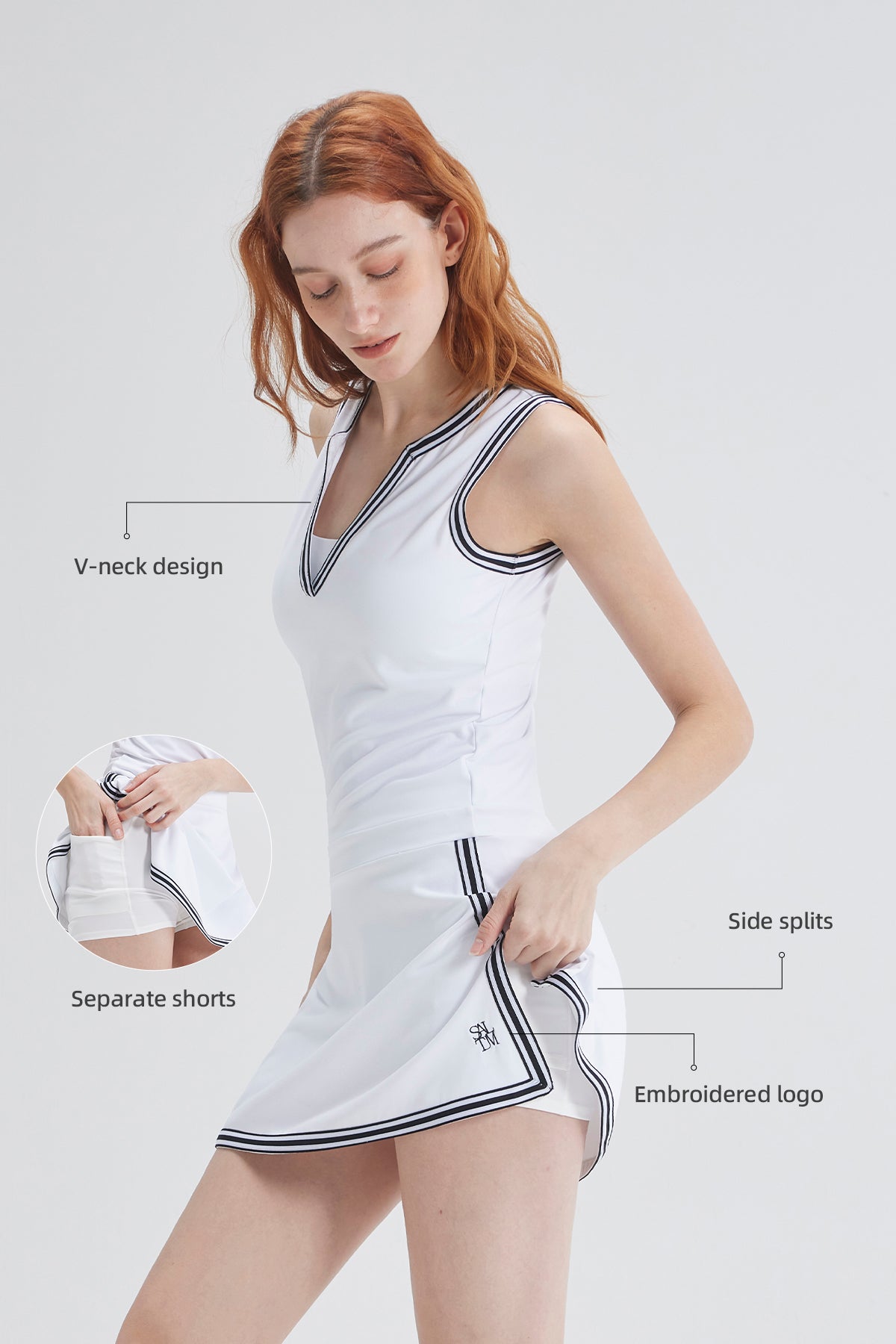
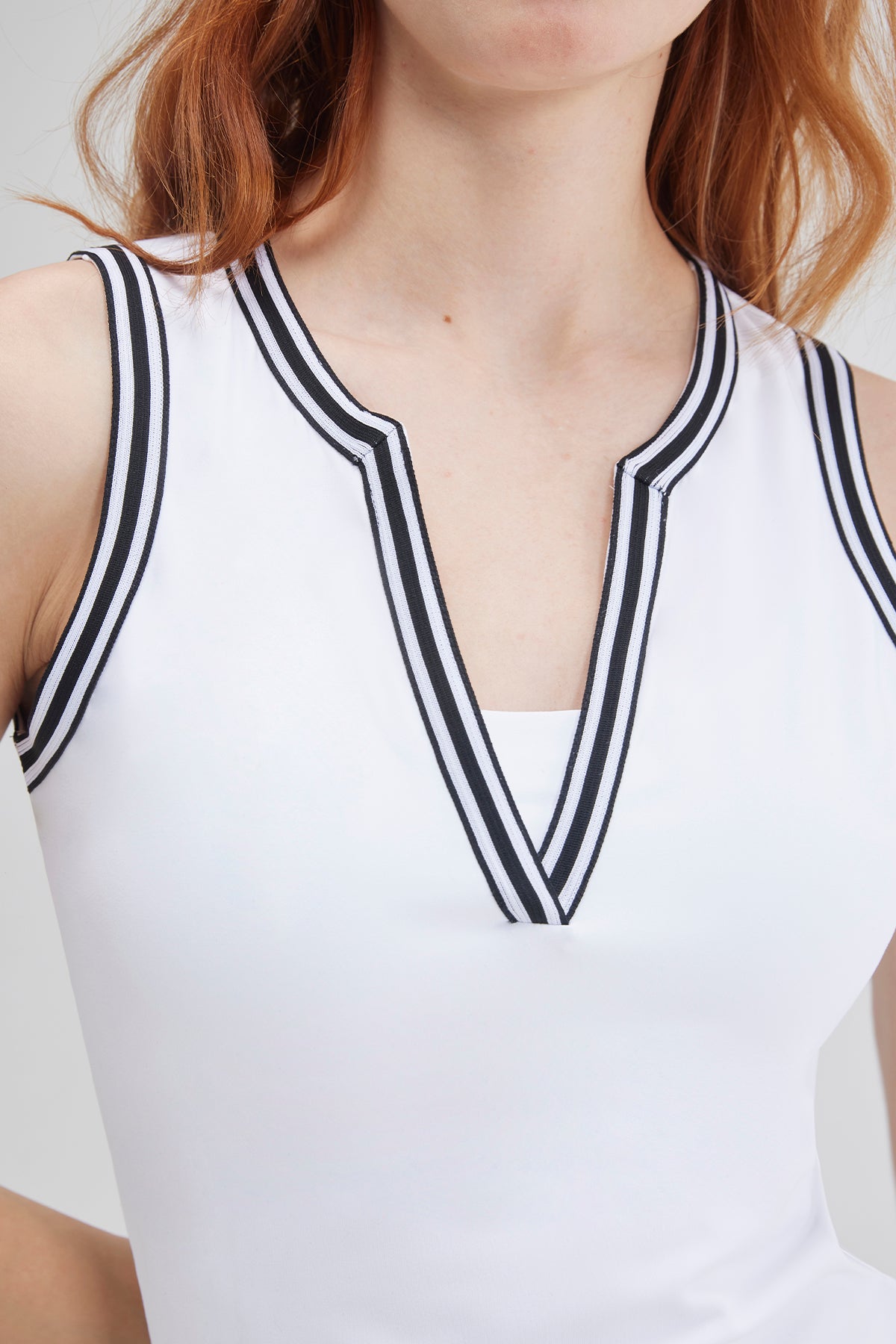
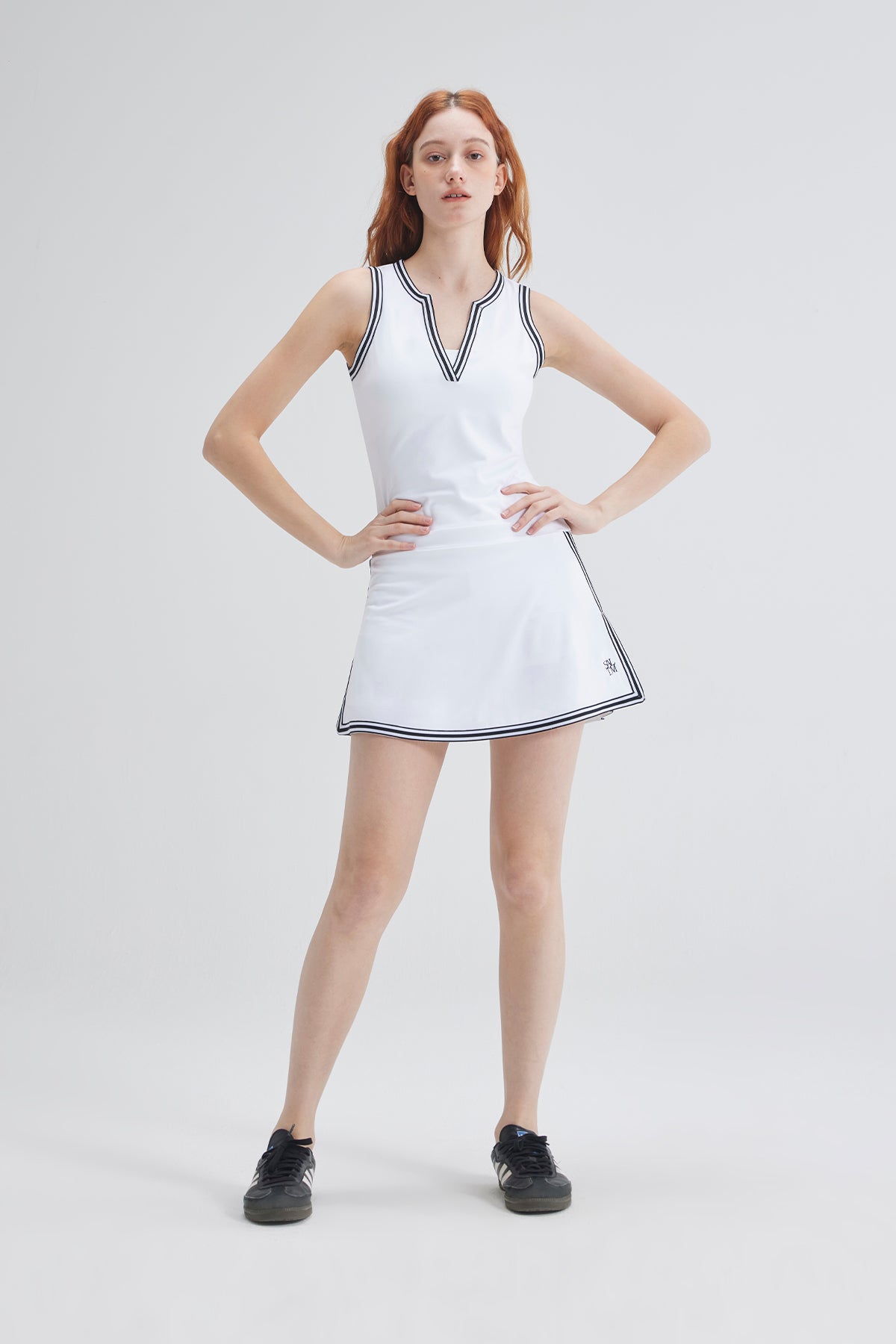
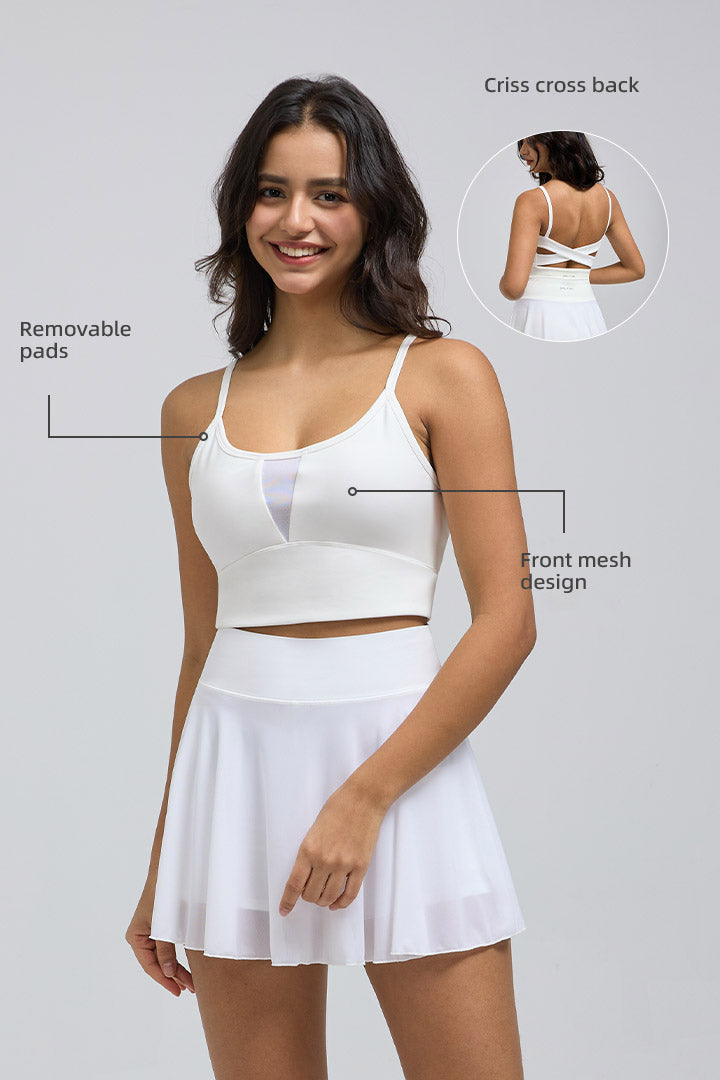
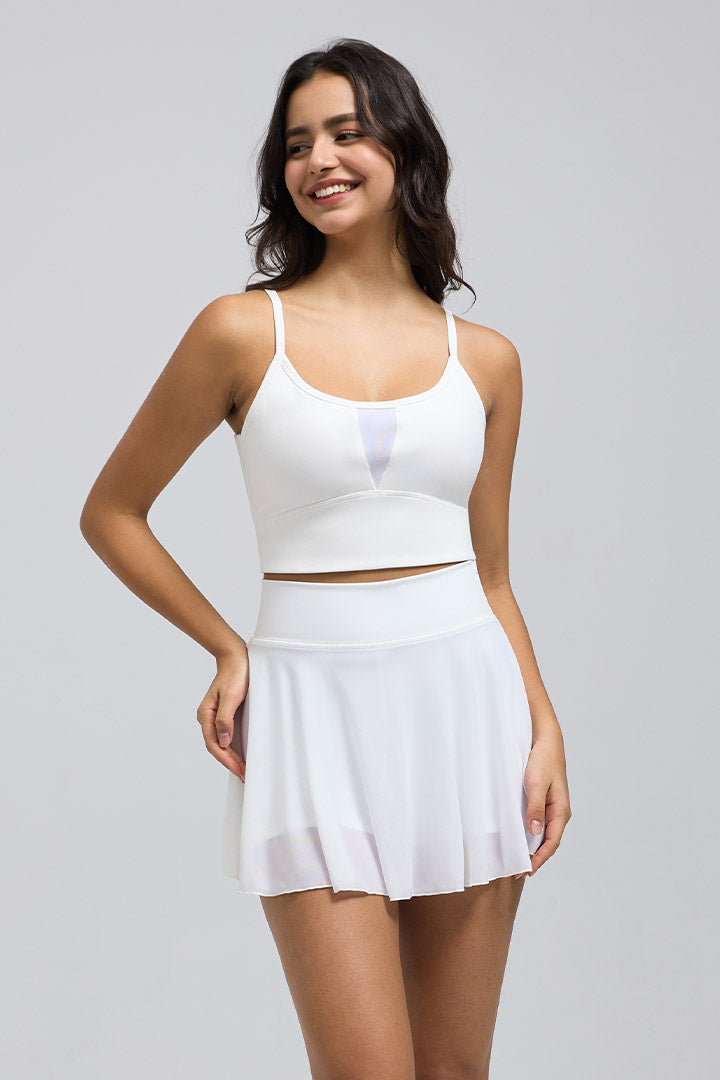
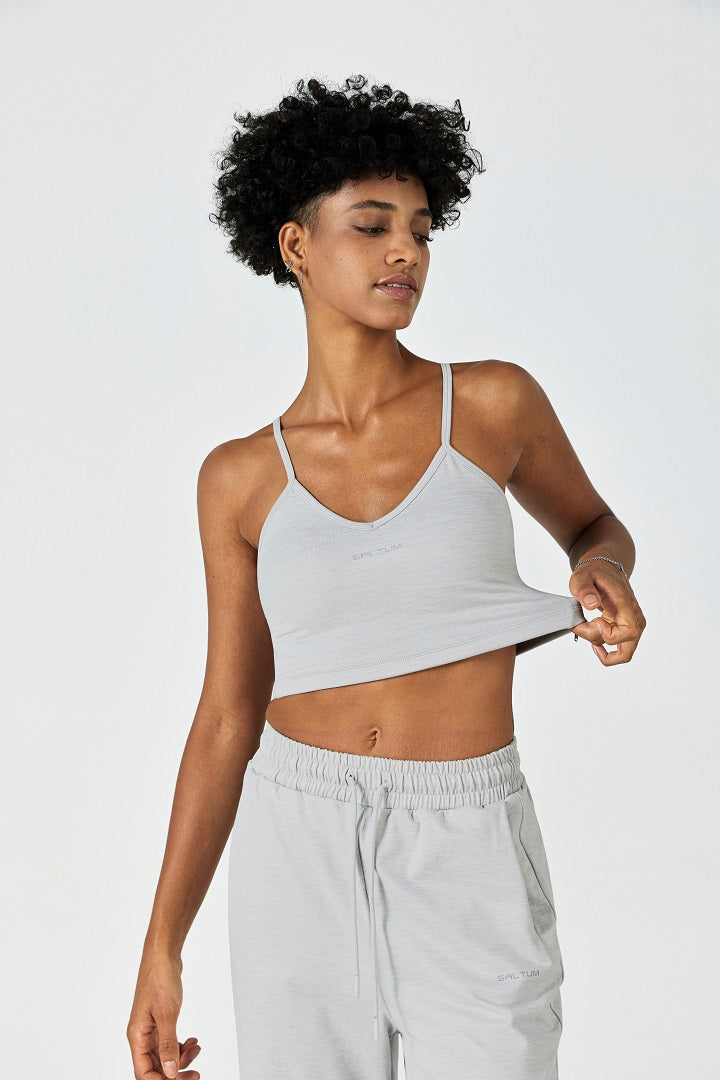
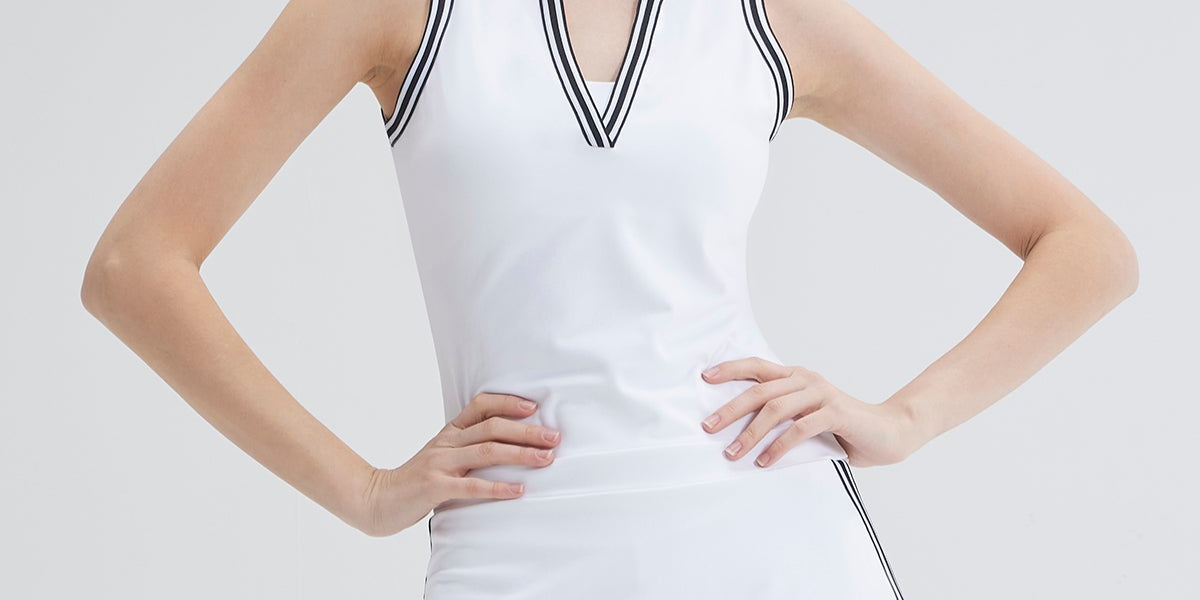
V-necks in general are universally flattering, but deep V-necks work especially well for athletic builds because they create strong vertical lines that elongate the torso. They also draw attention to the center of the body rather than the width of the shoulders. If you've always gone for modest necklines, try going a bit deeper — many women are surprised at how balanced it looks.
Wide-set straps and open backs
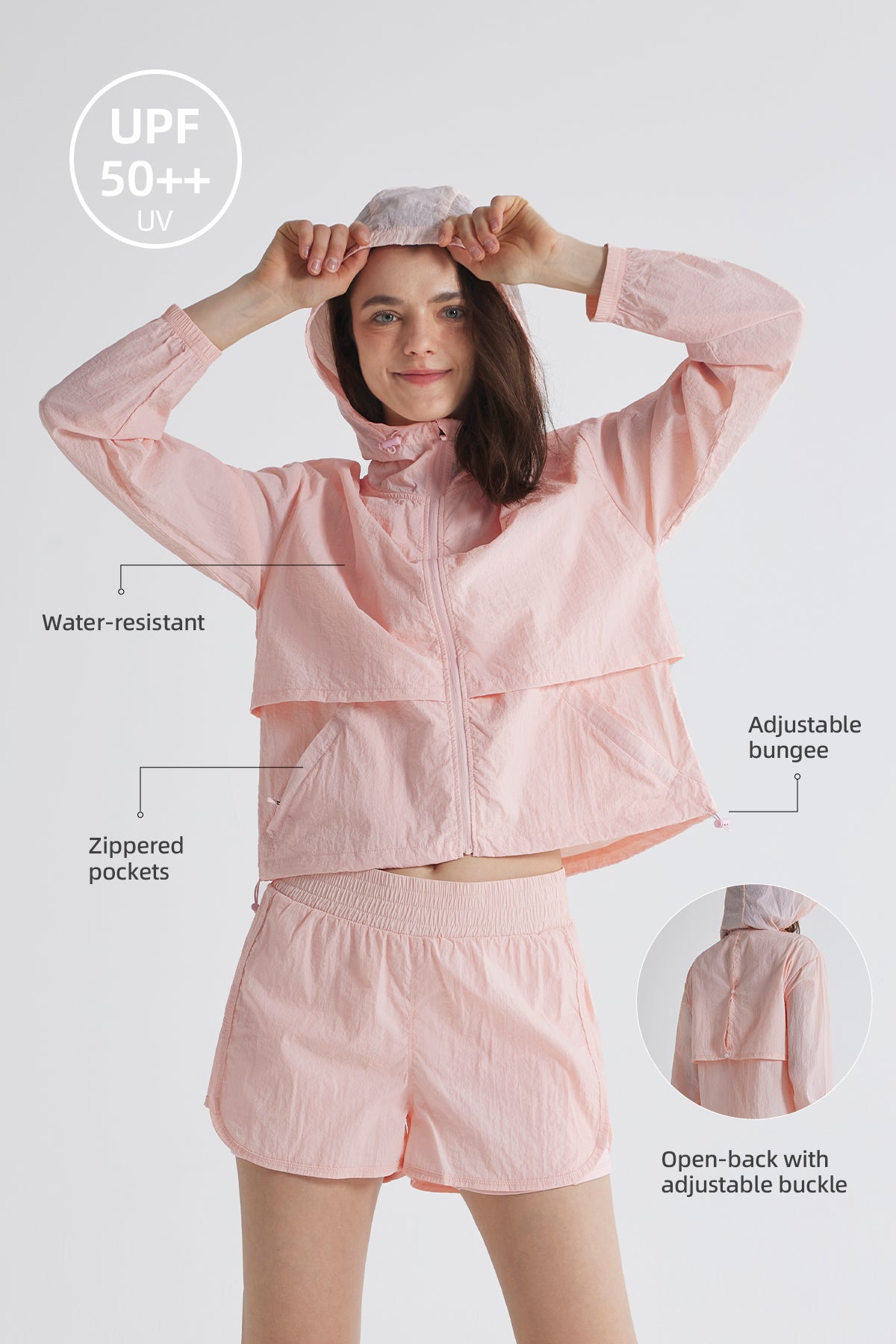
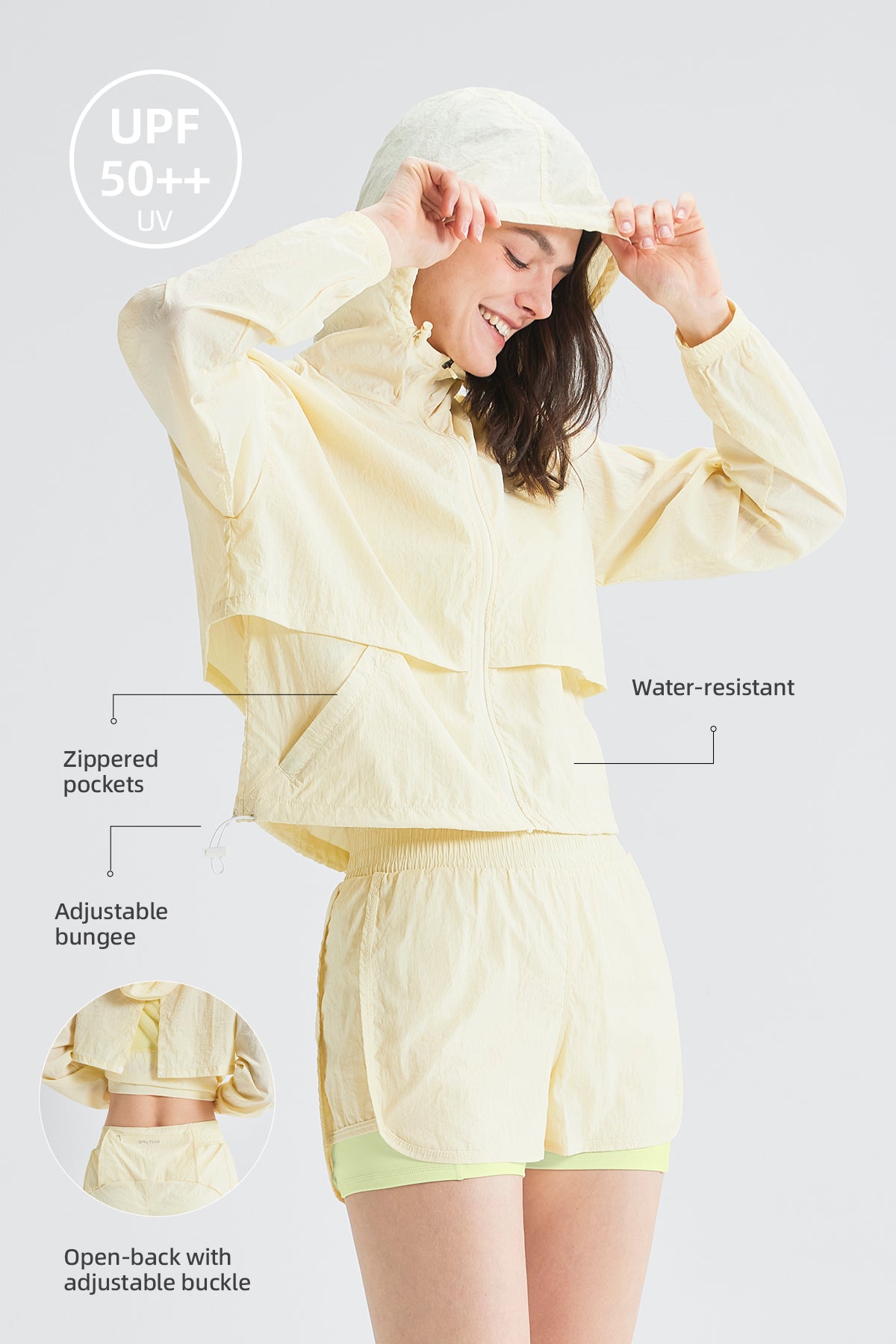
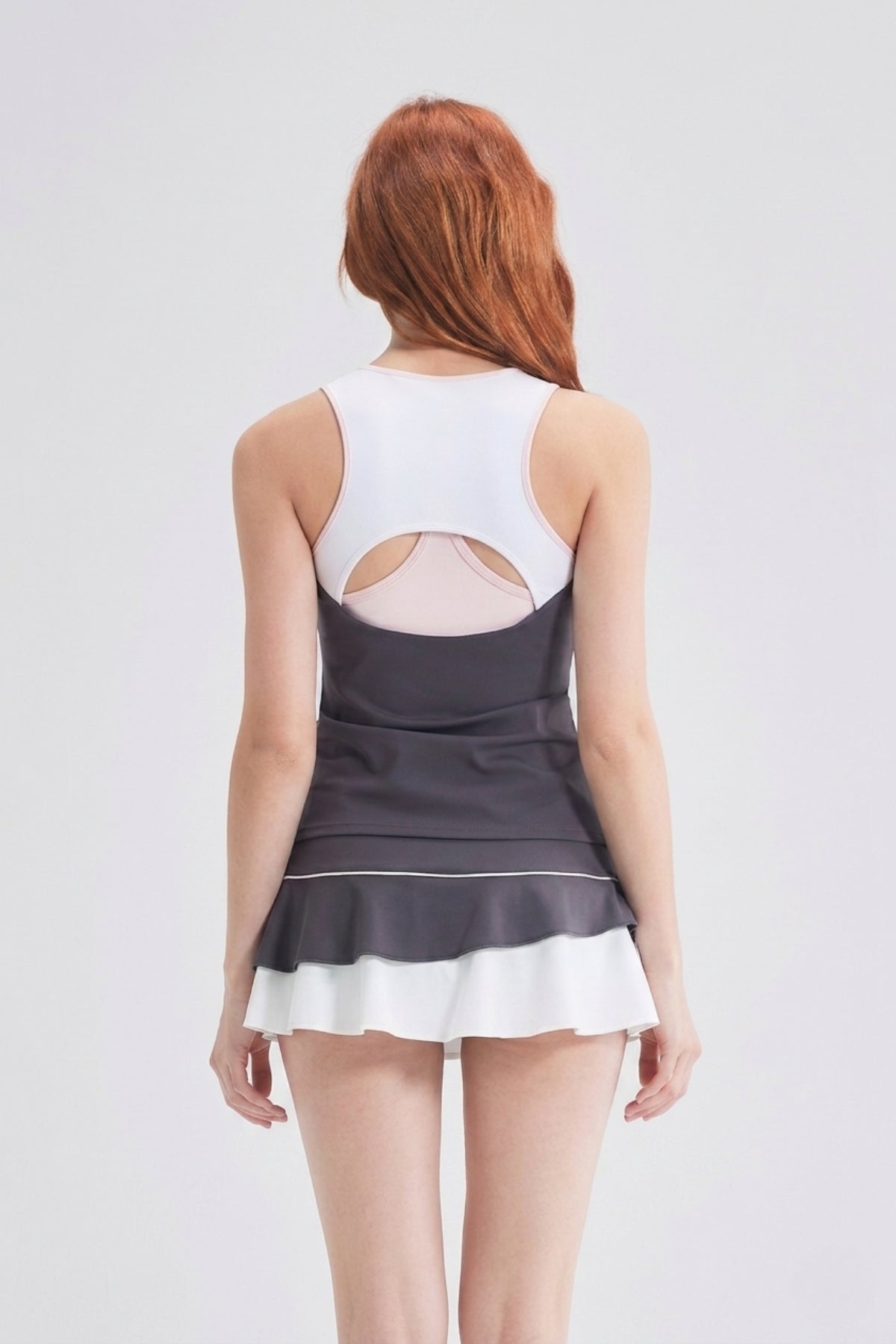
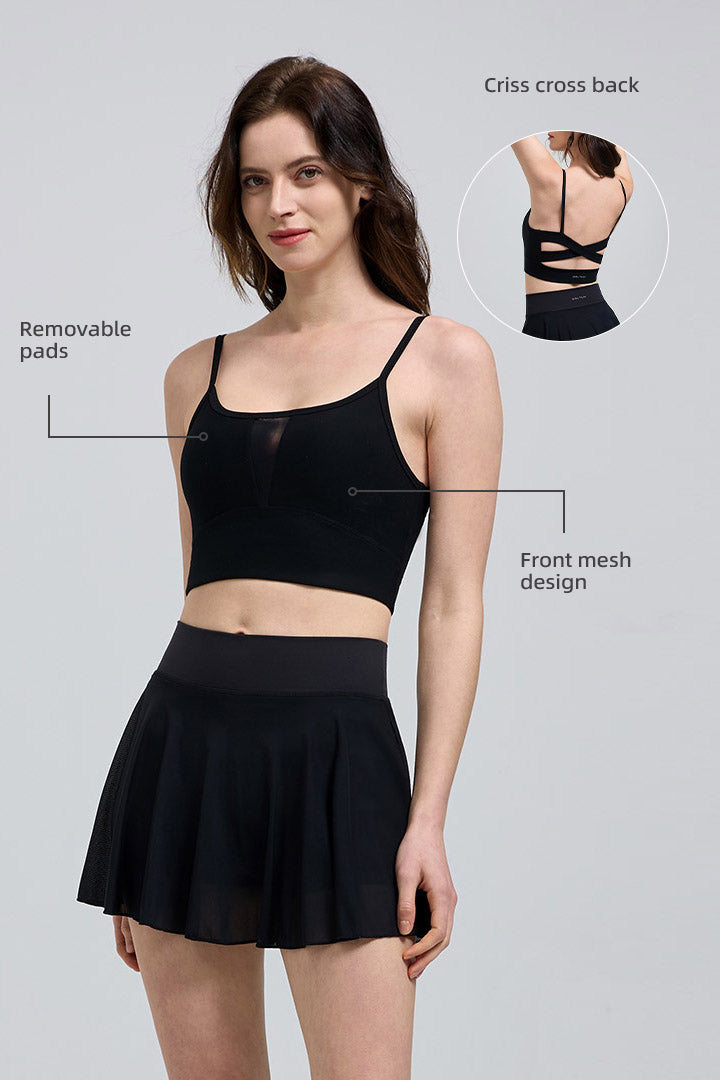
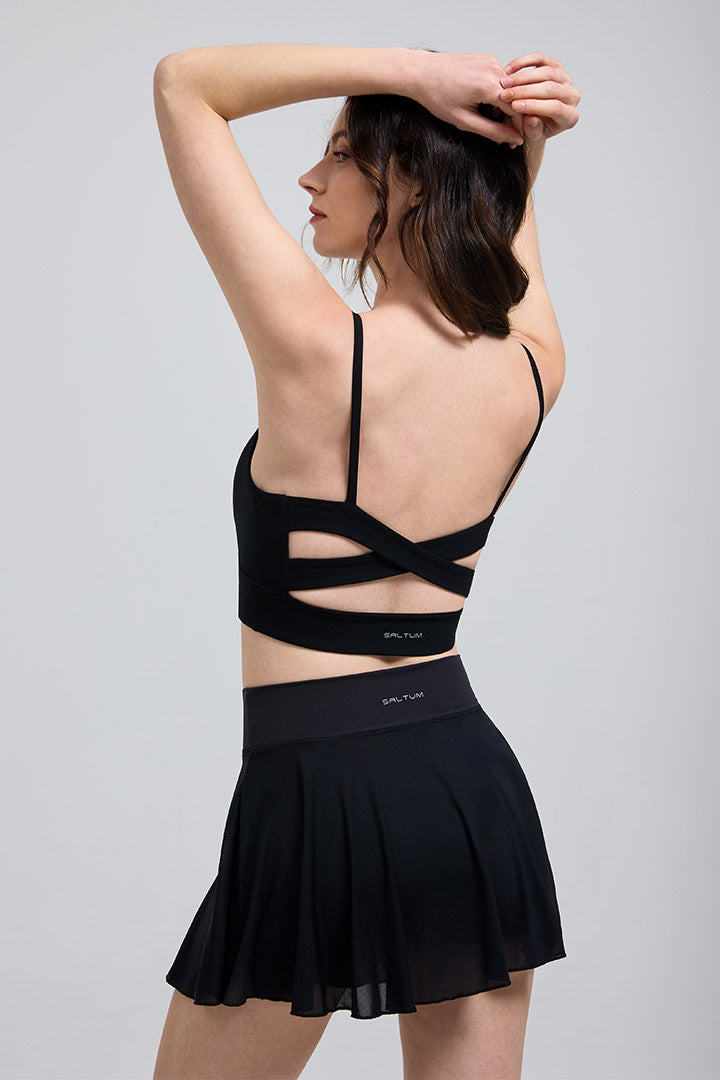
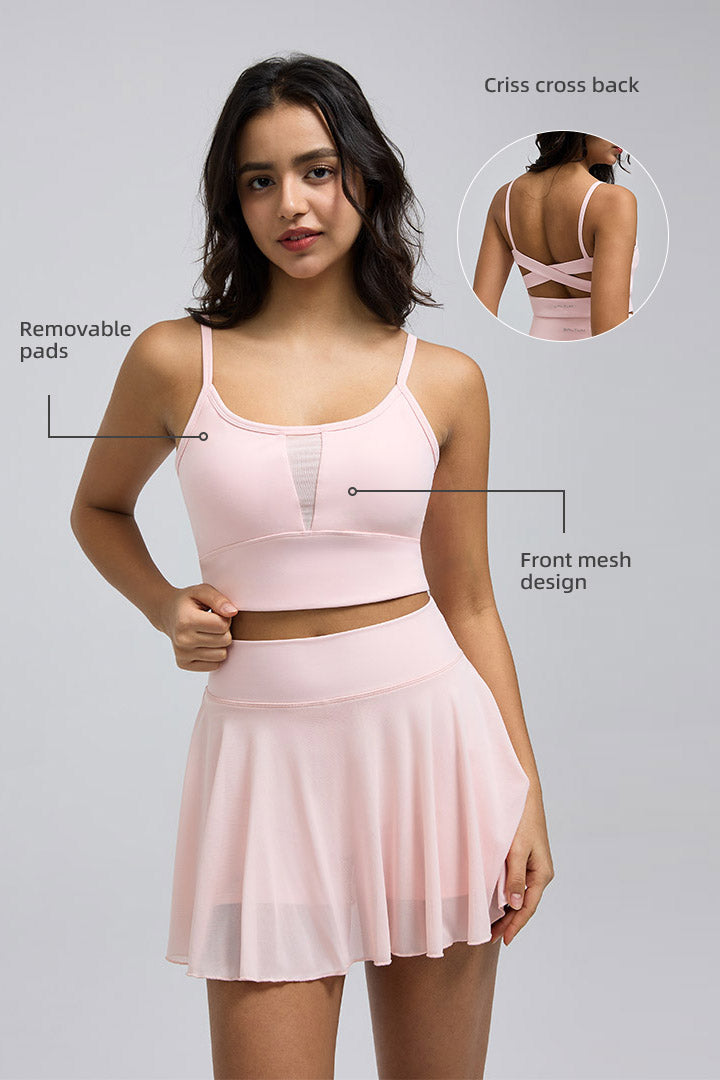
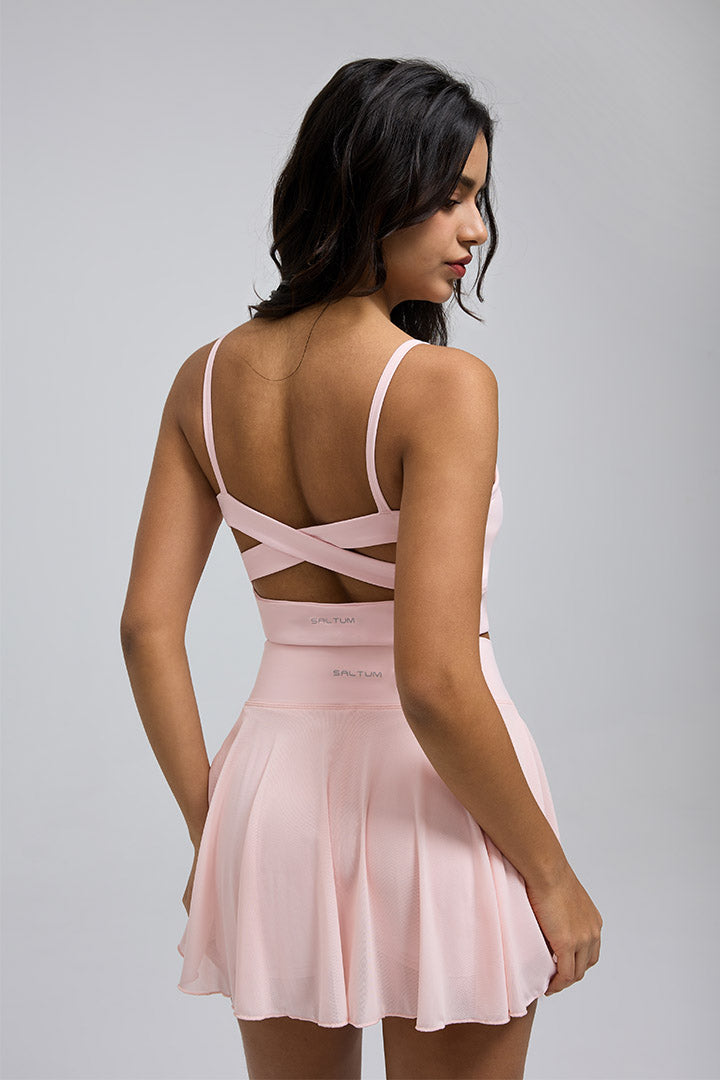
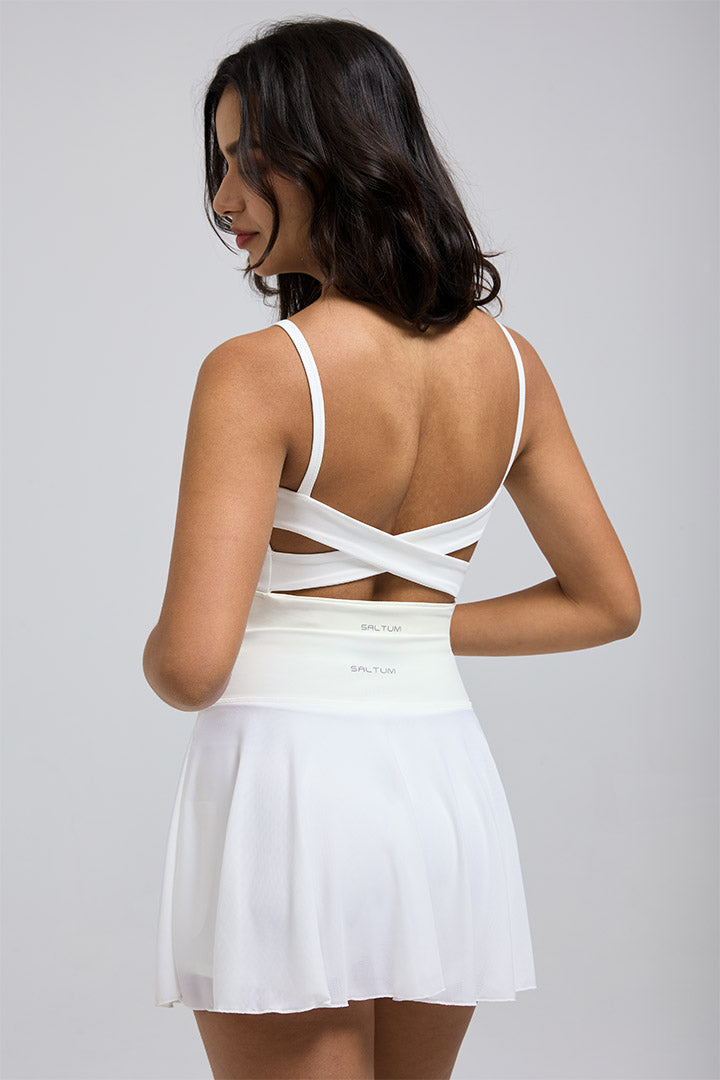
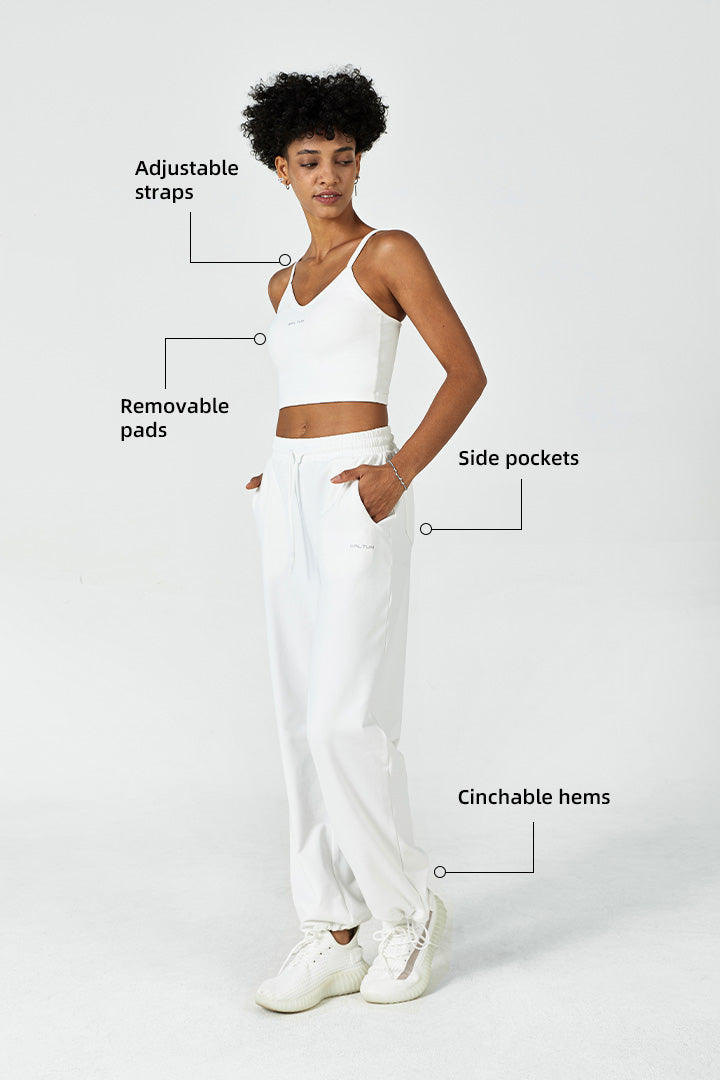
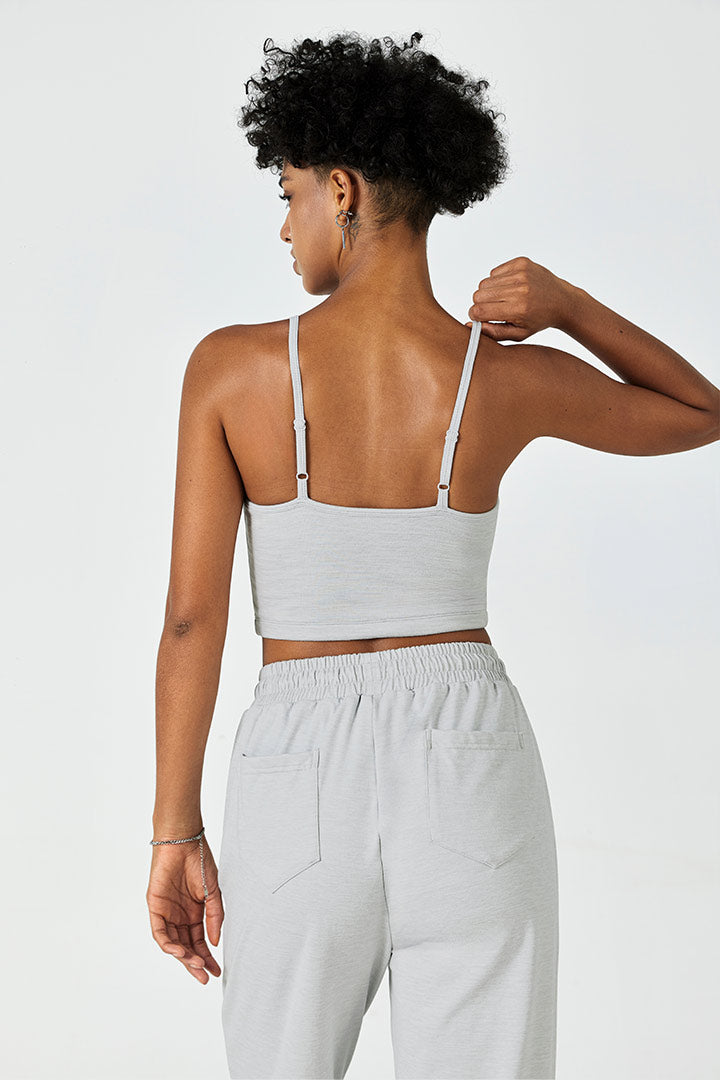
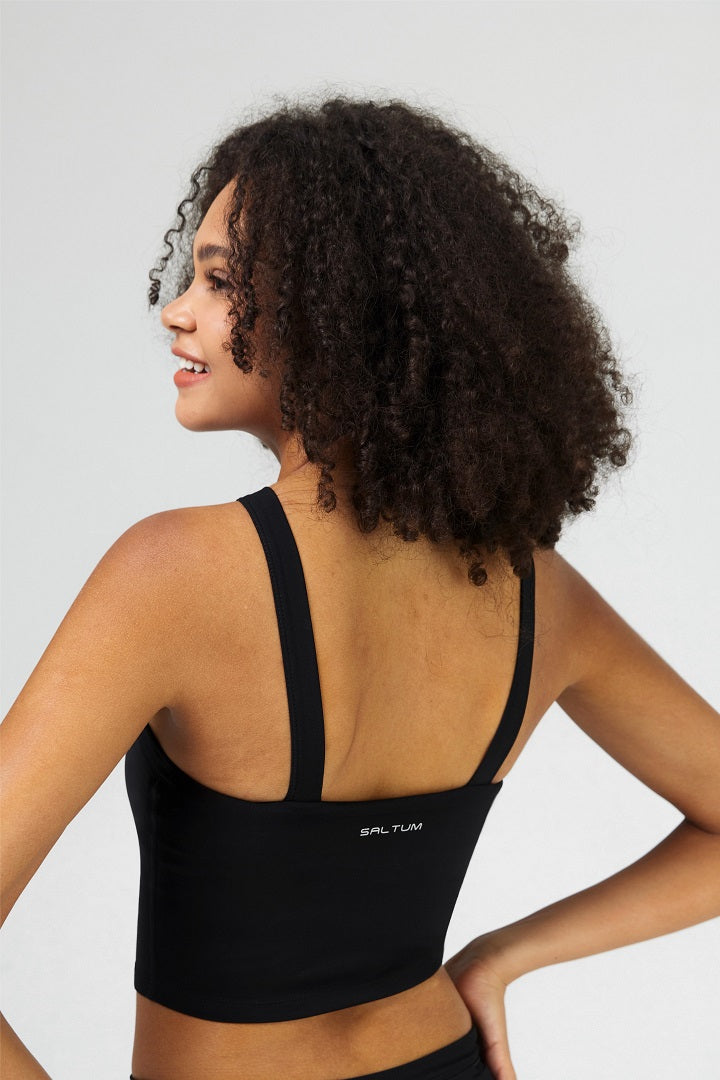
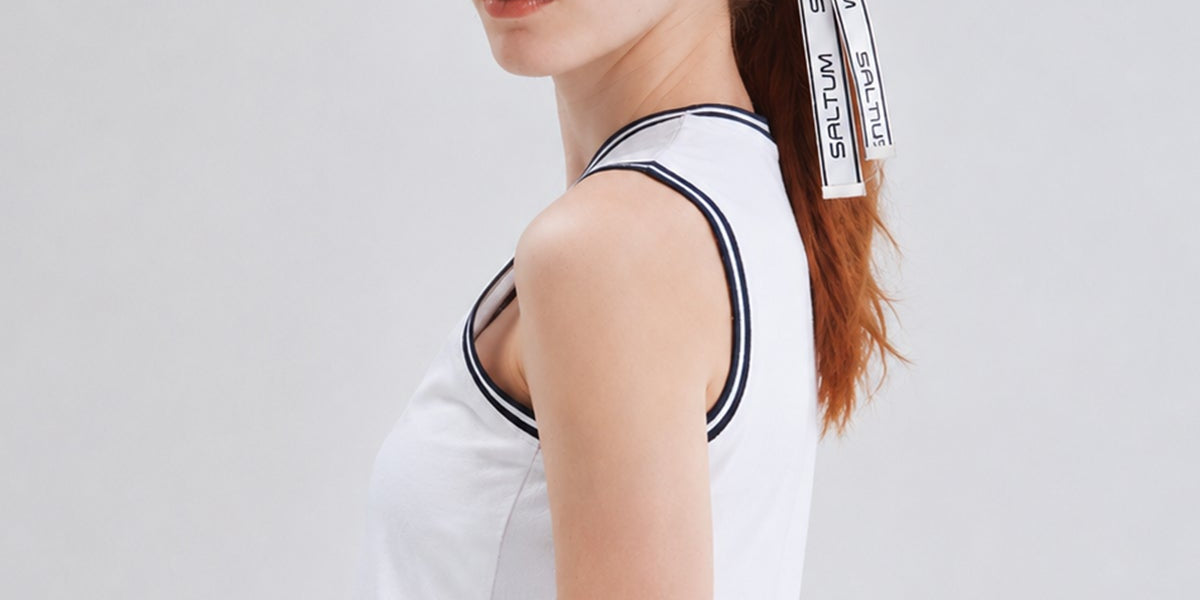
For tops and bras, straps that sit closer to the outer edge of the shoulder (rather than bunching toward the neck) tend to look more proportional. They visually follow the natural line of the shoulder. On the same note, open-back styles are fantastic for showing off a strong, muscular back without adding any visual width to the front.
✓ Try These
- Halter necks (tops, bras, dresses)
- Deep or wide V-necks
- Boat necks — elegant and structural
- Square necklines
- Off-shoulder, worn intentionally
- Scoop necks on sleeveless styles
✗ Approach with Caution
- Cap sleeves (often too tight, visually cut off)
- High crew necks on tight tops
- Tight raglan seams at the shoulder
- Heavy puff sleeves (adds bulk at widest point)
- Stiff shoulder padding in blazers
Bottoms That Create Balance
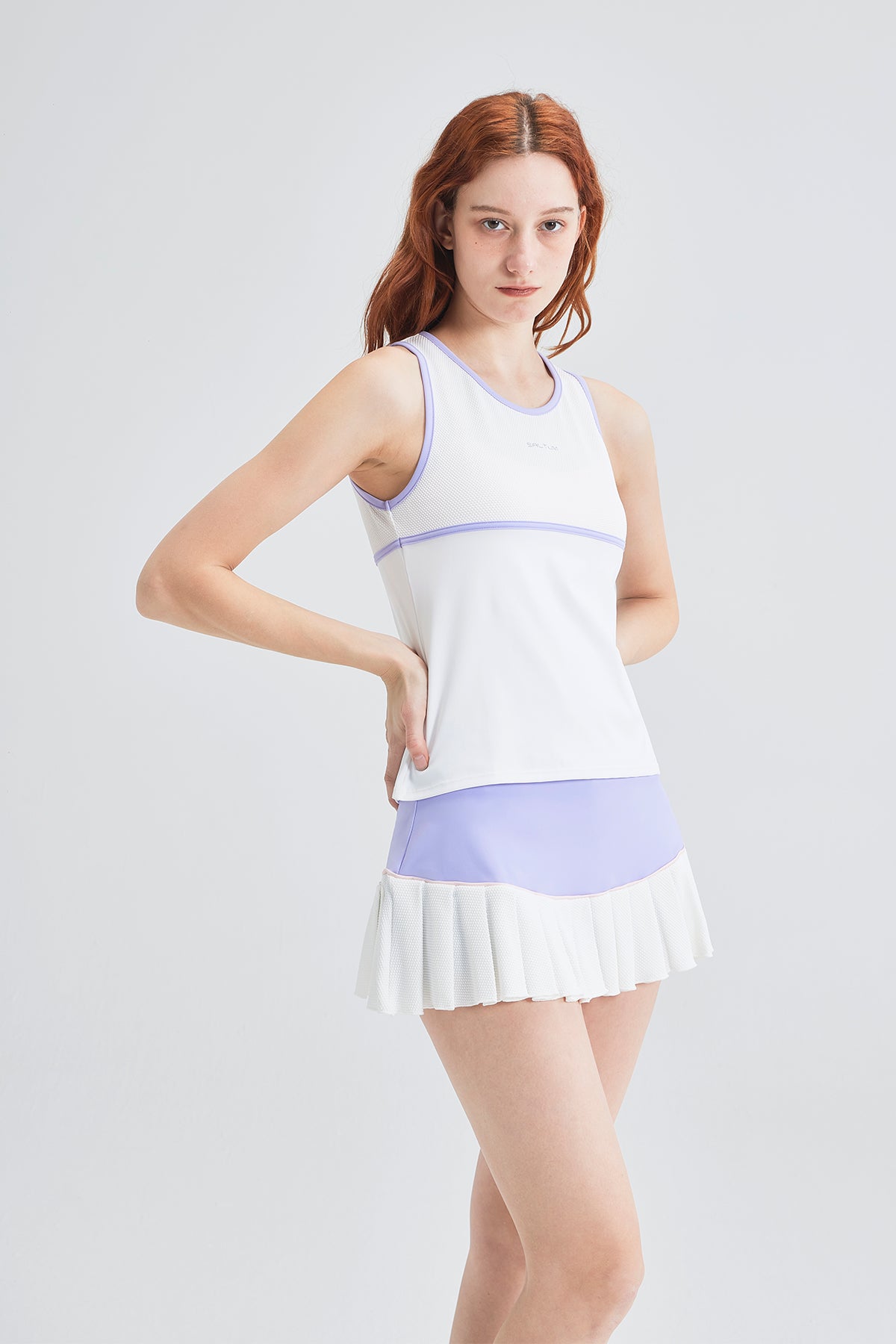
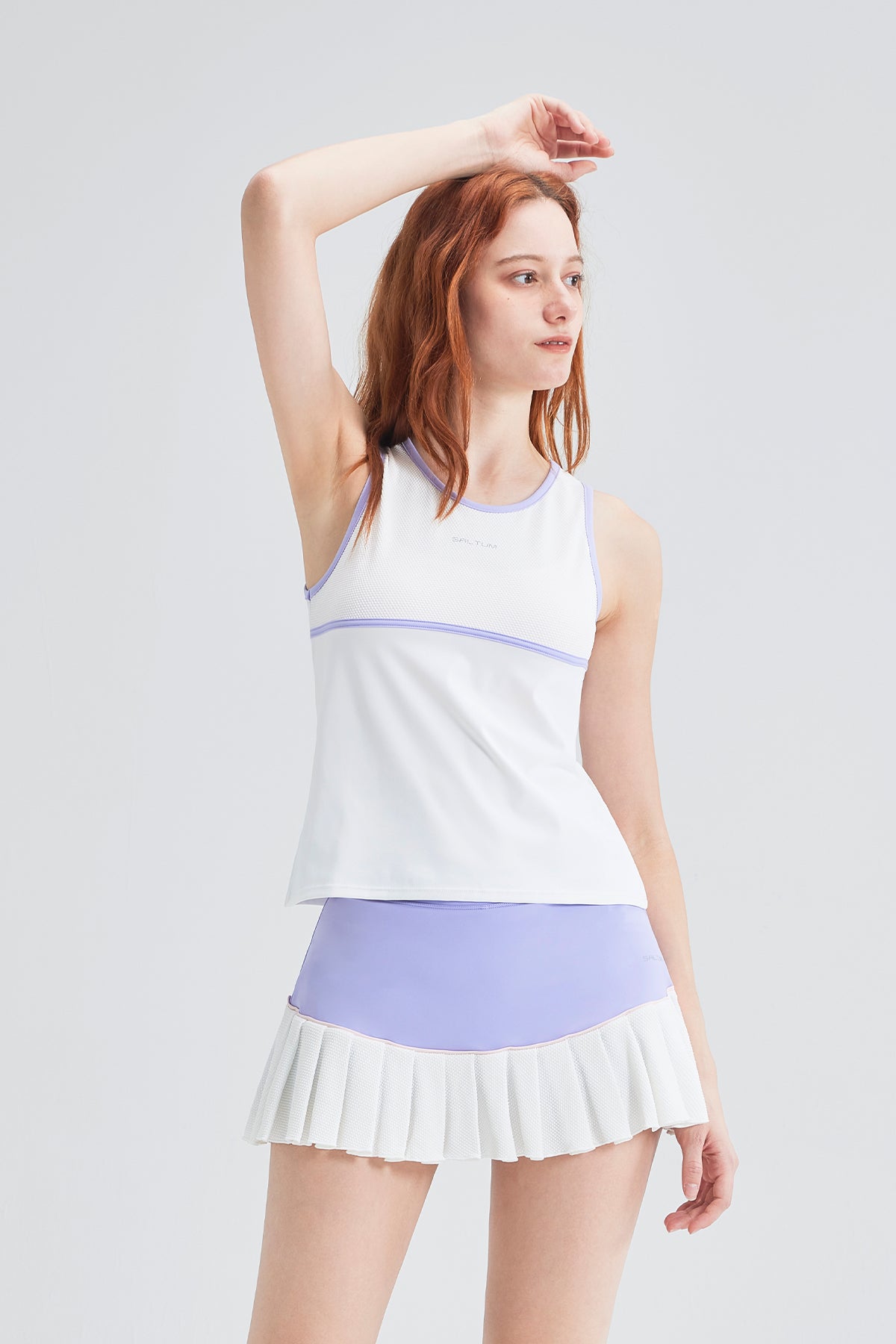
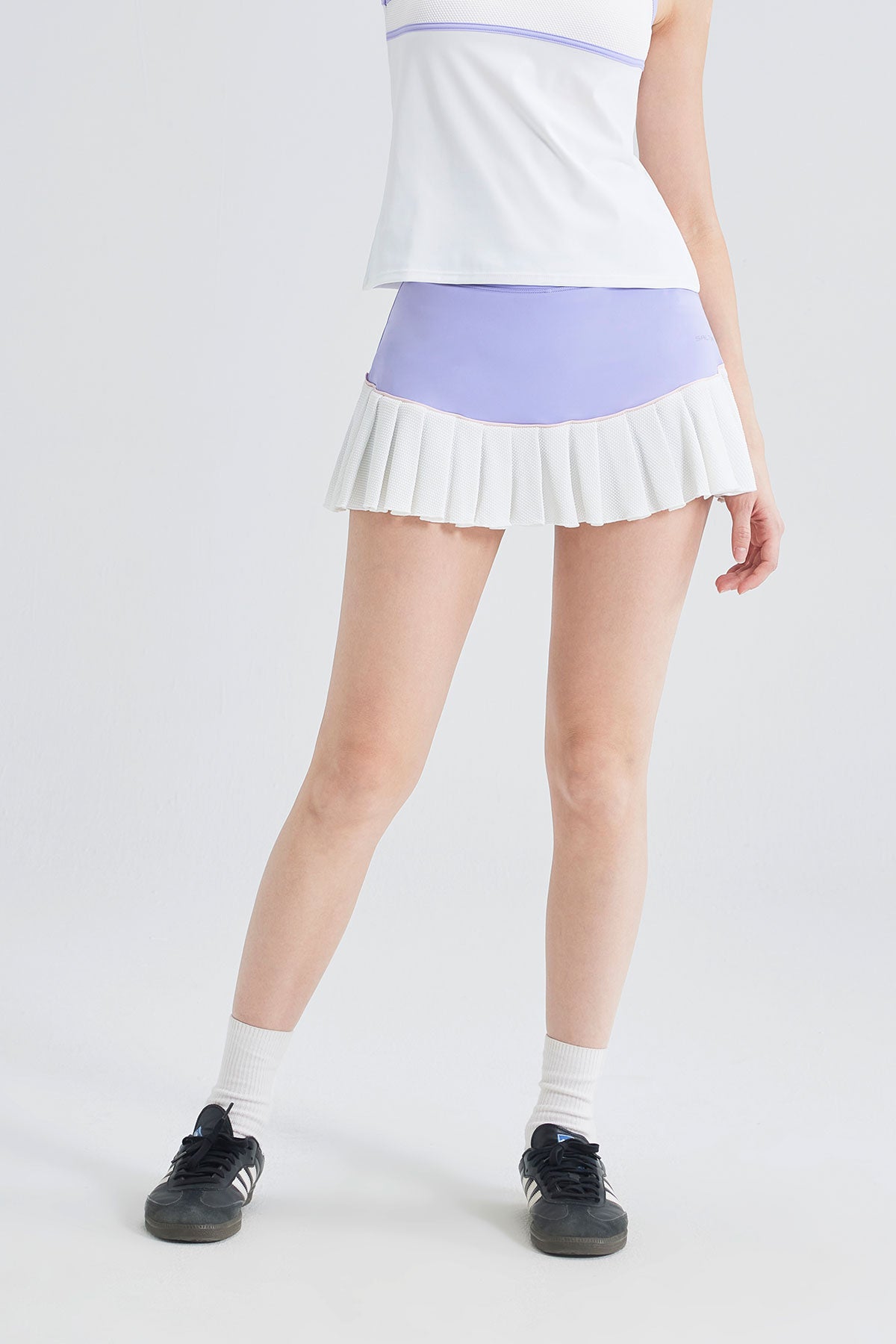
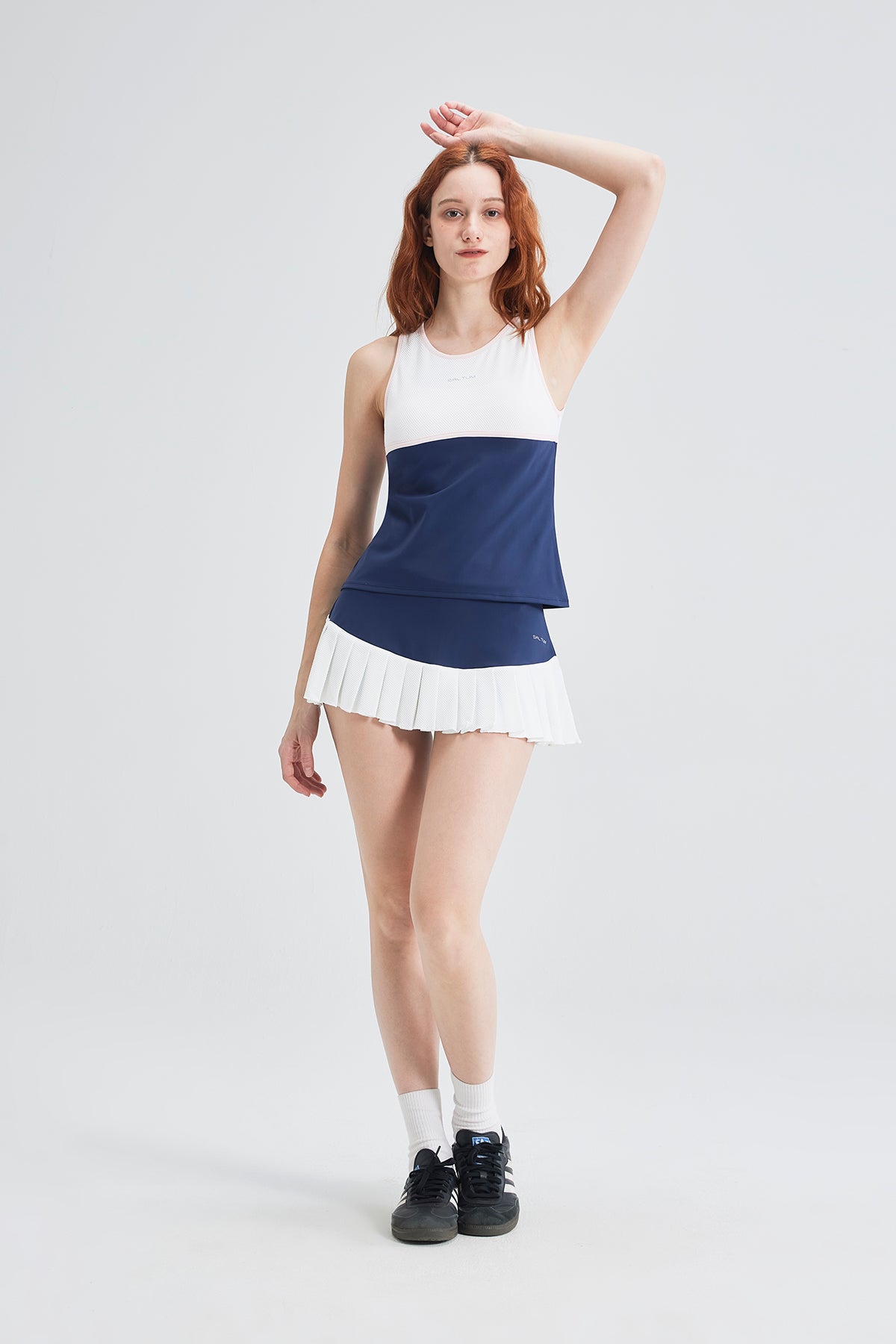
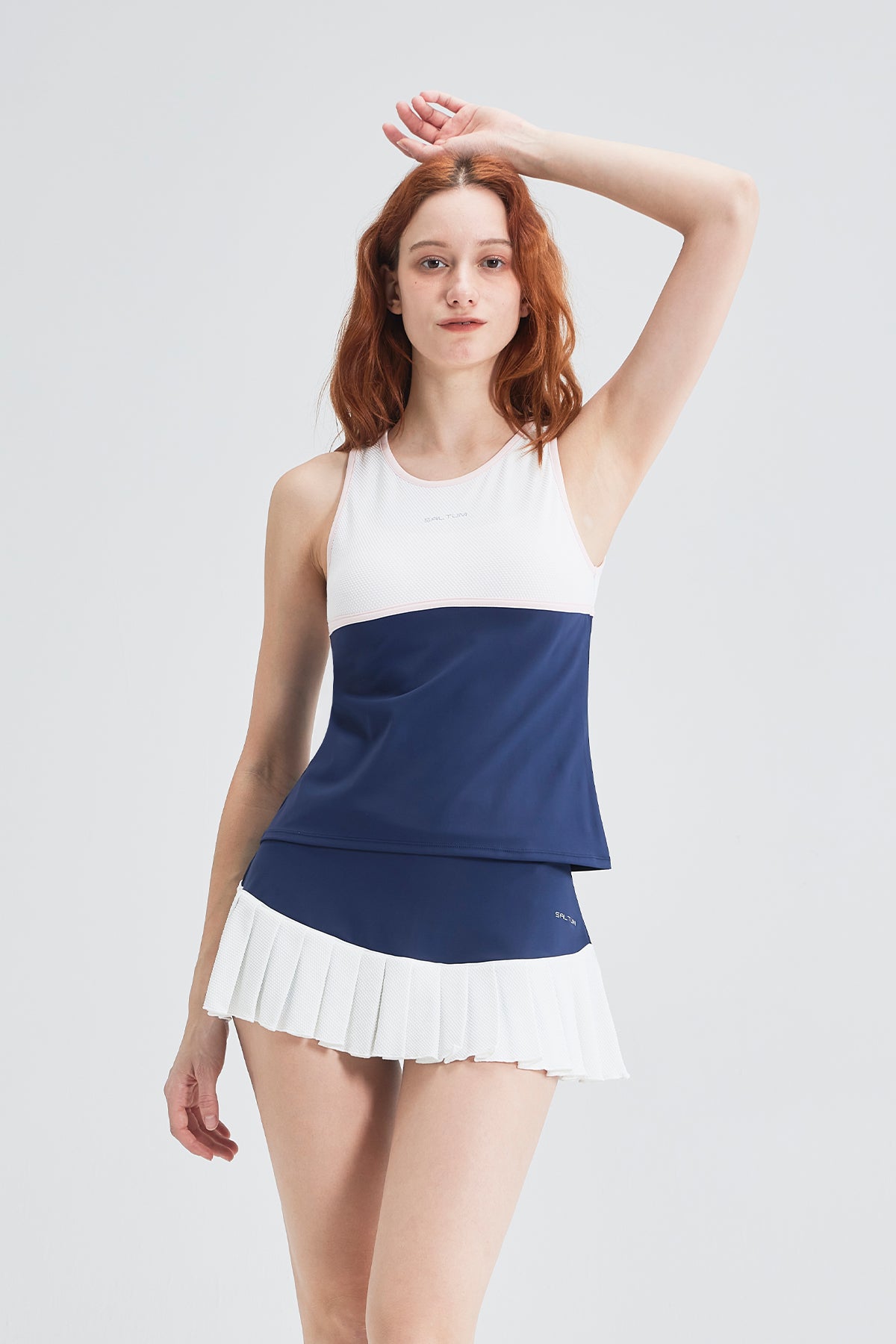
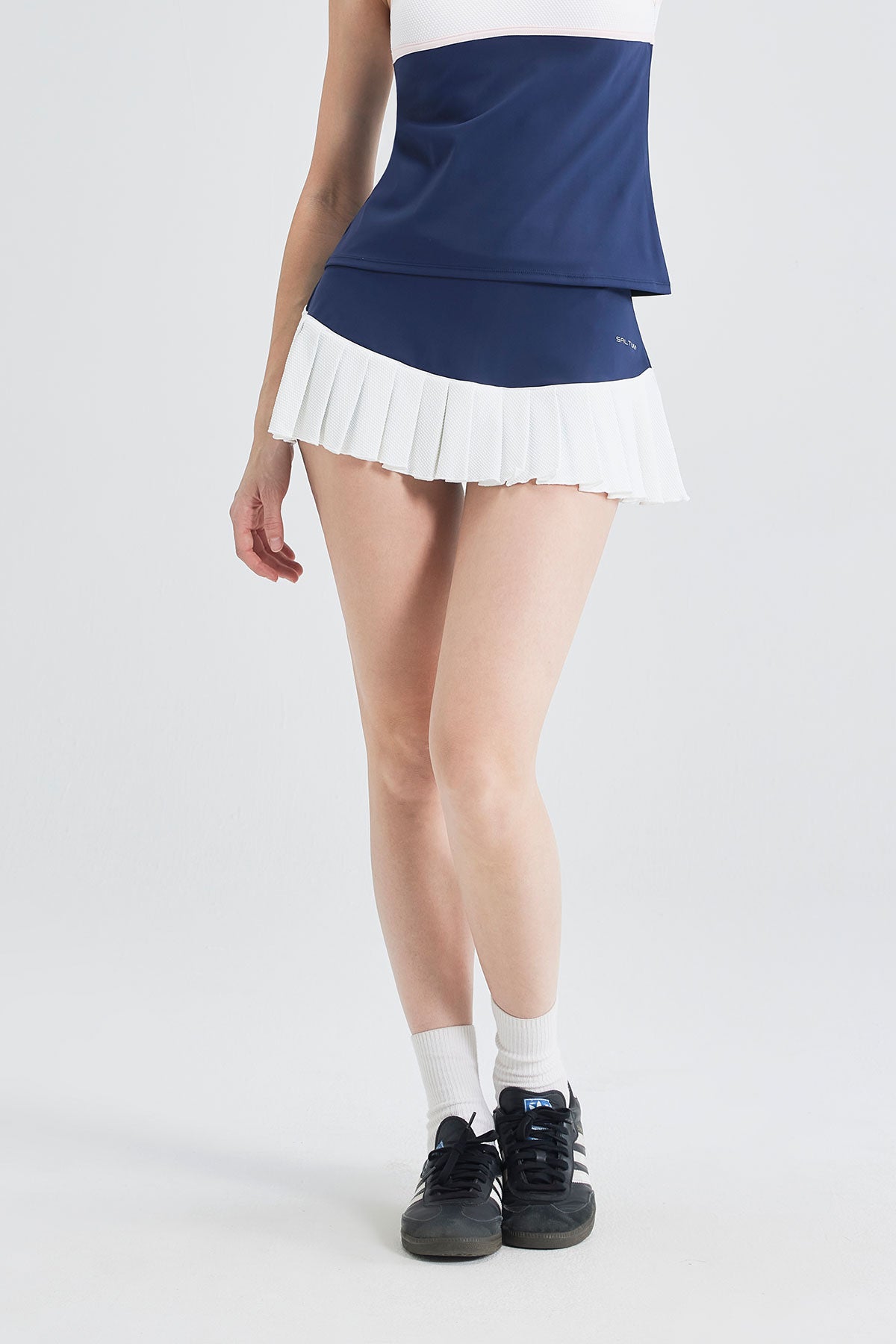
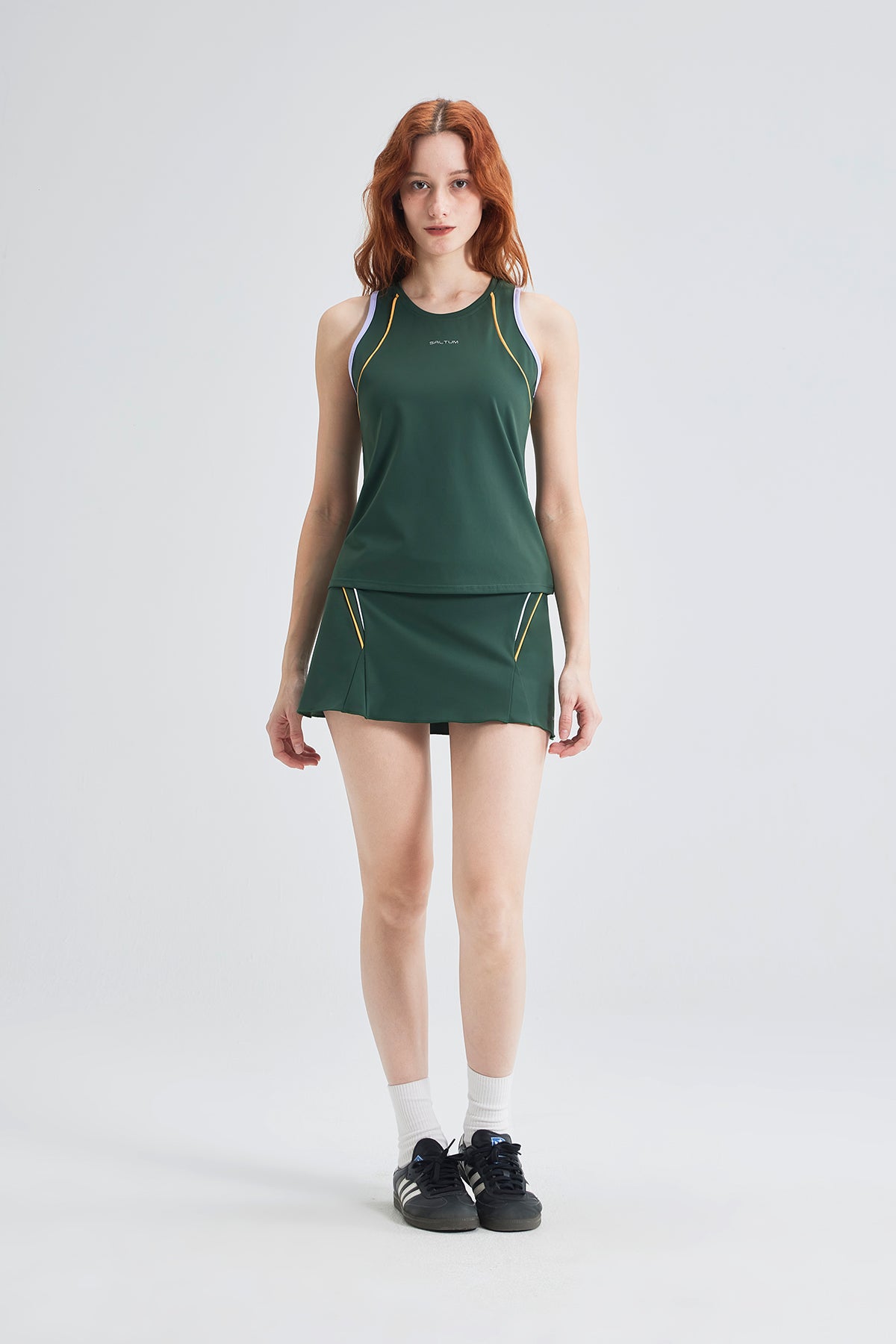
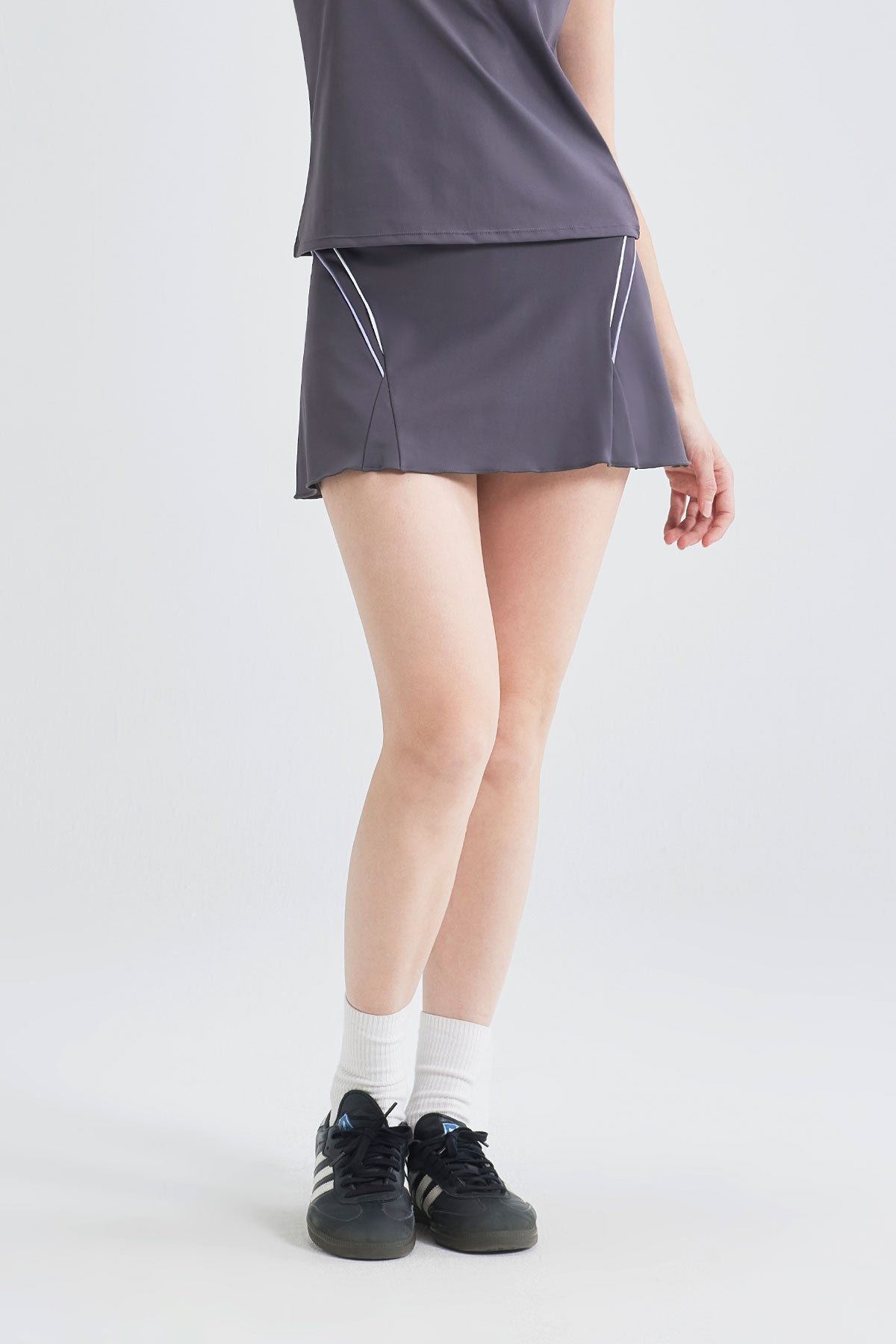
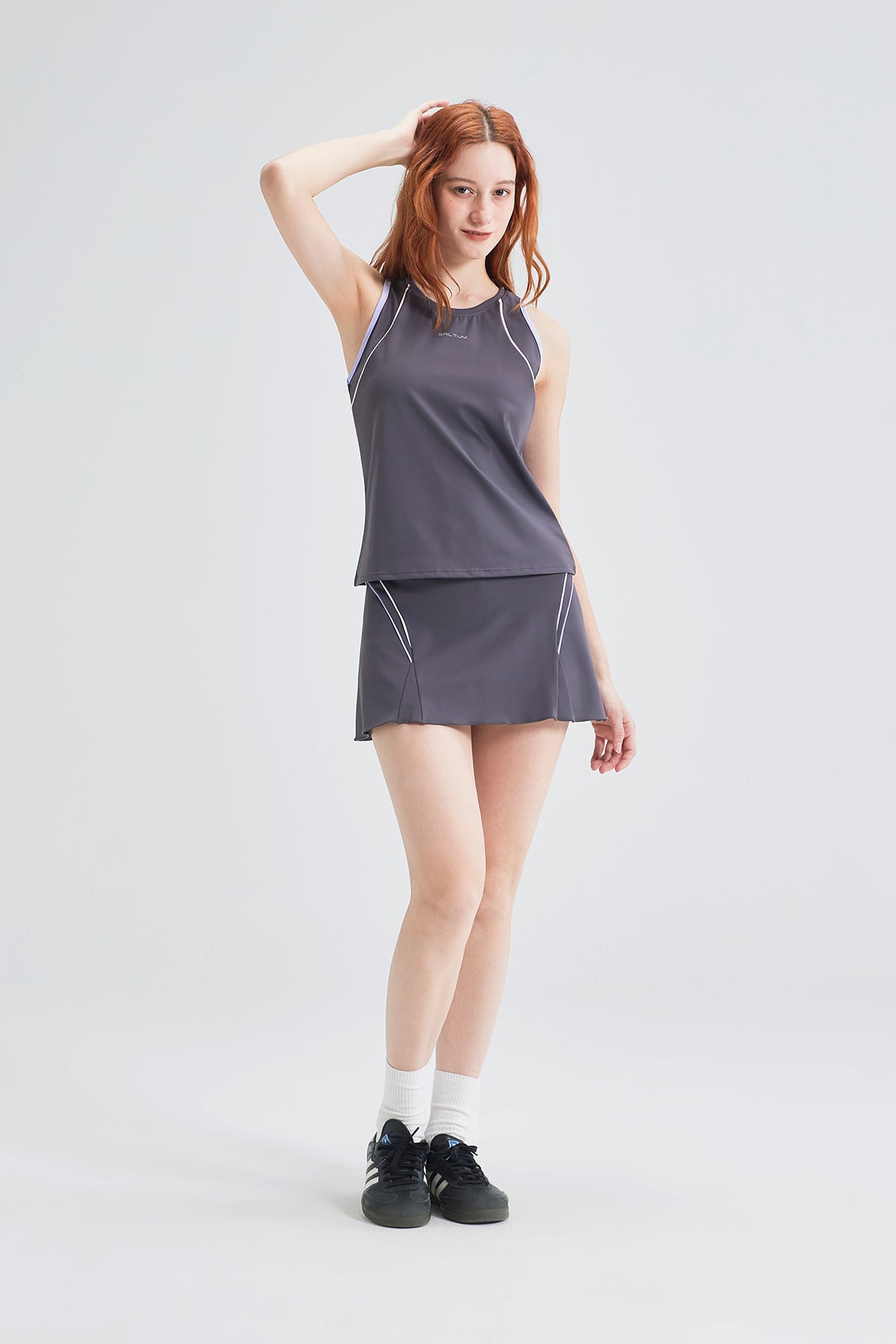
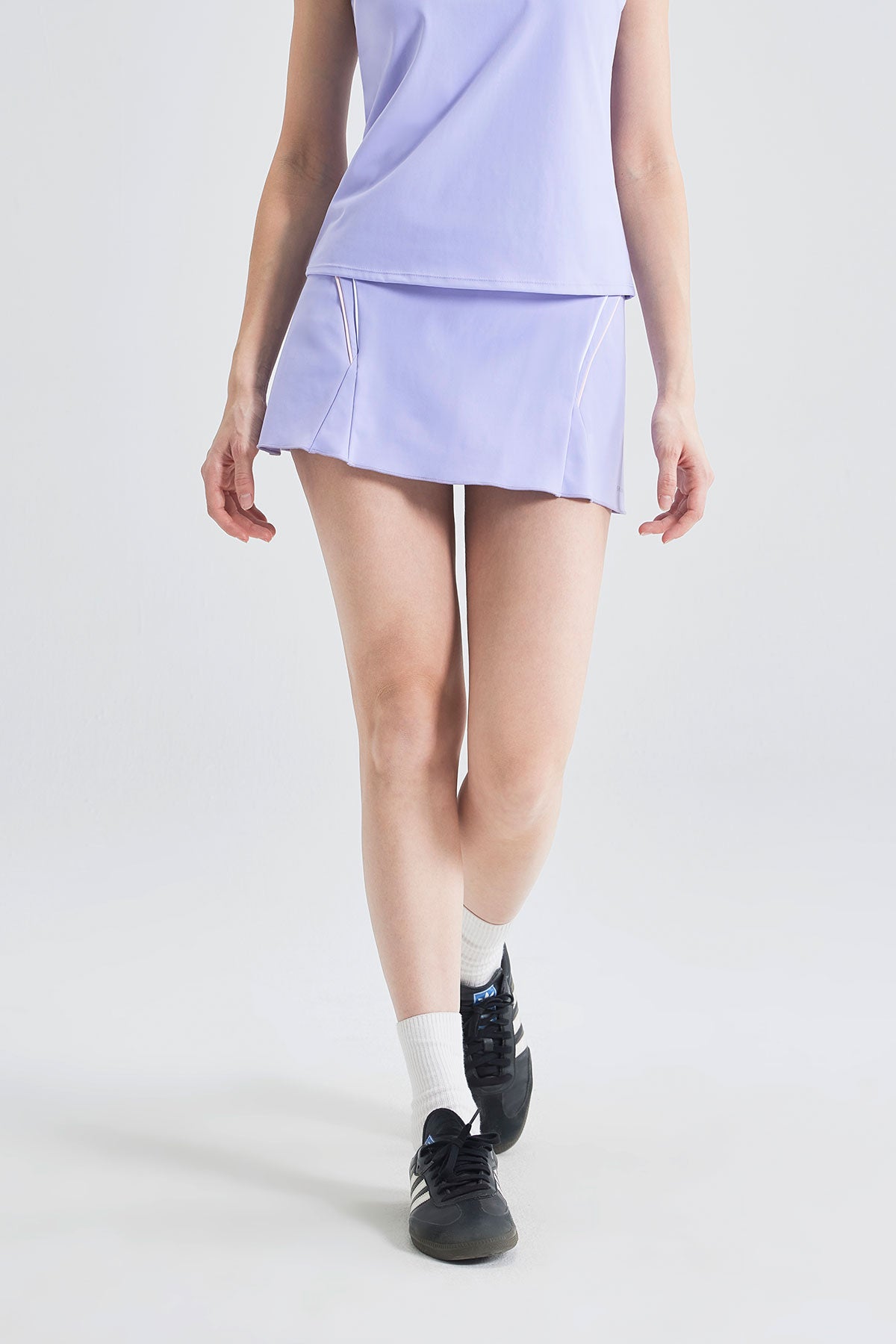
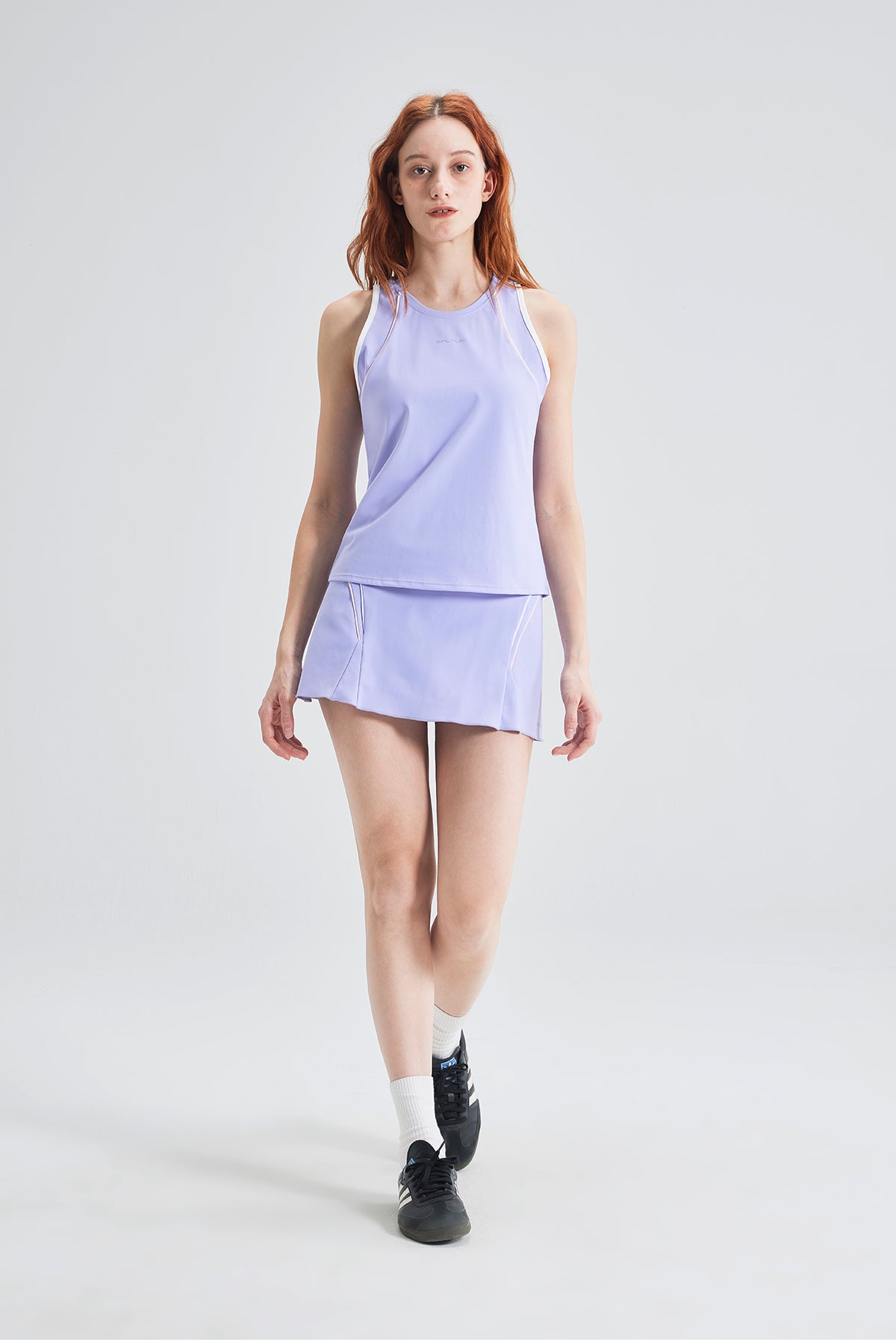
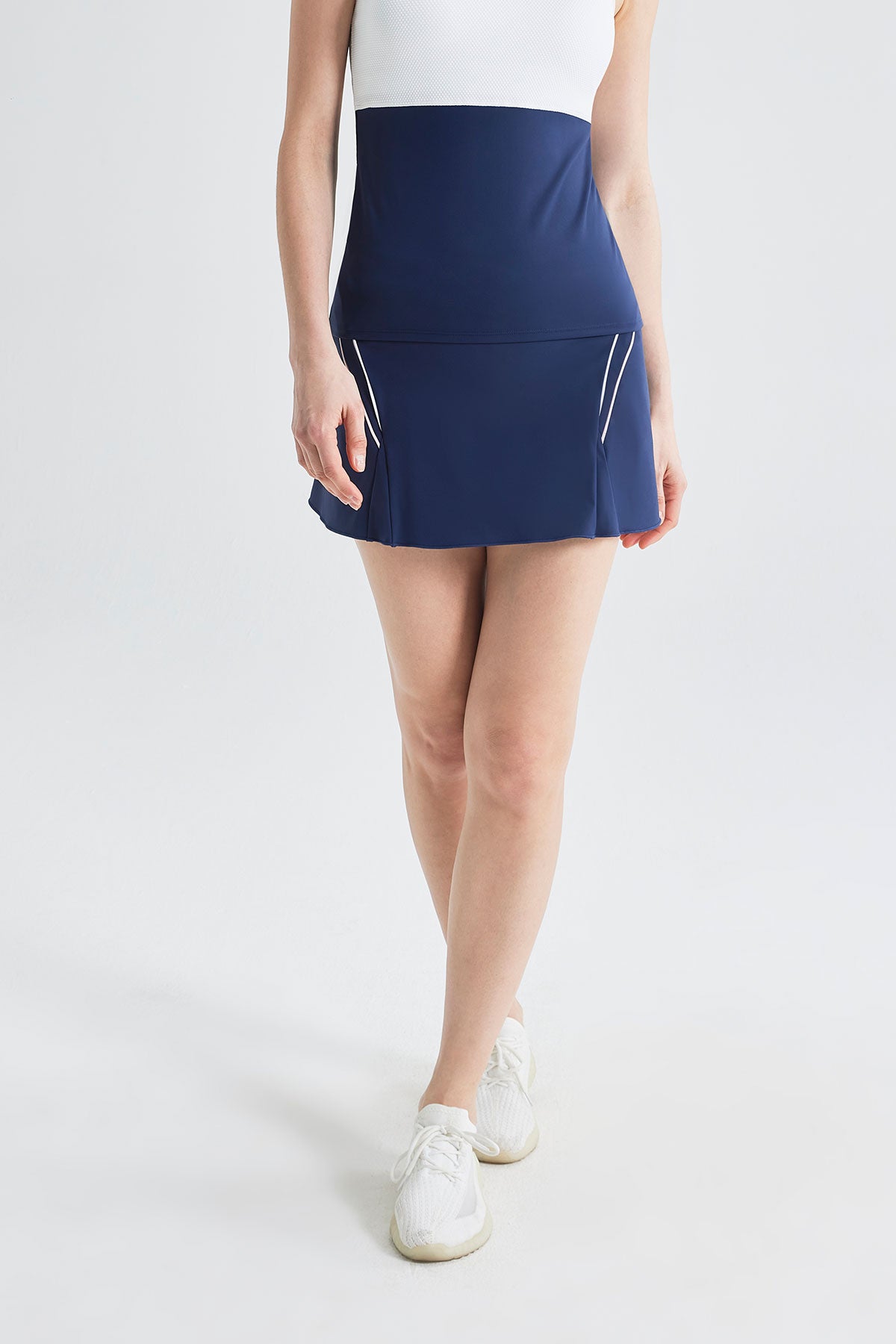
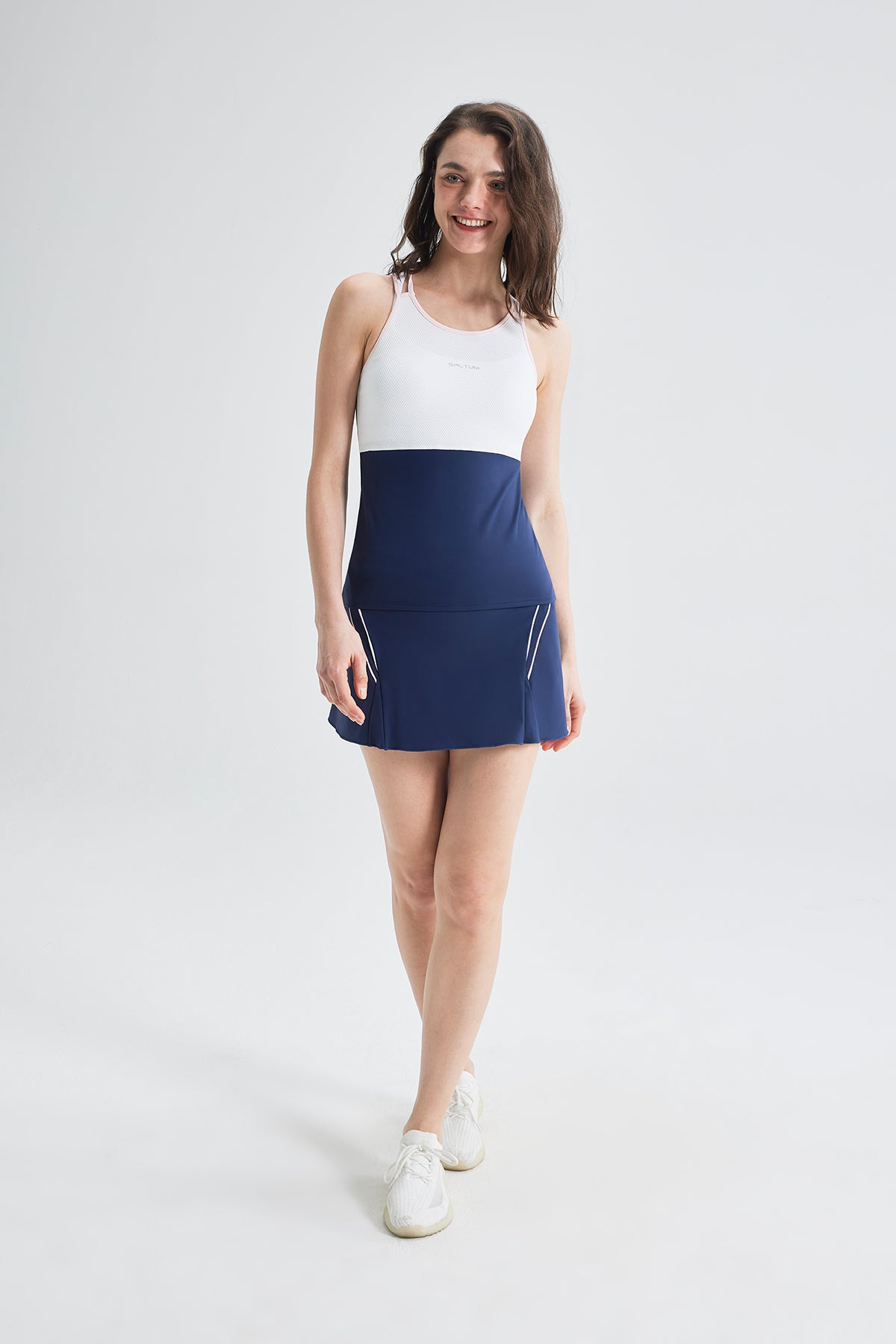
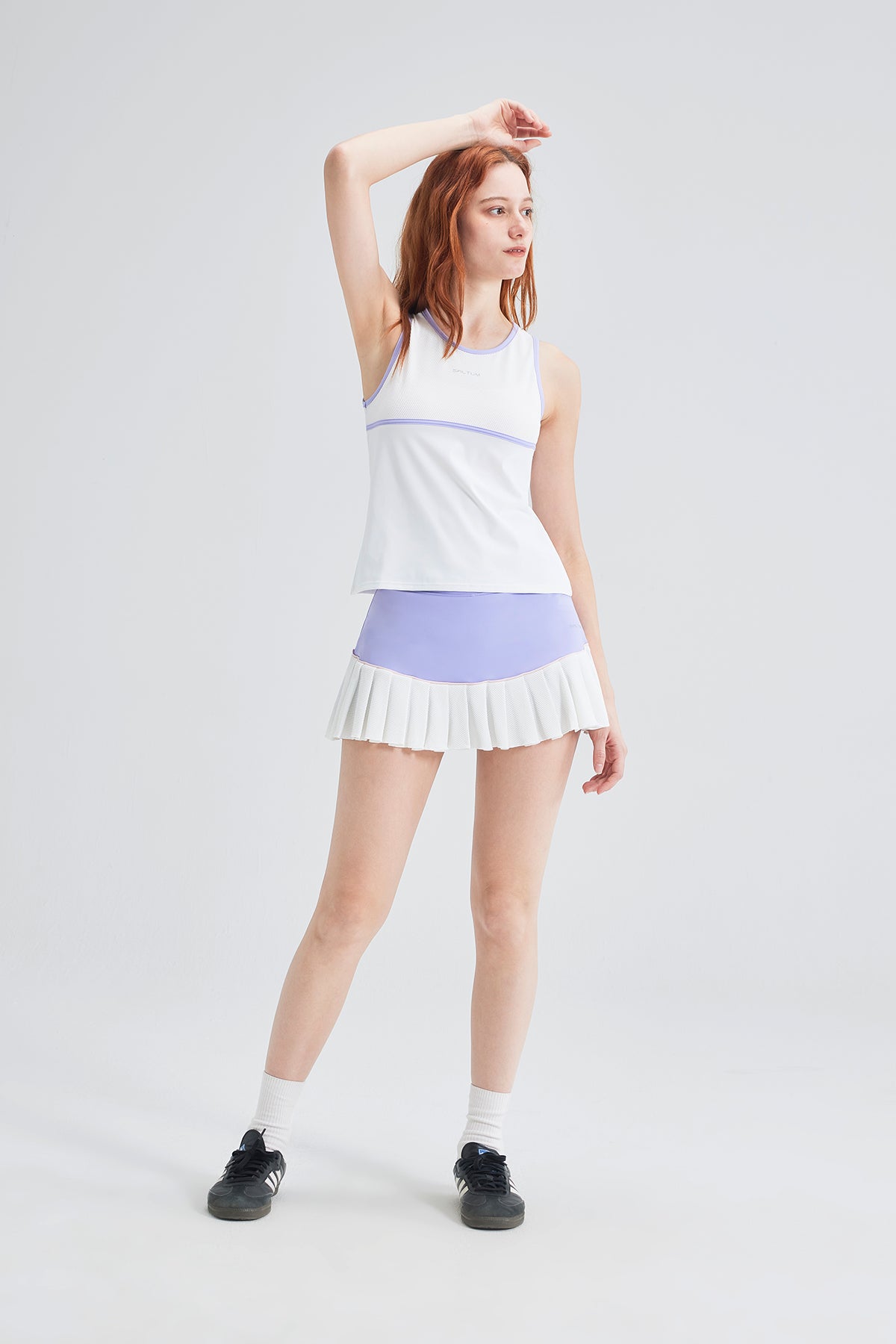
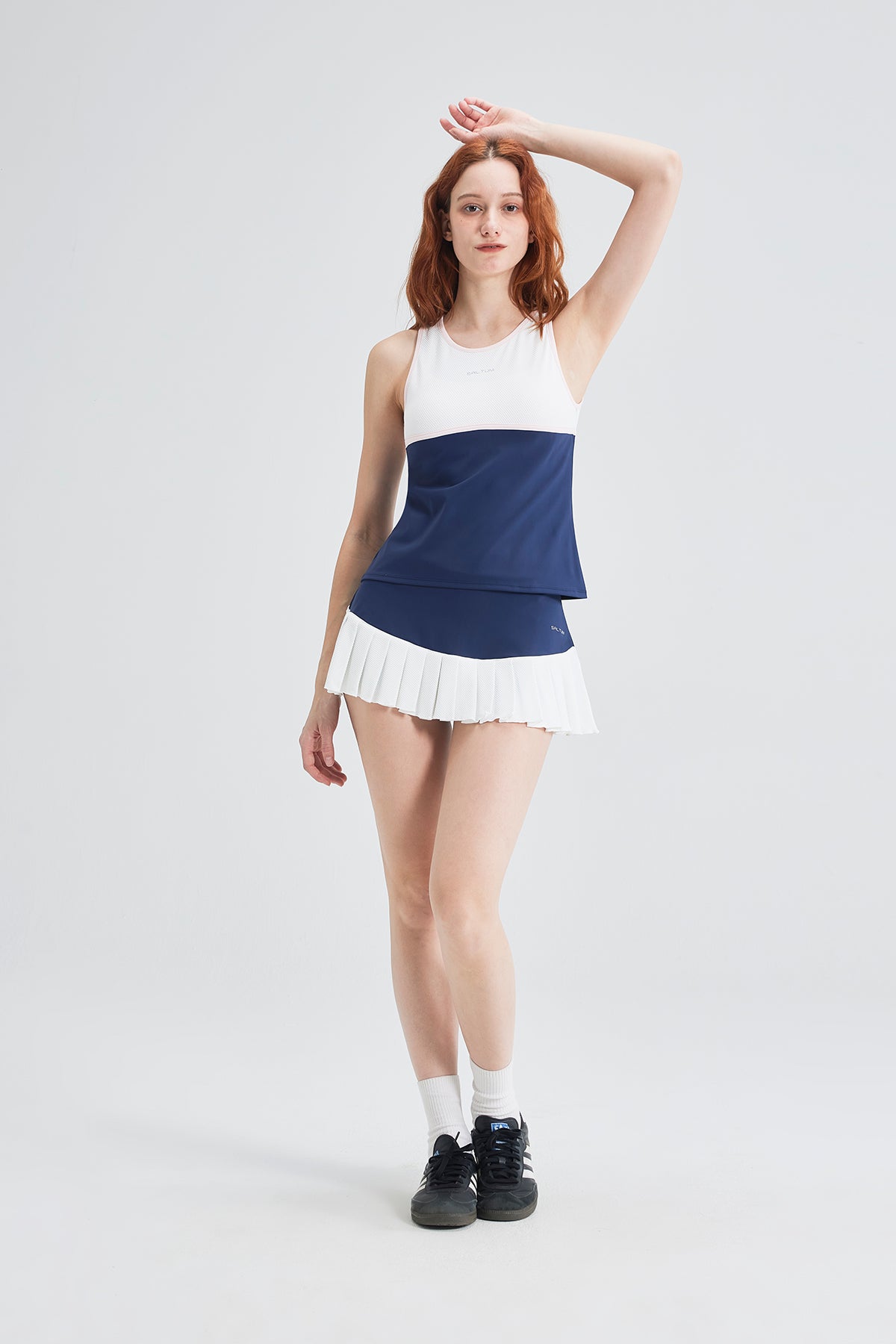
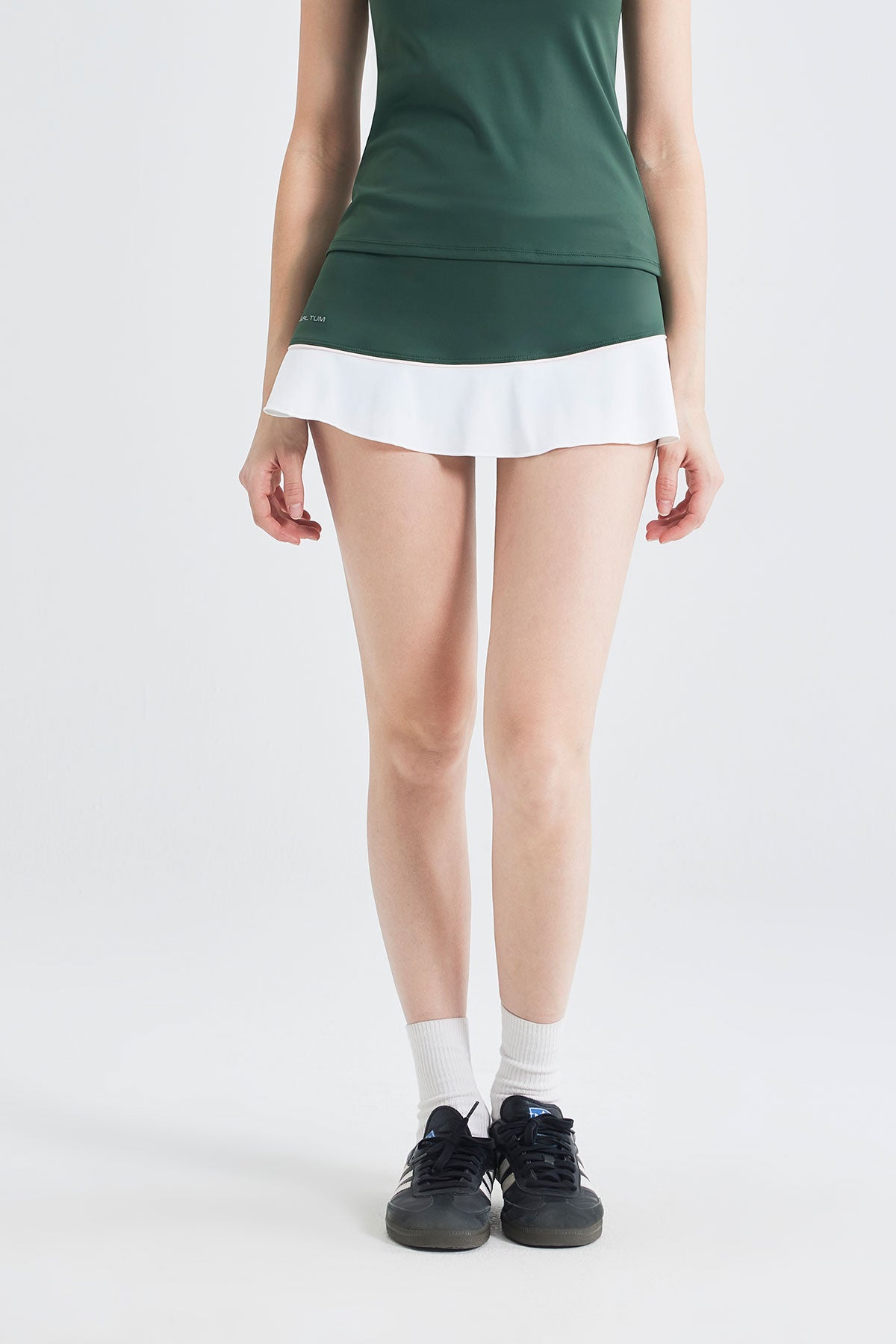
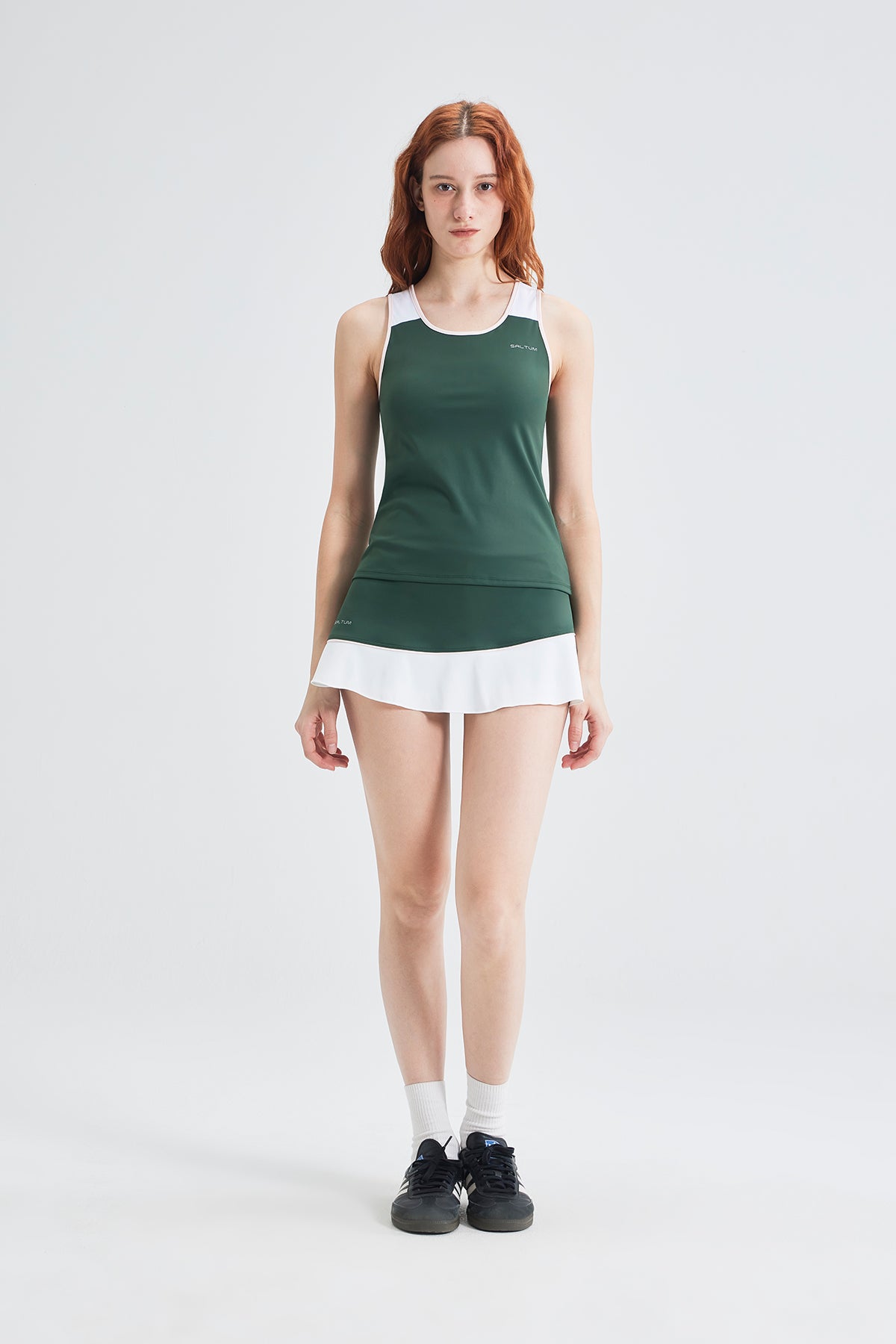
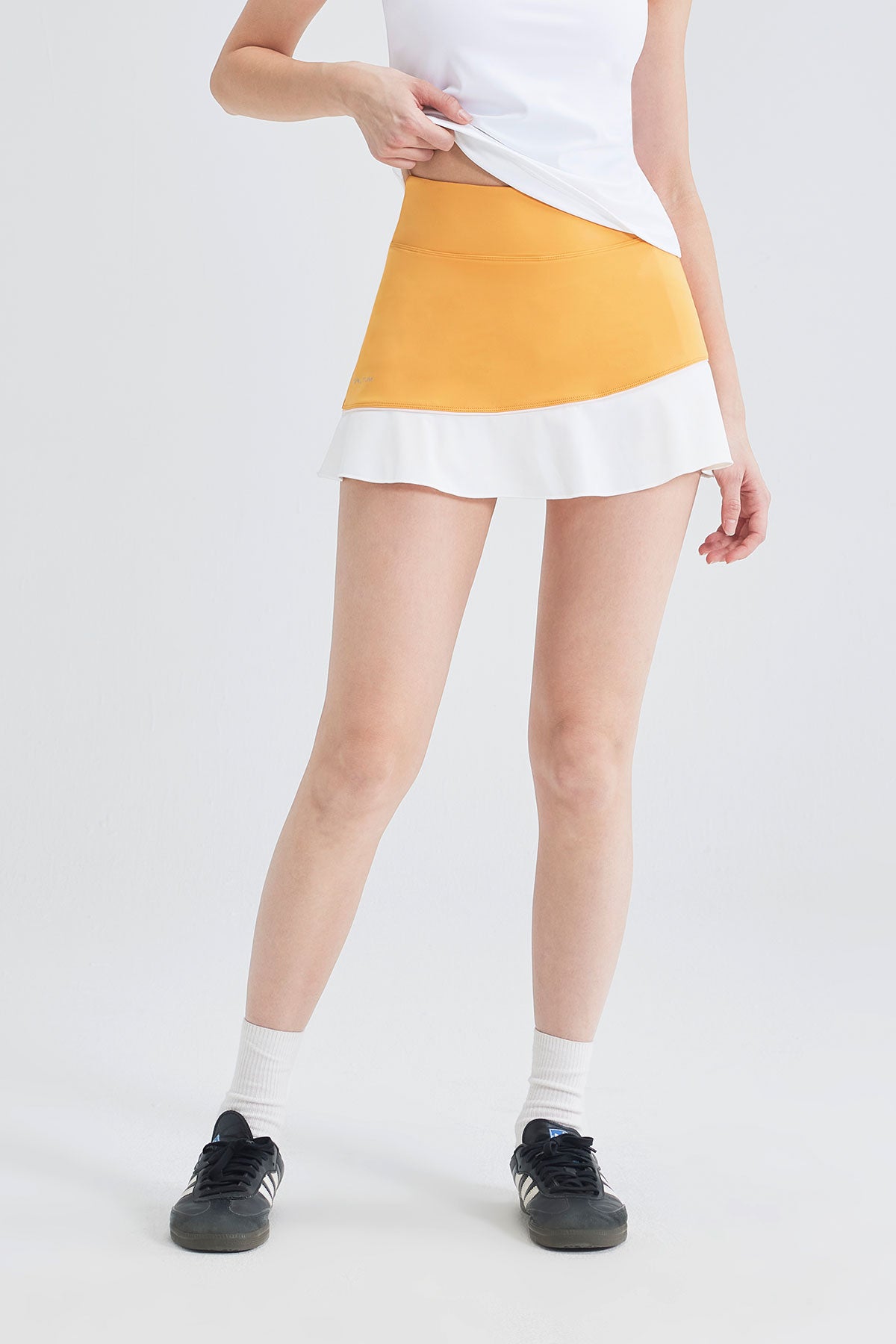
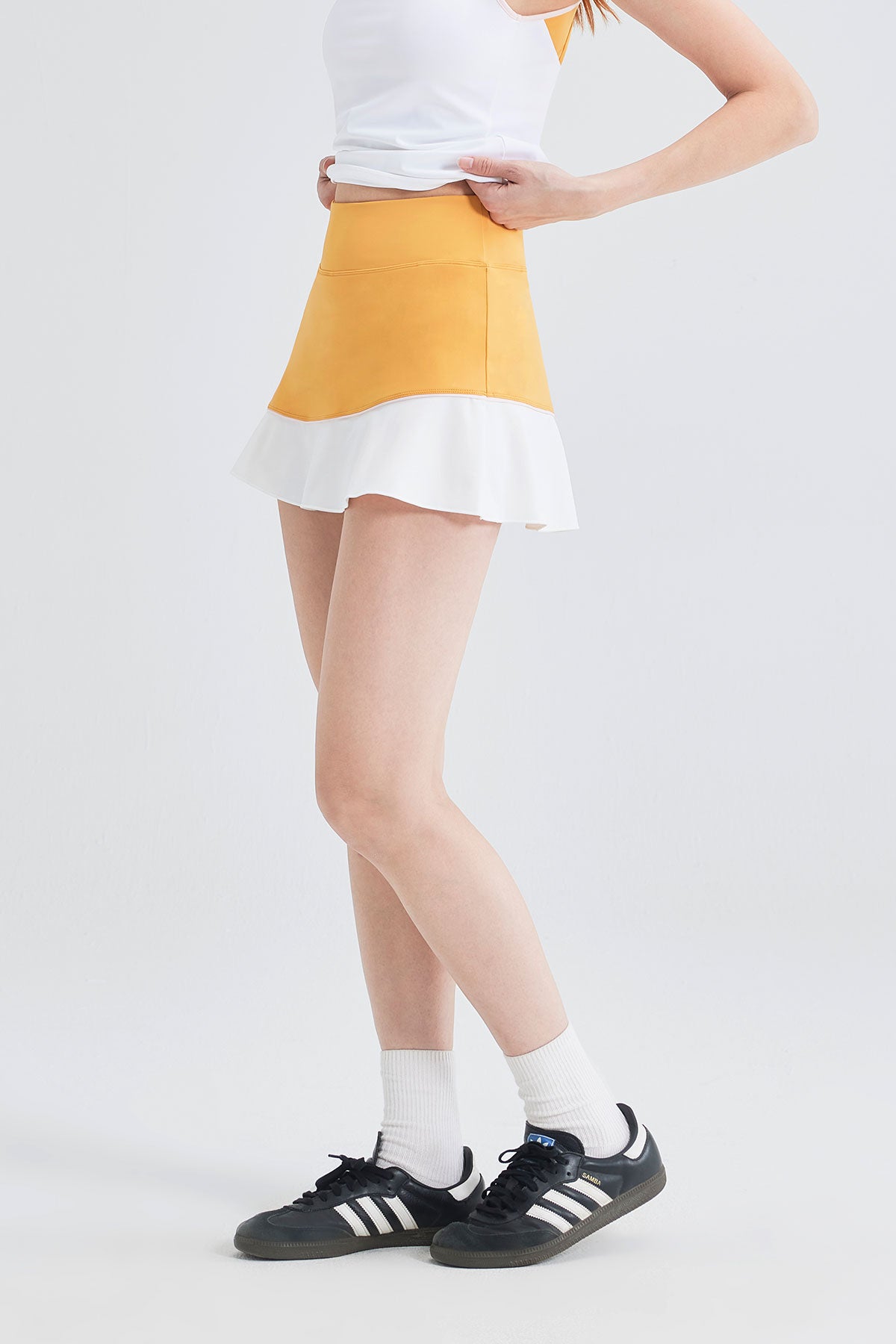
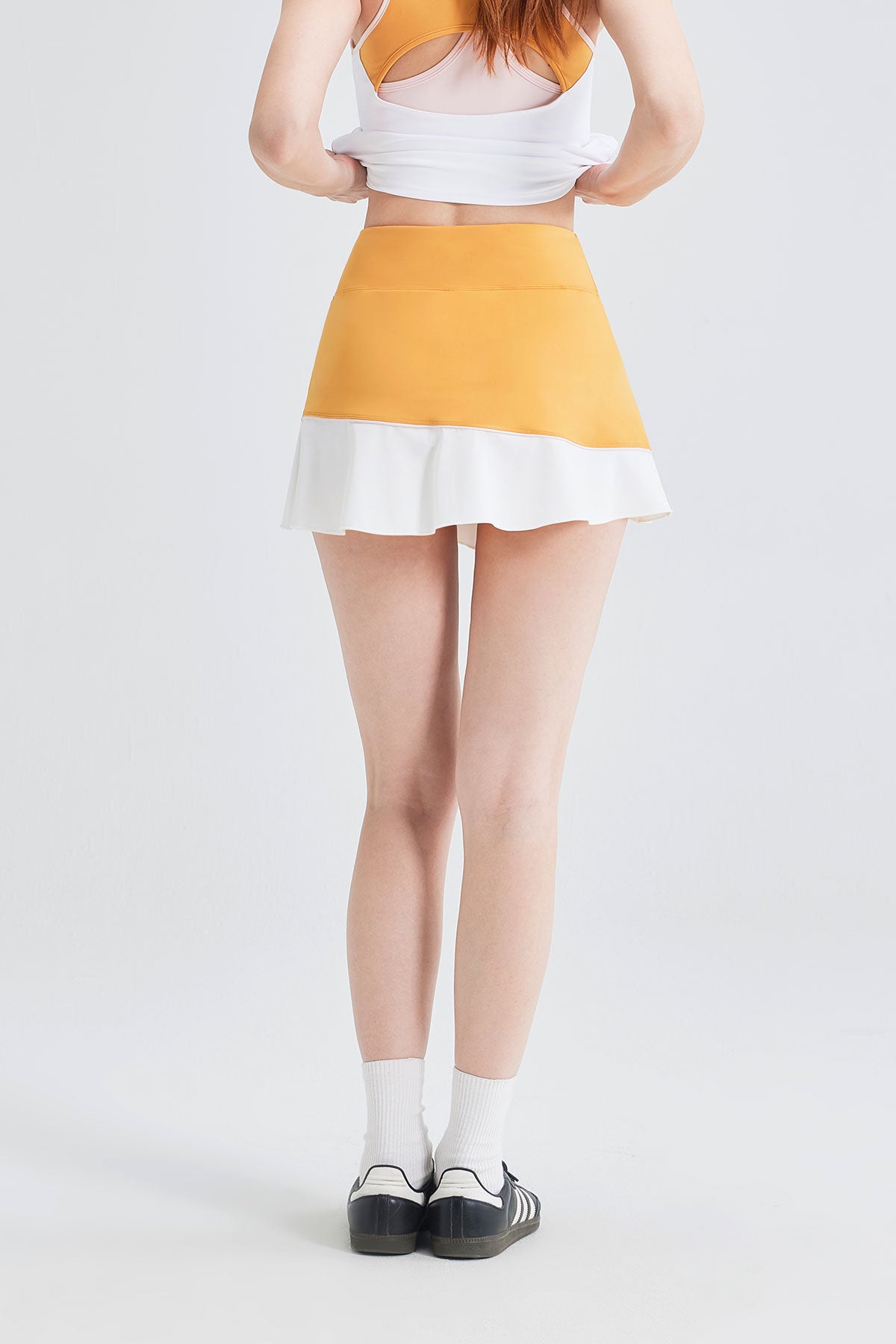
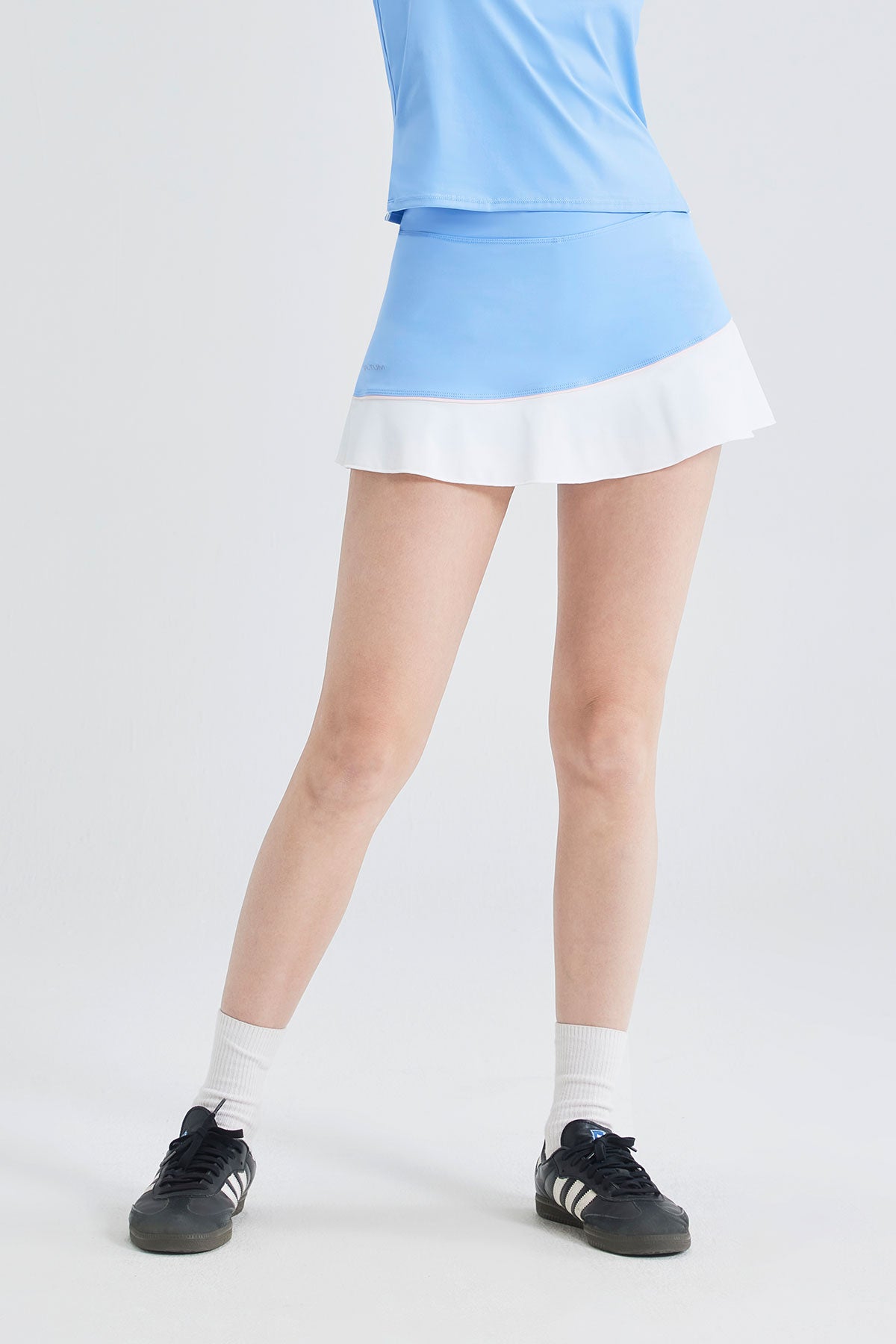
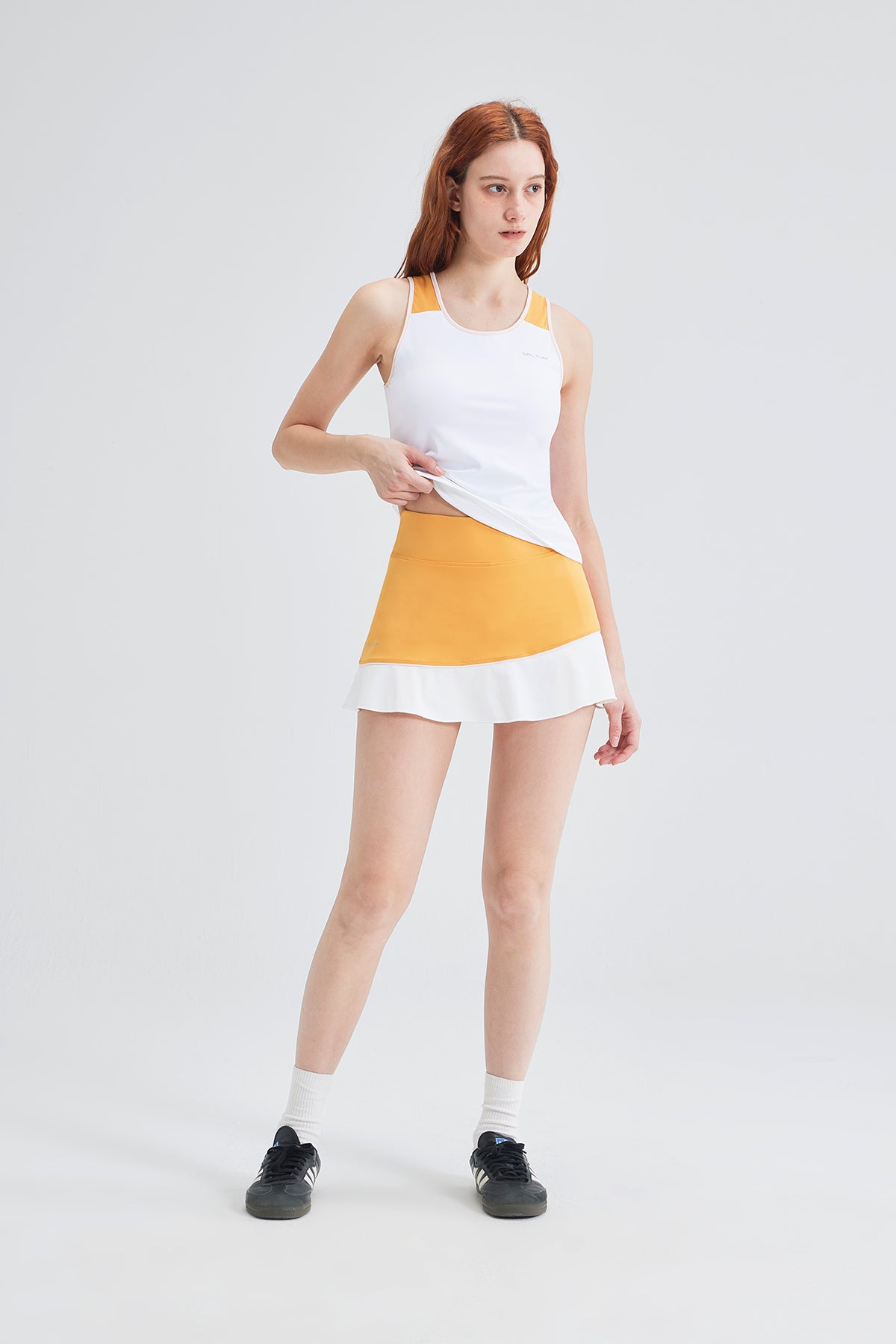
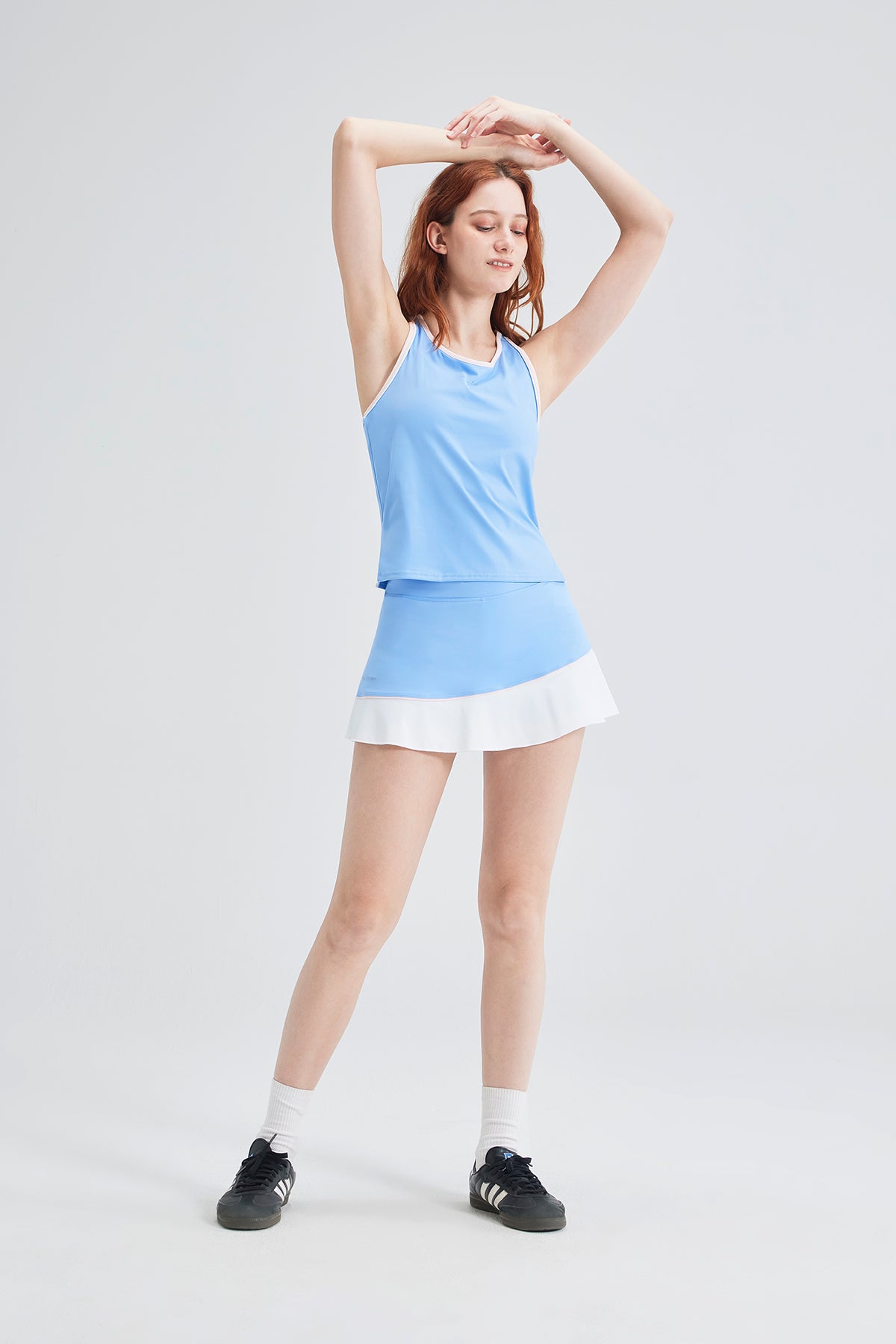
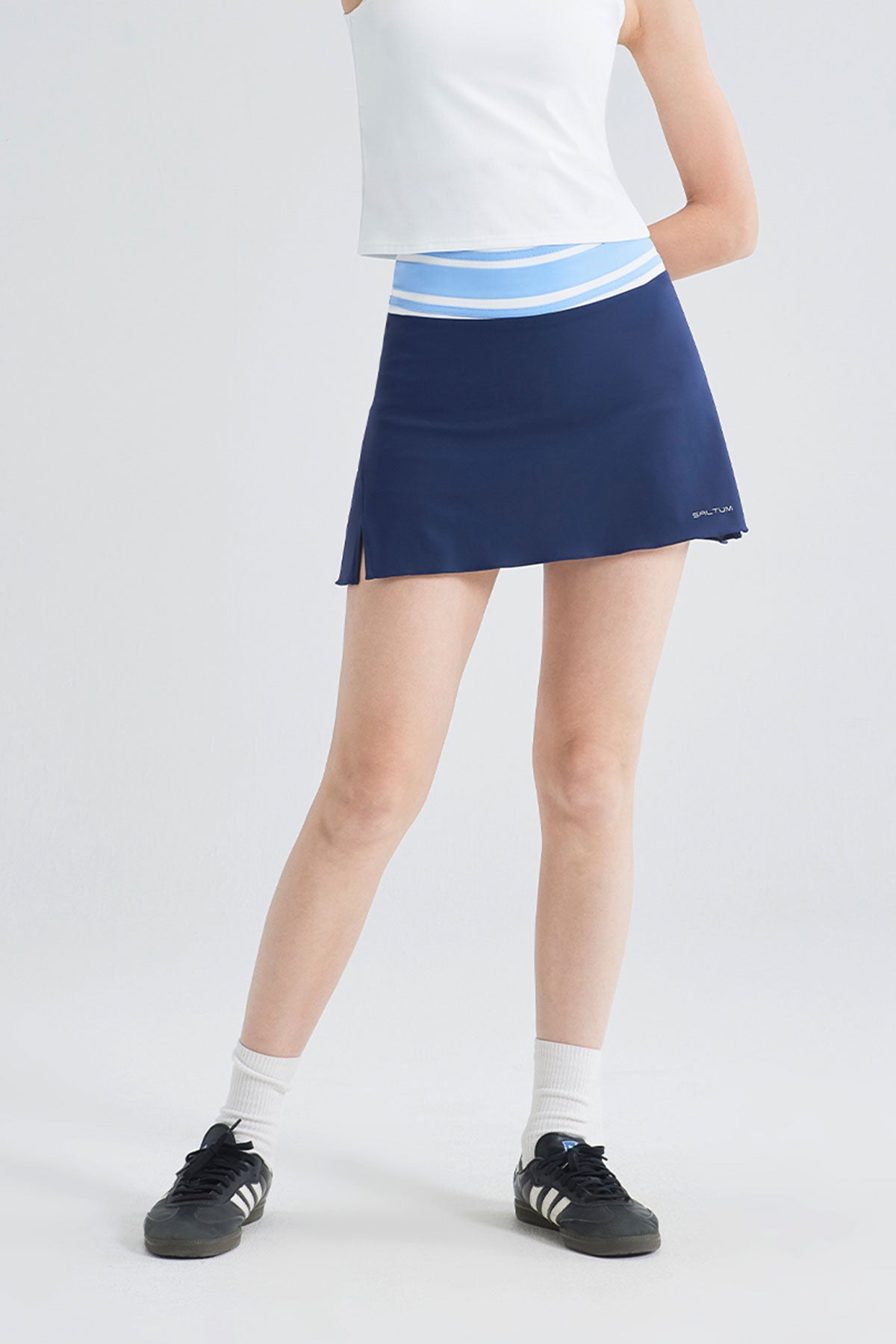
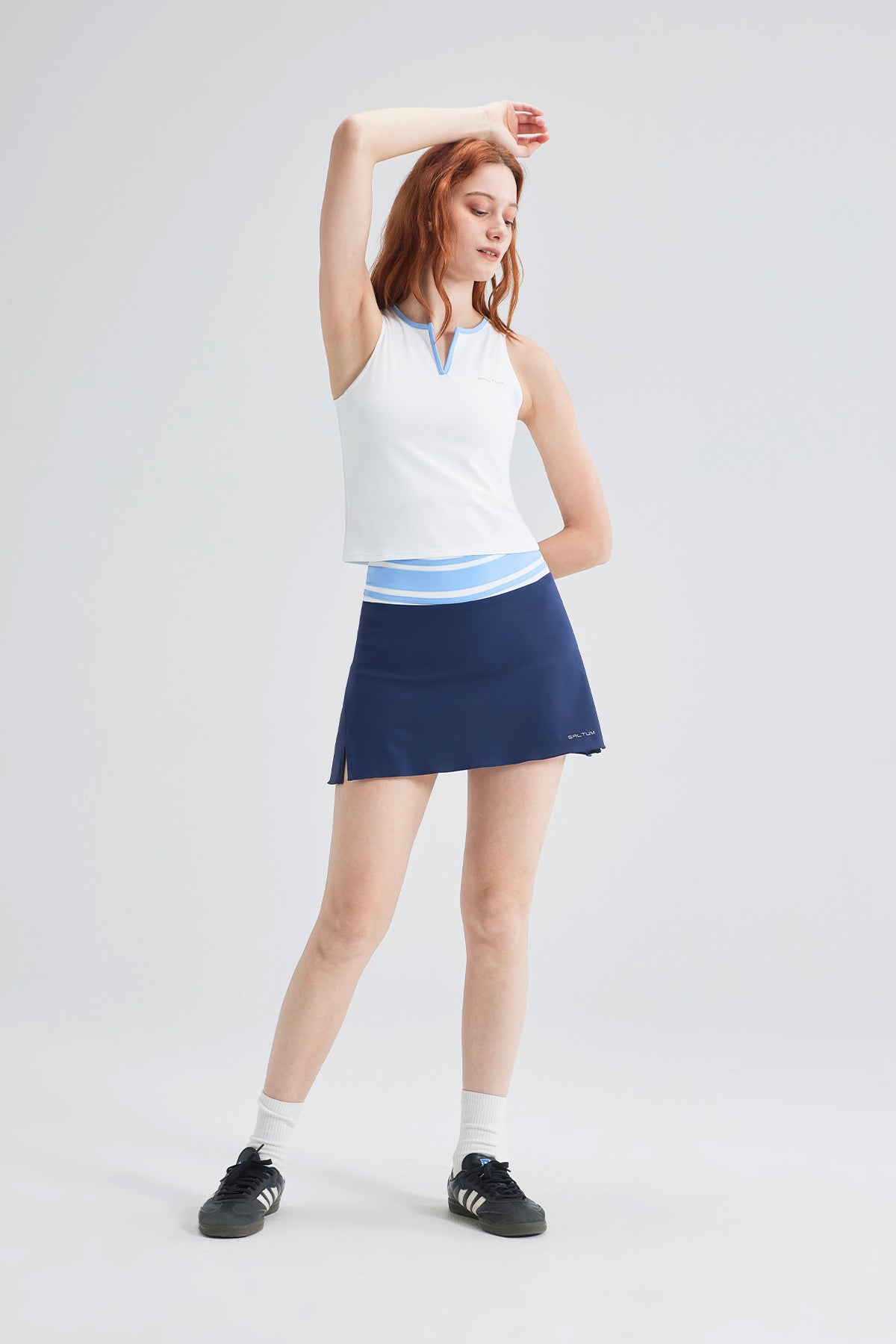
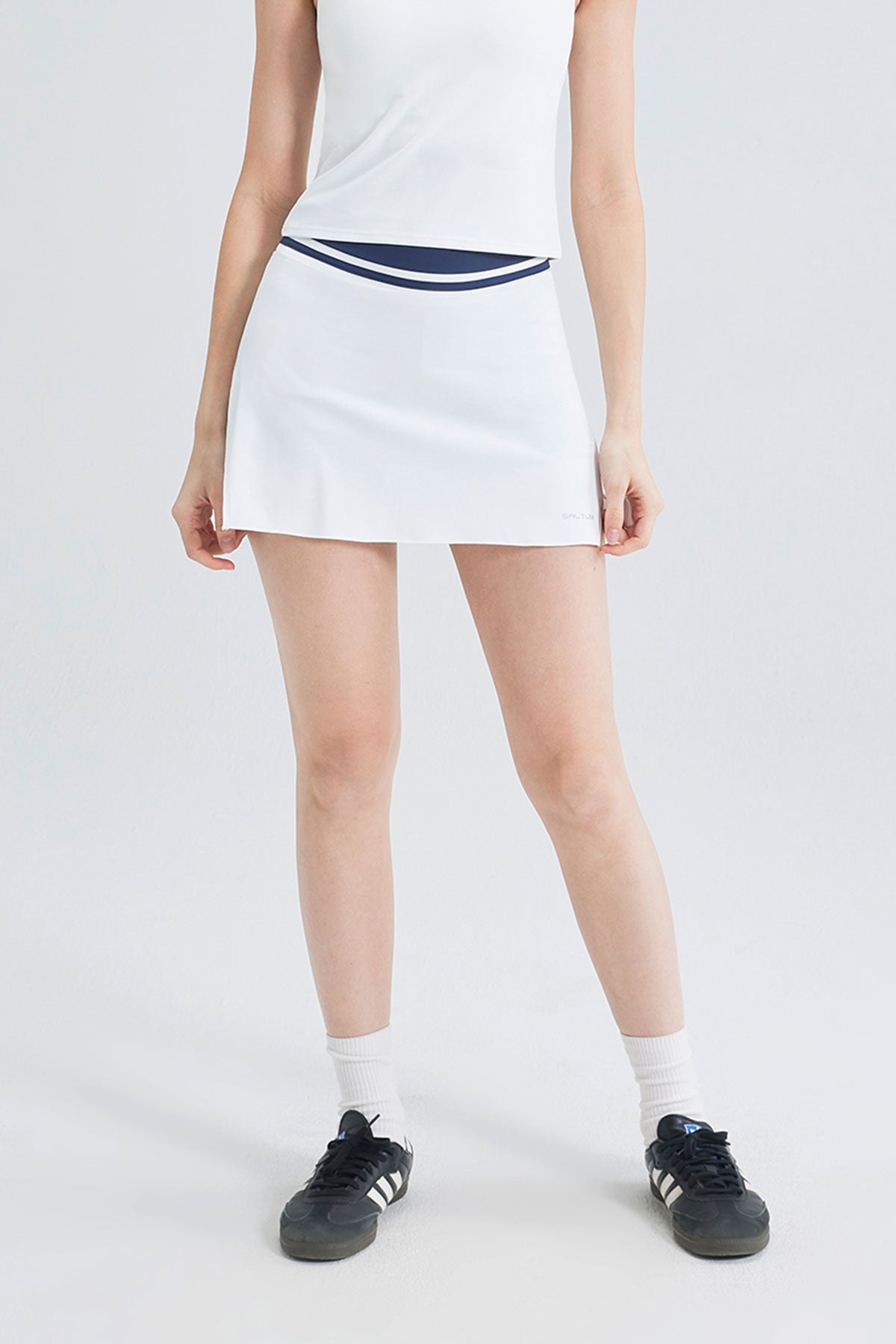
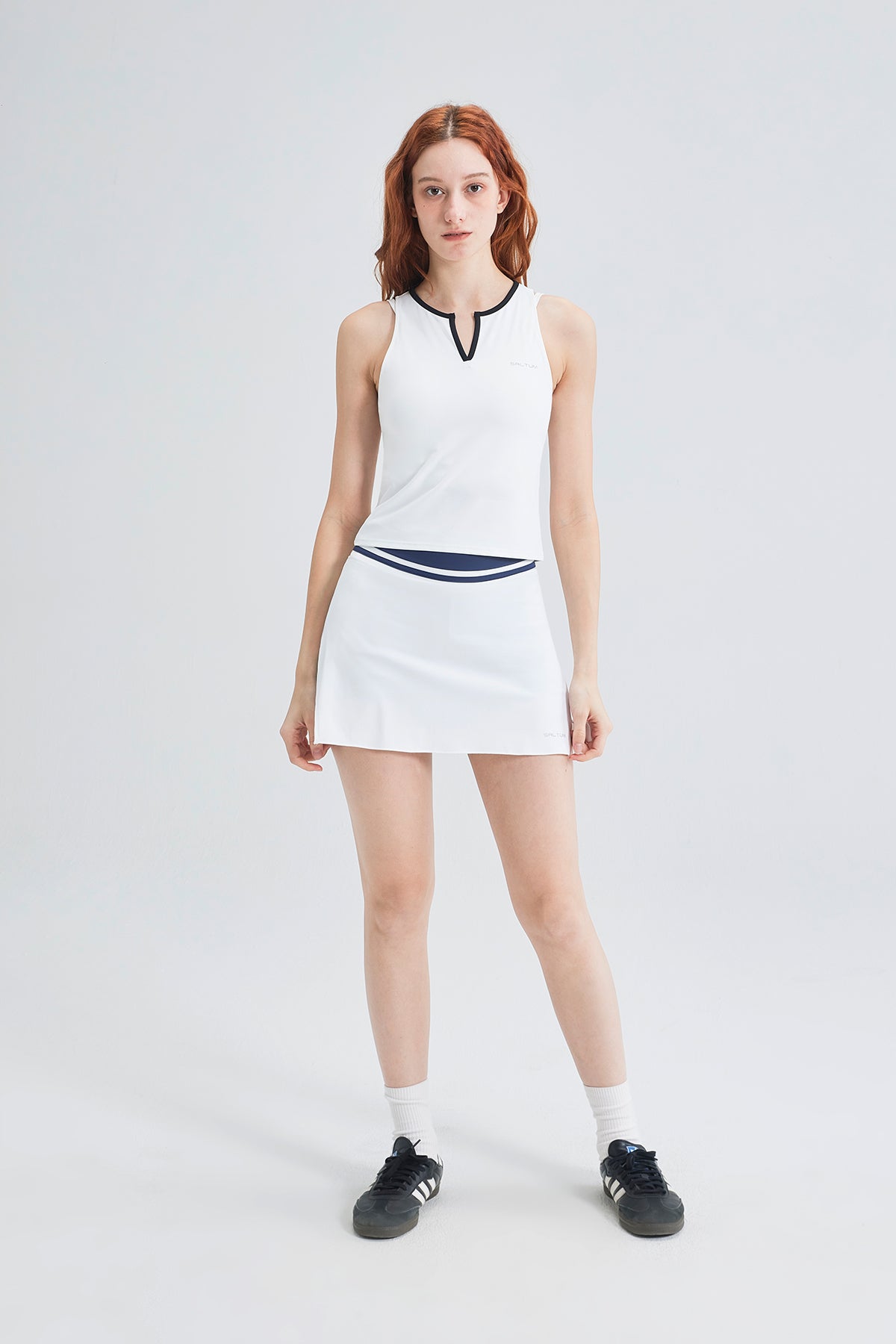
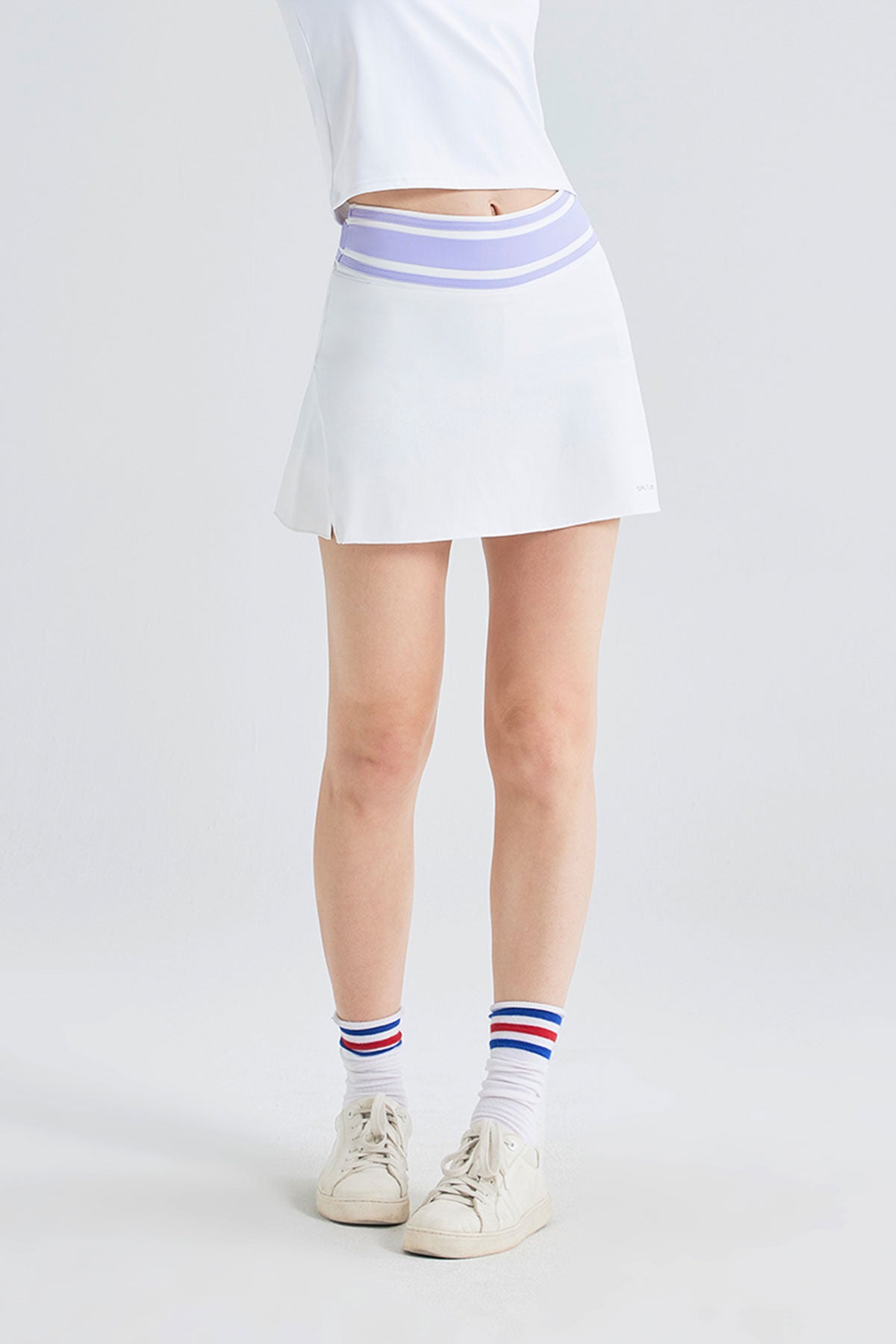
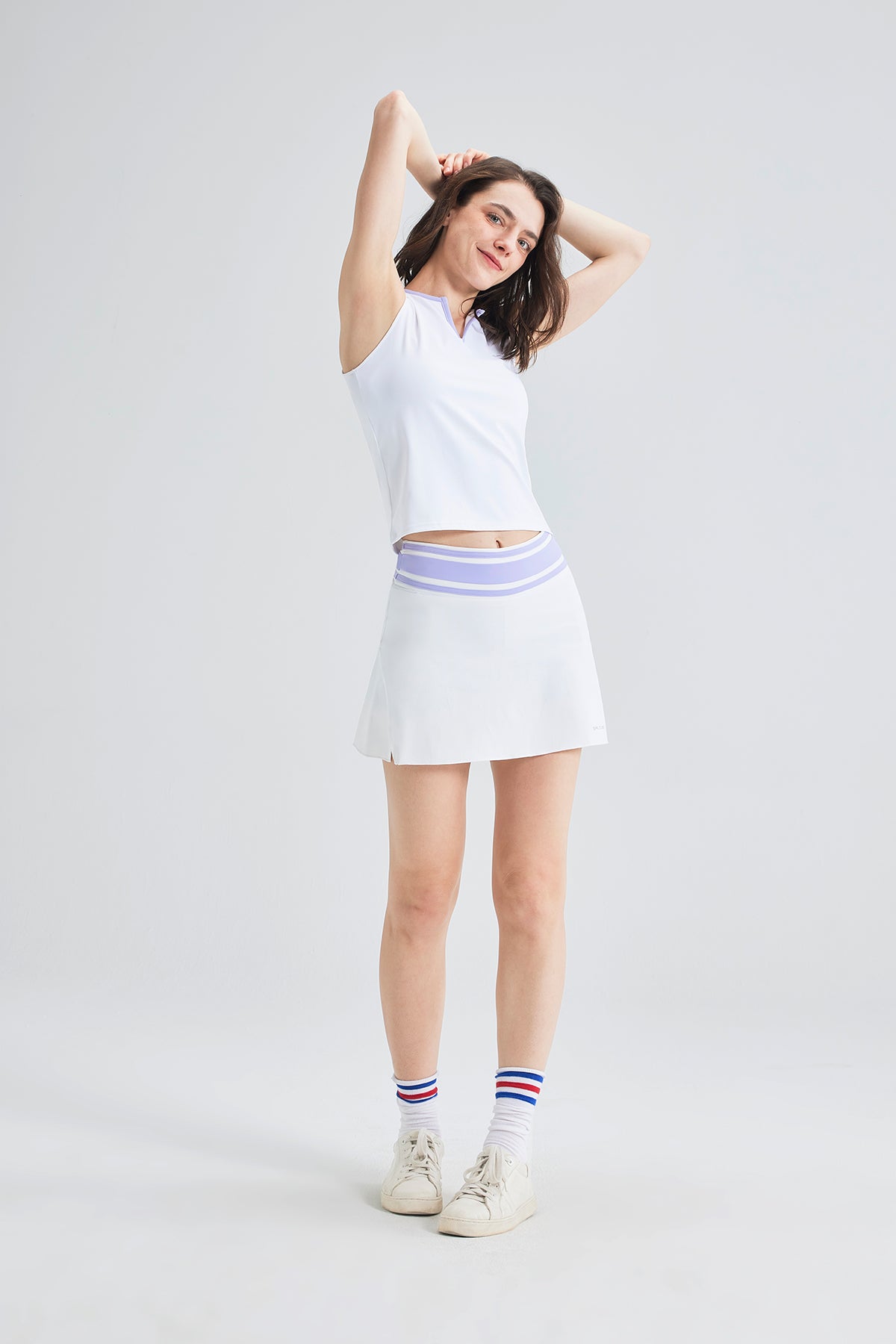
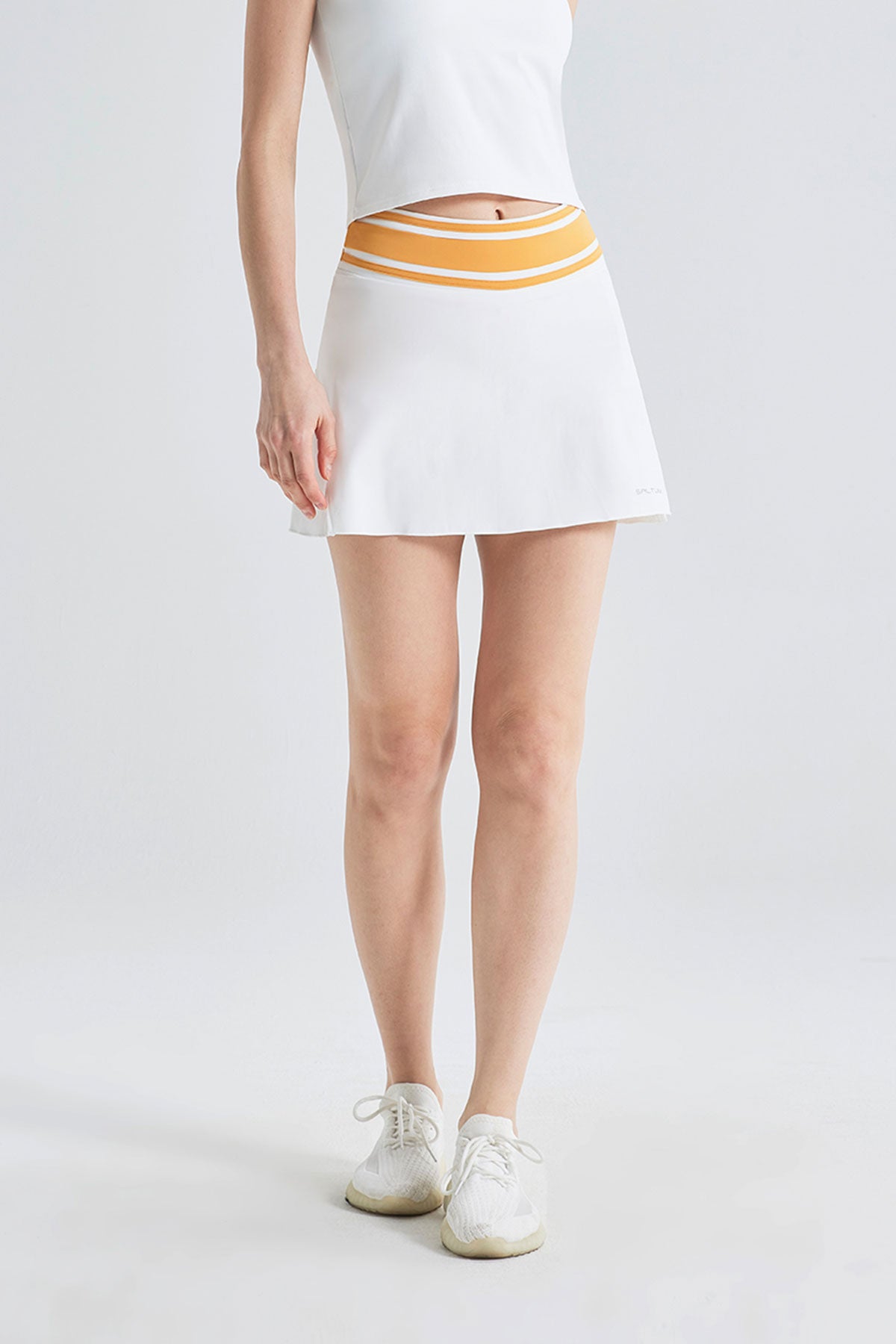
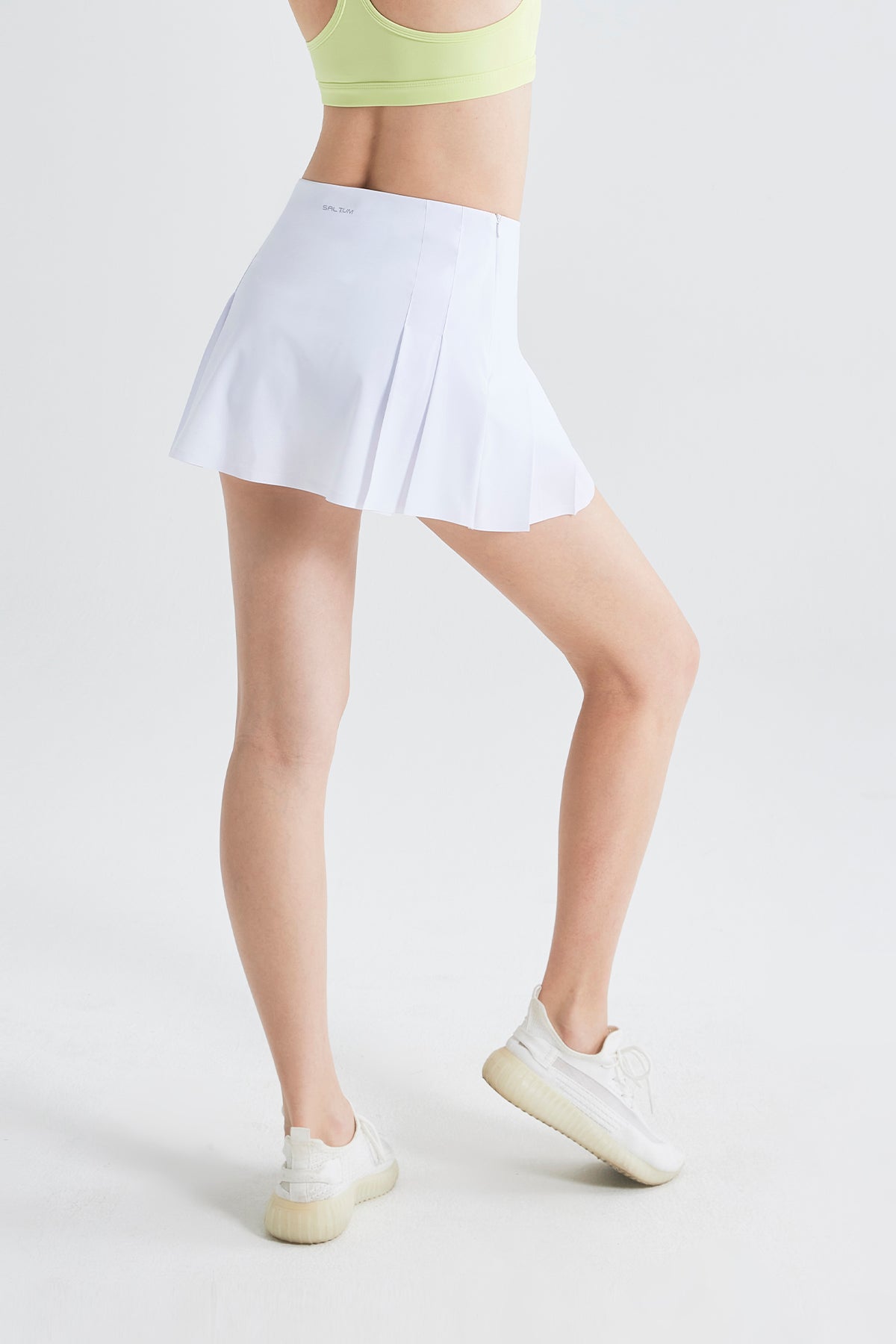
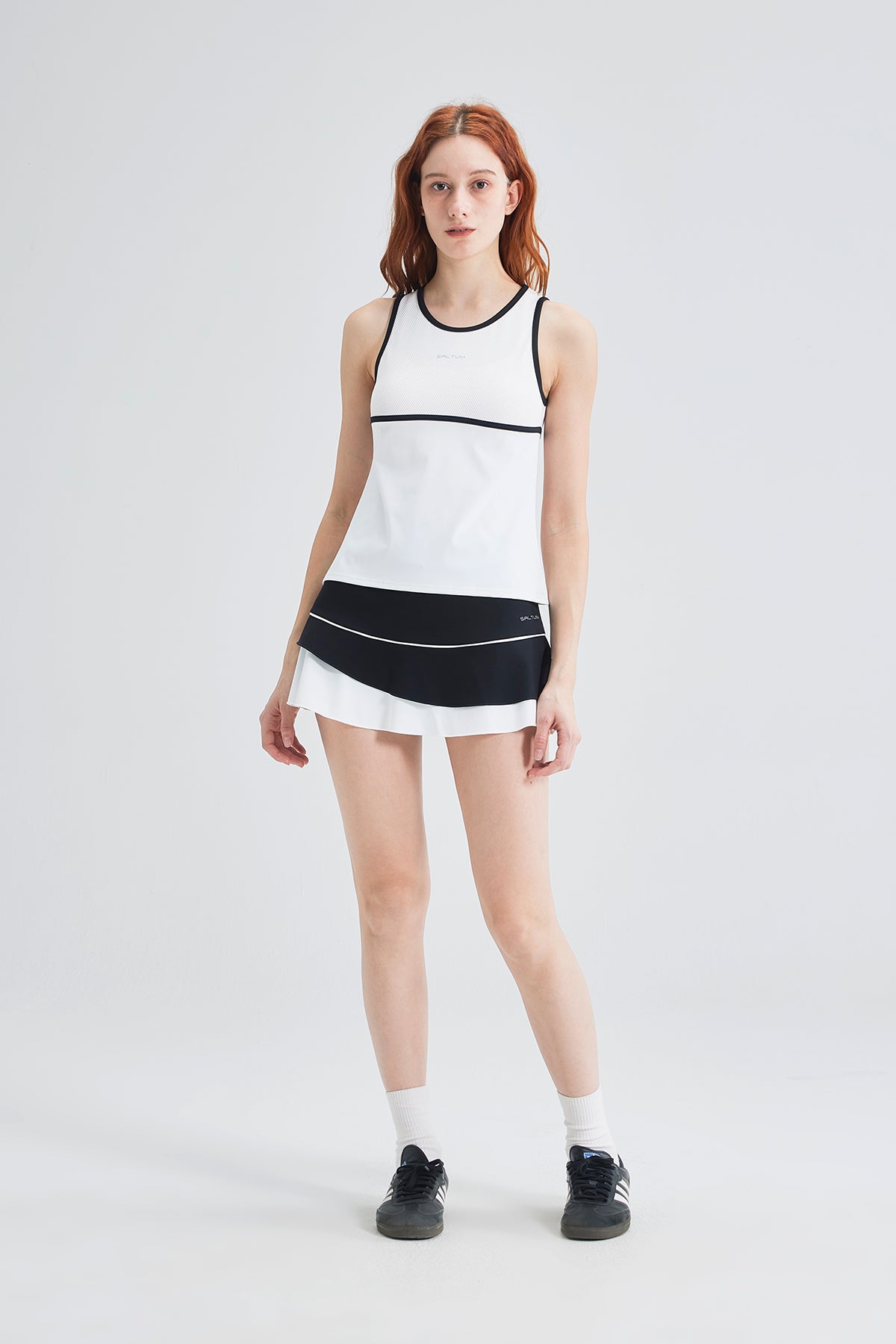
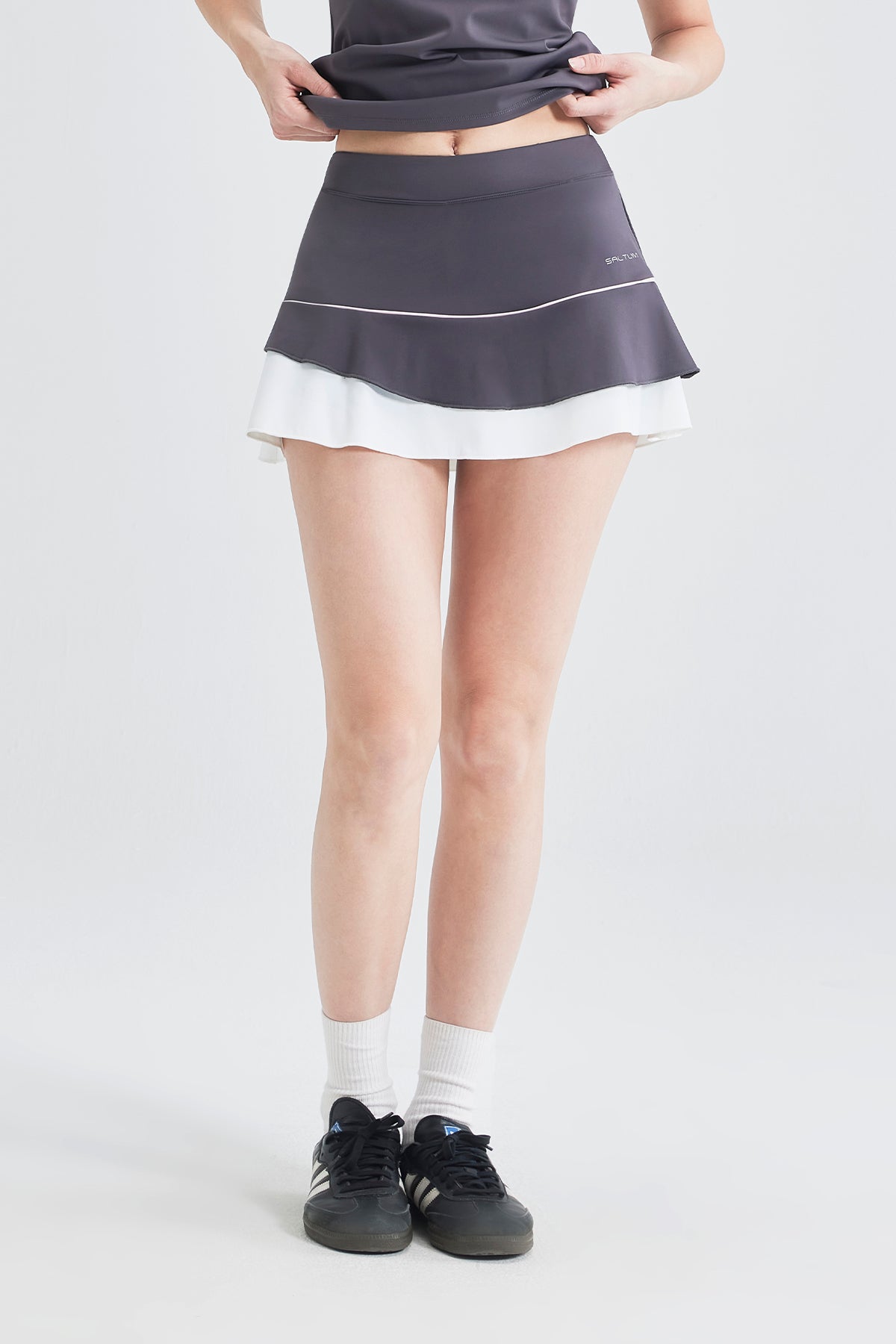
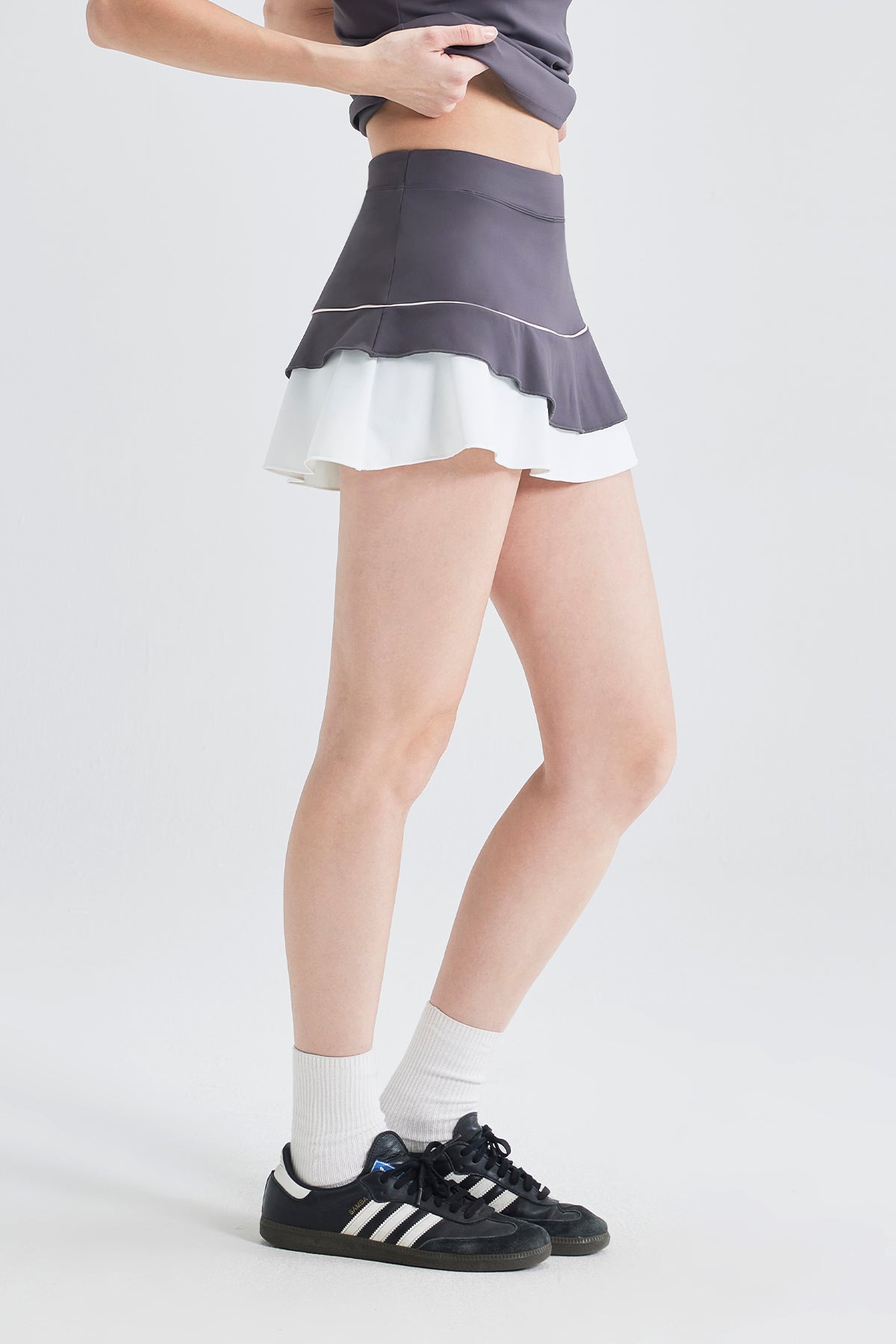
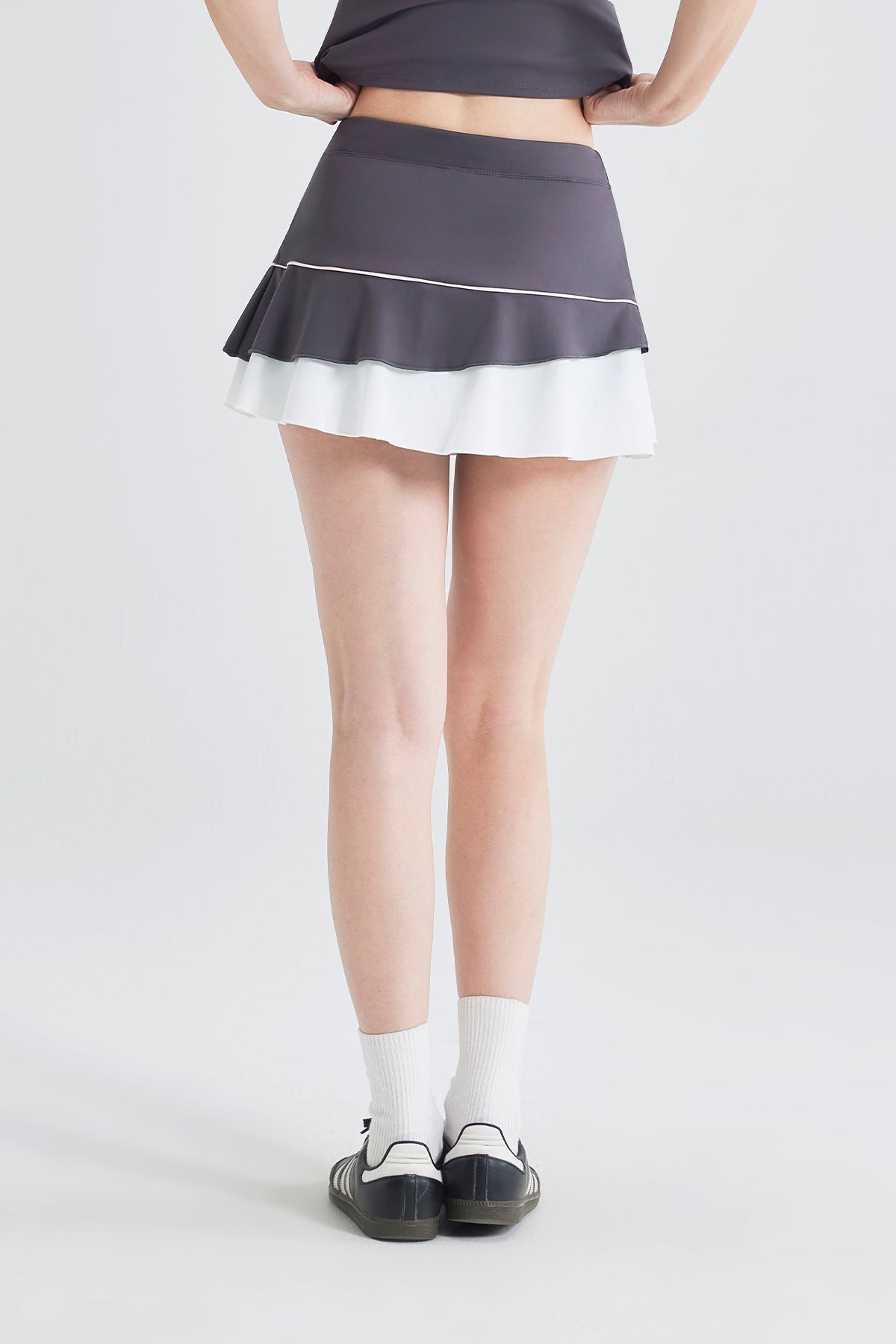
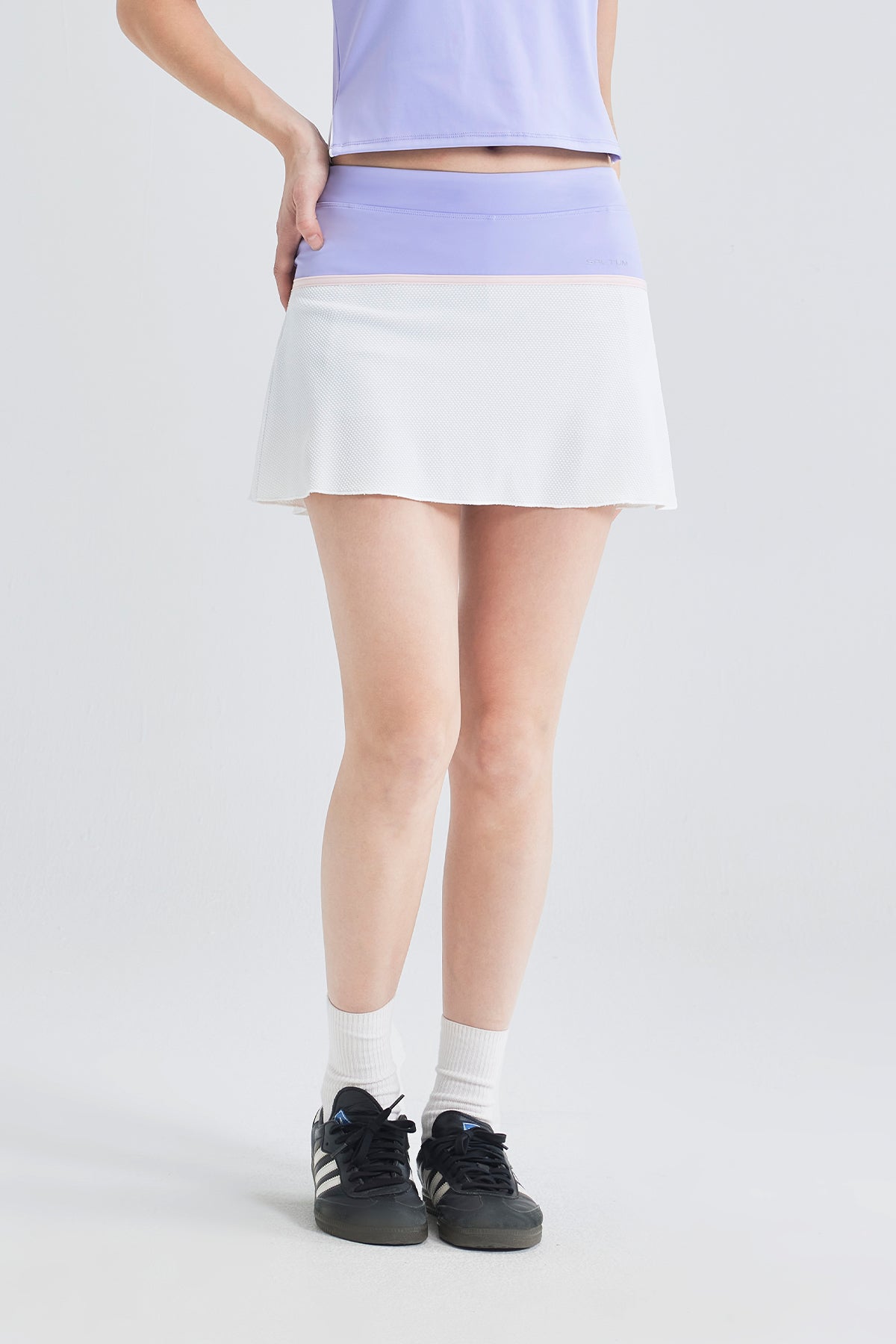
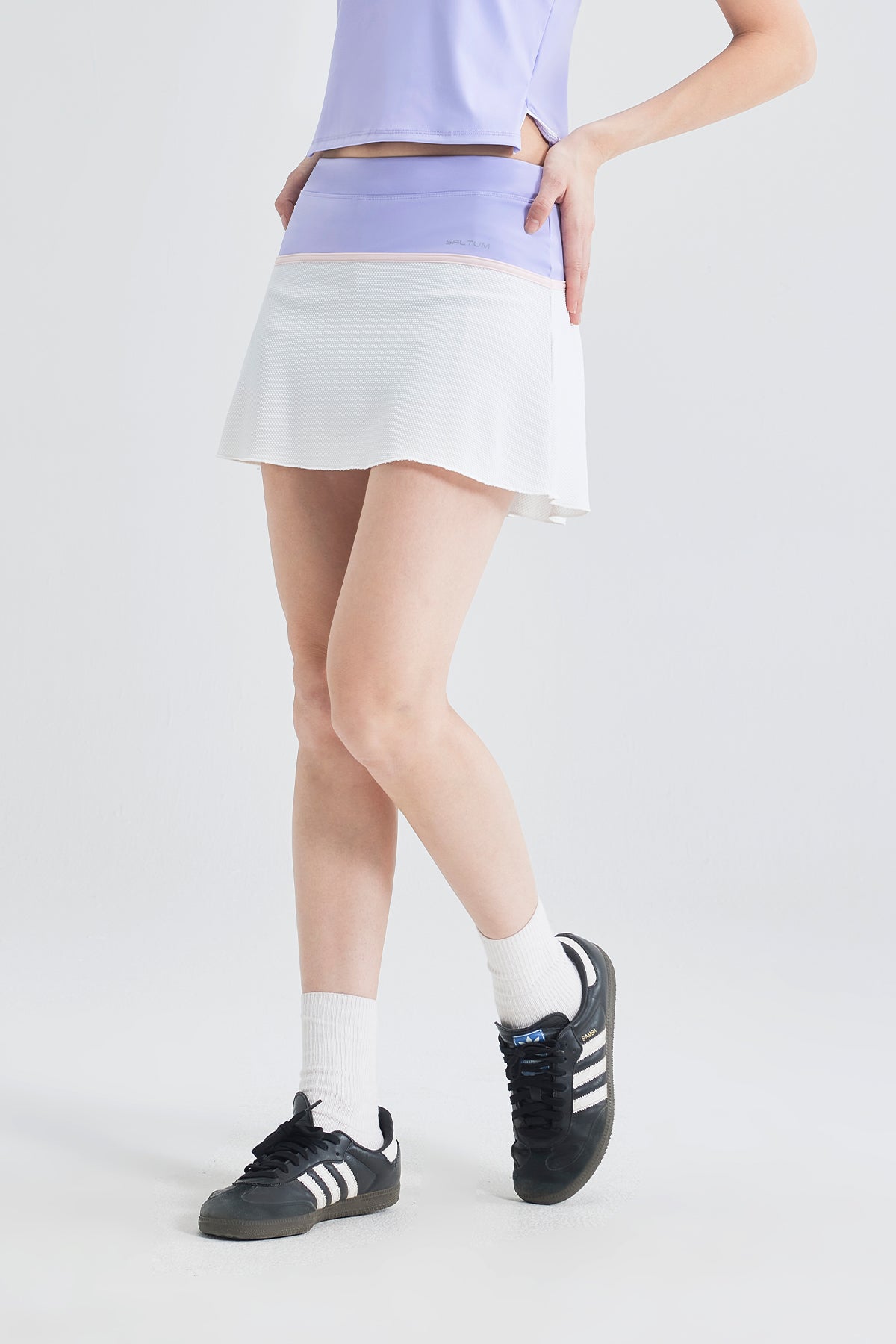
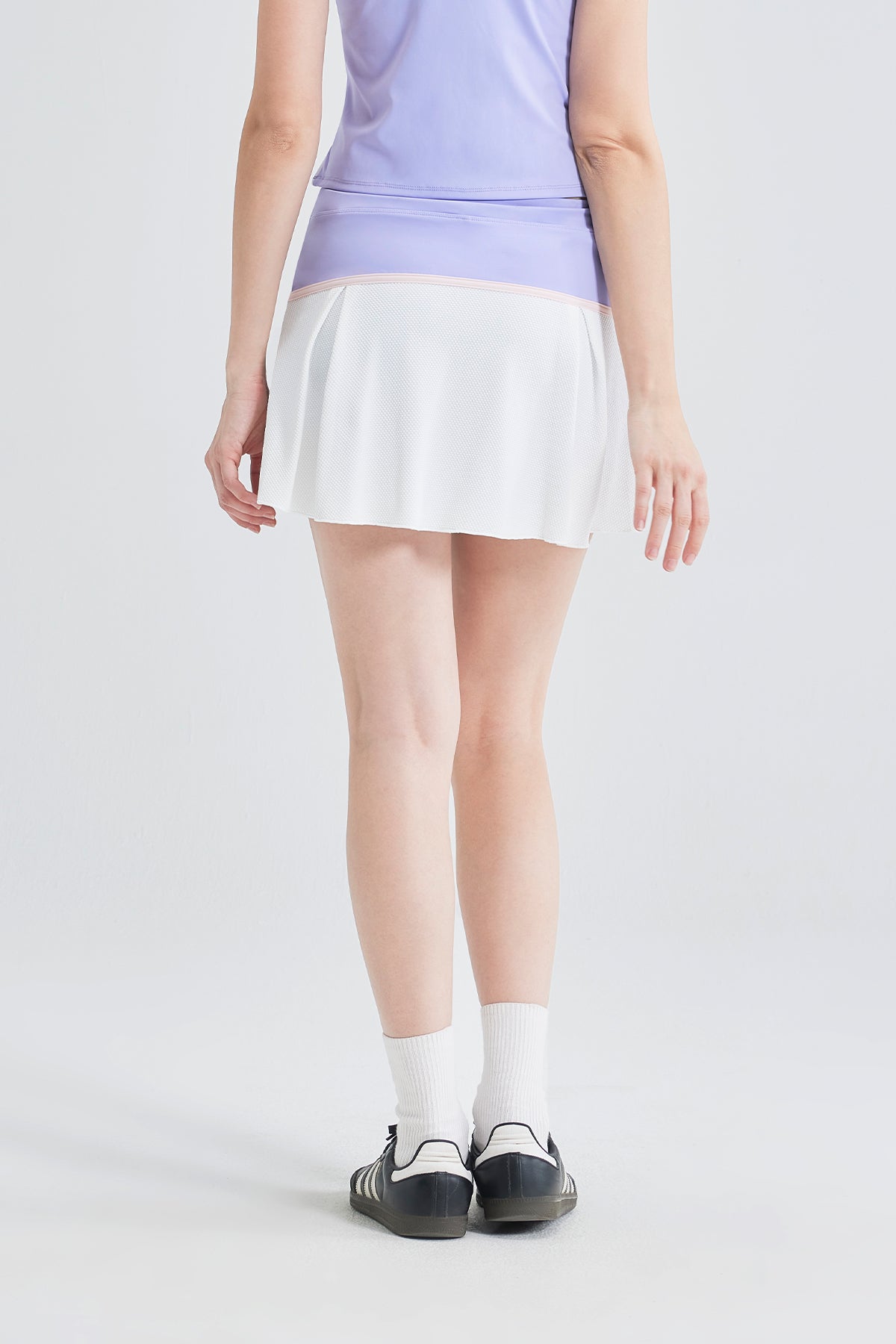
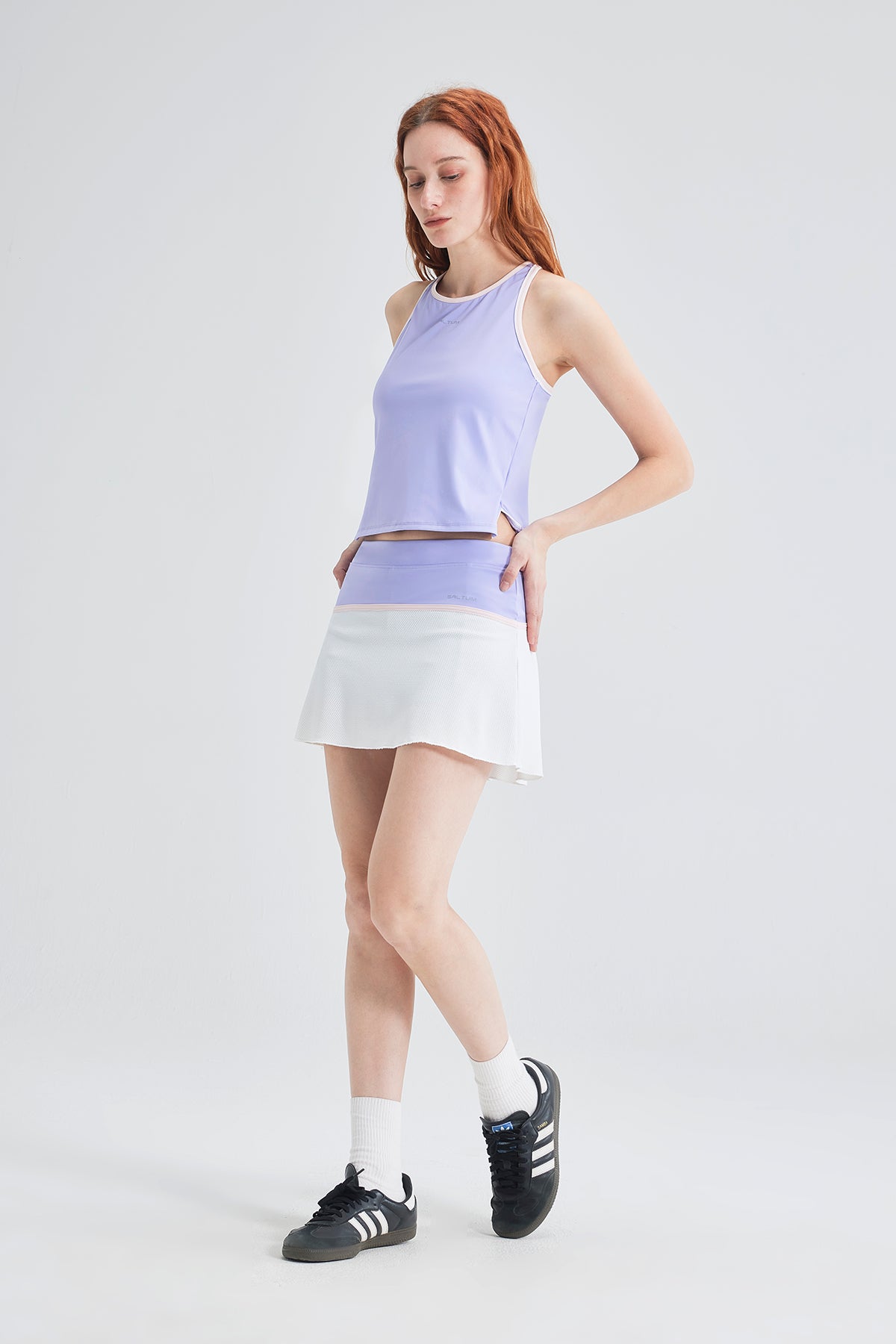
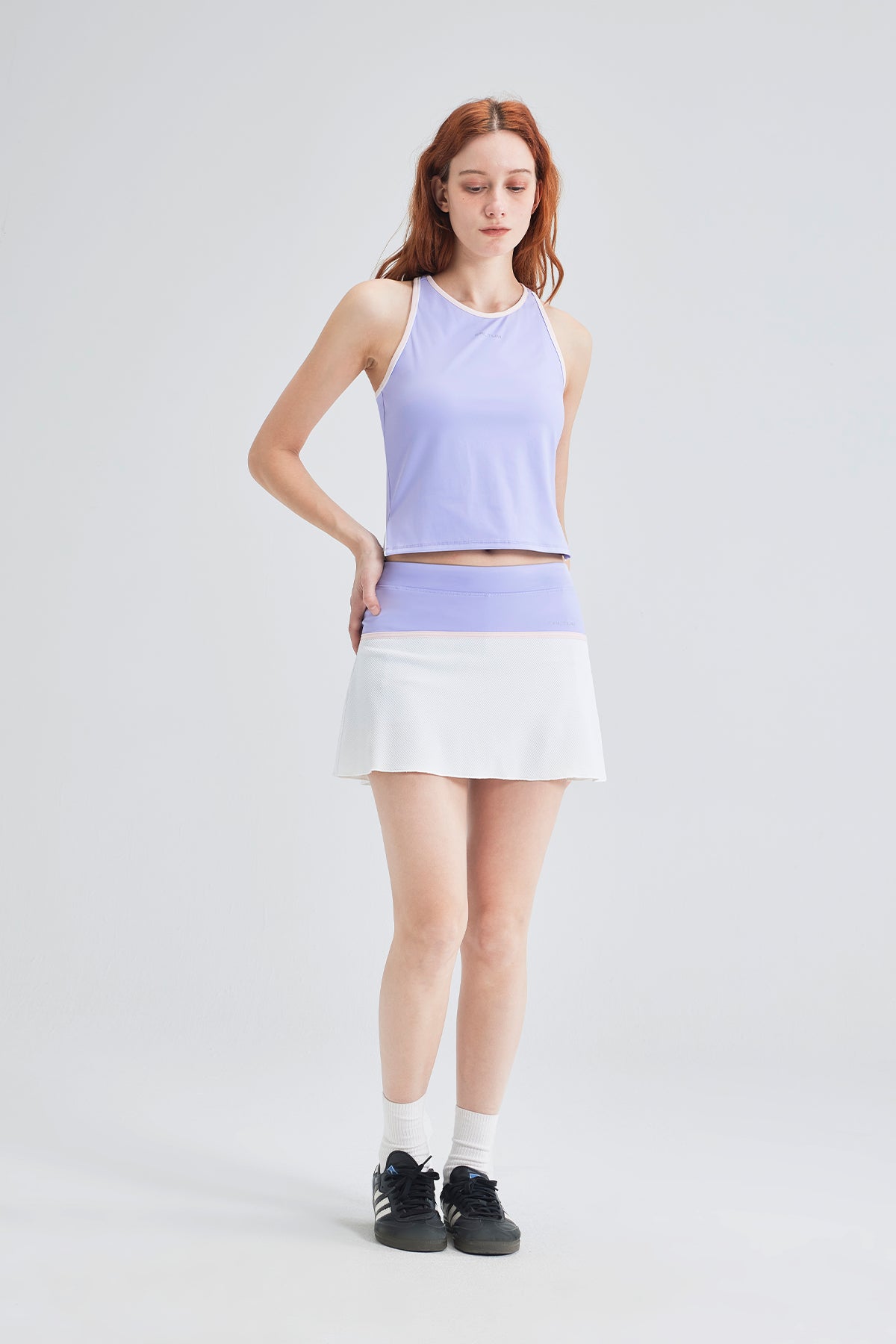
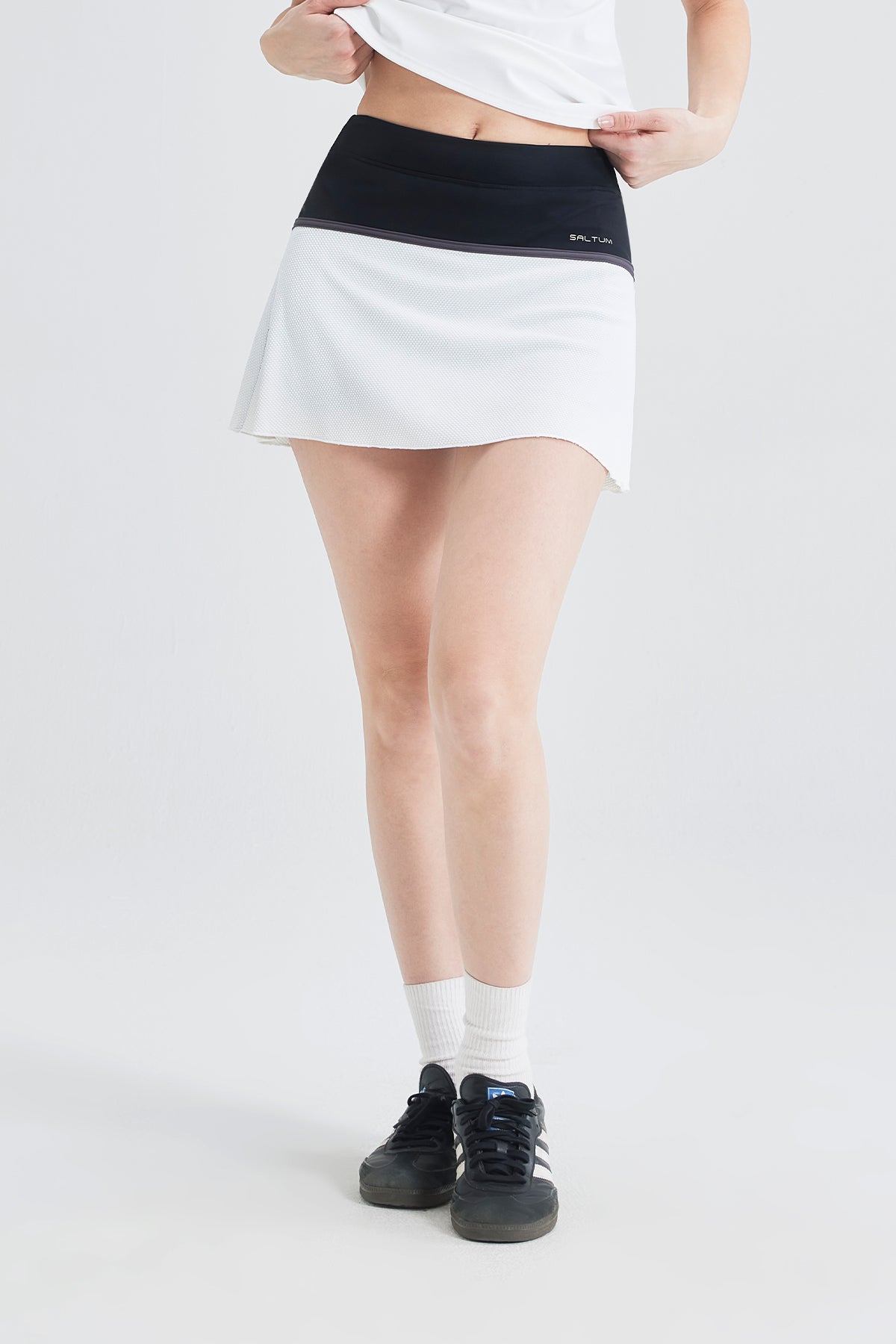
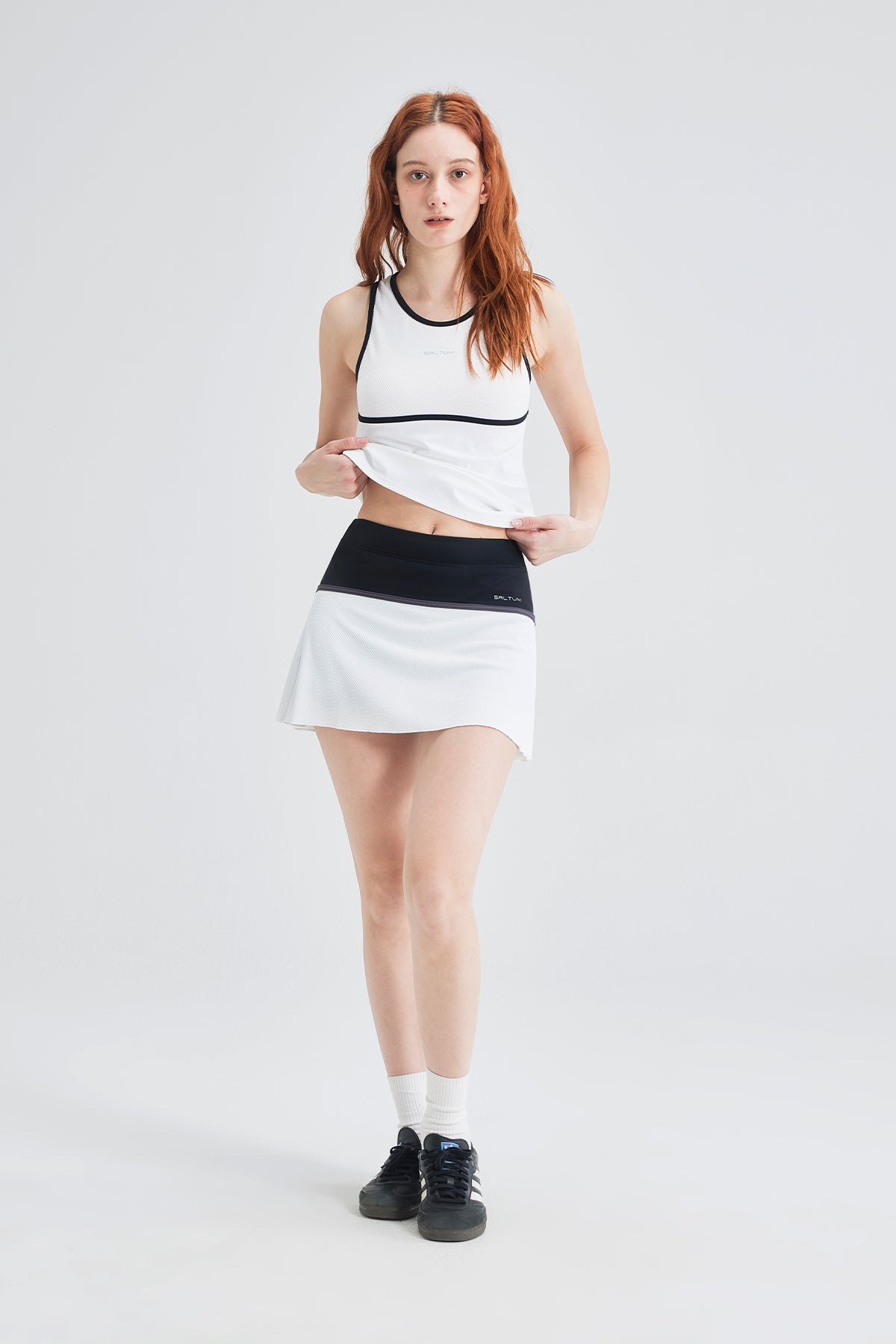
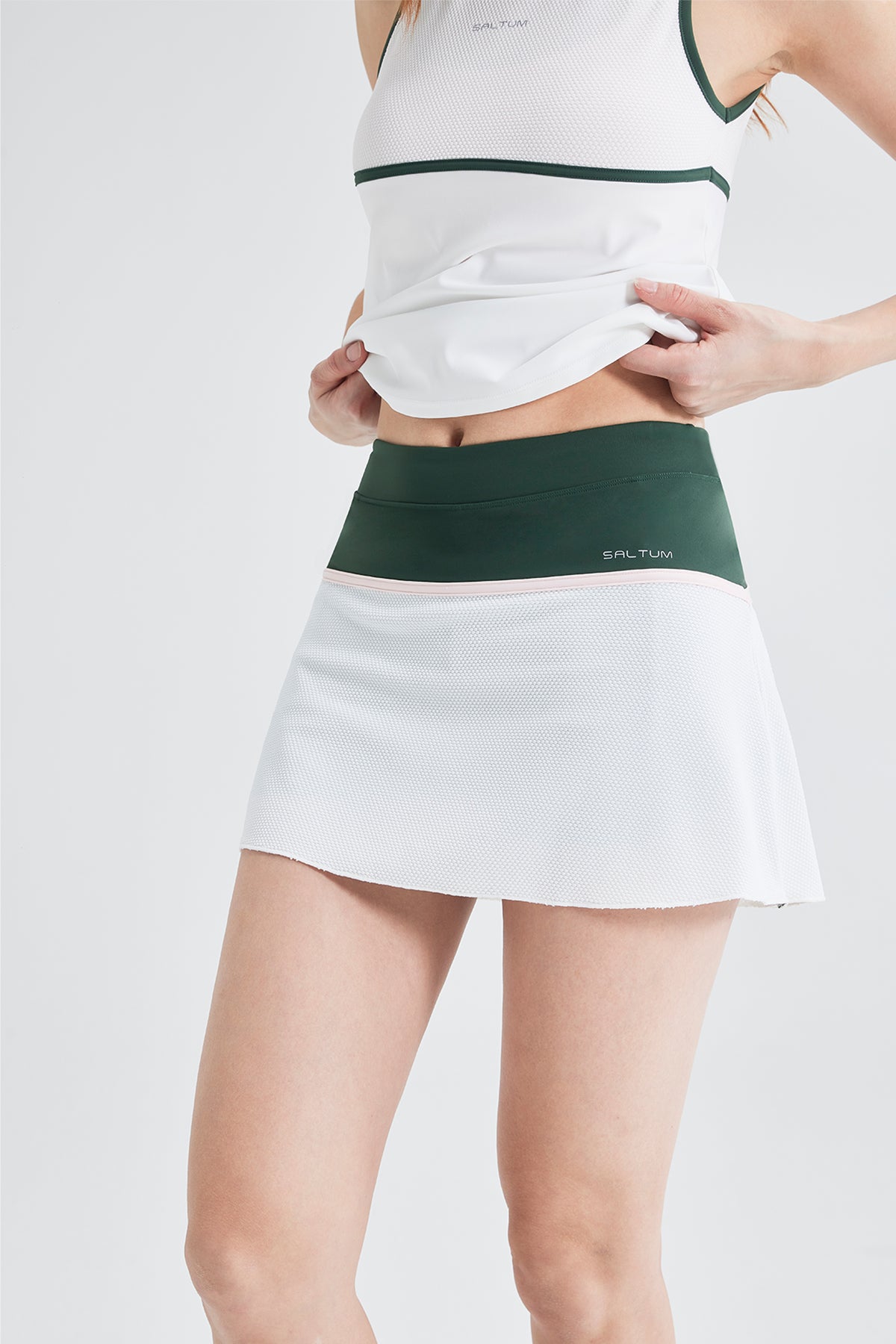
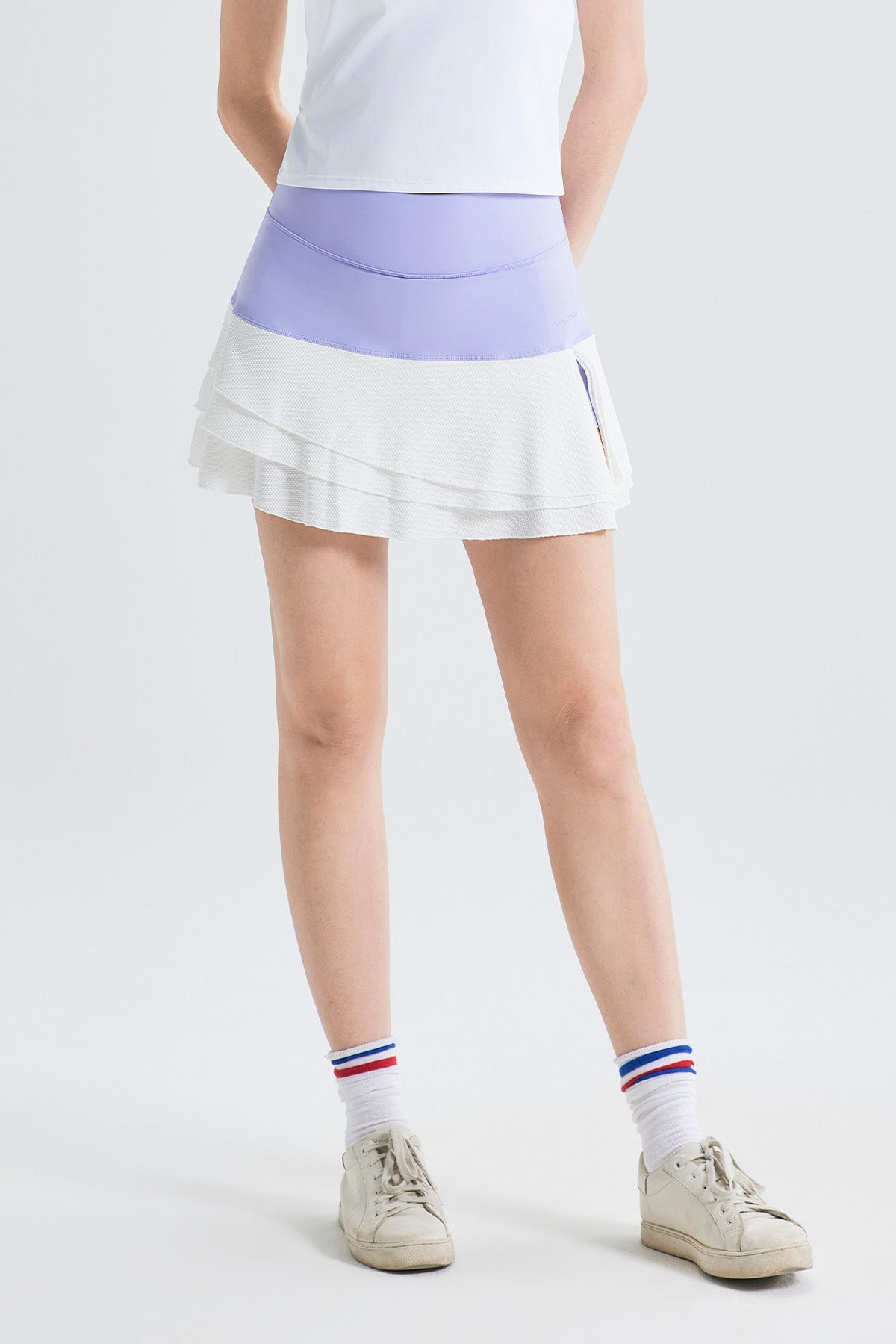
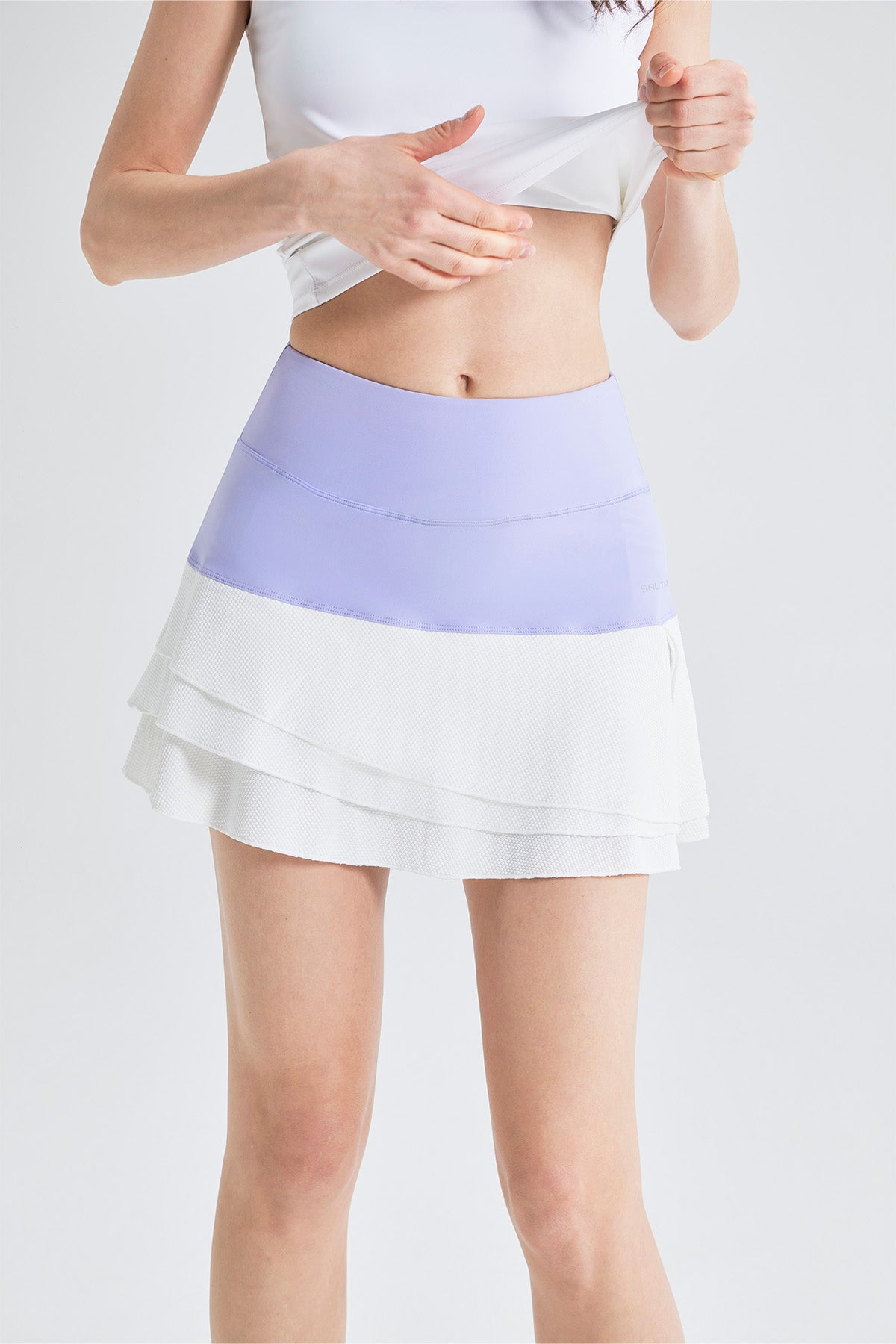
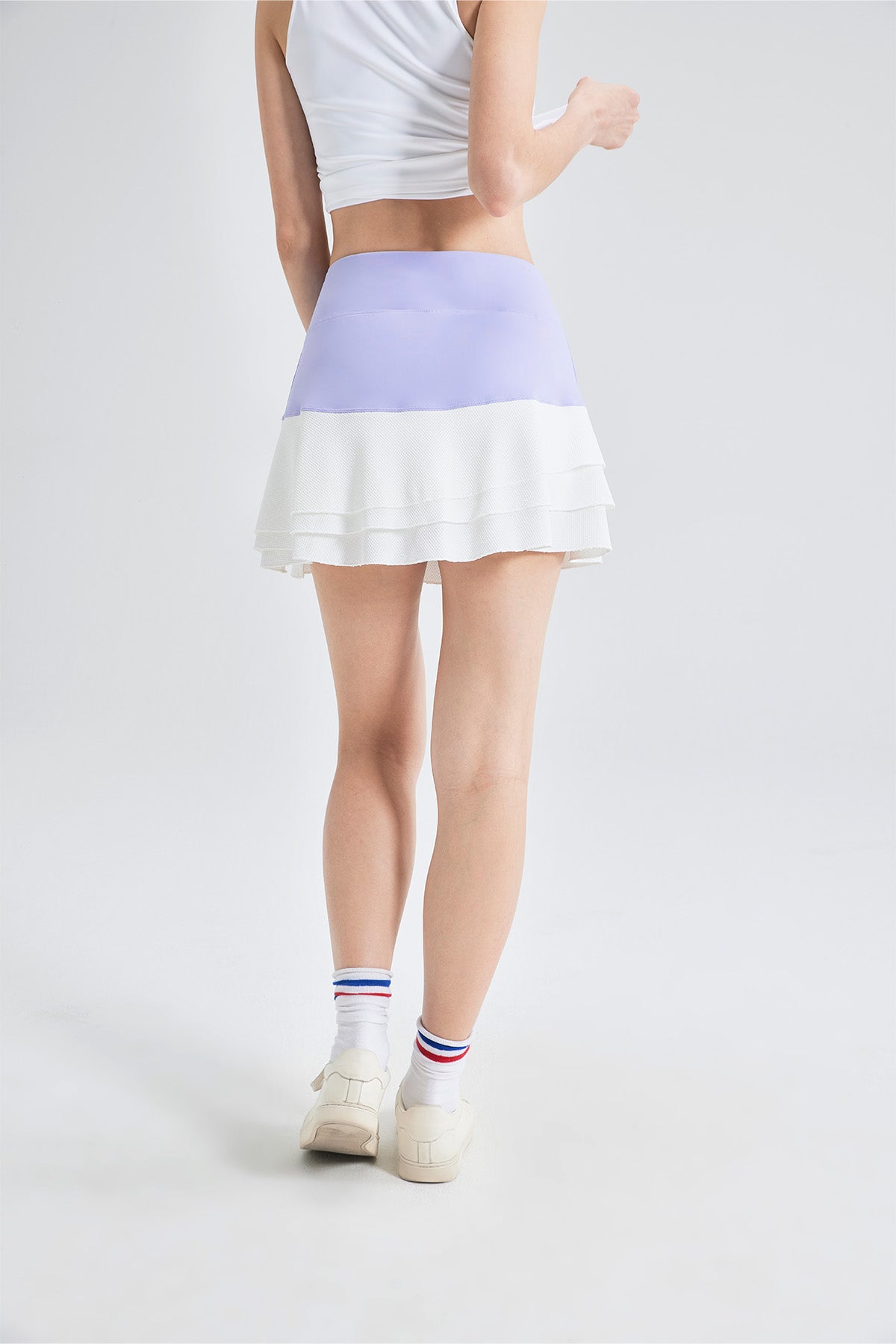
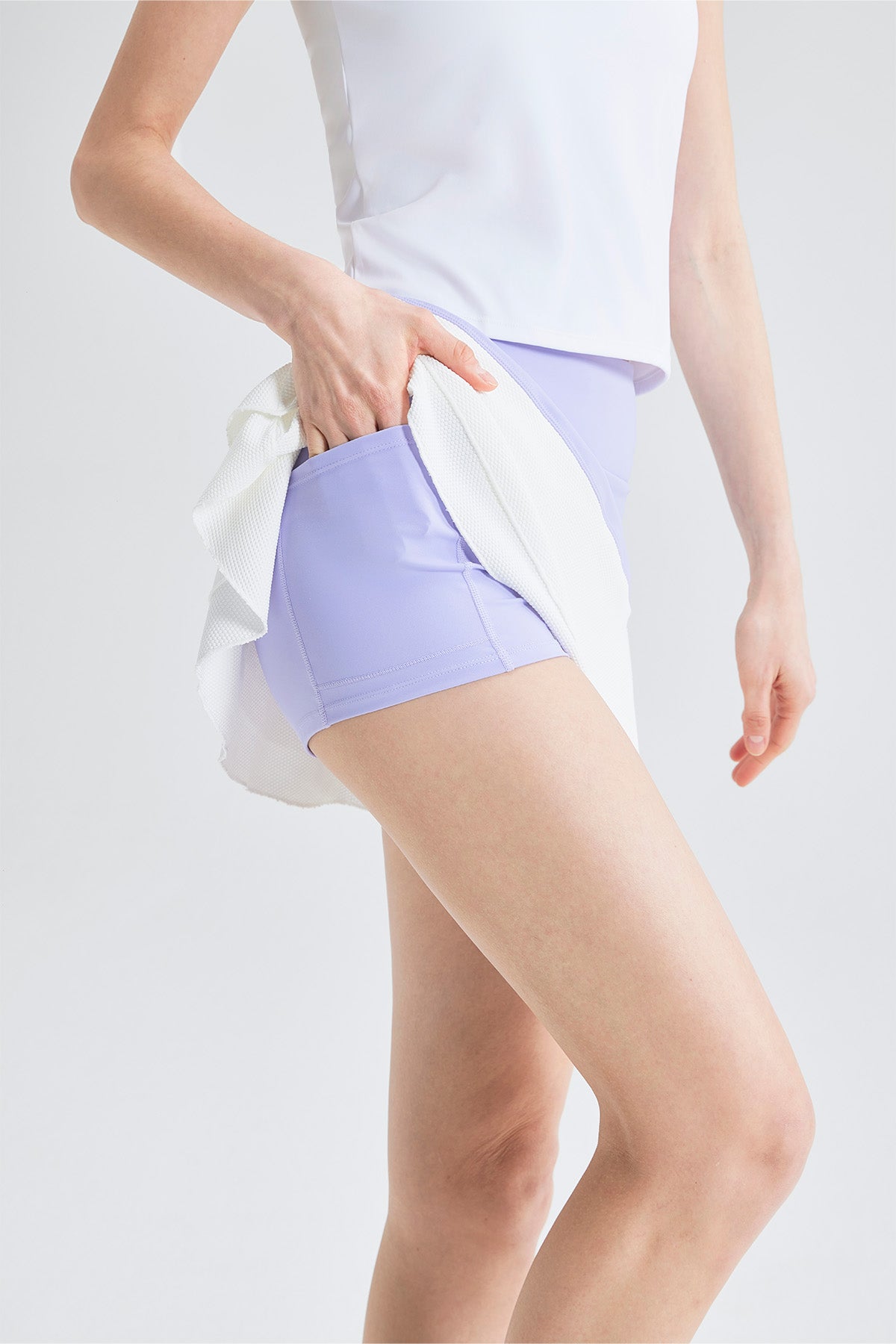
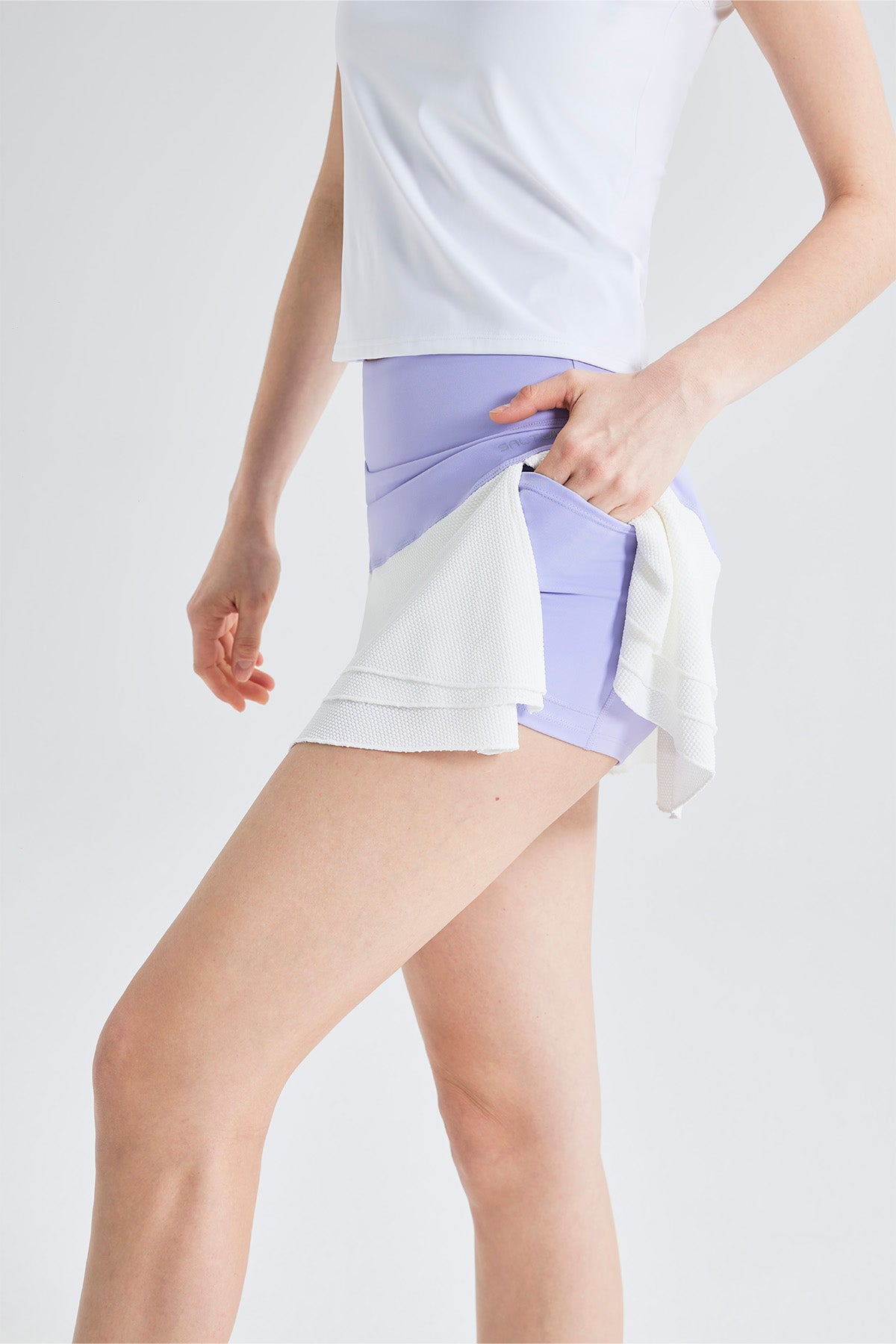
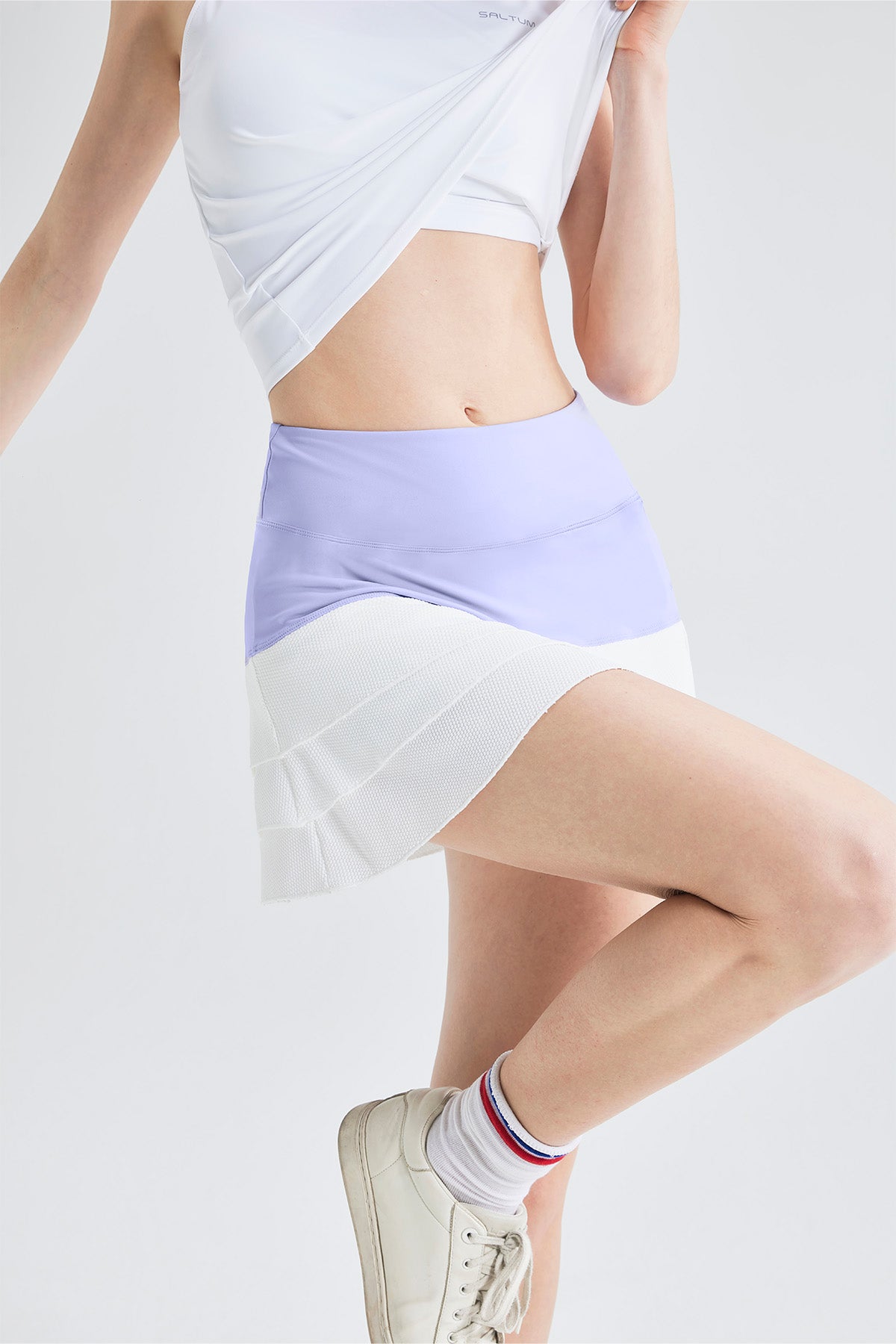
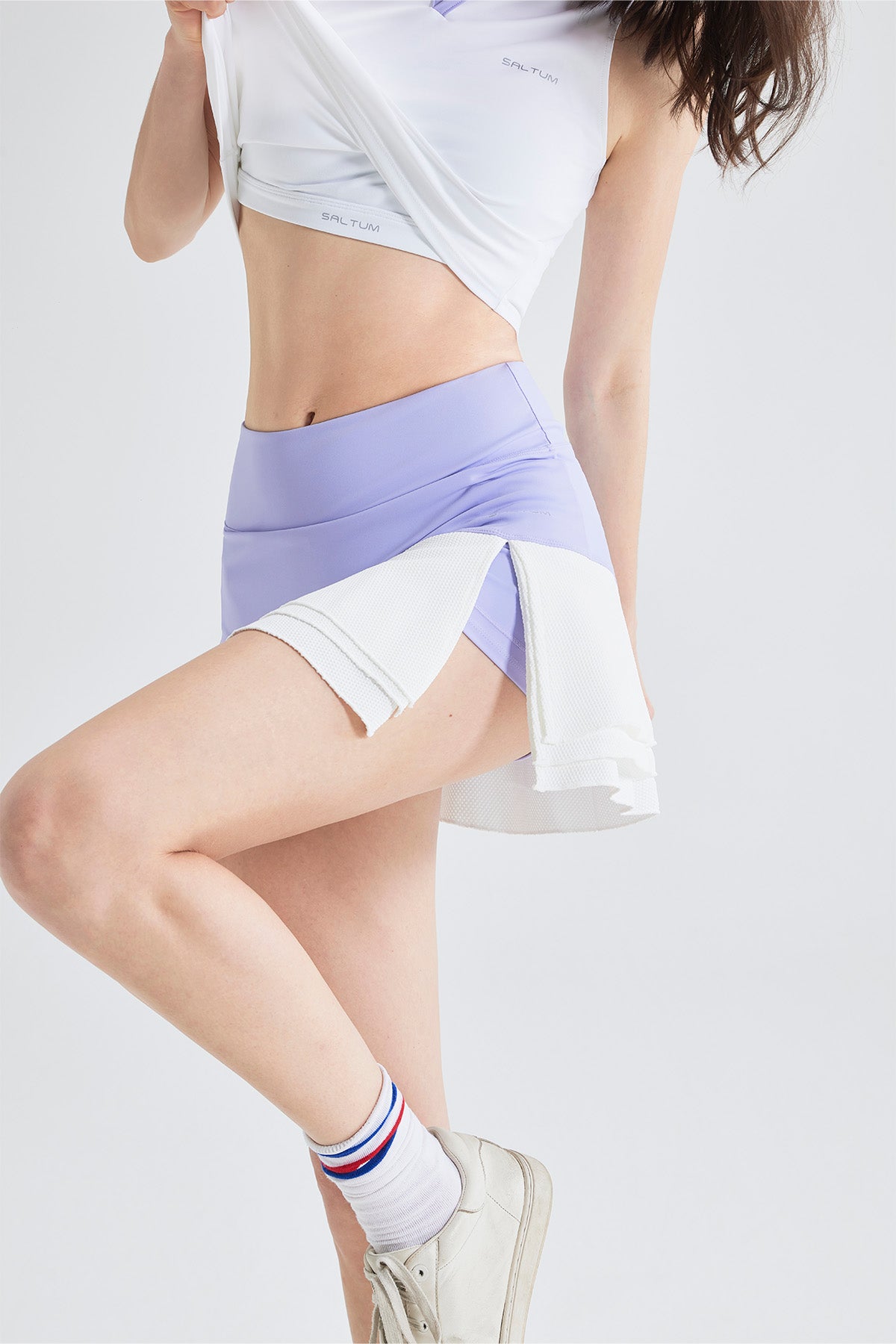
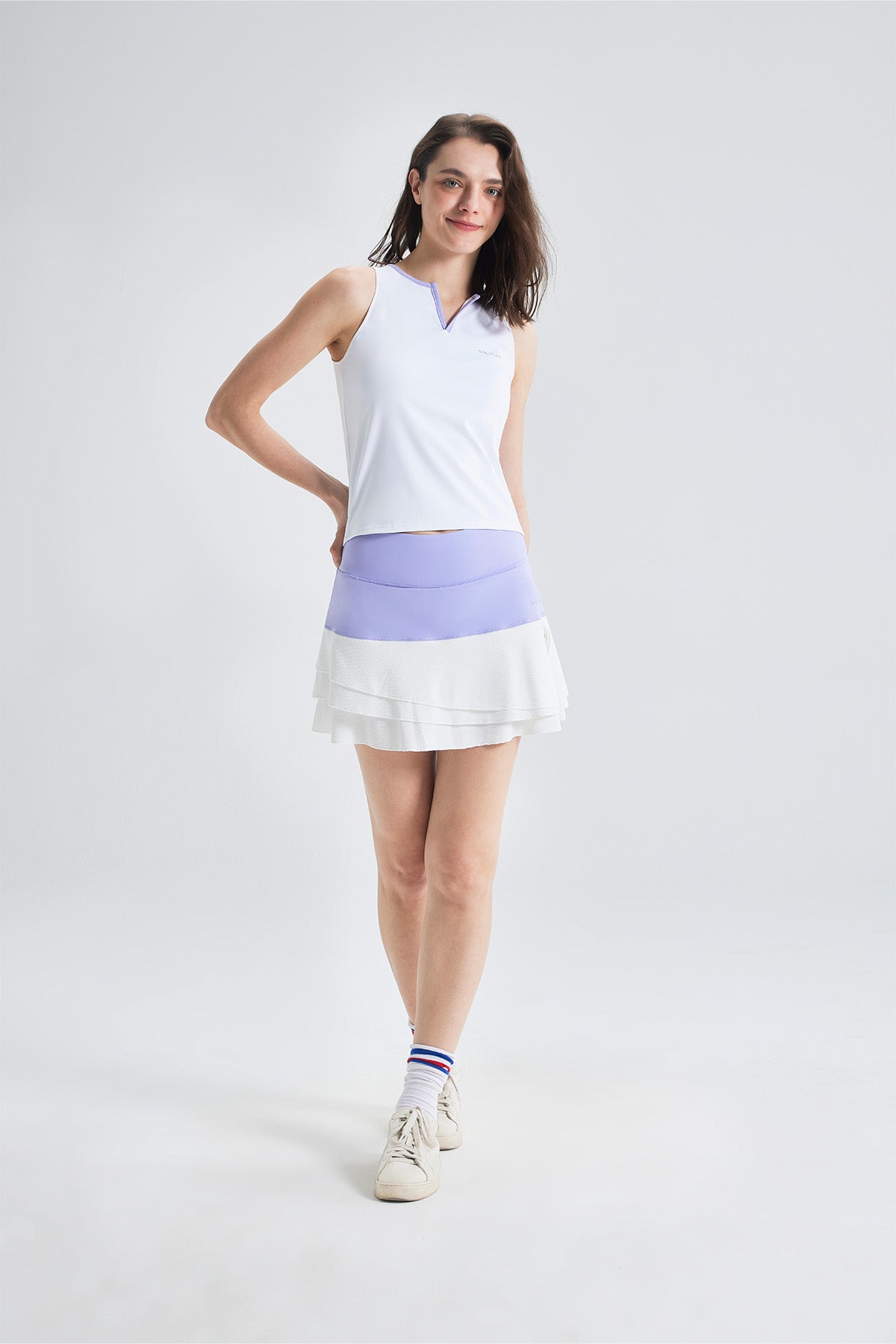
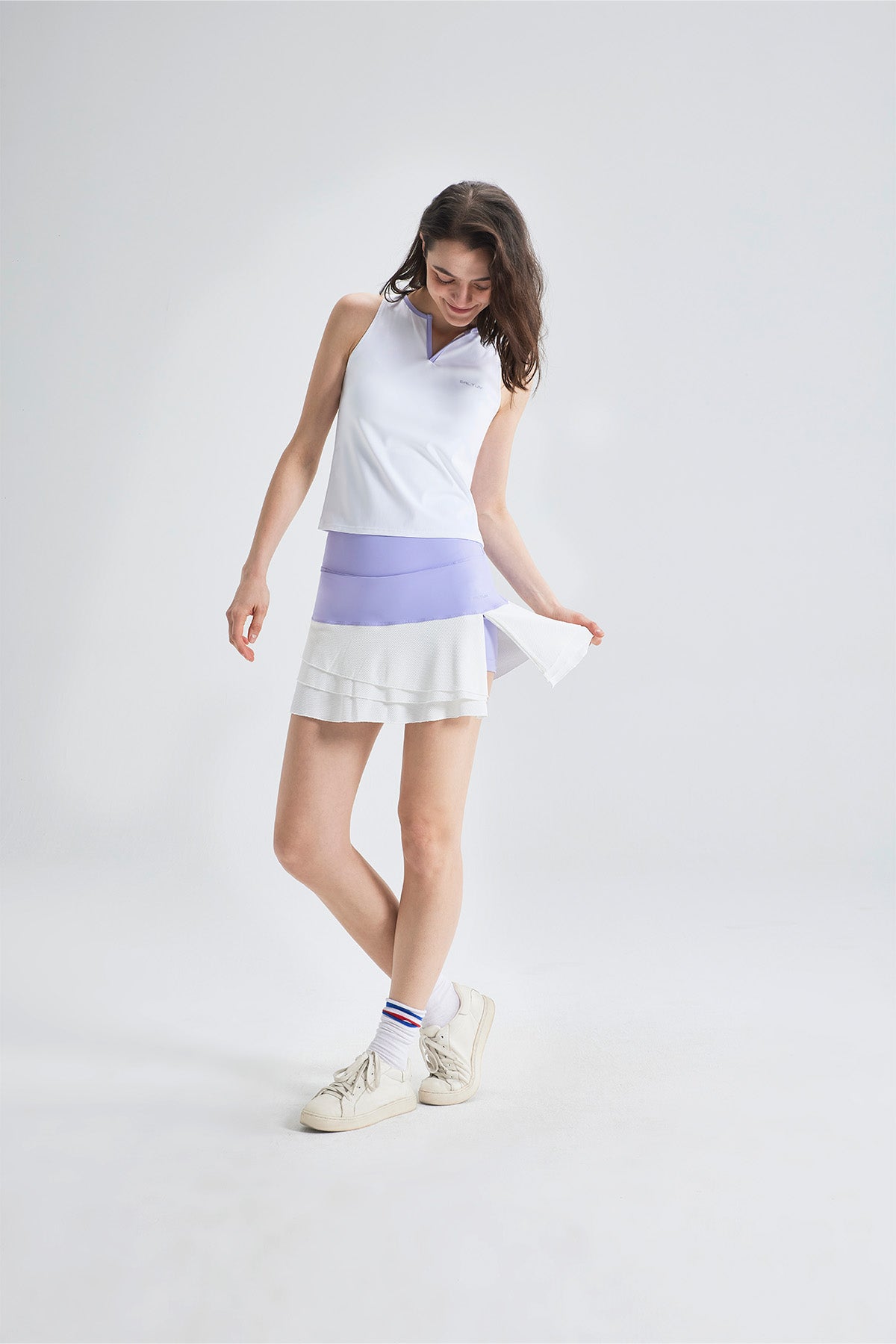
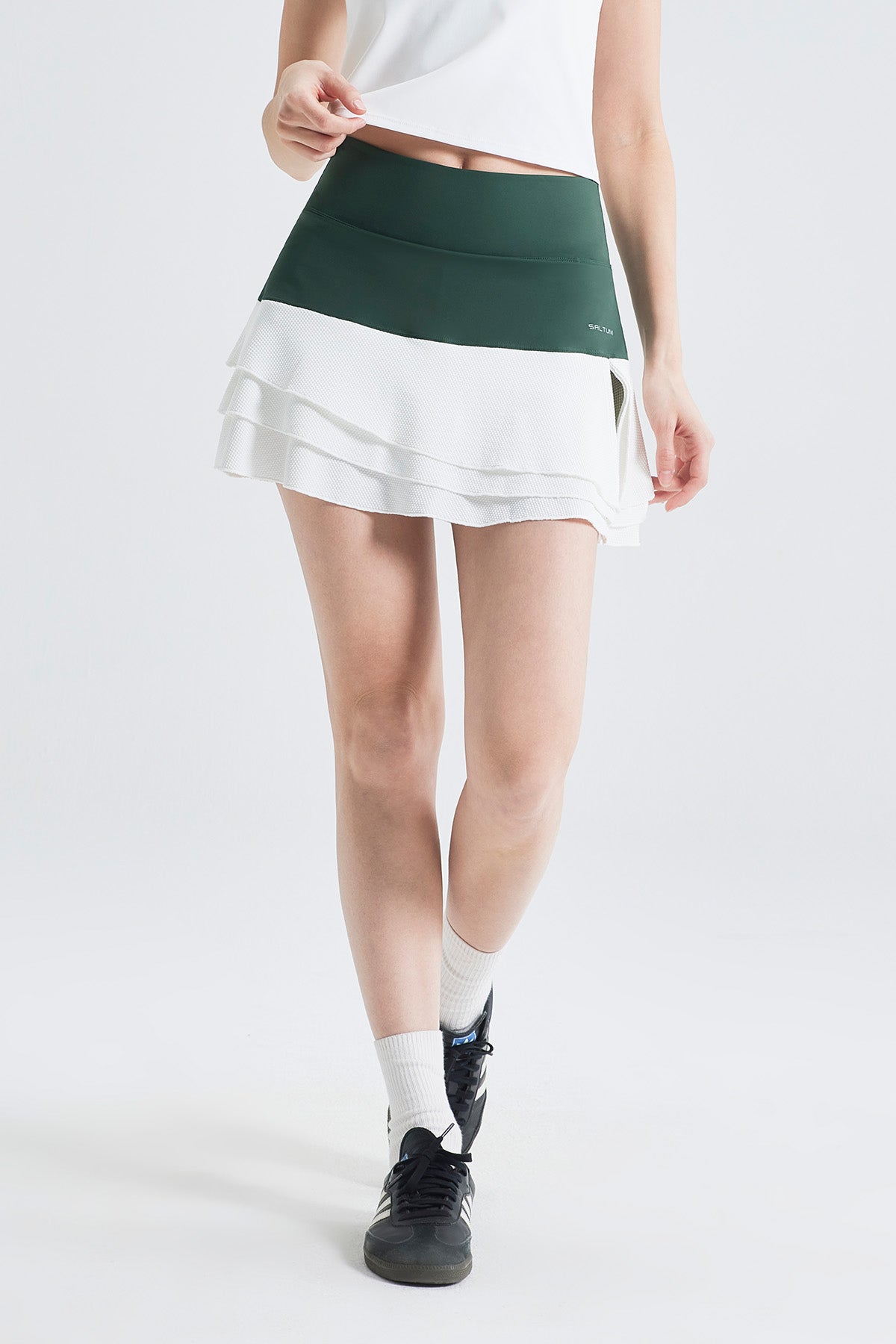
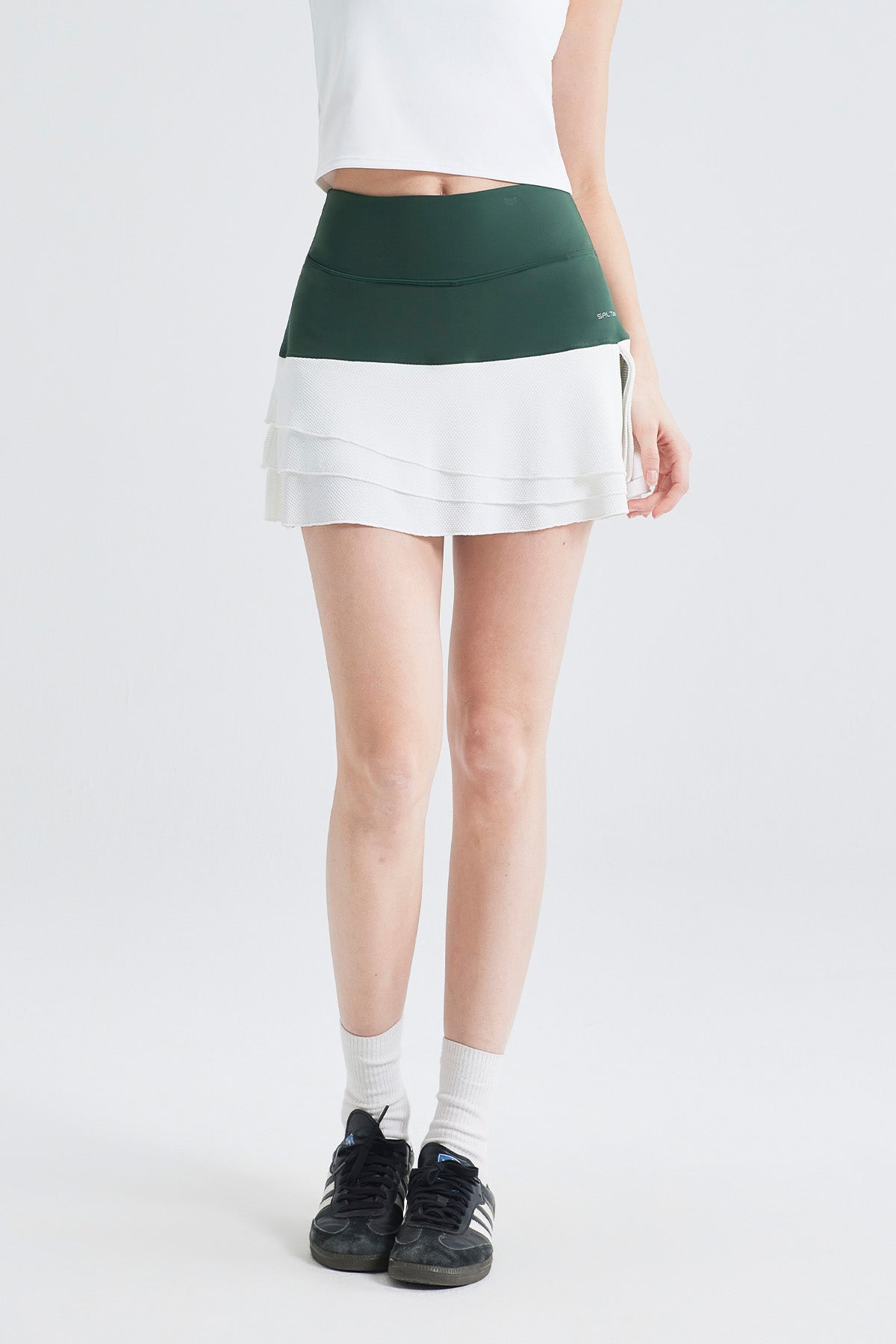
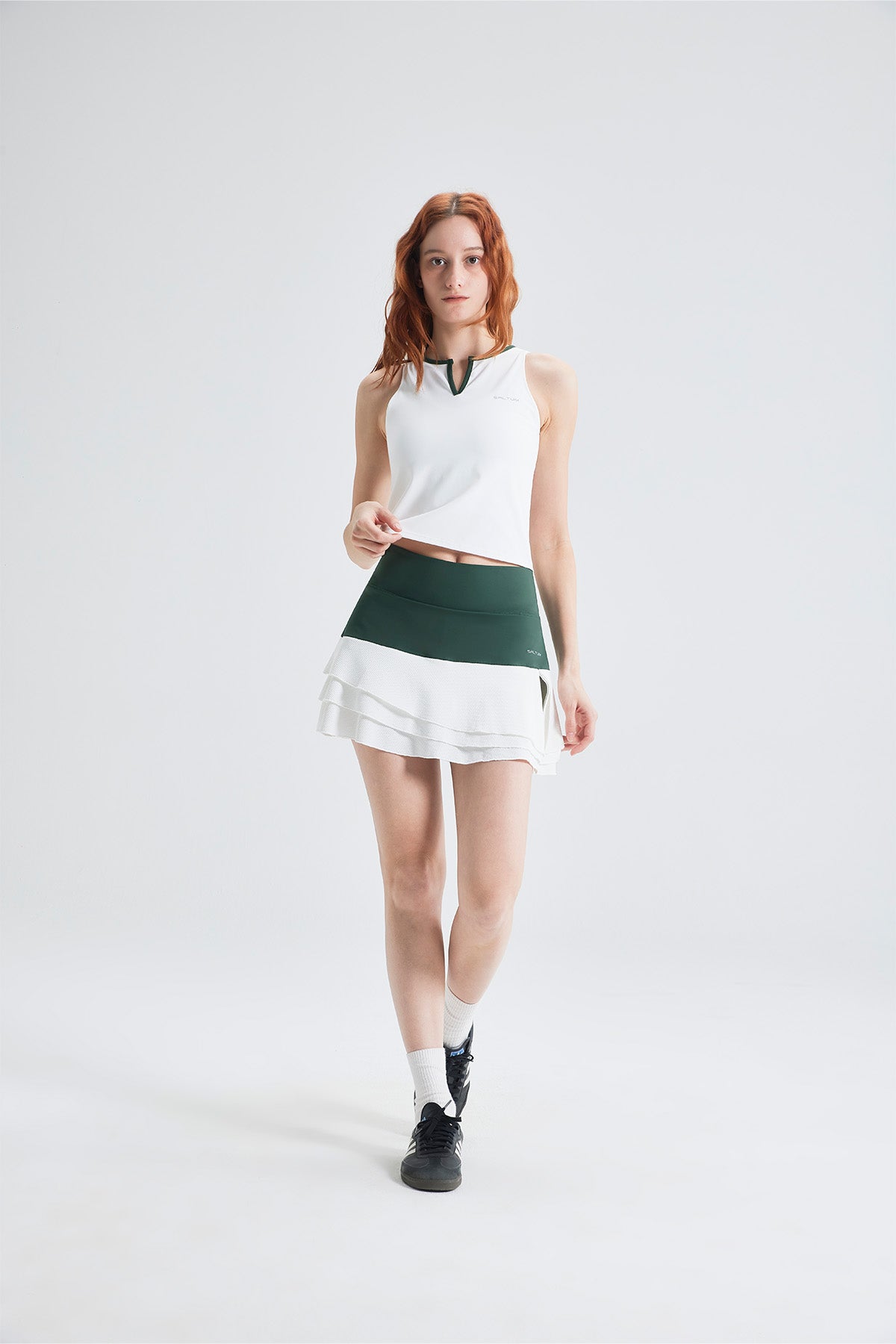
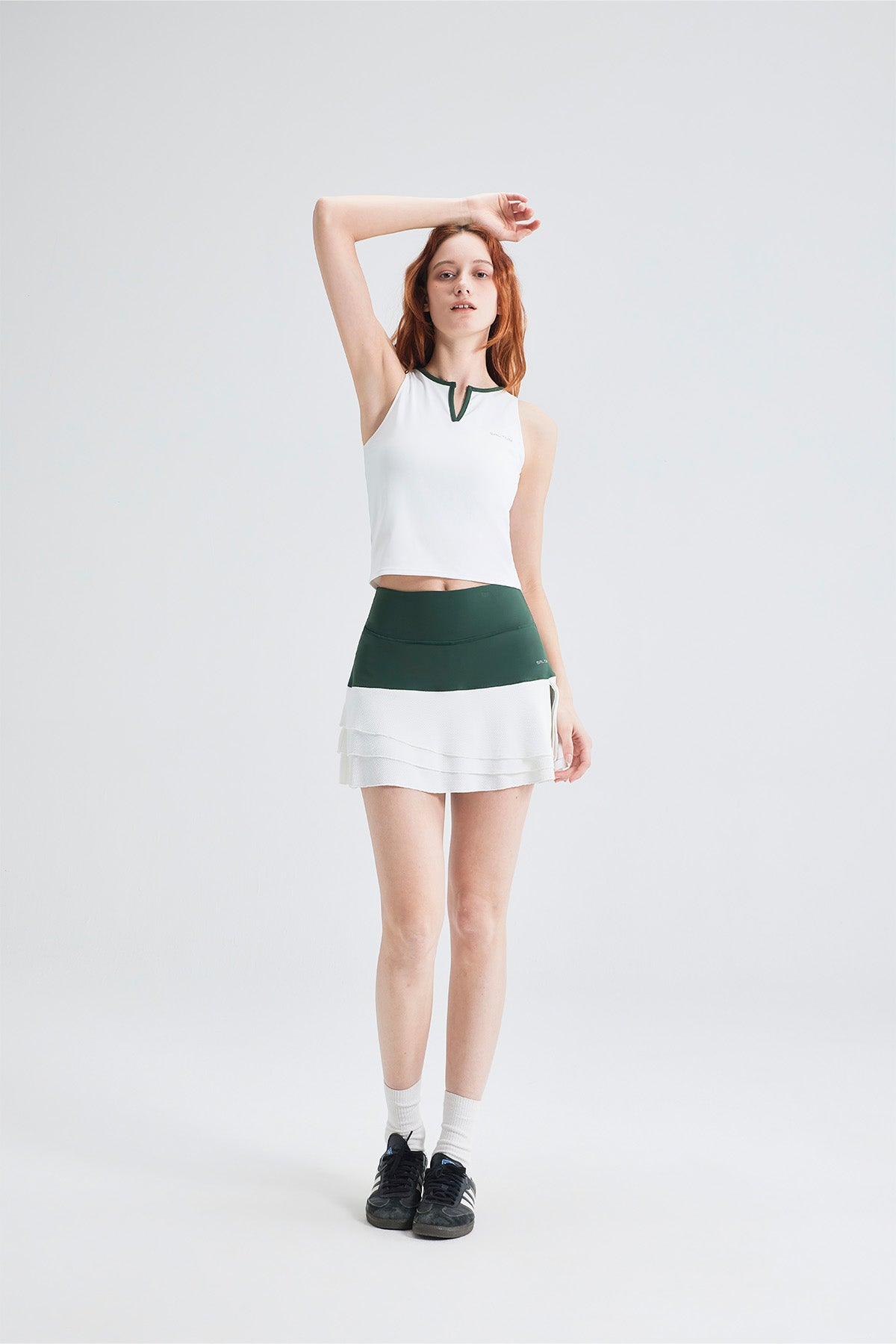
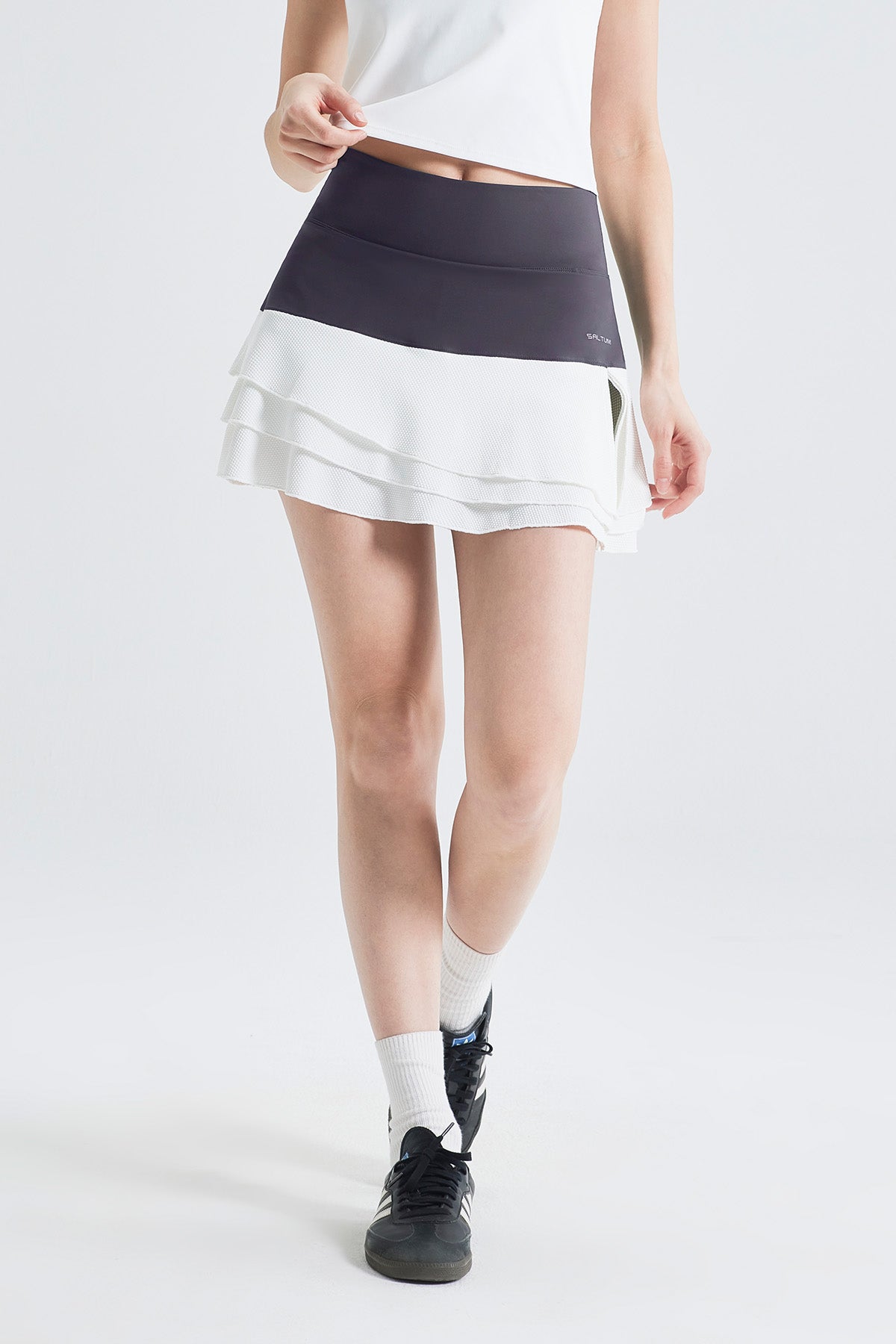
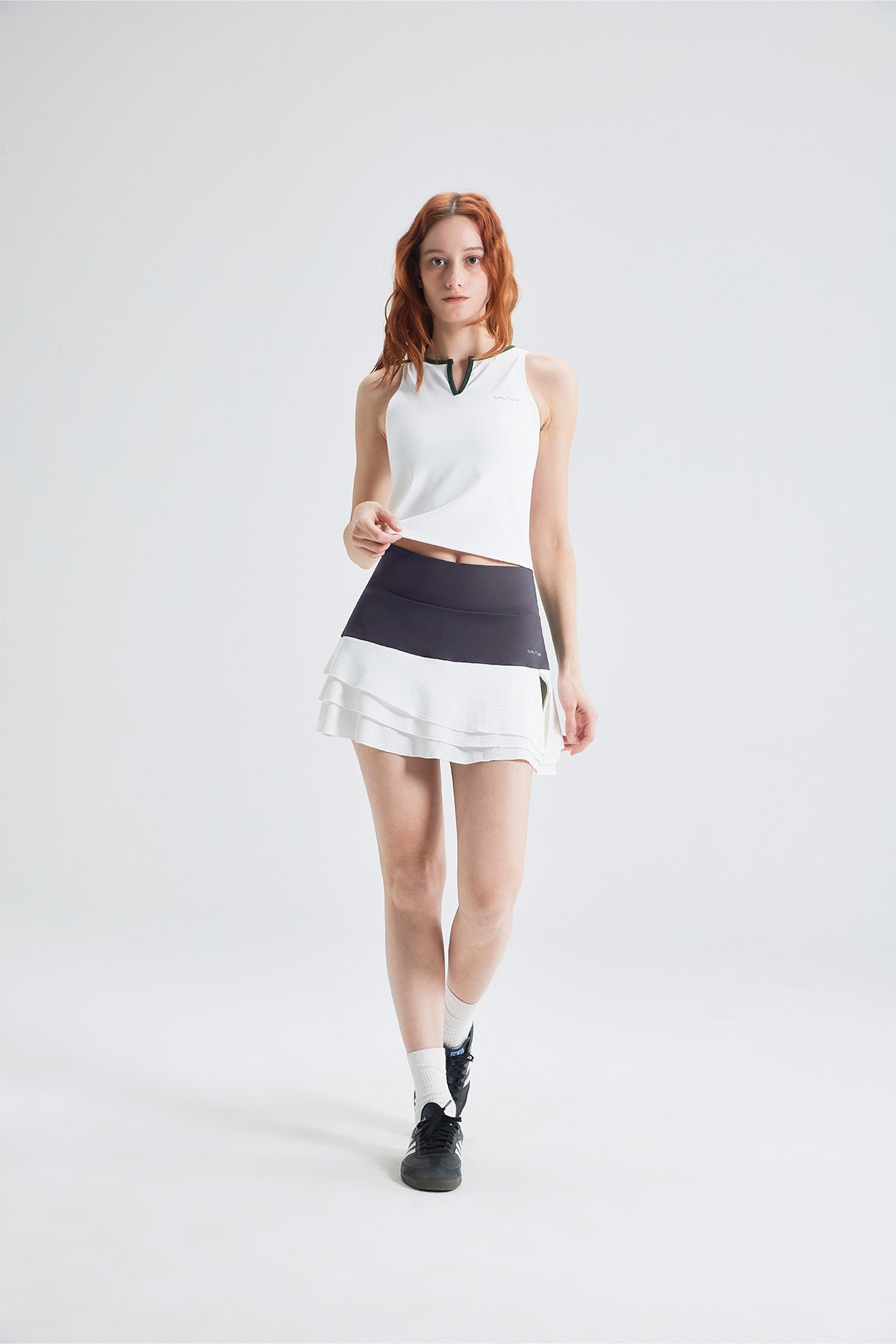
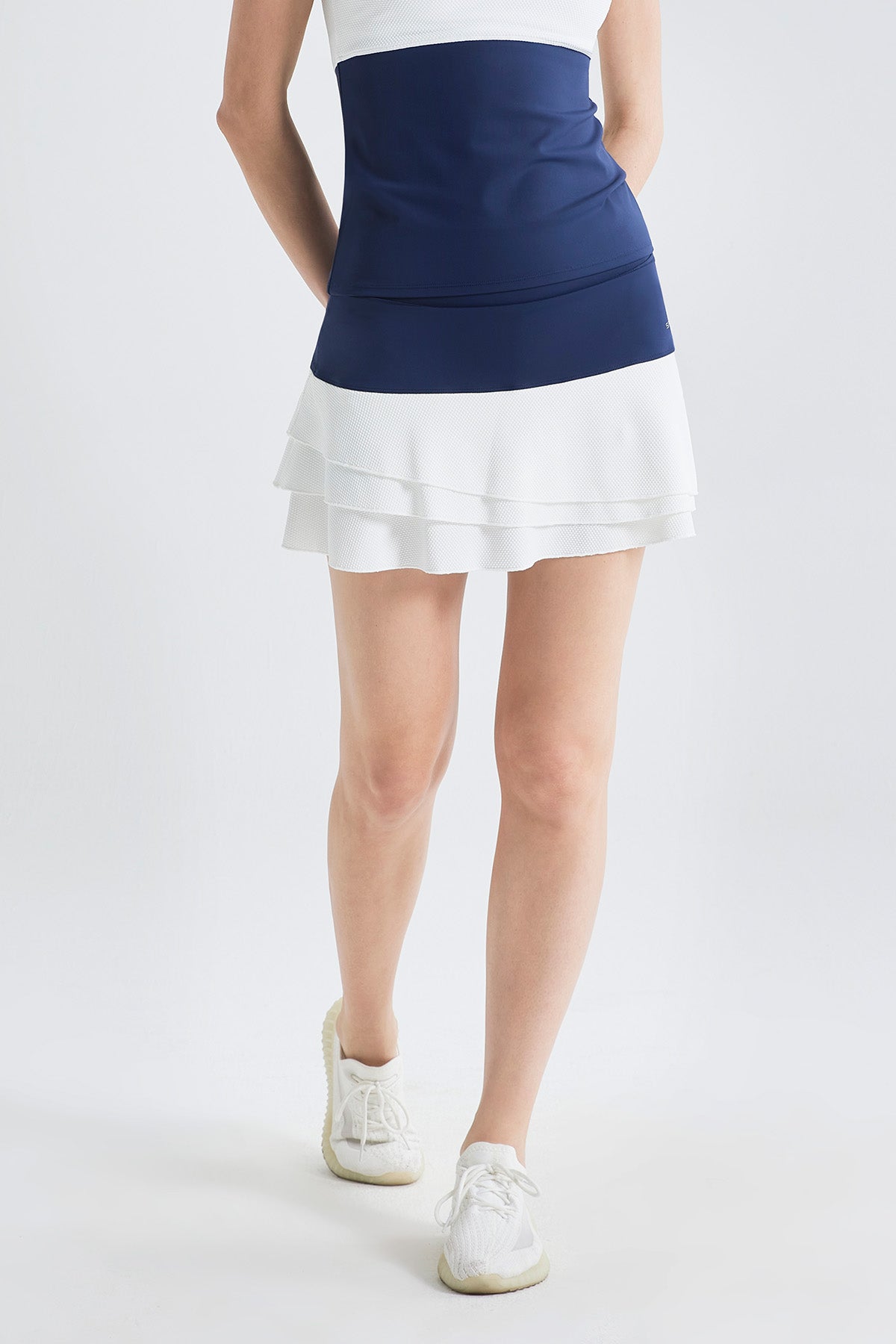
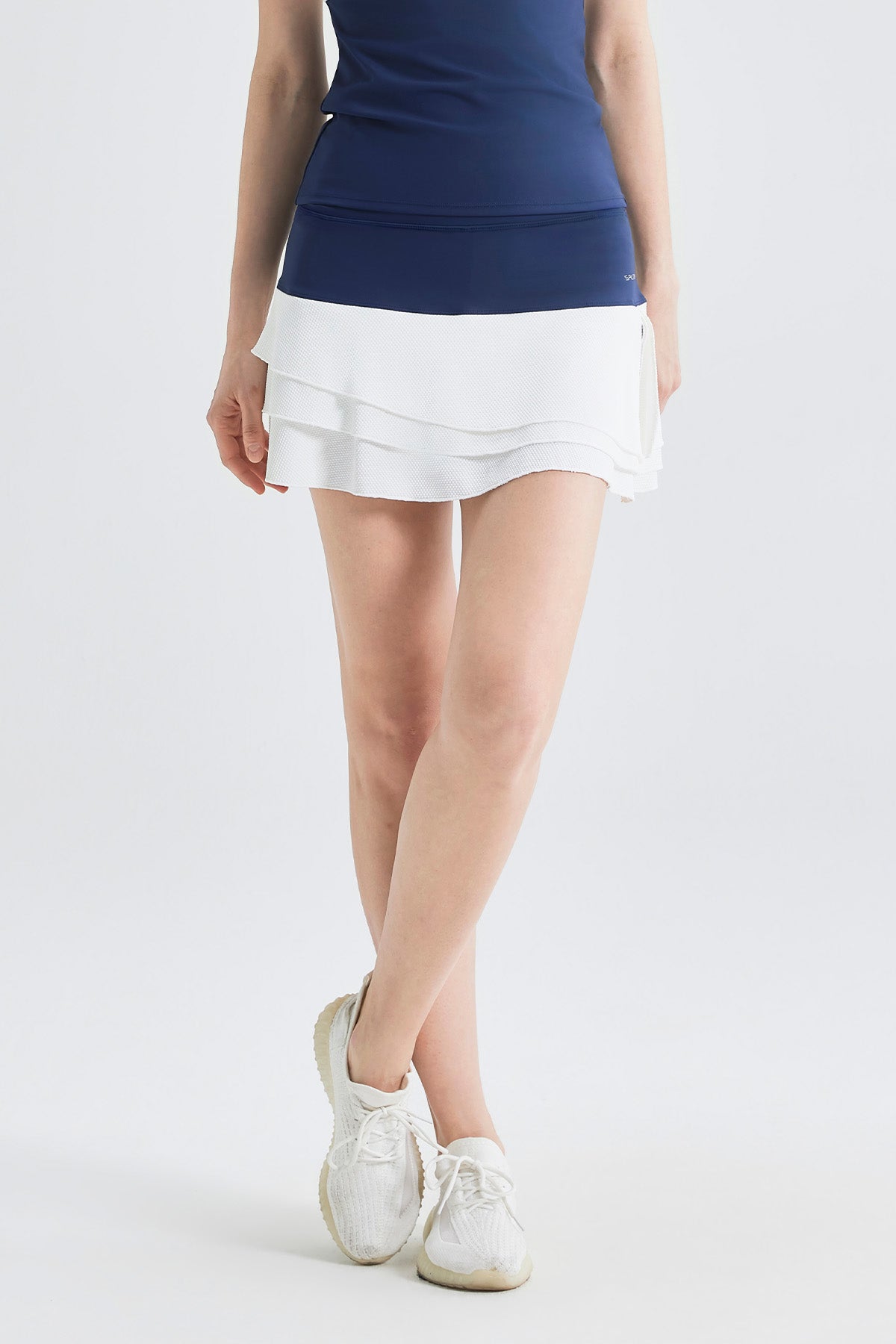
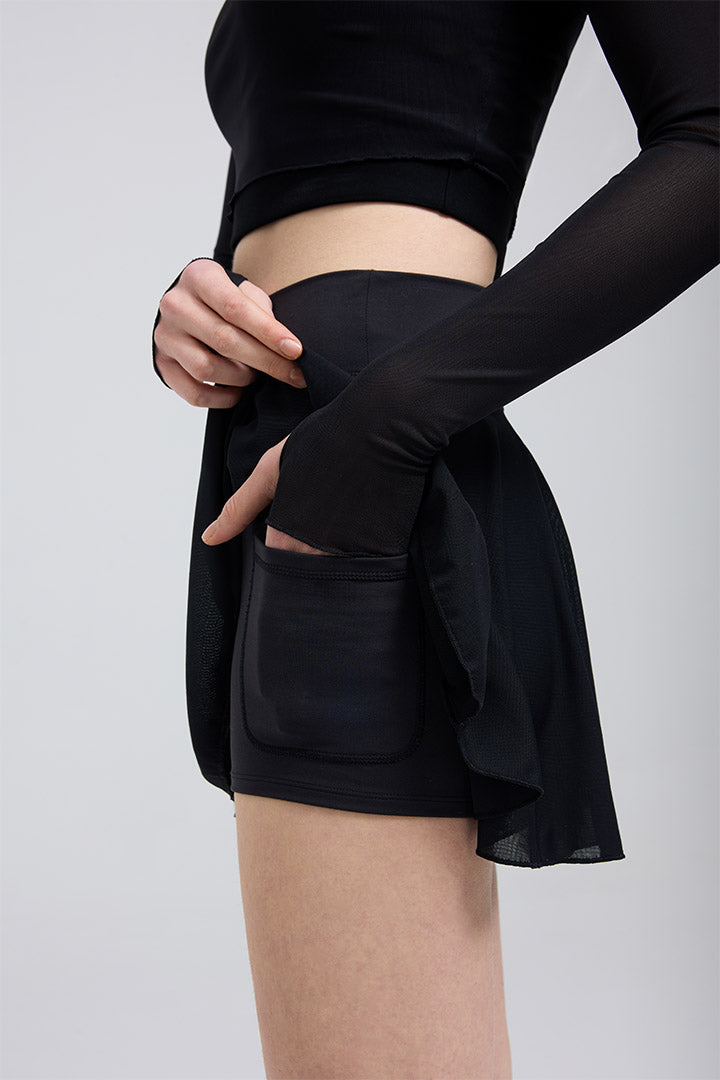
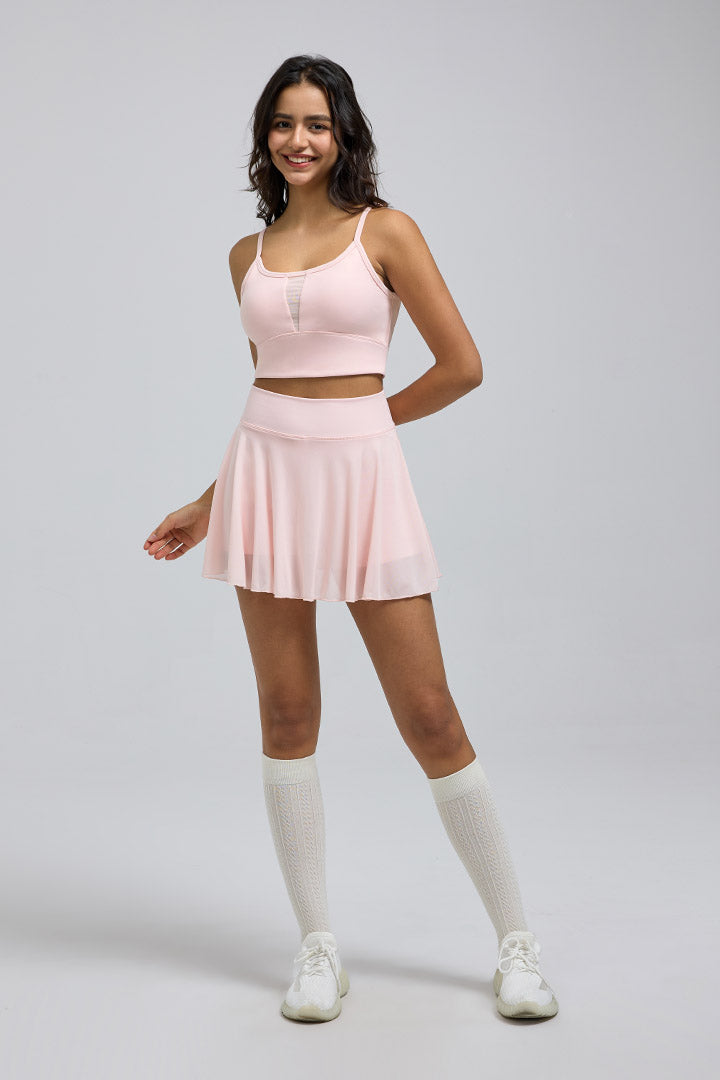
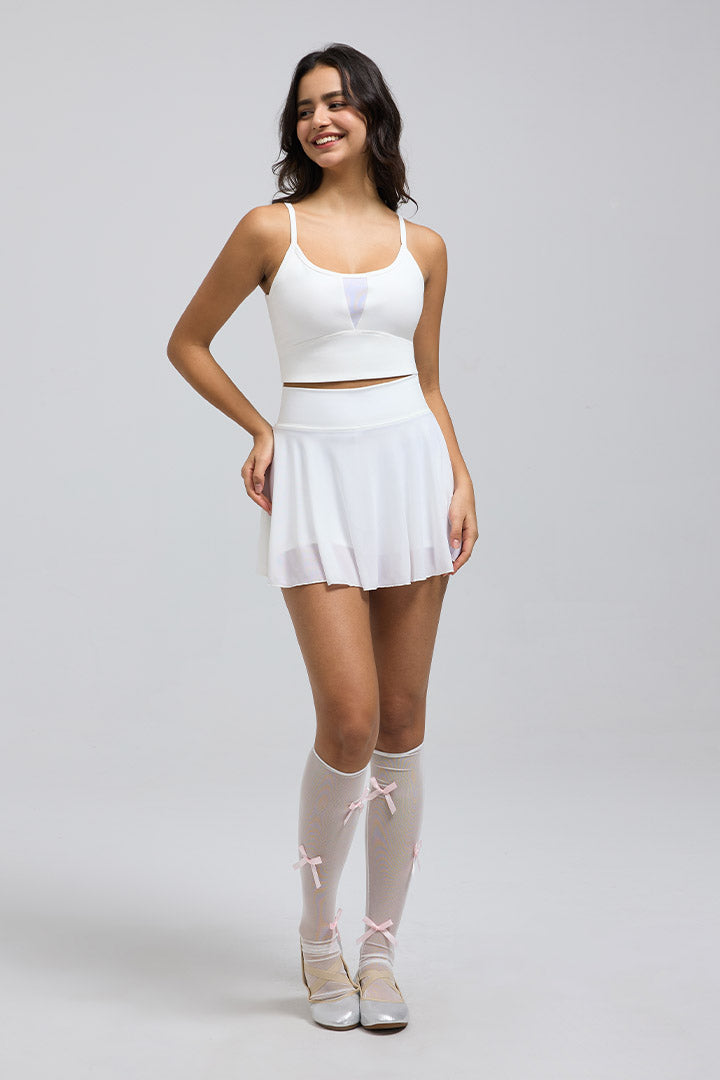
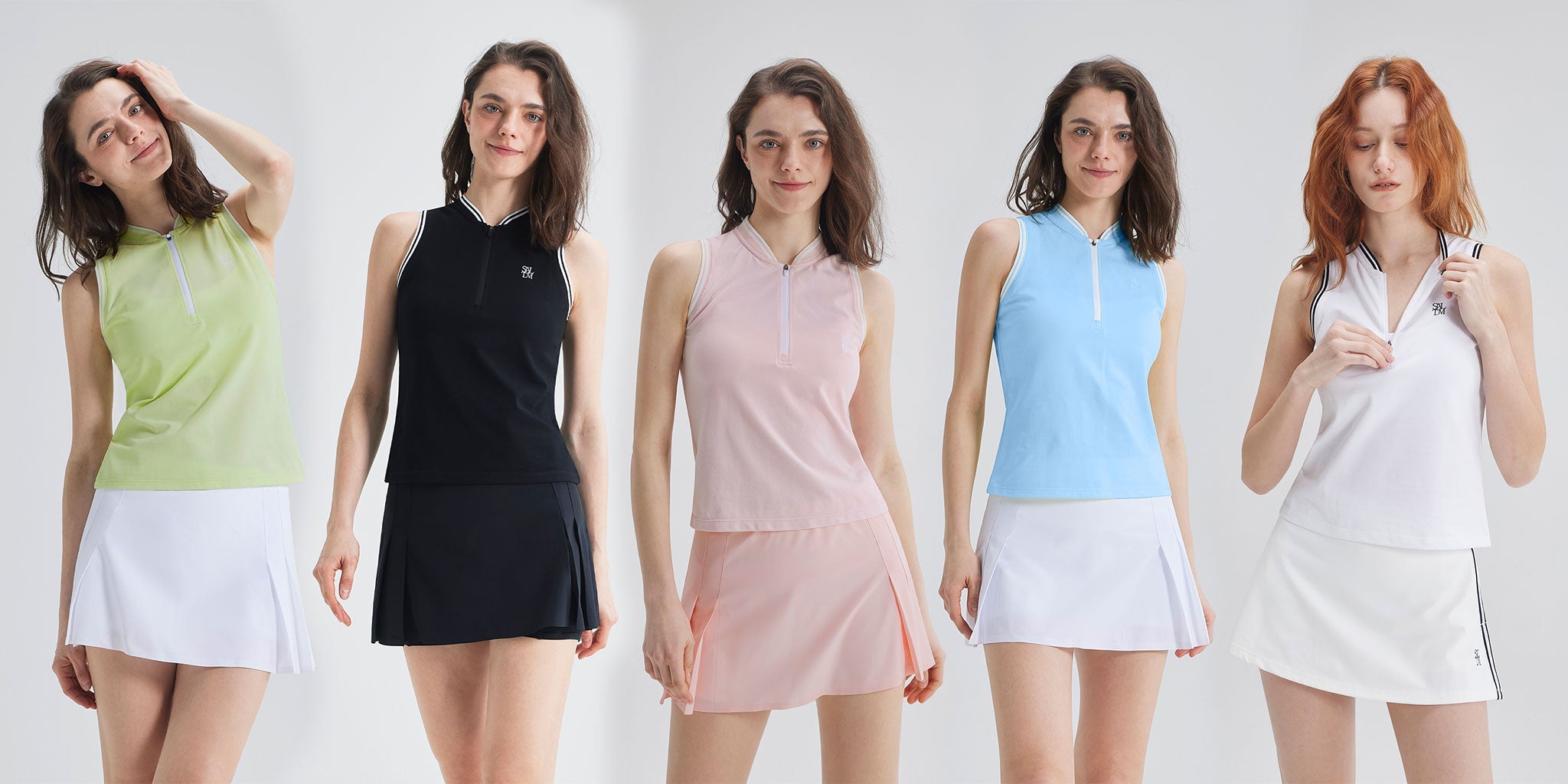
If the goal is a more balanced silhouette, the logic is simple: volume at the bottom visually offsets width at the top. This doesn't mean you have to wear a ball gown to buy groceries — but it does mean that wide-leg trousers, A-line skirts, and flared styles are genuinely your friends.

Wide-leg trousers
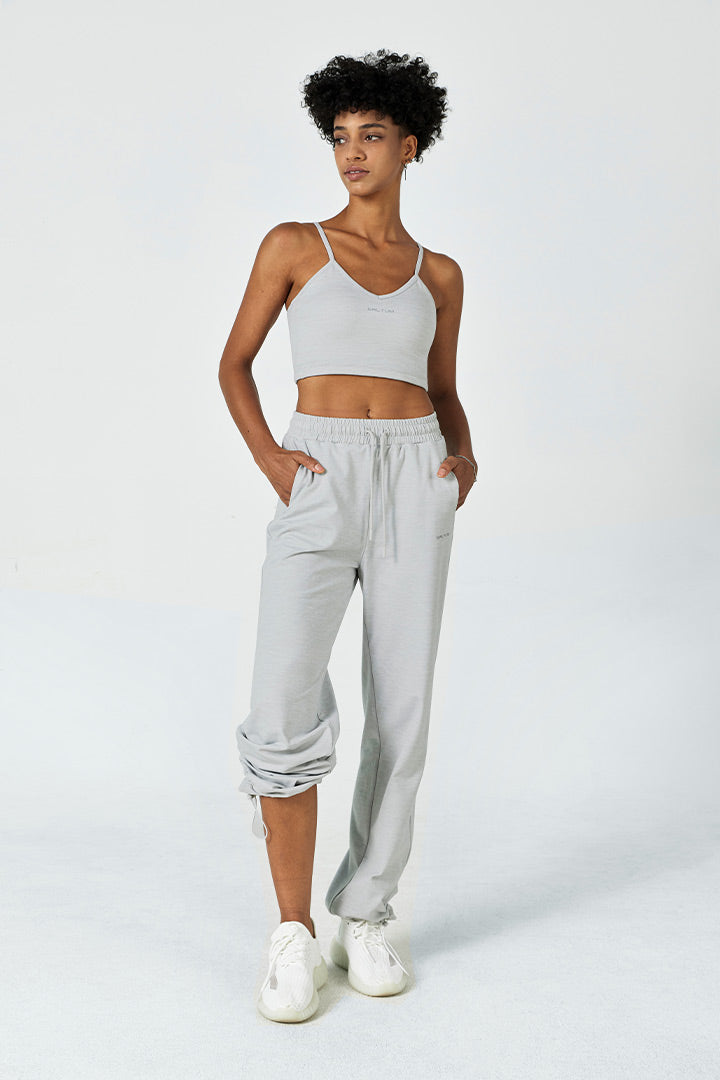
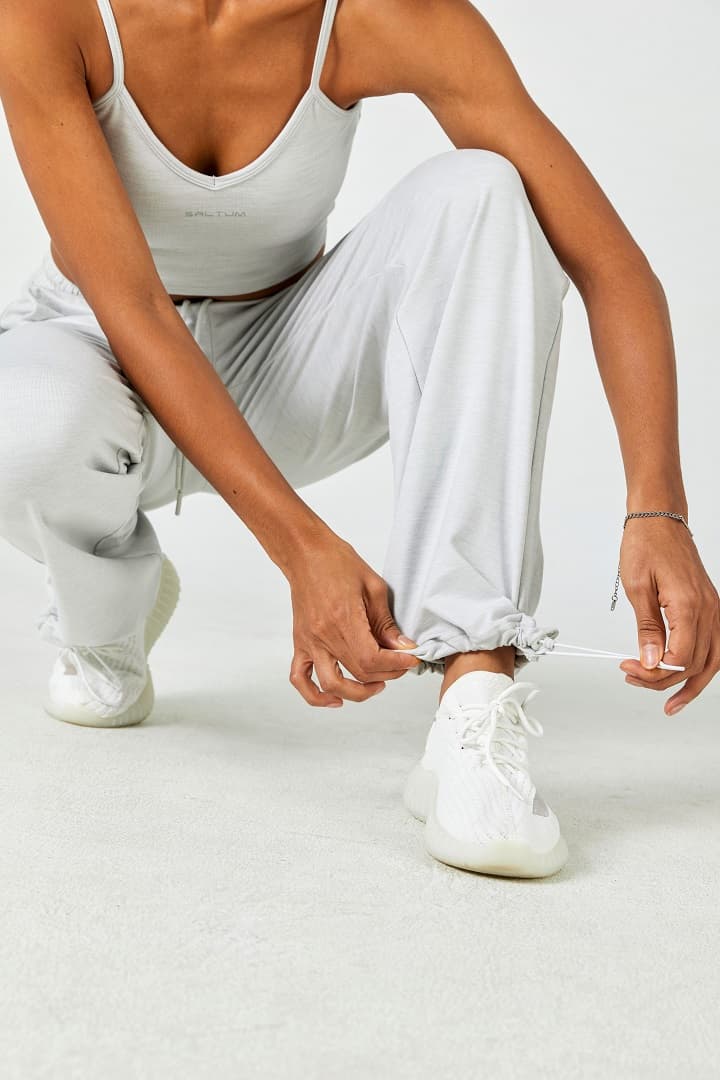
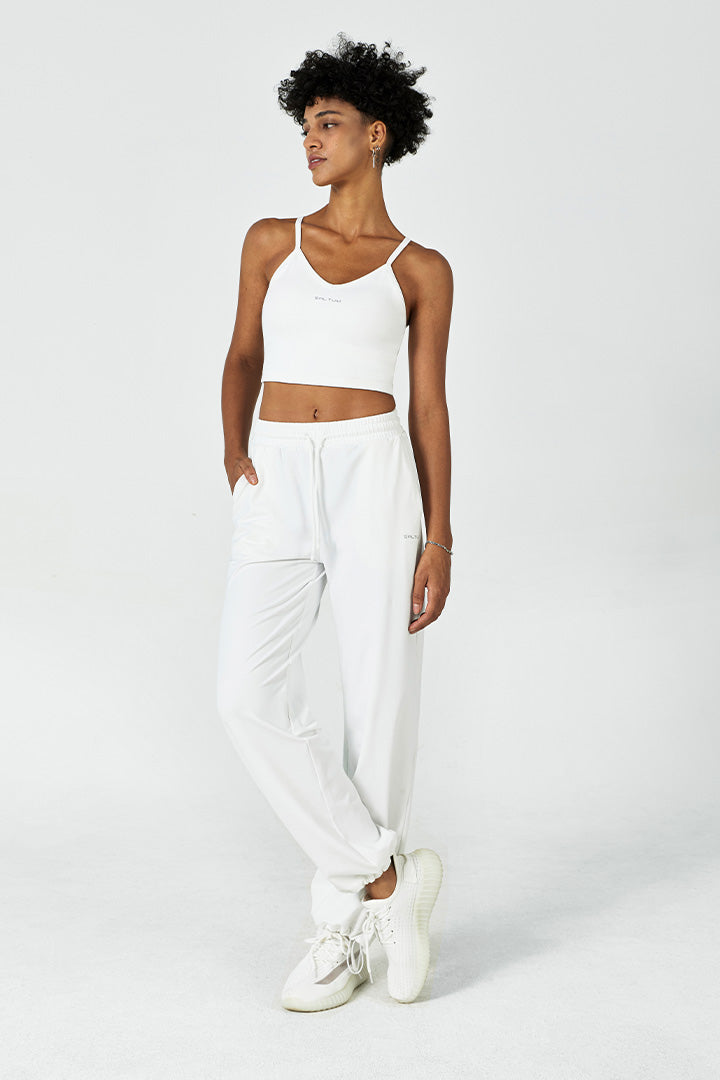
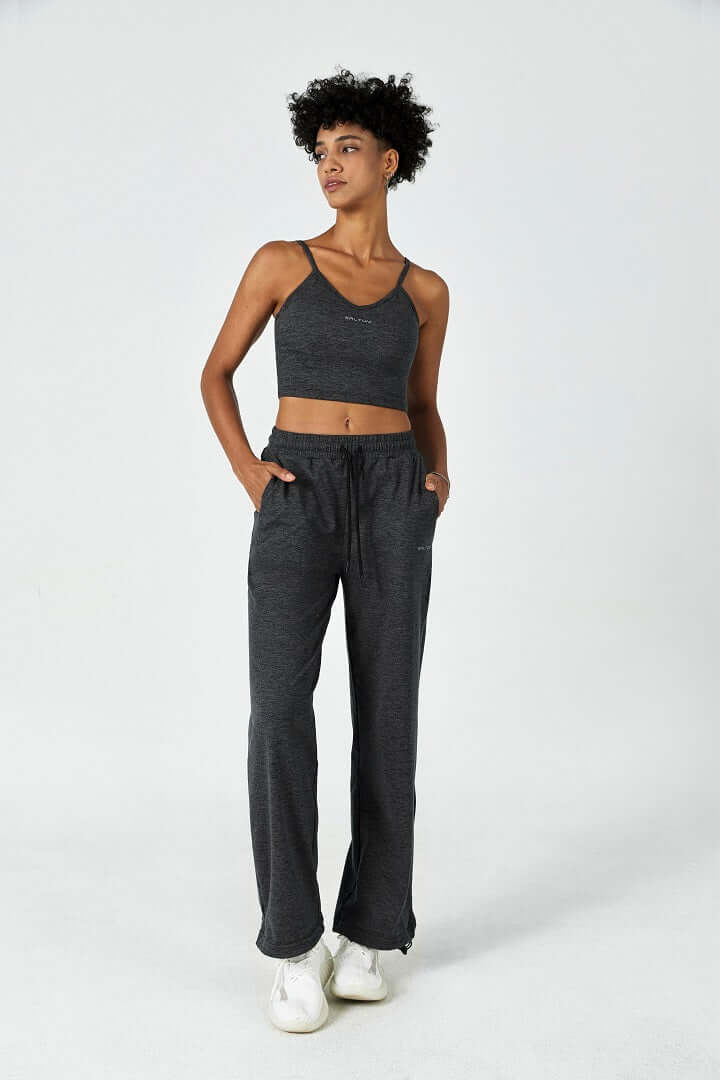
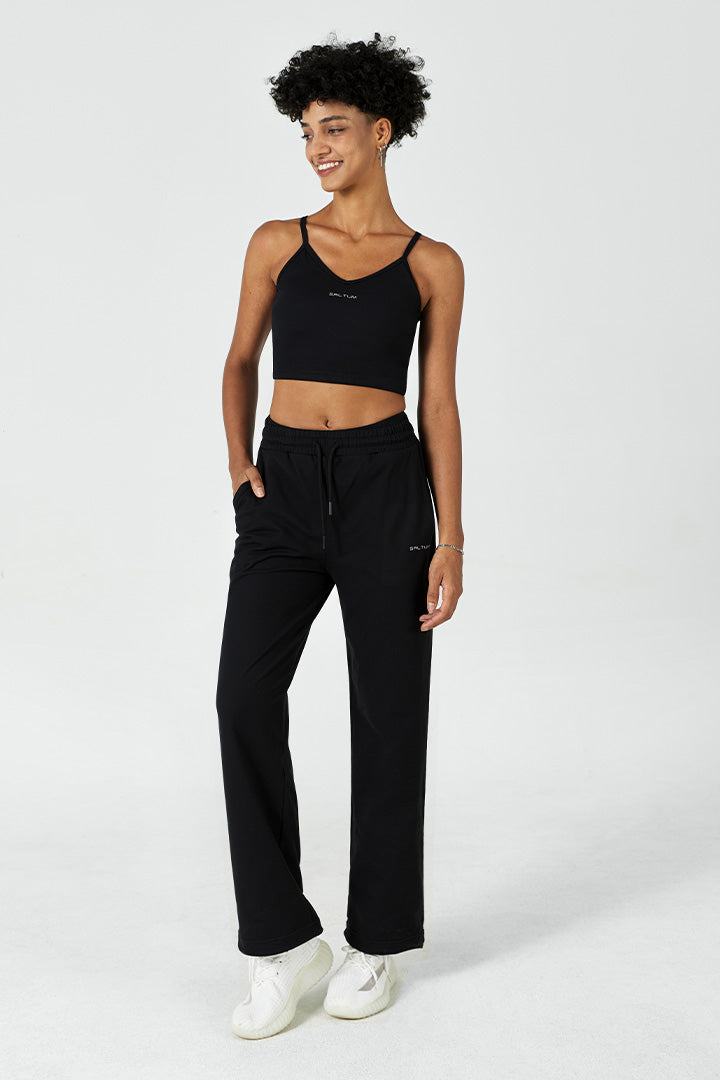
This might be the single most versatile investment for someone with an athletic build. A high-waisted wide-leg pant creates a strong vertical line while adding width at the hip, creating a more hourglass-adjacent proportion. They're also endlessly practical — dressed up with a halter blouse or down with a fitted tee.
A-line skirts and dresses
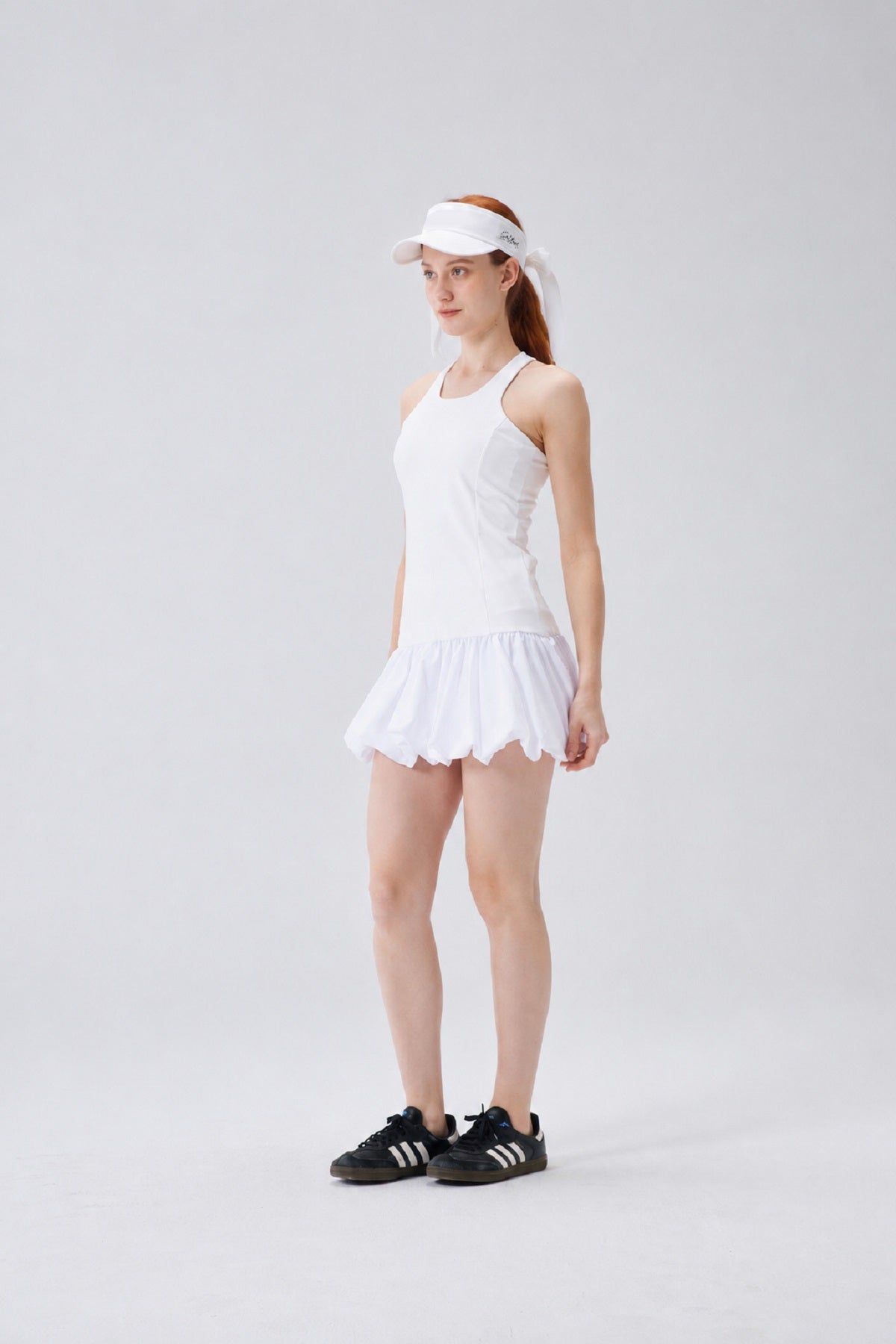
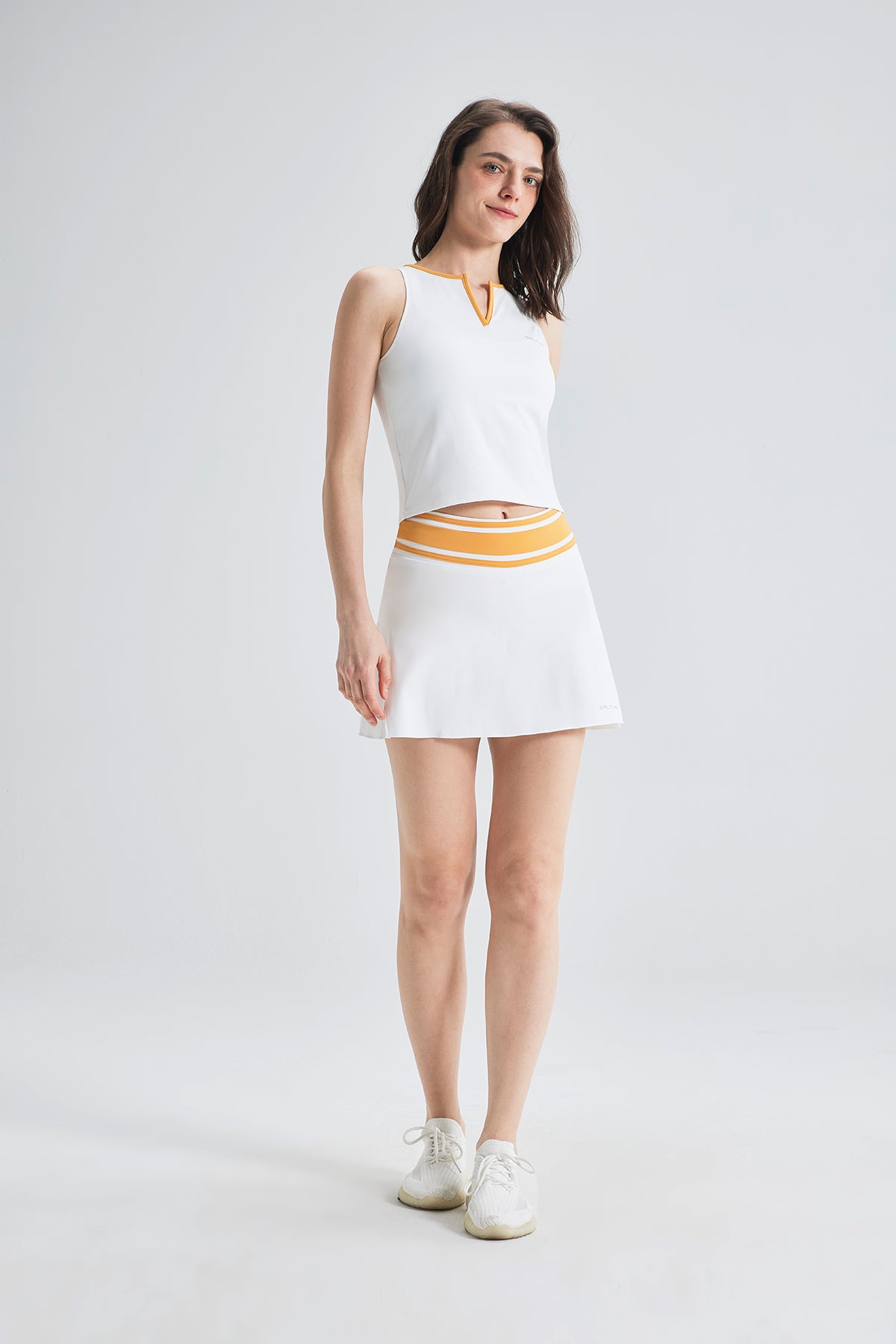
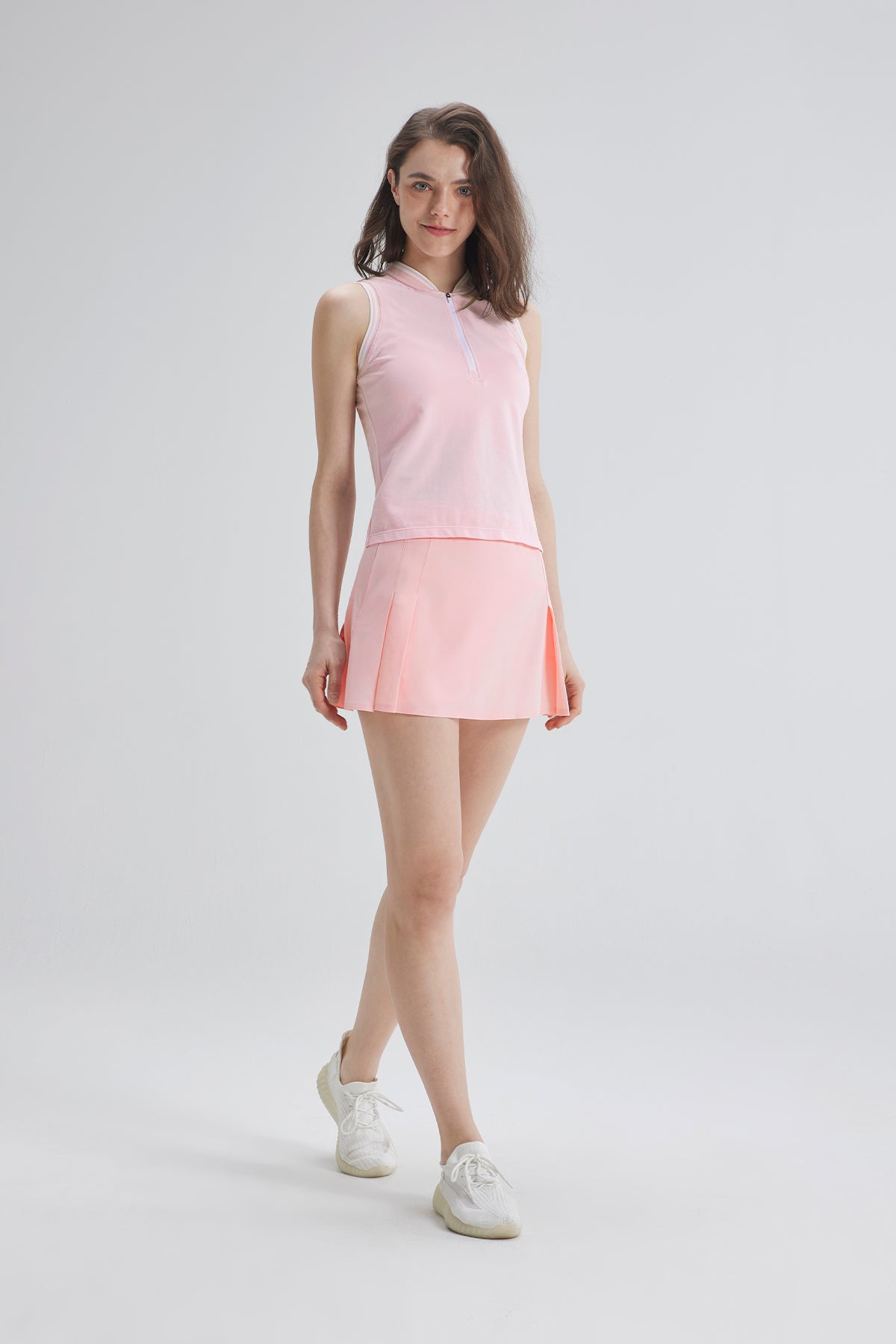
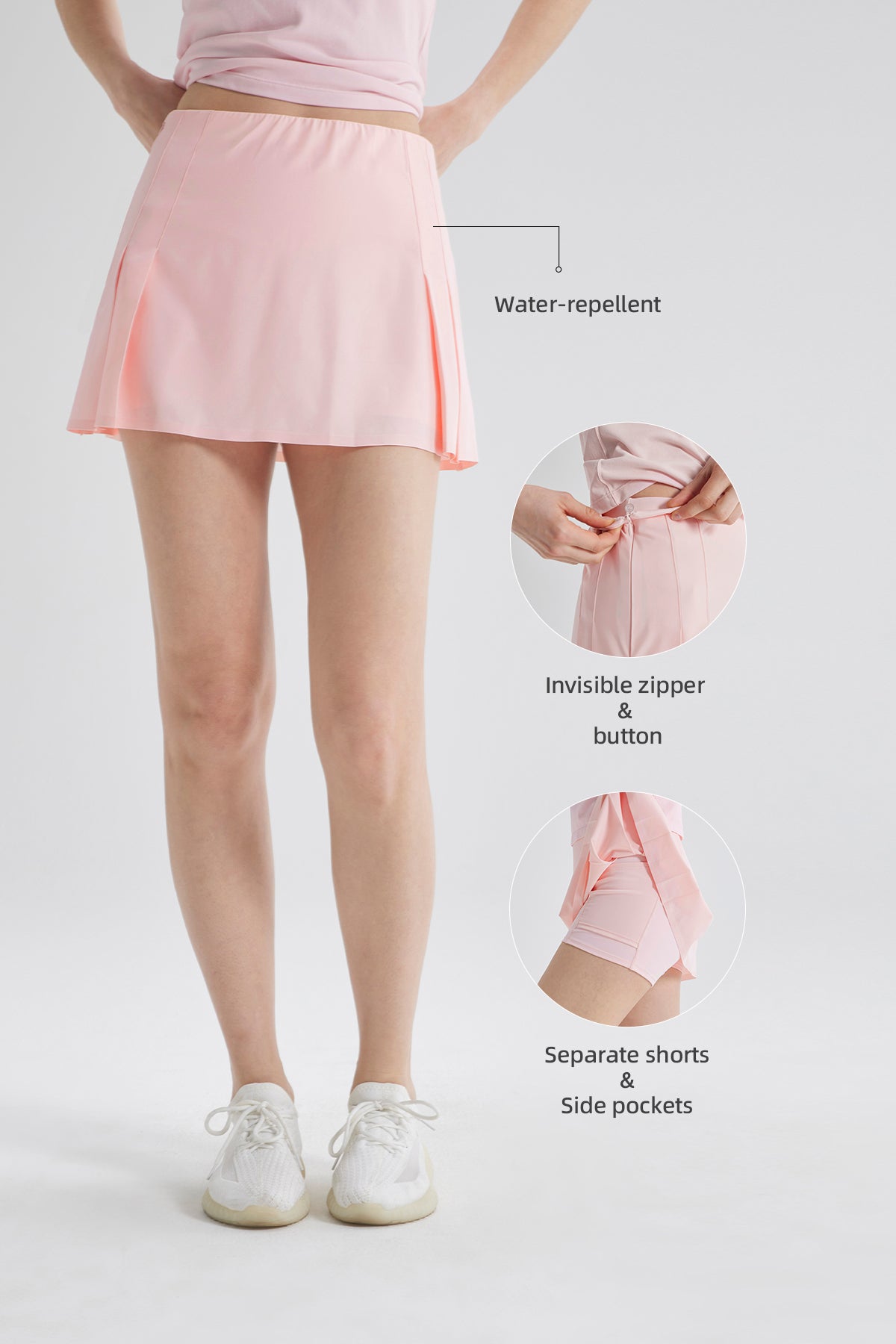
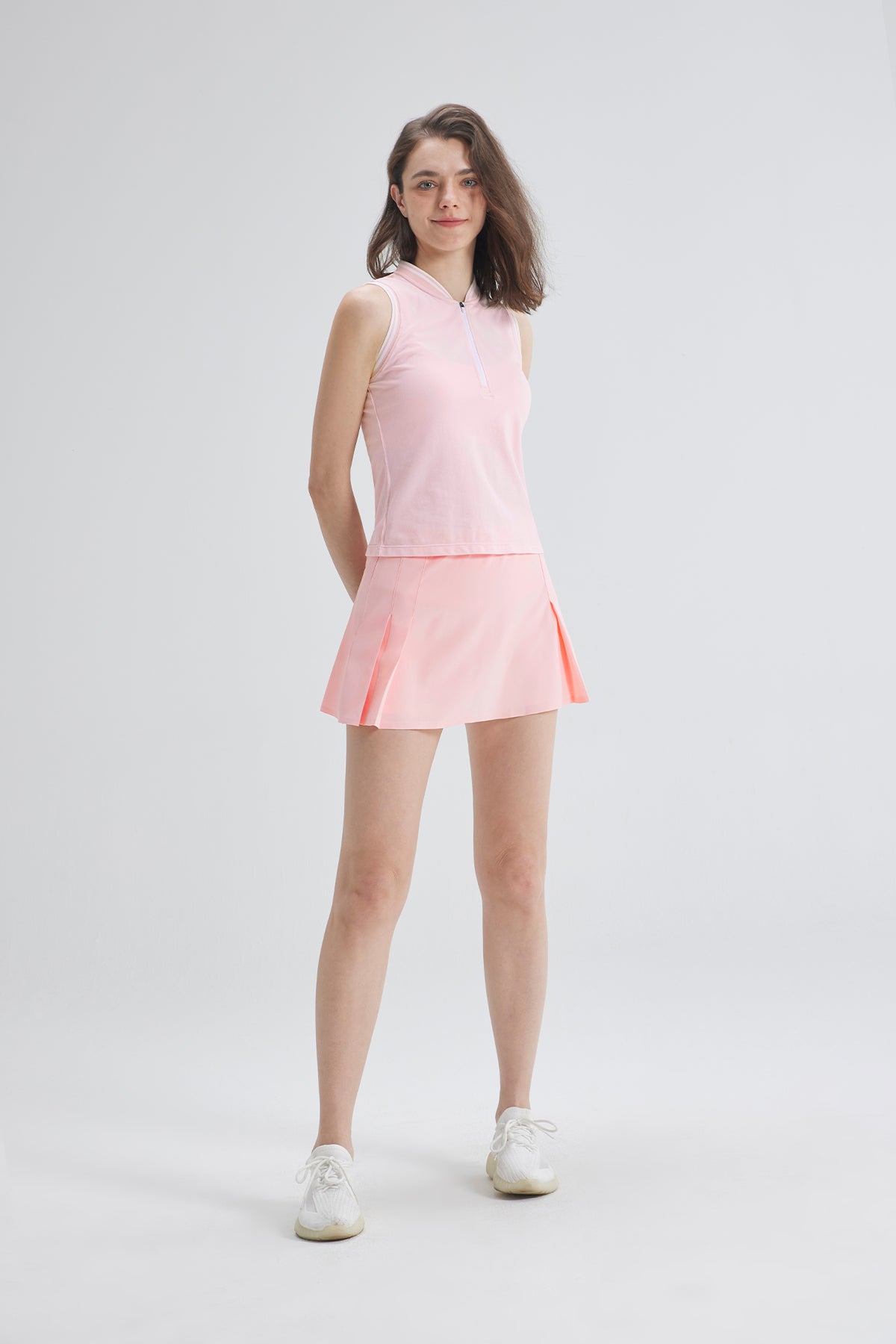
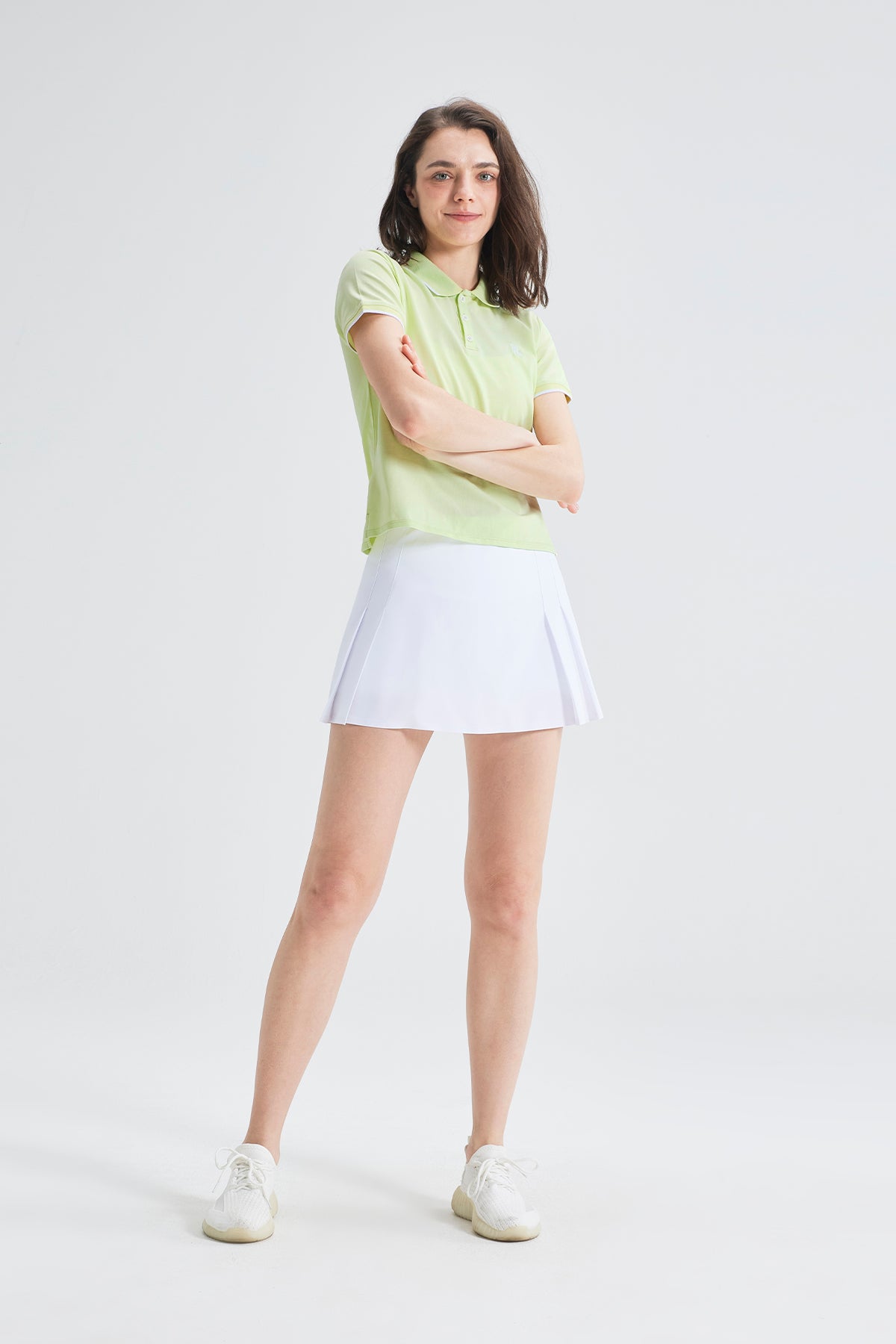
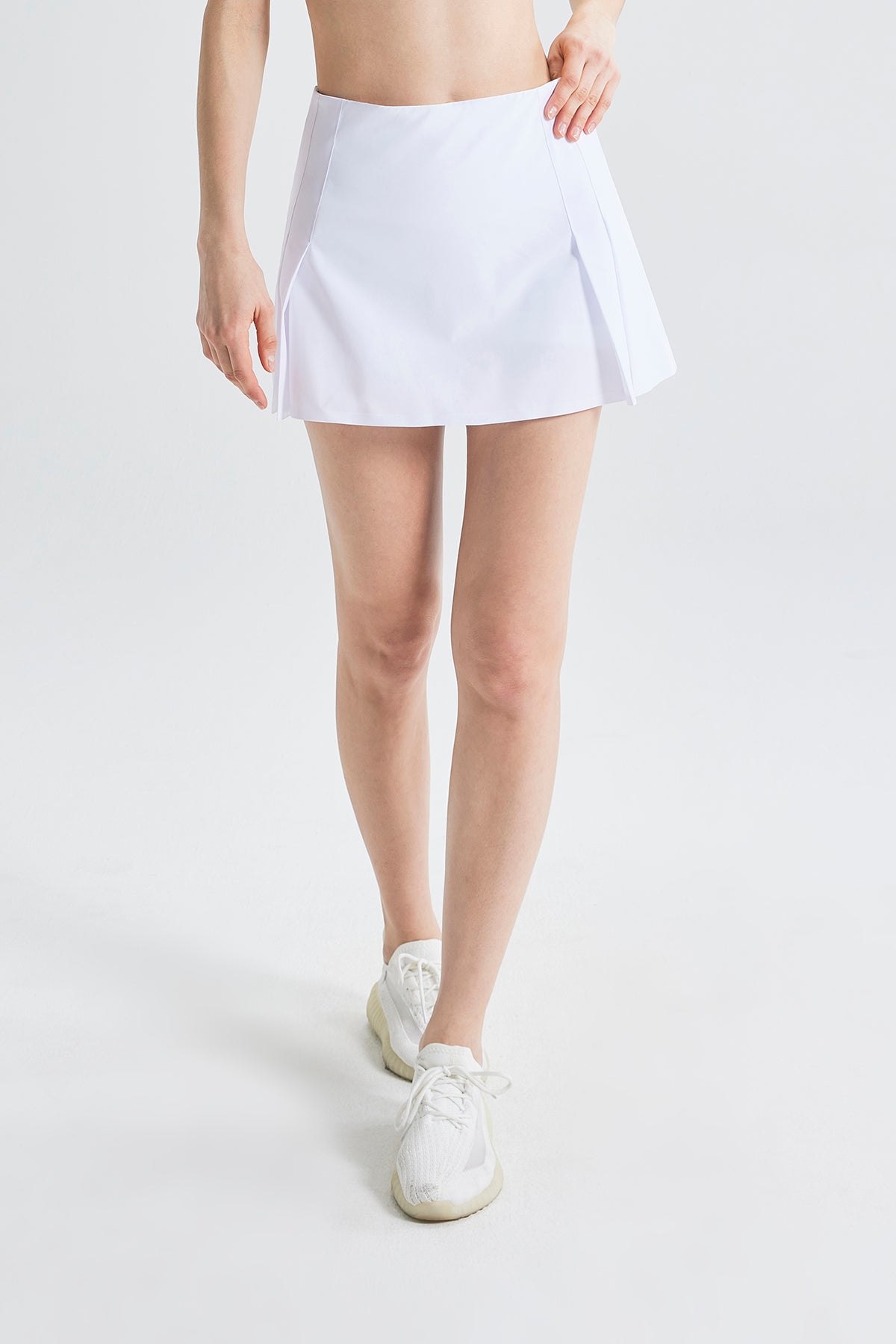
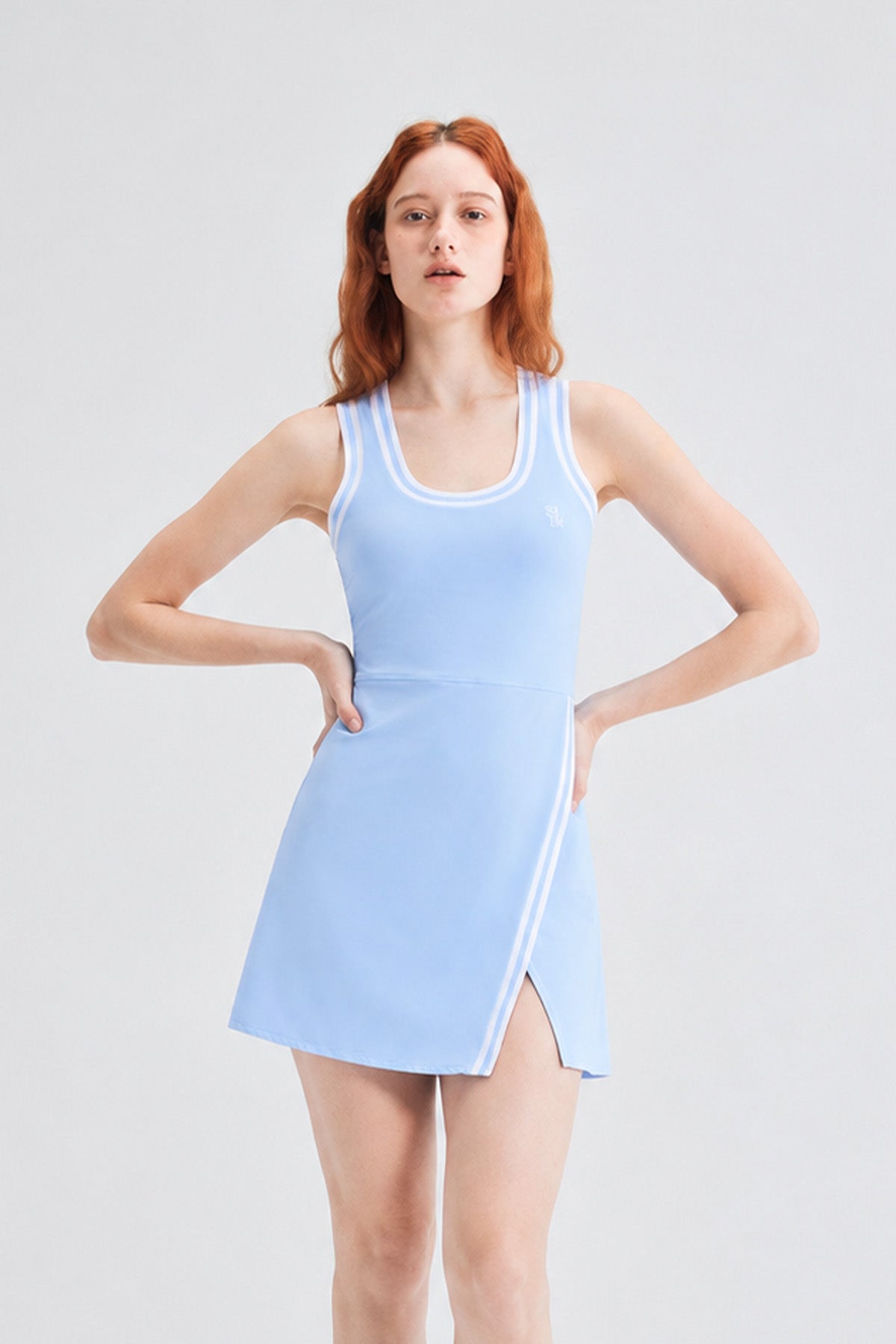
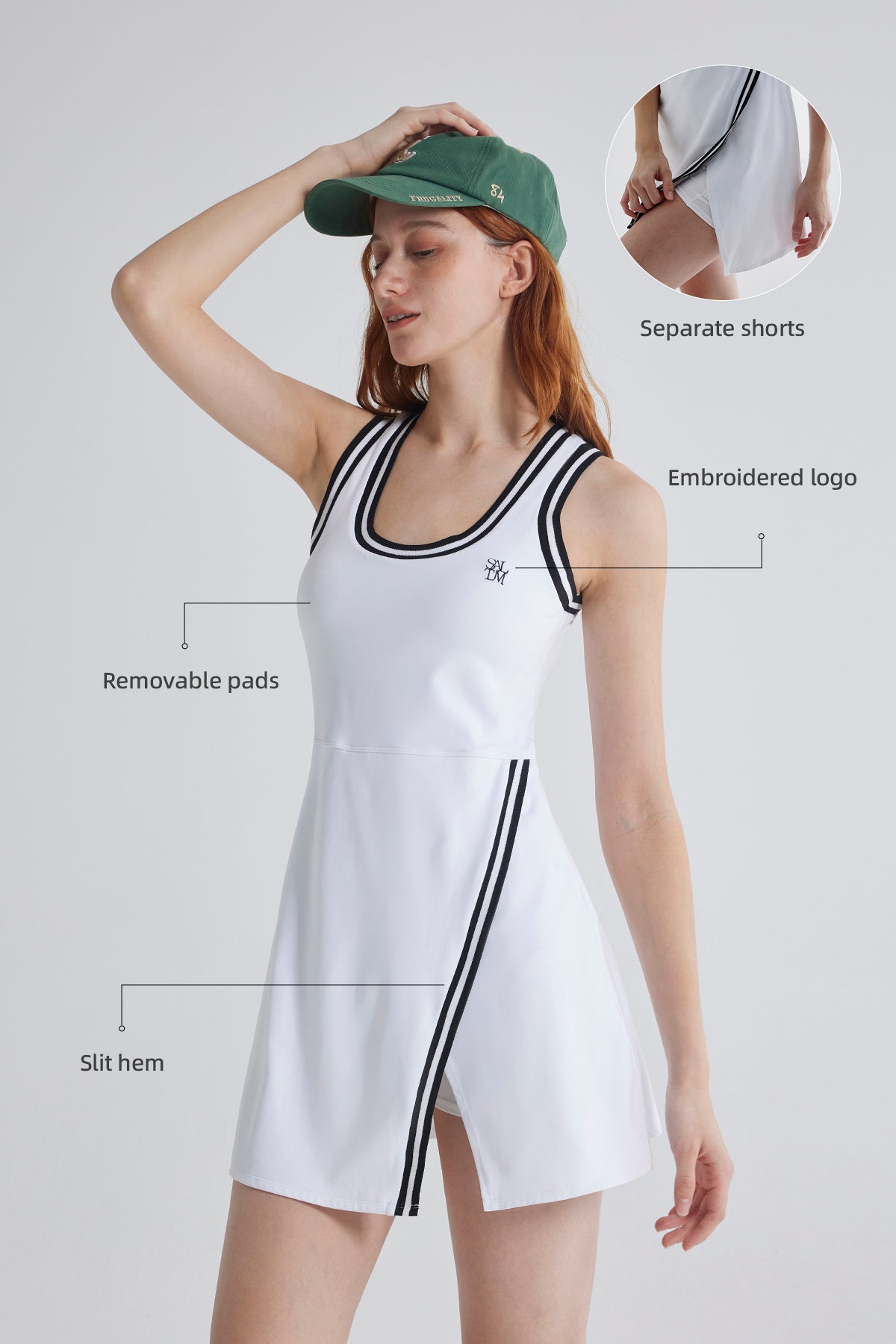
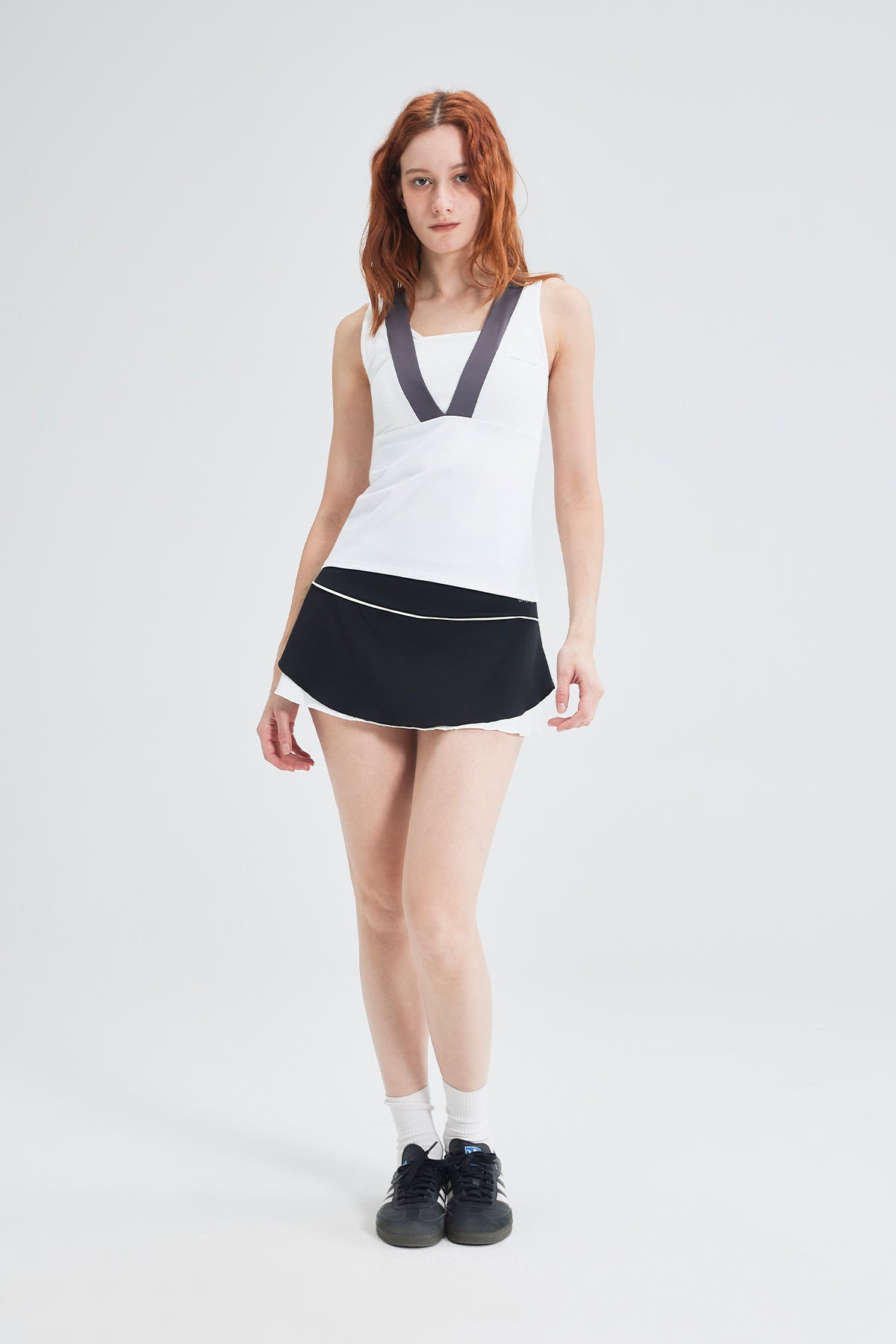
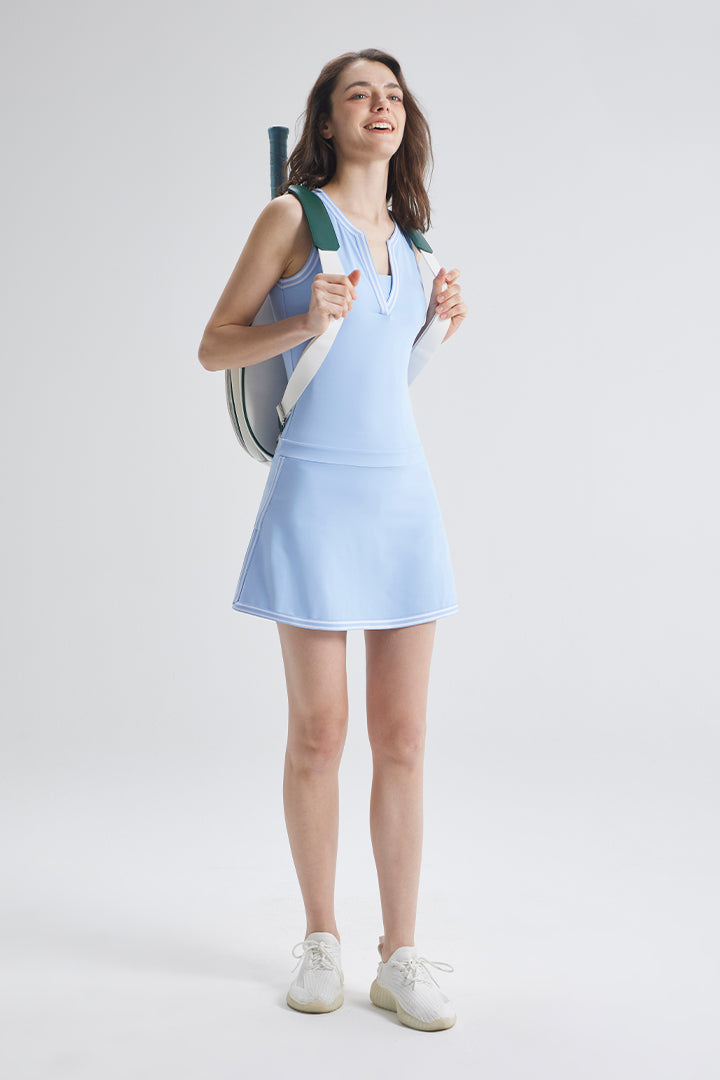
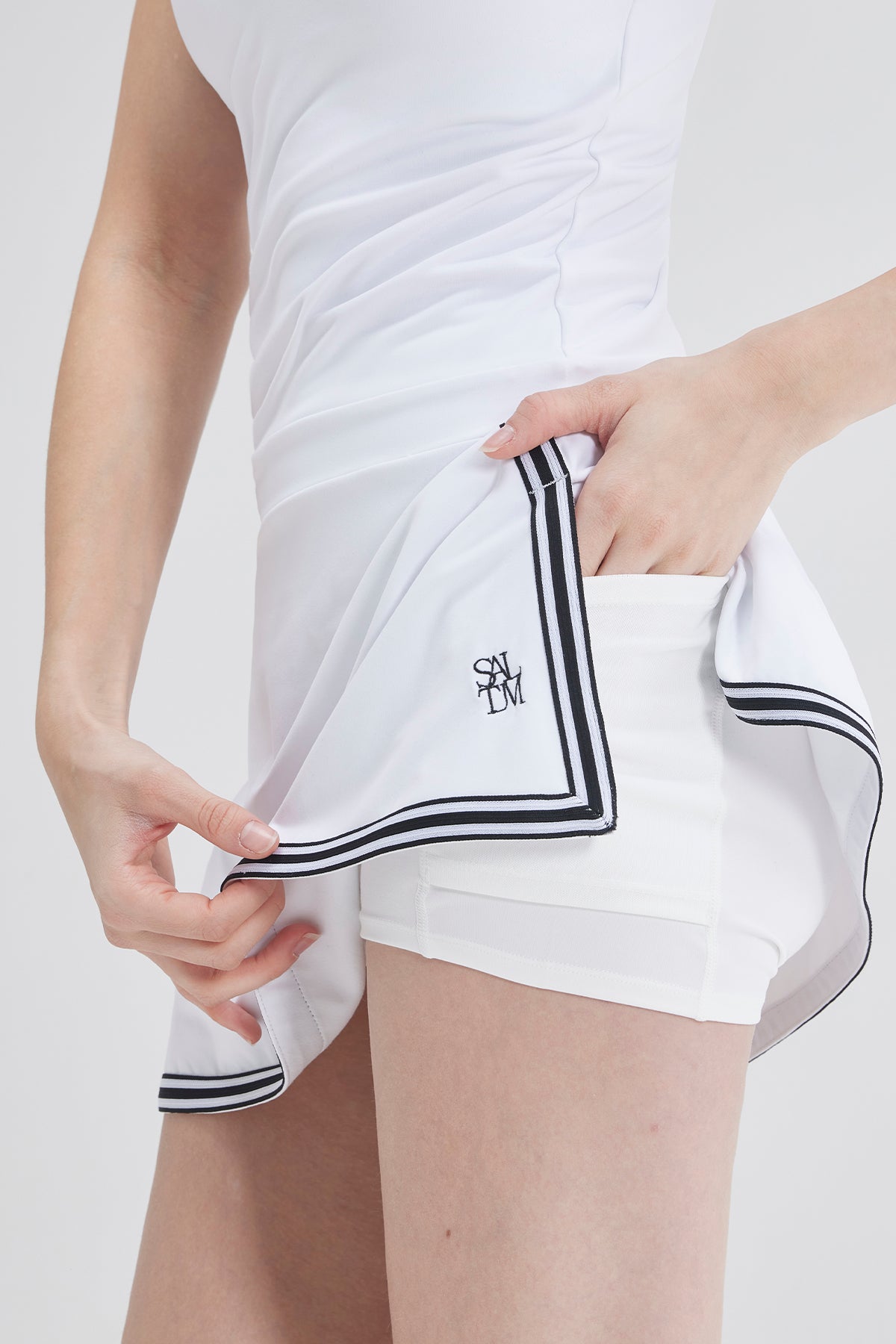
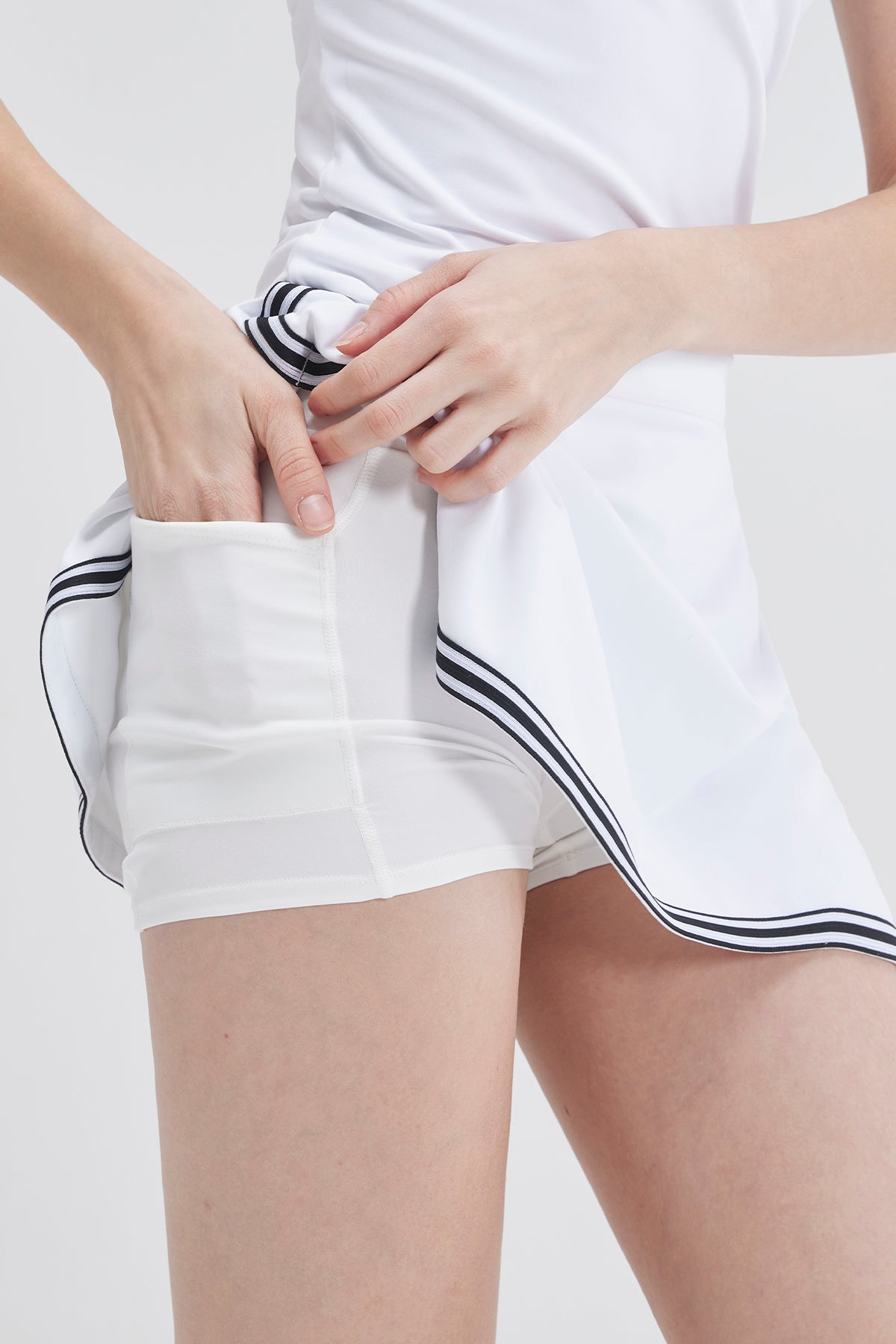
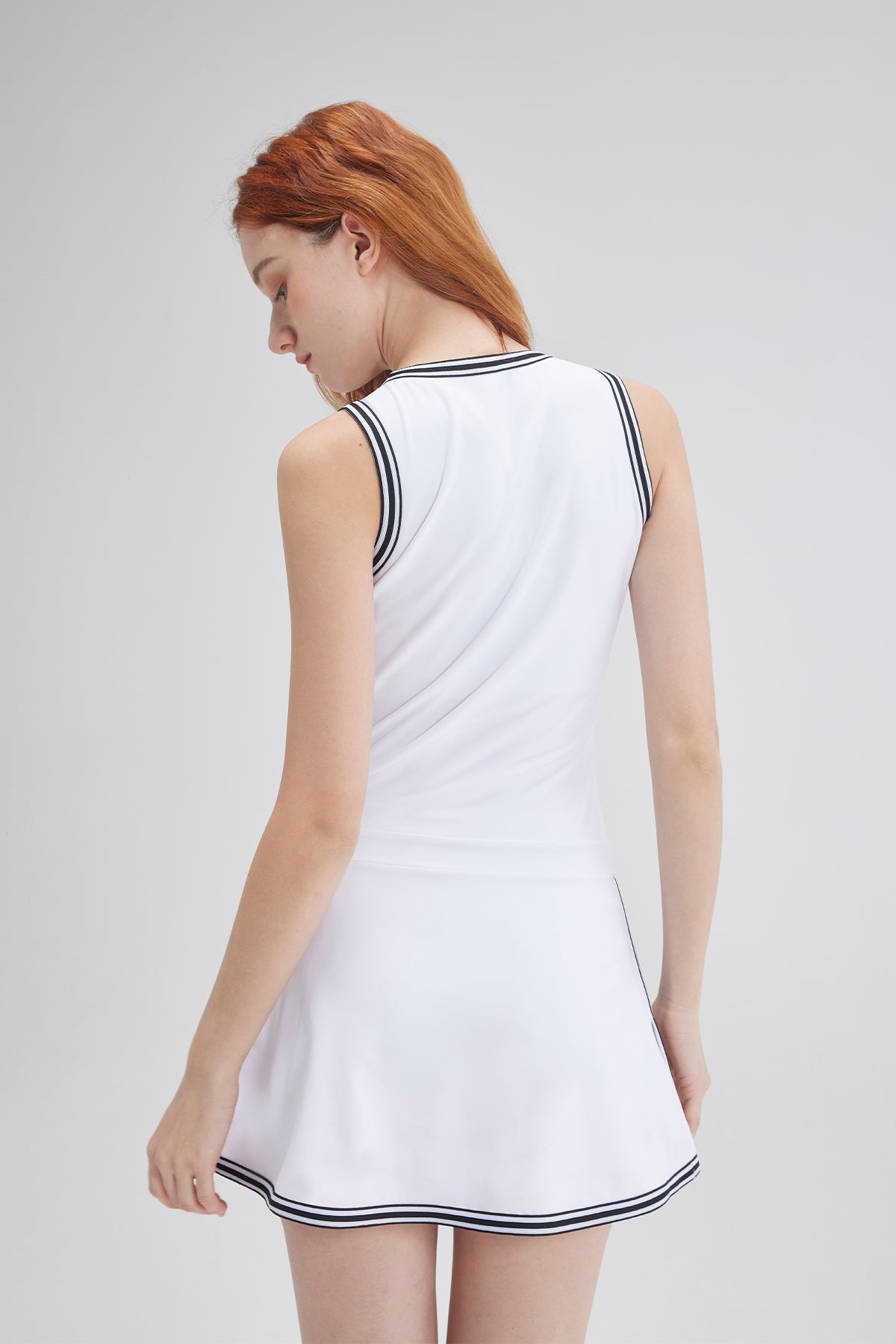
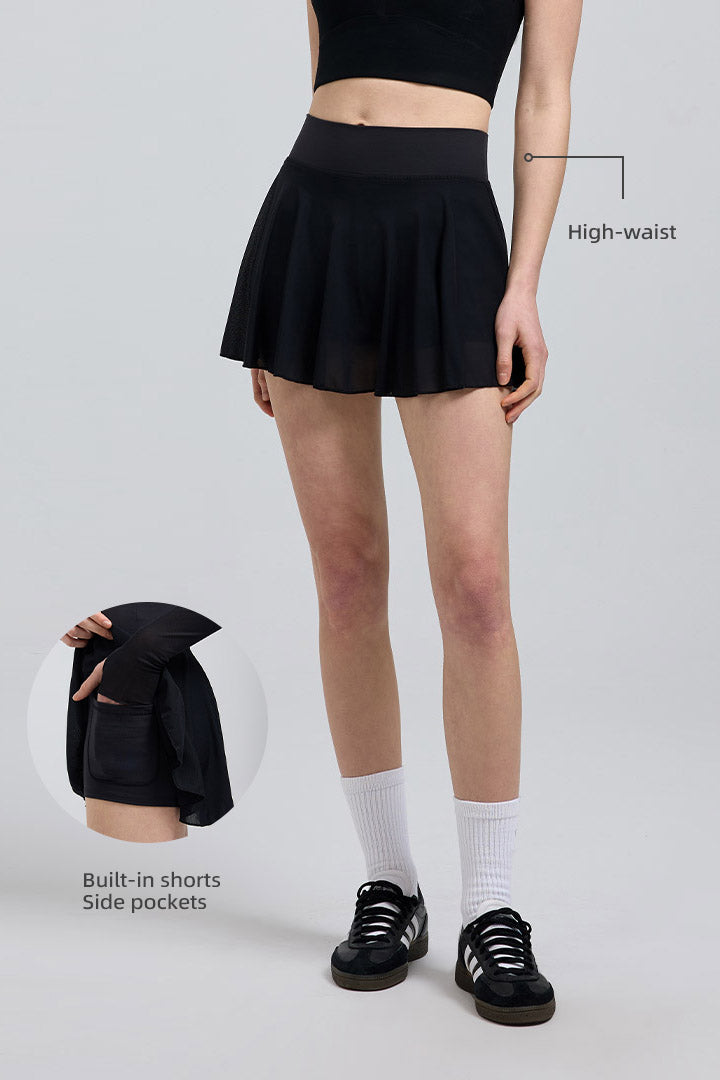
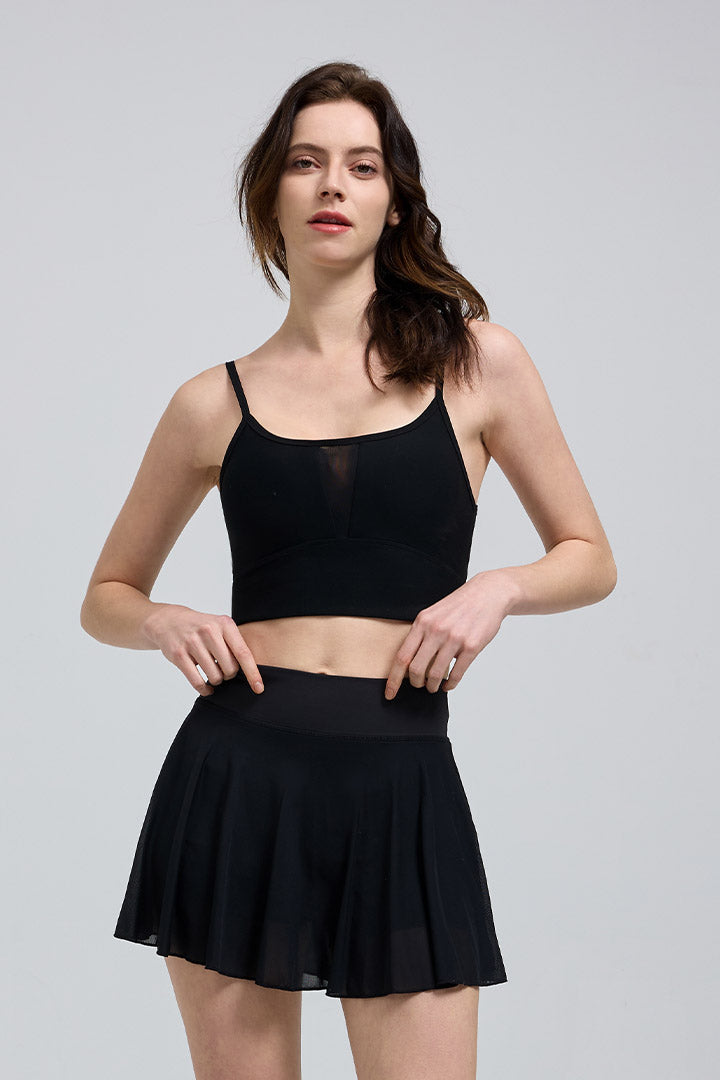
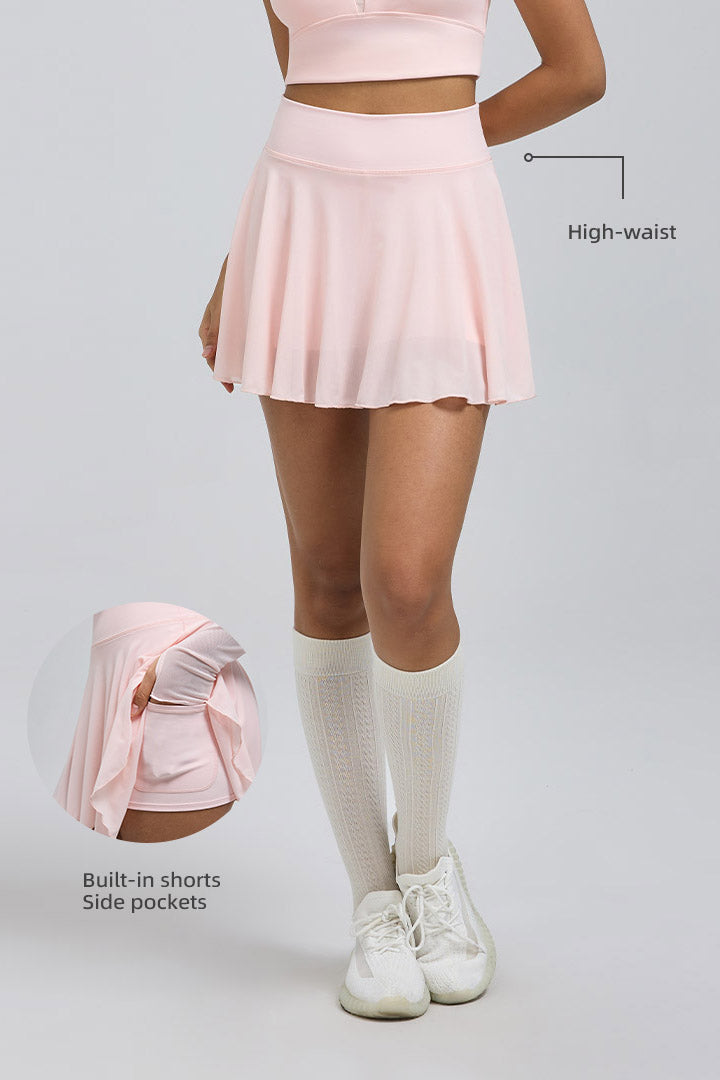
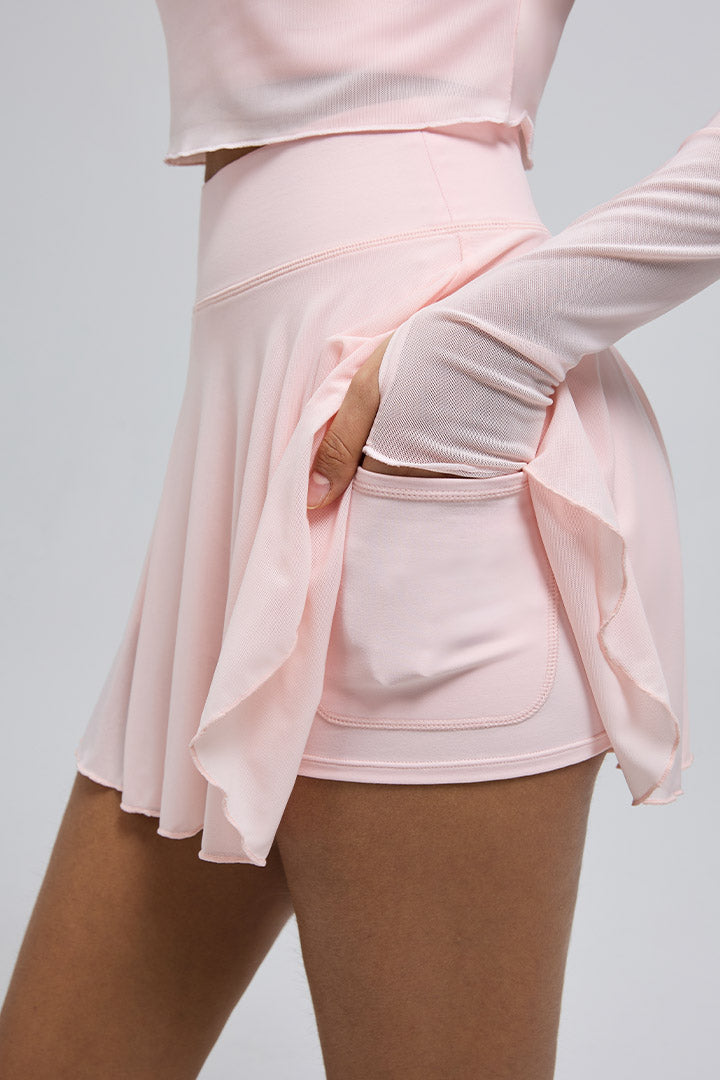
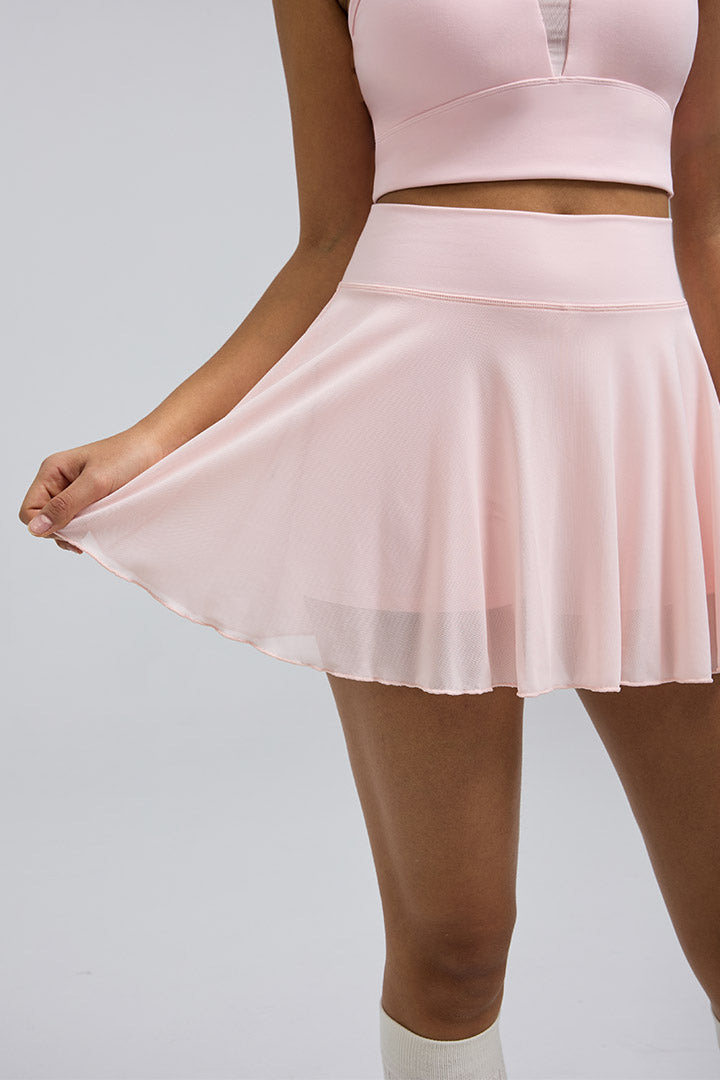
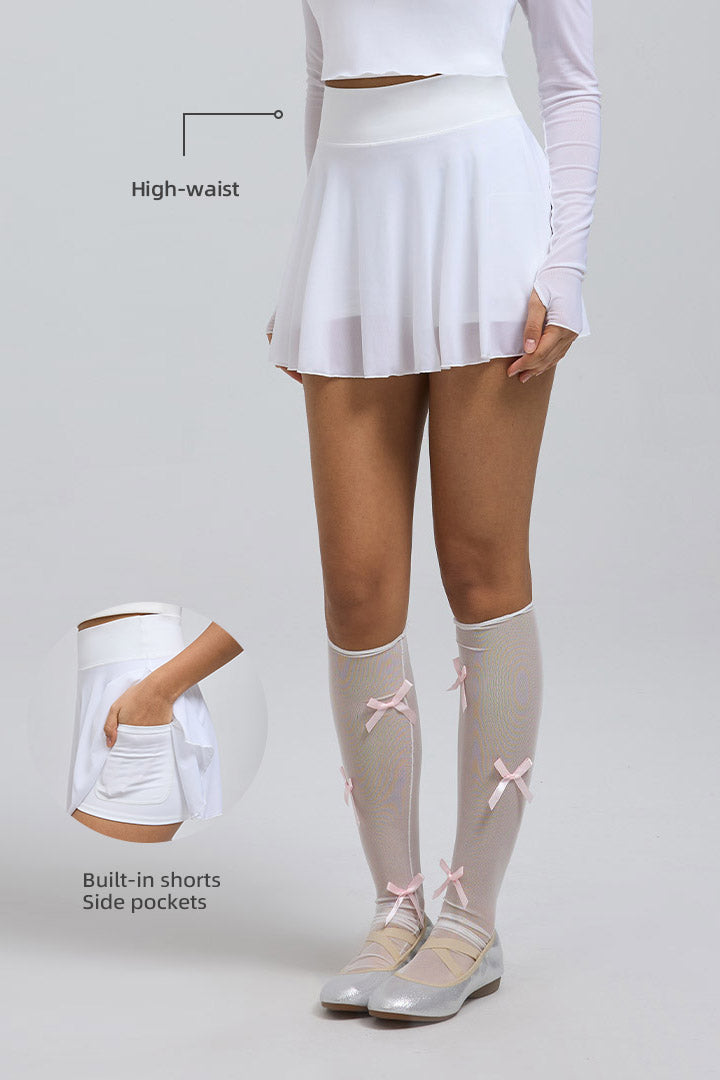
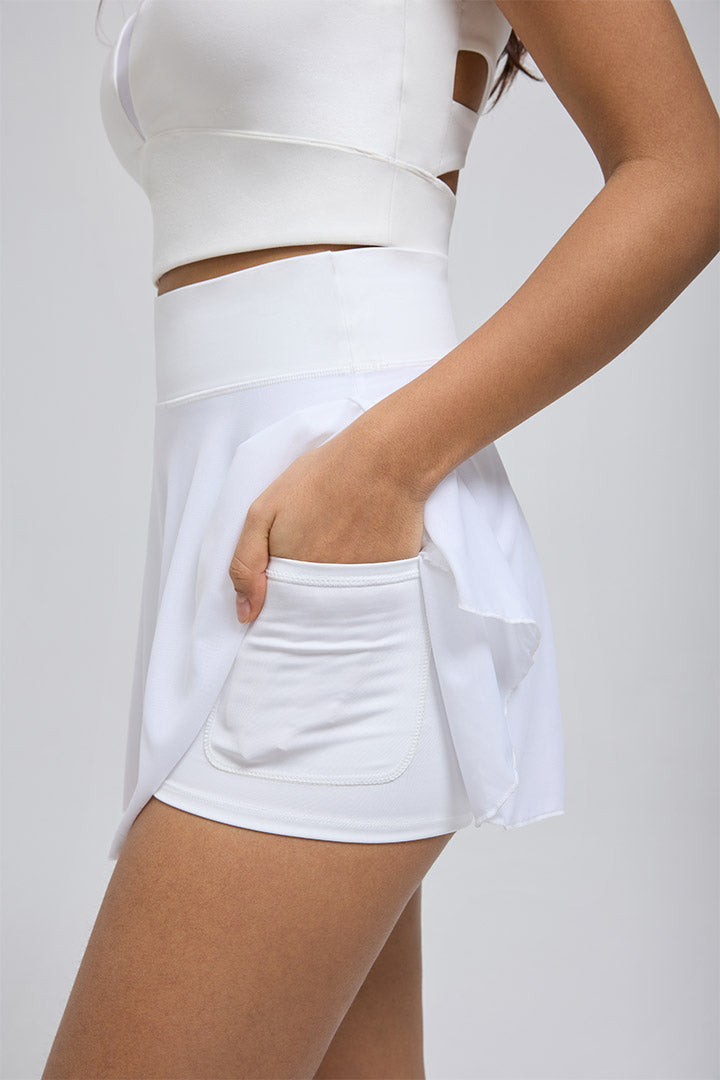
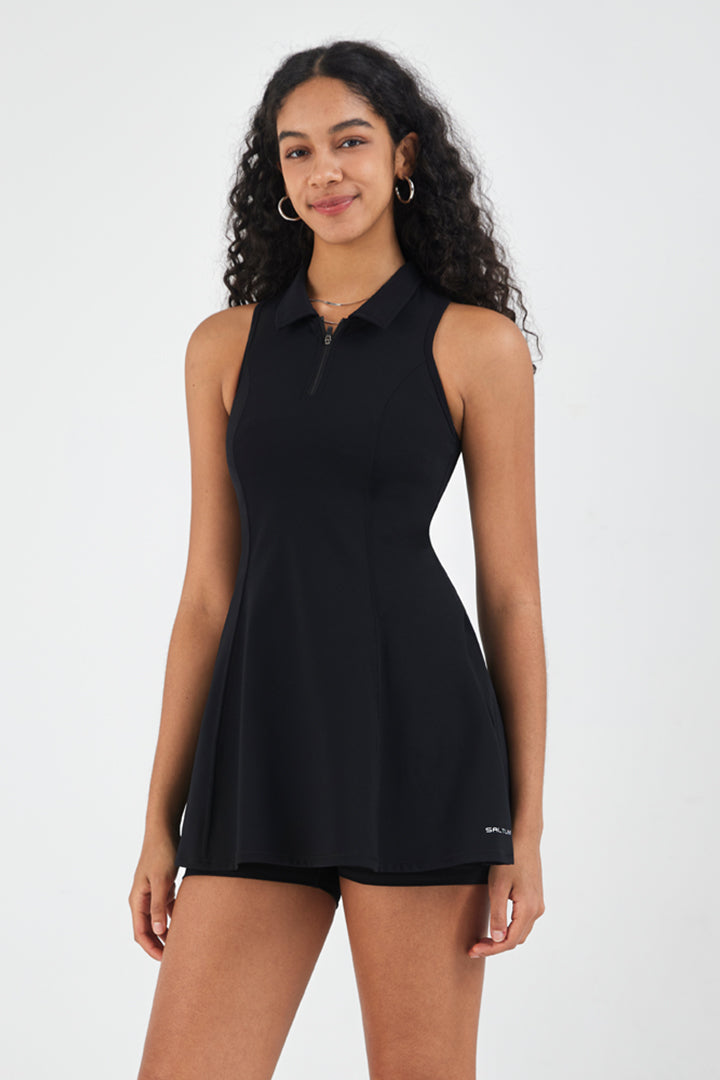
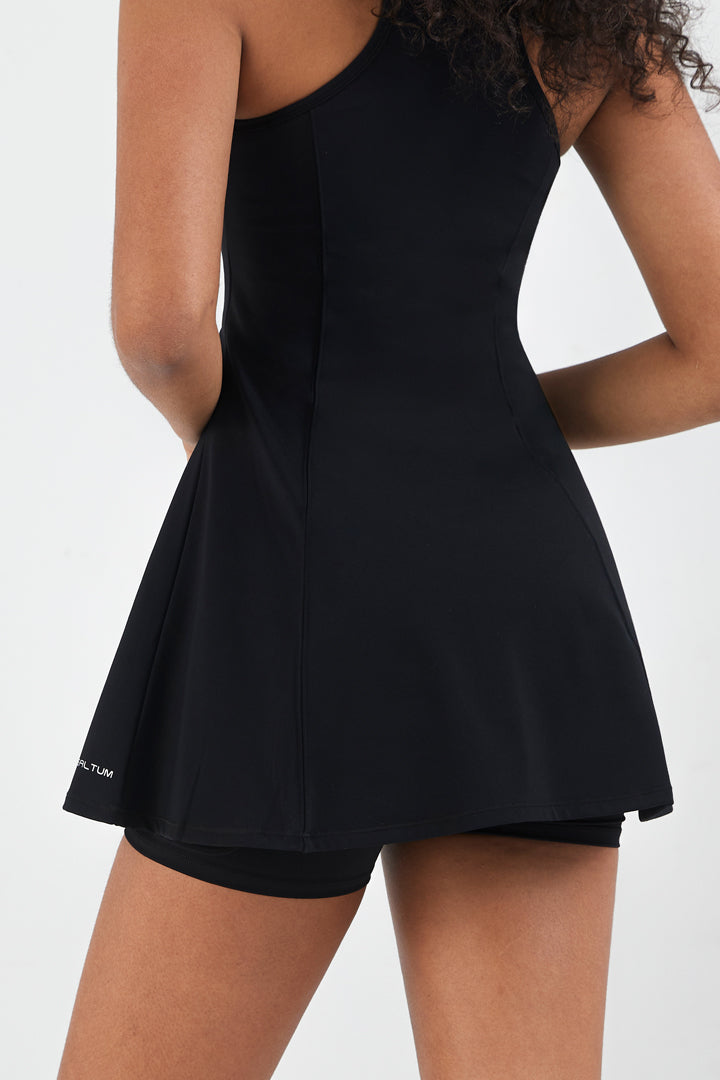
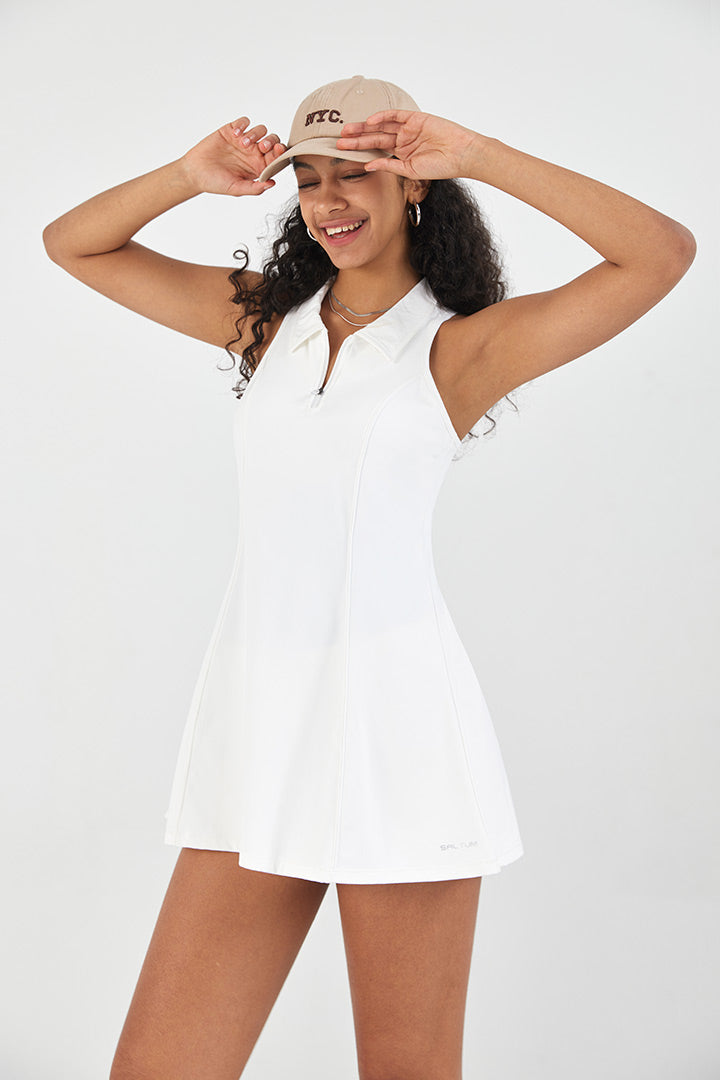
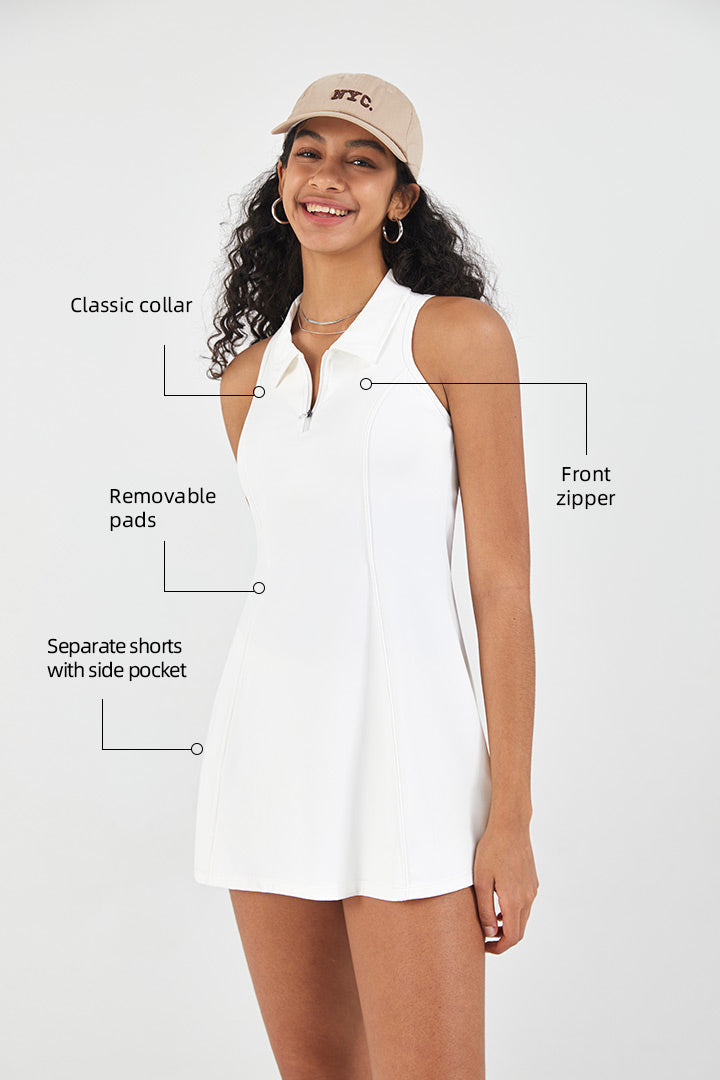
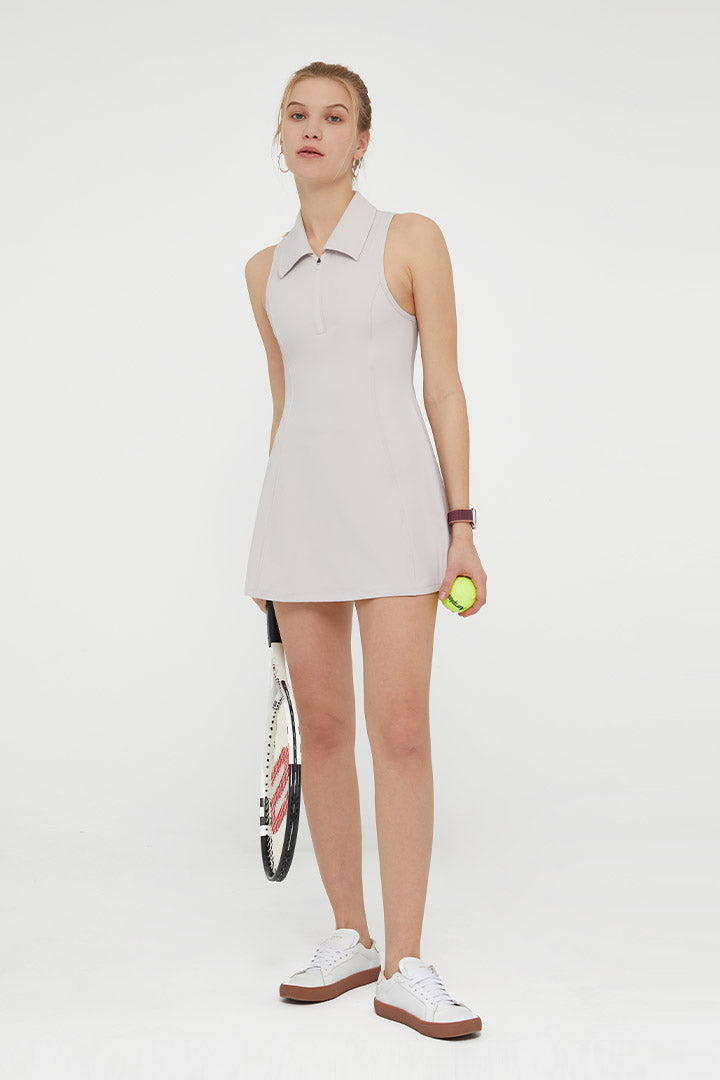
The A-line is a classic for a reason. It flares gently from the waist (or hip), which creates the impression of a defined waist and curvier hips without being body-con or overly dramatic. For athletic builds specifically, it provides the silhouette contrast that straight-cut dresses sometimes lack.
High-cut bottoms in lingerie
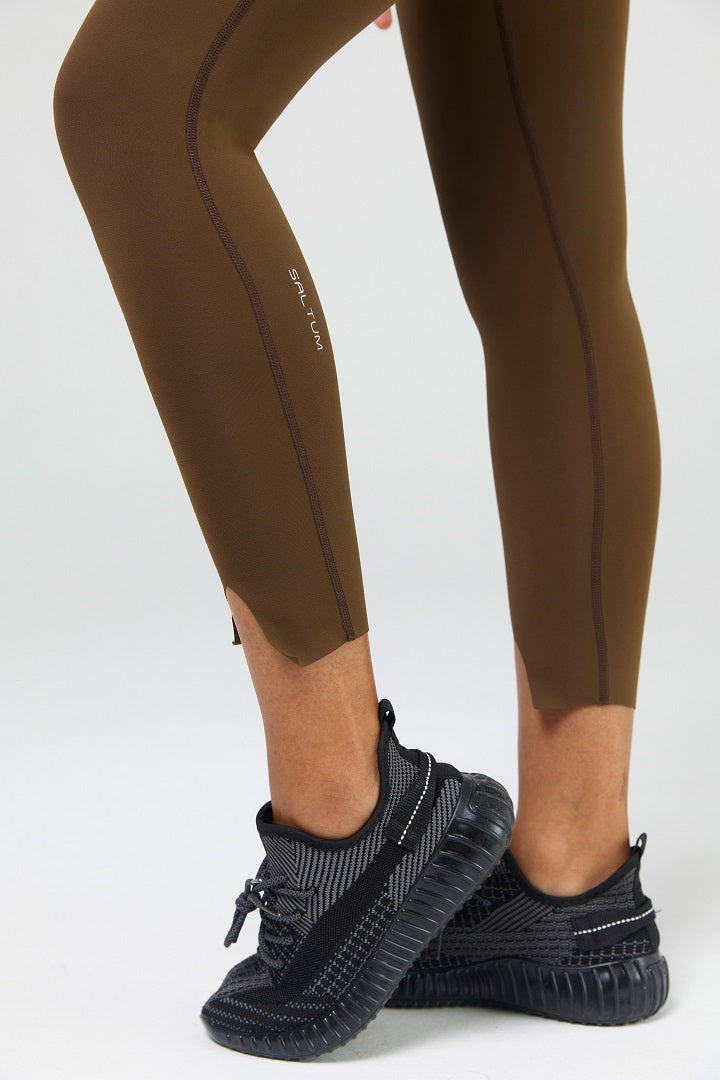
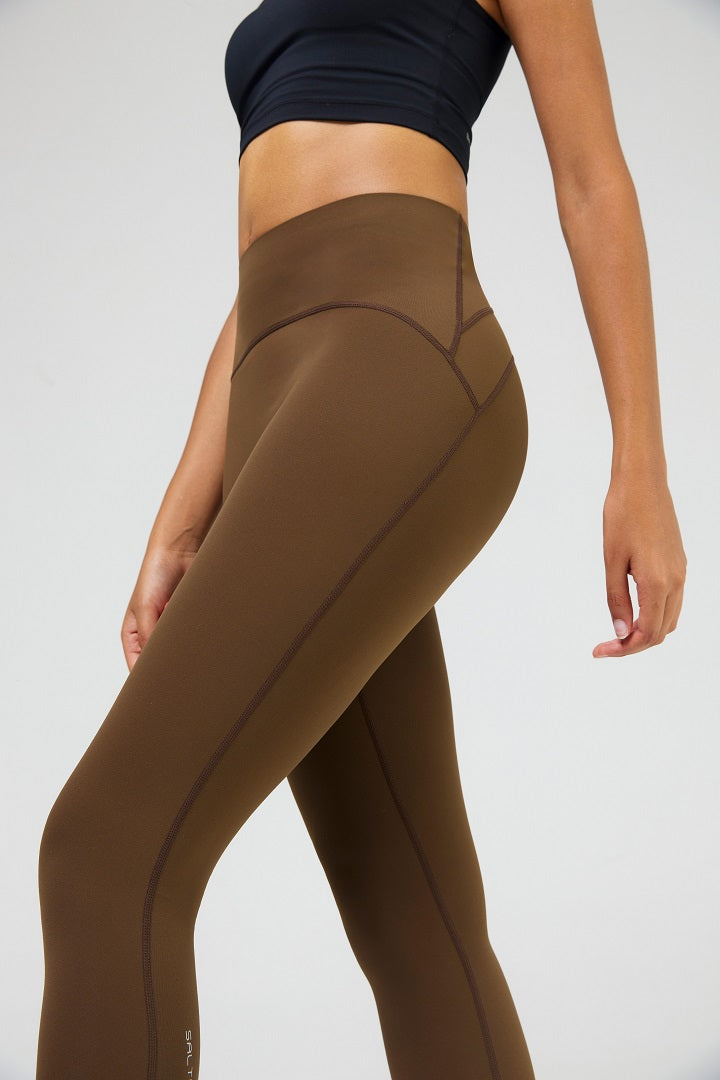
In lingerie and underwear, high-cut briefs and high-leg styles elongate the leg and draw attention to strong glutes and athletic legs — rather than cutting across the widest part of the thigh, which can visually shorten the leg. This is a small detail that makes a noticeable difference.
Lingerie Styles Worth Trying
Lingerie presents its own version of the same challenge: most styles are designed with a curvier hourglass figure in mind, and the cuts that look incredible on models don't always translate to athletic proportions. Here's what tends to work well.
Bodysuits
Bodysuits are genuinely one of the best choices for athletic bodies. They're sleek, they don't bunch or gap, and in lace or tulle versions they can be remarkably delicate-looking despite being a structured garment. Look for styles with interesting back details — strappy backs, open backs, or low cuts that show off a strong back.
Long-line bras
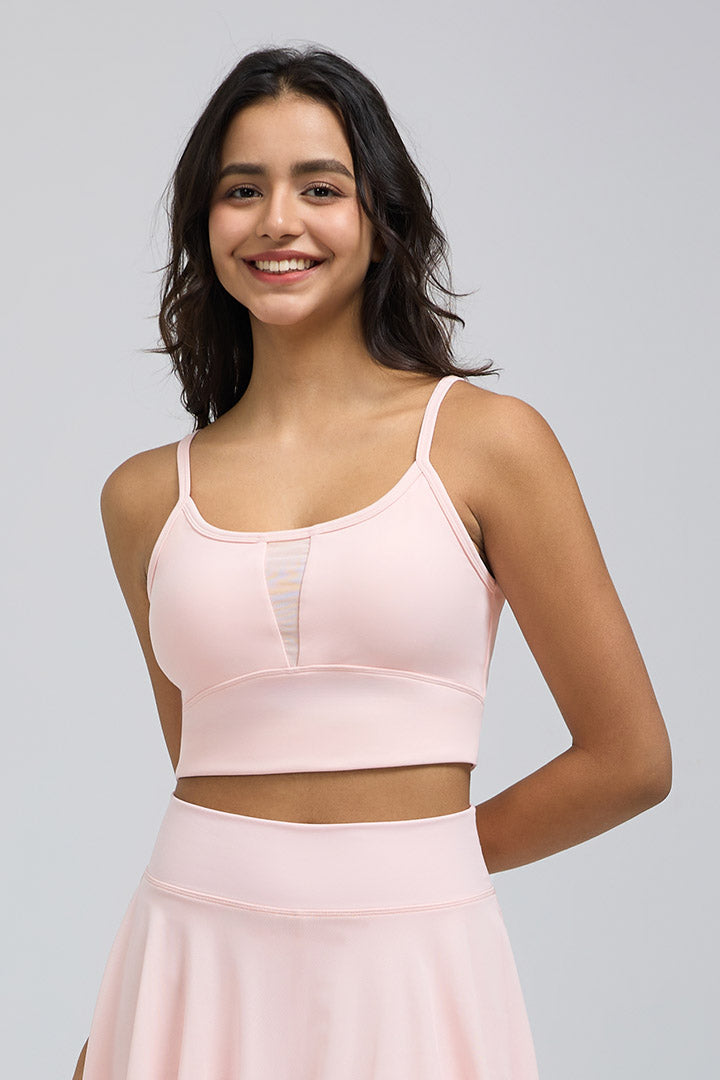
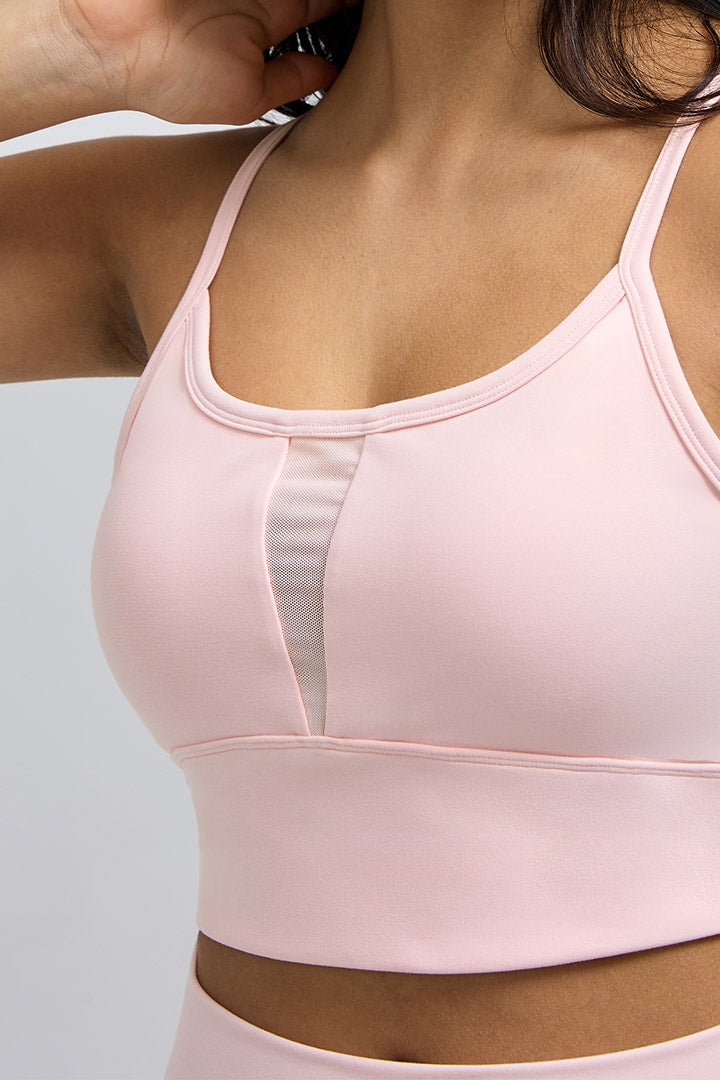
A long-line bra extends down the torso, which creates the visual impression of a defined waist. For straight-silhouette bodies, this can add curve that's otherwise absent. They also tend to feel more supportive because the band covers more surface area.
Soft bralettes with wide-set straps
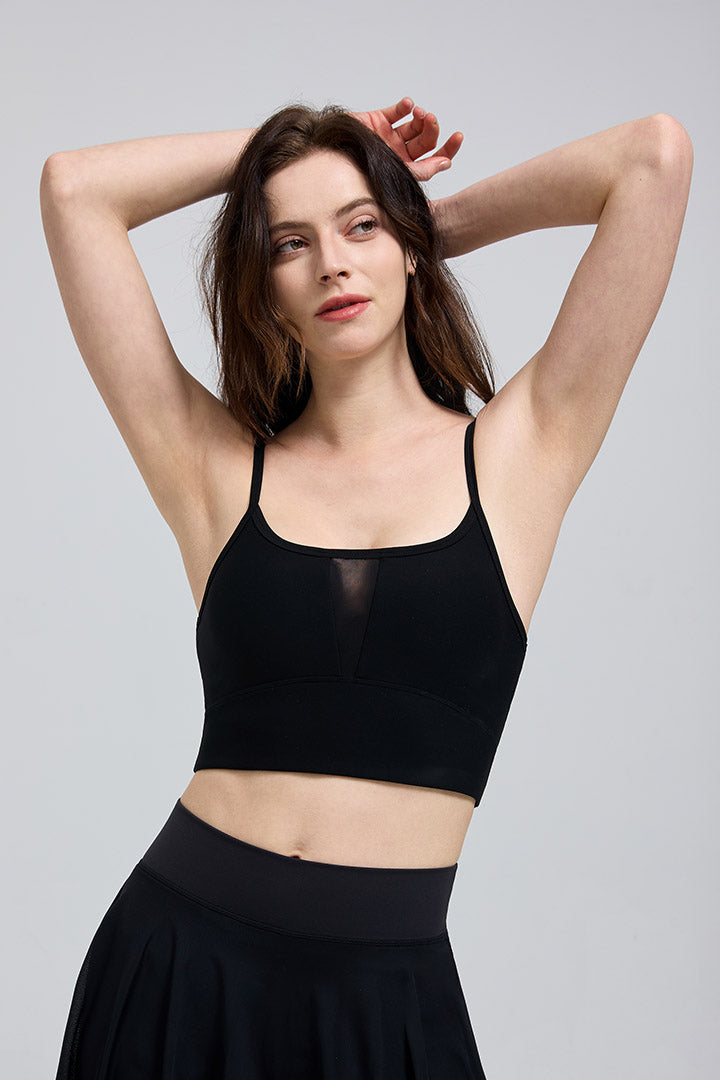
Bralettes that let the straps sit toward the outer edge of the shoulder (rather than close together at the neck) look more proportional and feel more comfortable. Convertible styles that can be worn as halter necks are particularly versatile.
Suspender skirts and waist straps
Any lingerie that includes a defined waist element — a strap, a band, a high waist on the bottoms — creates a waist impression even on a straighter figure. Suspender skirts with a fitted waistband are an underrated option for this reason.
If possible, try styles in a physical store first. The gap between "looks good on screen" and "fits my body" is real. Once you know what works, ordering online is much more reliable.
A strong, muscular back is genuinely beautiful. Seek out open-back styles, strappy backs, and halter cuts that showcase it — rather than defaulting to full coverage everywhere.
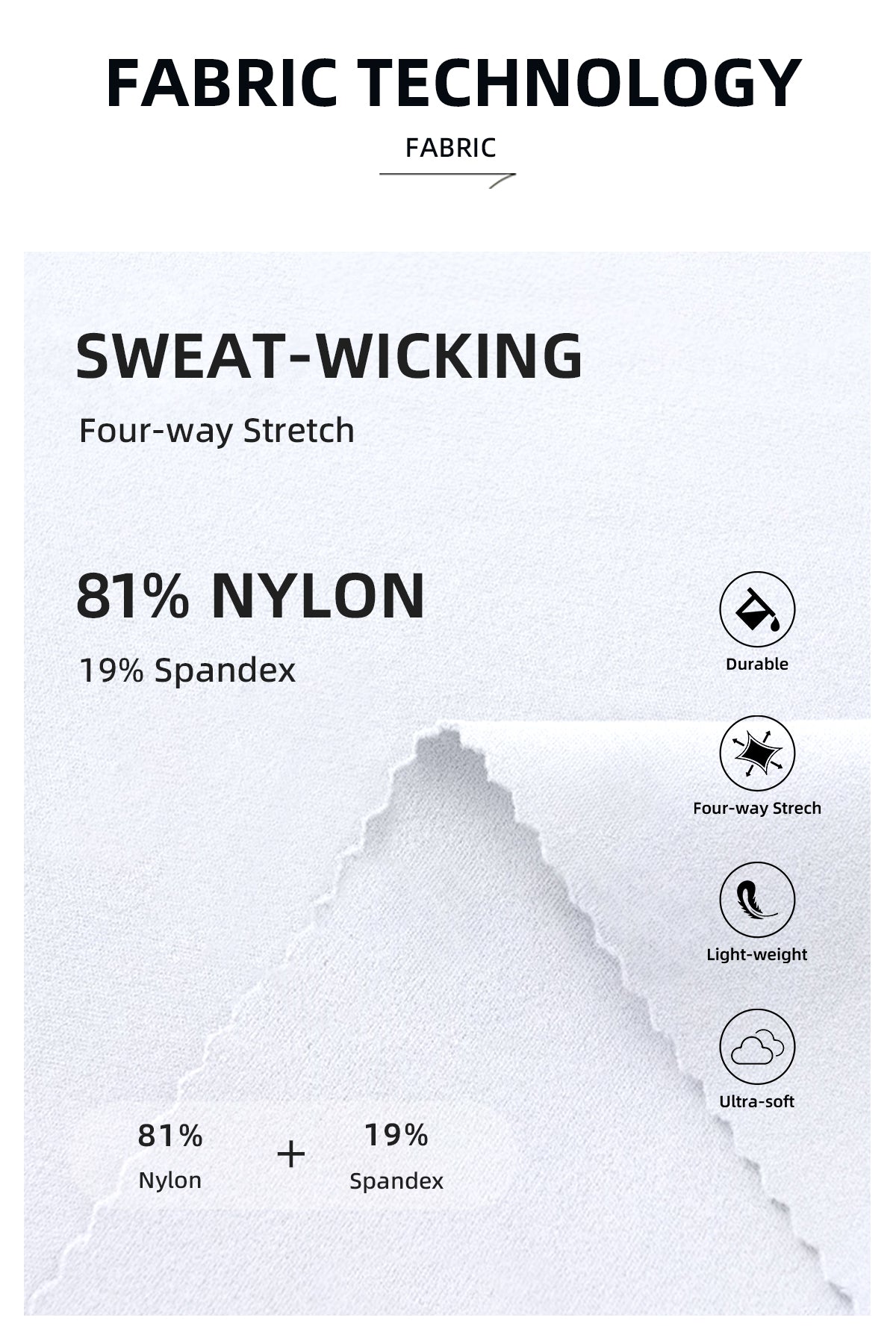
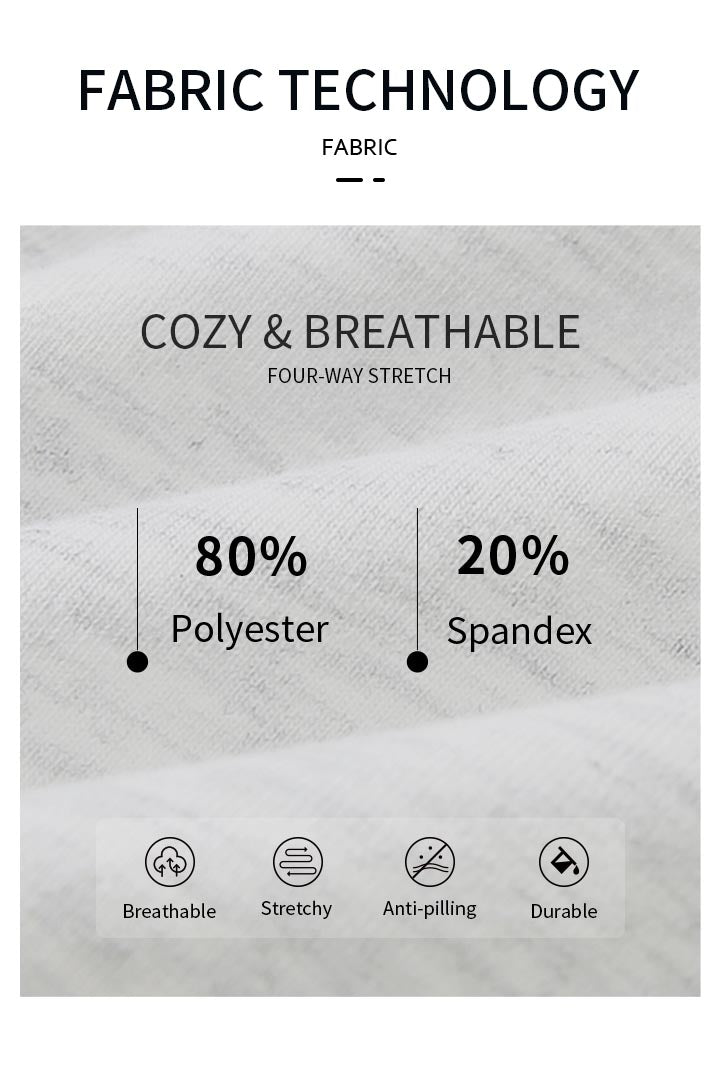
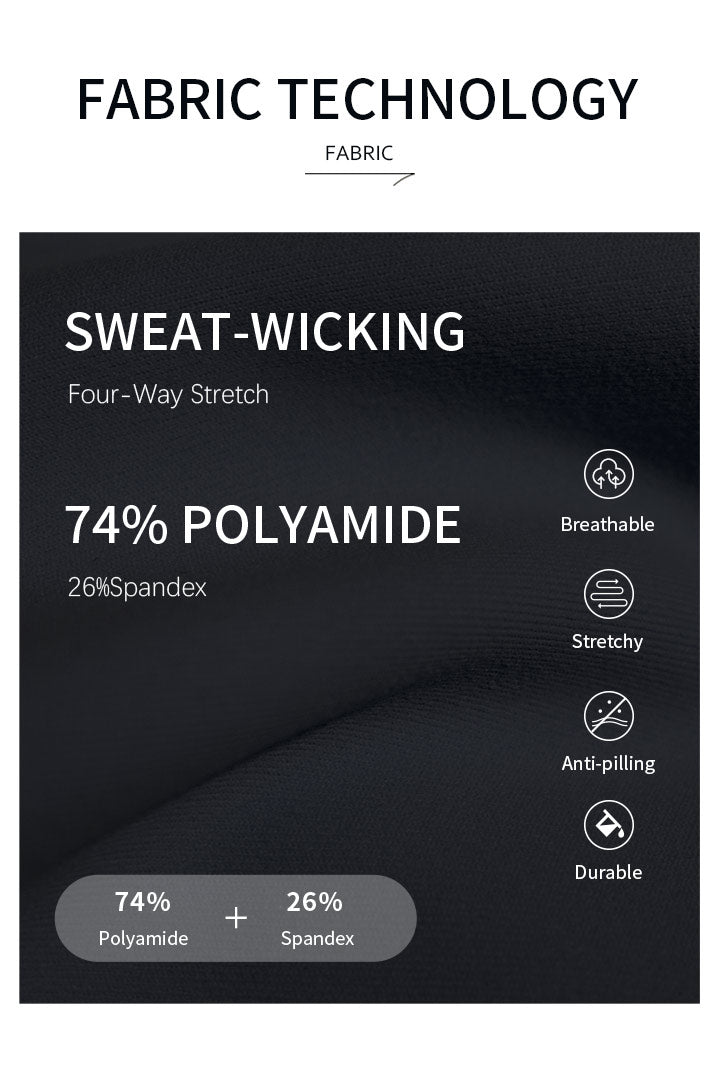
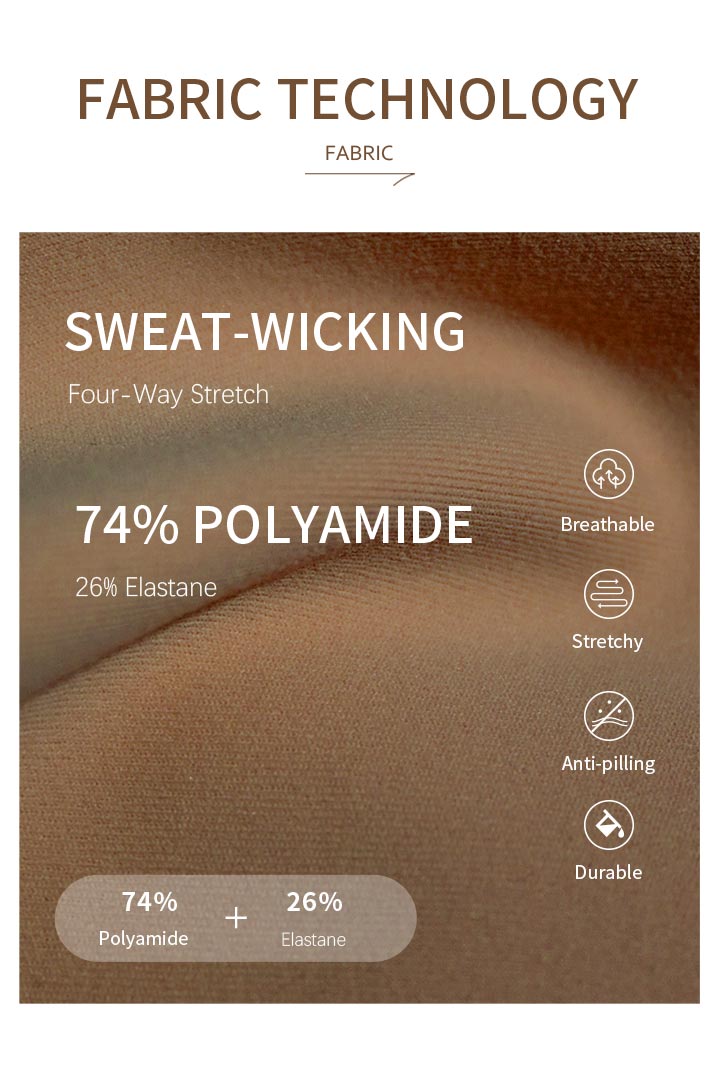
Look for fabrics with horizontal stretch in tops and bras. This allows the garment to accommodate broader shoulders without pulling across the chest or straining at the seams.
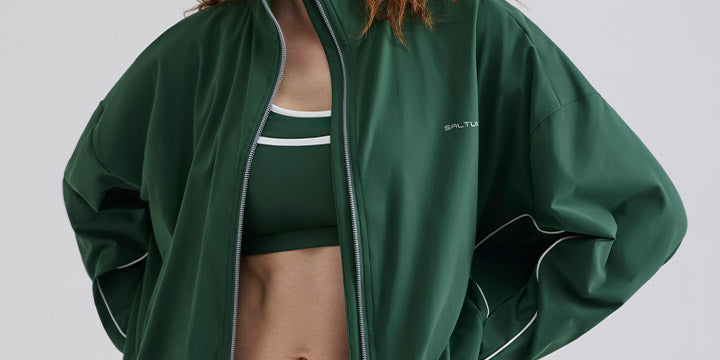
A useful styling principle: pair one oversized or flowing piece with one fitted piece. Baggy top + fitted bottoms, or fitted top + wide-leg pants. Both together can read as shapeless.
Fabric and Fit: The Unsung Heroes
Two things that don't get nearly enough attention in style guides: fabric composition and the way a garment is actually cut.
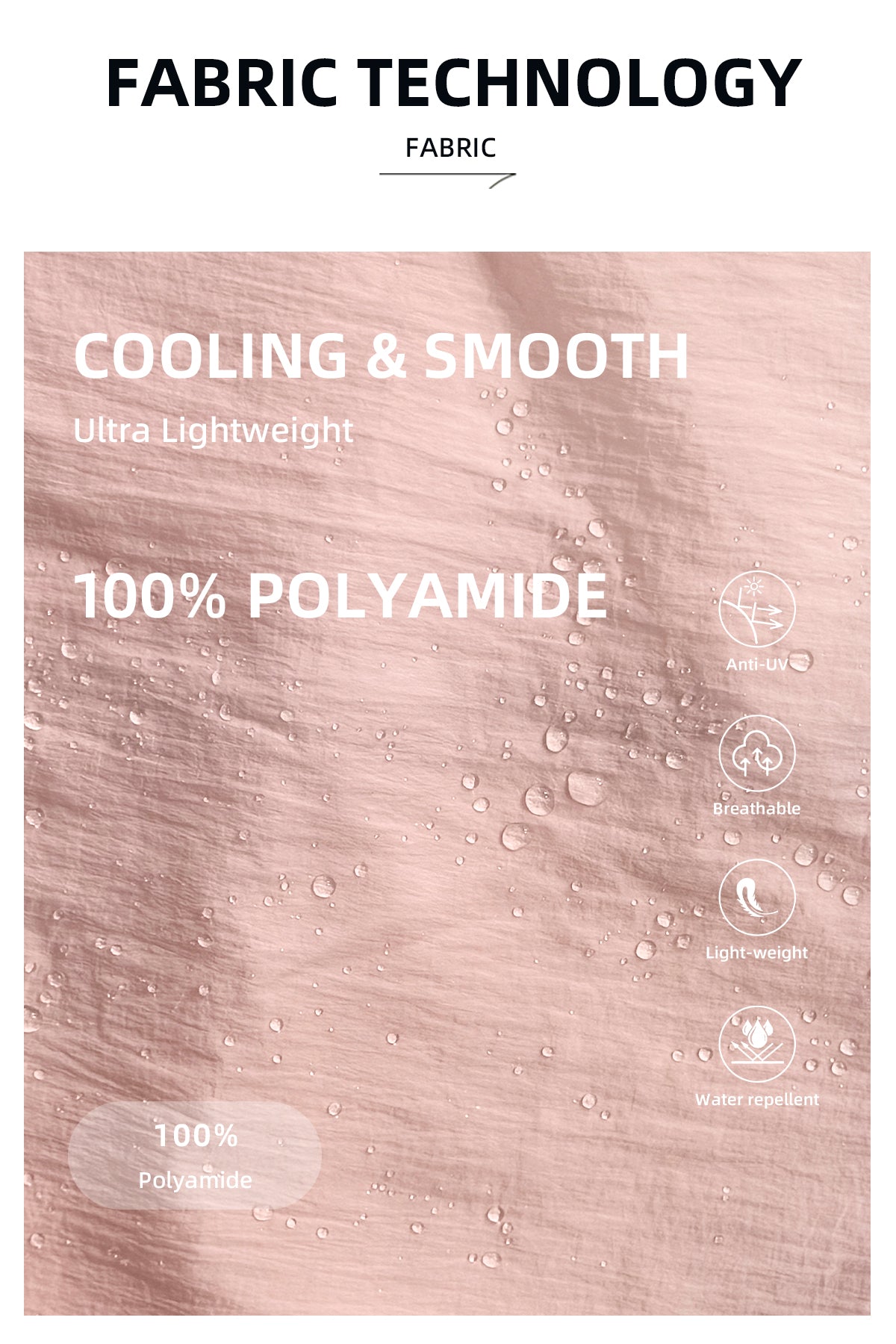
For athletic builds with developed shoulders and arms, fabrics with some horizontal stretch are essential for tops and bras. A fabric with no stretch at all will be tight across the back and shoulders even if it fits everywhere else. Jersey knits, stretch wovens, and most athletic fabrics handle this well. For more structured pieces like blazers or dress shirts, look for styles that have some ease built into the shoulder, or plan to take them to a tailor.
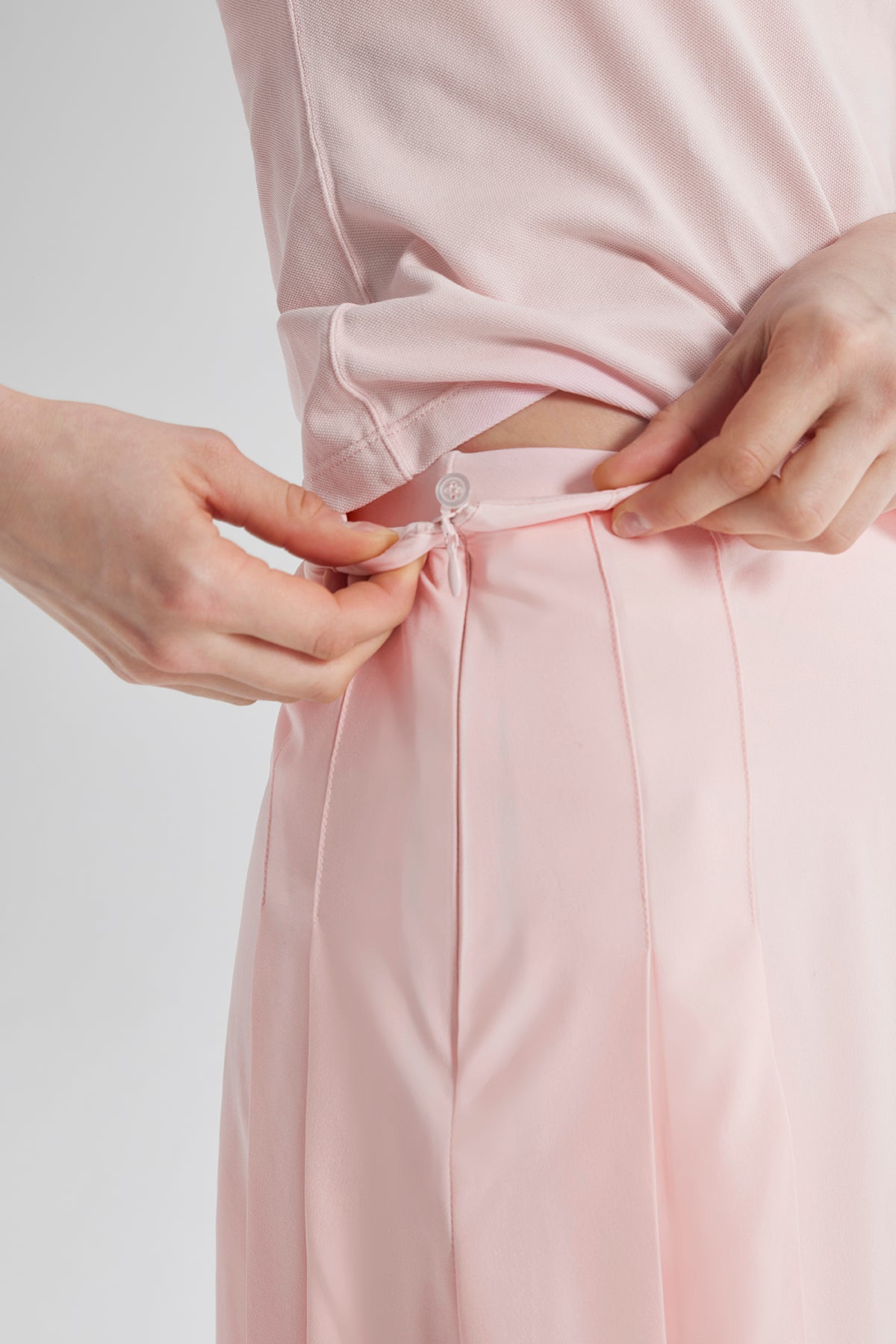
On fit: the most expensive piece in your wardrobe that doesn't quite fit will be worn less than the inexpensive piece that fits perfectly. This sounds obvious but is worth saying, because the temptation to "make it work" with a garment that almost fits is real. Minor alterations — taking in a waist, shortening a sleeve, adjusting a side seam — are usually inexpensive and can transform how a garment looks and feels.
The Bigger Picture: Style on Your Terms
All of the above tips are tools, not rules. There's a version of this conversation that turns into a long list of things you "shouldn't" wear, and that version isn't very useful. The goal of proportion and balance in dressing is to feel good in your clothes — and for some people on some days, that means wearing the body-con dress or the tight long-sleeve top even if it "emphasizes" something the style guides say to minimize.
Several women made the same point: when they stopped trying to hide their builds and started leaning into them — showing off the shoulders, the arms, the back — they got more compliments, not fewer. The athletic body type has an inherent structural quality that a lot of "traditional" fashion advice tries to disguise. It doesn't need to be disguised.
The most useful thing you can do is build a clear picture of what actually works on your specific body — not the body type category you've been assigned, but your actual proportions — and let that guide your shopping decisions. Take photos. Try things in physical stores before buying online. And invest in the occasional small alteration, because fit is everything.