








Tennis is one of the world's most beloved sports, captivating audiences across generations with its blend of power, precision, and elegance. While men's and women's tennis share the same courts, the same scoring systems, and the same fundamental rules, they have evolved into two distinct and equally compelling expressions of athletic excellence. Rather than viewing these differences as a hierarchy, we can appreciate them as two unique sports, each with its own character, beauty, and appeal — much like how classical music and jazz both belong to the world of music, yet offer entirely different experiences.
Power Versus Precision: A Tale of Two Games
One of the most immediately noticeable differences between men's and women's tennis lies in the sheer physicality of the game. Men's tennis has evolved into a sport of extraordinary raw power. Serve speeds routinely exceed 200 kilometers per hour, and groundstrokes are struck with a force that compresses the rally, often ending points in just a few exchanges. The game moves at a pace that demands lightning-fast reflexes, and the physical demands on the body are immense. It is a sport built around explosive bursts of energy, where the serve itself can be a decisive weapon capable of ending a point before it truly begins.
Women's tennis, by contrast, has cultivated a game of greater sustained rally play, tactical intelligence, and technical finesse. With slightly lower serve speeds, points tend to develop through longer exchanges, rewarding consistency, court craft, and mental sharpness. Watching a women's match often feels like observing a finely choreographed chess match, where positioning, spin variation, and psychological resilience determine the outcome as much as raw athleticism. The result is a style of play that many fans find more accessible and, in many ways, more aesthetically pleasing to watch.
Format & Structure: Different Demands on the Body
The structural differences between the two formats further reflect how each game has been shaped around its athletes.
Men's matches
Men's Grand Slam matches are contested over best-of-five sets, while women's Grand Slam matches are played over best-of-three. This distinction is not merely a logistical convenience — it fundamentally changes the nature of the contest. Men's matches demand extraordinary endurance over potentially five hours or more of intense physical combat, testing the body's ability to sustain peak performance across multiple sets of grueling play.
Women's matches
Women's matches, while shorter in potential duration, are no less demanding. The three-set format places enormous pressure on every game and every point, leaving little room for error or complacency. Comebacks must happen quickly, and momentum shifts carry even greater weight. The condensed format can produce some of the most dramatic and emotionally charged moments in all of sport, where a single break of serve can completely reshape the trajectory of a match.
The Language of Clothing: Expression on the Court
Perhaps one of the most visually striking and culturally rich differences between men's and women's tennis is found in the clothing worn on court. Tennis attire is far more than mere practicality — it is a form of expression, identity, and even artistry, and the traditions and innovations in dress differ meaningfully between the two sides of the sport.
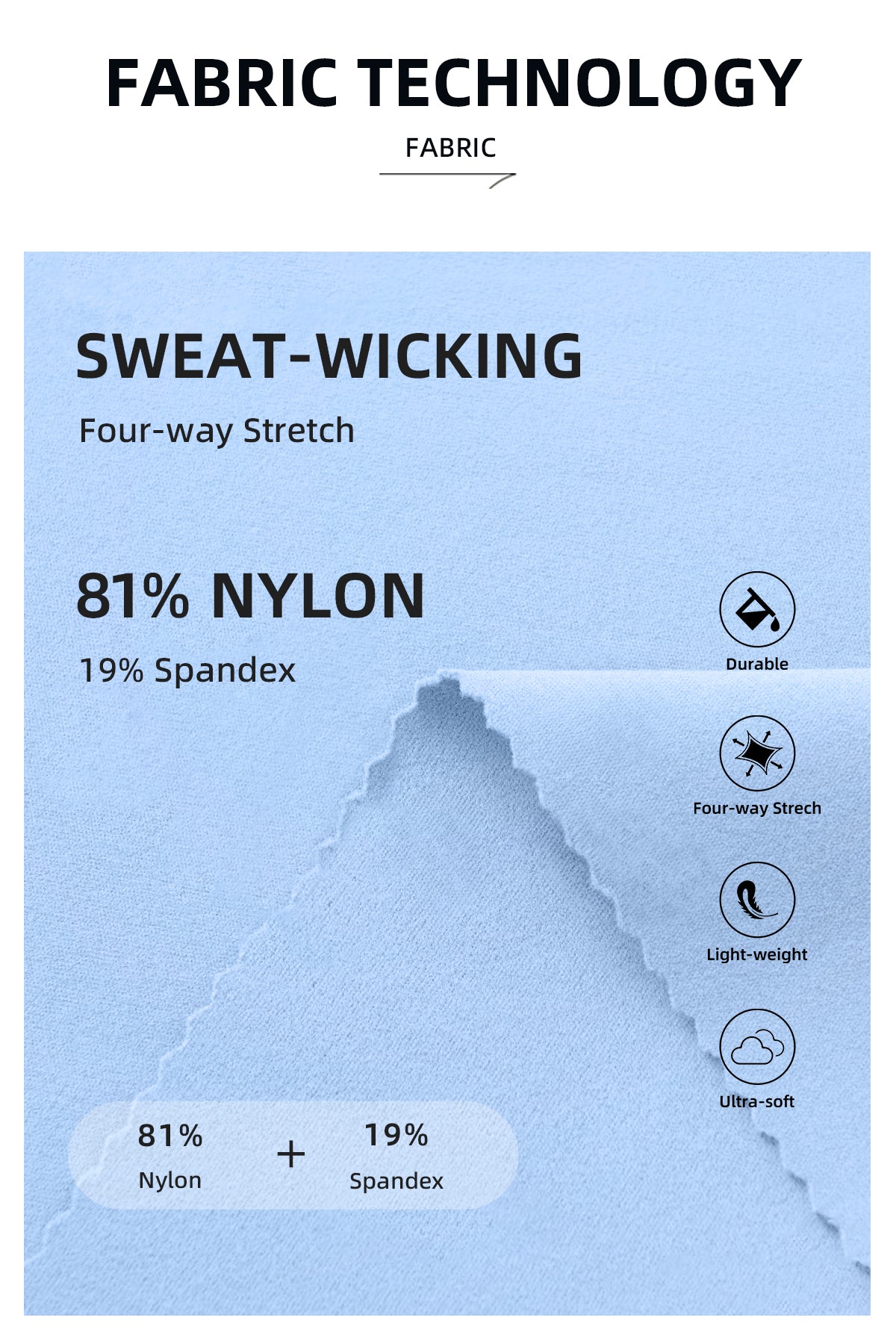
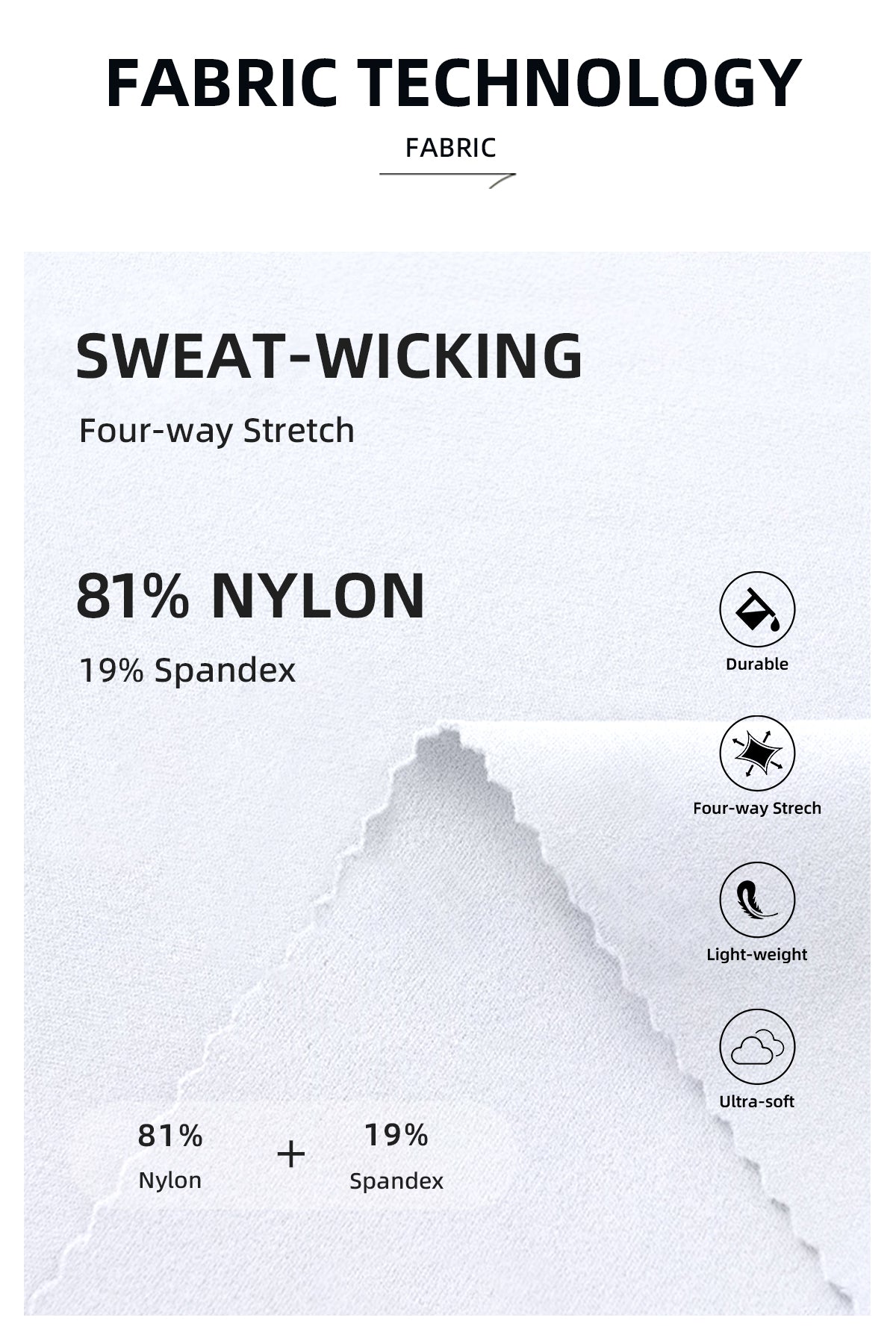
Men's tennis attire has historically adhered to a relatively clean and straightforward aesthetic. Polo shirts or athletic tops paired with shorts form the standard uniform, with the primary variables being color, fabric technology, and brand identity. The clothing prioritizes freedom of movement and moisture management, designed to support the explosive, full-body demands of the game. In recent years, men's tennis fashion has become increasingly bold in its use of color and design, with vibrant patterns and striking color combinations replacing the more muted palettes of earlier eras. Yet the fundamental silhouette remains consistent: practical, streamlined, and athletic.

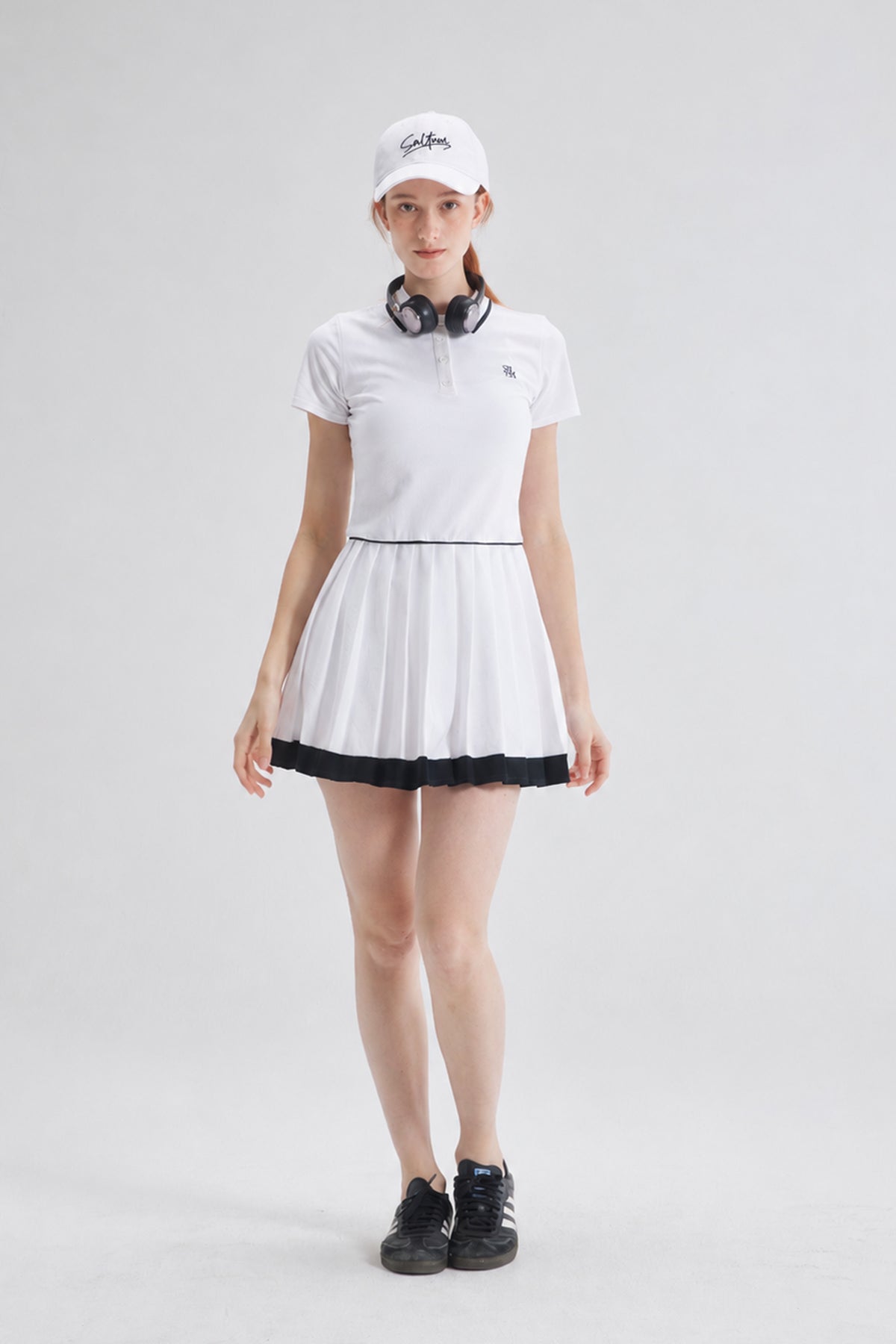
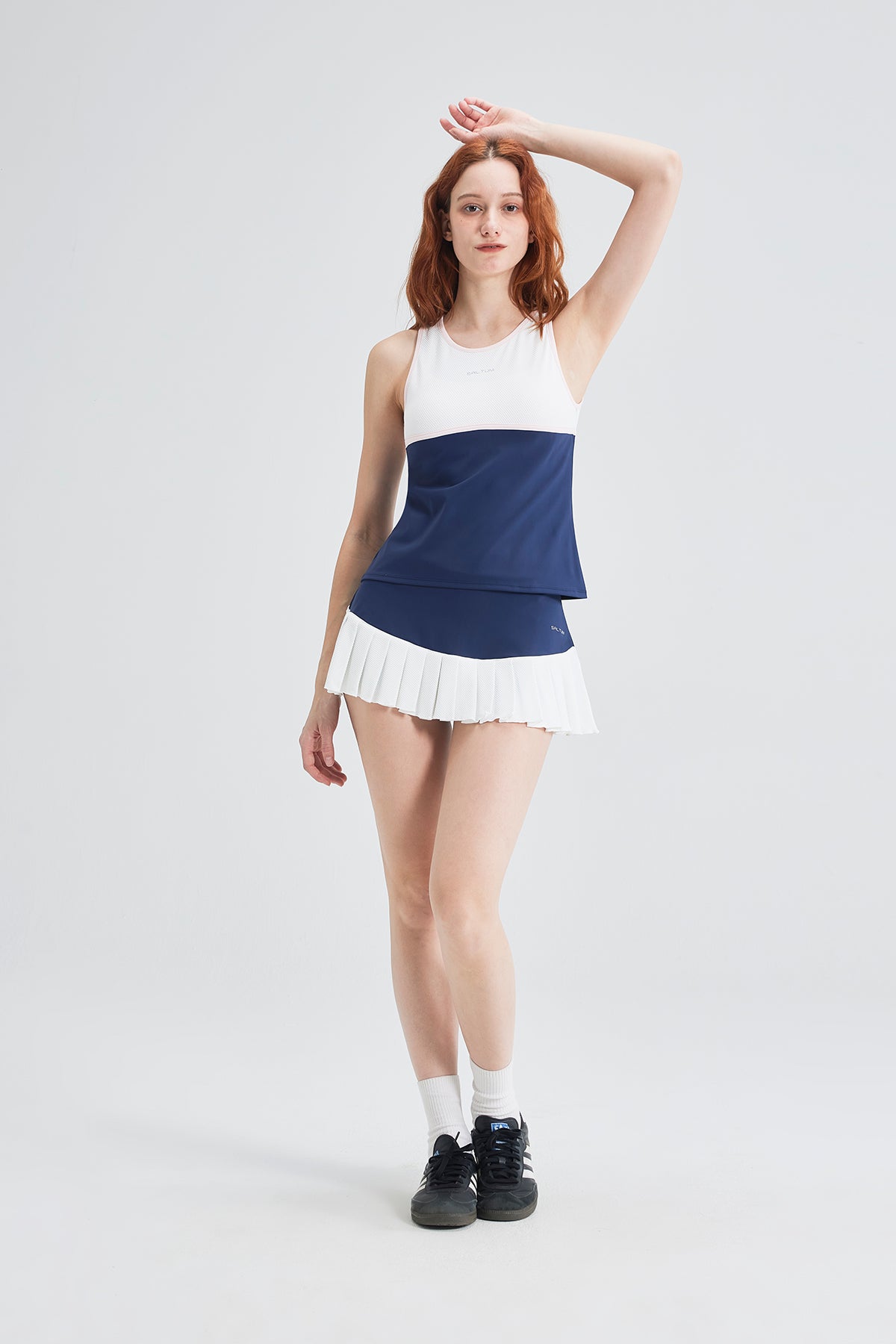
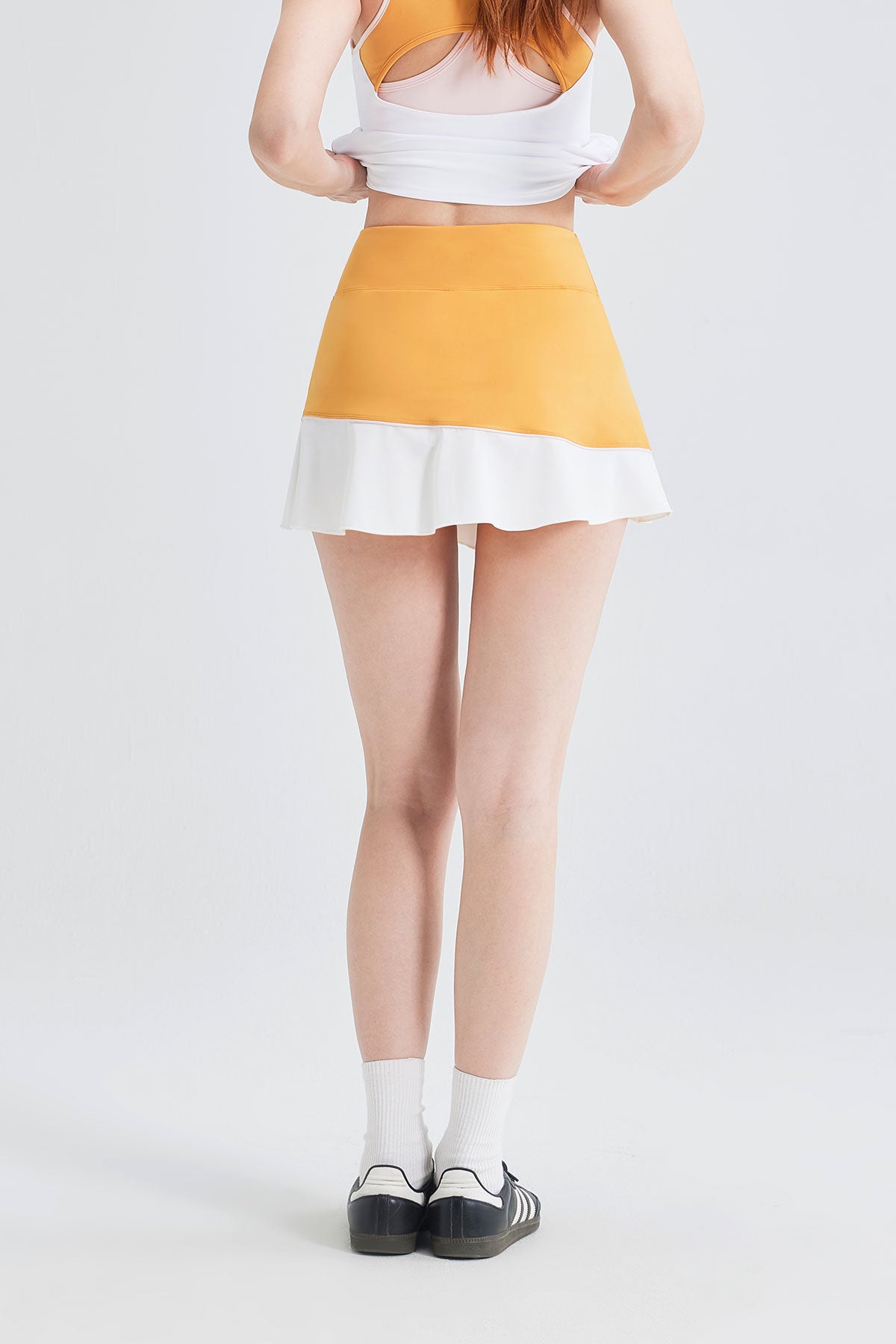
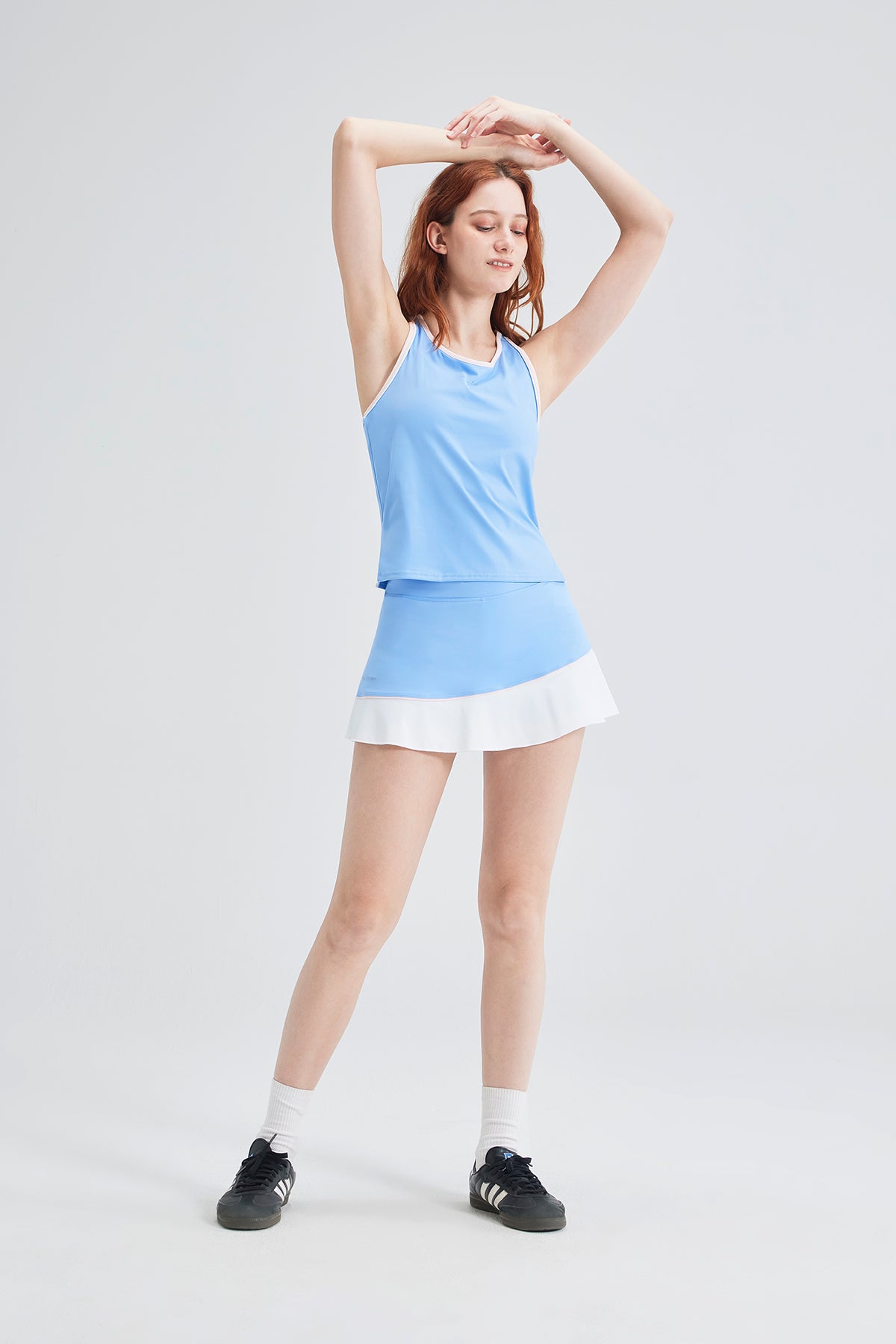
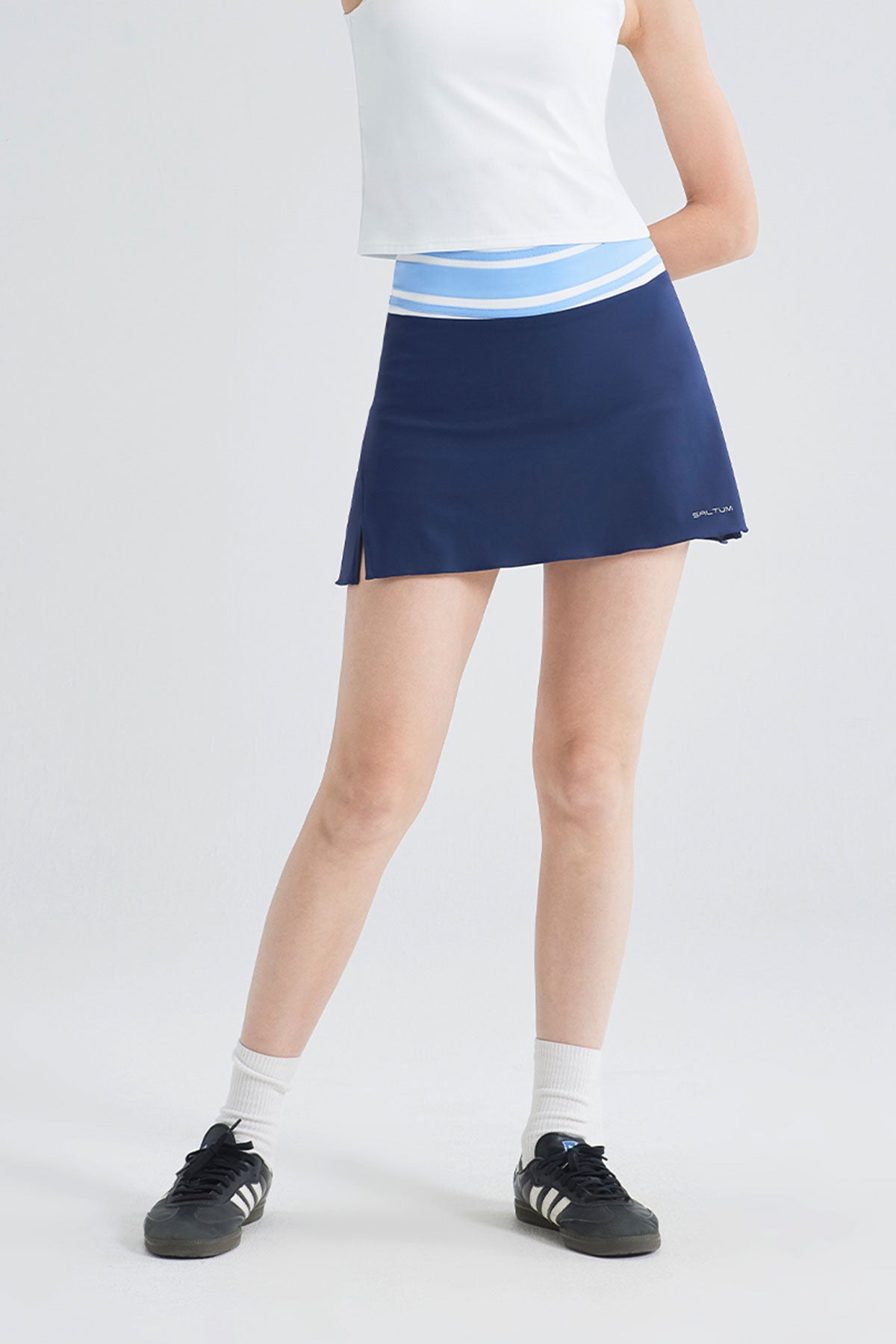
Tennis dress for women
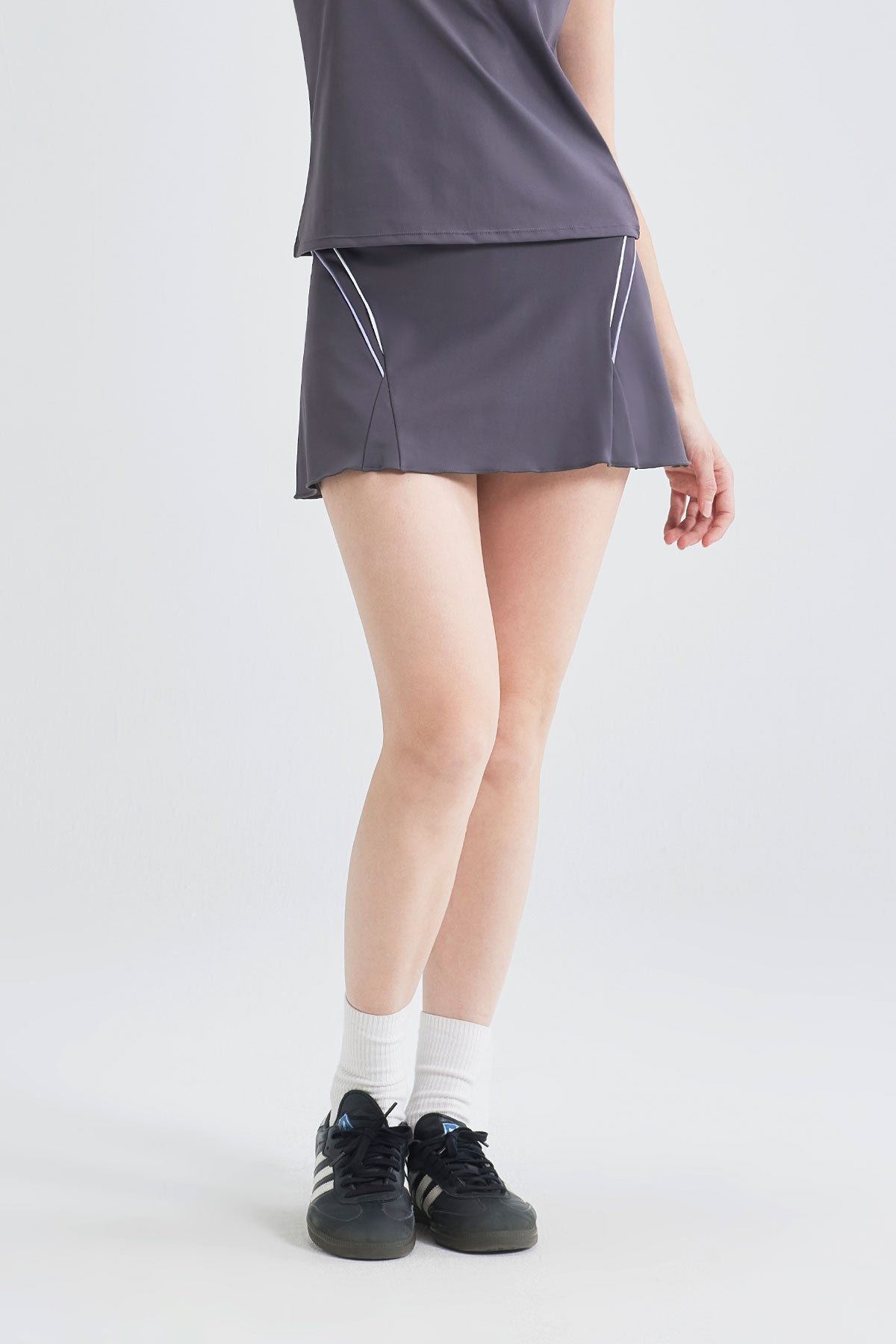
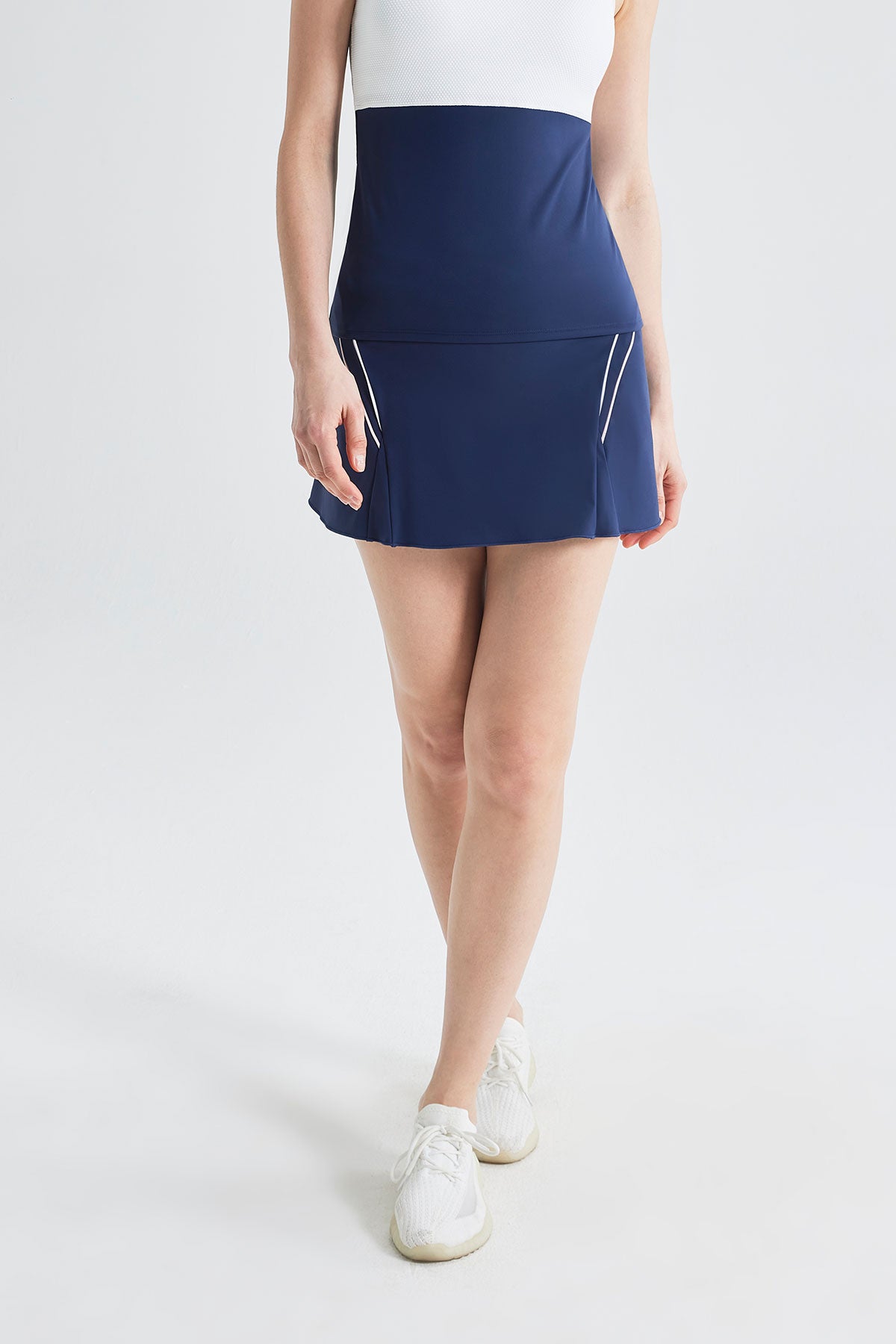
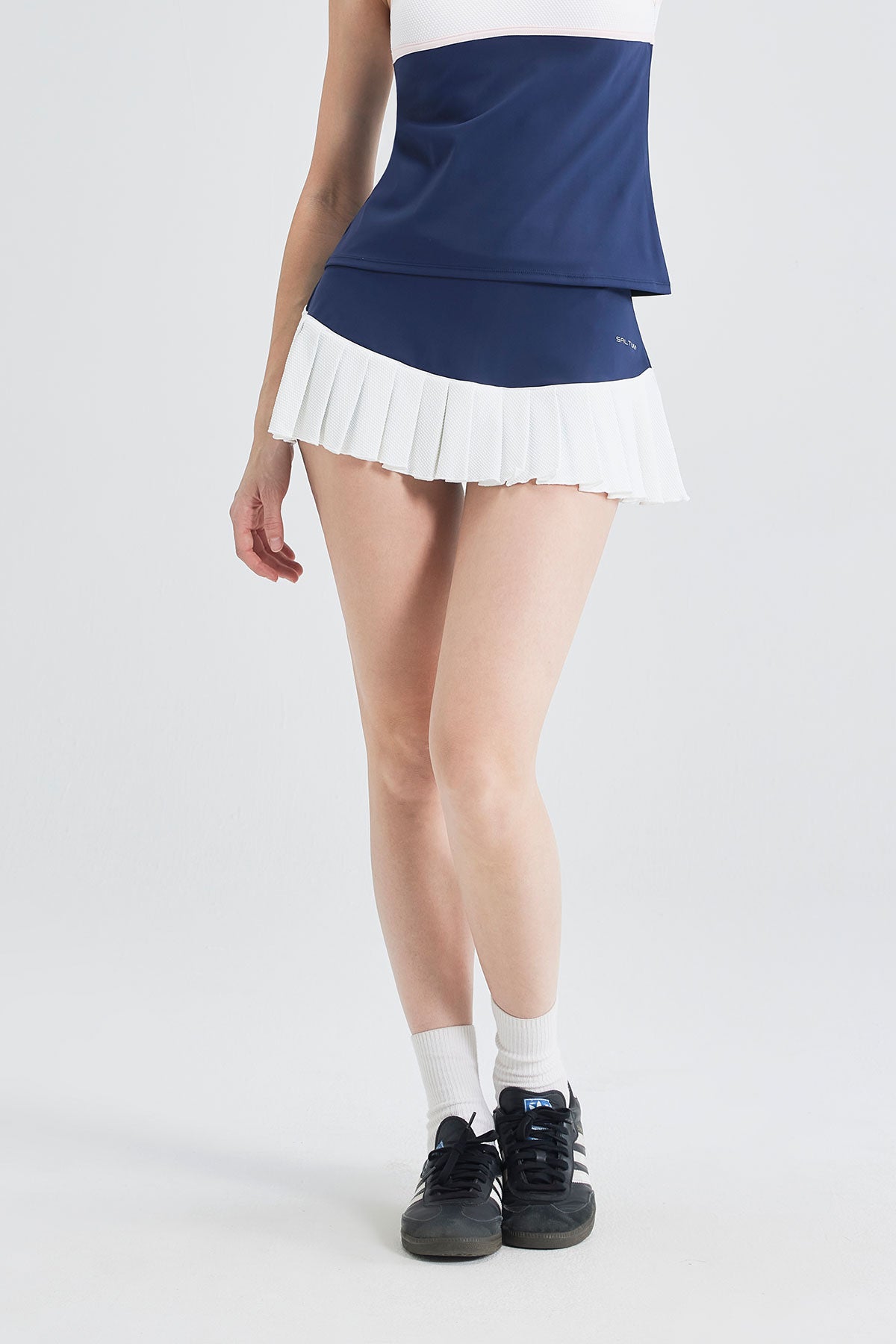
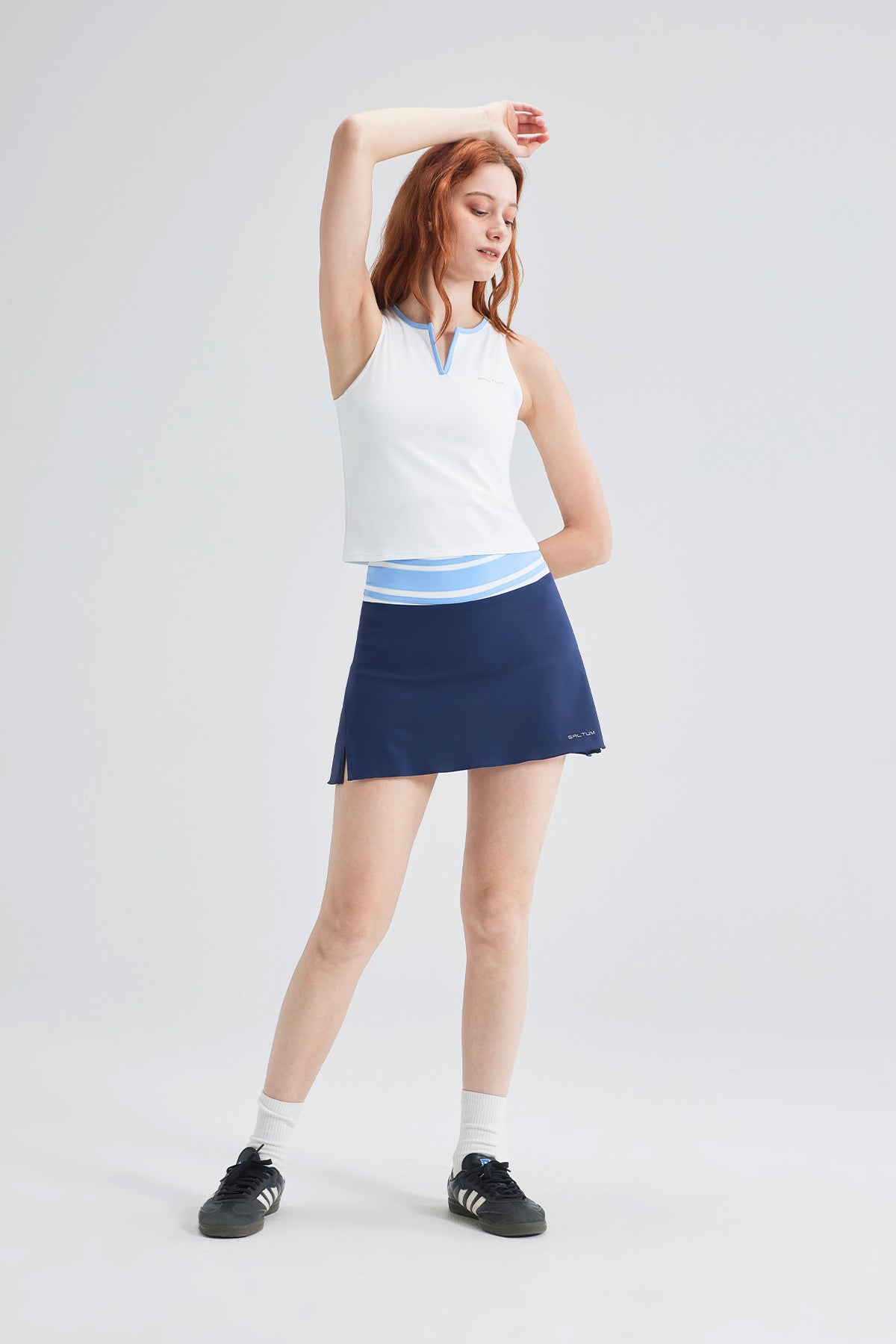
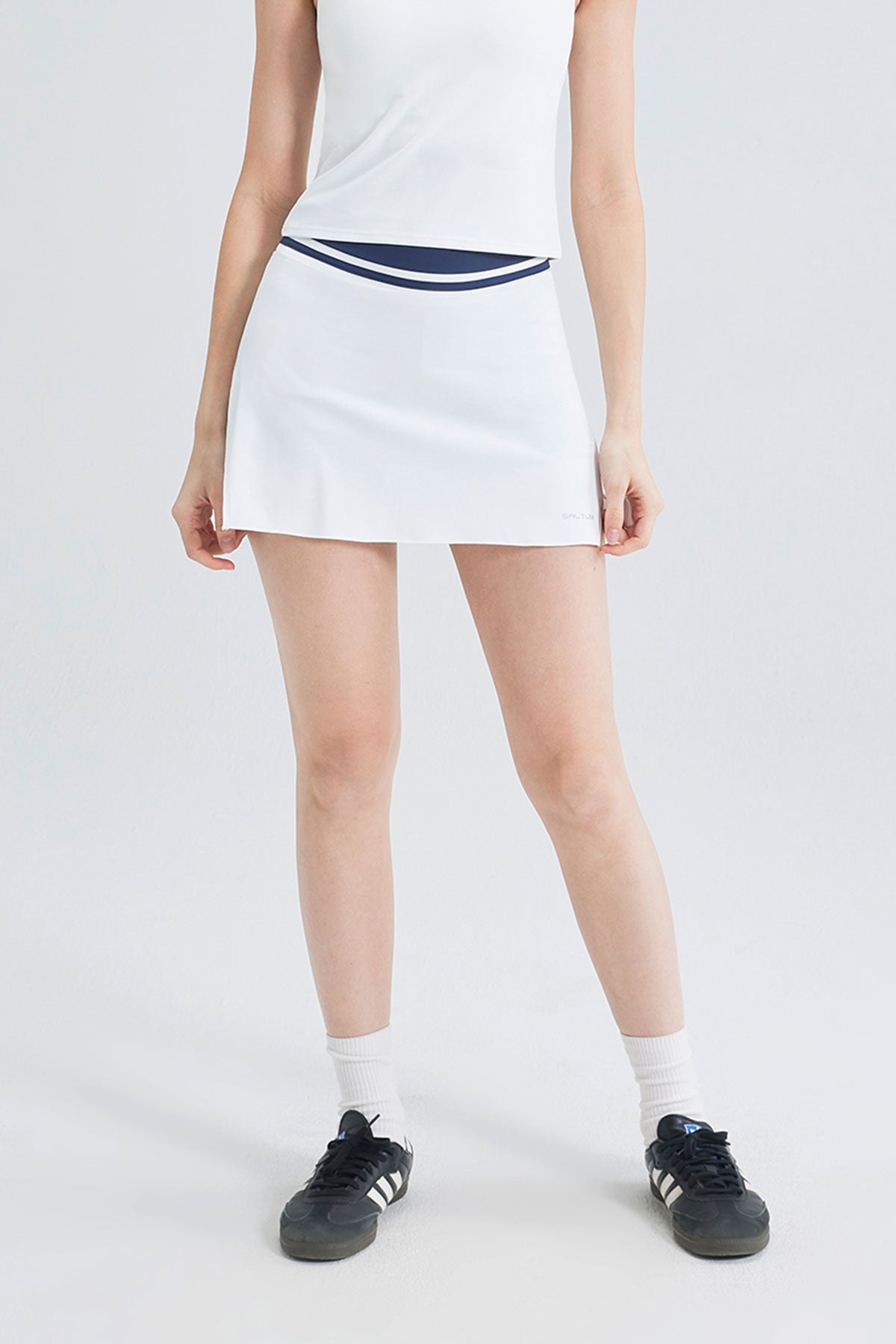
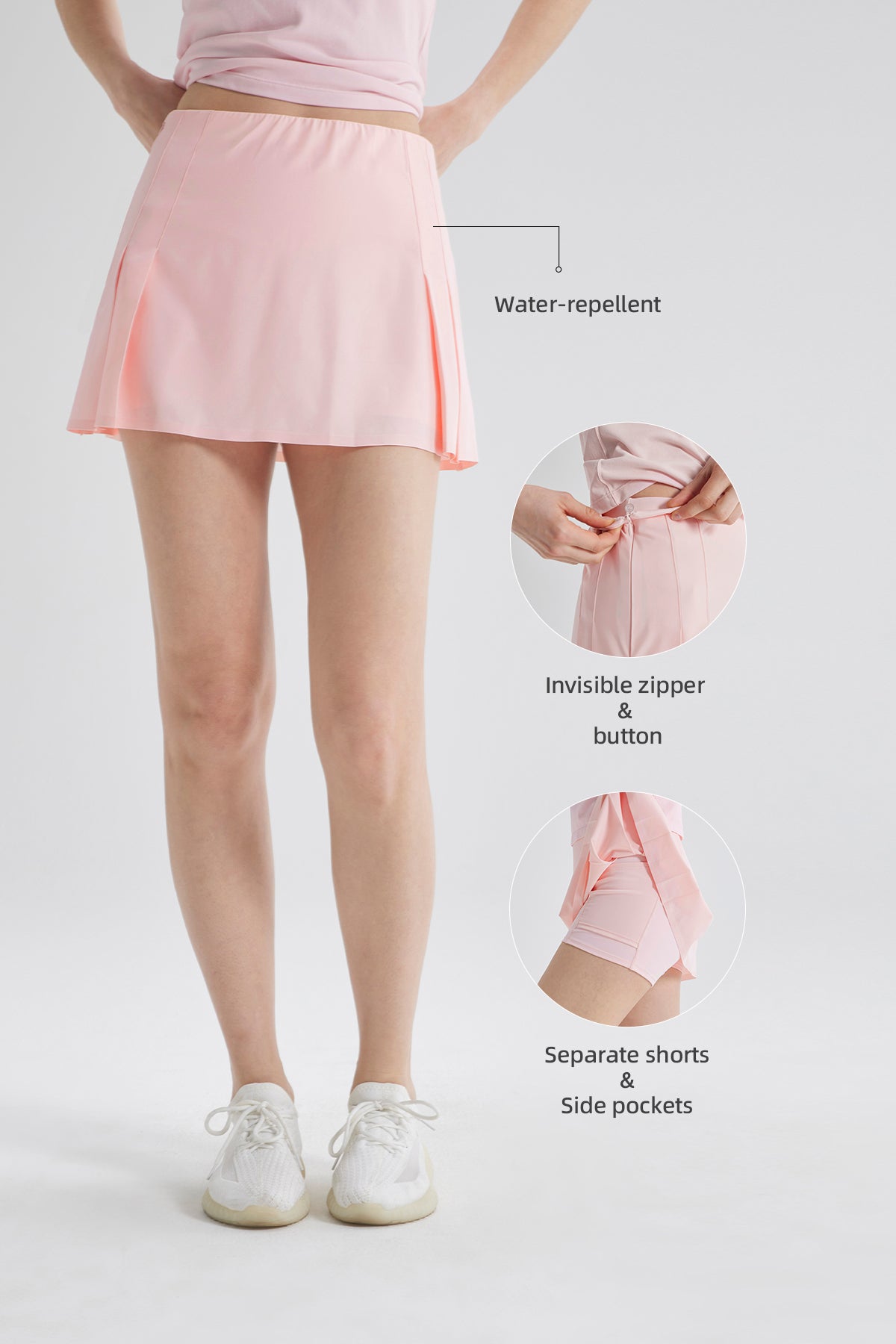
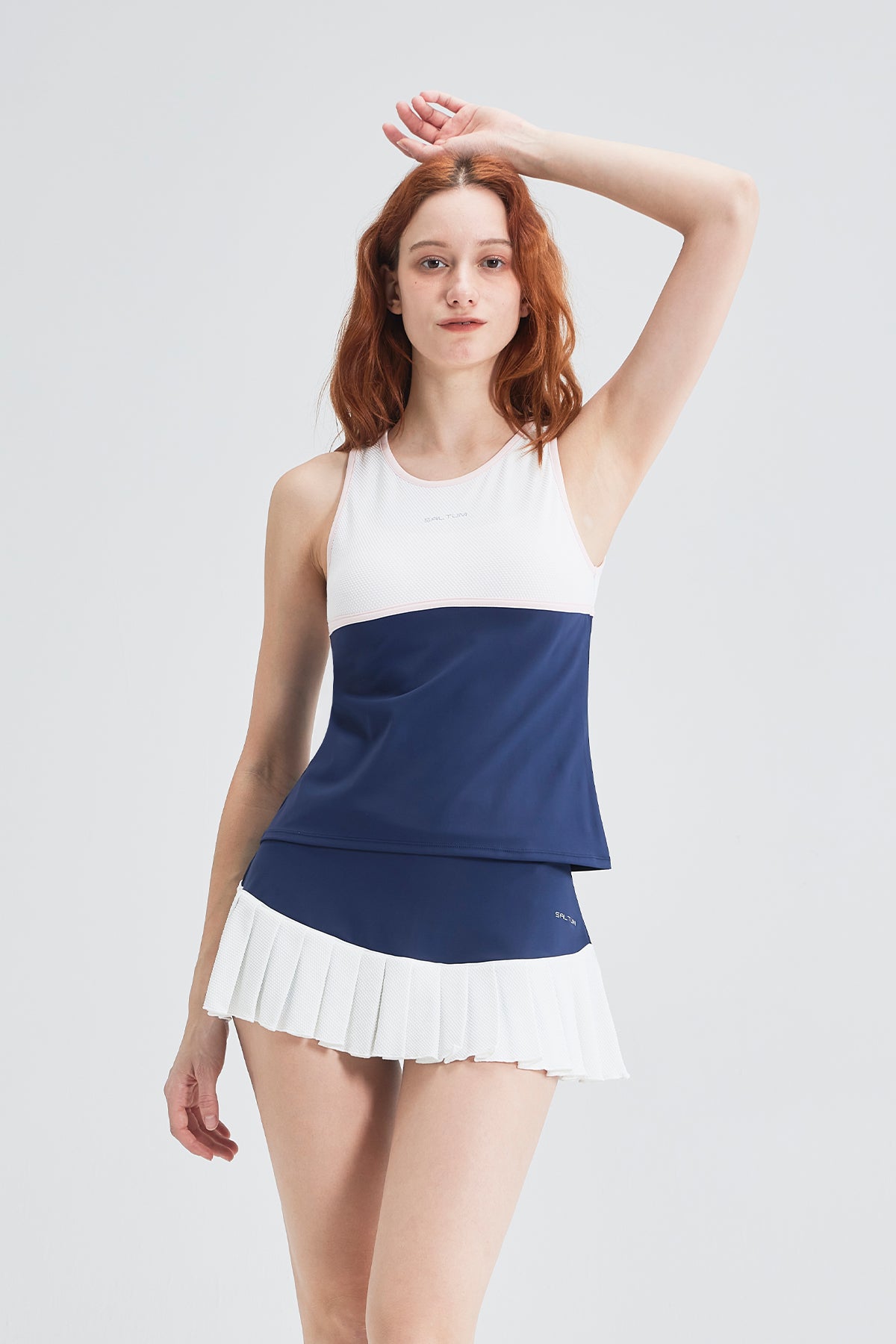
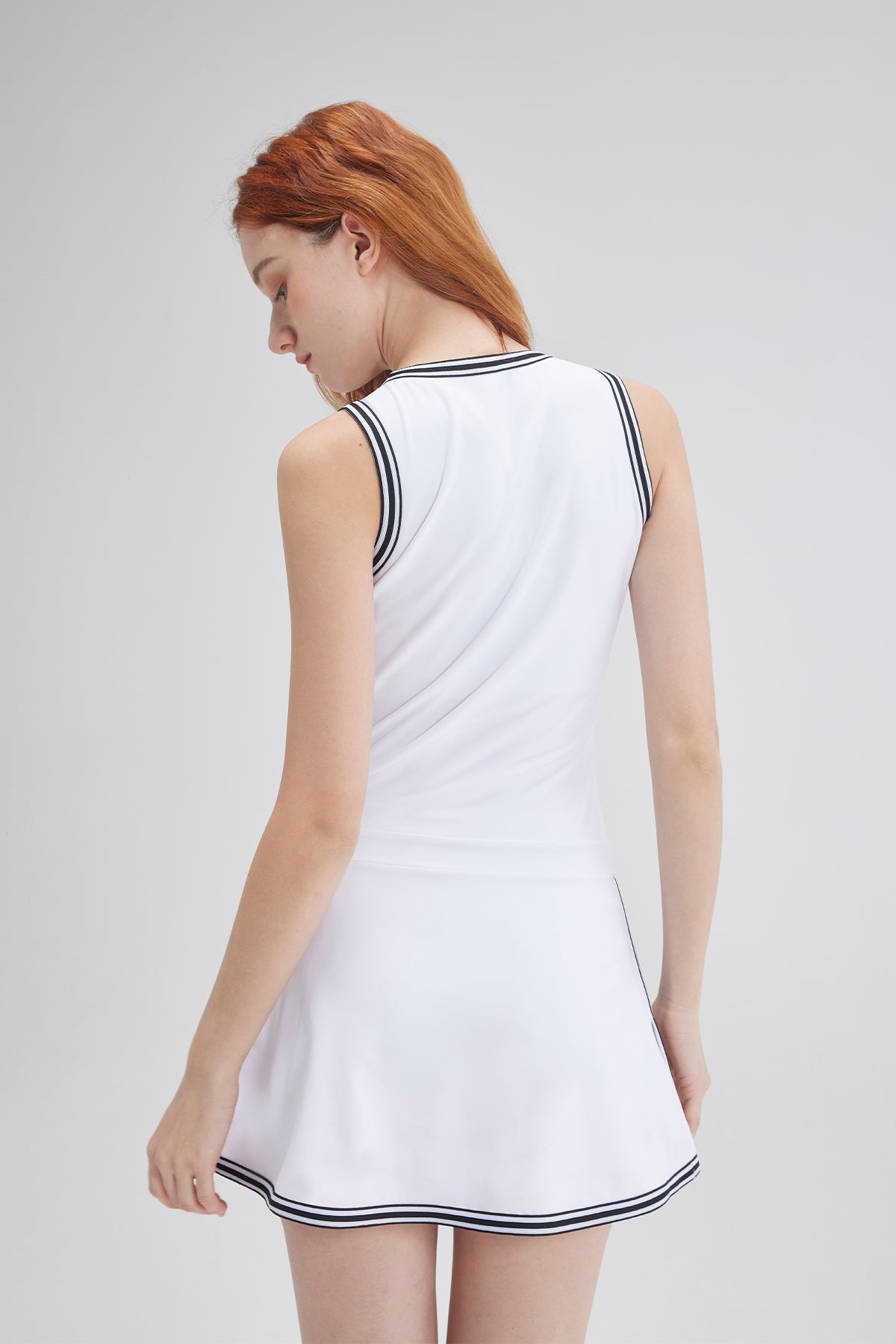
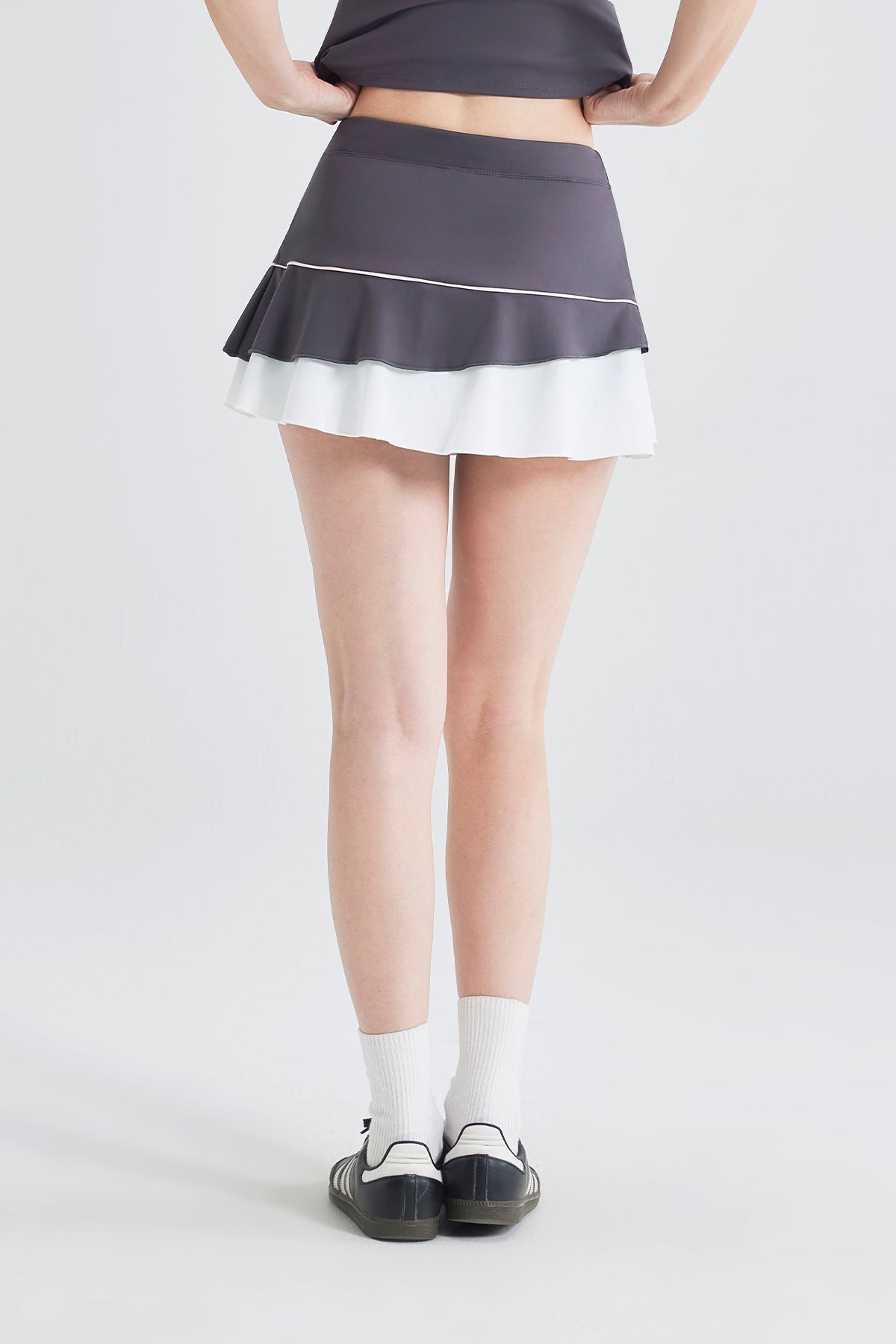
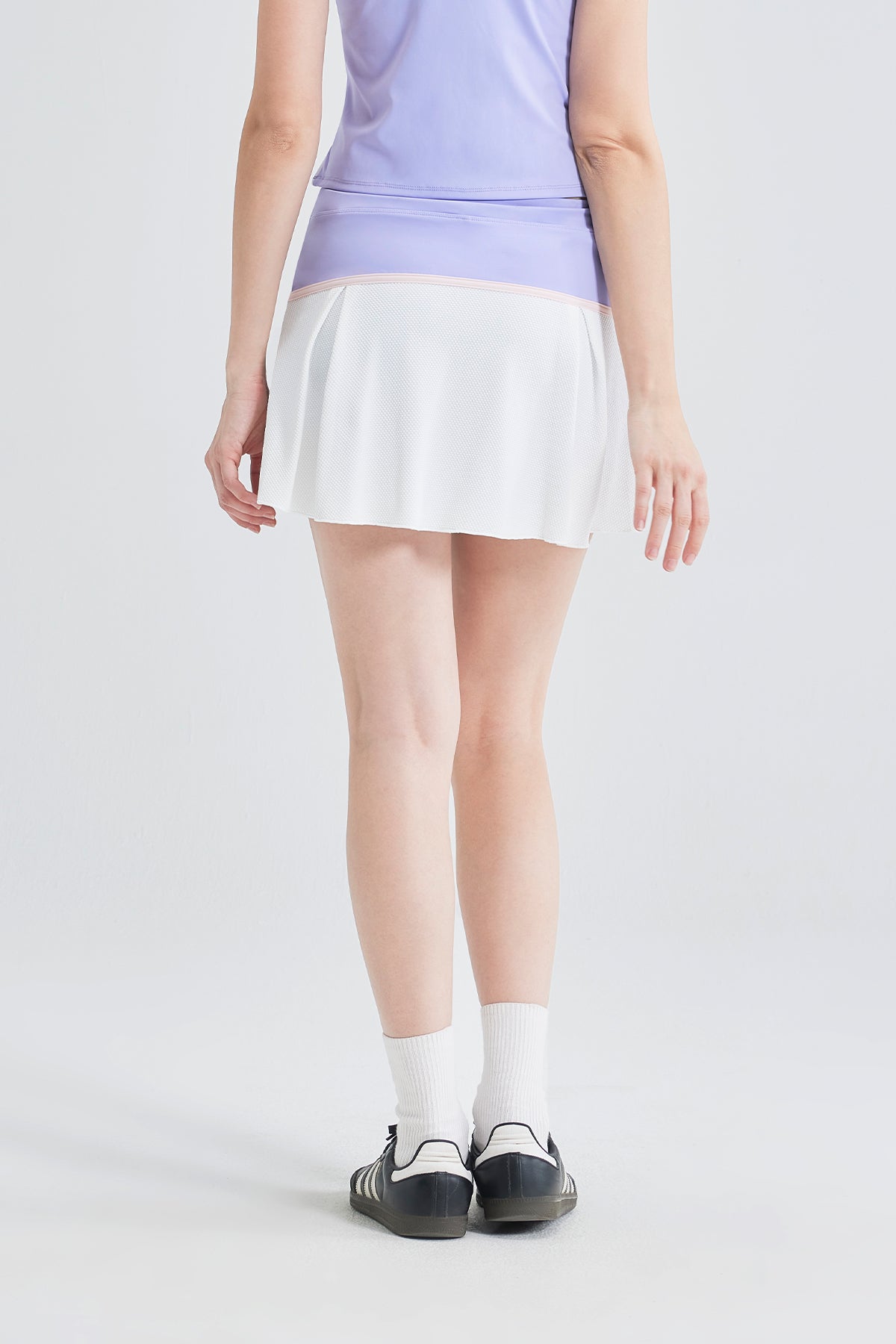
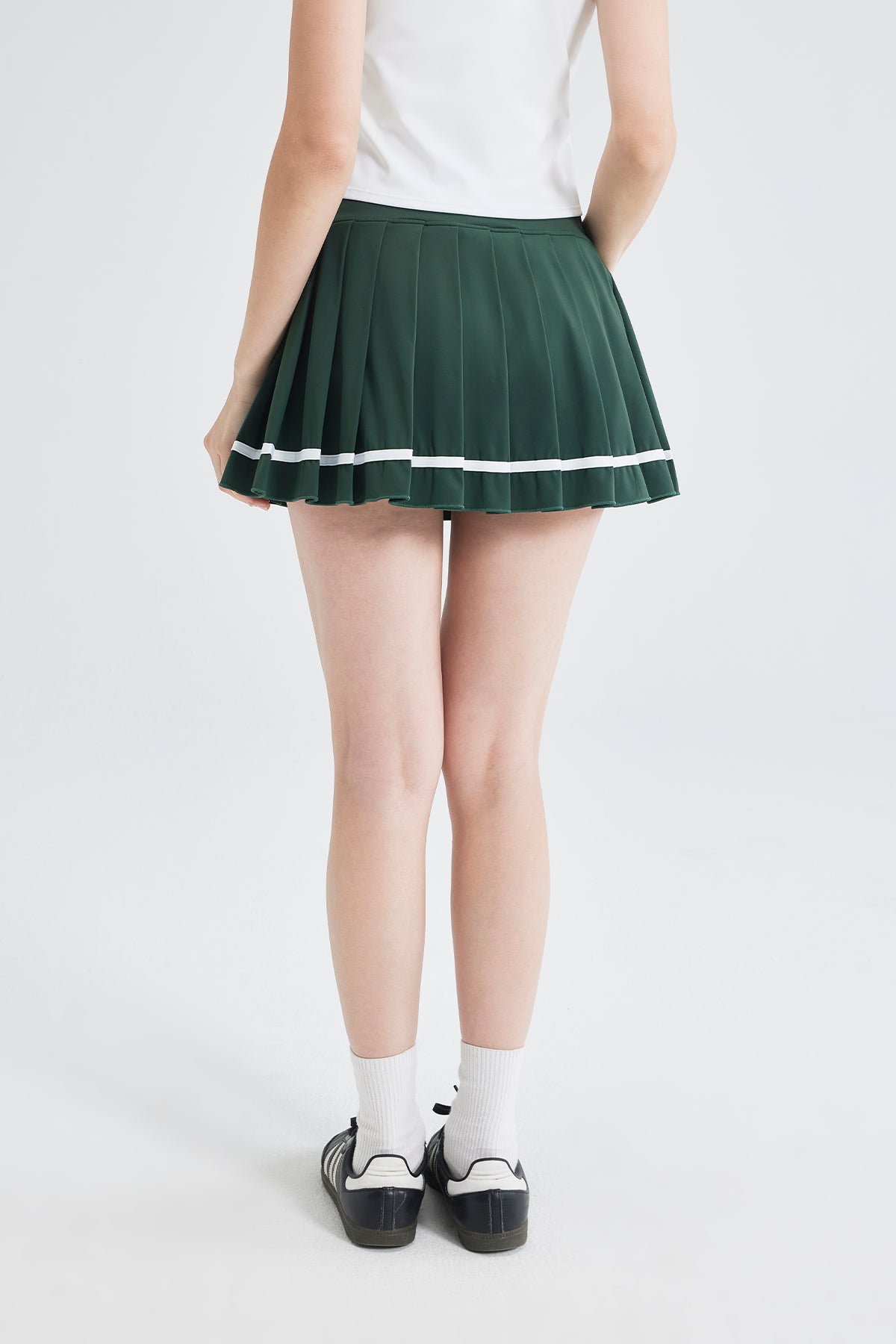
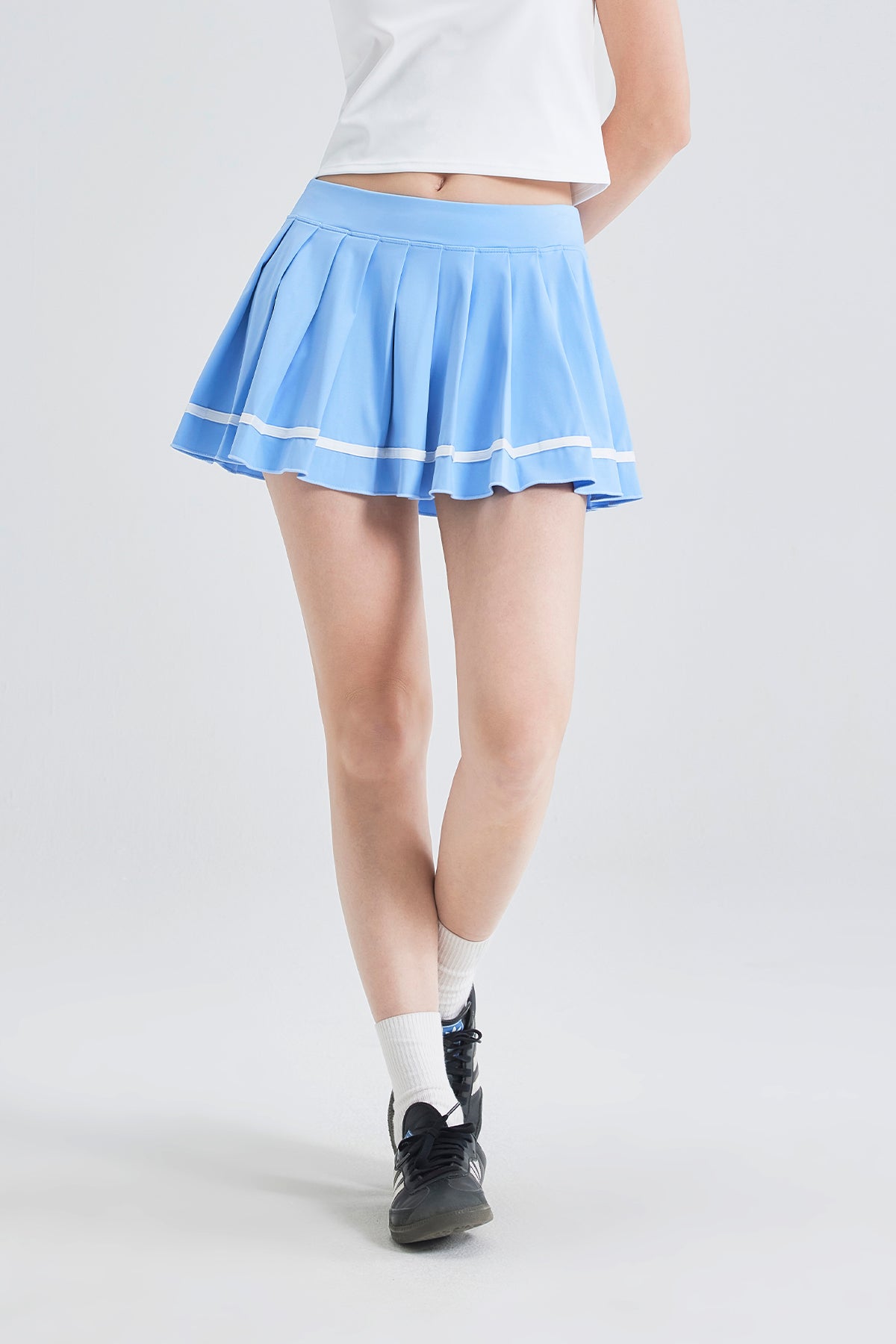
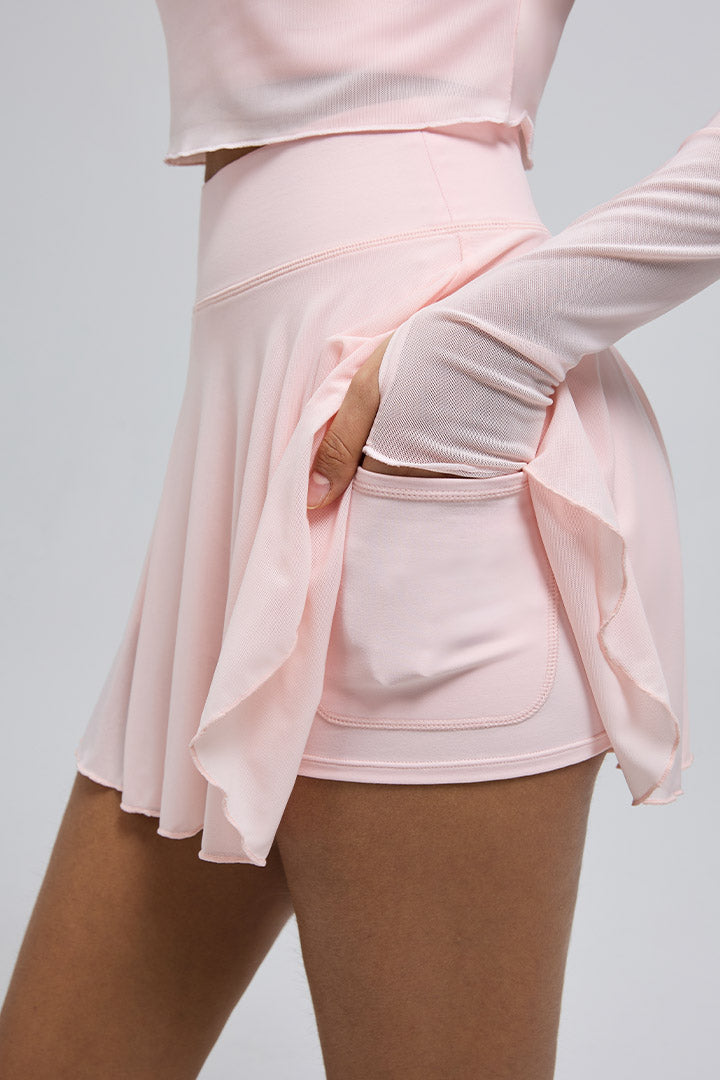
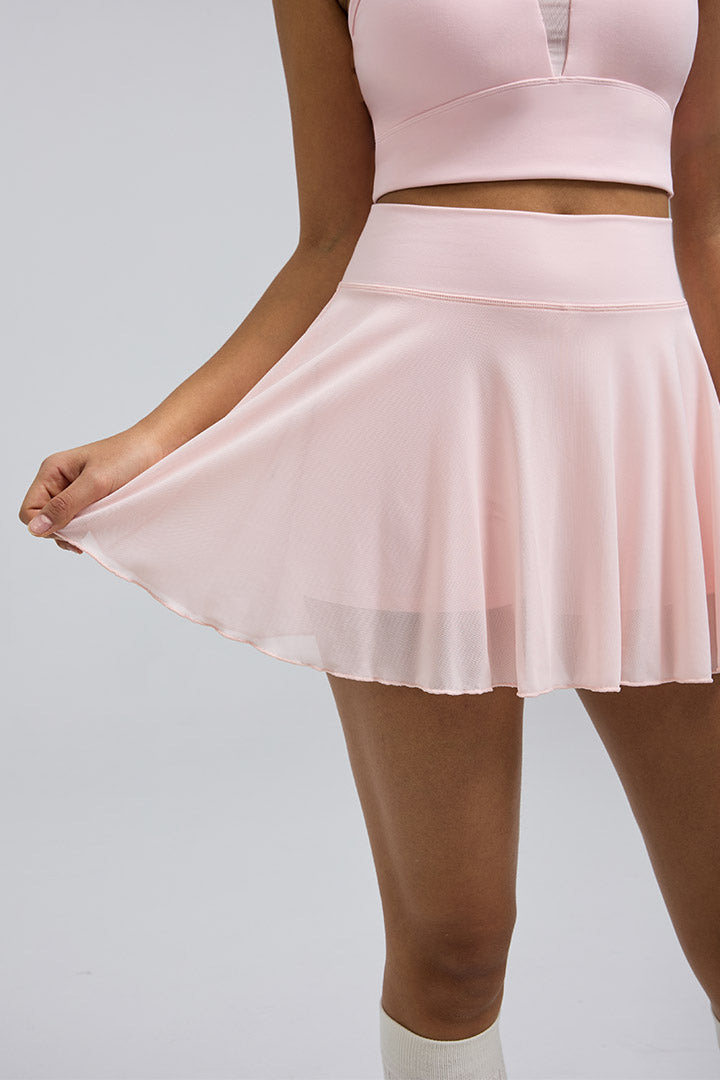
Women's tennis clothing, on the other hand, has a far more varied and expressive tradition. The sport has seen everything from the iconic all-white pleated skirts of the early 20th century to the dramatic and fashion-forward ensembles that grace the courts of major tournaments today. Women tennis players frequently wear dresses, skirts paired with fitted tops, or custom-designed outfits that blur the line between athletic wear and haute couture. The court becomes, in a sense, a runway — a place where athletic performance and personal style intersect in a way that is unique among major sports.
This tradition of expressive dressing in women's tennis has had a profound cultural impact. Major tournaments have seen collaborations between top tennis players and leading fashion designers, producing outfits that generate as much conversation as the matches themselves. The clothing tells a story of individuality, confidence, and the freedom to express one's personality even in the heat of competition. Far from being a distraction from athletic performance, this expressiveness has become a celebrated part of the women's game's identity, drawing in audiences who appreciate both sport and style.
The practical implications of clothing differences also subtly influence the visual experience of watching each game. The flowing movement of a tennis dress or skirt during a rally adds a visual dynamism that complements the grace and athleticism of women's play. The way fabric moves in harmony with the athlete's body during a volley, a sprint to the baseline, or an overhead smash creates a sense of choreographic beauty that is genuinely distinctive to the women's game.


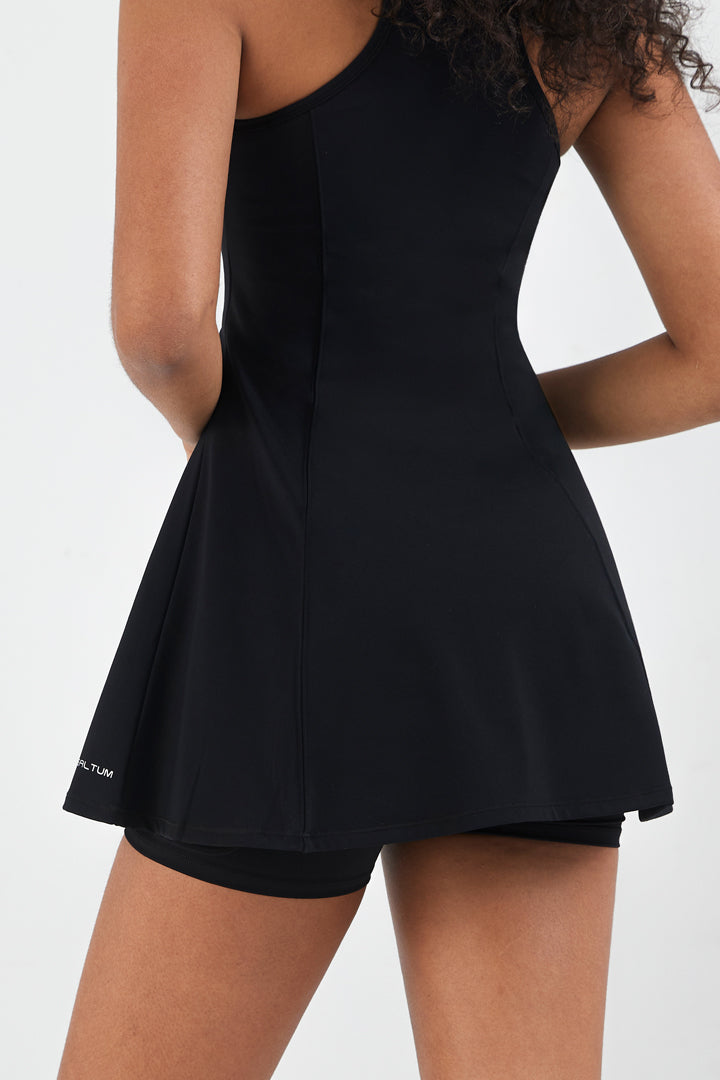
Saltum Sports Dress for Tennis
Designed as a single piece, the tennis dress eliminates the visual break at the waist, creating a cleaner, more fluid line that moves with remarkable elegance during play. This unbroken silhouette has made the tennis dress a perennial favorite among players who want their clothing to feel as effortless and cohesive as their game.
Two Sports, One Beautiful World
Ultimately, the differences between men's and women's tennis — in power, format, style of play, and clothing — are not divisions but dimensions. They enrich the sport as a whole, offering fans two different kinds of brilliance to admire and enjoy. Men's tennis thrills with its raw speed and power. Women's tennis enchants with its tactical depth, emotional intensity, and expressive elegance.
Both are extraordinary. Both deserve celebration. And together, they make tennis one of the most complete and endlessly fascinating sports in the world.