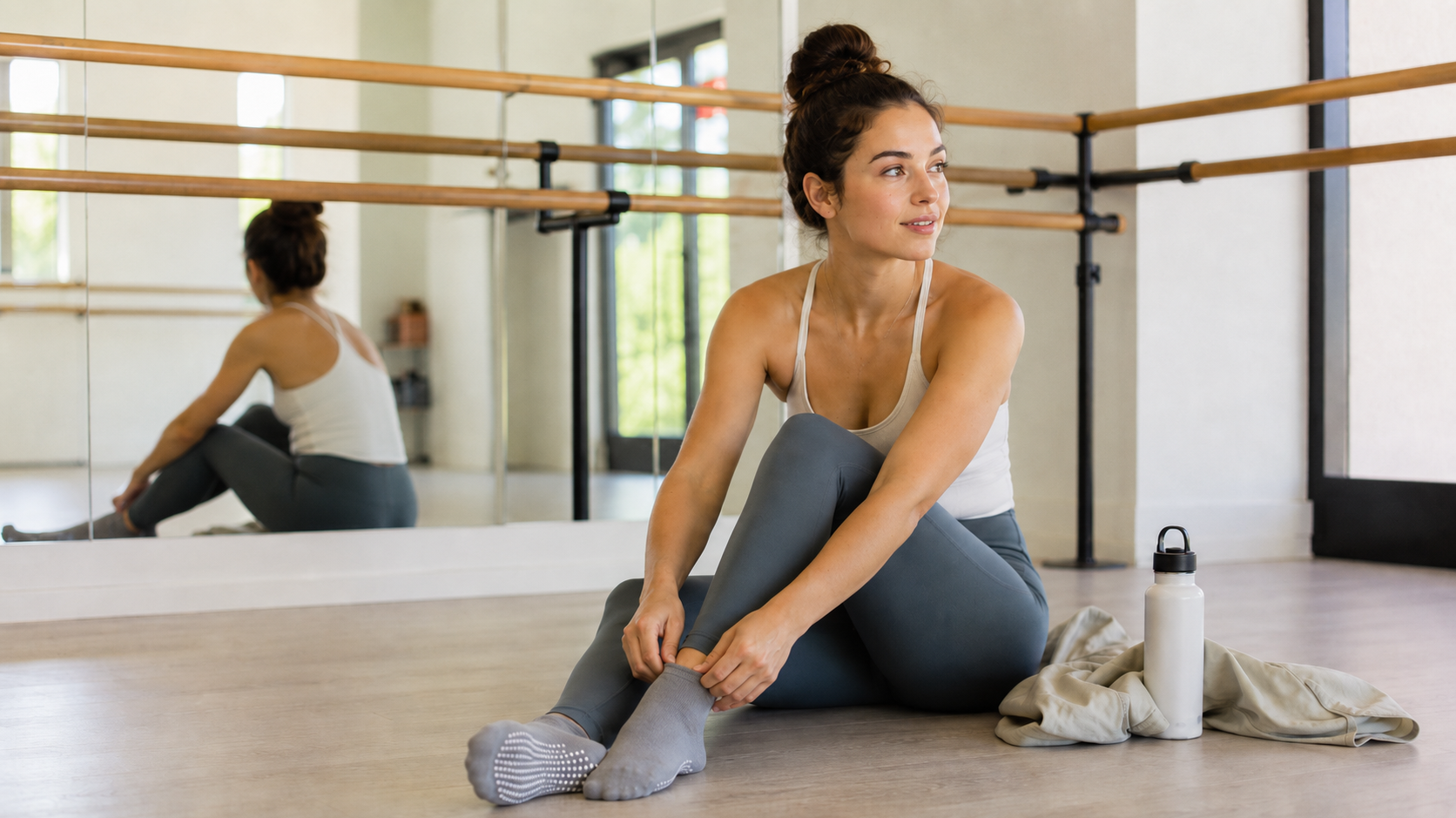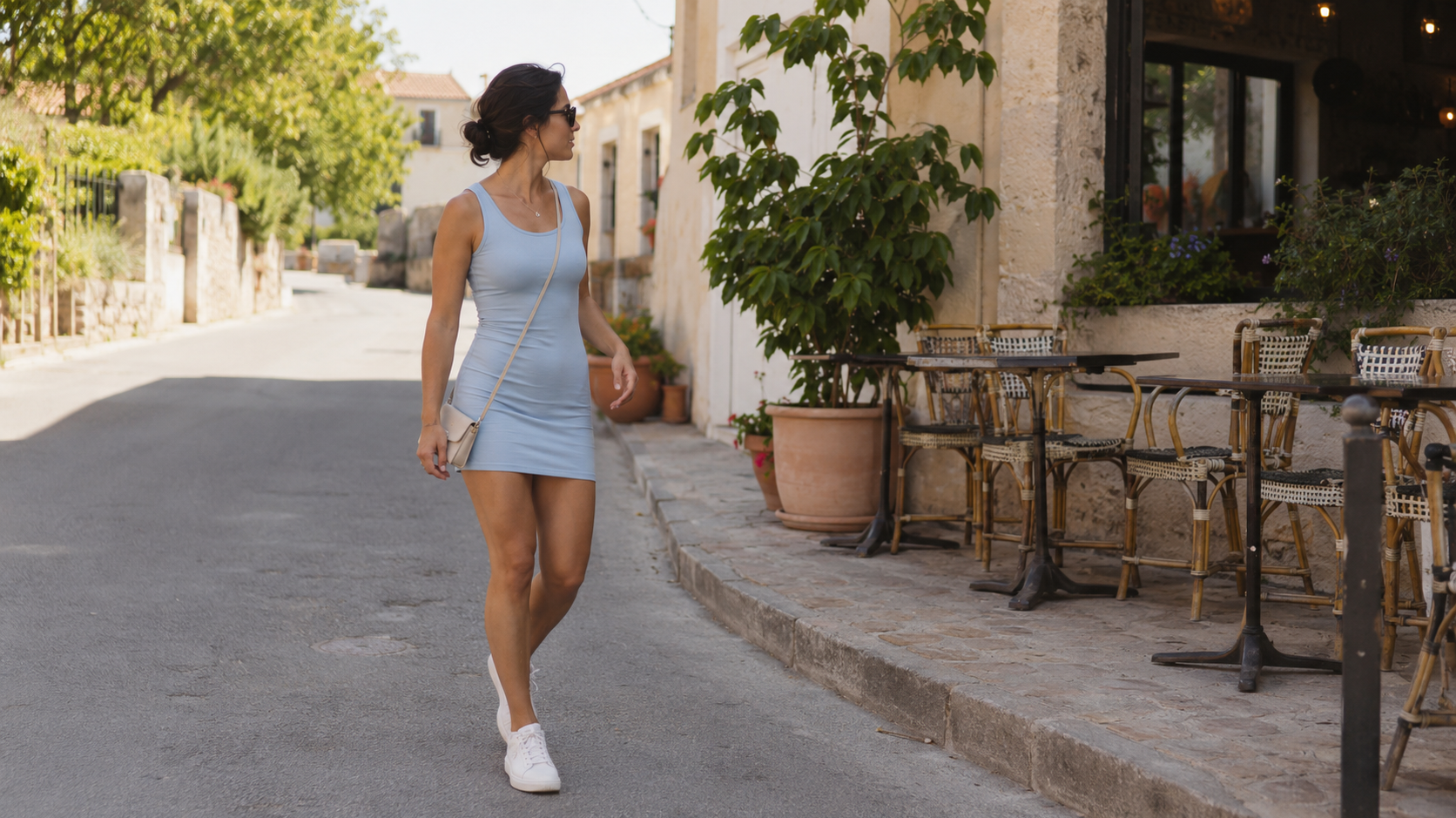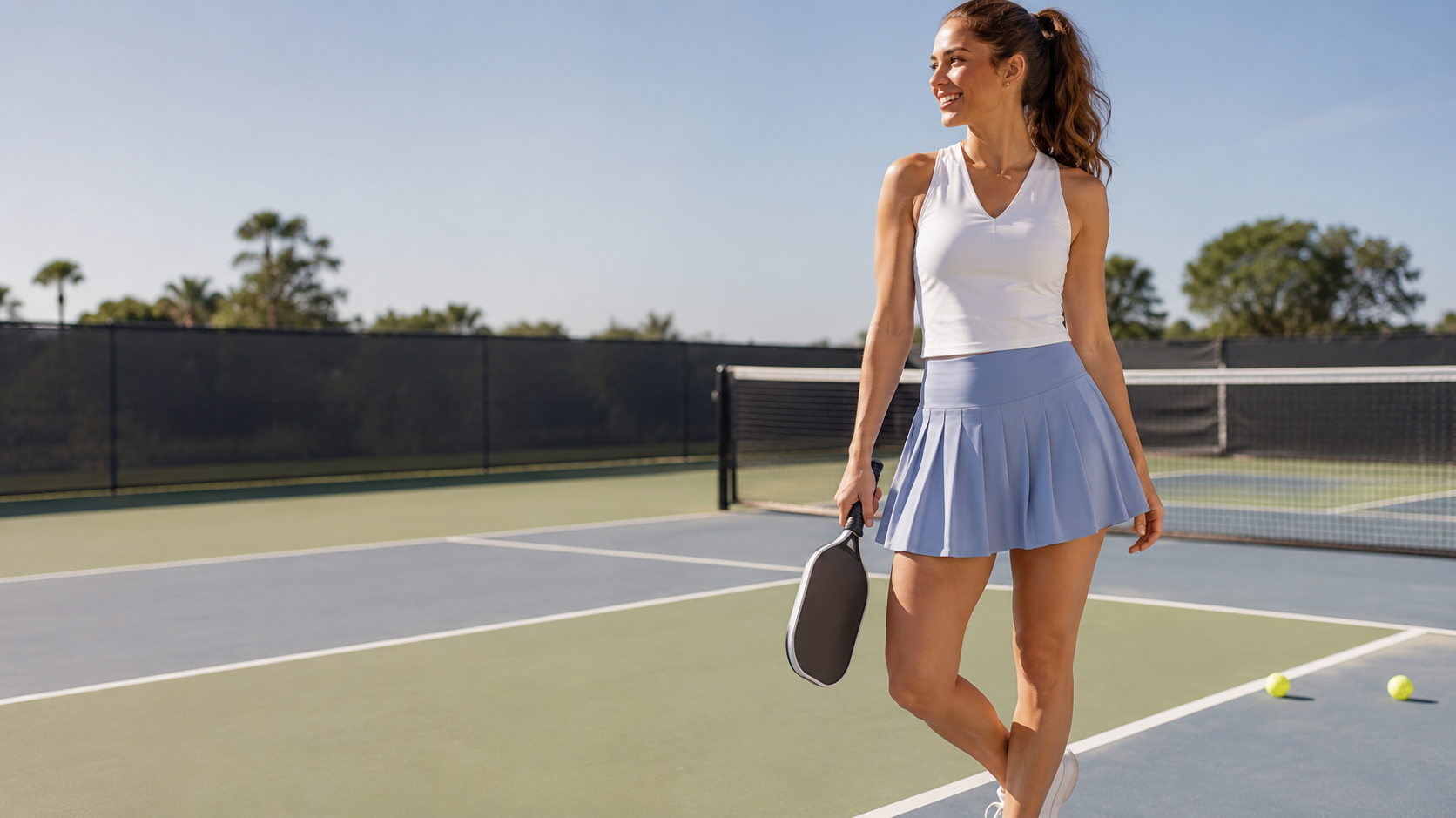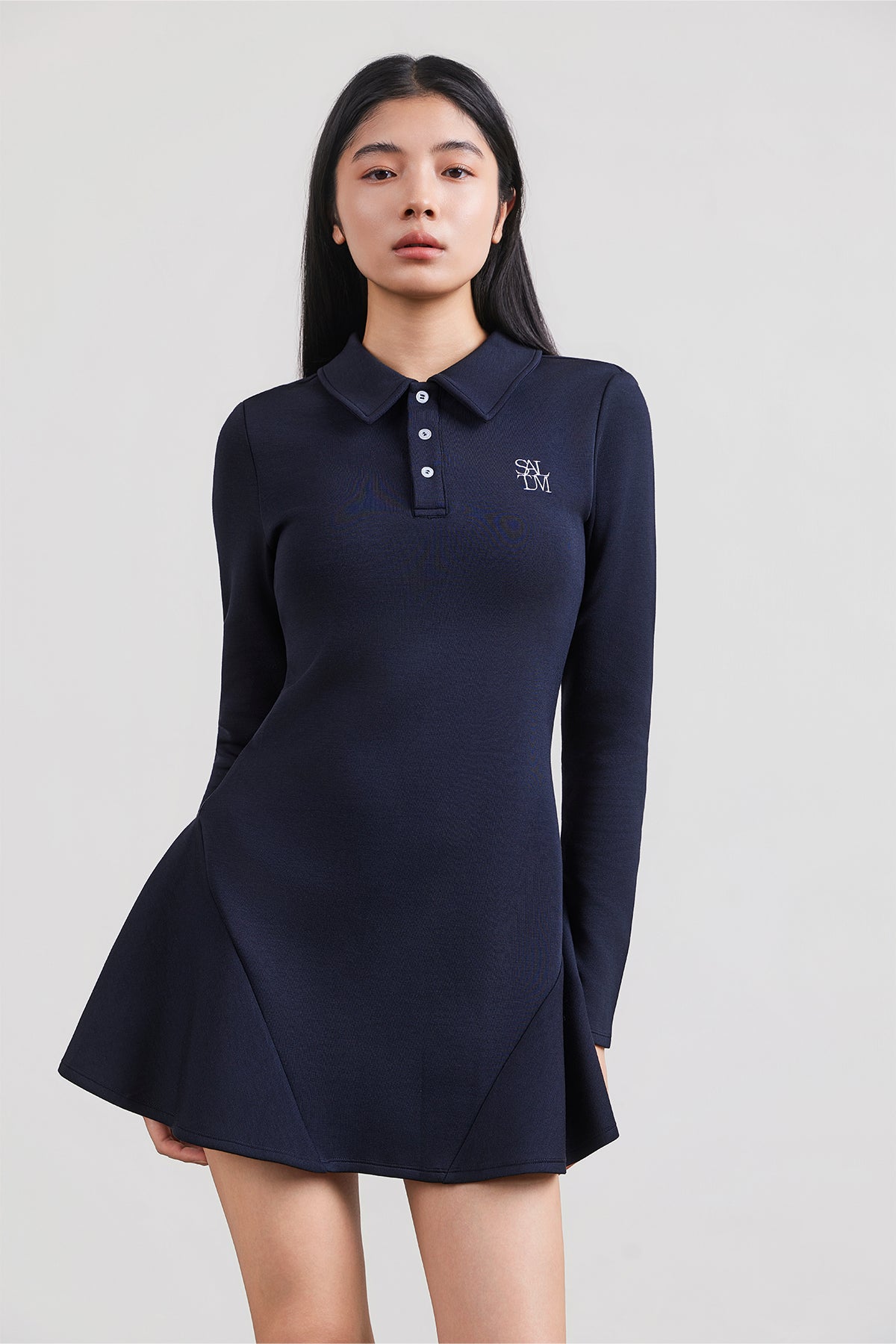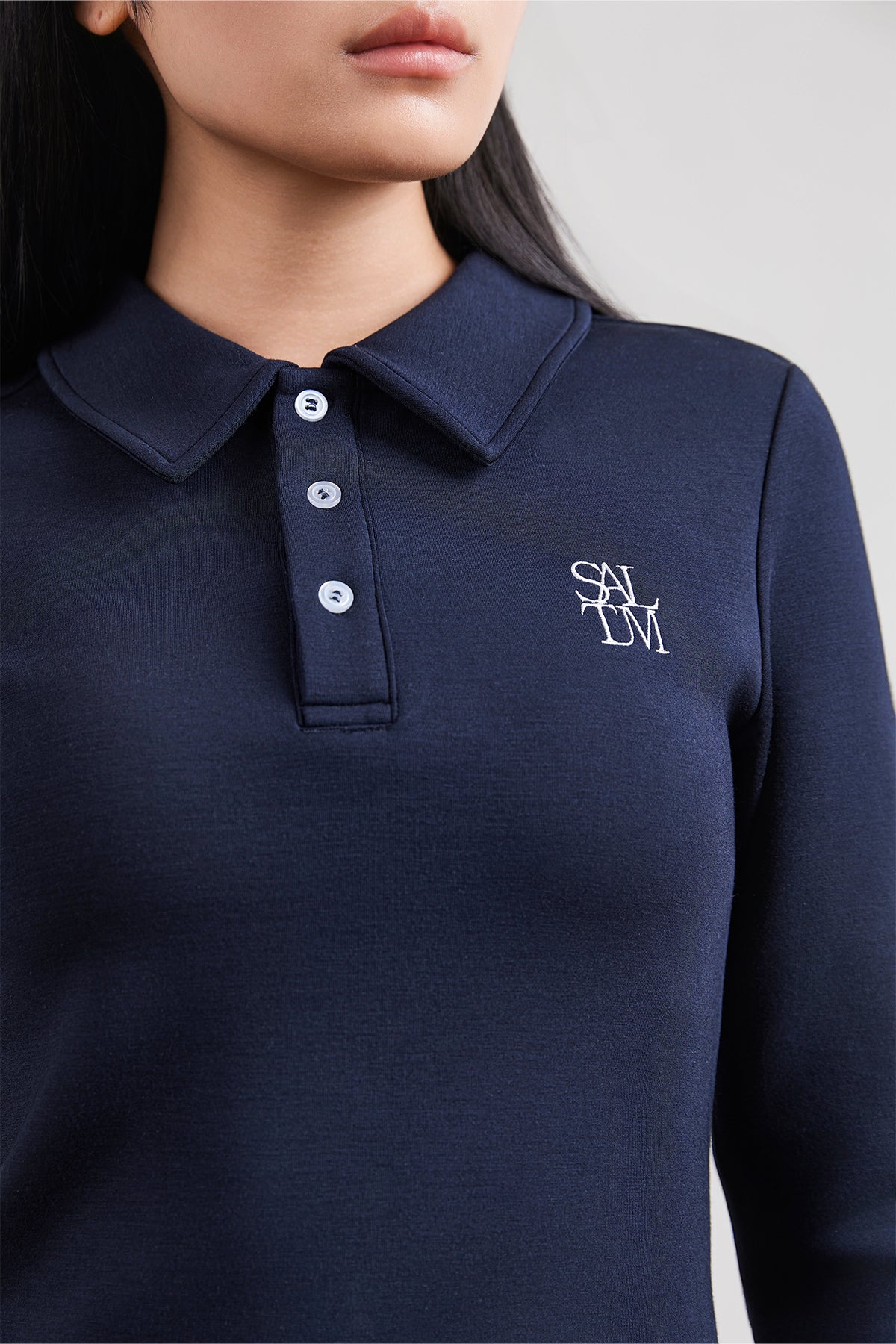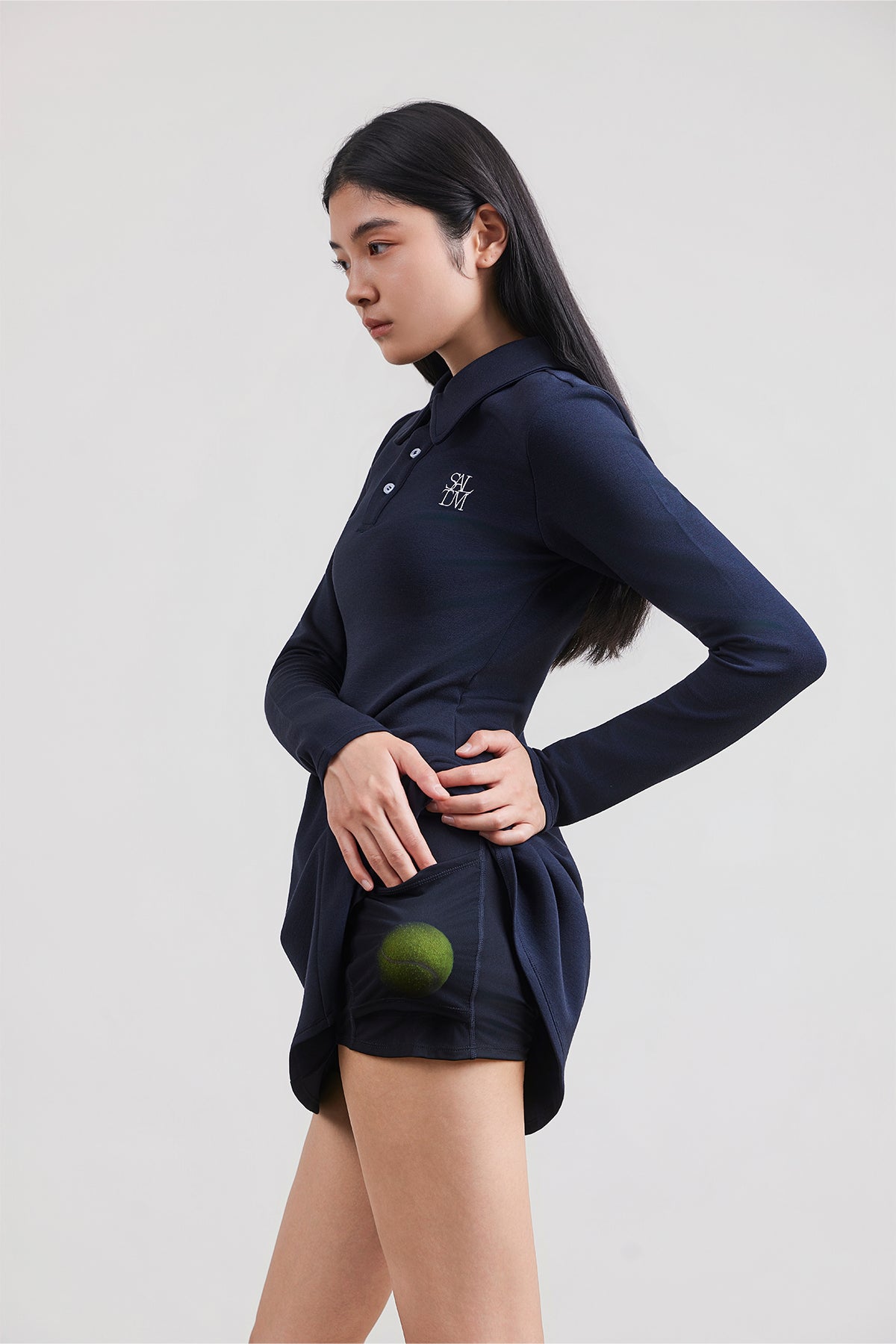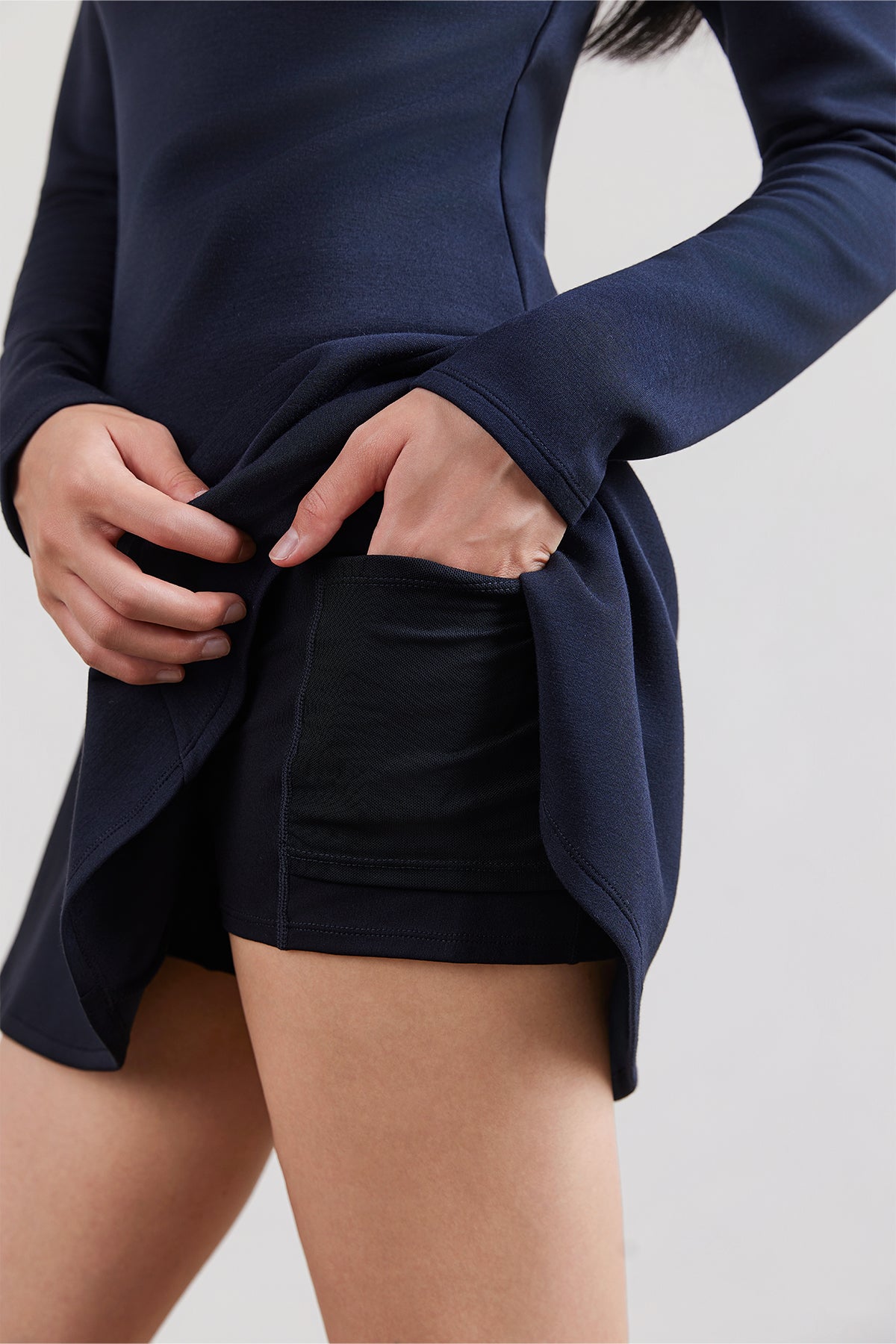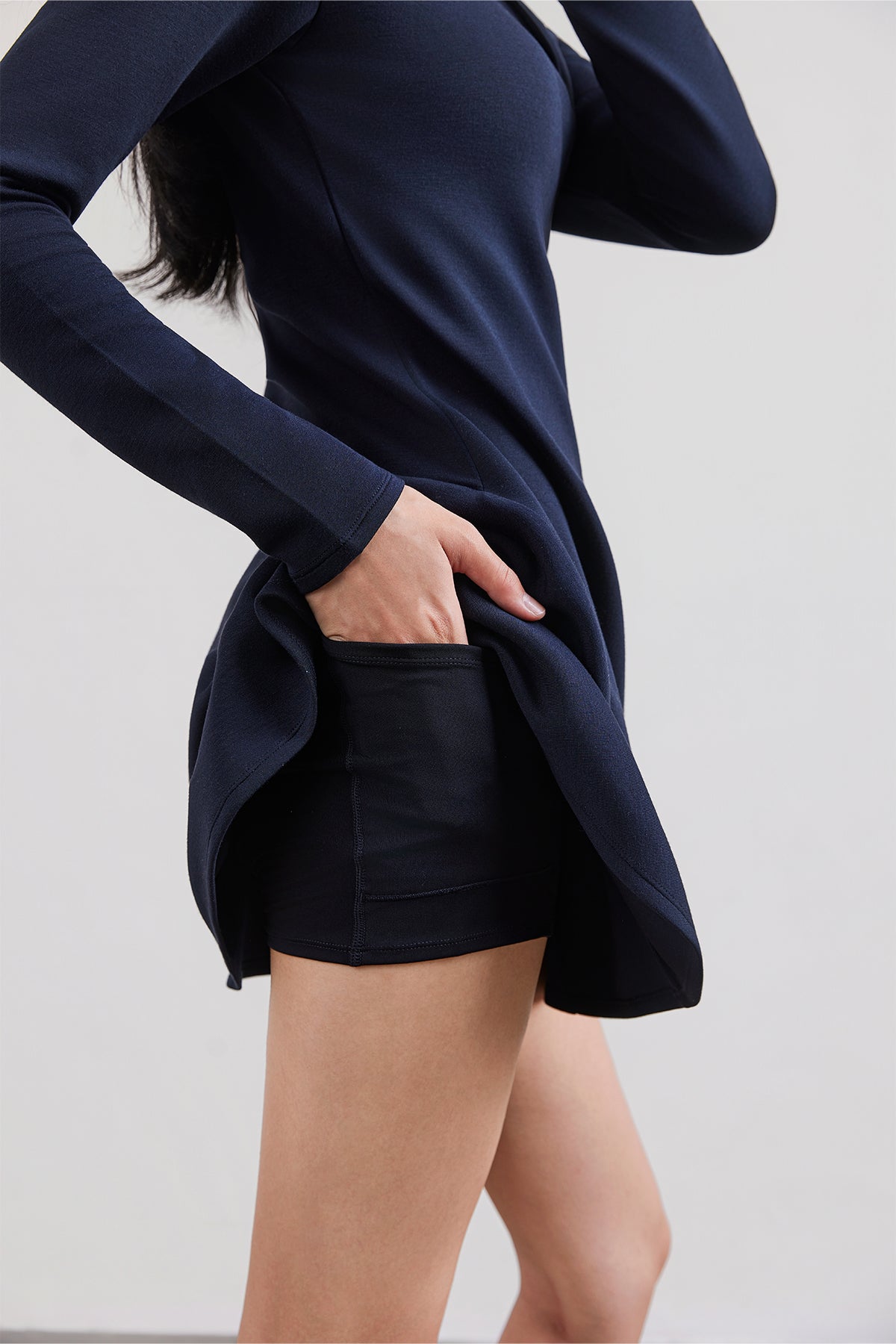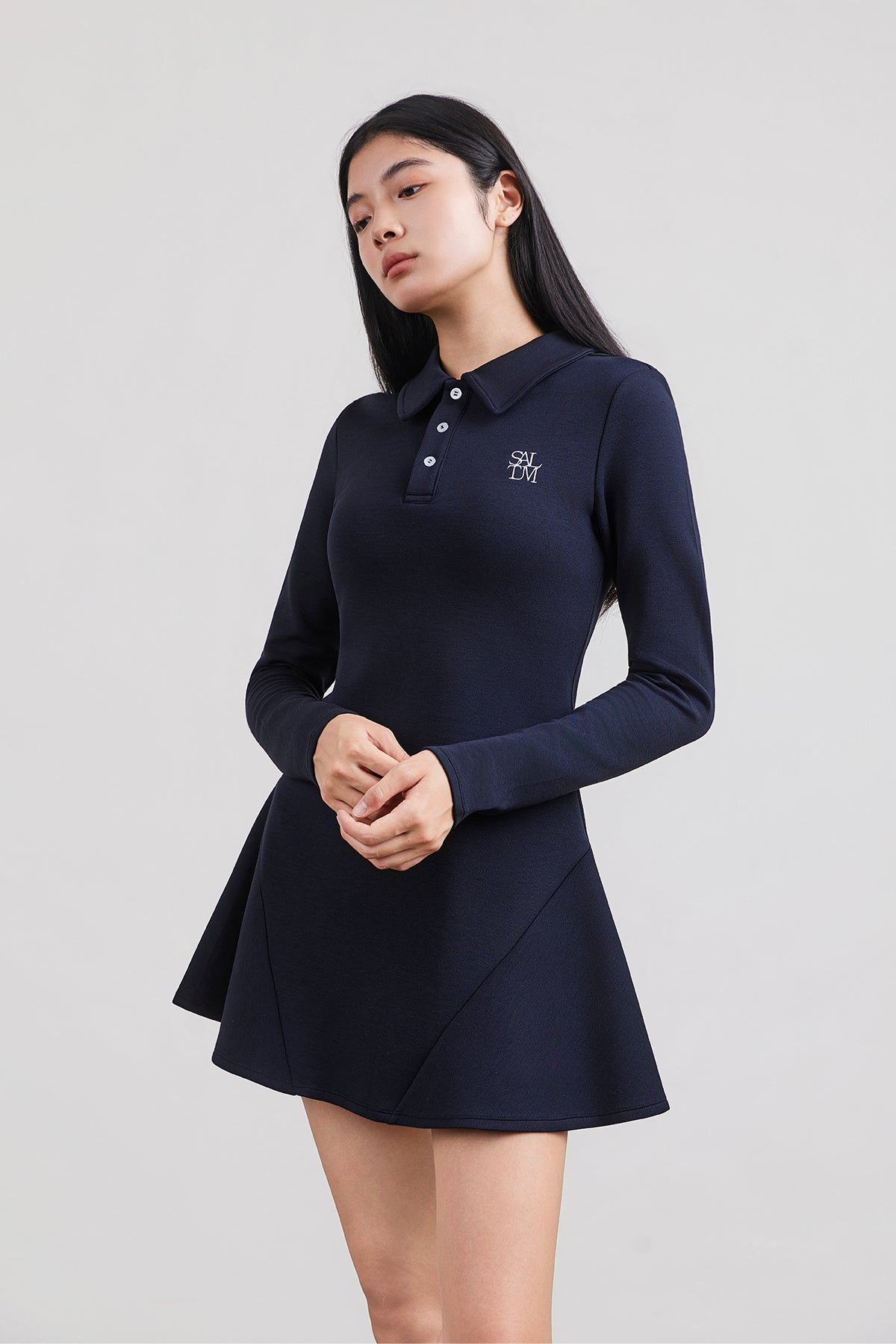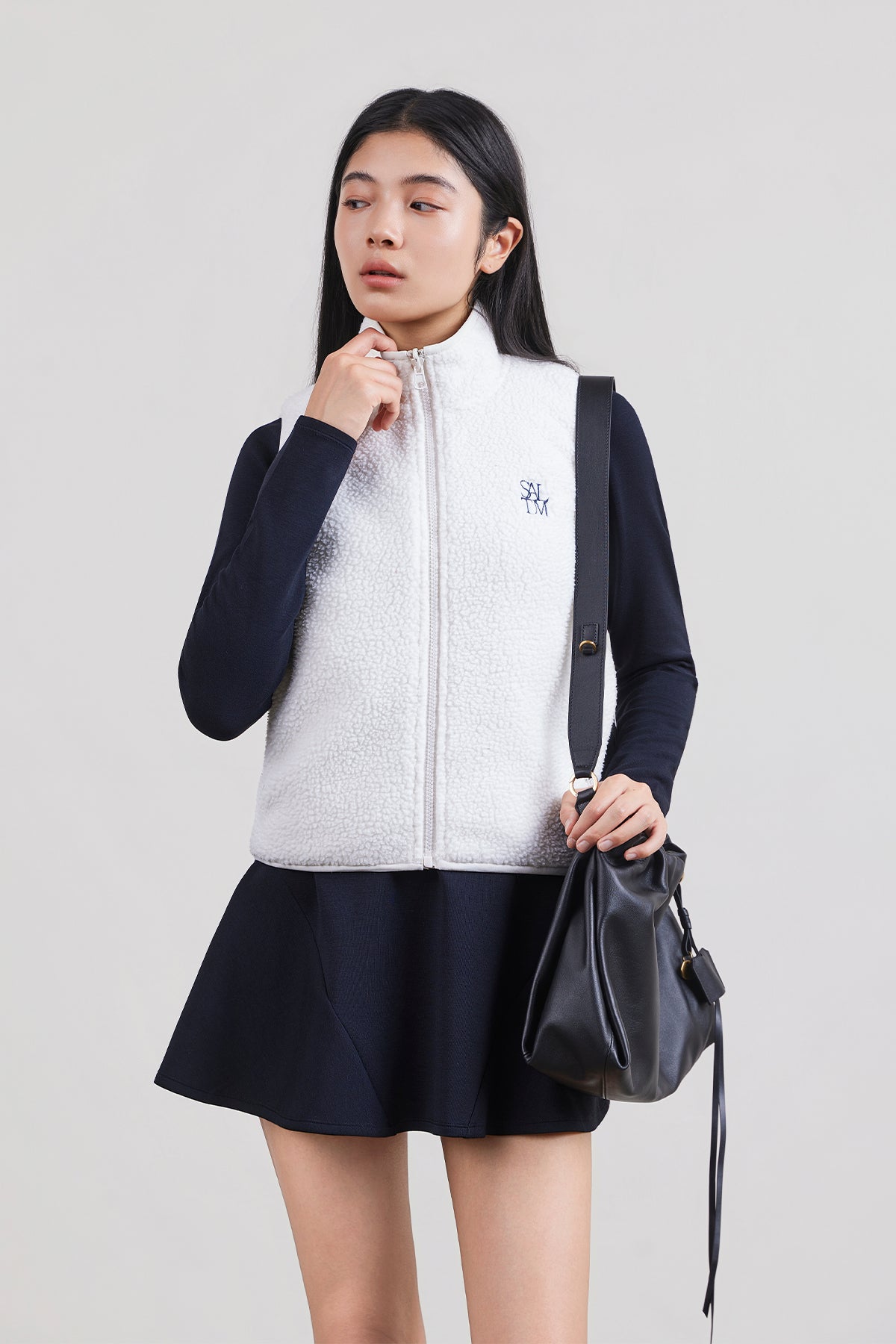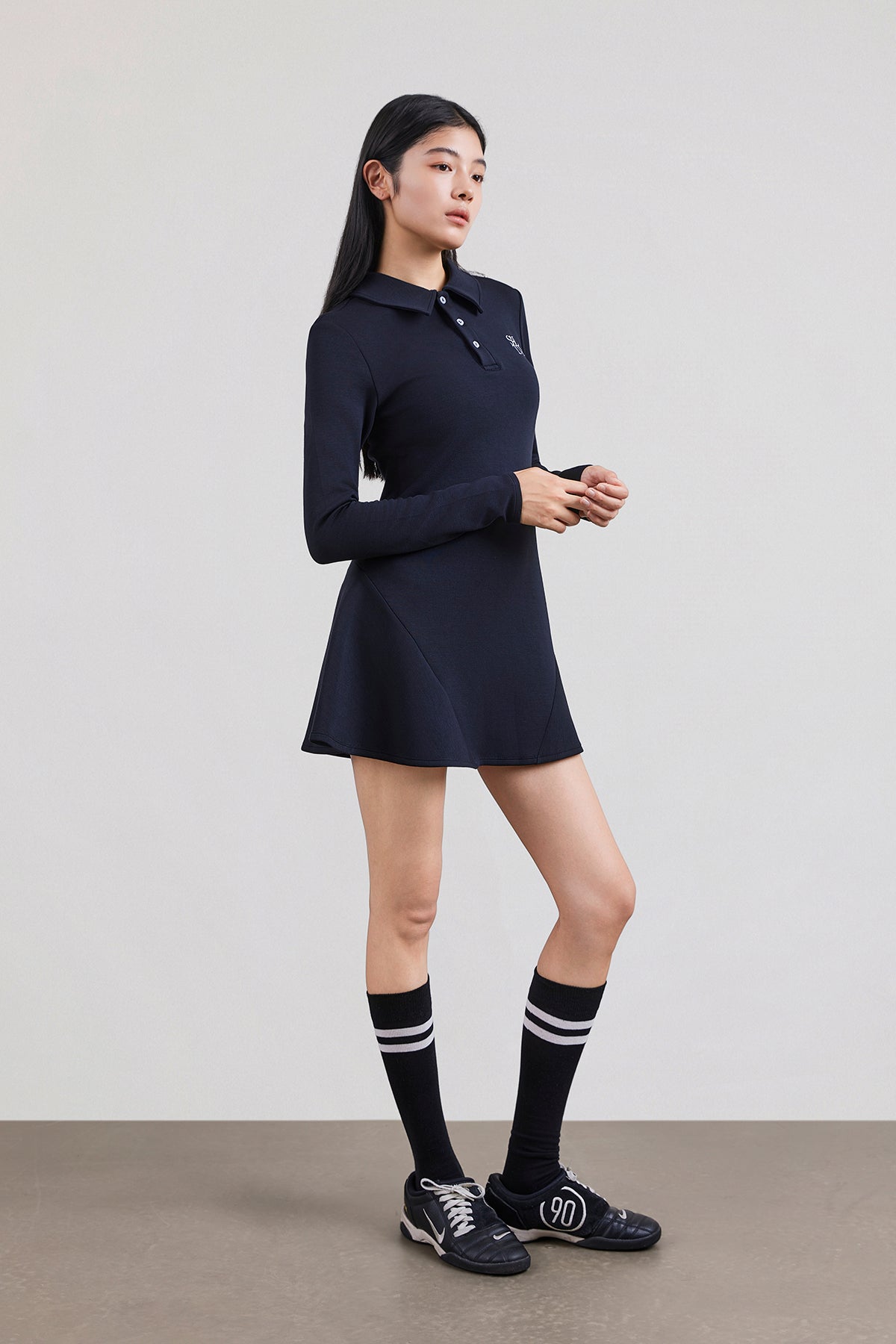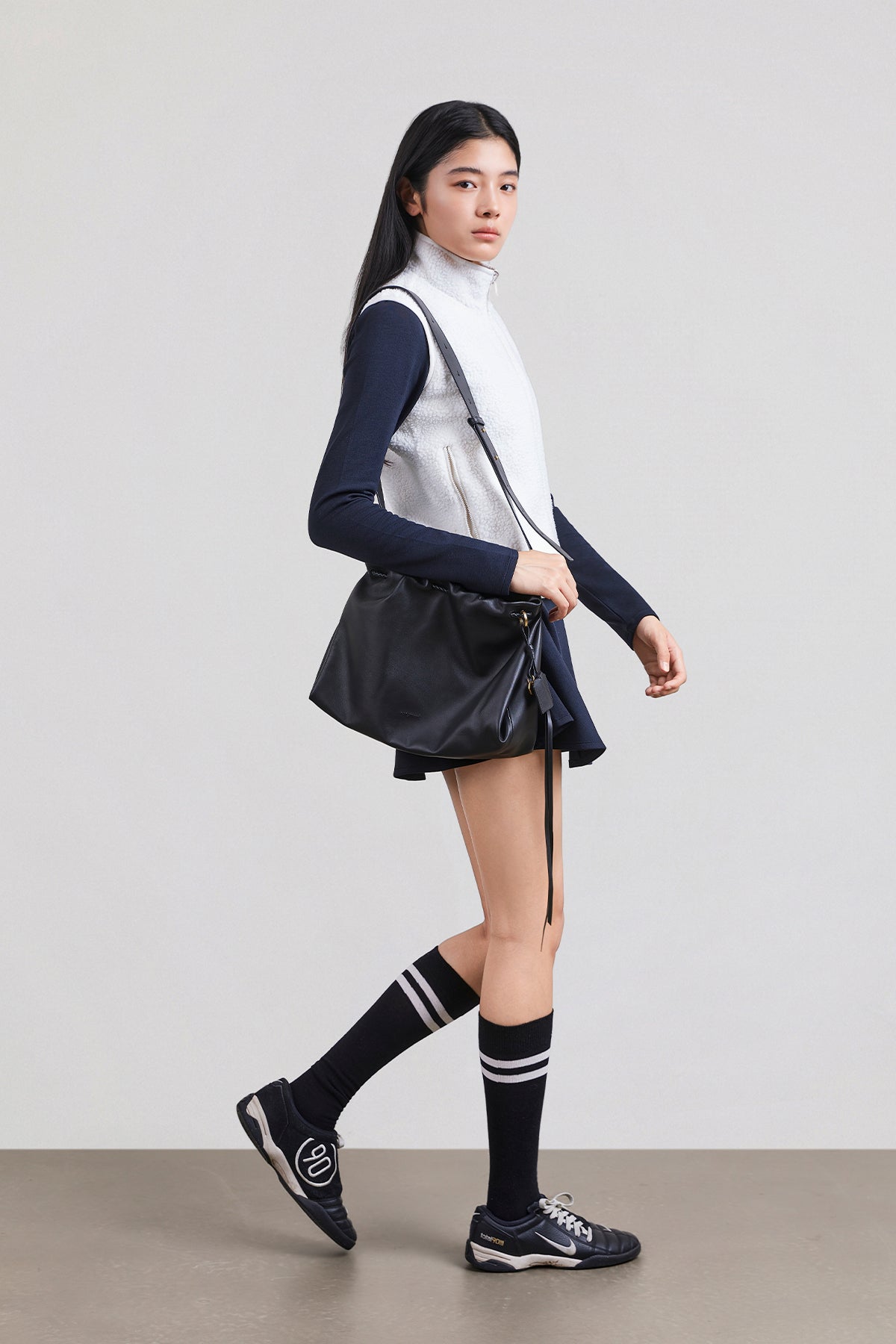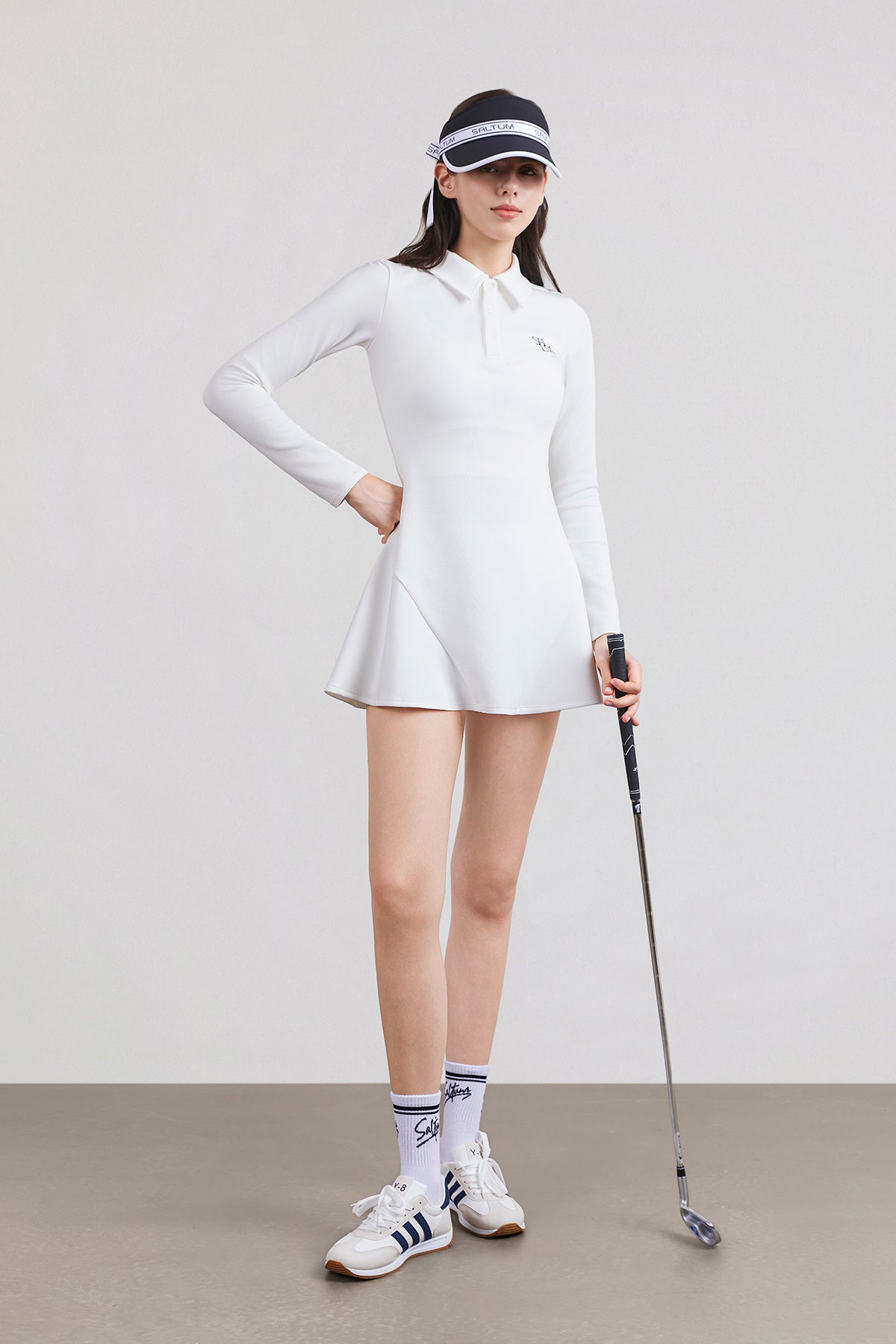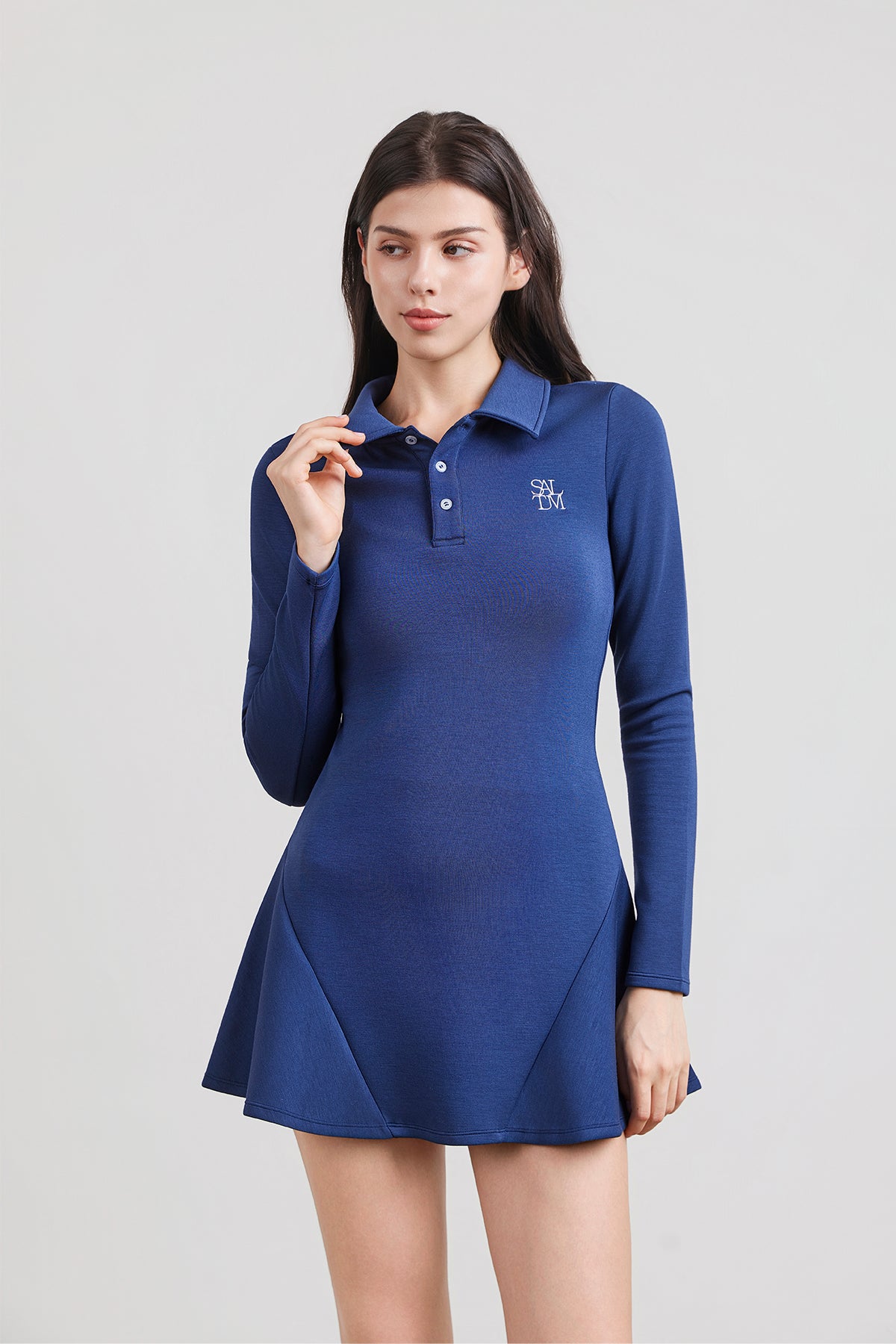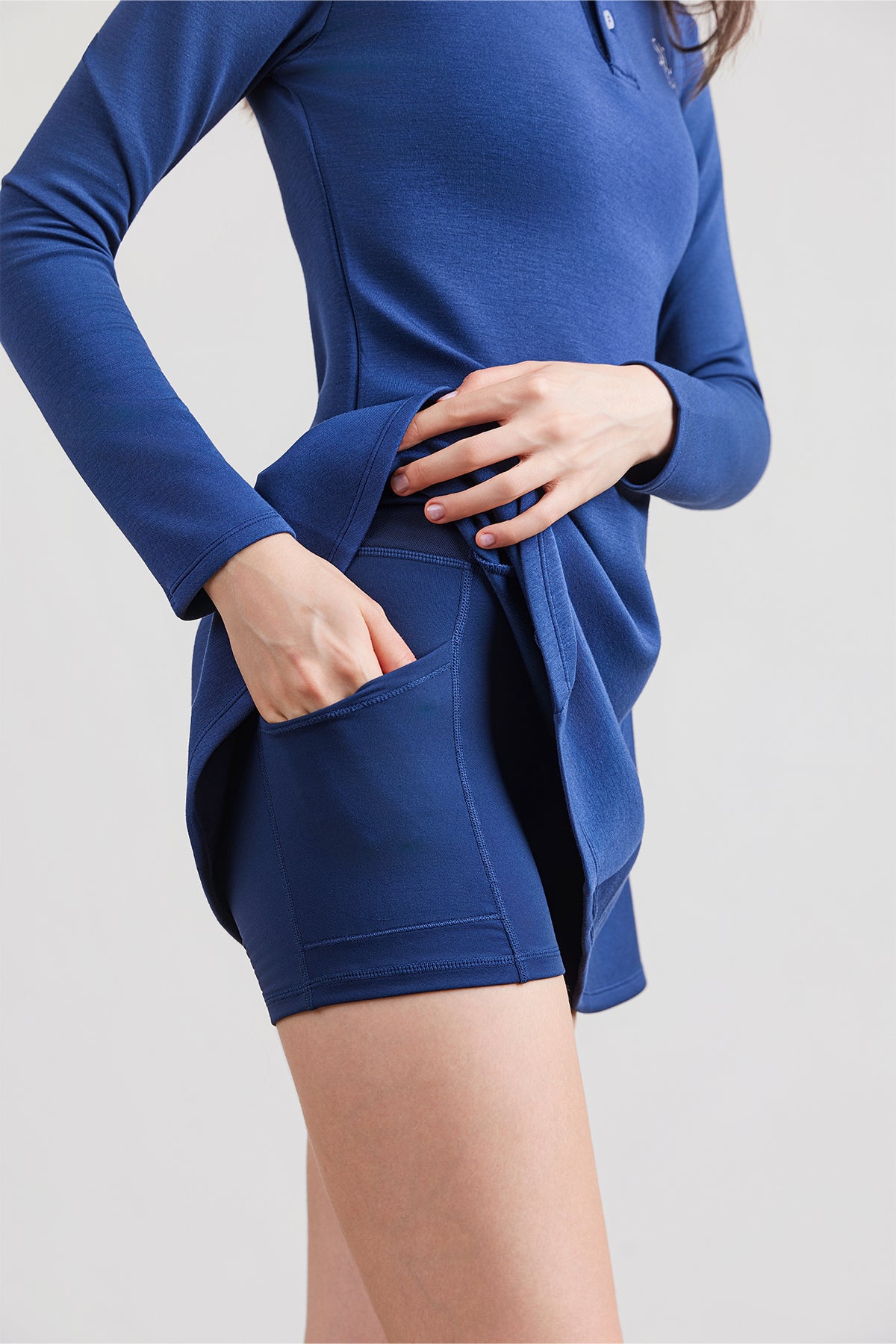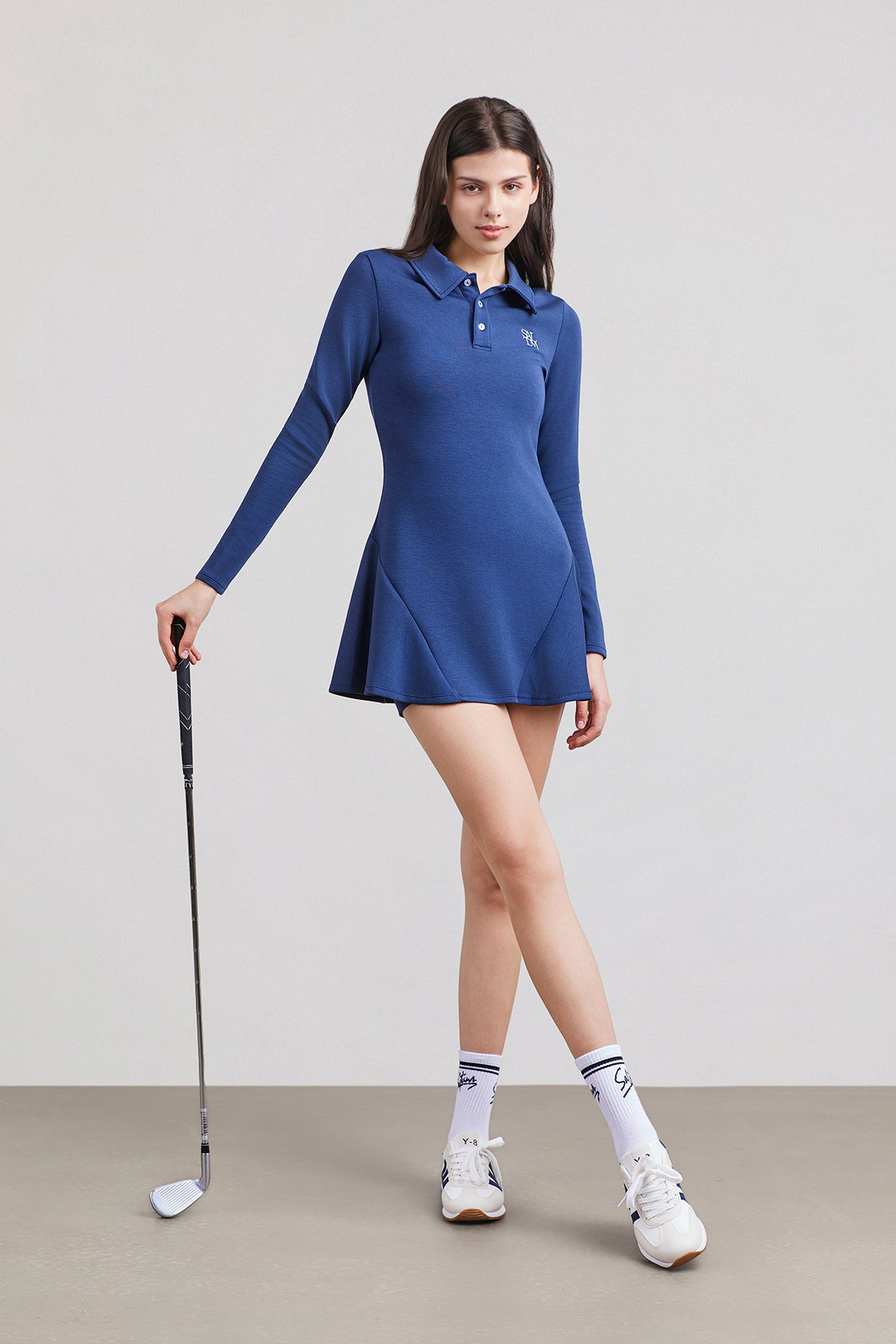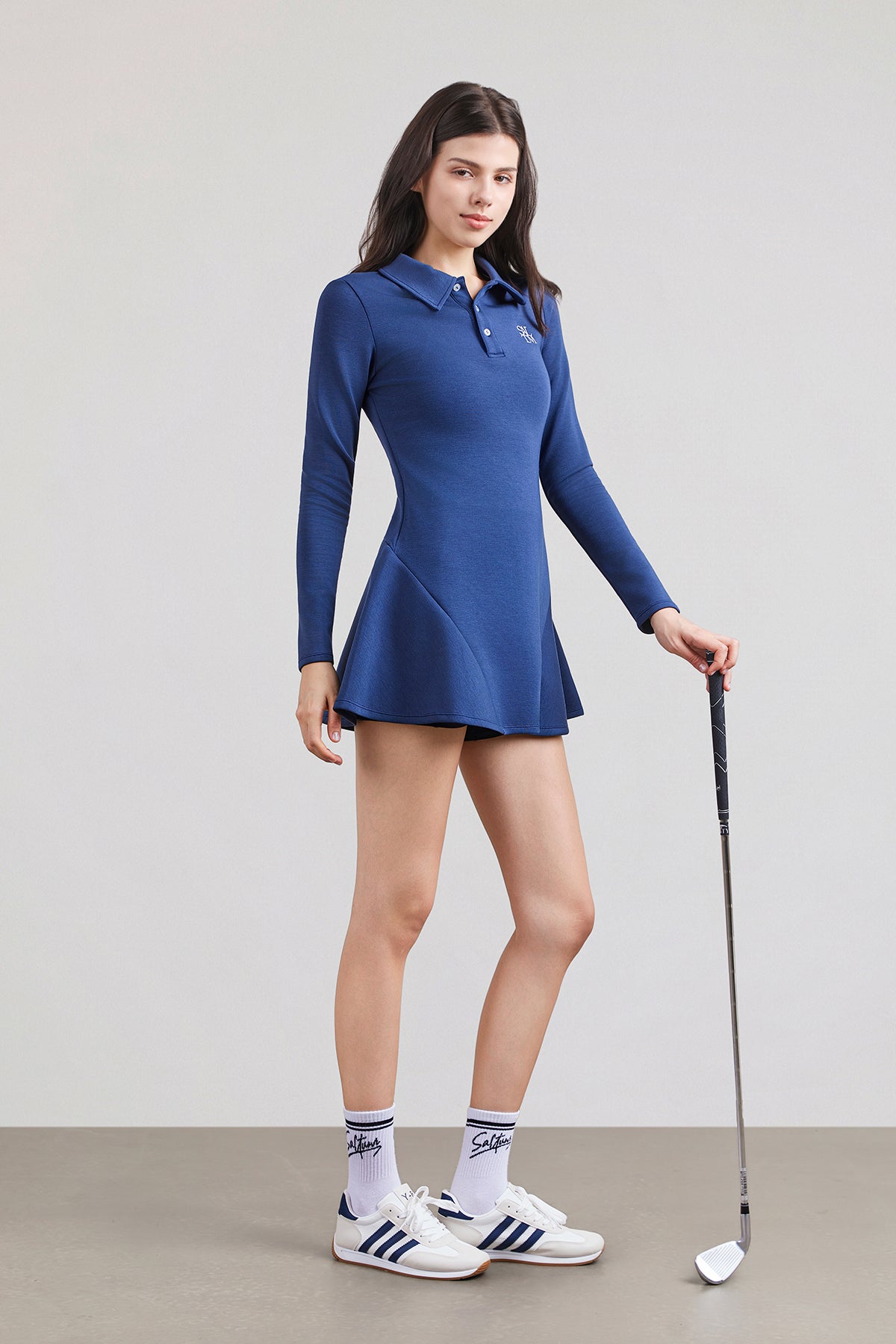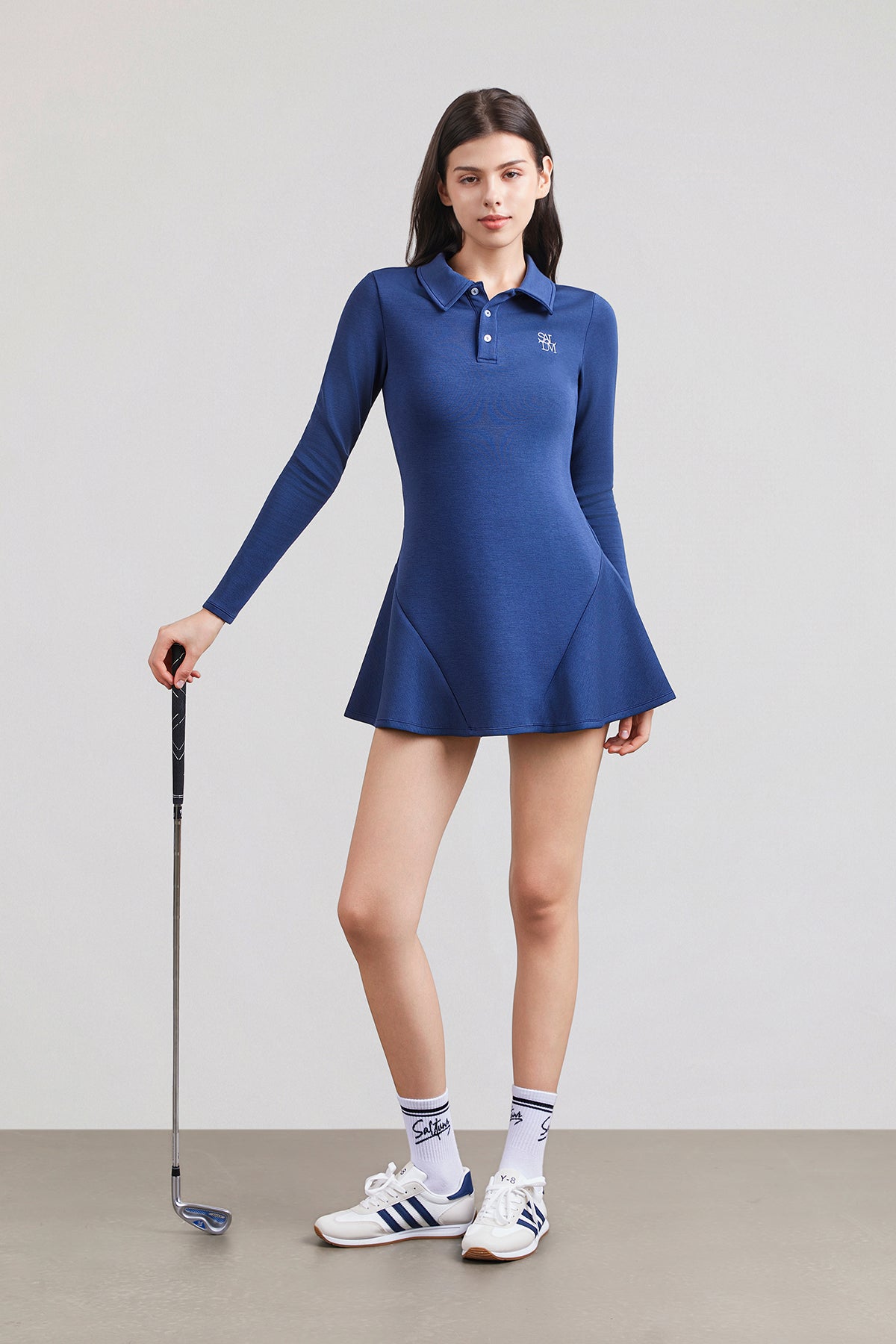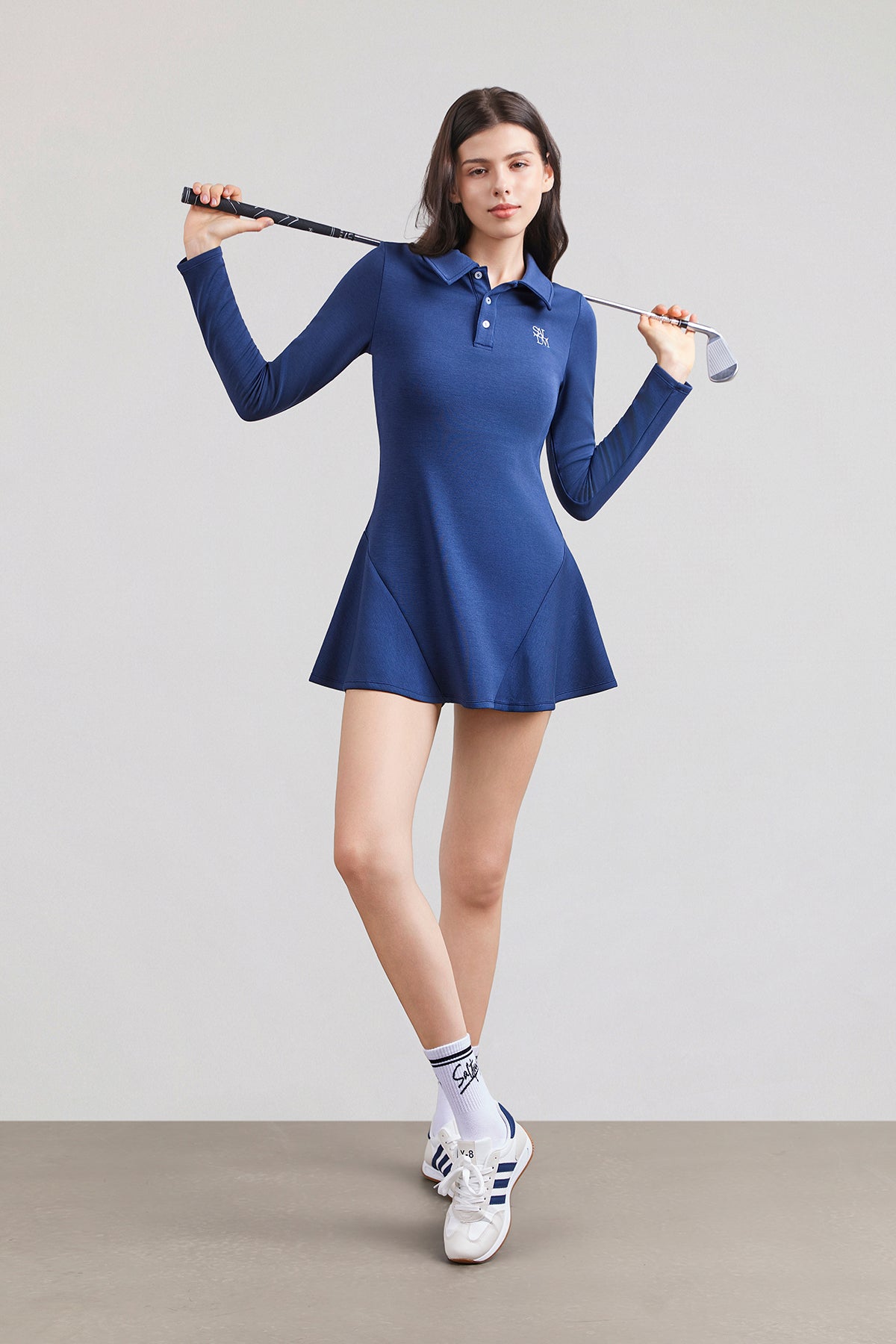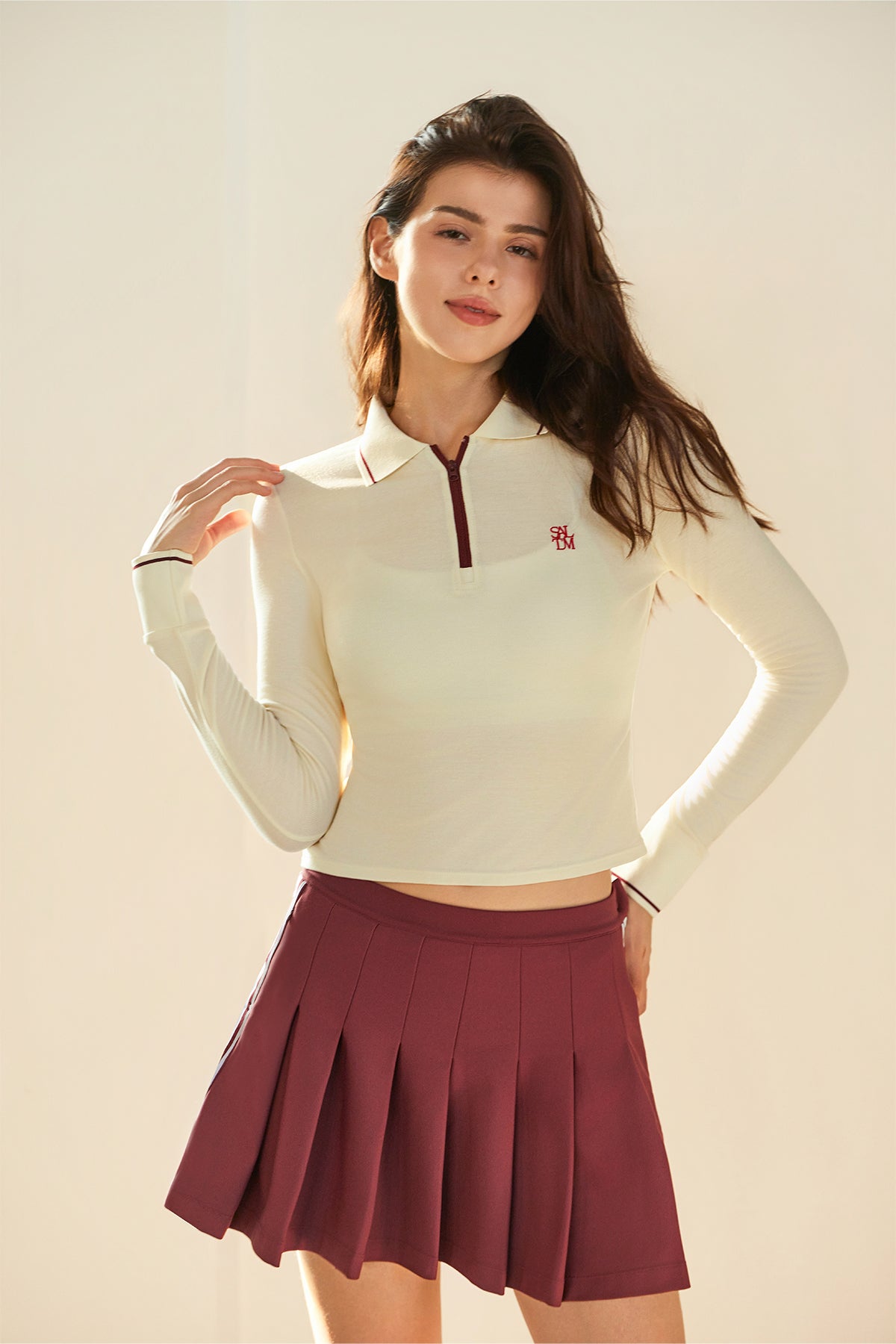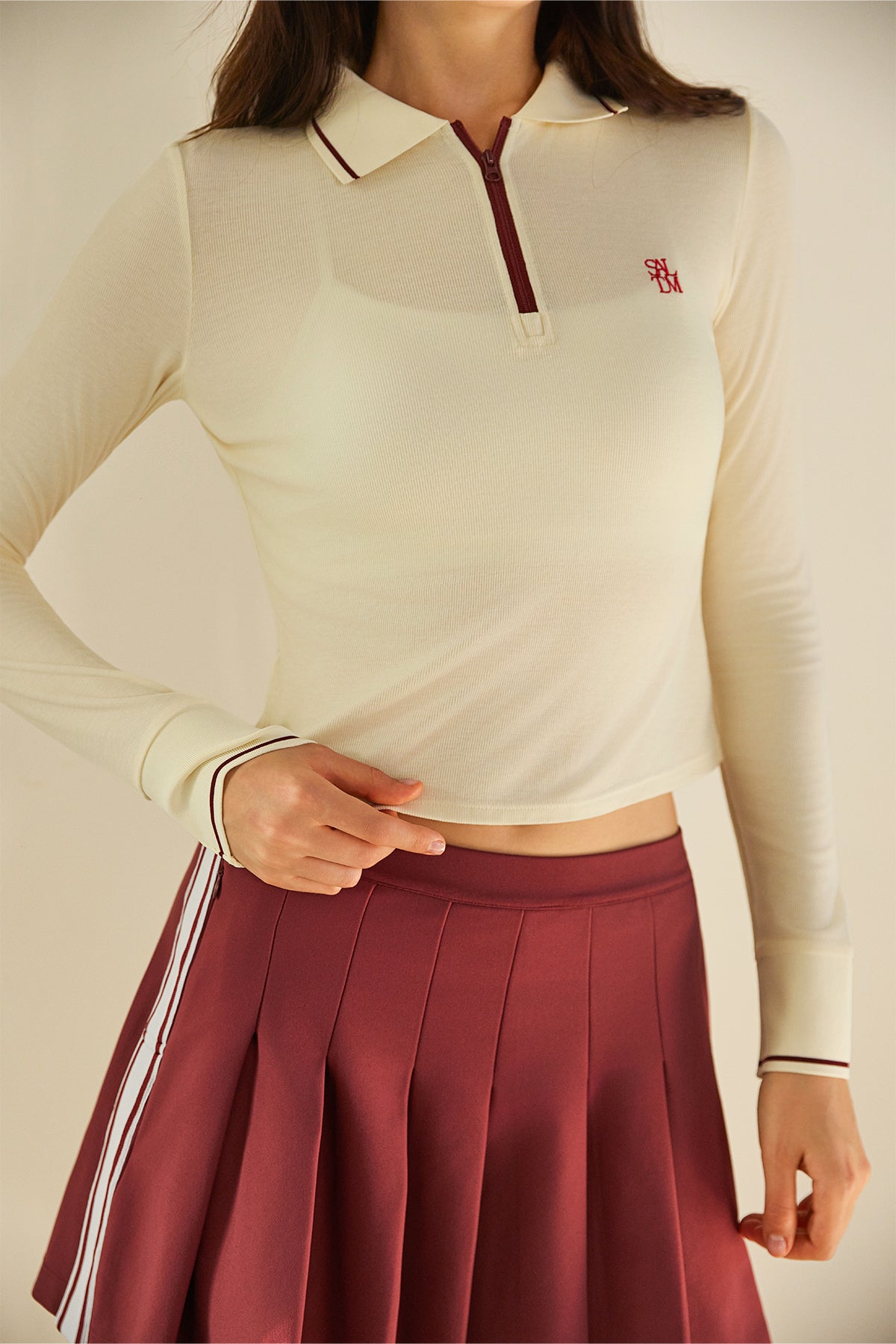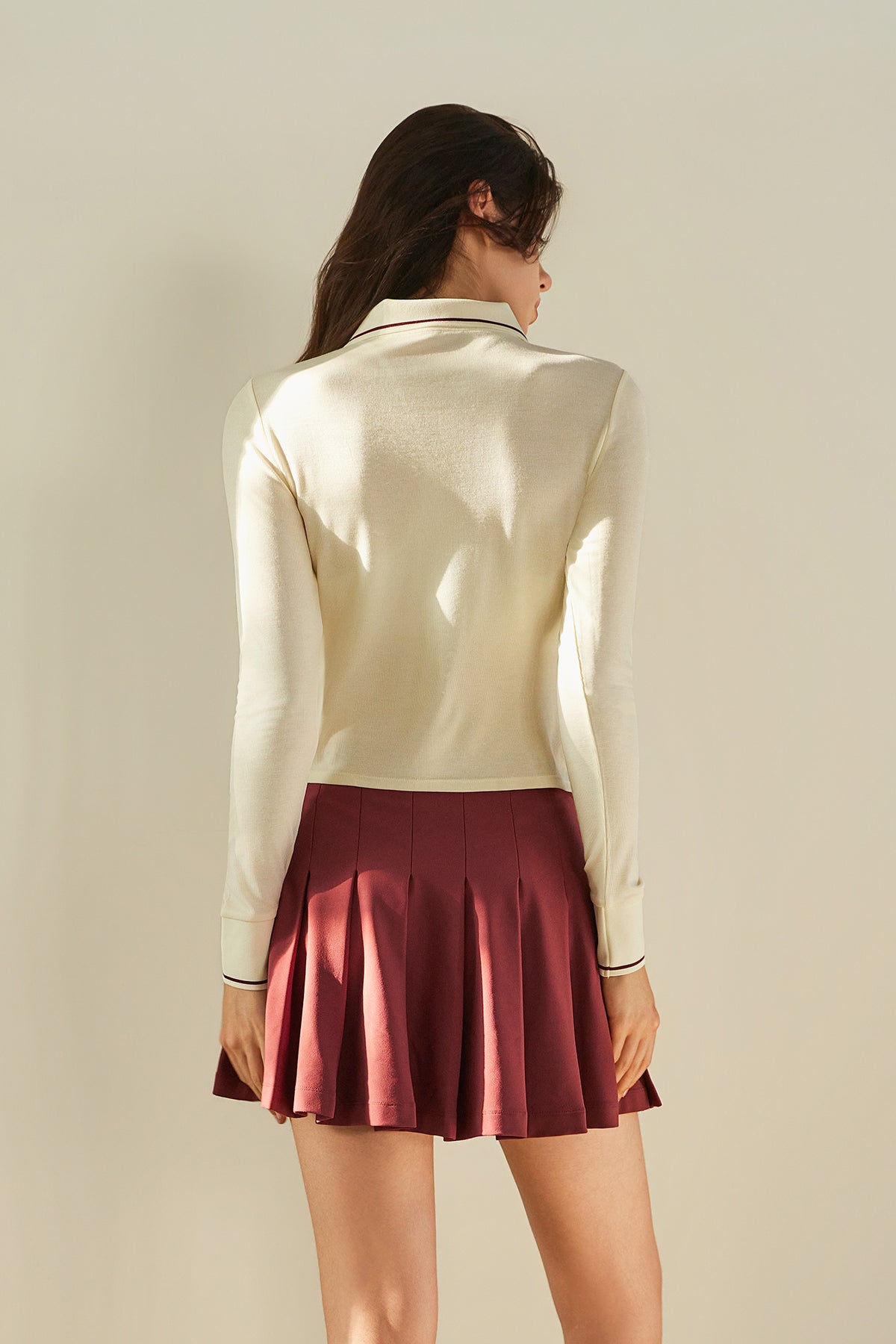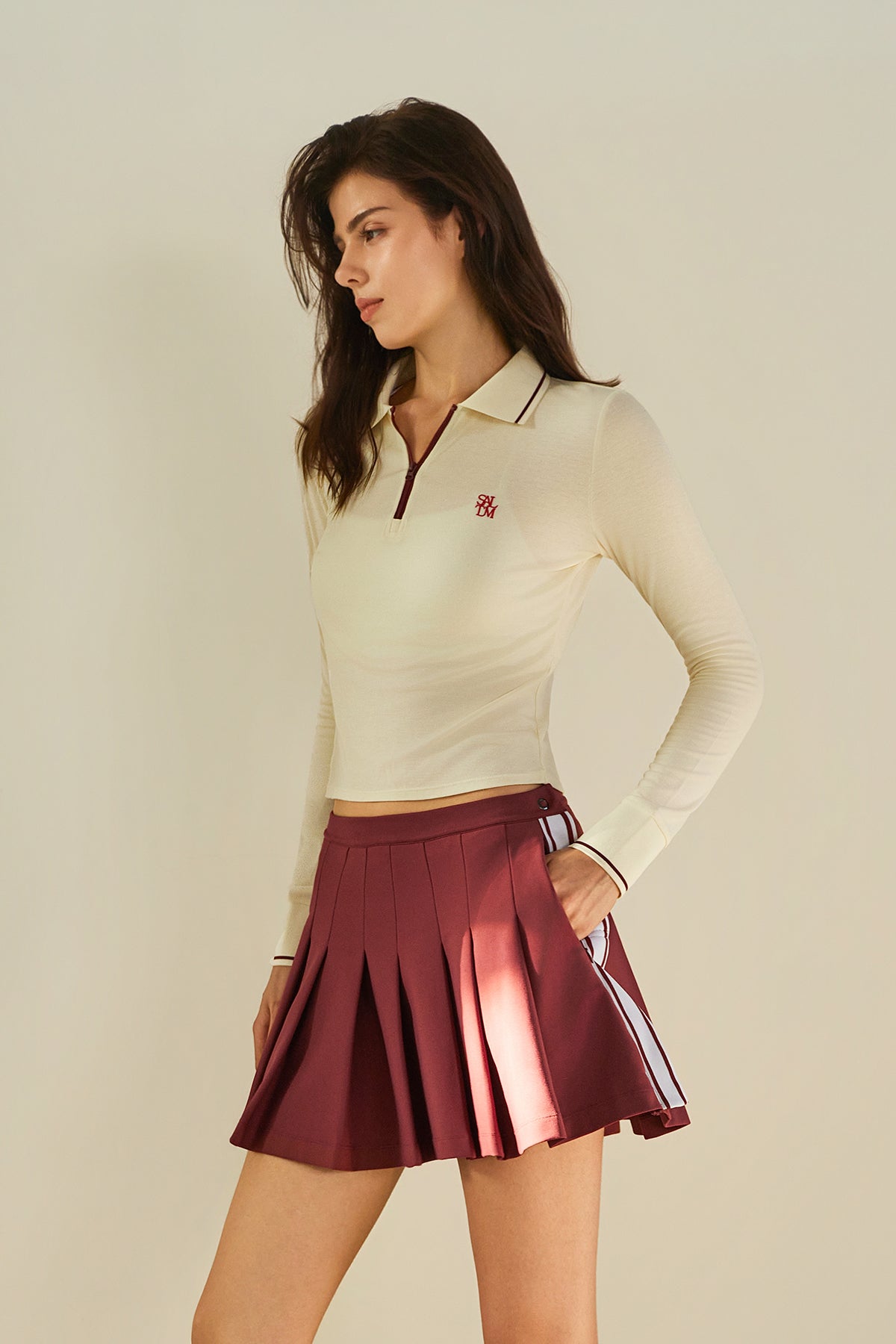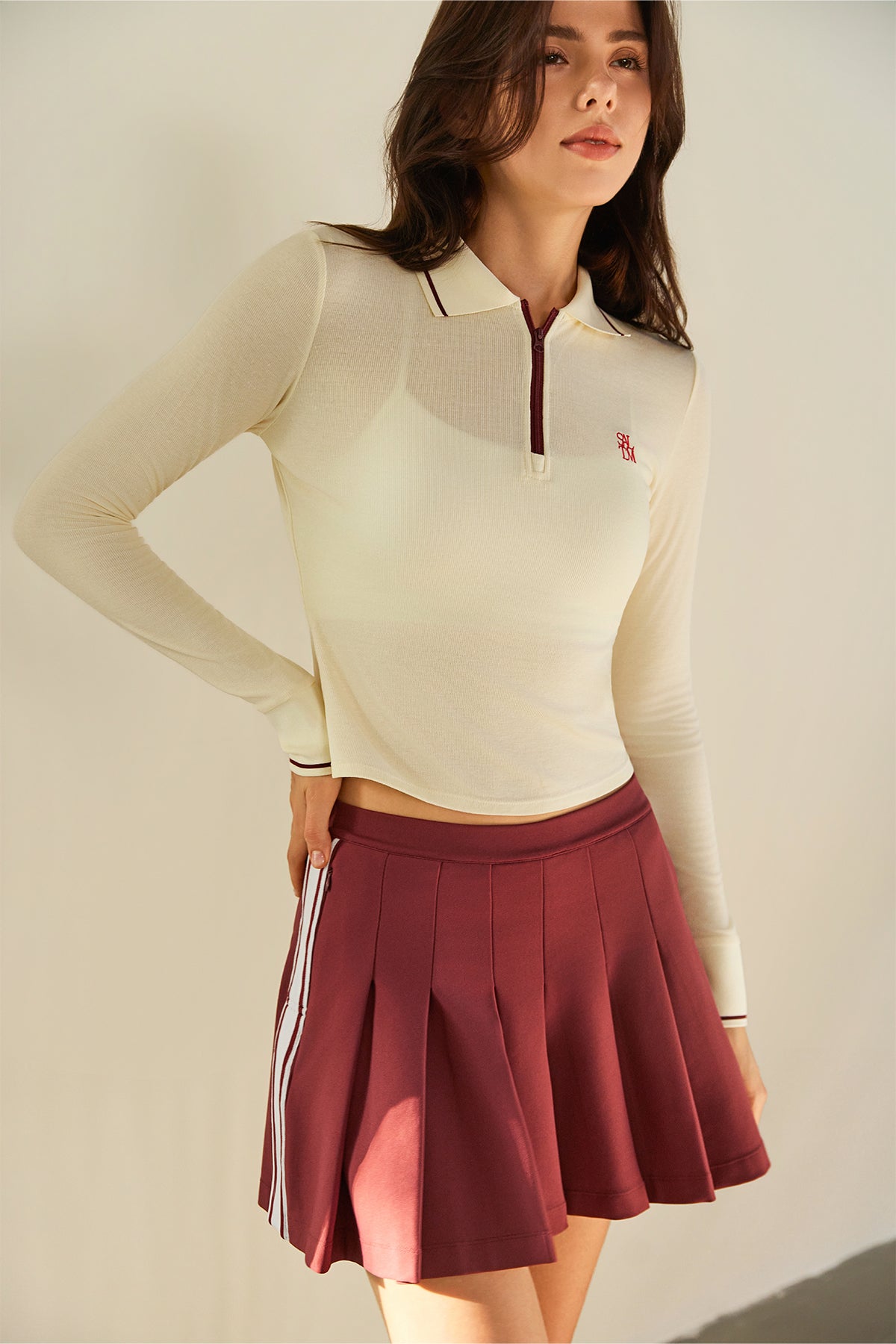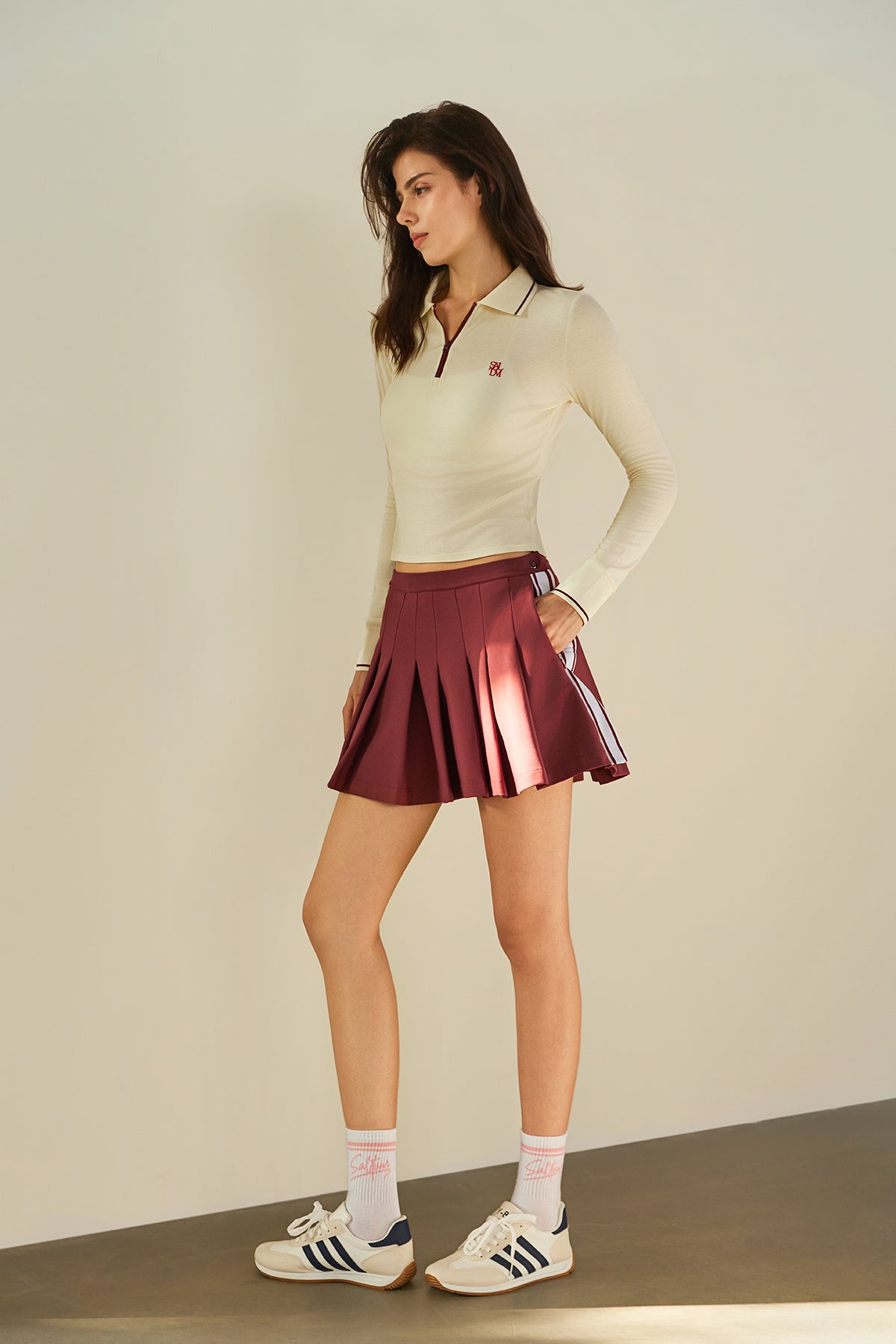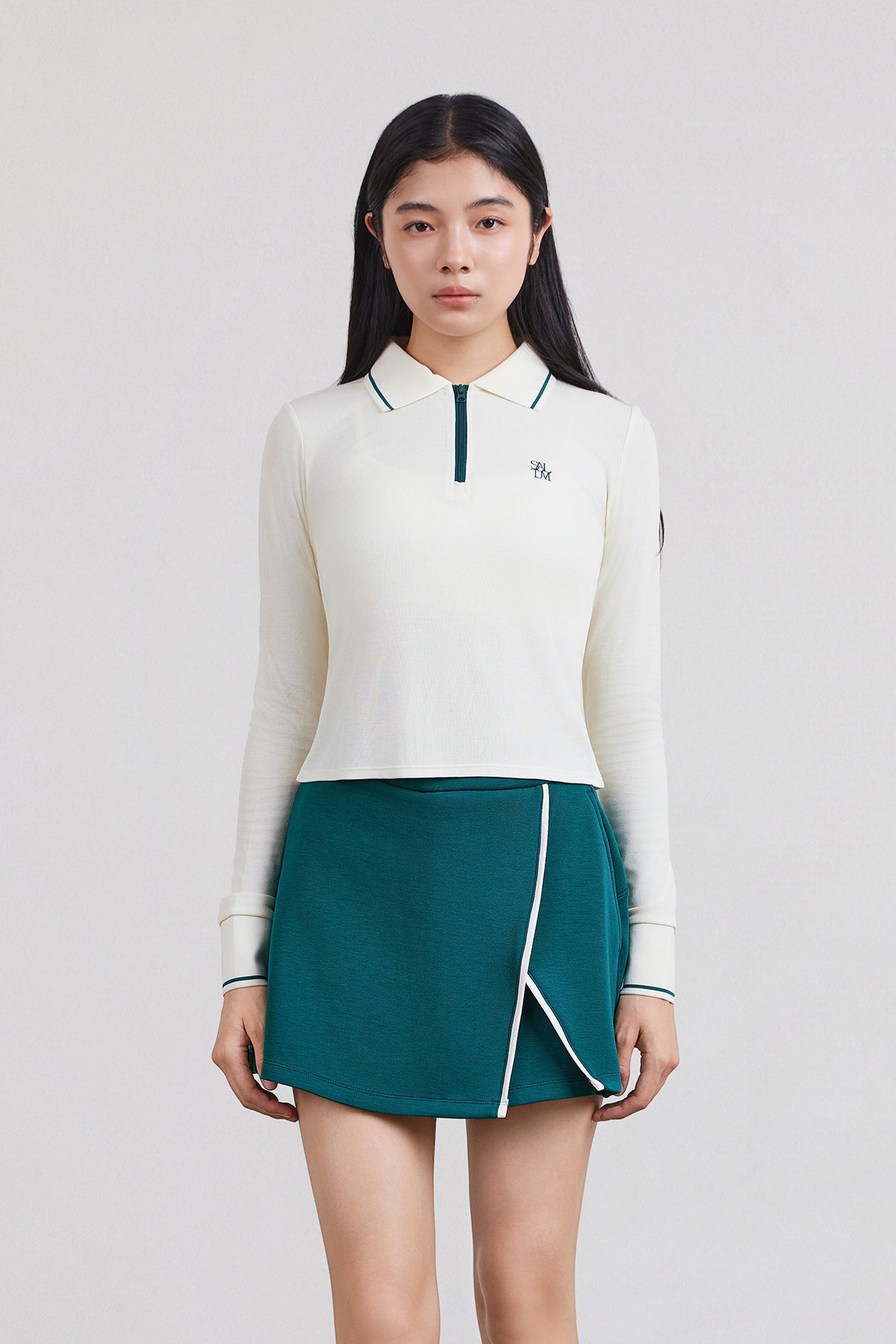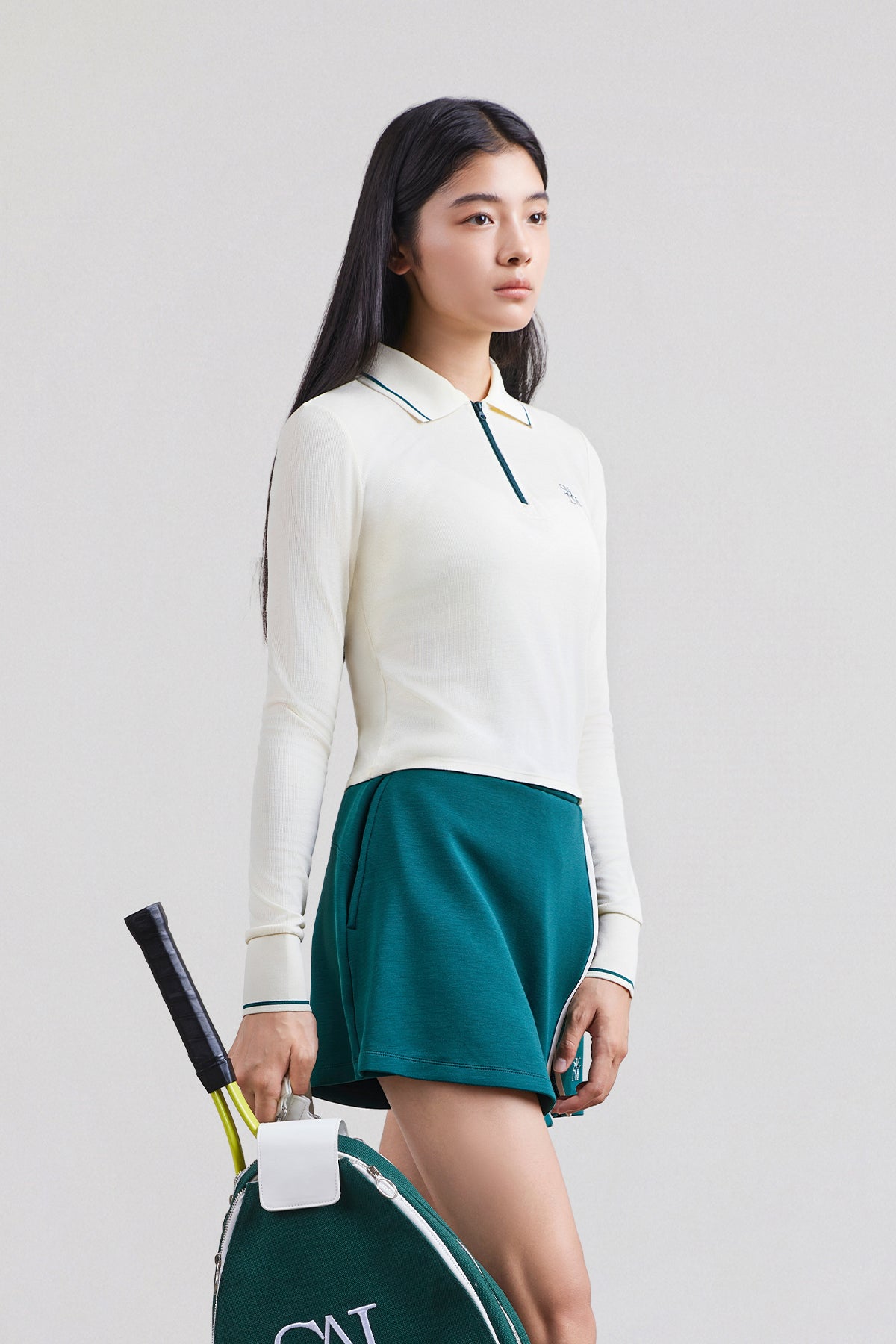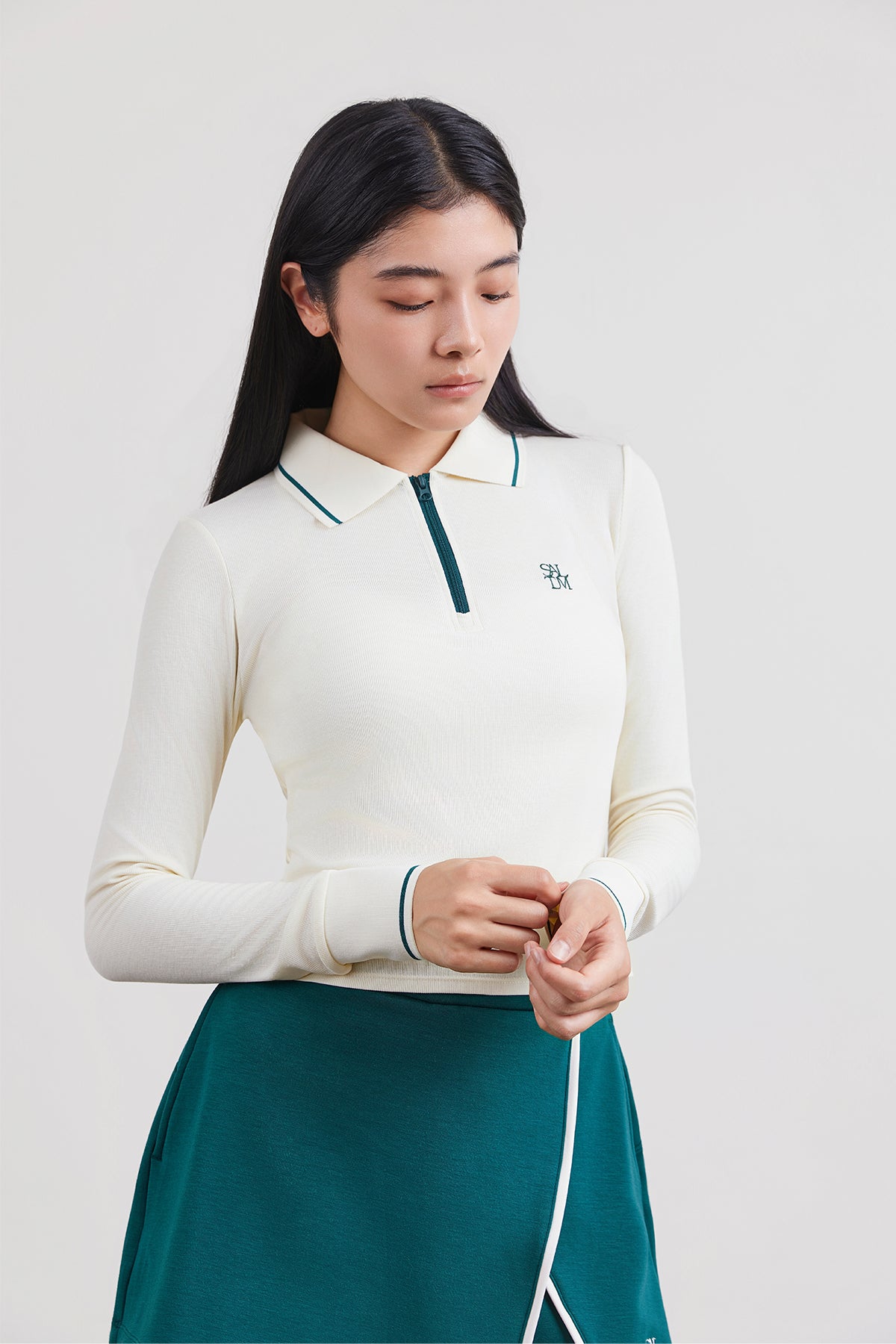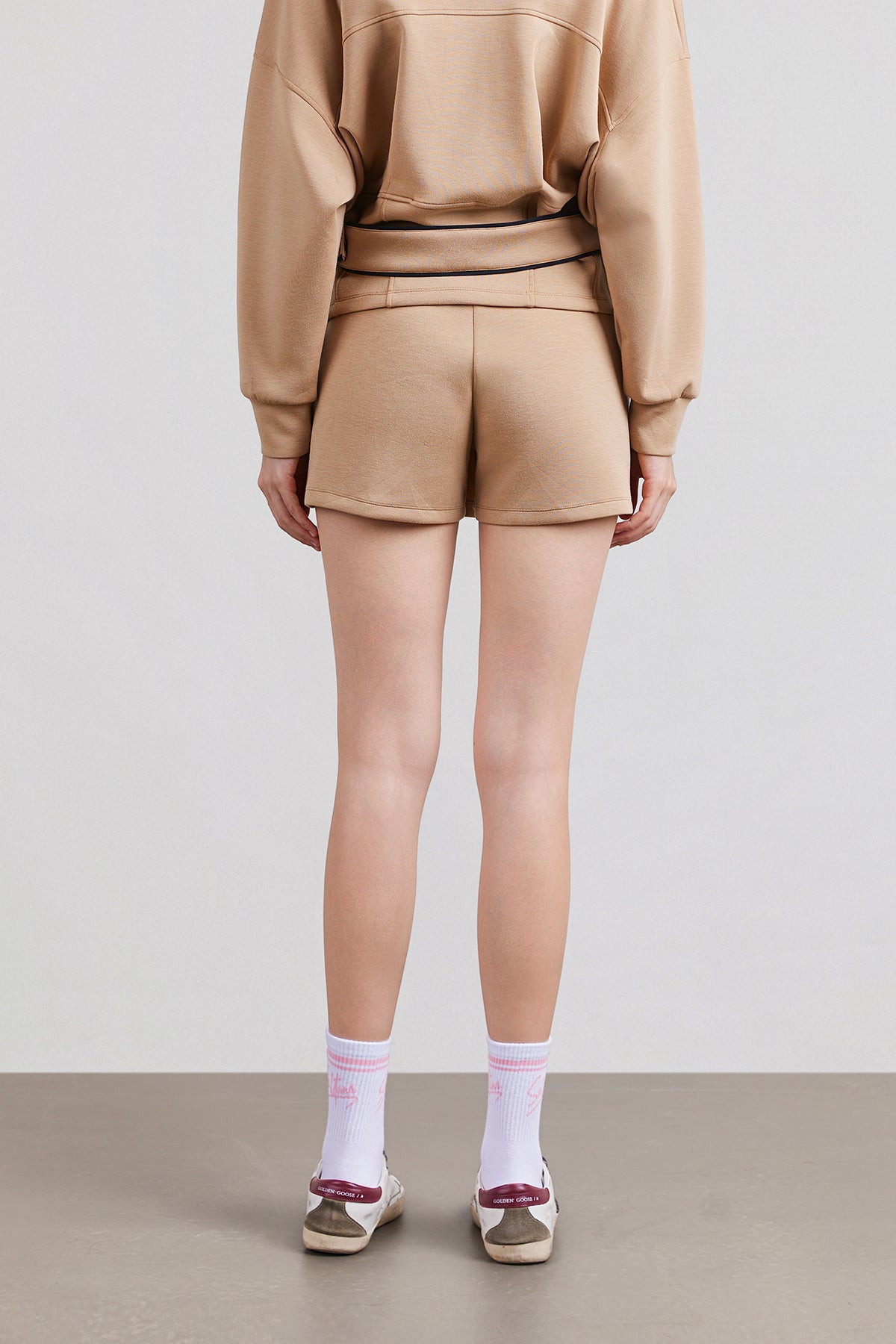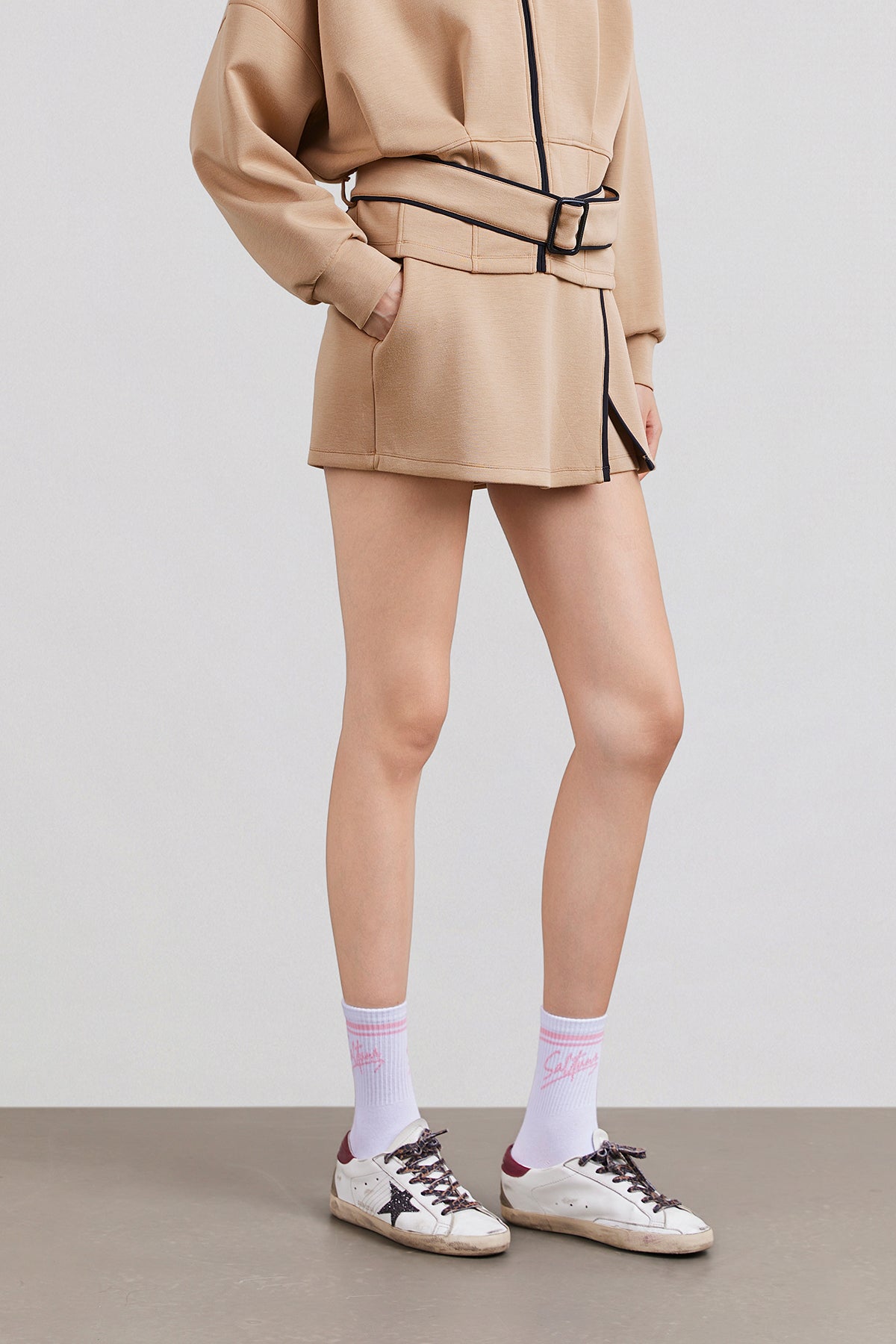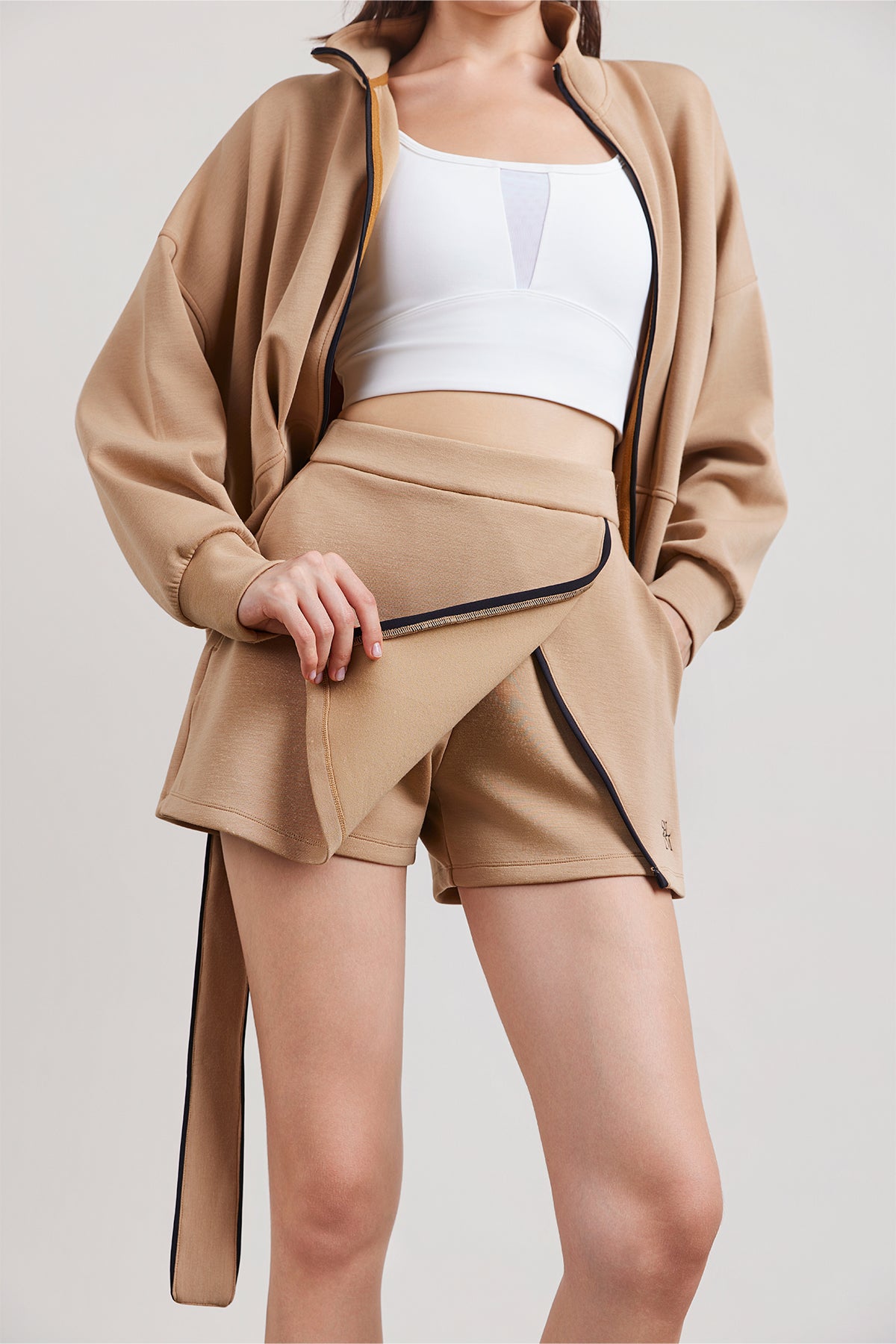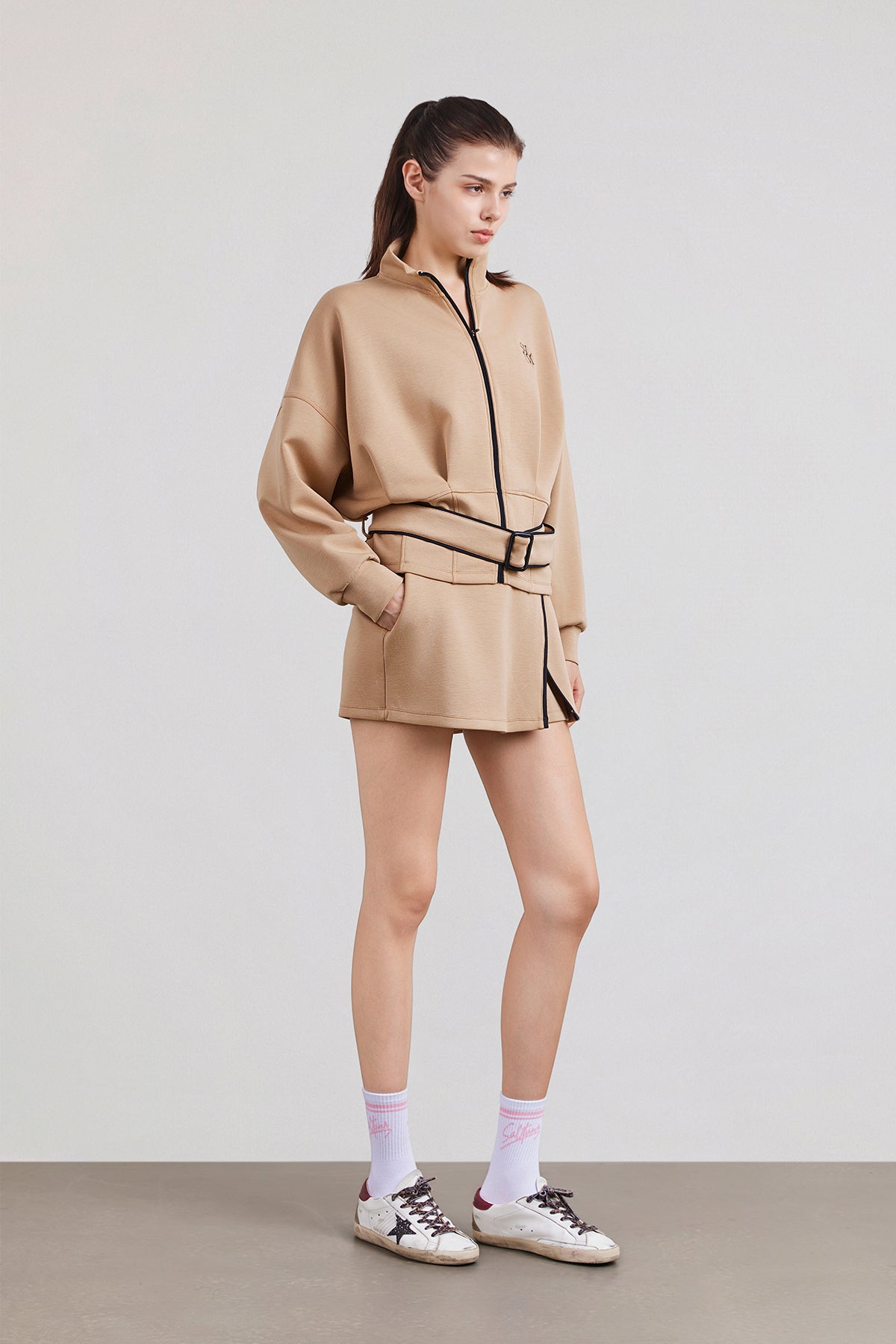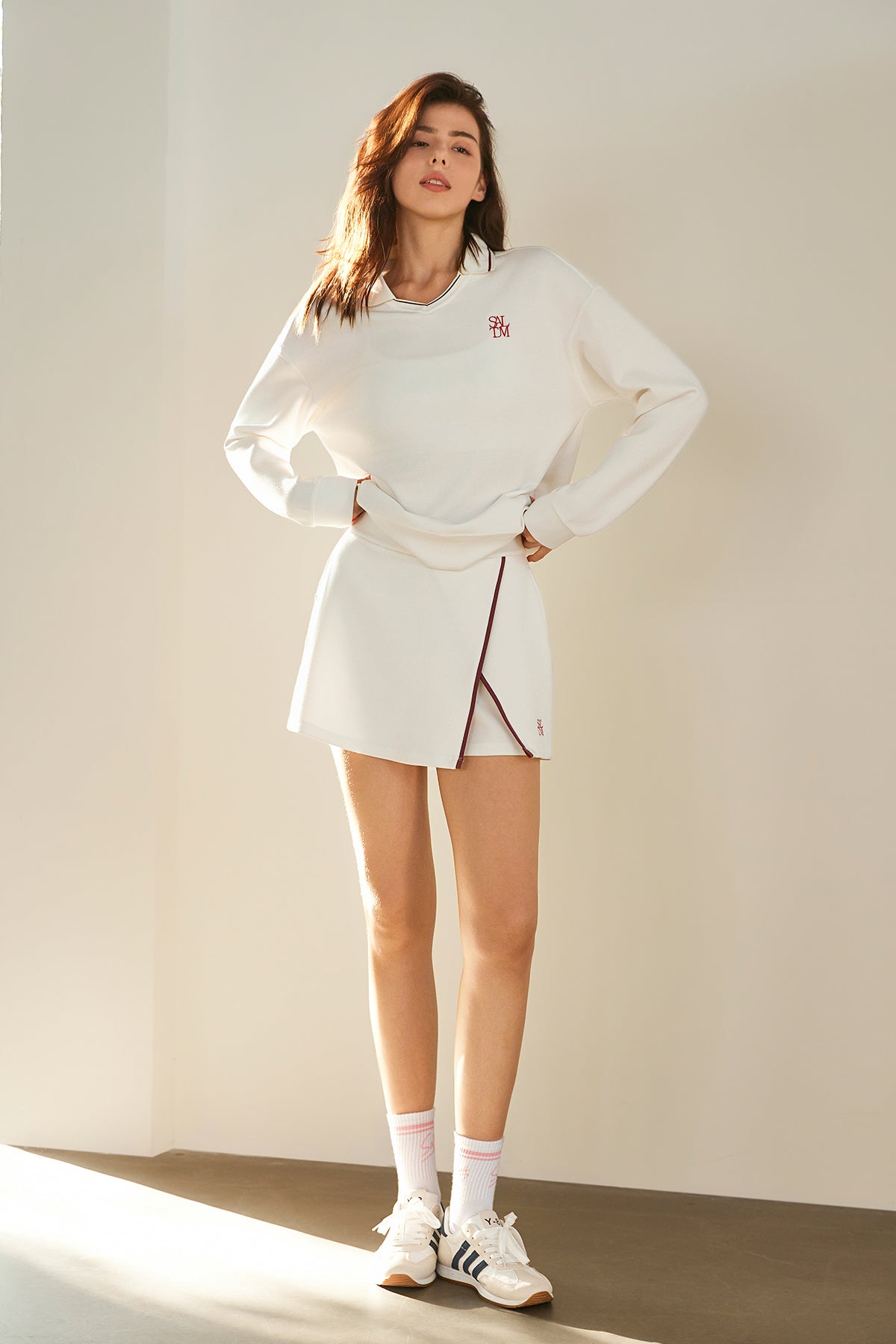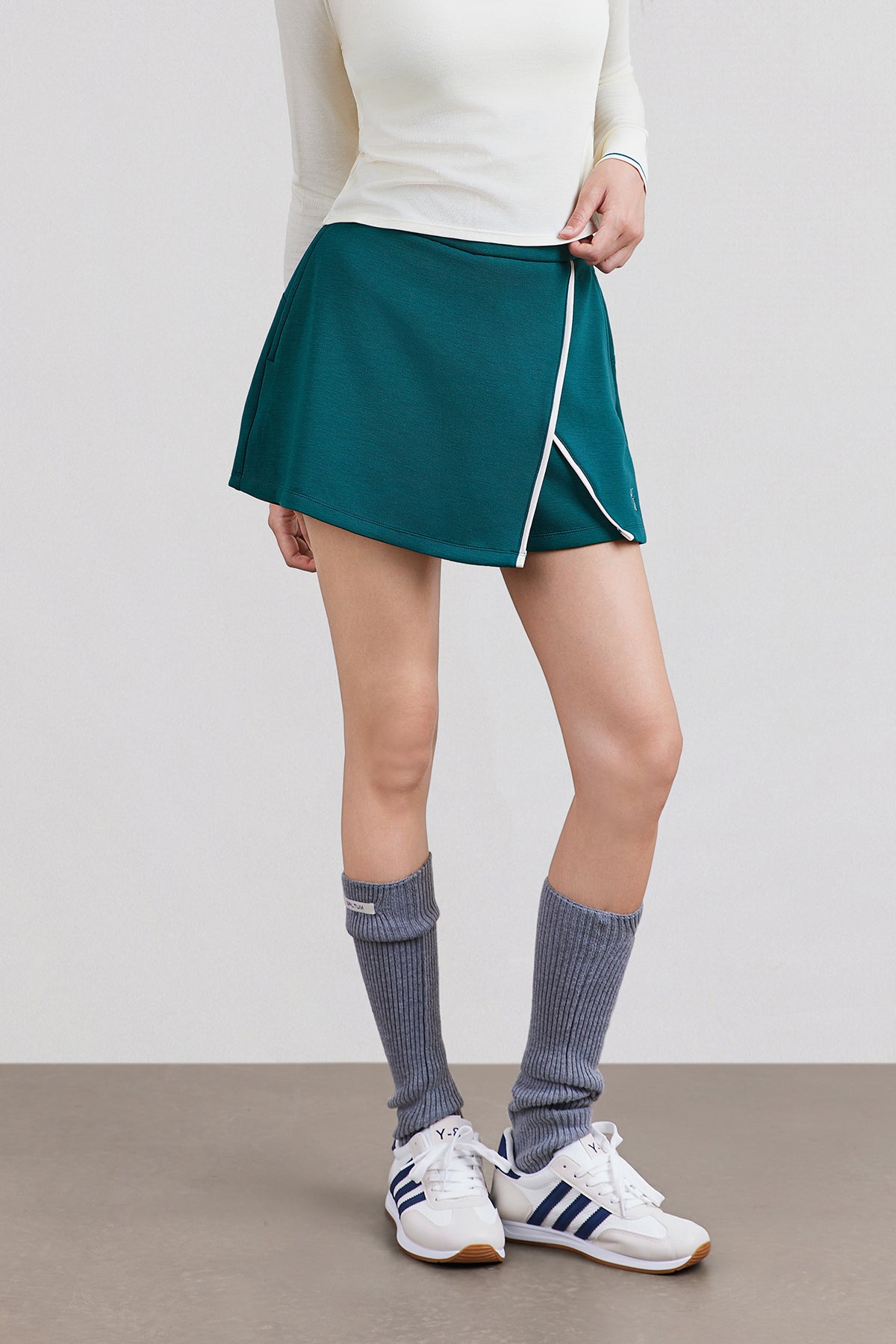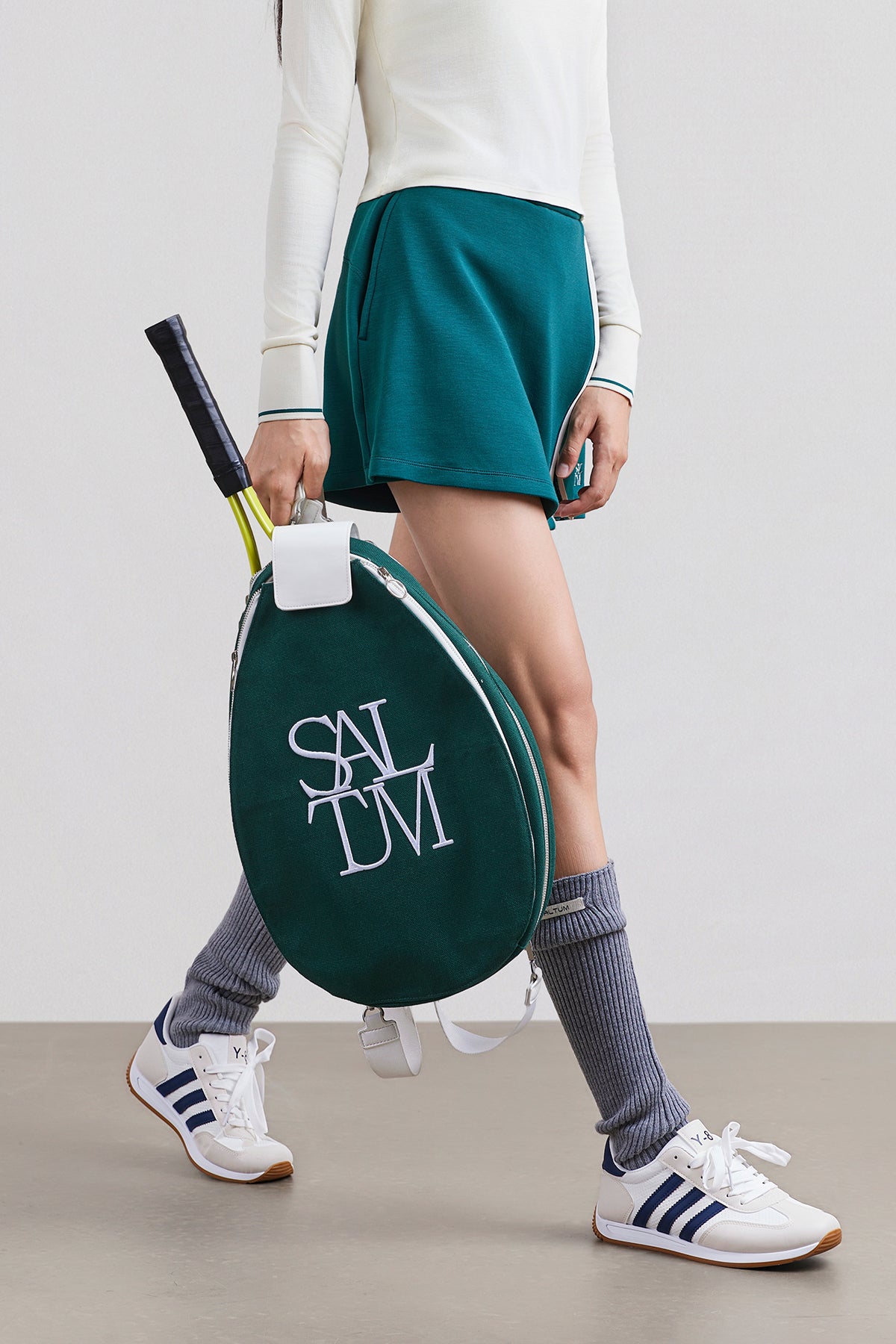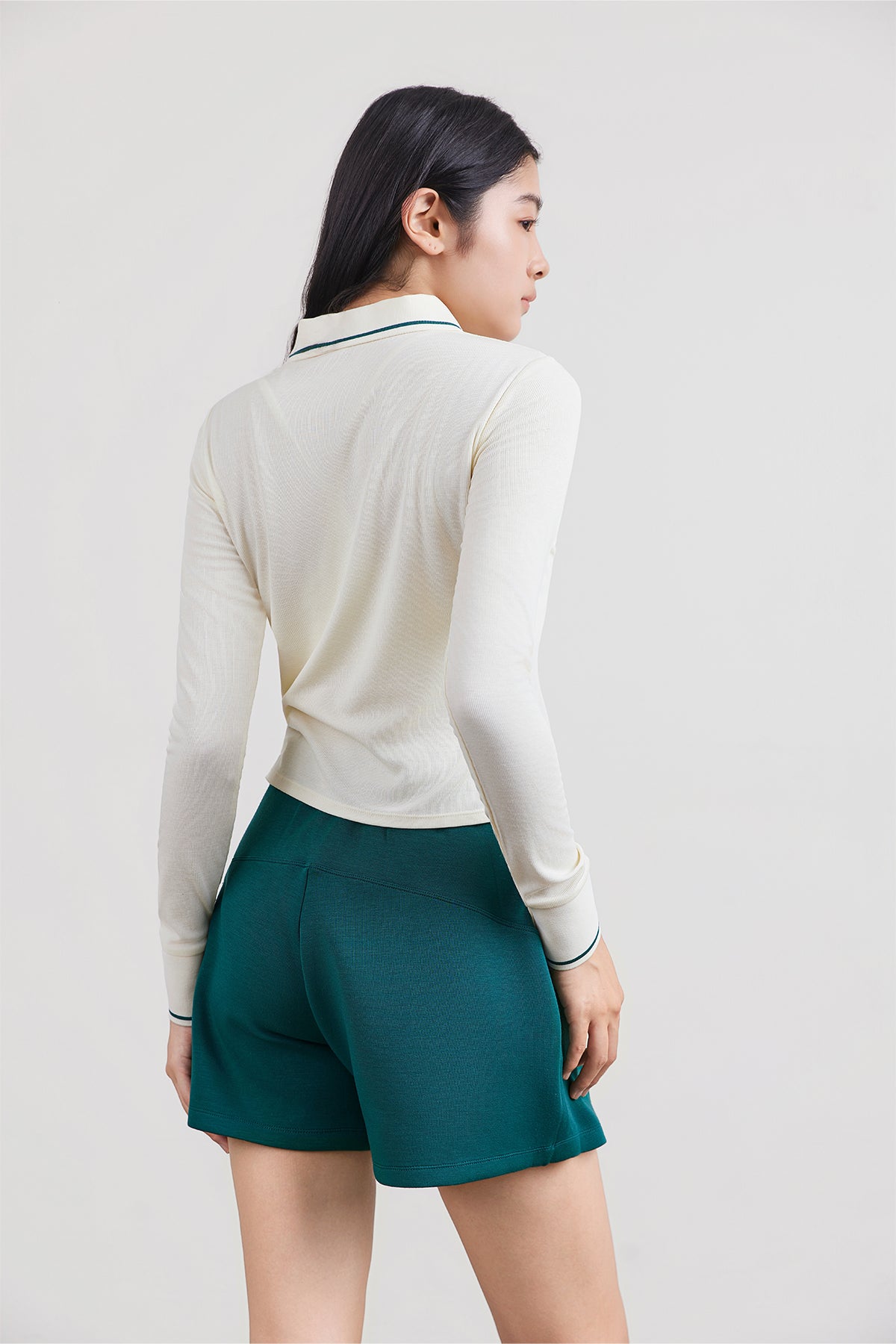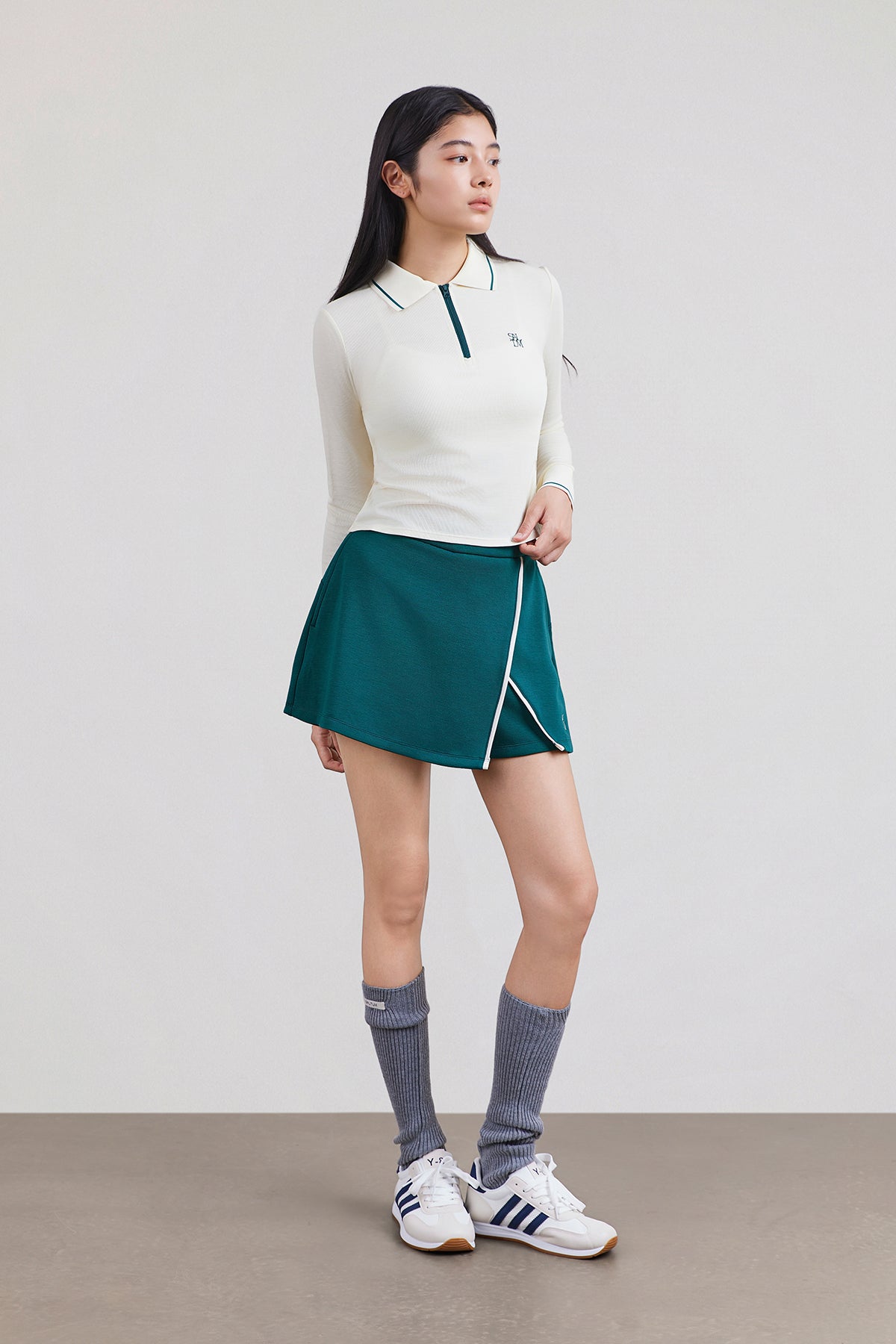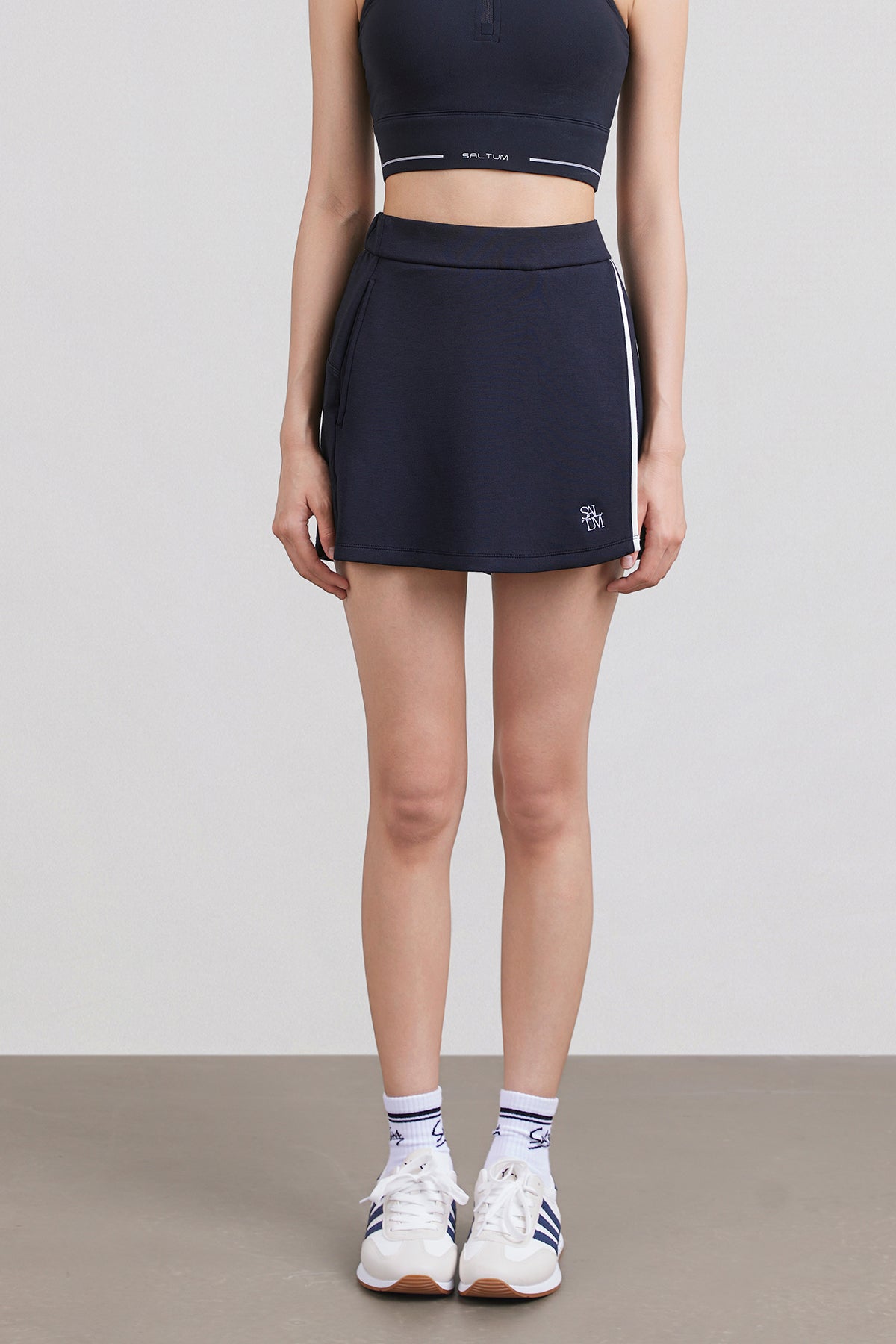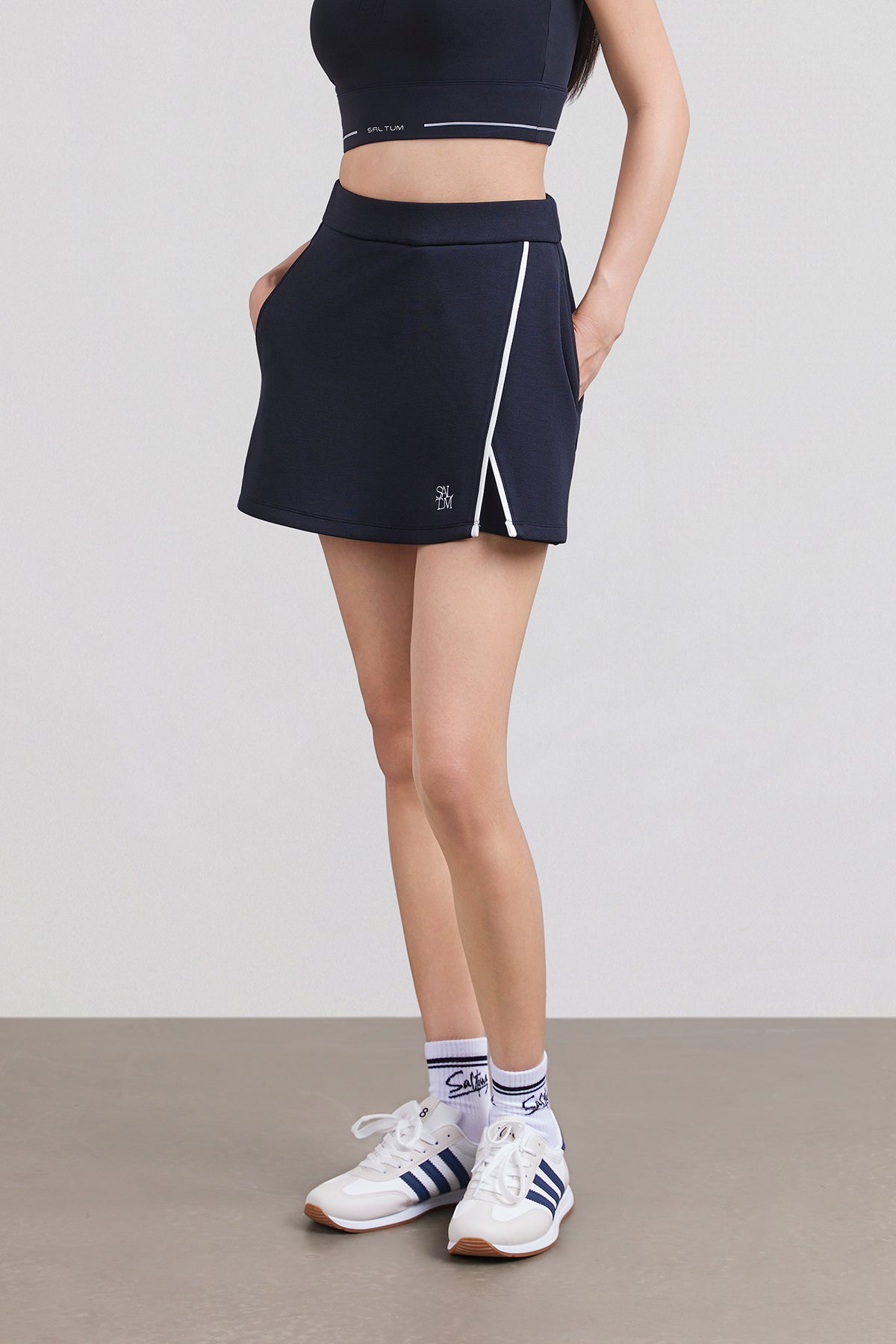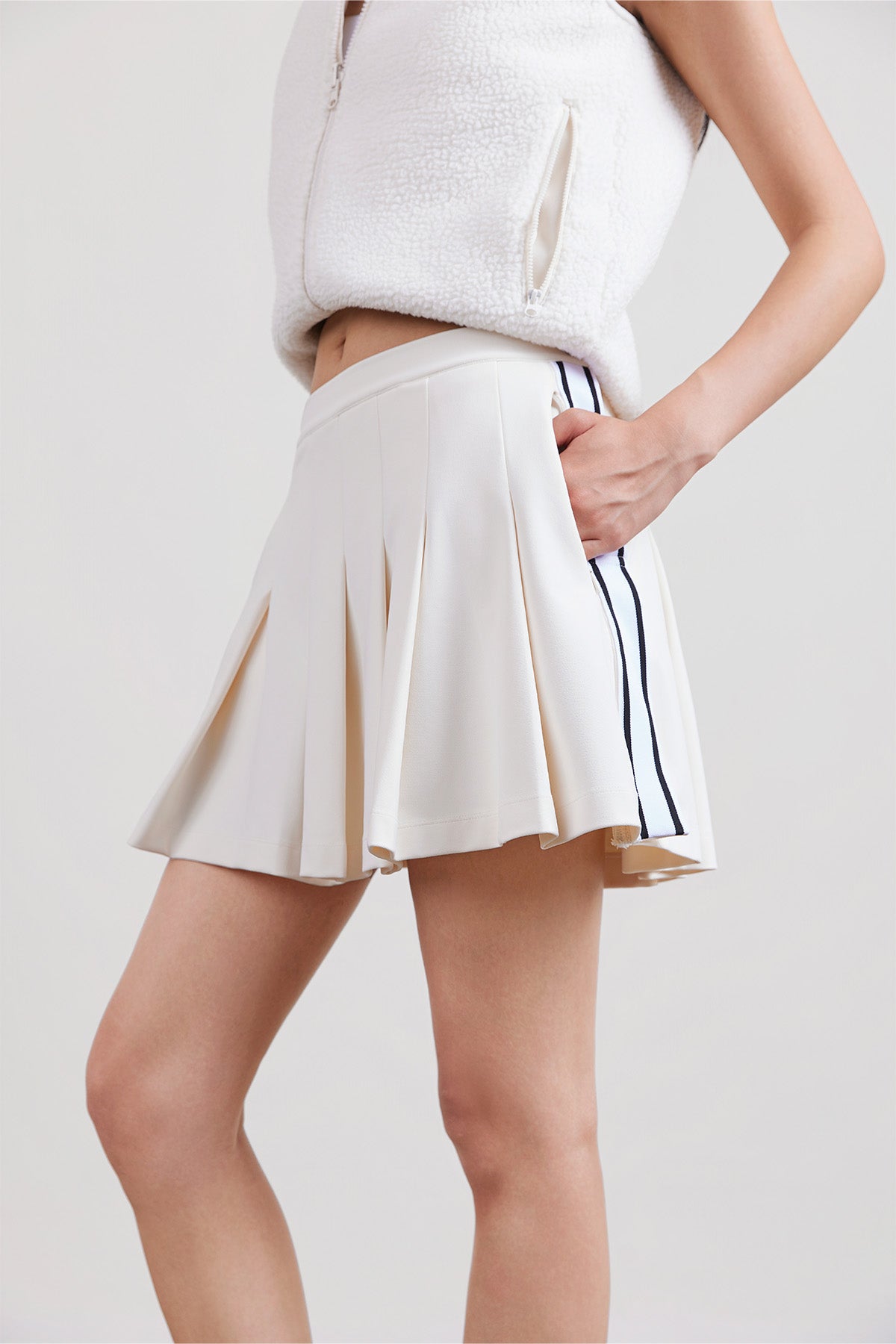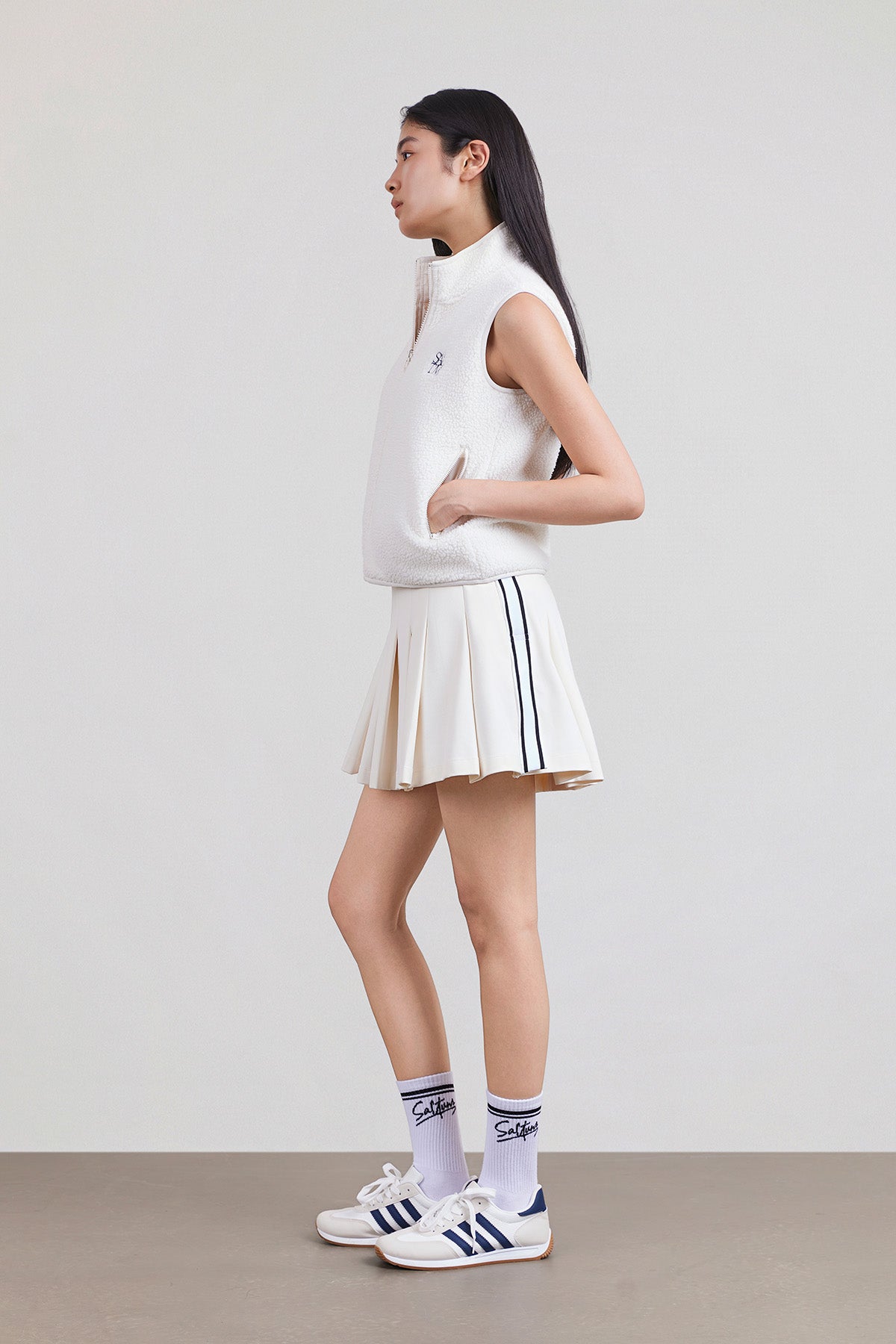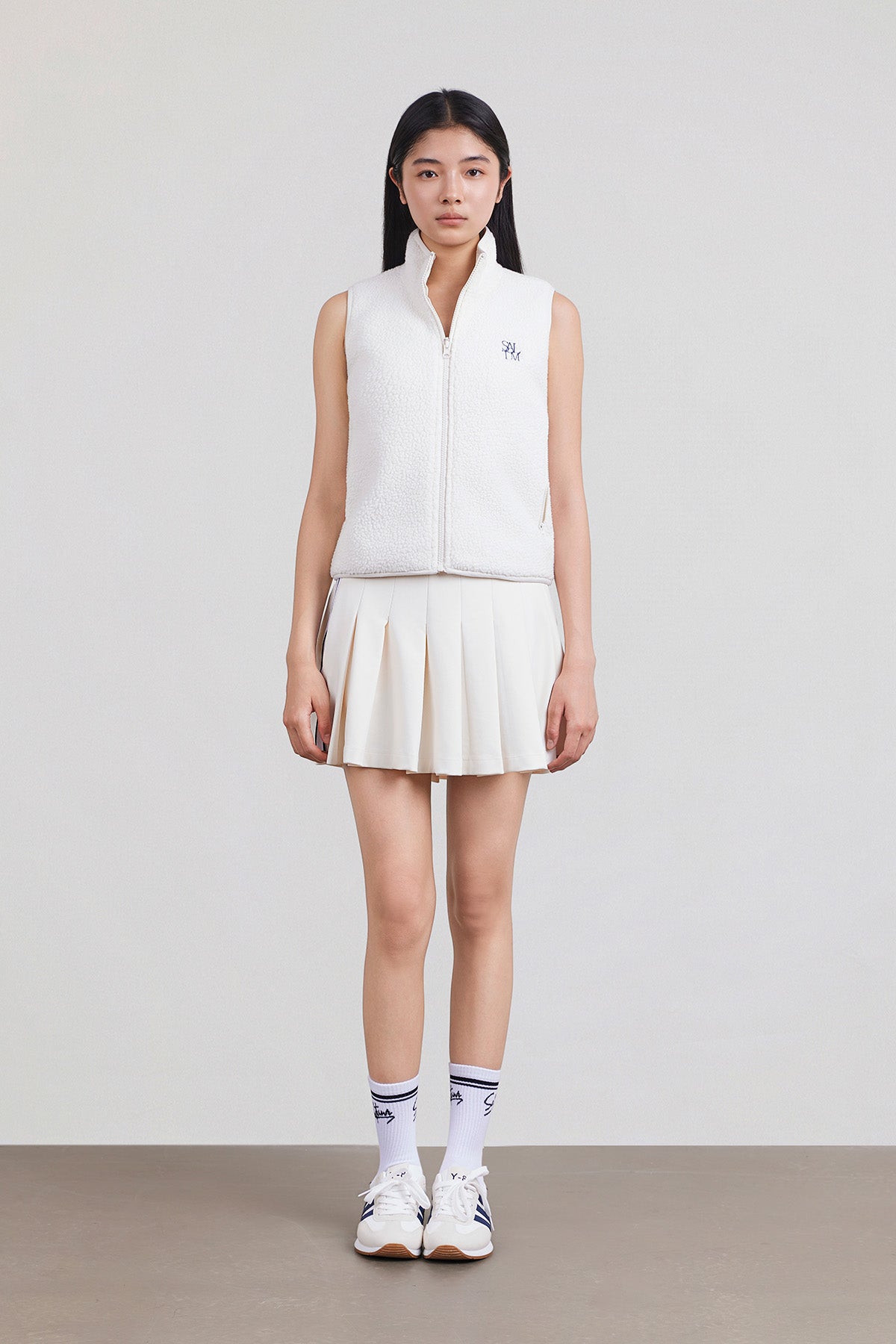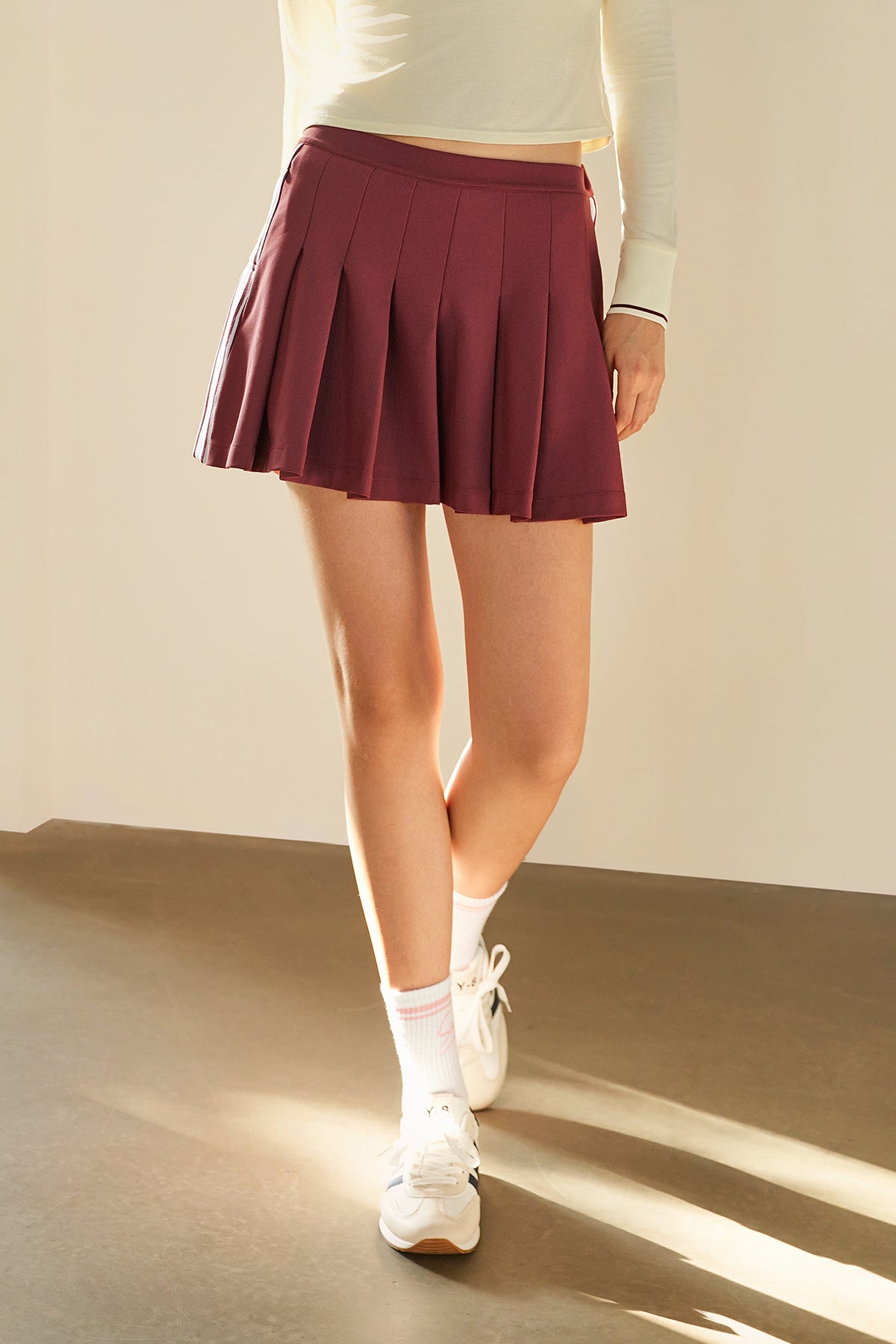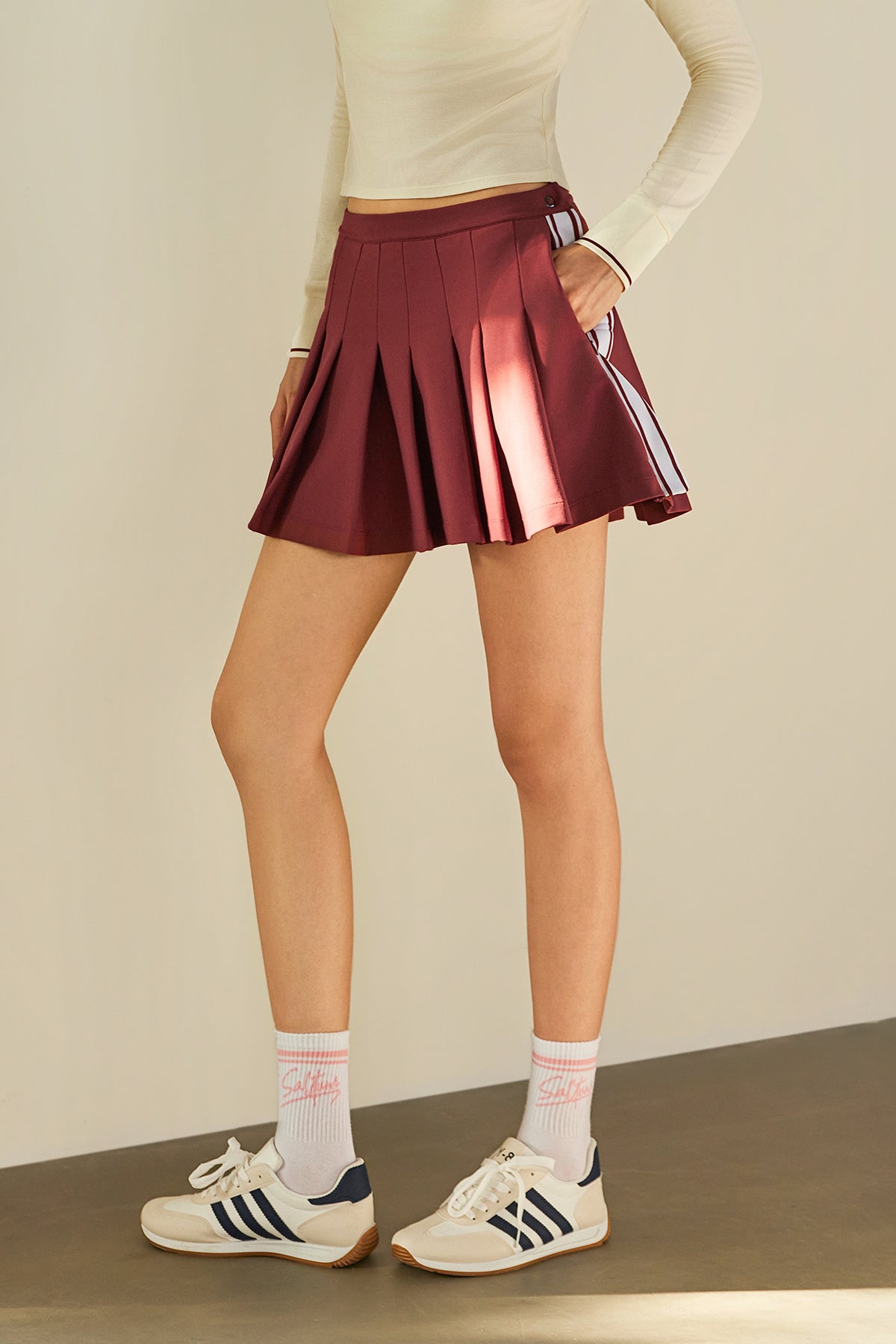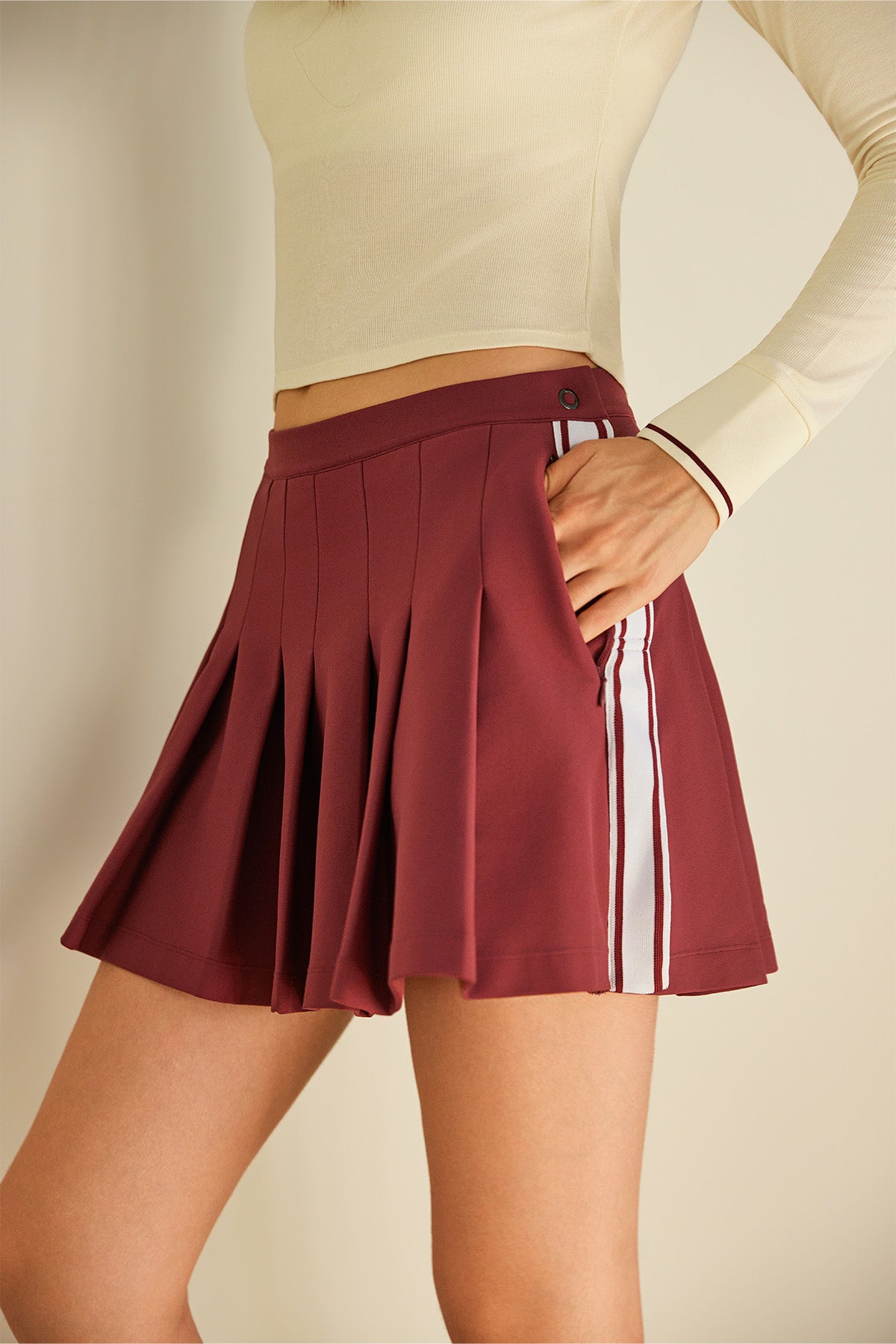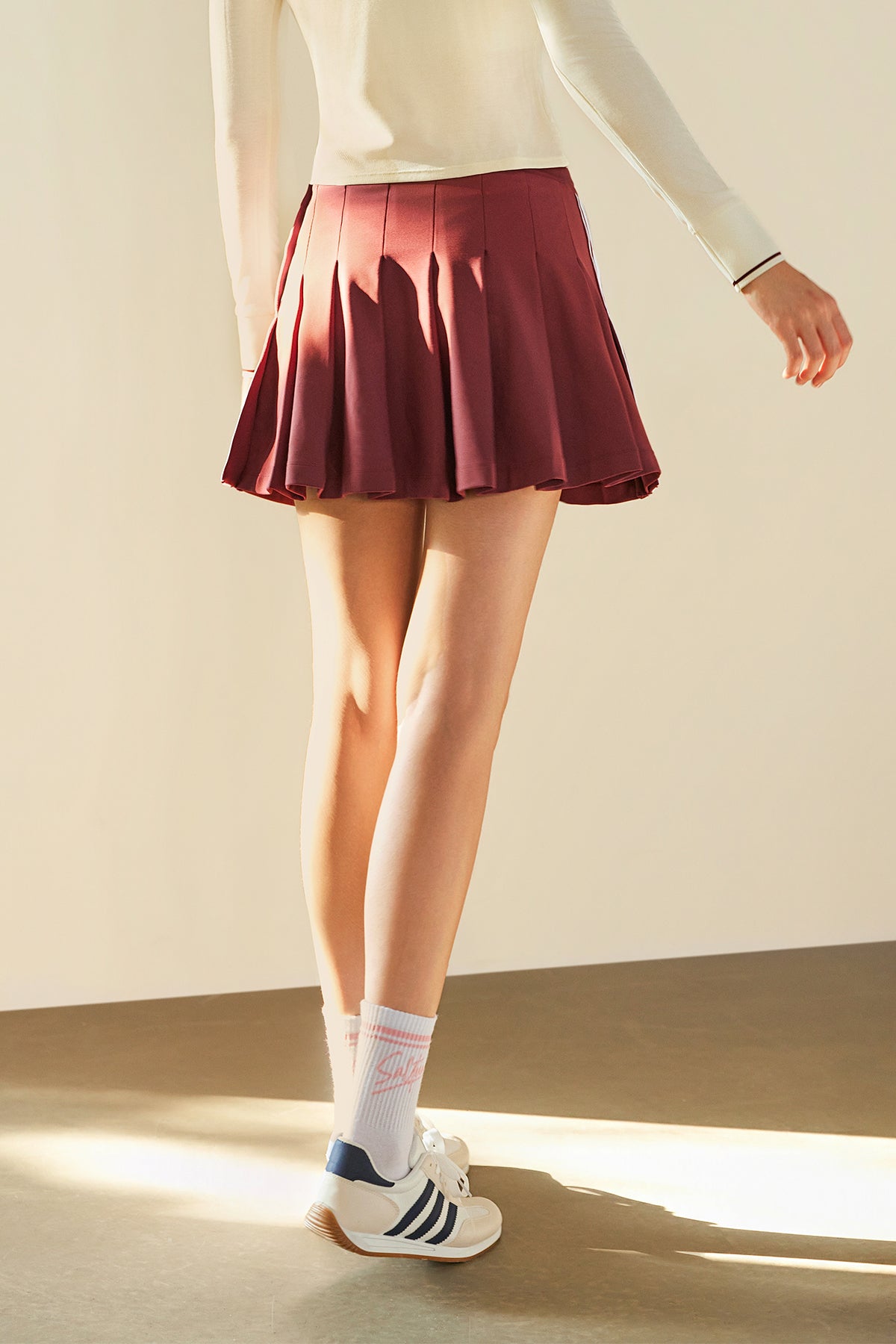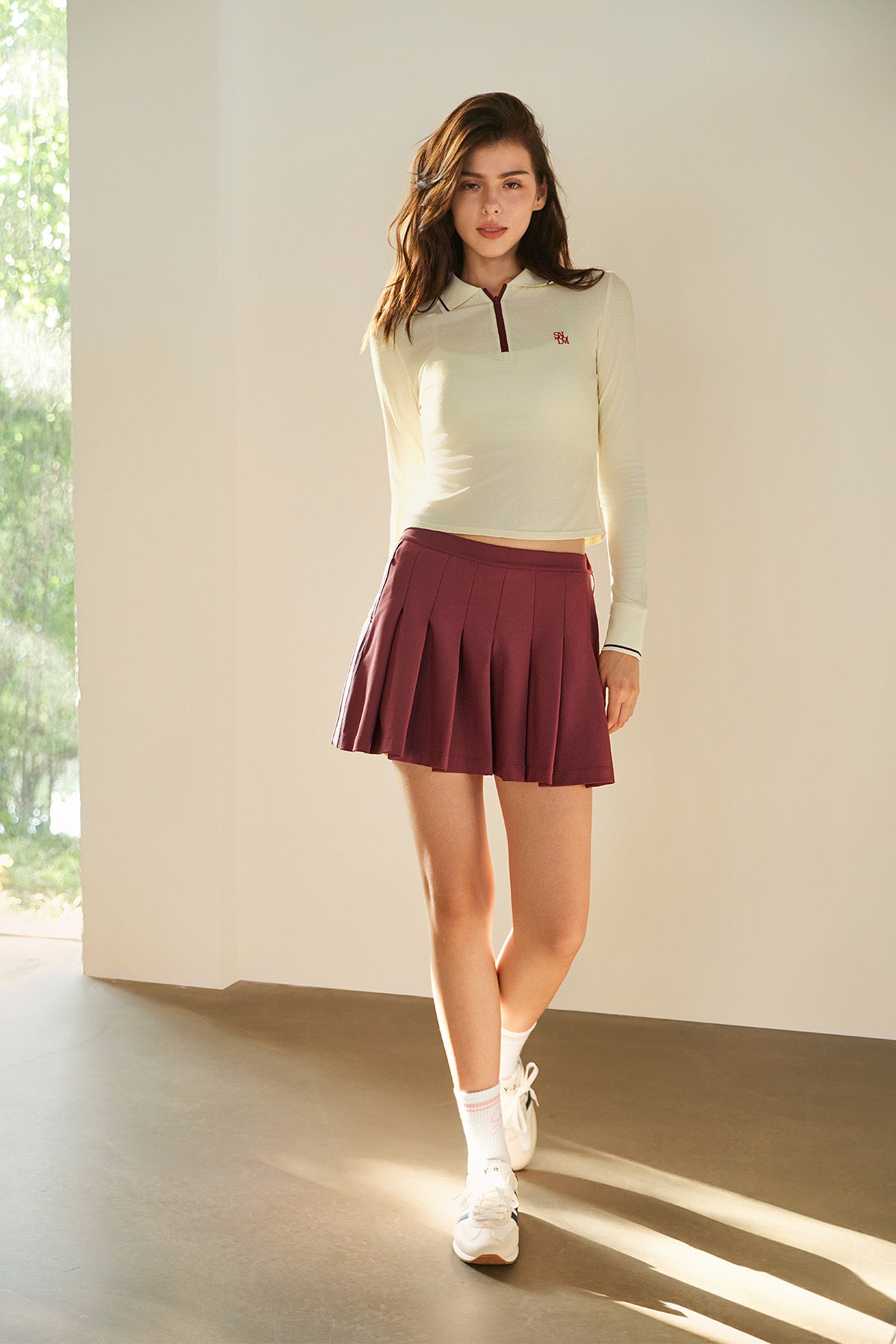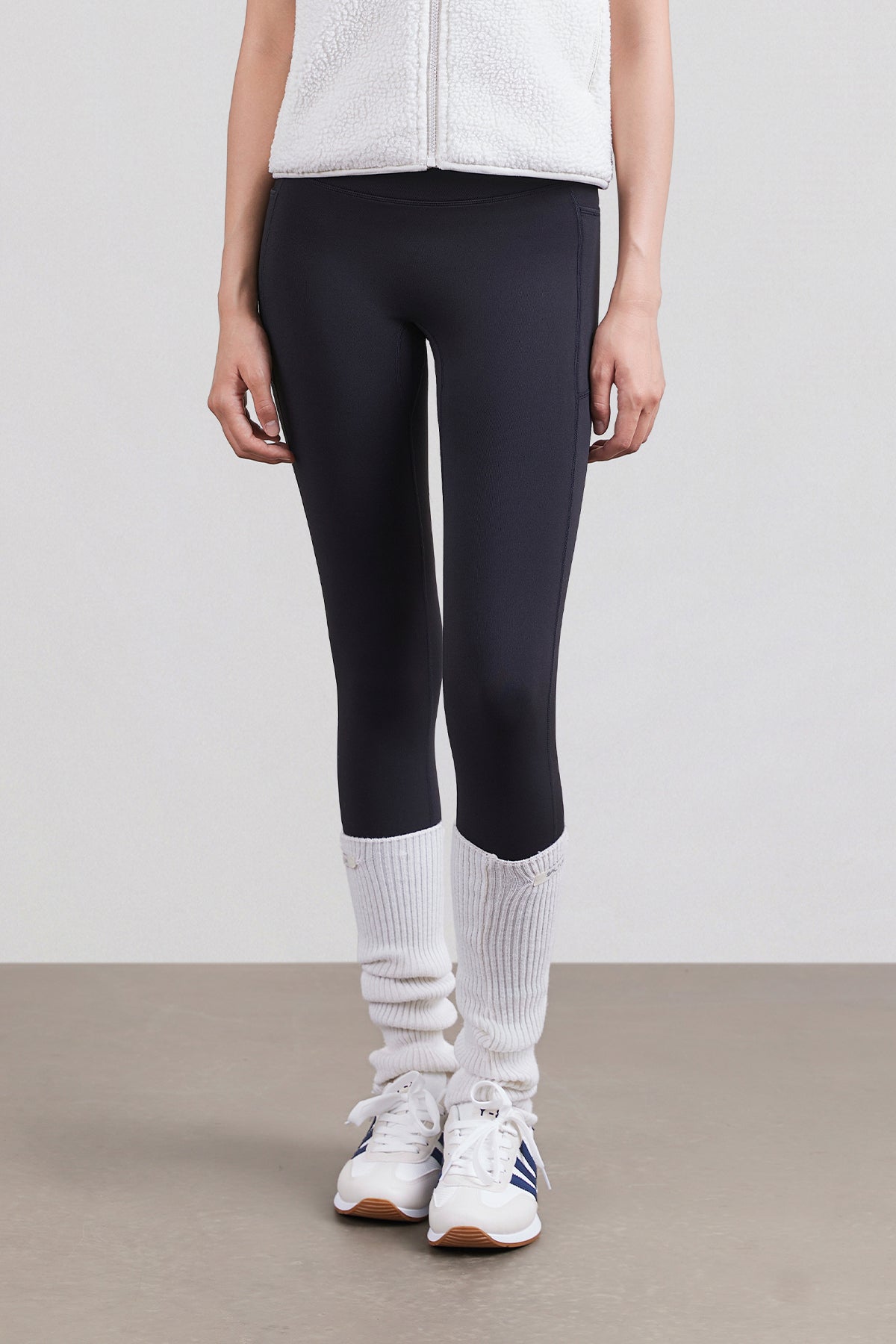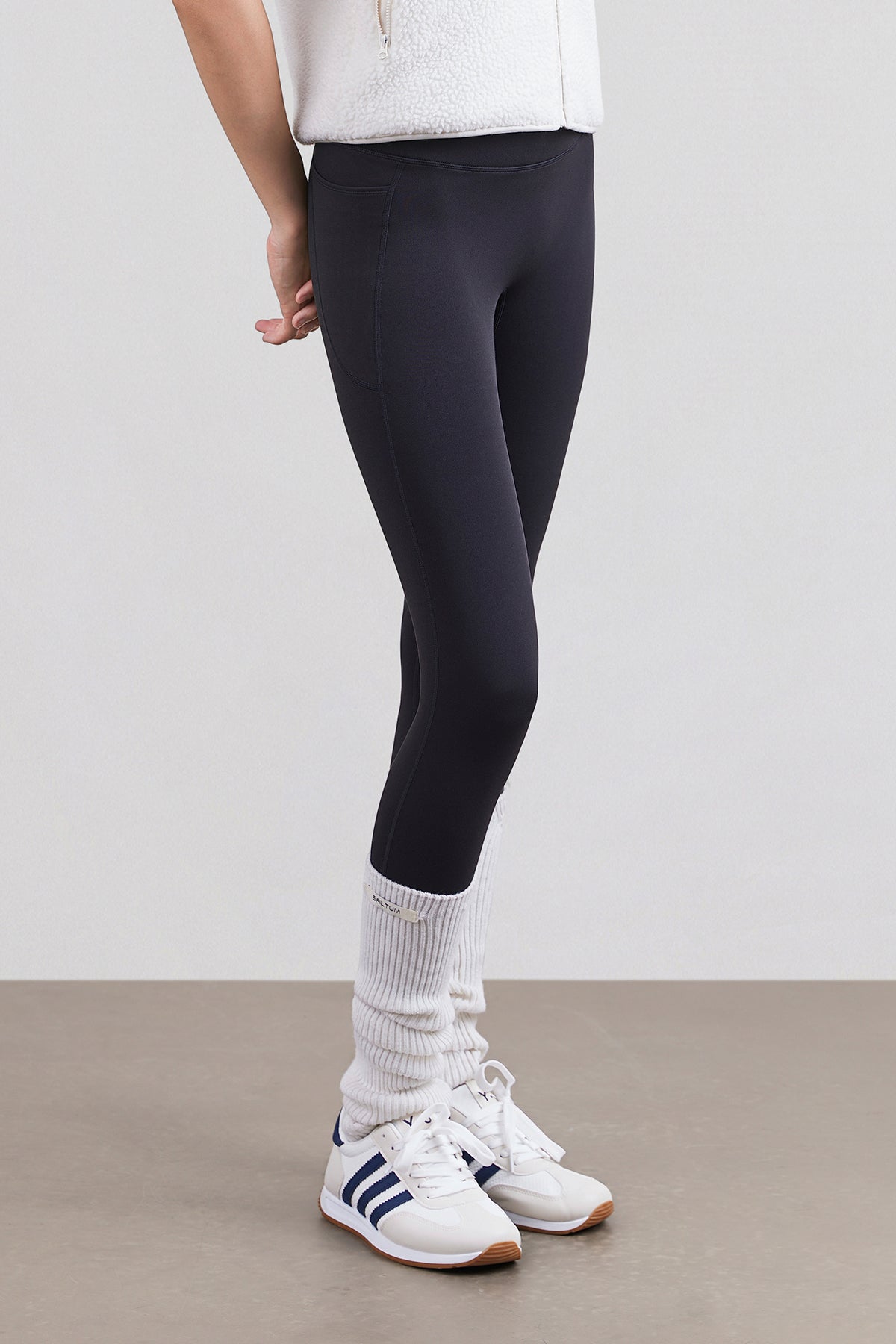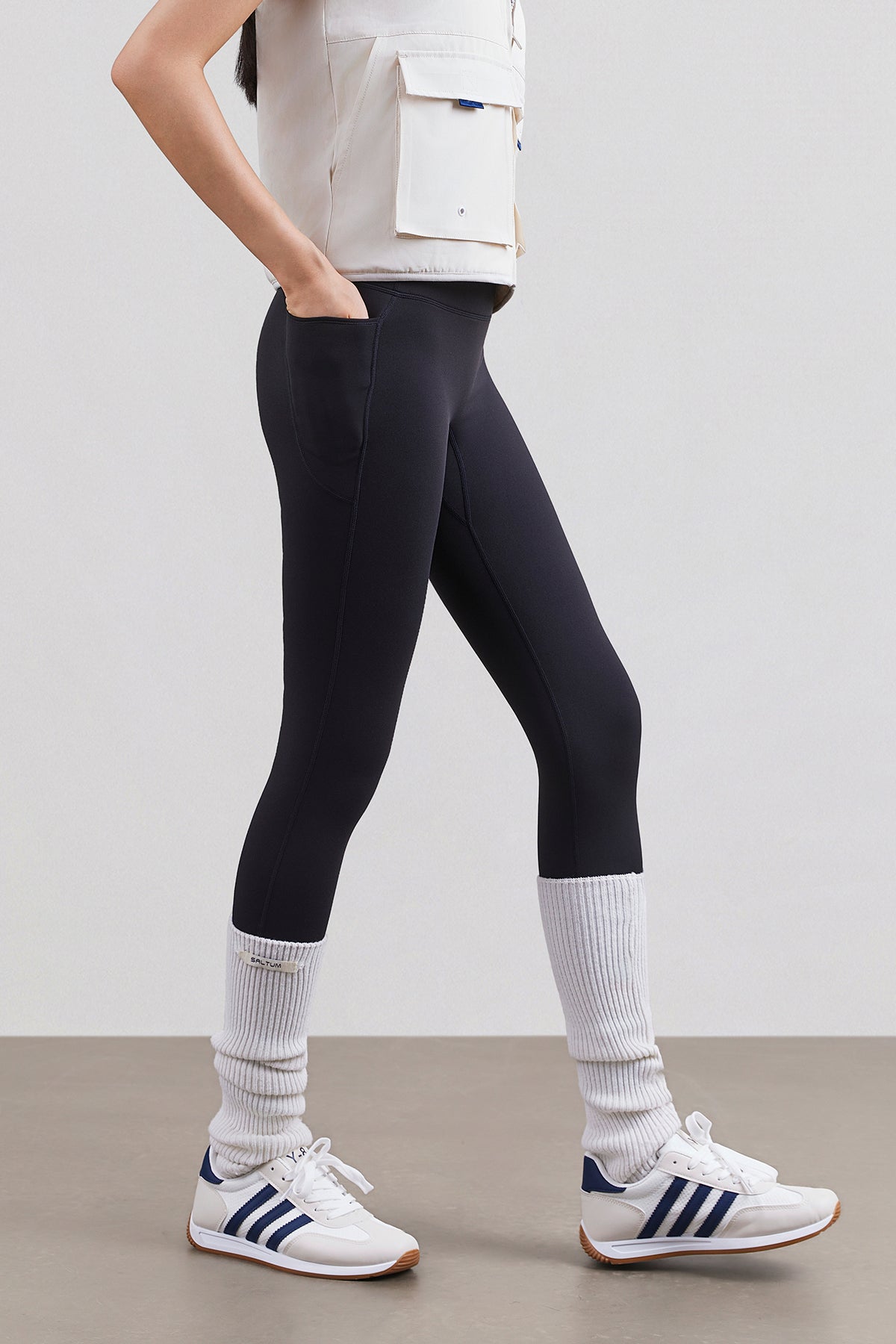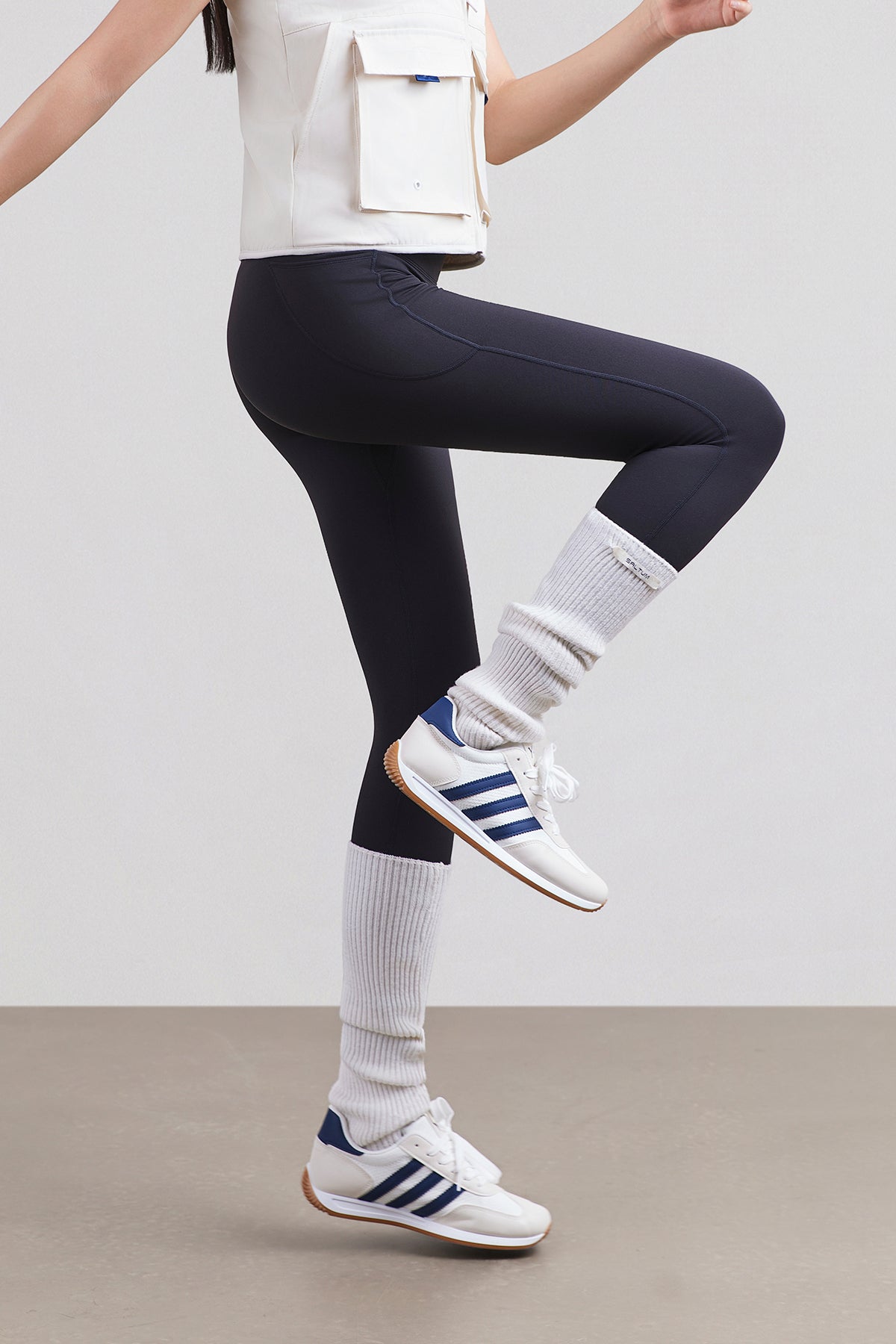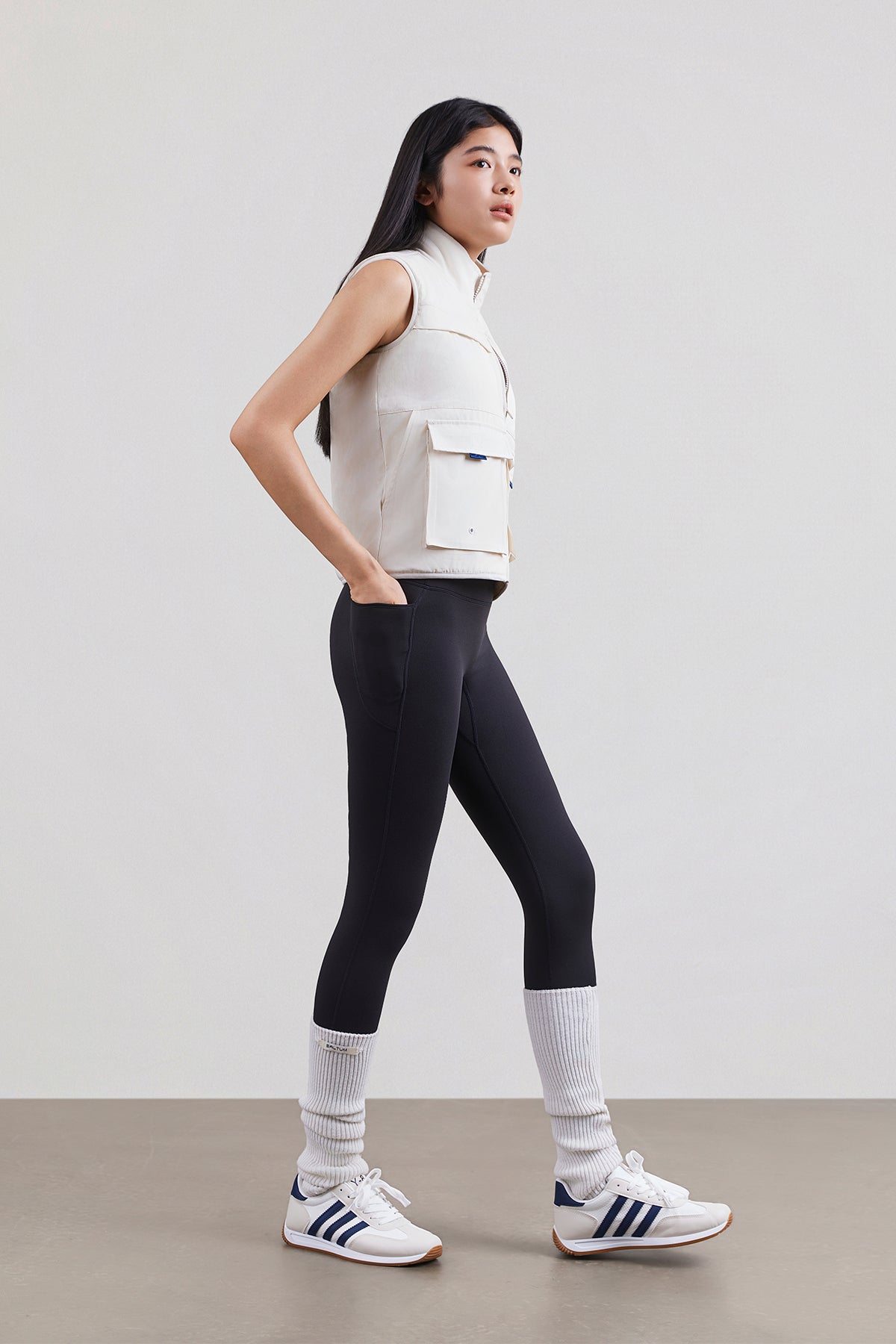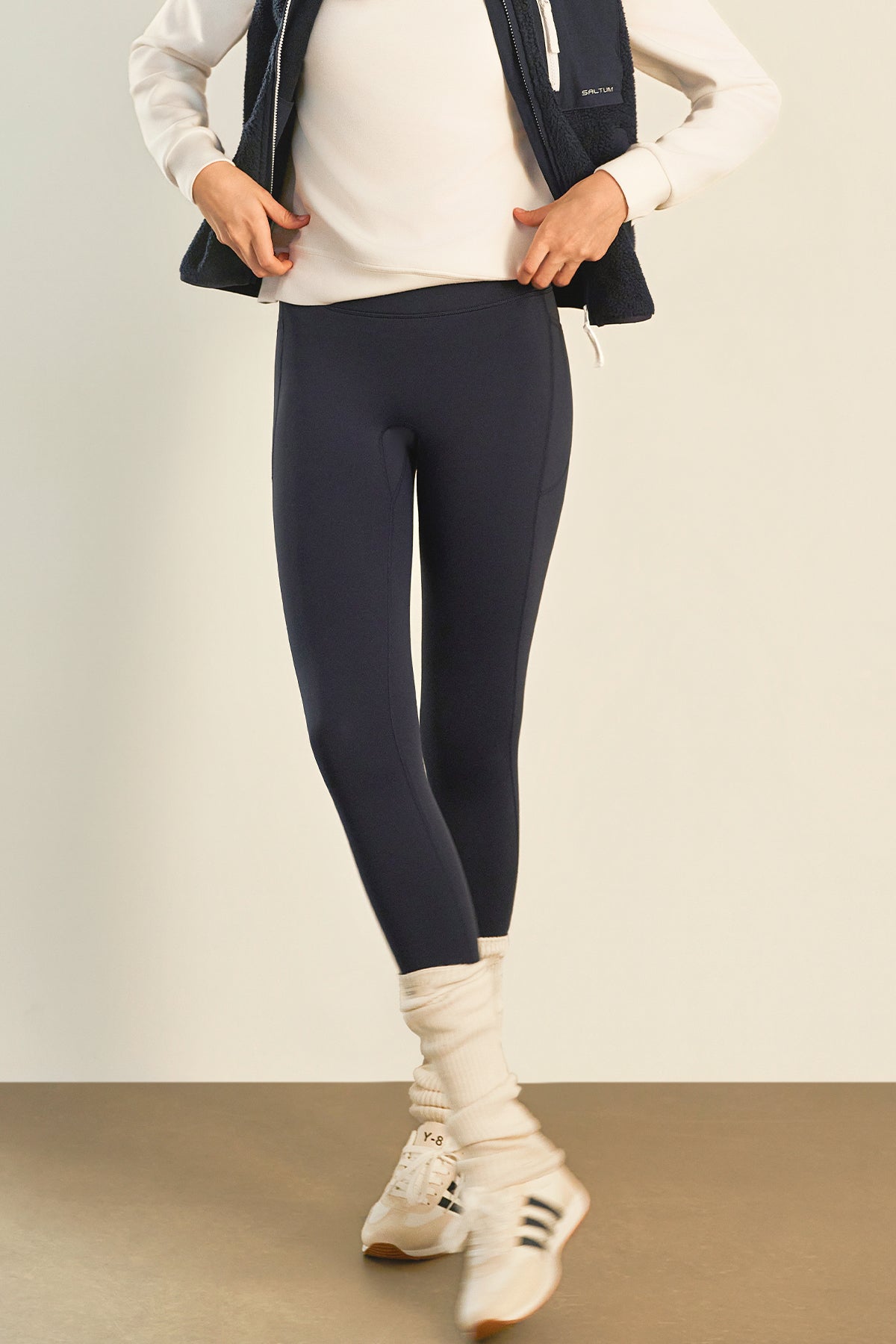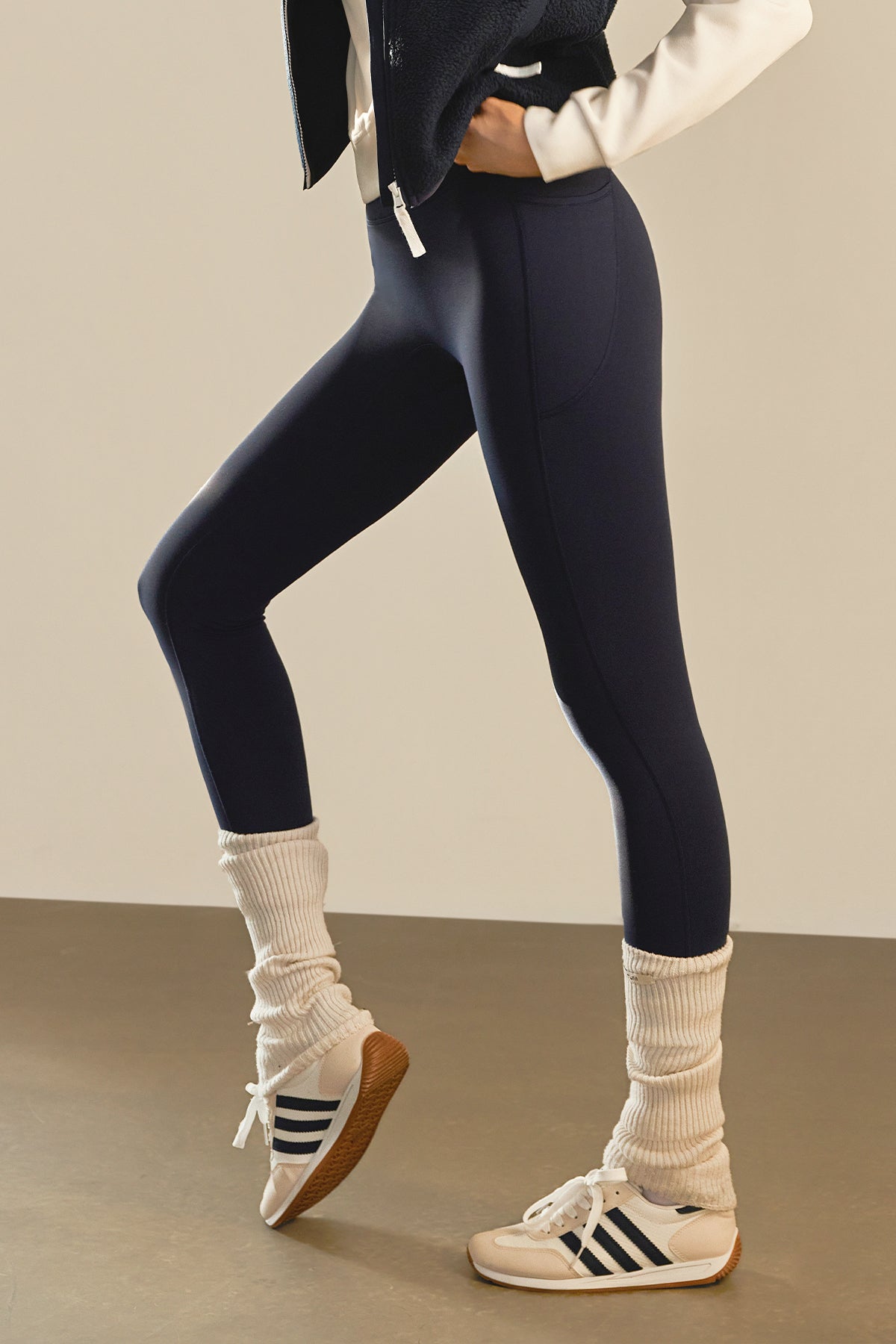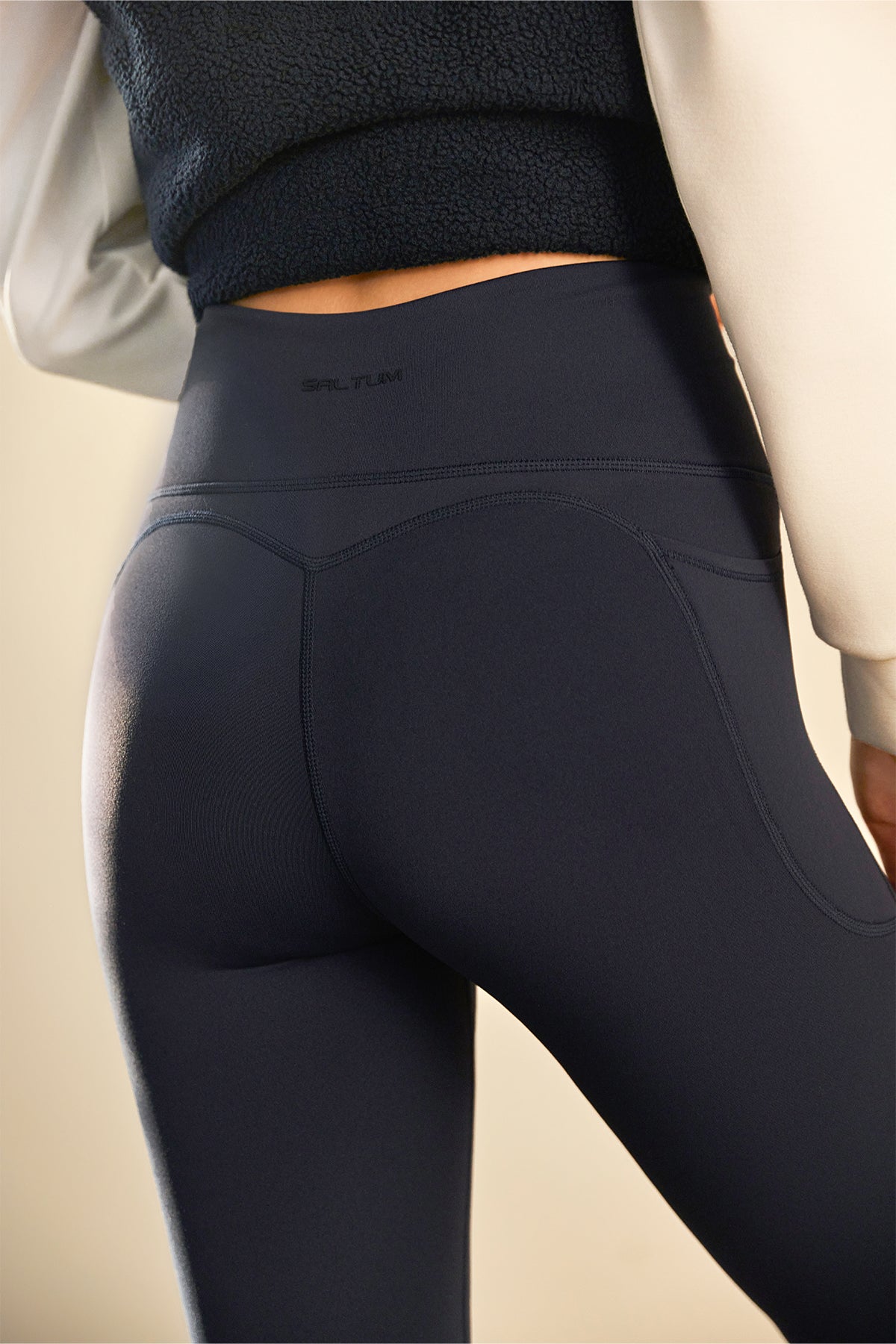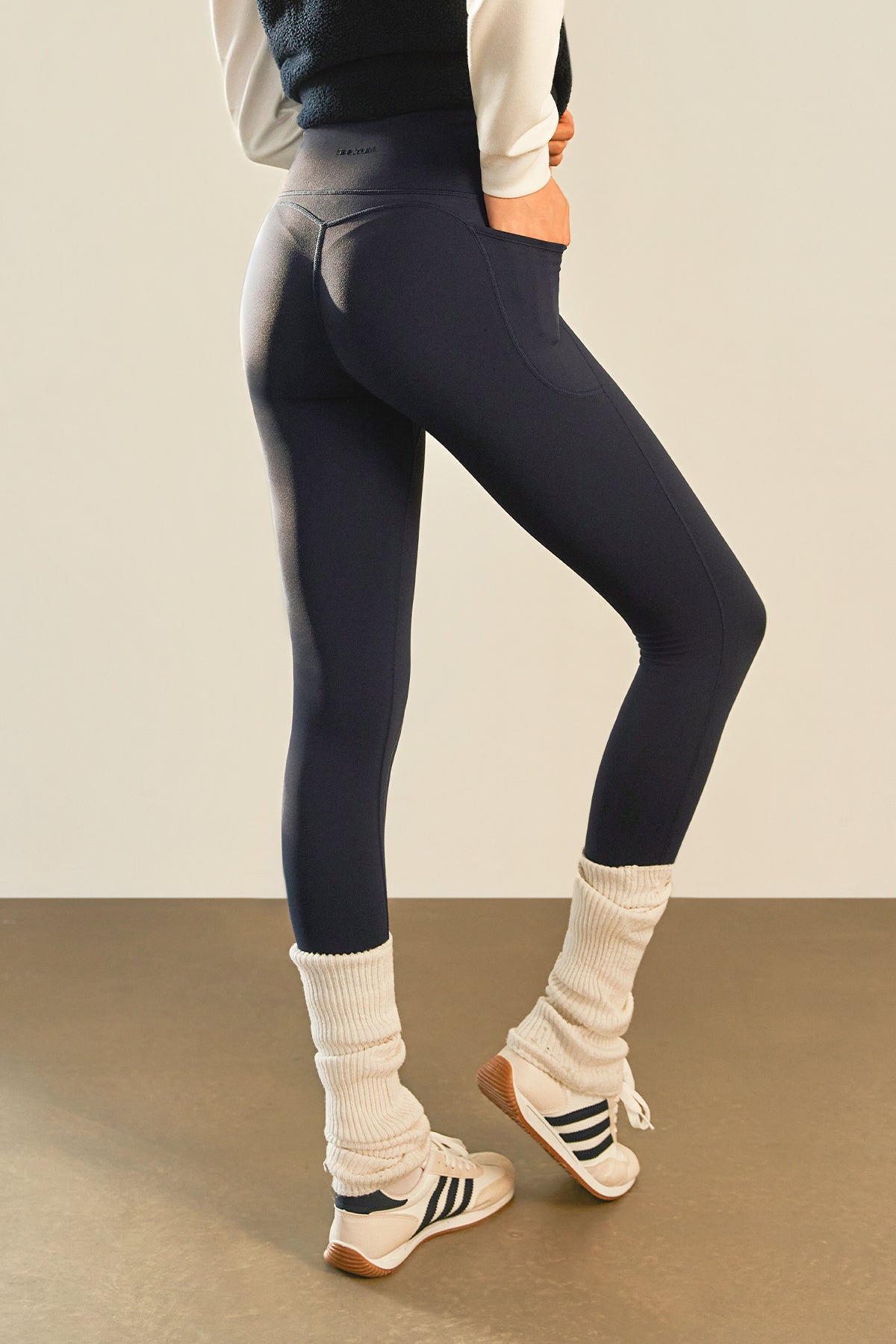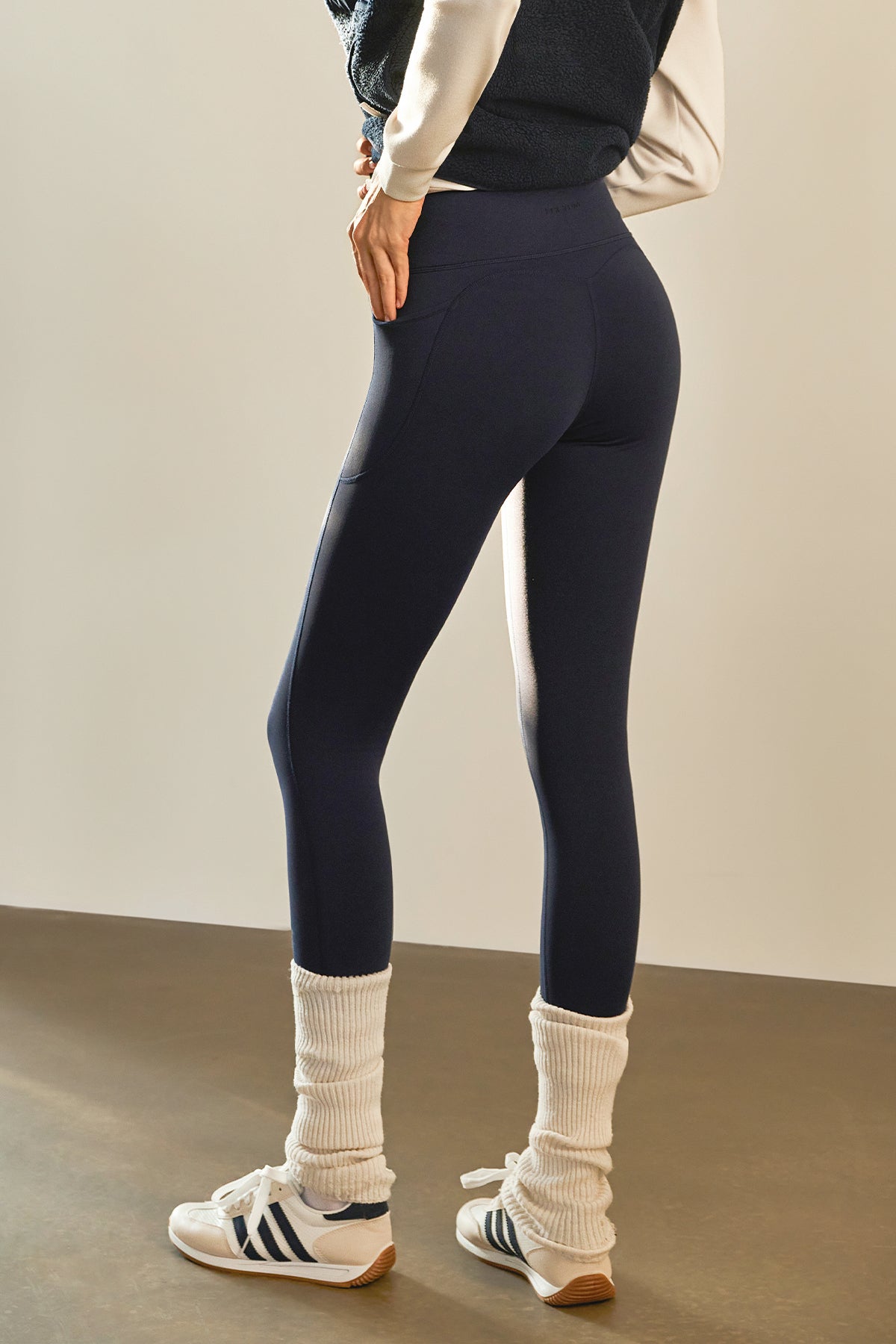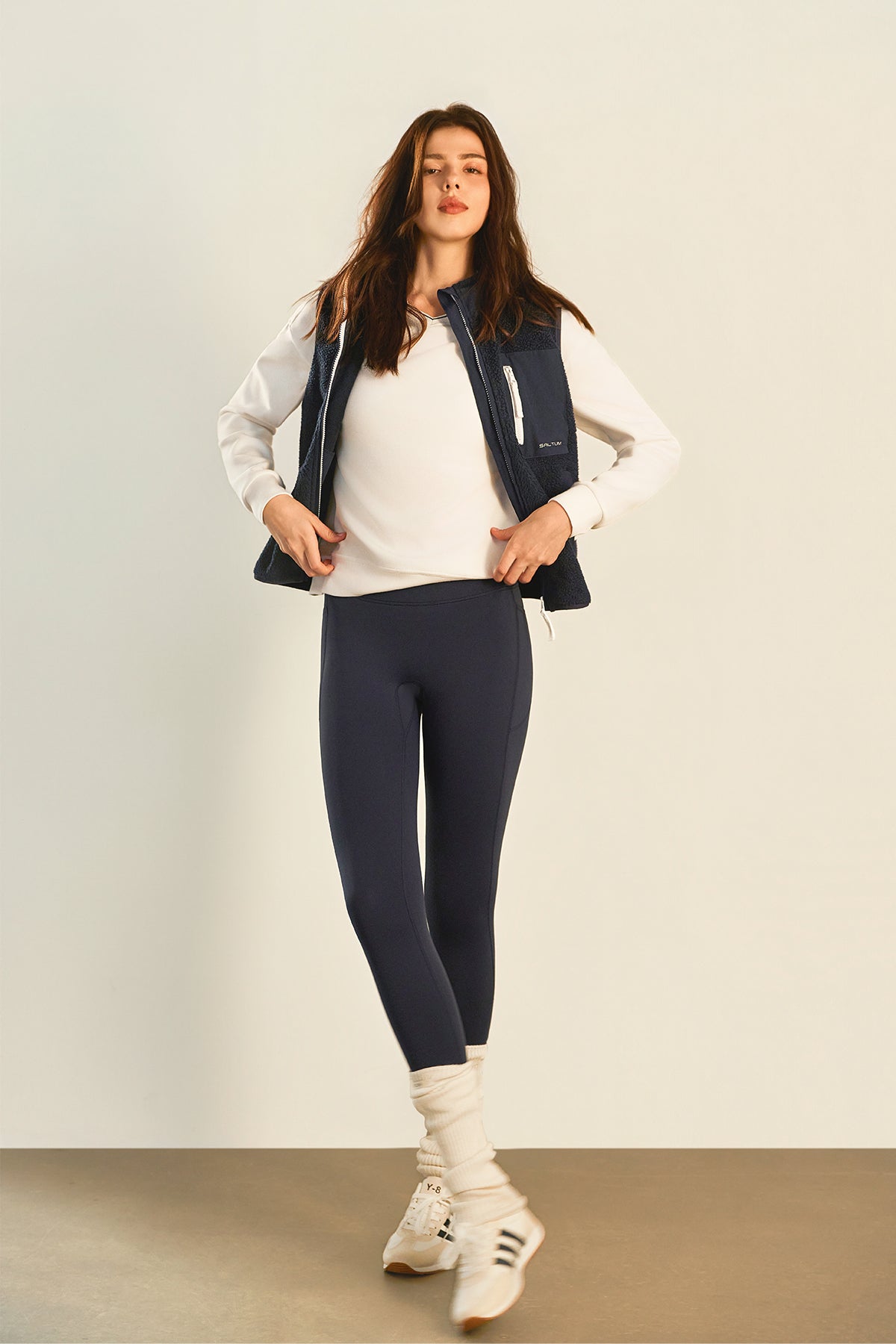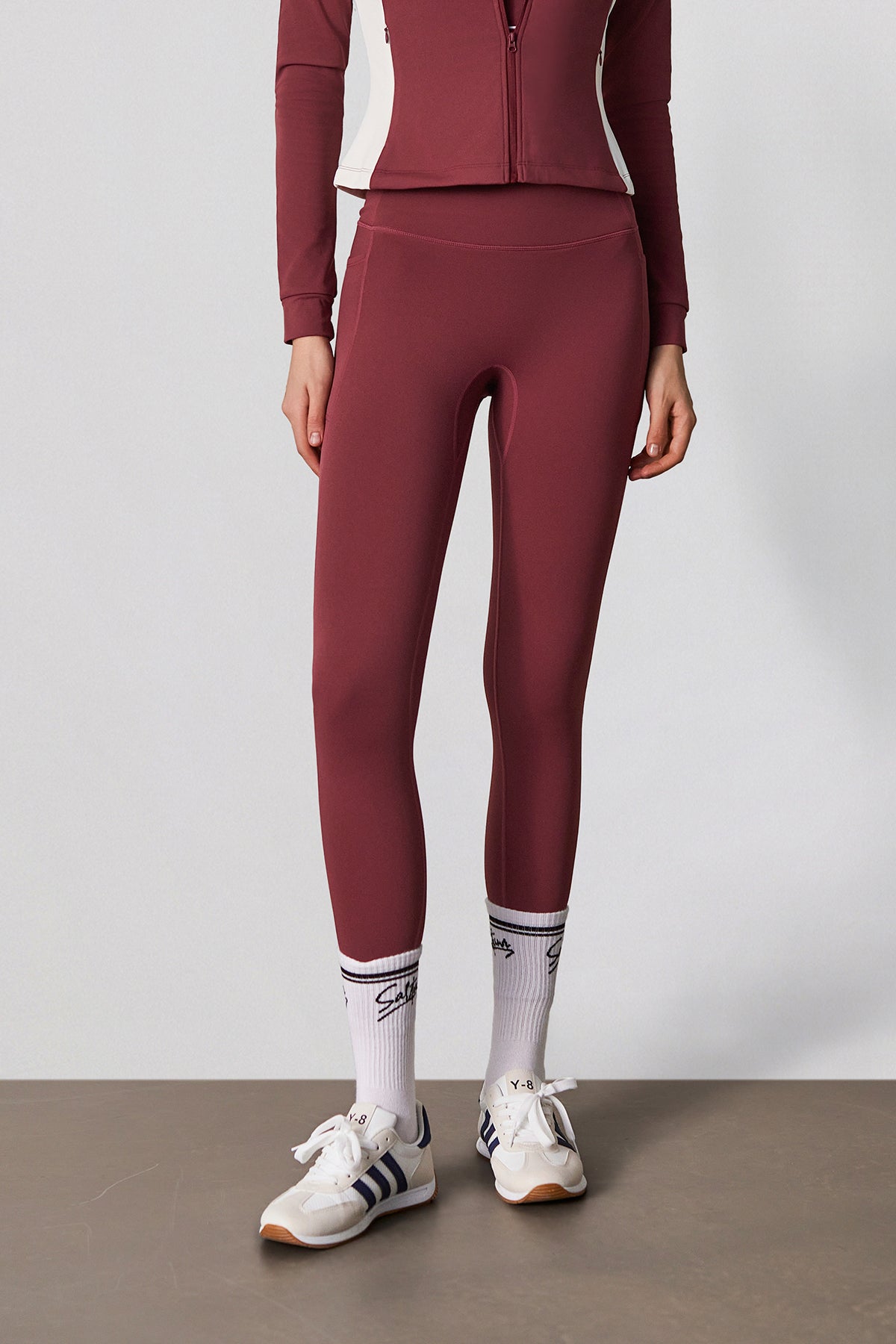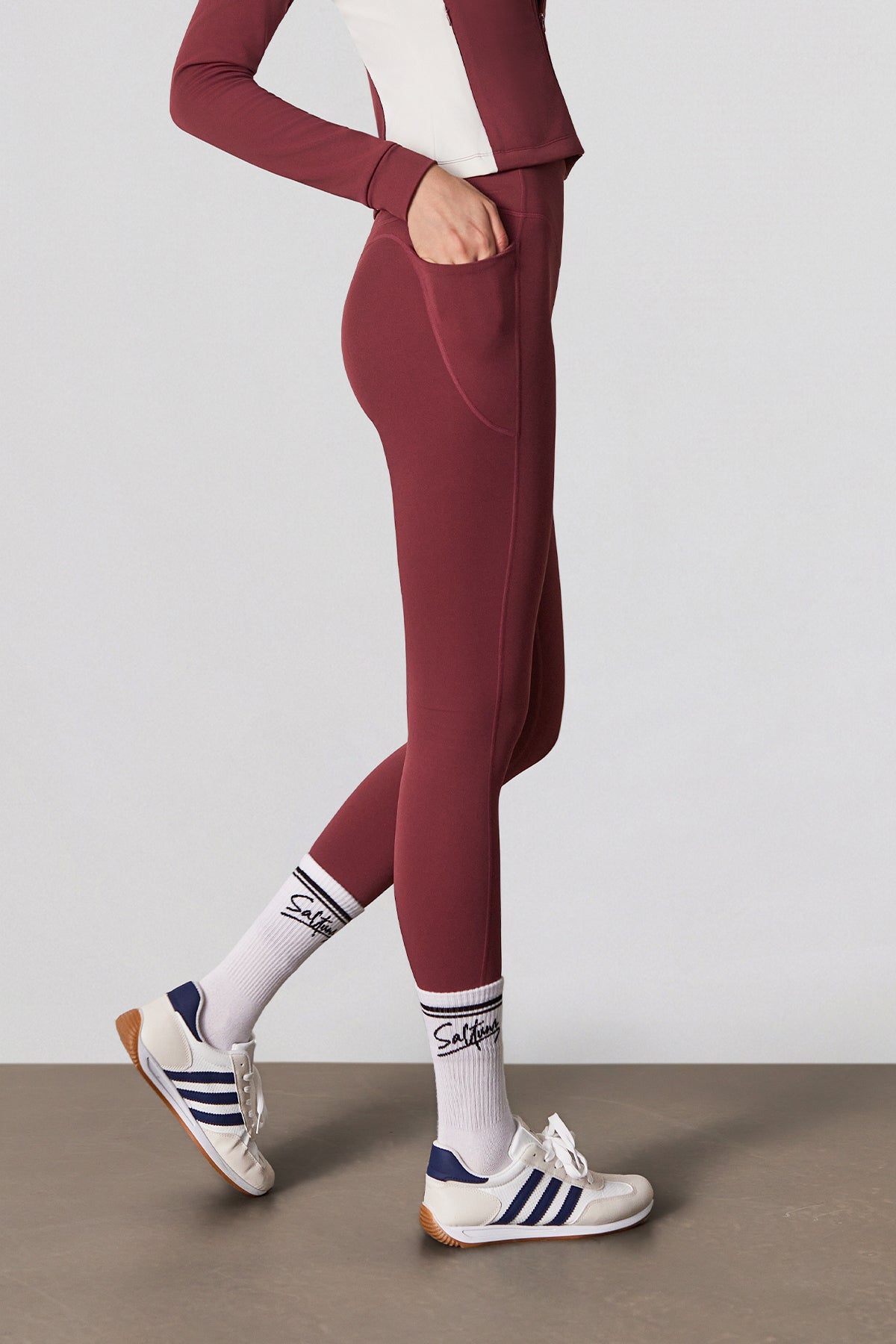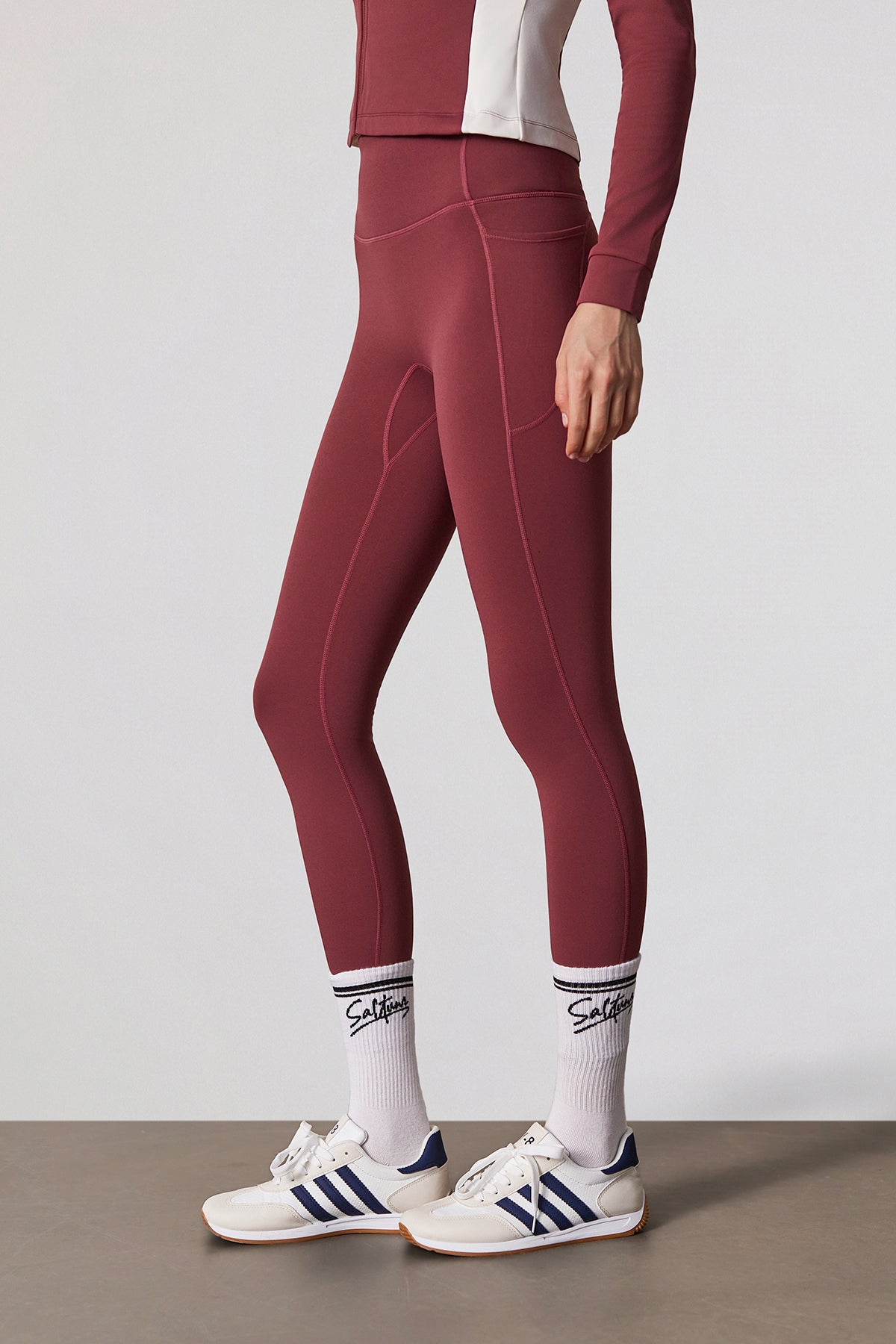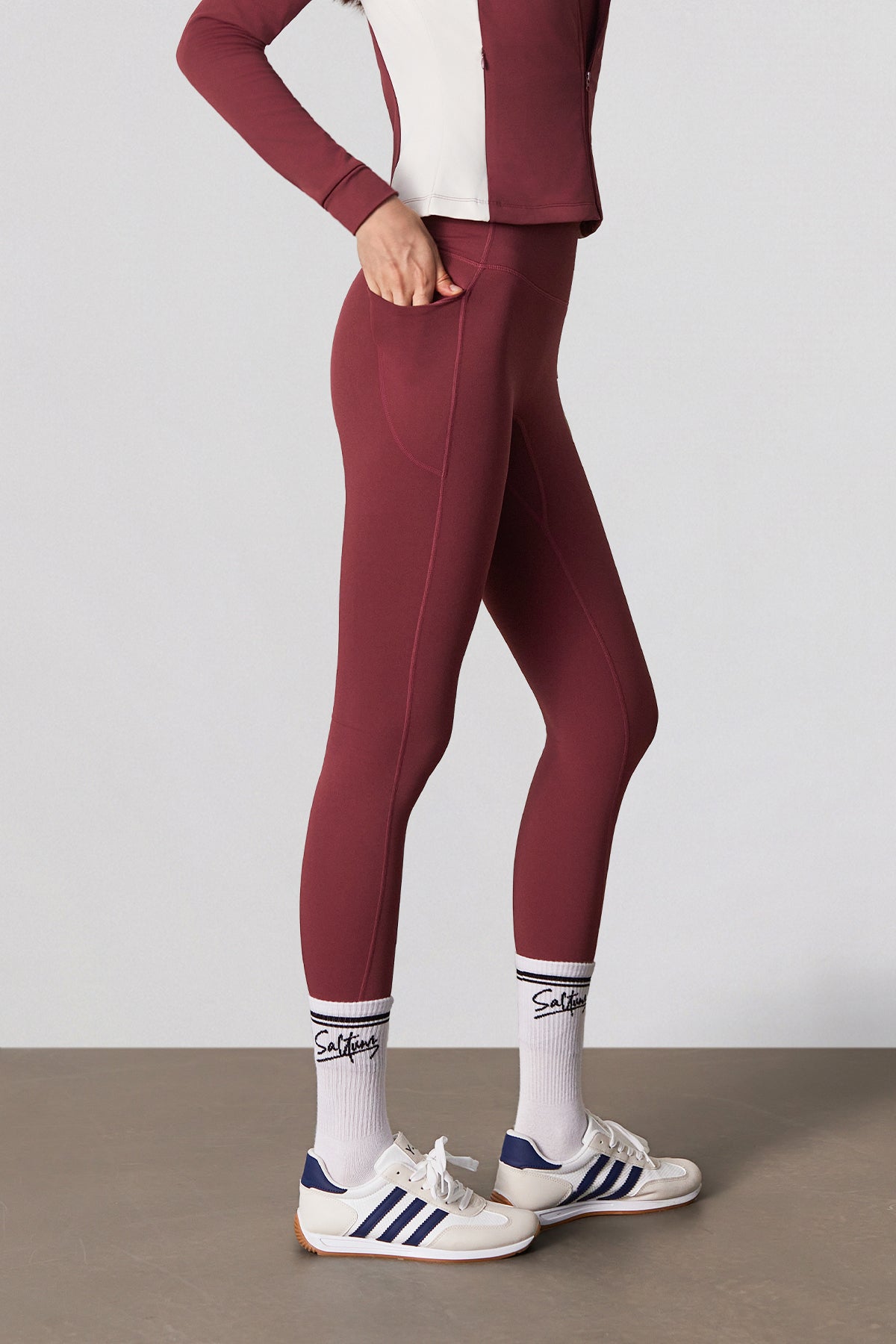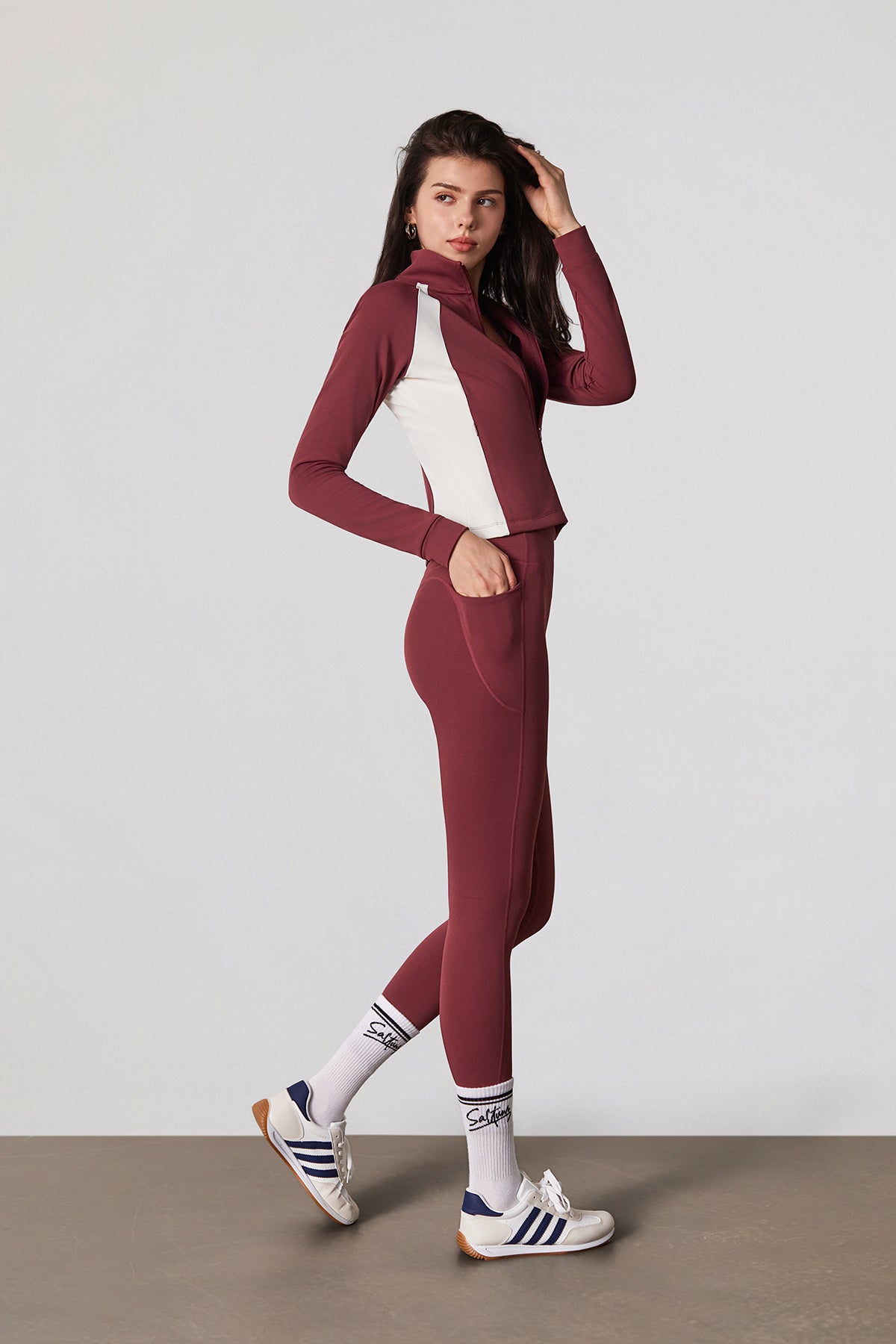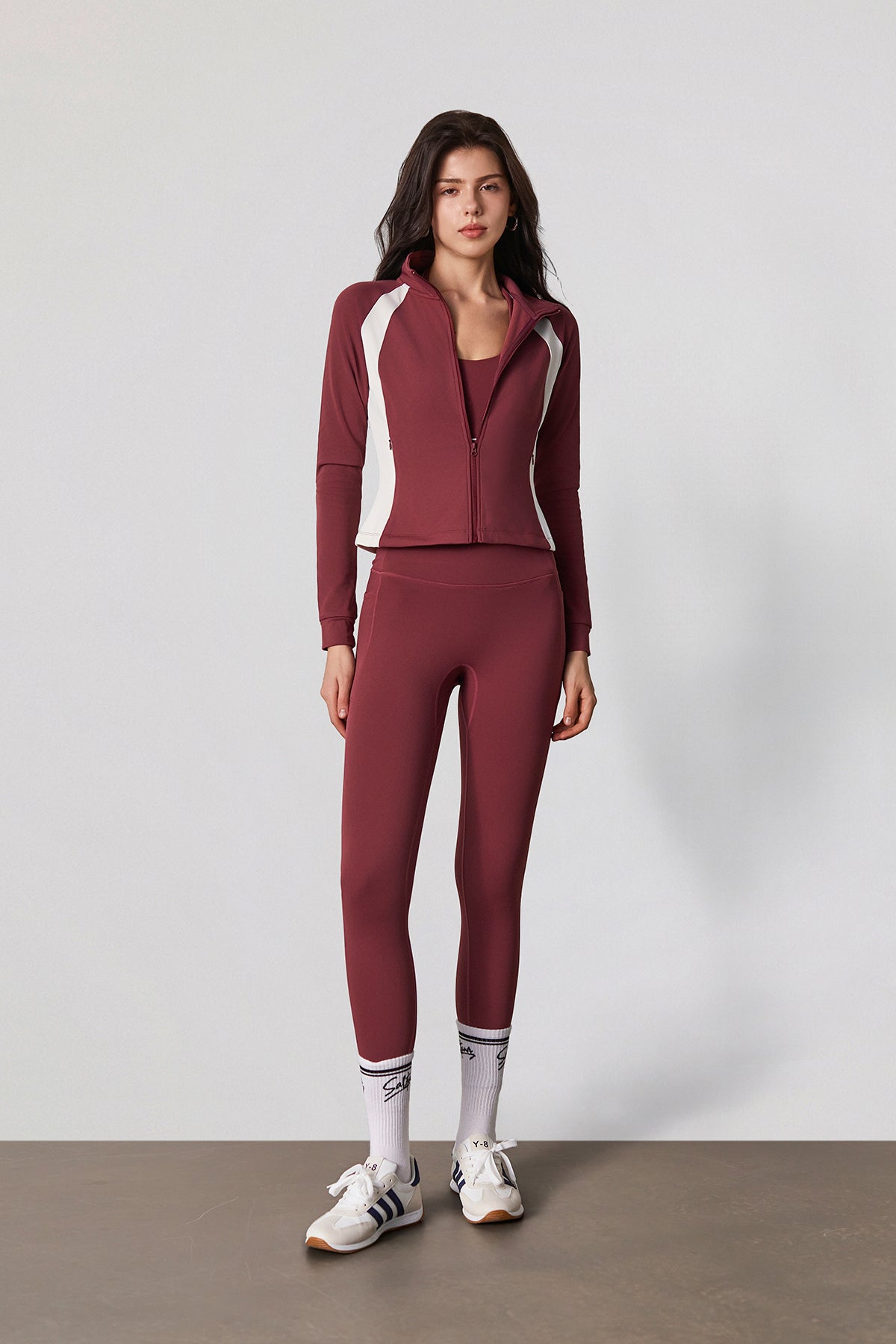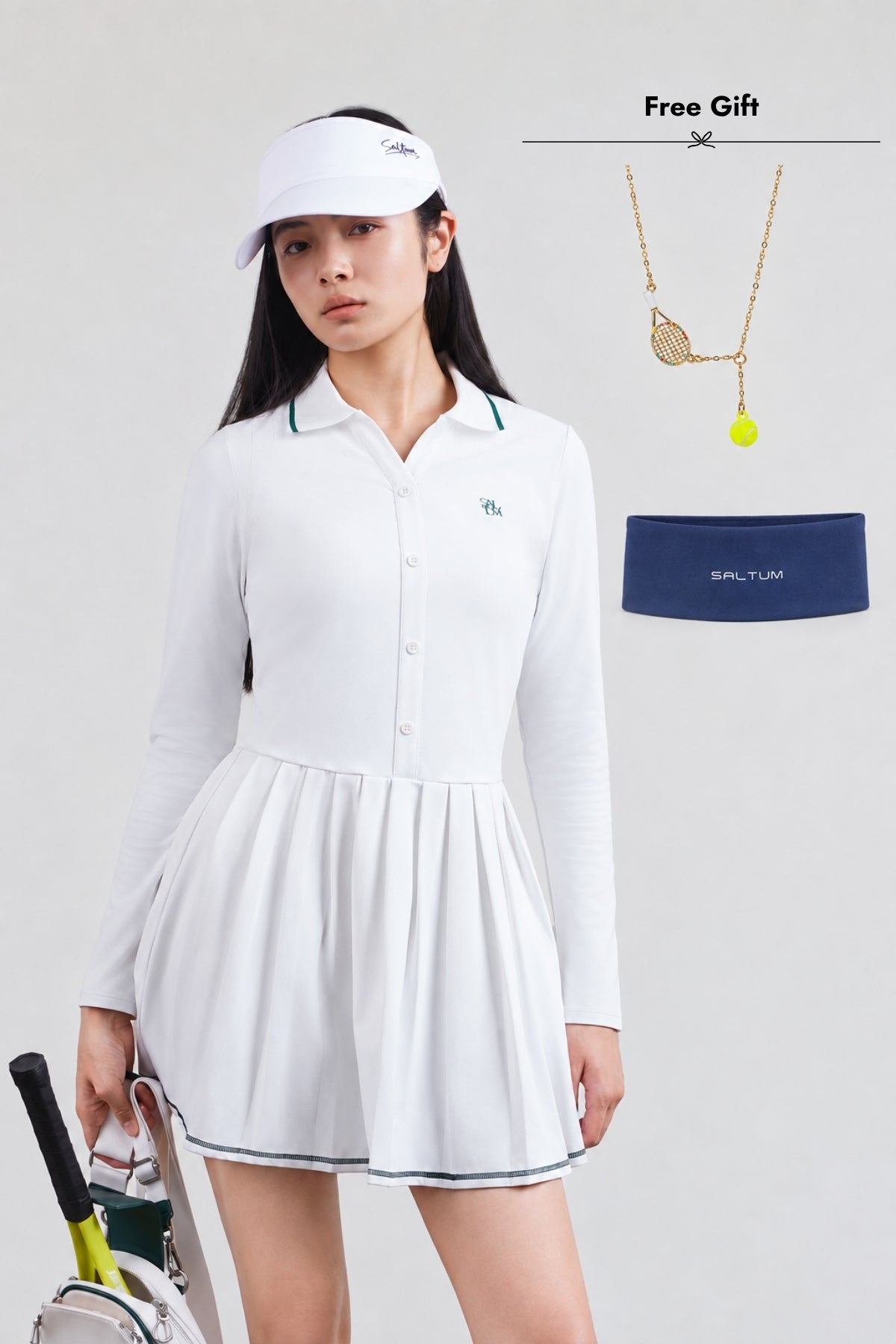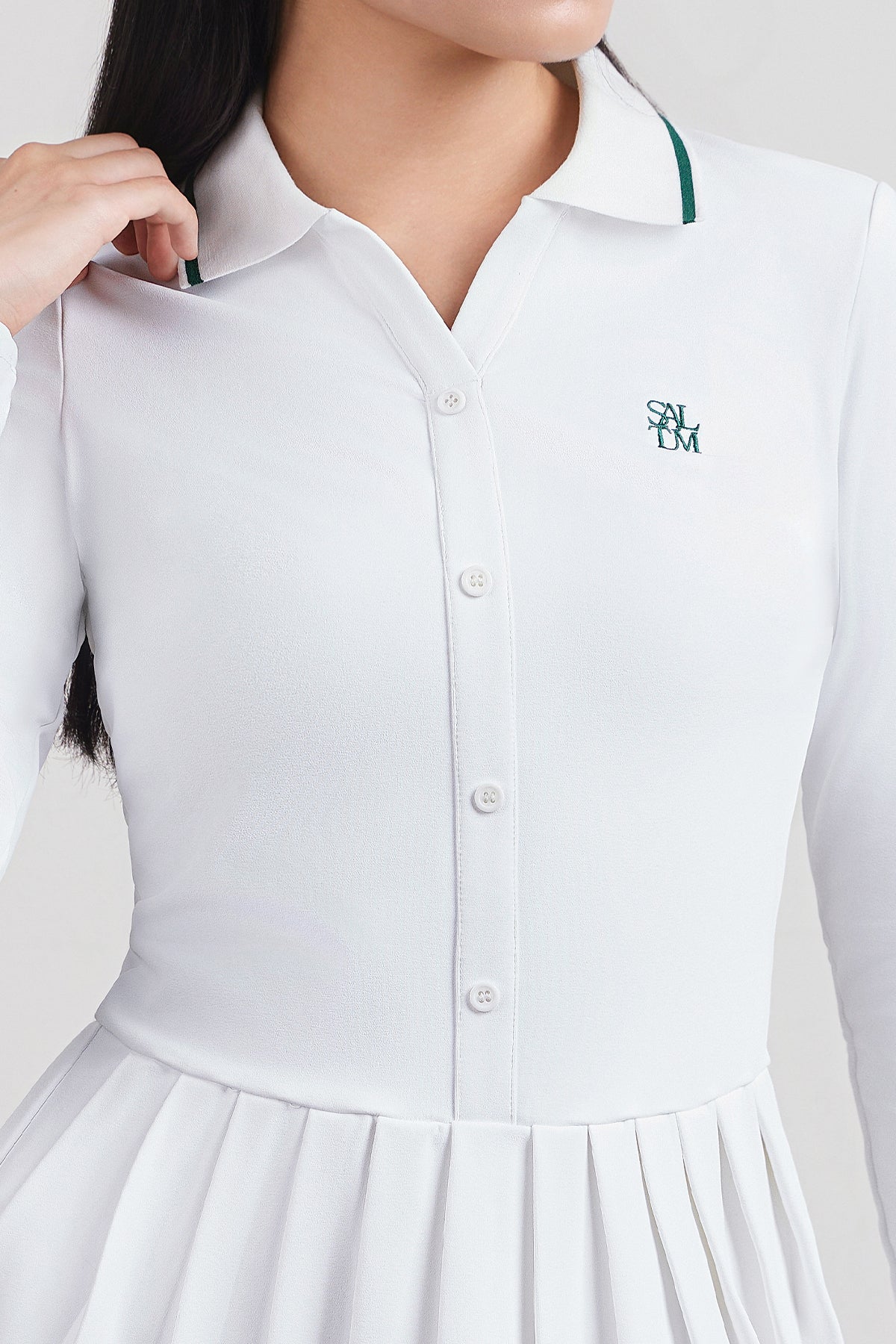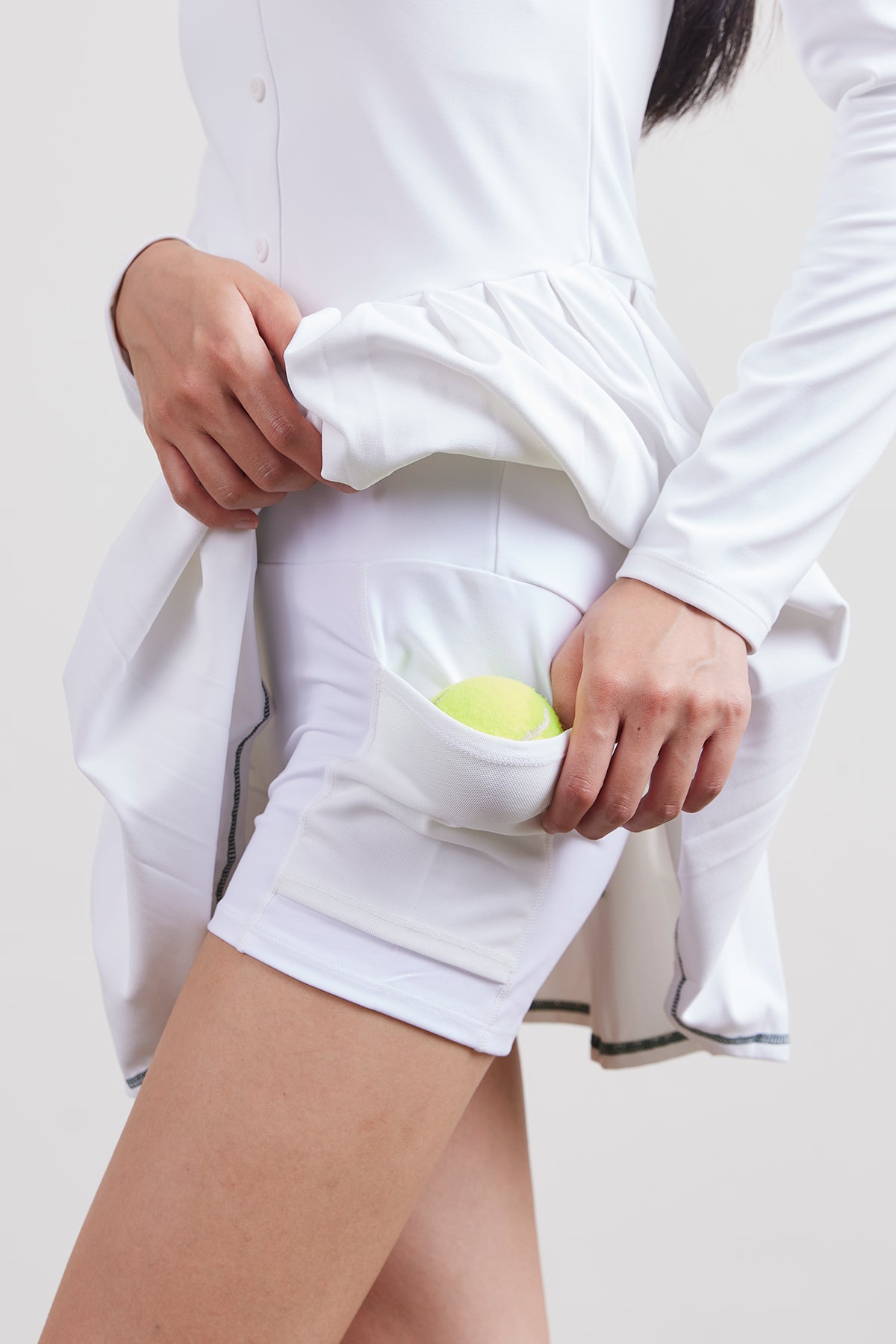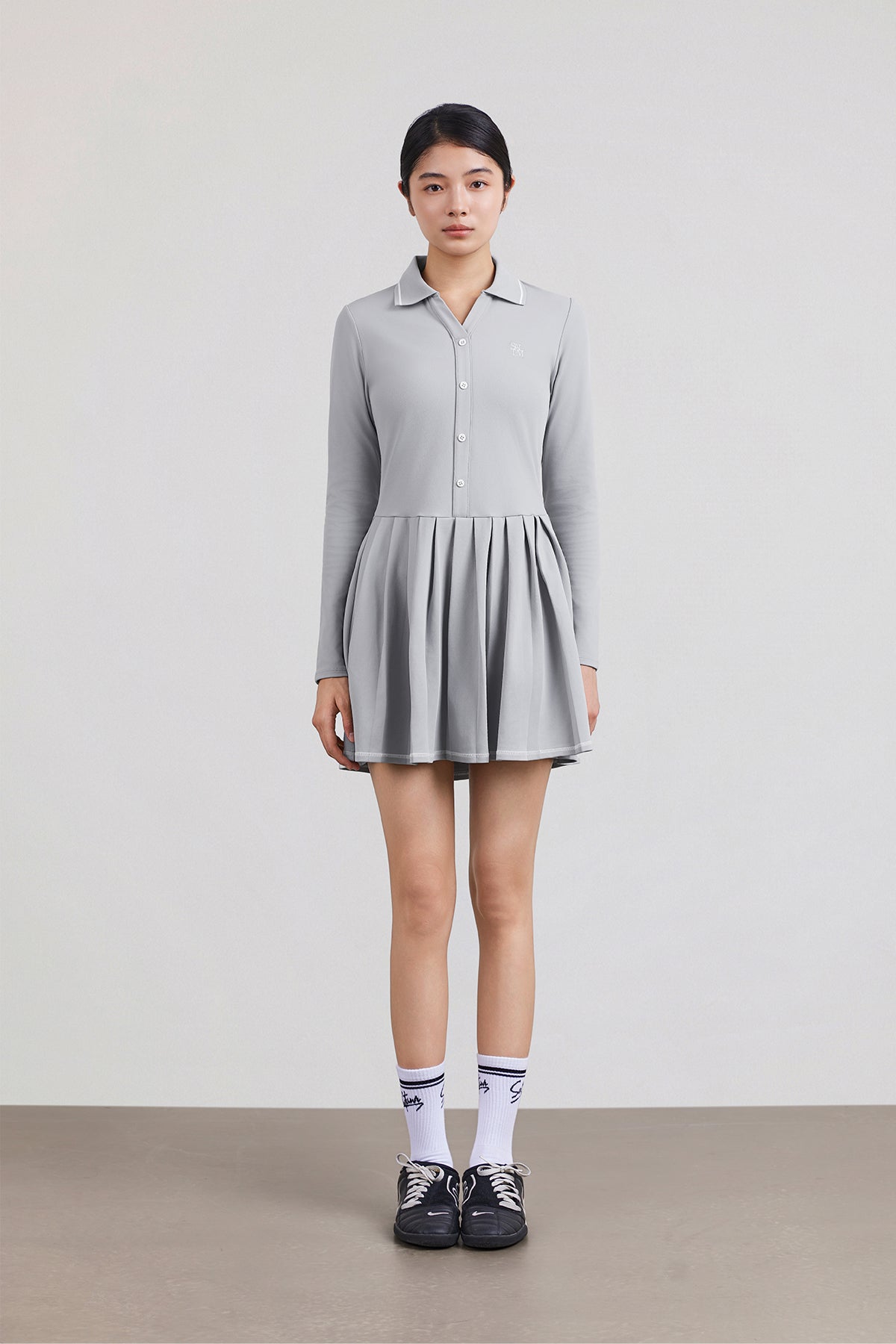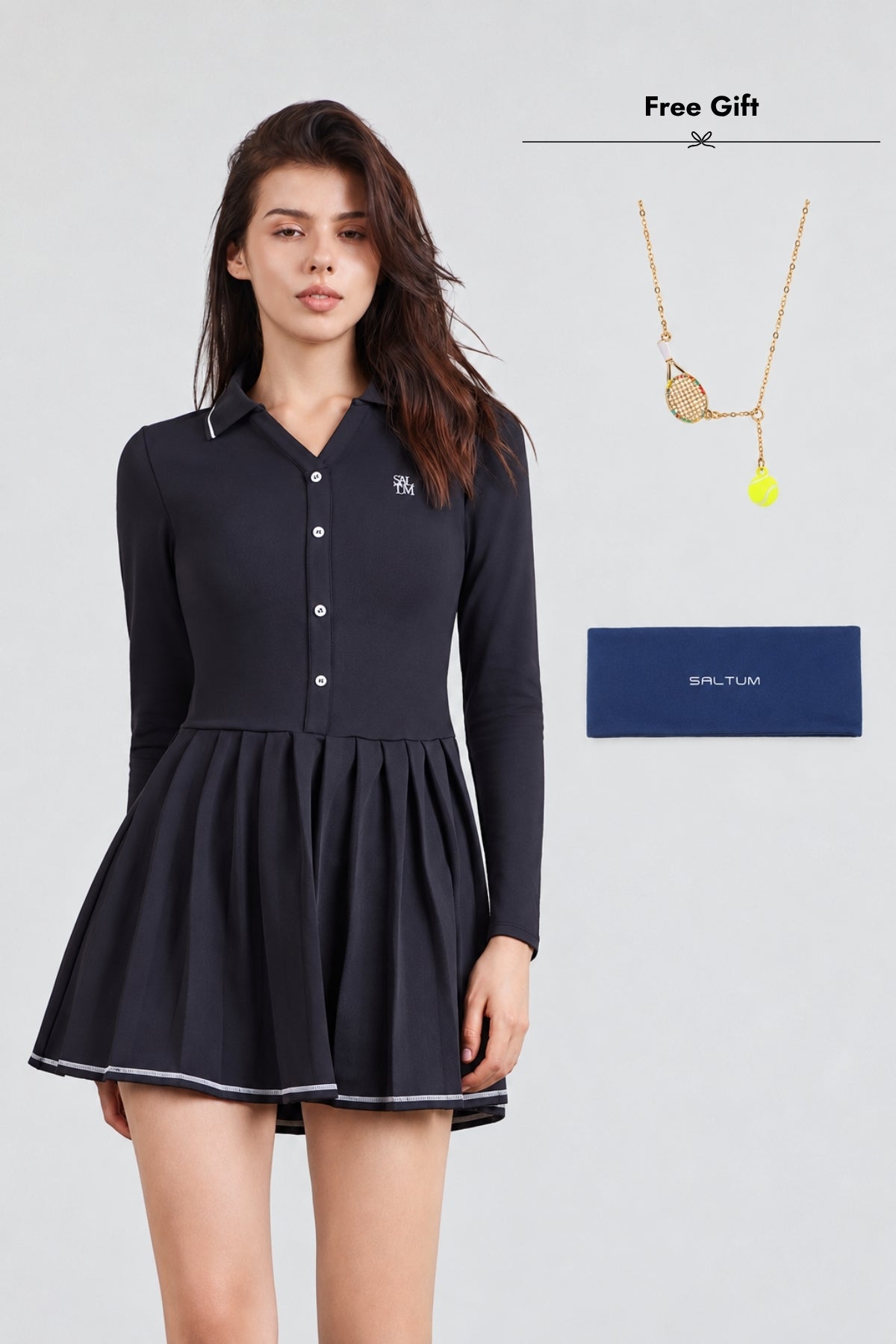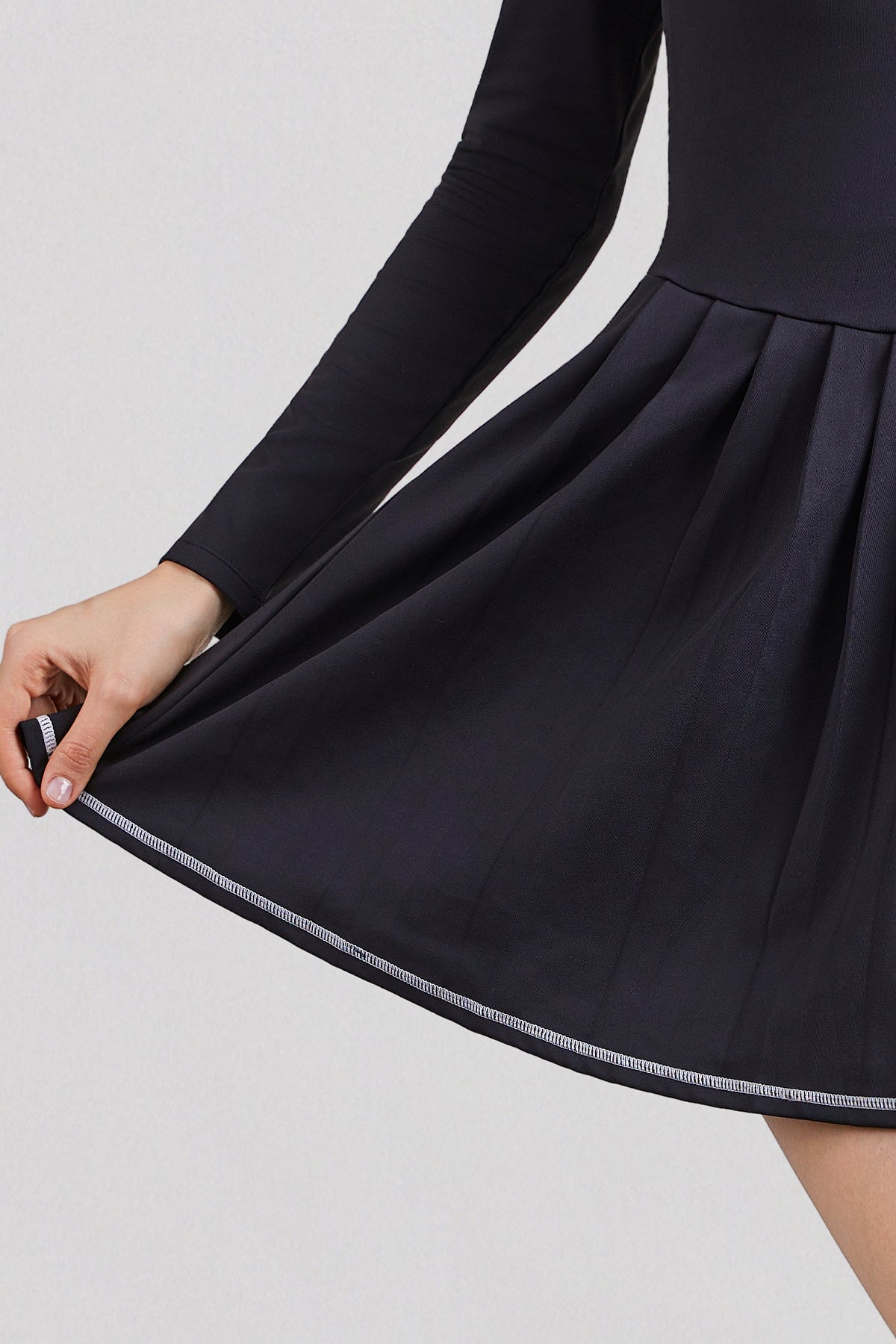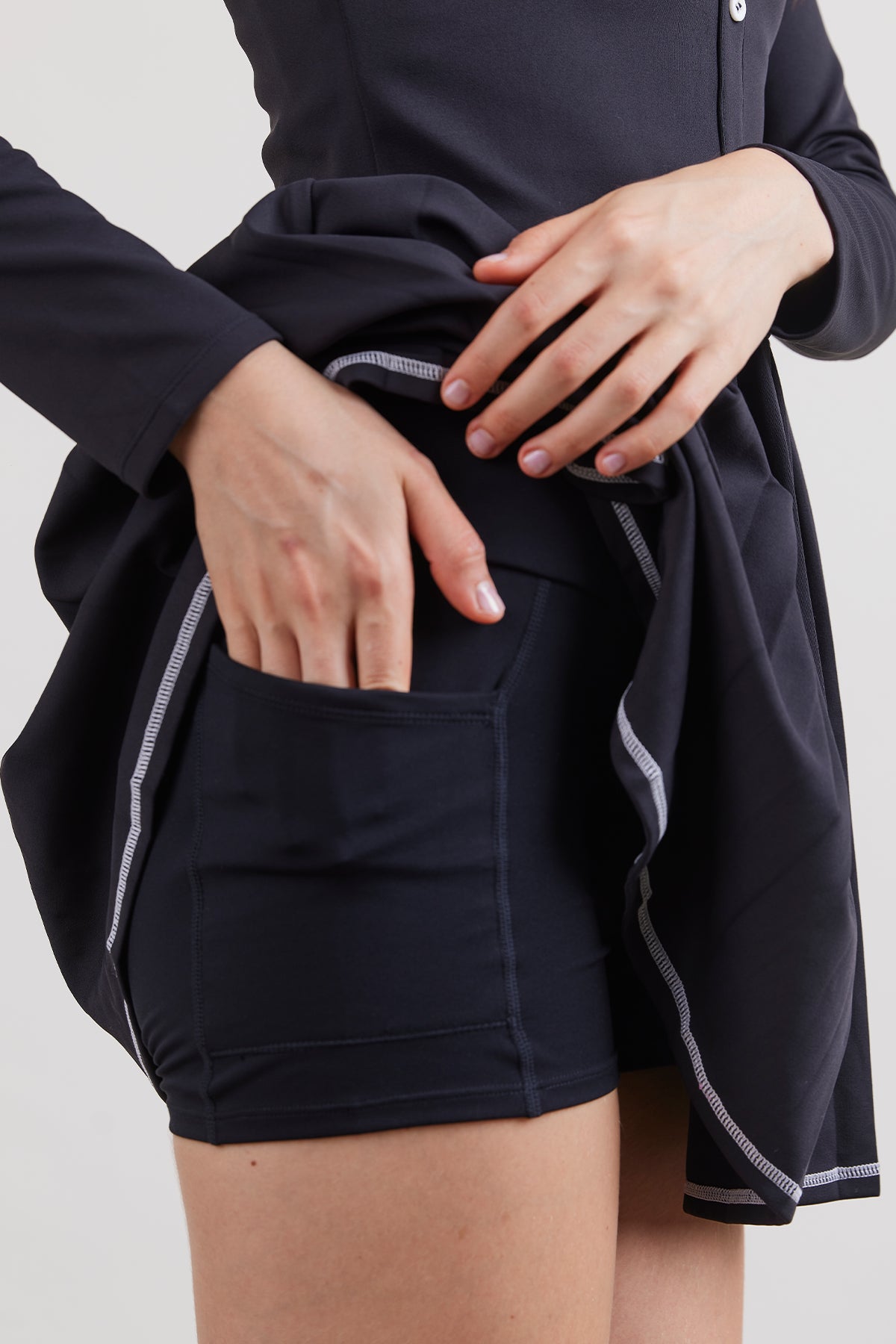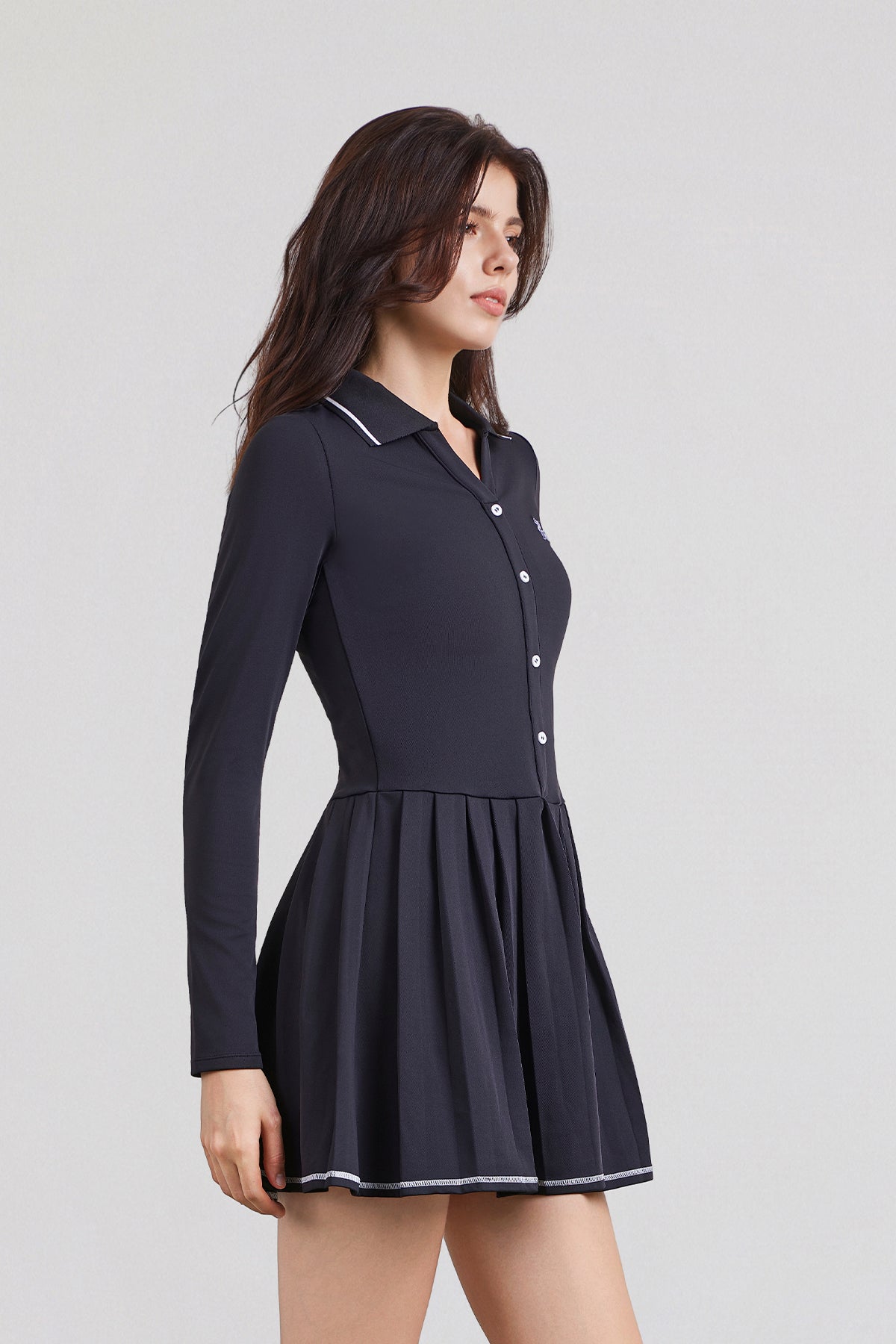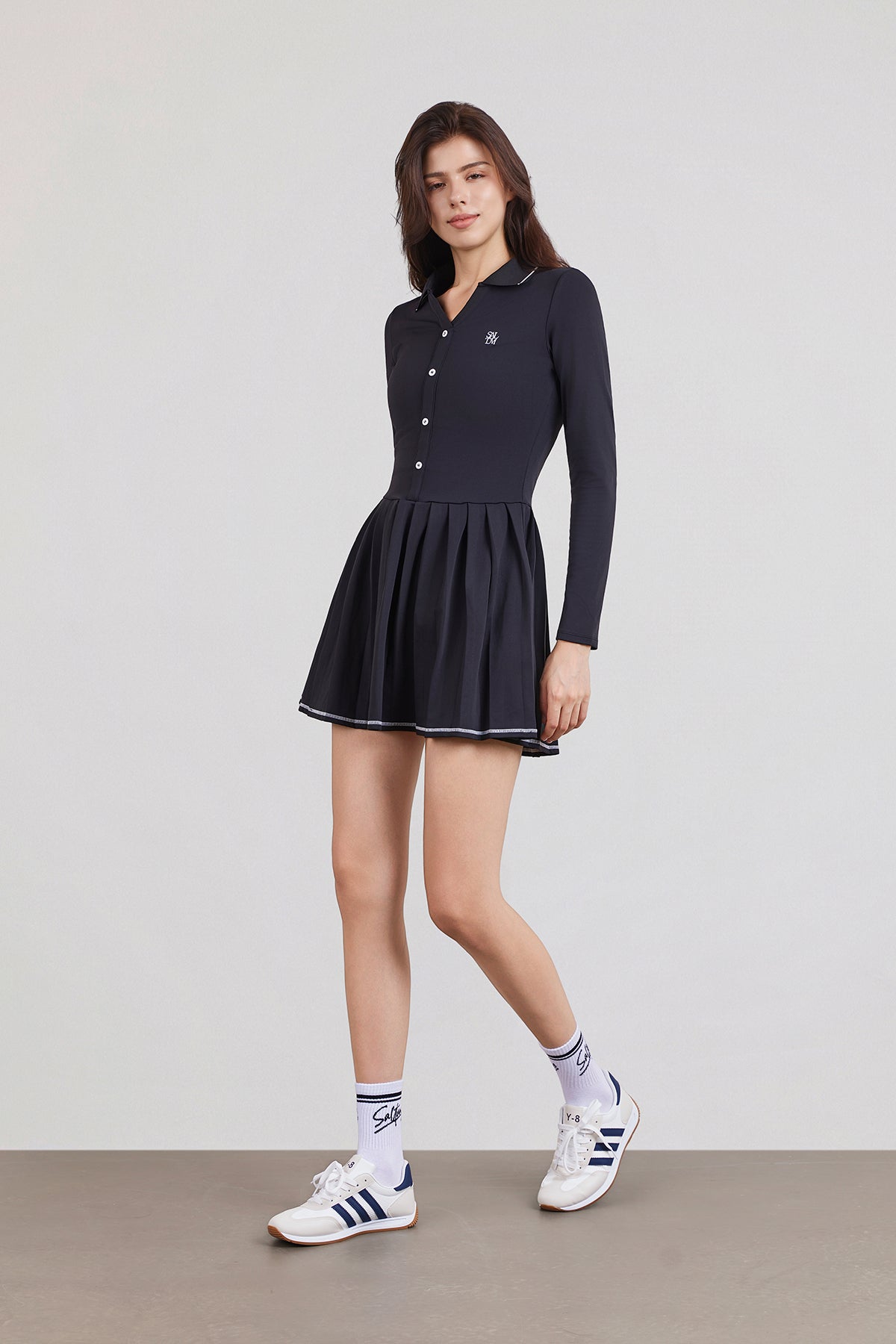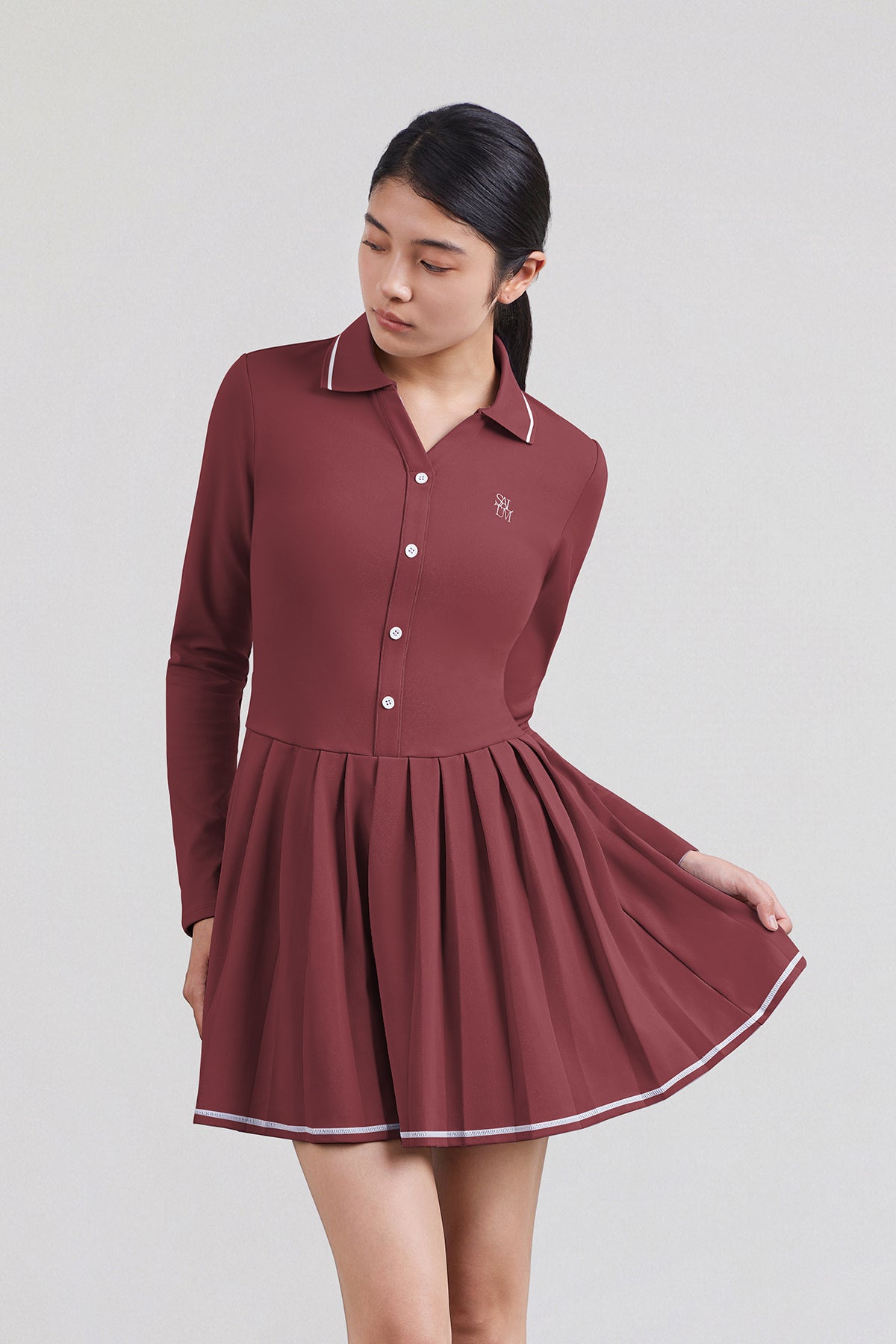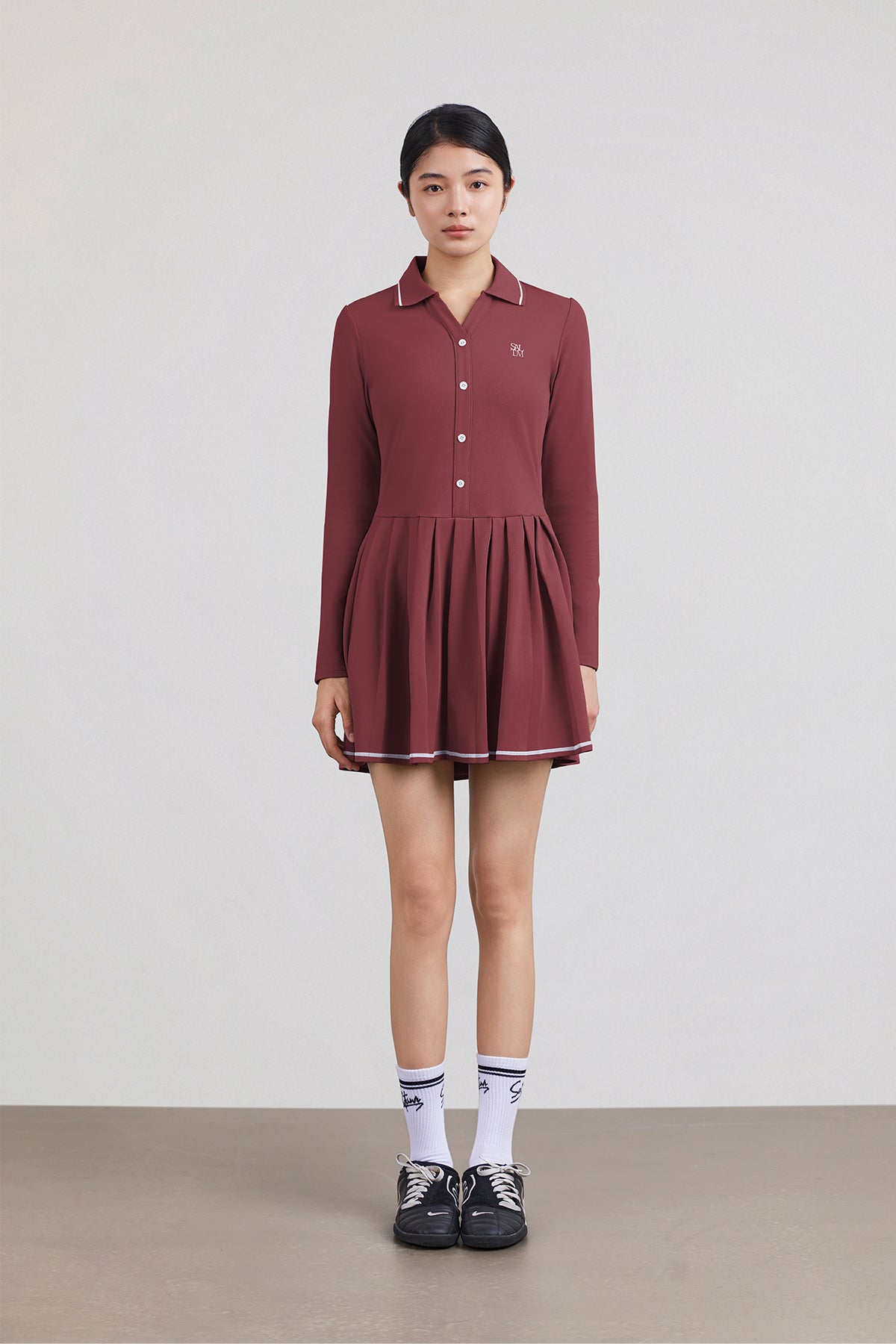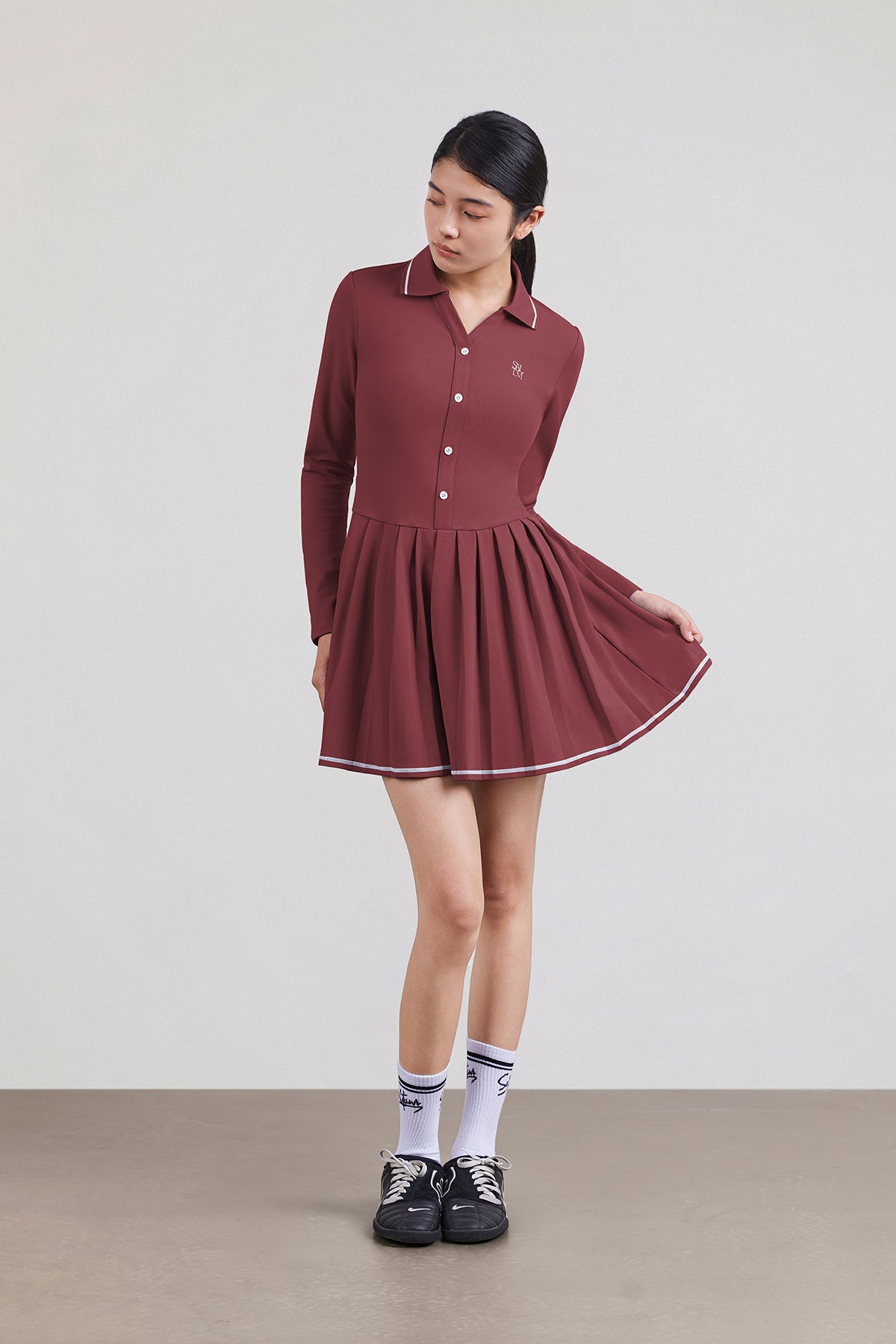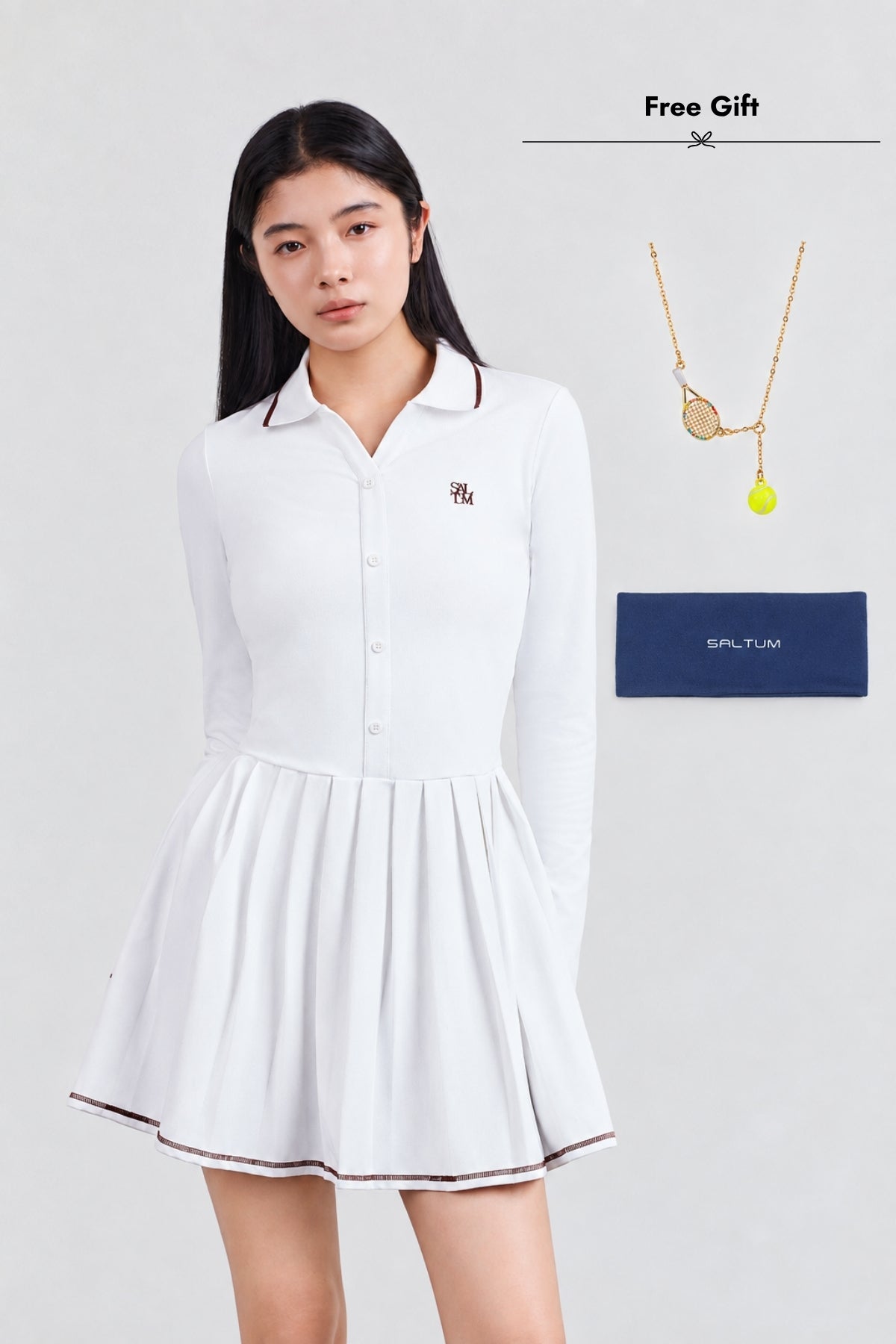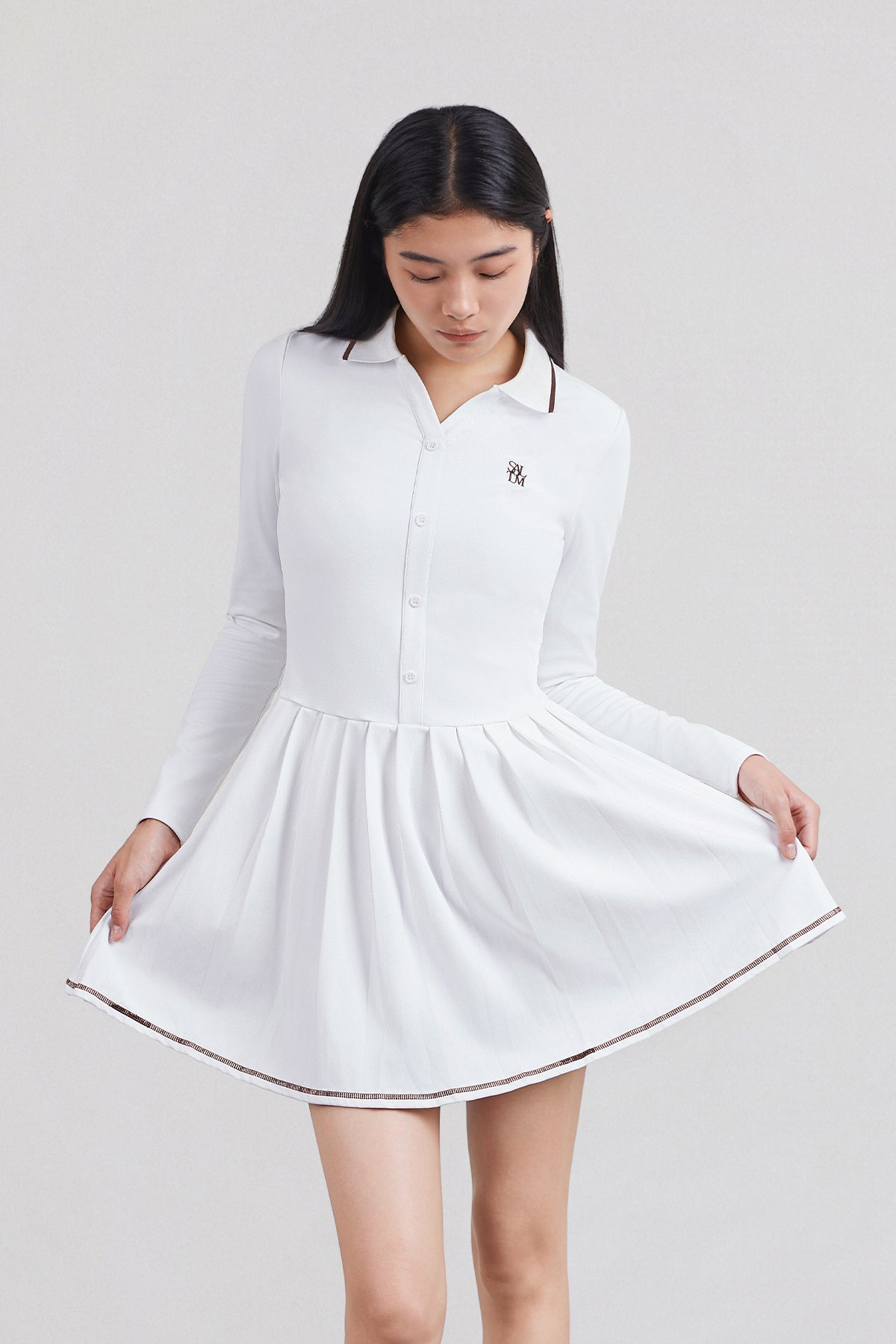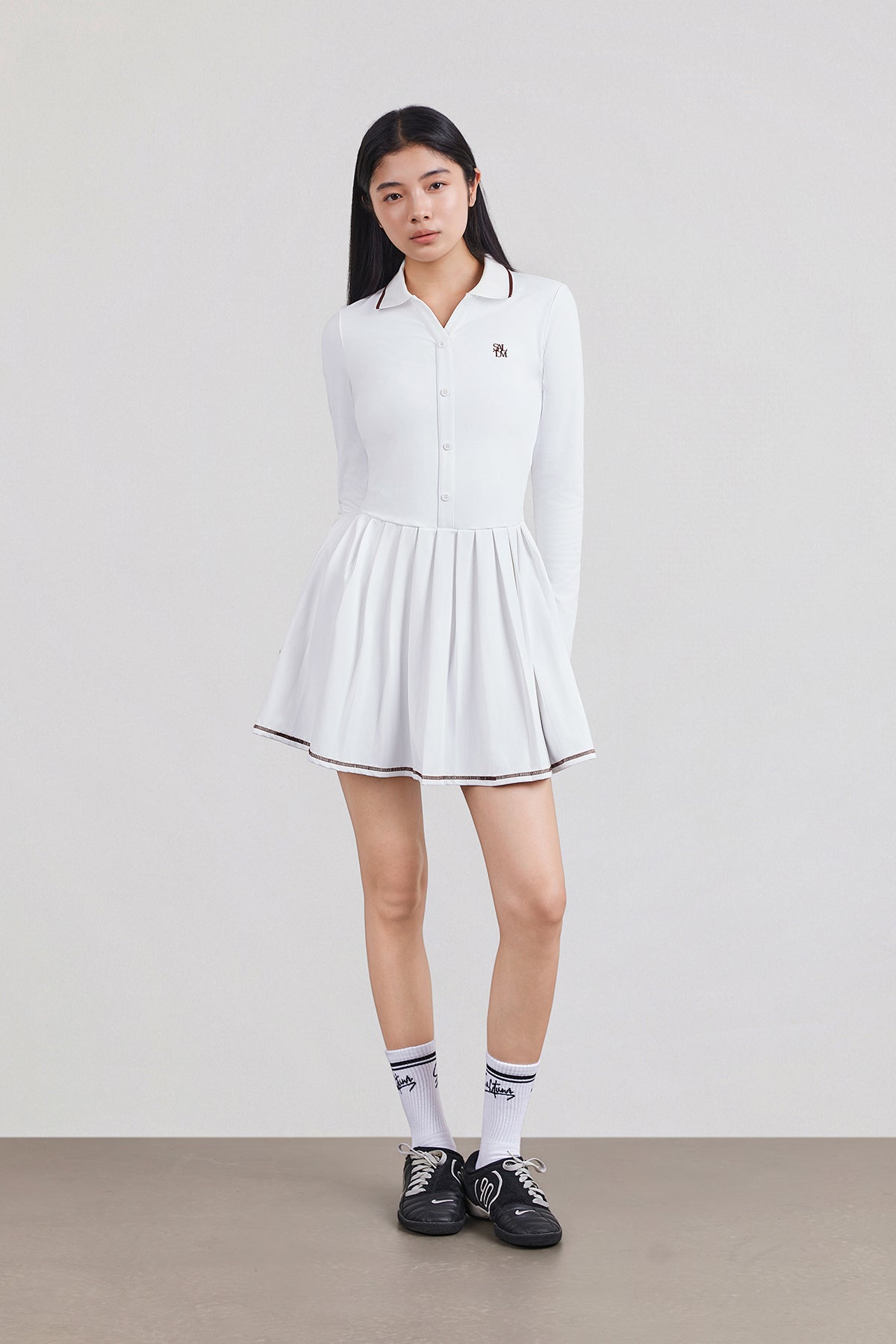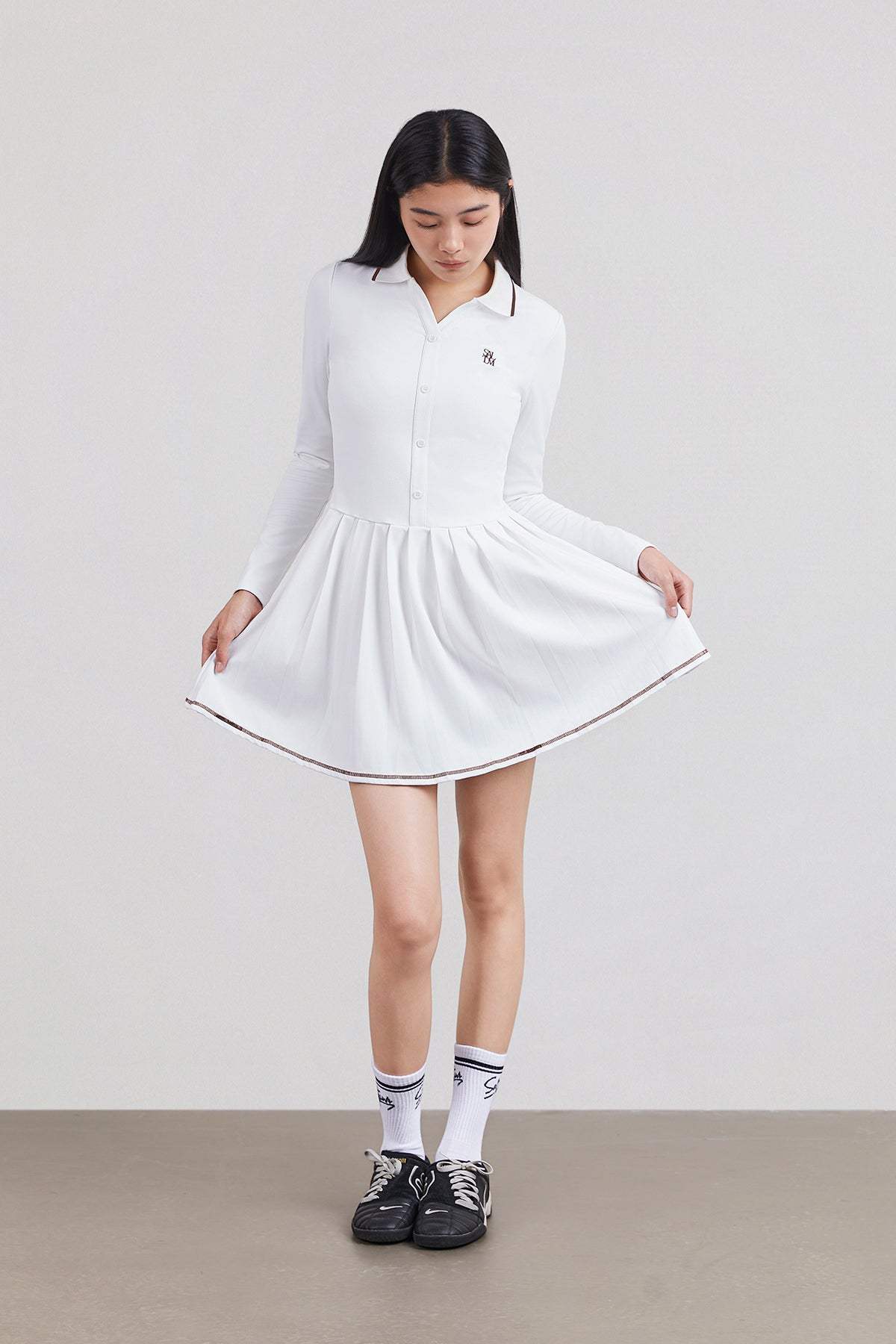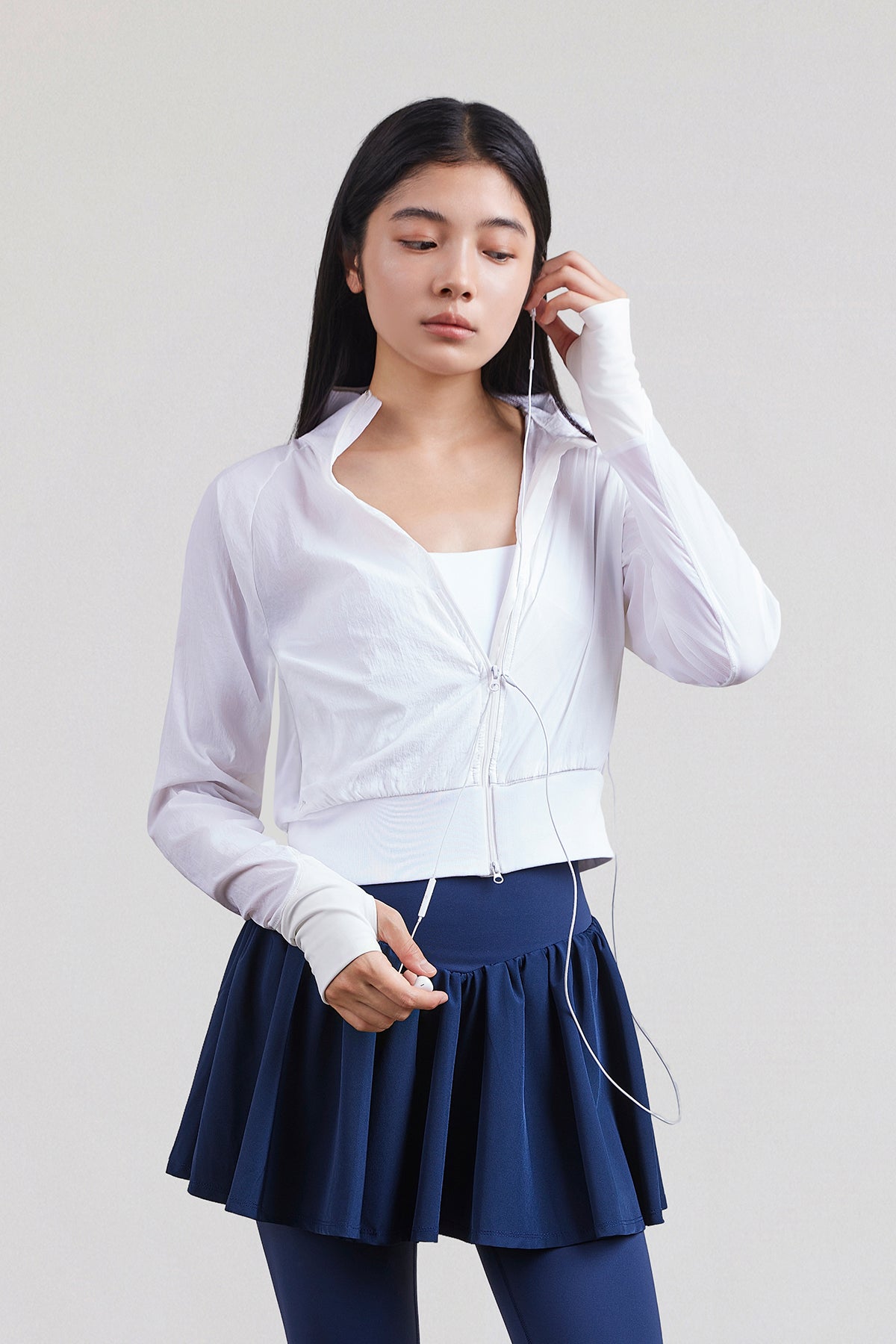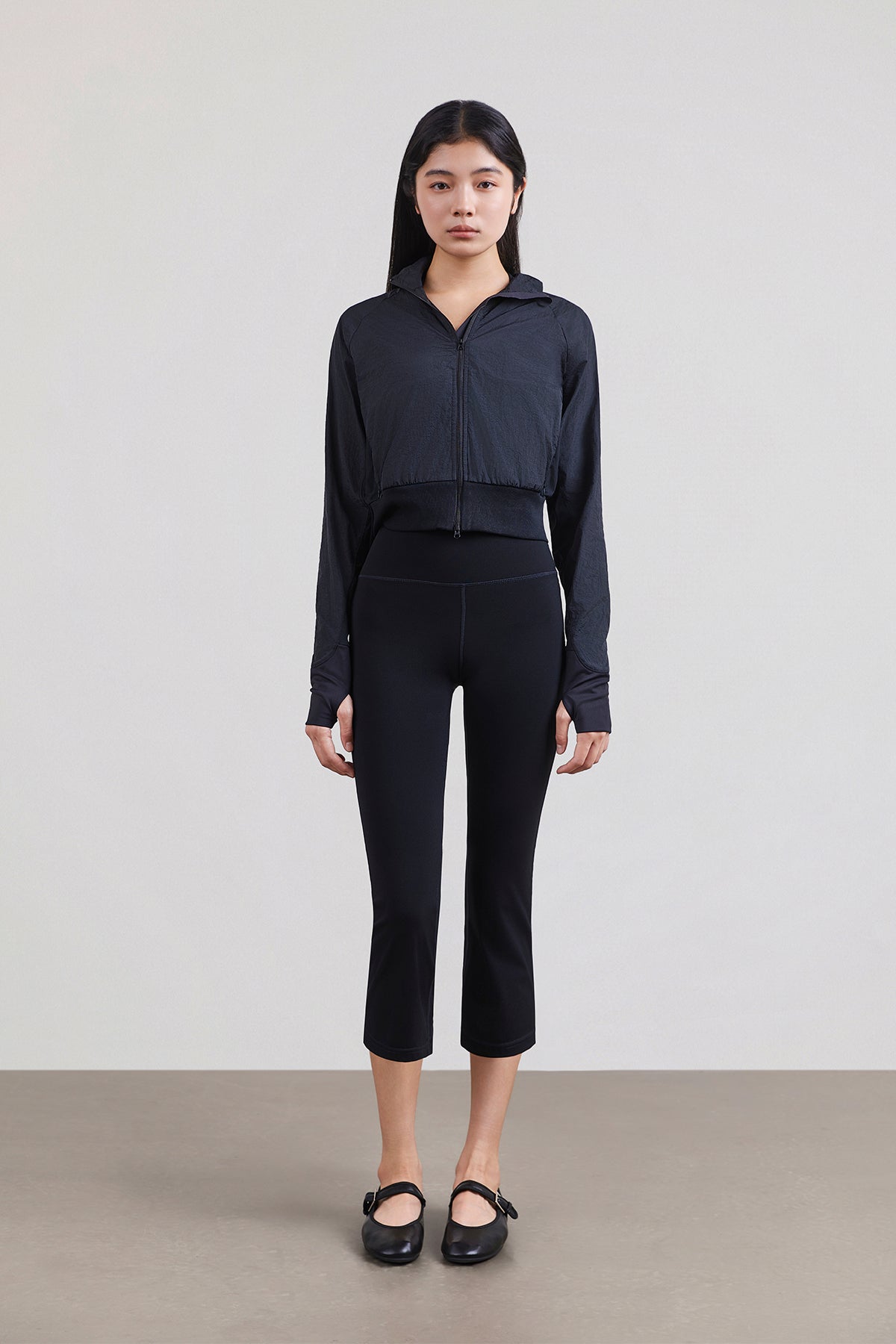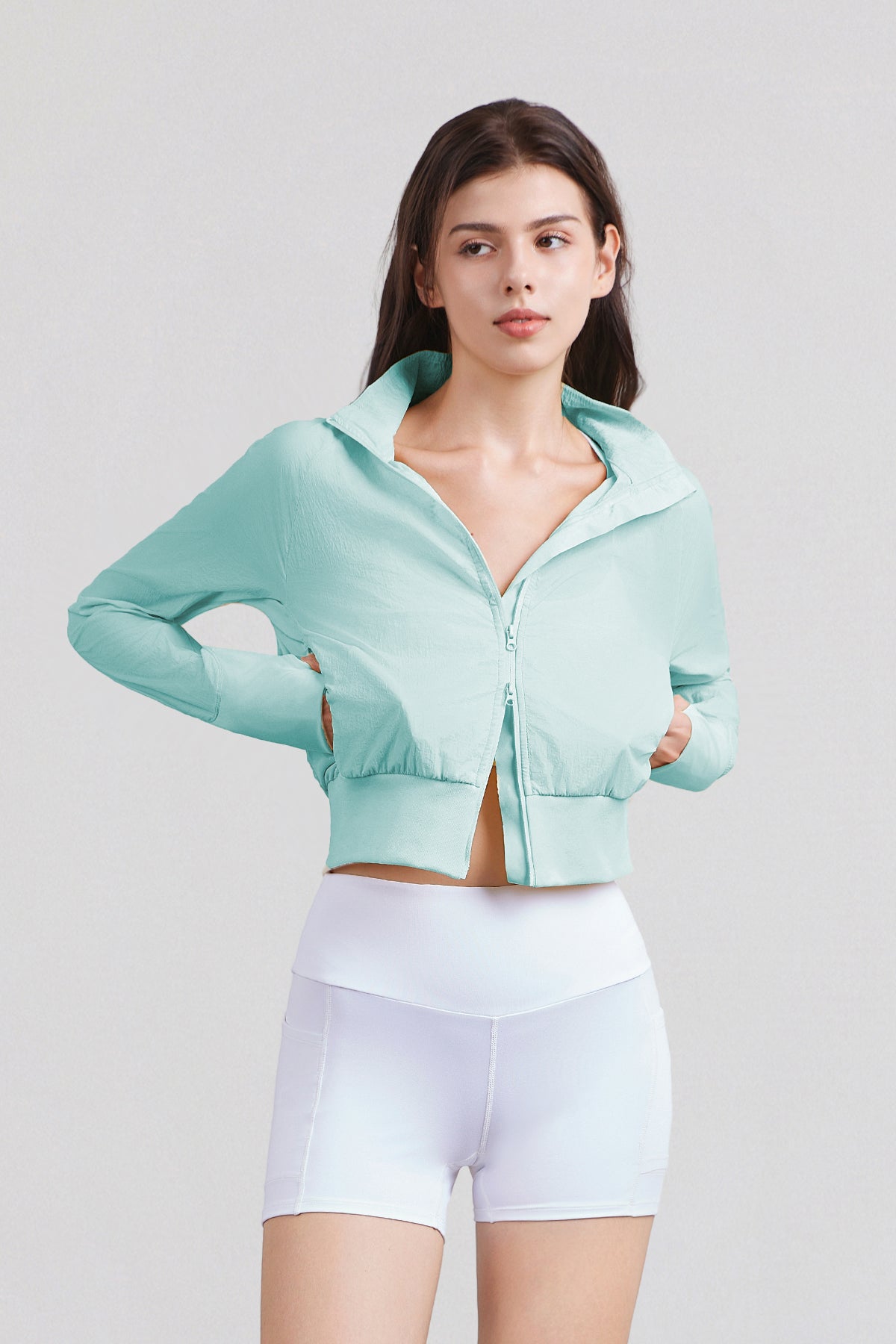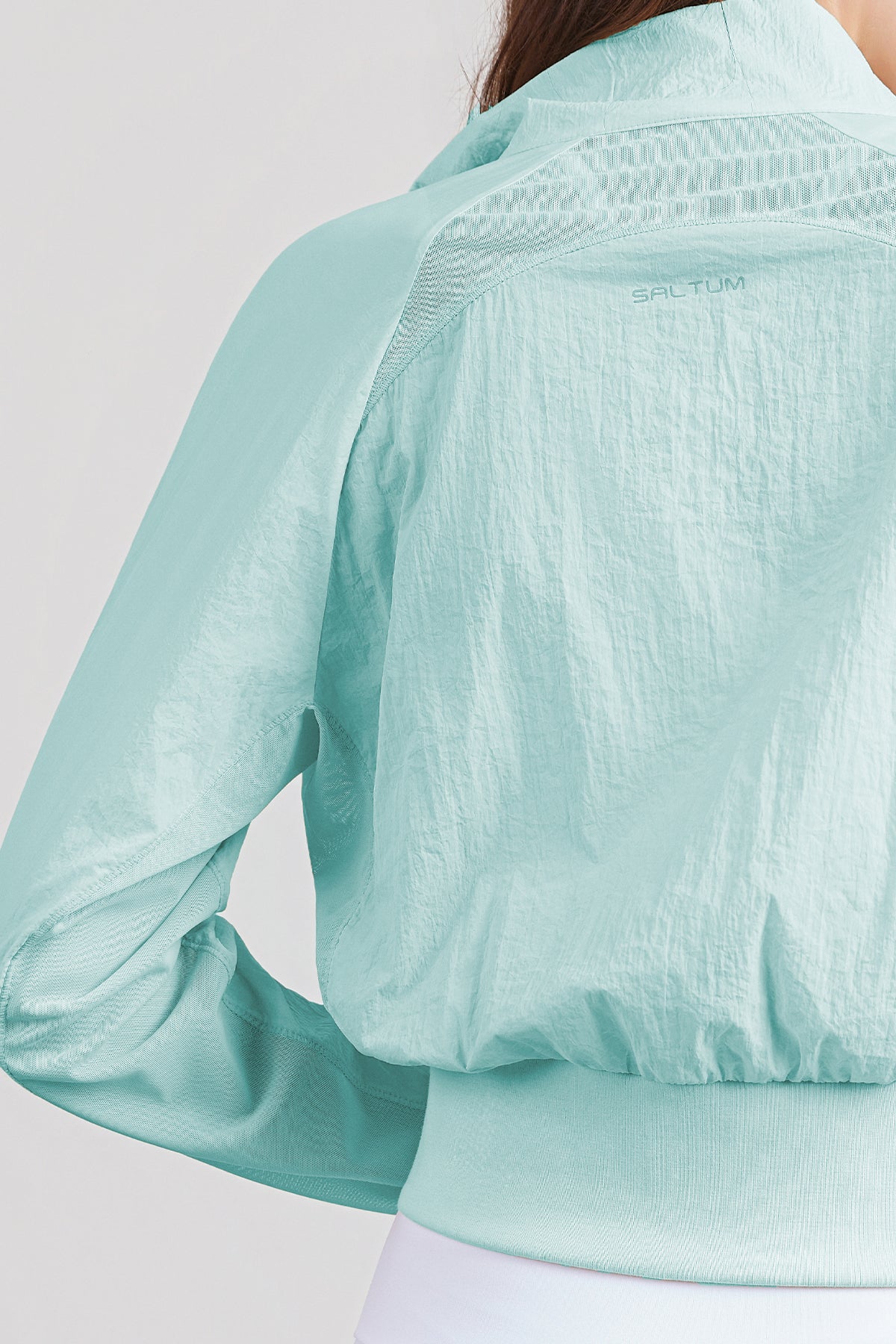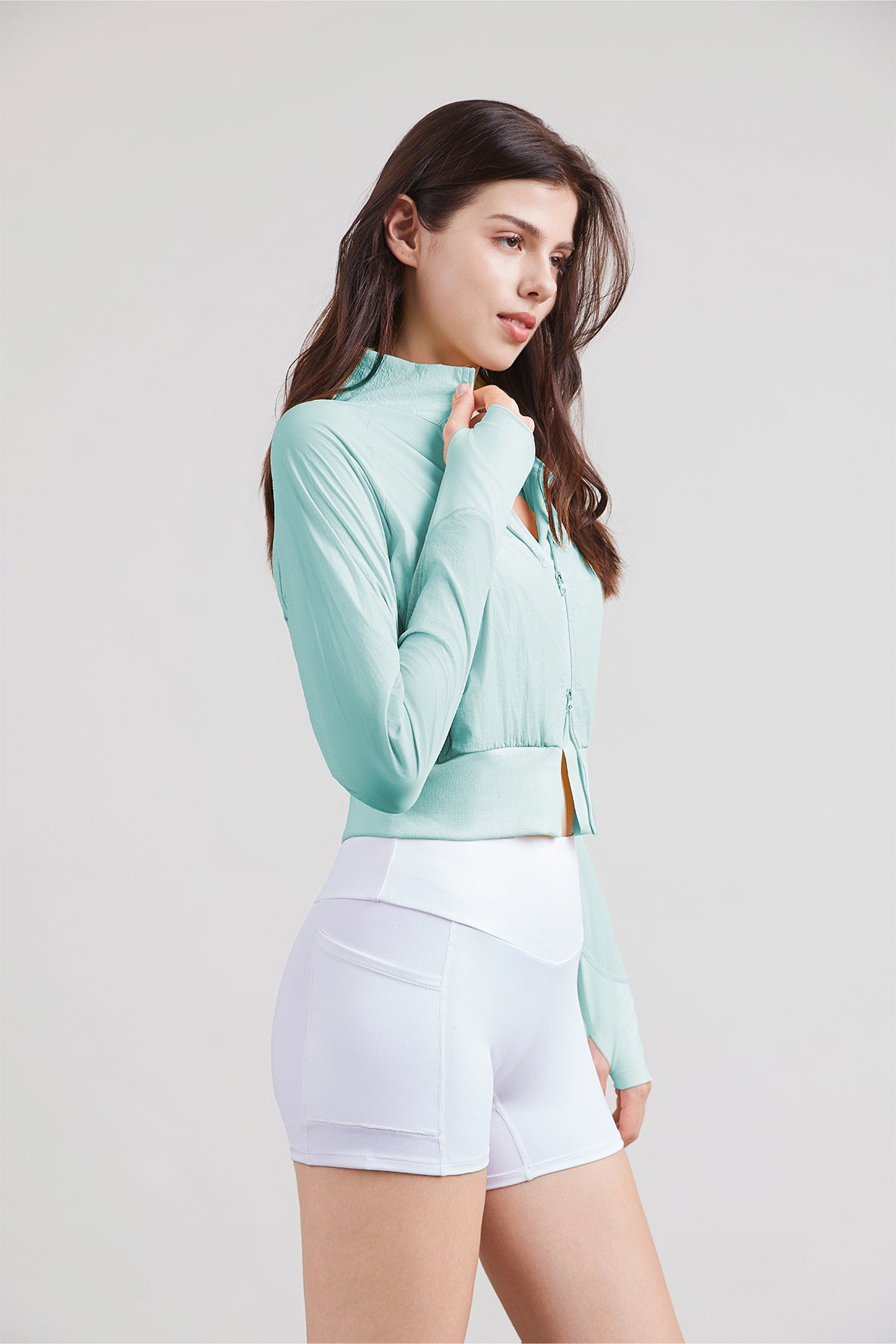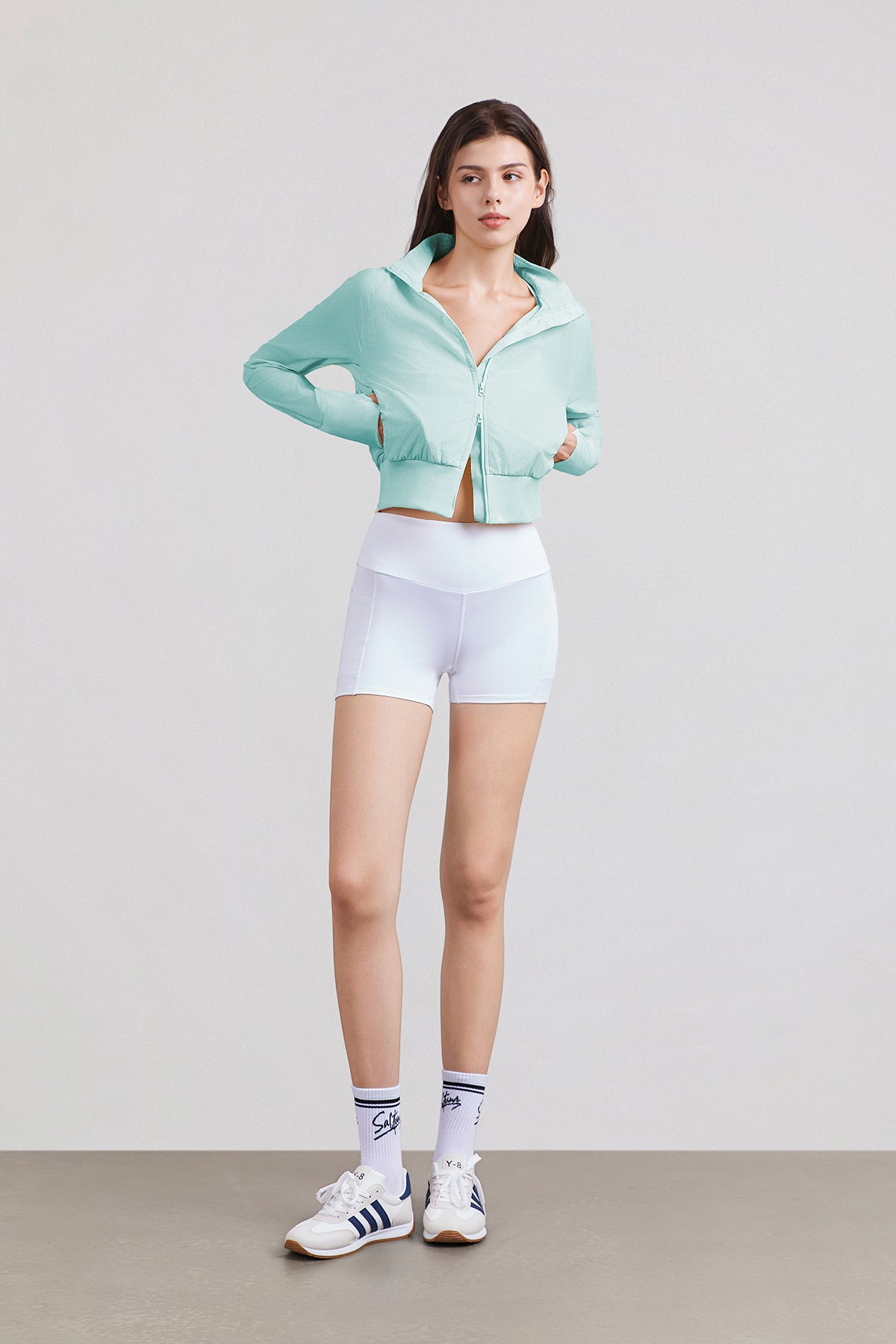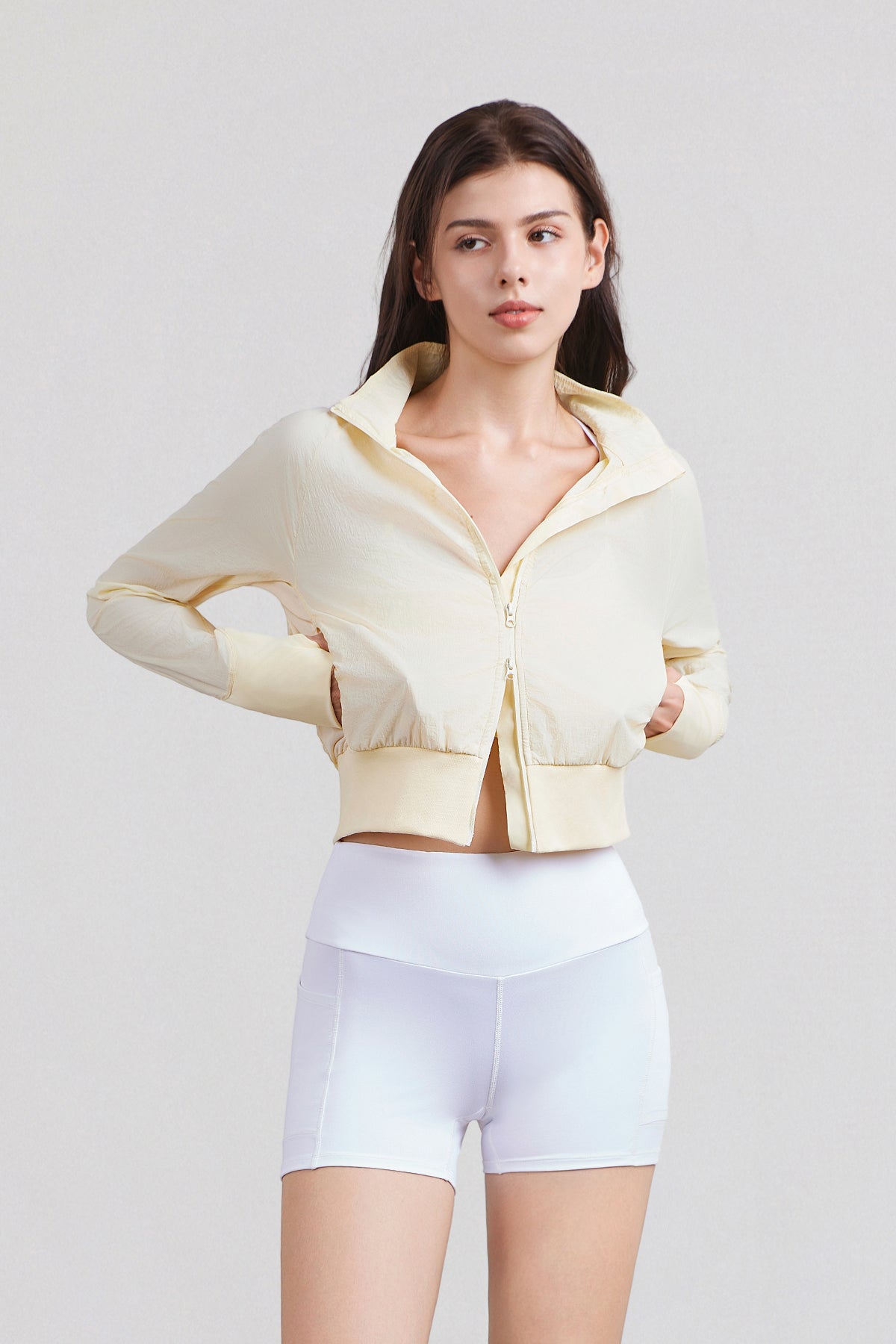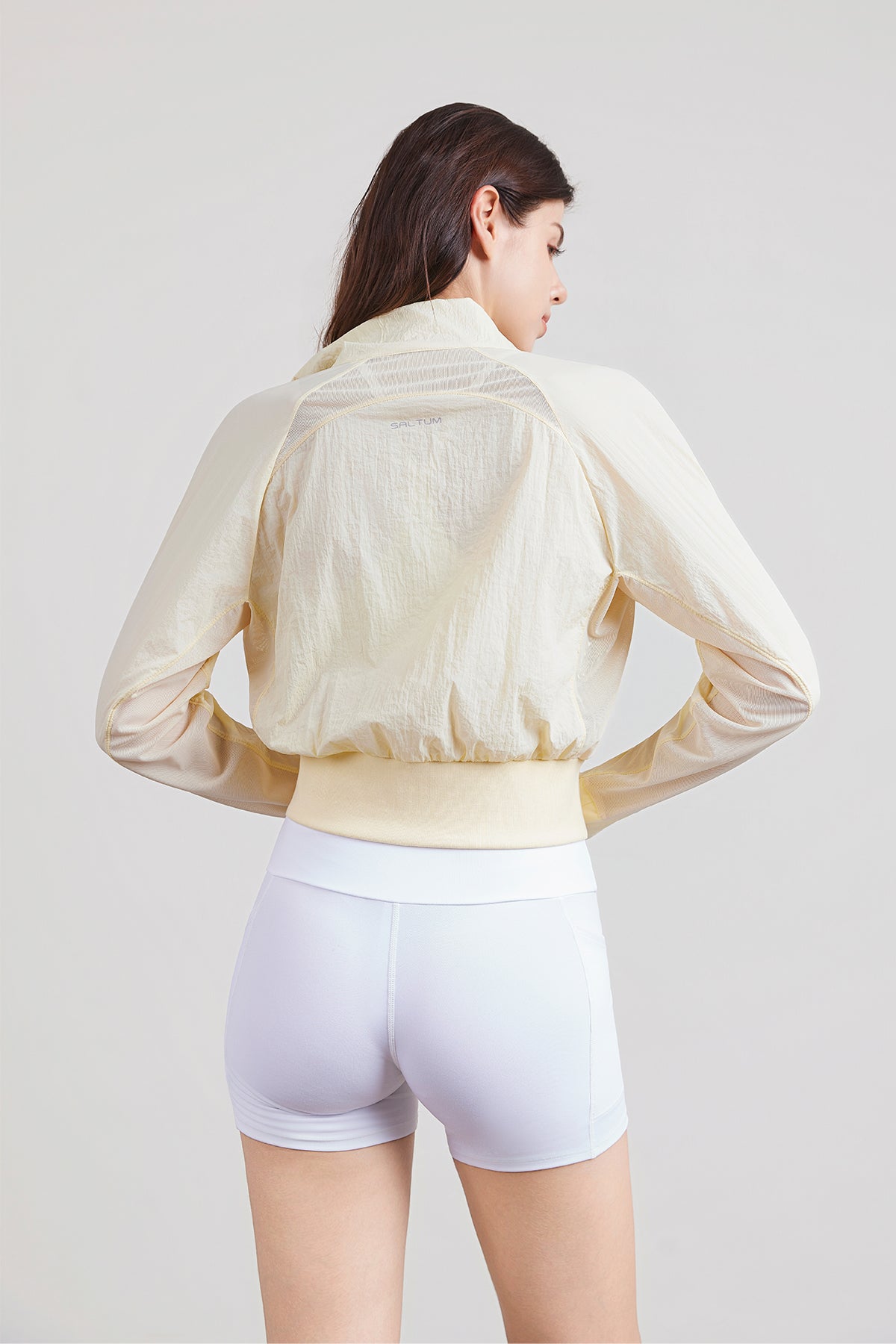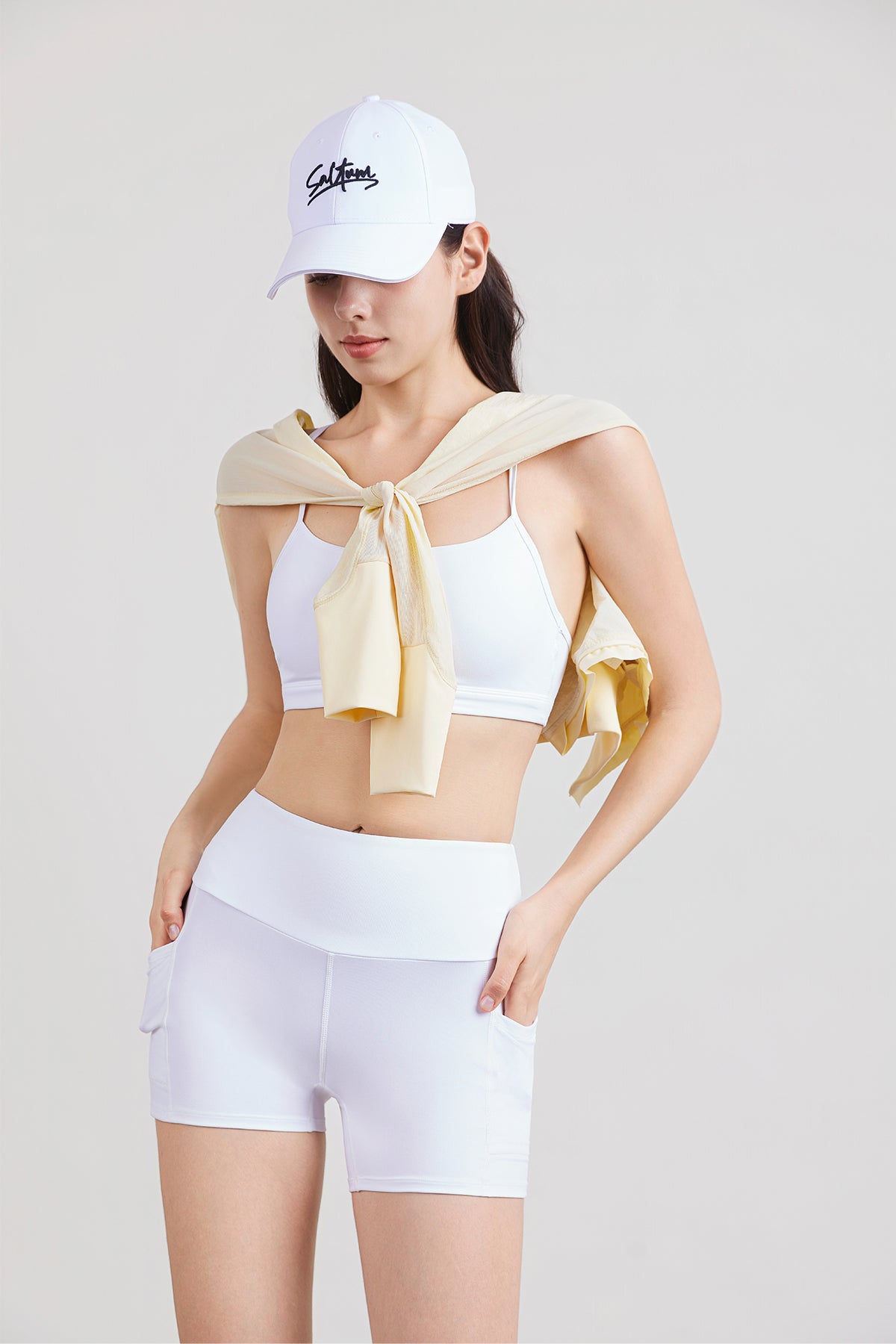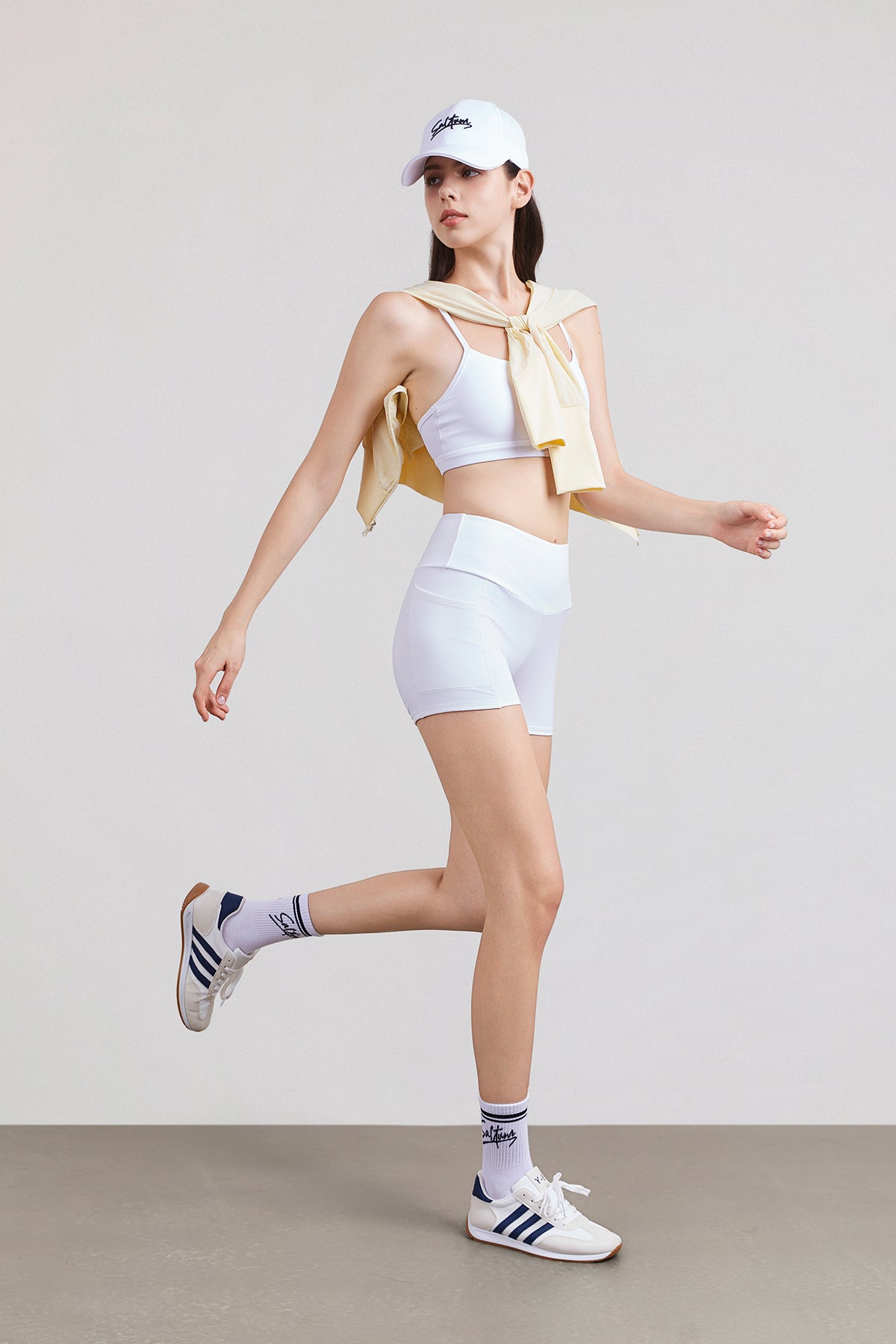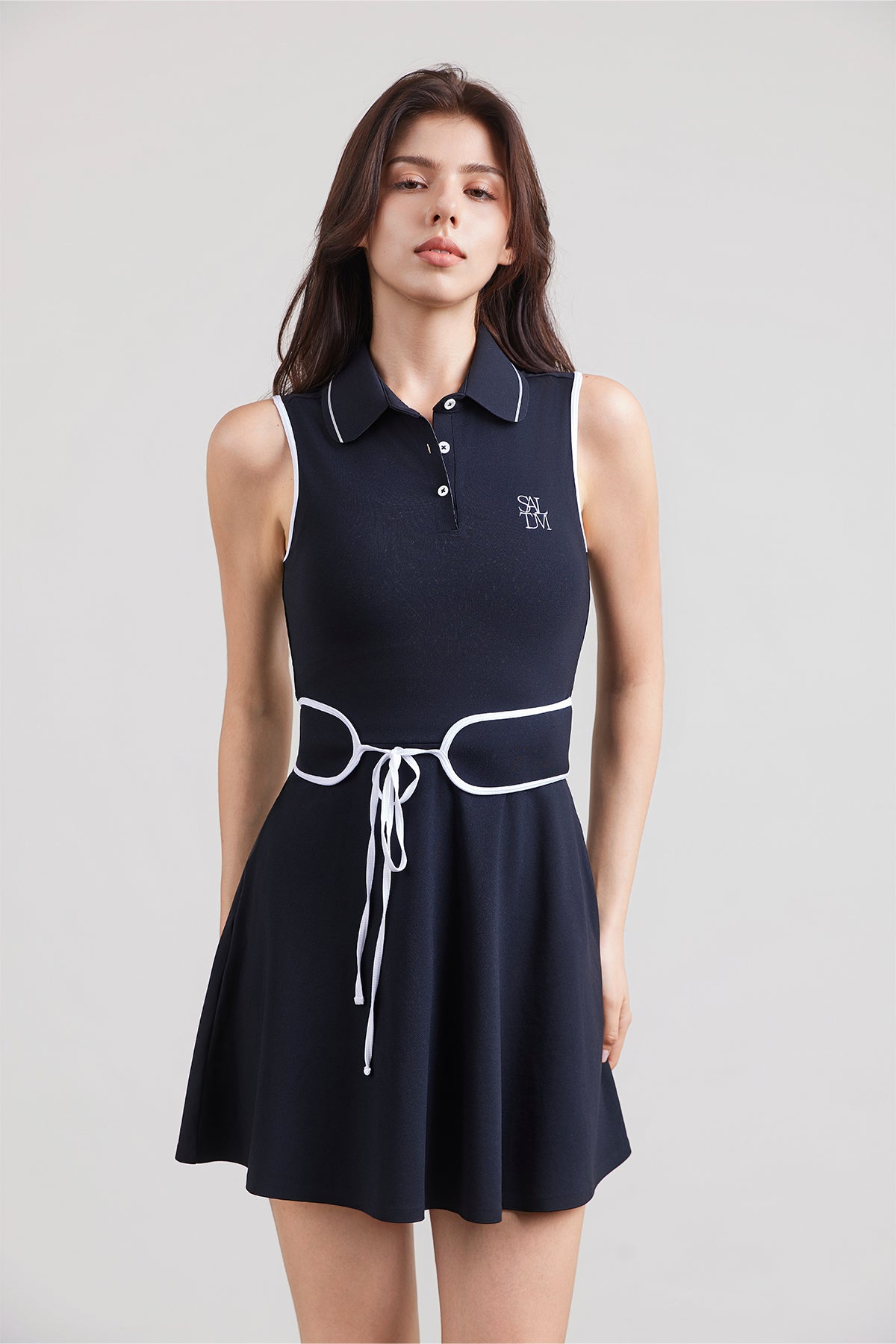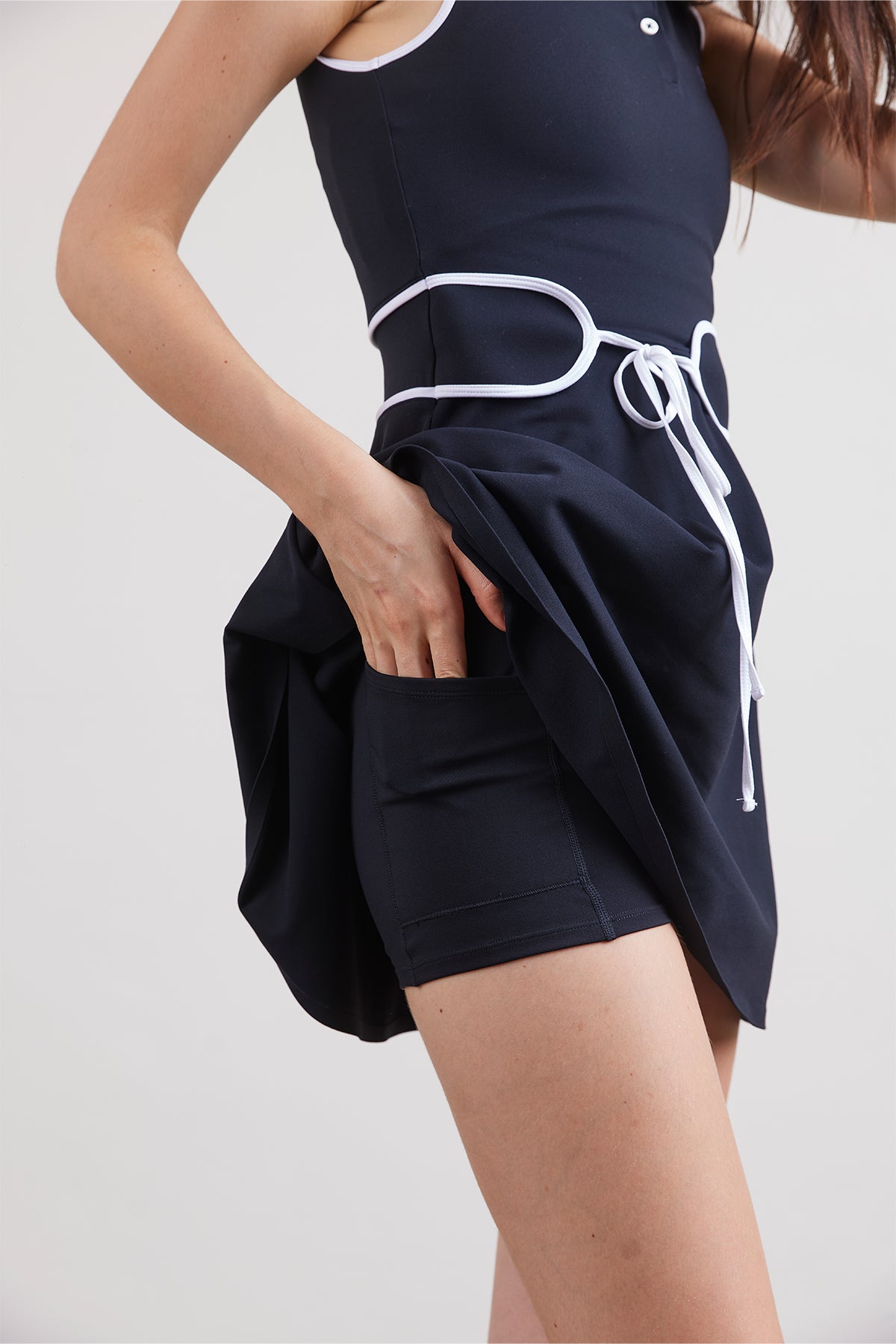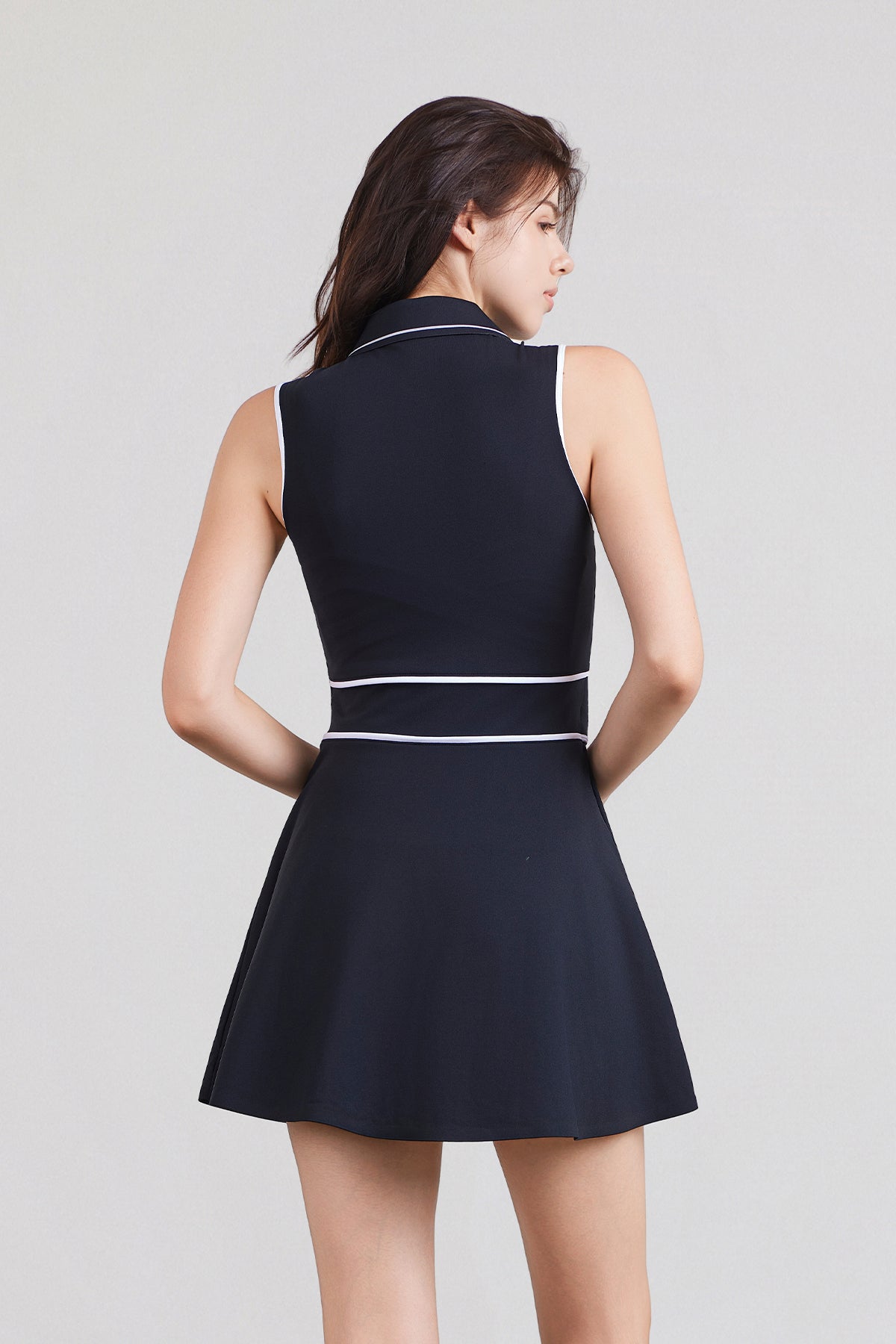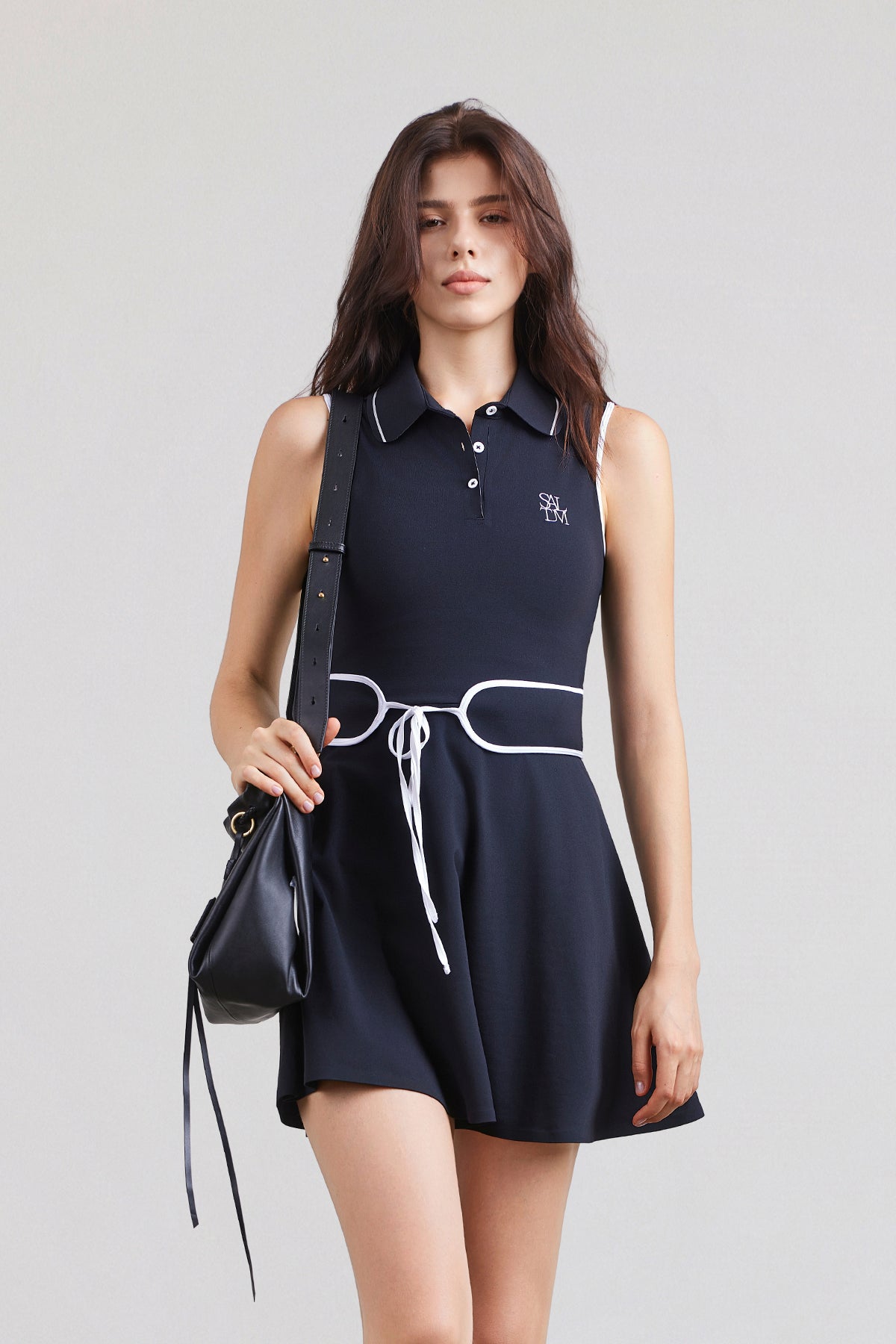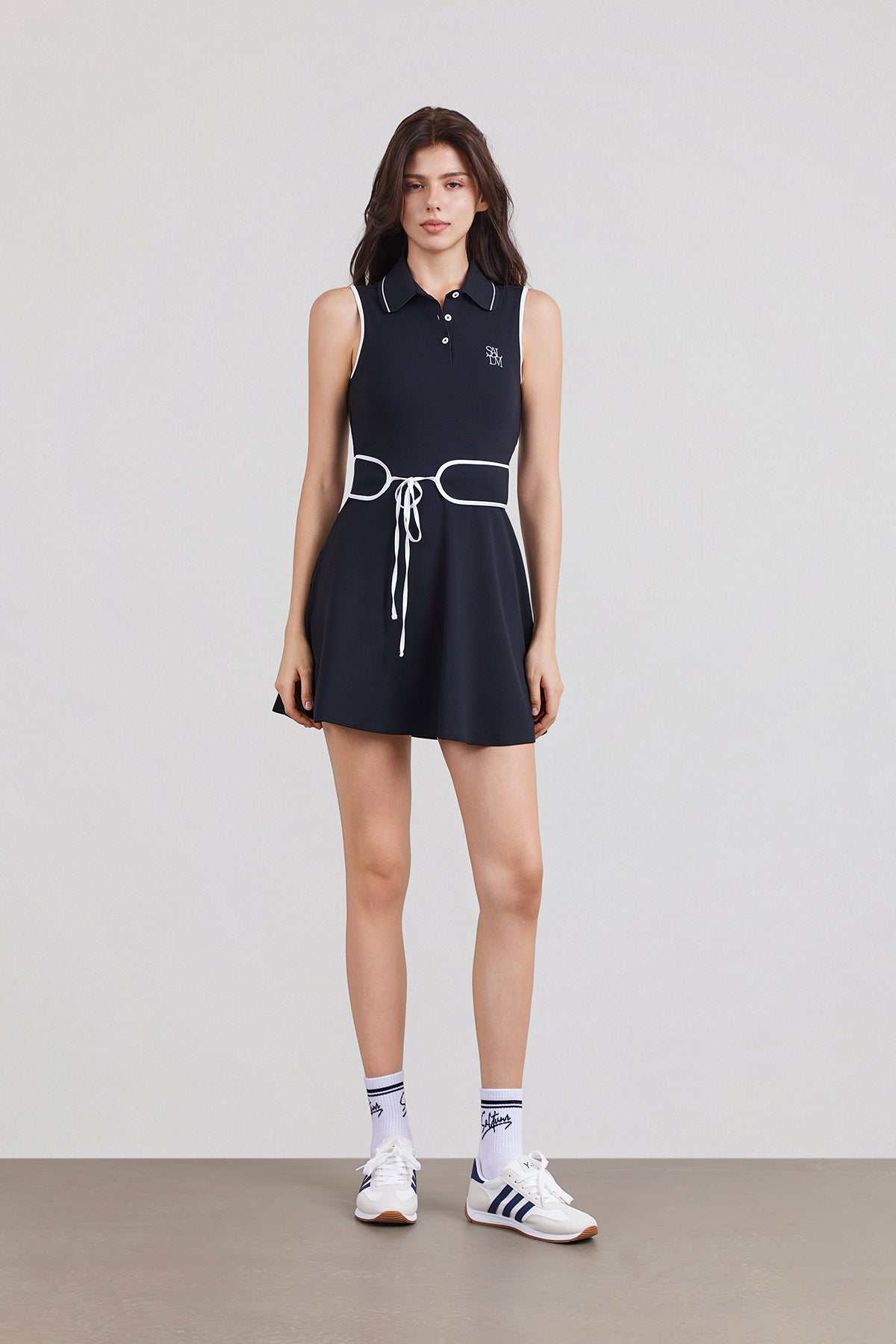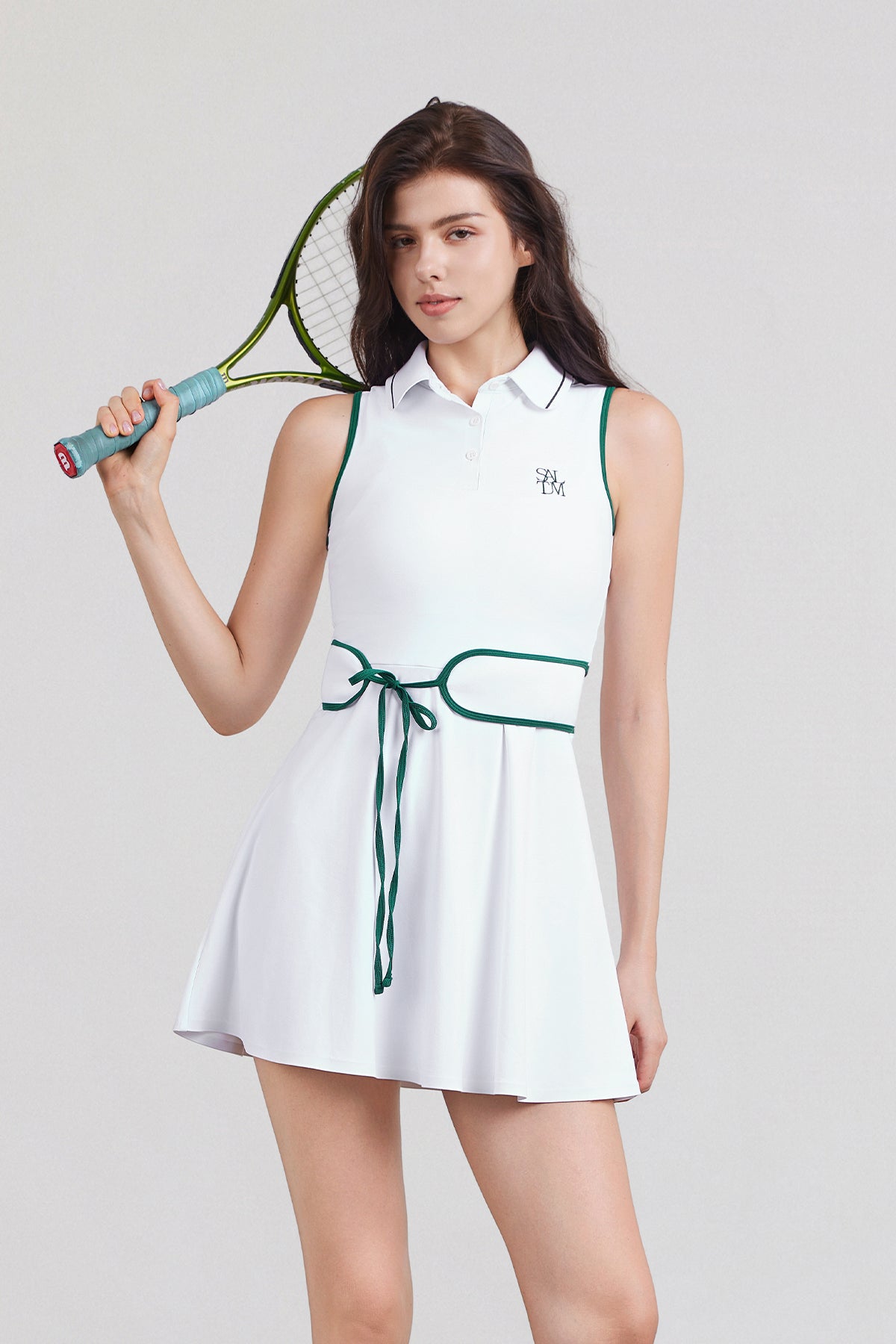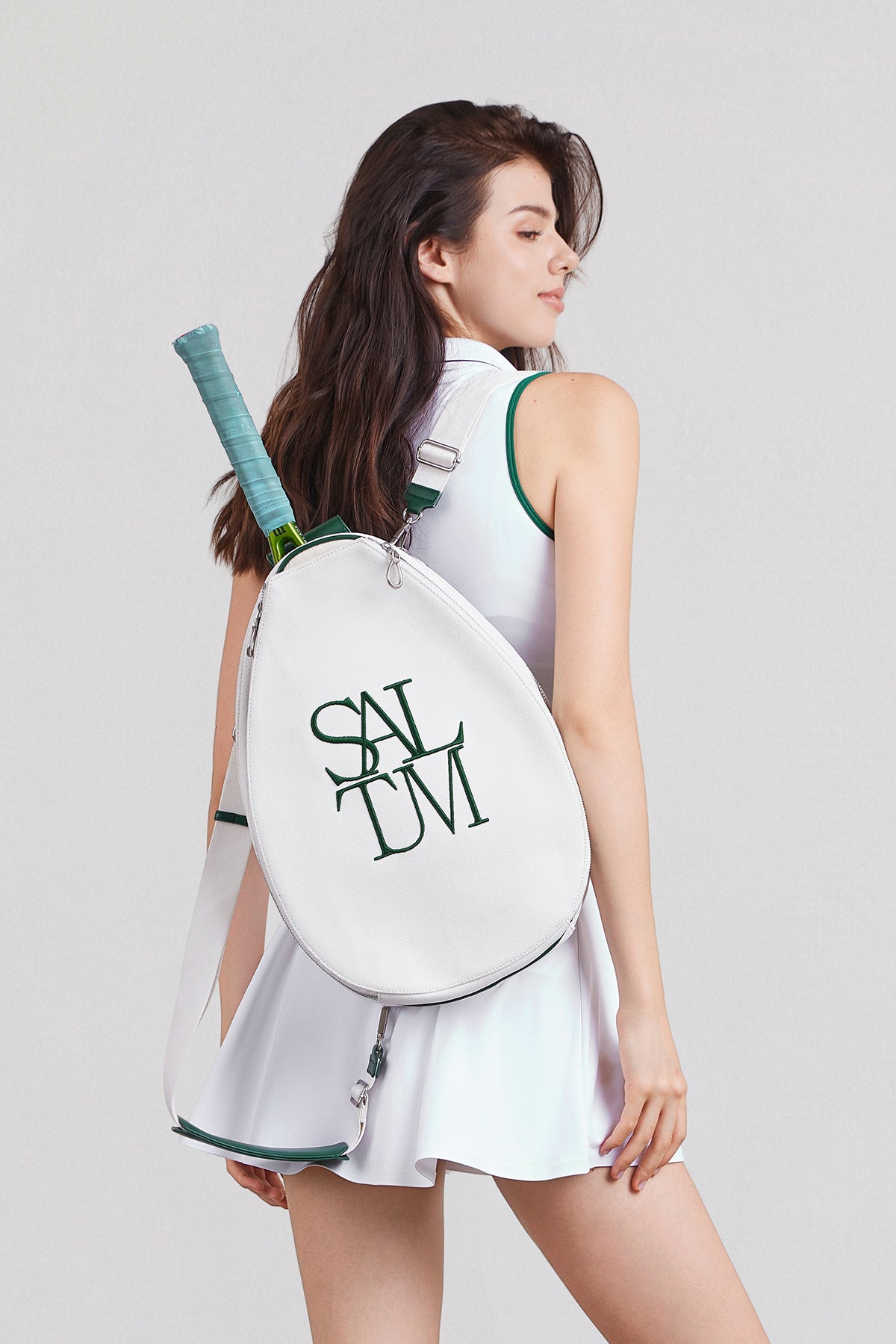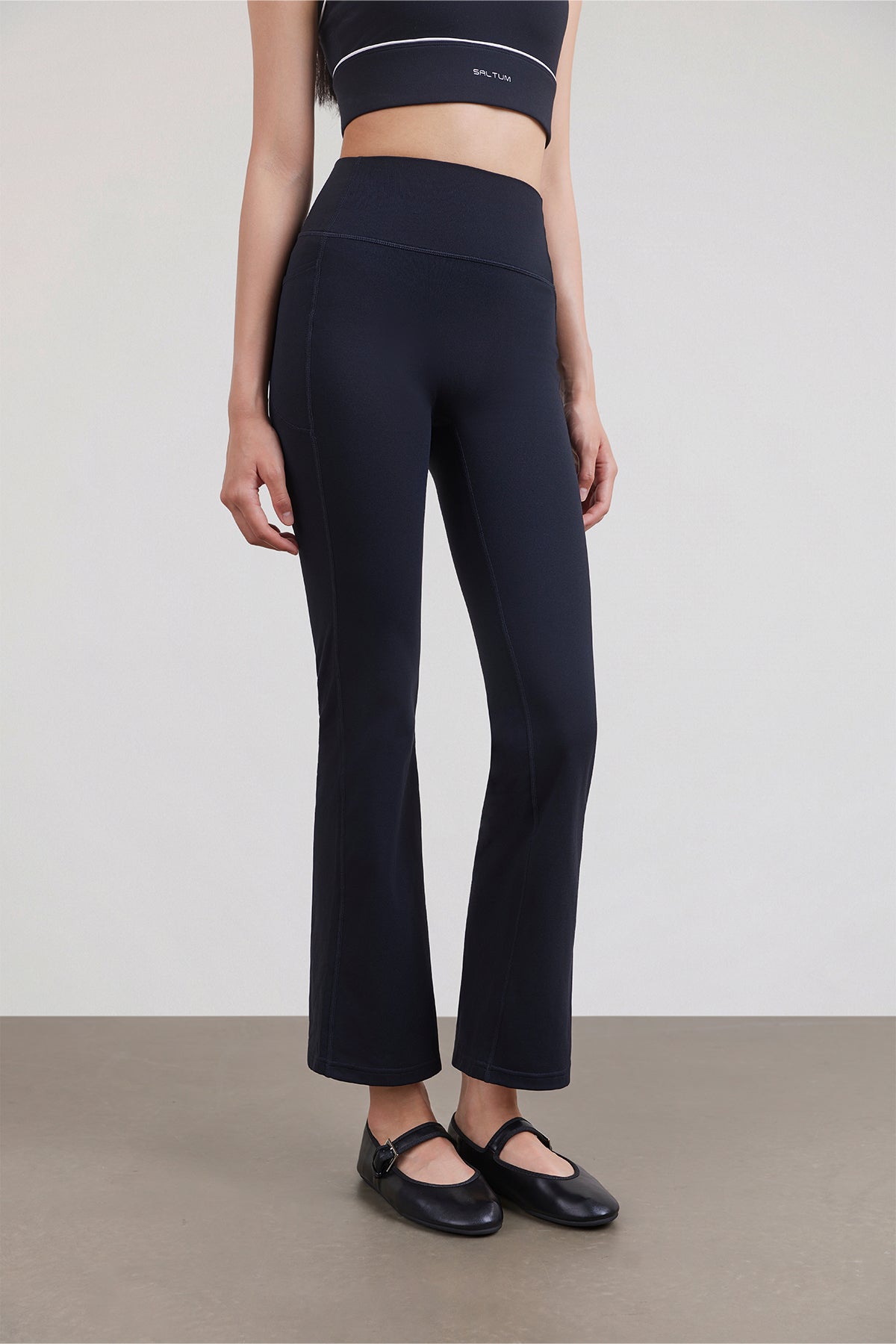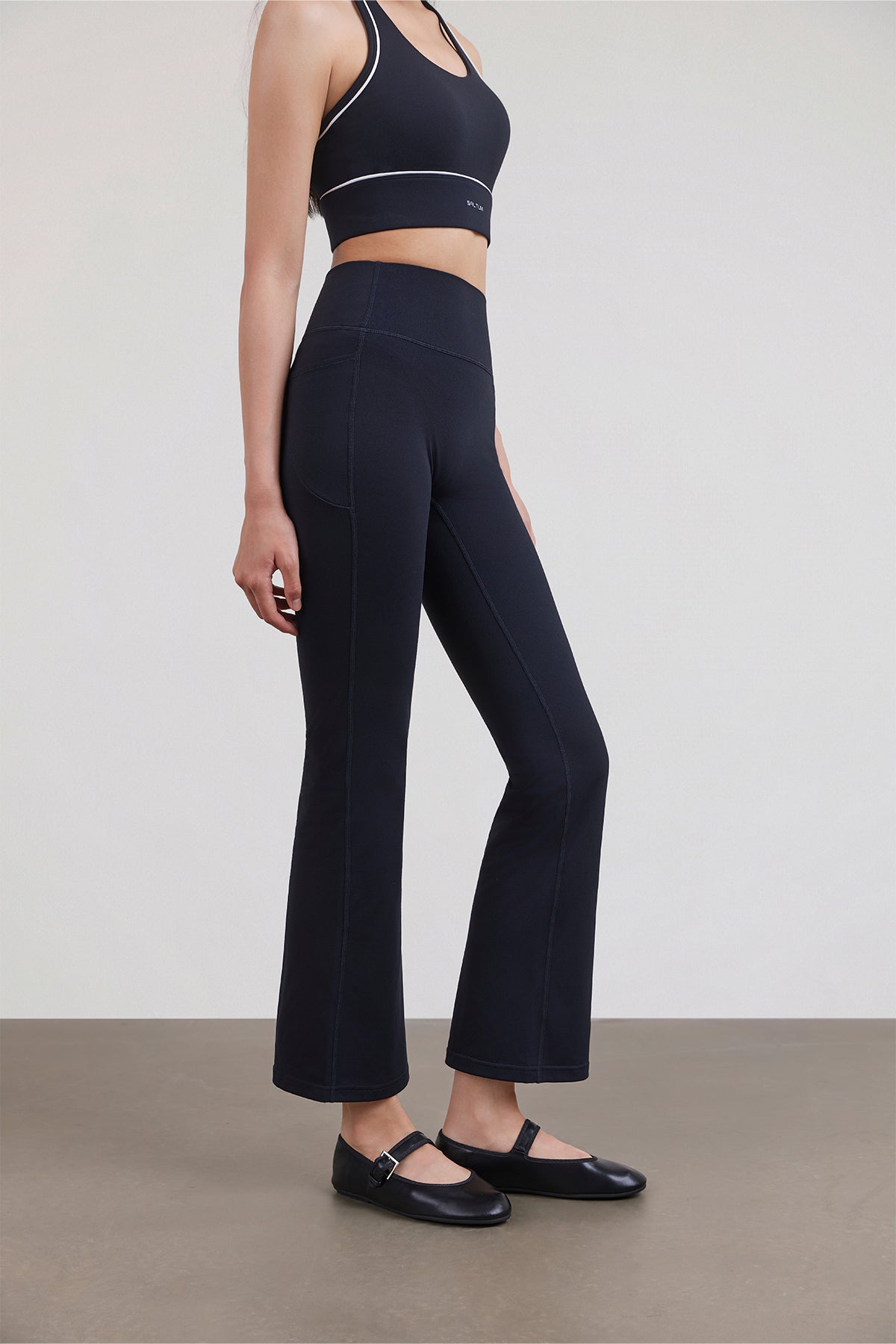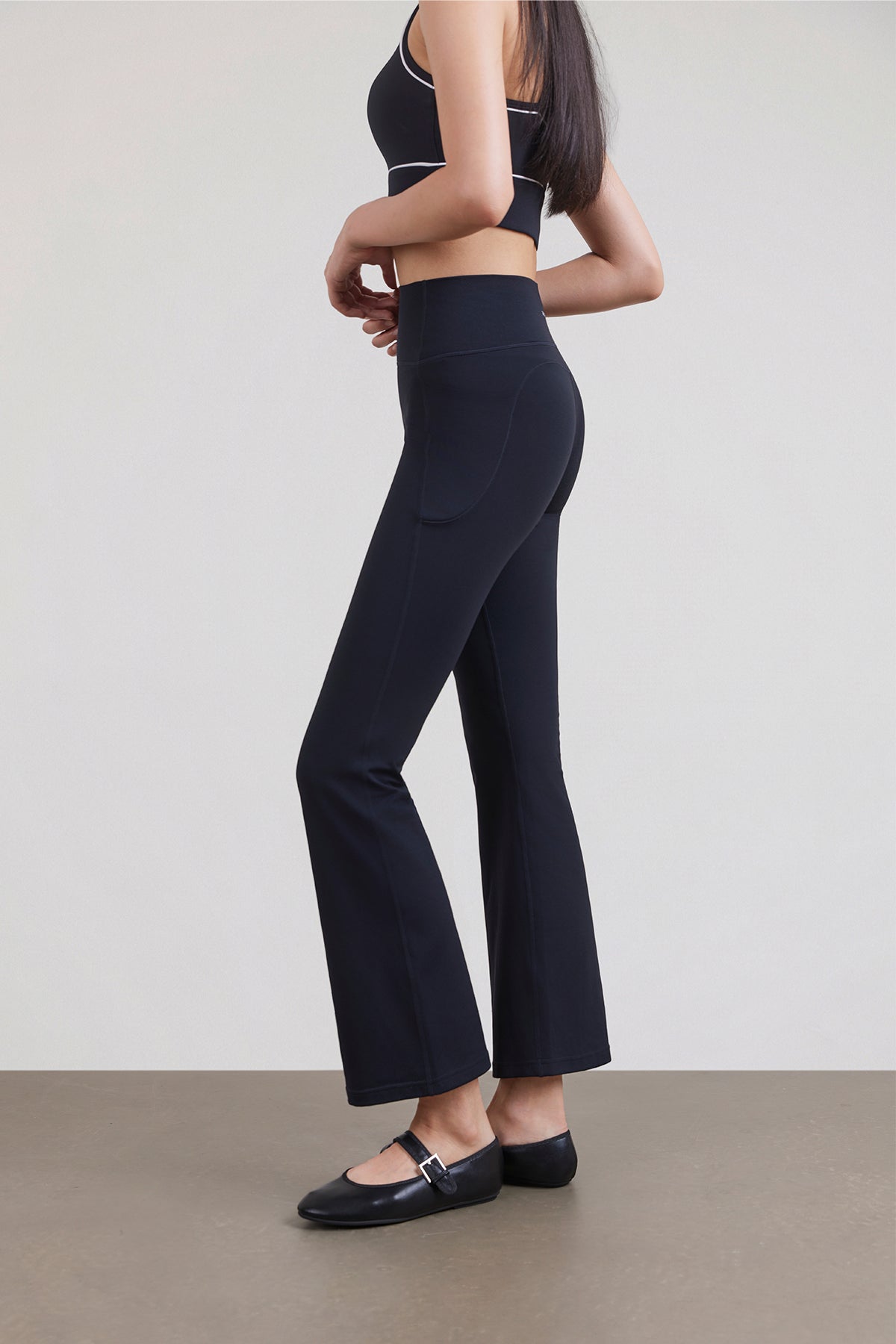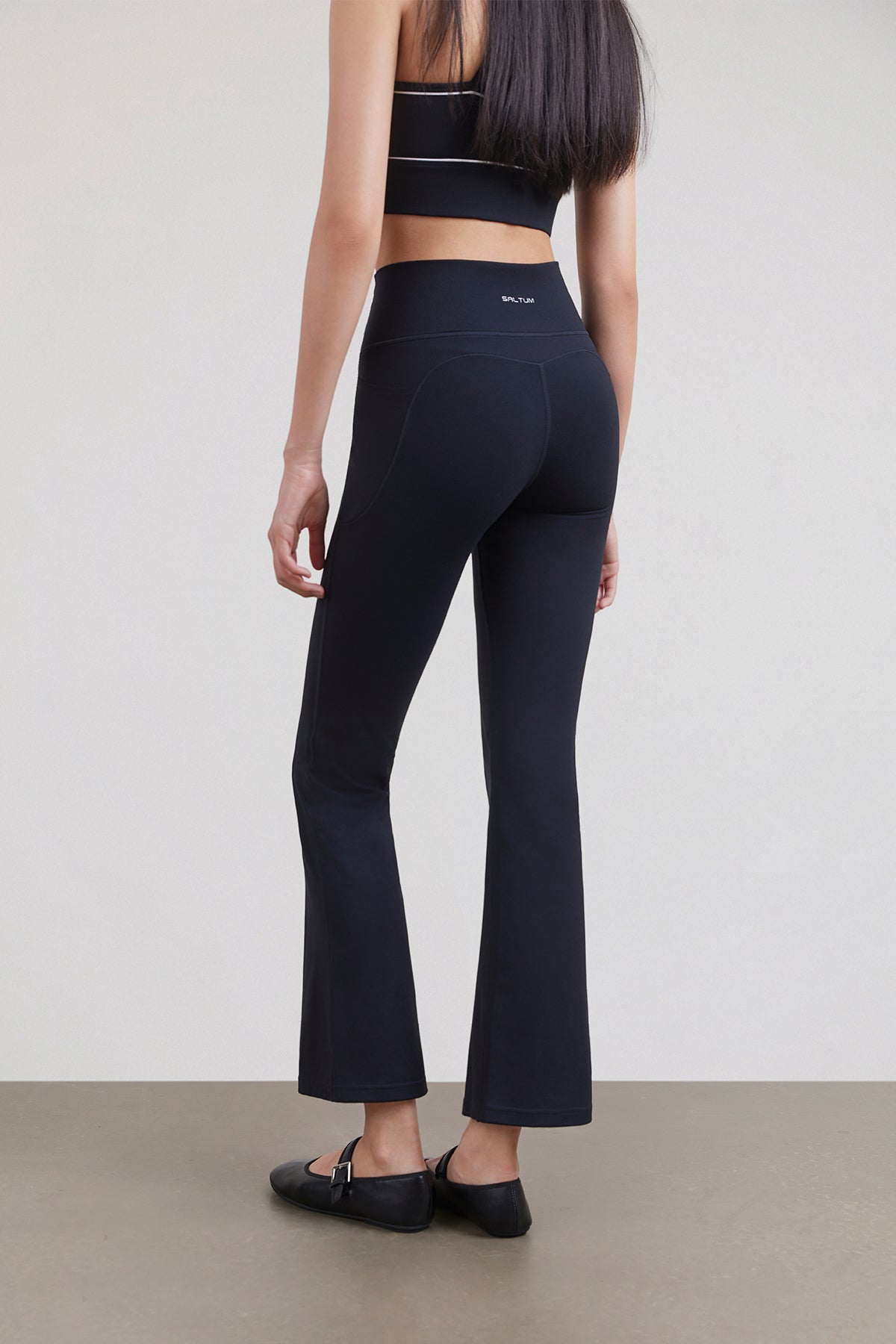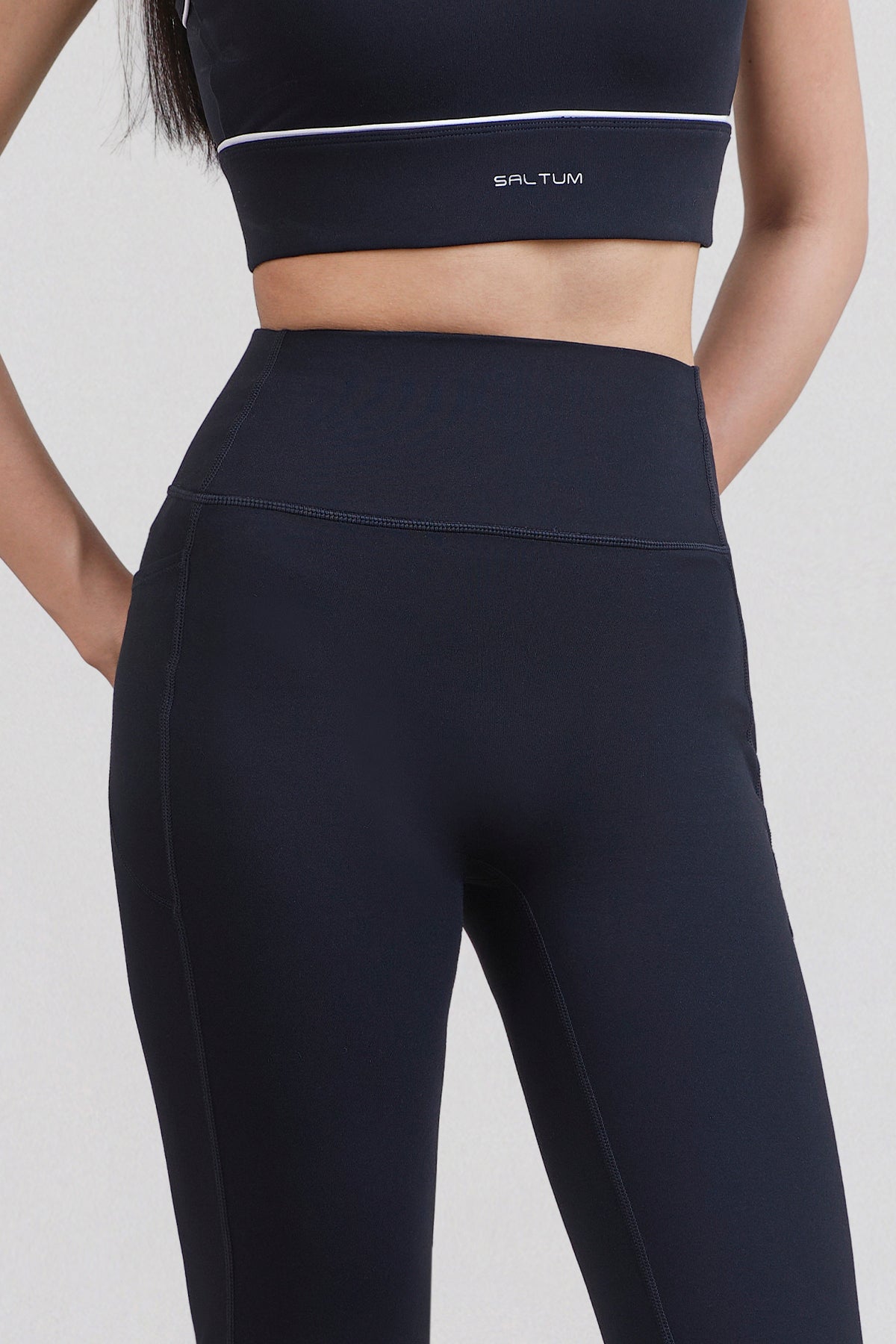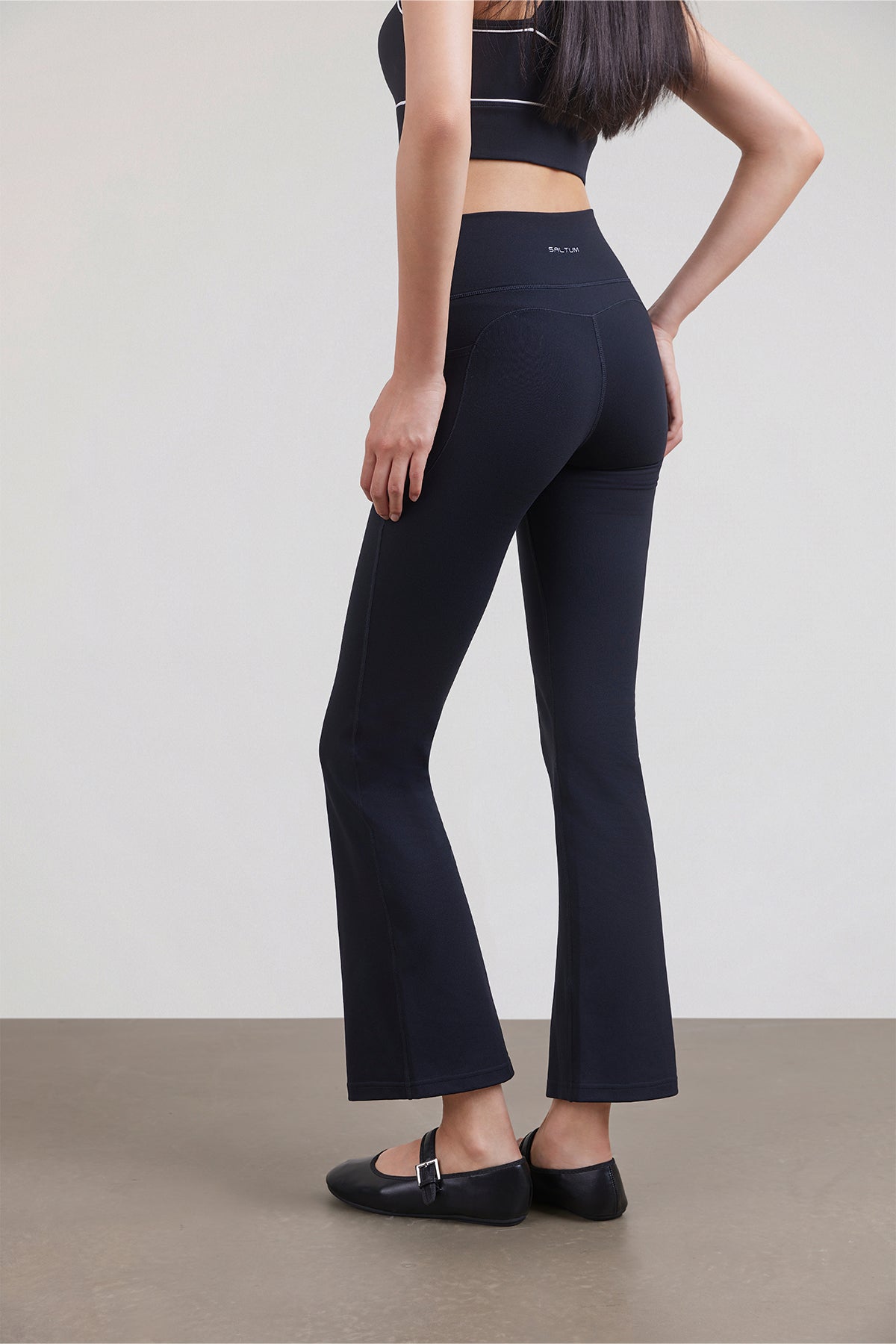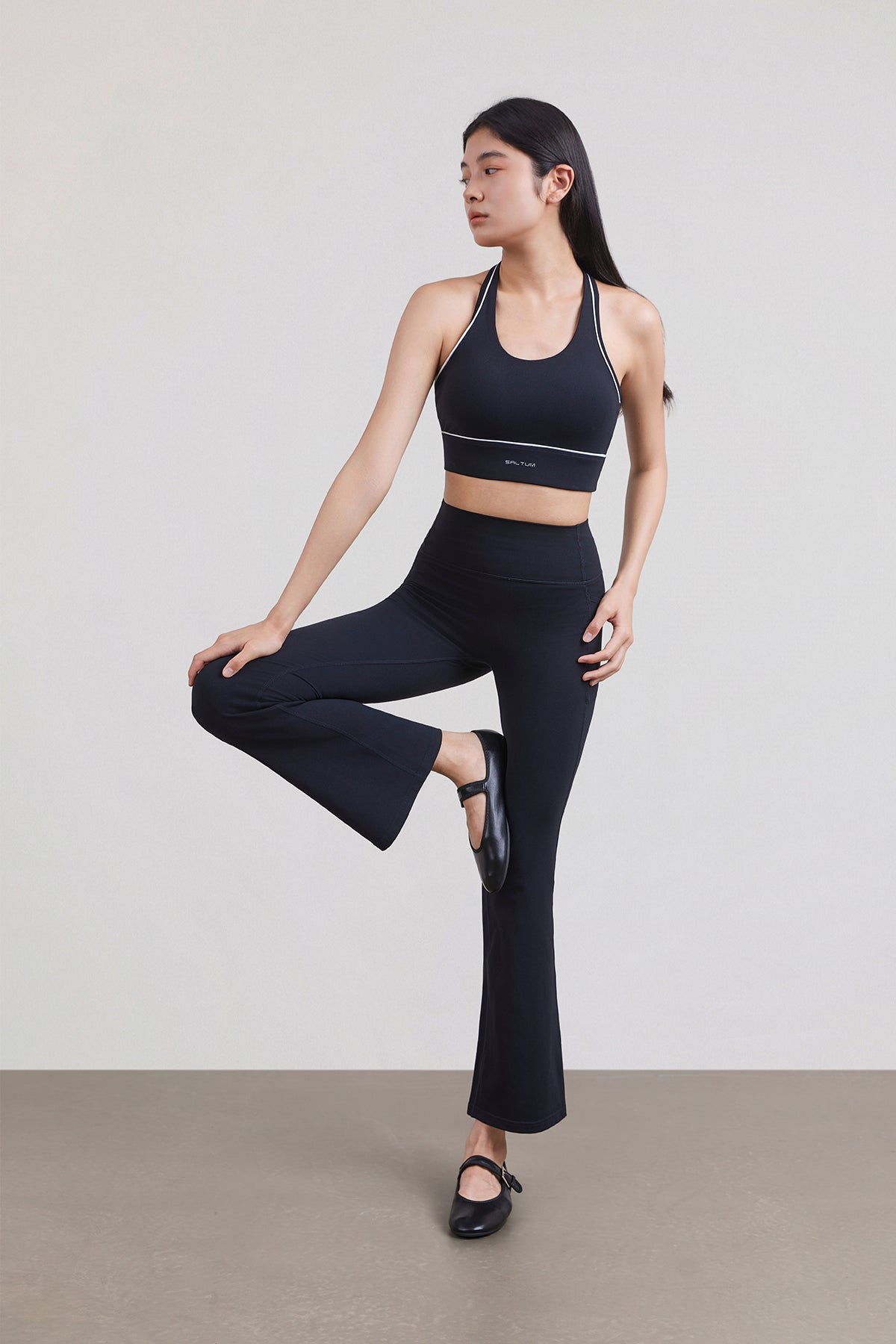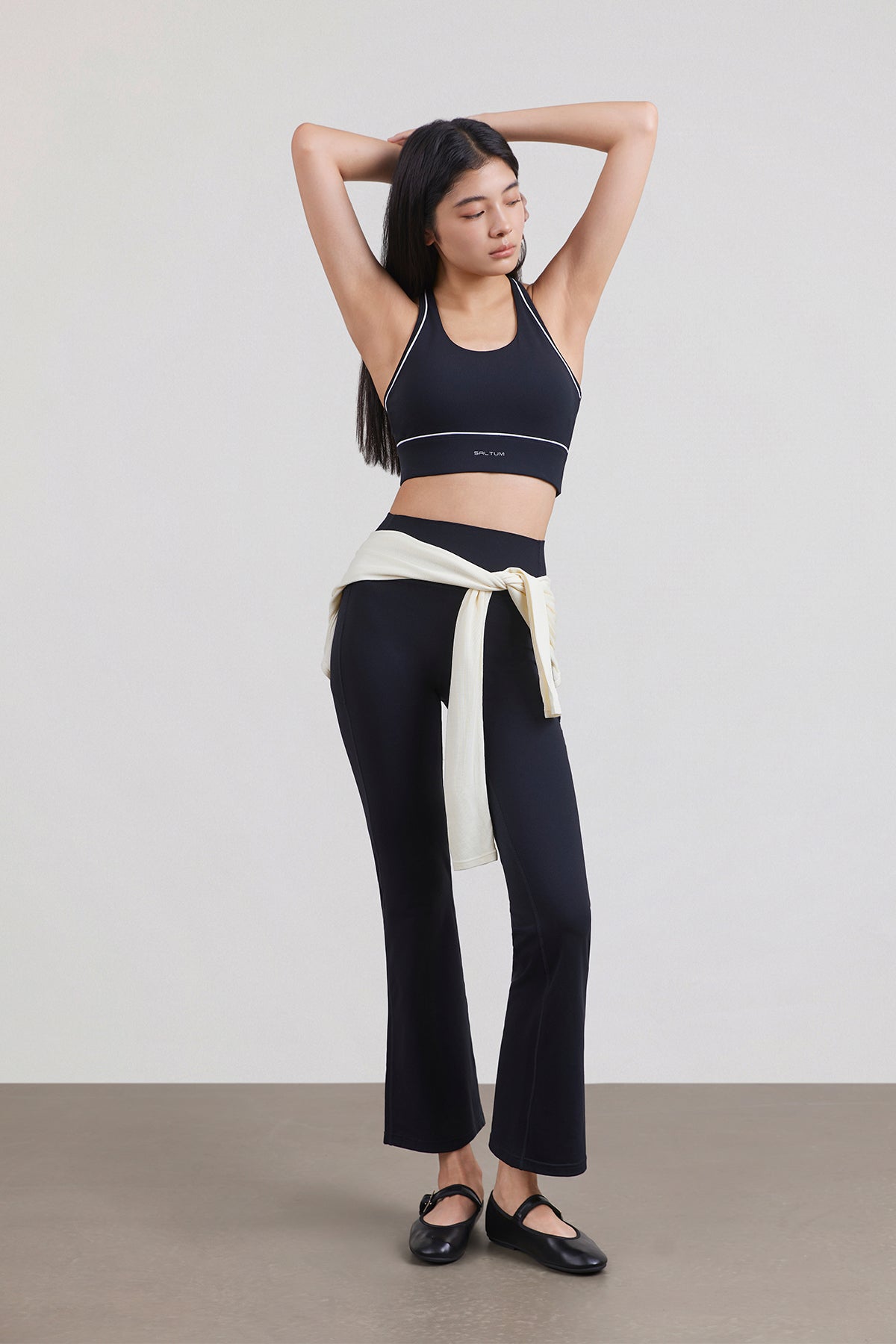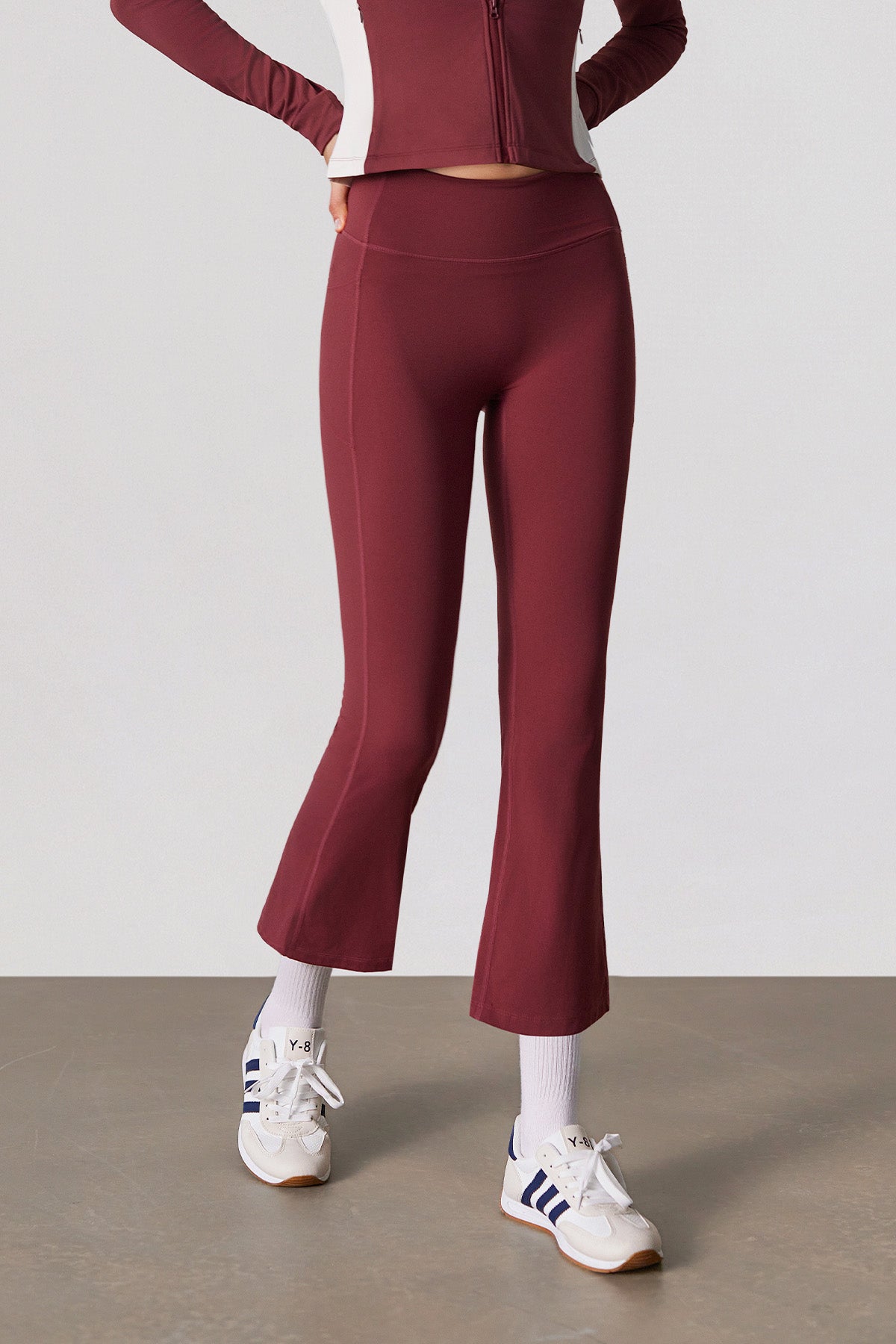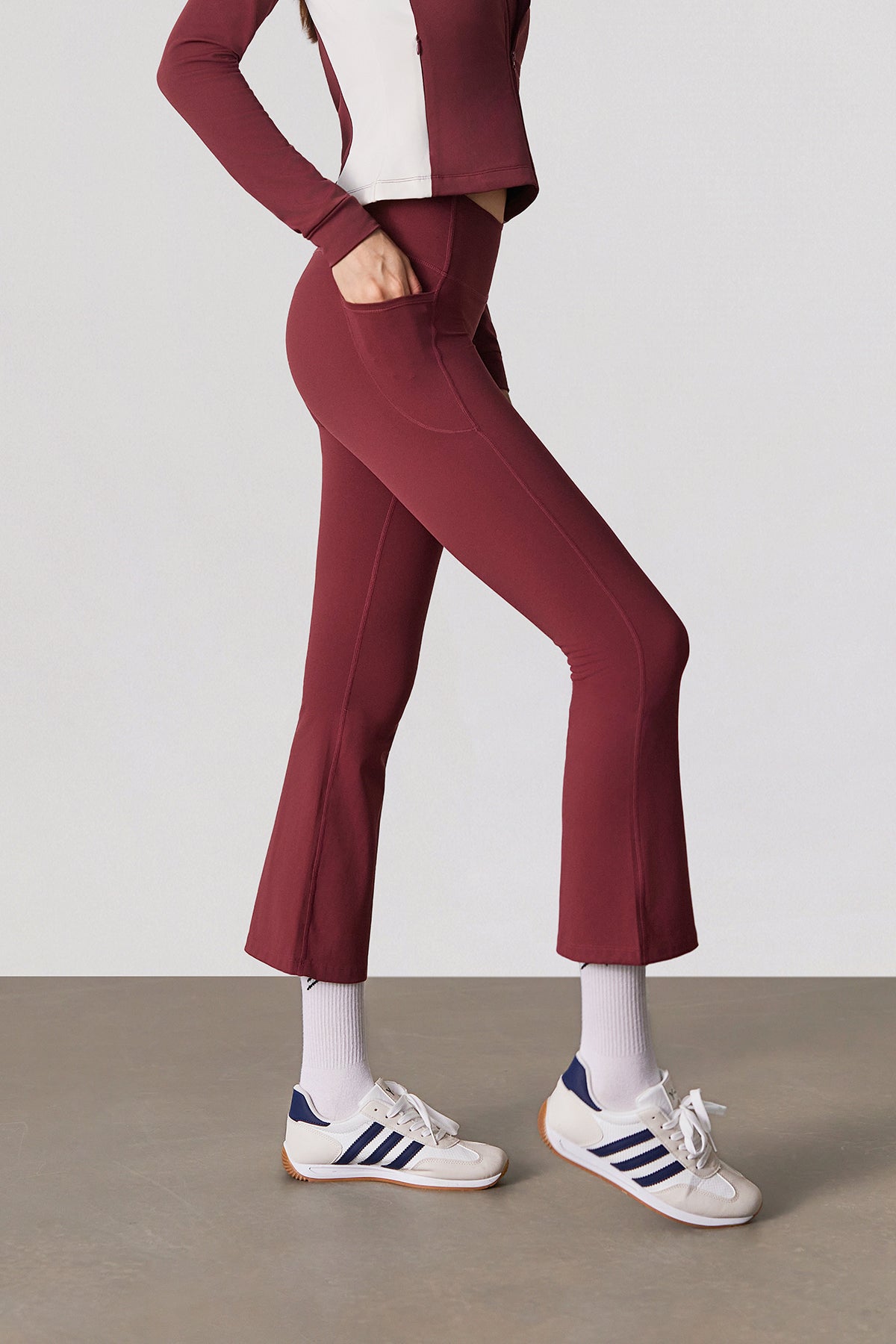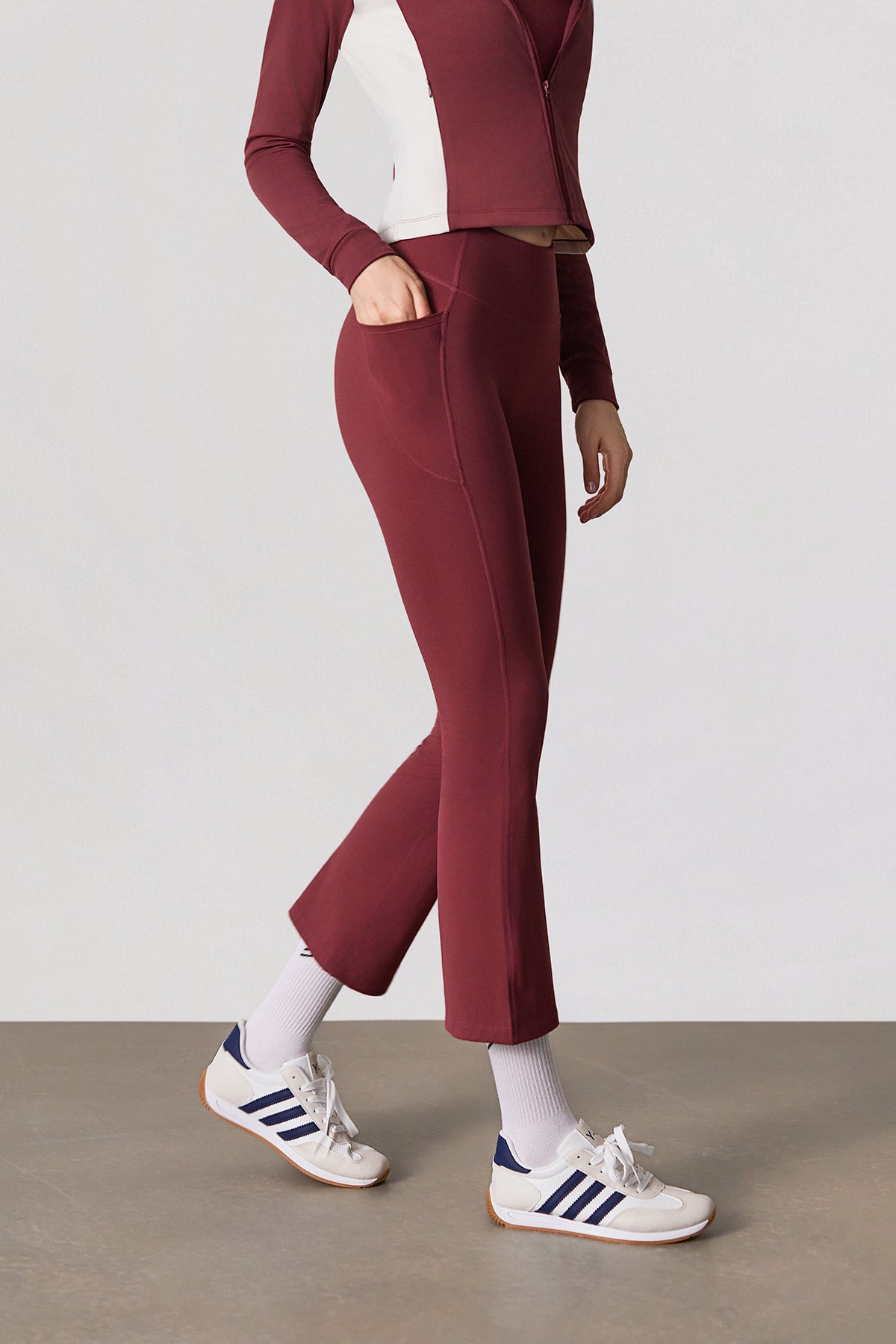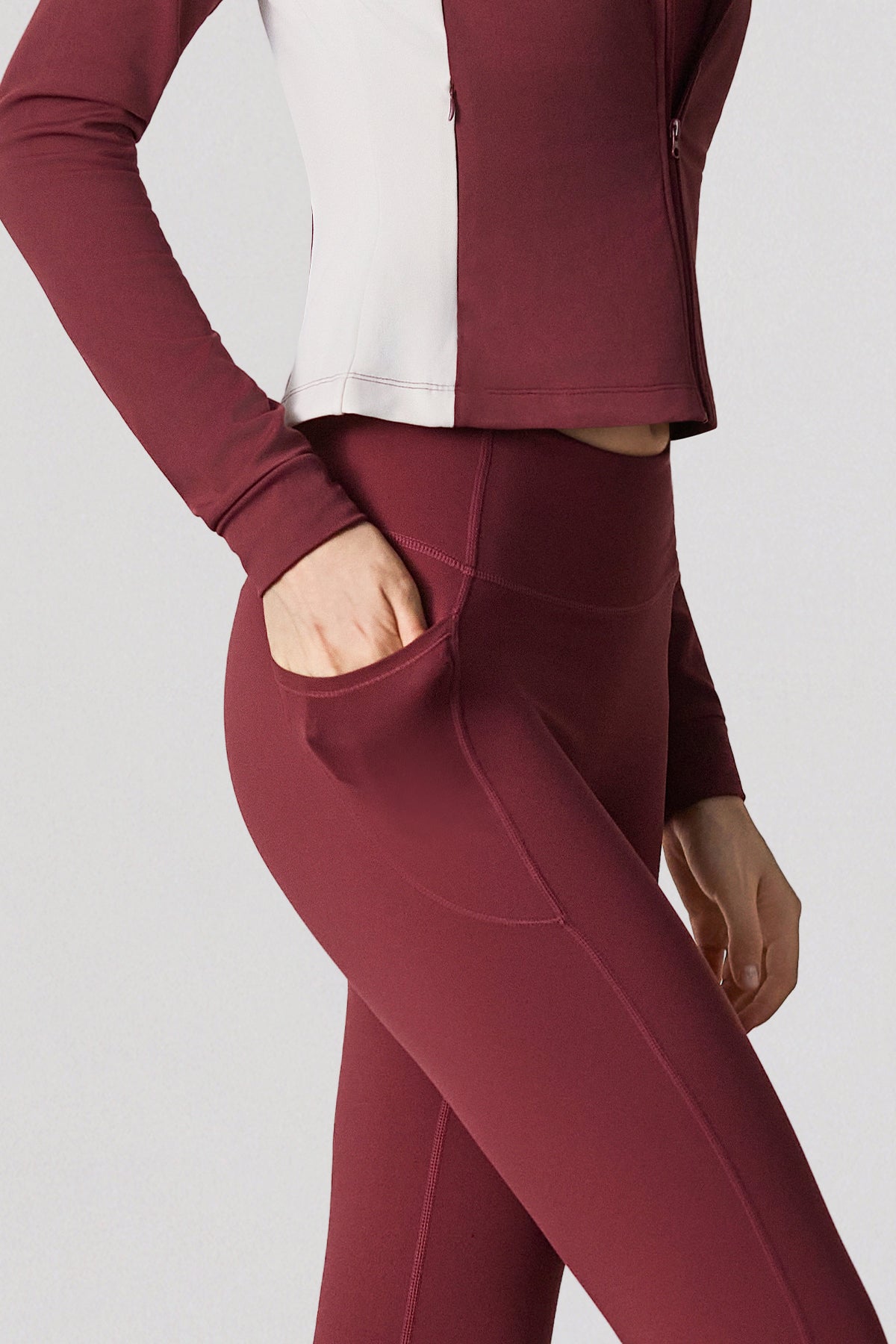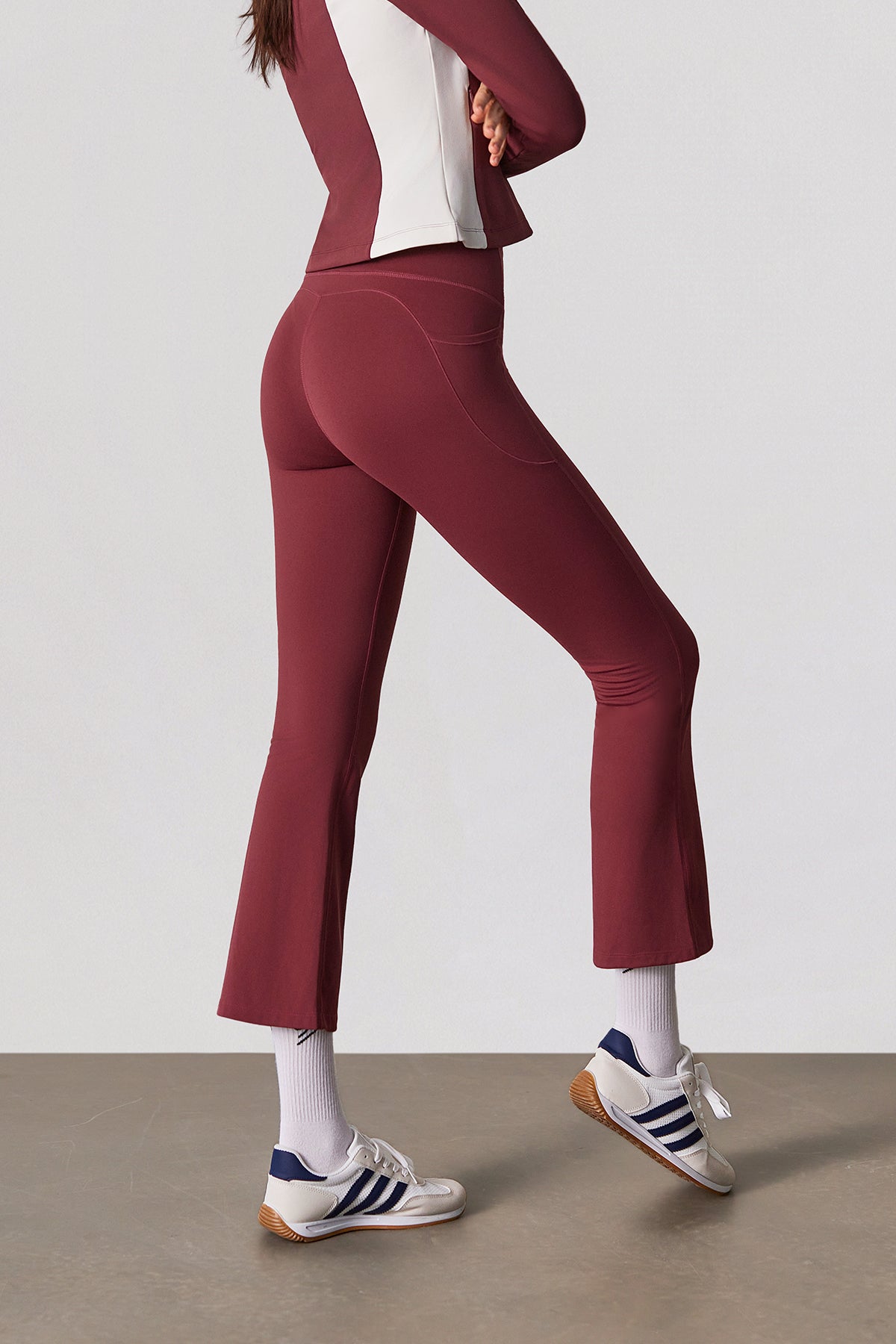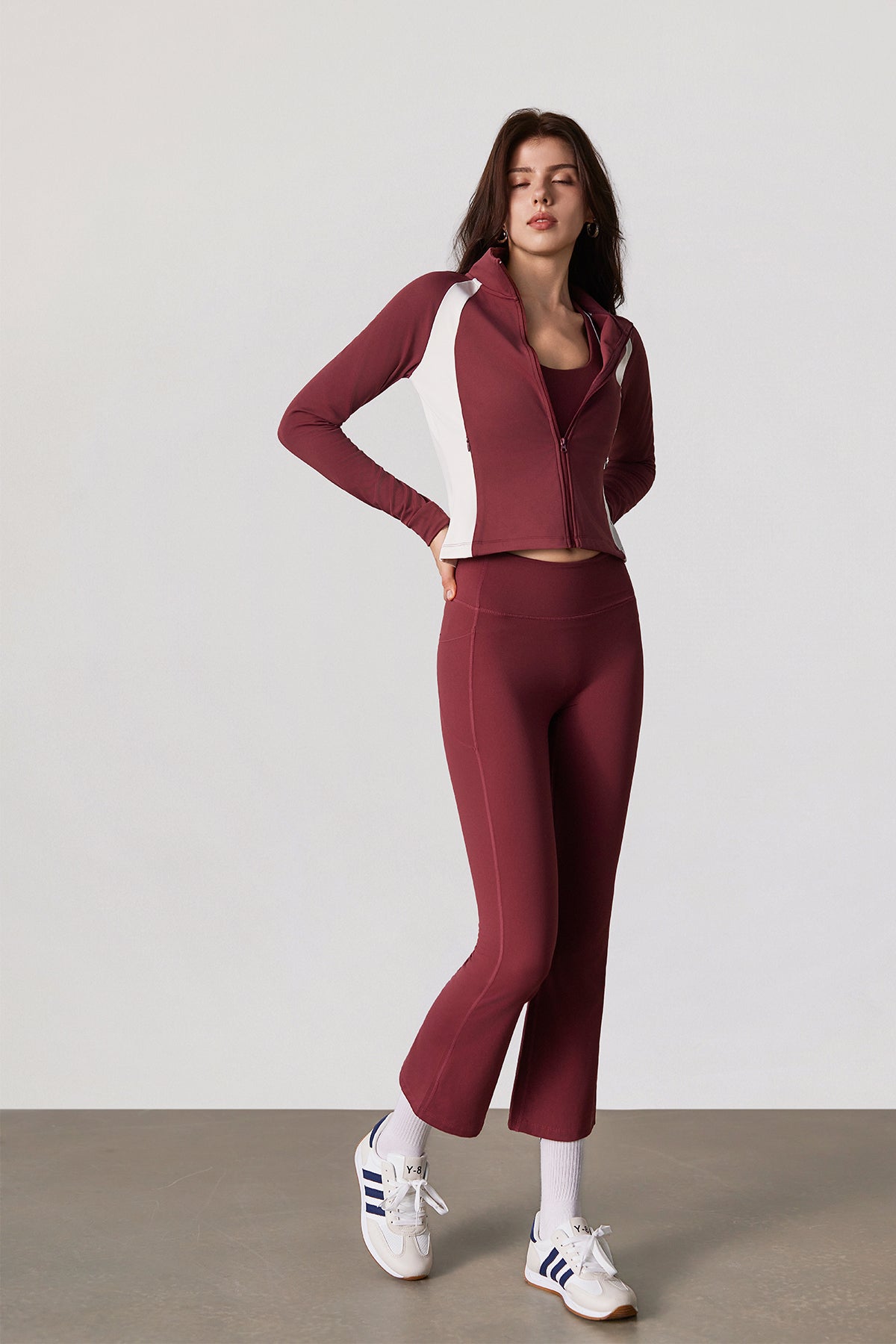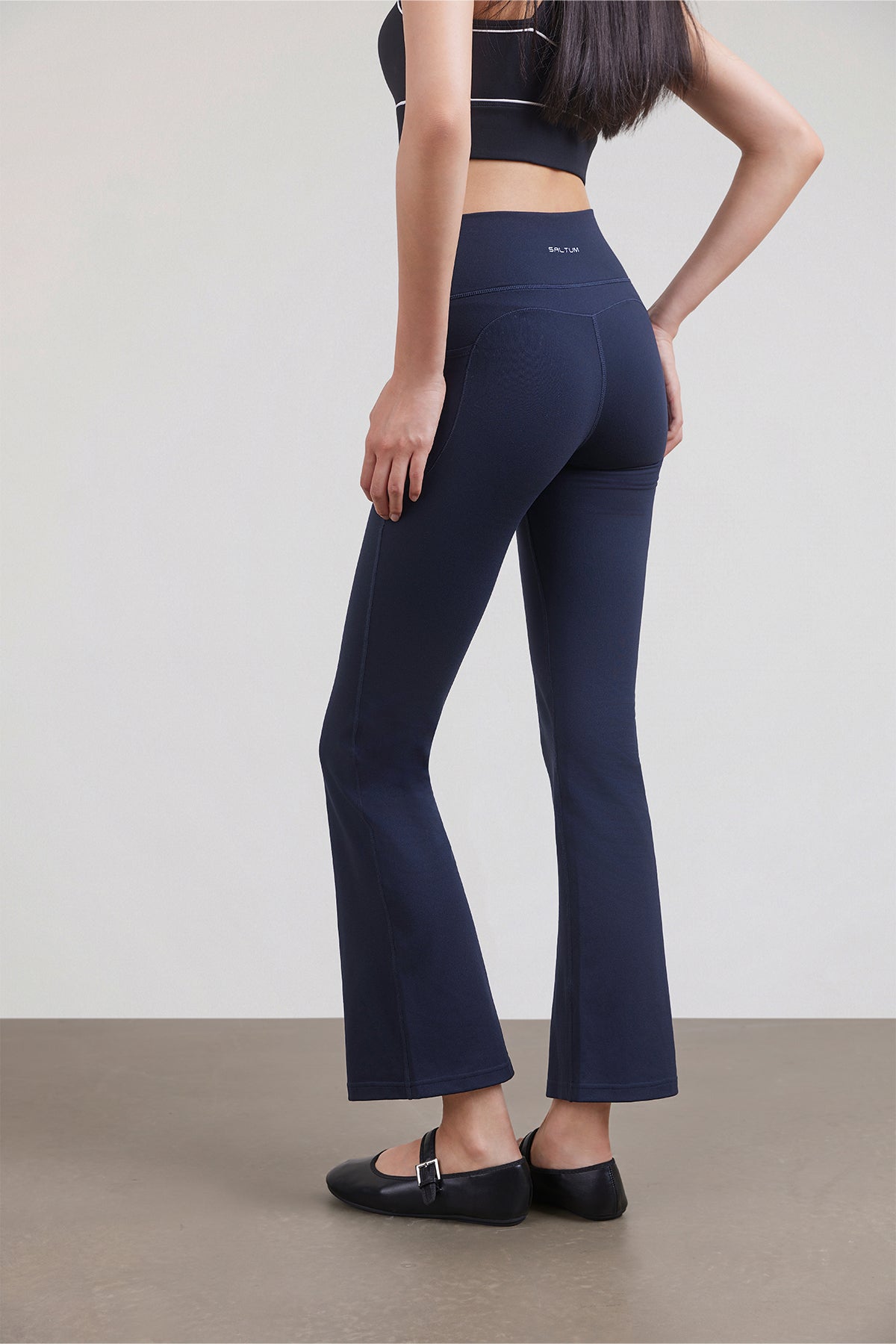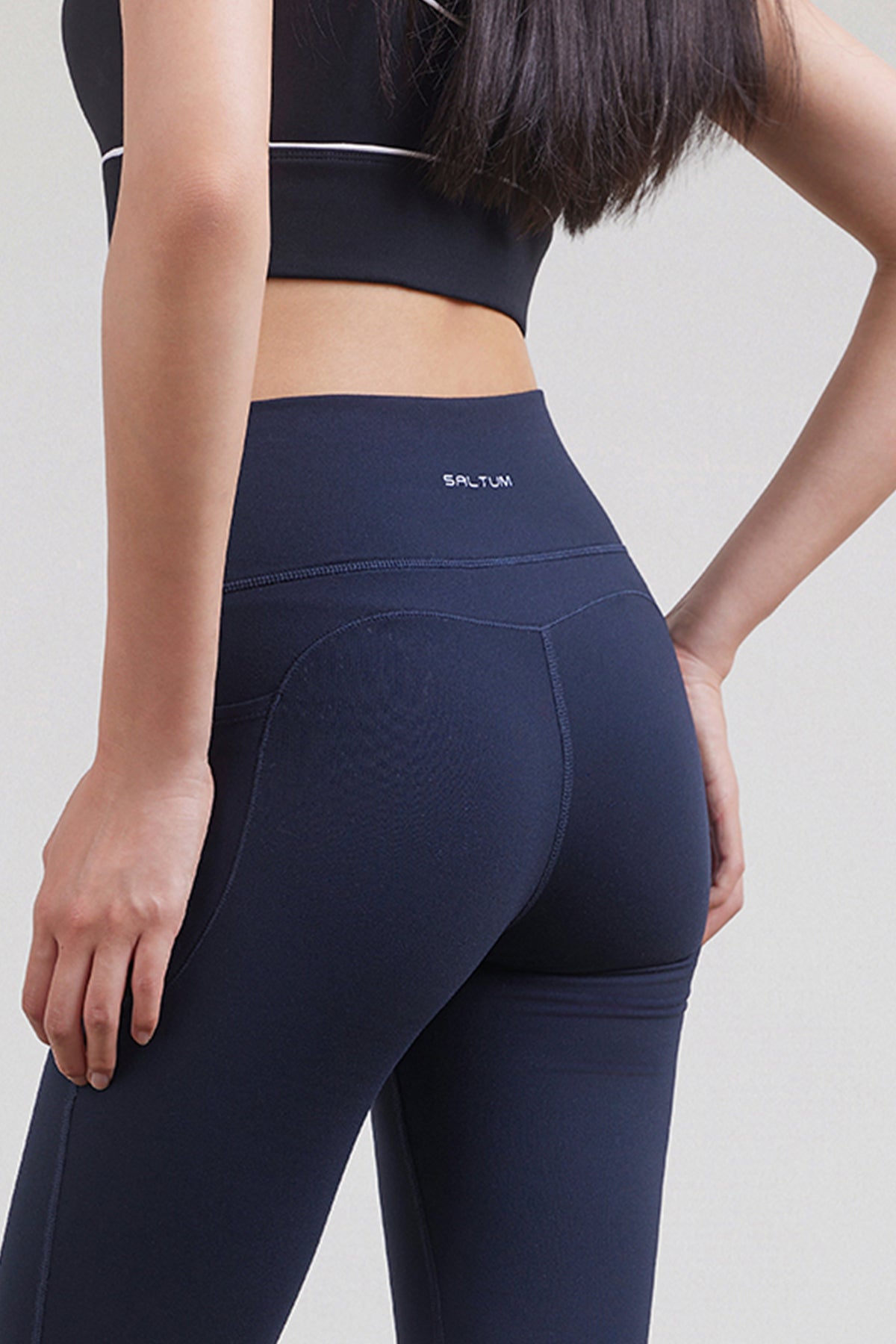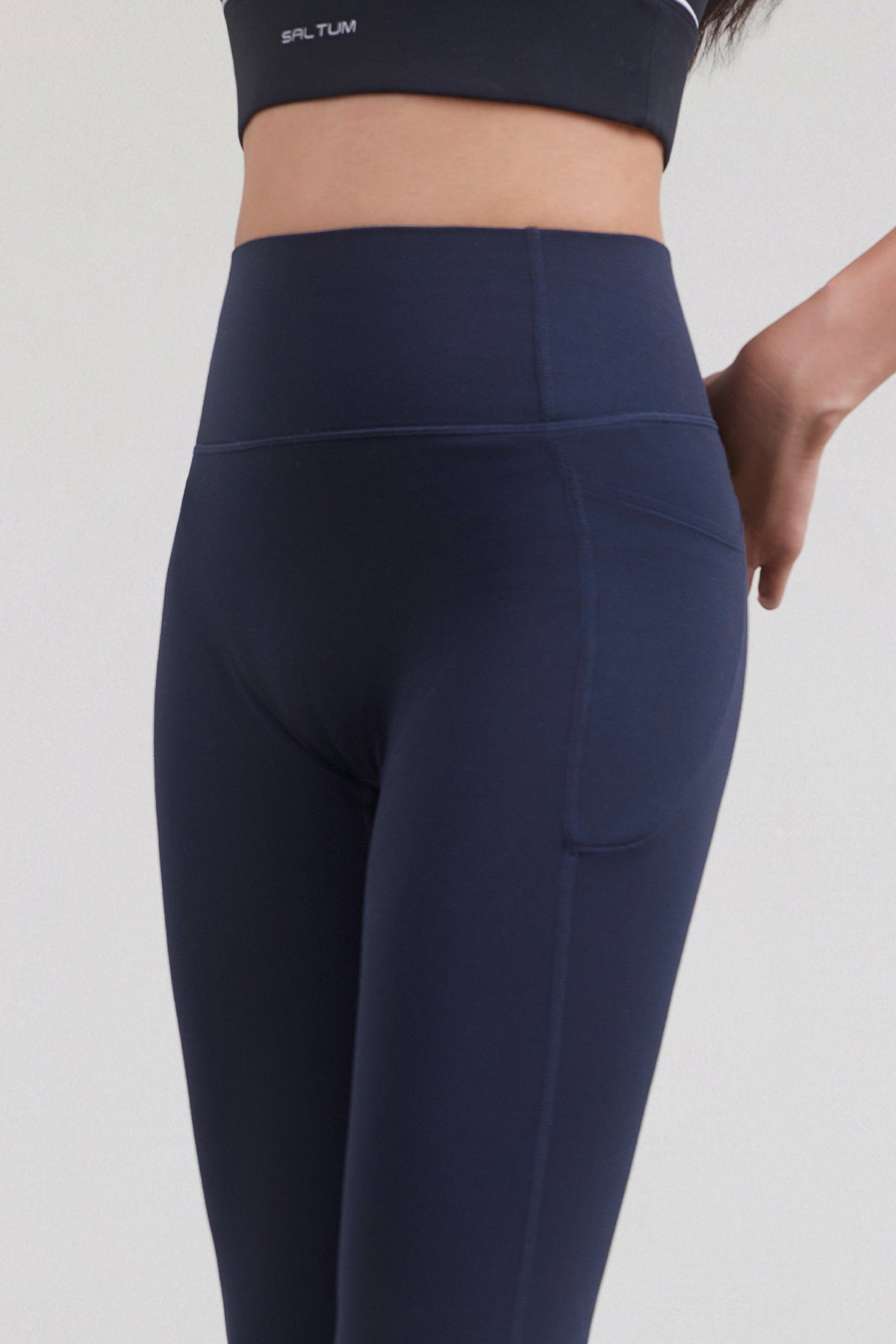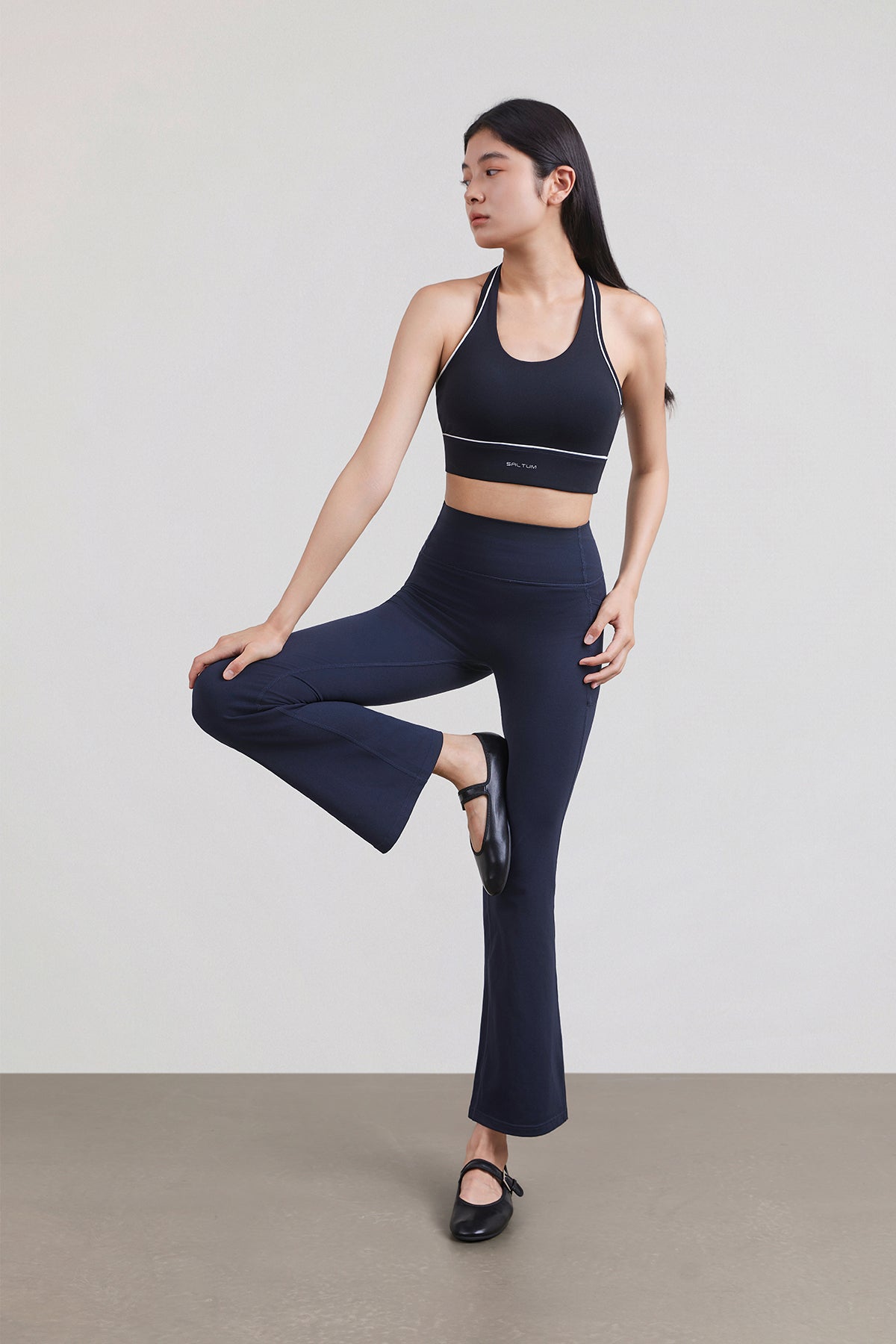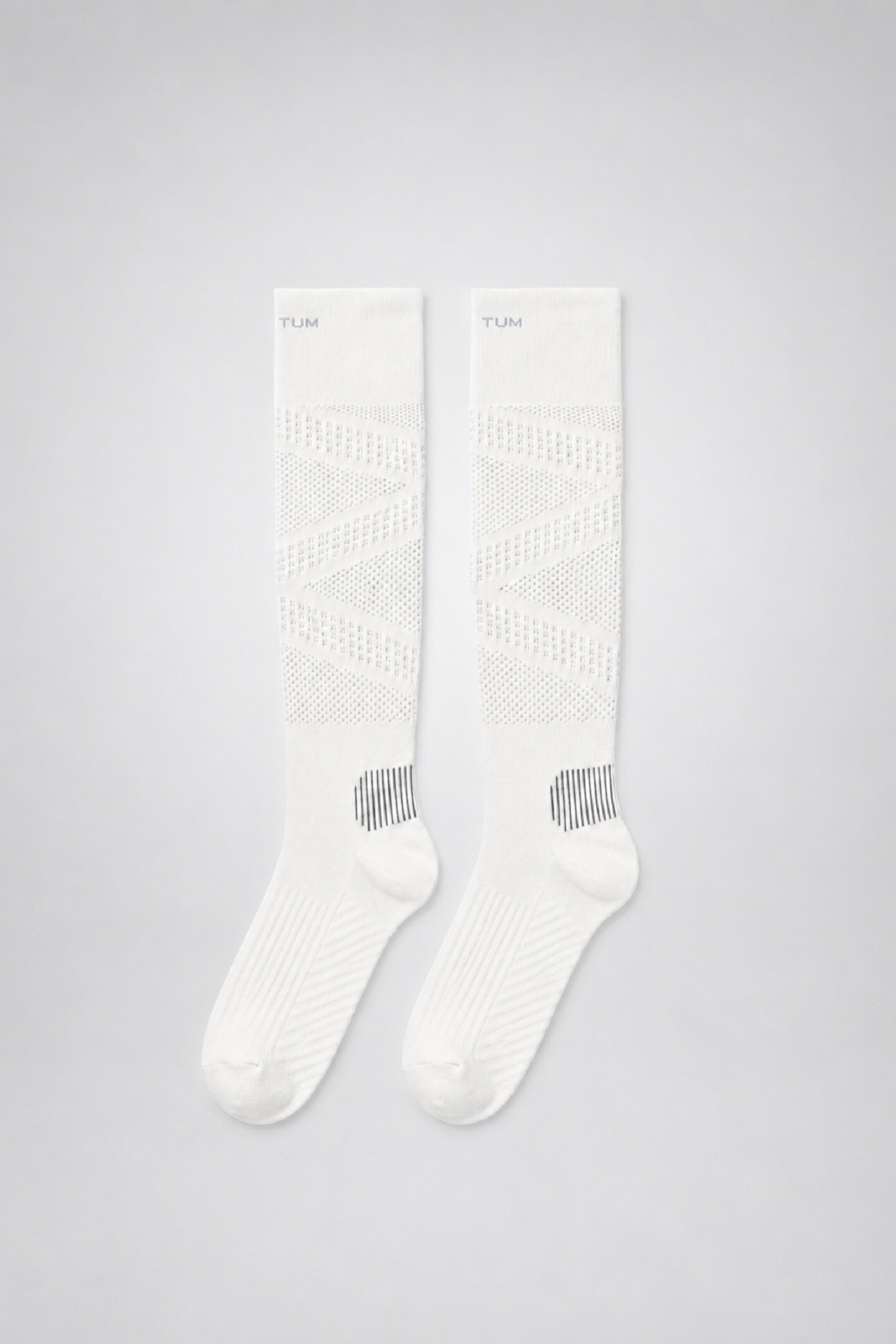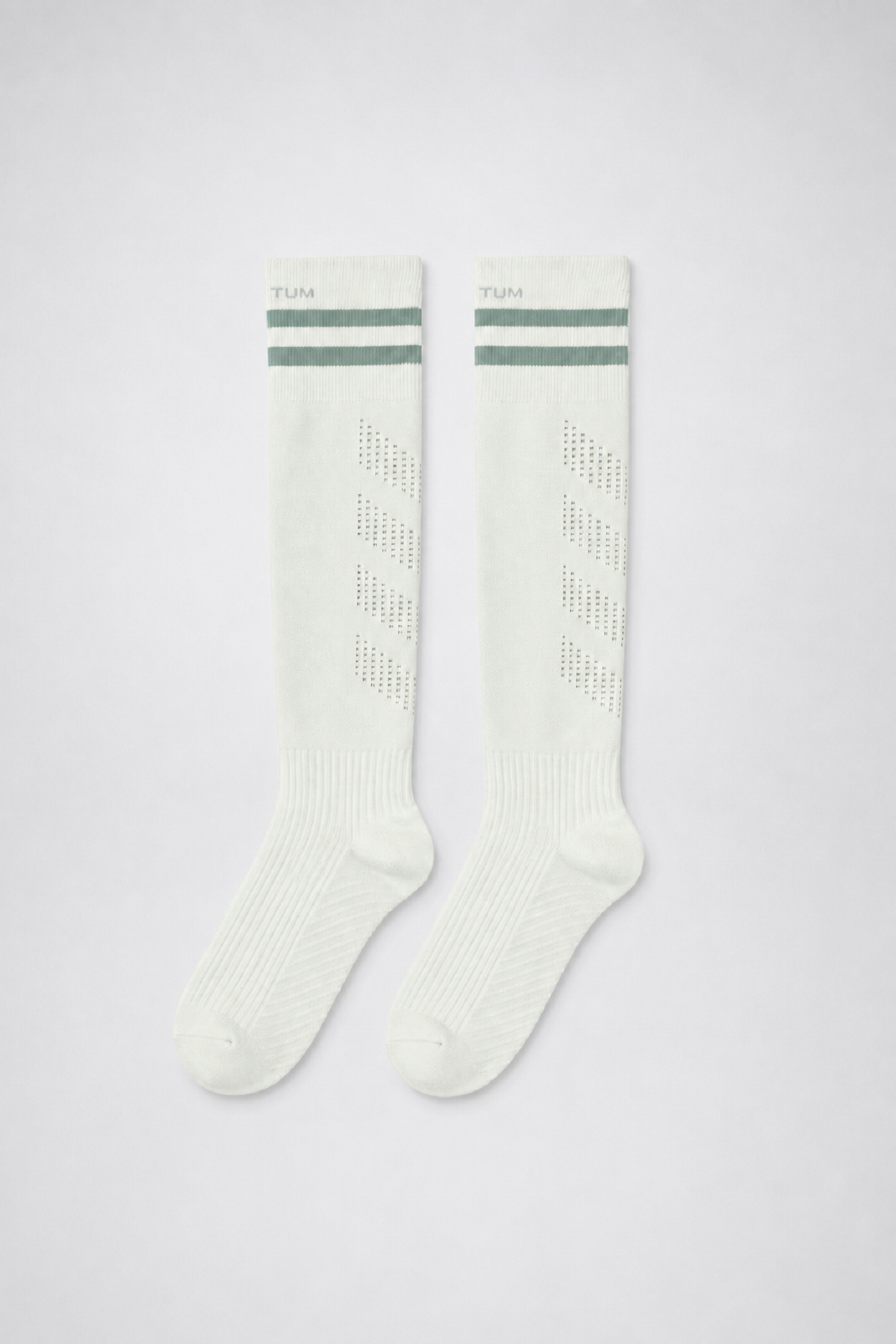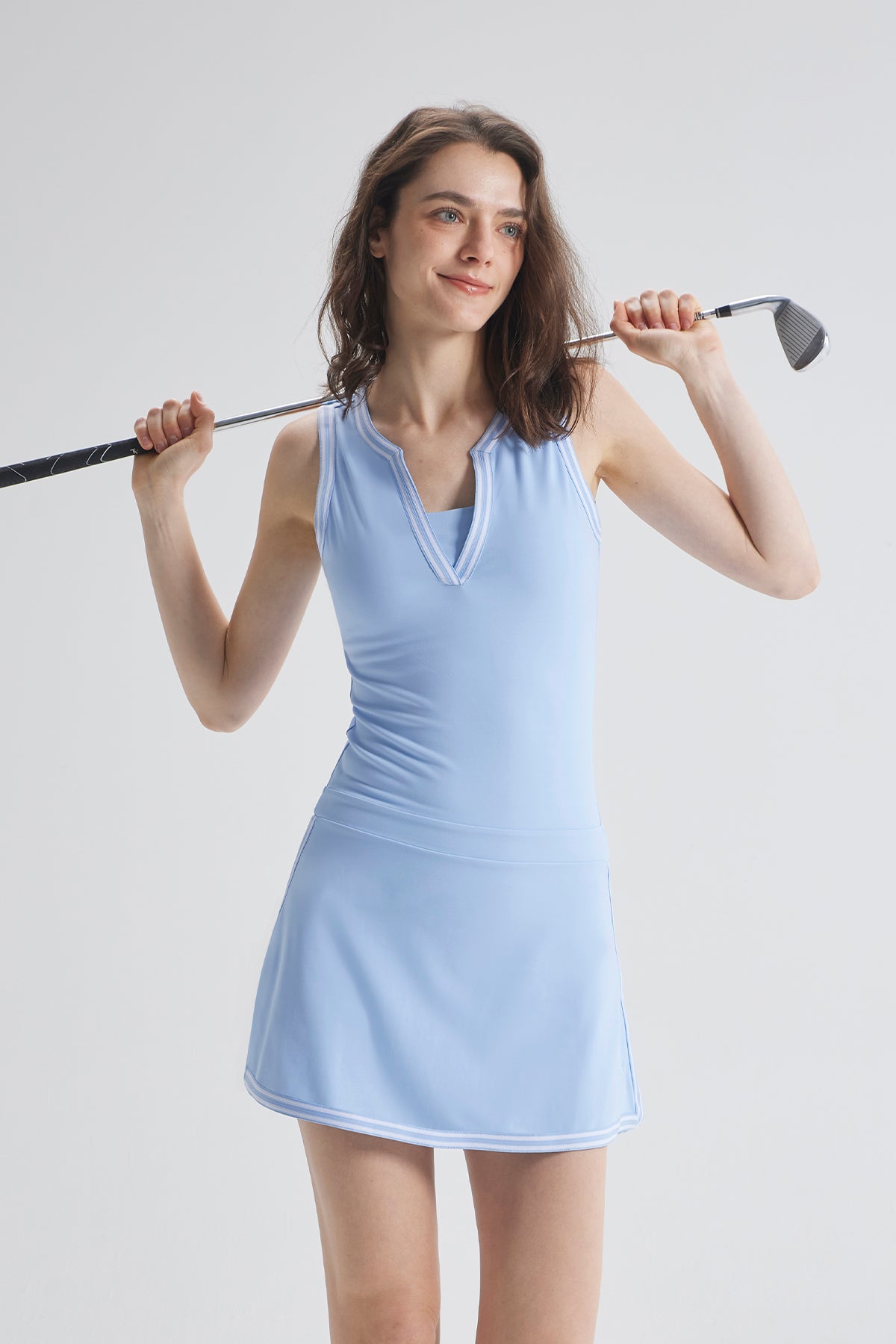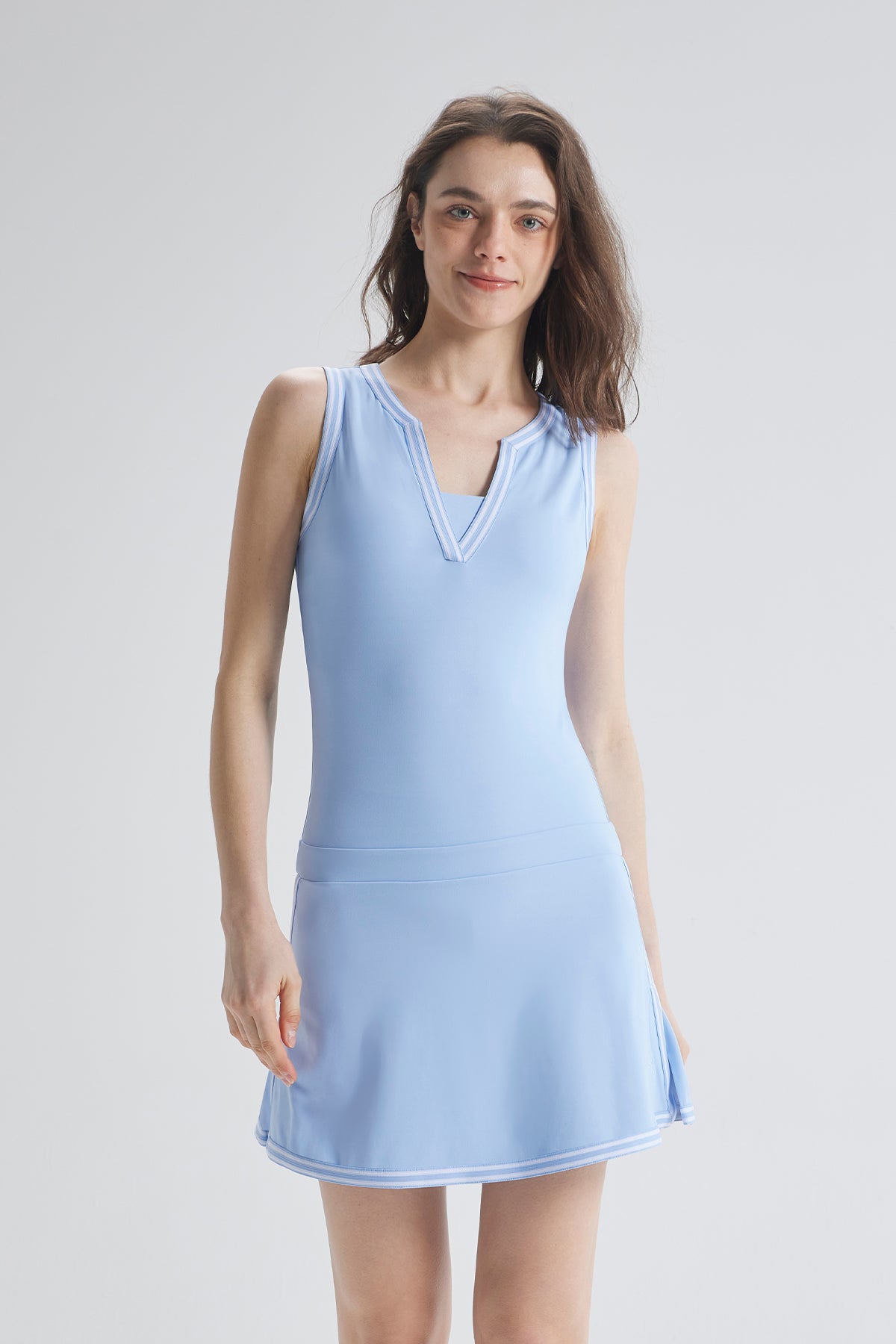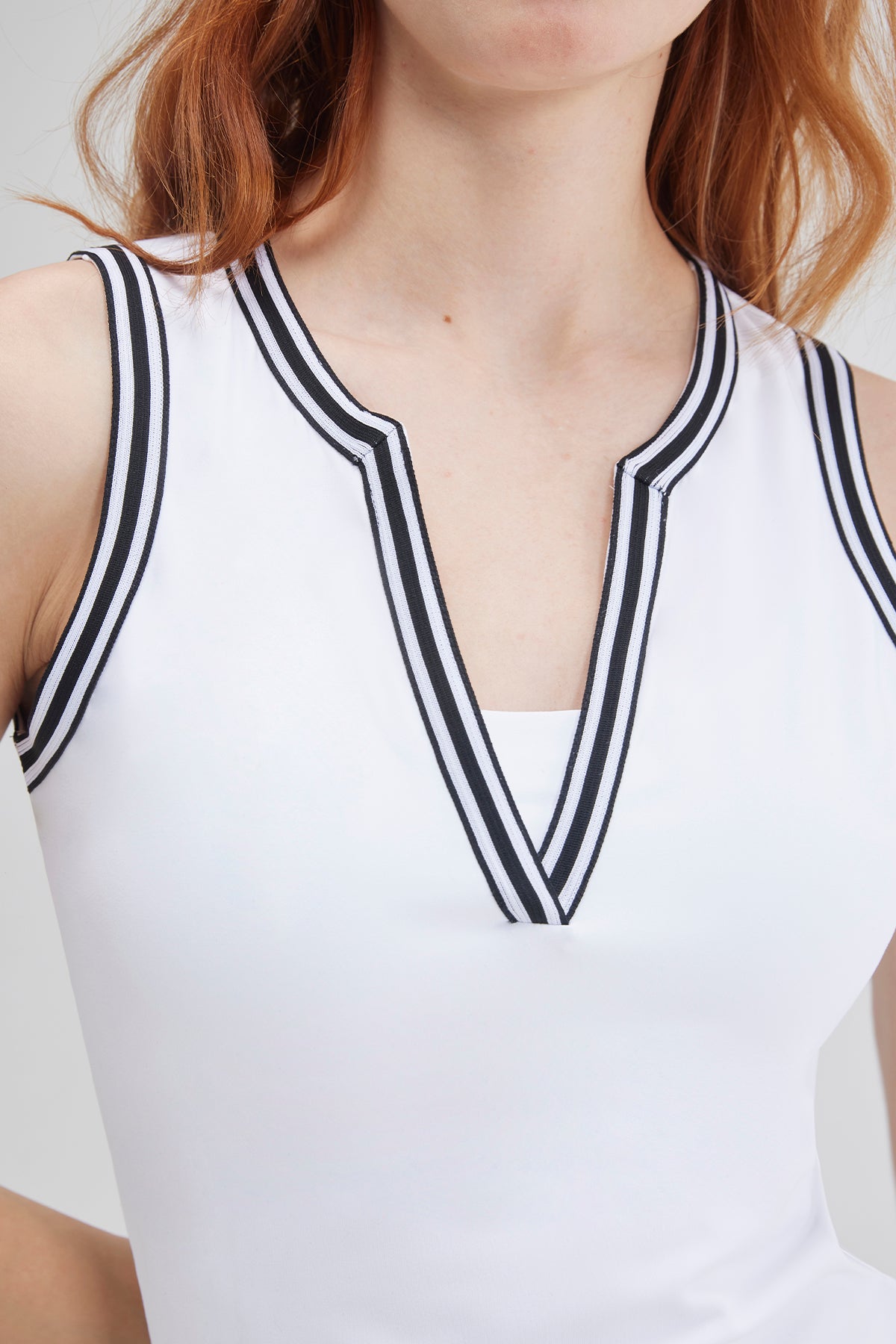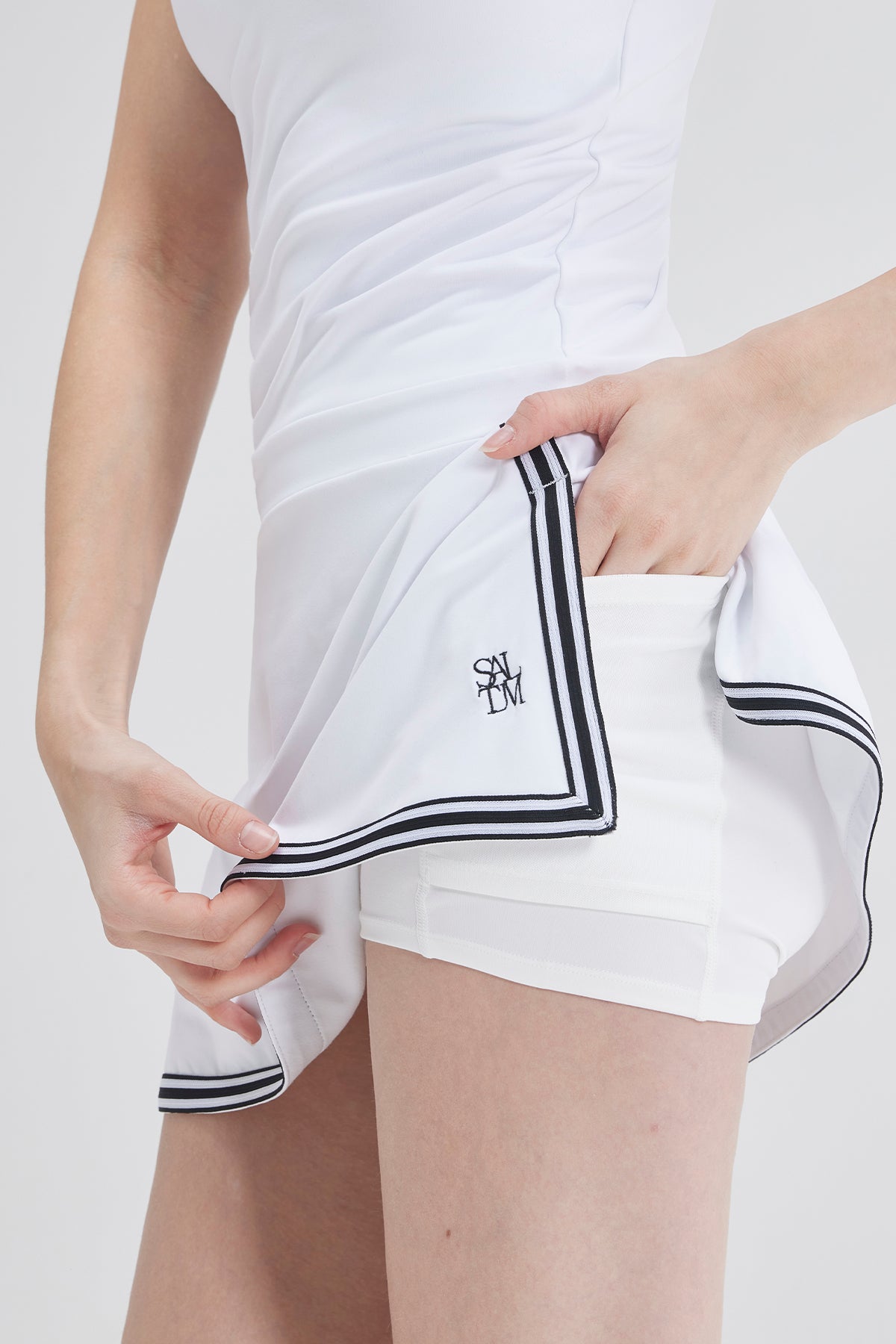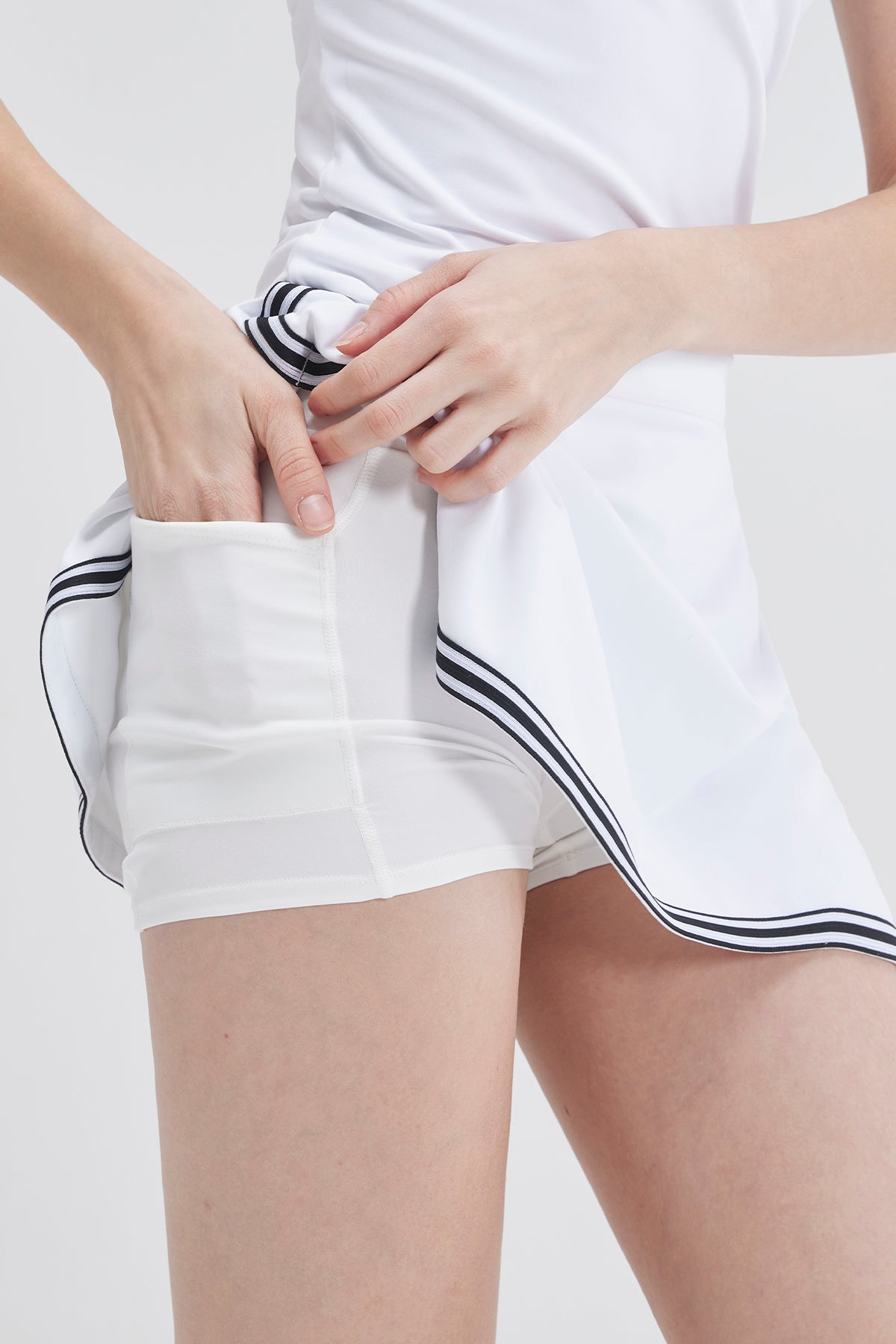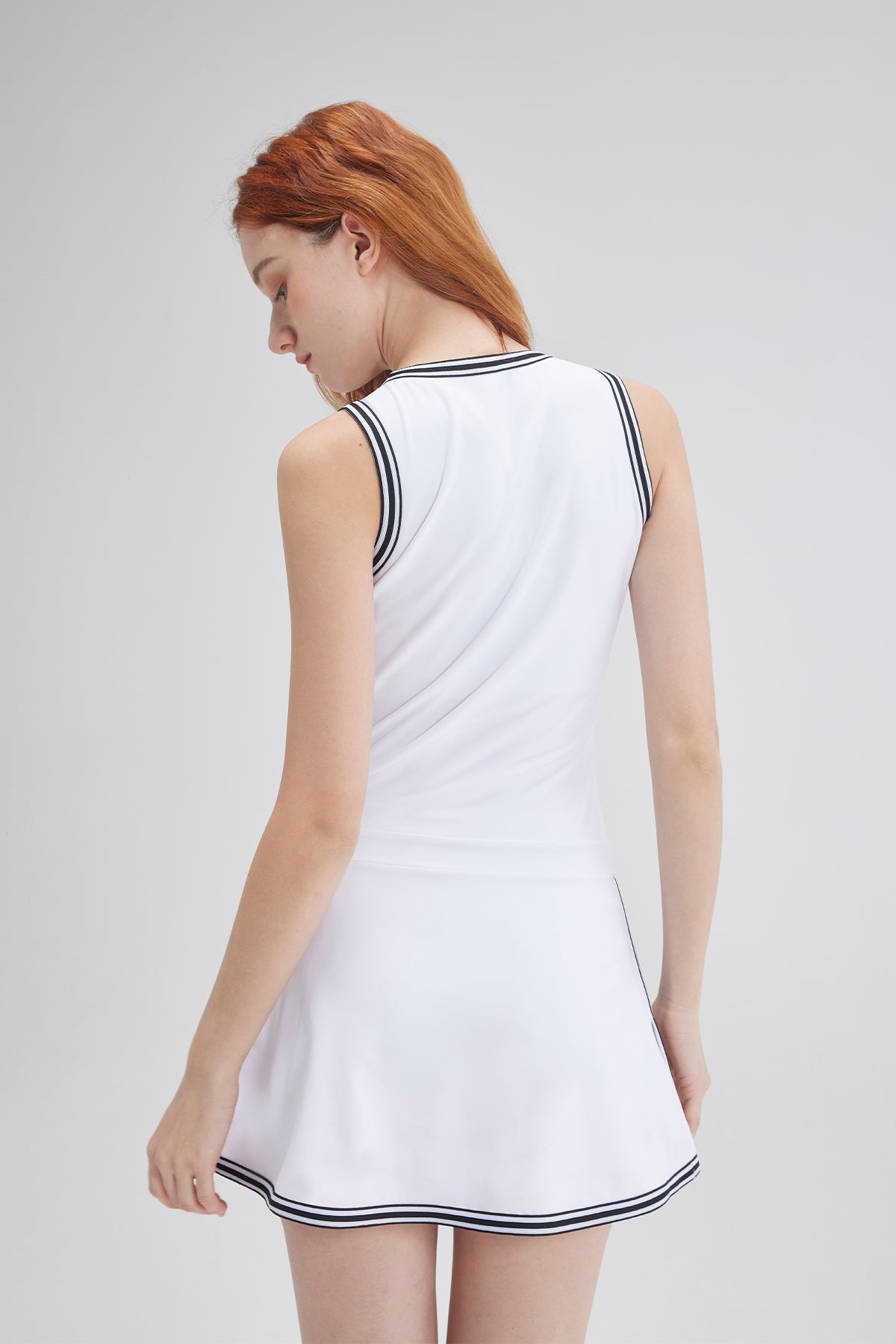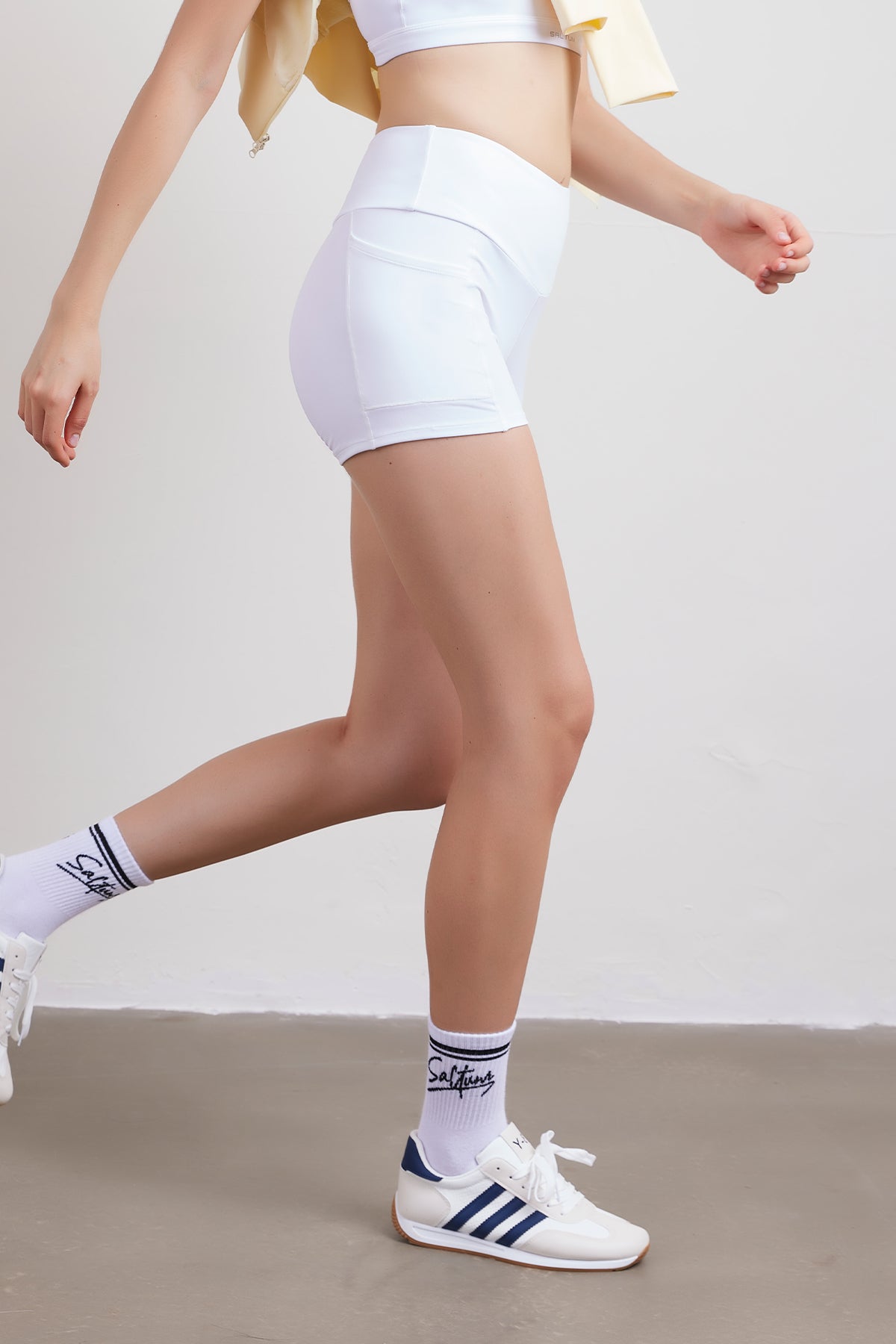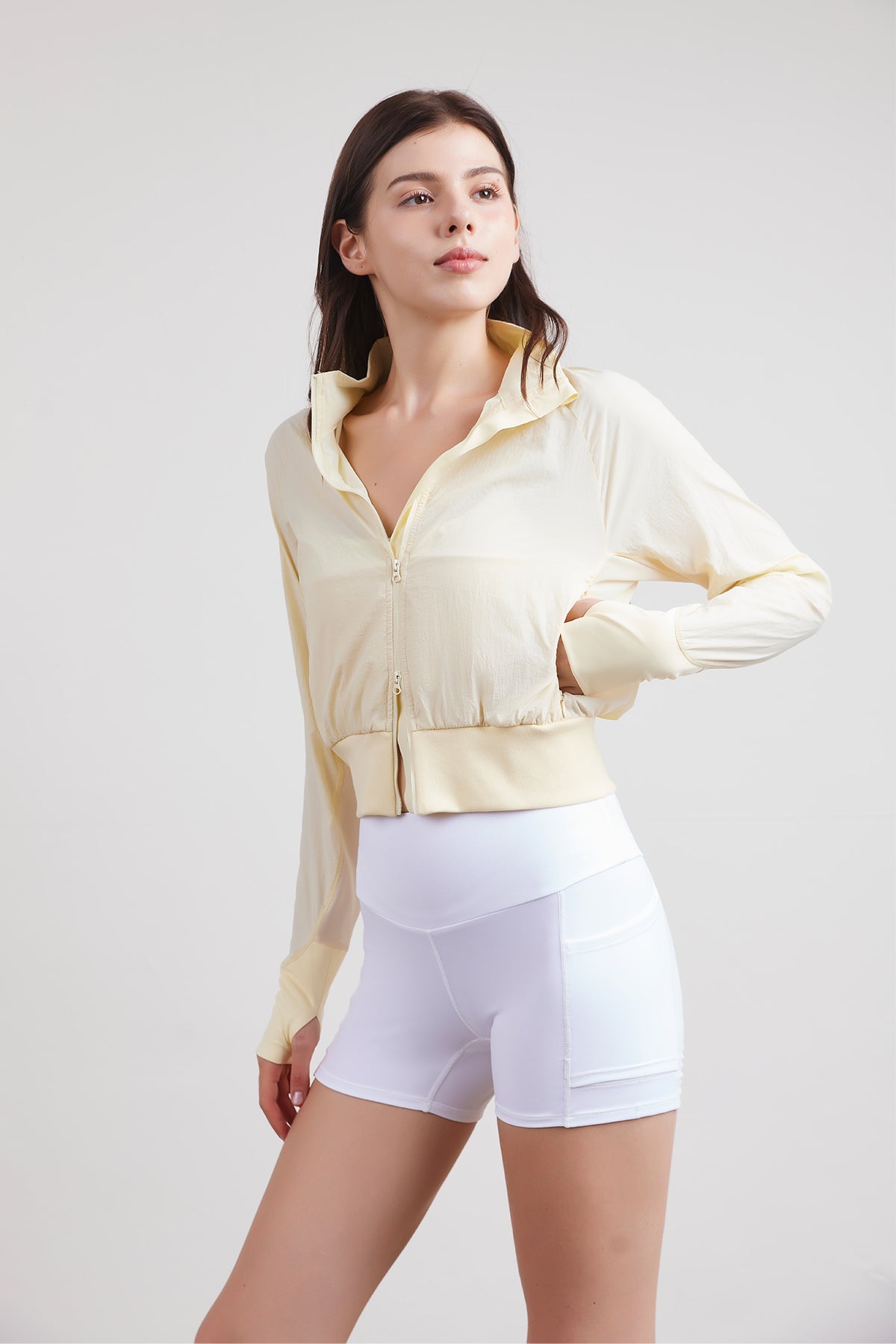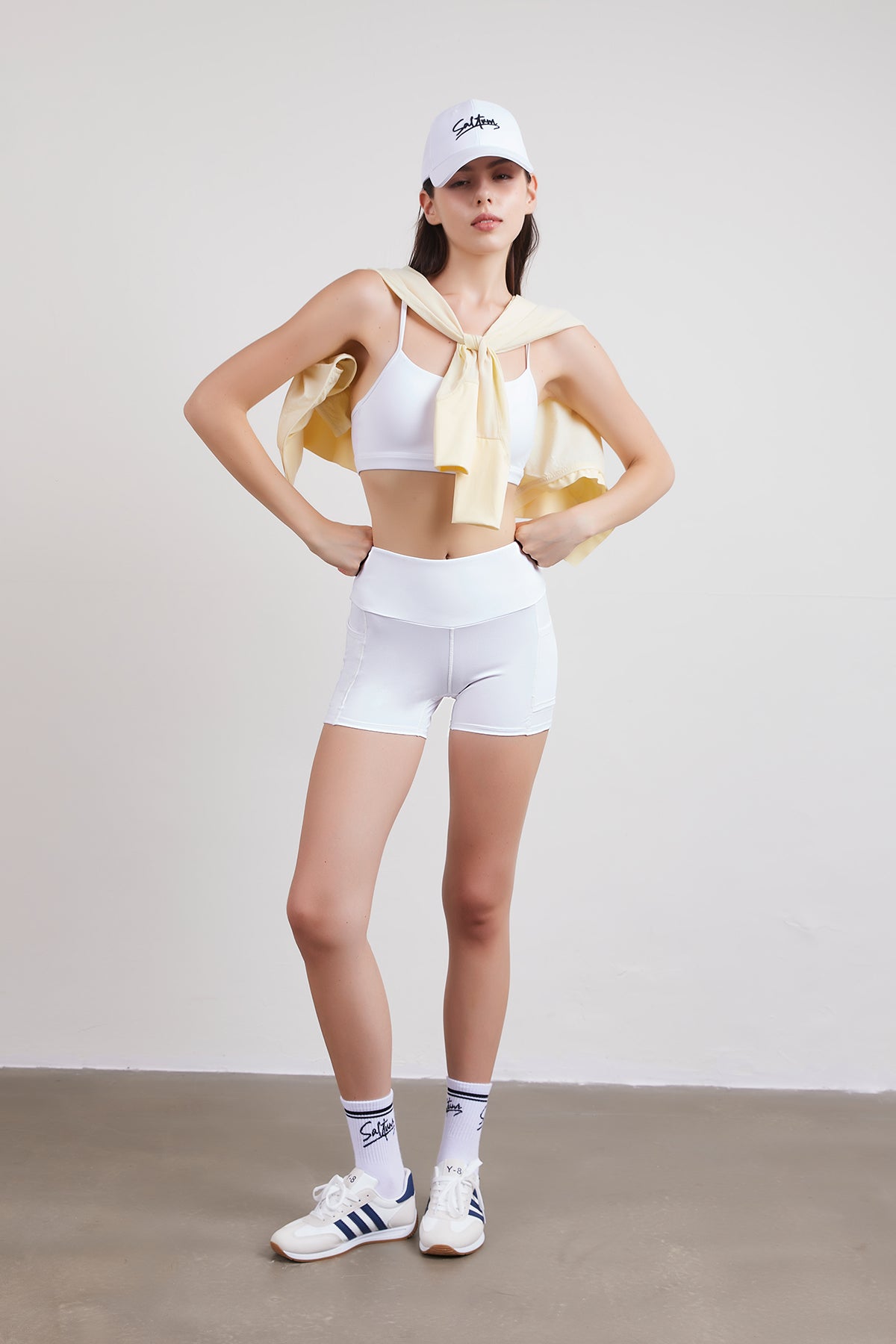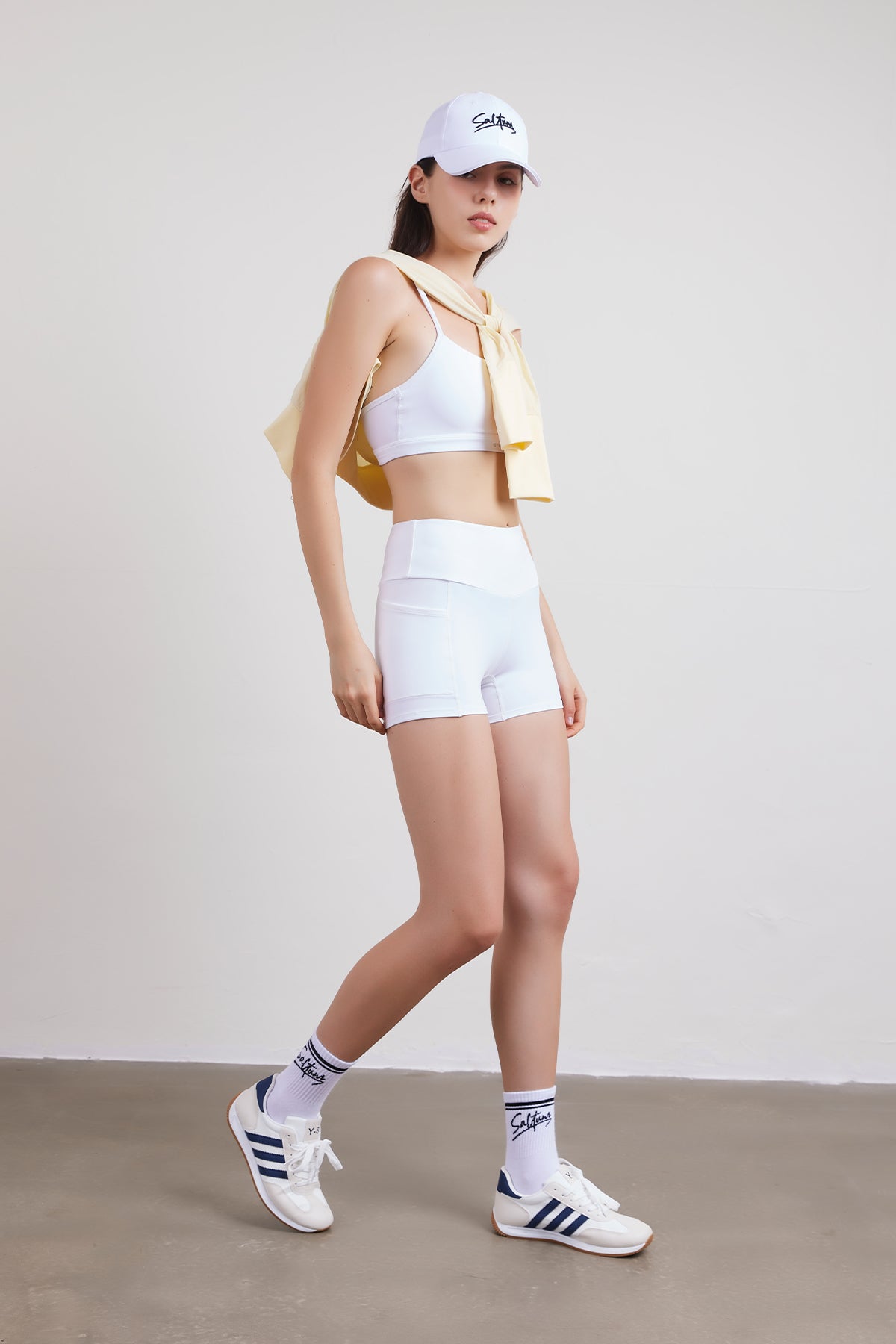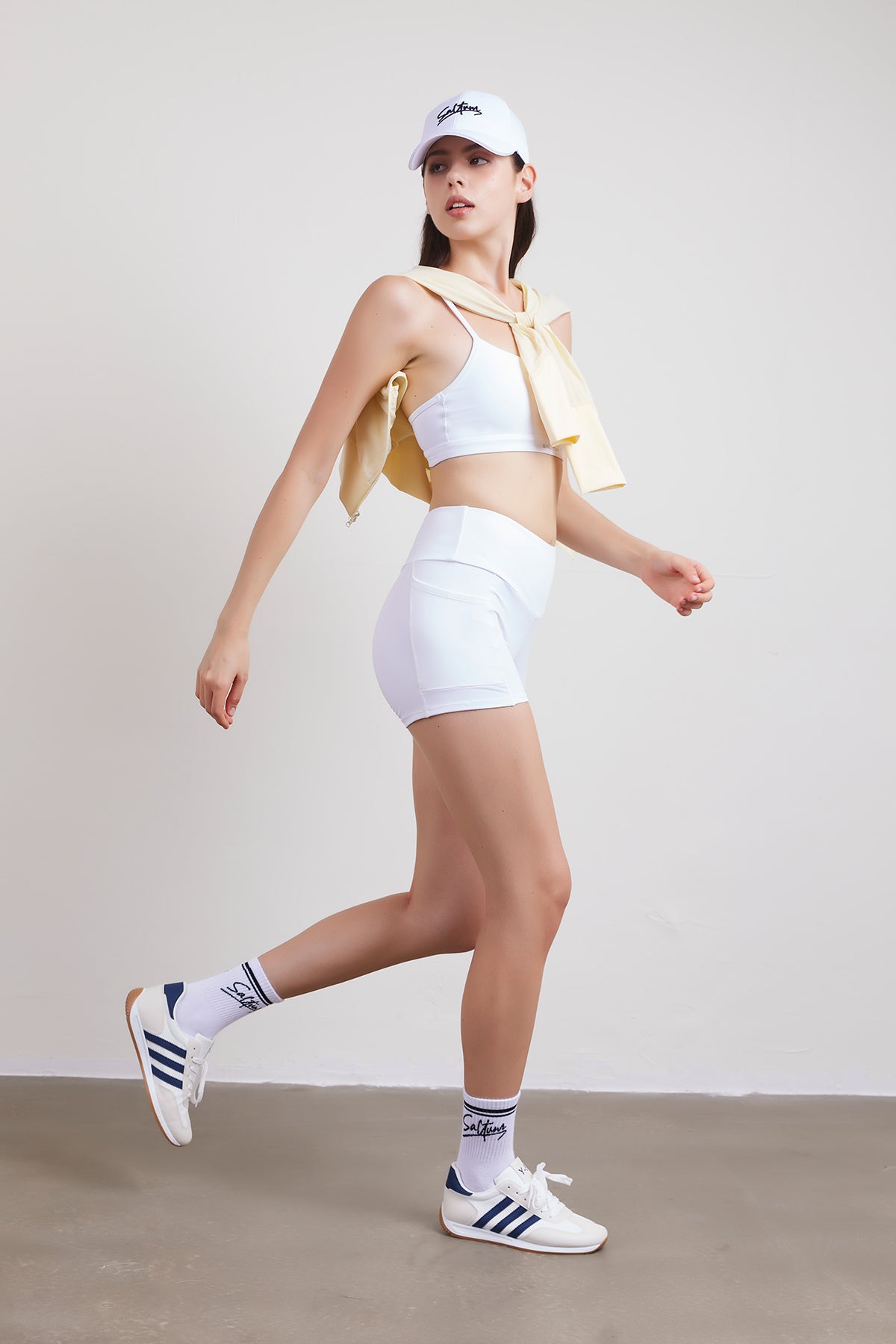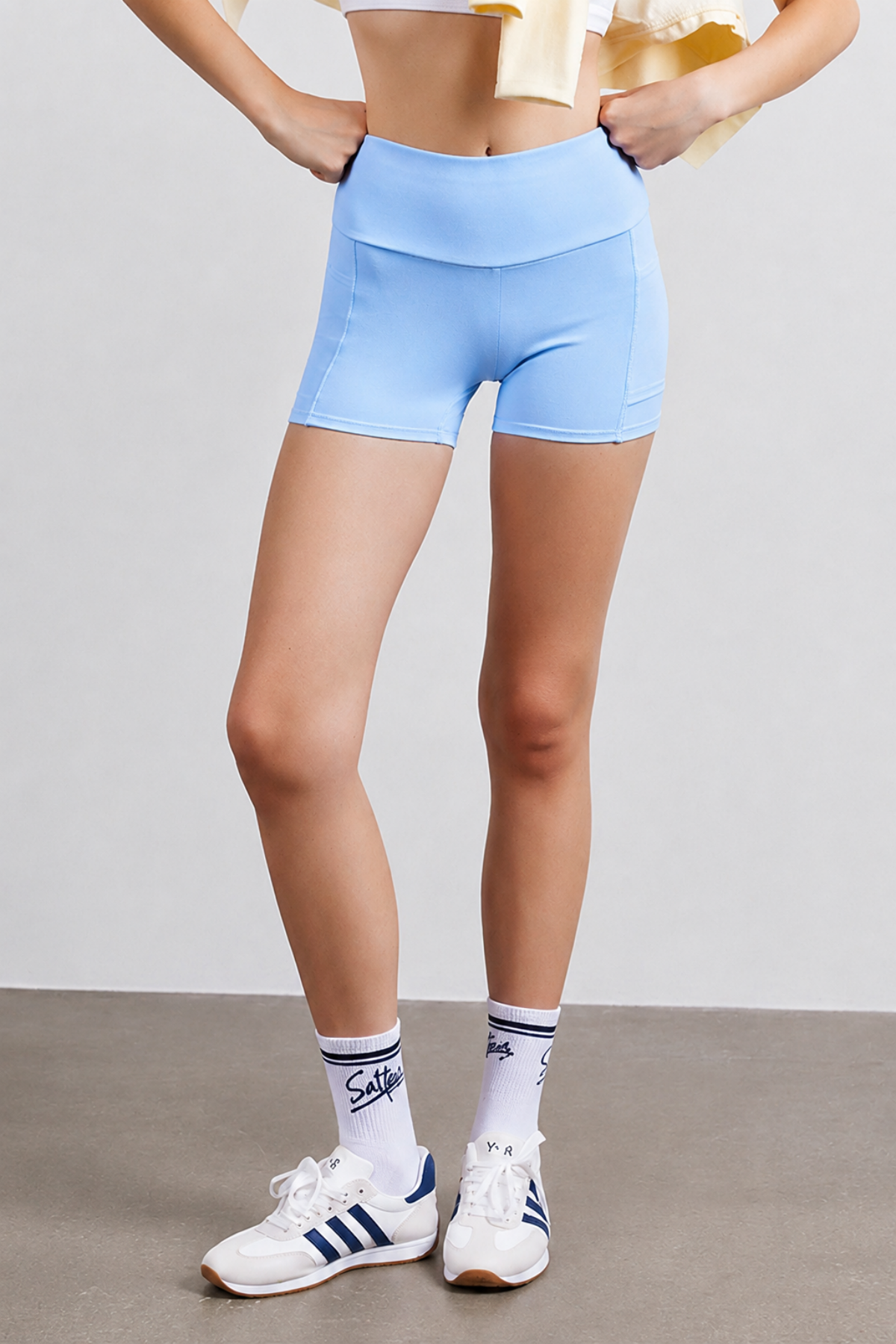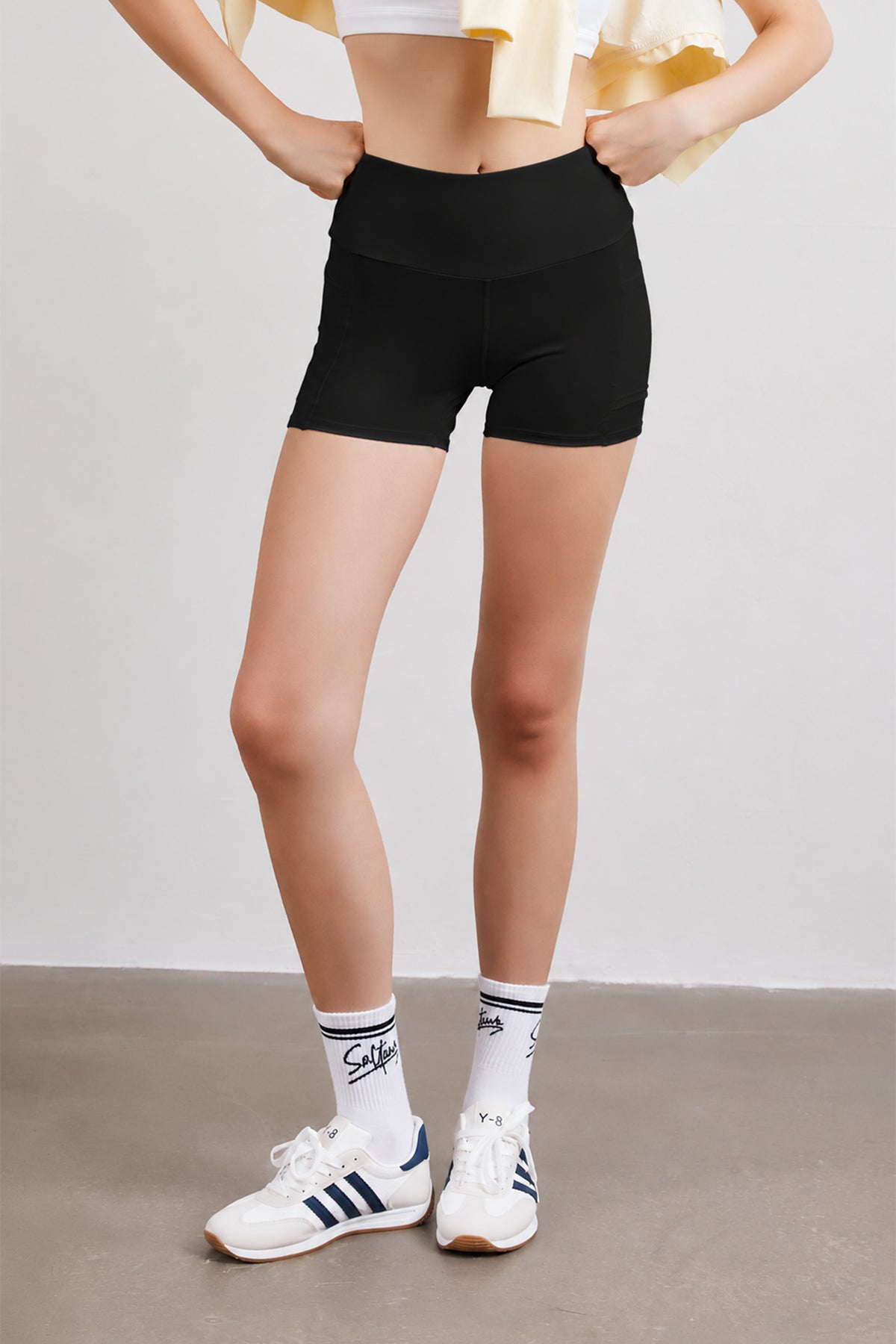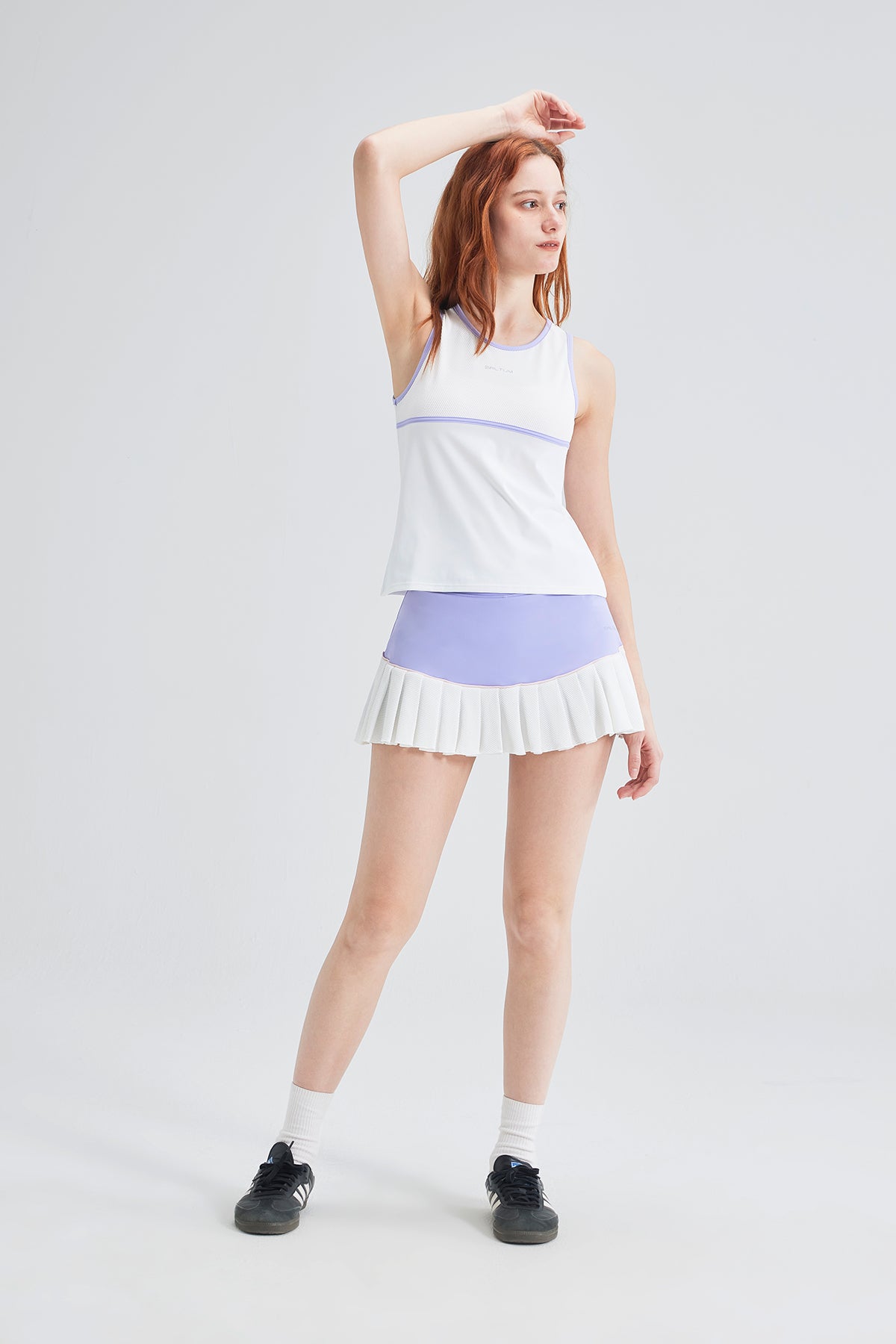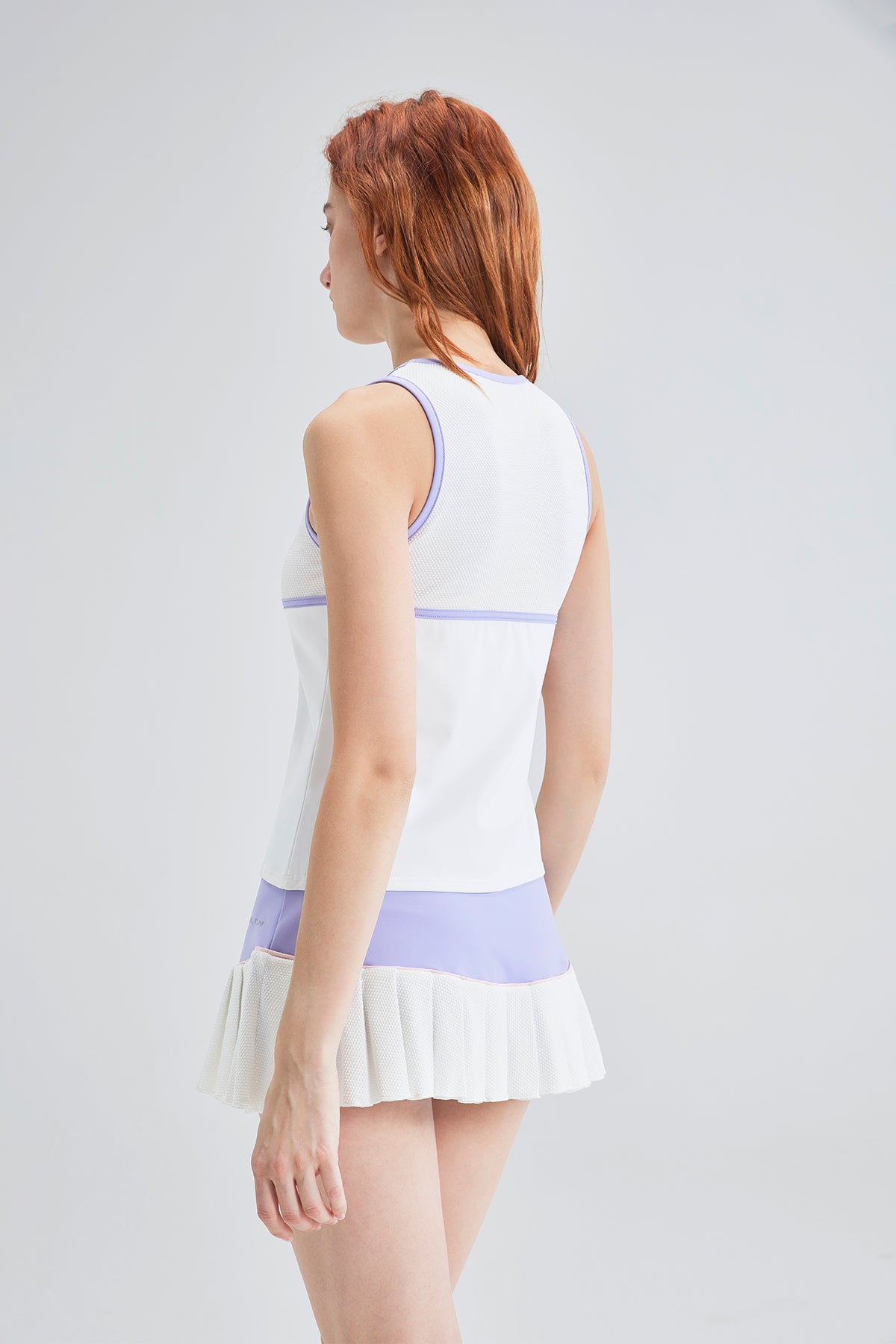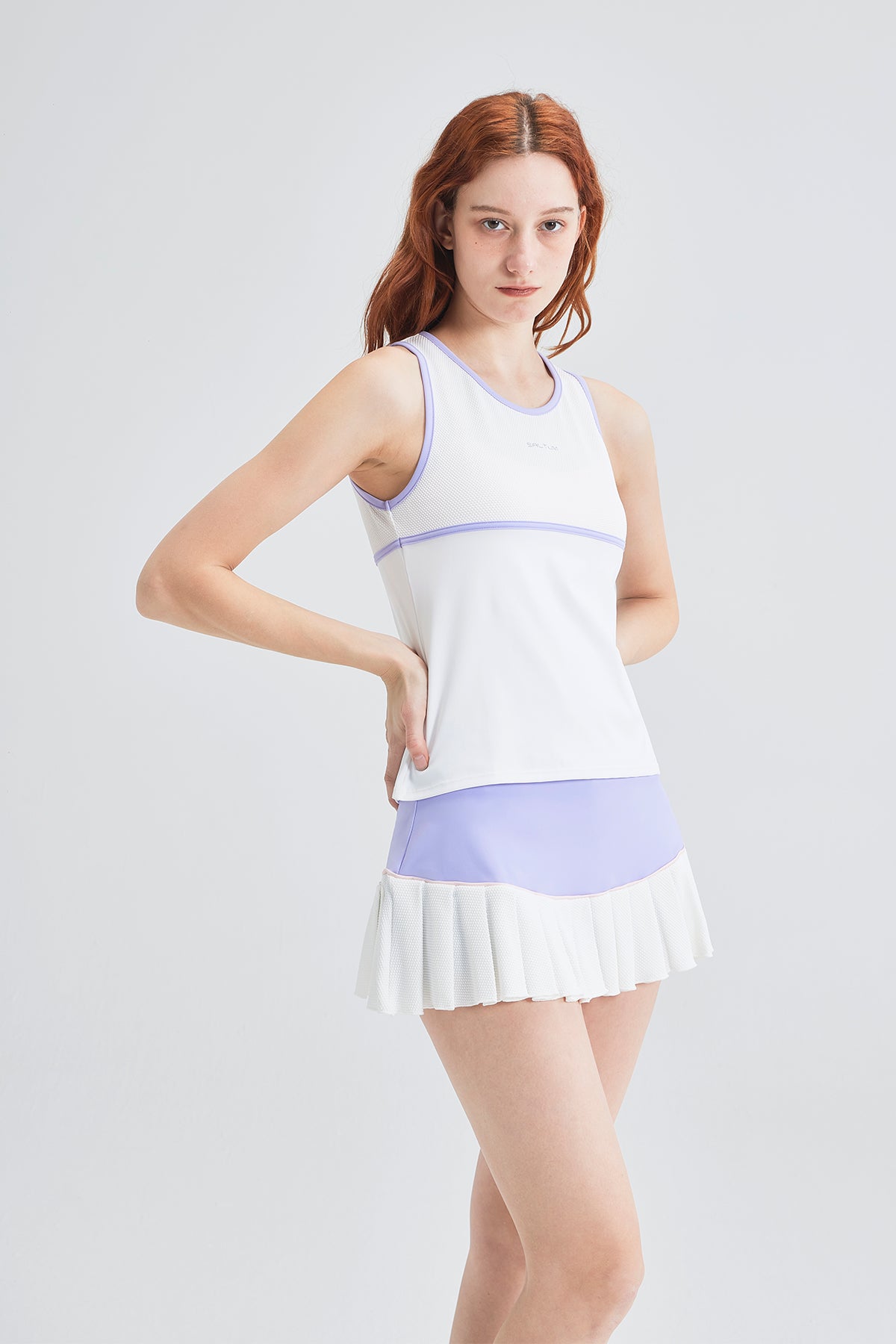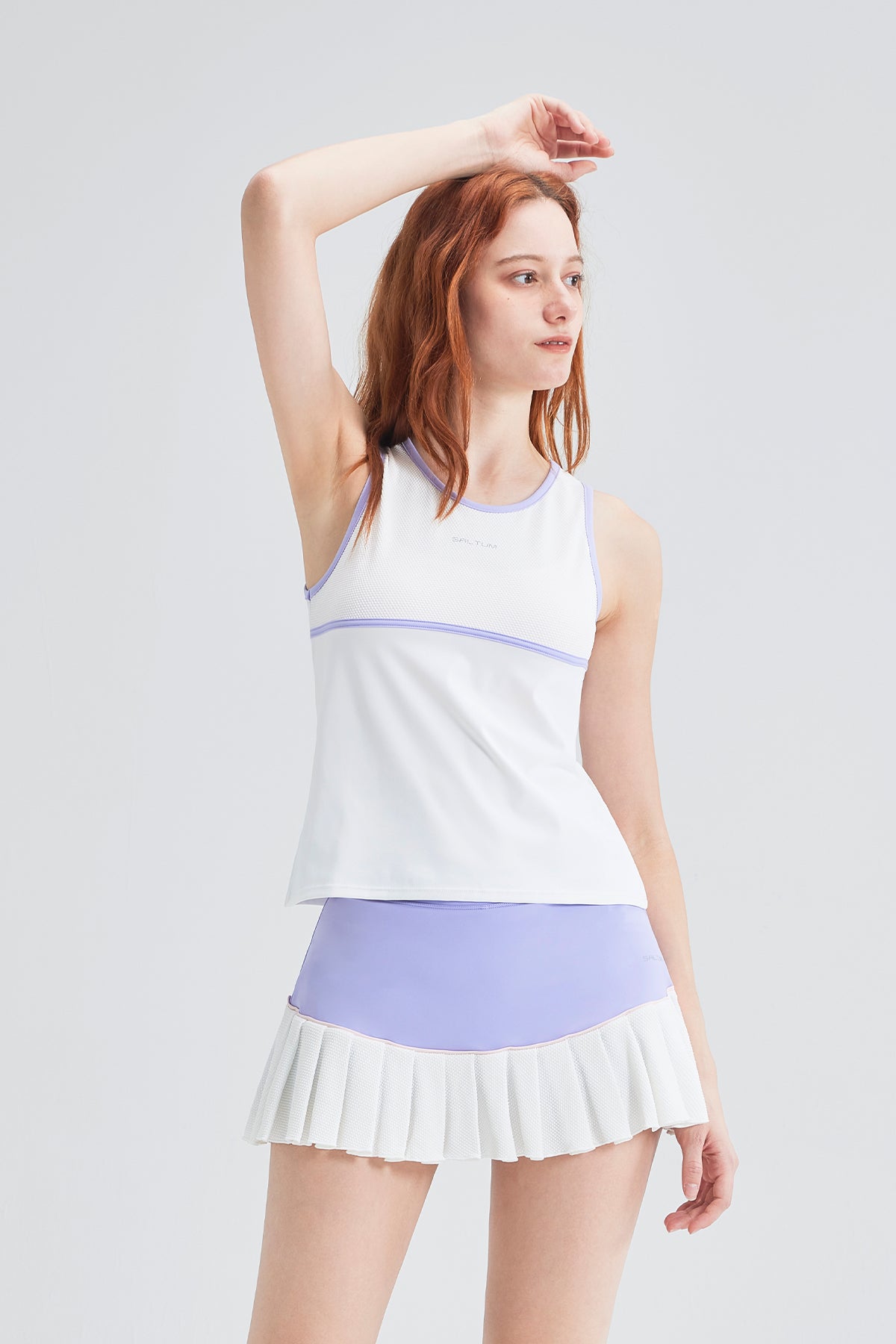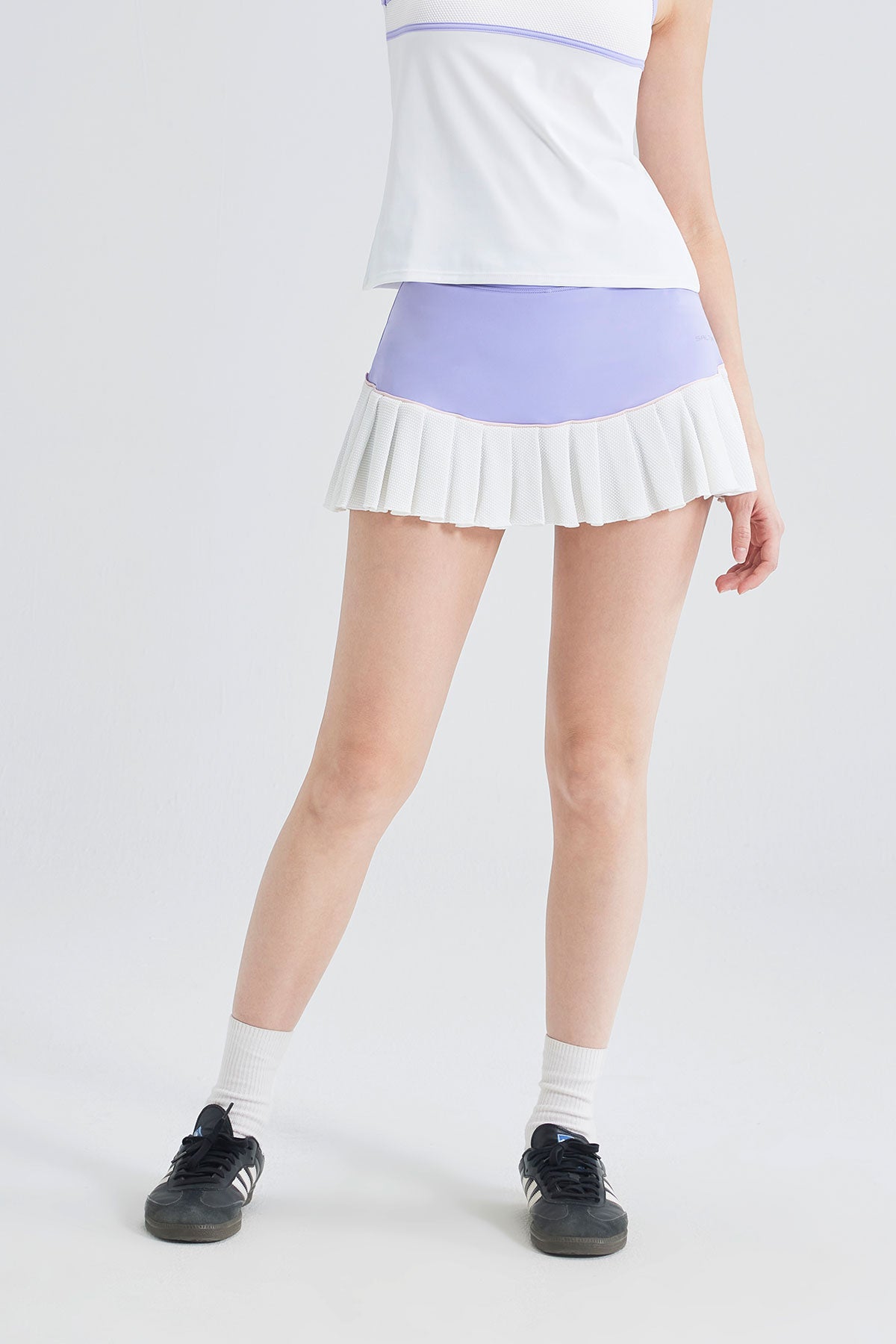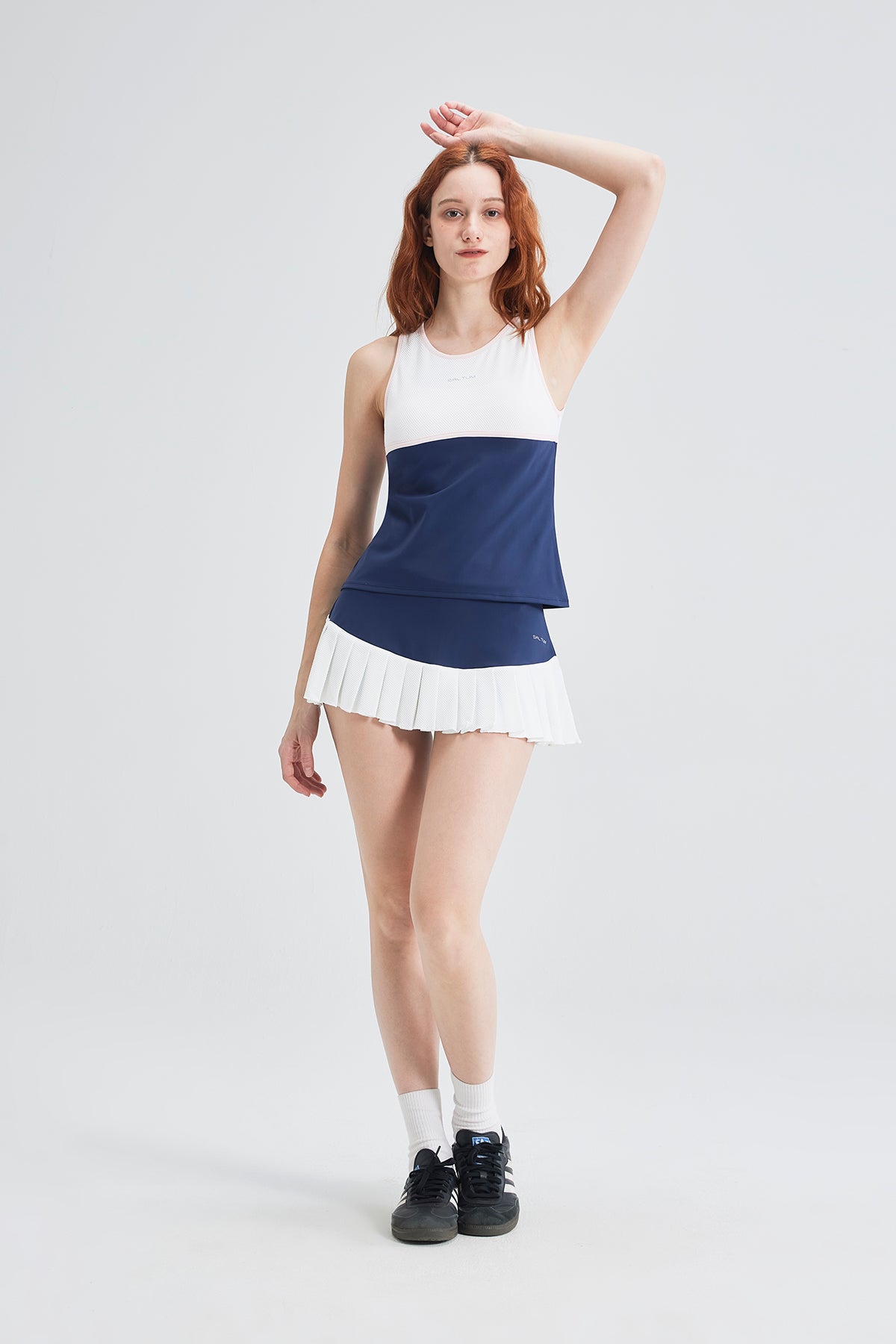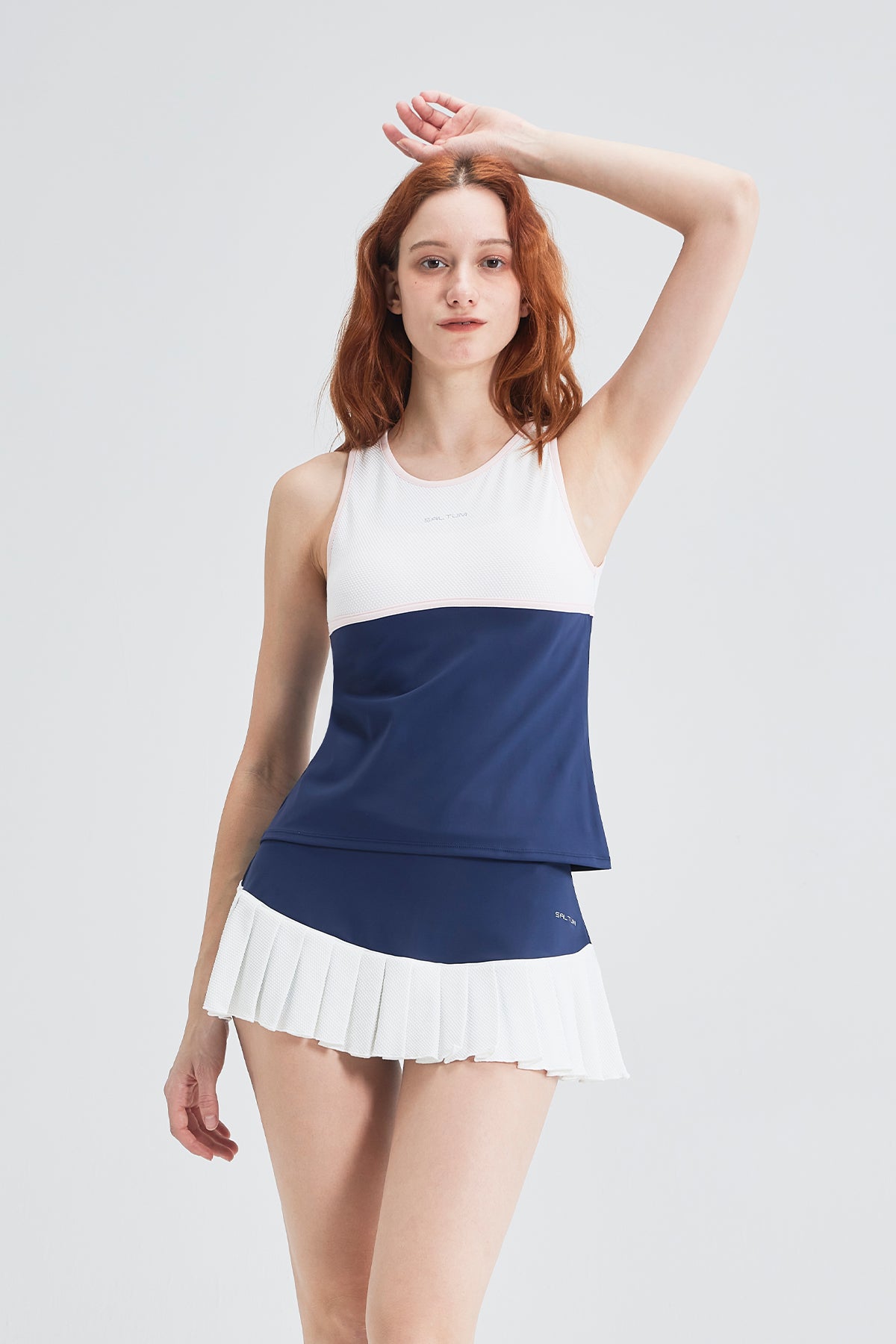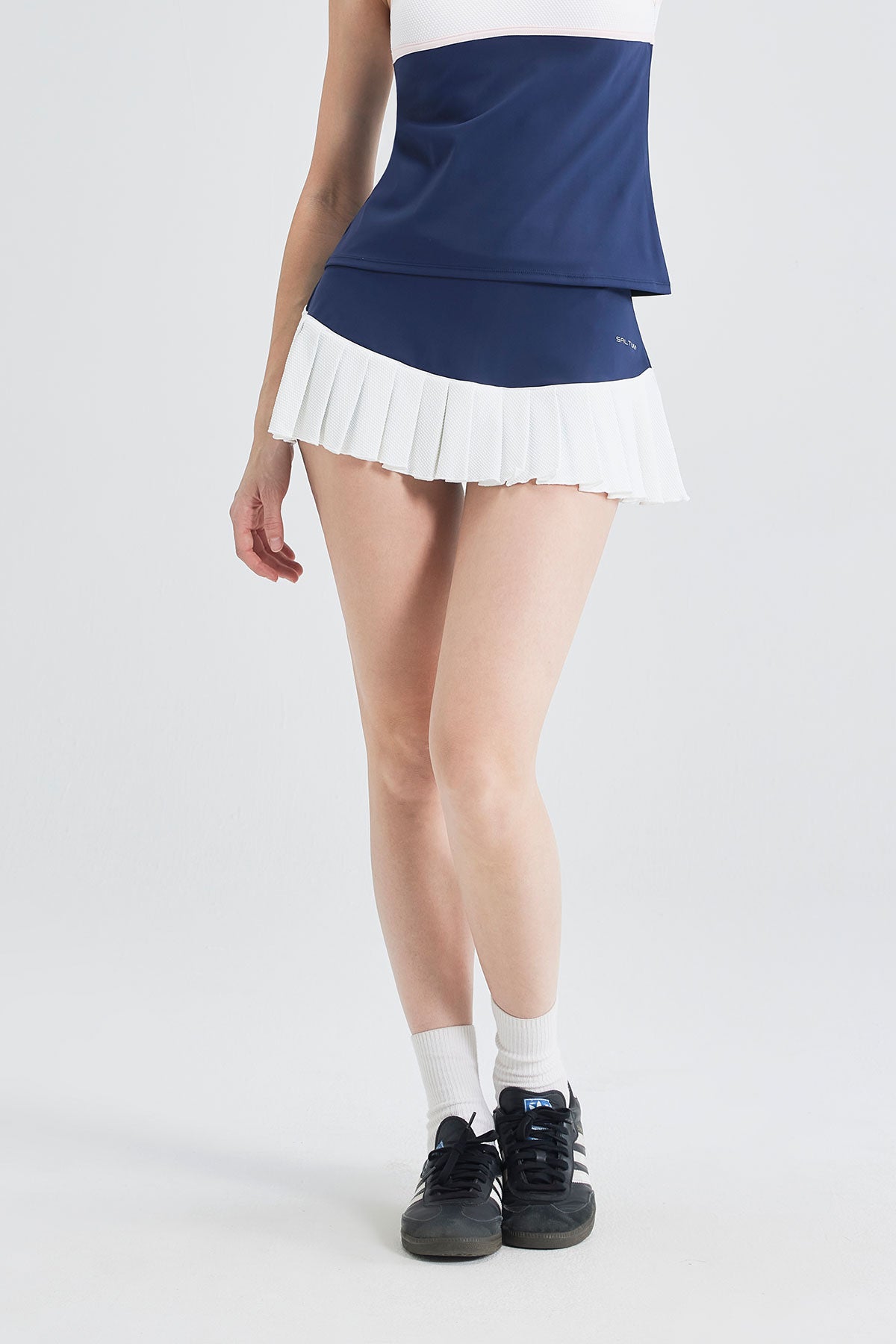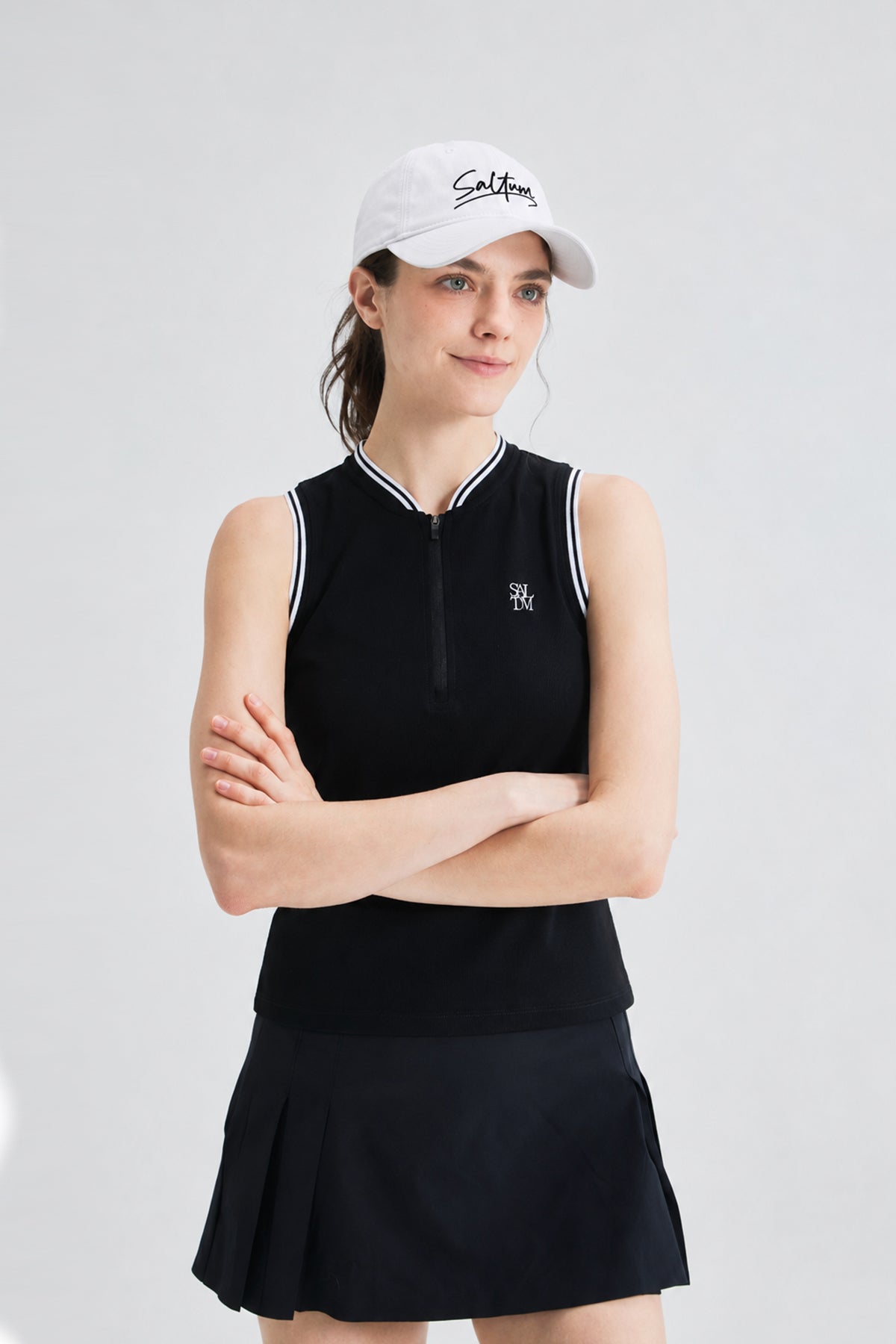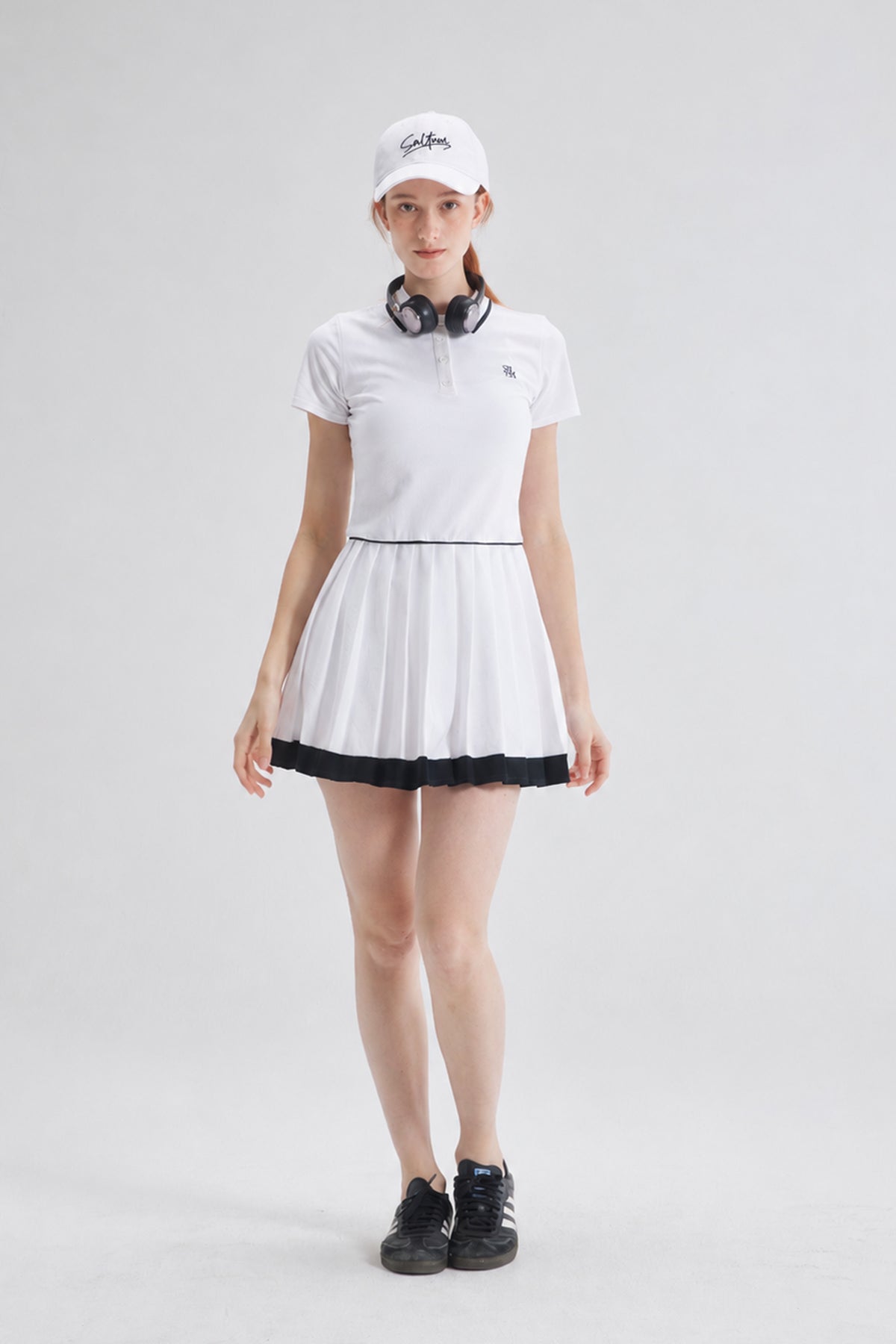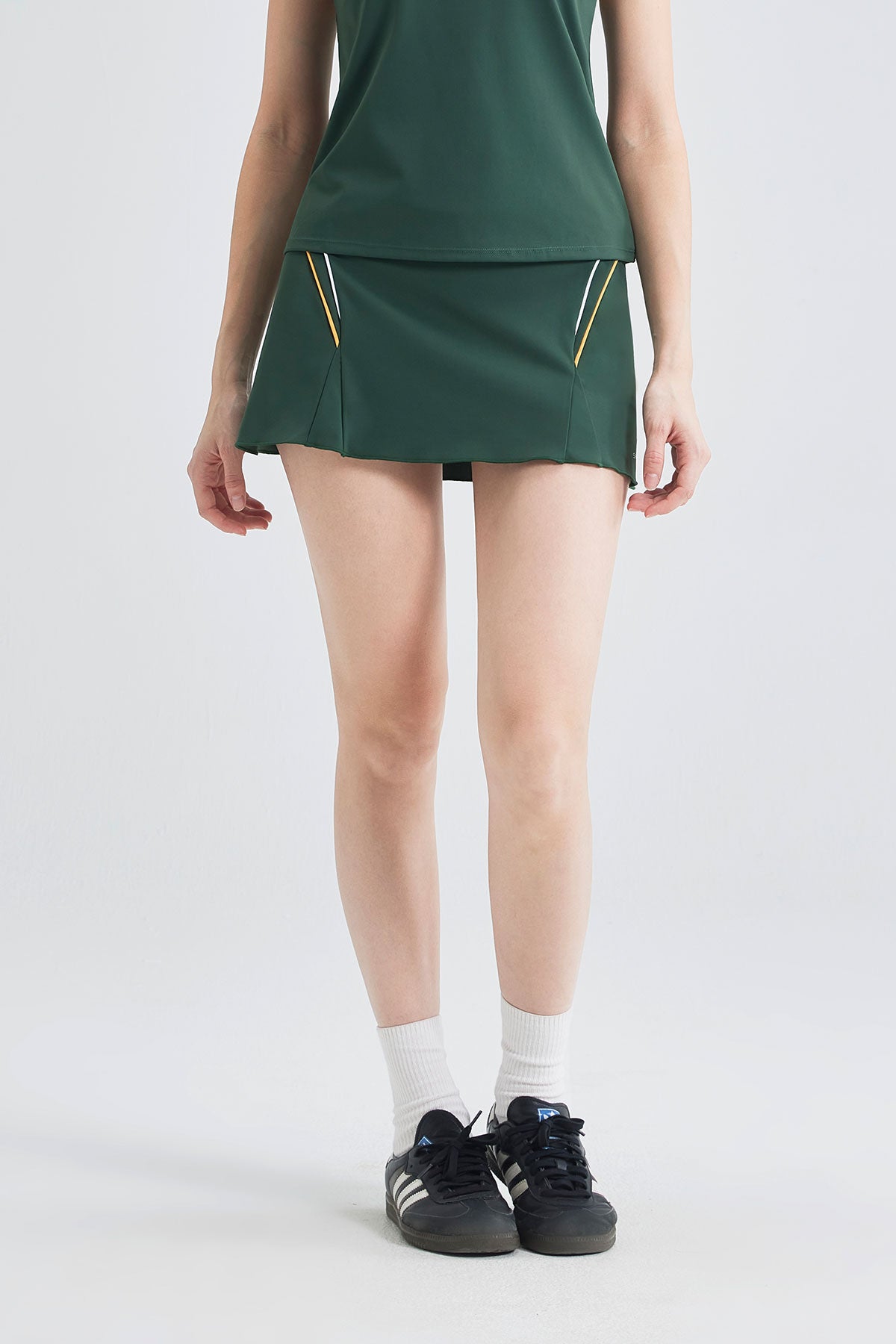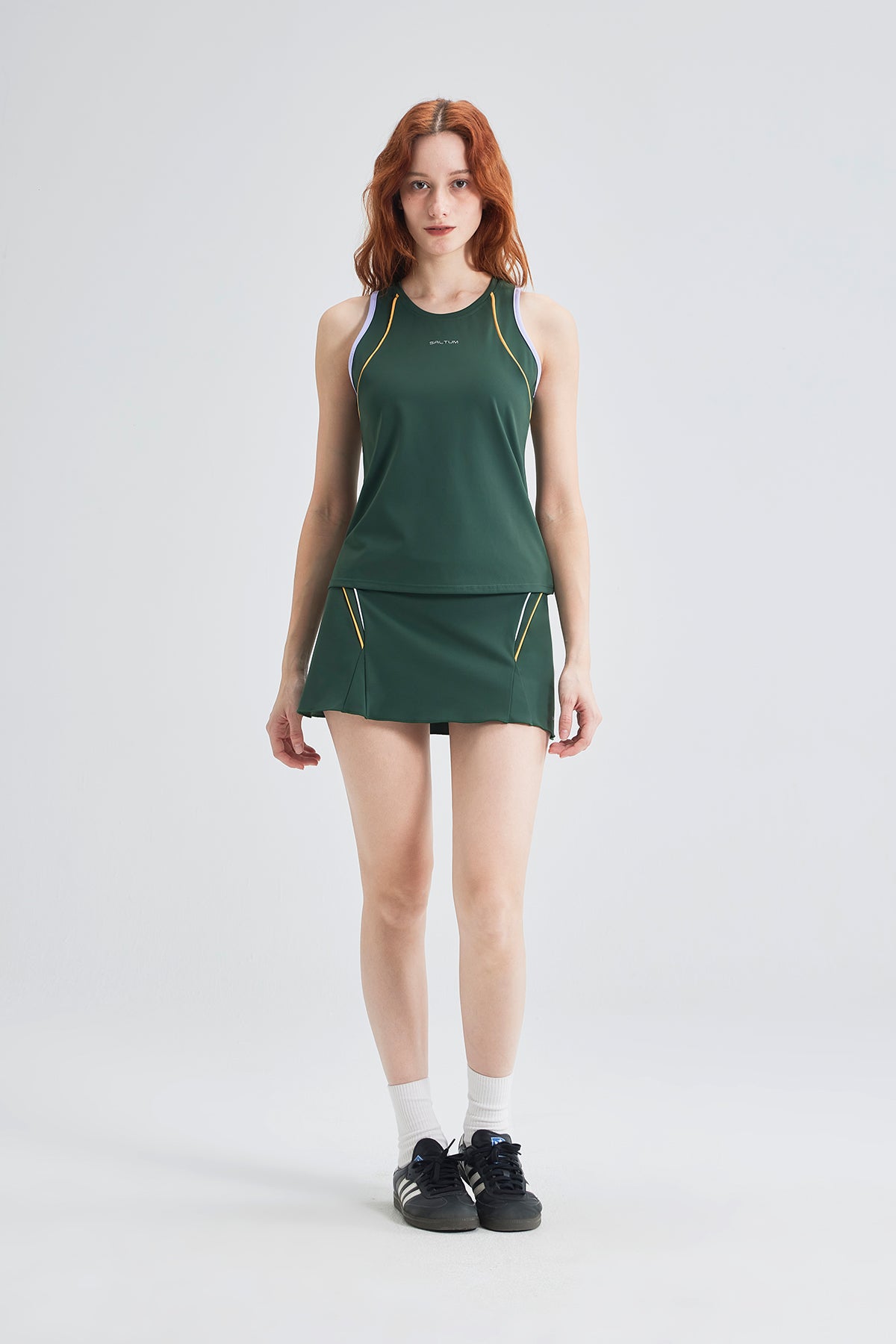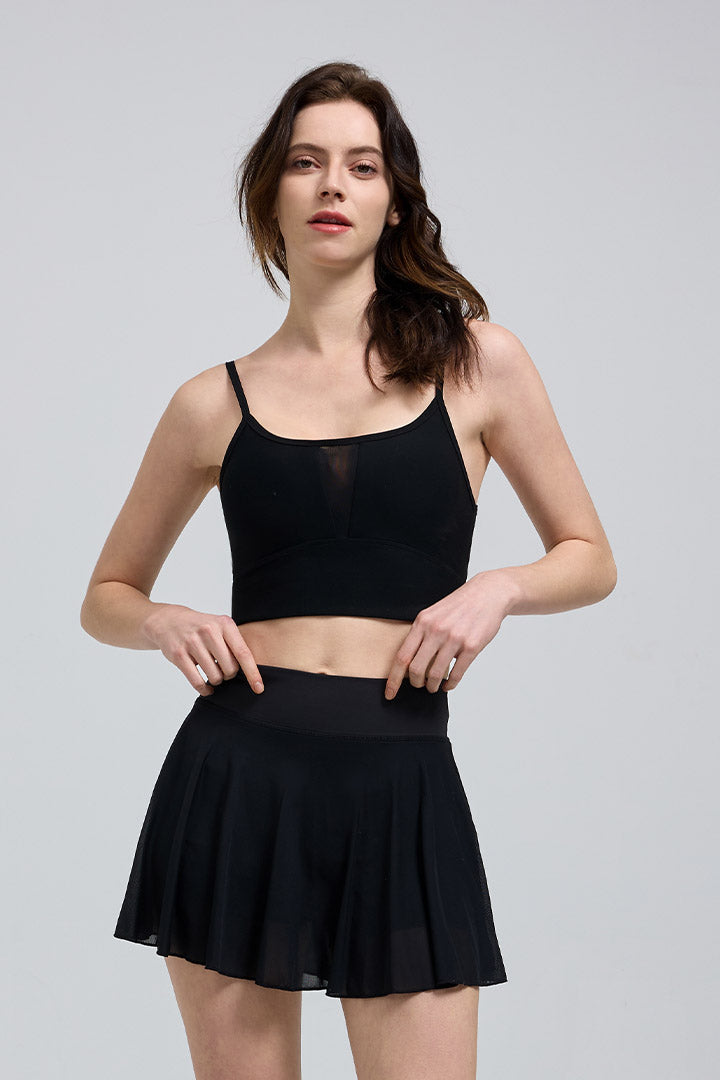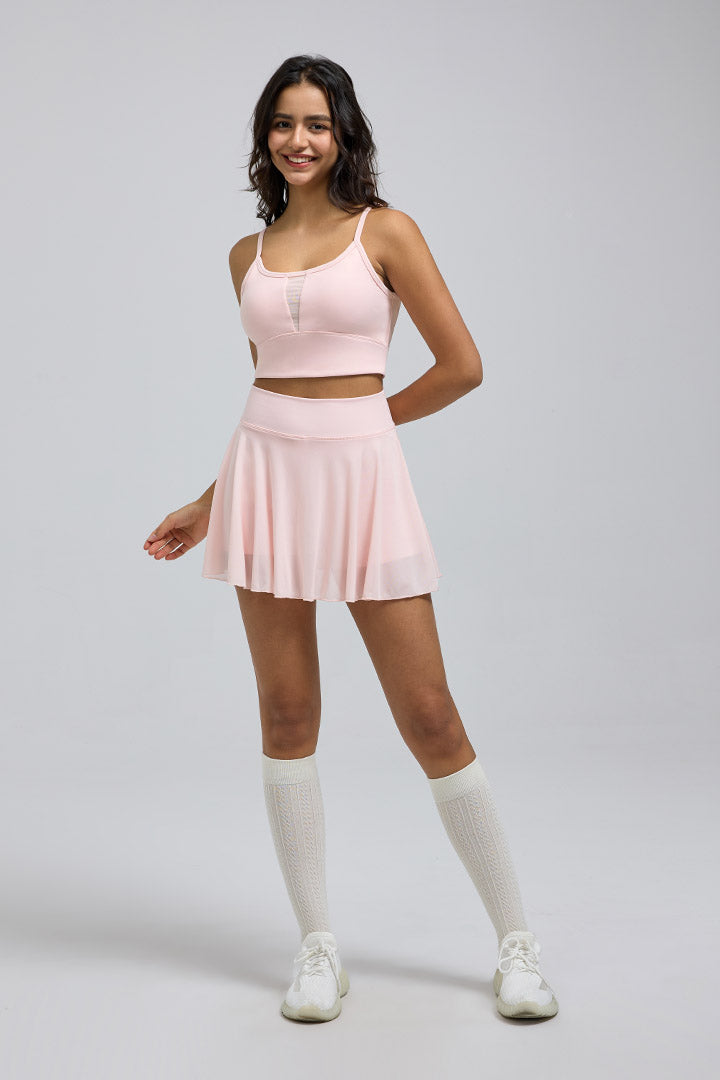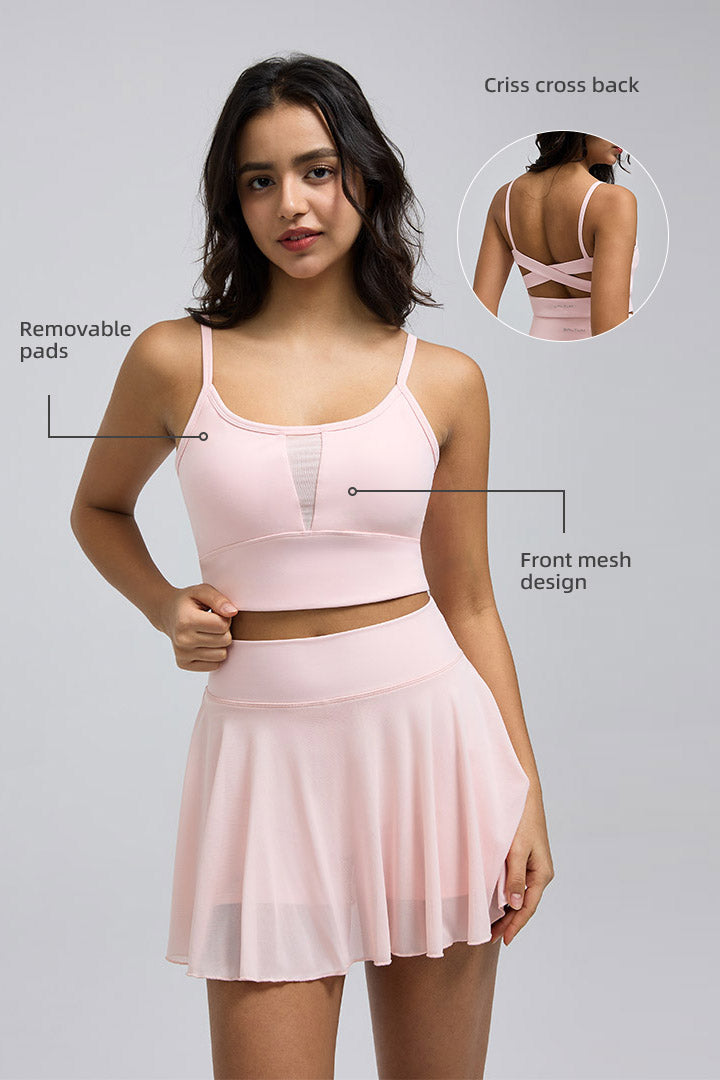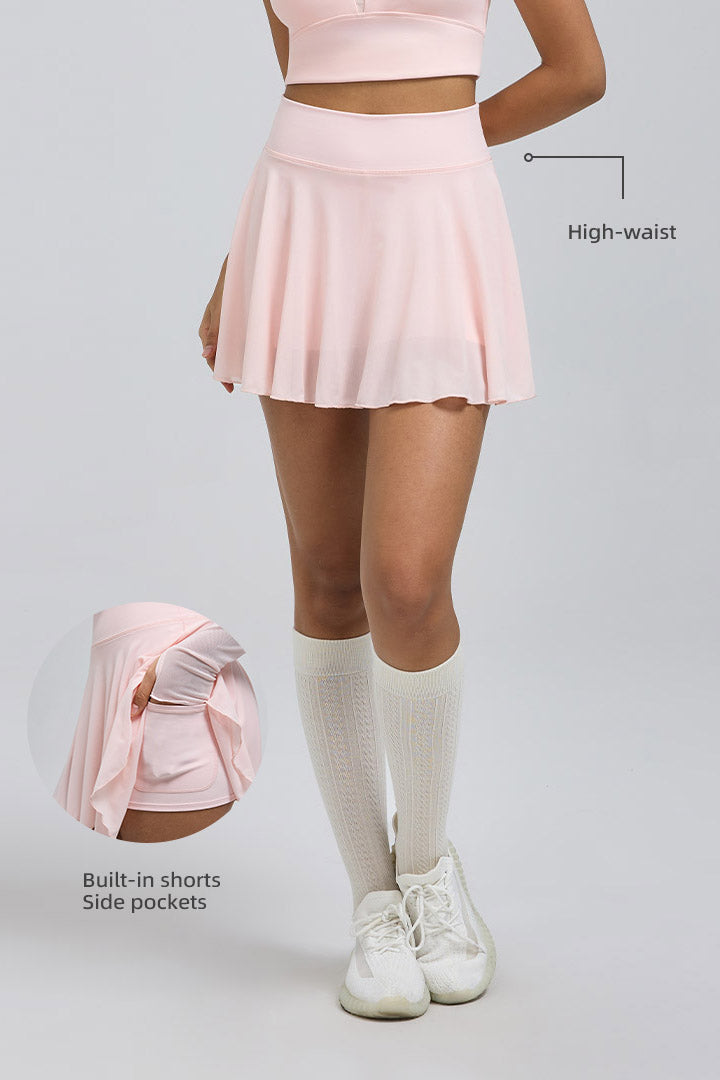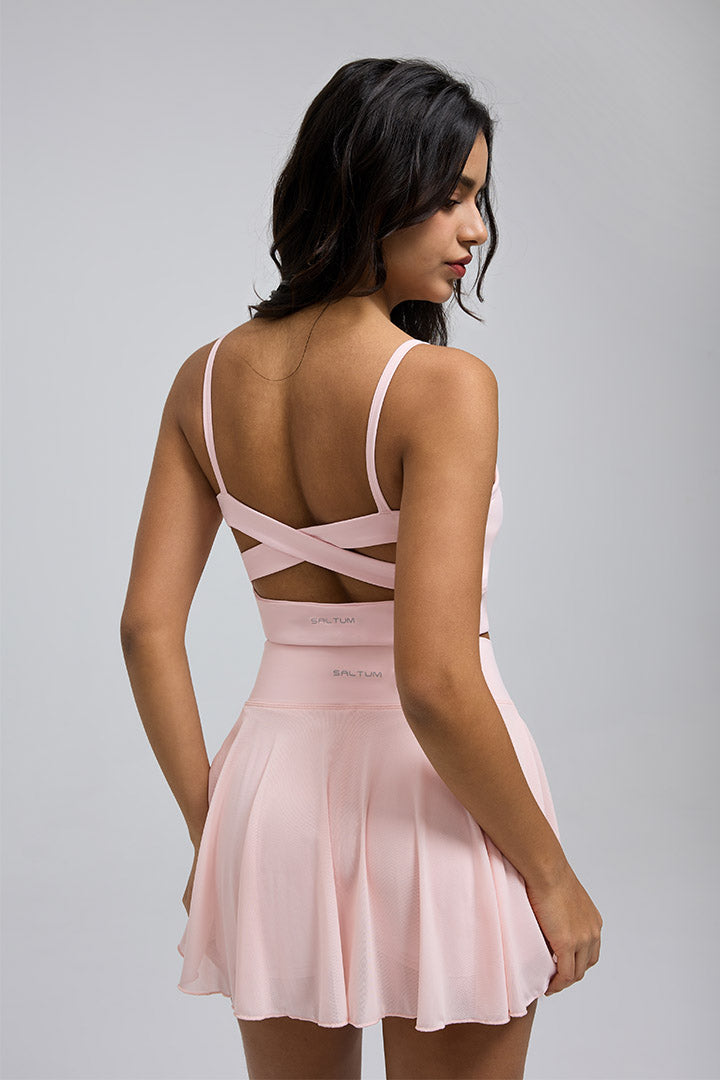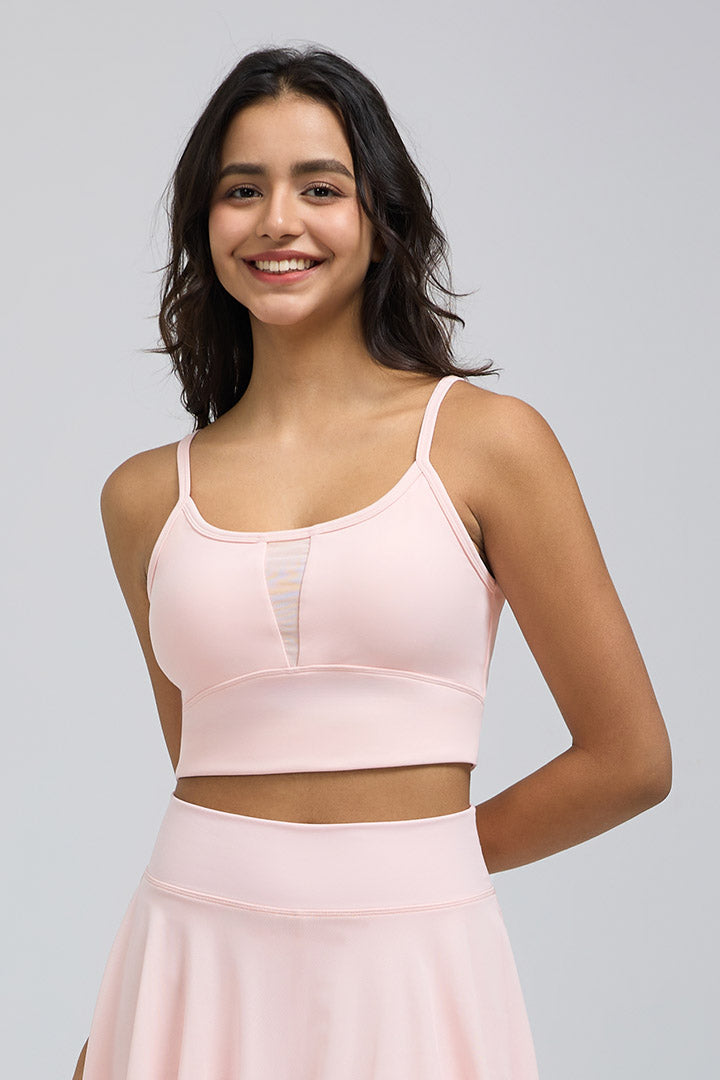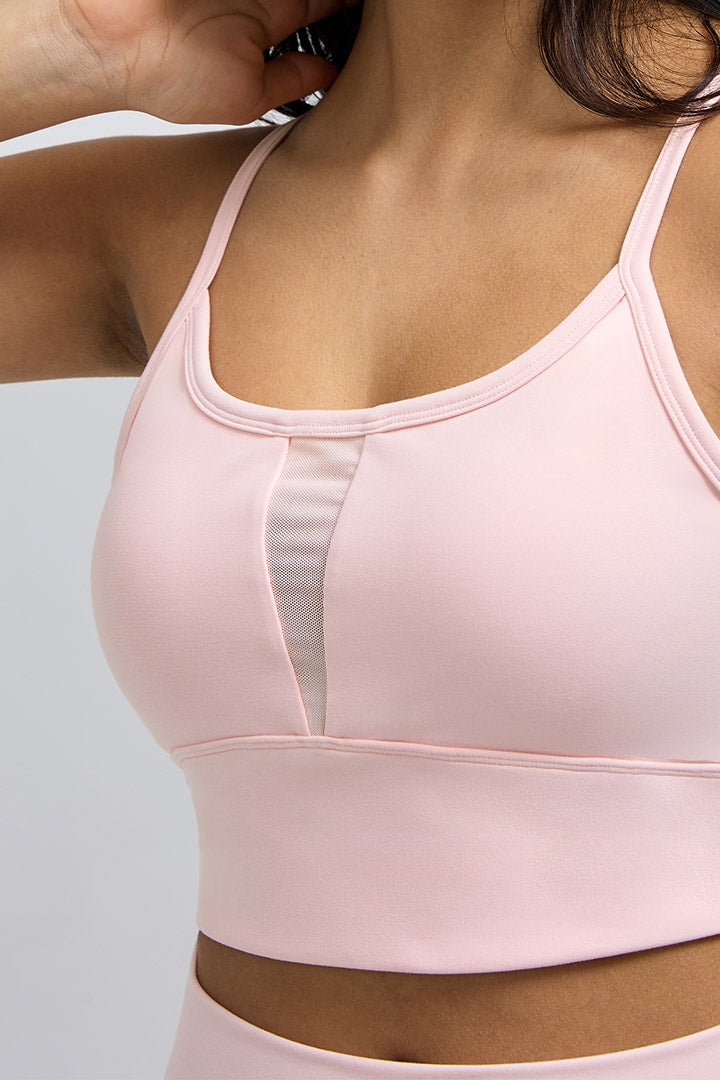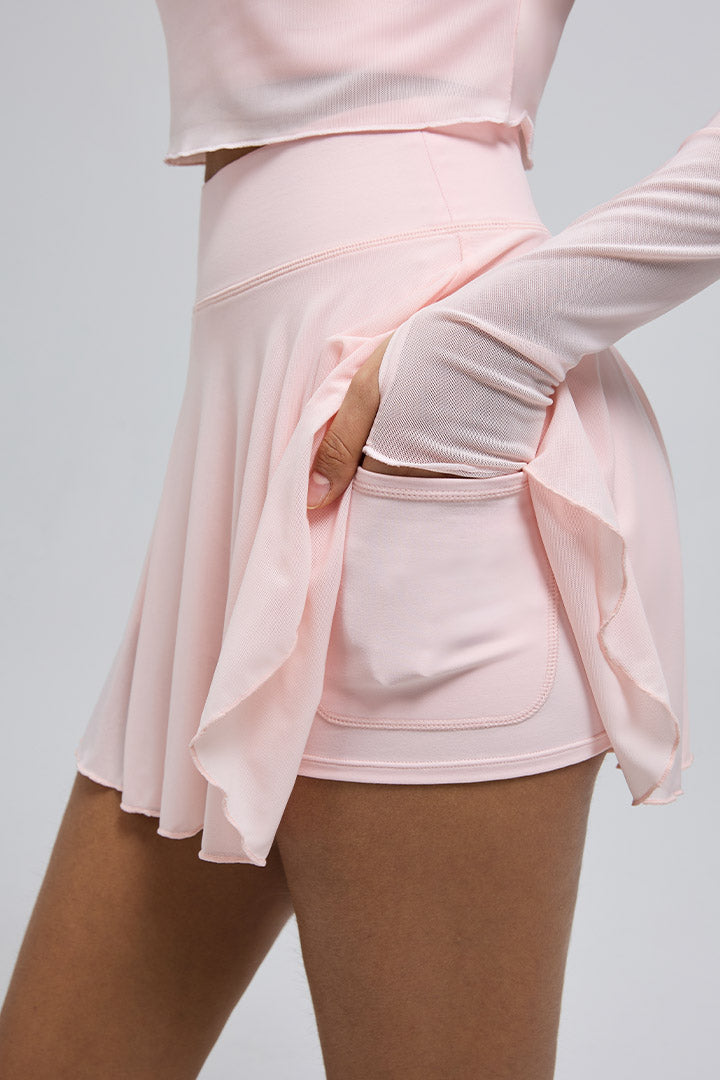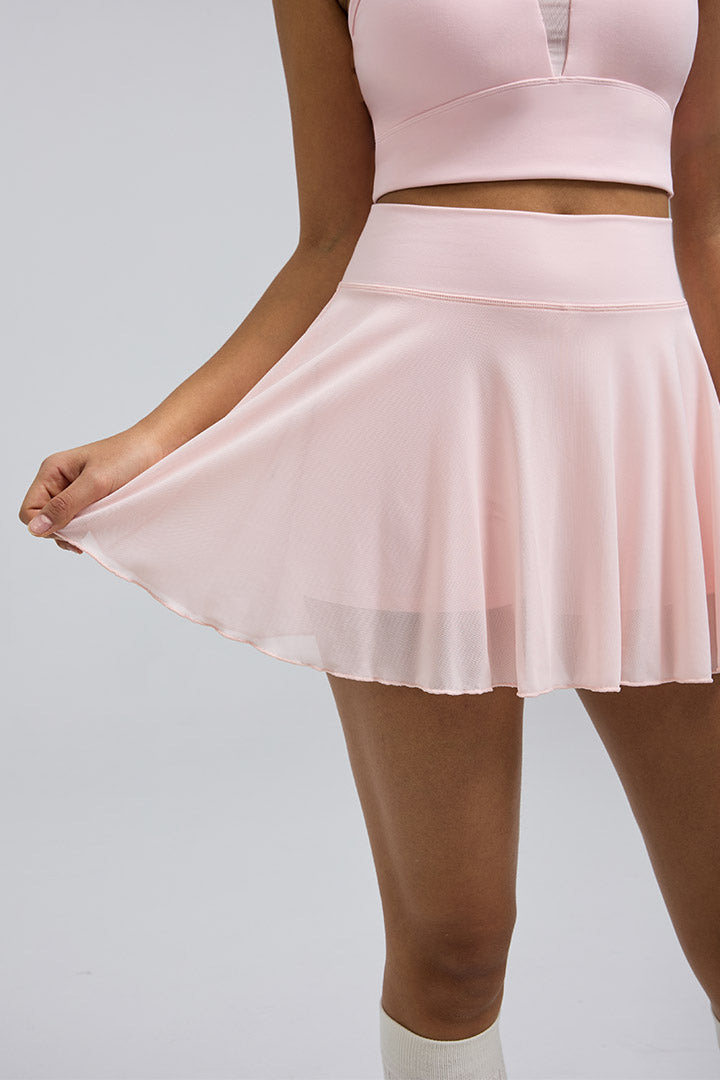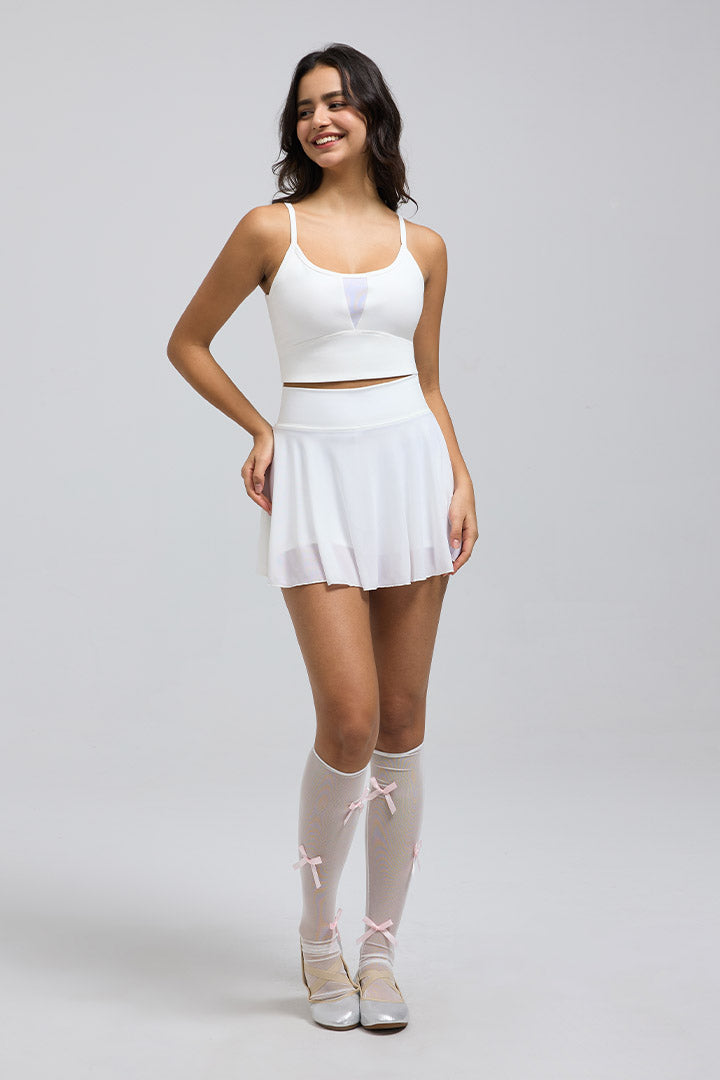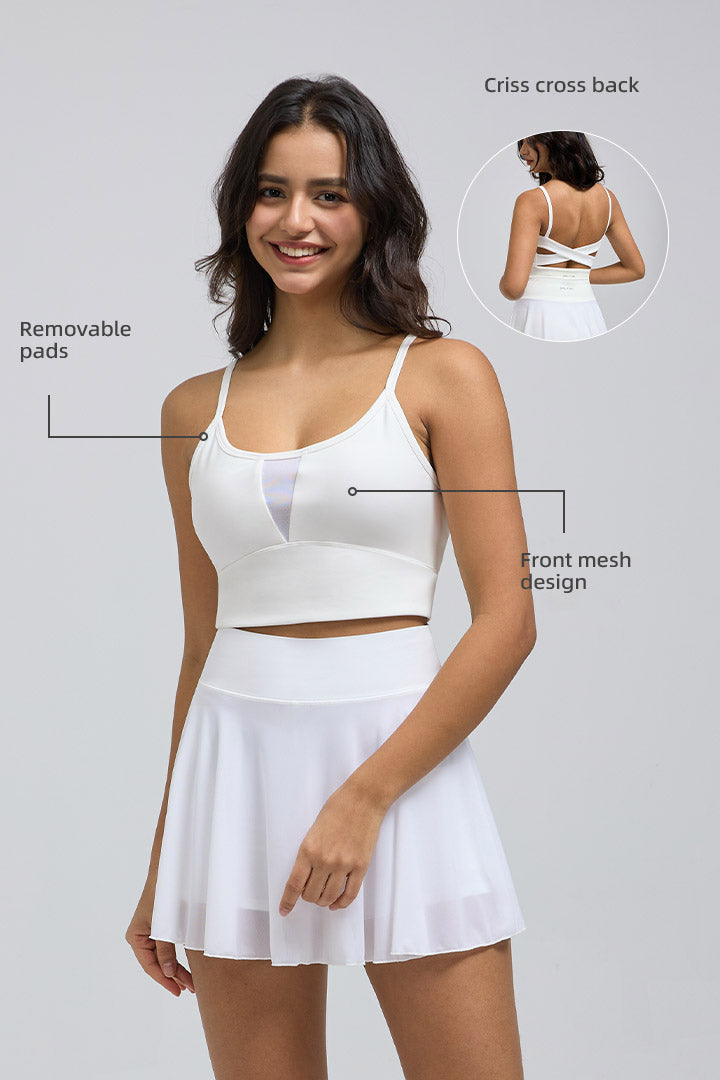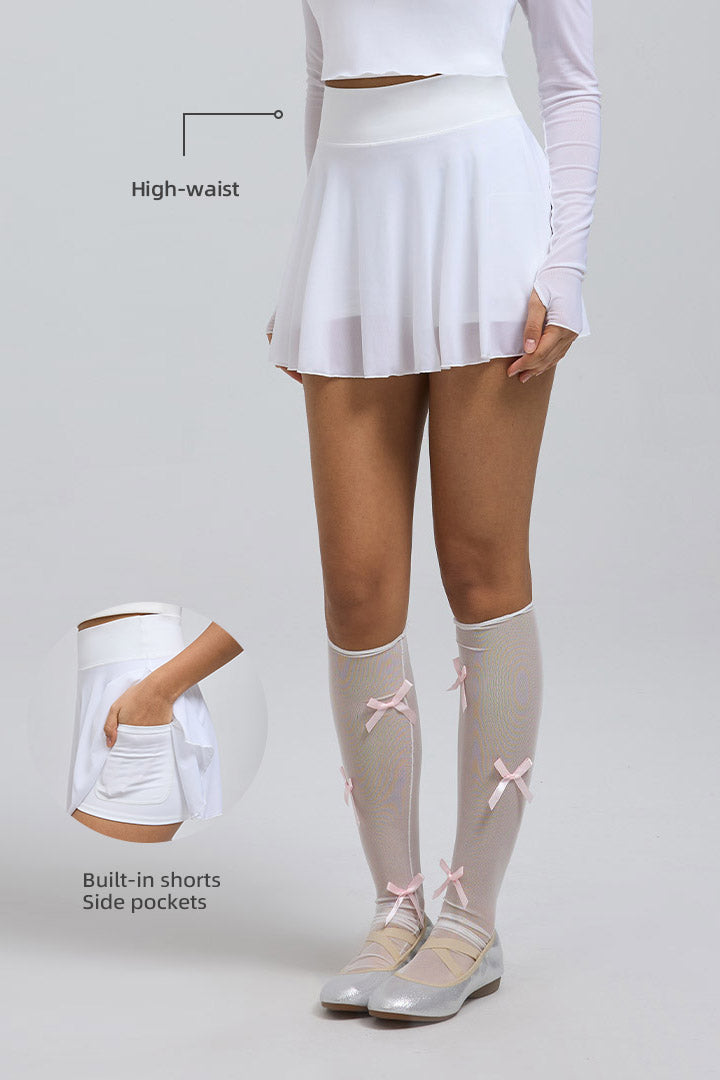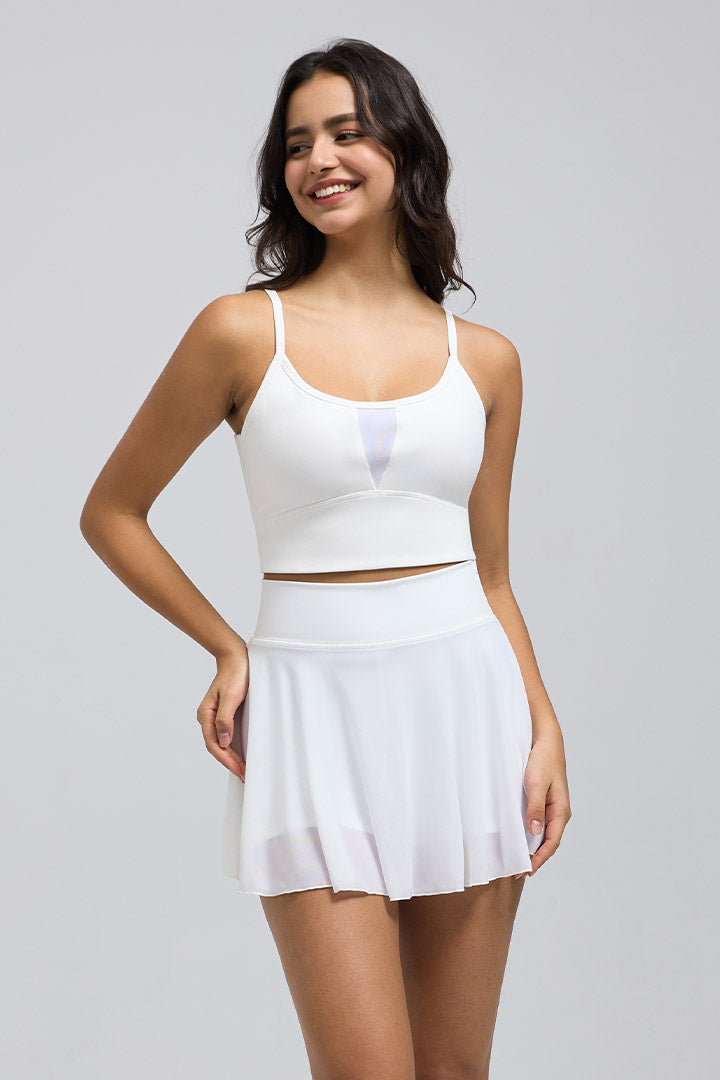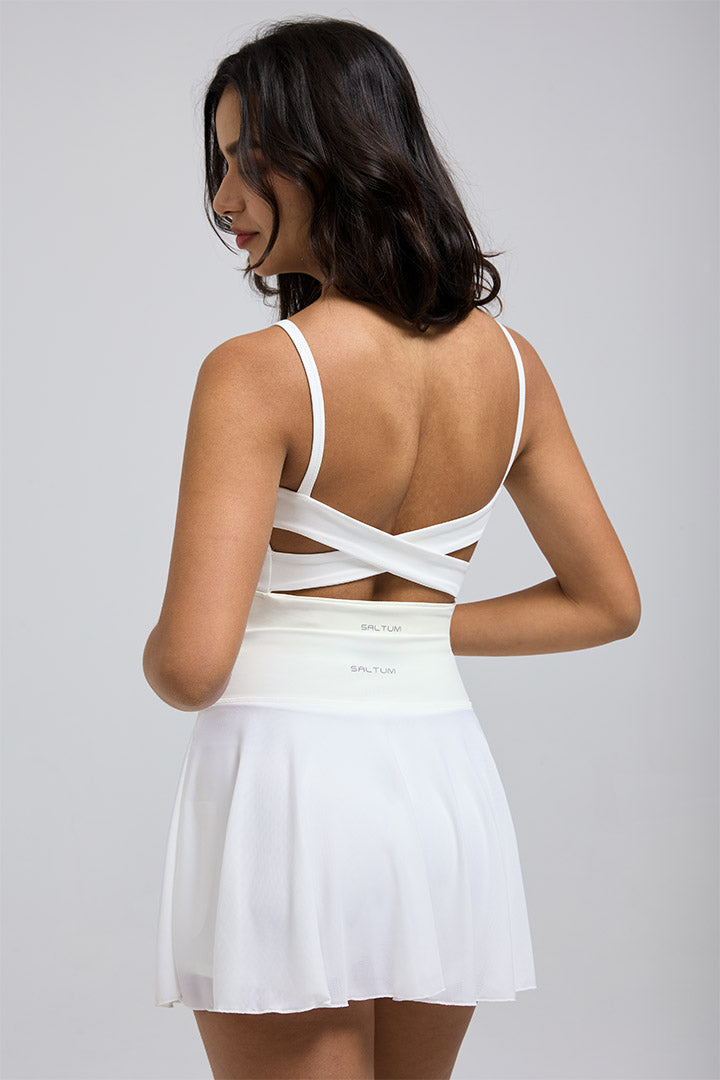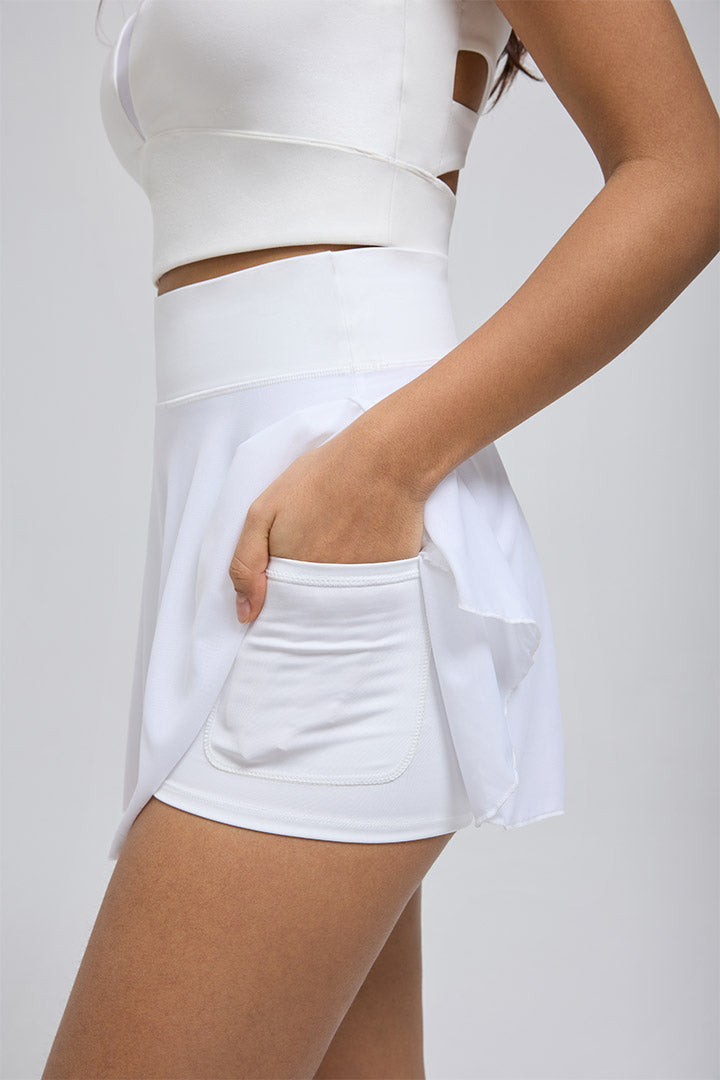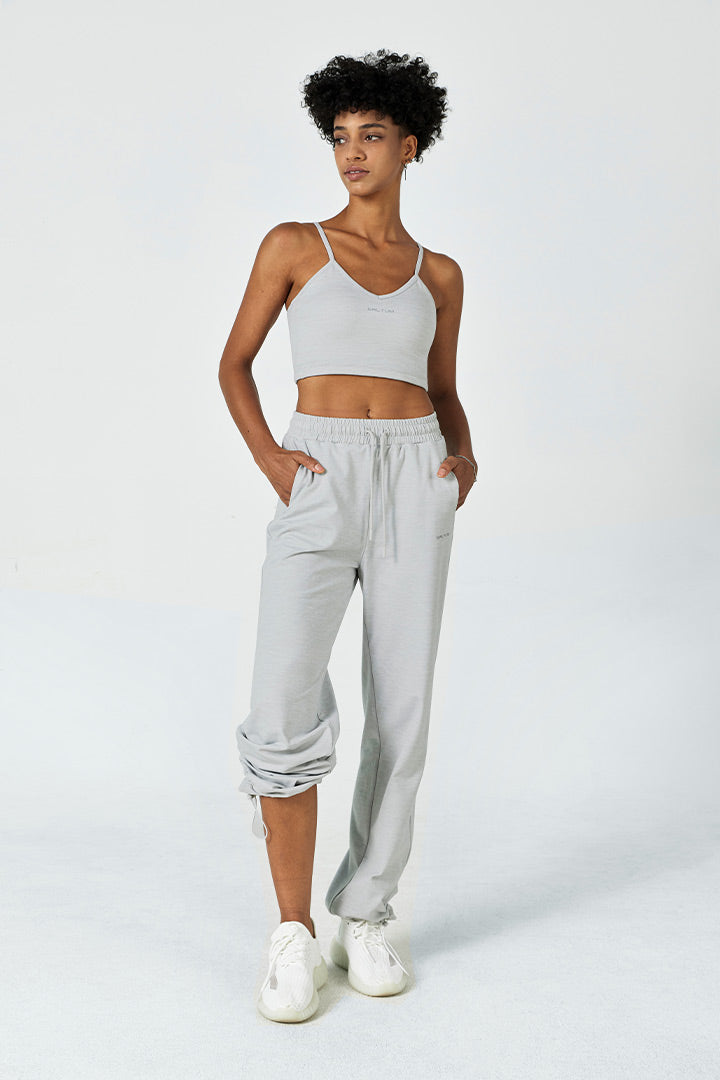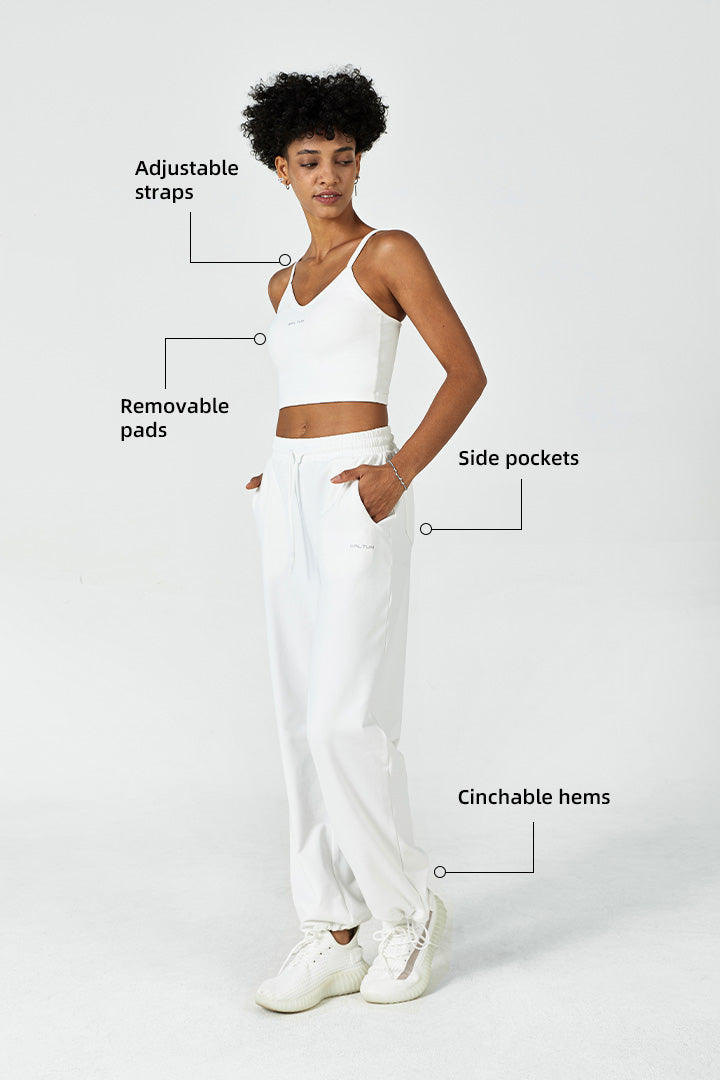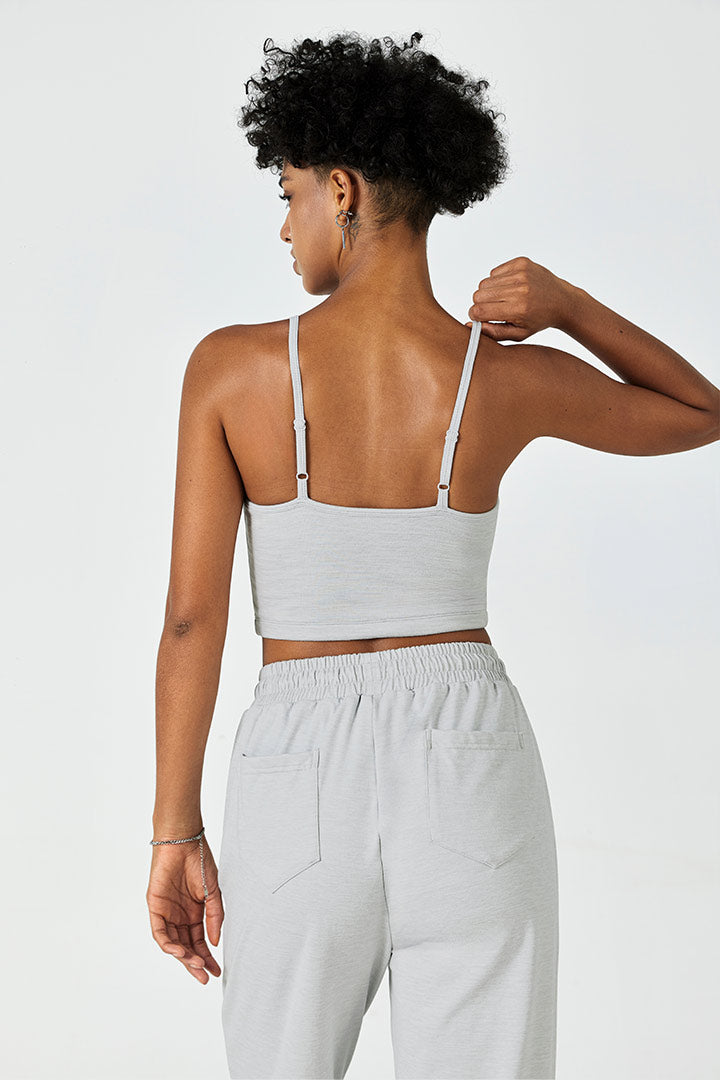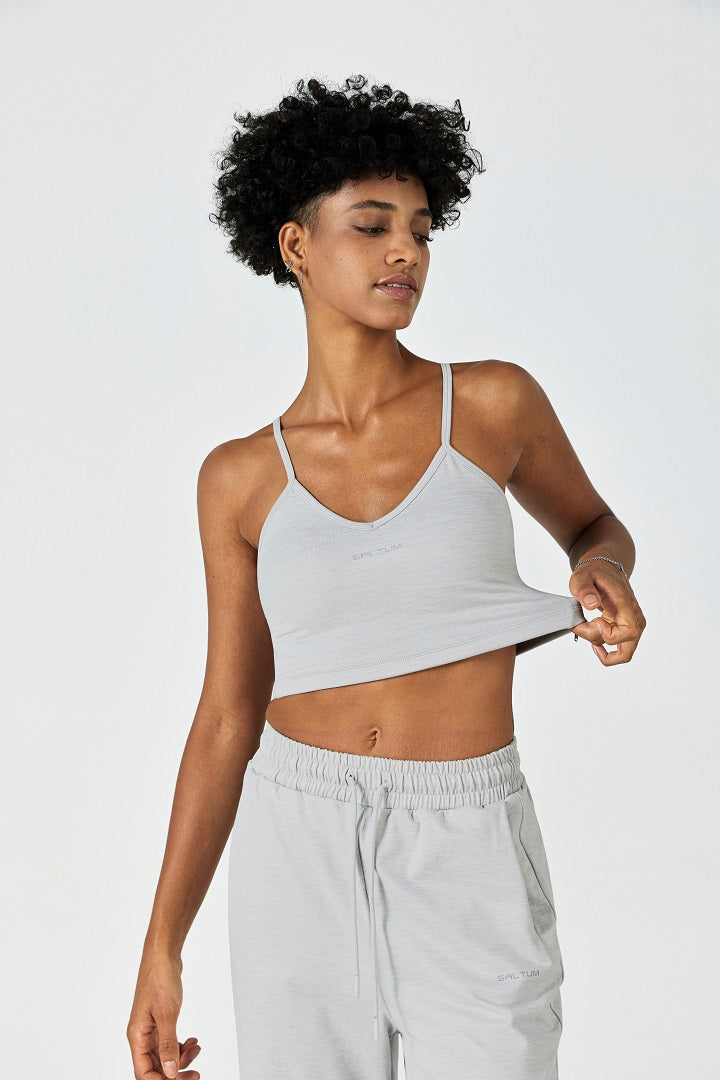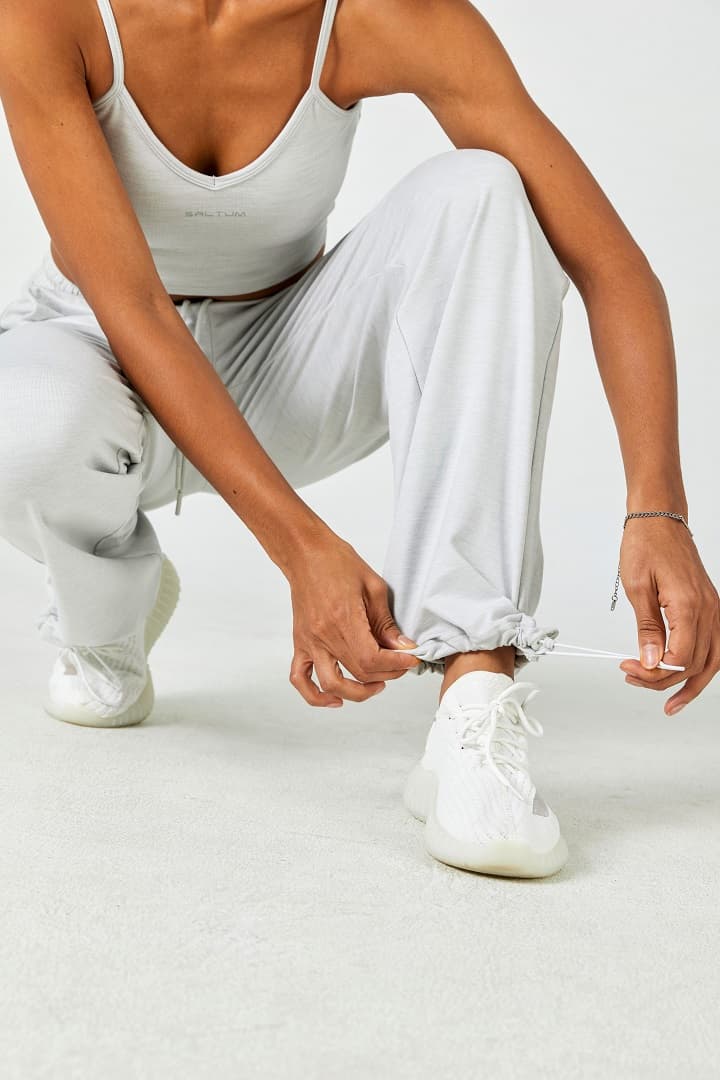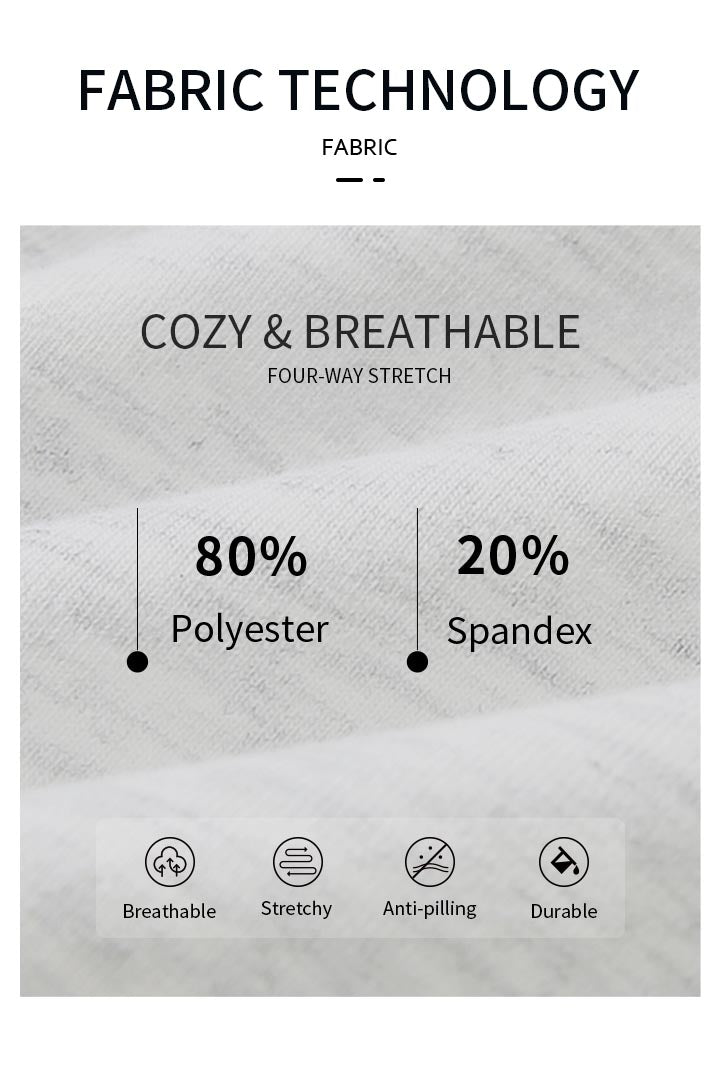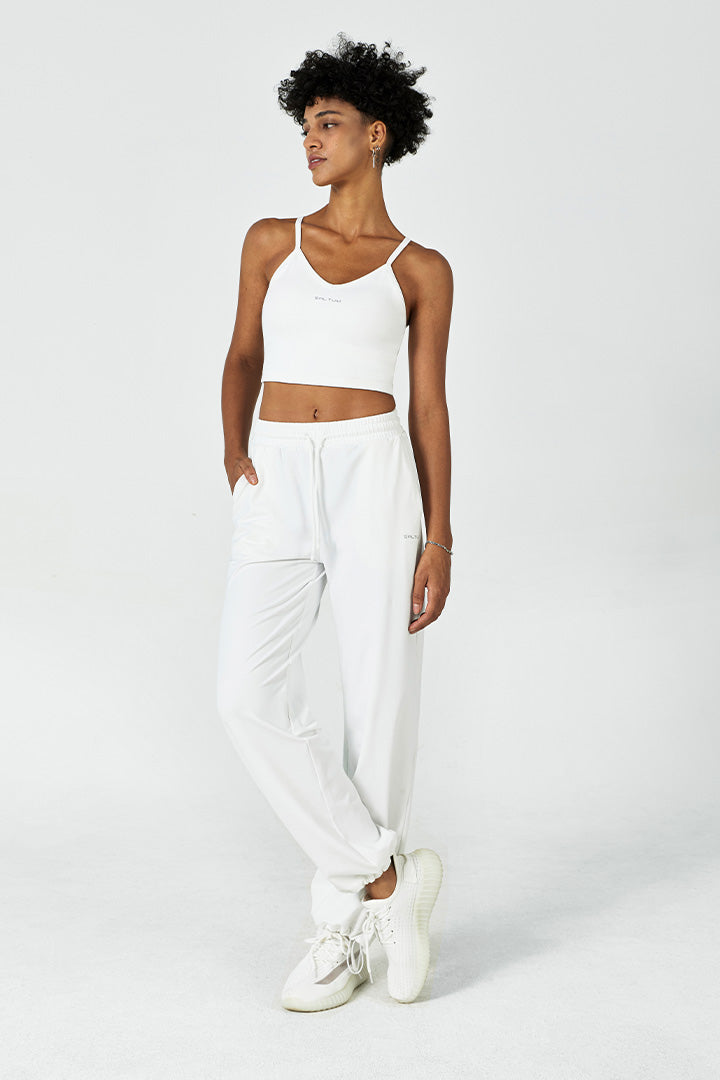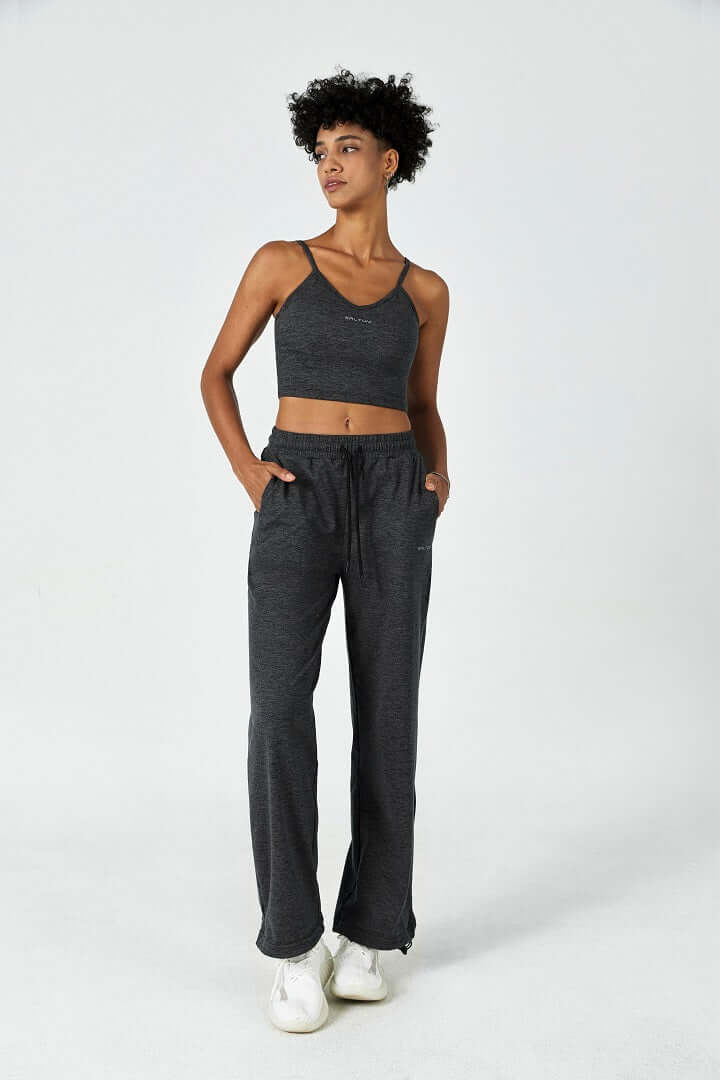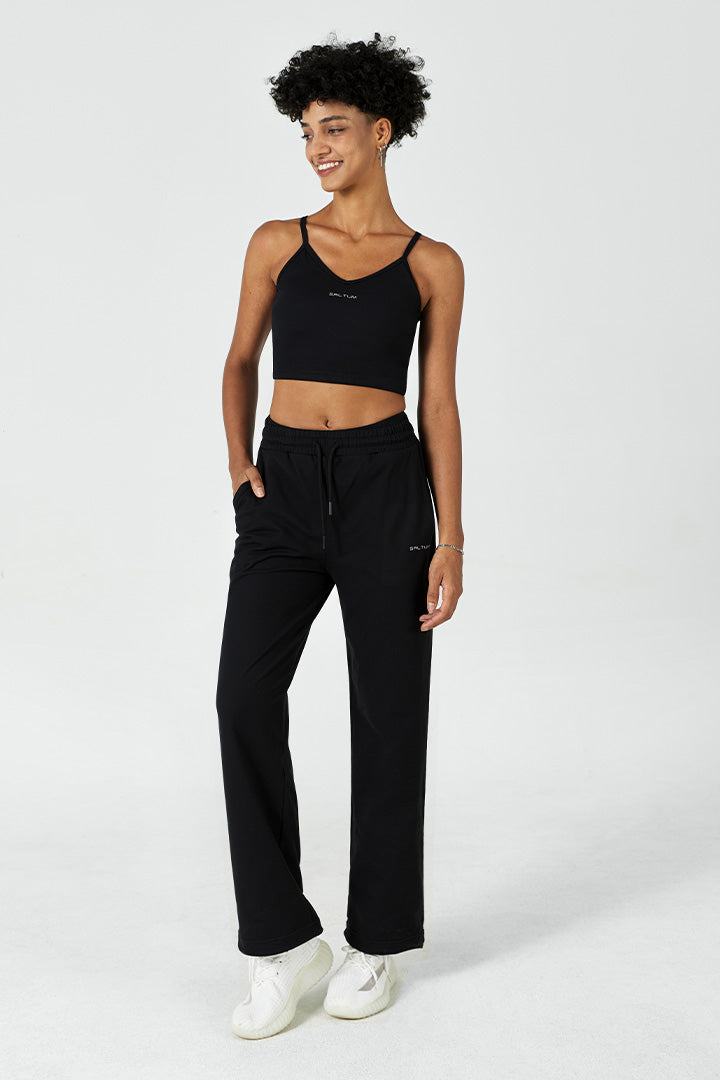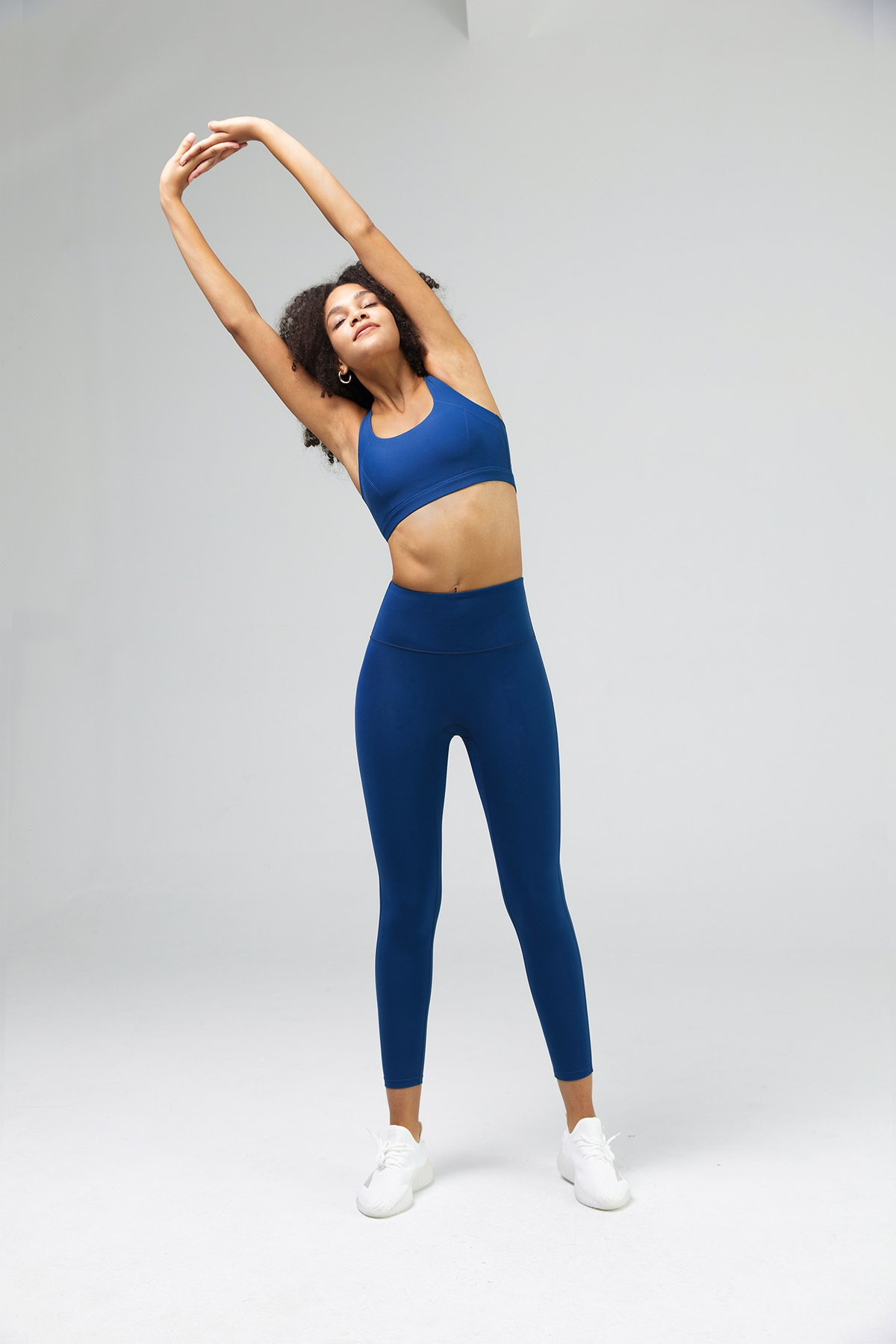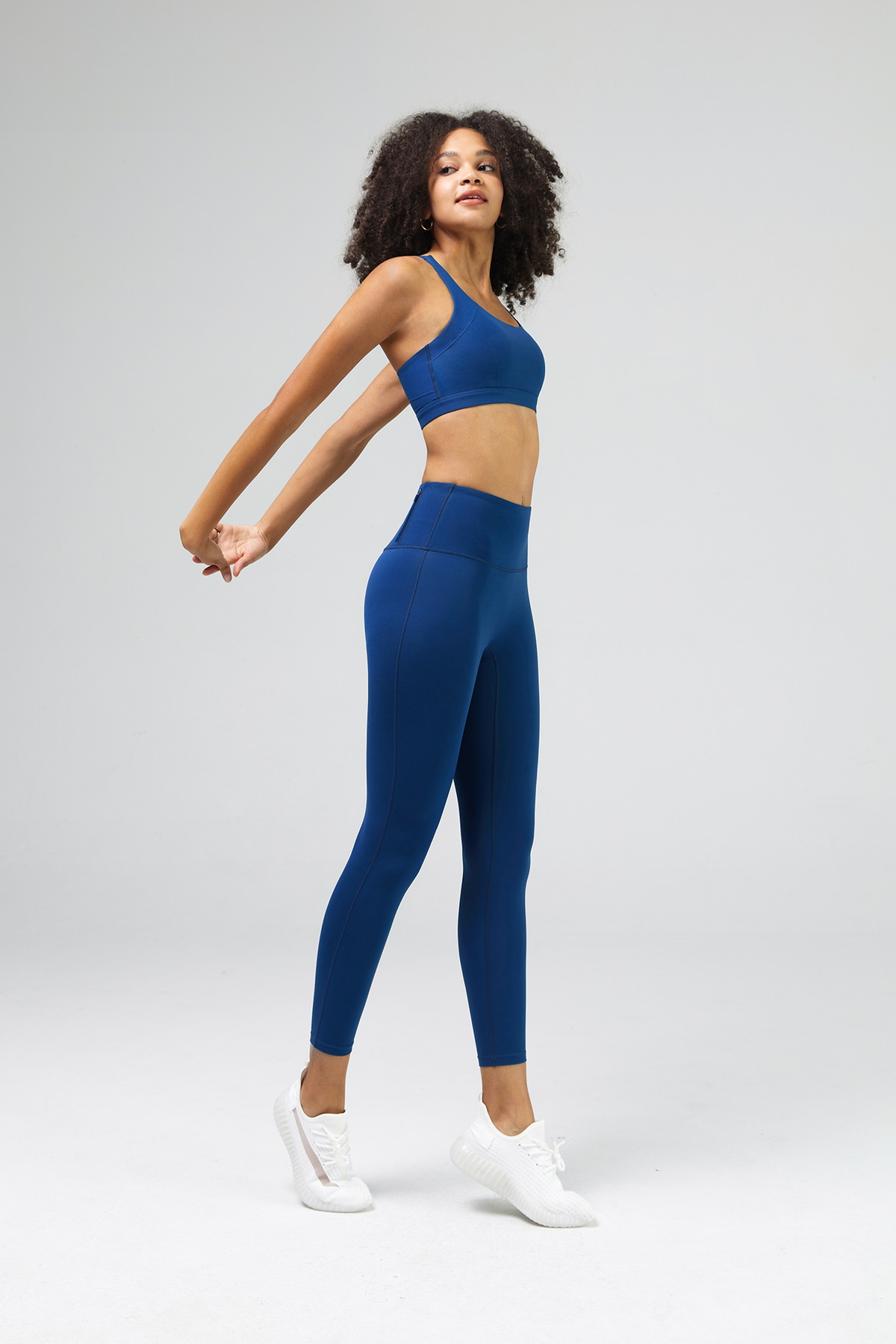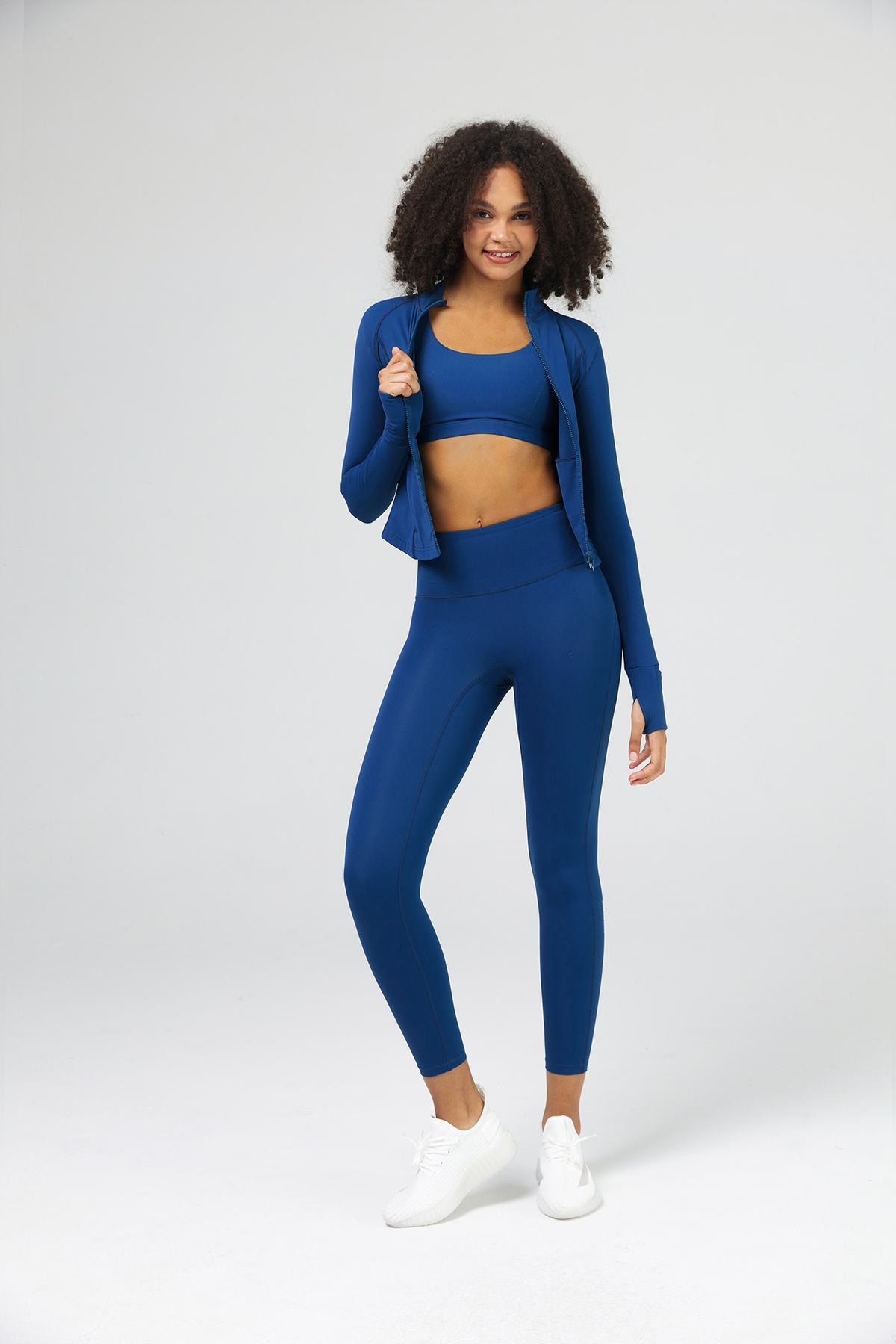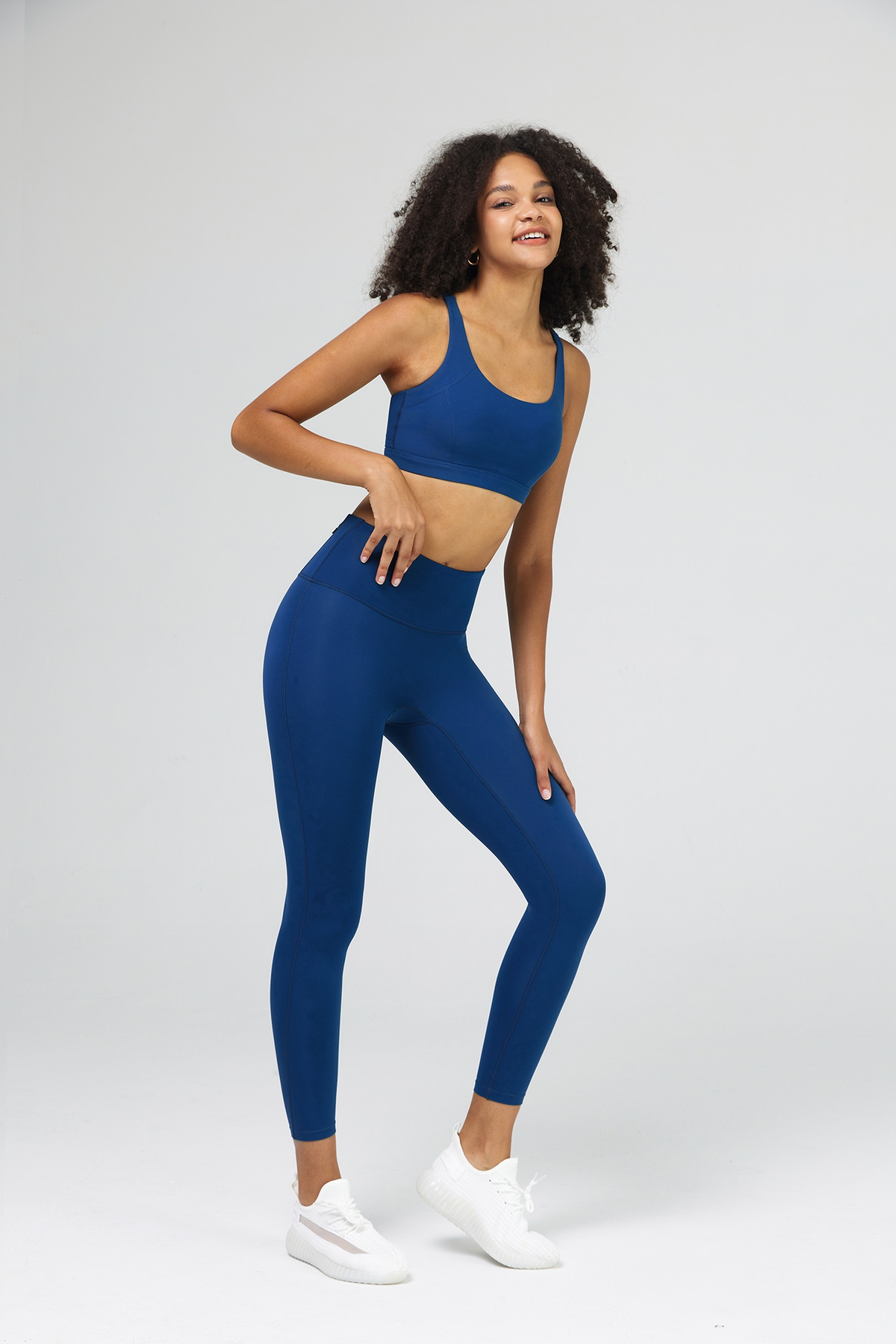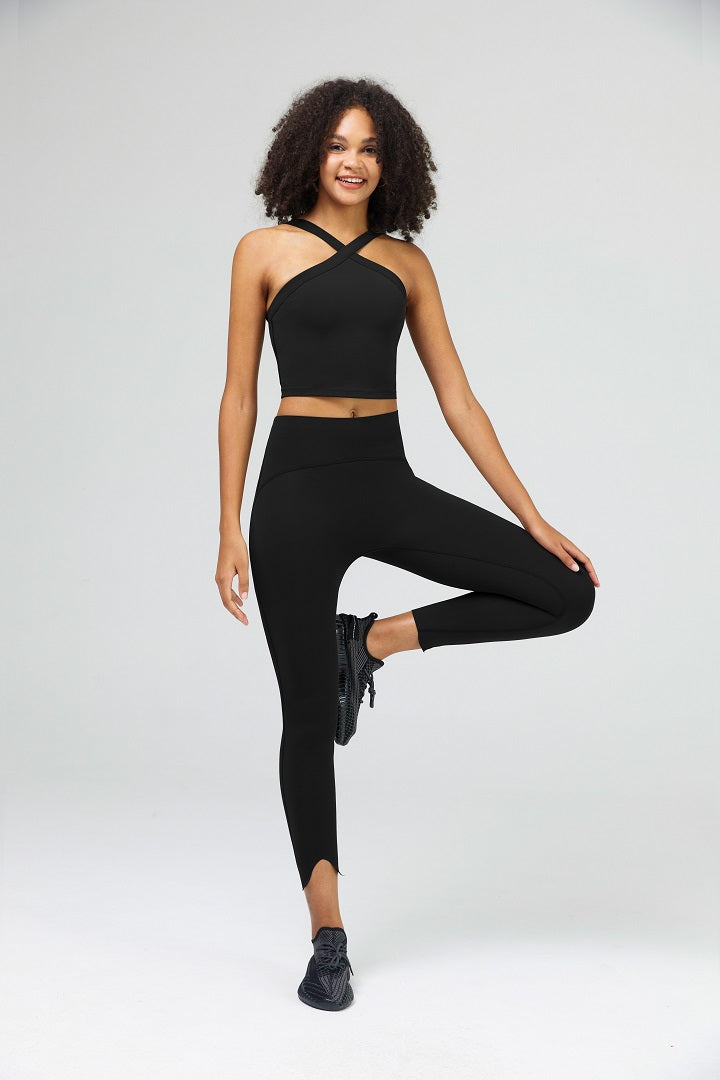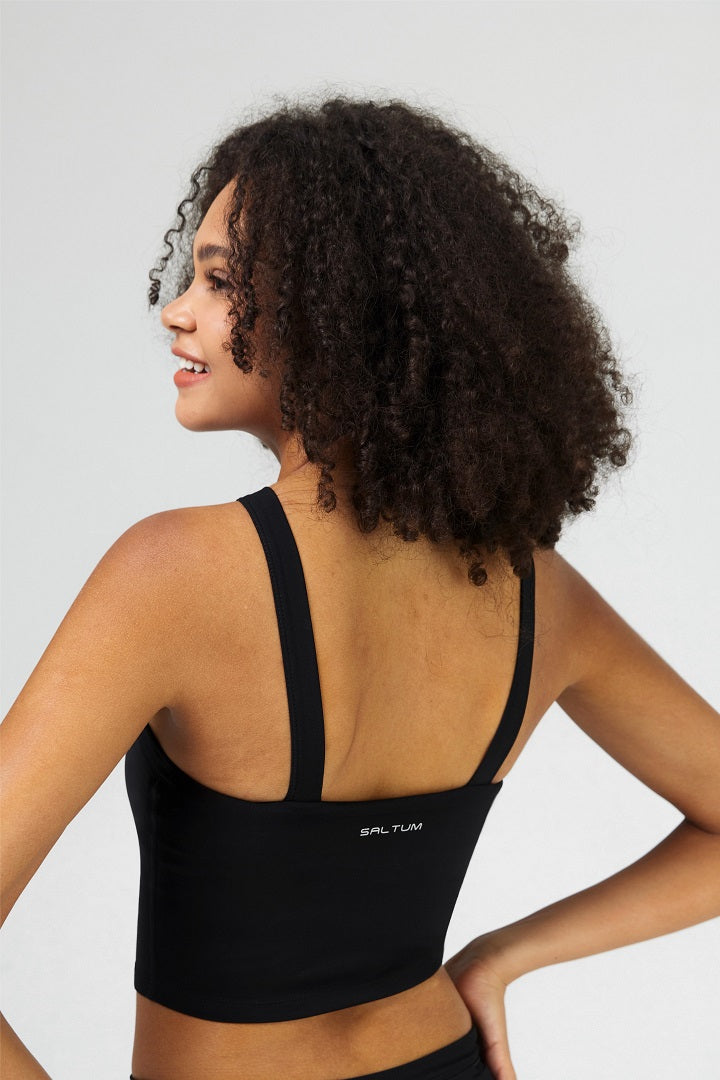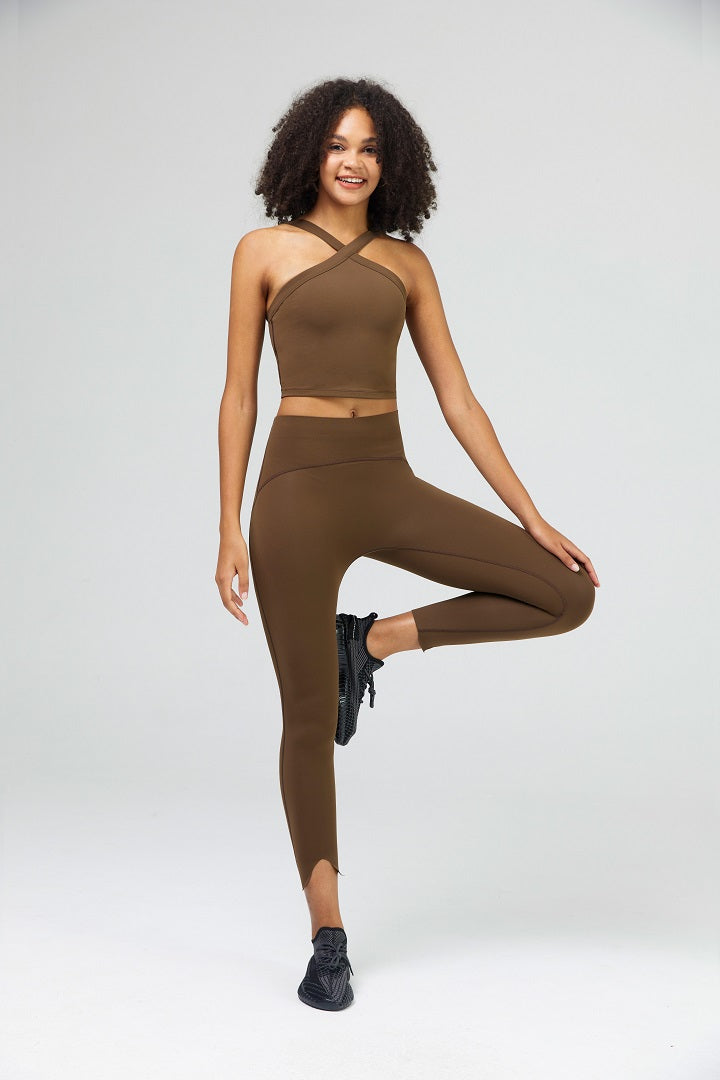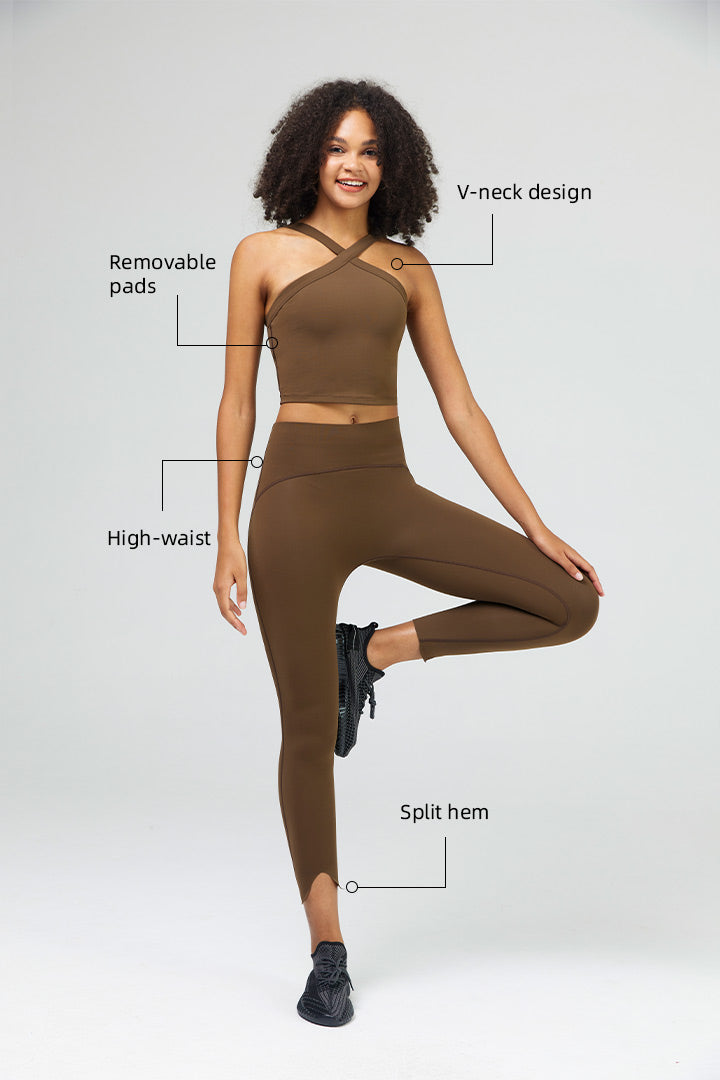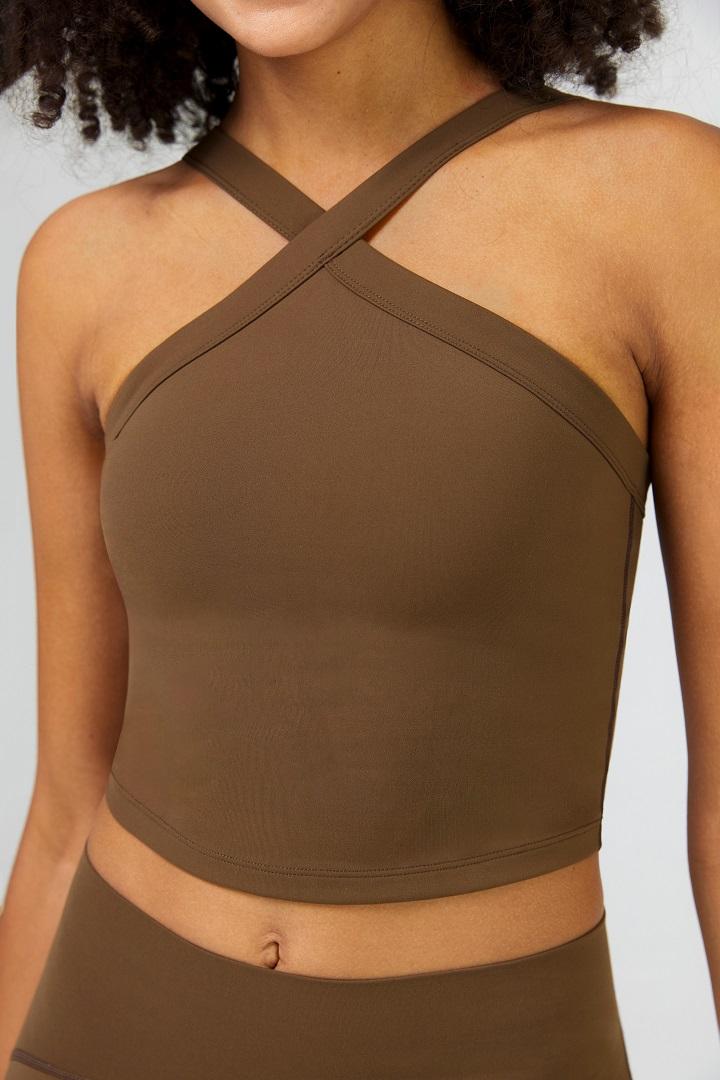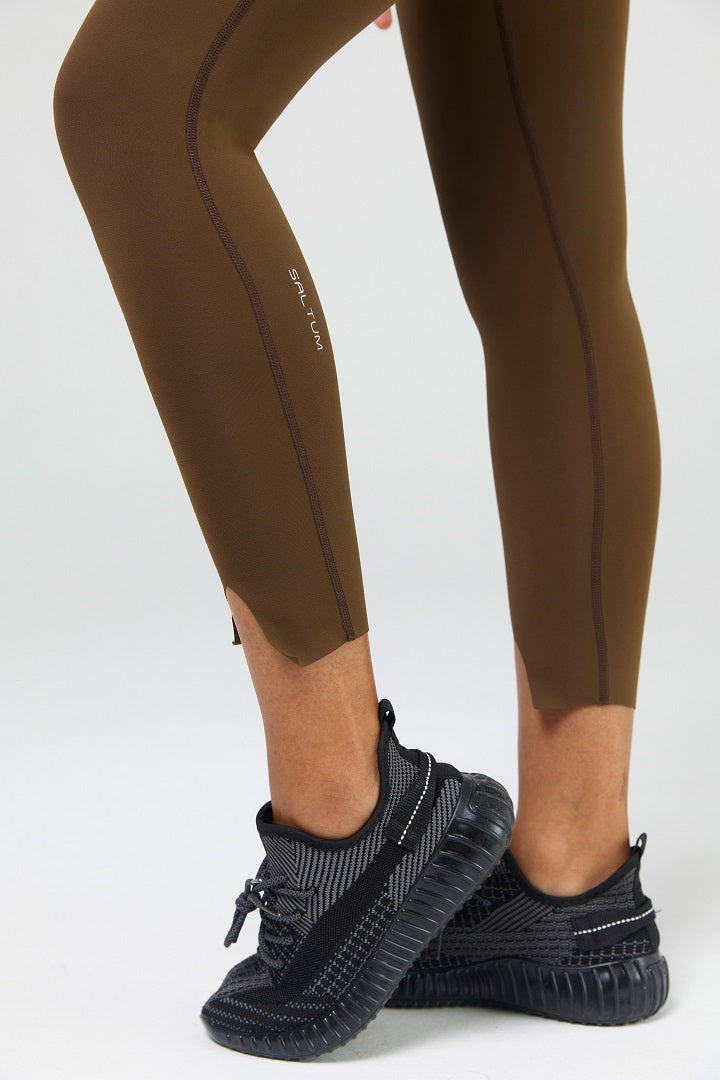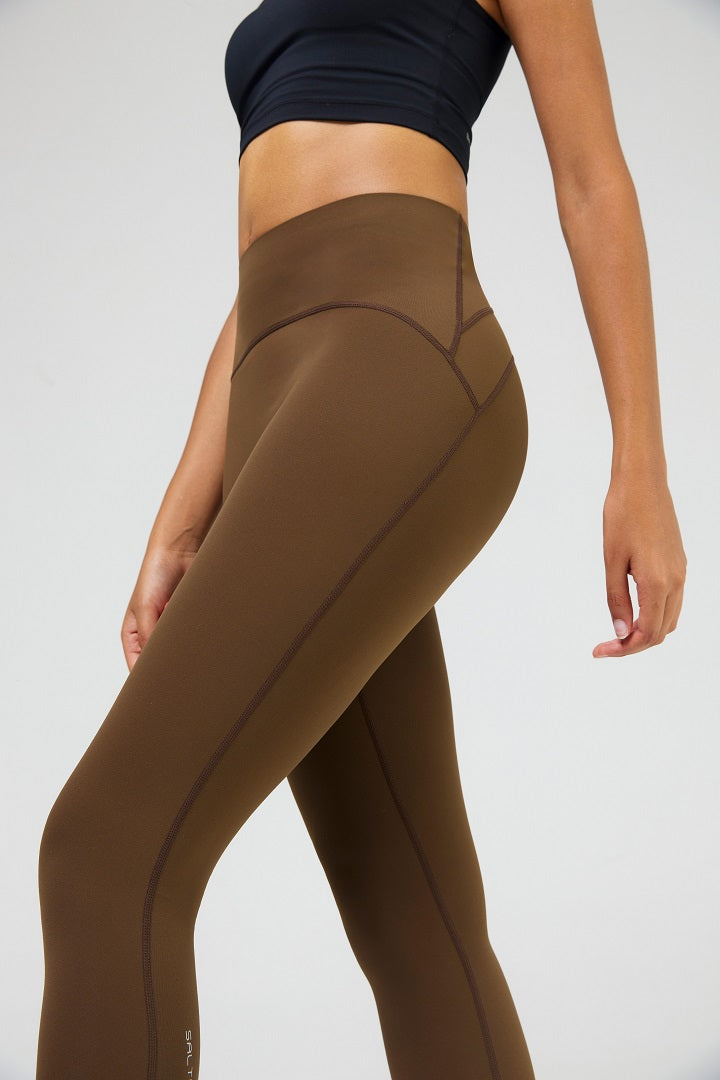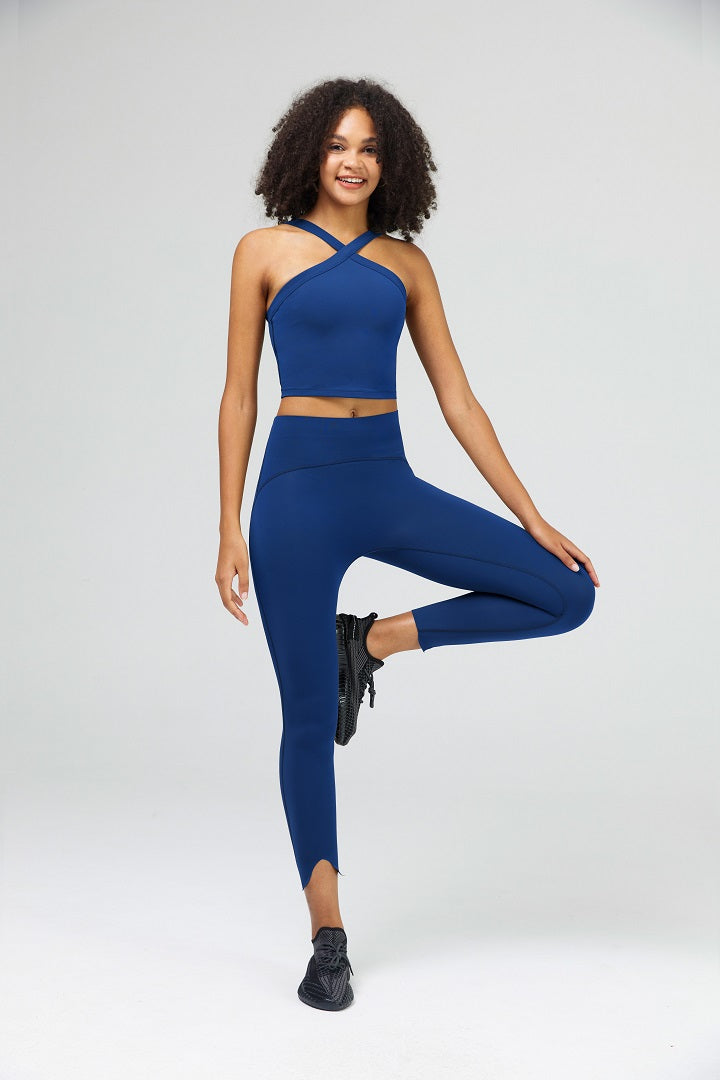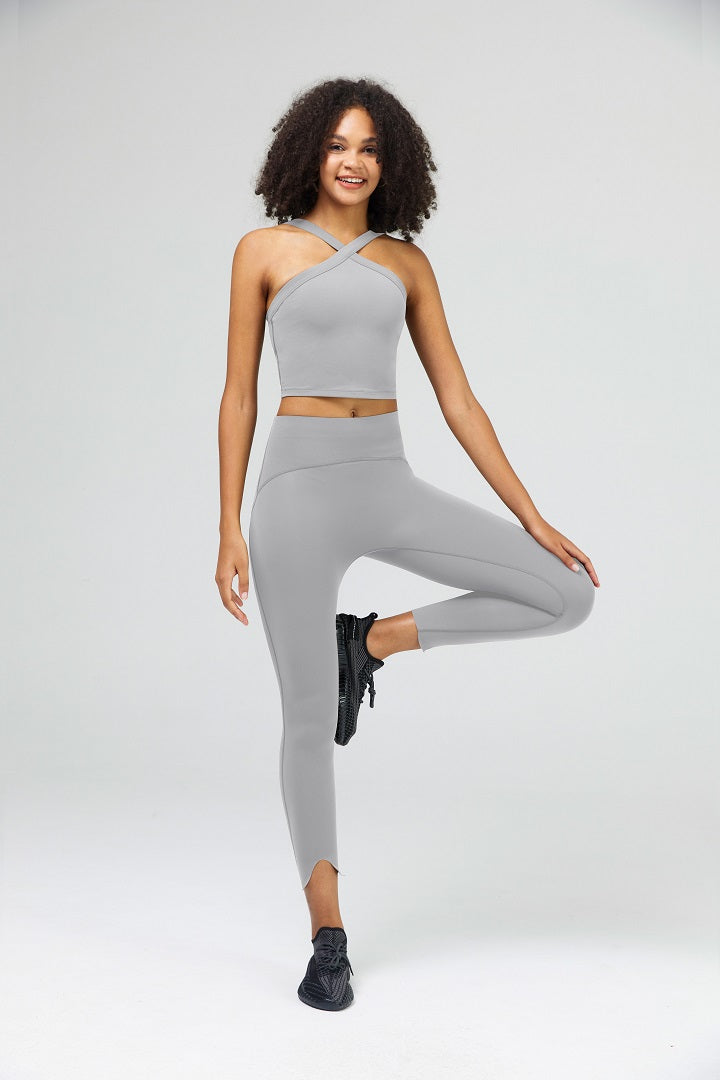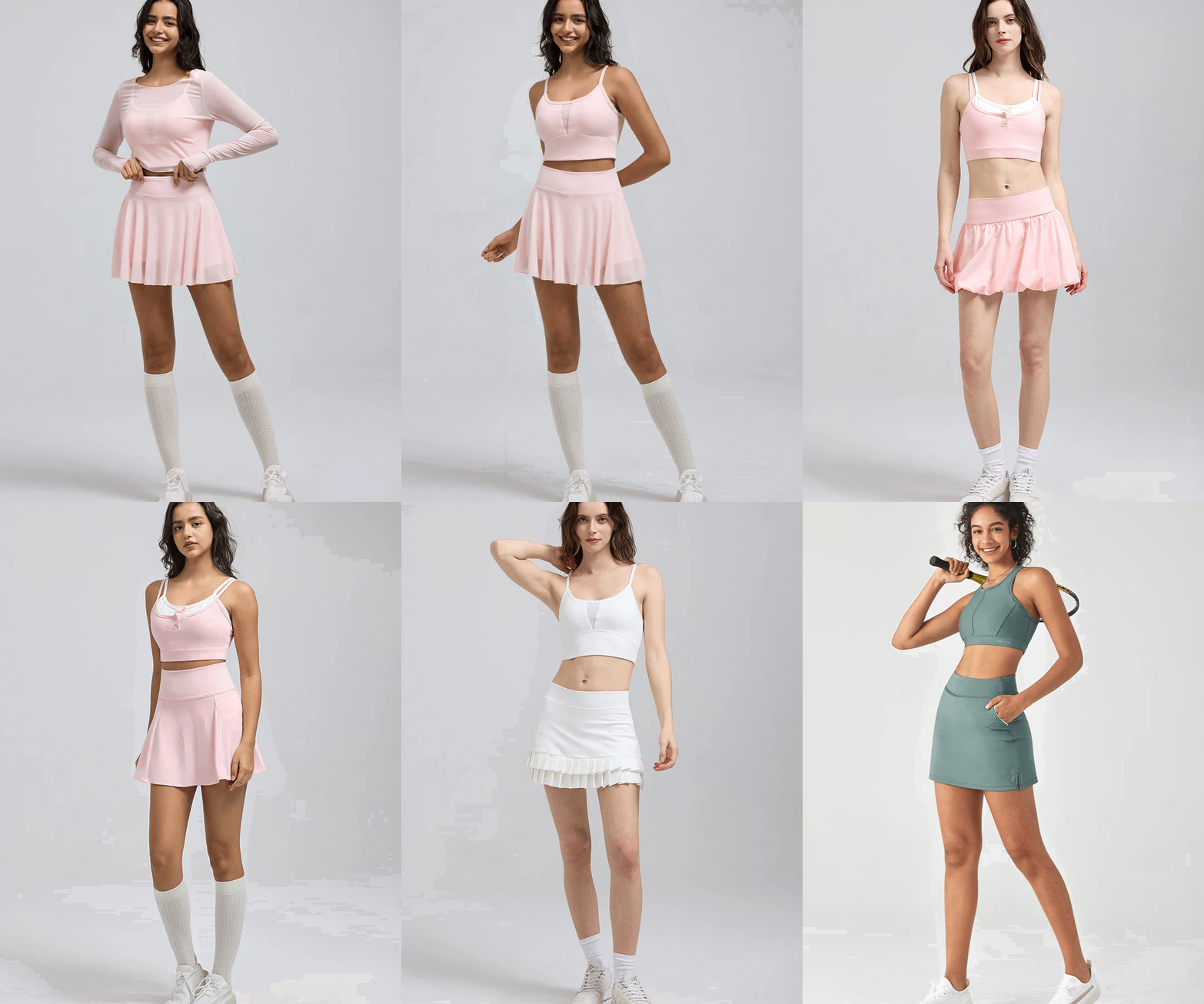
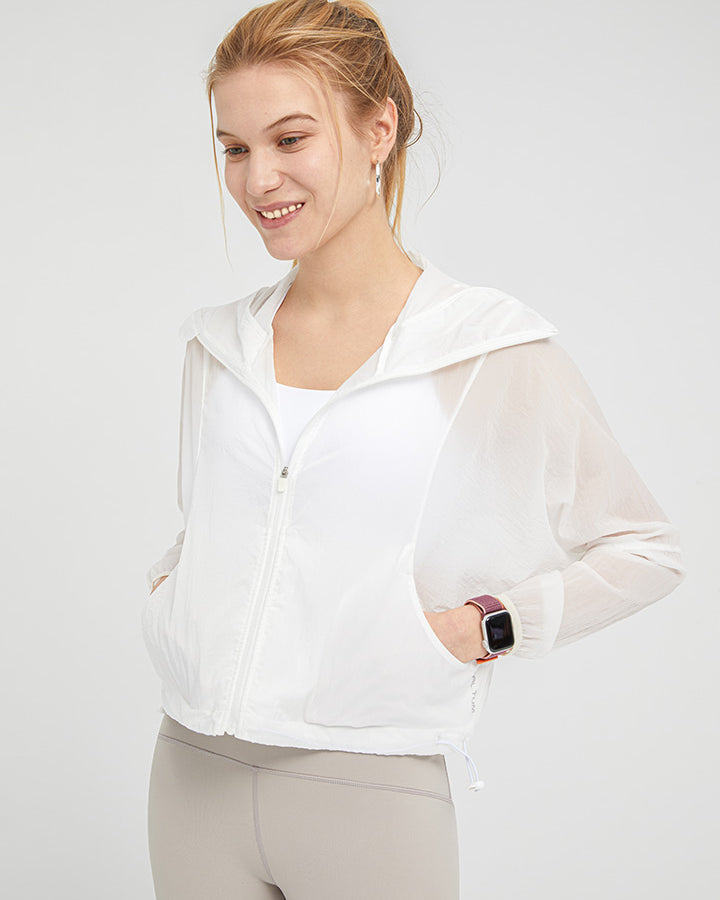
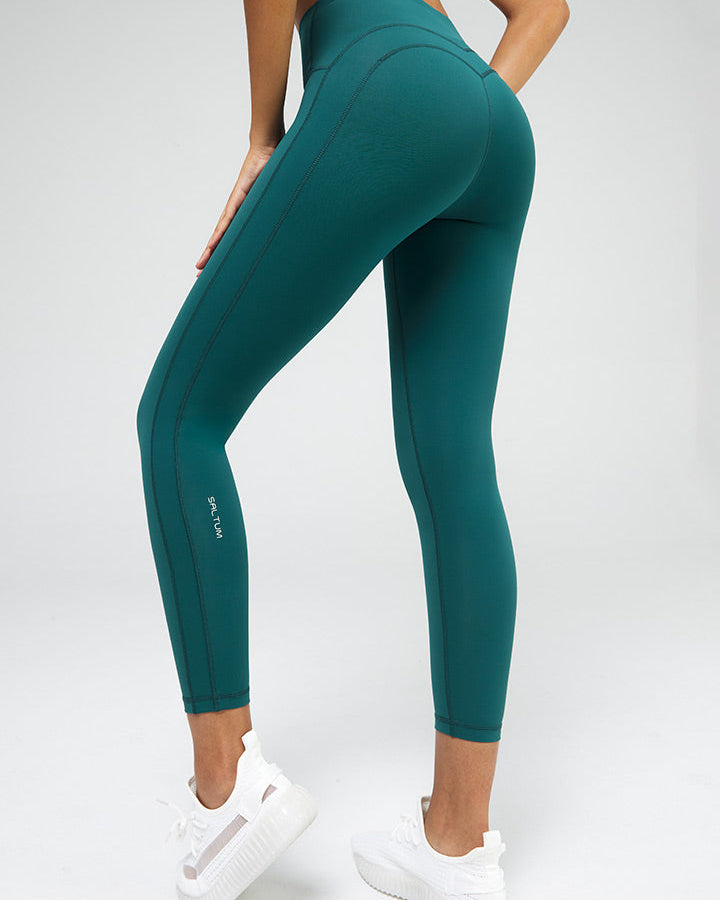
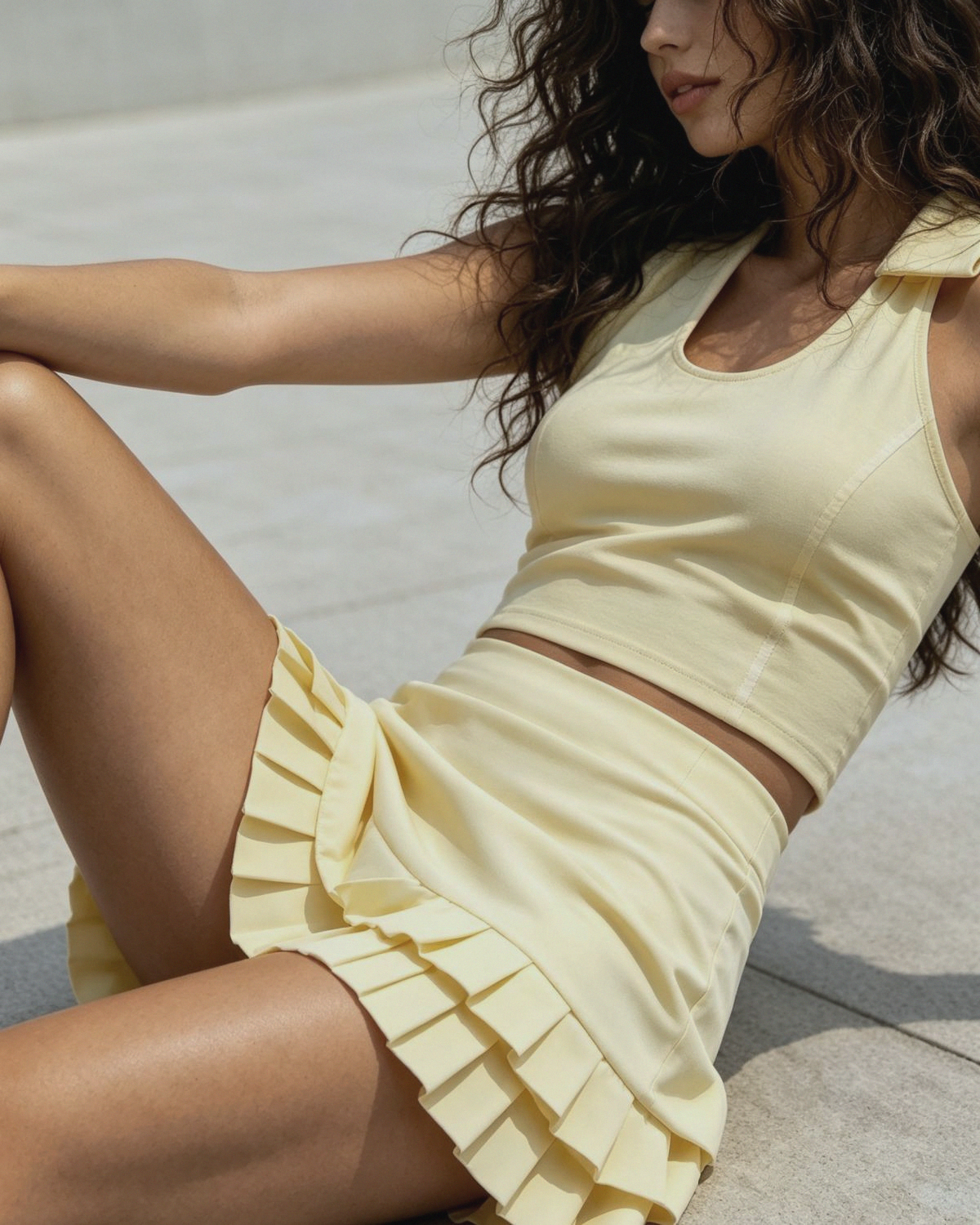
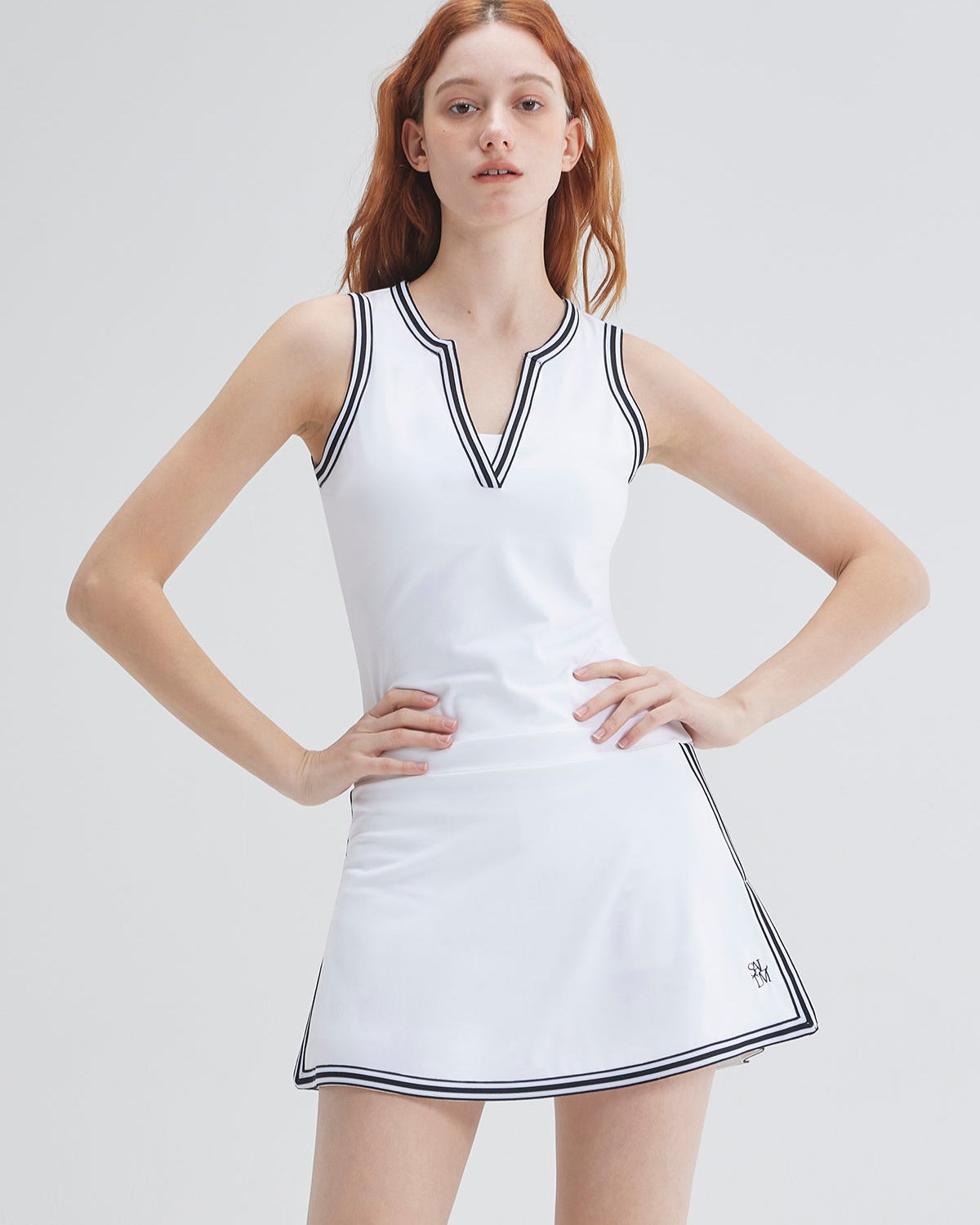
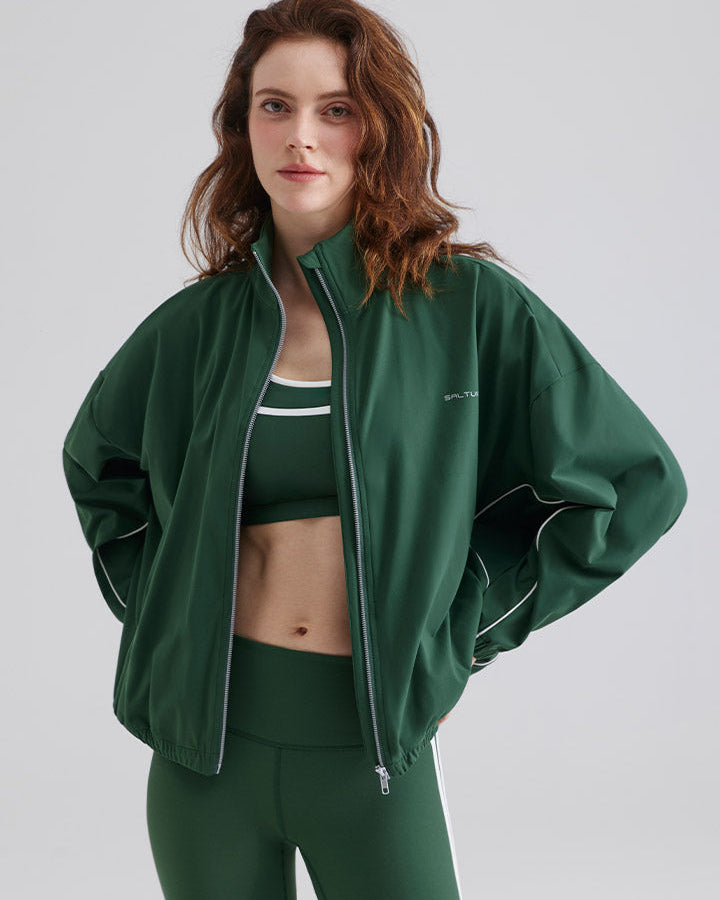
お気に入りのアクティブウェアは、さまざまな役割をこなします。ワークアウト中に伸び、長い散歩でも快適さを保ち、用事にも対応し、その後の予定にも合うかわいらしい見た目を保つ必要があります。だからこそ、アクティブウェアを新品のように保つ方法を学ぶことは、今持っているお気に入りのアイテムをより長く使うための簡単な方法の1つです。アクティブウェアのお手入れに関する簡単な習慣をいくつか取り入れることで、レギンス、スポーツブラ、ジャケット、ショートパンツ、テニスウェア、ワークアウトセットを、より長く滑らかで清潔な状態に保ち、伸縮性や見た目も維持できます。
パフォーマンス素材のお手入れは、複雑である必要がないことが何よりのポイントです。基本は、やさしく洗うこと、高温を避けること、アイテムを正しく保管すること、そして一緒に洗う生地に気を配ることです。洗濯の習慣を少し変えるだけで、特に毎週手に取るアイテムの伸縮性、色、形、柔らかさを保ちやすくなります。

少し丁寧にお手入れするだけで、アクティブウェアを清潔で滑らかな状態に保ち、ワークアウトや旅行の日、普段の予定にすぐ使えるようにできます。
アクティブウェアに少し特別なお手入れが必要な理由
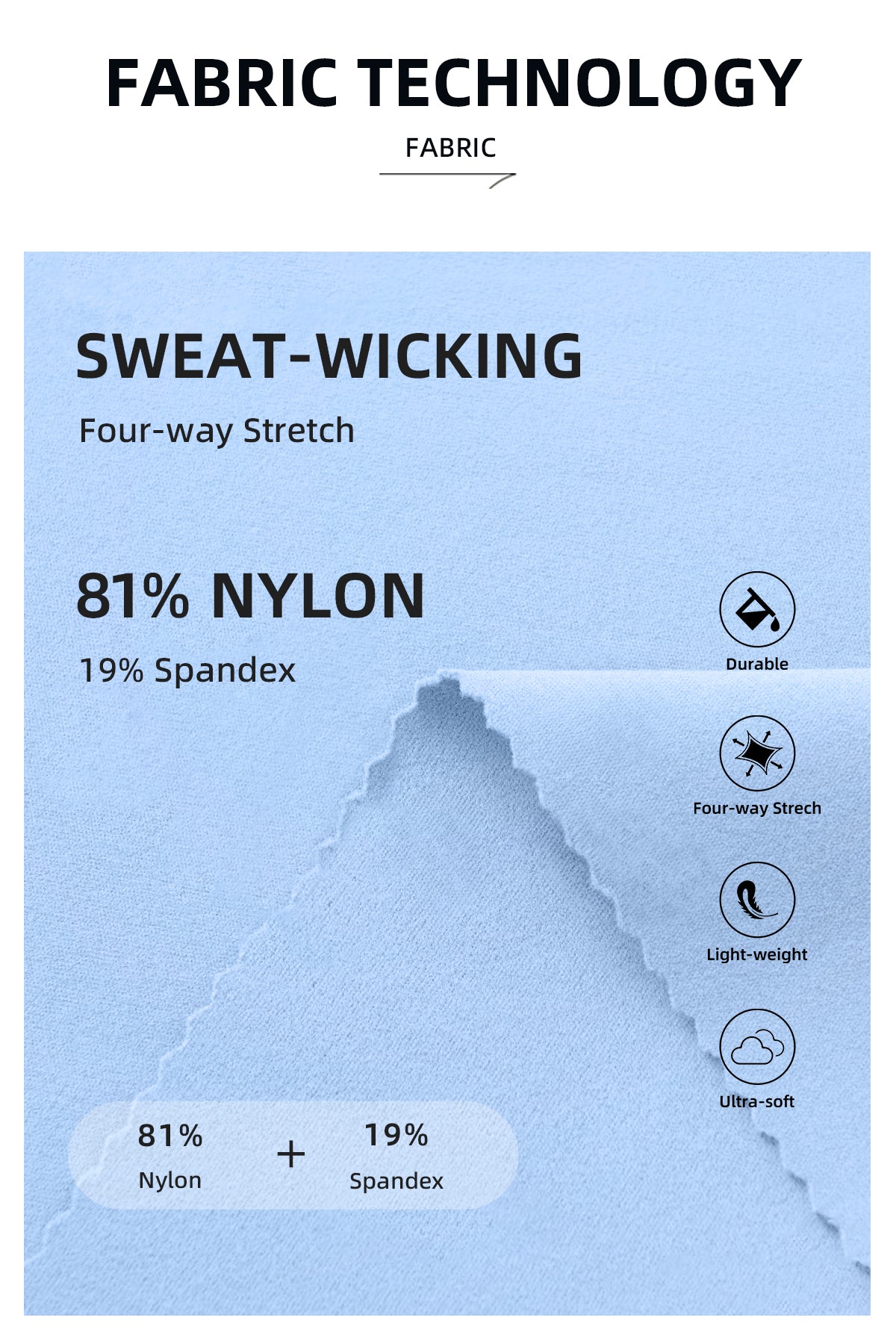
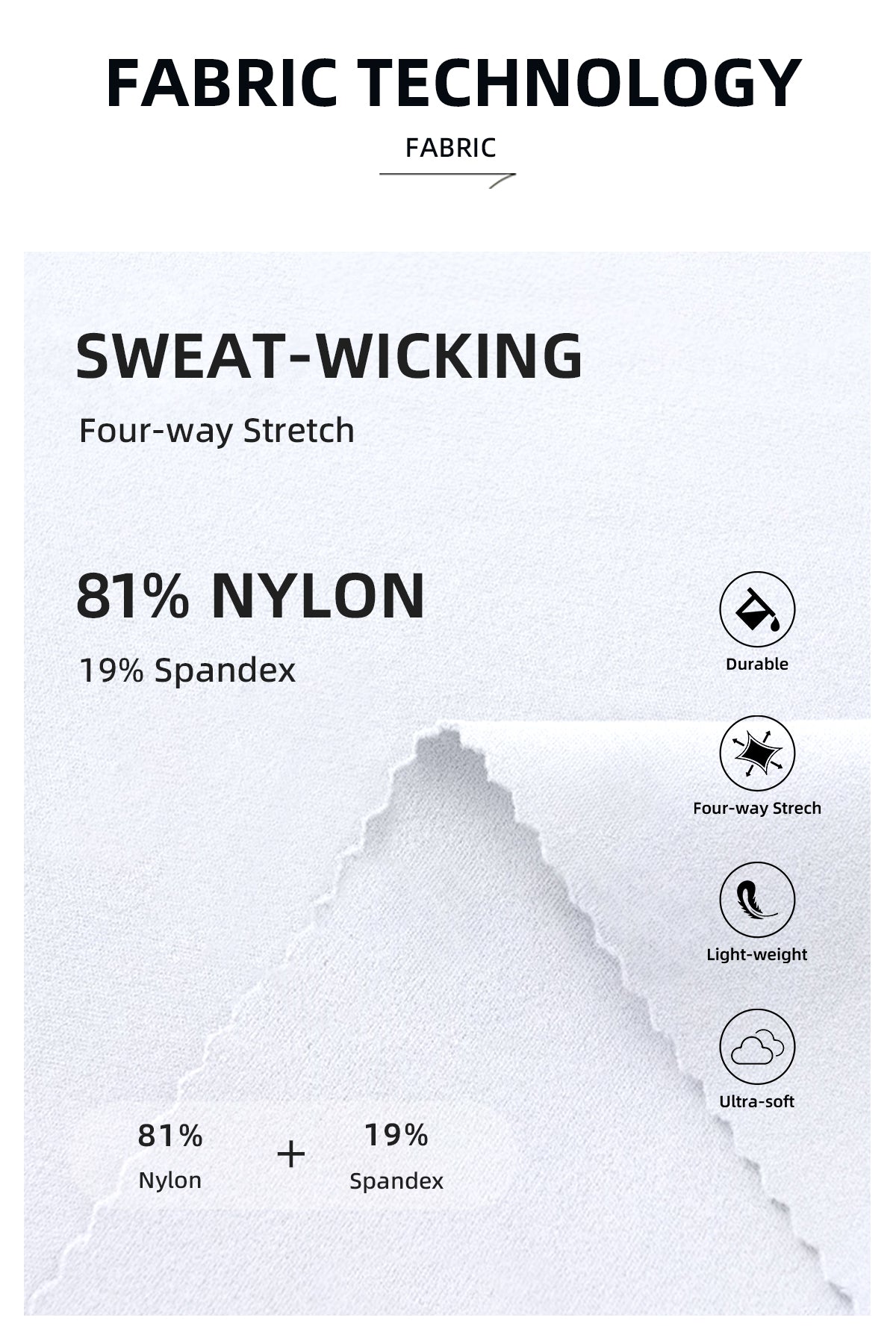
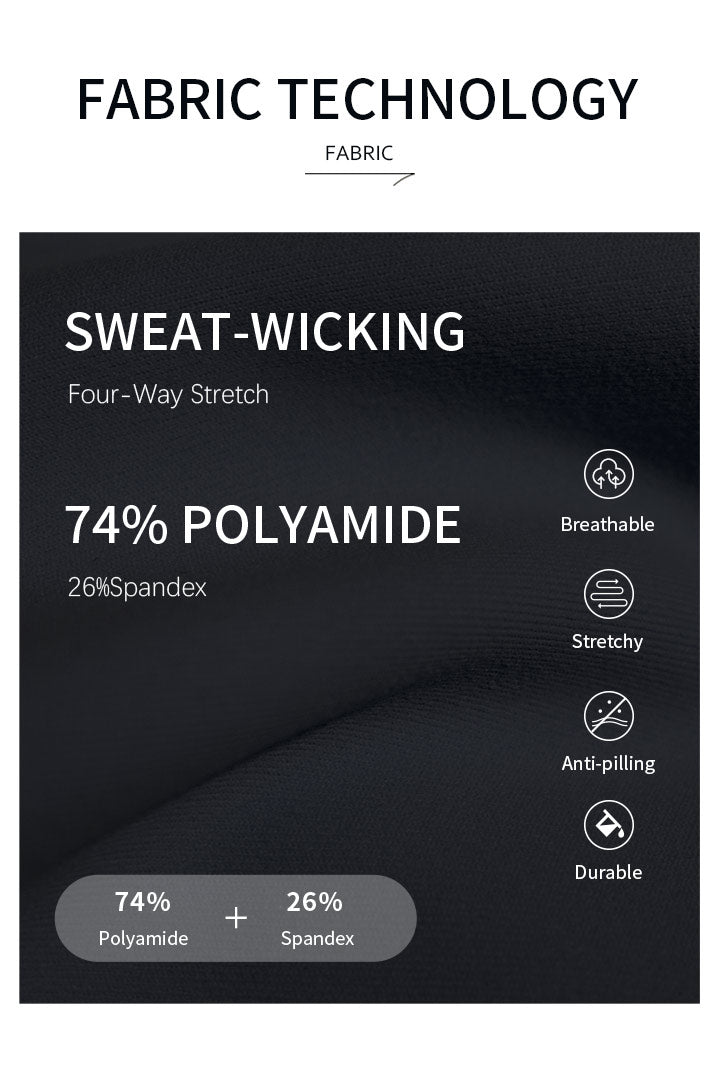
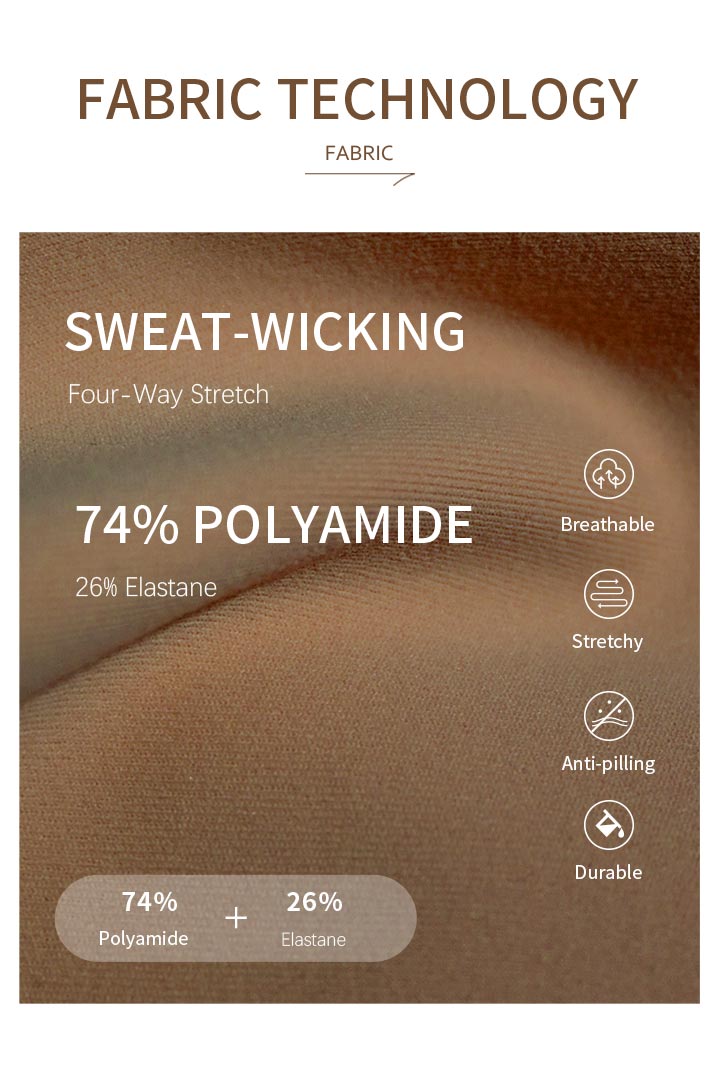
アクティブウェアには通常、体の動きに合わせて伸縮するよう設計されたパフォーマンス素材が使われています。こうした素材は、伸縮性があったり、汗を吸い上げたり、速く乾いたり、肌に滑らかに触れたりします。そのためワークアウトや忙しい日にぴったりですが、タオル、デニム、一般的なコットンTシャツとは異なる方法で扱う必要があります。
パフォーマンス素材をざらついた素材と一緒に洗ったり、高温で乾燥させたりすると、最初に気に入った特性が一部失われることがあります。時間がたつと、生地に毛玉ができたり、色あせたり、伸びたり、柔らかさが損なわれたりすることがあります。適切なワークアウトウェアのお手入れで、その進行を遅らせることができます。
アクティブウェアコレクションのお気に入りのアイテム、愛用のレギンス、軽量ジャケットのいずれをお手入れする場合も、目的はシンプルです。繊維を守り、衣類の形と風合いを保つことです。
アクティブウェアを正しく洗う方法
アクティブウェアの洗い方に迷ったら、まずは3つの簡単なルールから始めましょう。冷水を使う、衣類を裏返す、似た生地同士で洗うことです。簡単なことですが、時間がたってもアクティブウェアの見た目や着心地を保つうえで大きな違いを生みます。
すべて裏返す
レギンス、スポーツブラ、トップス、スカート、ワンピース、ショートパンツを洗う前に、裏返してください。洗濯中の摩擦から表面を守るのに役立ちます。特に滑らかな生地や濃い色の生地では、色あせや毛玉の発生を抑える効果もあります。
アクティブウェアを裏返すと、肌に触れる部分もしっかり洗えます。汗、皮脂、デオドラント、日焼け止めは衣類の内側にたまりやすいため、この小さな習慣で衣類を清潔に保ちやすくなります。
冷水を使う
冷水は、アクティブウェアのお手入れで最も重要なポイントの一つです。熱いお湯は伸縮性のある繊維を傷めやすく、時間の経過とともに色あせや型崩れの原因になることがあります。冷水はよりやさしく、普段の運動着のお手入れには通常十分です。
特に汗をかいた衣類は、洗う前に風に当ててください。ジムバッグや洗濯かごに密閉したままにするのは避けましょう。これにより、洗濯の日までに生地へ臭いが染み付くのを防ぎやすくなります。
似た生地のものを一緒に洗う
アクティブウェアは、他の滑らかで軽量な衣類と一緒に洗うのが最適です。粗い生地は摩擦を生み、毛玉や質感の変化につながることがあります。タオル、デニム、厚手のスウェット、粗い金具の付いた衣類は、アクティブウェアの洗濯物から外すようにしてください。
| 行うこと | 避けること |
| レギンス、トップス、スポーツブラ、滑らかなトレーニングウェアは一緒に洗ってください。 | アクティブウェアをタオル、デニム、または粗い生地と一緒に洗う。 |
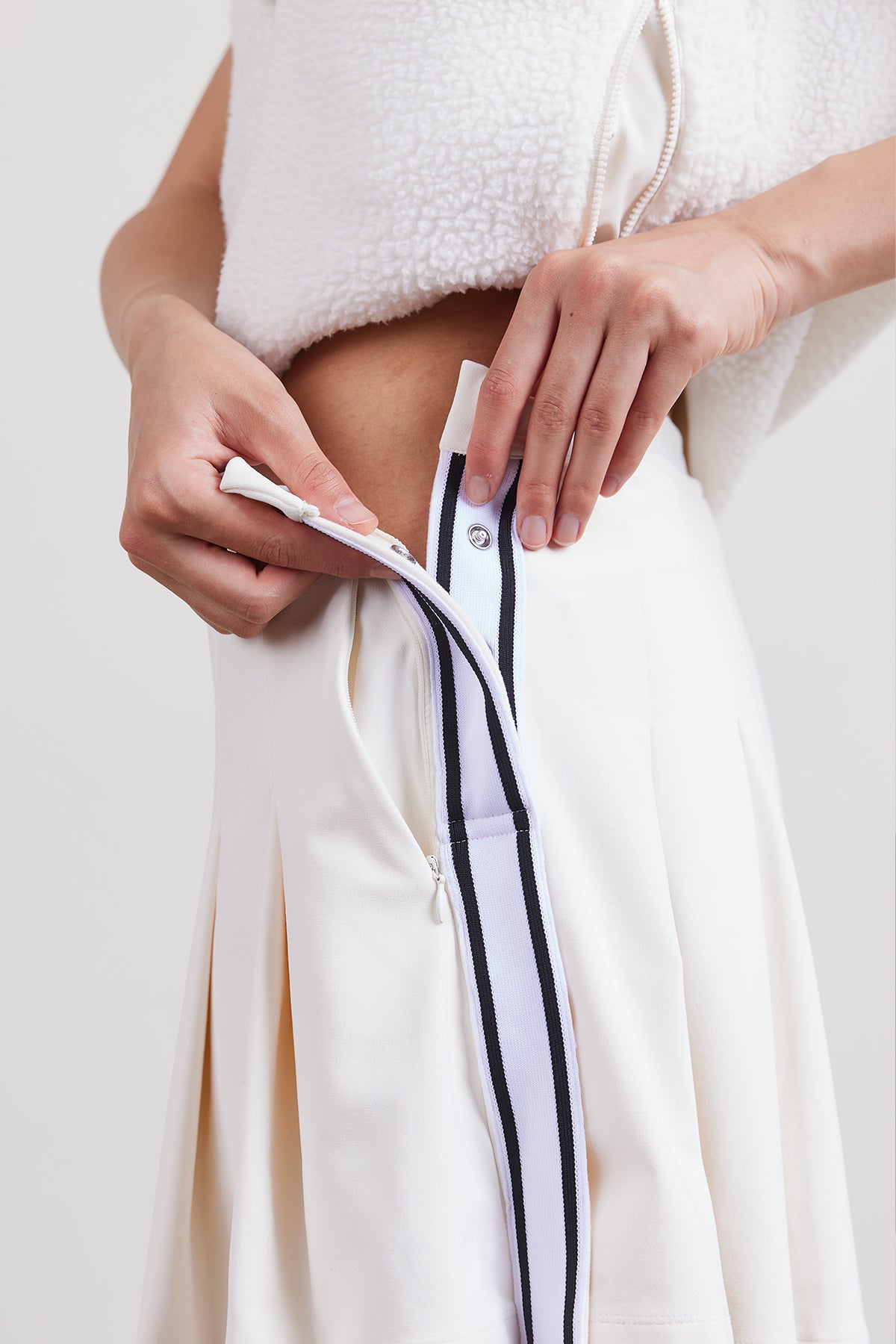
| ジャケットやアウターを洗う前に、ファスナーを閉じてください。 | ファスナー、ホック、面ファスナーを開けたままにして、生地に引っかかる状態にする。 |
| 可能な場合は、やさしい洗濯コースを使用してください。 | デリケートな伸縮性生地に強力洗浄コースを使用する。 |
| スポーツブラやデリケートな衣類は、洗濯ネットに入れてください。 | ストラップをねじったり、伸ばしたり、重いものに絡ませたままにする。 |

冷水、中性洗剤、やさしい洗い方で、レギンスやトレーニングウェアのセットの滑らかな仕上がりを保ちやすくなります。
柔軟剤と刺激の強い洗剤は避ける
柔軟剤は便利そうに思えるかもしれませんが、アクティブウェアには最適な選択ではありません。多くの高機能生地は、汗や水分を吸い上げて通気性を保つように設計されています。柔軟剤は繊維に膜を残すことがあり、生地のさわやかな感触を損ない、時間の経過とともに吸湿速乾性に影響する可能性があります。
中性洗剤のほうが適しています。たくさん使う必要もありません。洗剤を使いすぎると生地に残って蓄積し、特に肌に密着するフィット感のある衣類では、臭いがこもることがあります。
漂白剤も避けてください。伸縮性のある生地には刺激が強すぎて、色や伸縮性、質感を損なう可能性があります。淡い色の衣類を明るく保ちたい場合は、似た色のものと一緒に洗い、高温を避け、濃い色の洗濯物とは分けてください。
| 洗濯用品 | アクティブウェアに最適な選択 |
| 洗剤 | 中性洗剤を使用し、必要以上に使わないでください。 |
| 柔軟剤 | アクティブウェアの風合いや吸湿速乾性に影響する可能性があるため、使用を控えてください。 |
| 漂白剤 | 繊維を弱め、色に影響を与える可能性があるため、避けてください。 |
| 香料の強い製品 | 特に肌が敏感な方や、蓄積が気になる場合は、注意して使用してください。 |
アクティブウェアを正しく乾かす
乾燥は、多くのアクティブウェアに最もダメージを与えやすい工程です。高温は、伸縮性のある繊維やウエストゴム、ストラップ、滑らかな仕上がりを傷めることがあります。運動着の形を保ちたいなら、通常は自然乾燥が最も安全です。
洗濯後は、それぞれのアイテムをやさしく振りさばき、衣類に応じて平らに置くか、かけて乾かしてください。レギンス、スポーツブラ、体にフィットするトップスを強く絞らないでください。生地をねじると、縫い目が伸びたり、ゴムに負担がかかったりすることがあります。
できるときは自然乾燥させる
自然乾燥は、伸縮性、形、やわらかさを守るのに役立ちます。レギンスは物干しラックにかけ、スポーツブラは平らに置き、薄手のトップスは風通しのよい場所にかけてください。濃い色の衣類を強い直射日光に長時間当てるのは避けましょう。日光に当たりすぎると、色あせの原因になることがあります。
必要なときだけ低温で乾燥する
ときには乾燥機を使う必要があっても問題ありませんが、頻繁な使用は避けましょう。低温または送風乾燥の設定を選び、少し湿っているうちに取り出して自然に乾かしてください。特にレギンス、スポーツブラ、ゴムのサポート部分があるアイテムには、高温を避けるようにしましょう。
レギンスをなめらかで伸縮性のある状態に保つ方法
レギンスのお手入れが大切なのは、レギンスは通常、着用する機会が多いからです。トレーニング、旅行、くつろぎの時間、ちょっとした外出など、さまざまな場面で活躍します。大きく伸びたり動いたりするため、やさしいお手入れ方法が適しています。
レギンスのなめらかな状態を保つには、裏返して冷水で洗い、摩擦の強い生地を避け、できるだけ自然乾燥させてください。毛玉は摩擦によって生じることが多いため、レギンスがこすれる機会を減らすほど効果的です。洗濯時はタオルと分け、着用時も表面の粗い場所に注意しましょう。
| レギンスのお手入れ習慣 | その理由 |
| 裏返して洗いましょう。 | 表面の風合いを摩擦や色あせから守ります。 |
| タオルやデニムとは分けて洗いましょう。 | 毛玉の原因となる摩擦を減らします。 |
| 高温乾燥機を使わず、自然乾燥させましょう。 | 伸縮性と形を保ちやすくします。 |
| レギンスはたたんで収納しましょう。 | 伸びやハンガー跡を防ぎます。 |
レギンスコレクションからお気に入りのペアをいくつか持っているなら、同じペアを毎日着用するのではなく、順番に着用してみてください。着用と洗濯の間にそれぞれのペアを休ませることで、生地が元の状態に戻りやすくなり、長持ちしやすくなります。
スポーツブラとサポート性のあるアイテムをやさしくお手入れする
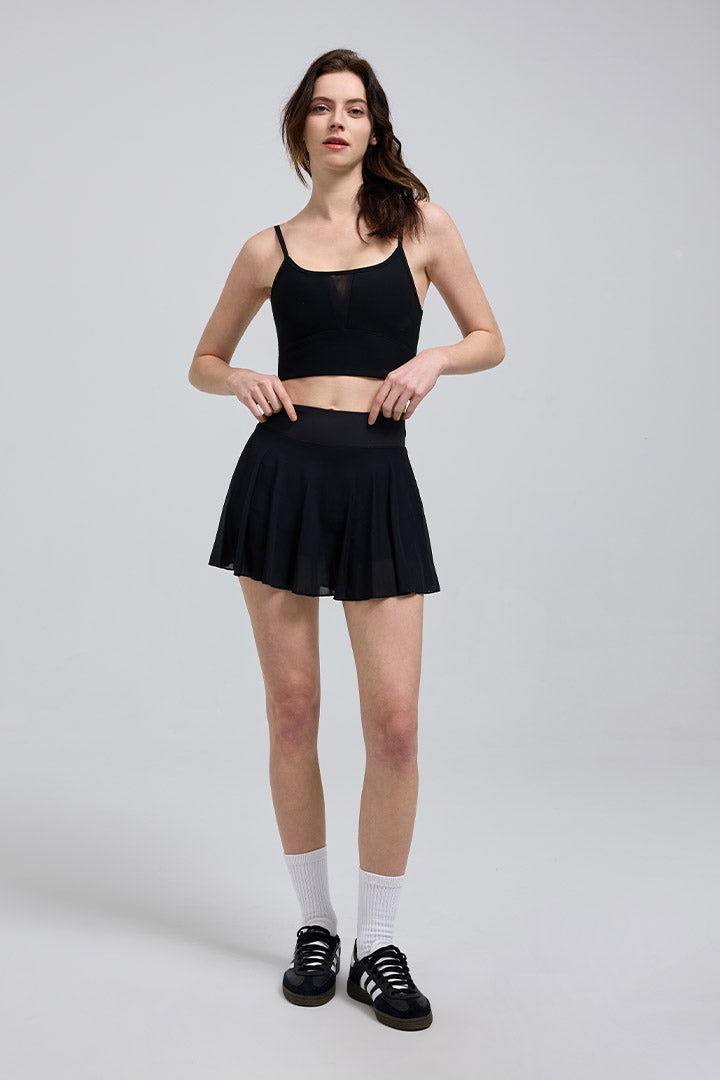
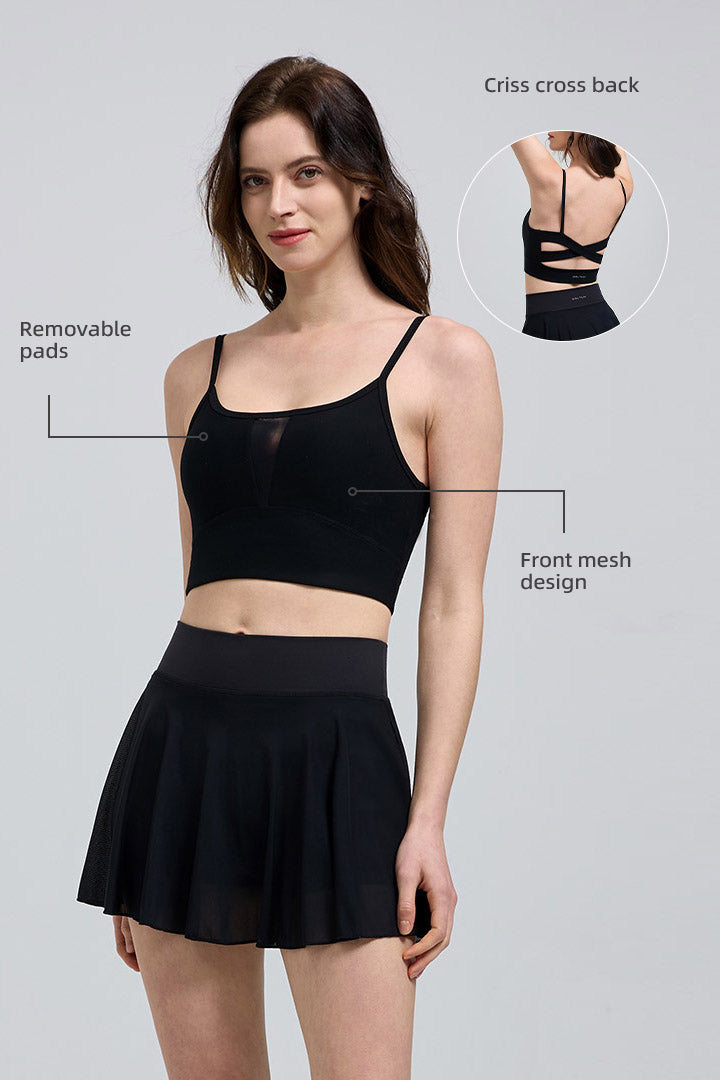
スポーツブラのお手入れで大切なのは、サポート力を守ることです。ブラジャーや内蔵サポート部分には、ゴム、ストラップ、取り外し可能なパッド、縫い目、立体的な成形部分が使われていることがよくあります。強い洗濯や高温乾燥は、これらの部分を早く劣化させるおそれがあります。
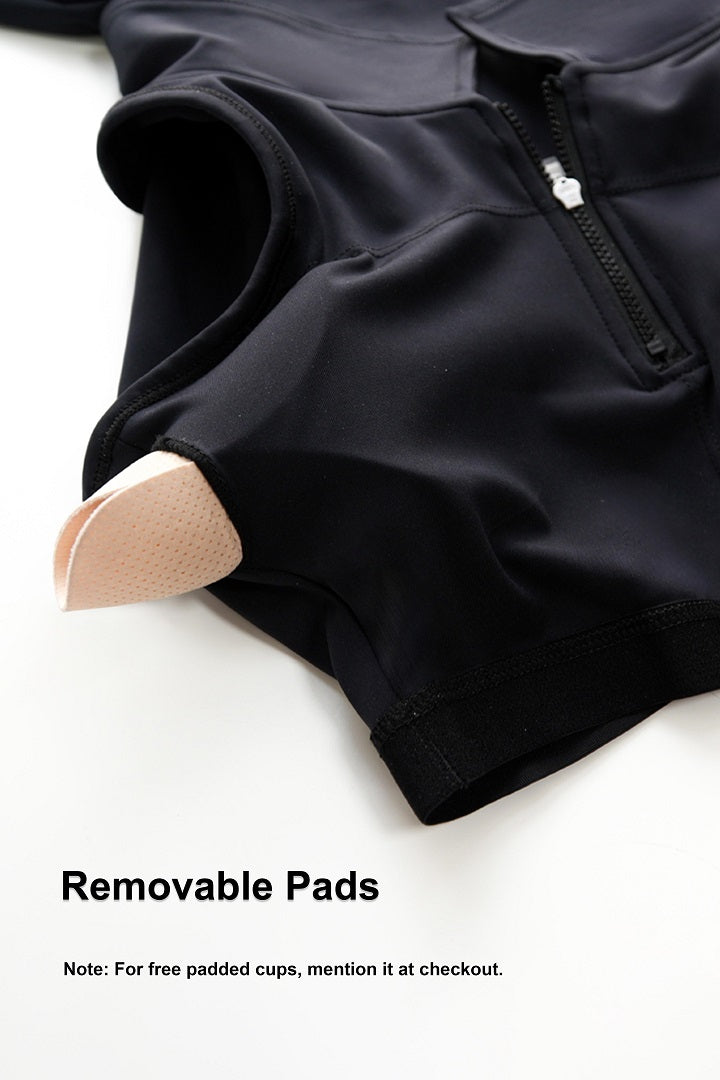
洗濯前に、ブラジャーにホックが付いている場合は留めてください。スポーツブラは、絡まりや伸びを防ぐために洗濯ネットに入れましょう。冷水、弱水流、低刺激性の洗剤を使用してください。取り外し可能なパッドが付いている場合は、洗濯前に外すか、洗濯後に形を整えて、きれいに乾くようにしてください。
洗濯後は、ねじらずにタオルで余分な水分をやさしく押し出してください。その後、ブラジャーを平らに置くか、物干しラックにかけてください。水を含んだスポーツブラをストラップでつるすのは避けましょう。水の重みでストラップが伸びることがあります。
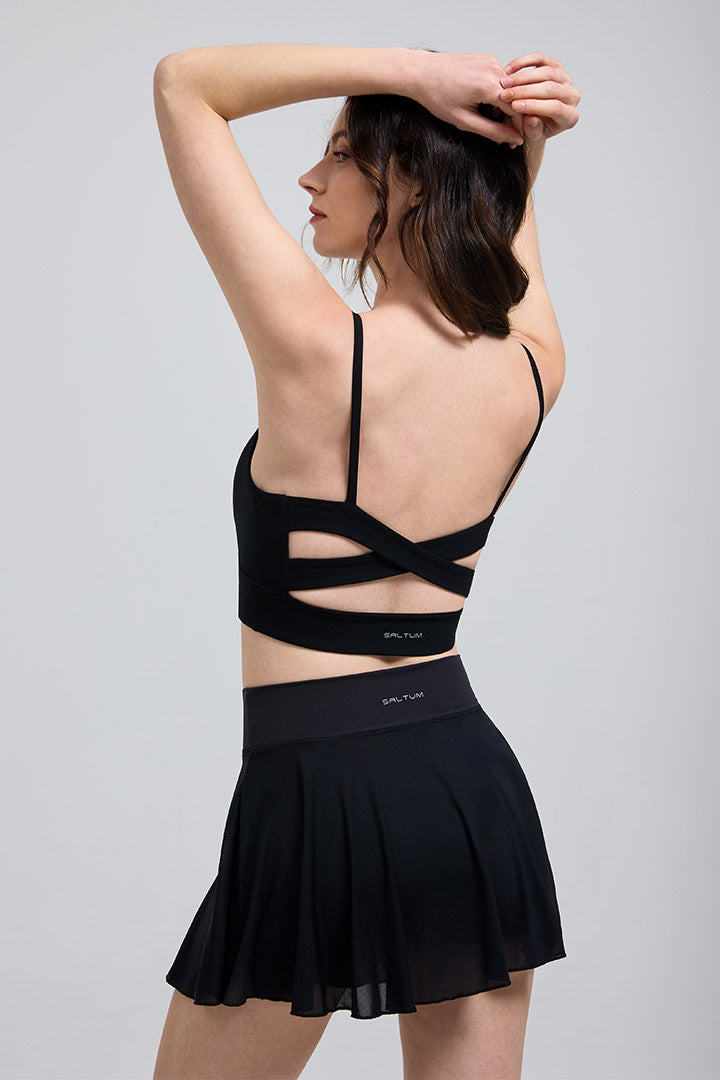
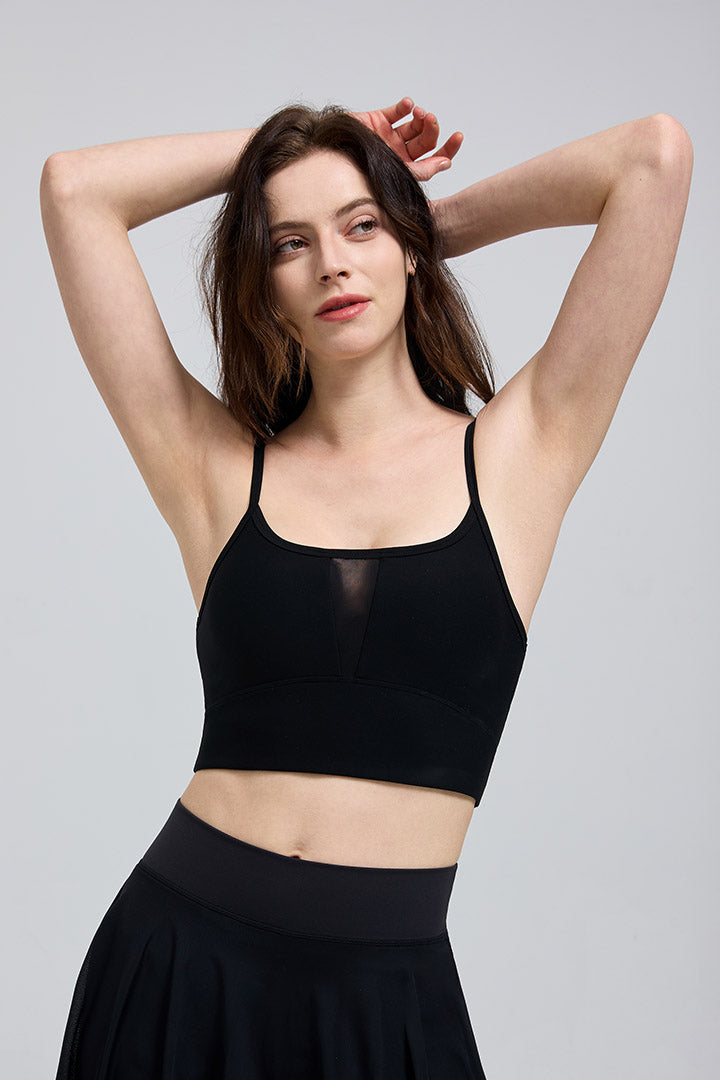
スポーツブラコレクションのアイテムを収納するときは、平らに置くか軽くたたみます。パッド入りカップをつぶしたり、立体成形された部分に折り目がつくようなたたみ方をしたりしないようにしましょう。
UVジャケットとアウターレイヤーを守る
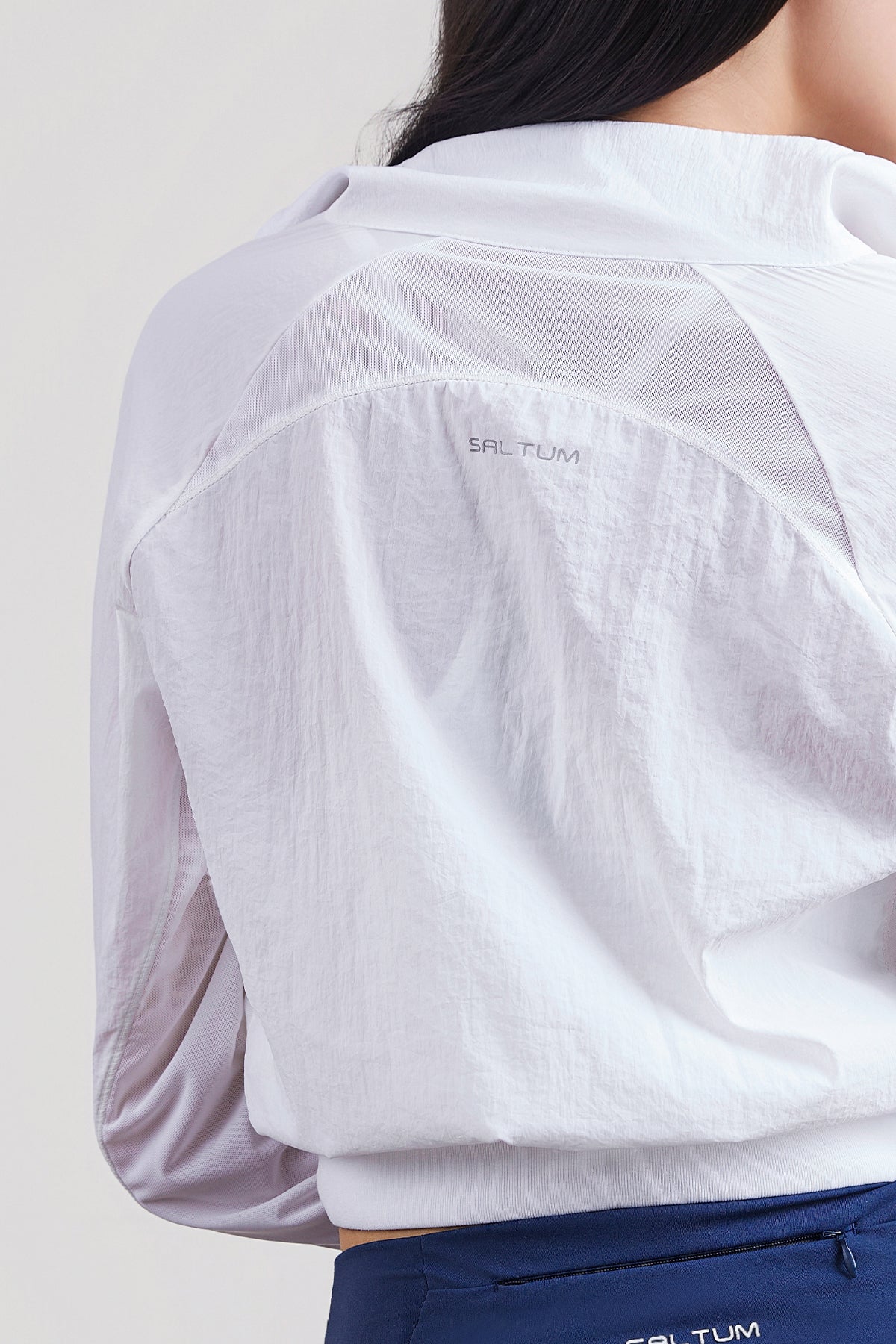
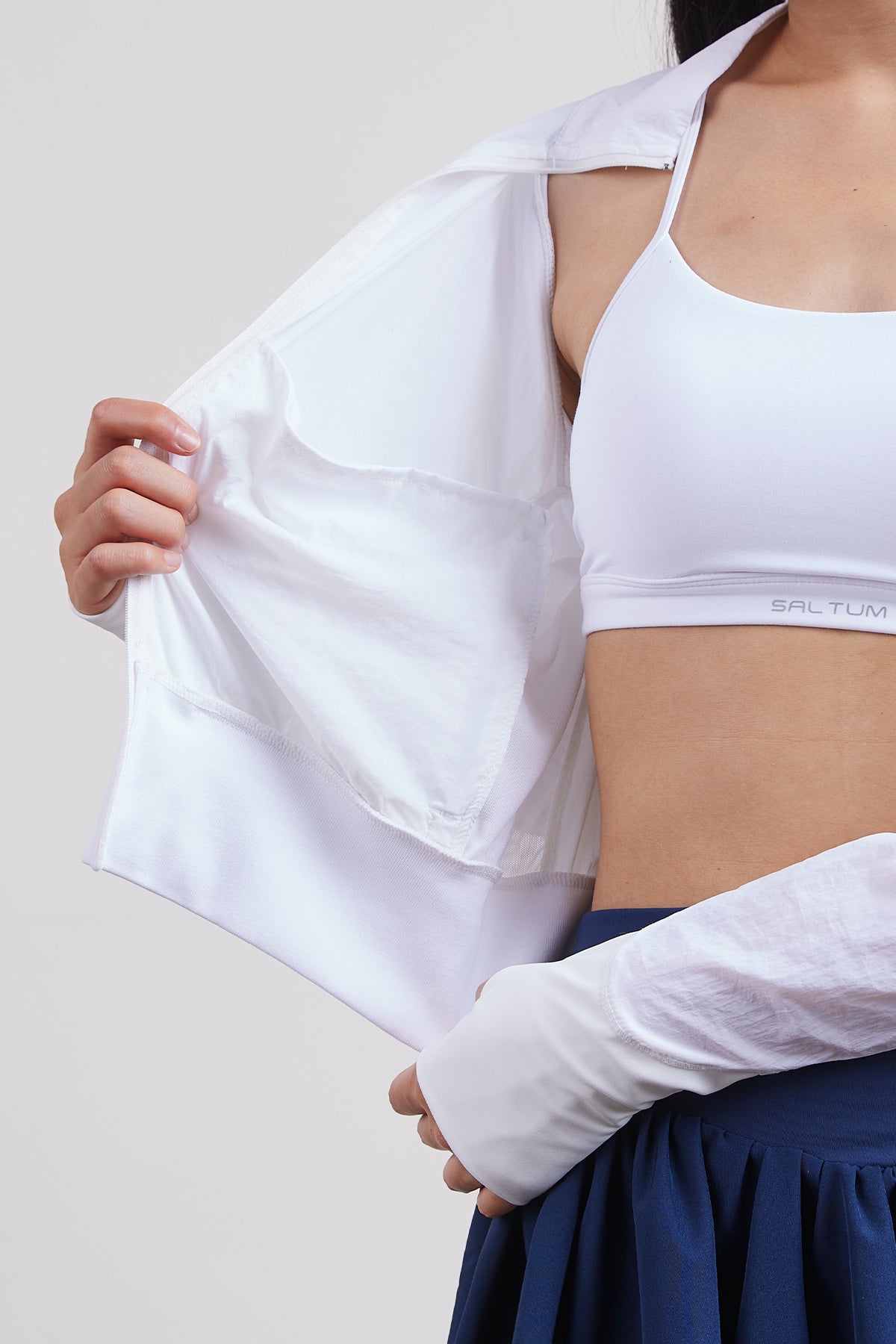
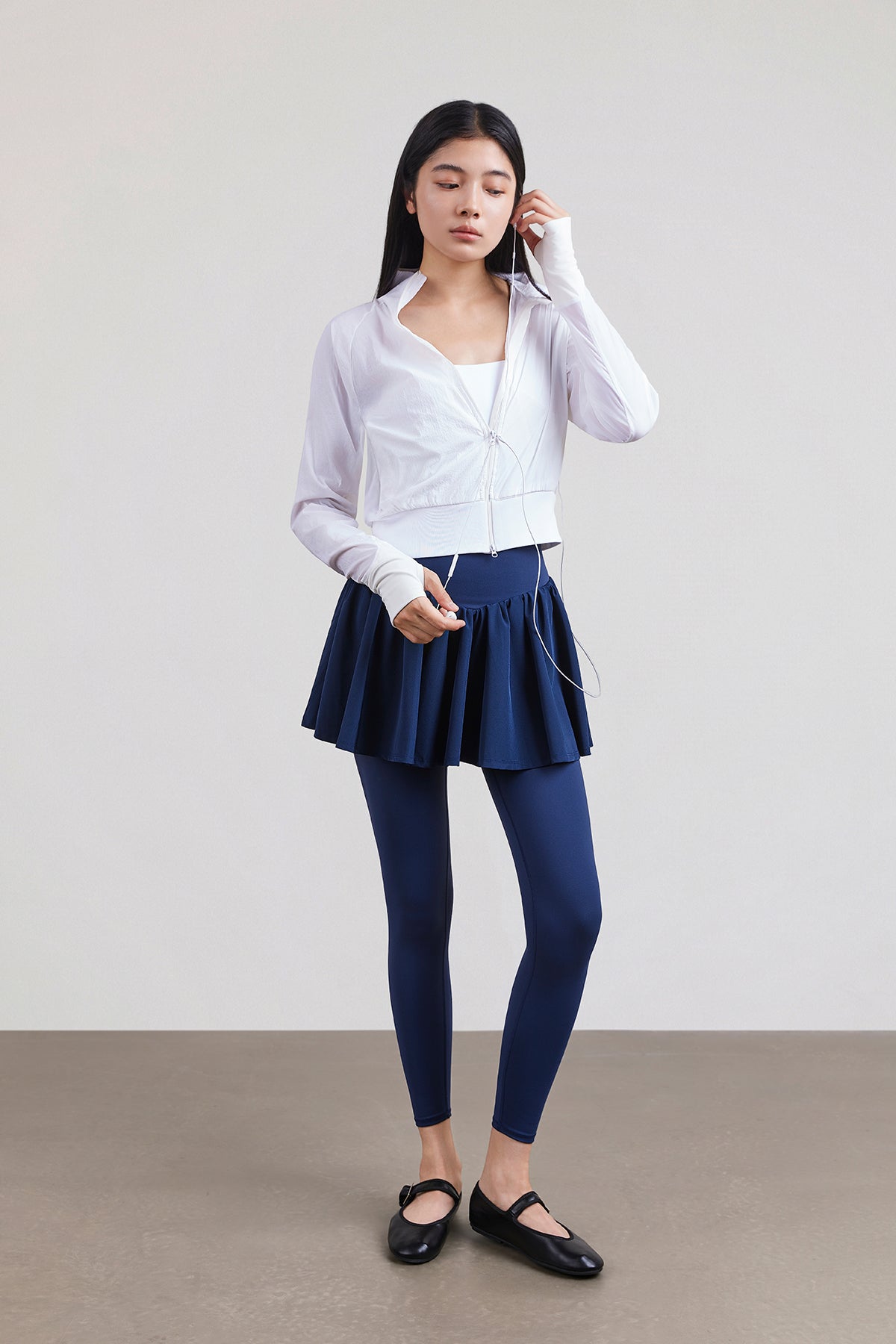
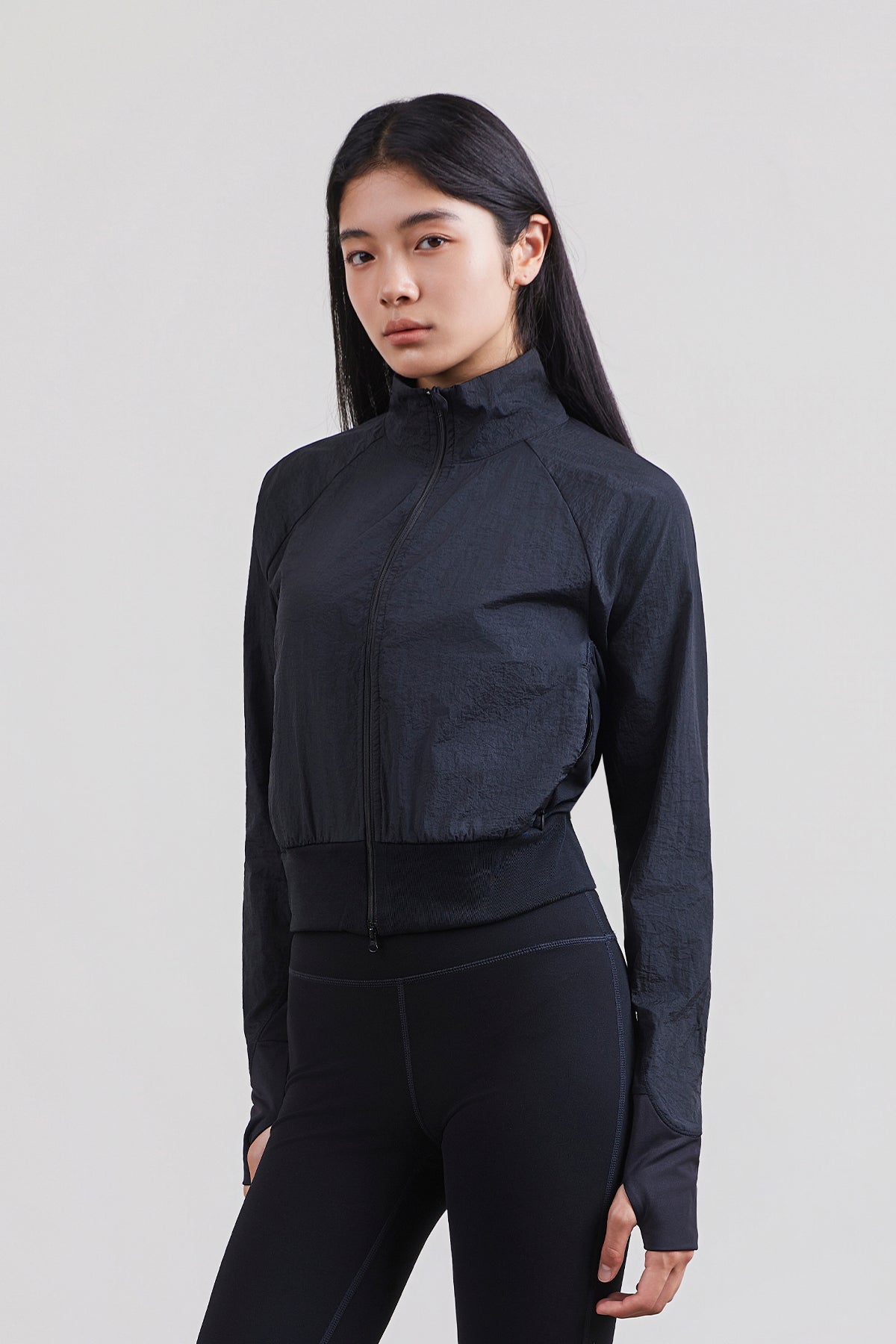
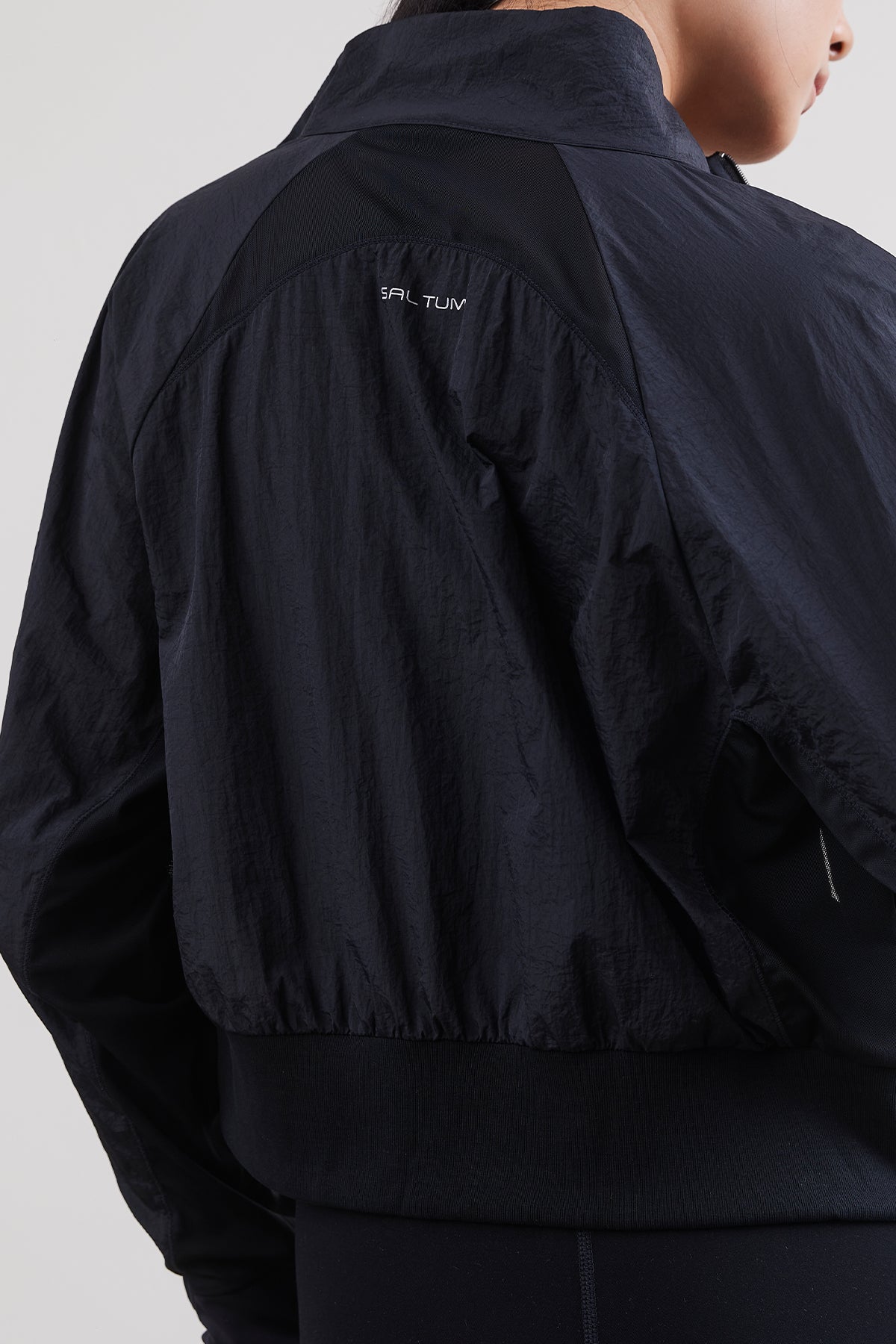
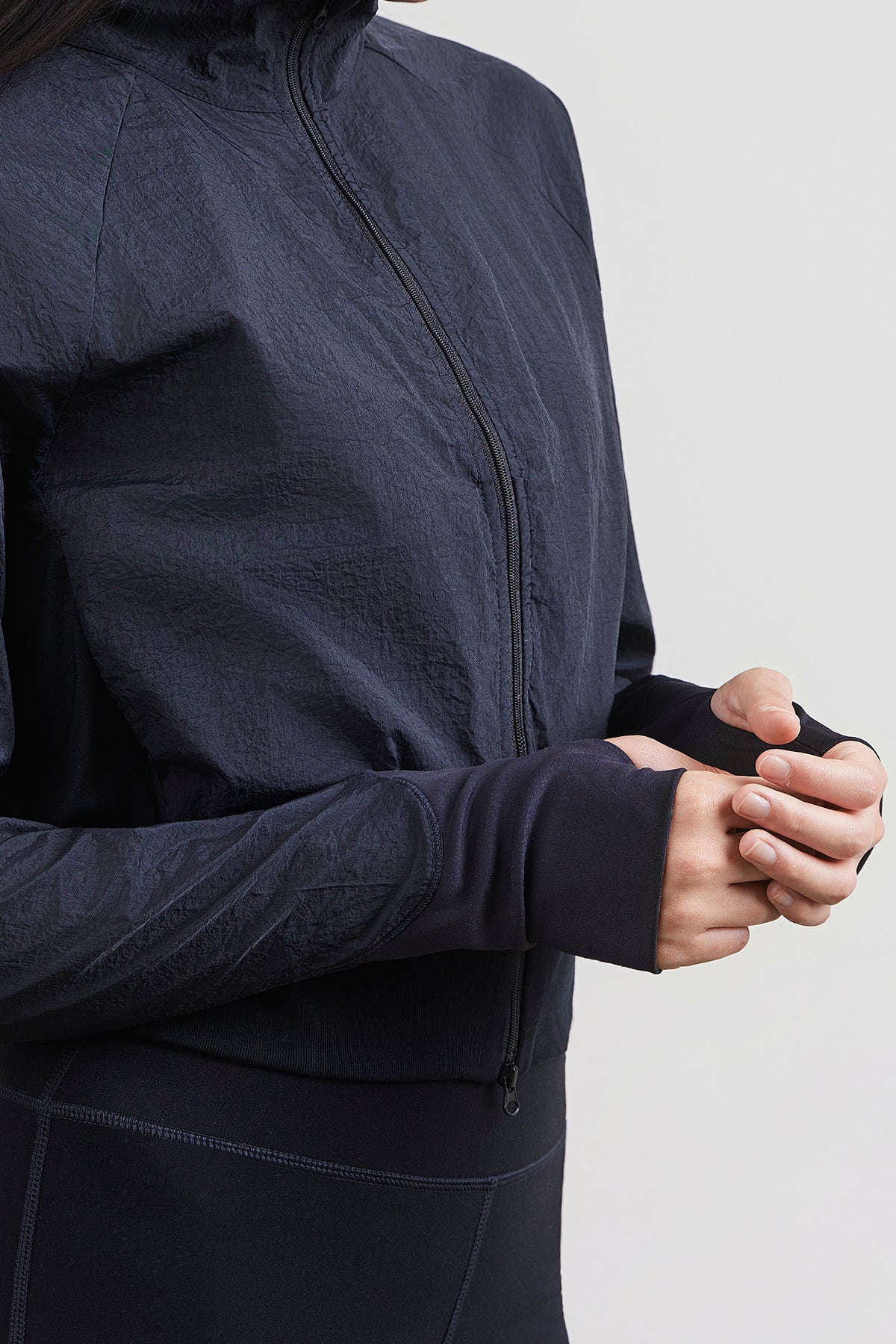
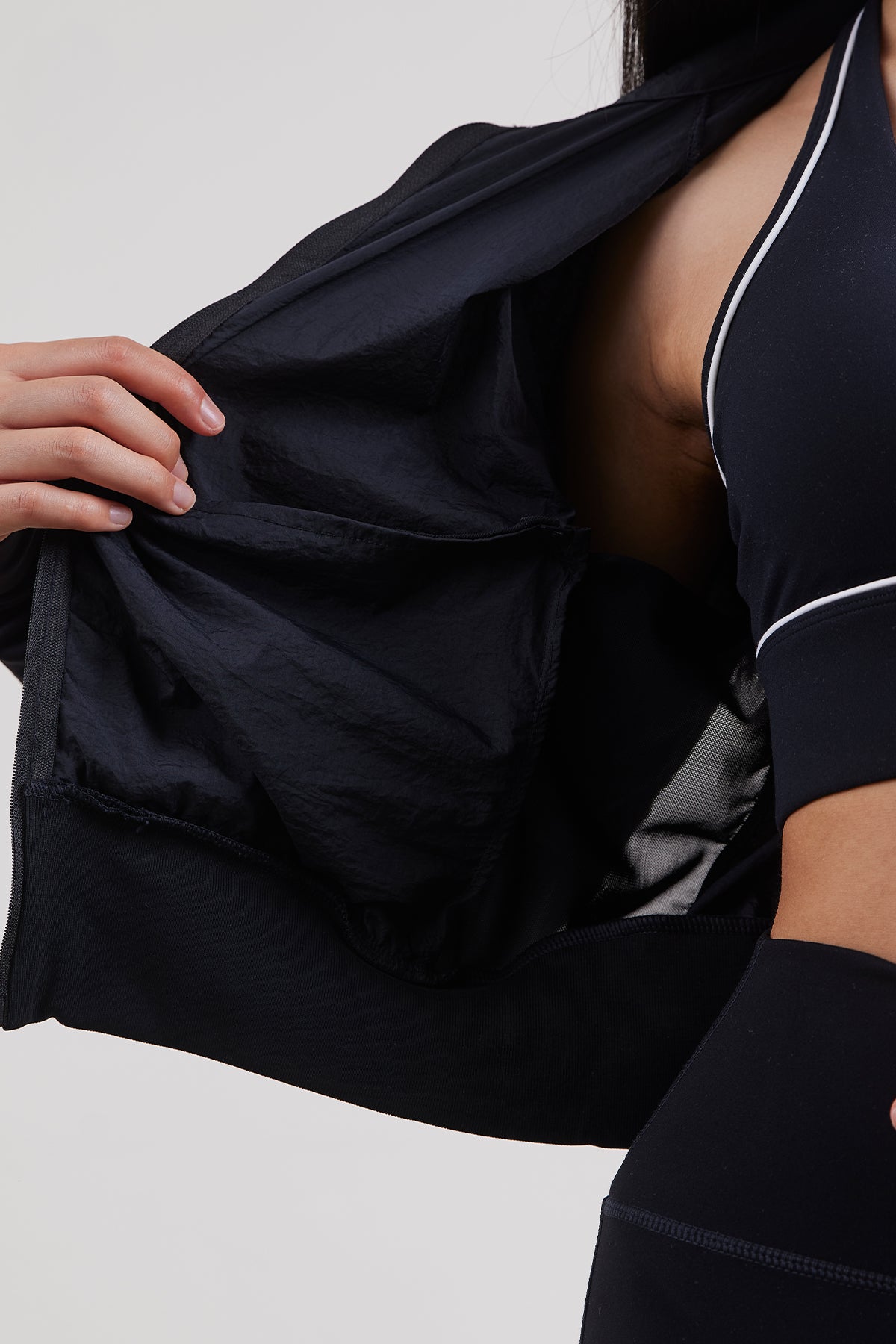
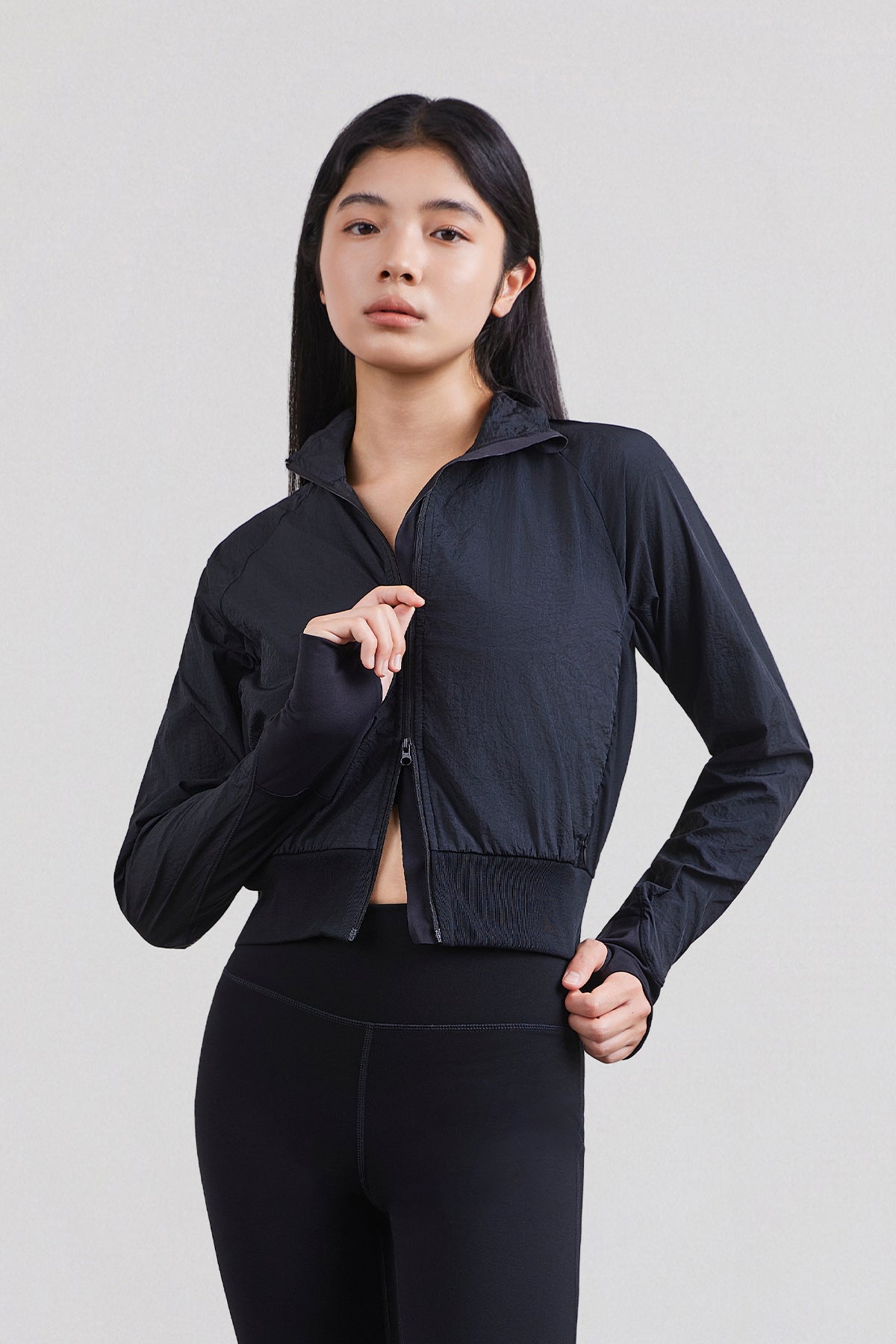
ジャケットやアウターレイヤーにもお手入れが必要です。特にジッパー、滑らかな仕上げ、軽量のテクニカル素材が使われている場合は注意しましょう。散歩、ウォームアップ、旅行、晴れた日にジャケットコレクションのアイテムを着用するなら、やさしくお手入れすることで、きれいな見た目を保ちやすくなります。
他のアイテムに引っかからないよう、洗濯前にジッパーを閉じます。ケアラベルで許可されている場合は、ジャケットを裏返します。同程度の軽量素材と一緒に洗い、タオルや厚手の衣類は避けてください。中性洗剤を使い、特に機能性レイヤーでは柔軟剤を使用しないでください。
ジャケットを乾かすときは、生地や仕立てに応じて、ハンガーに正しく掛けるか平らに置きます。湿ったまま丸めたり、しわくちゃにしたりしないでください。しわの原因になり、衣類の掛かり方にも影響します。

軽量ジャケットやアウターレイヤーは、やさしく洗い、丁寧に掛けてお手入れすると、きれいな状態をより長く保てます。
アクティブウェアの形を保つ収納方法
適切な収納は、見落とされがちなアクティブウェアのお手入れの一部です。きれいなアイテムでも、ハンガーに掛けて伸ばしたり、物が詰まった引き出しで押しつぶしたり、完全に乾く前にしまったりすると、形が崩れることがあります。
レギンスとショーツはたたむ
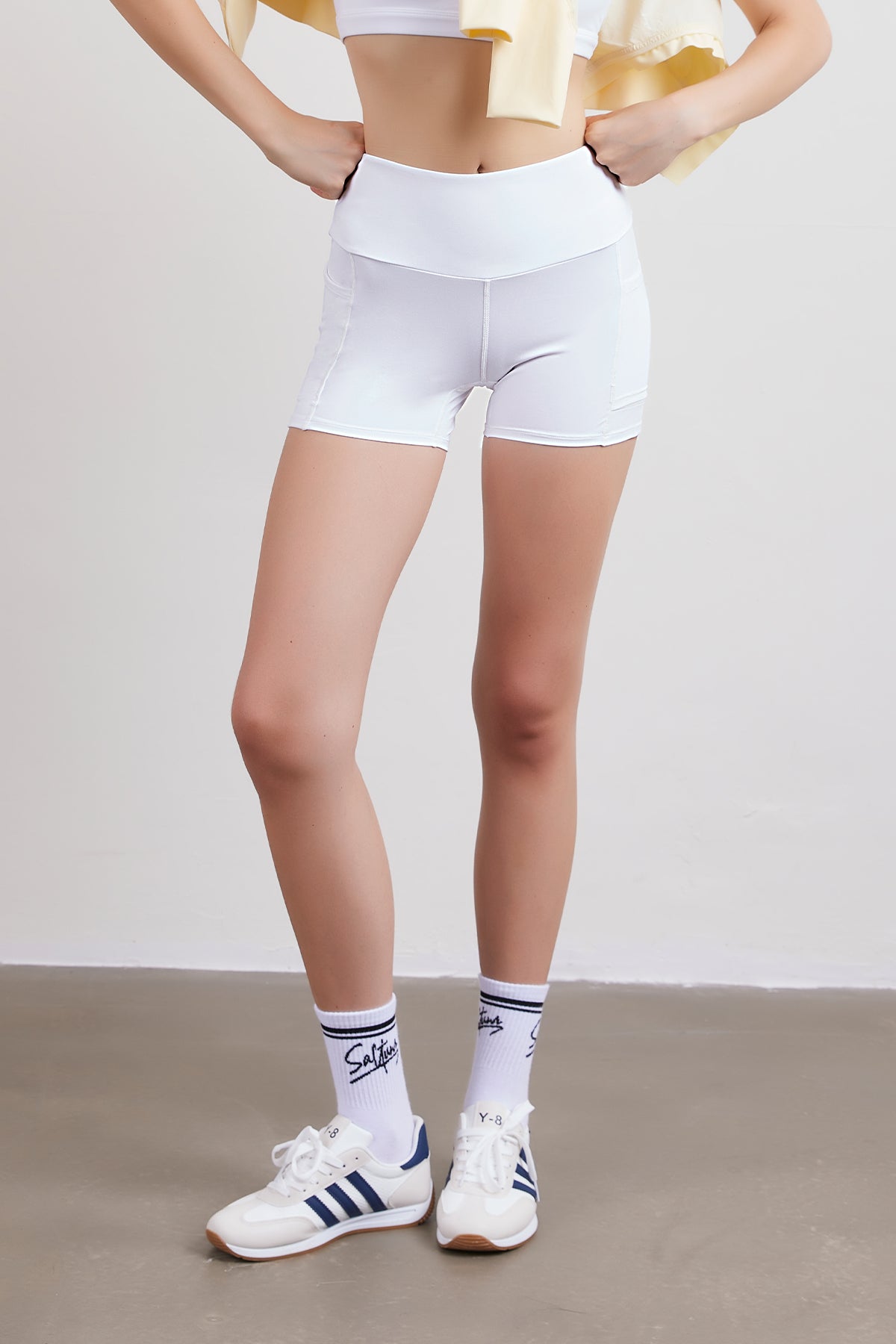
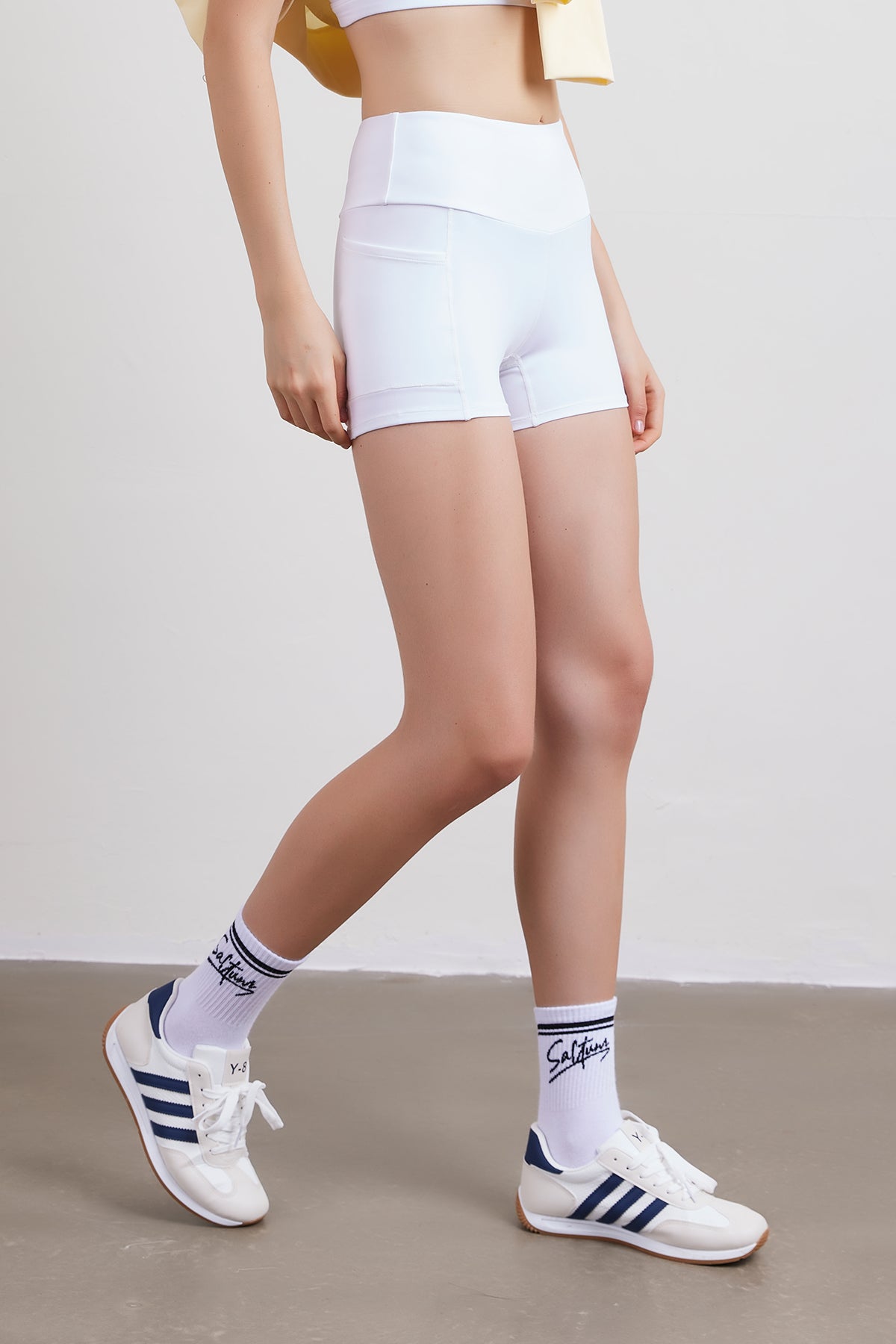
レギンスやフィット感のあるショーツは、通常、引き出しにたたんで収納するのがおすすめです。細いハンガーに掛けると、特に生地が厚い場合、特定の箇所に圧力がかかったり、伸び跡がついたりすることがあります。ショーツコレクションのアイテムは、たたむことでウエストバンドや裾も保護できます。
テニスウェアにはゆとりを持たせる
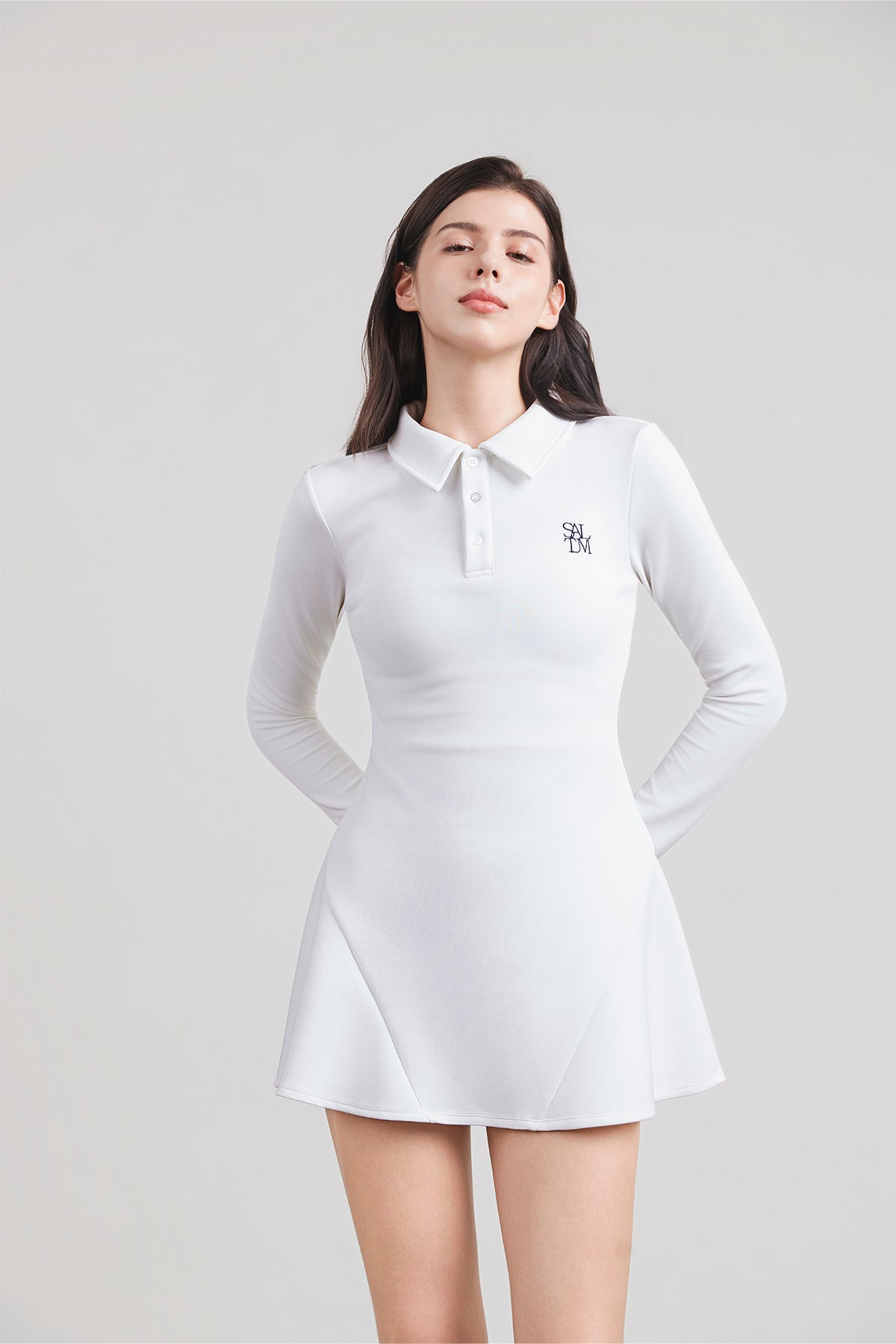
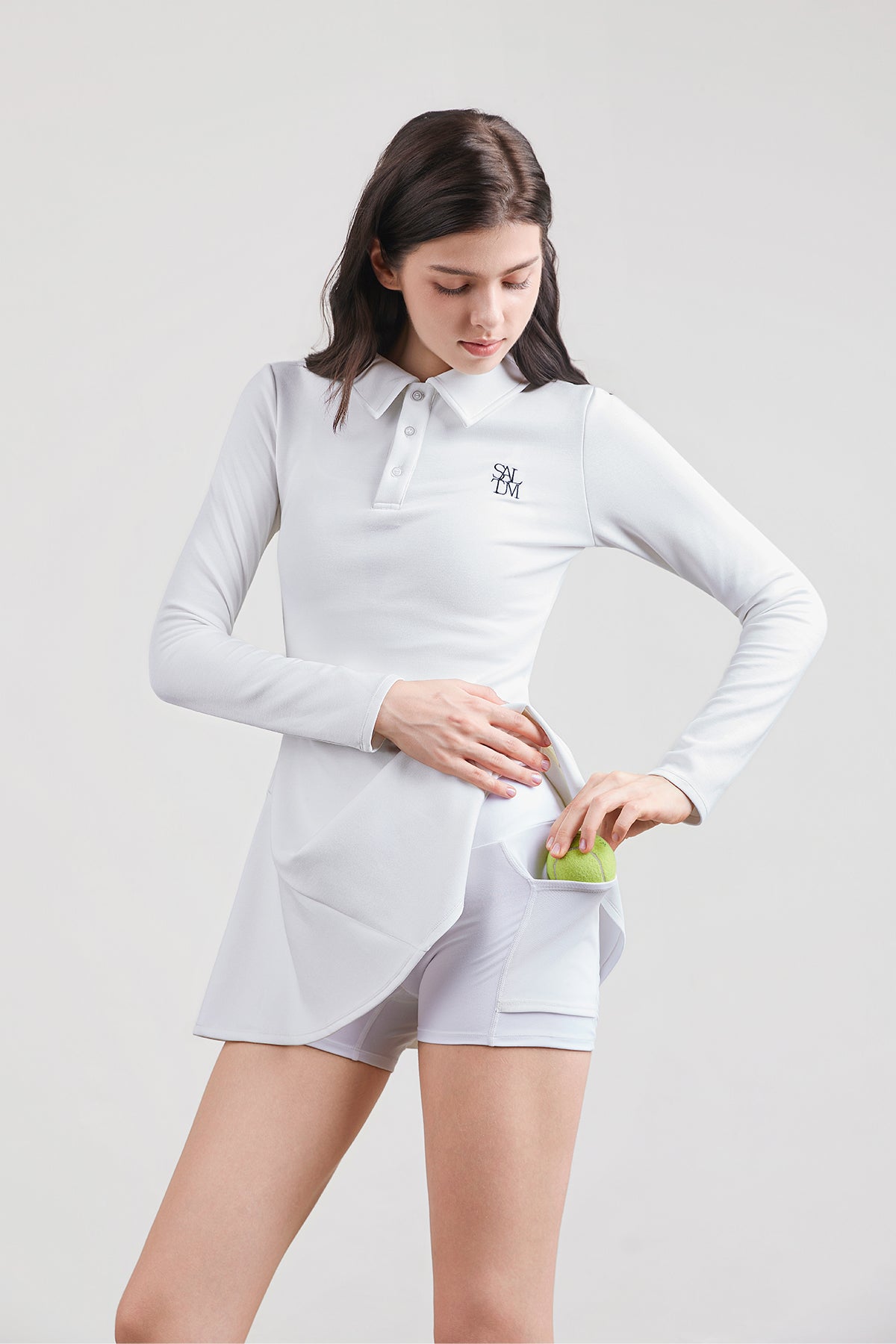
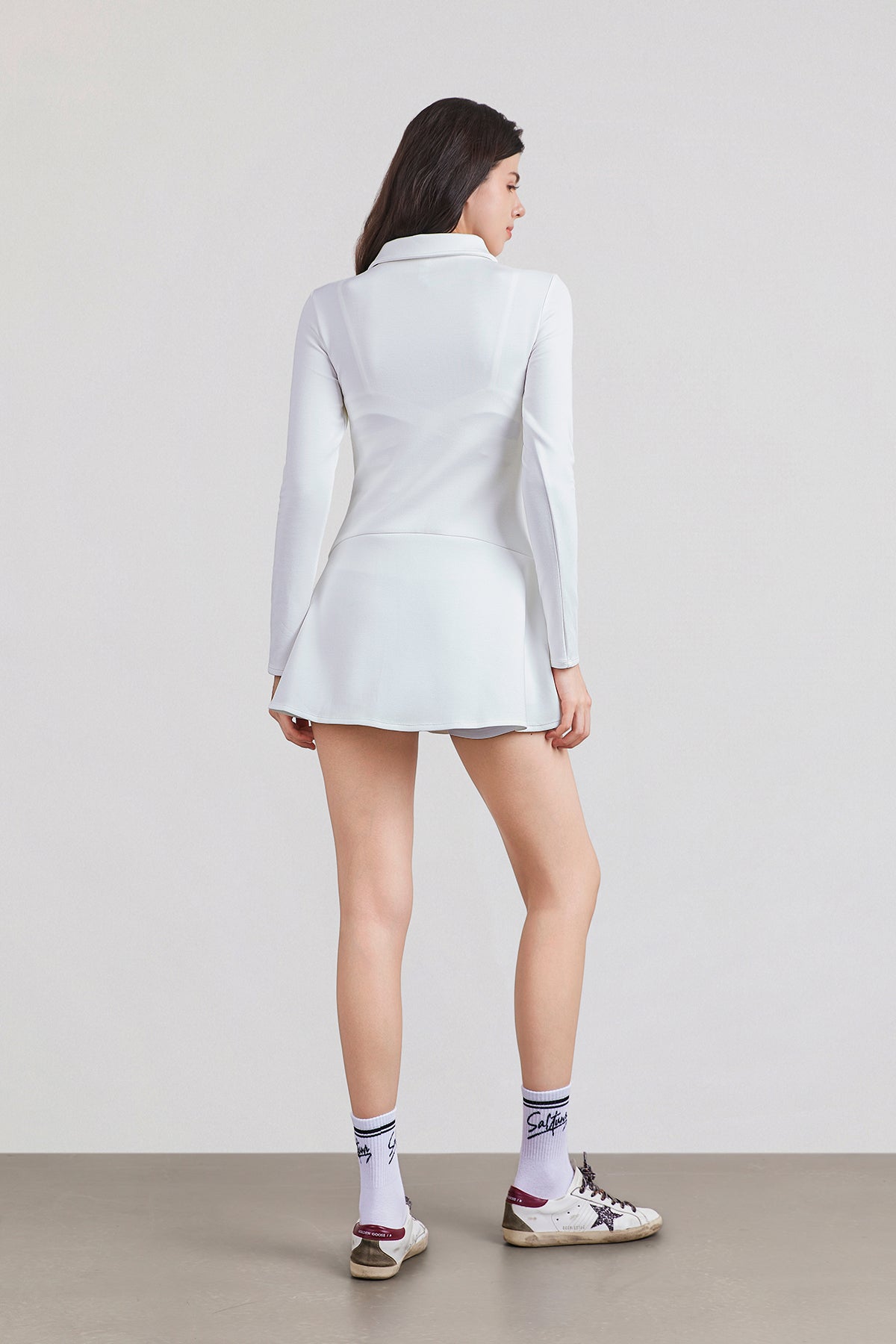
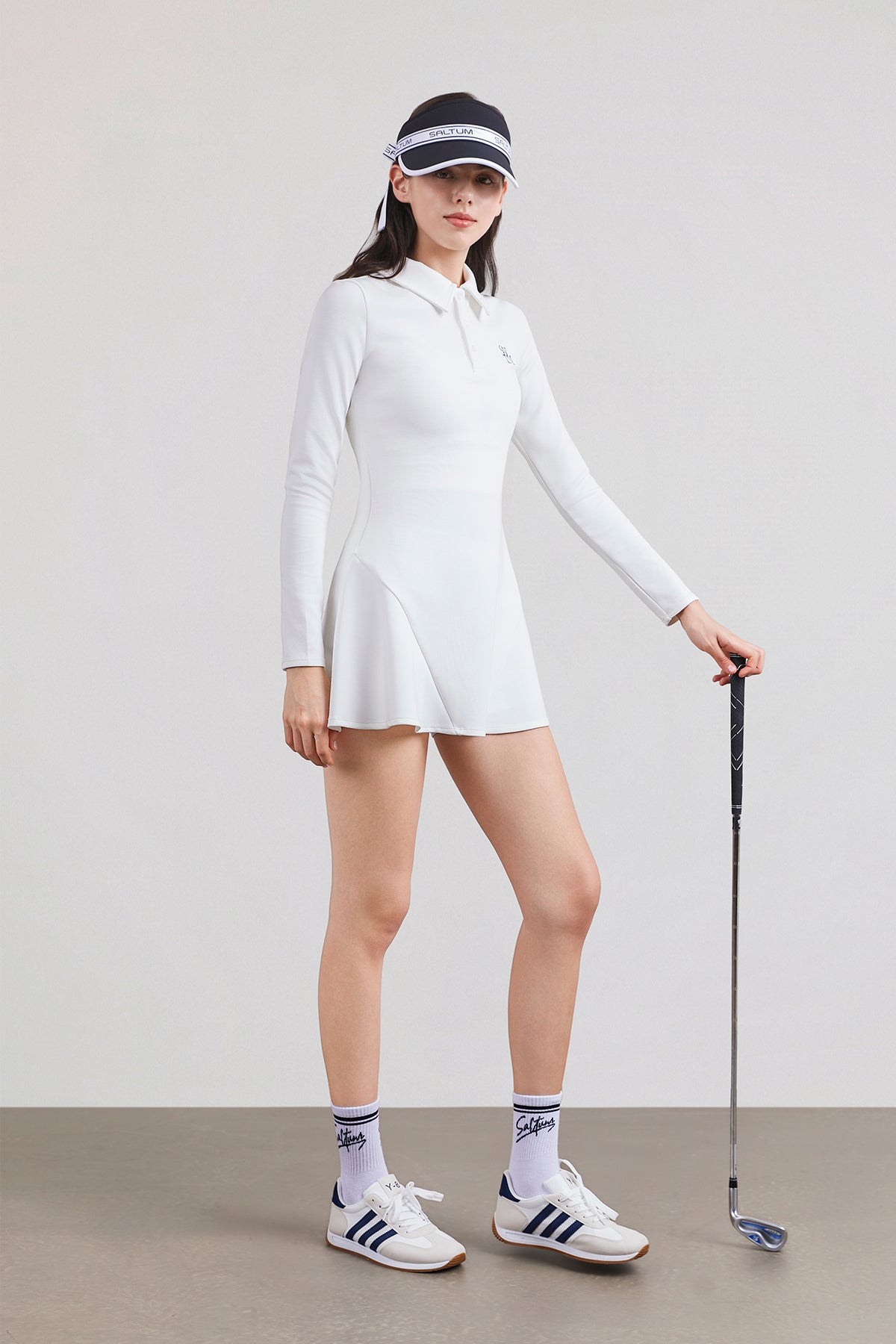
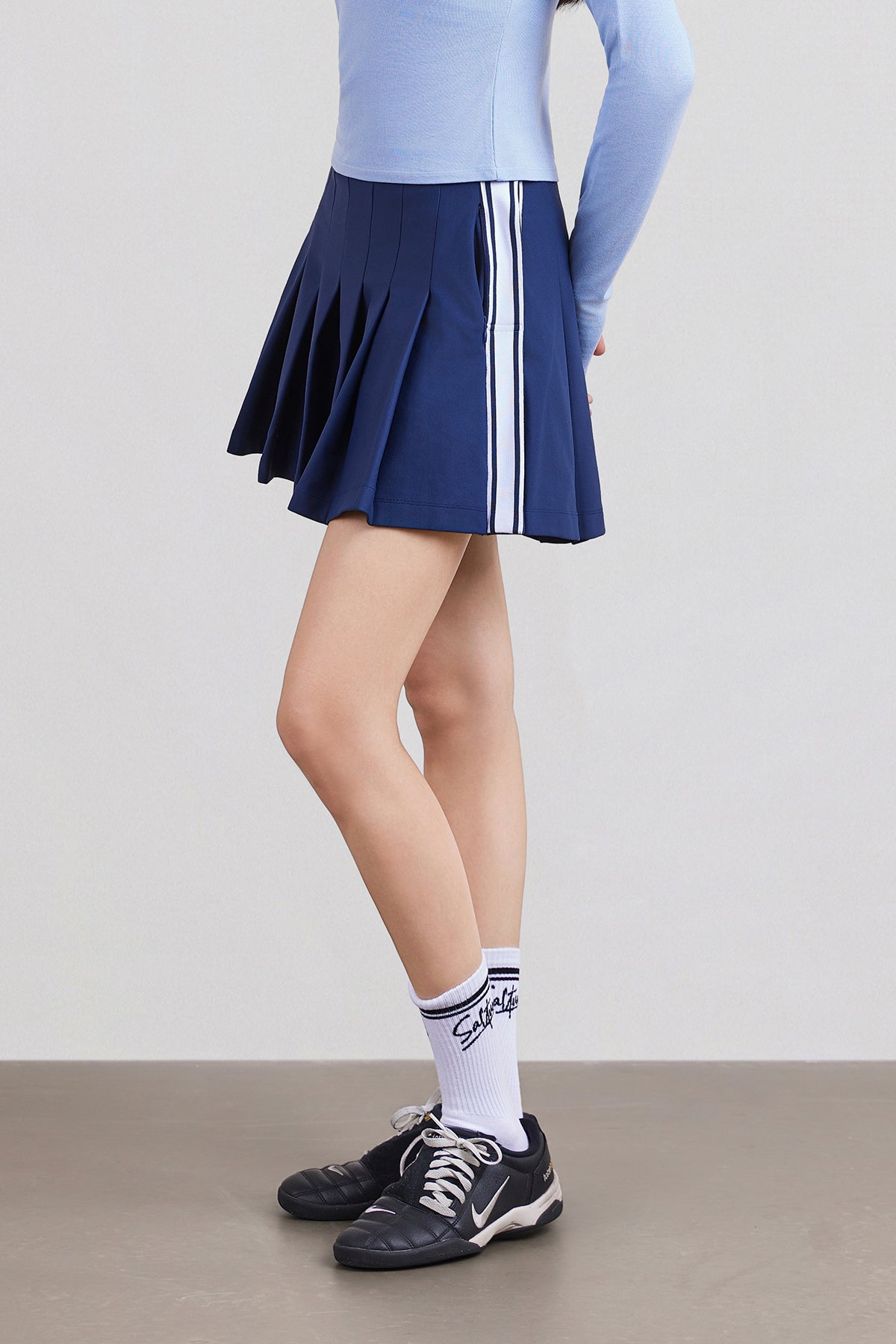
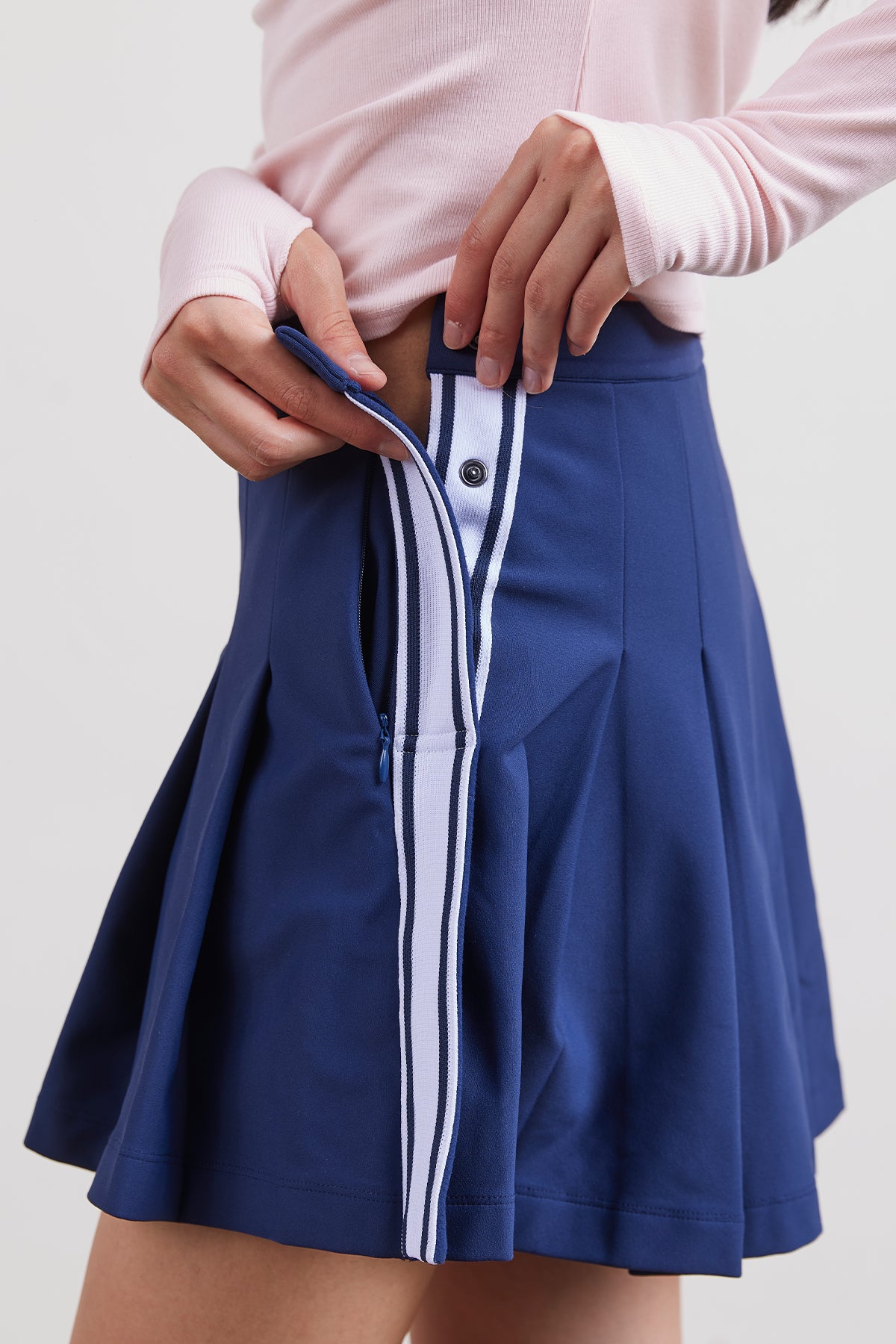
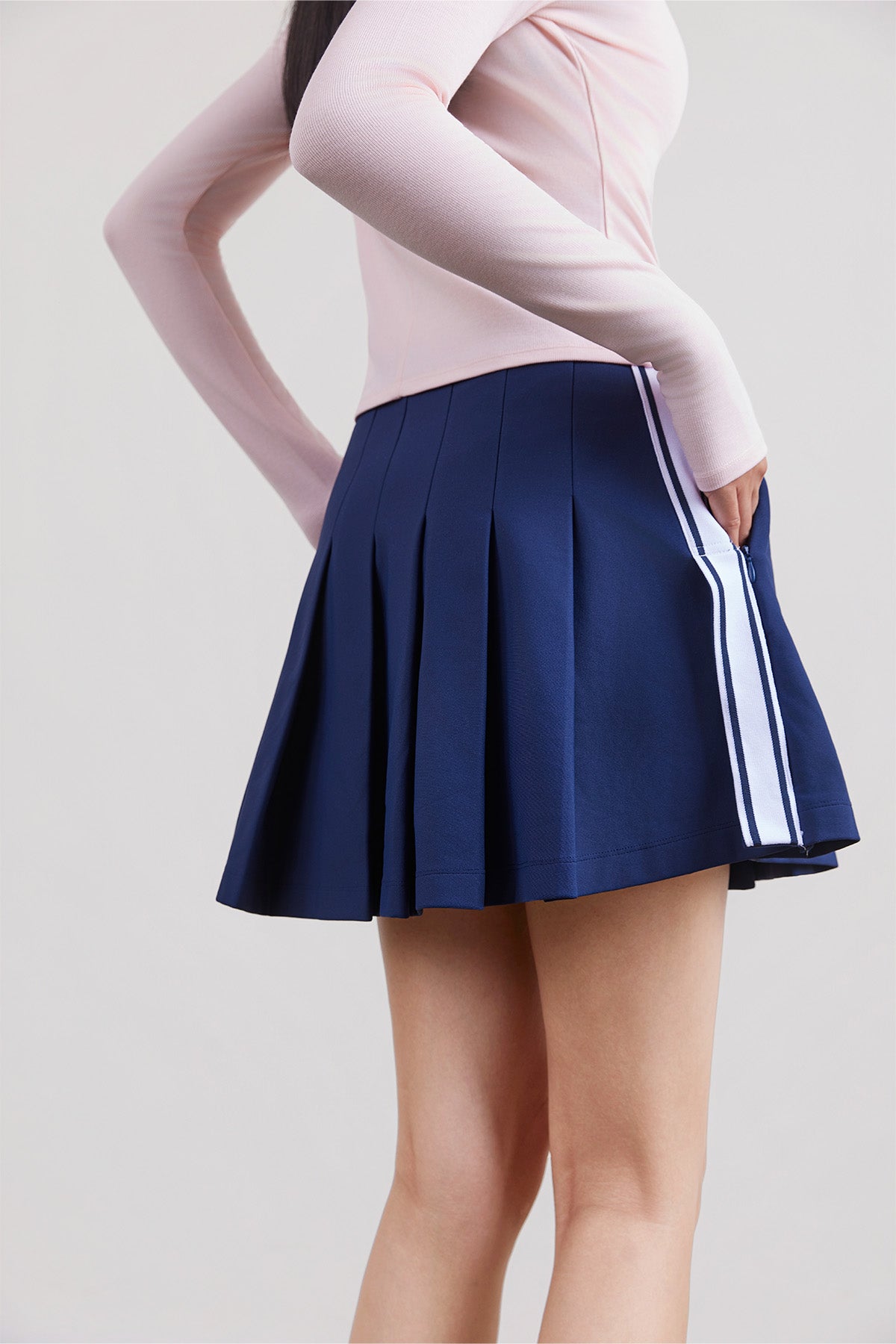
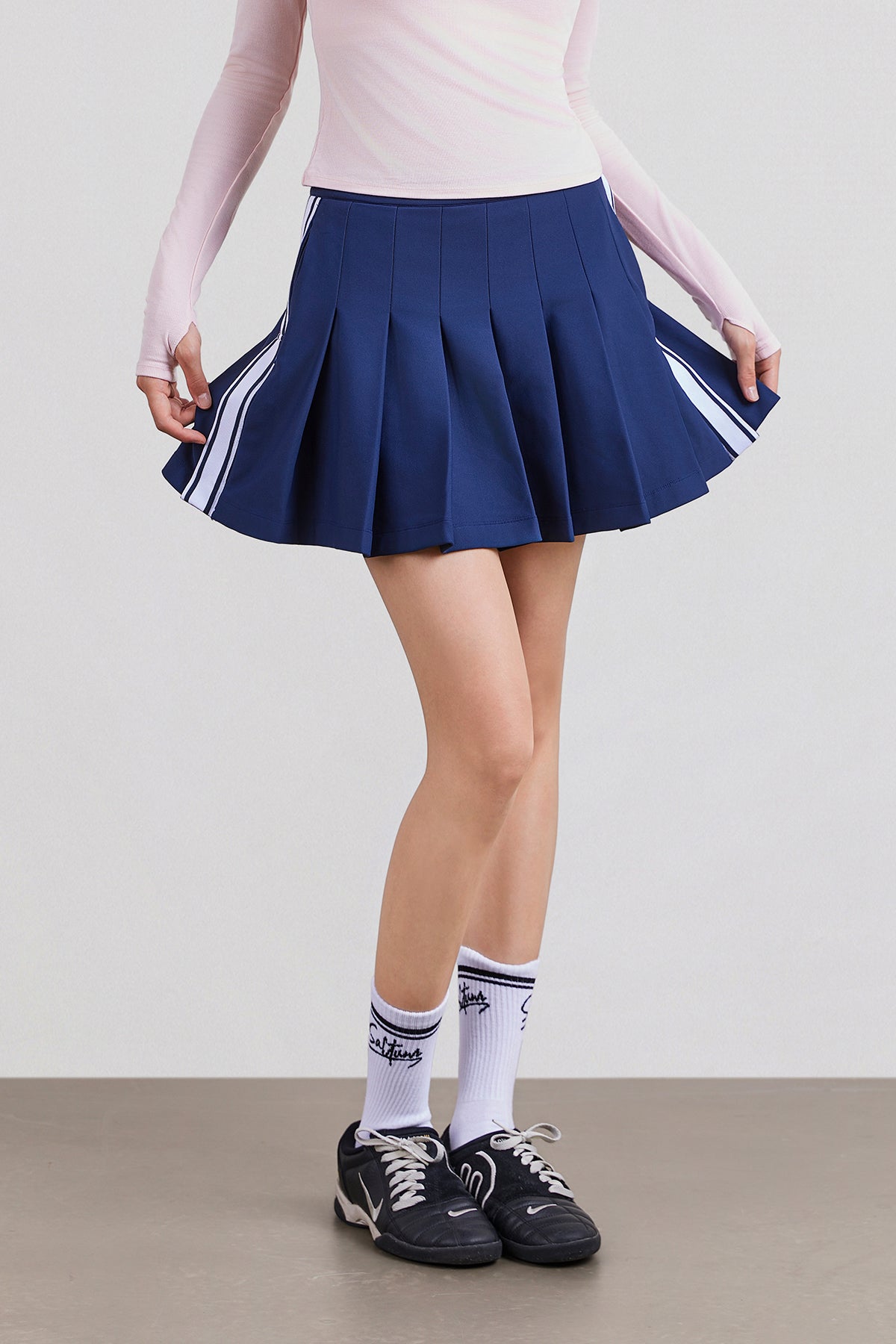
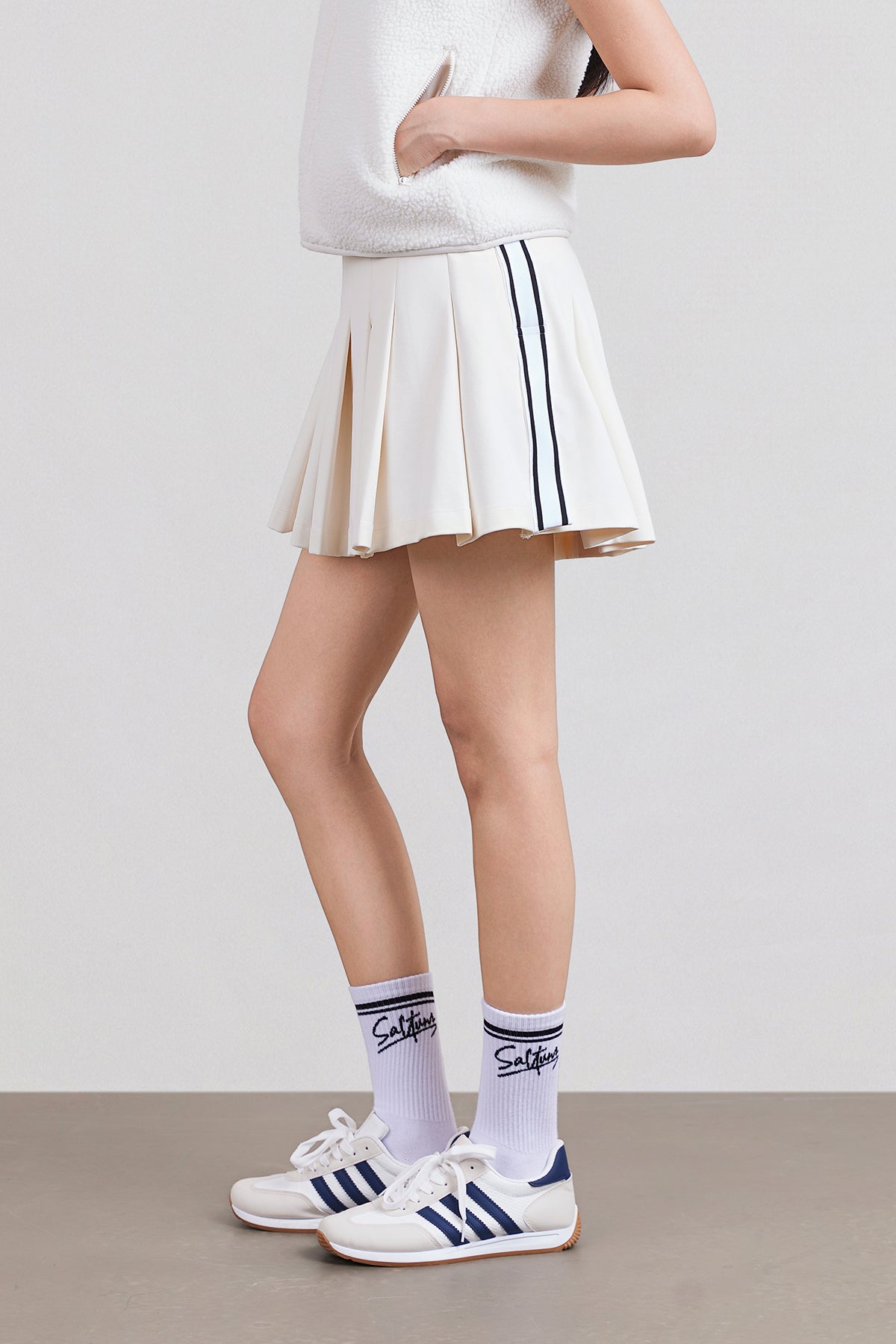
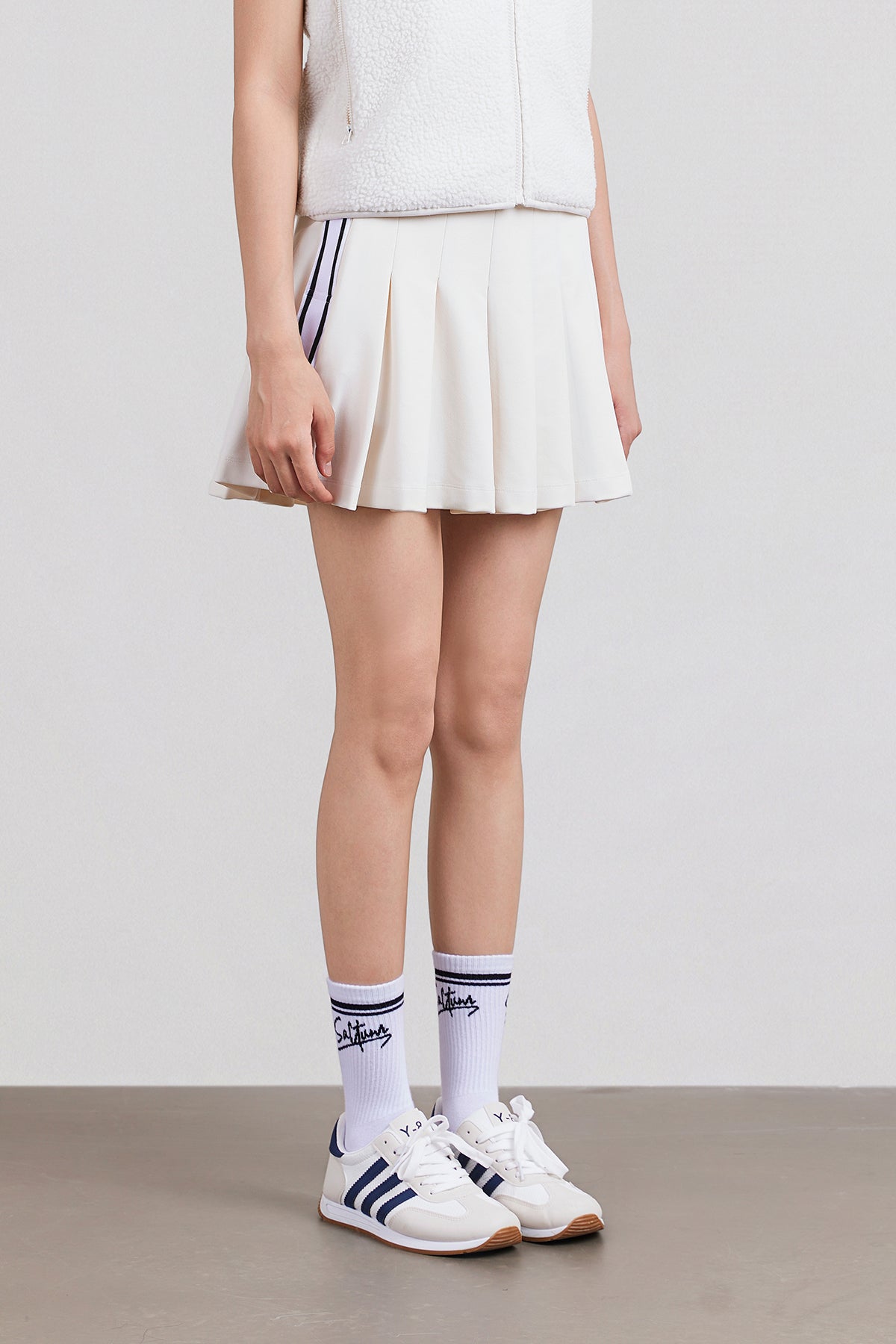
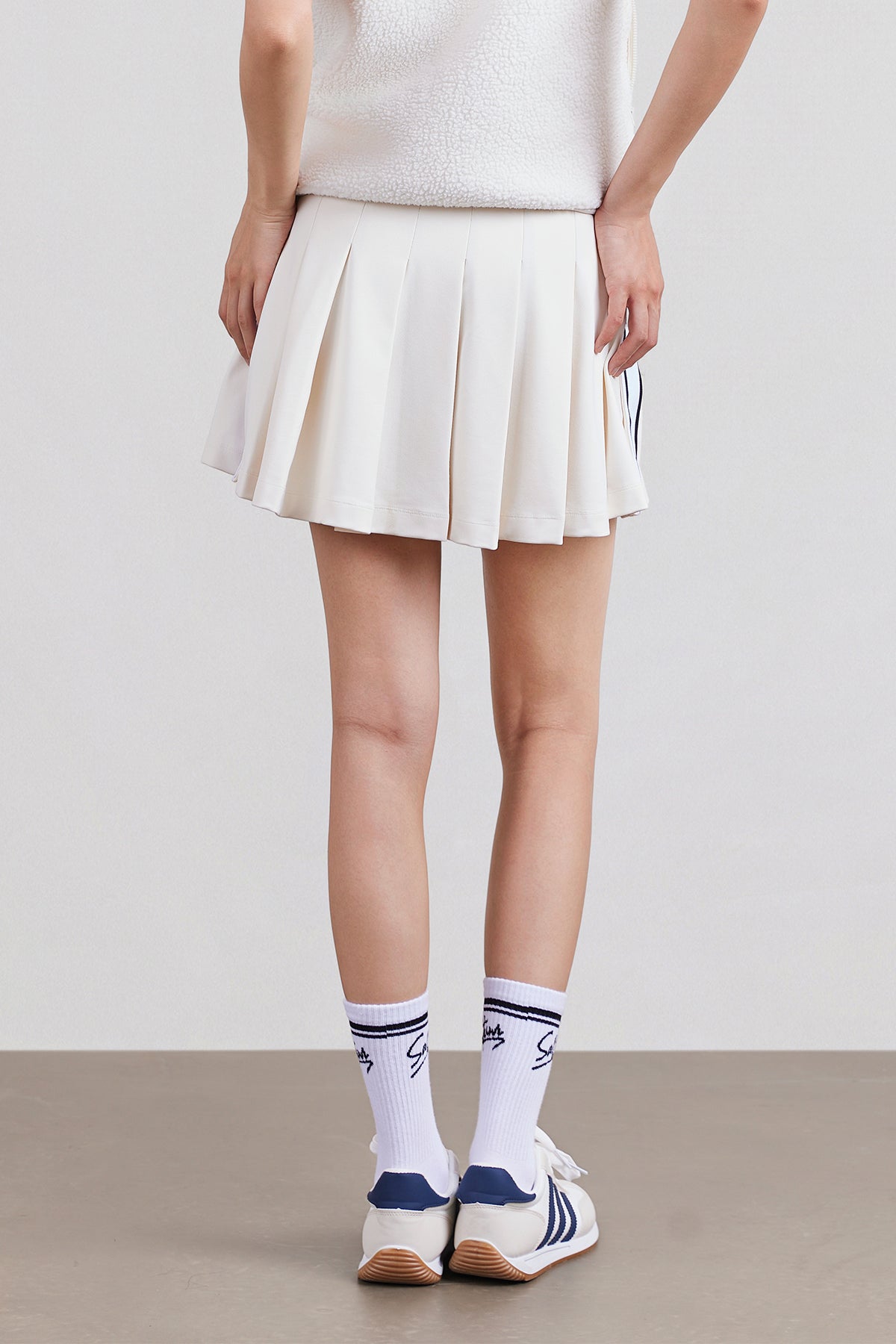
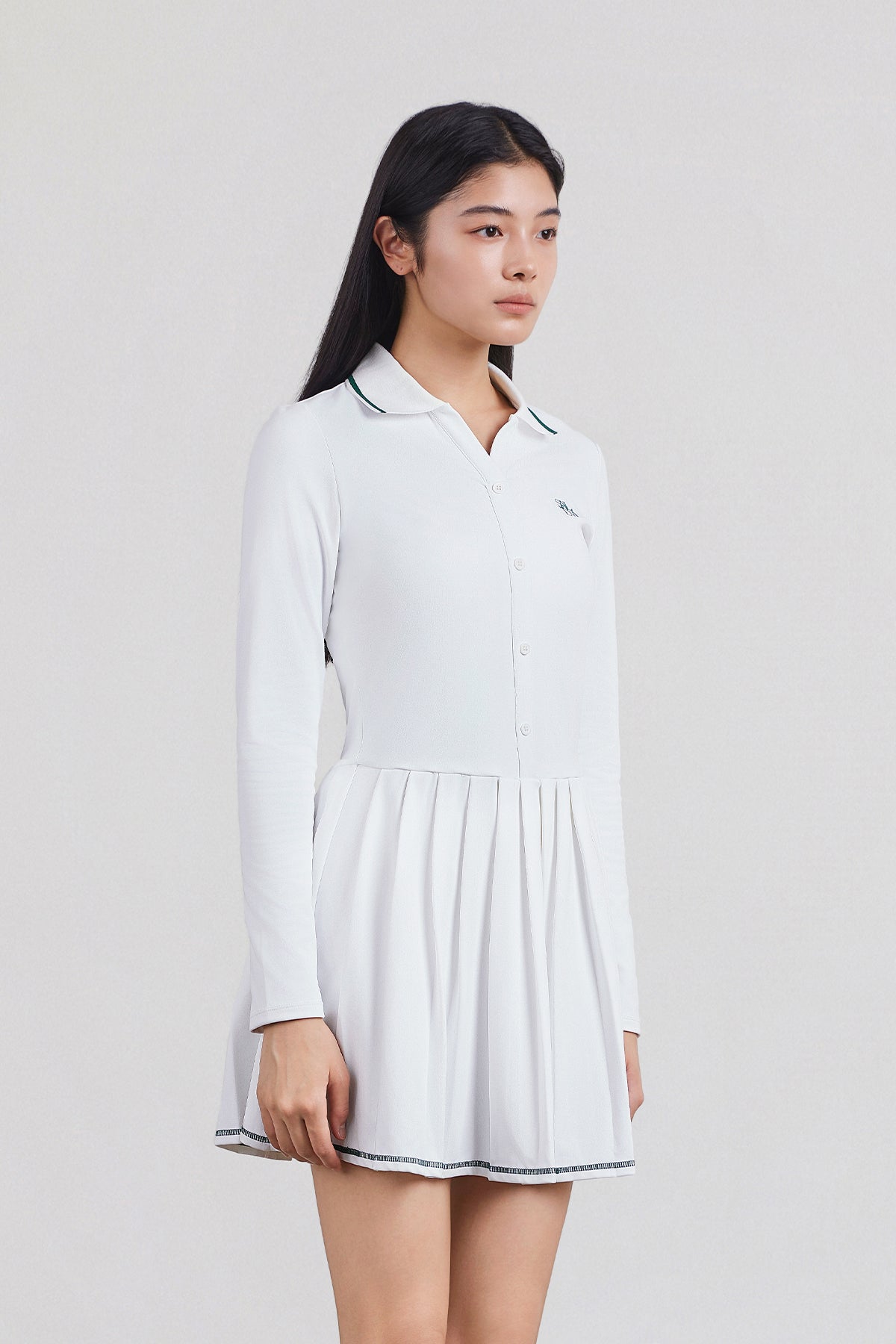
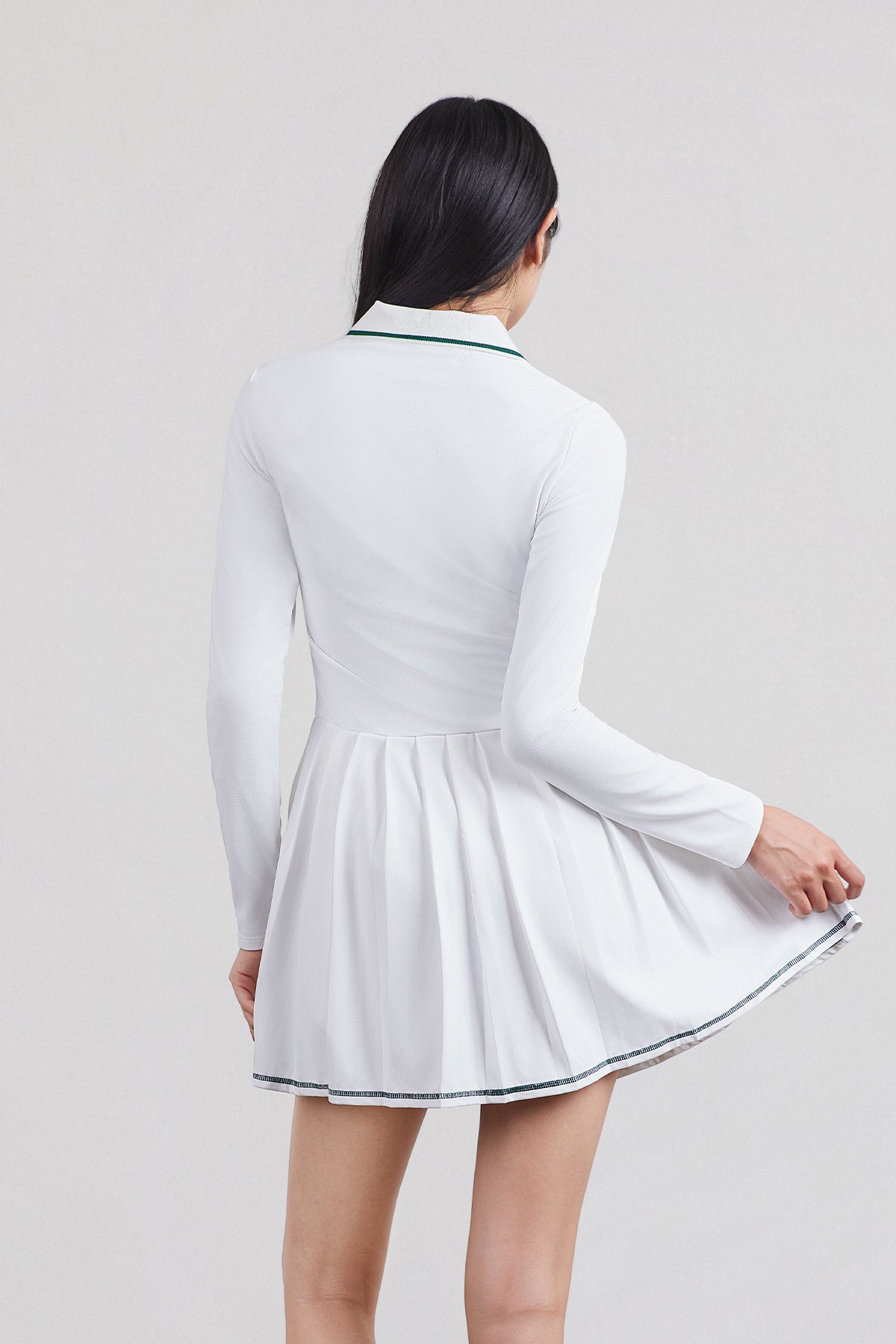
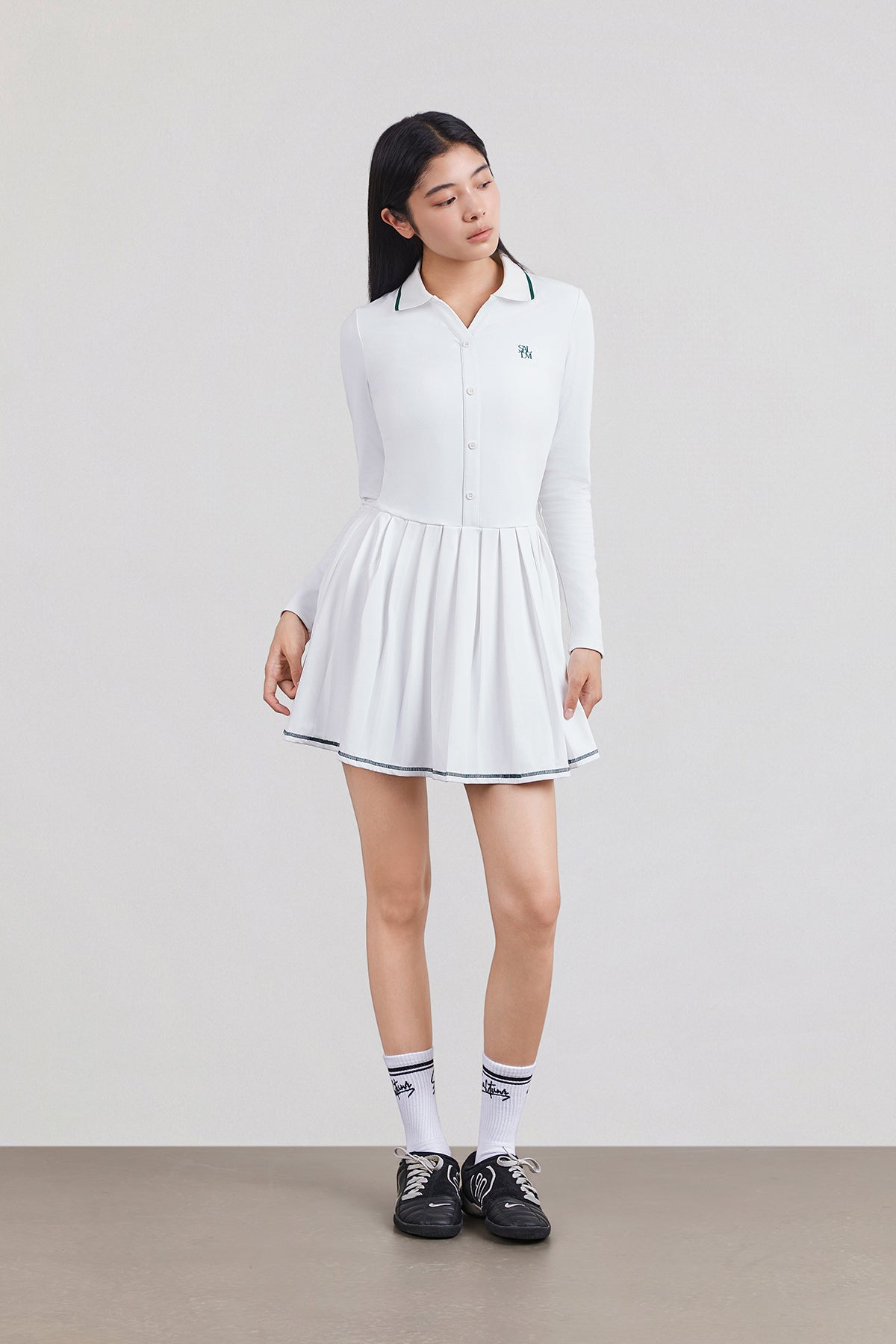
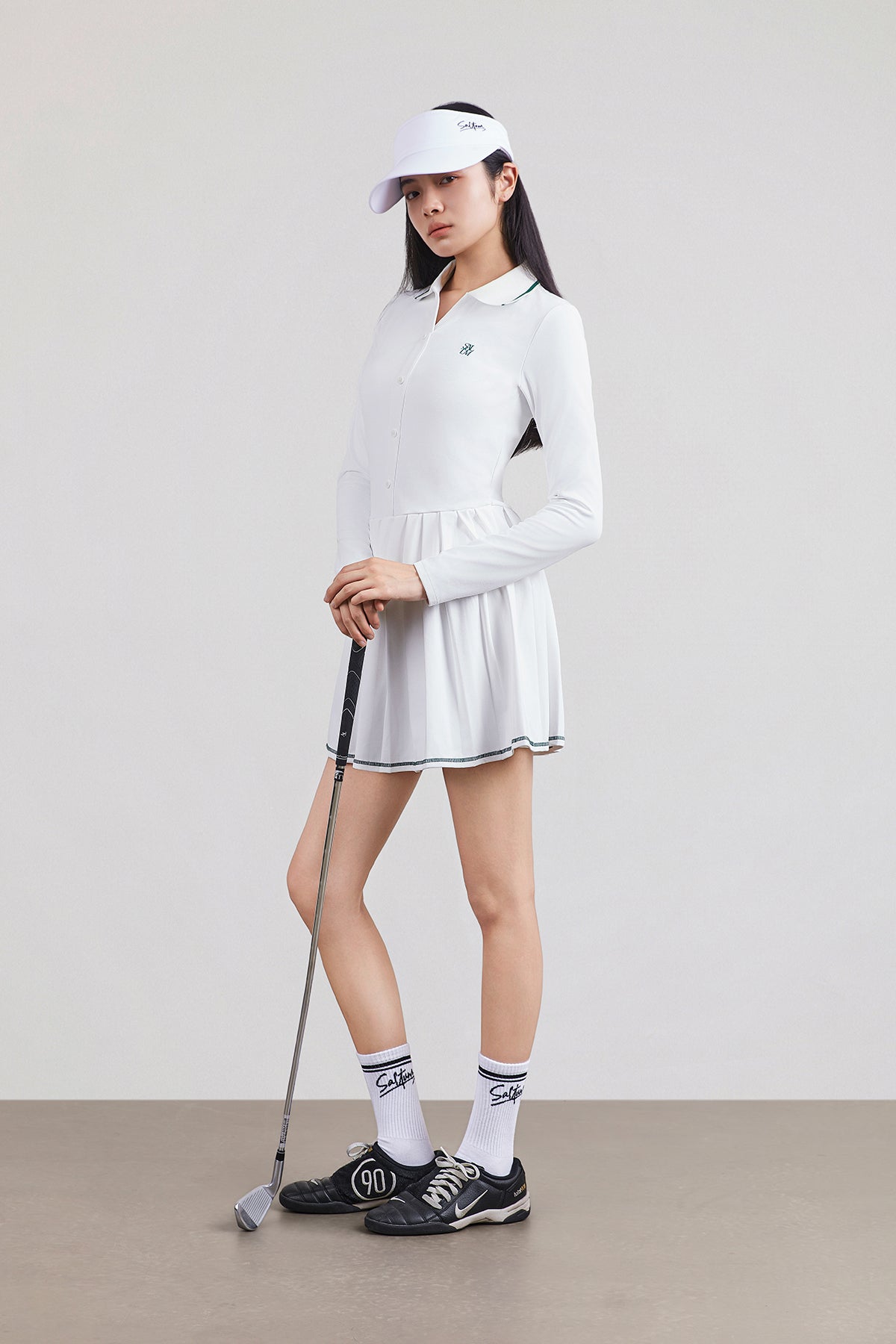
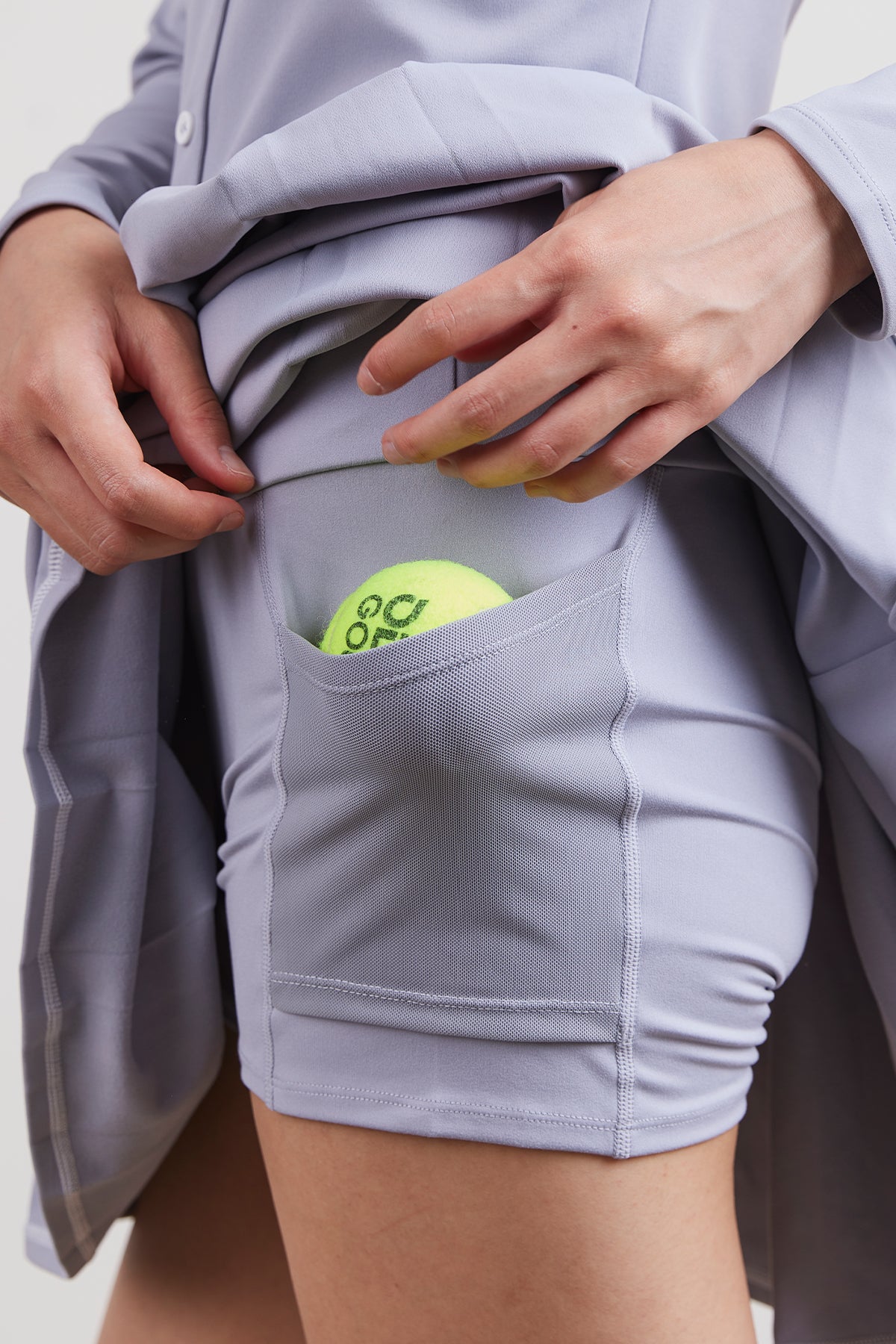
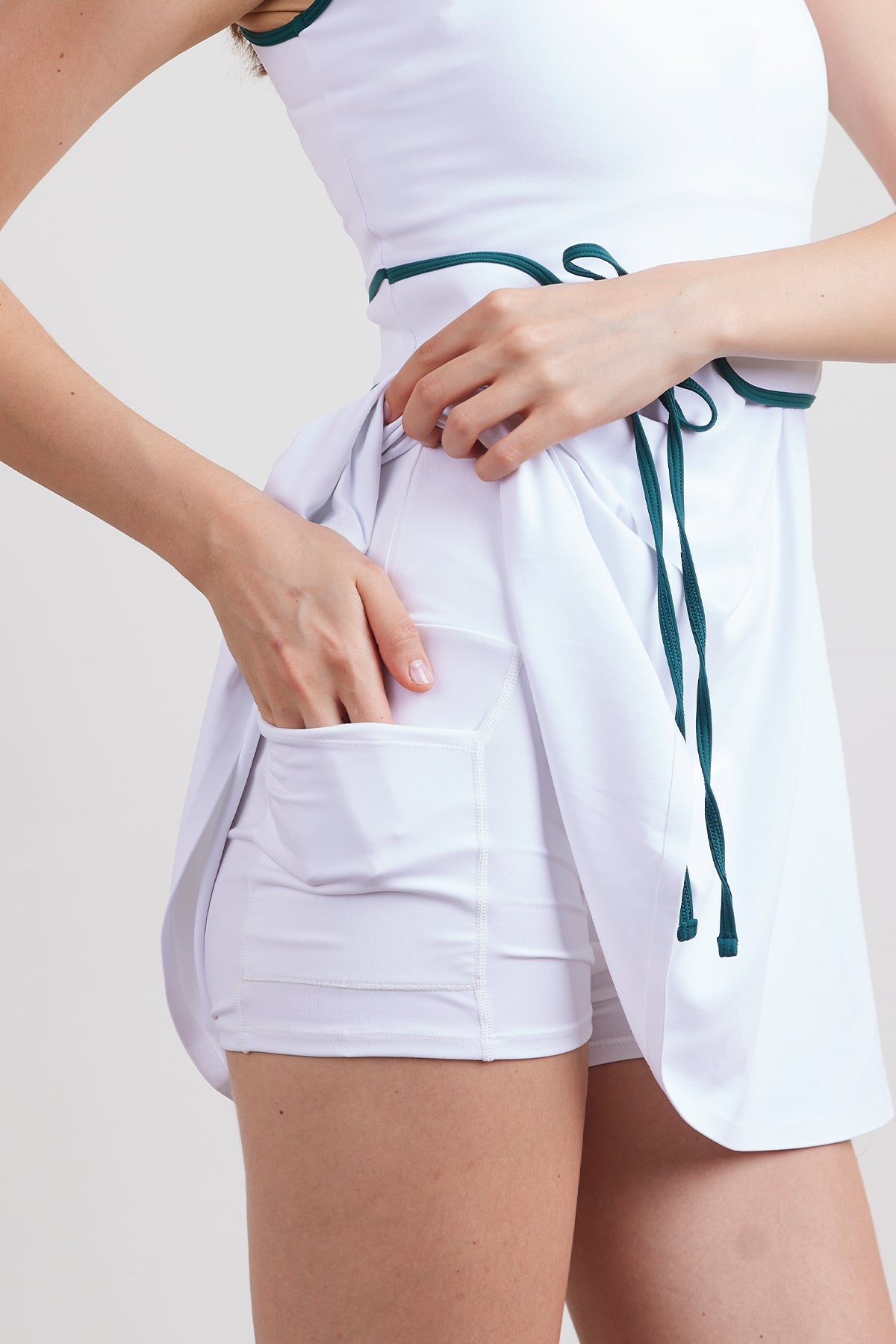
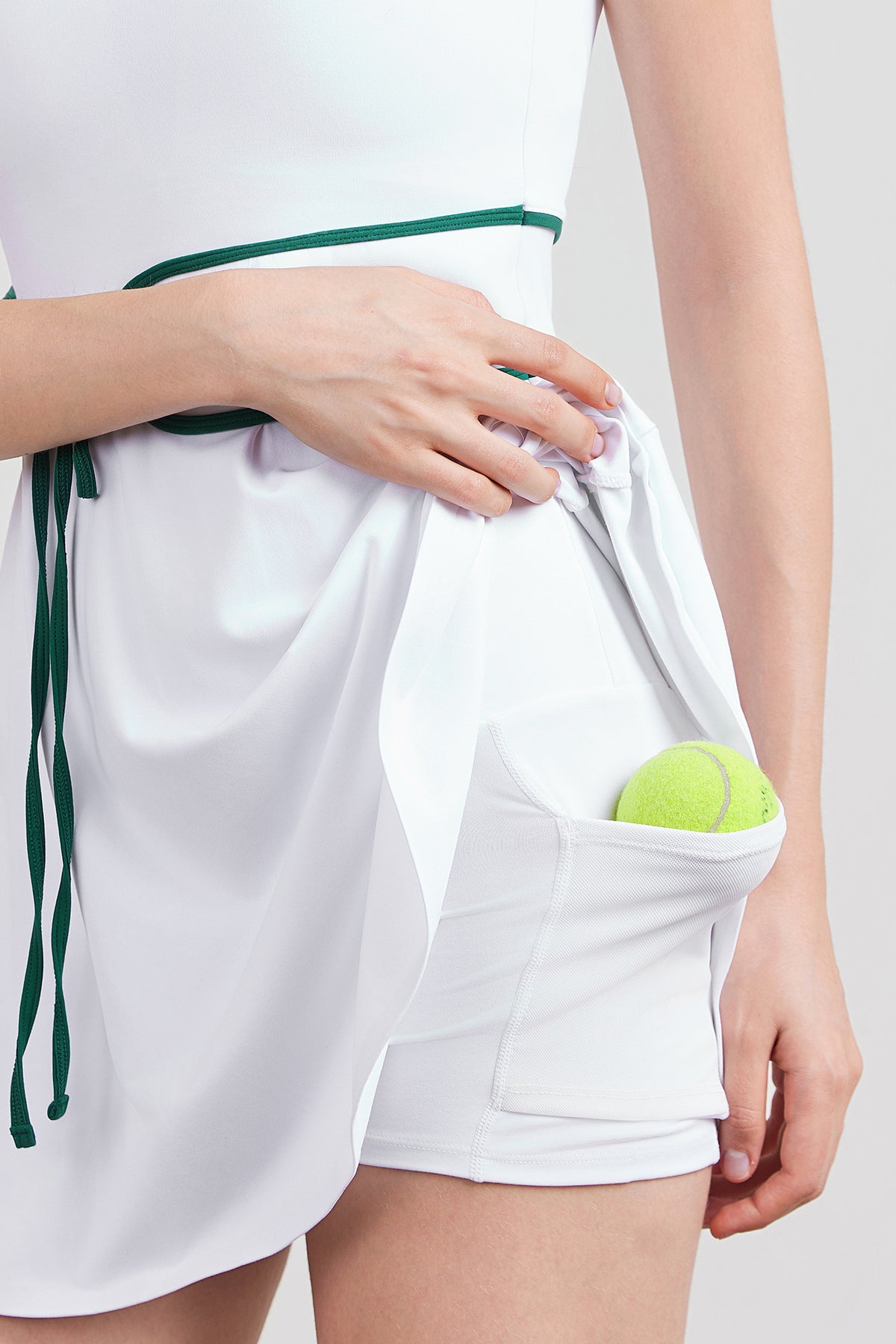
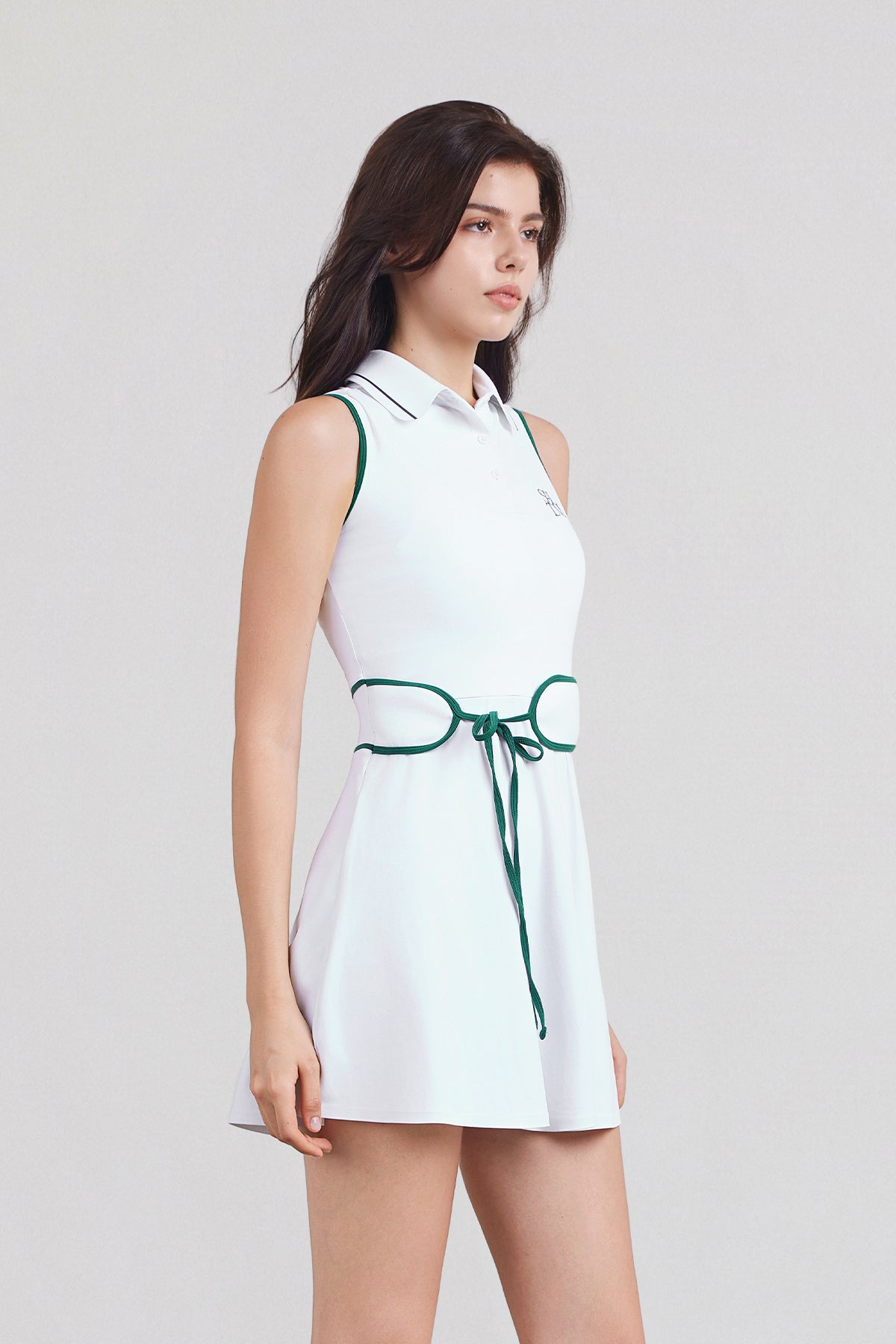
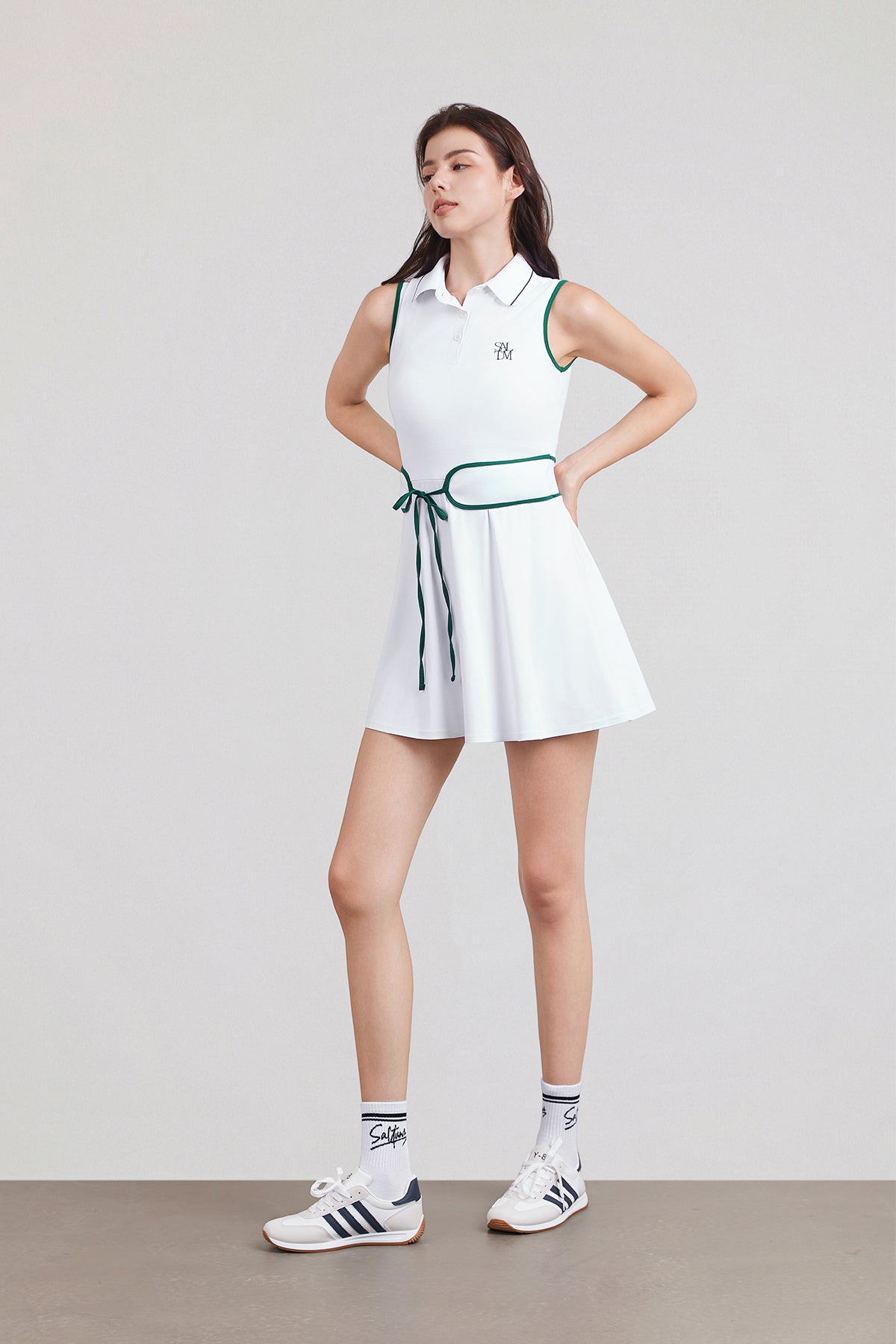
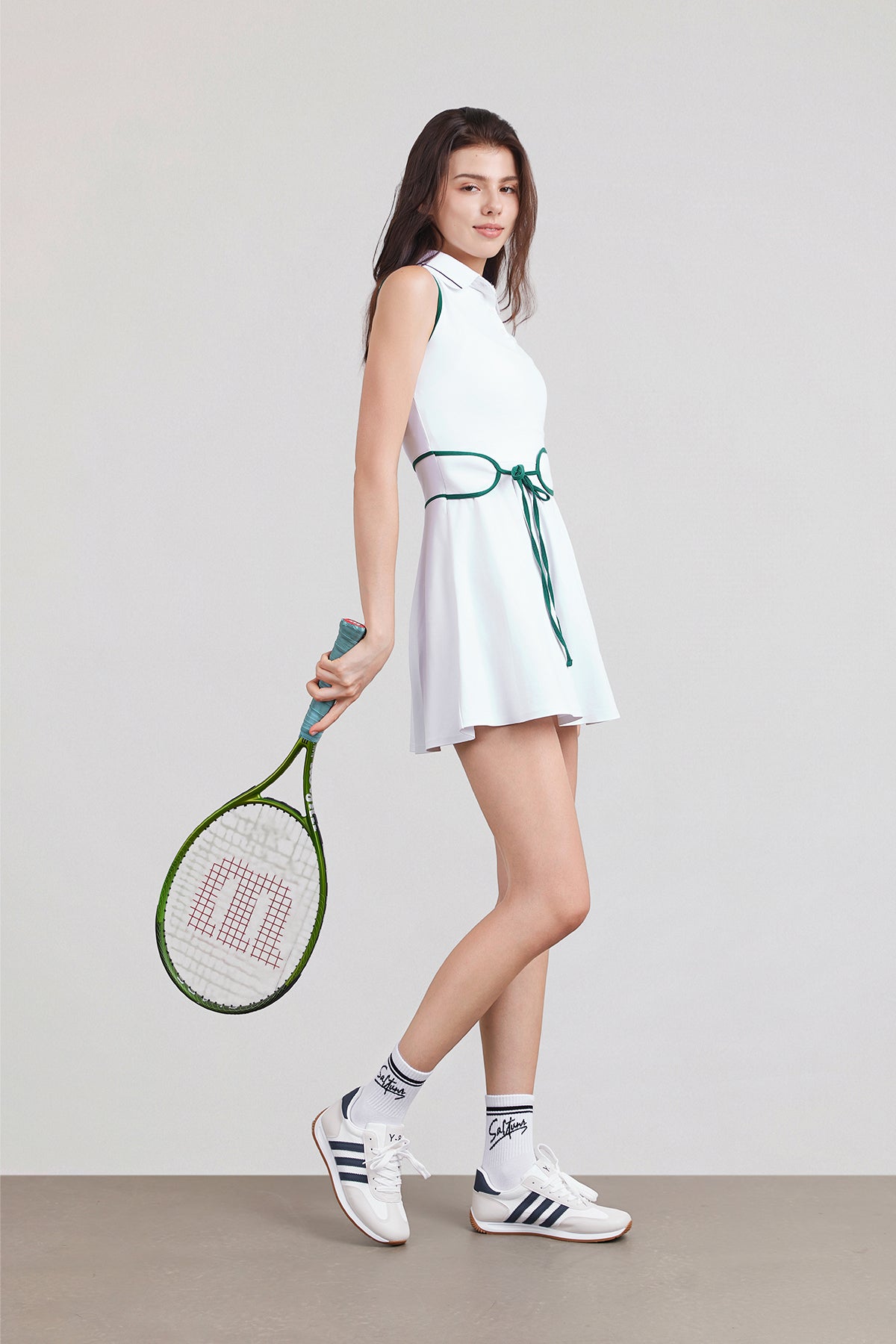
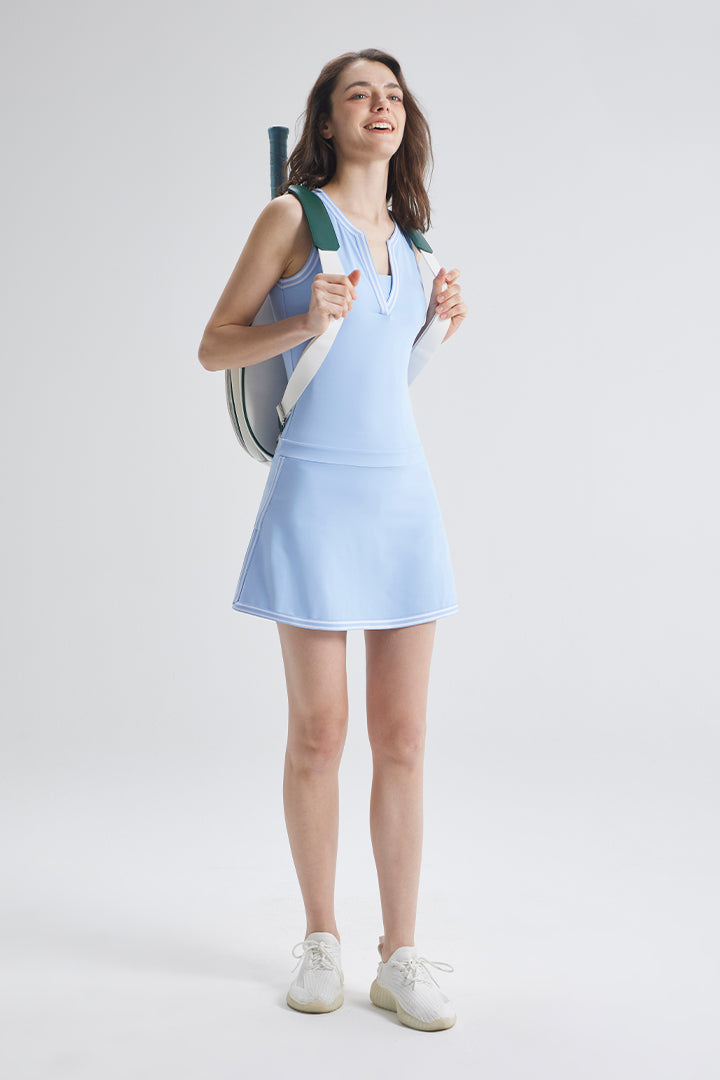
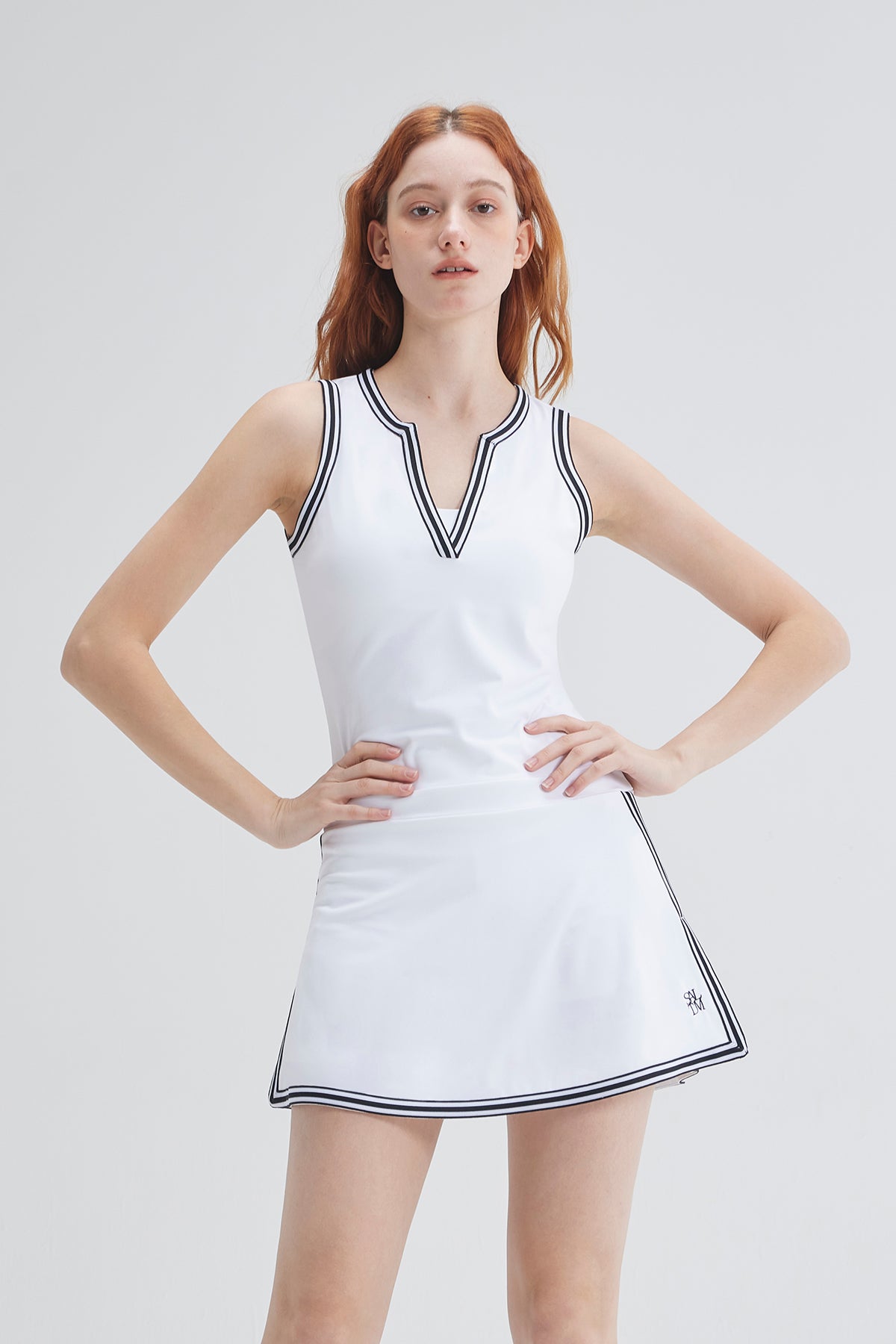
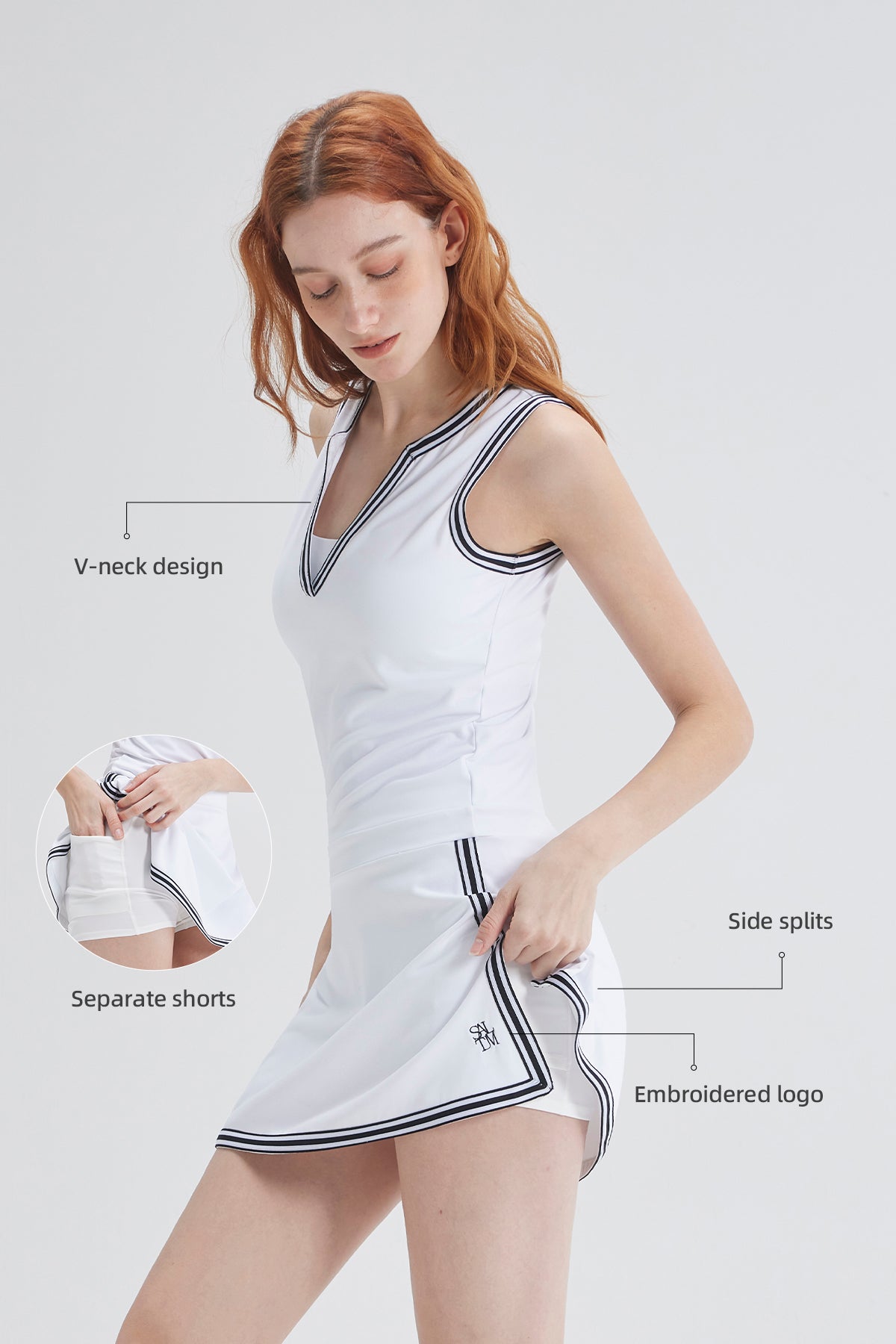
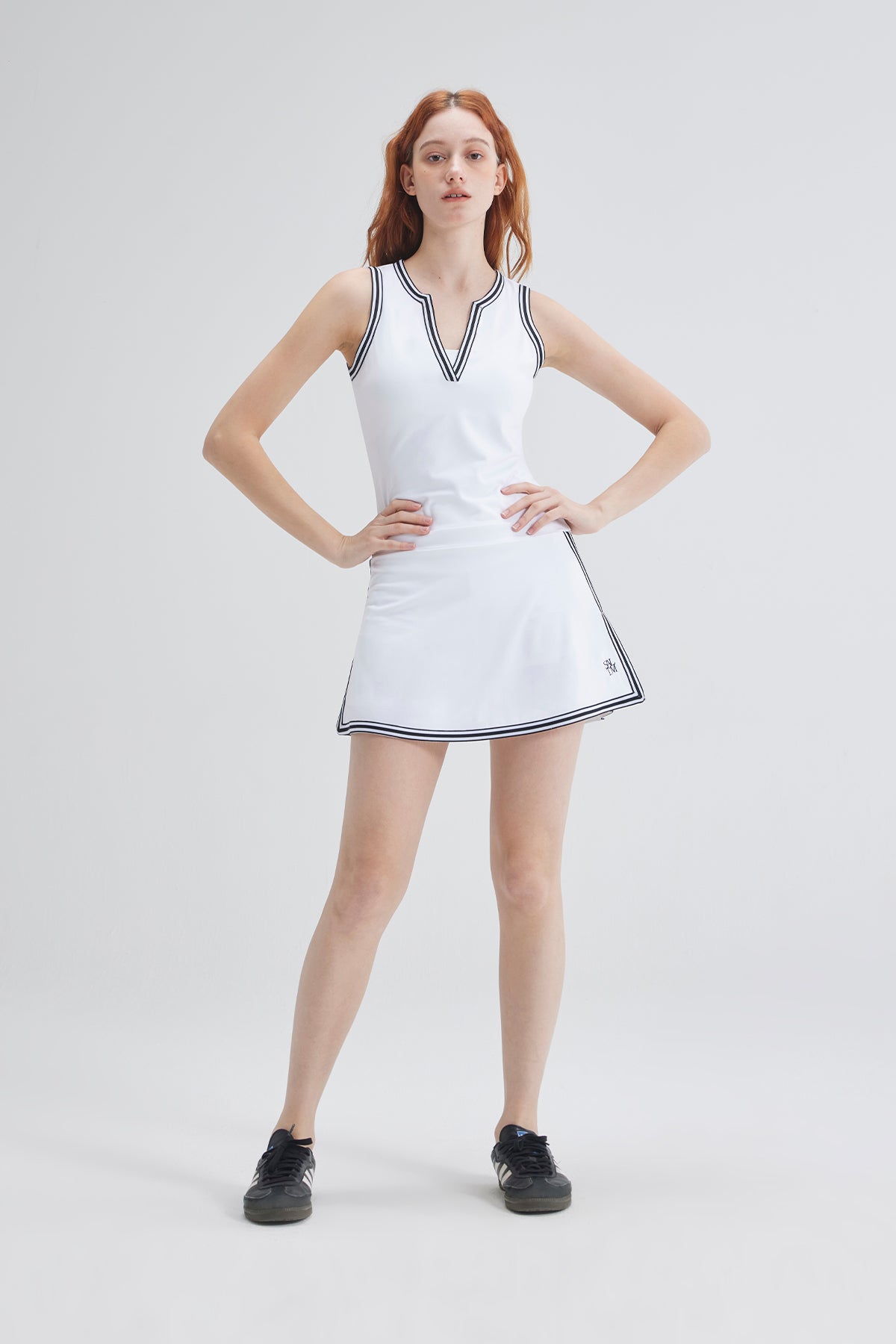
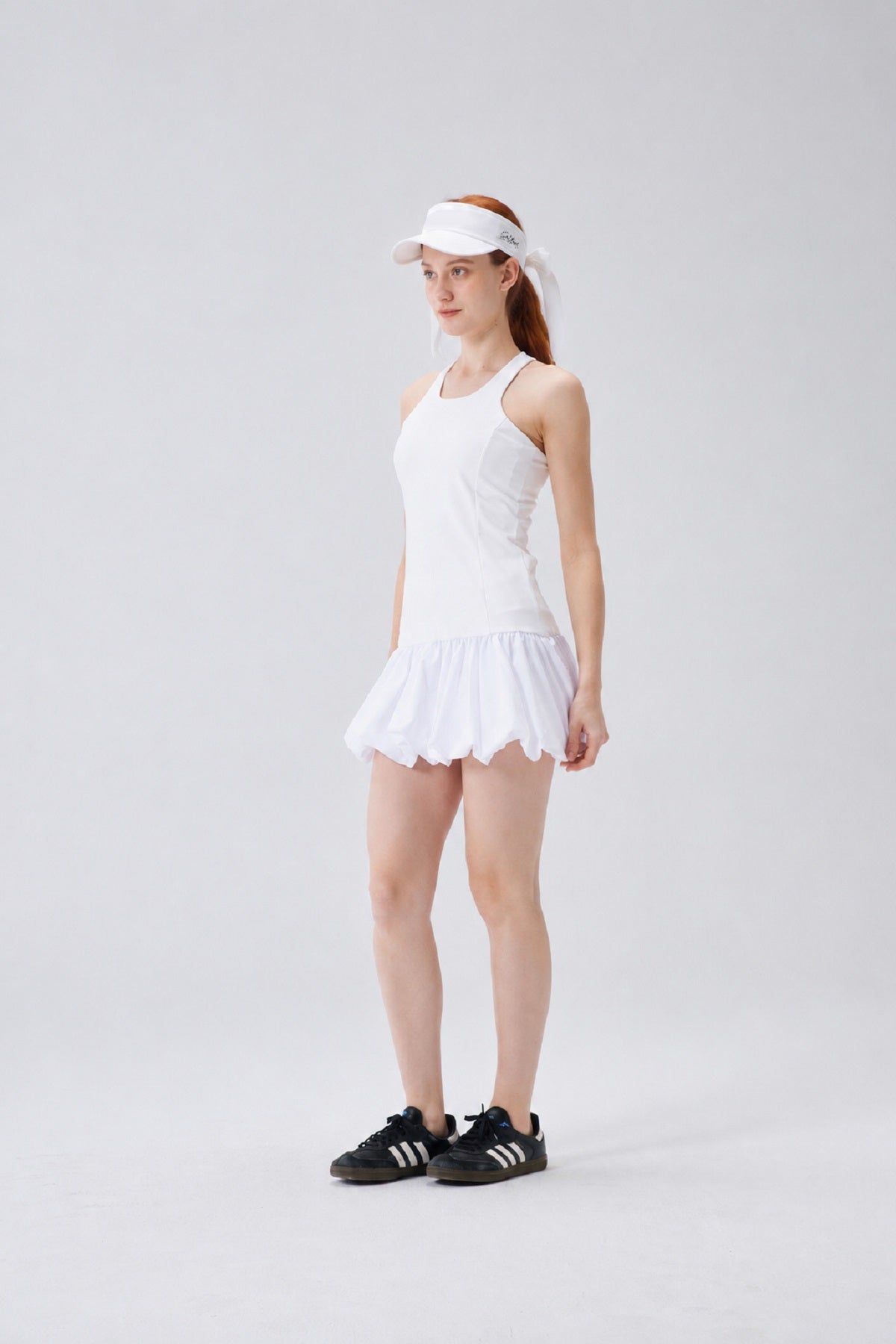
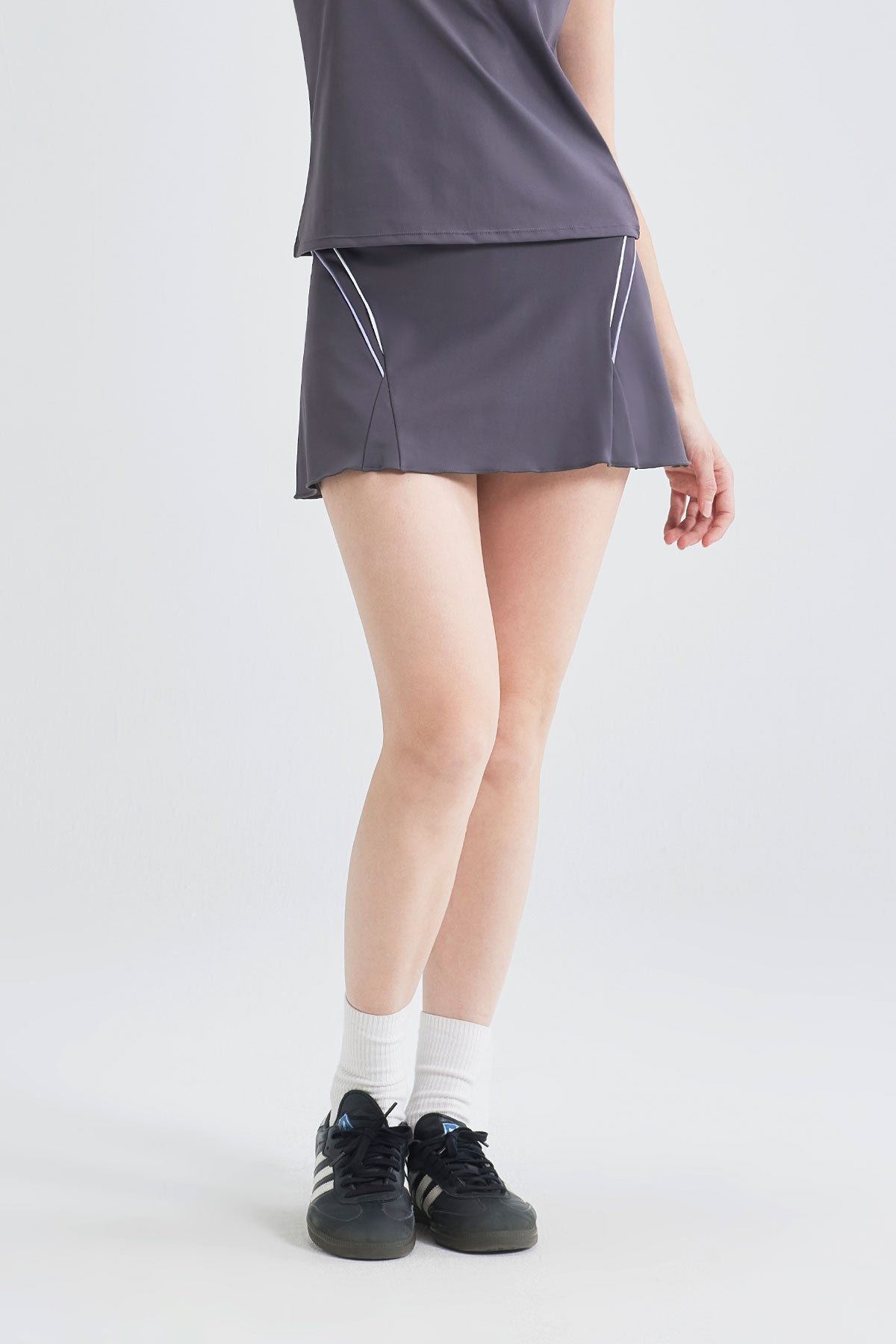
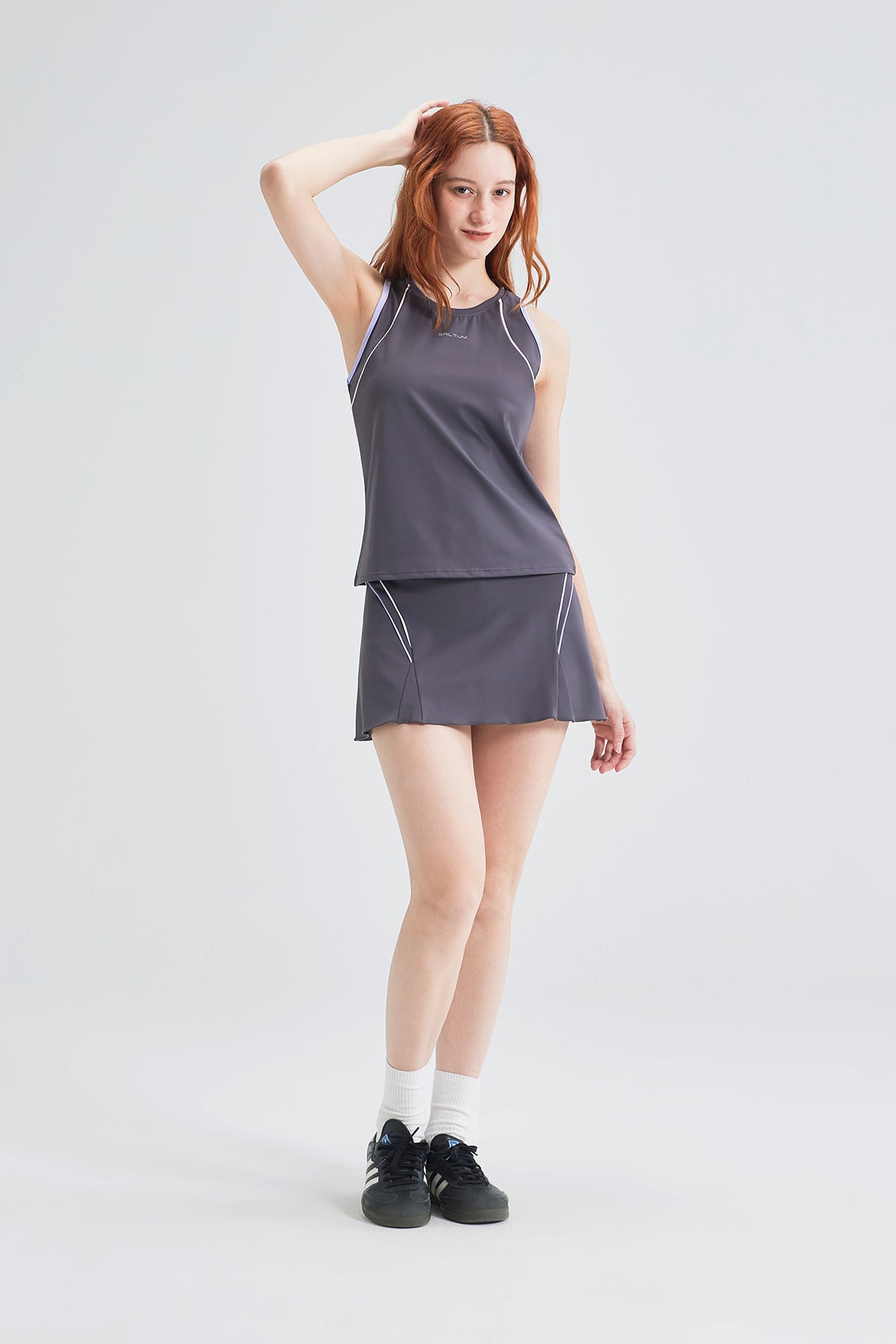
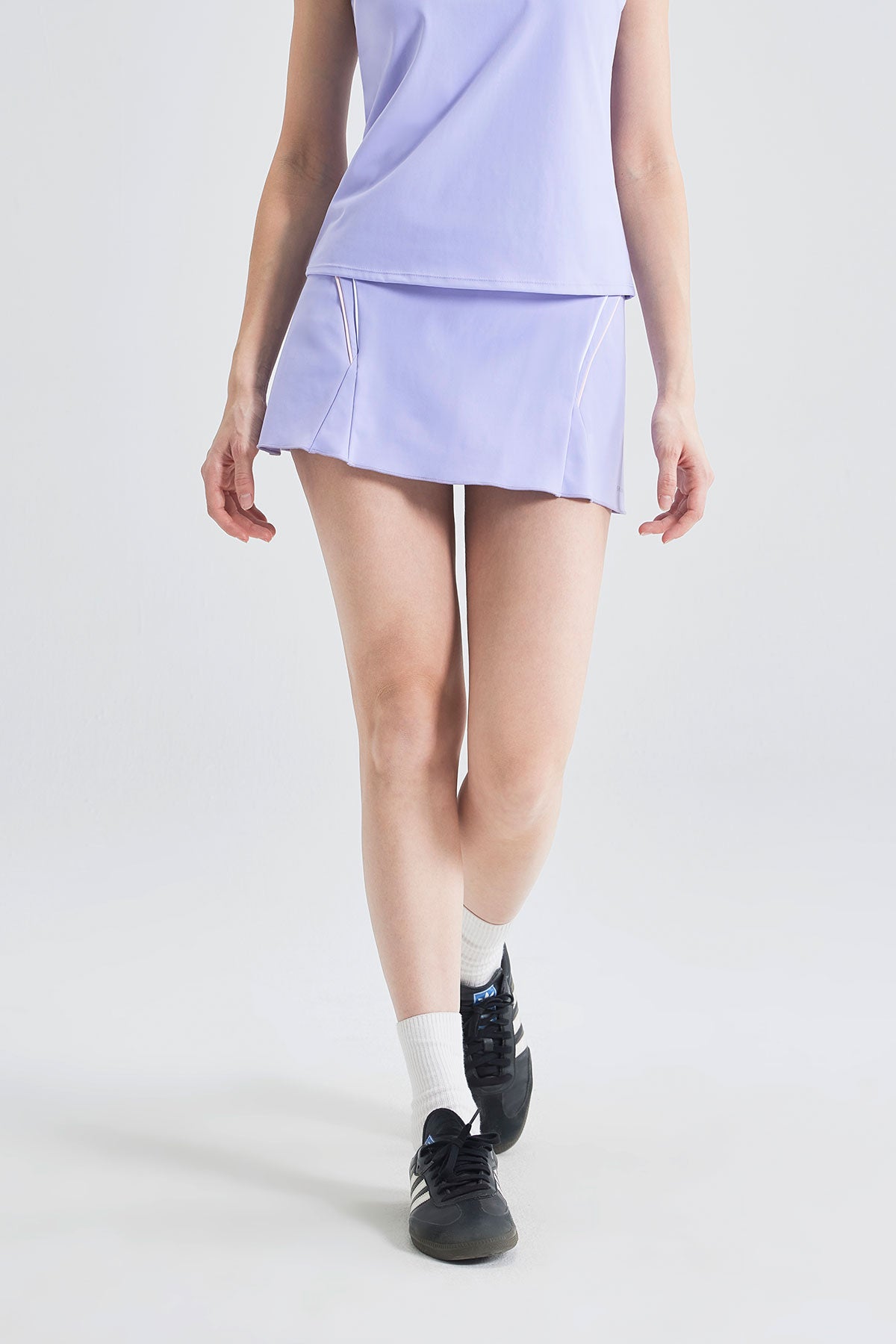
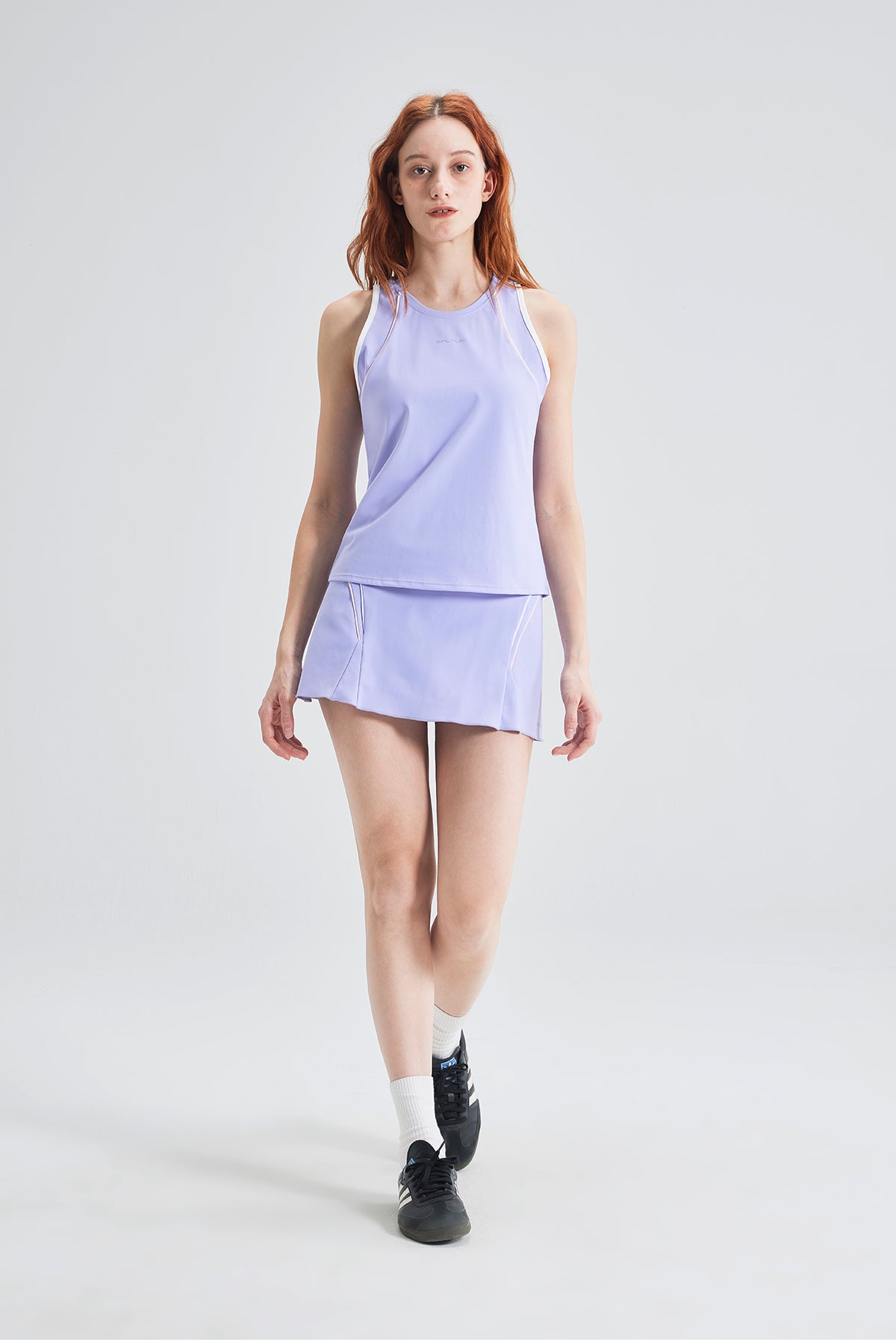
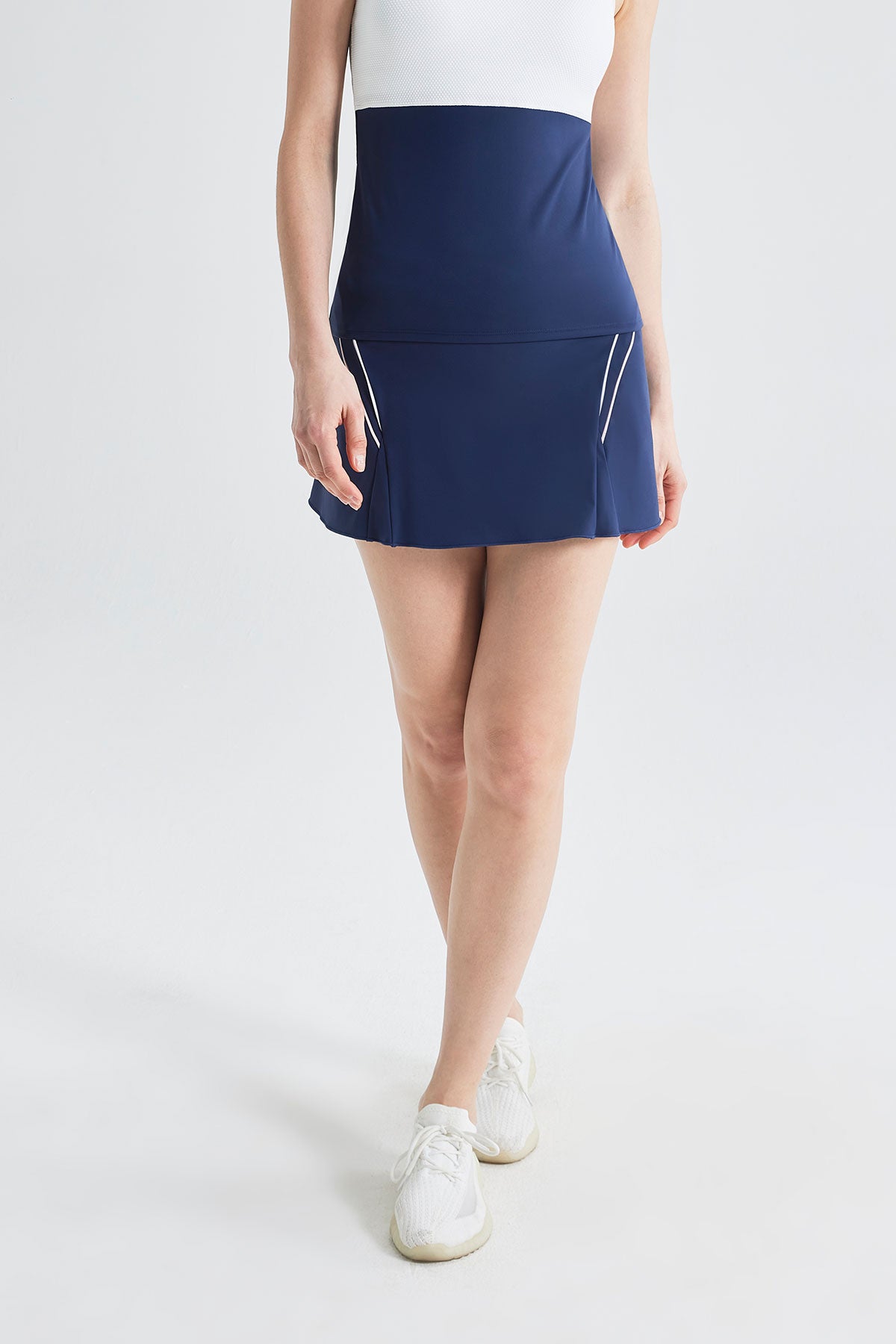
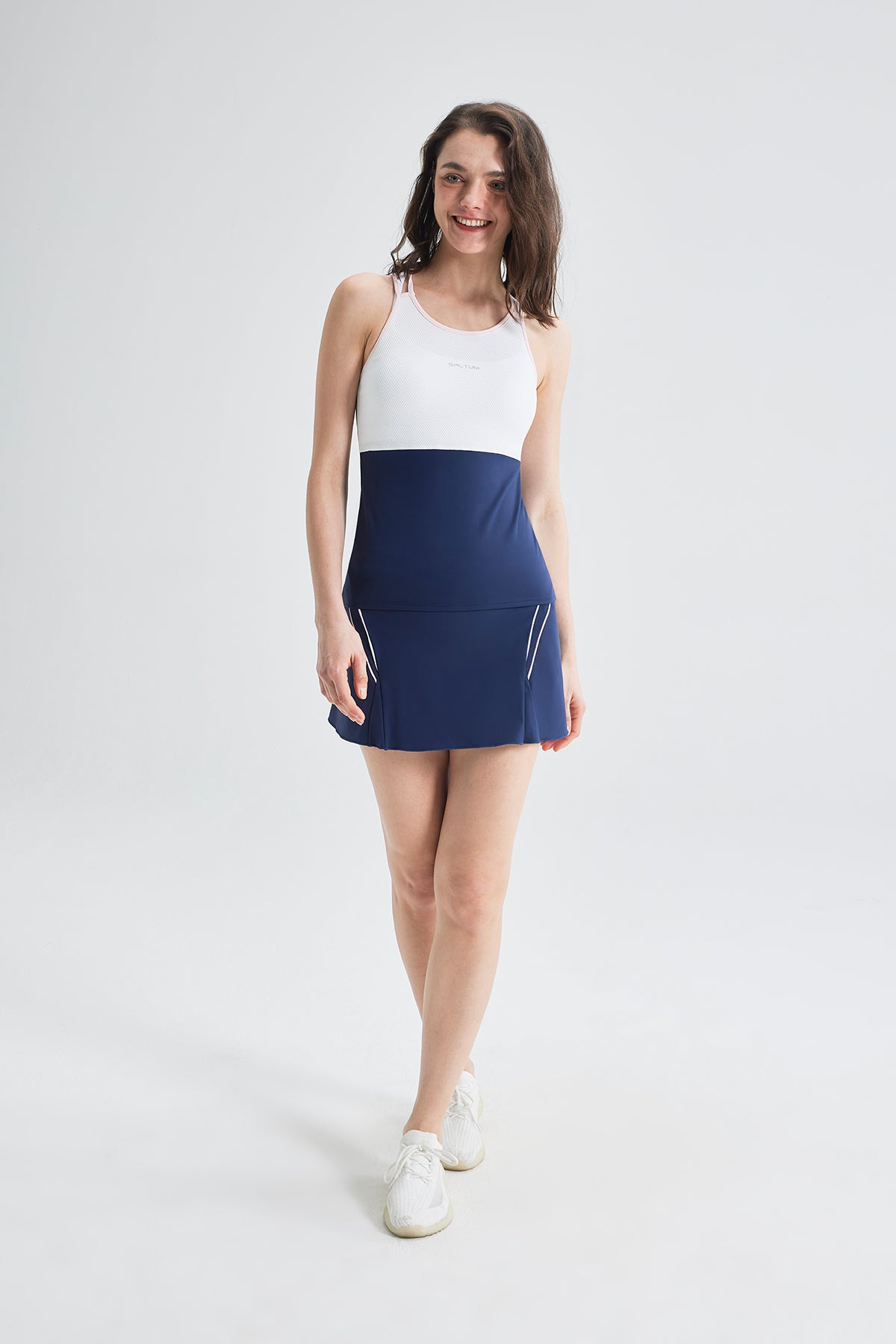
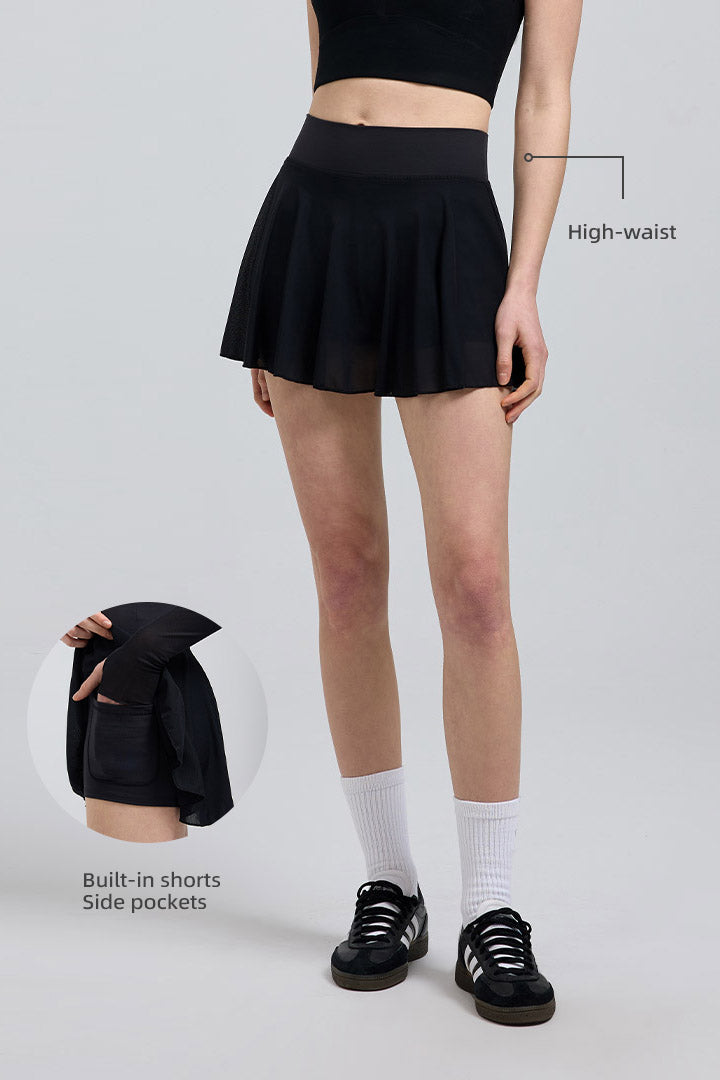
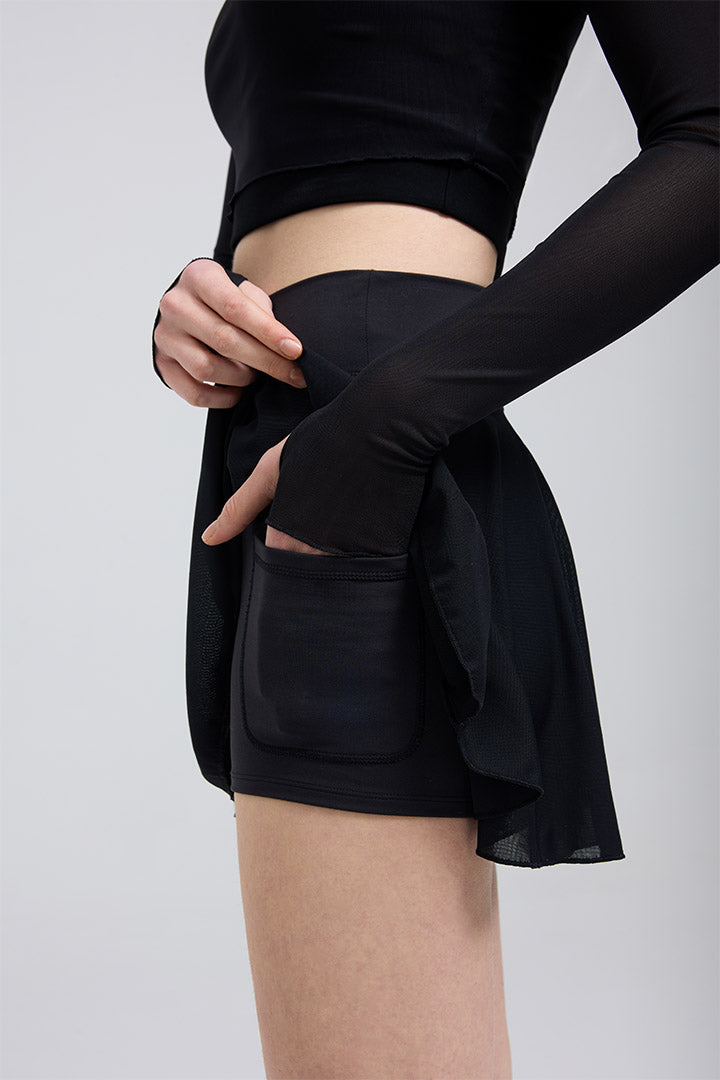
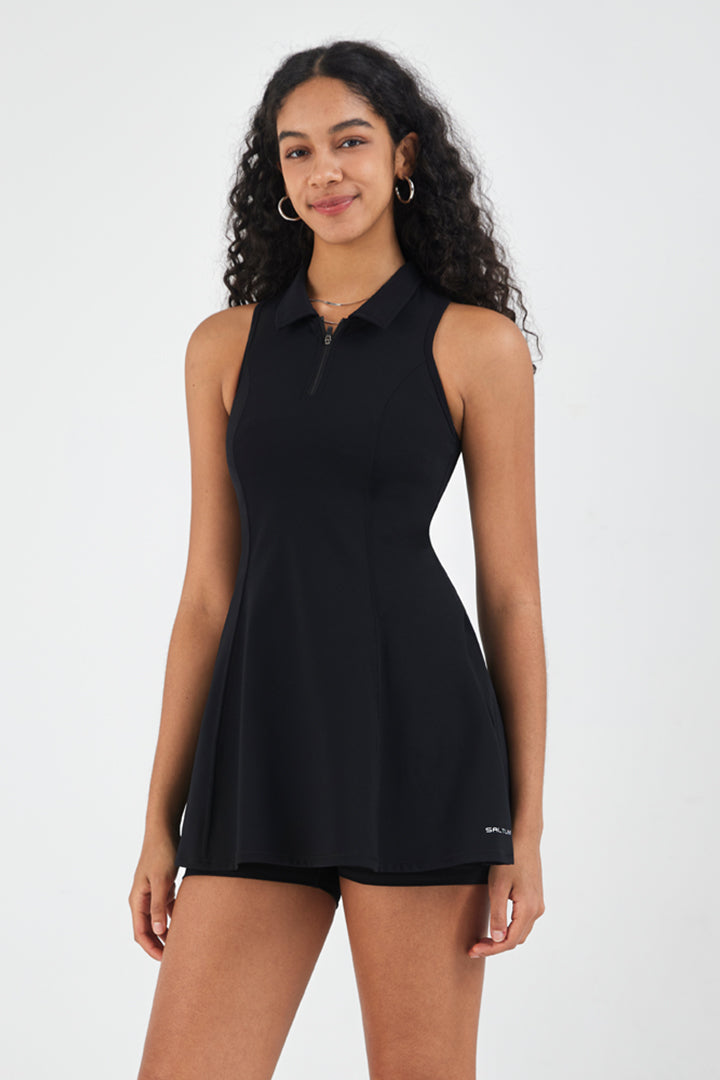
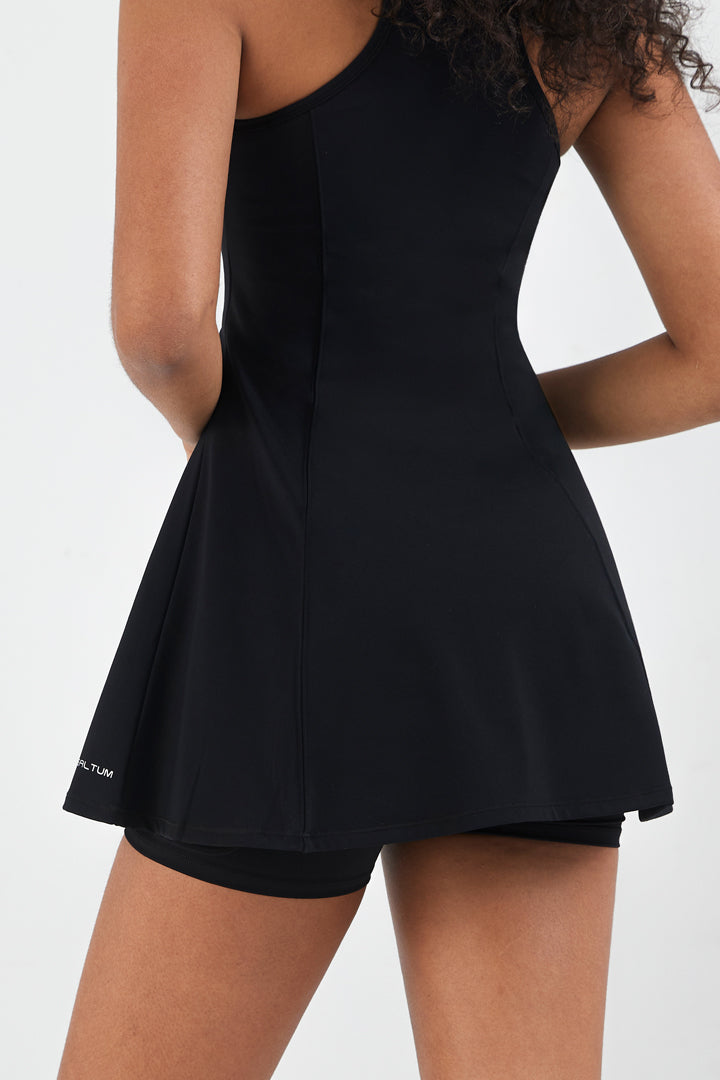
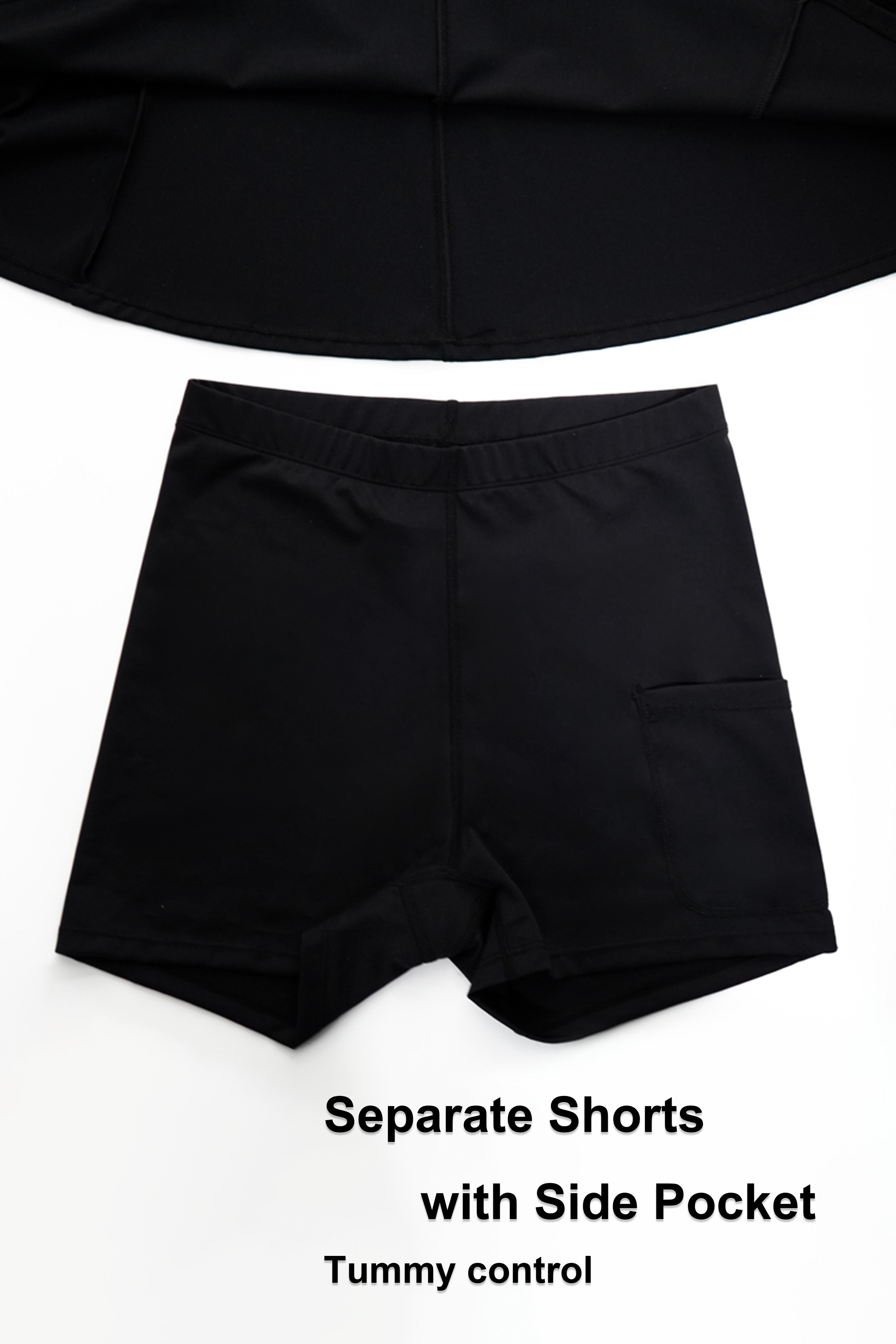
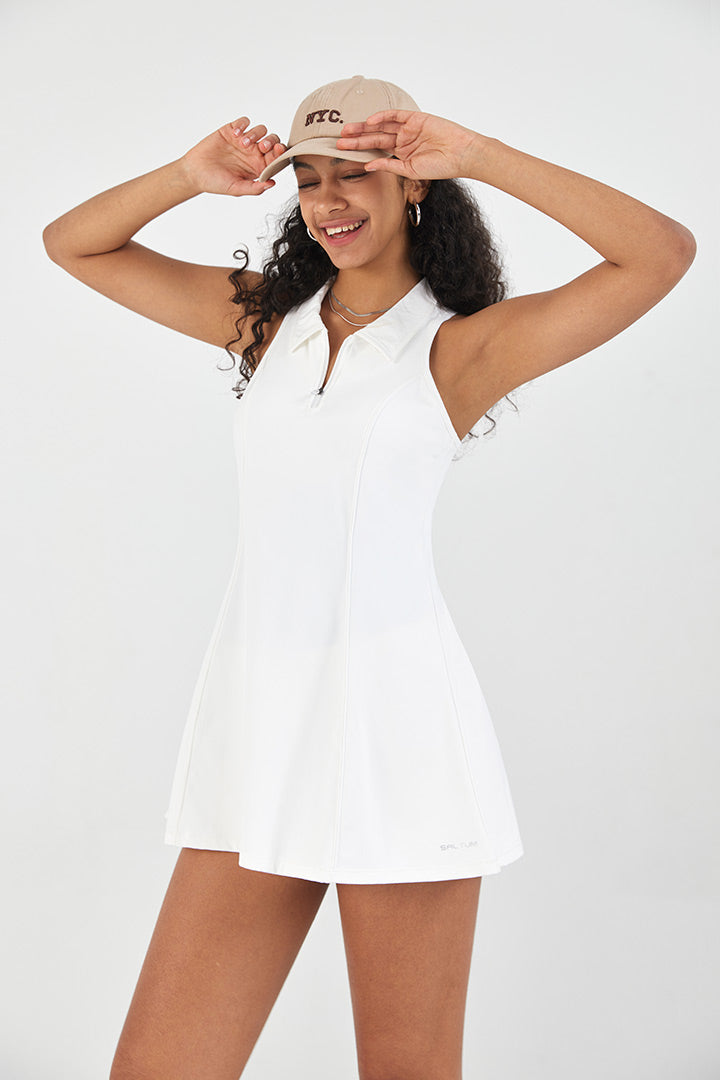
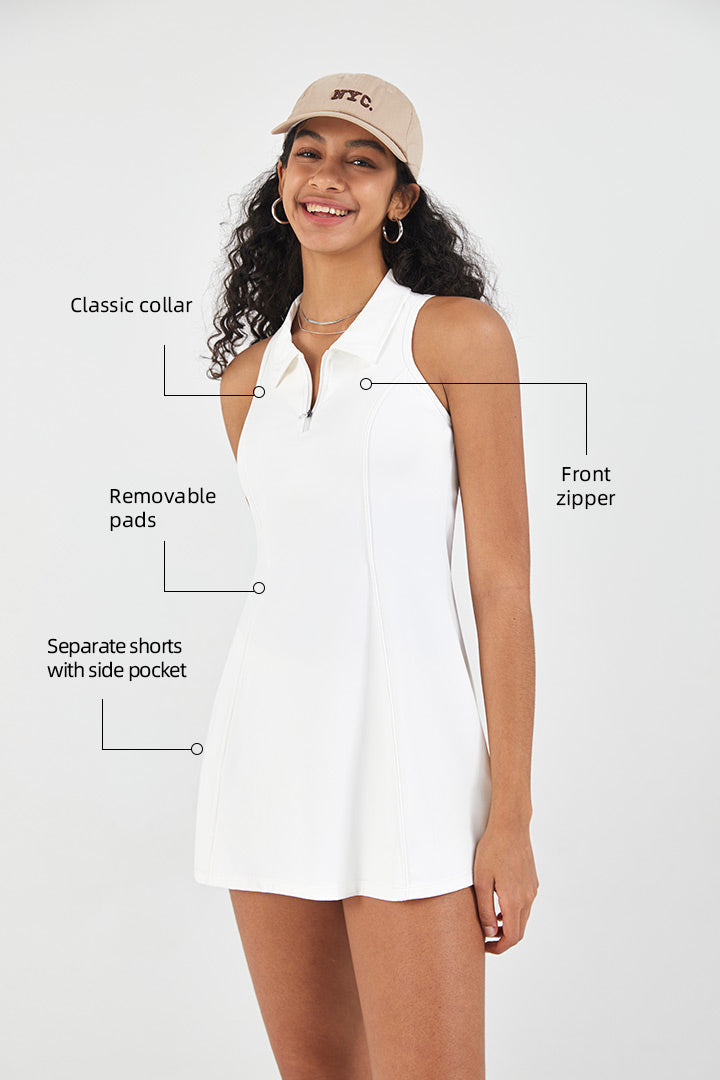
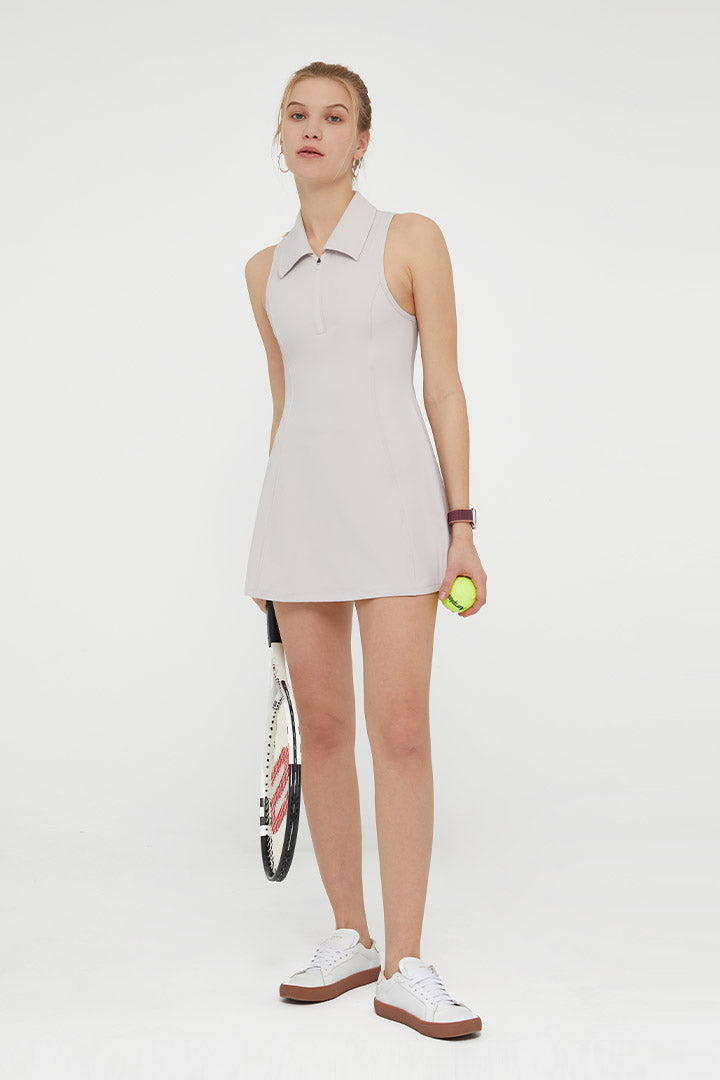
テニススカート、テニスドレス、インナーショーツや立体的なディテールが内蔵されたスタイルには、少し余分なスペースが必要な場合があります。テニスコレクションのアイテムは、物が詰まりすぎた引き出しに無理に押し込まないでください。きれいにたたむか、衣類に適している場合は形を保ちやすいアイテムを掛けて収納します。
すべてを完全に乾かす
アクティブウェアは、湿ったまま絶対に収納しないでください。少しの湿気がこもるだけでも、においやカビの原因になります。たたんでしまう前に、特にスポーツブラ、ウエストバンド、厚みのある縫い目、内蔵ライナーまで、衣類を完全に乾かしてください。
| アイテム | 最適な収納方法 |
| レギンス | ハンガーに掛けて伸ばすのではなく、引き出しの中で整えてたたみます。 |
| スポーツブラ | カップやパッドをつぶさないよう、平らに置くか軽くたたんで収納します。 |
| ジャケット | 完全に乾いてから、適切なハンガーに掛けます。 |
| ショーツとテニスウェア | 深い折り目や圧迫を避けられるよう、十分なゆとりを持たせてたたみます。 |
アクティブウェアを長持ちさせる小さな習慣
洗濯と洗濯の間にアクティブウェアをどう扱うかも大切です。ワークアウトウェアを過度に丁寧に扱う必要はありませんが、いくつかの簡単な習慣で、より清潔でなめらかな状態を保つことができます。
| 毎日の習慣 | どのように役立つか |
| 激しいワークアウトの後は、汗をかいたアクティブウェアを着替えましょう。 | こもった湿気やにおいの蓄積を抑えるのに役立ちます。 |
| 湿ったアイテムは、洗濯かごに入れる前に風を通しましょう。 | 洗濯の日まで、生地をより清潔な状態に保ちます。 |
| アクティブウェアを面ファスナー、尖ったアクセサリー、ざらついたバッグから遠ざけましょう。 | 引っかかりや表面のダメージを防ぐのに役立ちます。 |
| お気に入りのコーディネートをローテーションしましょう。 | 着用と着用の間に、生地とゴムが回復する時間を与えます。 |
よくある質問
アクティブウェアはどのくらいの頻度で洗うべきですか?
汗をかくワークアウトの後、または湿り気やにおいがあるとき、日焼け止め、デオドラント、ボディオイルが付いているときは、アクティブウェアを洗ってください。用事や汗をあまりかかない散歩で着たジャケットのように、軽く着用したアイテムは、着るたびに洗う必要がない場合もあります。風を通して、洗いどきだと感じたら洗濯しましょう。
アクティブウェアを乾燥機に入れてもよいですか?
ほとんどのアクティブウェアは自然乾燥が最適です。高温によって伸縮性や形、弾力性に影響が出ることがあるためです。乾燥機を使う必要がある場合は、低温または送風乾燥の設定を選んでください。レギンス、スポーツブラ、伸縮性のあるサポート機能付きアイテムには高温を避けましょう。
アクティブウェアに柔軟剤を使わないほうがよいのはなぜですか?
柔軟剤は、機能性素材の表面にコーティングを残すことがあります。そのコーティングによって、吸汗速乾性能に影響が出たり、時間が経つにつれてアクティブウェアの通気性や爽やかさが損なわれたりすることがあります。機能性素材のお手入れには、刺激の少ない洗剤のほうが適しています。
レギンスの毛玉を防ぐにはどうすればよいですか?
レギンスの毛玉を防ぐには、裏返して洗い、冷水を使い、タオル、デニム、ファスナーの付いた衣類、またはざらついた生地と一緒に洗わないようにしてください。また、表面がざらついた場所に座らないようにしましょう。レギンスをハンガーに掛ける代わりにたたむと、形や表面の風合いを保護するのに役立ちます。
ワークアウトウェアを保管する最適な方法は?
ワークアウトウェアは、清潔で完全に乾いた状態で保管してください。レギンスやショートパンツはたたみ、スポーツブラは平らに置くか軽くたたみ、ジャケットは適切にハンガーに掛けましょう。引き出しに詰め込みすぎないでください。圧縮しすぎると、一部のアイテムにしわが寄ったり、形が崩れたりすることがあります。
まとめ
アクティブウェアを新品のように保つには、主にやさしく丁寧に扱い、適切なお手入れを続けることが大切です。冷水で洗い、裏返して、刺激の少ない洗剤を使い、柔軟剤と漂白剤は避け、可能な限り自然乾燥させましょう。レギンスはたたんで保管し、スポーツブラは平らに置くか軽くたたみ、ジャケットは乾いたら適切にハンガーに掛けてください。
これらの習慣は小さなことに思えるかもしれませんが、お気に入りのウェアをより長く、なめらかで、伸縮性があり、色鮮やかで快適な状態に保つのに役立ちます。ワークアウト用の引き出しを整理したいときも、スタジオから街へそのまま移動できる多用途なアイテムを探しているときも、毎日のルーティンについていけるよう作られた最新のSaltumのアクティブウェアをご覧ください。