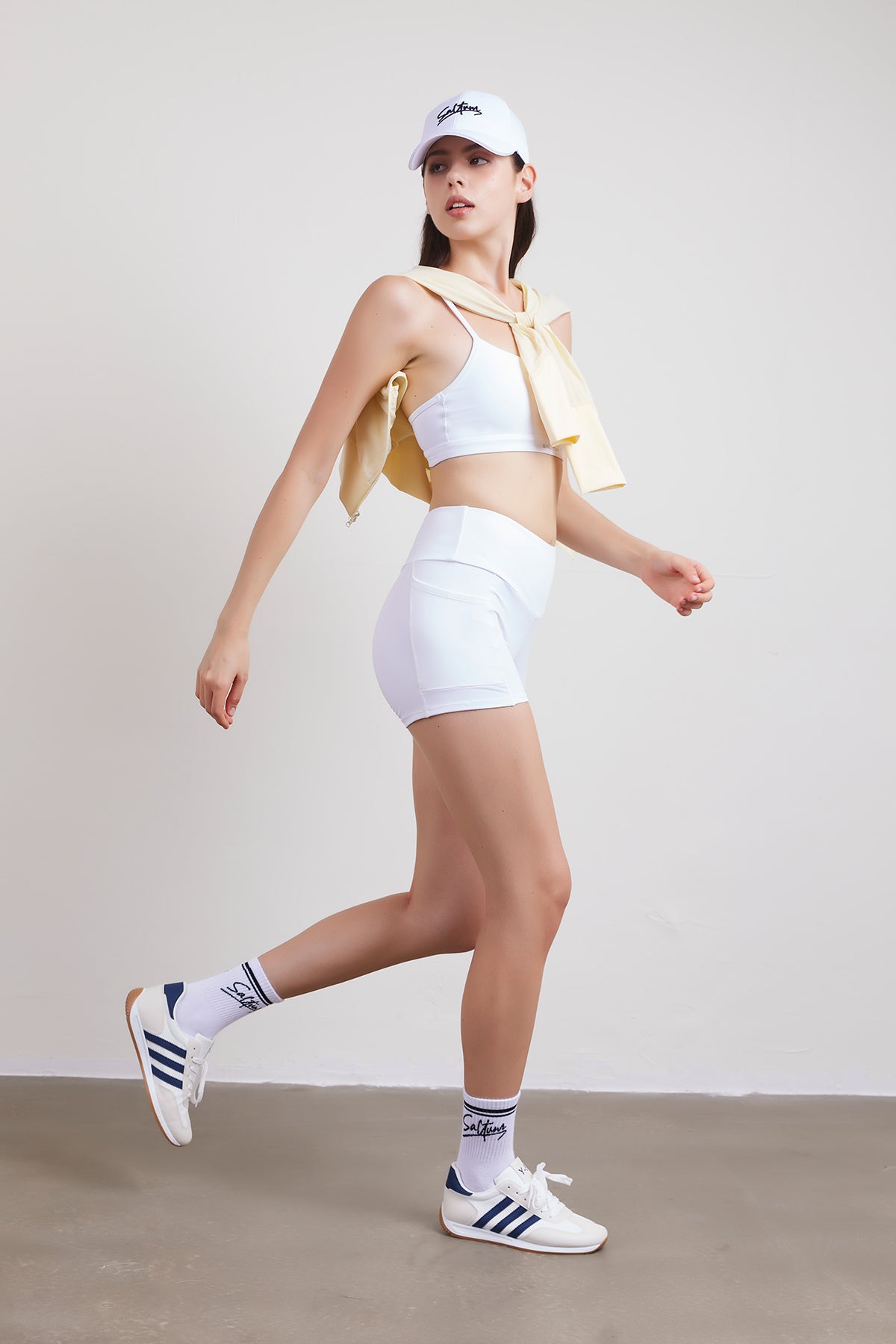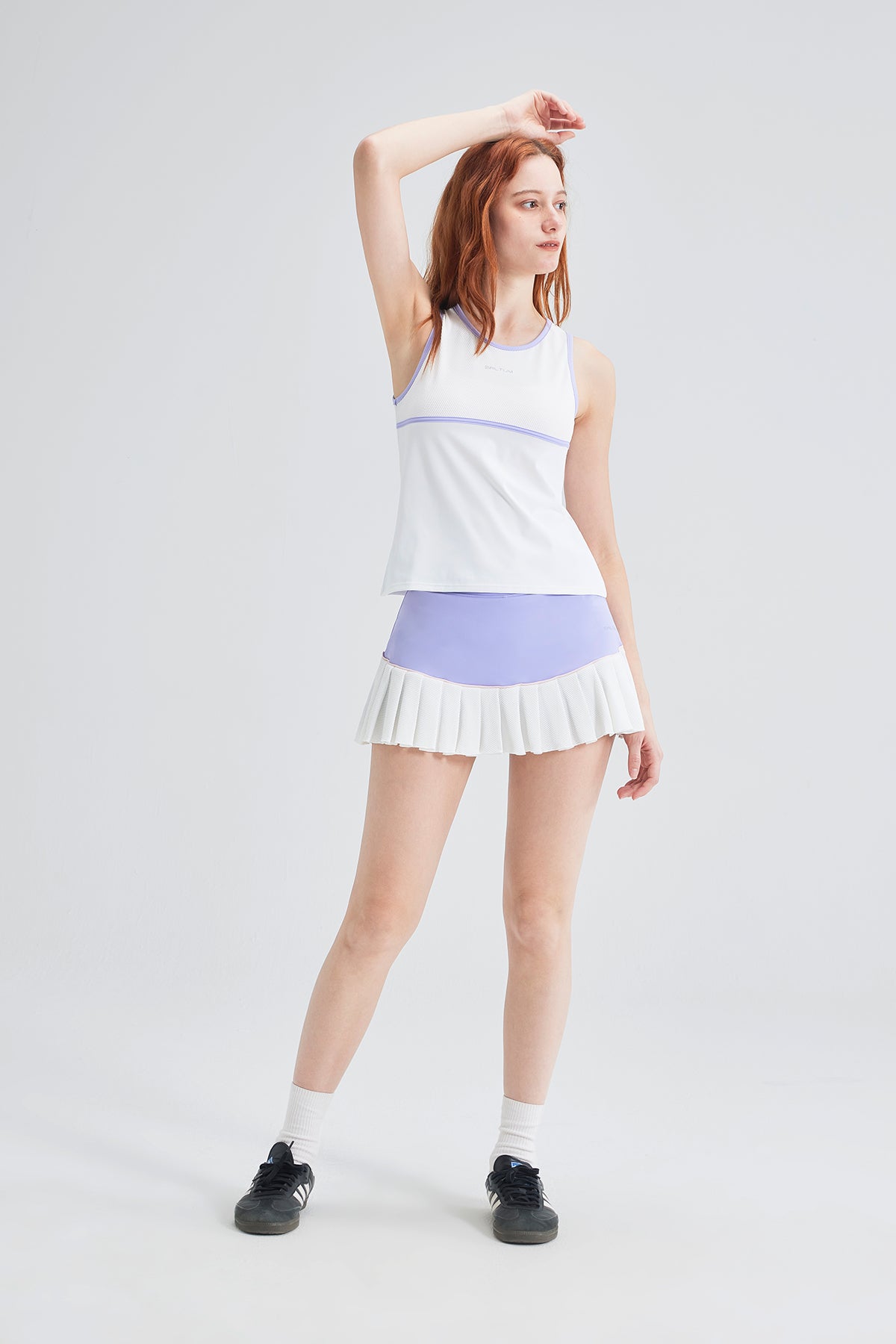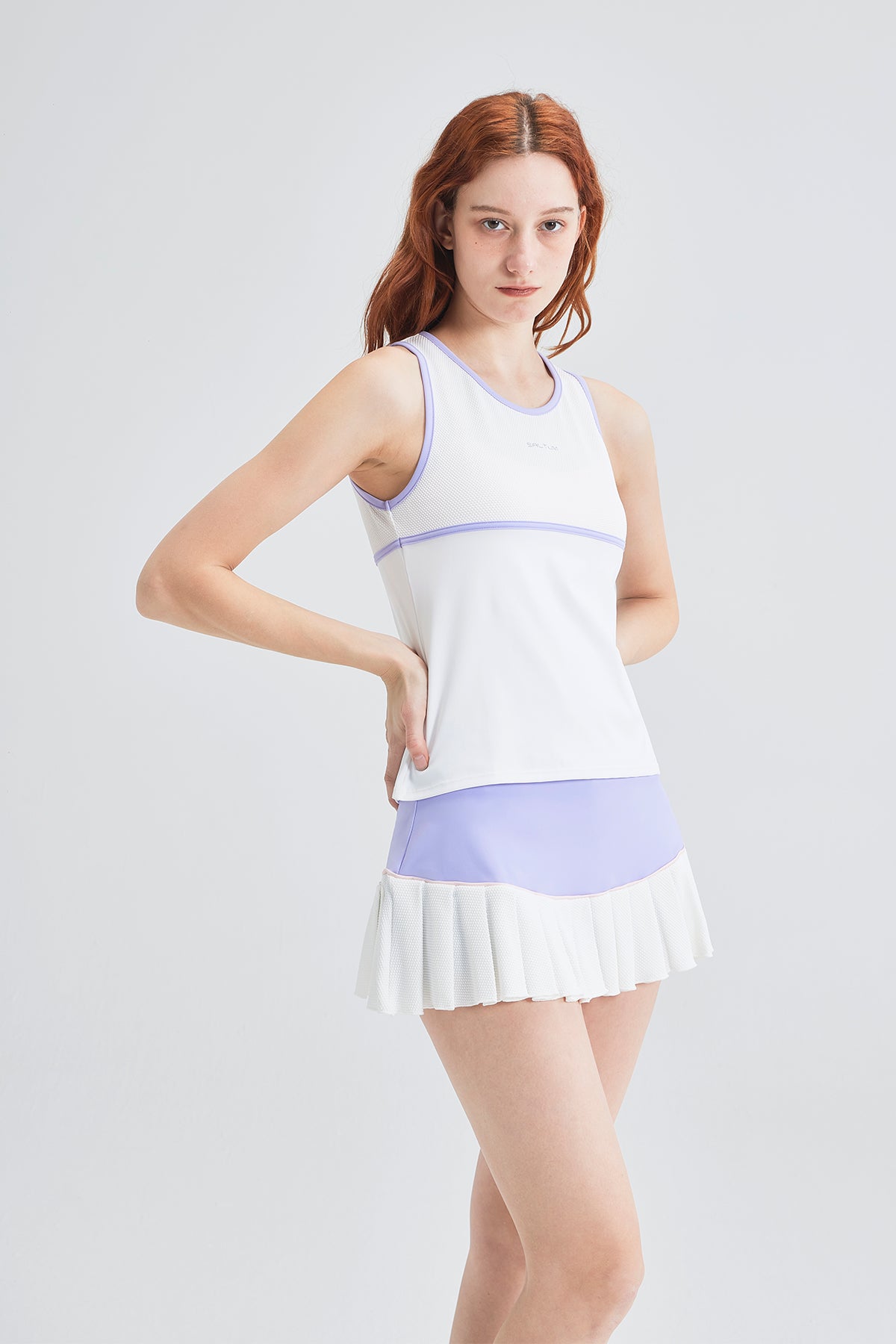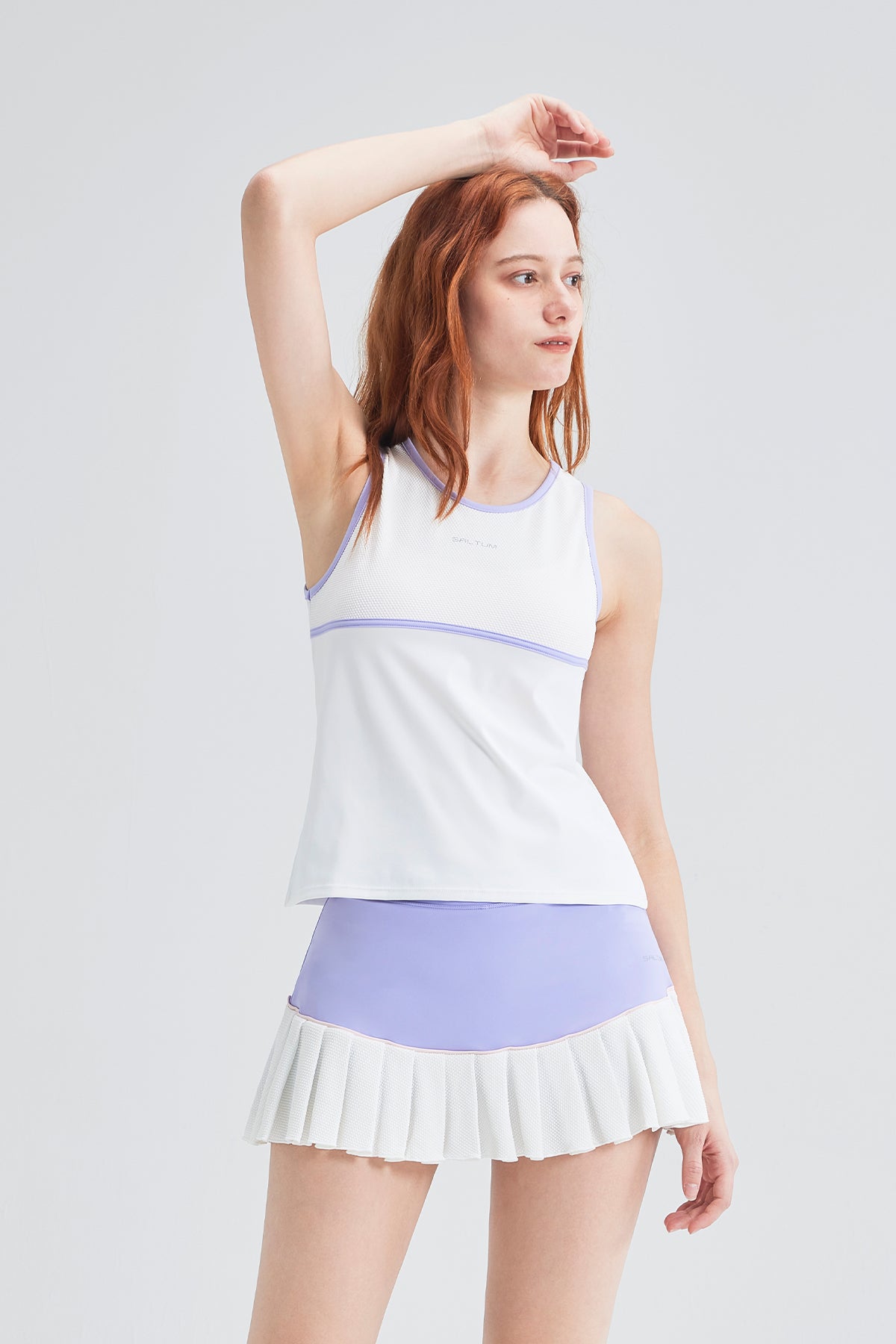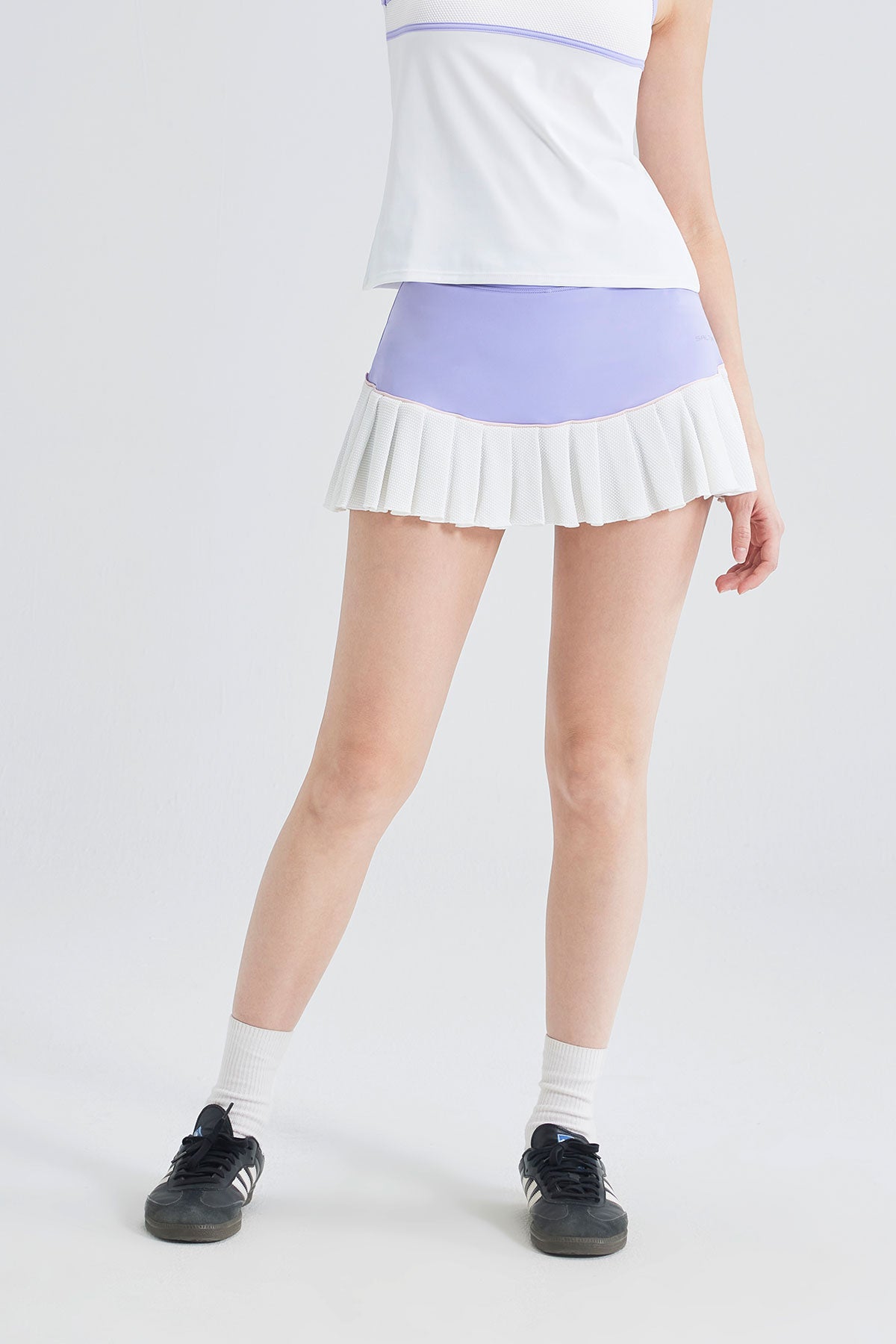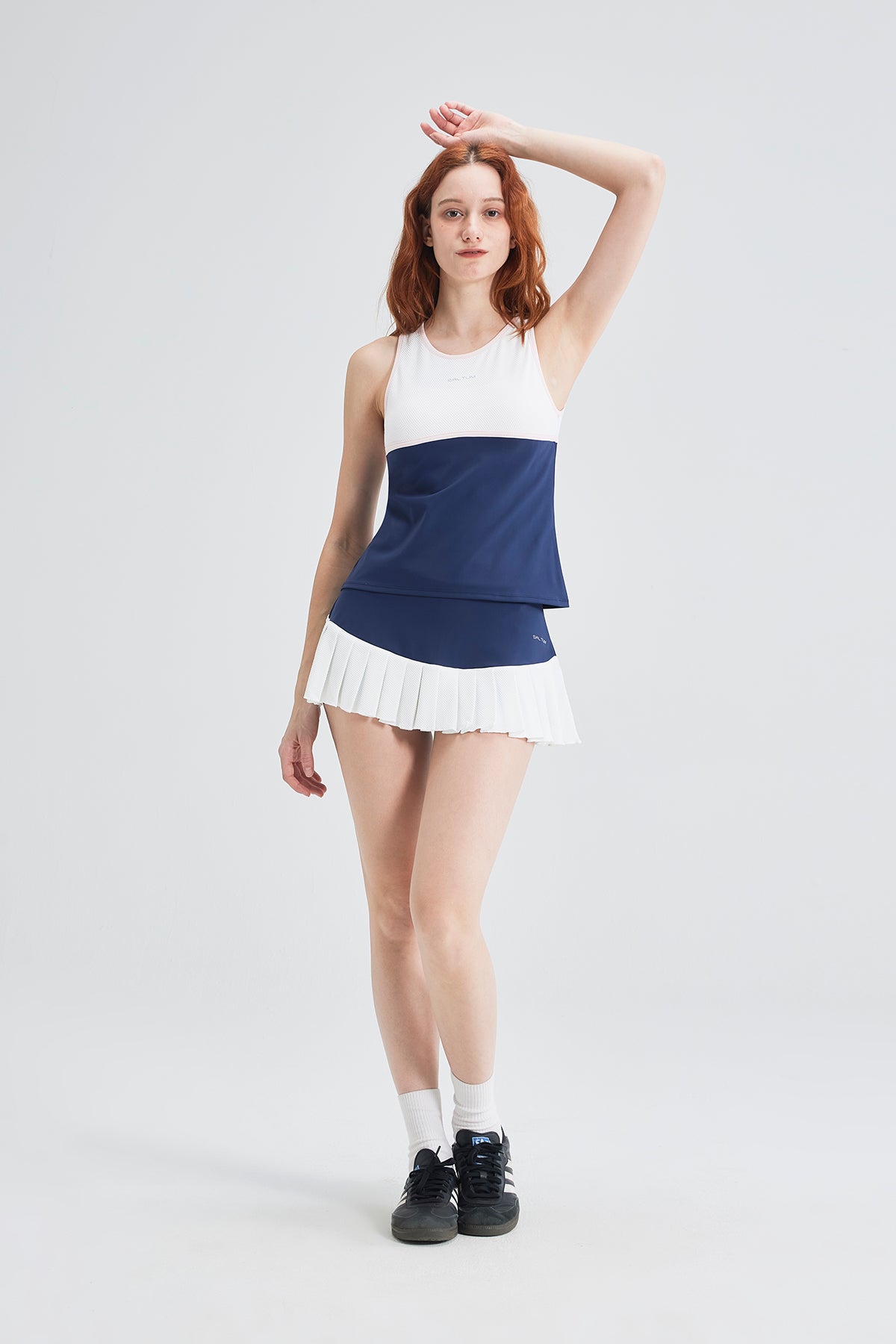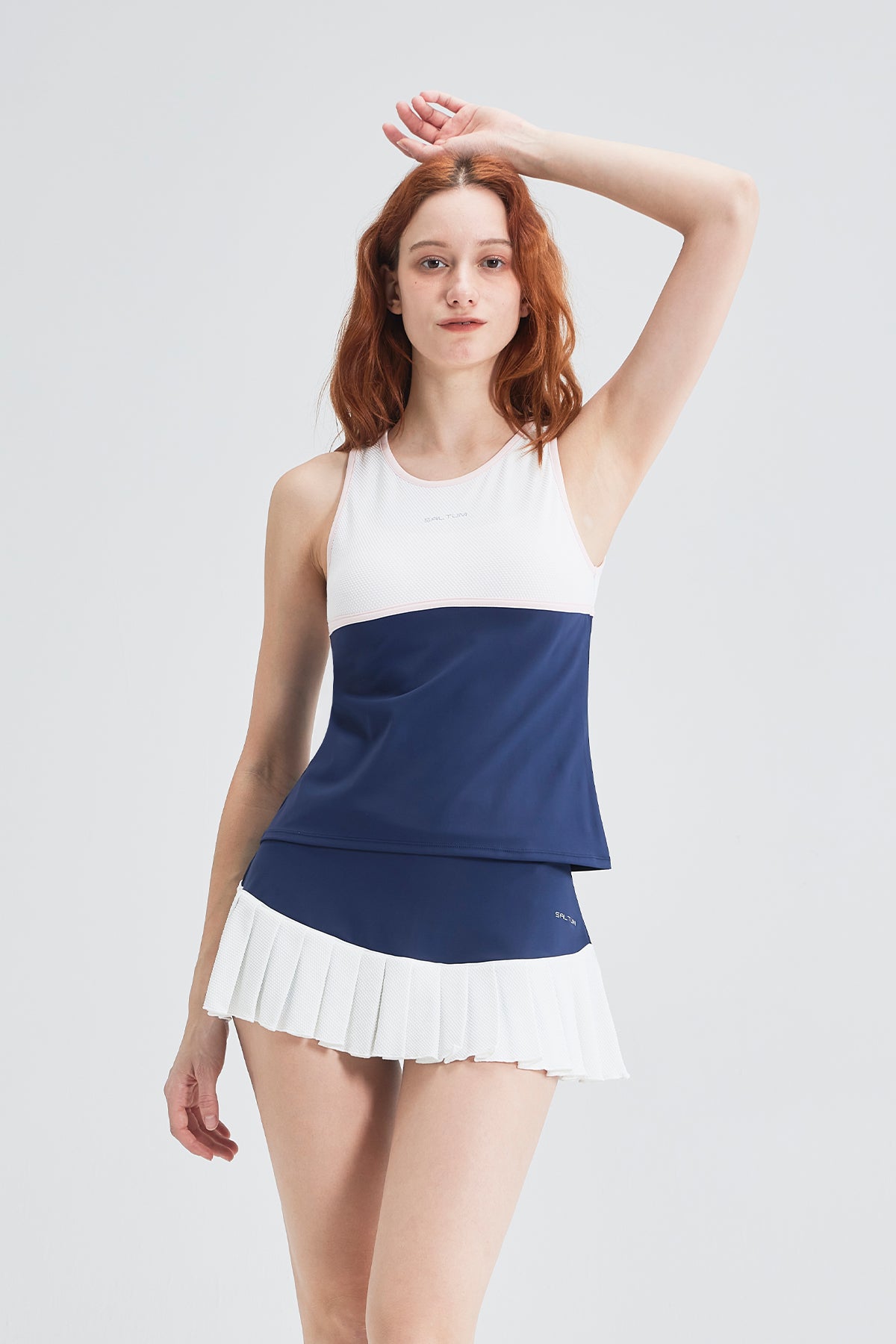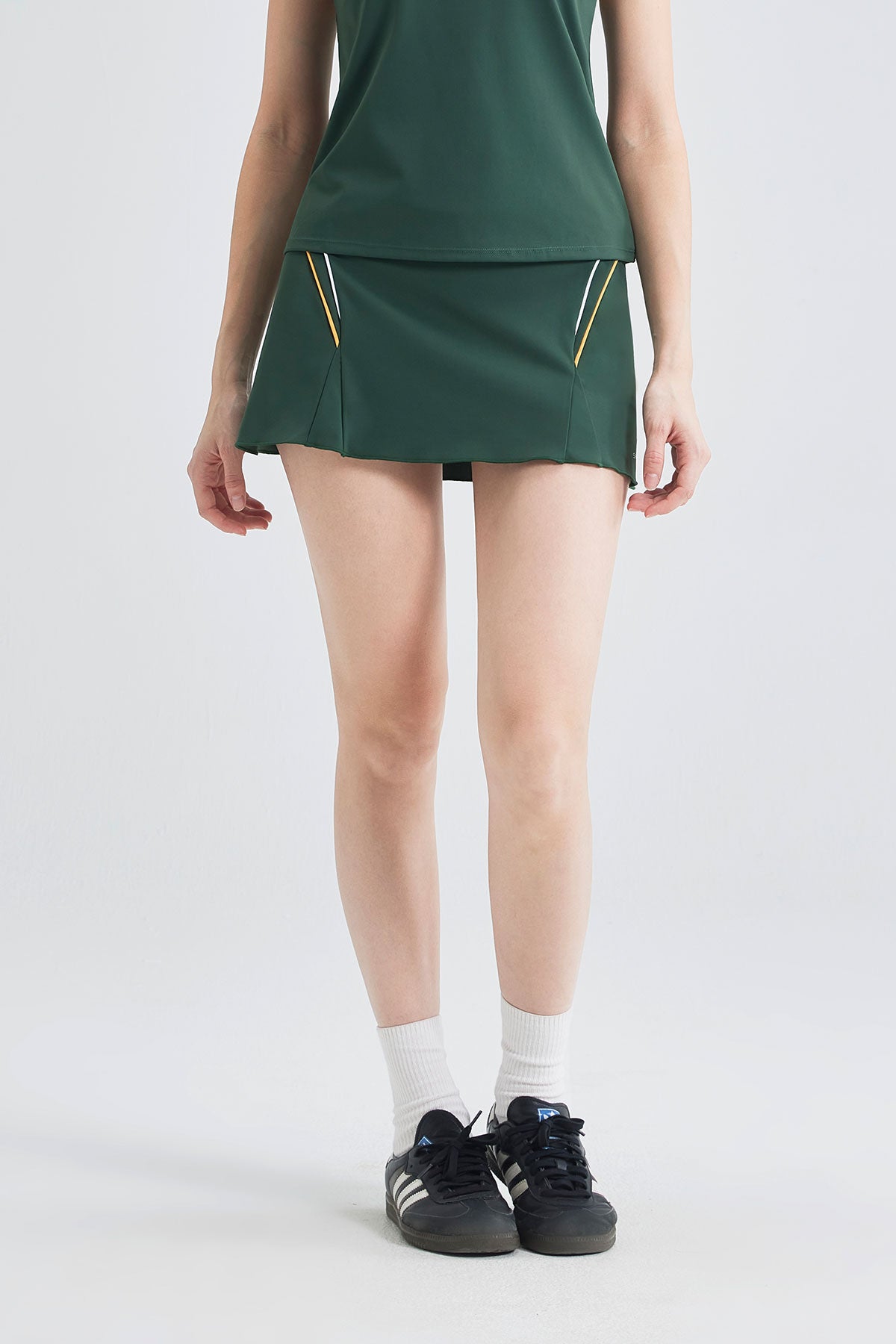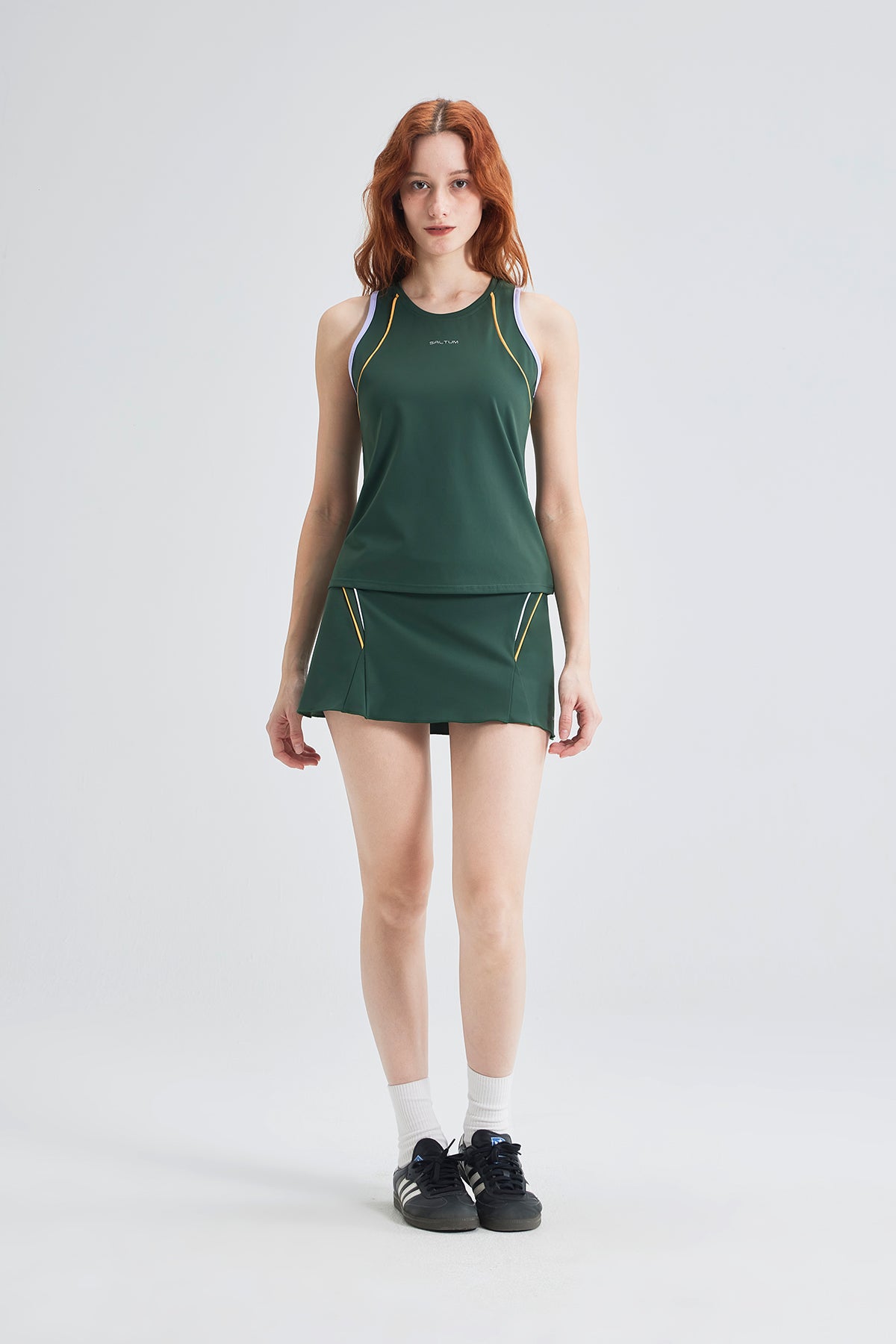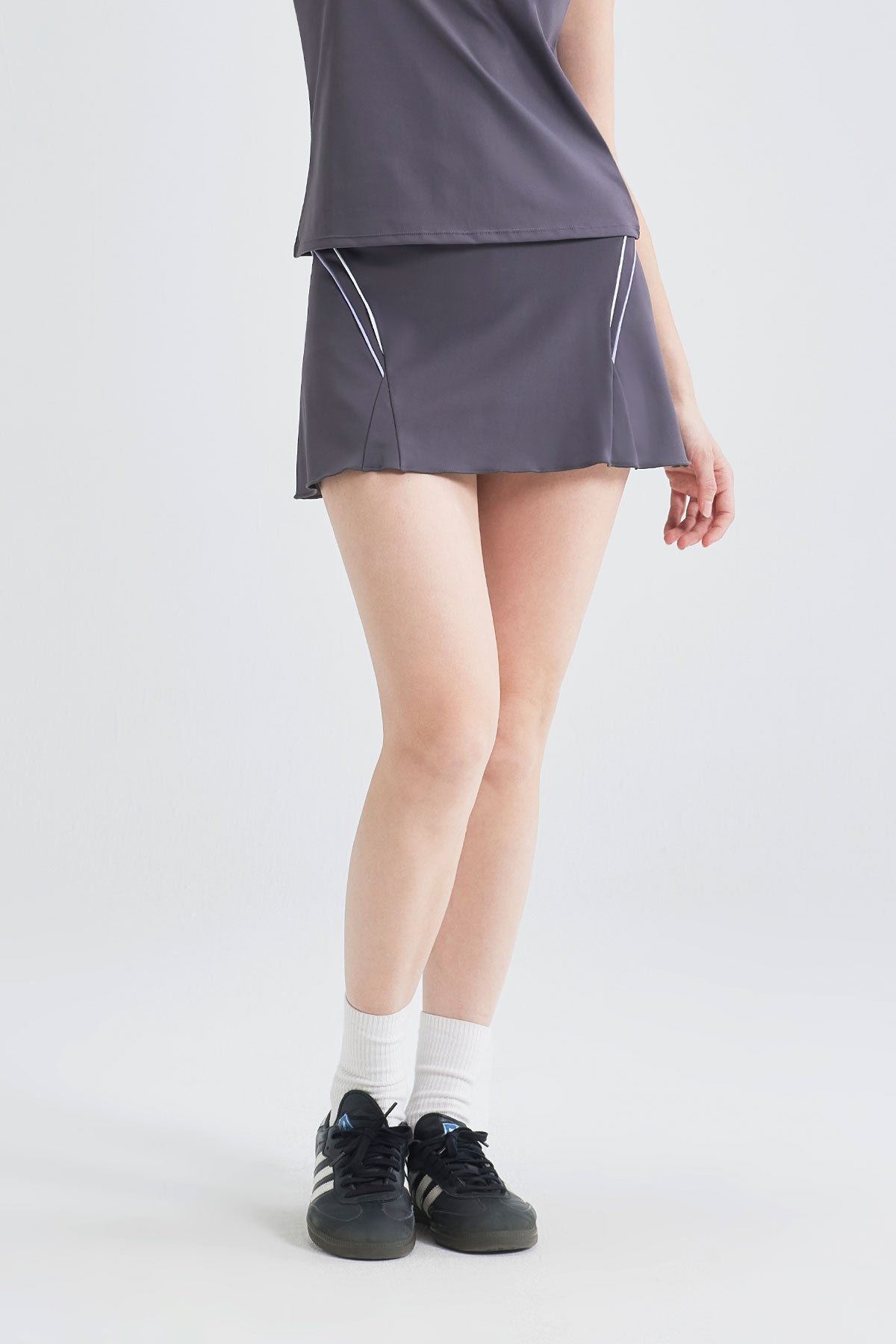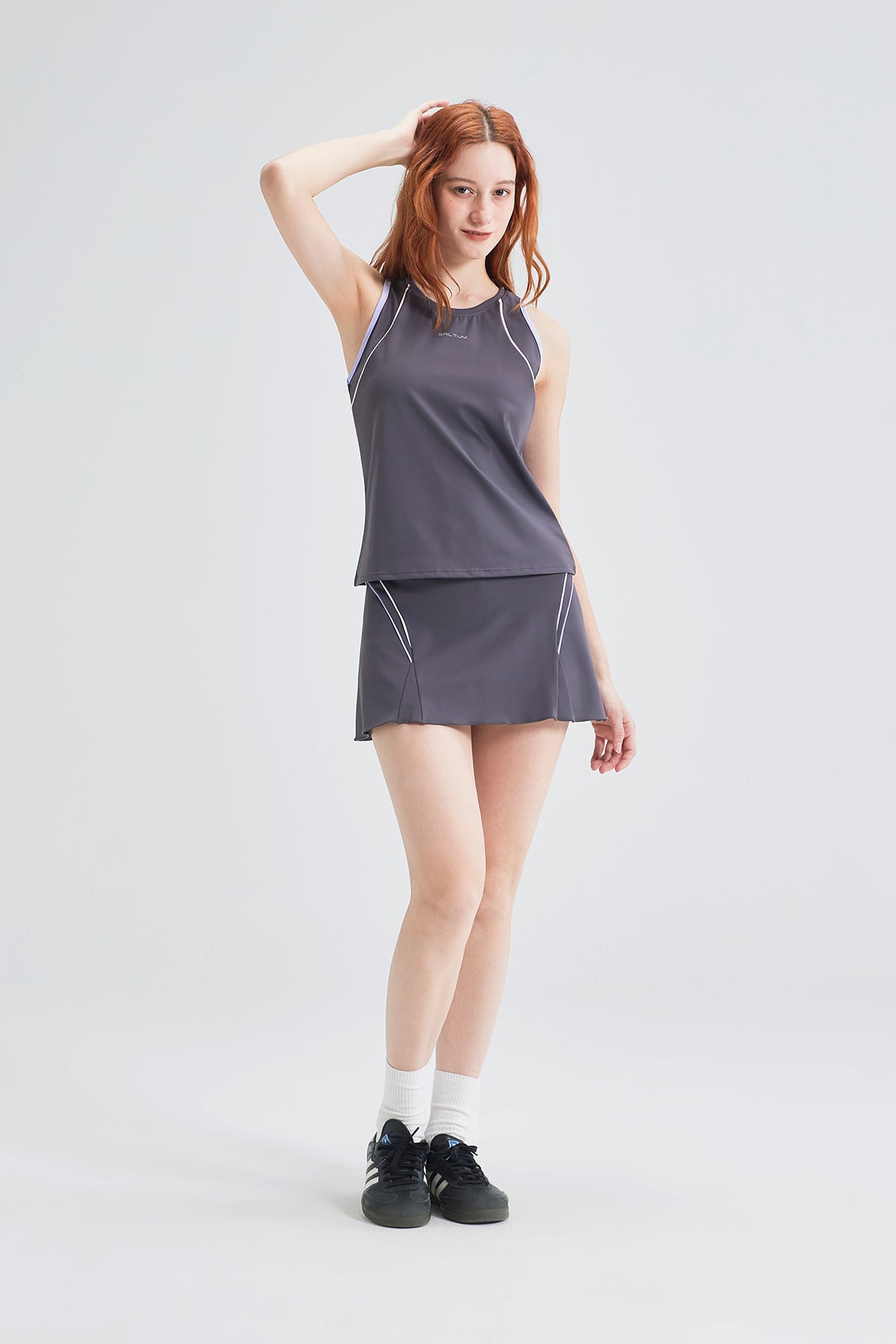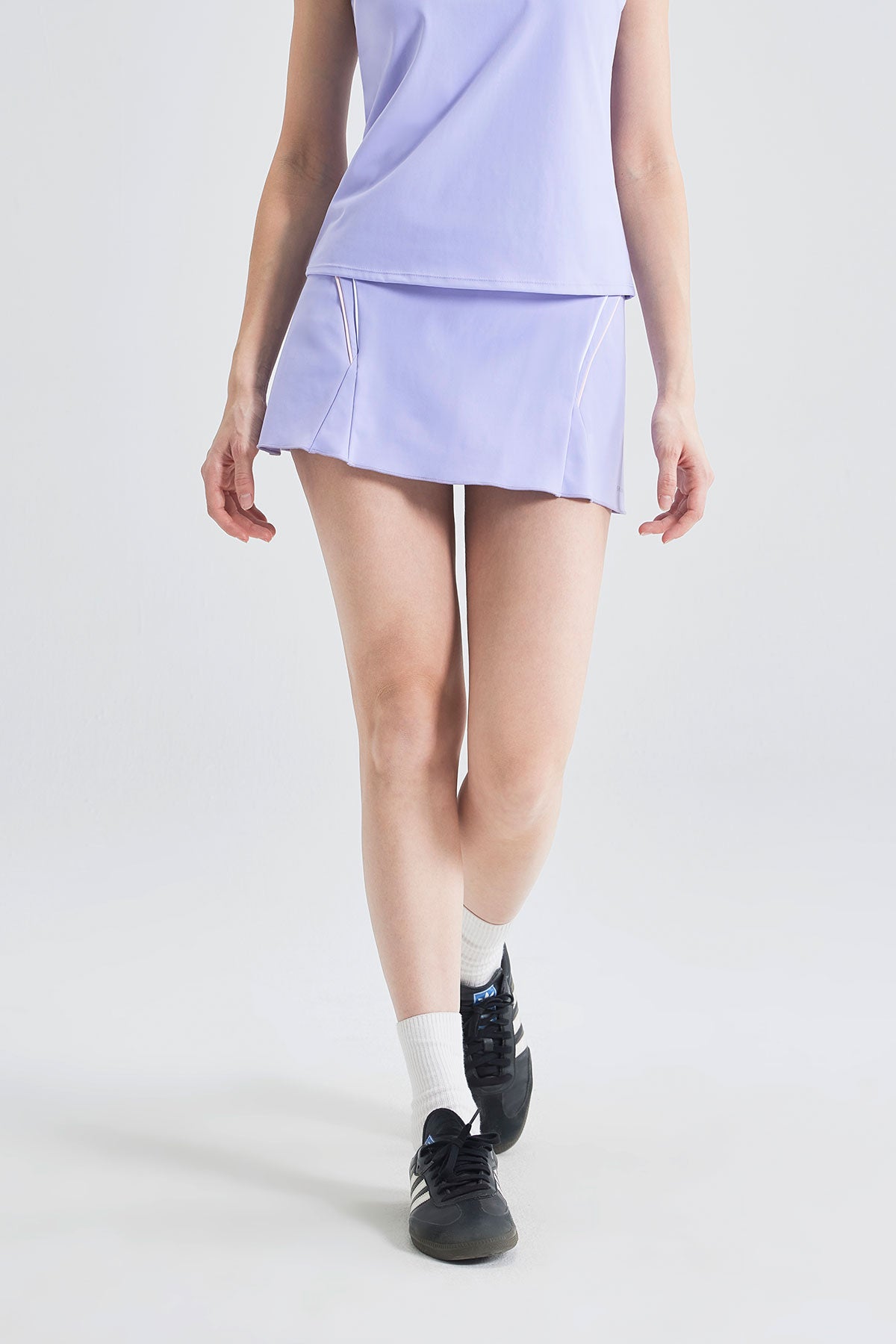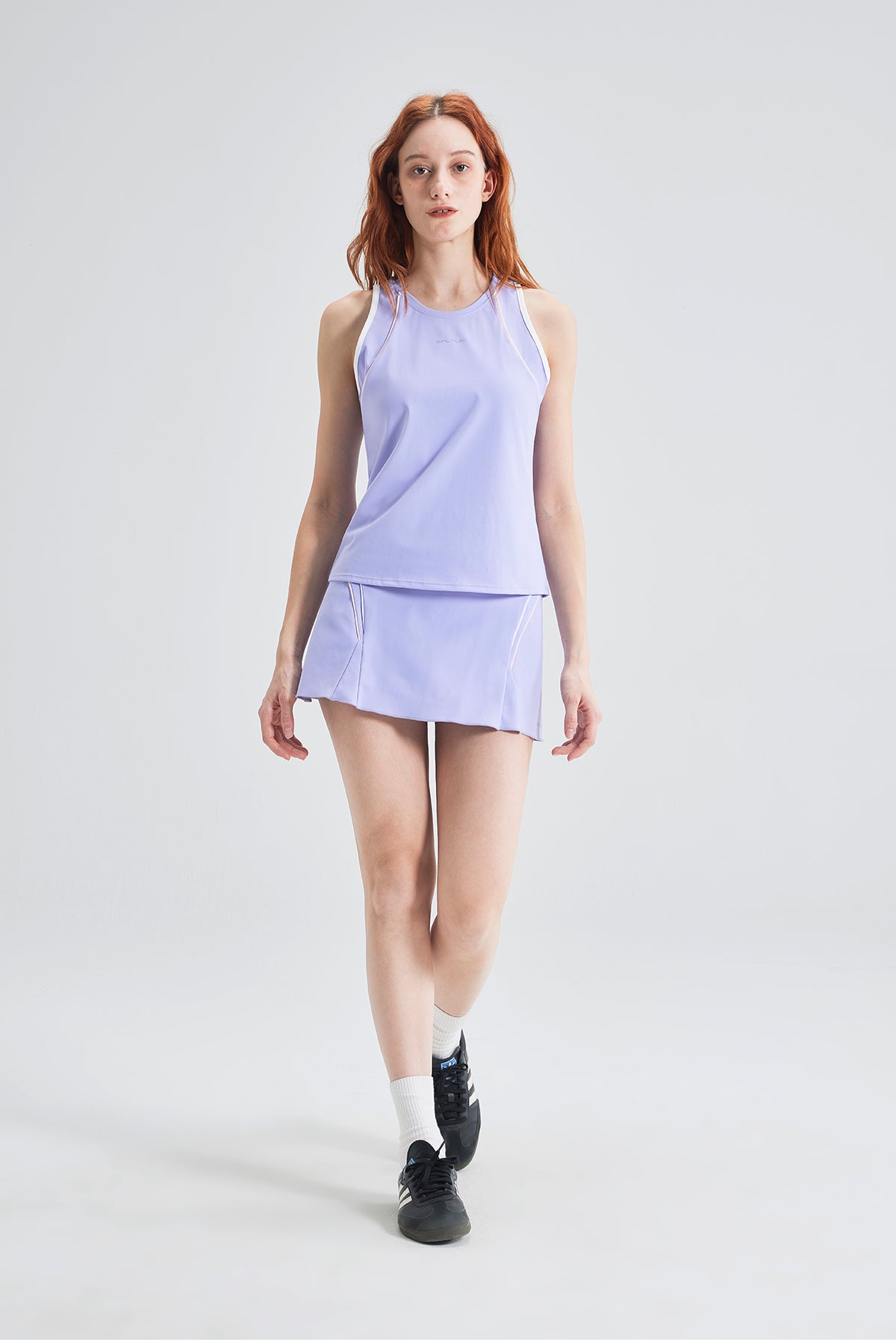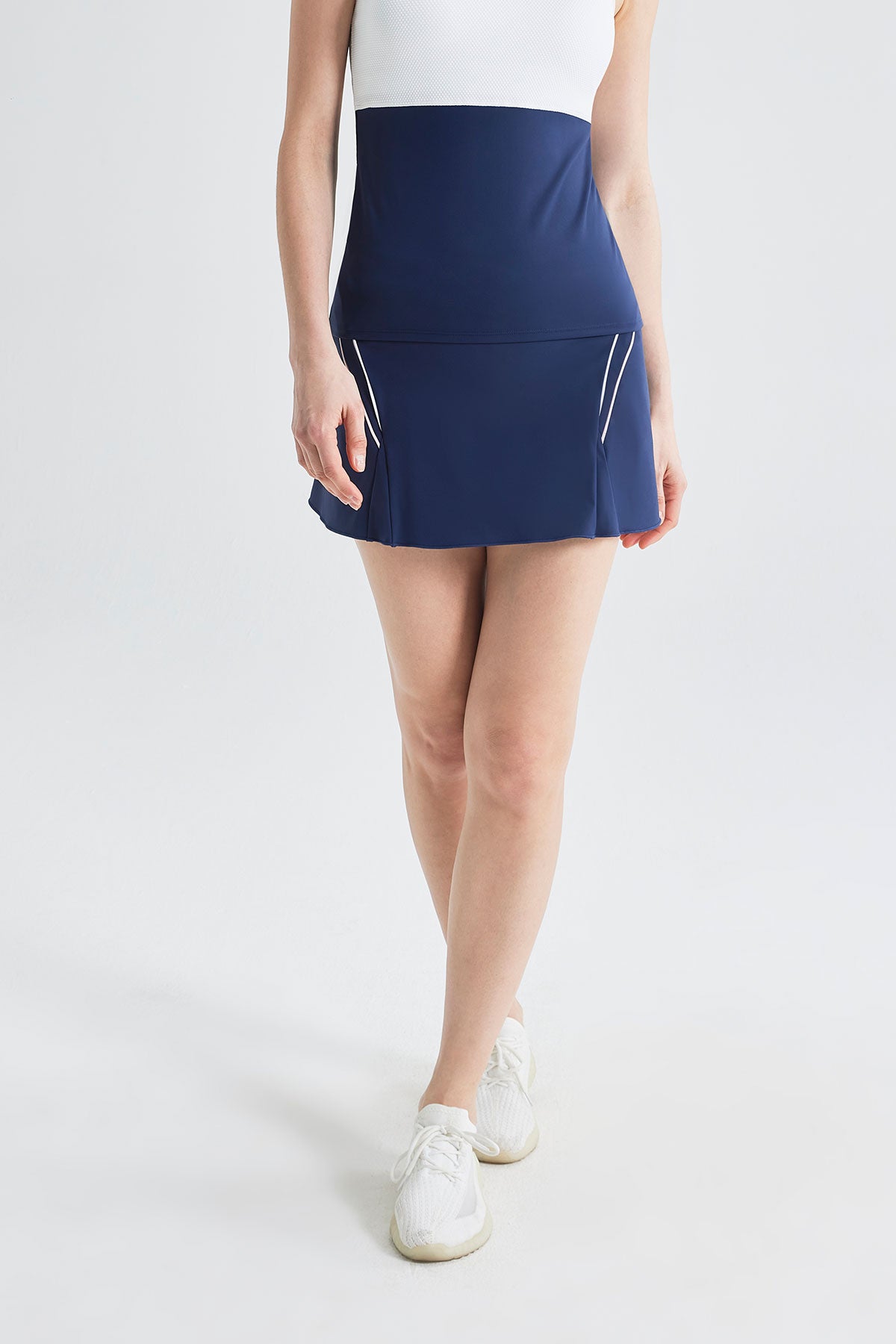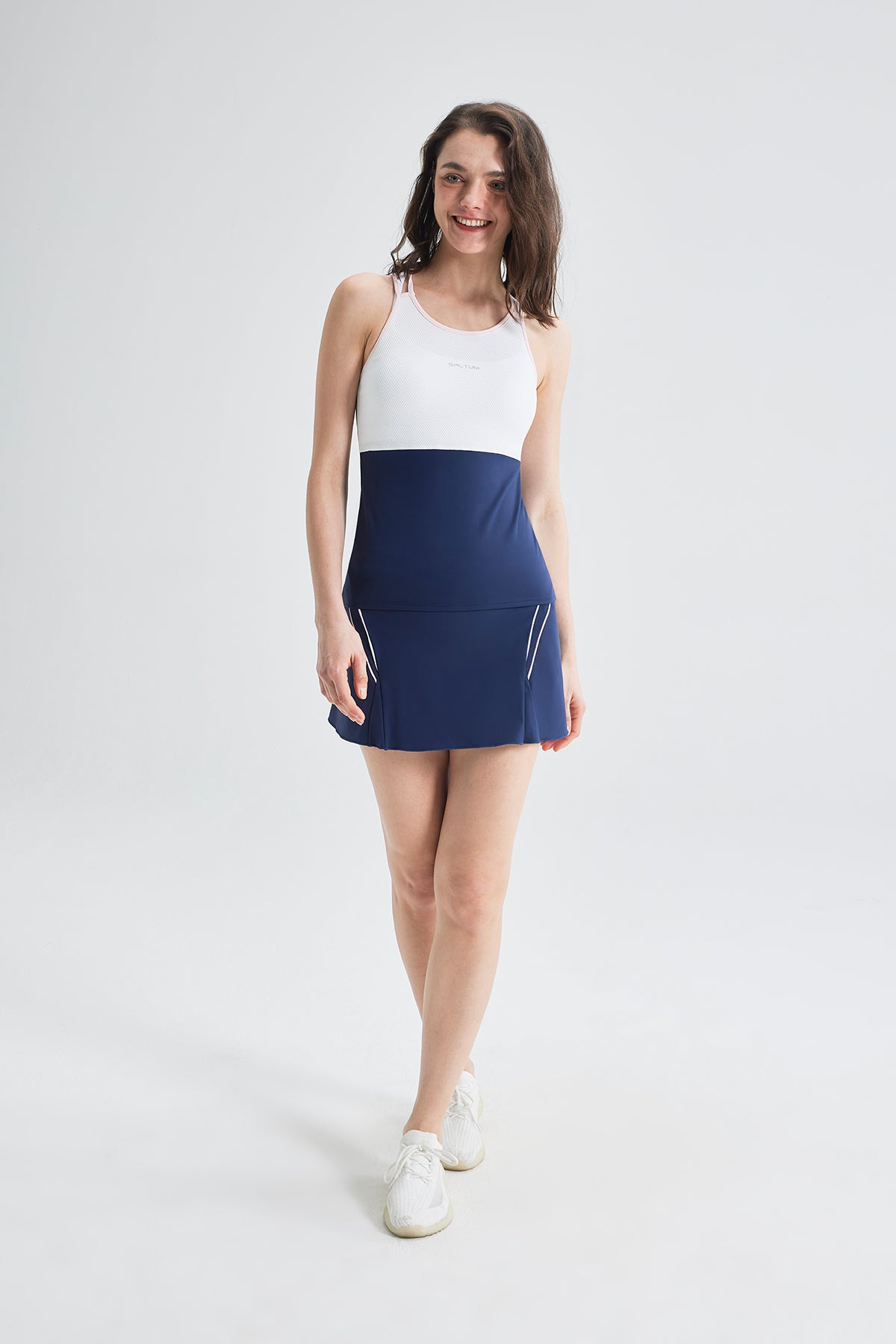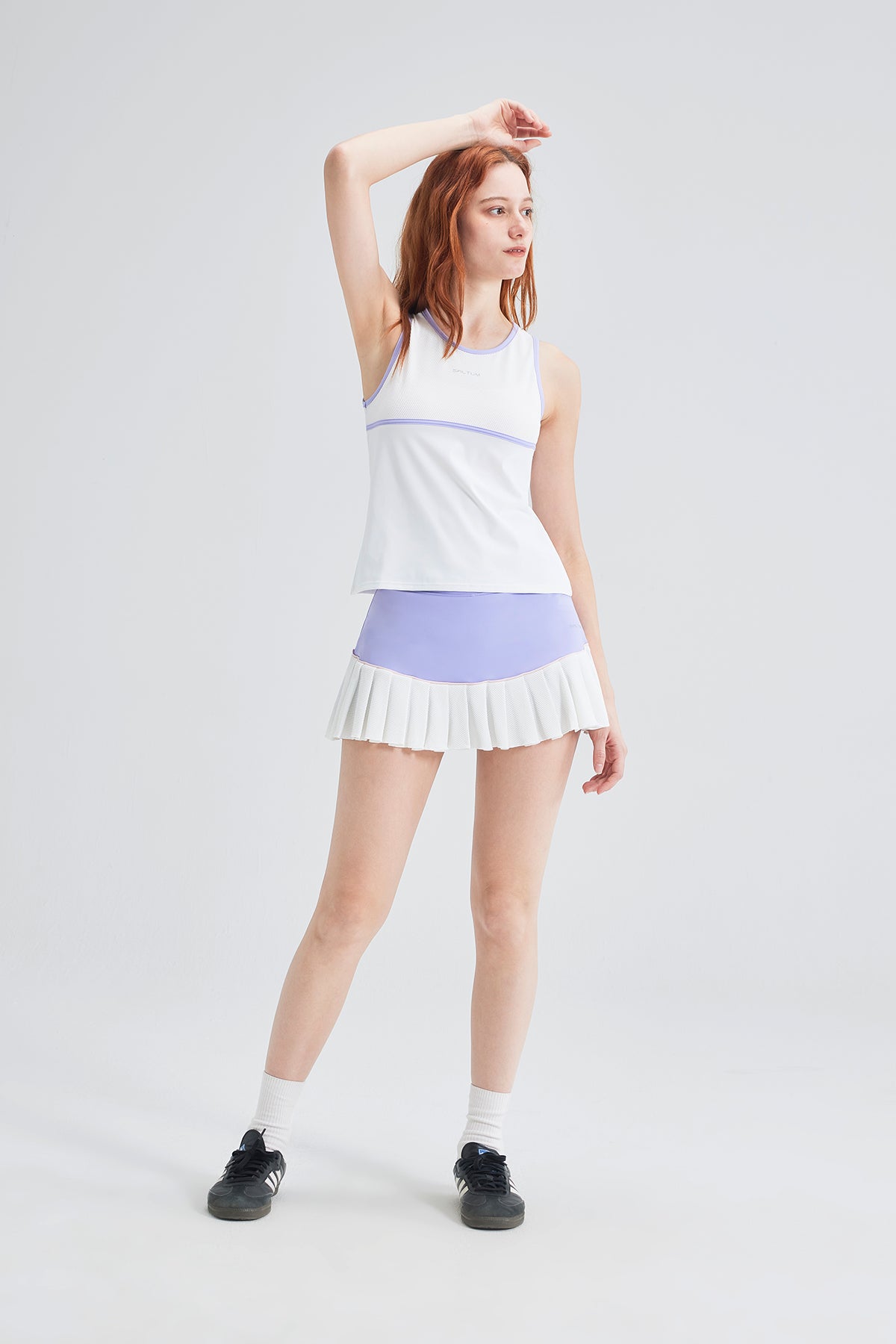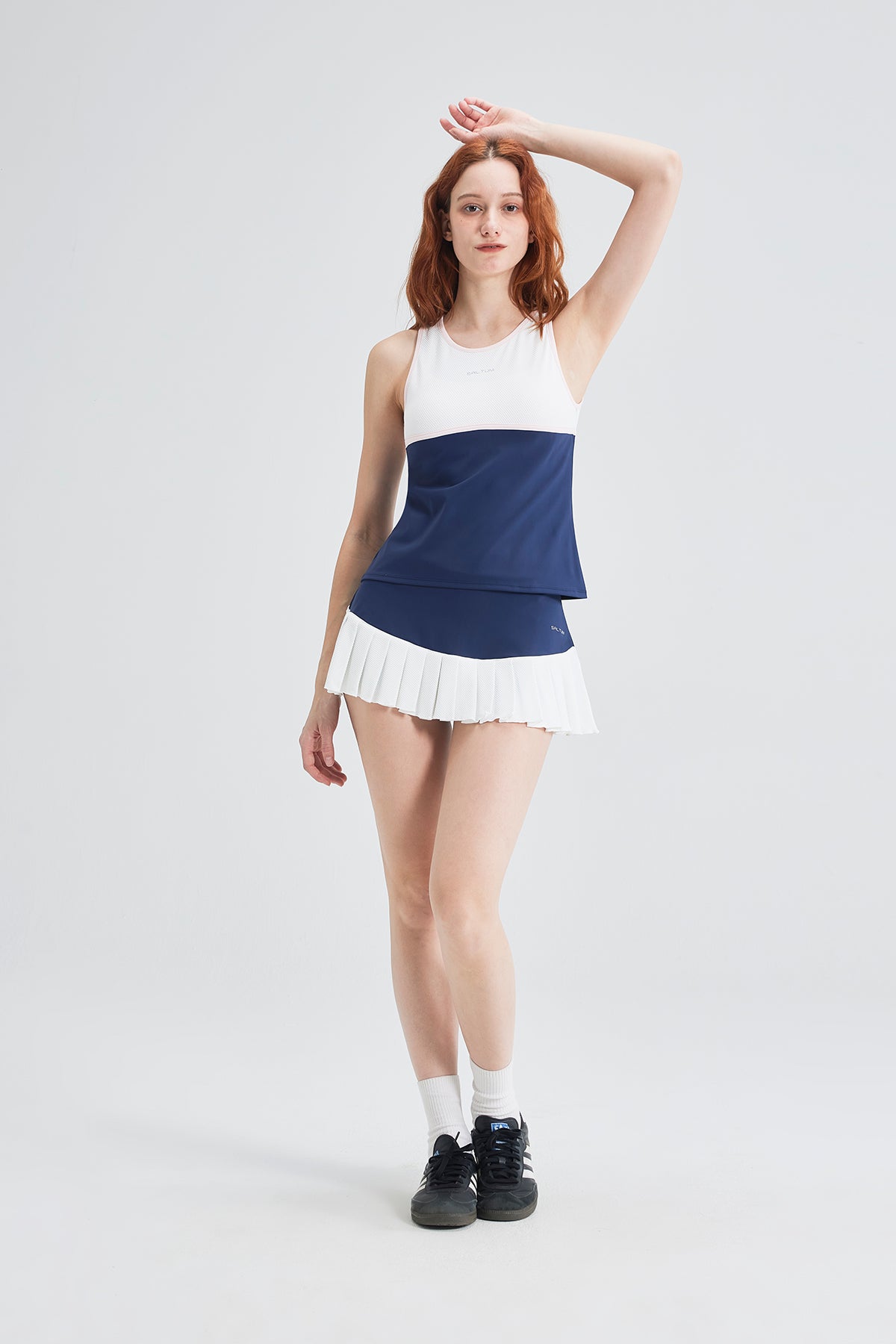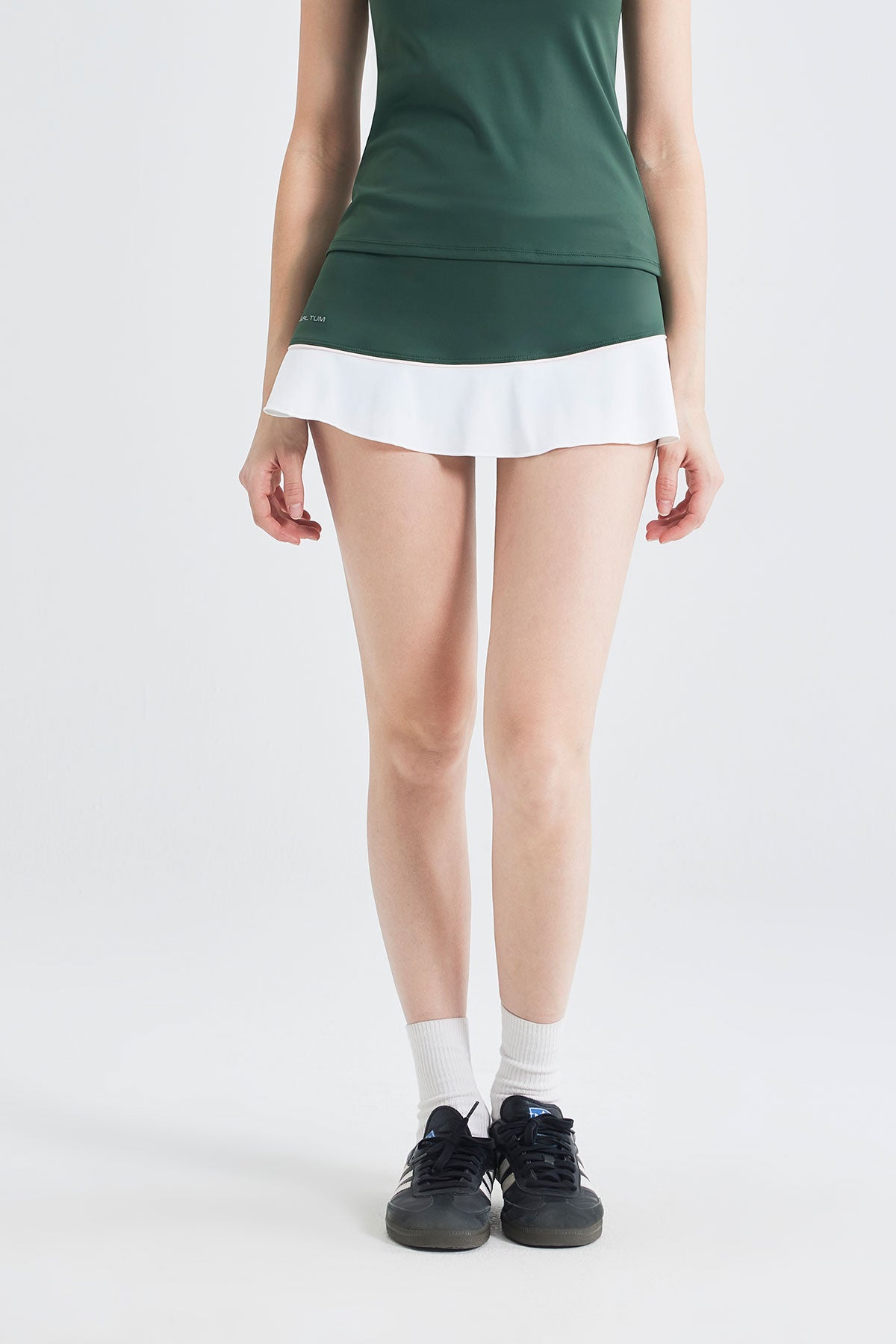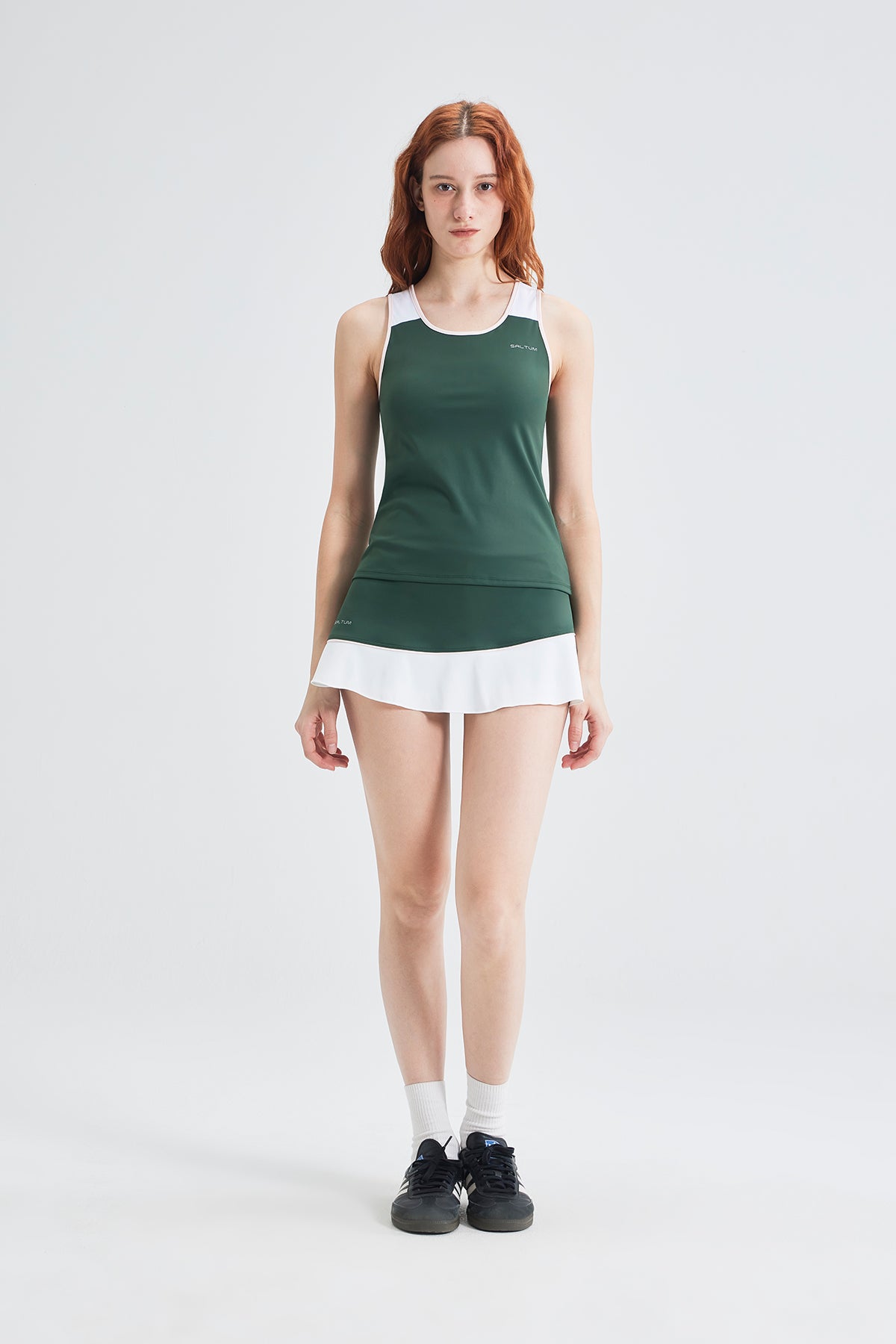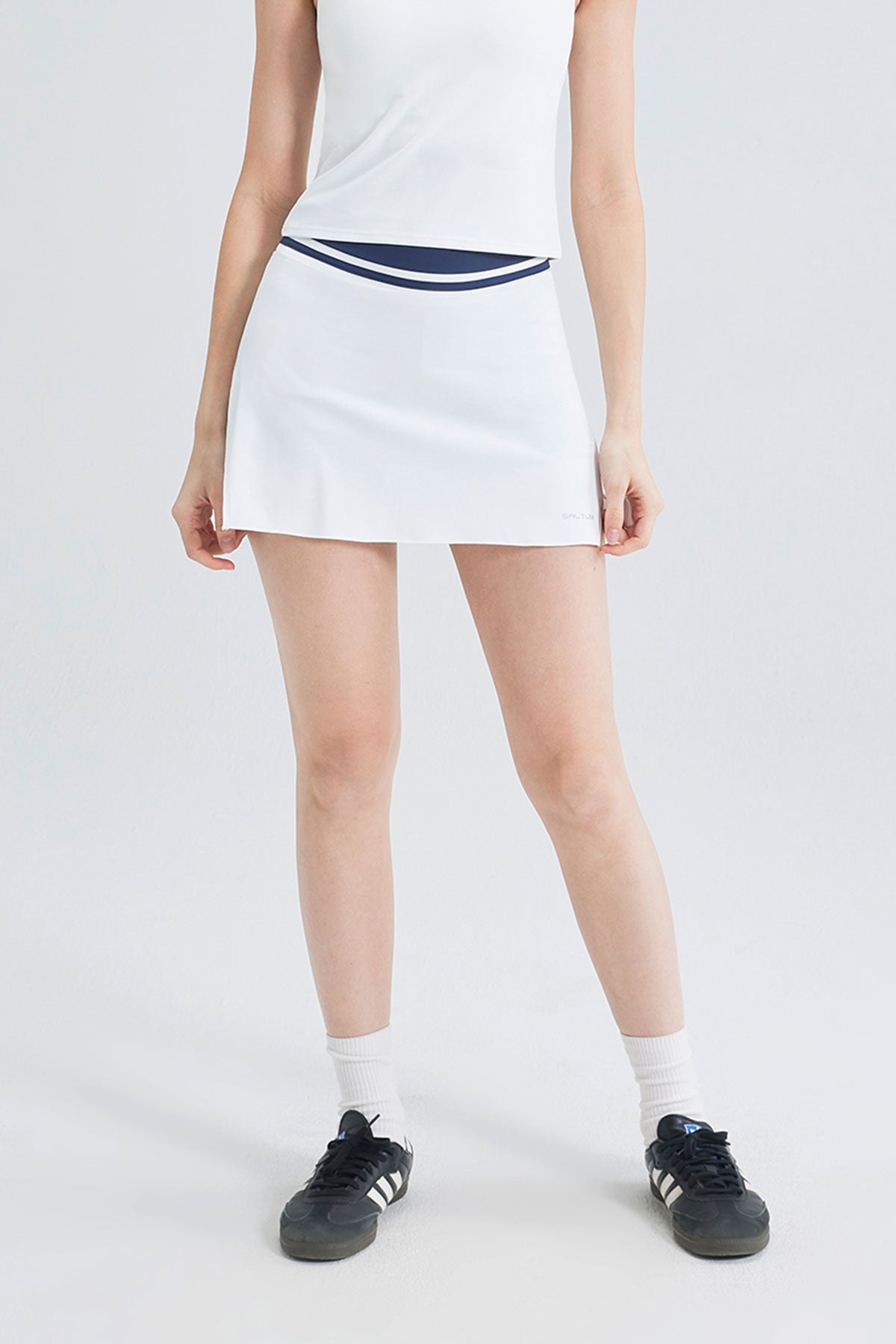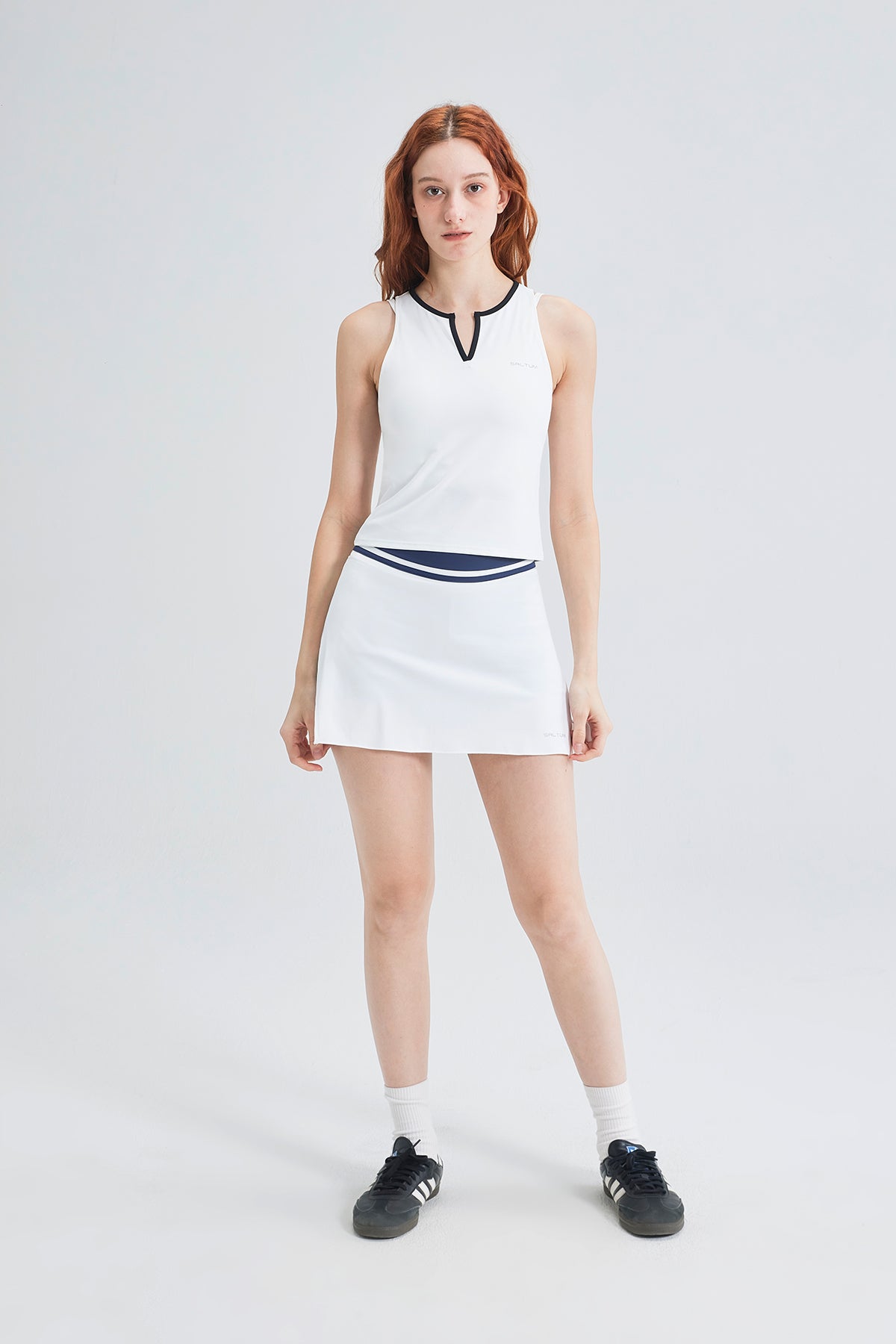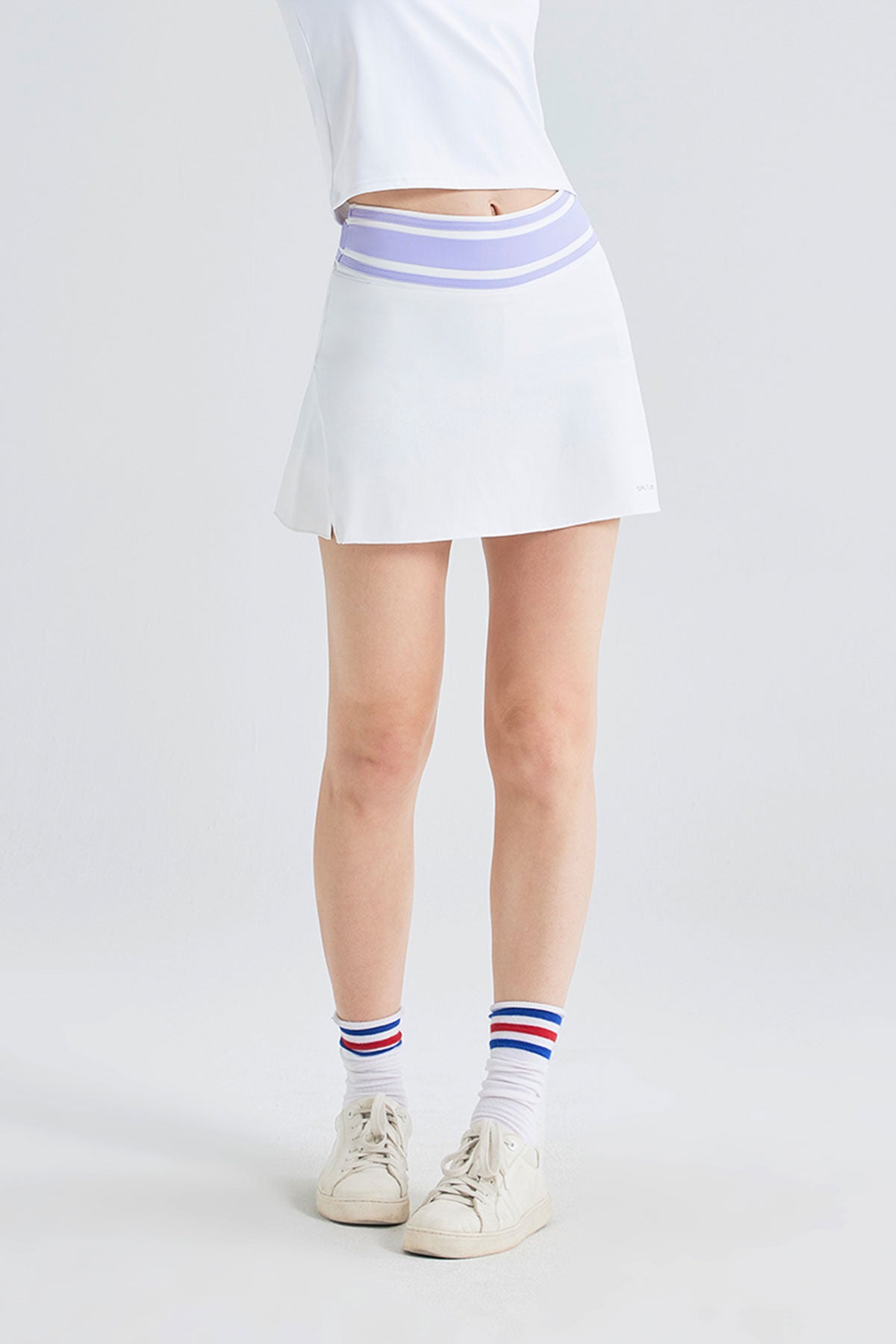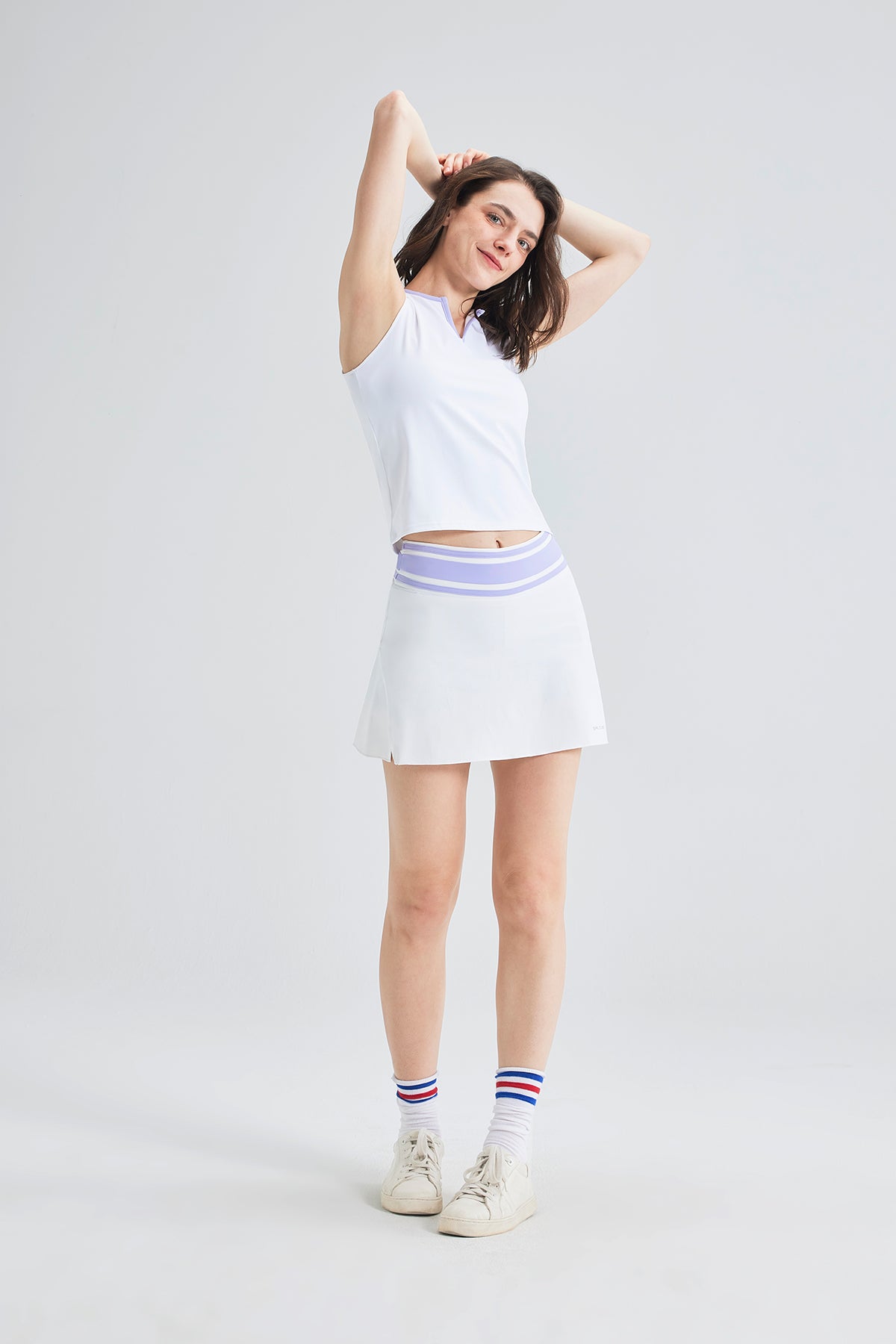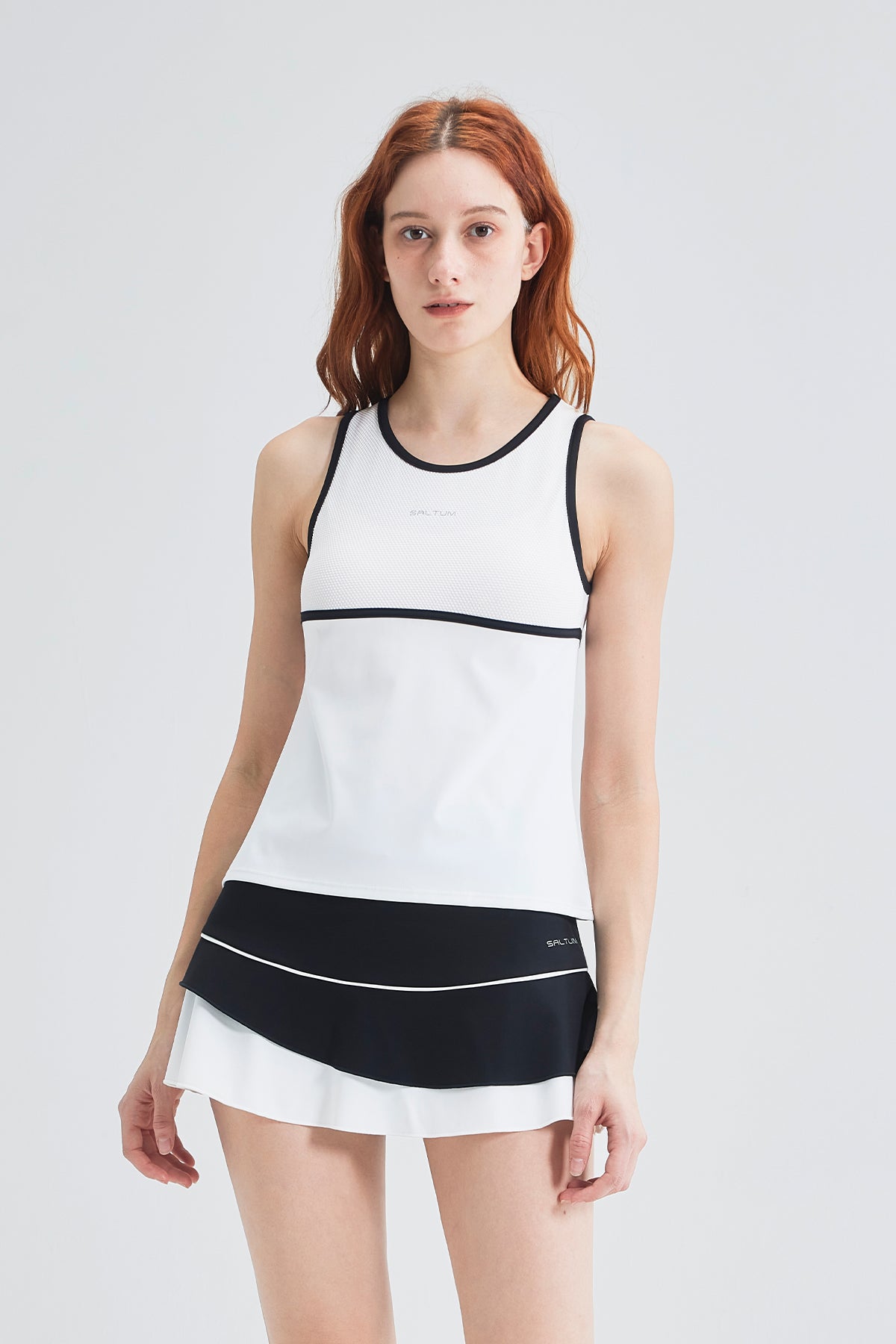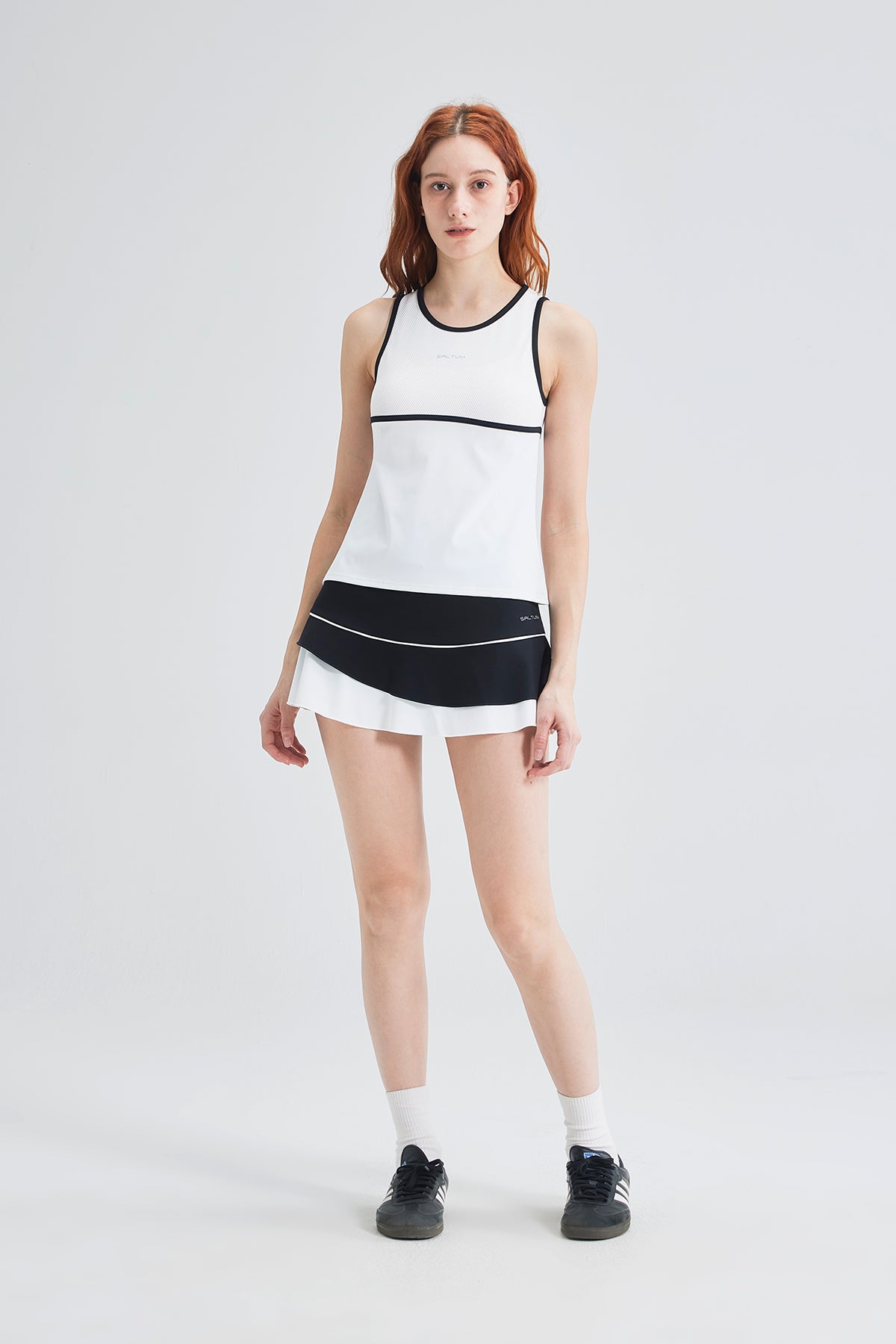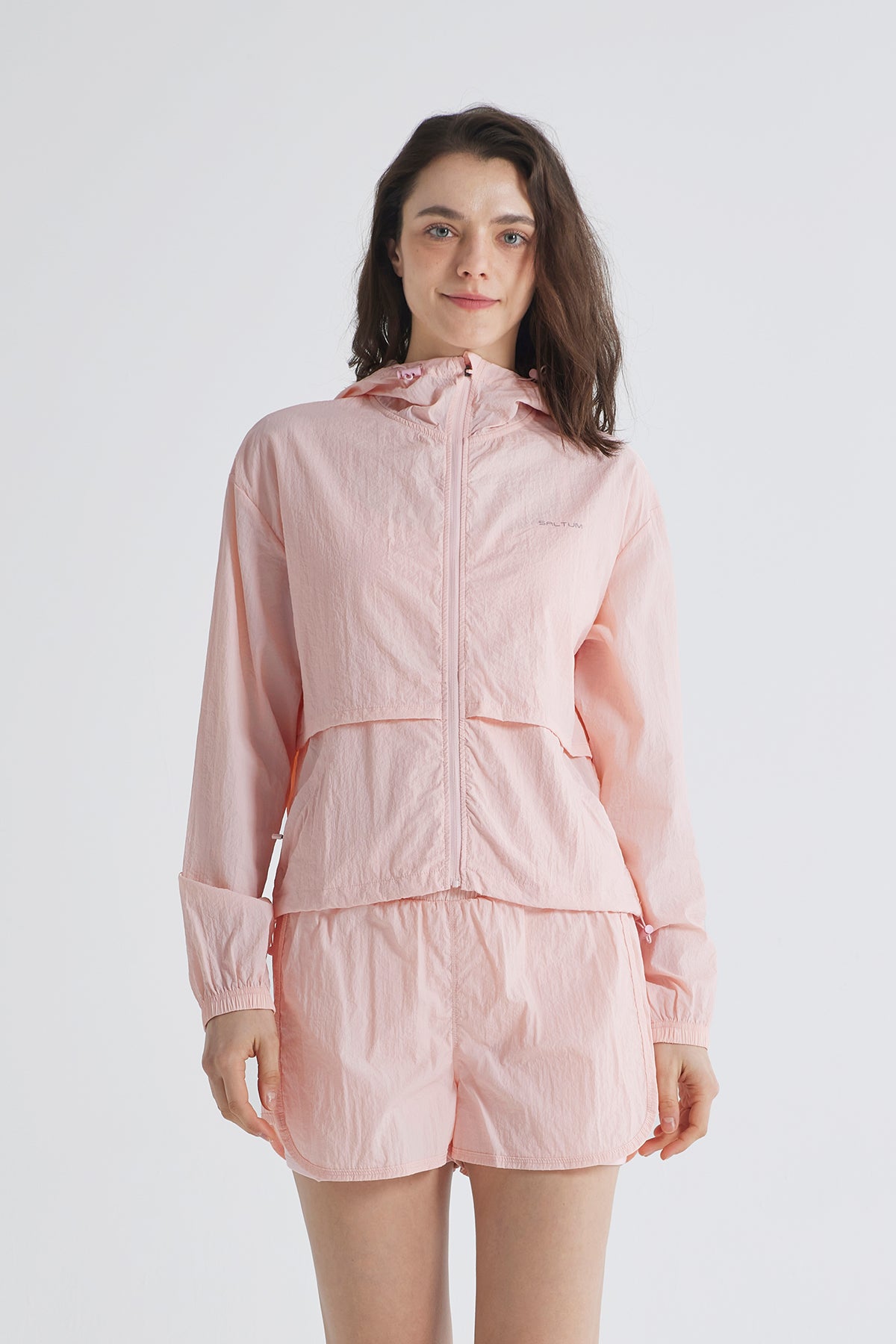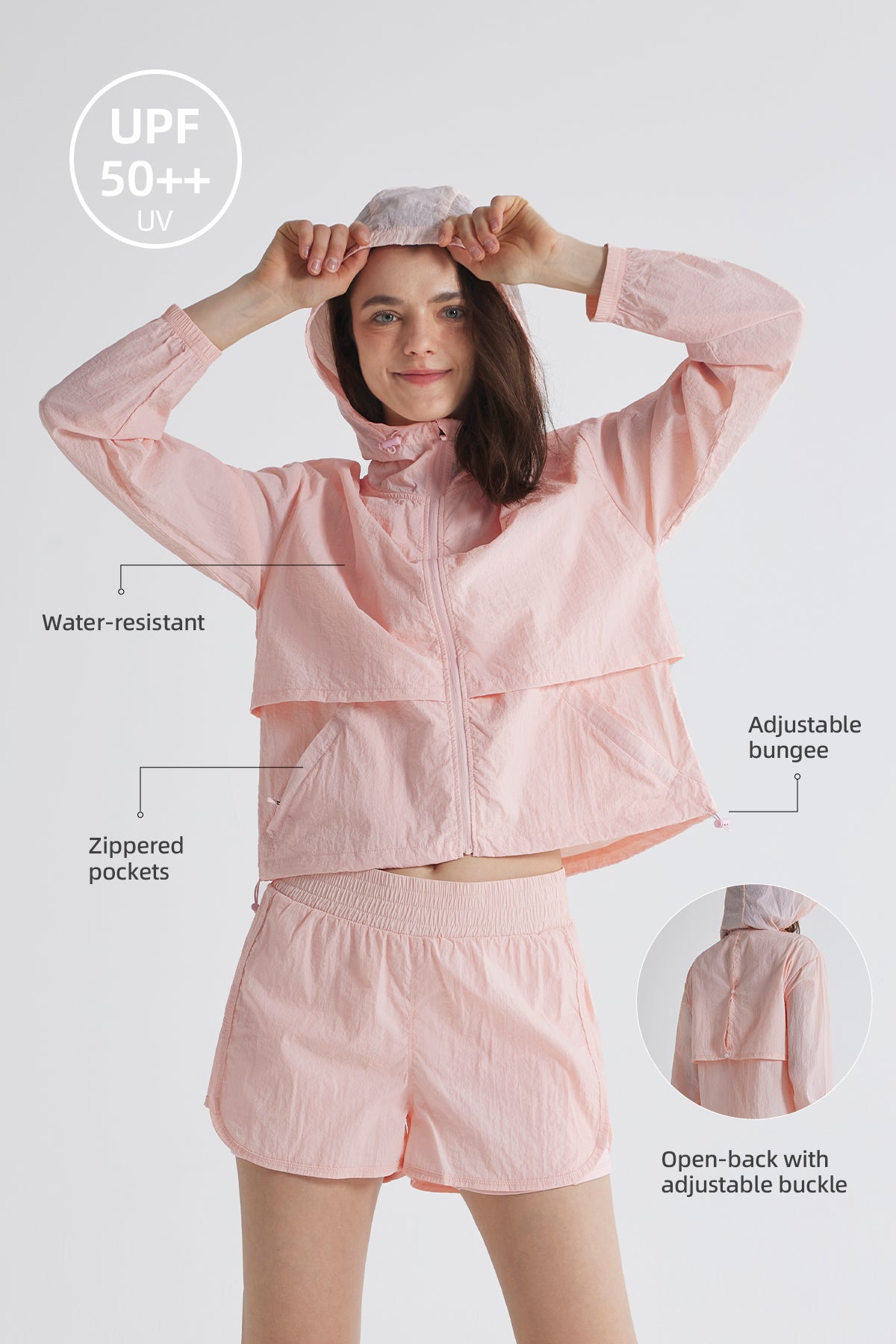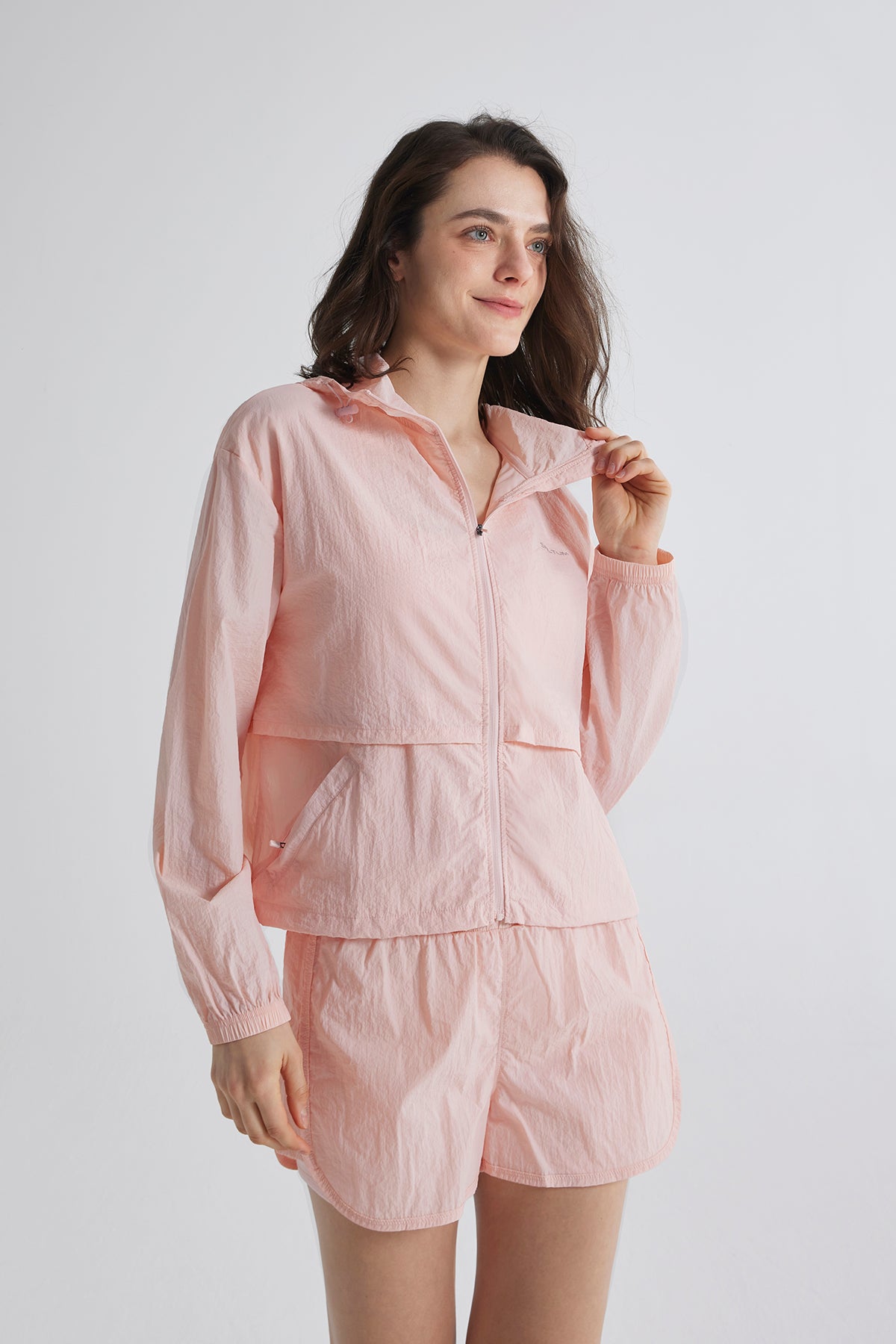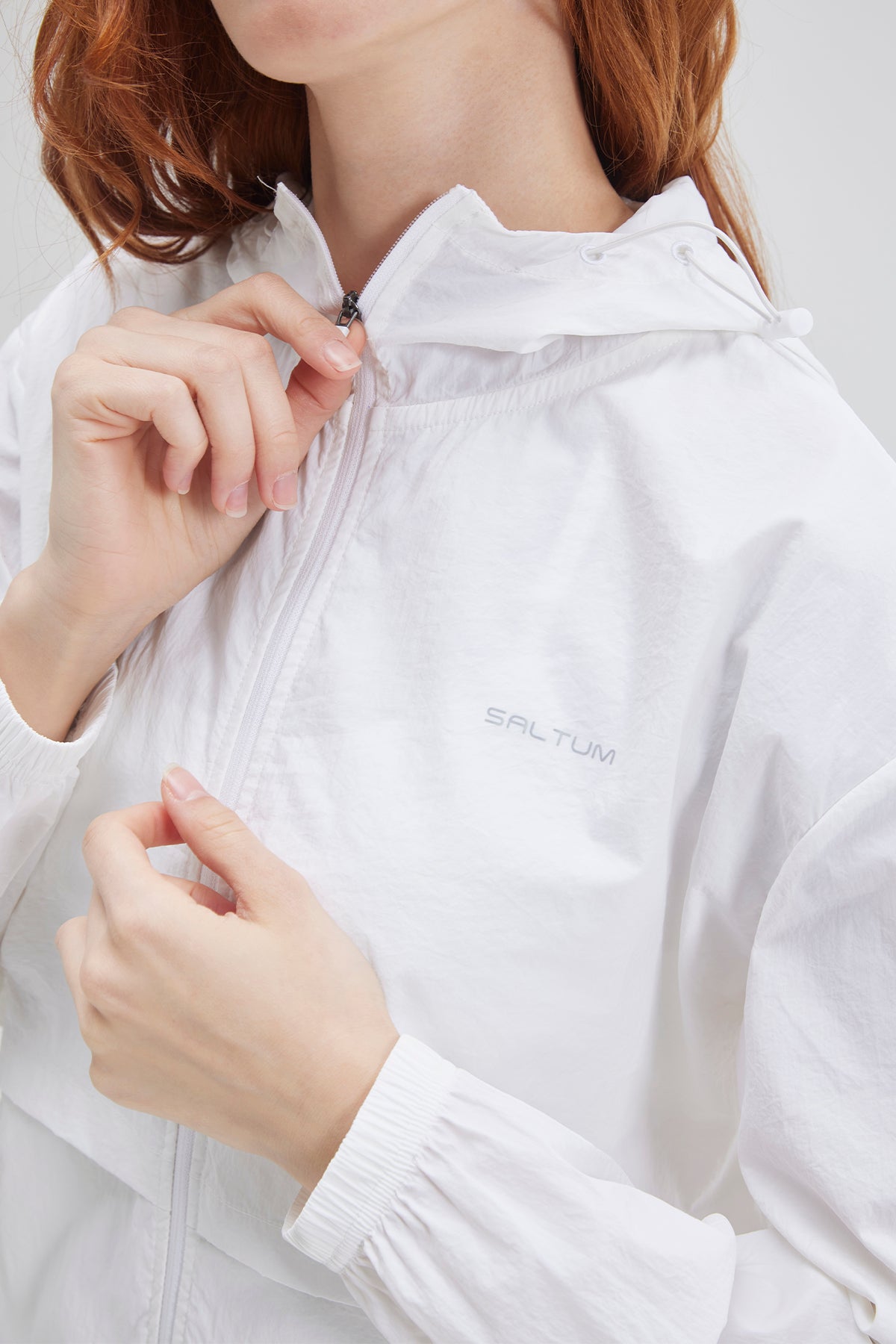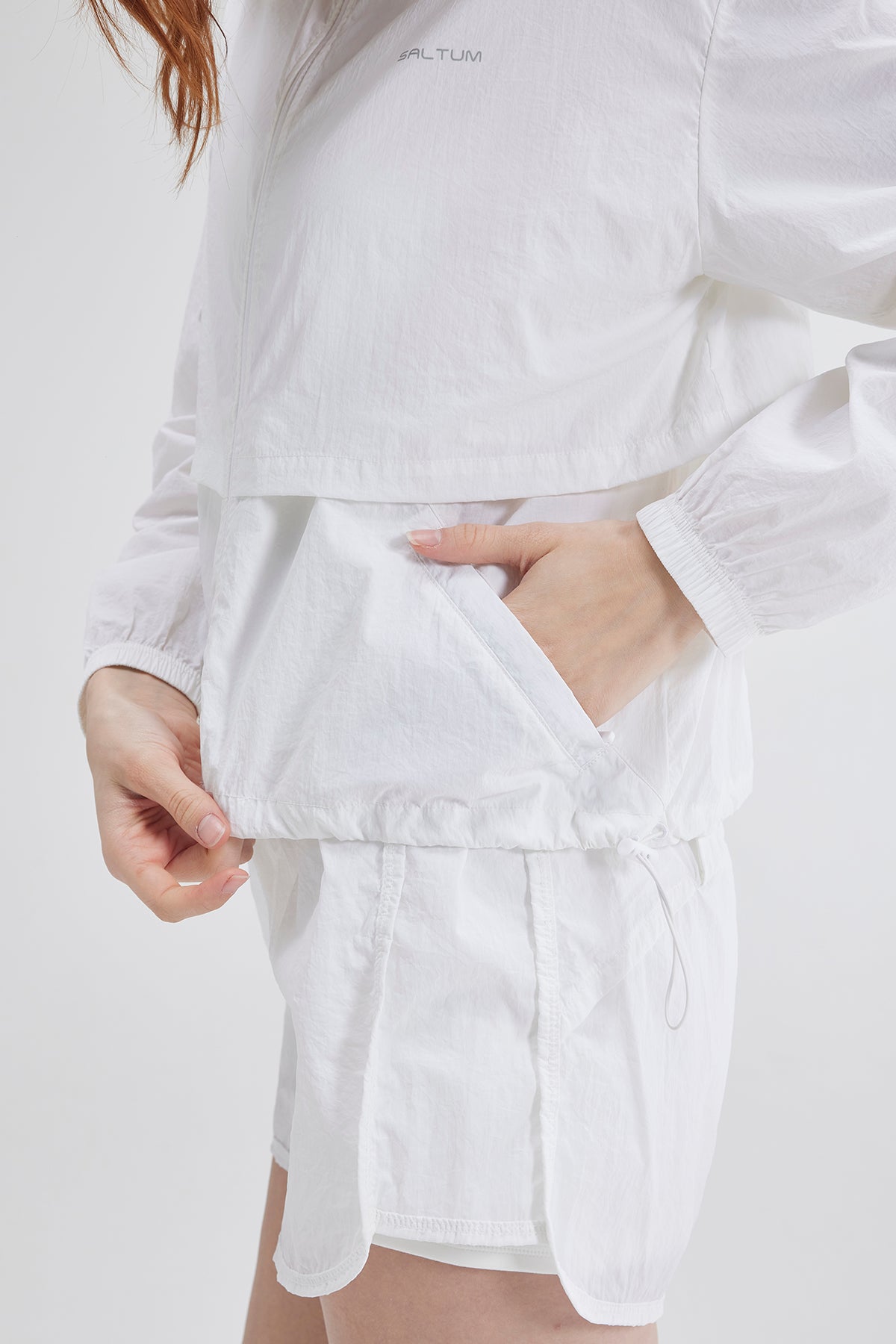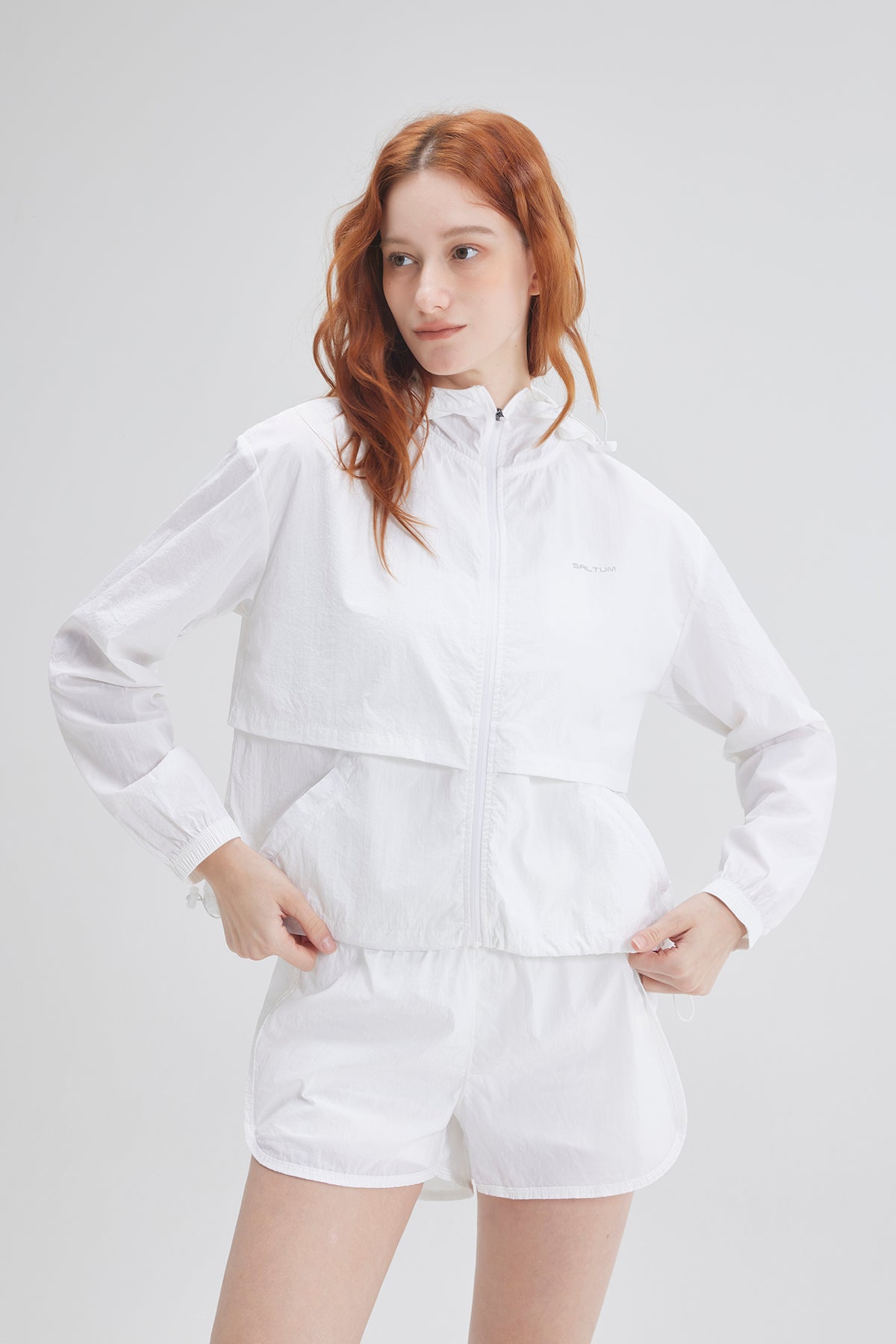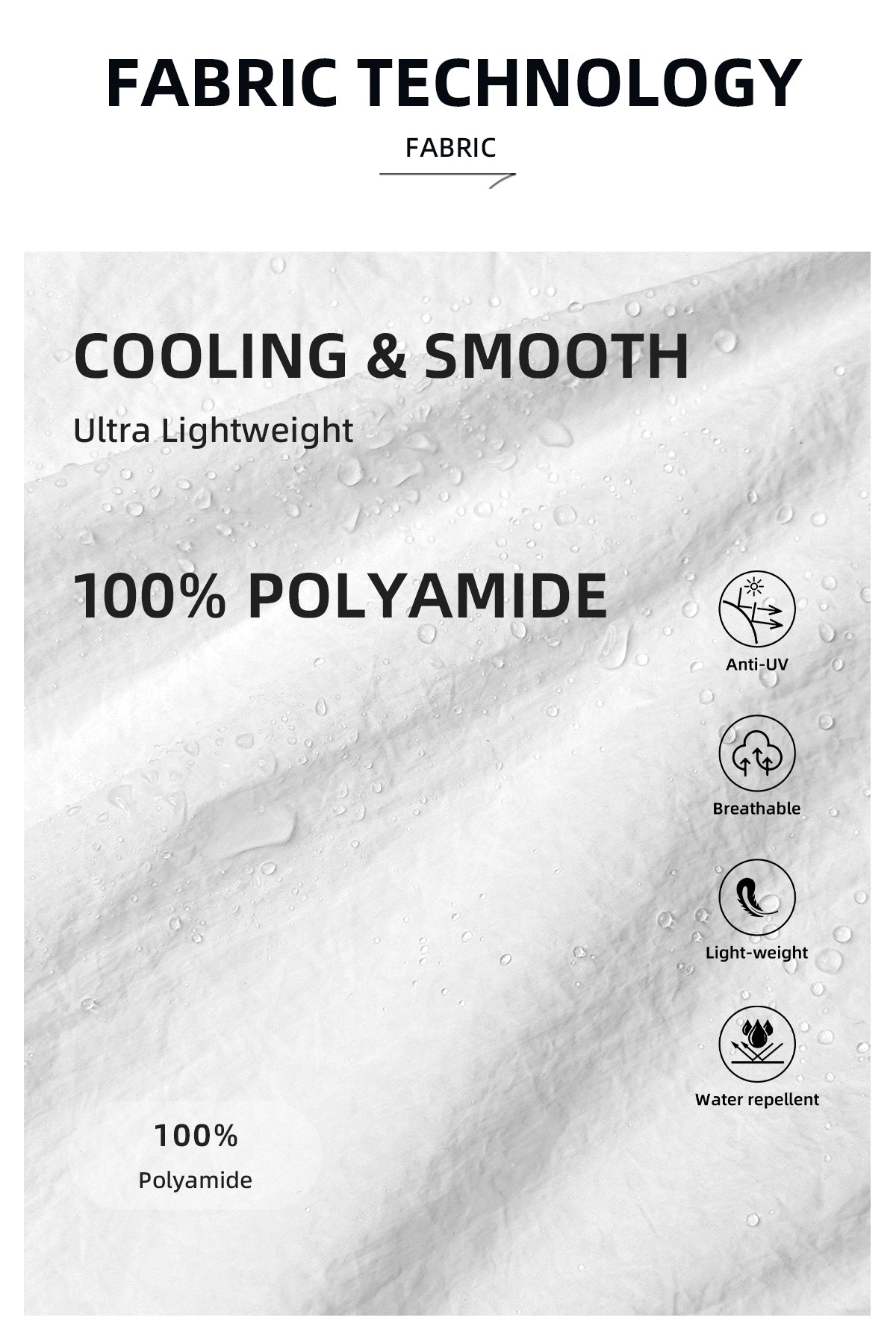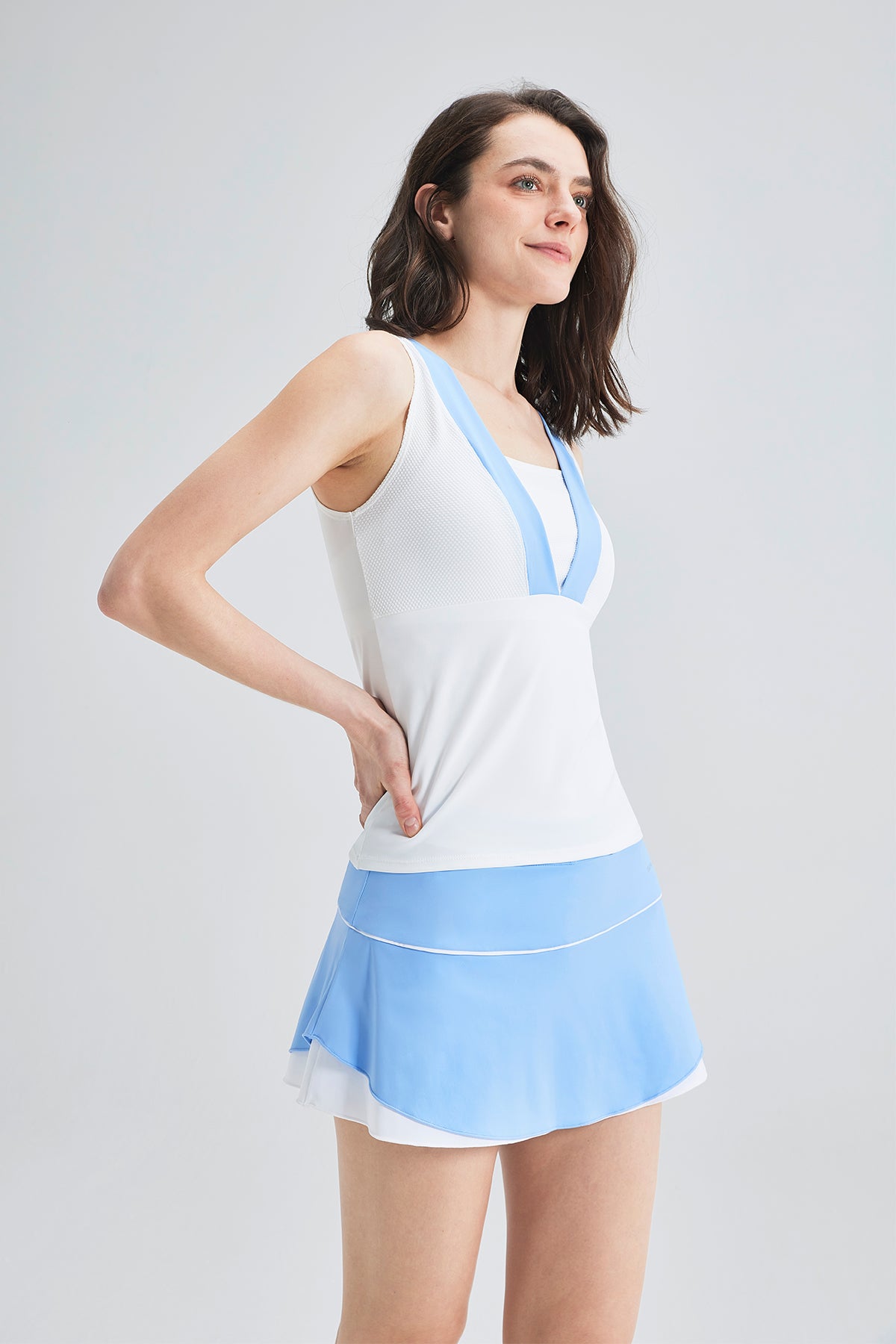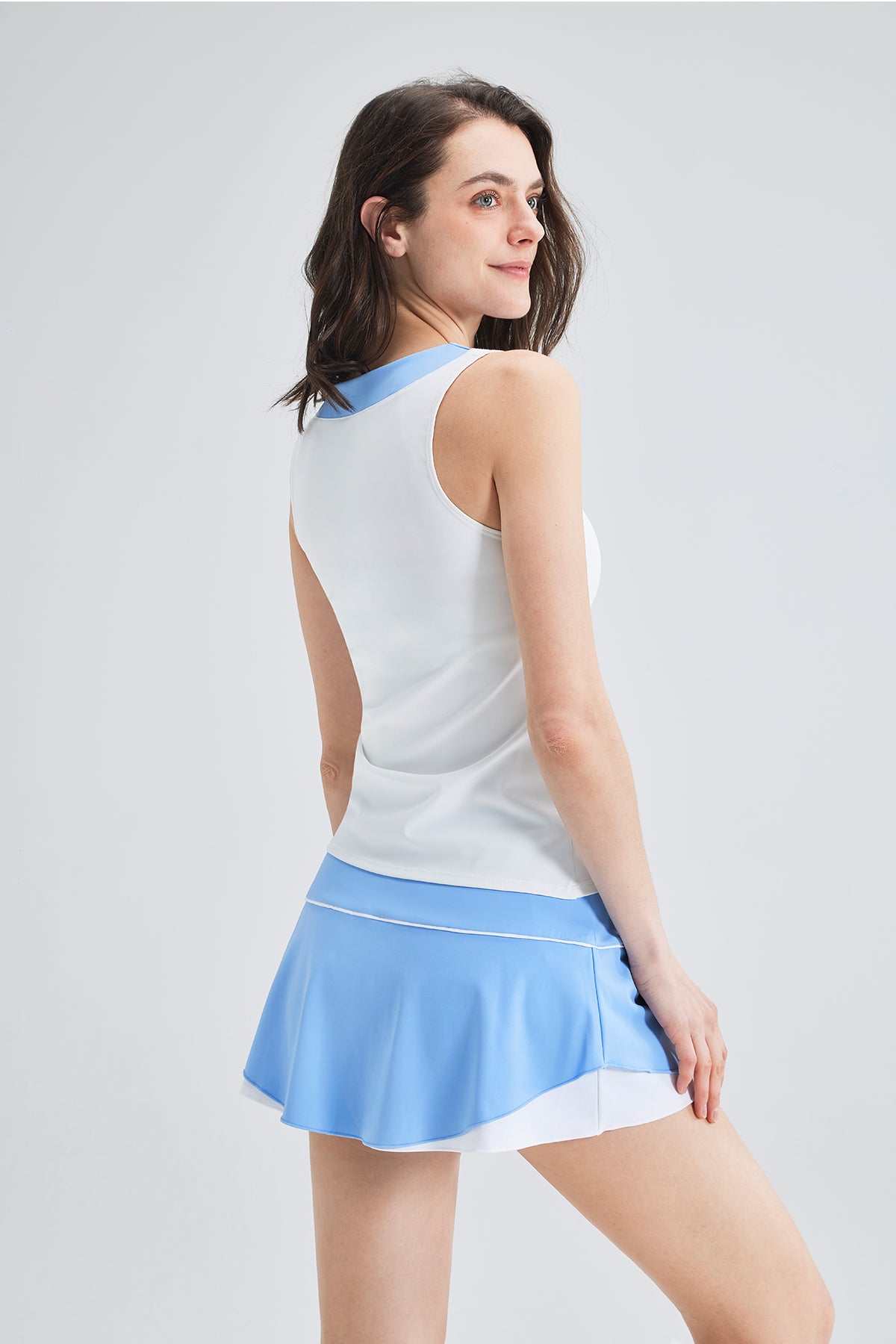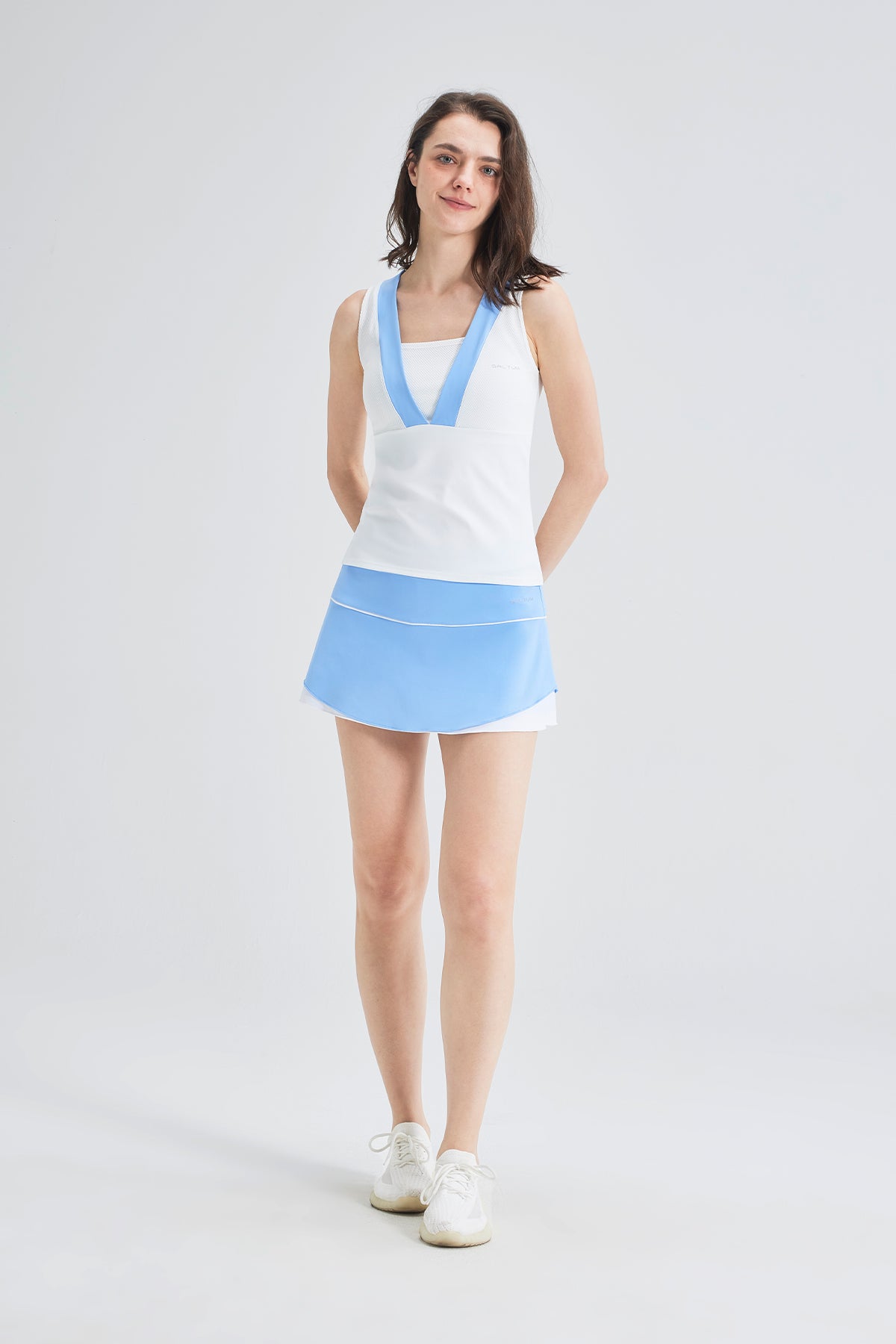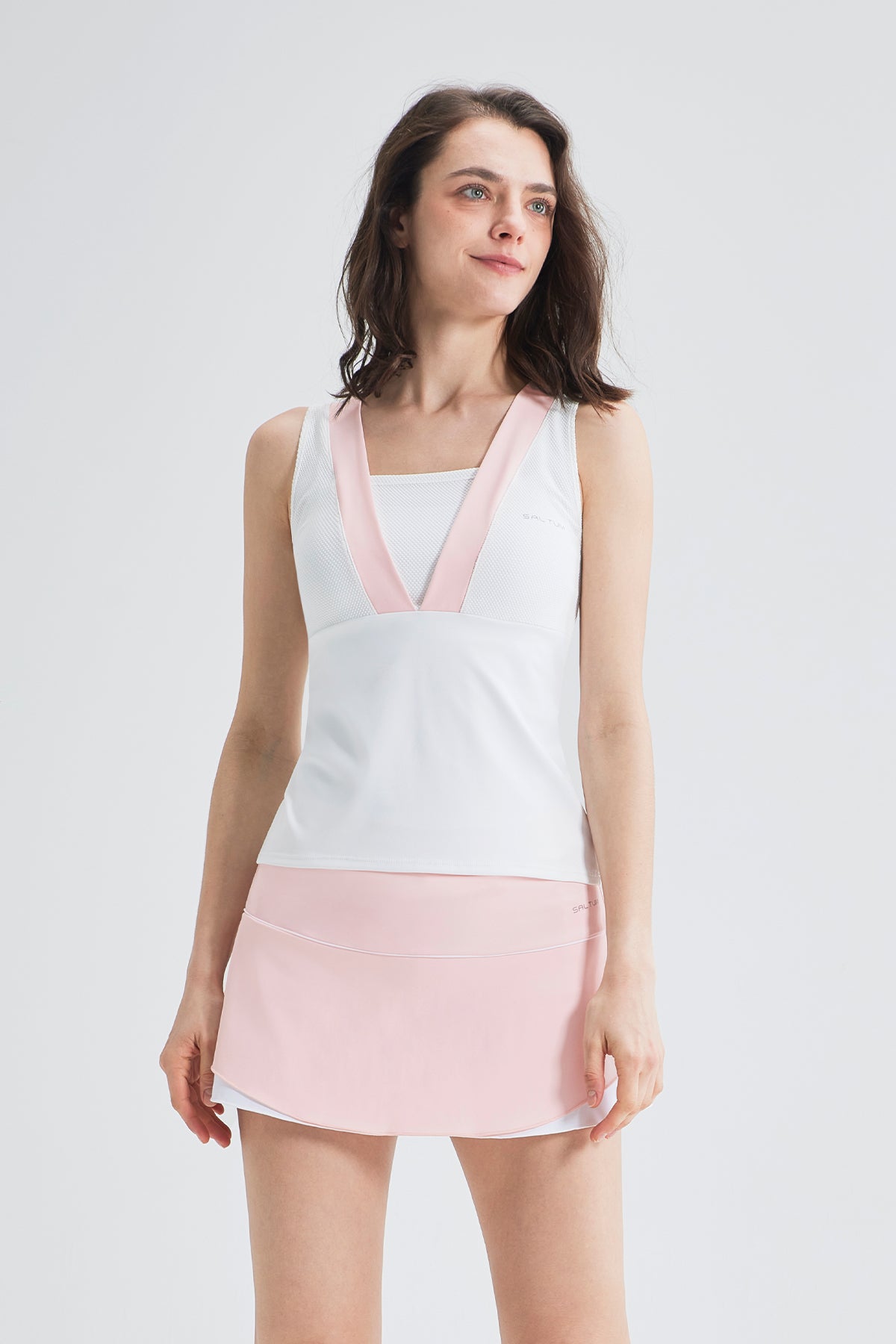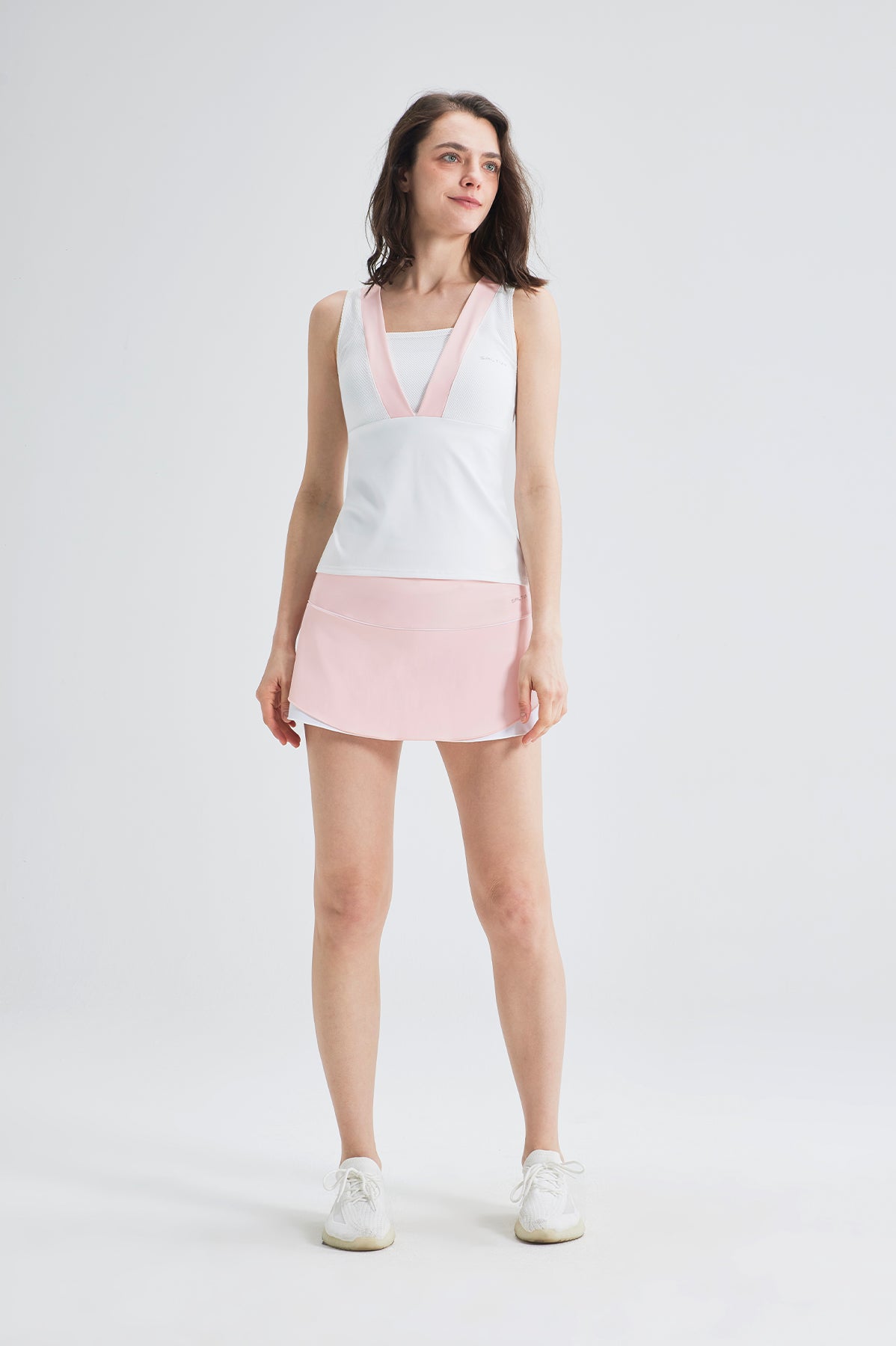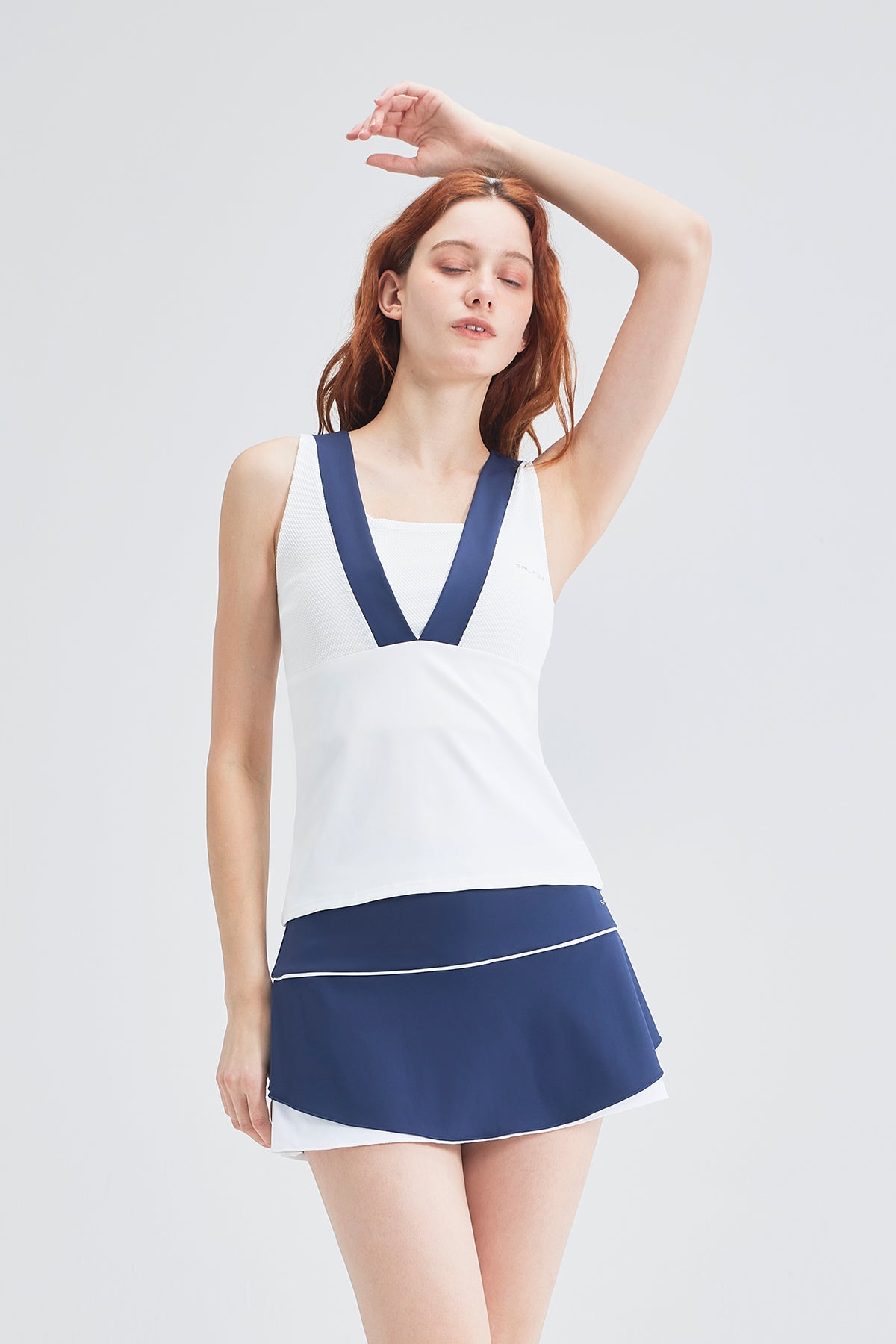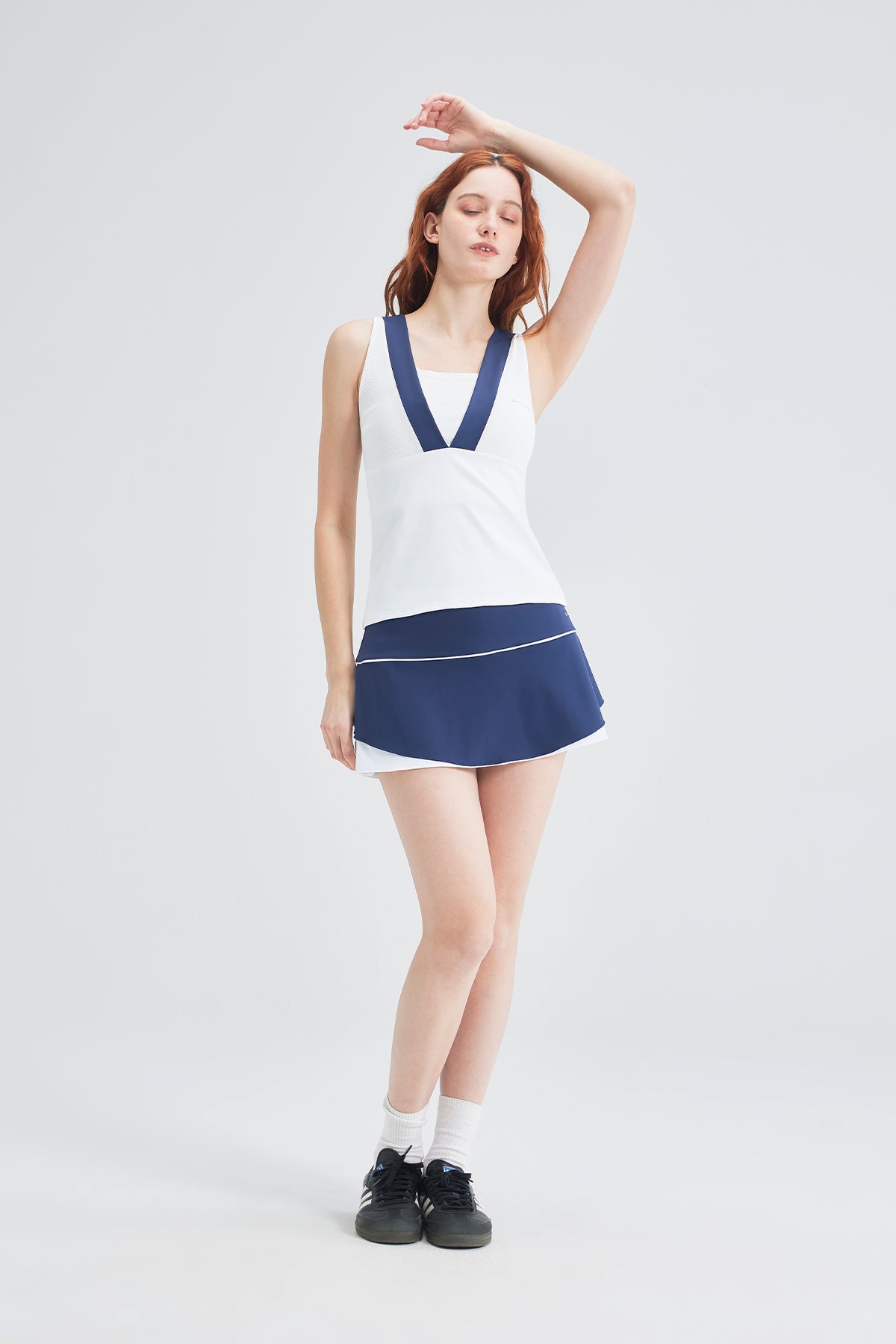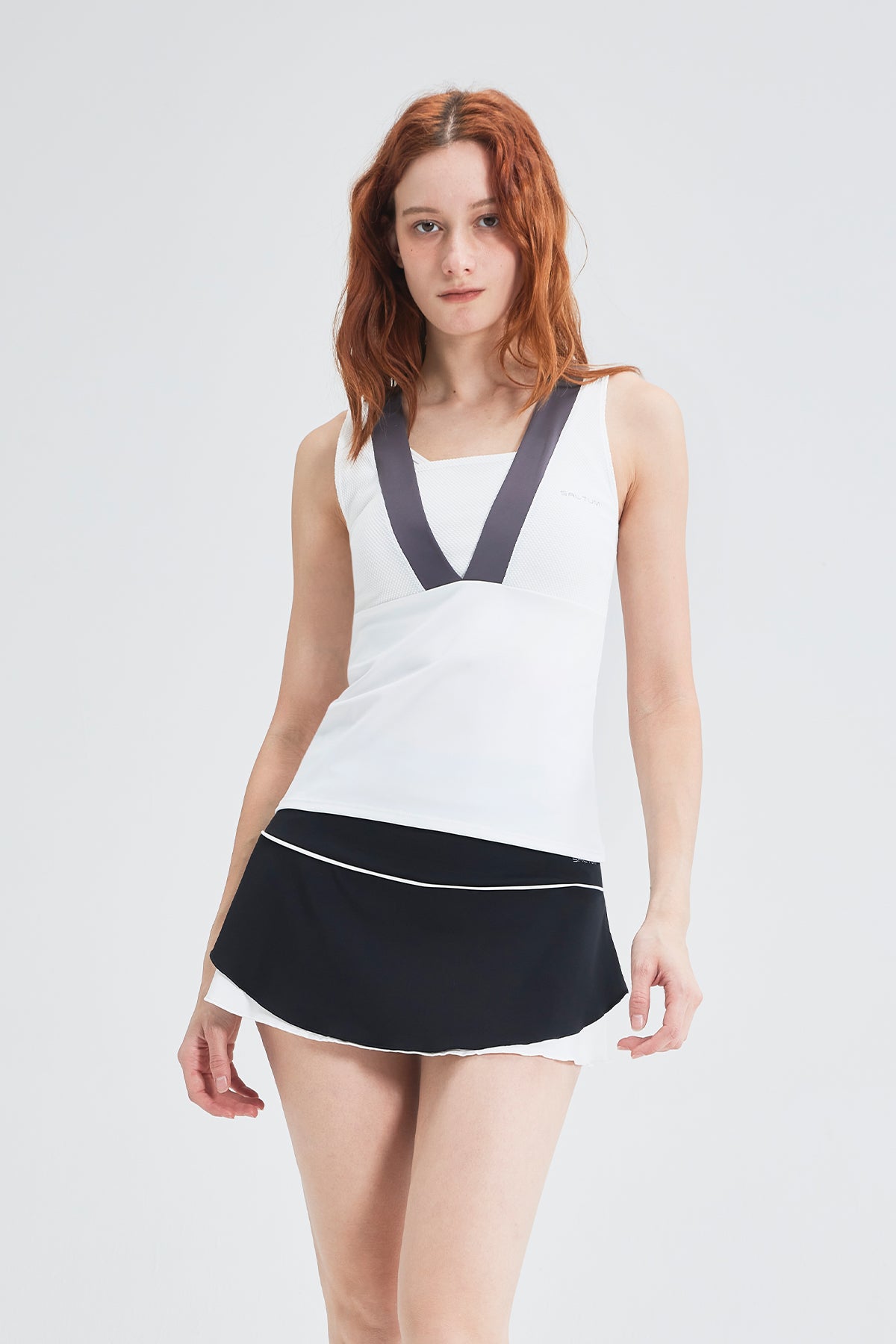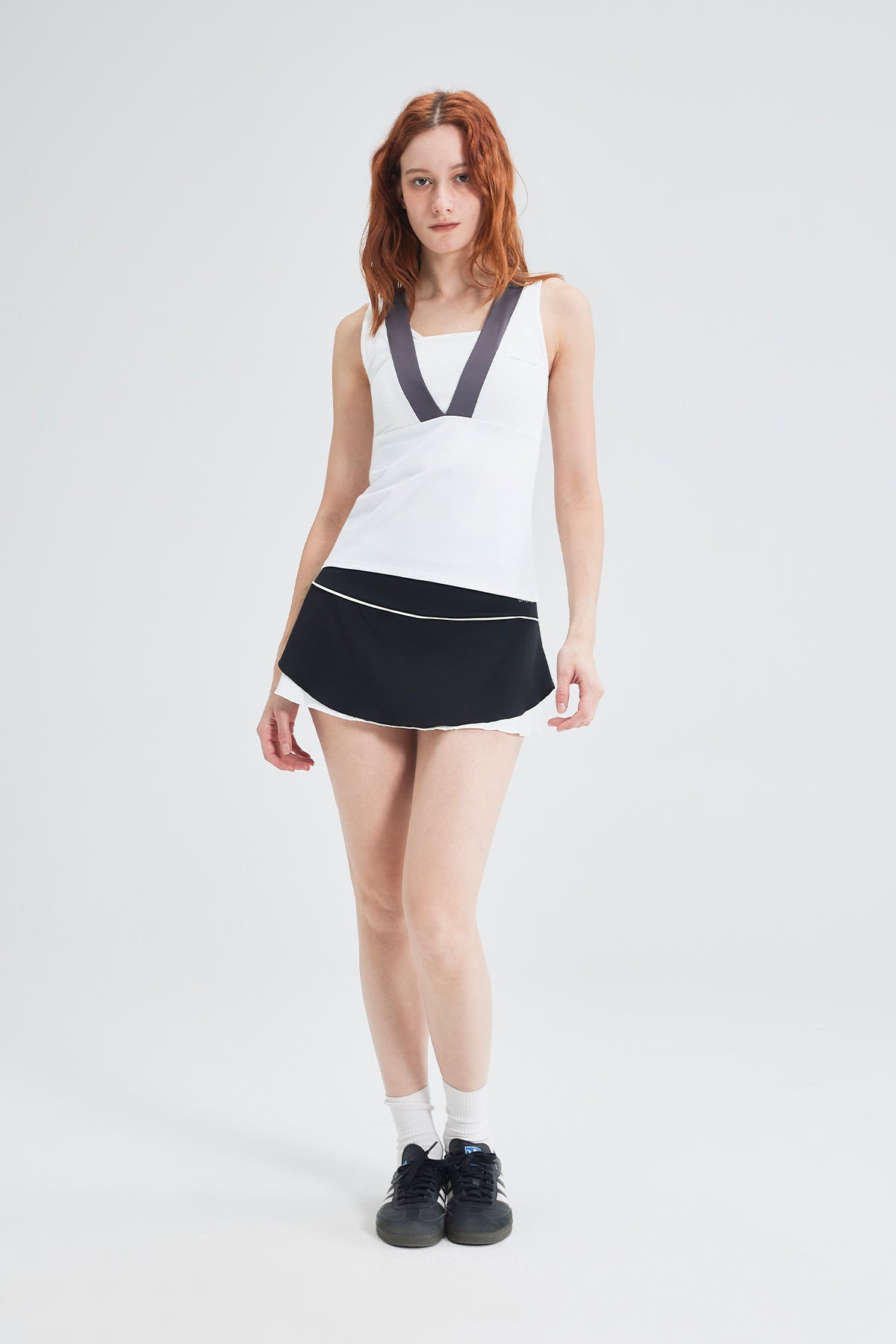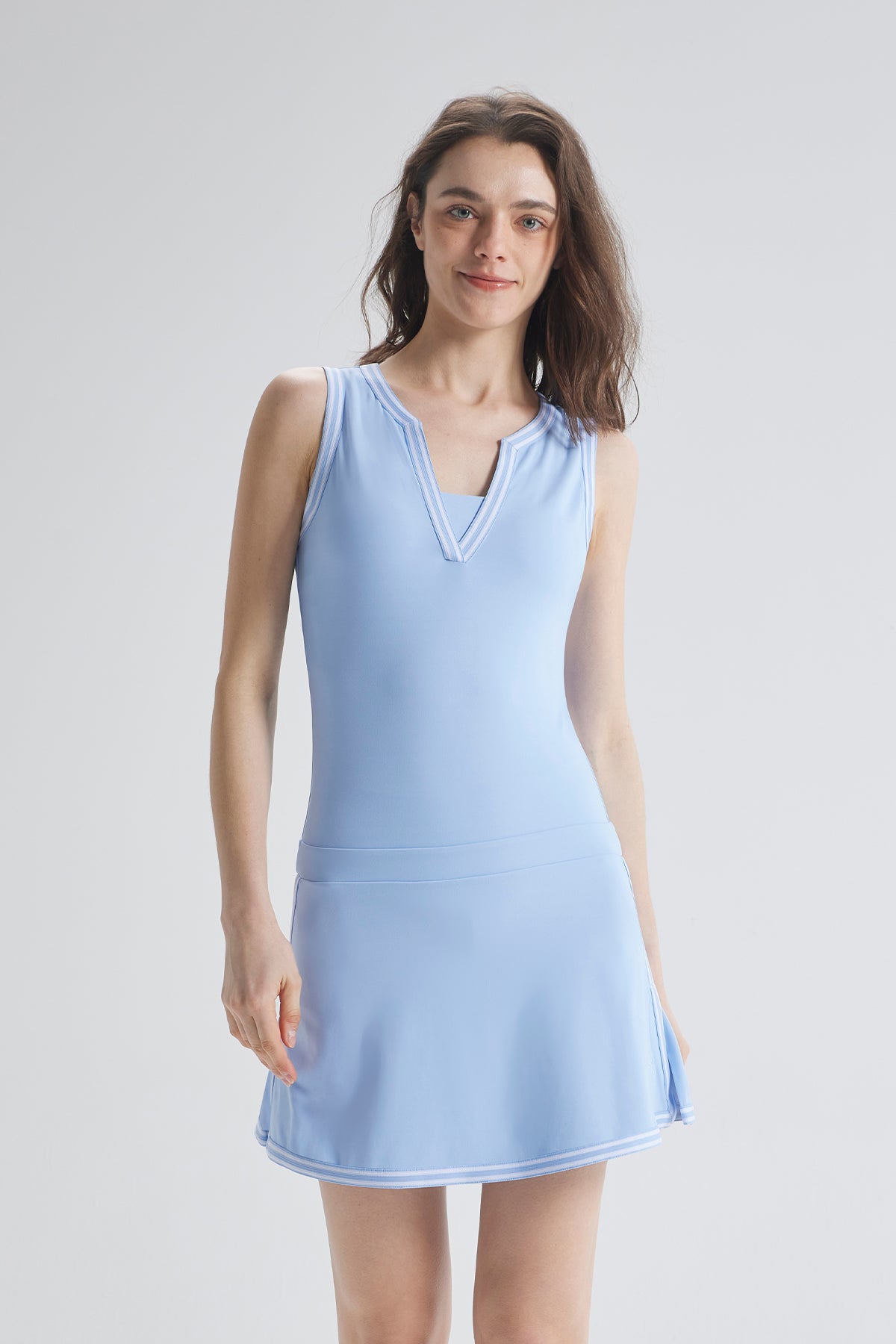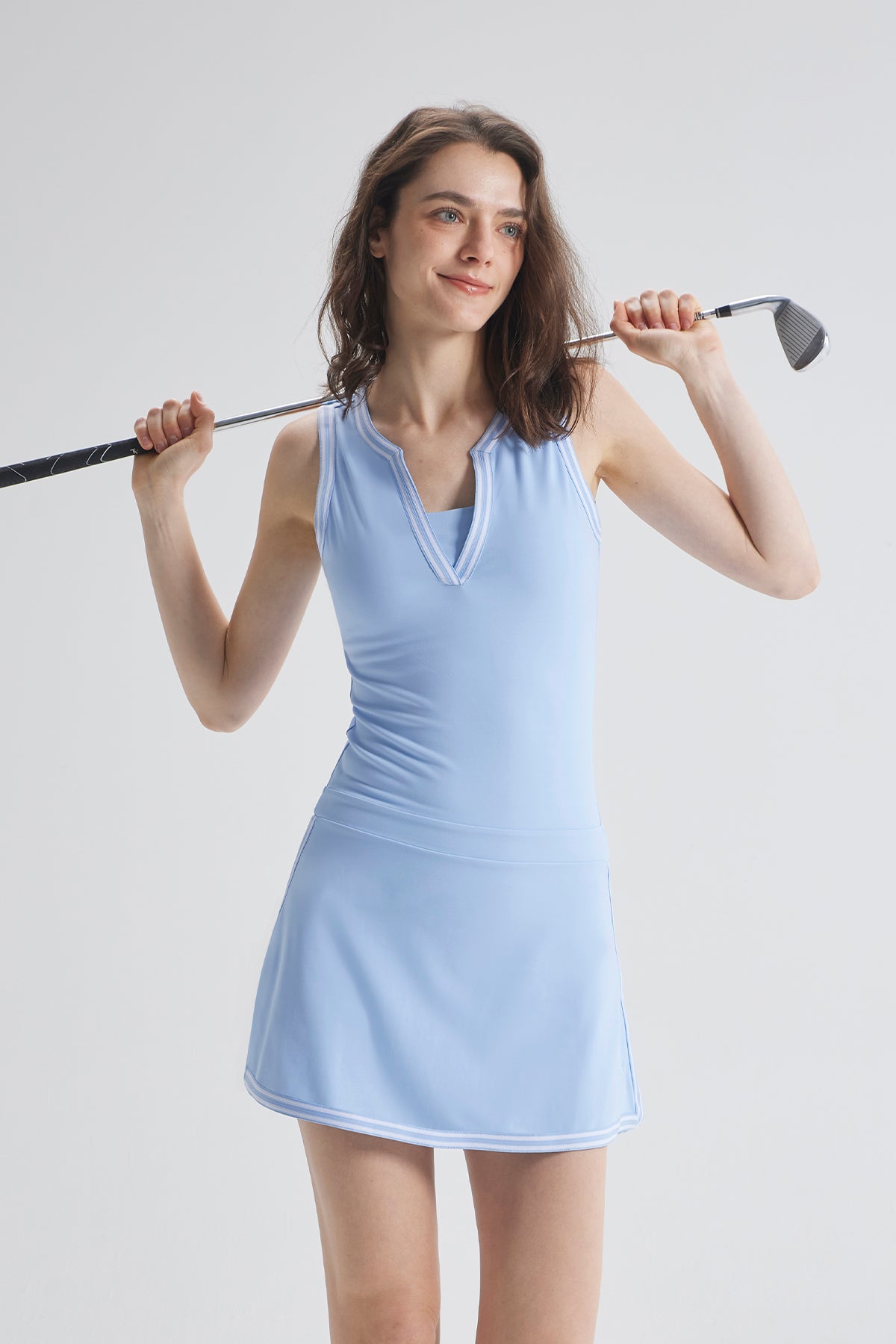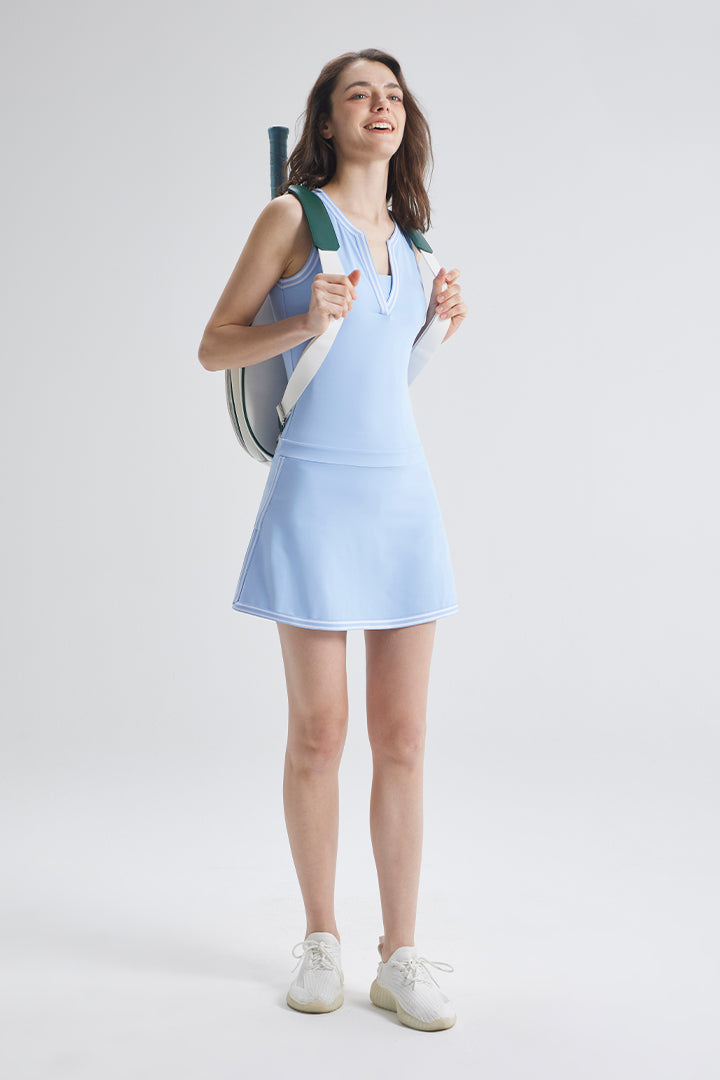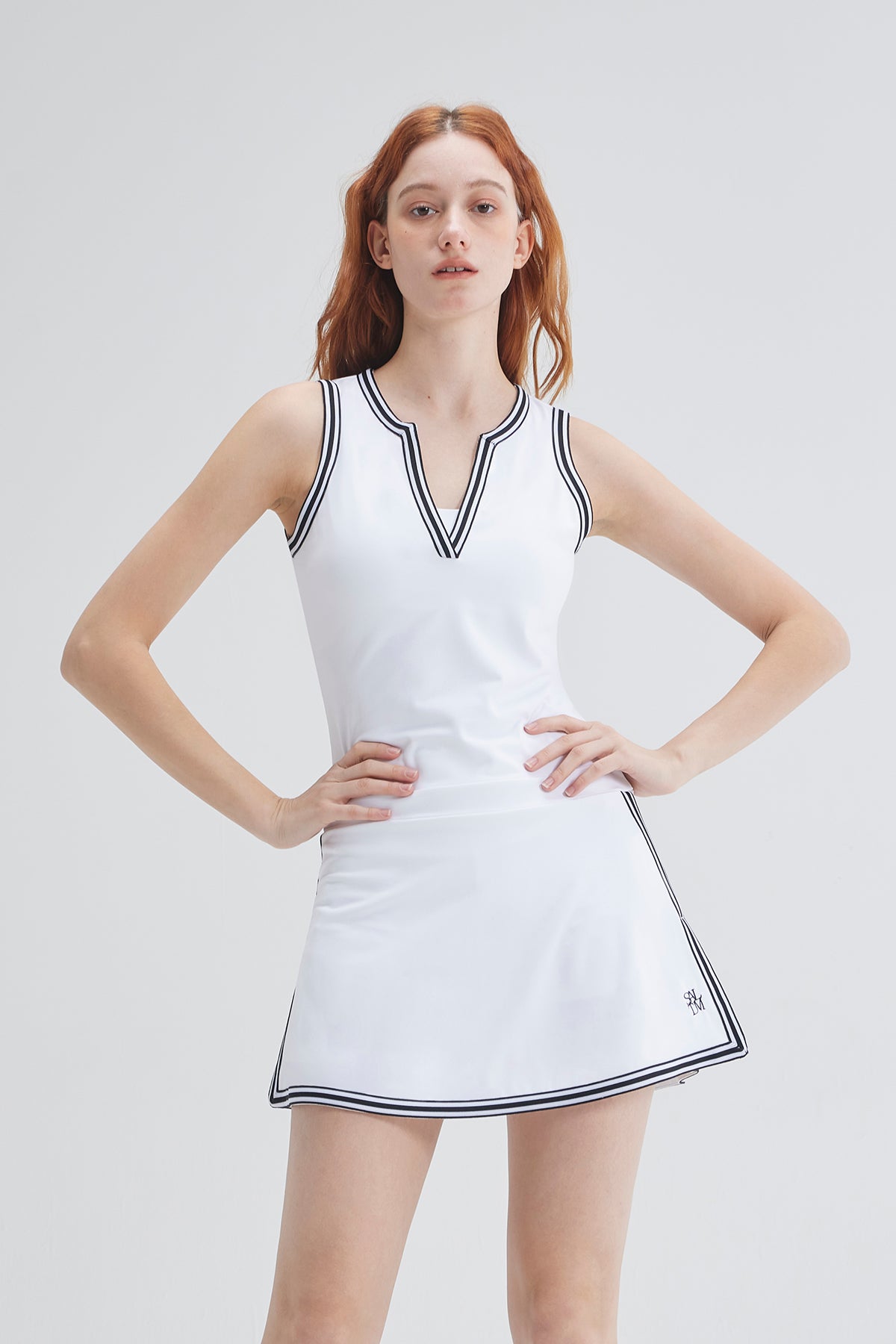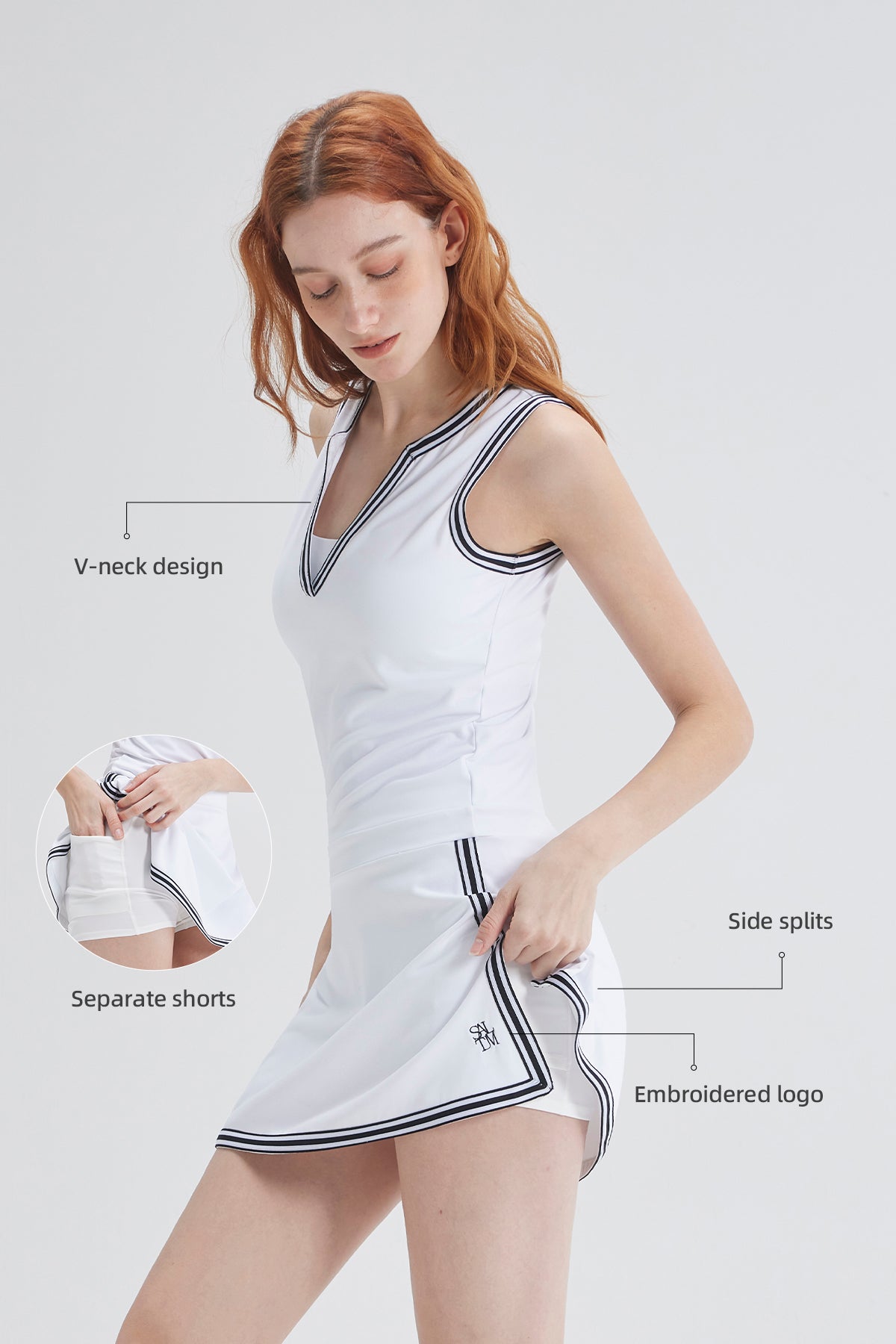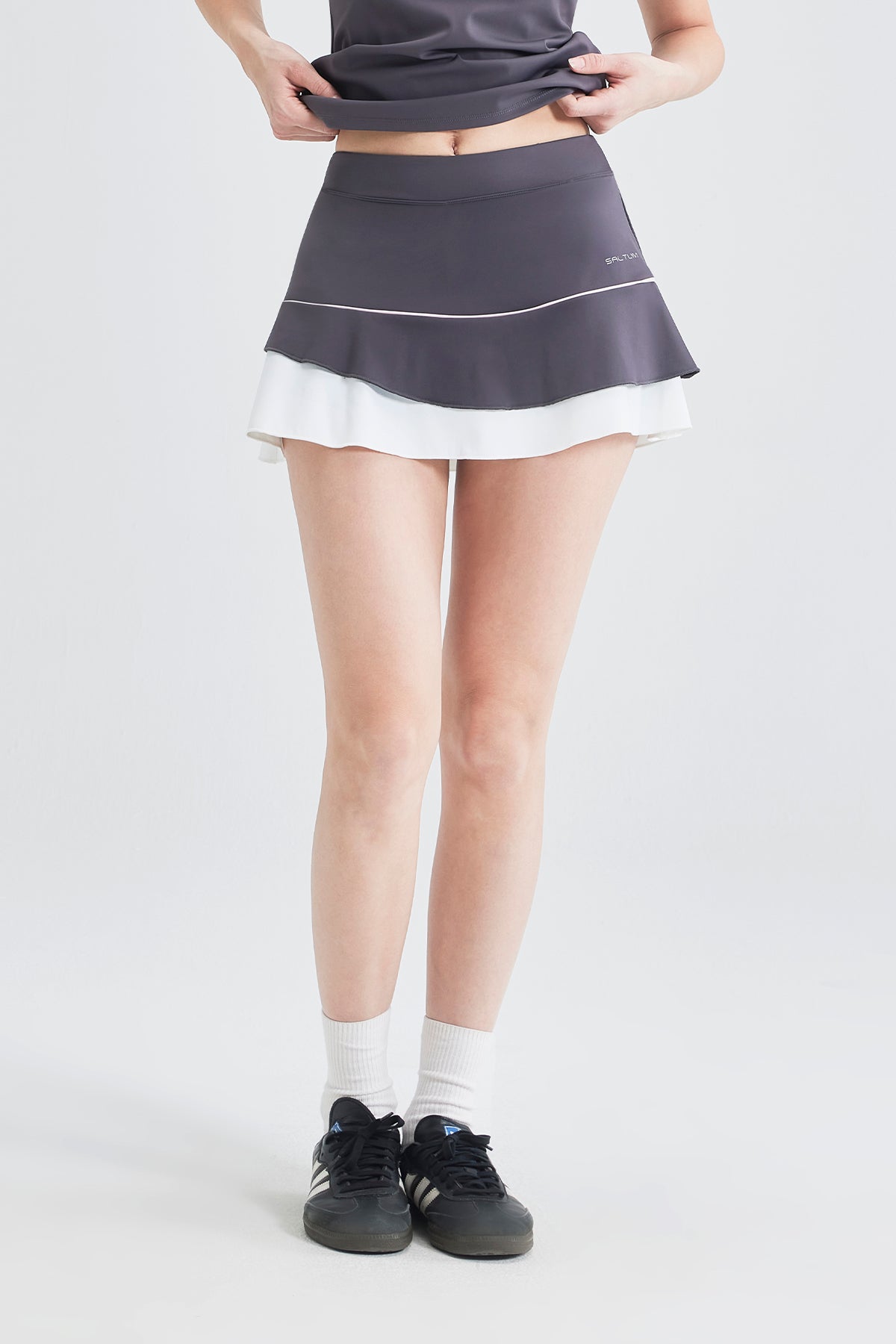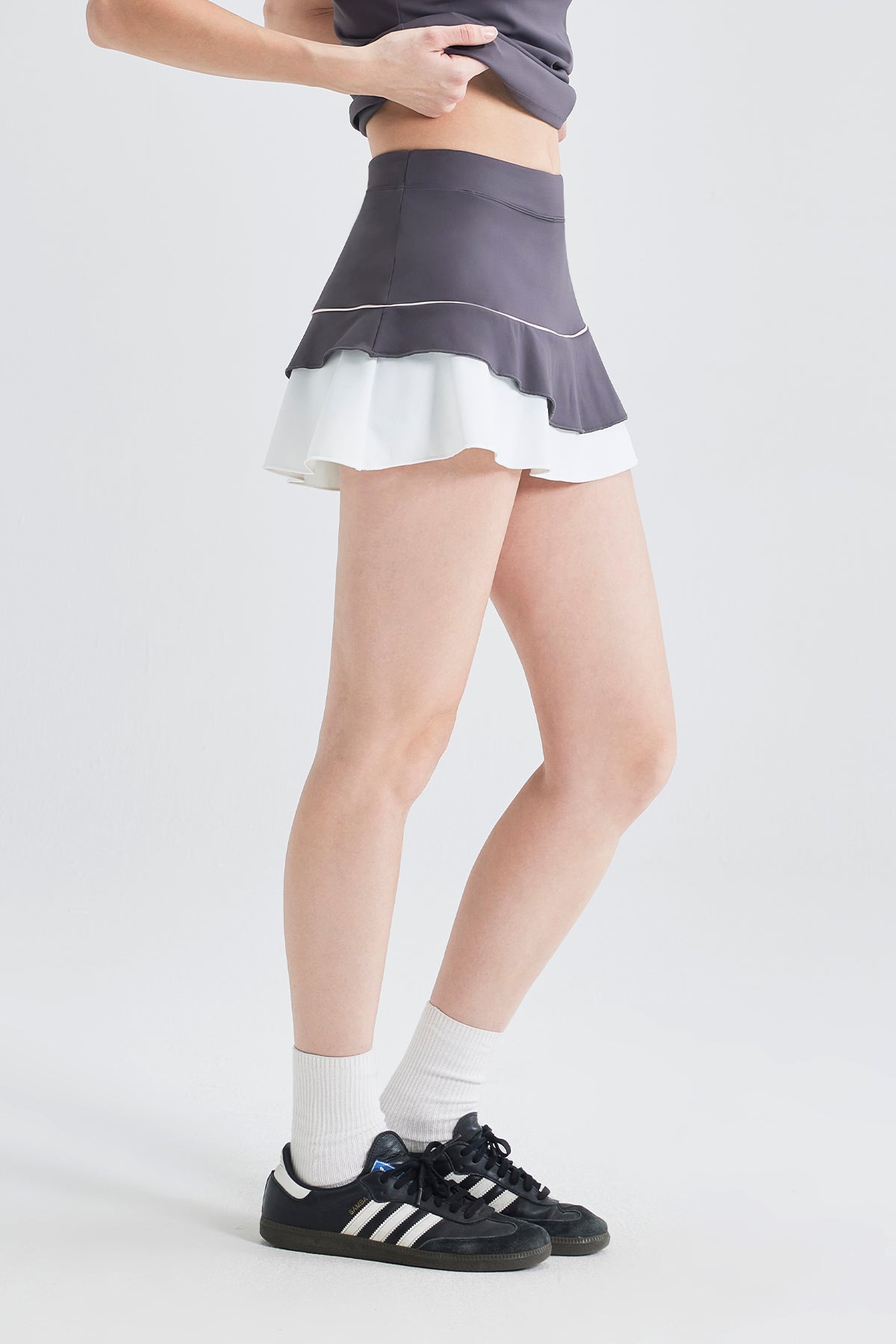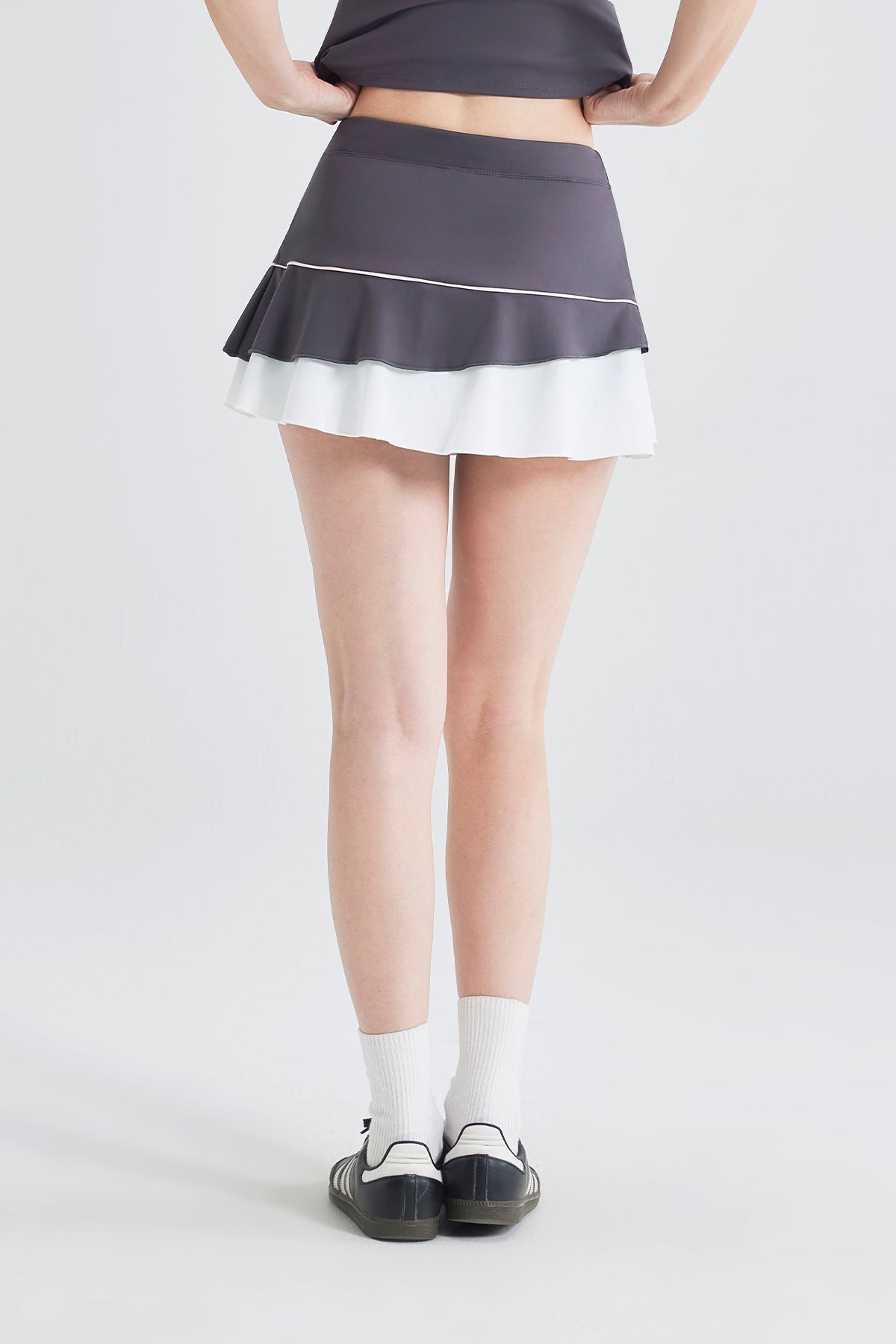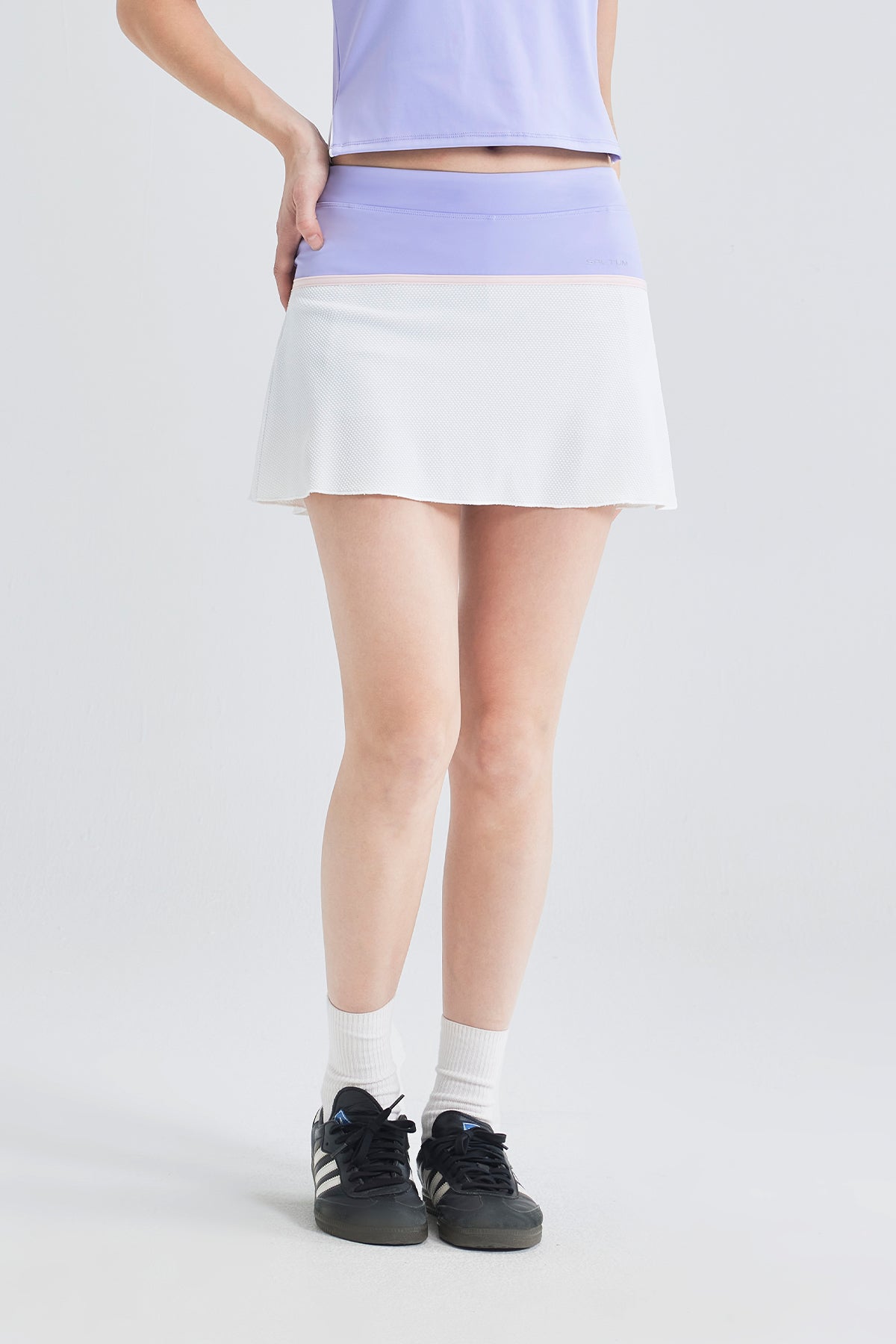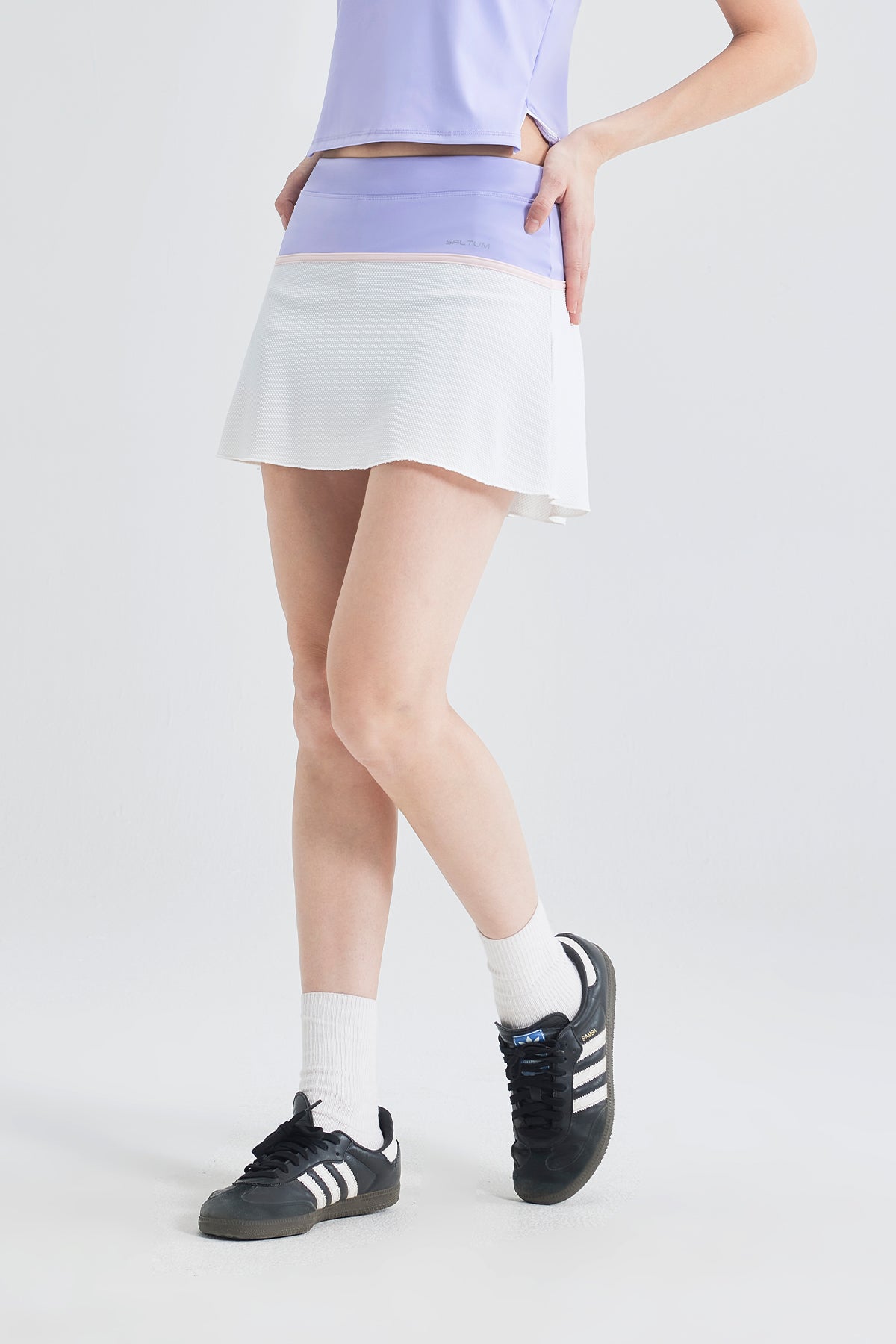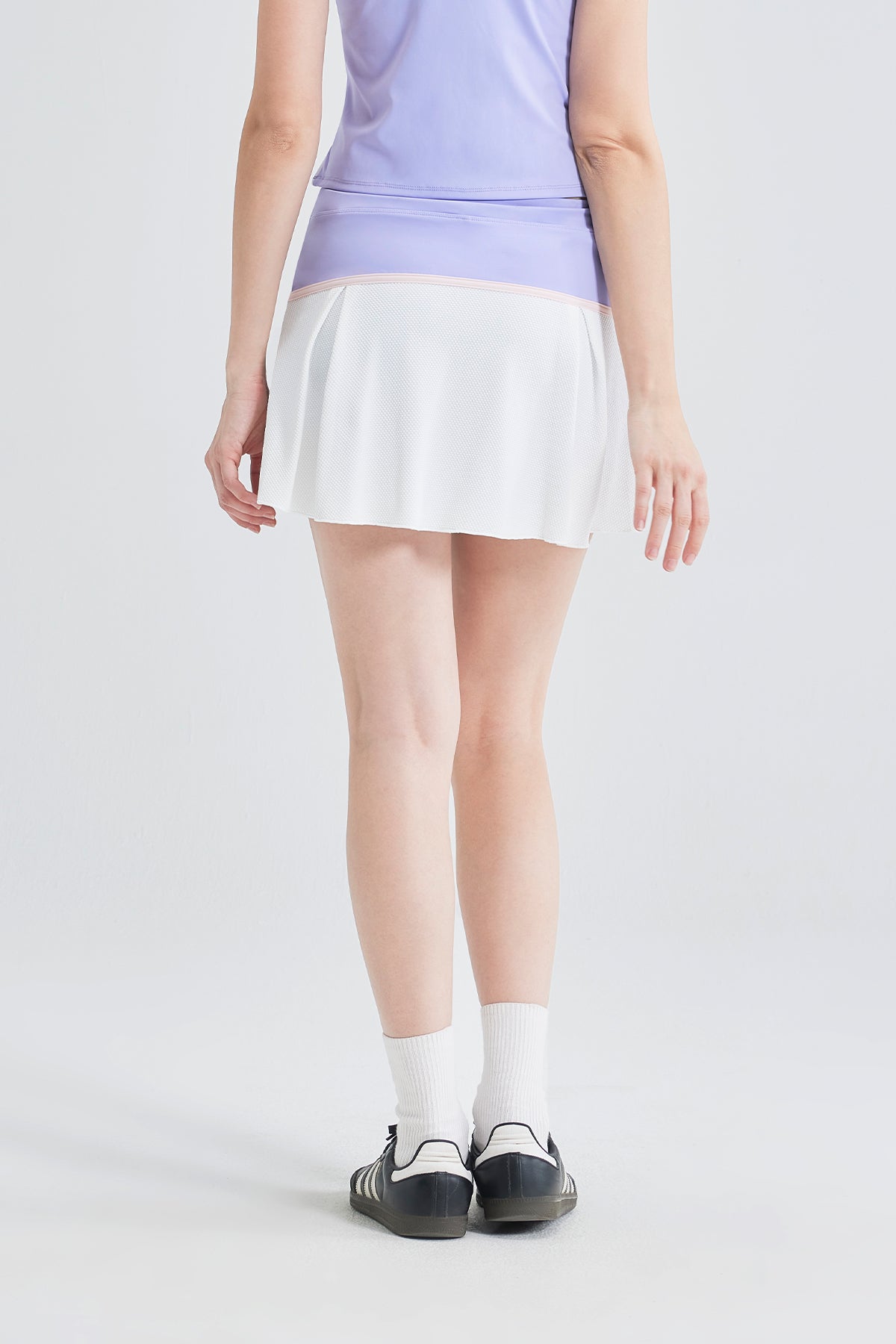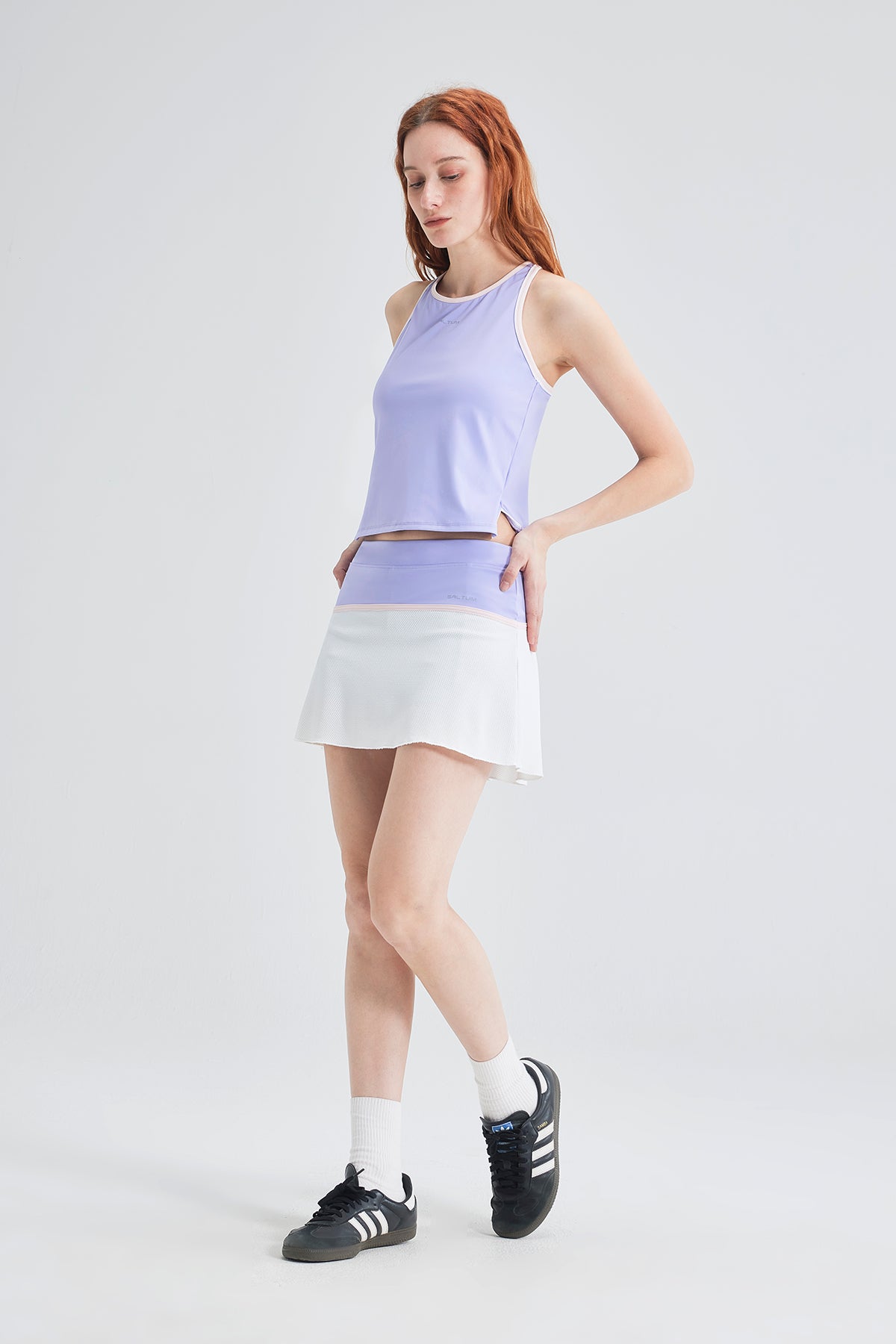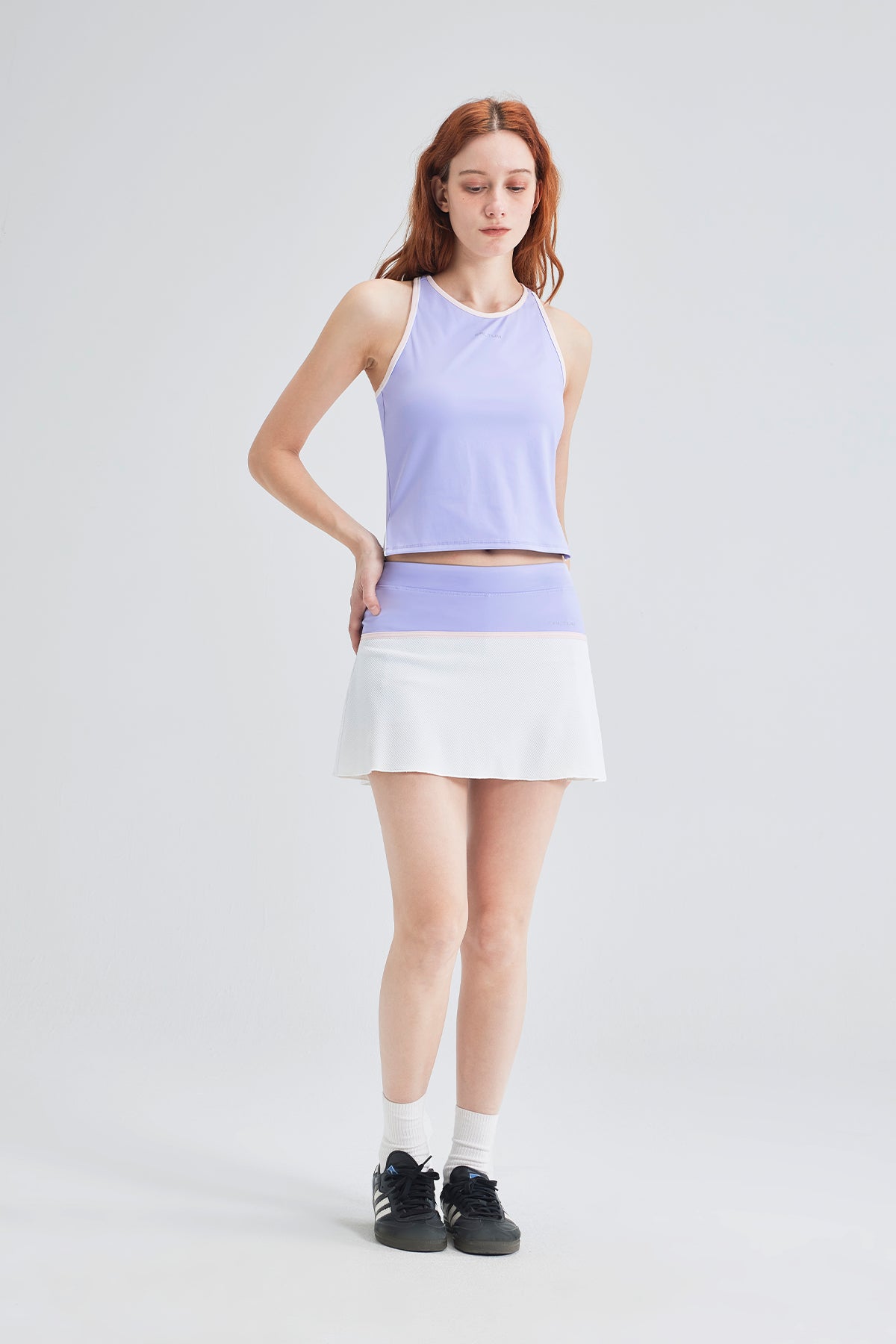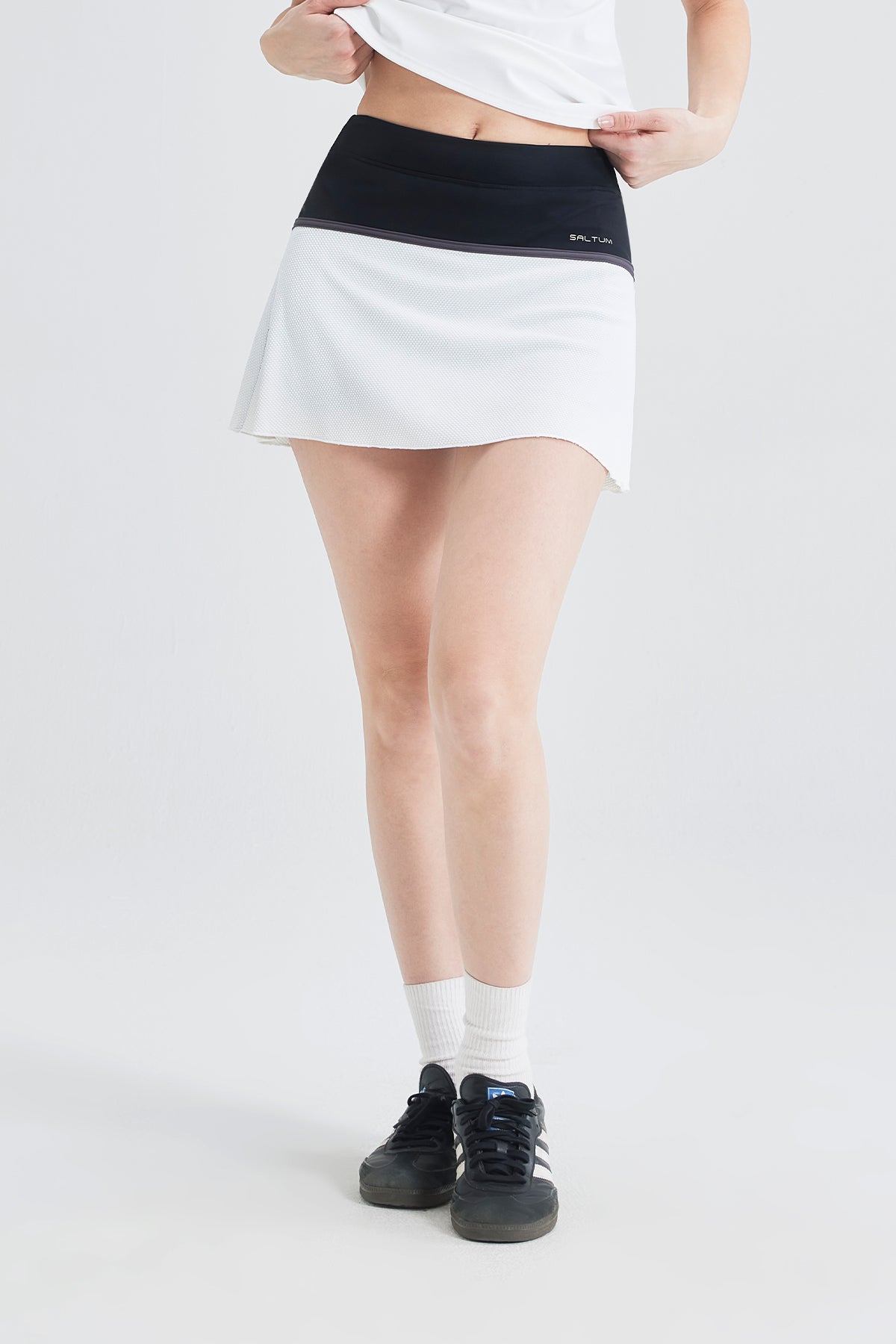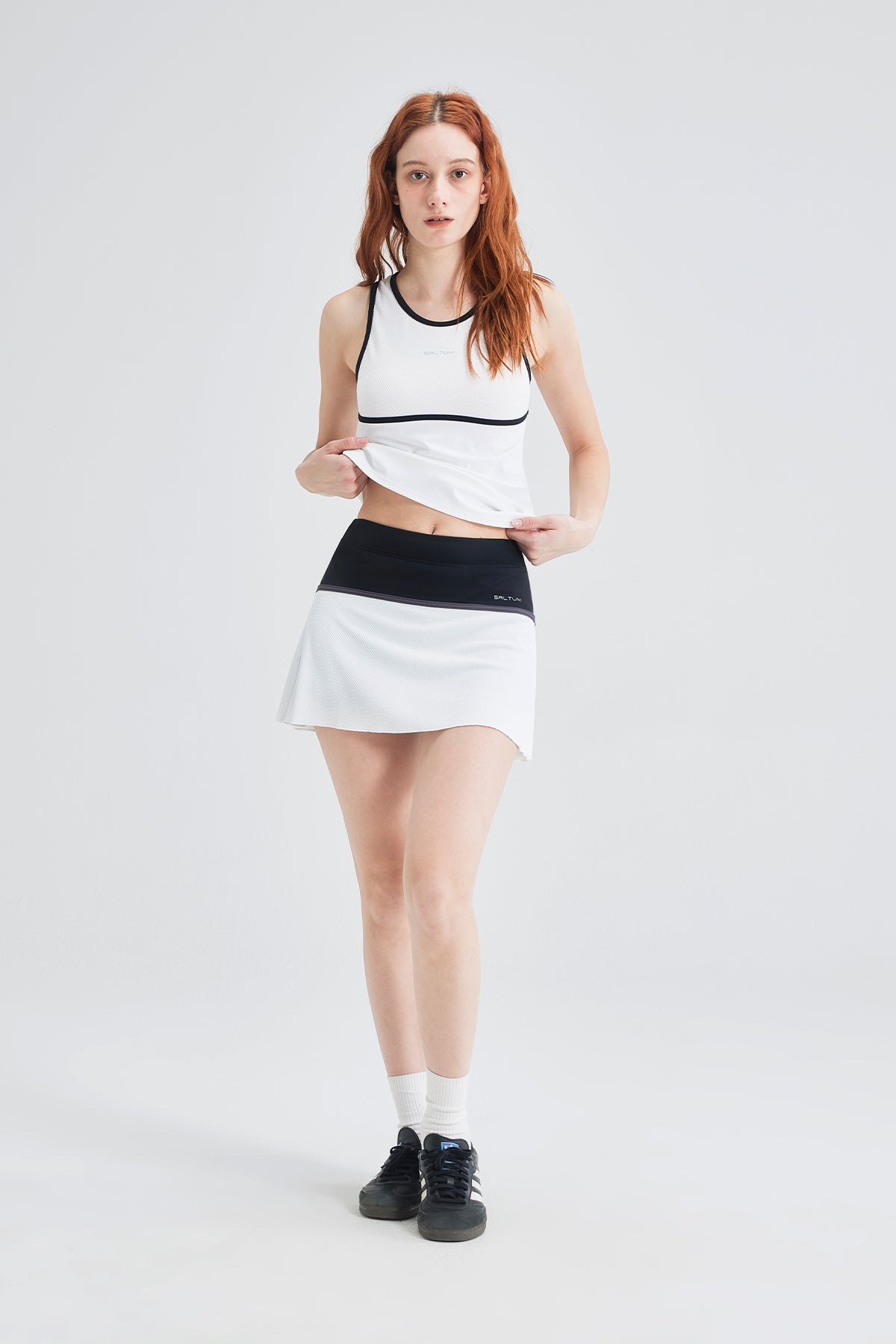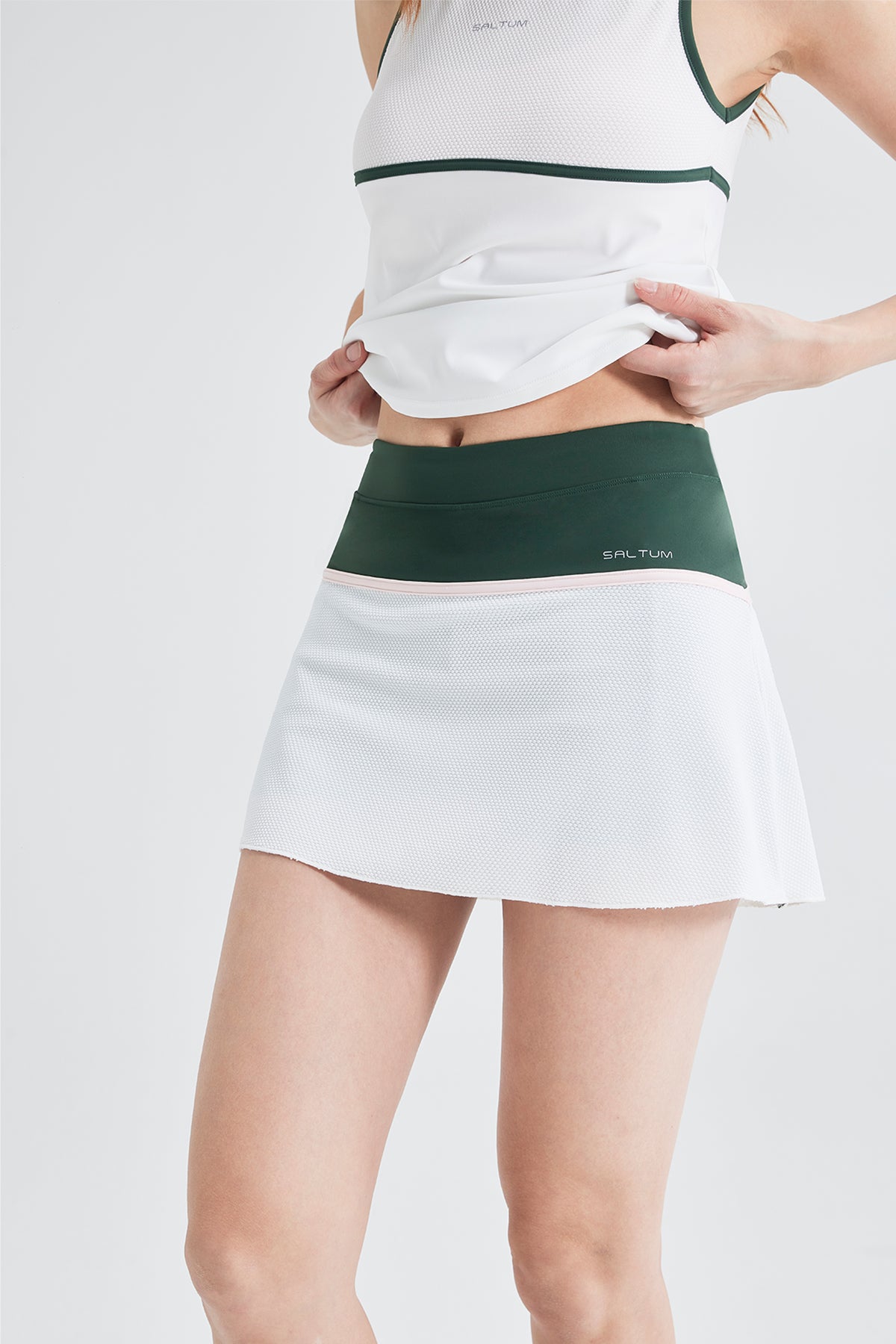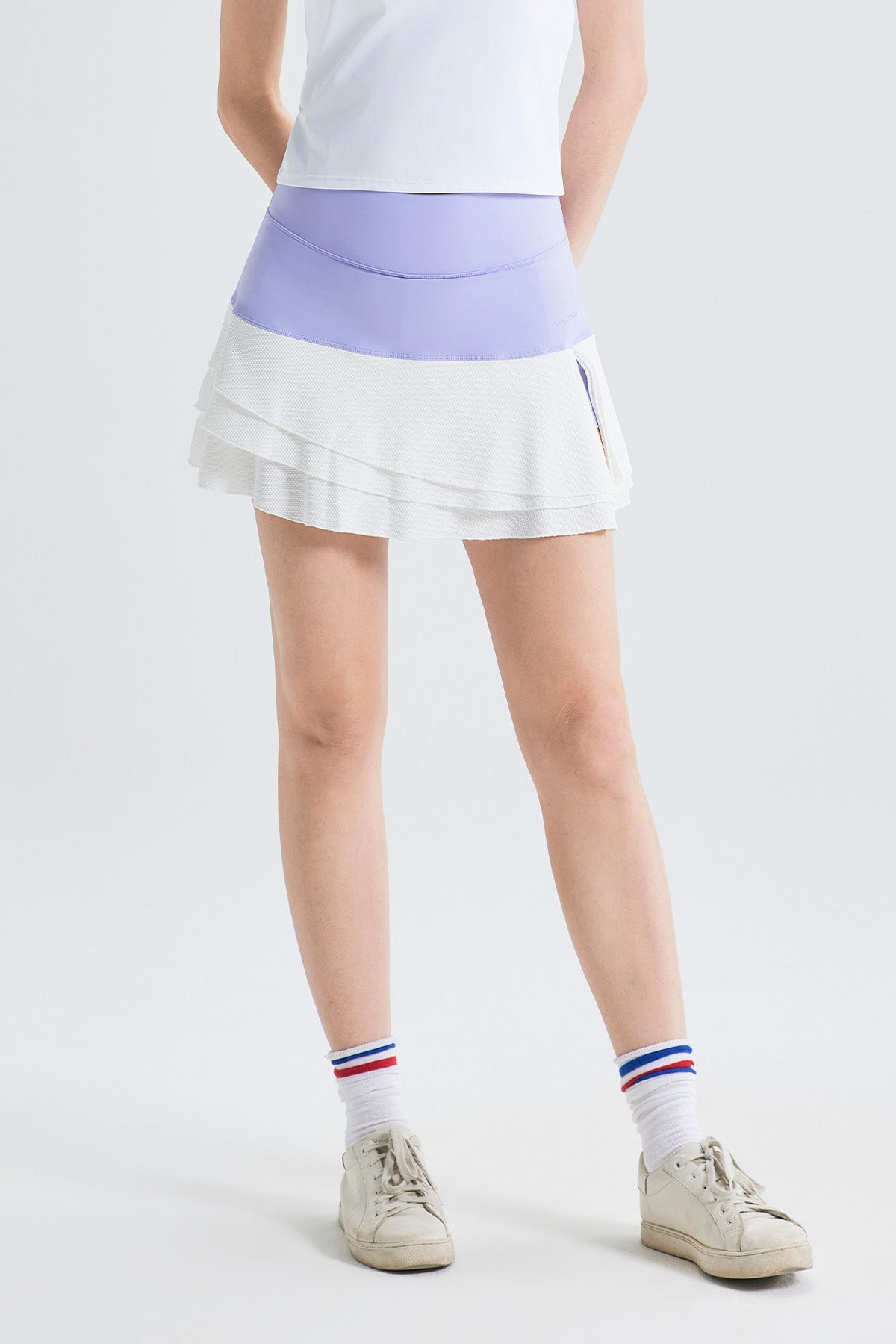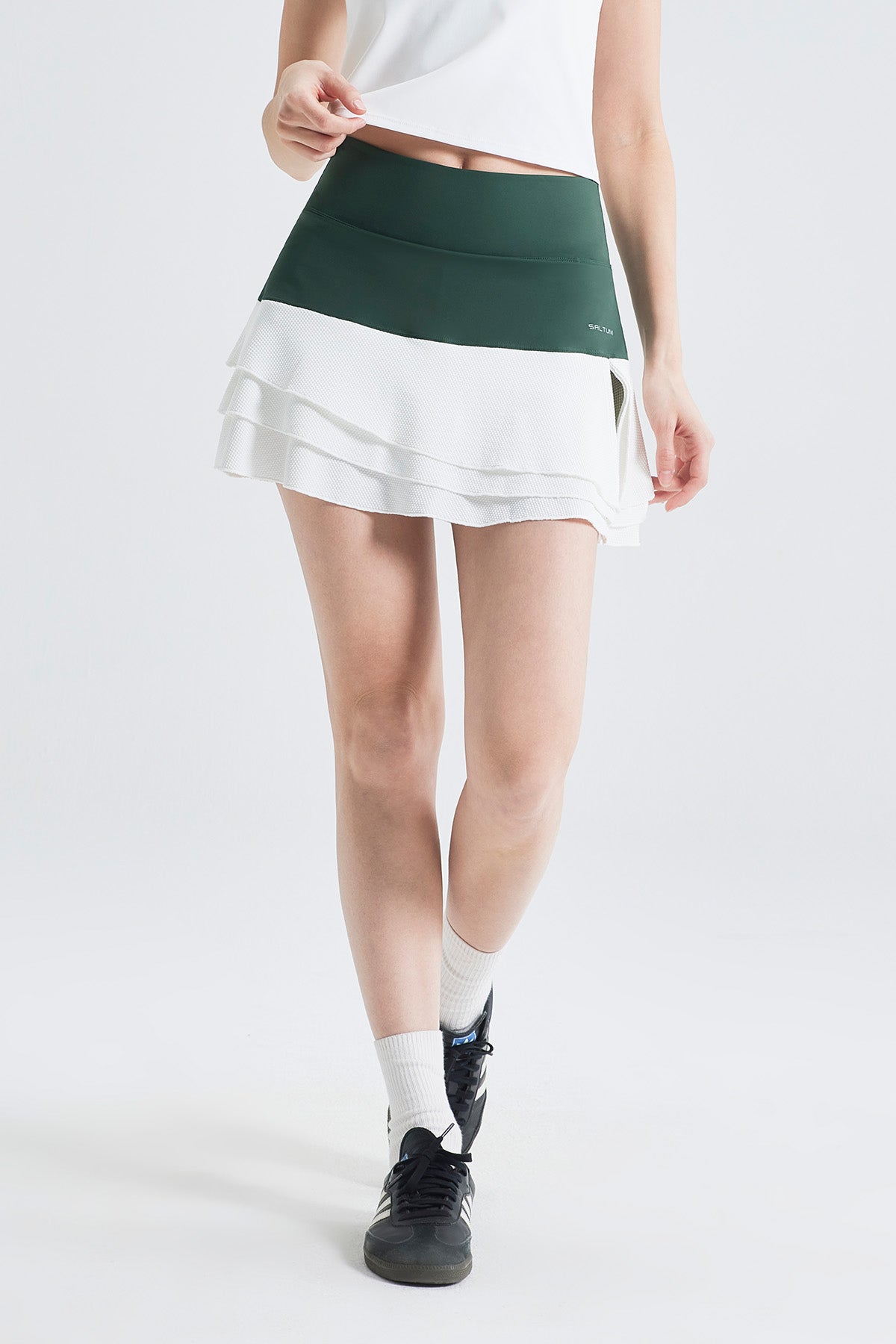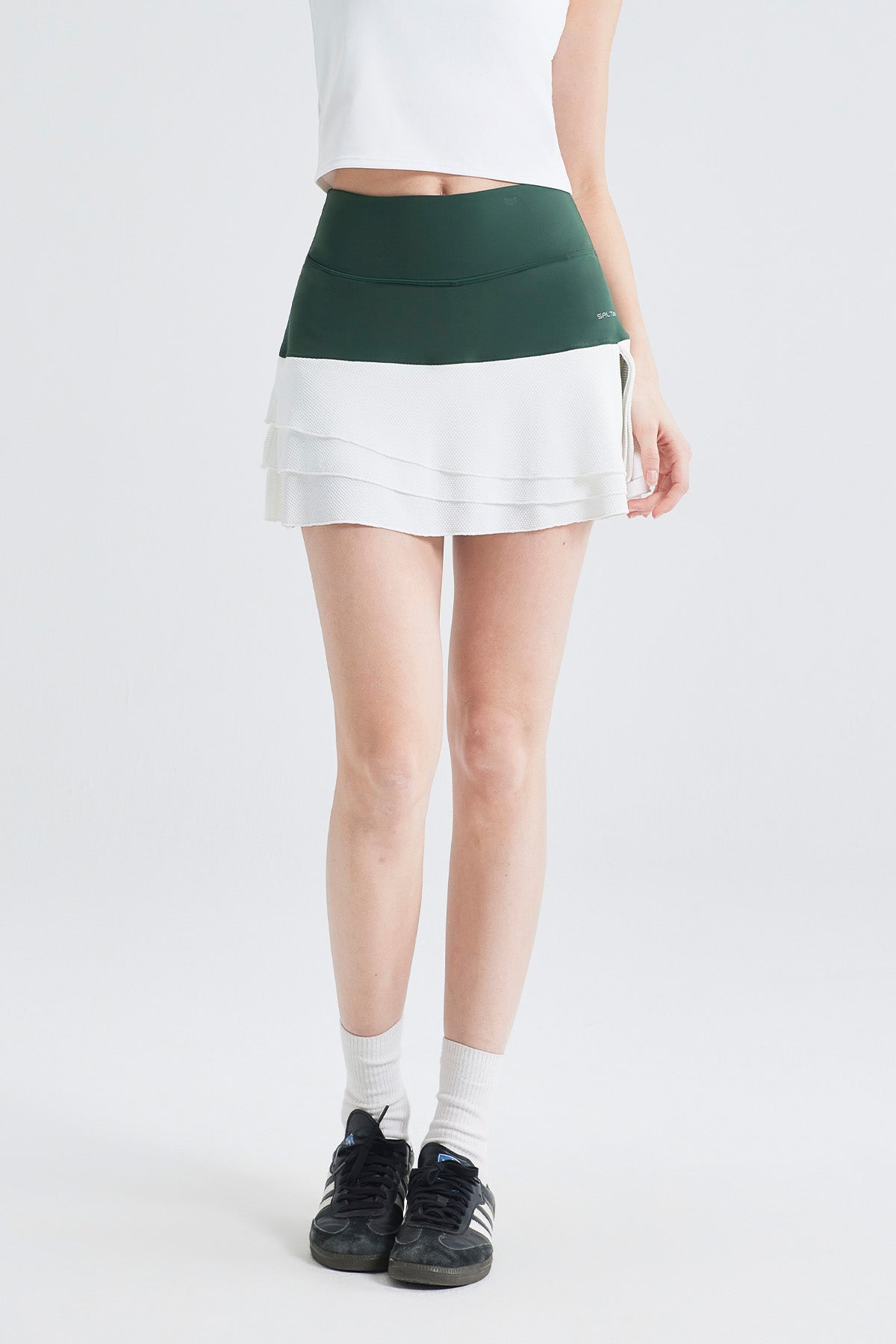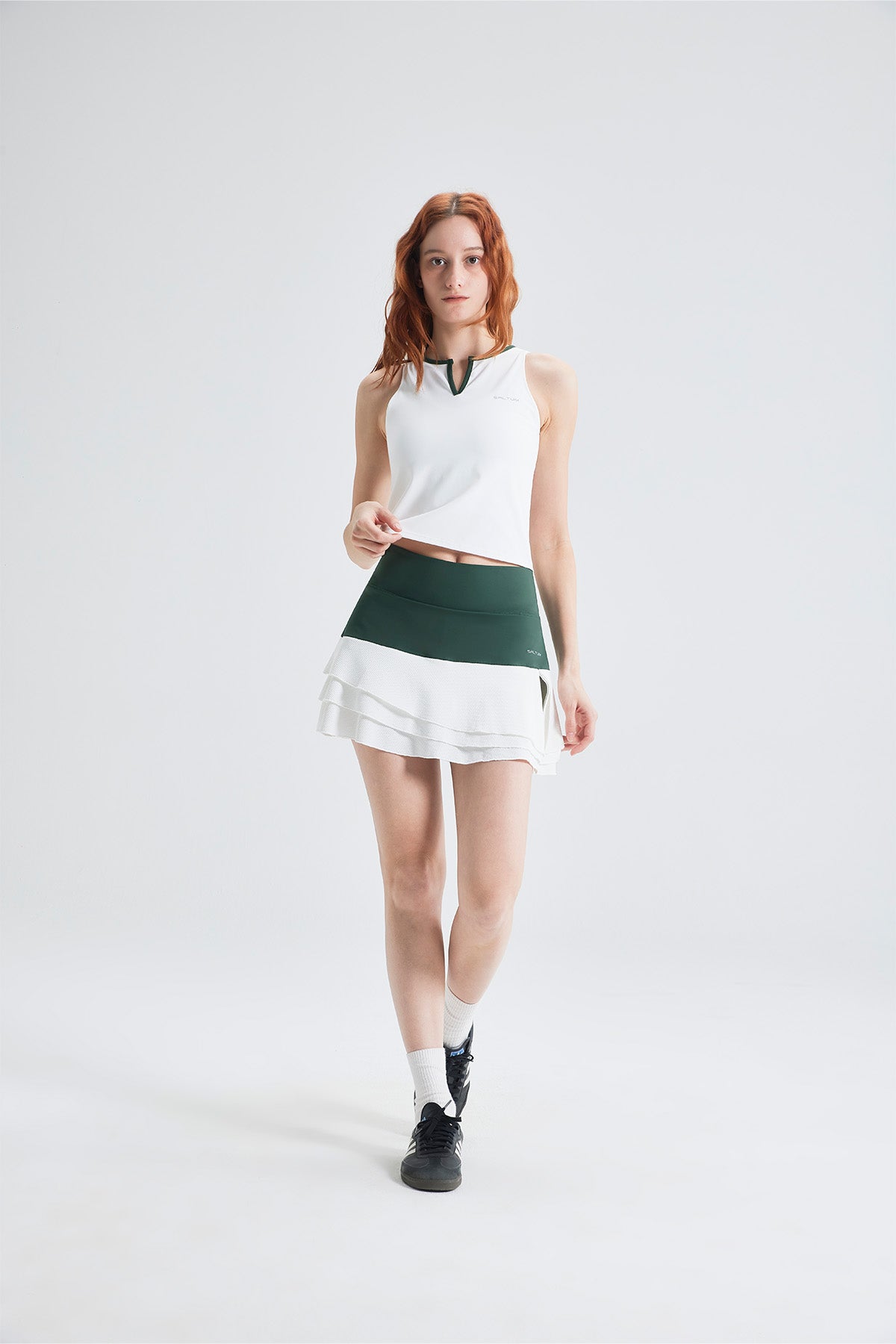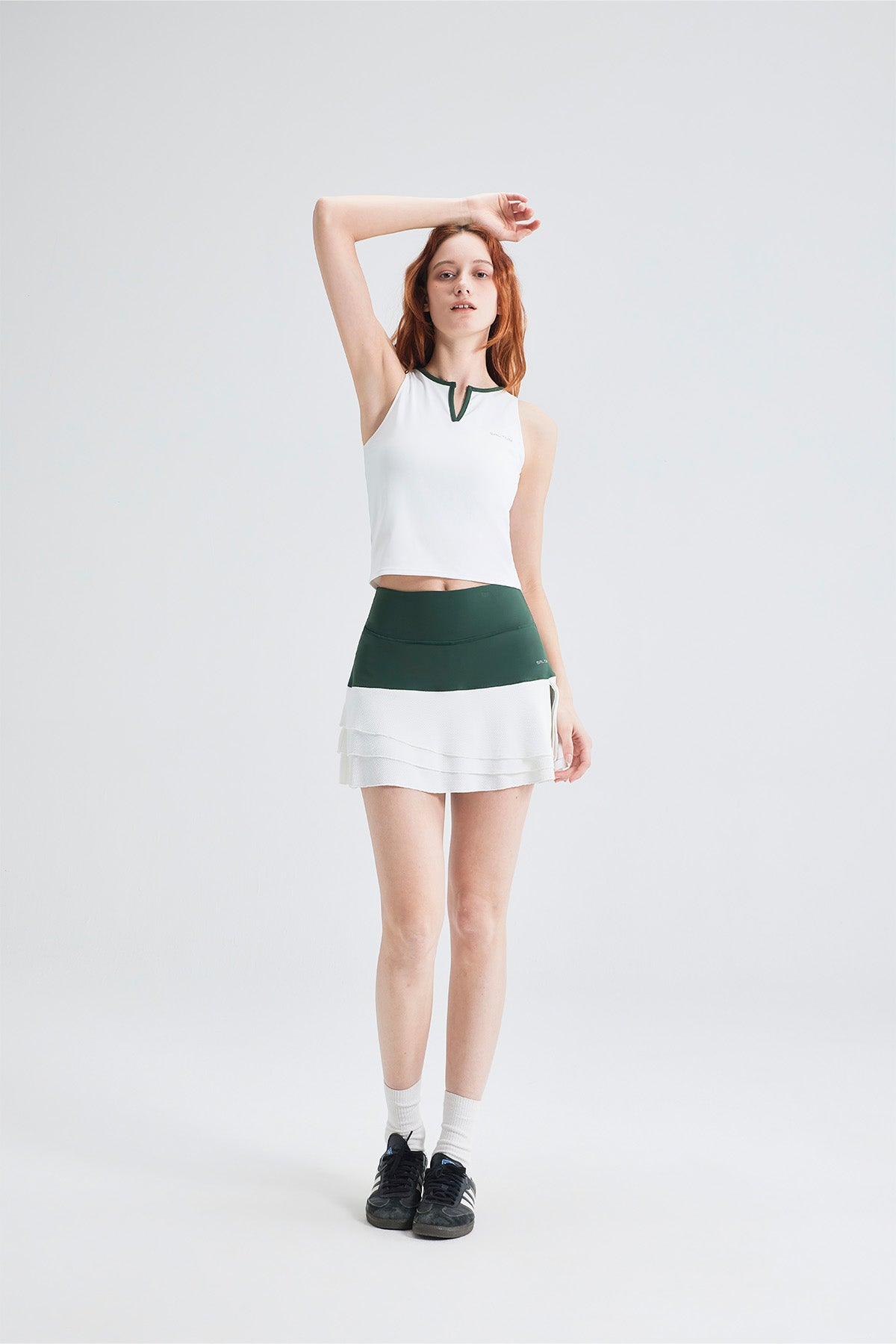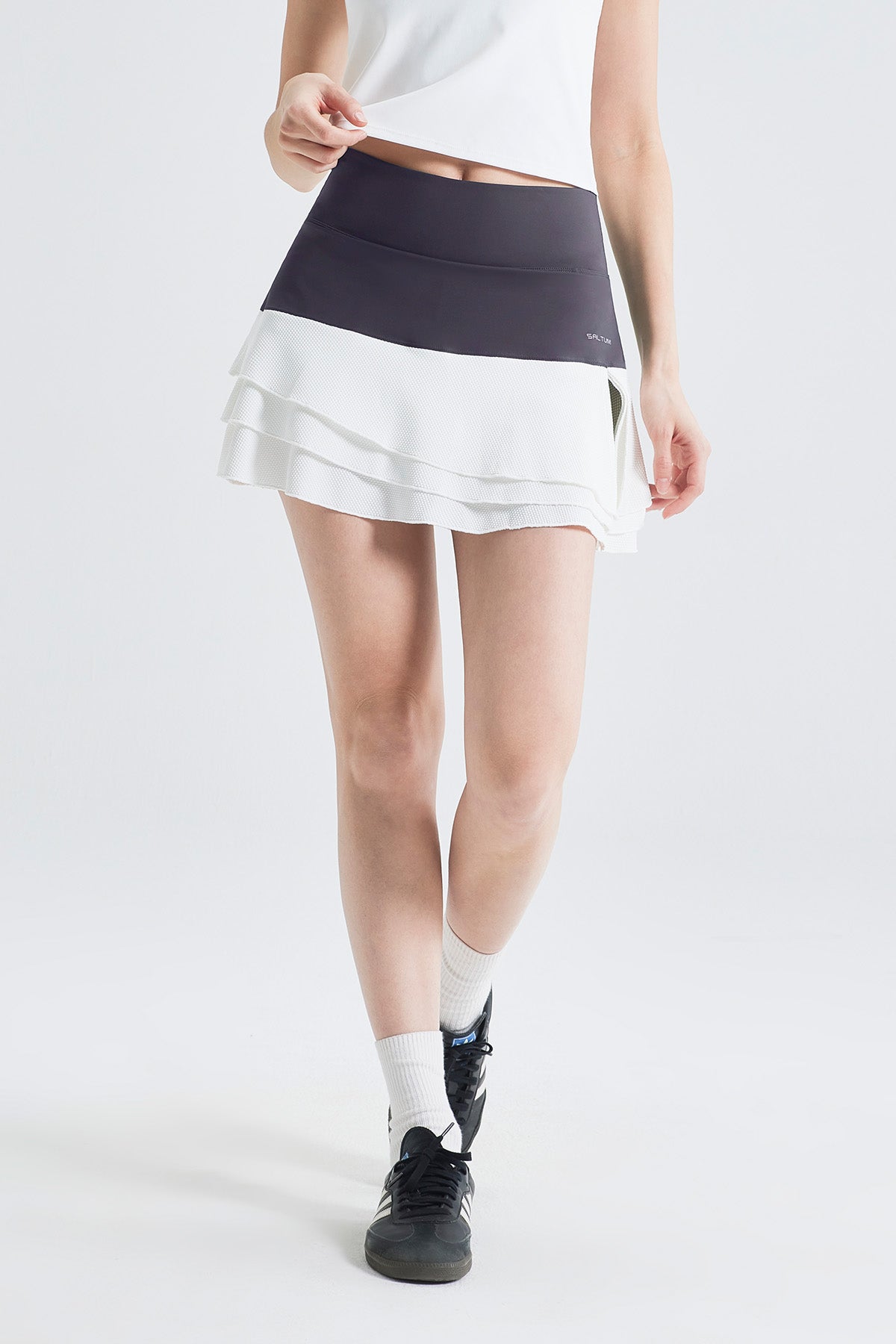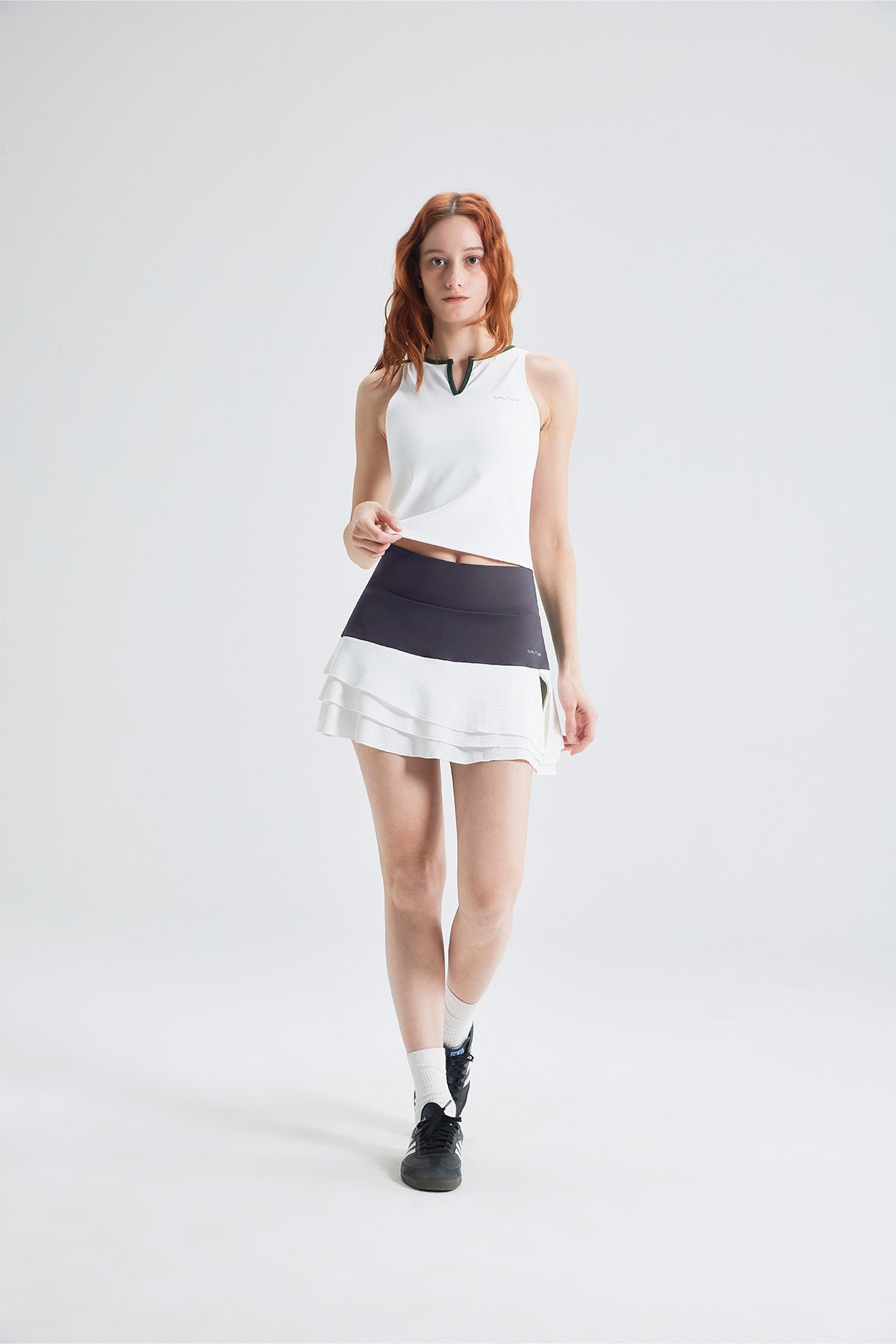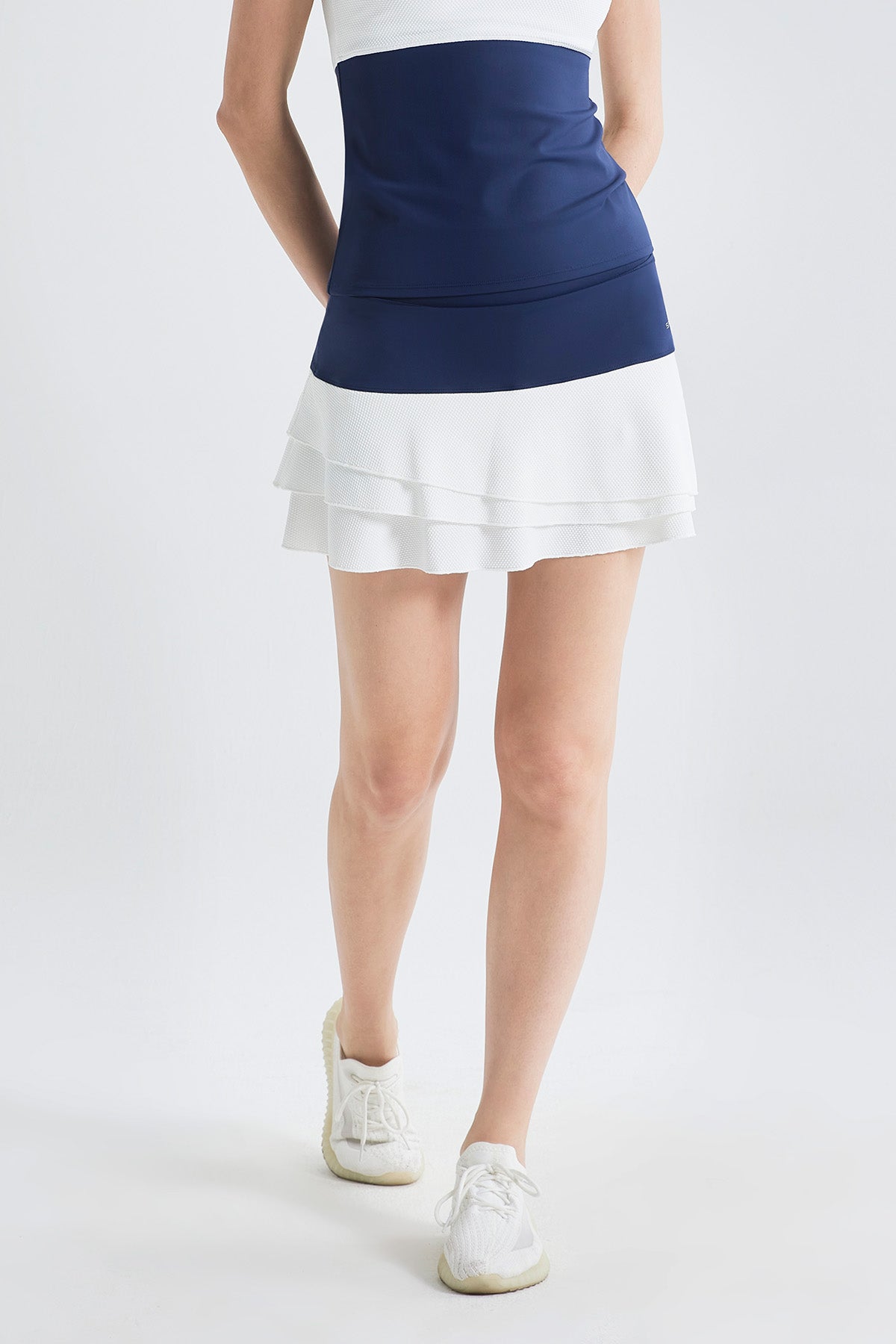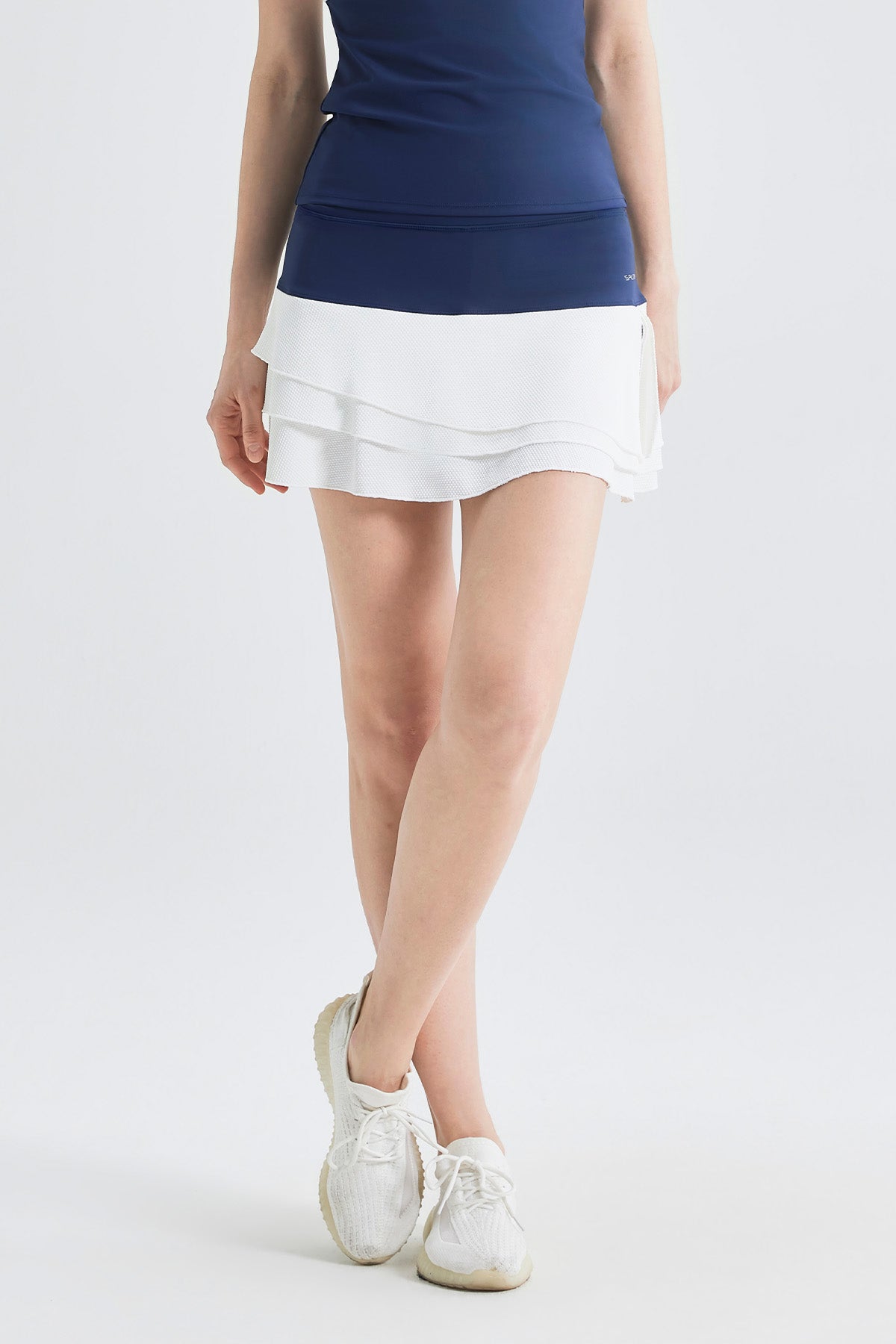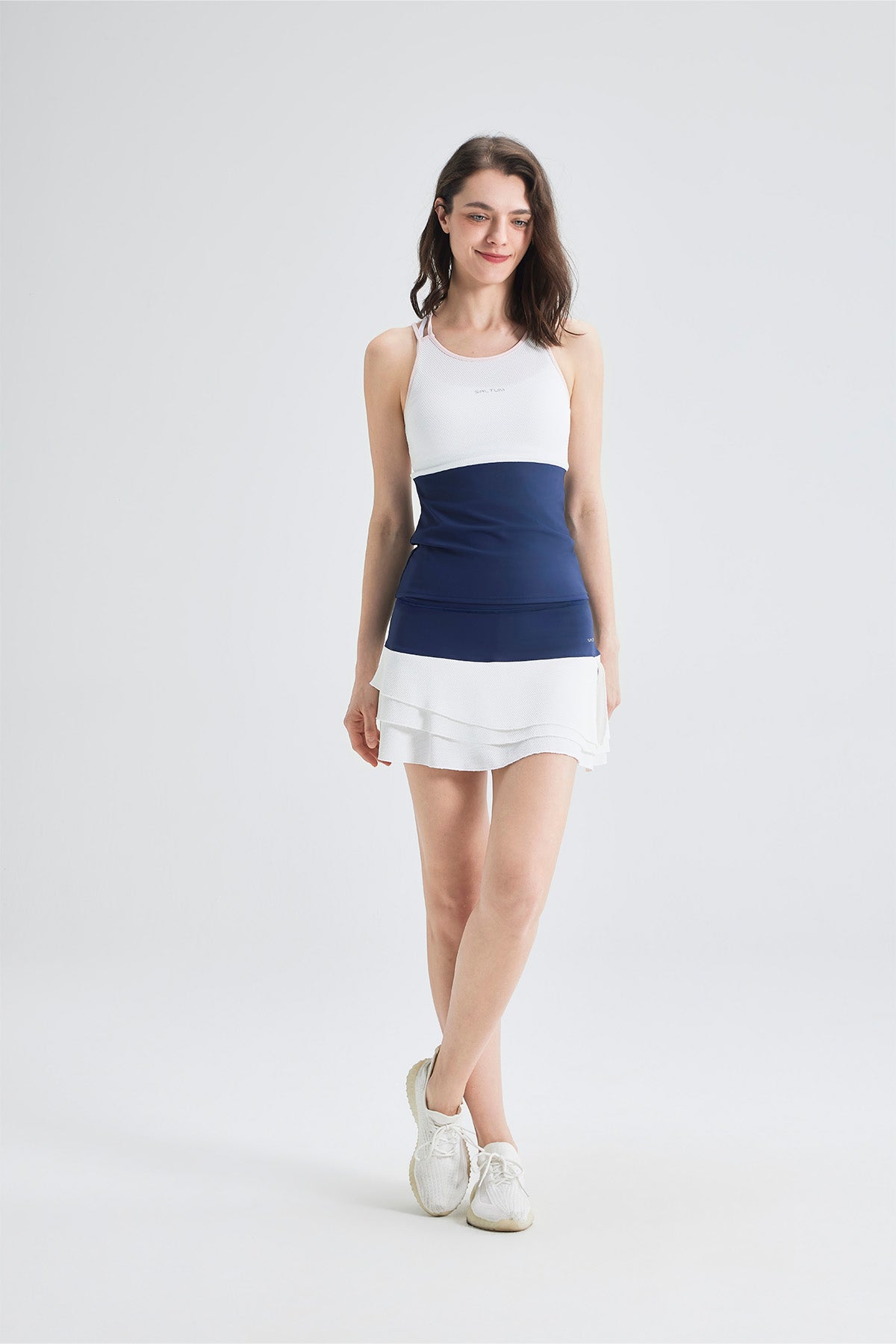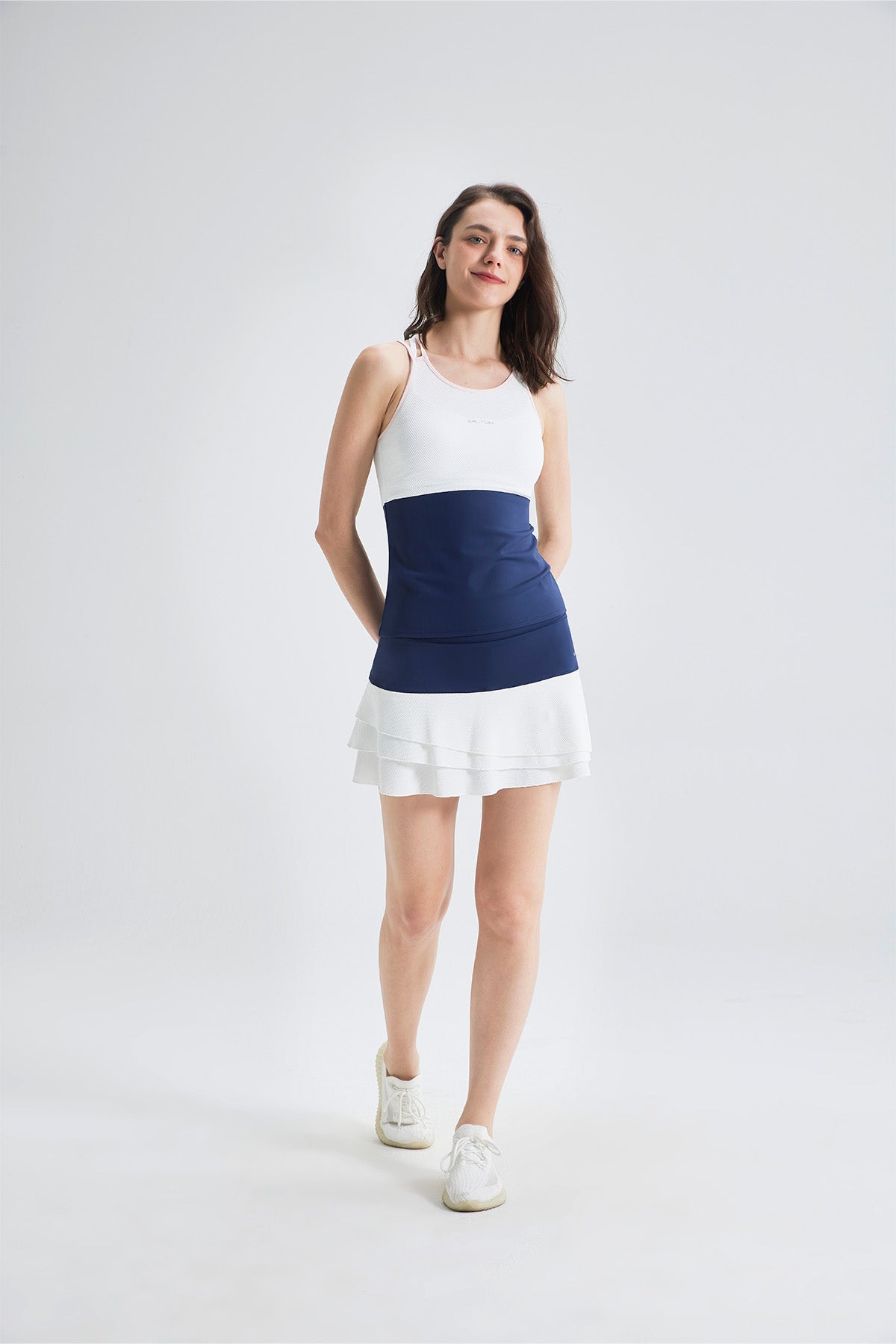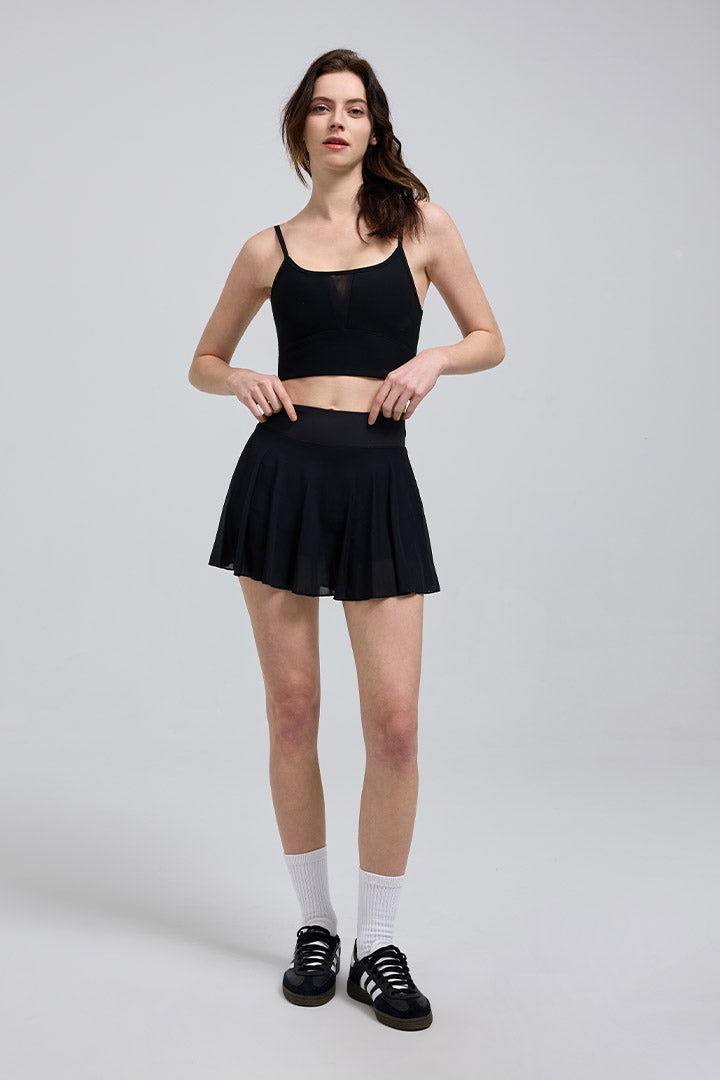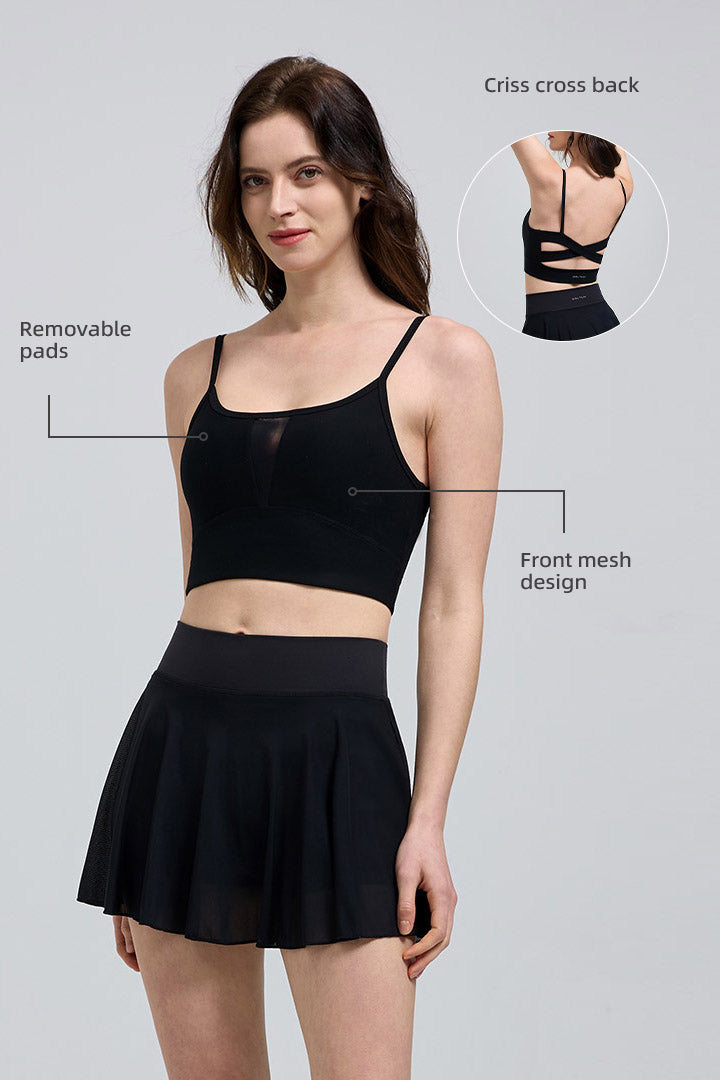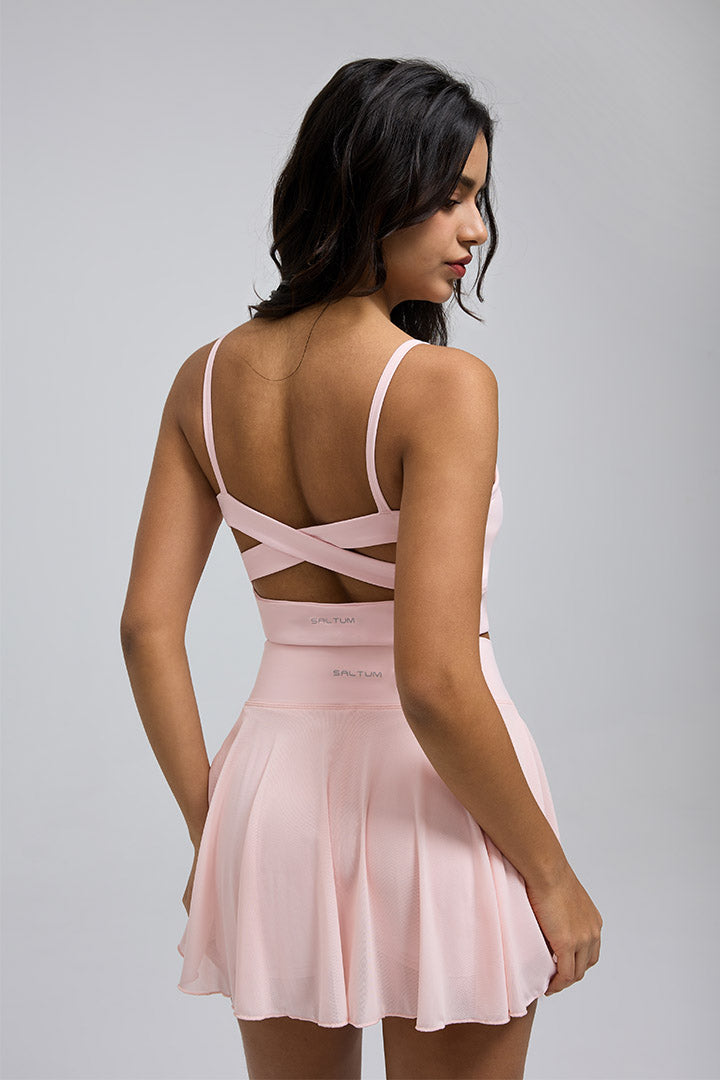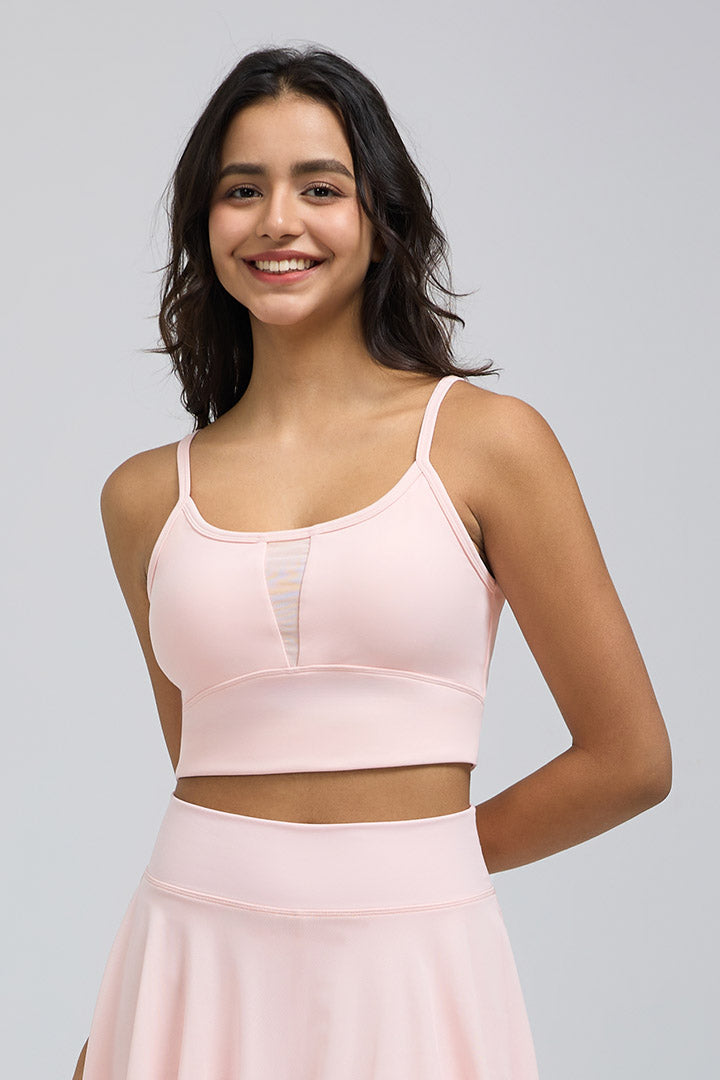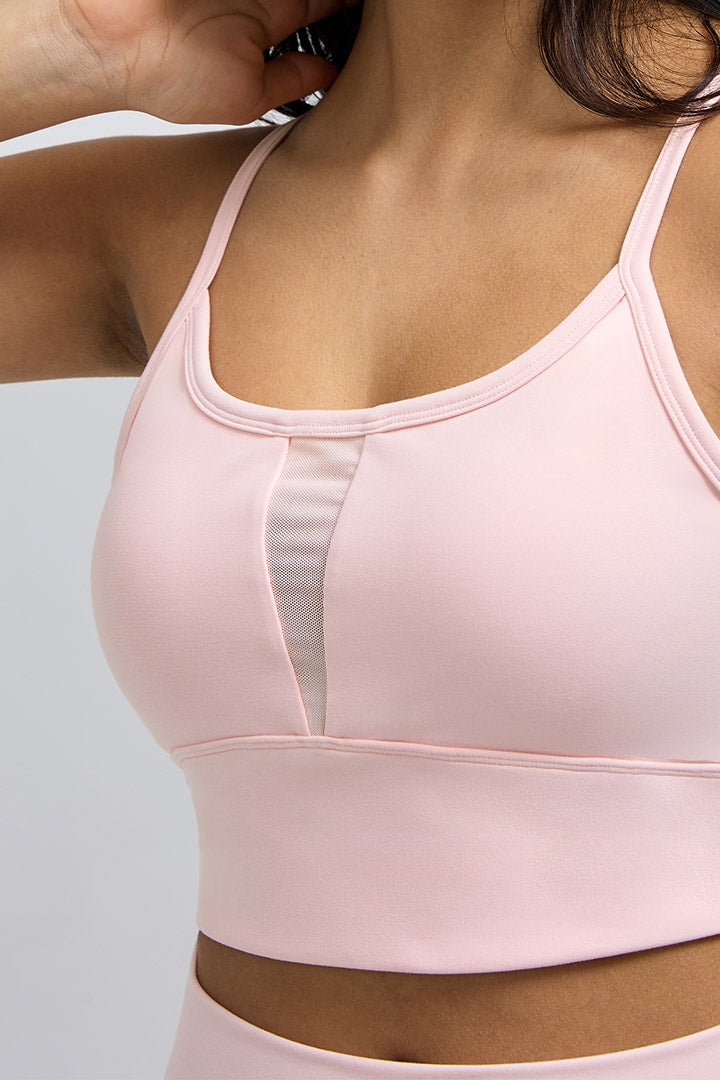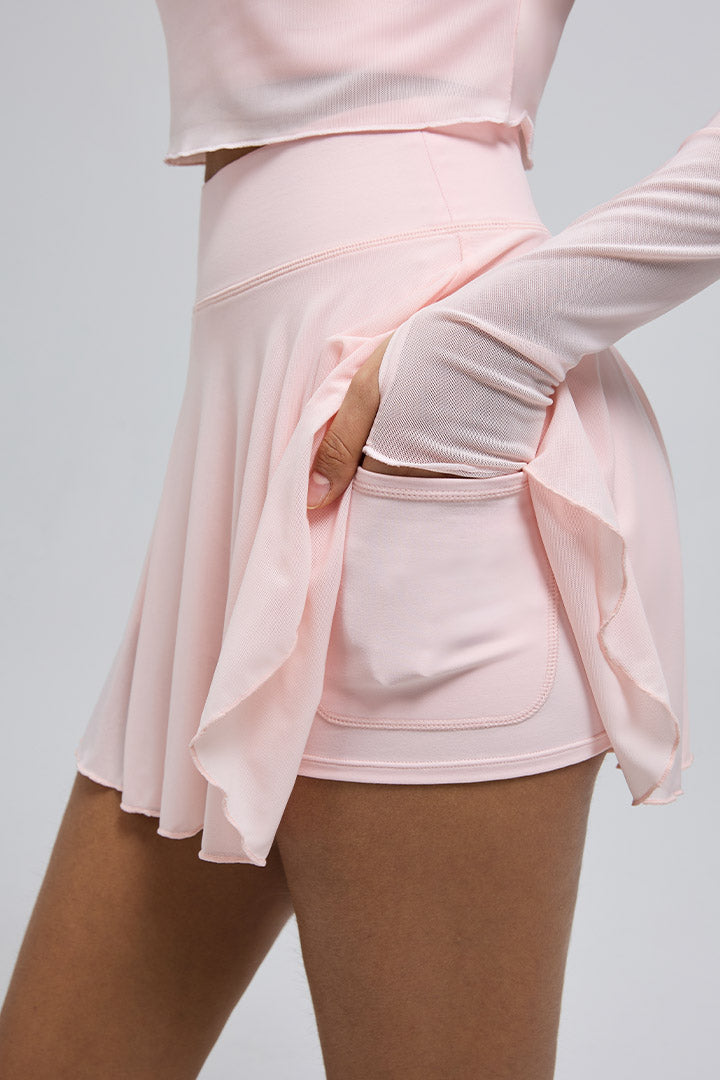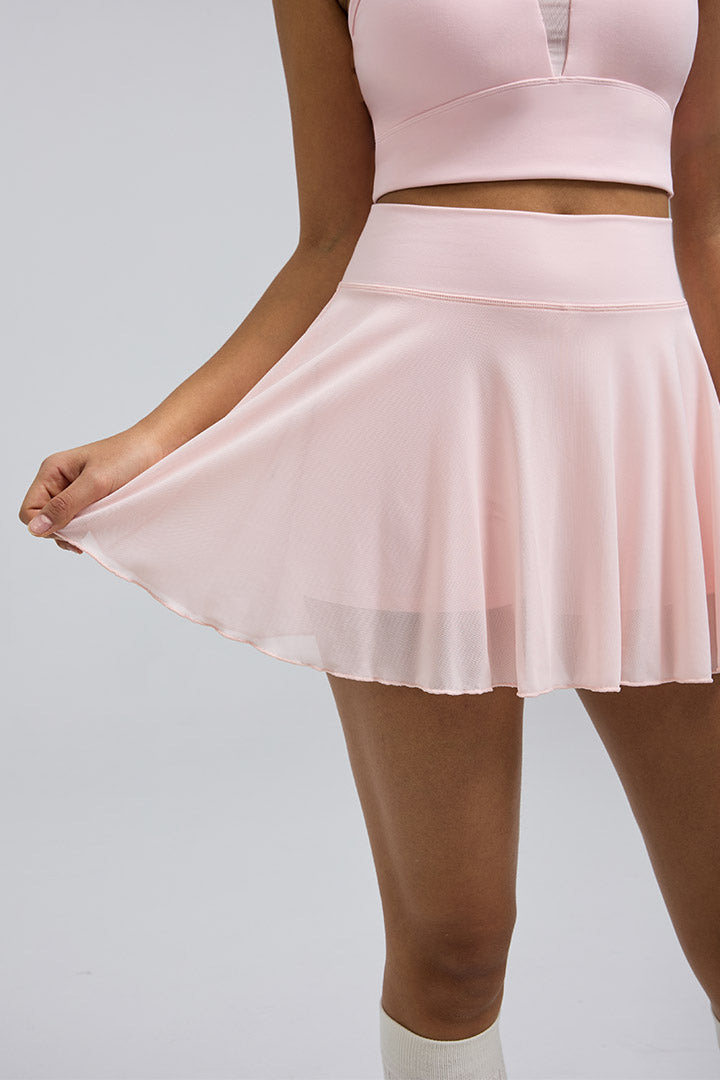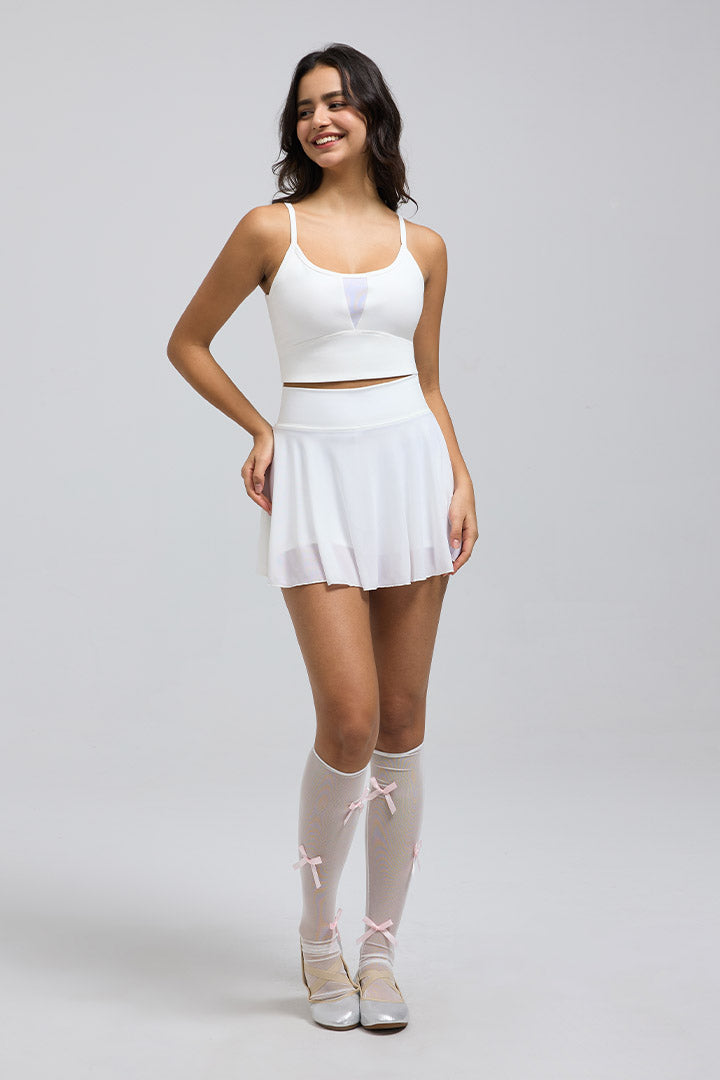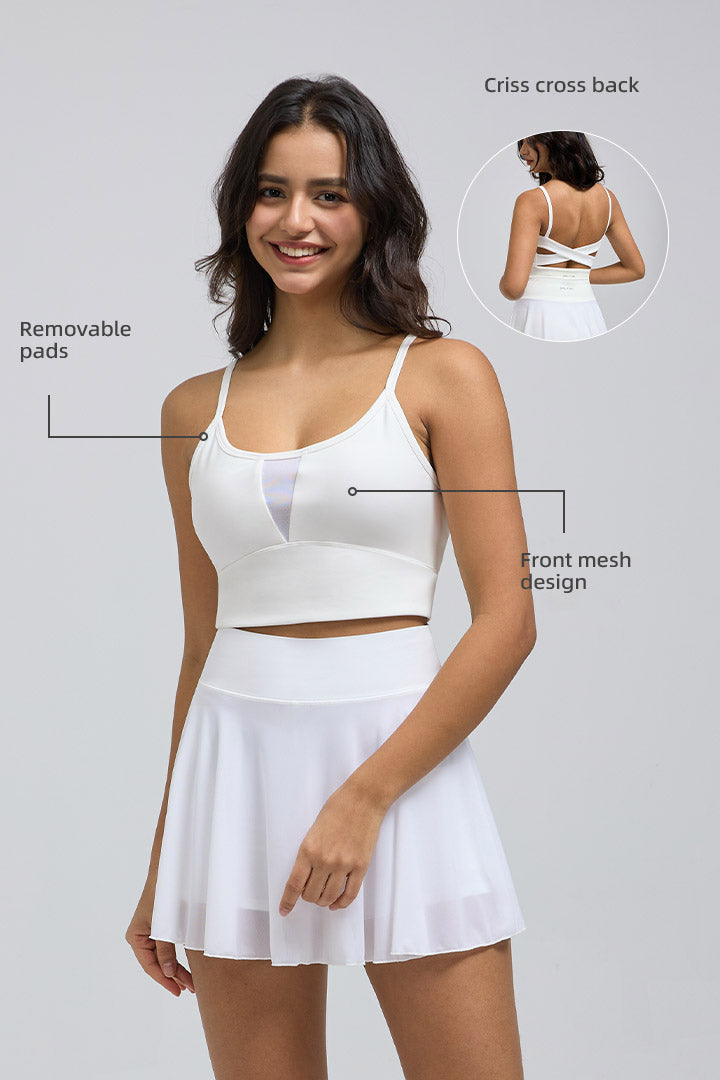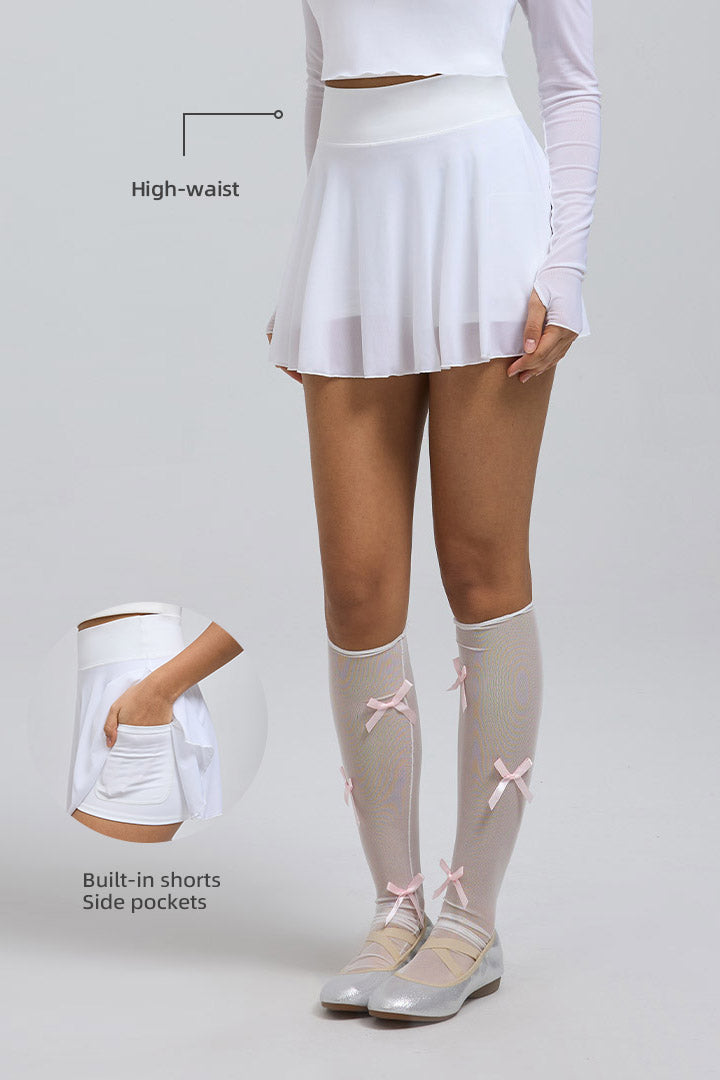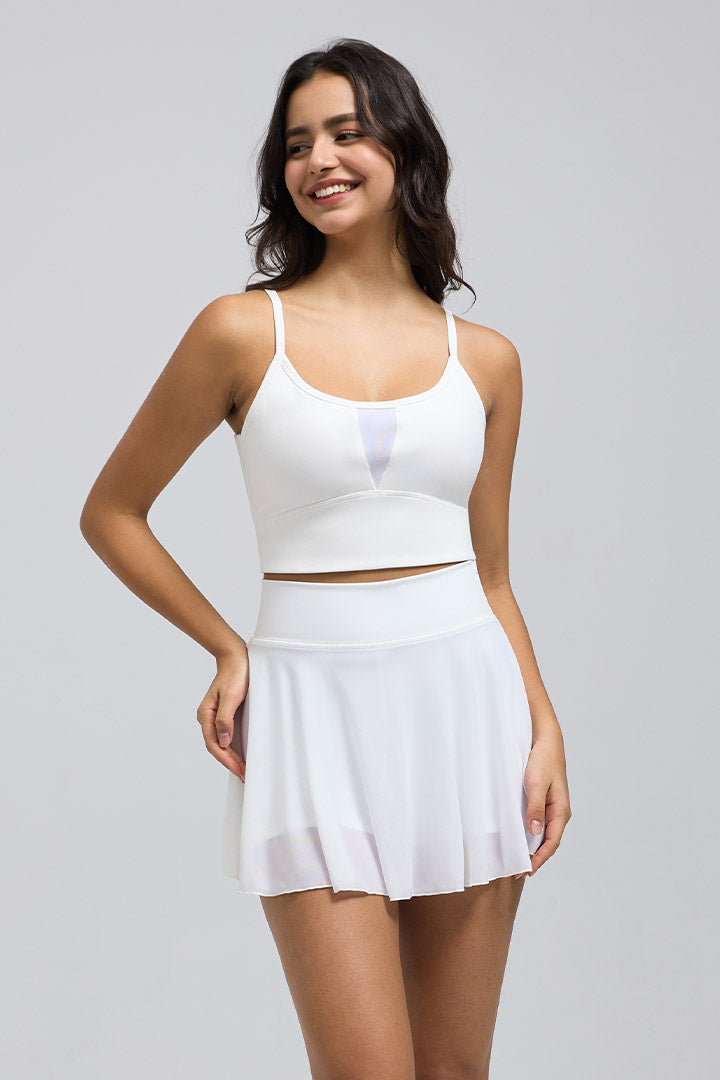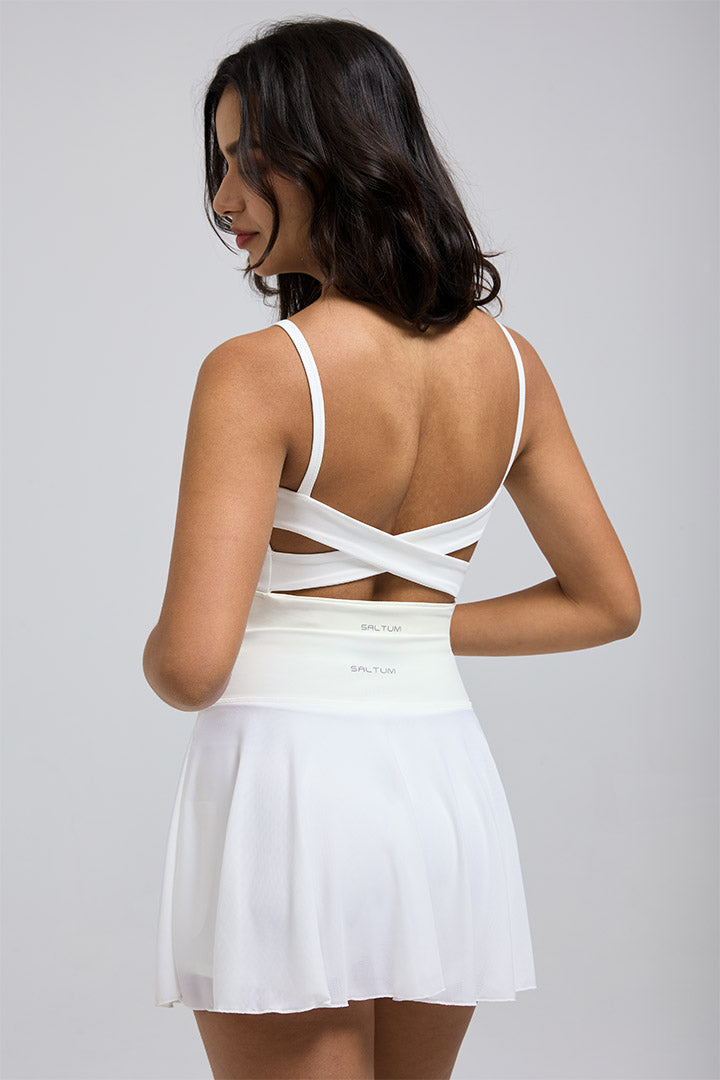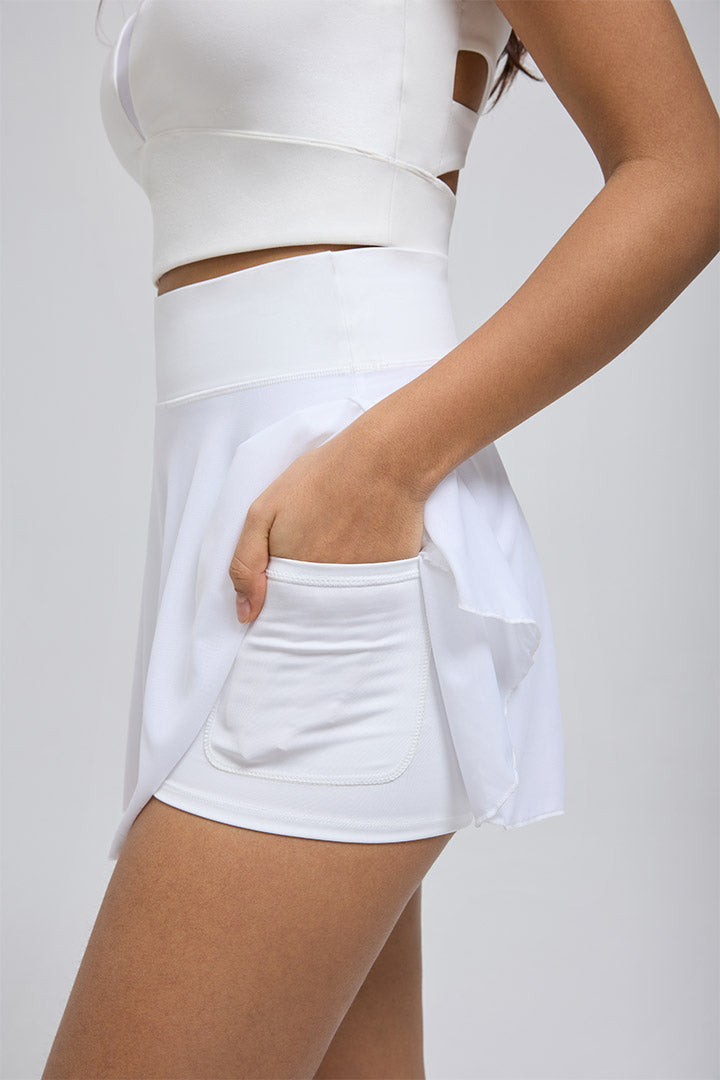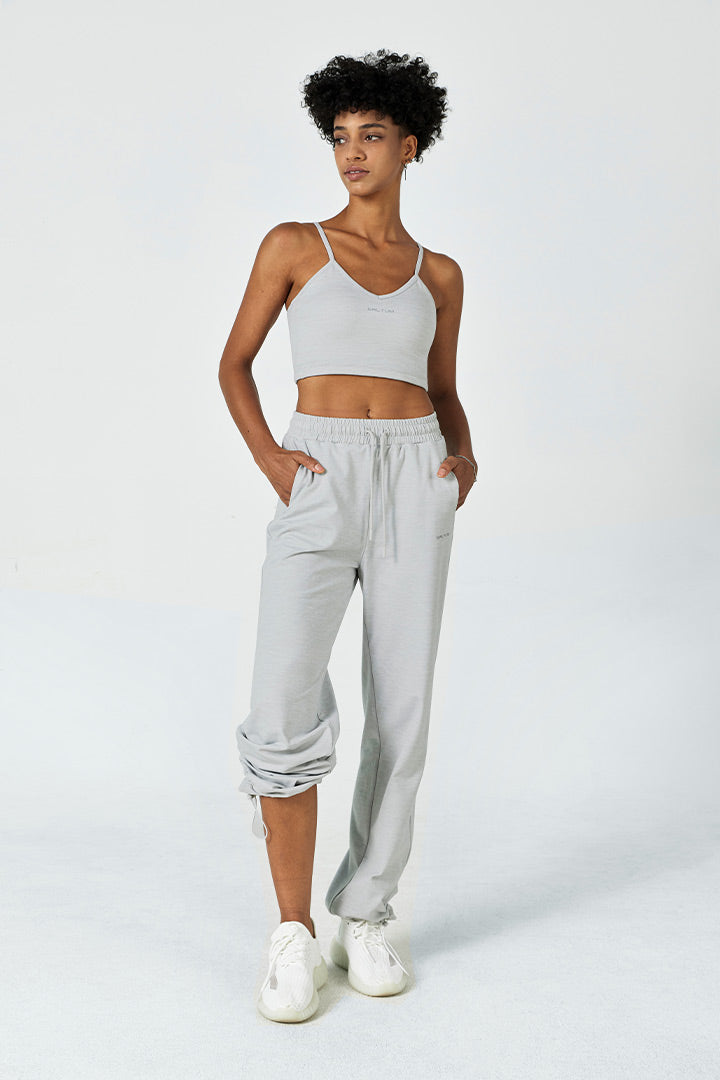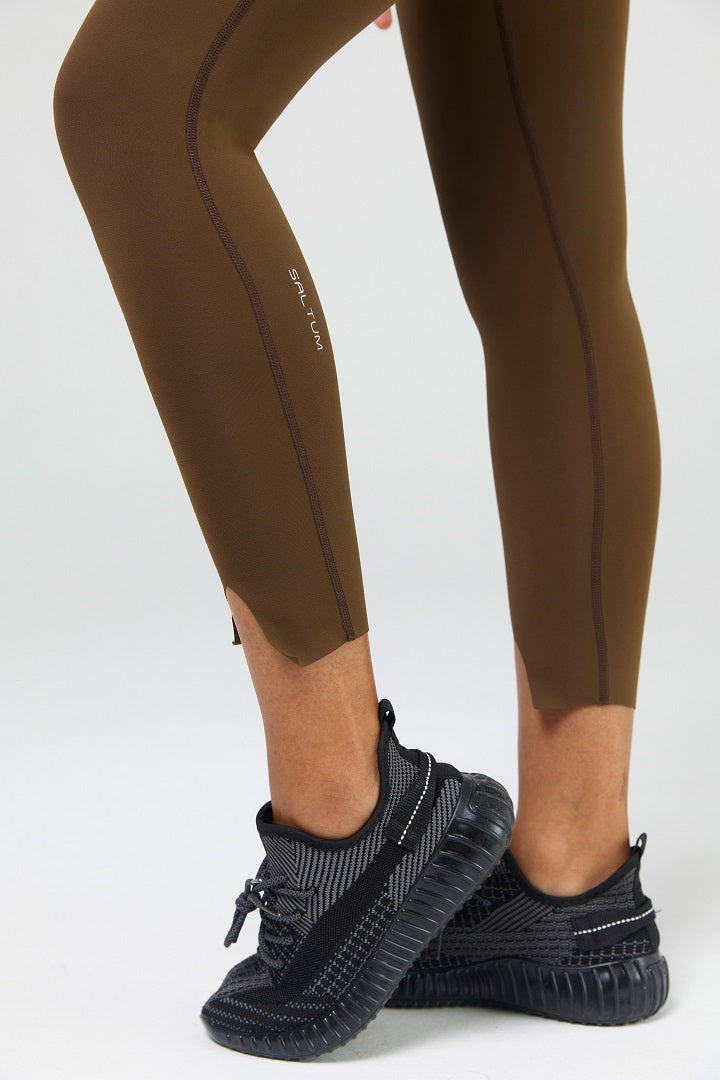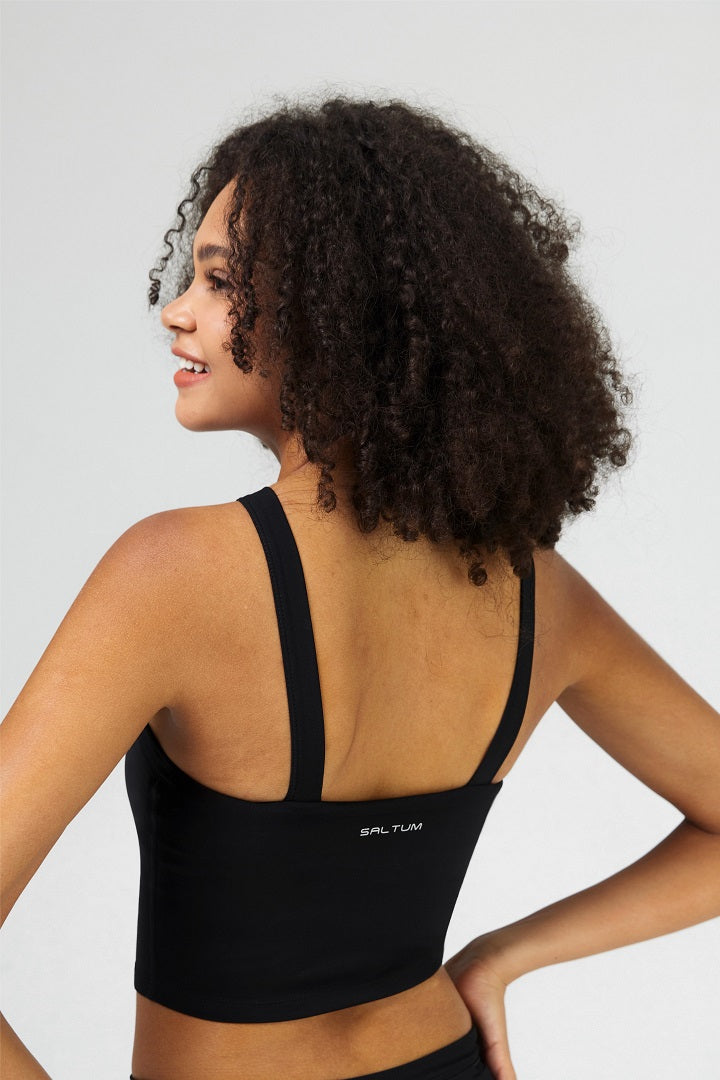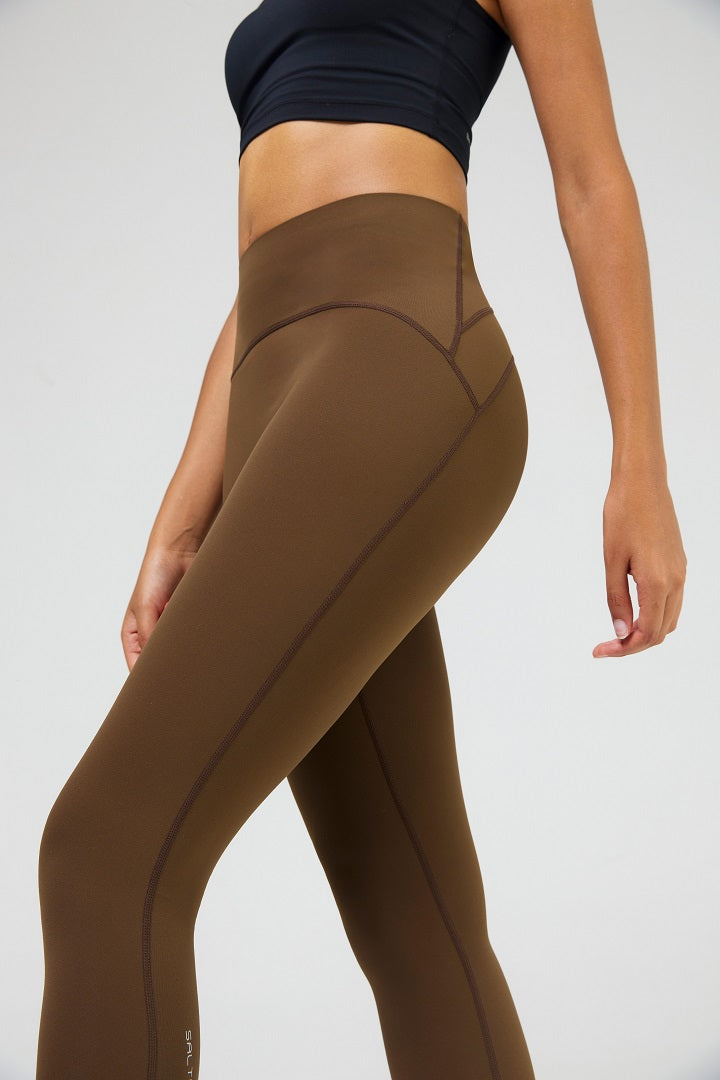



Put a runner, a road cyclist, and a figure skater in a room and ask them what they wear to train, and you'll get three completely different answers. Athletic communities develop their own fashion cultures — sometimes deliberately, sometimes through accumulated tradition — and these cultures can be as strict as any corporate dress code or as open as a backyard barbecue.
What's interesting is that across all these communities, women navigate an additional layer of complexity: the gap between what athletic clothing is supposed to do (help you perform and feel comfortable) and what women's athletic clothing is often designed to do (look appealing). This tension plays out differently in each sport, but it's consistently present.
The Spectrum of Freedom: Sport by Sport
Not all athletic communities are equally restrictive about what you wear. Here's a quick map of the landscape, from most rule-bound to most free.
Running: The True Wild West of Sportswear
Running has the most open fashion culture of any mainstream sport. The equipment requirements are minimal (shoes, and technically even that's optional), the spaces are public, and the community has a strong tradition of welcoming everyone — regardless of pace, background, or what they're wearing.
In practice, this means the running community encompasses the full range of athletic clothing choices: people in expensive technical gear from specialist brands, people in old cotton t-shirts, people in costumes, and the occasional person in jeans (who is apparently a neighborhood fixture in communities worldwide and generates affectionate commentary wherever spotted).

The Safety Function of Neon
One genuine style convention in running is the use of bright, visible colors — especially for road runners who train in low-light conditions. Neon yellows, oranges, and greens dominate the more serious end of running gear, and for good reason: being visible to drivers is genuinely important. This extends to LED accessories, reflective strips, and even illuminated collars for dogs who run with their owners.
The Compression Question
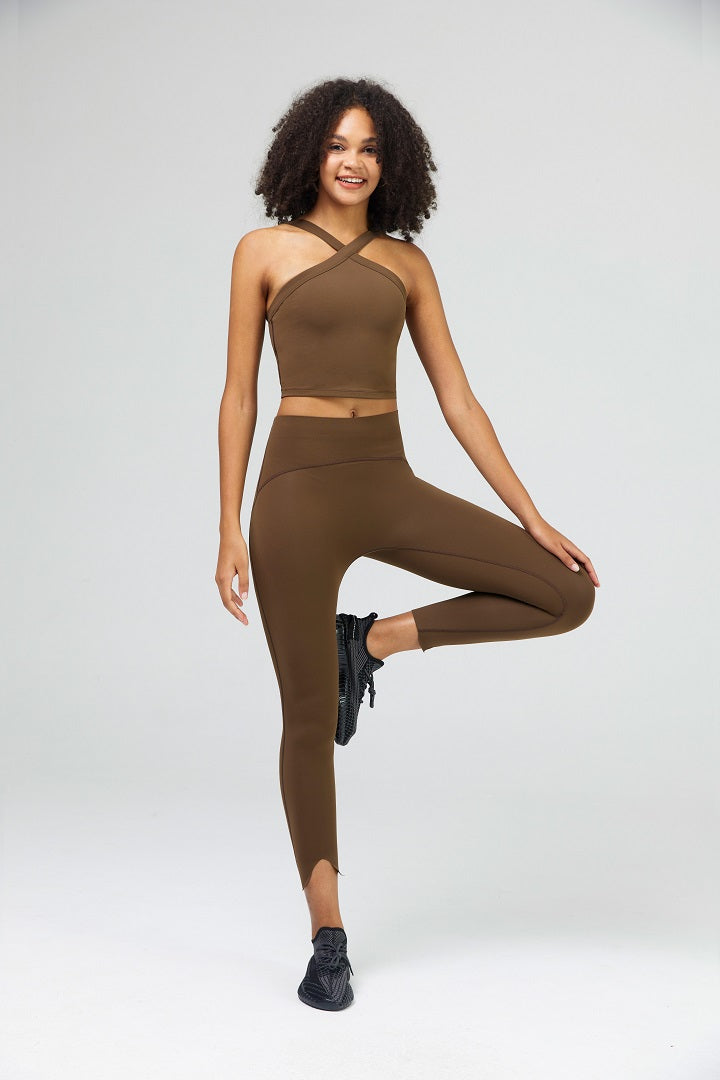
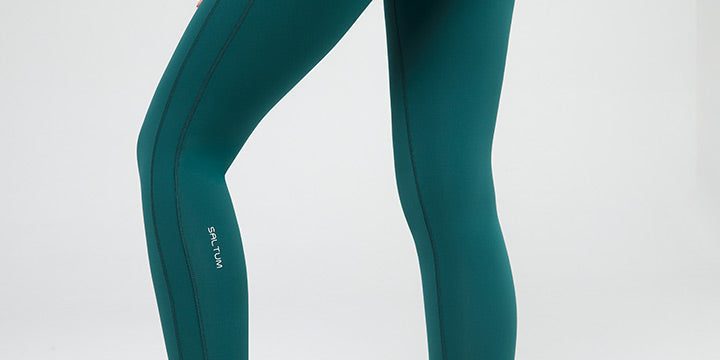
The prevalence of tight compression gear in women's running is often held up as evidence of fashion prioritizing appearance over comfort, but it's more nuanced than that. There's evidence that lower-leg compression garments can improve circulation and reduce muscle fatigue in distance running. Many women genuinely prefer compression tights for the support and the reduction in chafing. The problem isn't that compression exists — it's that it's often the only option available at mainstream price points, rather than one option among many.
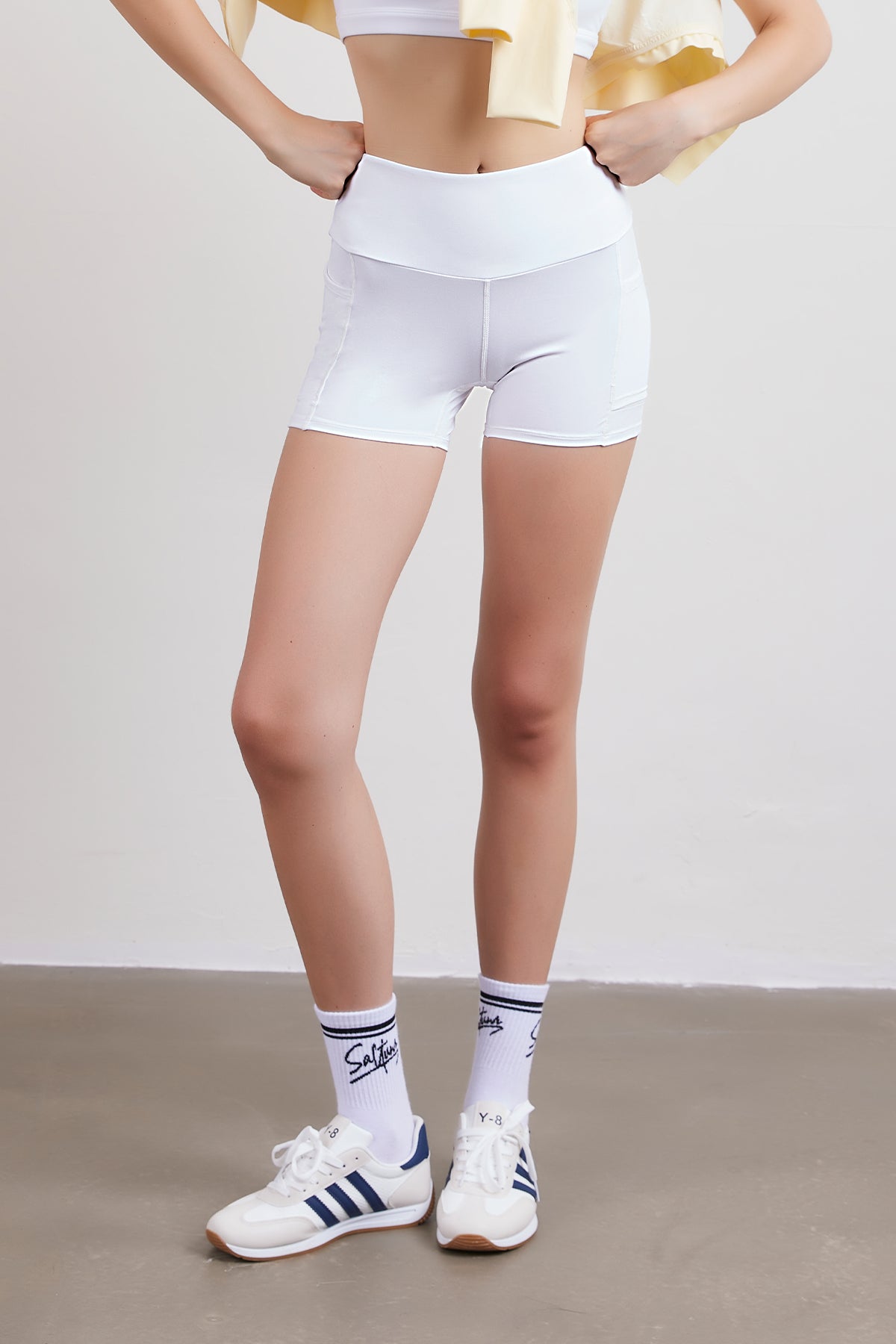
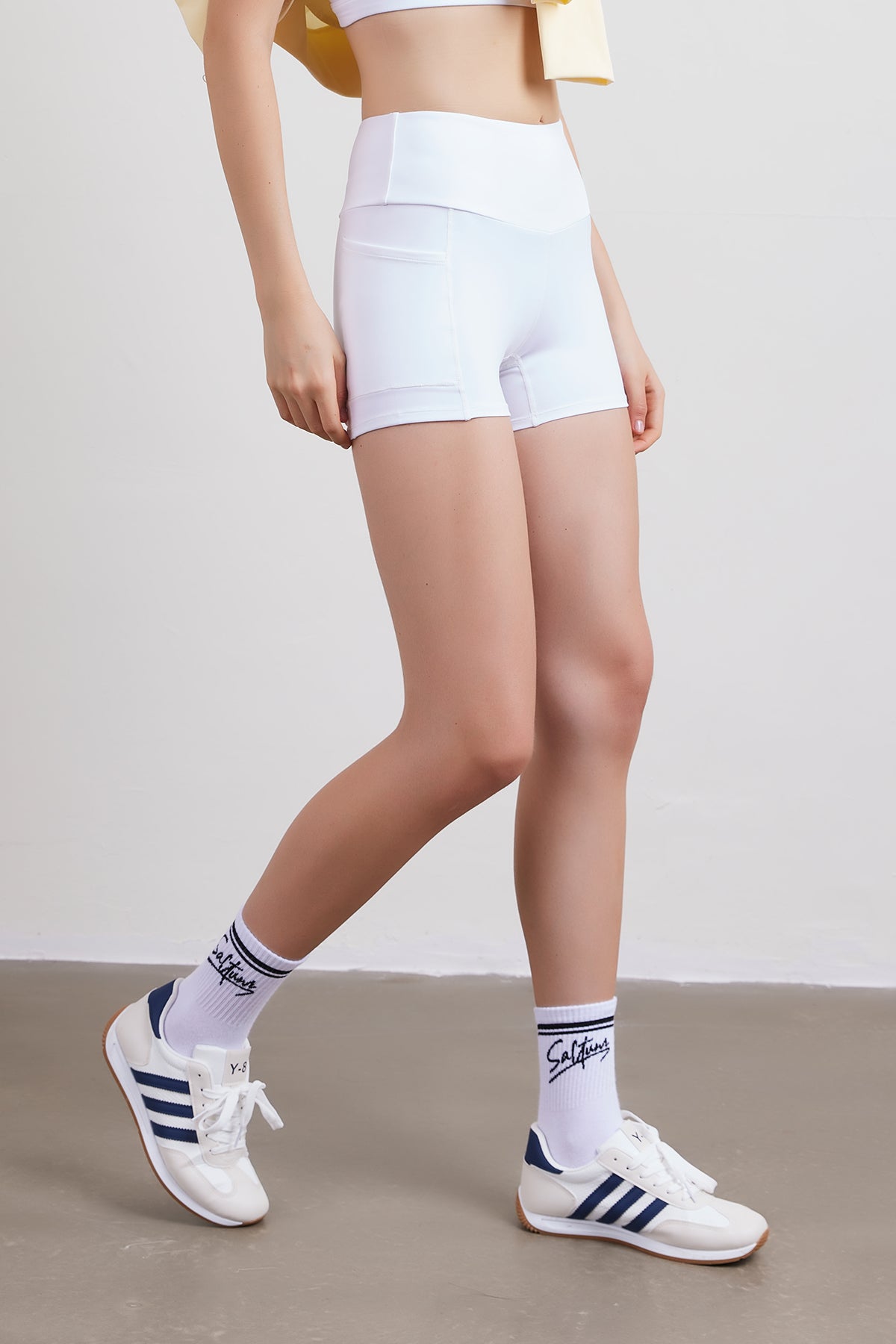
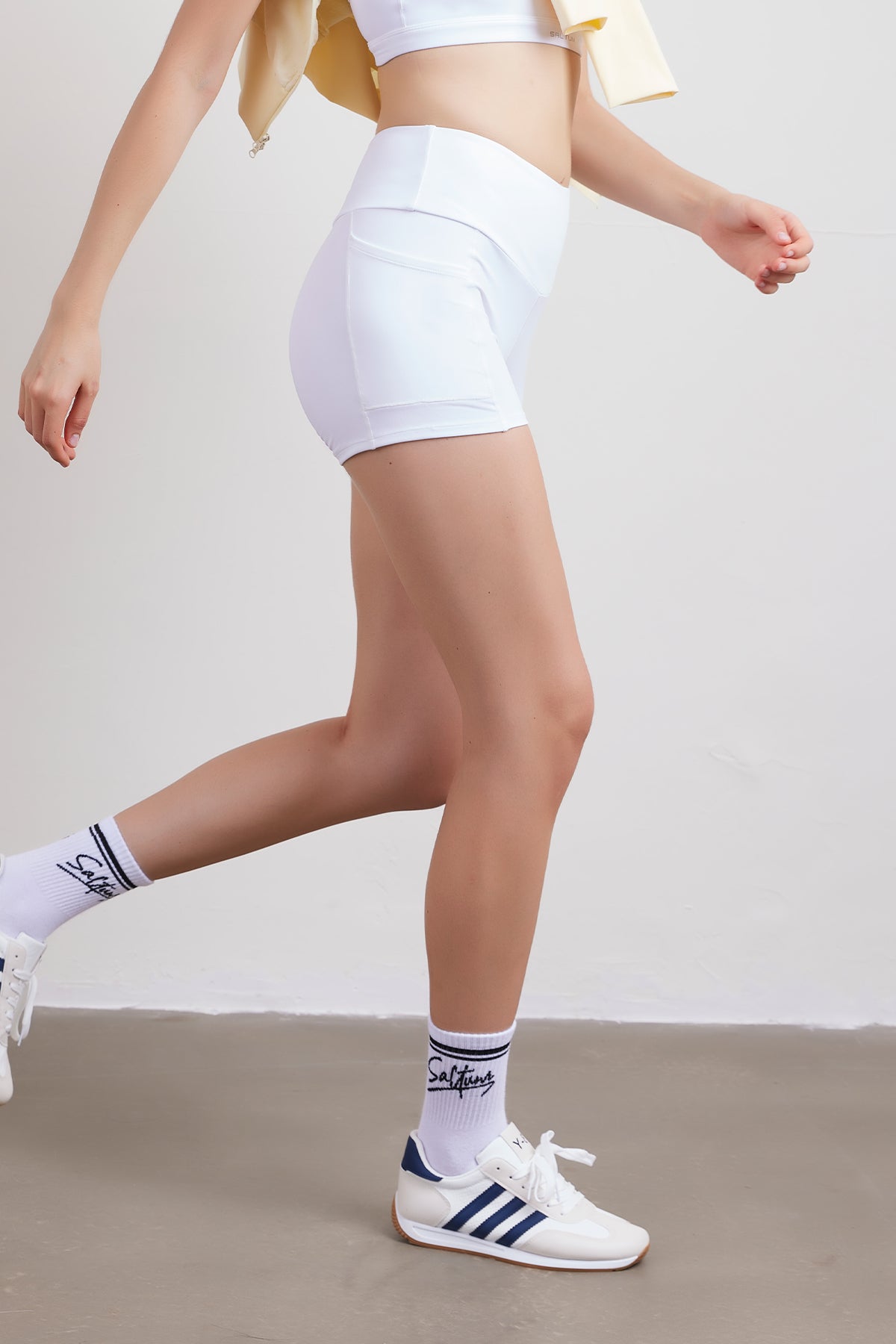
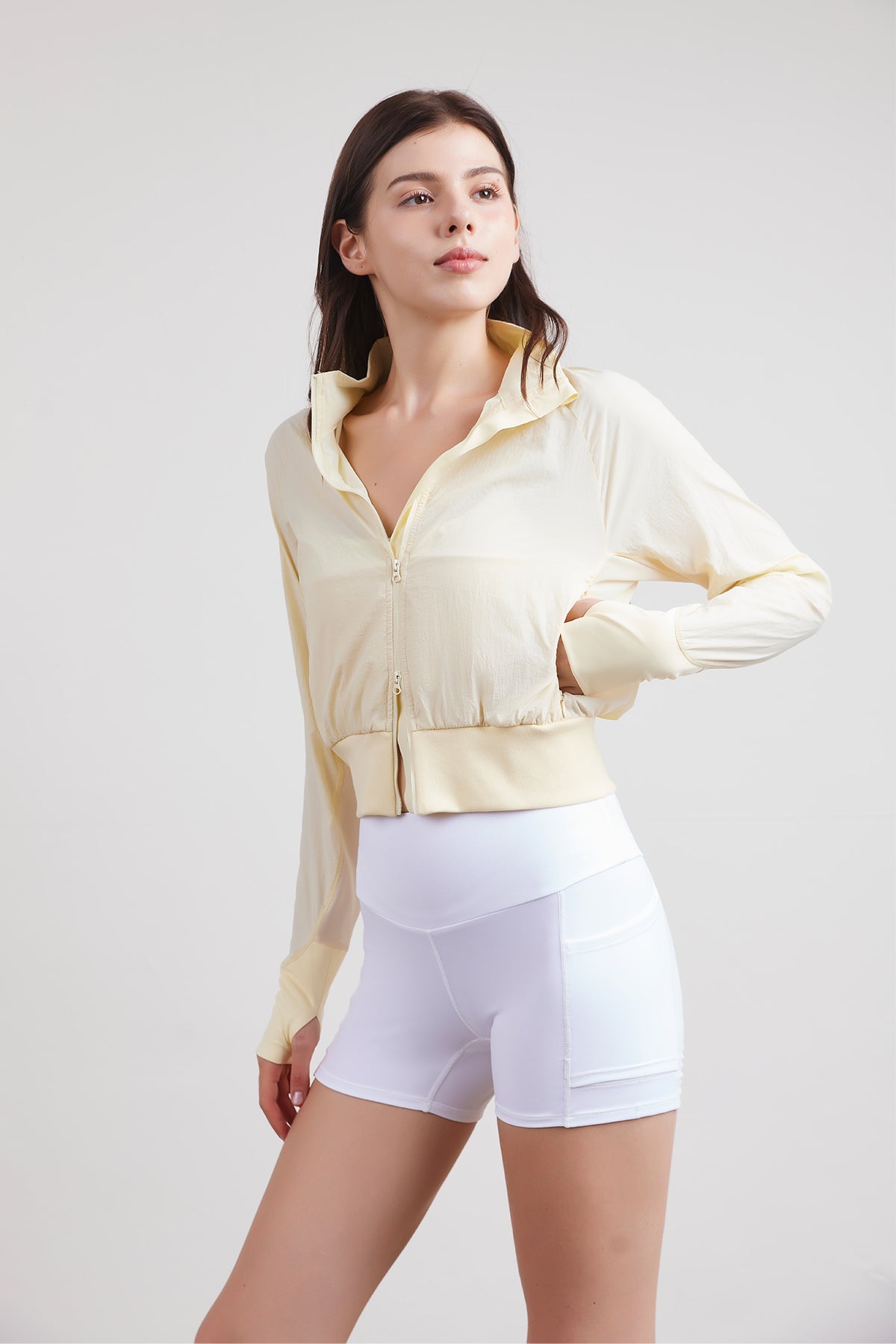
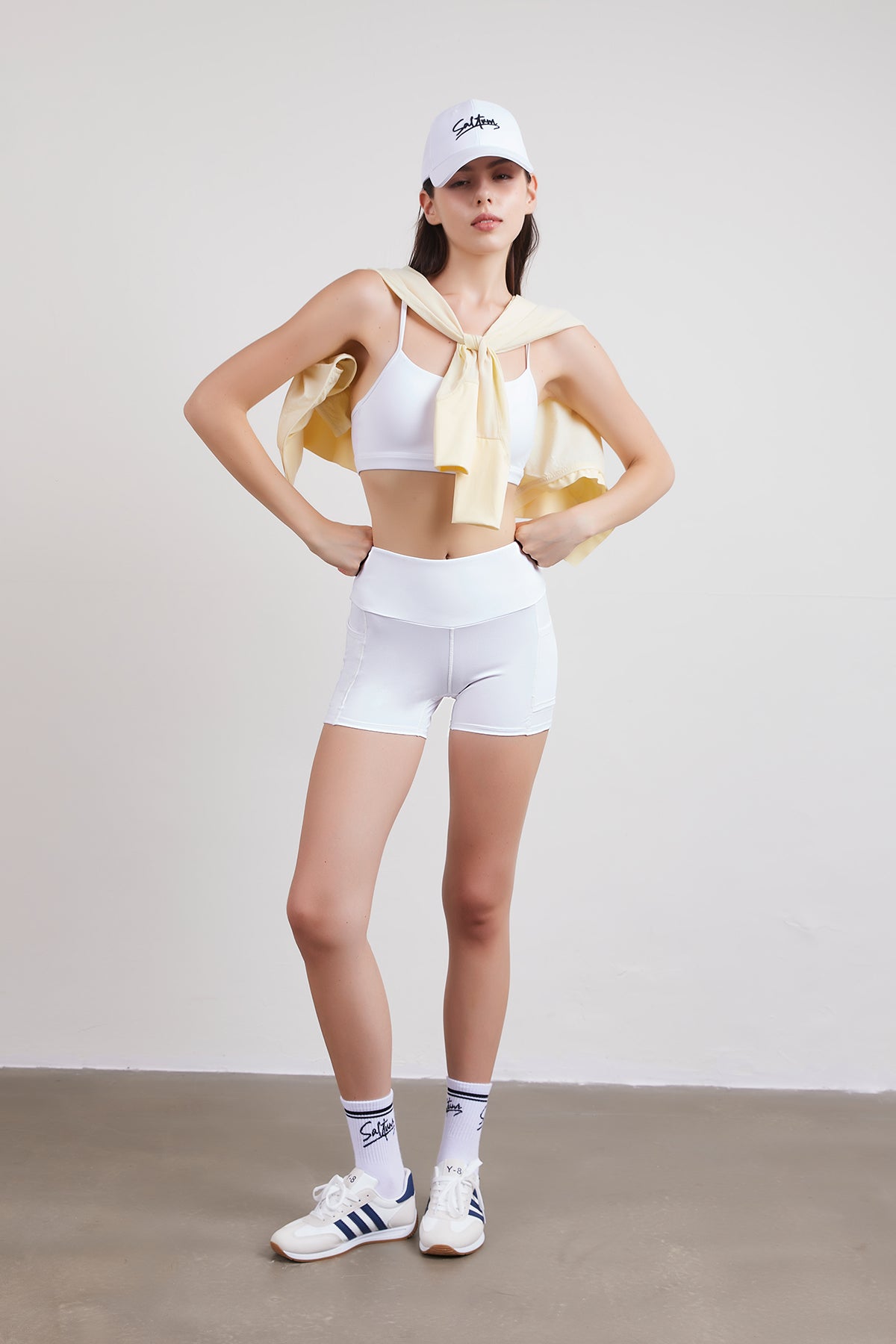
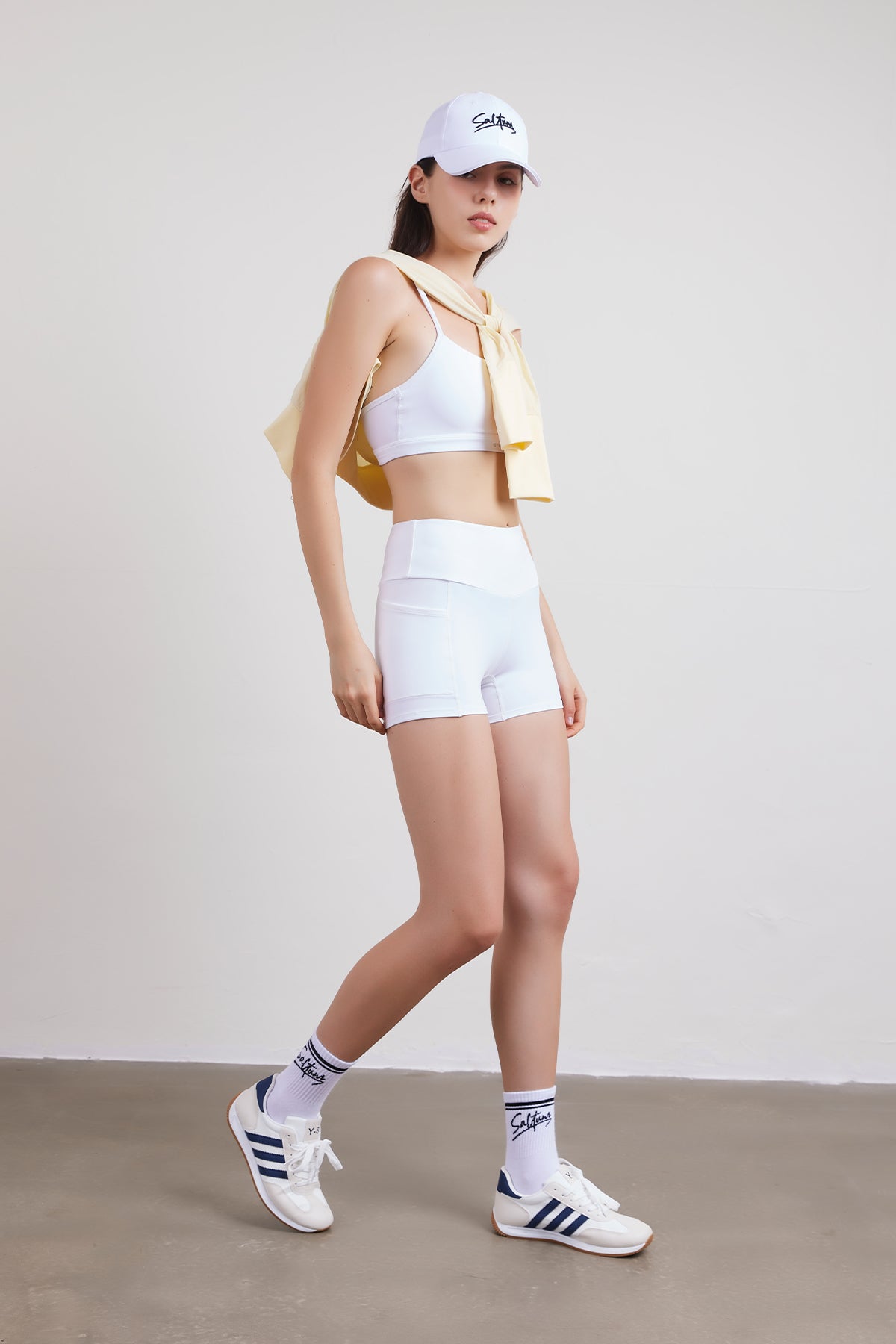
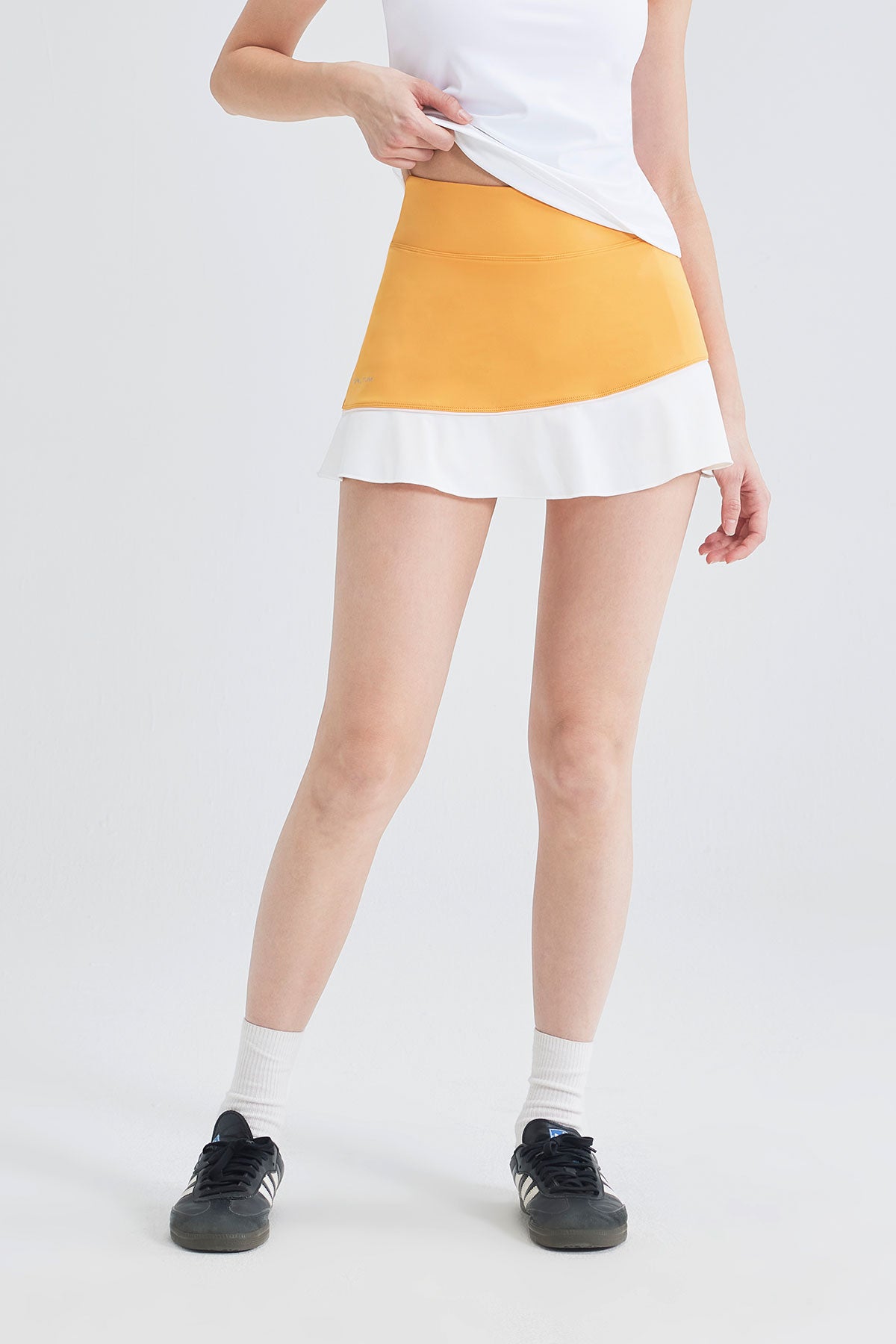
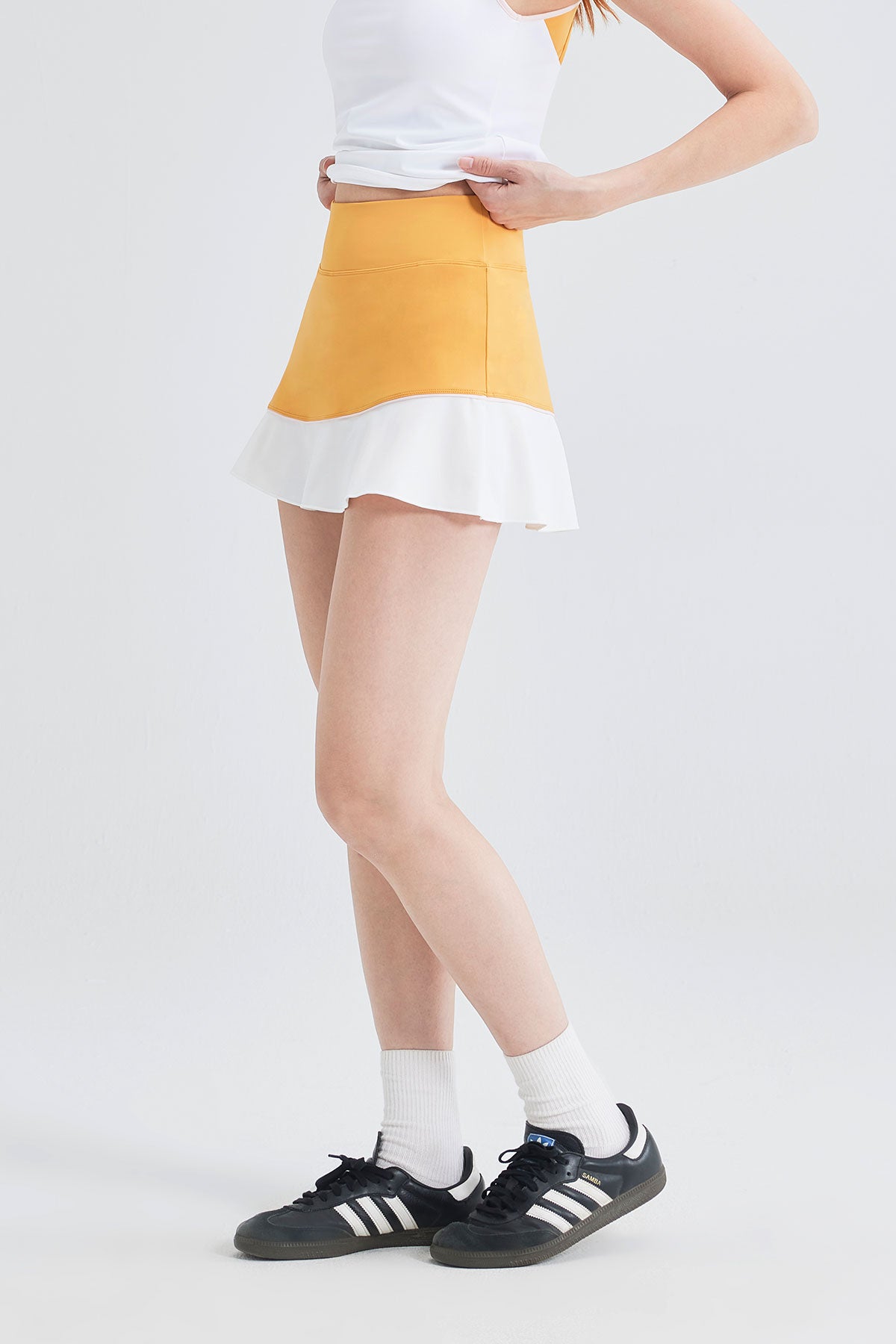
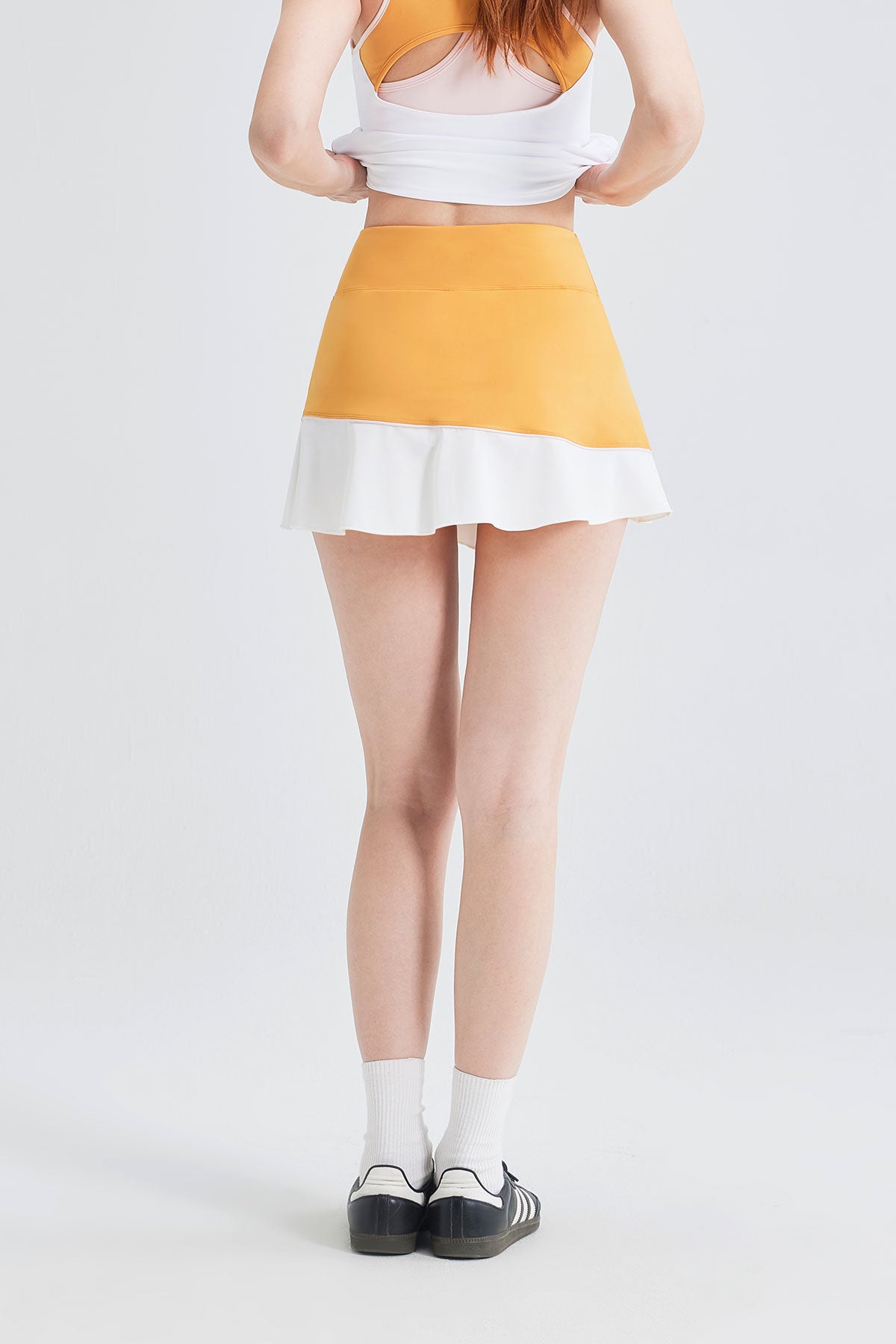
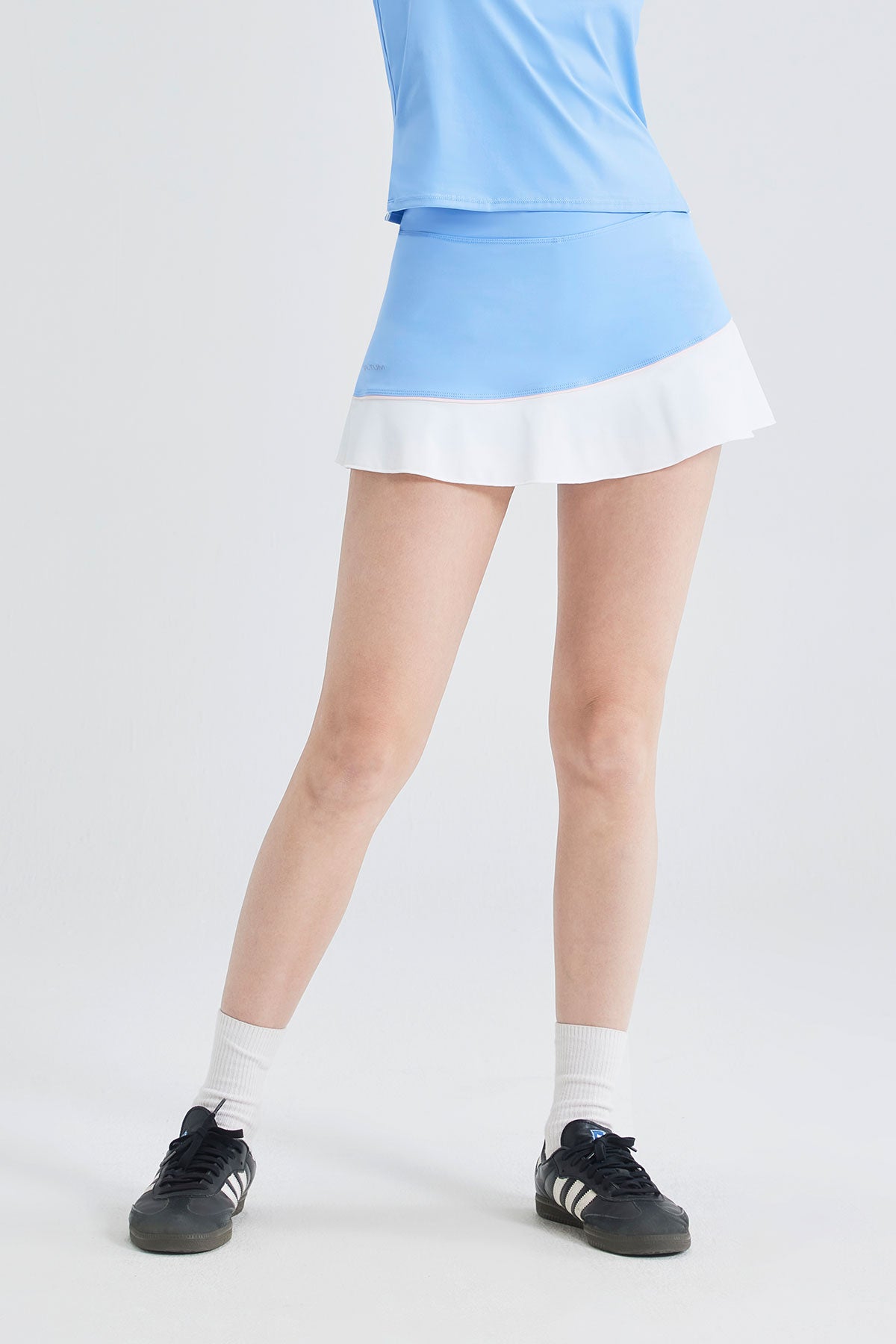
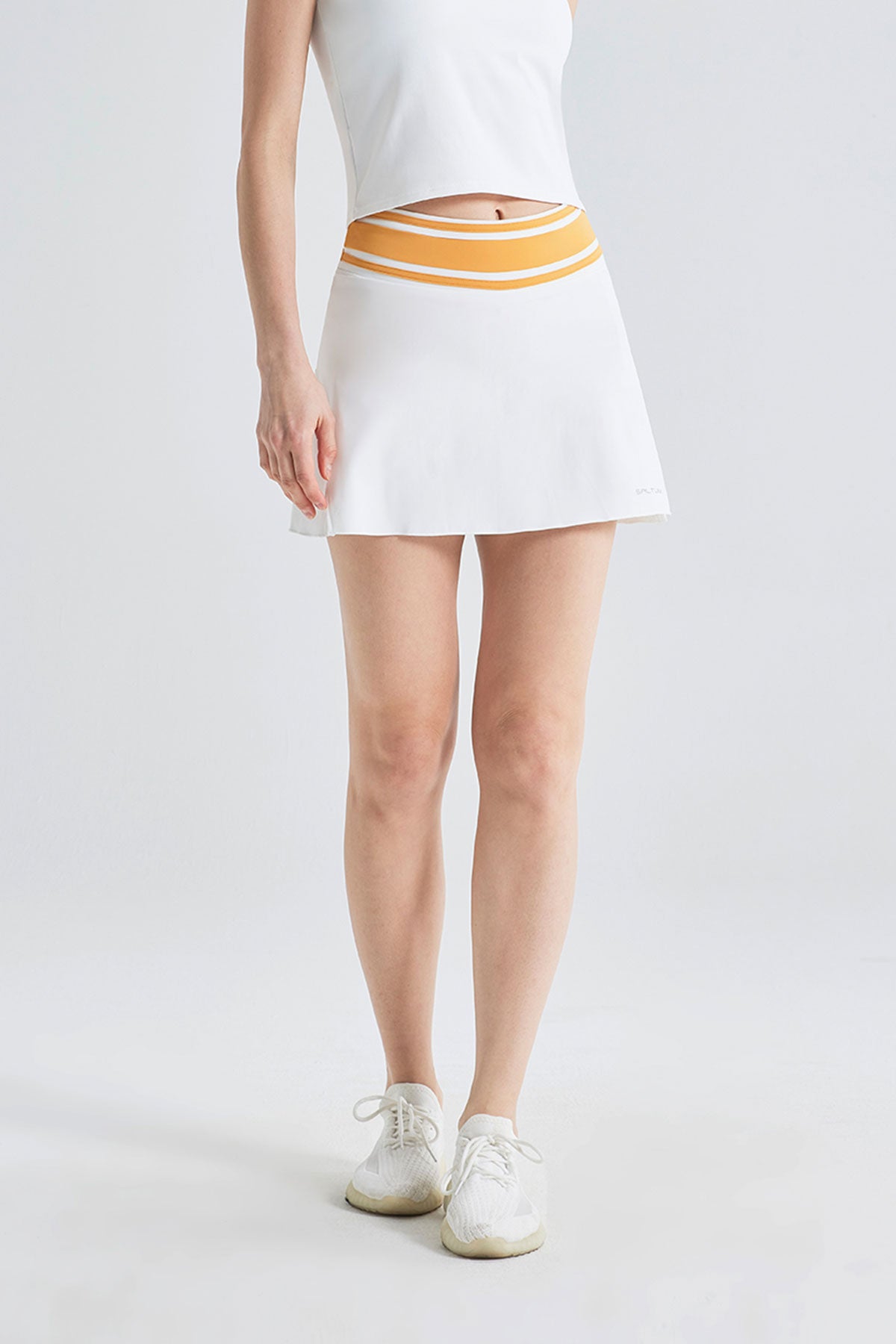
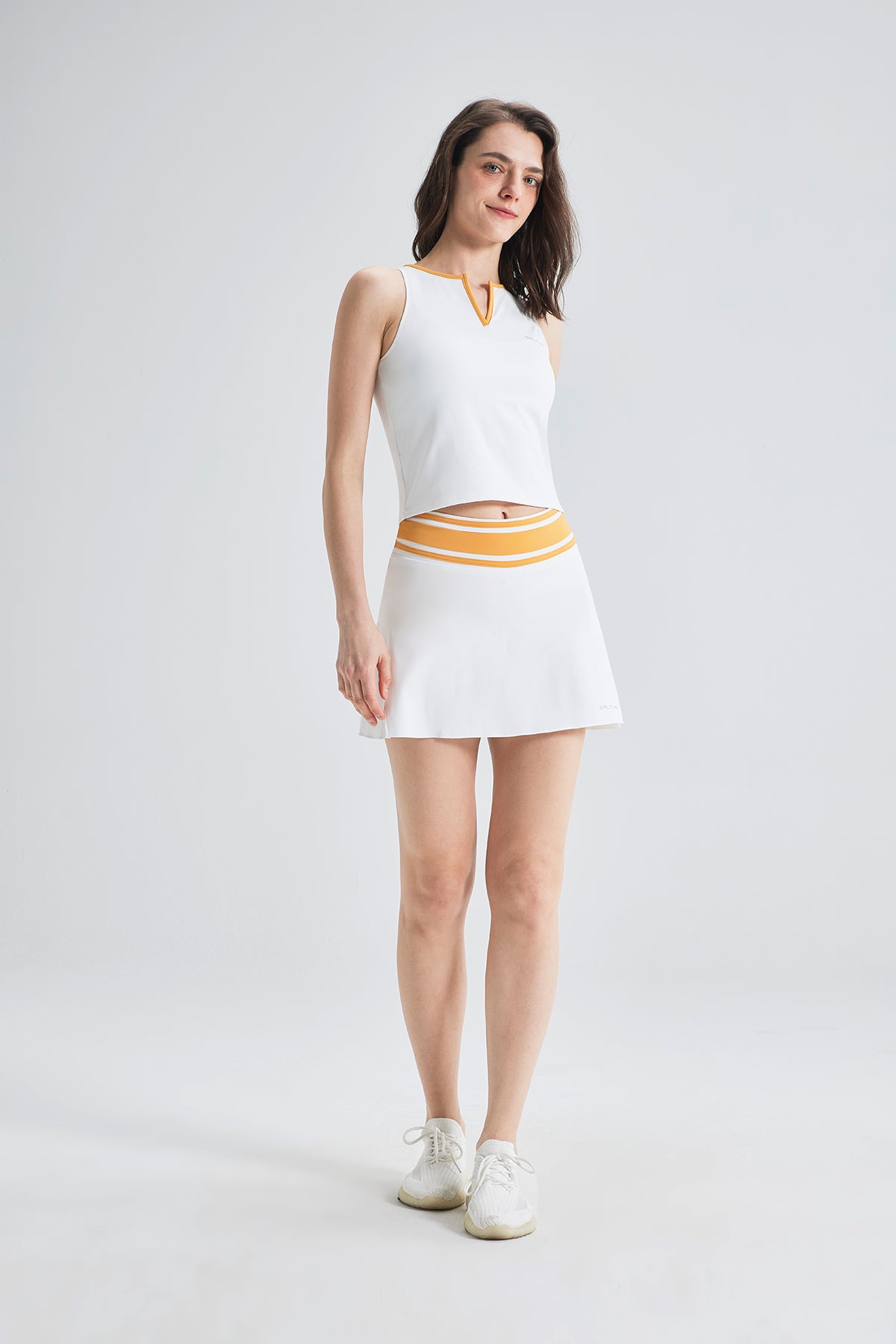
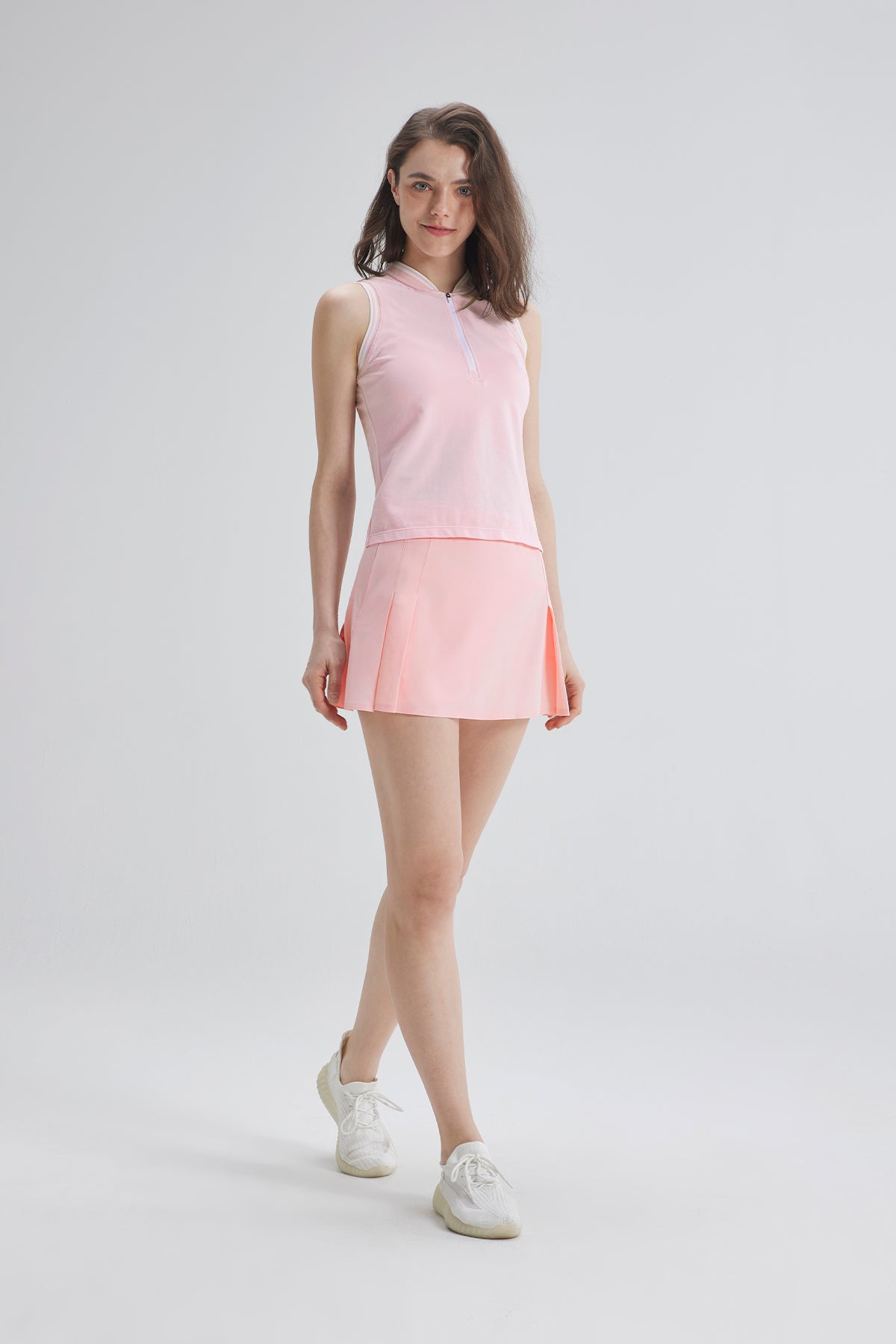
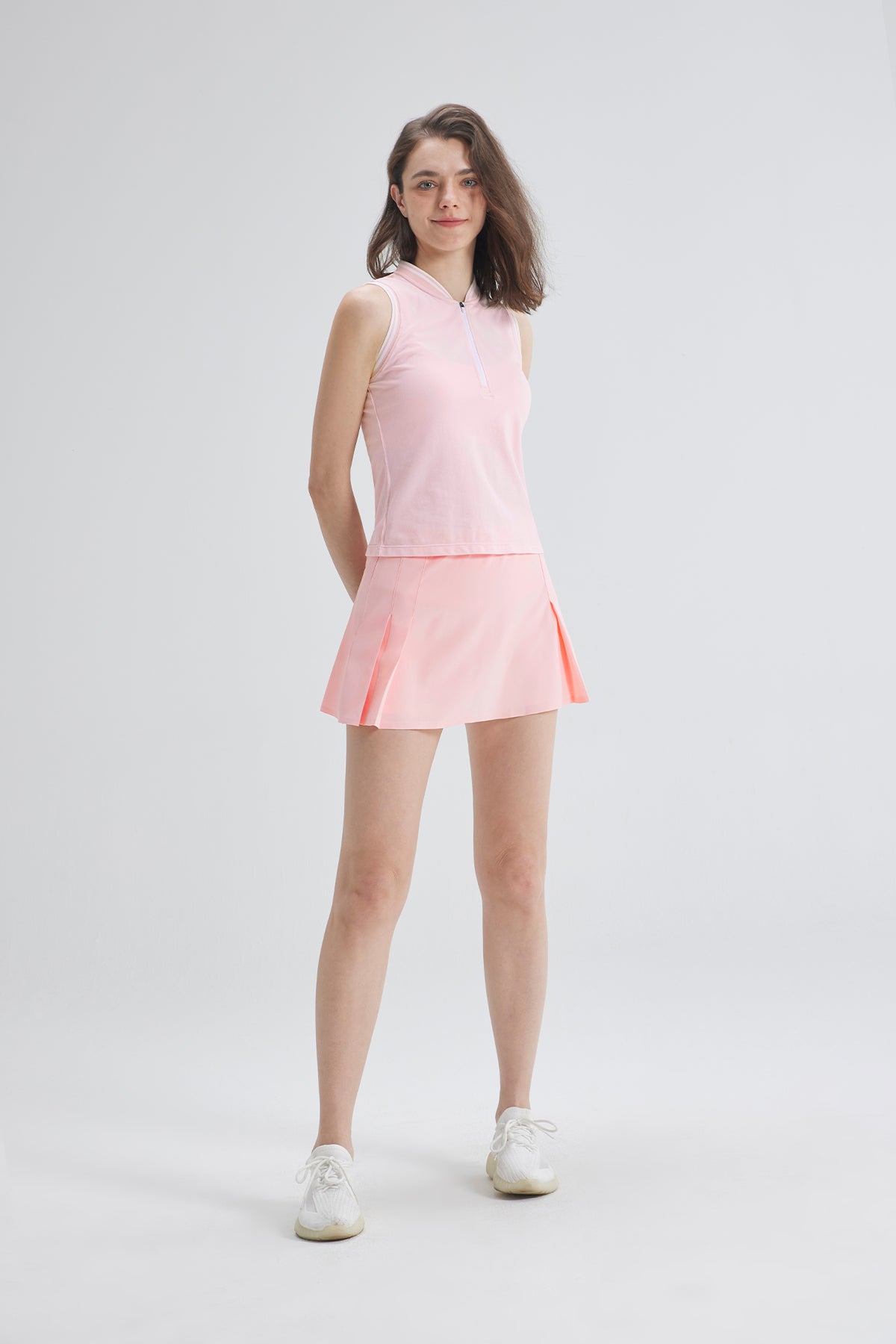
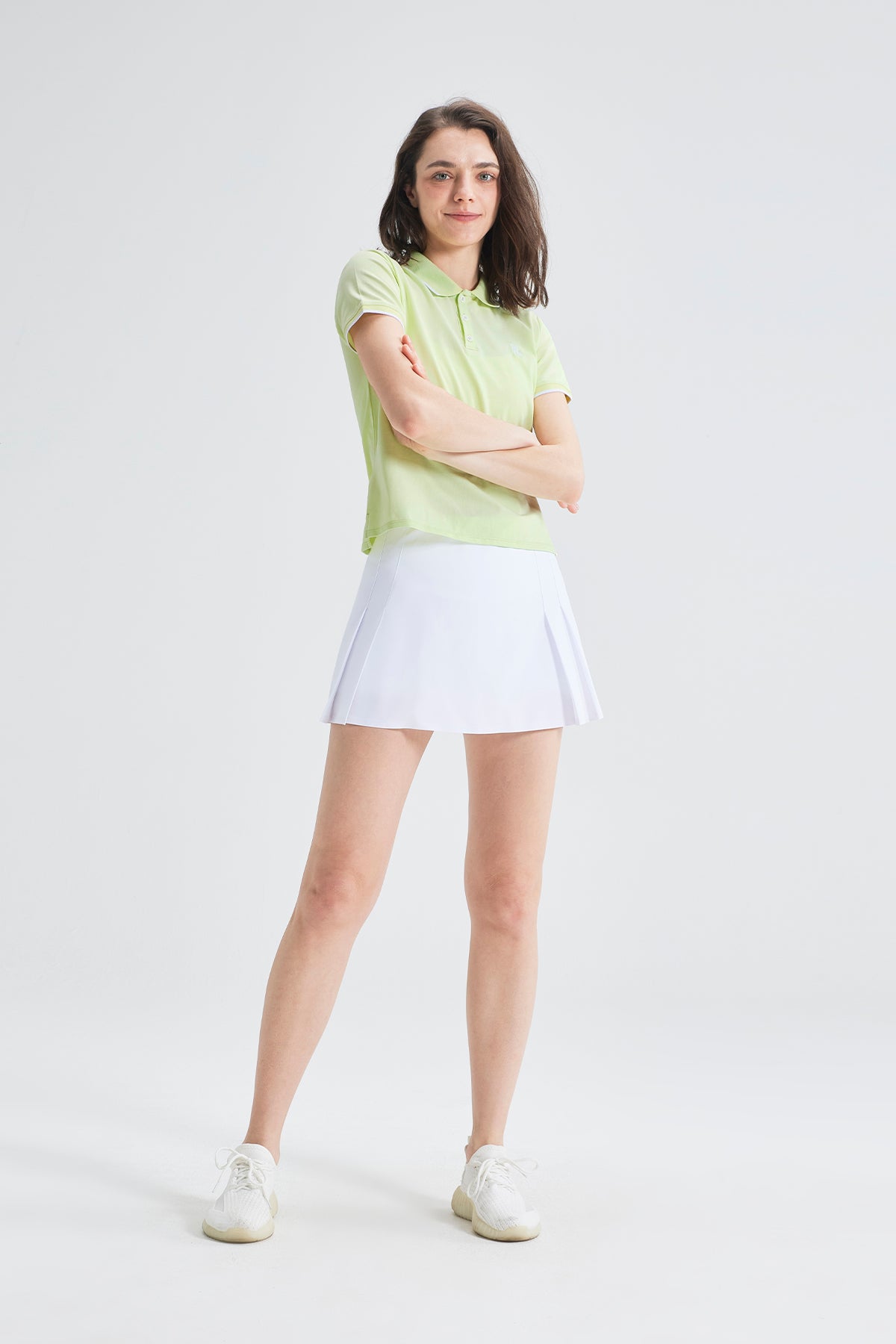
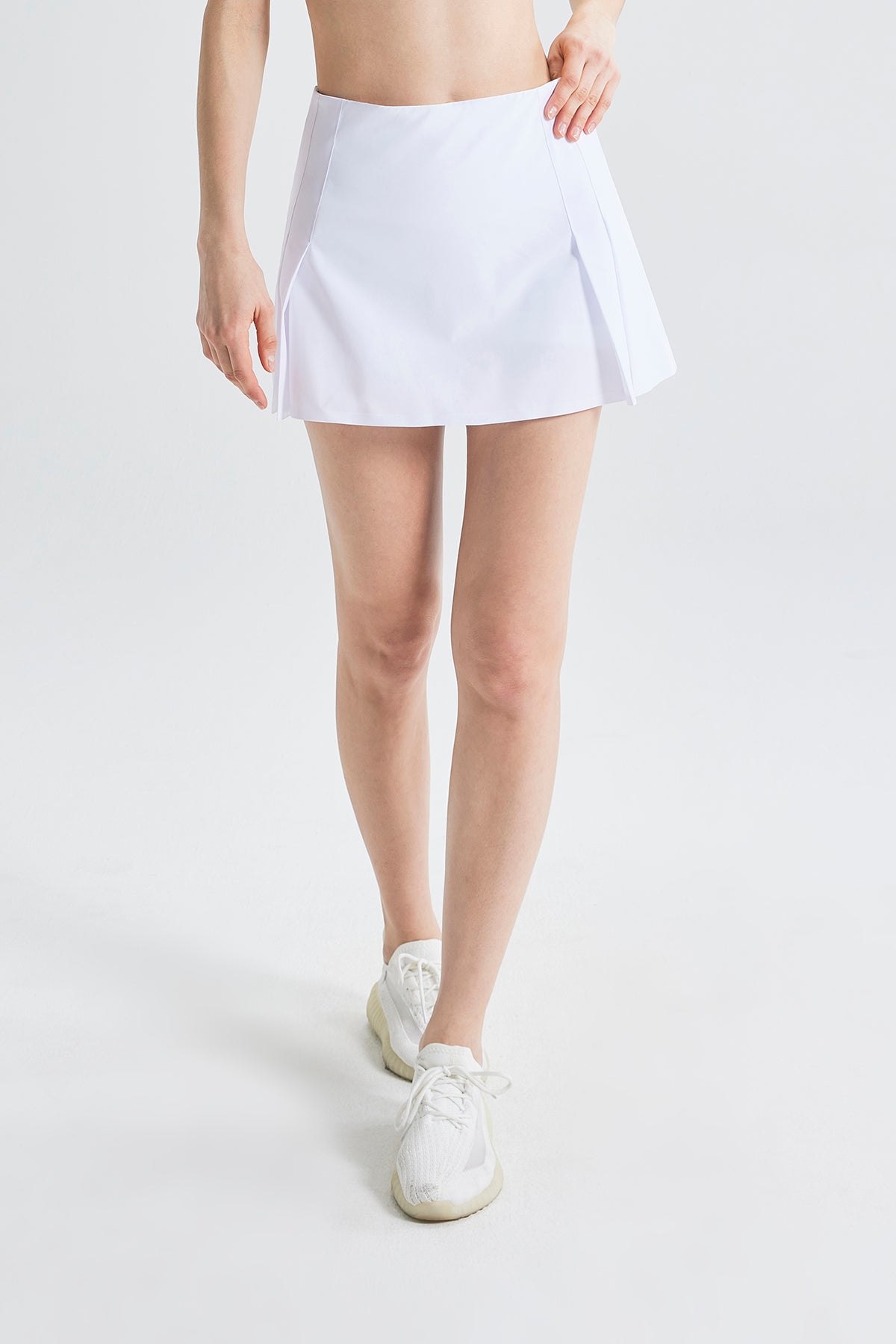
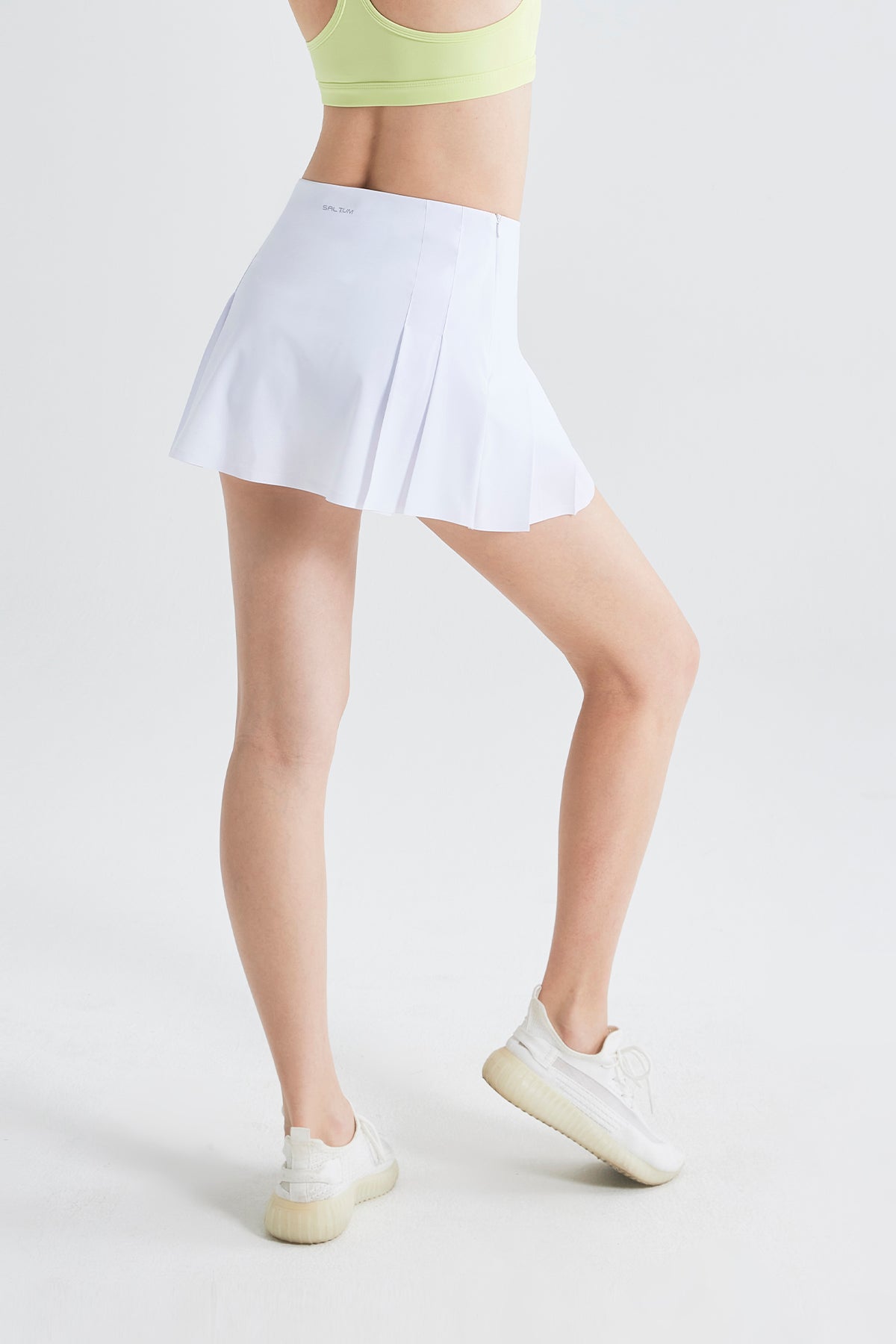
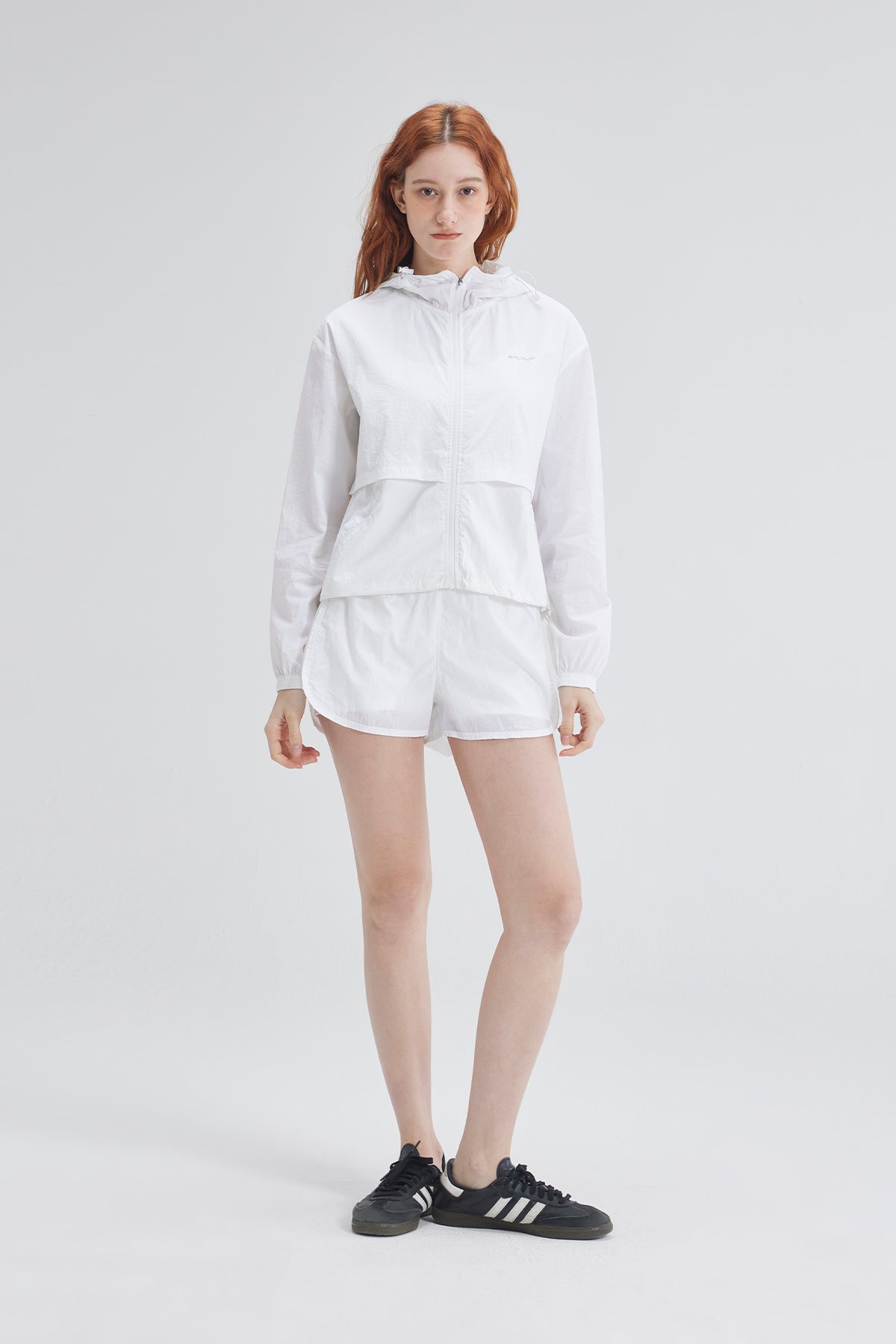
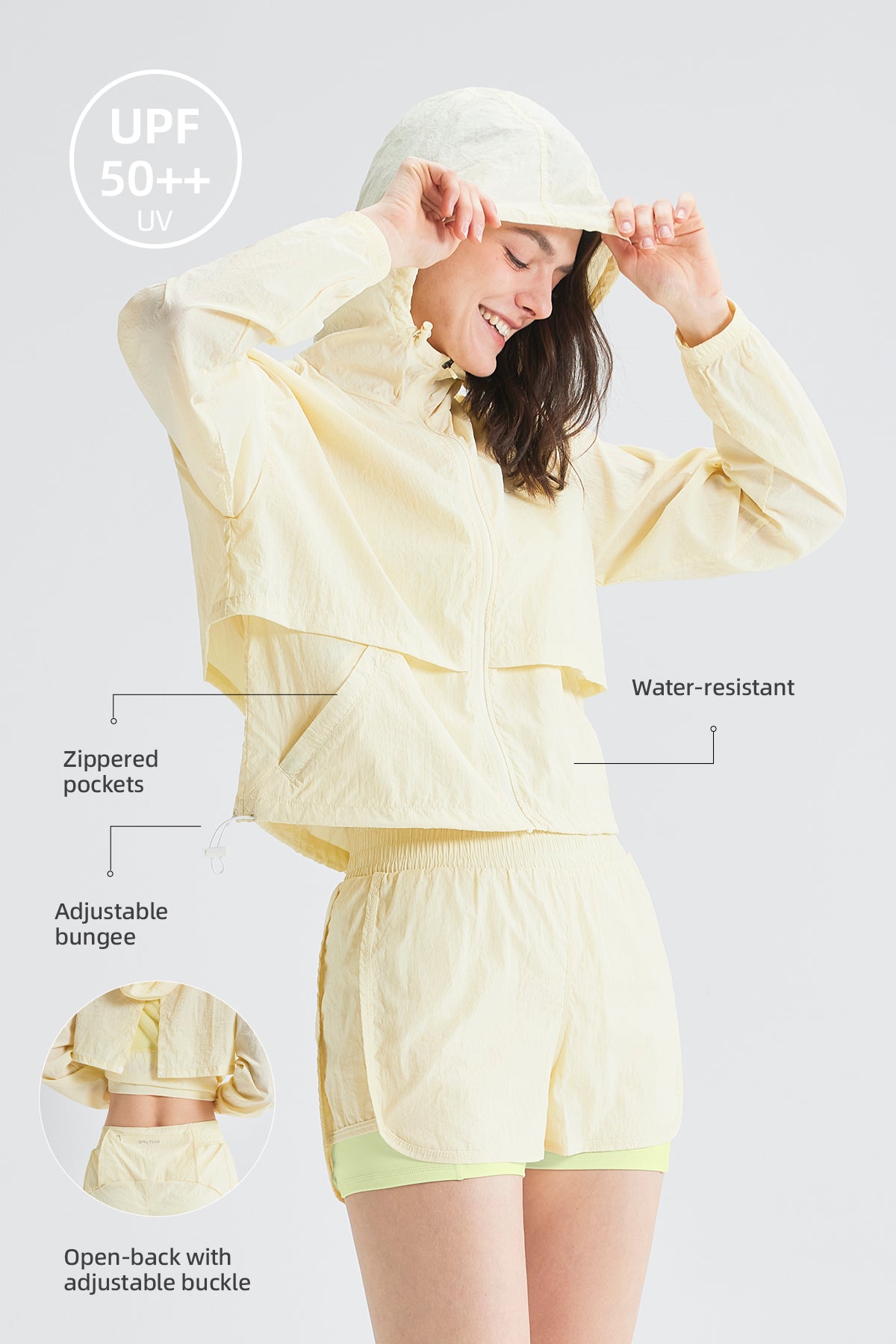
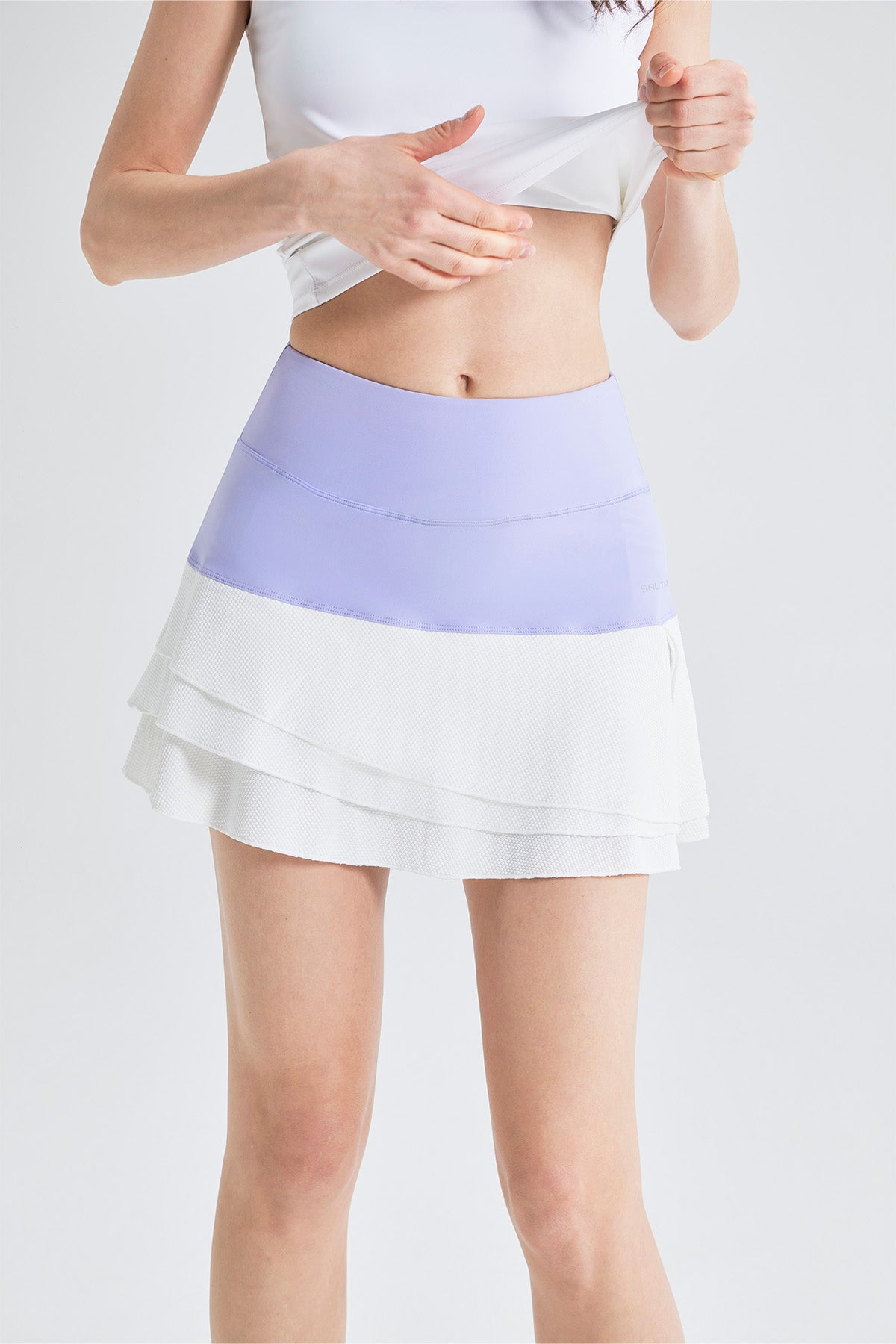
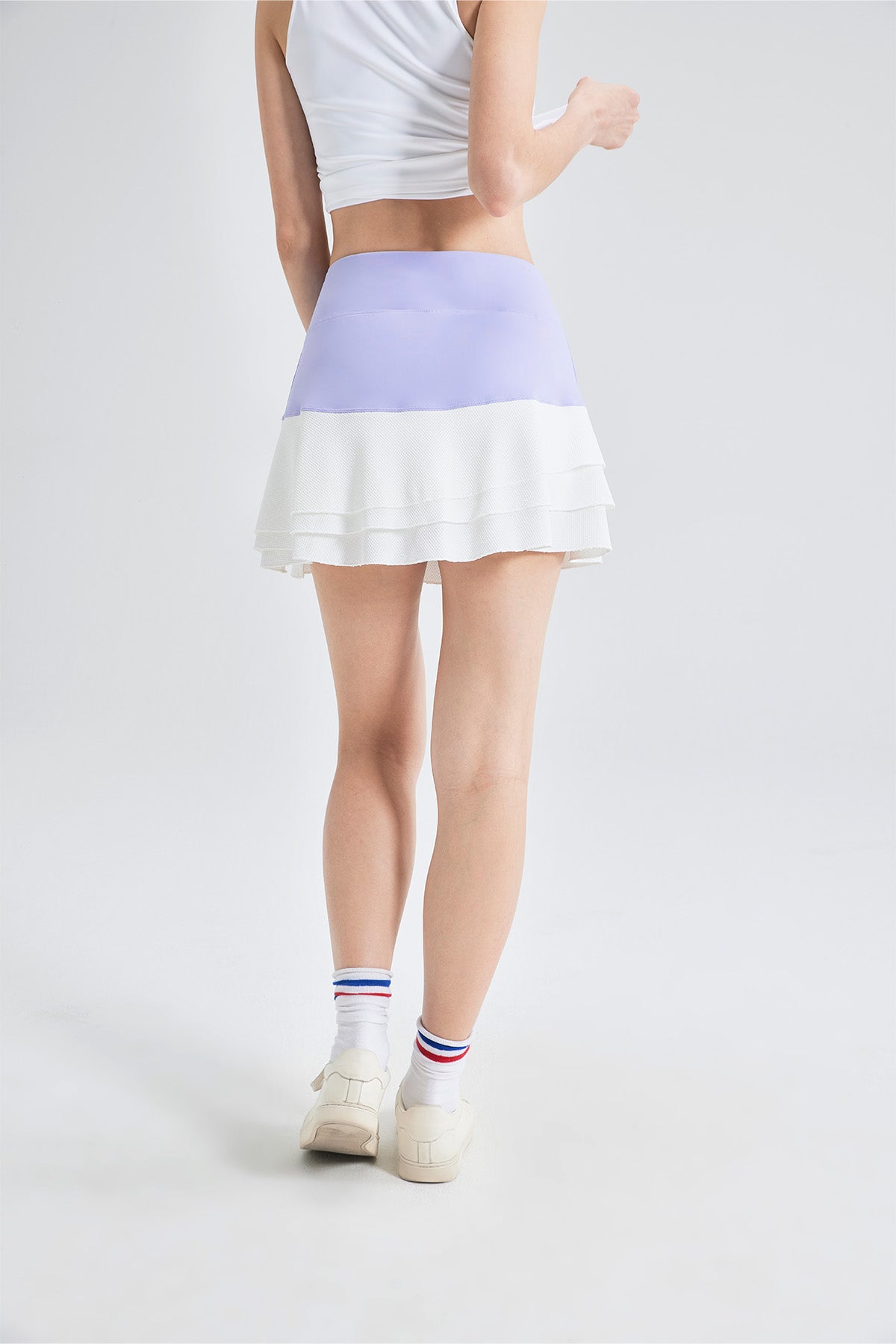
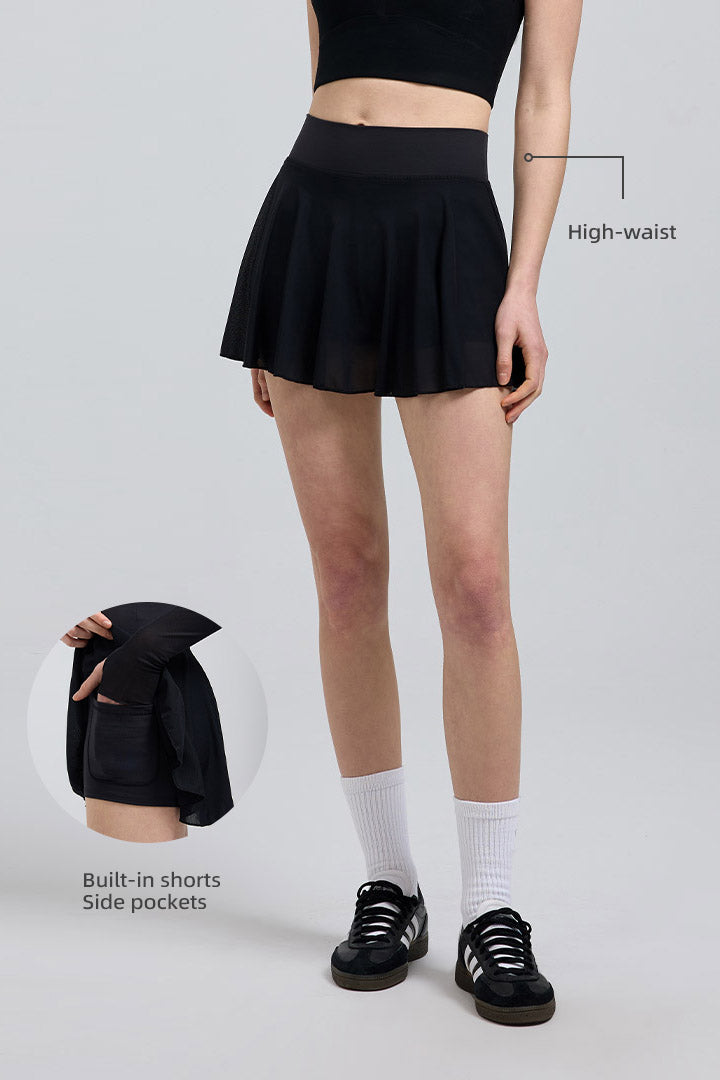
Women's running shorts are almost universally shorter and more fitted than men's equivalents, despite the fact that many women prefer more coverage and fewer women experience the chafing issues that male runners use short shorts to prevent. The growing availability of 5-inch, 7-inch, and longer inseam options in women's running shorts is a direct response to years of consumer demand — and signals that the gap can close when the pressure is applied consistently enough.
Road Cycling: Where Every Detail Is Judged
If running is the wild west of athletic fashion, road cycling is the opposite: a community with detailed, specific, and sometimes bewildering rules about what you wear and how you wear it. The casual observer might expect an athletic community to prioritize function above everything else — and cyclists do care deeply about performance — but the culture has developed its own aesthetic code that goes well beyond what's technically necessary.
The basic rule is coordination: your jersey should match your shorts, your socks, your helmet, your gloves, and ideally your shoes. Groups will ride in matching kits. Sock height is policed (ankle socks are not acceptable). Team jersey rules specify that wearing a professional team's kit is only appropriate when paired with the matching shorts — wearing the jersey with different shorts signals you don't know the rules.
Why the Rules Exist
Some cycling dress conventions have functional roots. Specific fabrics and cuts genuinely reduce wind resistance and prevent chafing on long rides. The prohibition on cotton (which becomes heavy and chafe-inducing when wet) makes real sense. But much of the dress code is cultural: it signals belonging, experience, and respect for the sport's traditions.
Women in Cycling Fashion
The kit culture applies equally to women, but the women's kit options have historically been narrower — fewer color options, narrower size ranges, and a tendency to design women's pieces around appearance rather than the same functional specifications as men's. This is improving, but remains a genuine gap in the sport's fashion ecosystem.
Climbing and Outdoor Sports: Function First (Mostly)
Rock climbing and outdoor sports communities occupy an interesting middle ground. They have strong practical requirements — clothing that doesn't catch on gear or rock faces, fabrics that dry quickly, footwear that's specific to the activity — and a general culture that values function over fashion. At the same time, distinct subcultures and stereotypes exist within these communities, and appearance still carries social meaning.
The chalk bag in climbing functions as the main canvas for personal expression: these small bags that climbers wear at the hip can be any color, pattern, or design, and are one of the few places where aesthetics are openly prioritized. Harness colors, rope colors, and shoe designs are the other areas where climbers personalize their gear.
"Backpackers care a lot about materials and functionality and the cuts/colors are absolutely horrendous."
— A common observation about outdoor apparel design choicesThe outdoor apparel industry has a well-documented history of designing women's gear as a secondary consideration — smaller versions of men's designs, in "feminine" colorways (the infamous "sad berry" pink of major outdoor brands is a recurring topic of conversation in outdoor communities). The industry has genuinely improved on this front over the past decade, with more brands designing women's technical pieces from the ground up rather than adapting men's designs.
Artistic and Competitive Sports: The Design Double Standard
In sports where appearance is a component of the score — figure skating, gymnastics, ballroom dancing, synchronized swimming — the relationship between fashion and performance is most explicitly intertwined. And the gender asymmetry is most visible.
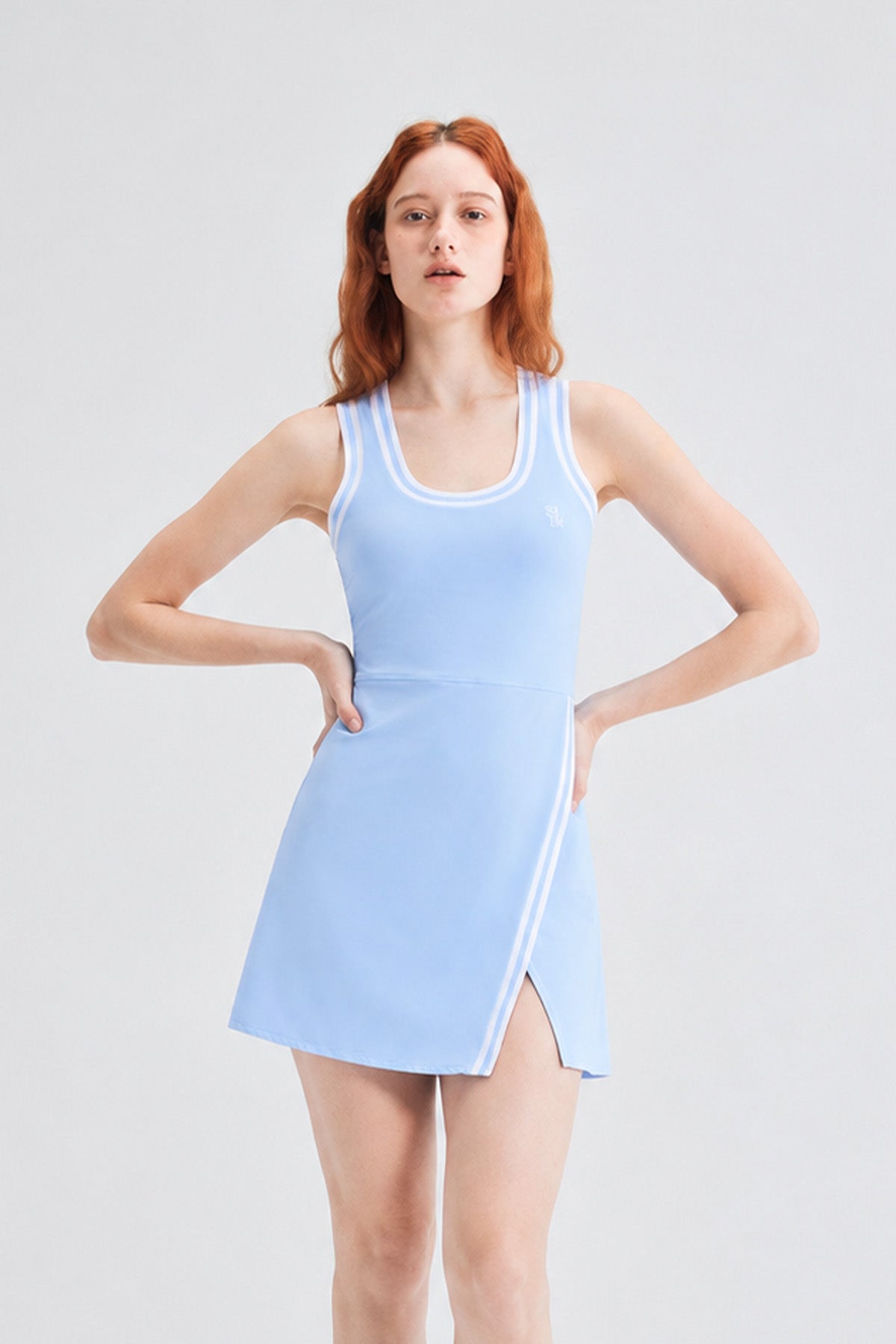
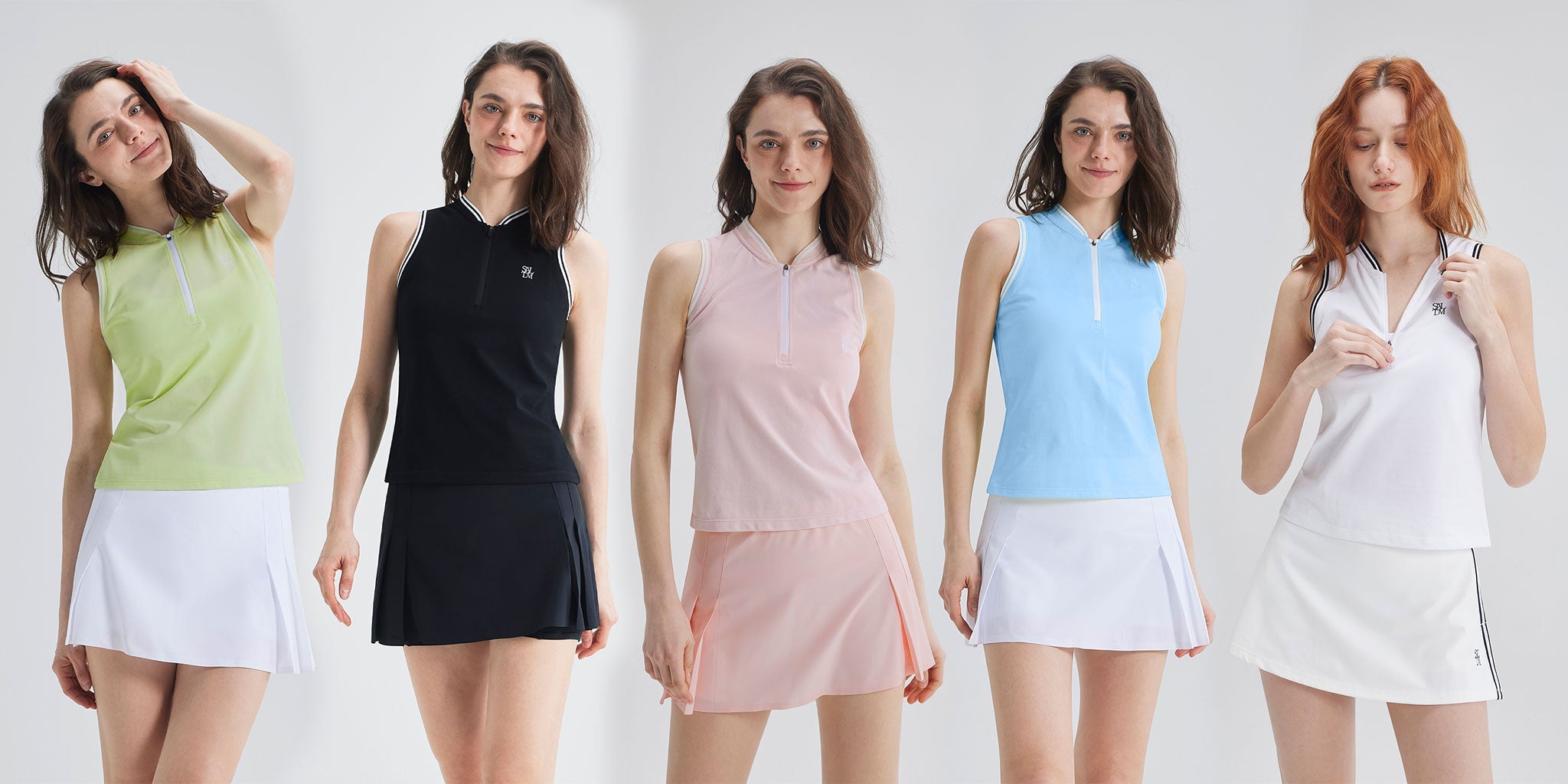
Male figure skaters wear pants. Female figure skaters wear dresses or skirts, and have for most of the sport's competitive history. Male gymnasts wear full-length pants for most events; female gymnasts wear leotards. In ballroom dance, male competitors wear suits while female competitors wear dresses or gowns that often weigh several pounds due to embellishment. These are official costume requirements, not fashion choices — they're embedded in competition rules.
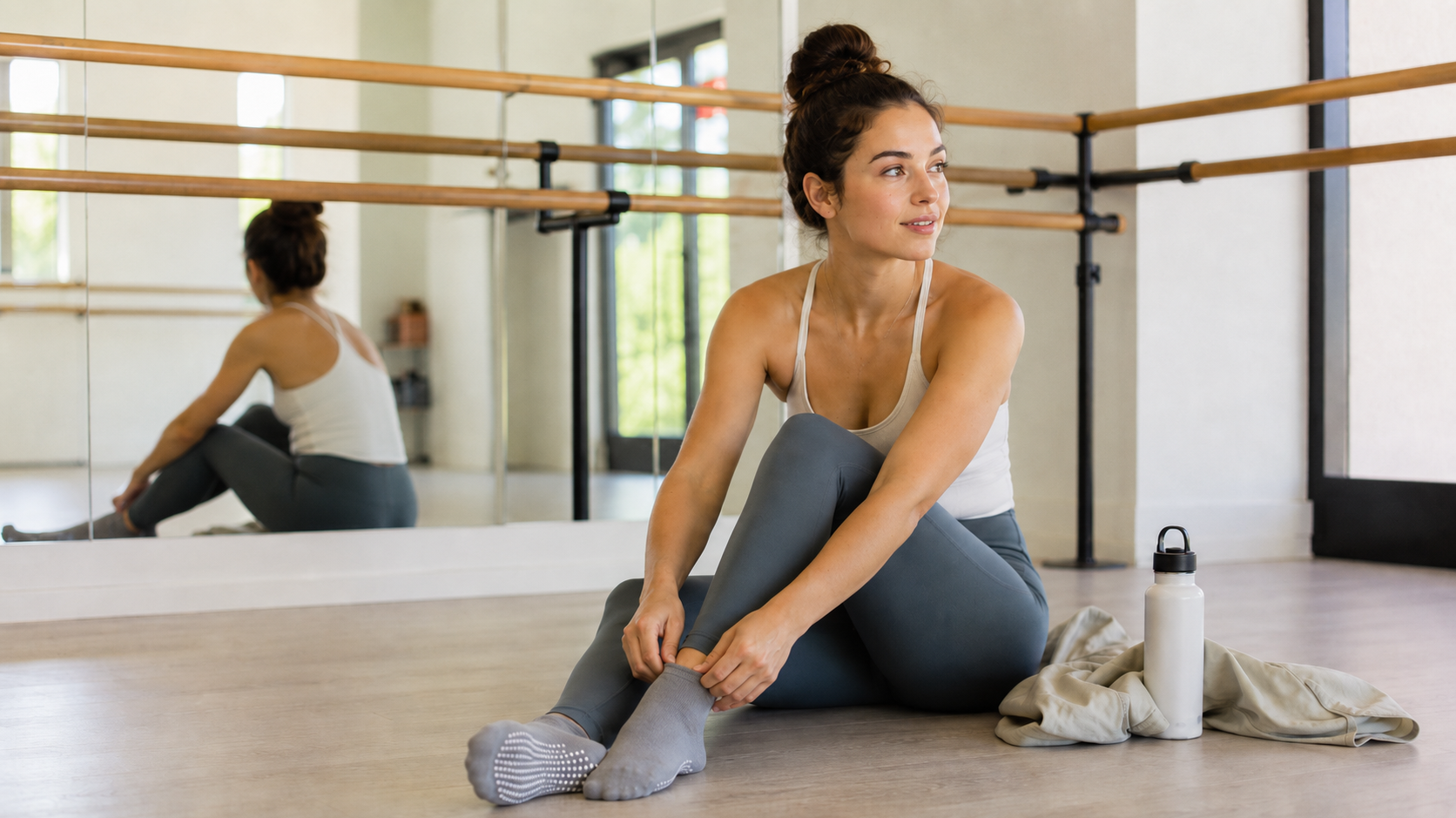
The practice vs. competition divide: In most artistic sports, there's a significant difference between competition requirements and practice wear. Practice culture is often more relaxed and more personally expressive. Female figure skaters in training commonly wear leggings and sweaters rather than performance dresses. Ballroom dancers practice in everyday workout gear. The competition requirement doesn't necessarily dictate how the athlete relates to clothing outside of formal performance contexts.
In sports without specific appearance components — hockey, powerlifting, swimming, wrestling — women have more freedom to wear the same functional gear as men. Female powerlifters wear singlets, like male powerlifters. Female swimmers wear suits that prioritize hydrodynamics. The gap between male and female gear design is present in these sports (women's swimsuits tend to offer less coverage than men's), but it's less formalized.
The Persistent Women's Design Gap Across Sports
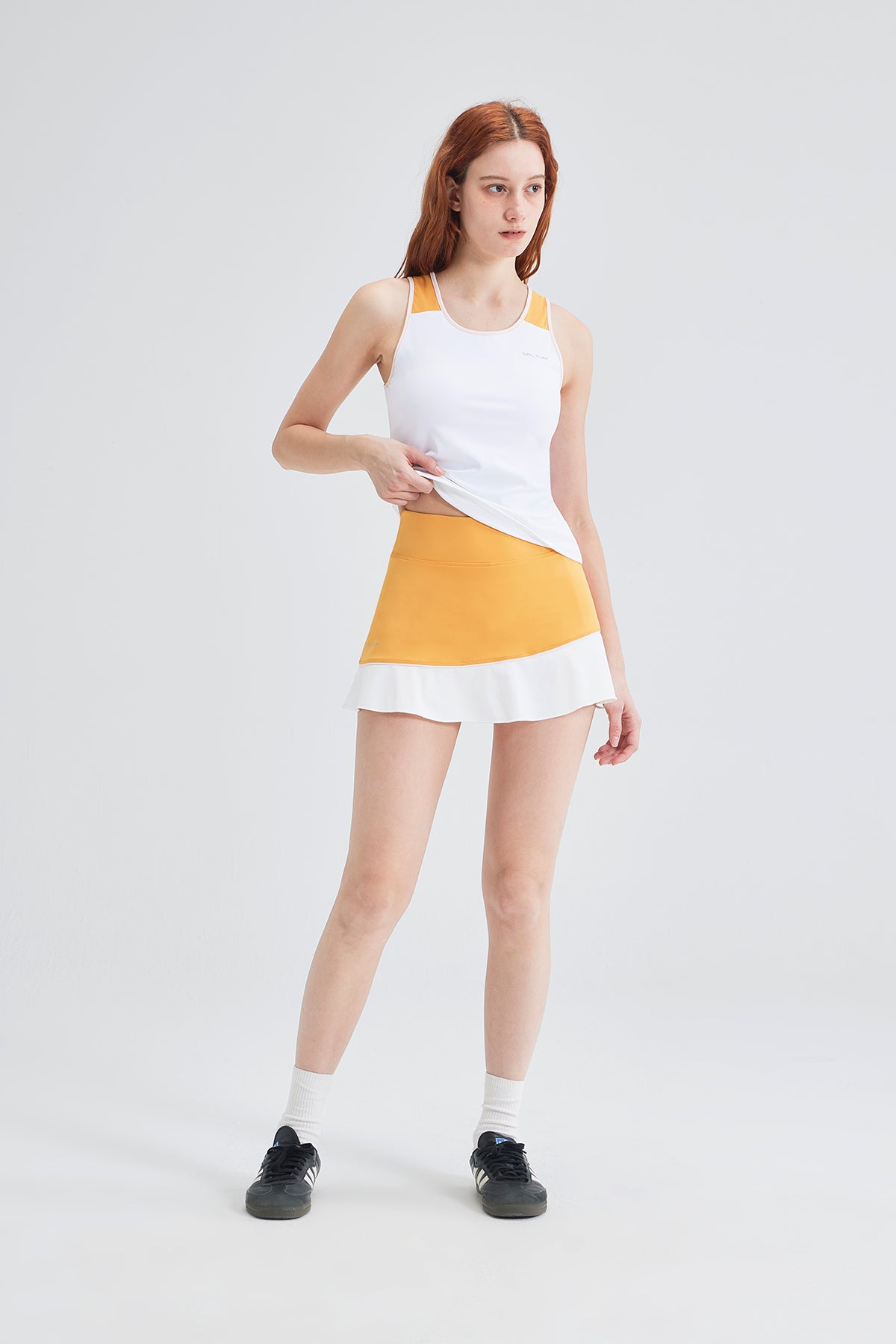
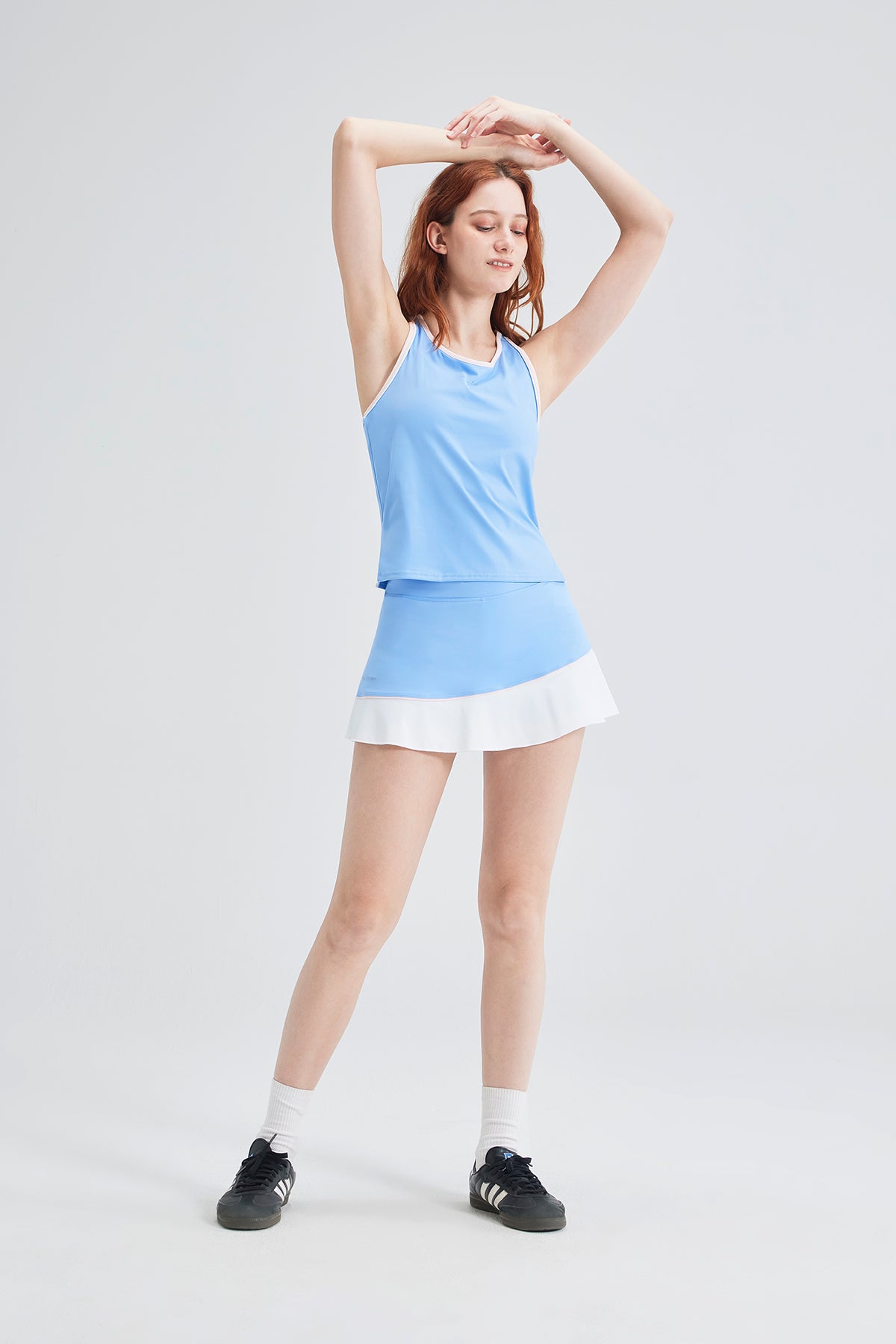
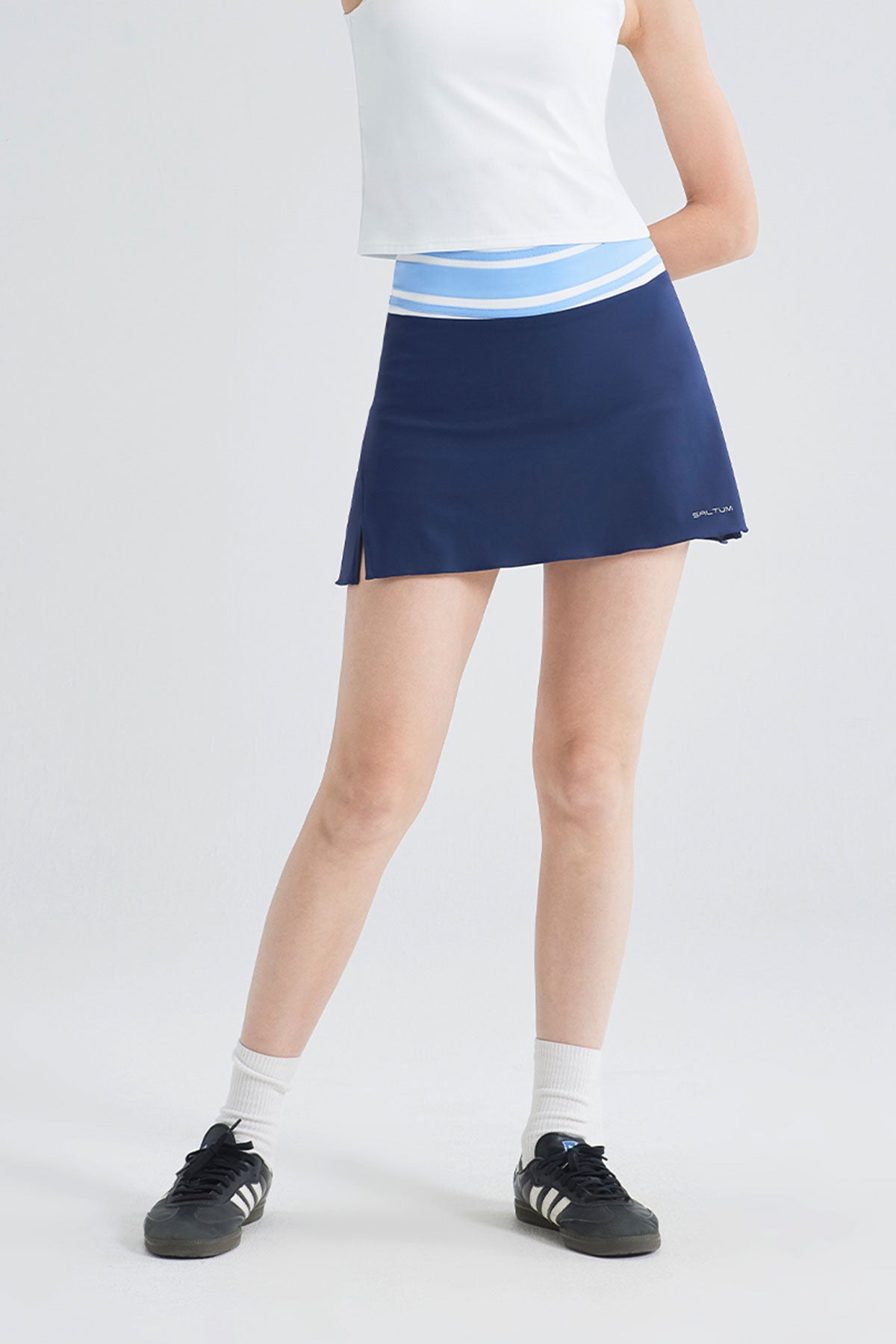
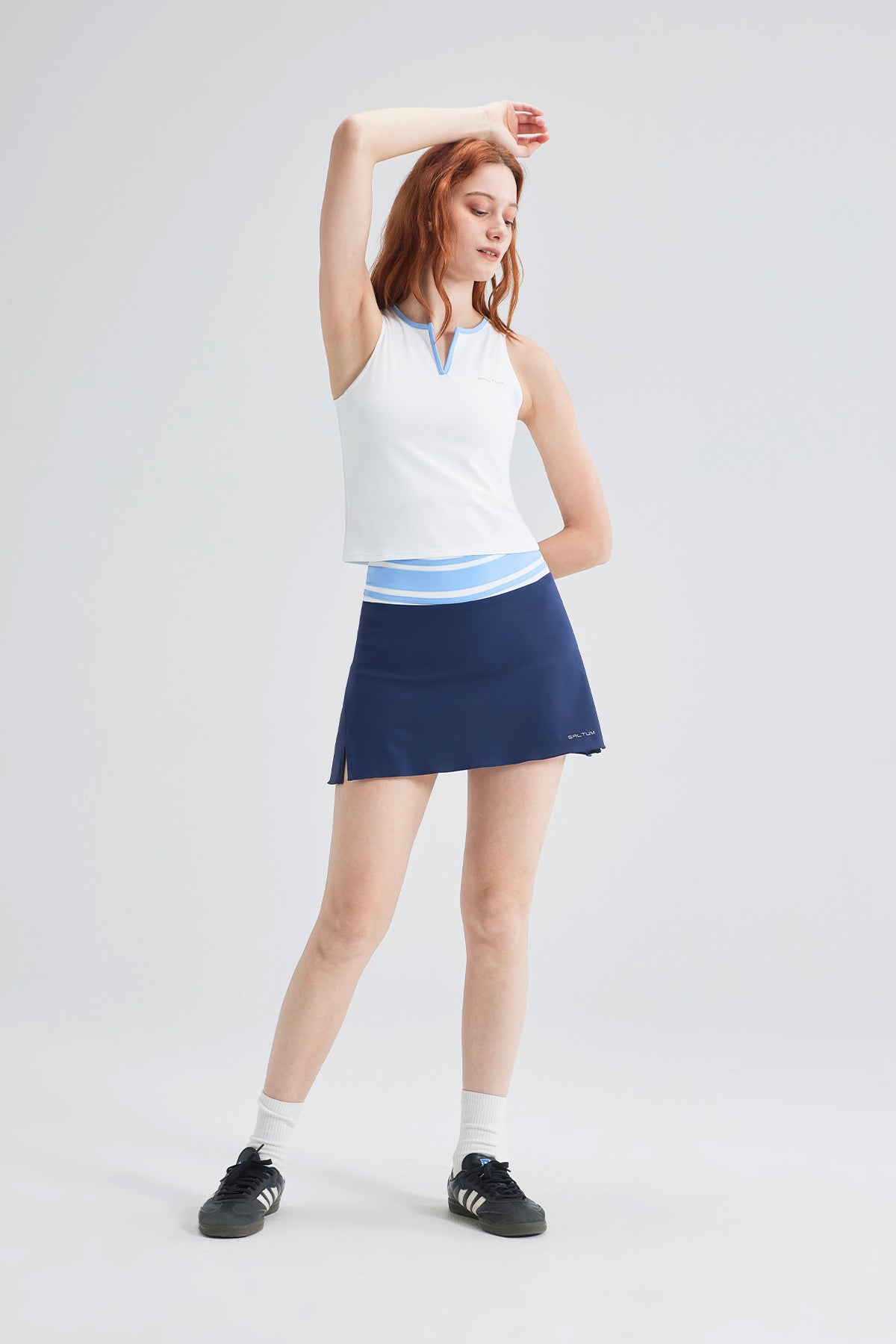
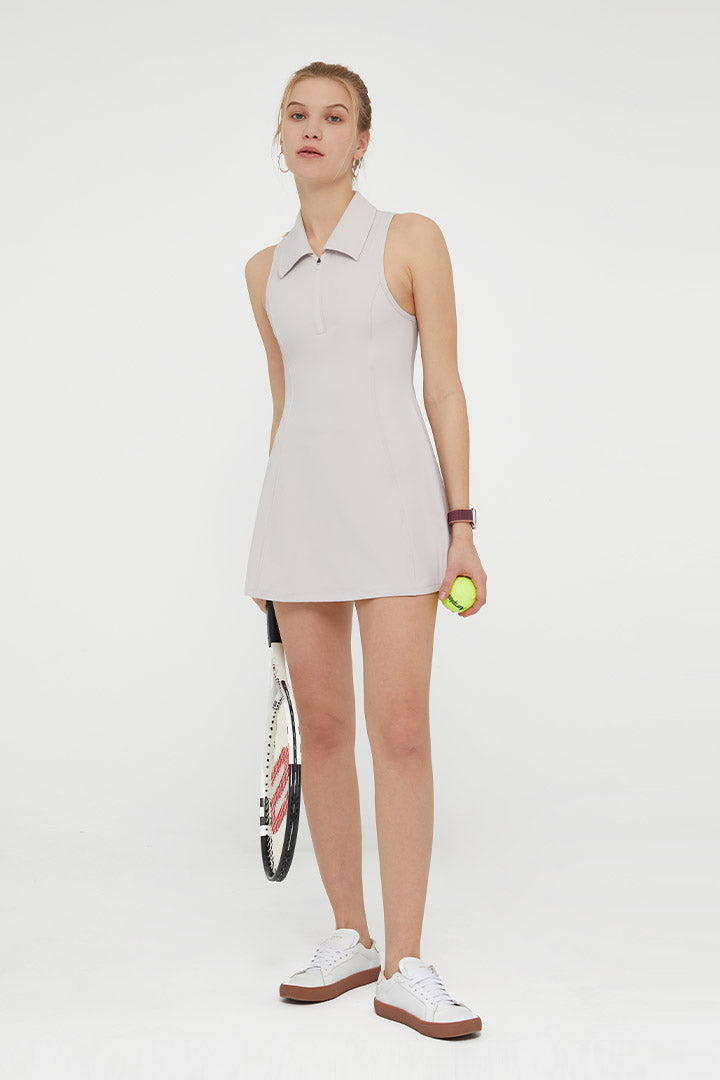
Looking across these different athletic communities, a consistent pattern emerges: women's athletic clothing tends to be designed with a heavier weight given to aesthetics than the equivalent men's clothing, and this often comes at a cost to function. This isn't limited to any single sport or price category — it's a general orientation in how women's activewear is conceived and produced.
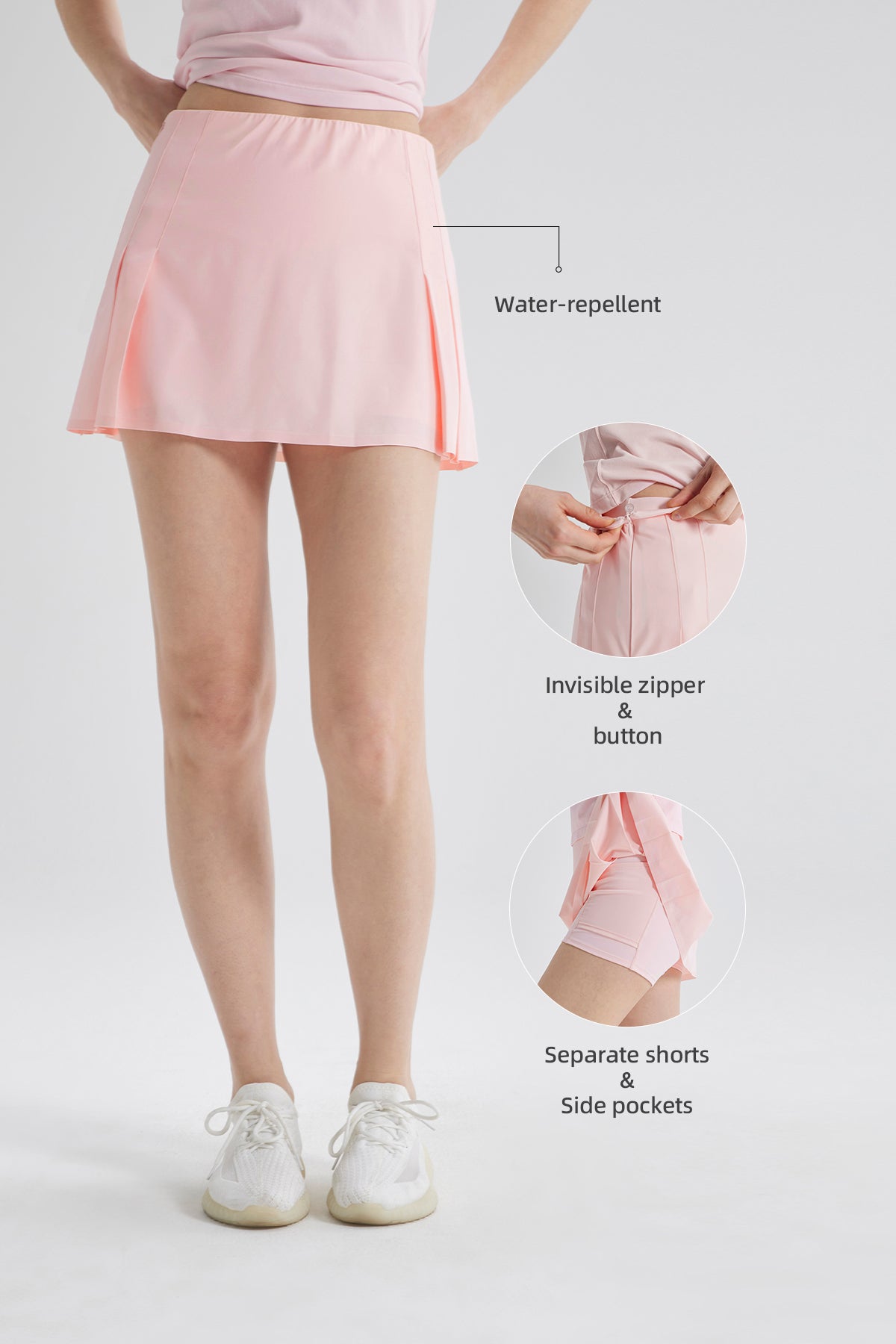
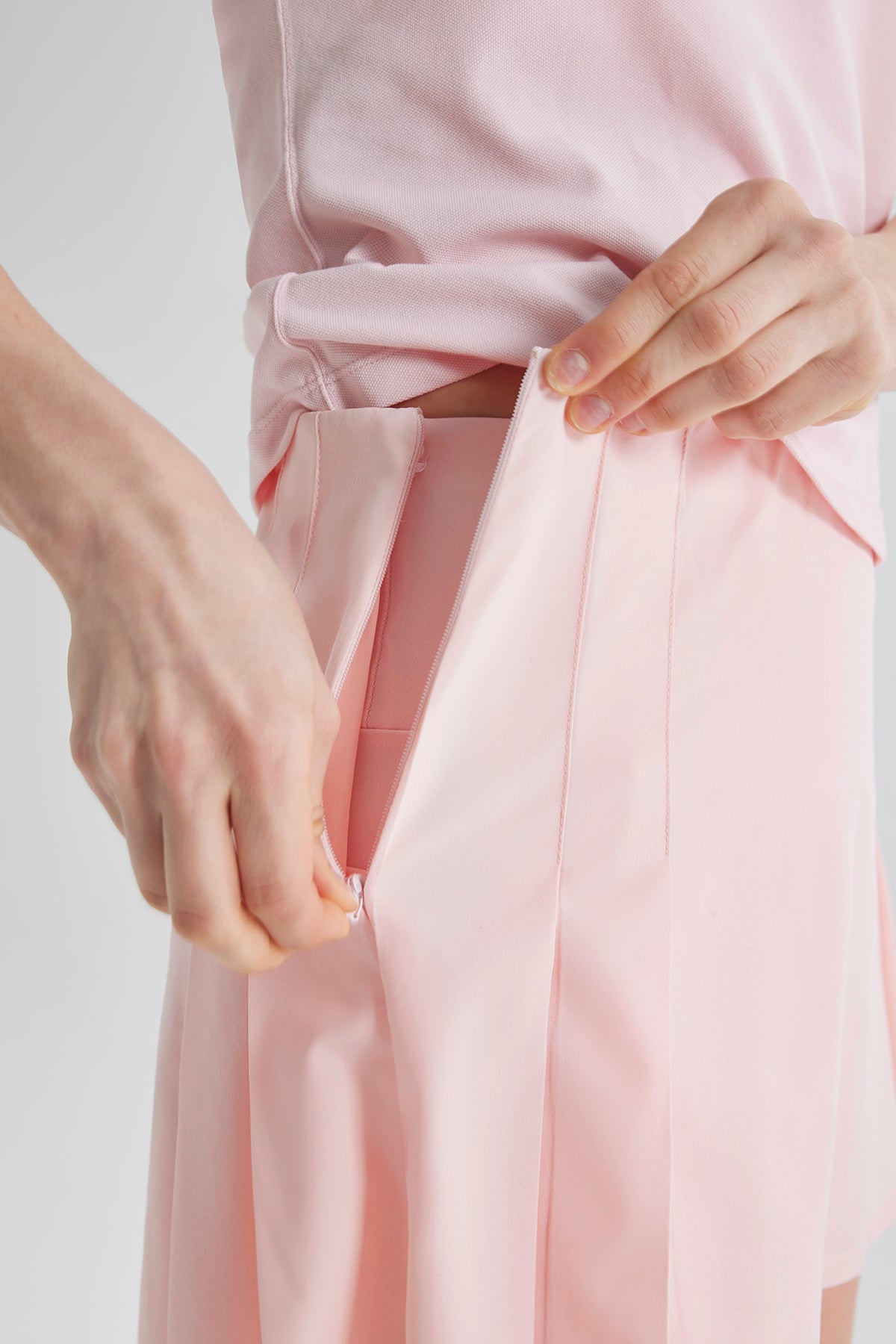
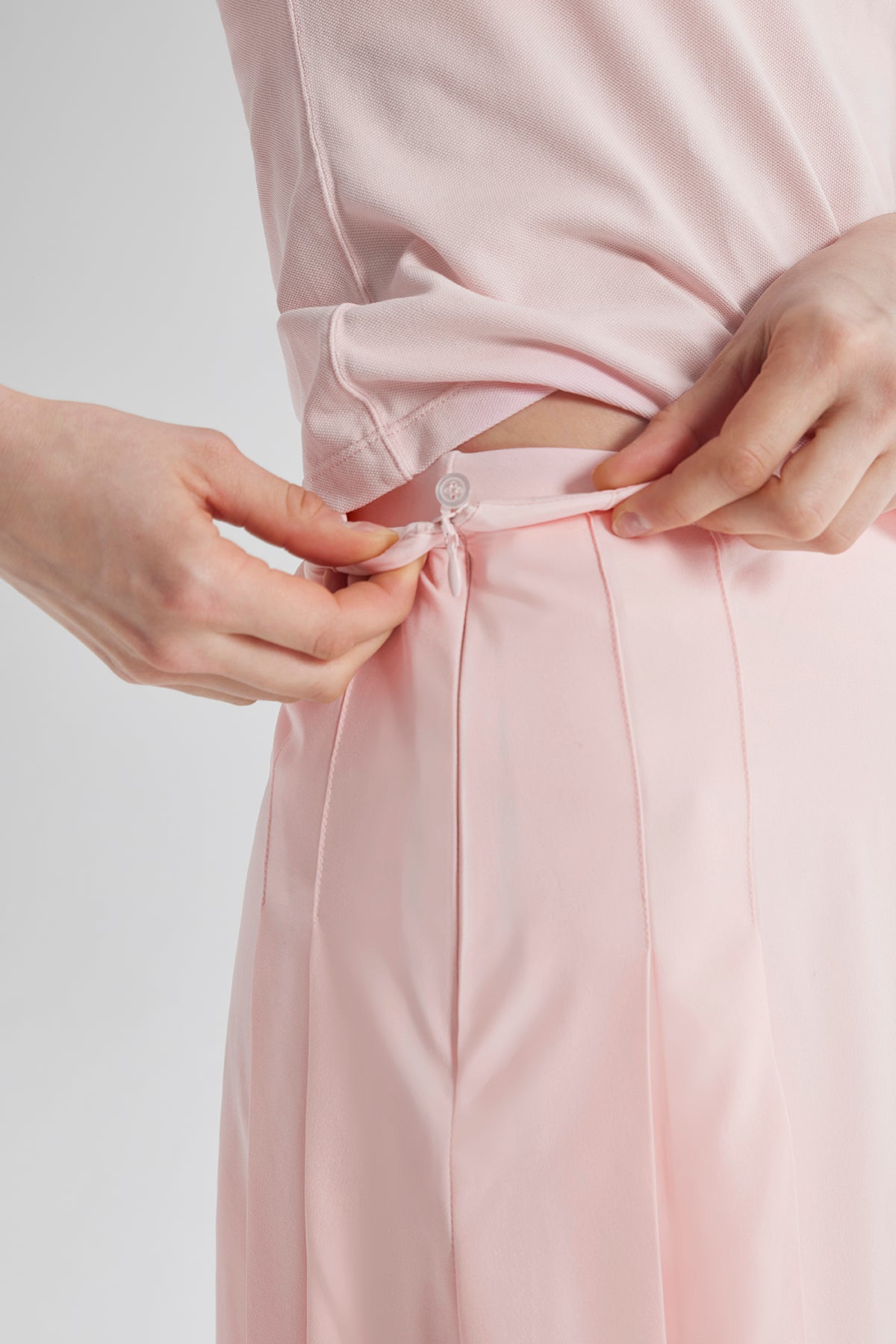
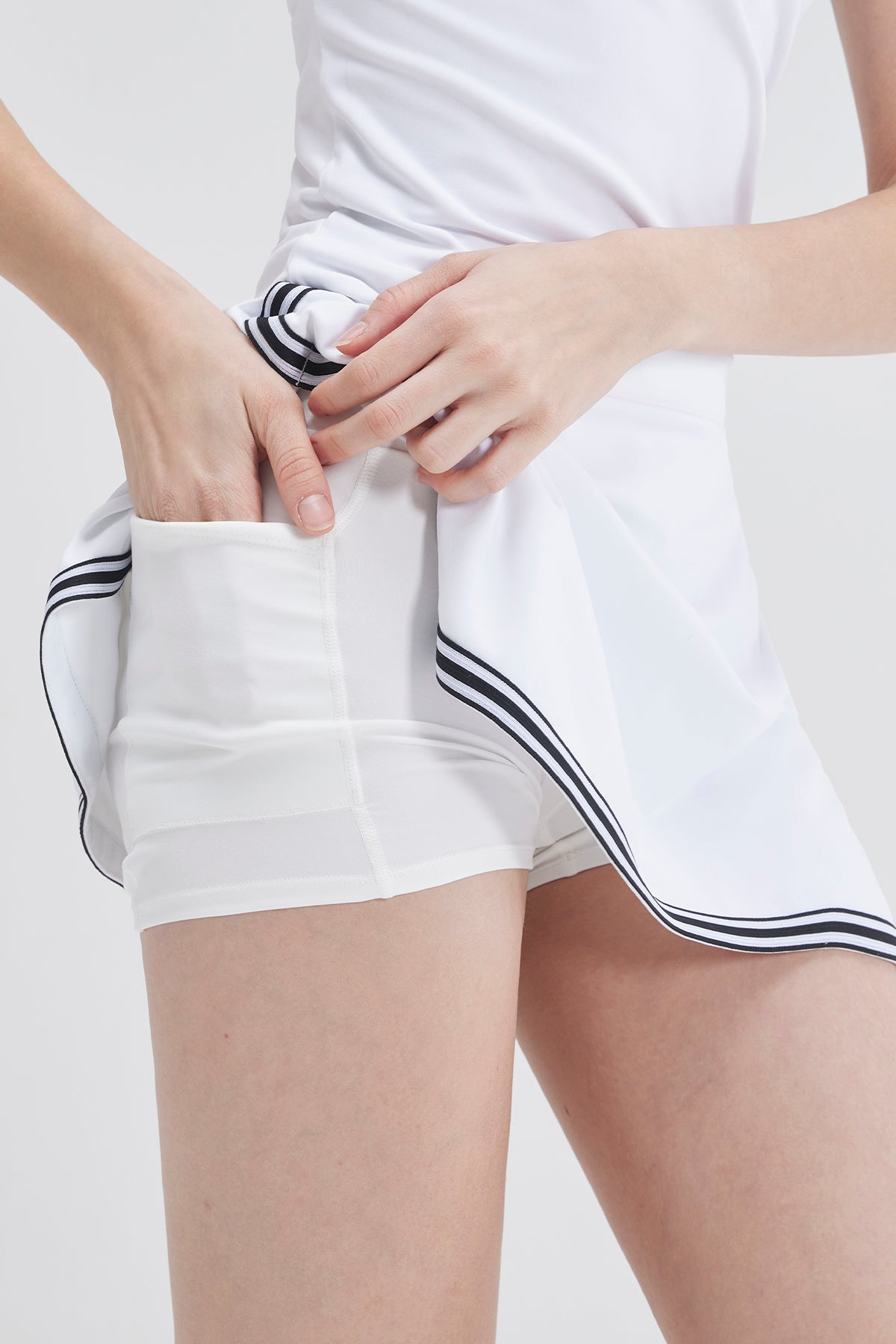
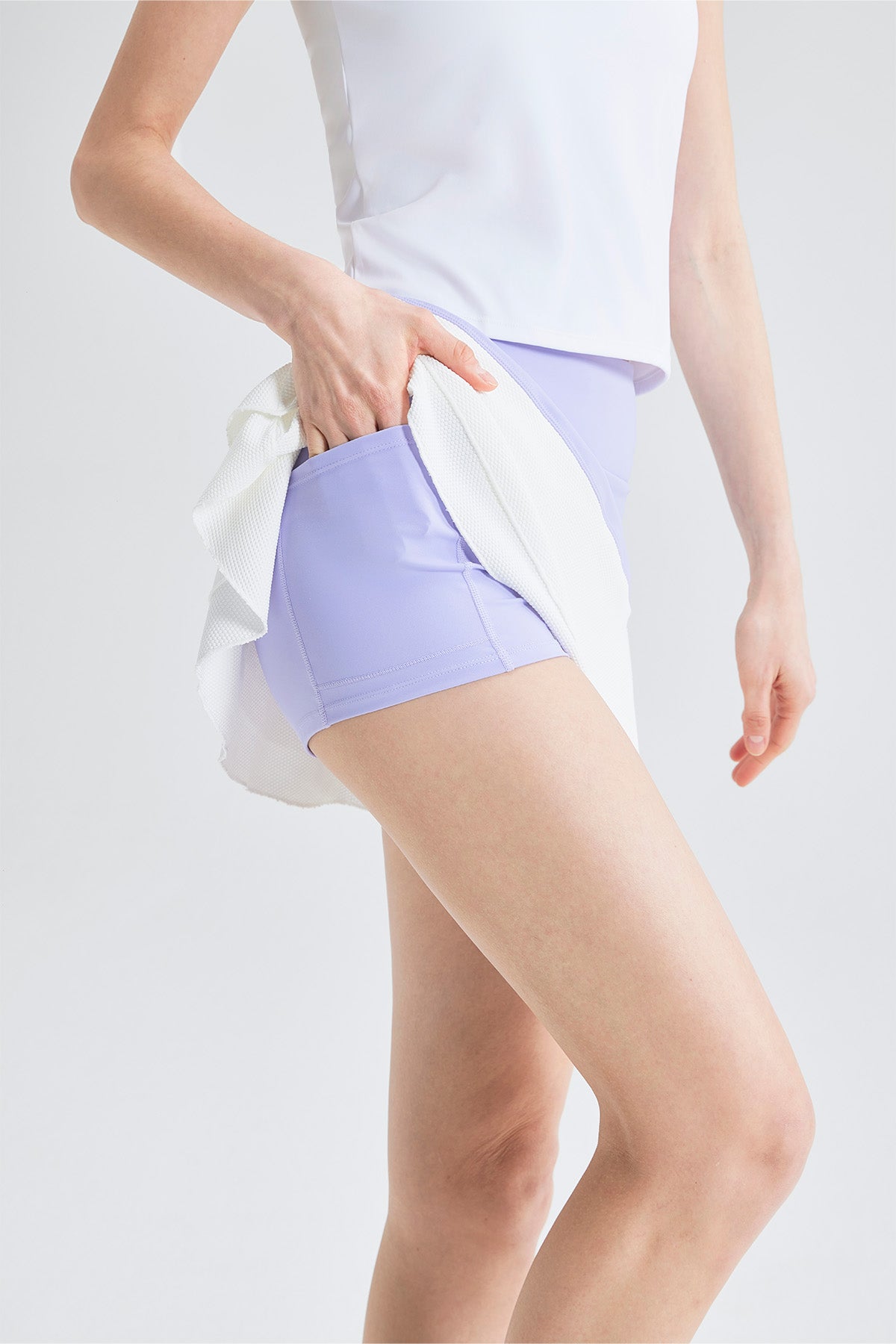
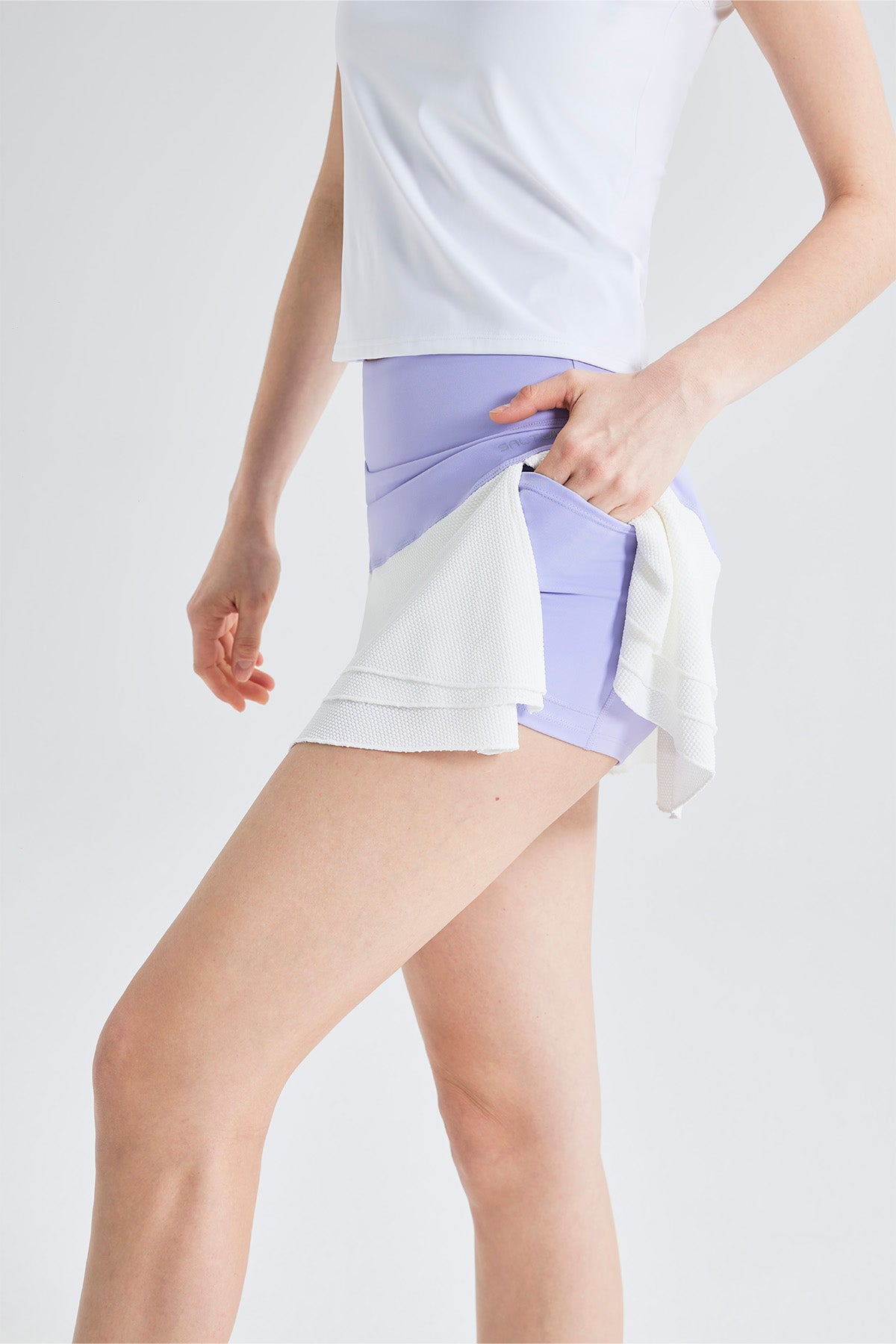
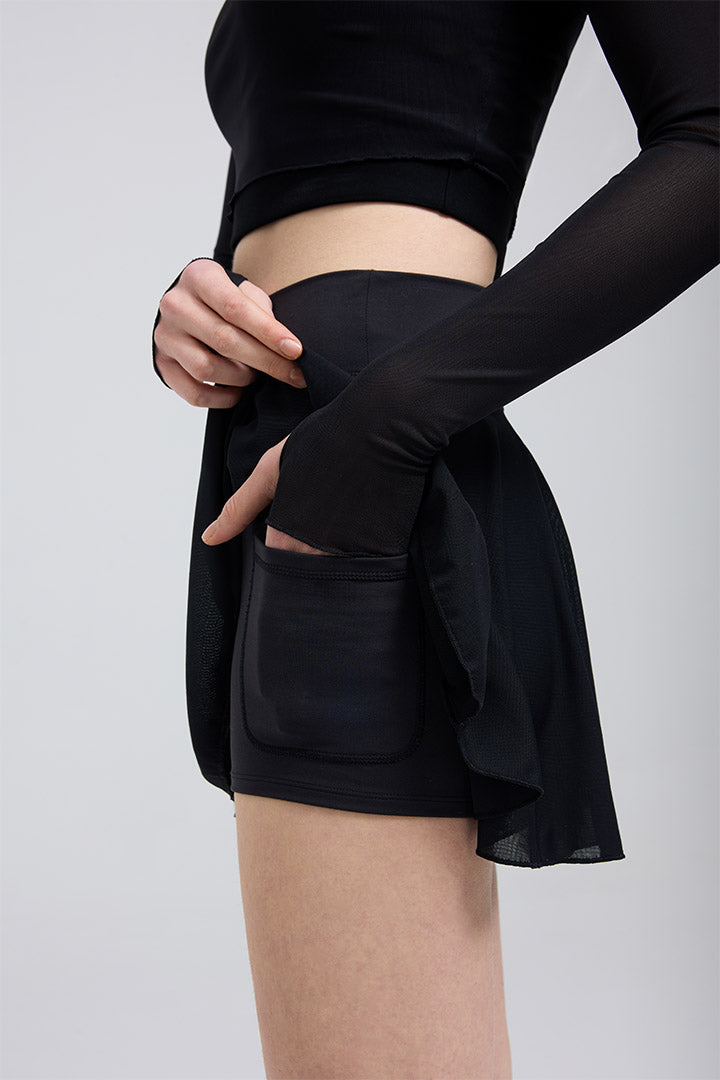
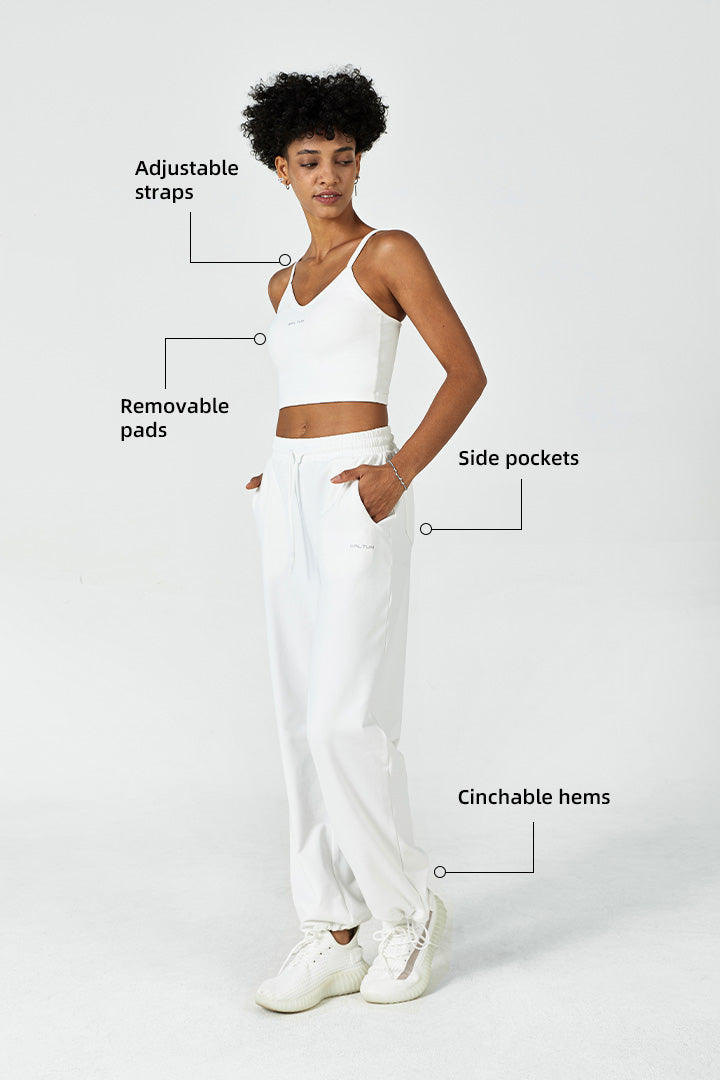
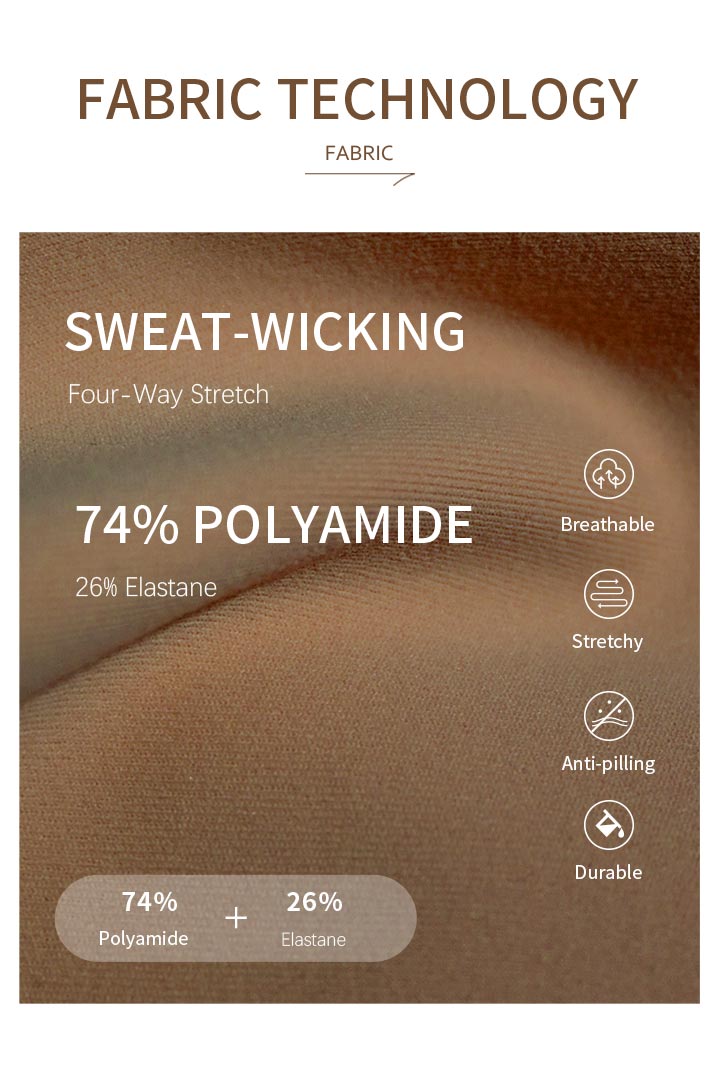
It shows up in fabric choices that prioritize visual appearance (printed patterns, sheen, specific colorways) over technical performance. It shows up in cuts that fit a specific aesthetic silhouette rather than accommodating the range of body types that actually exercise. It shows up in the absence of pockets, the shortness of inseams, and the consistent pricing premium for less material and less functional design.
The structural factor here matters: the women's activewear market has historically been shaped by buyers who are purchasing for appearance as well as performance, and brands have responded to that signal. As the market has shifted — as more women are buying activewear primarily for athletic use and bringing specific functional demands — the design has shifted with it. But the shift has been slower than the demand, and it's not complete.
Reclaiming Your Relationship with Athletic Wear
The most useful thing to take from a survey of how athletic fashion works across sports is the recognition that you are not obligated to follow any of these conventions if they don't serve you. The road cycling culture's matching-kit rules exist within a community and have no authority outside it. The tendency for women's sports clothing to be shorter and tighter than equivalent men's clothing is a market tendency, not a requirement.
Several of the most practical approaches that have emerged from conversations among female athletes are surprisingly simple: shopping across categories (women's and men's, sportswear and outdoor gear), learning what specific technical features matter for your activity and seeking those out, using communities of other women who do your sport as a resource for finding what actually works, and being willing to give direct feedback to brands when something fails — through reviews, returns, and direct communication.
Athletic communities at their best are places where what you can do matters more than what you look like doing it. The clothing is supposed to support the doing — not define it.