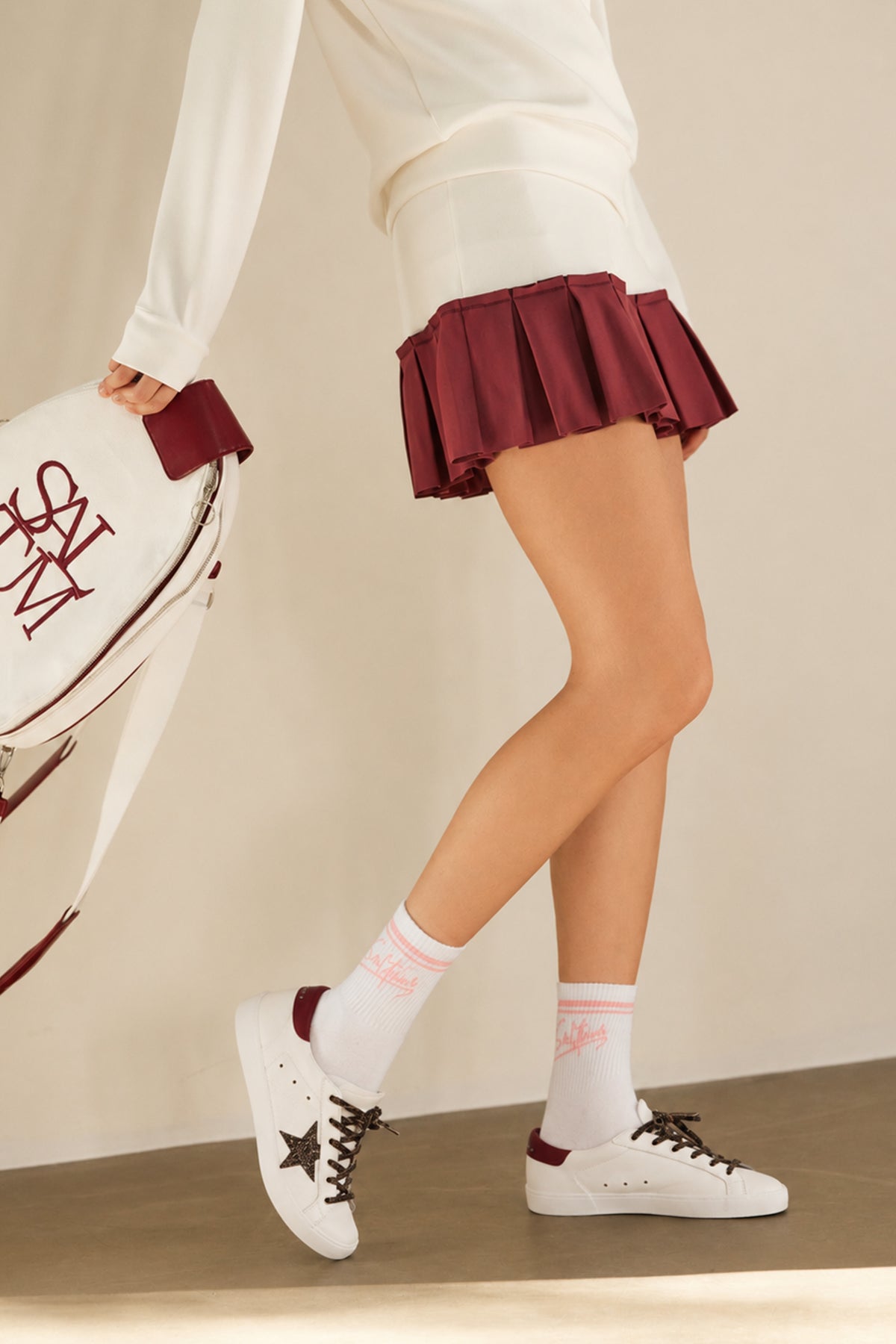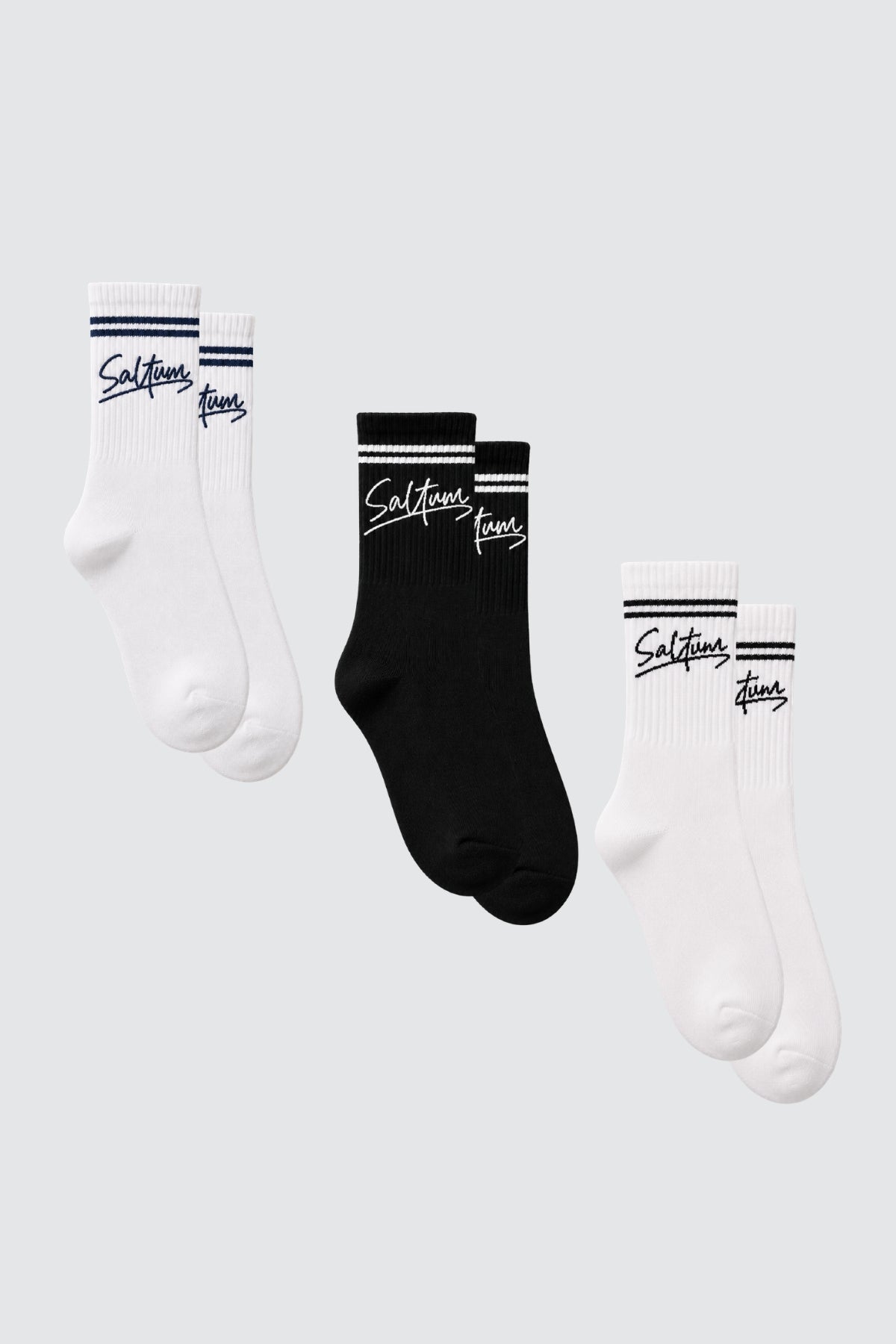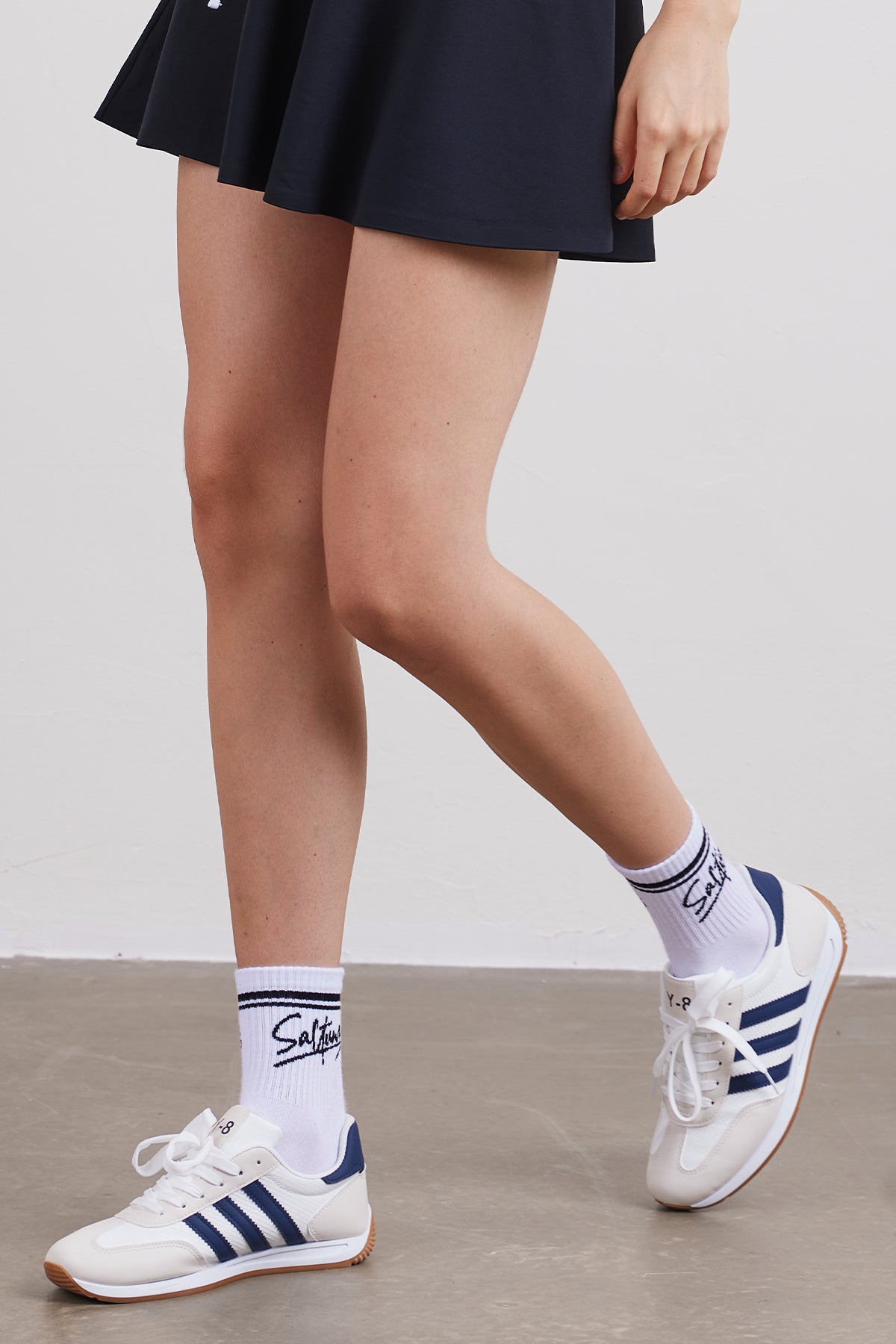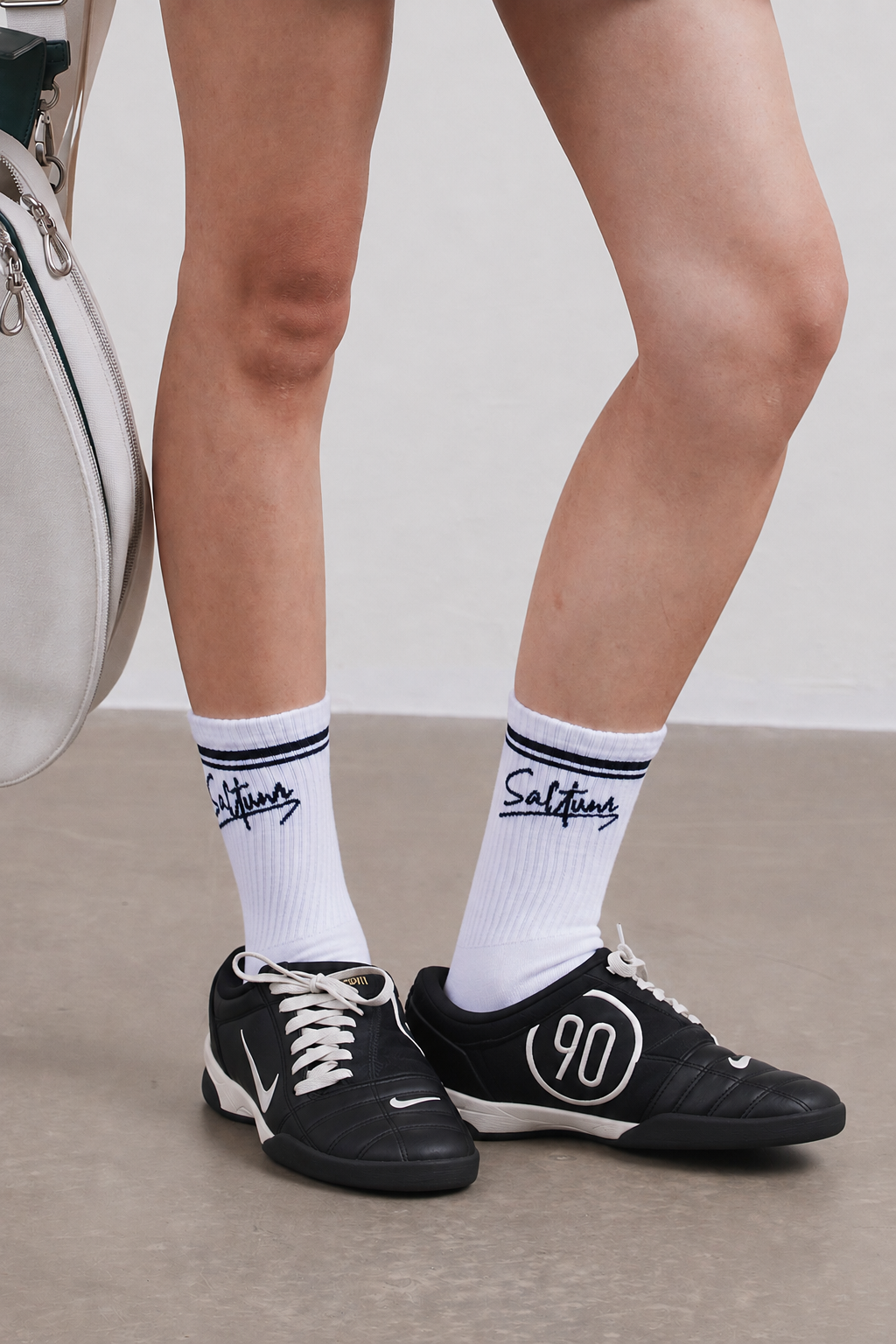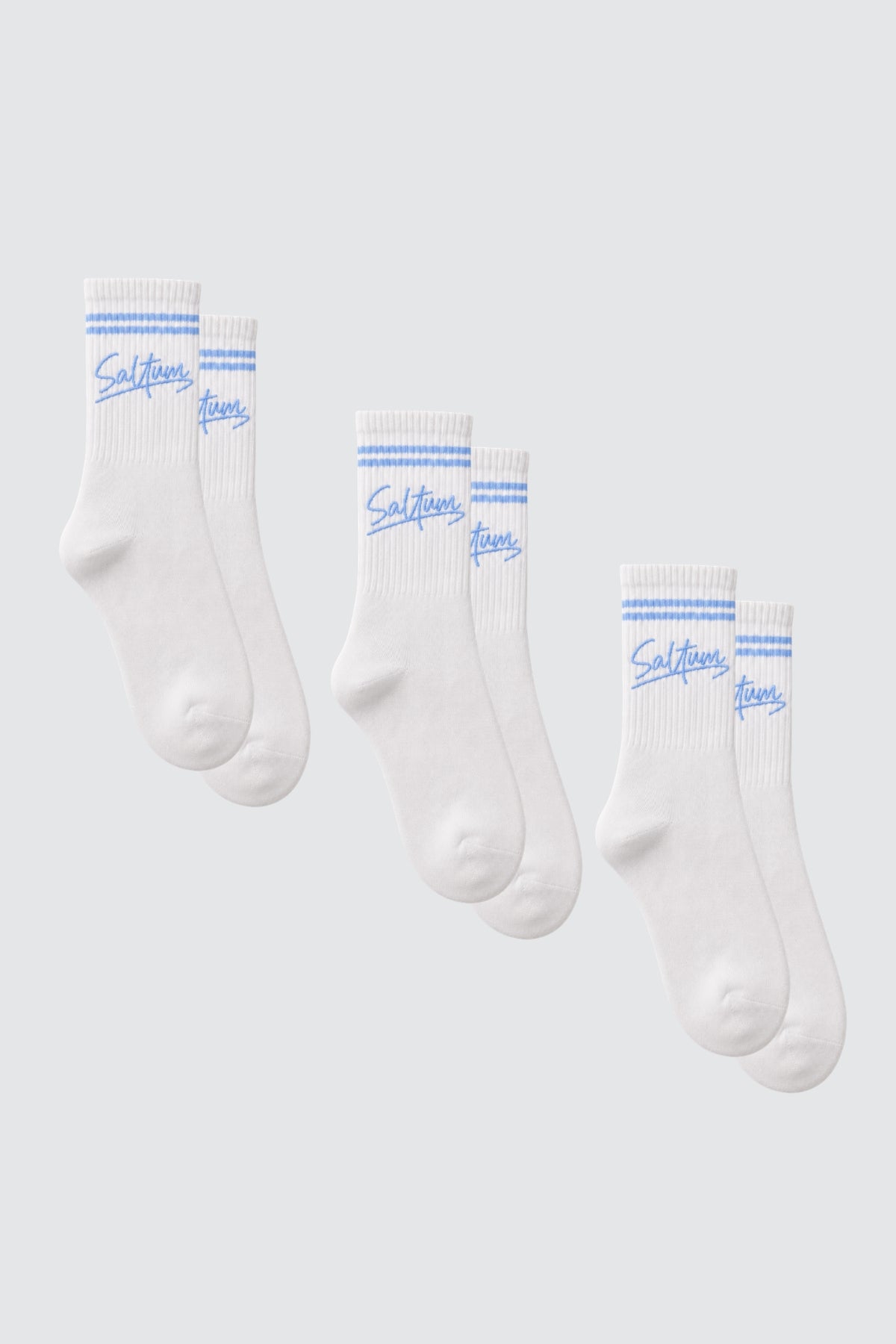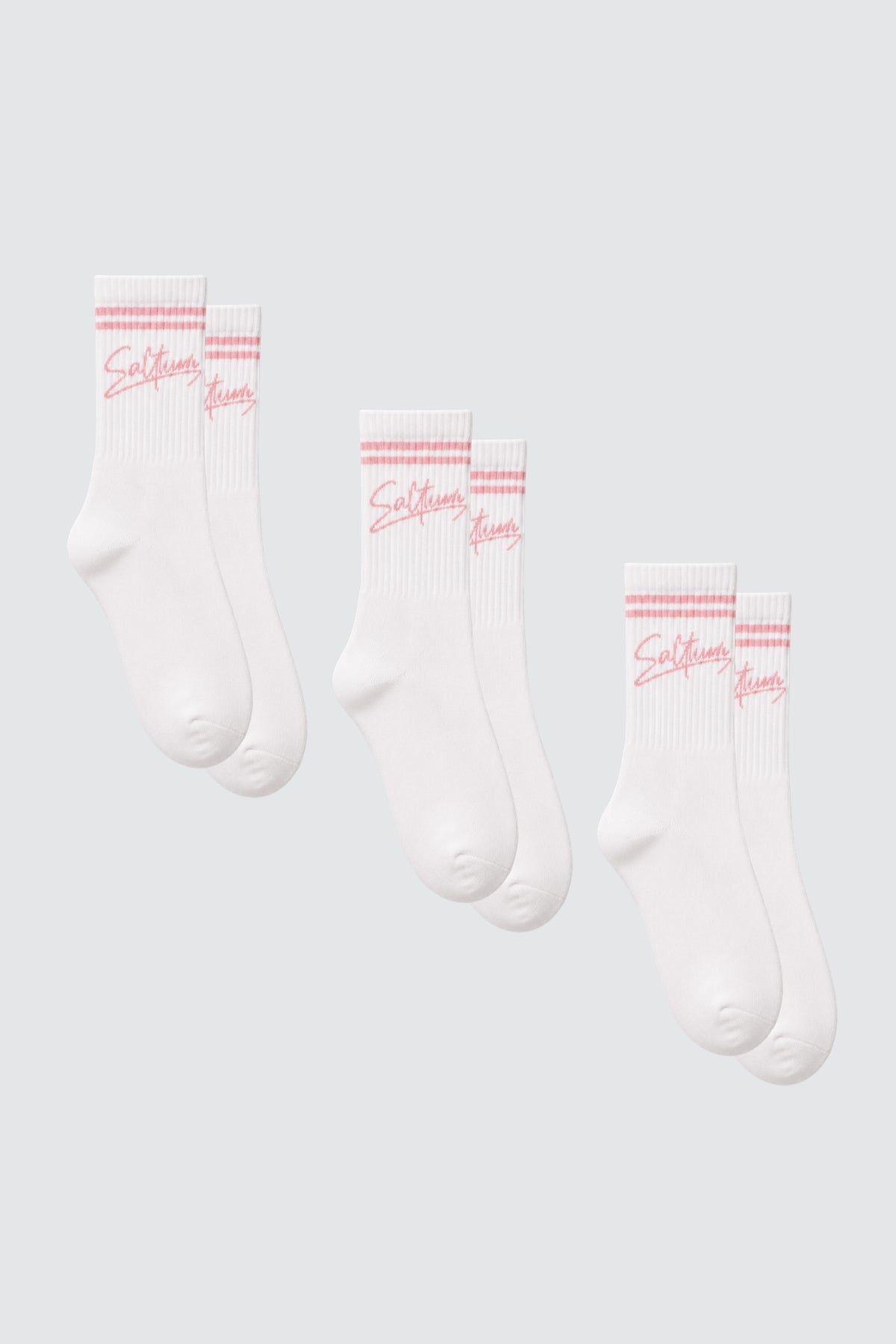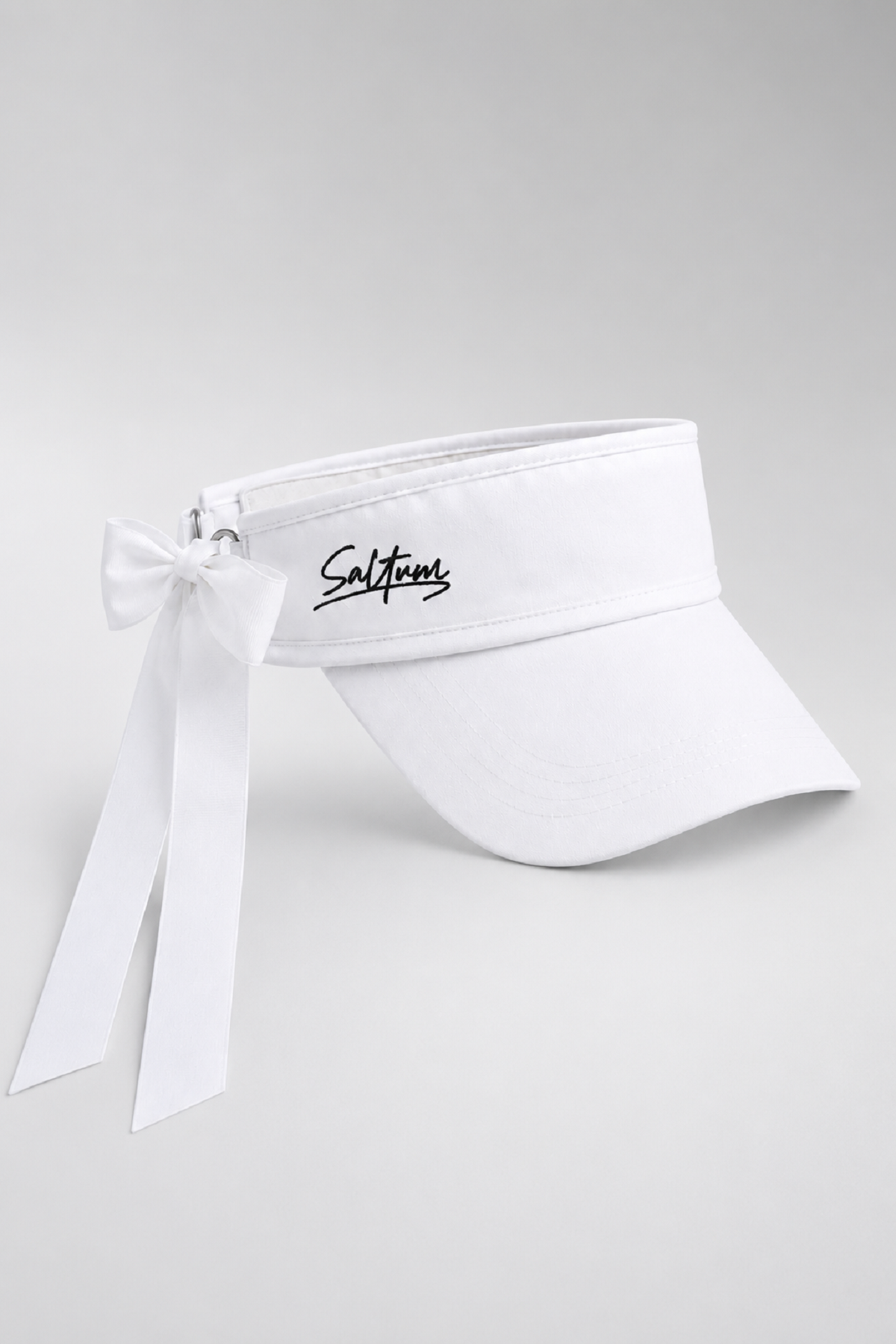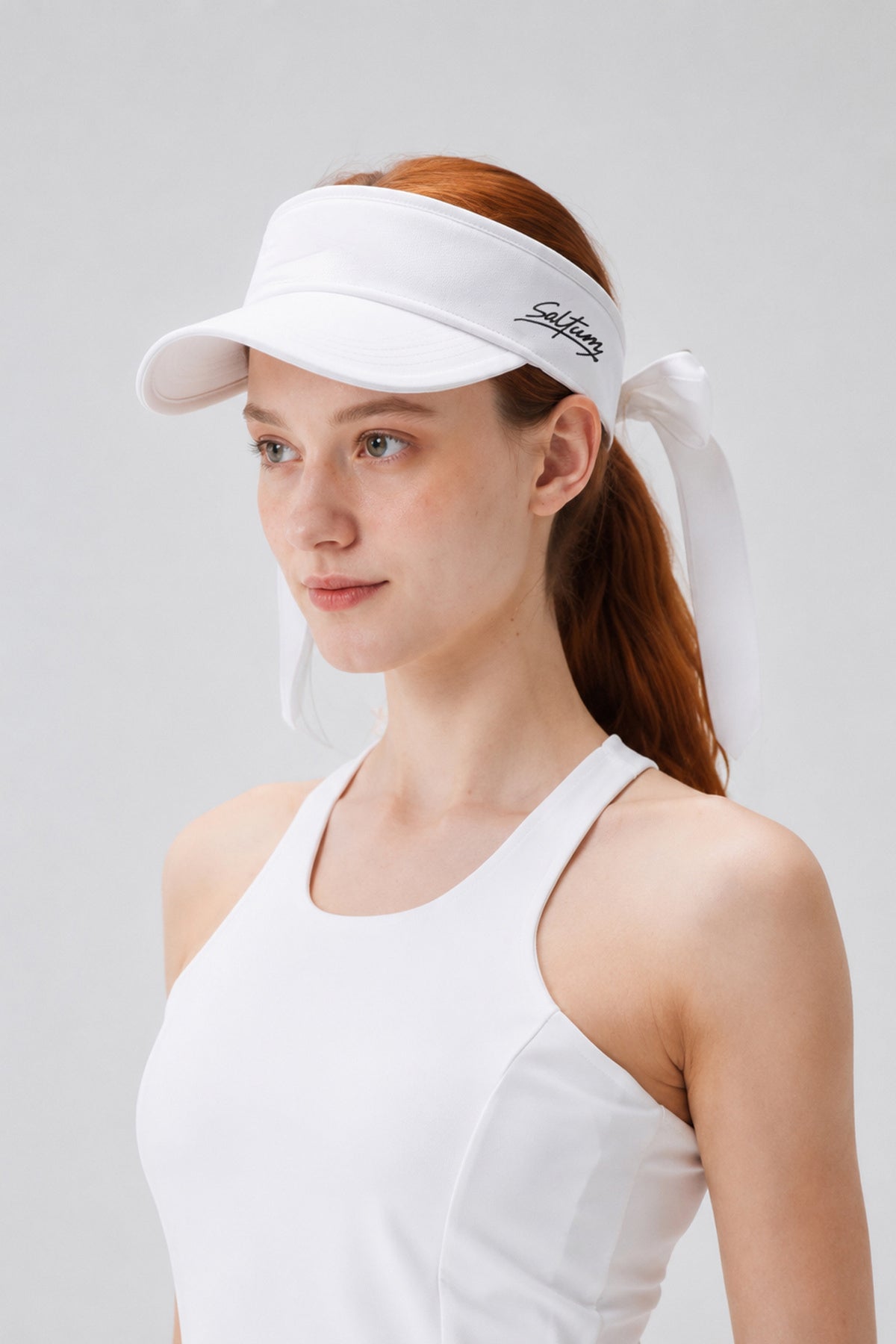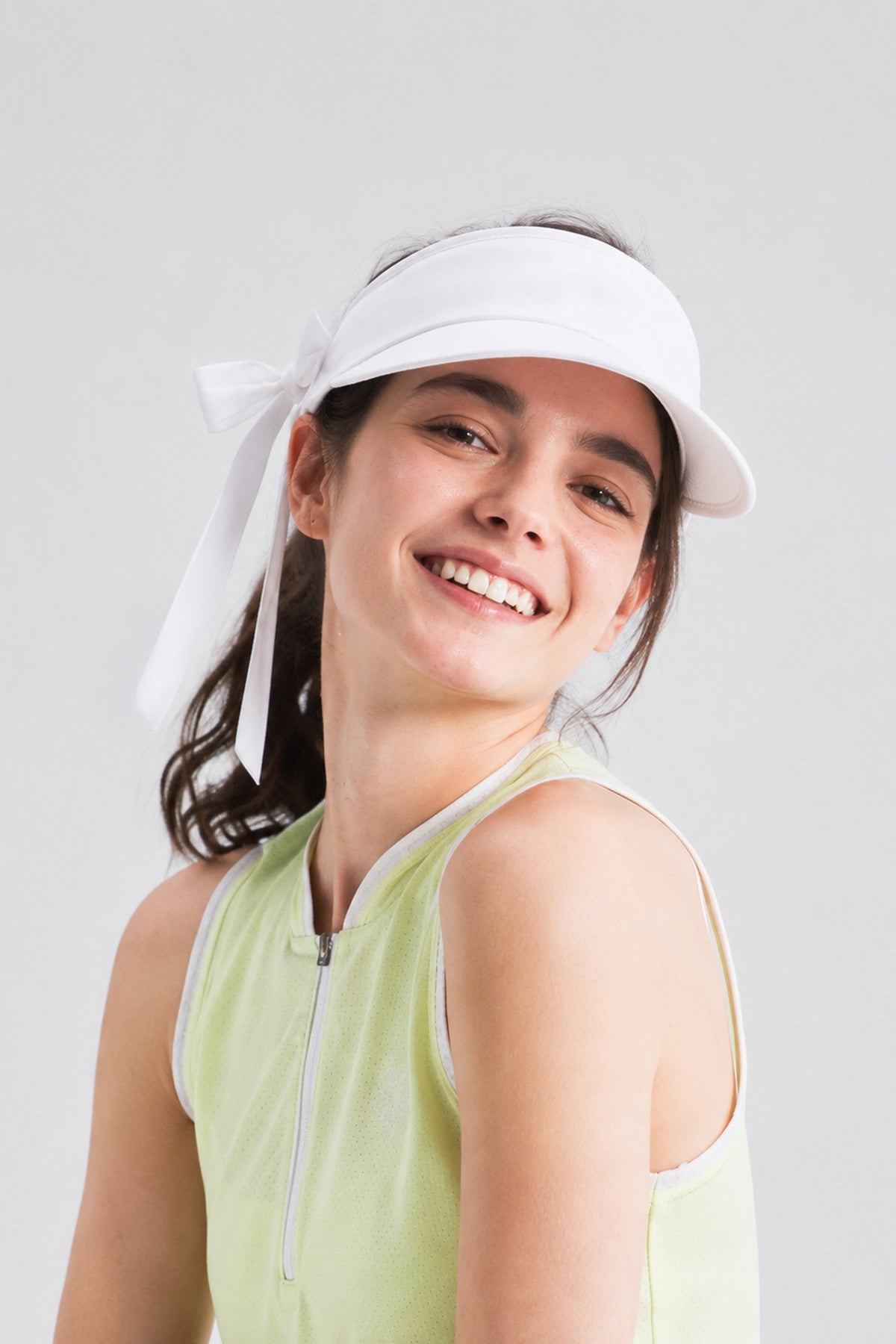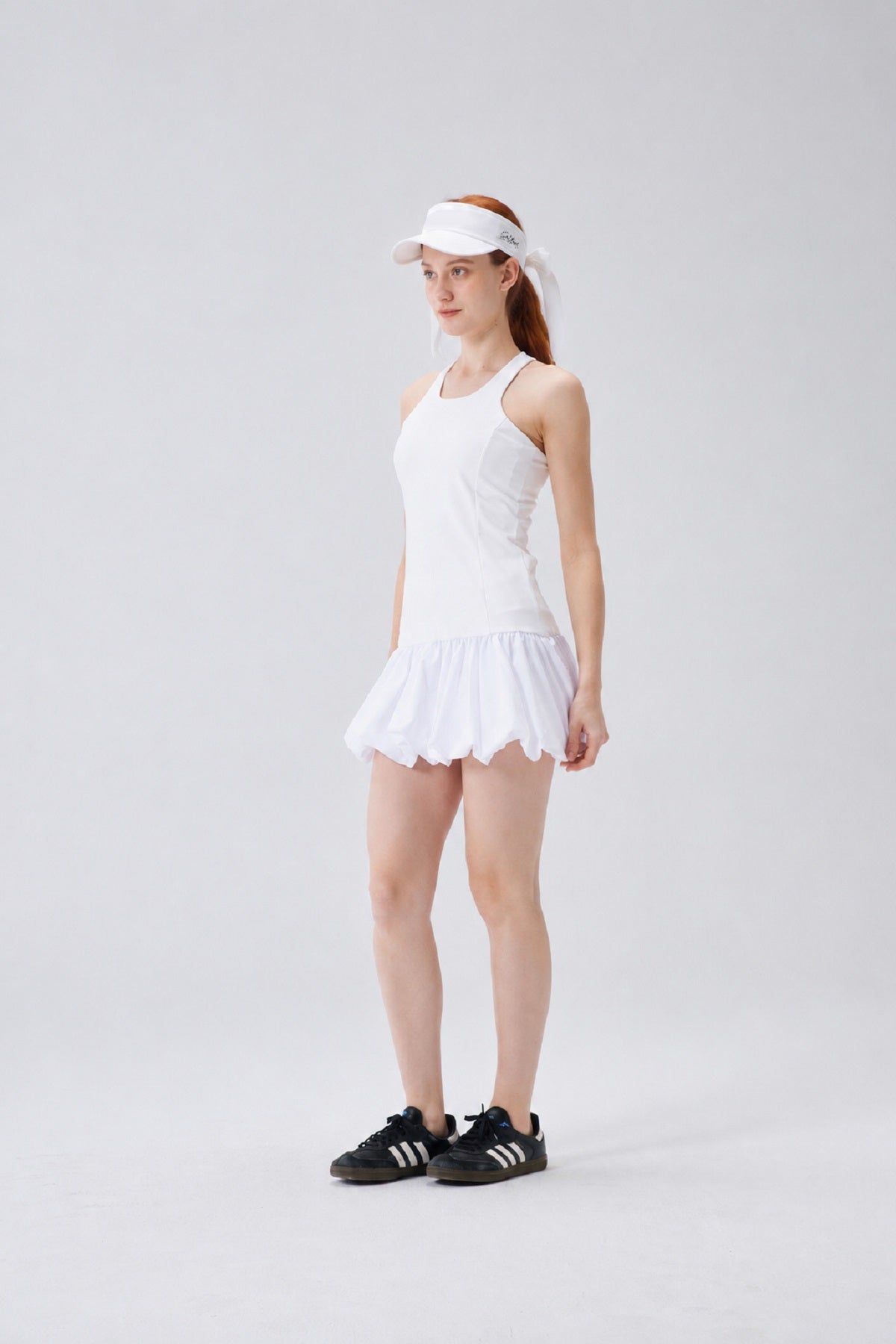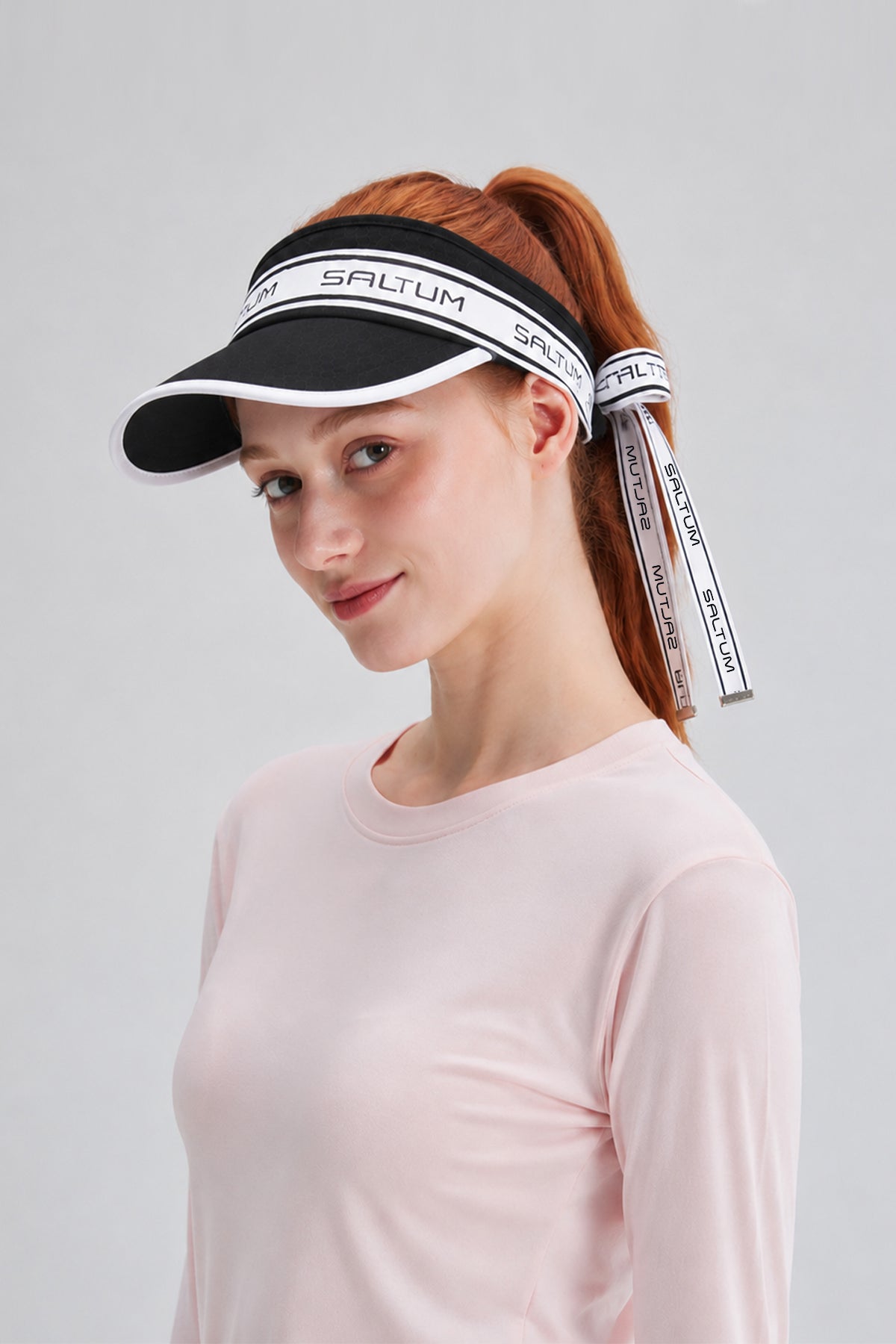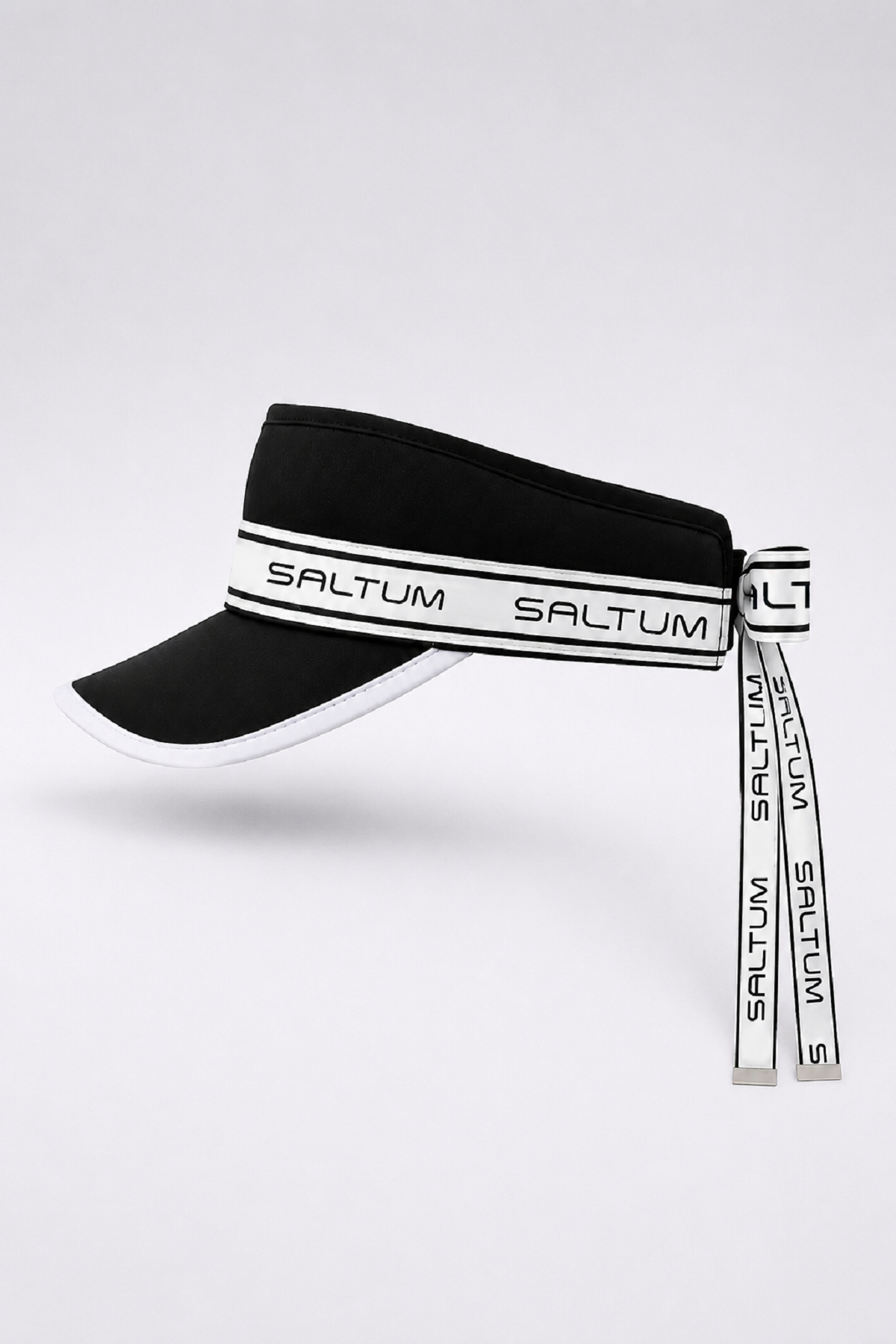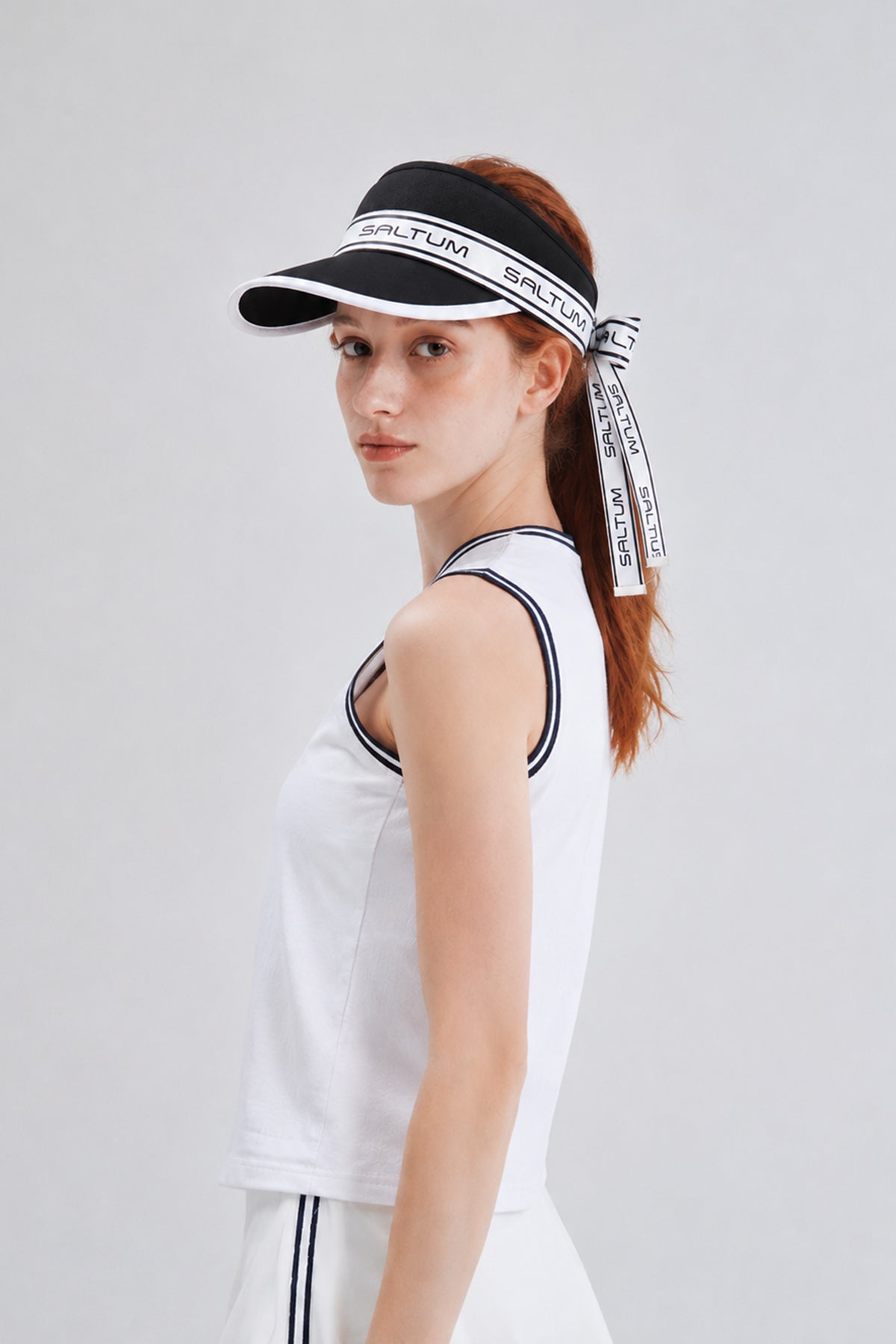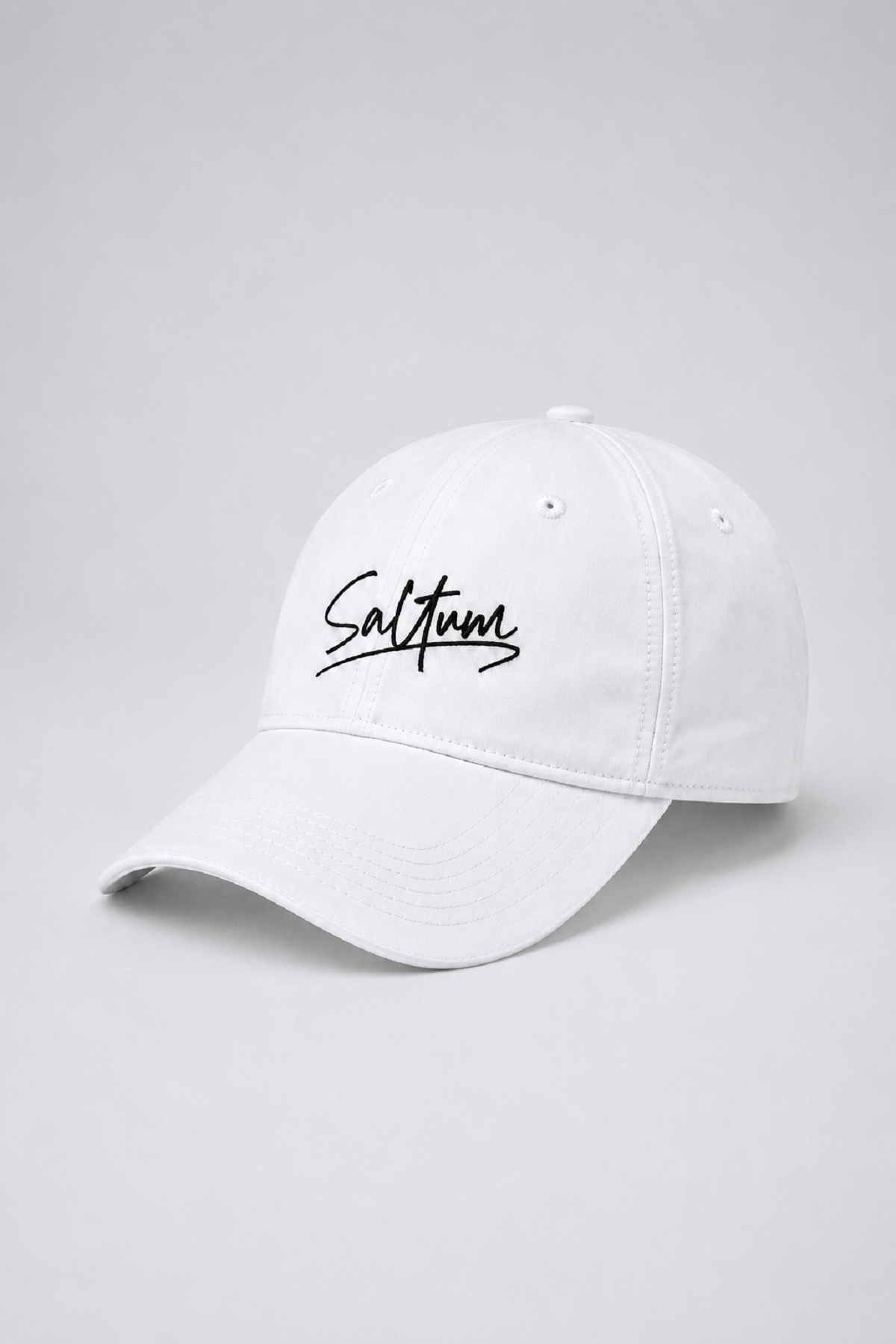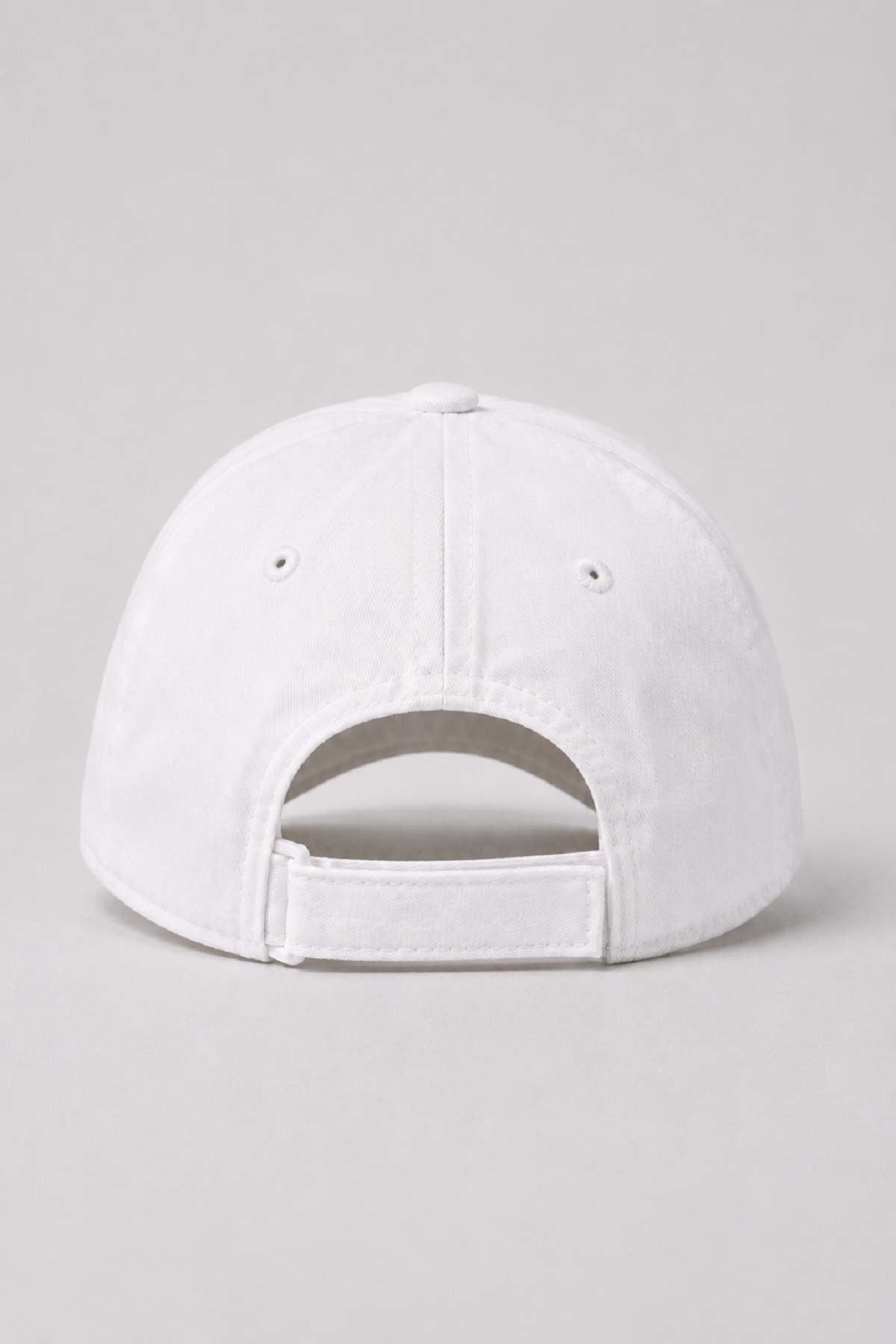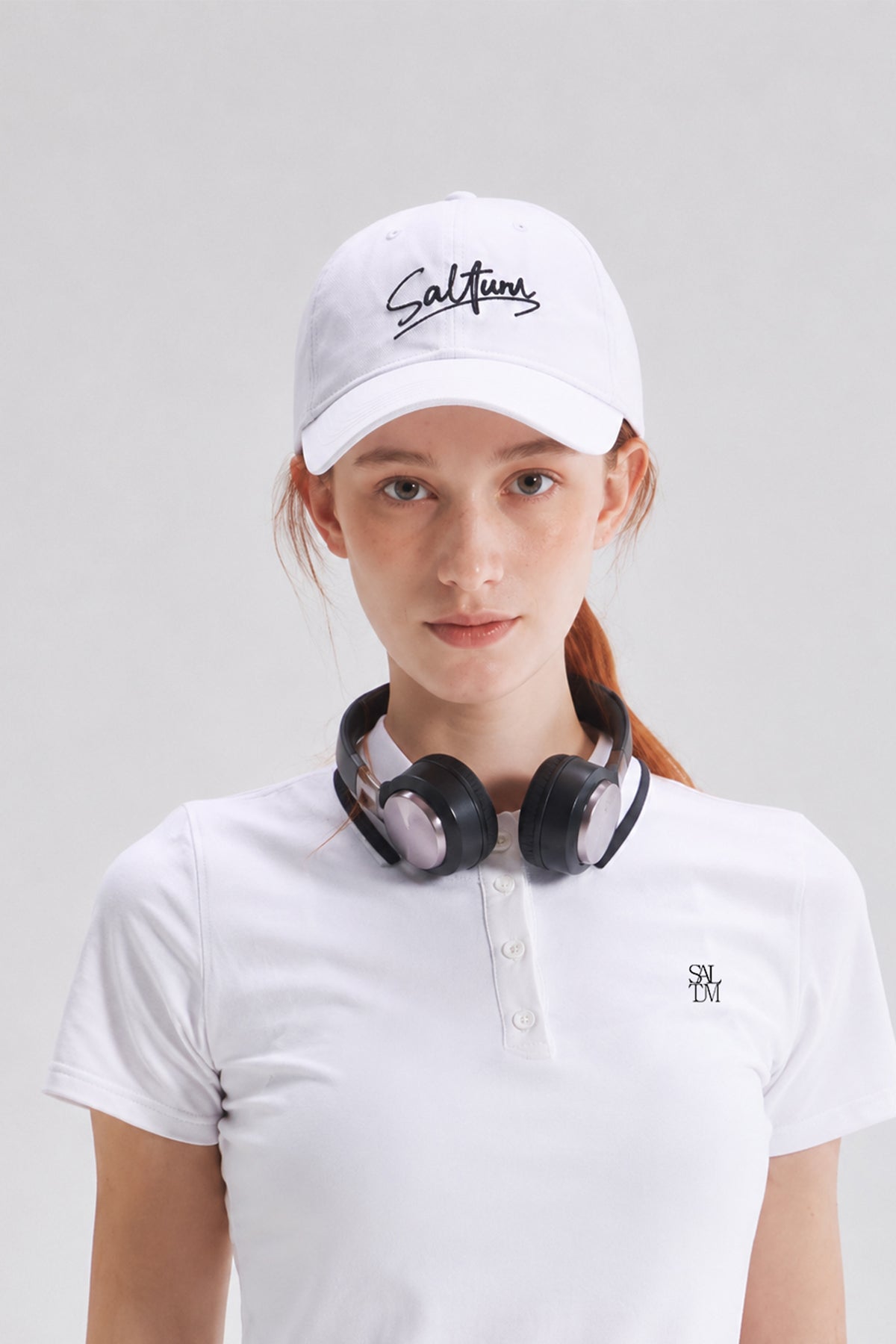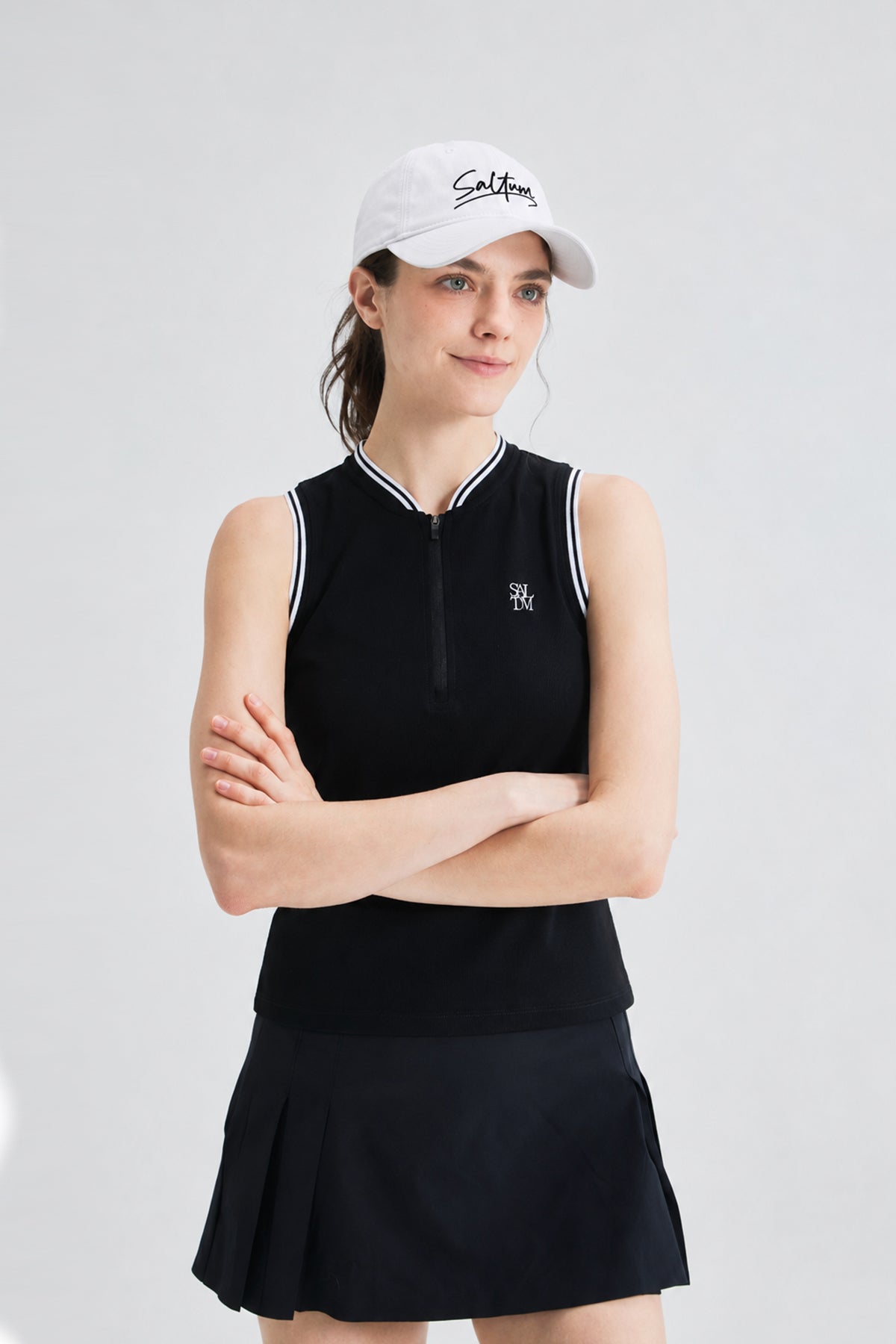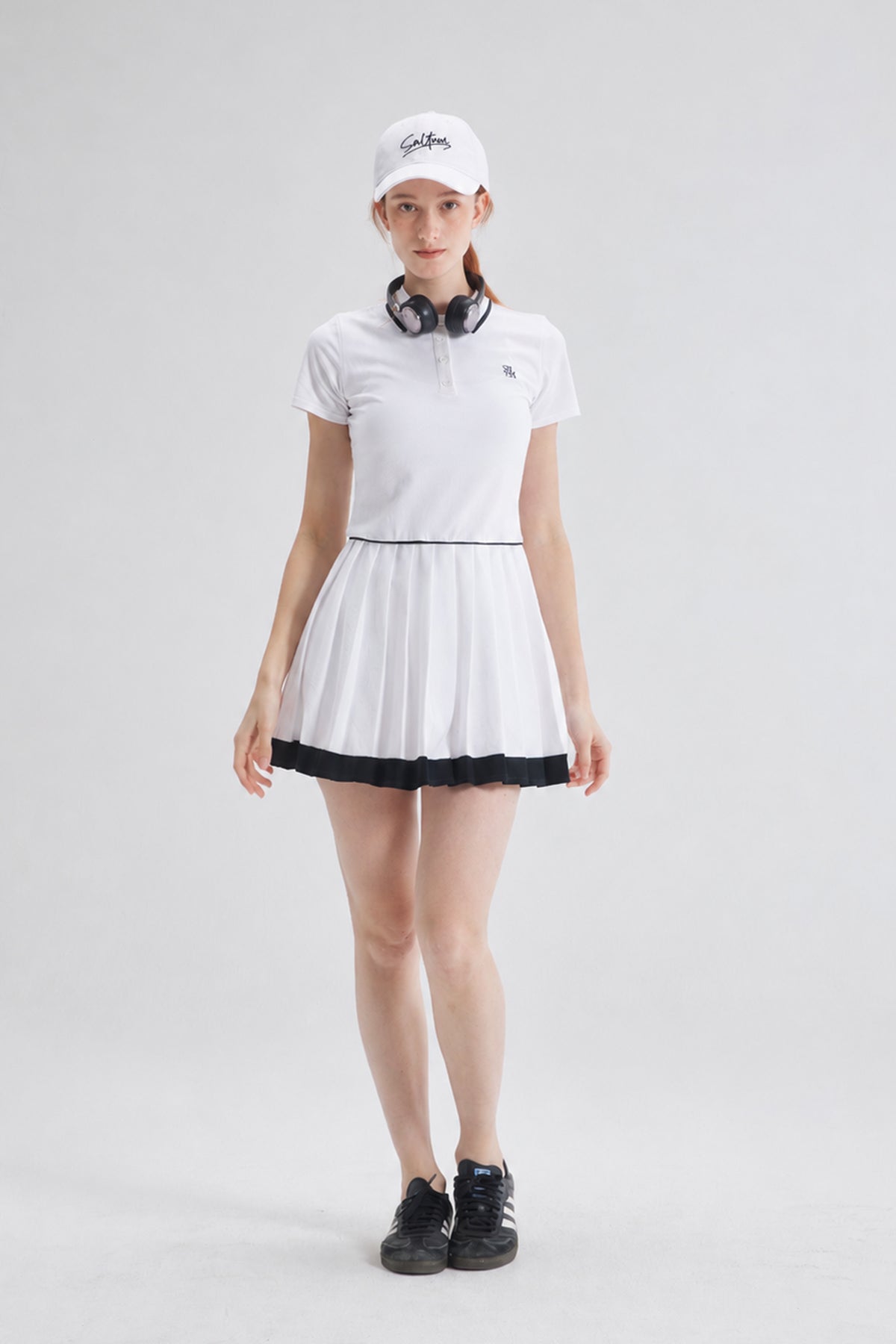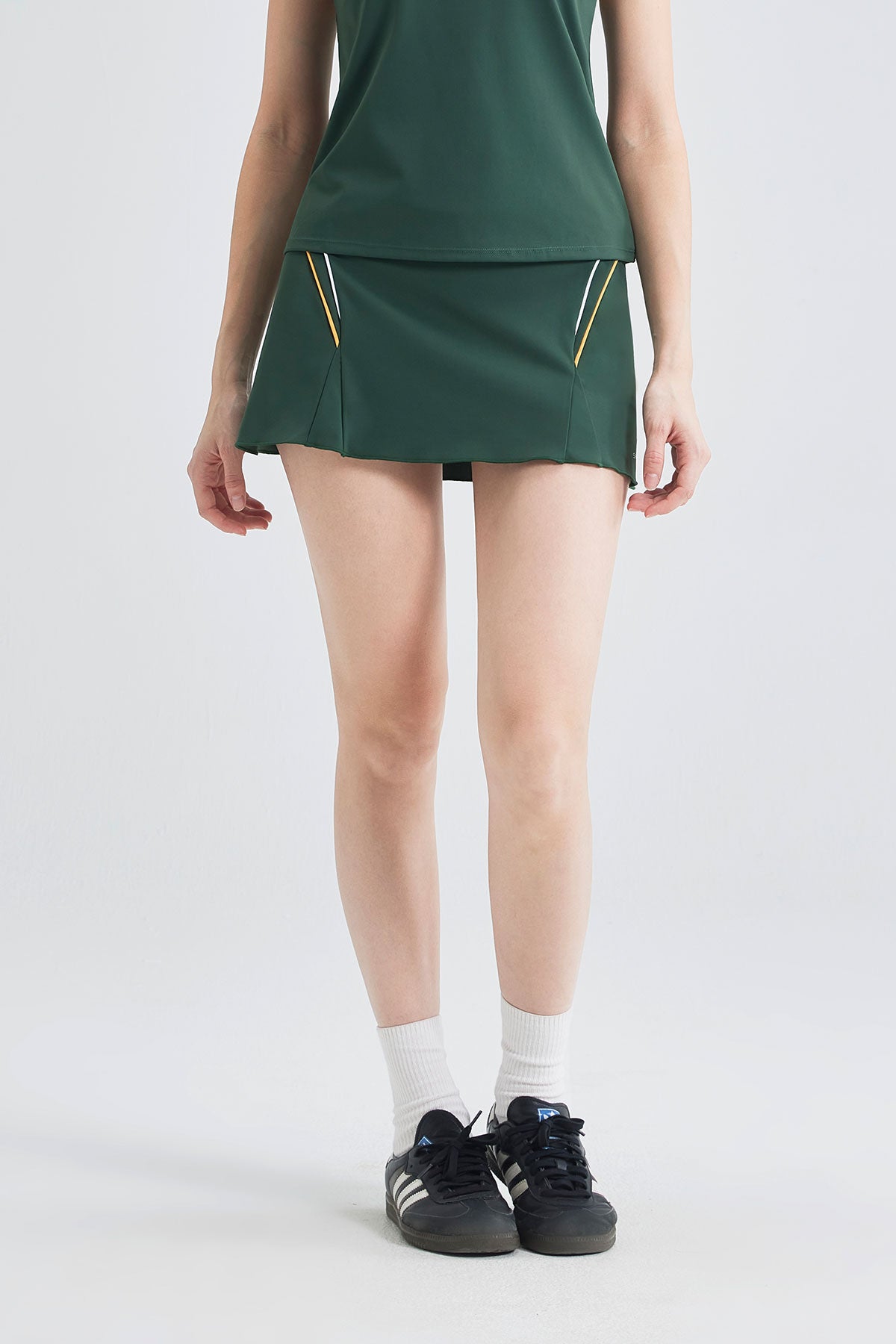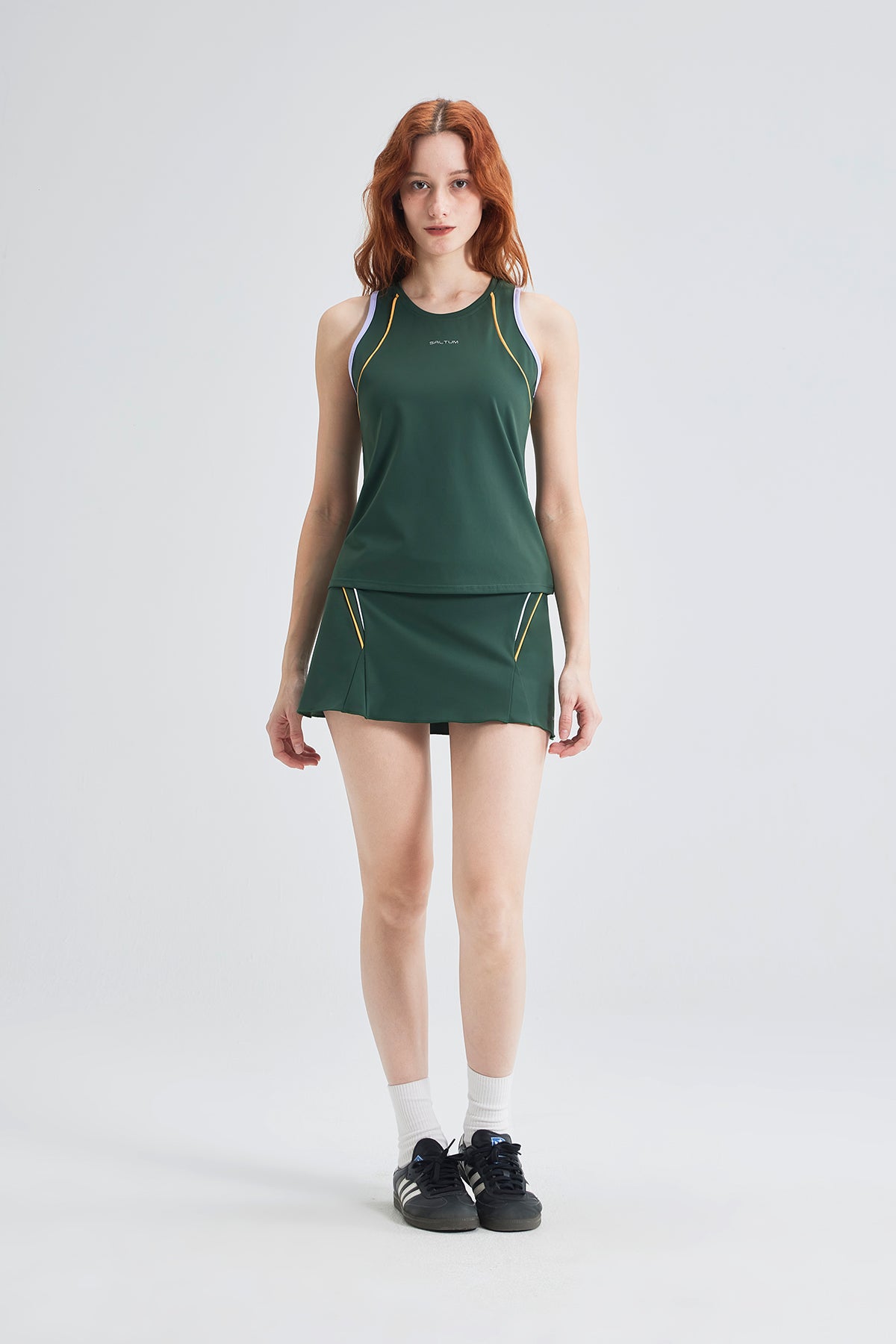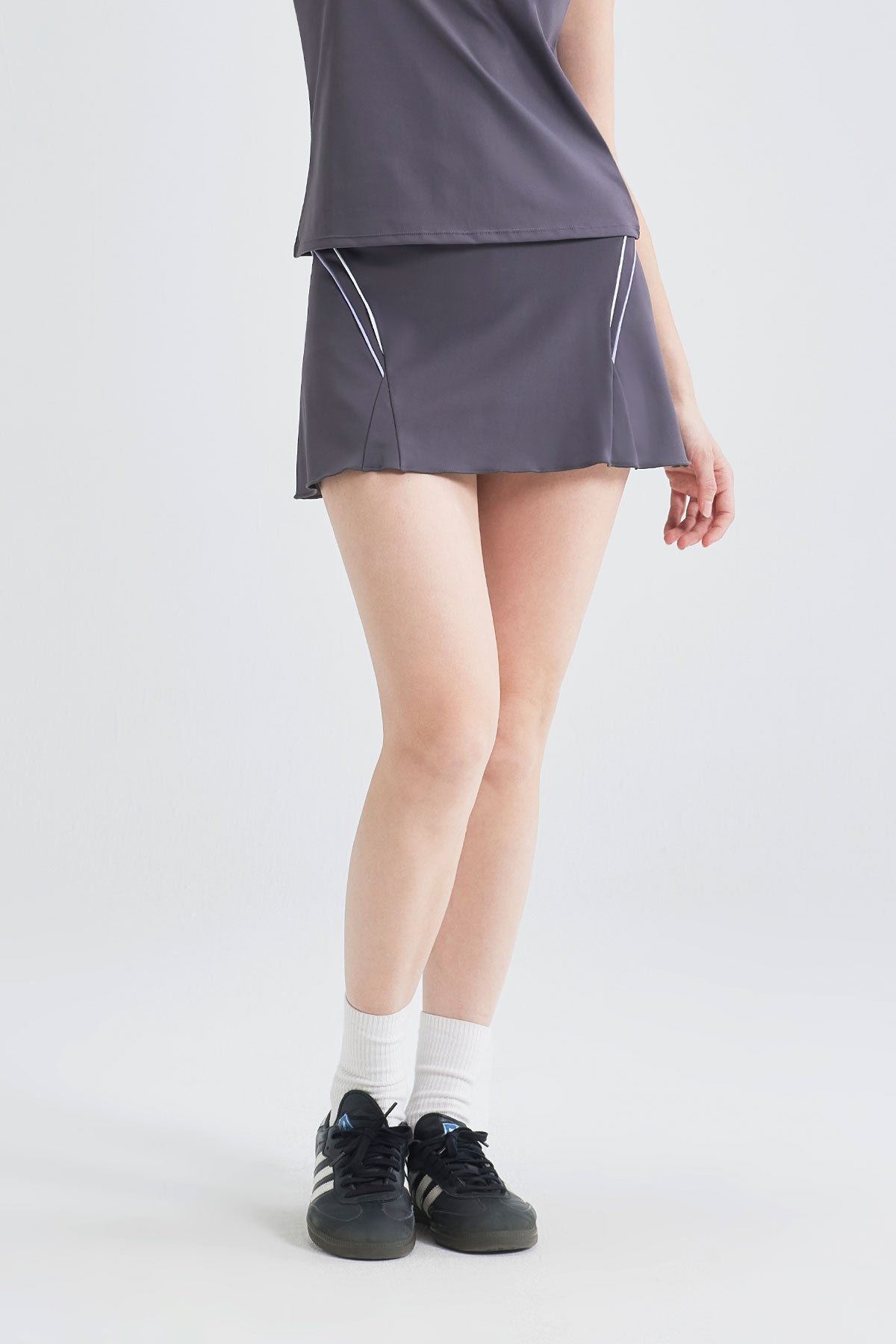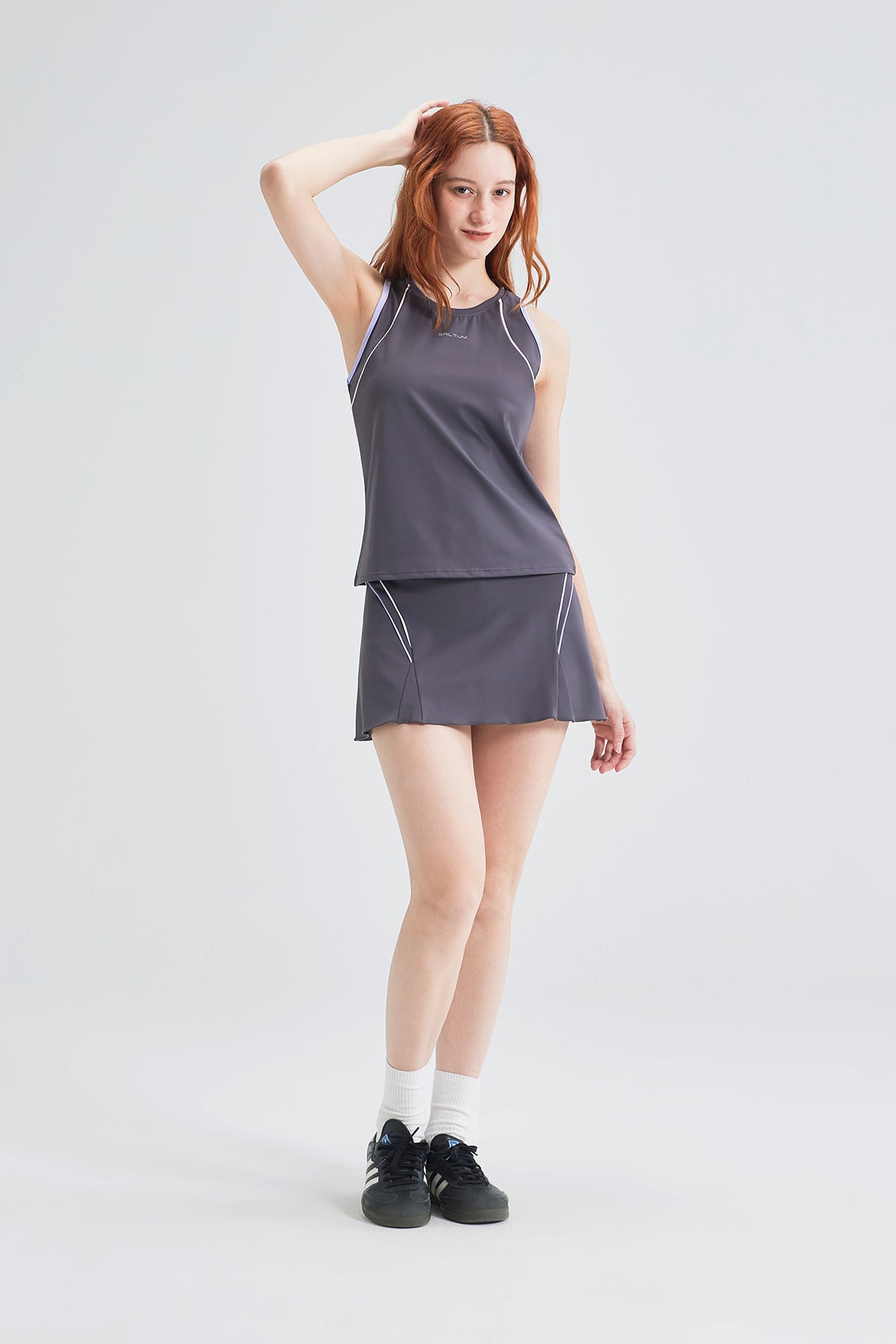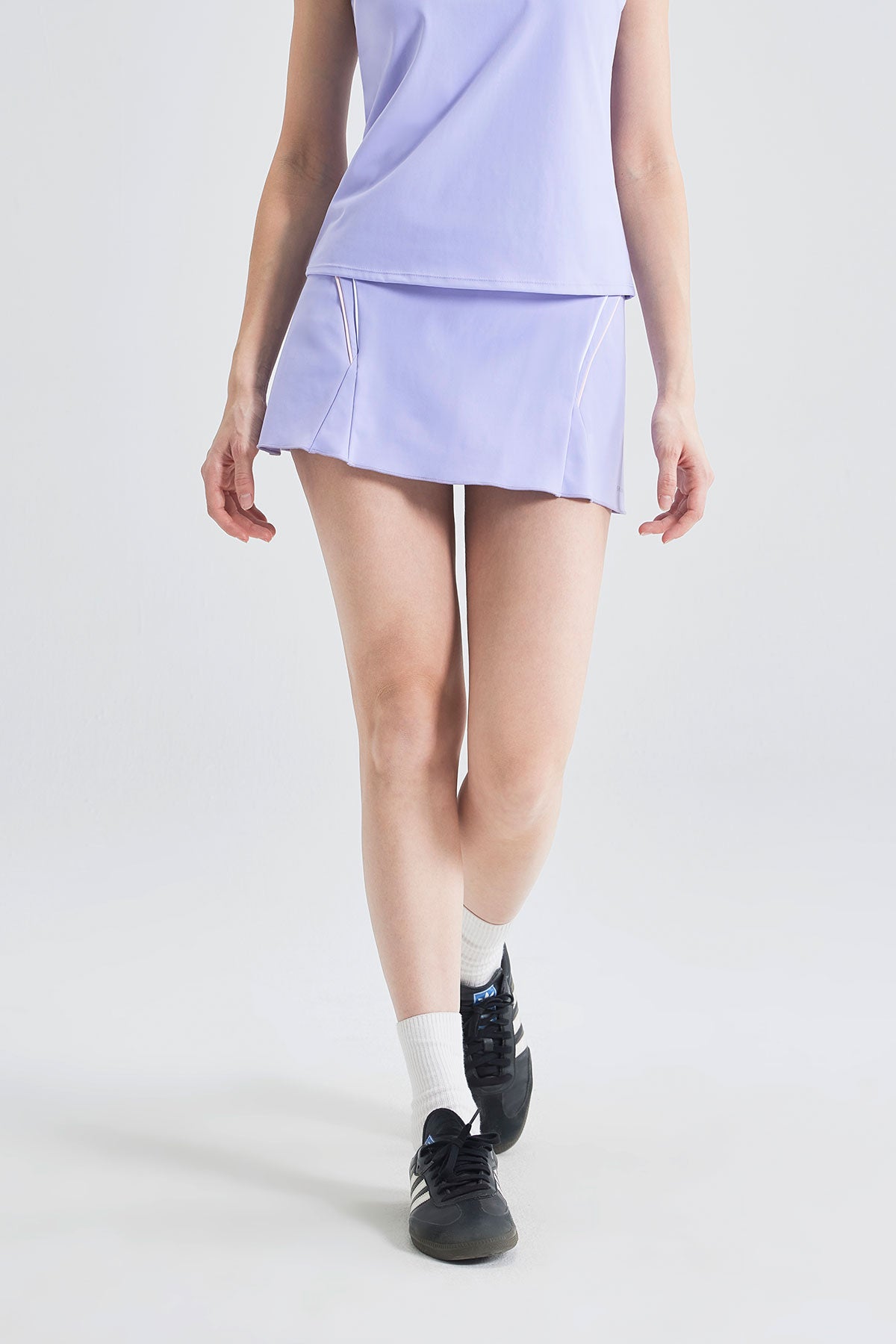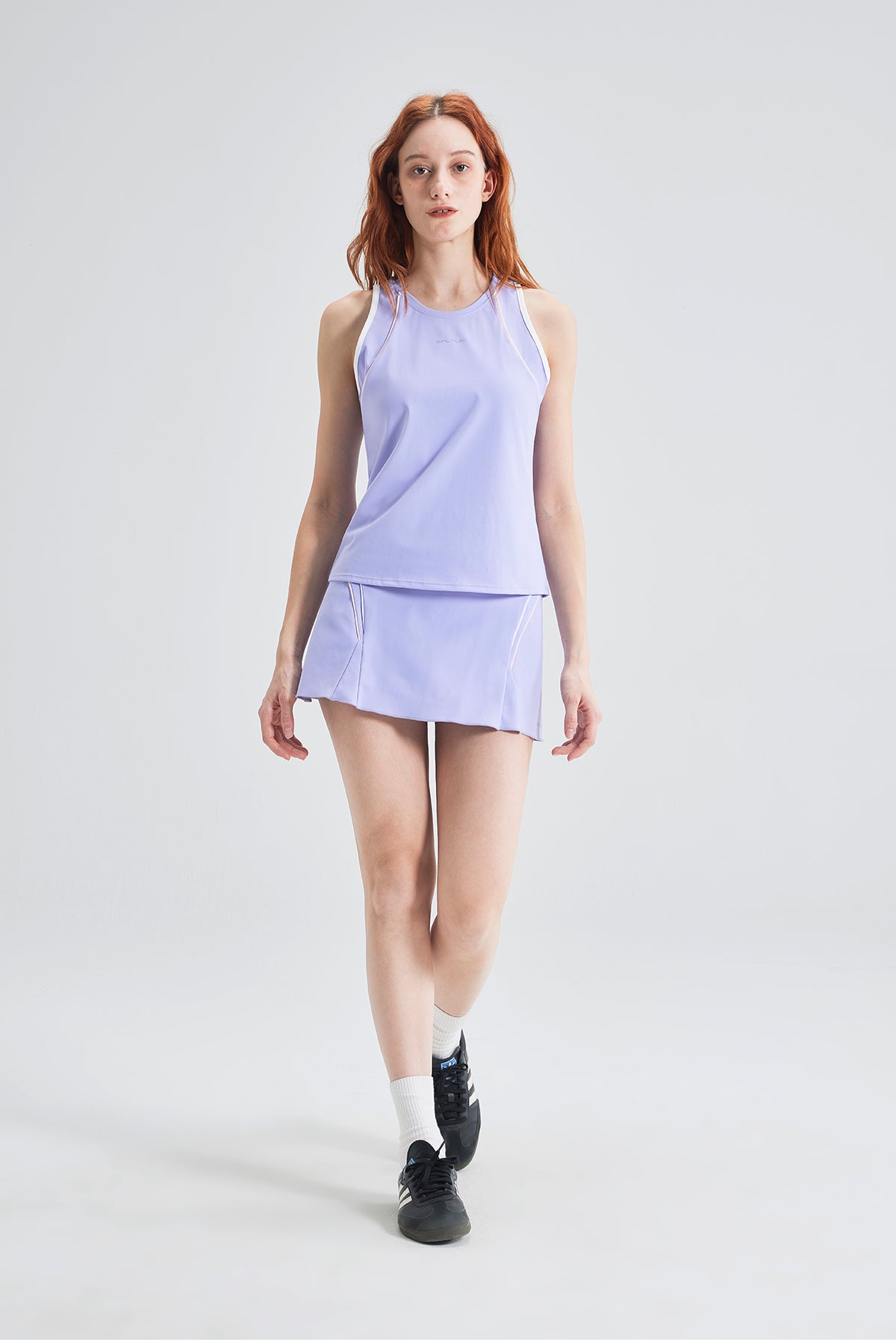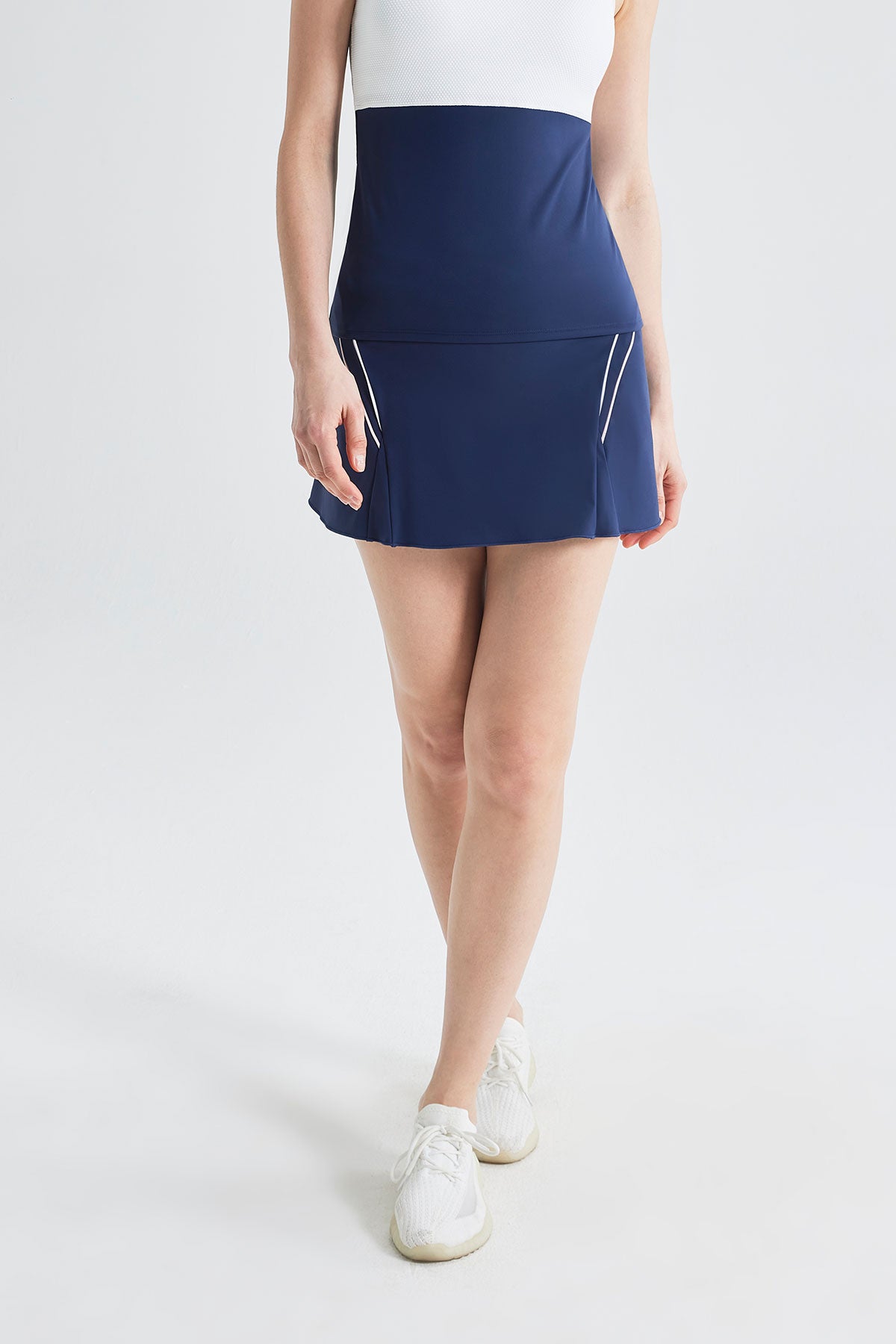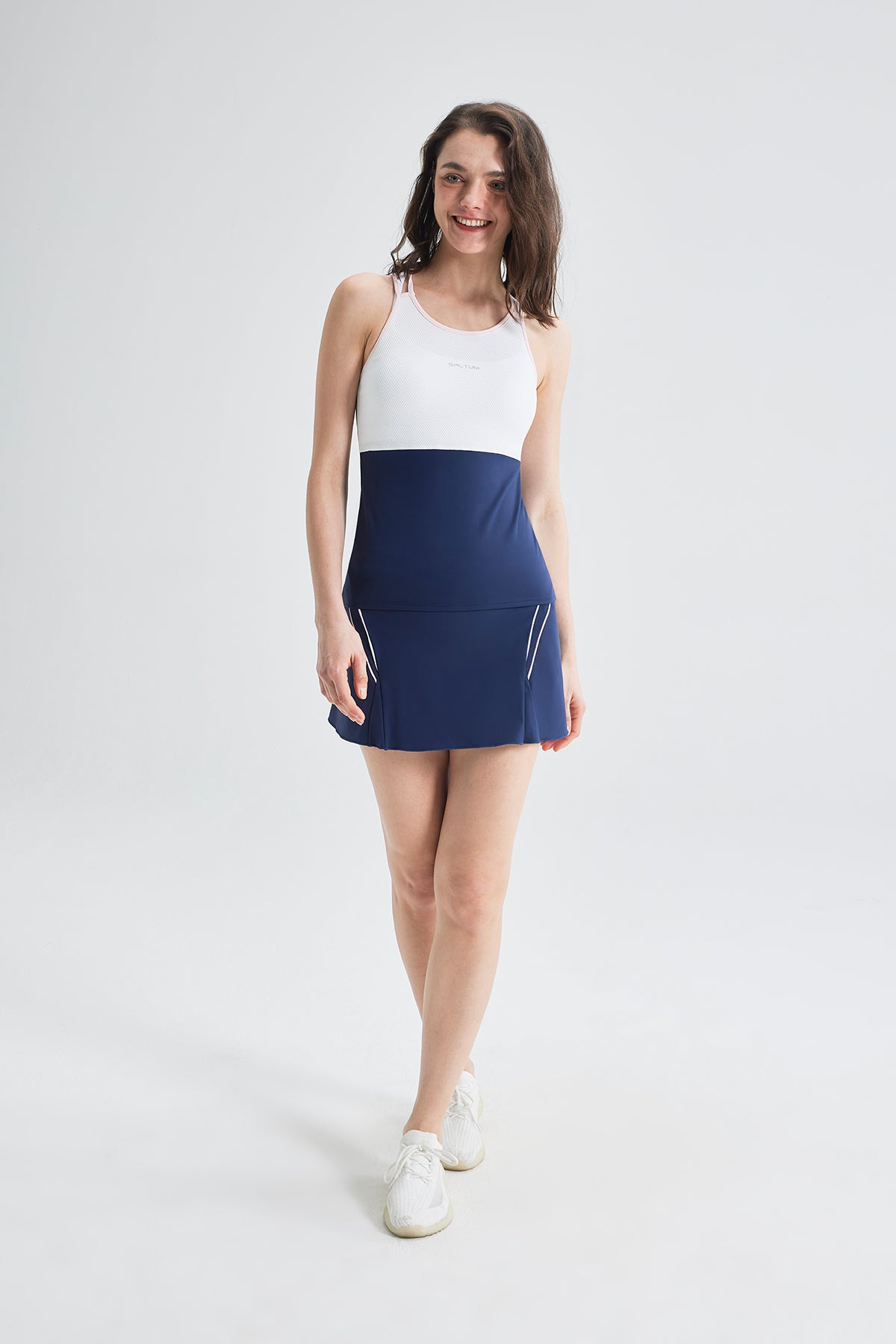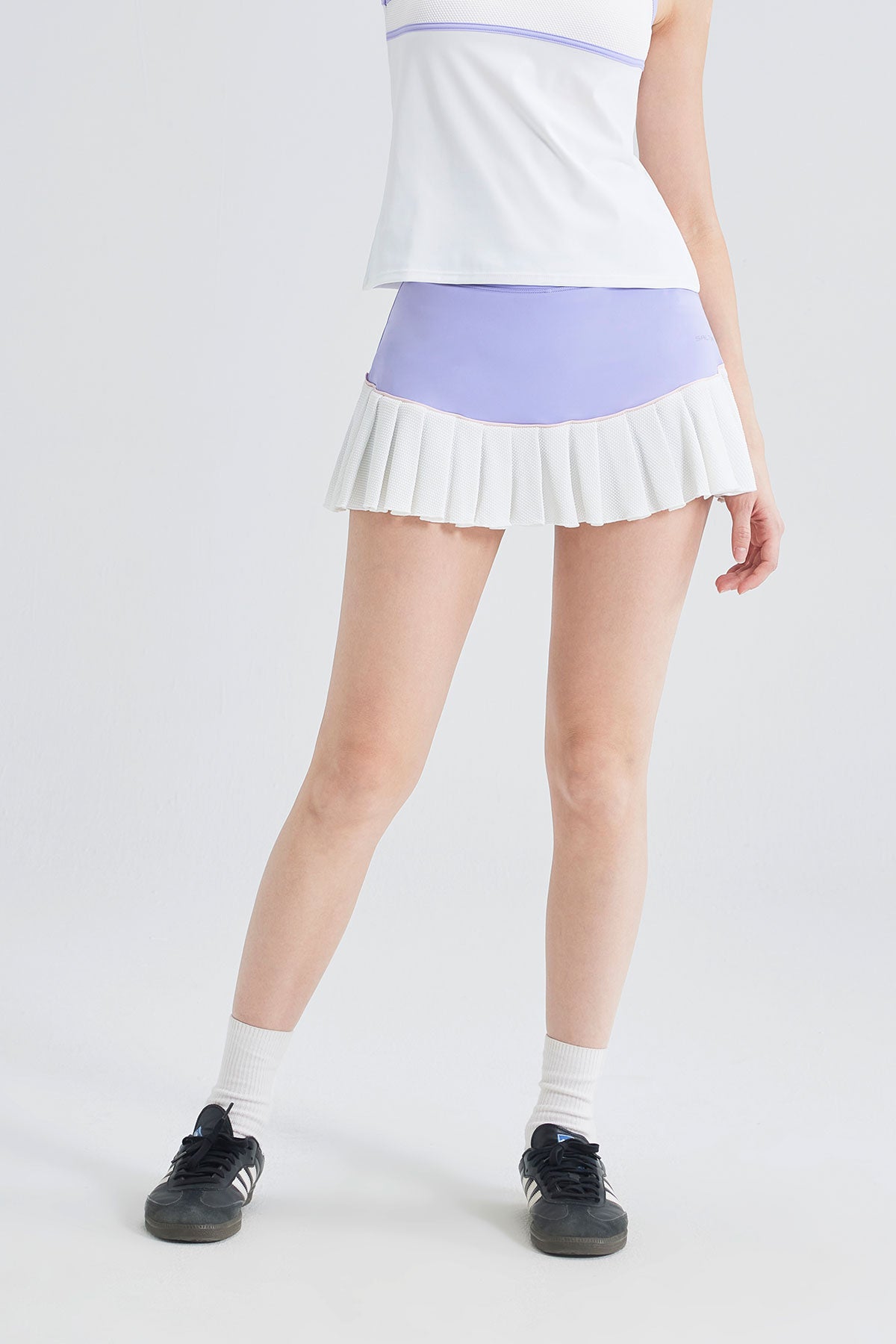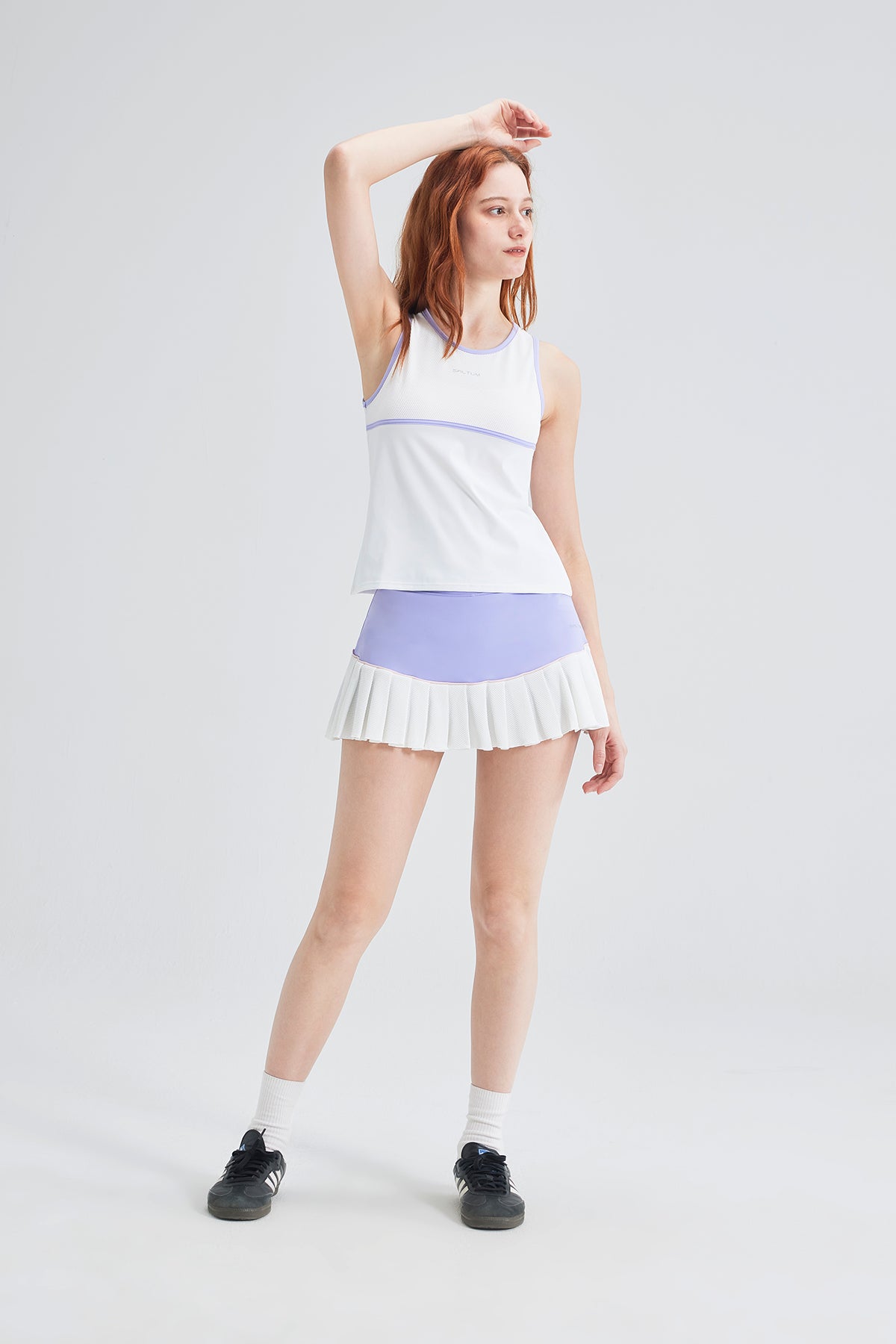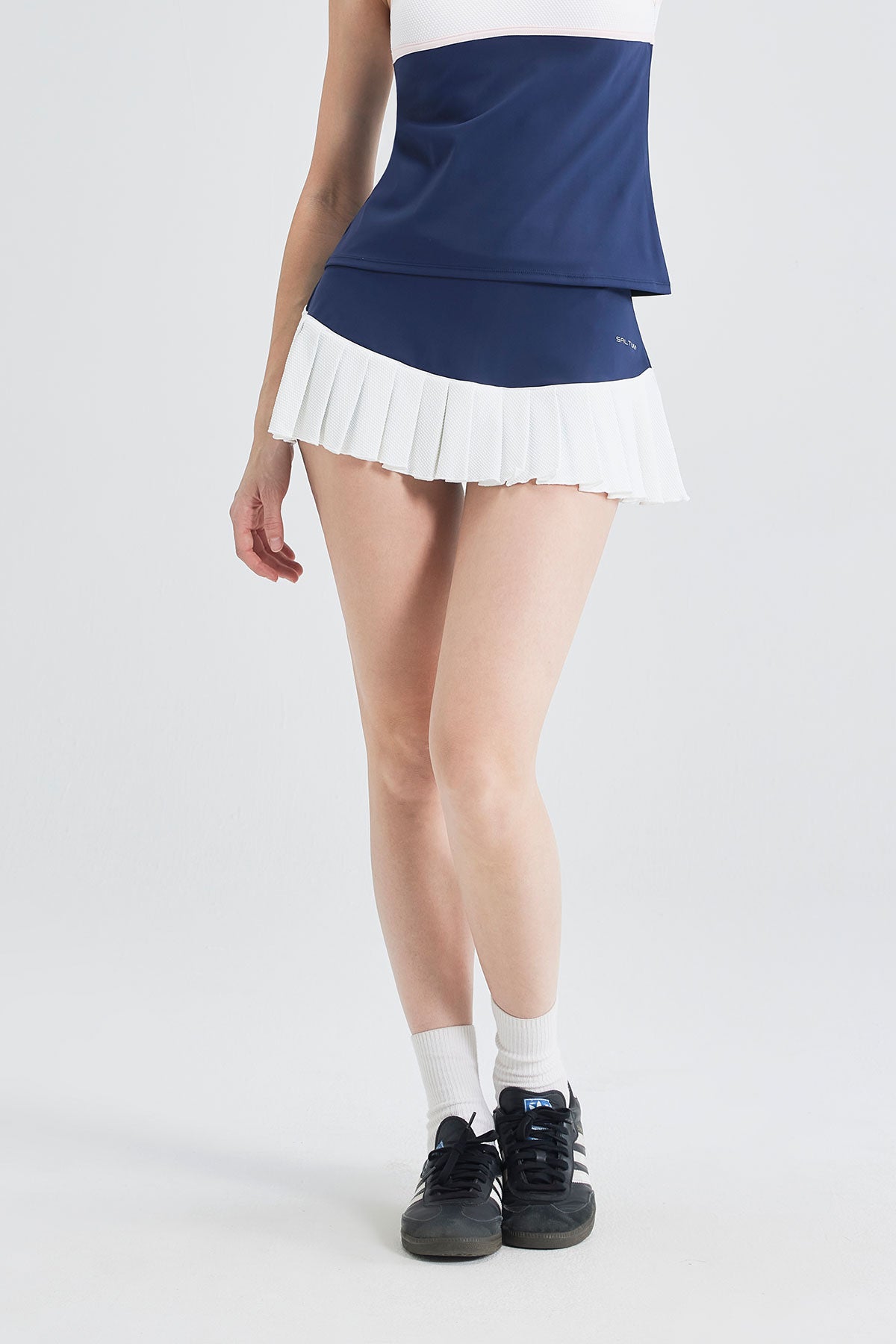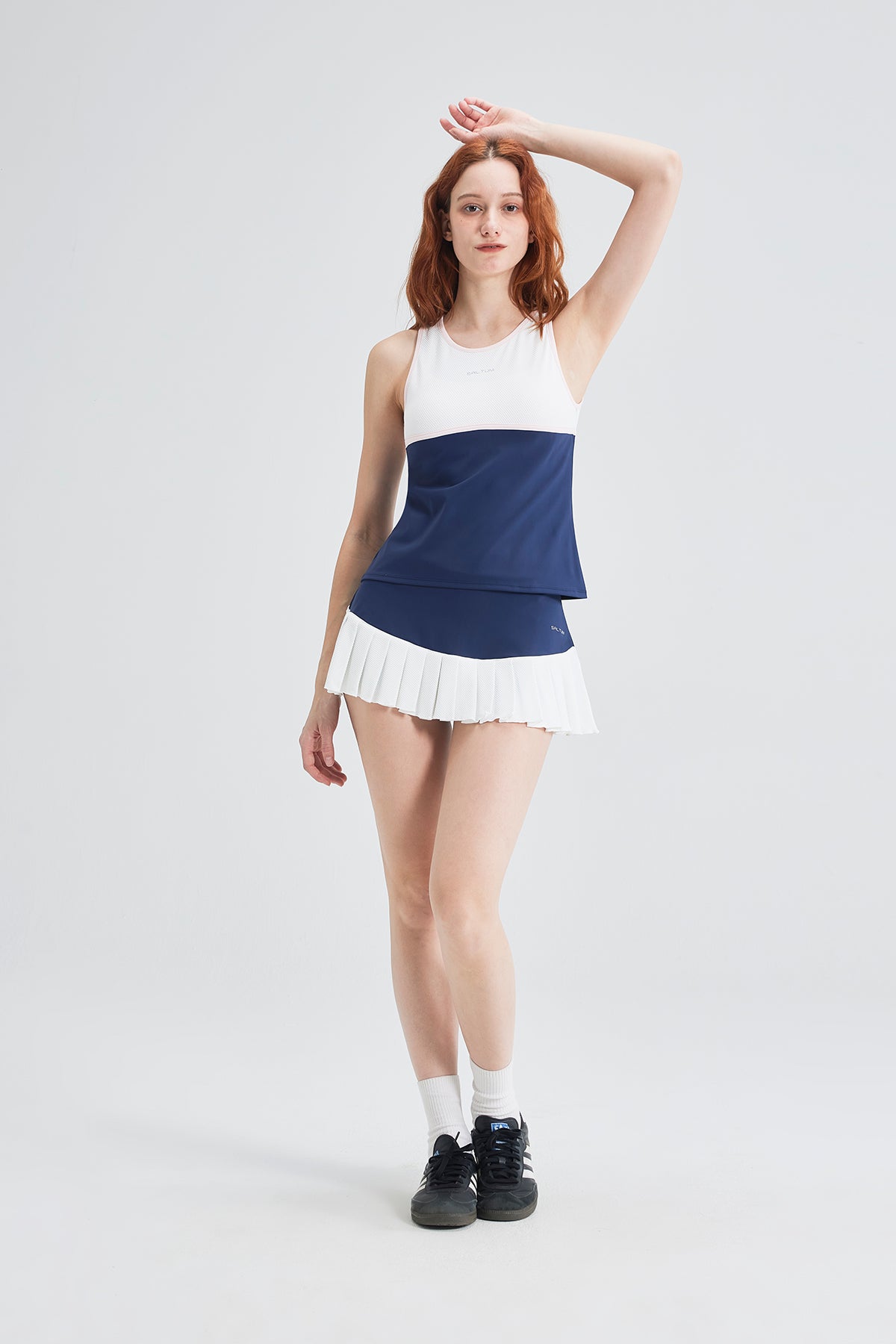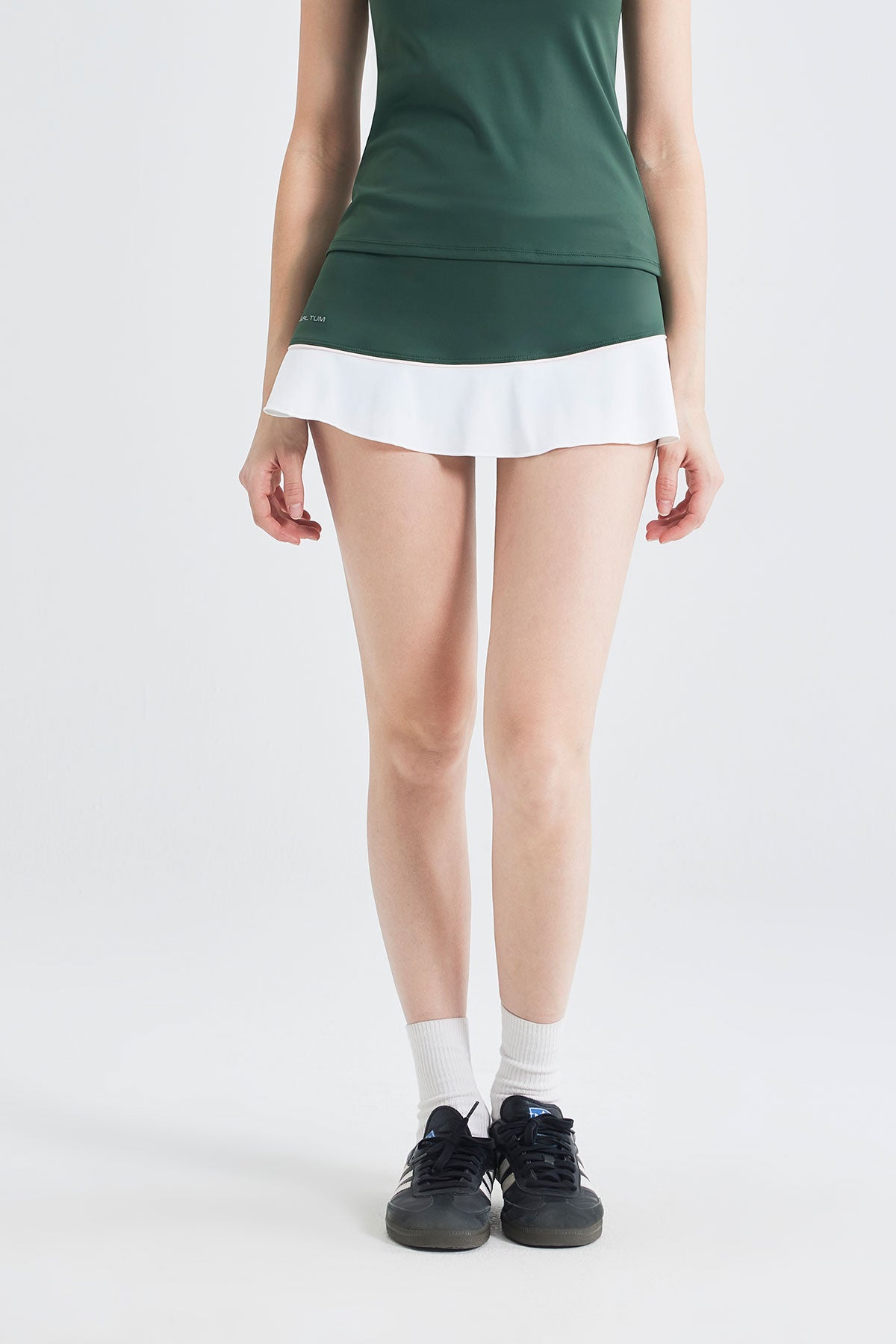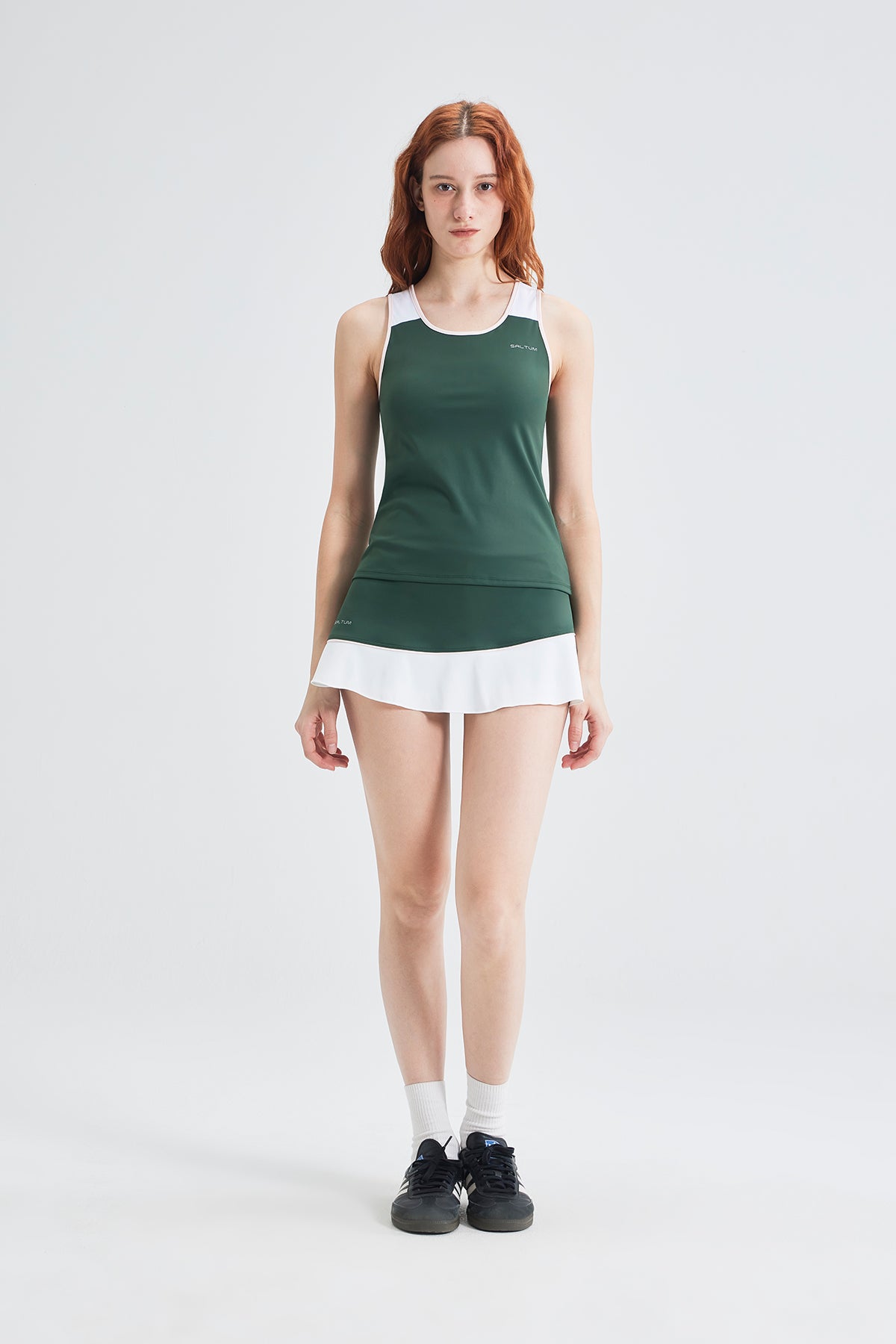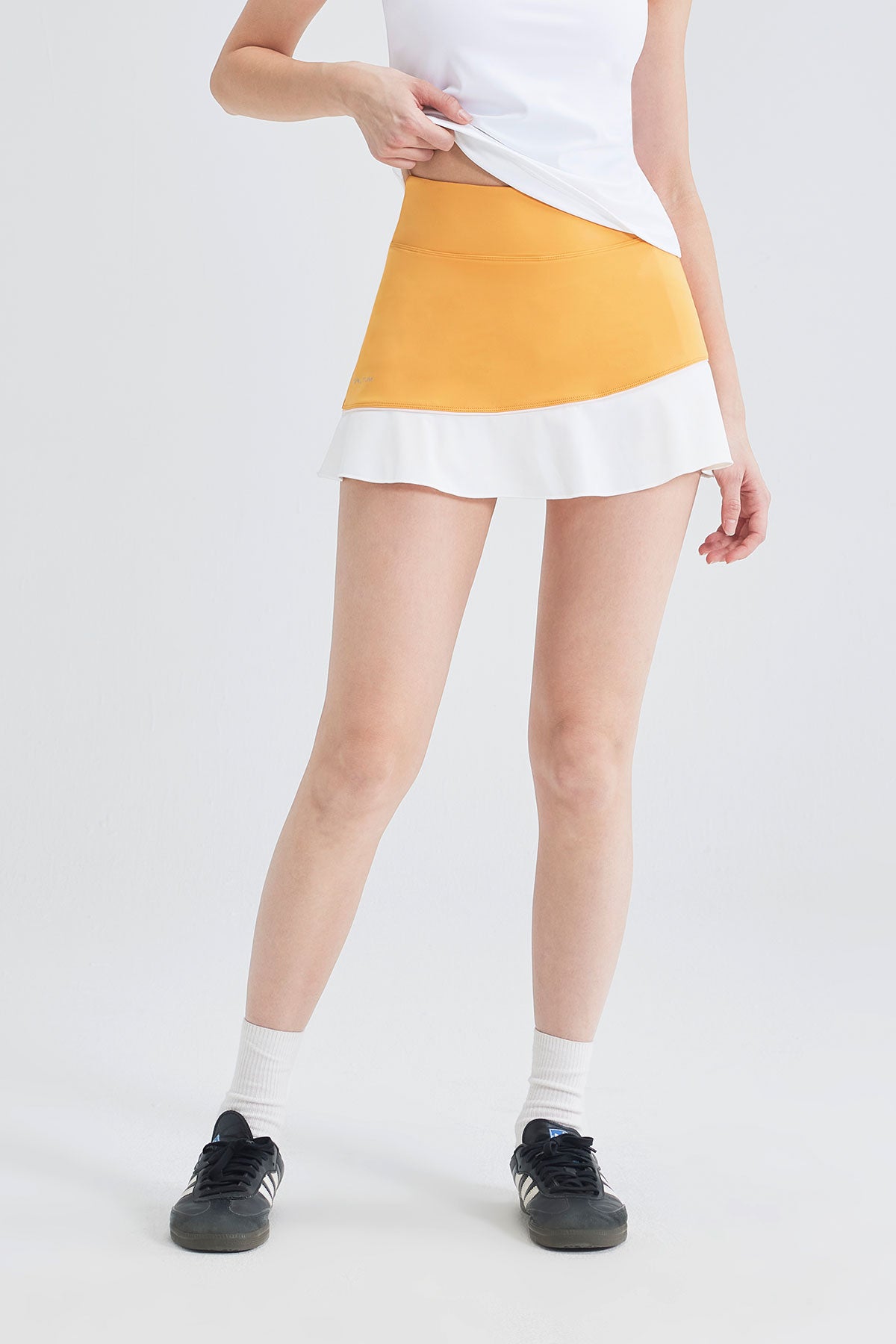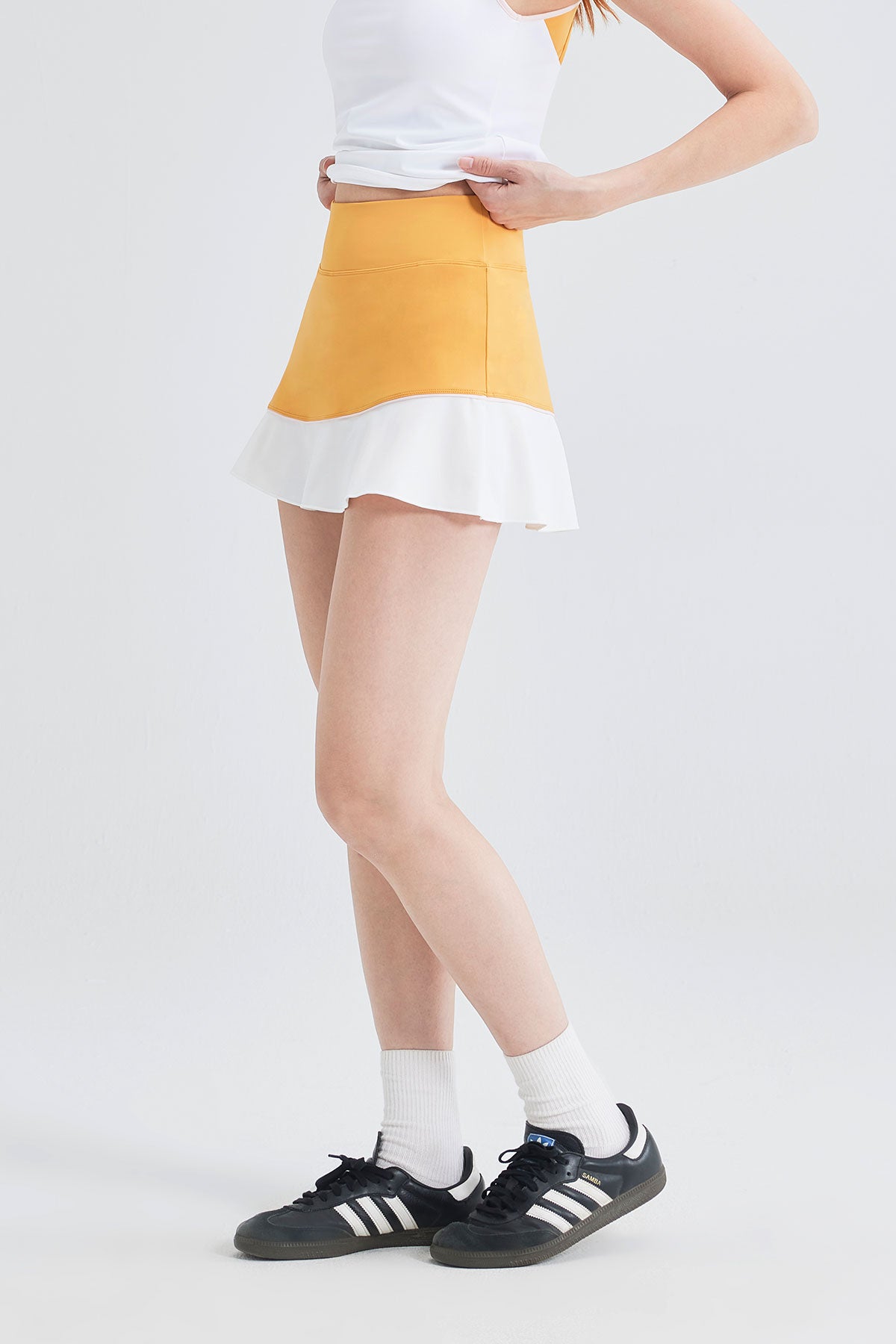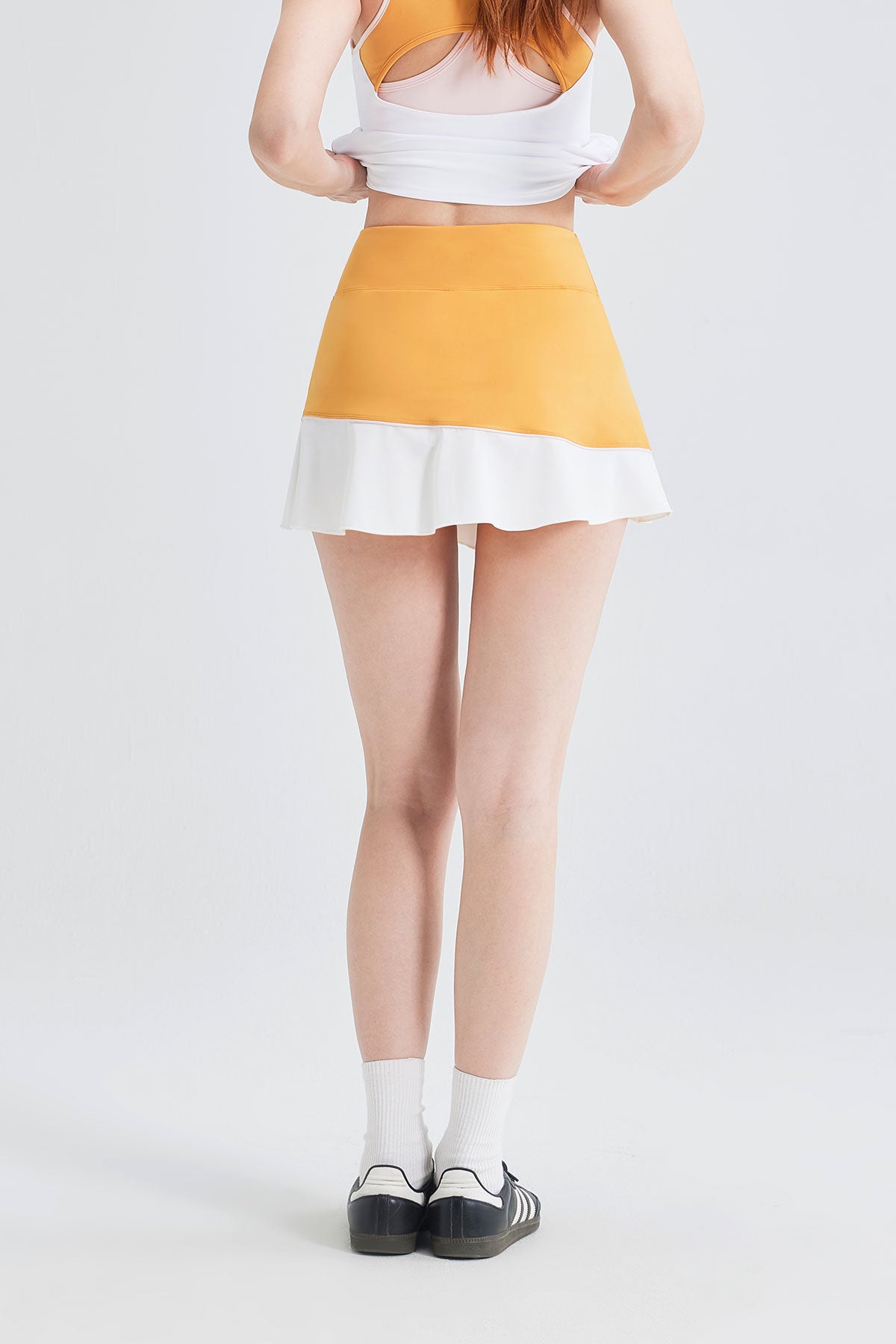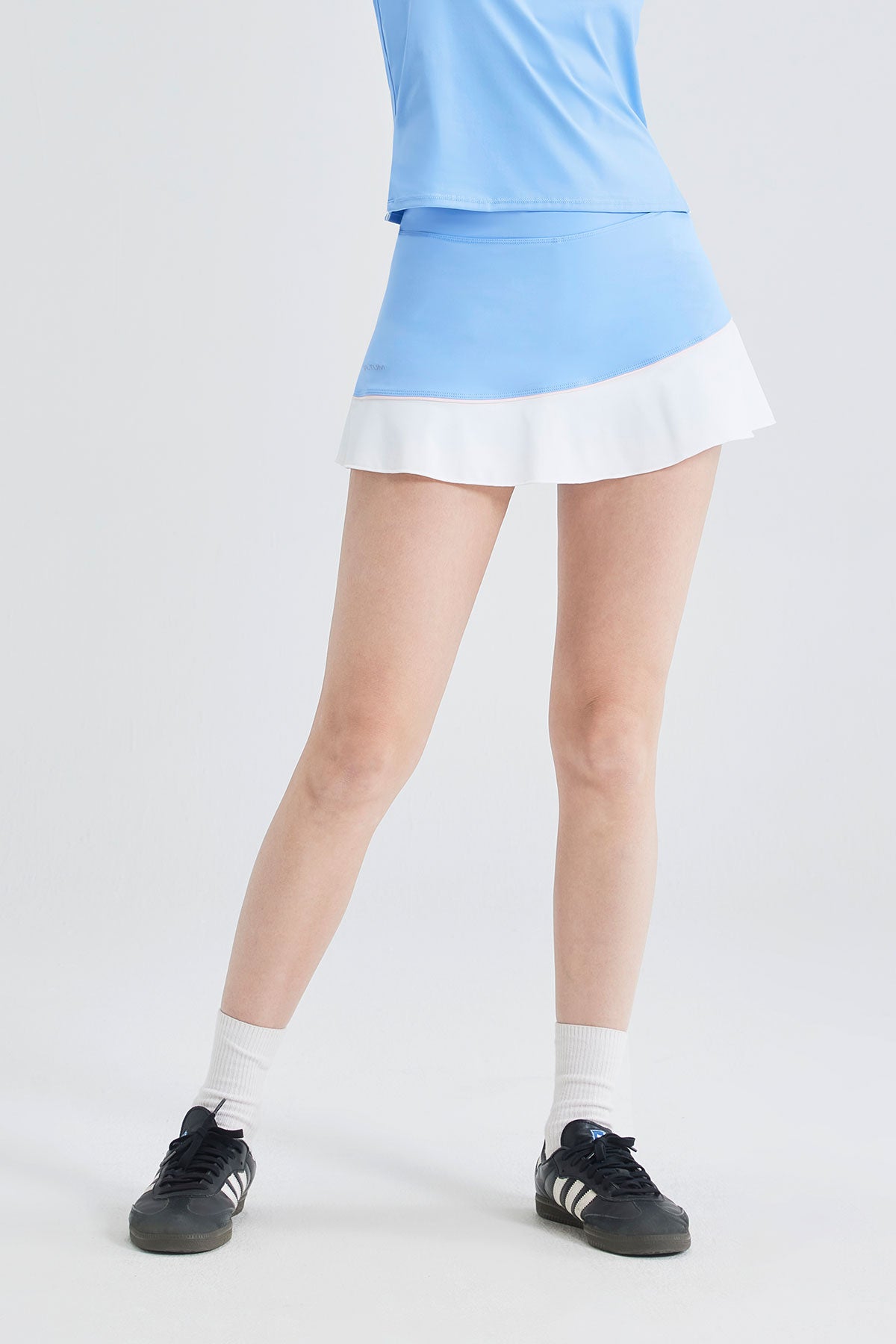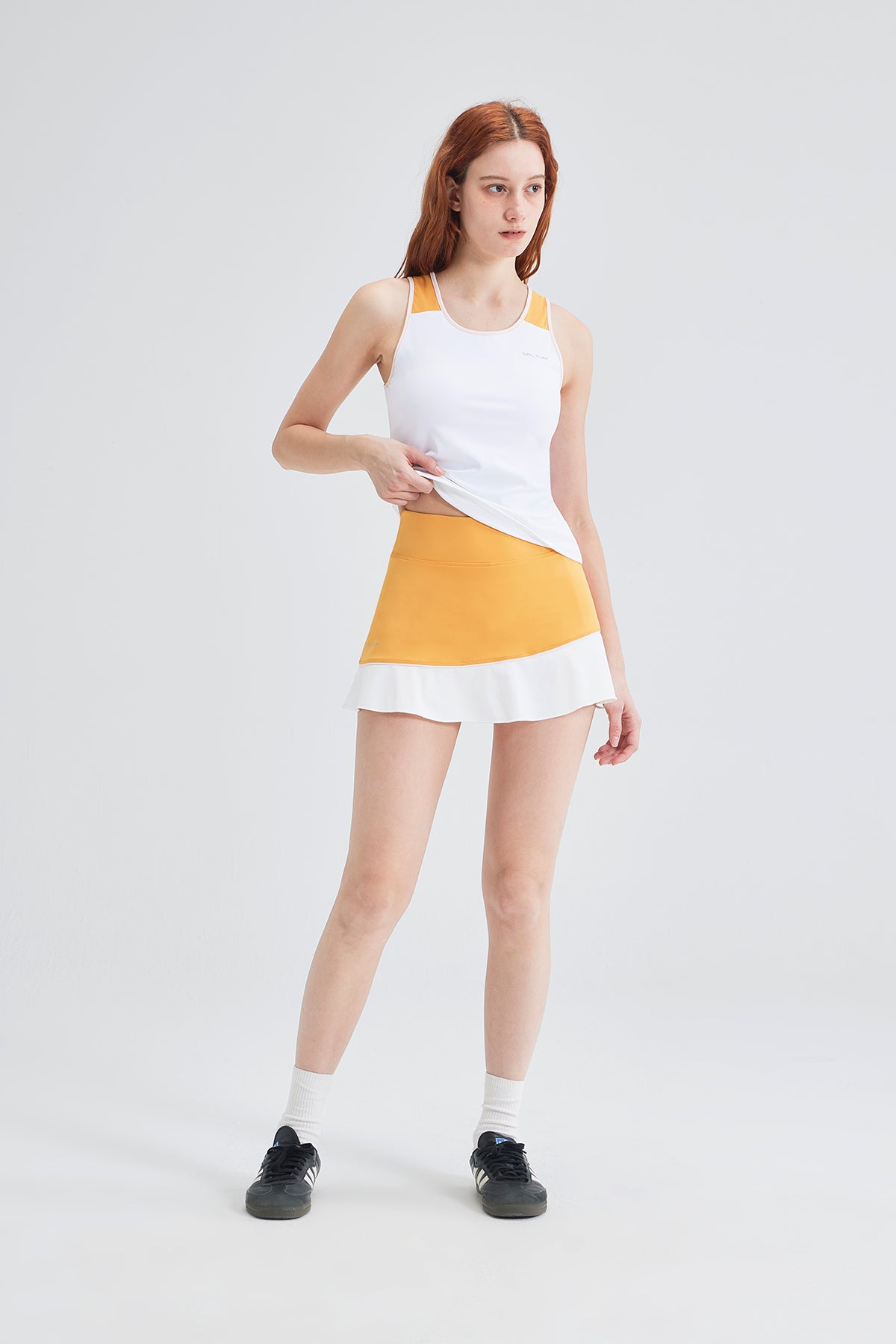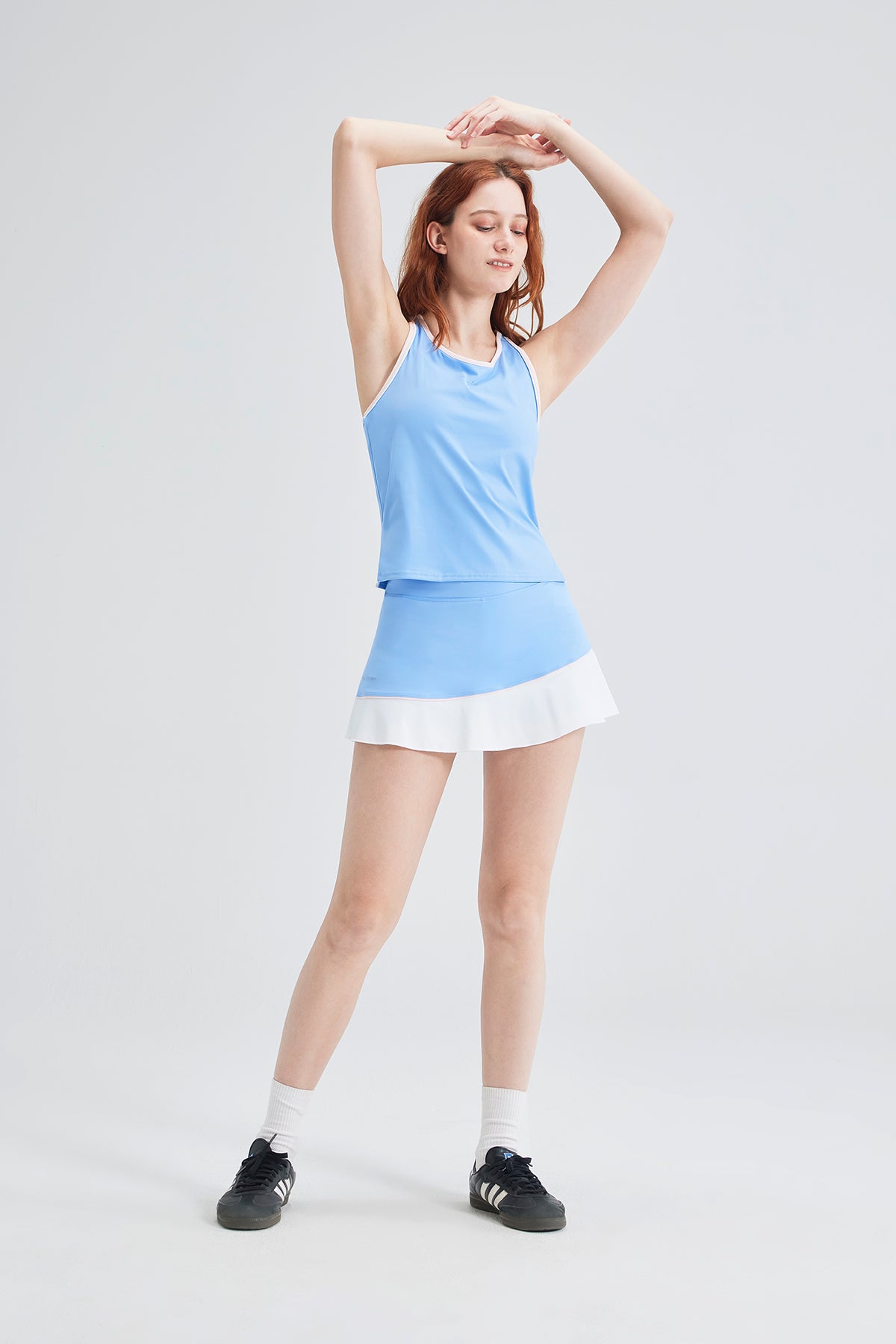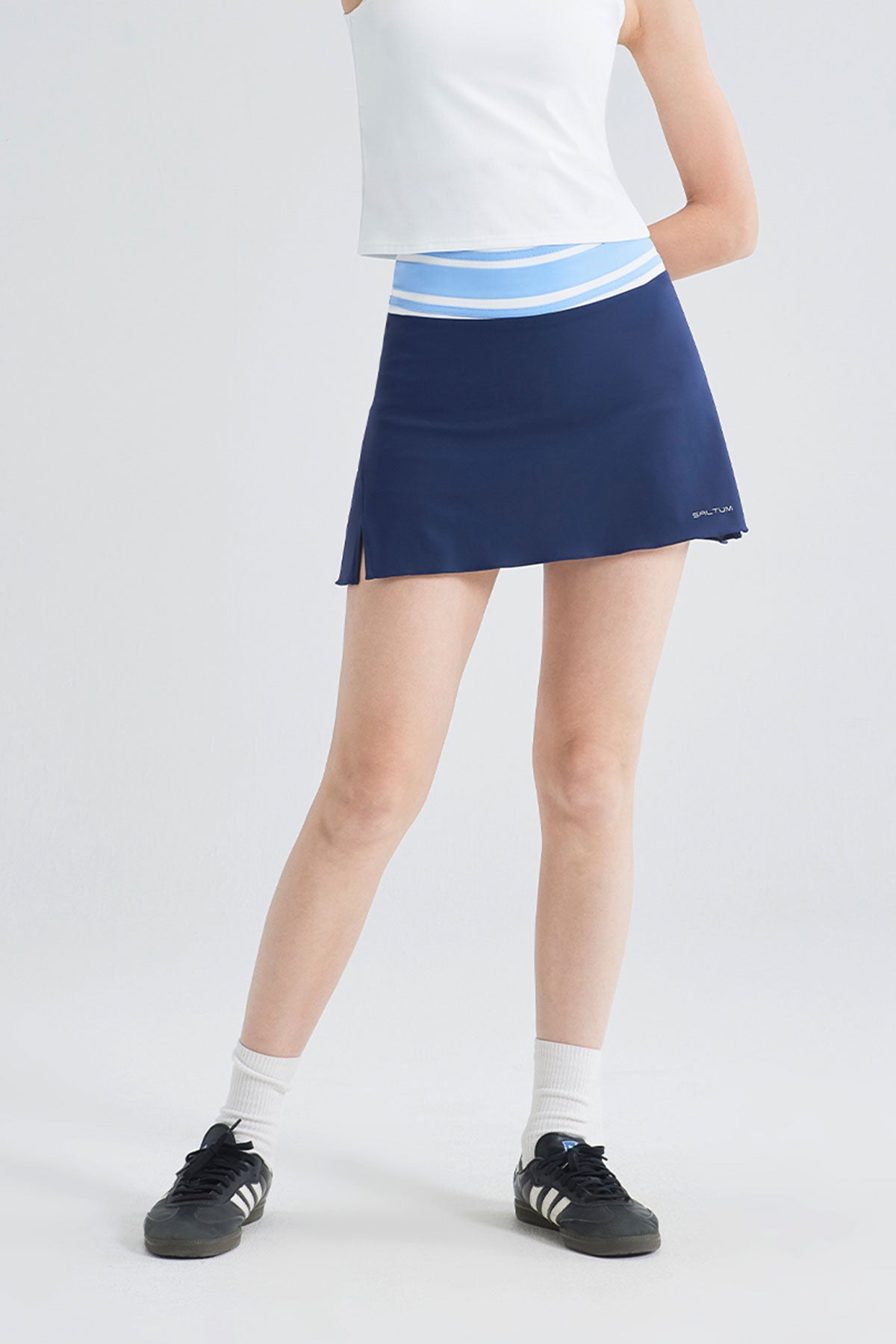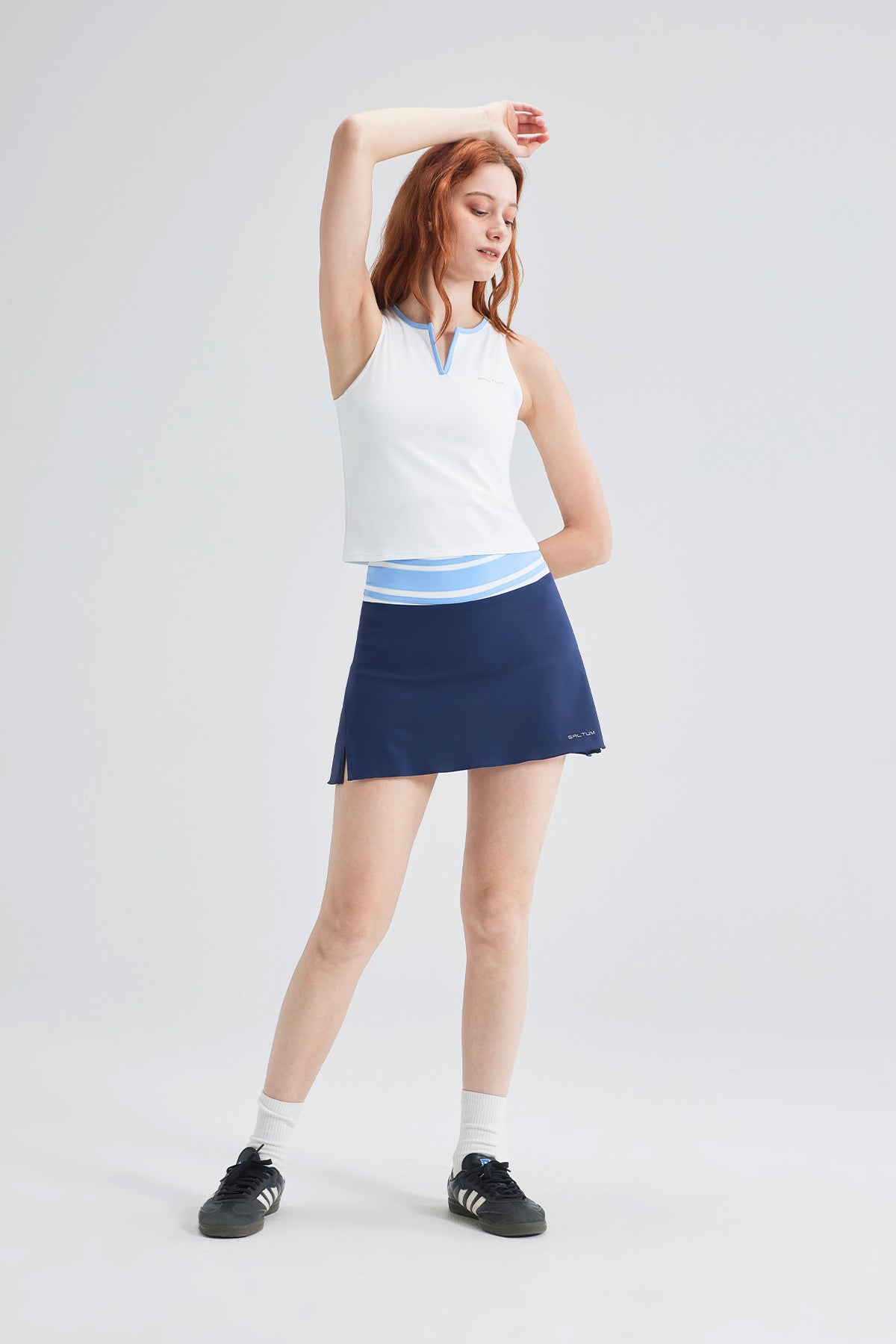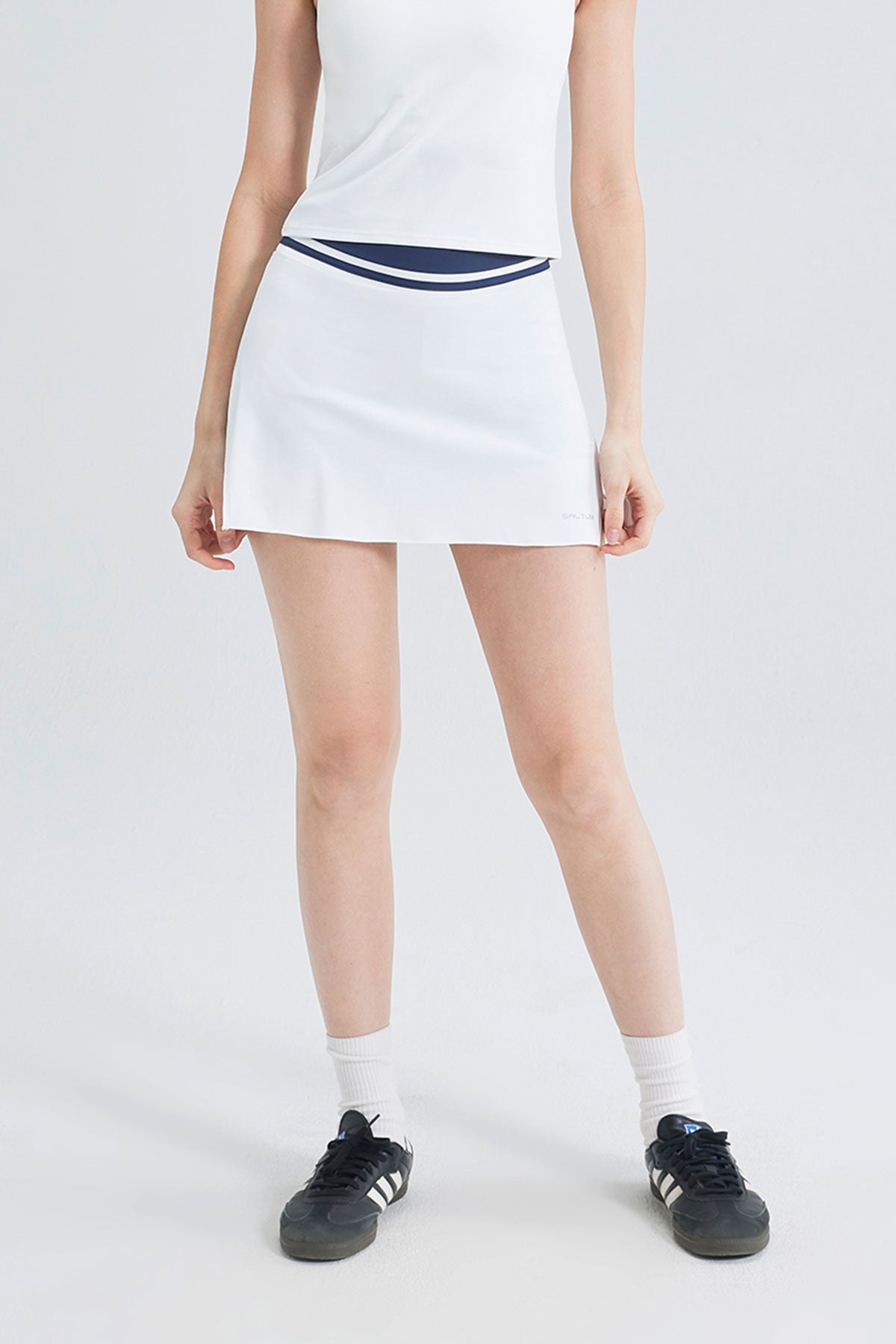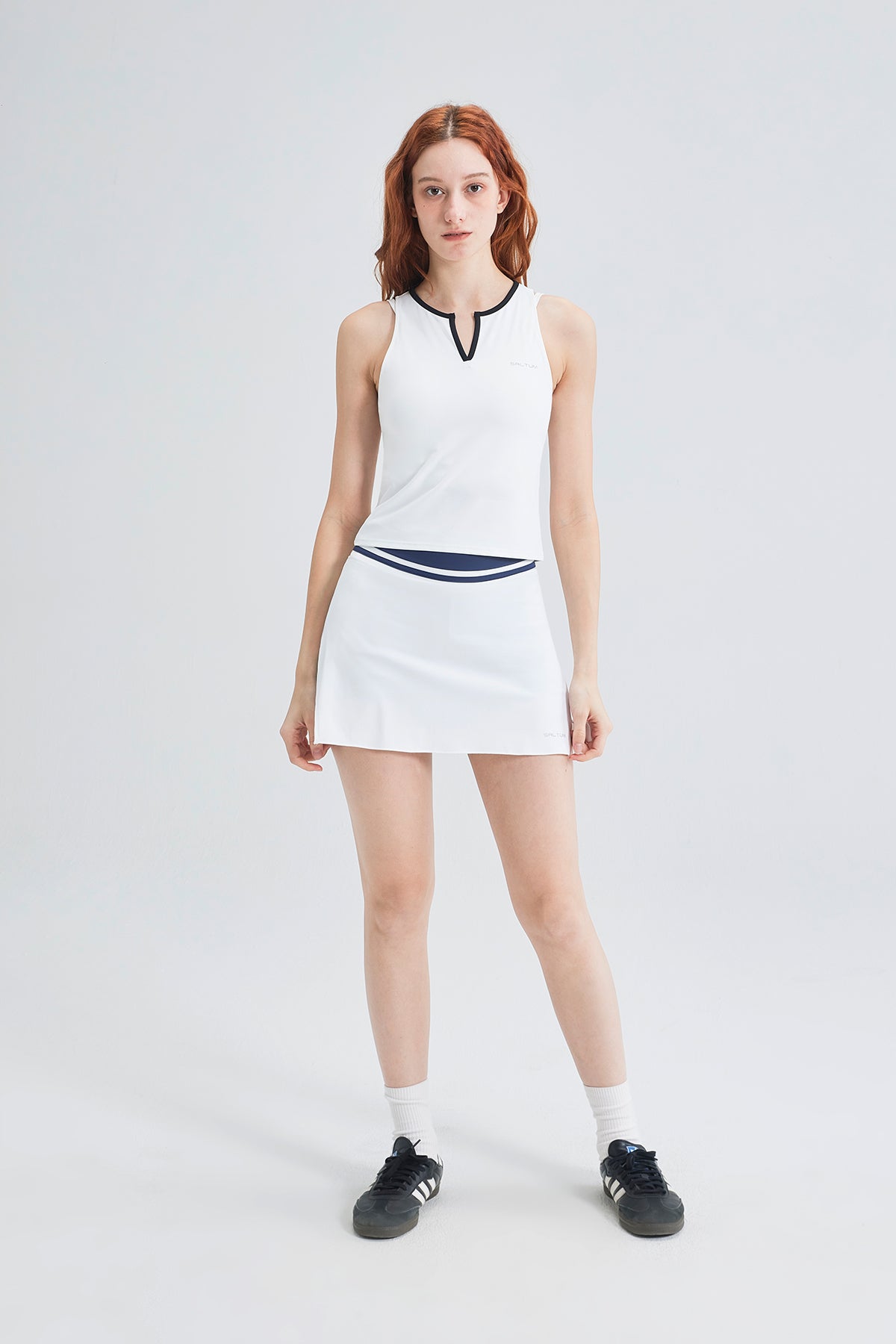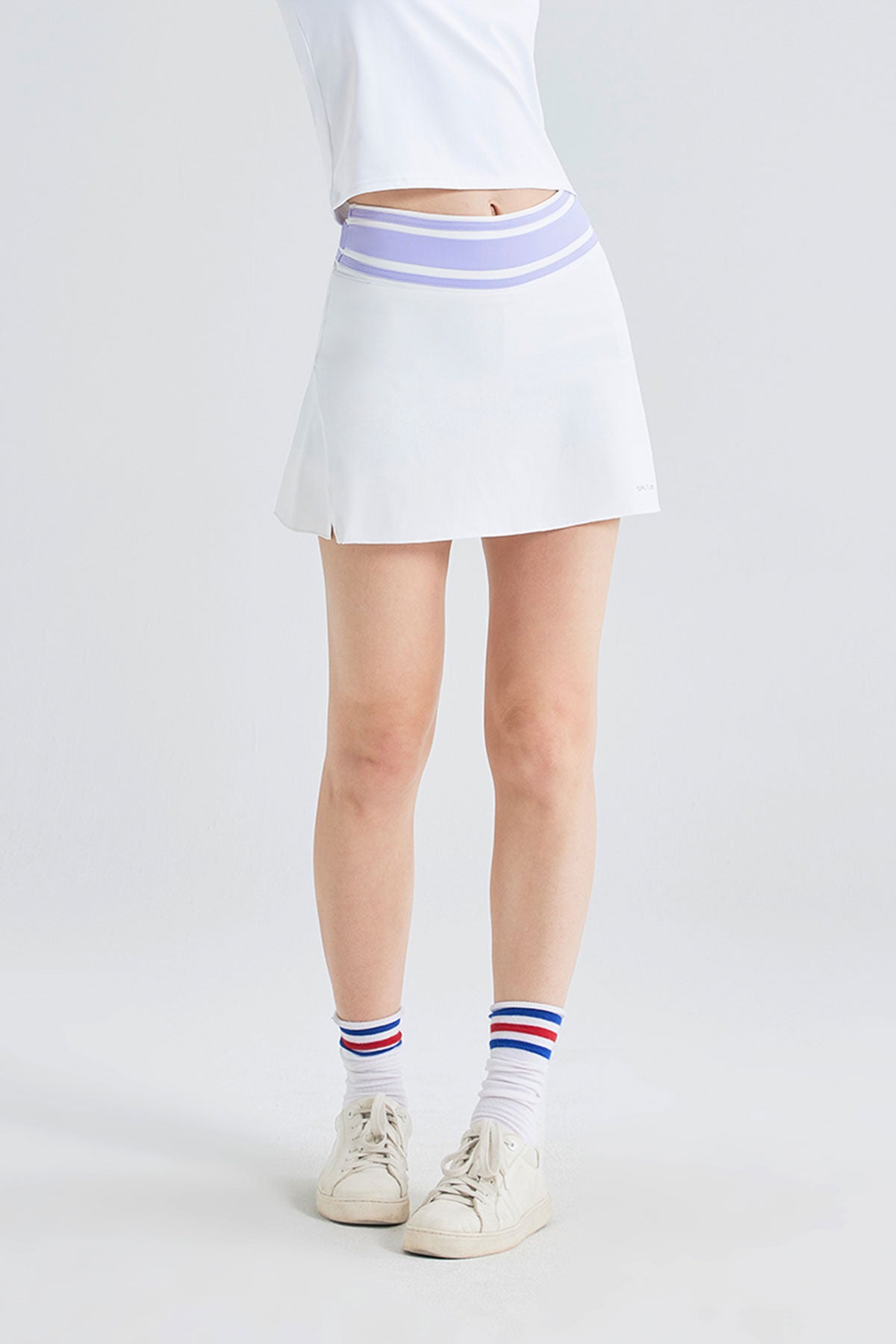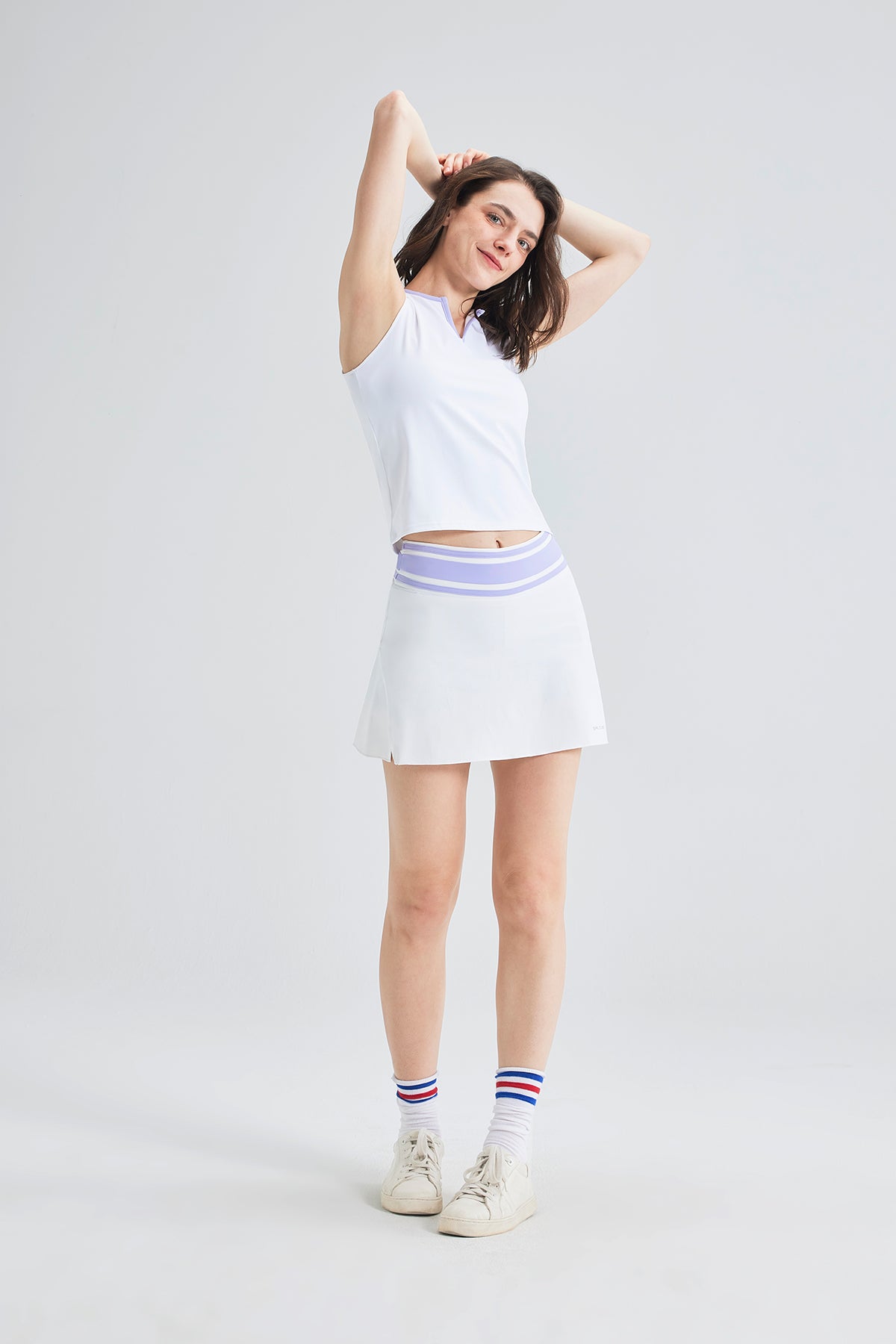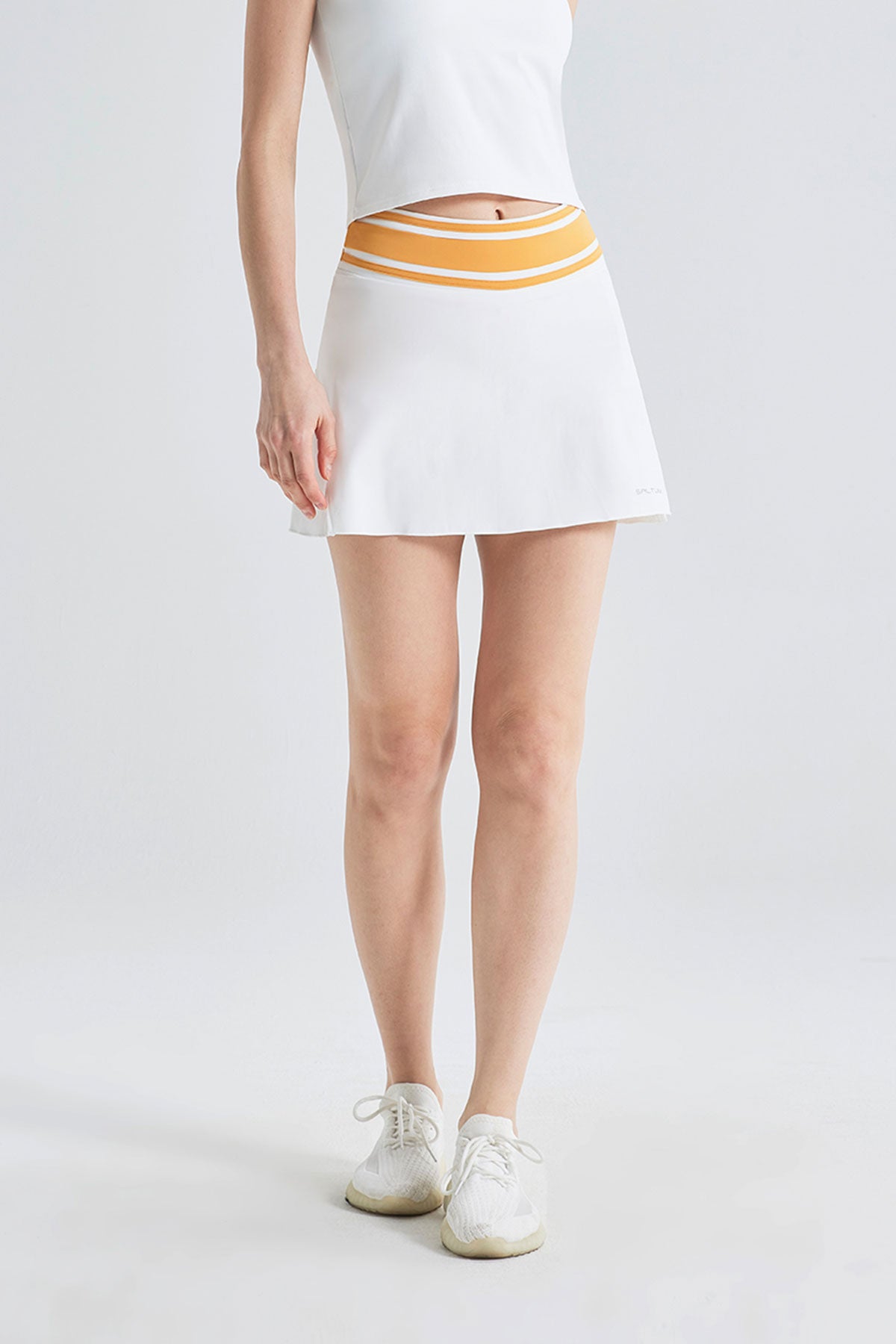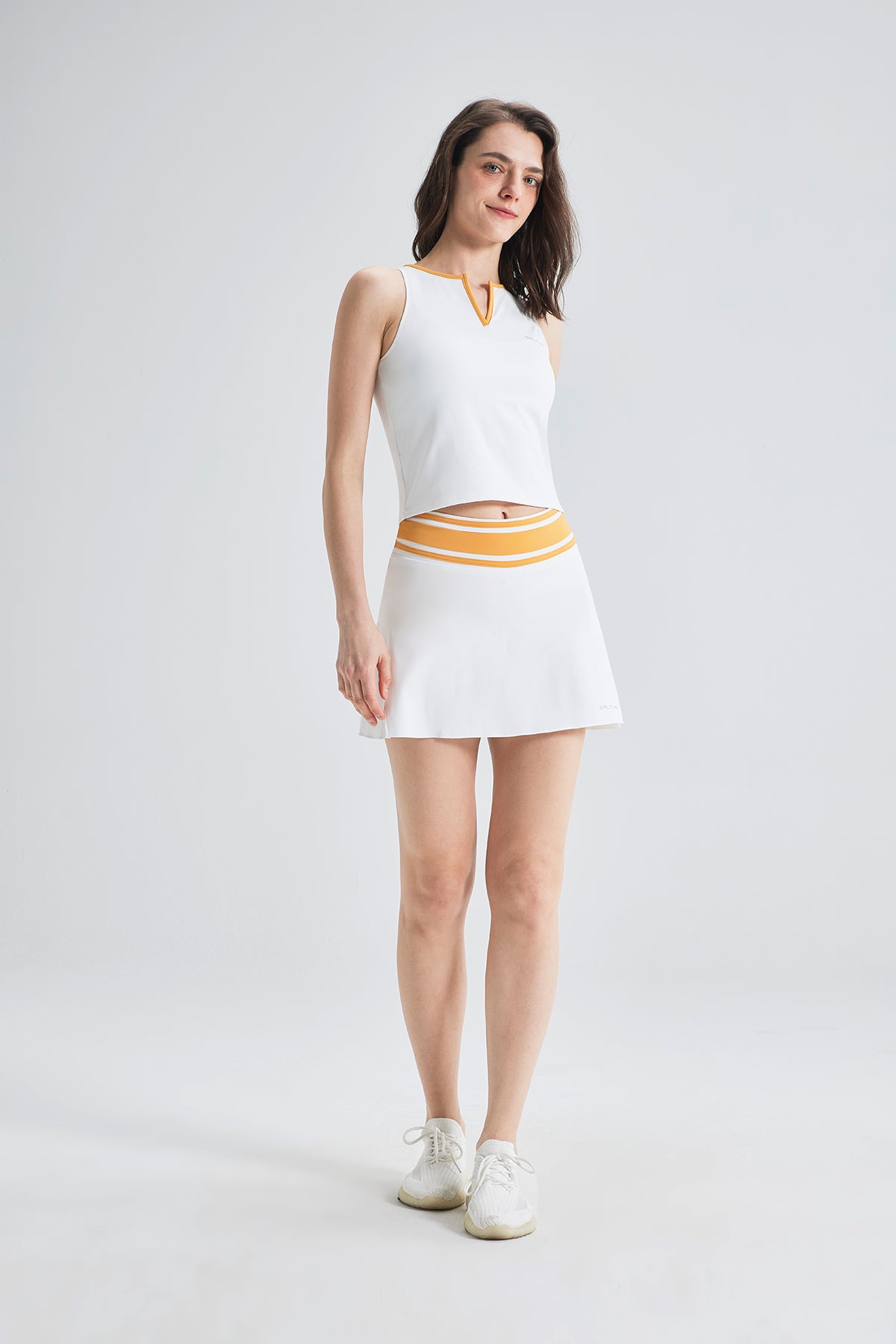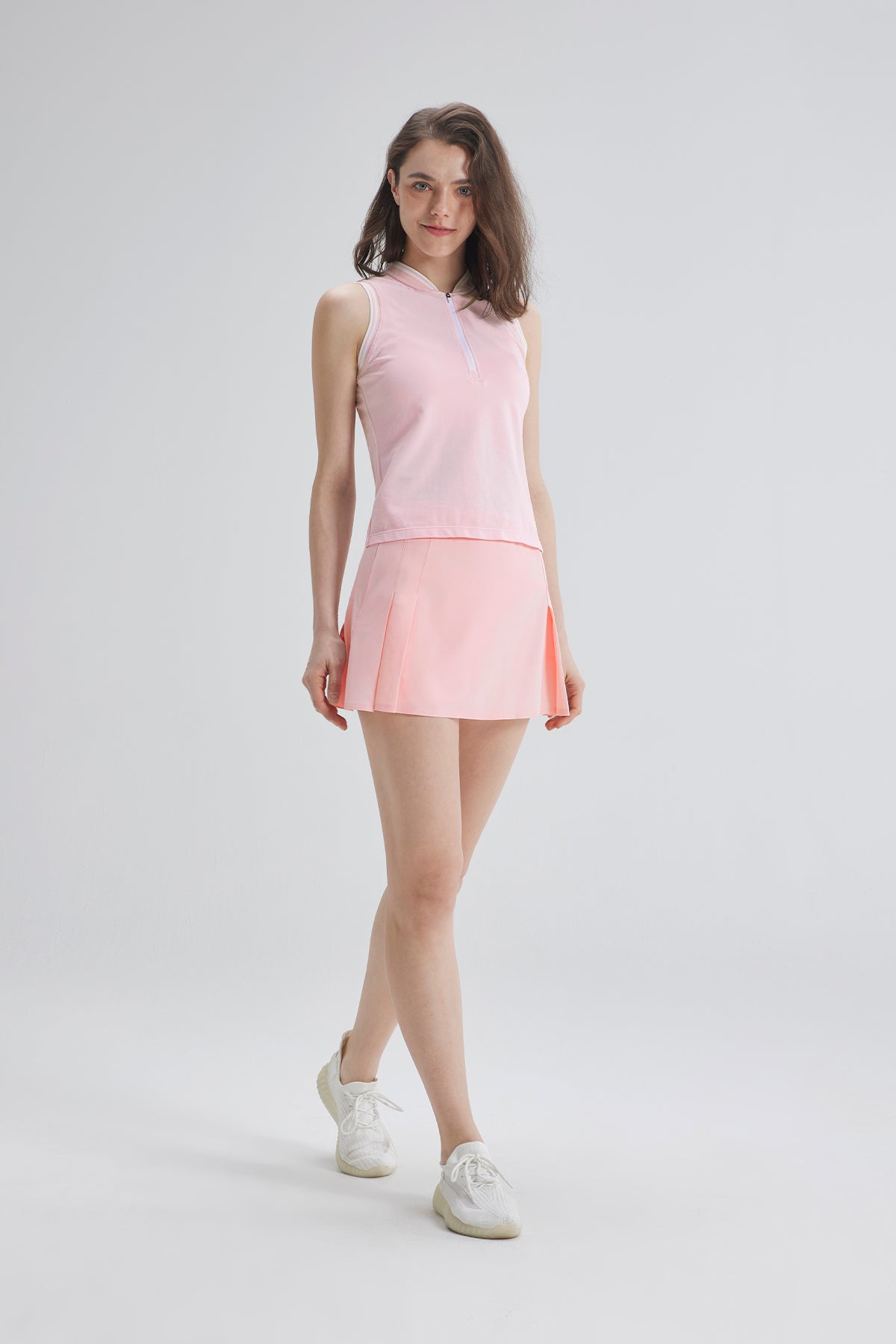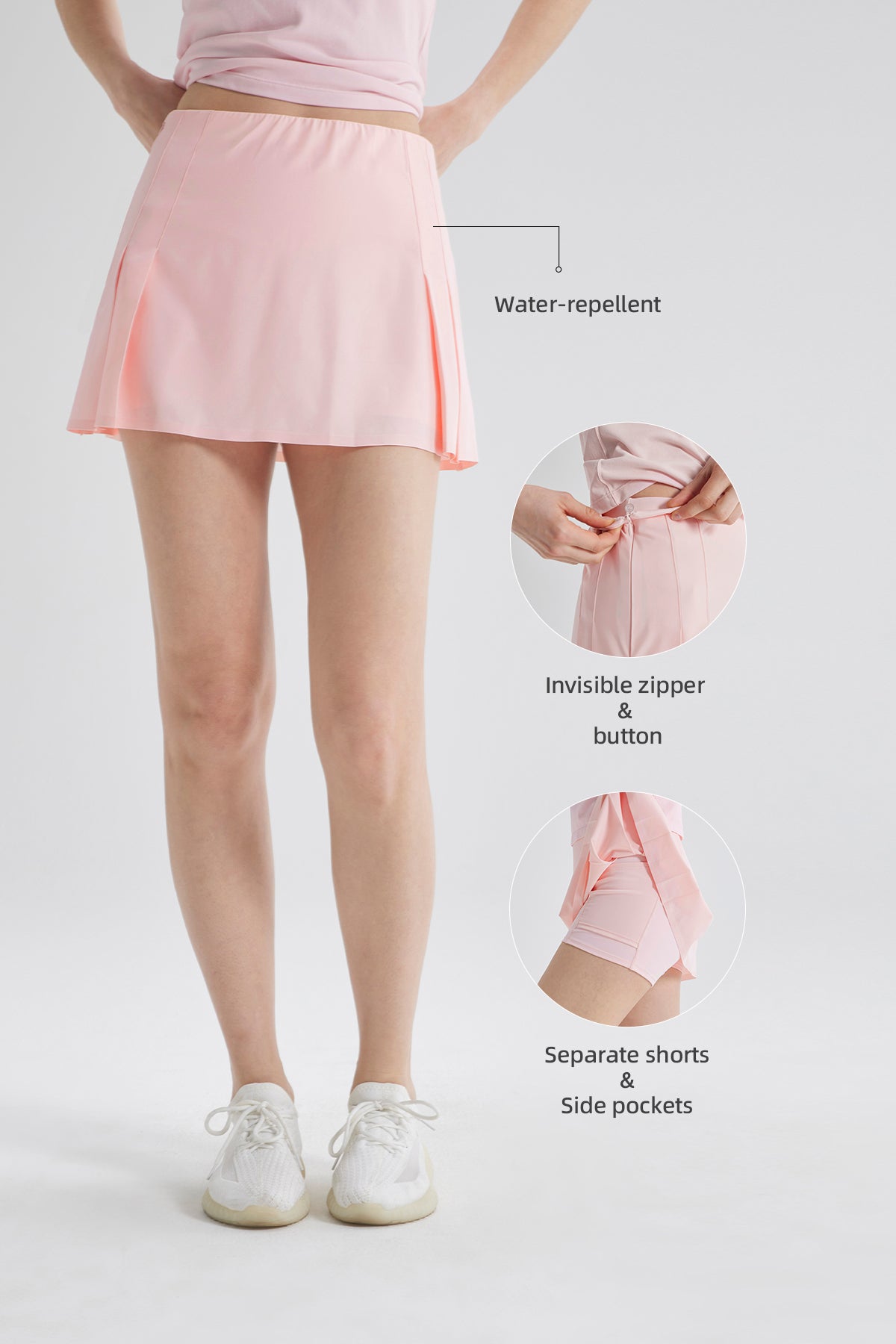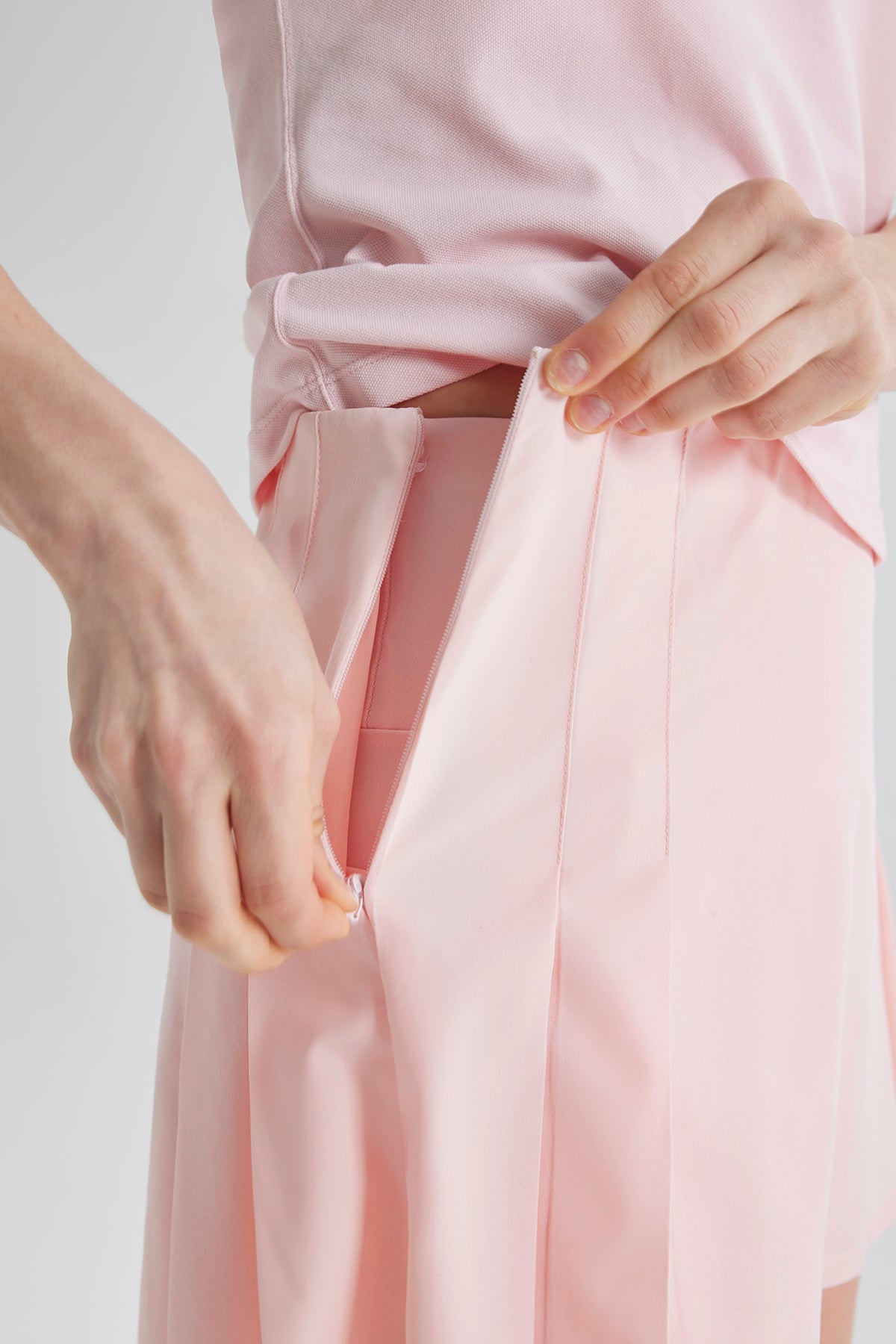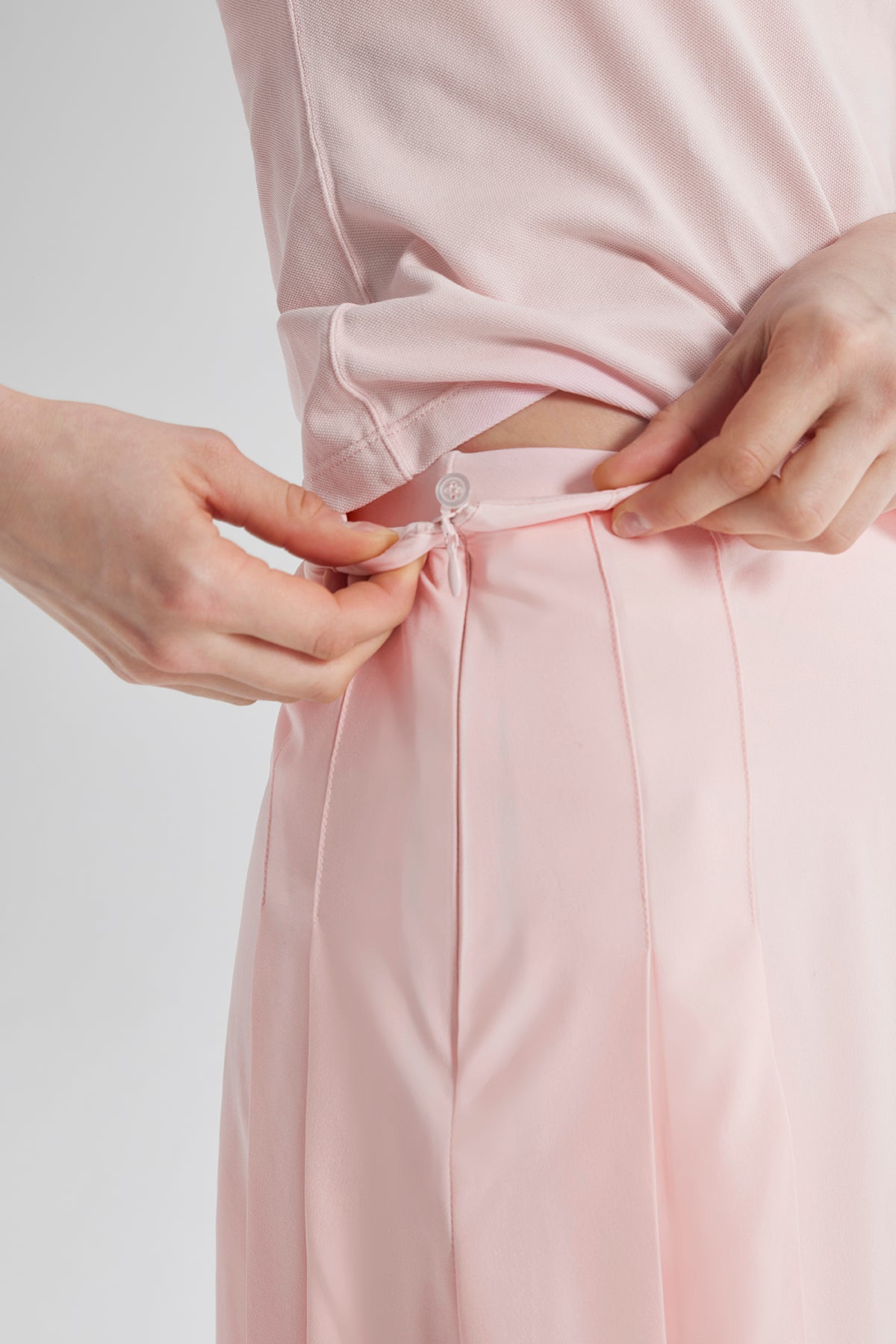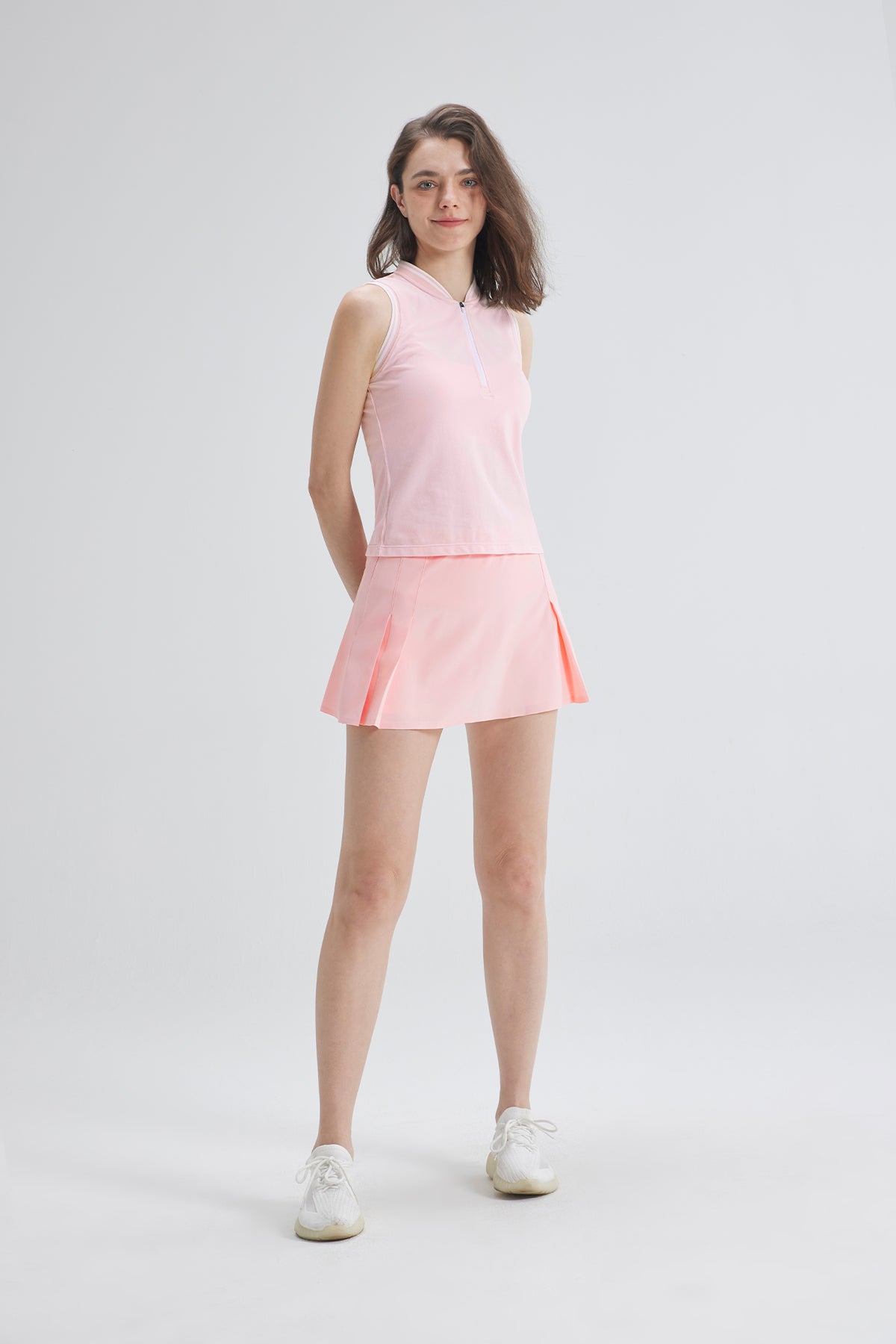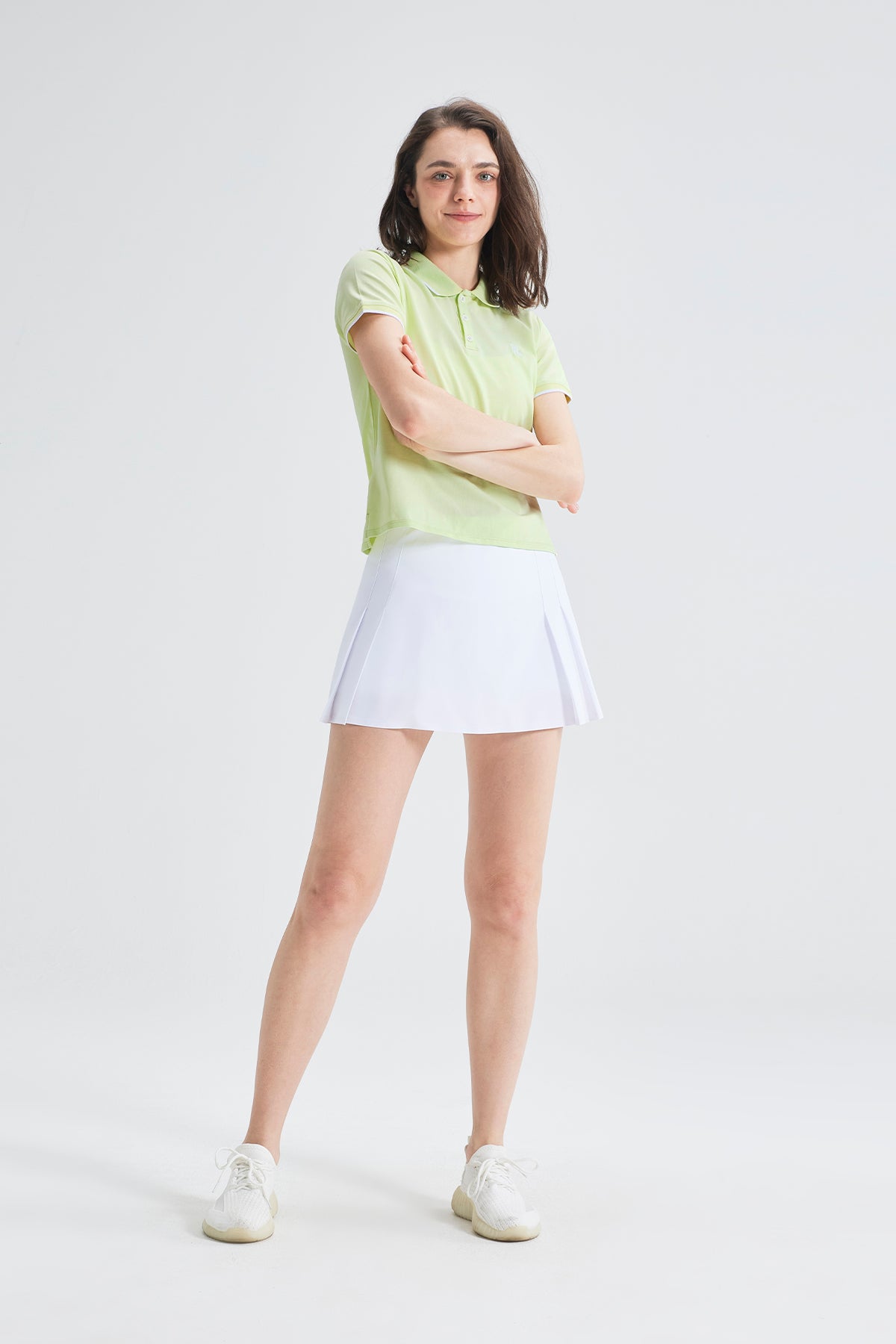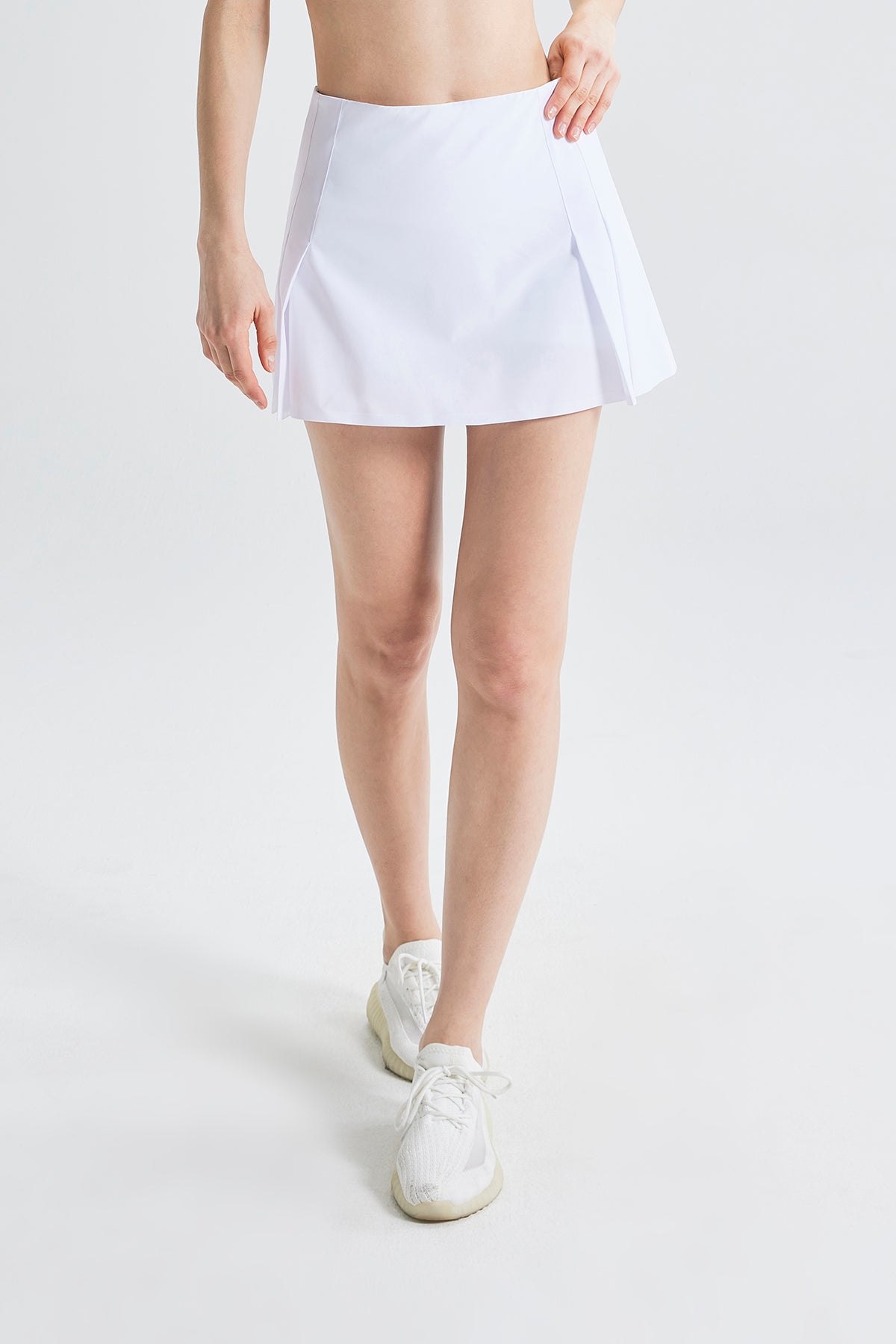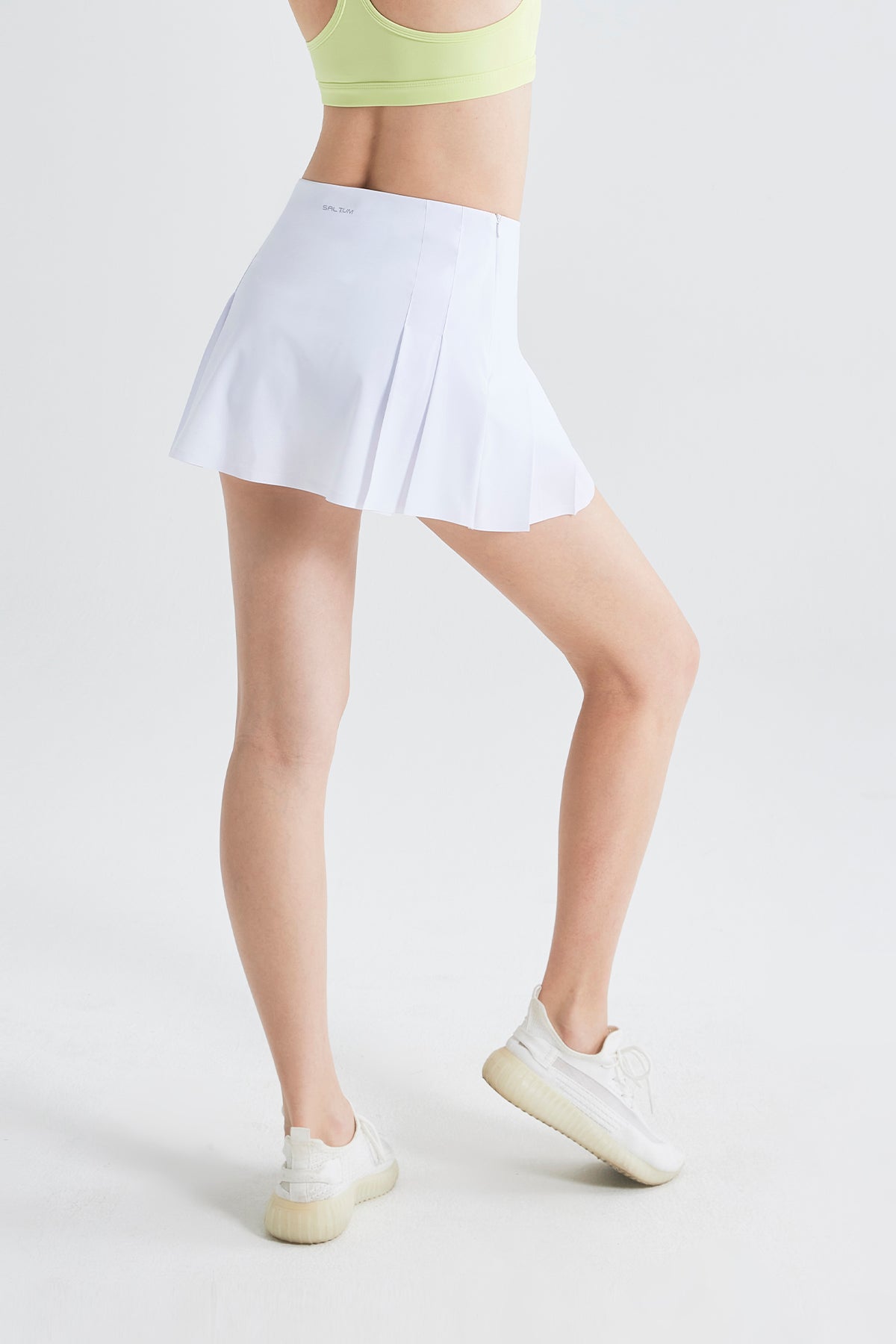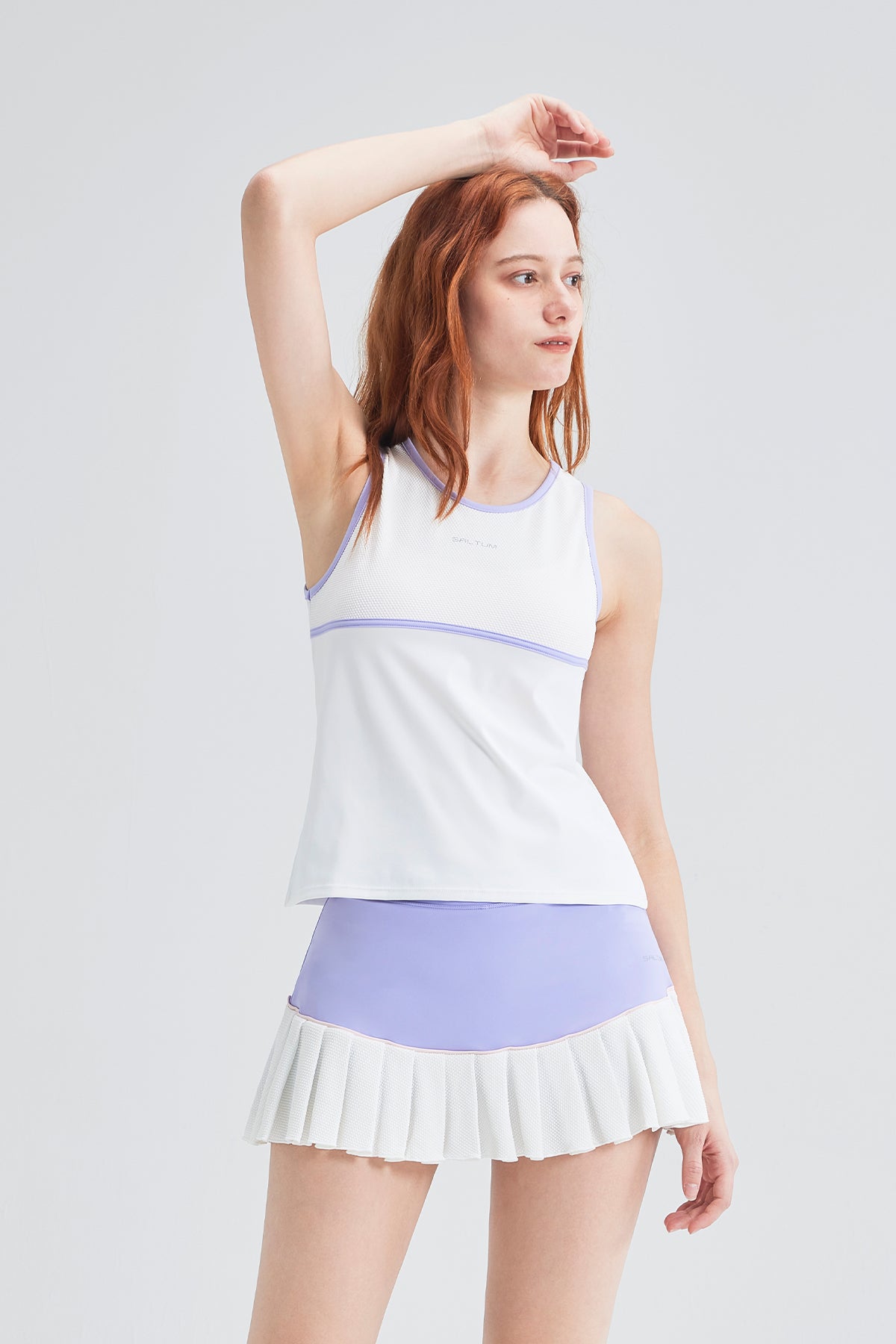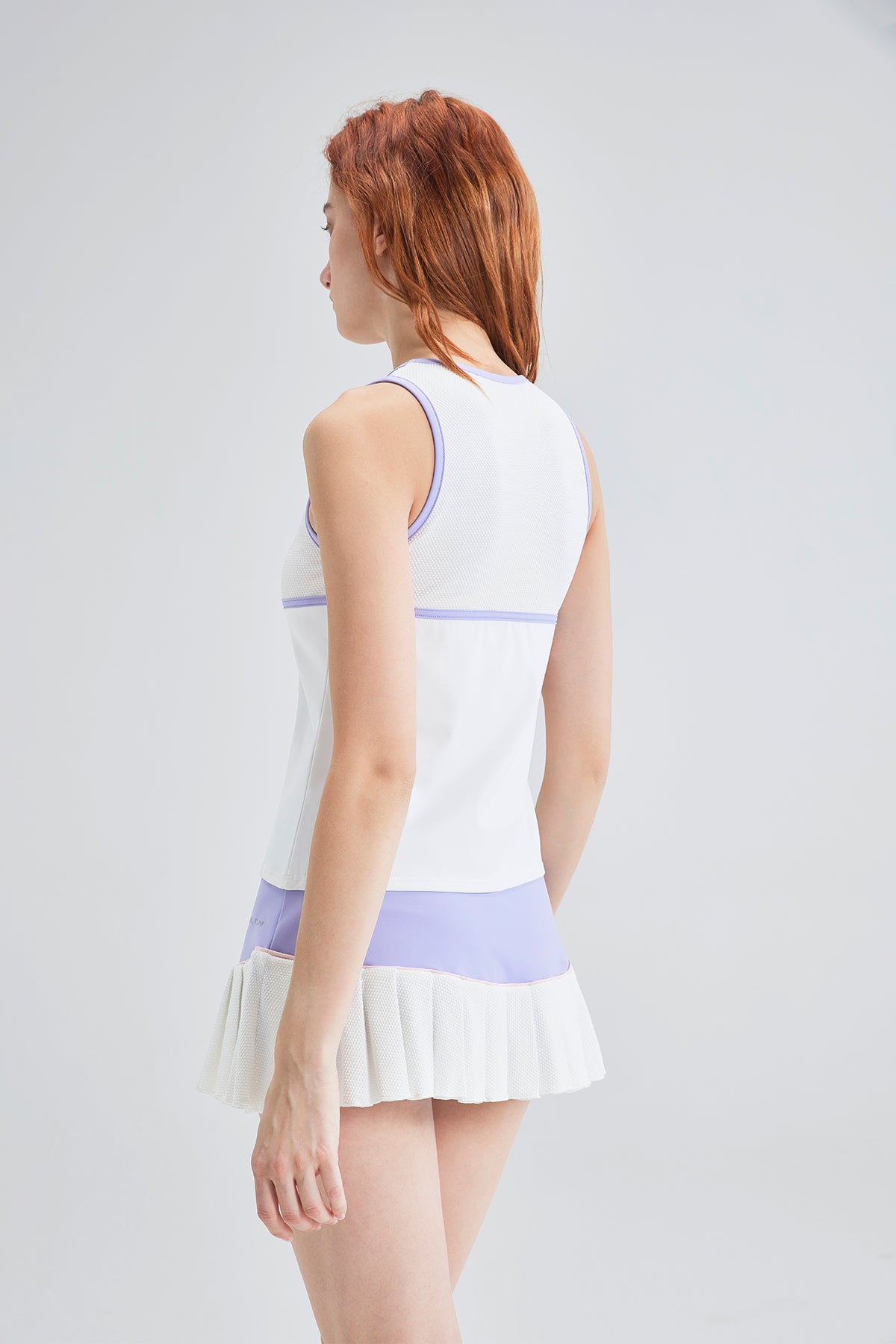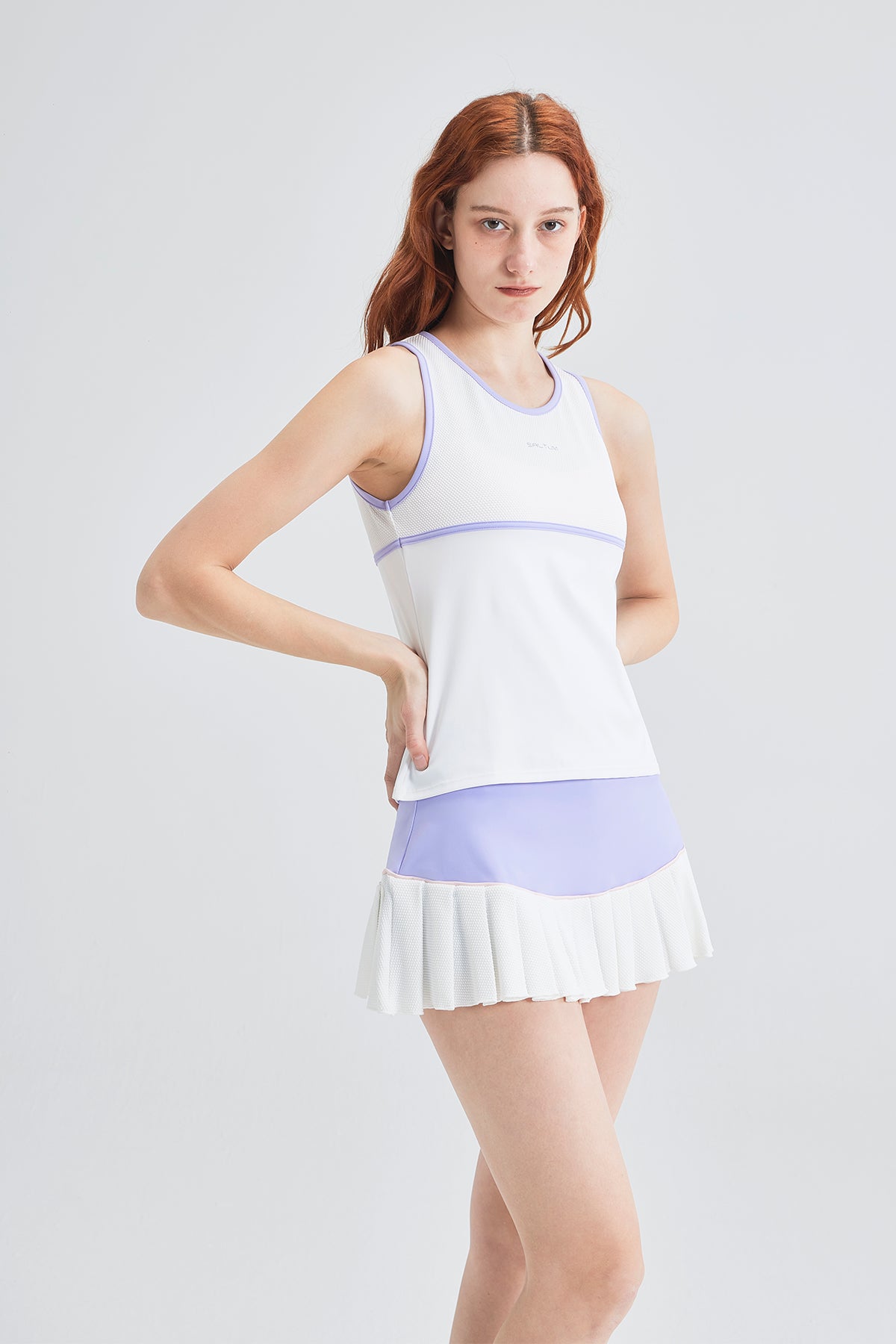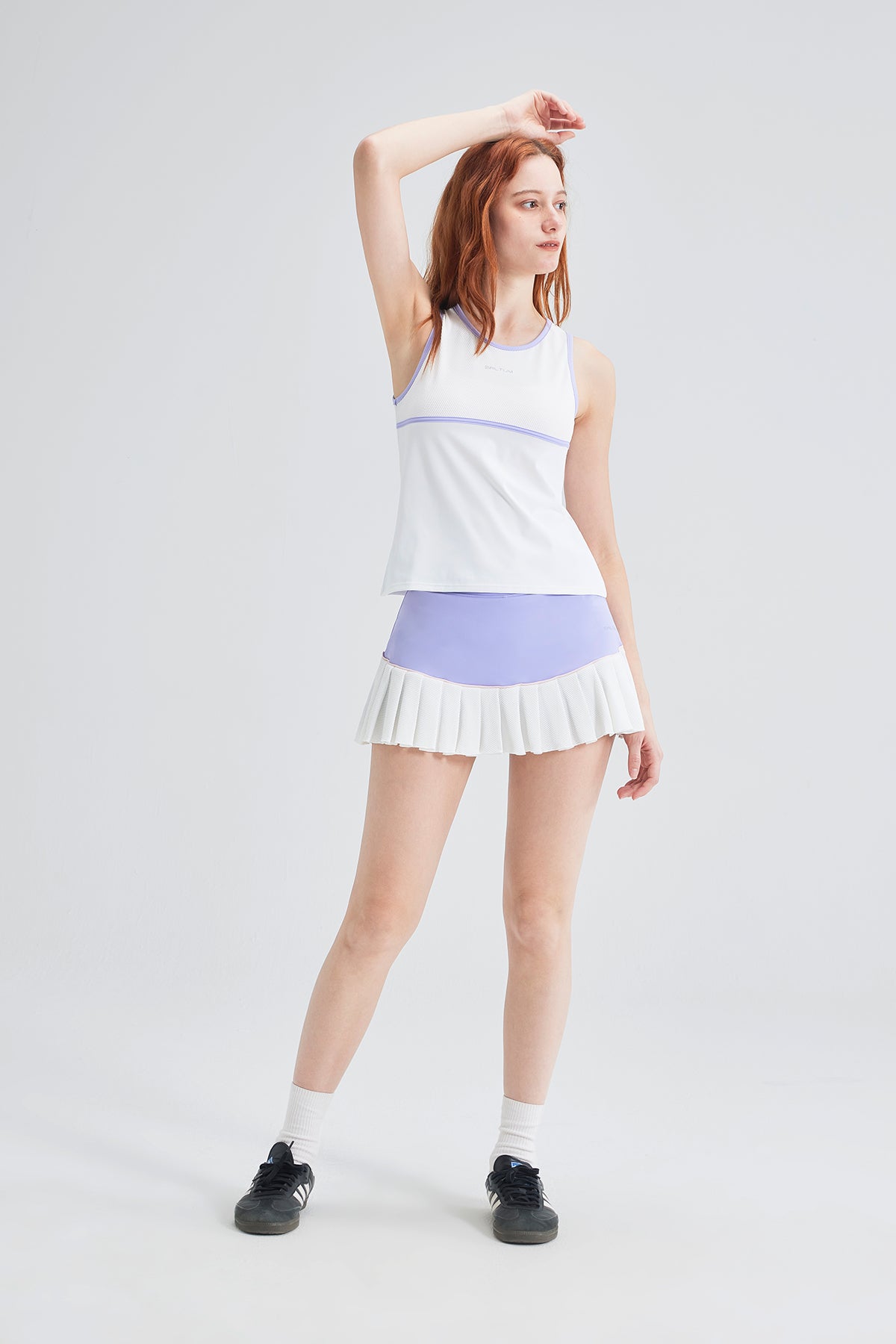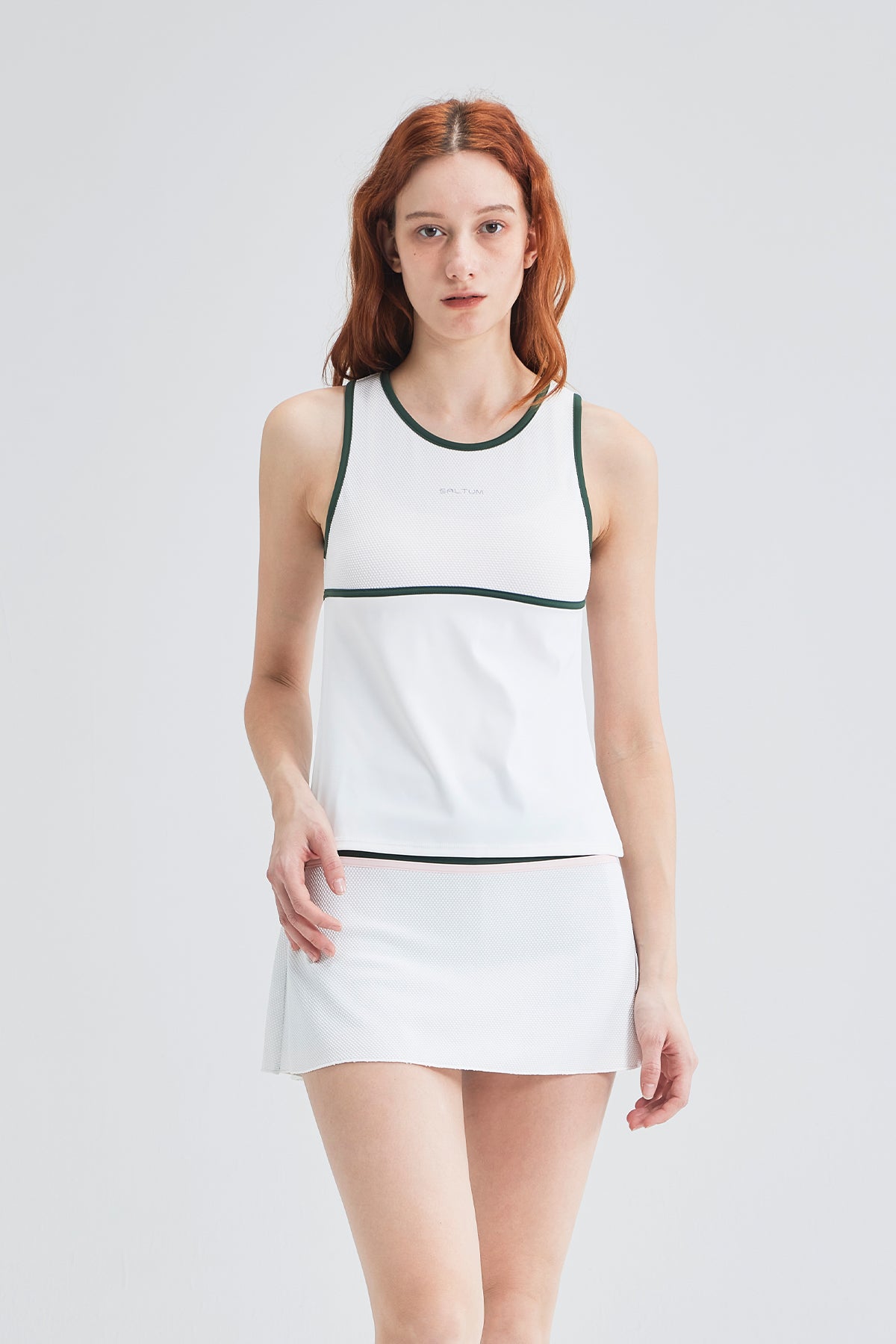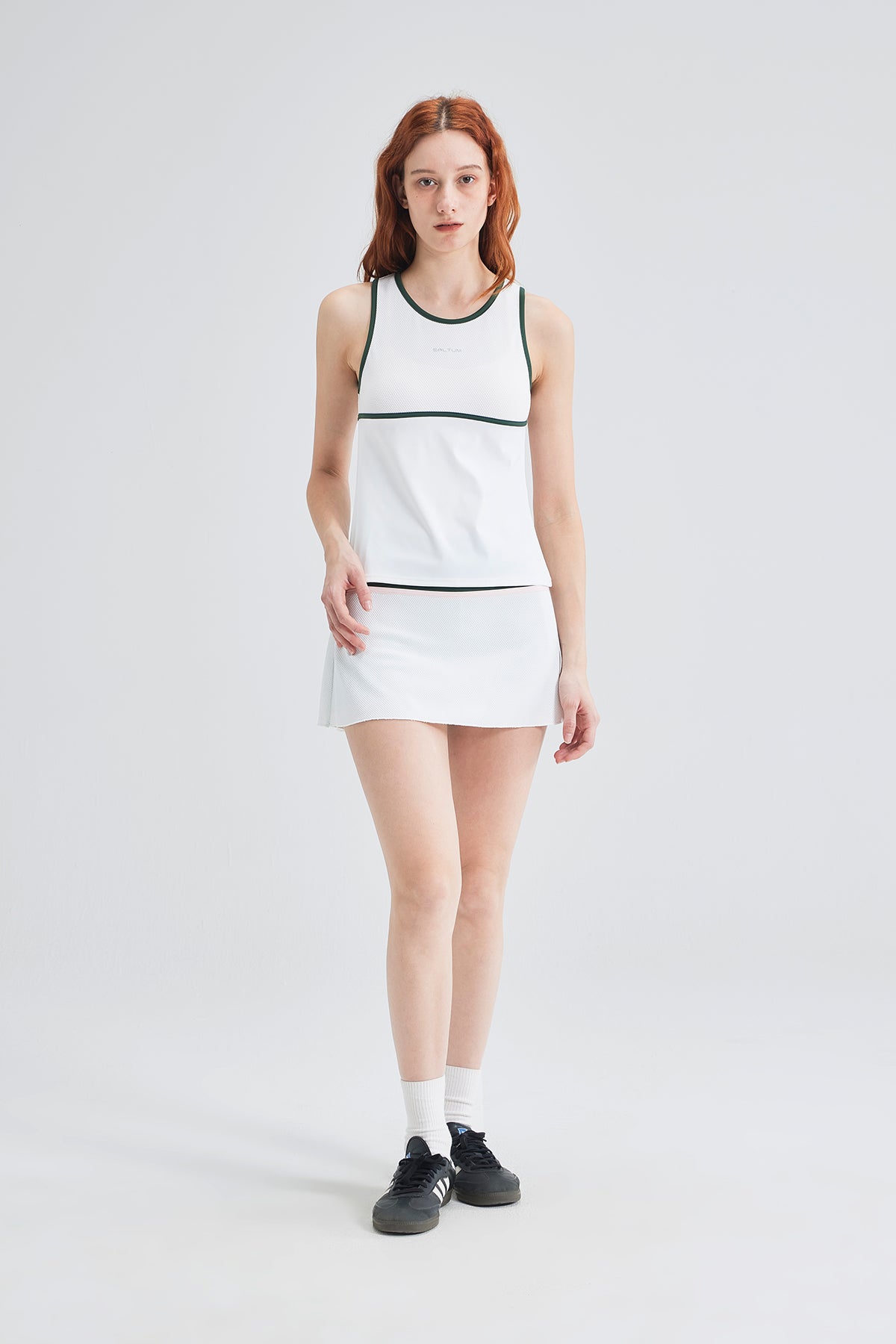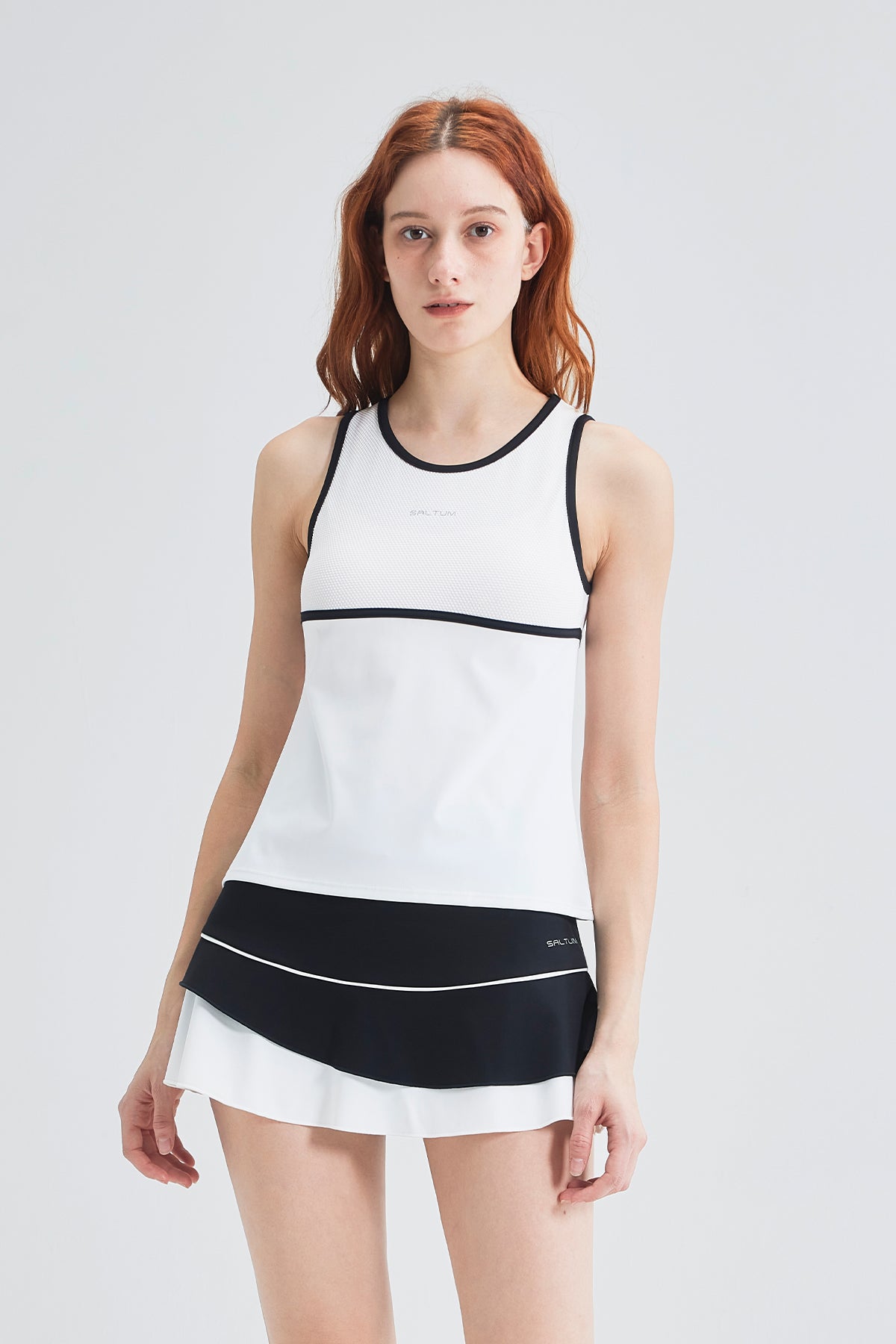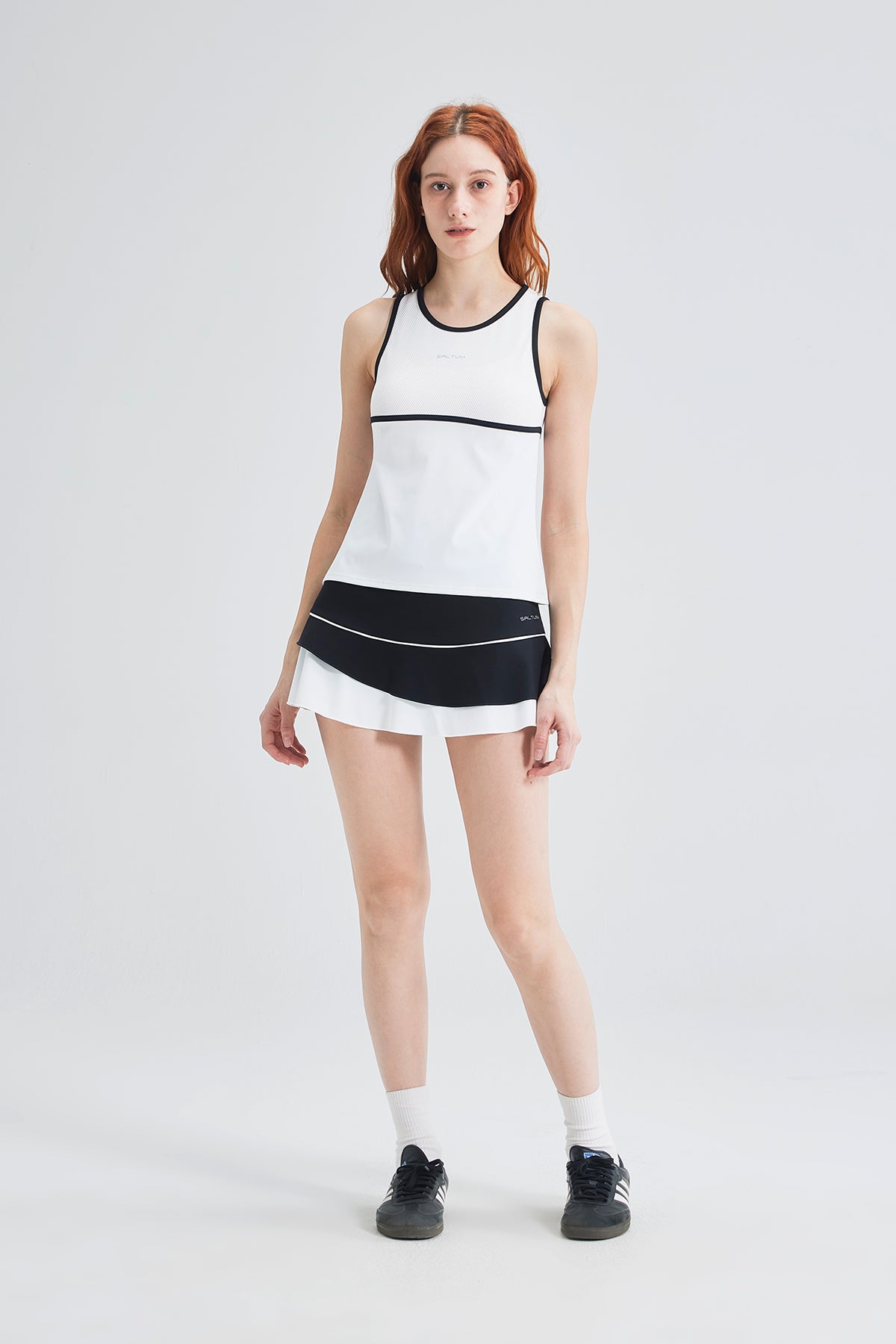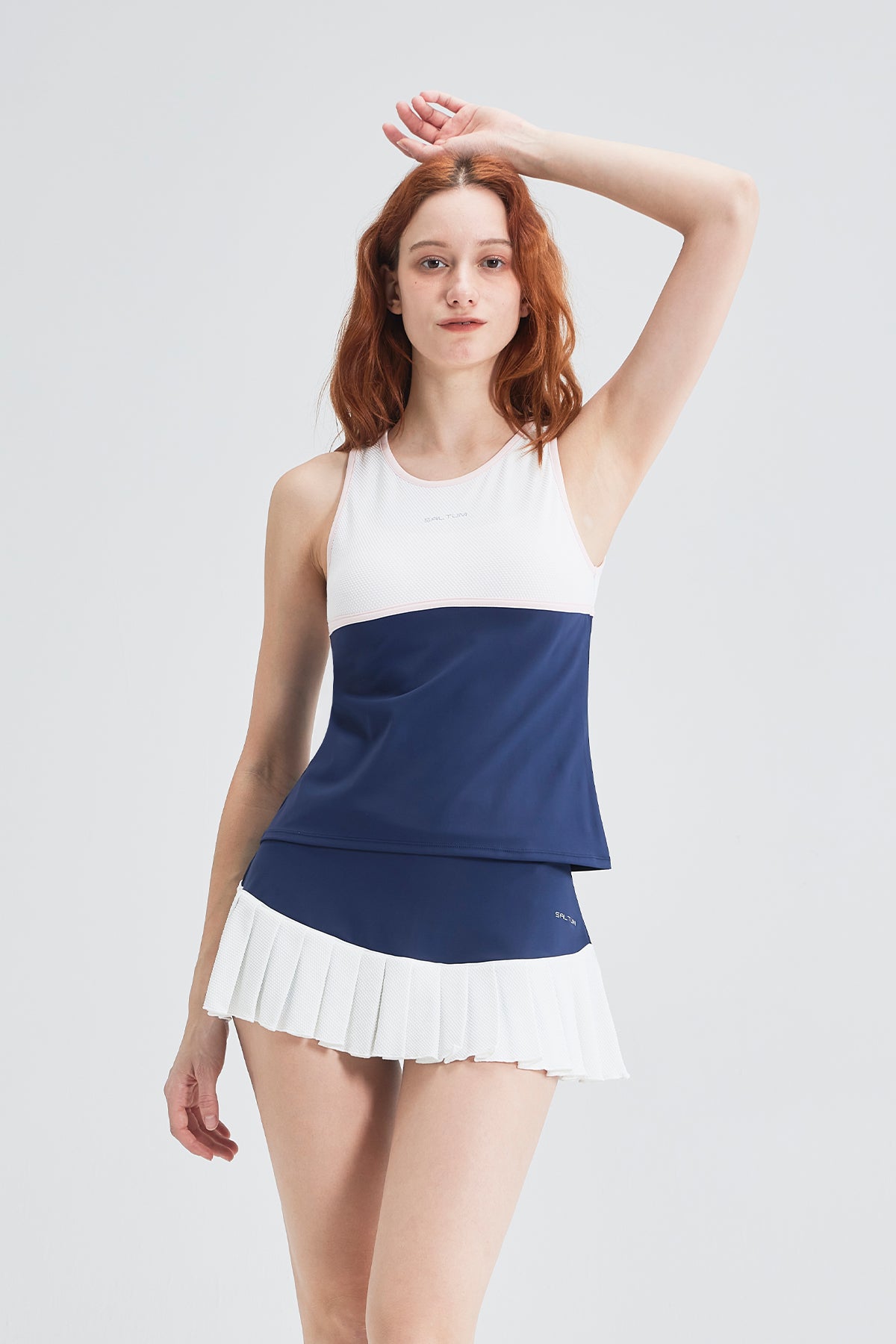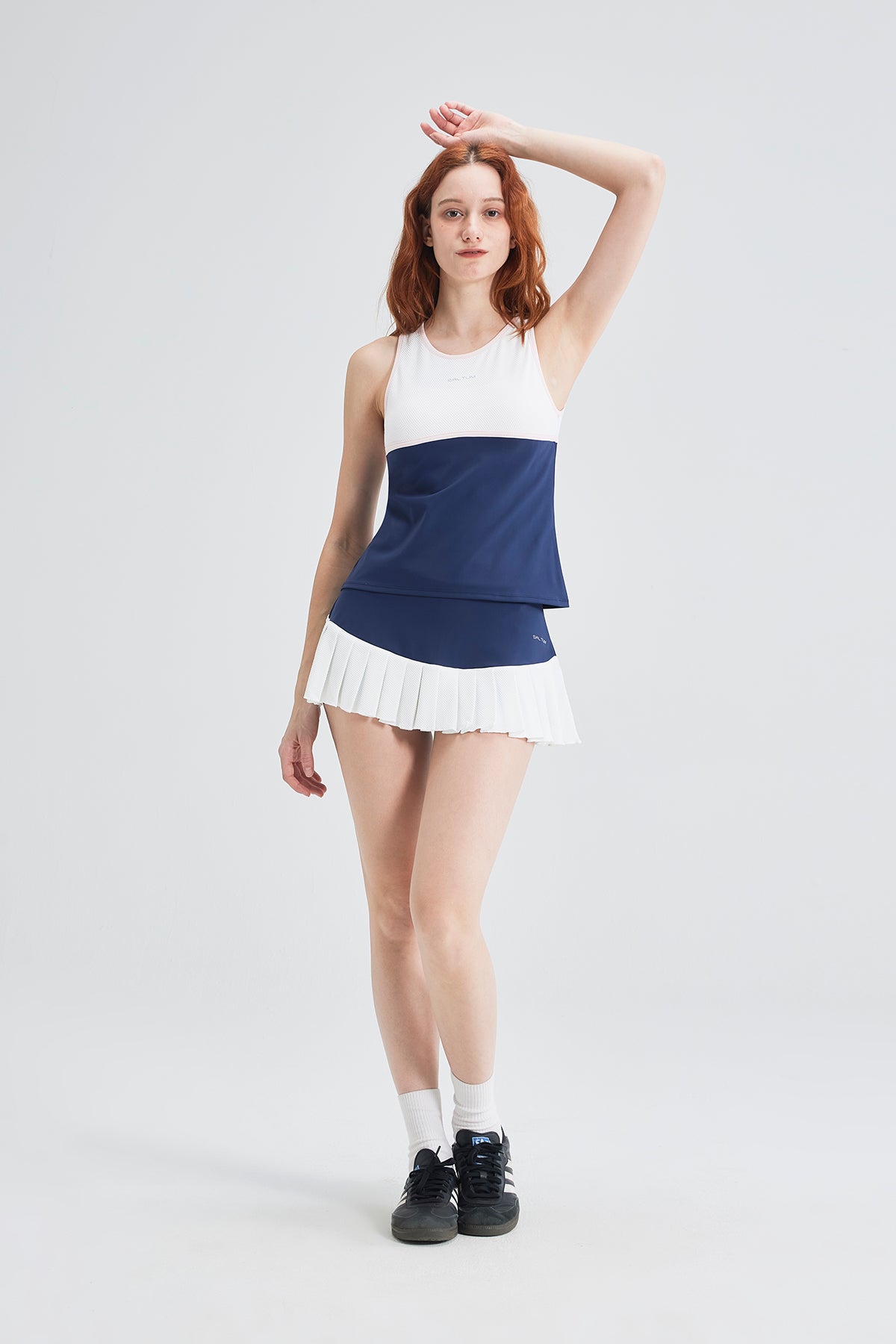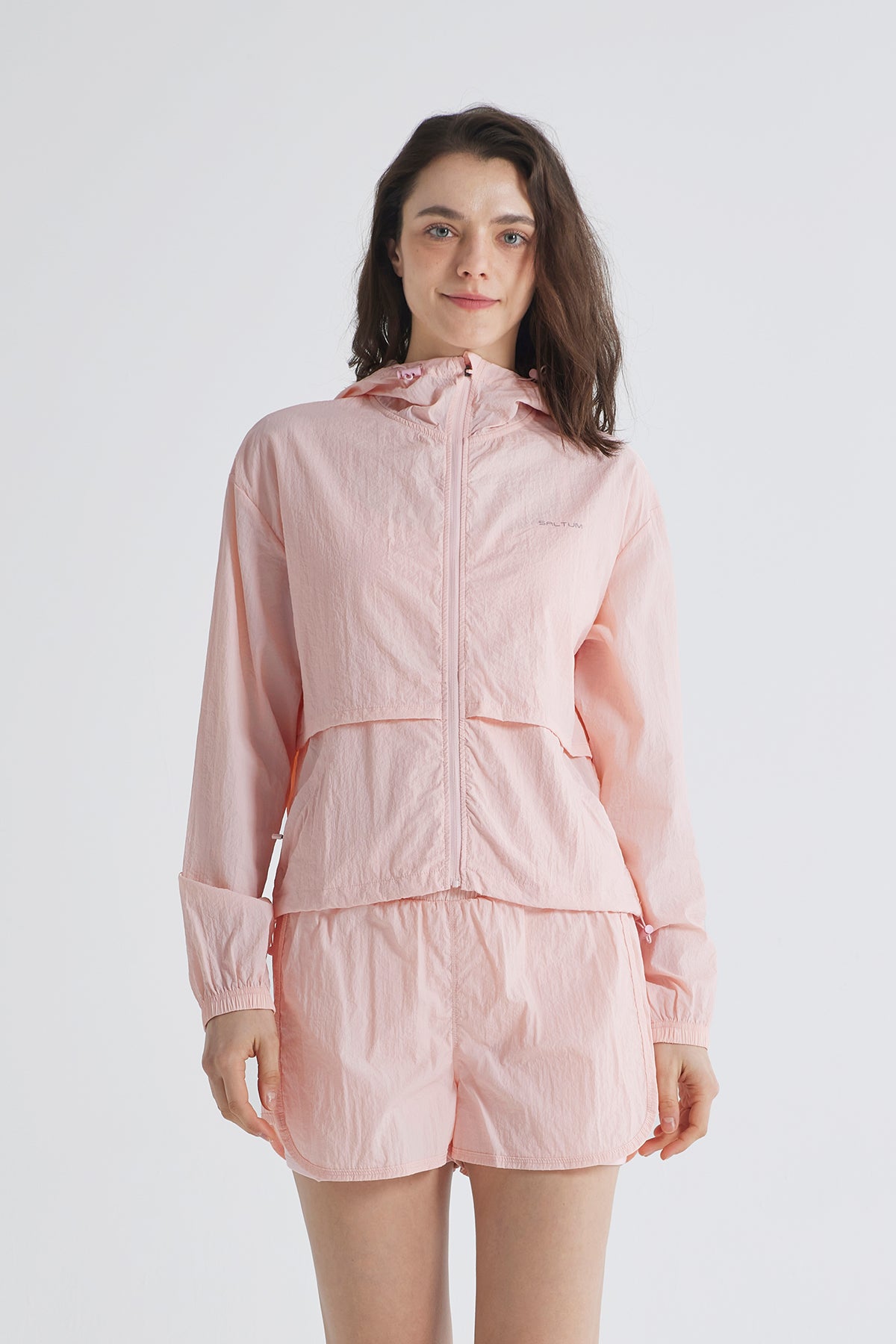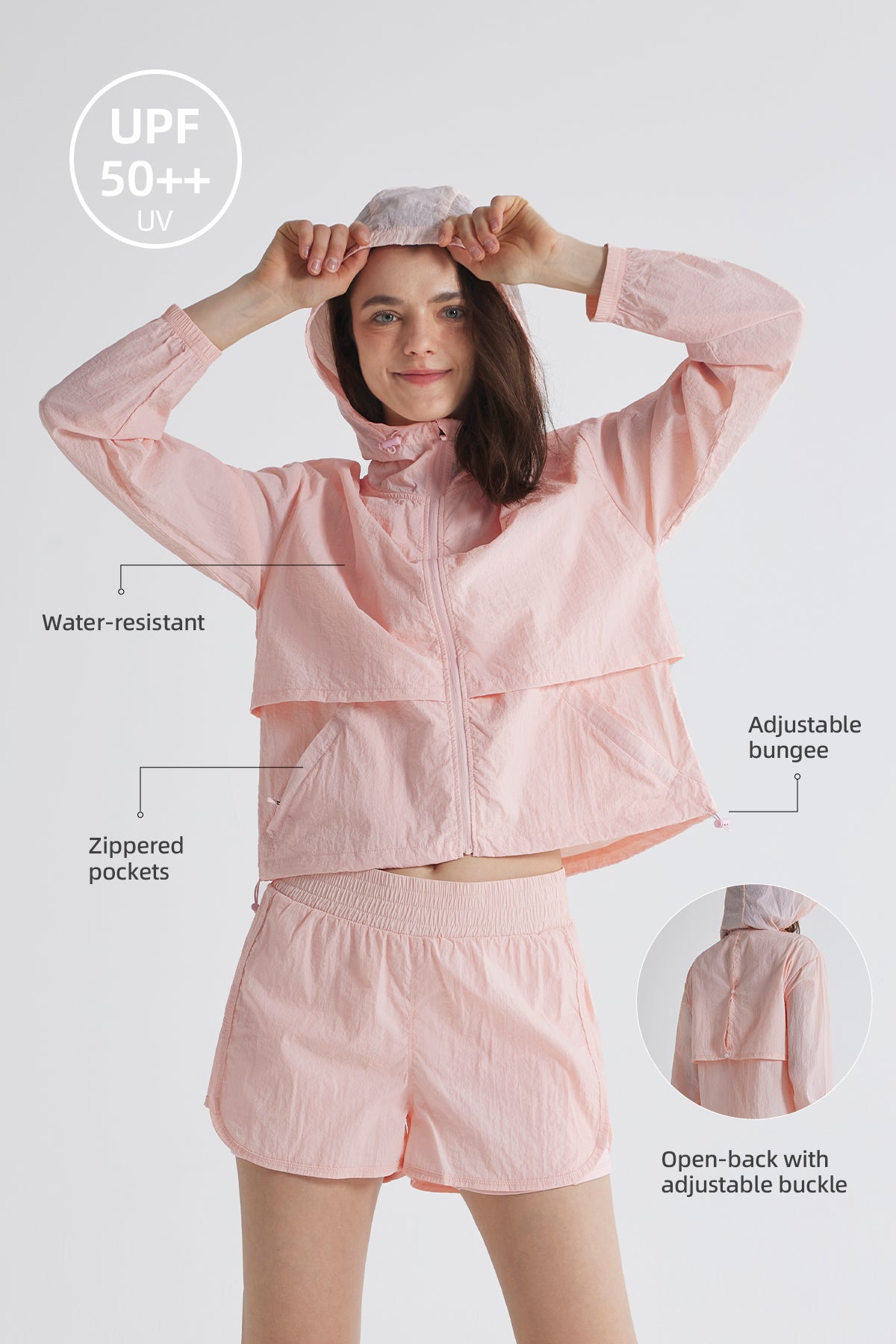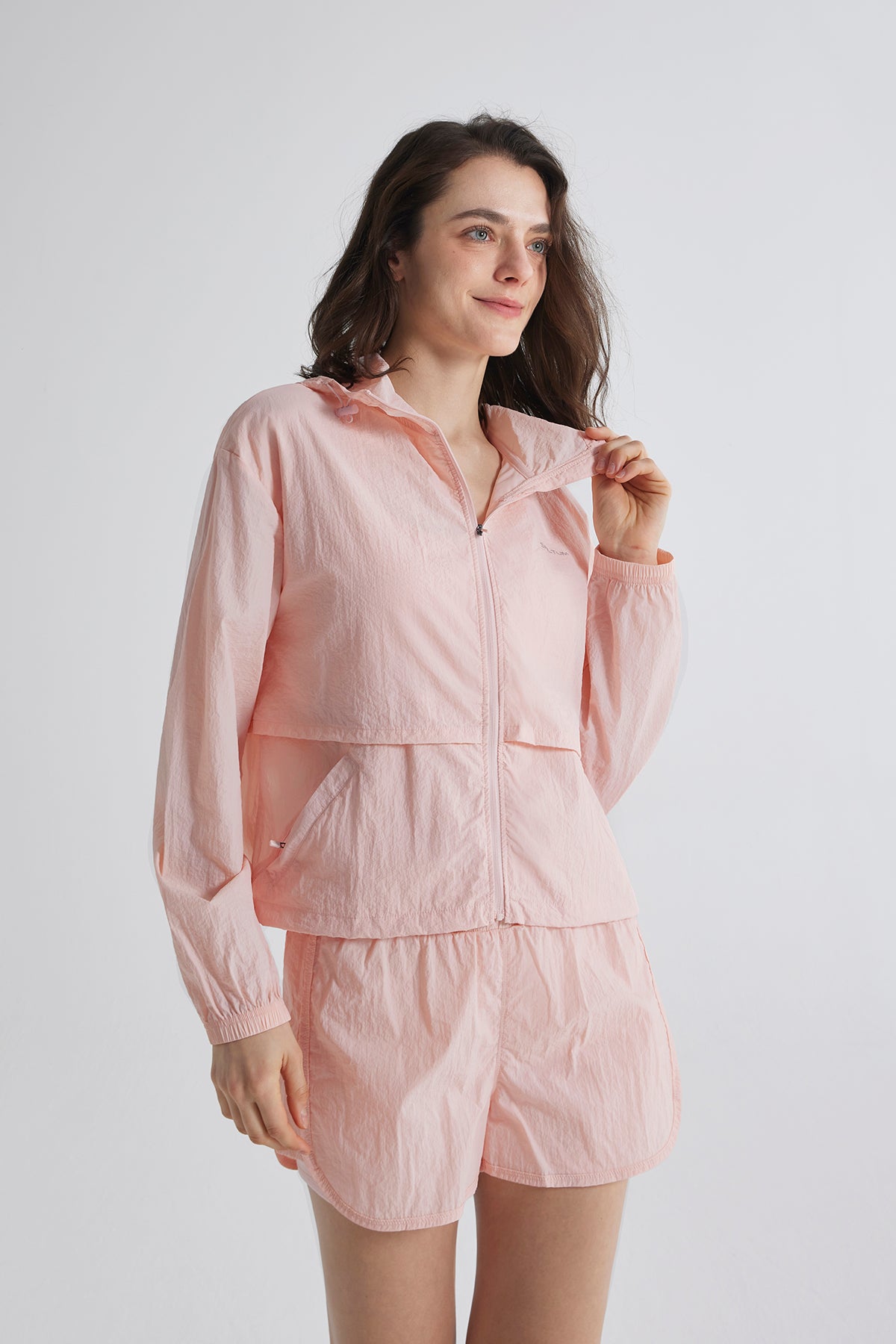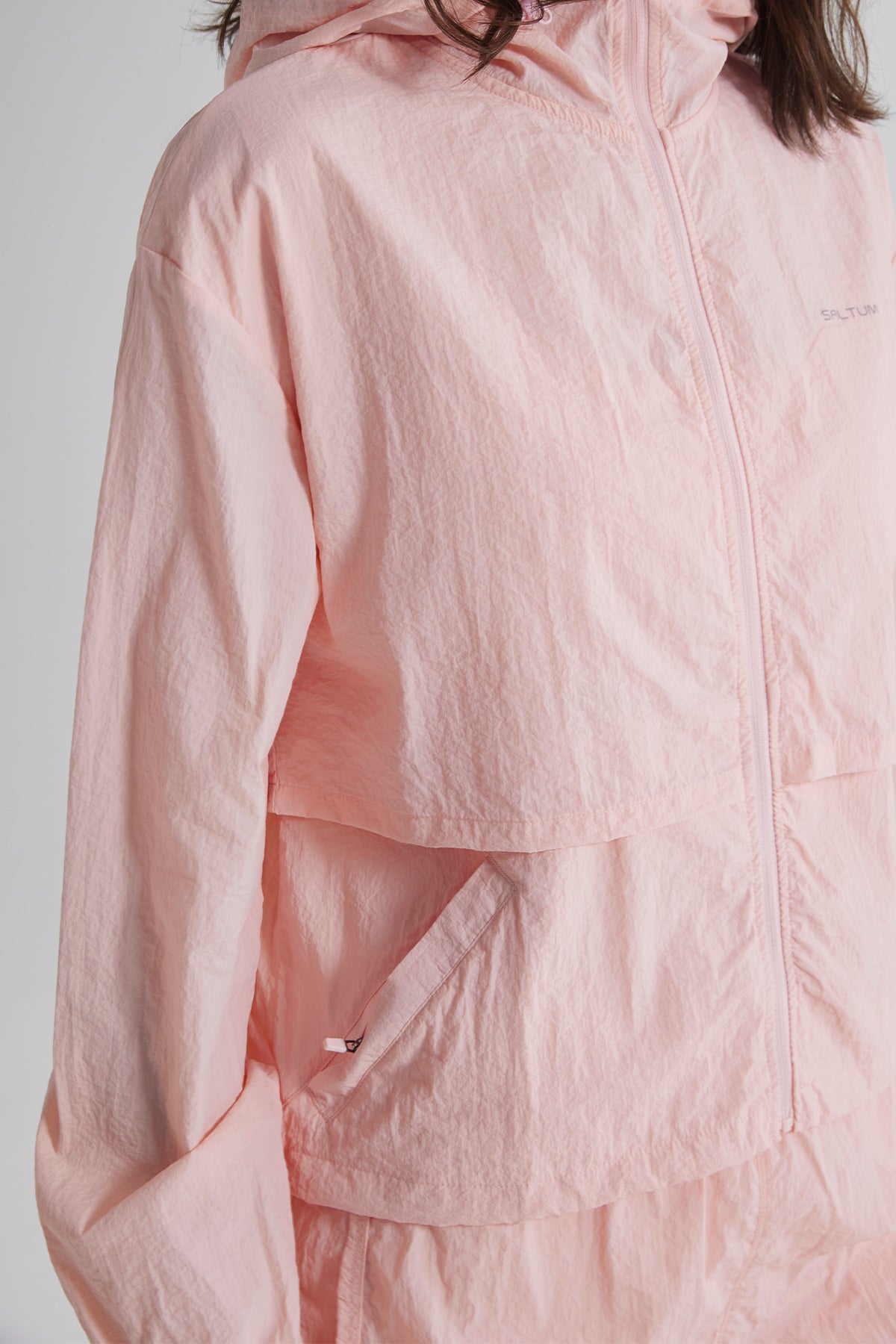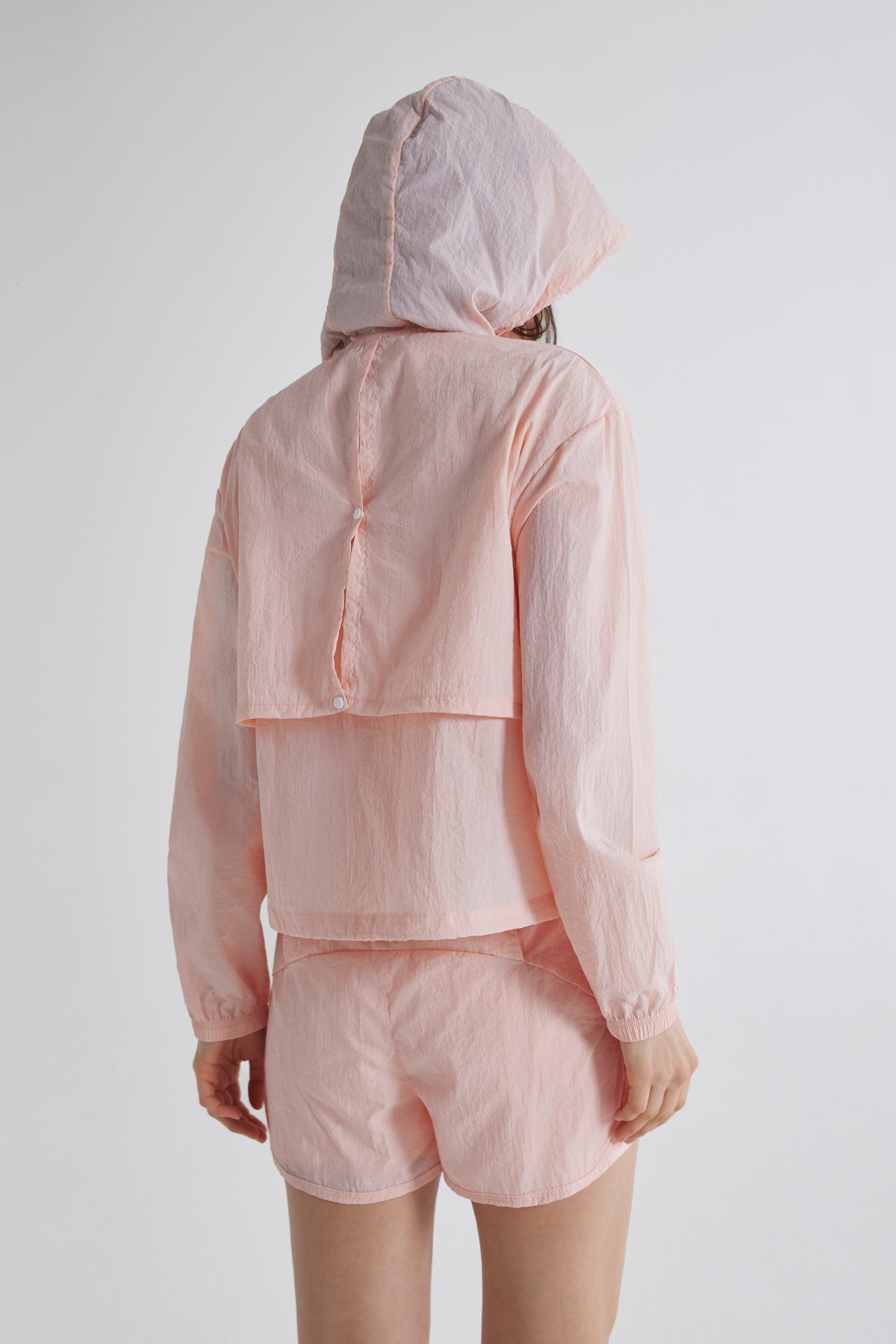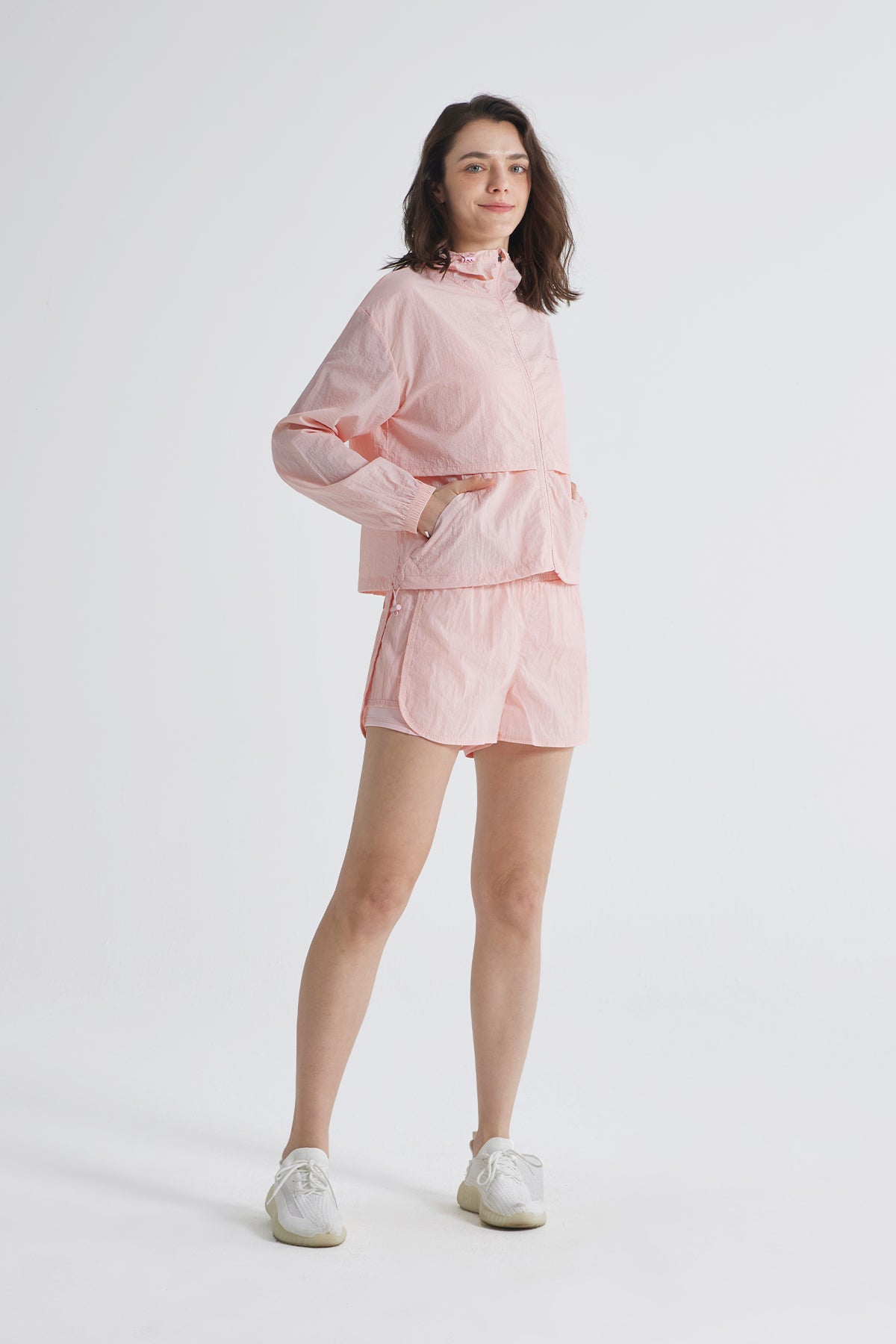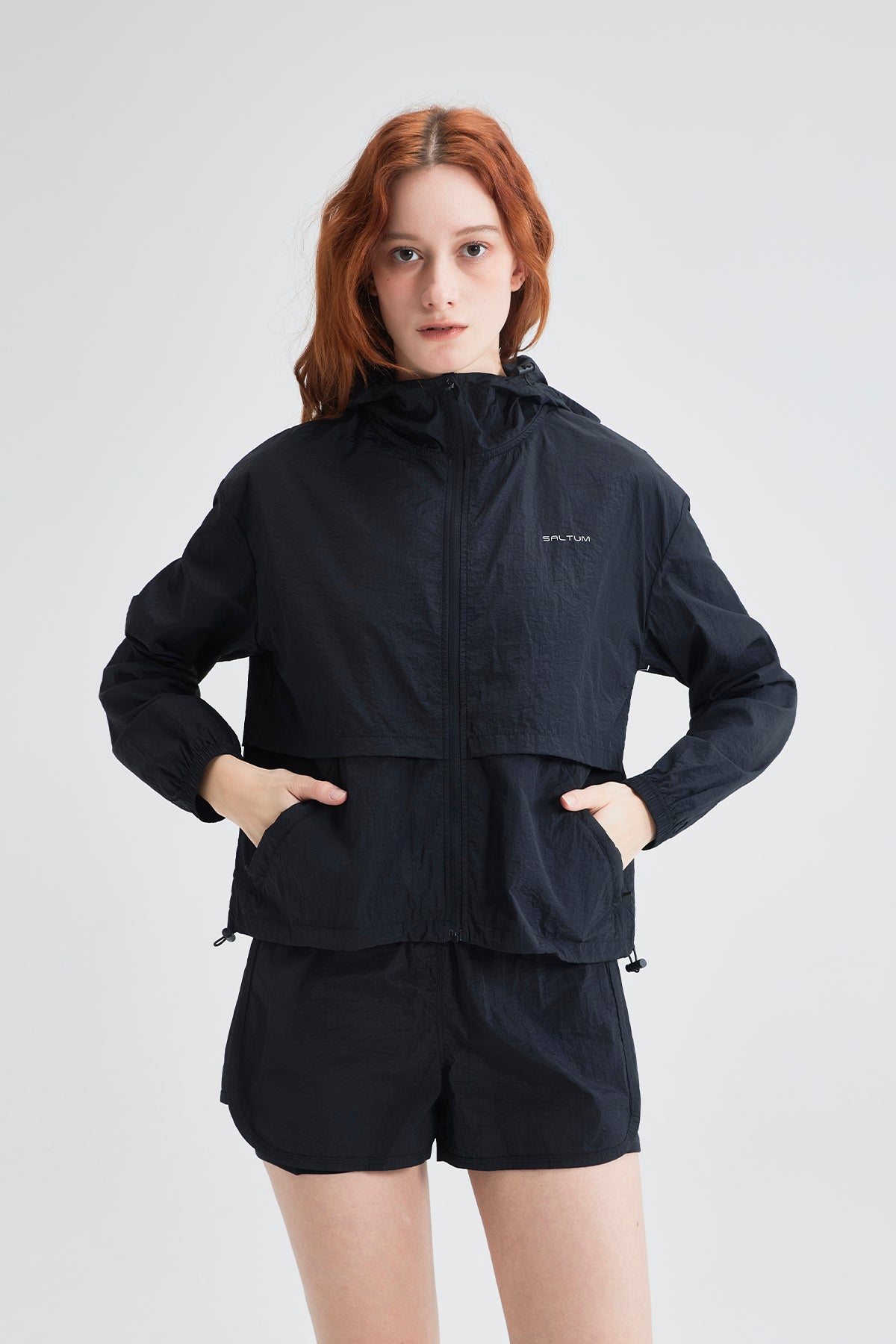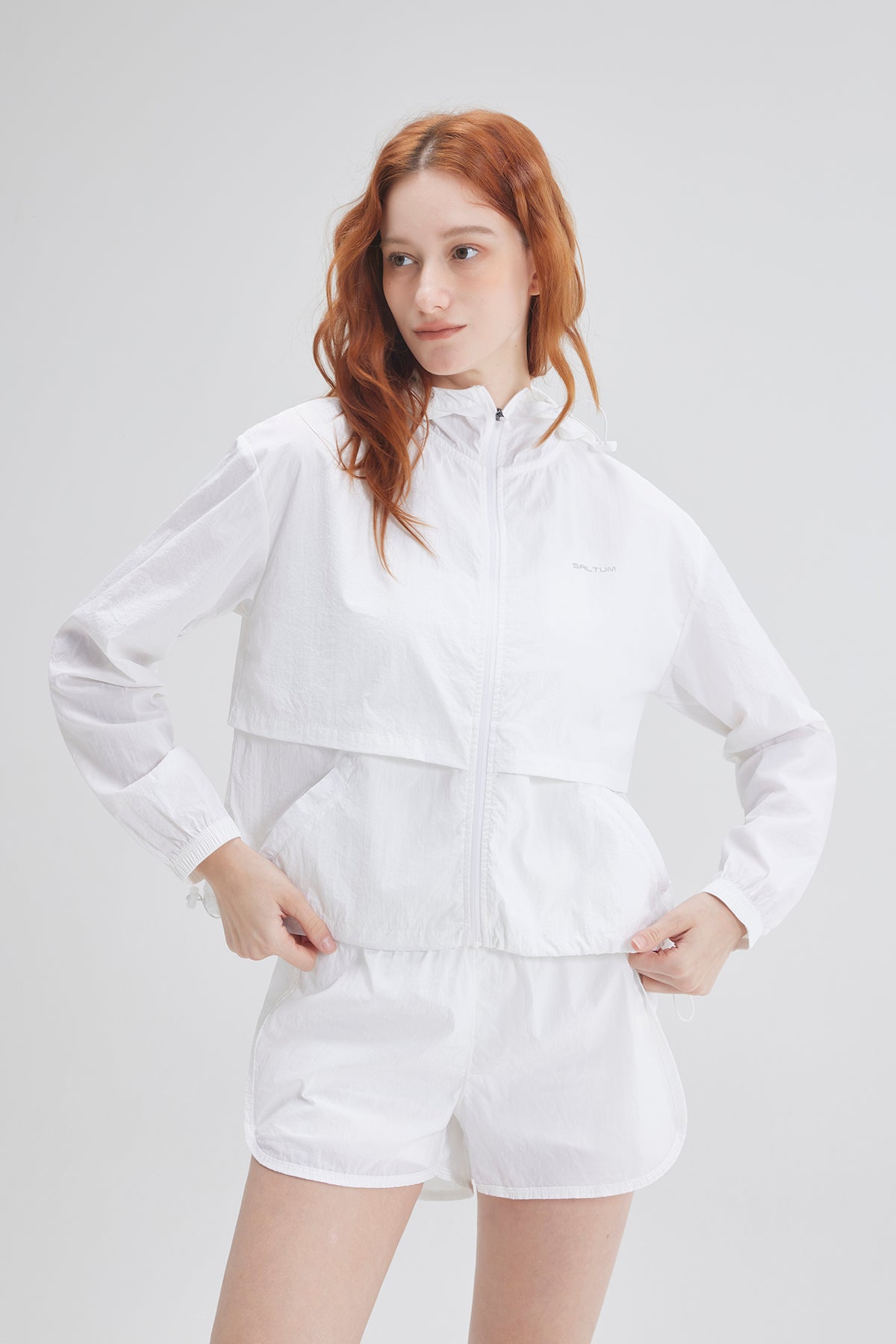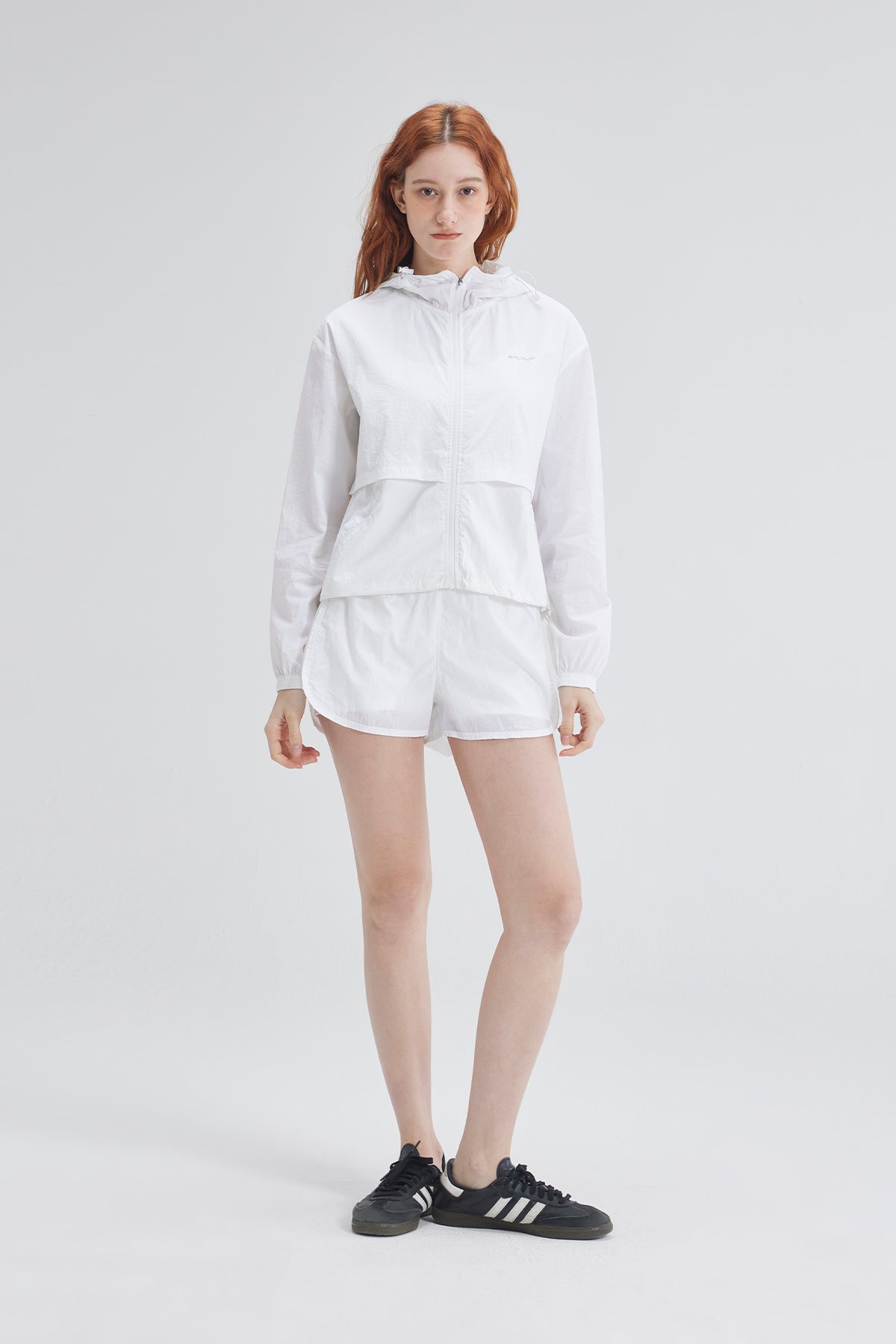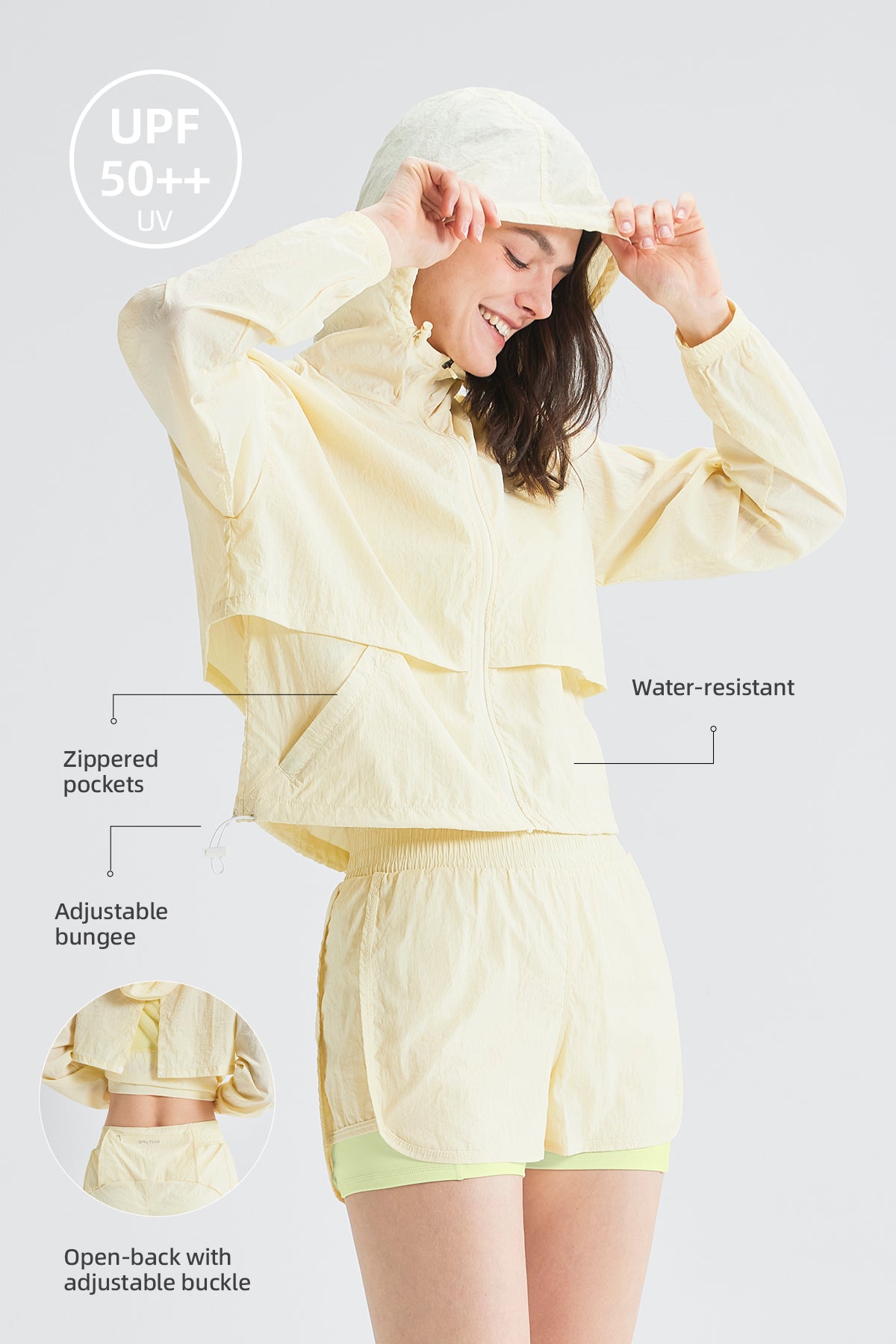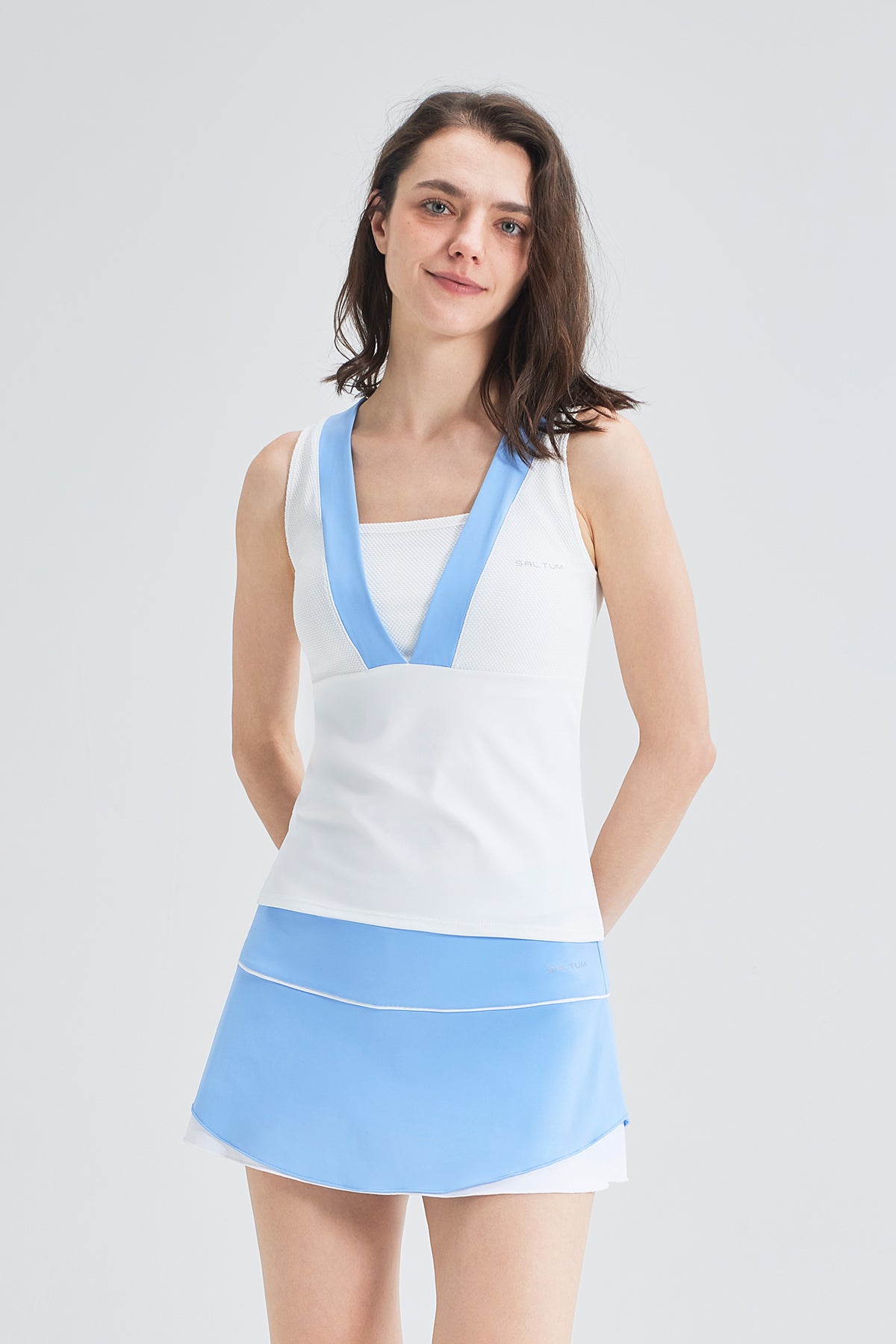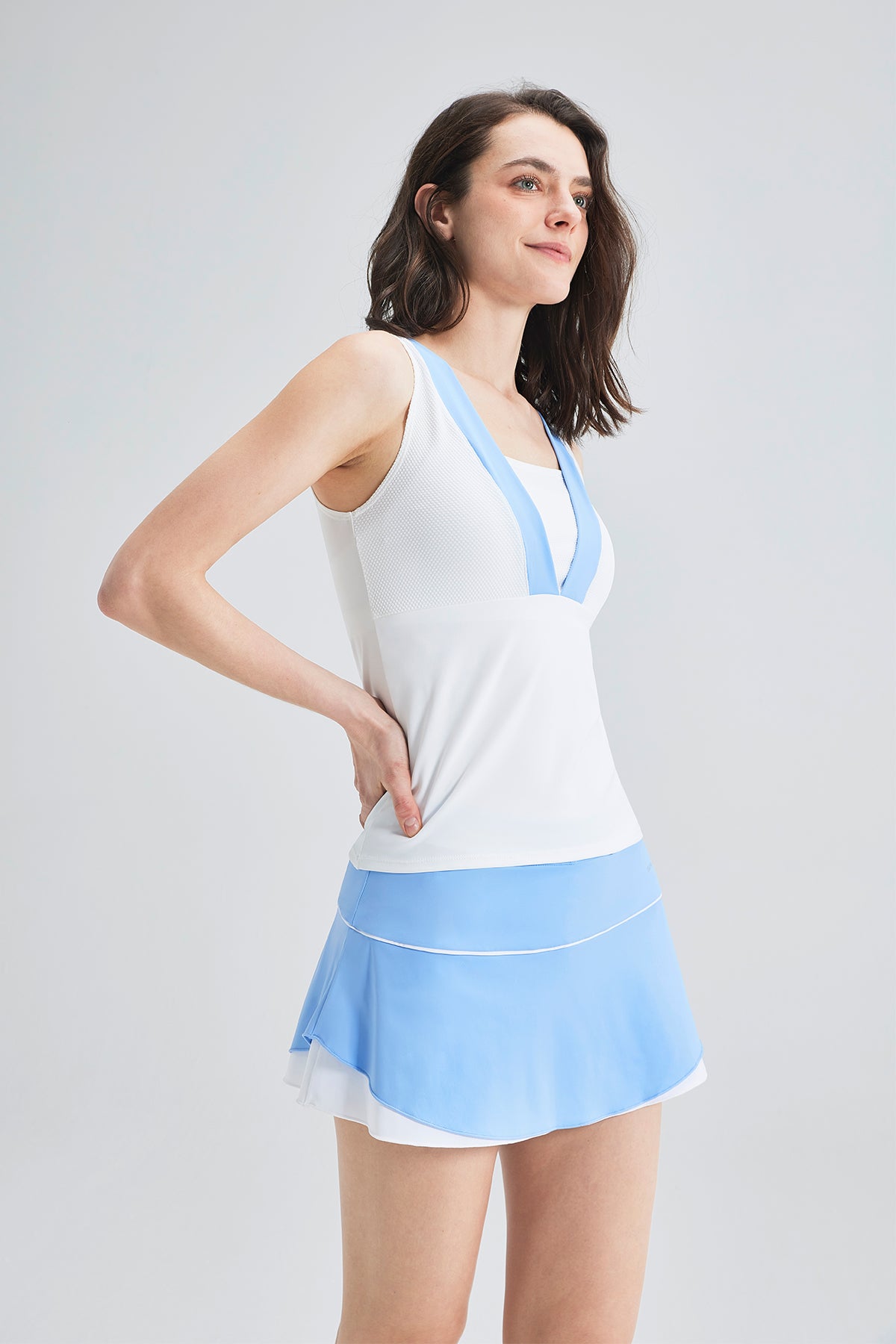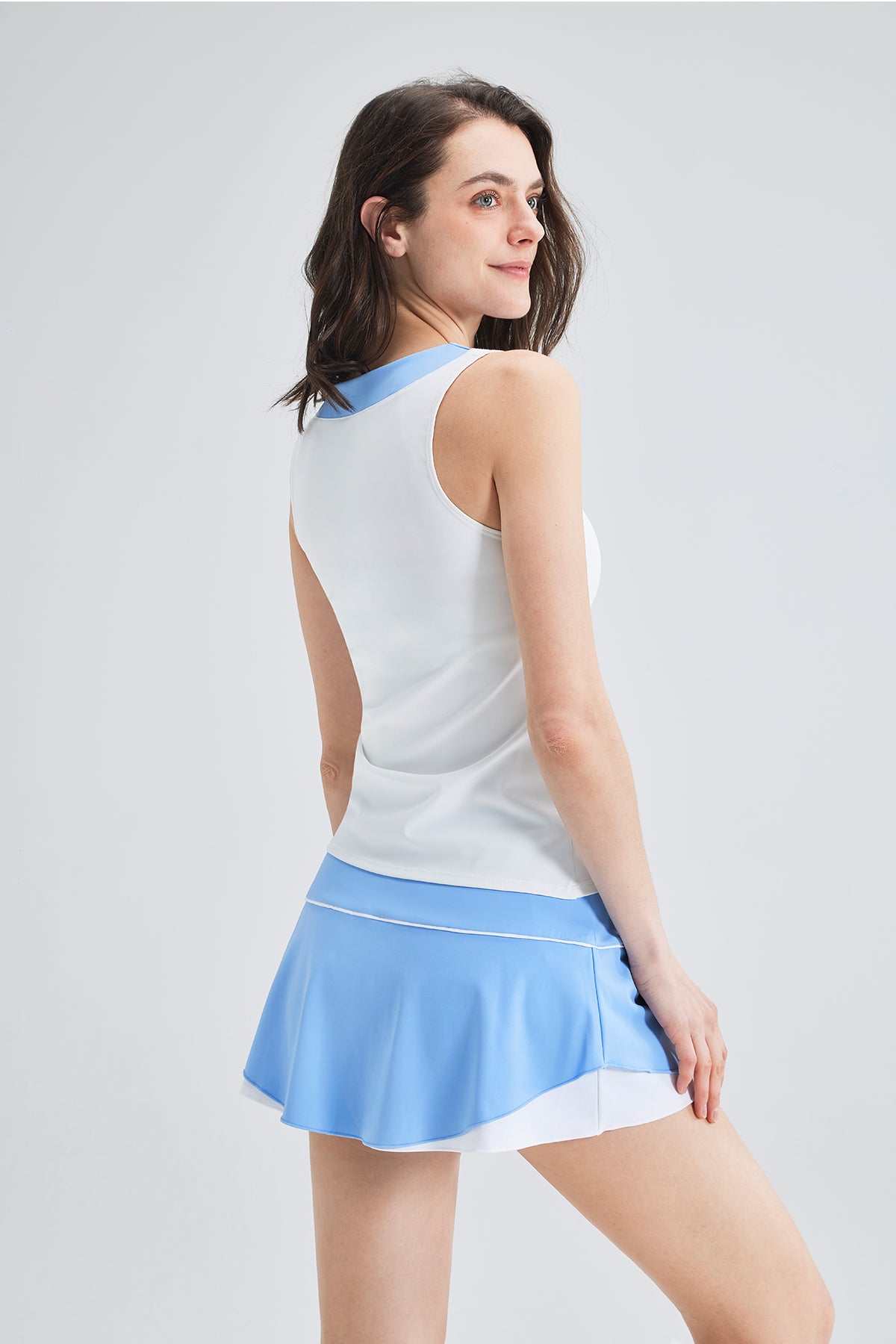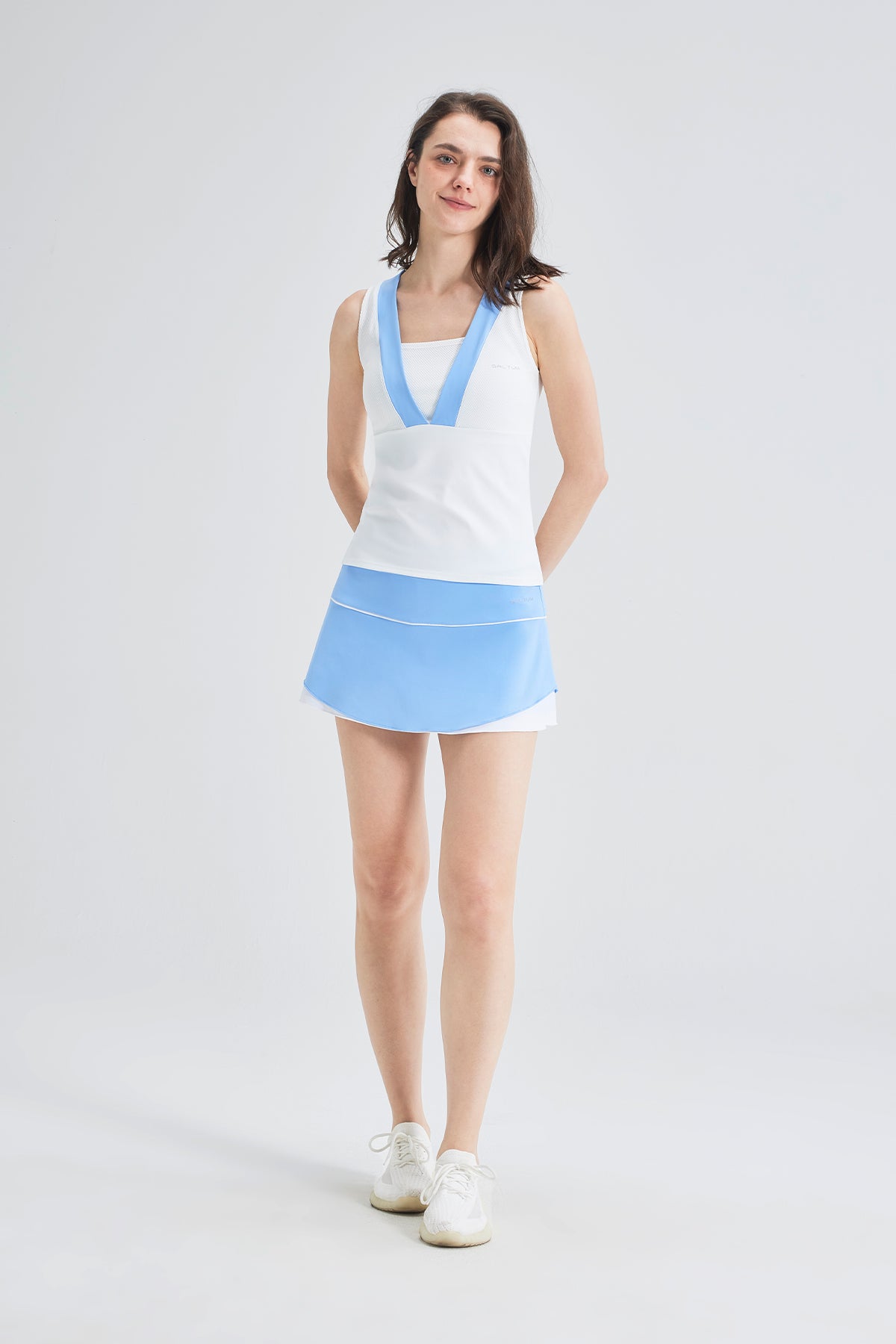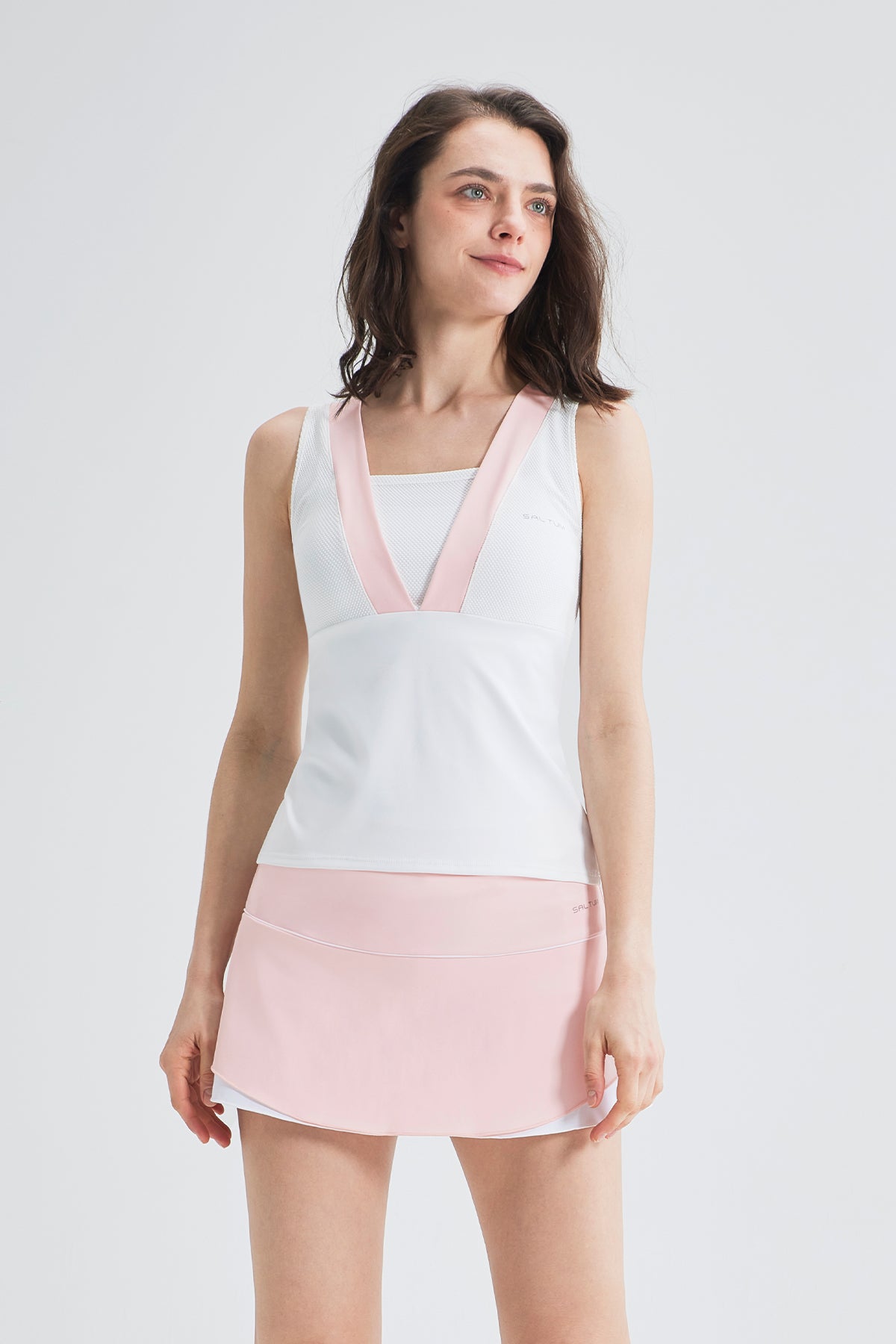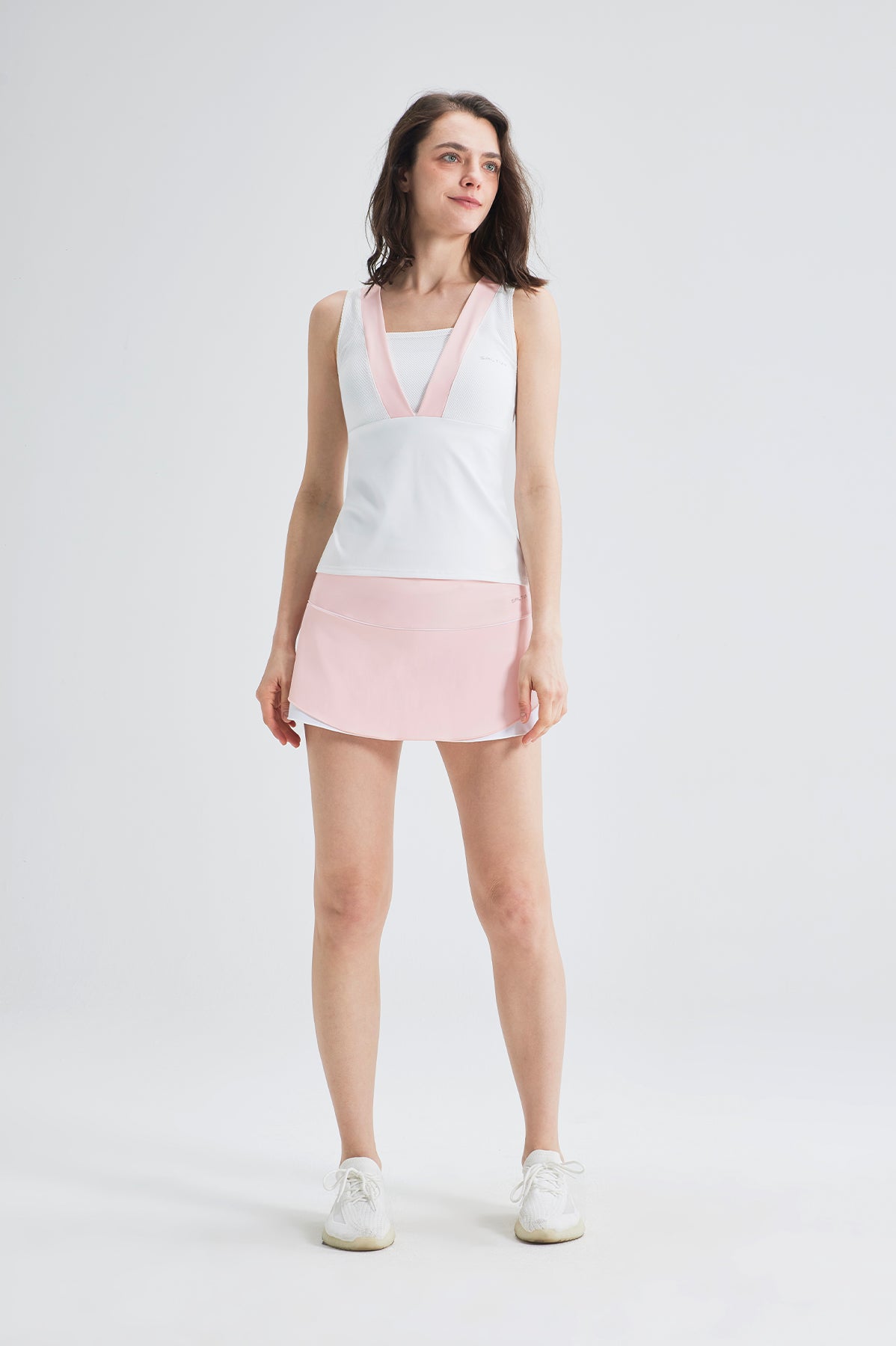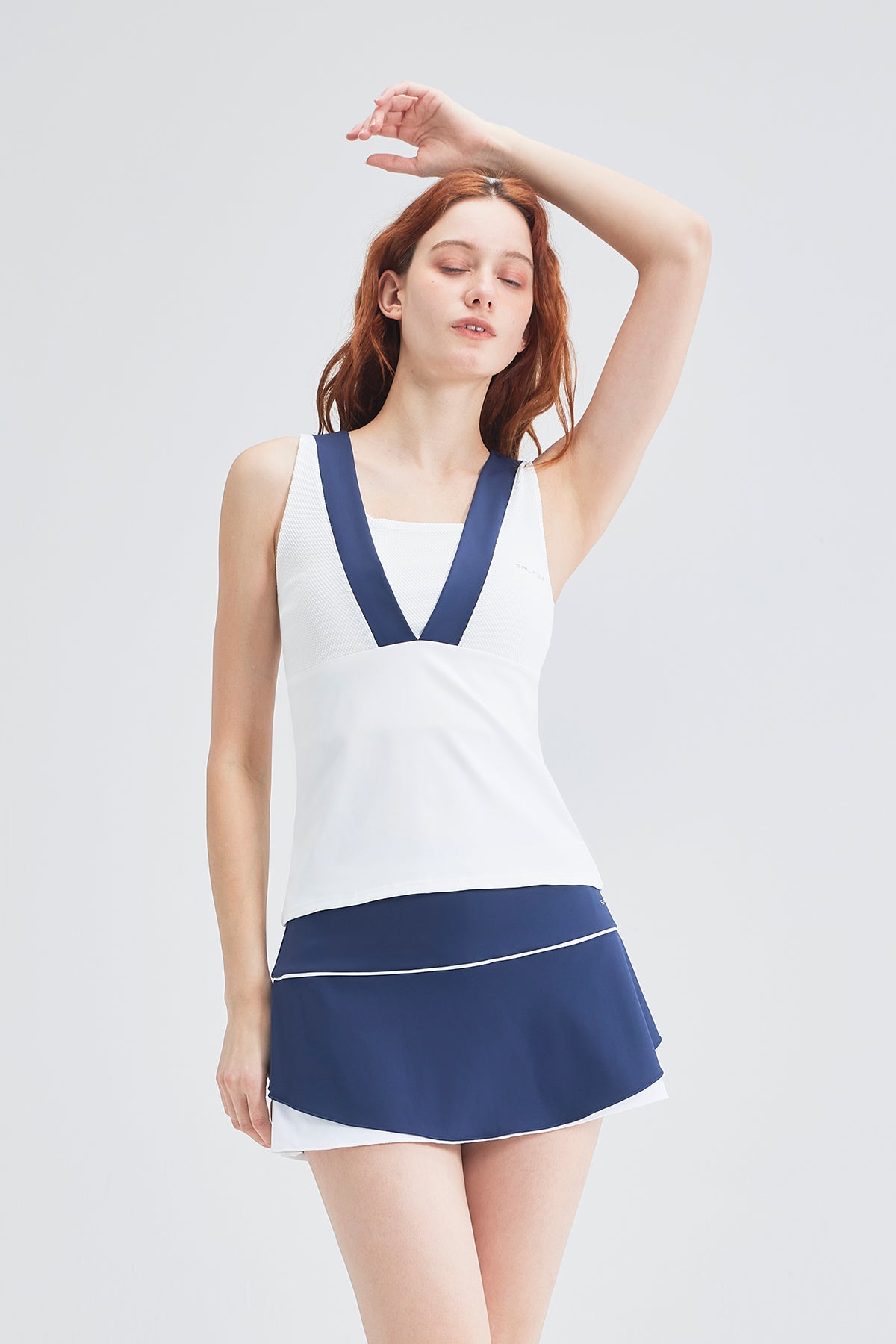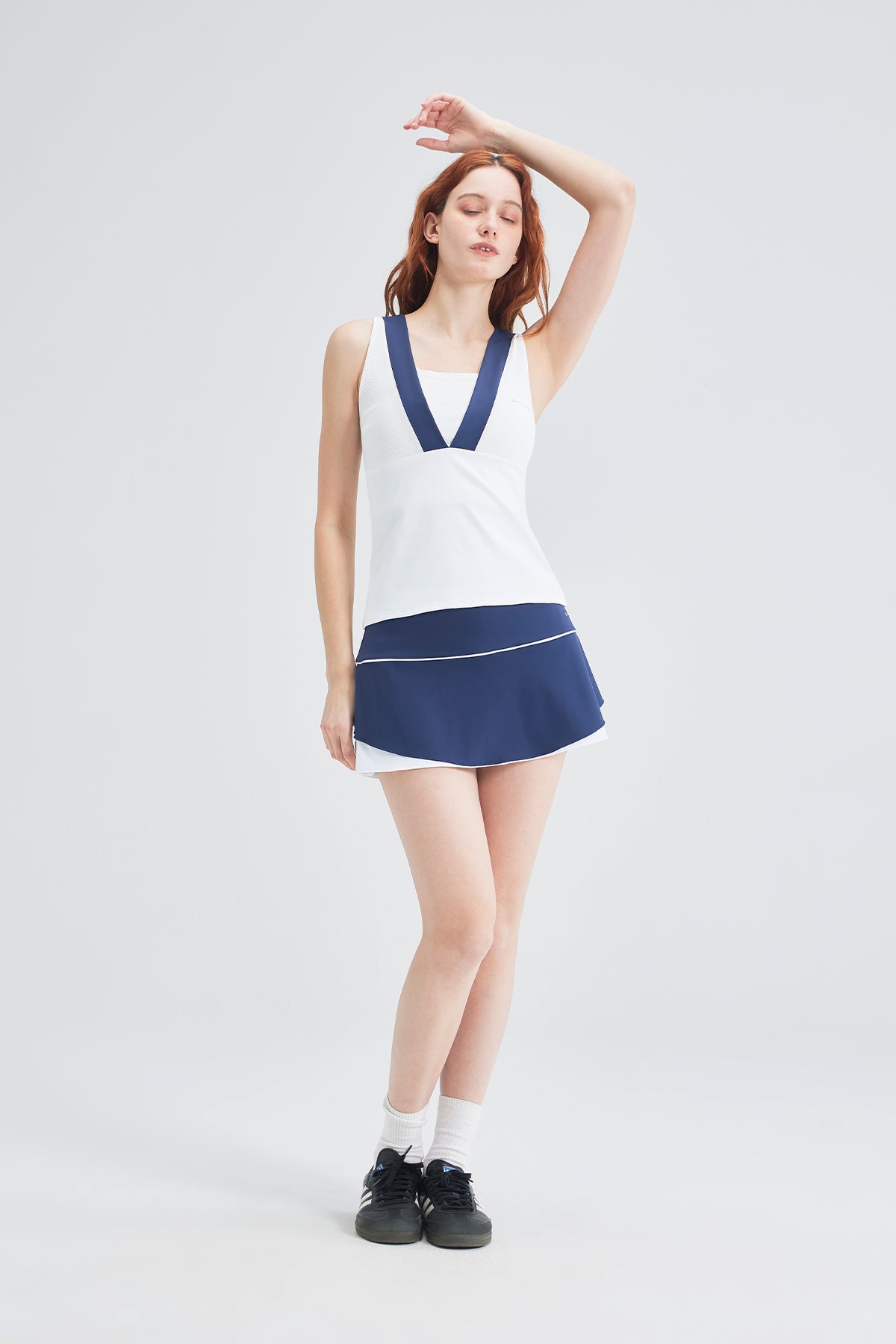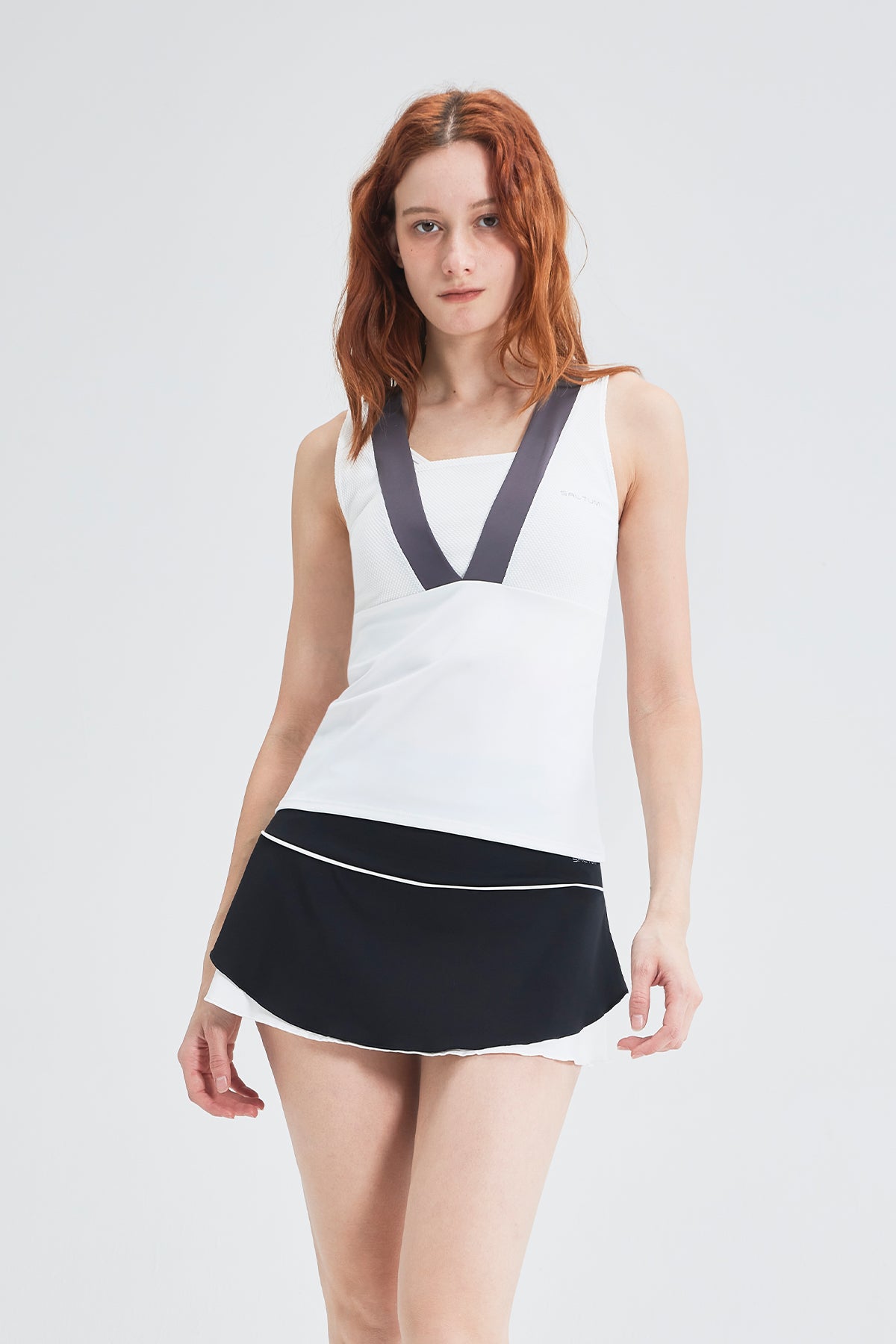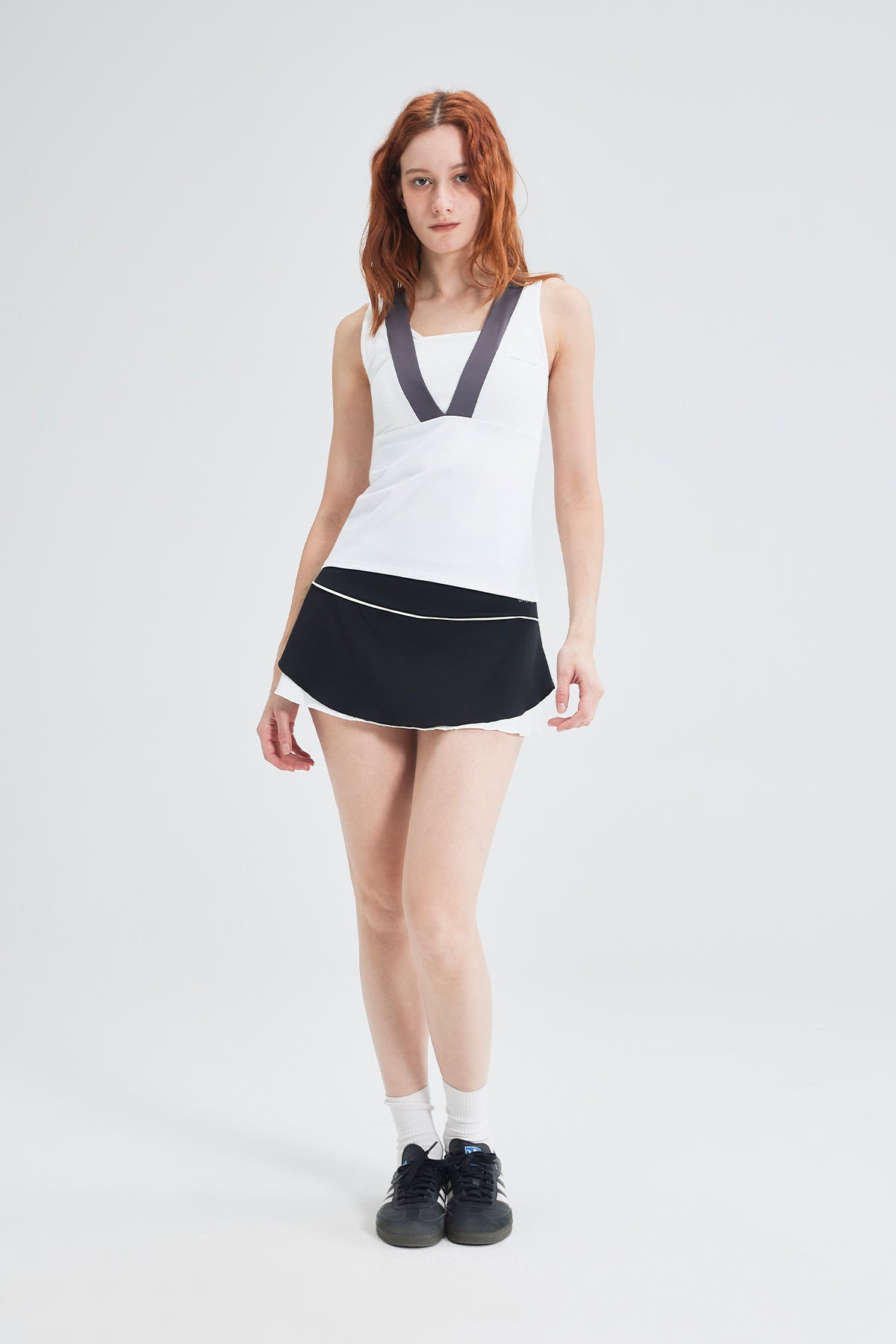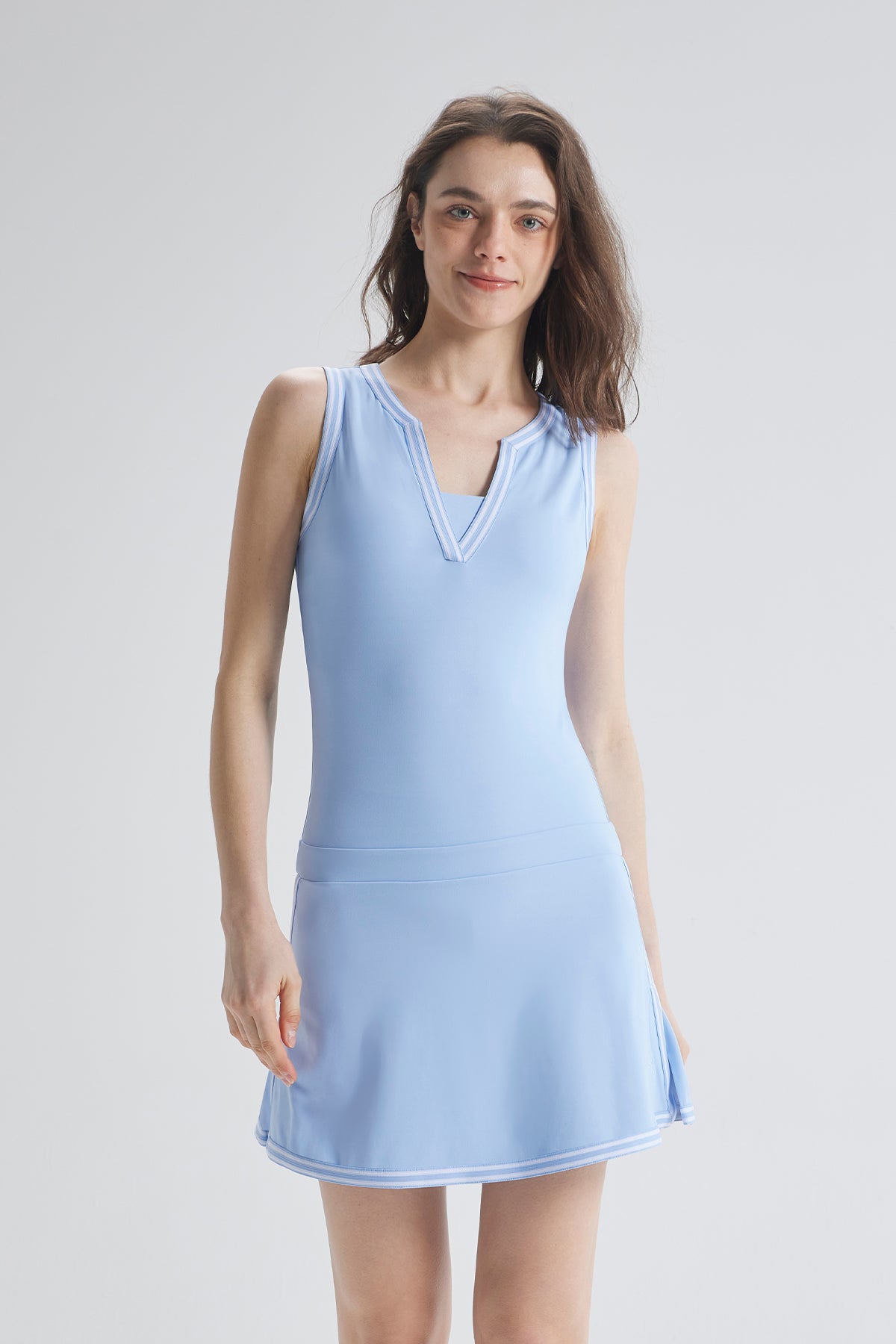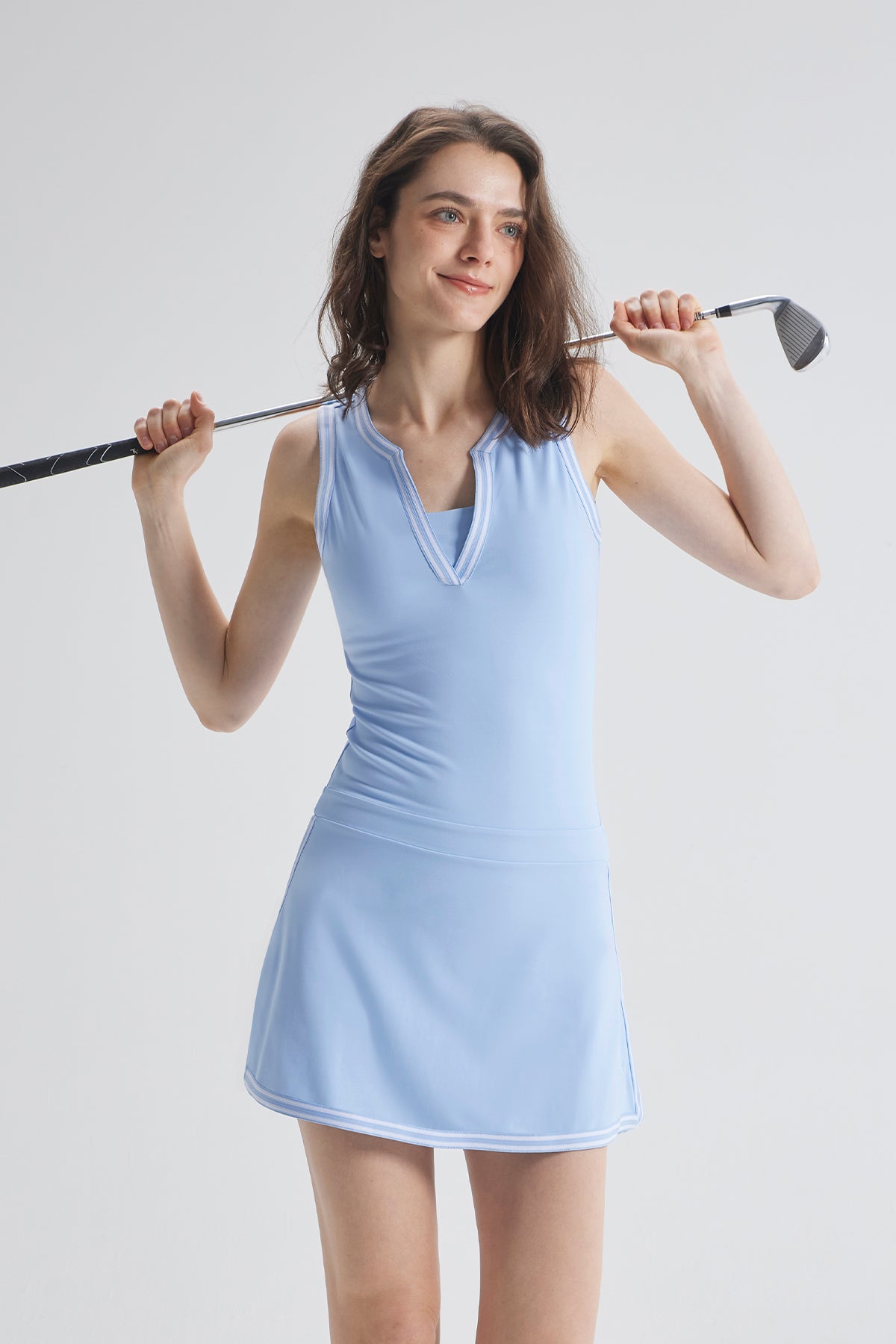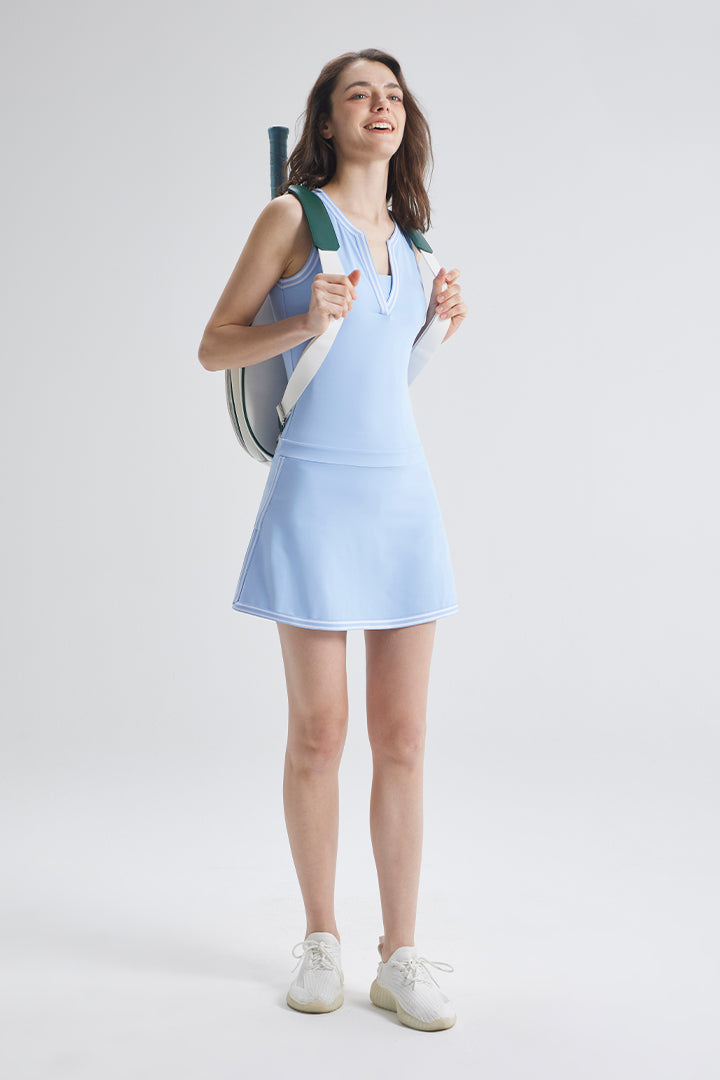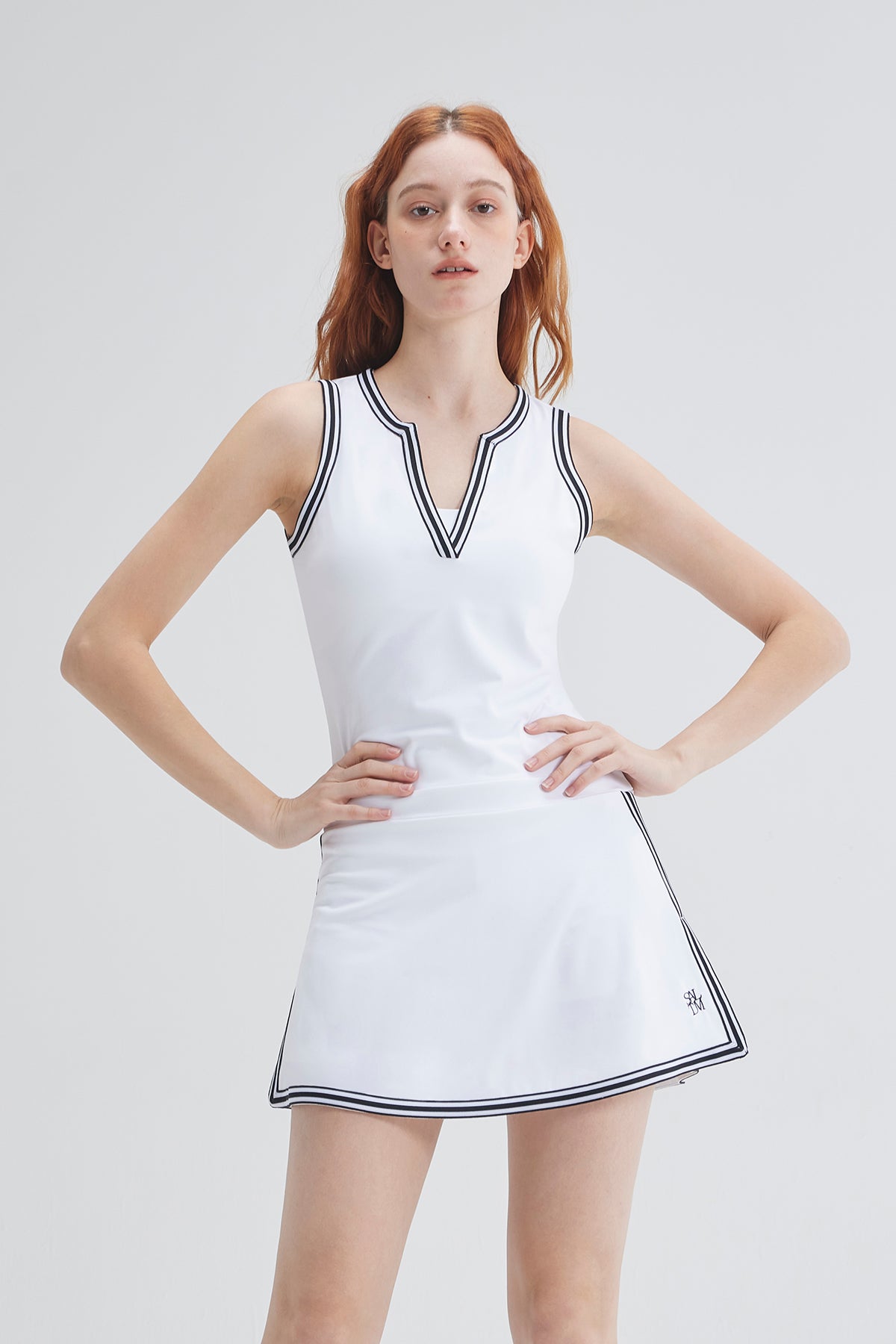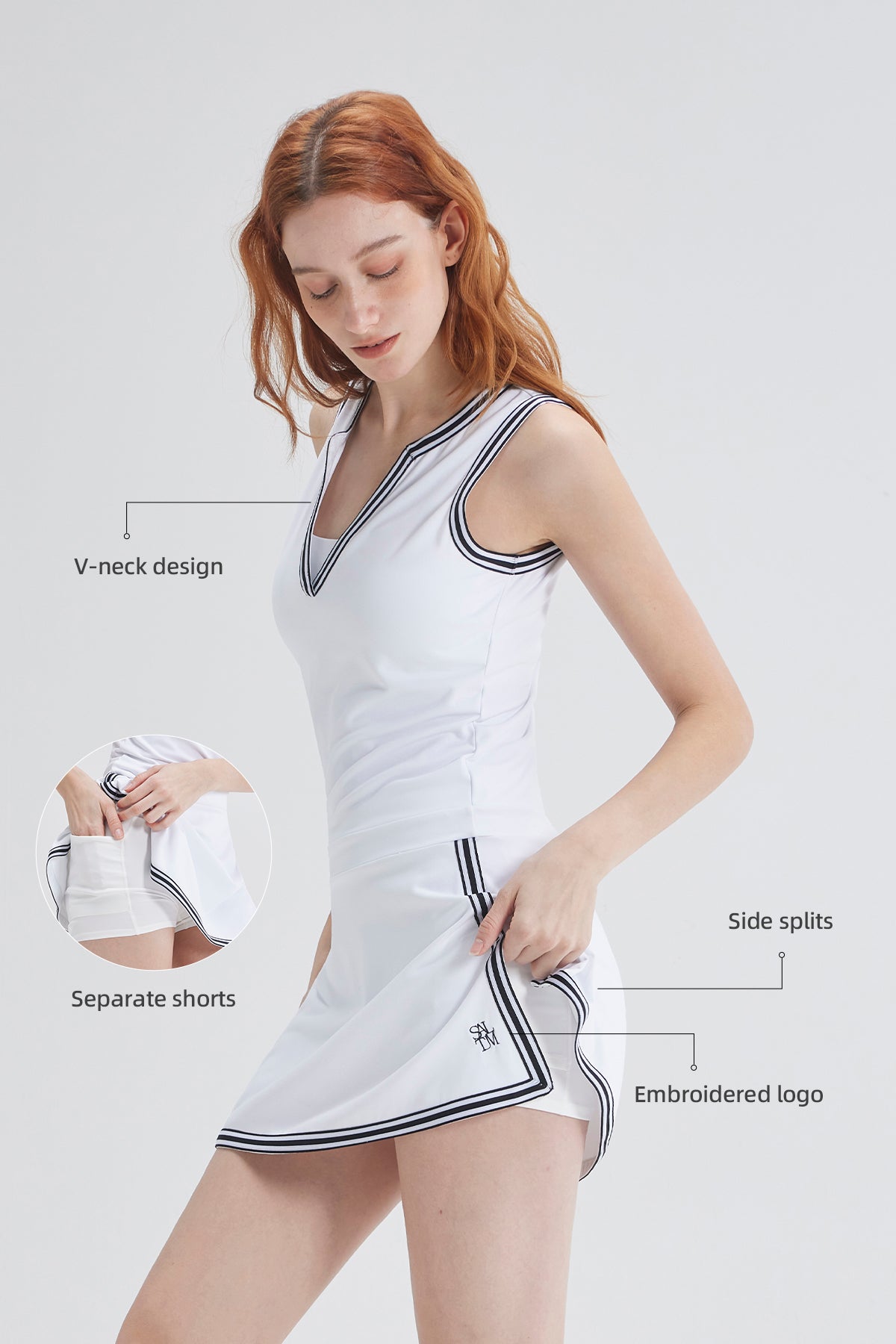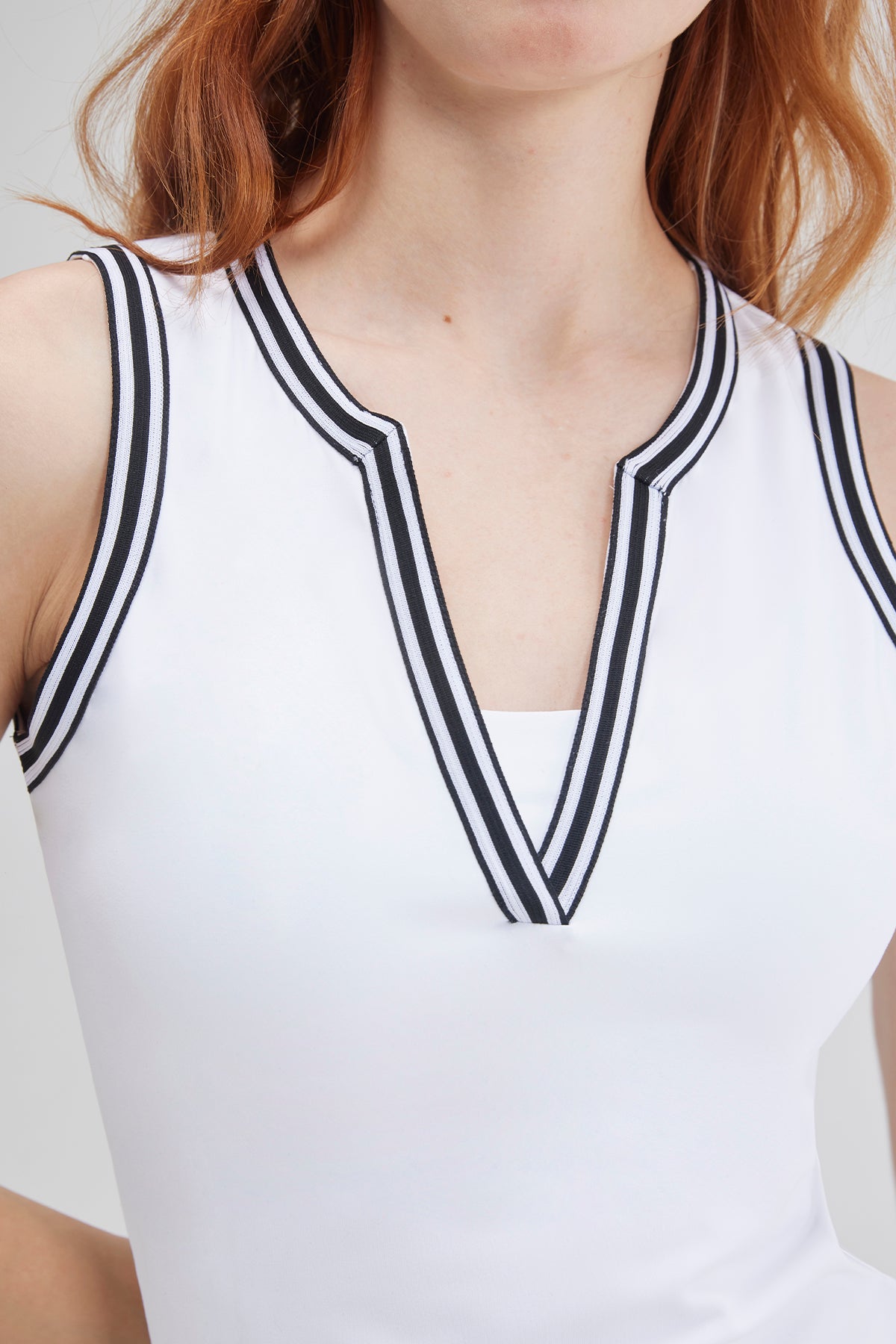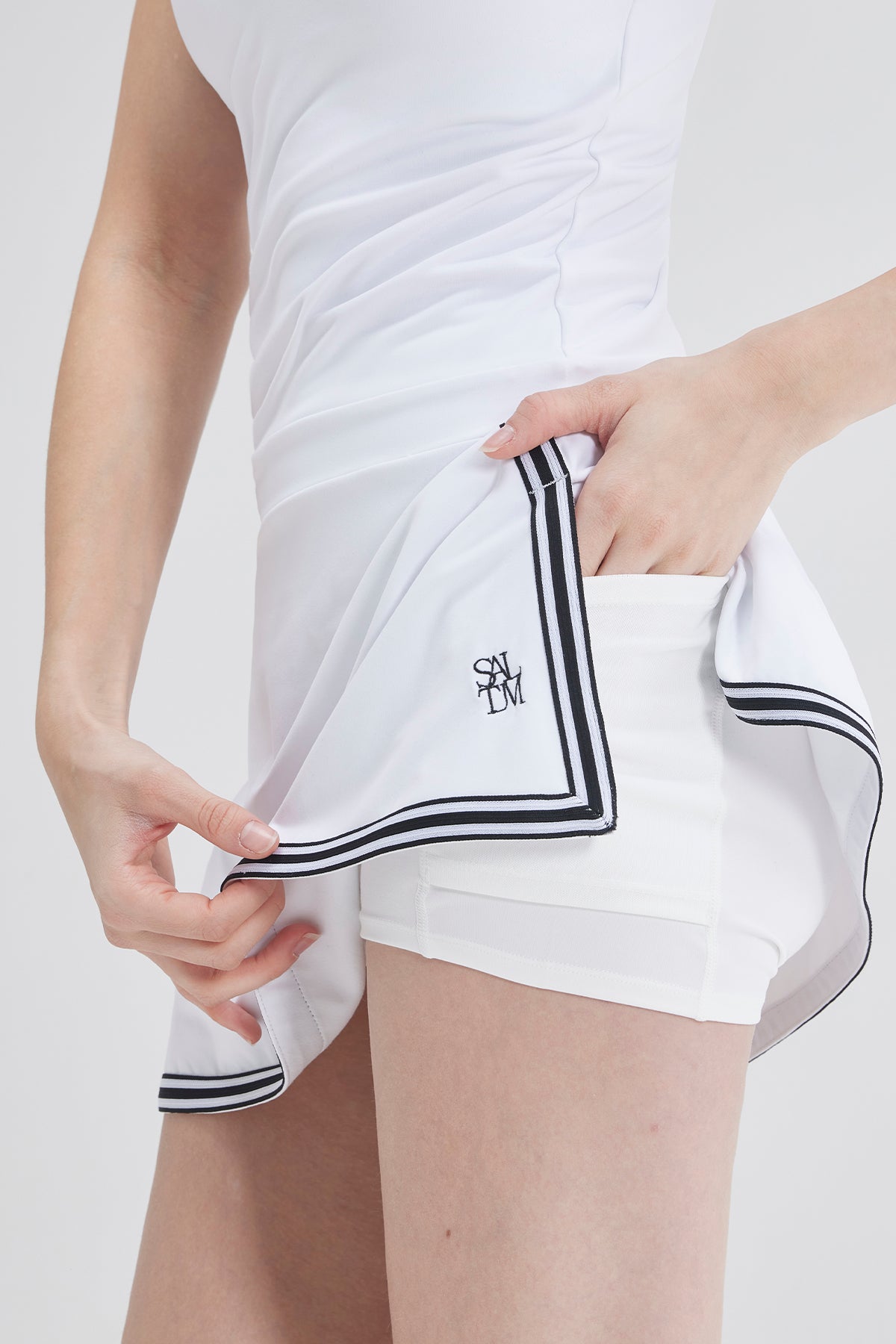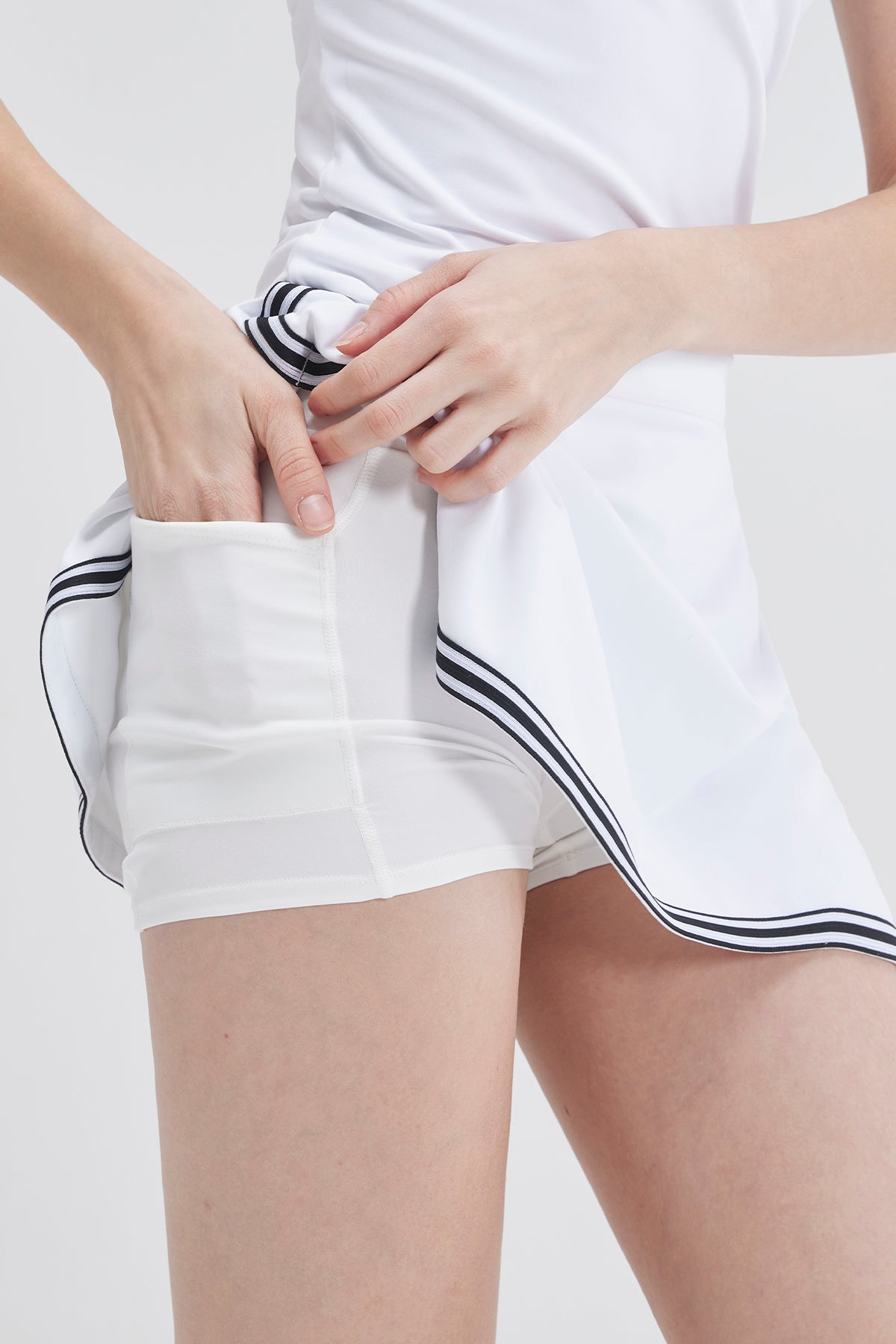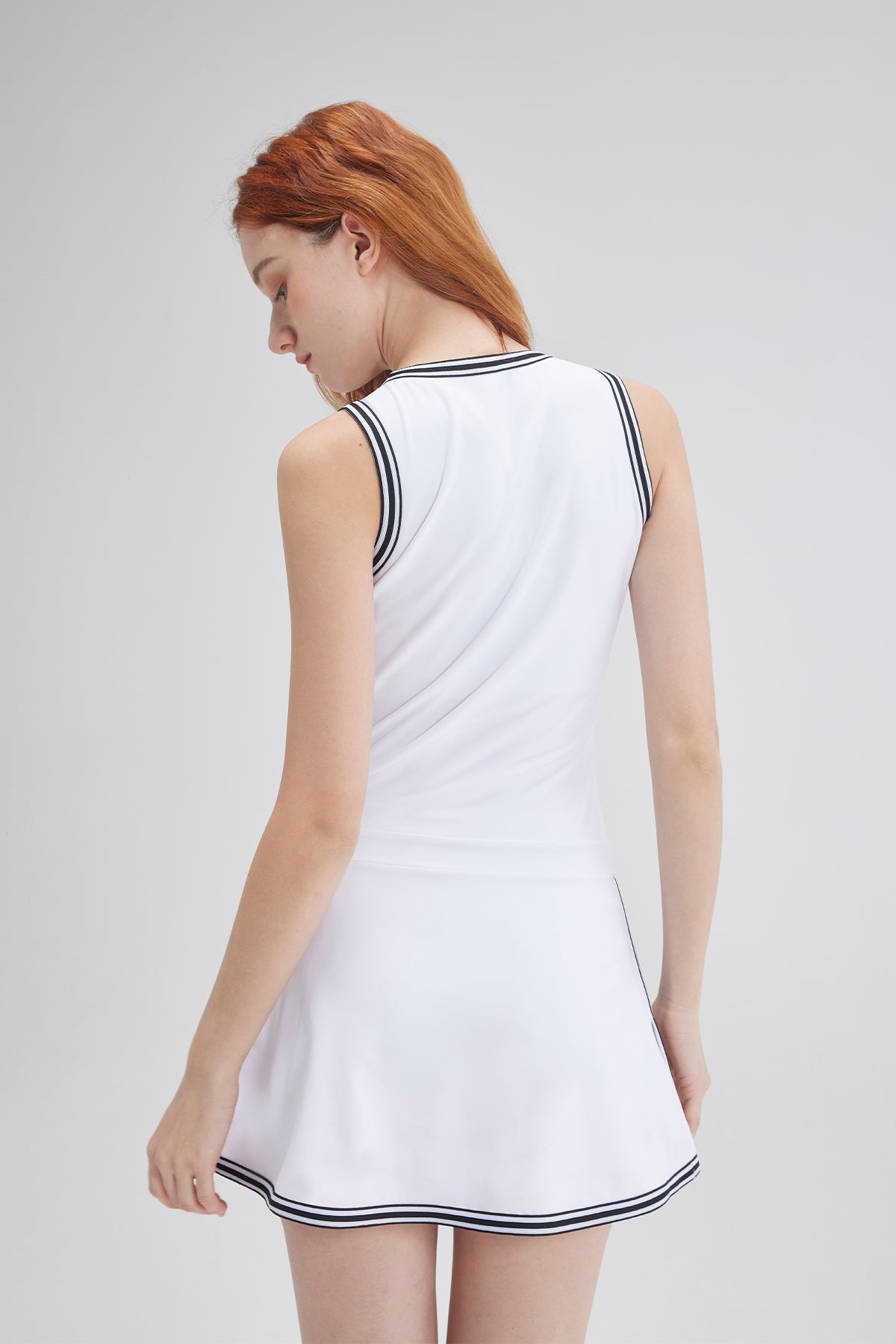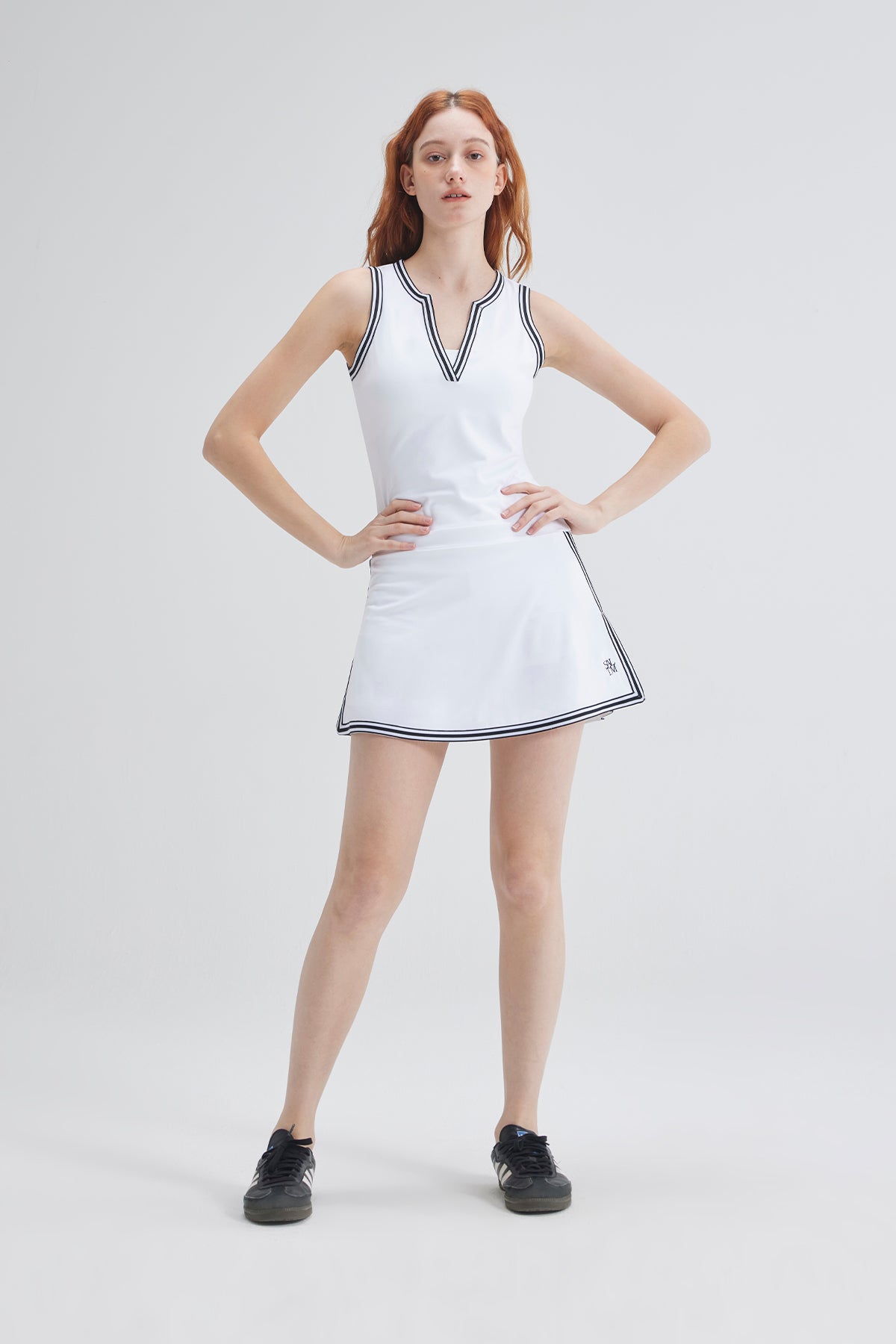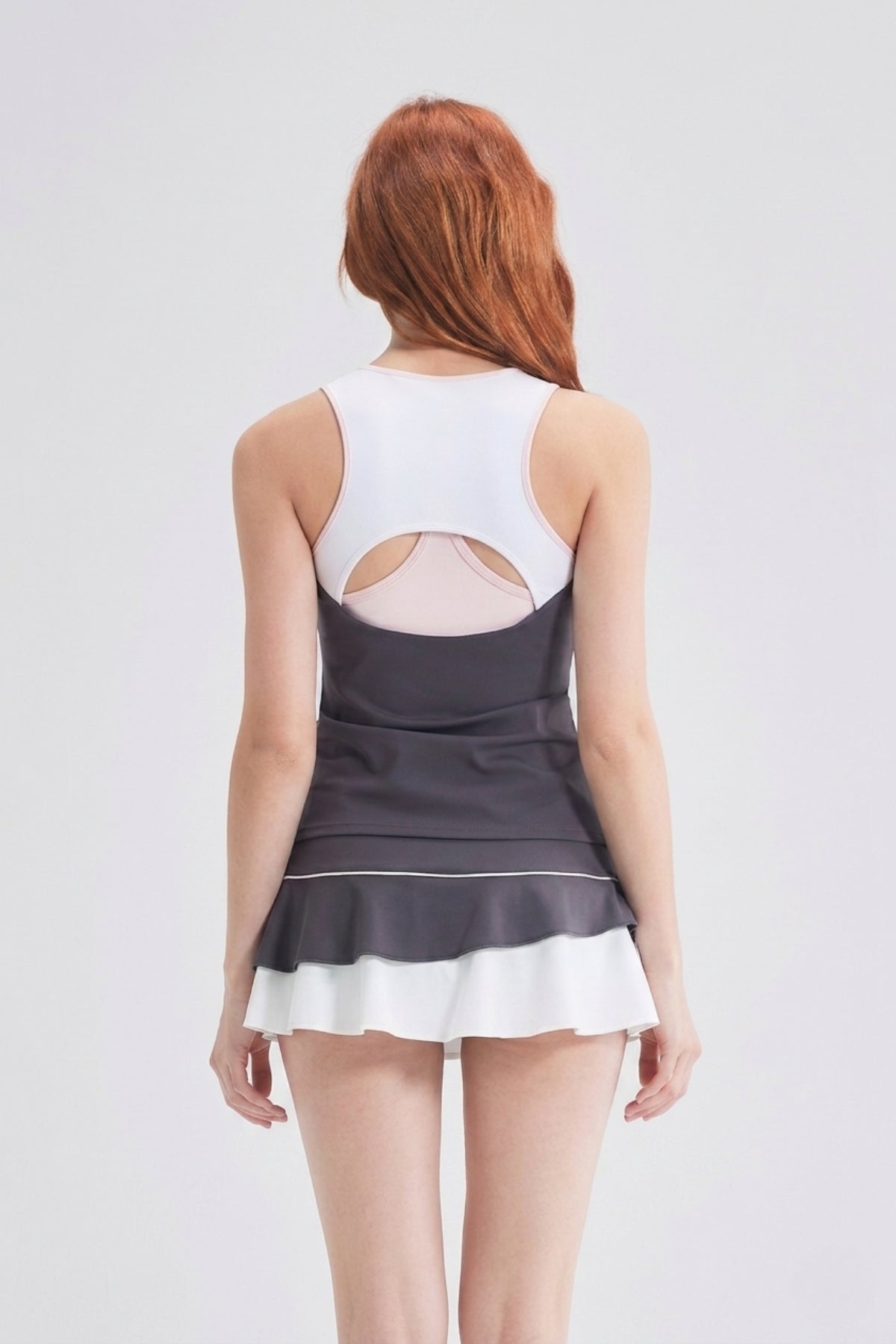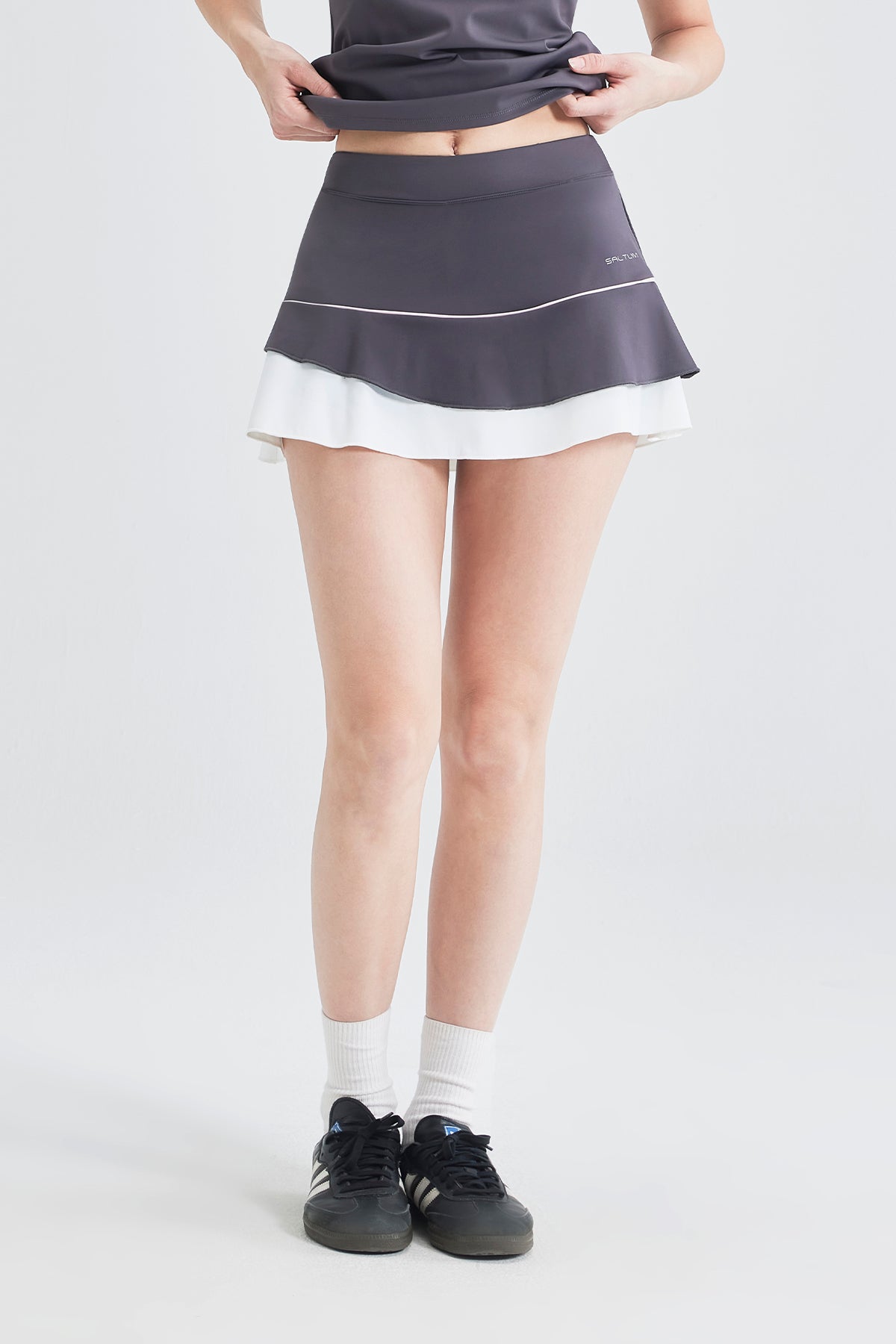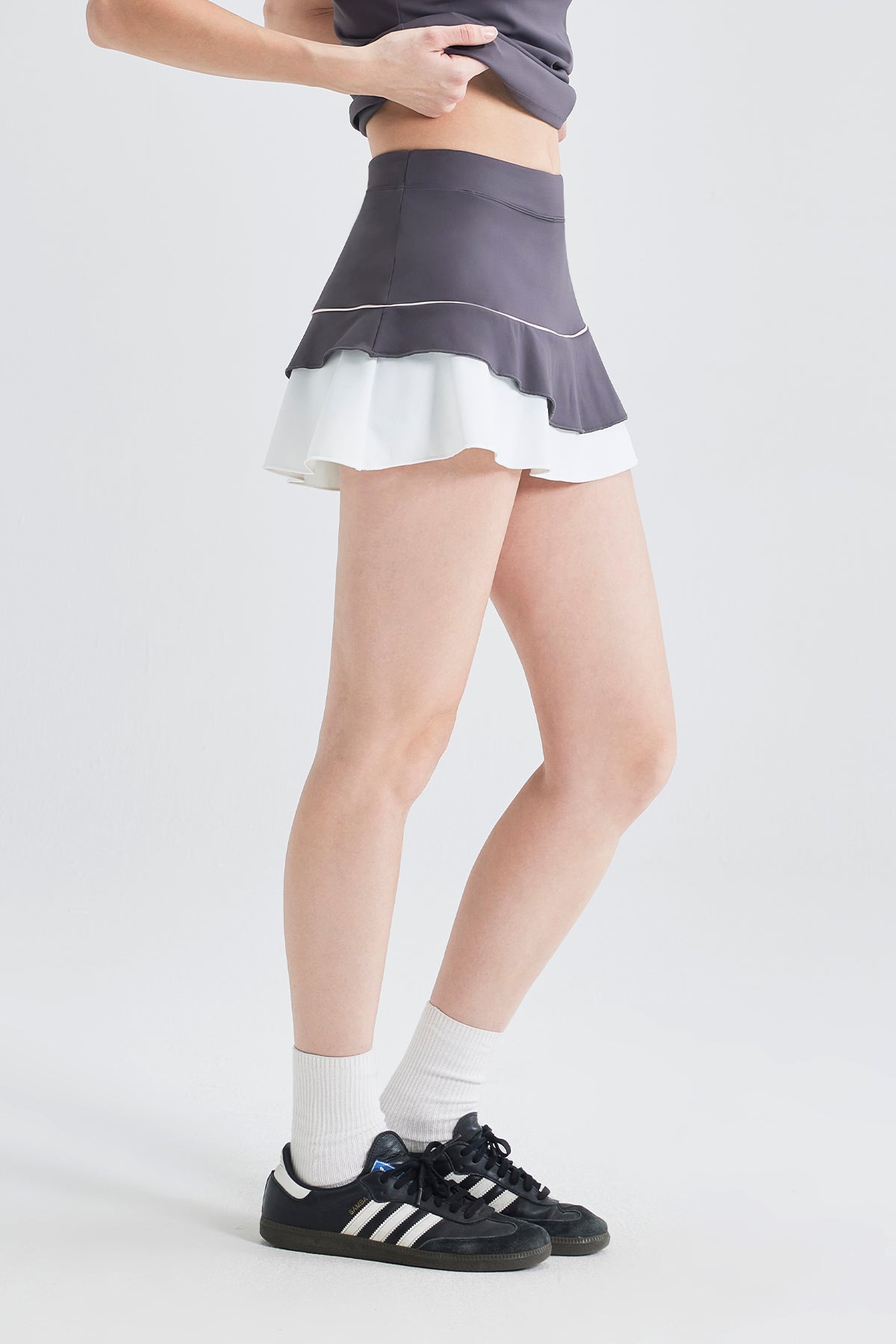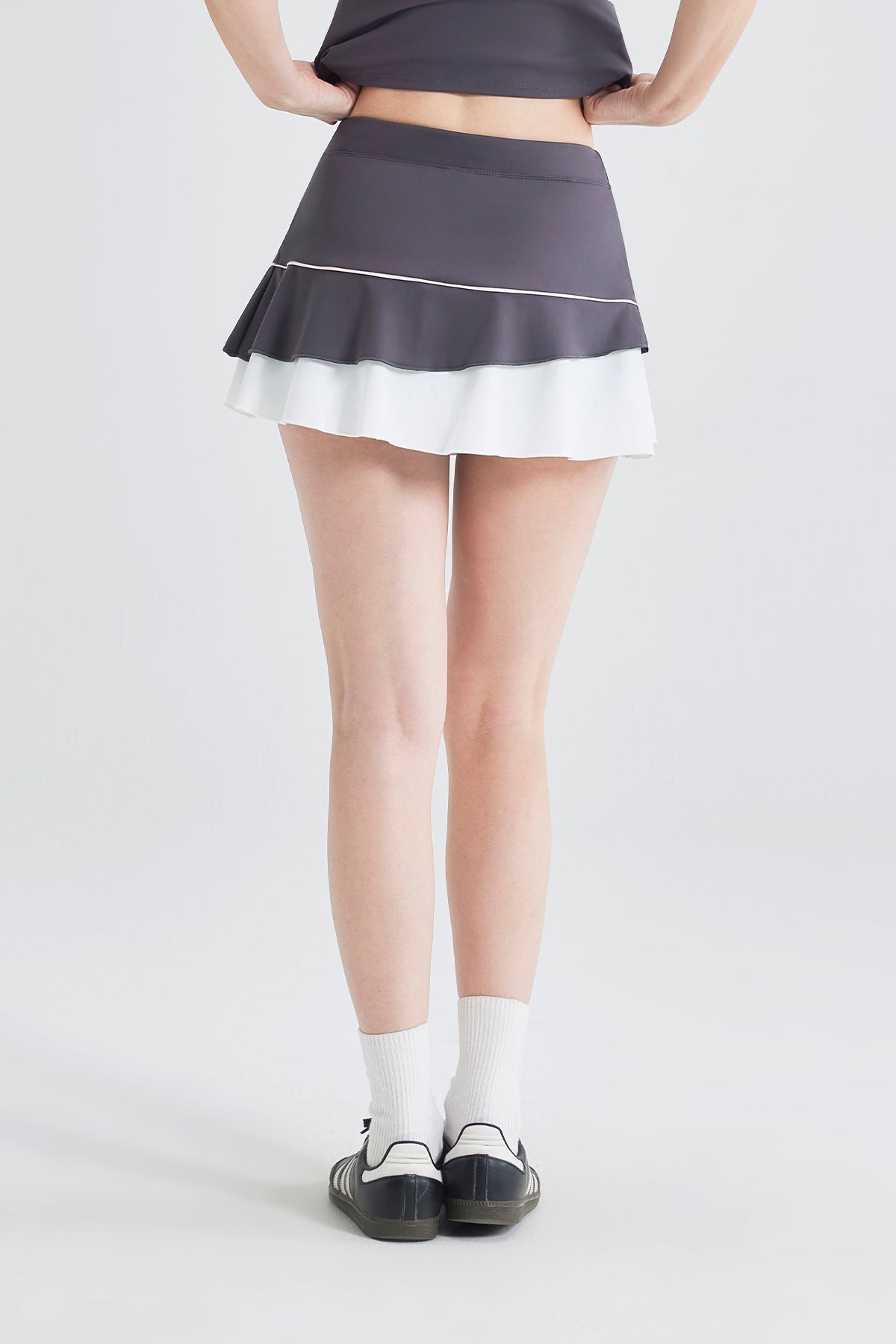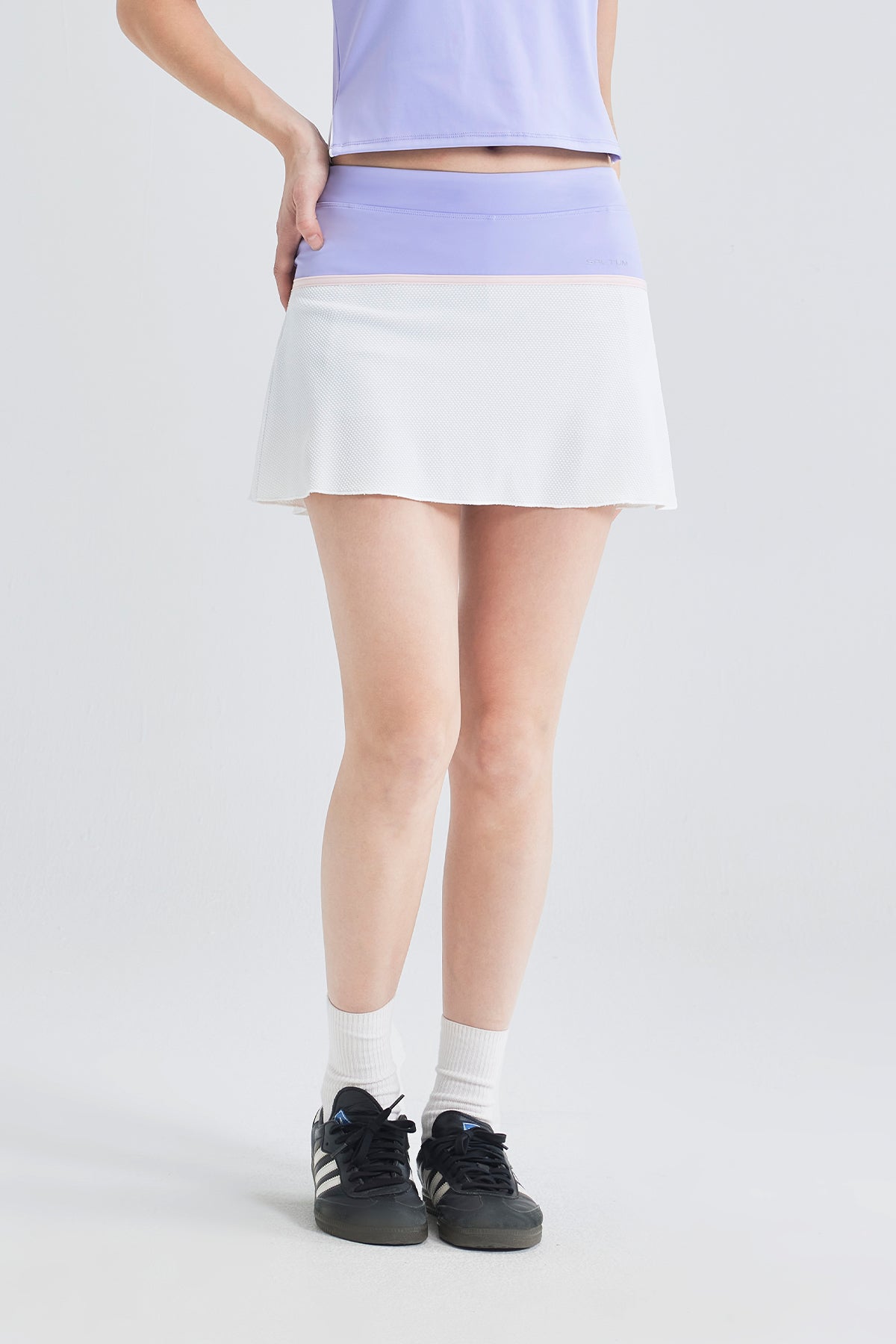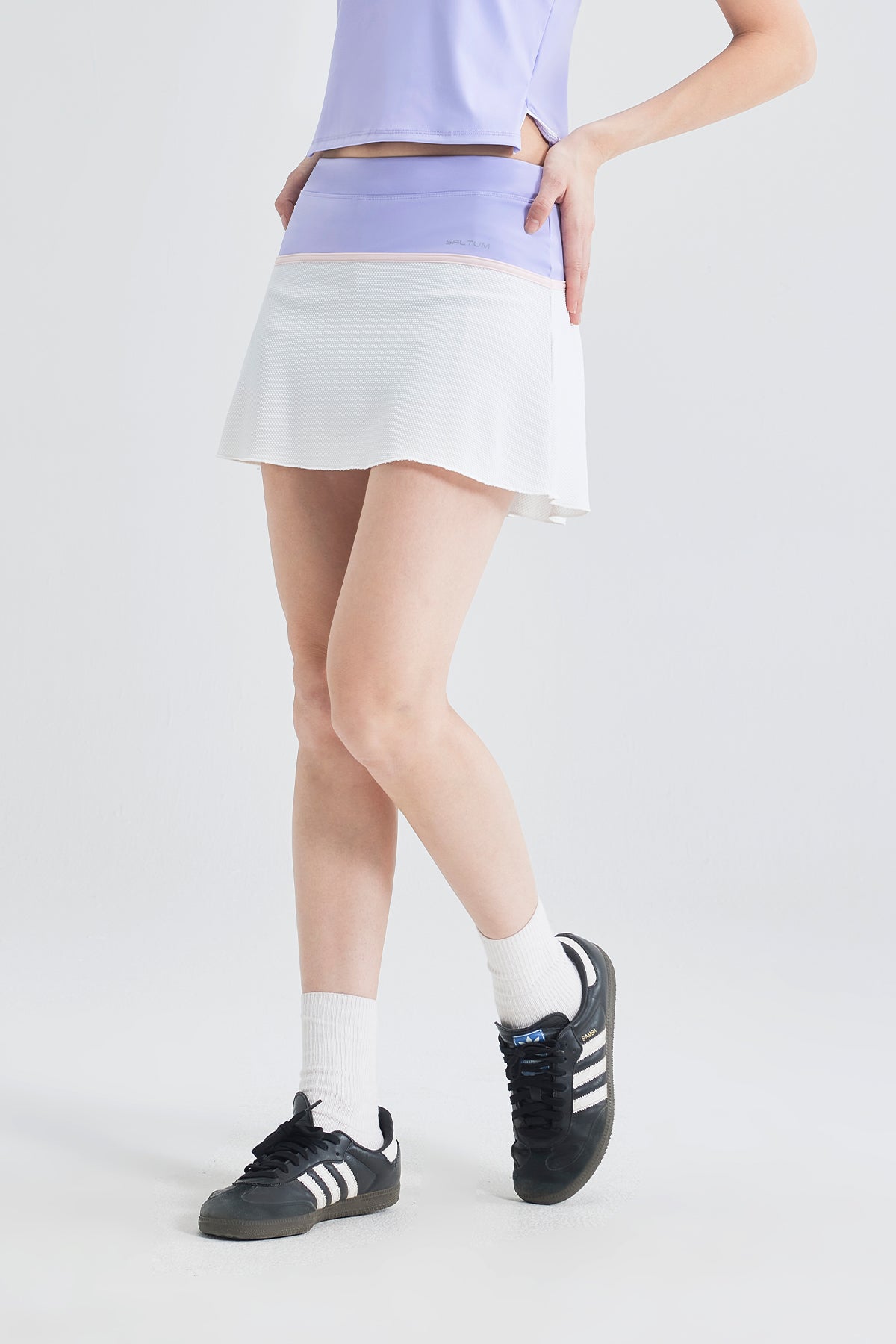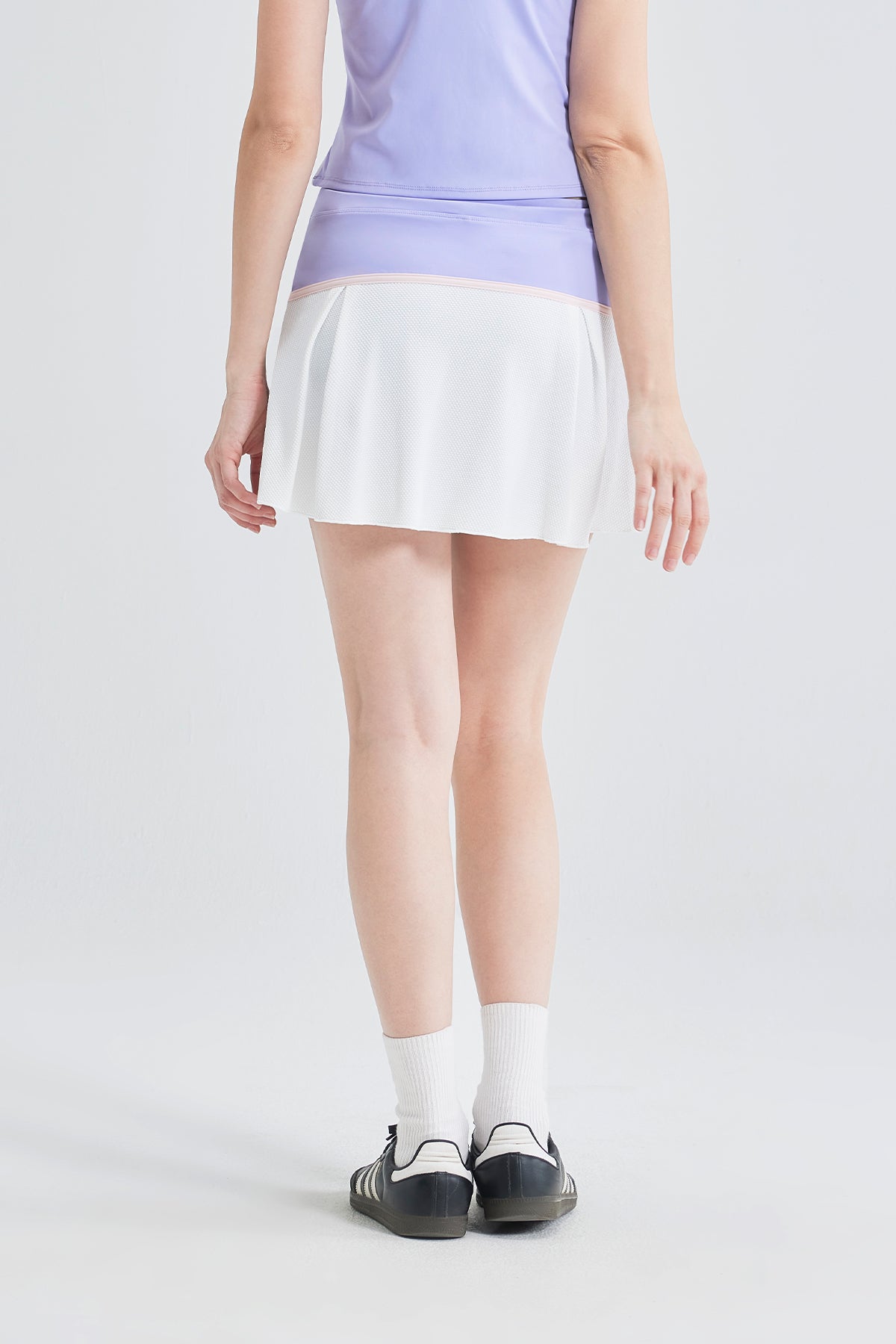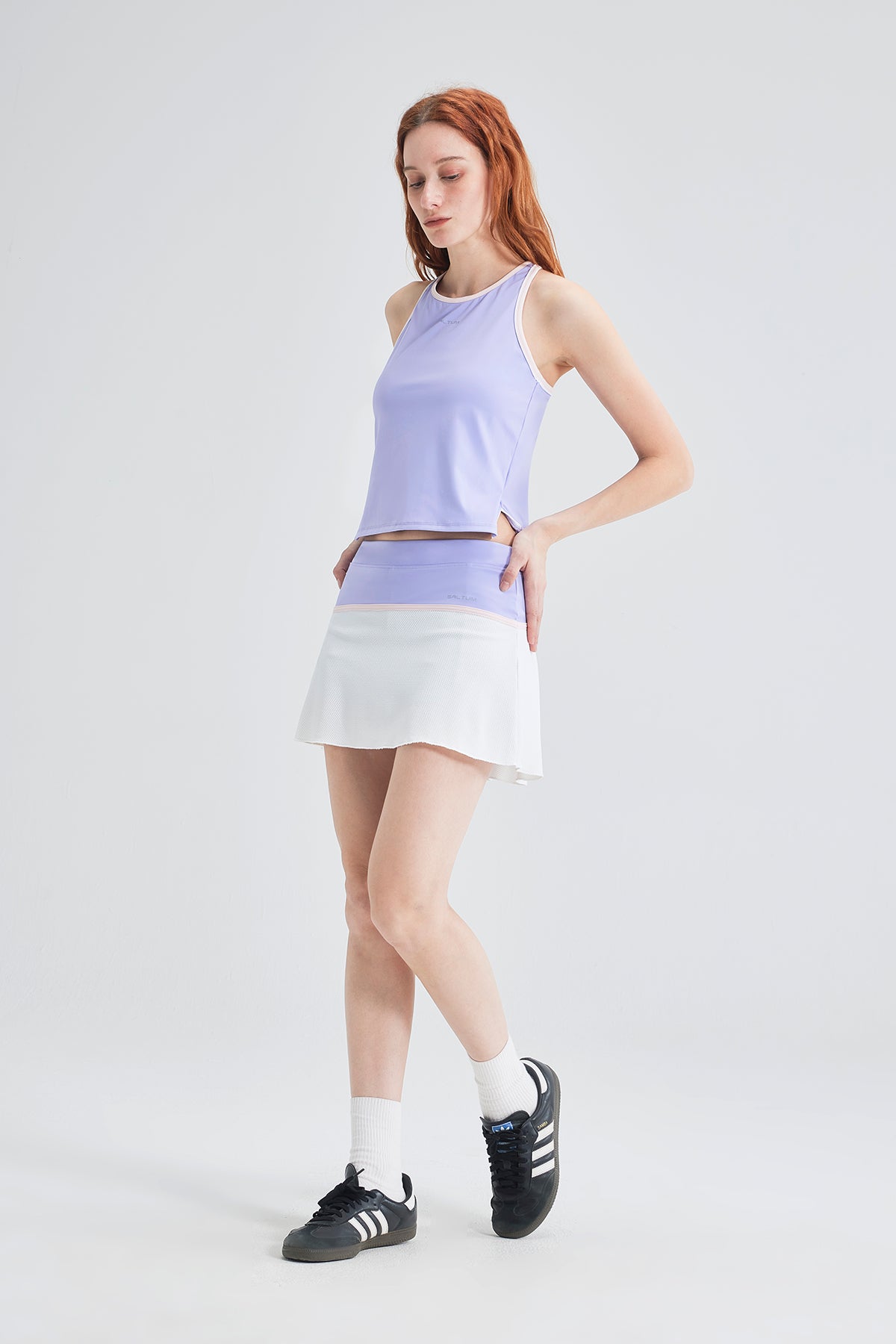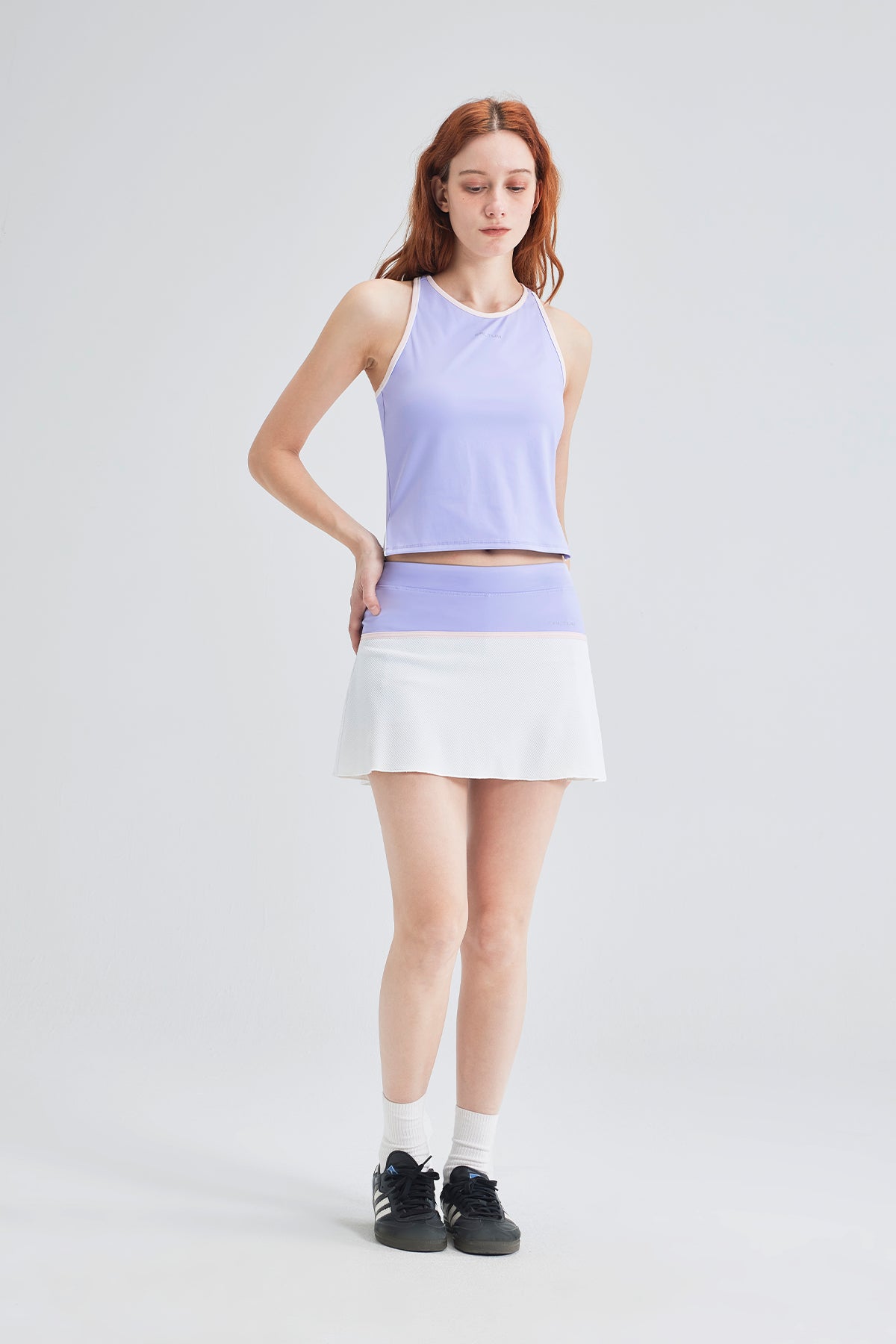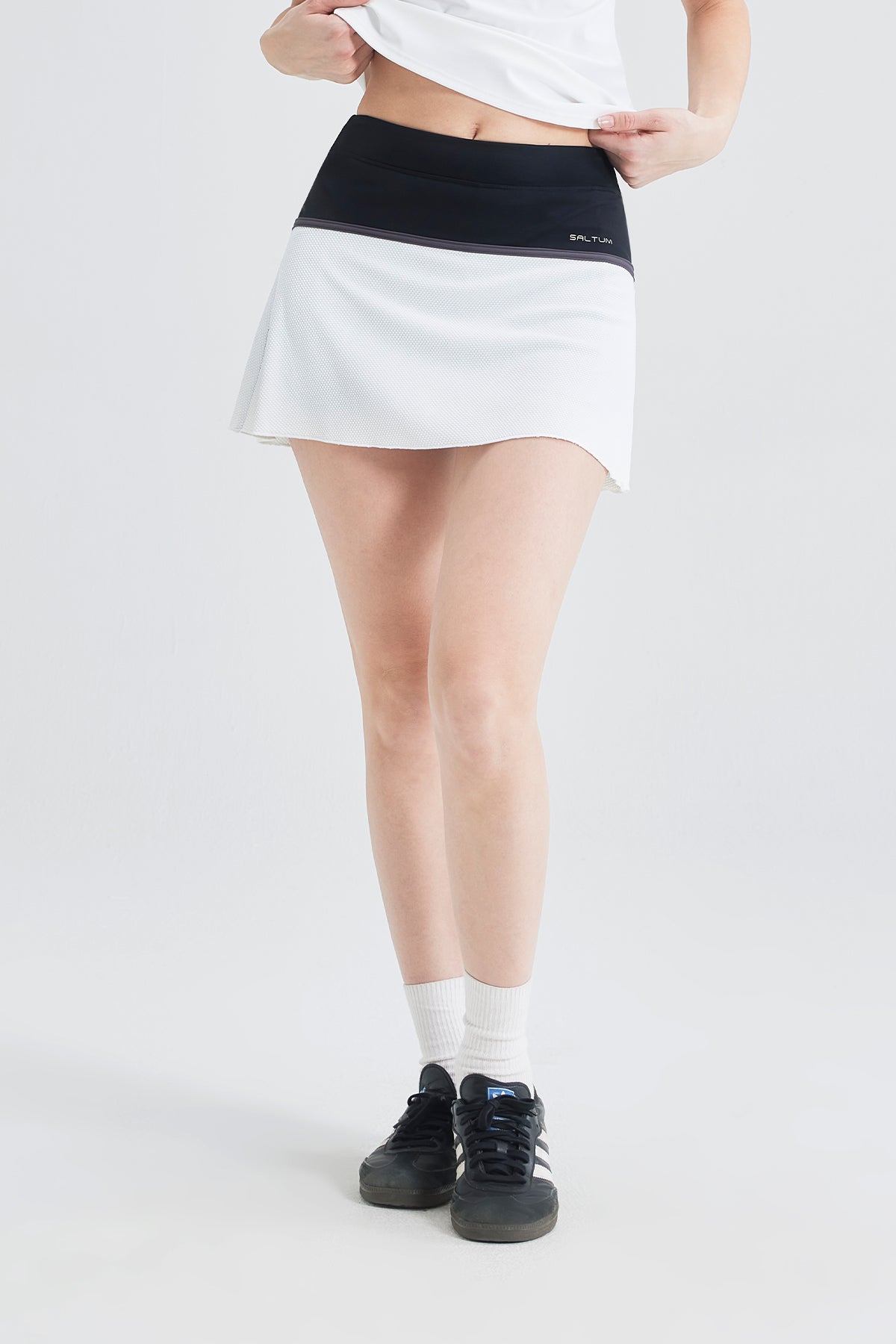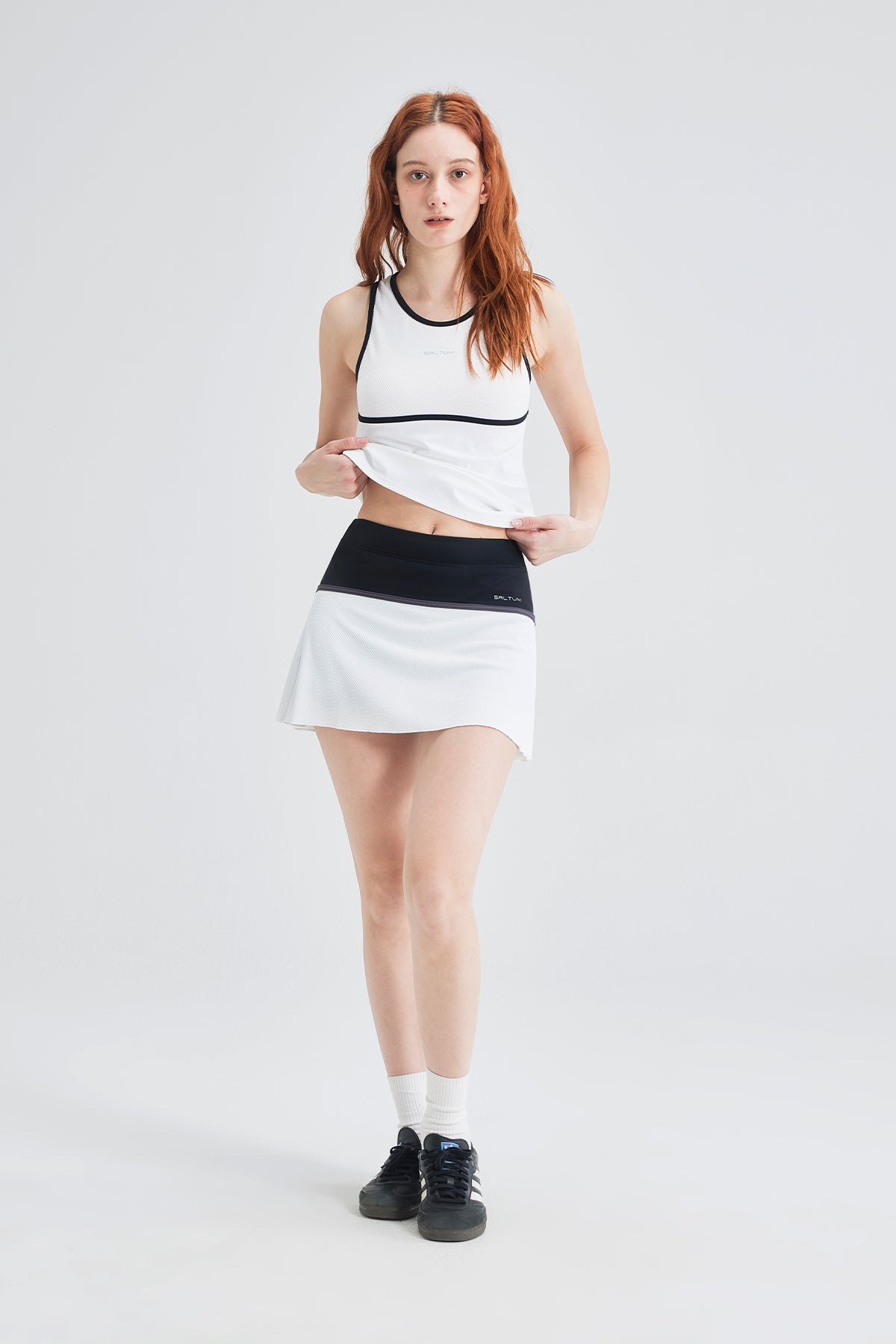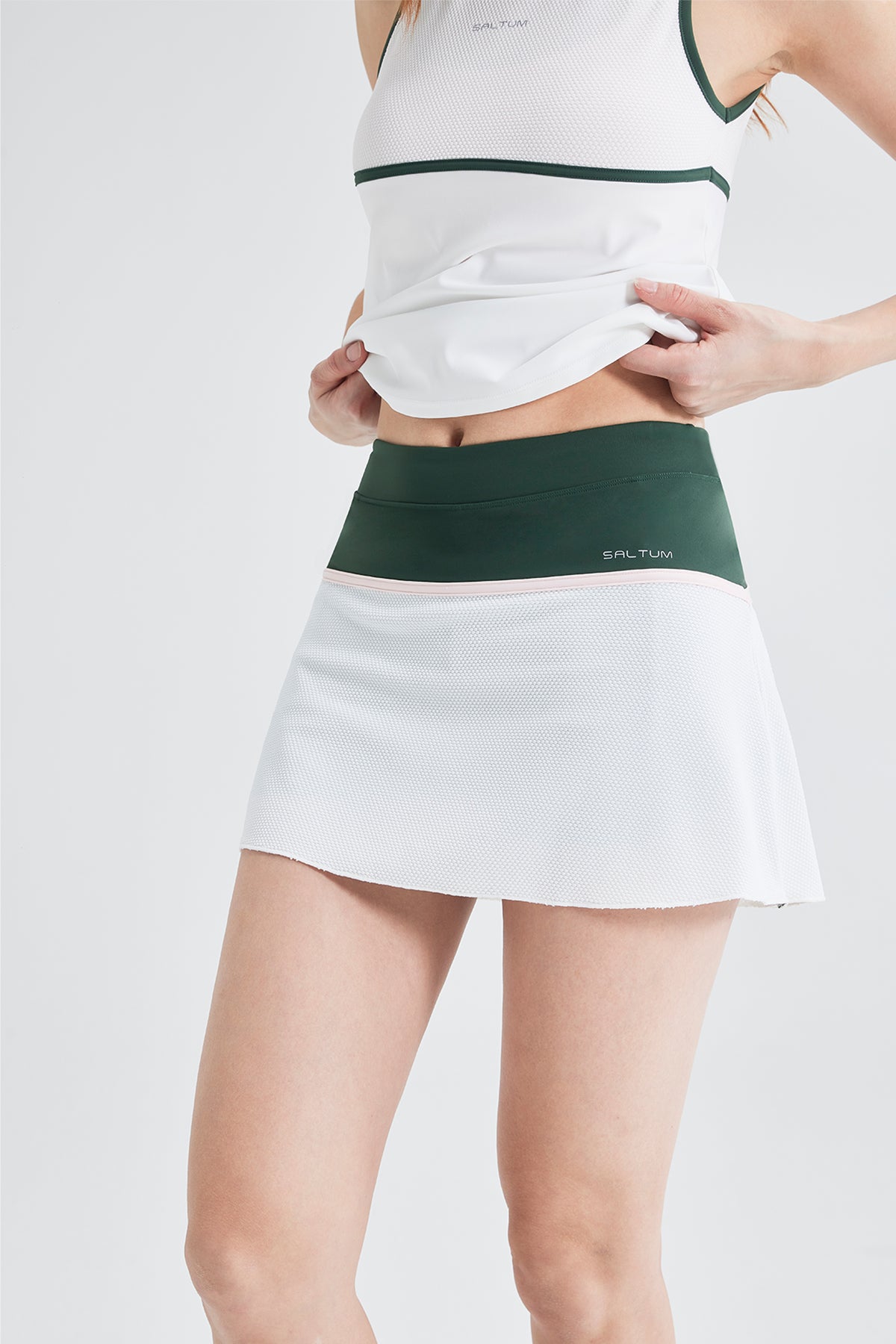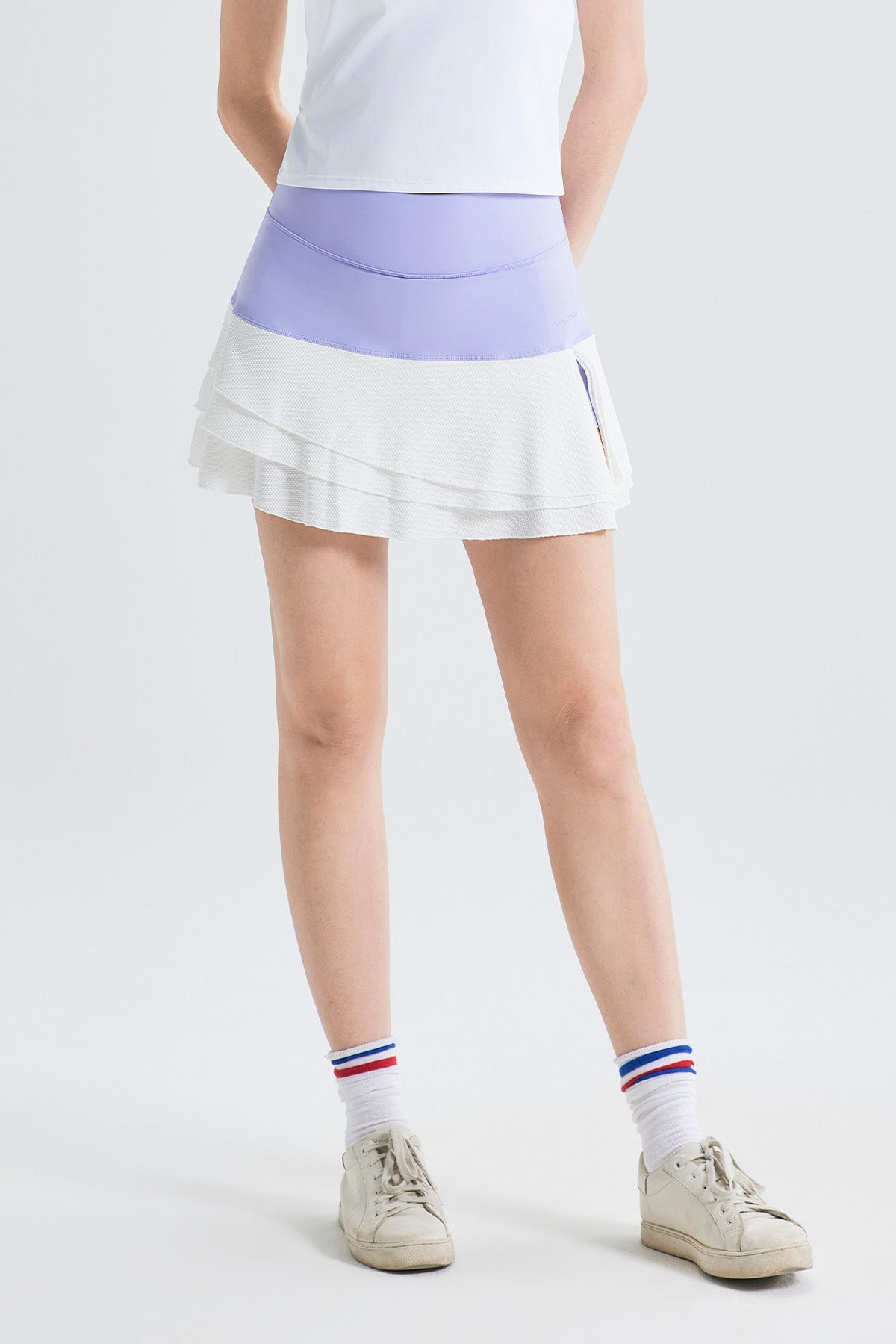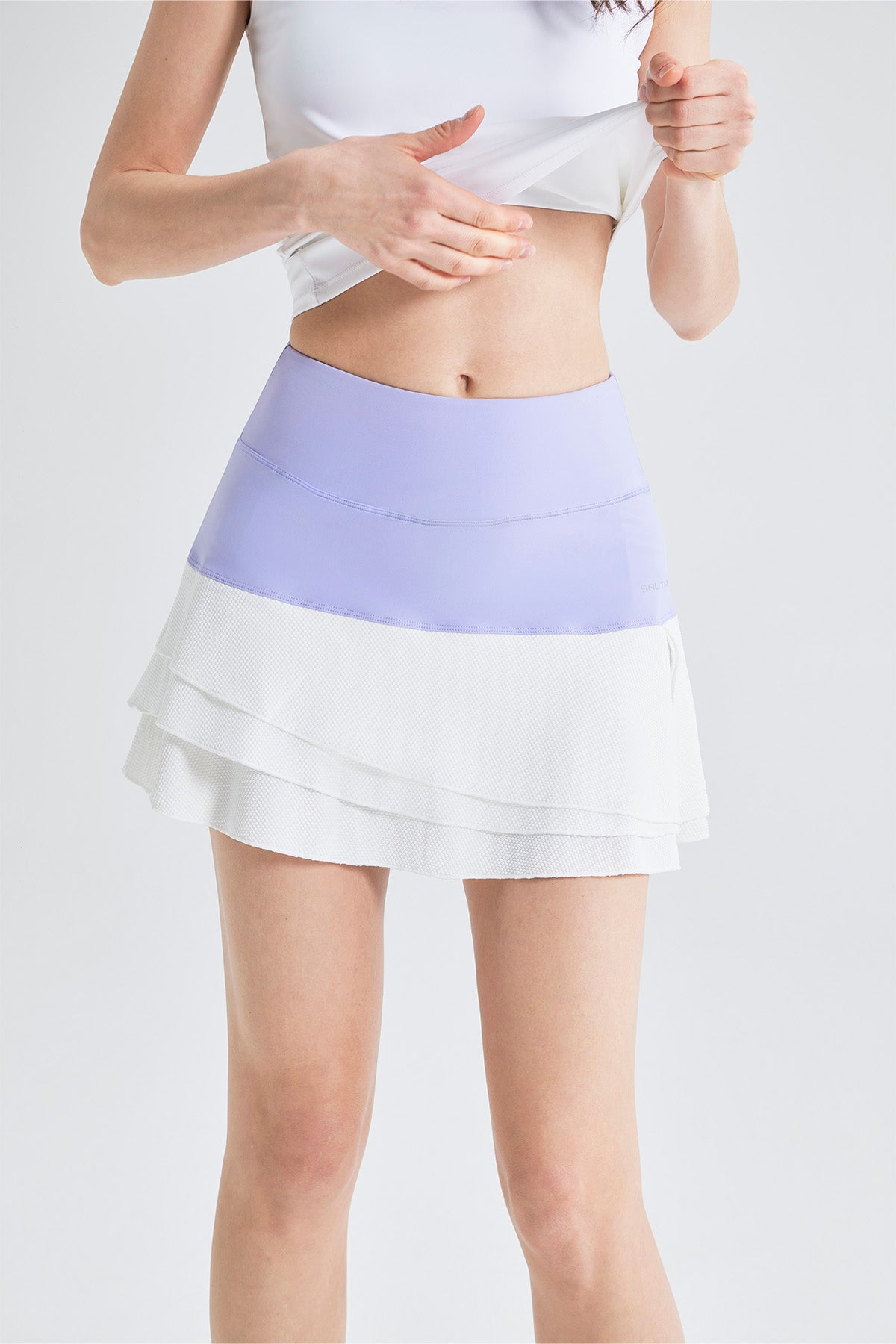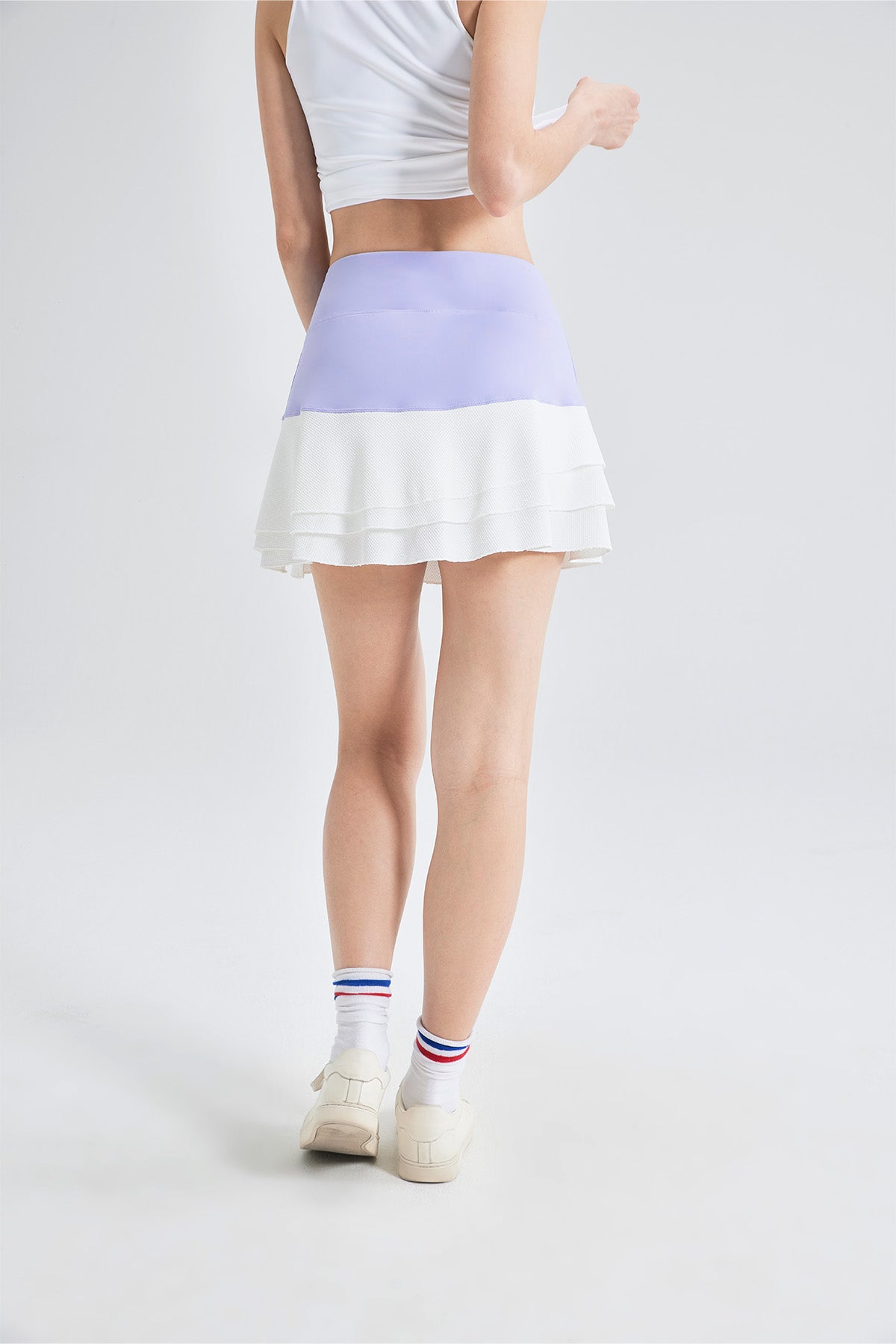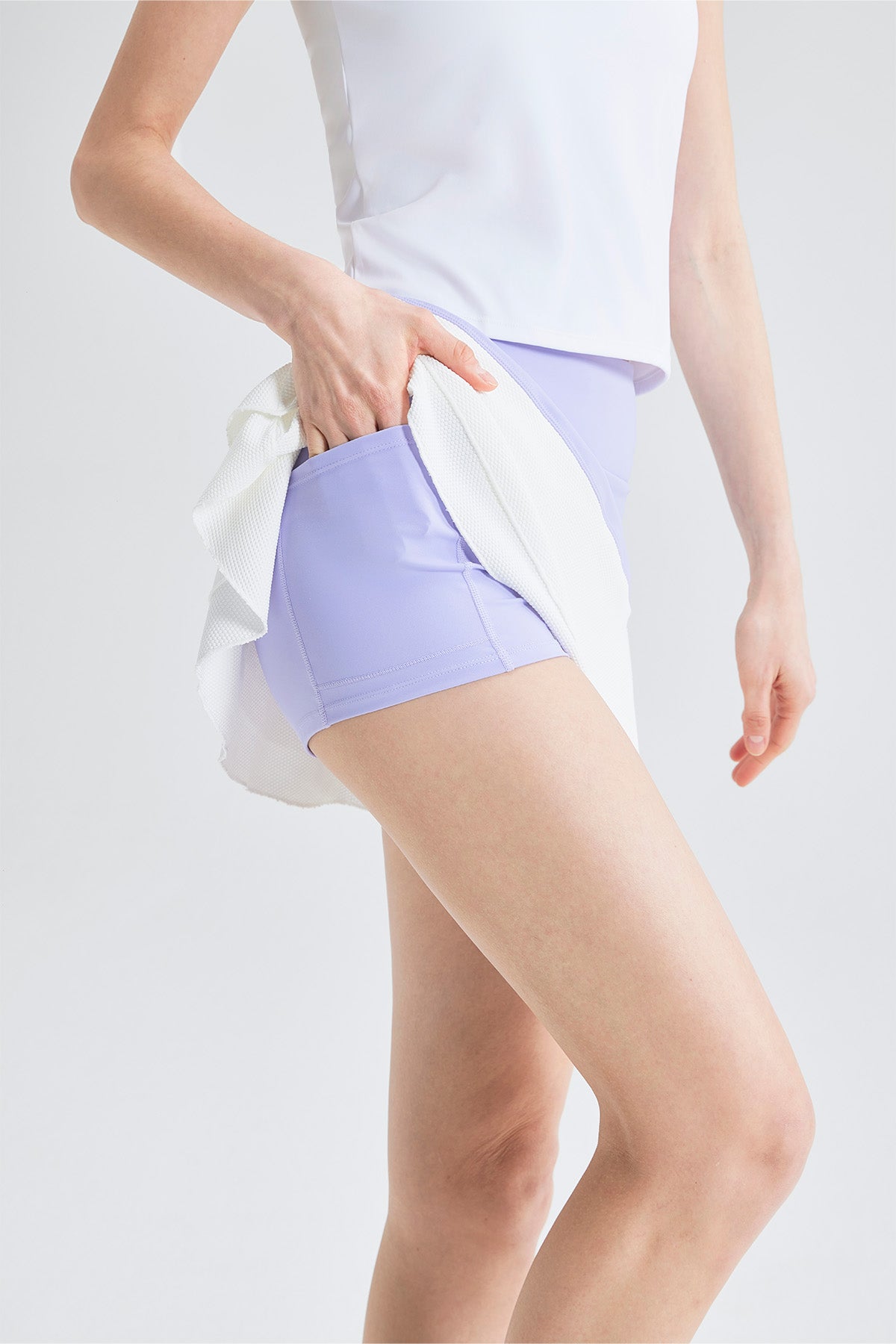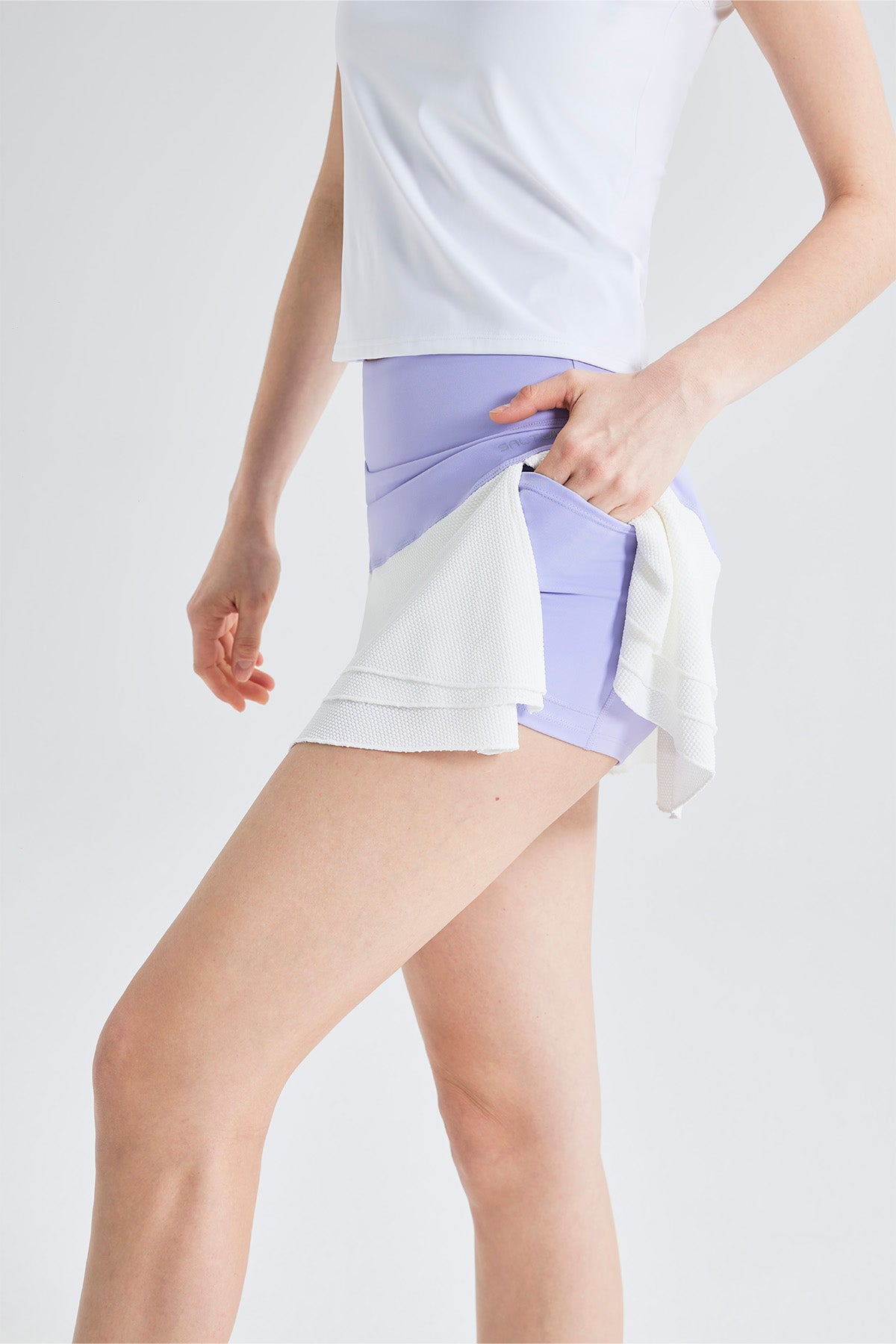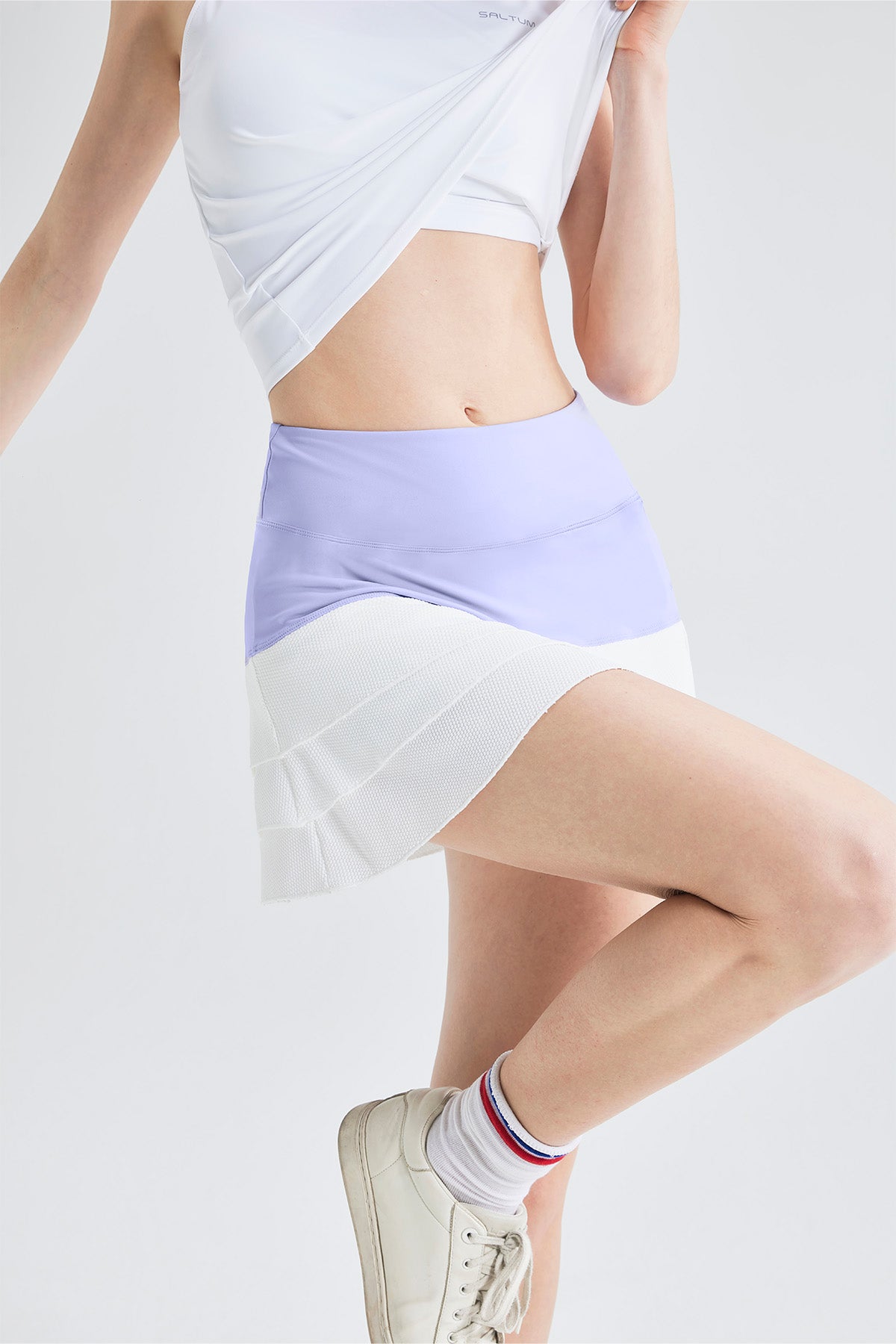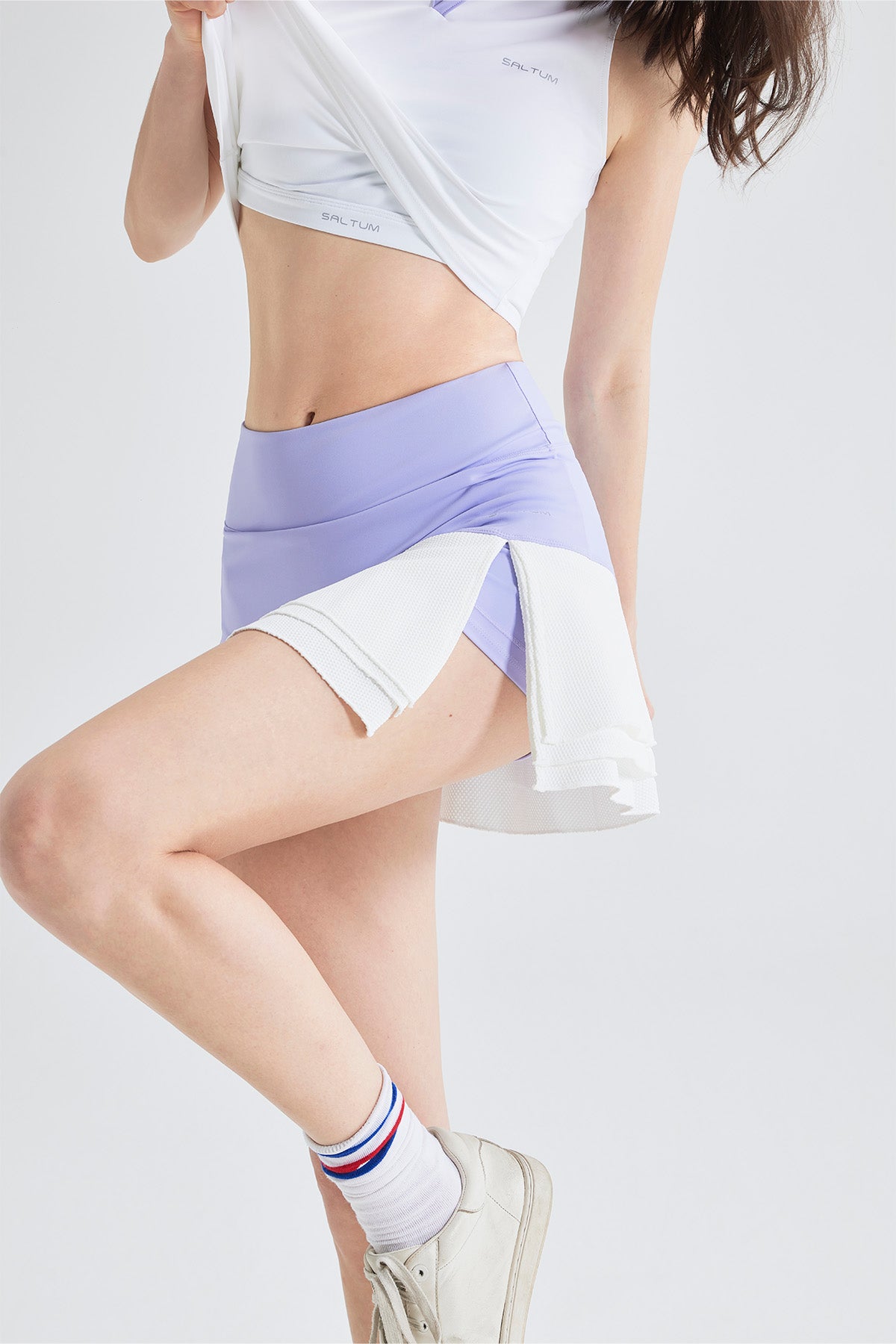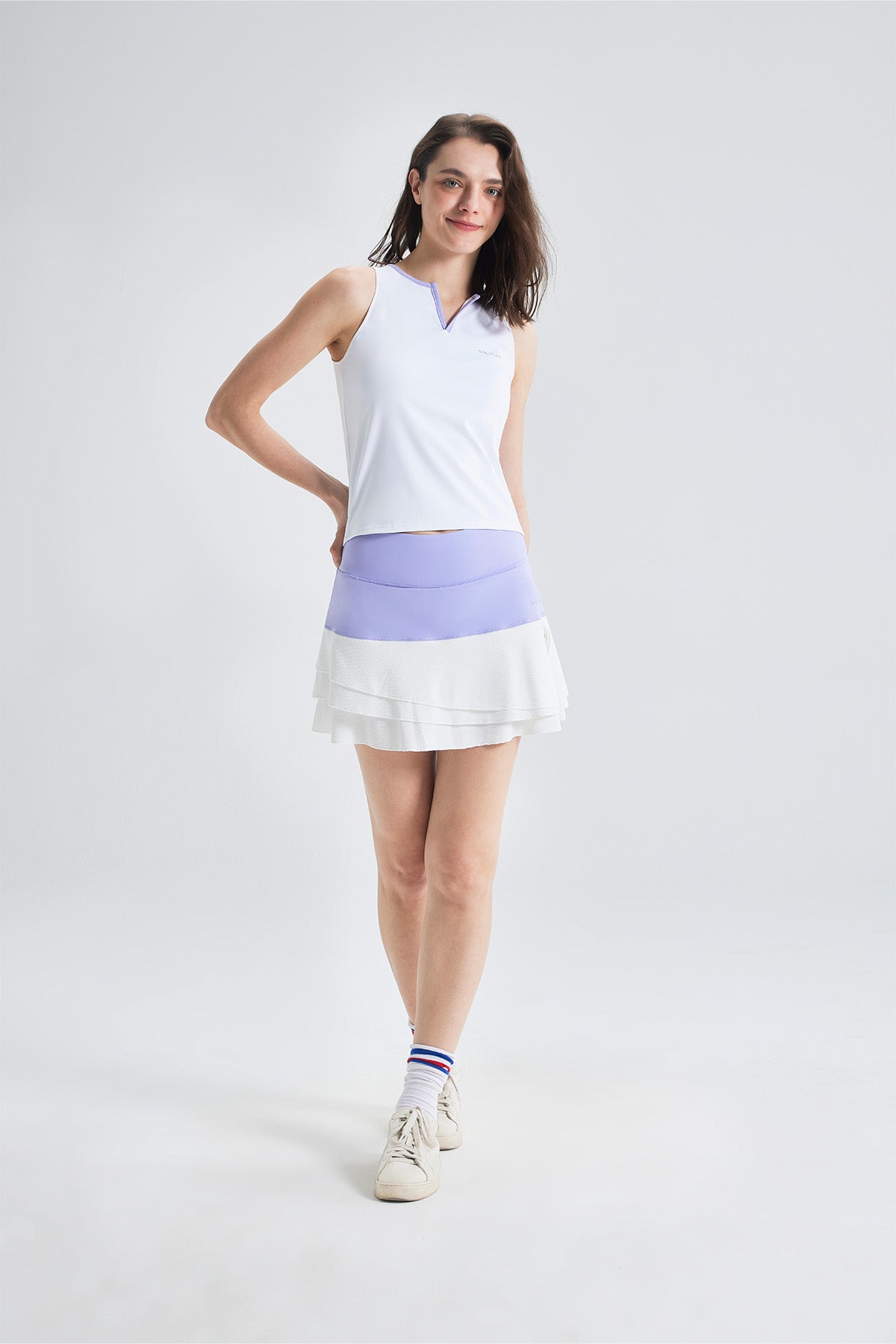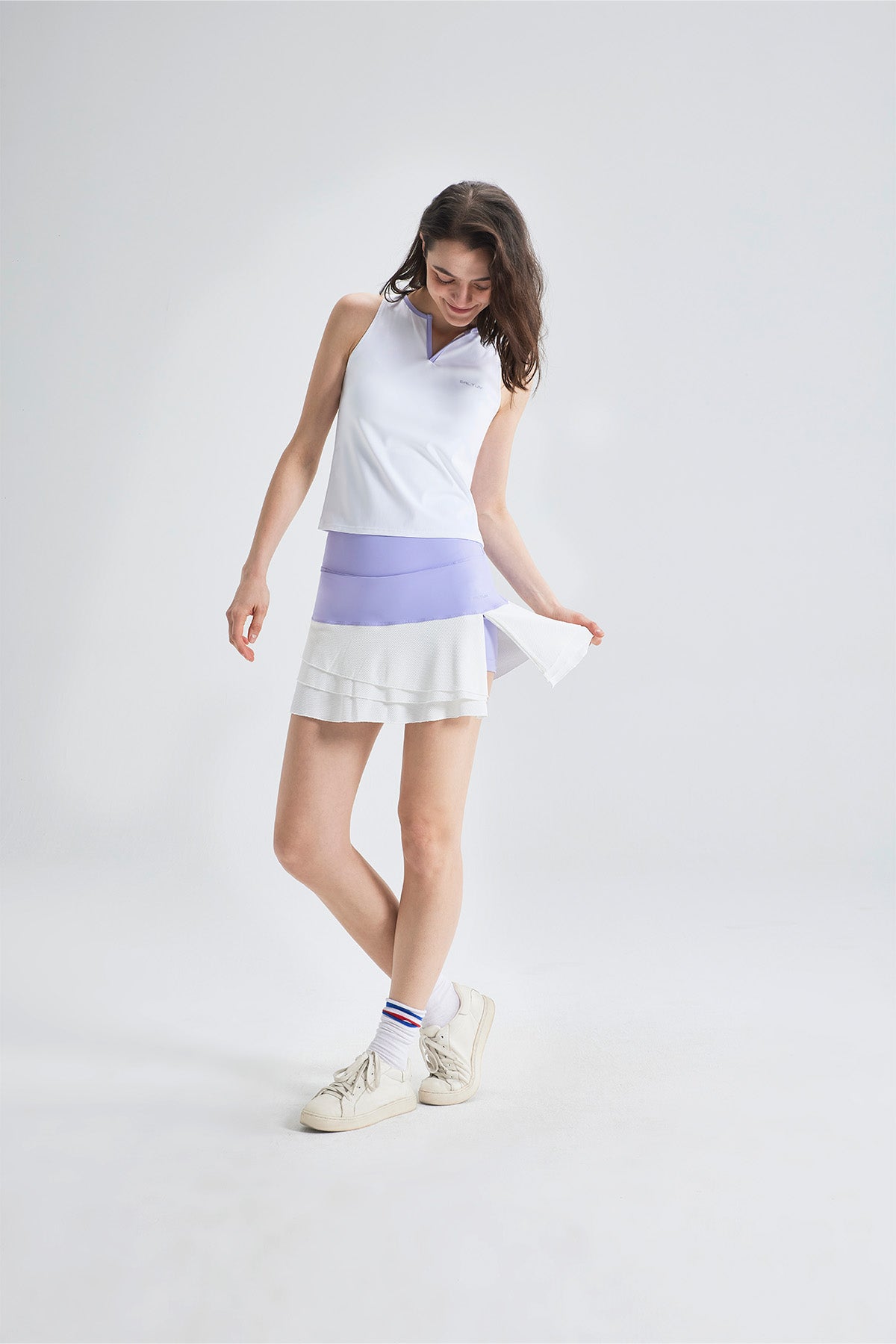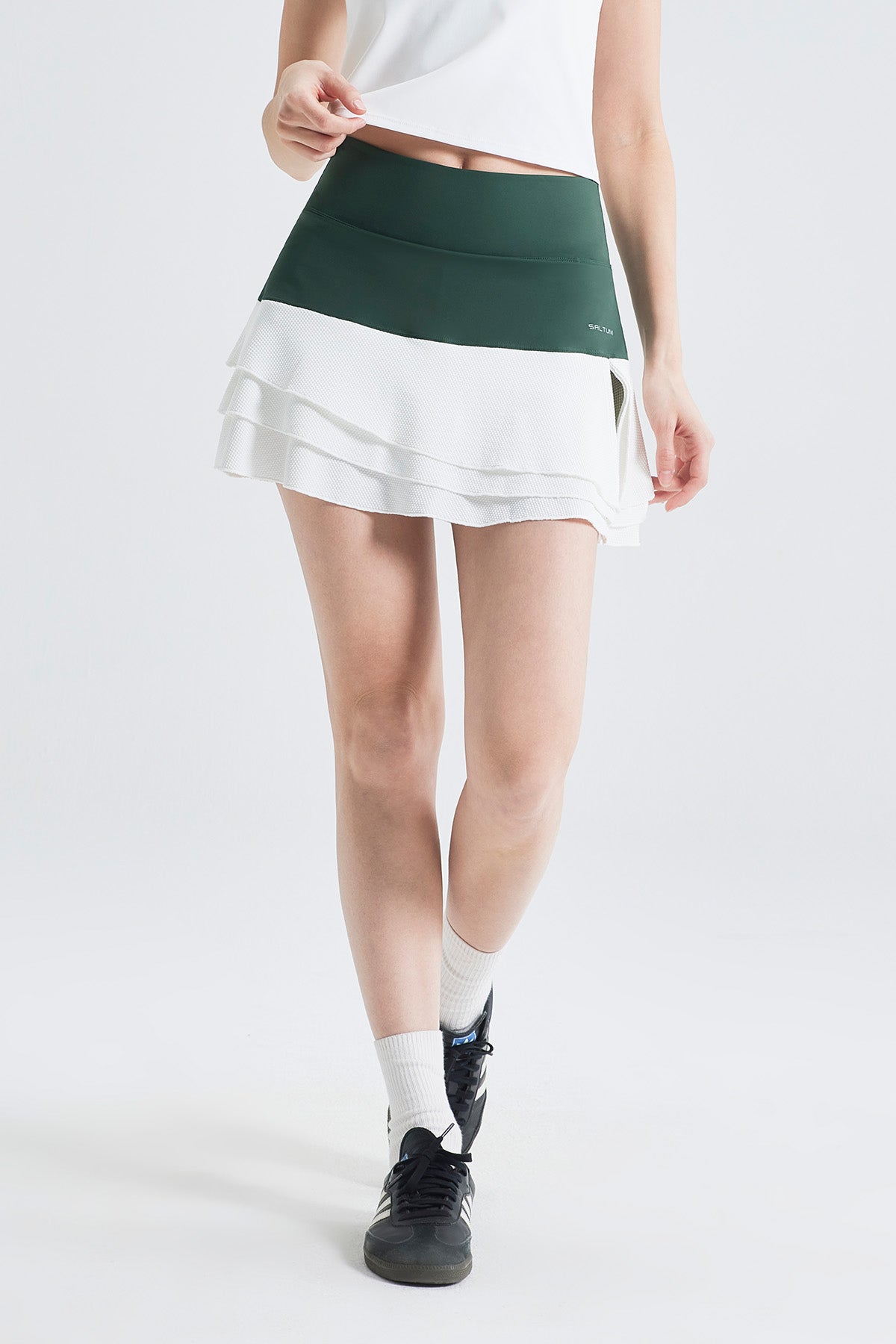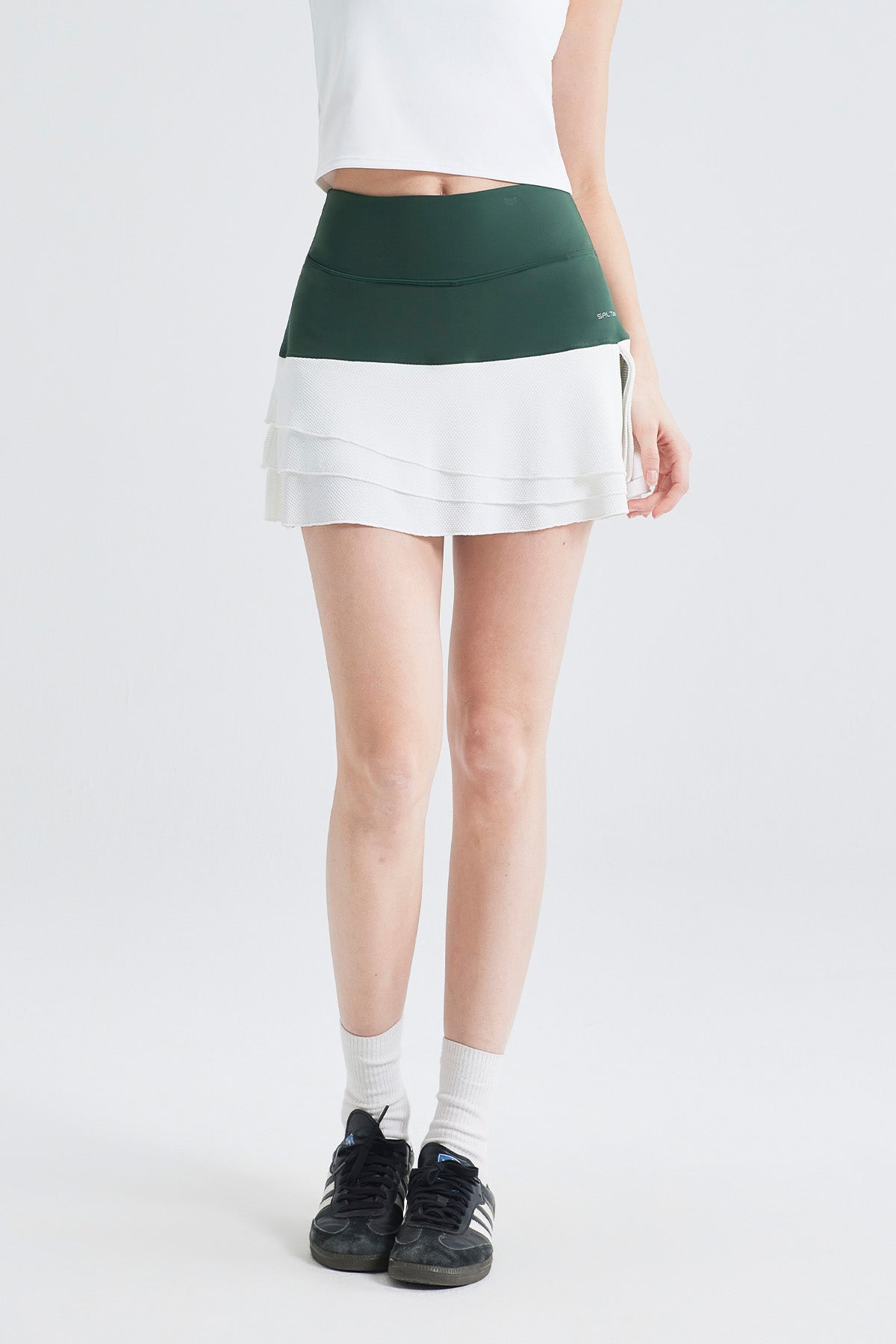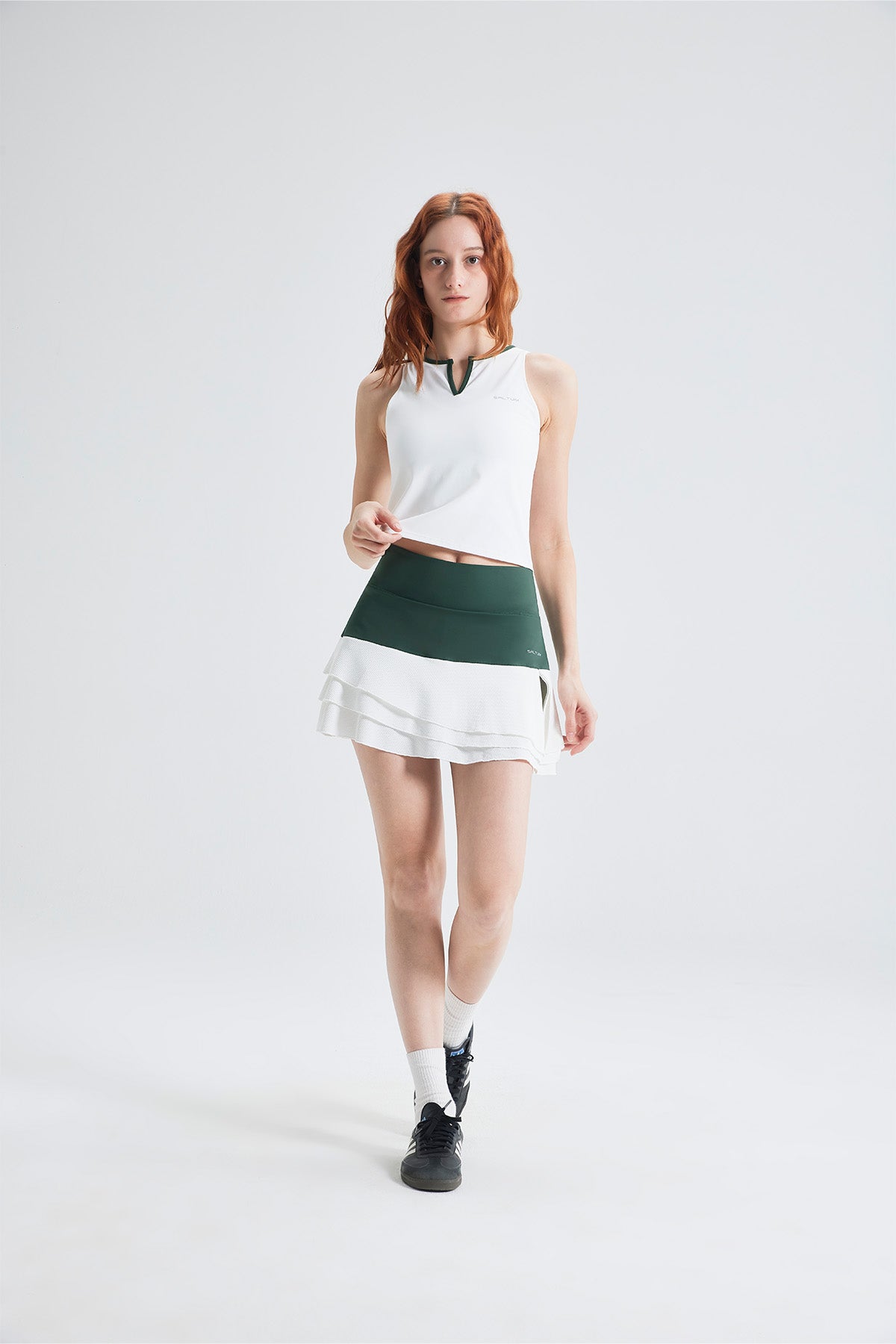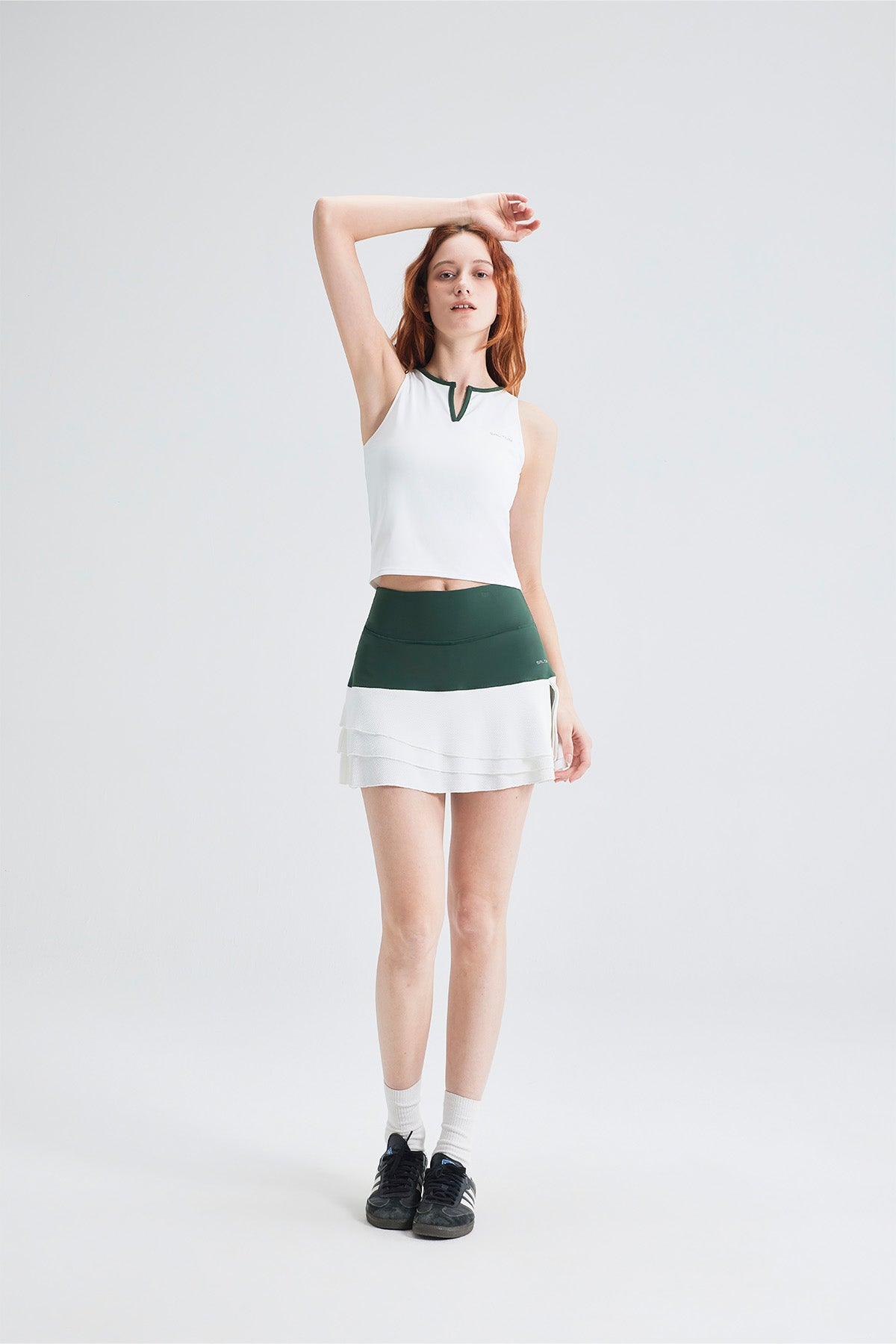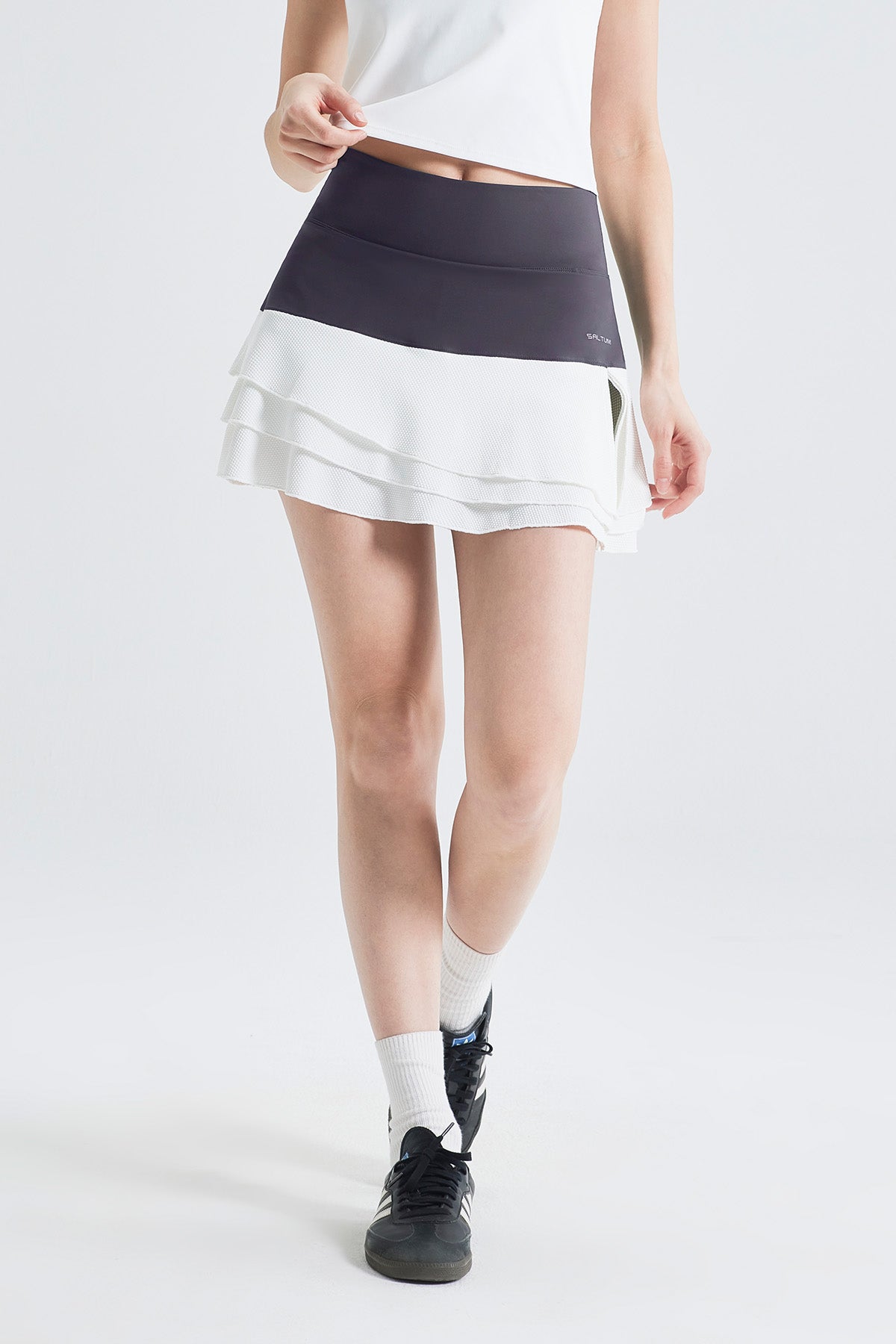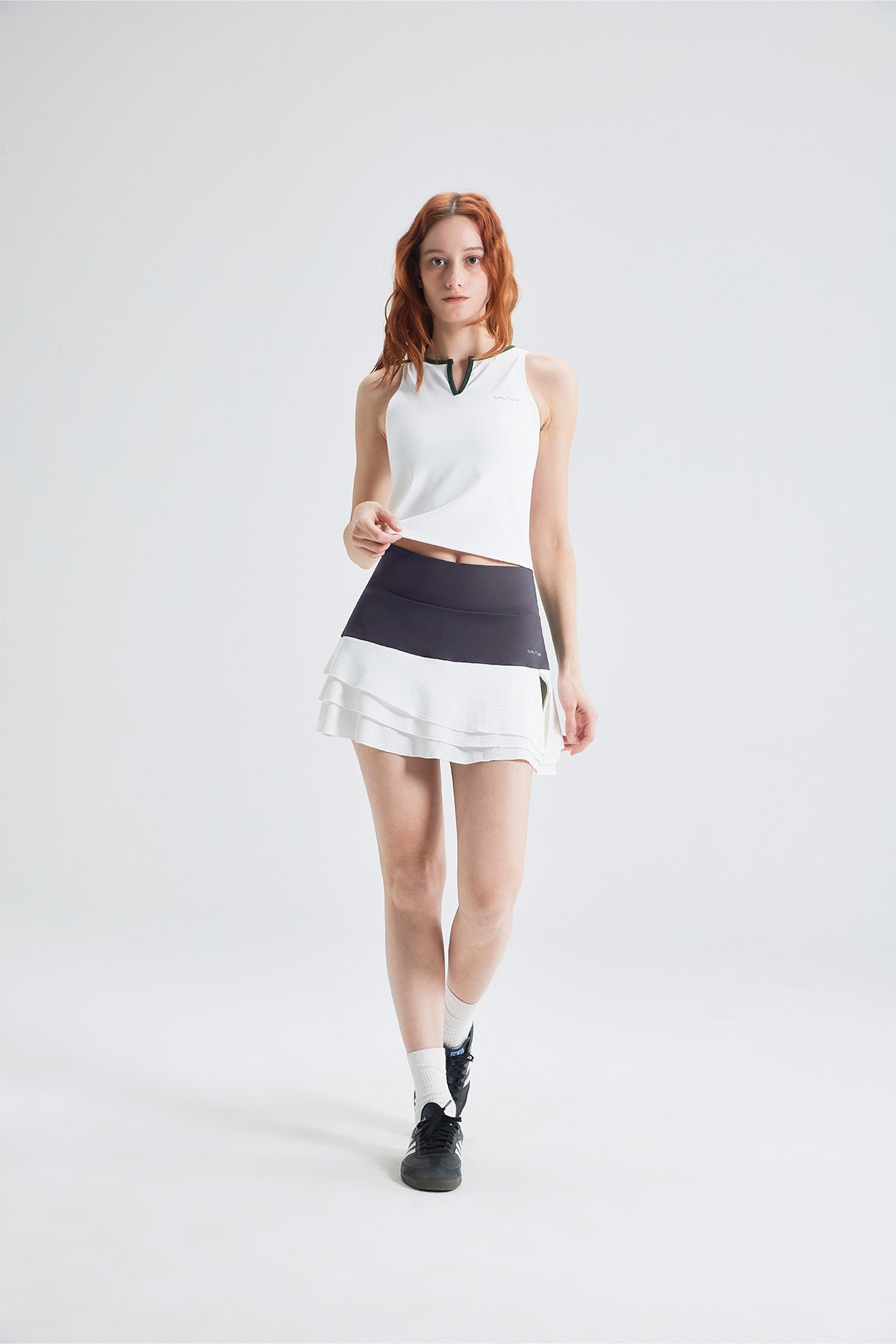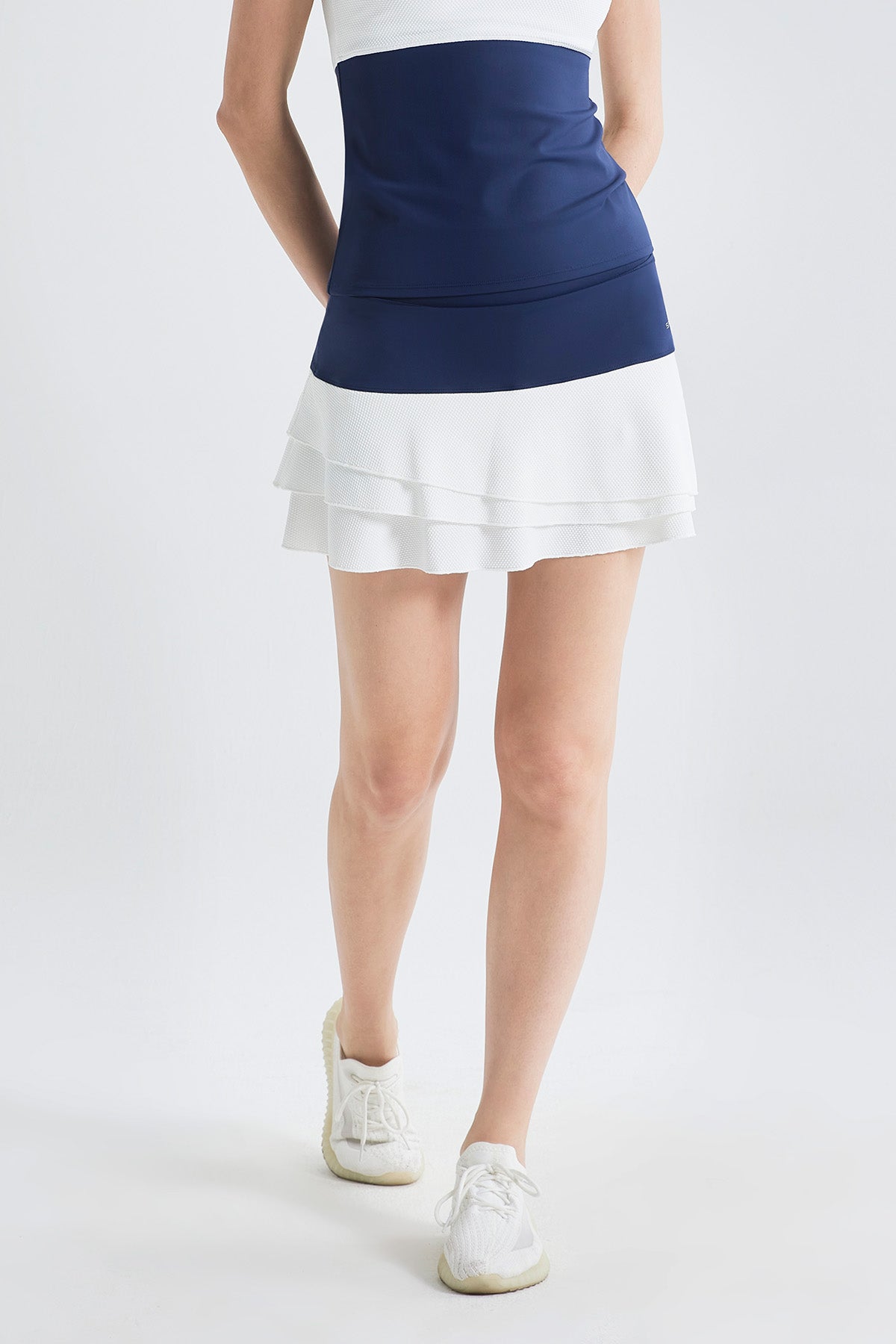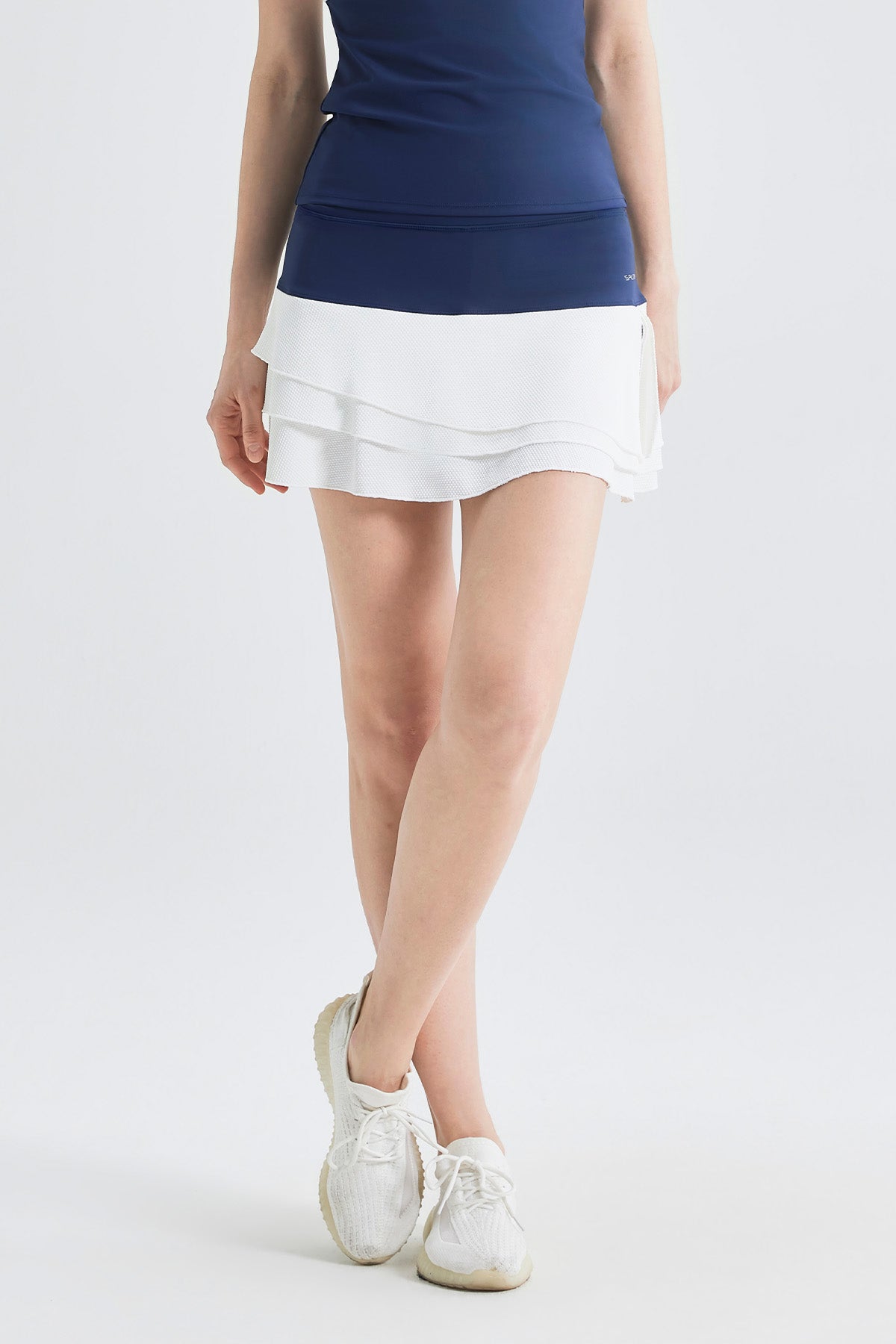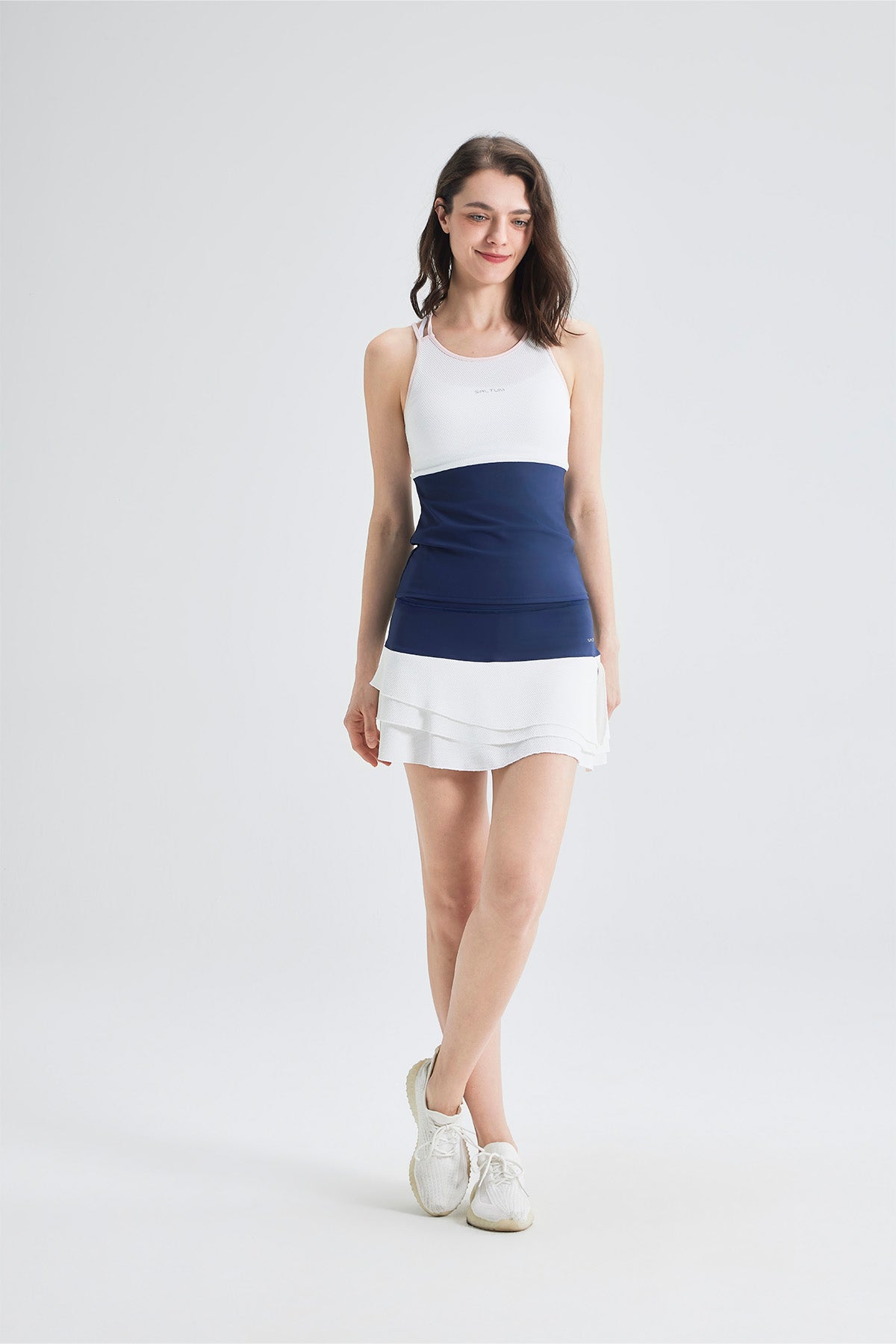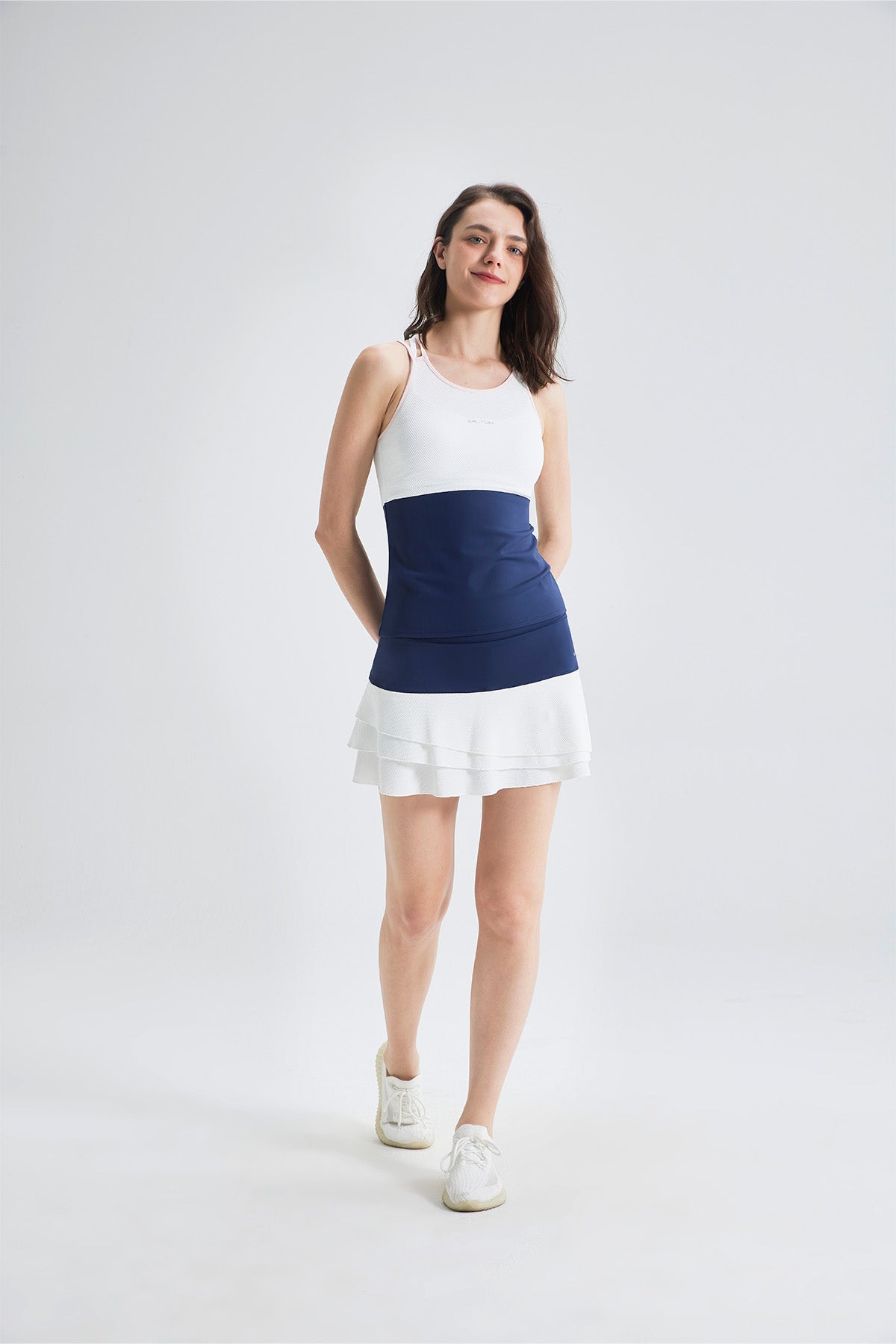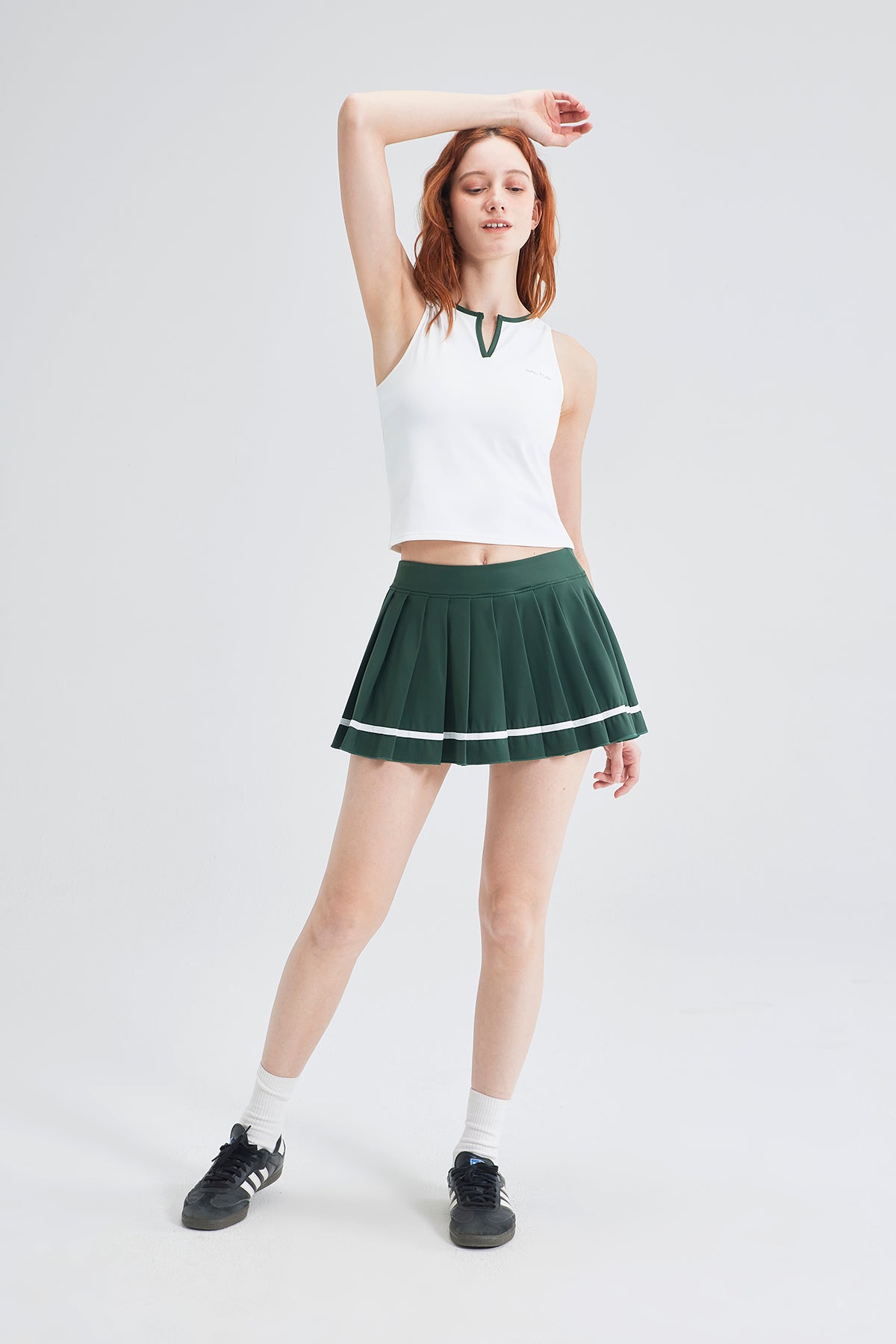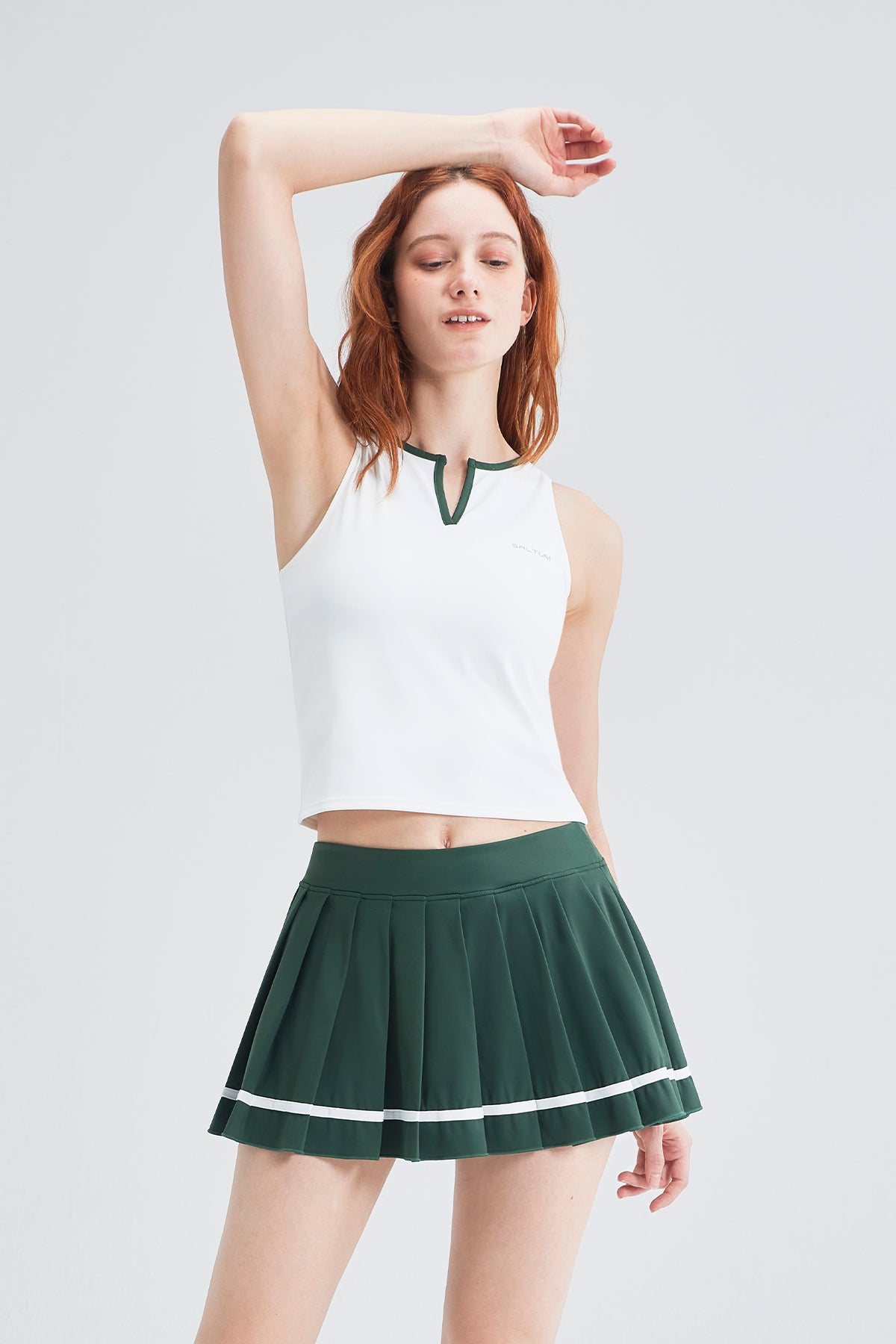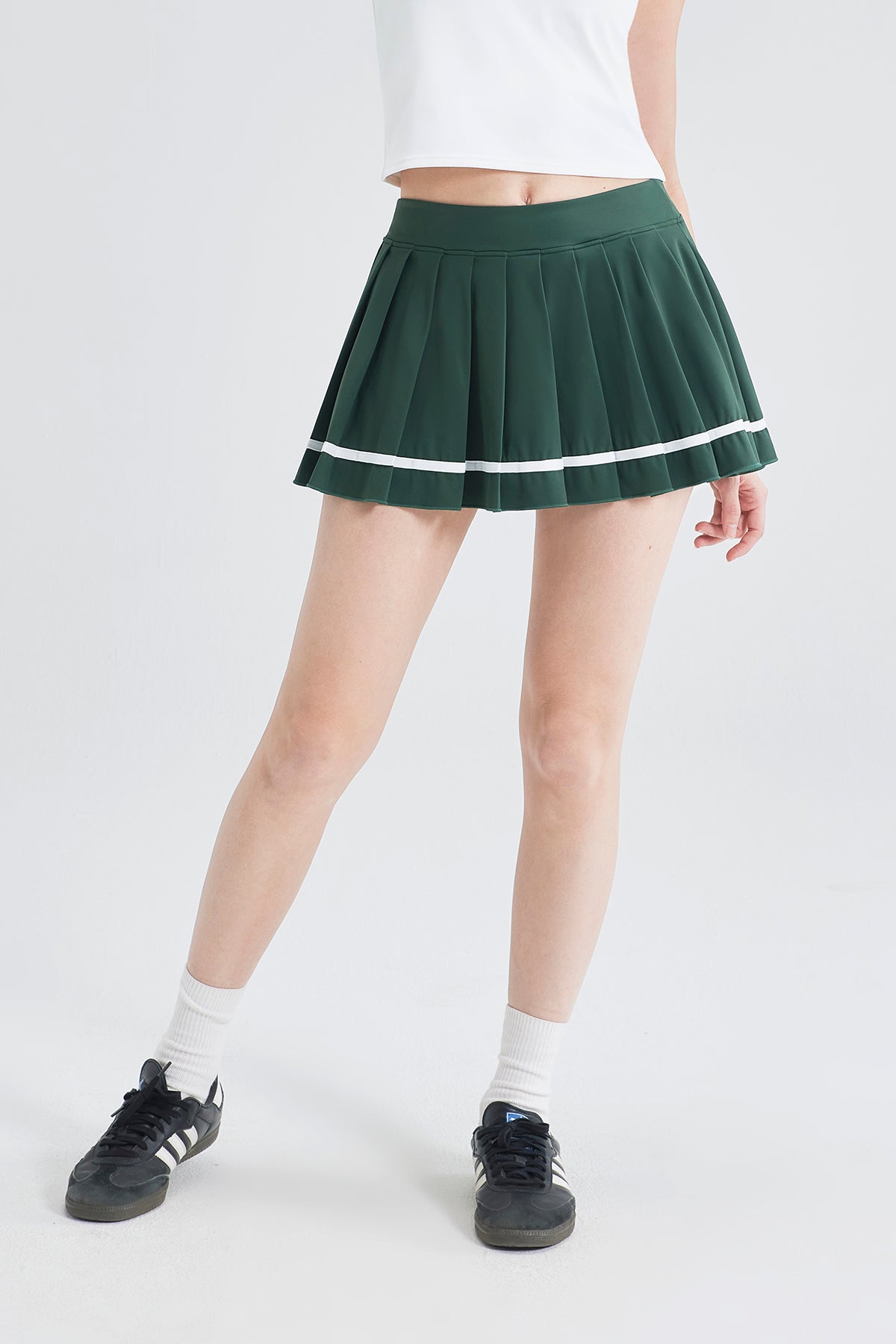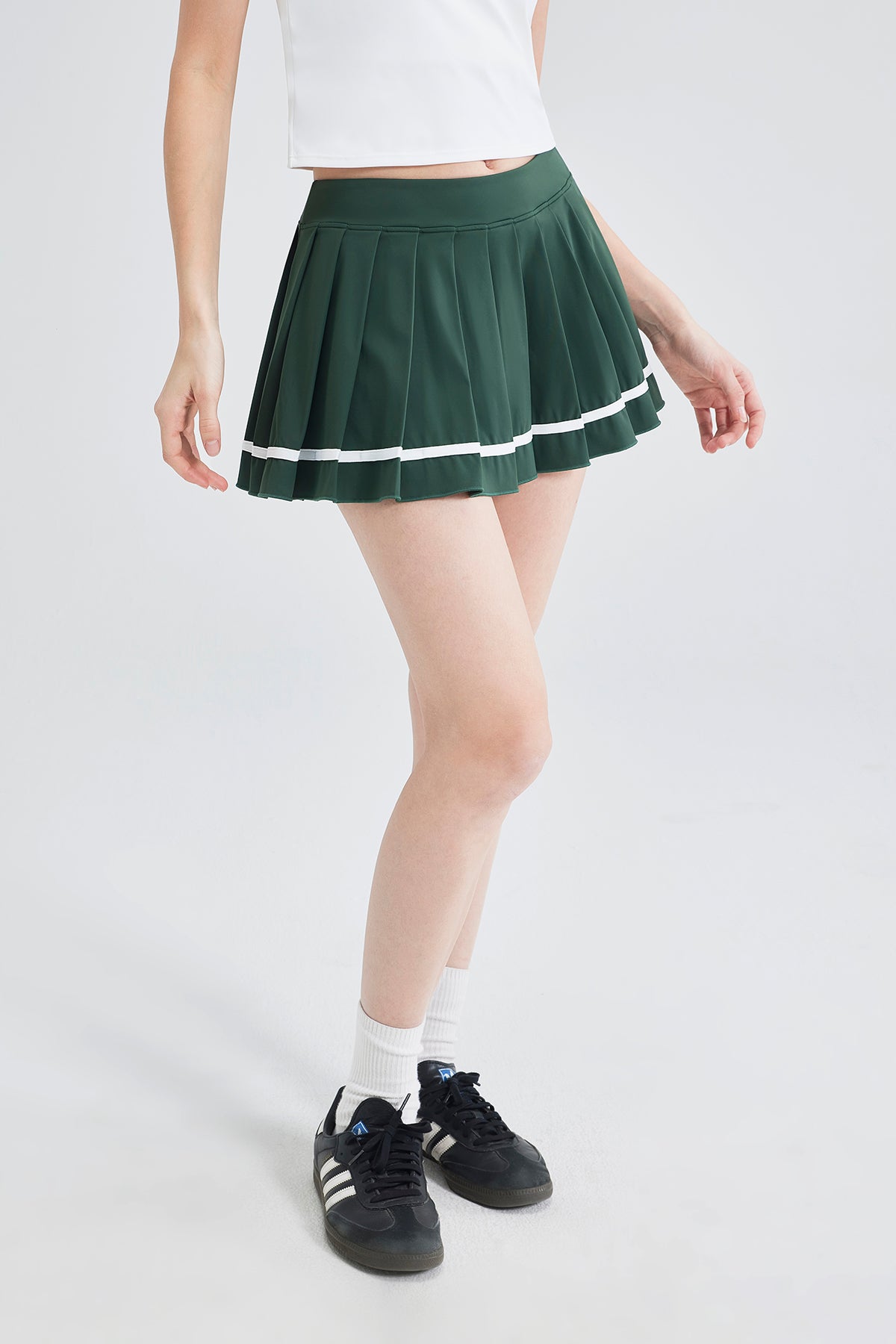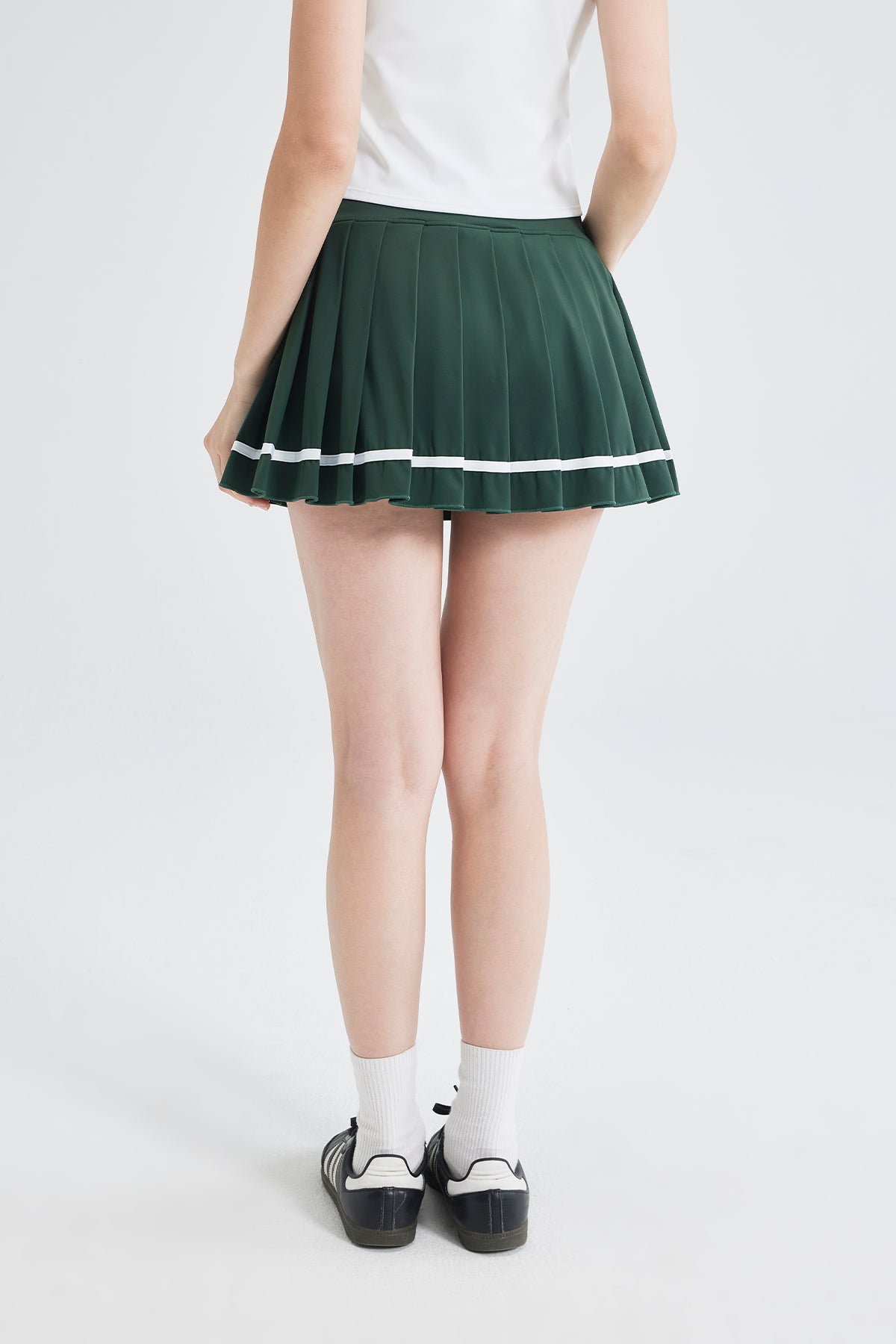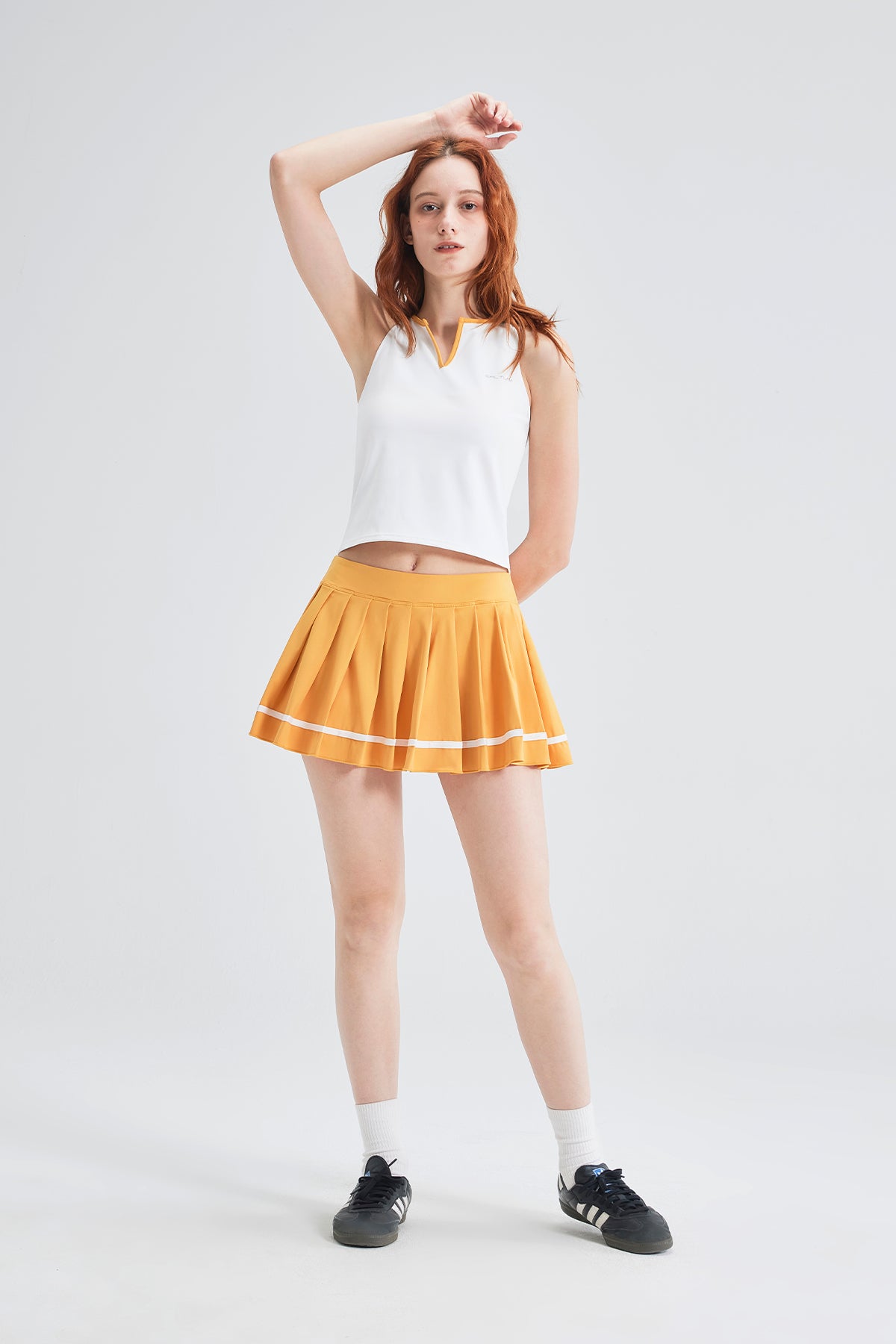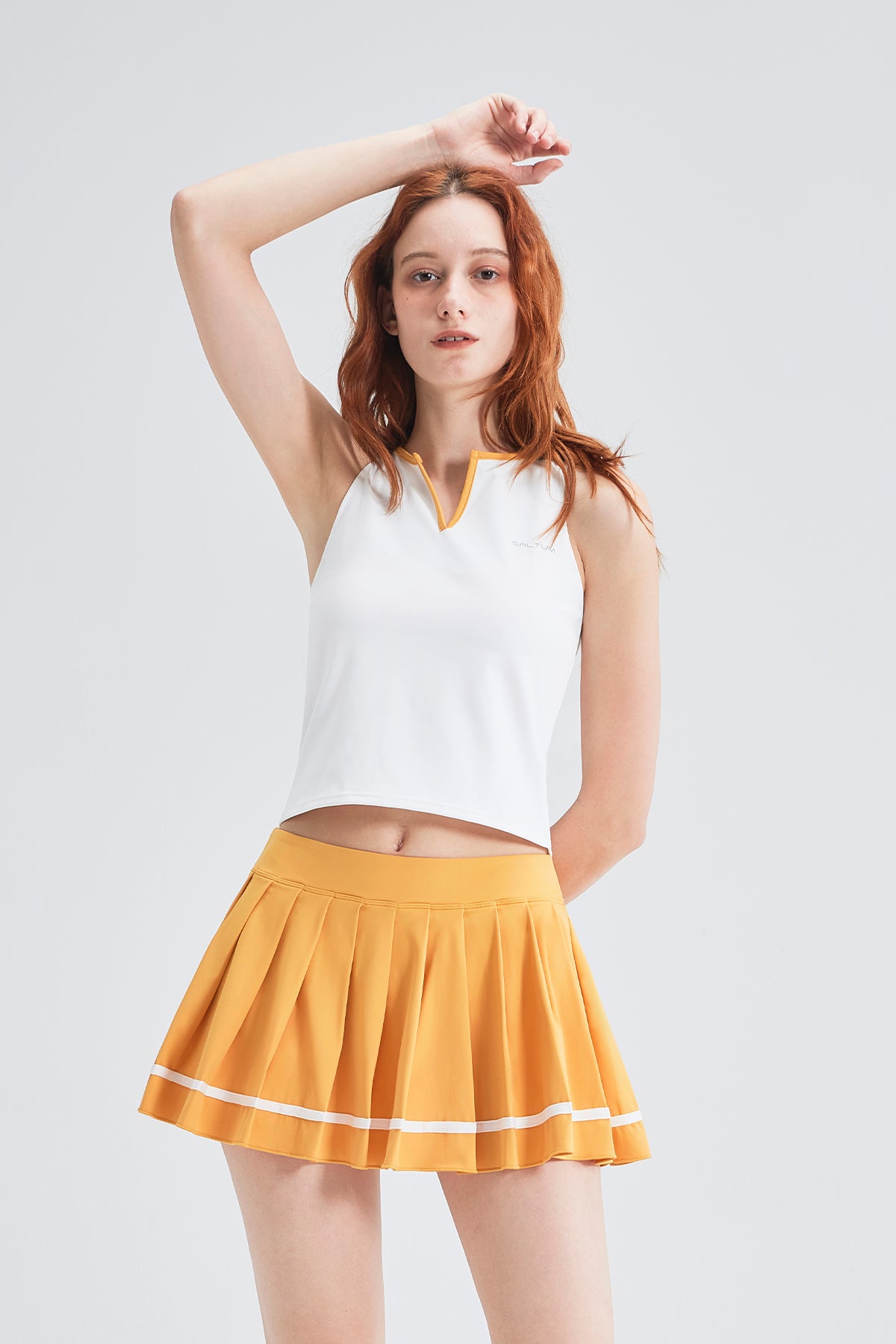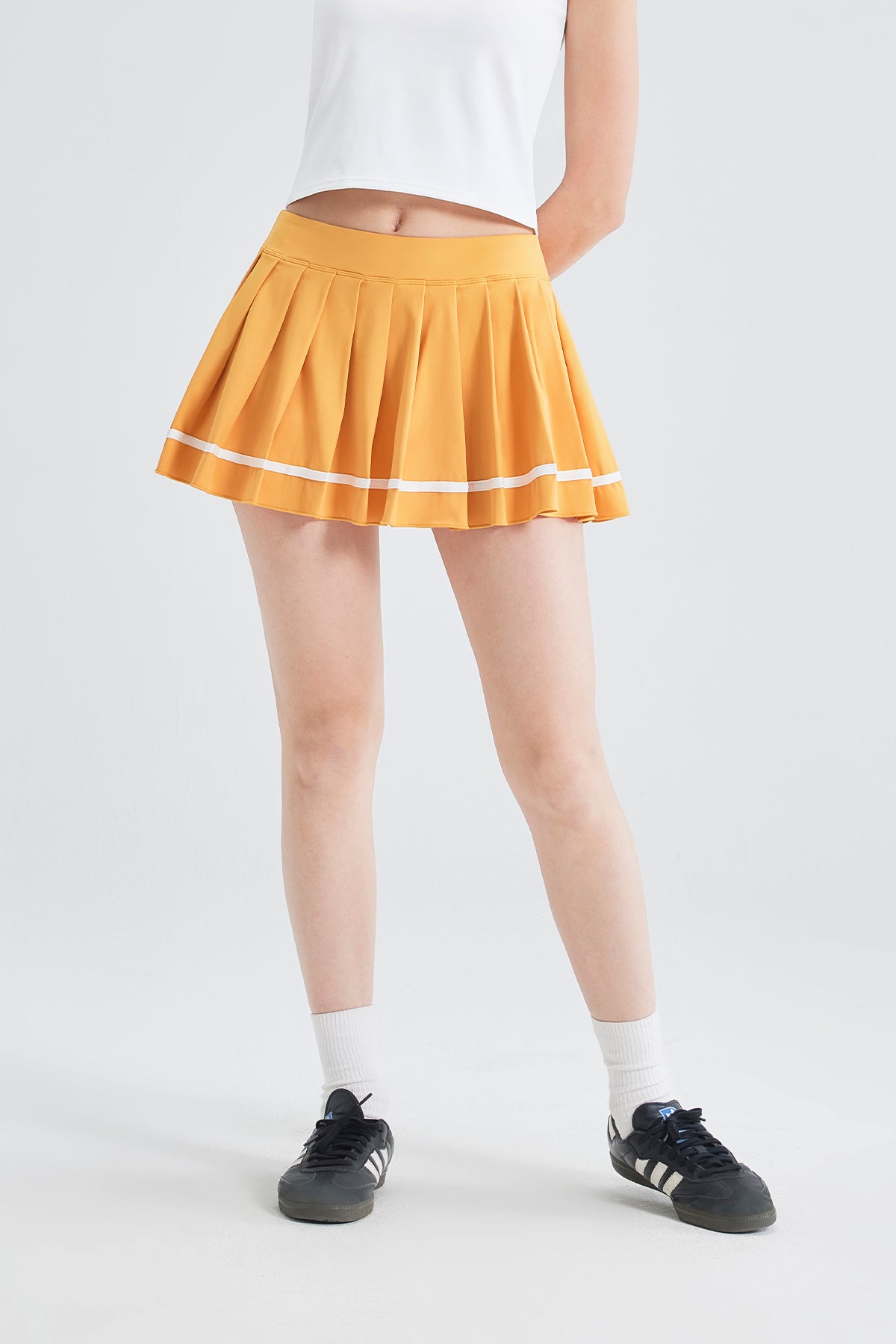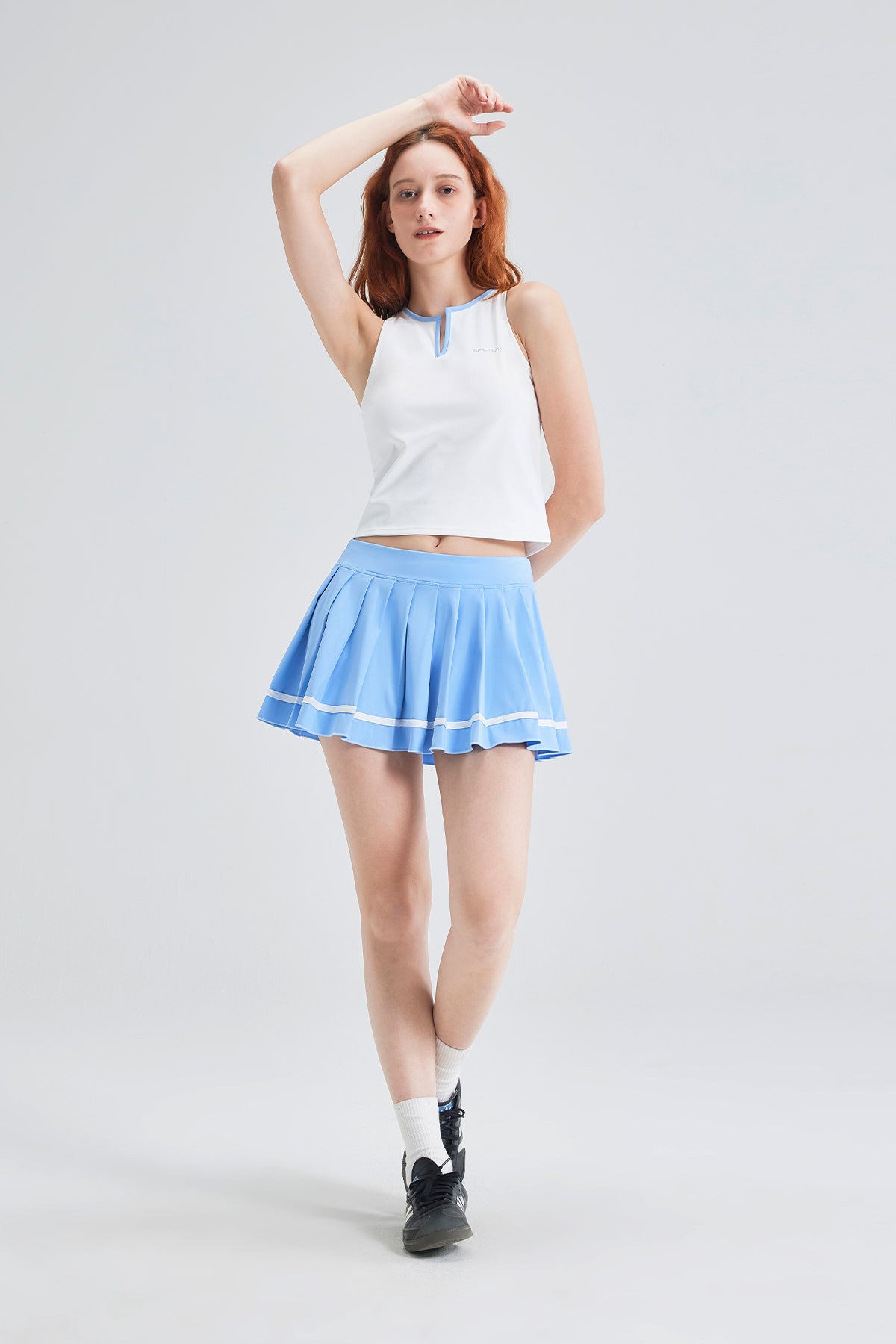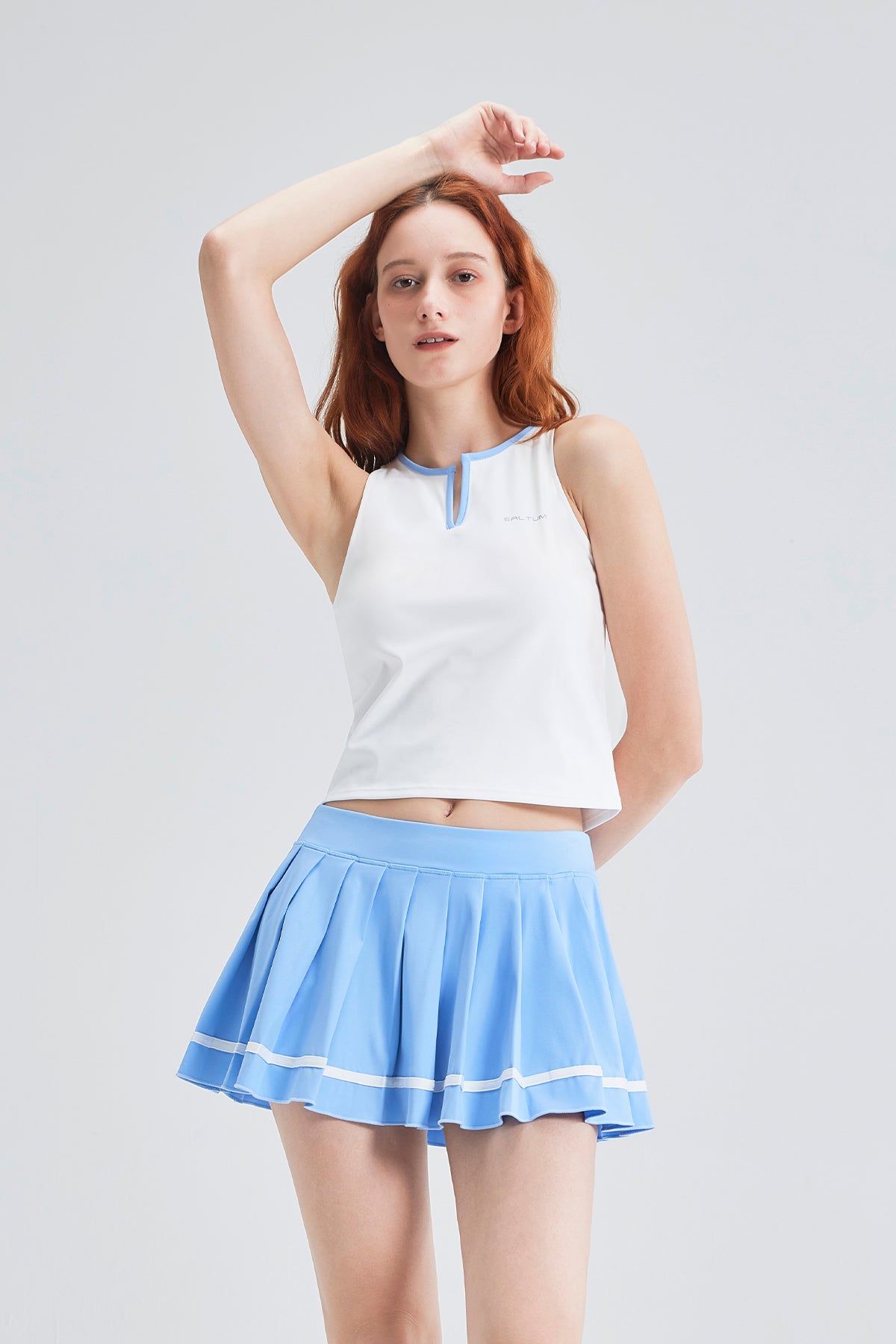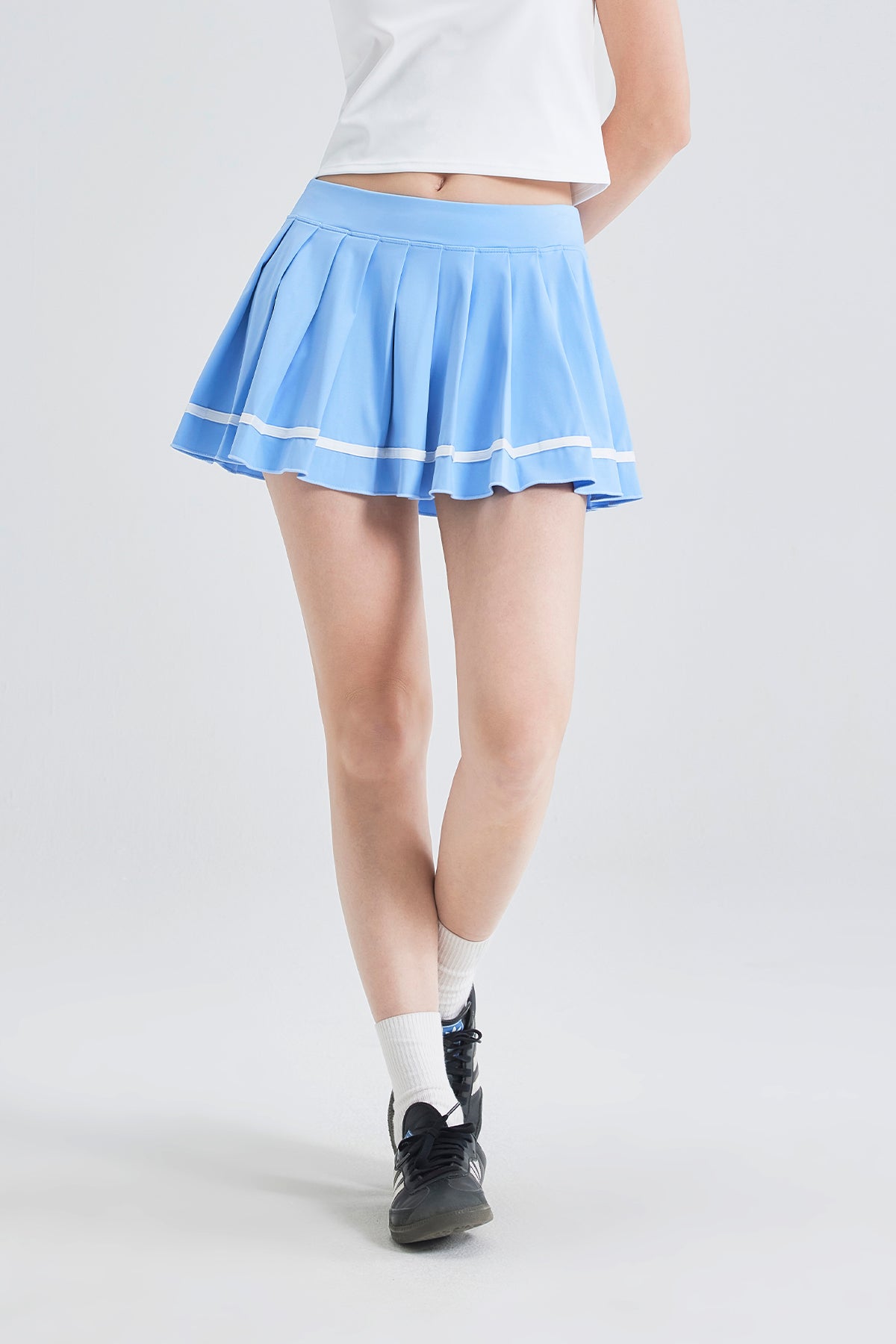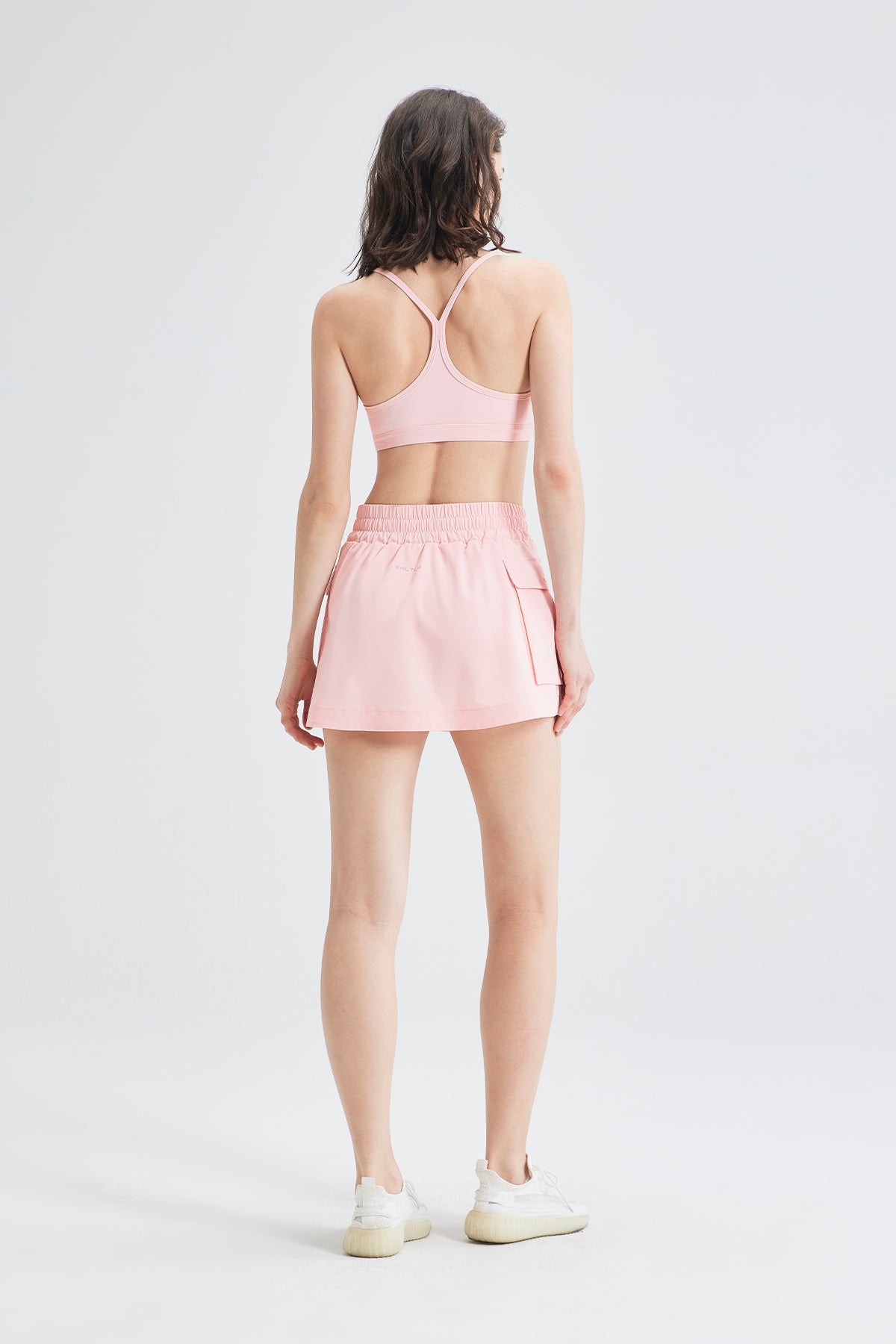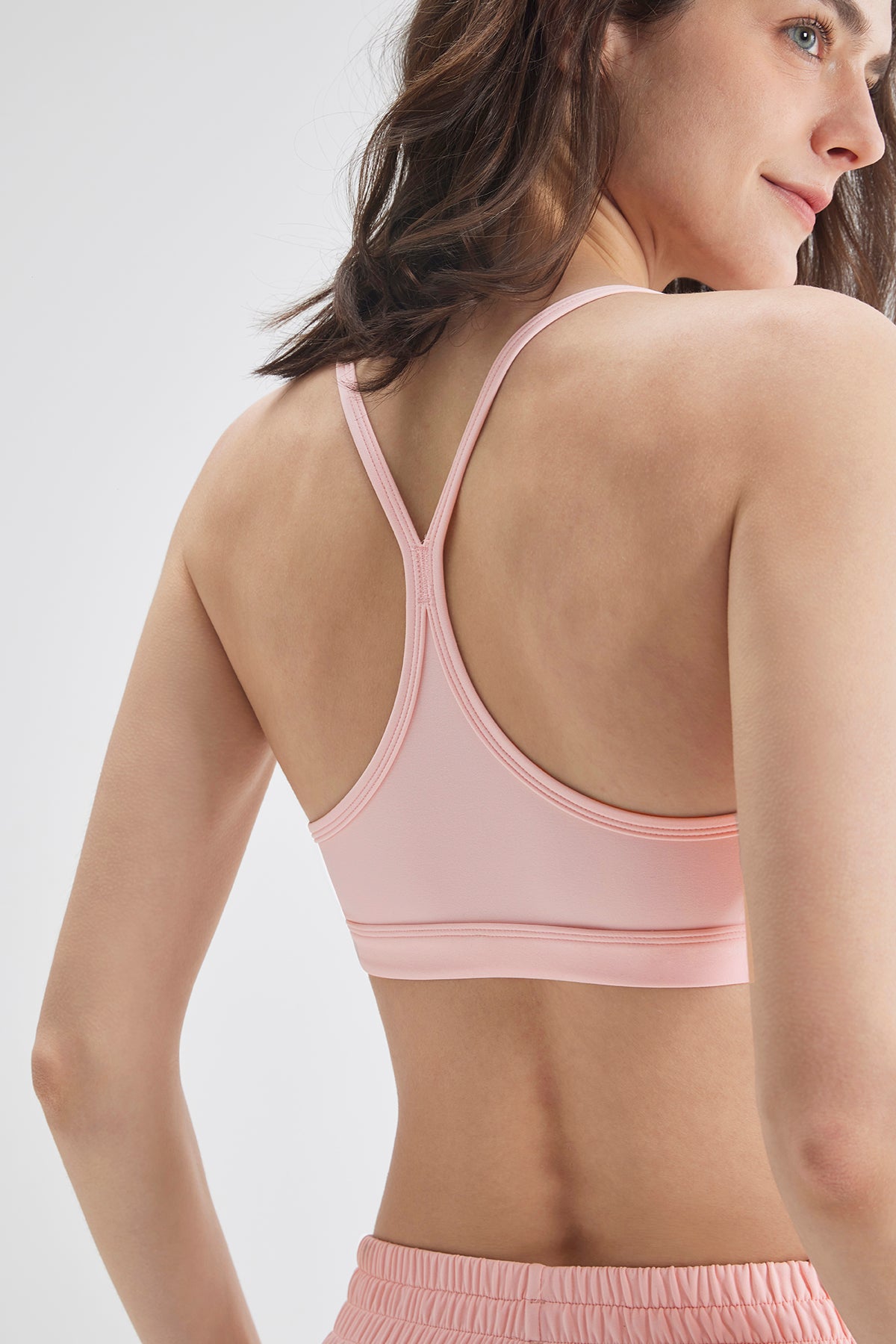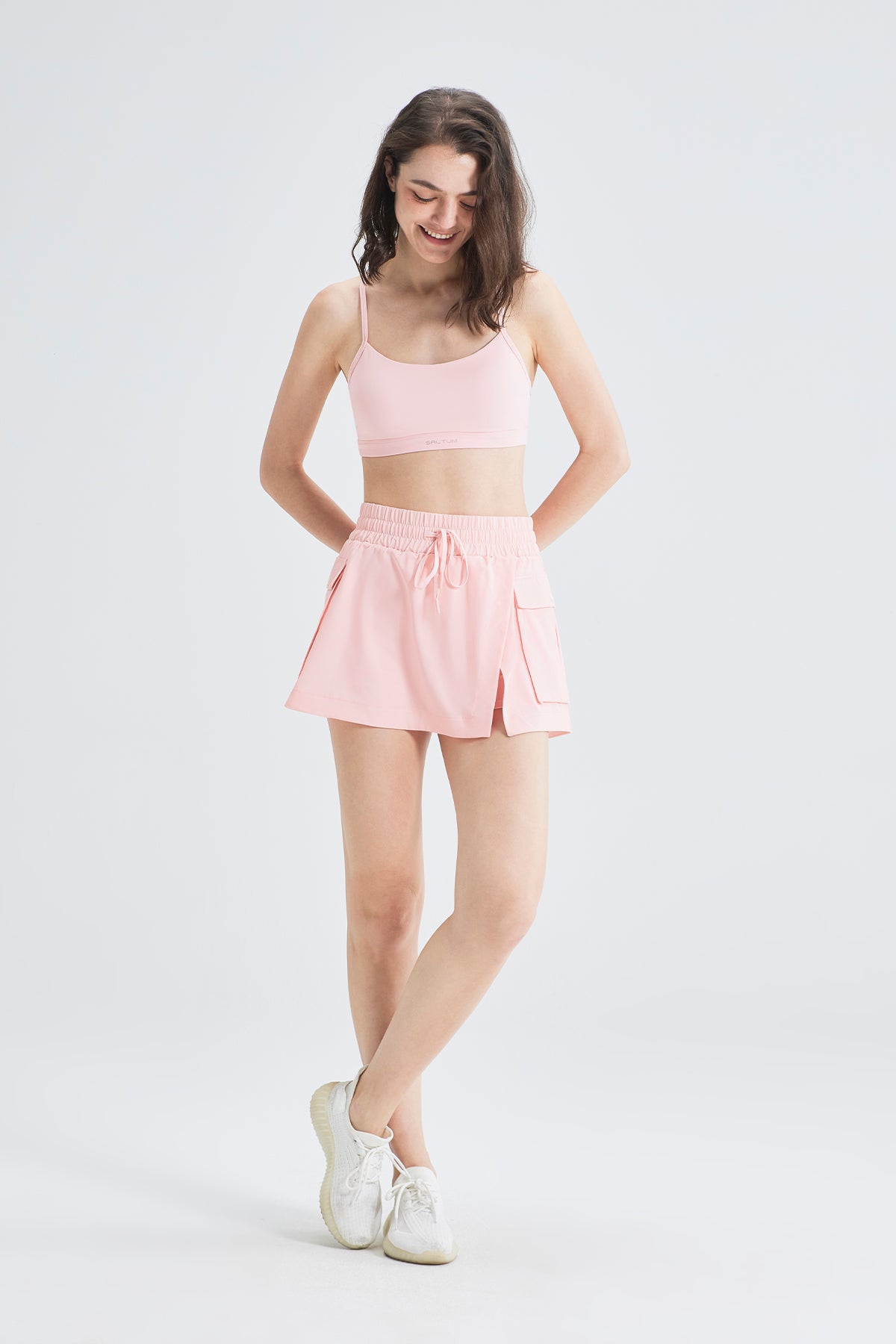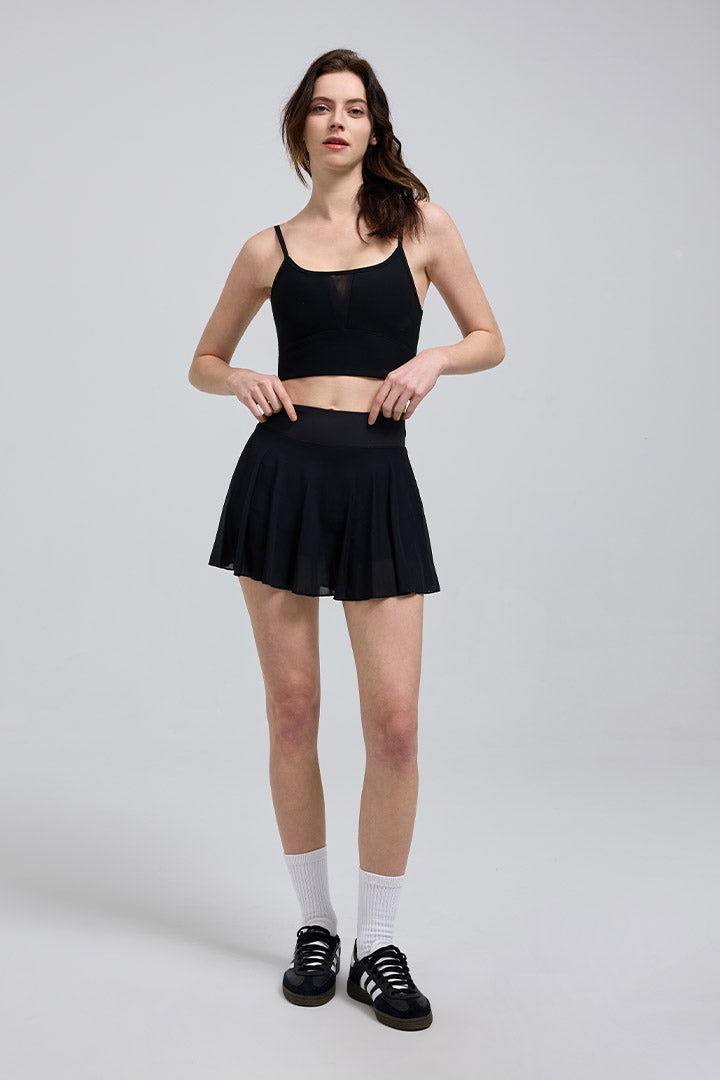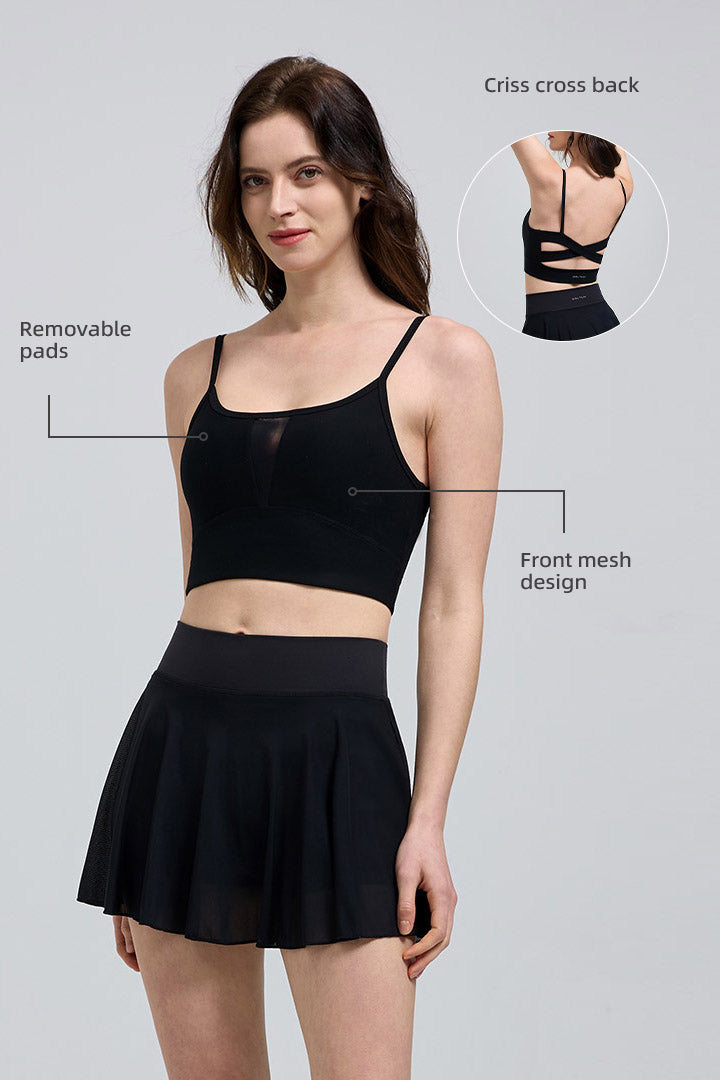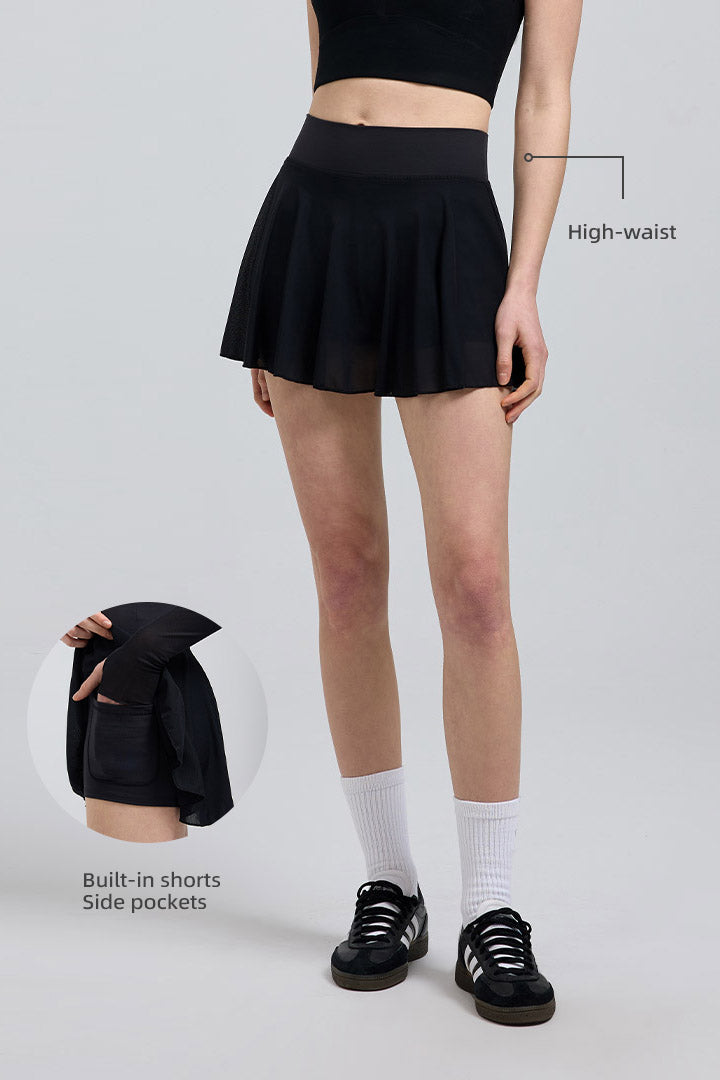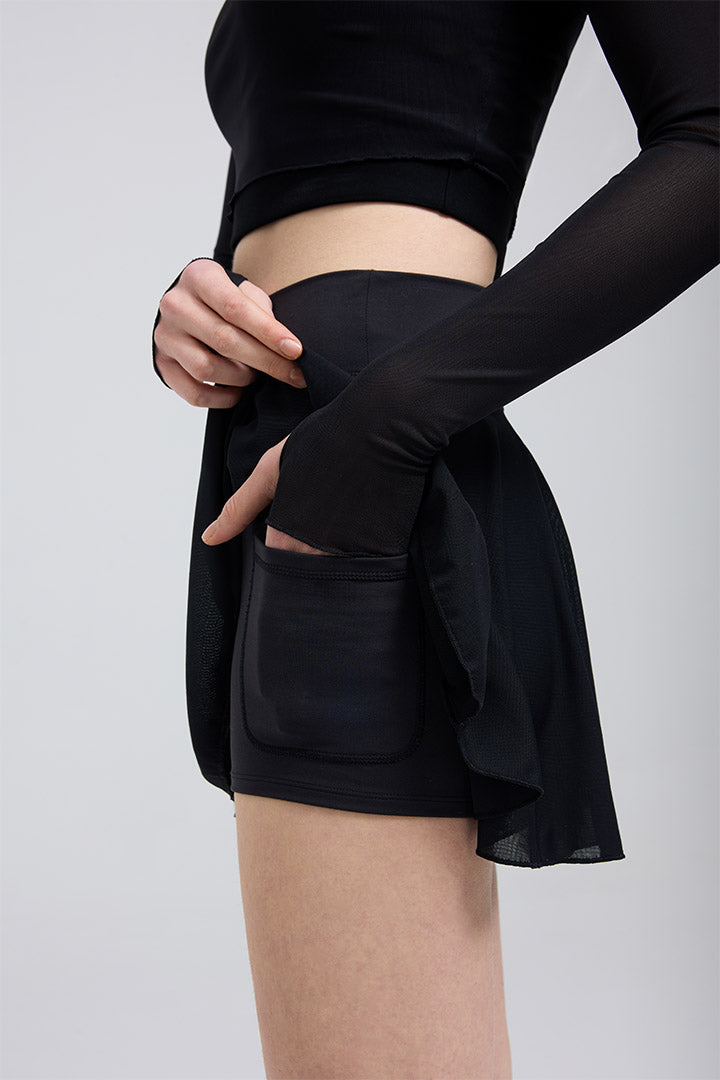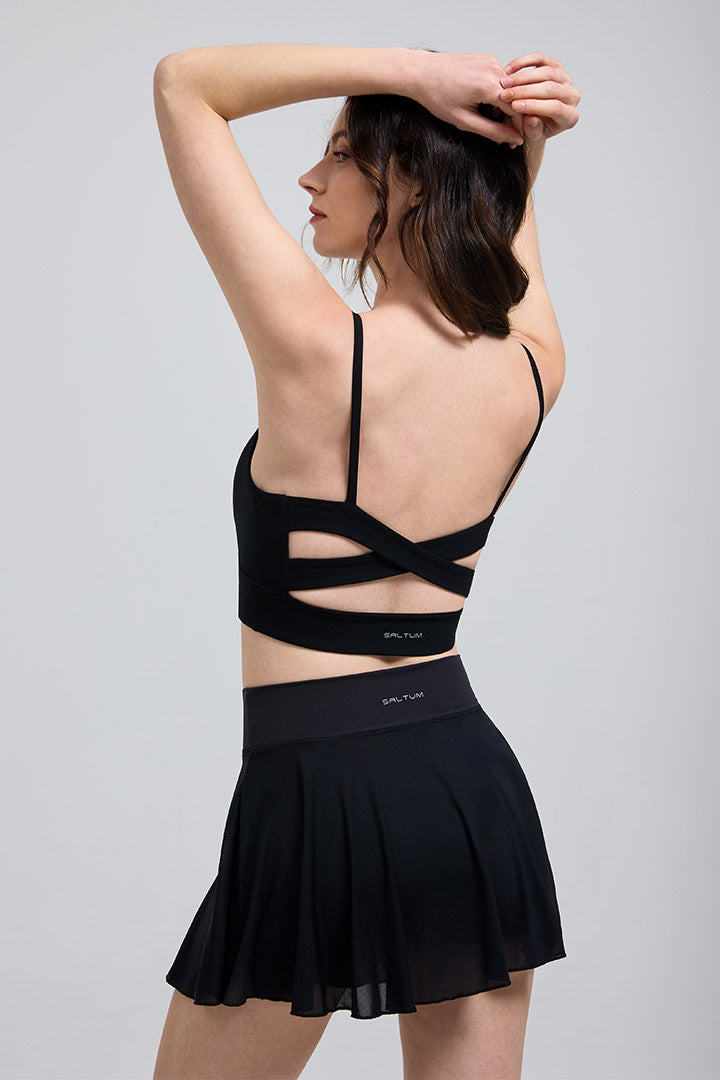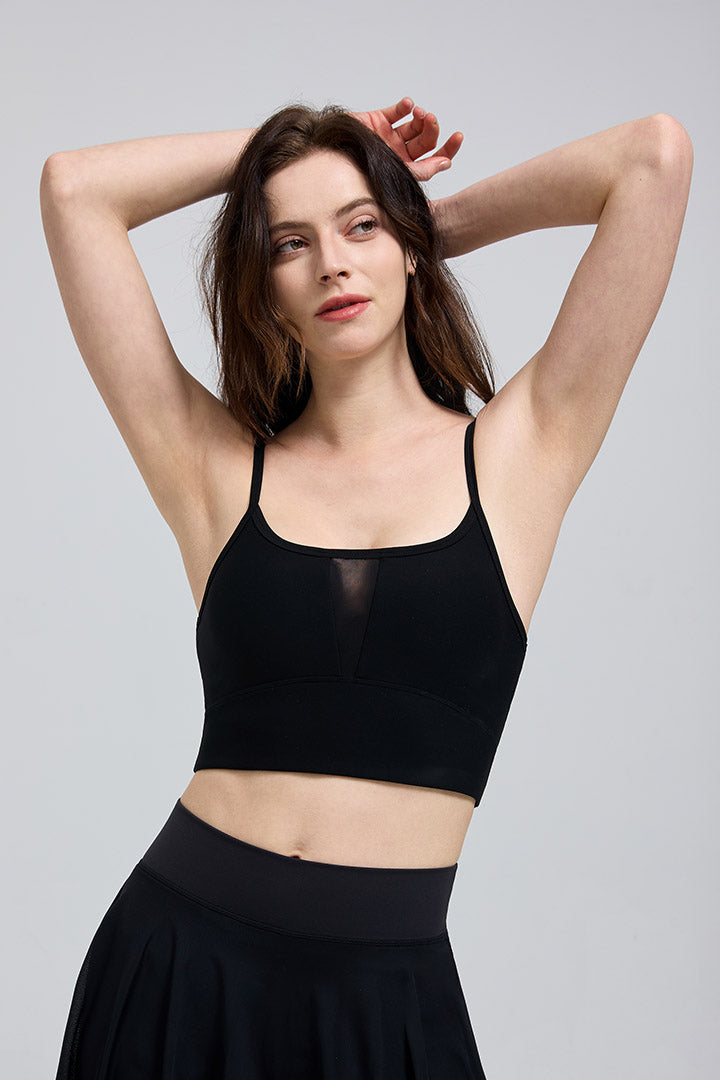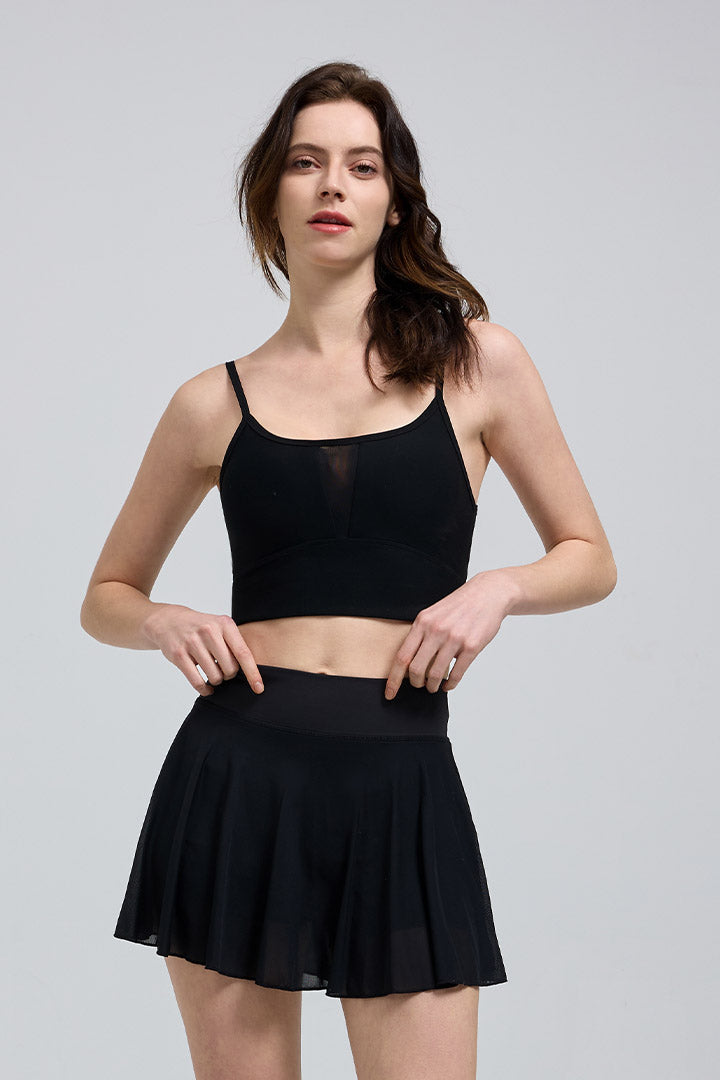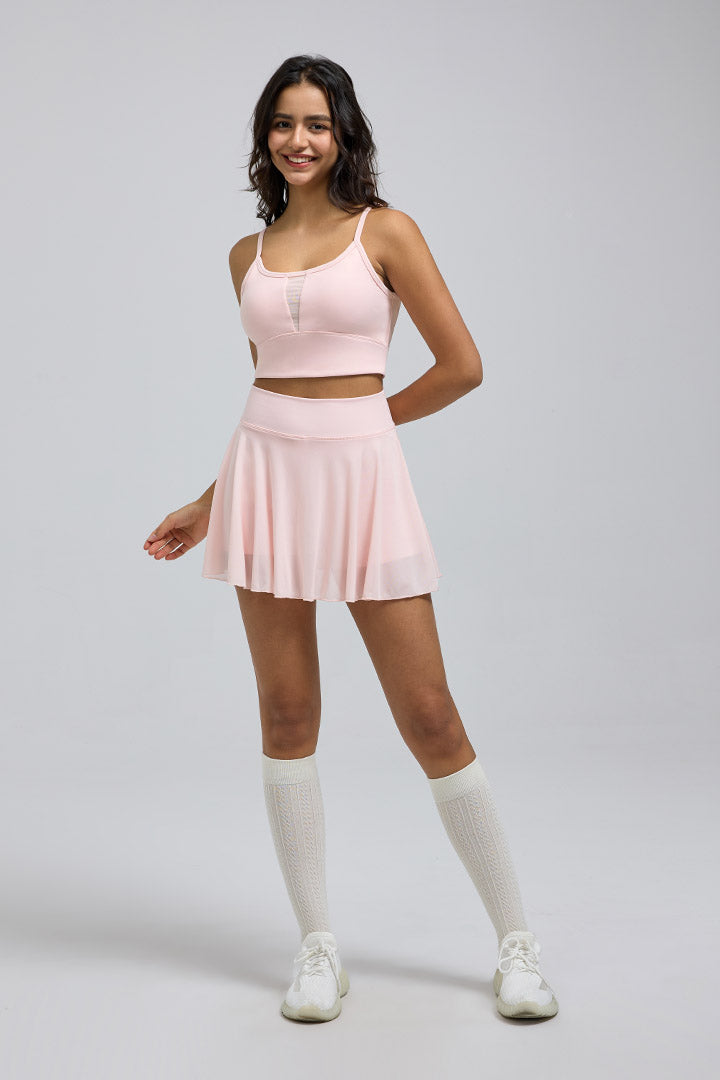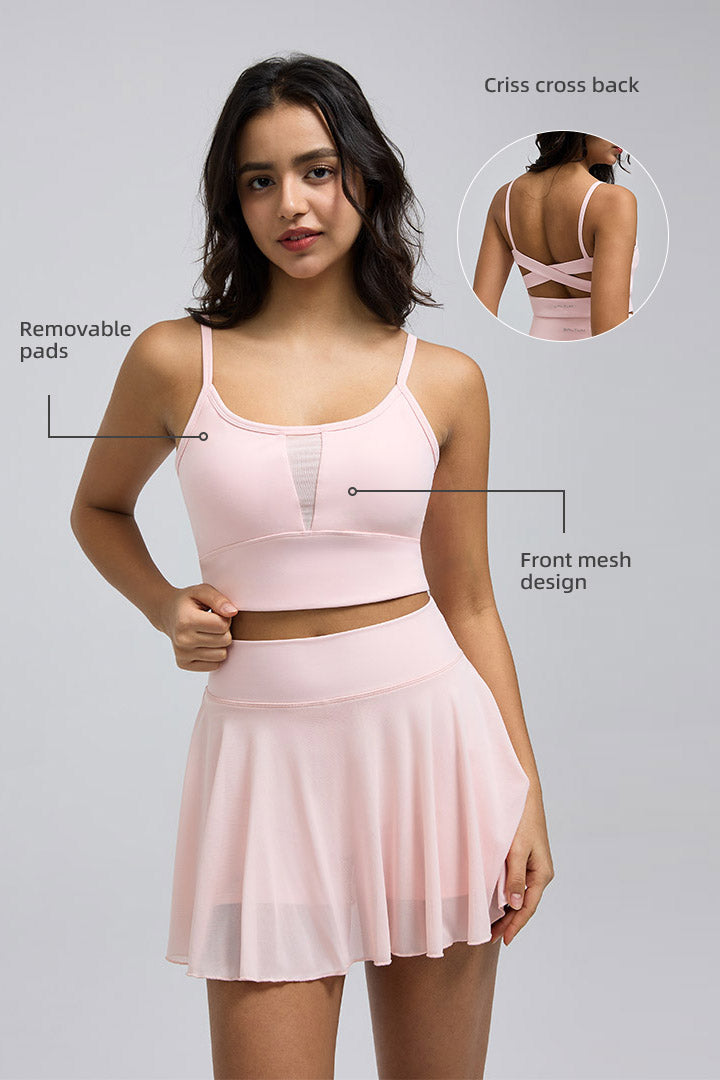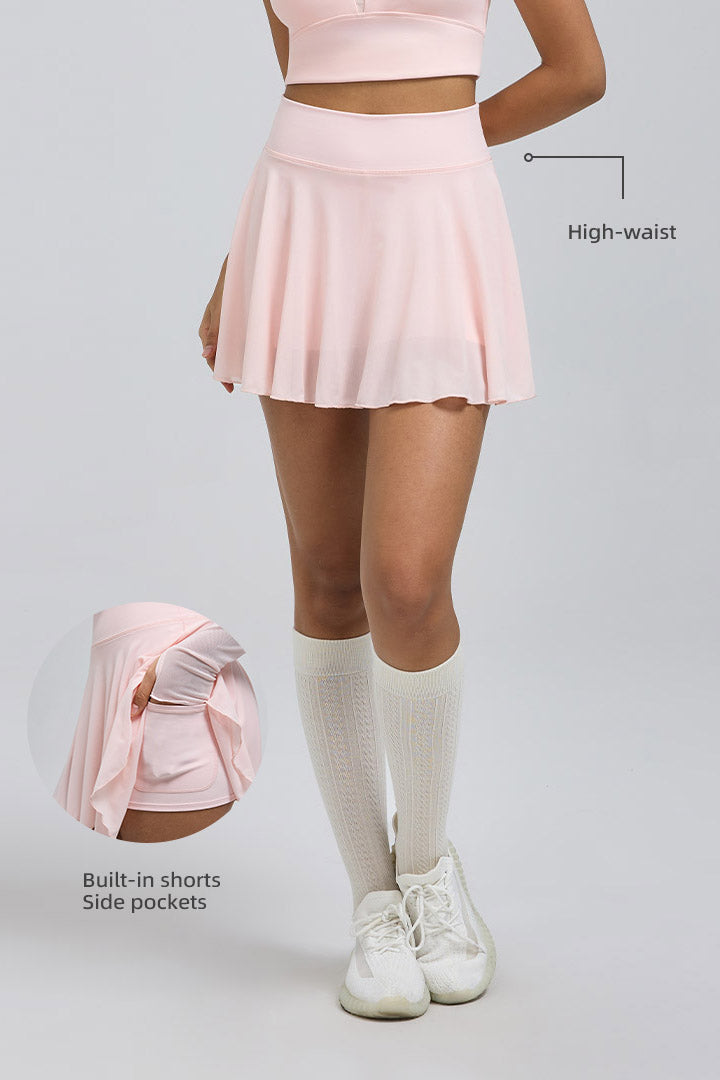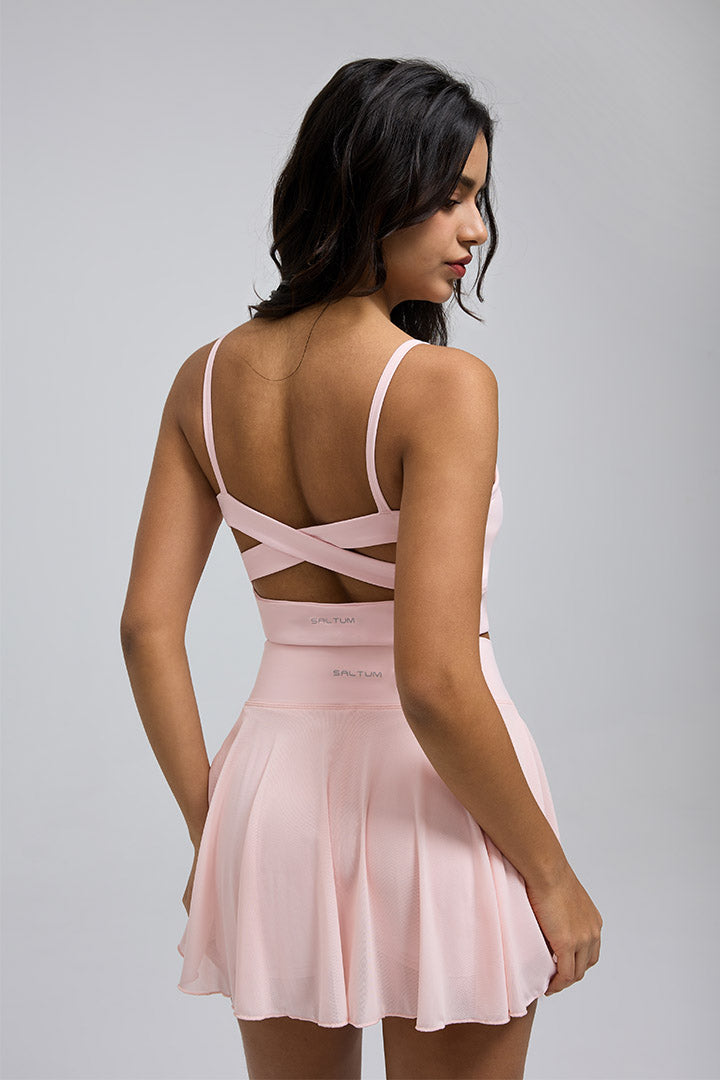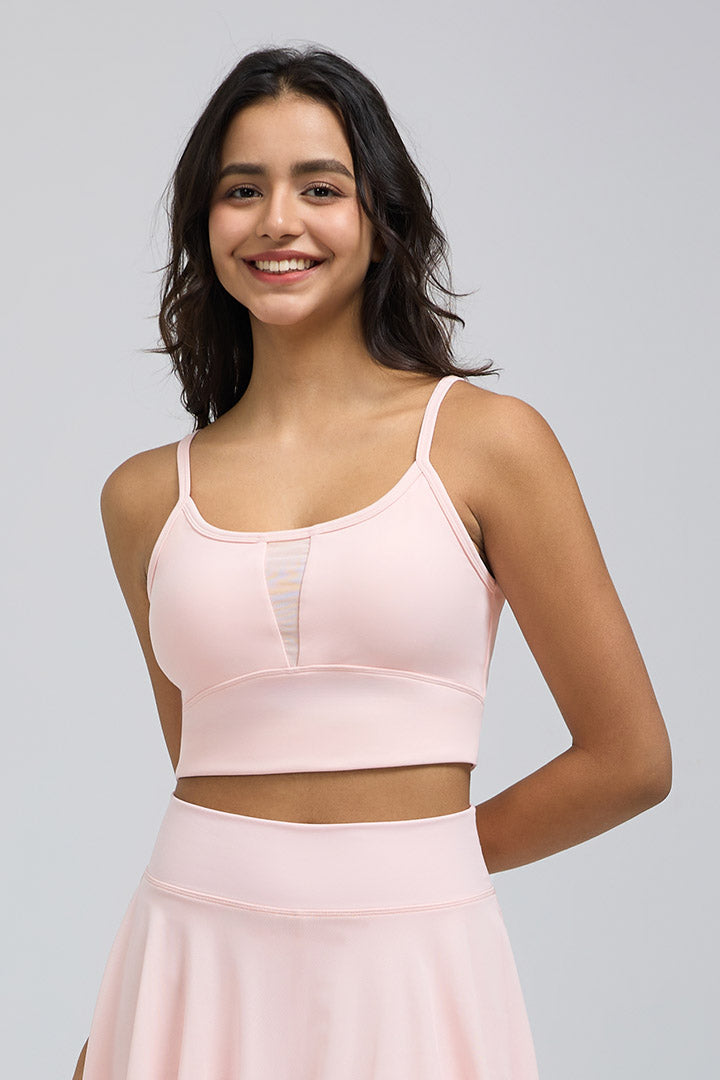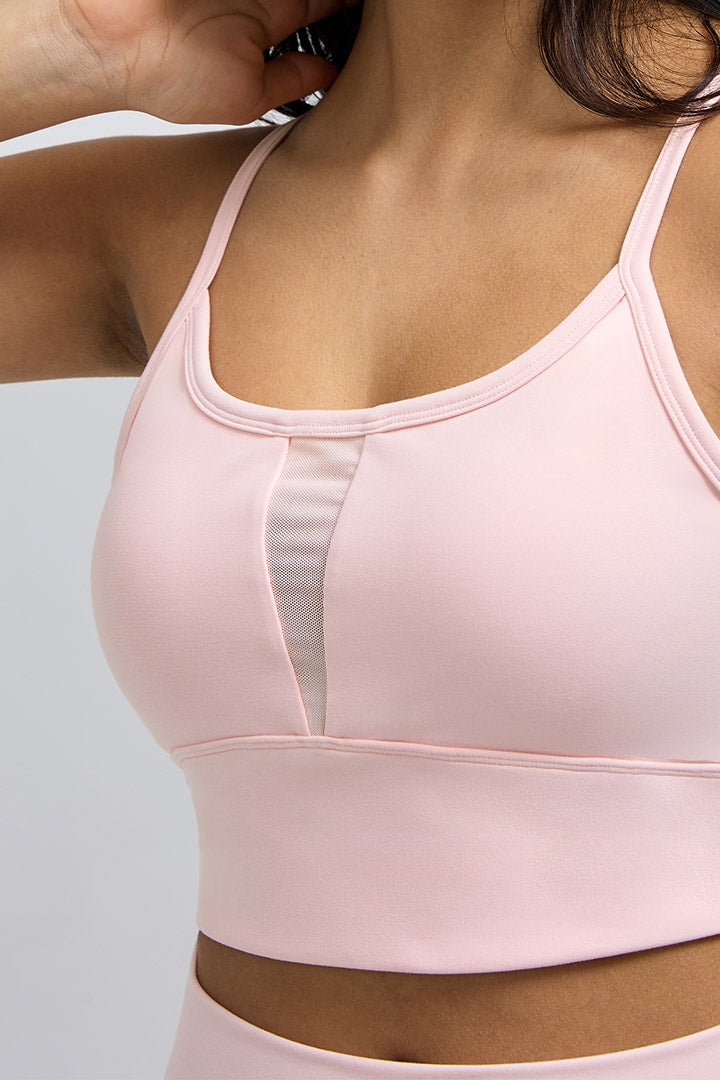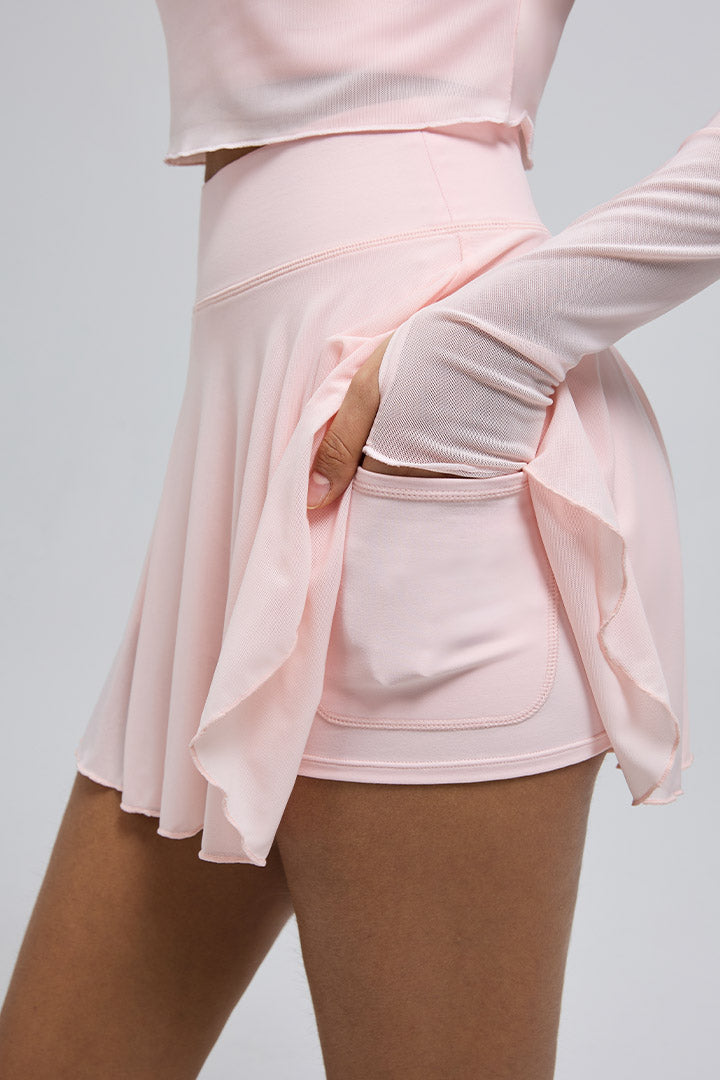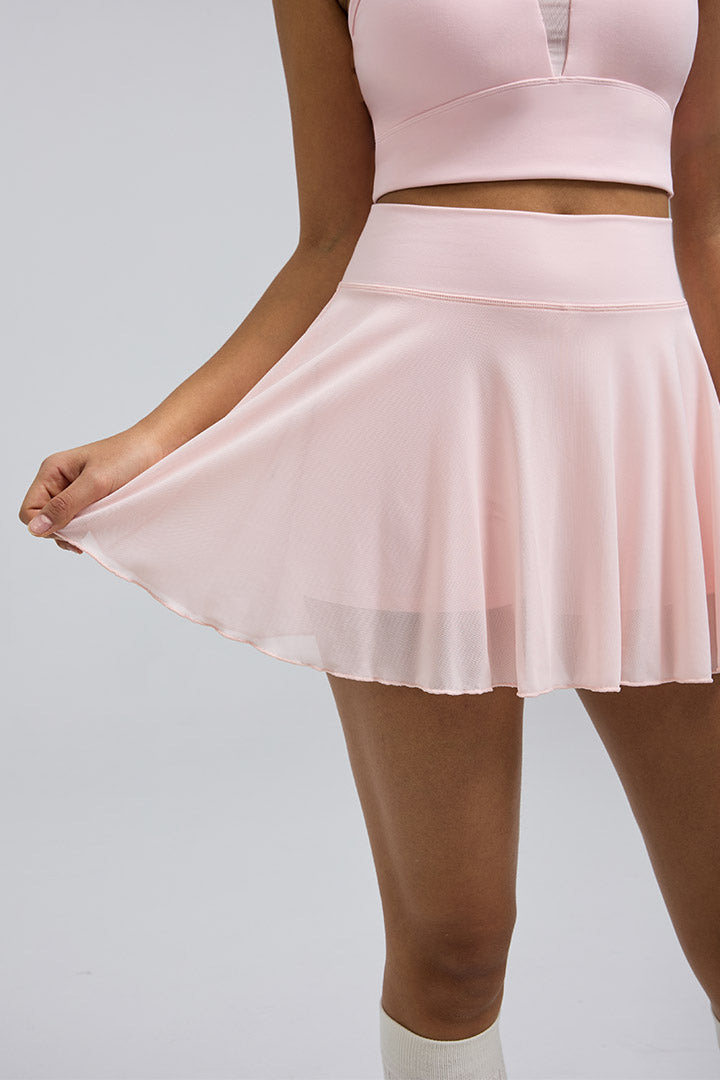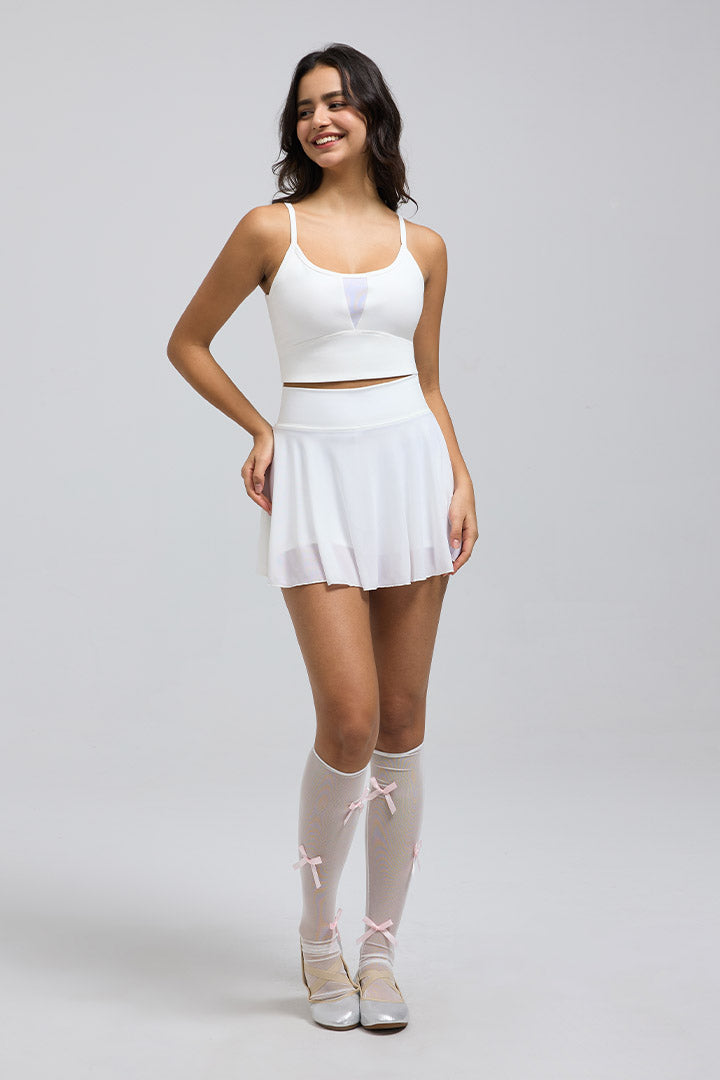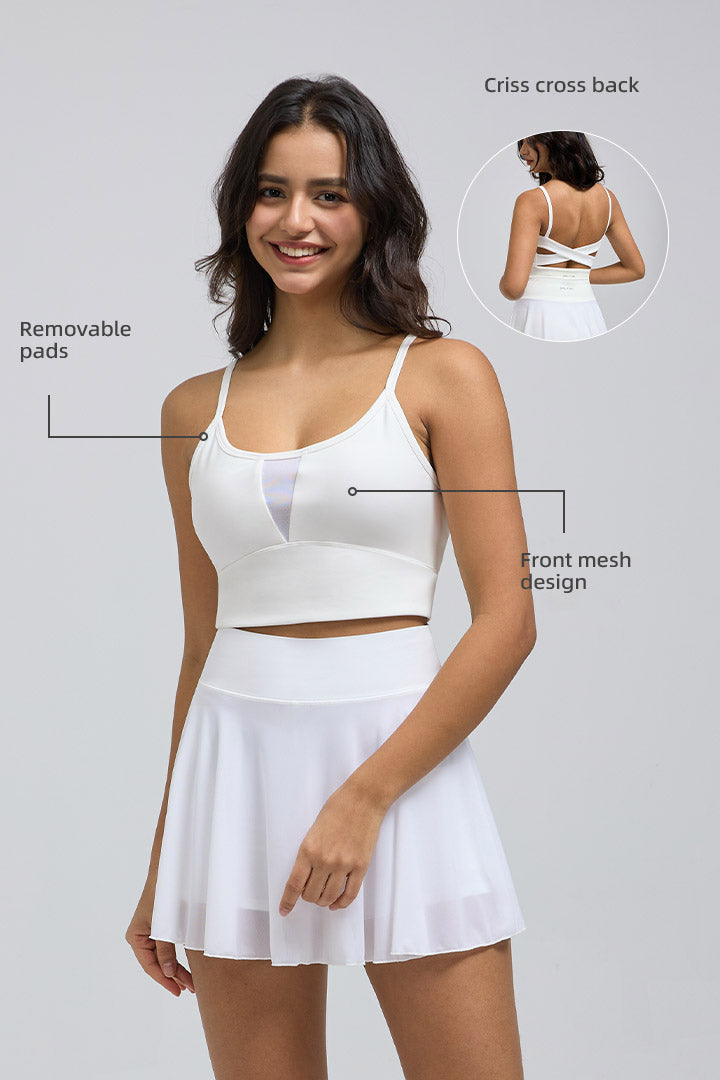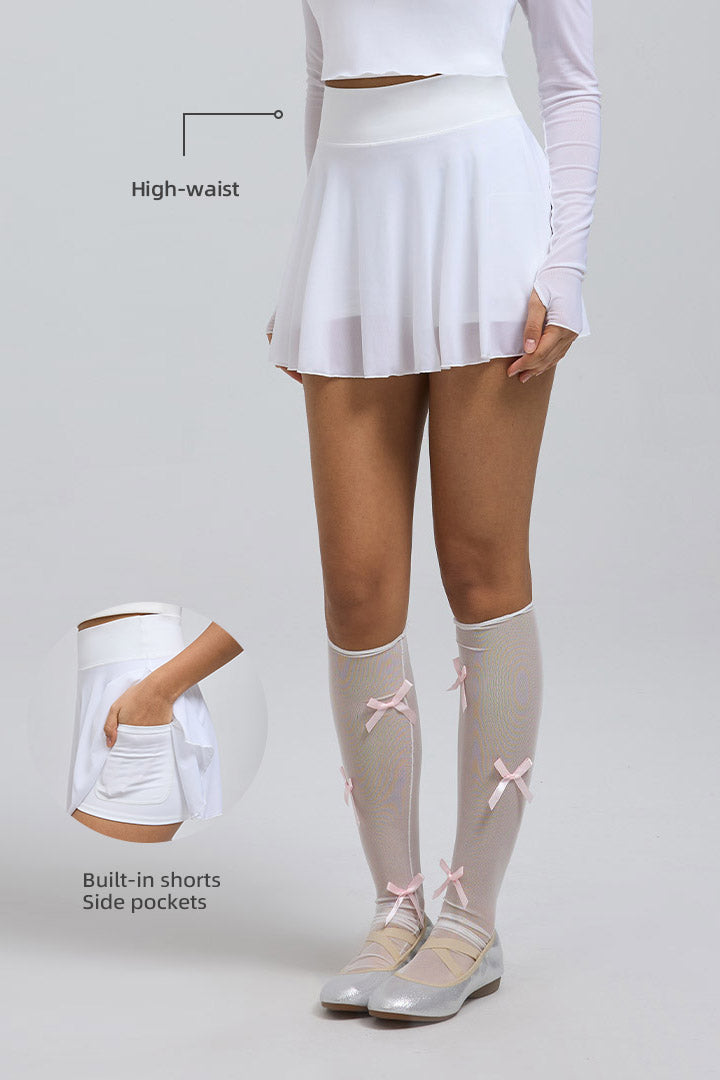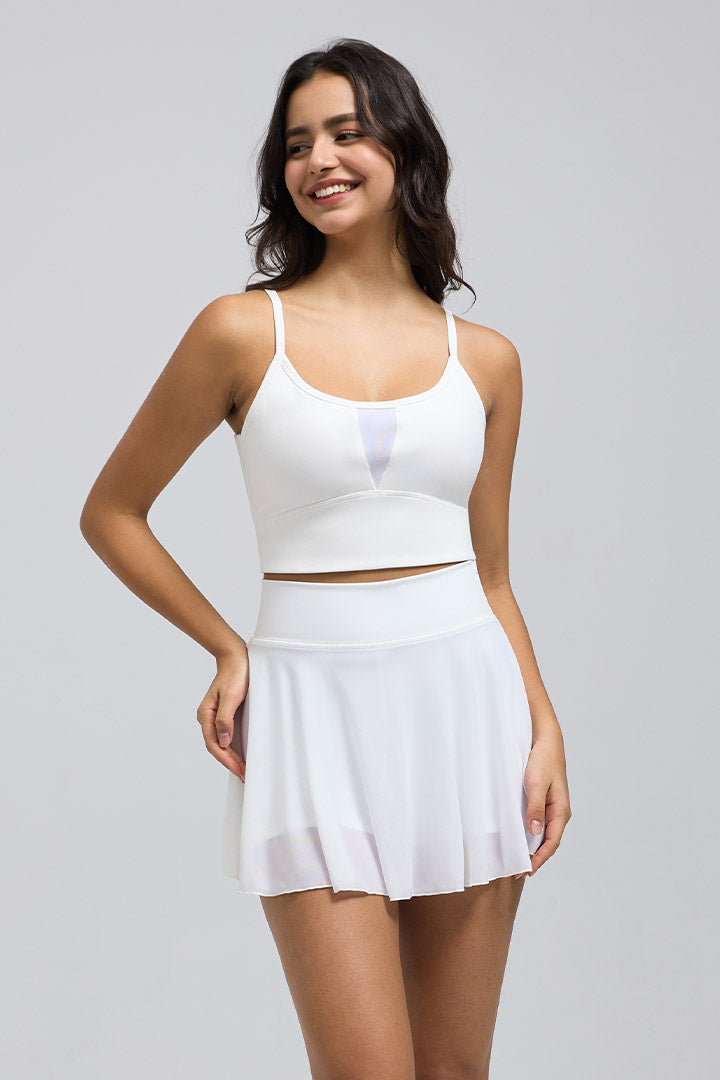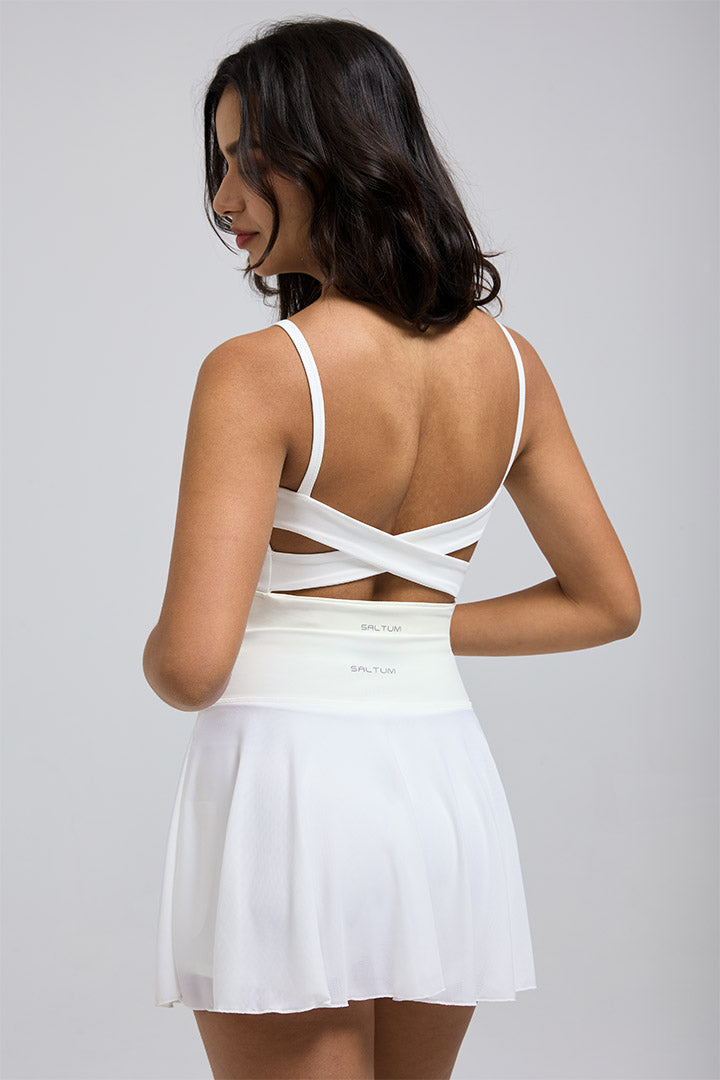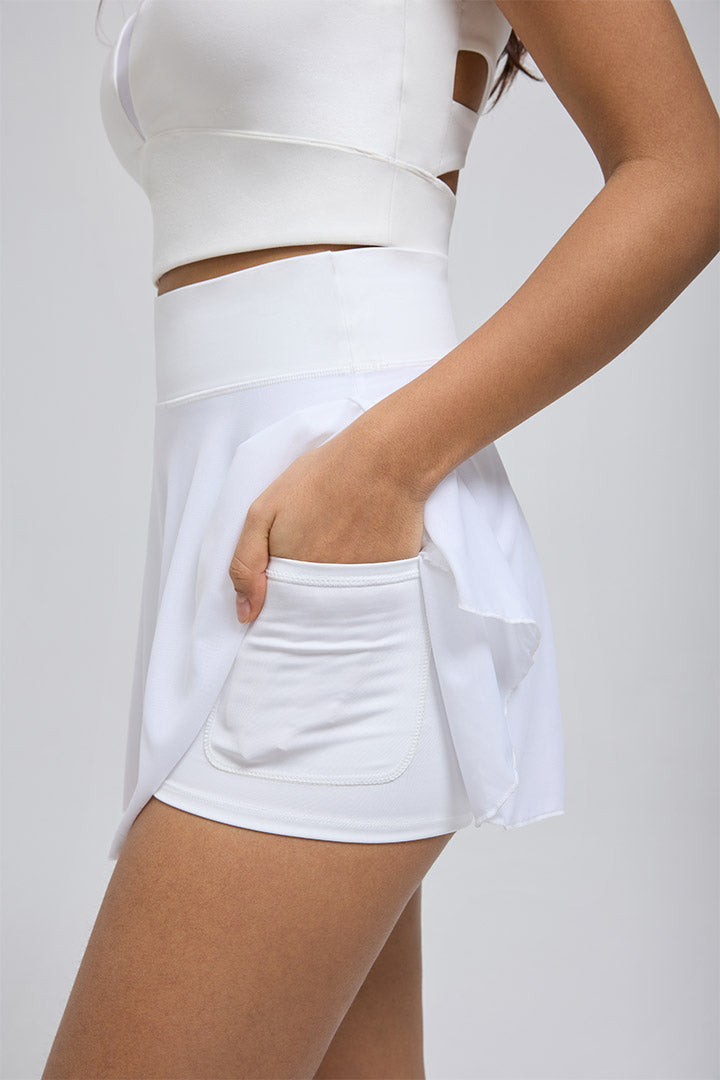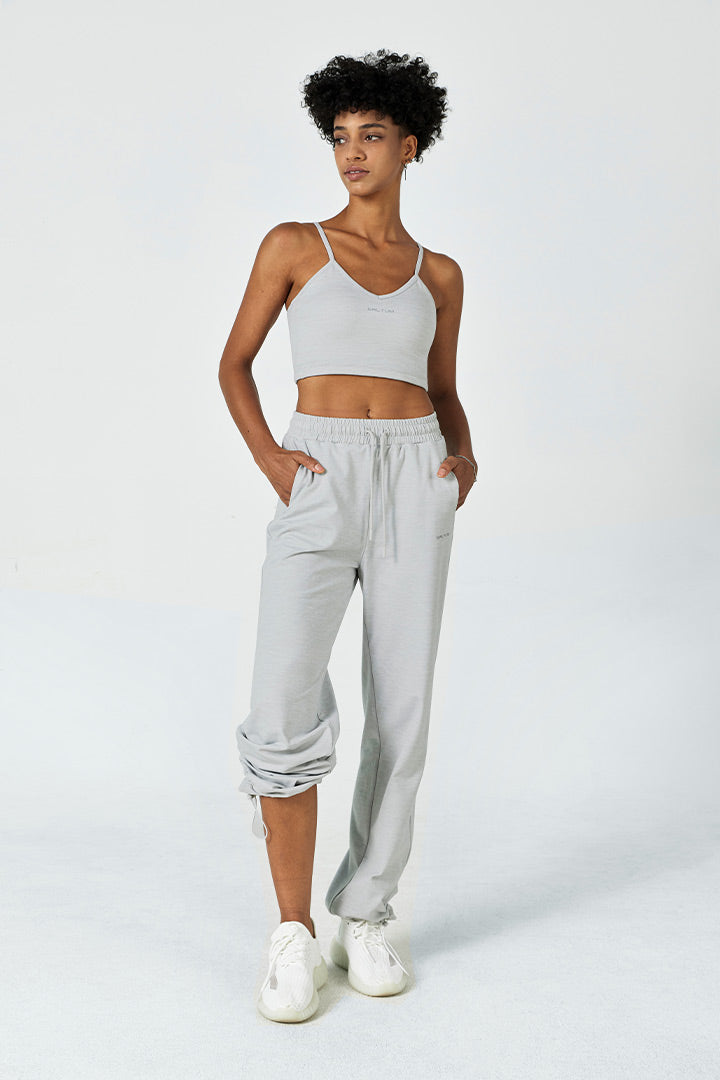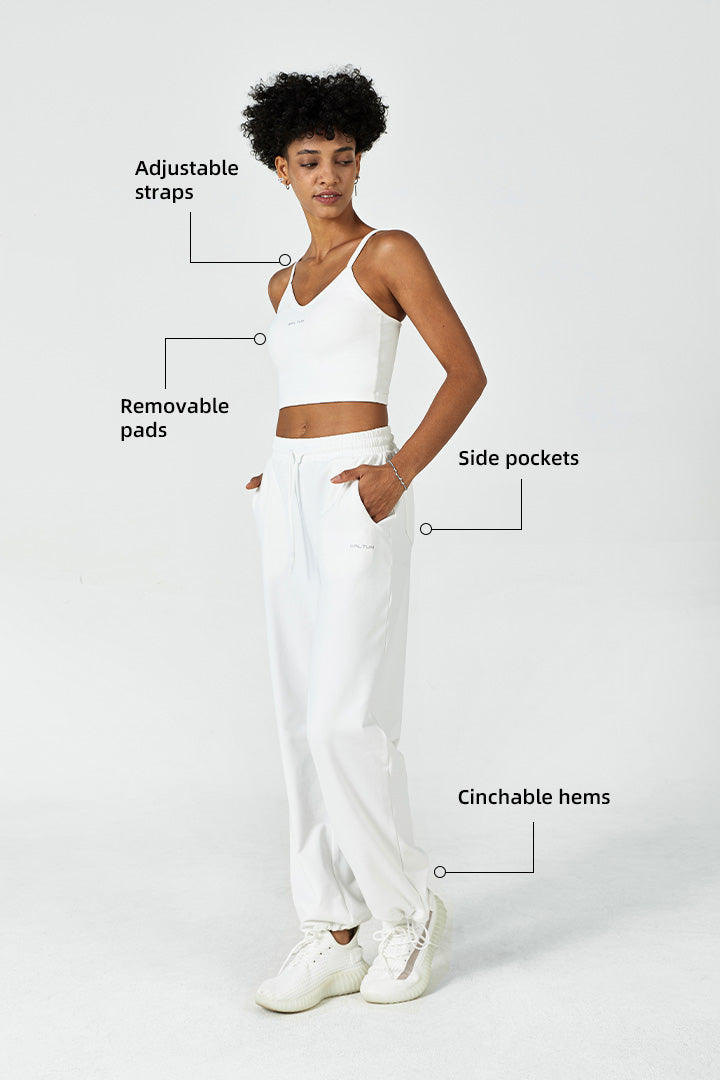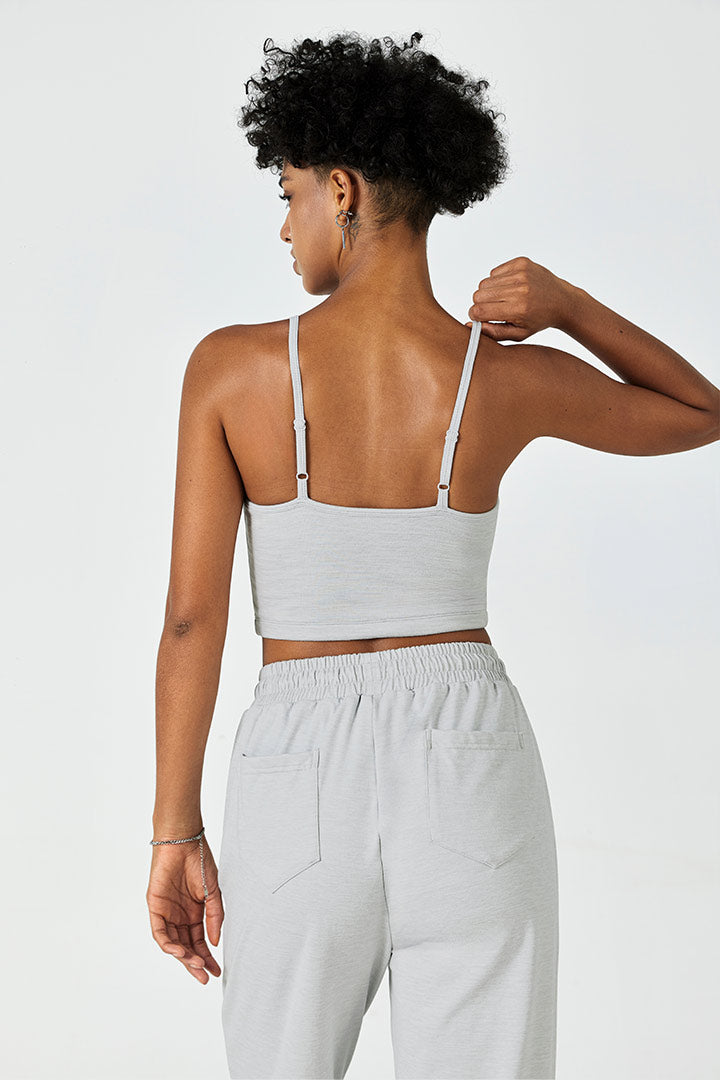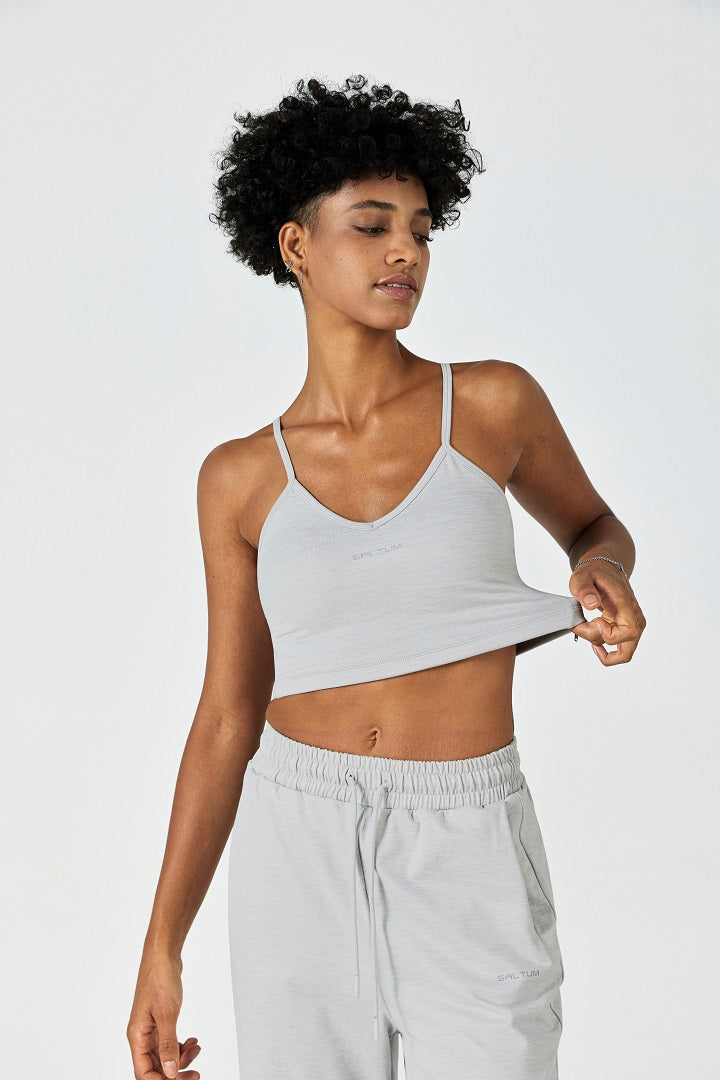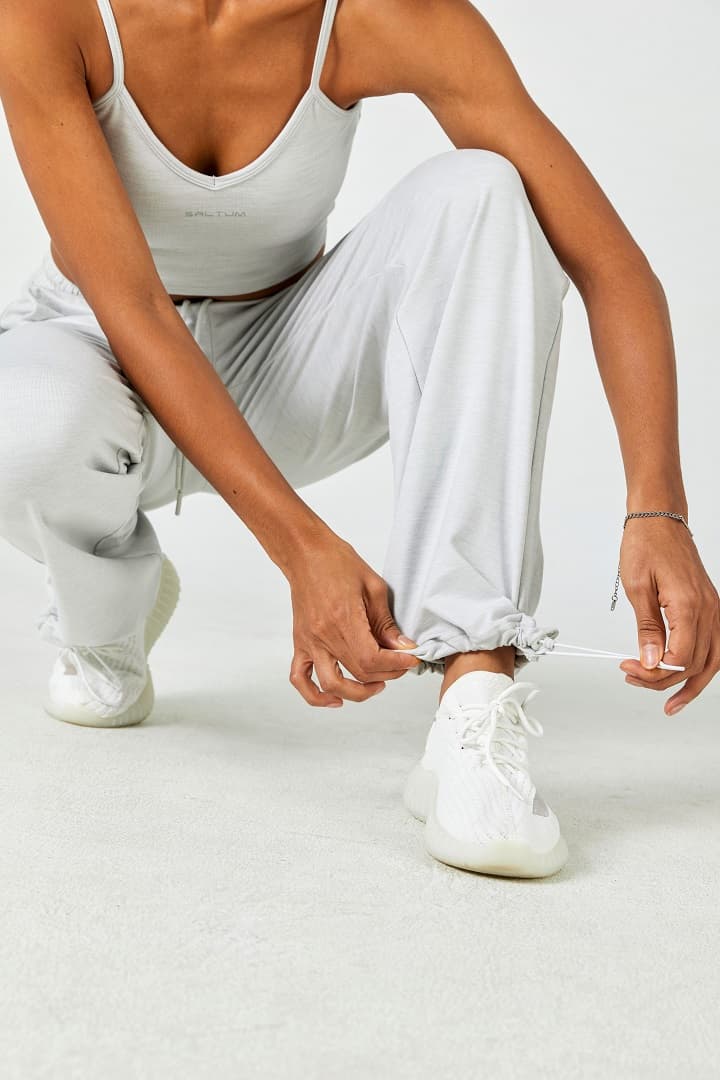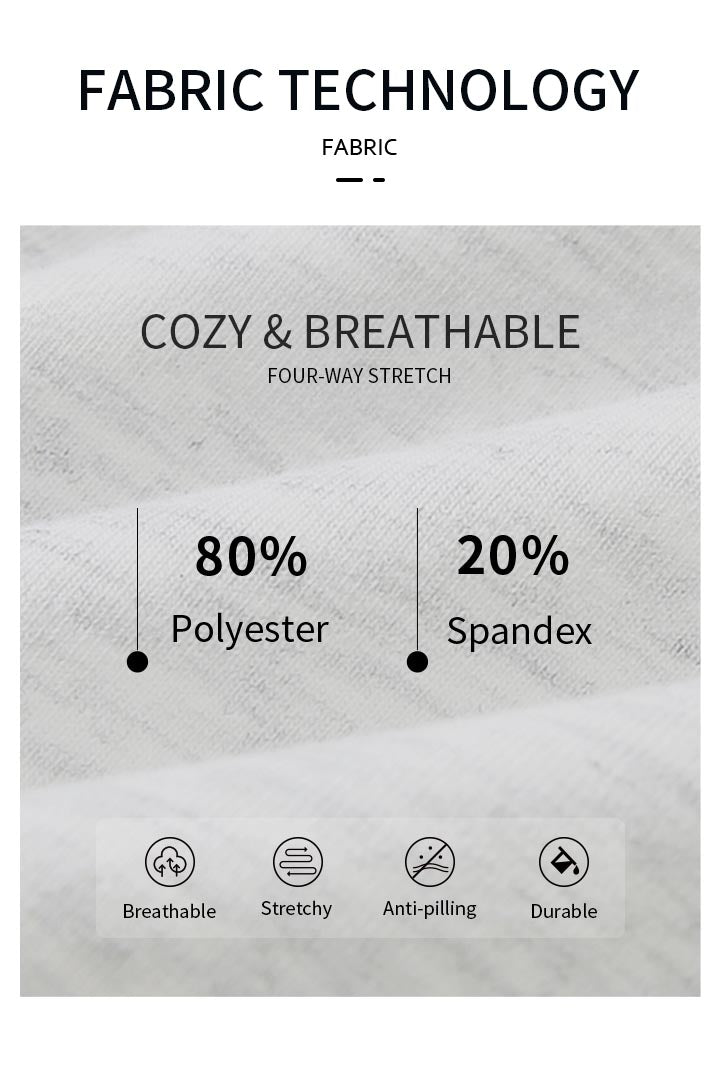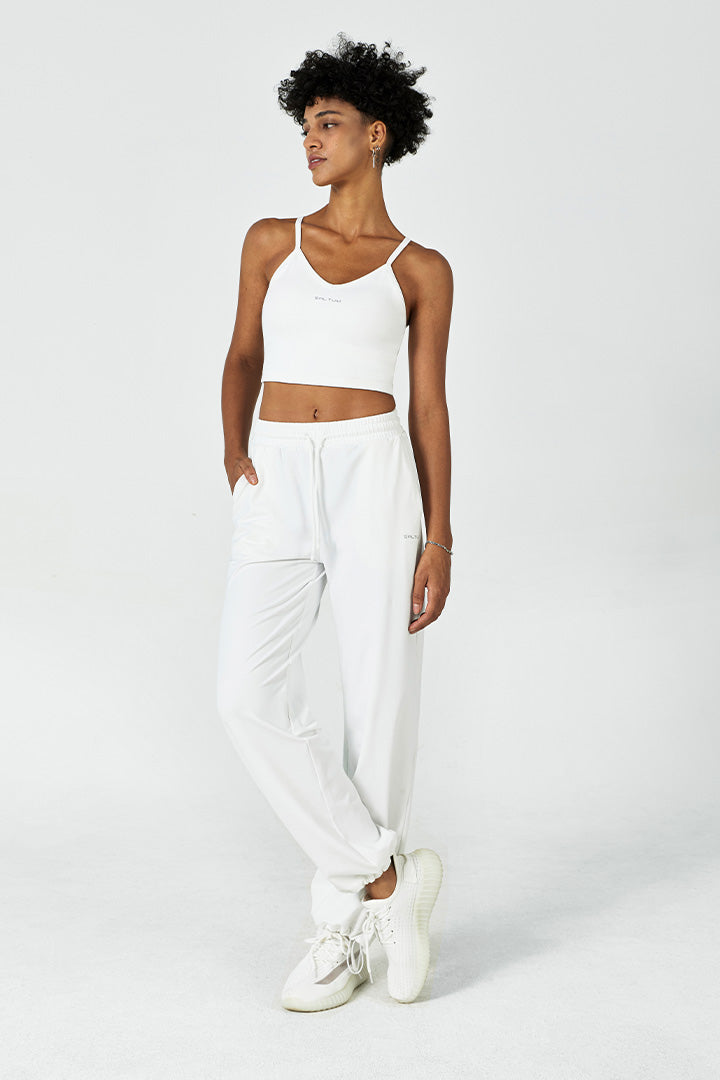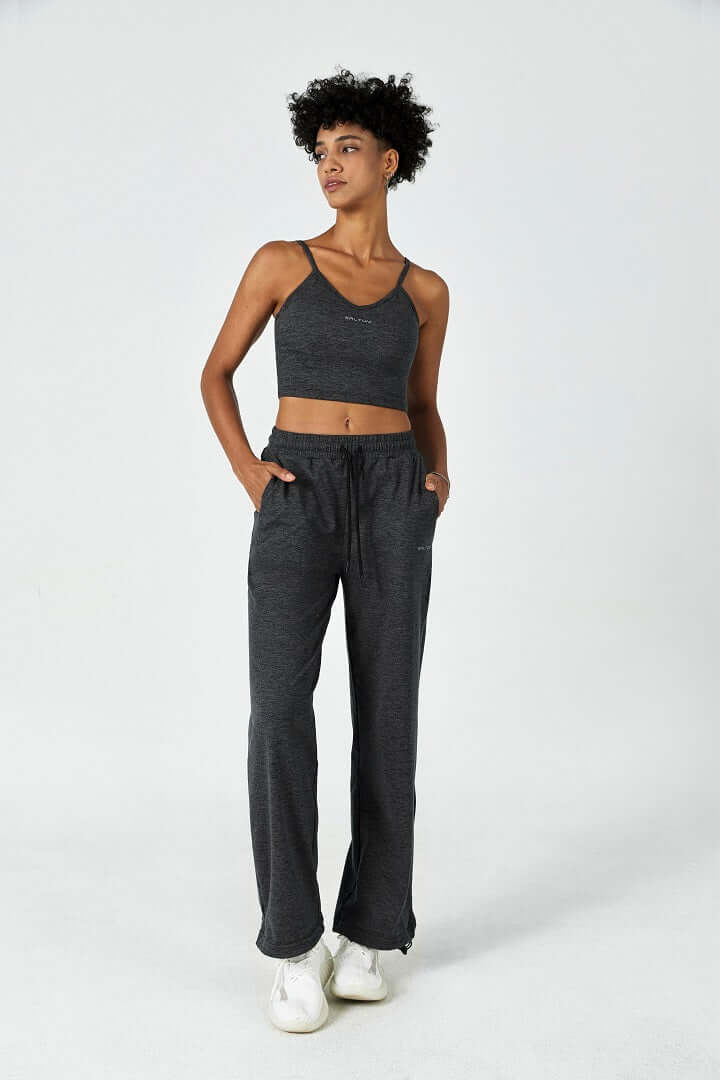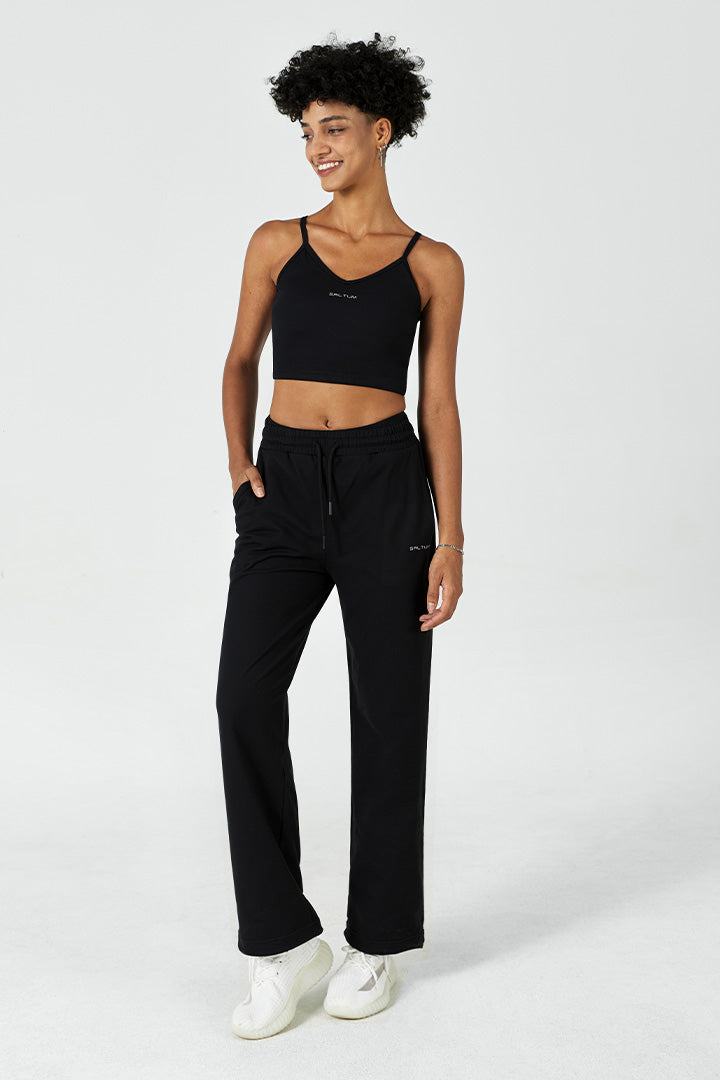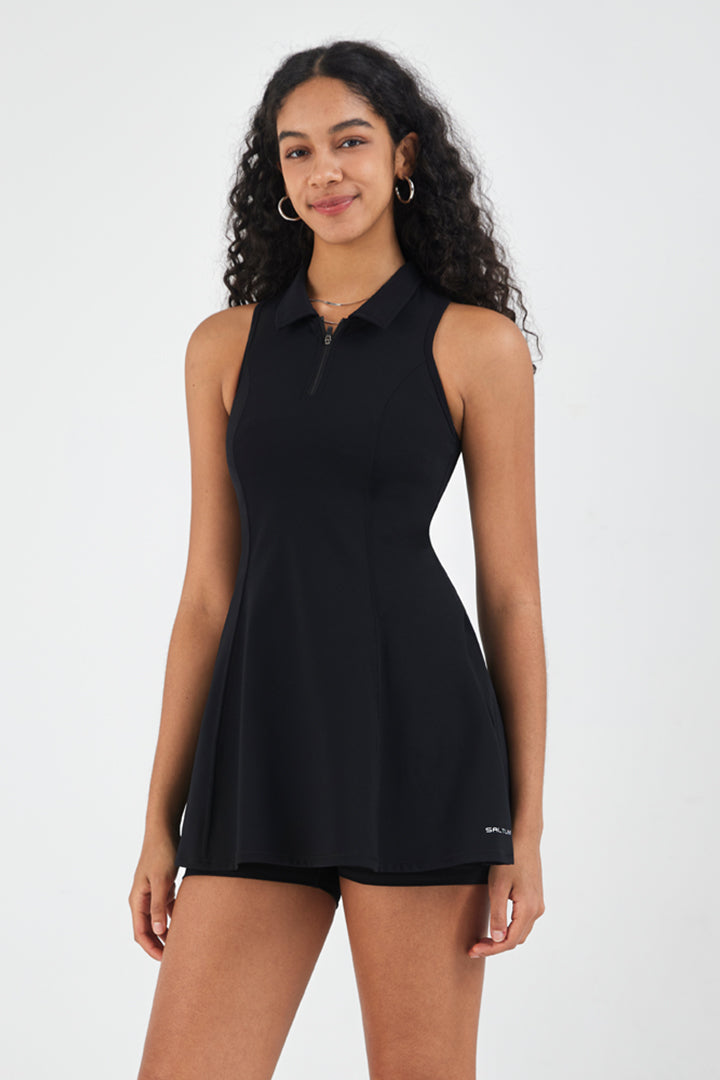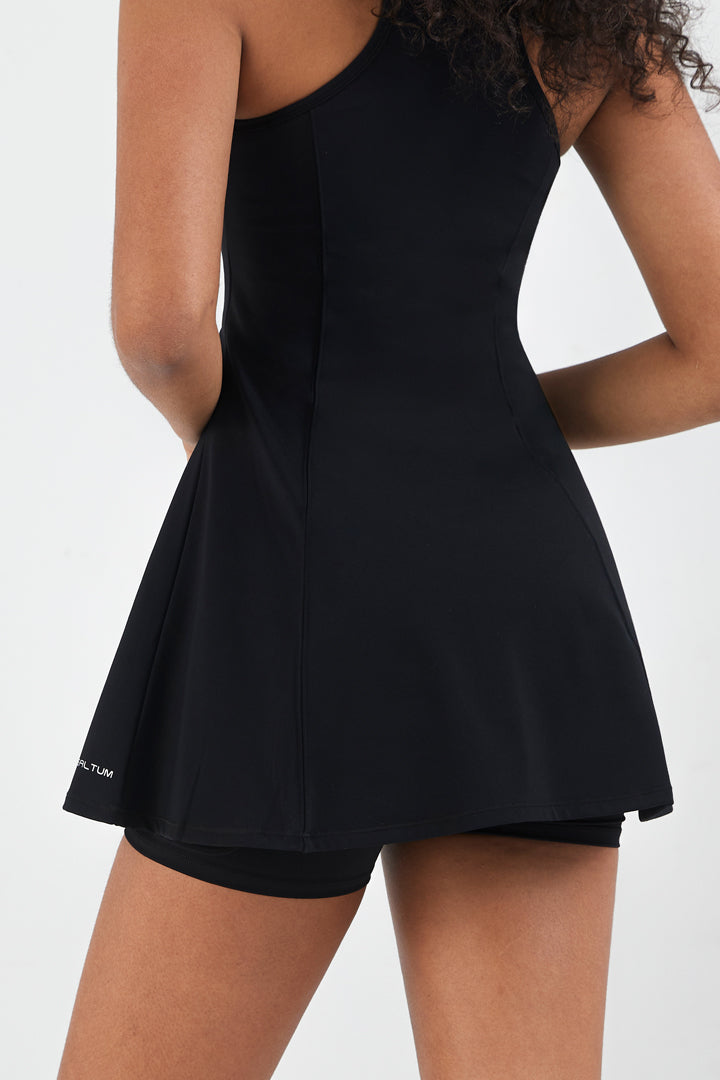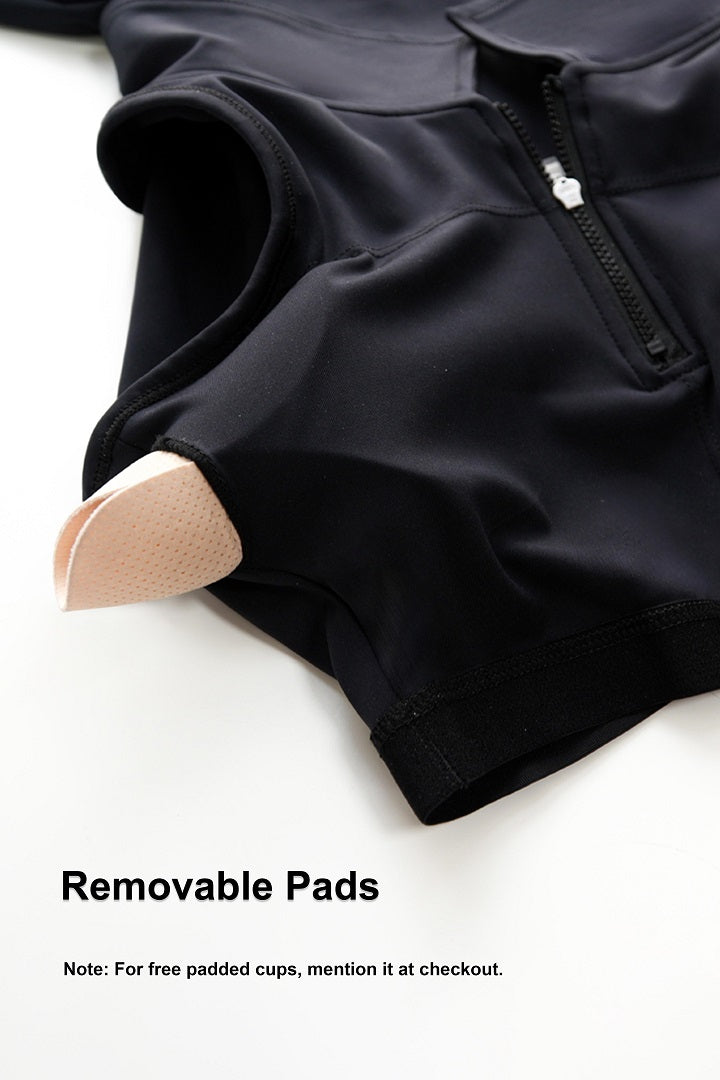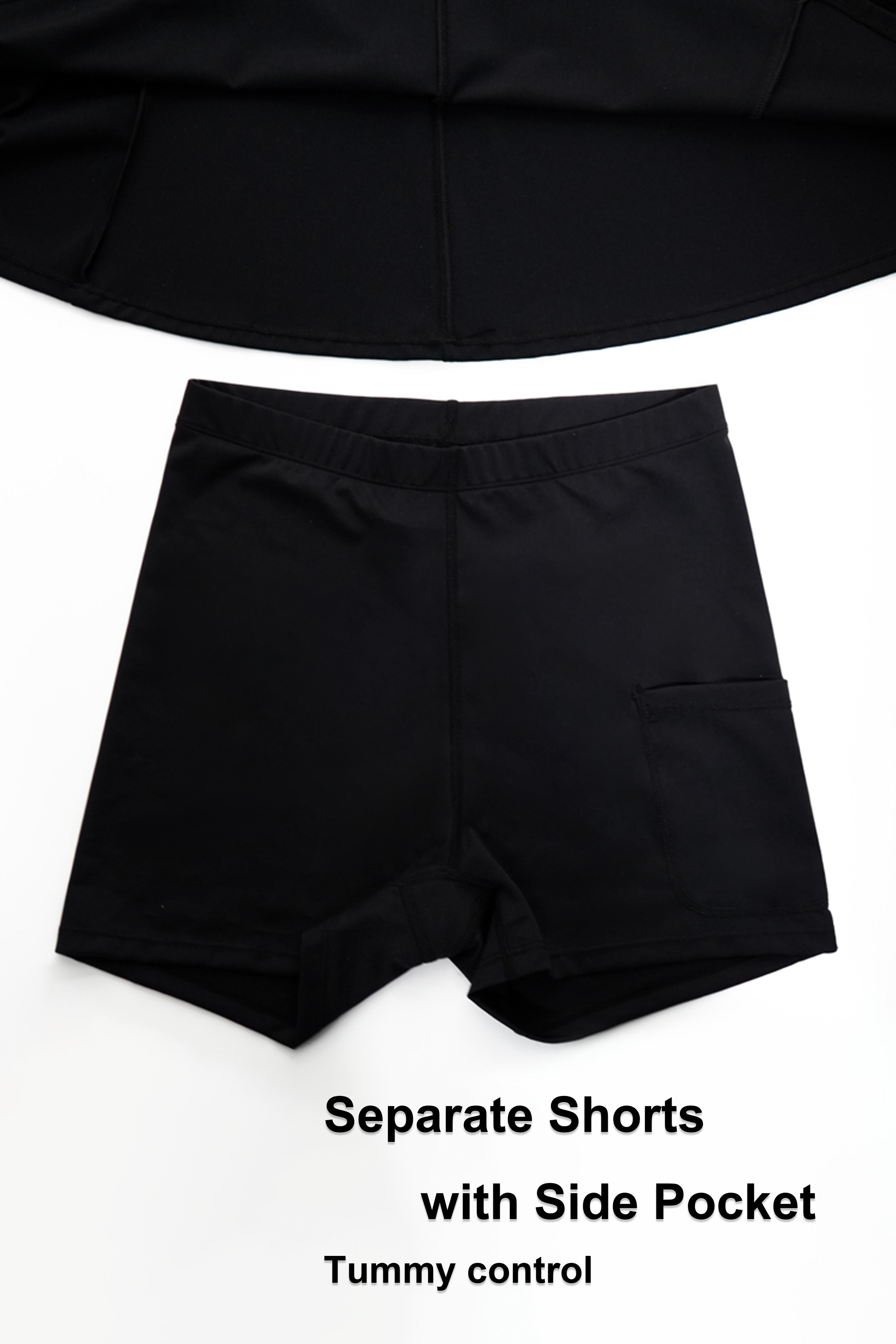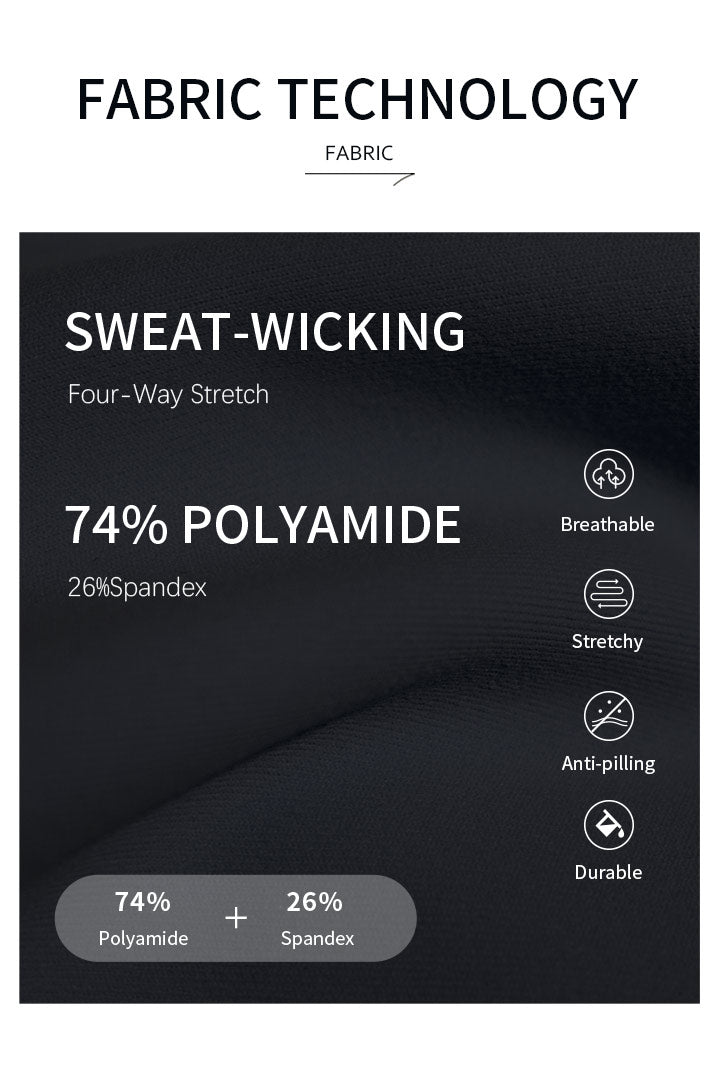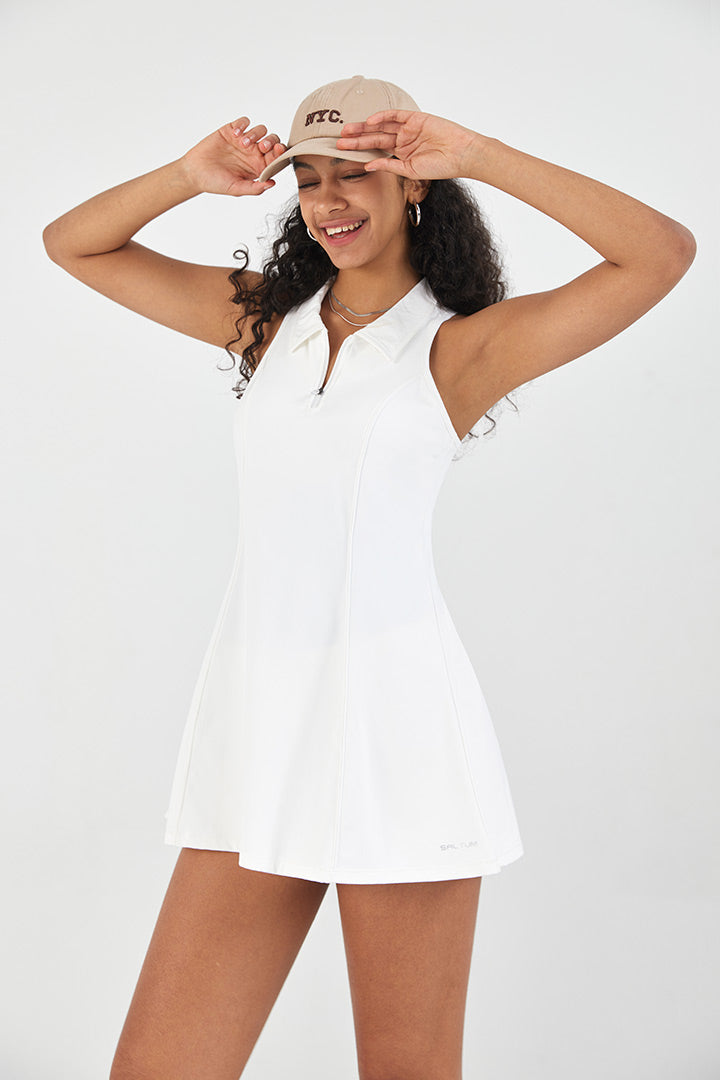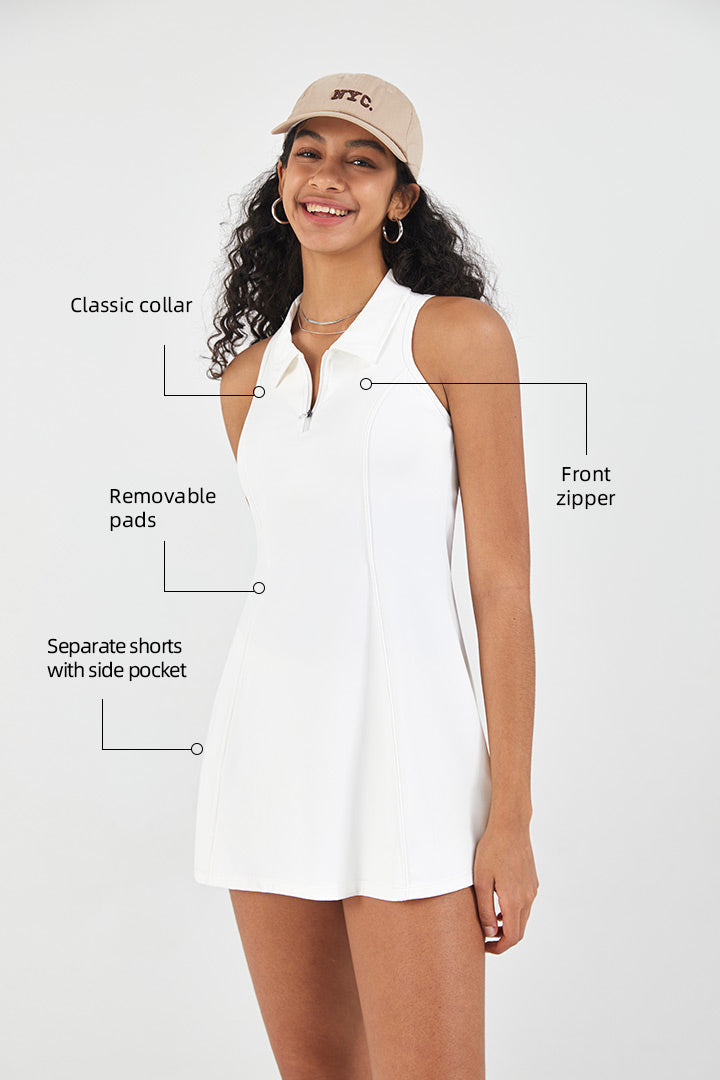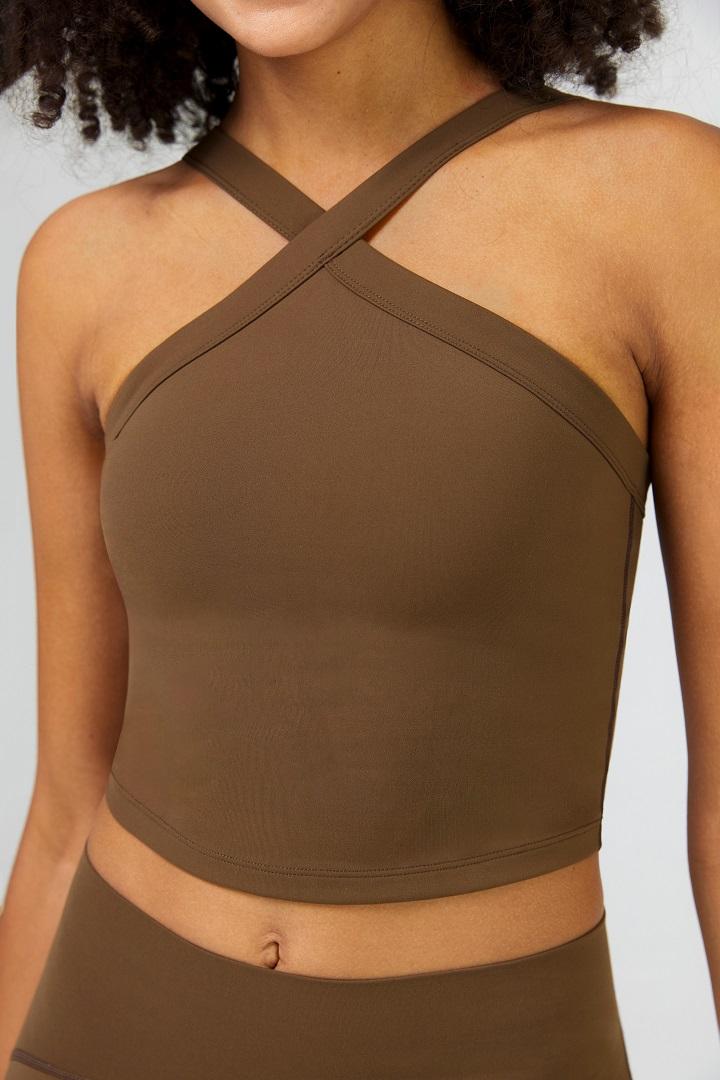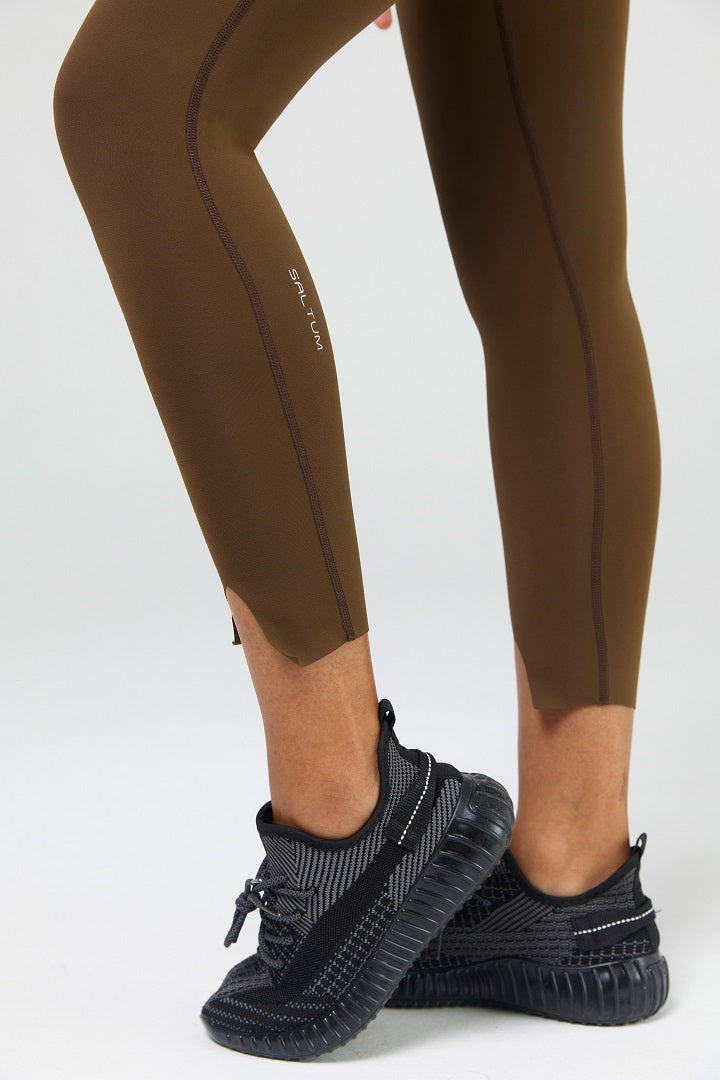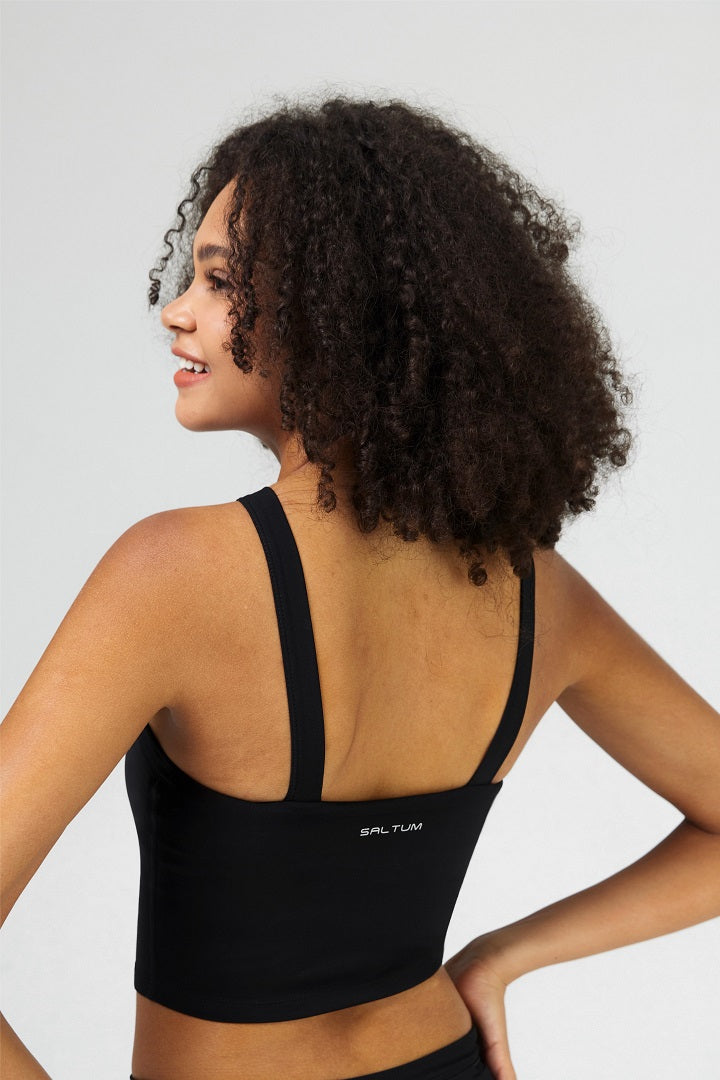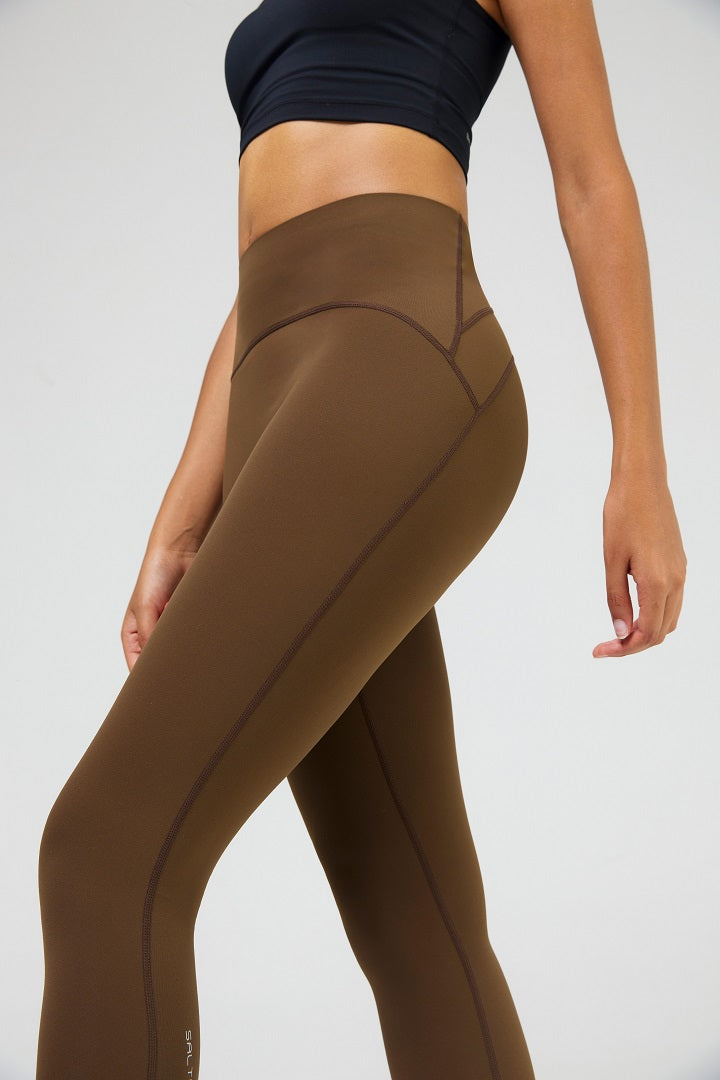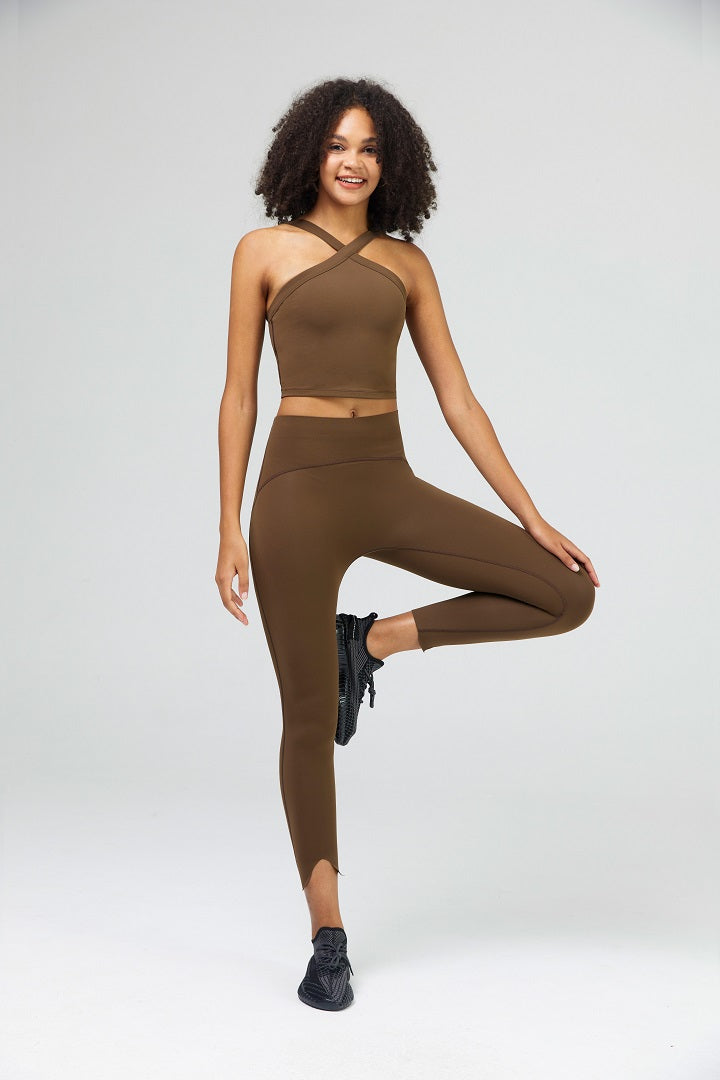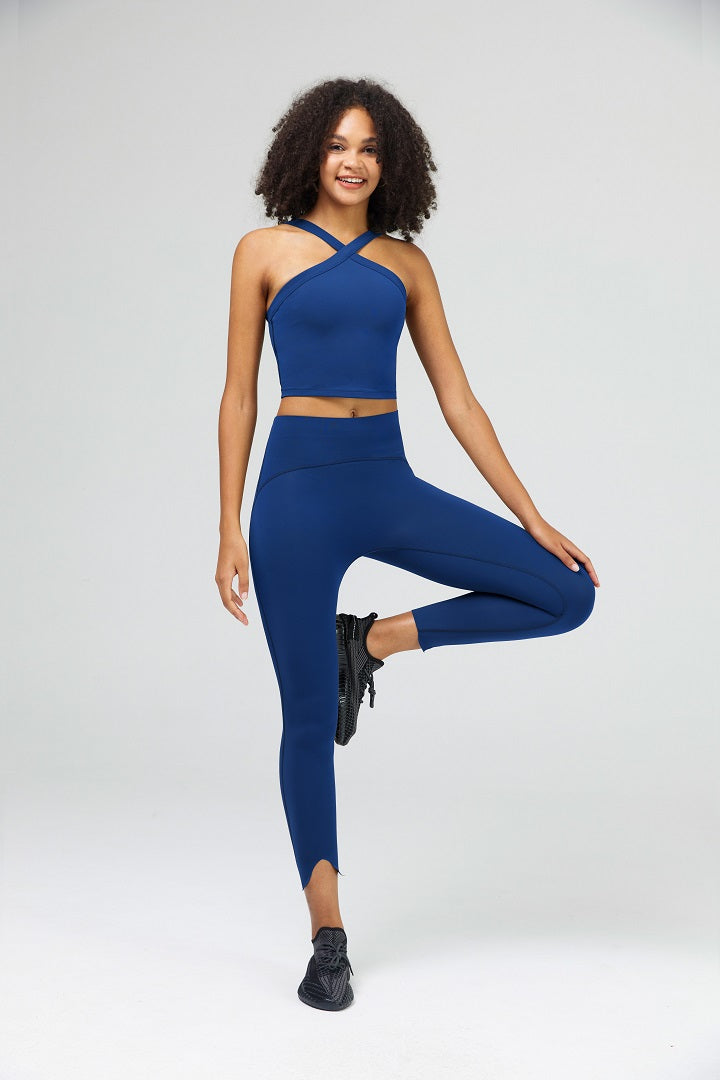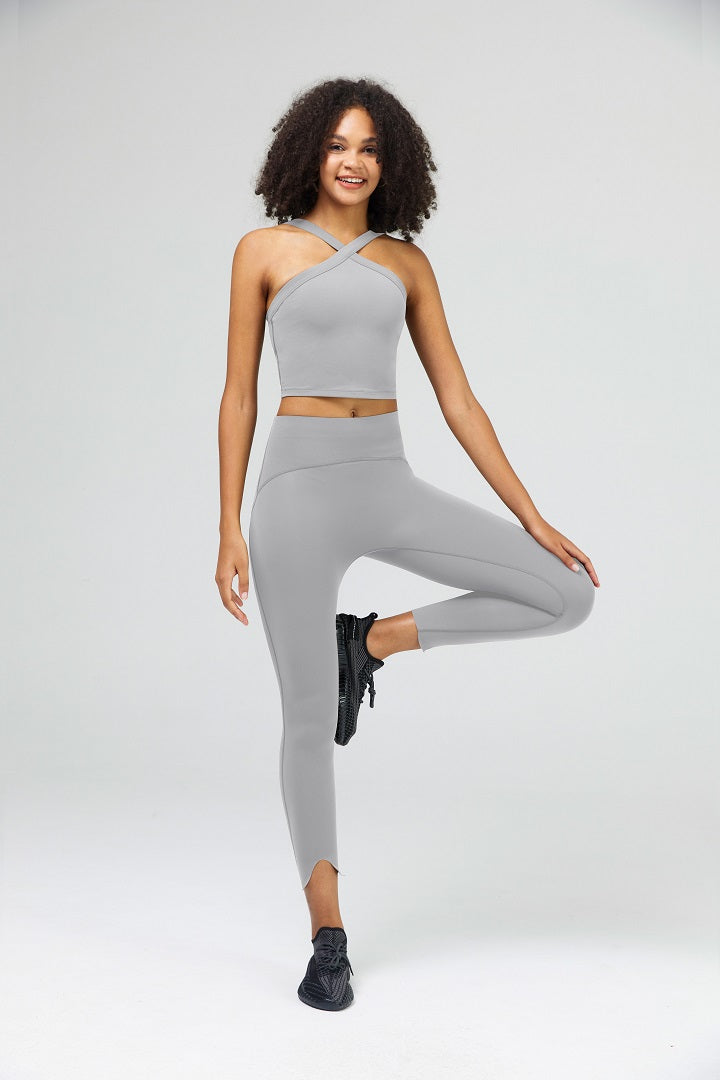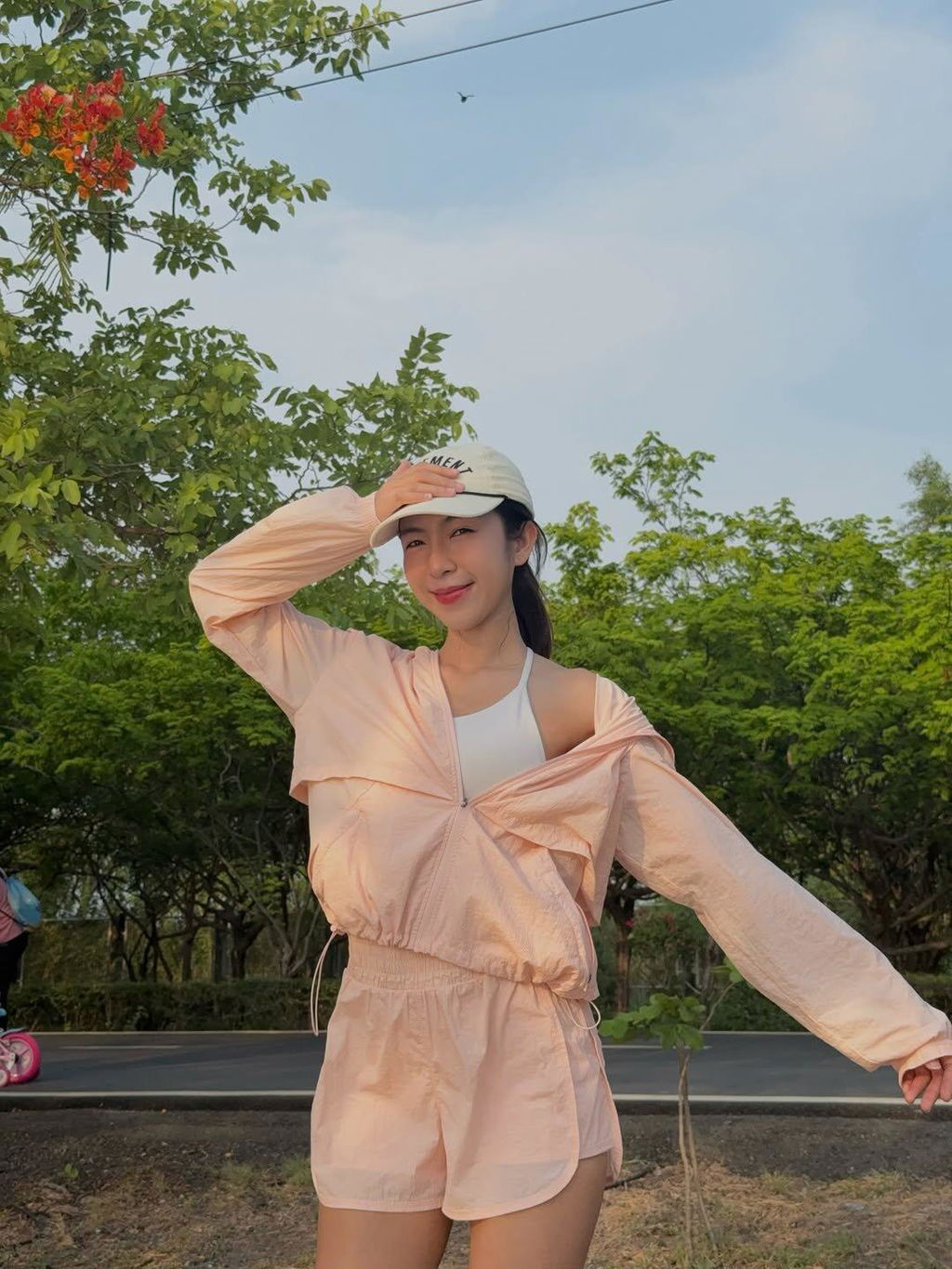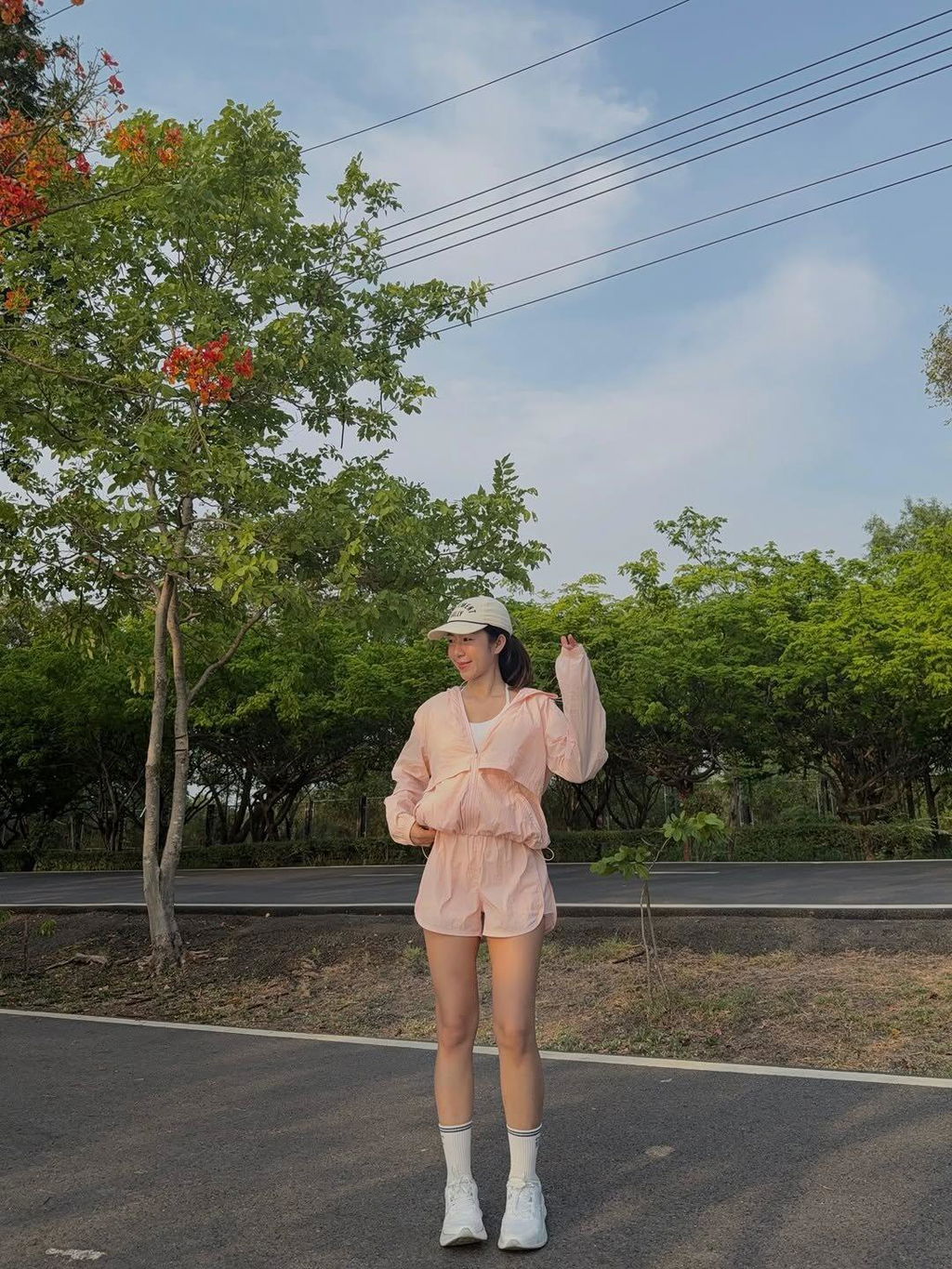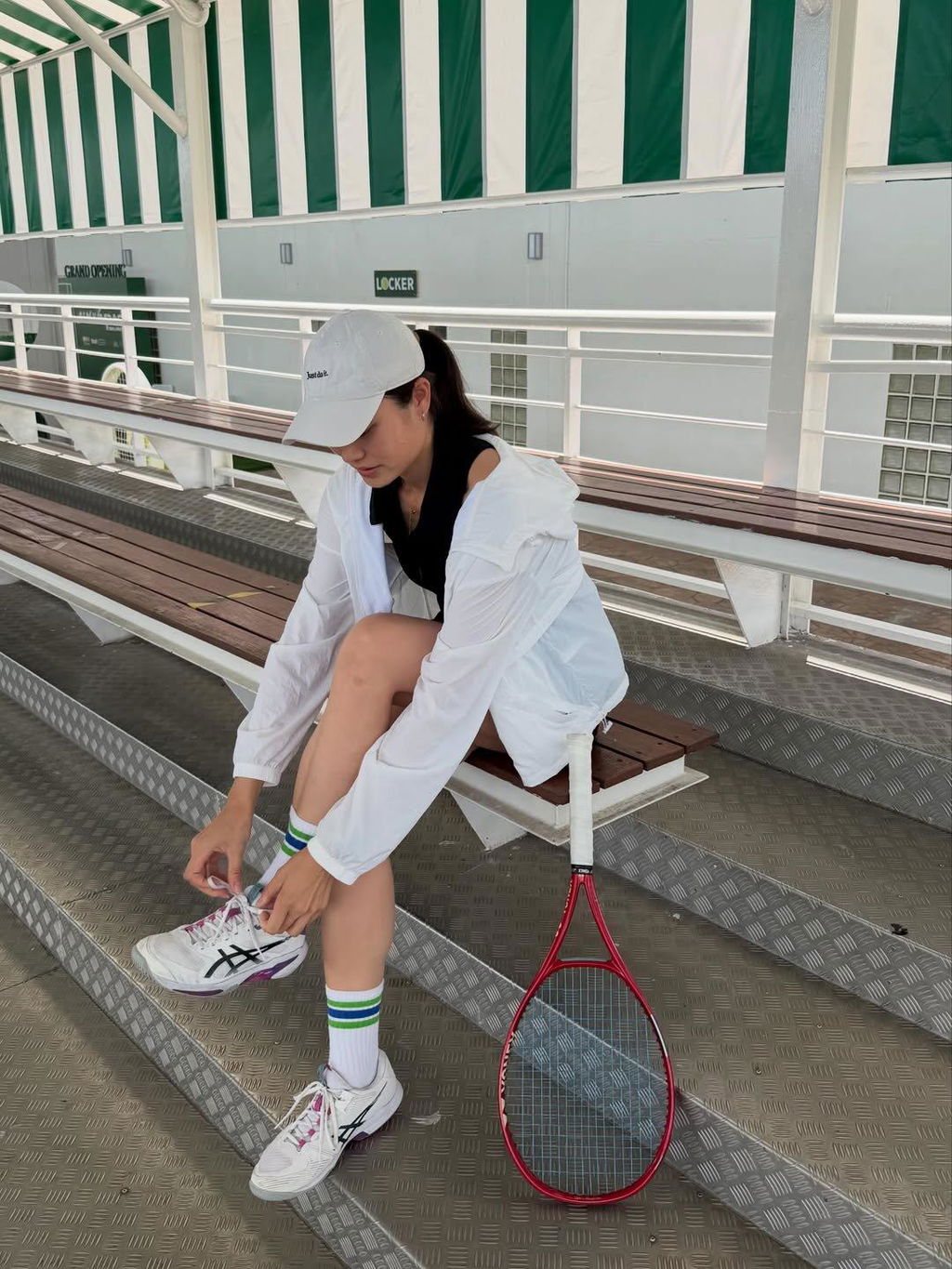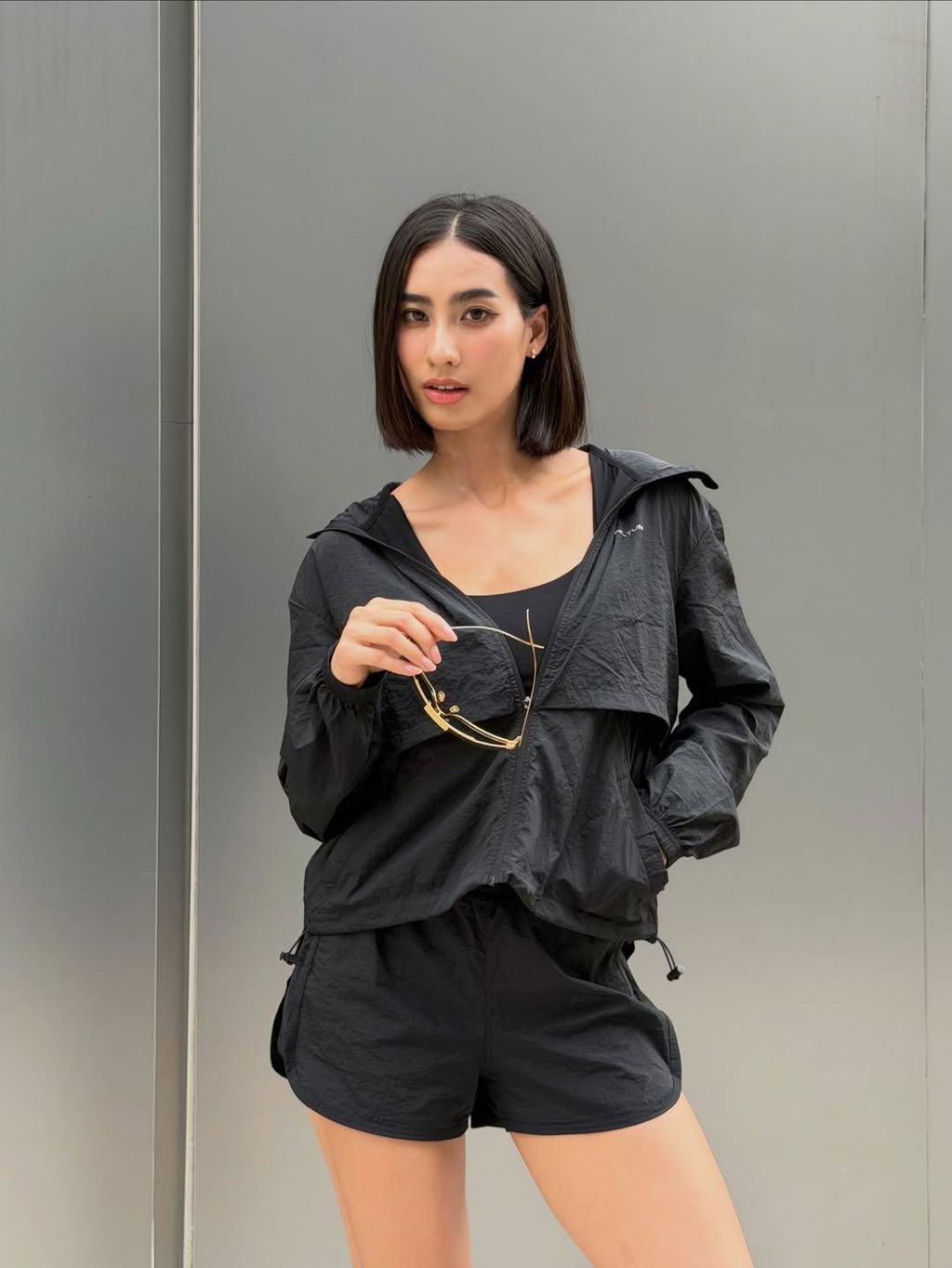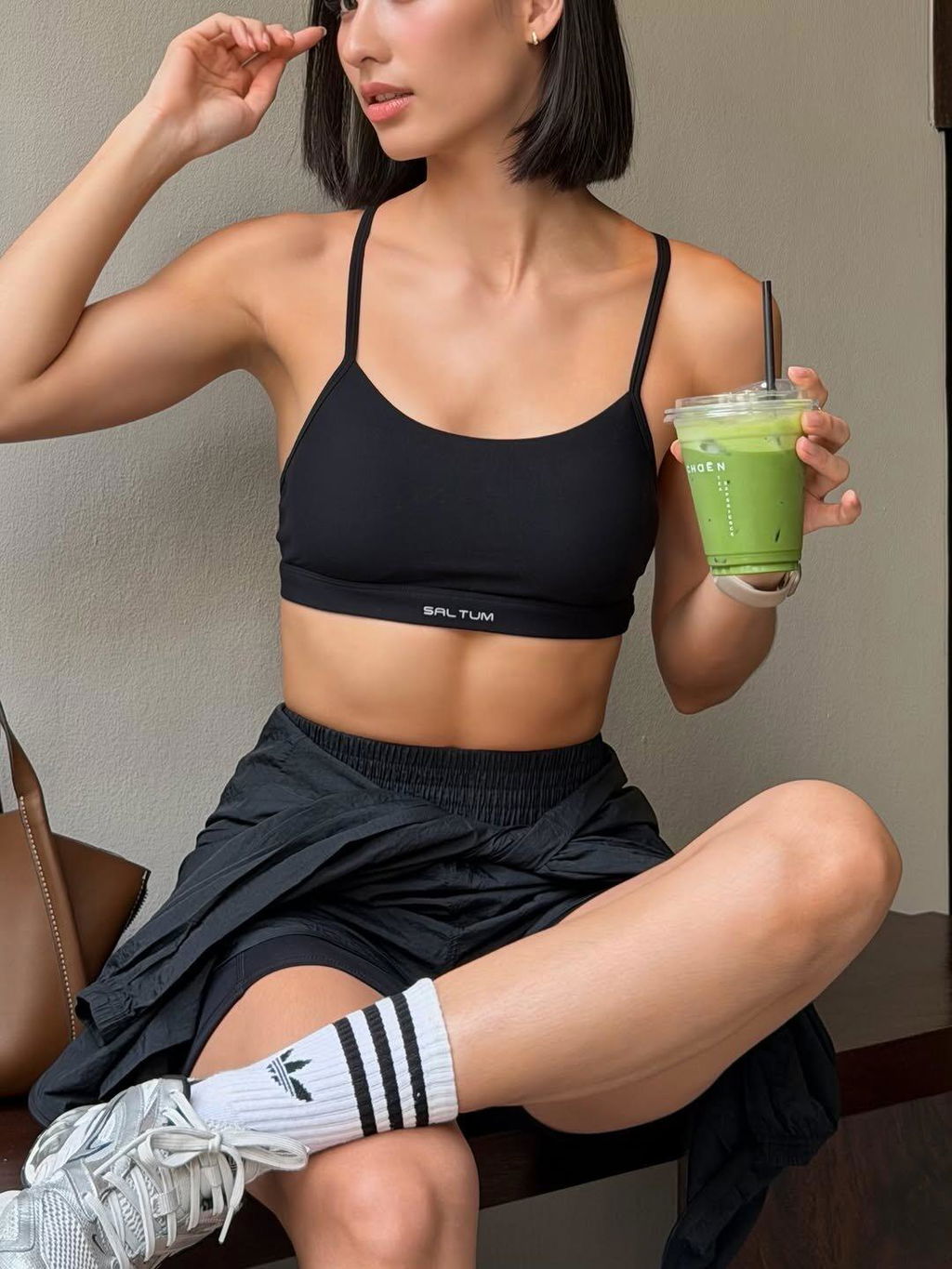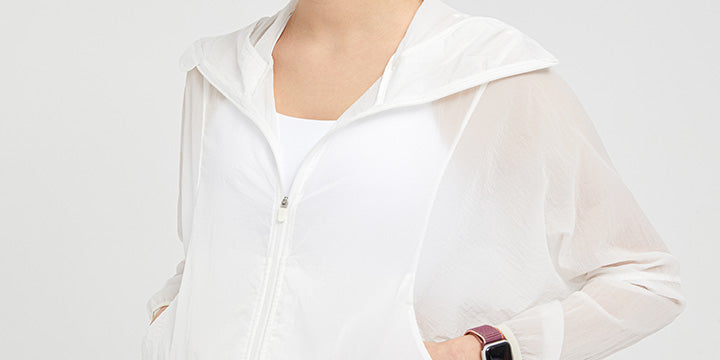

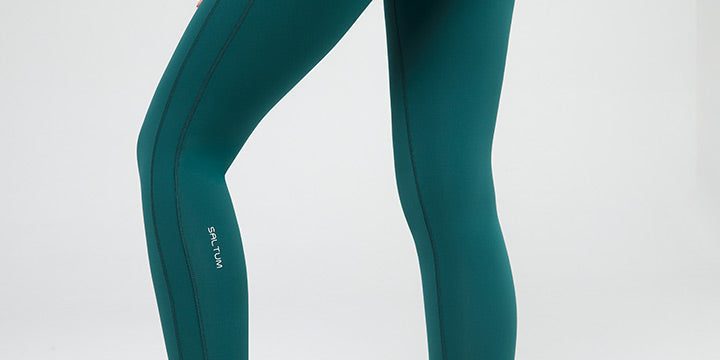
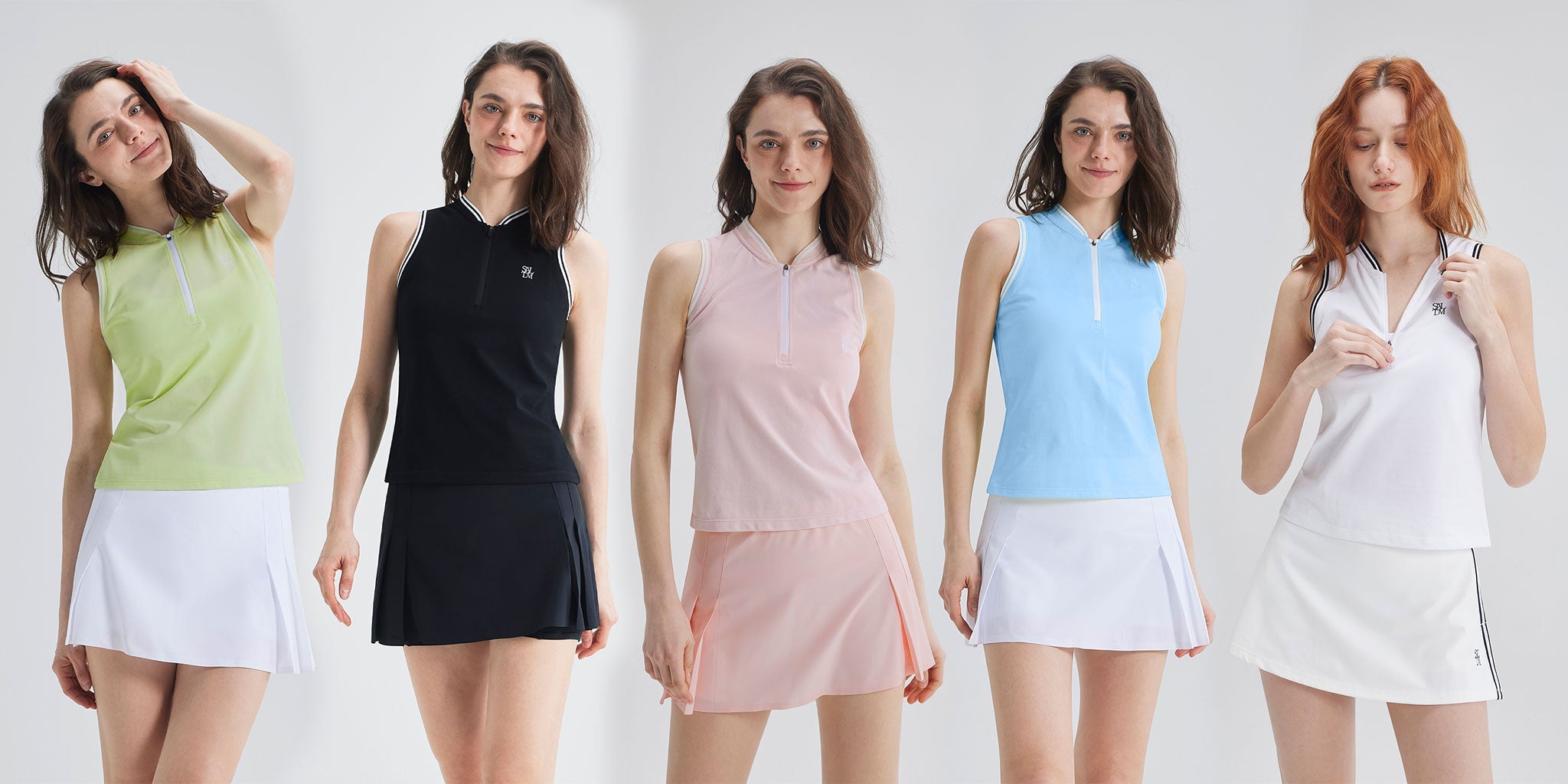
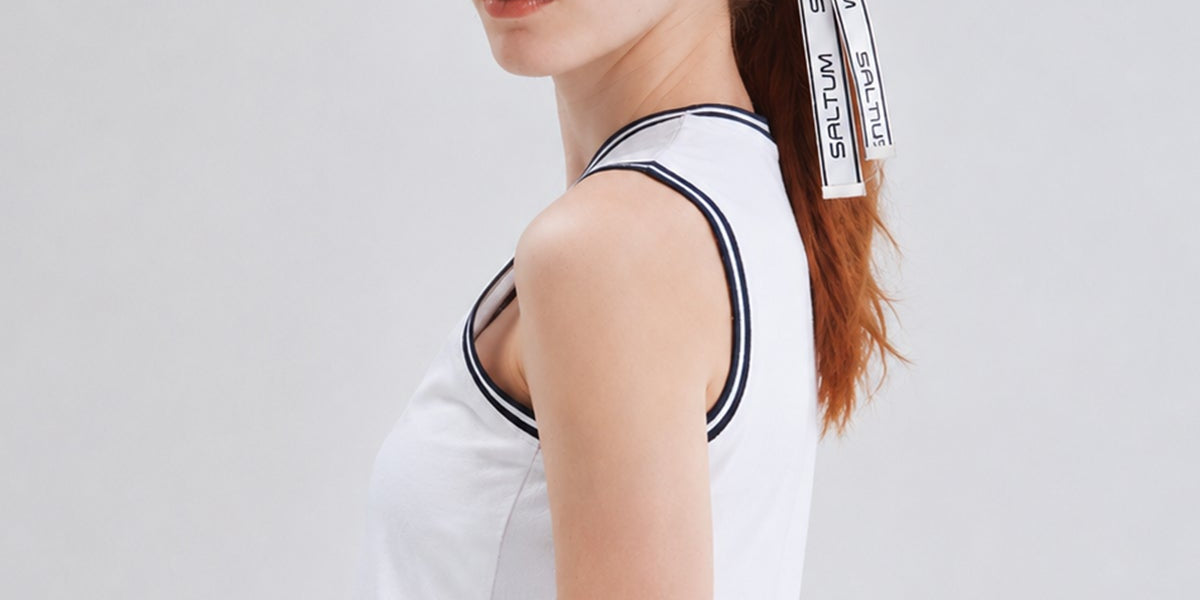
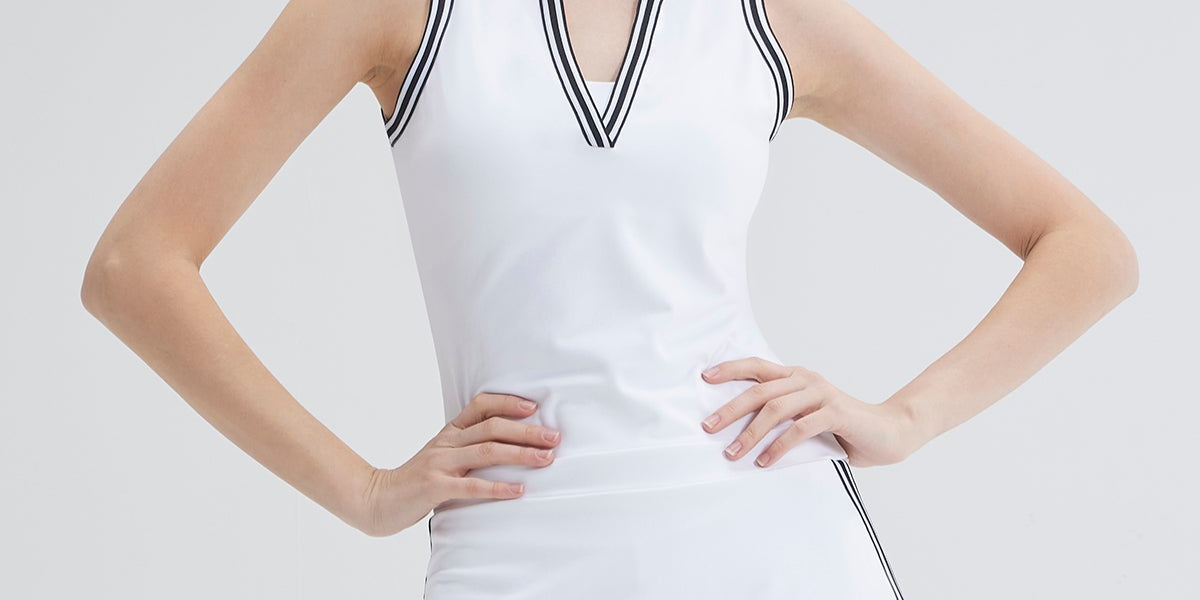
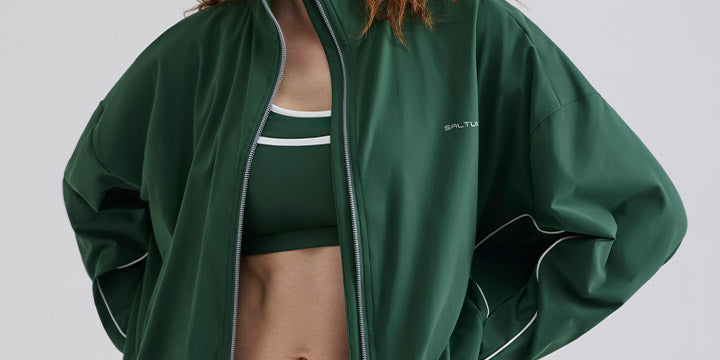

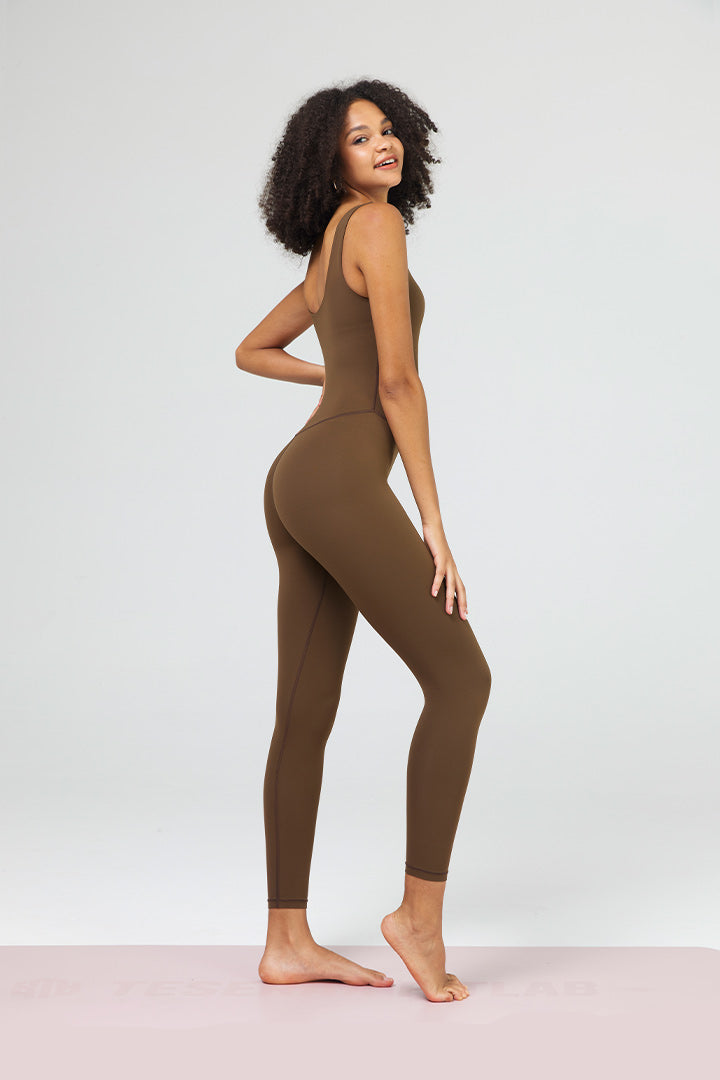
Knowing how to build the right women’s tennis outfit for every match is about far more than putting together a polished look. The right outfit affects how freely you move, how supported you feel through long rallies, how comfortable you stay as the temperature changes, and how confident you step onto the court. If you have ever wondered what to wear for tennis, the answer usually depends on where you are playing, how competitive the match feels, and what kind of support and coverage you personally need.
A strong women’s tennis outfit should help you focus on your game instead of adjusting straps, pulling at a hem, or overheating halfway through the first set. That is why the best tennis outfit women can wear is rarely the one that only looks good in a mirror. It is the one that works under movement, sweat, and pressure. Whether you prefer a tennis dress, a skirt-and-top combination, or a more athletic dress-inspired silhouette, the goal stays the same: build an outfit that supports performance without sacrificing personal style.

Different match situations also call for different choices. A casual practice session does not demand the same outfit strategy as a club match, and a hot outdoor court calls for different fabrics and layers than a cool morning session. Once you understand the essentials, it becomes much easier to build women’s tennis attire that feels reliable every time you play.
Start With the Basics of a Good Women’s Tennis Outfit
A well-built tennis outfit starts with the right foundation pieces. Most players do best when they think about their outfit in layers rather than as a single look. At the base, you need pieces that move well, manage heat, and stay comfortable through serving, sprinting, and side-to-side footwork.
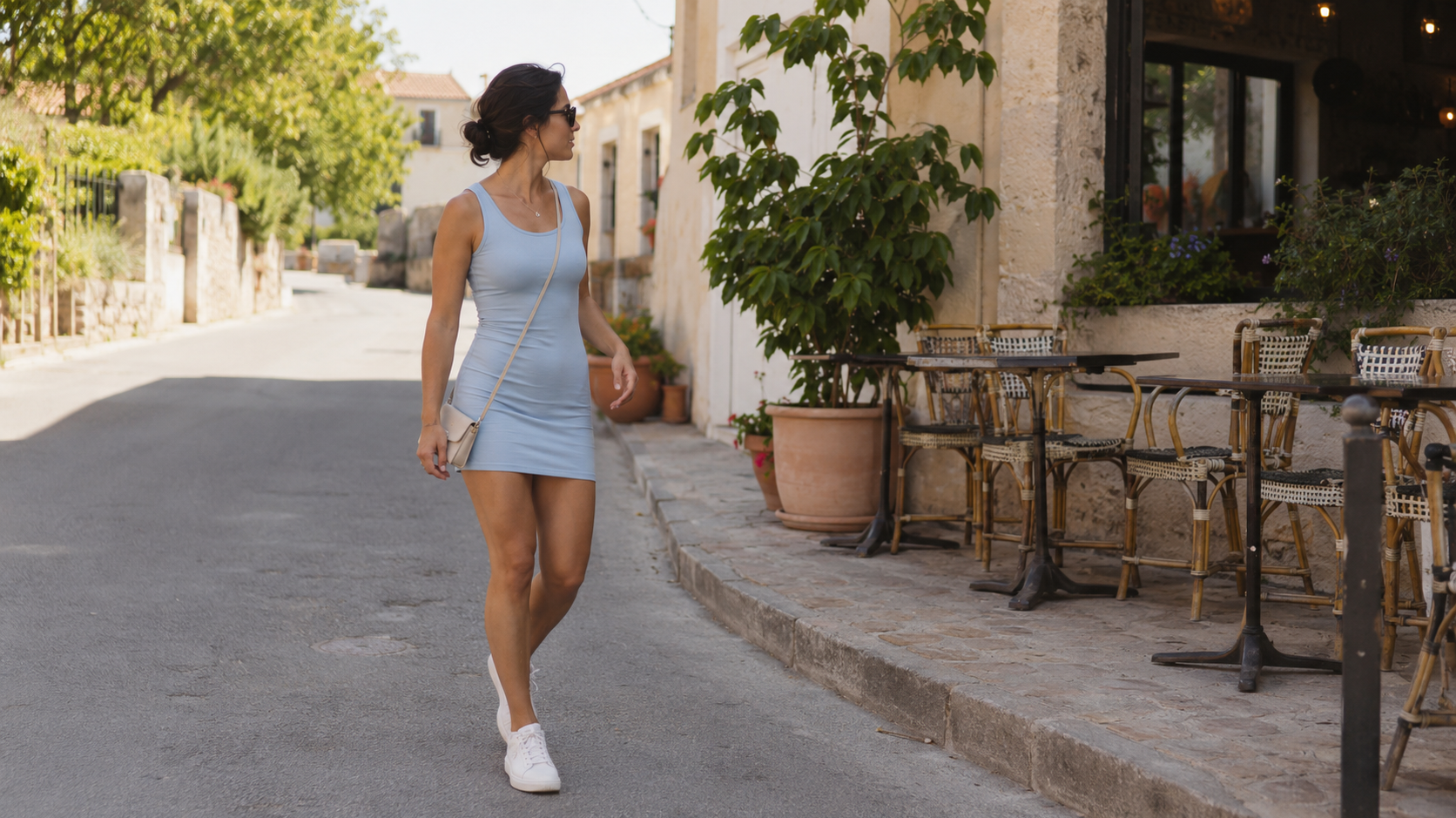
The first decision is usually whether you want to build around a dress or around separates. A tennis dress can simplify outfit planning and create a clean, streamlined look, while a top paired with a skirt, shorts, or skort gives you more flexibility. Neither option is automatically better. The better choice is the one that fits your movement preferences, support needs, and comfort level.
Most good women’s tennis outfit combinations include the same core pieces: a performance top or dress with enough stretch for a full range of motion, a bottom or built-in short liner that allows quick movement, a supportive sports bra that stays secure during running and rotation, optional layers for changing temperatures, and tennis-specific shoes that match the demands of the court.
Support and breathability matter just as much as style. Lightweight fabric is useful, but not if it becomes clingy or transparent once you start to sweat. A flattering fit helps, but not if it restricts shoulder rotation or makes you feel overexposed when reaching or bending. Coverage is especially important in tennis because the sport involves constant changes in direction, overhead motion, and repeated acceleration.
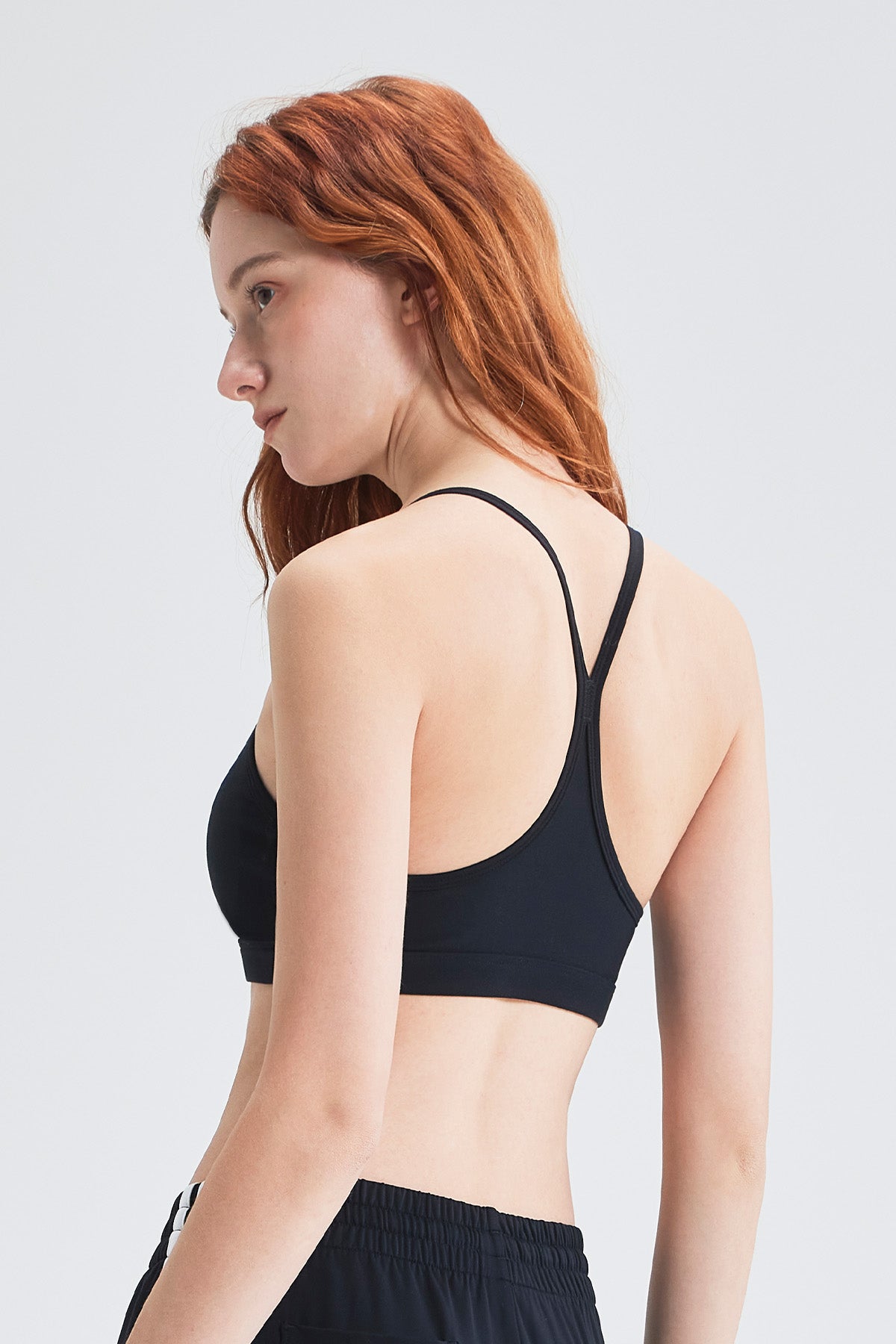
If support is one of your main concerns, it makes sense to build your outfit around a strong base layer first. A reliable bra often does more for comfort and confidence than any visible outer piece, which is why many players benefit from starting with supportive sports bras before choosing the rest of the look. From there, you can build outward with pieces that match your level of play and your preferred silhouette.
For players who want a more court-focused starting point, browsing a dedicated court sports collection can also make the process easier. It helps narrow your choices to pieces that already align with the movement, polish, and functionality tennis requires.
Choose the Right Outfit for Different Match Situations
Casual Practice Sessions
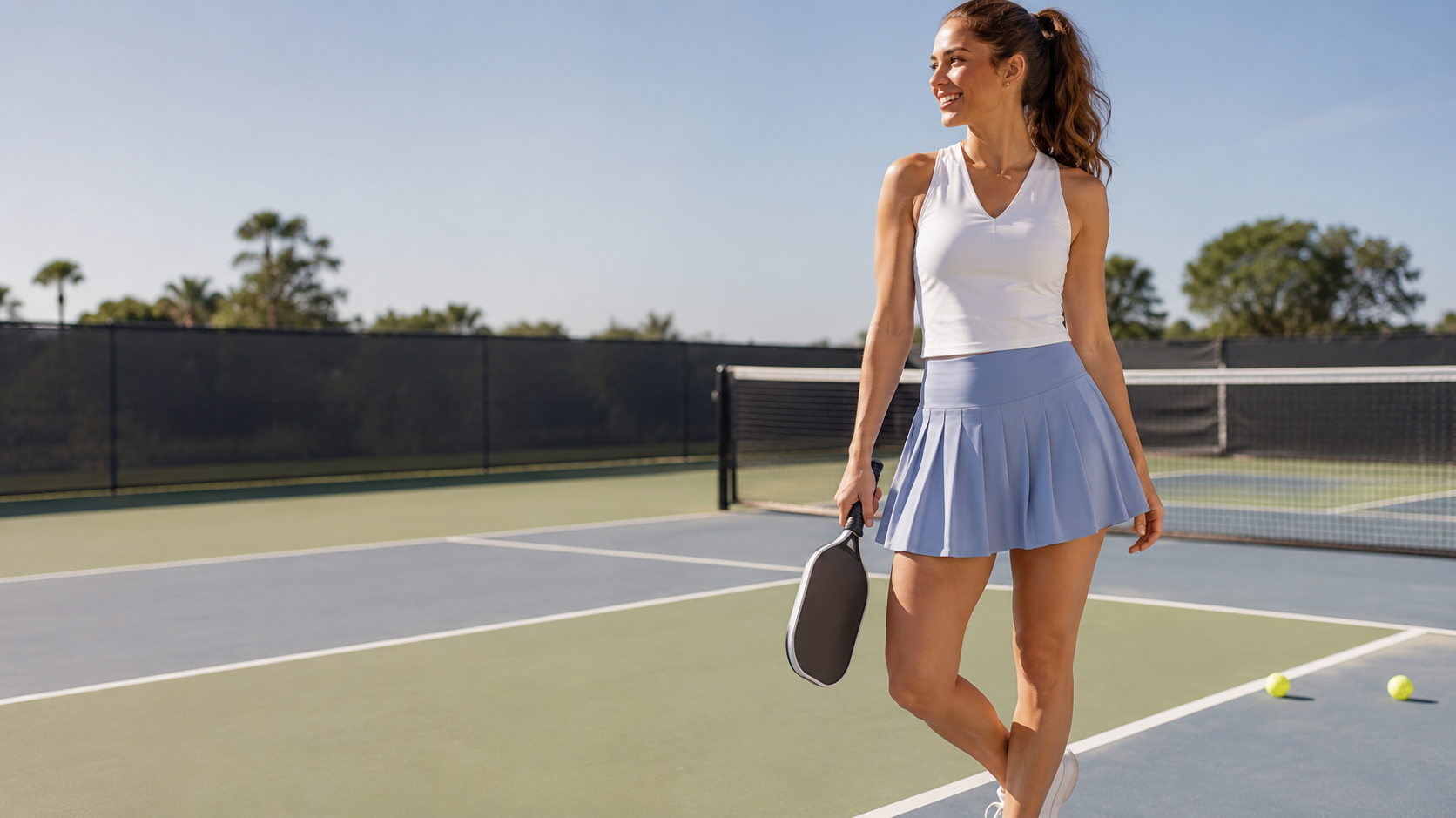
Practice sessions give you the most freedom to prioritize comfort and easy movement. This is often the best time to wear separates, especially if you are still figuring out what fit and level of support you like best. A fitted performance top with a skort or shorts usually works well because it lets you test mobility without overthinking the outfit.
For casual sessions, you do not need your most polished look, but you do need pieces that stay in place. Avoid overly loose tops that shift during serving drills or short bottoms that make you constantly readjust. If you are building your first tennis wardrobe, start with one supportive bra, one comfortable bottom, and one versatile top before adding more fashion-driven pieces.
Club Matches
Club matches often call for a slightly more polished women’s tennis attire approach. This is where coordinated separates or a simple tennis dress can work especially well. You want to look put together, but still feel ready for movement and a longer time on court.
A matching set is often a smart choice here because it gives structure without feeling too formal. It also allows you to balance support and coverage depending on the weather. If your club setting tends to feel more social or style-conscious, an athletic dress can also be a strong option, especially when you want an easy outfit that still feels elevated.
Competitive Match Days
On match days, function should lead every decision. That does not mean style disappears, but it does mean that comfort, support, and predictability matter more than trying something new. This is not the time to test a silhouette you have never worn on court or a bra you are not fully confident in.
For more competitive settings, many players do best with one of two directions: a tennis dress that feels stable and easy to wear, or separates that you have already tested in practice. The key is consistency. You want to step onto the court knowing exactly how the outfit will behave when you serve, lunge, rotate, and sweat.
Hot Weather Outdoor Matches
Heat changes everything. In hot outdoor conditions, fabric choice becomes one of the most important parts of building the right women’s tennis outfit. Breathability, sweat management, and light coverage all matter more when the sun is intense and the match runs long.
This is often where a lighter tennis dress or streamlined separates can work especially well. Look for pieces that do not trap heat and do not become heavy once damp. A clean, minimal outfit usually works better than extra layers or overly complicated styling.
Cooler Morning or Evening Matches
Cooler conditions call for a more thoughtful layering strategy. You still need mobility, but you also need pieces that help your body warm up without making the outfit feel bulky. This is where a fitted layer over your sports bra or performance top can make a real difference before and after play.
In these conditions, separates often have an advantage because they let you adjust more easily. A fitted top, a bottom with enough coverage, and one light outer layer can create a smarter setup than a single-piece look. That said, if you prefer a dress, it can still work well when paired with layers you can remove once the match gets going.
| Match situation | Best outfit direction | Why it works | What to avoid |
|---|---|---|---|
| Casual practice sessions | Simple separates | Easy to test fit, support, and movement | Loose tops or bottoms that shift constantly |
| Club matches | Coordinated set or tennis dress | Looks polished while still performing well | Styles that feel refined but fragile in motion |
| Competitive match days | Trusted dress or well-tested separates | Creates consistency and reduces distraction | Anything new or untested |
| Hot weather outdoor matches | Light dress or breathable separates | Helps with airflow and sweat management | Heavy, heat-trapping fabrics |
| Cool mornings or evenings | Separates with one light layer | Easier to adjust as your body warms up | Bulky layers that restrict motion |
A simple editorial rule usually holds up: if you are new to tennis, separates make it easier to understand what is and is not working. If you value easy outfit planning and a cleaner visual line, a tennis dress often becomes more appealing once you know your support preferences.
Tennis Dress or Matching Set
One of the most common outfit questions in women’s tennis is whether a tennis dress or a matching set makes more sense. The answer depends less on trend and more on how you like to play, how you like to dress, and how much flexibility you want from your wardrobe.

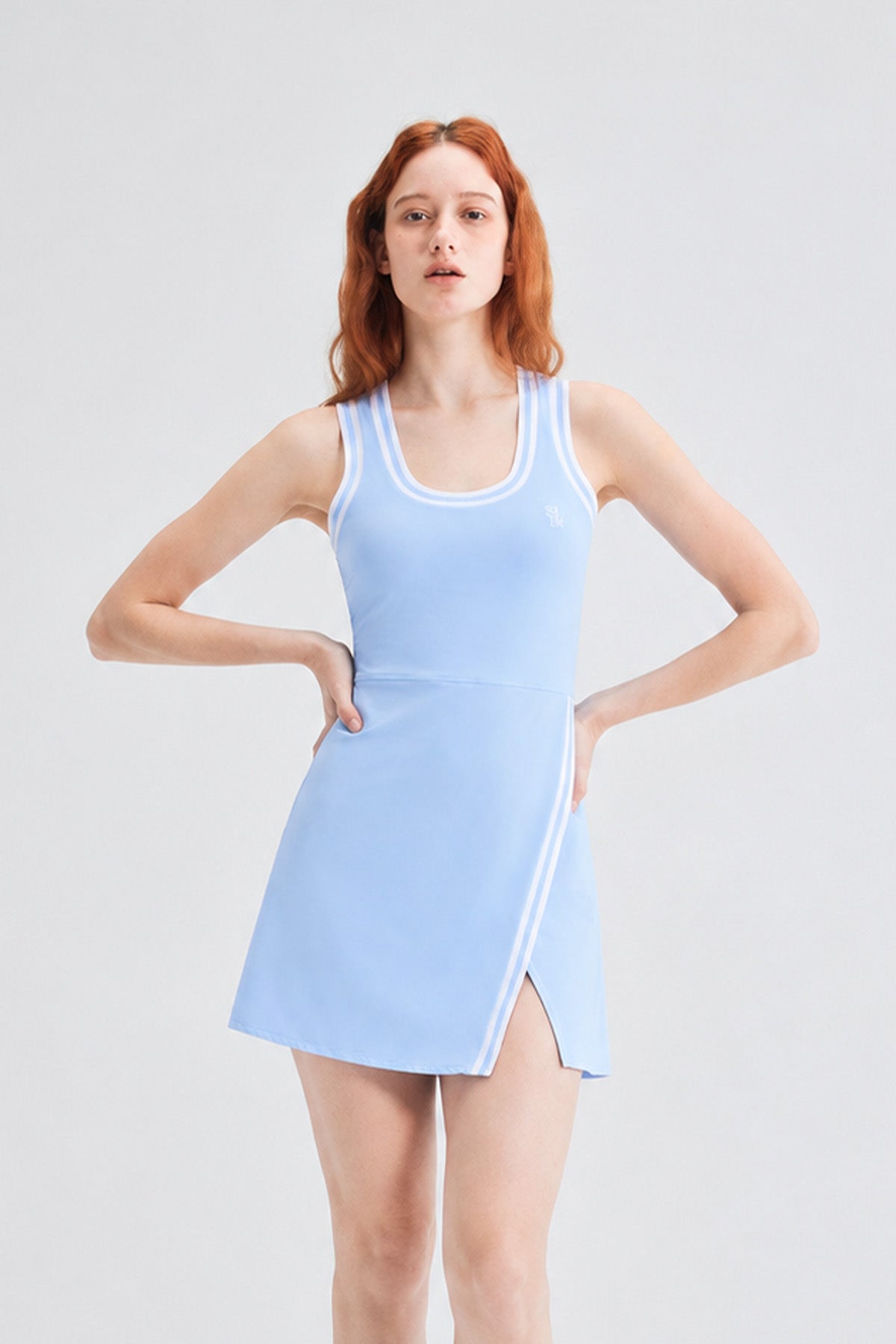
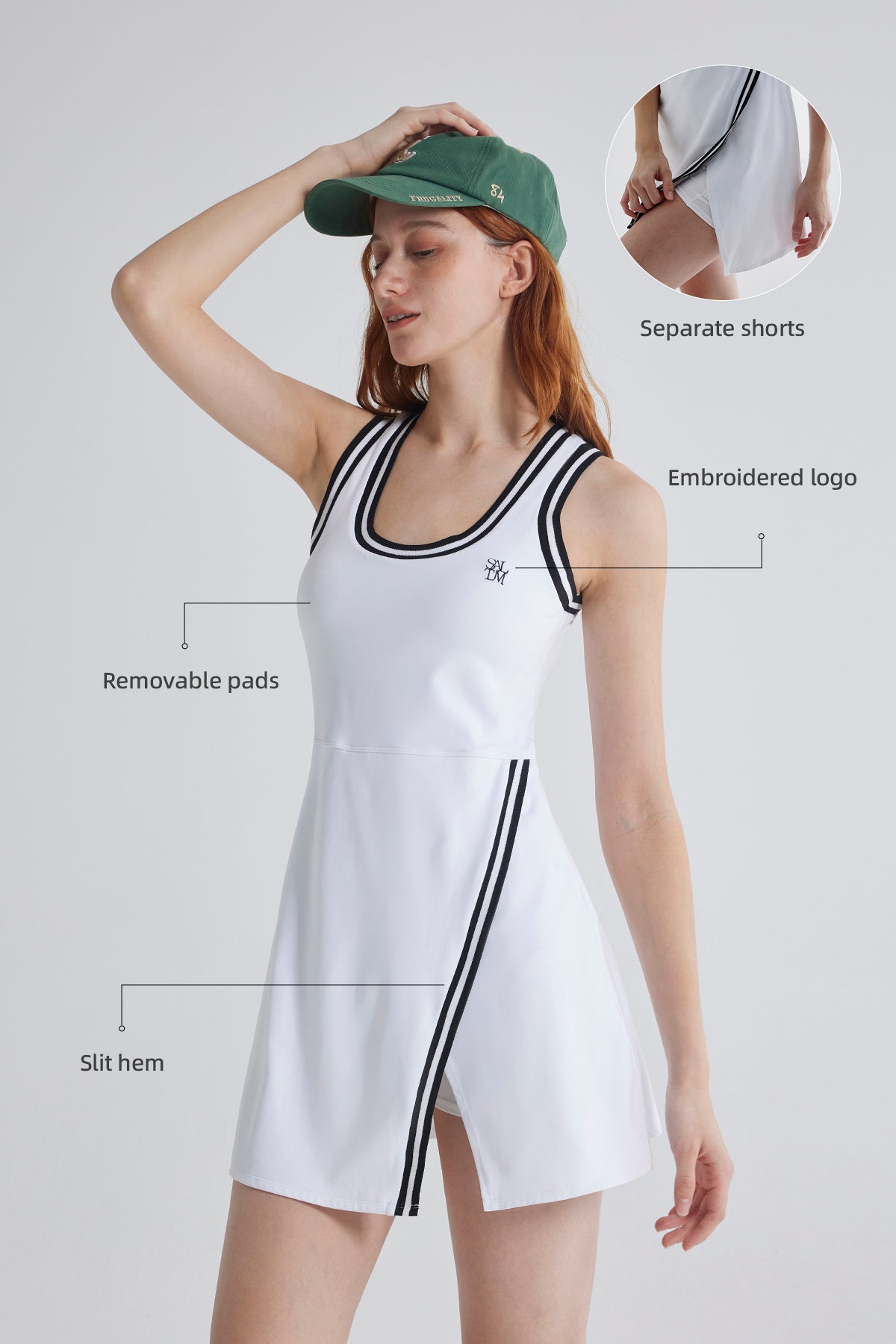
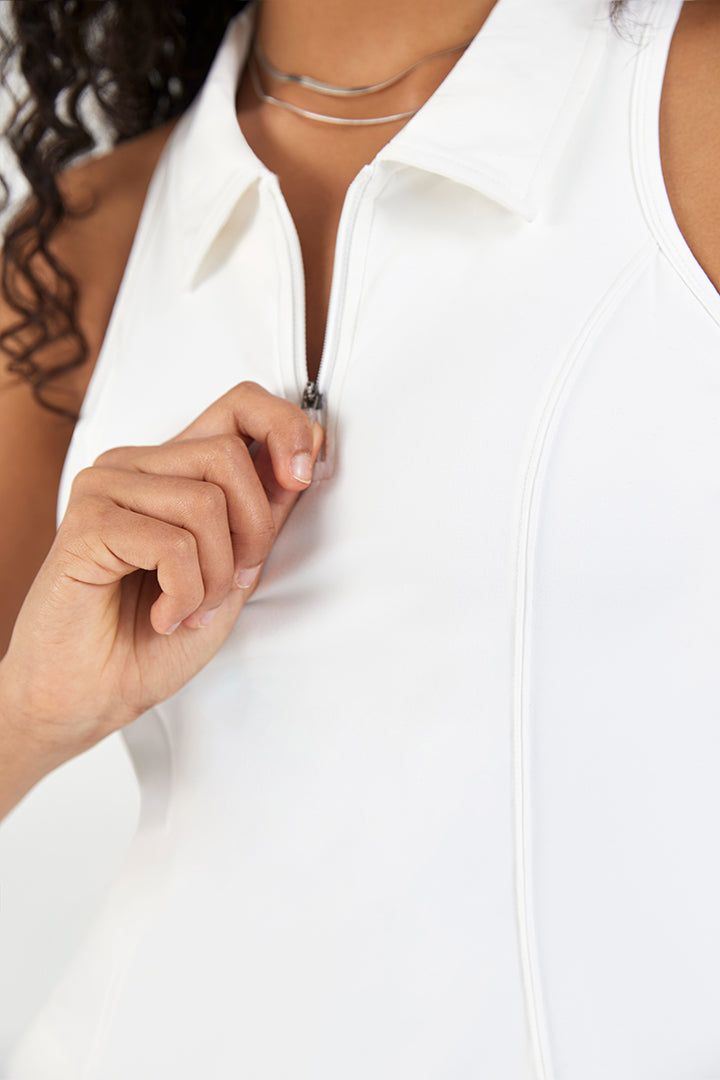
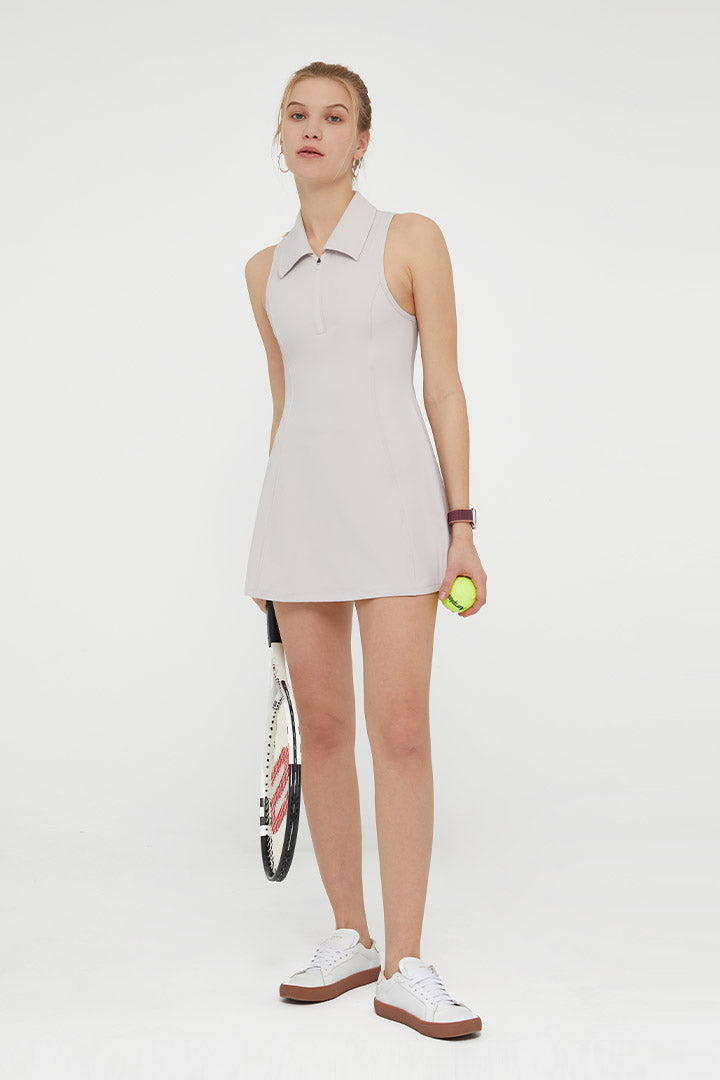
A tennis dress is usually the simplest route. It creates an instant outfit, reduces styling decisions, and often gives a clean, streamlined impression on court. For players who want something easy, polished, and ready to wear, this can be a strong choice. A dress also works well if you prefer your outfit to feel cohesive from the start rather than built in separate pieces. If that sounds like your style, browsing performance-led tennis dresses can be a practical place to start.
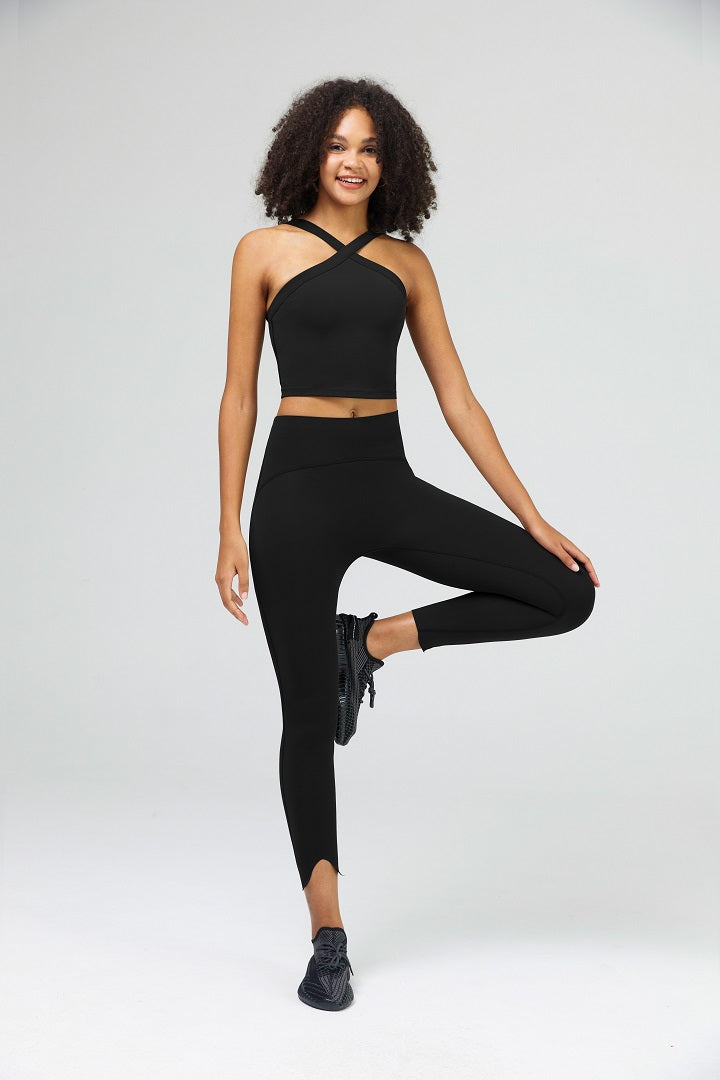
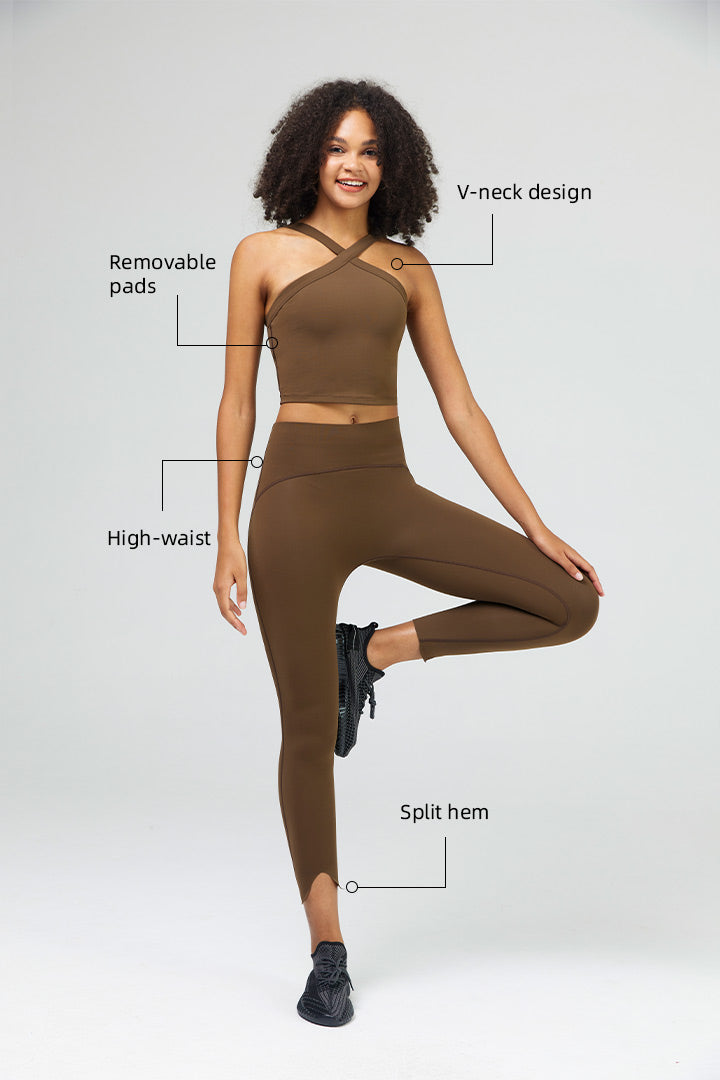
Matching separates offer a different kind of advantage. They make it easier to fine-tune fit, support, and coverage. You may prefer one type of top for hotter conditions, another for competitive matches, and a different bottom for practice versus play. Separates also make it easier to build multiple outfits from a smaller number of pieces, which can be especially useful if you play often.
| Option | Best for | Main advantage | Best fit for |
|---|---|---|---|
| Tennis dress | Easy styling and polished match days | Creates a complete outfit with less effort | Players who want simplicity and a streamlined look |
| Matching separates | Practice, layering, and flexible outfit planning | Allows more control over support, fit, and coverage | Players who want mix-and-match versatility |
For some players, the dress feels more comfortable because it removes outfit planning. For others, separates feel more reliable because each piece can be chosen with more precision. Neither option is inherently more performance-oriented. The better choice is the one that makes you feel secure enough to move without distraction.
If you value simplicity and easy styling, a tennis dress is often worth prioritizing. It can be especially useful for club matches, warmer weather, or anyone who wants a polished outfit with minimal effort. If you care more about flexibility and mix-and-match options, separates may be the smarter direction. They usually give you more control over support, fit, and how your wardrobe works across different match situations.
What Matters Most in Women’s Tennis Attire
When evaluating women’s tennis attire, it helps to focus on performance details before appearance. A good outfit should still feel like itself after movement, sweat, and repetition. The best-looking option is only the right one if it continues to work under real match conditions.
| What matters | Why it matters on court | What to look for |
|---|---|---|
| Support | Tennis involves running, stopping, and serving under constant upper-body motion | A bra and top combination that feels secure without digging in |
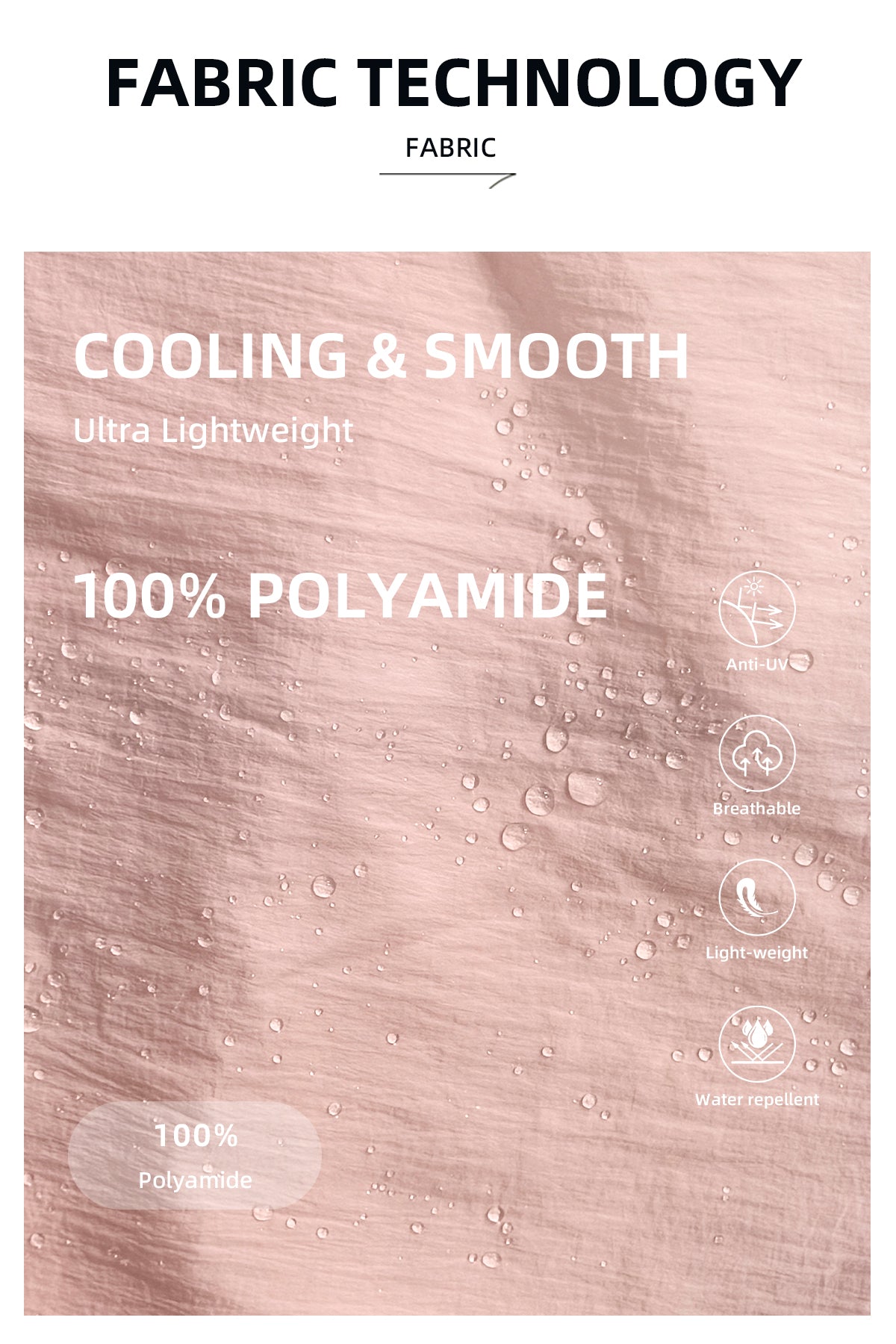
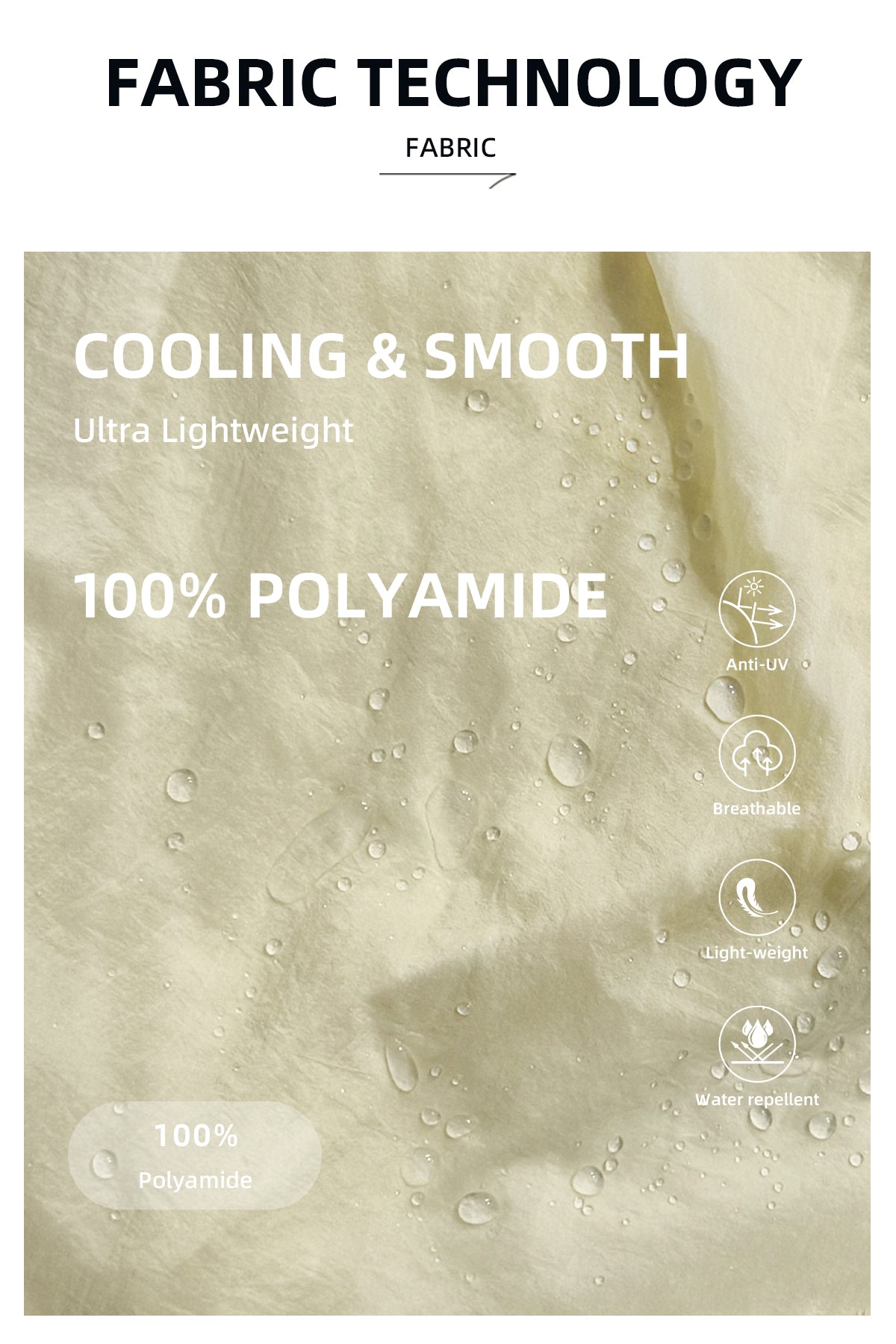
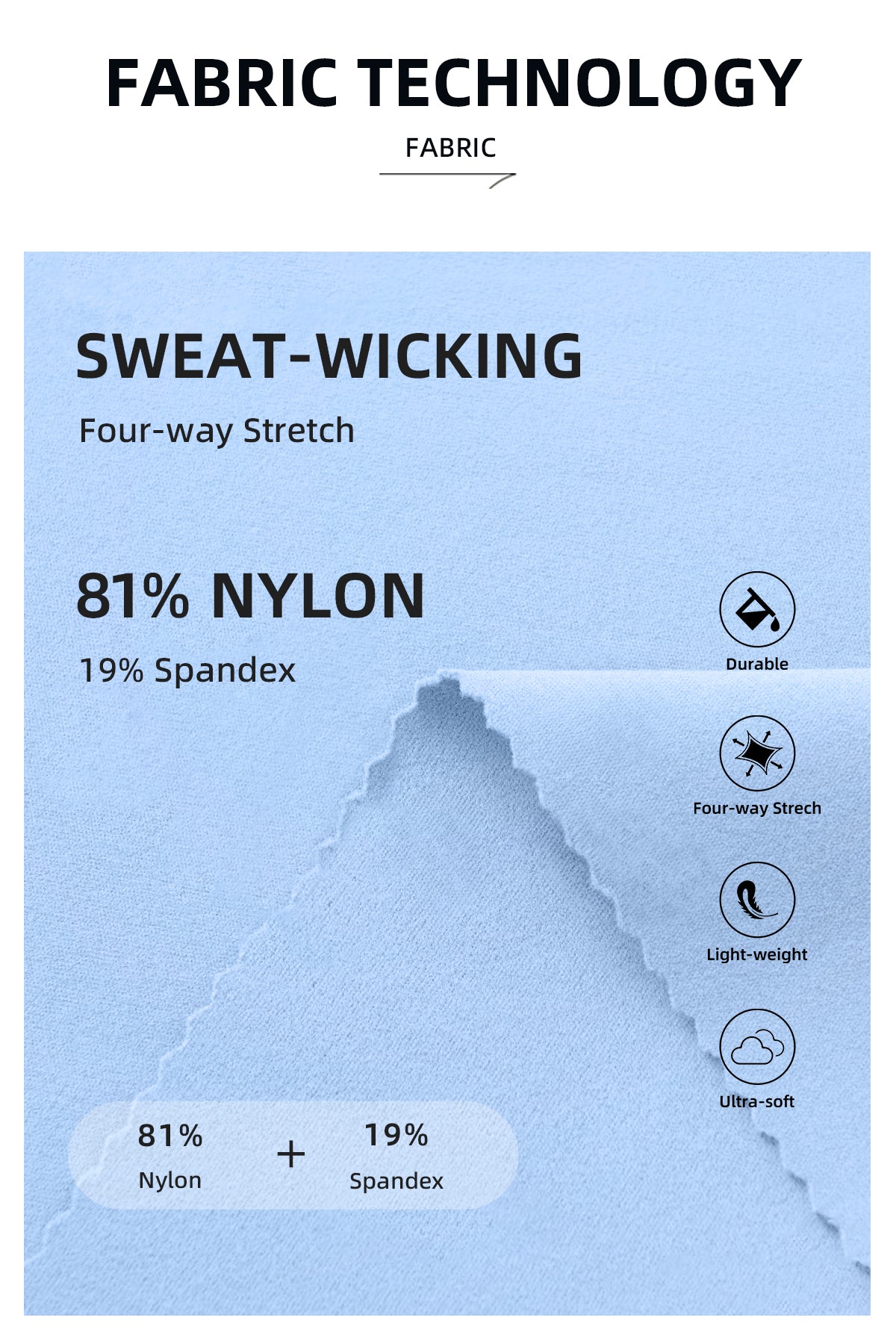
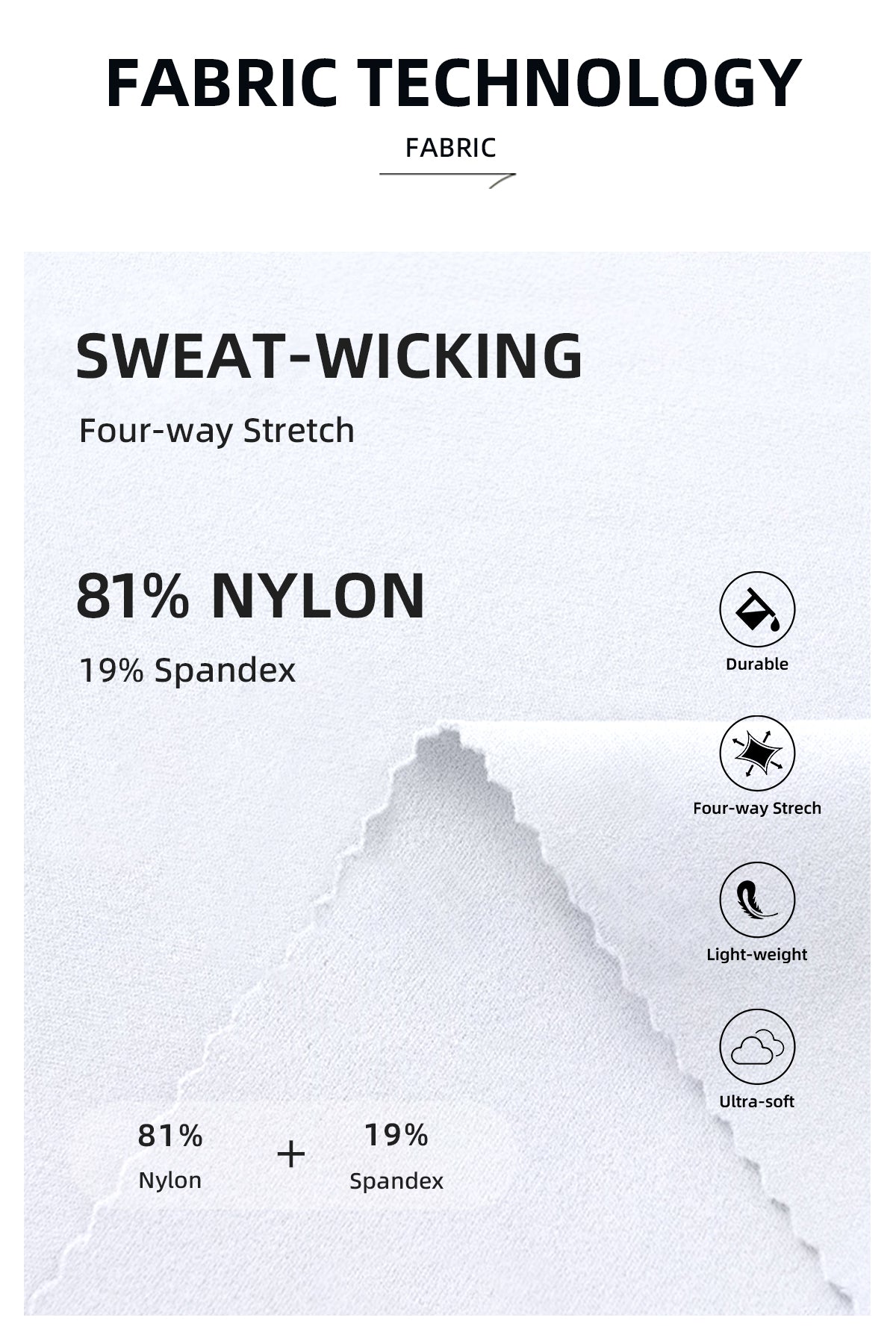
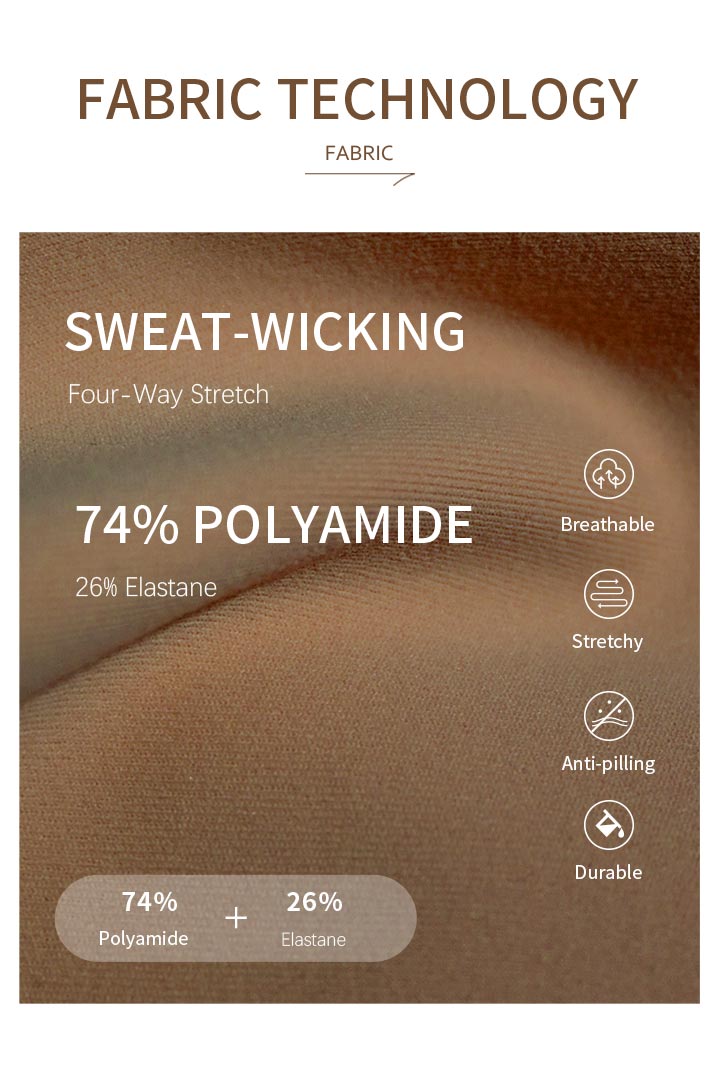
| Fabric | Fabric affects breathability, sweat control, and comfort over time | Smooth, performance-ready material that does not turn heavy or clingy |
| Fit | A poor fit restricts movement or causes constant adjustment | A close but non-restrictive fit through shoulders, torso, and hips |
| Coverage | Coverage affects confidence during lunges, reaches, and fast directional changes | Pieces that stay in place and feel secure from multiple angles |
| Freedom of movement | Tennis depends on rotation, extension, and quick recovery steps | Stretch and construction that follow movement naturally |
| Sweat management | Matches become uncomfortable fast if fabric traps heat or moisture | Lightweight performance materials that remain comfortable when warm |
| Layering | Temperature often changes before, during, and after play | Pieces that work well with one removable light layer |
| Color practicality | Some shades handle heat, sunlight, and sweat better than others | Colors you feel confident wearing in bright outdoor conditions |
If you are deciding between several options, check the practical details first: Does the piece stay in place? Does it allow full movement? Does it offer enough support for your pace of play? Does the fabric still feel comfortable once you are warm? These questions matter more than whether the piece looks stylish on its own. In most cases, the strongest outfit is the one that balances support, movement, and comfort before anything else.
Common Mistakes to Avoid
Many outfit problems on court come from small decisions that seem harmless at first. The wrong choice may not feel obvious until you are in the middle of a match and forced to adjust, pull, or second-guess what you are wearing.
| Common mistake | Why it causes problems | Better approach |
|---|---|---|
| Choosing style over support | A flattering piece can still fail once movement intensifies | Build the outfit around support first, then refine the styling |
| Wearing fabric that becomes sheer with sweat | It can quickly affect comfort and confidence | Choose fabric that stays opaque and stable under heat and motion |
| Ignoring weather and court conditions | The right indoor practice outfit may not suit a hot outdoor match | Dress for both the conditions and the intensity of play |
| Wearing shoes not made for tennis | Good apparel cannot make up for the wrong footwear | Match your shoes to actual court movement and surface demands |
| Choosing an outfit that restricts movement | Anything that limits serving, sprinting, or rotation becomes distracting | Prioritize motion, stability, and confidence over appearance alone |
One of the most common buying mistakes is starting with the most visually appealing piece instead of the most functional one. In practice, movement and support usually deserve the first investment. When choosing women’s tennis attire, it is usually smarter to build from reliable essentials and then add more style-driven options once you know what performs well for your game.
How to Build a Reliable Tennis Outfit Wardrobe
Building a tennis wardrobe does not require a large number of pieces. It requires the right pieces in the right order. If you are just starting out, it makes more sense to create a reliable core than to collect multiple outfit variations too quickly.
A practical starting point is a small group of neutral basics: one or two performance tops, one or two bottoms you know you can move in, and one bra that offers enough support for active play. These pieces create the foundation of your wardrobe and give you room to learn what silhouettes you actually enjoy wearing on court.

If you are building your first tennis wardrobe, start with essentials you can repeat confidently. A supportive bra, a breathable top, and a reliable bottom will usually do more for your overall experience than buying several statement pieces too early. Once those basics feel solid, it becomes easier to add an outfit that is more style-specific, such as a tennis dress or a matching set.
For beginners, two or three complete outfit combinations are usually enough. That gives you enough rotation for practice and matches without overbuying before you understand your preferences. If you play more often, you can expand strategically rather than all at once.
| Wardrobe stage | What to prioritize | Why it matters |
|---|---|---|
| Starting out | Supportive bra, breathable top, reliable bottom | Creates the core pieces you will use most often |
| After a few matches | Second outfit combination and one light layer | Improves rotation and weather flexibility |
| Once preferences are clear | Tennis dress or elevated match-day option | Adds convenience or polish without guessing on fit |
| Playing more regularly | Additional separates and another supportive bra | Supports frequency and reduces over-reliance on one setup |
A tennis dress usually makes sense once you know you want something more streamlined or easier to style. It can also be a smart addition if you often move from court time into errands, coffee, or casual plans afterward and want an outfit that feels polished beyond the match itself. On the other hand, if you play in changing conditions or like to adjust support and fit piece by piece, separates may remain the more useful backbone of your wardrobe.
If support is your main concern, prioritize that early. A strong outfit wardrobe is easier to build once you have one dependable bra that you trust for real movement. For many players, that makes supportive sports bras one of the smartest first purchases because they improve the wearability of every other piece layered over them.
Another helpful approach is to think in terms of purpose rather than just category. Keep one outfit formula for practice, one for more polished match days, and one for weather changes. That might mean a set of separates for training, a dress for easy styling, and a few layering pieces to adapt when conditions shift. Exploring a dedicated court sports collection can help you find pieces that already fit that structure instead of trying to adapt general activewear that was not designed with tennis in mind.
If you prefer easy outfit planning, a tennis dress may be the better option for your second or third purchase after the basics. If you prefer flexibility, build around separates first and add a dress later. Either way, your wardrobe should make getting dressed for tennis feel simpler over time, not more complicated.
The most useful tennis wardrobe is one that works both on court and around the rest of your day. That does not mean every piece needs to look like lifestyle wear, but it does mean versatility is worth considering. Pieces that perform well in motion and still feel refined off court often become the ones you reach for most consistently.
Final Thoughts
The right women’s tennis outfit is not defined by one formula. It is built through a clear understanding of what helps you move well, stay supported, and feel comfortable across different match situations. Whether you prefer a tennis dress, a more adjustable set of separates, or an athletic dress-inspired look, the strongest choice is the one that supports your game instead of distracting from it.
When deciding what to wear for tennis, start with the essentials that matter most: support, breathable fabric, freedom of movement, and the right level of coverage. From there, you can shape a wardrobe that reflects your style without losing the performance side of the equation. Over time, that balance is what makes women’s tennis attire feel truly reliable.
SALTUM’s approach to performance dressing makes that balance easier to build. If you are refining your on-court wardrobe, it is worth exploring the brand’s dresses and bodysuits, sports bras, and broader court sports collection to find pieces that support comfort, movement, and confidence with a more considered feel.