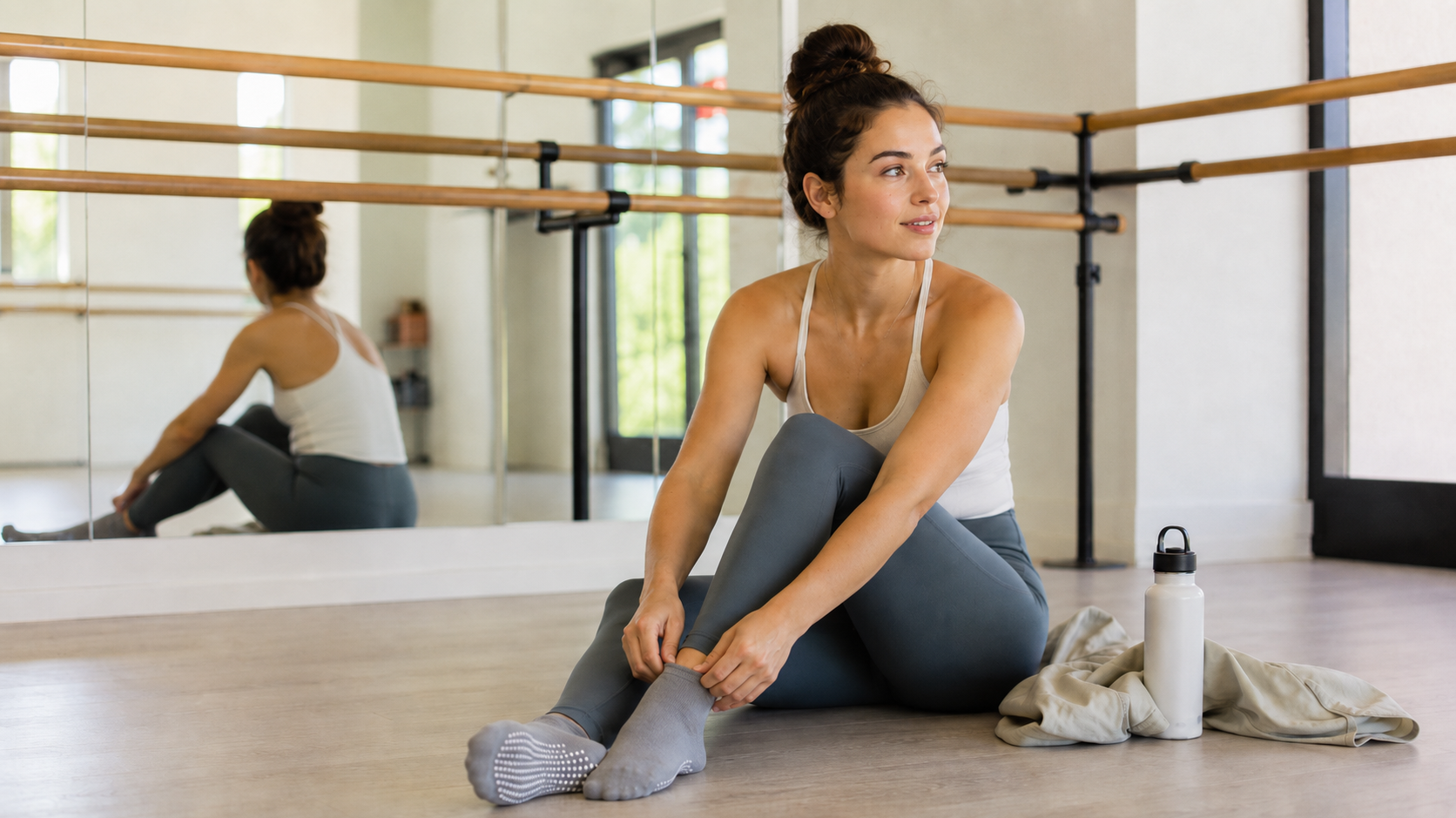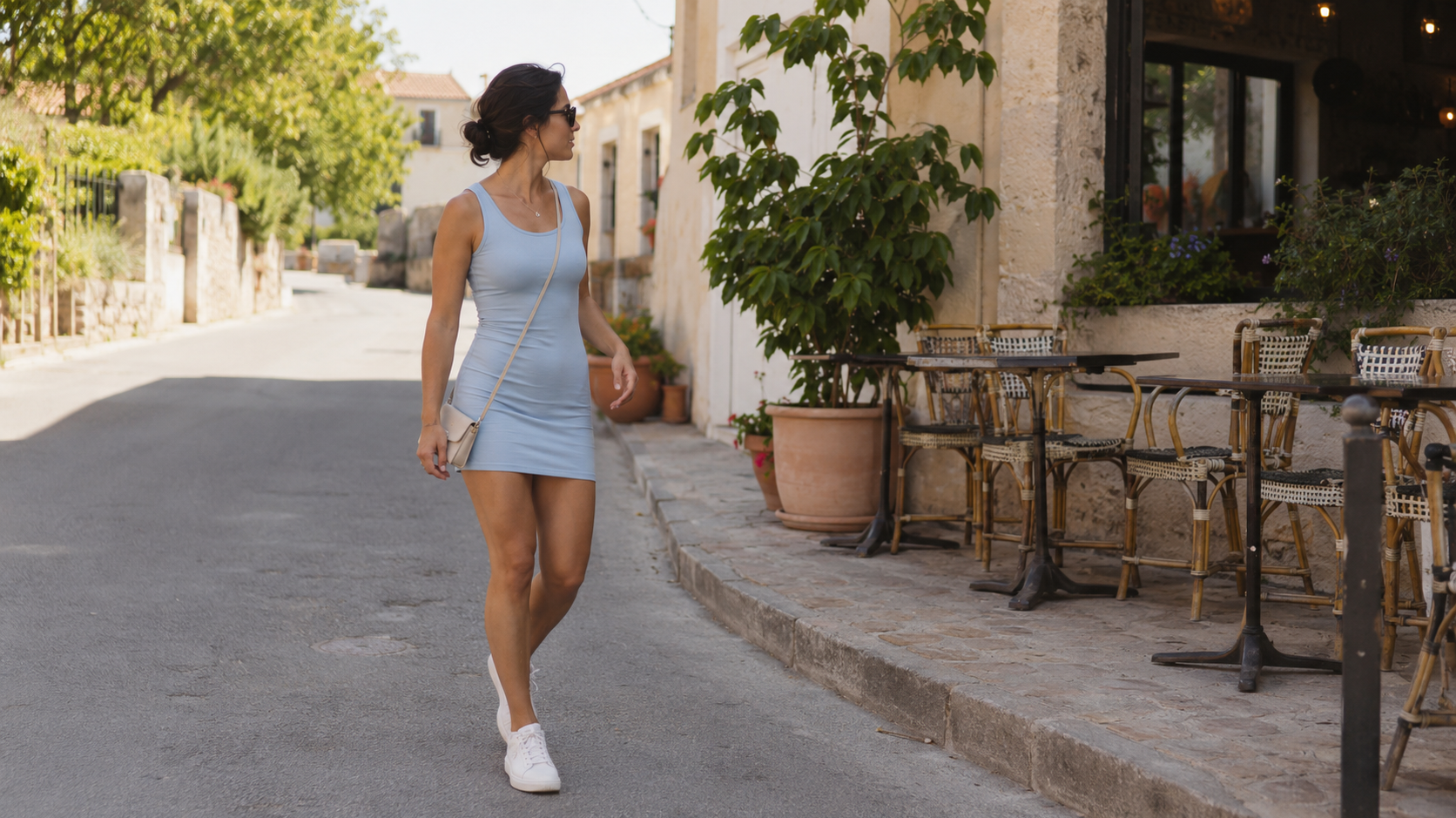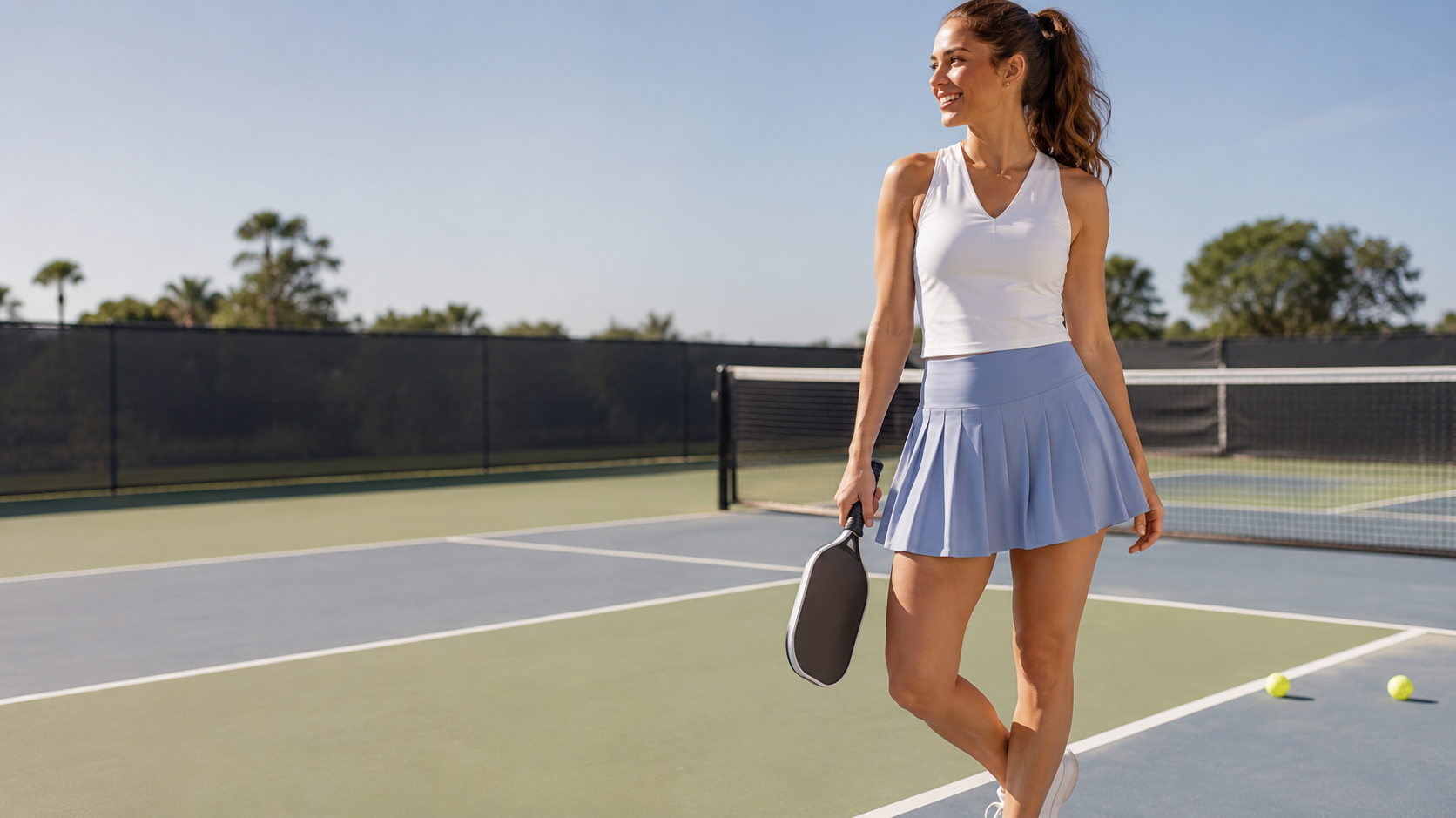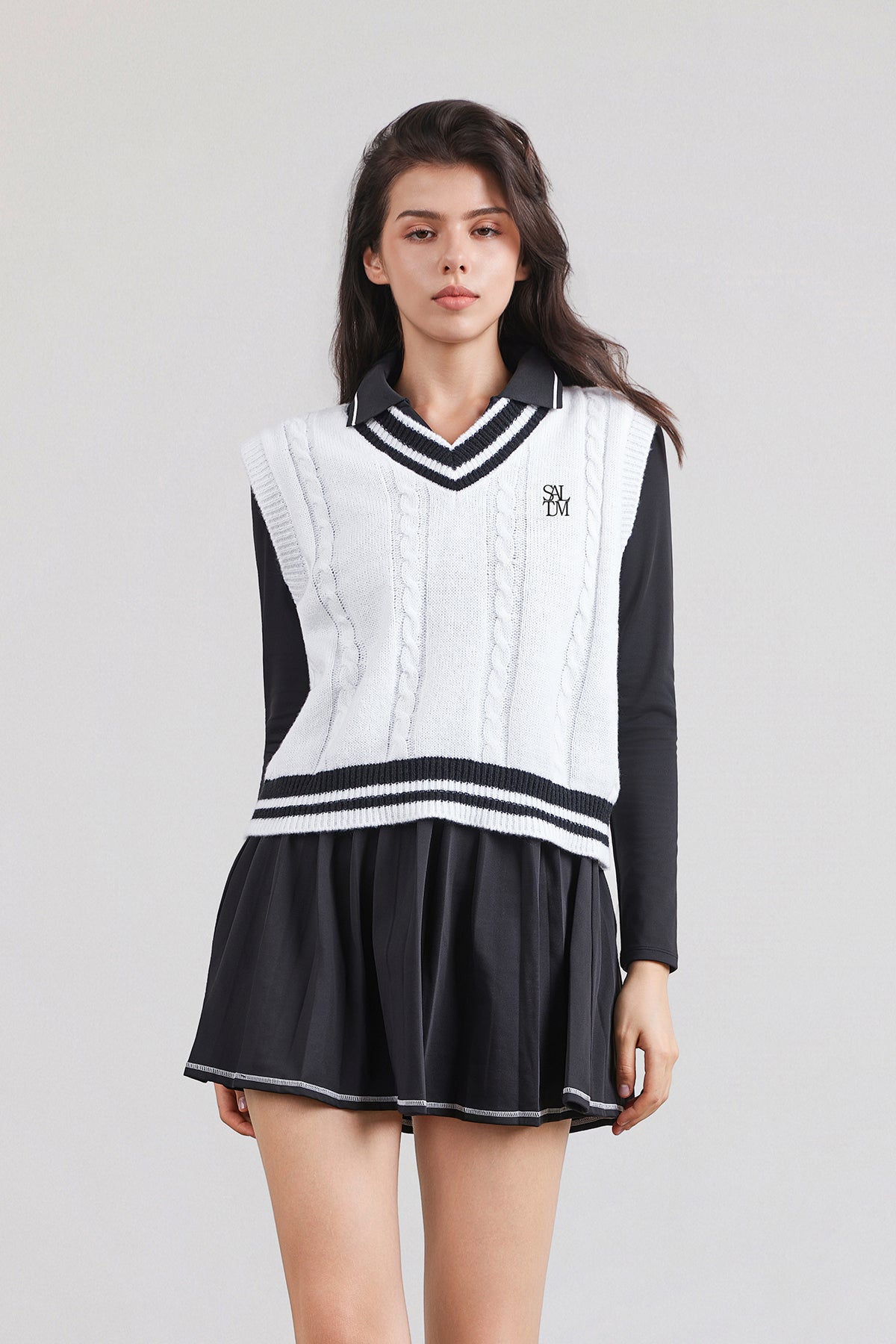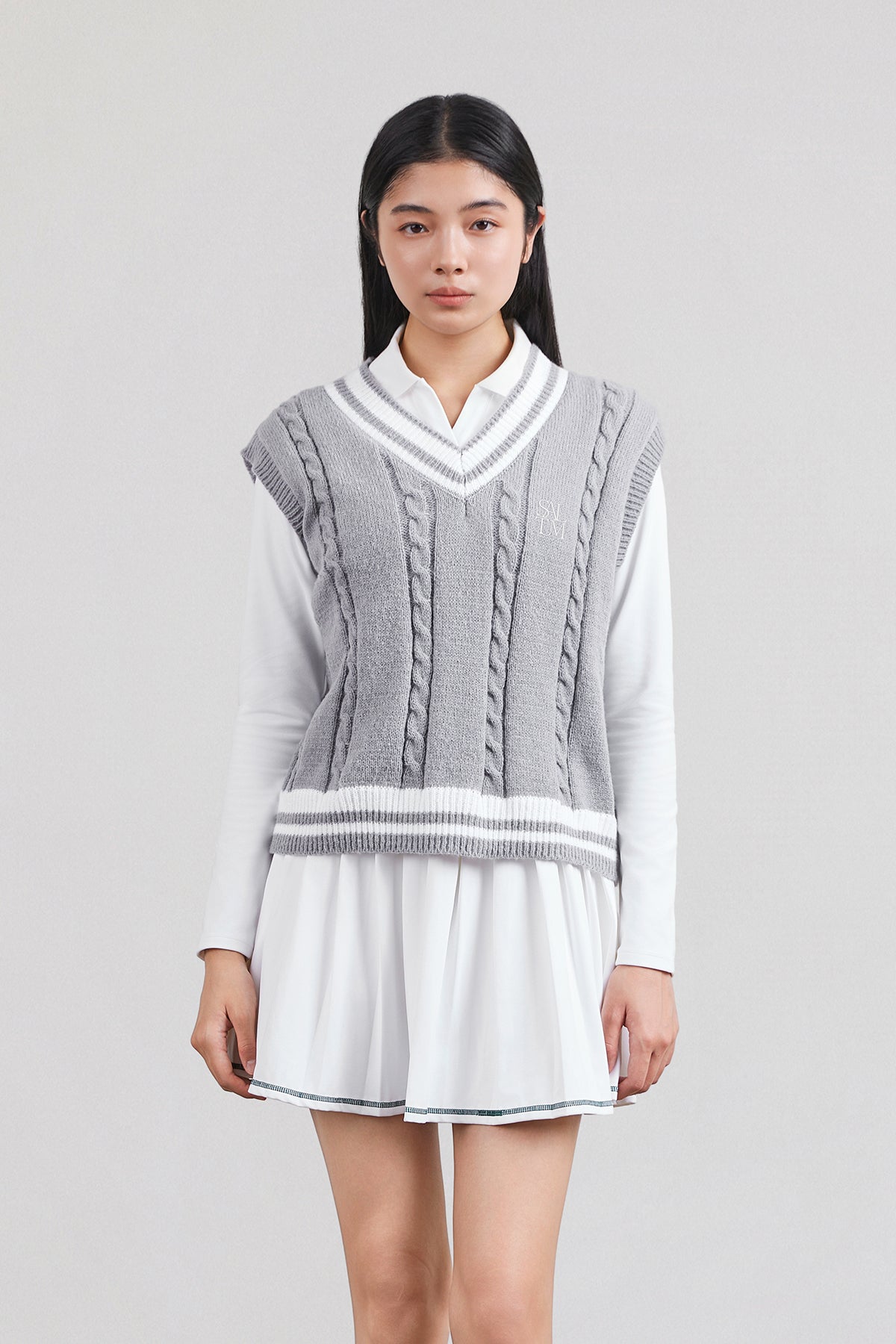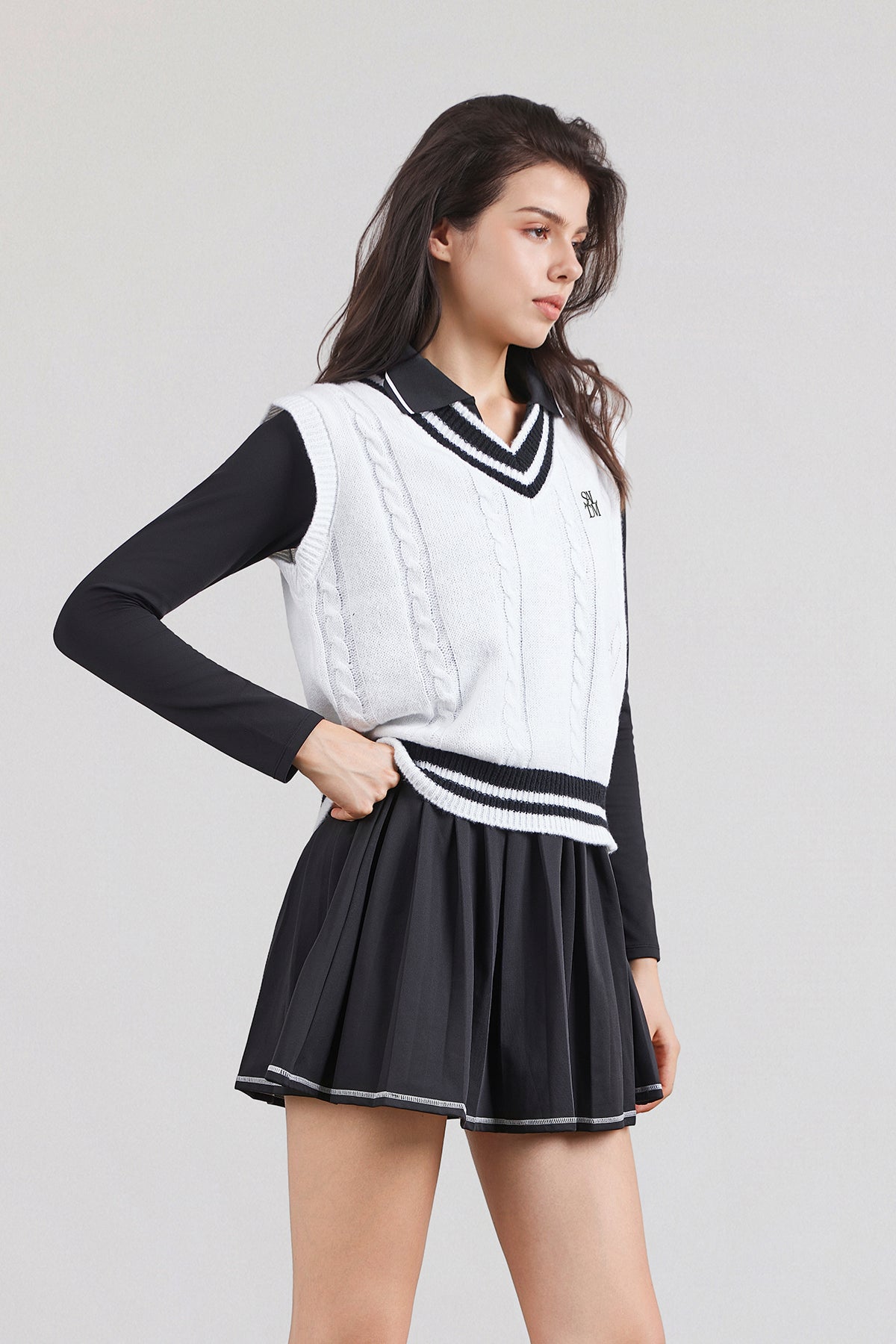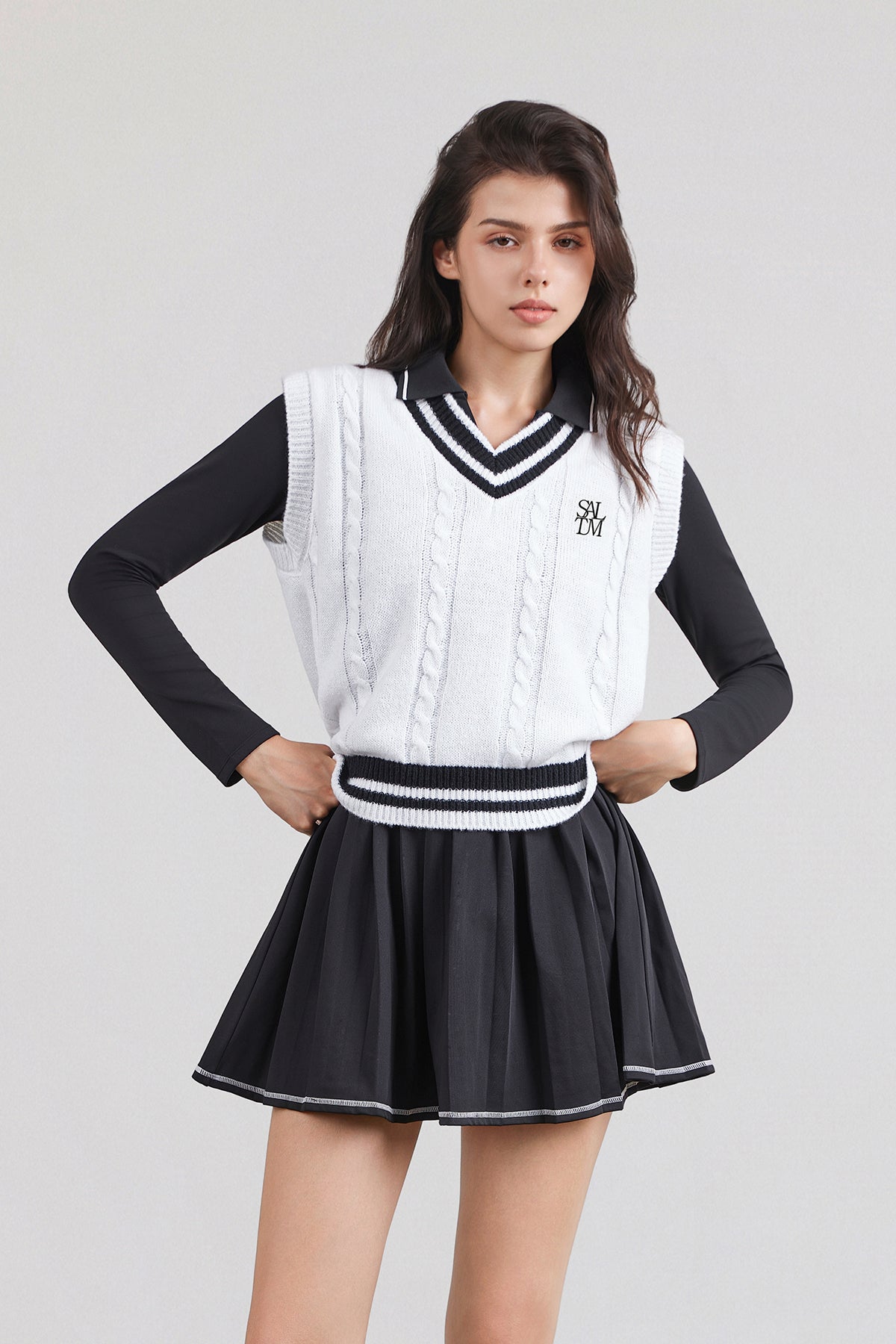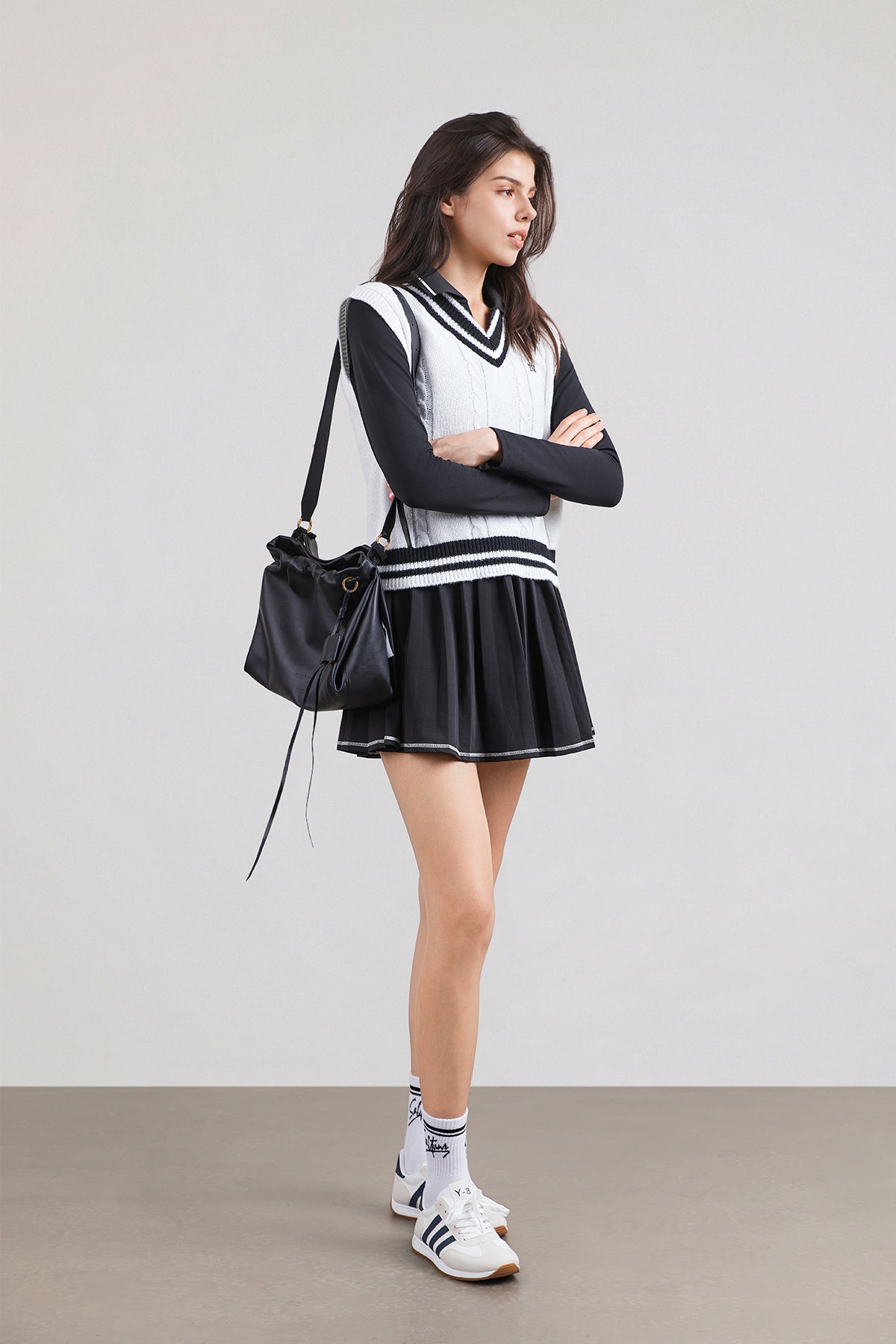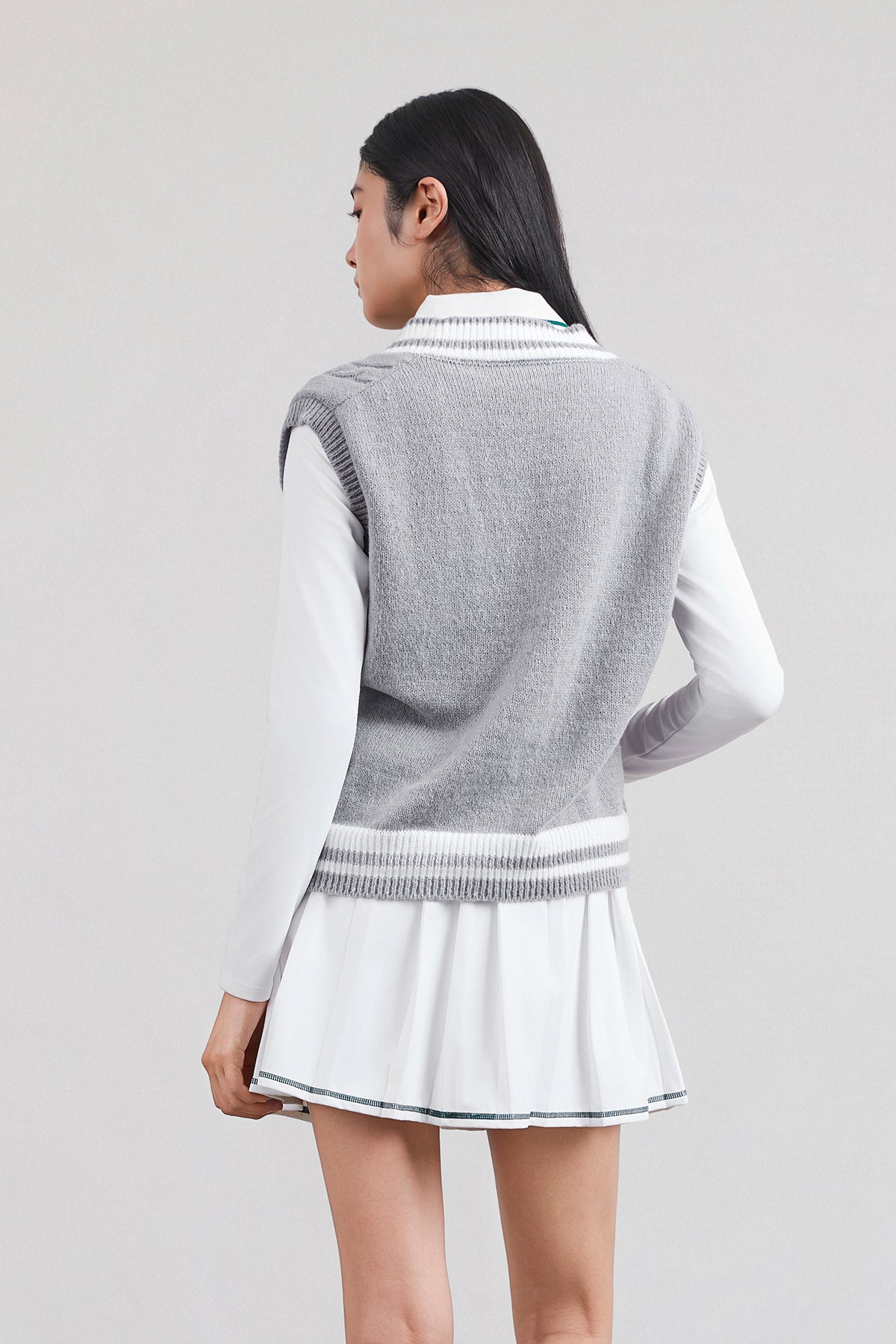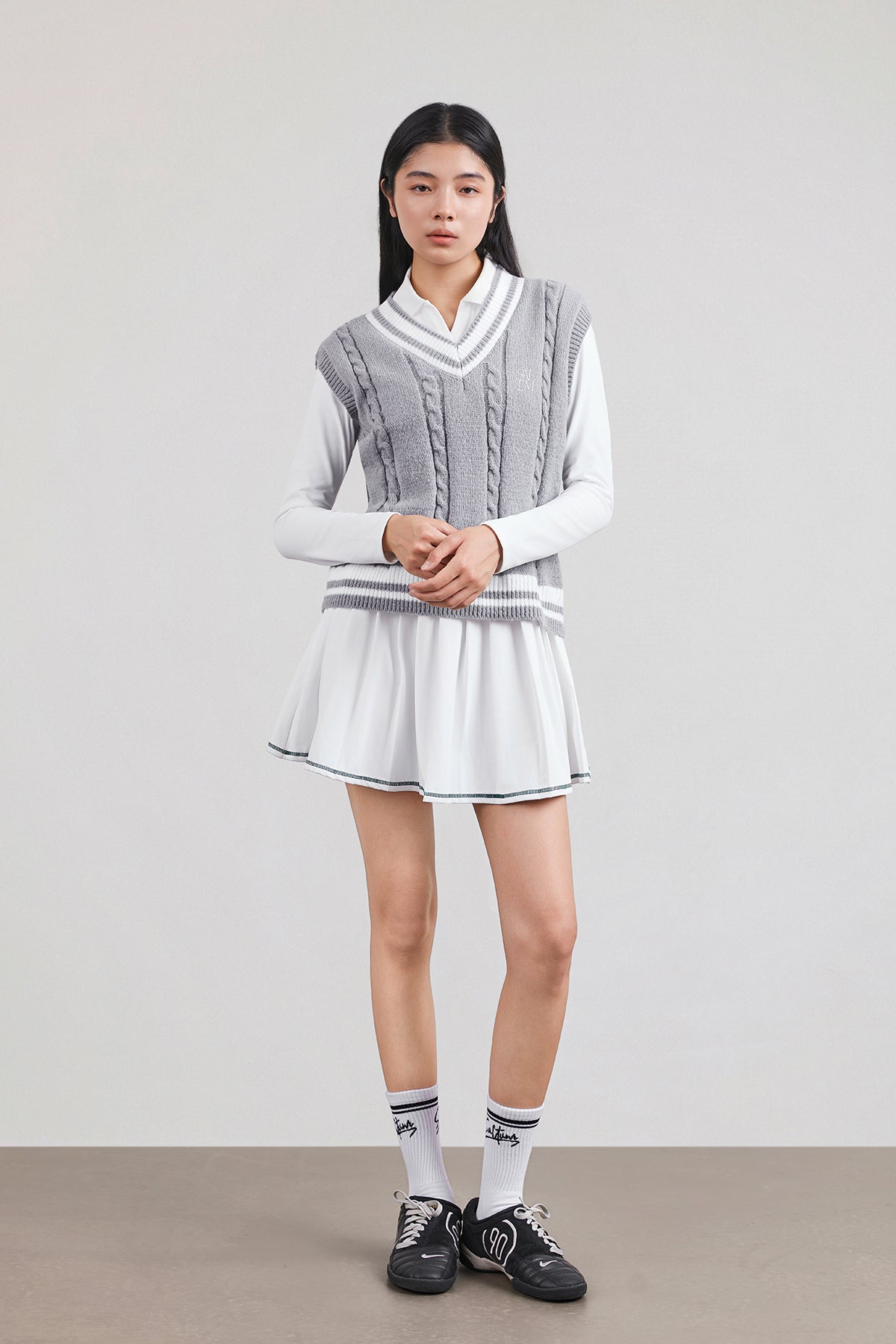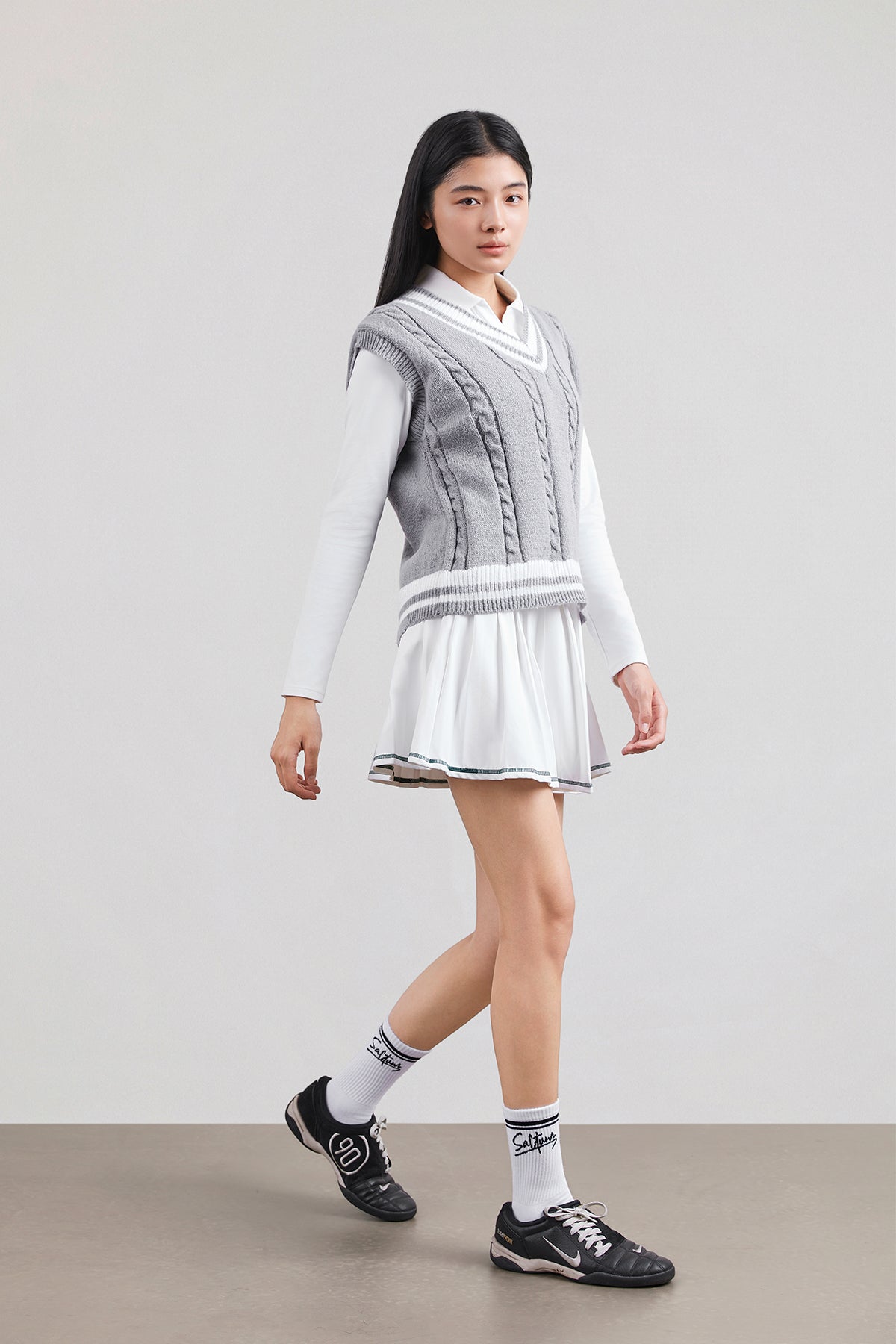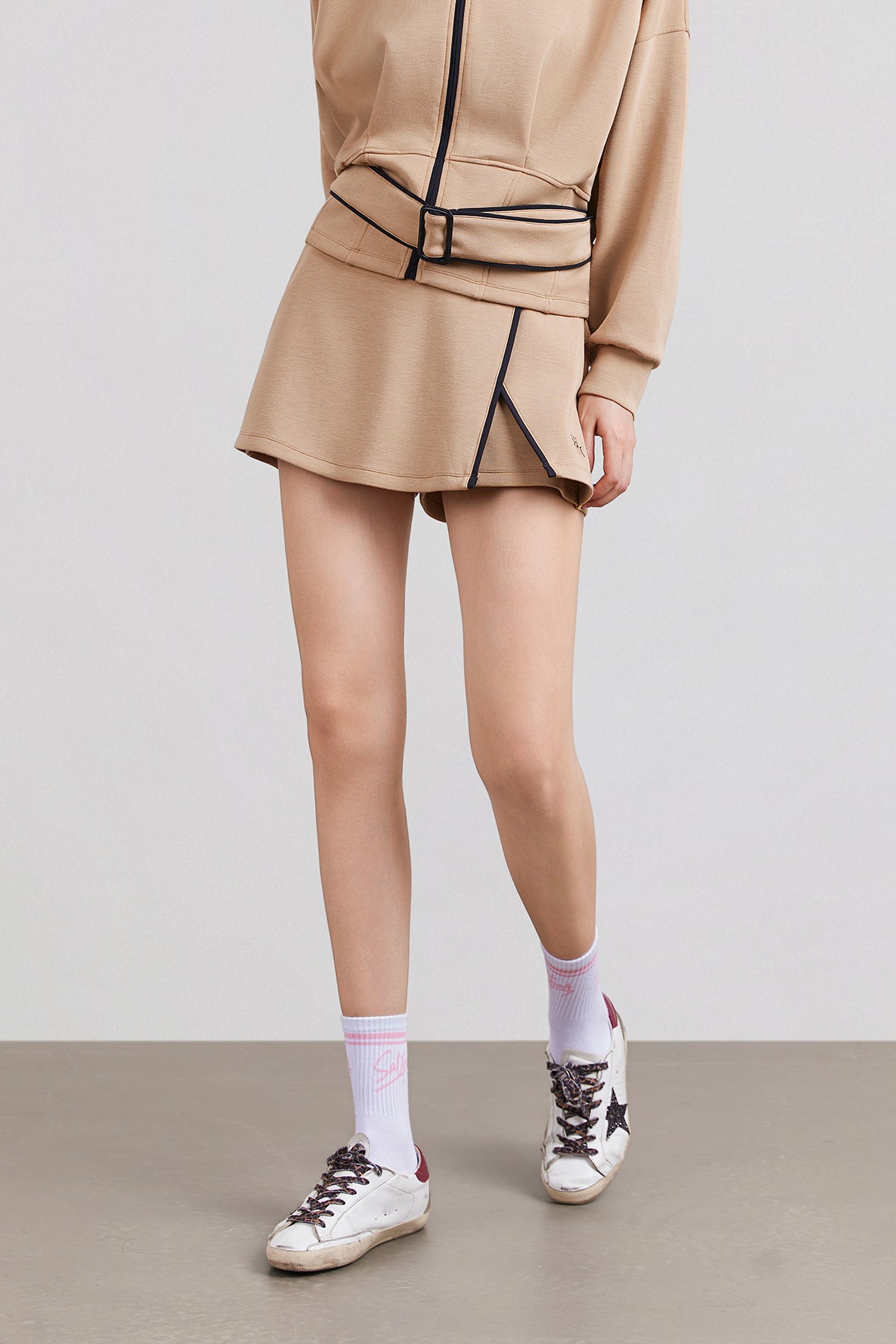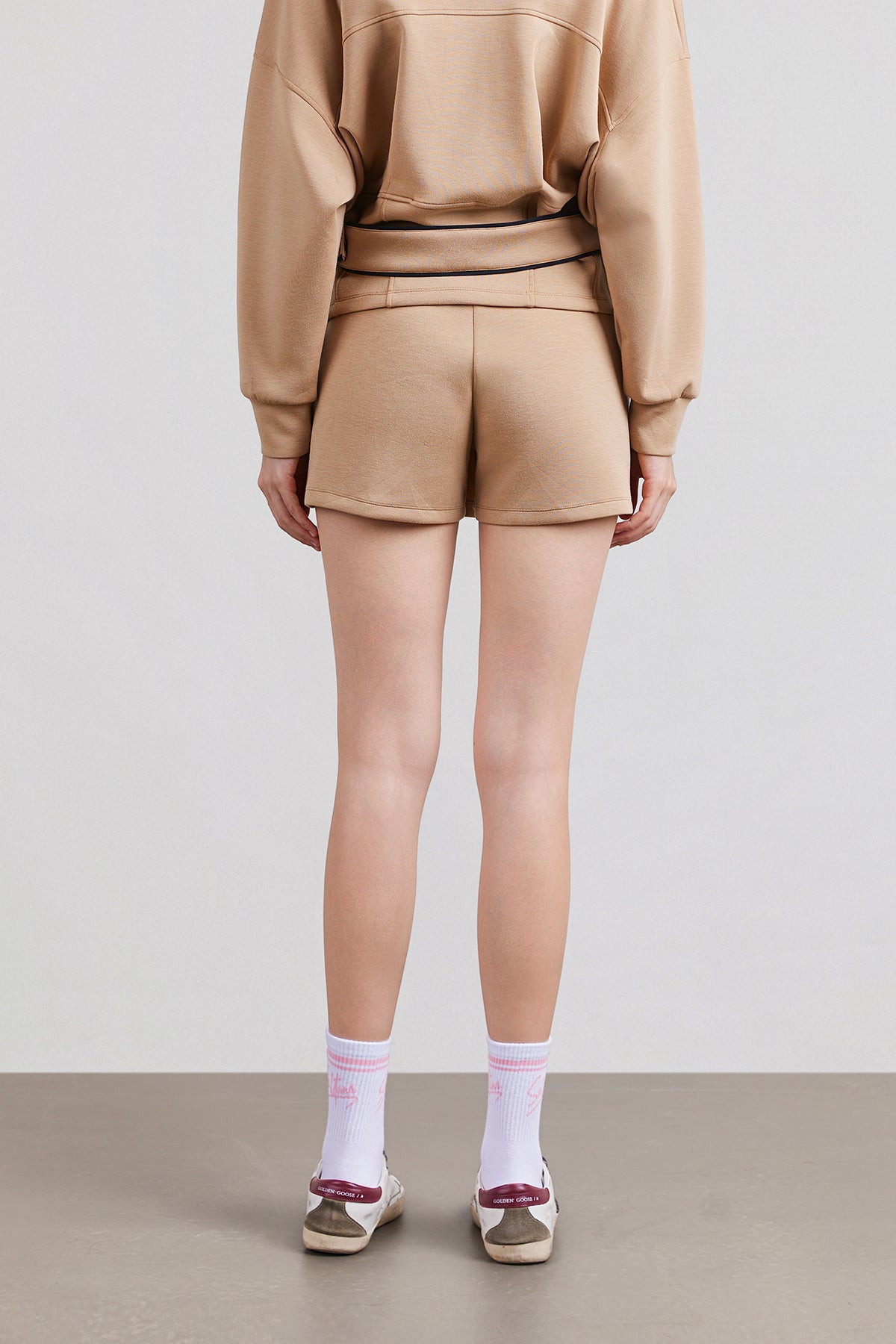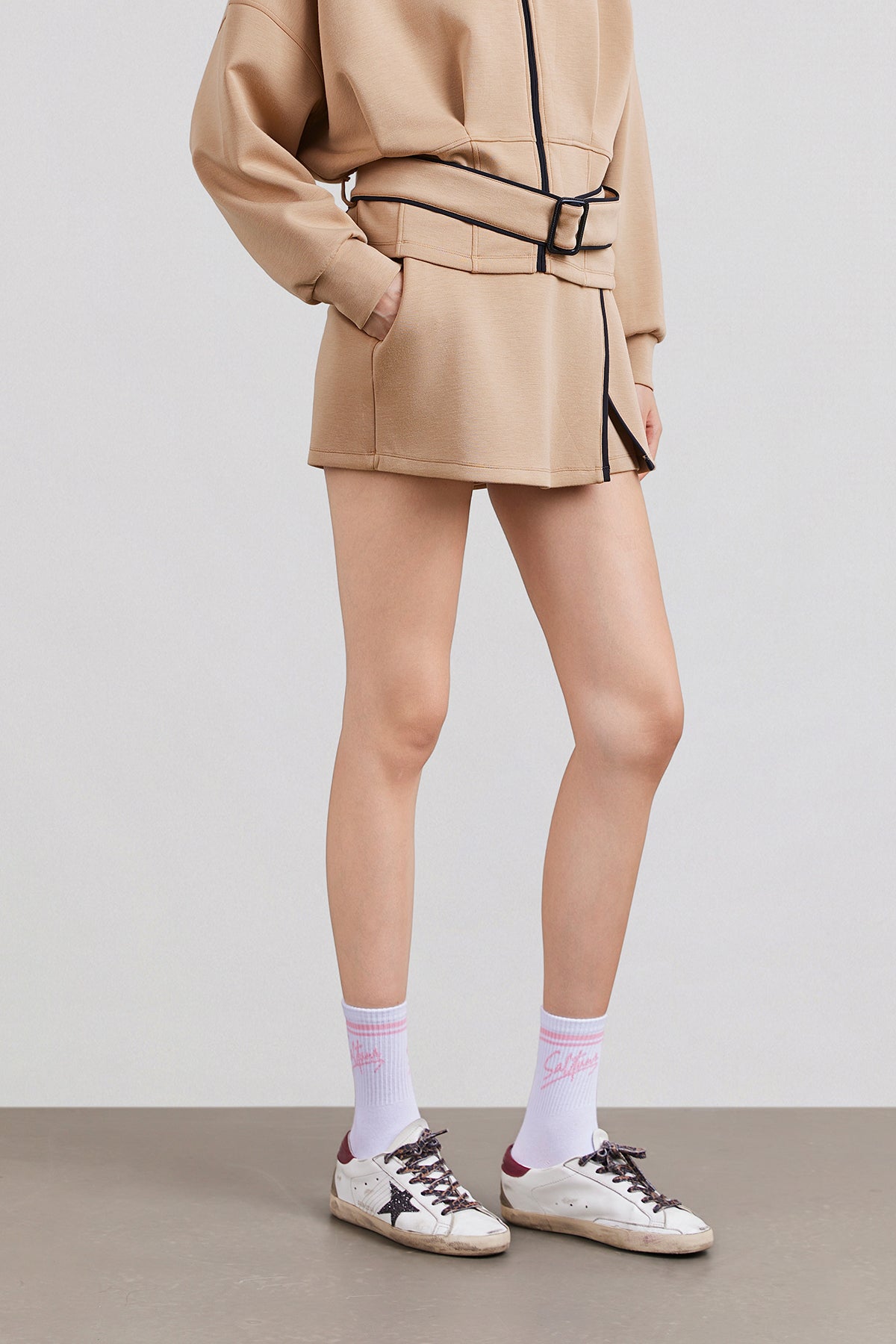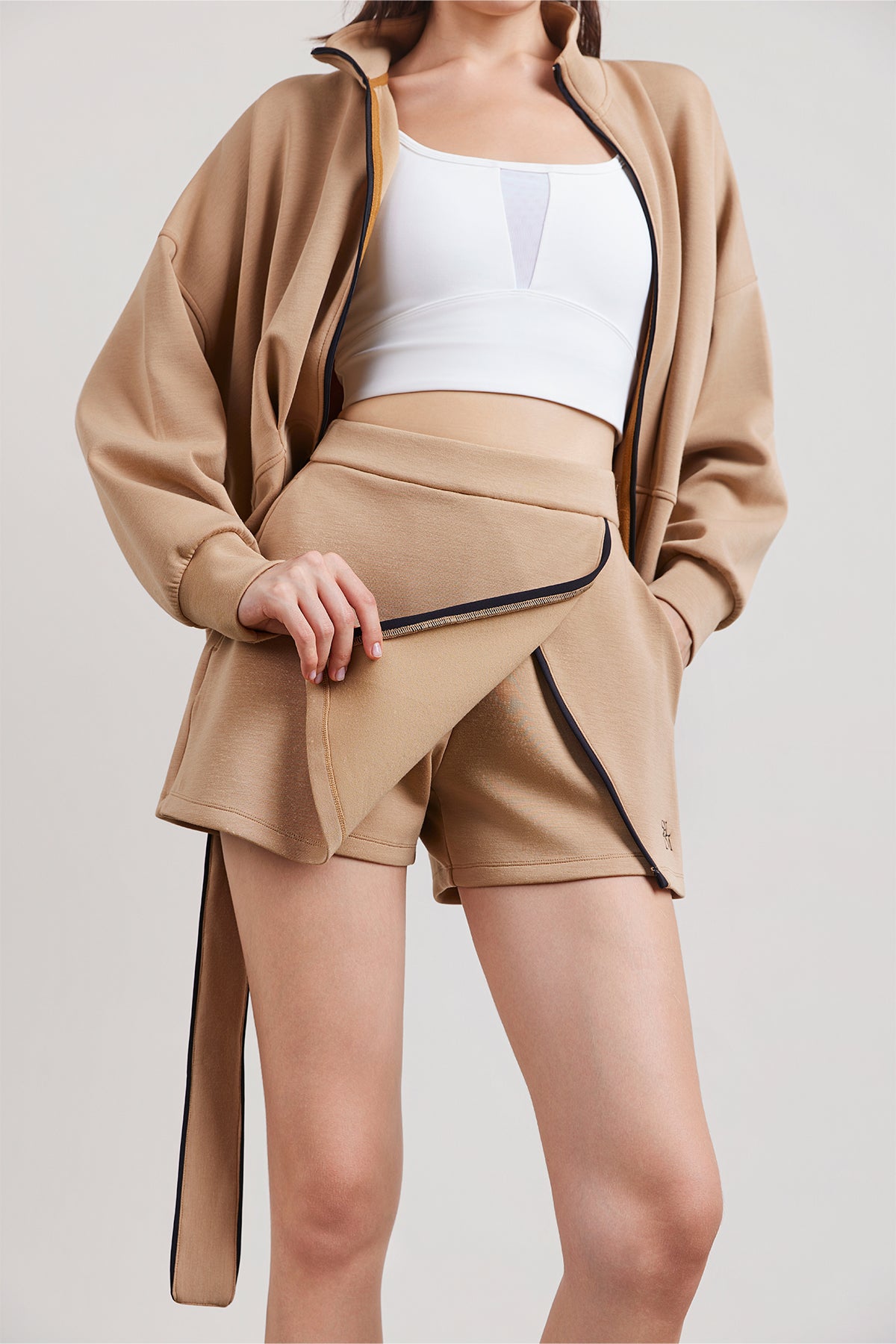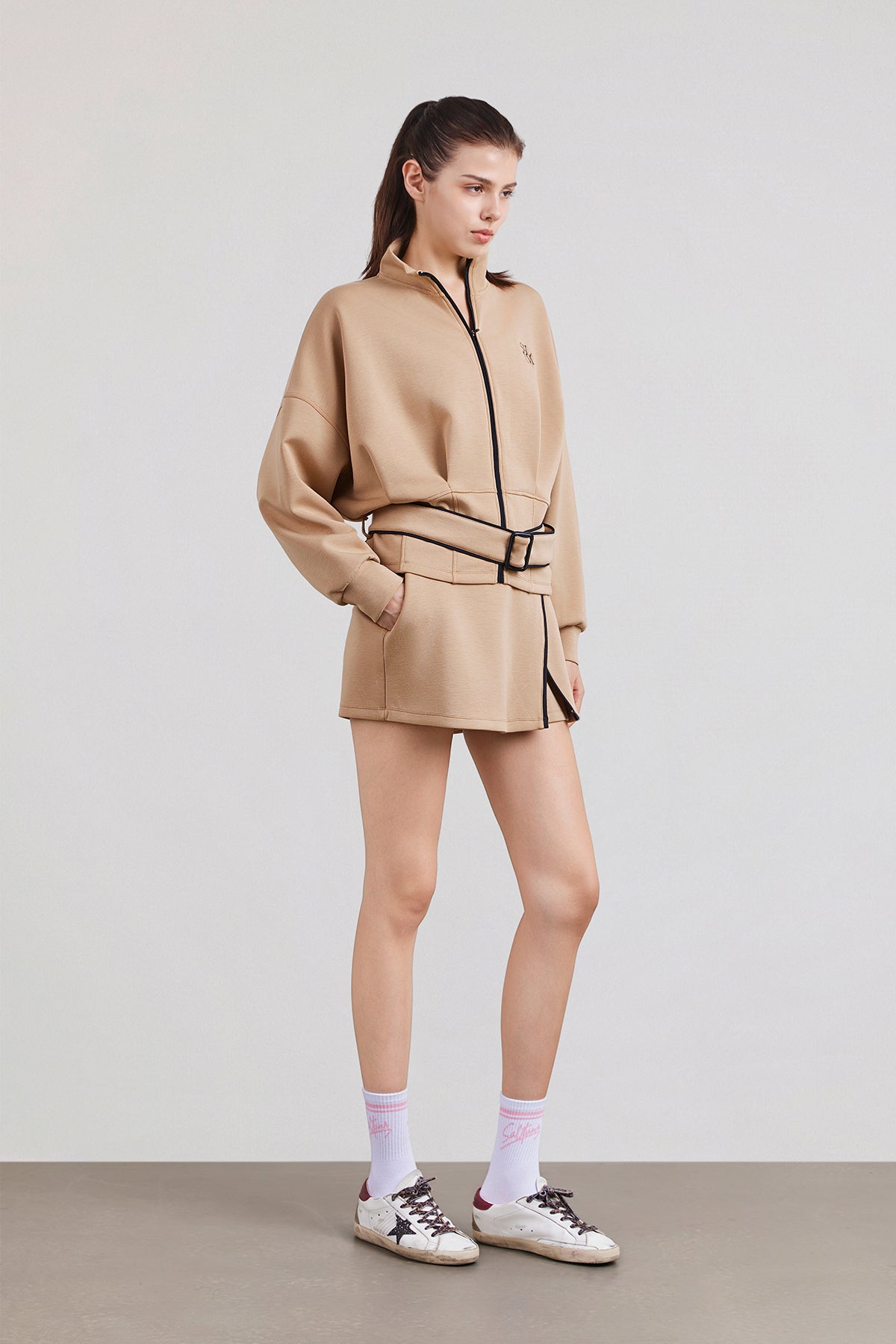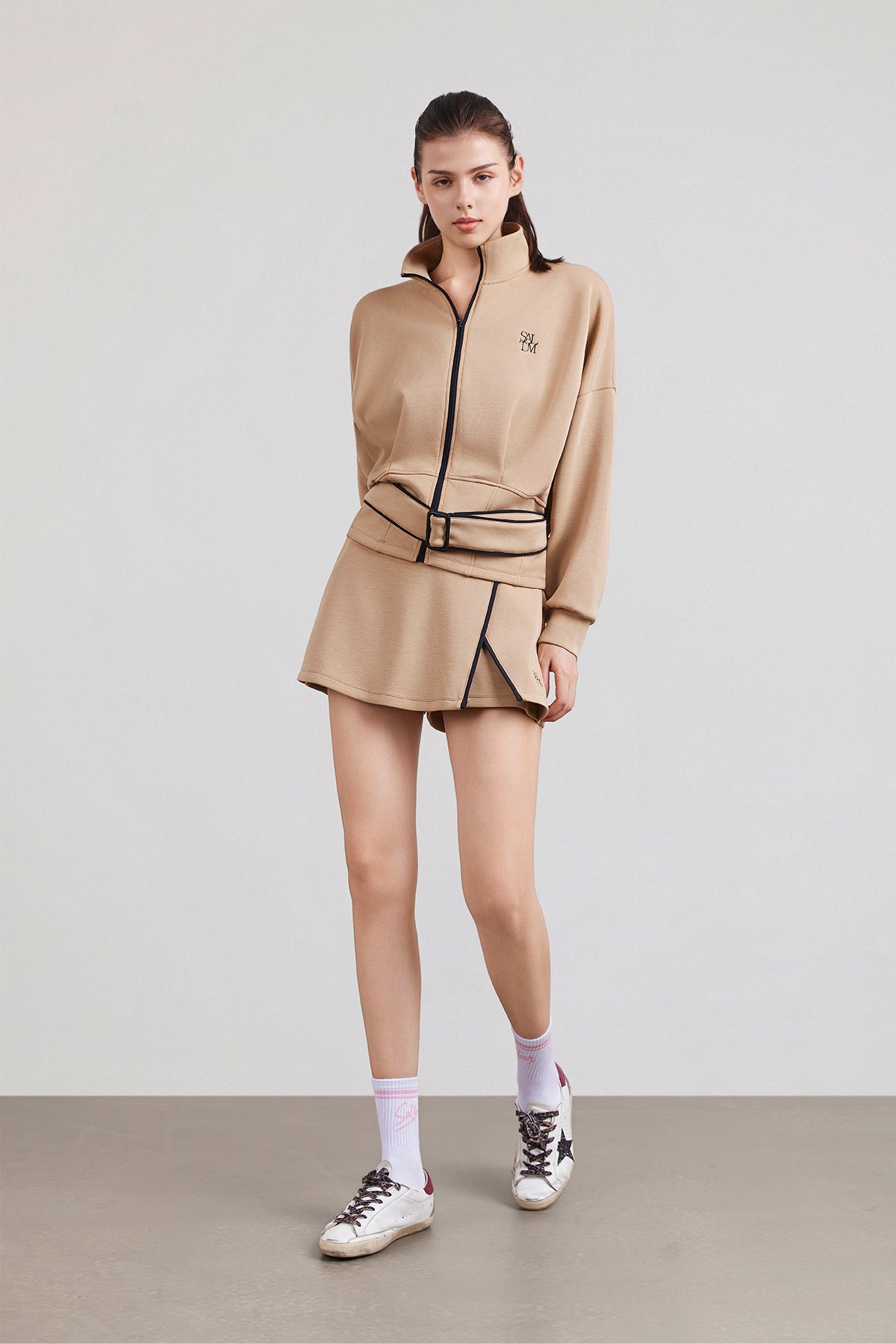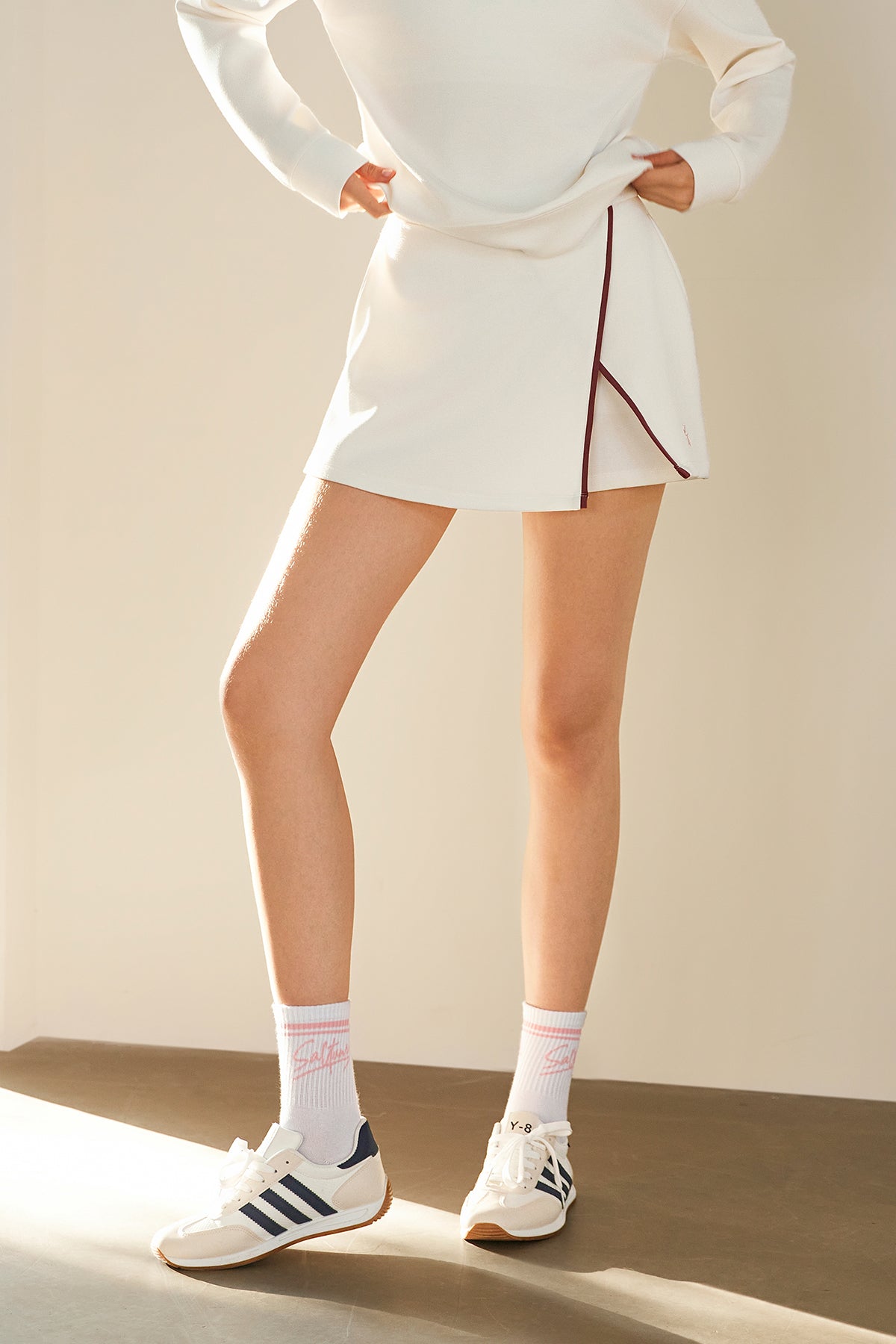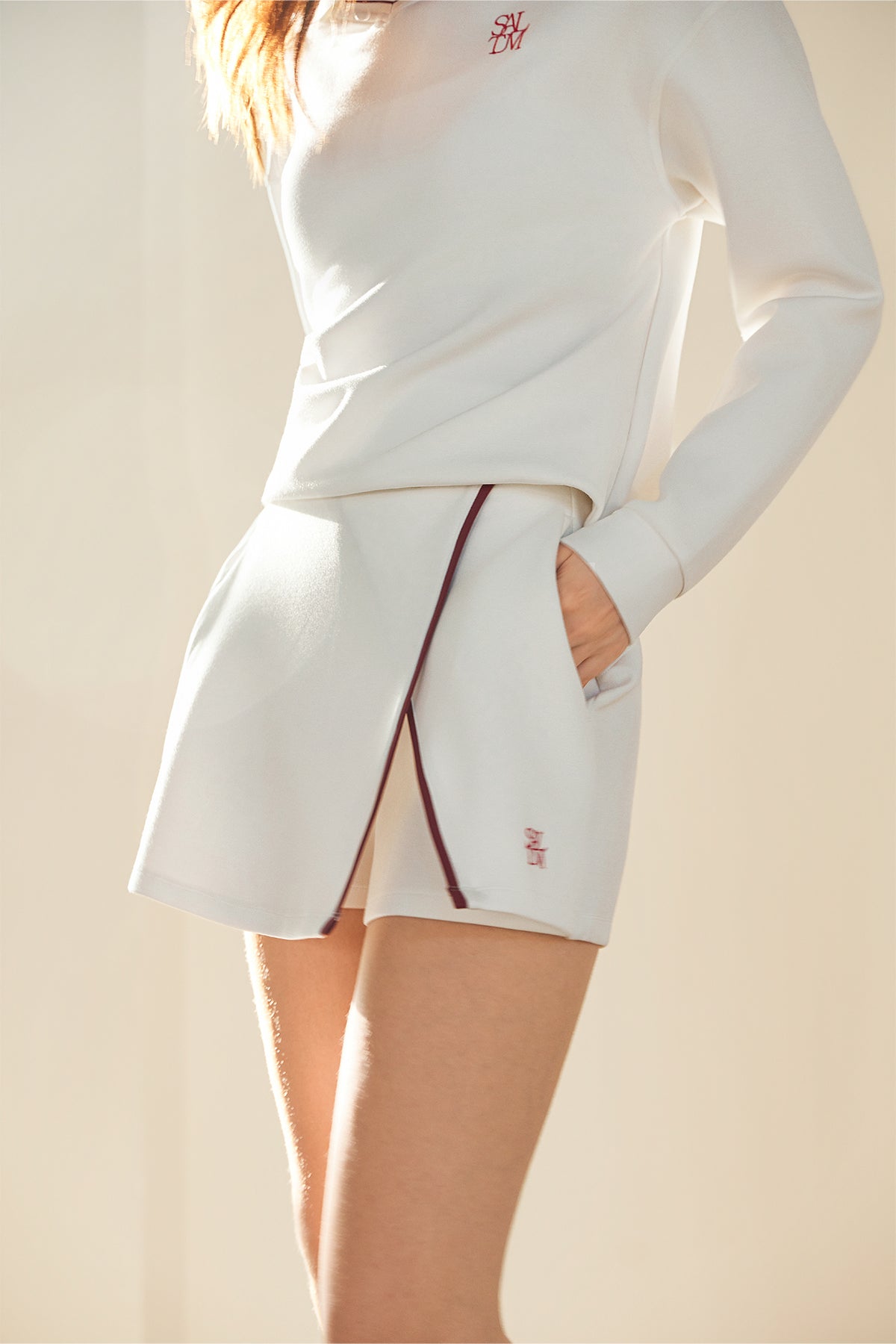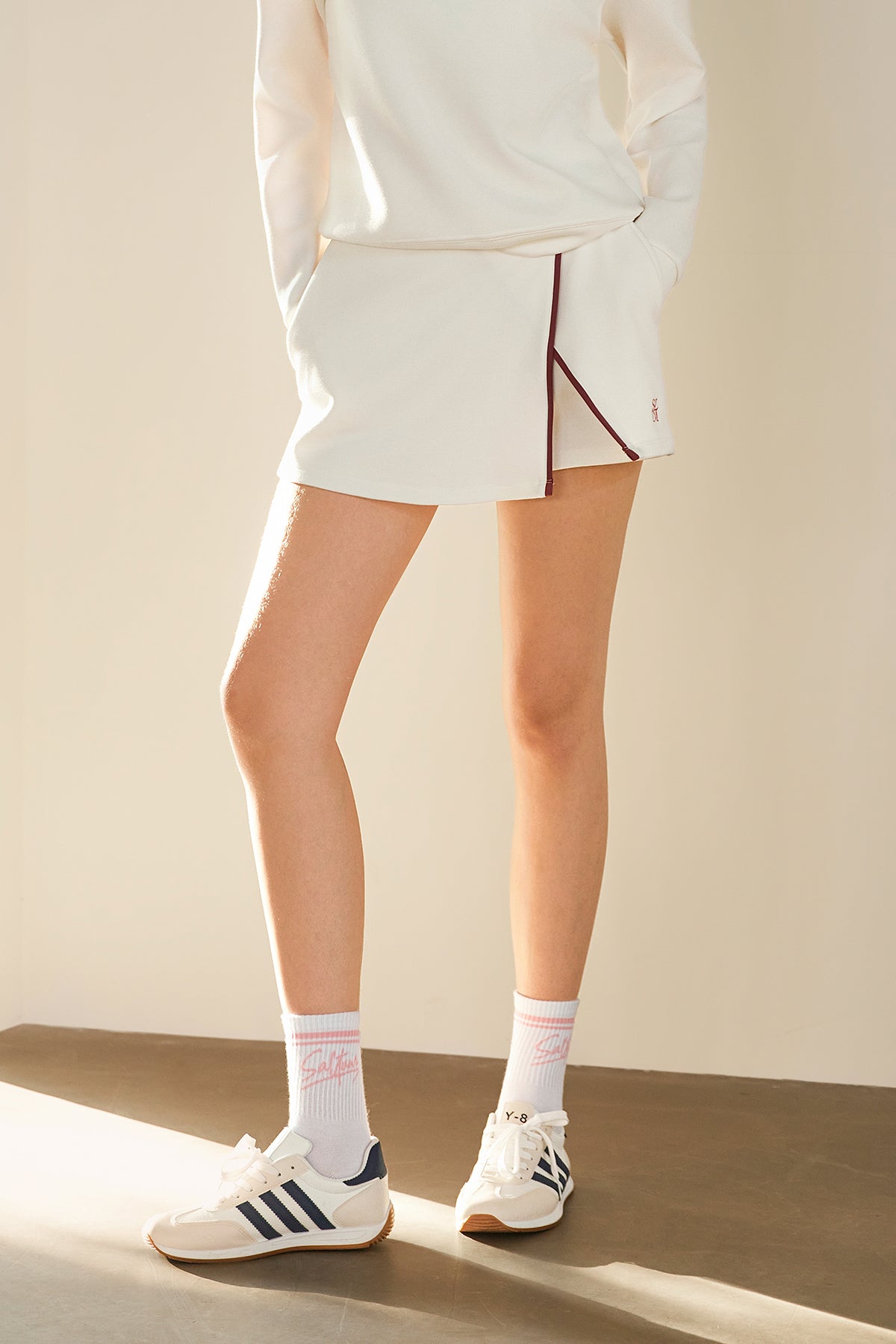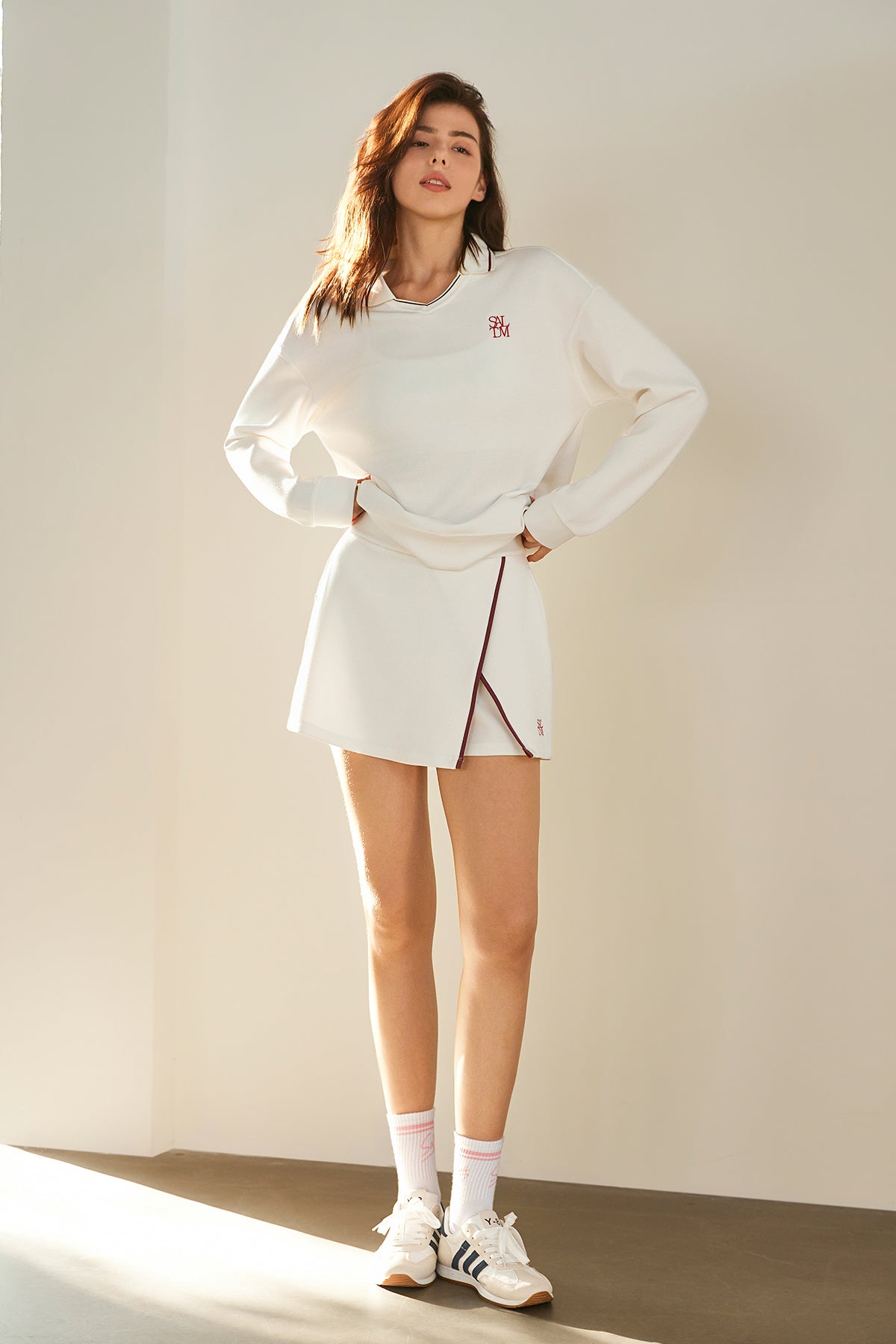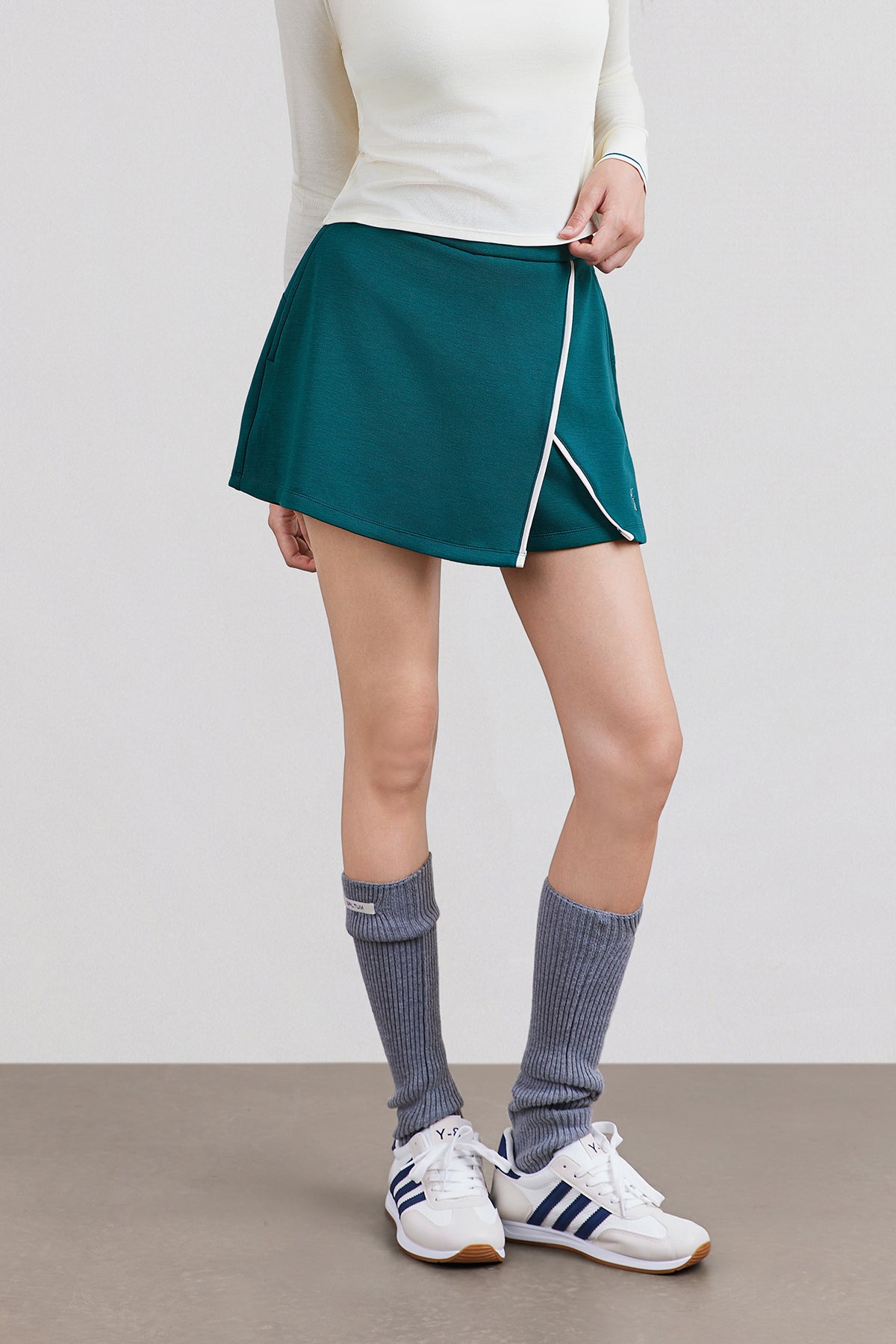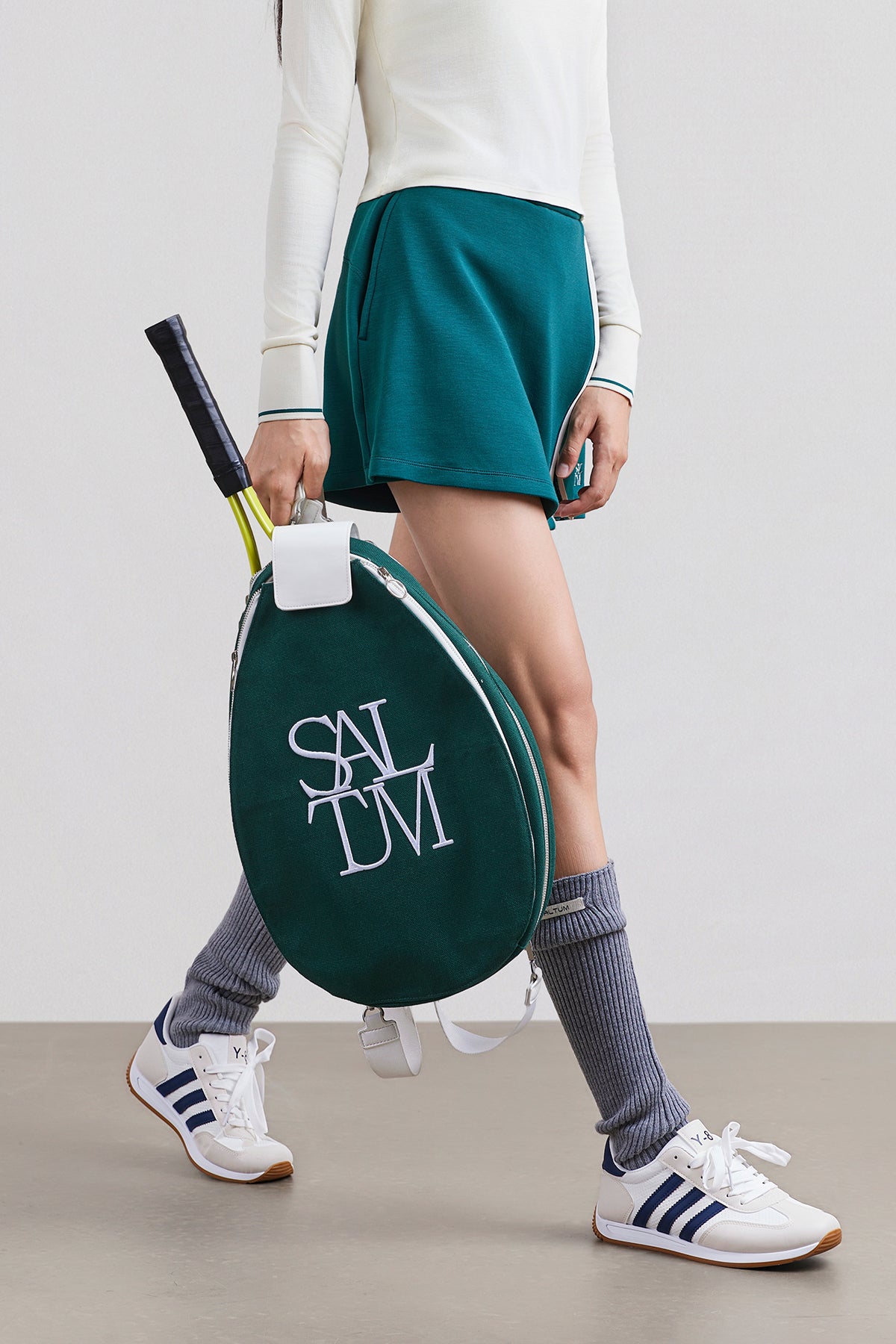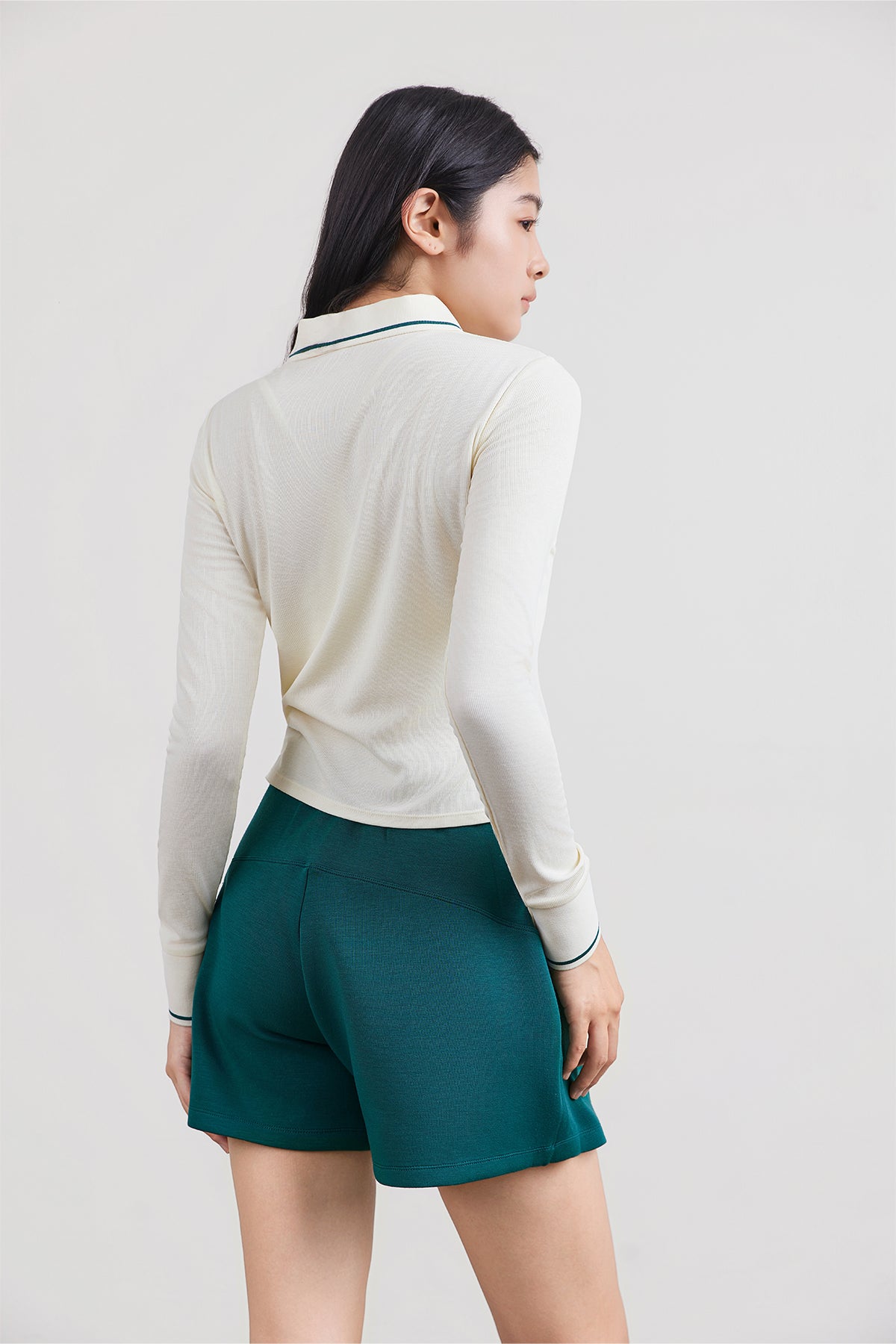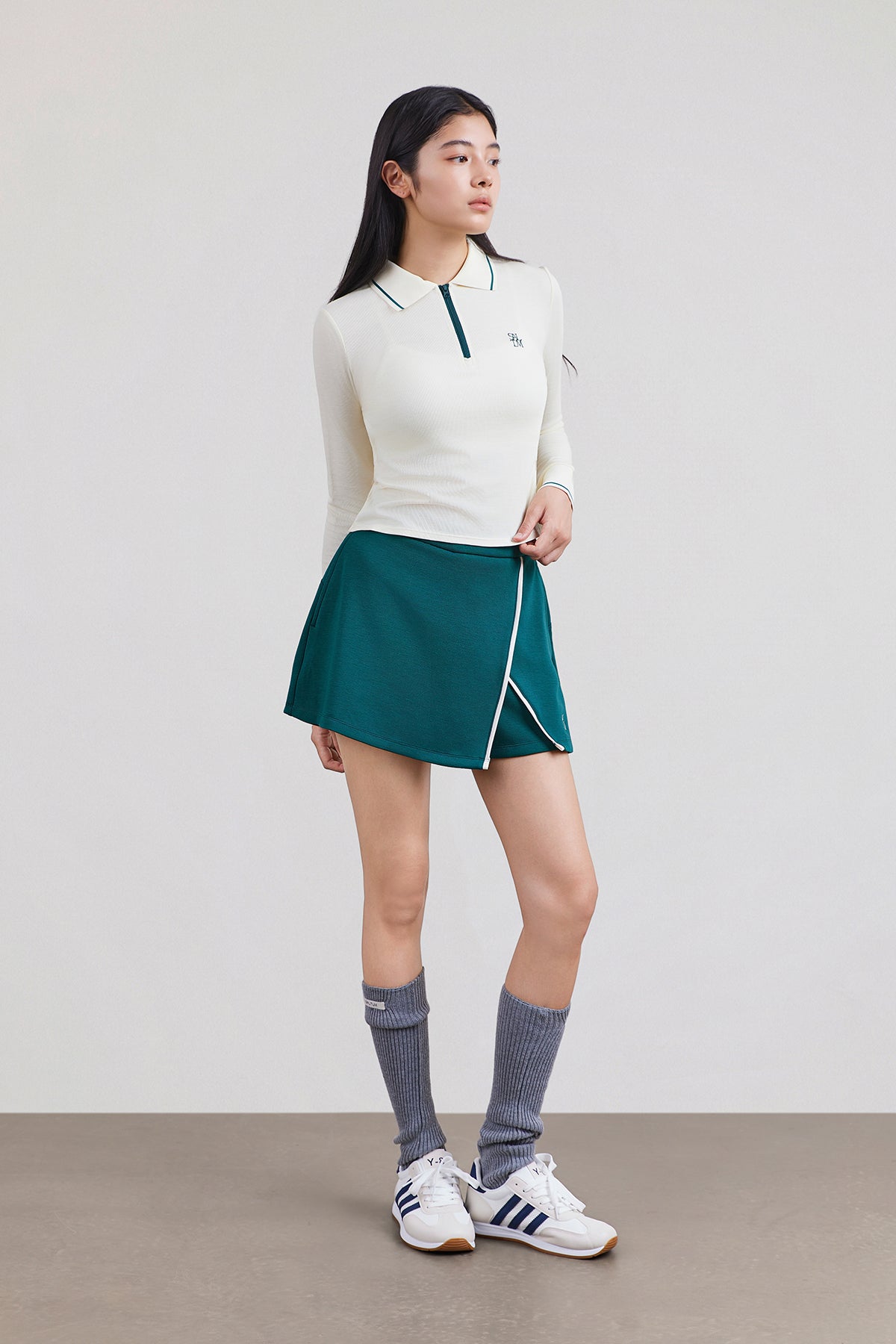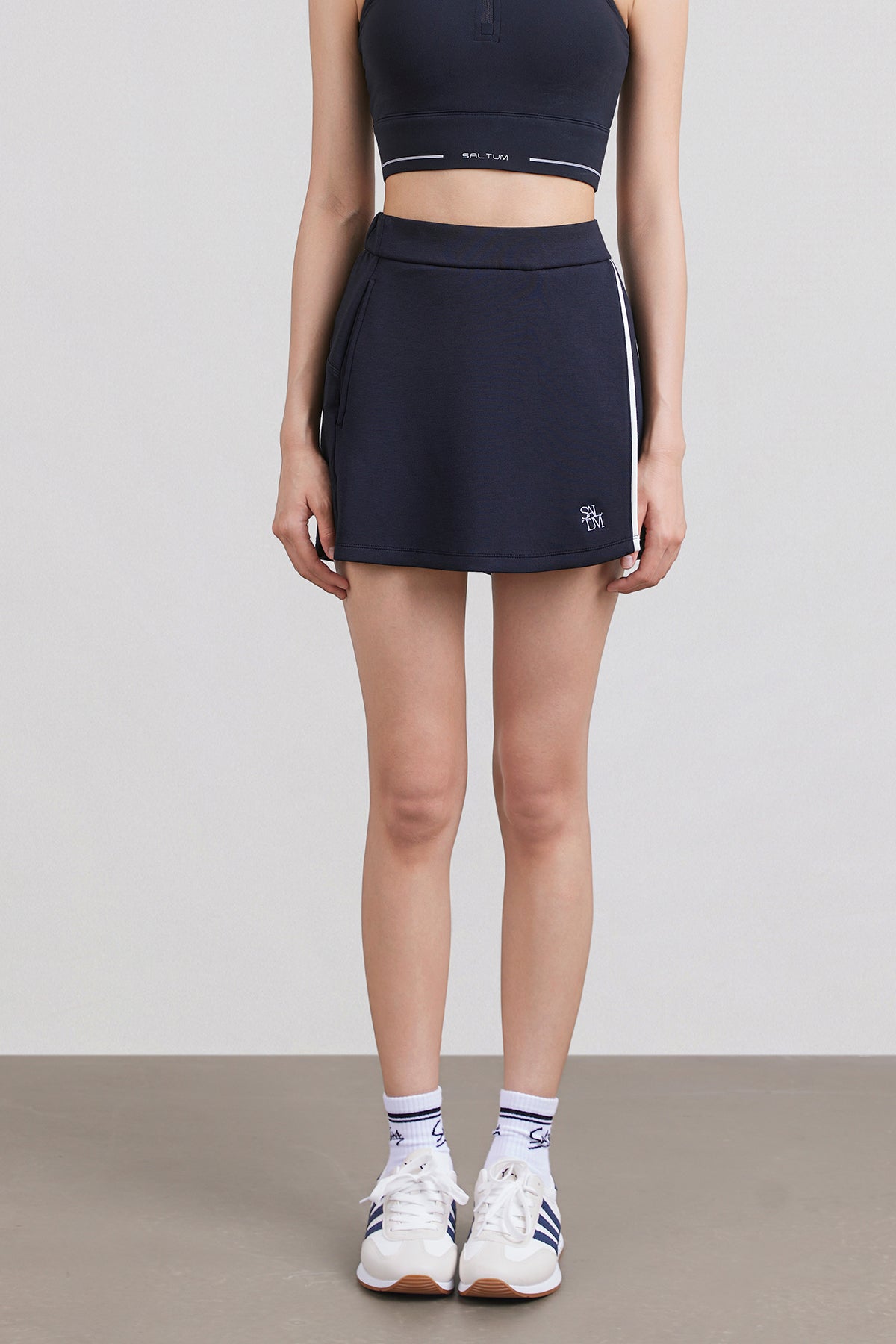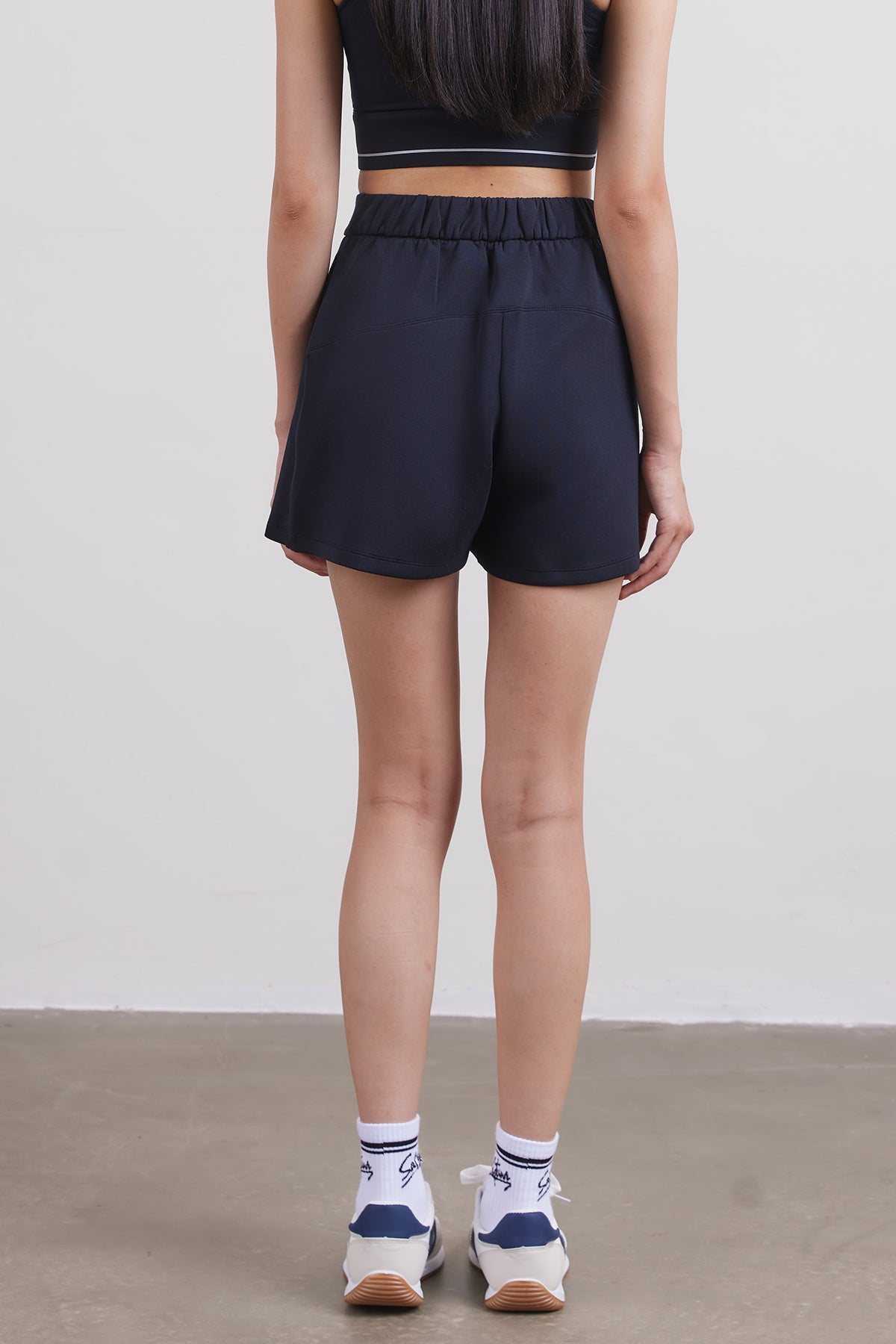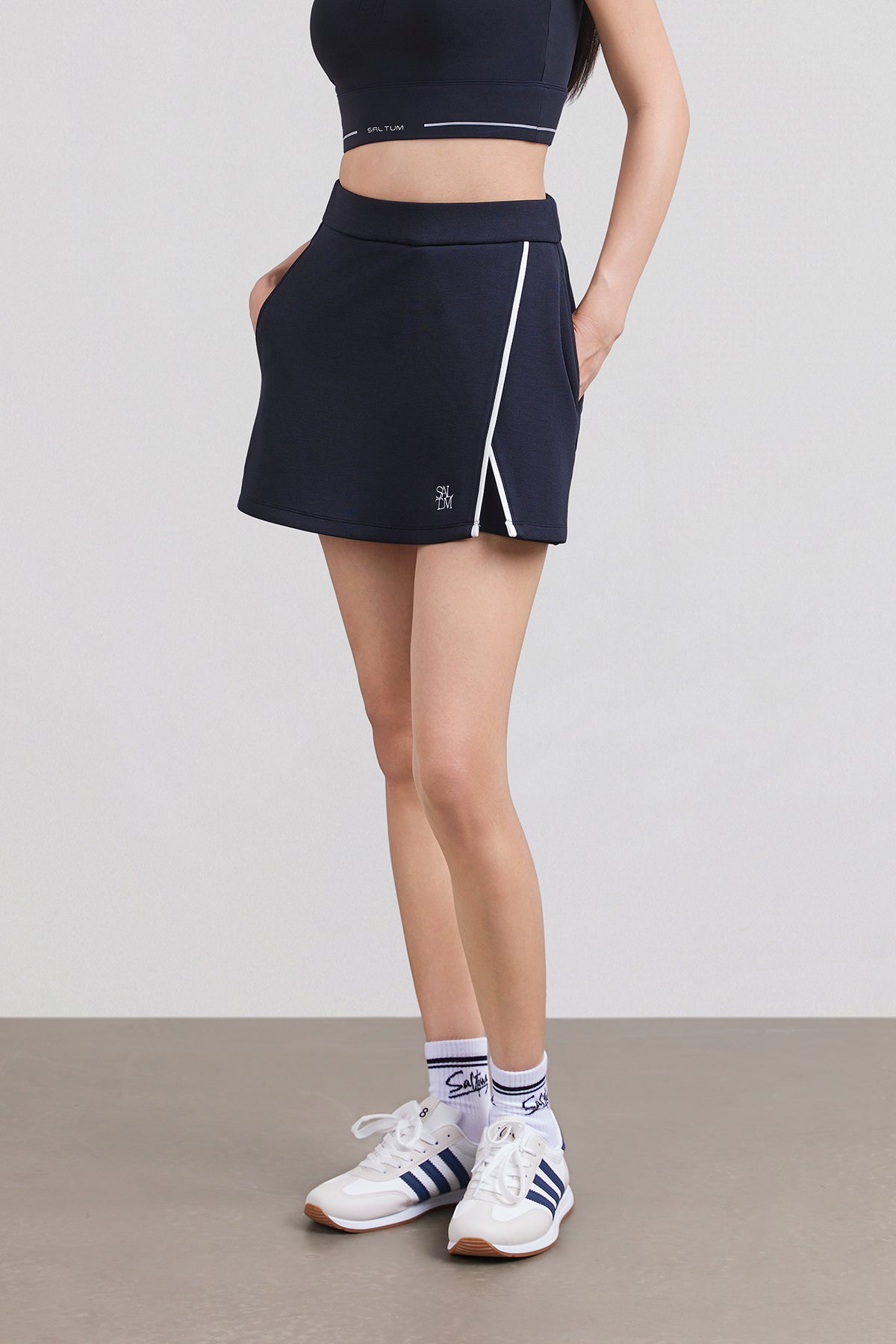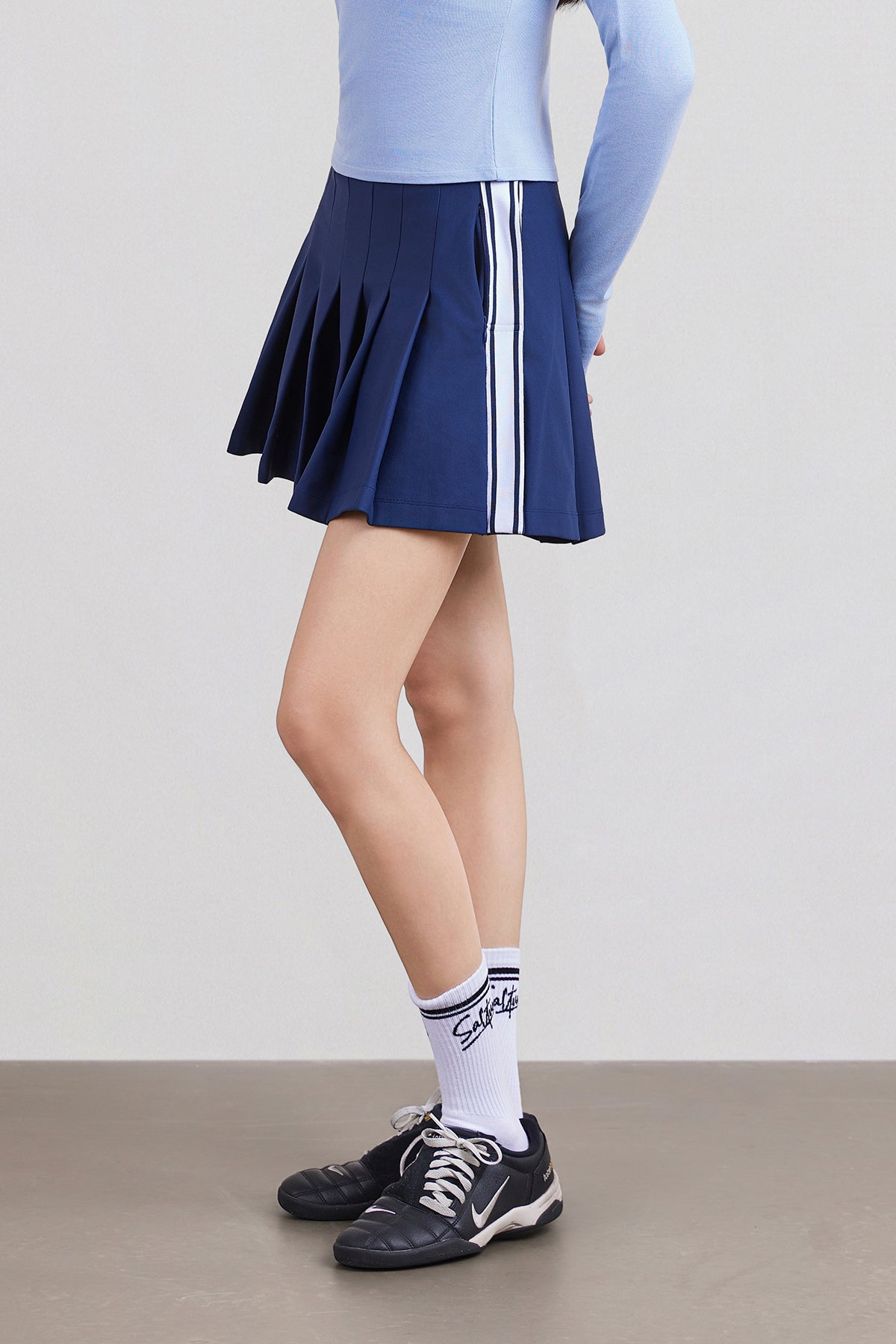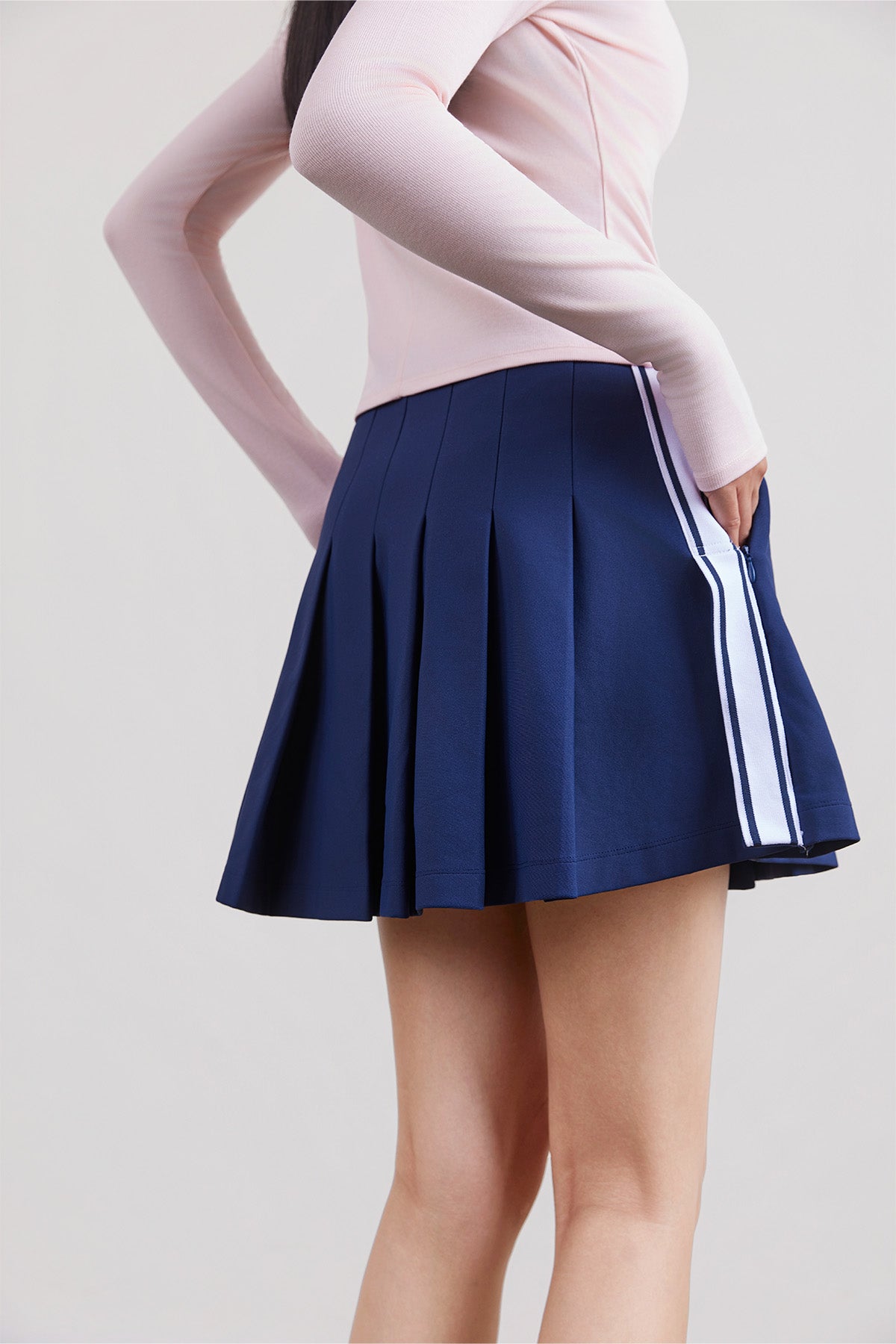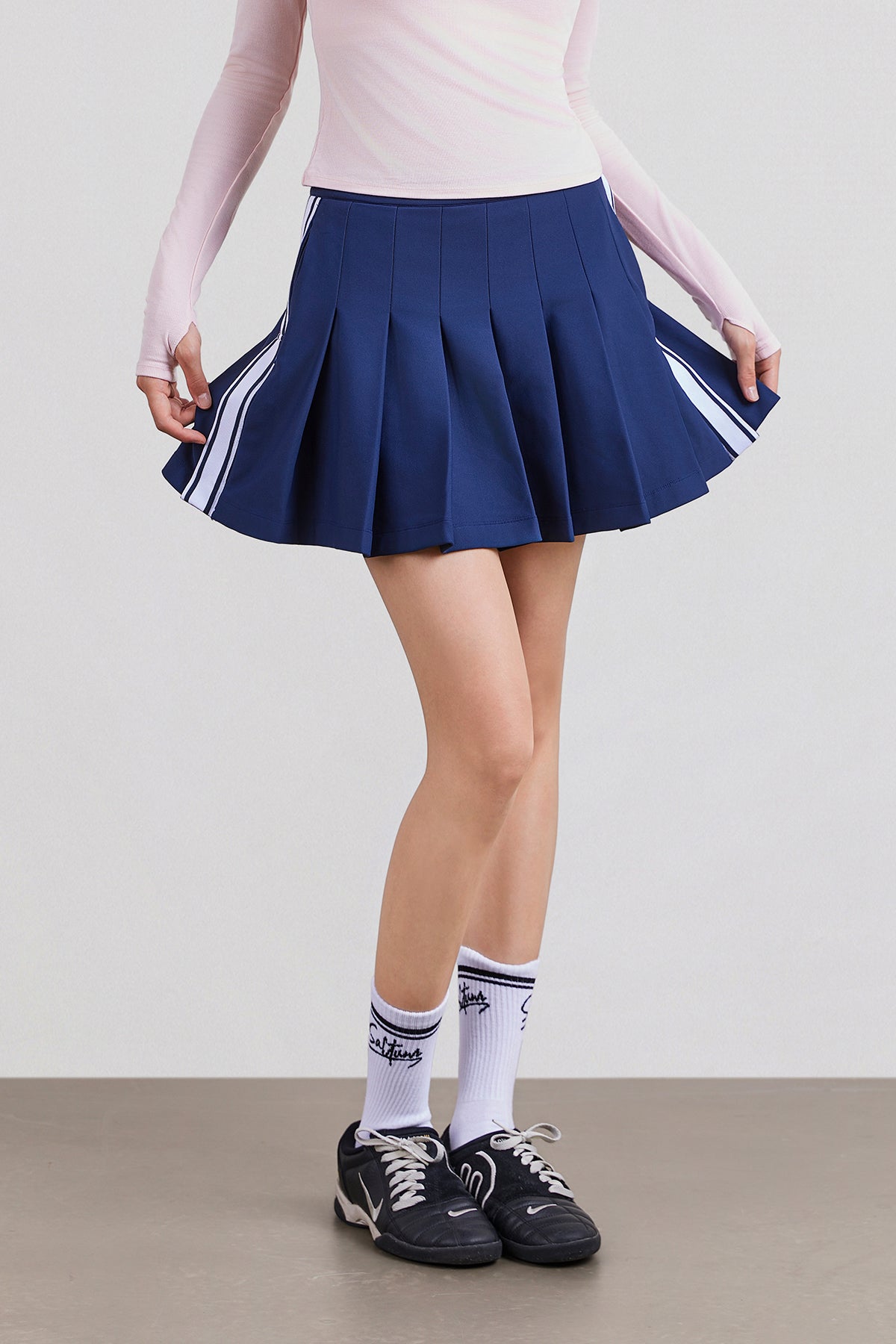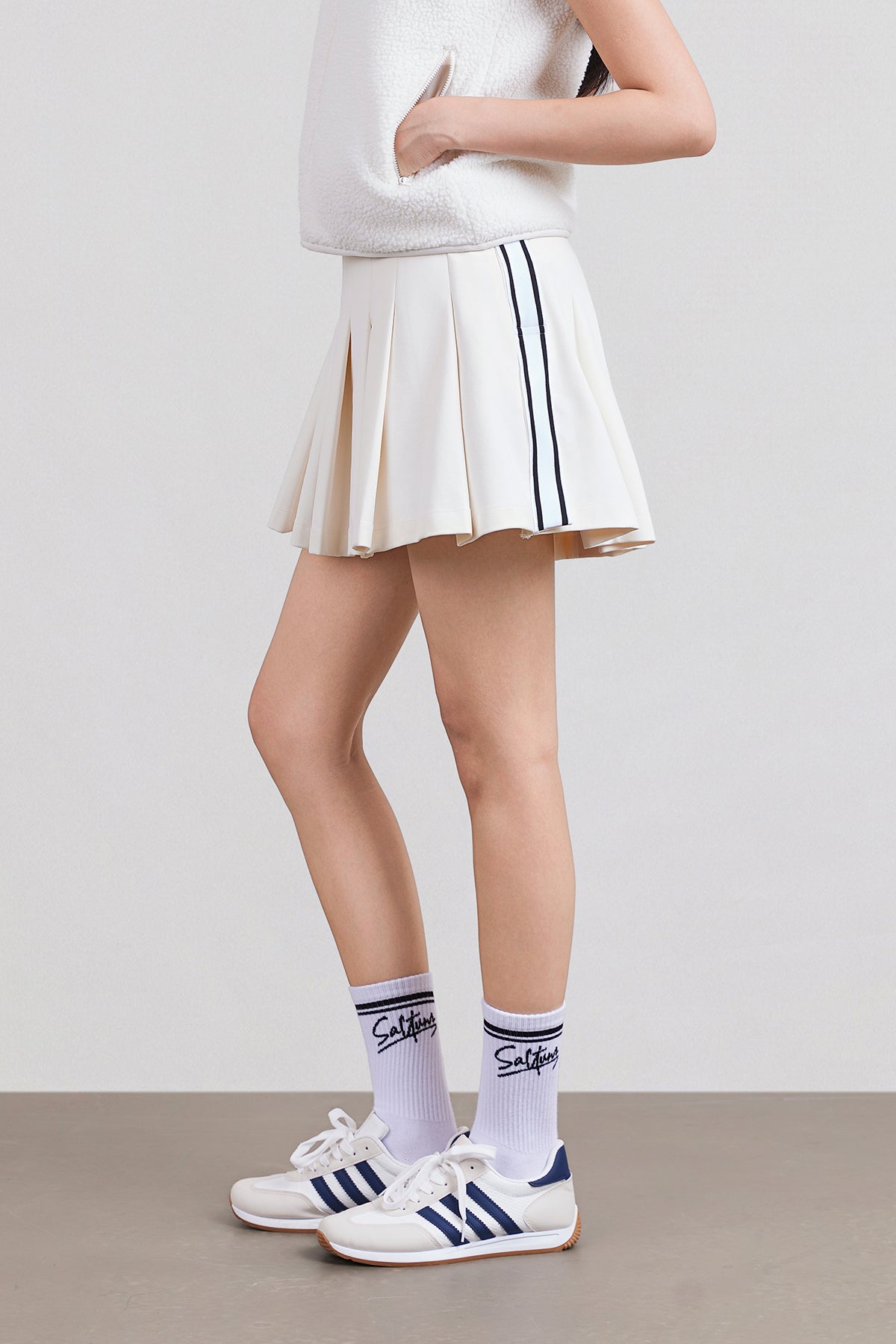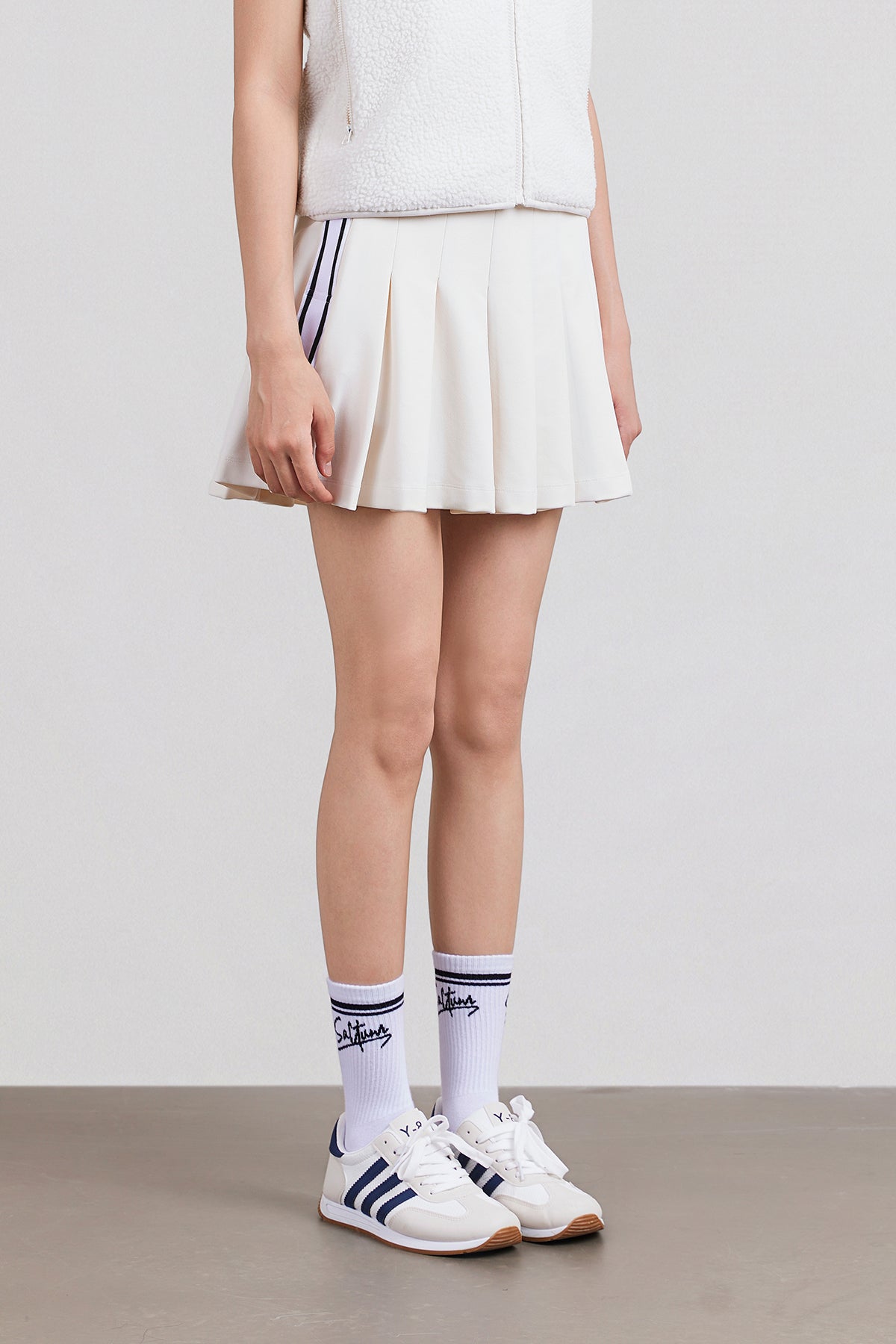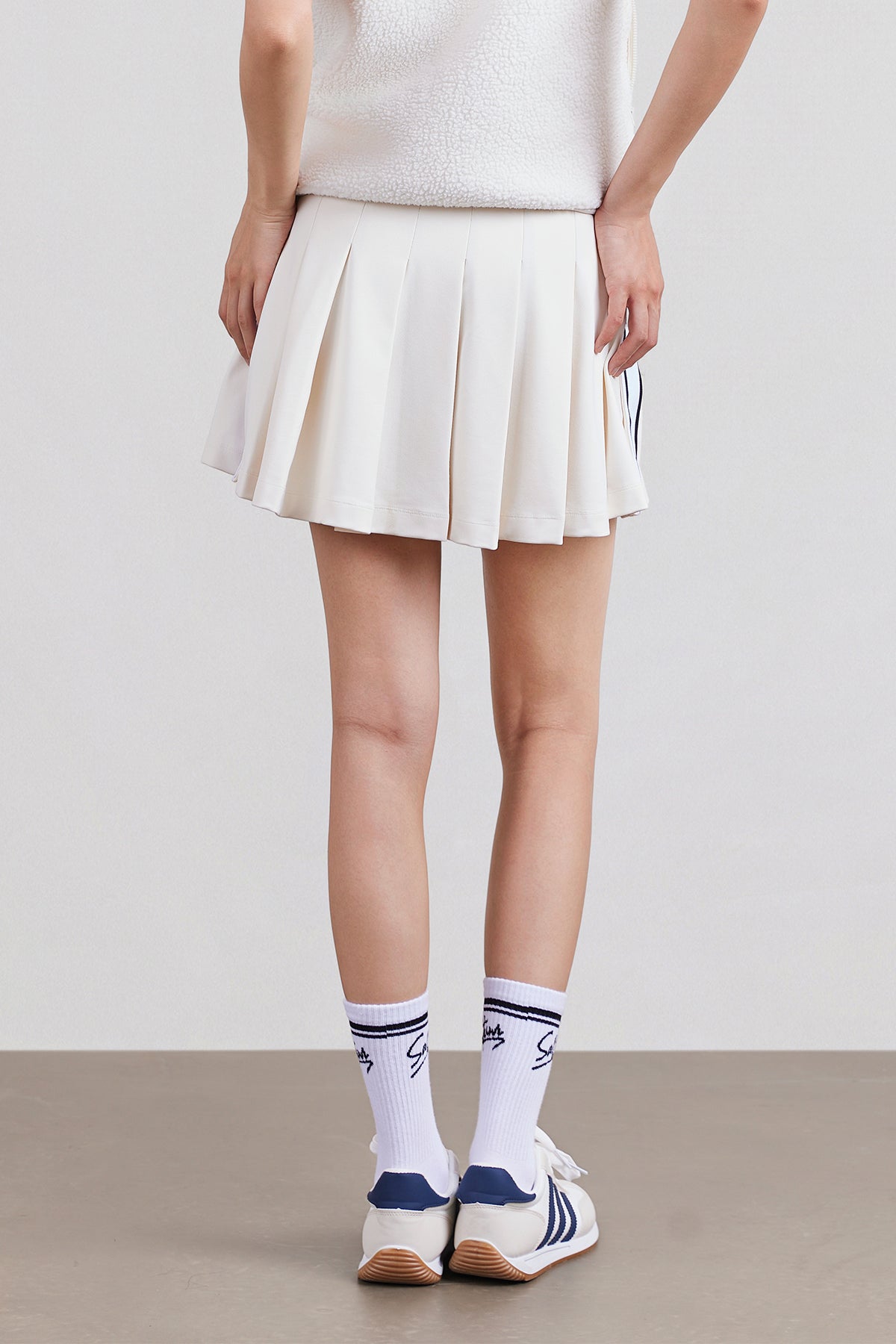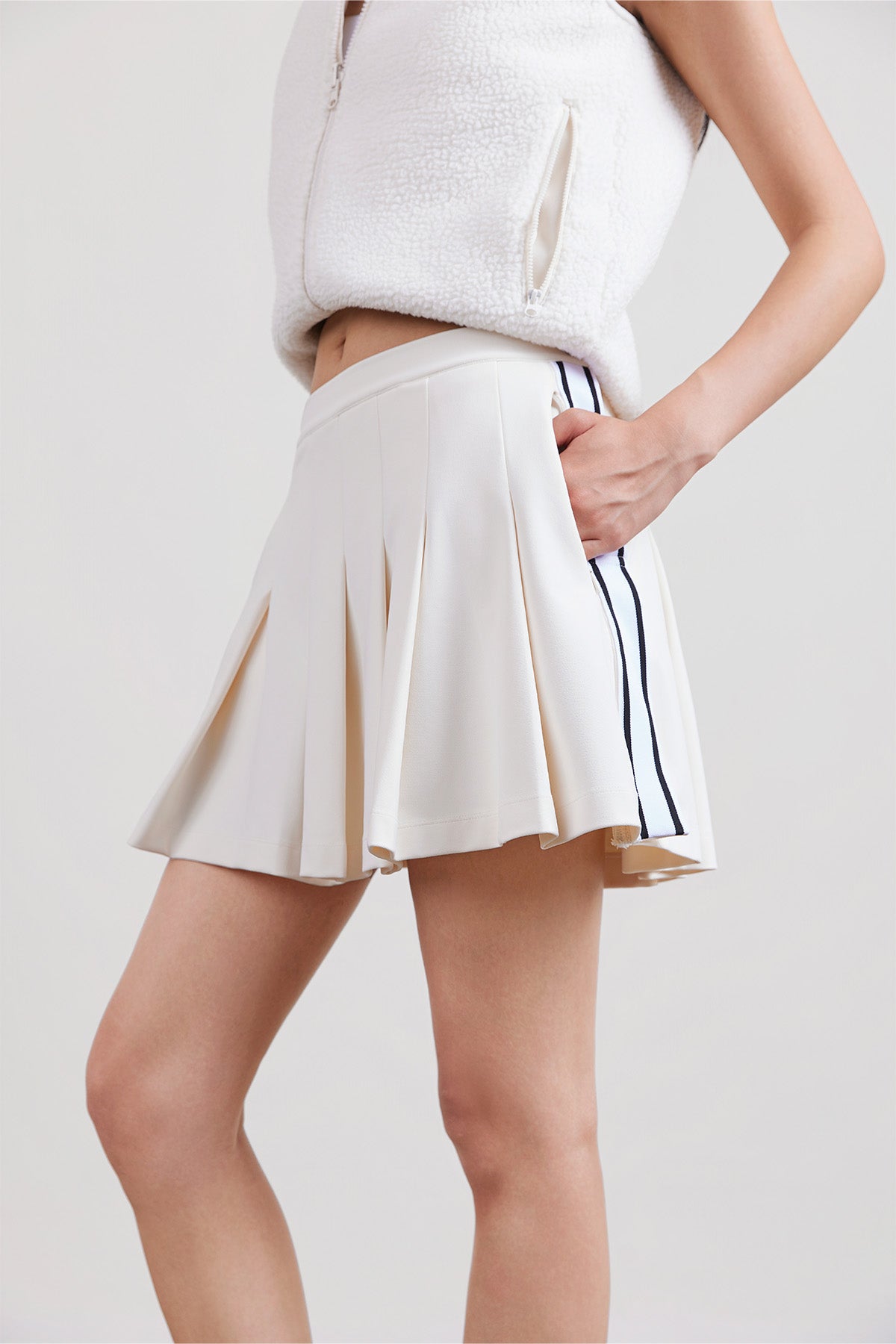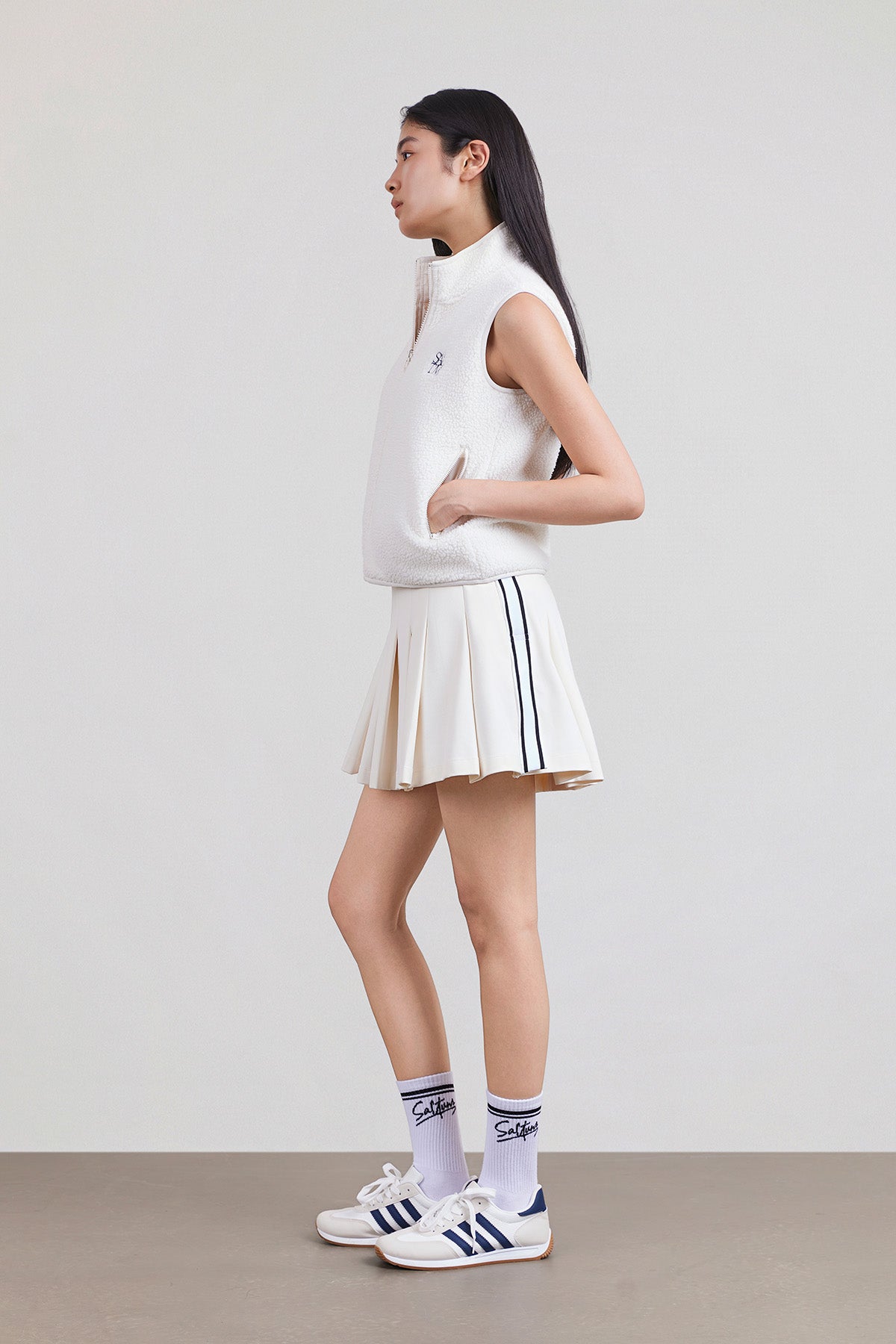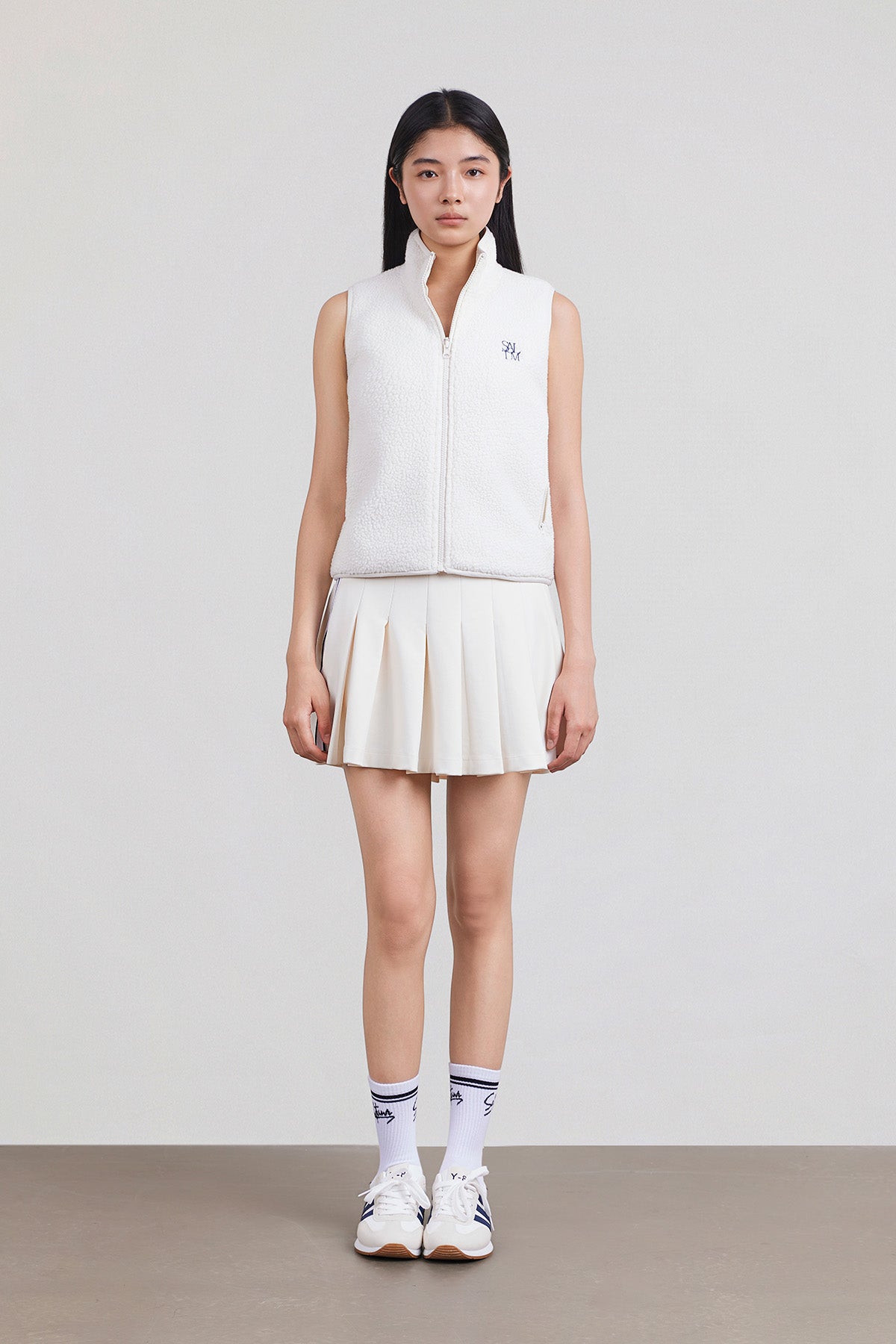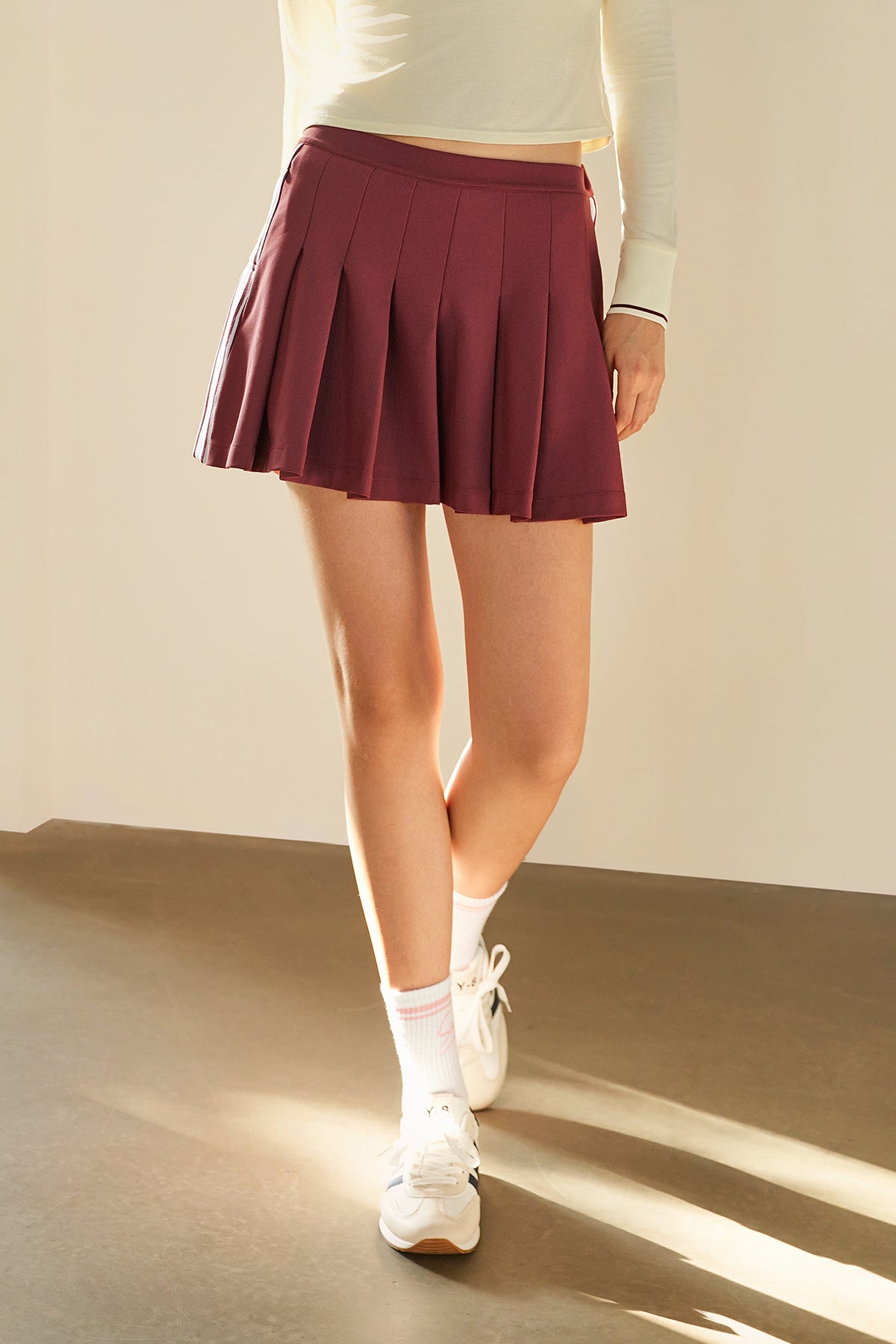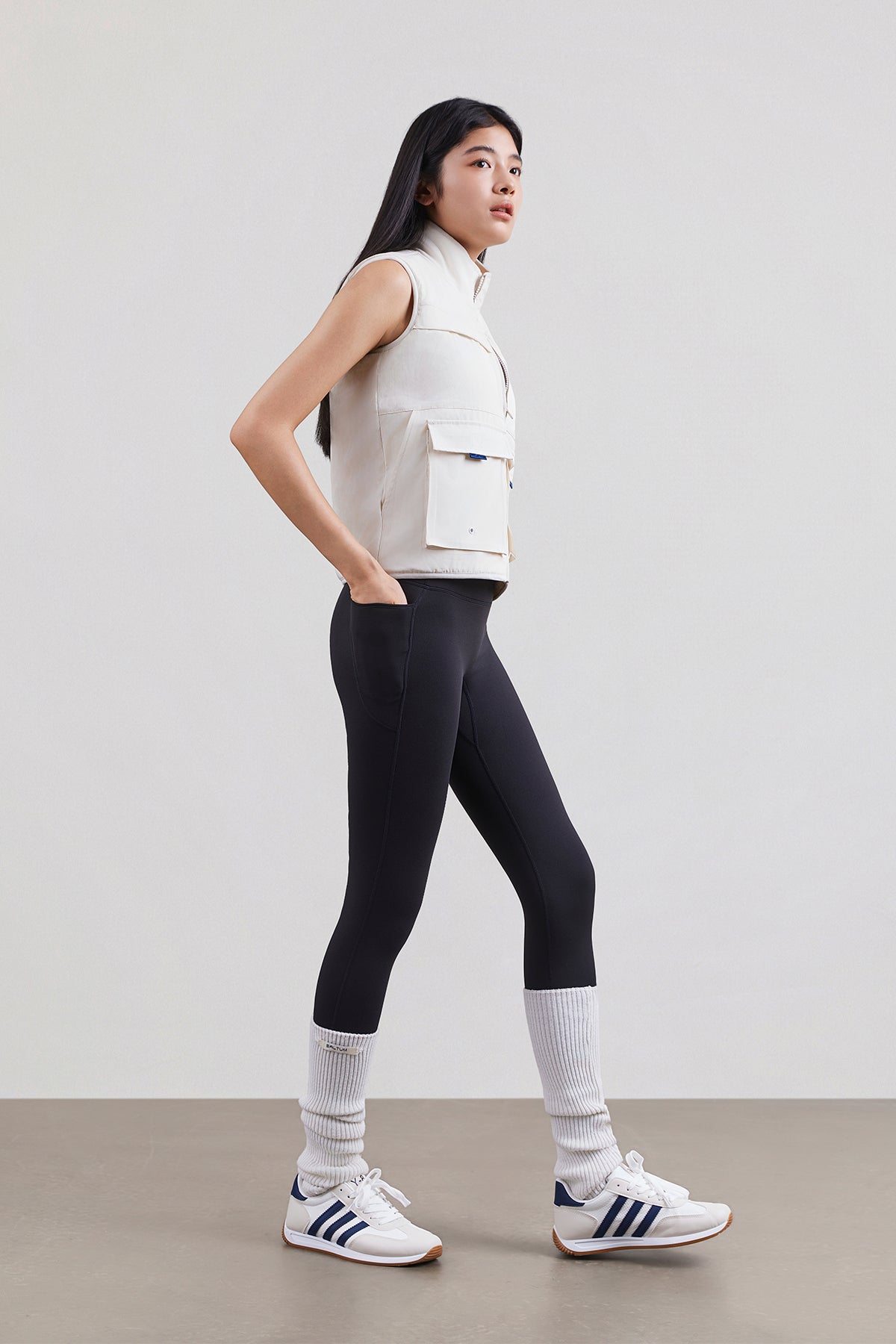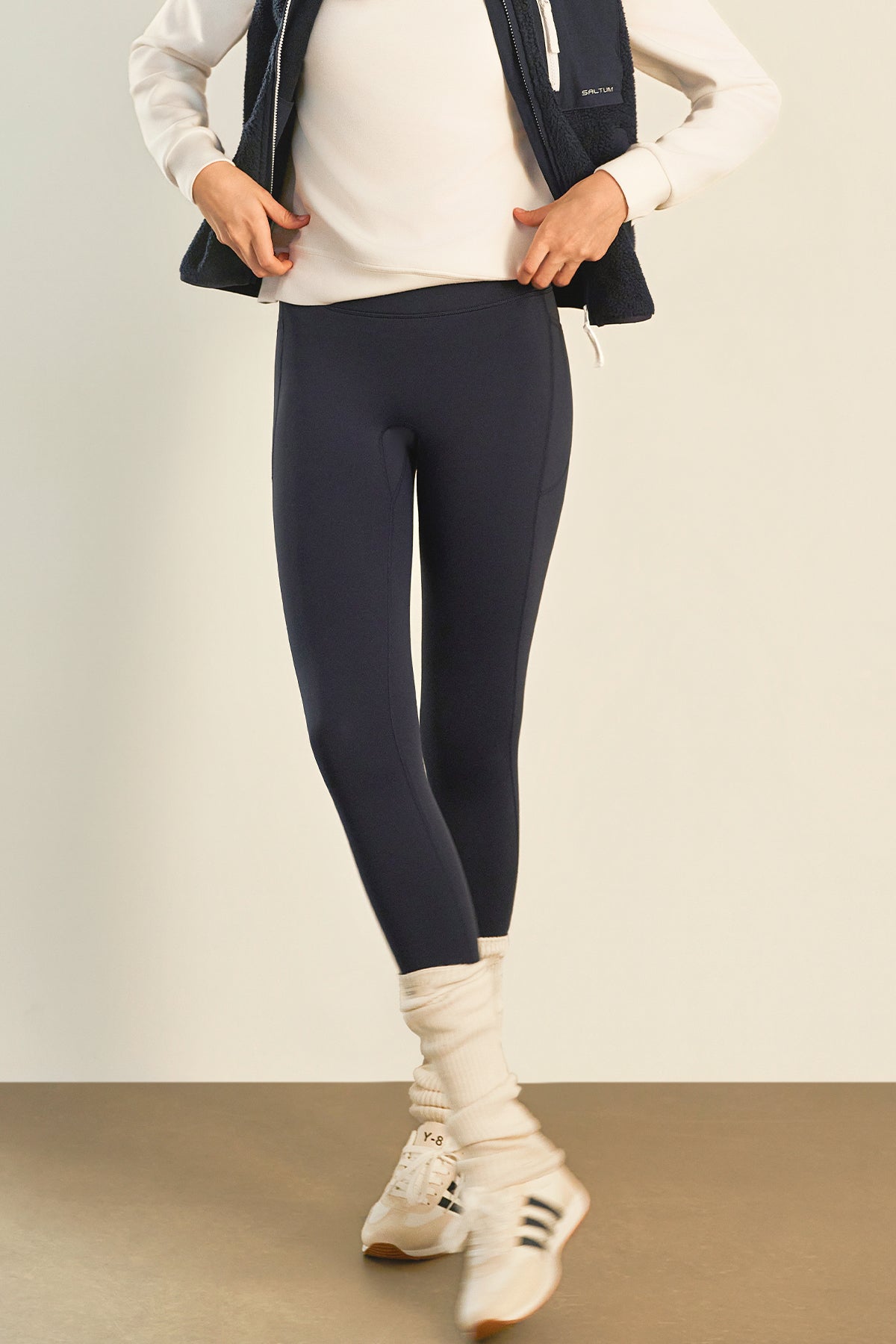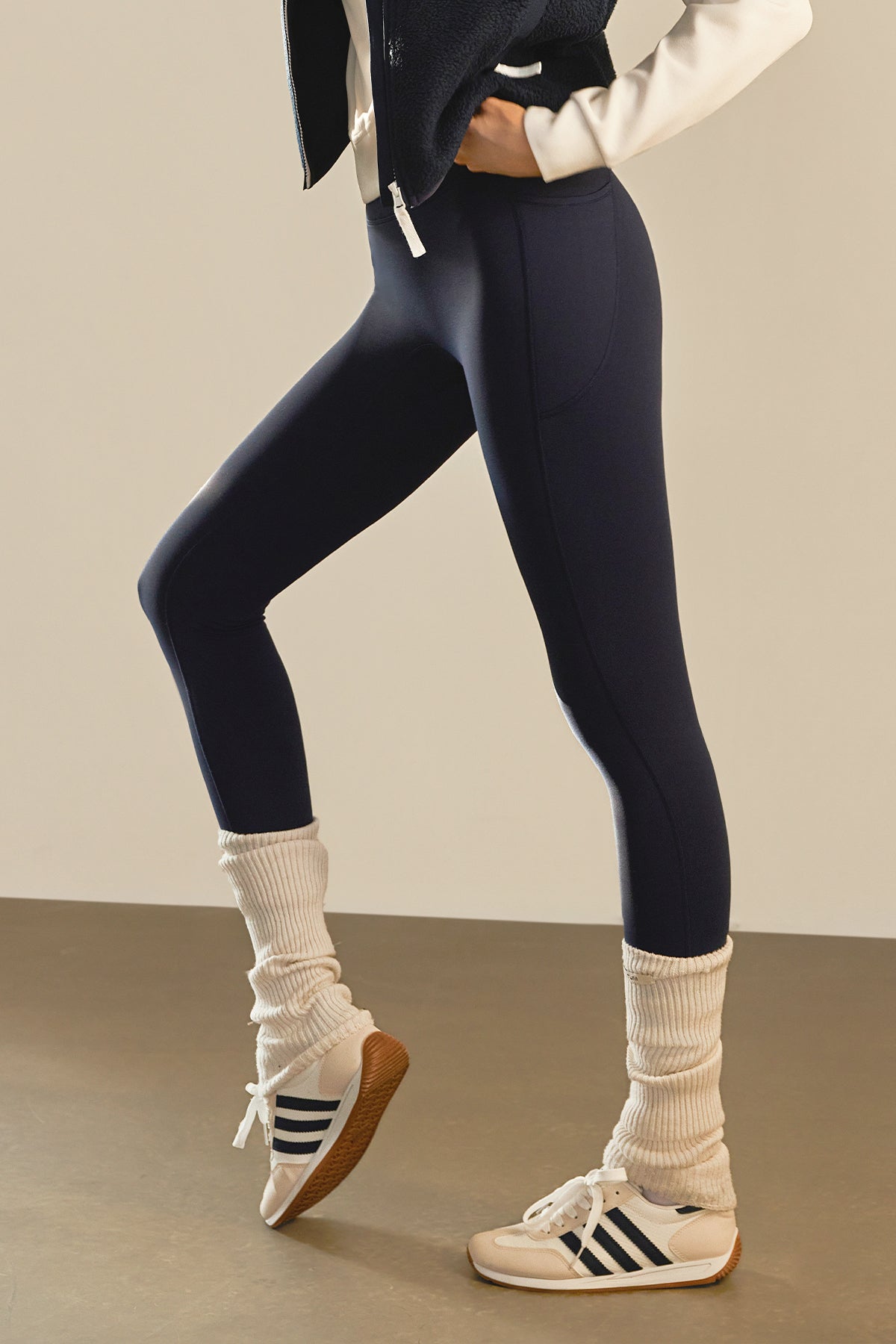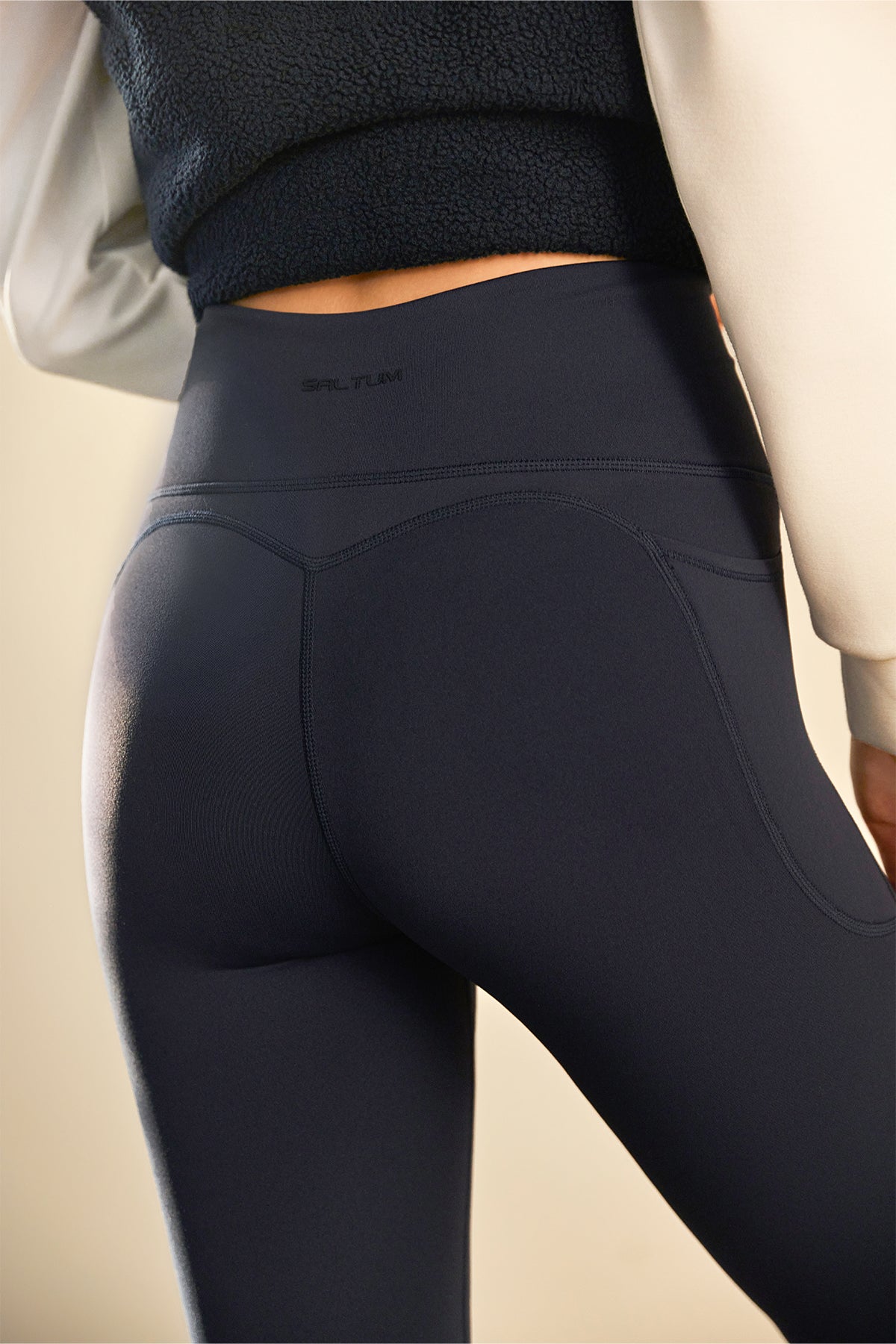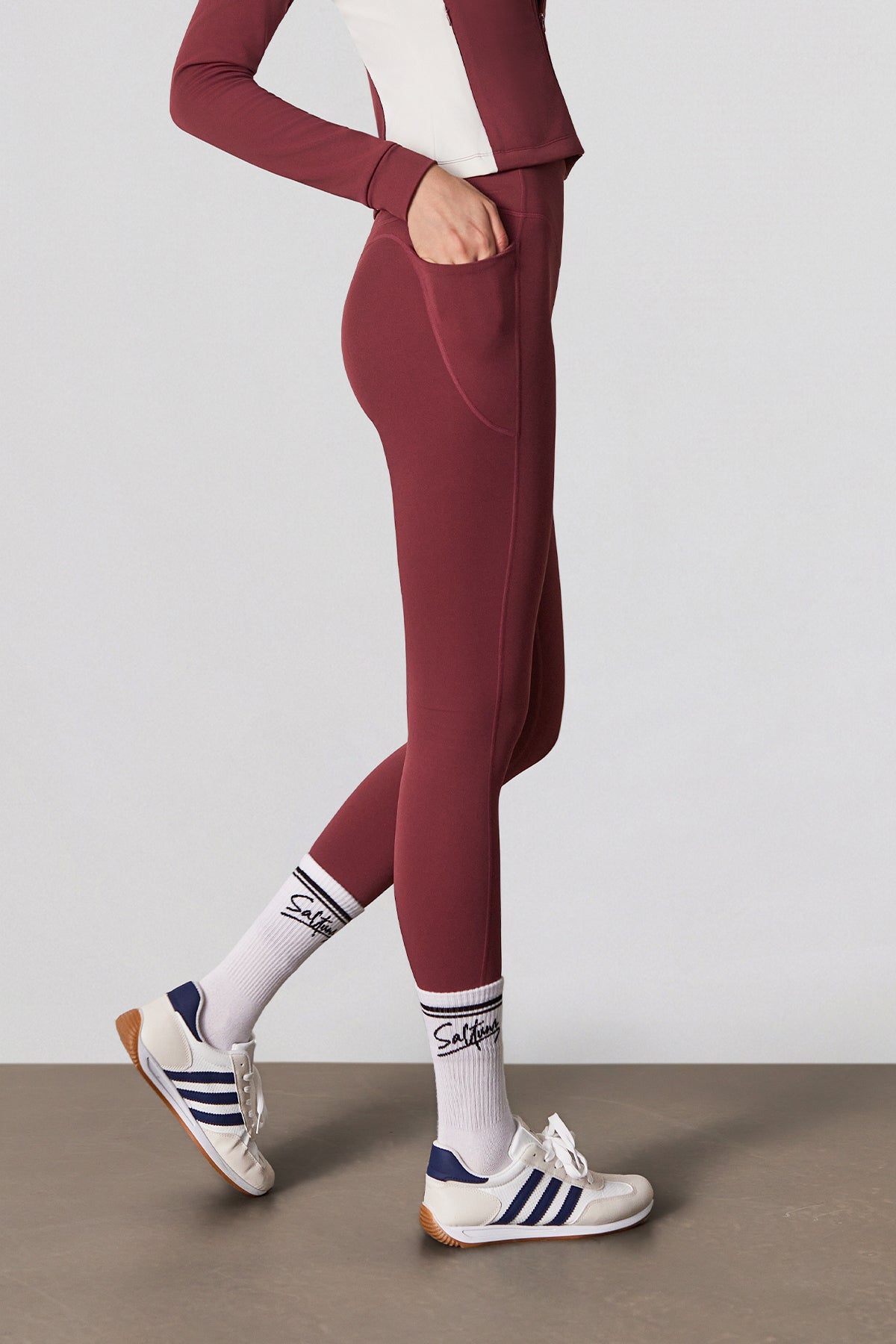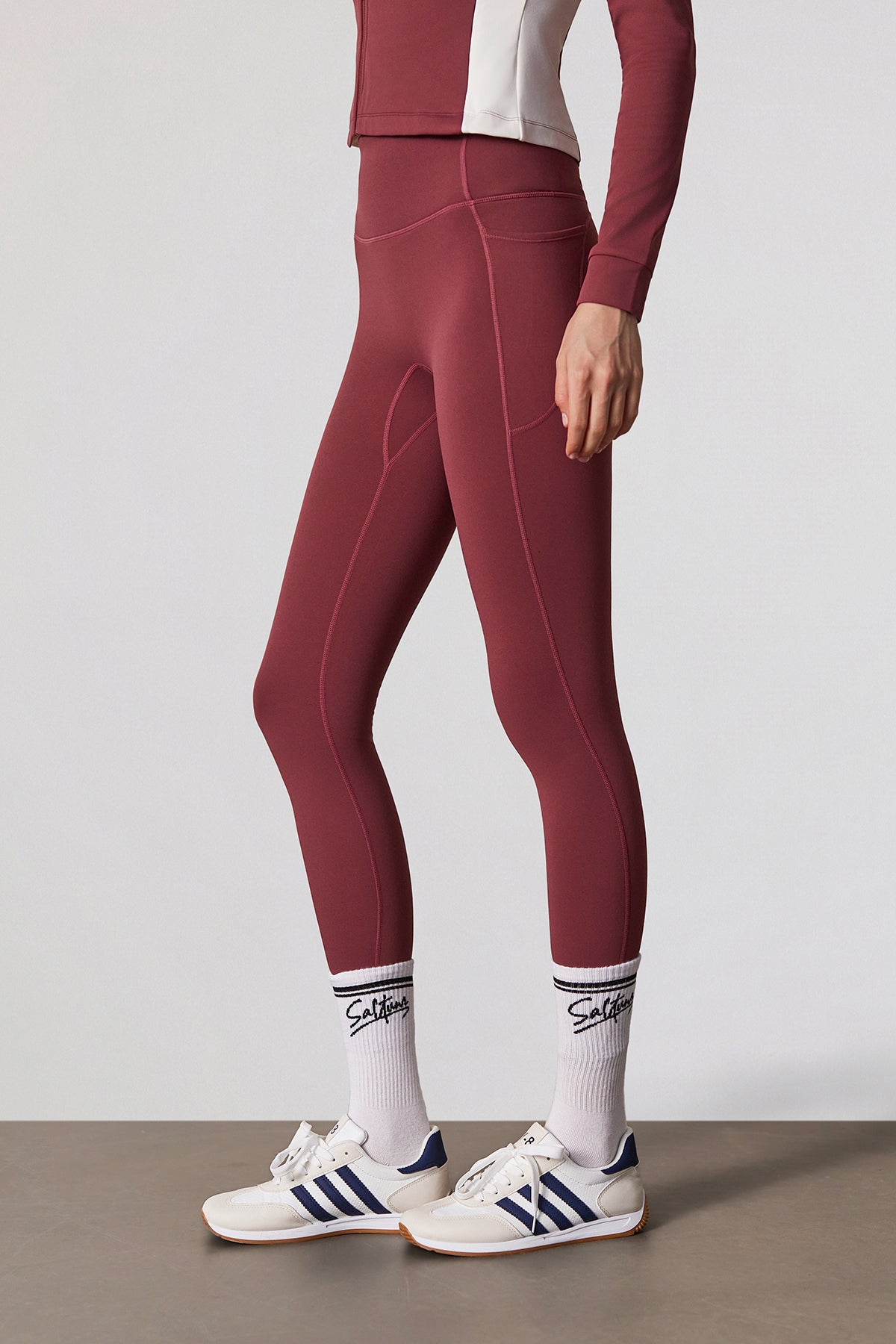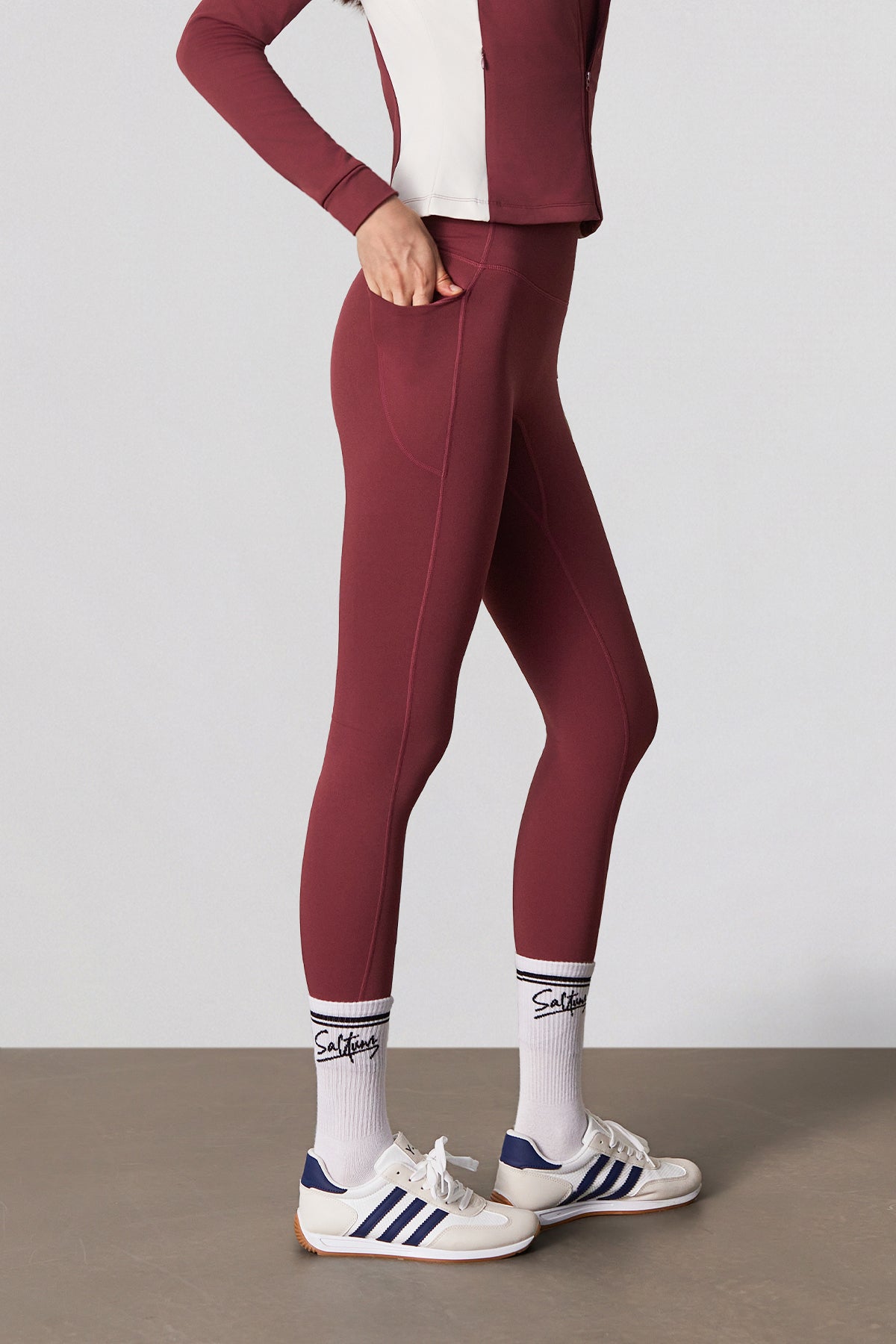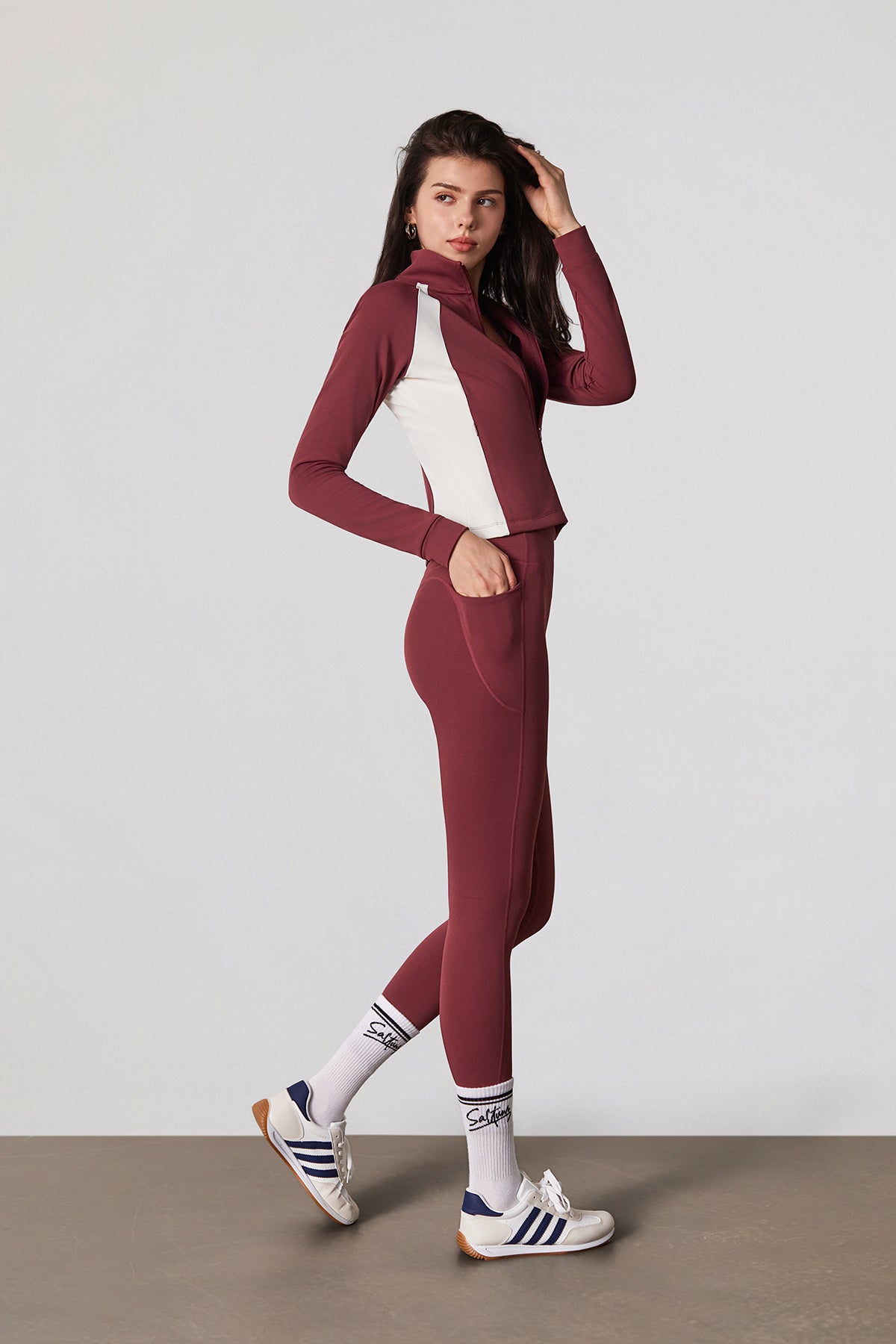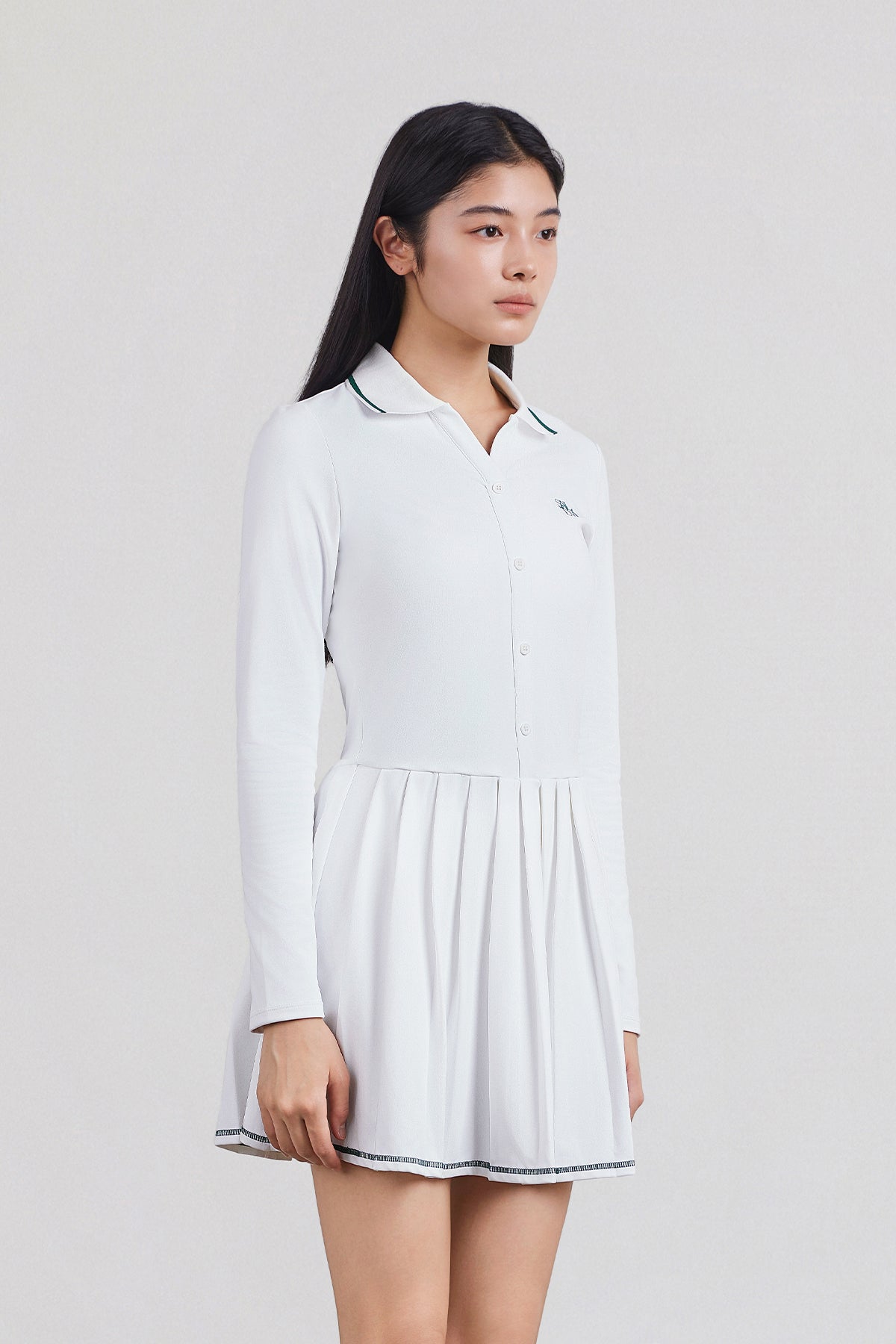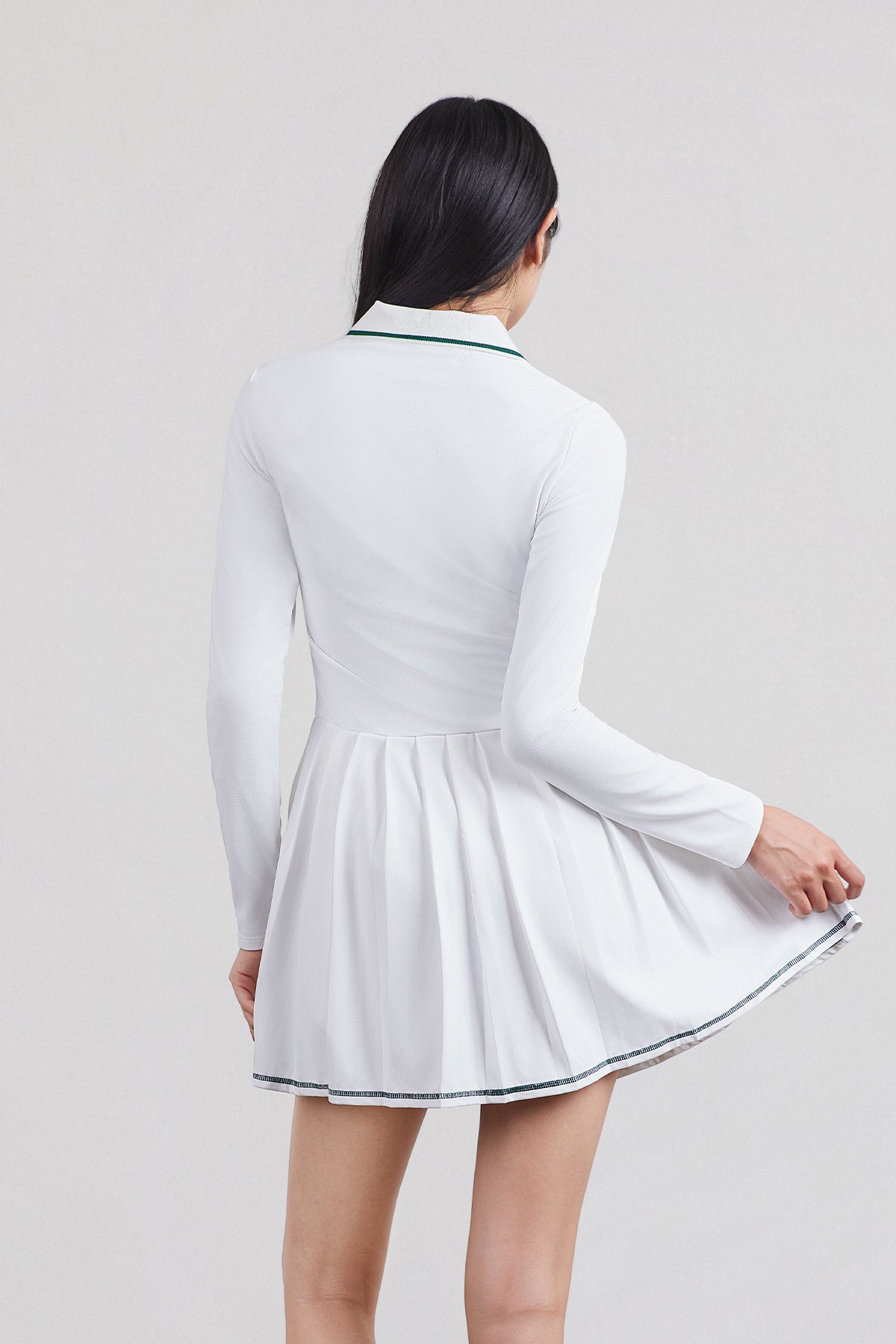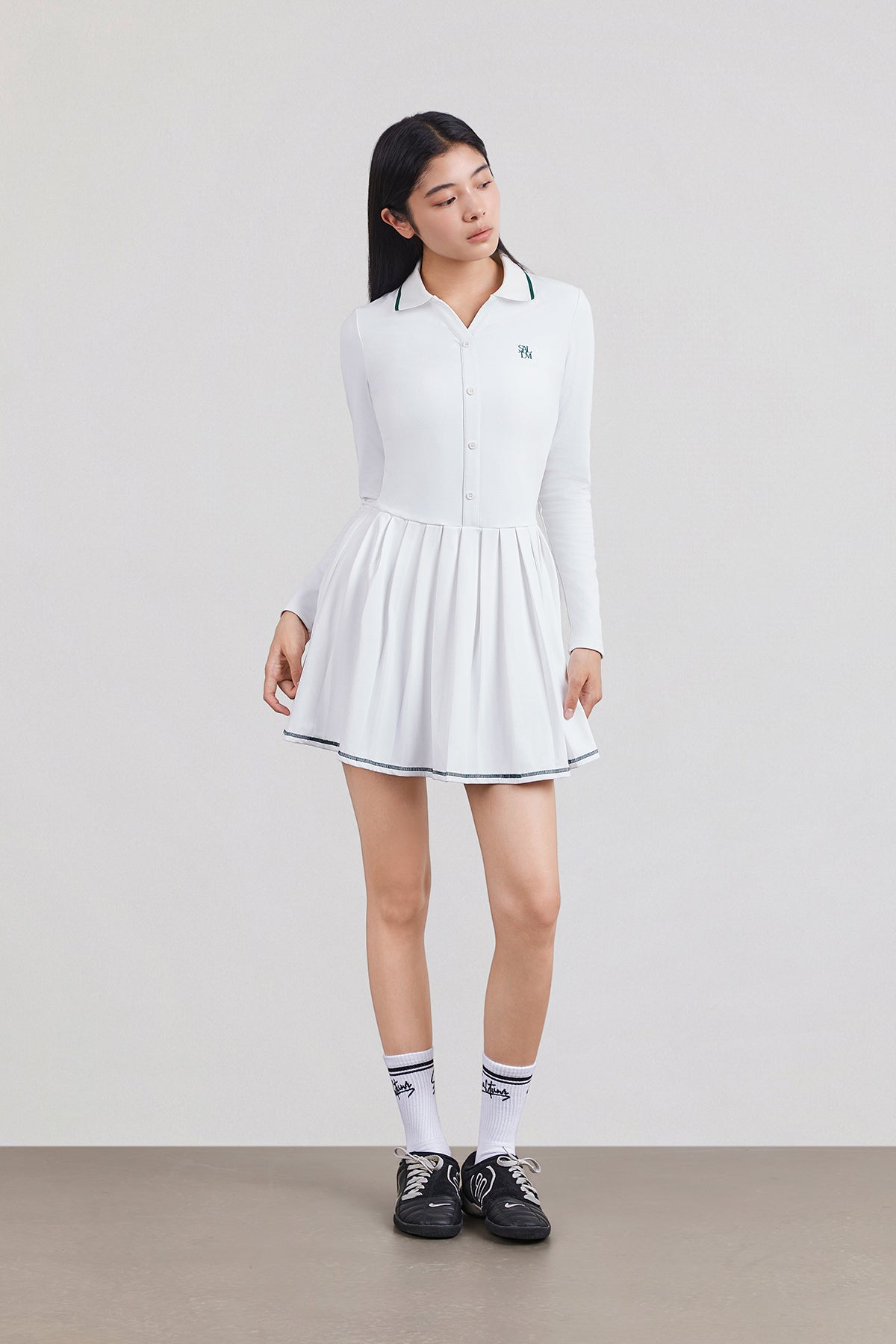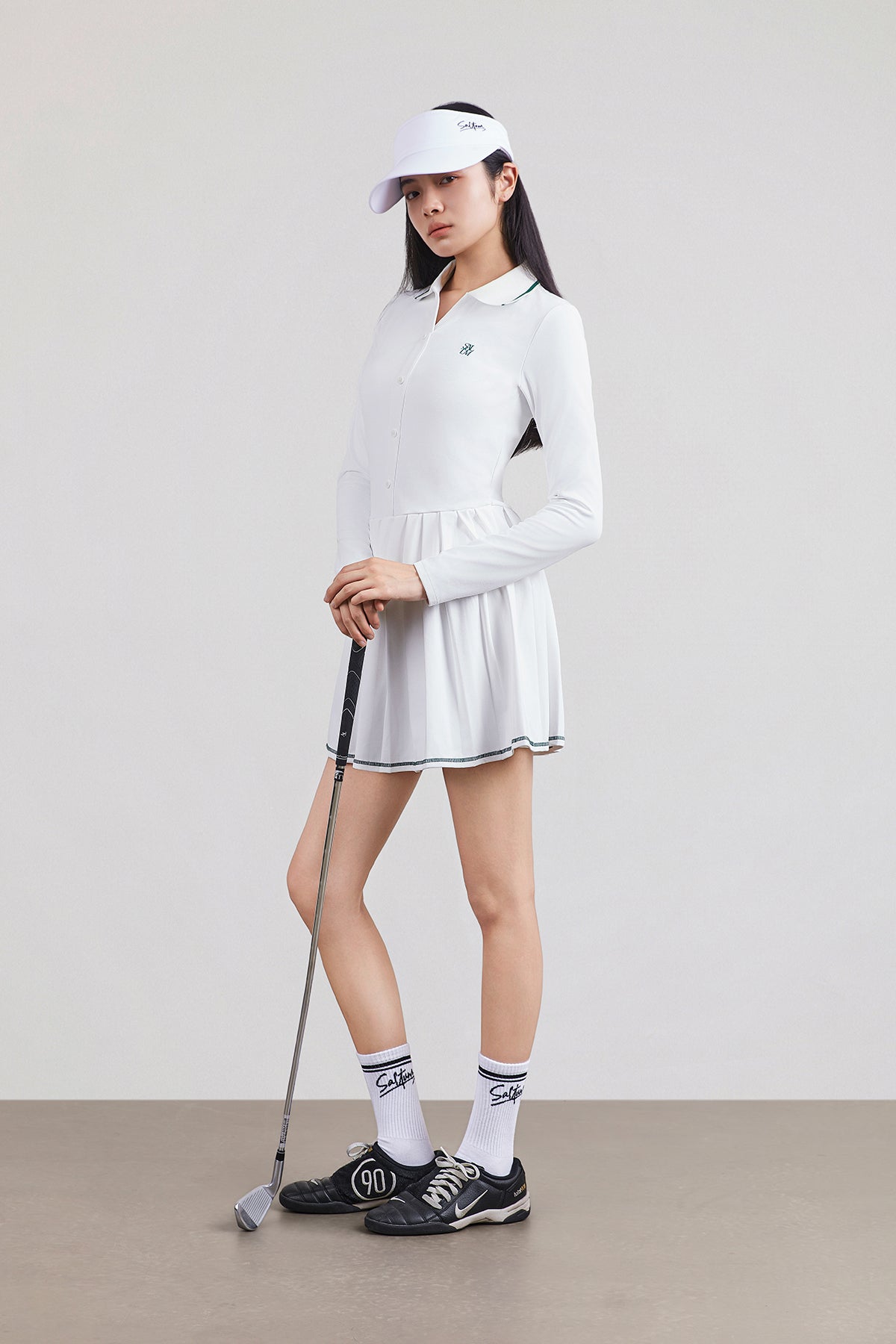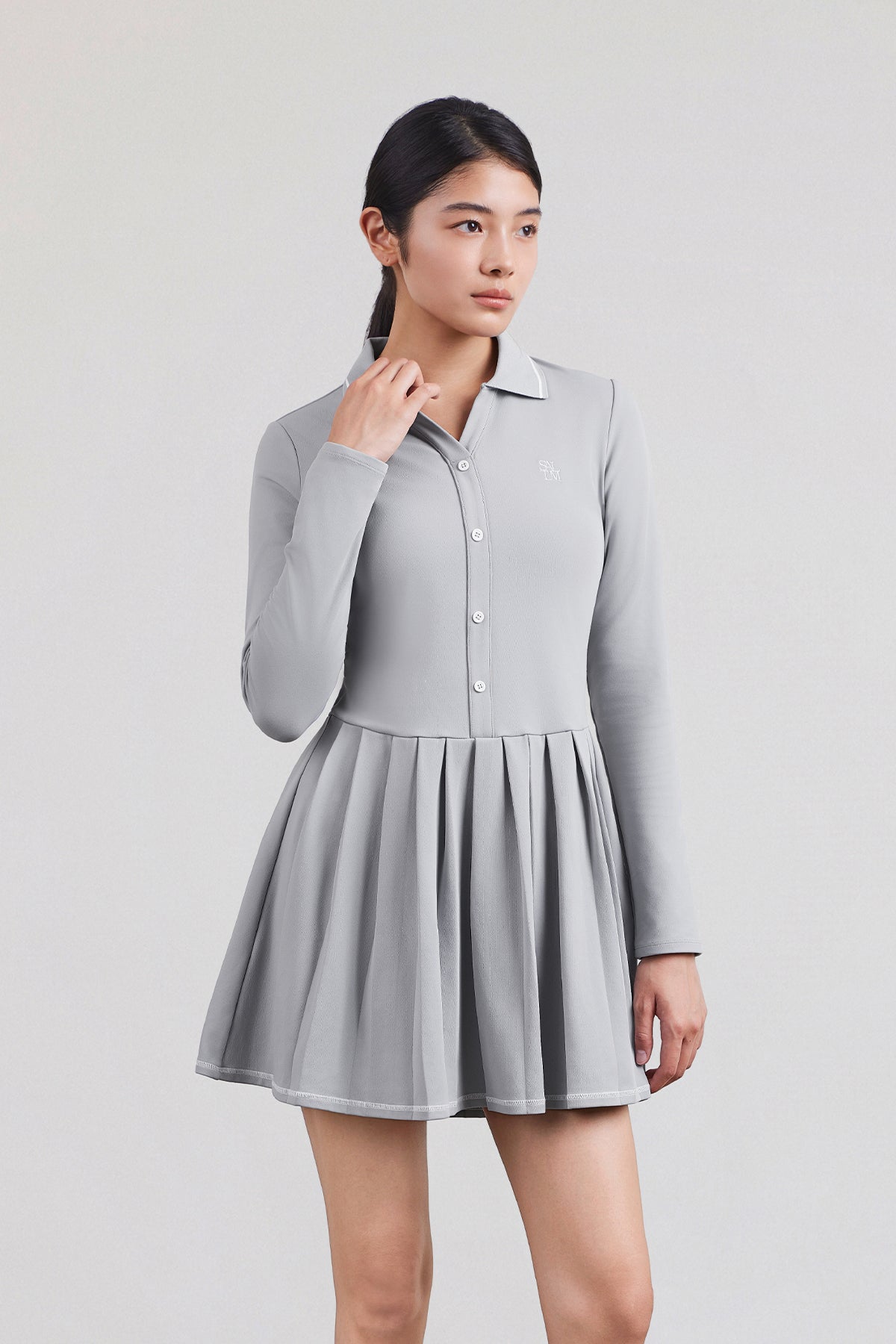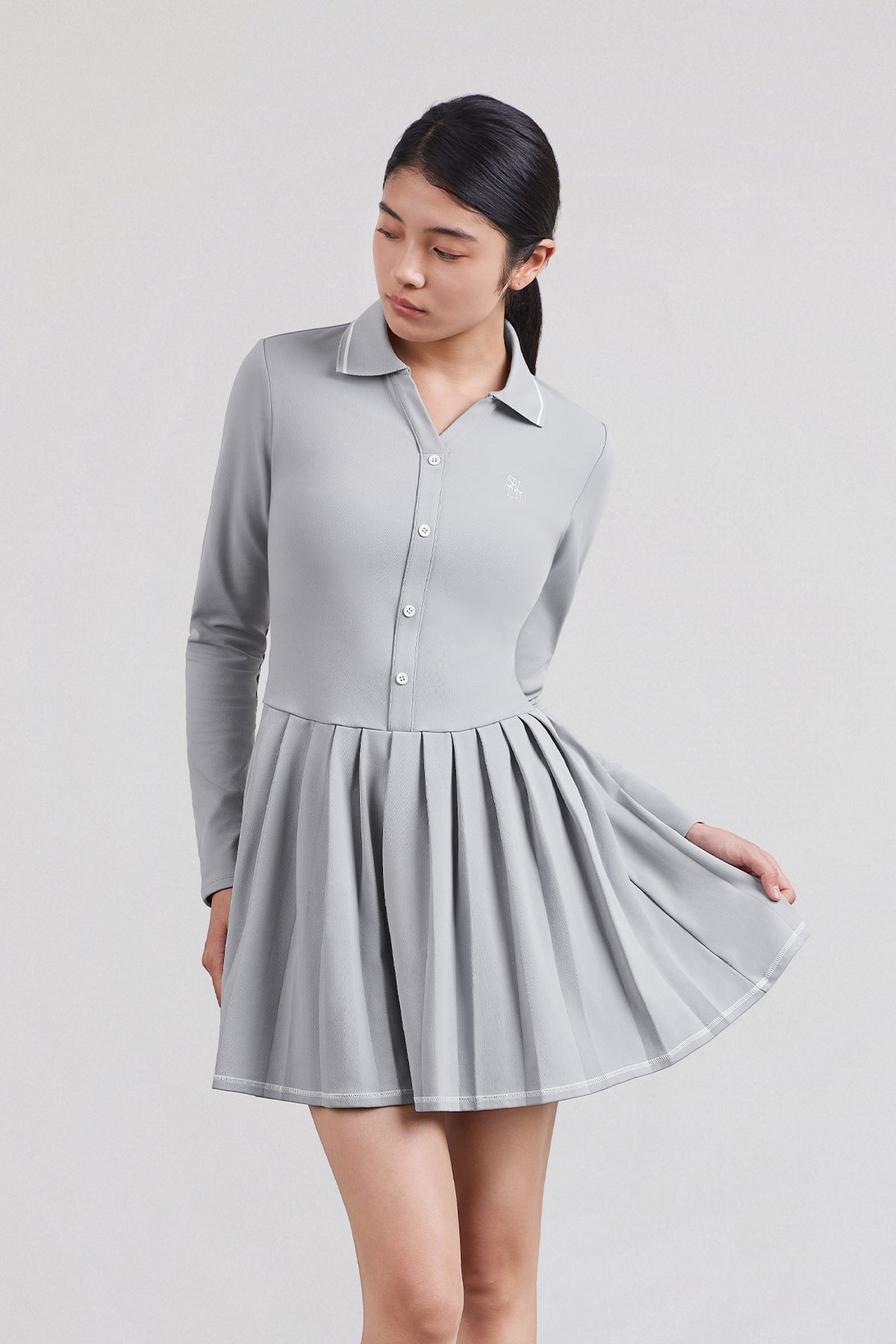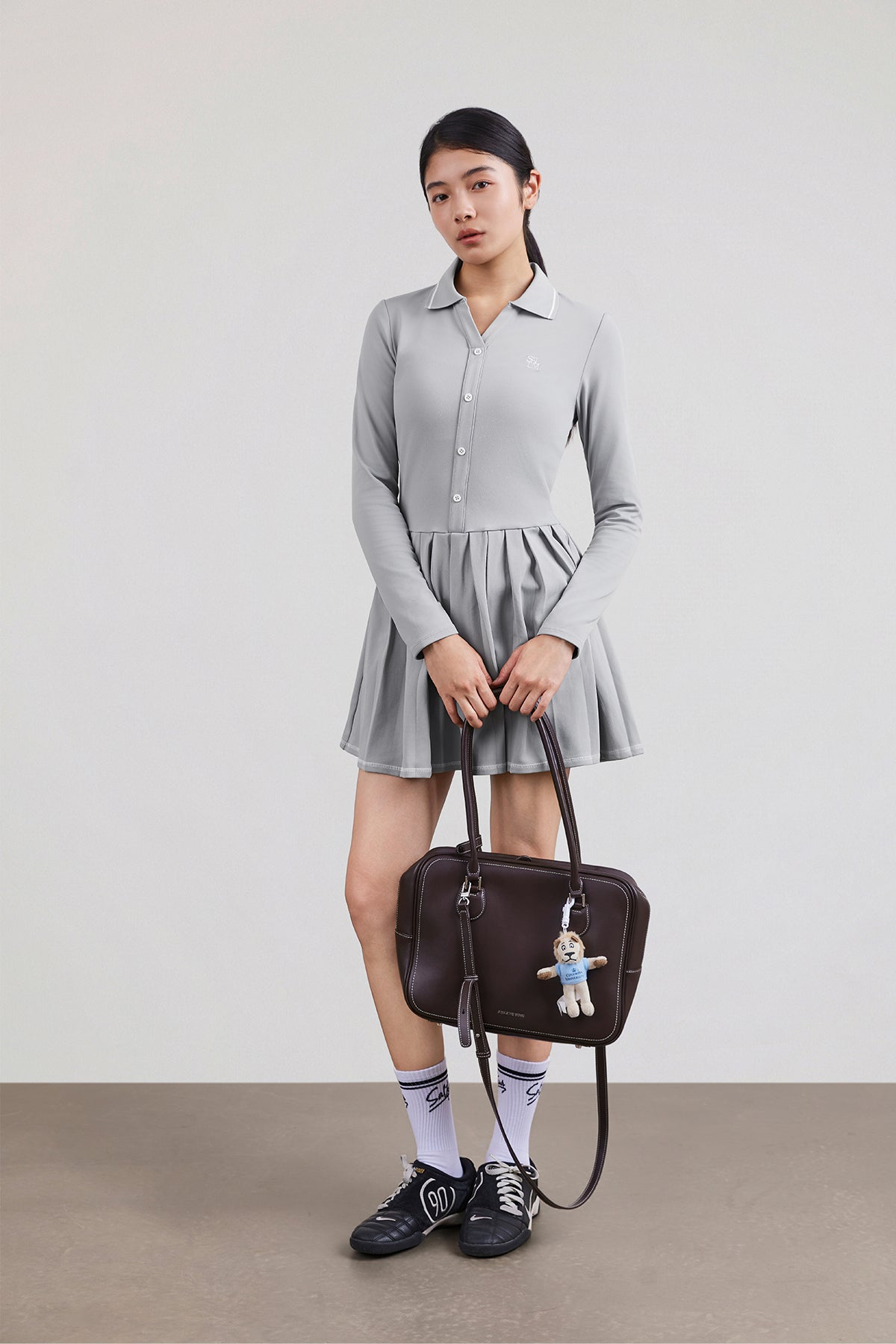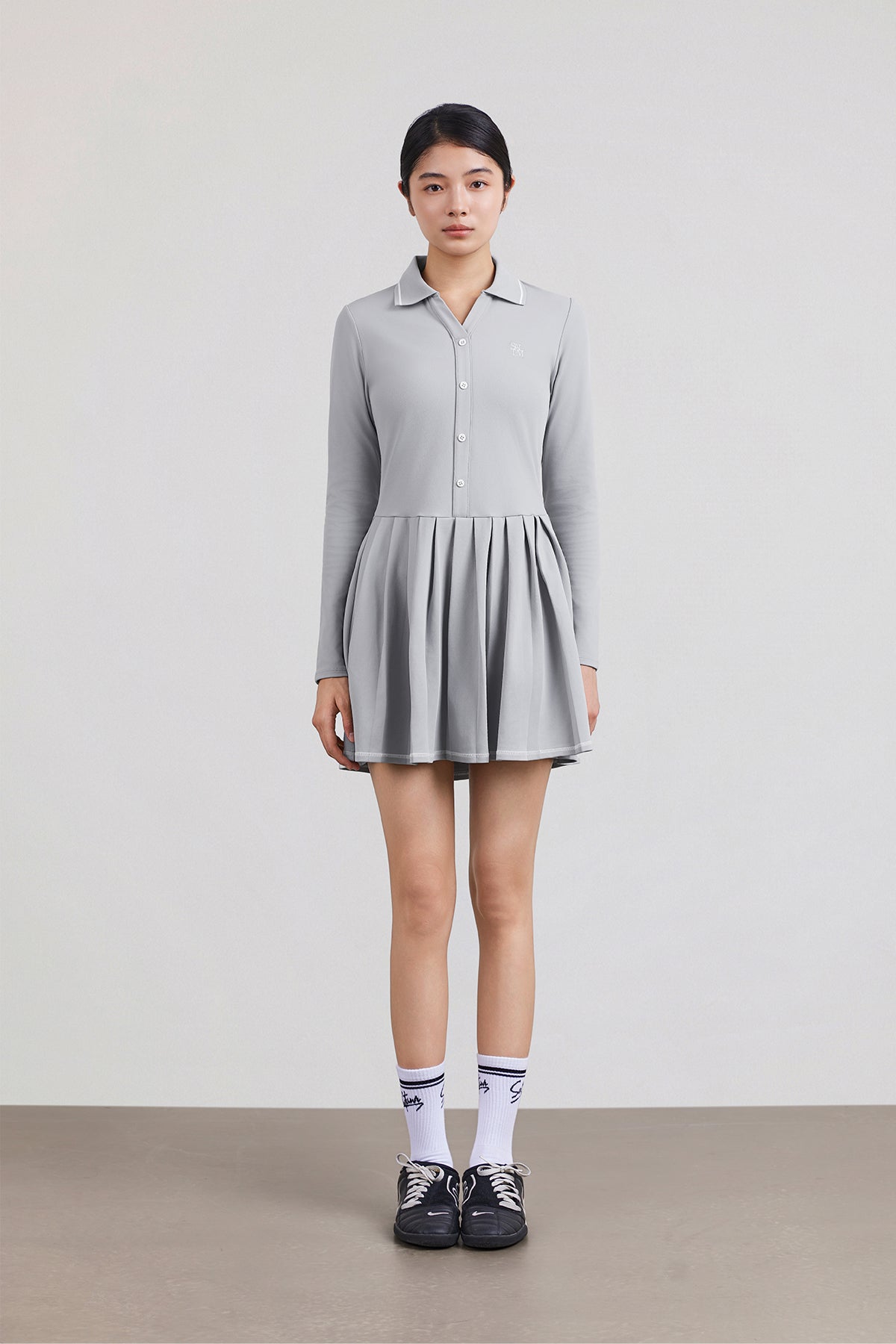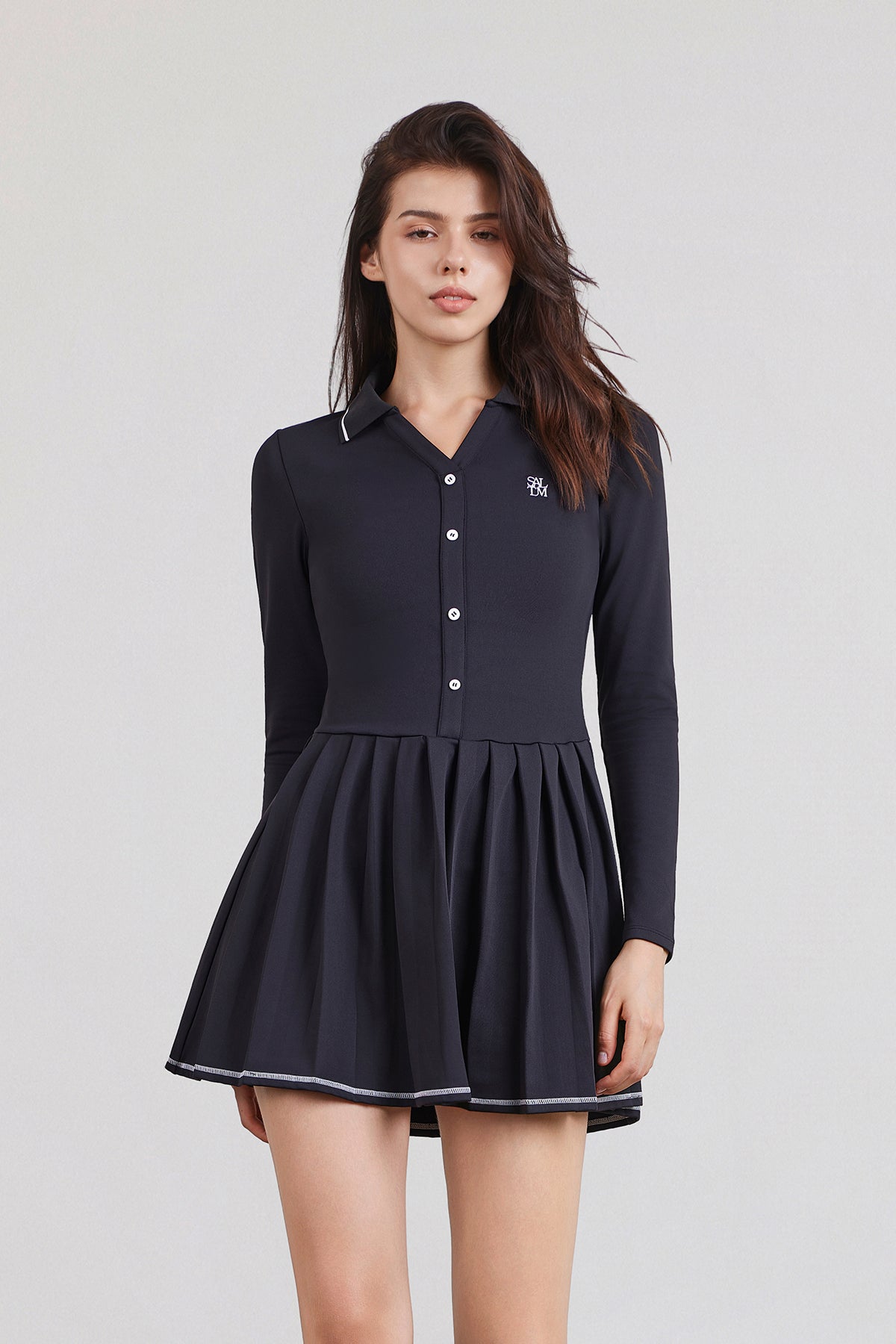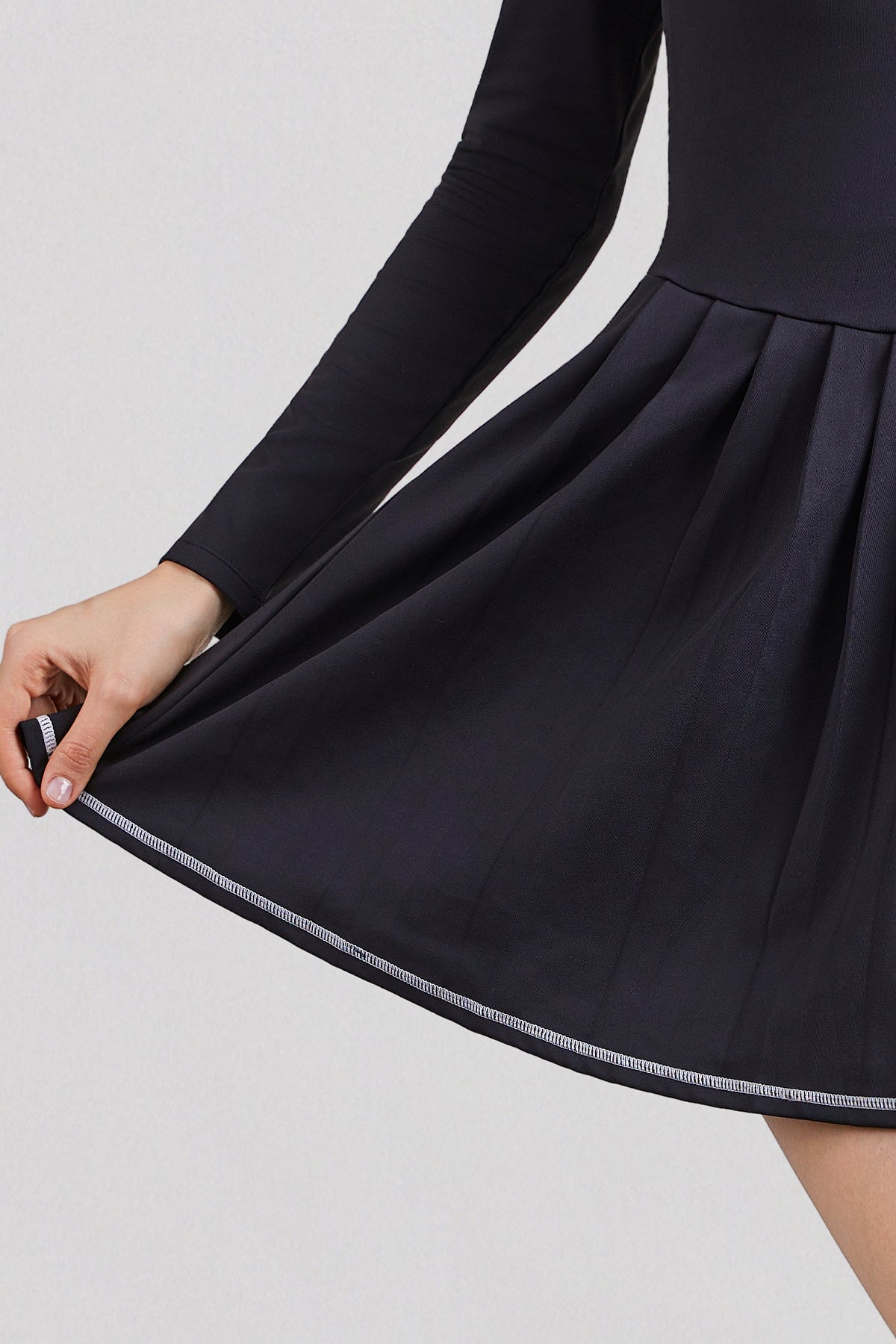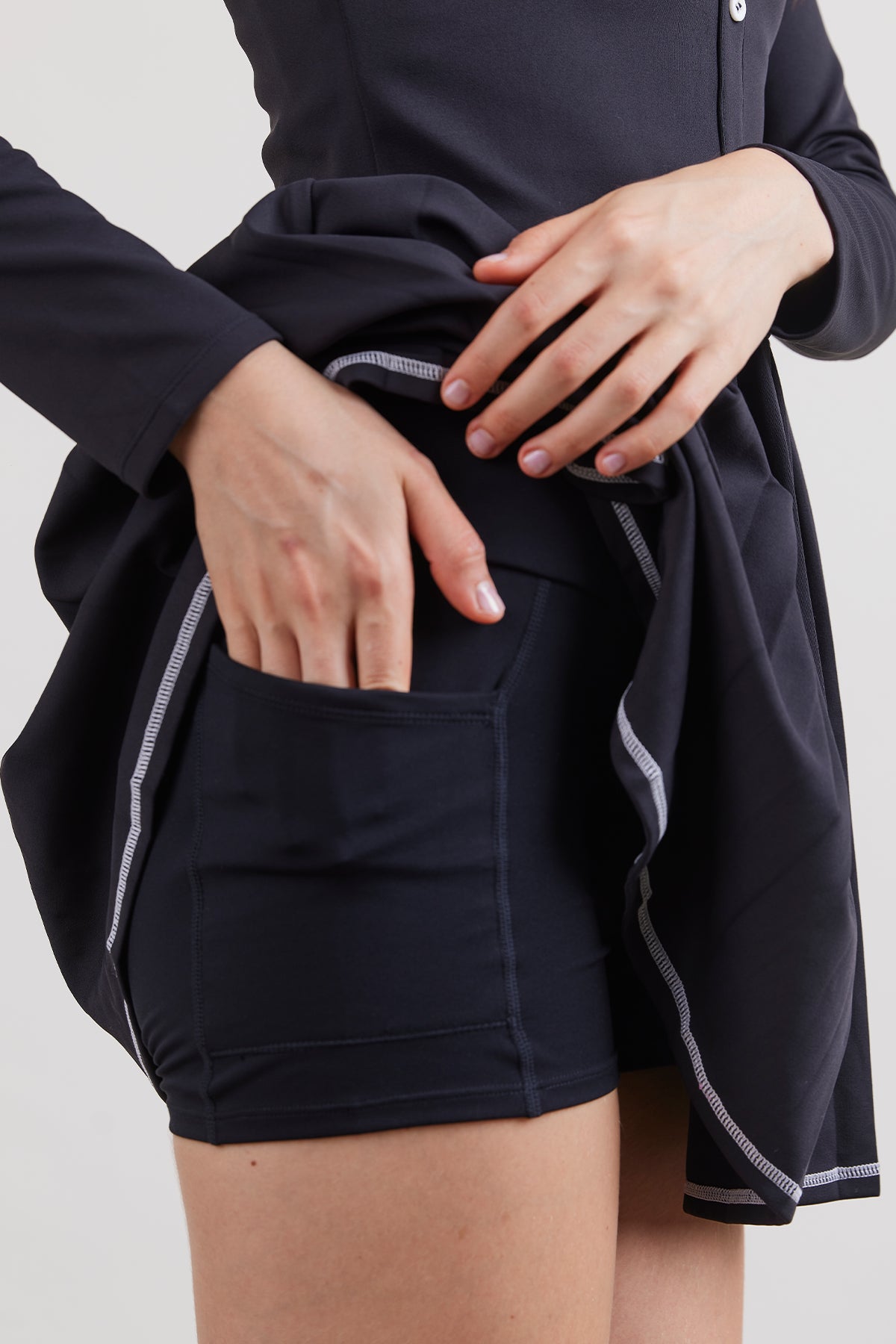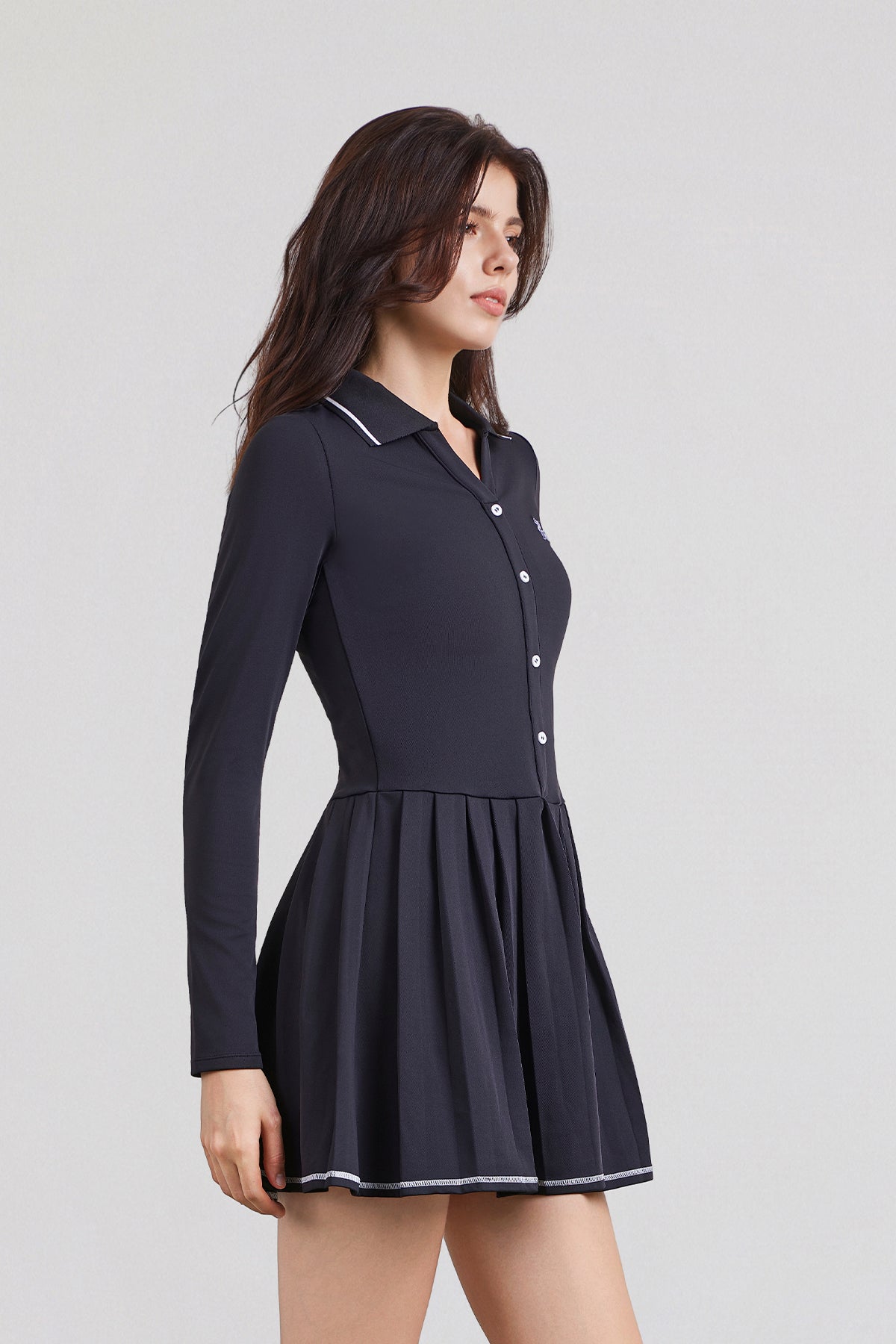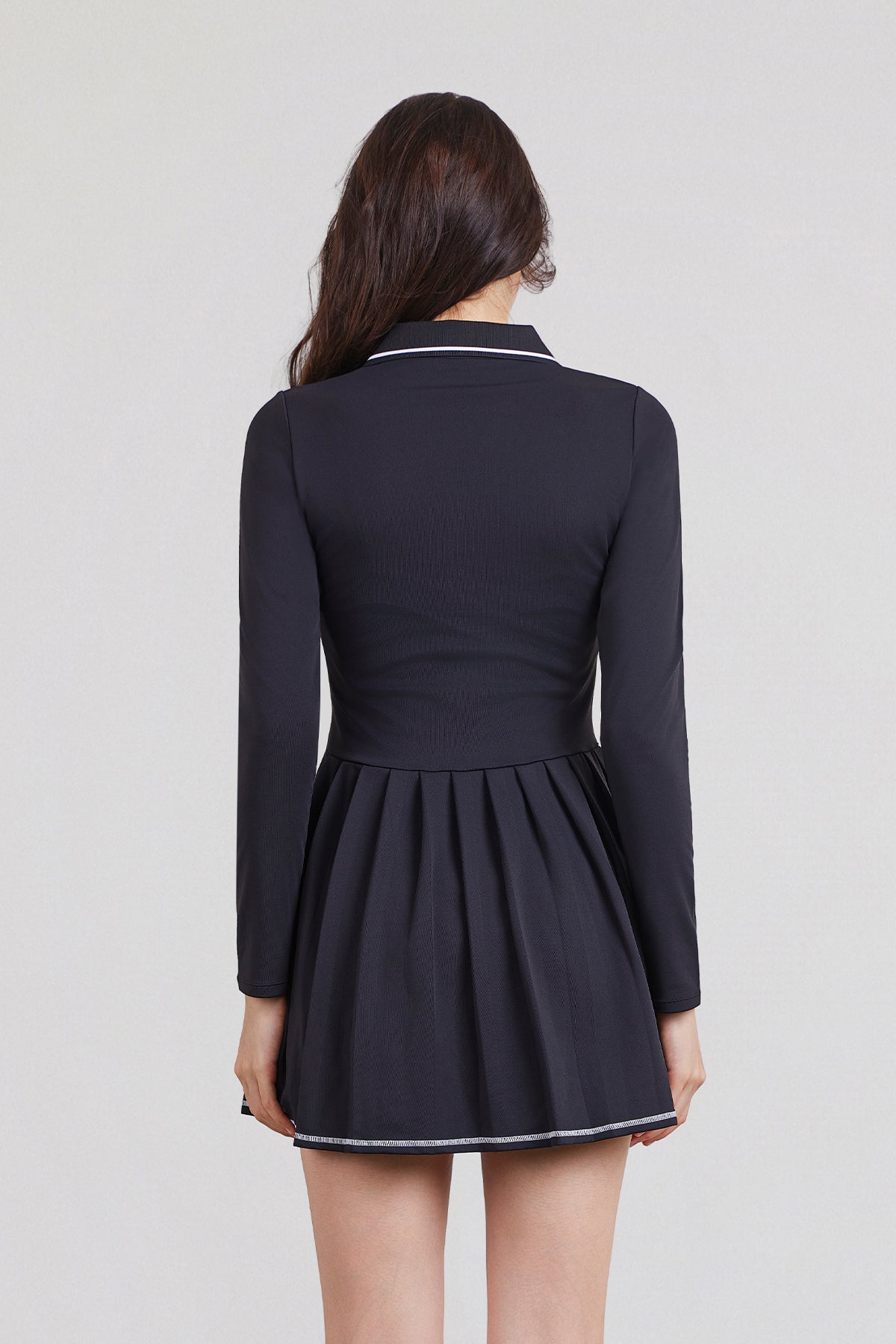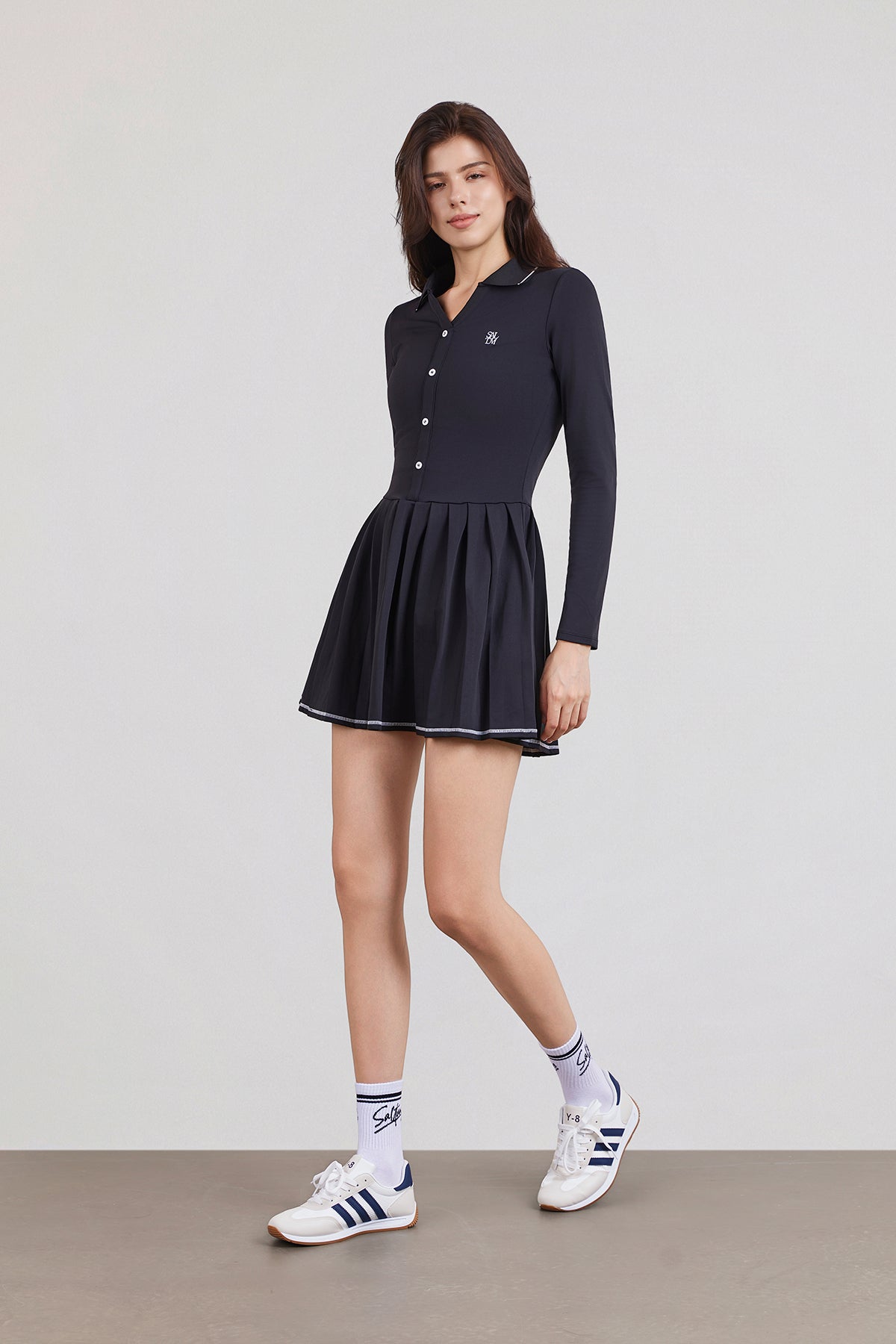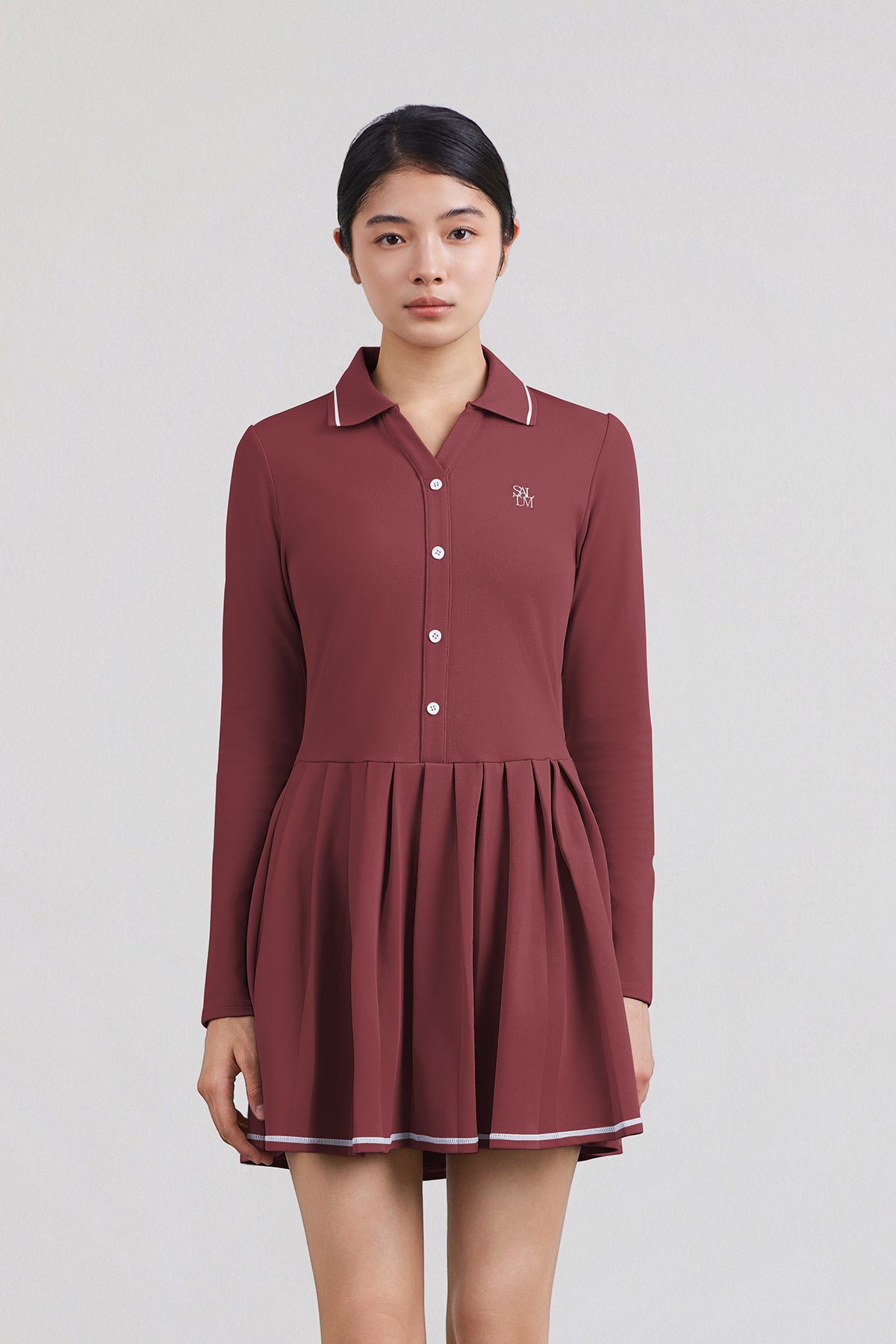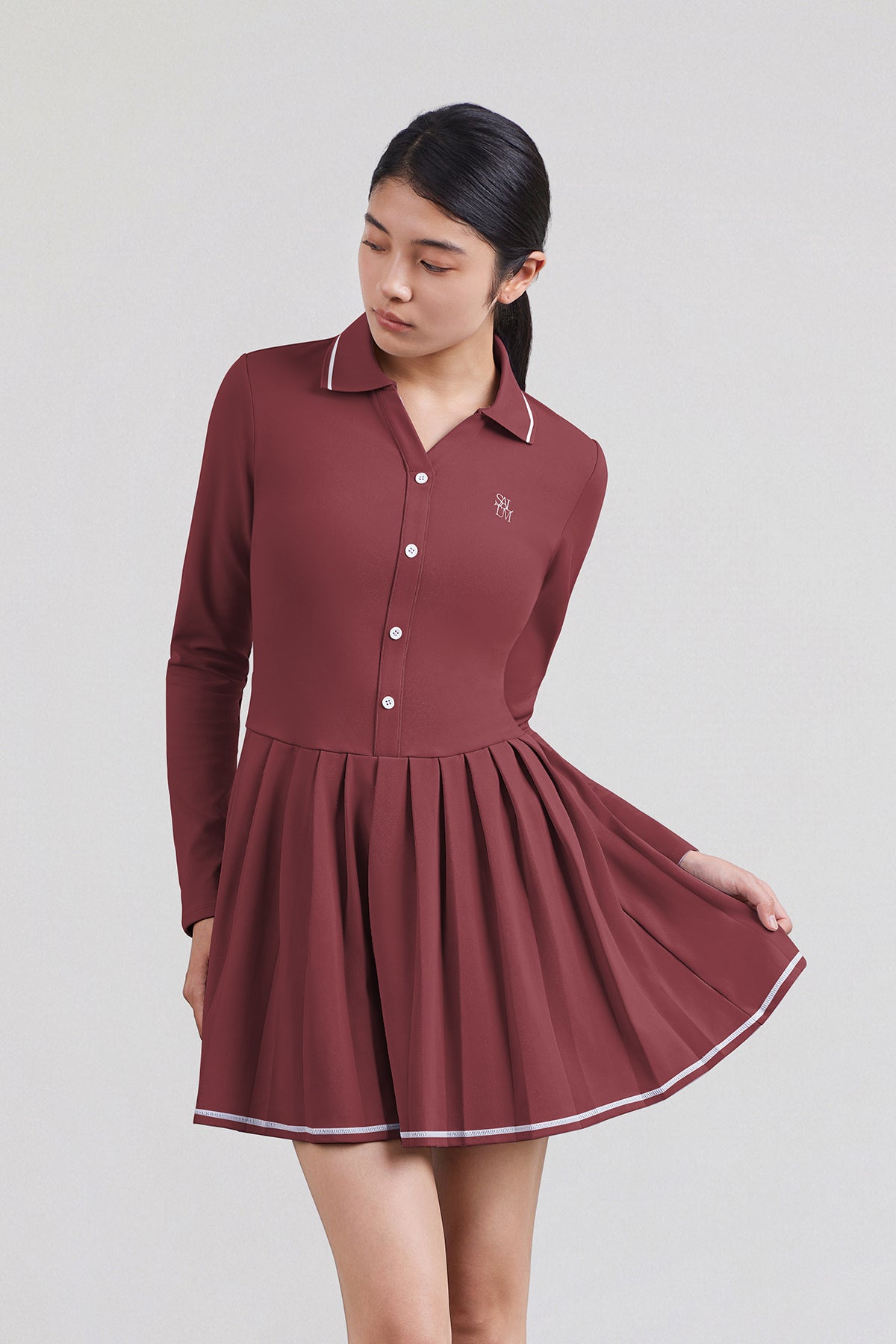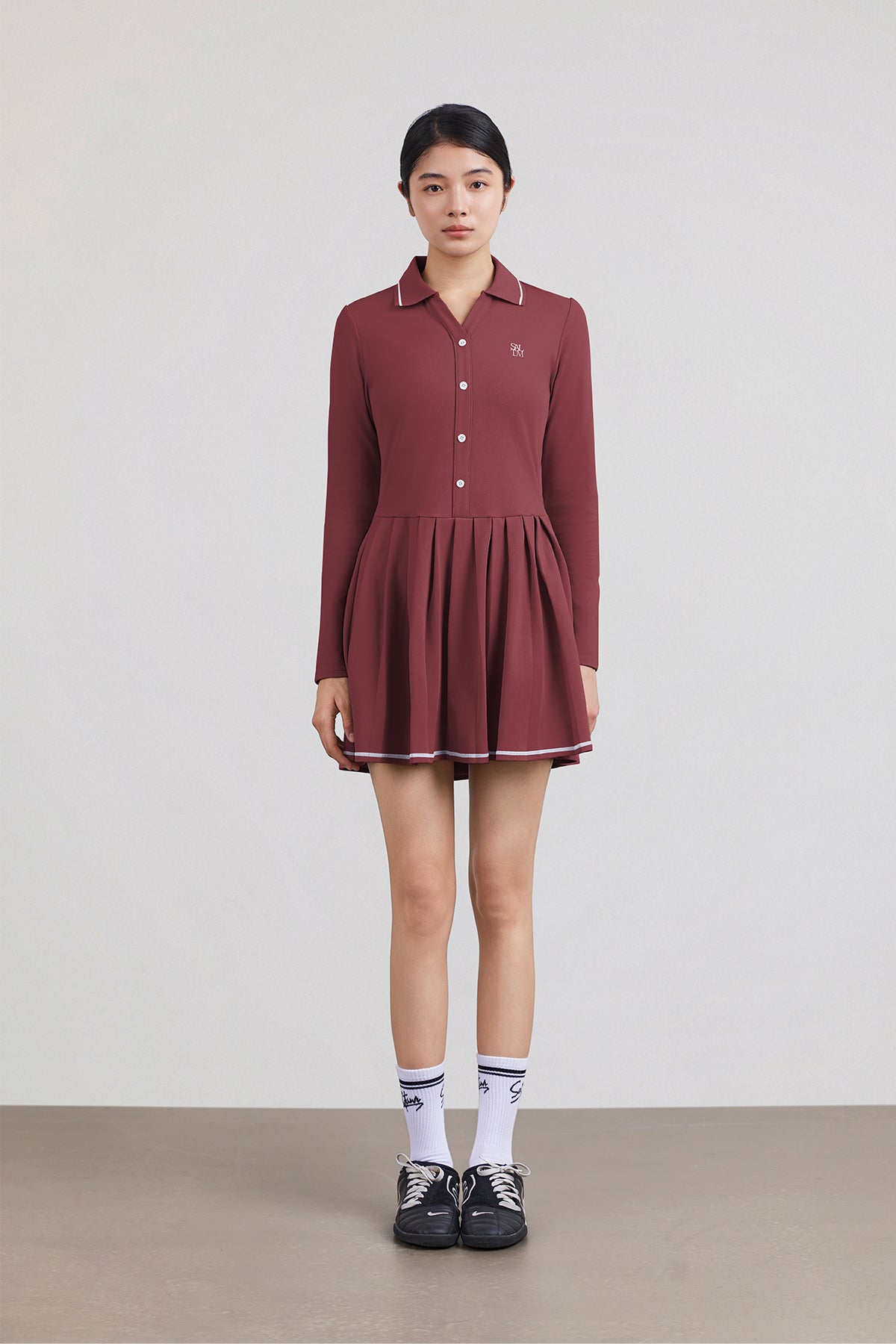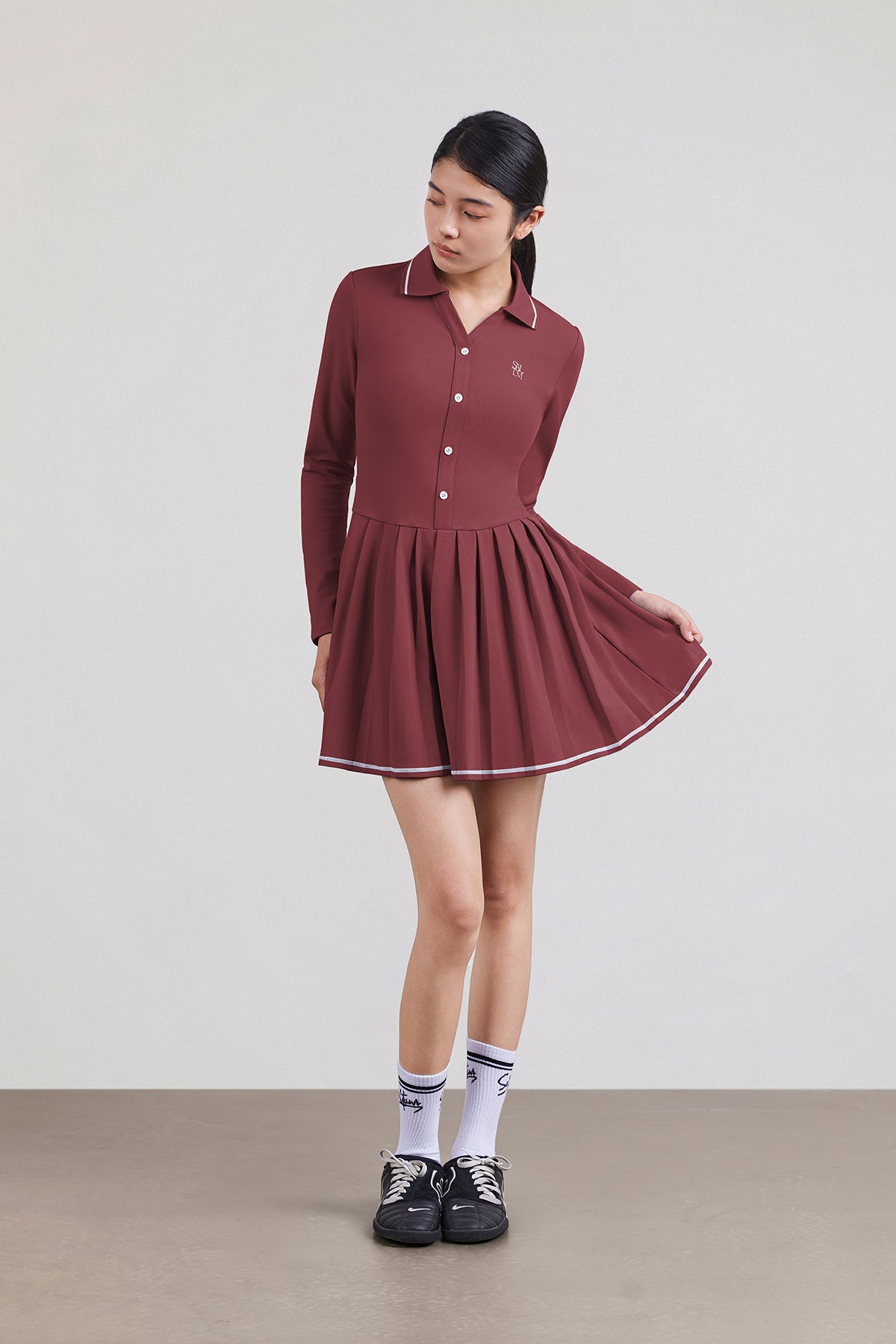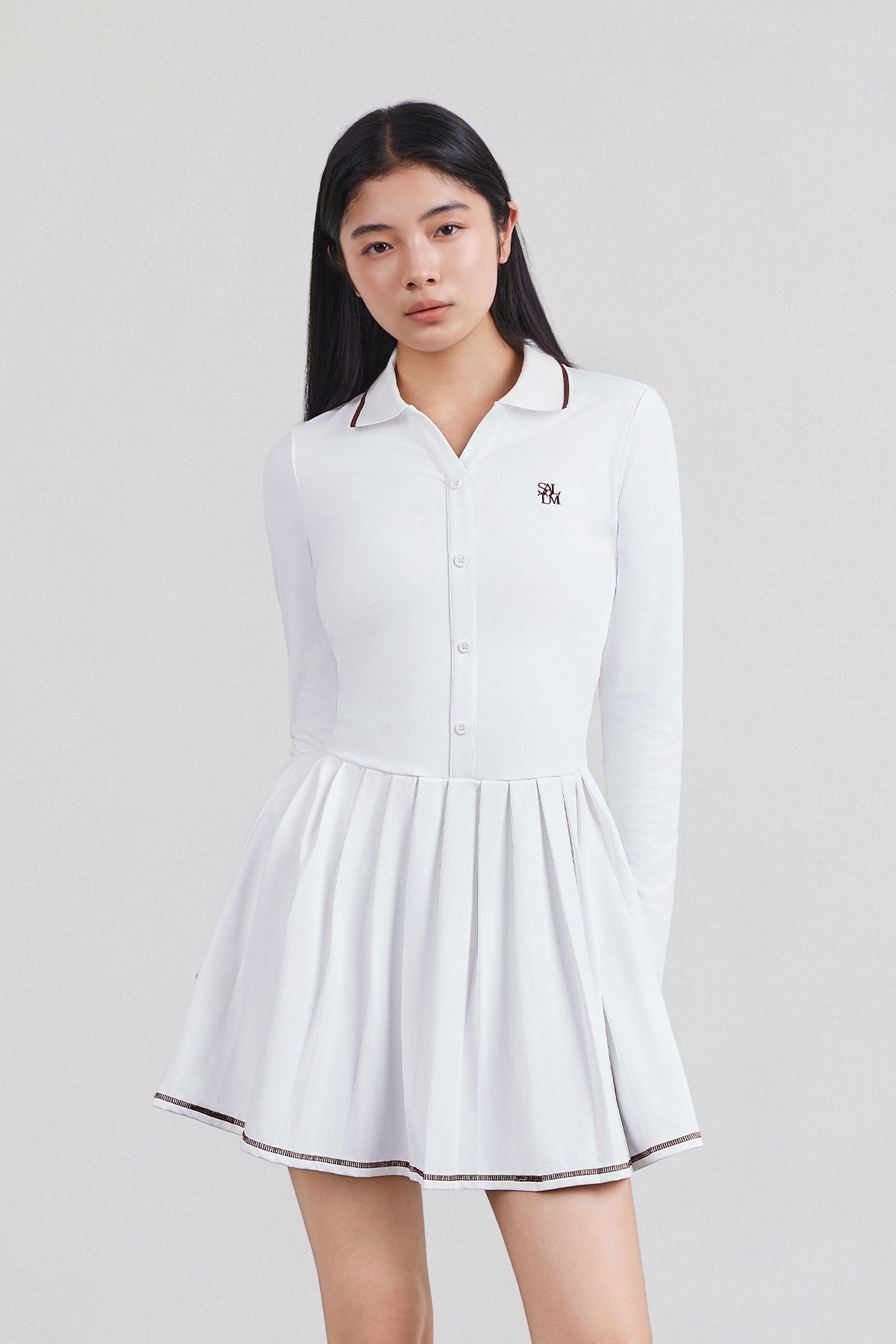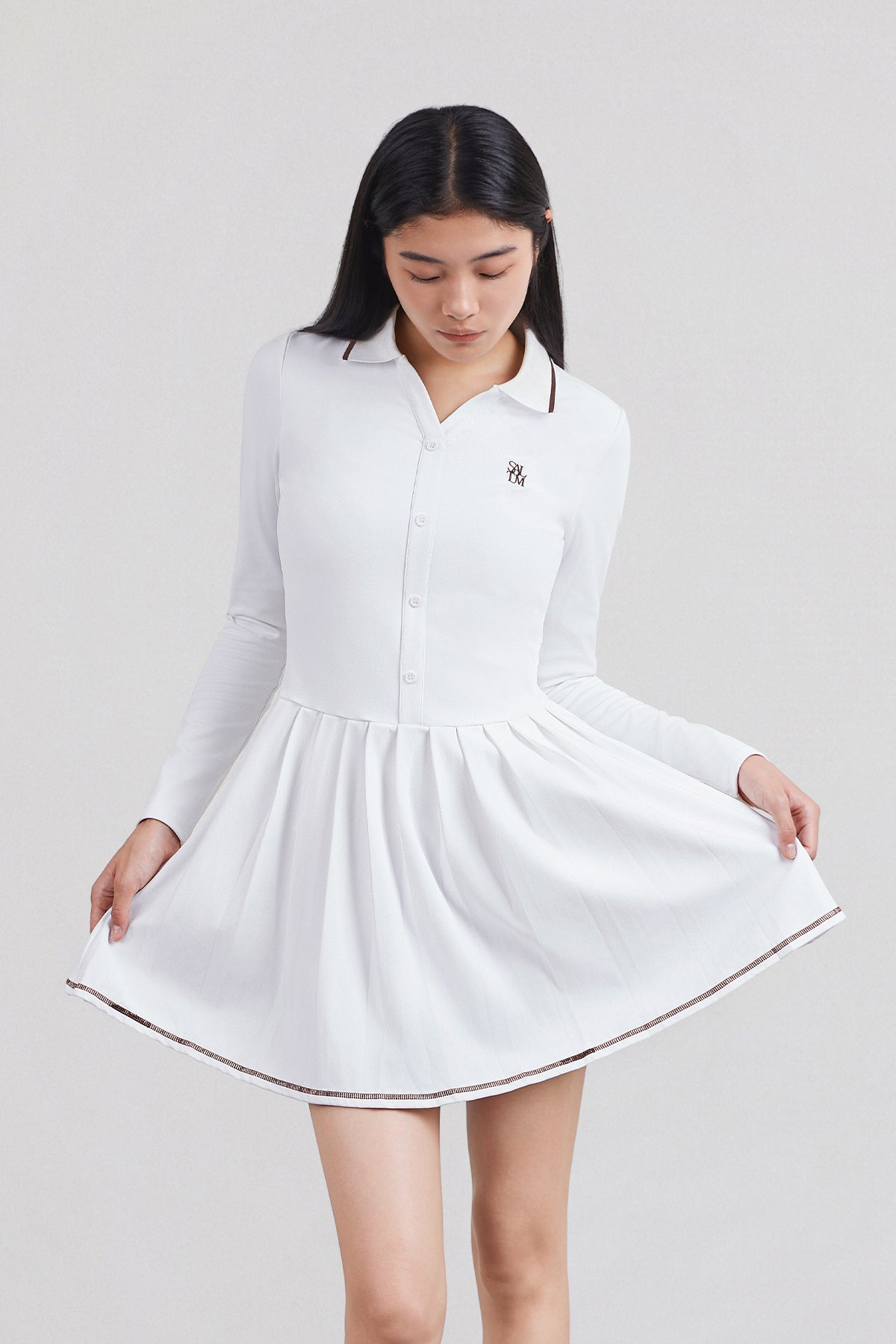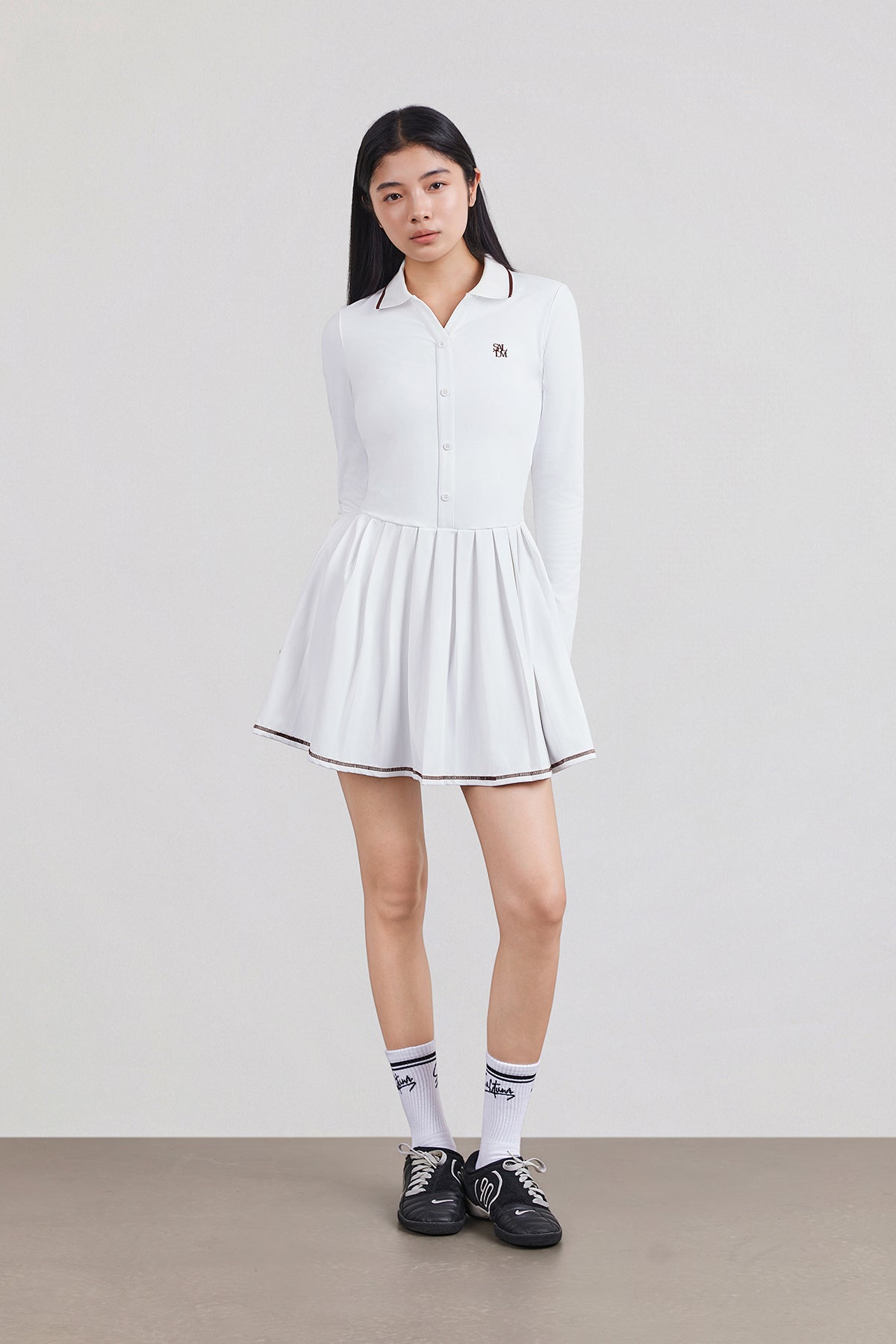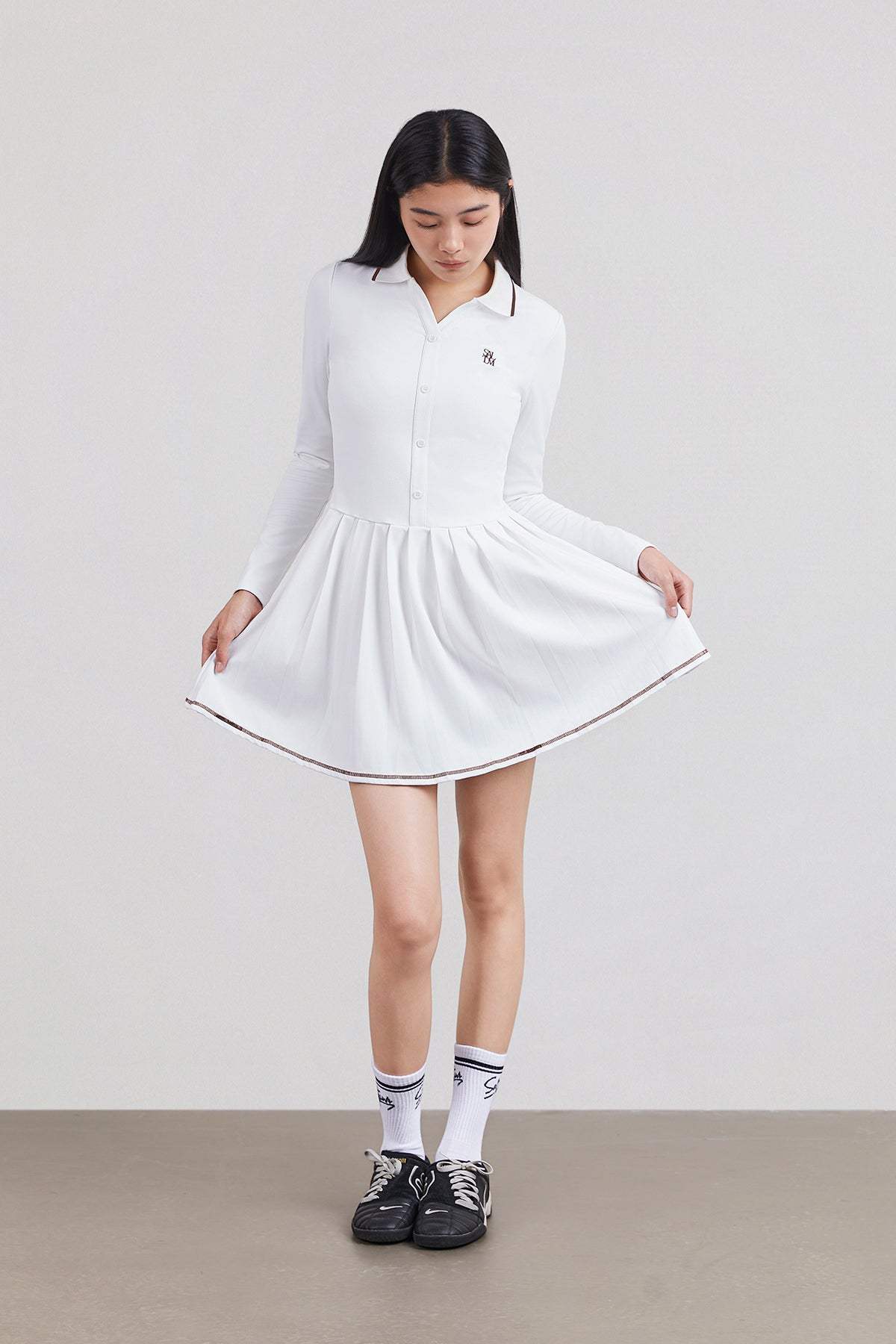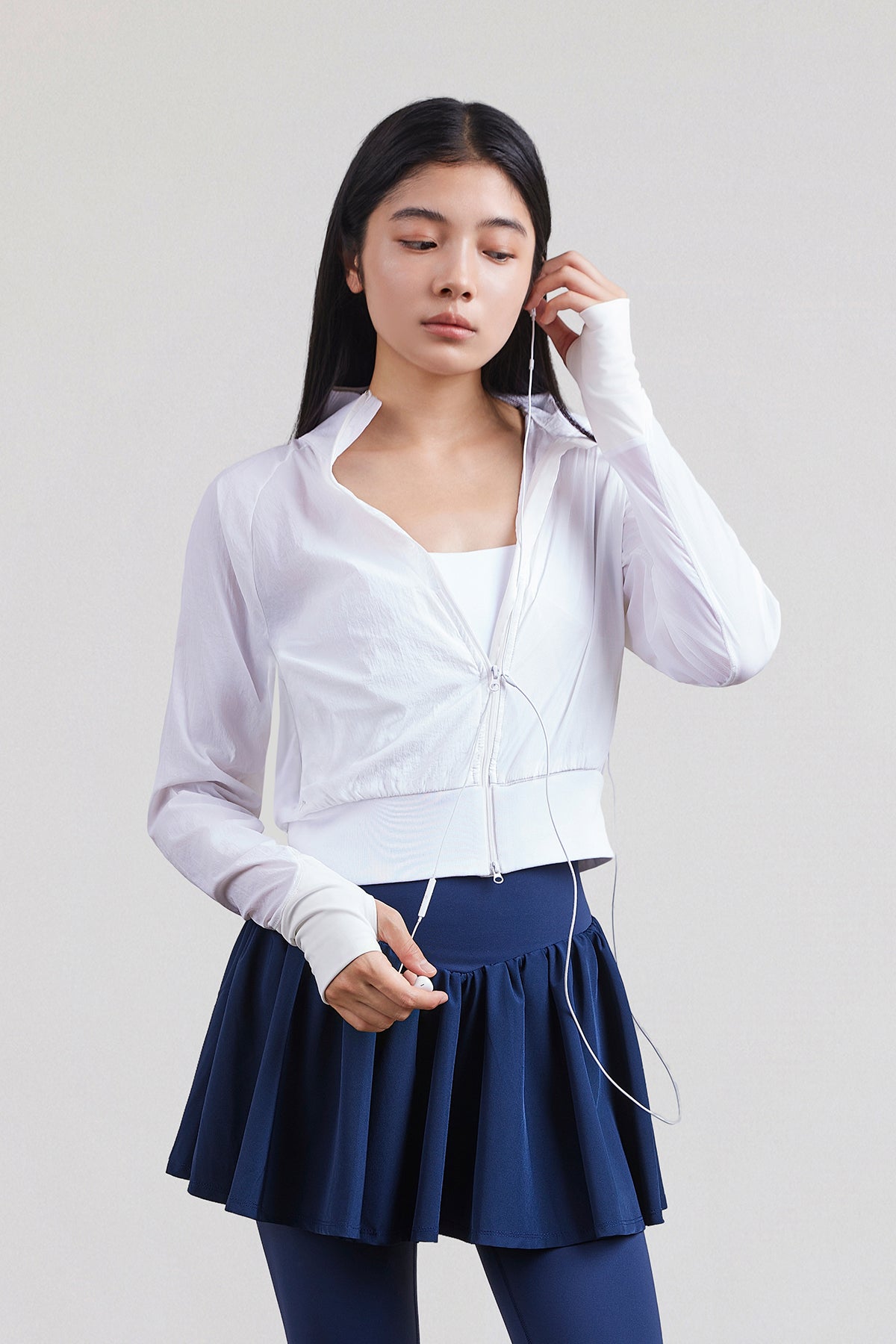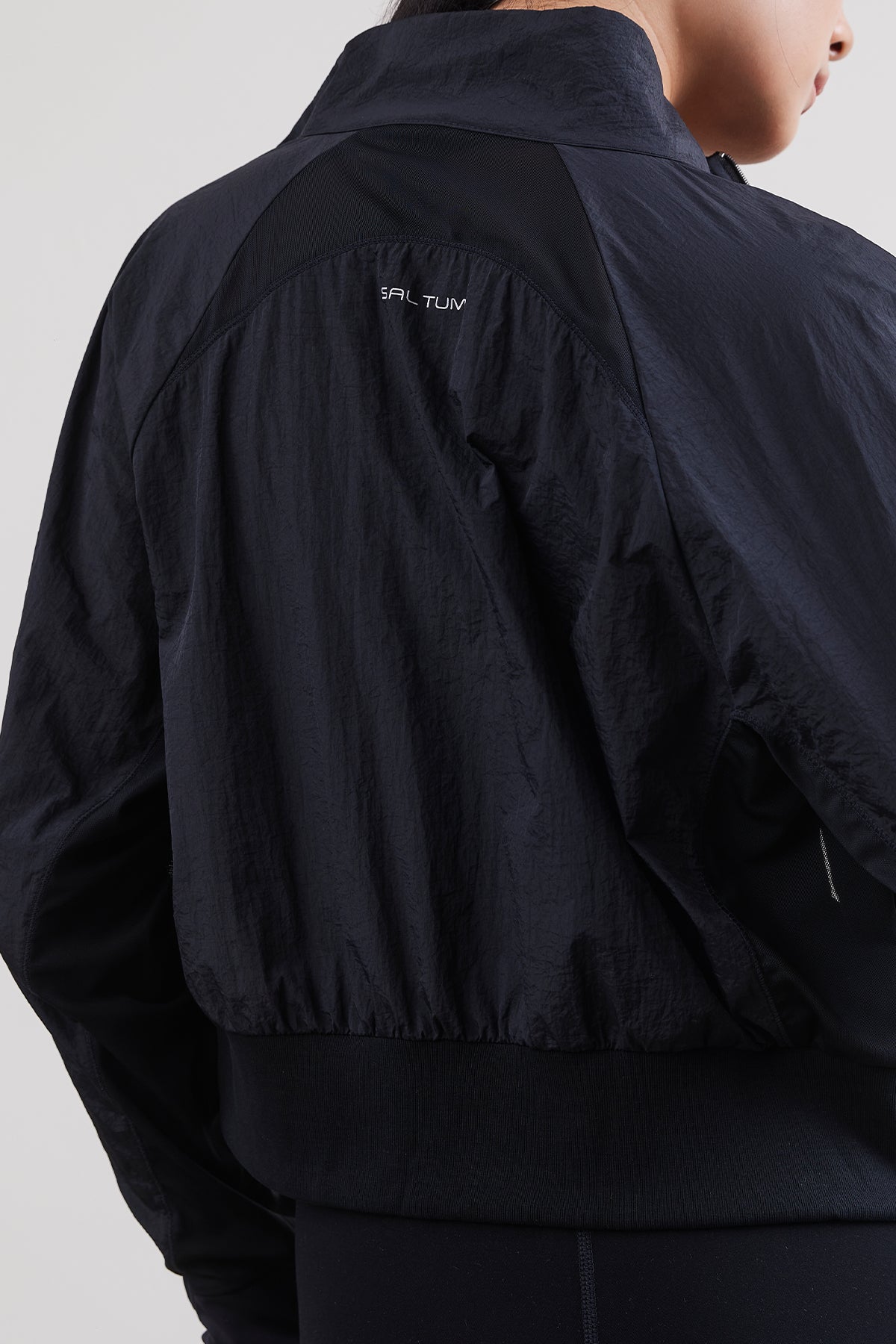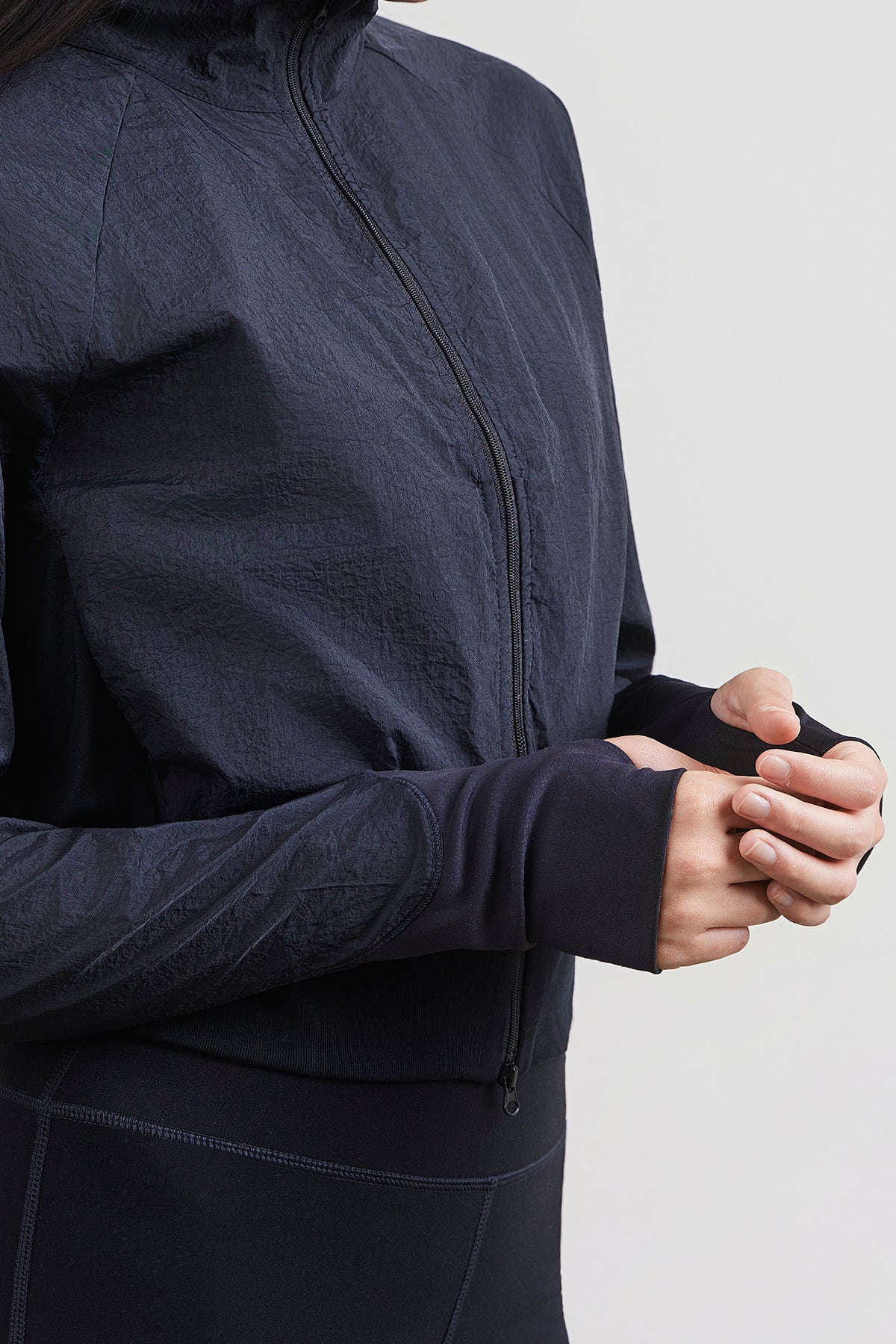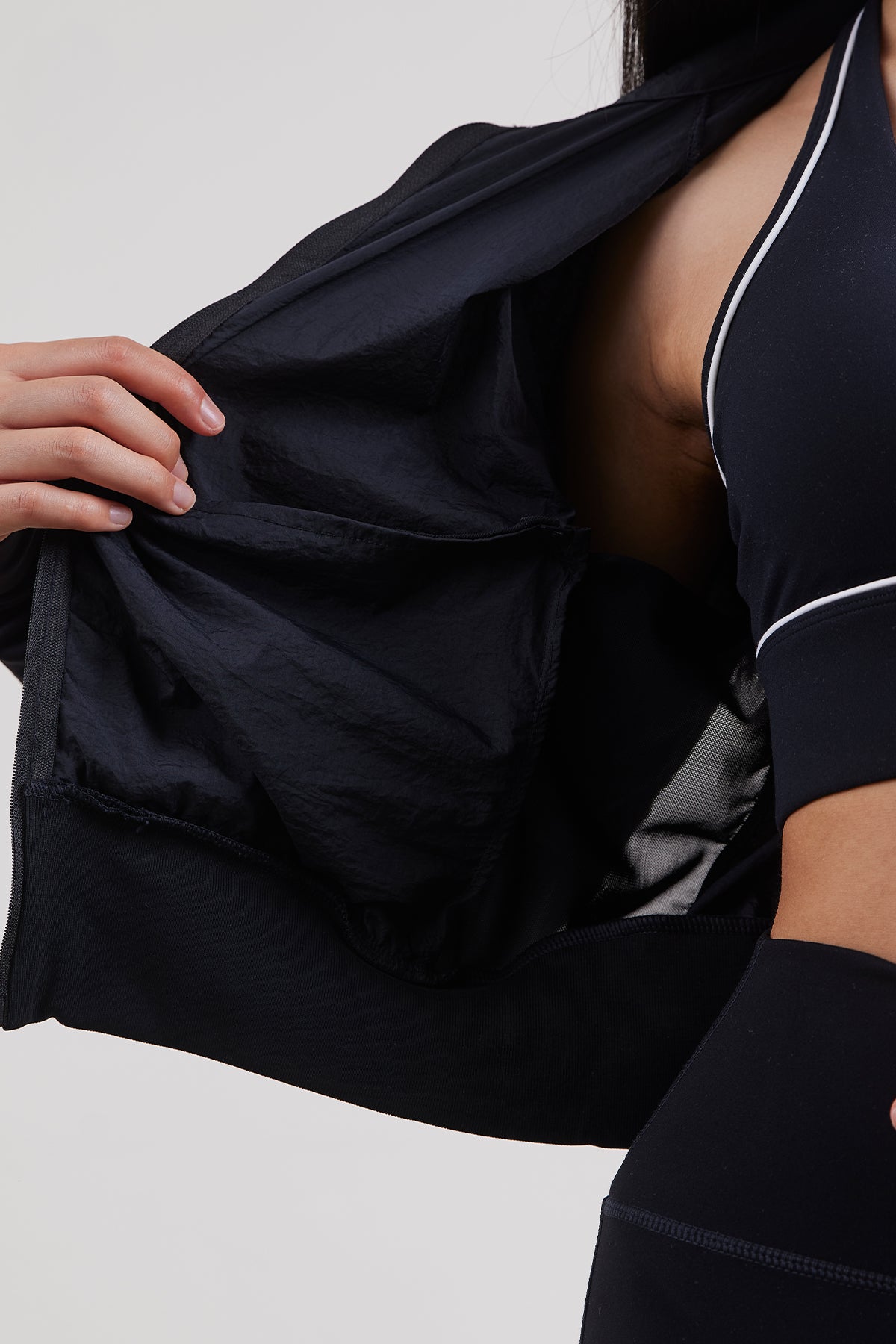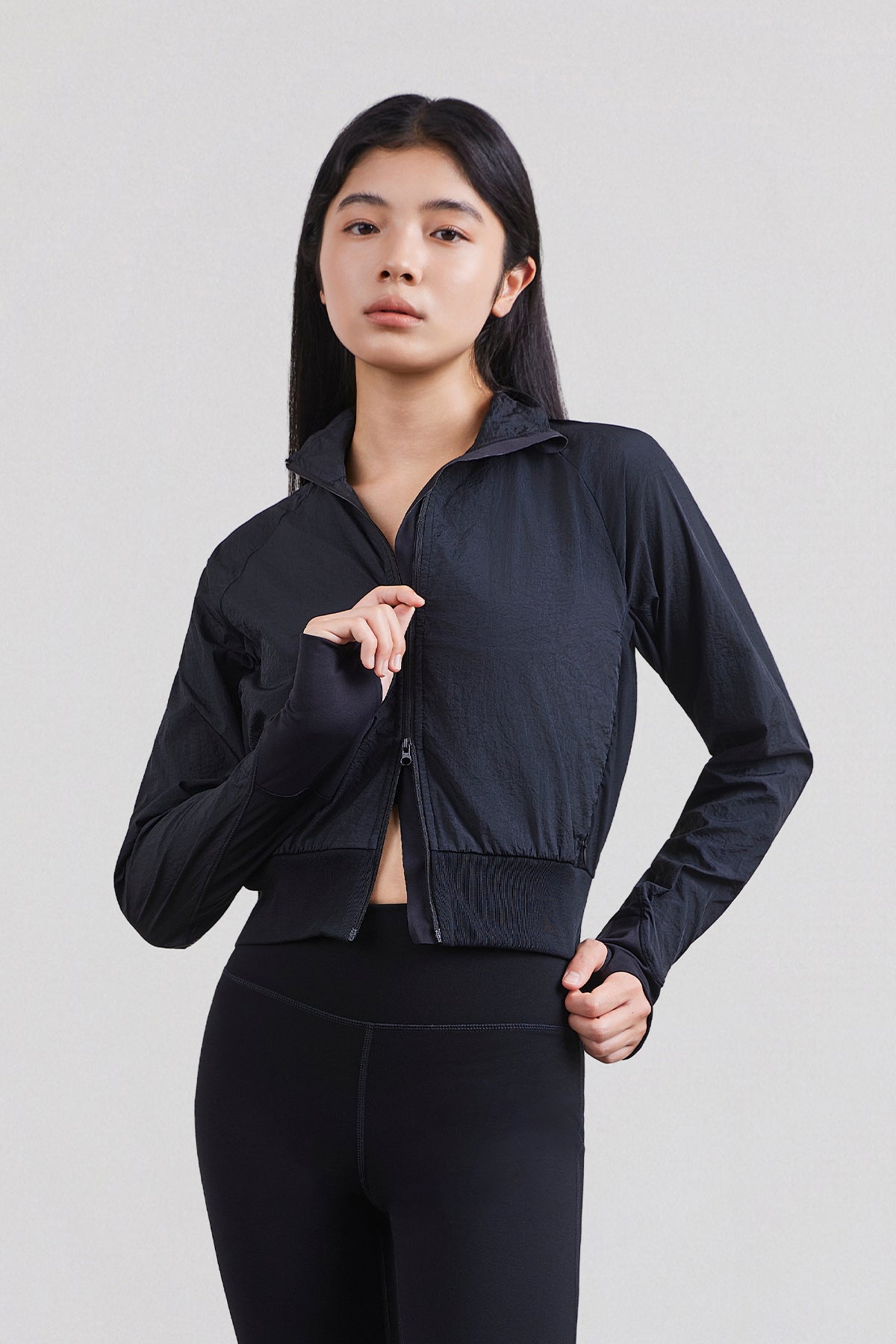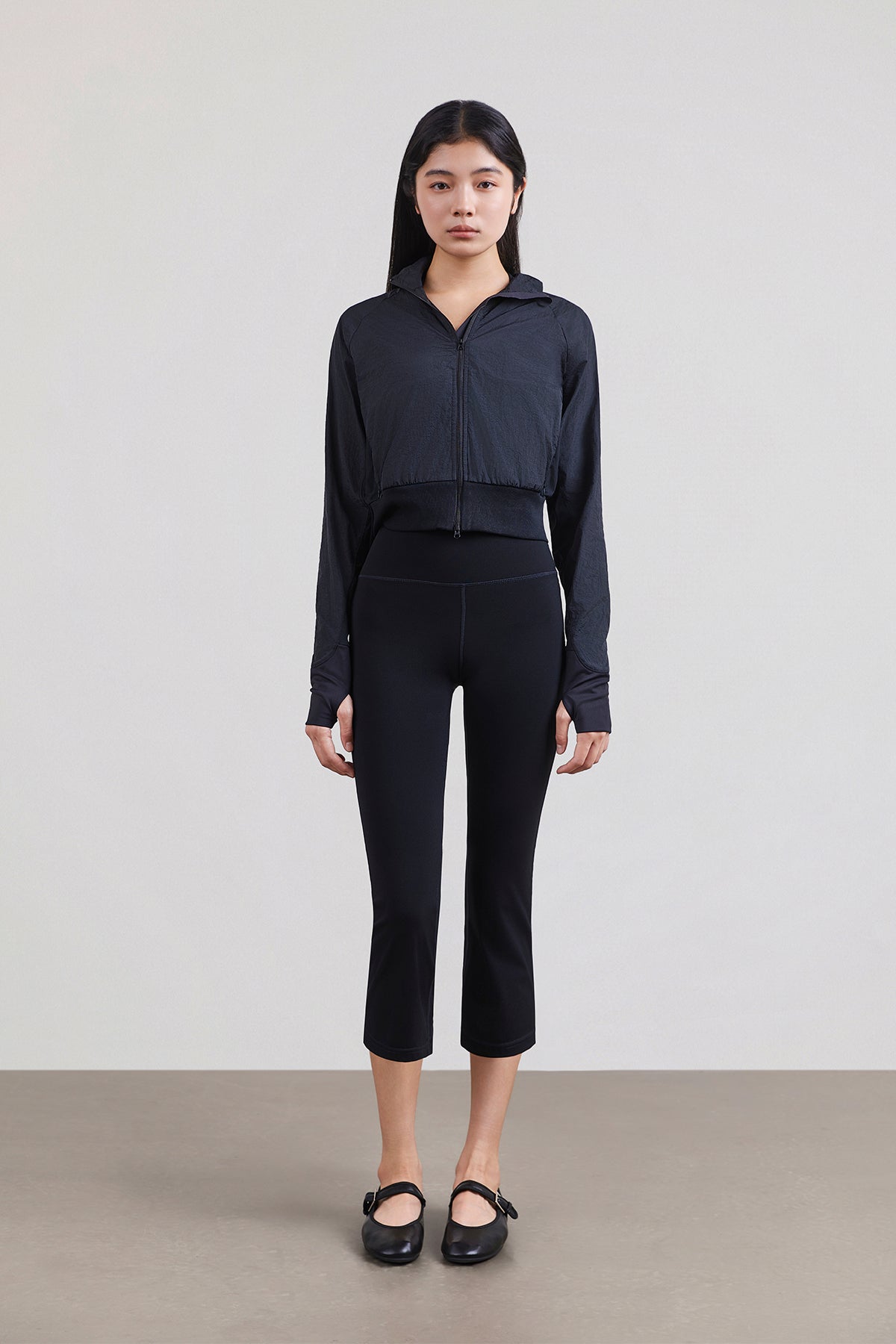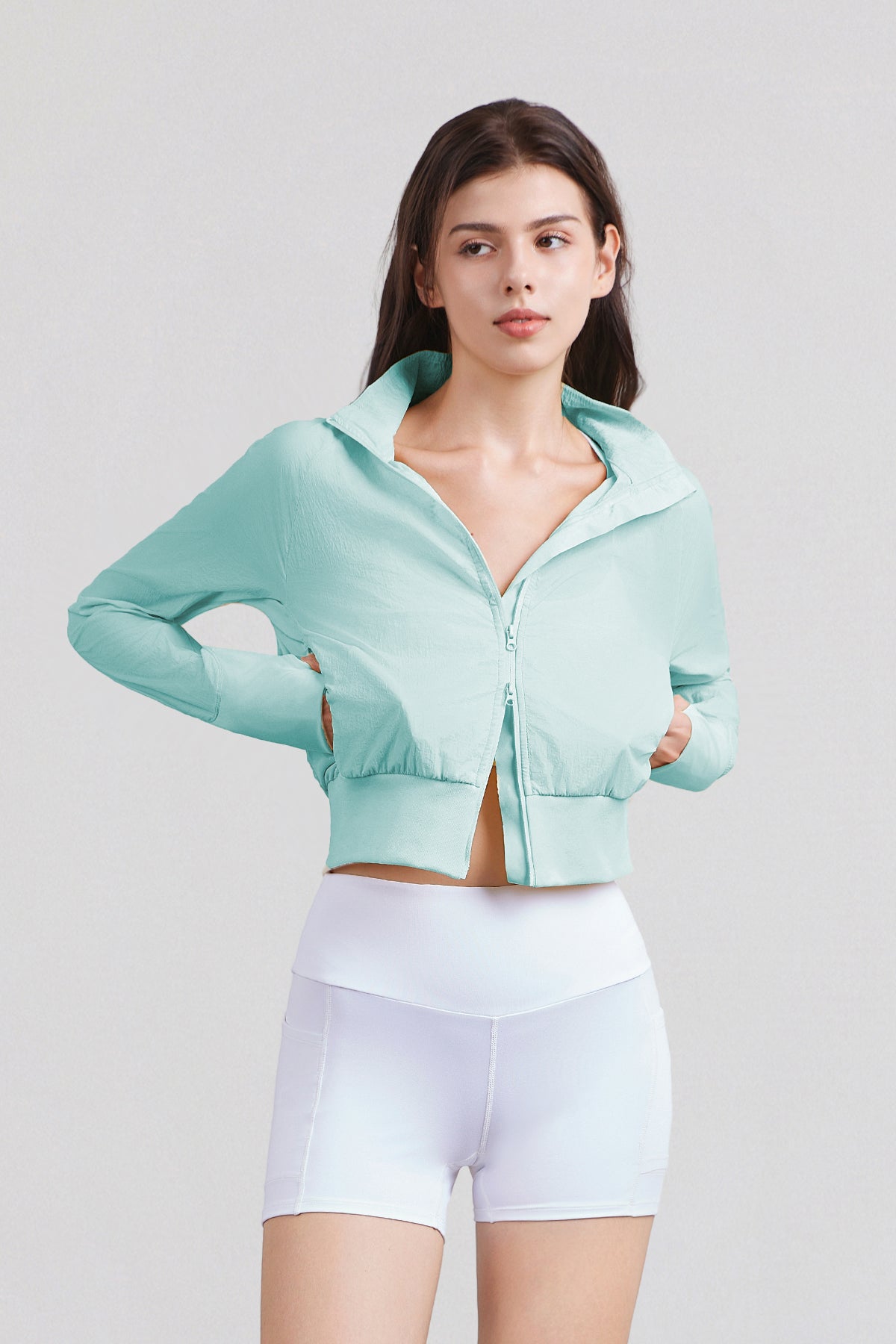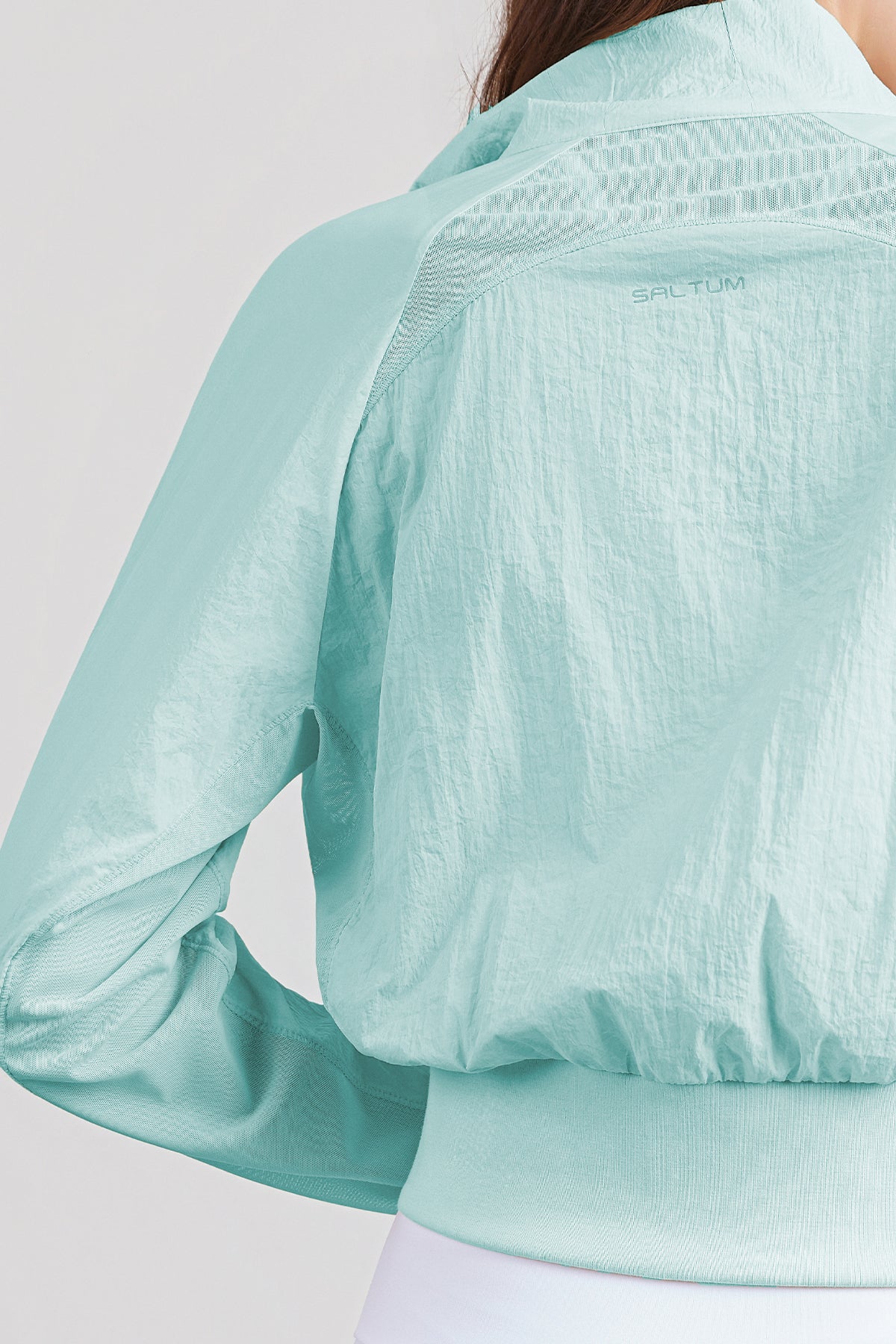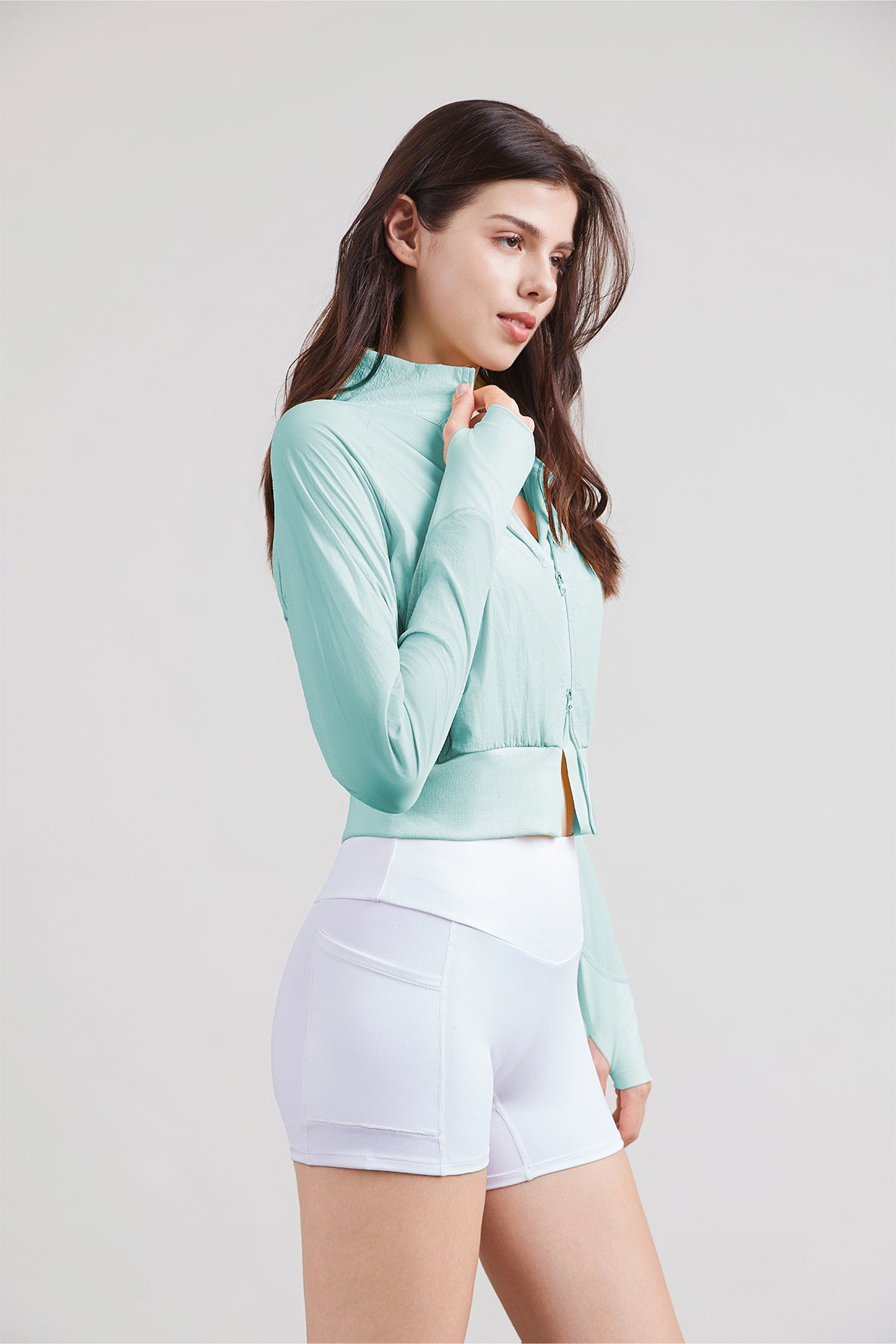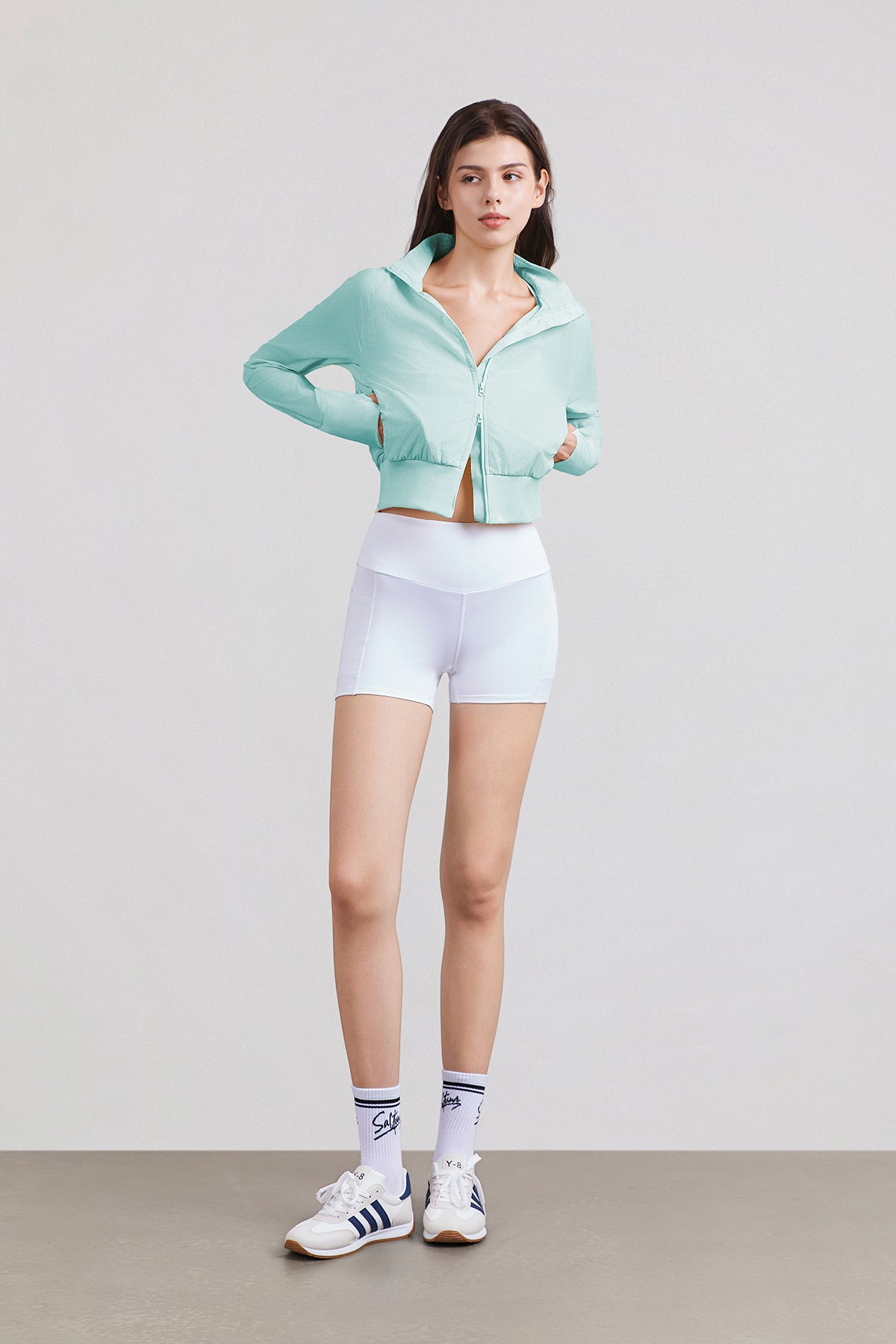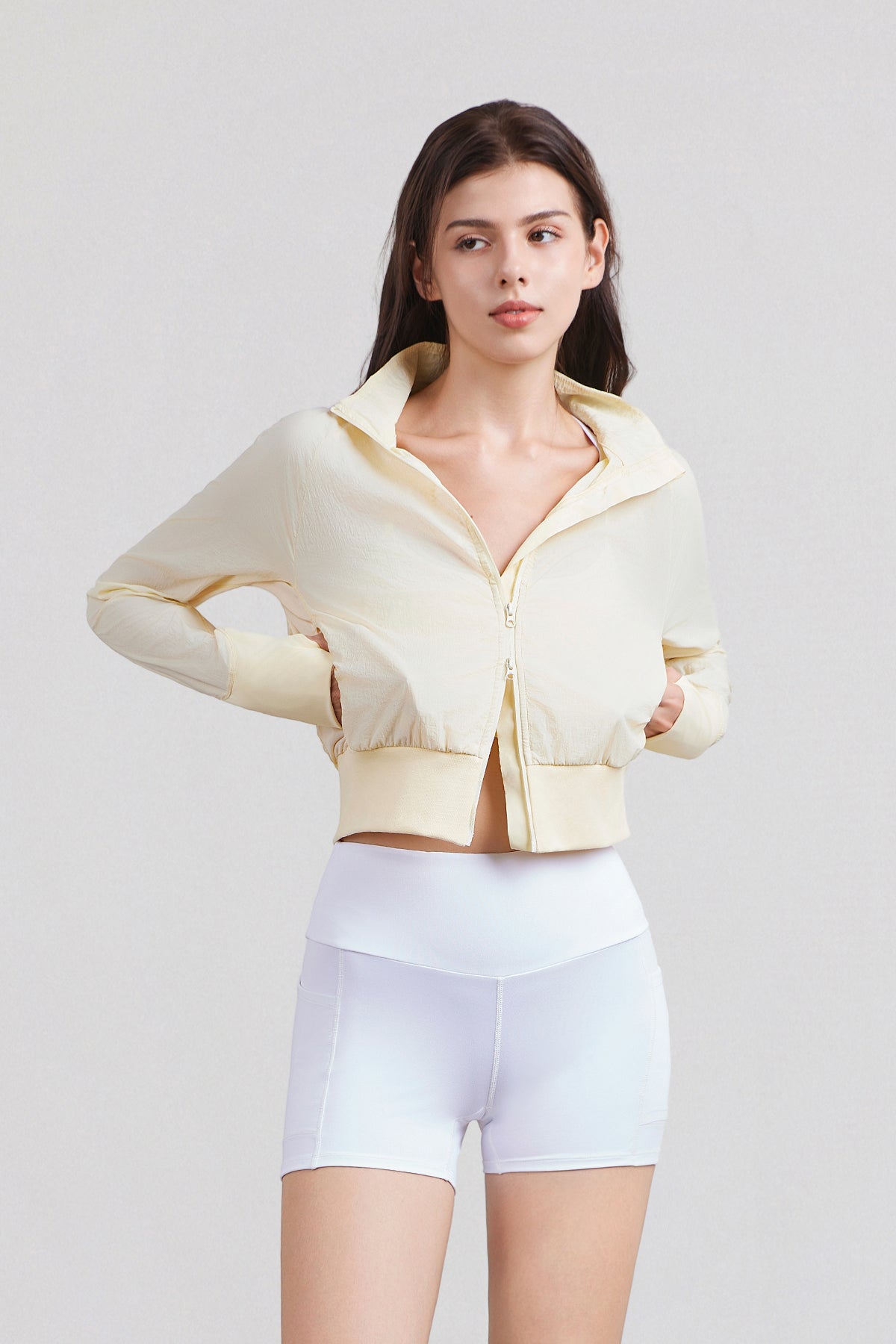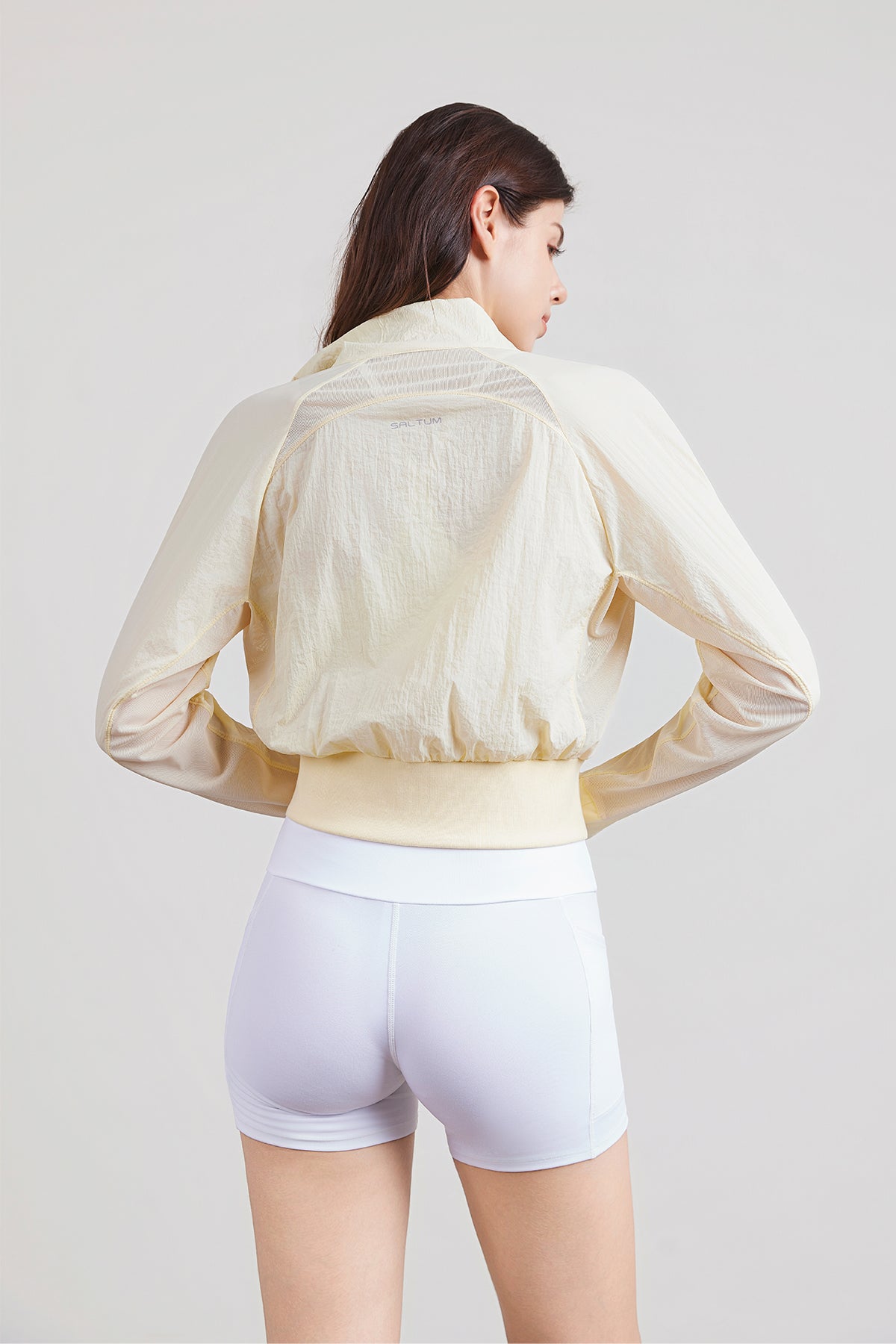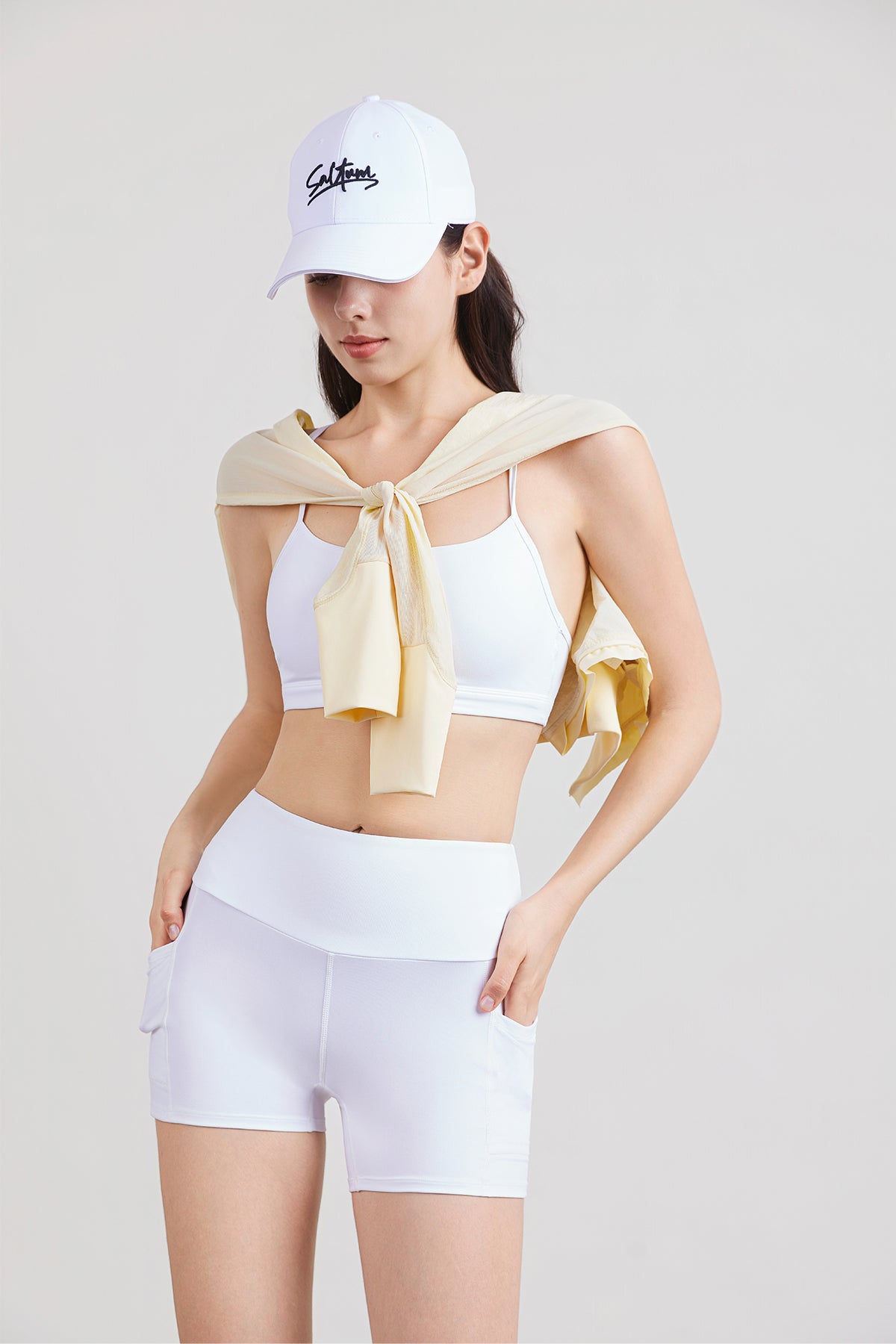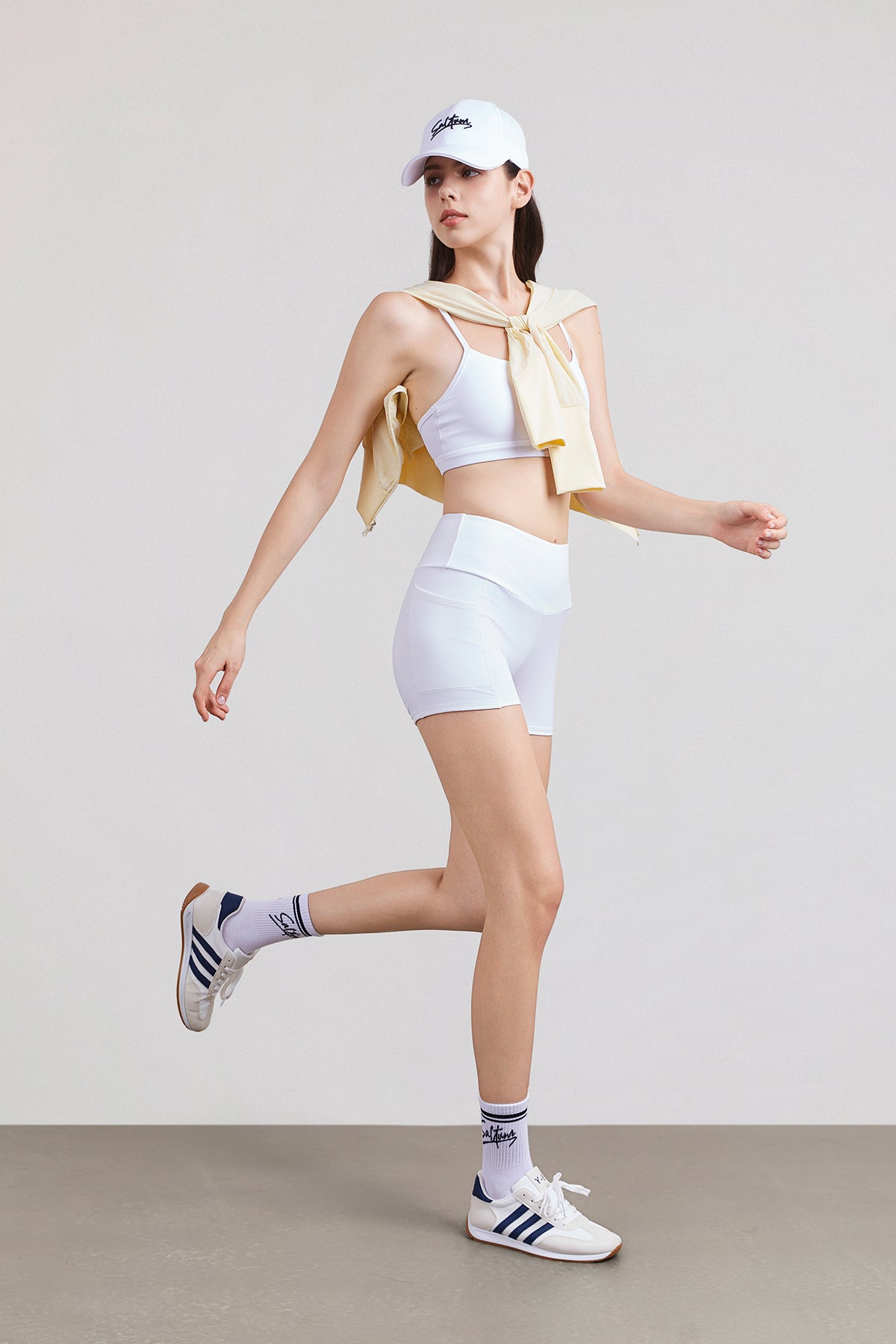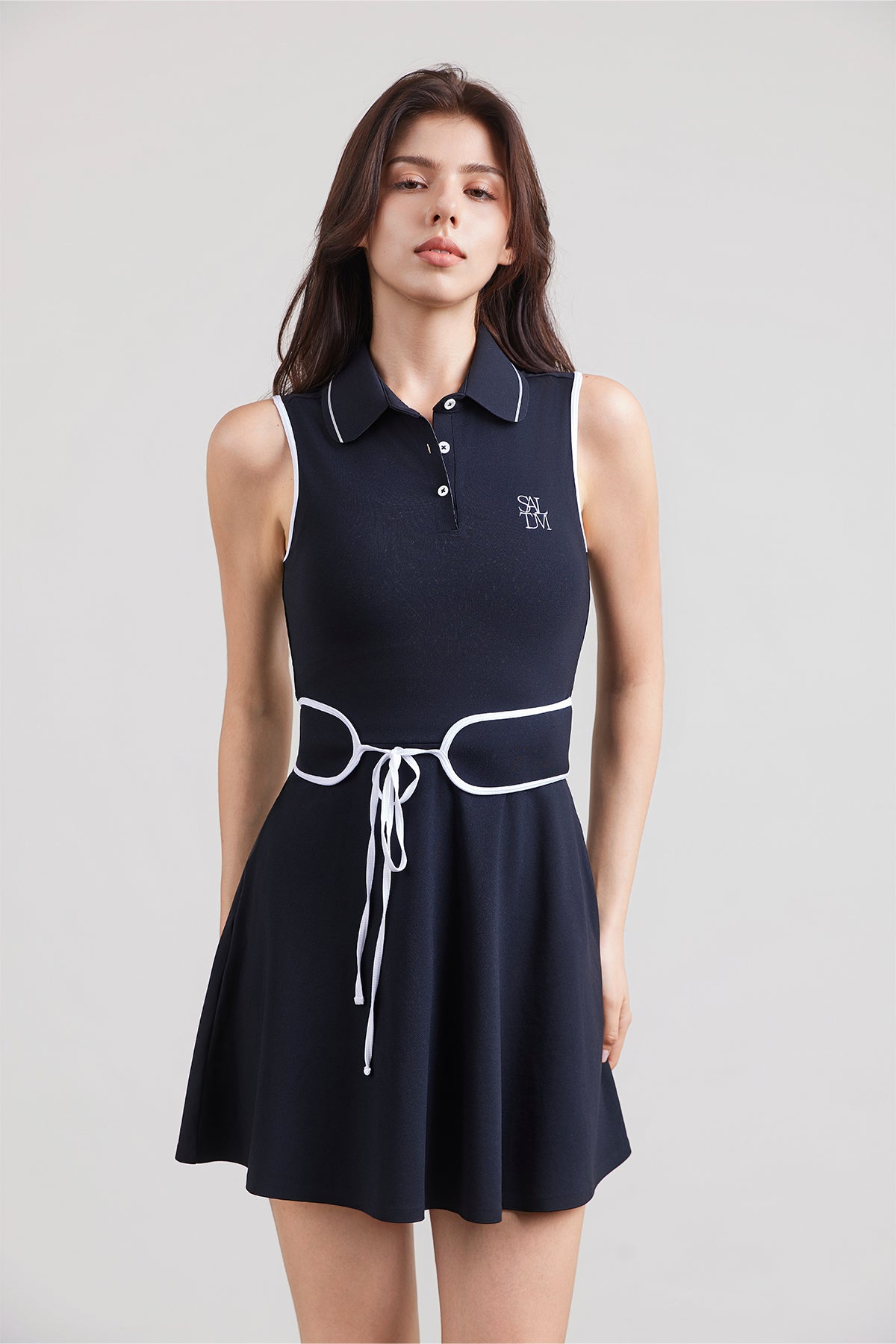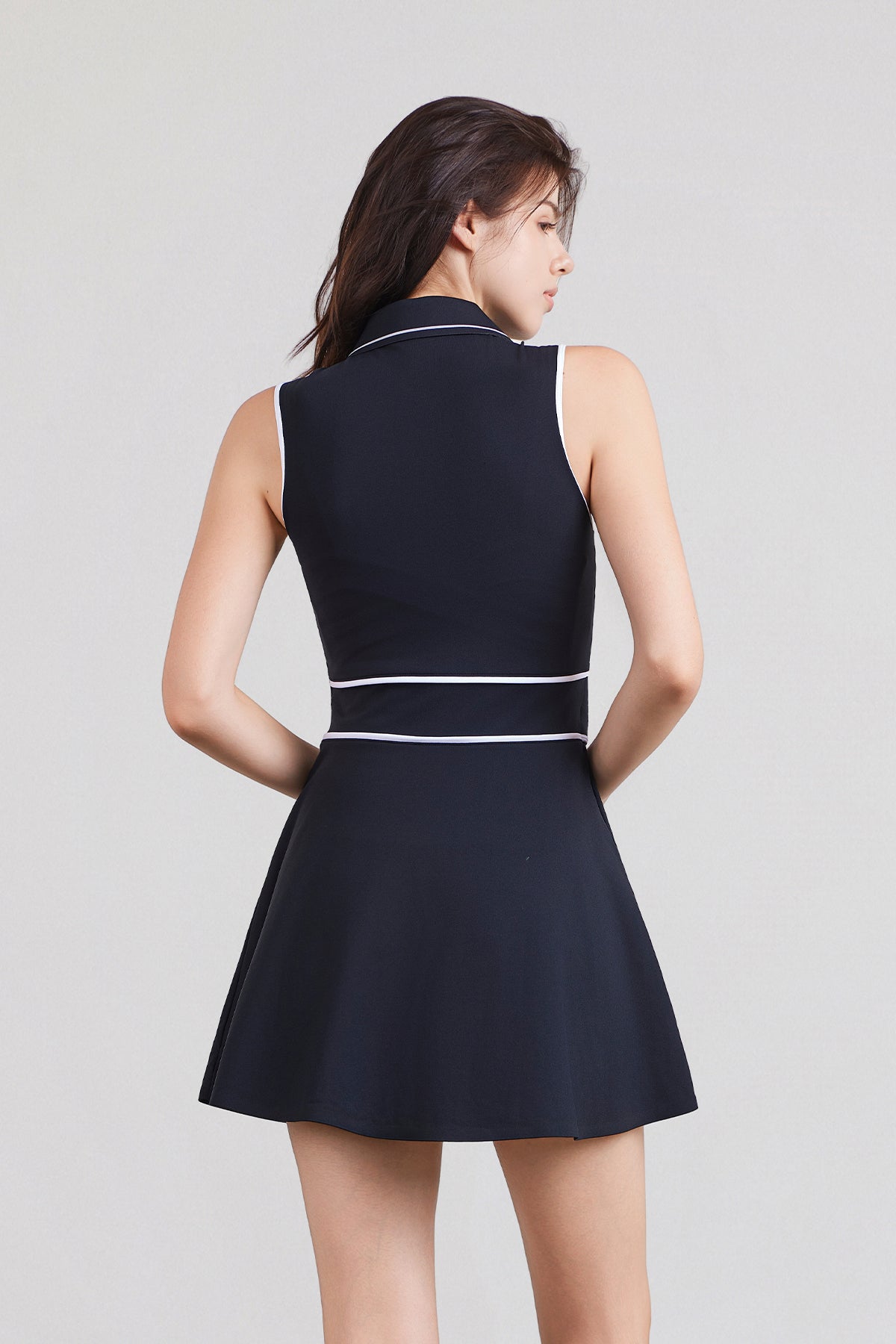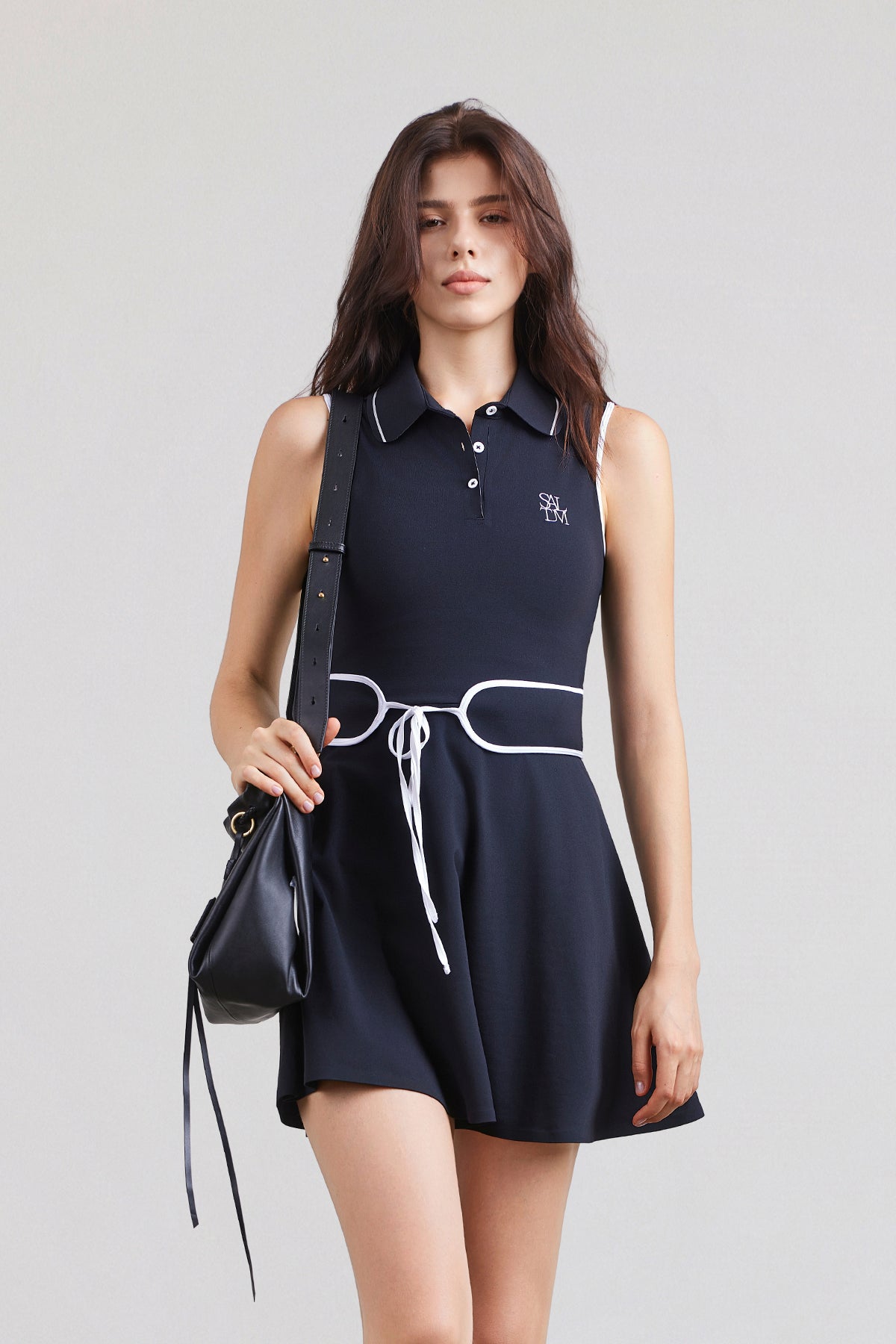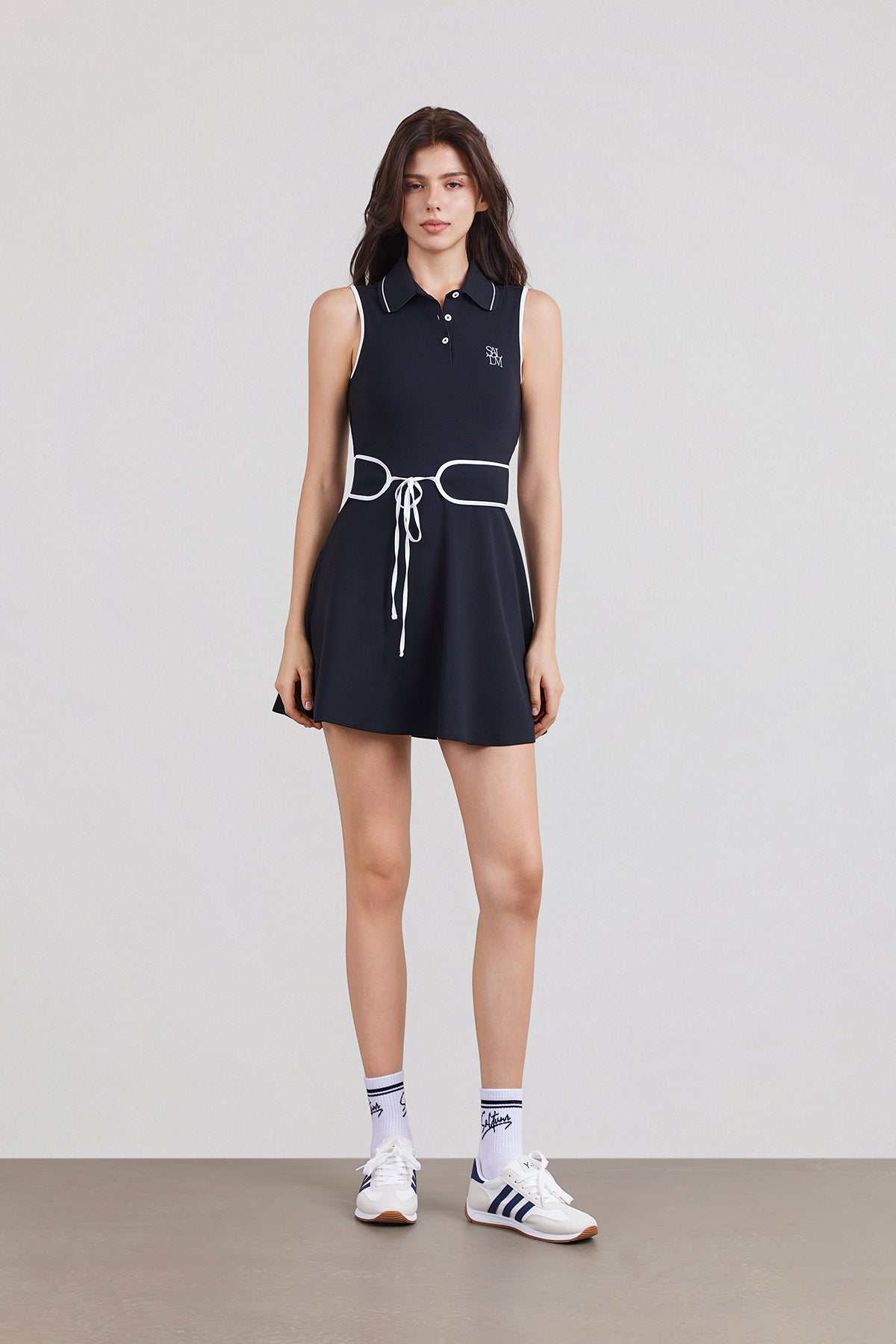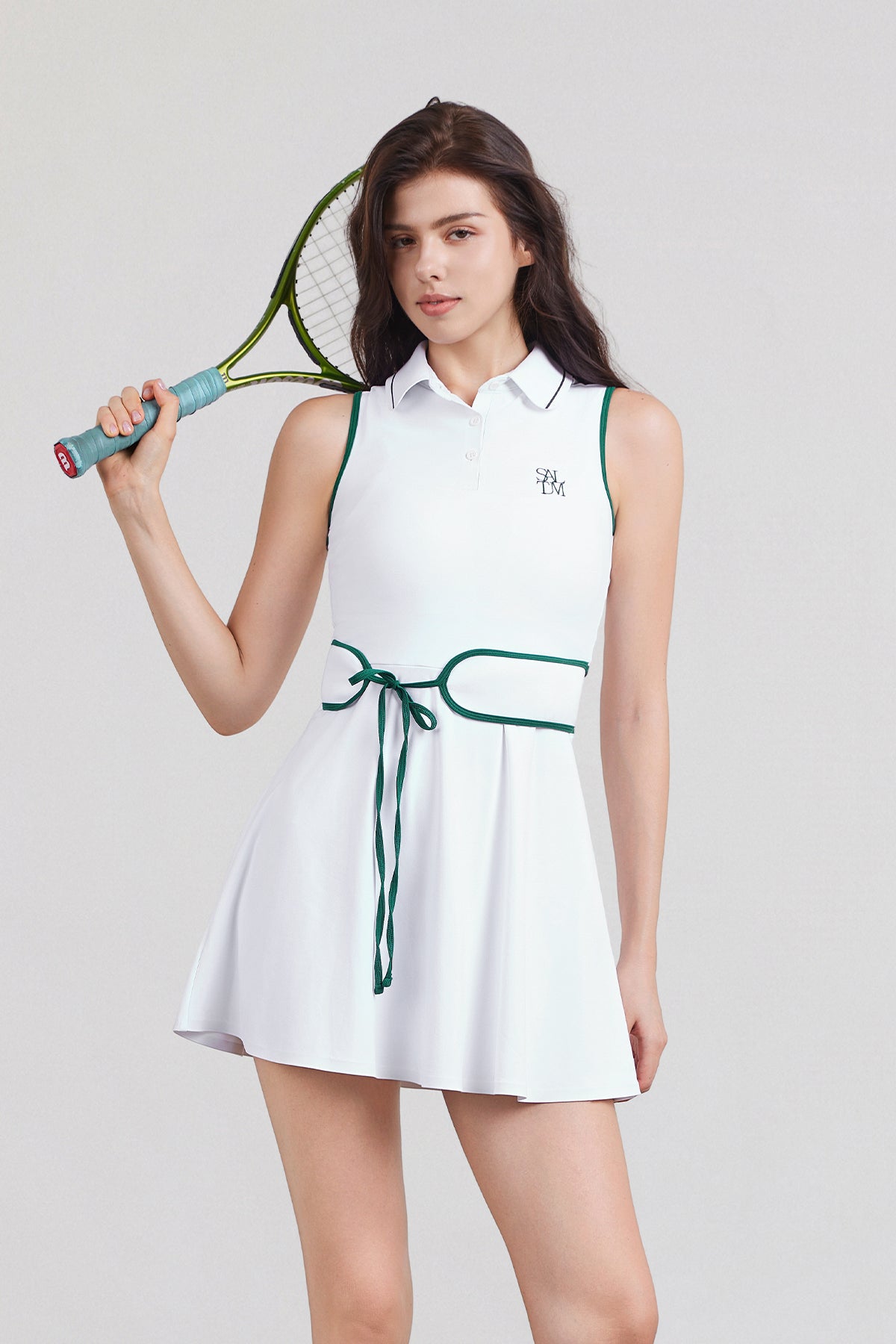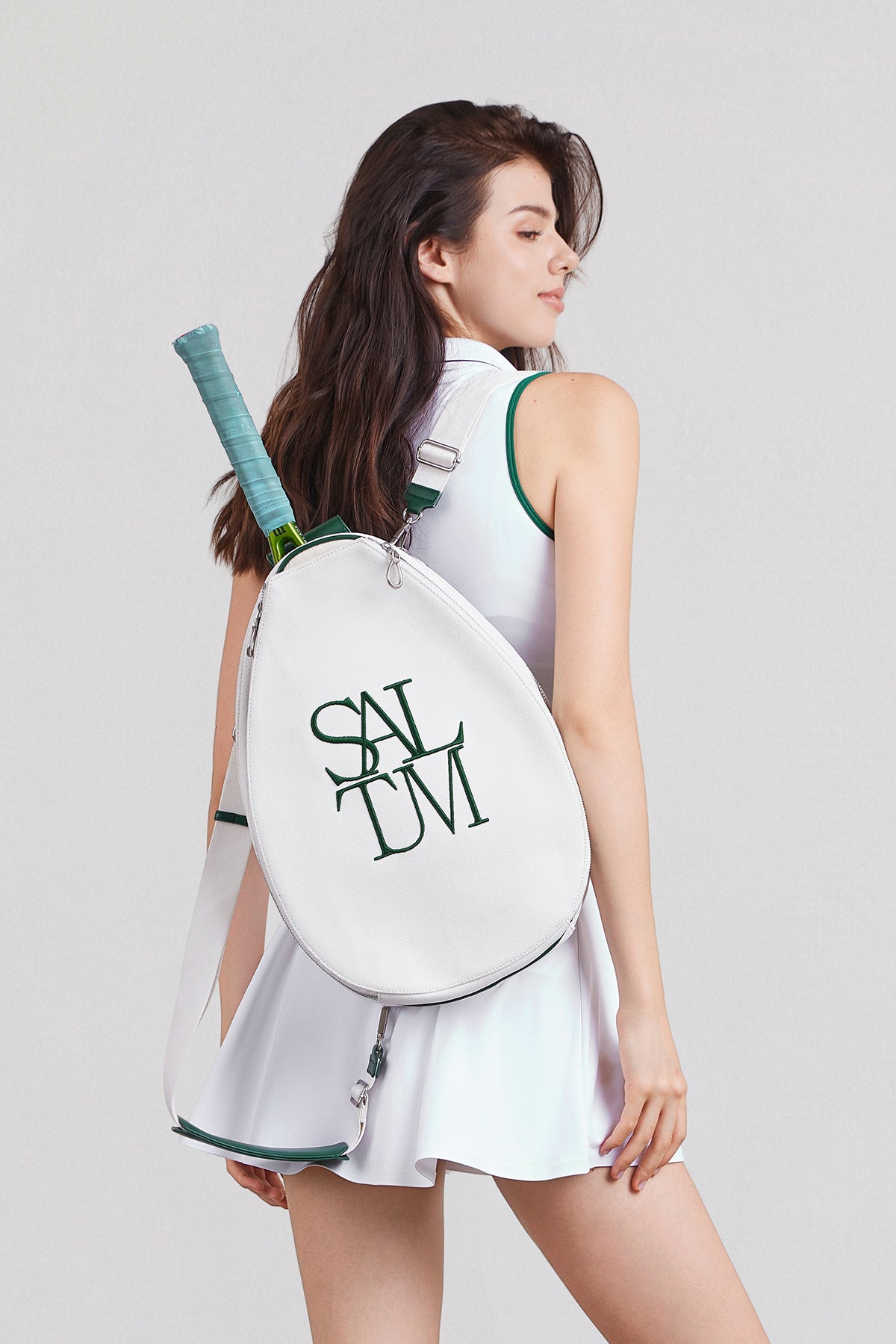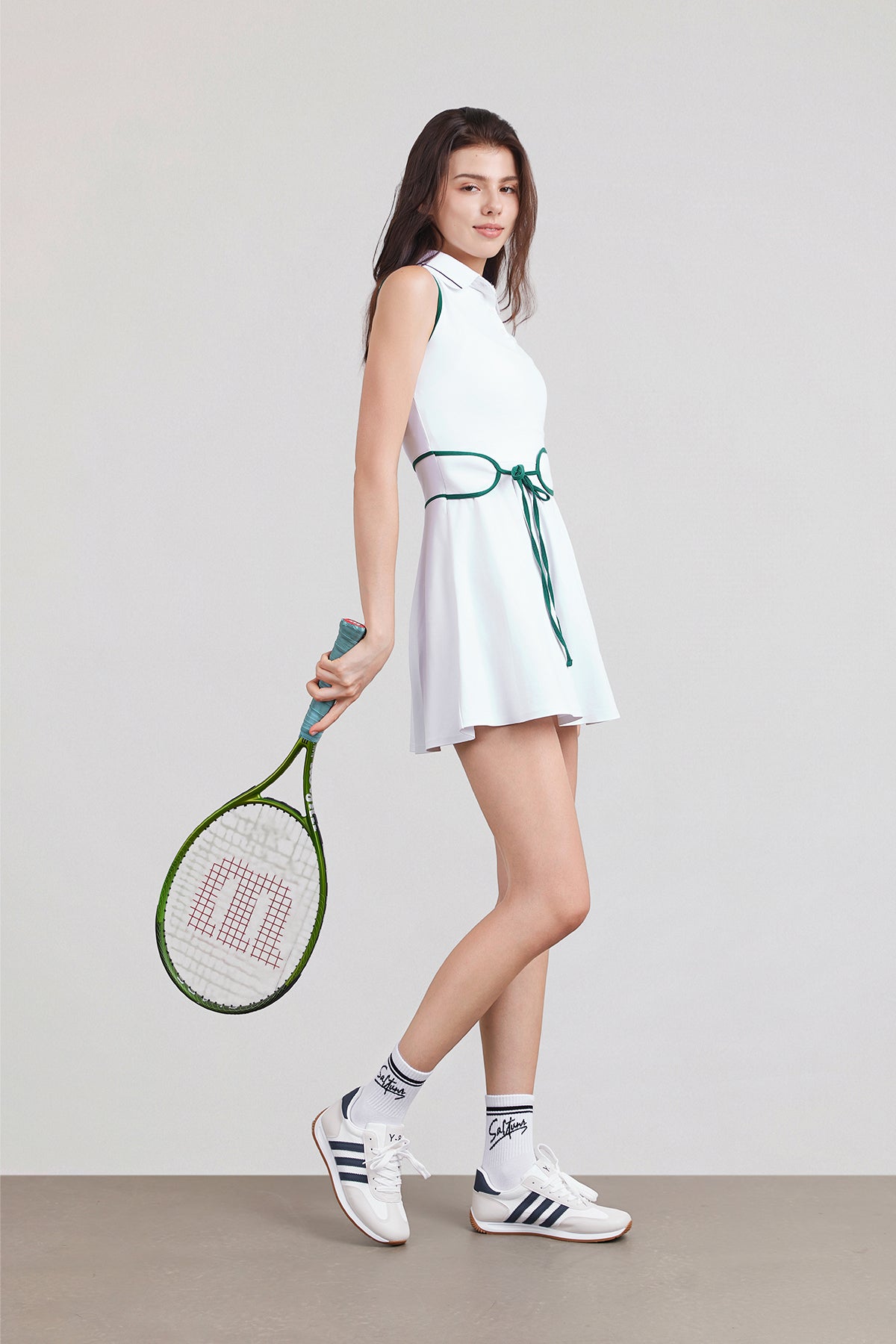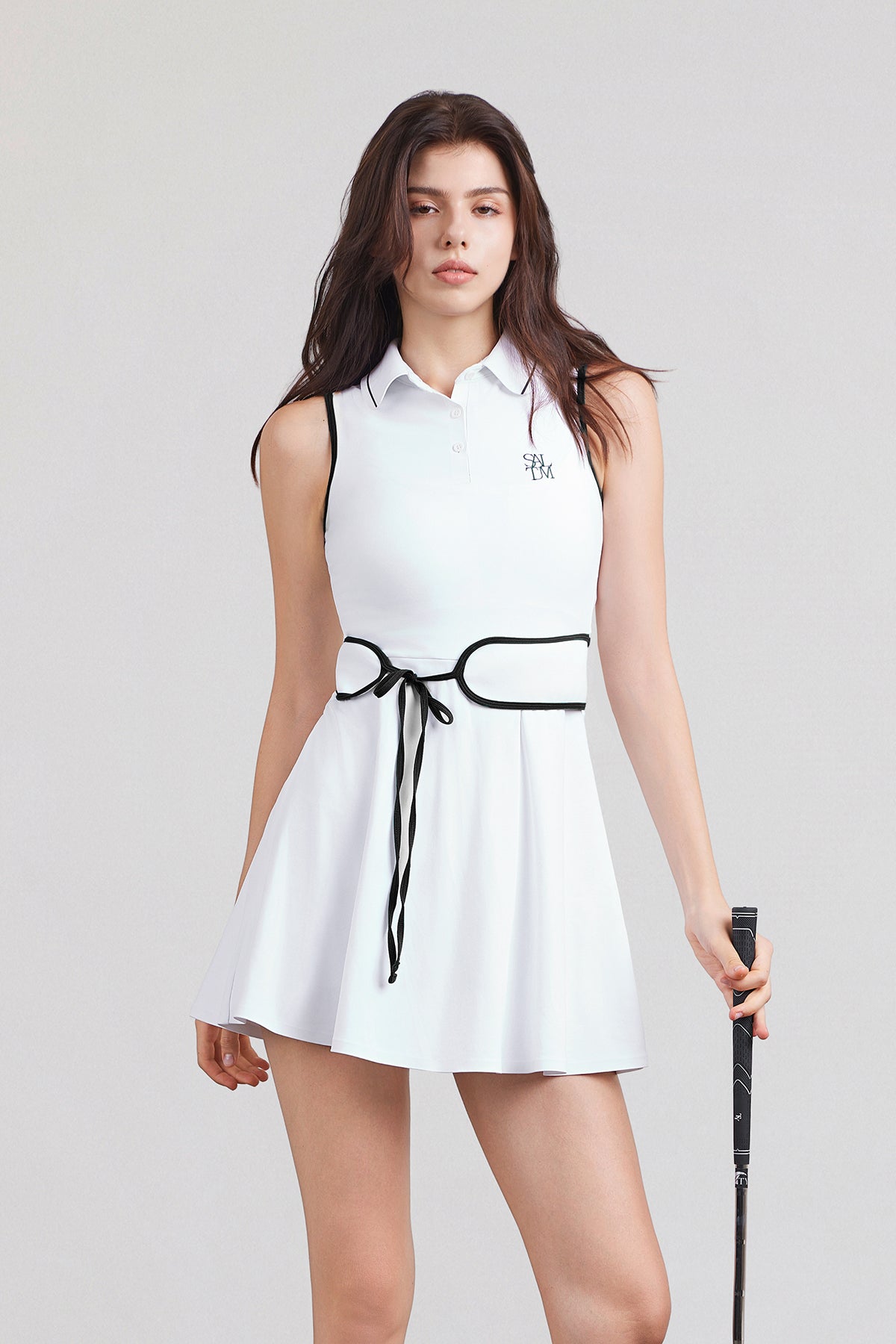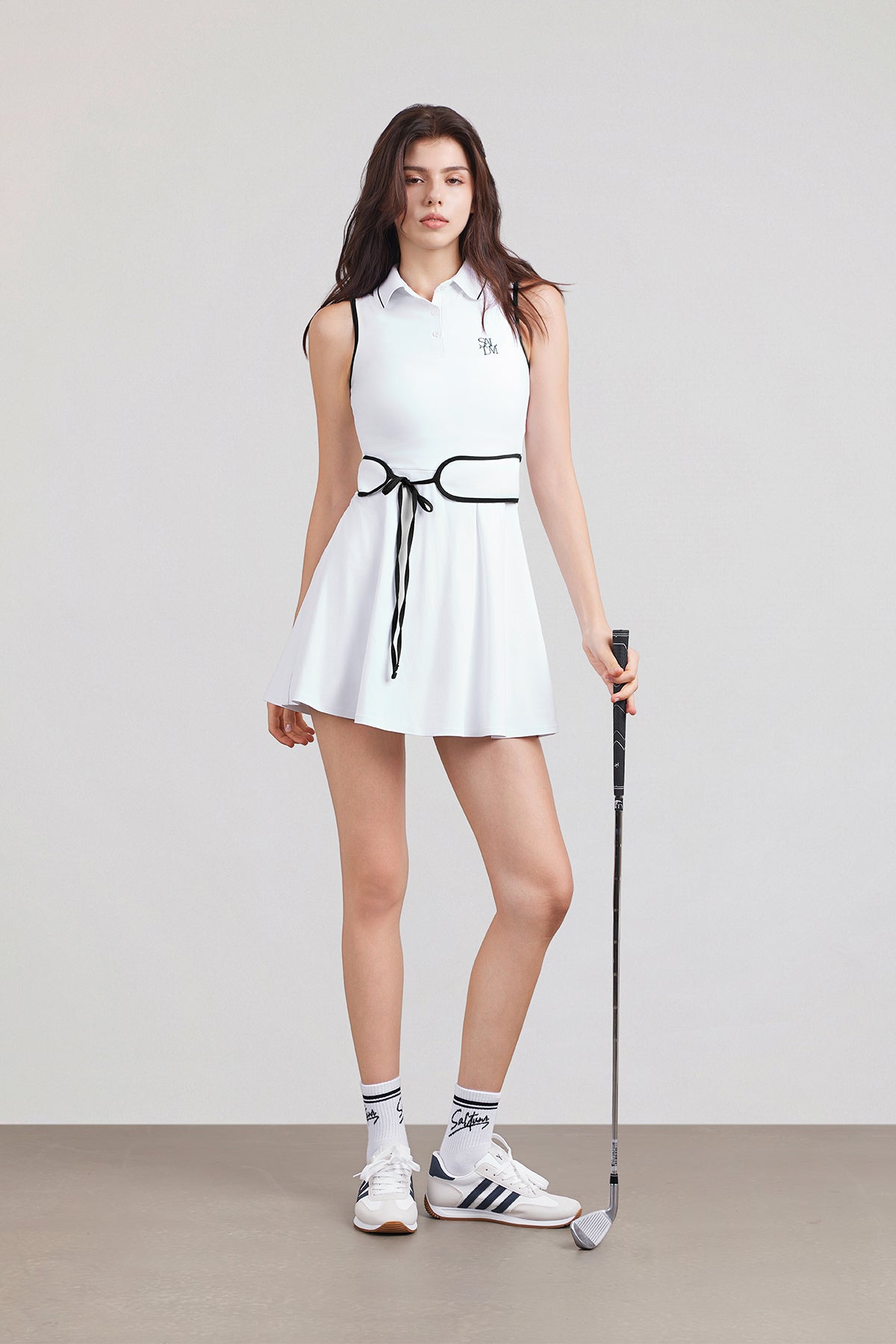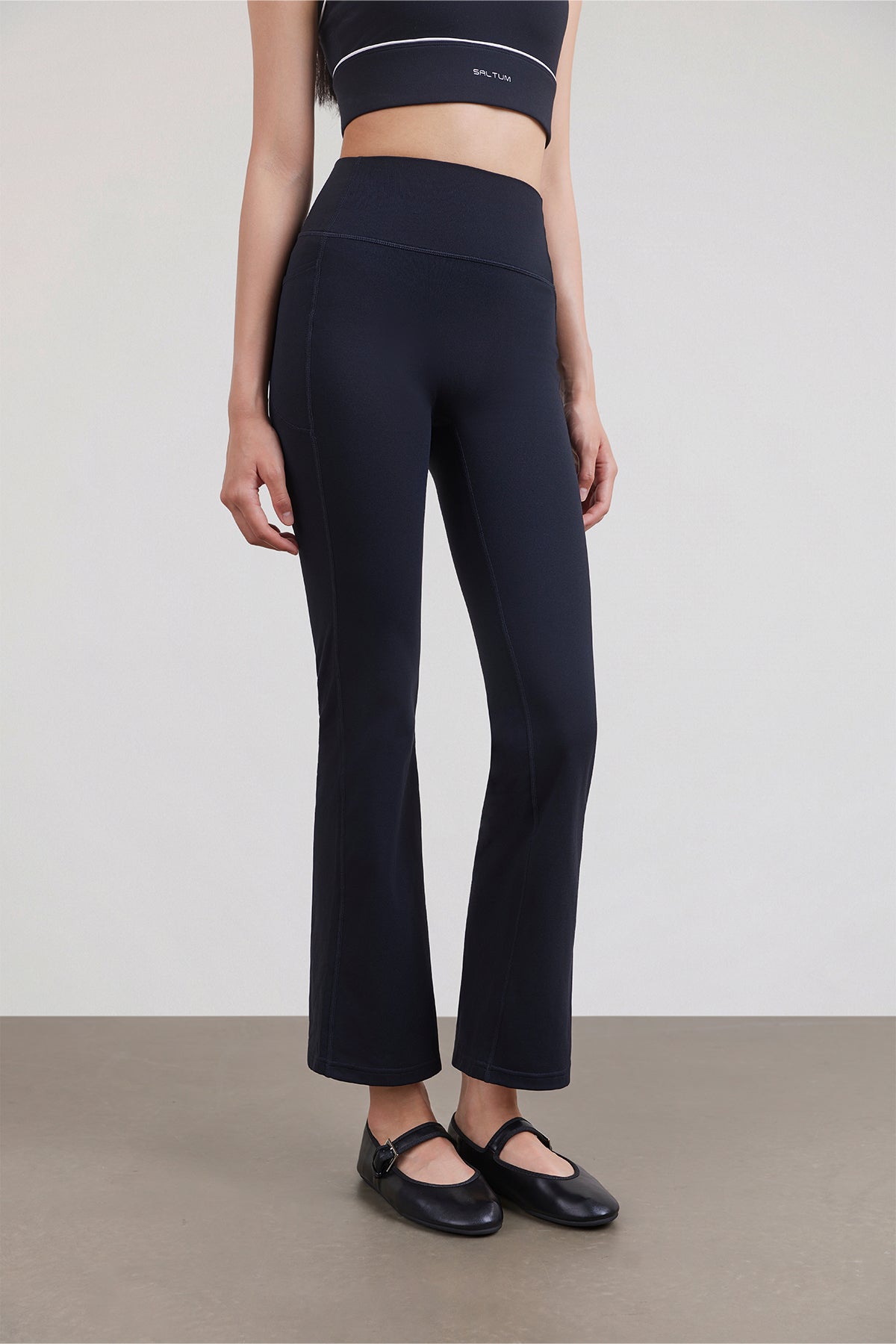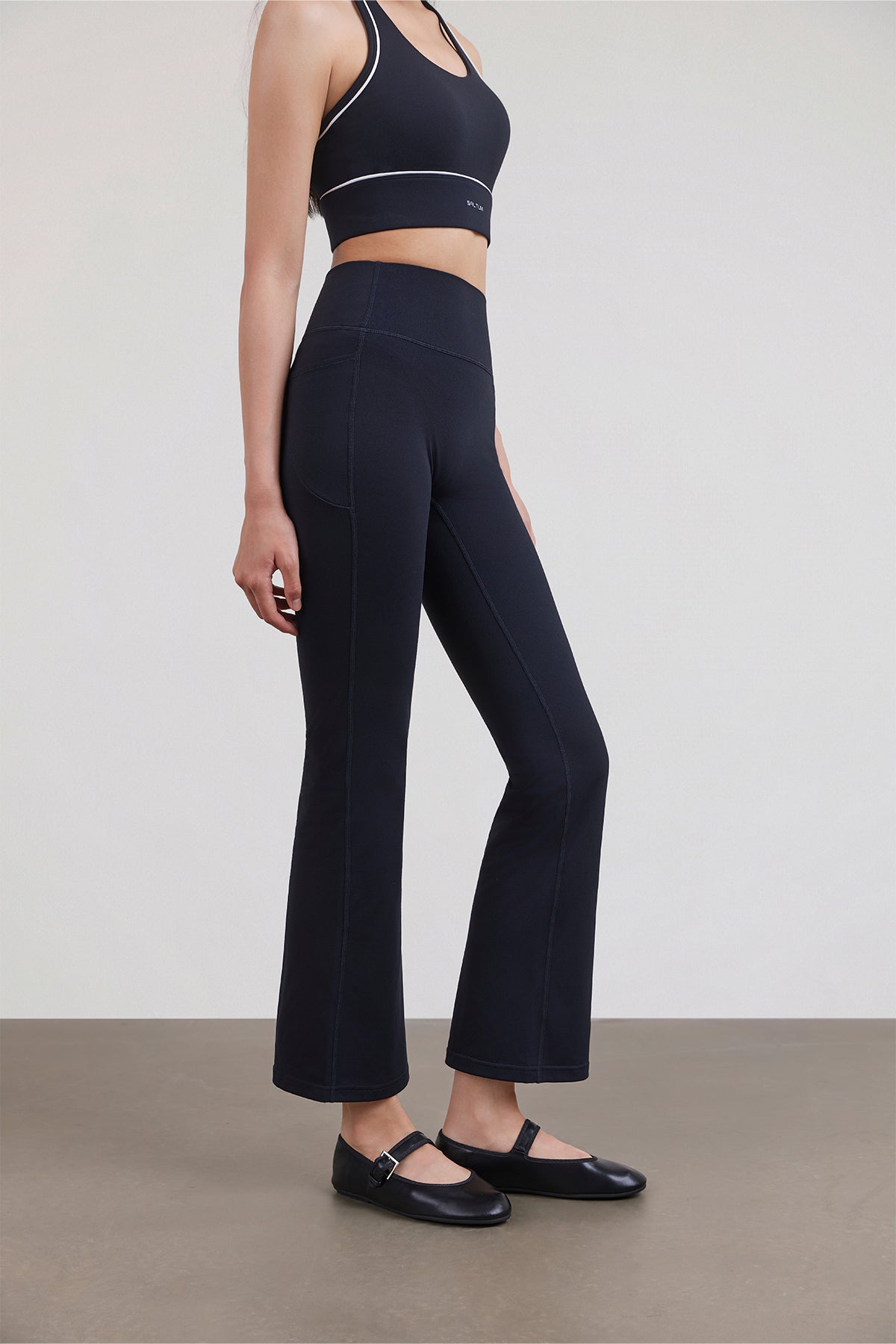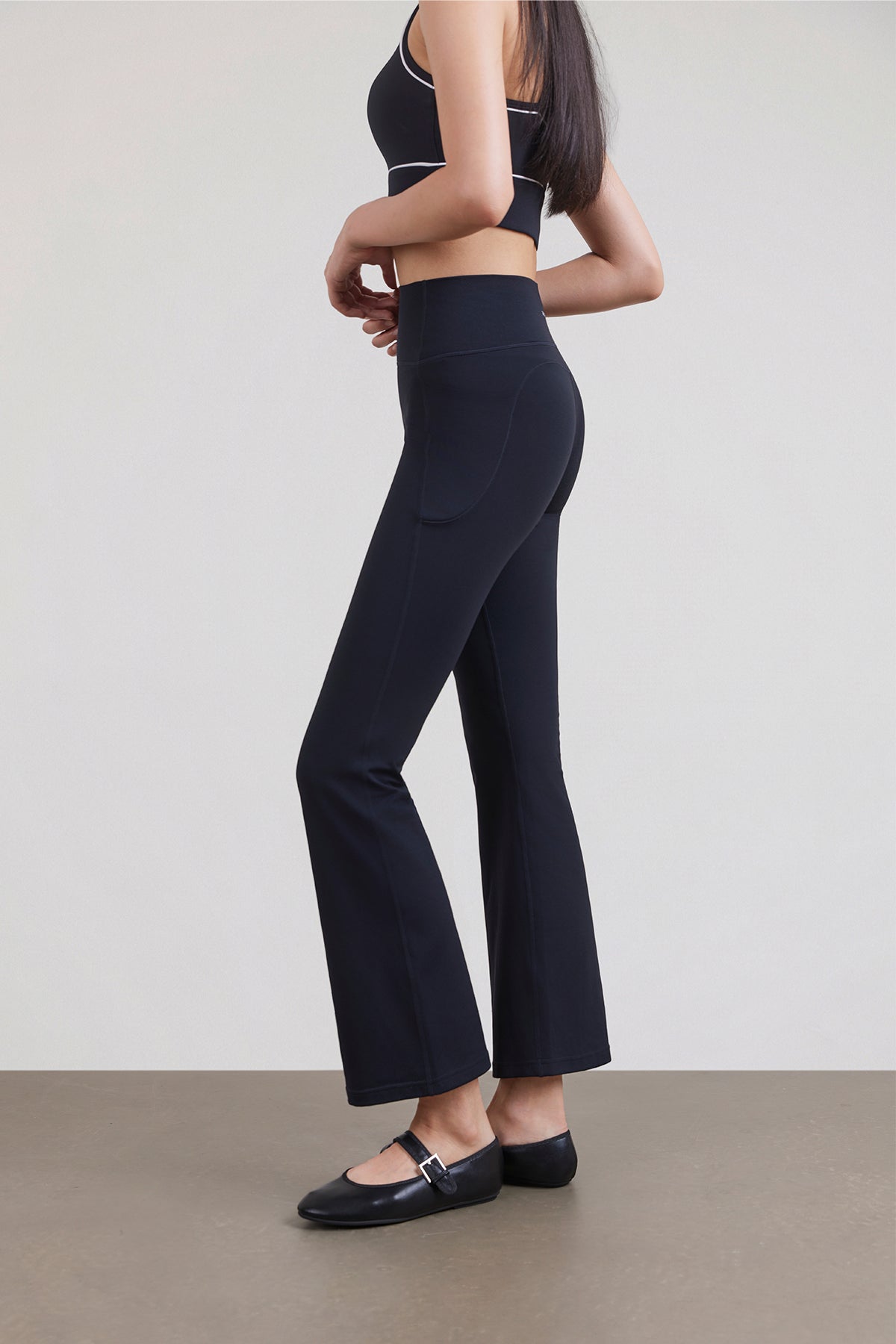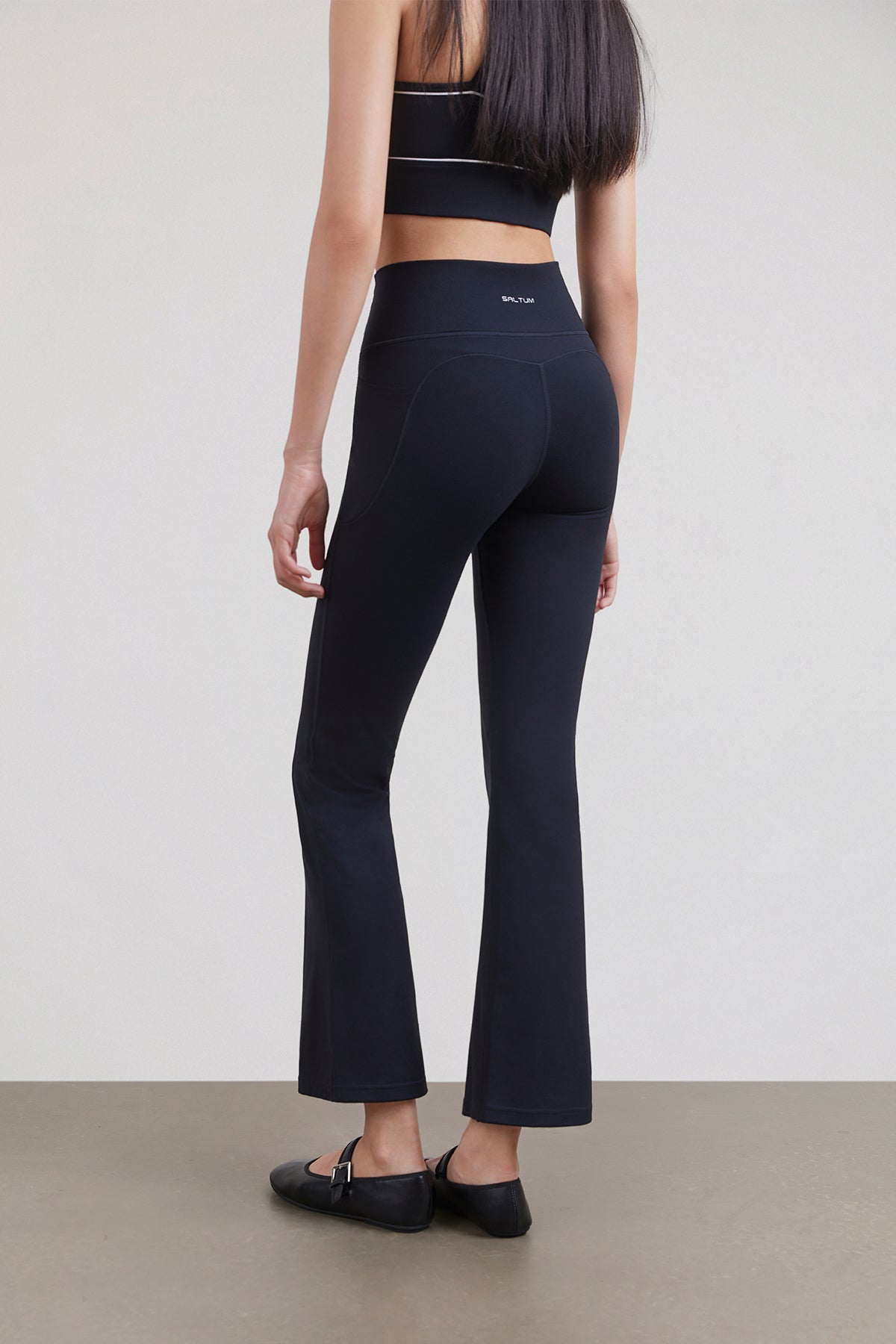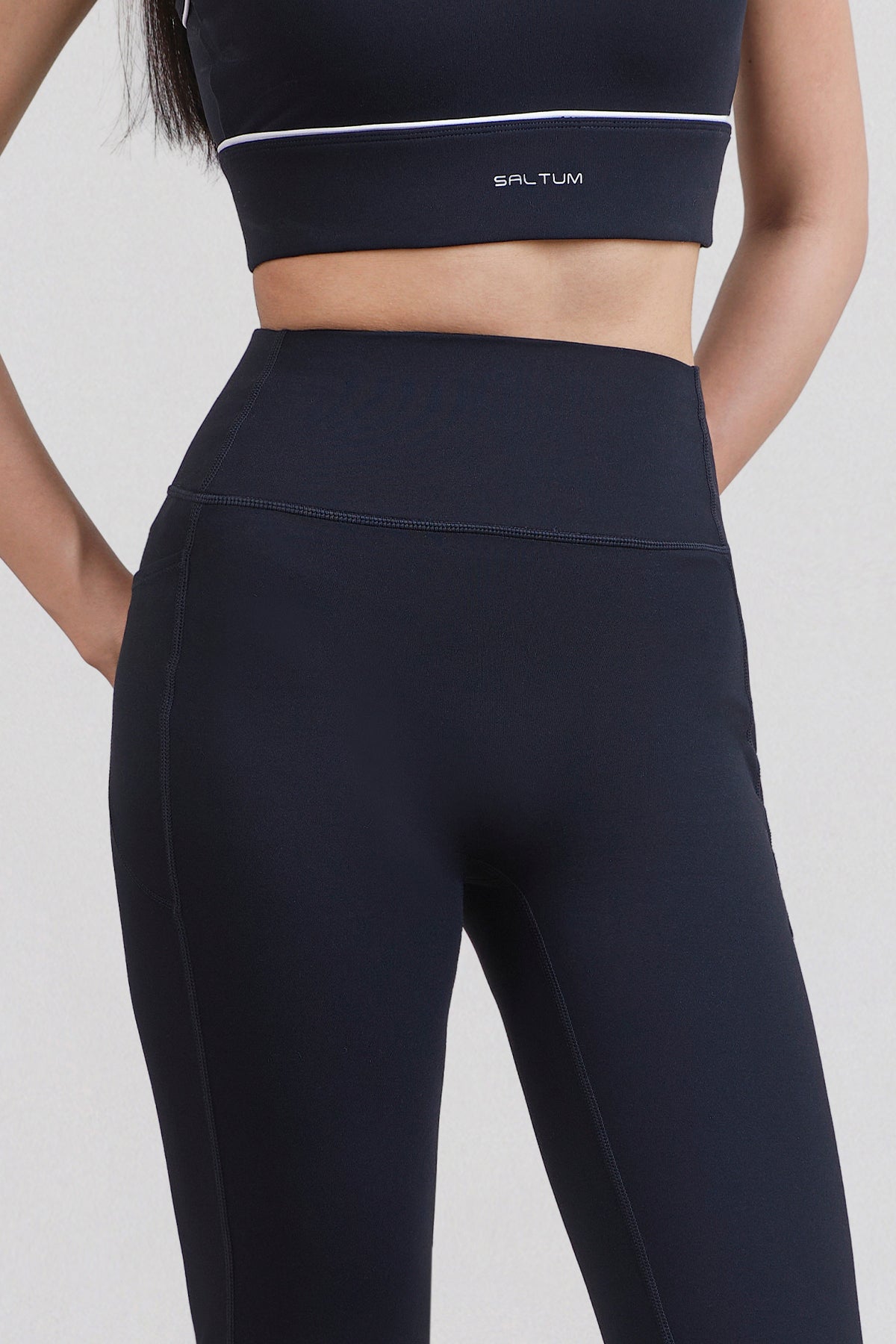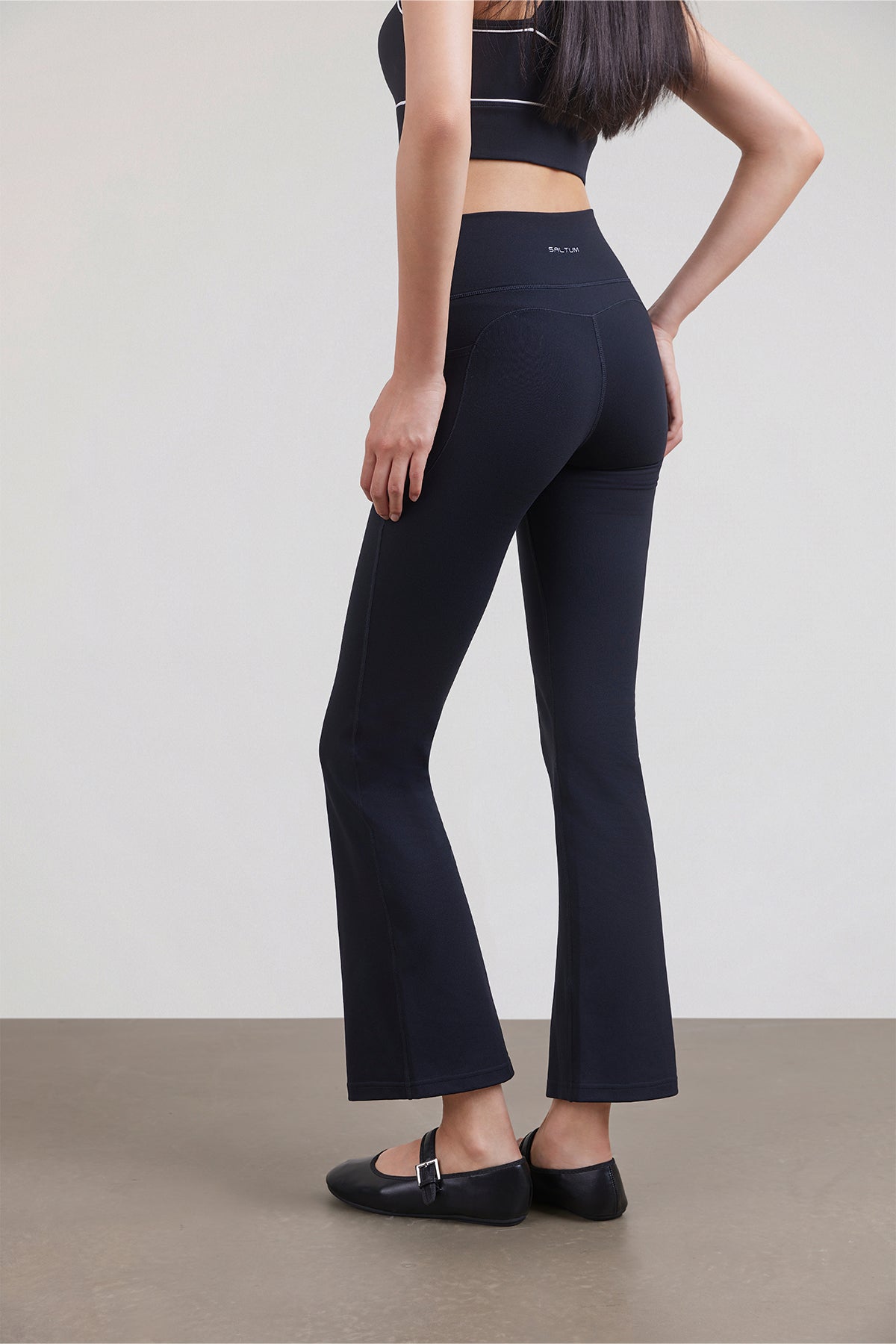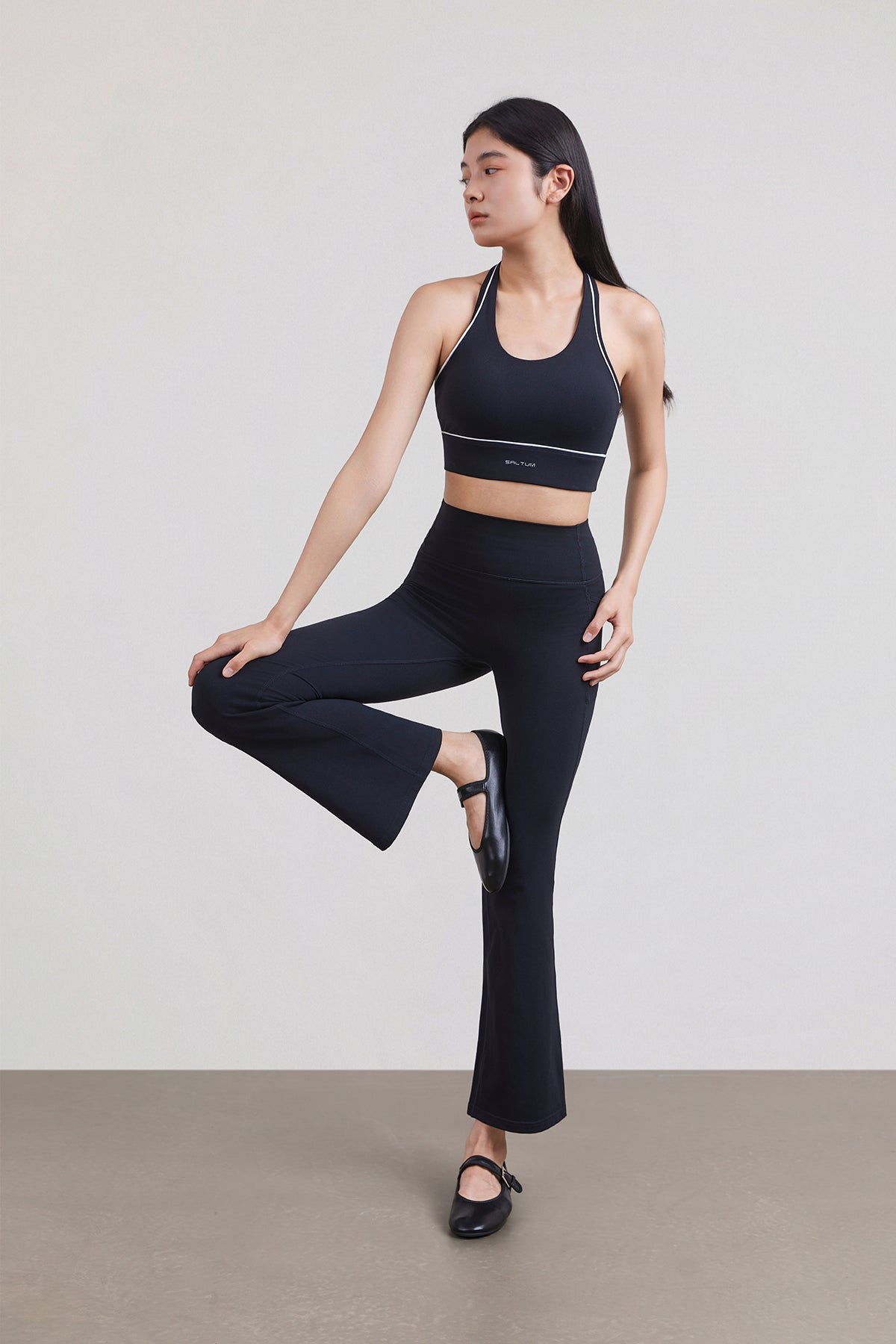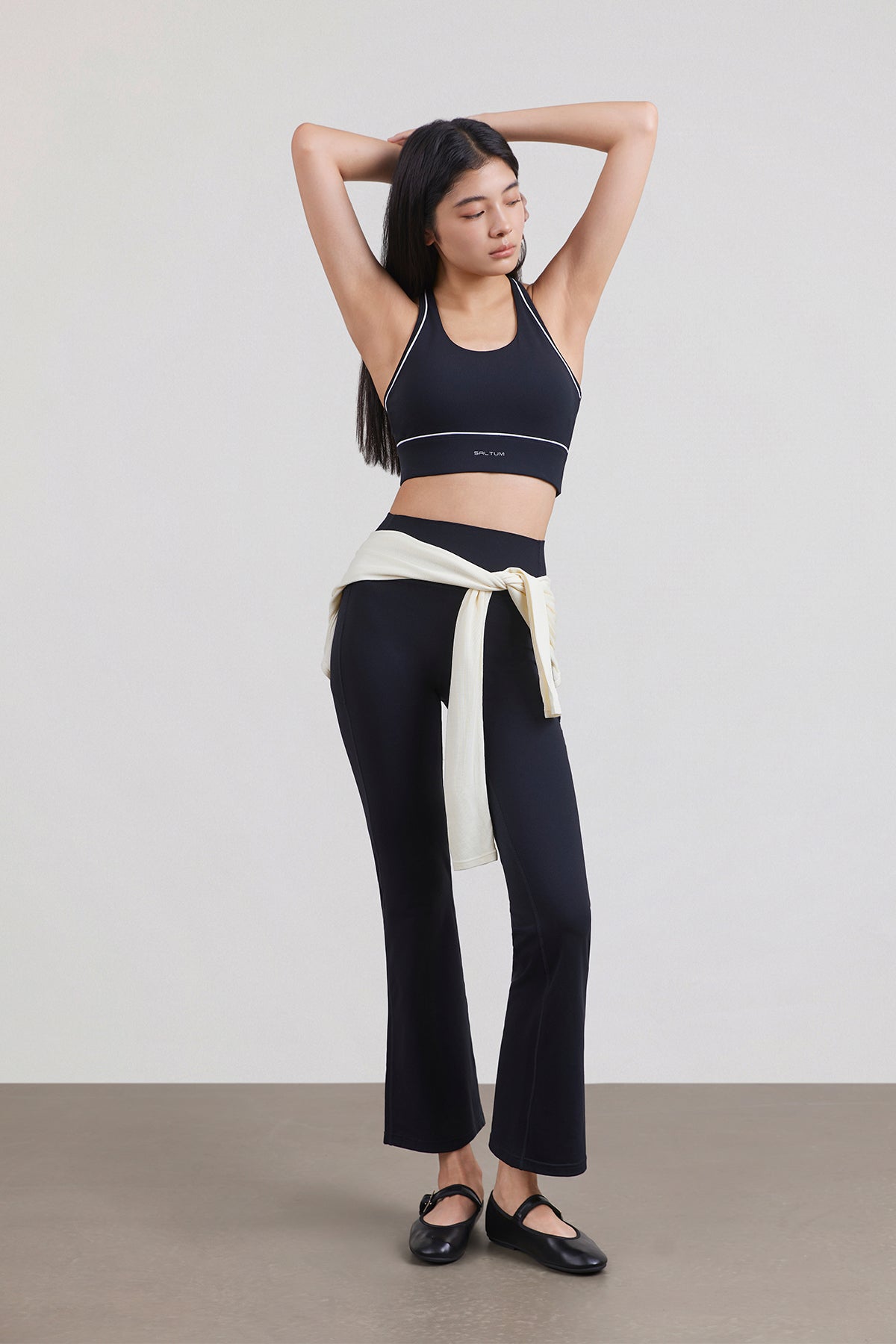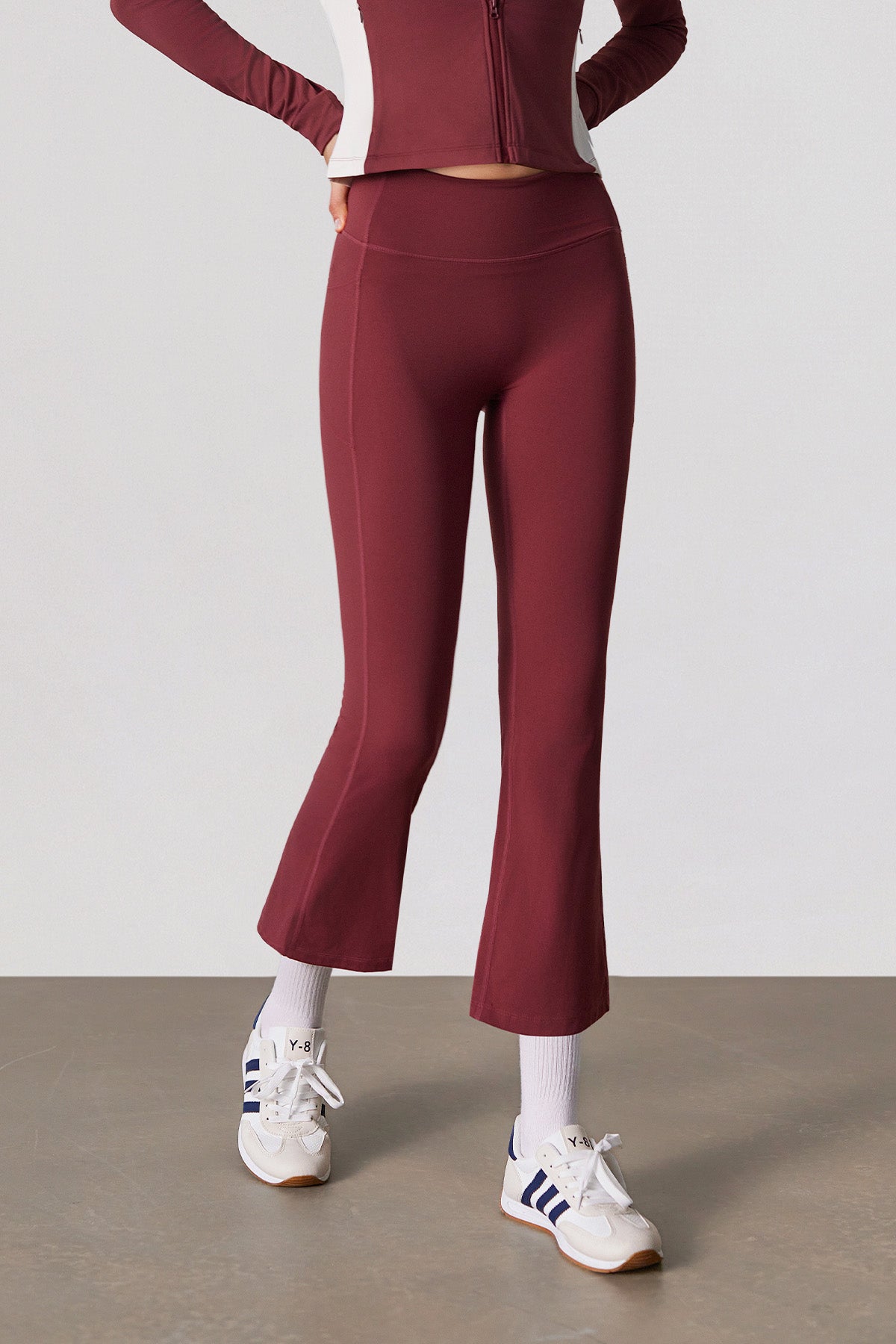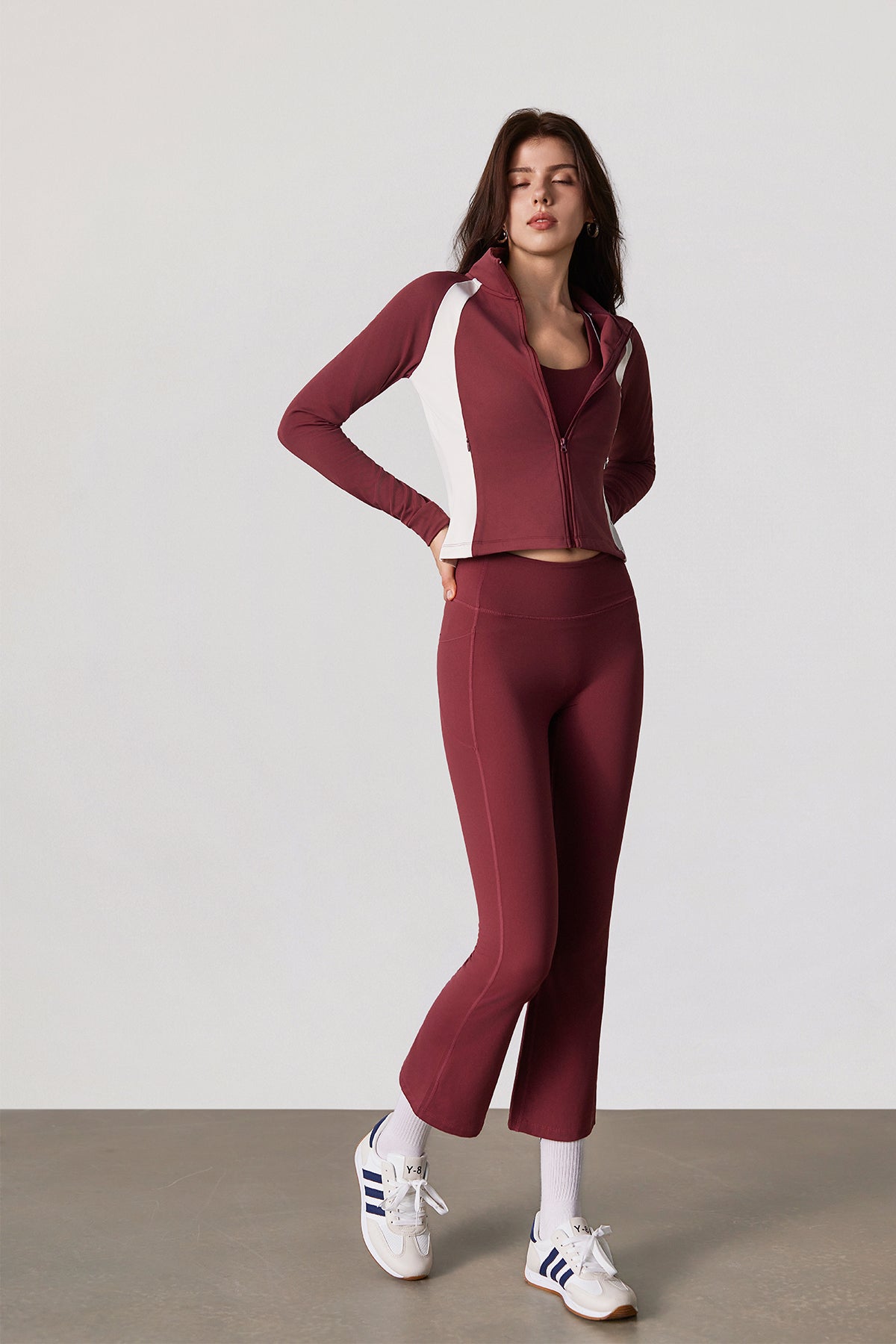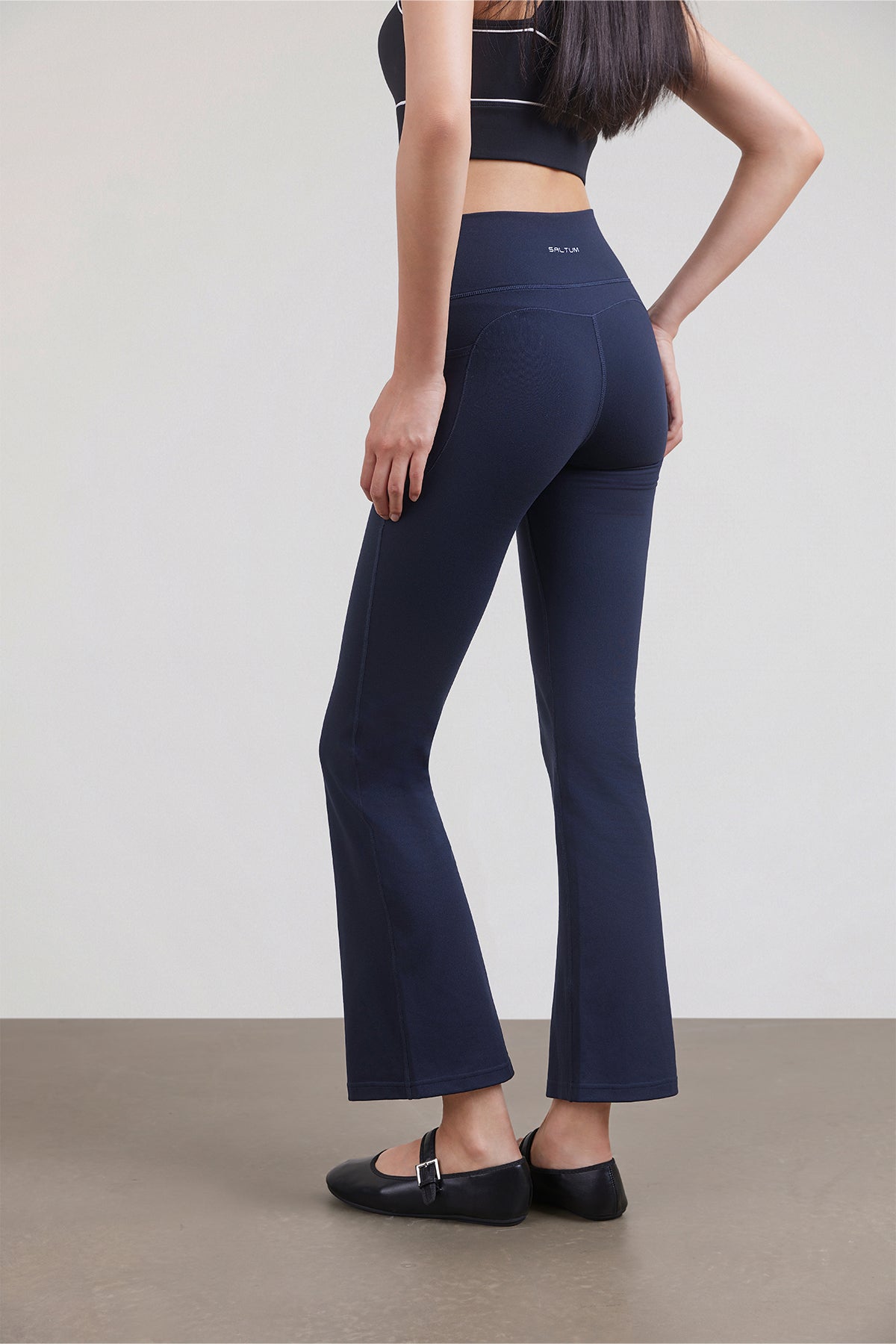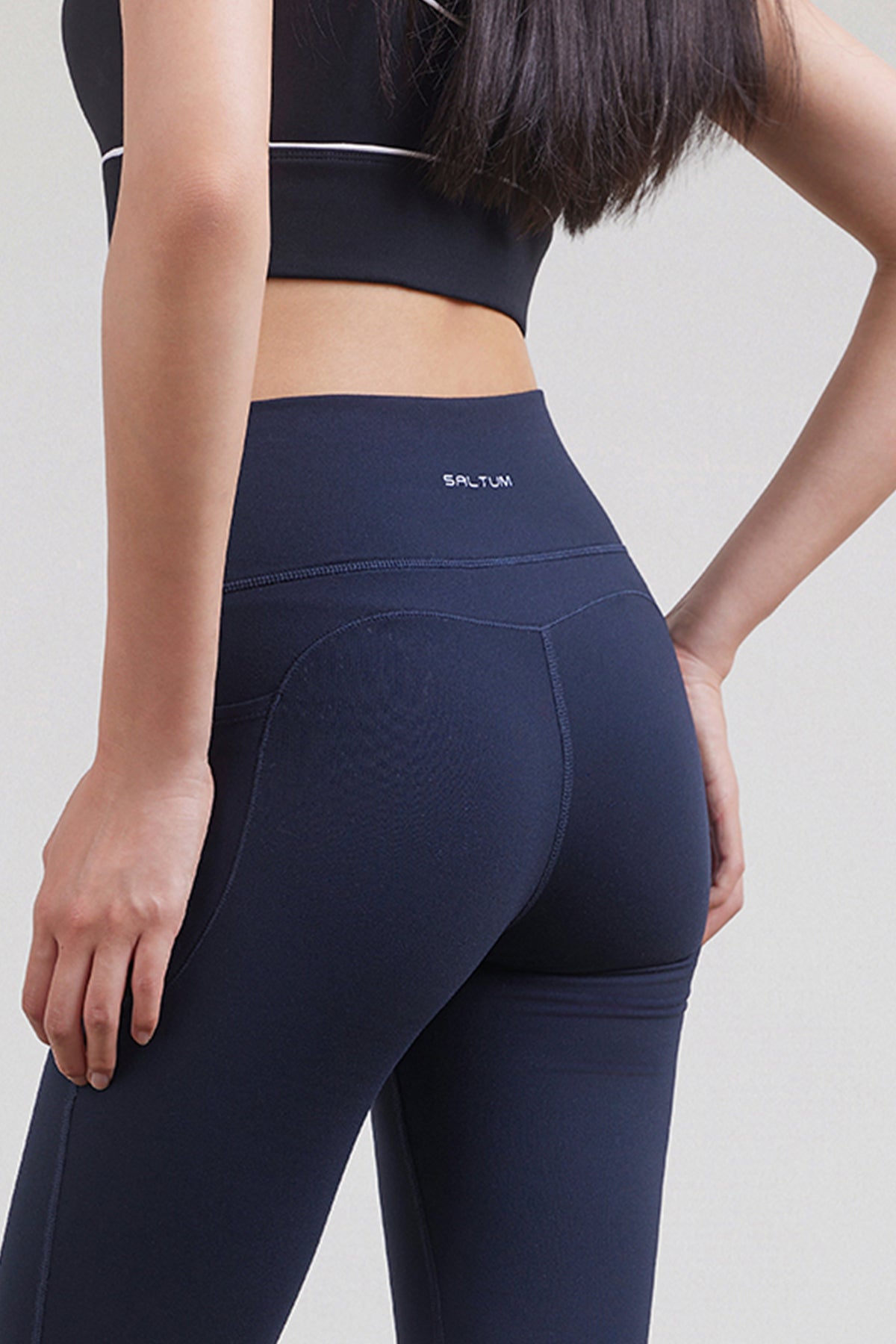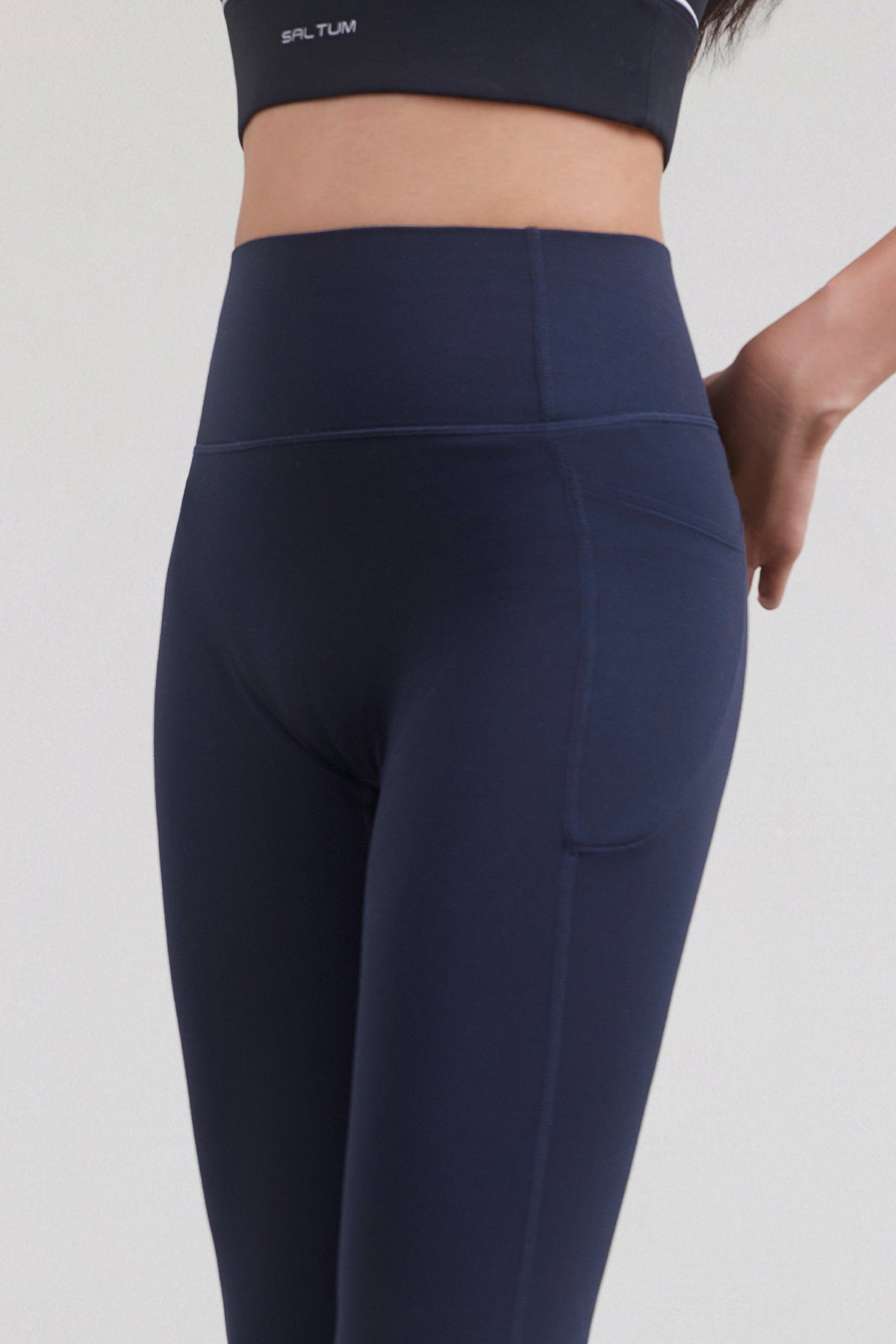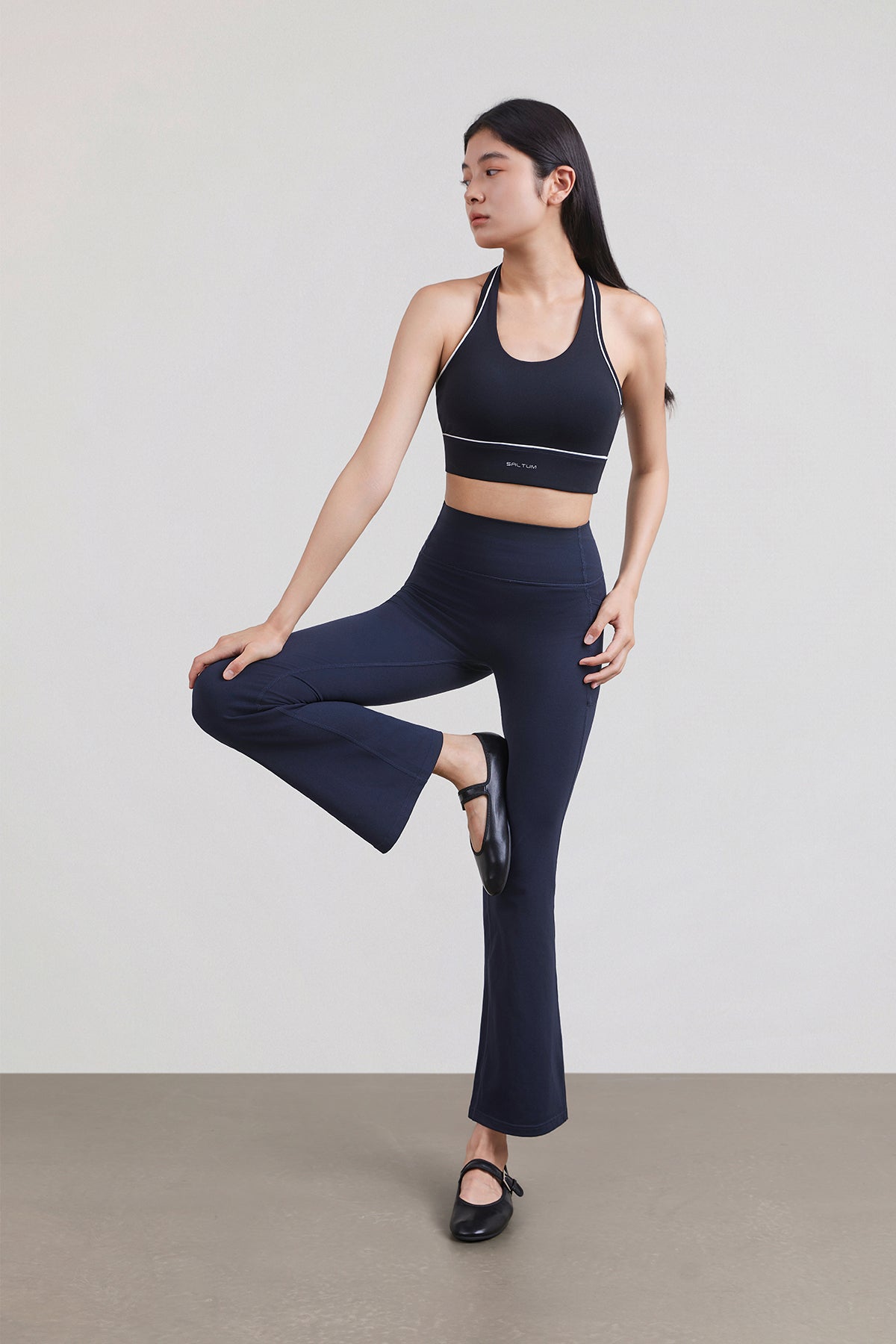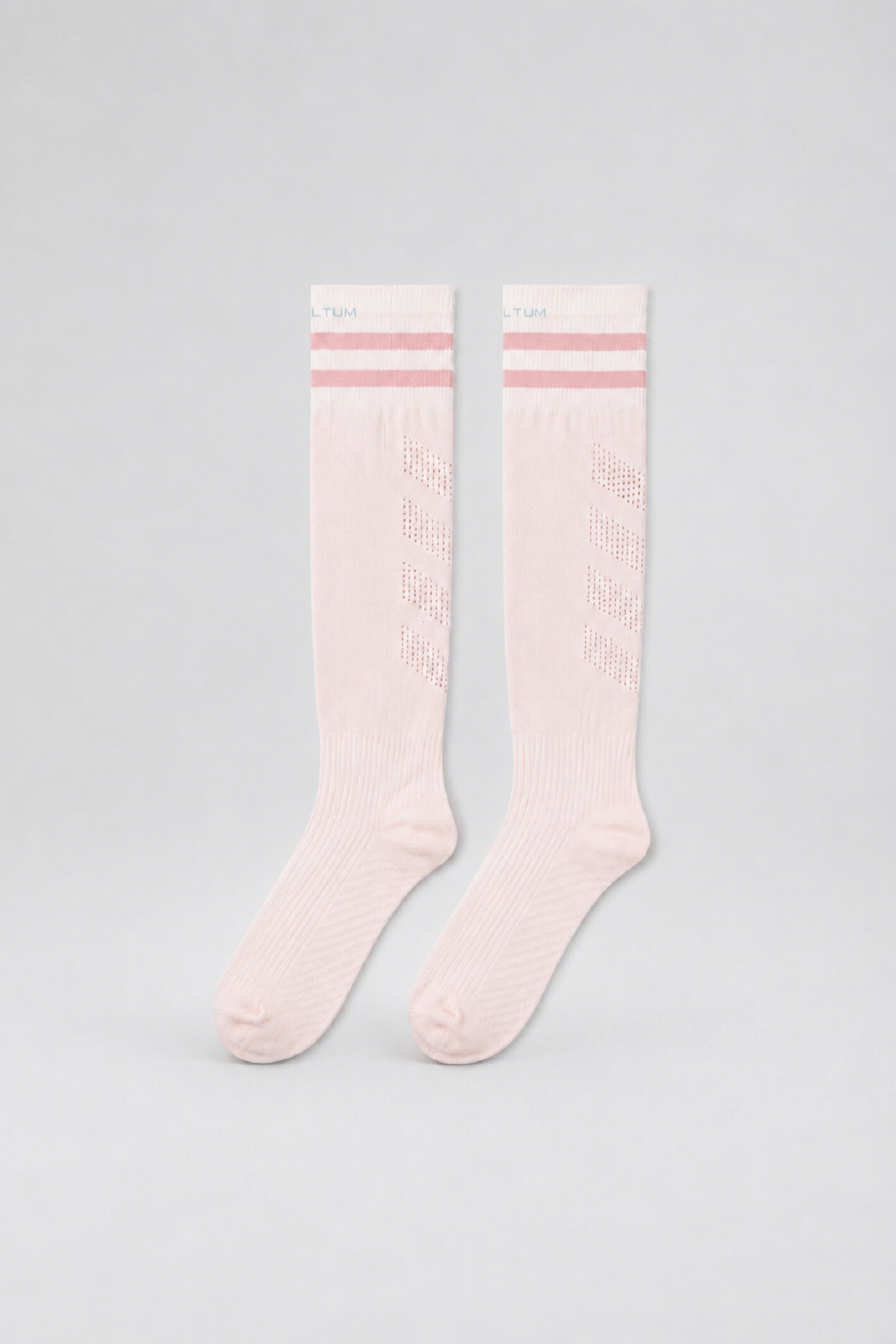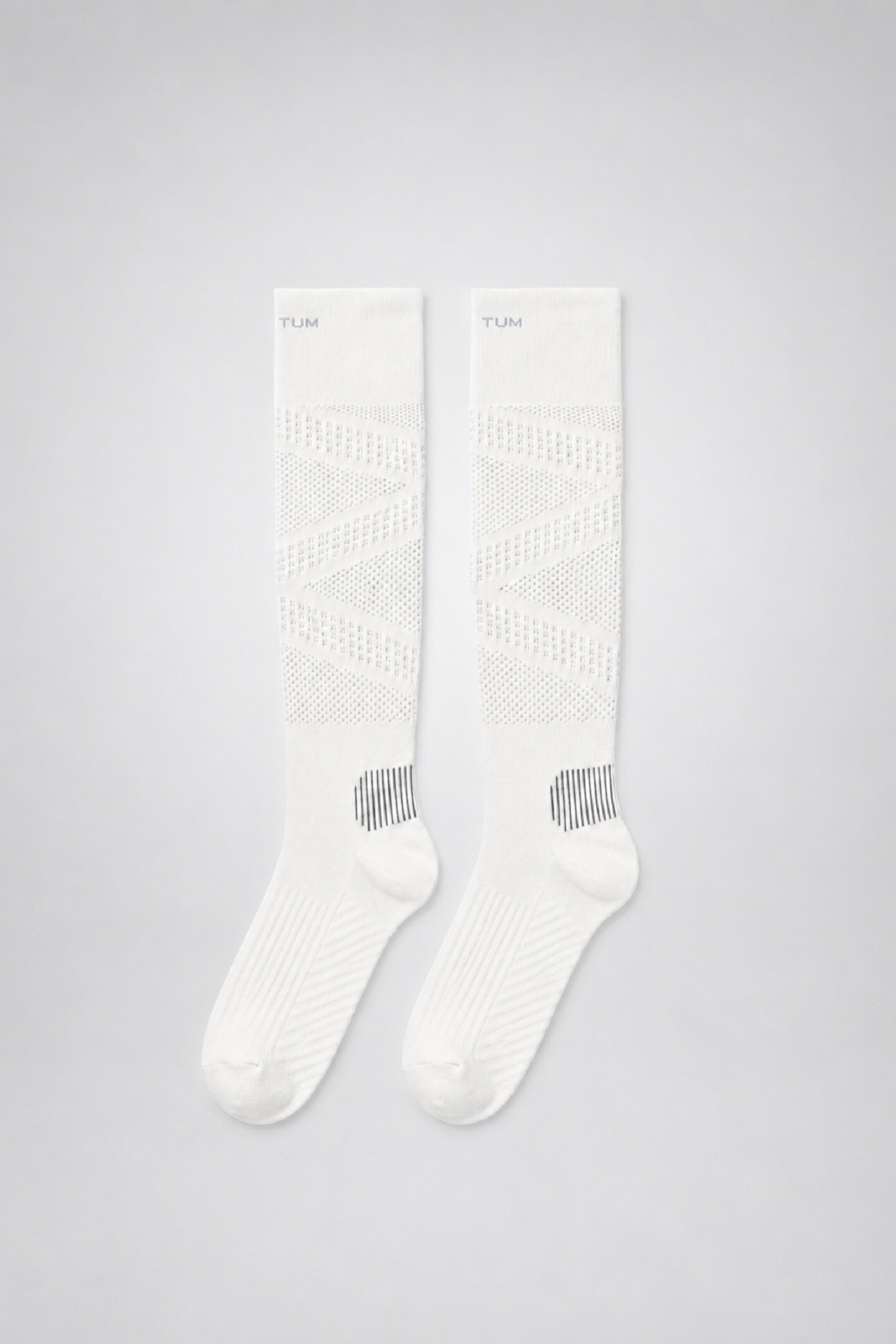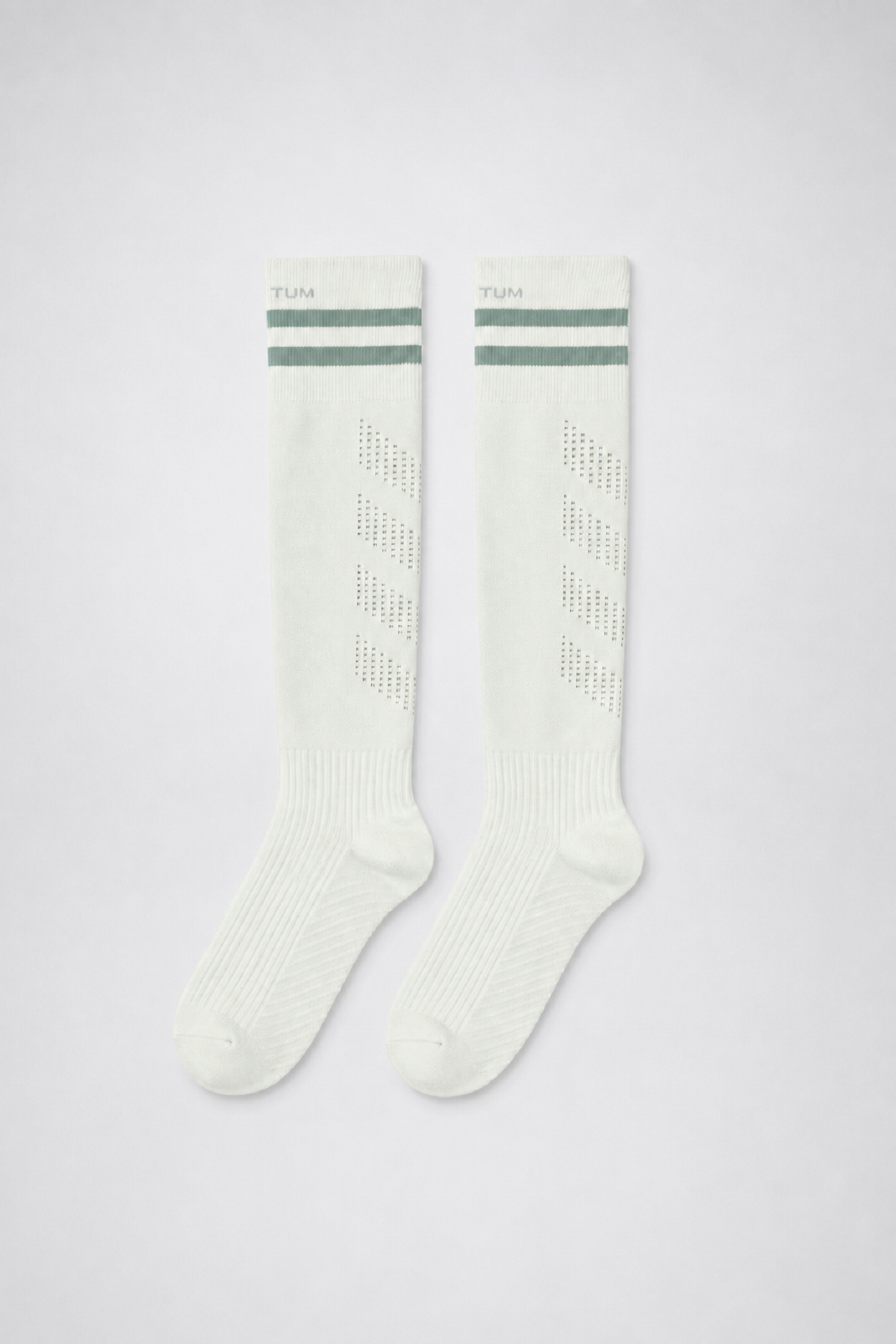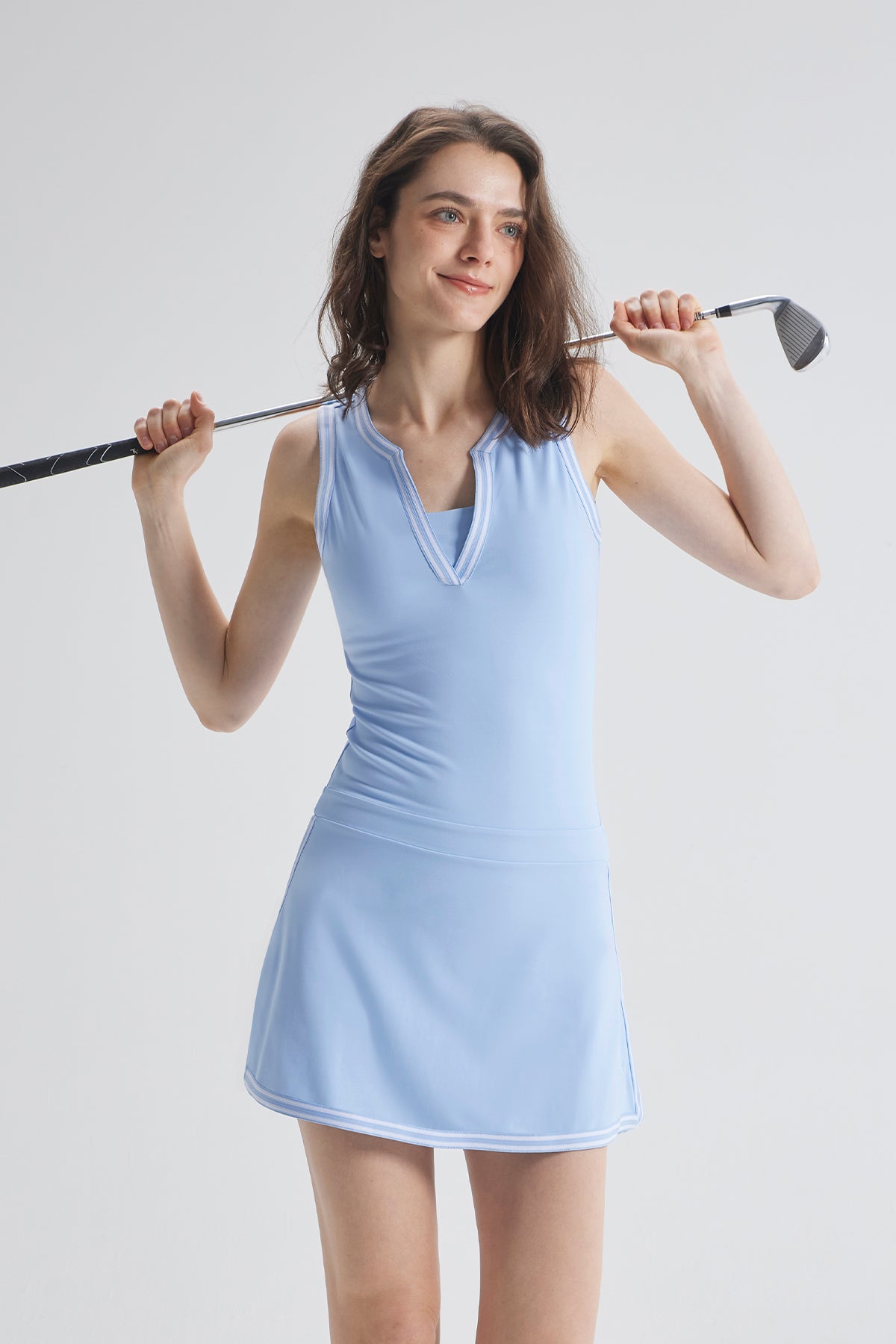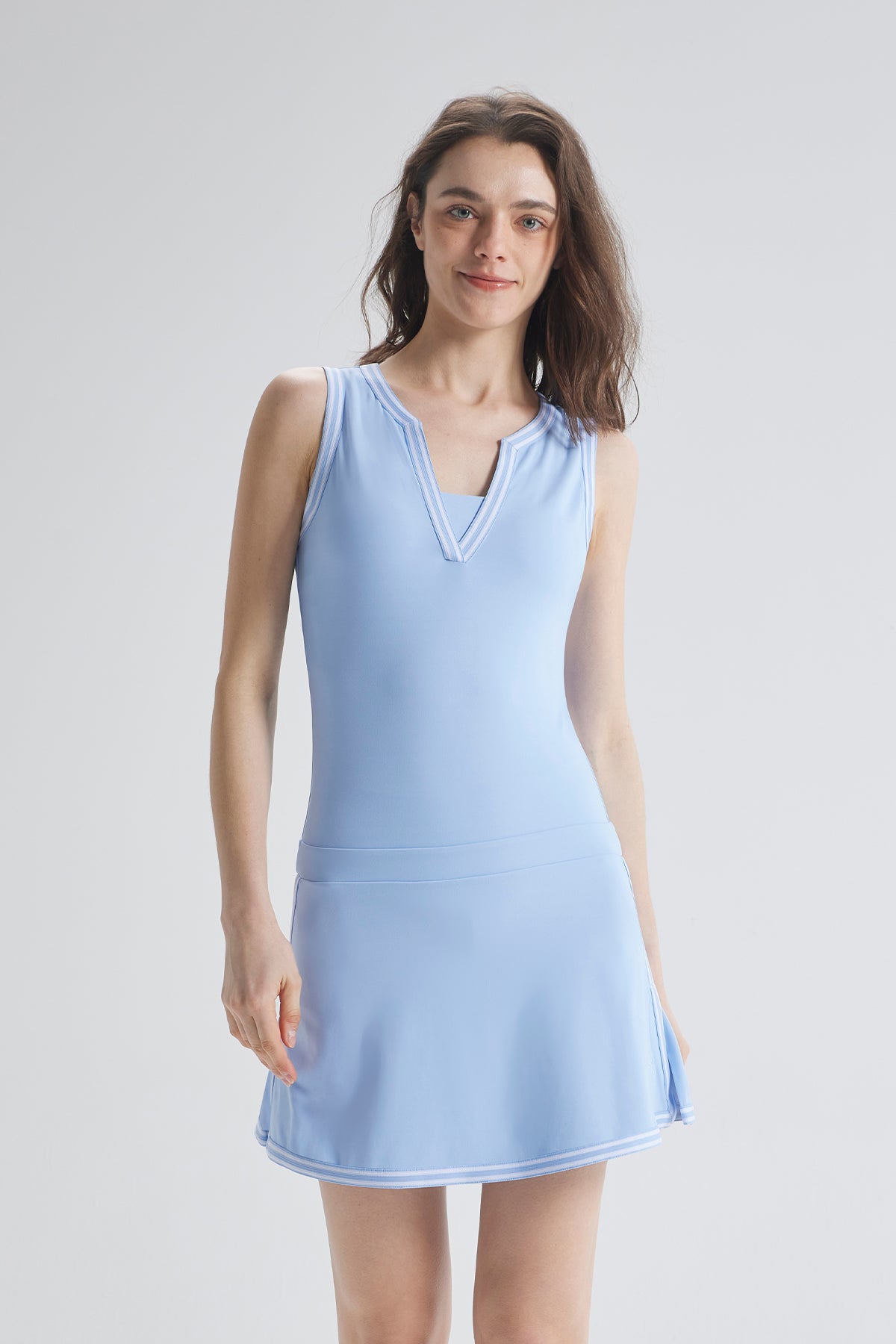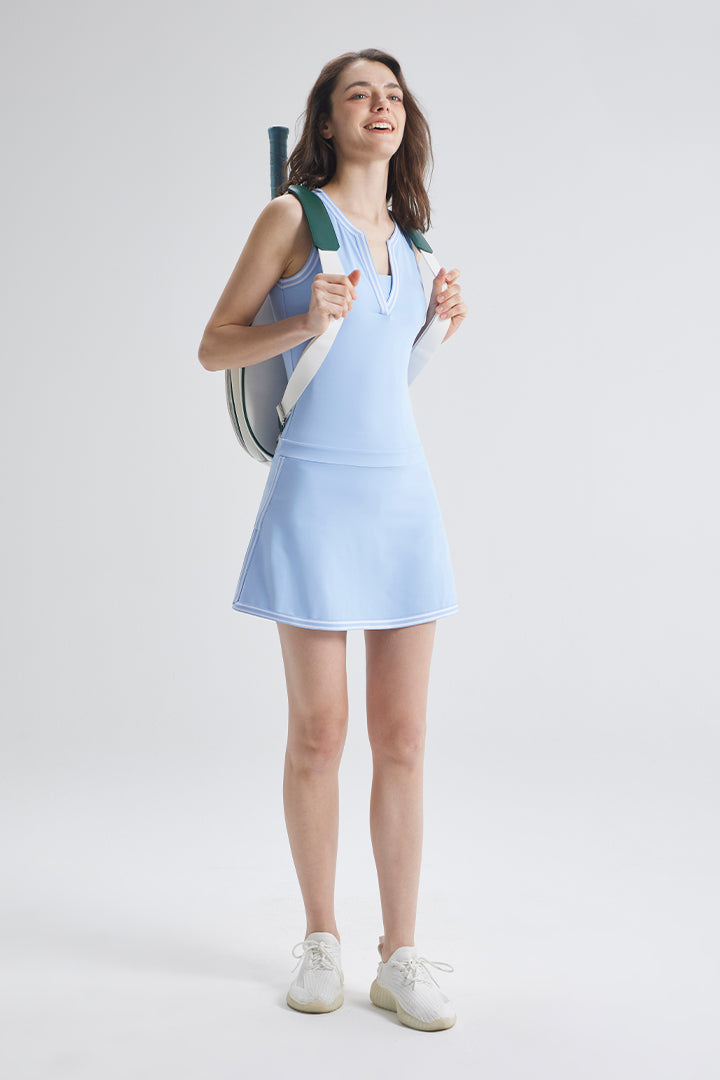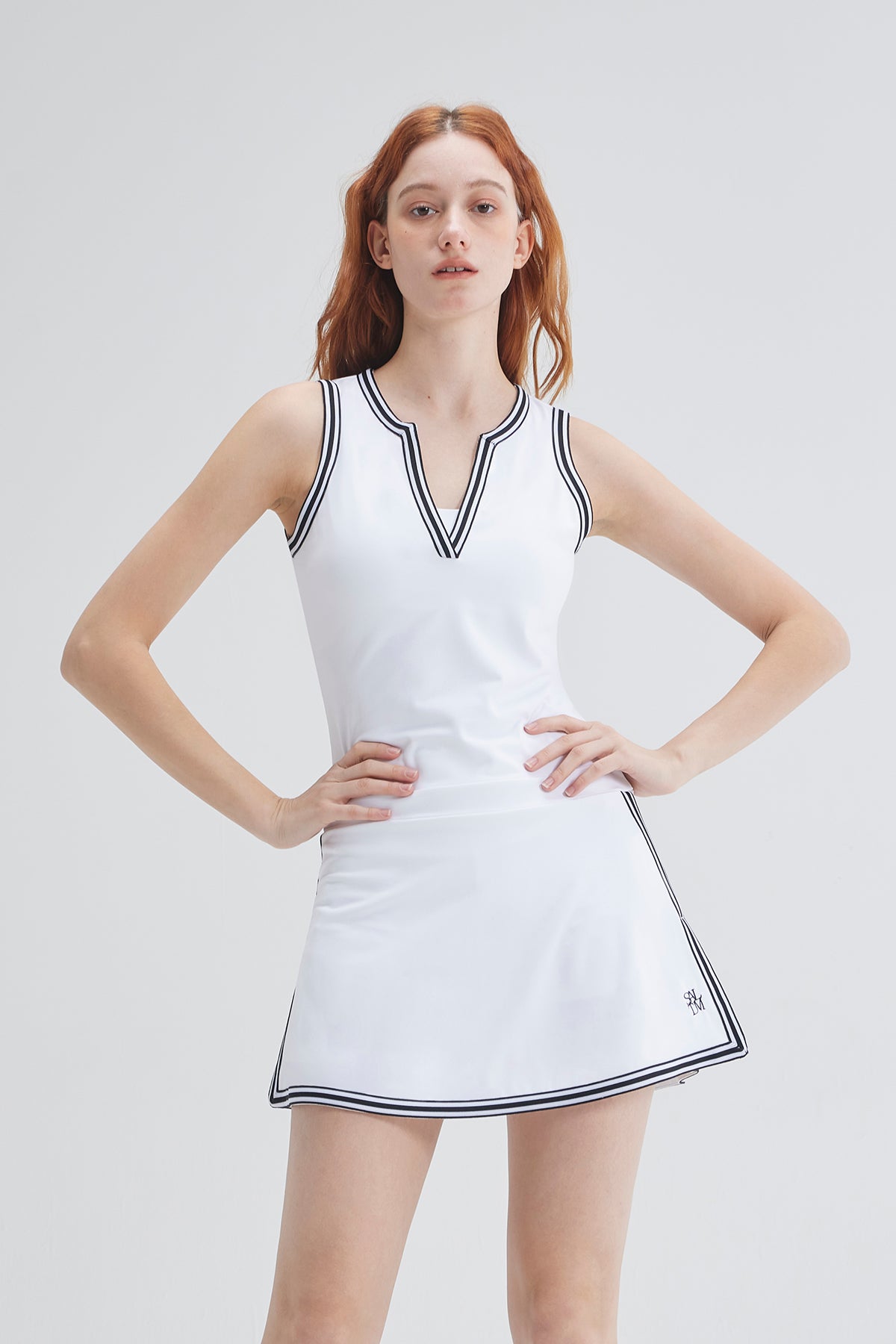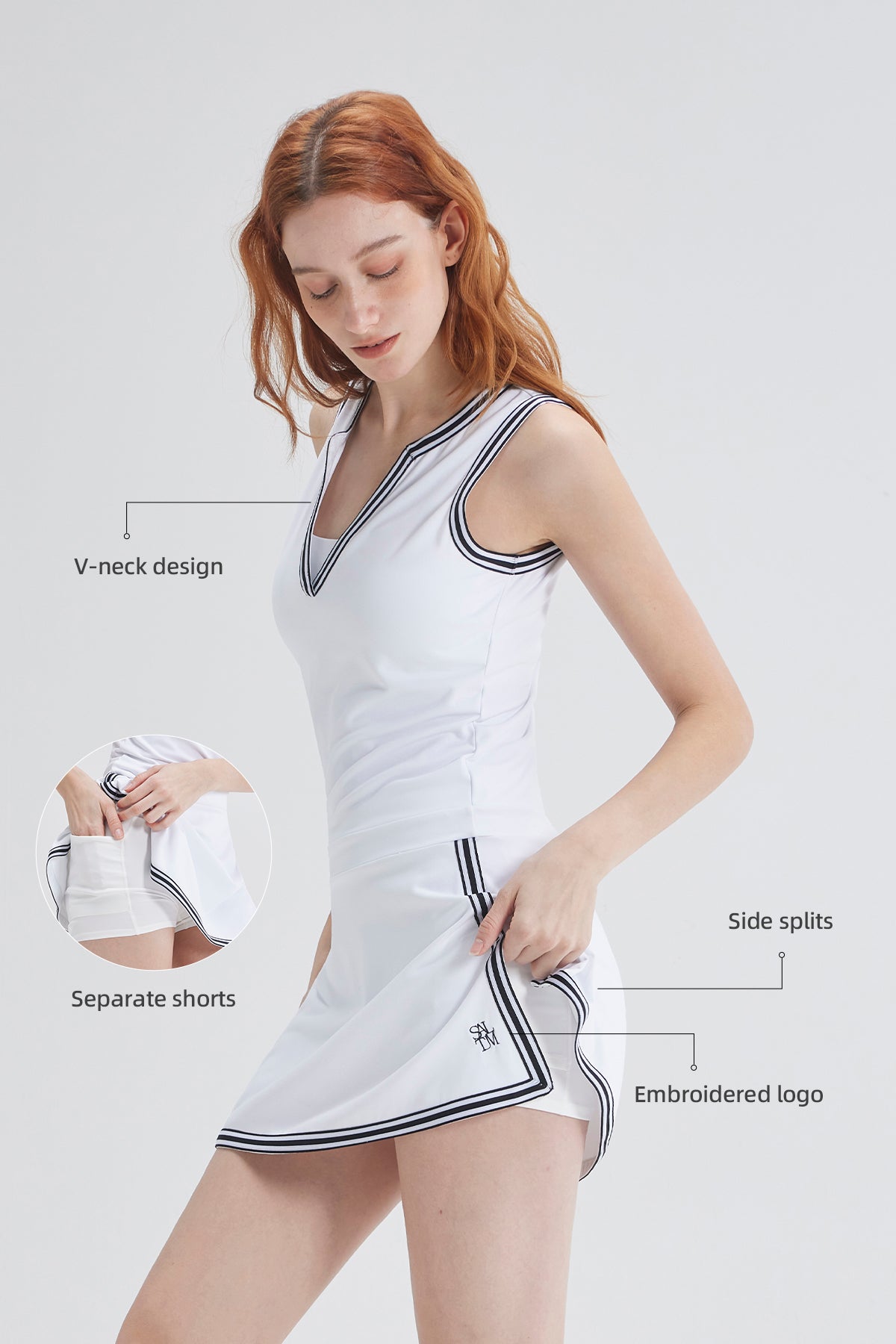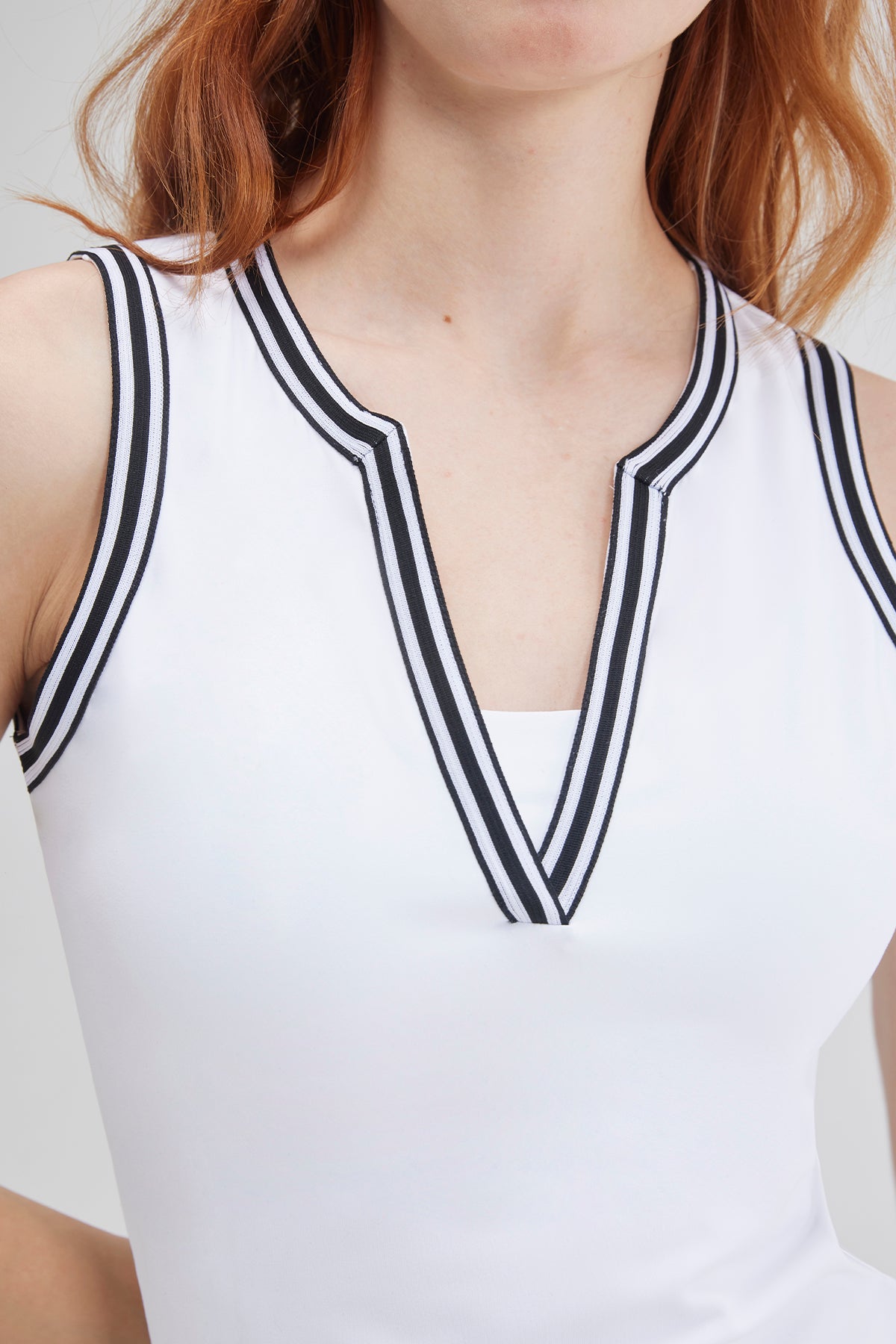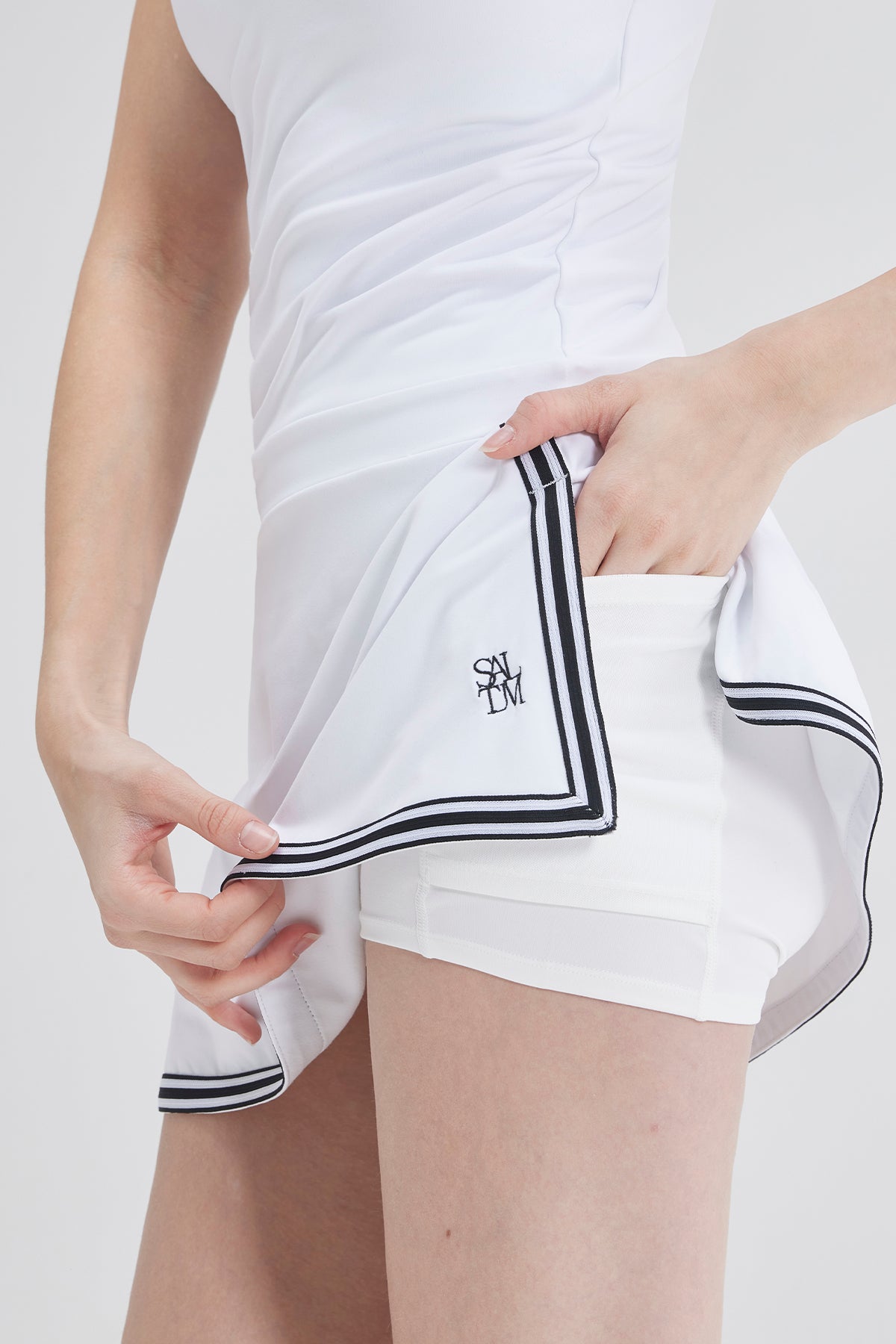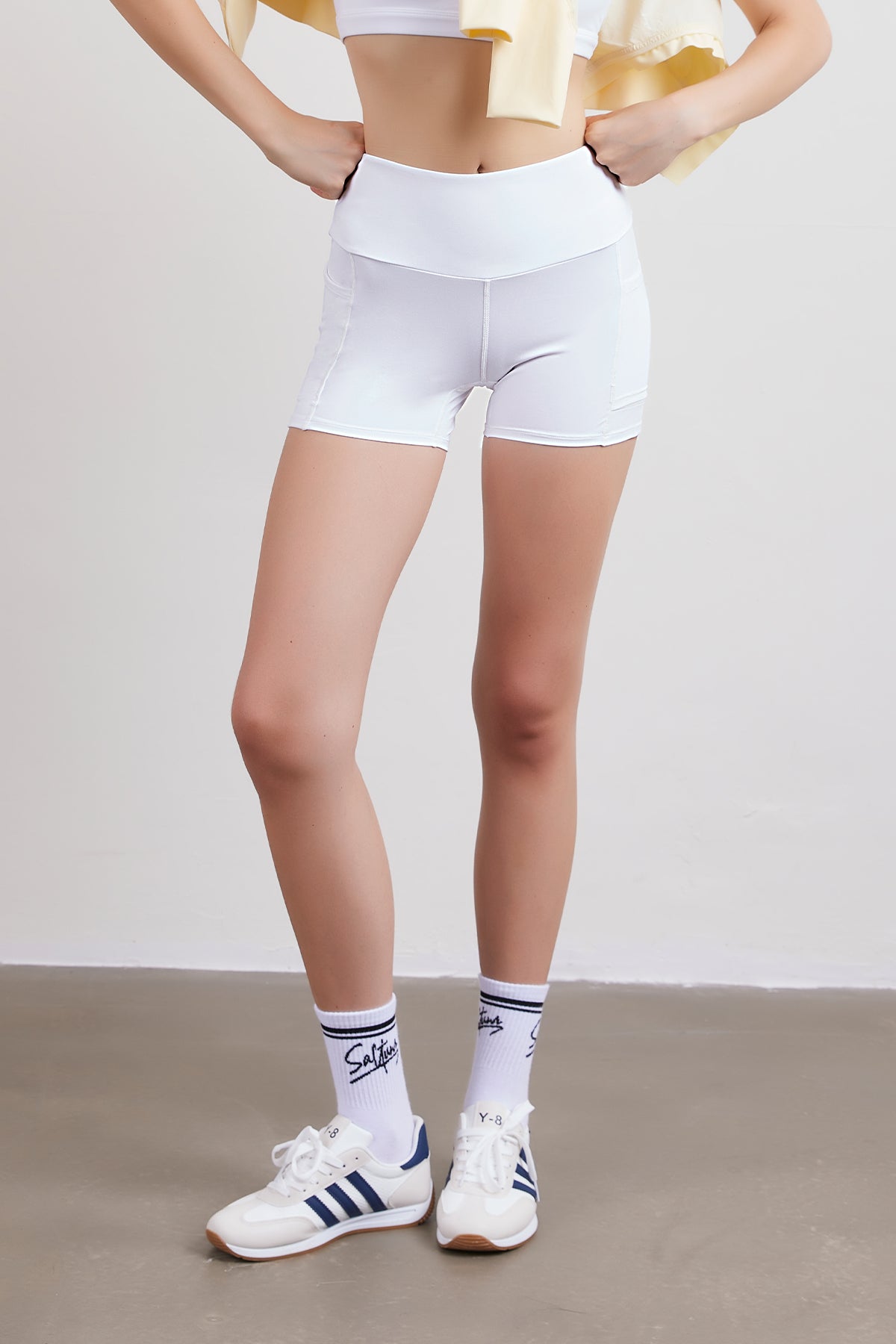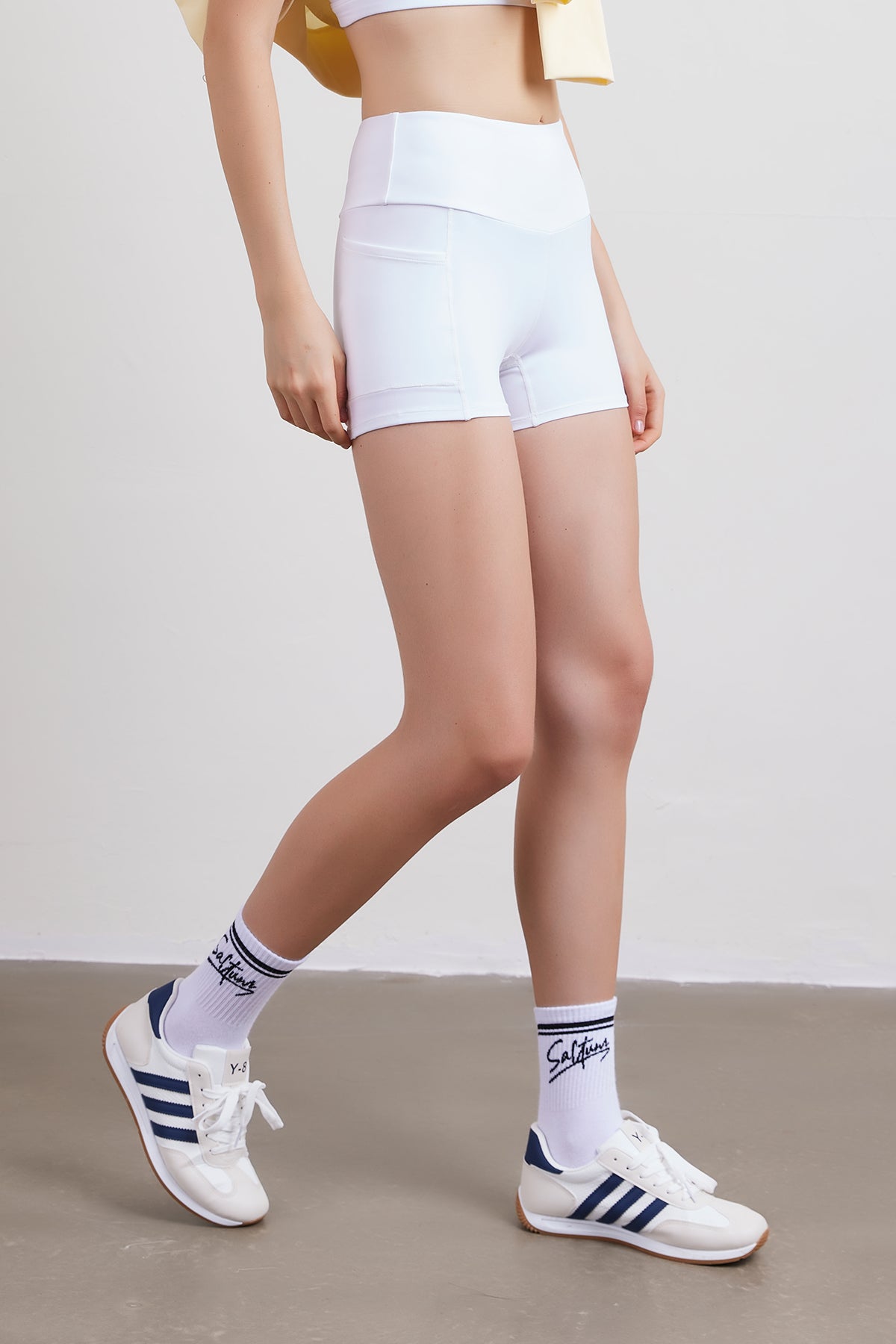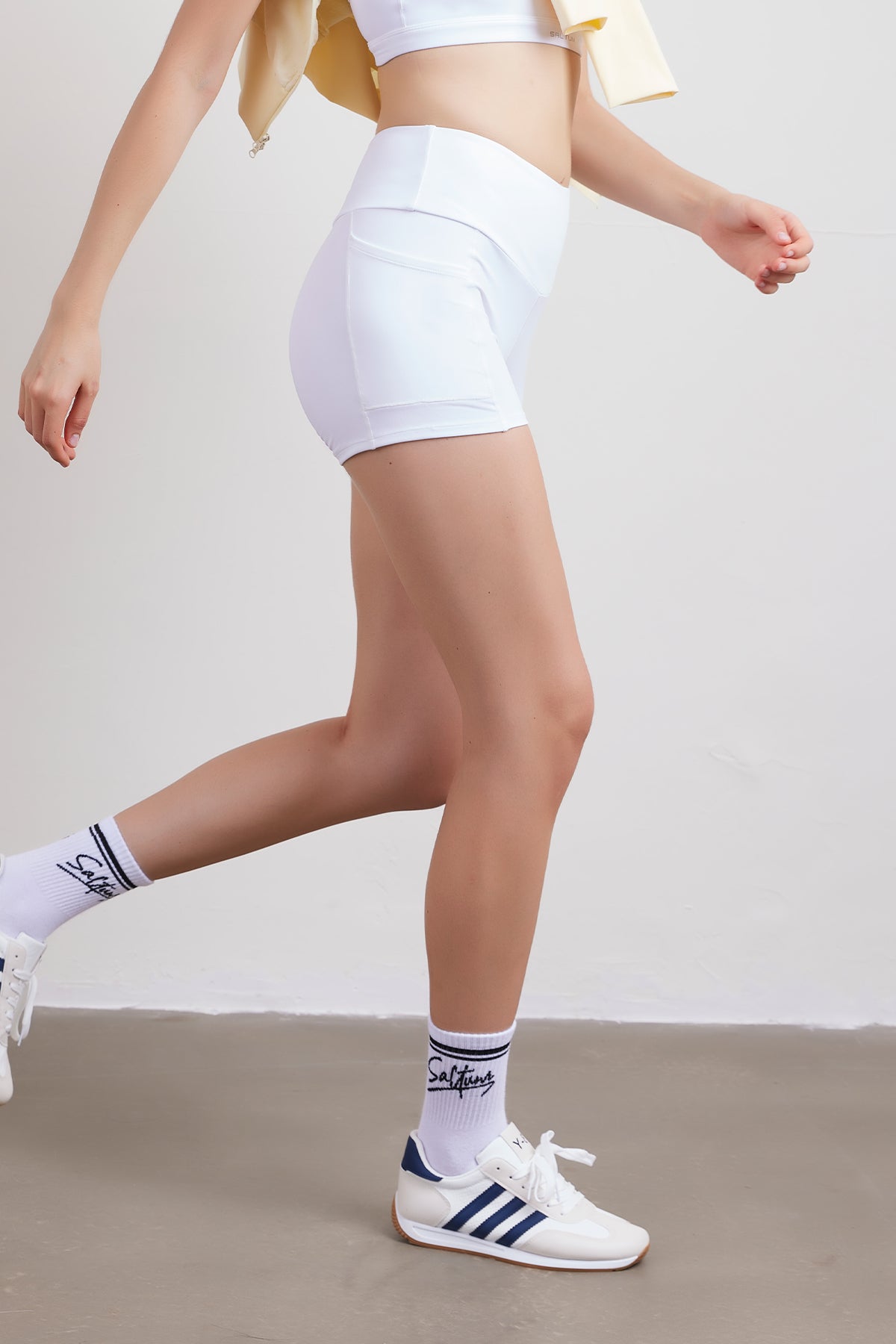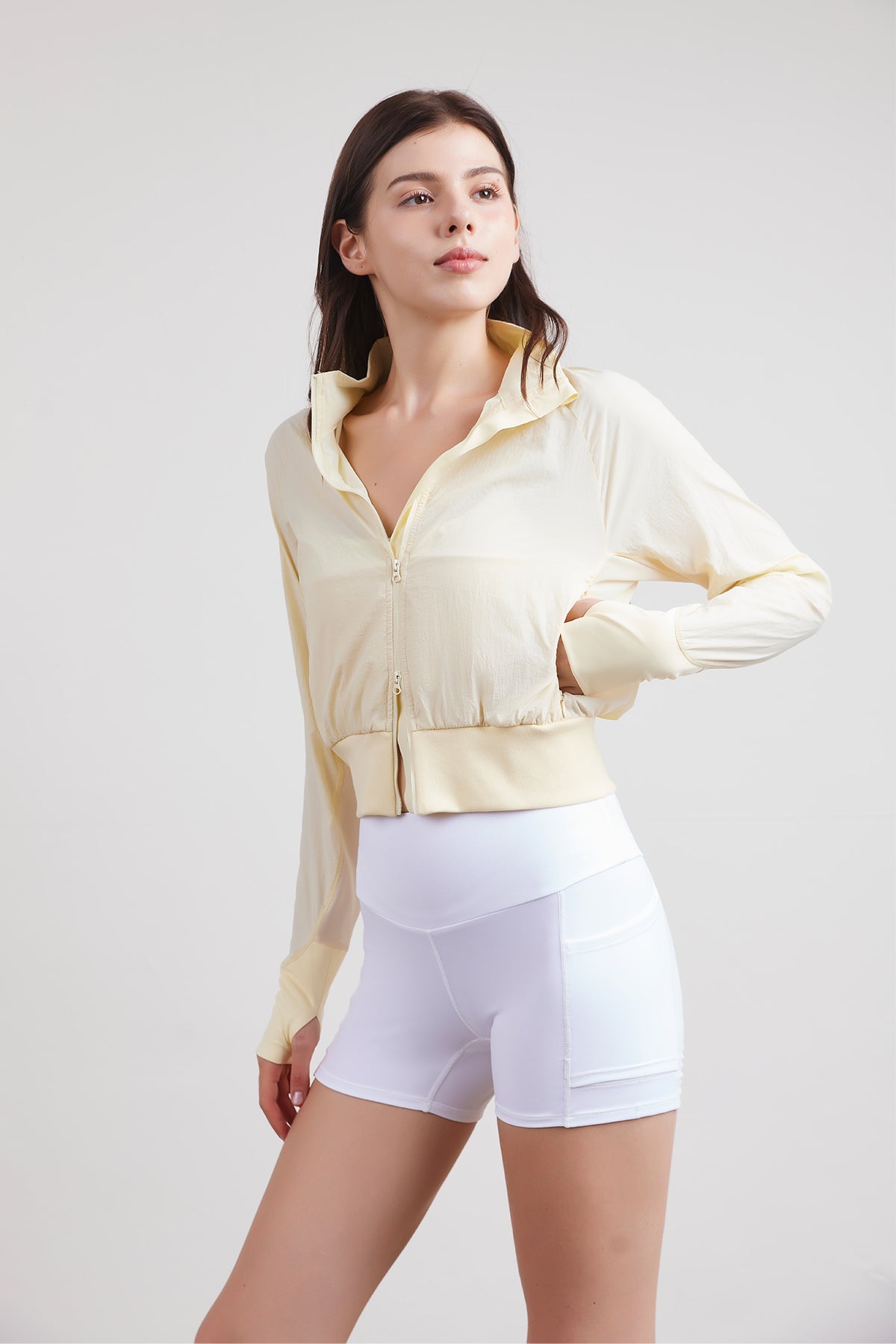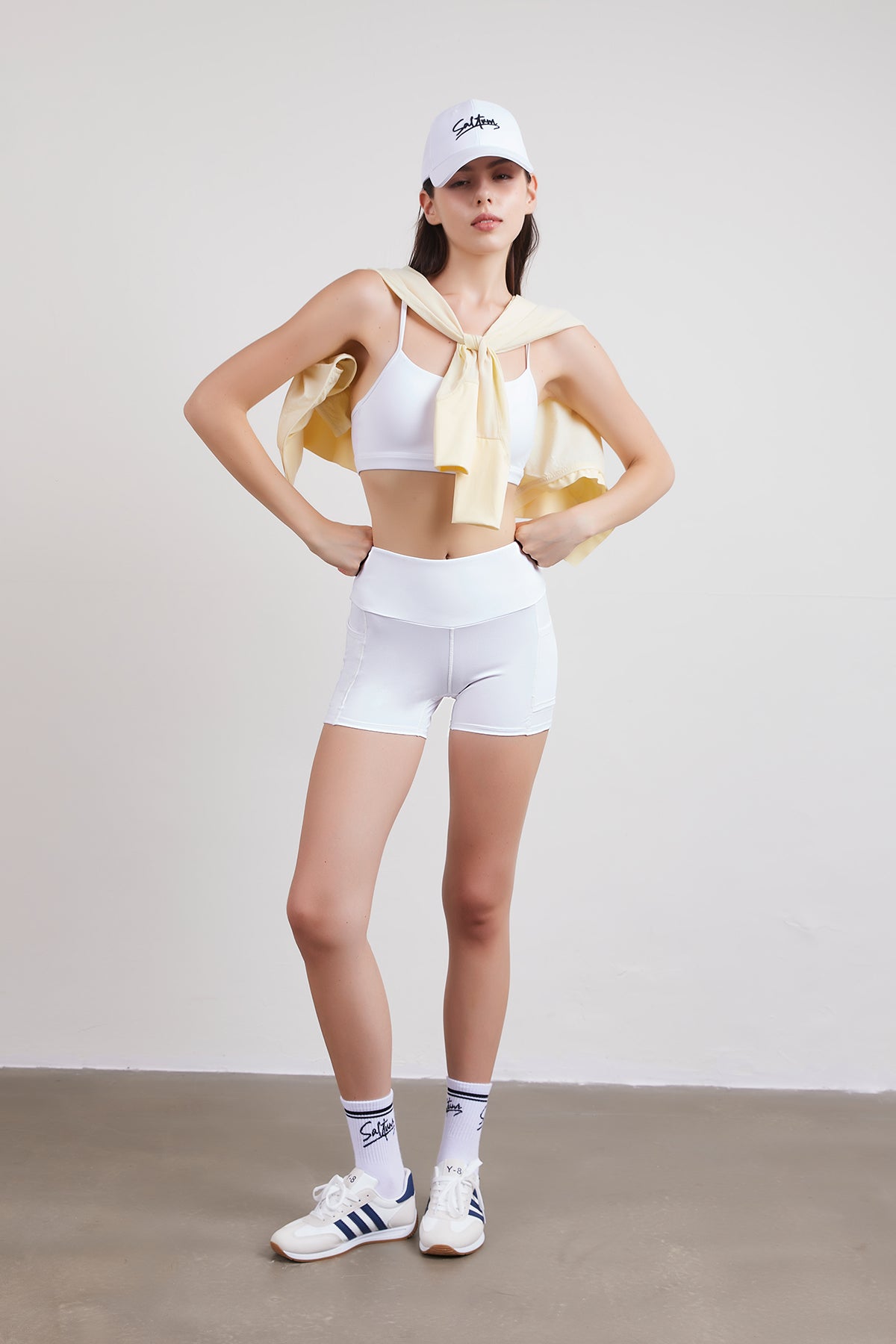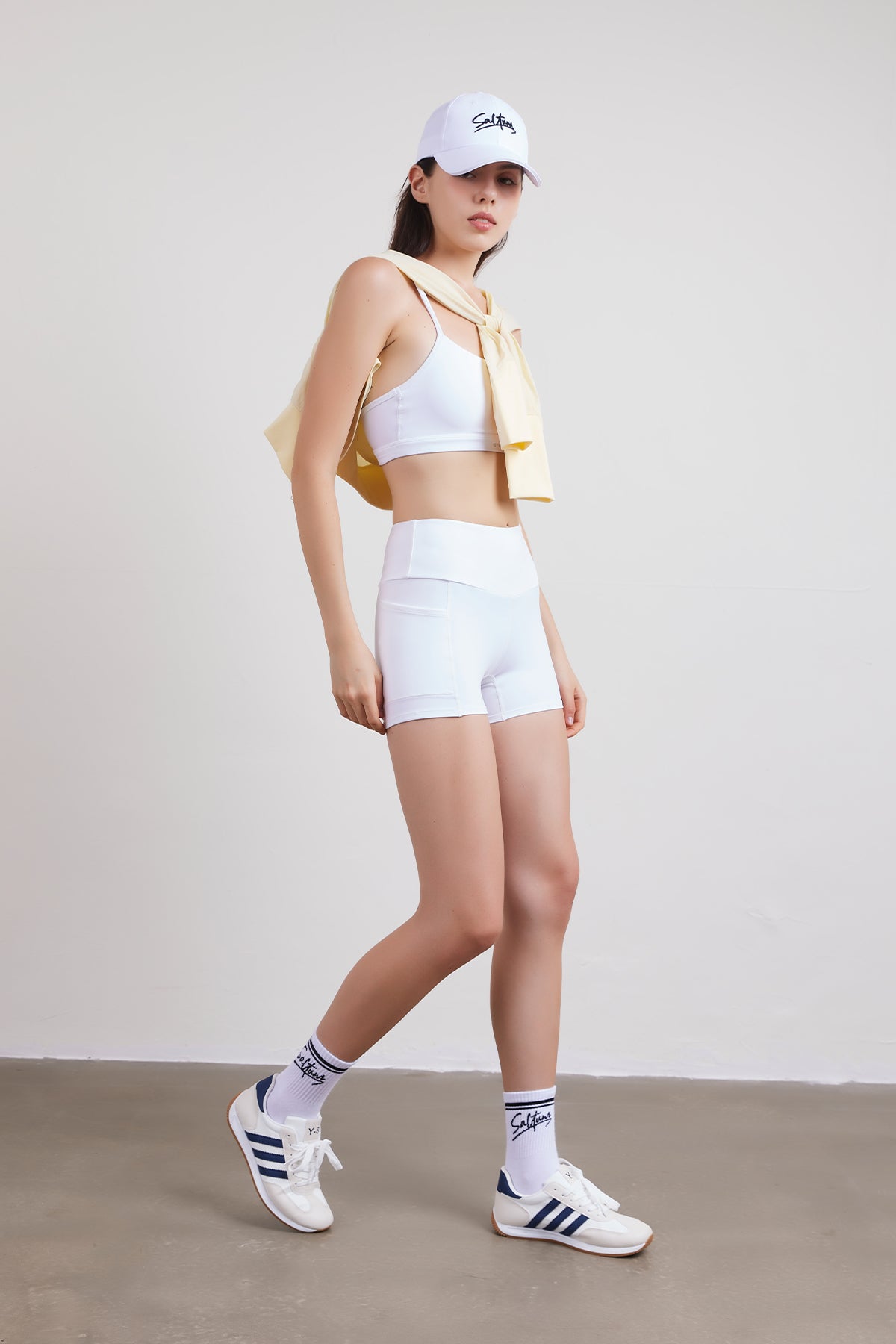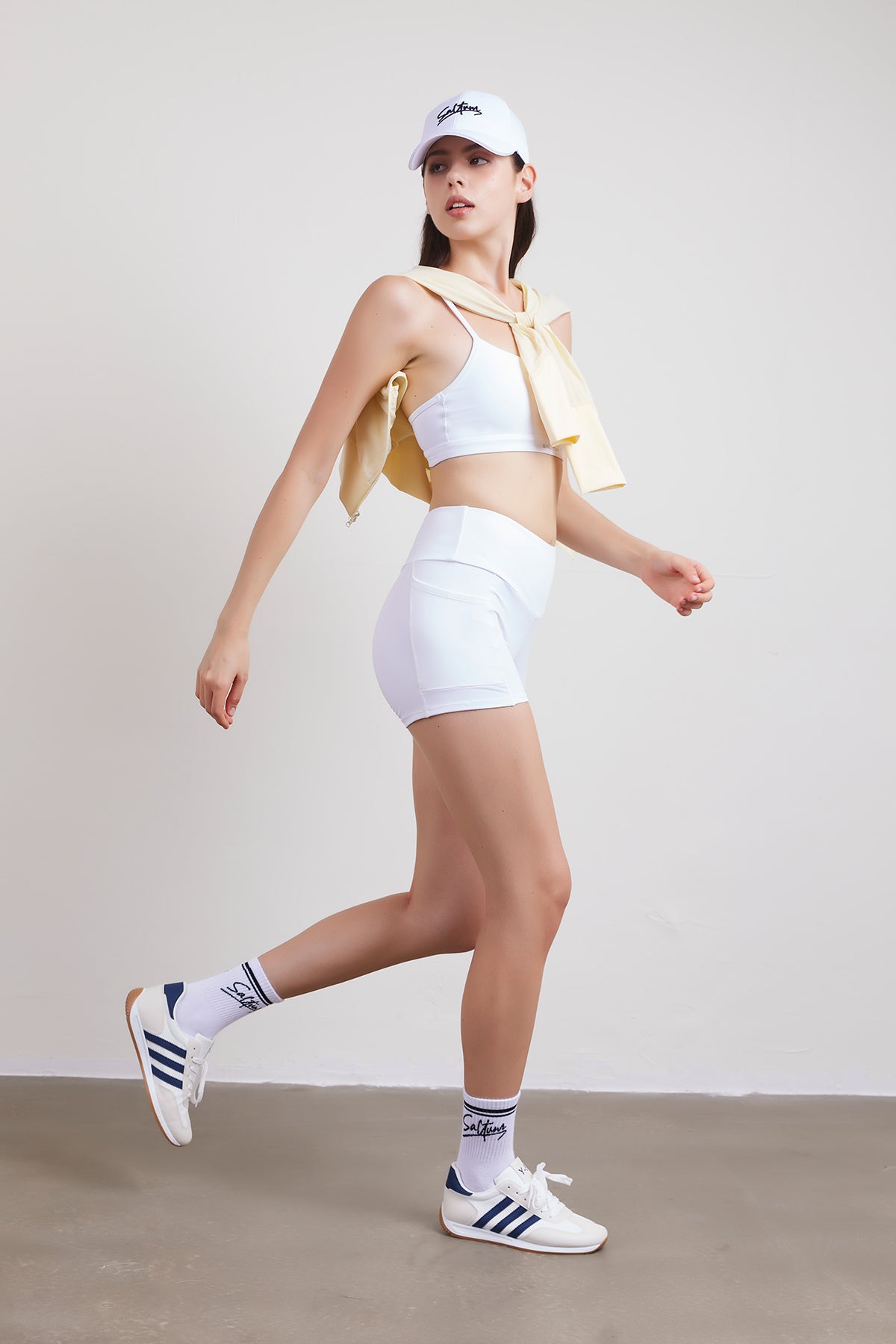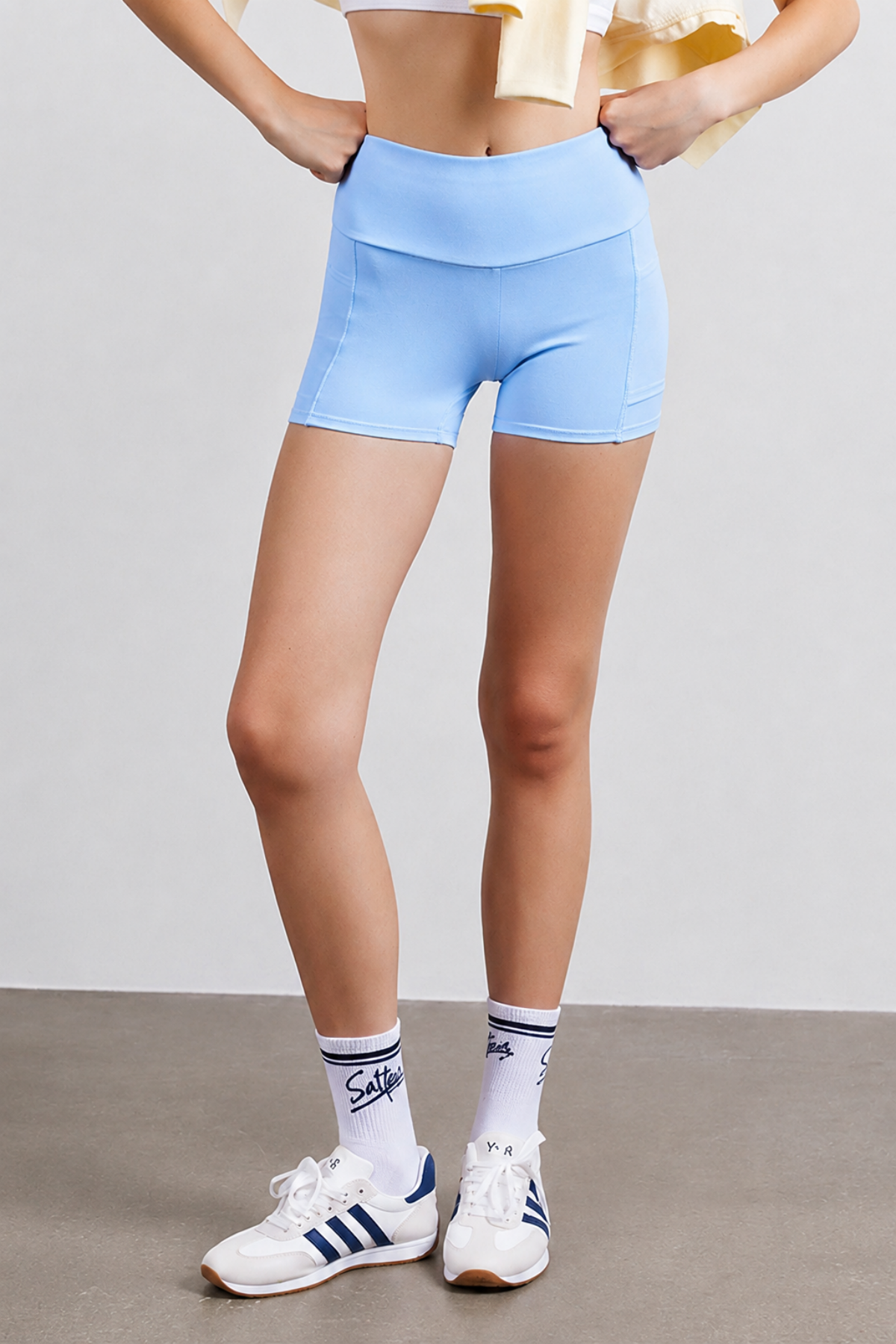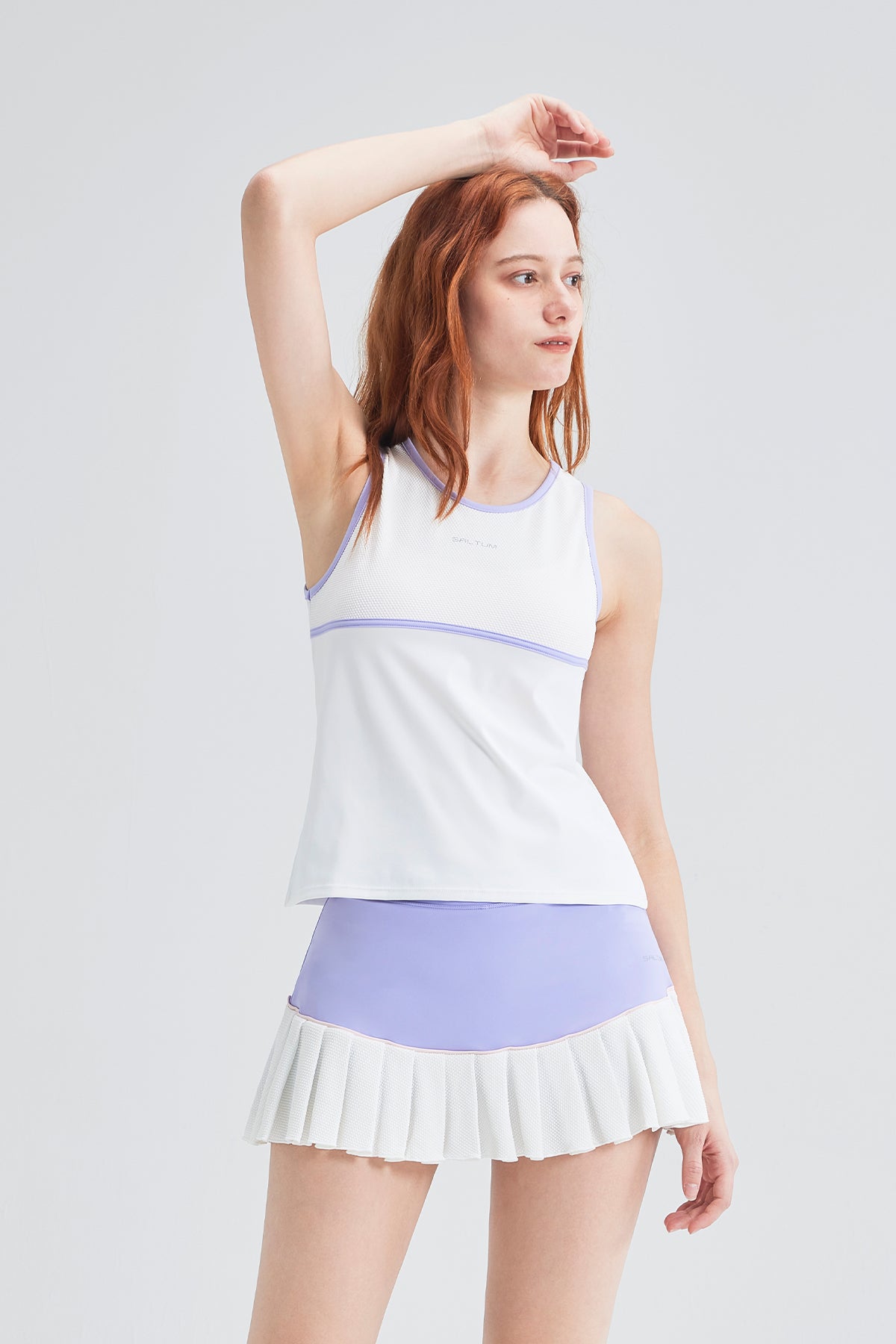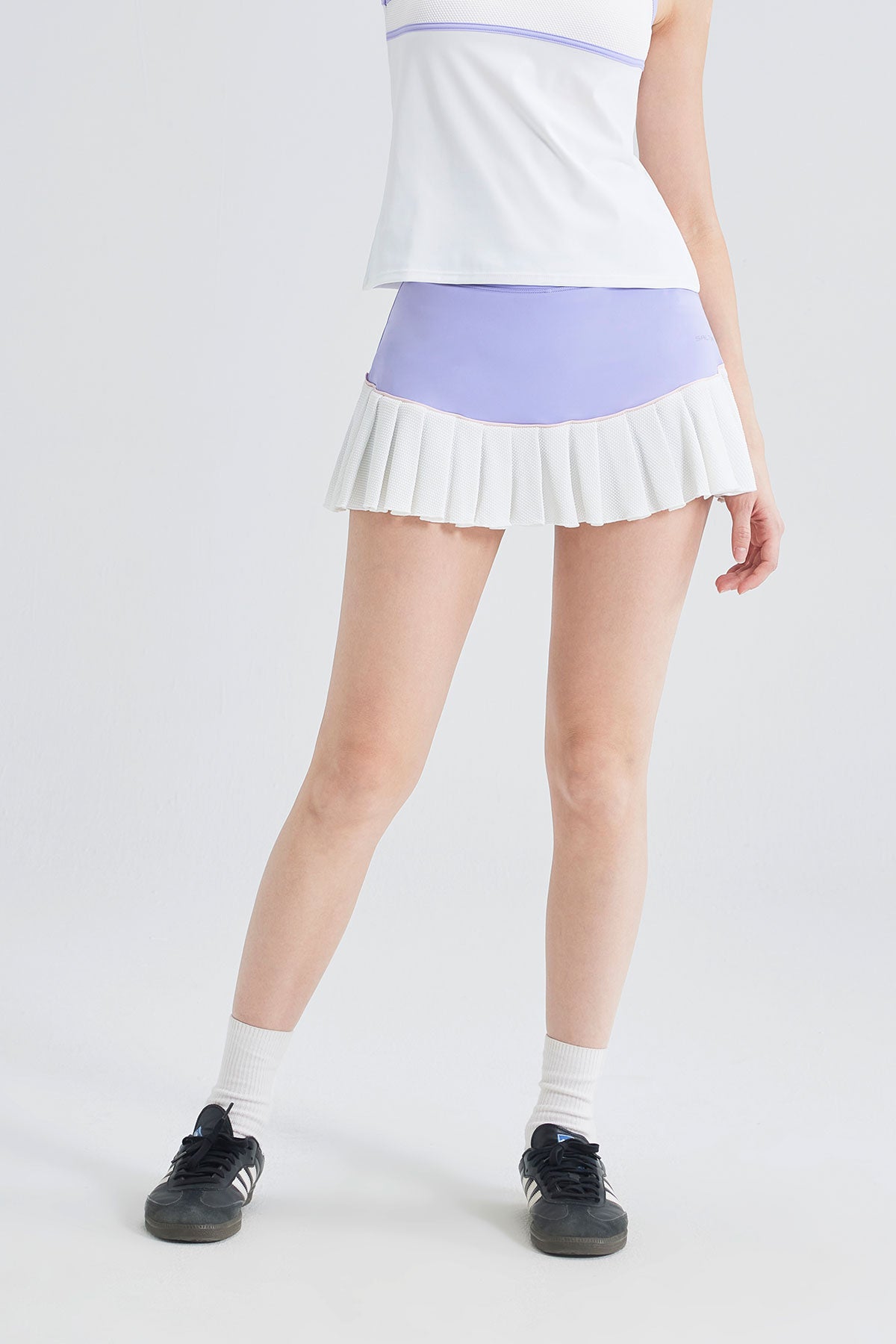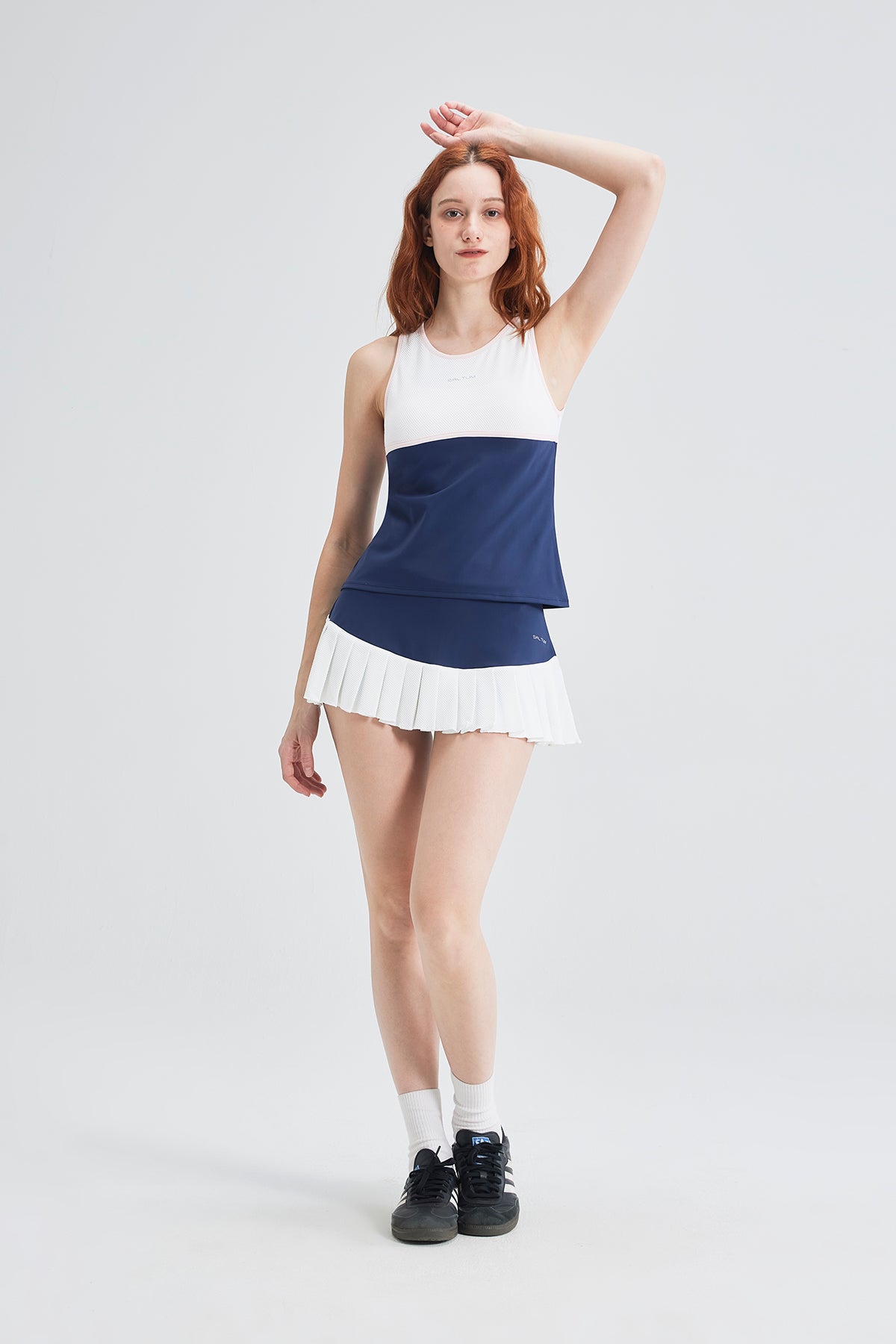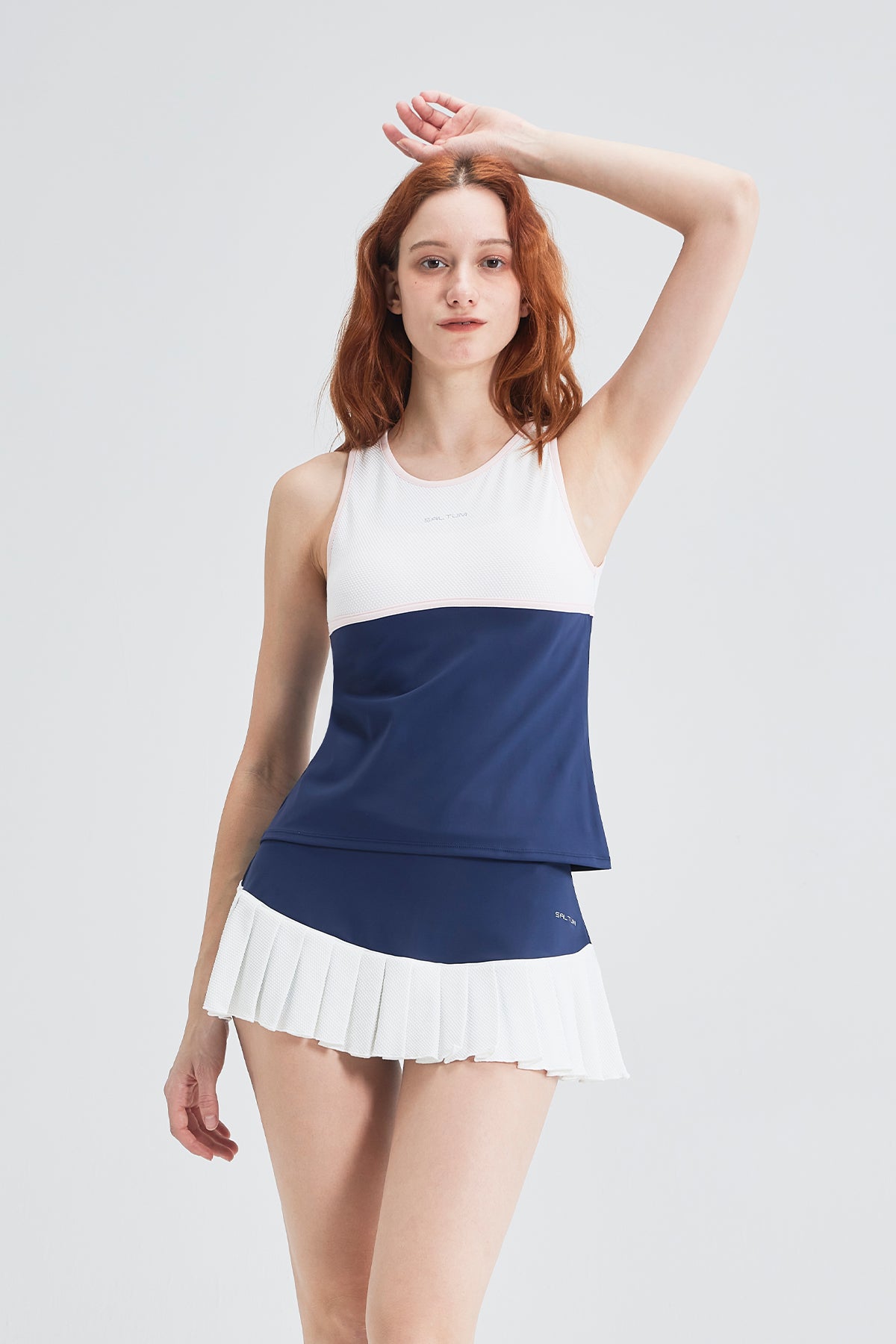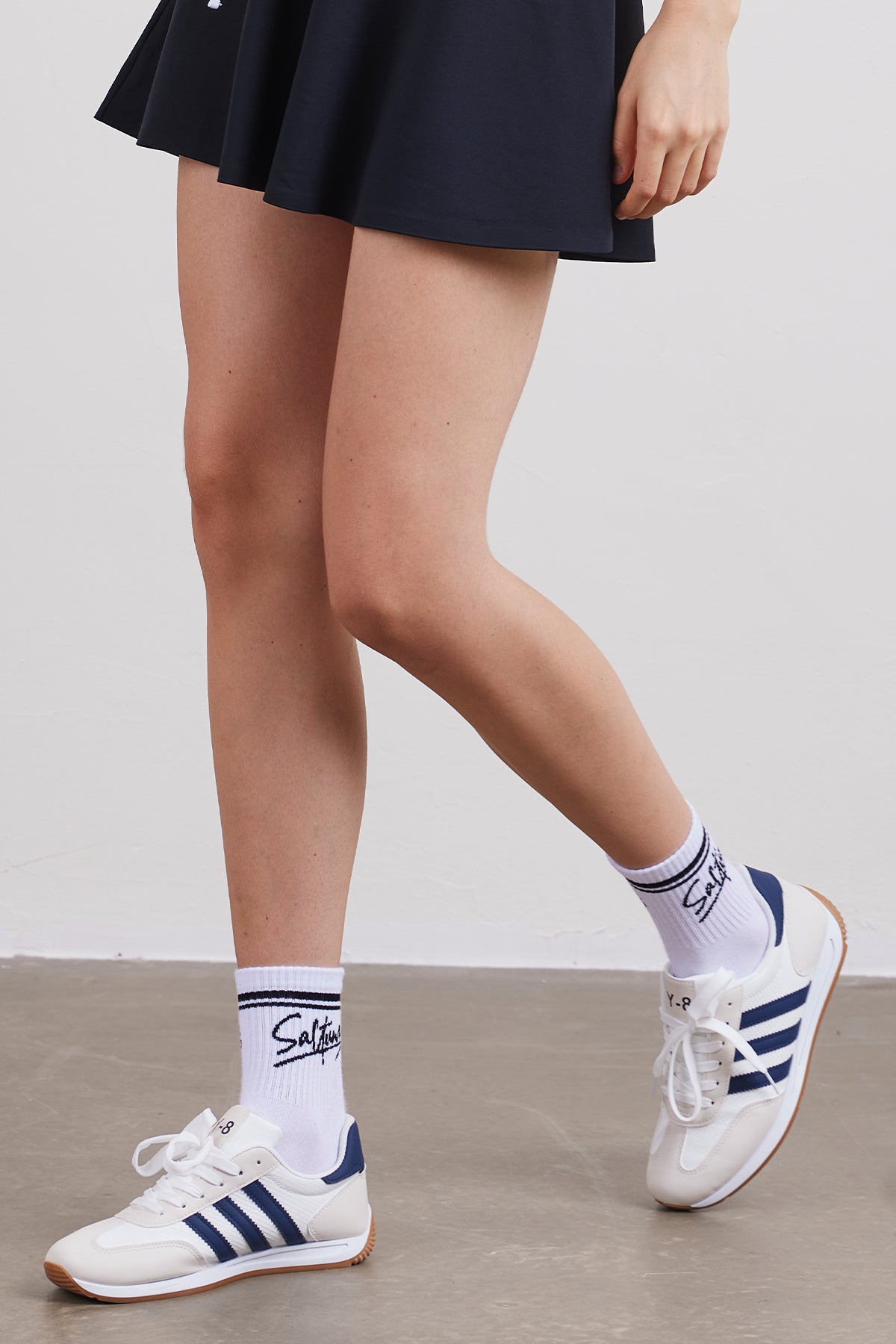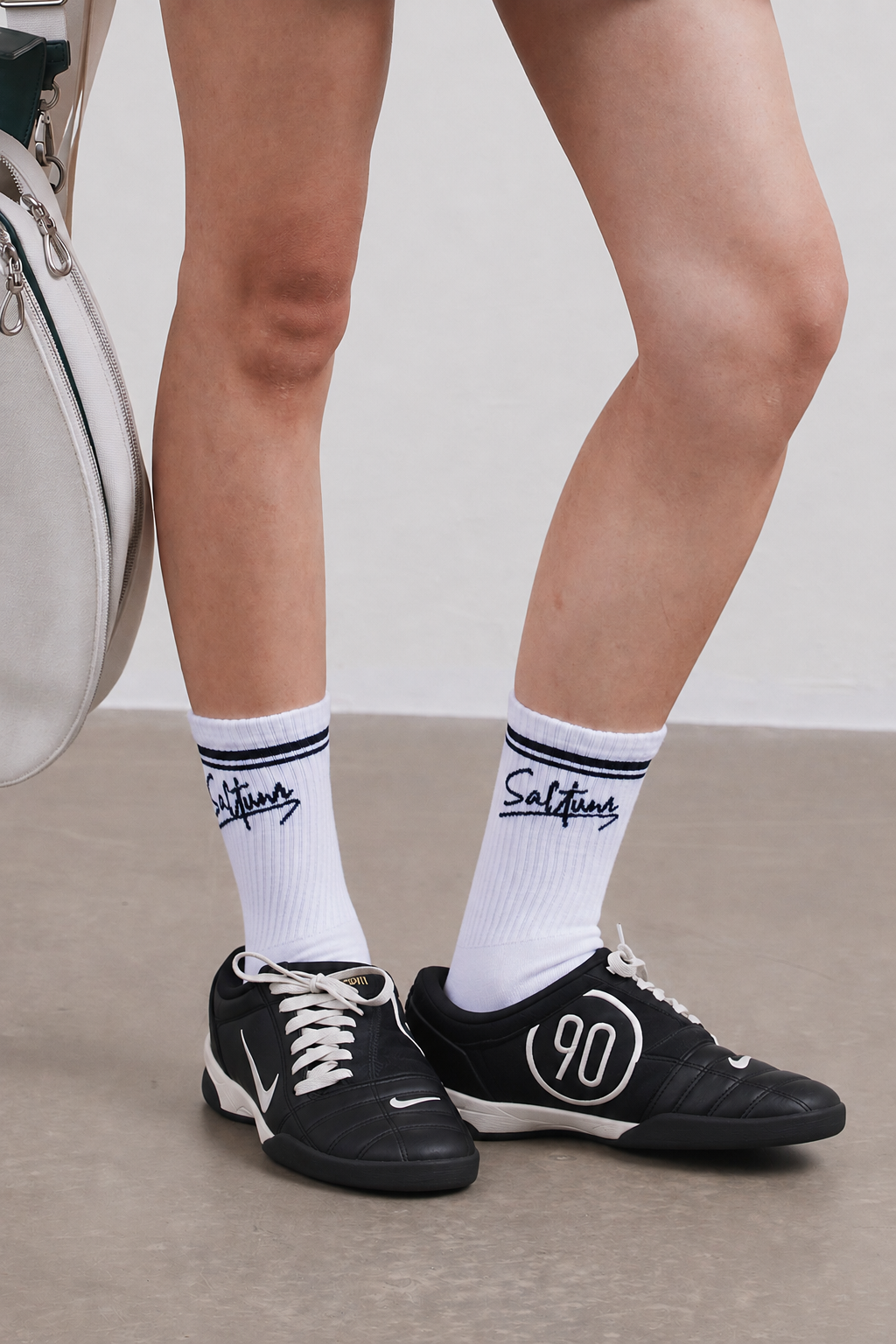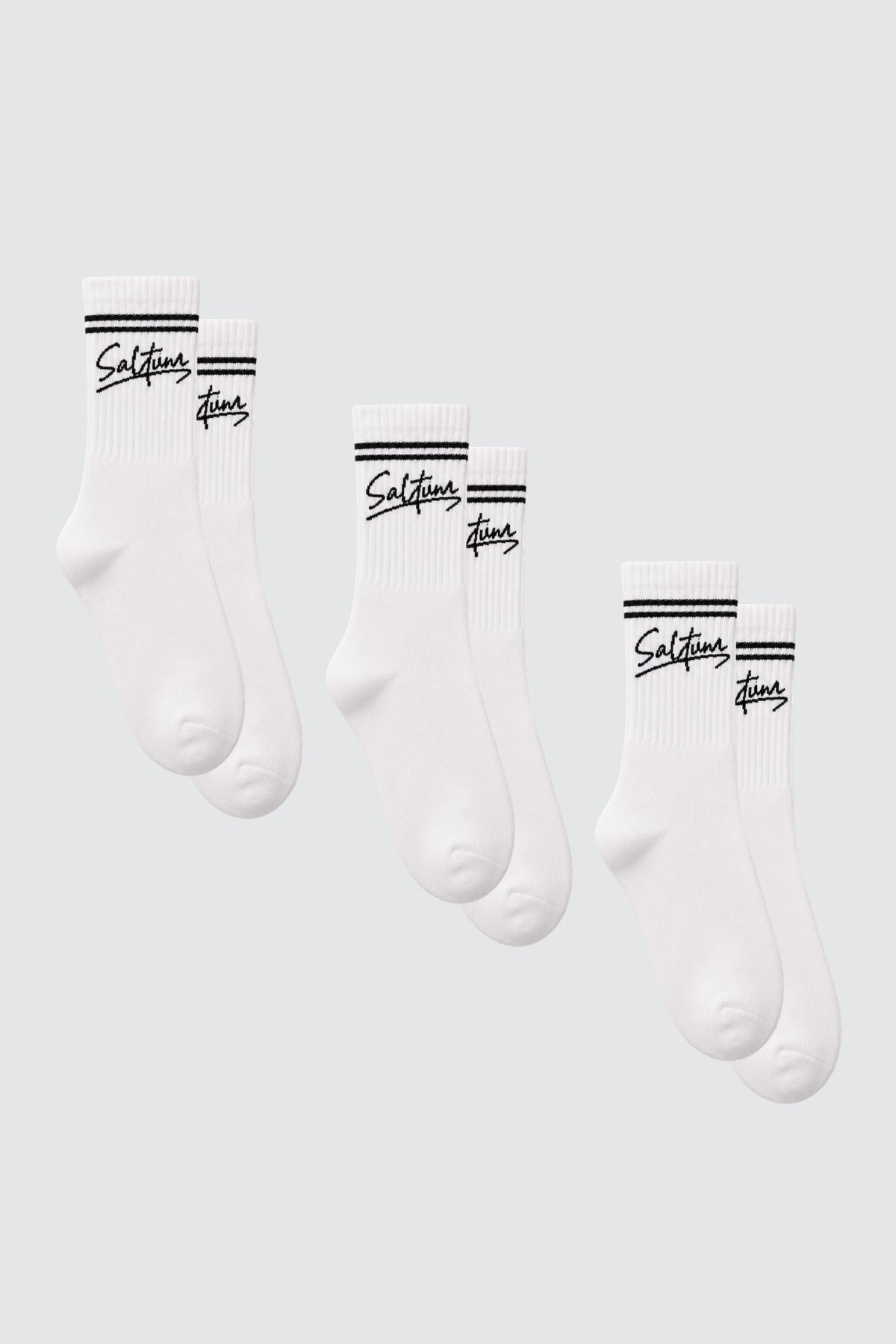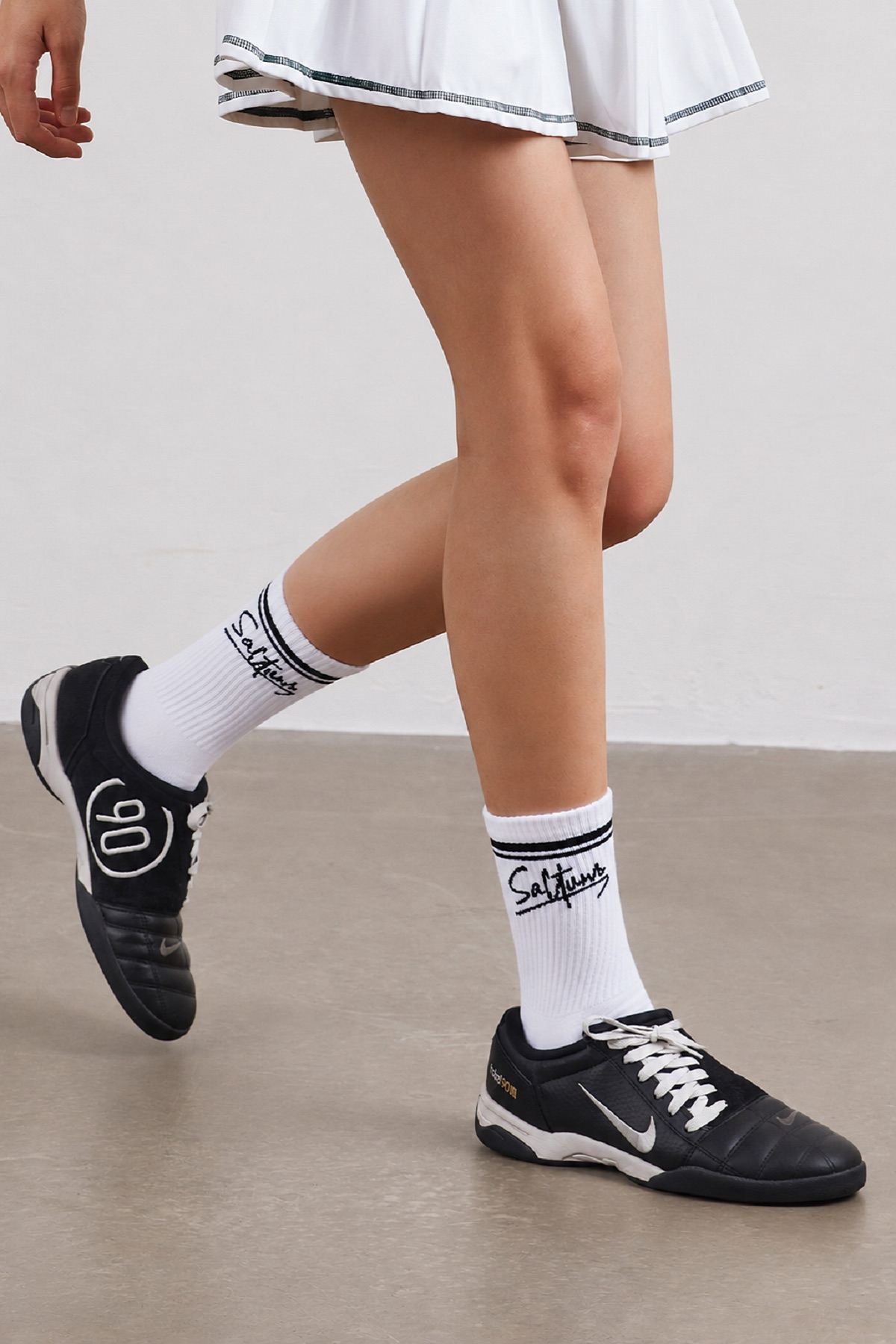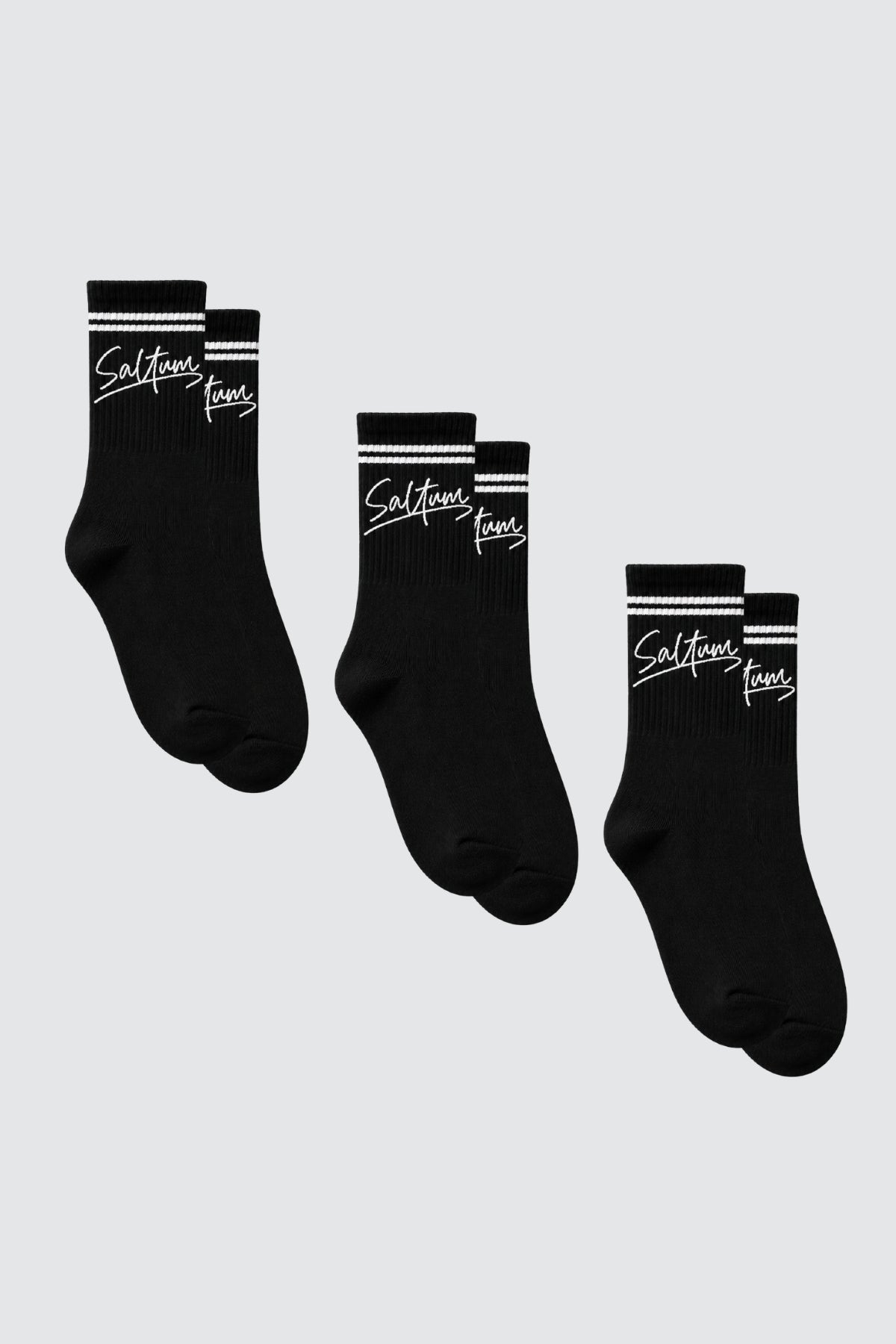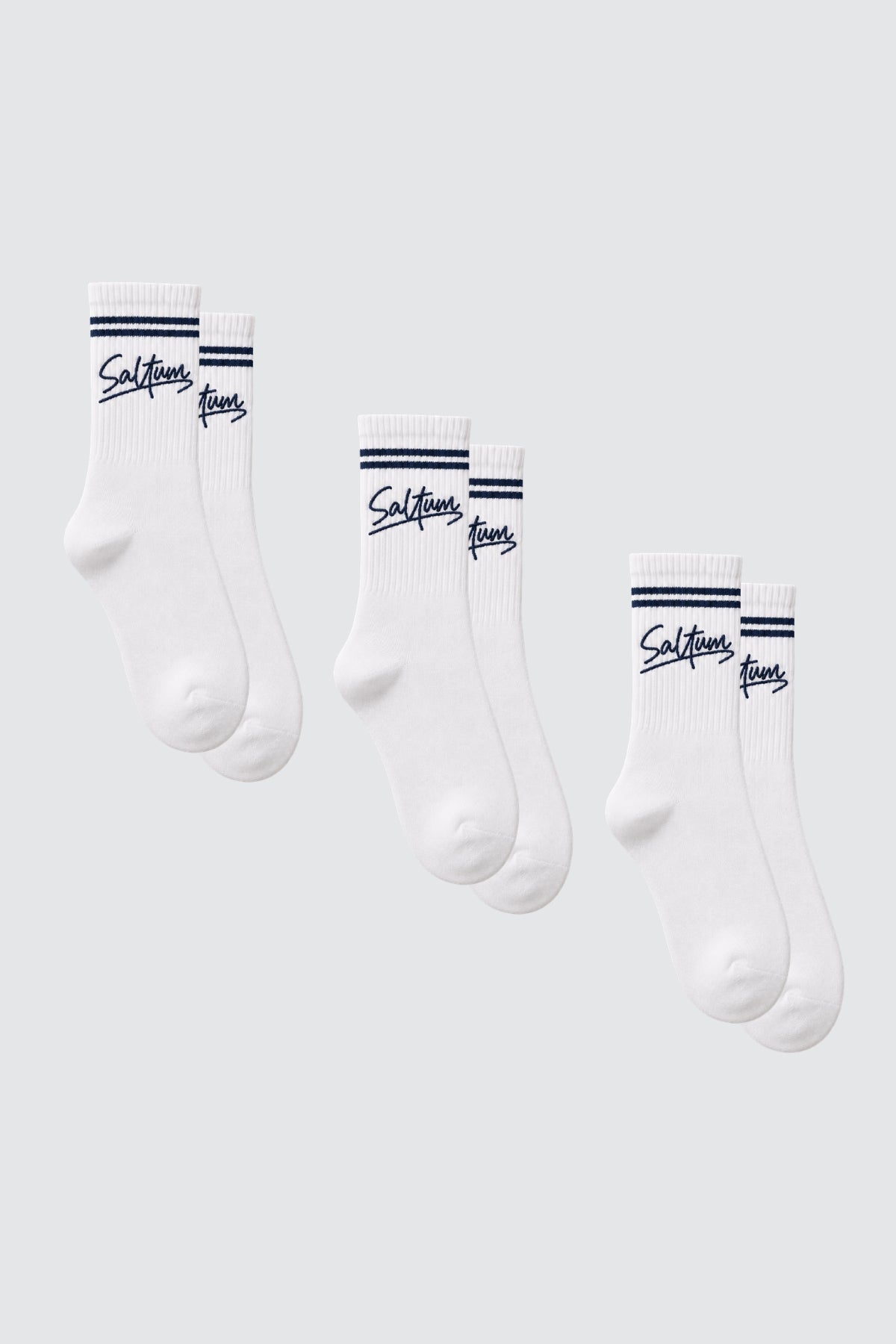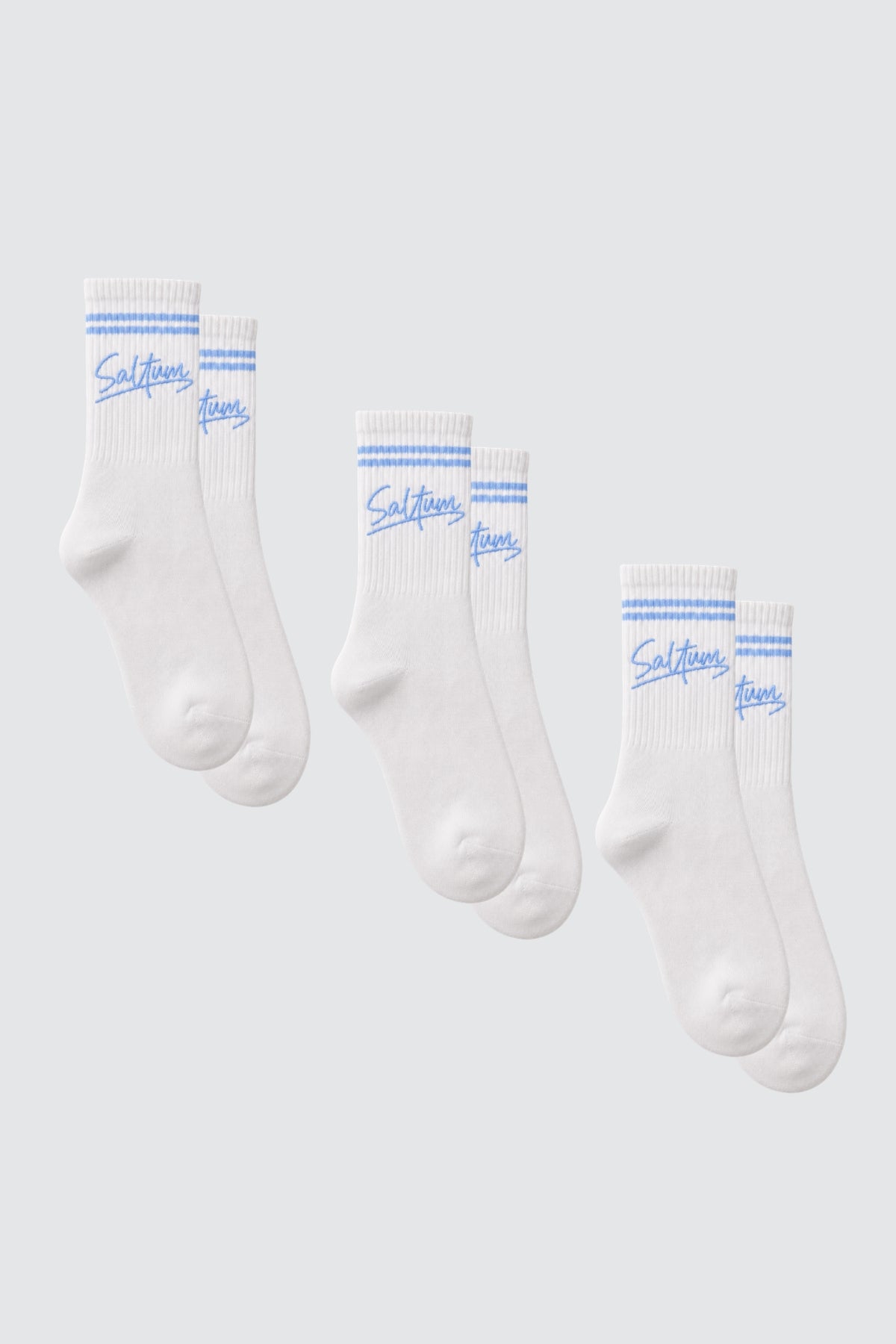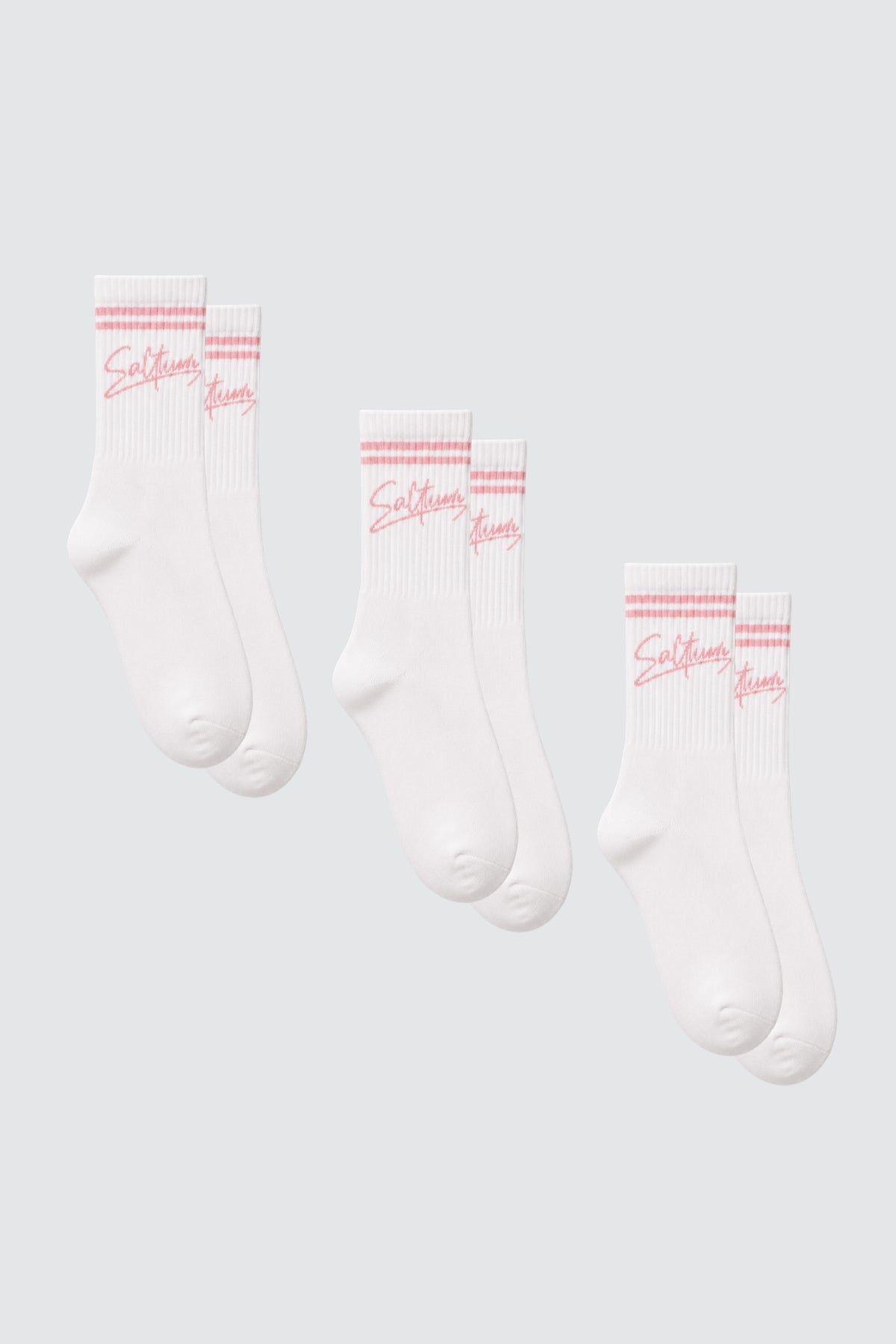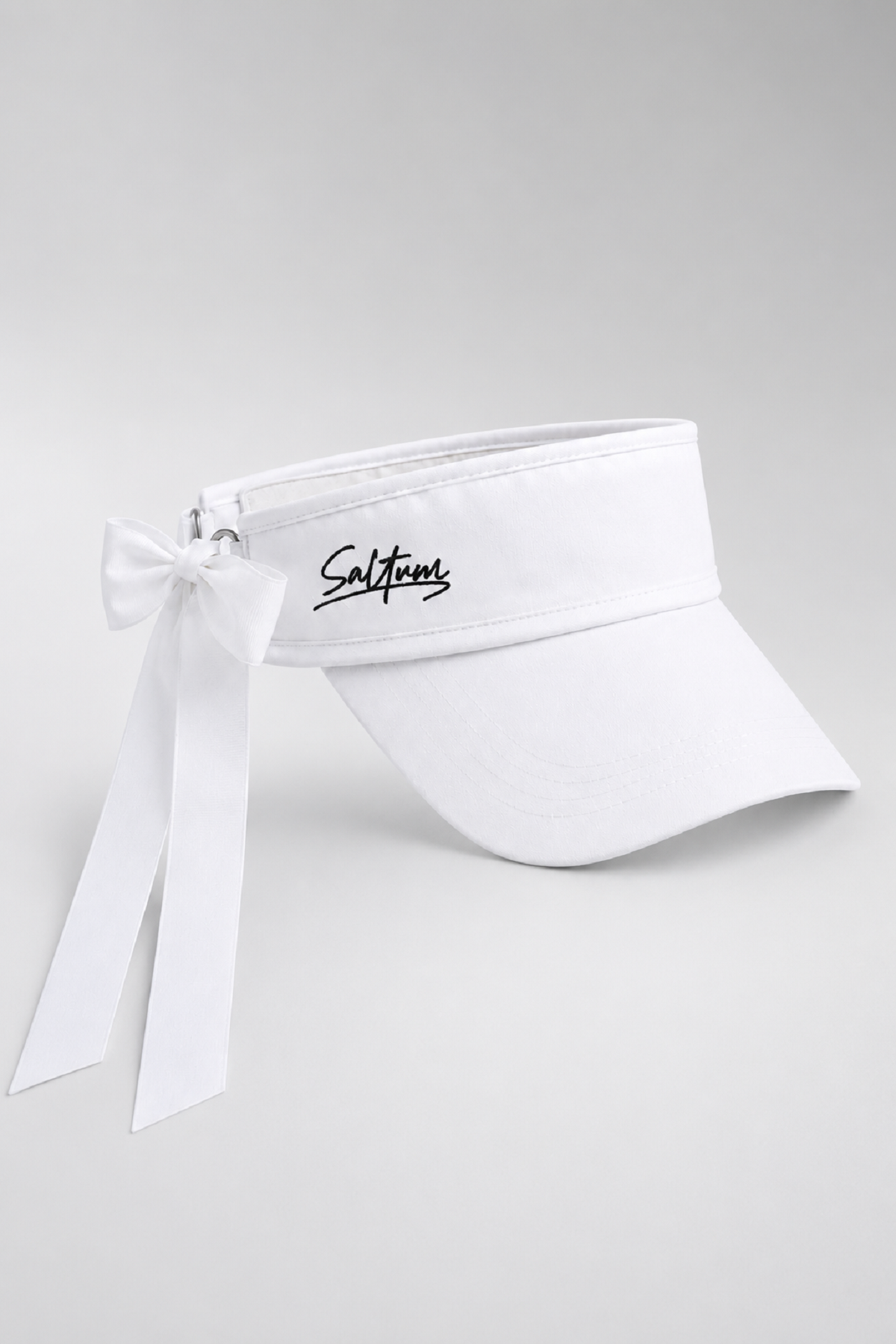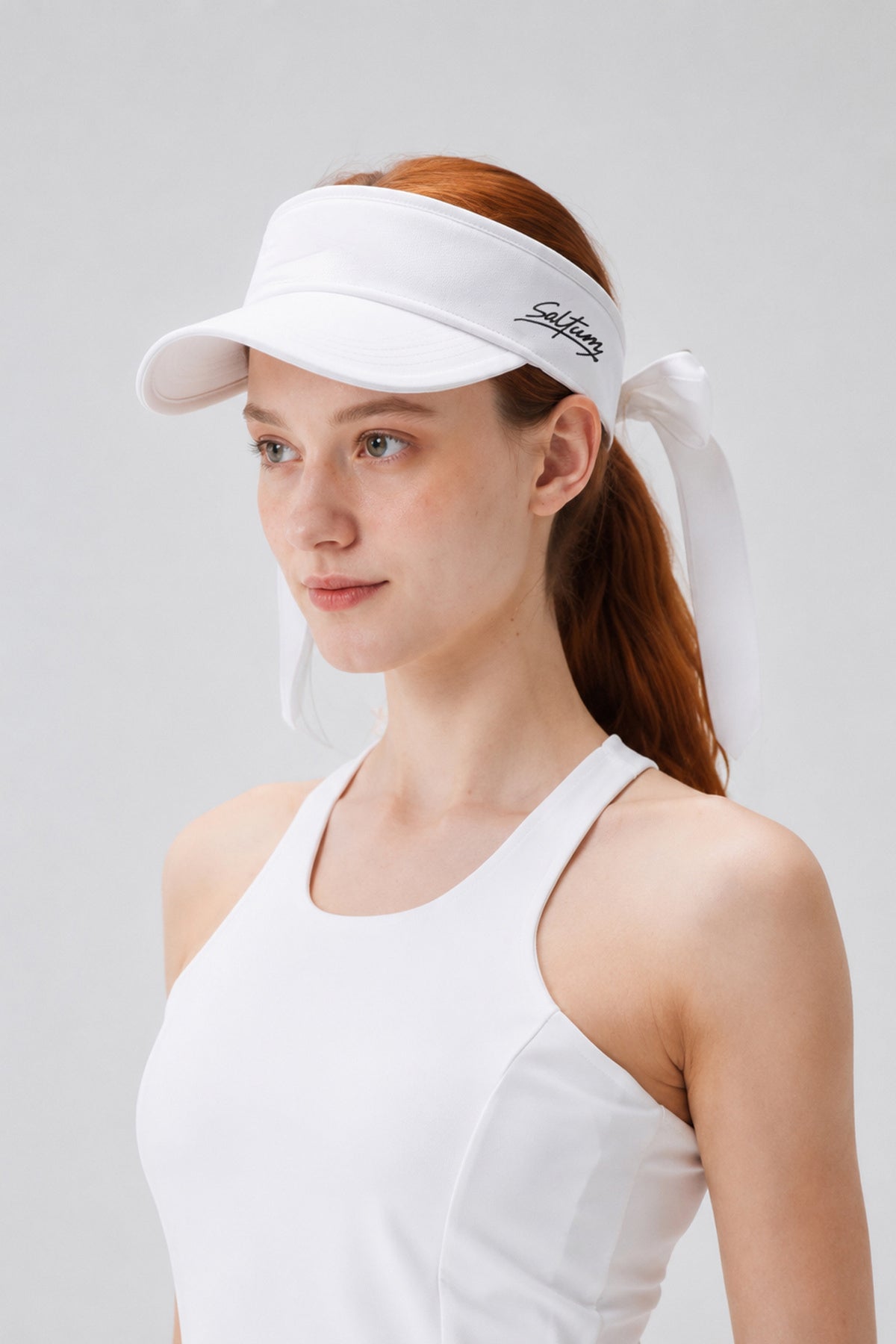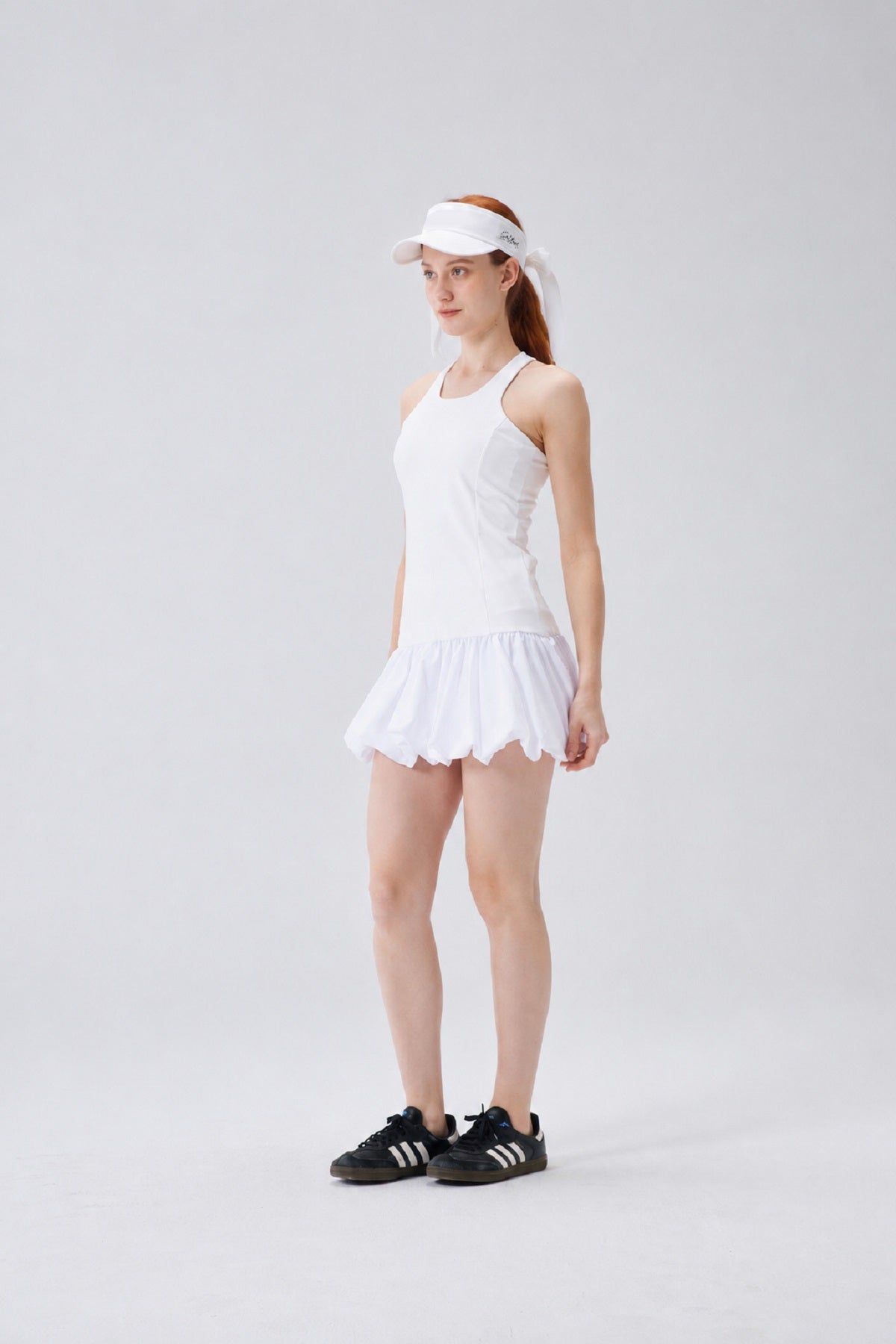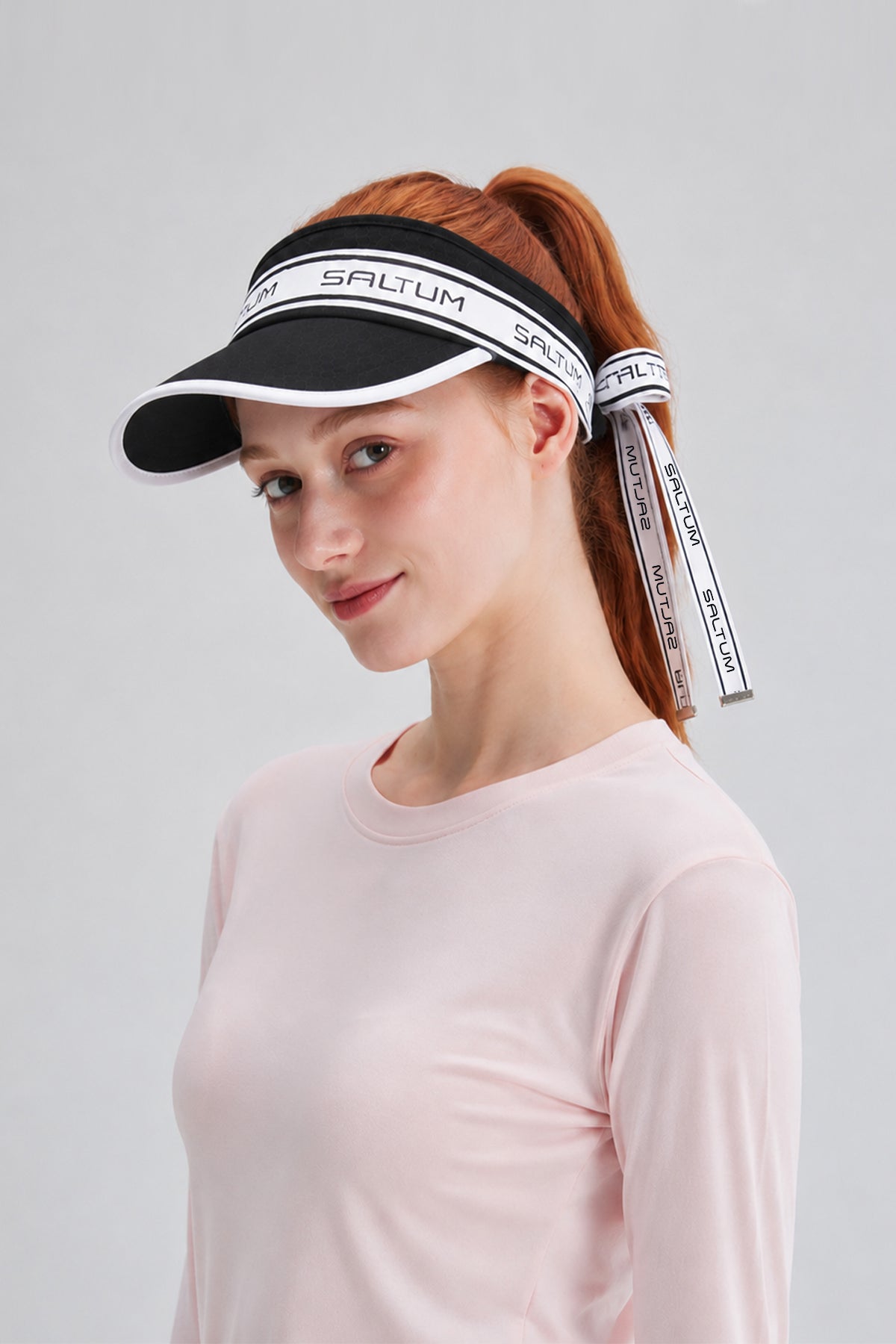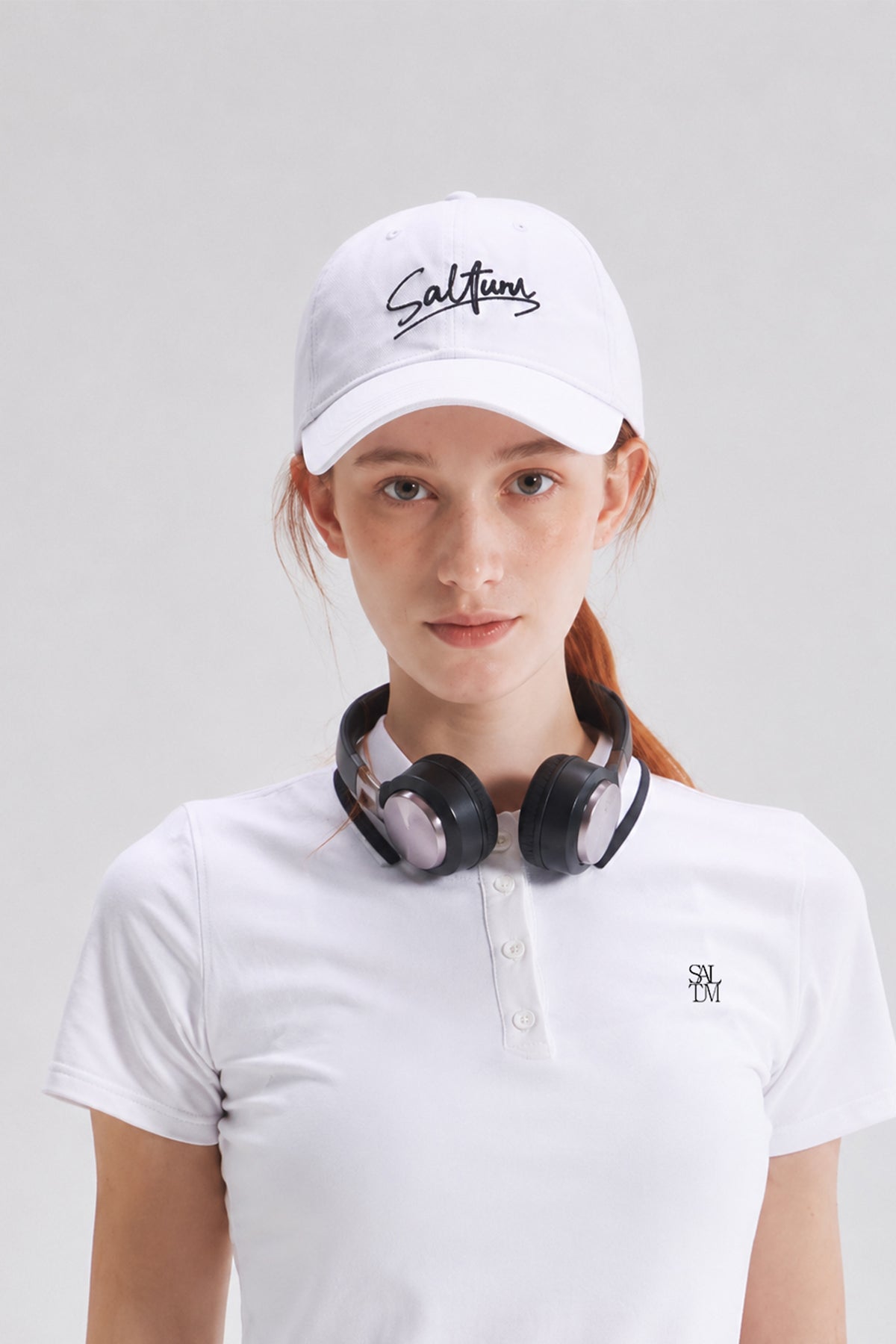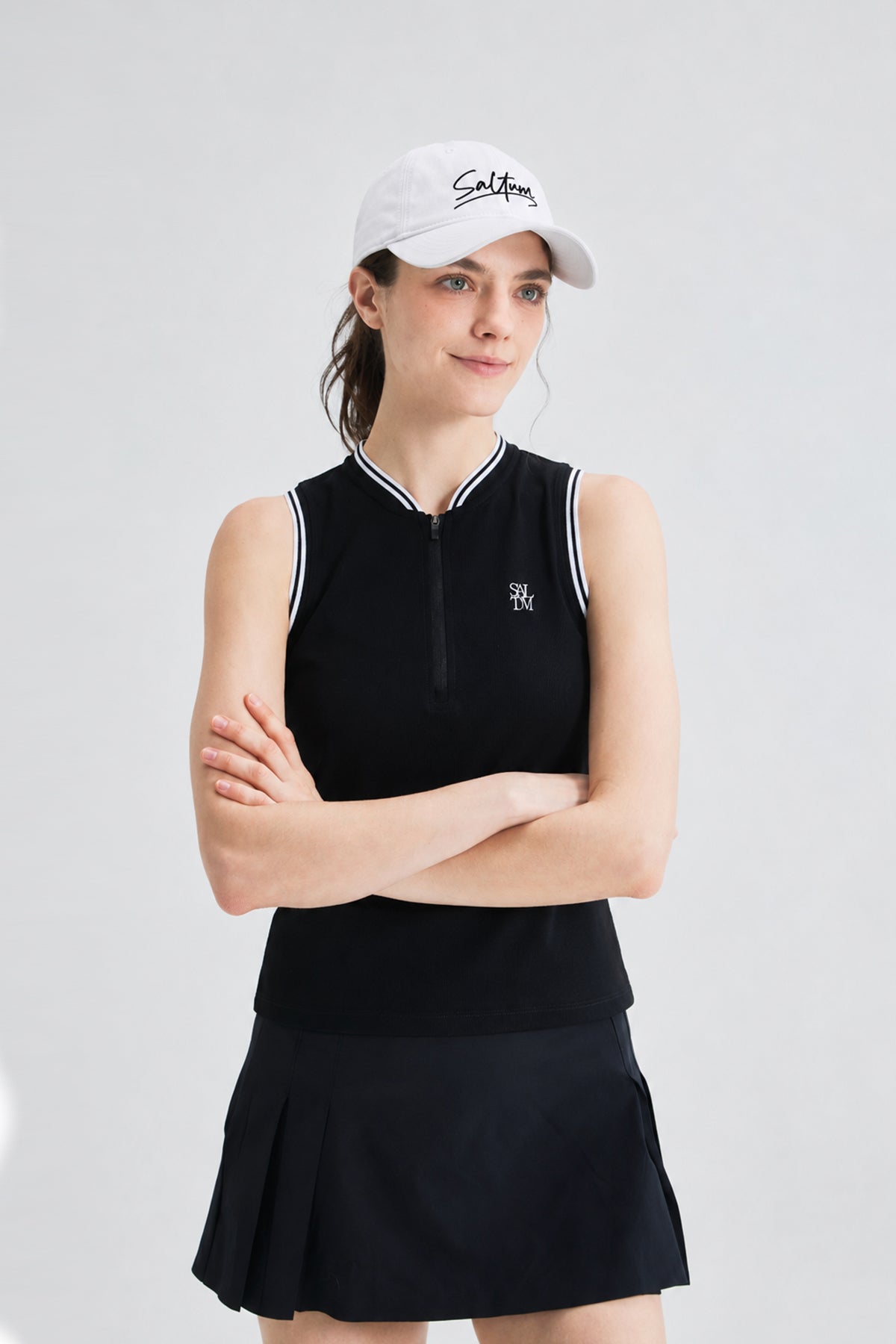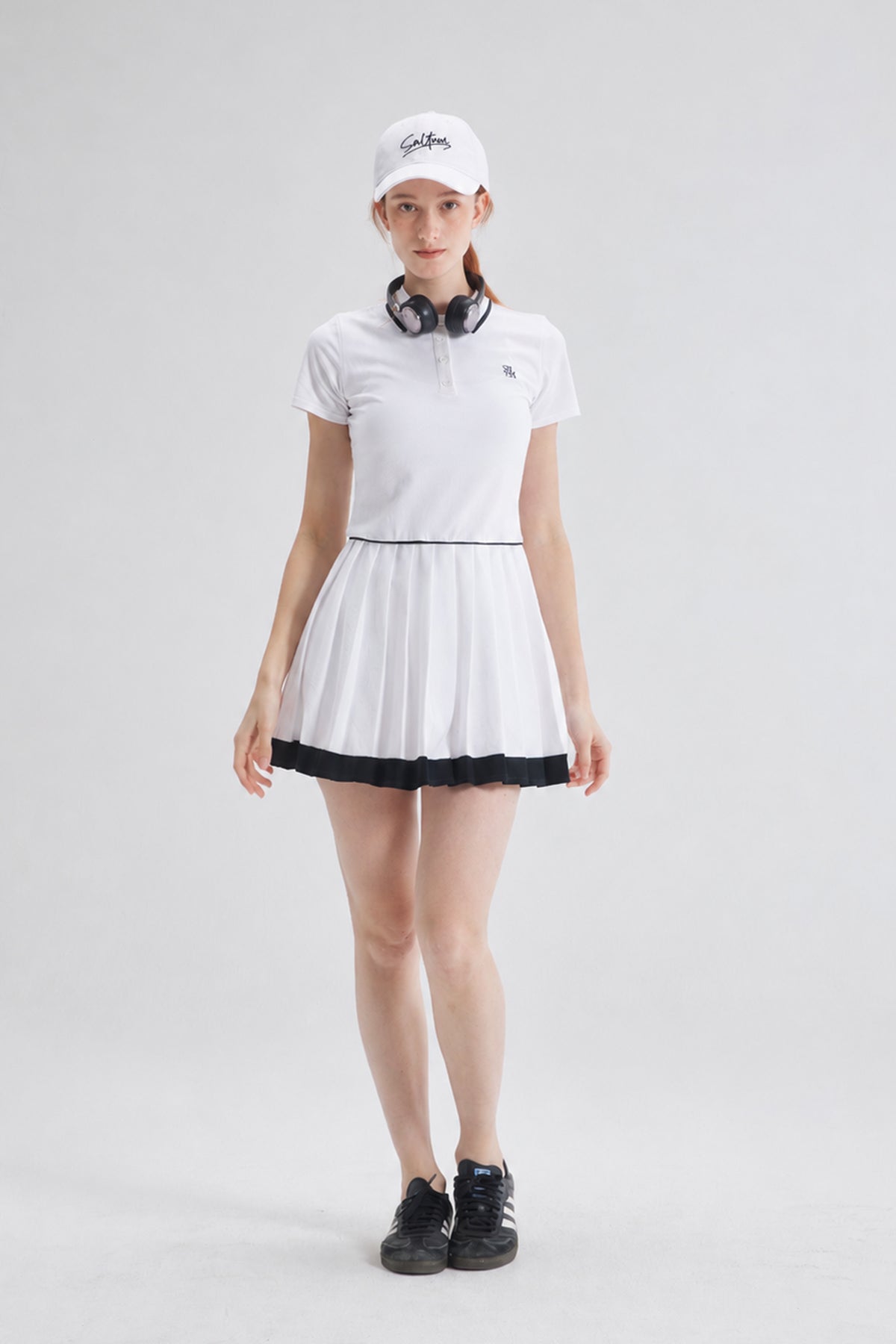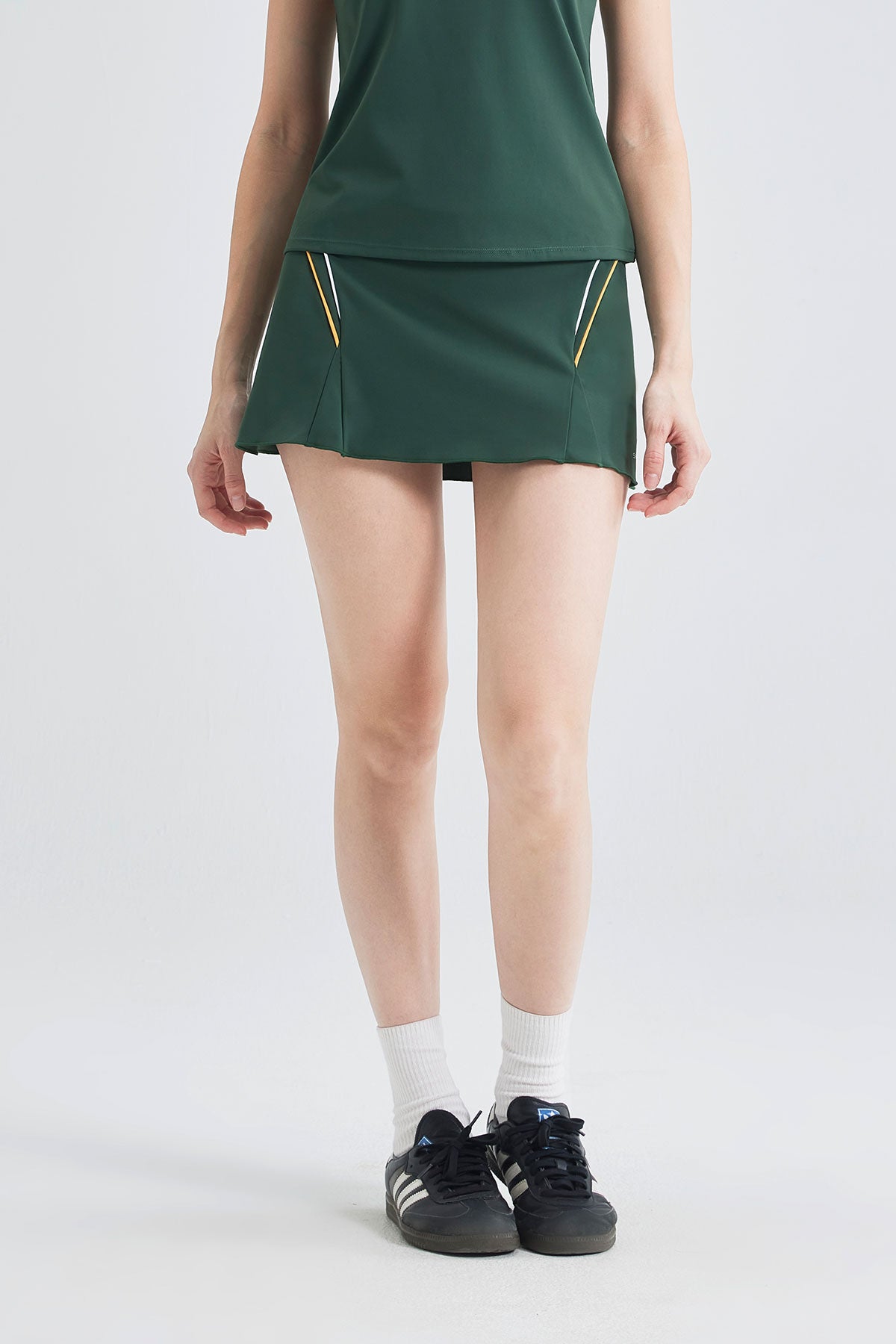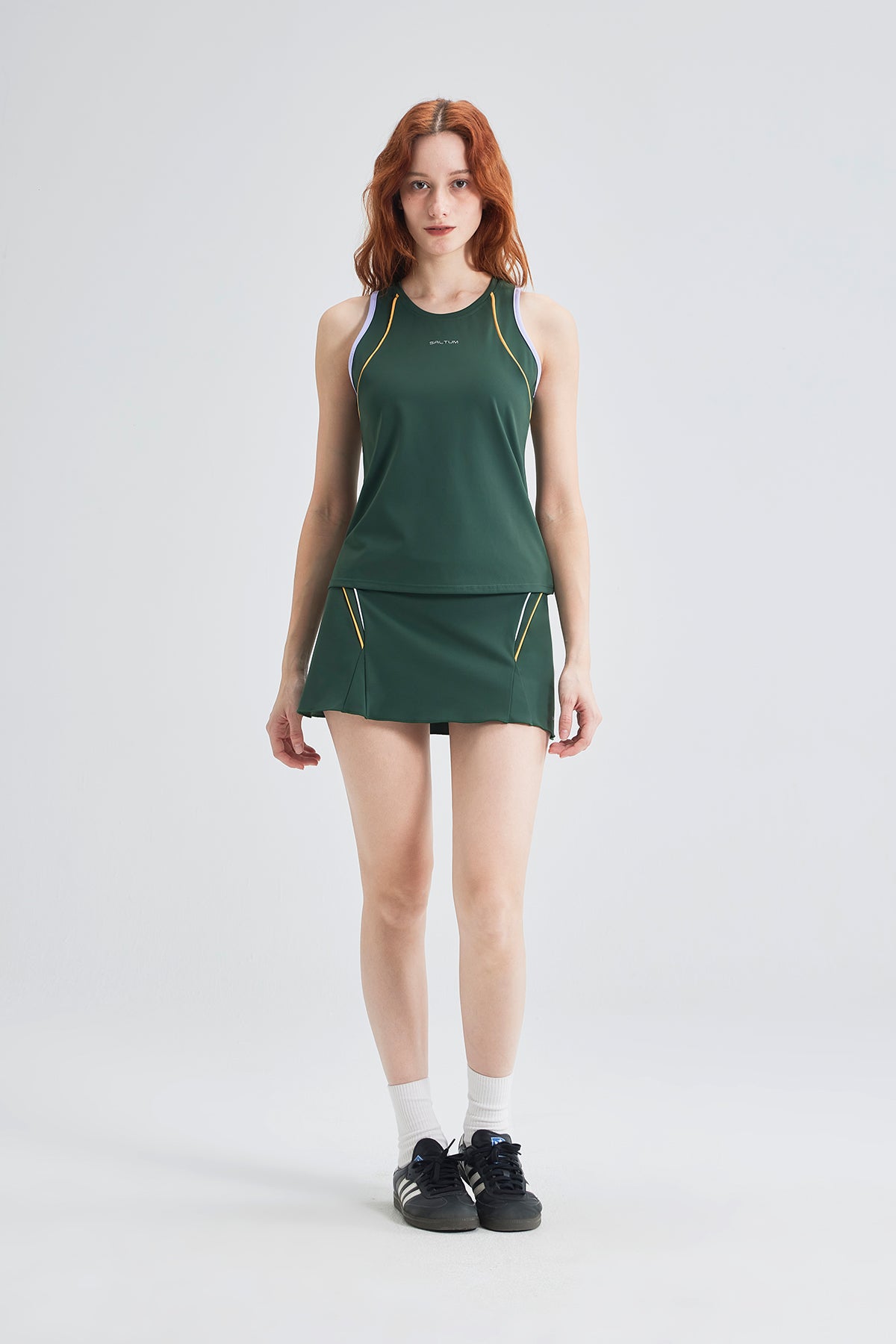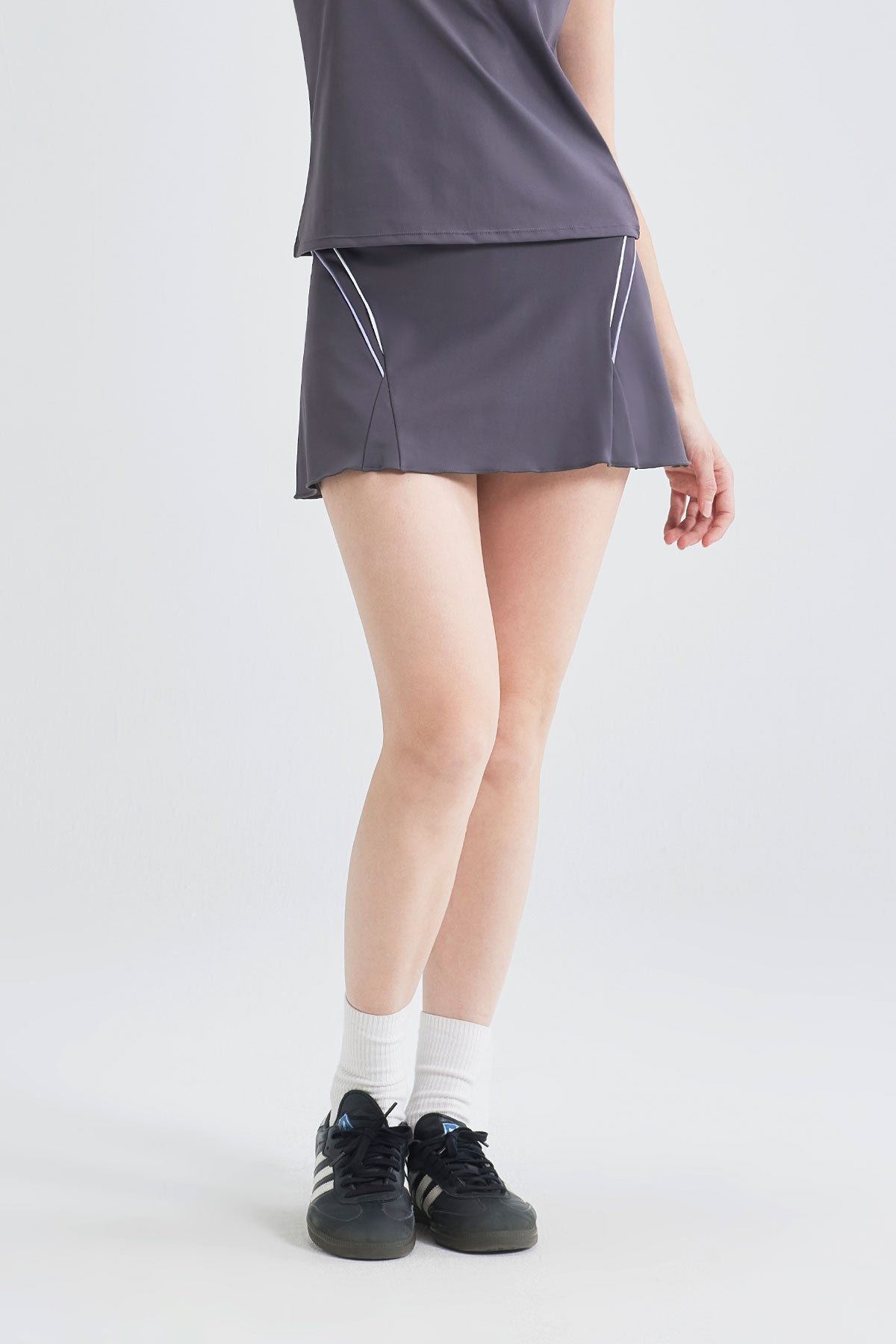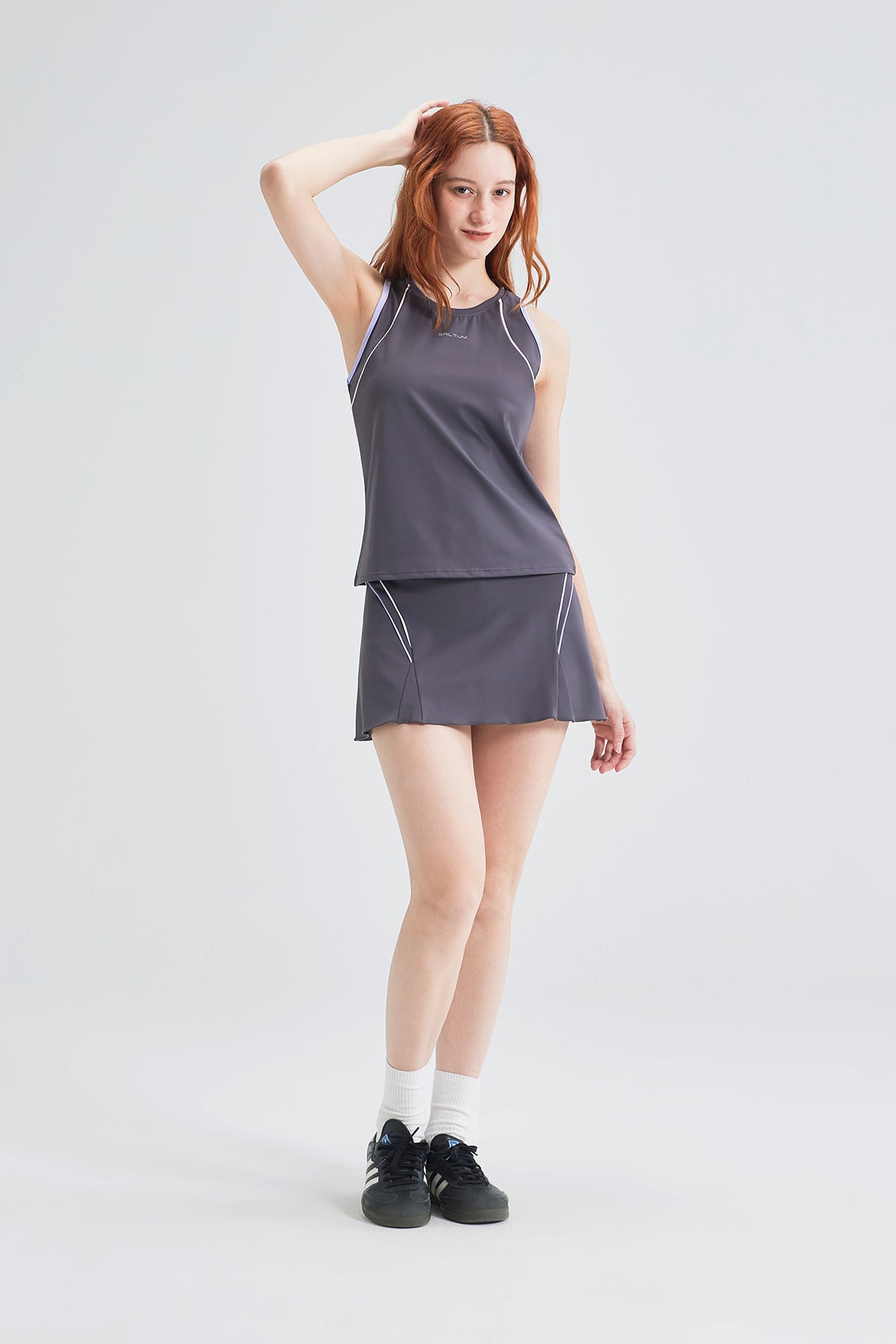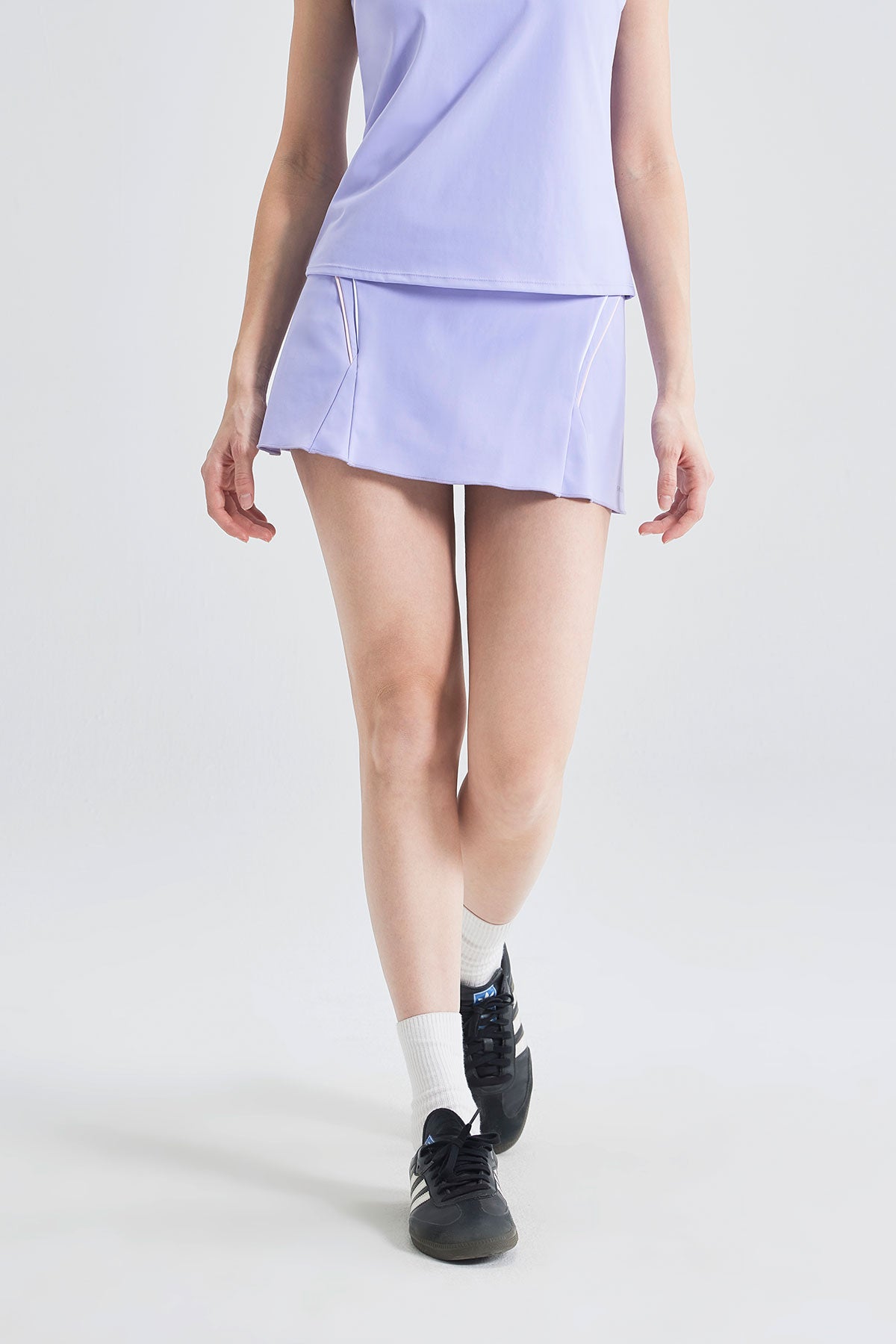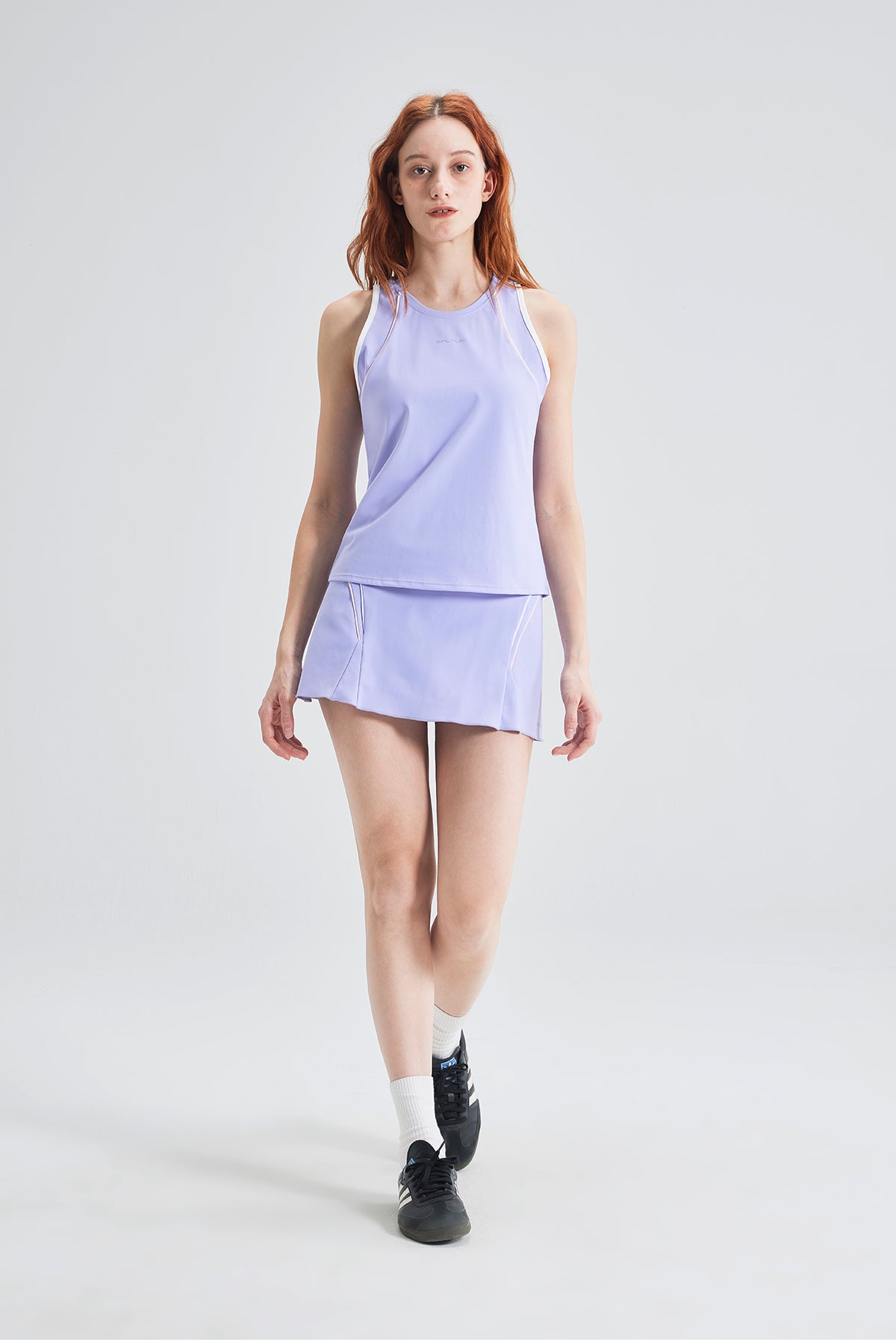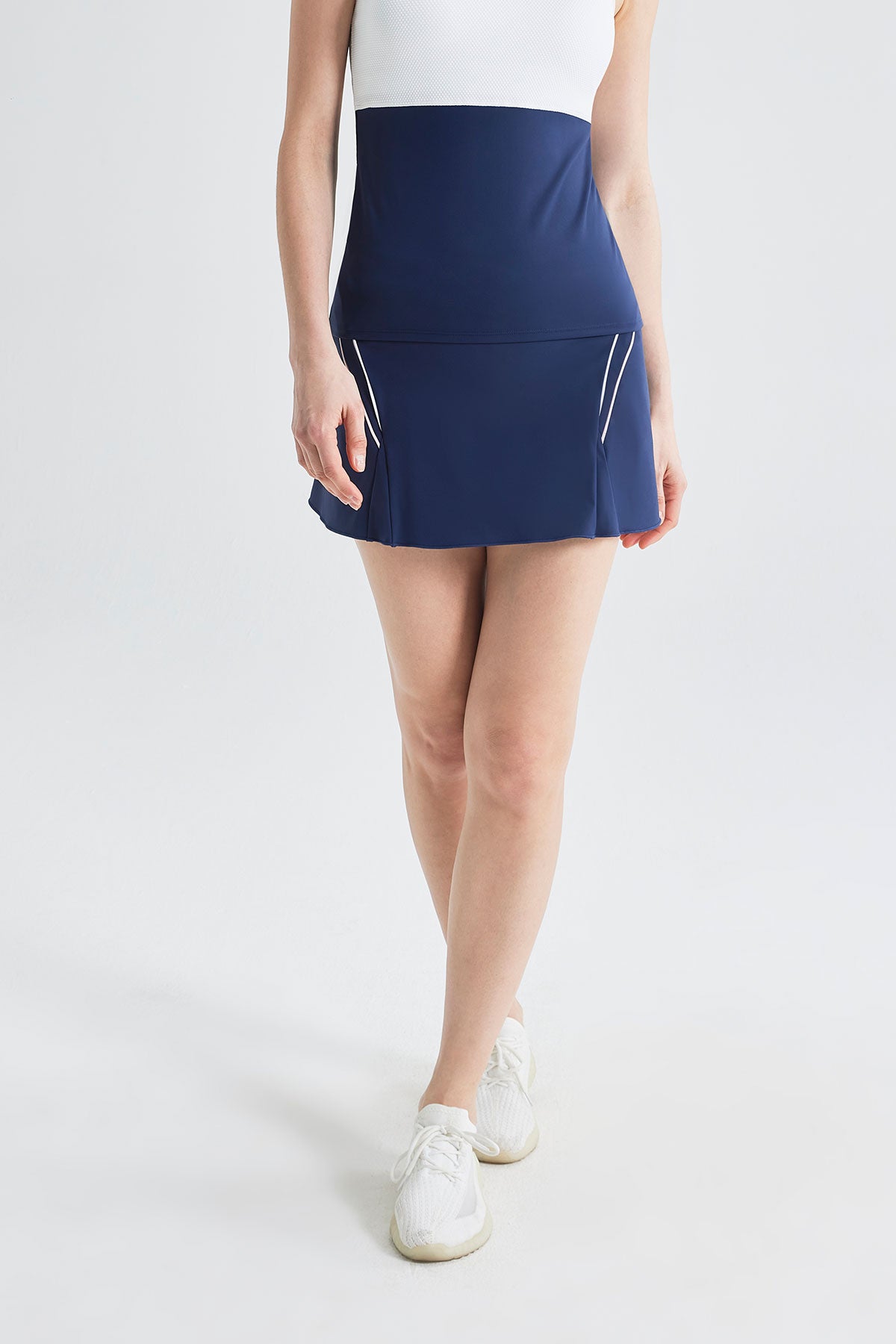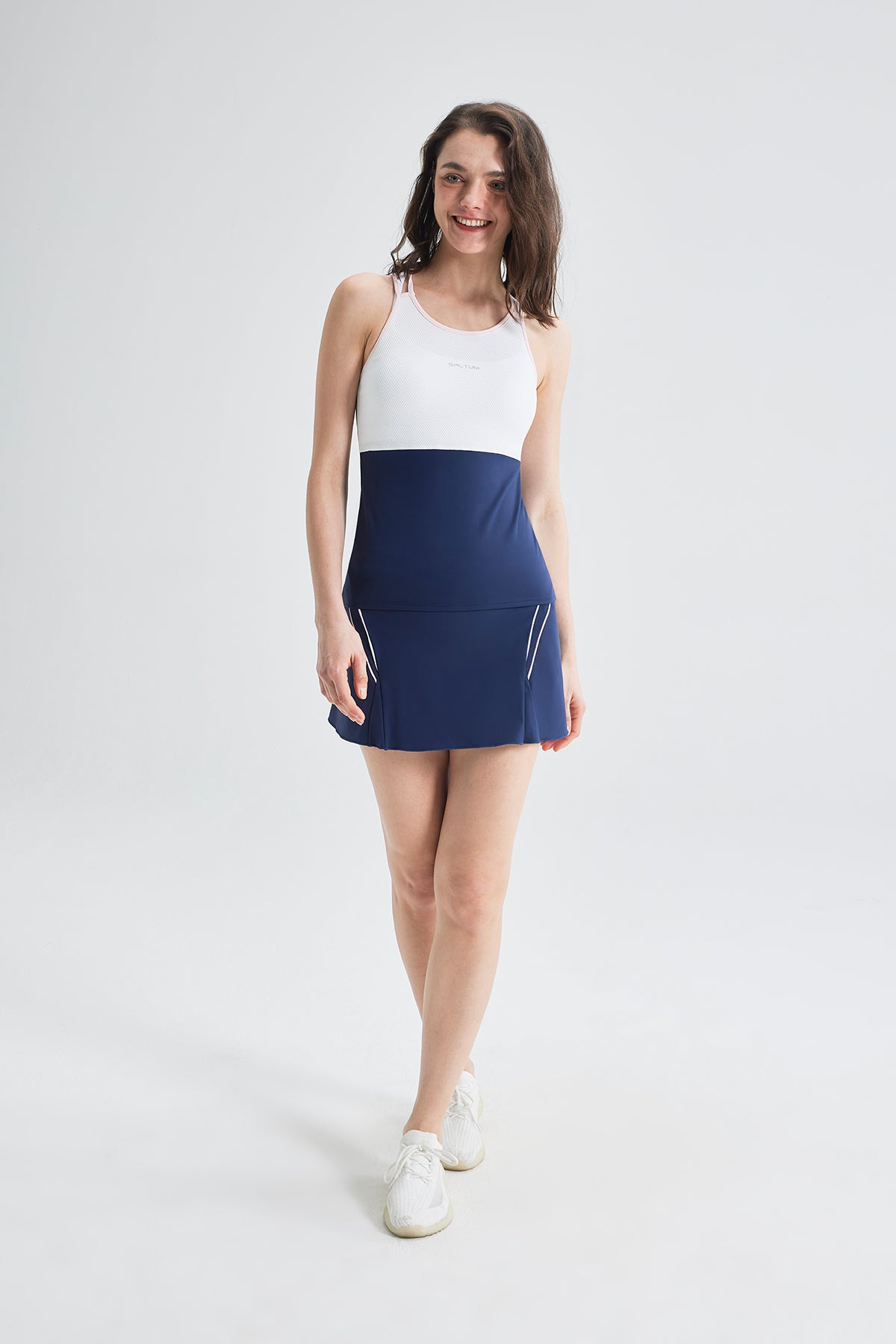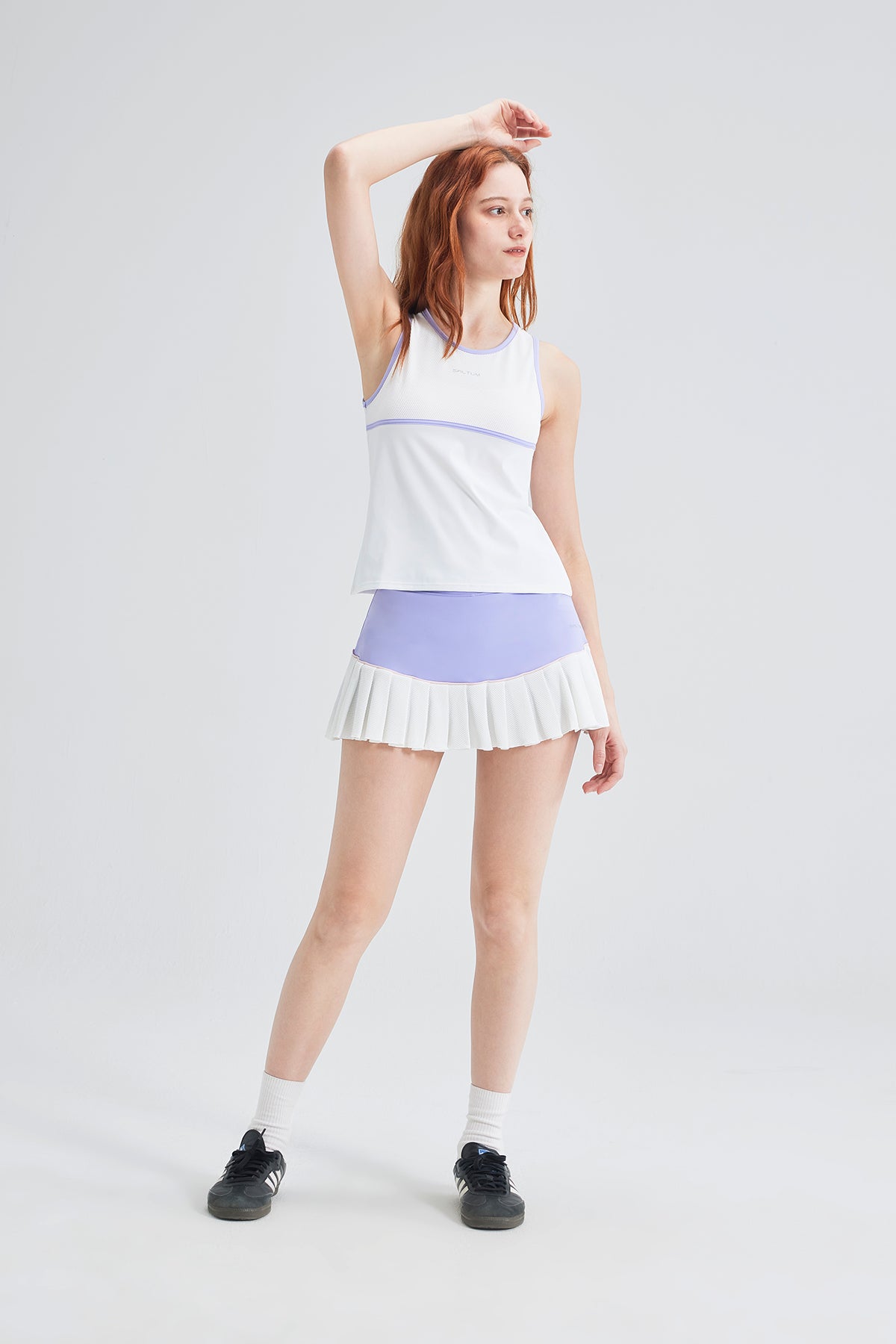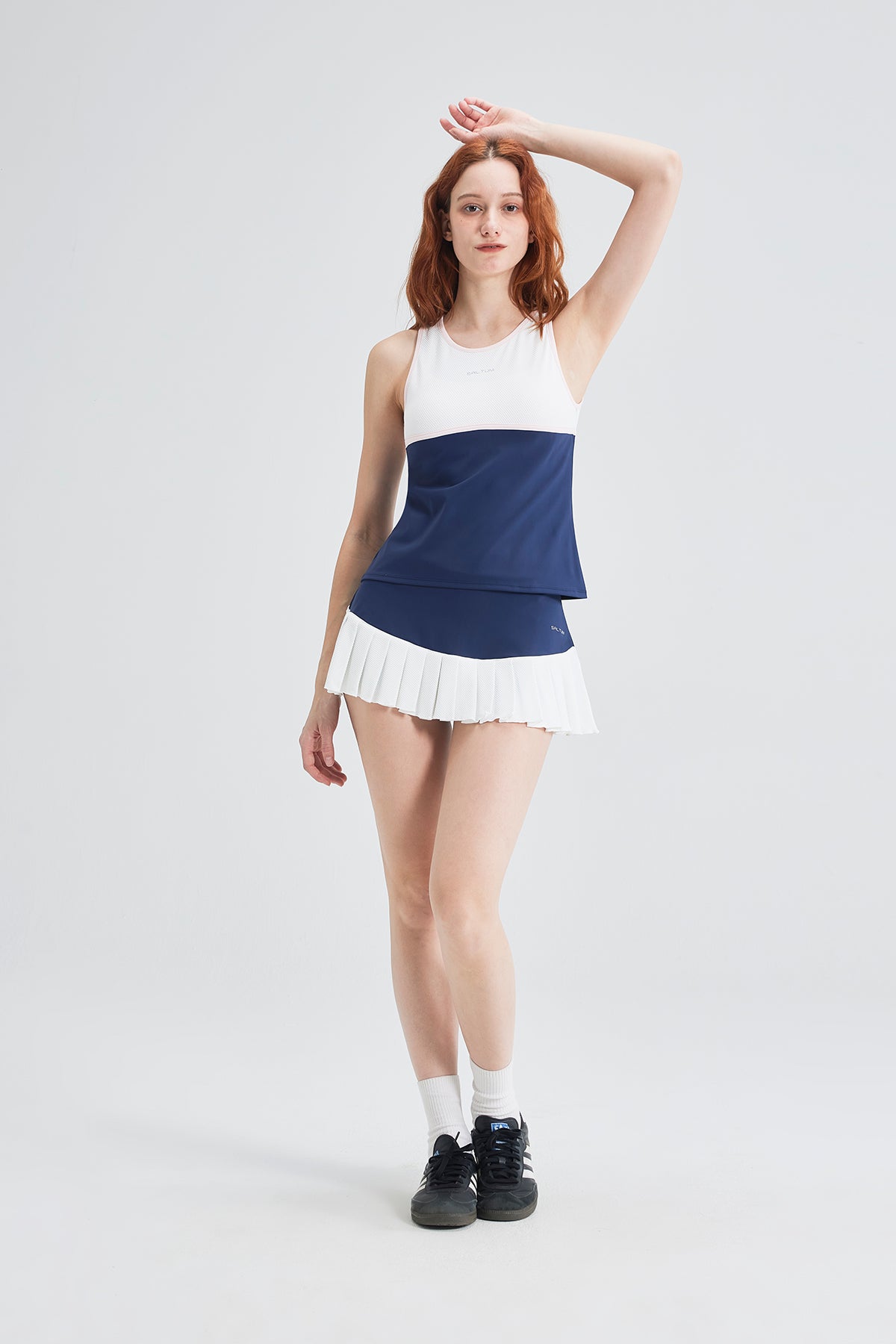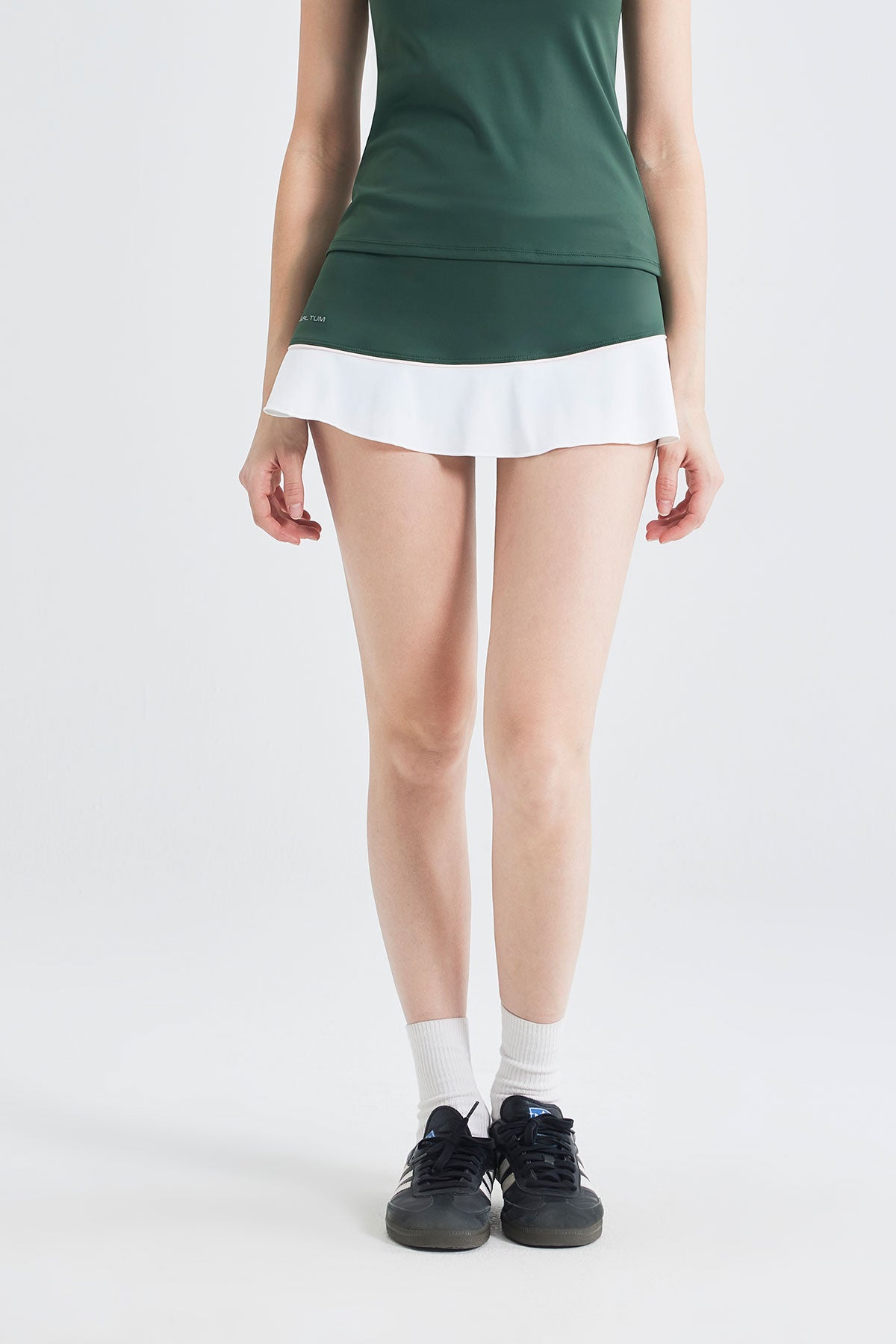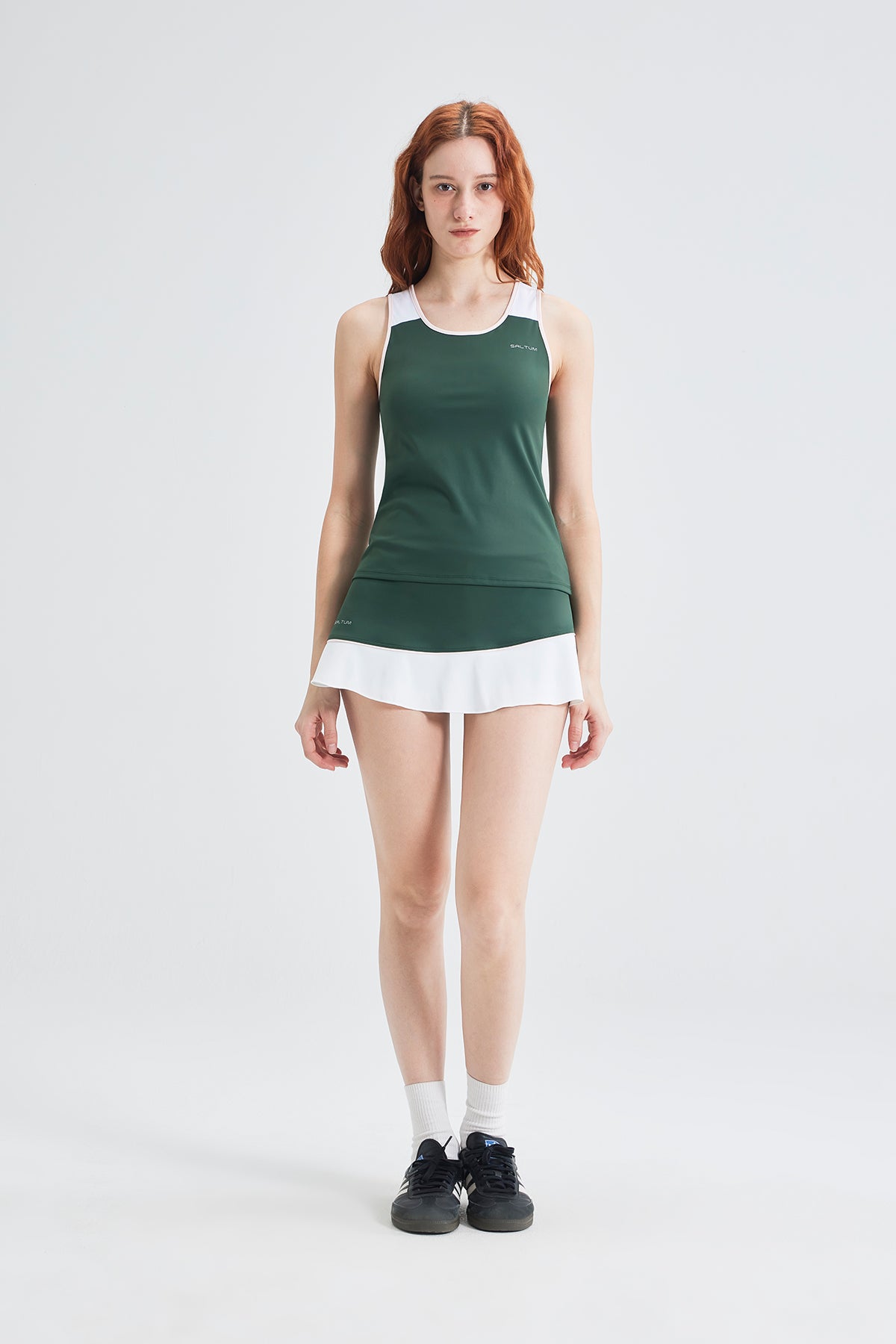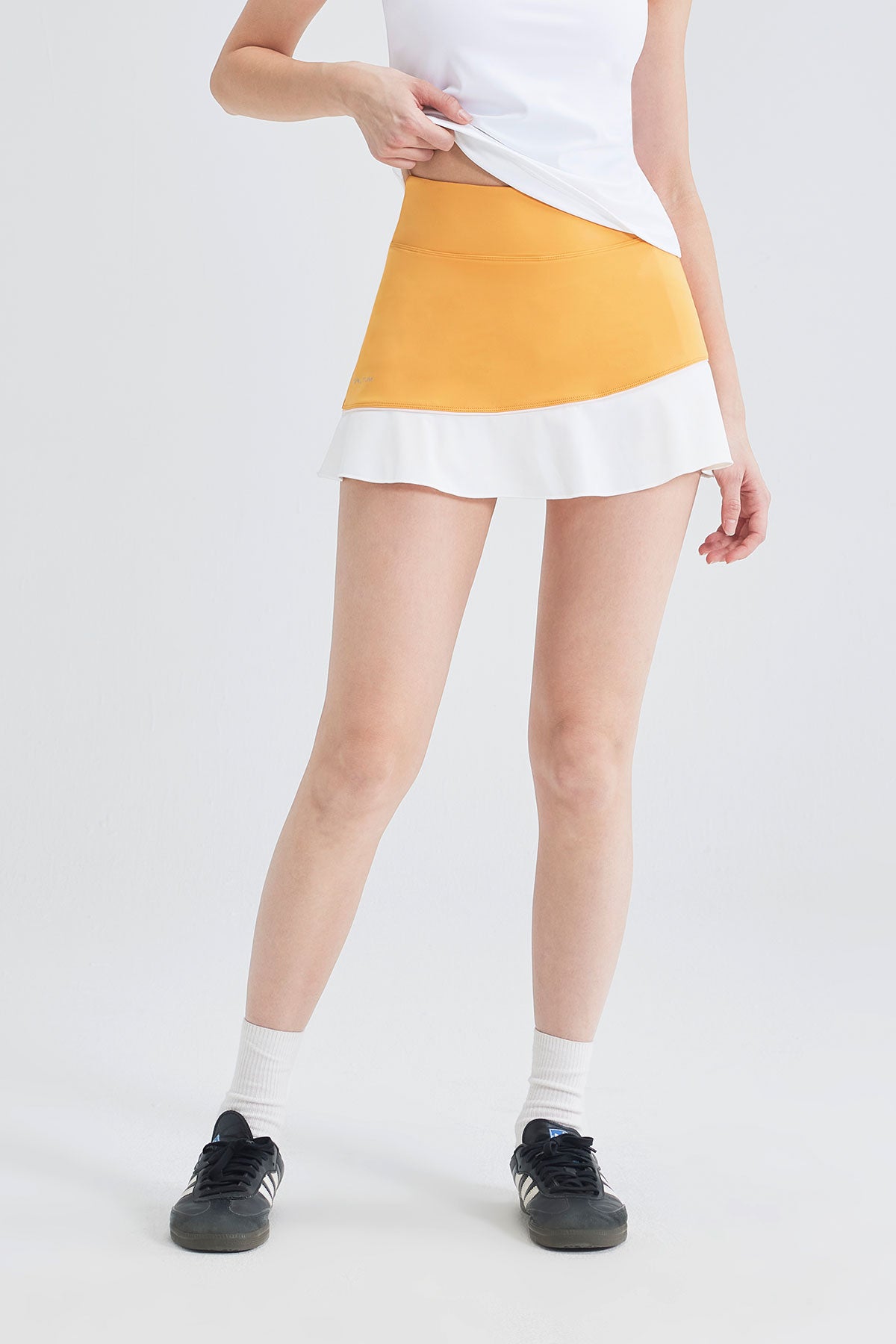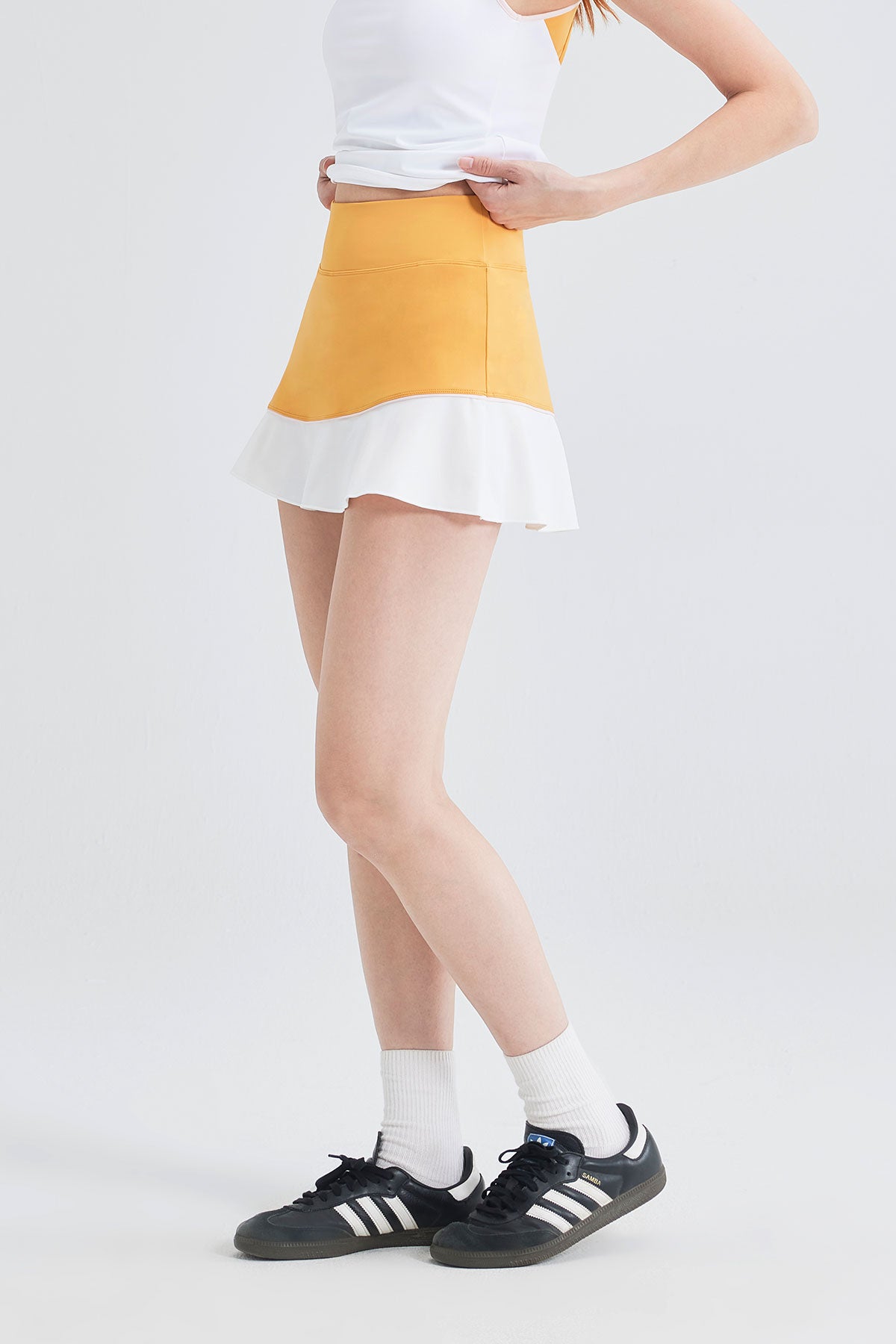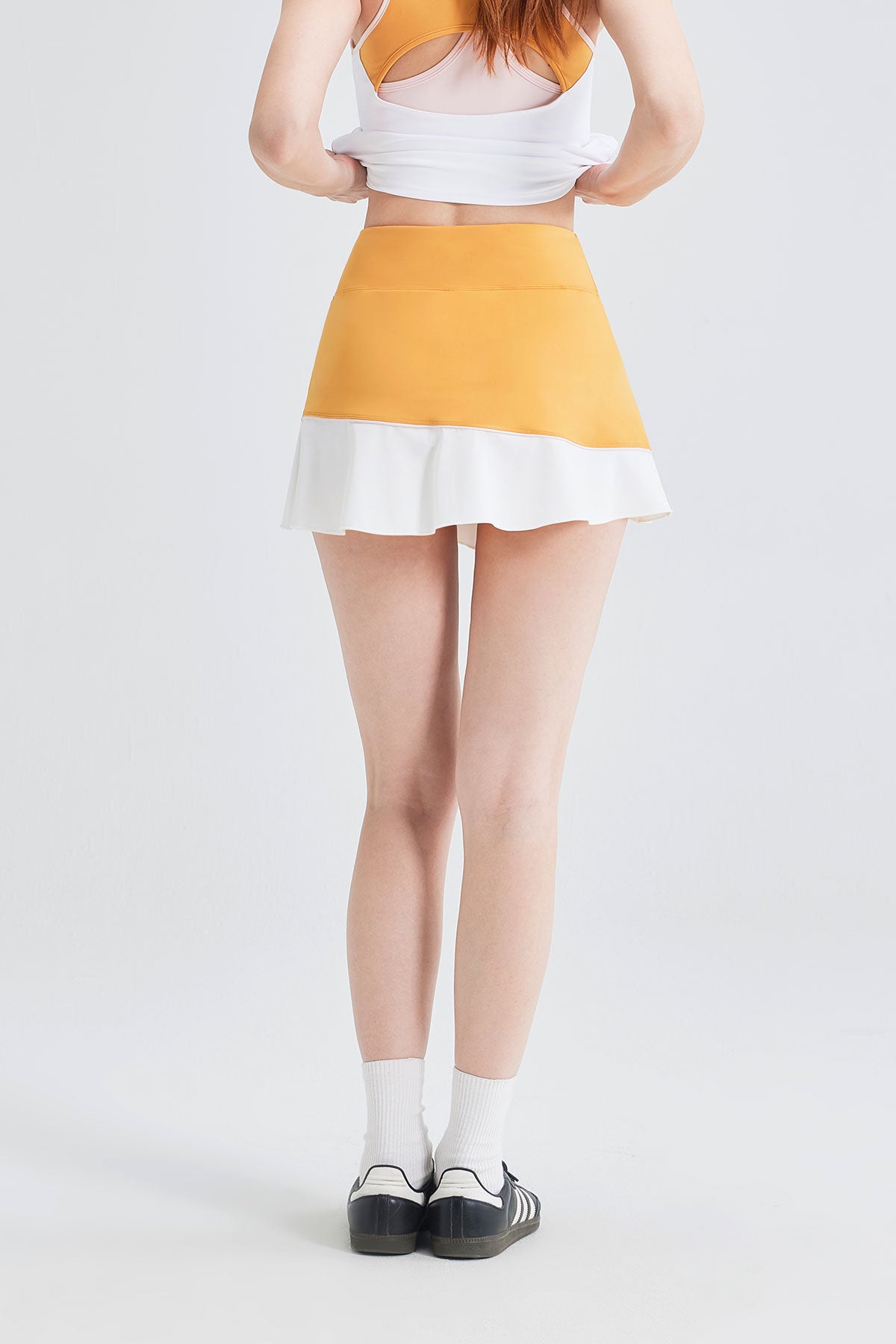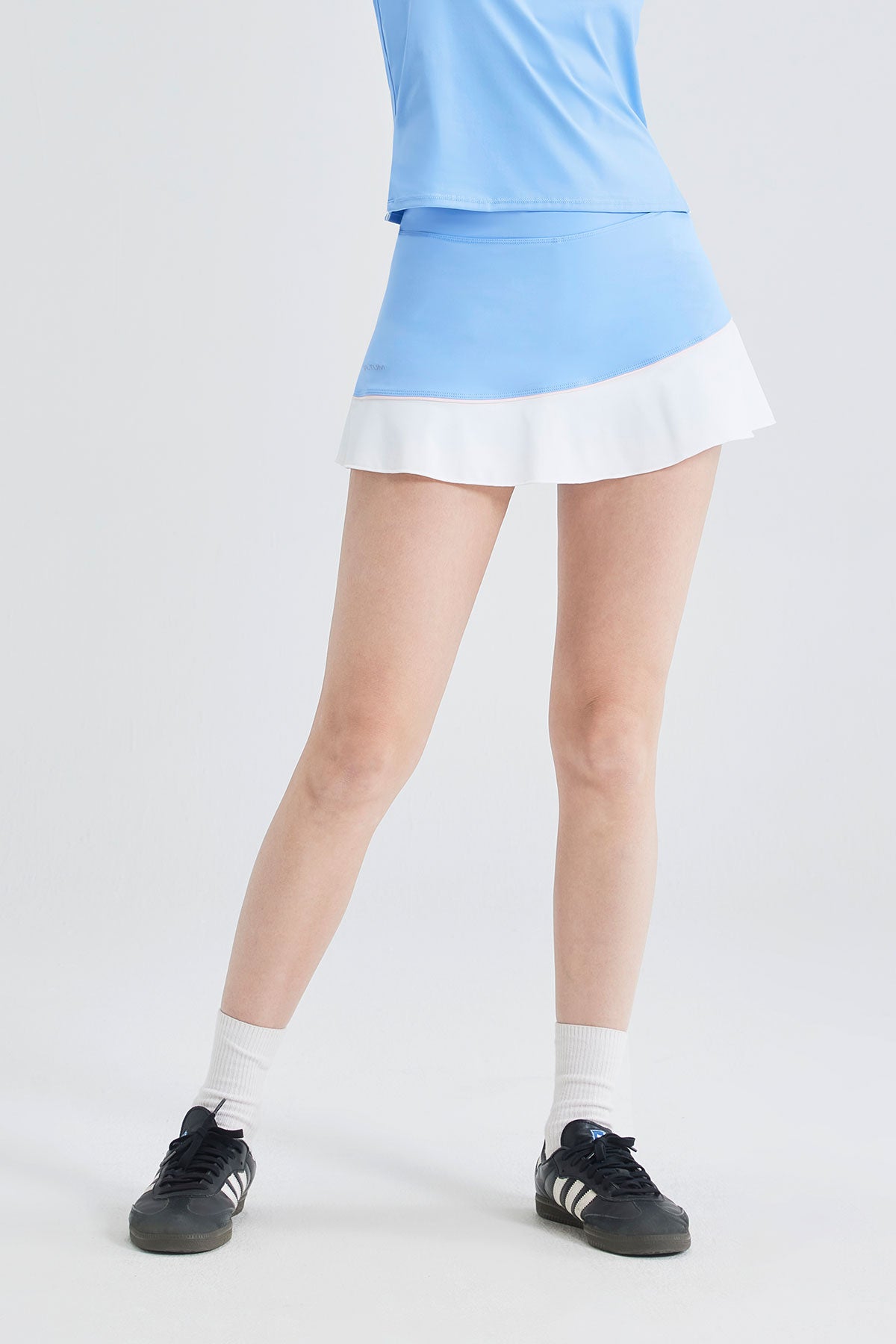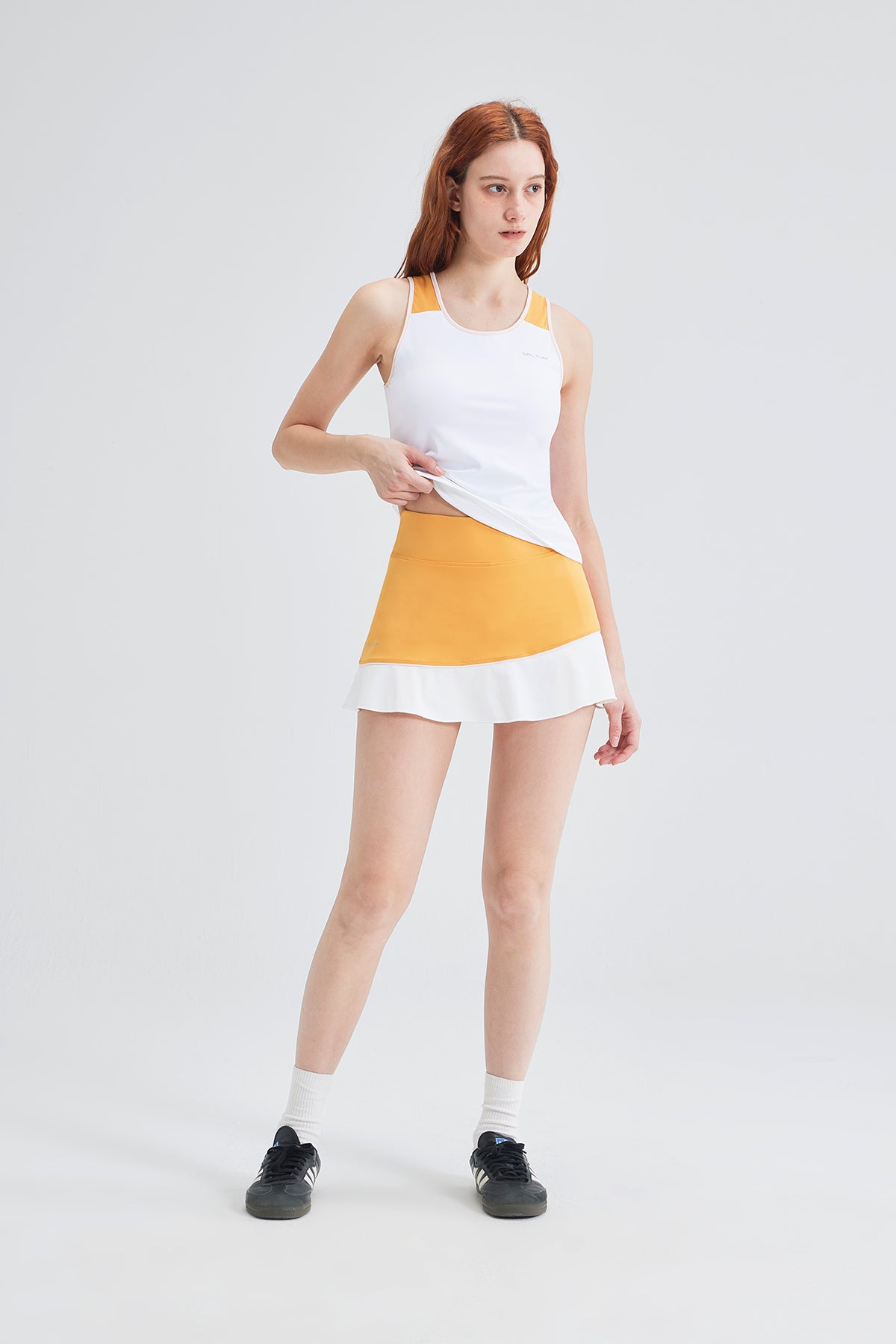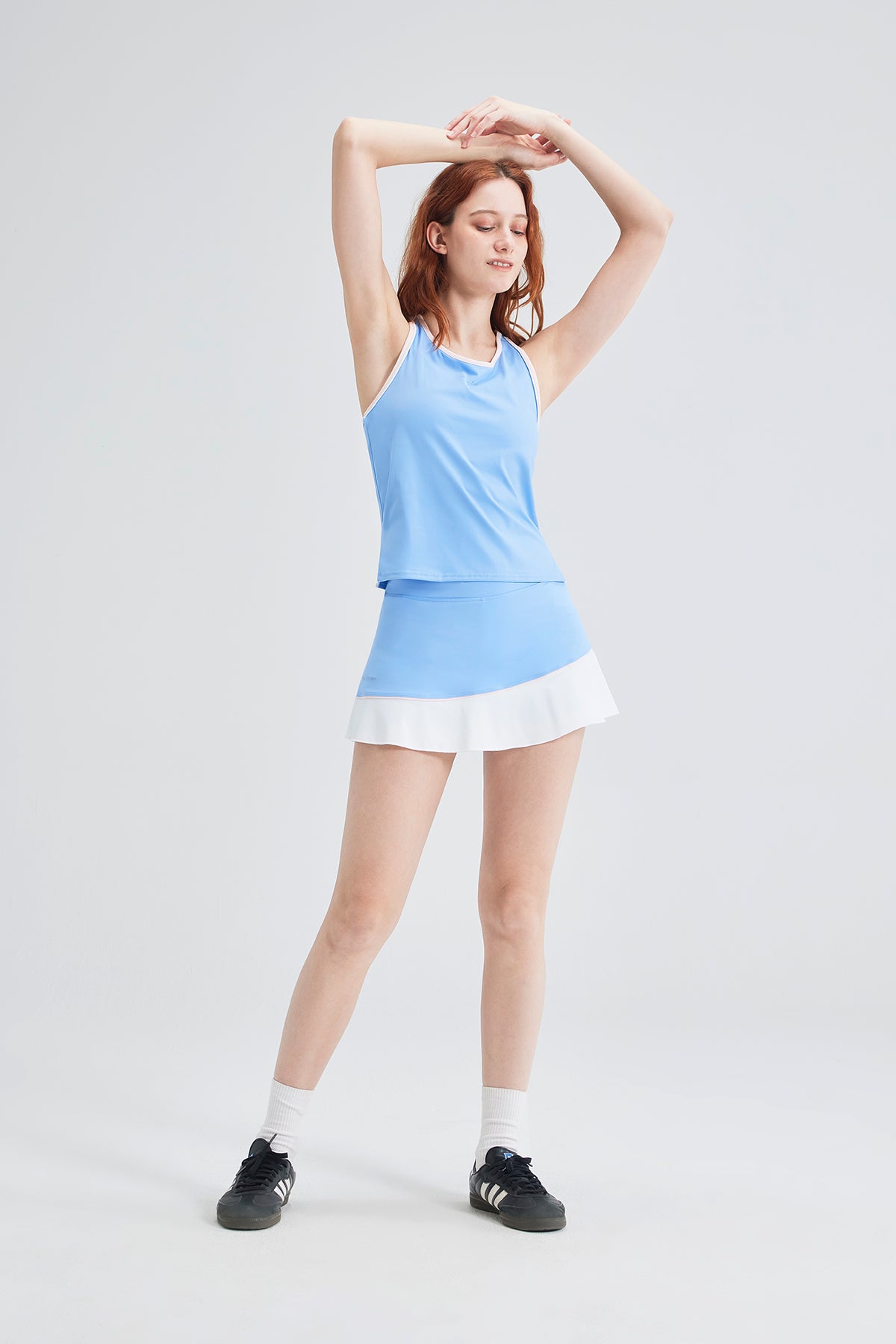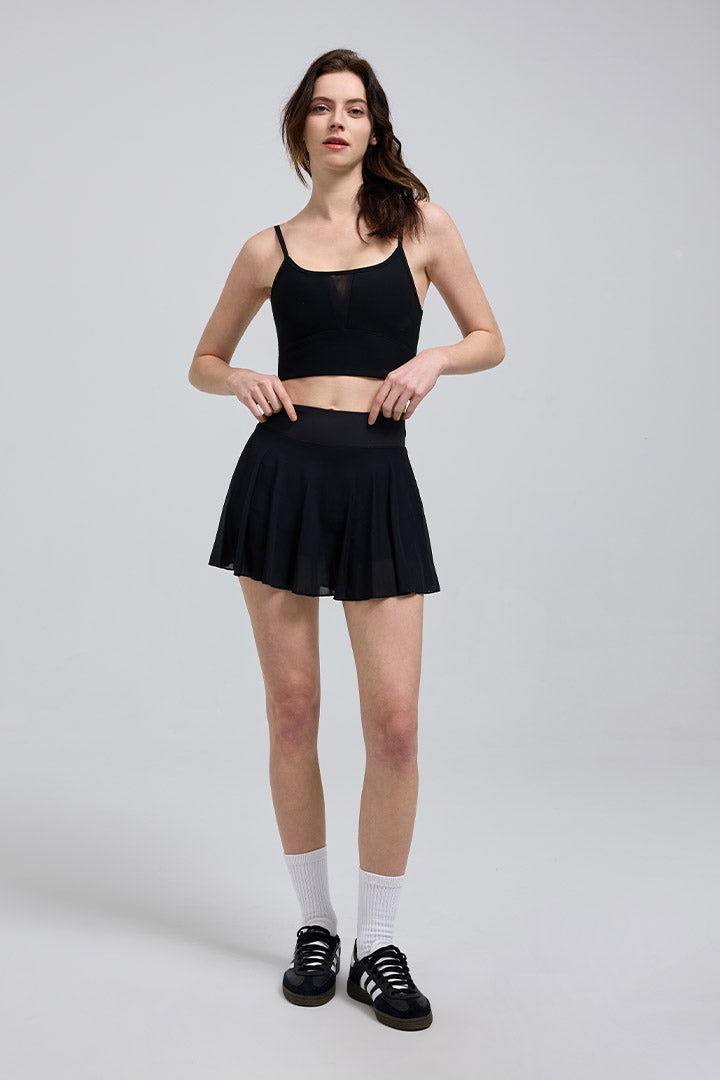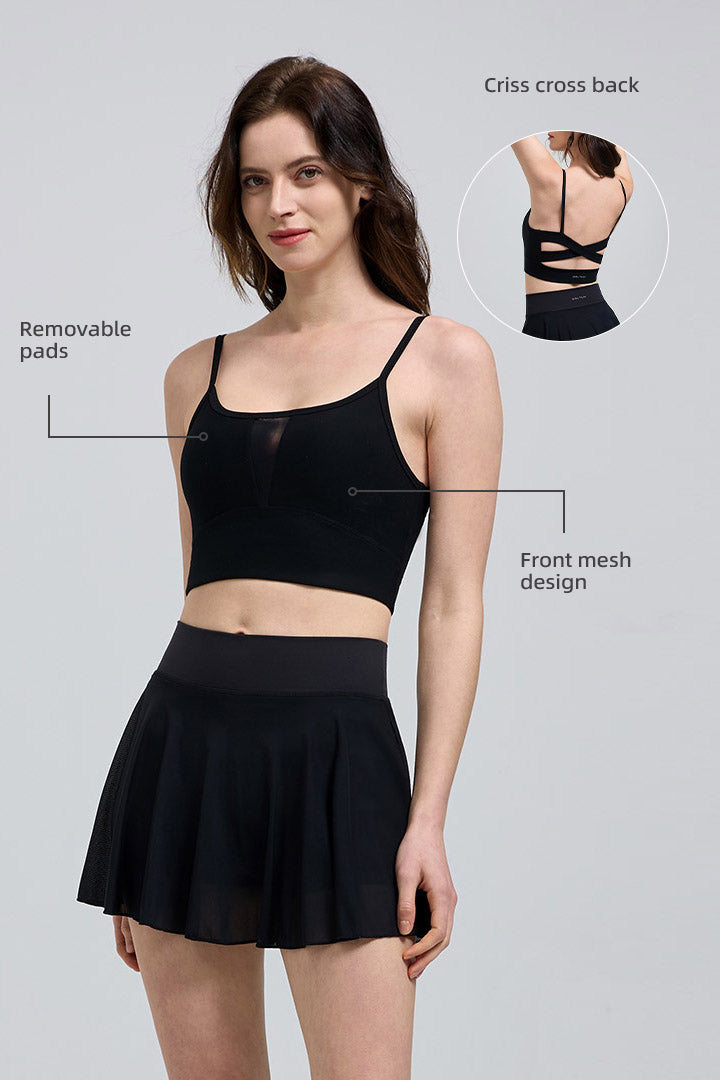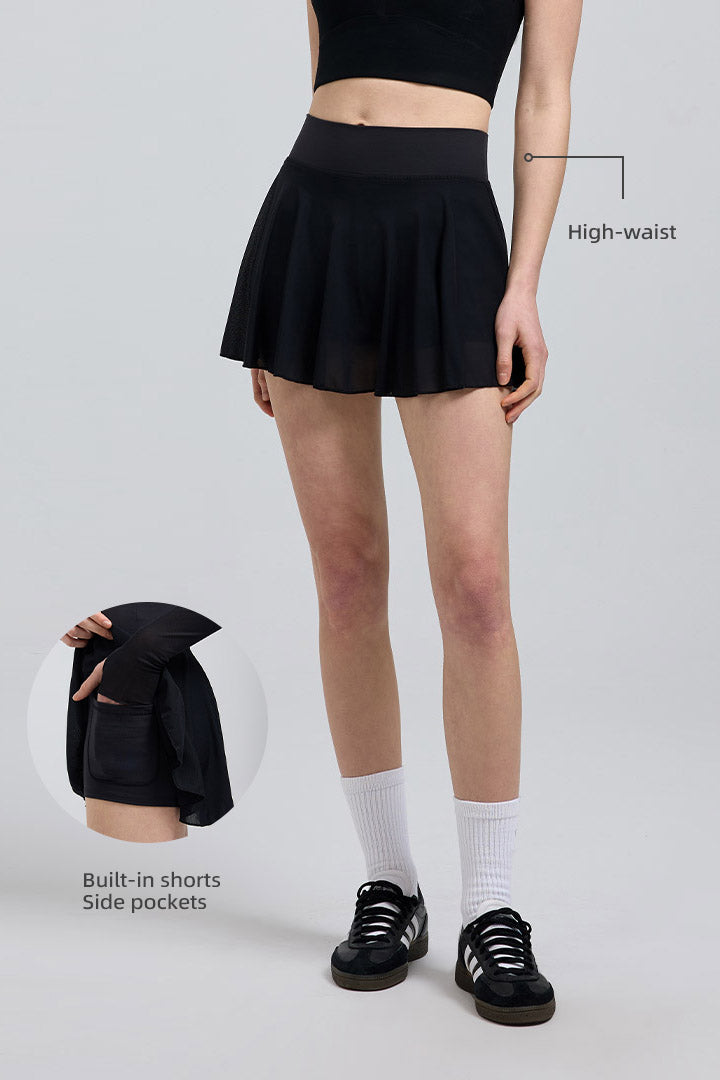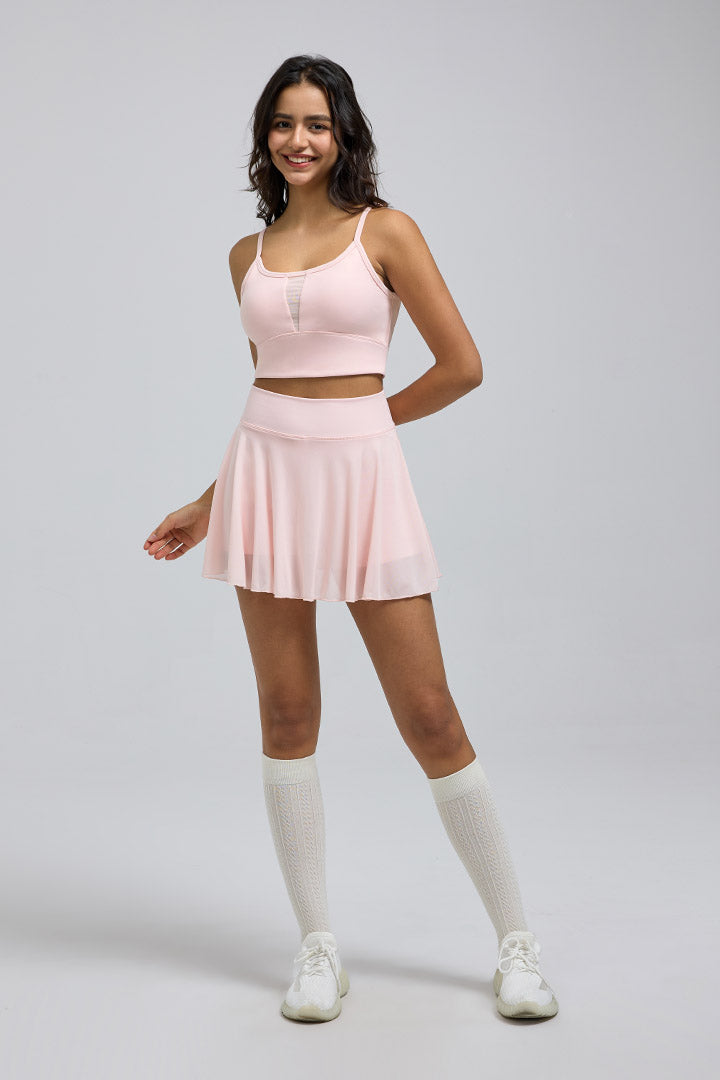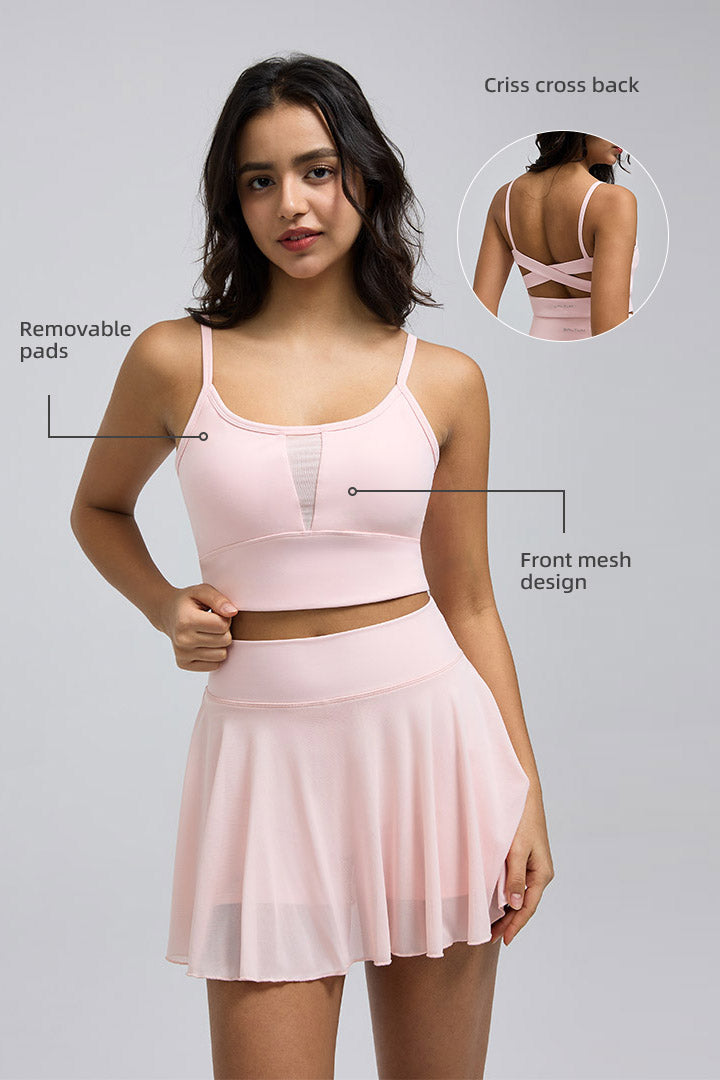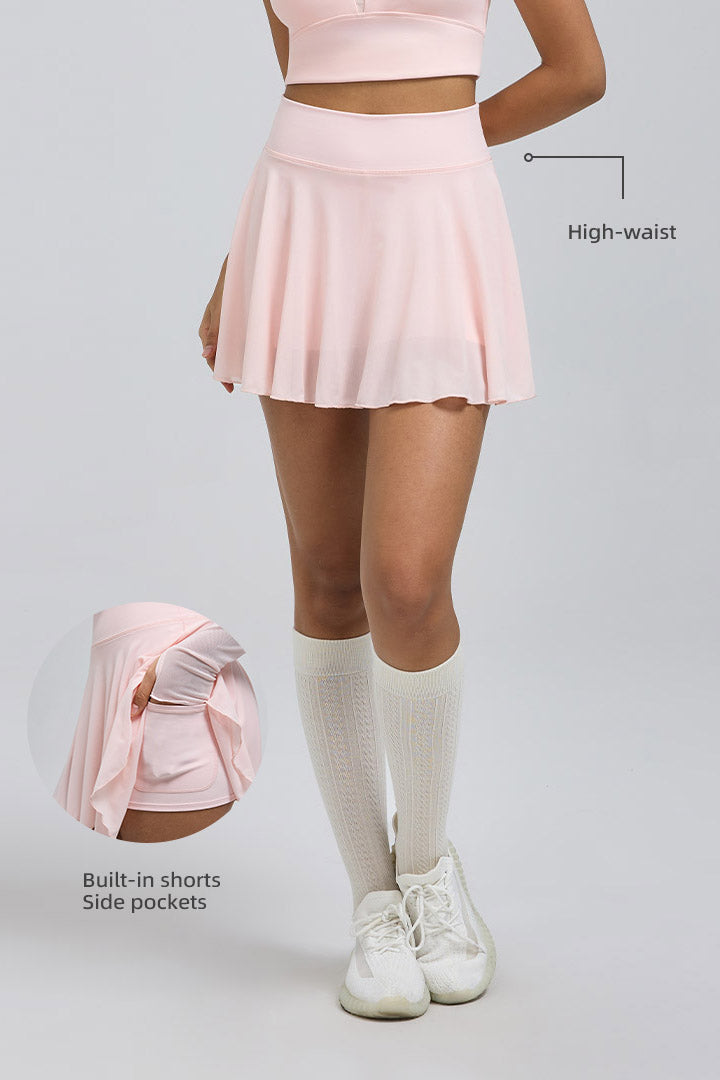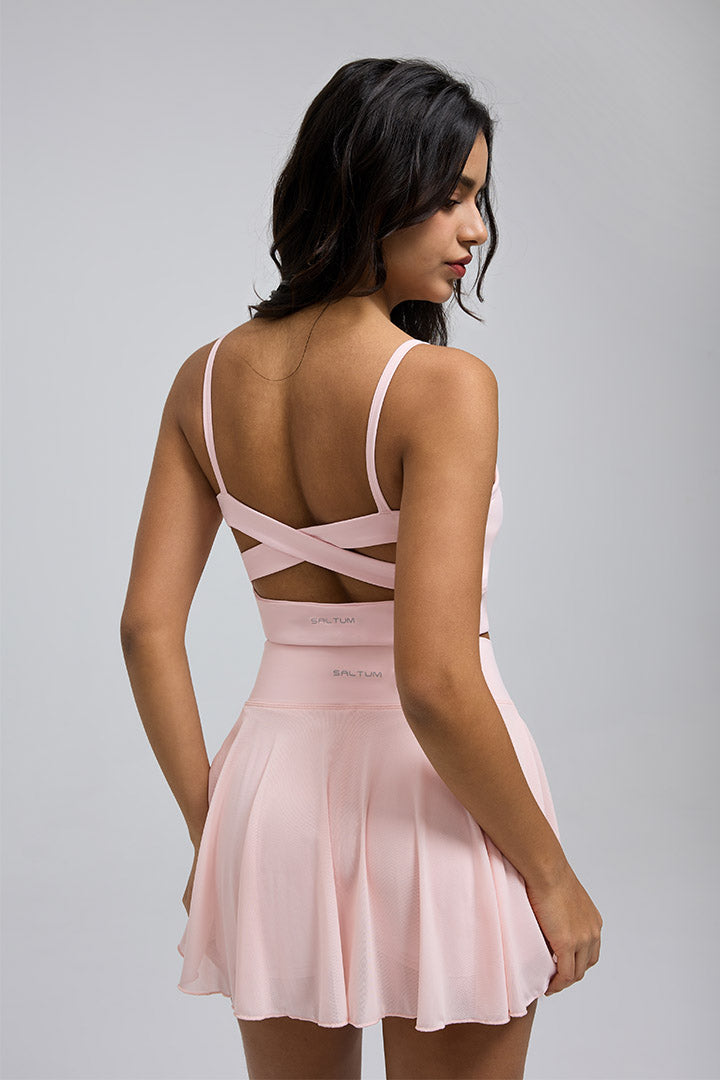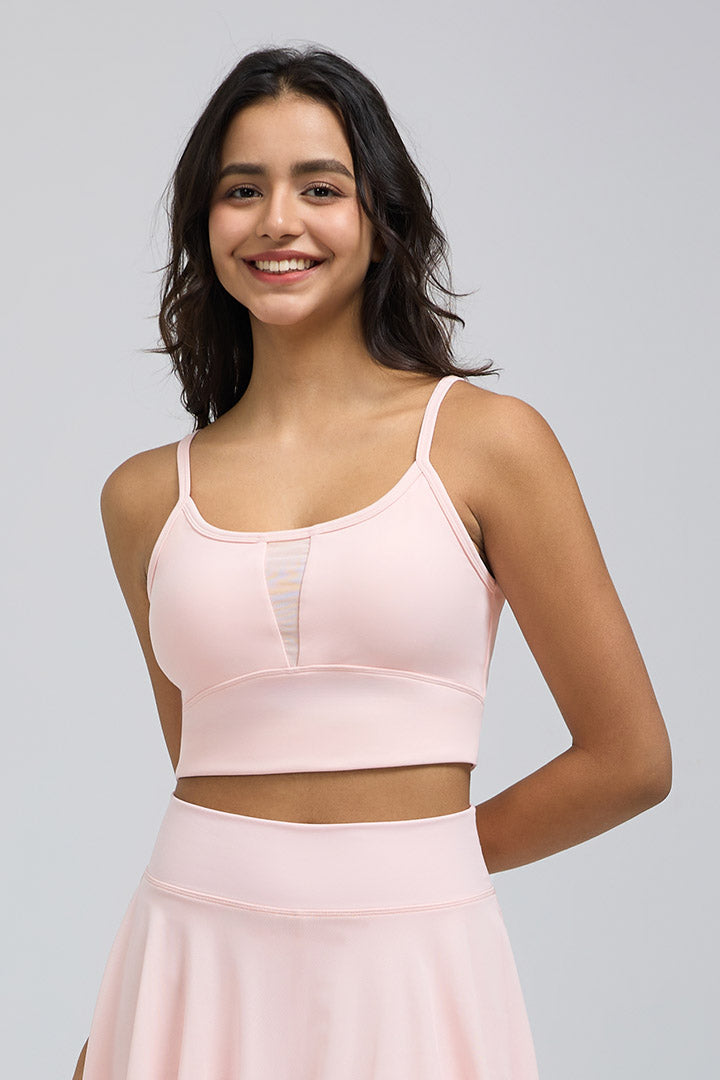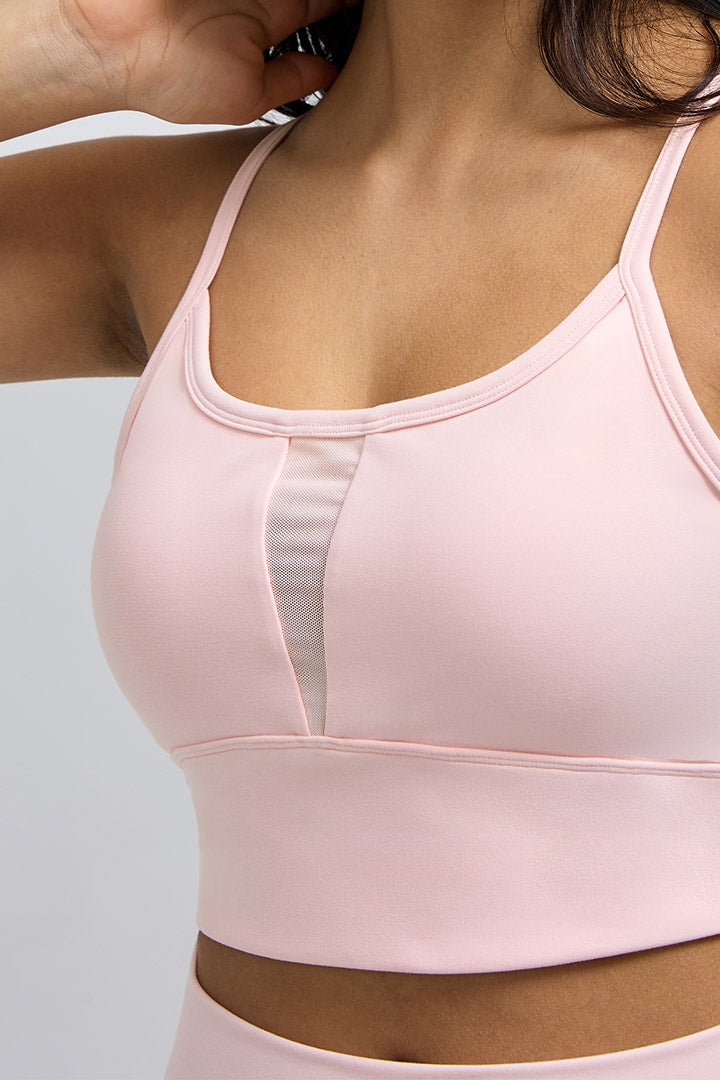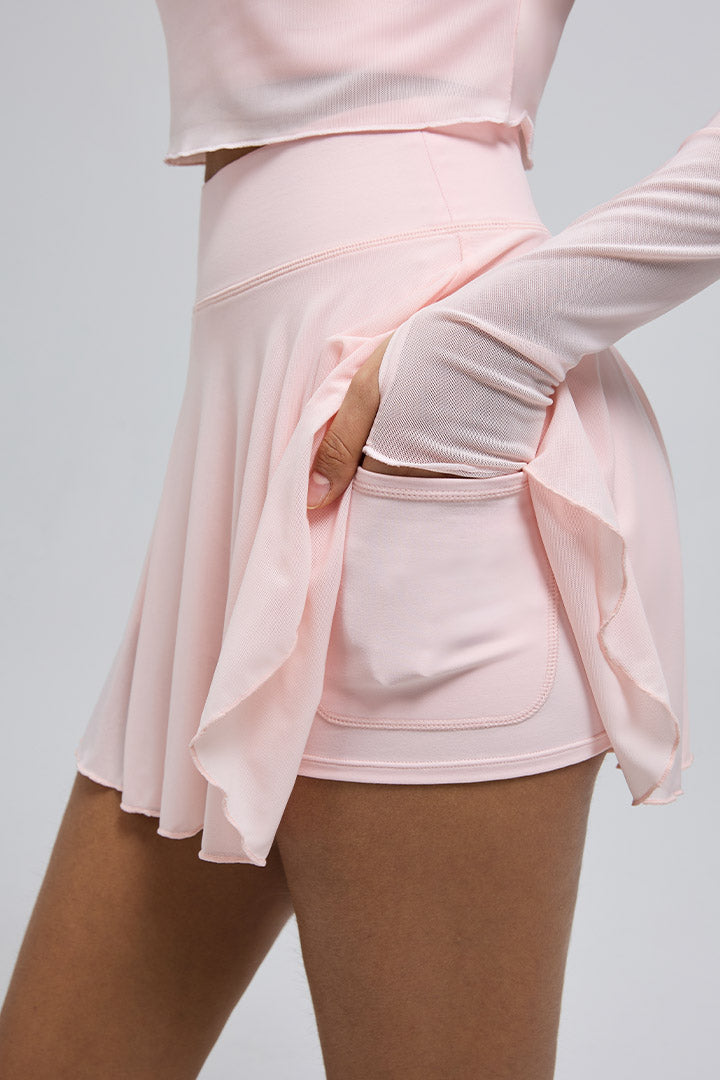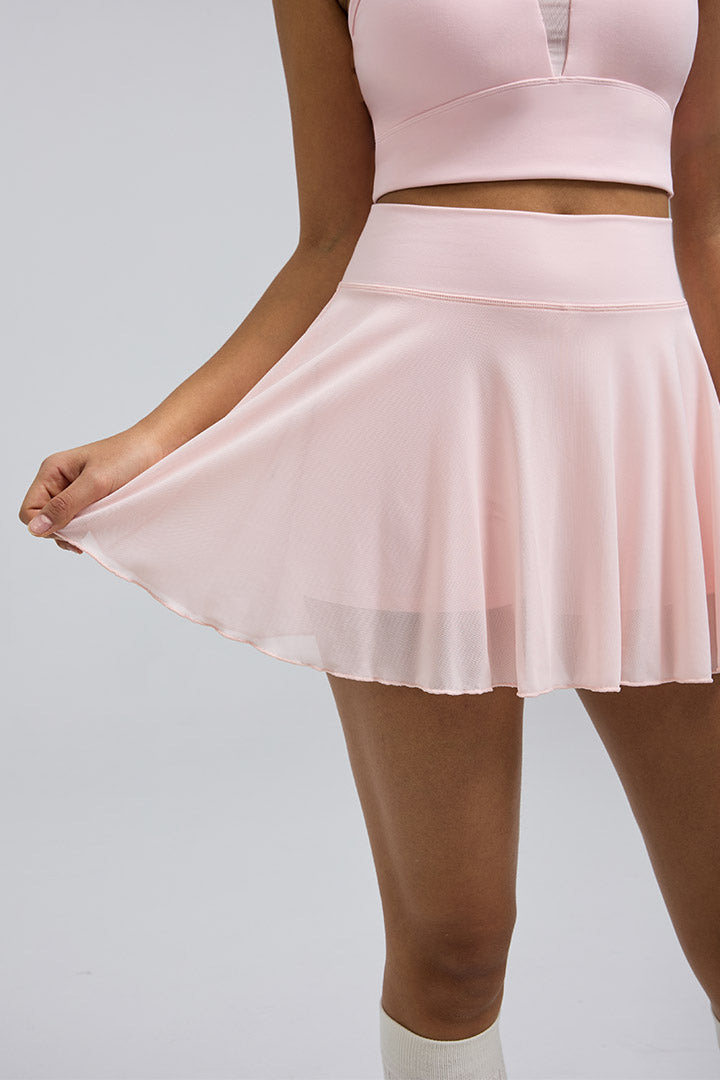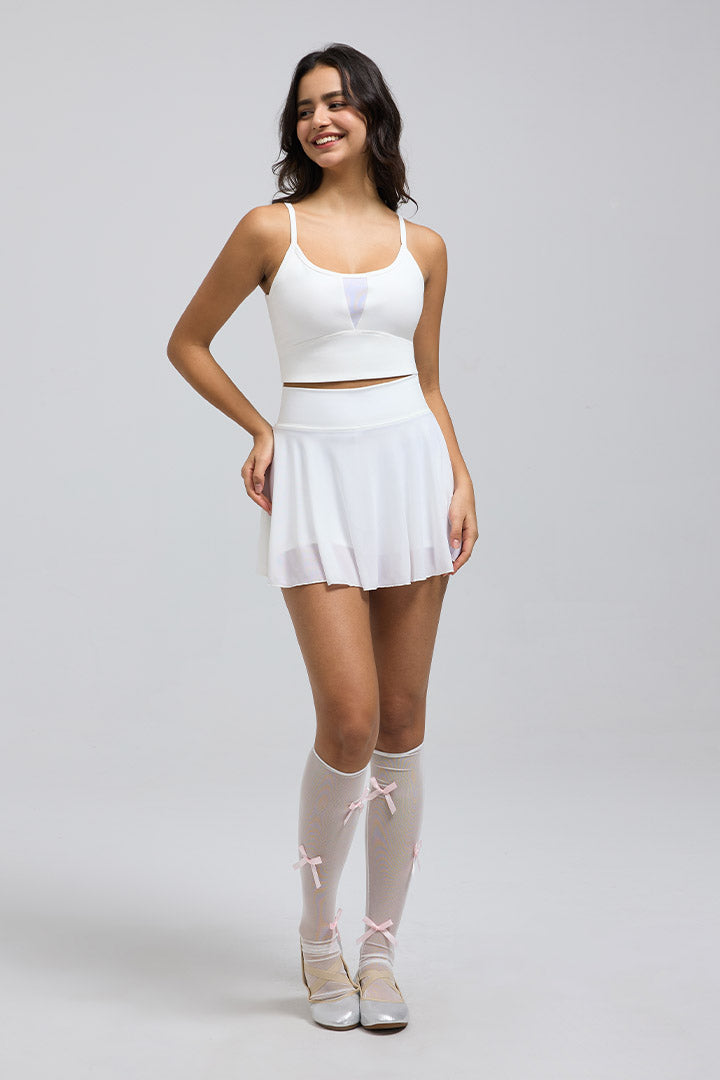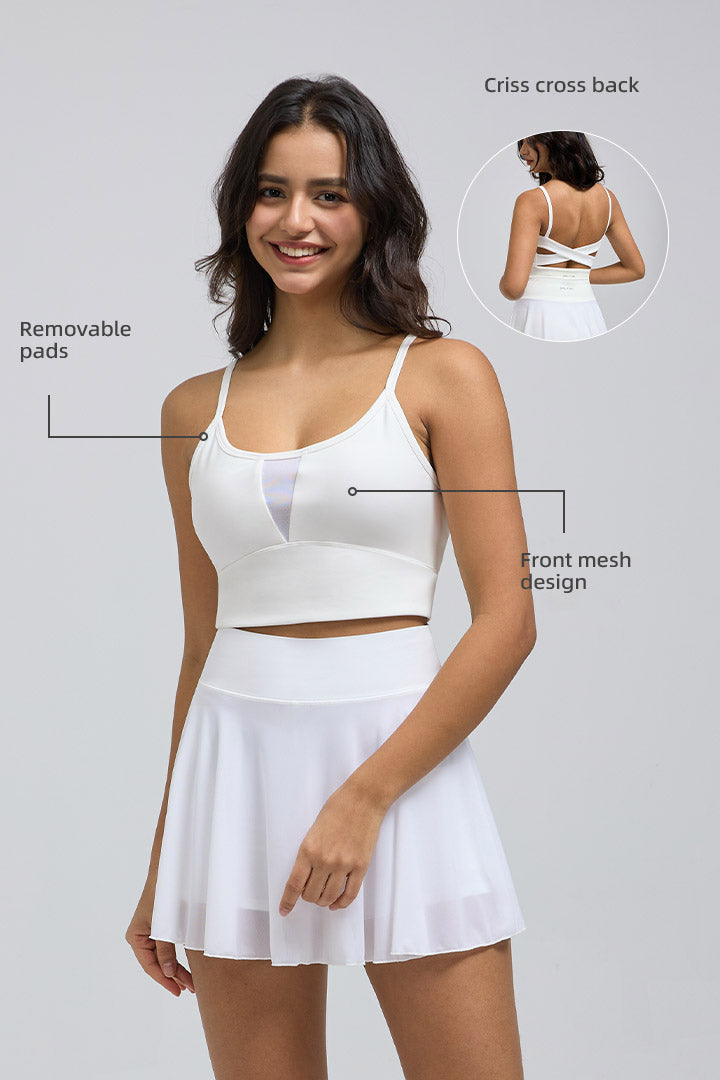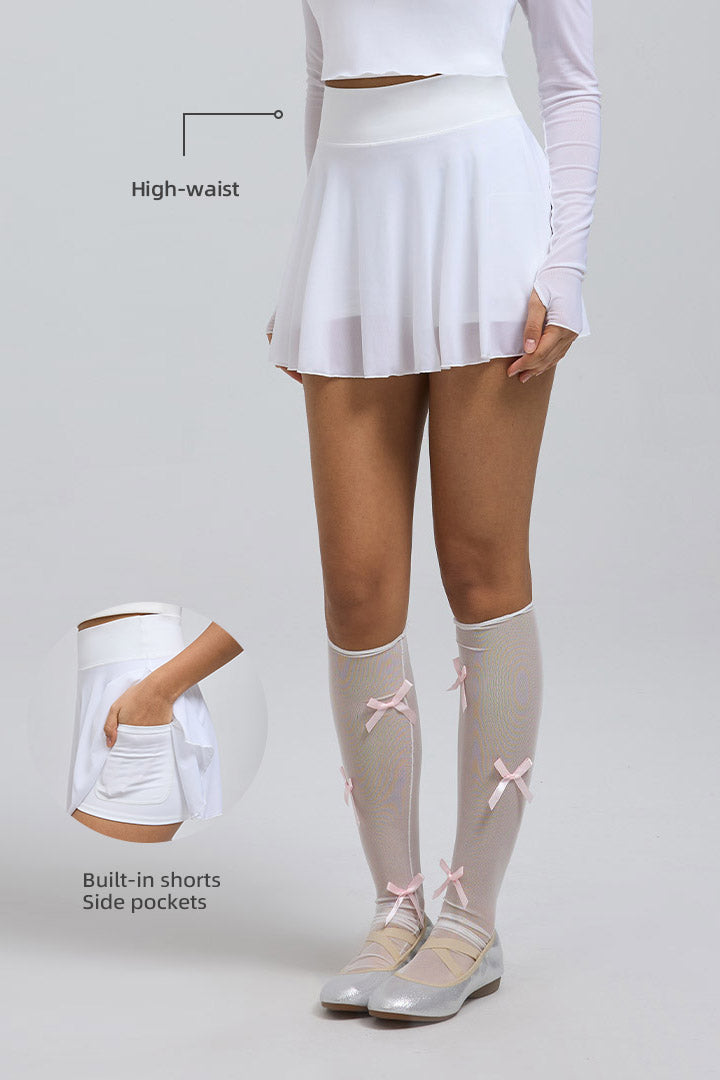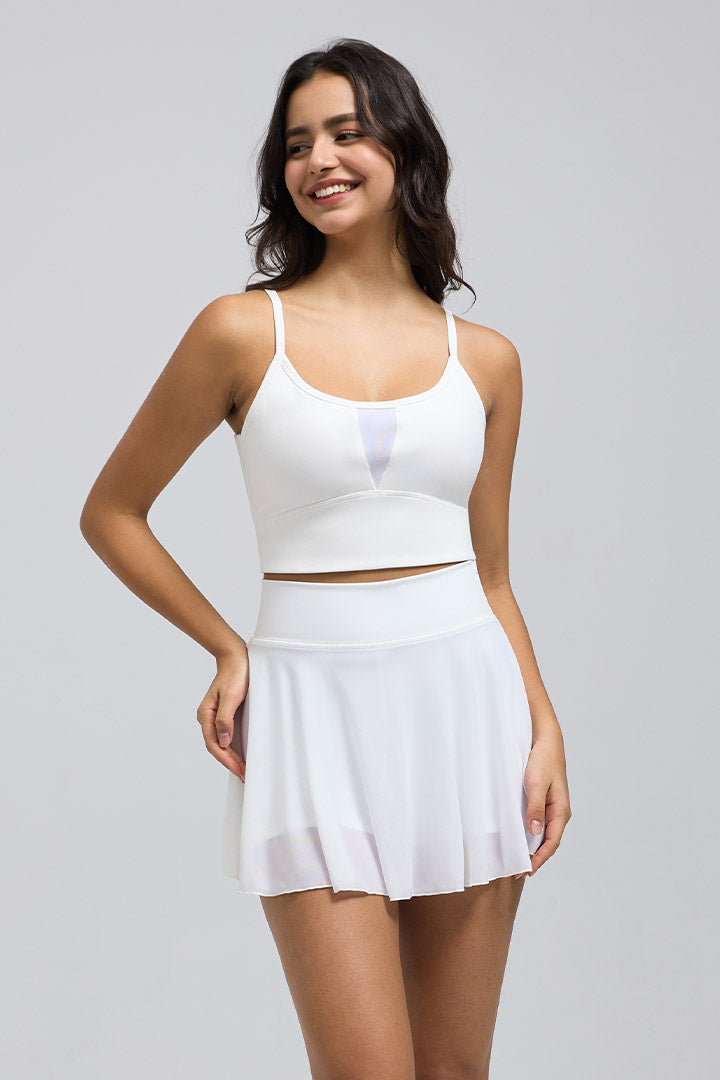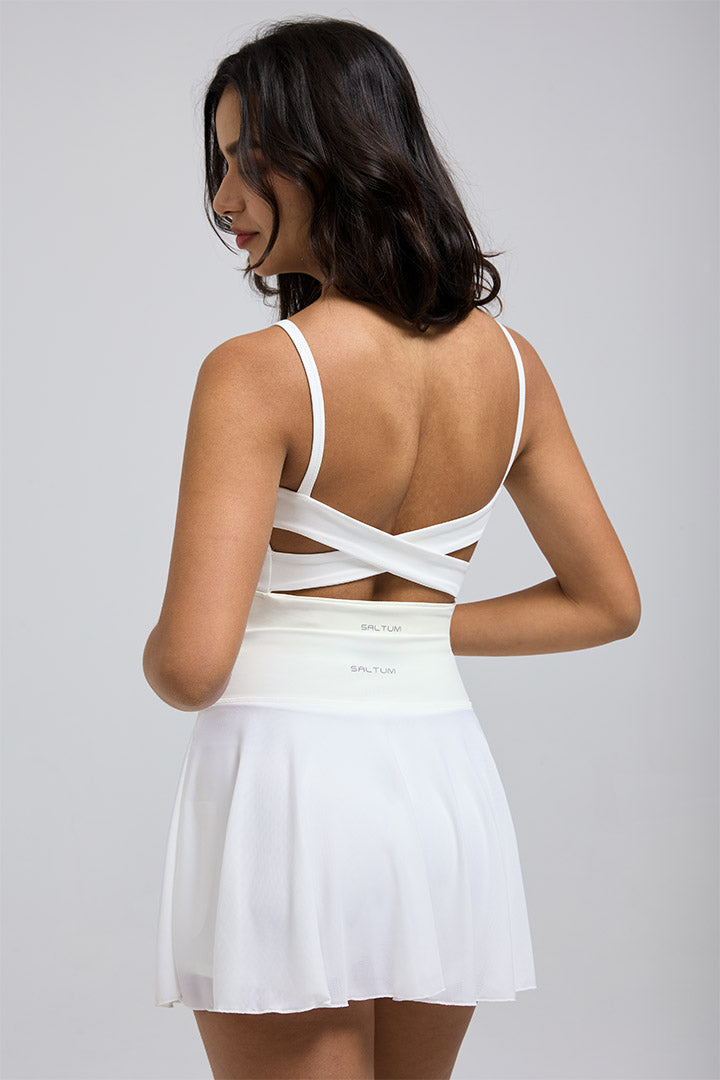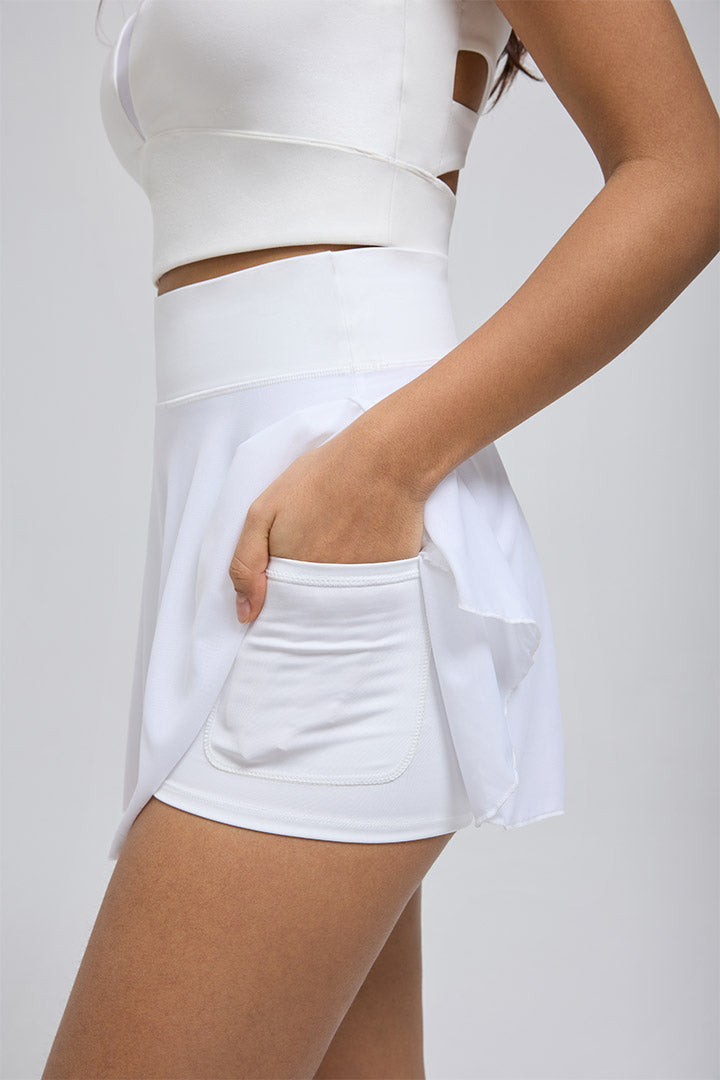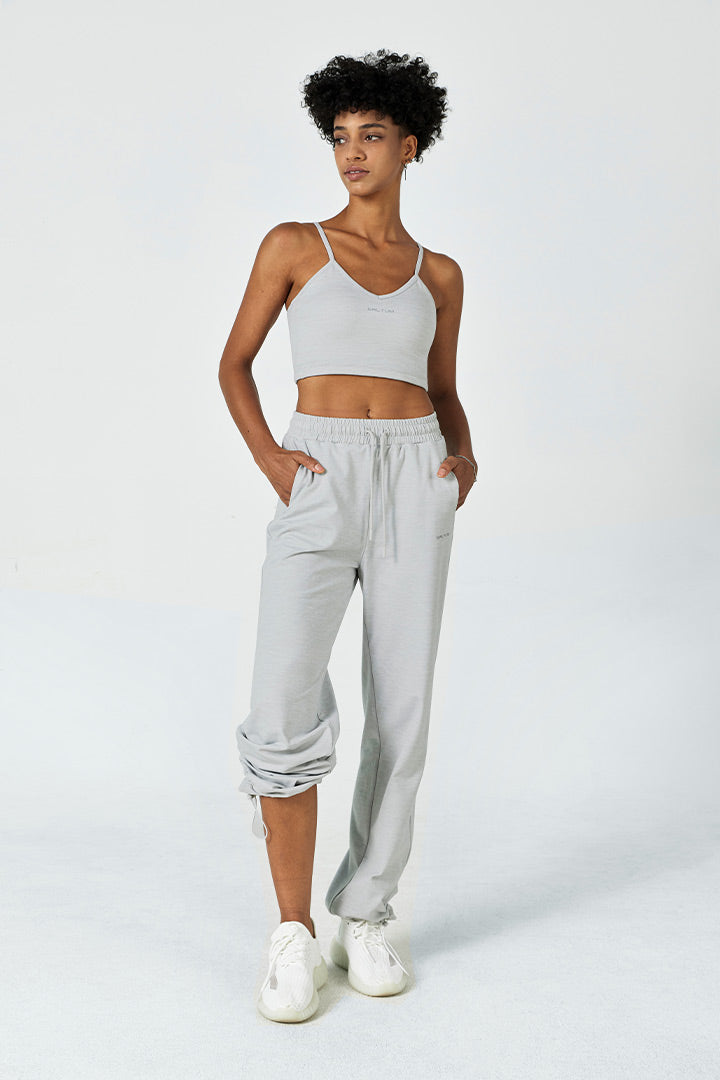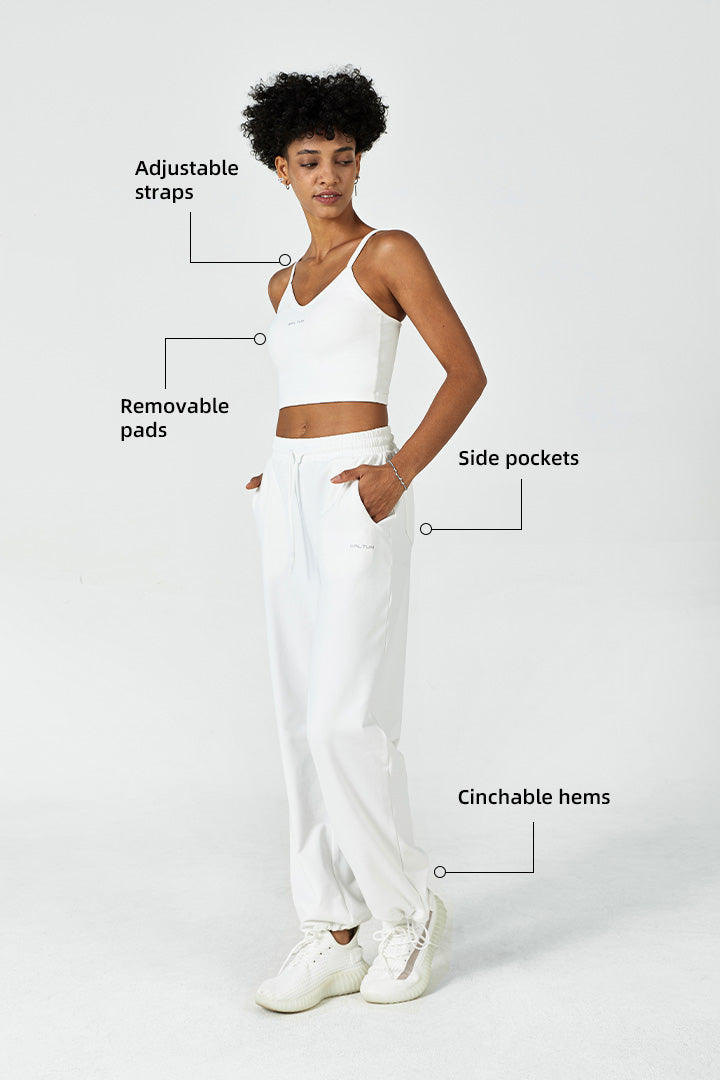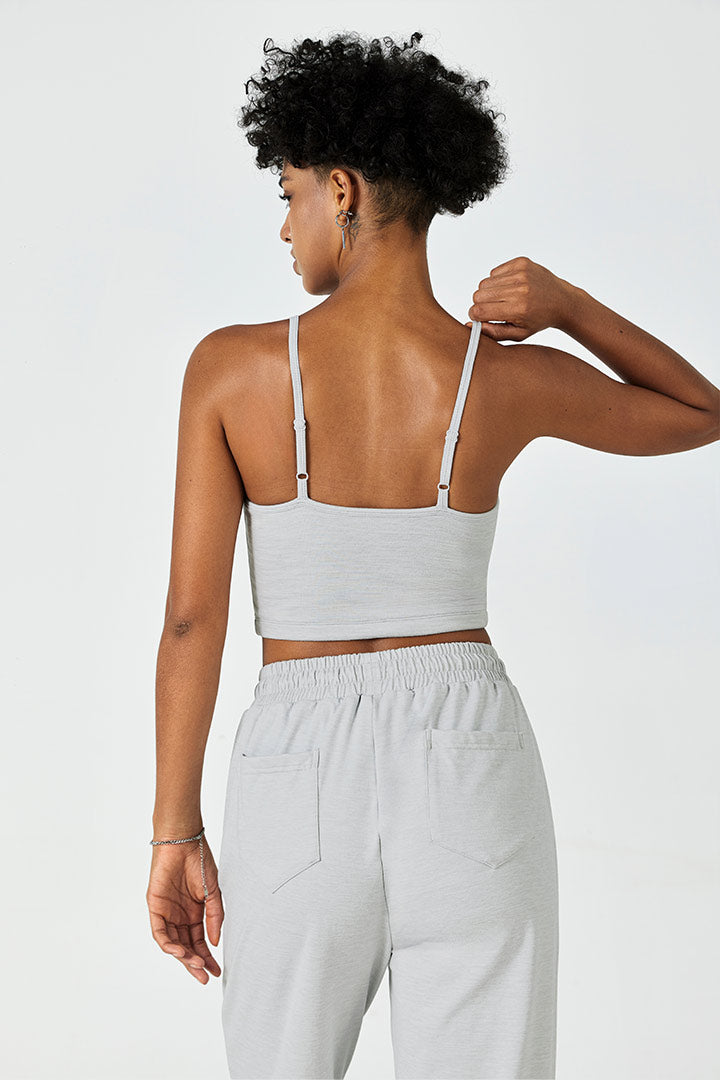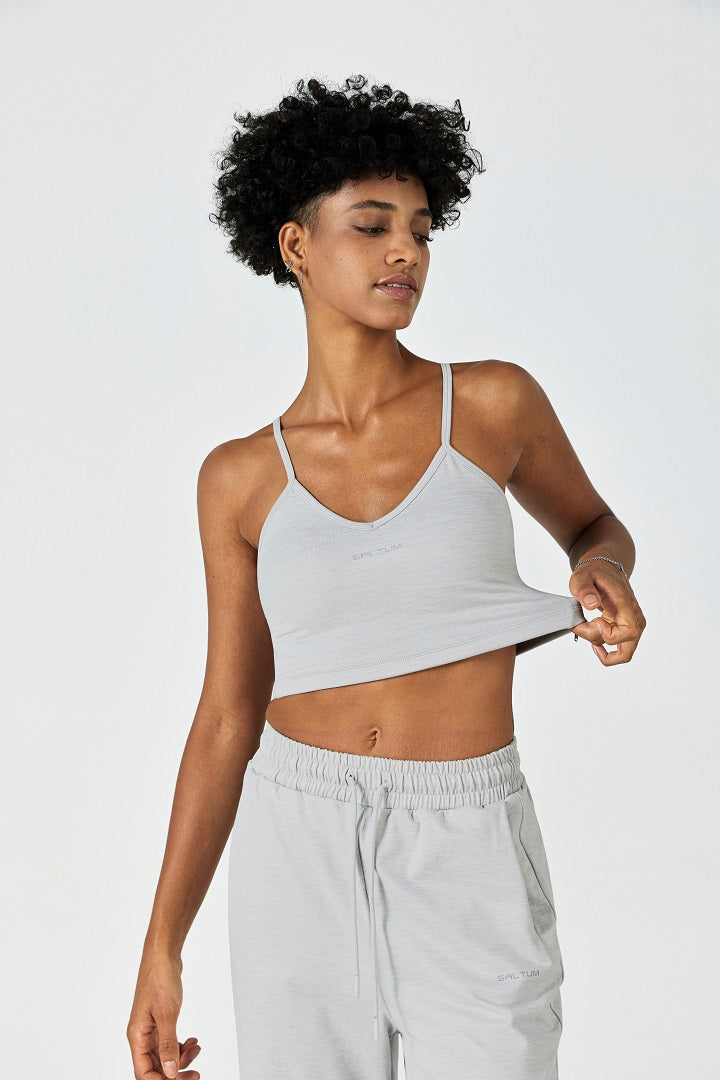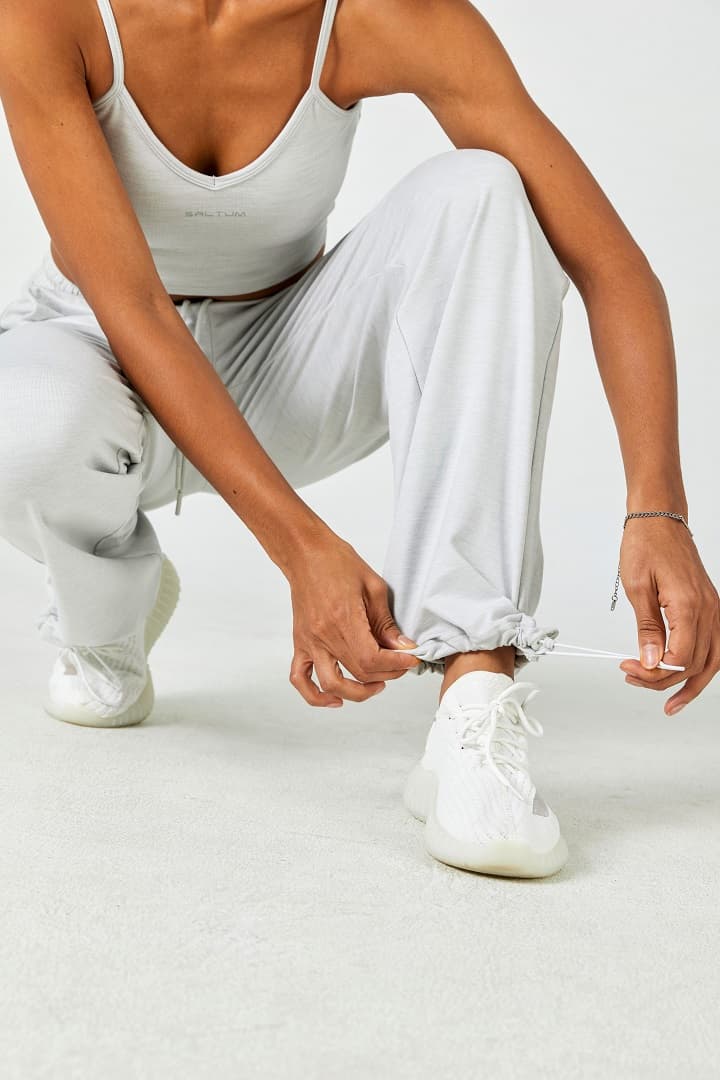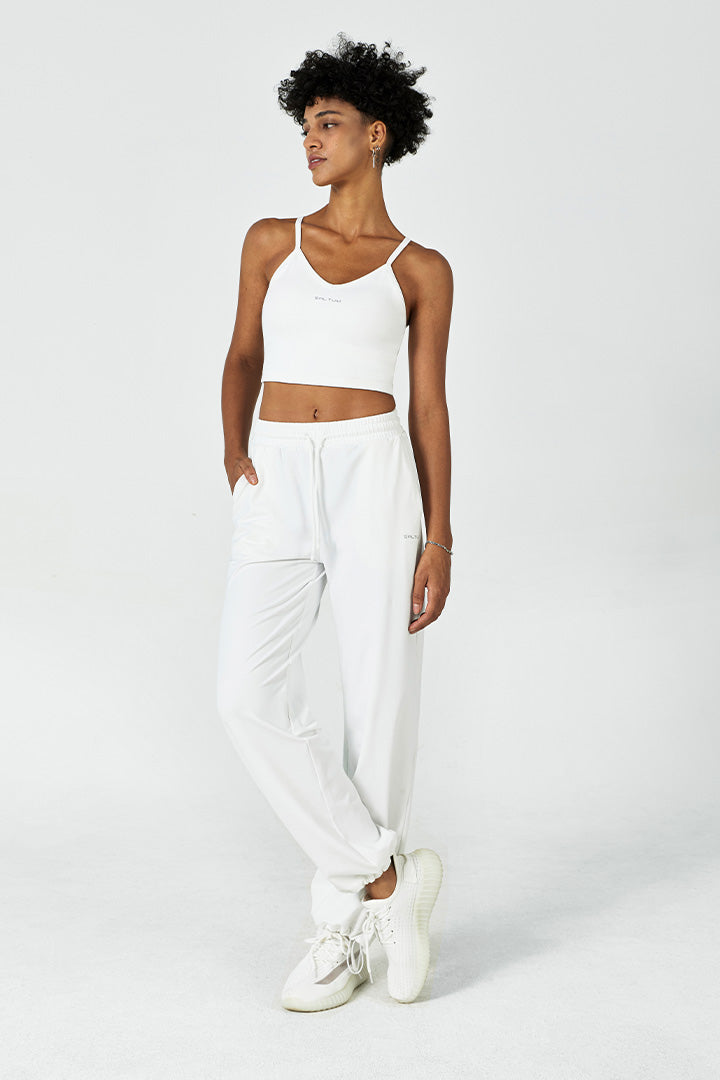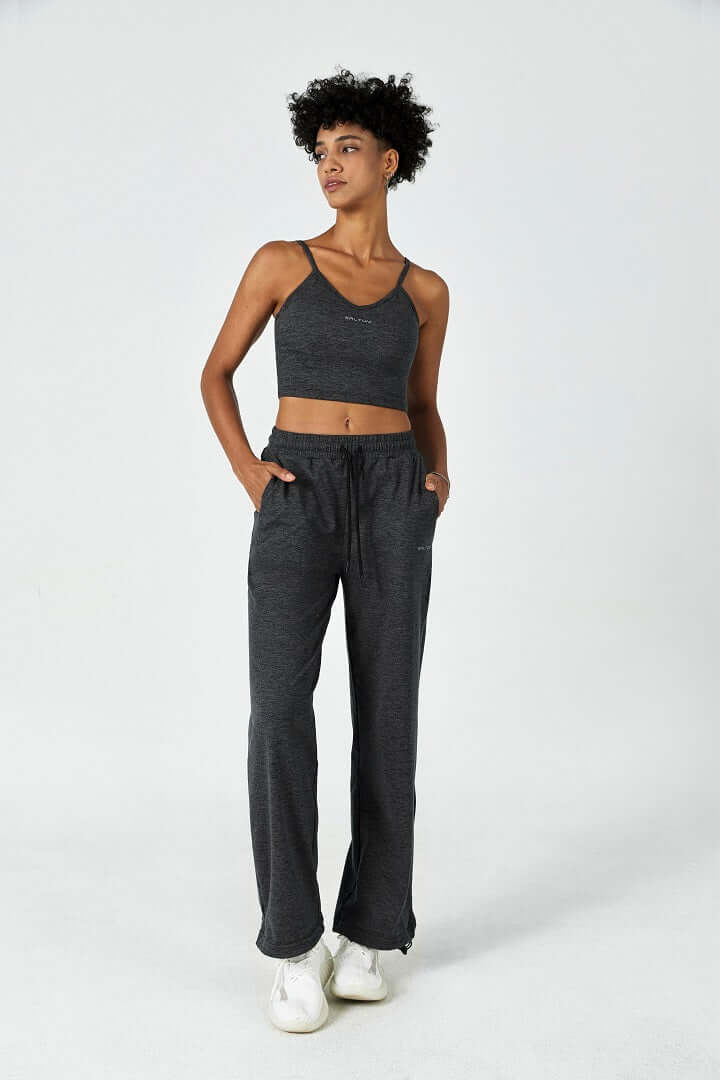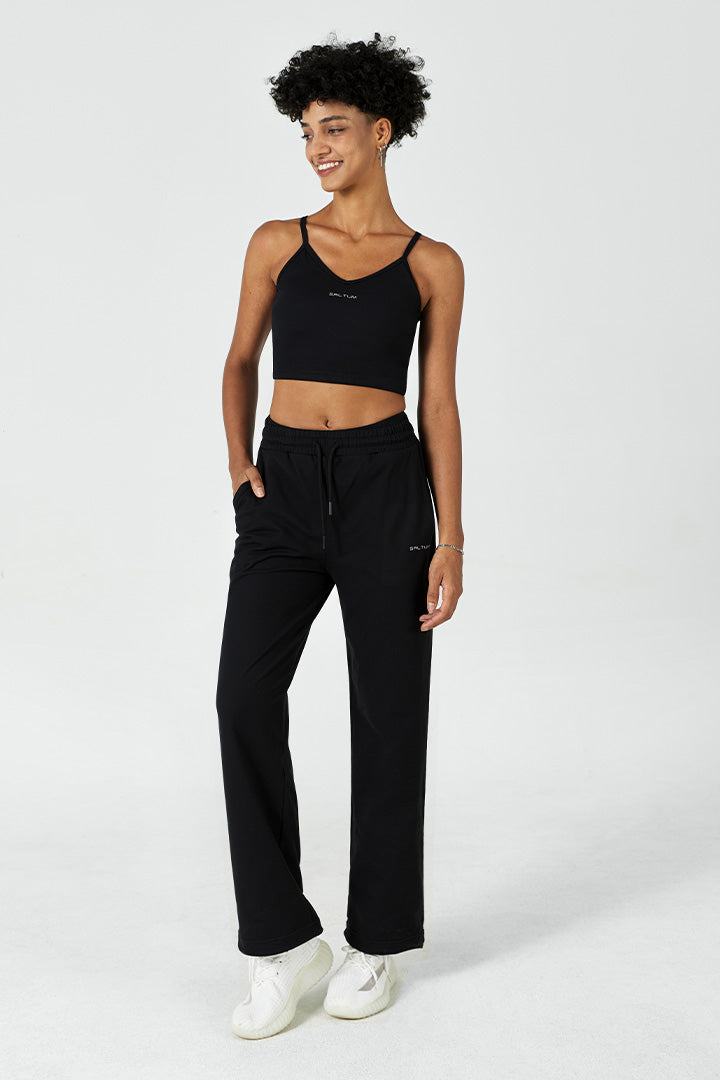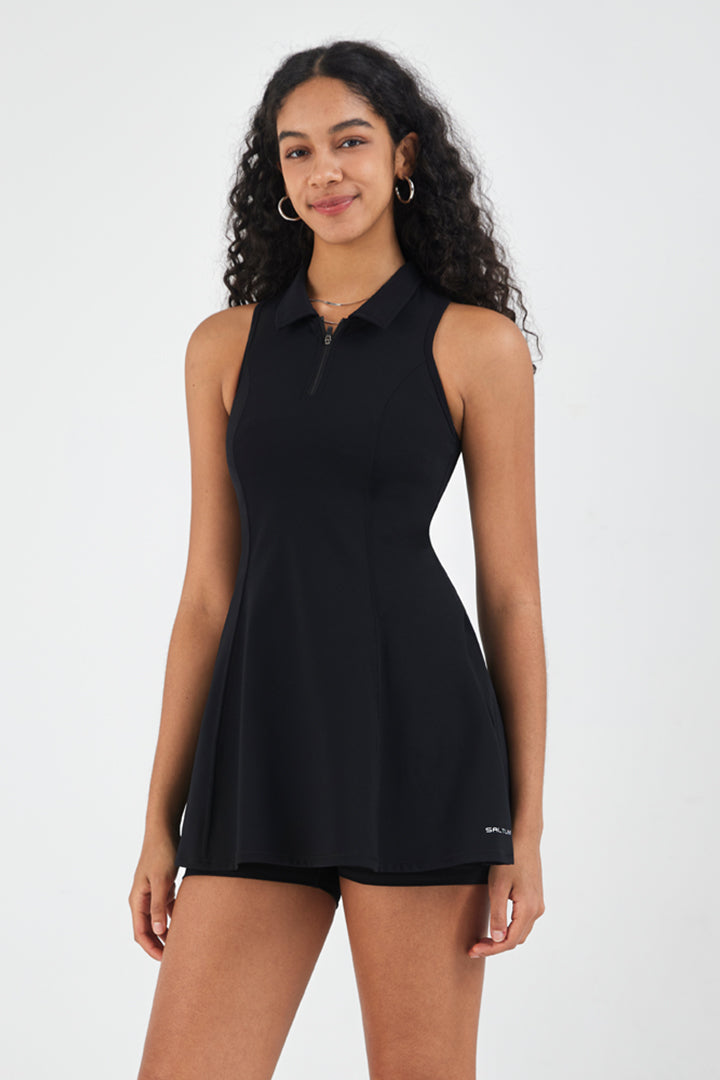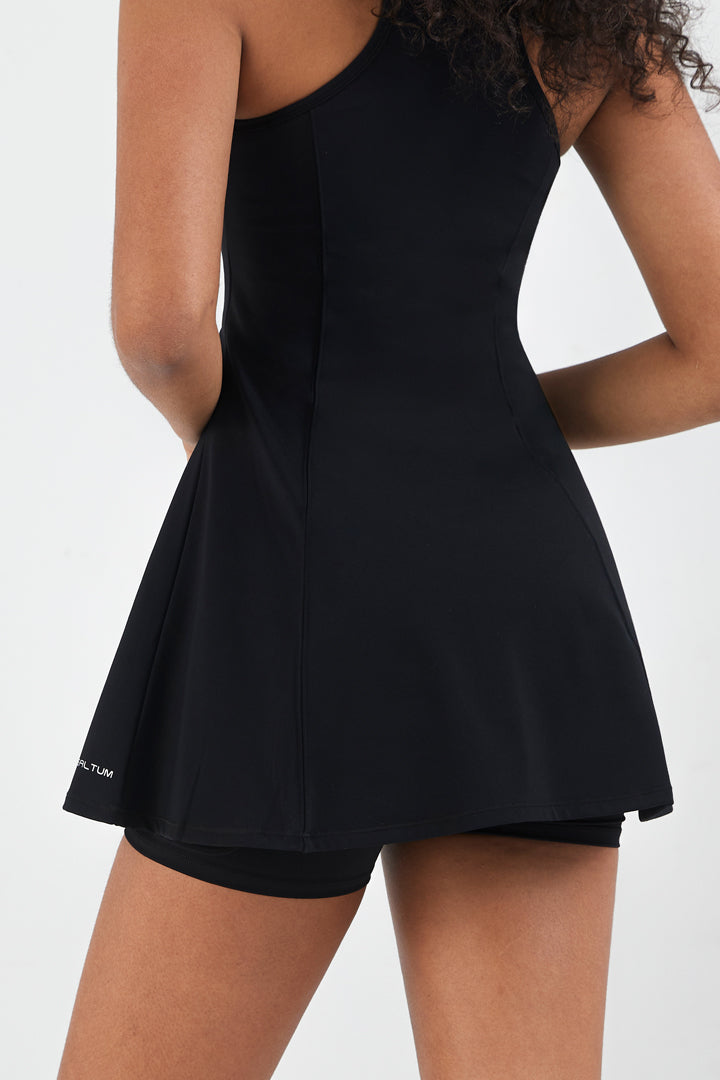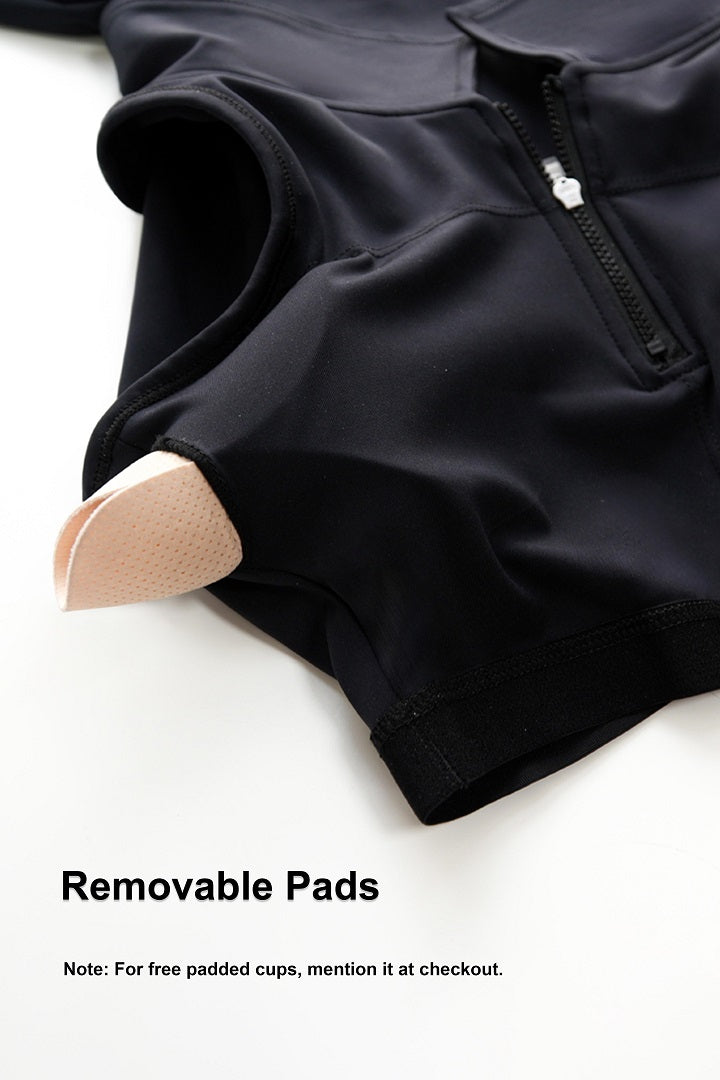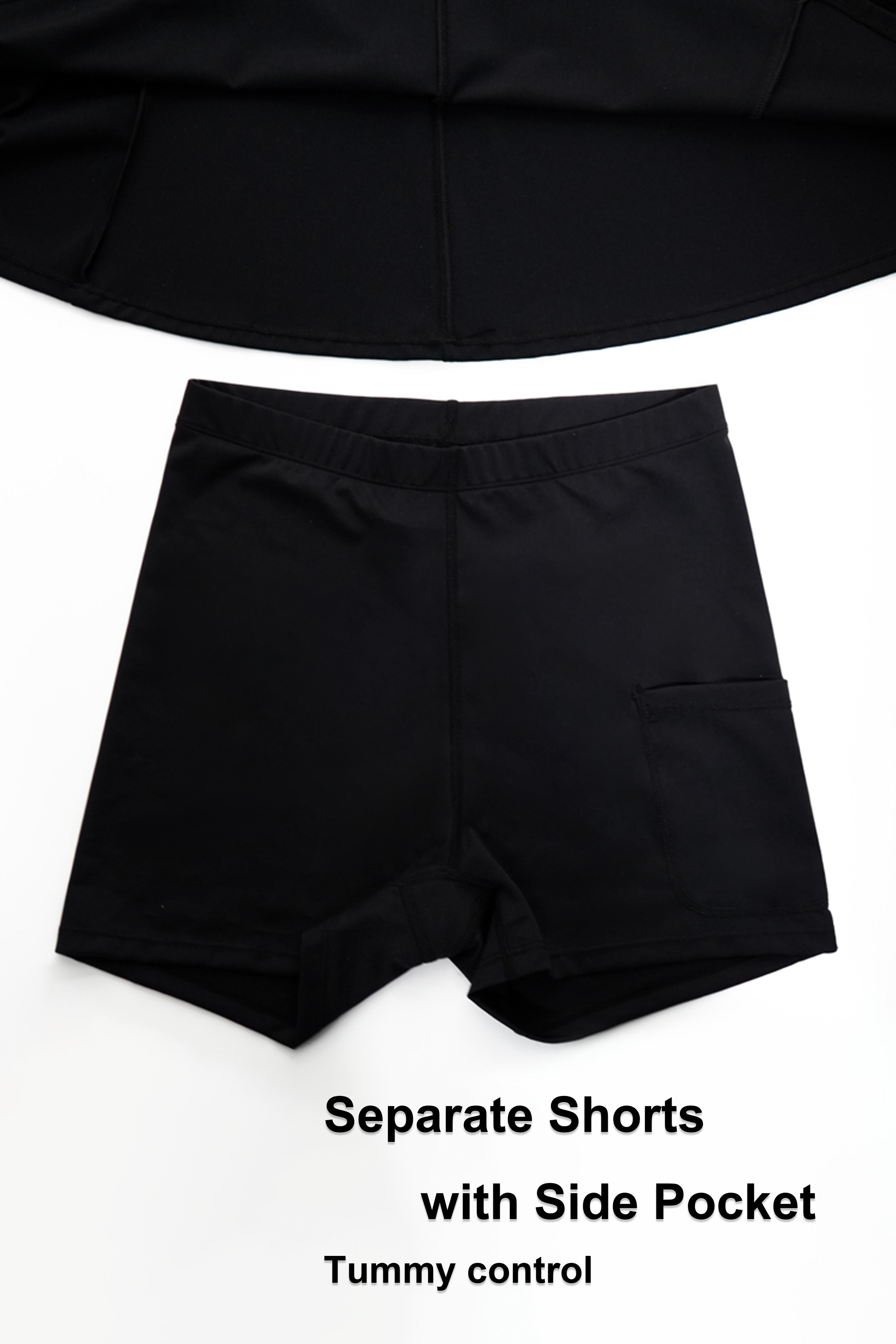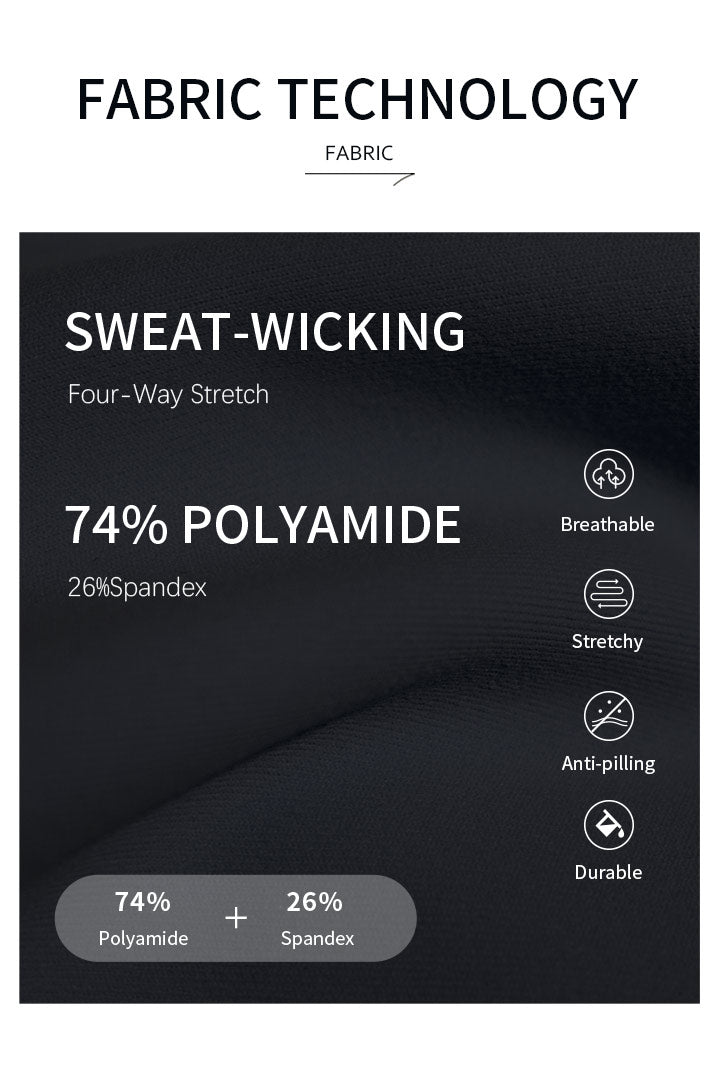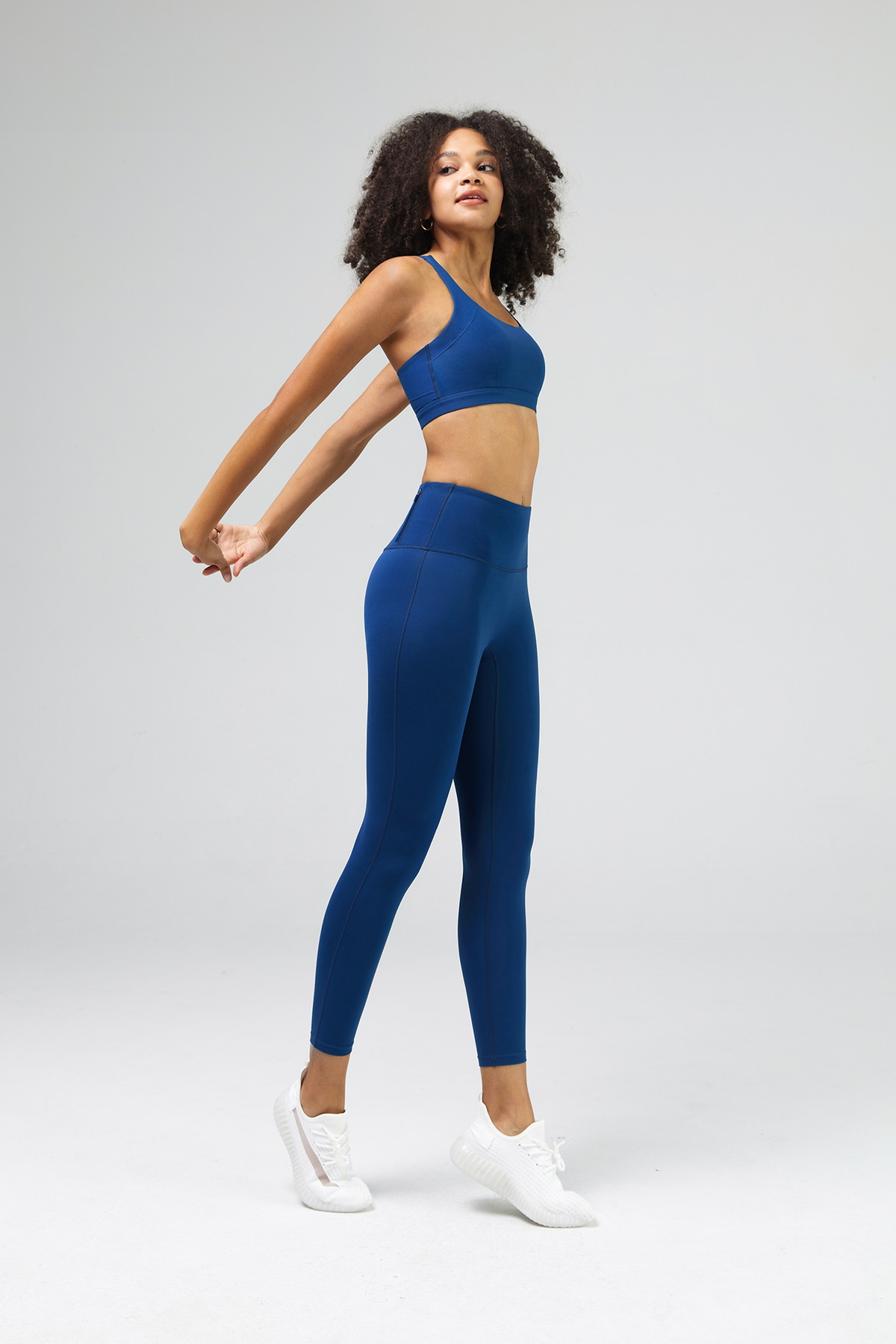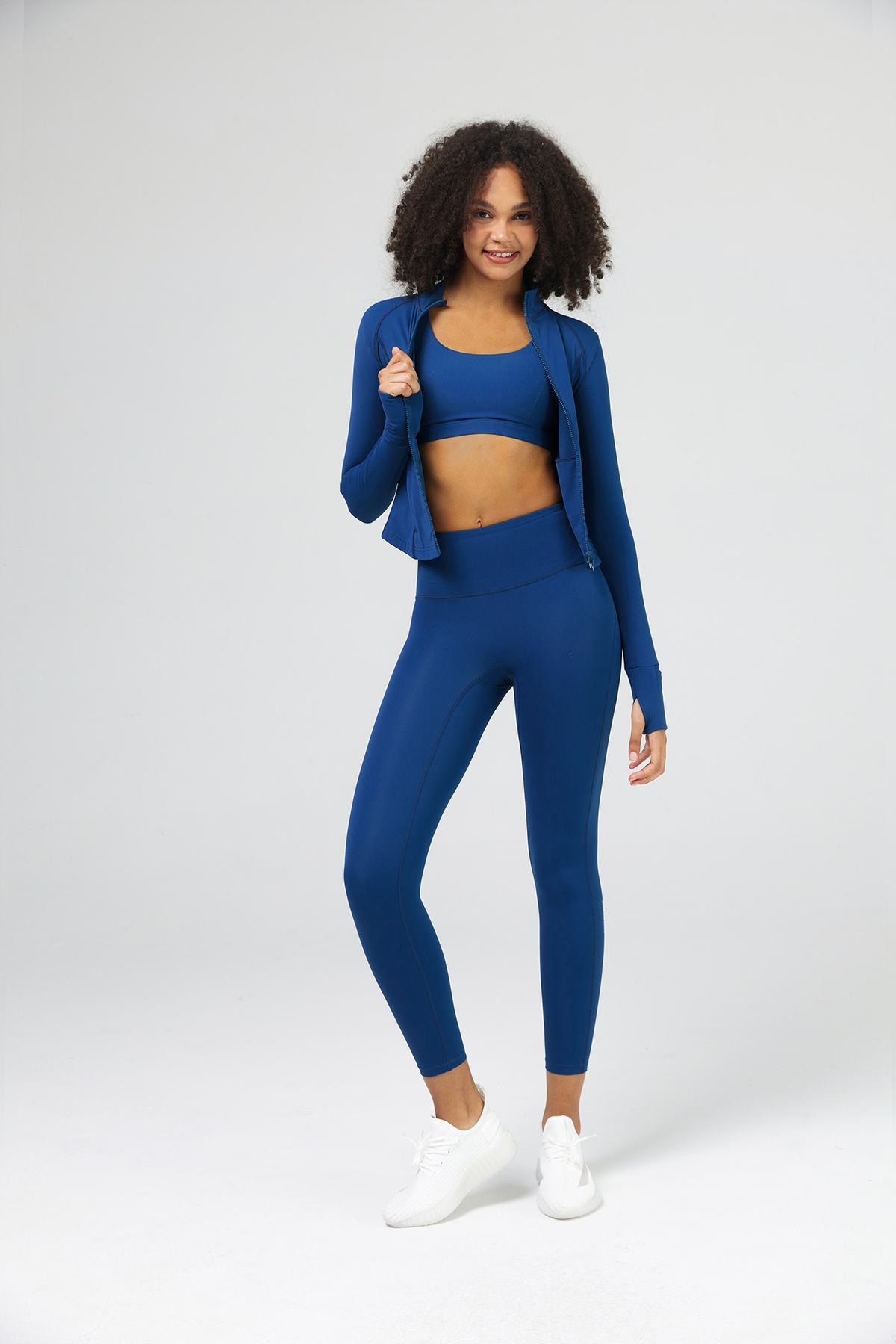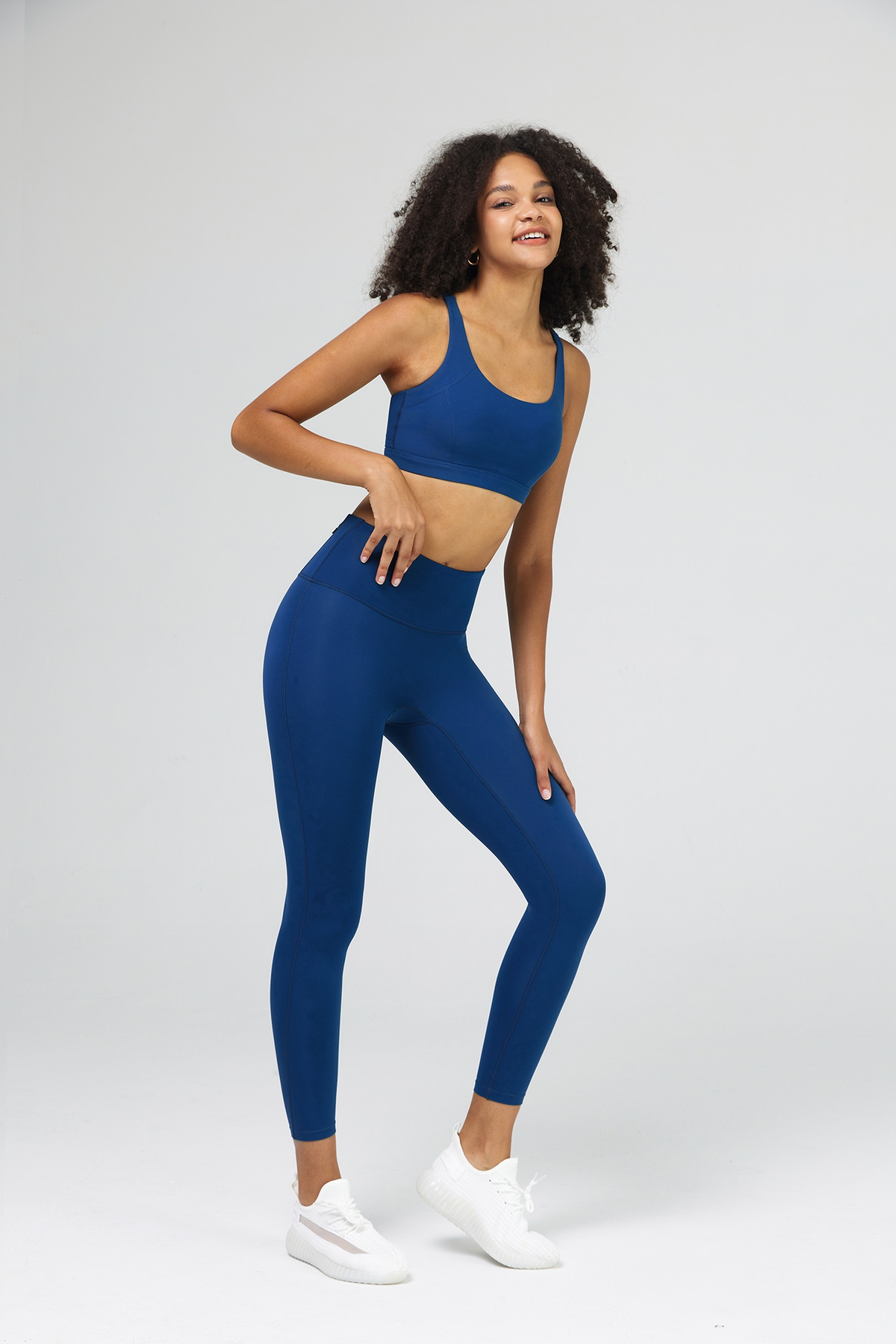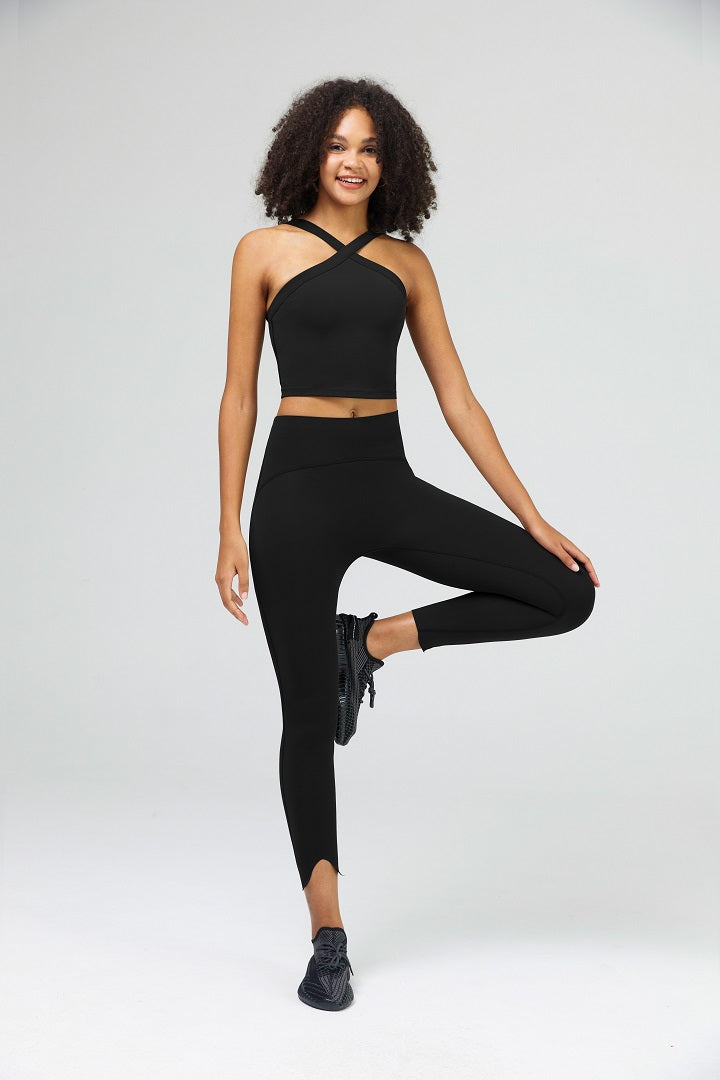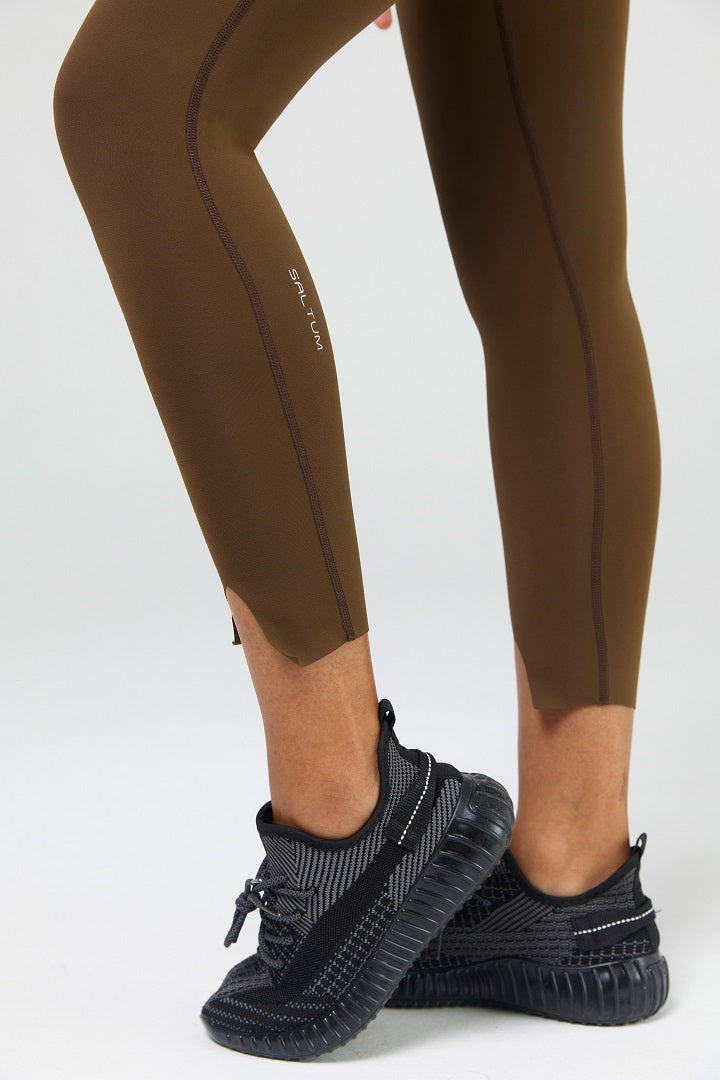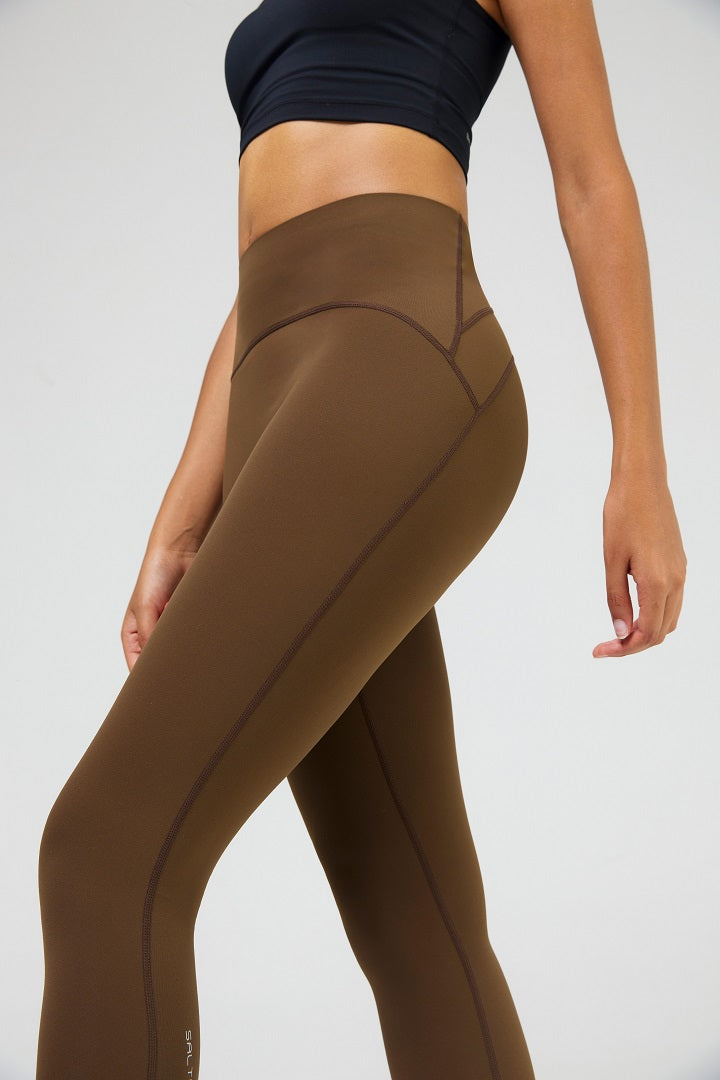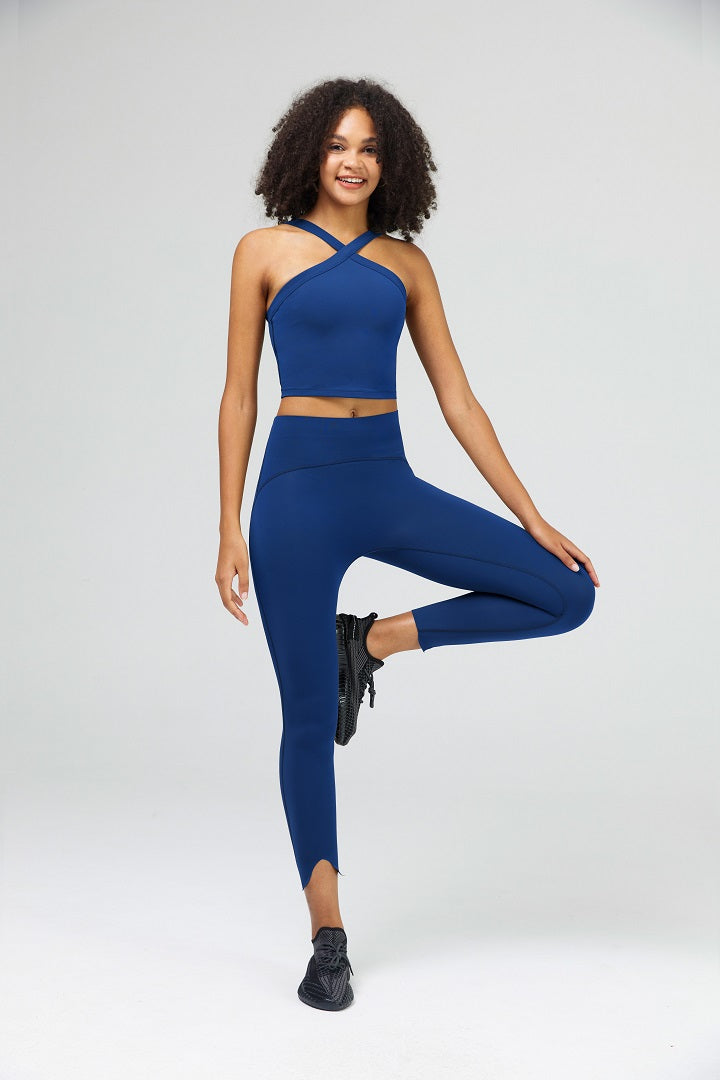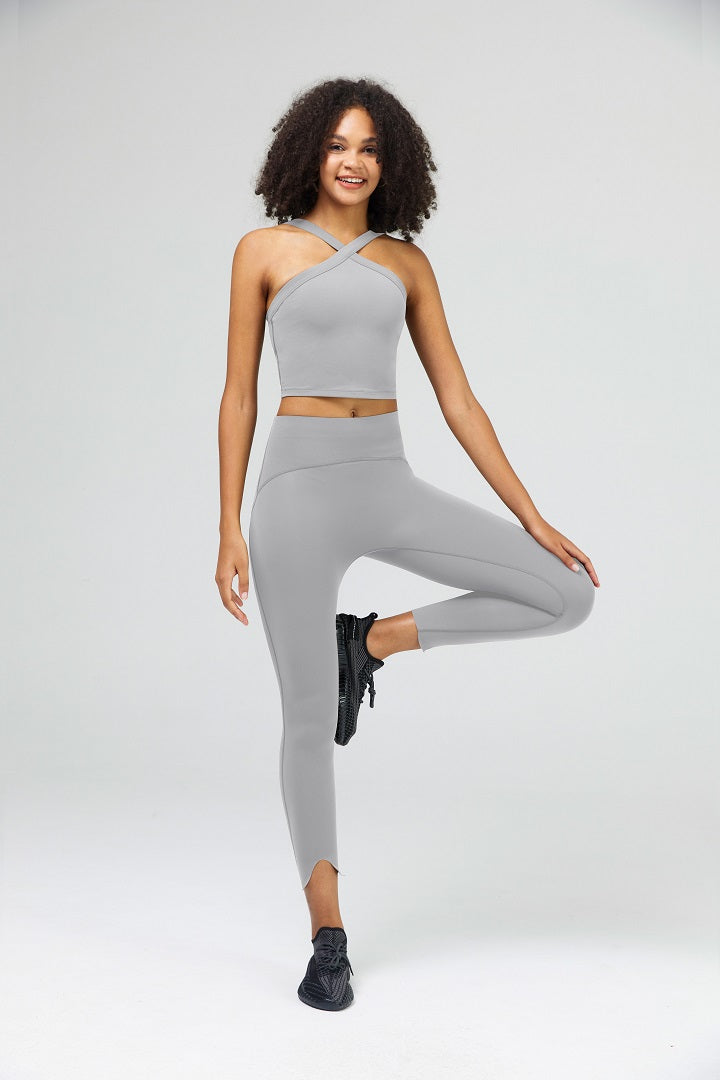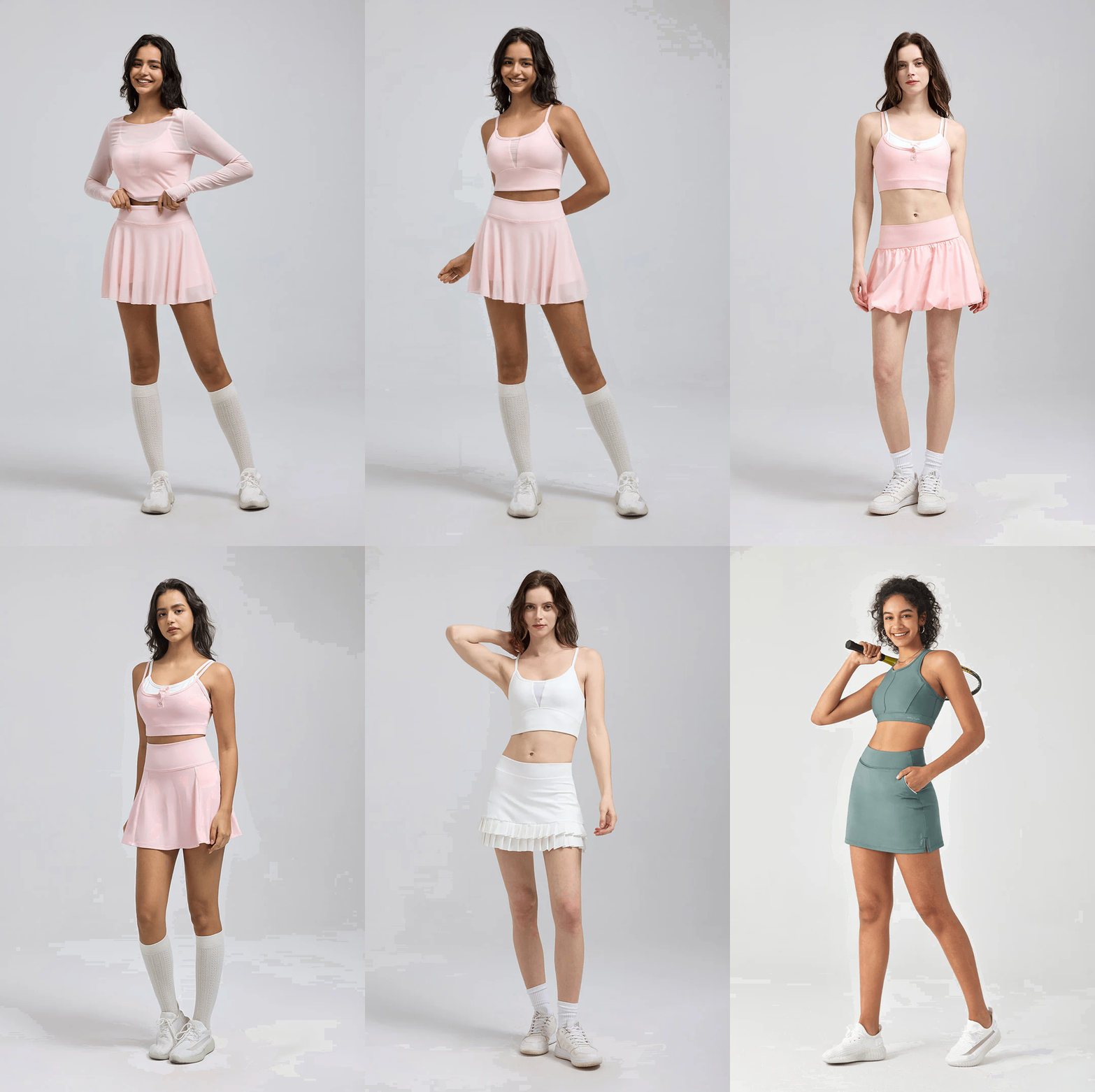
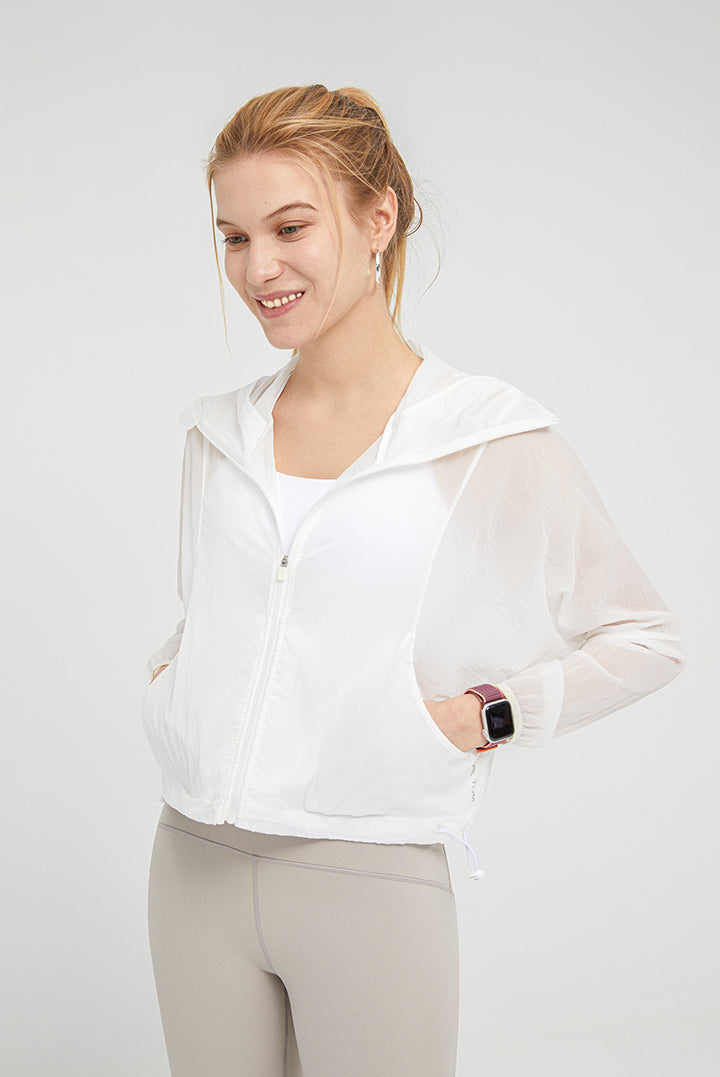
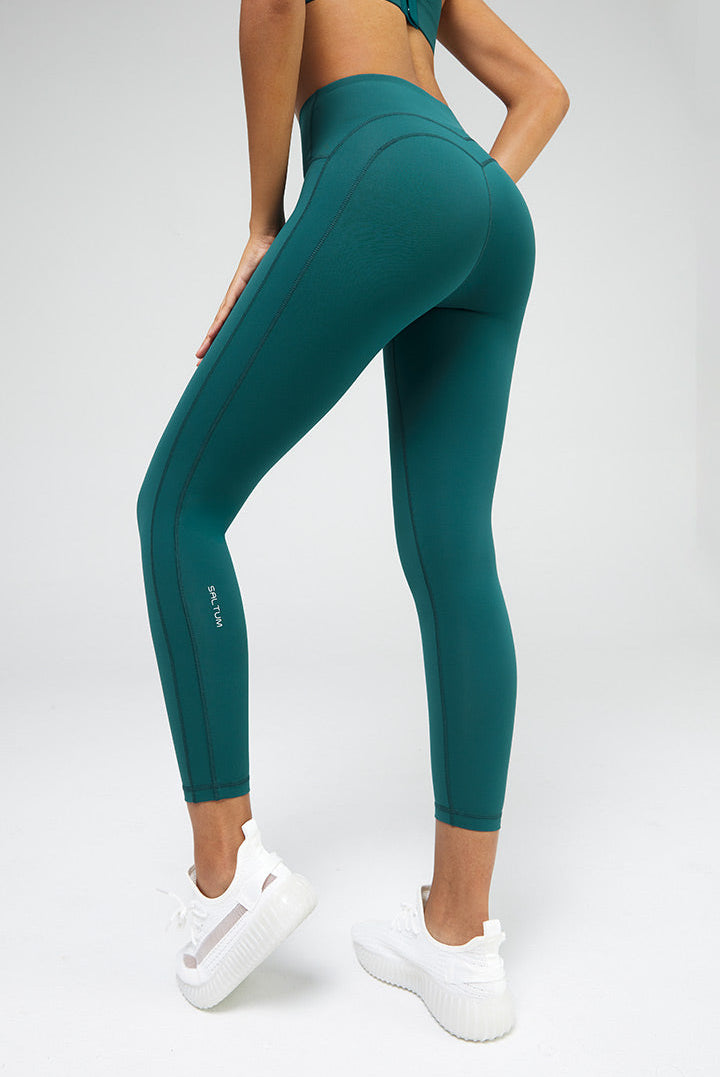
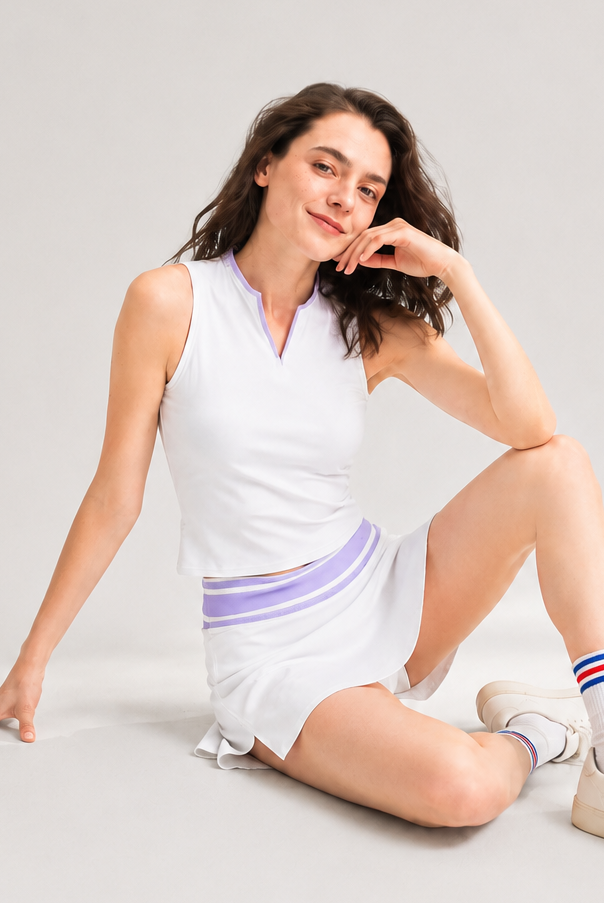
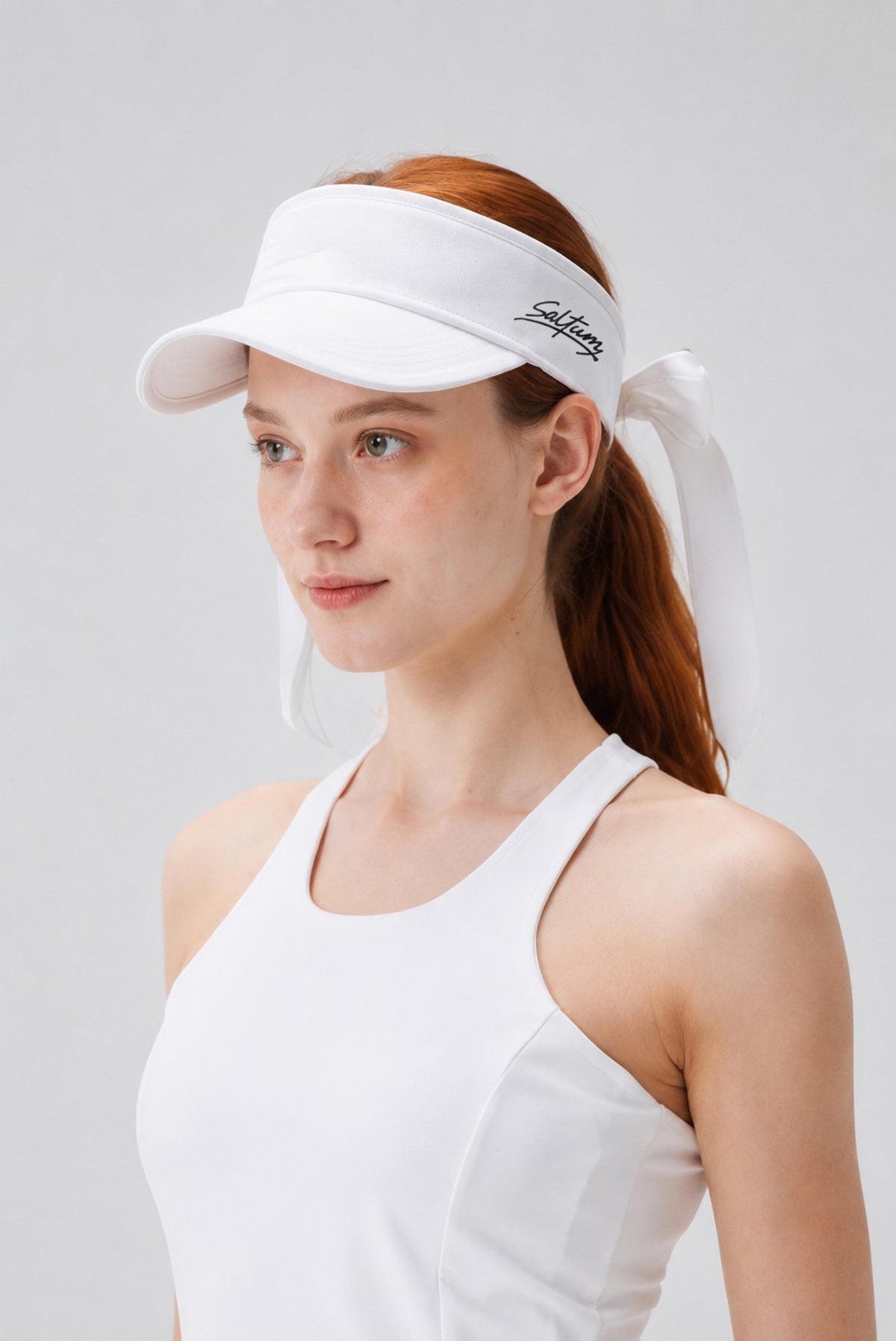
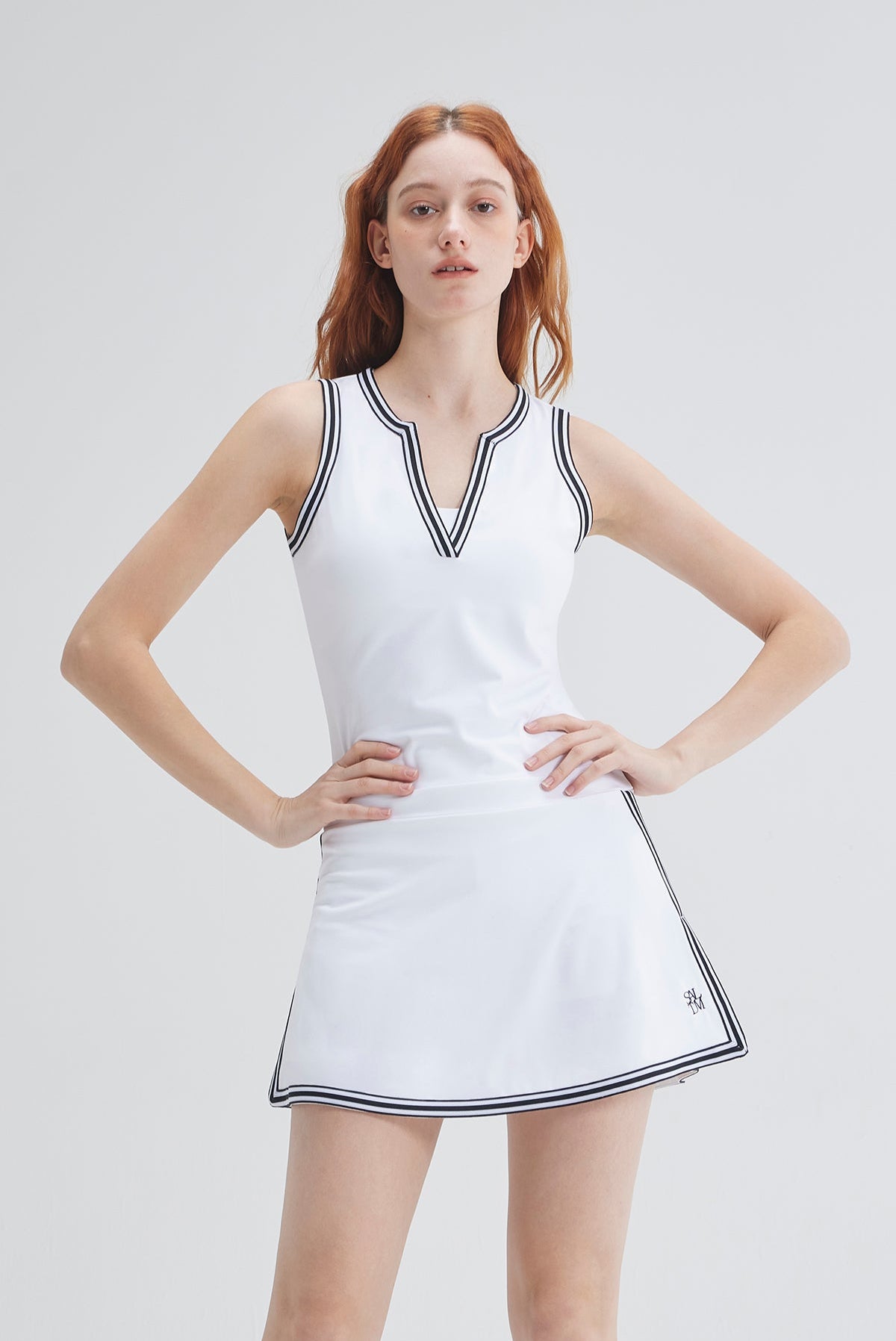
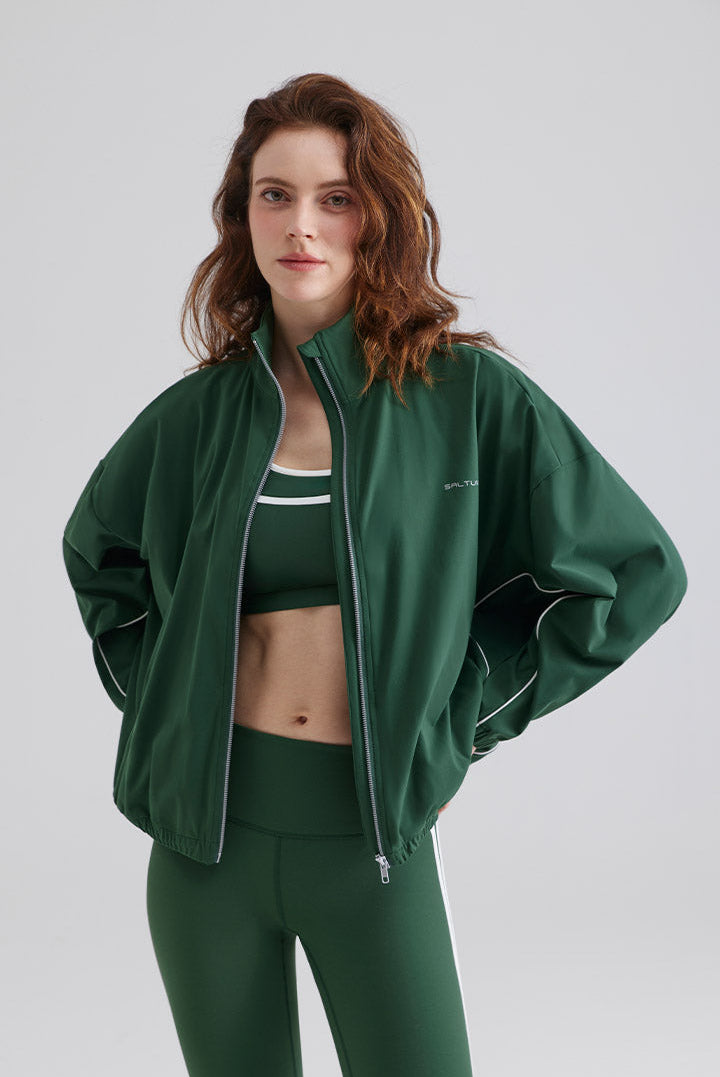


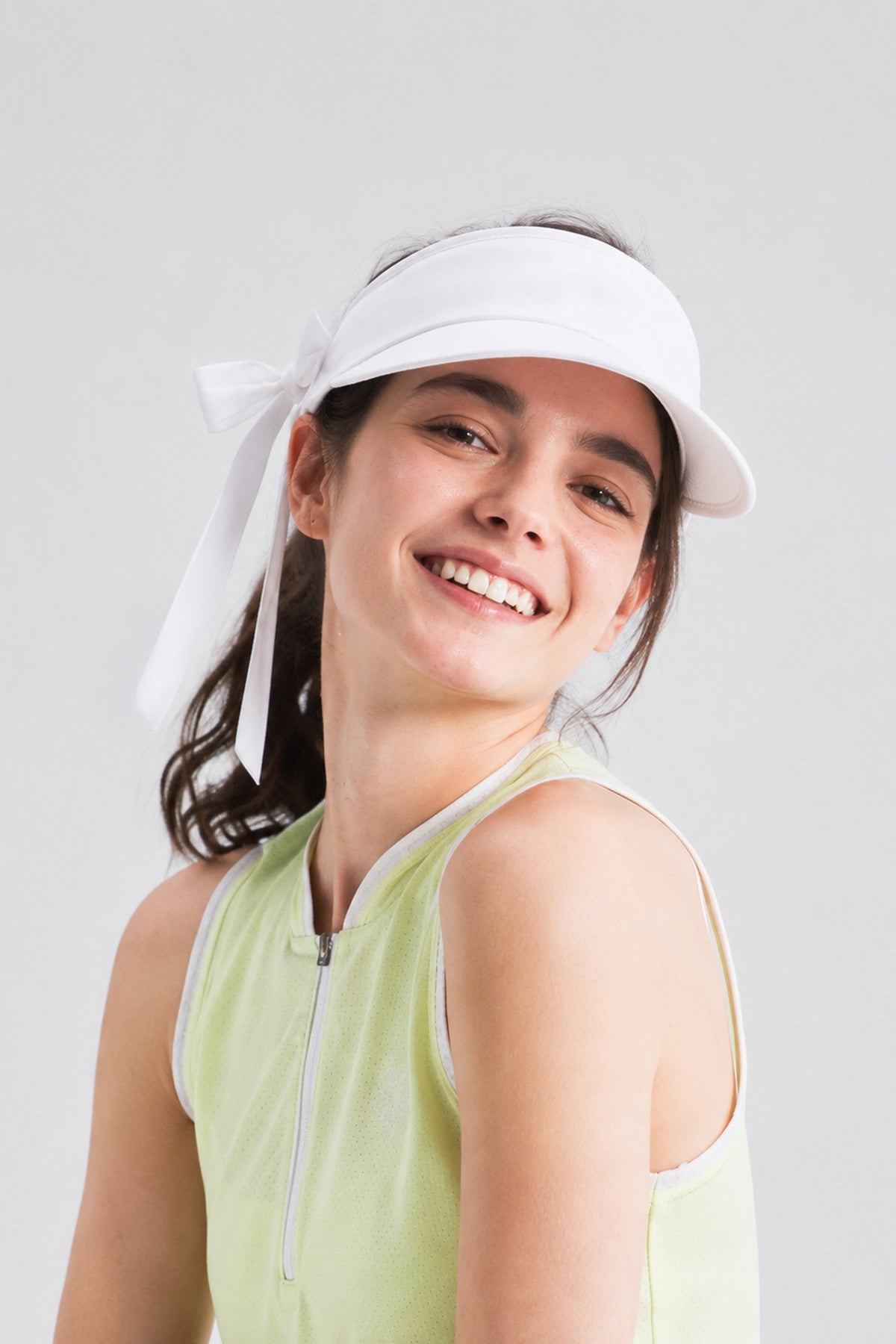

Walk into any sporting goods store and you'll notice something fairly quickly: the women's section is a sea of tight, often short, often pricey pieces — while the men's section offers a wider range of lengths, fits, and fabric weights at lower price points. This isn't just a vibe. It's a real and consistent pattern that's been documented by shoppers, fitness professionals, and clothing researchers alike.
That said, the story isn't entirely bleak. Something is shifting in how women's activewear is designed — slowly, imperfectly, but noticeably.

The Design Gap: Aesthetics vs. Function
The core tension in women's activewear is this: too often, the design process seems to start with how something looks rather than how it performs. The result is clothing that photographs beautifully but works inconsistently in real conditions — whether that's a sprint, a deadlift session, or a two-hour hike.
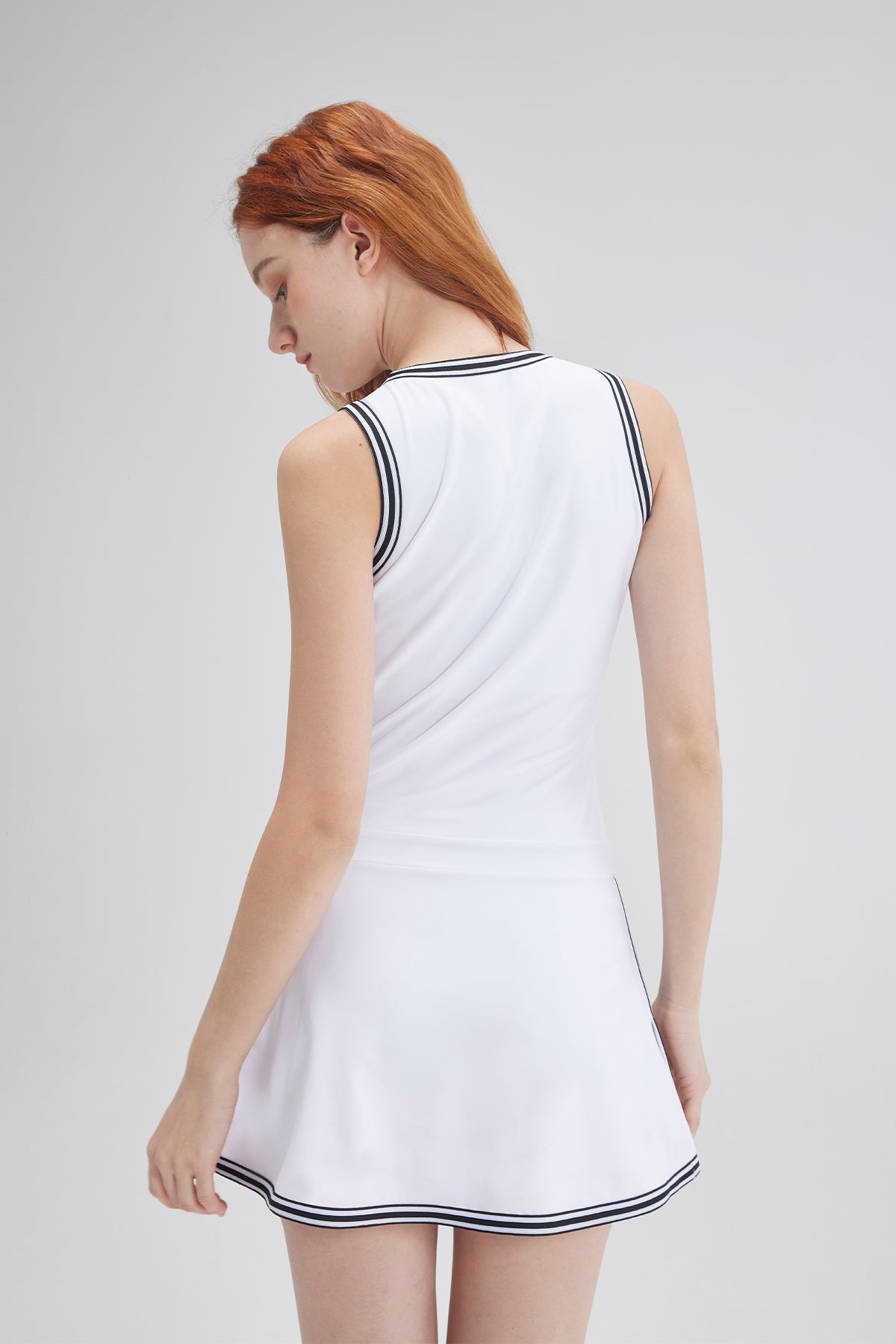
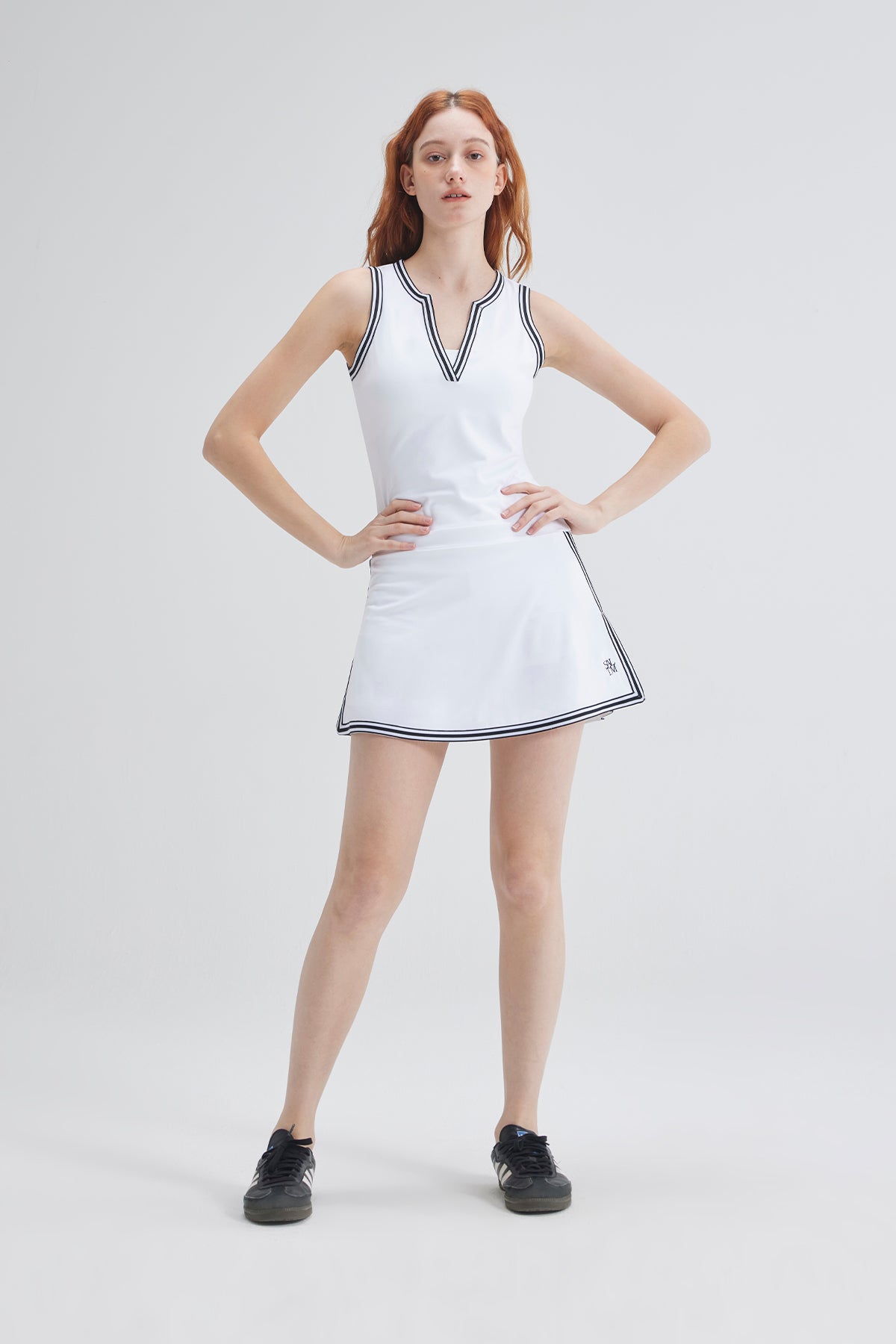
This shows up in several ways. Fabrics are chosen for their visual qualities (sheen, color vibrancy, printed patterns) rather than their technical properties. Cuts are made to be form-fitting in a way that emphasizes a specific body shape, regardless of whether that shape or that fit is what the wearer actually needs. And lengths — especially in shorts and skirts — often reflect a visual aesthetic rather than functional coverage.
"It's almost like women's sportswear is not designed for comfort and affordability, but rather for the male gaze."
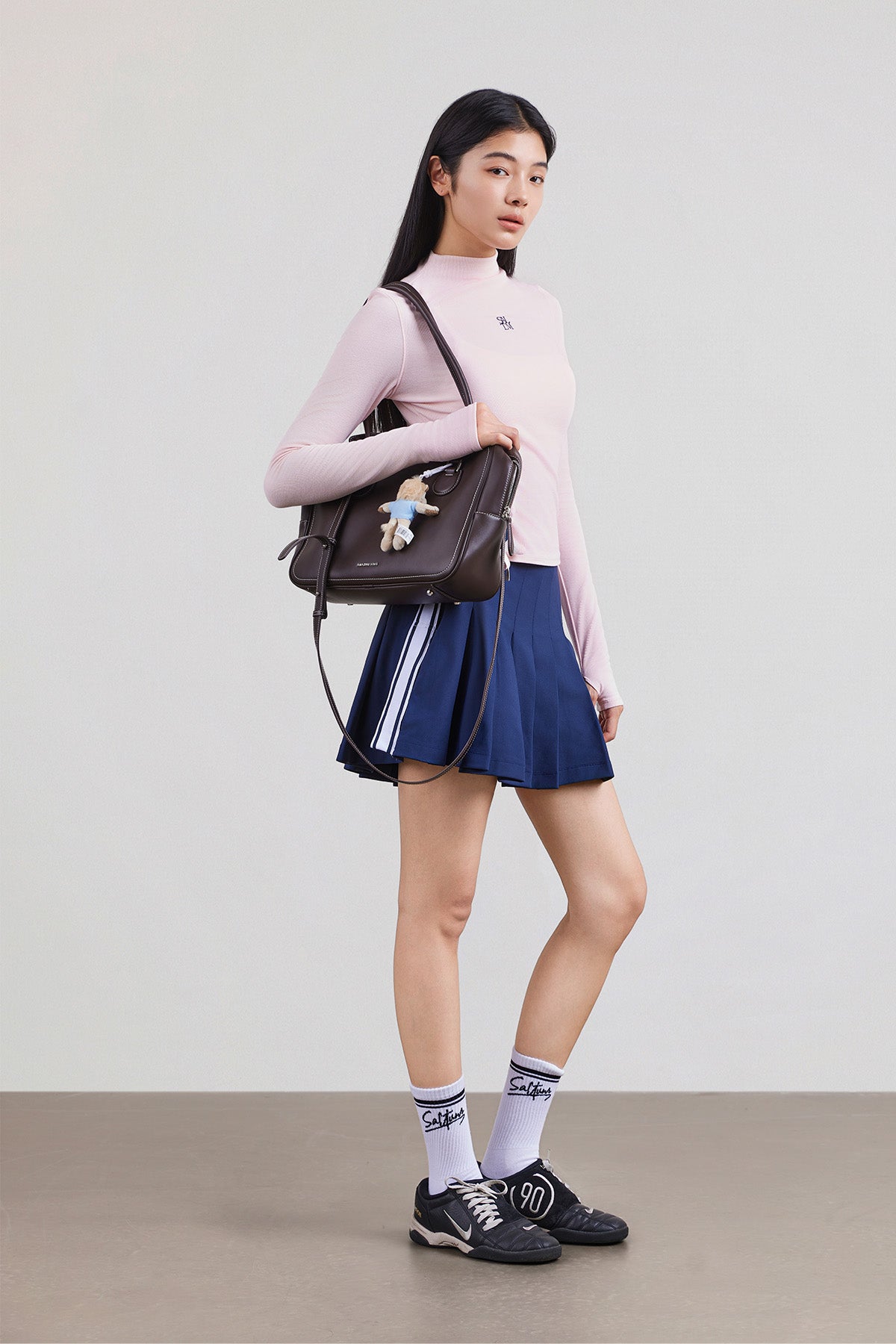
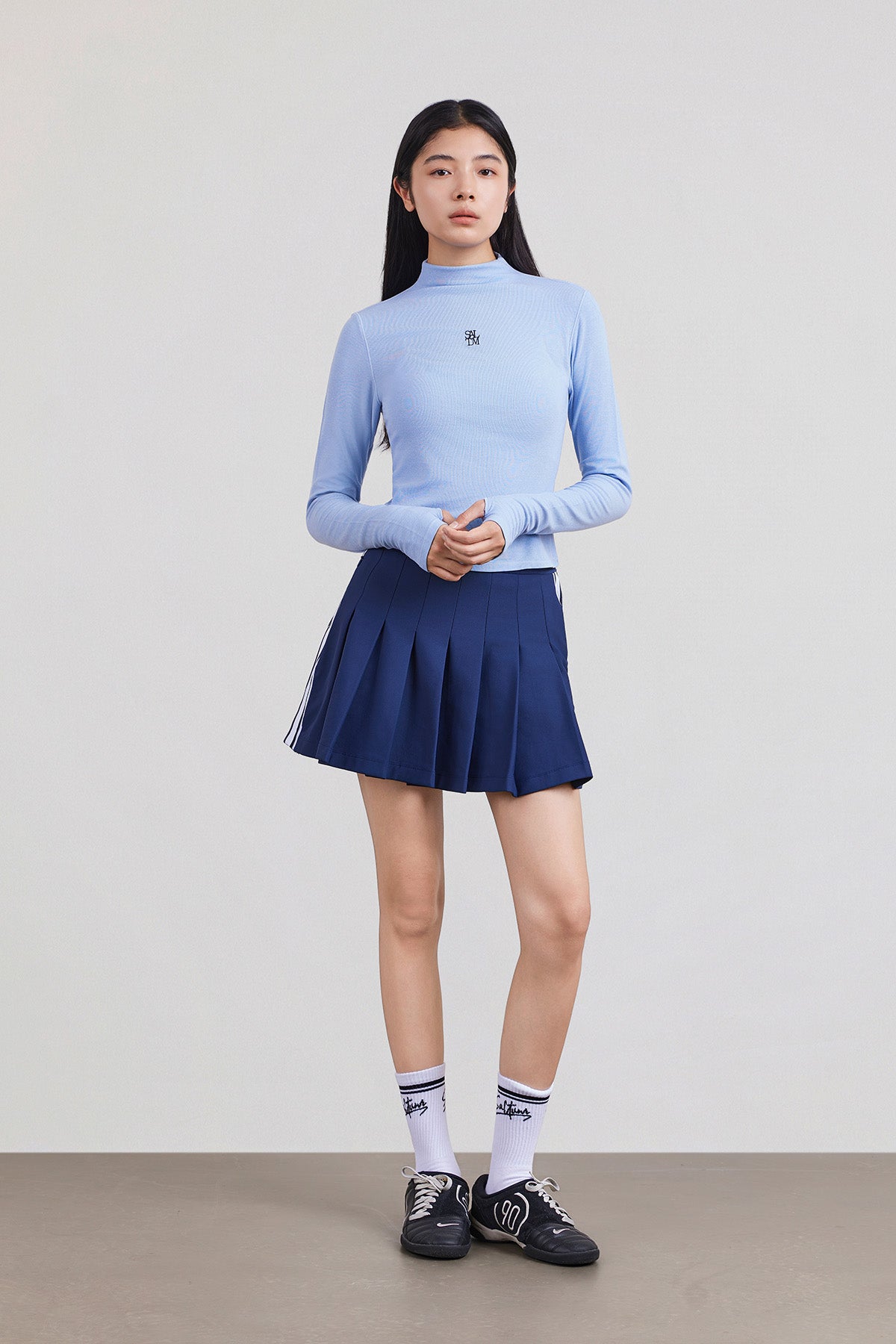
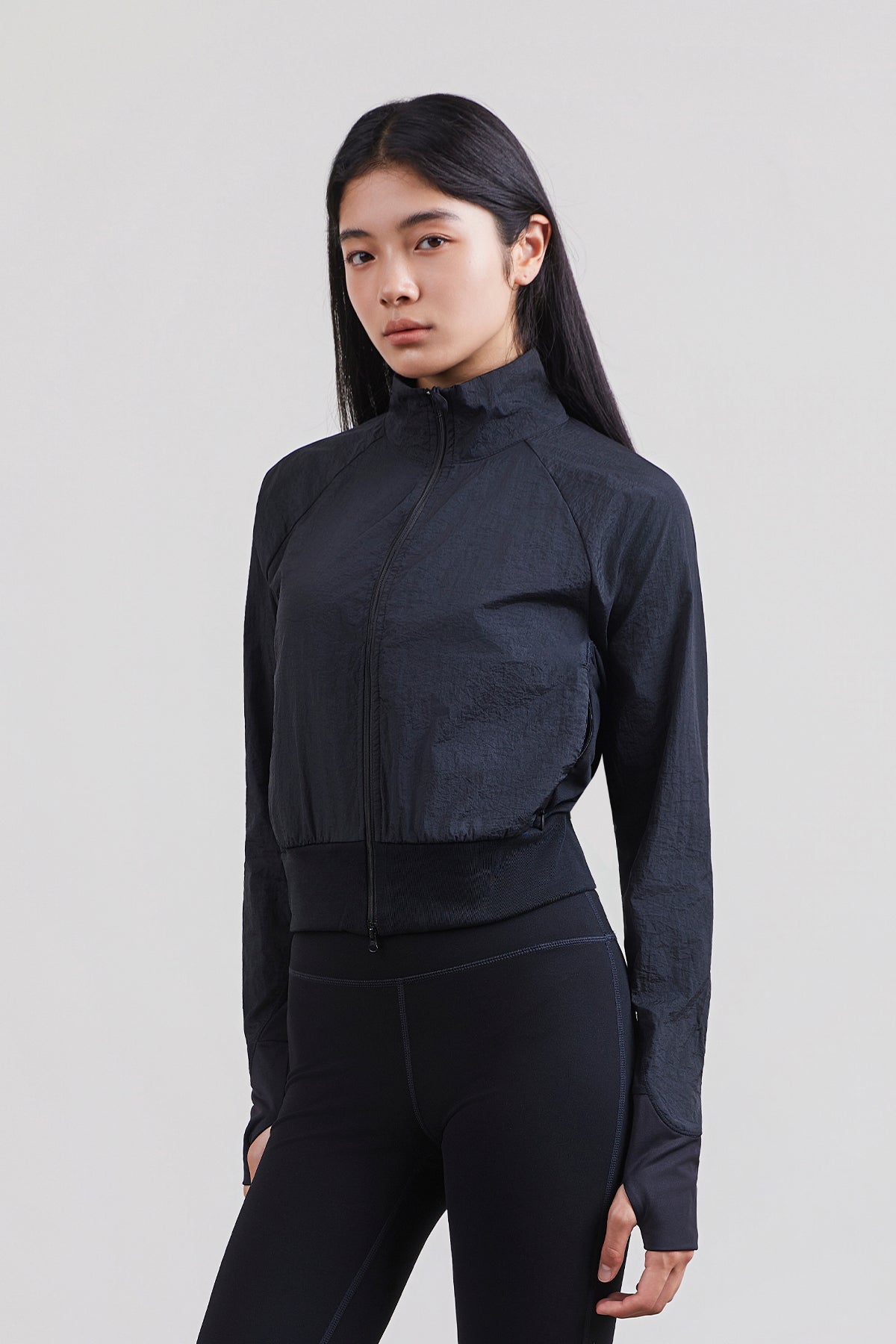
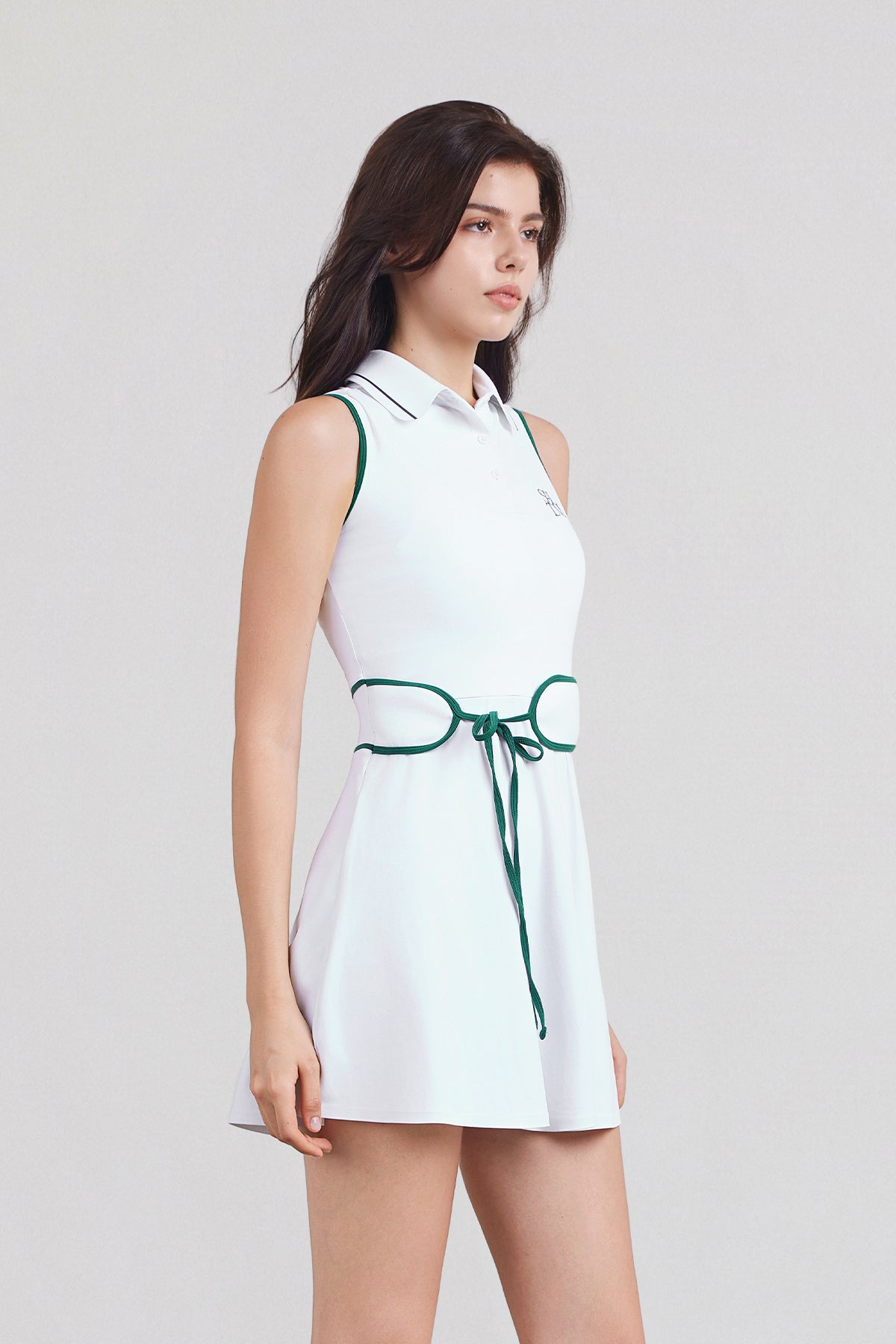
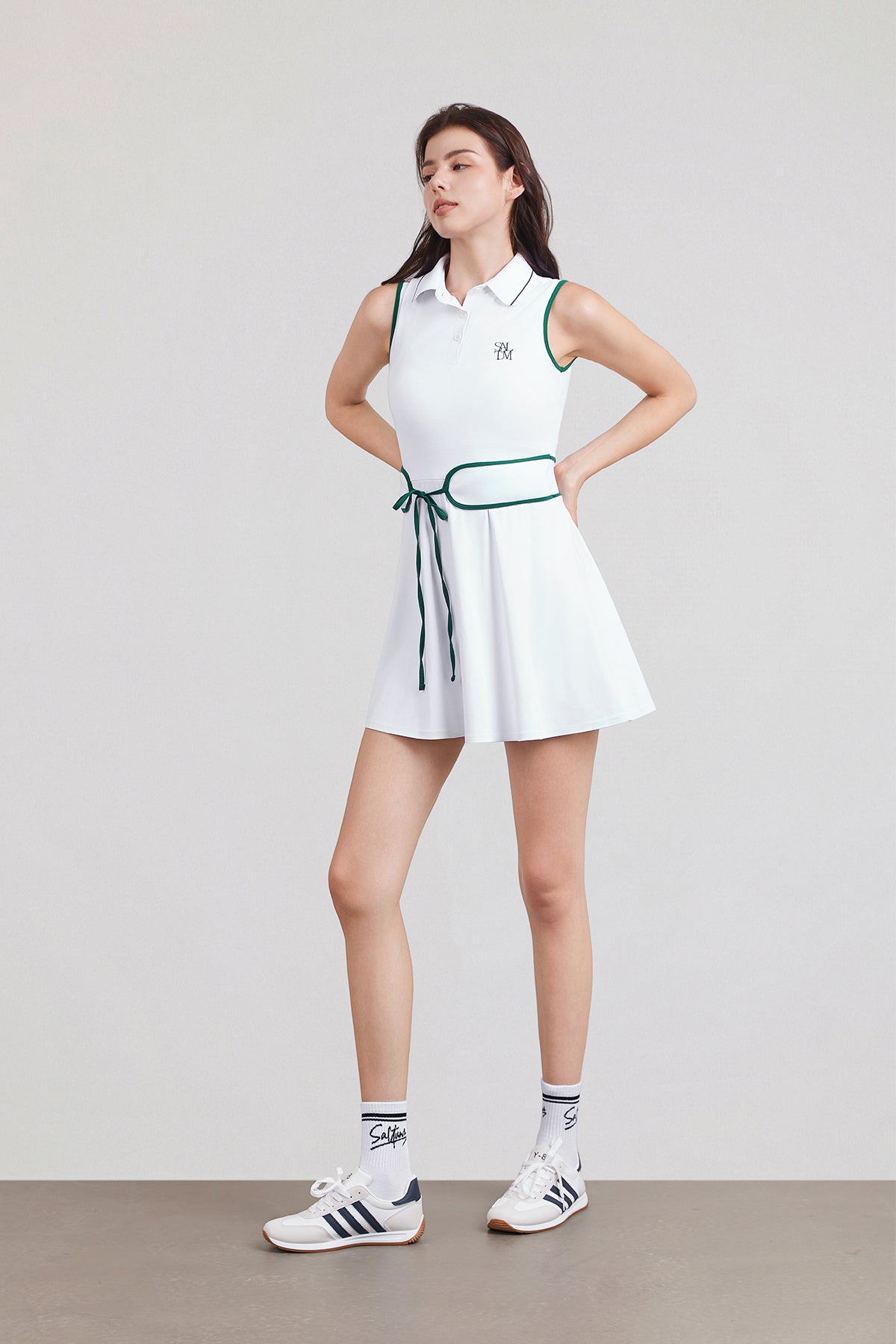
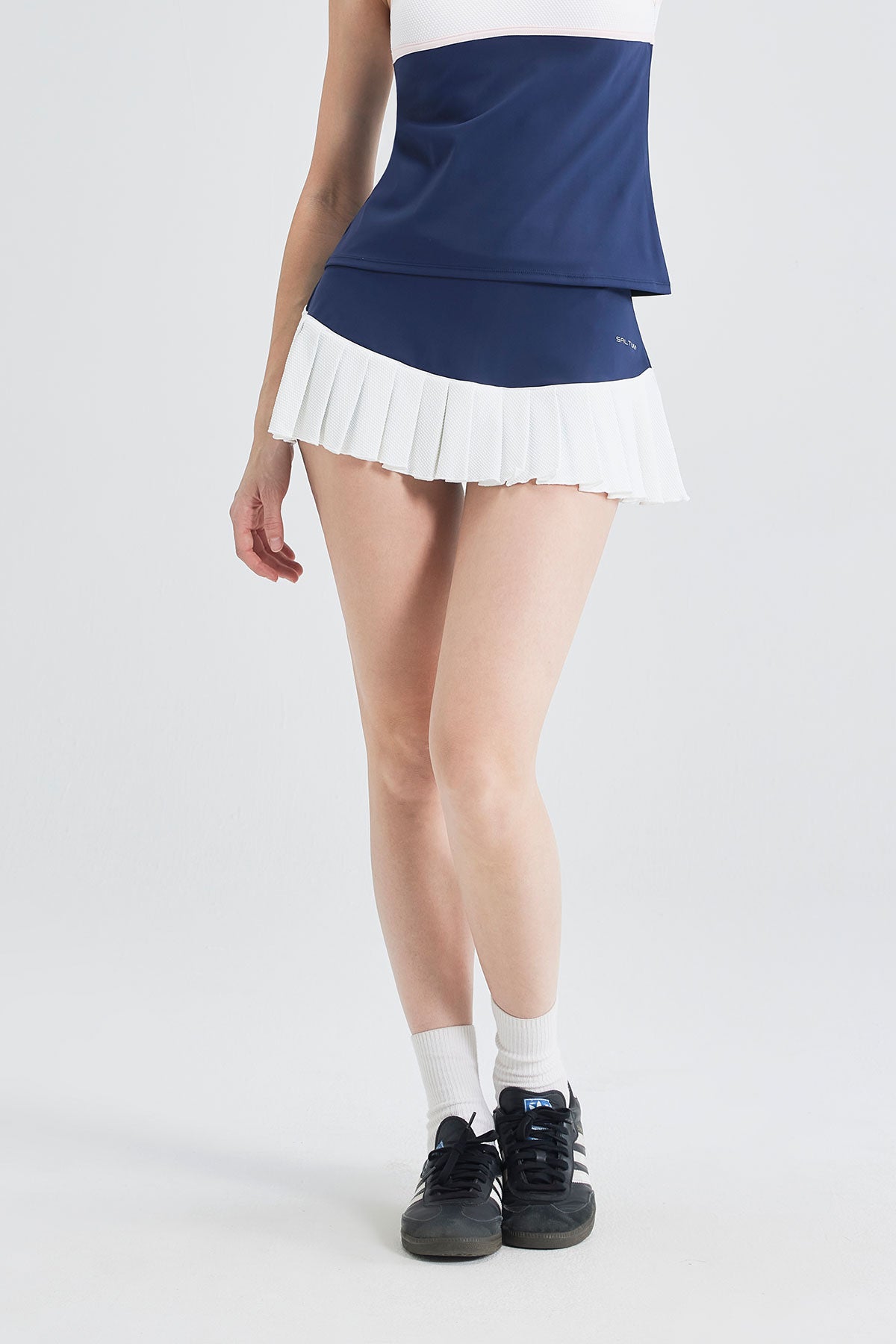
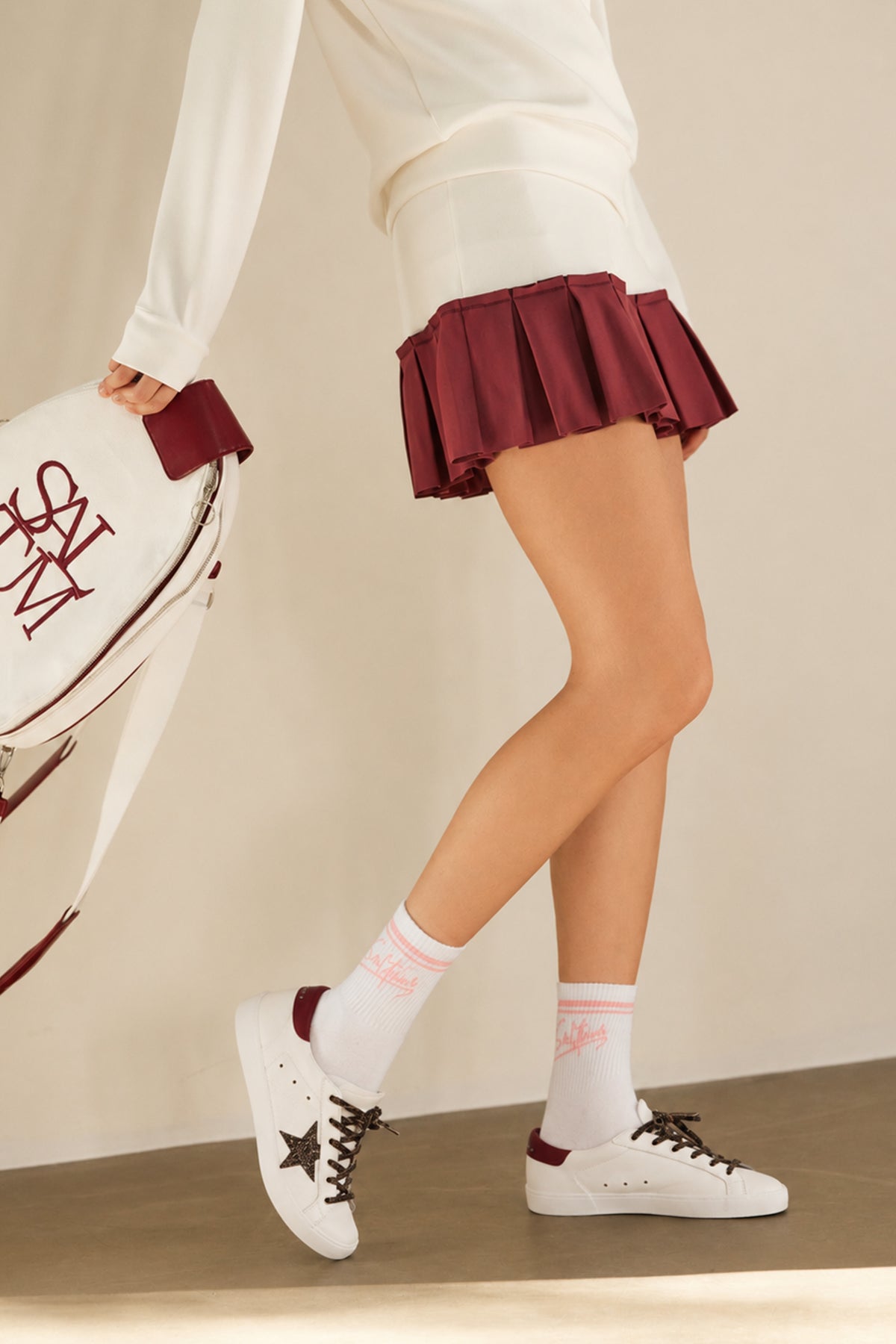
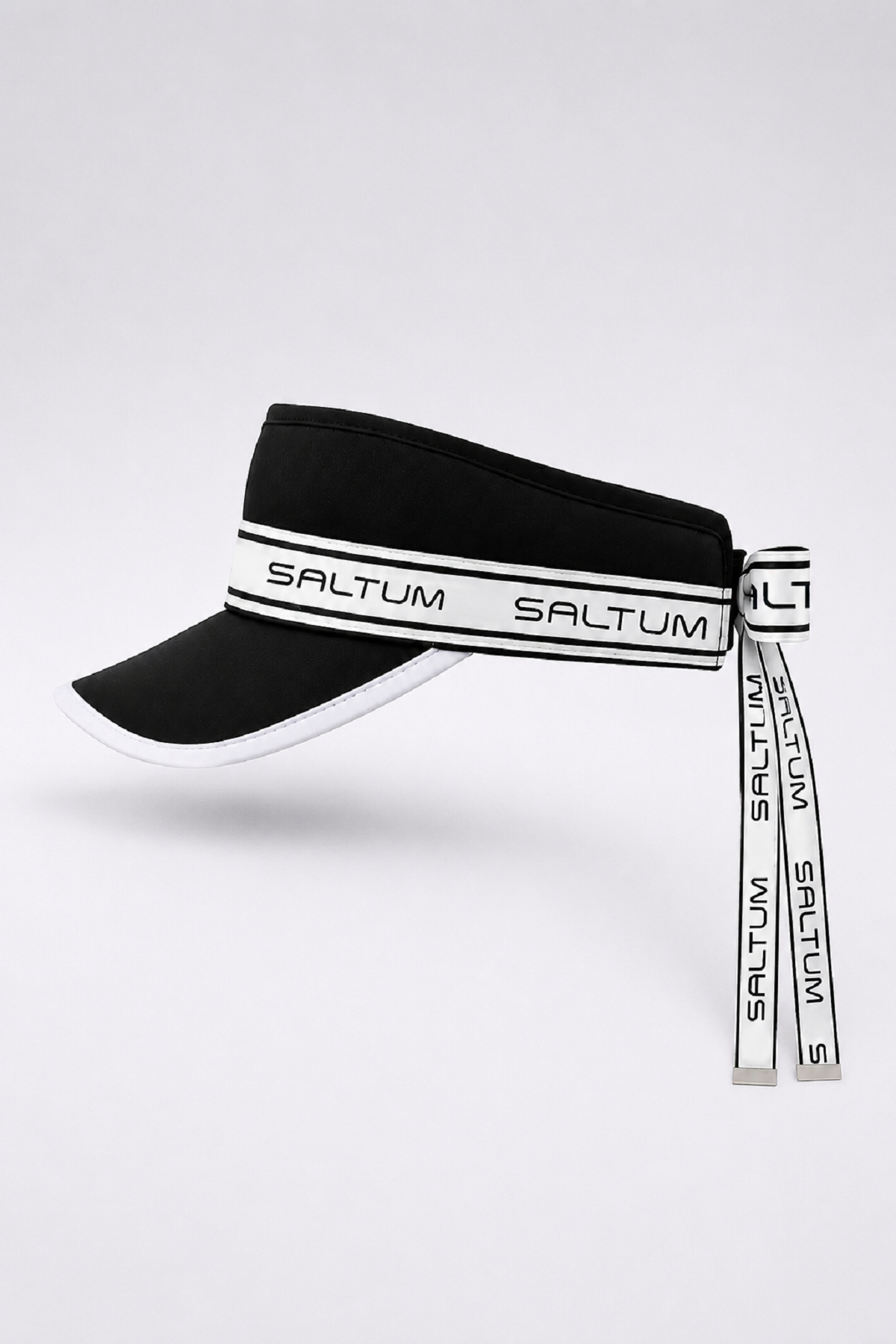
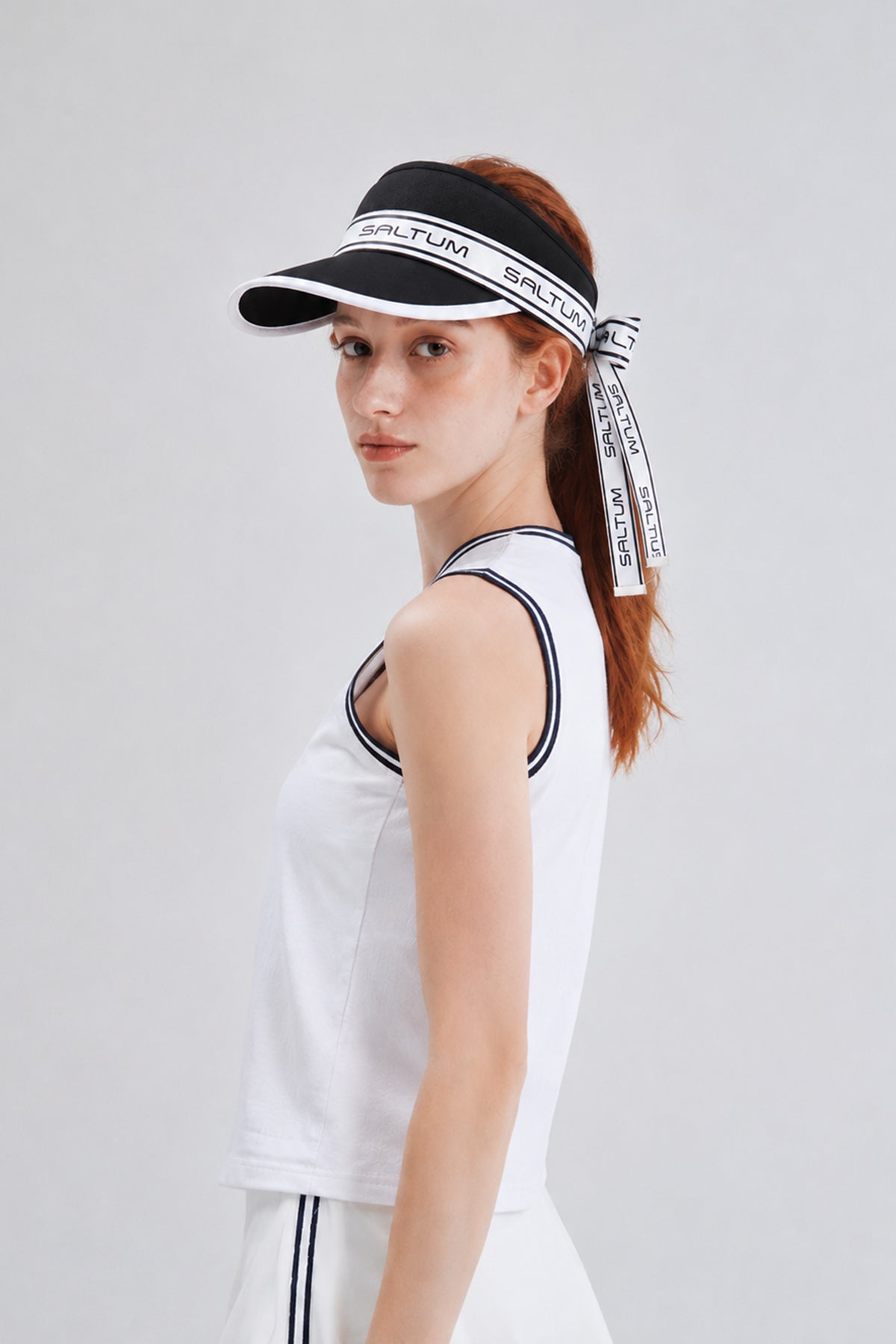
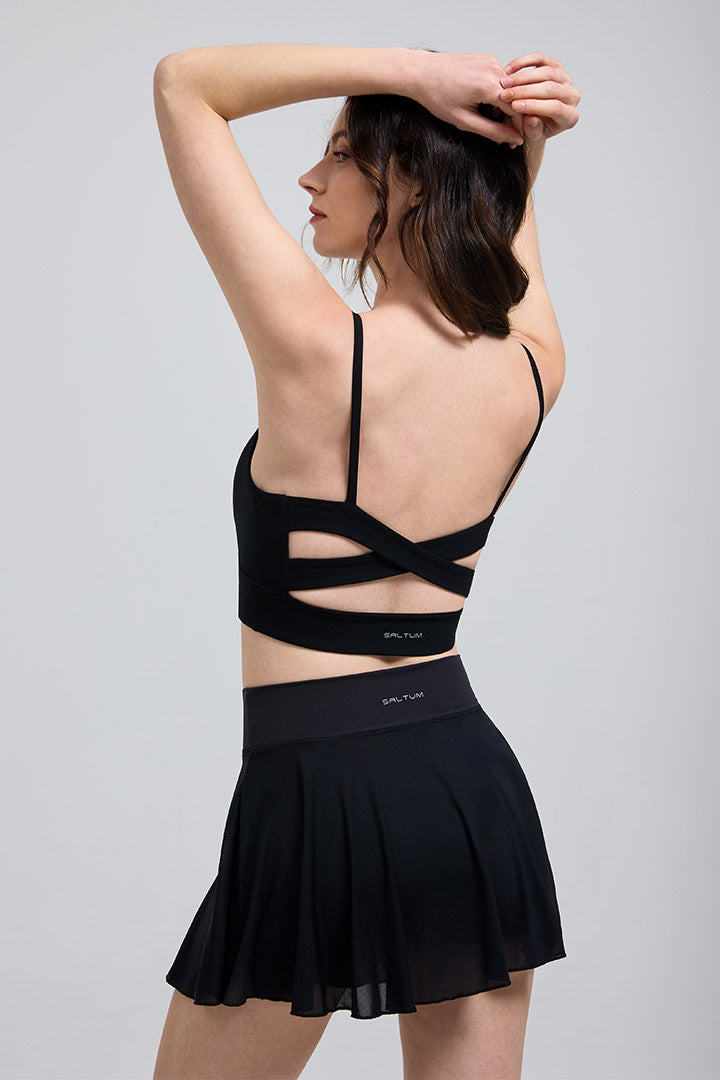
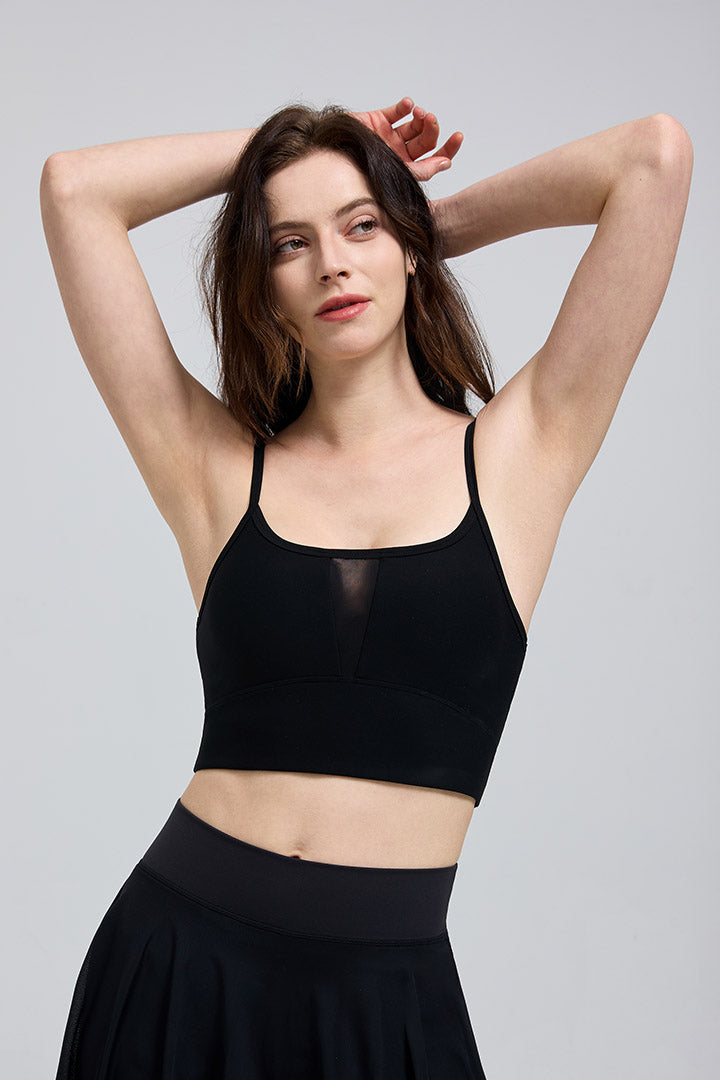
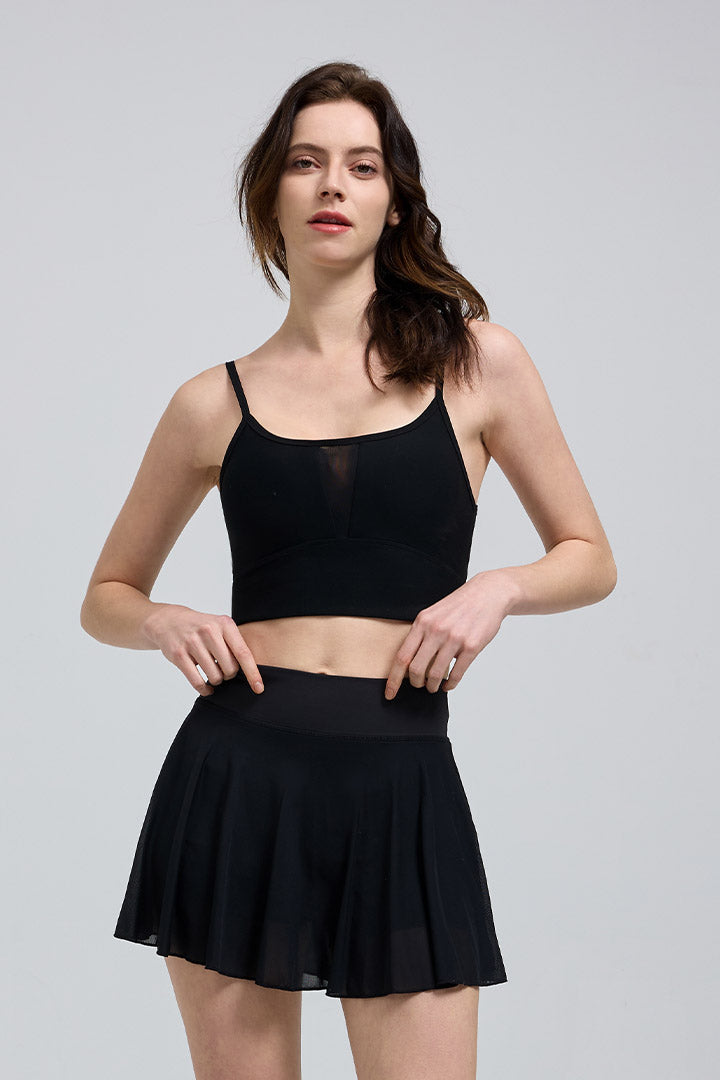
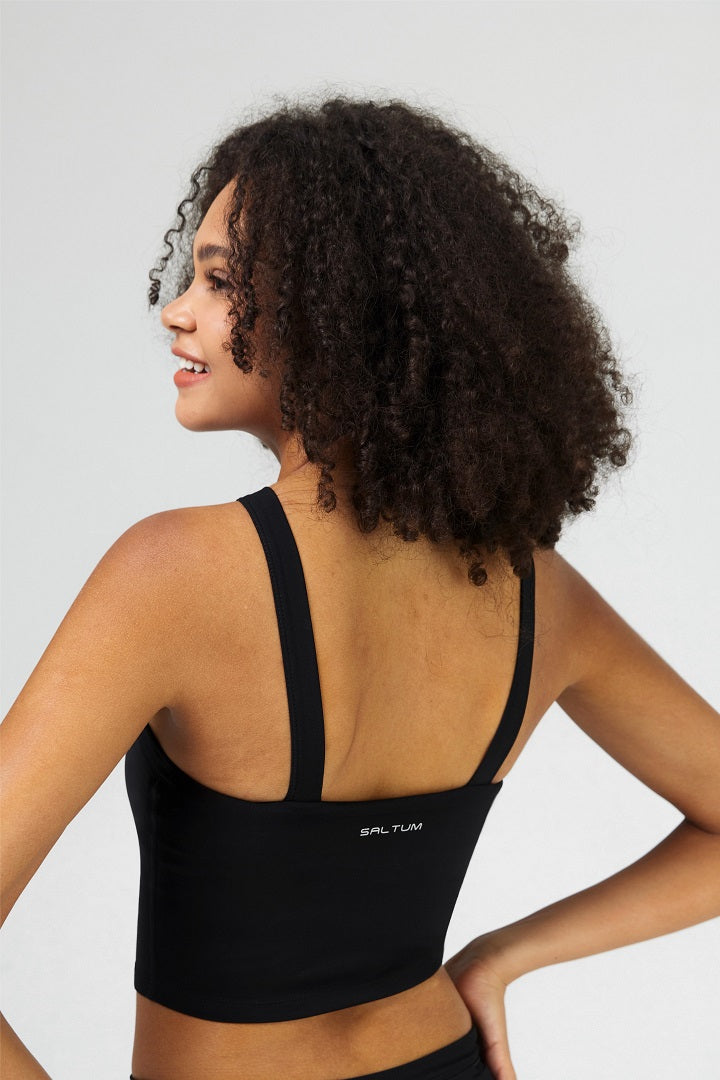
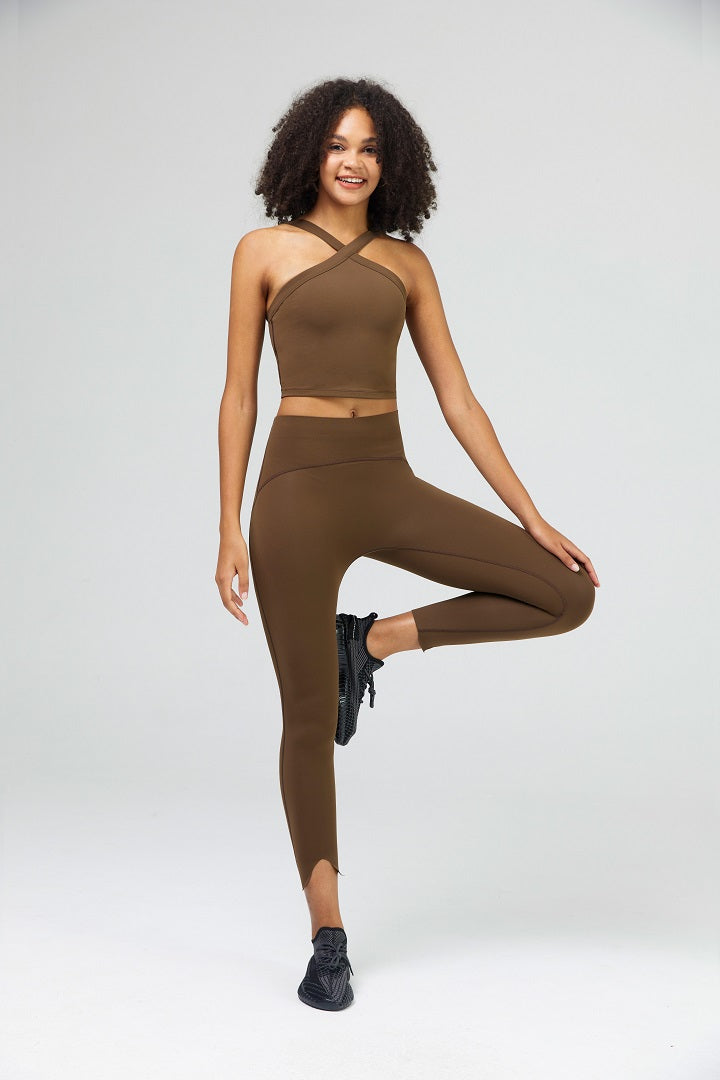
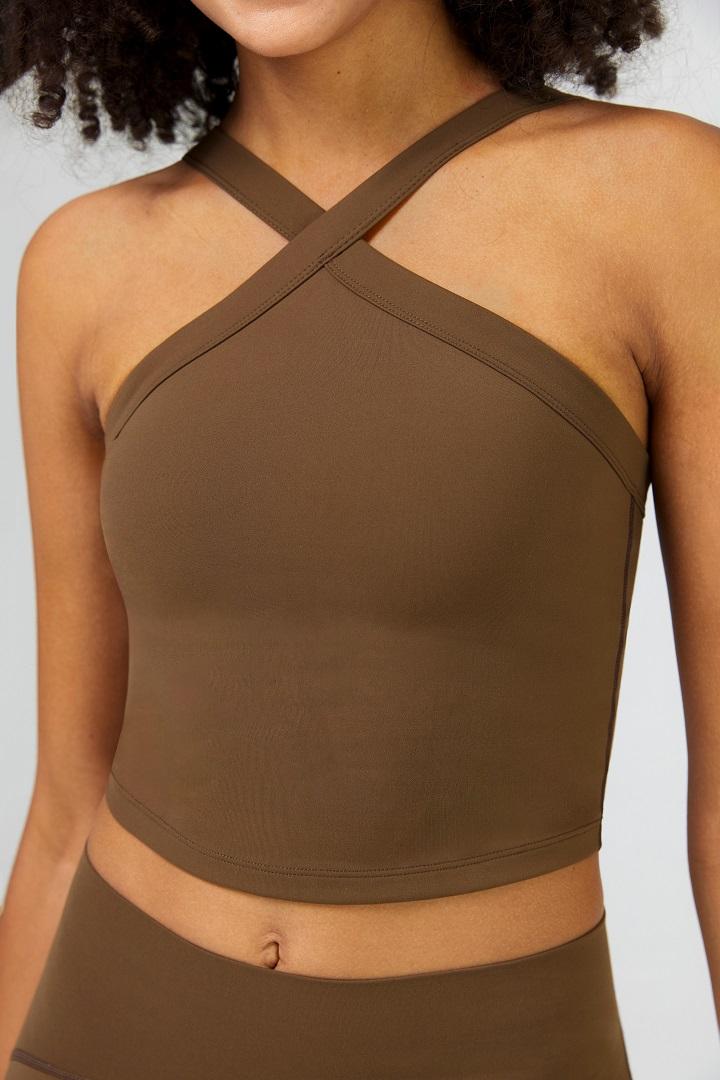
— From a women's FeedbackThat framing is pointed, but the pattern it describes is real. The good news is that consumer pressure has started to shift this. More brands like Saltum Sports are creating activewear in response to direct feedback from female athletes and fitness communities rather than from a stylist's vision board.
The Fit Problem — and Real Fixes
Fit is where most of the frustration concentrates. Women's activewear is largely sized around a specific set of proportions — slim but curved, with a defined waist — and anyone outside that template often finds that the clothing doesn't quite work. This includes women with athletic builds (broad shoulders, stronger arms and legs), plus-size women, petite women, and tall women.
Sports bras are built with one-size-fits-all band and cup constructions that can compress the chest uncomfortably, cut into the back, or fail to provide adequate support for larger cup sizes. For women with a large cup size and a smaller band, the options are minimal.
Look for sports bras that follow traditional bra construction — a separate band and cup rather than a single-layer compression design. Underwire sports bras and molded-cup designs offer real support for larger busts. Some specialist lingerie brands like Saltum now make sports bras in a full range of band and cup sizes, which is a significant step forward.
For women with muscular thighs, quad-heavy builds, or larger hips, activewear bottoms often have a significant waist-to-hip ratio mismatch. The garment fits at the waist but is impossibly tight across the thighs, or vice versa.
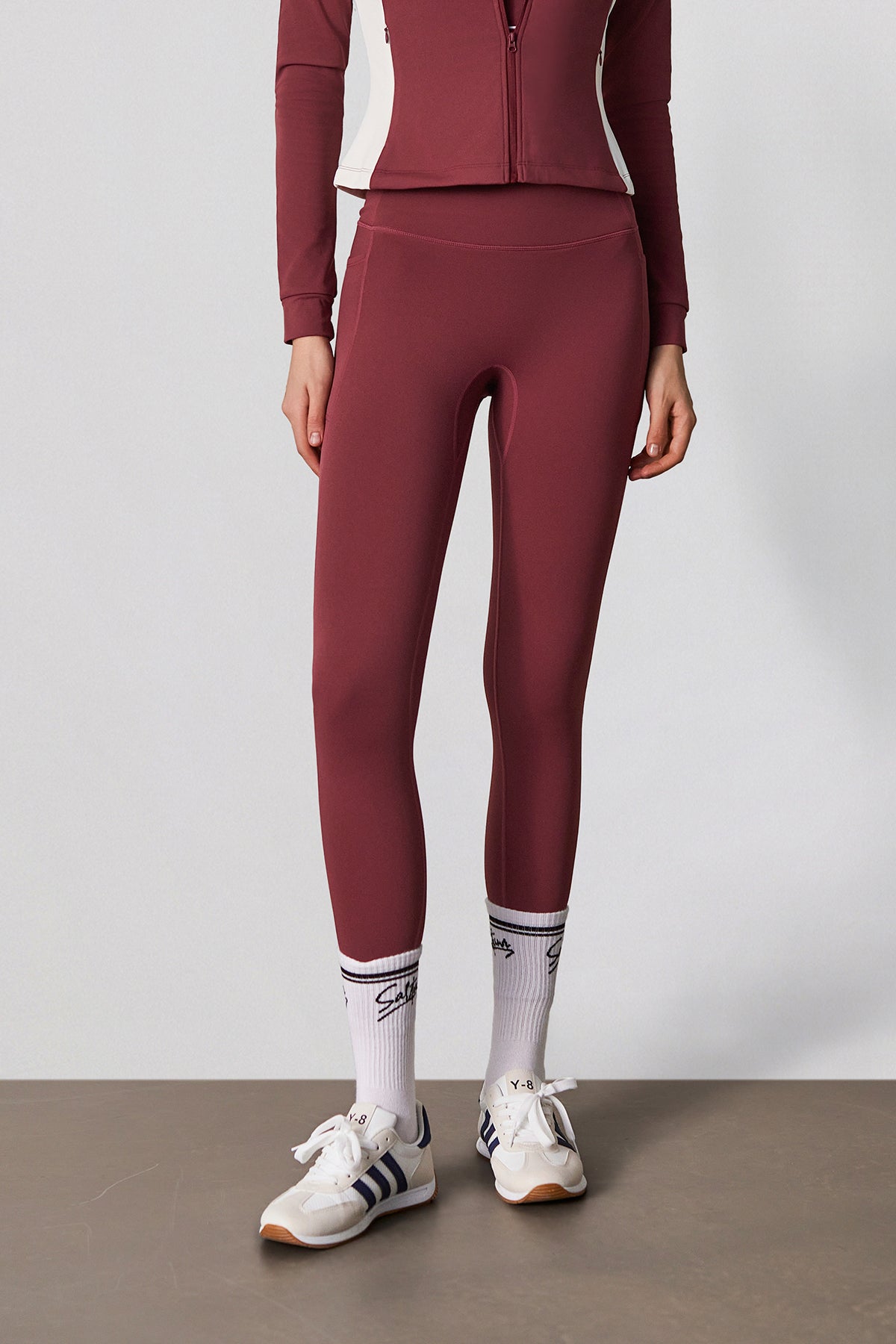
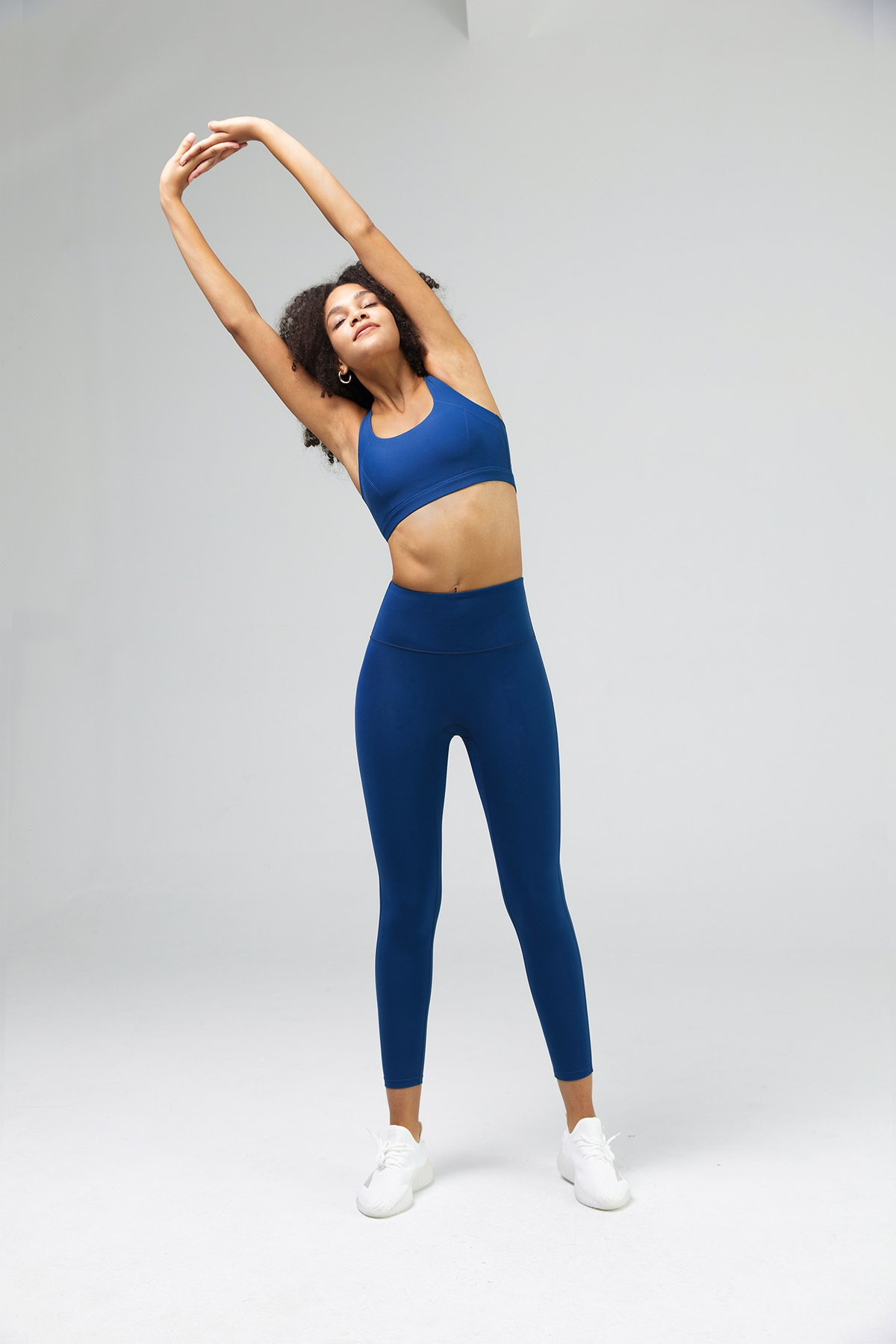
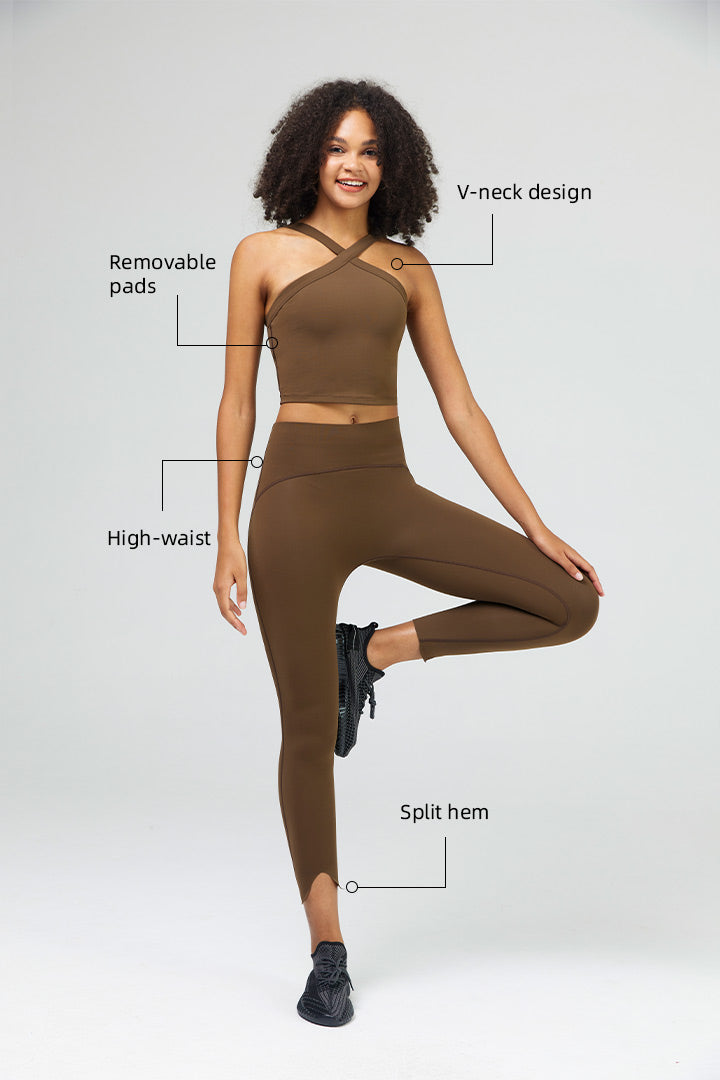
Separates with a drawstring or adjustable waistband allow for independent adjustment. High-waisted styles often work better for athletic lower bodies because they grip at the natural waist rather than the hip. Some newer activewear lines are being cut with more generous thigh allowances.
Scrub tops and workplace athletic wear are almost universally polyester-heavy, which many wearers find uncomfortable for extended wear — particularly for those prone to skin irritation or chafing.
Cotton-blend scrubs exist and are worth finding. For chafing specifically, wearing seamless or flat-seam underlayers (including men's anti-chafe shorts, which several women have found genuinely useful) can eliminate the problem entirely. Look for activewear with flat-lock seaming rather than raised seams wherever the fabric contacts skin.
Let's Talk About Pockets
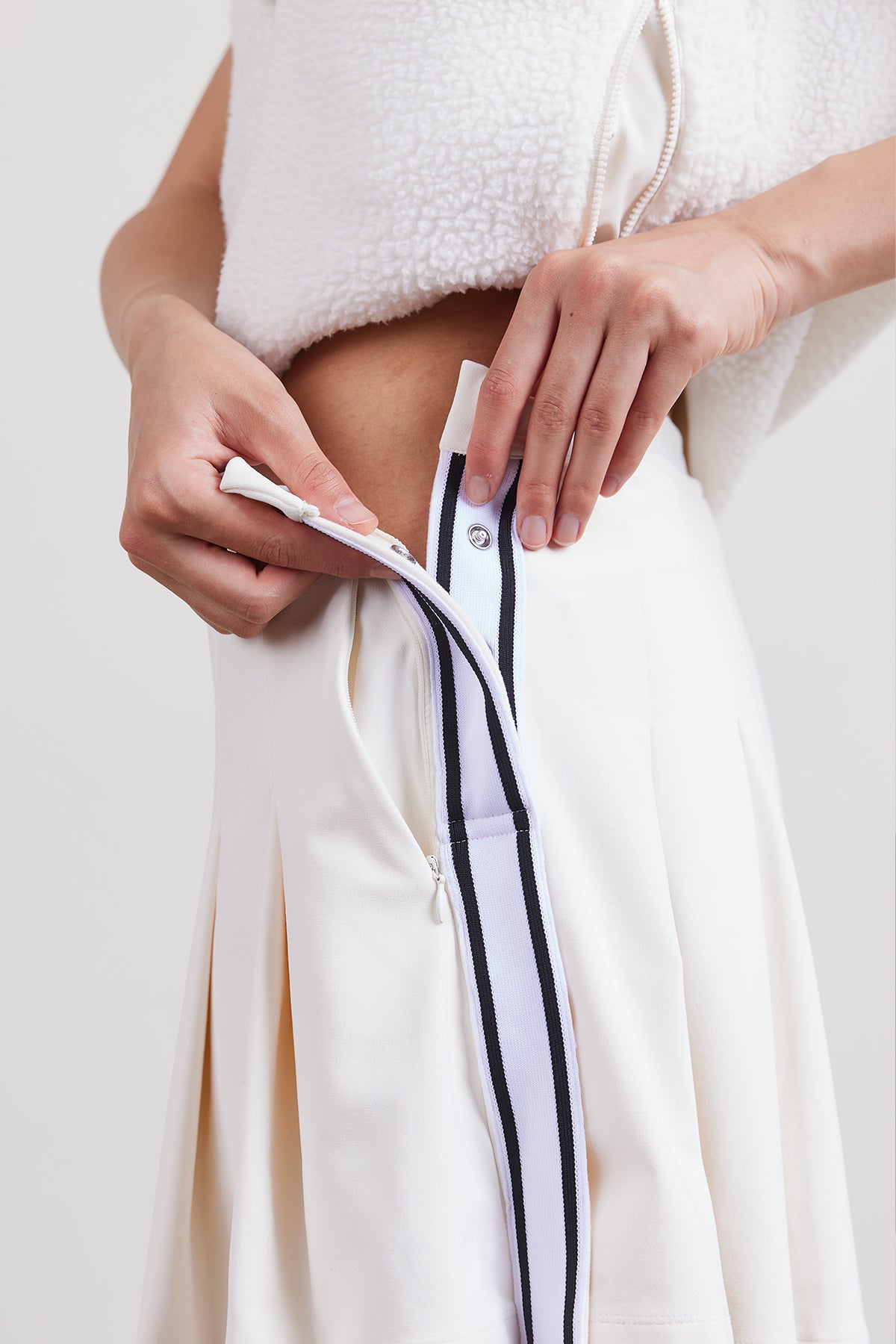
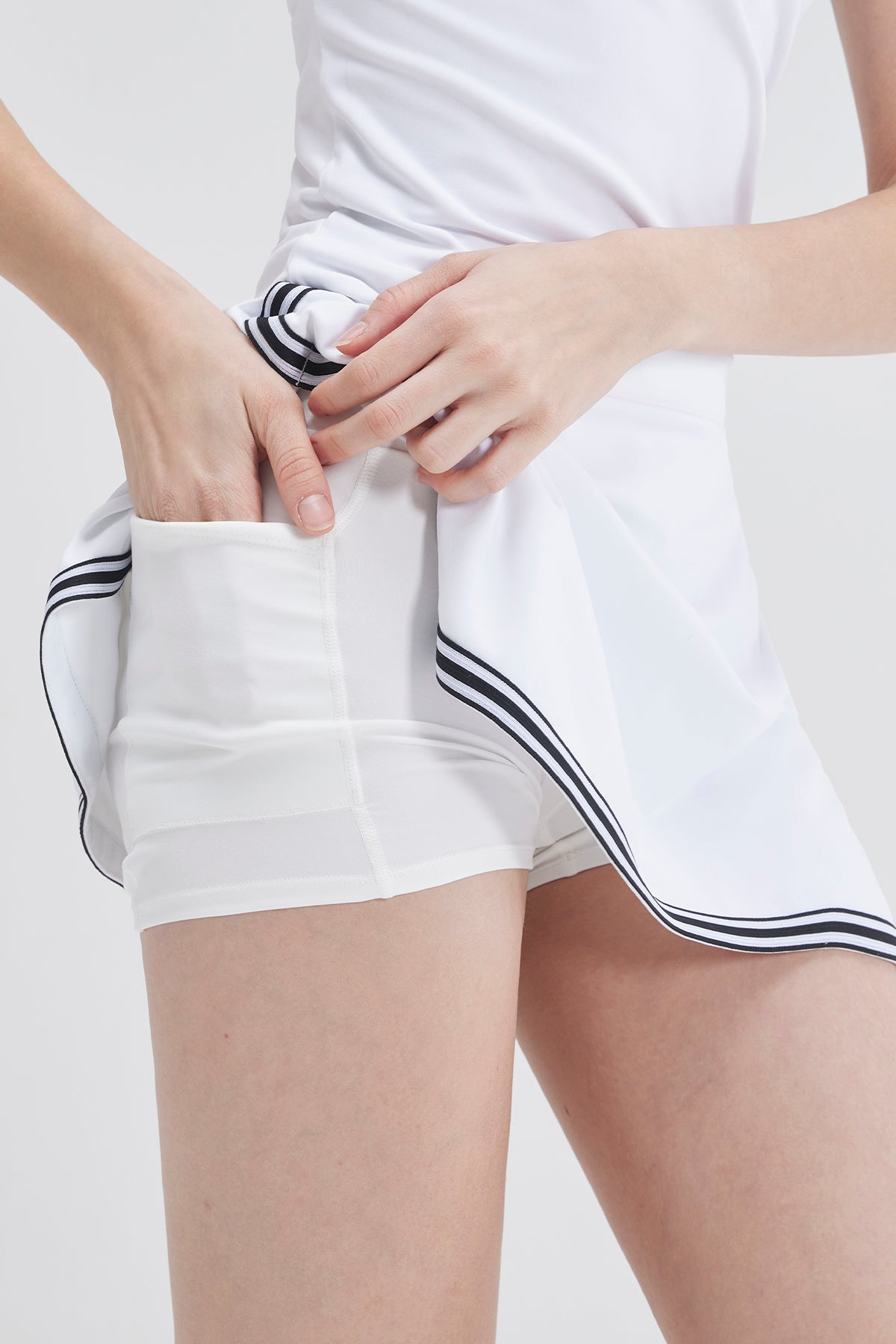
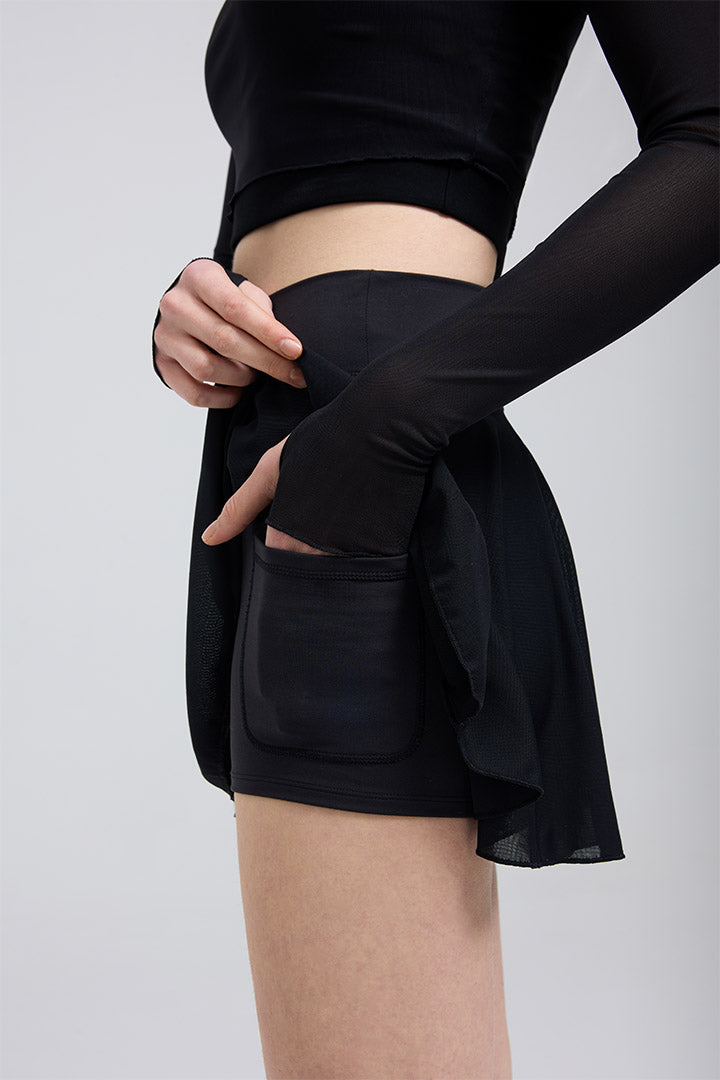
The pocket situation in women's clothing is so consistently inadequate that it has become a kind of cultural shorthand for everything that's wrong with women's apparel. In activewear specifically, the problem is compounded by the fact that exercise requires you to carry things — a phone, keys, earbuds, medication — and the absence of pockets is genuinely impractical, not just inconvenient.
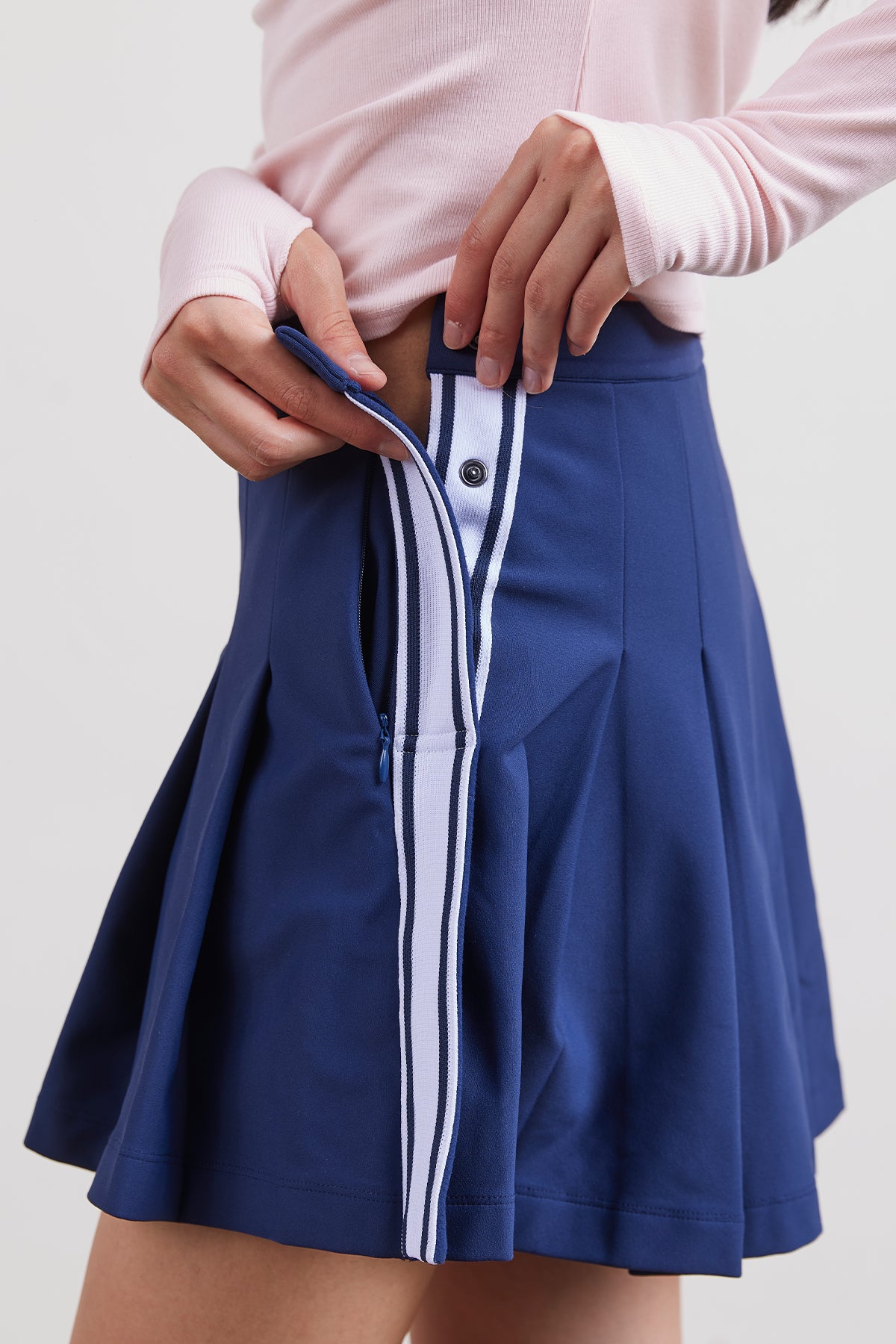
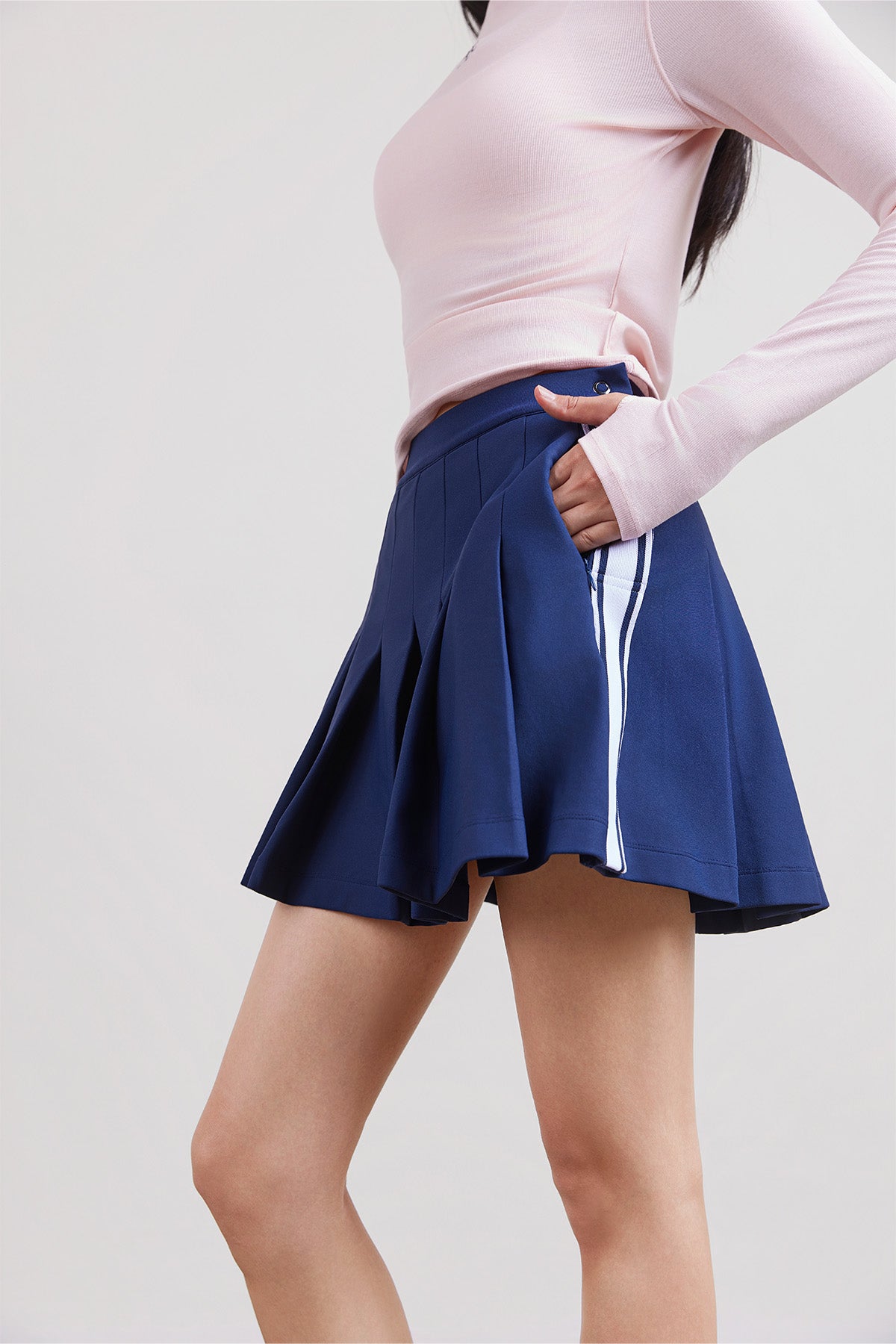
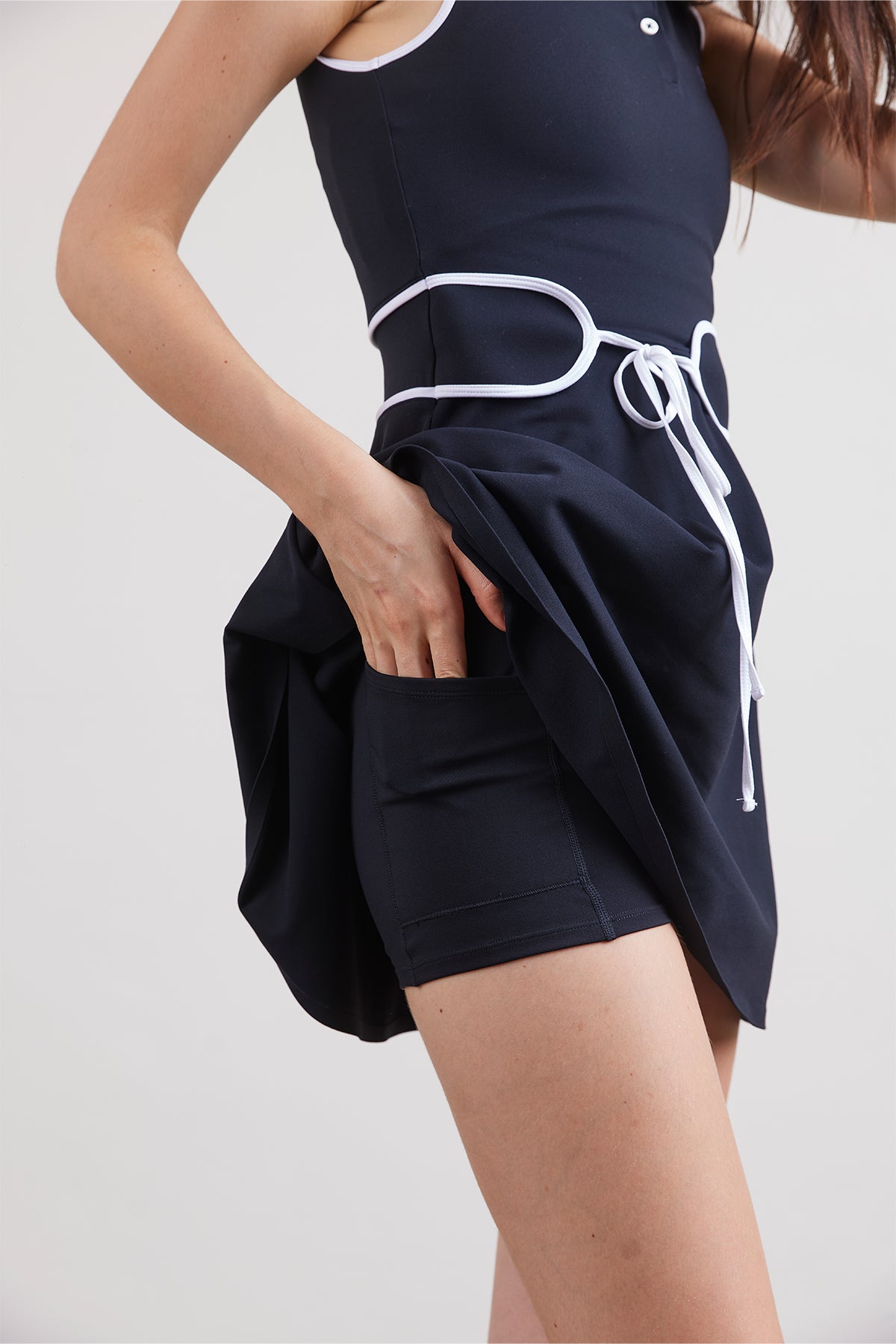
Men's athletic shorts routinely have two deep, functional pockets. Women's running shorts — at even higher price points — often have a single small zippered back pocket or decorative side pockets that barely fit a card. This is a design choice, not a structural necessity. Fabric, construction costs, and weight distribution don't actually require women's shorts to be pocketless.
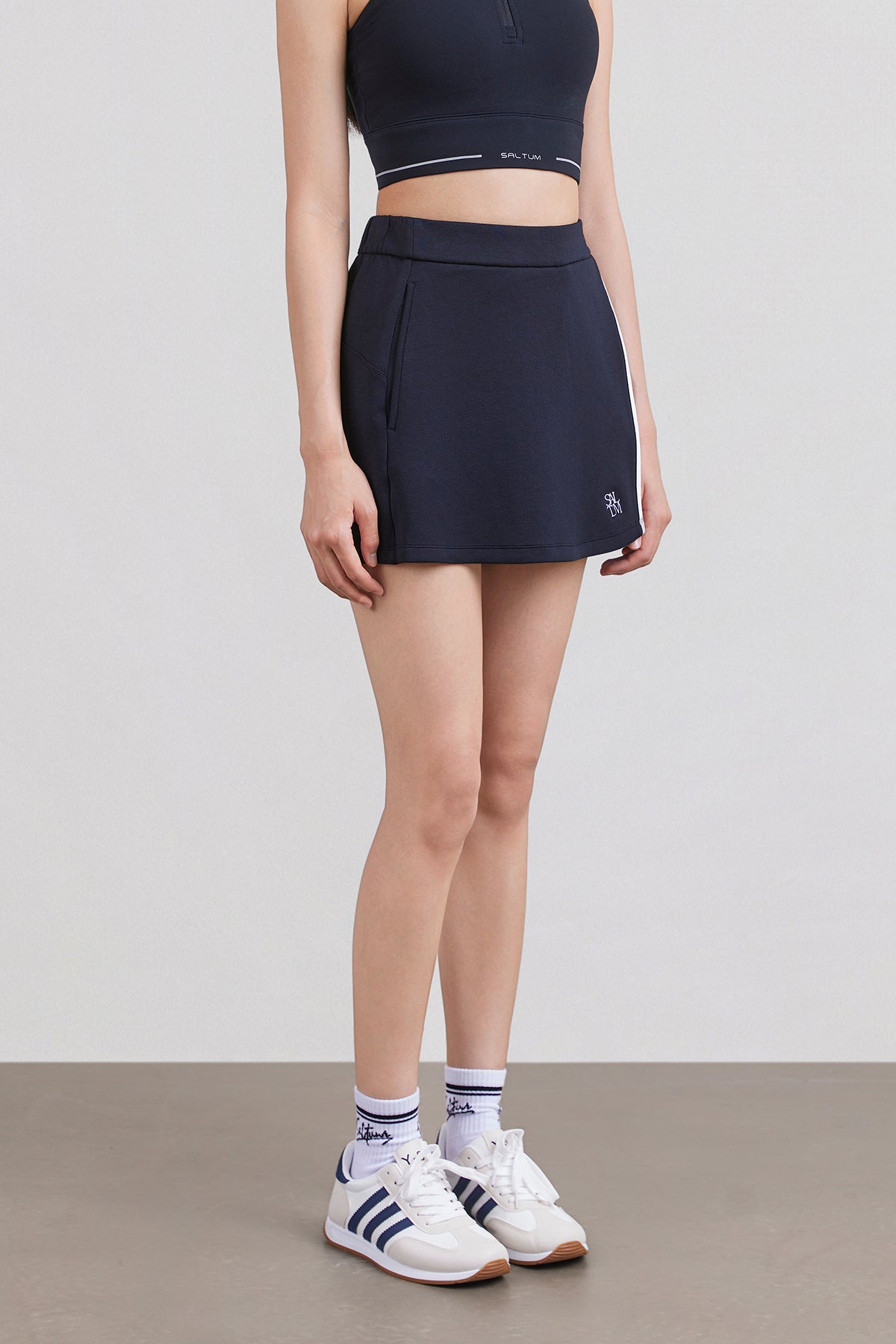
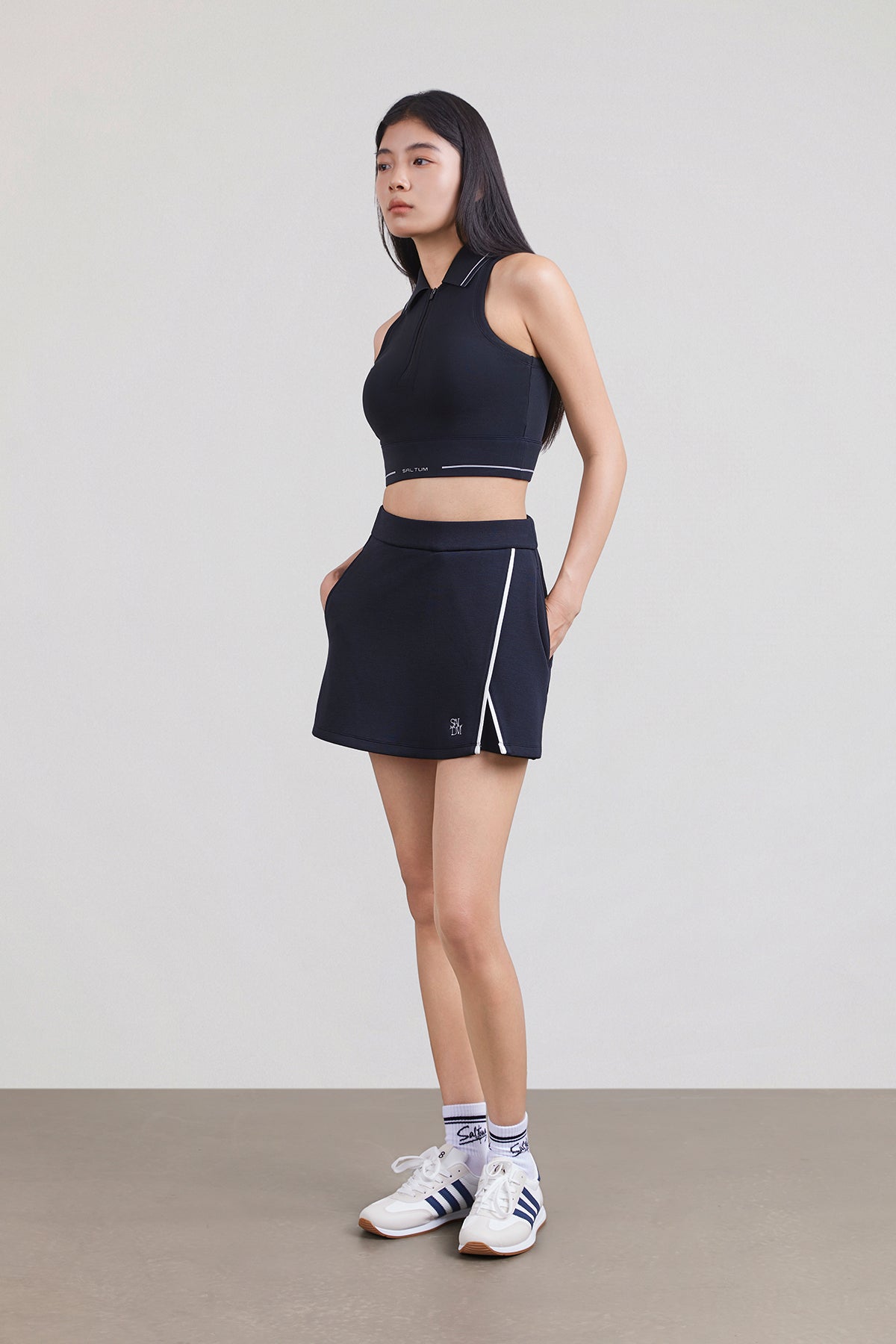
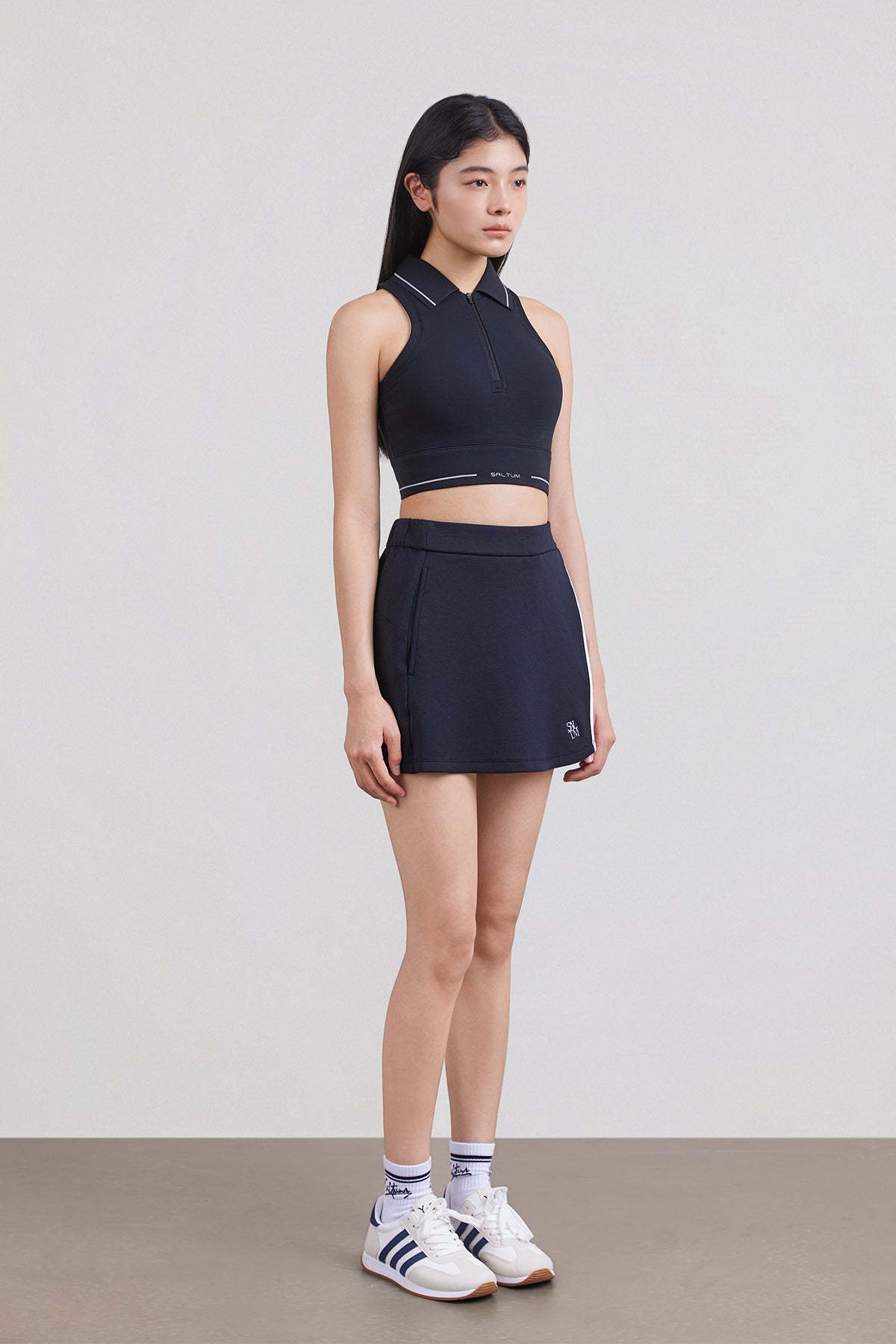
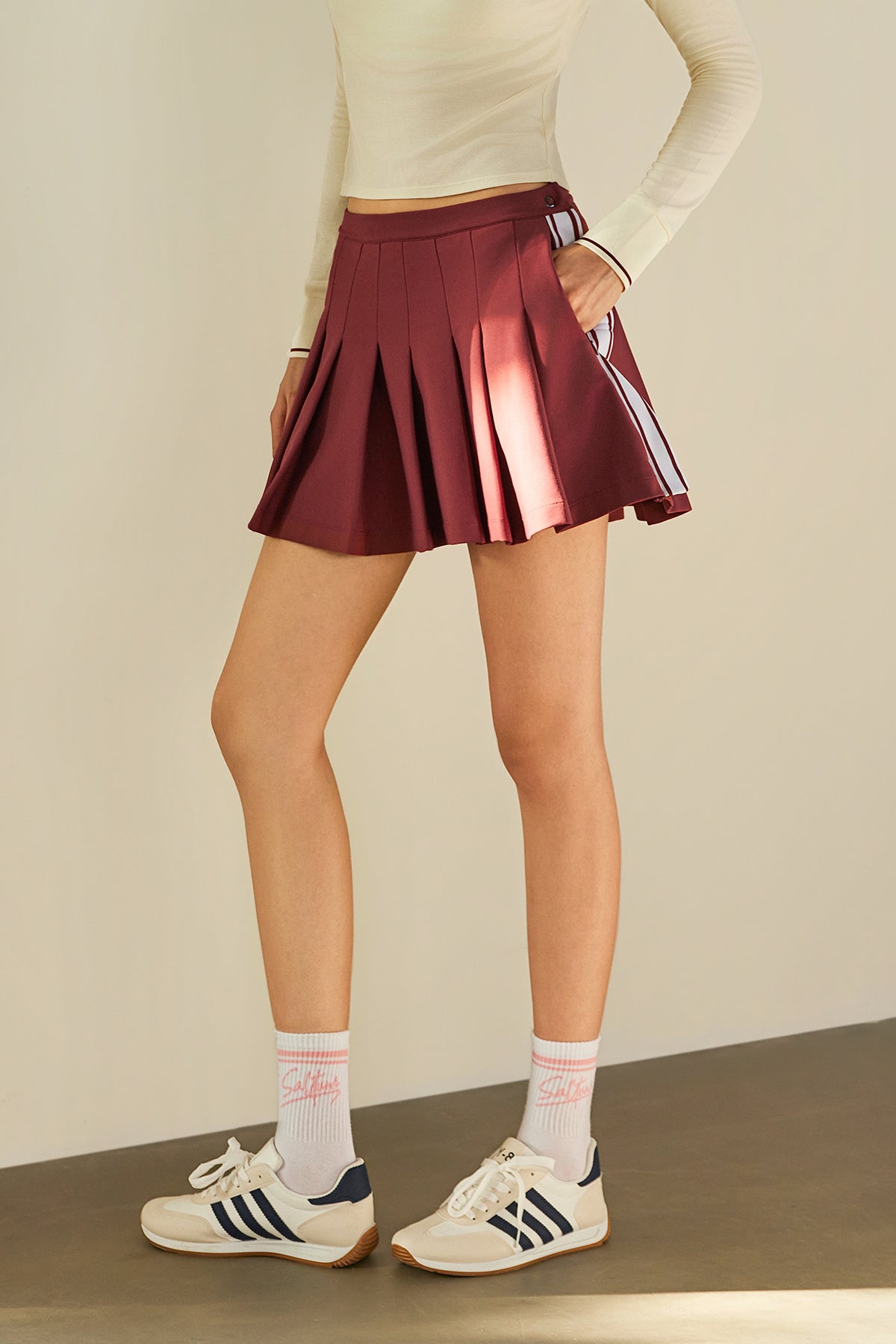
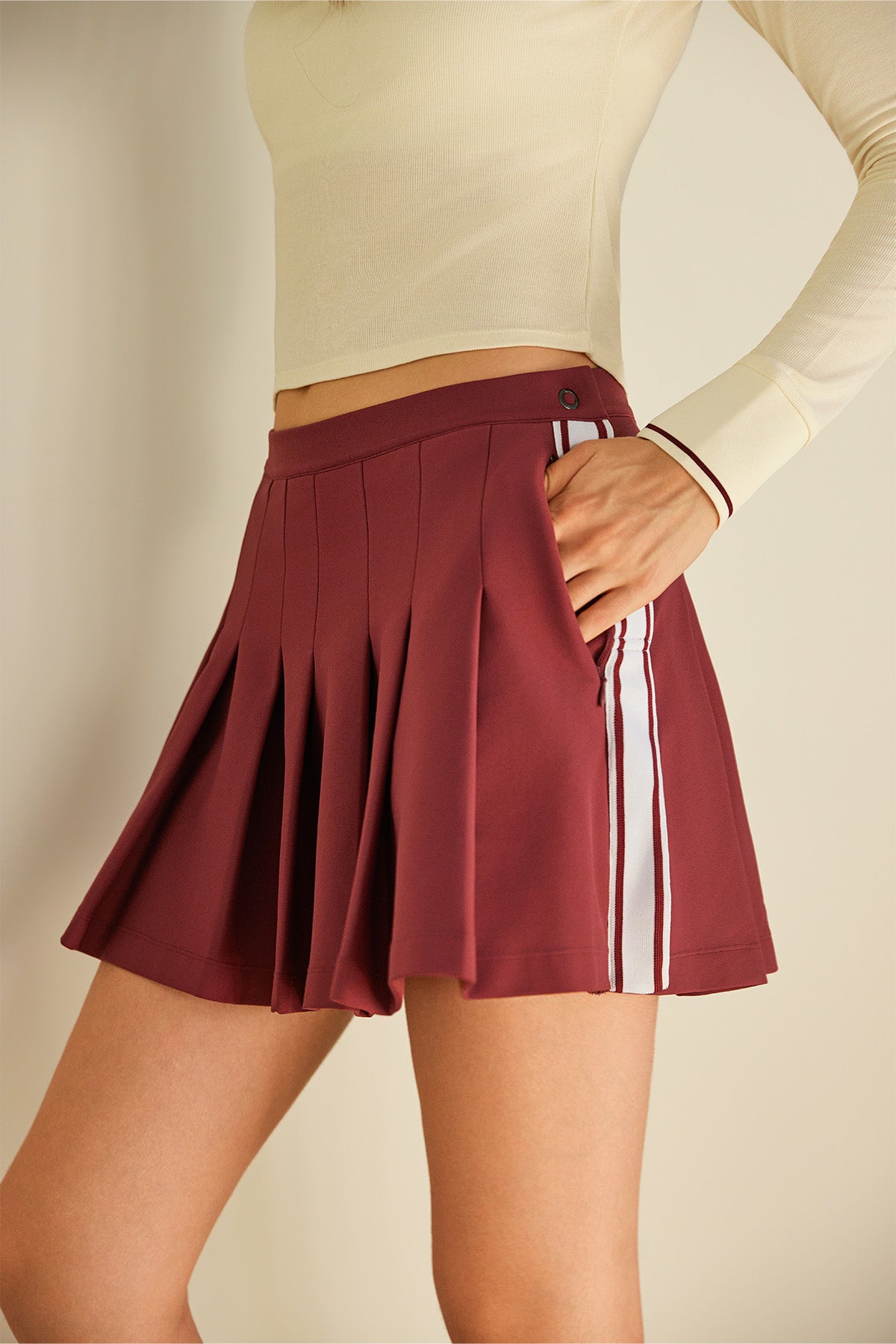
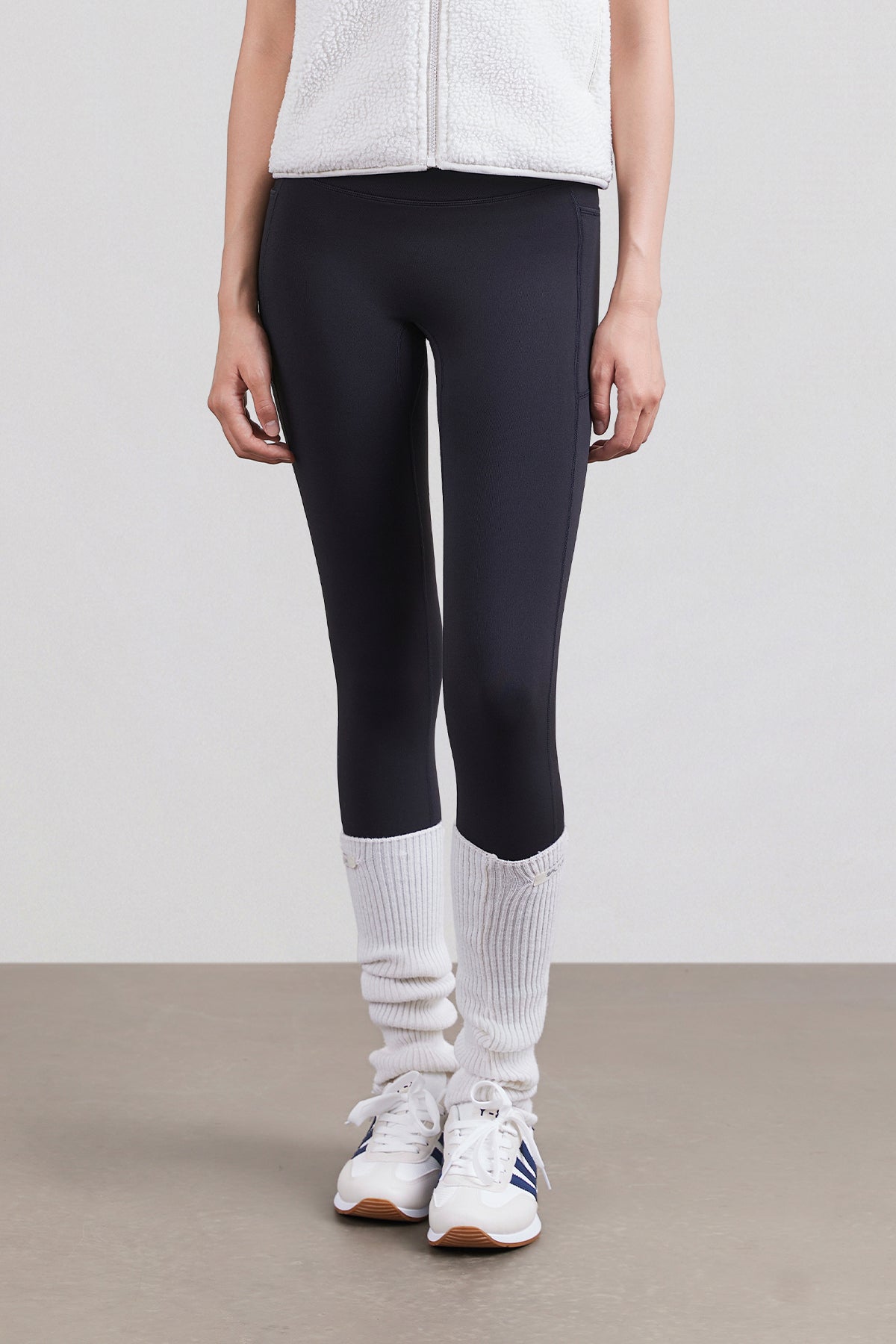
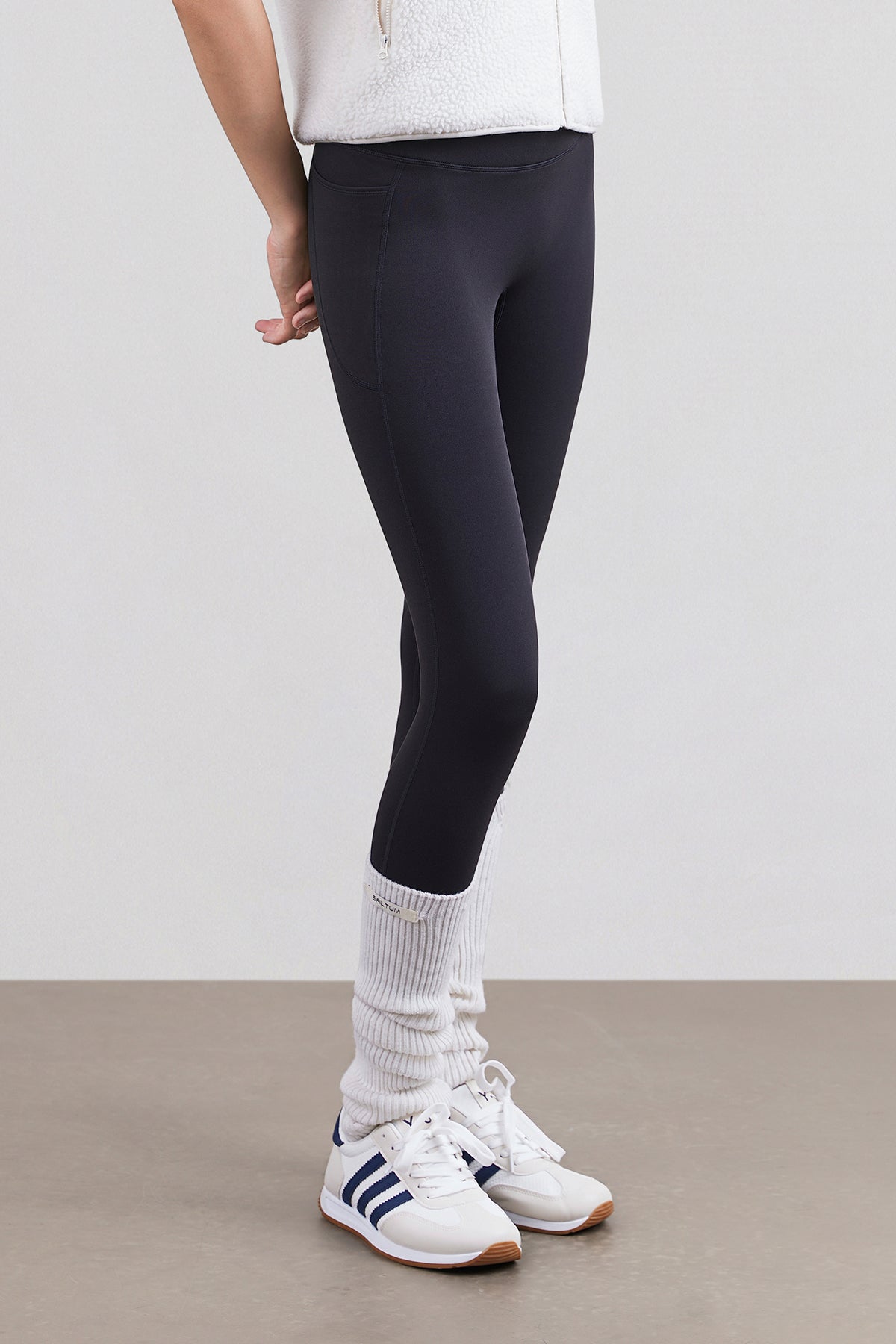
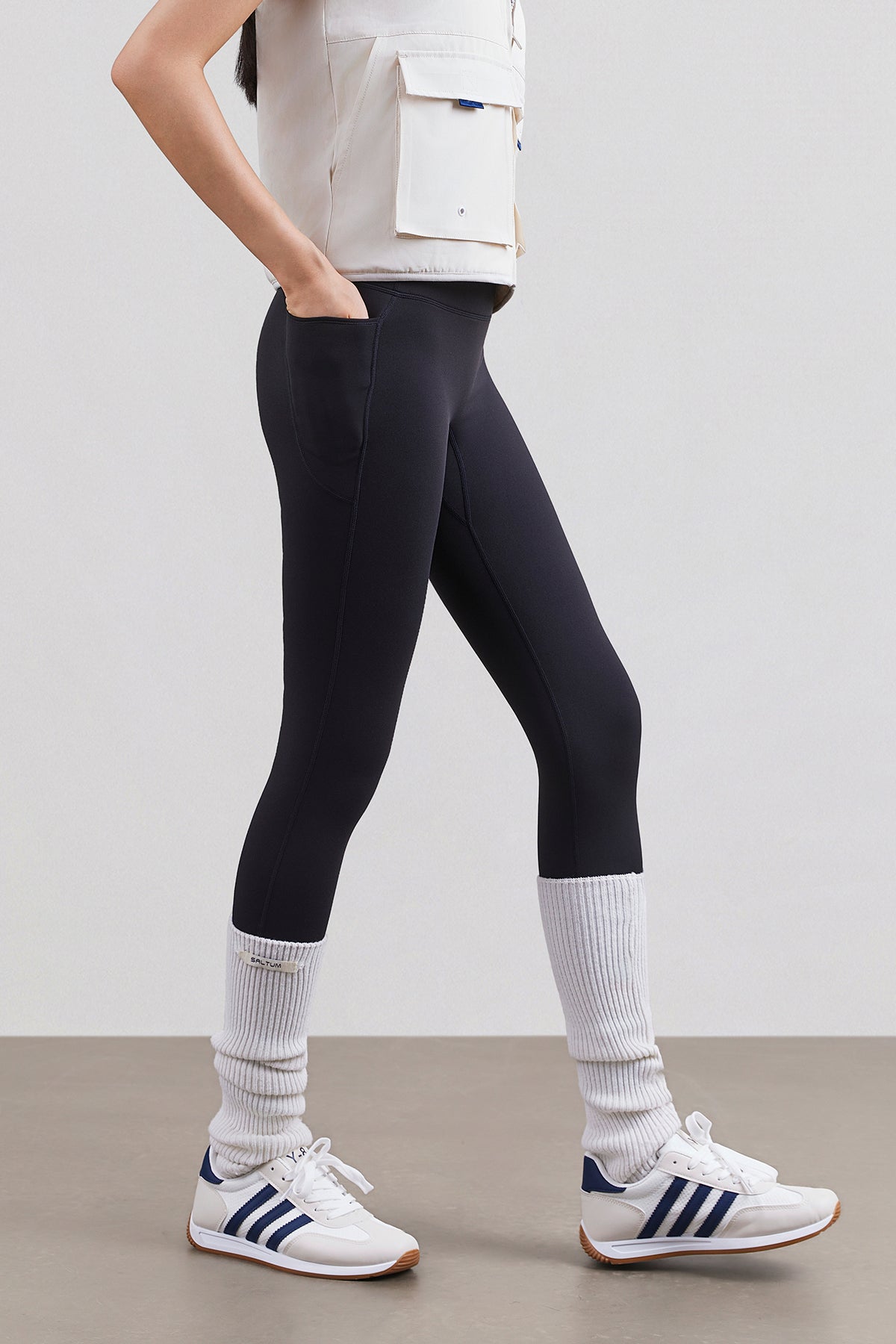
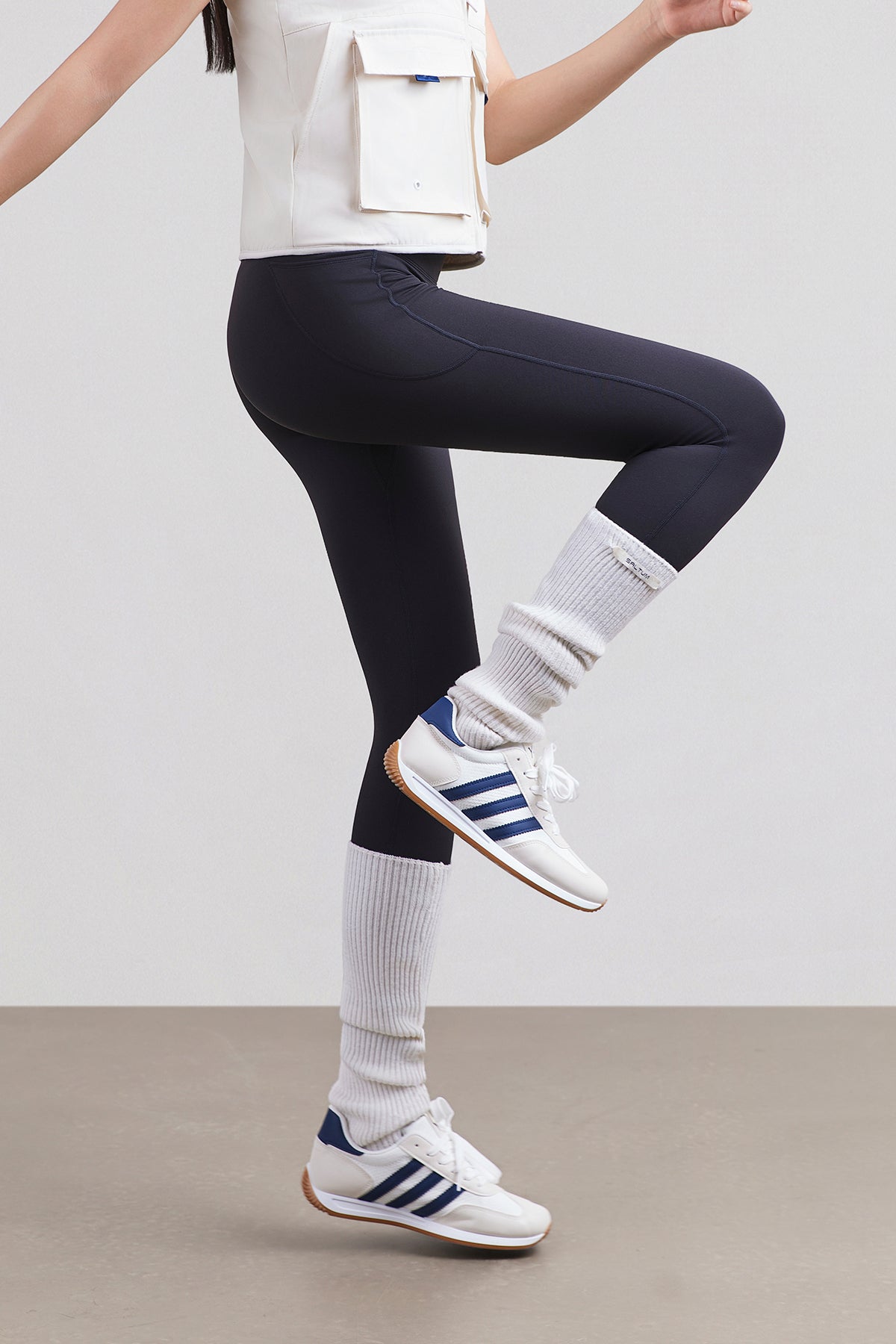
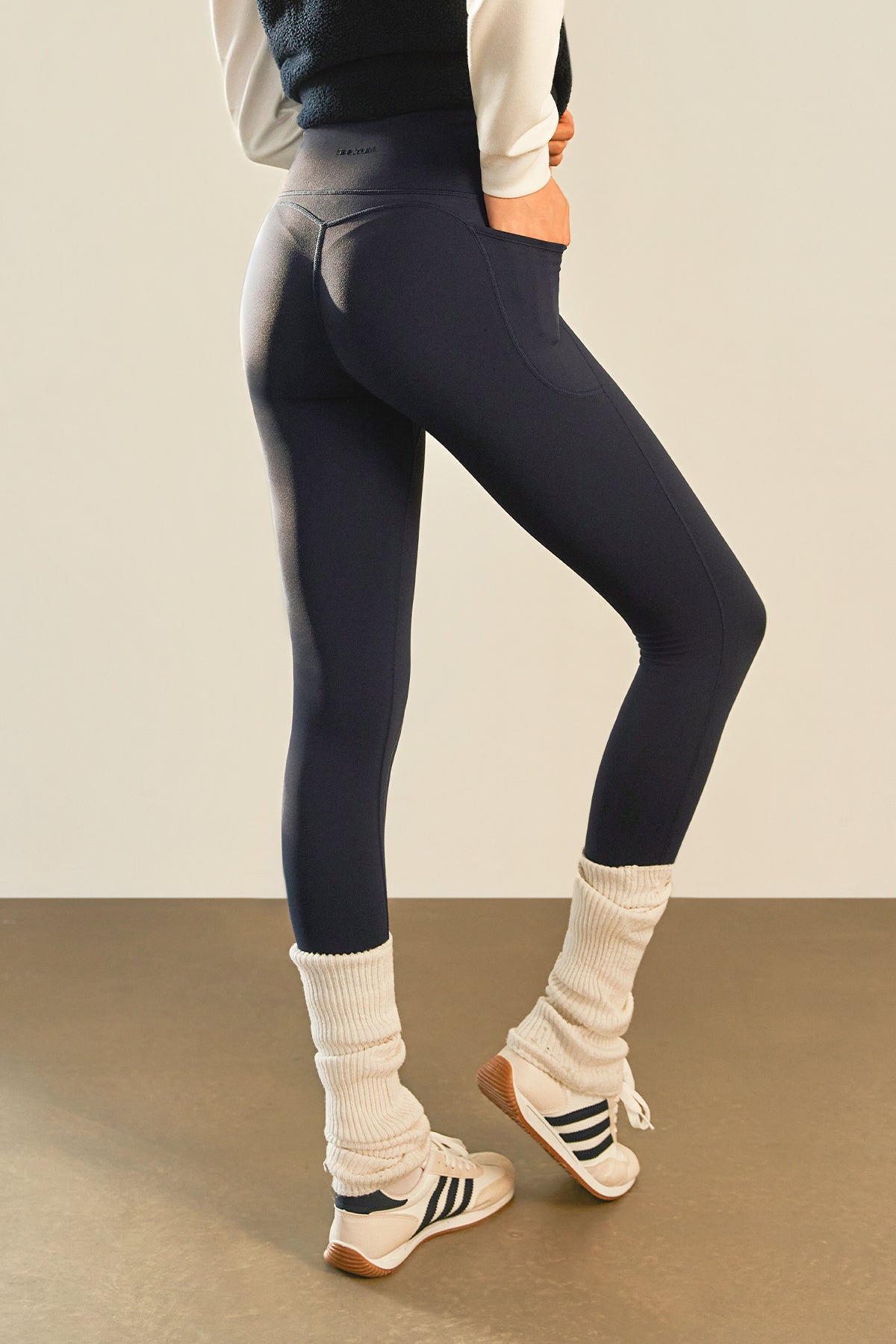
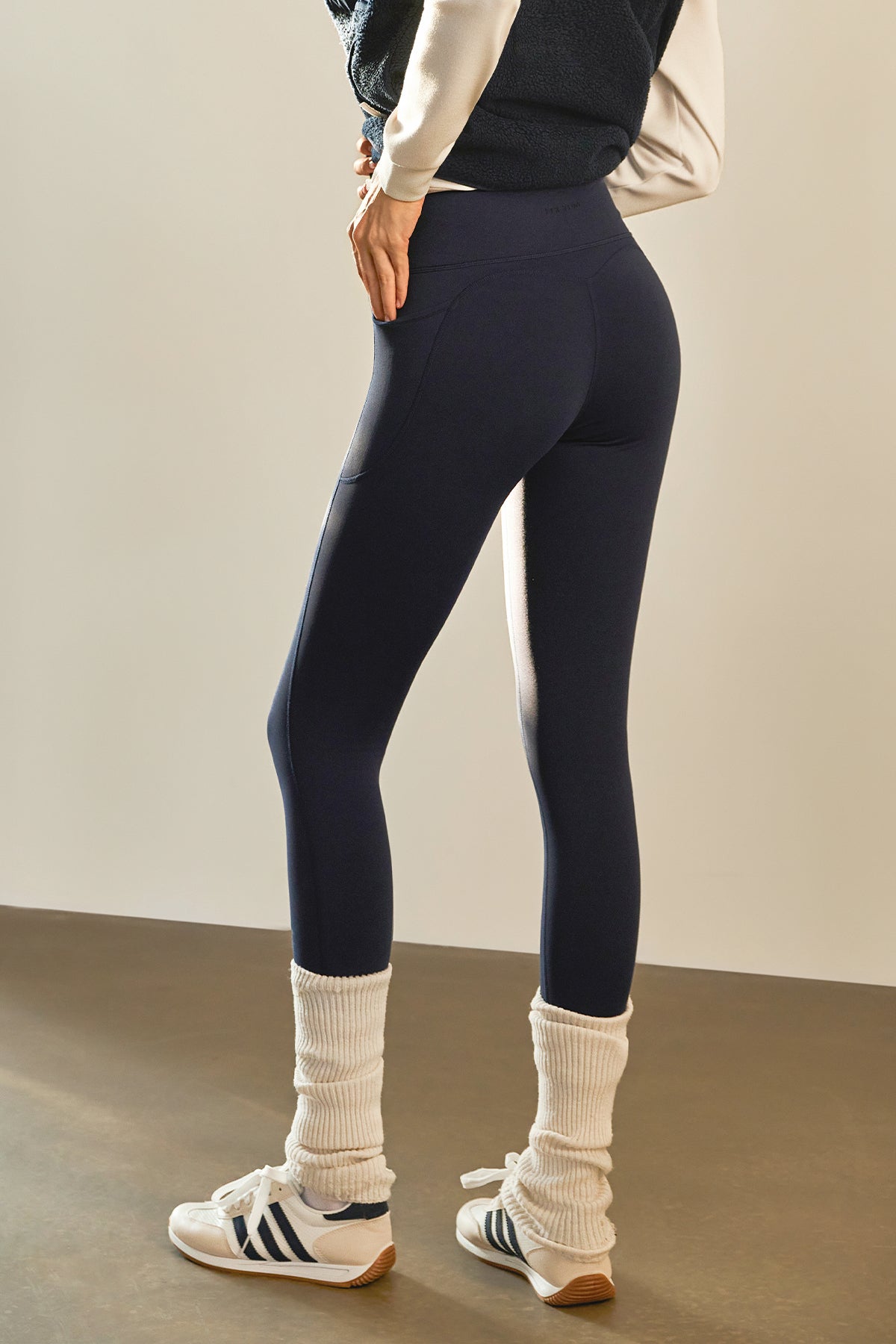
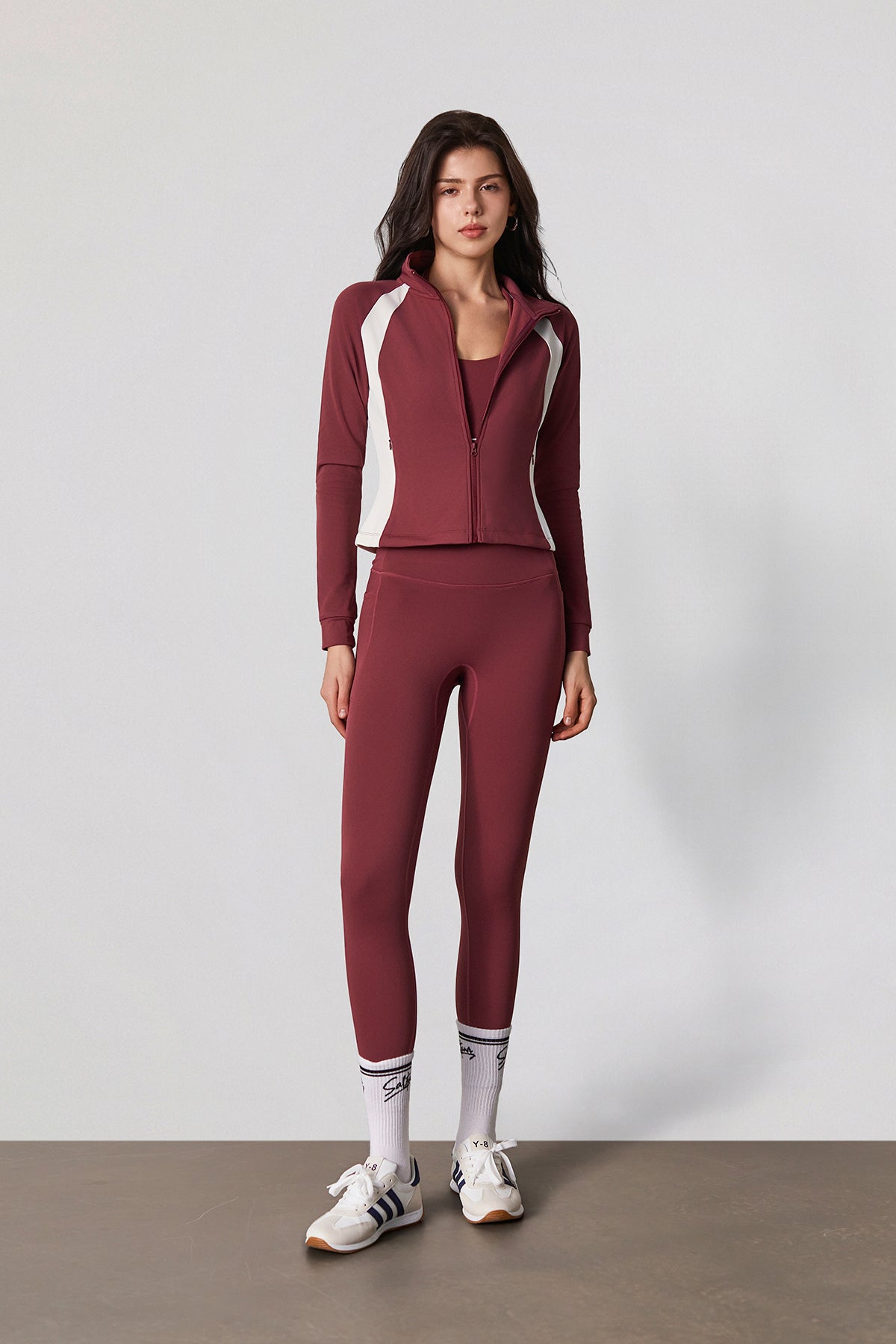
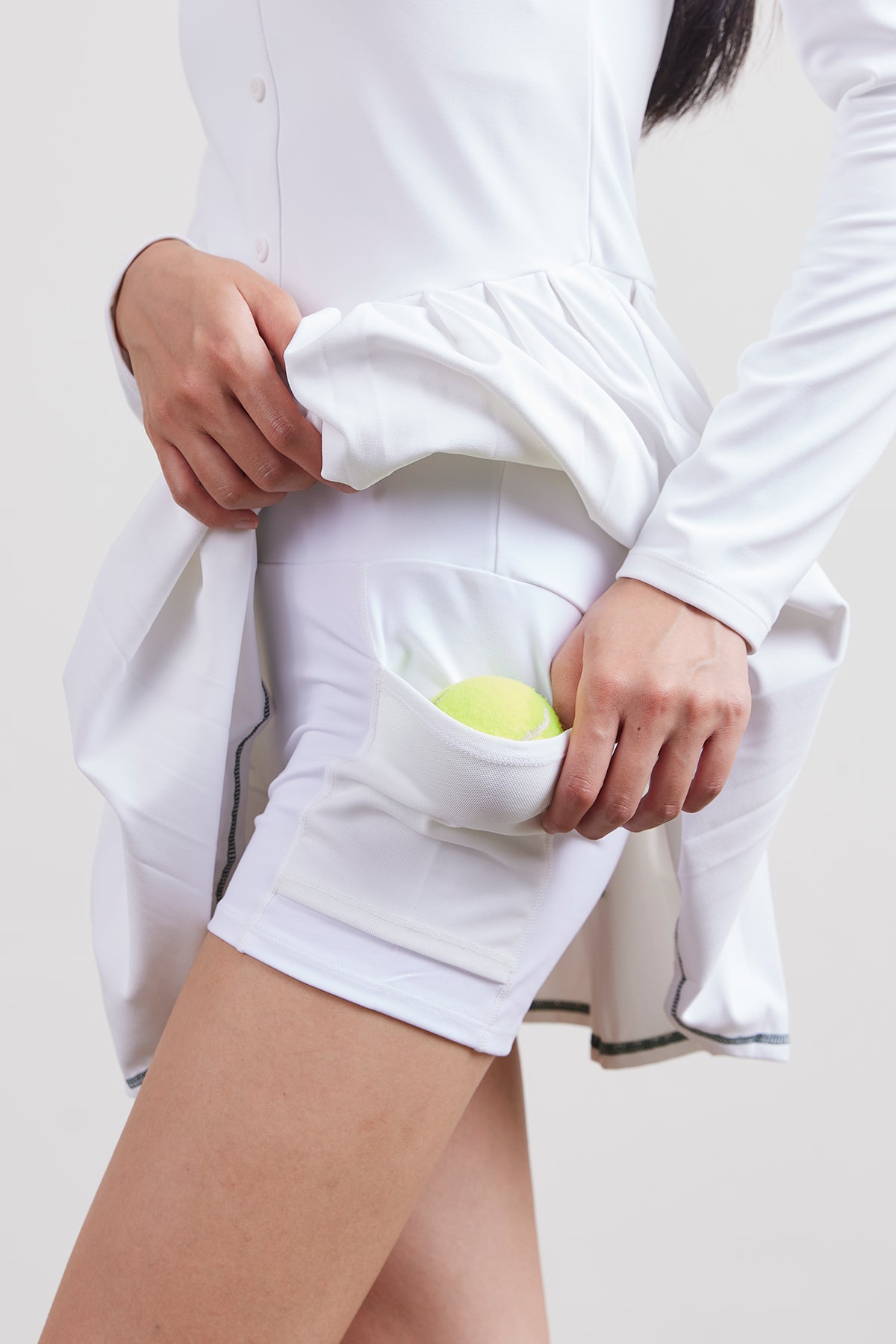
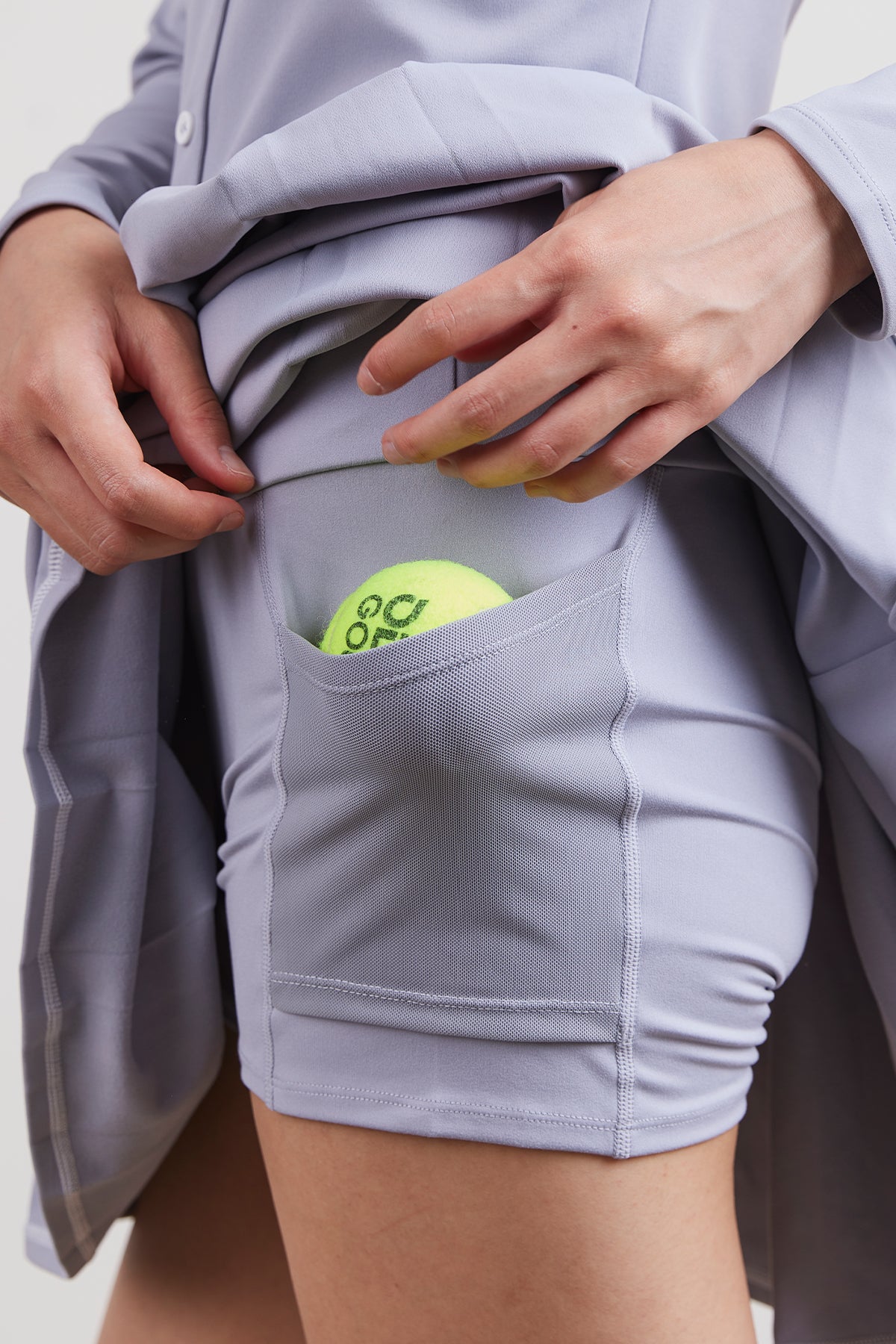
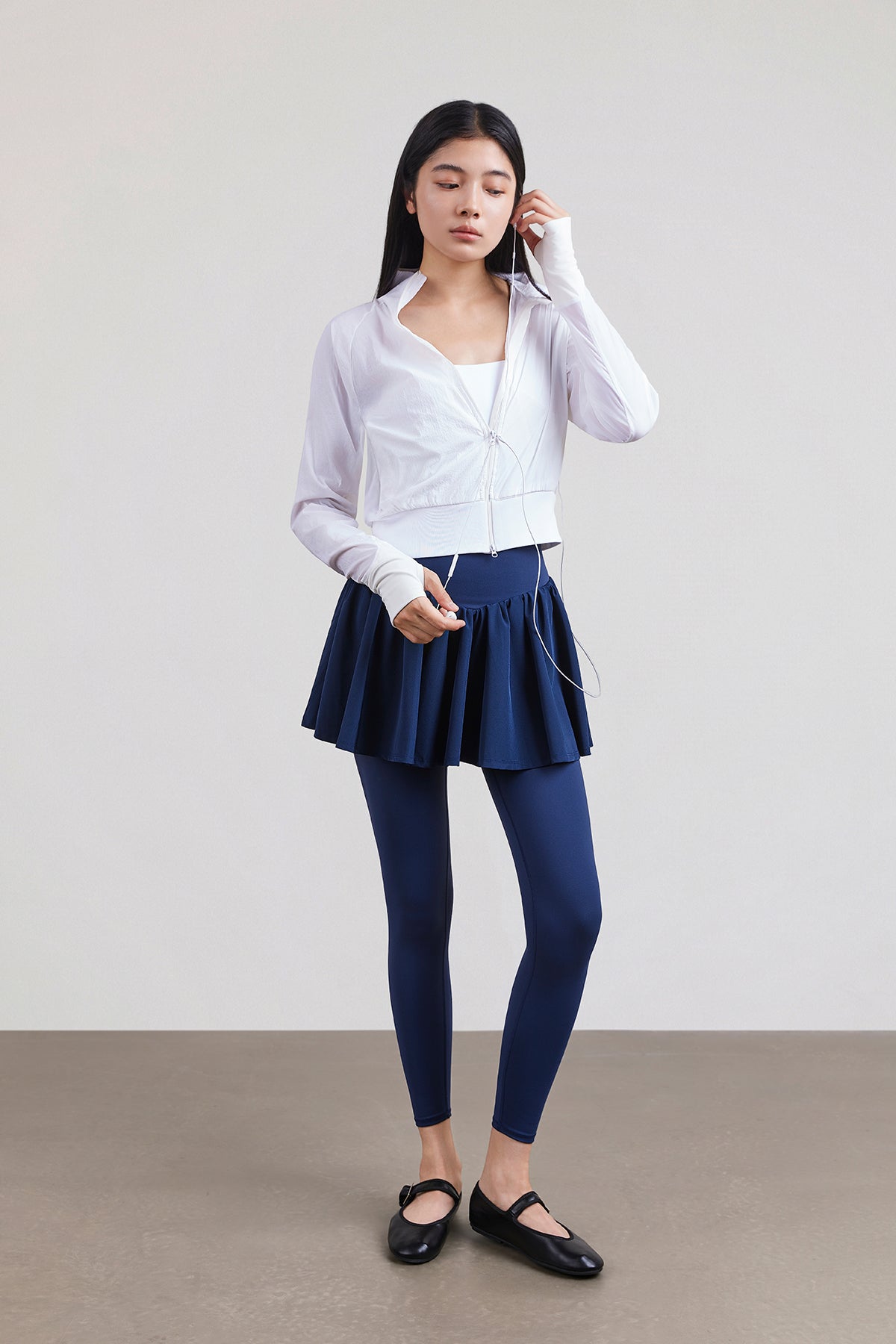
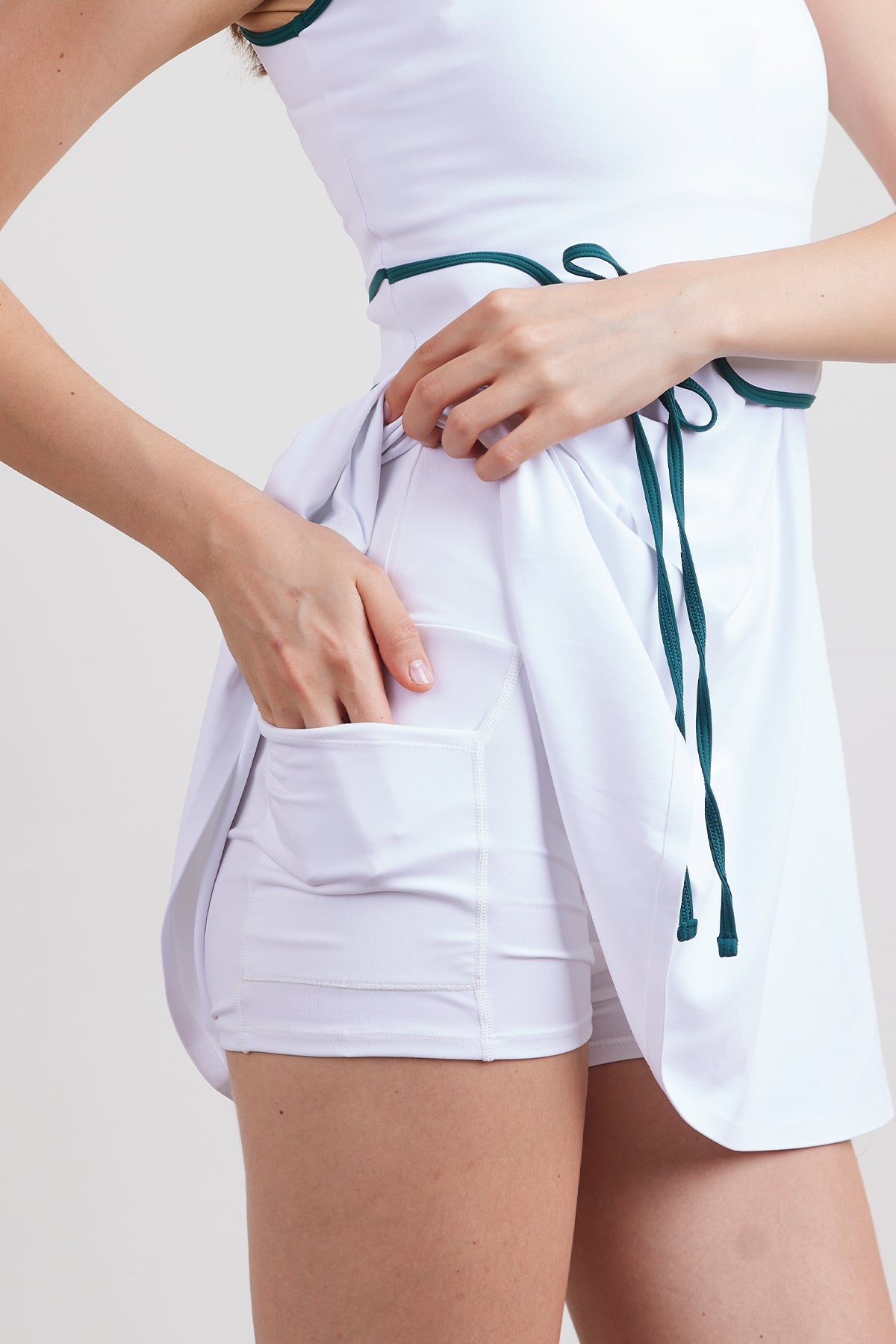
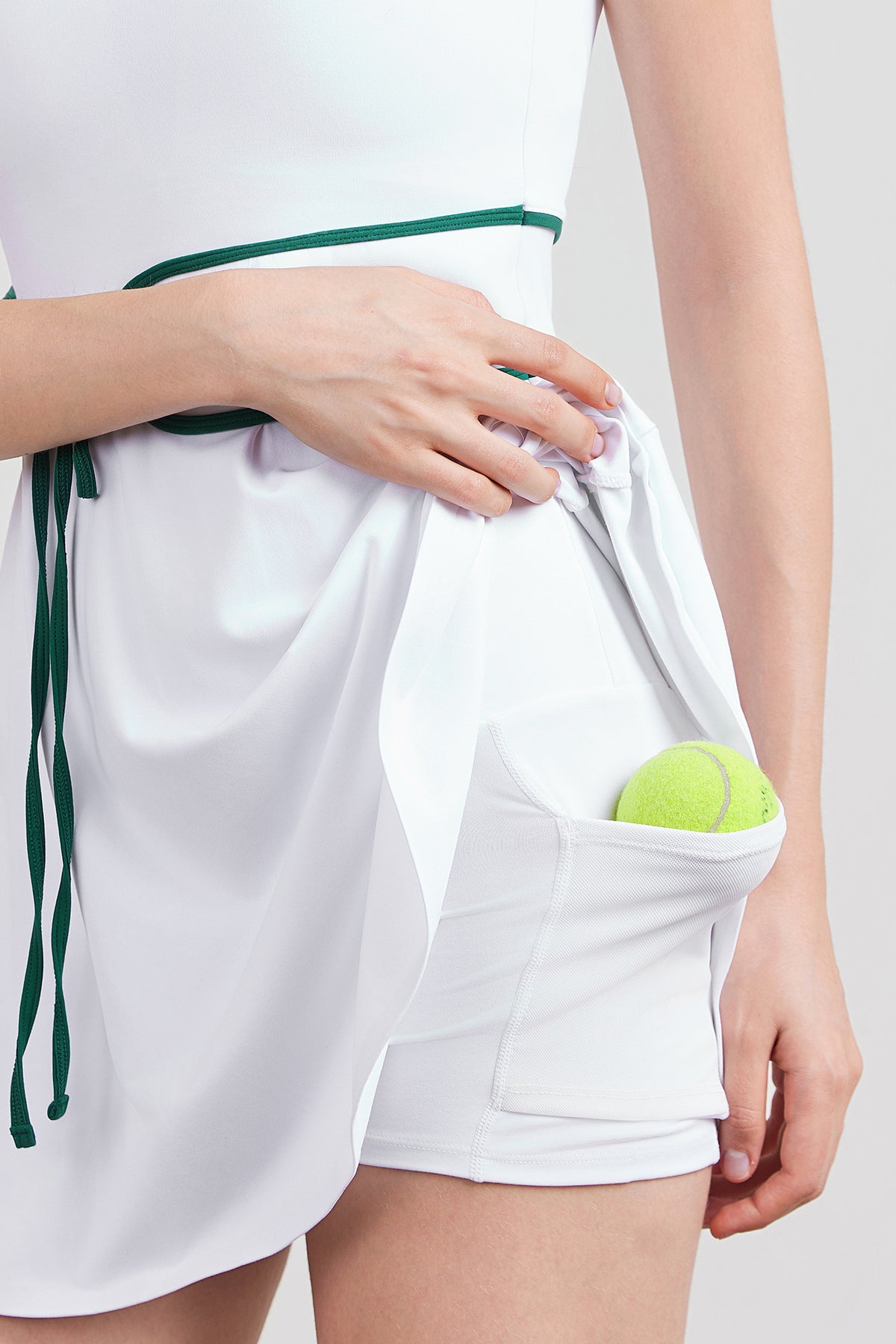
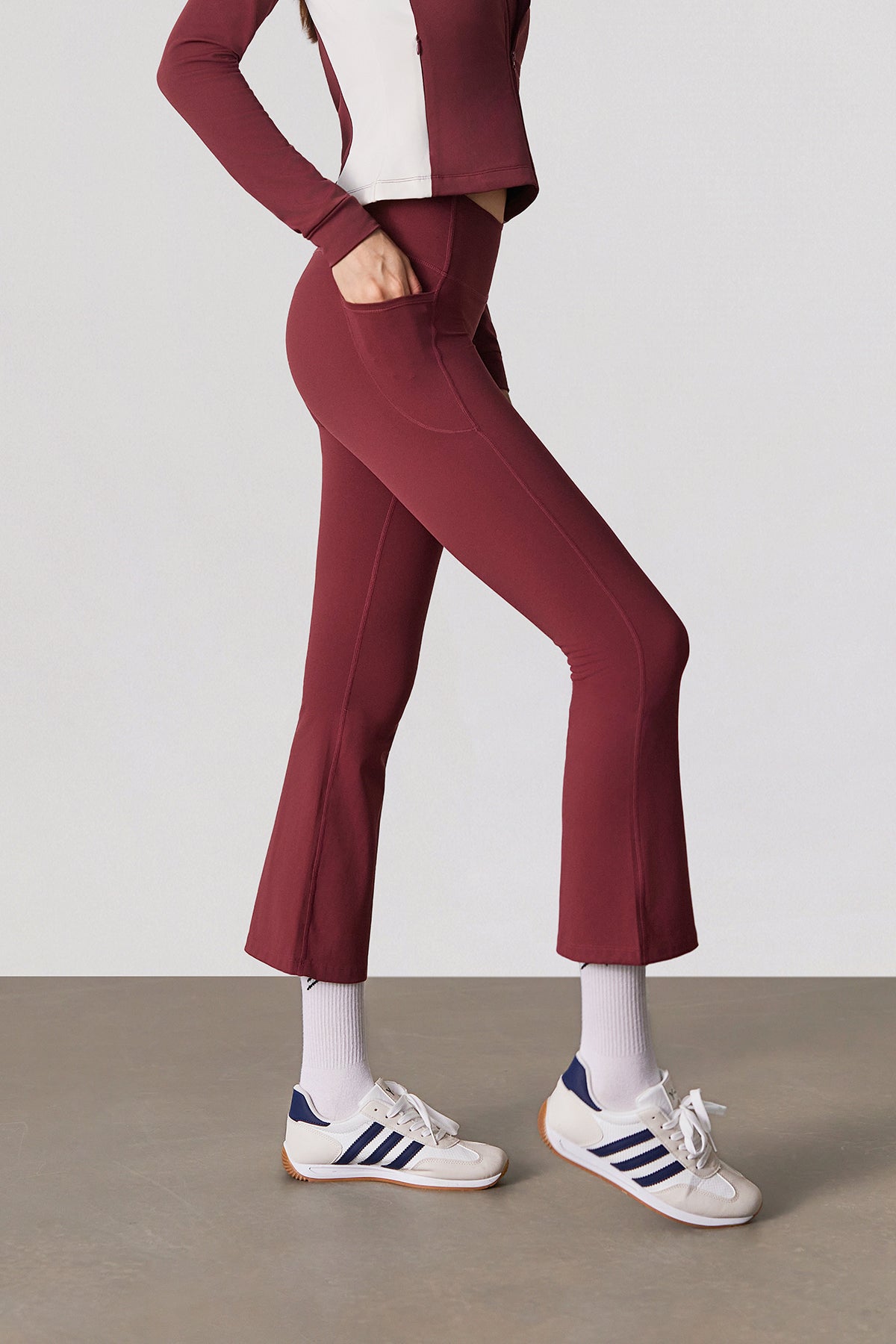
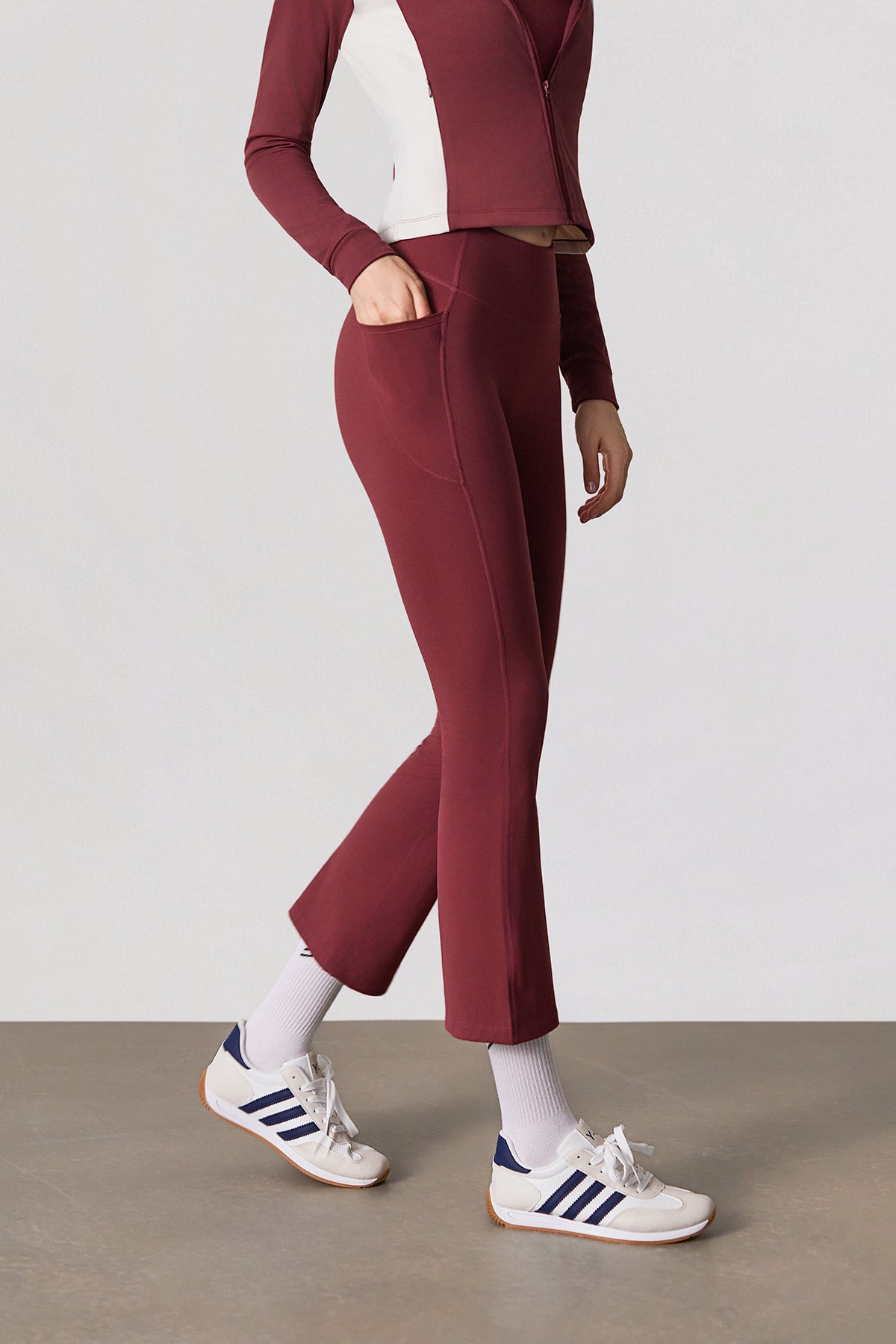
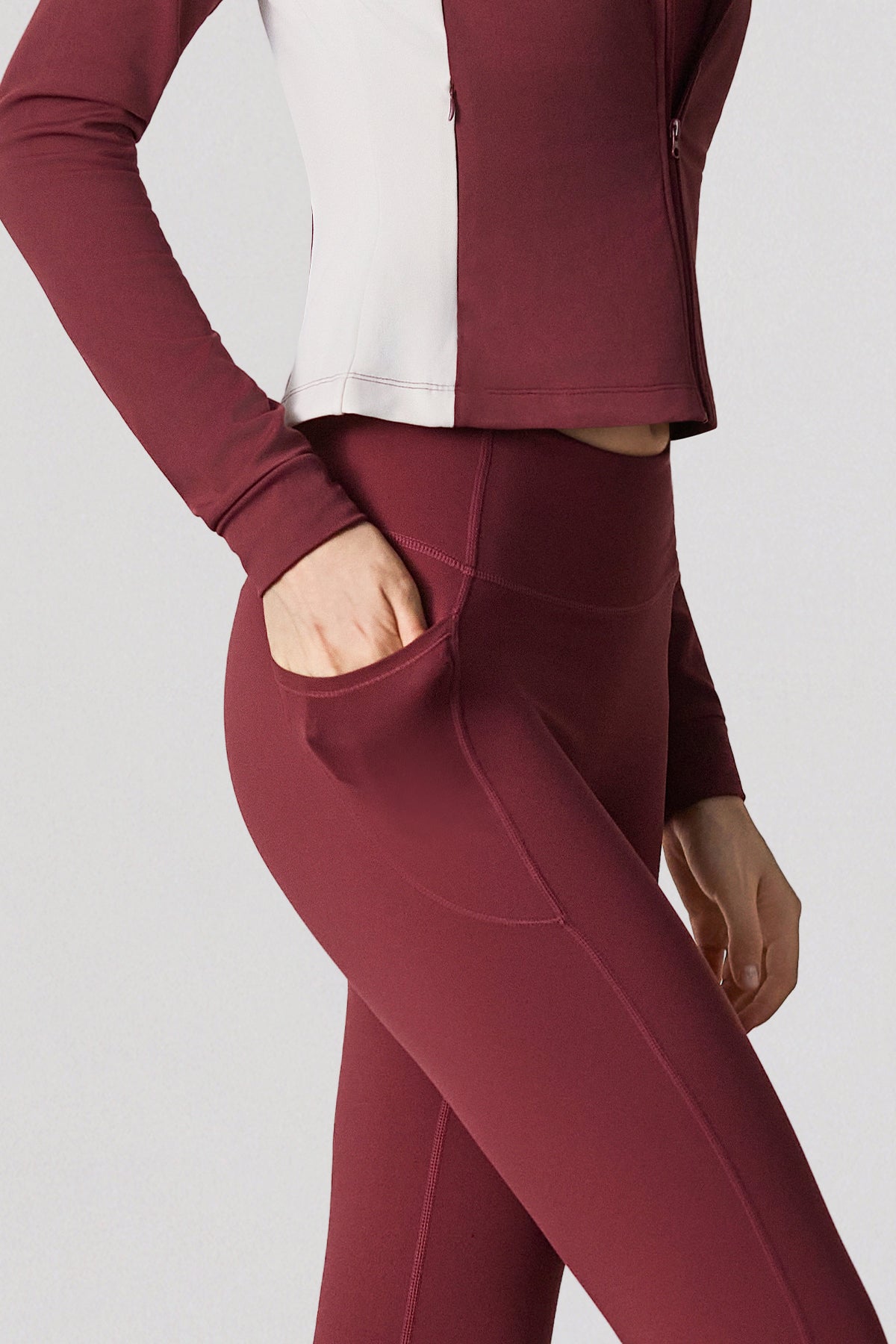
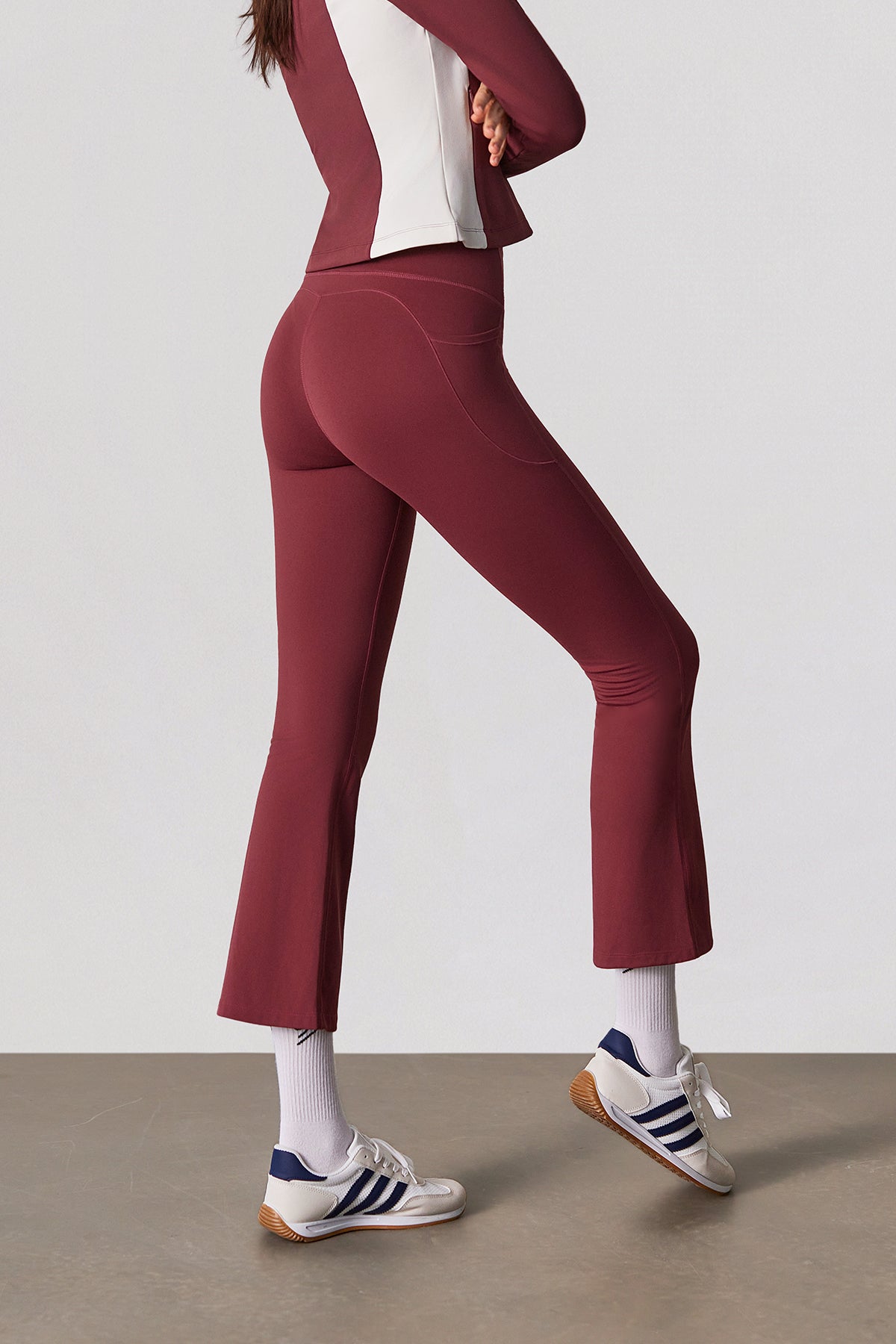
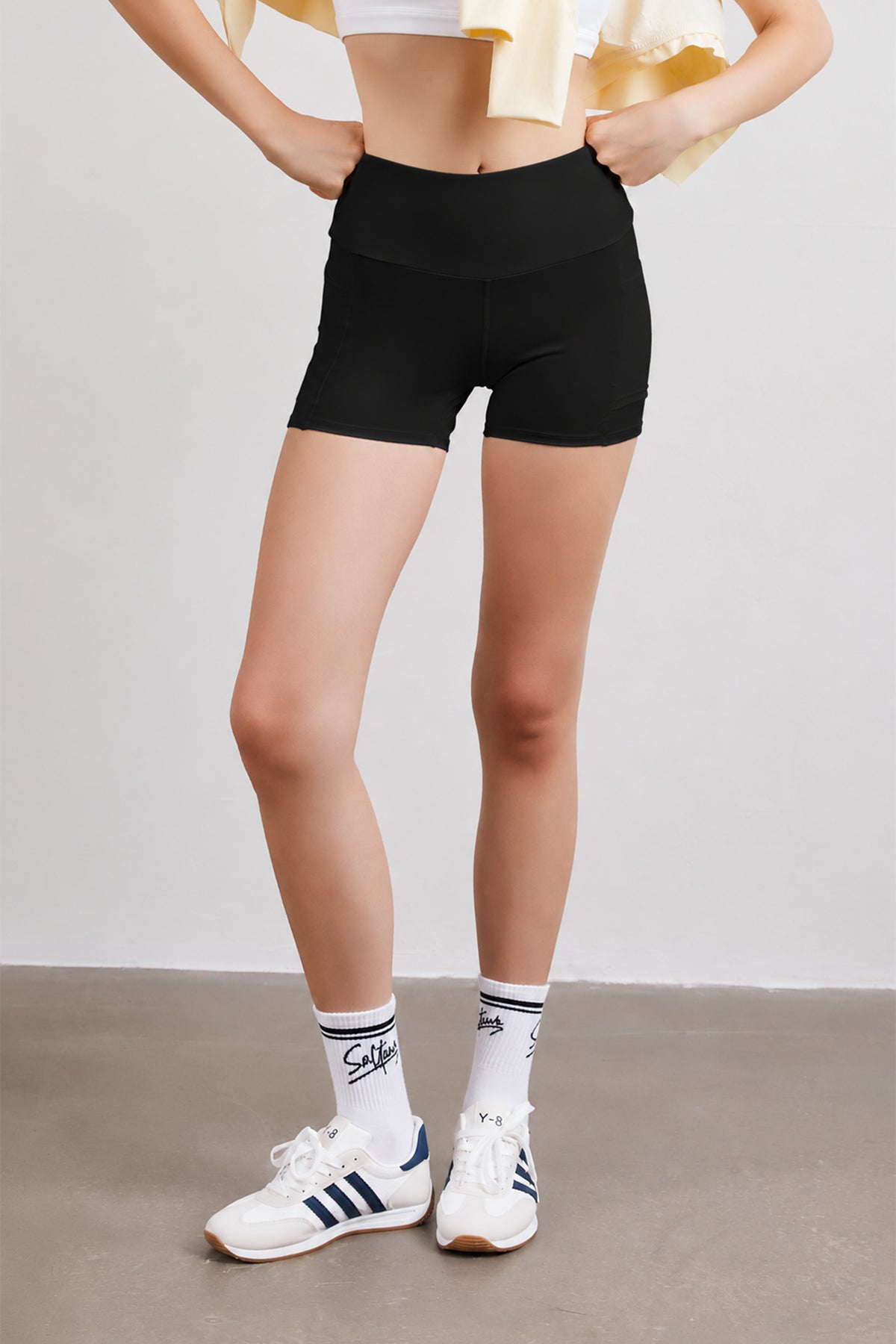
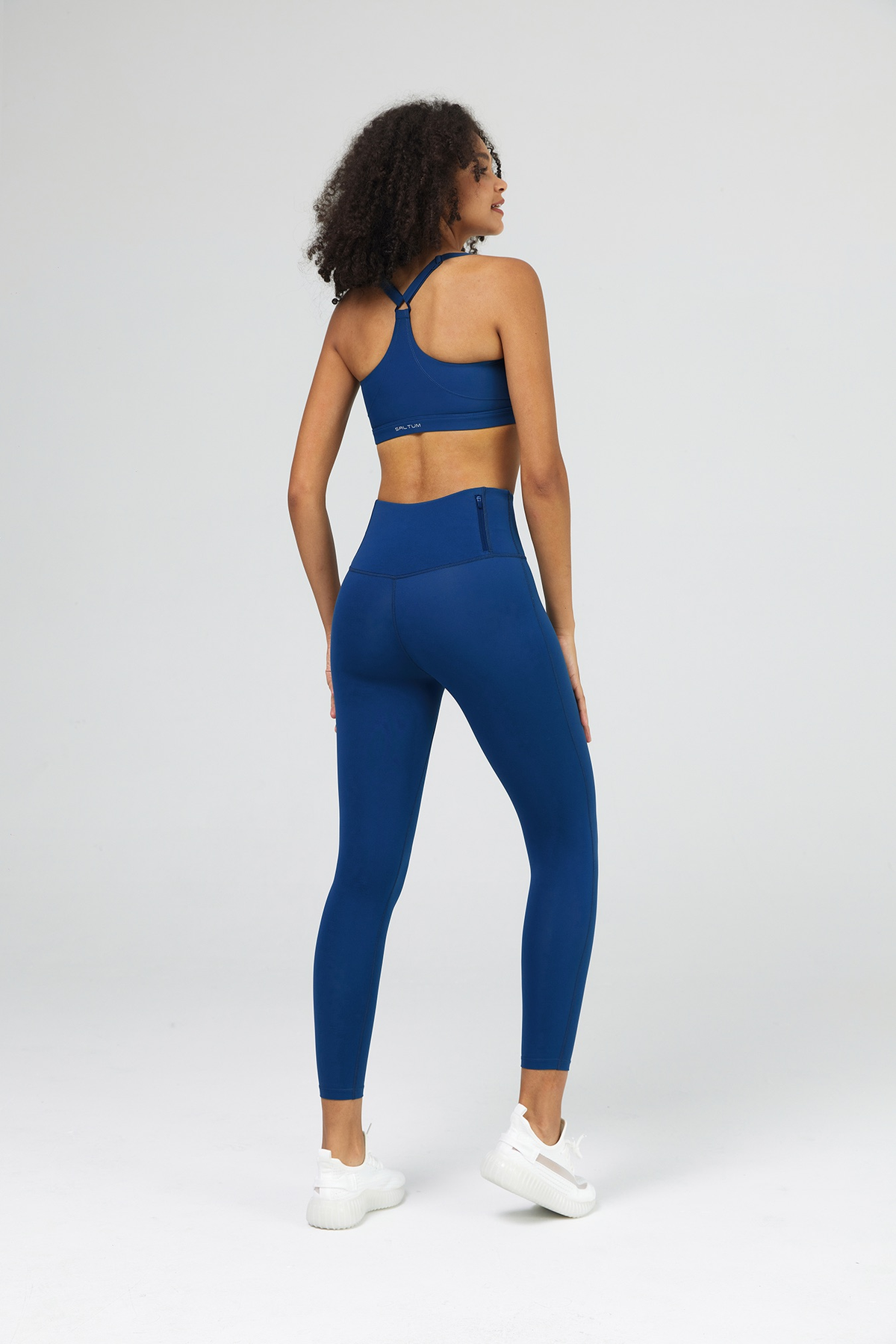
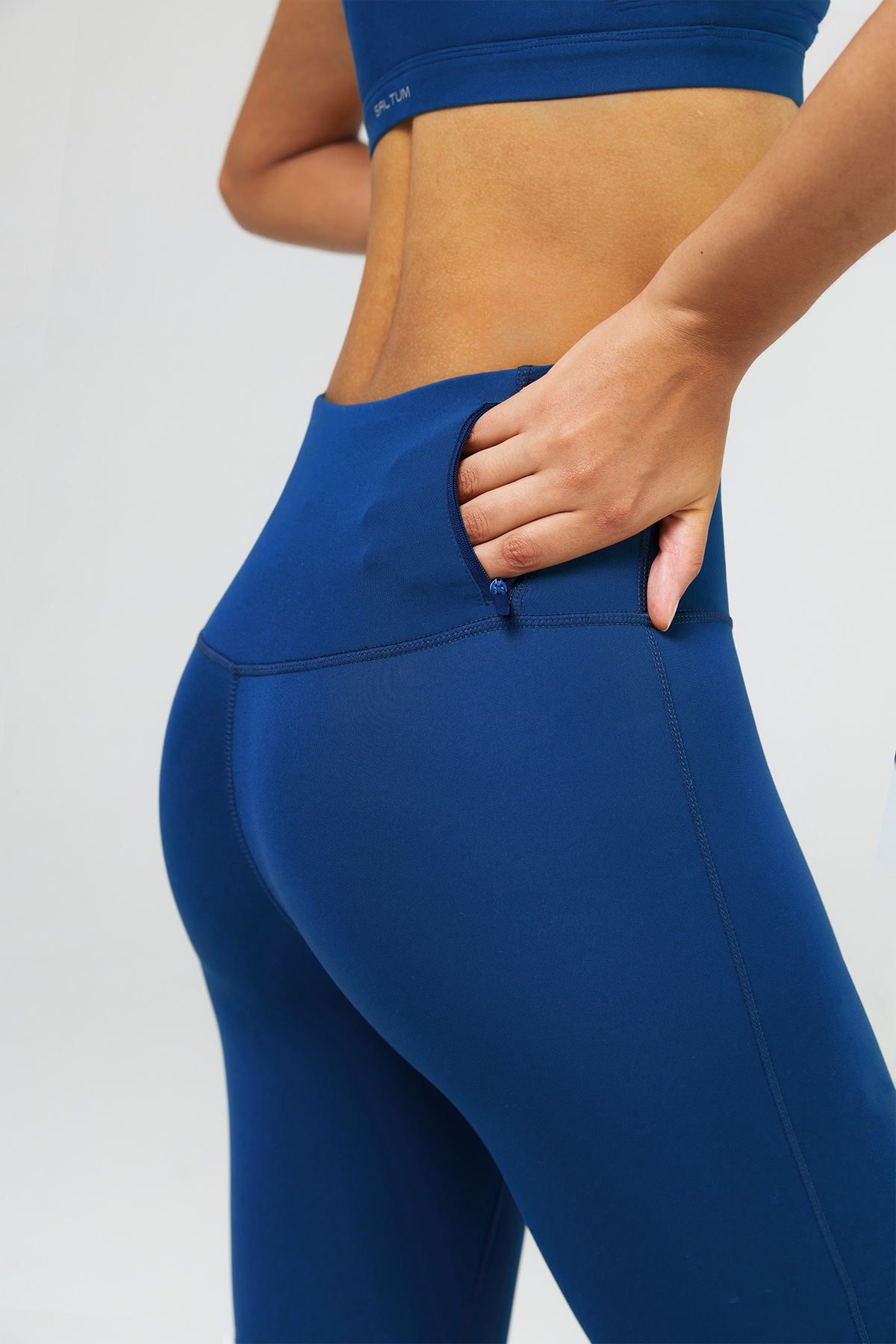
The progress on this front is real but slow. Several activewear brands like Saltum Sports now specifically market women's tights and shorts on the basis of their pocket design — side pockets large enough for a phone, zipper pockets at the thigh, small card slots. These exist. Finding them requires some deliberate searching, but they're no longer rare.
A practical workaround that many women have adopted: Buying running shorts, athletic shorts, or swim trunks from the men's section. These are often longer, have real pockets, and cost less. The fit around hips and thighs may require sizing up, but for athletic builds with narrower hips relative to shoulders, men's sizing sometimes works surprisingly well.
Fabric Choices: The Trade-offs
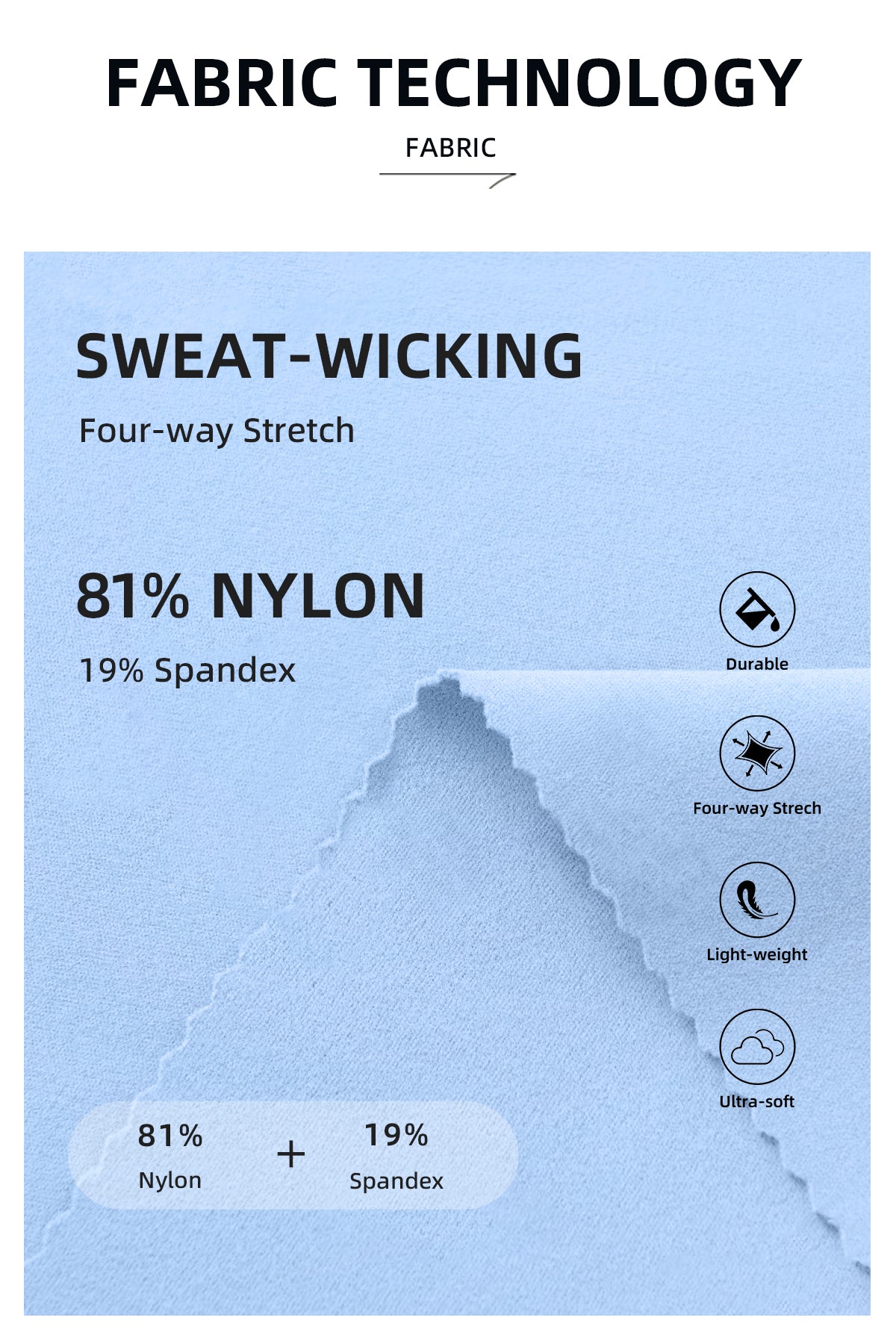
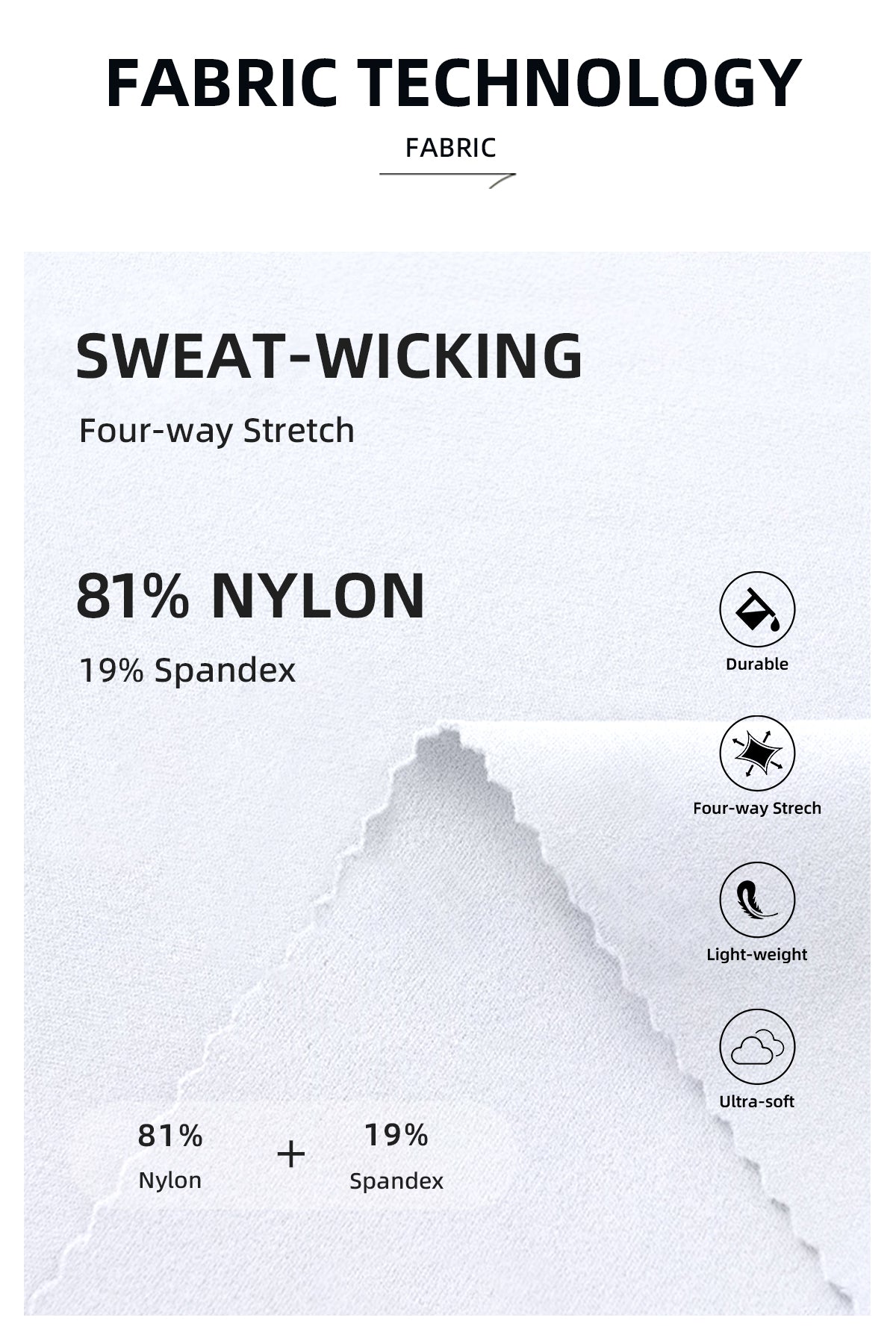
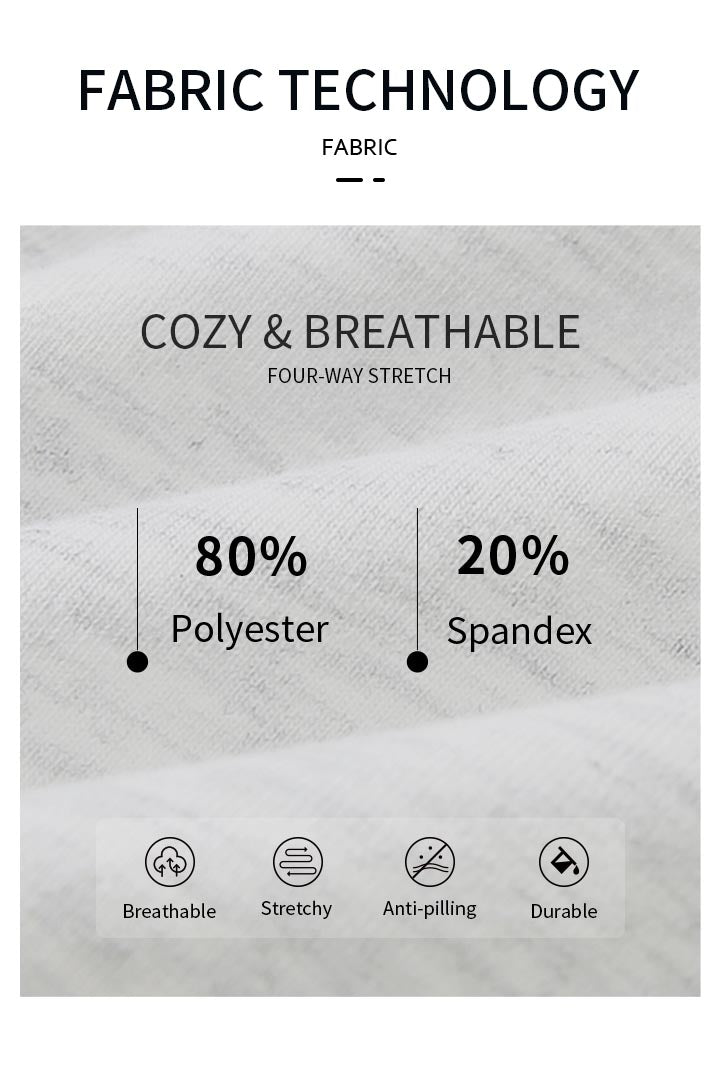
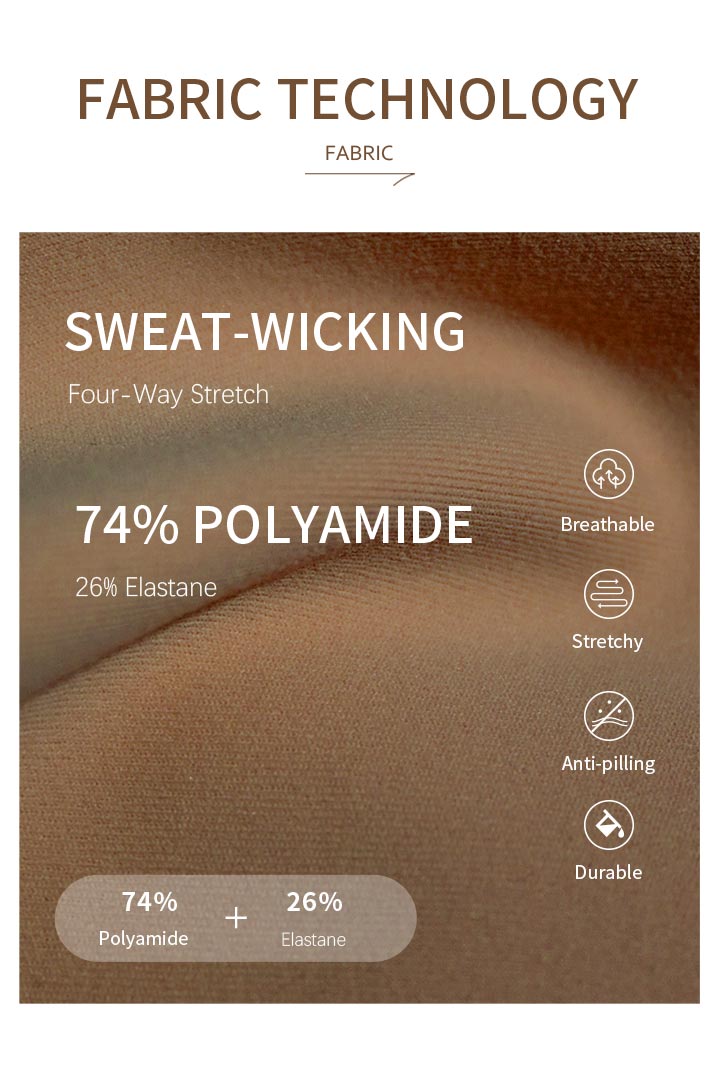
Synthetic fabrics dominate women's activewear. Technical polyester and nylon blends wick moisture, dry quickly, don't shrink, and maintain their shape through repeated washing far better than natural fibers. For high-intensity exercise, these properties matter.
The discomfort some women experience with synthetic athletic wear is real, though. Extended wear in tight synthetic fabrics can cause skin irritation, particularly for people prone to contact dermatitis or sensitivity. And in warm conditions, poorly designed synthetic fabrics can feel clammy rather than breathable.
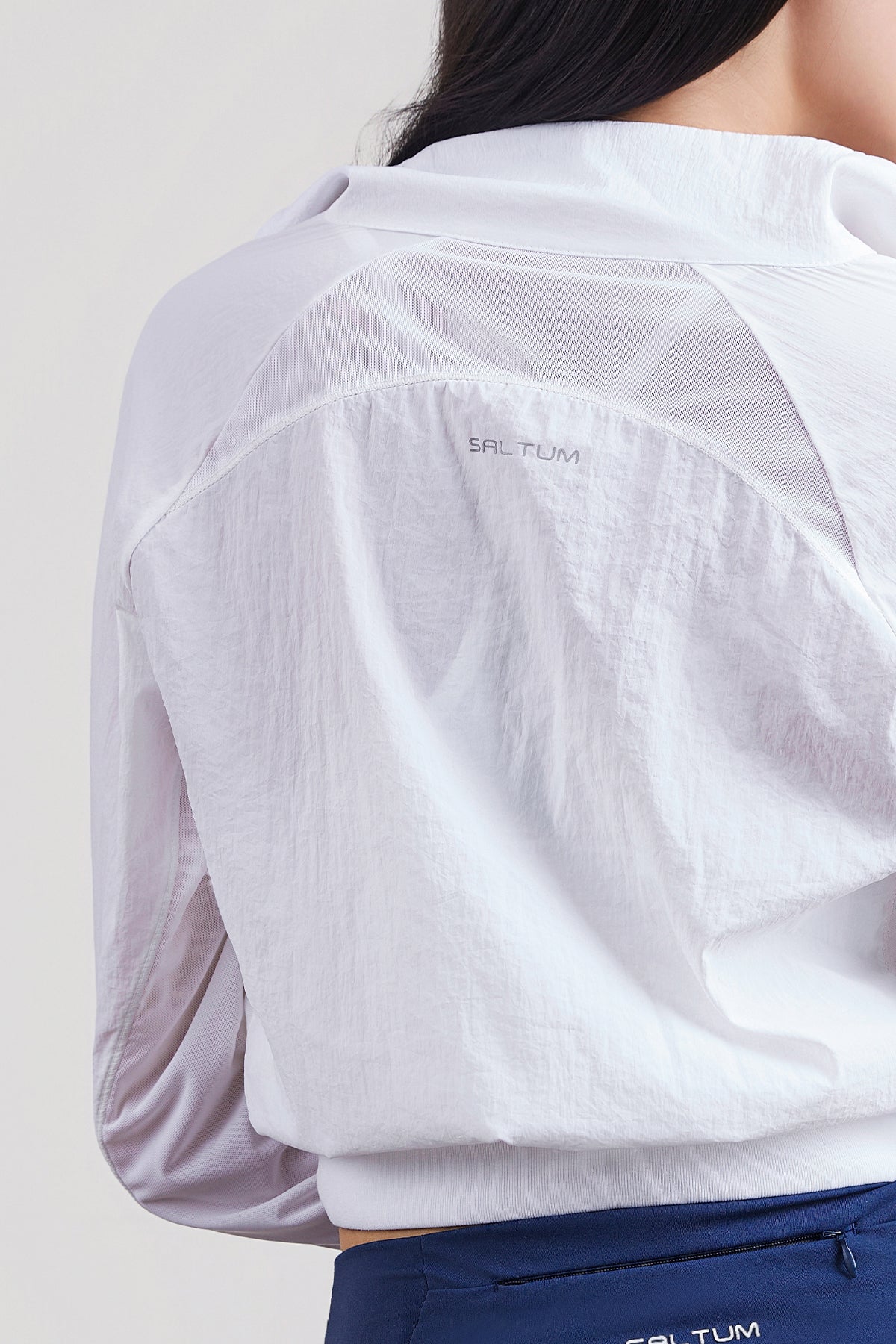
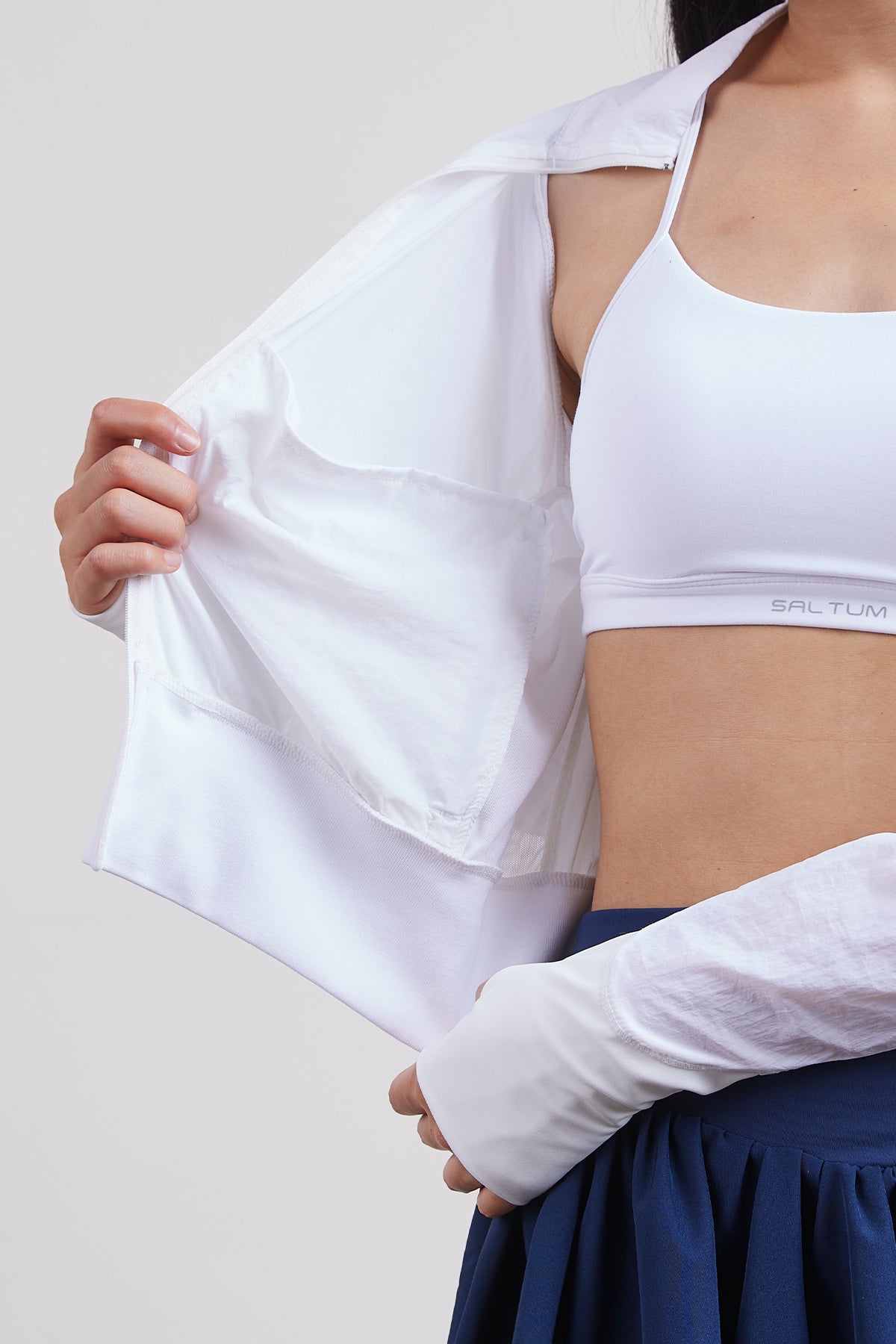
The meaningful distinction here is not "natural vs. synthetic" but "well-constructed vs. poorly constructed." A high-quality technical fabric with proper moisture management and ventilation panels will feel dramatically different from a cheap polyester blend that traps heat. Price is an imperfect guide, but construction details — mesh panels, laser-cut ventilation, flat seams — are worth looking for.
For those who genuinely struggle with synthetics, several brands now offer cotton-blend activewear designed for low-to-moderate intensity activities: yoga, walking, pilates, light lifting. These work well for those contexts and have the added benefit of being easier to care for and longer-lasting in terms of appearance.
What's Actually Getting Better
It would be reductive to frame women's activewear as purely a story of design failures. The category has improved significantly over the past decade, and the improvement is directly traceable to organized consumer pressure — women talking to each other and talking back to brands.

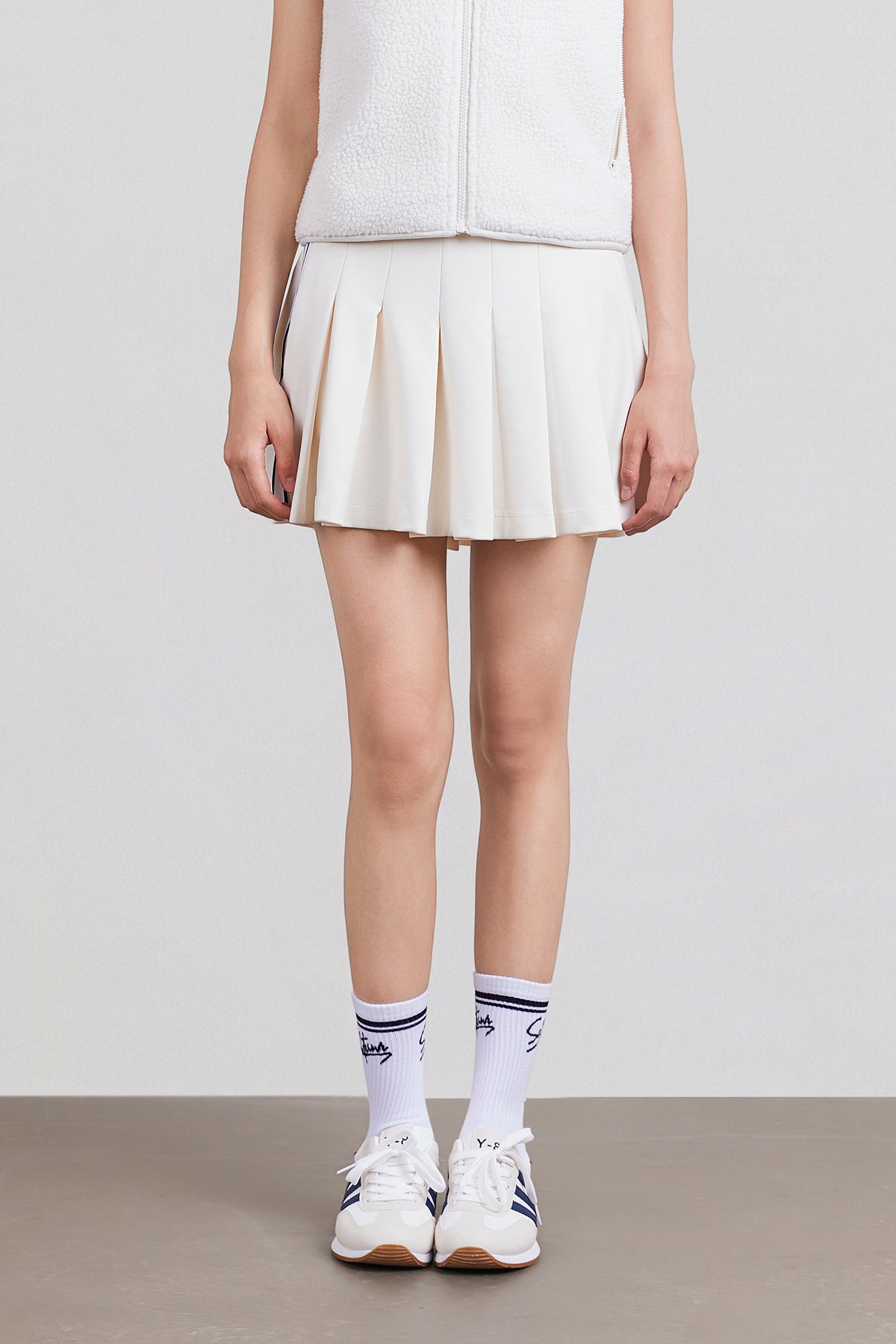
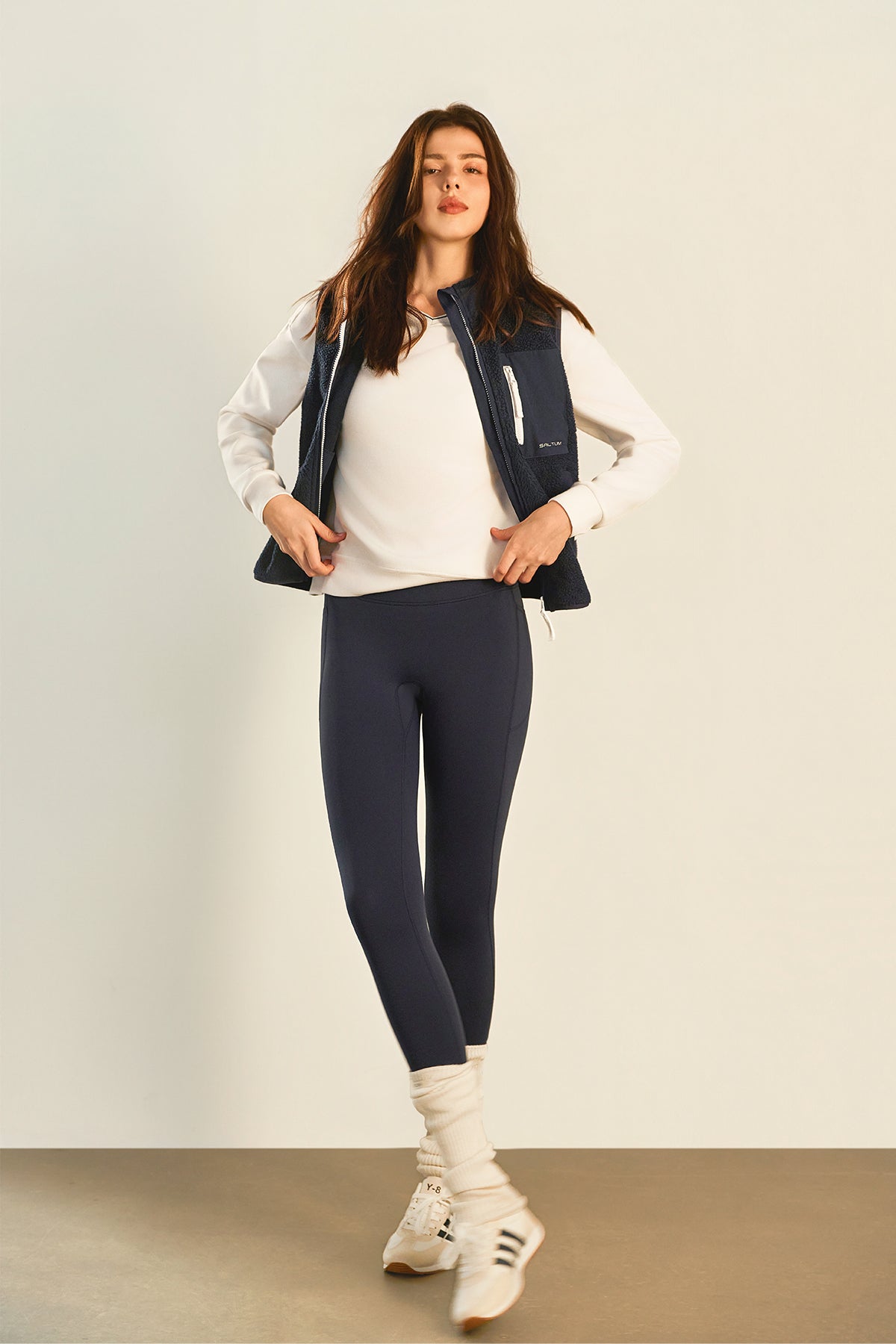
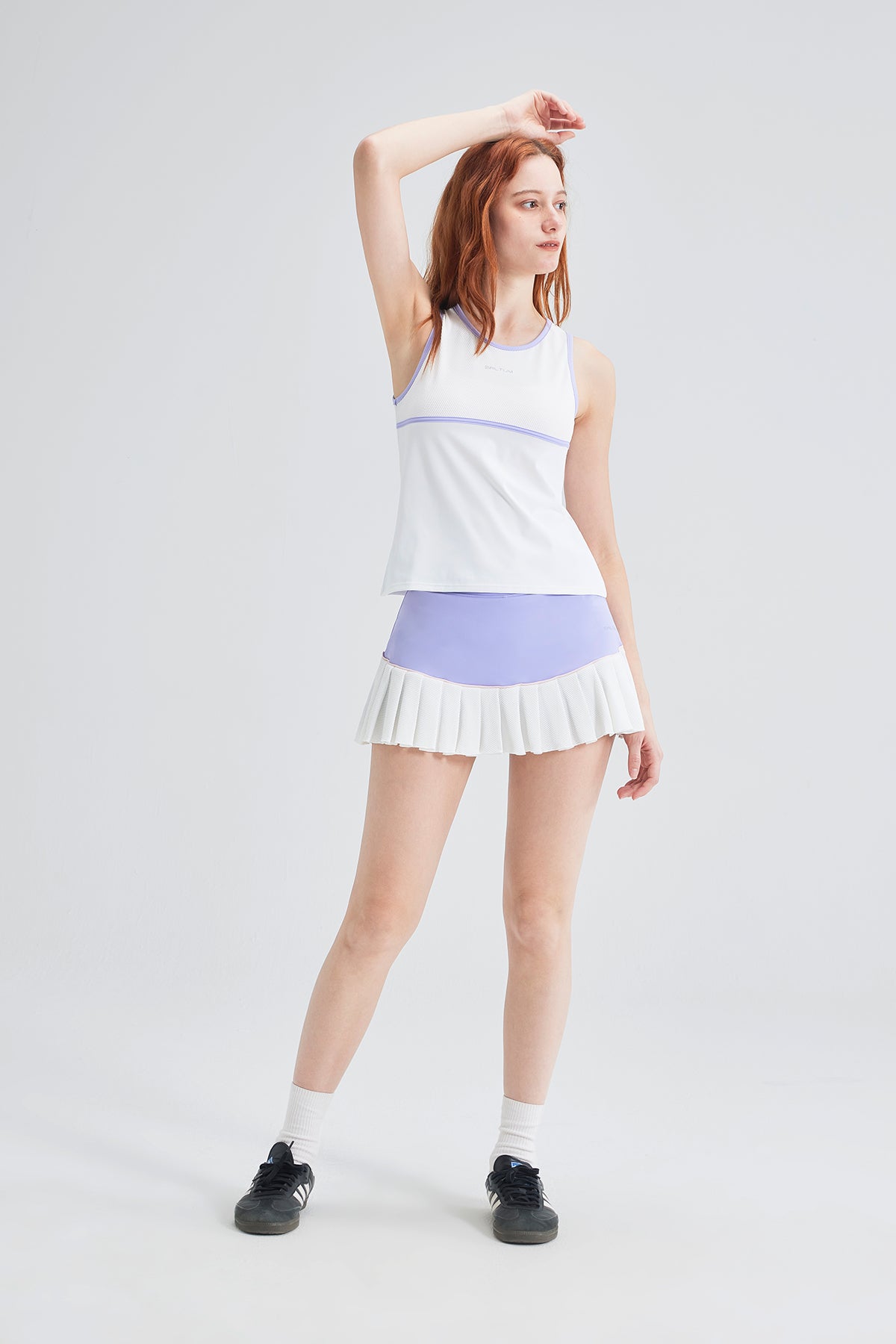
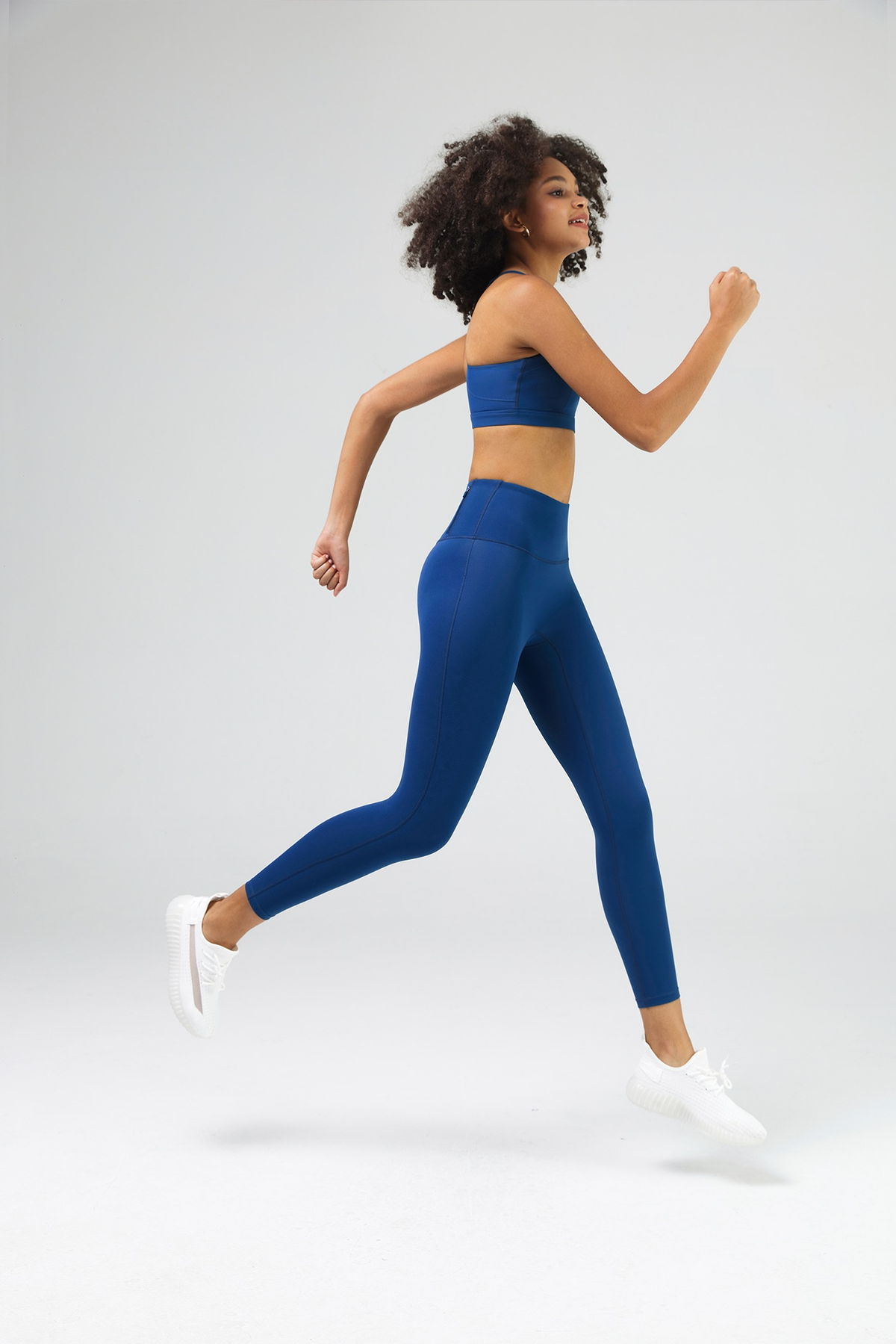
Pocketed leggings have gone from rare to standard in the mid-to-high tier of activewear. Sports bras in extended sizing (larger bands, larger cups) are increasingly available. Shorts with longer inseams — 5 inch, 7 inch, even 9 inch options — are now common at major activewear retailers. Swim shorts designed for women with actual coverage have become easier to find.
The outdoor and athletic apparel industry has also seen a meaningful shift toward designing women's pieces as women's pieces — with appropriate sizing, technical specifications, and functional features — rather than simply scaling down or feminizing men's designs. This shift was explicitly demanded by female athletes and outdoor enthusiasts, and it's been answered, at least partially.
How to Shop Smarter Right Now
Until the whole industry catches up, here are the most effective strategies for navigating the current landscape as a woman with specific fit and function needs.
First, read reviews from people whose bodies are similar to yours. The gap between a product photo and real-life fit is enormous in activewear, and reviewers who describe their specific measurements, athletic build, or problem areas are often far more useful than official size charts.
Second, don't be loyal to the women's section. Men's athletic shorts, swim trunks, and base layers often offer better value, more coverage, and more functional design than their women's equivalents. The stigma around this is fading fast — many women shop this way routinely.
Third, invest more in the pieces you wear most often. The economics of activewear quality are real: a well-constructed pair of tights at a higher price point will usually outperform several cheaper pairs in terms of comfort, longevity, and performance.
Finally, give feedback directly to brands — through reviews, or social media. The changes that have happened in women's activewear have happened partly because women stopped quietly accepting poor design and started being loud about what they actually needed.